

All Activity
- Past hour
-
 aztropic replied to aztropic's topic in DISCUSSING PALM TREES WORLDWIDE20 years. Sounds like a long time, but as a medium speed grower, it's 4 times as tall as some of my Coccothrinax or Hemithrinax species of the same age. aztropic Mesa, Arizona
 -
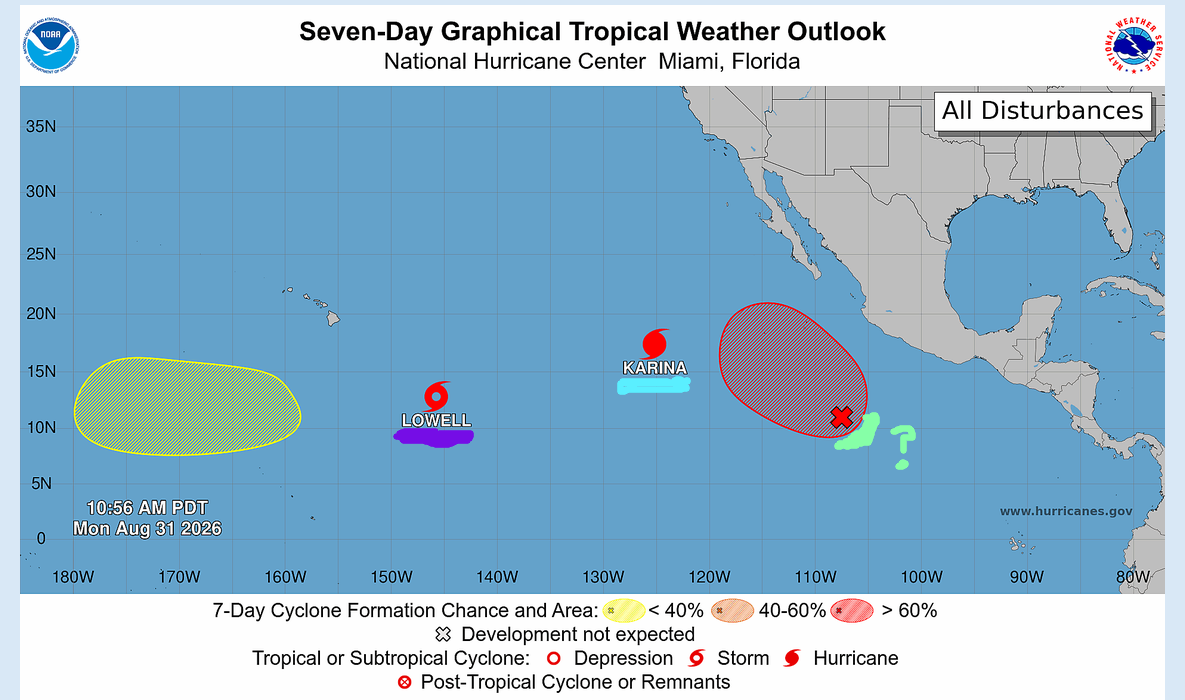
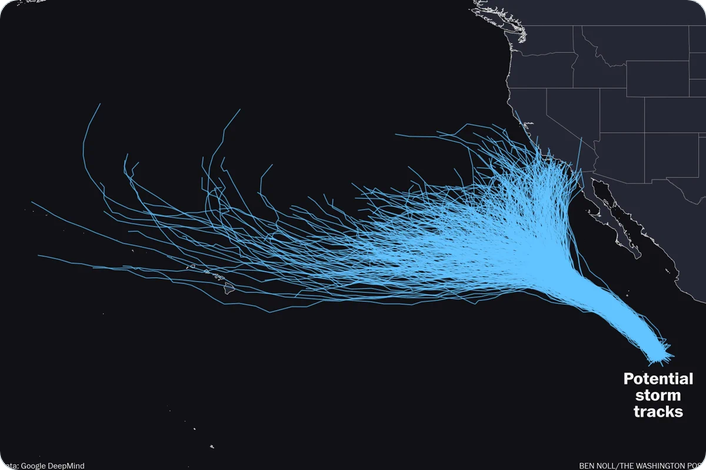
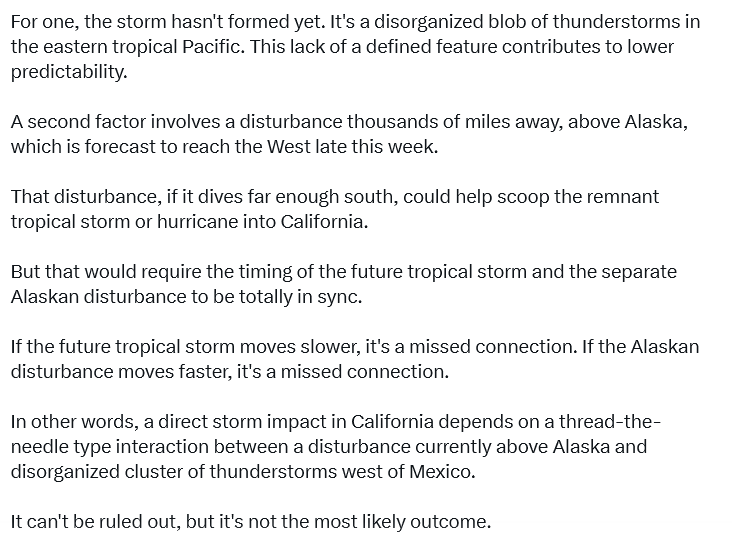
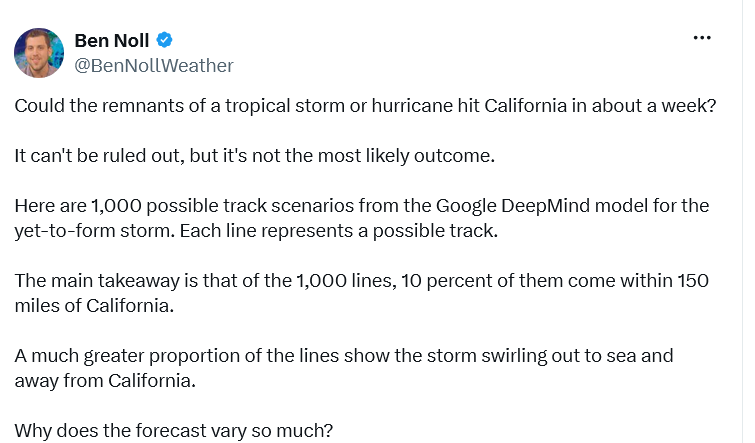
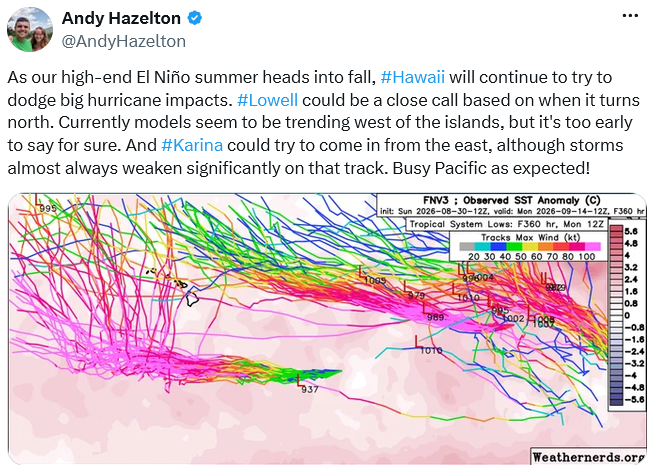
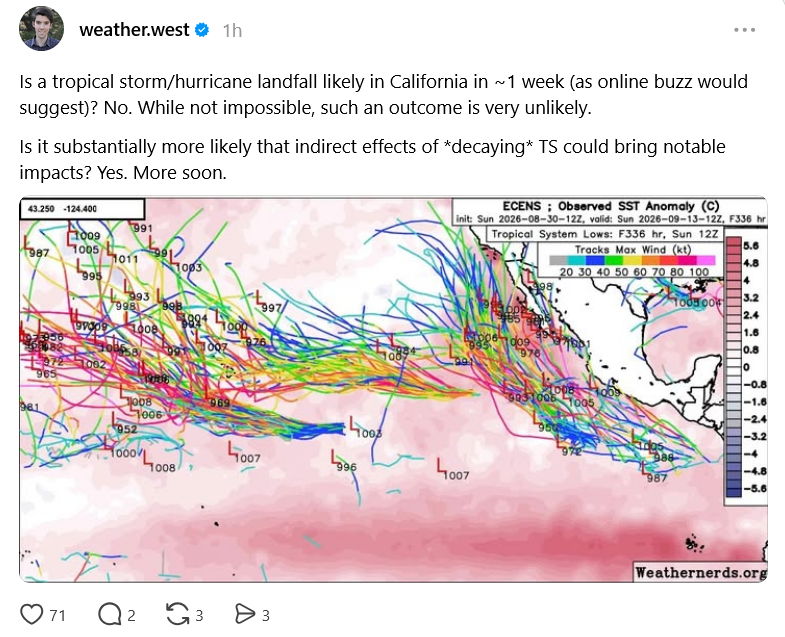
(173x200).thumb.jpg.87642ce613f801fde119db608b8aeb96.jpg) Silas_Sancona replied to Silas_Sancona's topic in WEATHER / CLIMATEMonday Morning thoughts: Lowell: = More than likely, for the time being at least, staying / passing south of the islands, but keep an eye on it. Karina: ..Also looking likely it will stay out in the Pacific vs. some earlier thinking that it could track closer toward CA. Will need to be watched closely however since some model guidance wants to track it closer to the islands later. Quite likely to reach " major " Hurricane status shortly. Next up: ..What will likely become Marie: This may be the storm that makes a run toward CA ...and/ or.... AZ But, wanna emphasize that now ...No single outcome tossed around by various model guidance is guaranteed... Already lots of flashy chit chat about what " could " happen... BEST advise? As Always, Listen to the experts, NOT talking heads behind hyped headlines, ( ....Or the weather " dudes " out there that like to attach their wagons to hype ).. From Ben Noll: Speaking of which, Dan ( Swain ) will be live at 3PM ( Pac. Time ) to lay down his take on the subject..
Silas_Sancona replied to Silas_Sancona's topic in WEATHER / CLIMATEMonday Morning thoughts: Lowell: = More than likely, for the time being at least, staying / passing south of the islands, but keep an eye on it. Karina: ..Also looking likely it will stay out in the Pacific vs. some earlier thinking that it could track closer toward CA. Will need to be watched closely however since some model guidance wants to track it closer to the islands later. Quite likely to reach " major " Hurricane status shortly. Next up: ..What will likely become Marie: This may be the storm that makes a run toward CA ...and/ or.... AZ But, wanna emphasize that now ...No single outcome tossed around by various model guidance is guaranteed... Already lots of flashy chit chat about what " could " happen... BEST advise? As Always, Listen to the experts, NOT talking heads behind hyped headlines, ( ....Or the weather " dudes " out there that like to attach their wagons to hype ).. From Ben Noll: Speaking of which, Dan ( Swain ) will be live at 3PM ( Pac. Time ) to lay down his take on the subject..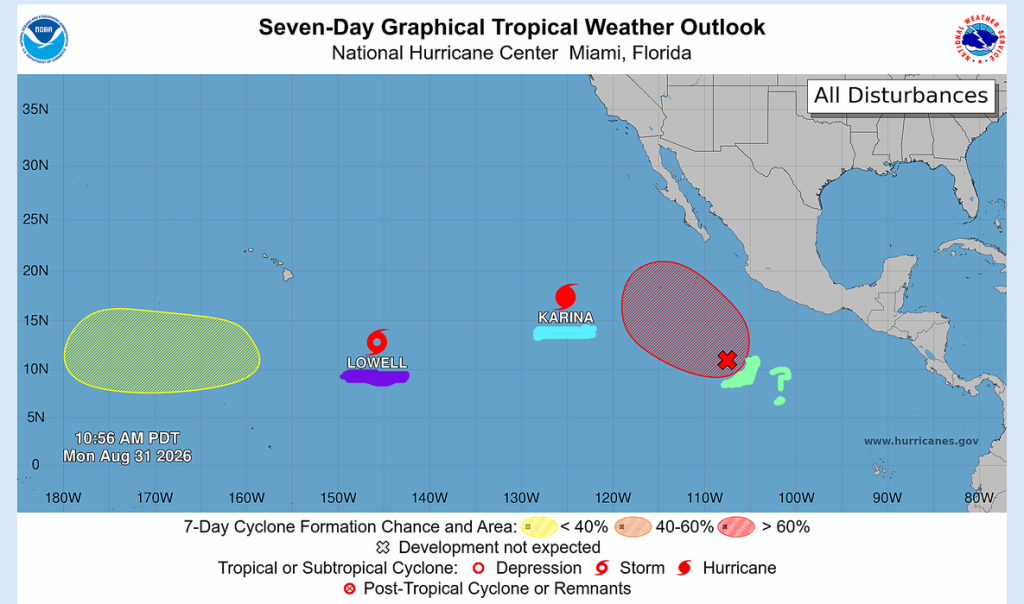
ThreadsSaymore.png.a80c6f32bed66643427653612b180489.png)
-
 Stevetoad replied to aztropic's topic in DISCUSSING PALM TREES WORLDWIDEWOW!!! How long have you been growing that beauty?
 -
 Chester B replied to MarcusH's topic in COLD HARDY PALMSI'm not at all surprised you're getting good results with this method. Our soil temps are so warm, and I think it just creates a perfect environment.
 -
Chester B replied to pinkpantheressfan's topic in COLD HARDY PALMSTrachys seem to close up their fronds for too reasons; 1) Drought - it doesn't sound like this is your culprit, you usually get a lot of yellowing on older fronds in advance of the newer ones closing up. 2) Something going on with the roots. Established Trachys can take clay and seasonal flooding, but a newer palm my struggle. Here in Houston, if I see a Trachy in summer do this, its usually results in death. But I have pretty extreme heat and humidity which they really don't like. Whether they are in a pot or in the ground I have had this issue. One day they're fine, the next they look weird and usually within a week they're gone. I have to think its fungal.
-
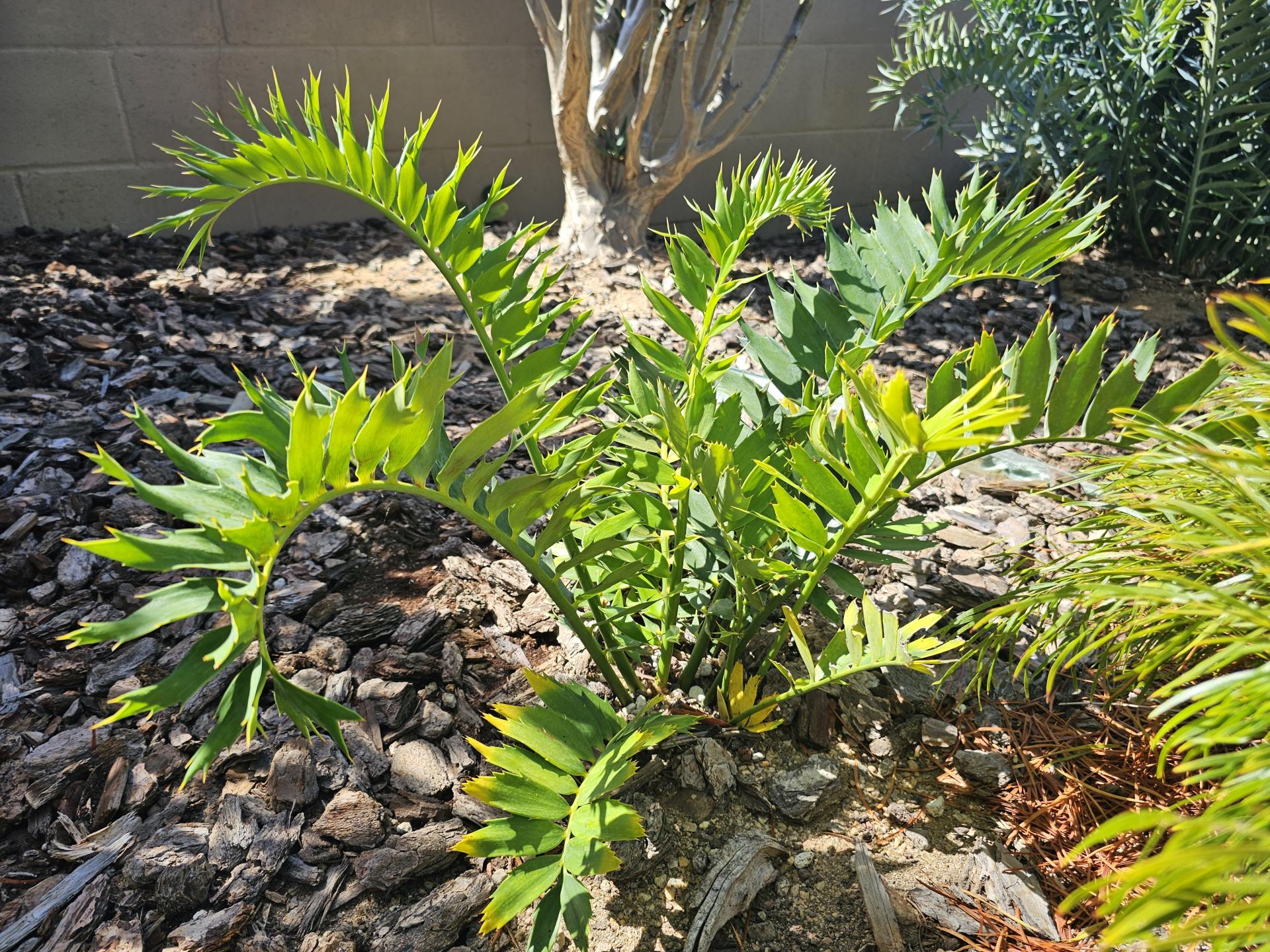
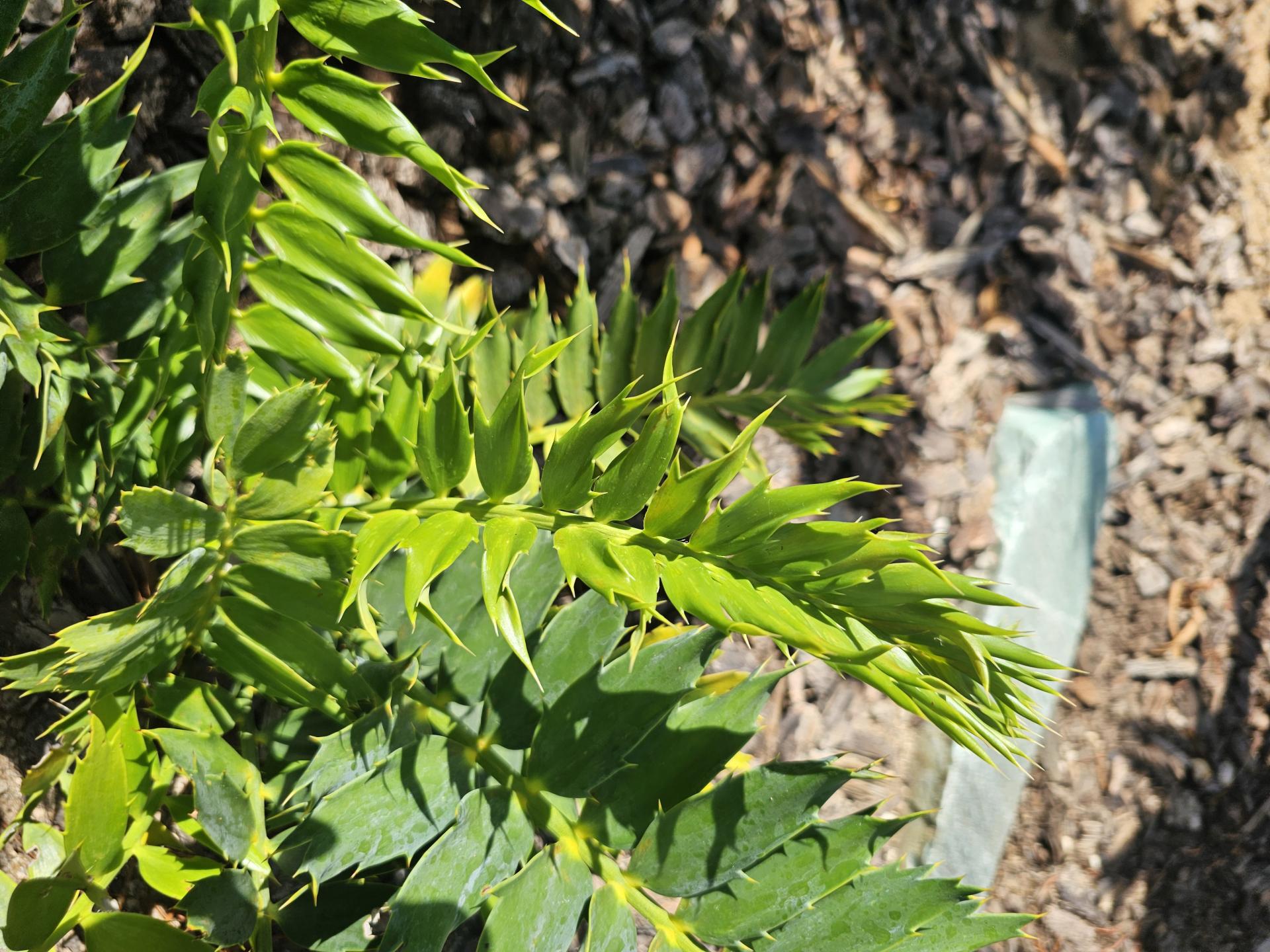
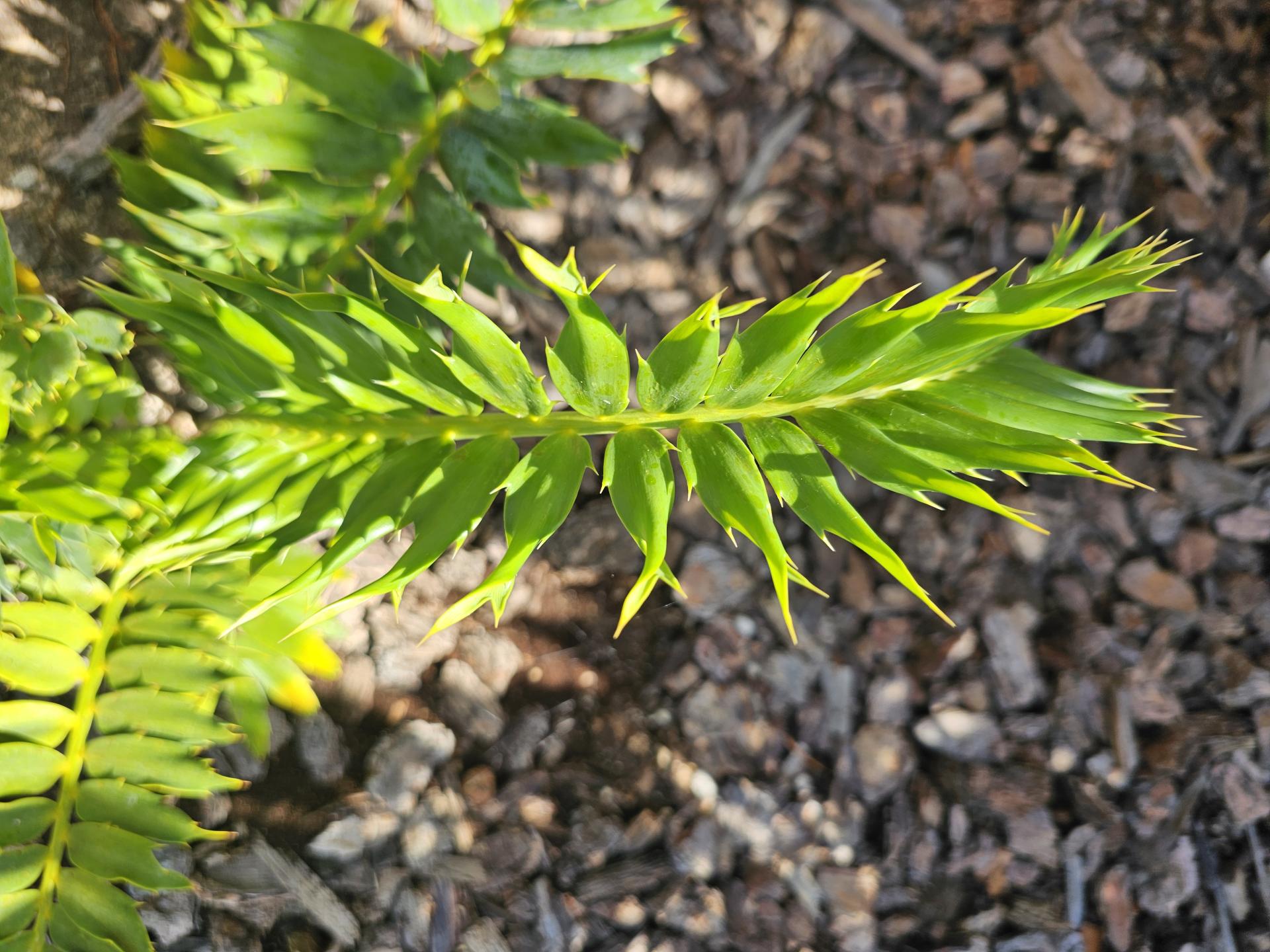
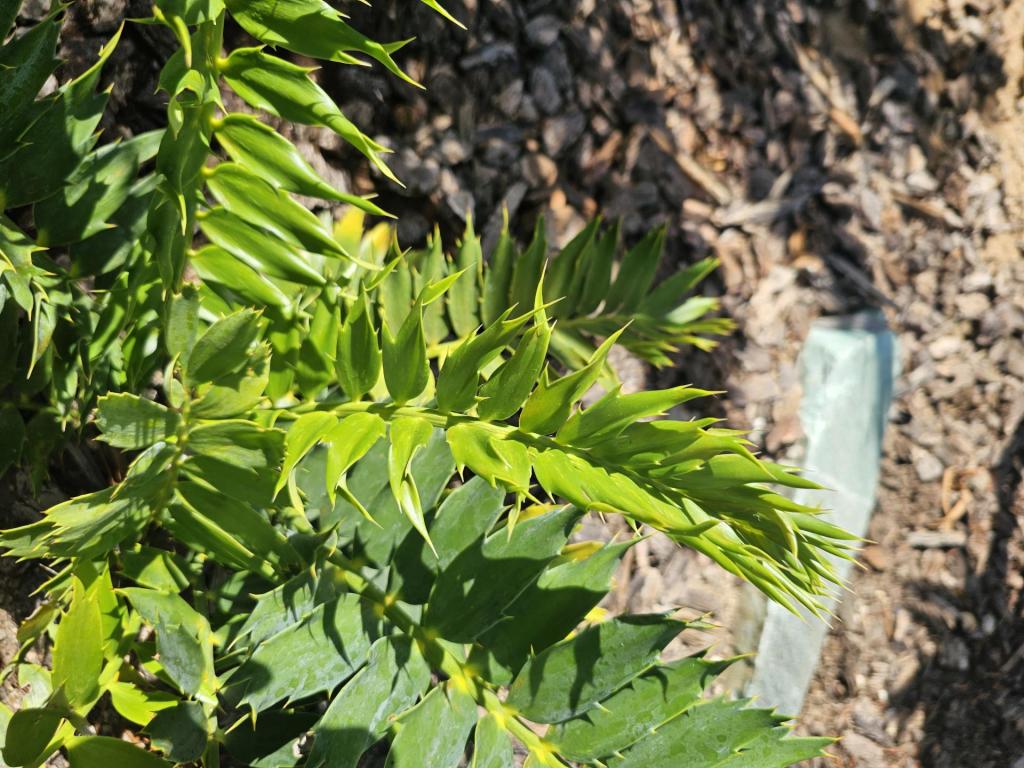
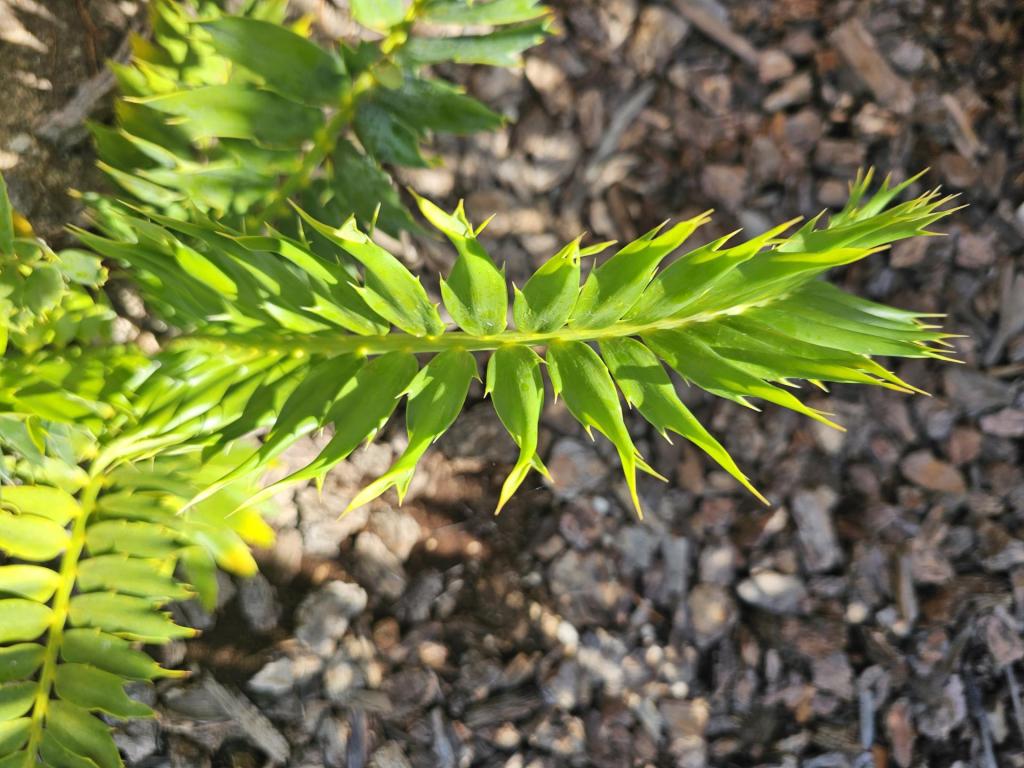
 Tracy replied to Urban Rainforest's topic in TROPICAL LOOKING PLANTS - Other Than PalmsThe pair of flushes are progressing on my little in ground Encephalartos (horridus x woodii) x (horridus x woodii). The main caudex has the two new leaves emerging and one of two pups (yes at this size 2 pups) is also flushing a single new leaf.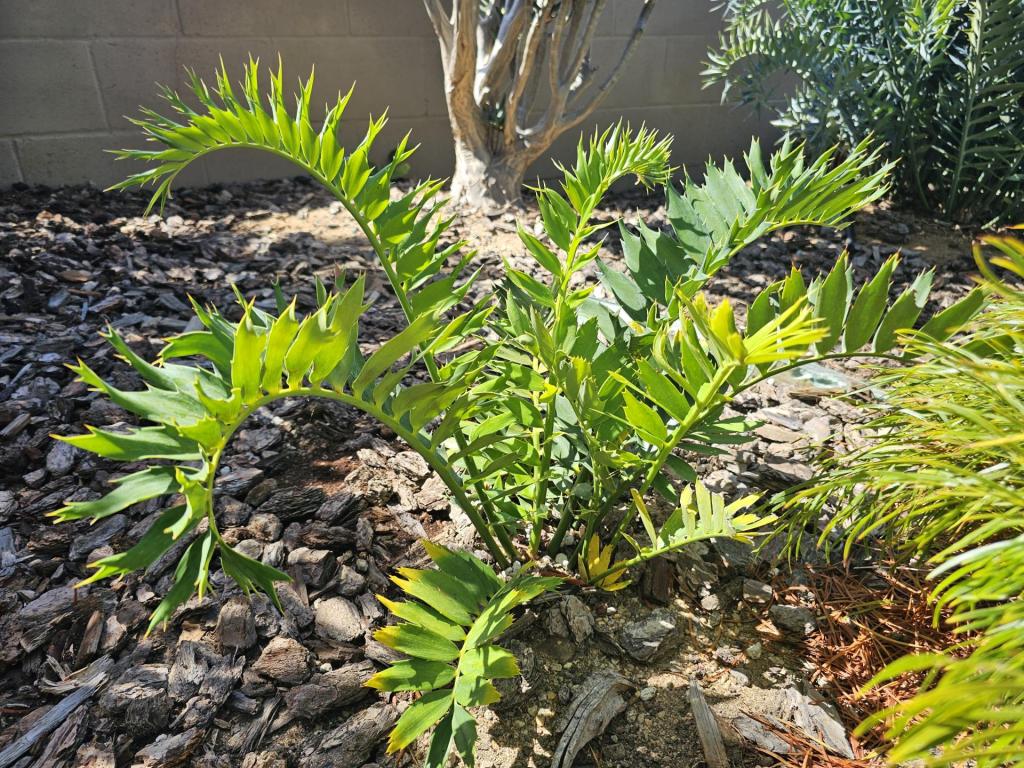
-
 pogobob replied to pogobob's topic in DISCUSSING PALM TREES WORLDWIDEI’m blessed with both the agave weevils and the palm weevils. These definitely are palm weevils that were in the soil of the dudleya pot. I saw no evidence that they were eating the roots or plants. This is something I have not heard about before.
 - Today
-
 happypalms replied to happypalms's topic in DISCUSSING PALM TREES WORLDWIDEMetallica are one of the best in the genus, somewhat rare now. Years ago you buy them at the Target plant nursery, they were that common. Now you don’t see them anymore for sale, only specialty nurseries and collecters have them. Iam glad my ones are slow you get to appreciate them as a nice understory ground cover almost. Once a lot of chamaedoreas get the tall 6foot of trunk you sort of lose them in the garden especially the 2 to 3 meter tall ones. Be patient with your ones and they will reward for many years of gardening. Remember from little things big things grow. My ones had been flowering for two decades and only in the last 3 years did I really notice them and started hand pollination. Pslms indoors always need to be rotated, indoors and then outdoors. They need a spell almost 50/50 in and out!
 -
happypalms replied to happypalms's topic in DISCUSSING PALM TREES WORLDWIDELooks pretty good to me, you’re a germinater Gyuseppe!
-
happypalms replied to happypalms's topic in DISCUSSING PALM TREES WORLDWIDETalk about a few nice specimens, beautiful Metallicas. And rather tall at that, nothing like having a few volunteers in the garden especially chamaedoreas! Richard
-
happypalms replied to happypalms's topic in DISCUSSING PALM TREES WORLDWIDEI can relate to that, when it’s hot in my area, you have three temperatures hot, hotter and even hotter.
-
 Patch replied to Patch's topic in DISCUSSING PALM TREES WORLDWIDEWow! That looks incredible, thanks for sharing. And thank you and Frond-friend on name advice.
 -
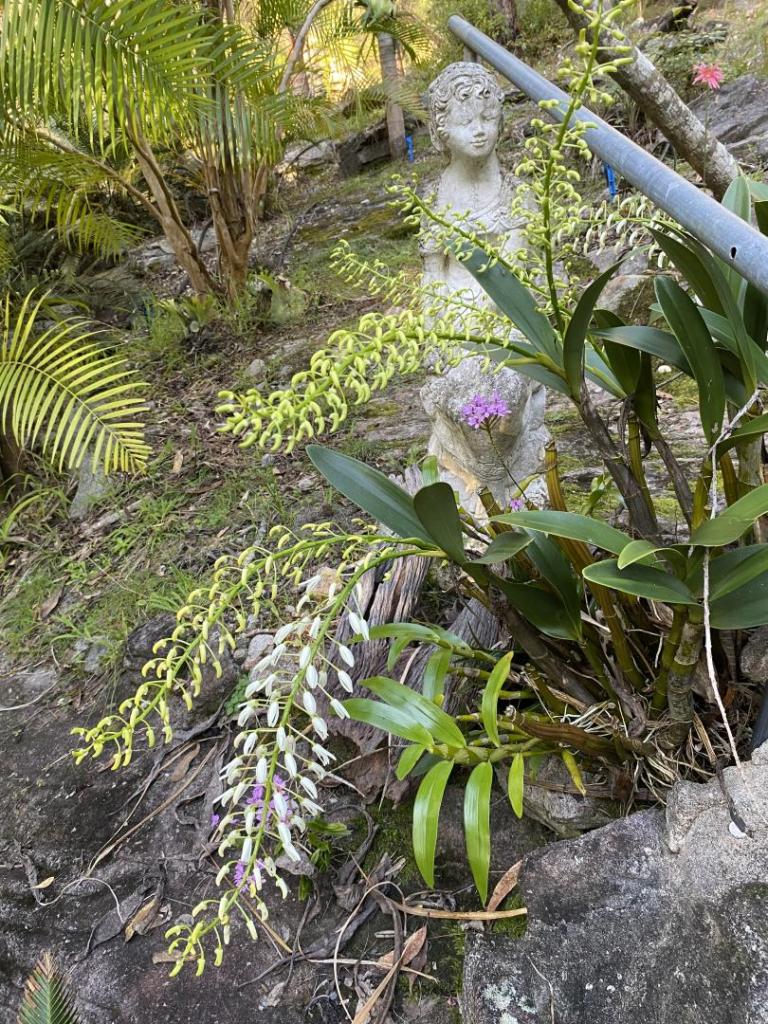
happypalms replied to Matt in SD's topic in TROPICAL LOOKING PLANTS - Other Than PalmsThe cymbidium about to bloom a great sign winter is over!
-
 Palms1984 replied to happypalms's topic in DISCUSSING PALM TREES WORLDWIDEI’m right there with Harry. It’s been so very hot and extremely humid, even for San Diego. Getting morning lows consistently in the mid-to-upper 70’s here in San Diego is definitely not normal. Let’s hope for a cool down soon. On the other hand, the tropical plants are going wild with growth. They love it! 😎
 -
happypalms replied to happypalms's topic in DISCUSSING PALM TREES WORLDWIDEThe Chuniophoenix is 25 years old, not a rocket ship that’s for sure, very slow growing. And the Calyptrogyne is at least 4 years old. Where there’s a will theres a way to get seeds to you, so that Chuniophoenix is possible! Richard
-
 Pacific posted a topic in COLD HARDY PALMSScientifically described in 2019 (Phoenix theophrasti subsp. golkoyana), this distinct population of the Gölköy date palm, often compared to the Cretan date palm, is a variant that grows in a small relict habitat on the Bodrum Peninsula near Gölköy on the Aegean Sea coast of southwestern Turkey (with the Gölköy date palm seed lot positioned in the bottom-left bowl, and standard Cretan date palm seed lots represented in the top and right bowls). Unlike the extensive populations found in parts of Crete or Datça, this rare pocket exists in a heavily restricted micro-habitat consisting of only a limited number of mature specimens in the wild, making it globally very rare. Consequently, mature fruiting specimens remain exceedingly scarce worldwide, and fully grown landscape specimens are non-existent in North America, with no documented mature specimens currently established; instead, this genetics-focused variant is only maintained by a handful of dedicated specialist collectors. This strict constraint of genetic isolation severely limits gene flow, allowing localized selection pressures to rapidly fix specific traits within the population. For advanced palm growers focused on extreme thermal thresholds, this rare relict population offers a fascinating case study in hyper-hardiness. Highlighting its exceptional resilience, rarepalmseeds specifically describes its cold tolerance as severe, noting that it handles punishing conditions far beyond standard expectations. Crucially, because its native micro-climate exposes it to wet, freezing coastal air masses, sleet, and driving winter winds off the Aegean, it can handle wet-cold conditions the best out of all in genus making it uniquely resistant to the root and spear rot that typically plagues other members of the genus during freezing and damp winters. While standard Mediterranean populations of the Cretan date palm deal primarily with mild coastal conditions, the Gölköy locality is routinely subjected to harsh continental air masses sweeping down from the north, exposing the plants to biting winter wind tunnels, severe radiative cooling, and natural environments that occasionally experience freezing temperatures, frost, sleet, and snow. A direct comparative analysis of these seed lots reveals distinct carpological divergence, offering structural and chromatic insights into a heavily selected genotype situated at the absolute cold-tolerant pinnacle of the genus Phoenix. Carpological Comparison at a Glance A side-by-side evaluation of the seed lots highlights clear micromorphological and coloration differences between the Cretan date palm and the Gölköy variant: Overall Shape: Cretan Date Palm: Stout, robust, and broad-ellipsoid. Gölköy Variant: Attenuated, slender, and elongated. Aspect Ratio: Cretan Date Palm: Low ratio resulting in a plump geometry. Gölköy Variant: High ratio resulting in a streamlined geometry. Apical & Basal Poles: Cretan Date Palm: Blunter and more rounded ends. Gölköy Variant: Pronounced, acute apical tapering (referring to the micropylar and chalazal poles, meaning the ends of the seed). Ventral Sulcus: Cretan Date Palm: Broad, open, and expanded face. Gölköy Variant: Tighter, compressed, and appressed closely to the axis (referring to the ventral sulcus, which is the longitudinal groove or furrow along the inner face of the seed). Testa Coloration: Cretan Date Palm: Rich, warm golden-brown with uniform opacity. Gölköy Variant: Lighter, subtly desaturated tone with a distinct matte or chalky overcast. Environmental Pressures and the Case for Hyper-Hardiness While seed geometry and pigmentation describe diaspore structure, evolutionary biology indicates that severely isolated relict populations exposed to harsh environmental gradients undergo parallel shifts in both morphology and physiological resilience: The Strict Constraint of Genetic Isolation: Unlike the more extensive populations found elsewhere, the Gölköy population exists in a tightly confined micro-habitat. This geographical fragmentation severely restricts gene flow, allowing localized selection pressures to rapidly fix specific adaptive traits within the population. Harsh Aegean Microclimate Pressures: Subjected to intense seasonal wind tunnels off the Aegean, sharp radiative cooling, and cold air drainage, this niche imposes rigorous ecological filtration. Only specimens possessing maximum physiological stress tolerances survive the regional winter freezes to reproduce. The Protective Envelope Connection: Alterations in seed dimensions such as a slender, tightly compressed ellipsoid profile and acute tapering frequently correlate with modifications in the surrounding endocarp and fruit tissues, serving as an evolutionary adaptation to safeguard the embryo during prolonged environmental adversity. Conclusion: A population isolated and specialized enough to exhibit distinct carpological drift under such intense environmental constraints has likewise drifted toward maximum physiological frost resilience. Based on these morphological markers and the severity of its habitat, the Gölköy date palm is arguably the absolute coldest-tolerant Phoenix genotype on earth.


-
 Phoenikakias replied to BayAndroid's topic in DISCUSSING PALM TREES WORLDWIDEHere's a plant in my garden obtained as a seedling under the name Chamaedorea hooperiana exposed overhead to sun during midday.

-
Phoenikakias replied to BayAndroid's topic in DISCUSSING PALM TREES WORLDWIDEHeat yes, sun no
-
 kylecawazafla replied to SouthernCATropicals's topic in DISCUSSING PALM TREES WORLDWIDEGood luck @FallbrookPlantGuy ! I'm in El Centro, CA, and will be experimenting with a coconut palm this winter too. I have a friend in Brawley, CA, who has a suspected Malay-type coconut that's been in the ground for 3 years now outside. Per anecdotal evidence, it appears that the coconuts coming from Hawaii seem to tolerate the cool winters in CA better, as the large one in La Quinta, CA, is from Hawaii as well as the trunking one in Phoenix, AZ. Kanoa Nursery on the big island of Hawaii sells sprouted coconuts to California!
 -
Tracy replied to Urban Rainforest's topic in TROPICAL LOOKING PLANTS - Other Than PalmsI love these Zamias with the large corrugated leaflets. They are a no grow here. I think it is probably our cool damp winters that they don't like. I can appreciate them from afar though.
-
kylecawazafla replied to BayAndroid's topic in DISCUSSING PALM TREES WORLDWIDEIs this Chamaedorea microspadix? I am about to start a palm garden in El Centro, CA, so looking for Chamaedorea that can handle the heat! I have been experimenting with plantings at my work here in the Imperial Valley, and planted one this February but it unfortunately has since evaporated, but it did get a lot of sun.
-
 Ben G. replied to Teddys Nursery's topic in DISCUSSING PALM TREES WORLDWIDEI hope you get some great guests for the show. Hopefully some growers from all over the world will share their wisdom with the rest of us. I have enjoyed listening to the Palmcast since I discovered it in July. 👍
 -
 DarwinBoy joined the community
 -
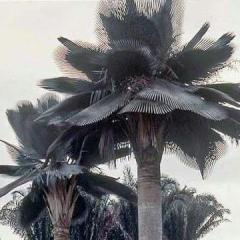 FlaPalmLover replied to sonoranfans's topic in DISCUSSING PALM TREES WORLDWIDEIt's too bad there's no pause button you can hit on a palm like that when it gets to 3-5 feet of trunk. You can already tell it's going to be a special palm.
 -
 tim_brissy_13 replied to BayAndroid's topic in DISCUSSING PALM TREES WORLDWIDEFound a more recent one.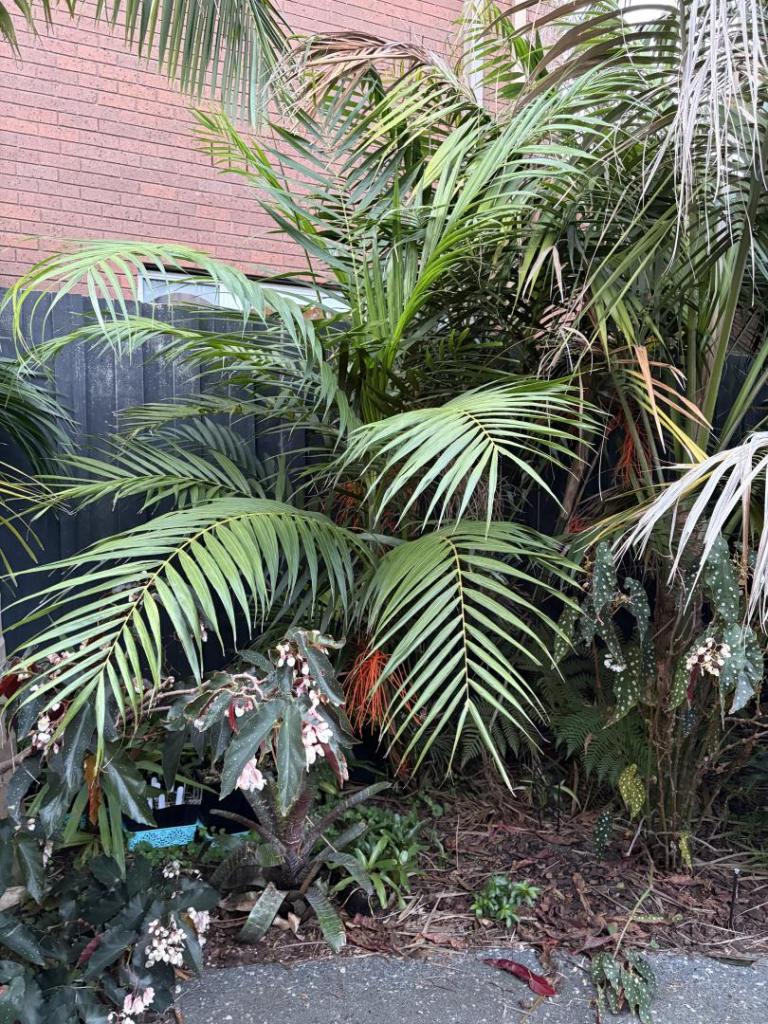
-
 Allen replied to pinkpantheressfan's topic in COLD HARDY PALMSPalms planted where you dig a hole and put in any type of potting soil creates two different densities of soil, especially if you have a clay it will result in the hole staying wet with the water staying in the looser soil, creating a area around the palm that can cause rotted roots or problems. Non amended holes will drain equally. This mainly applies in soil like clay. This effect is called the bathtub effect and is a problem for weaker newly planted plants that can’t take sitting in water