

All Activity
- Past hour
-
 Phoenikakias replied to happypalms's topic in DISCUSSING PALM TREES WORLDWIDECertainly
 -
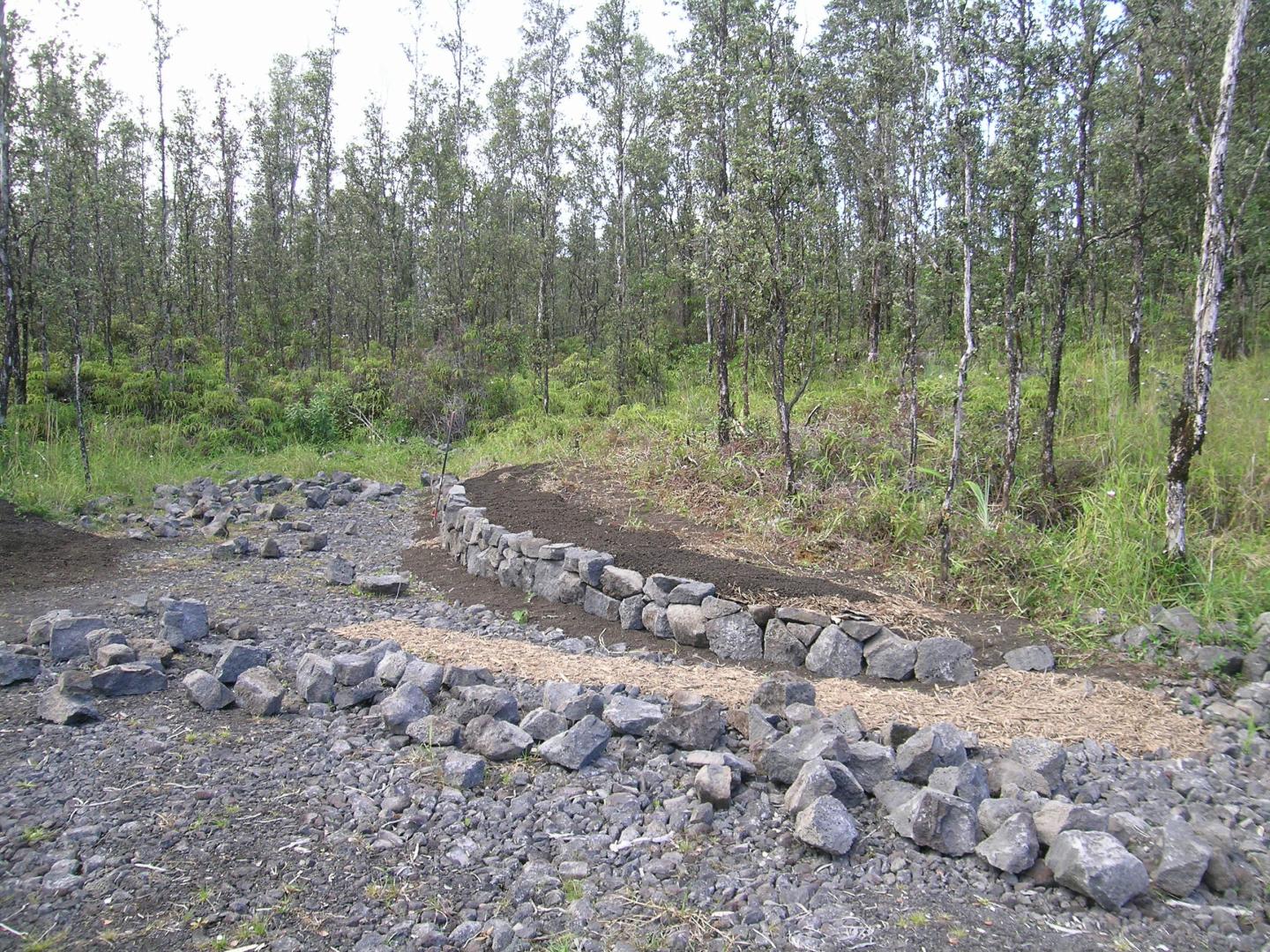
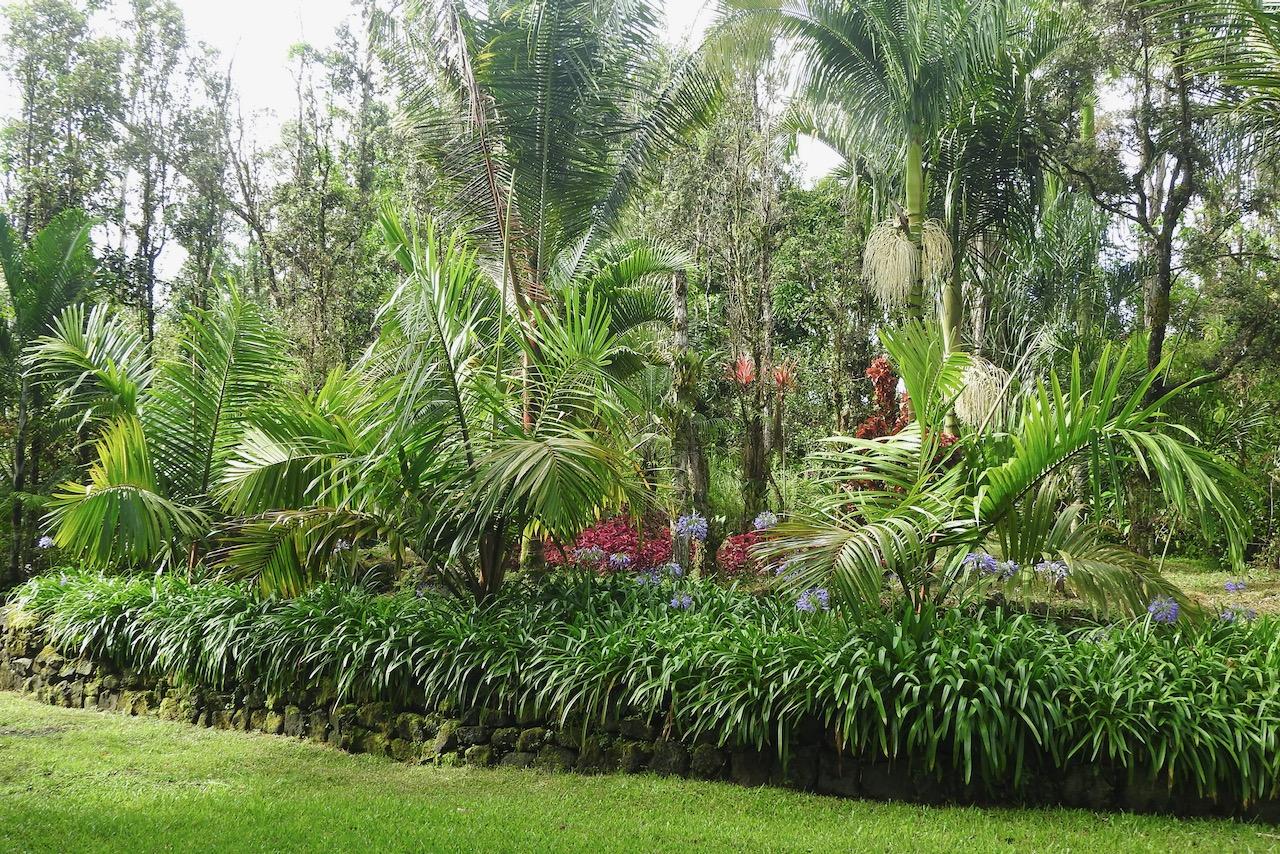
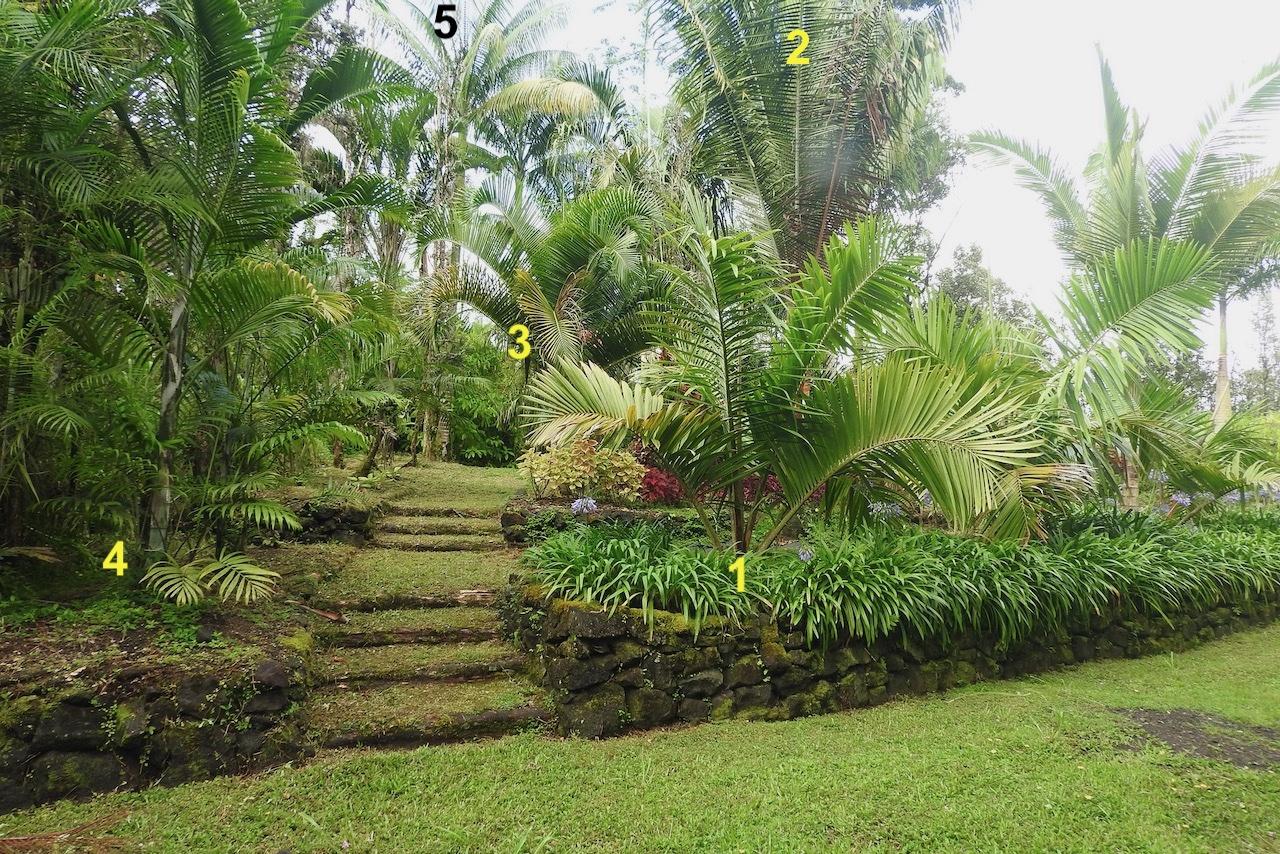
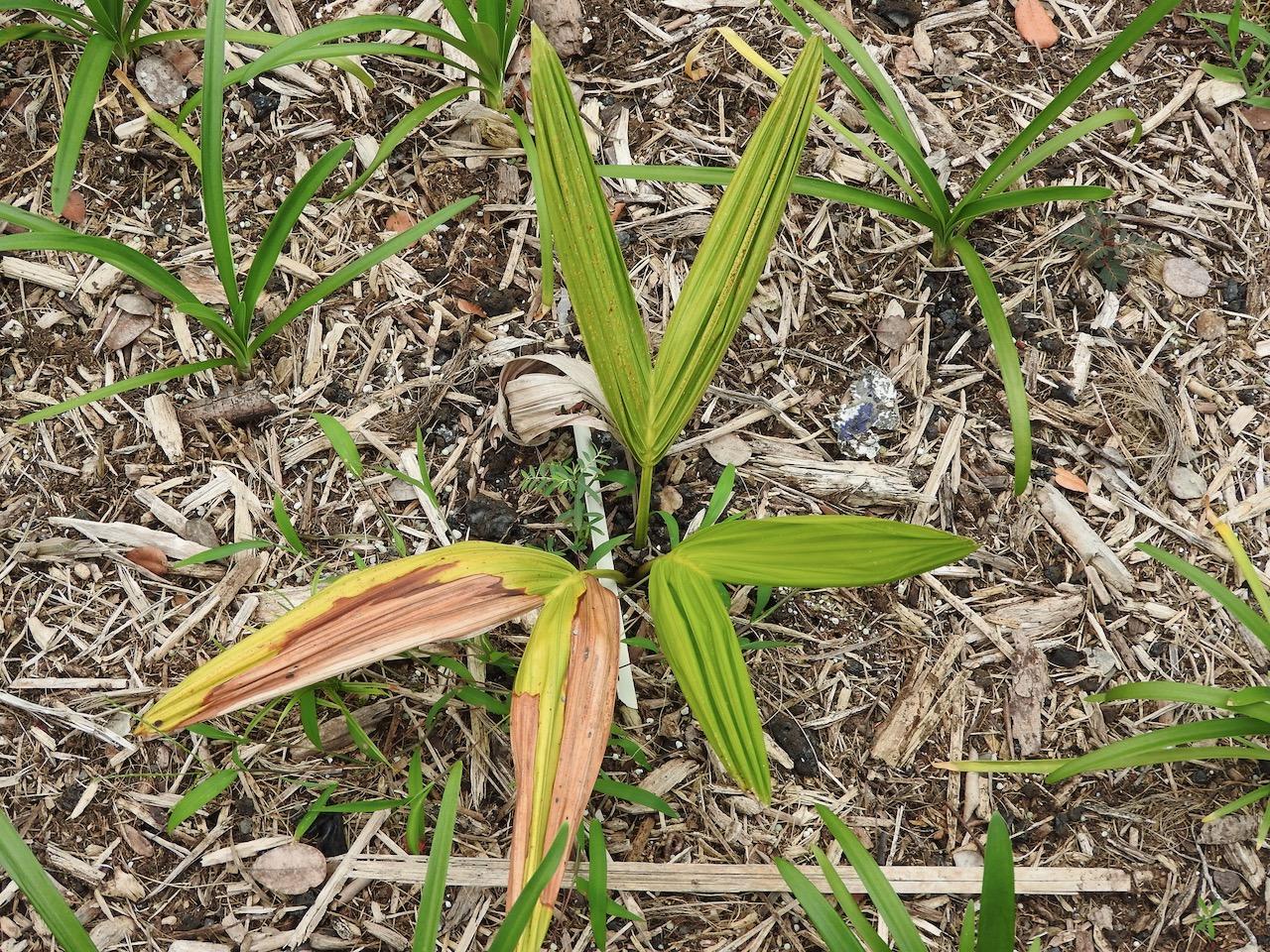
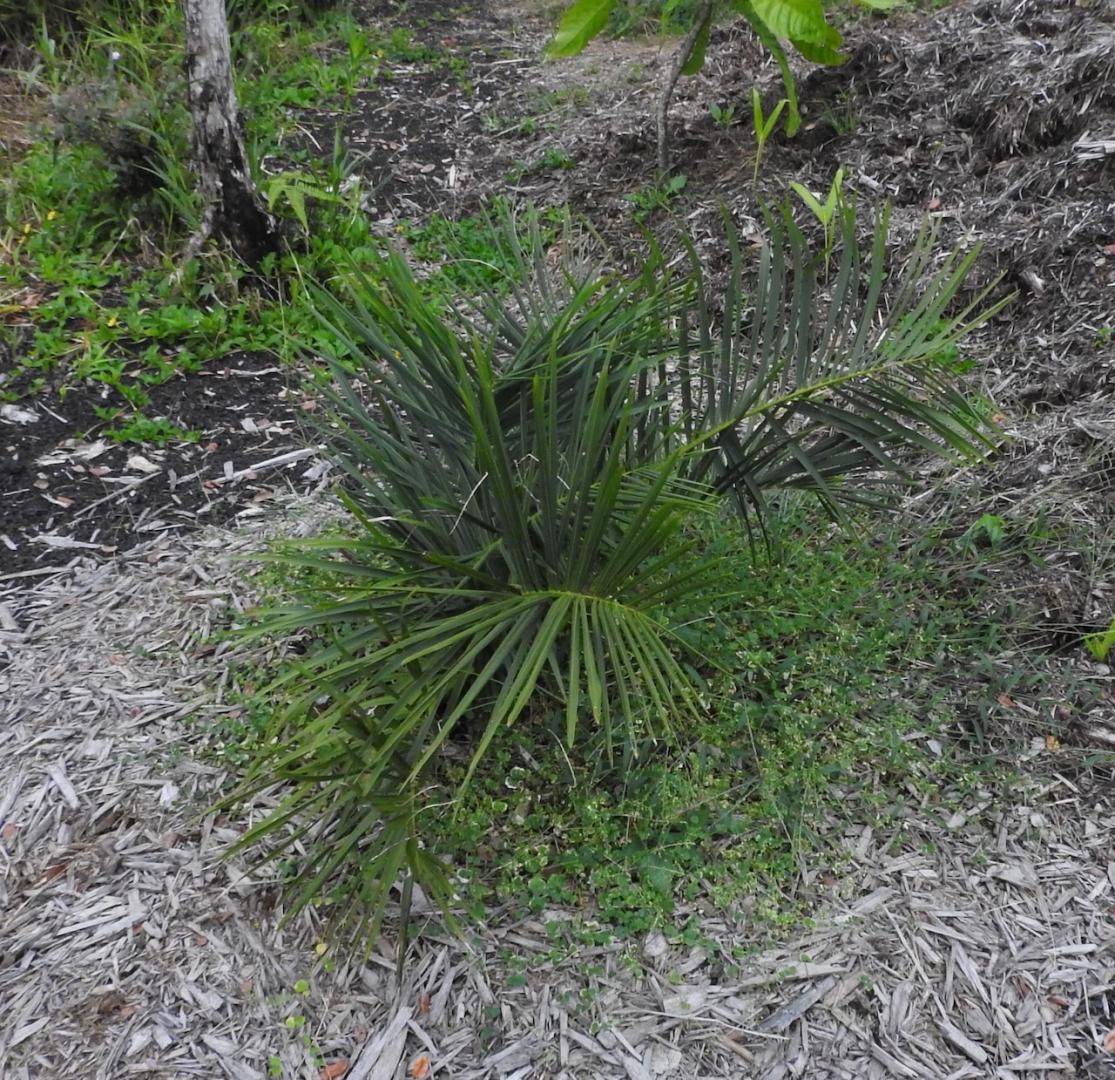
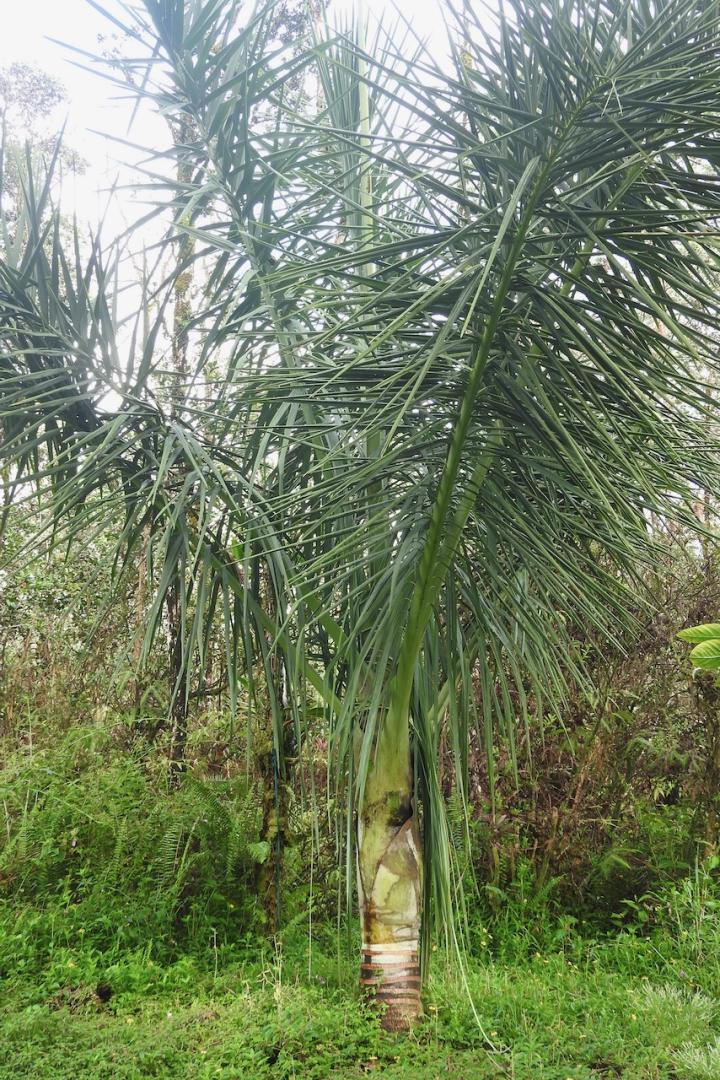
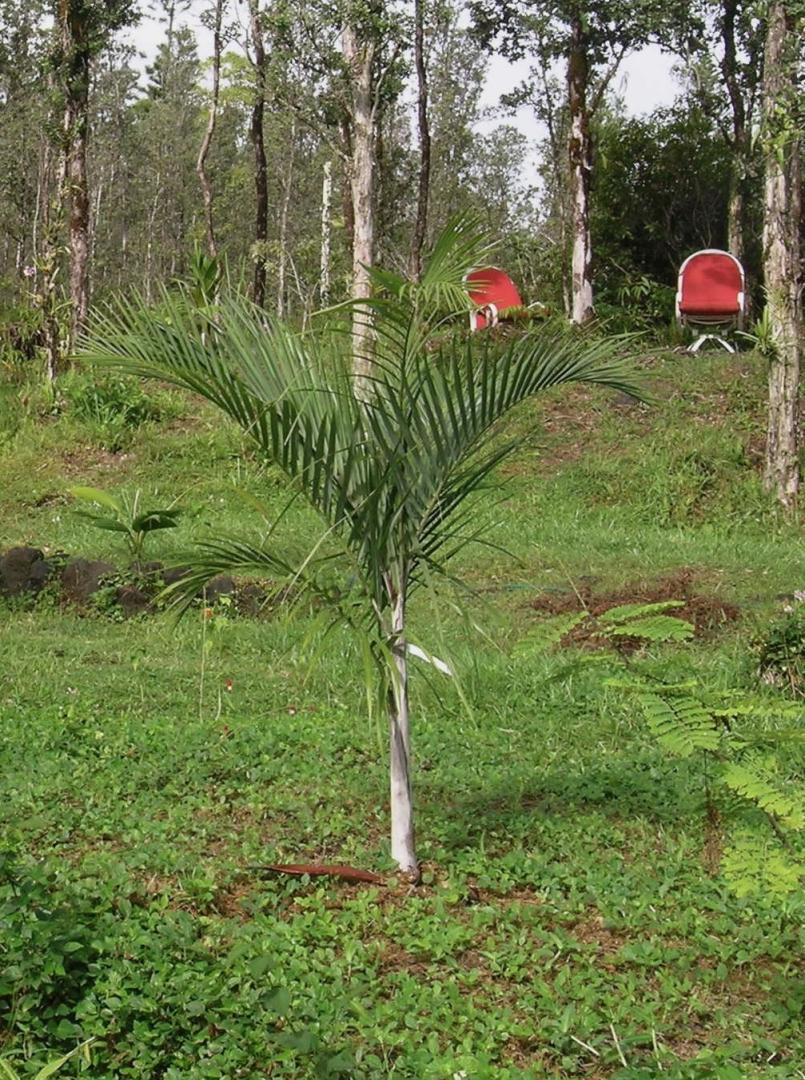
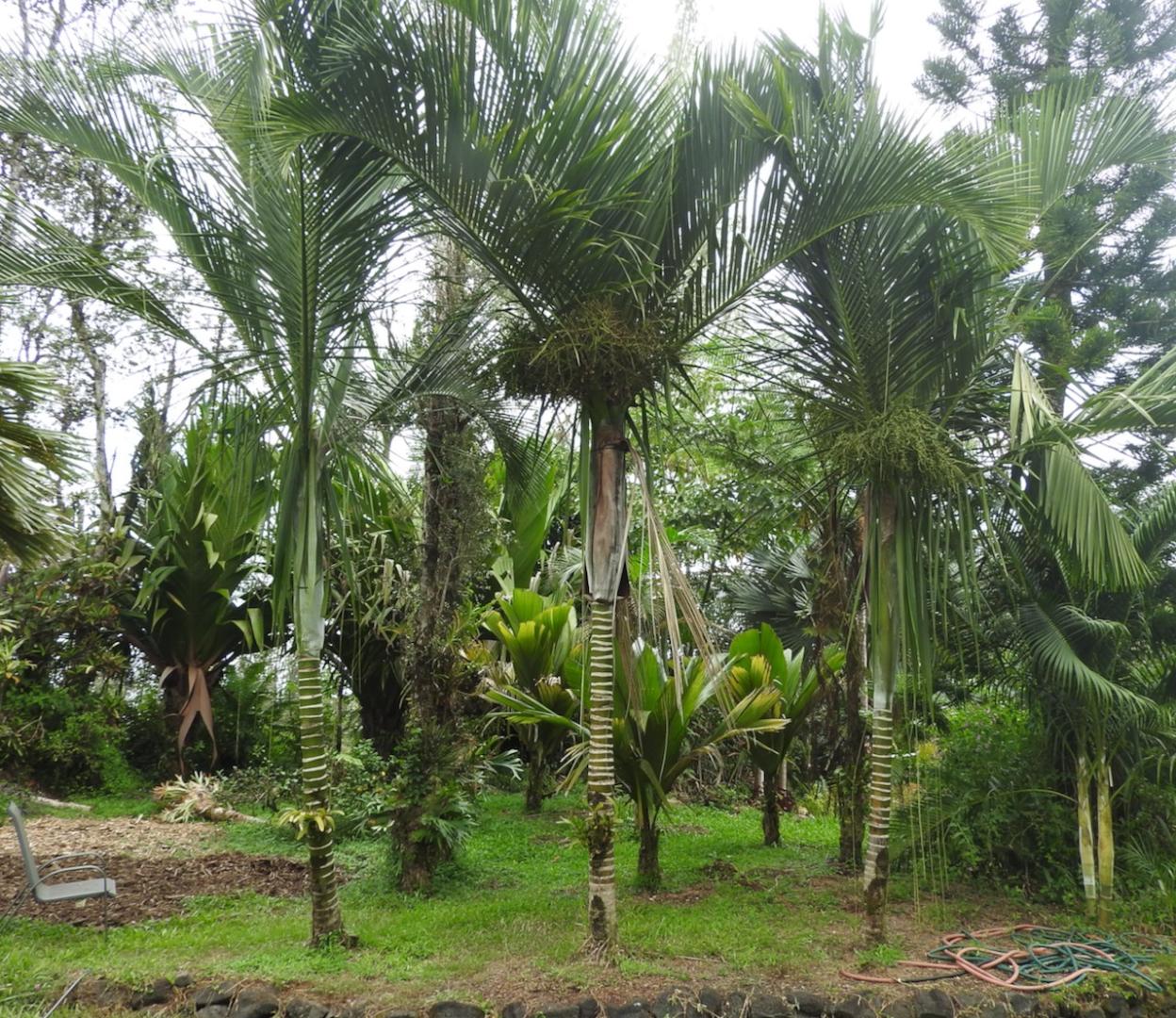
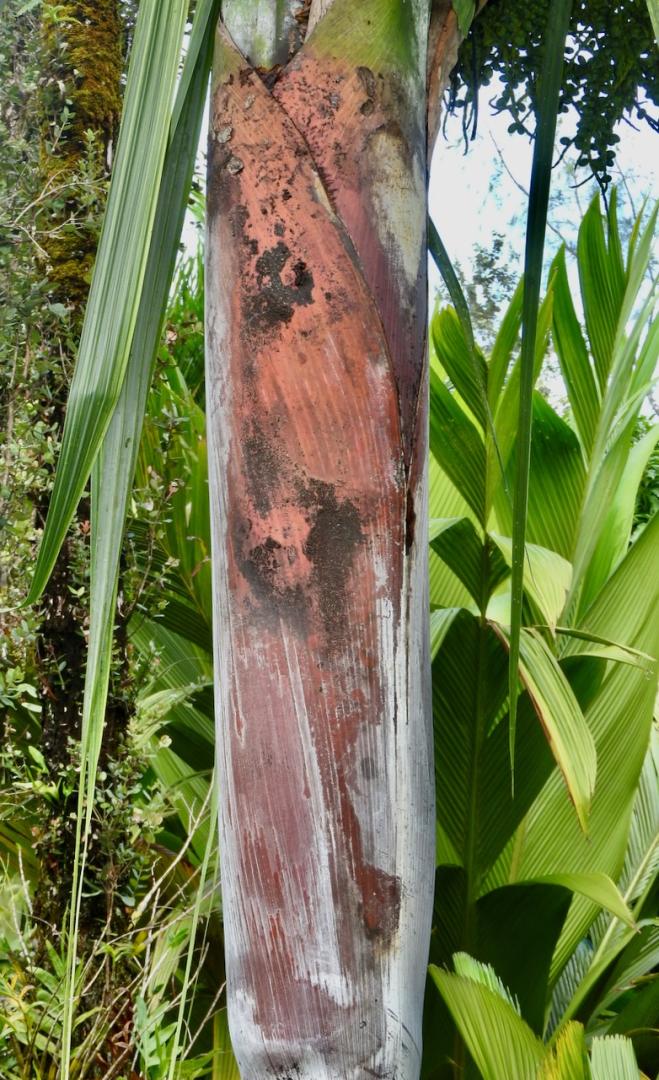
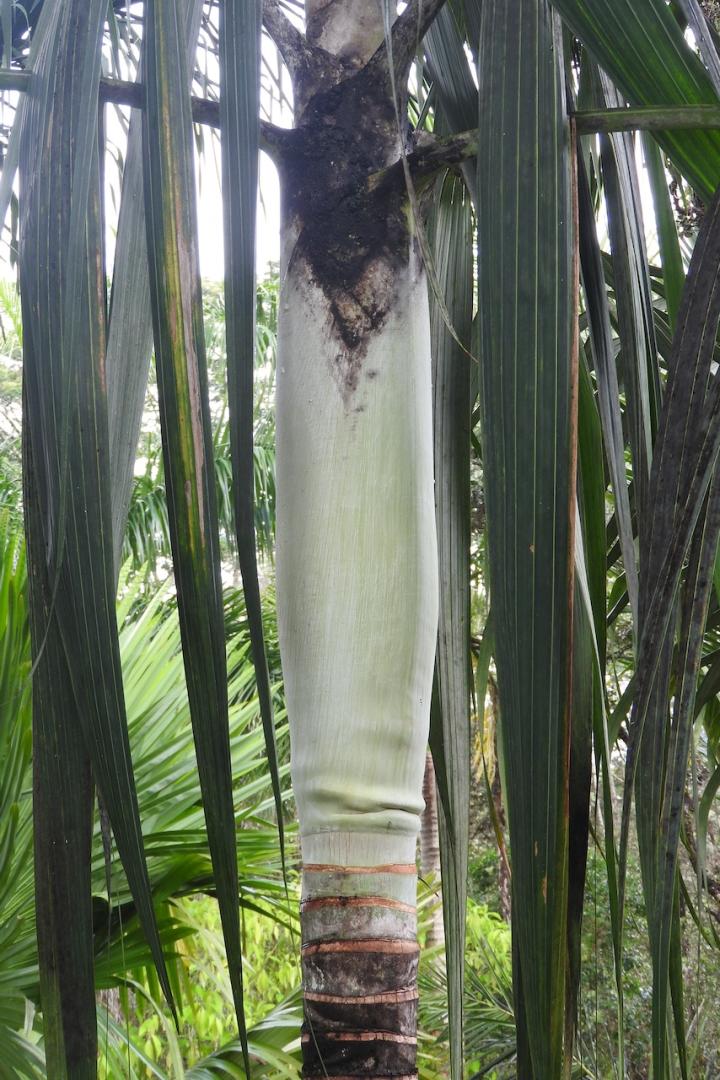
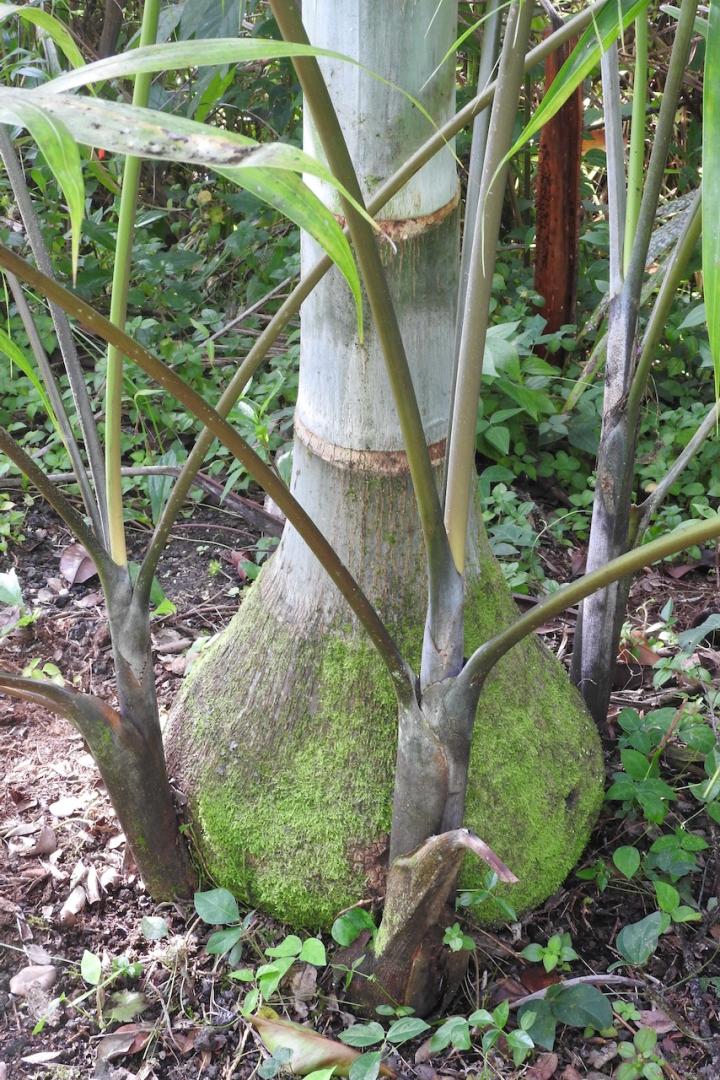
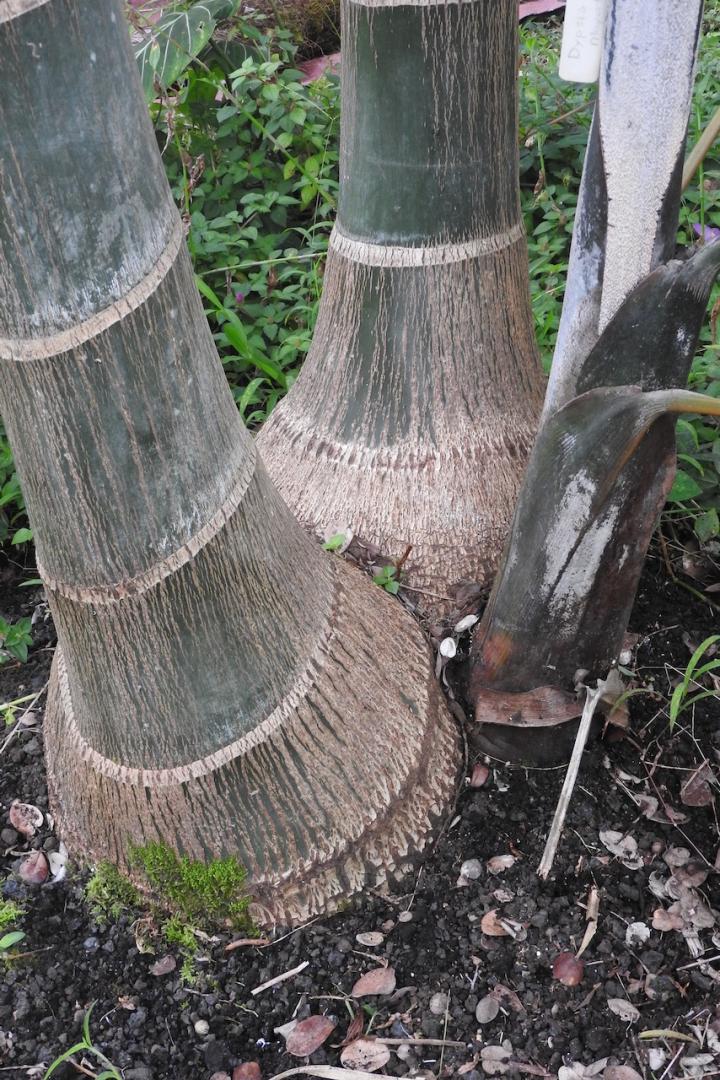
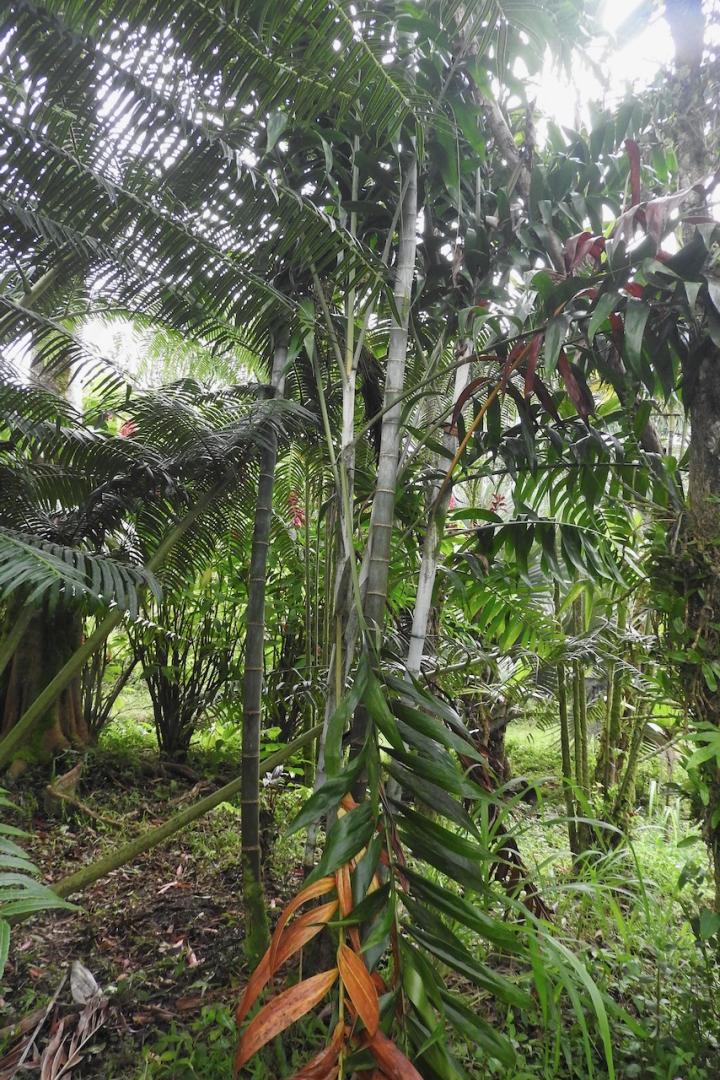
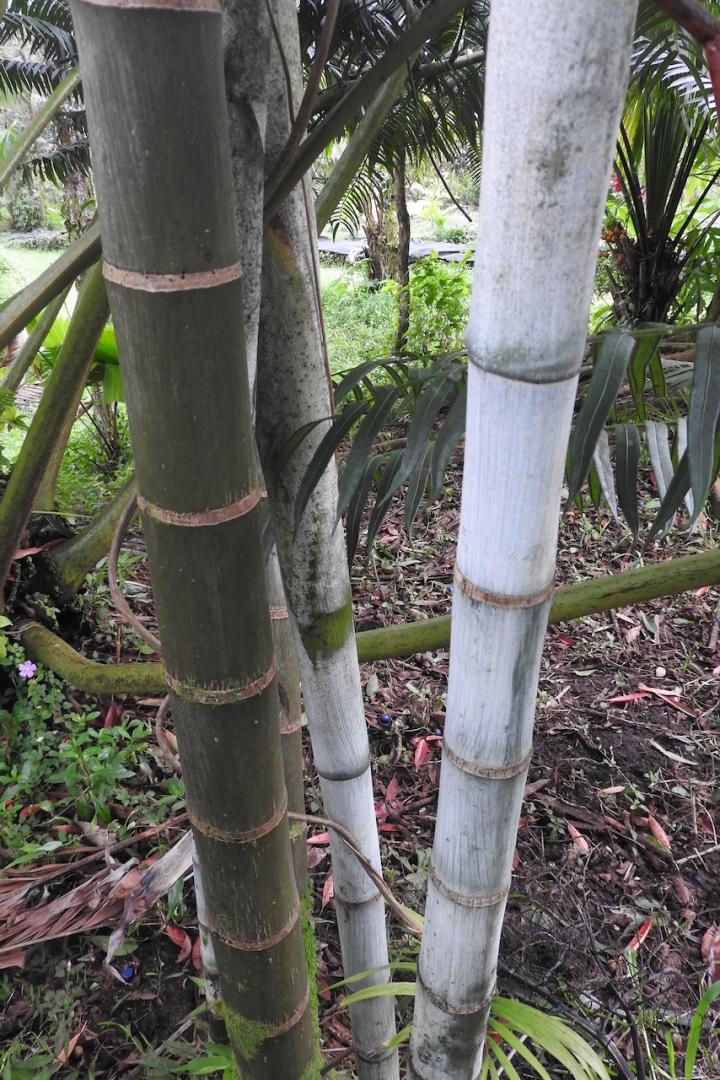
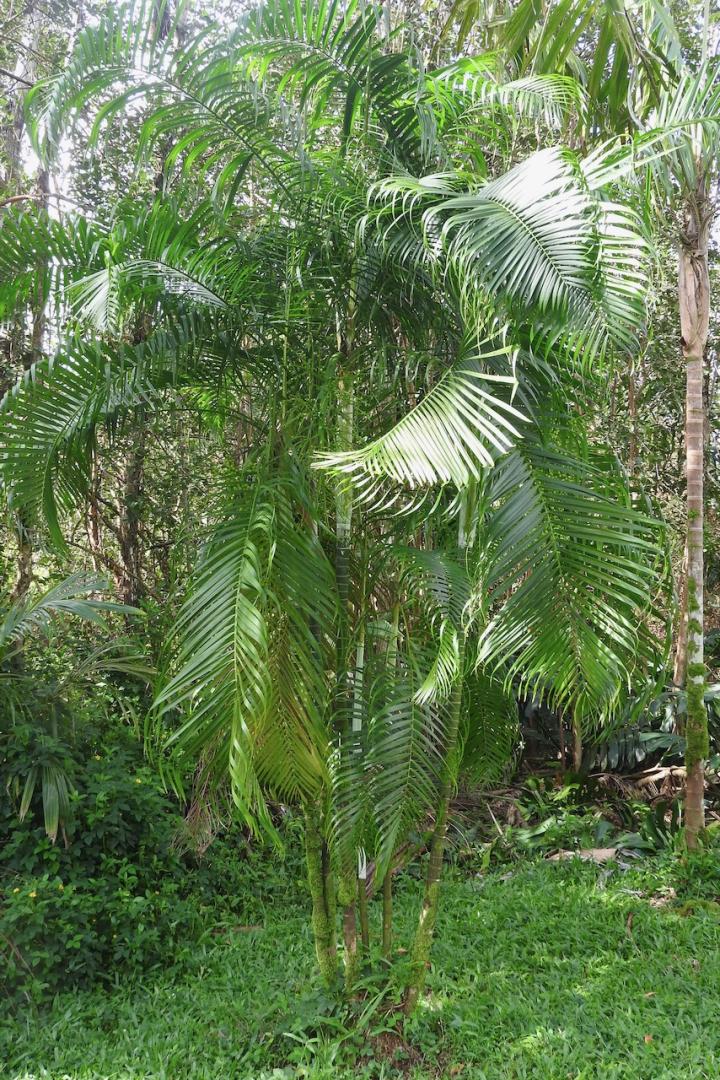
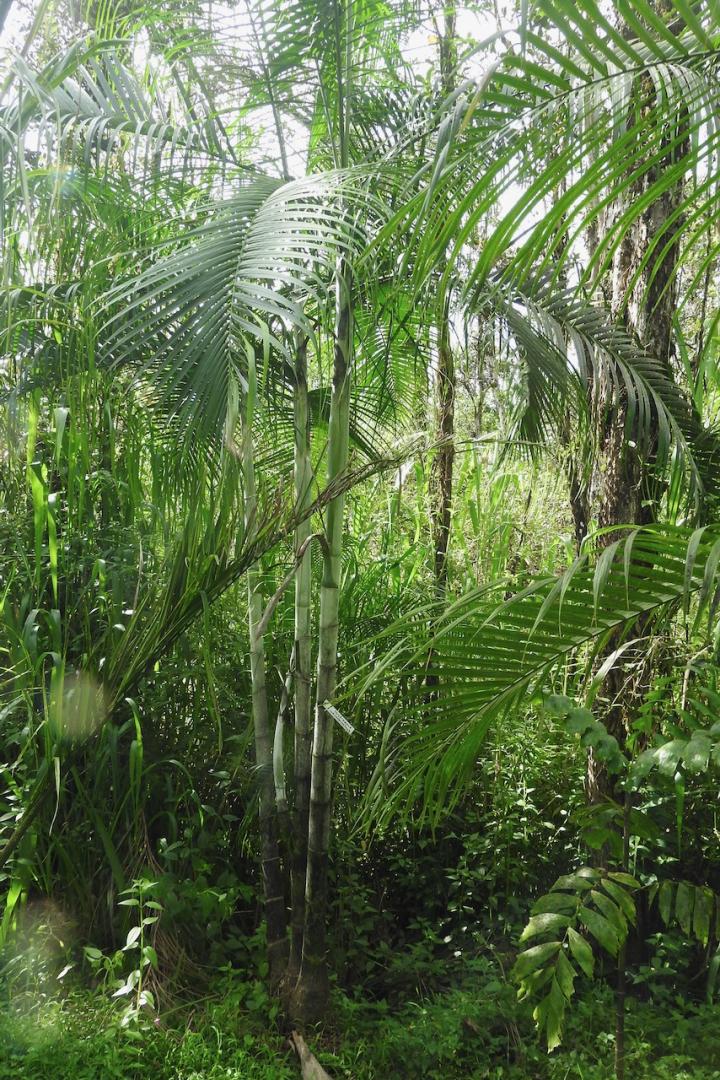
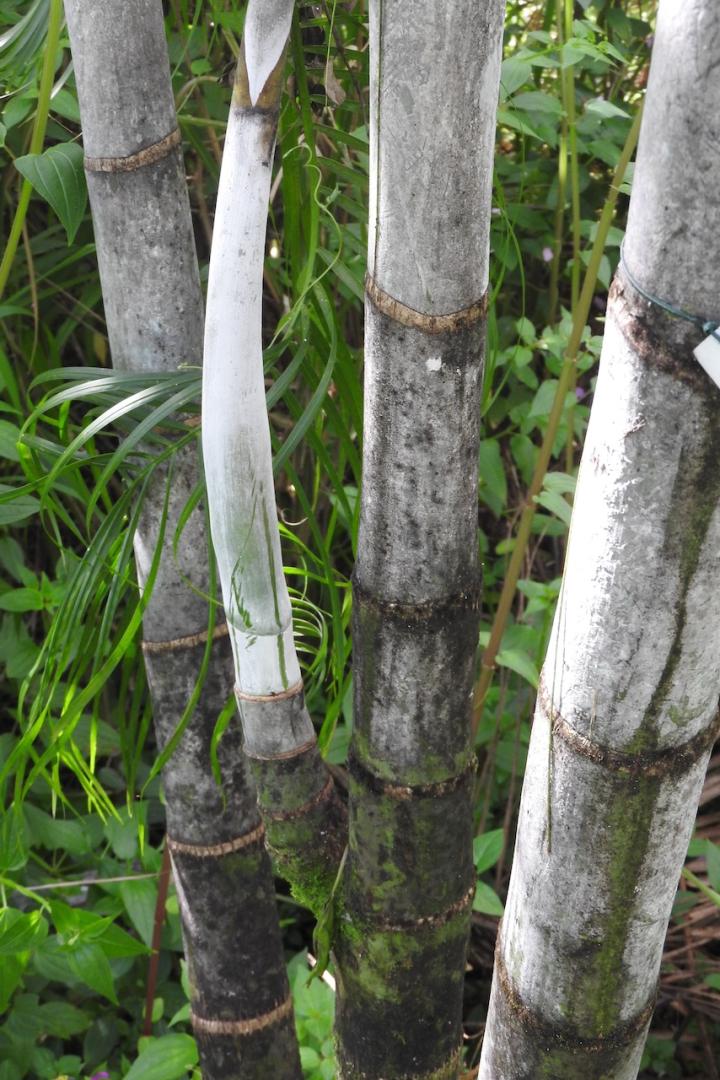
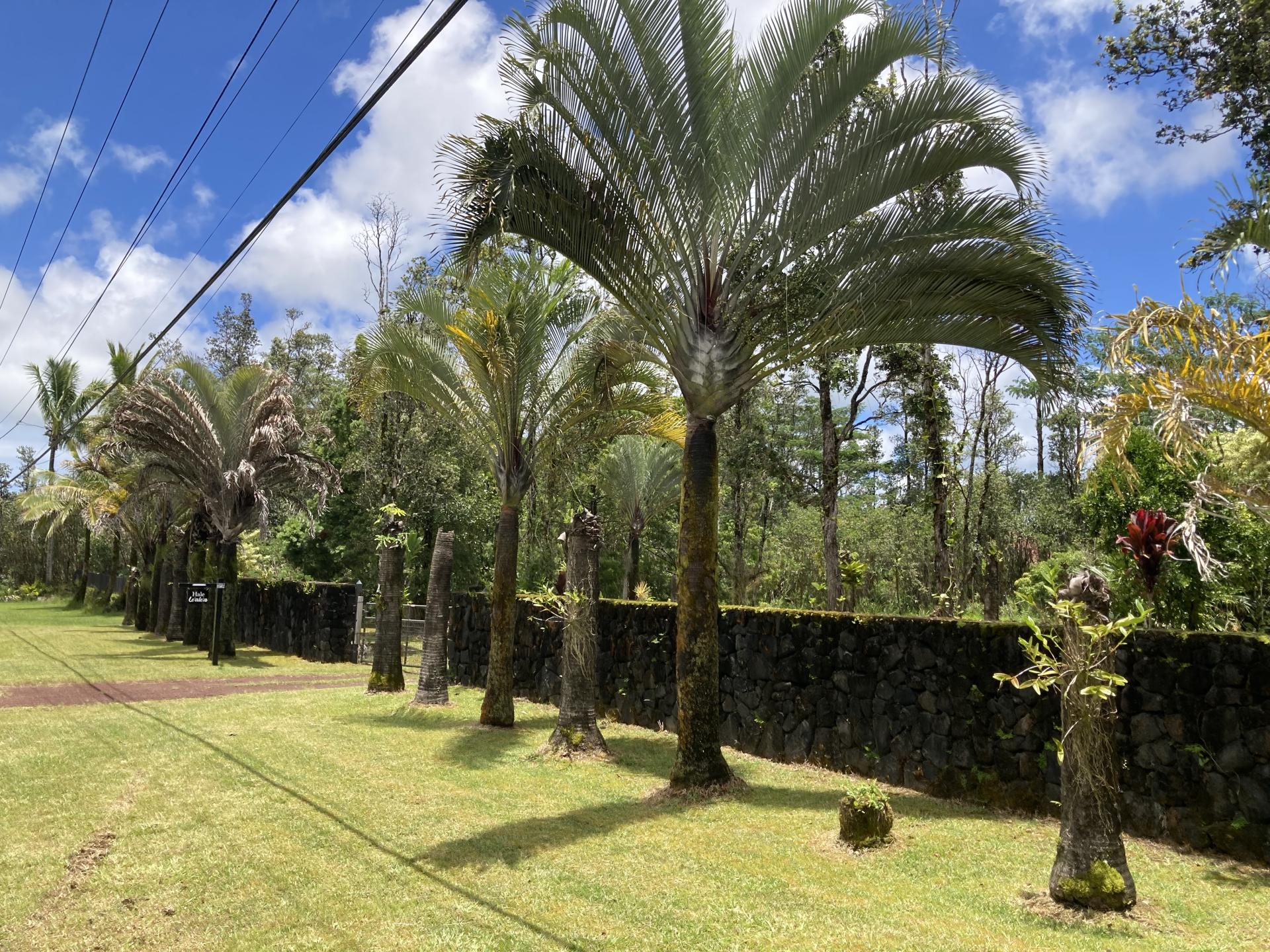
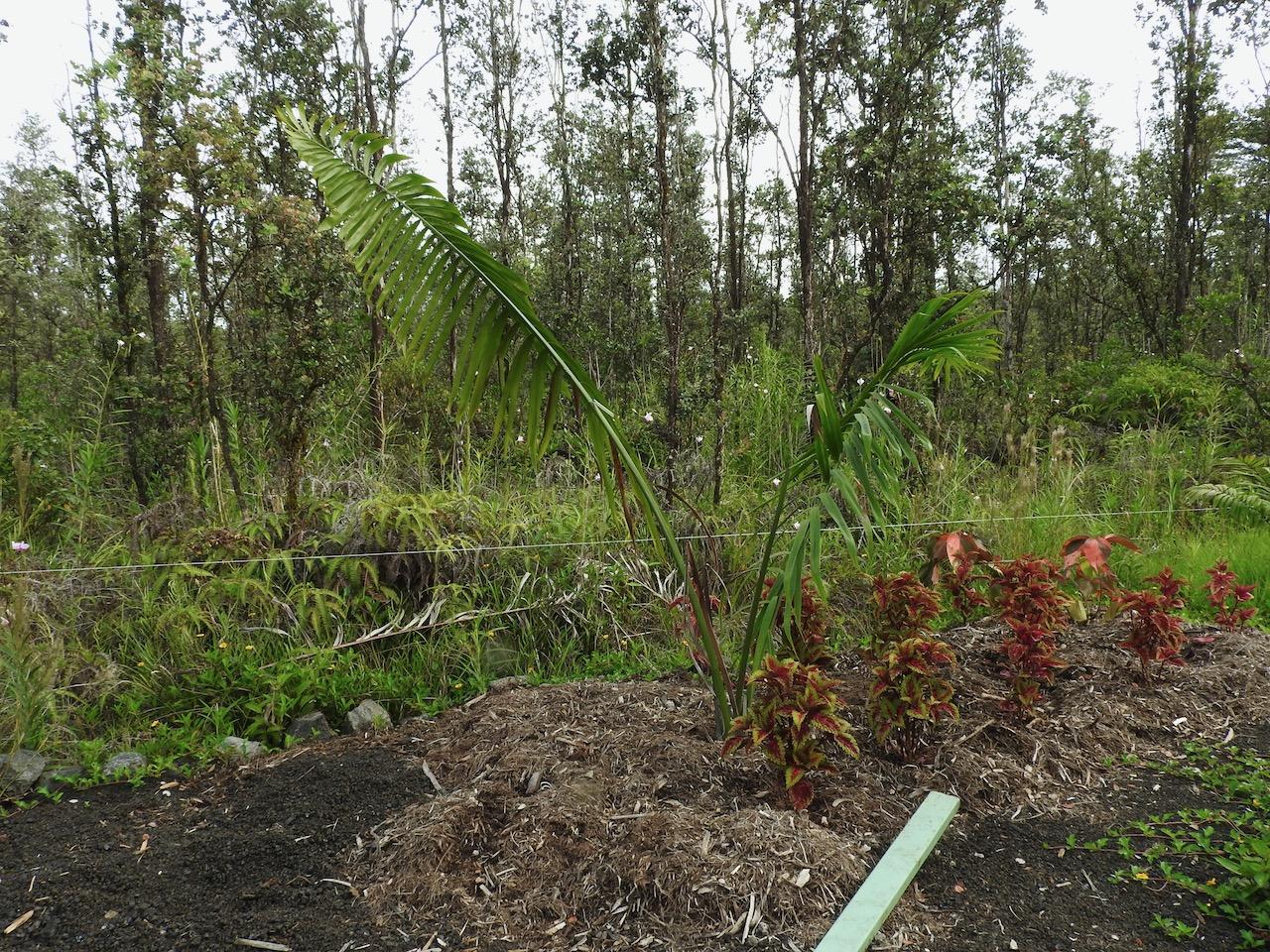
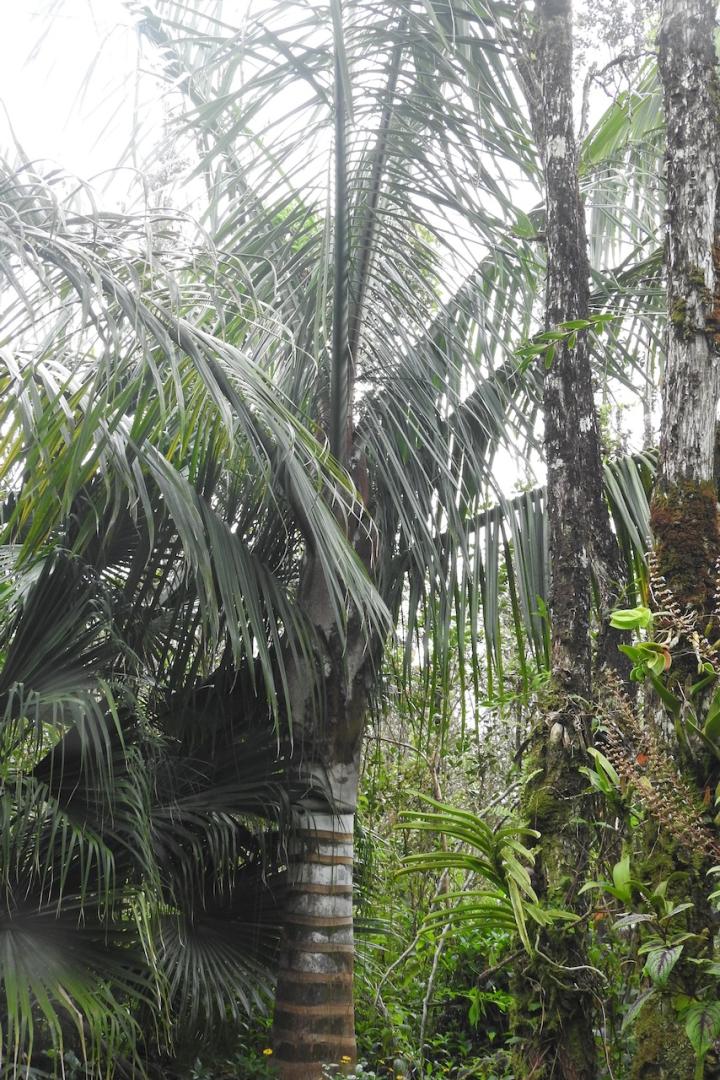
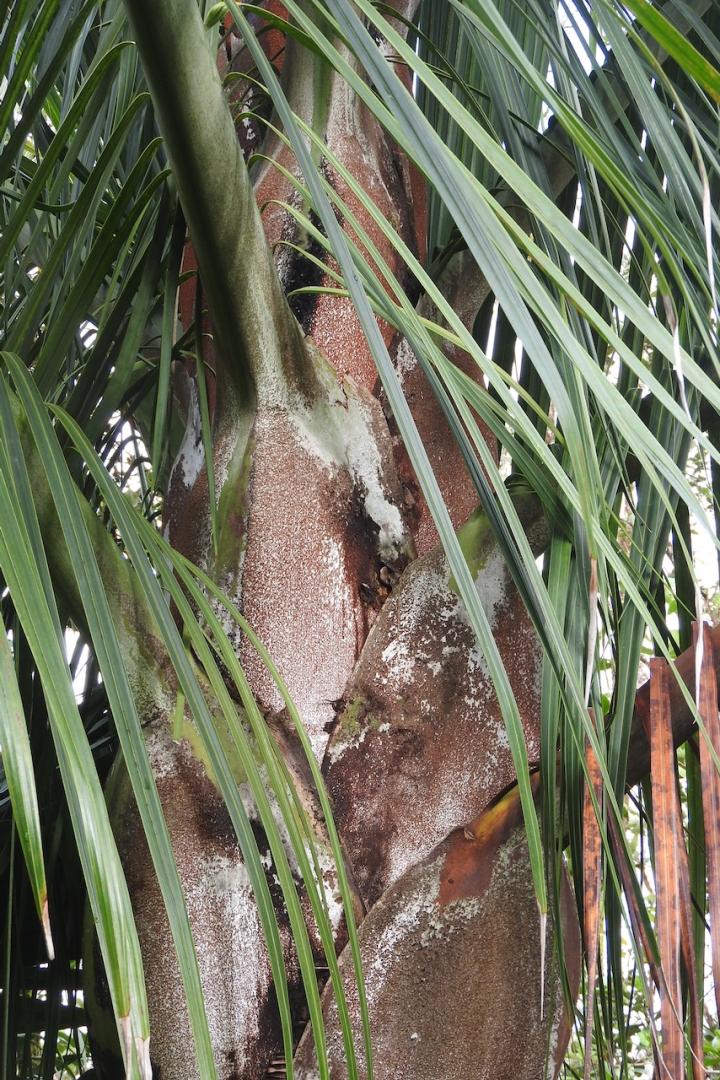
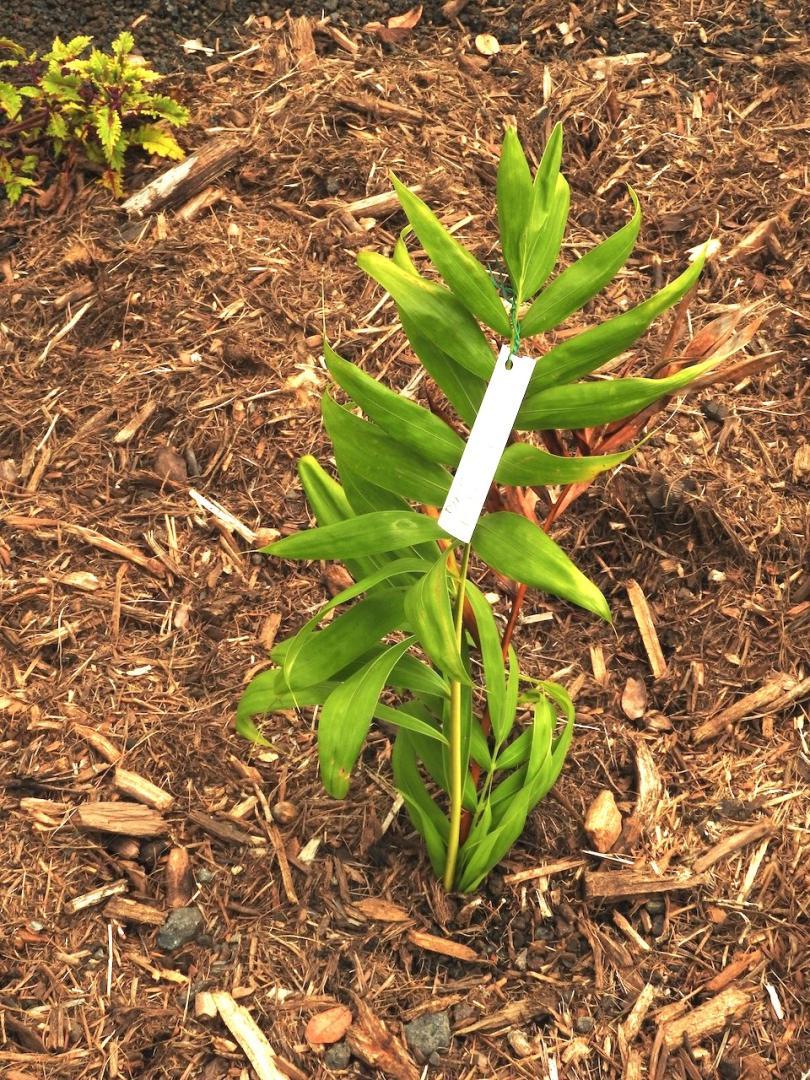
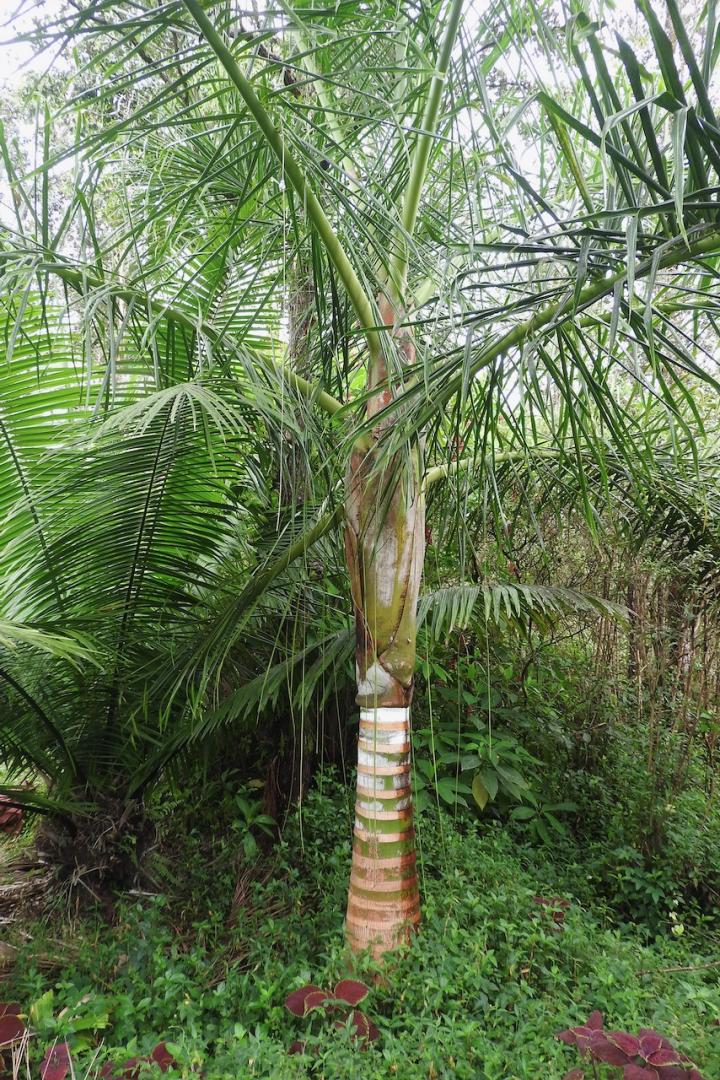
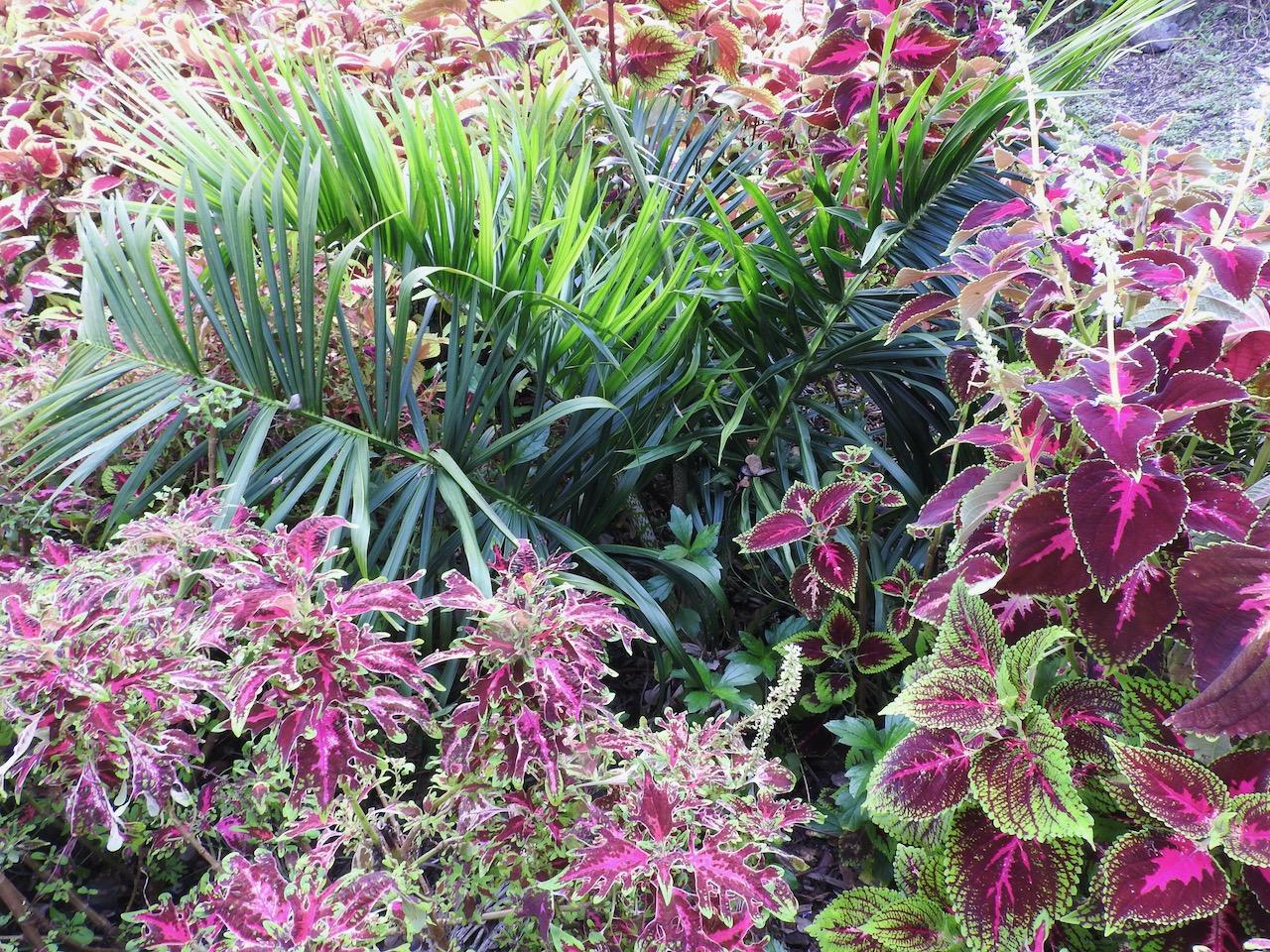
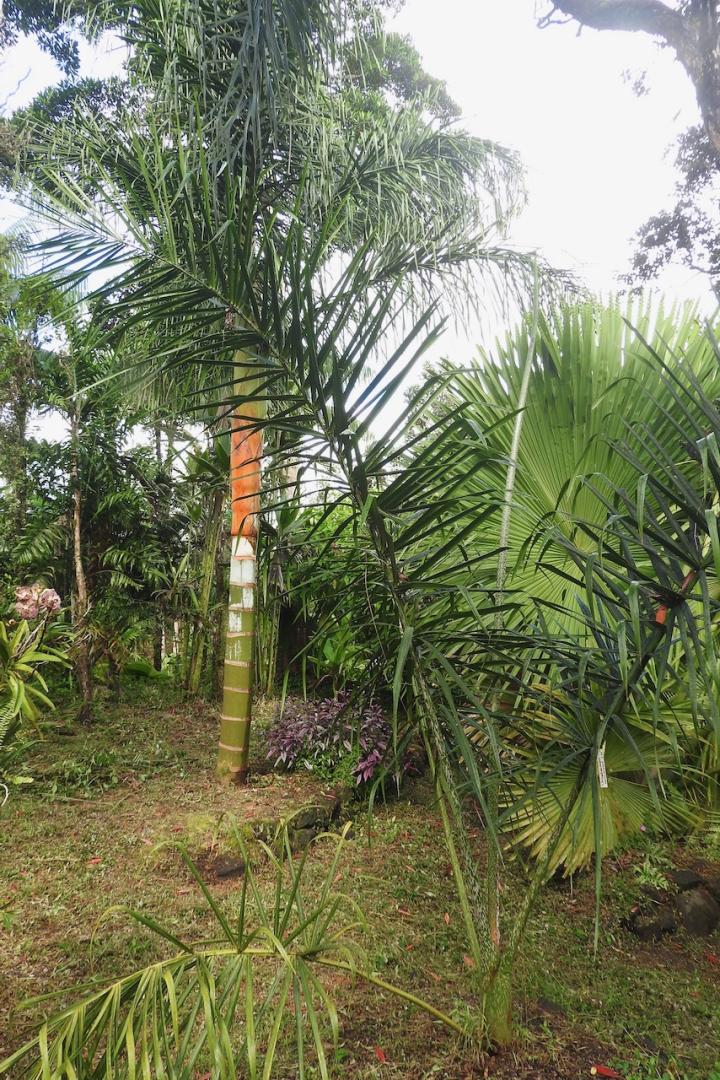
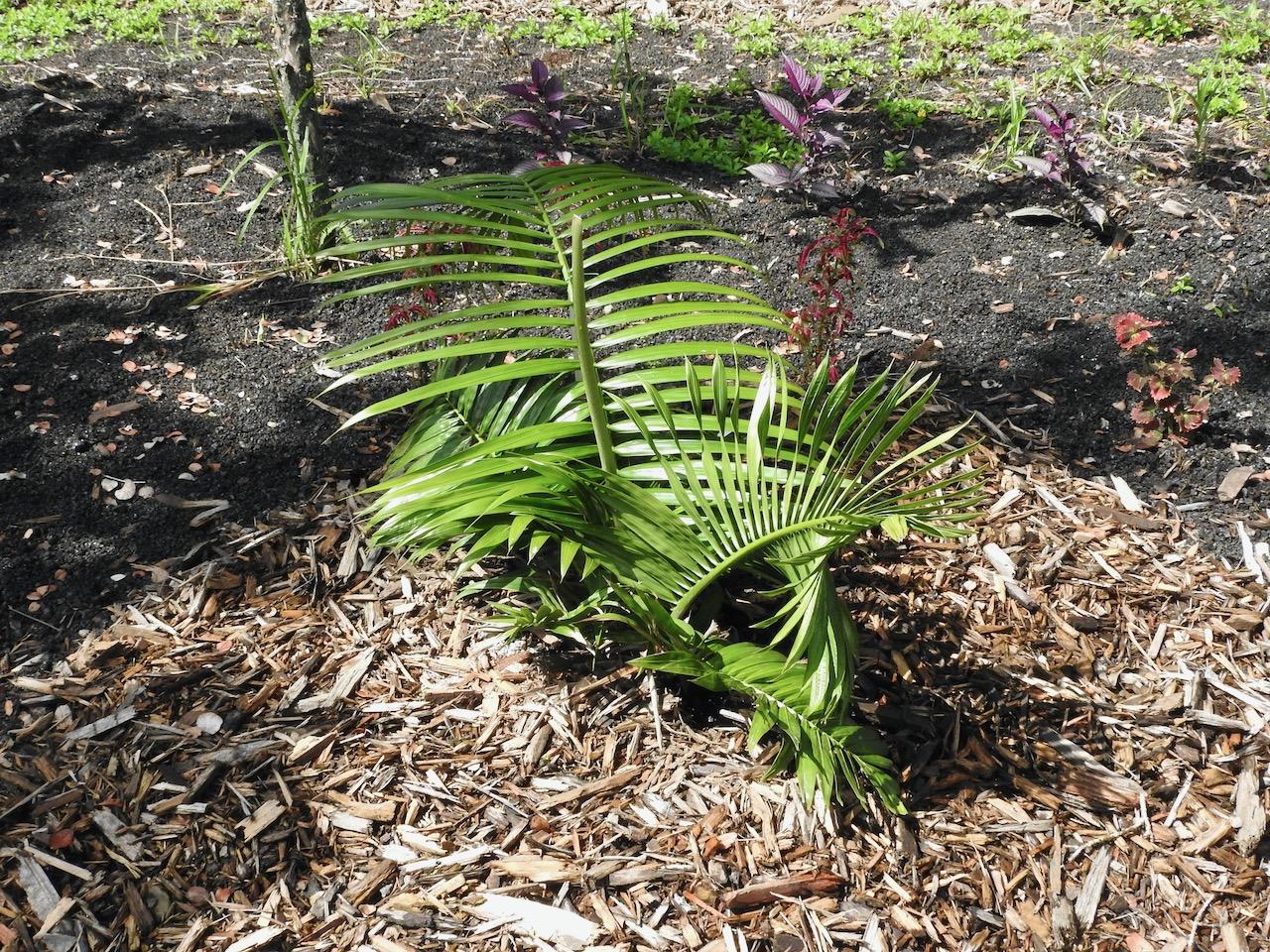
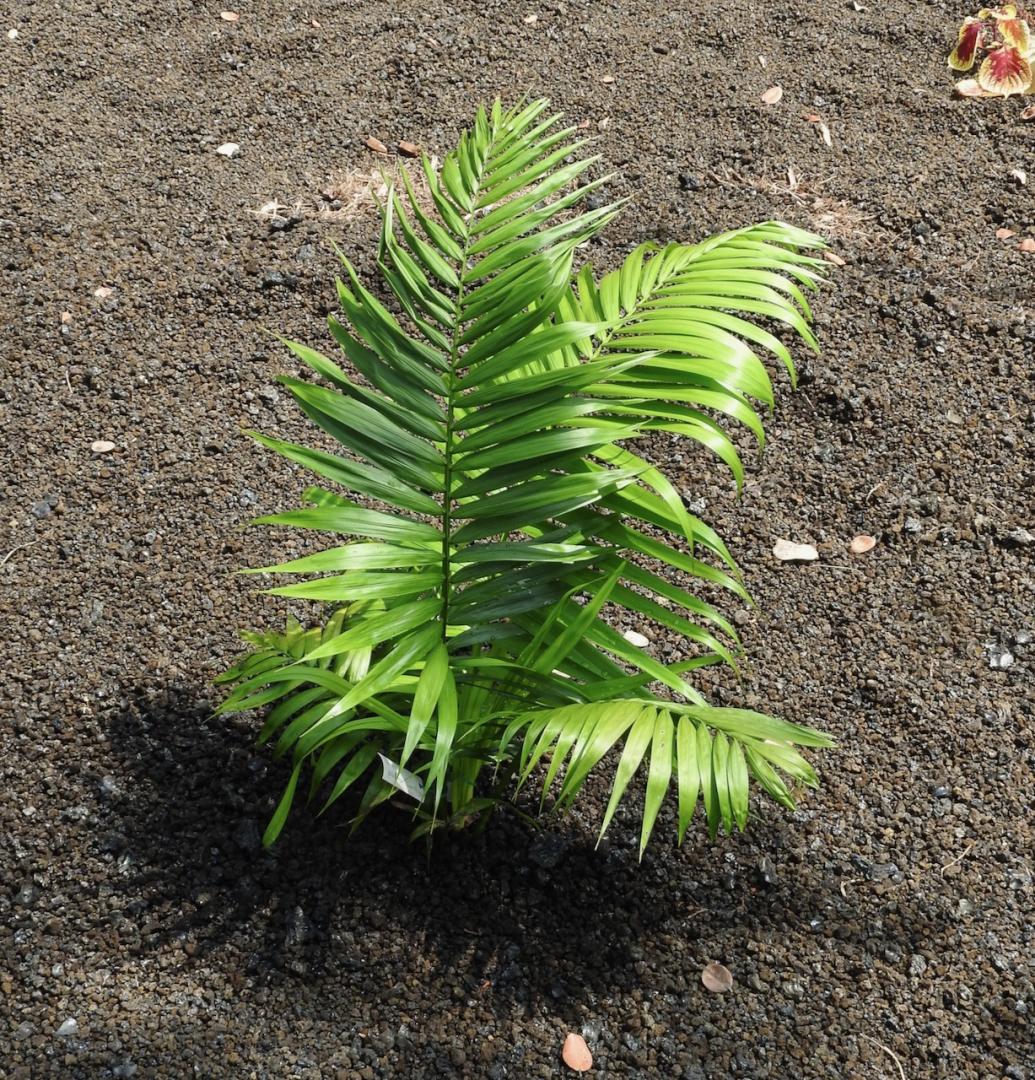
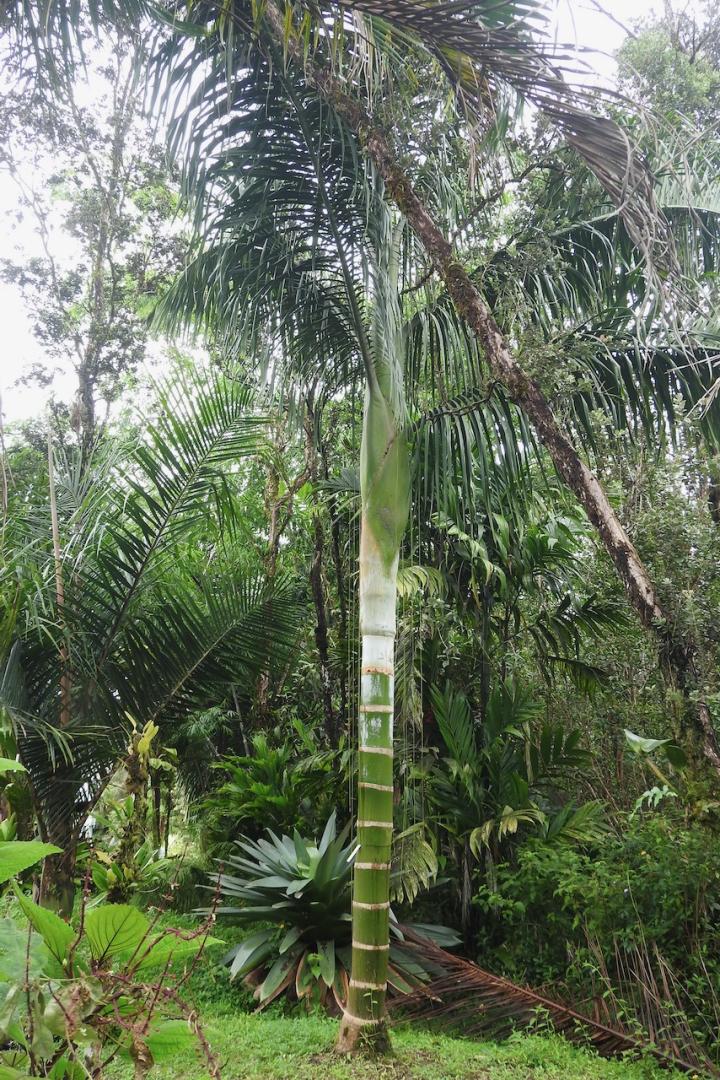
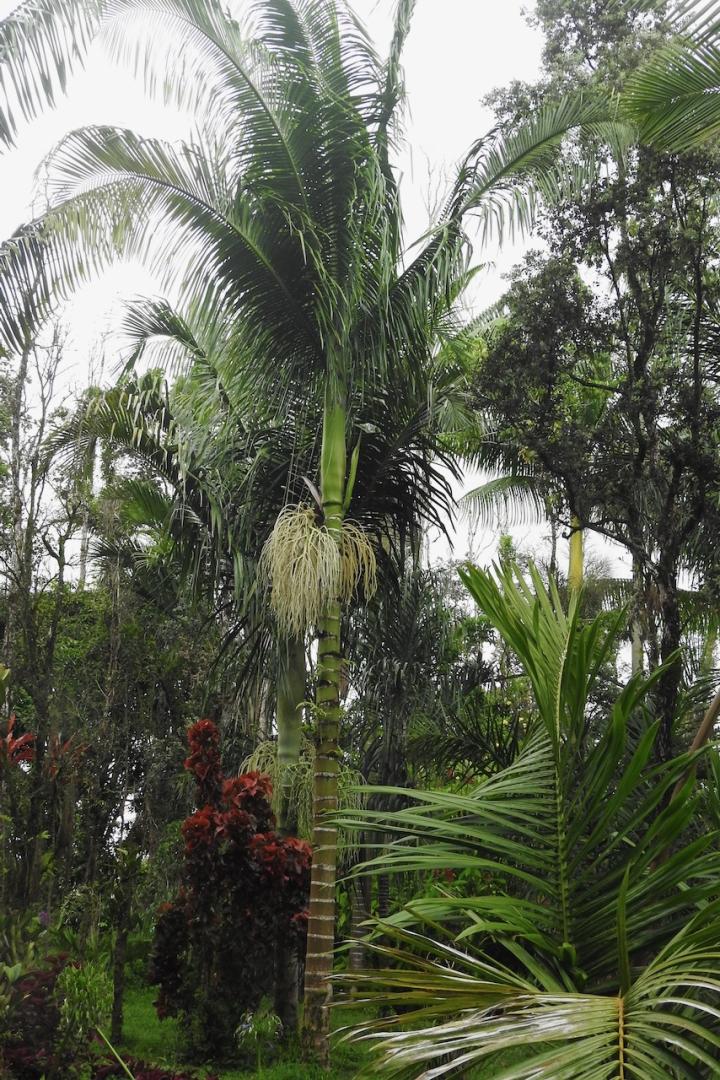
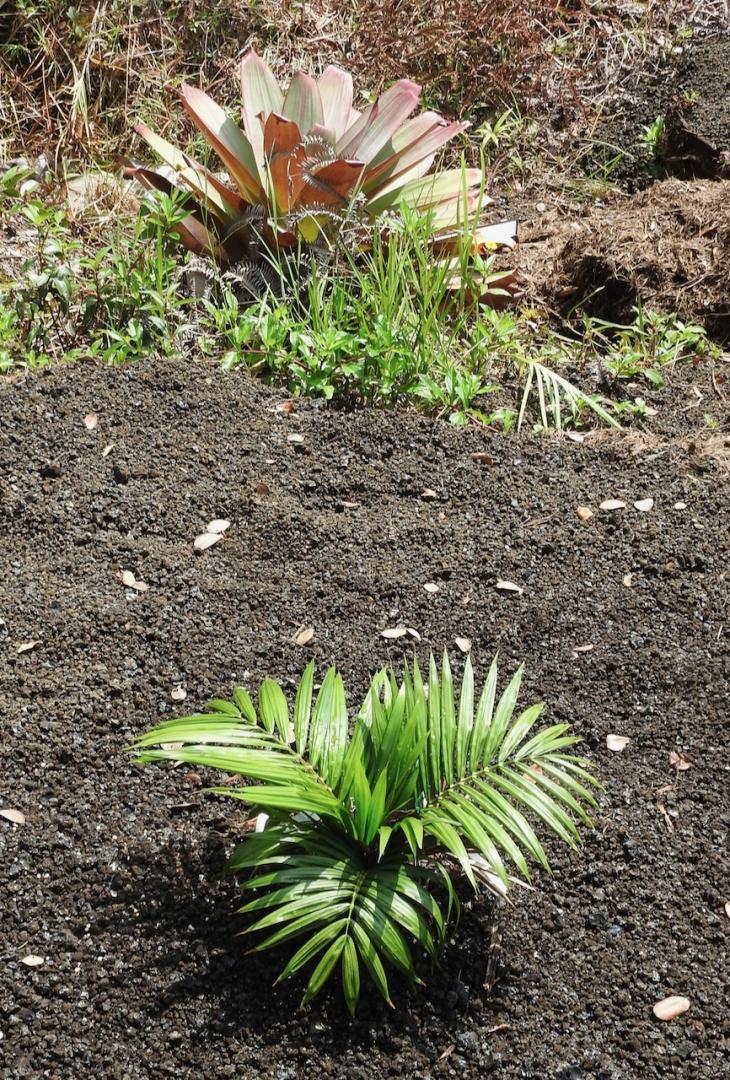
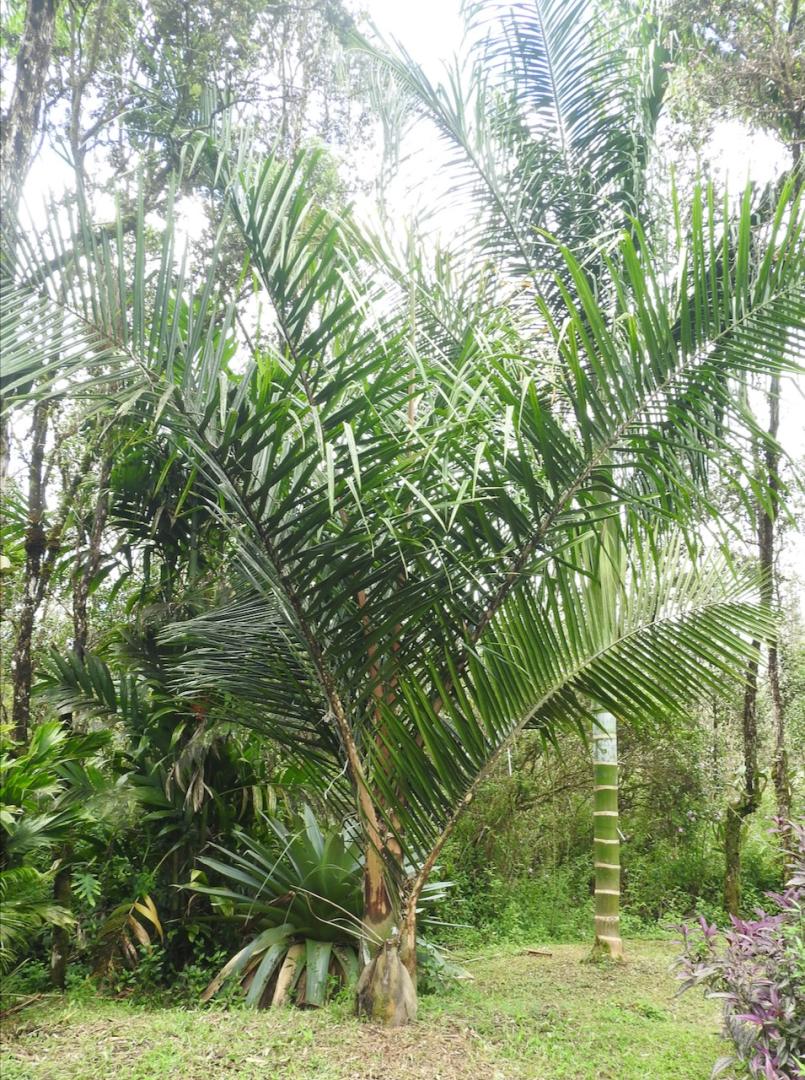
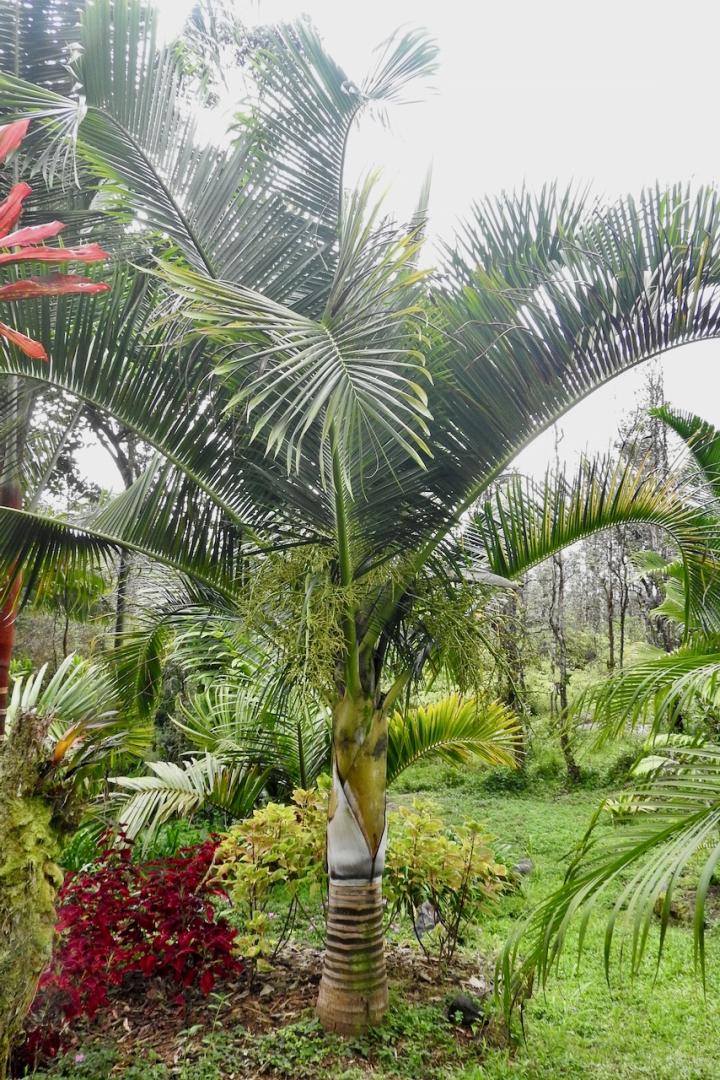
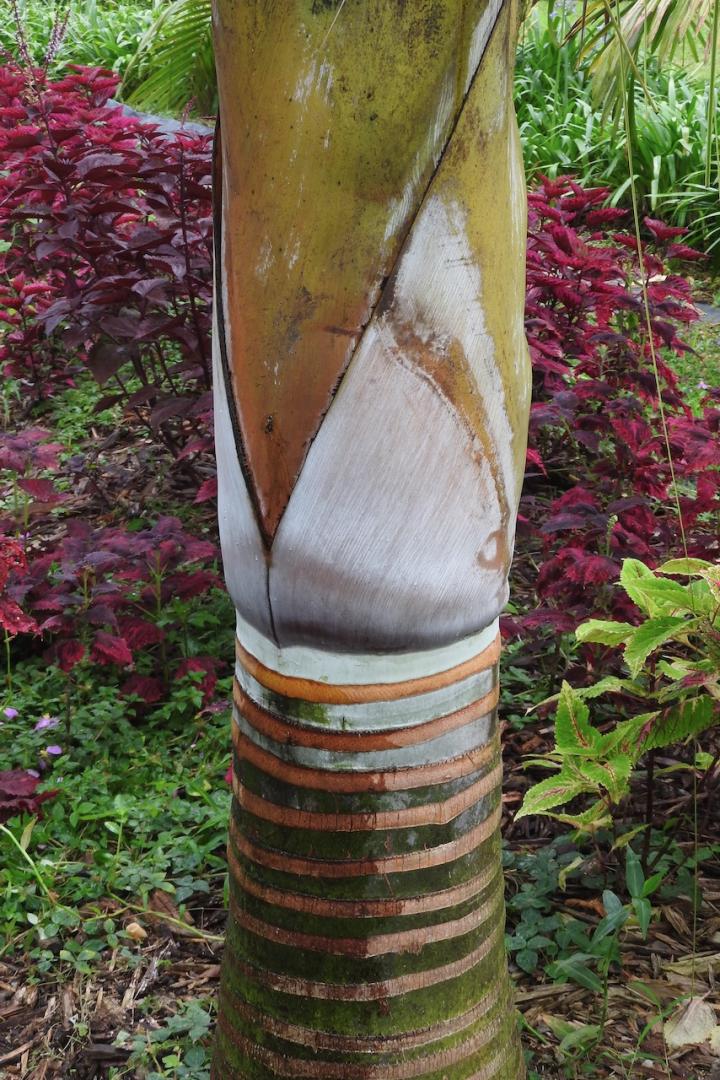
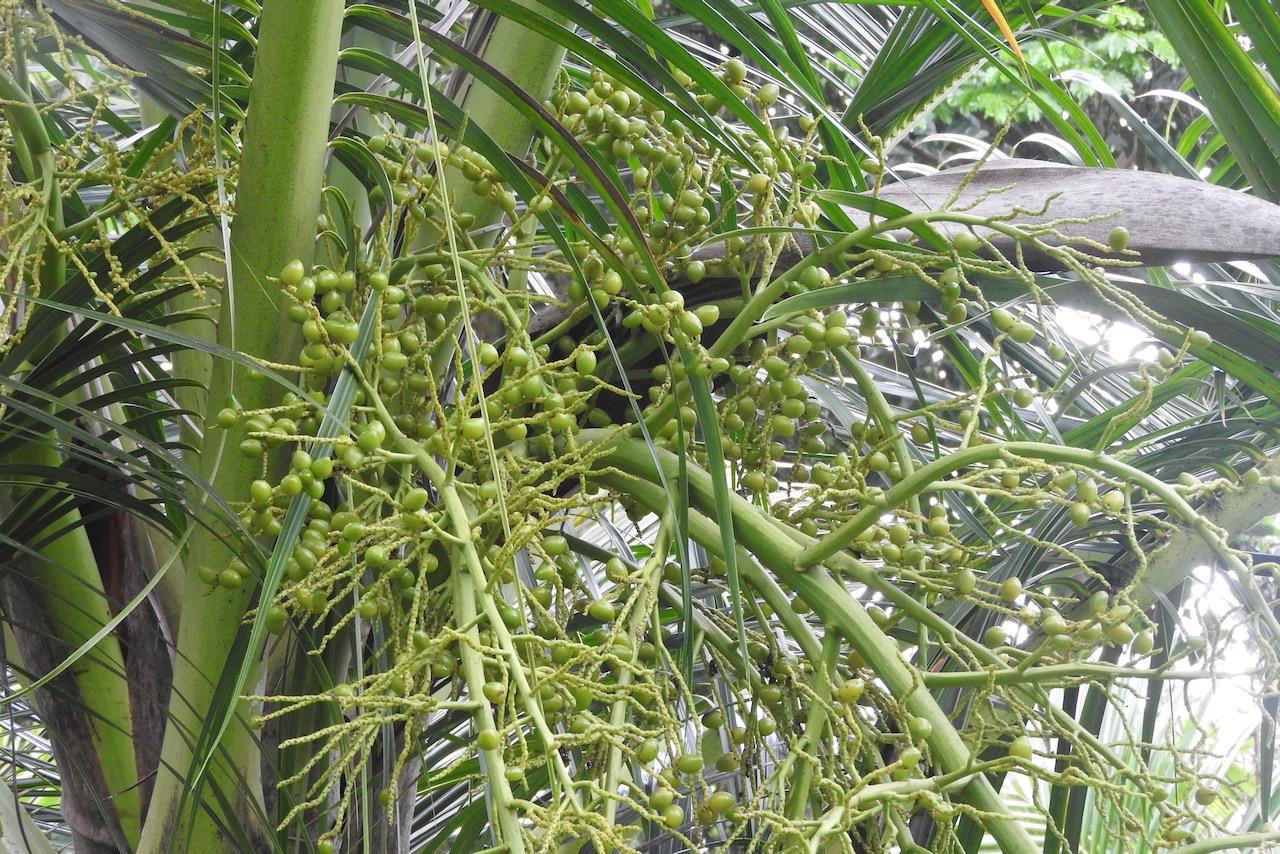
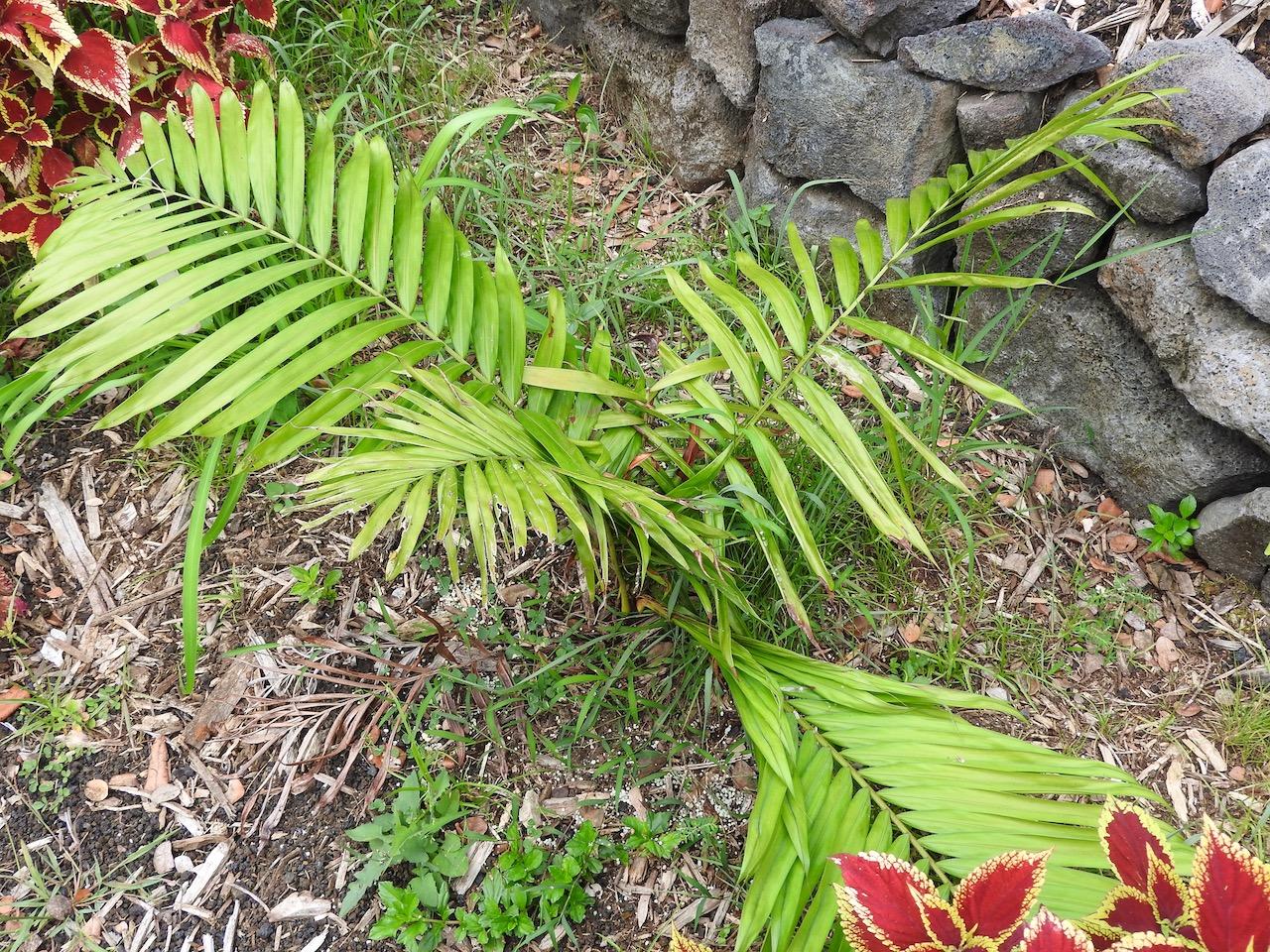
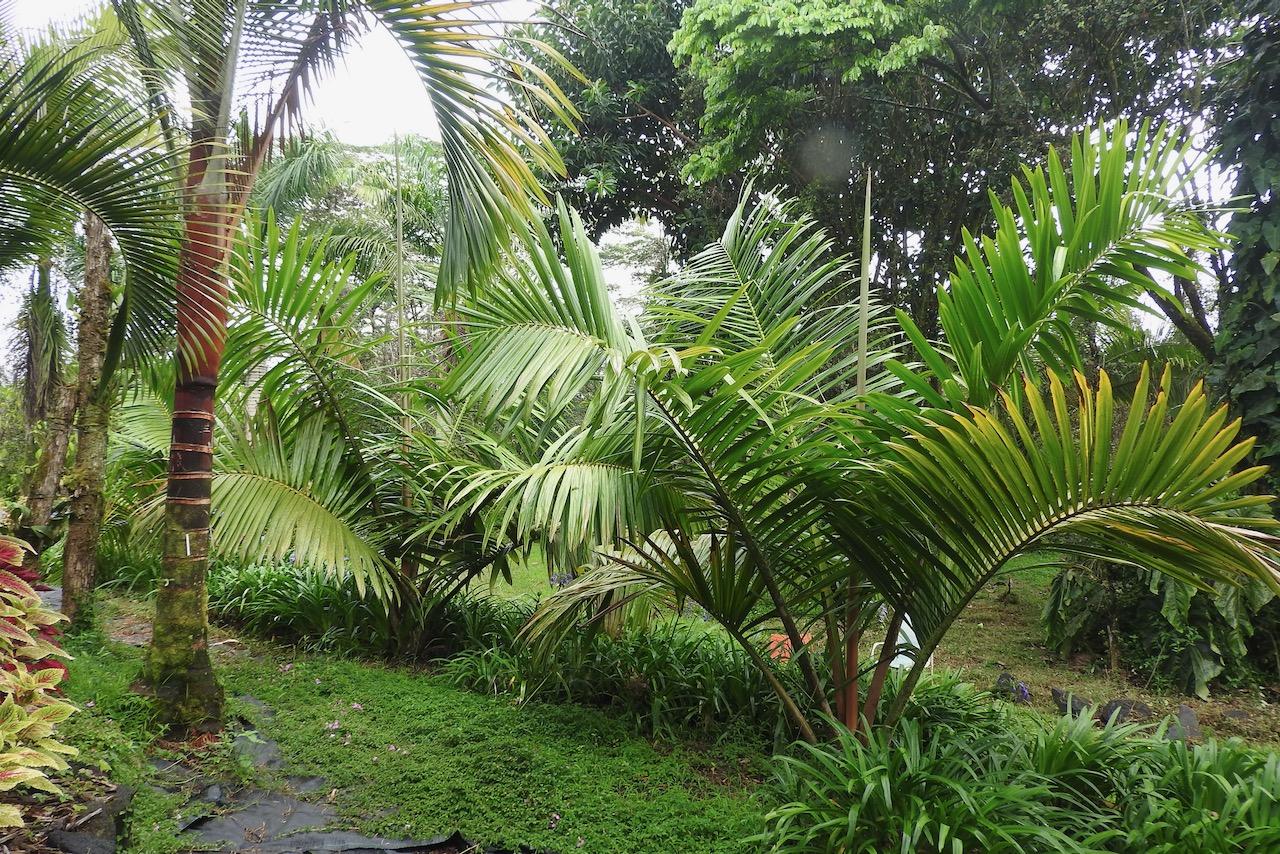
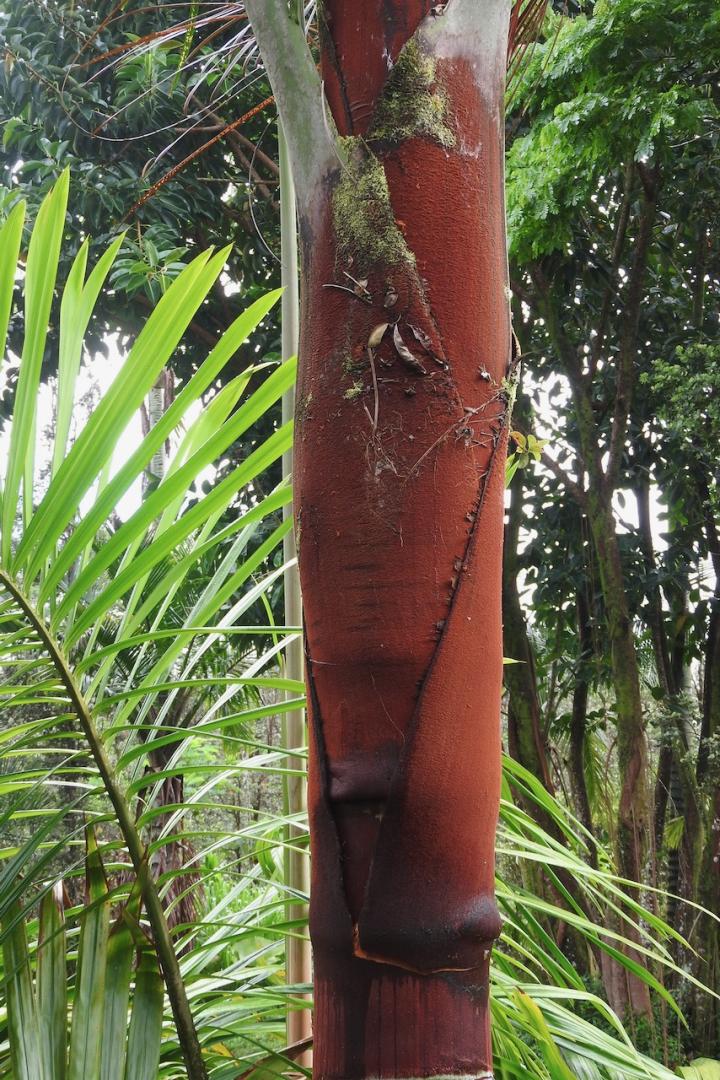
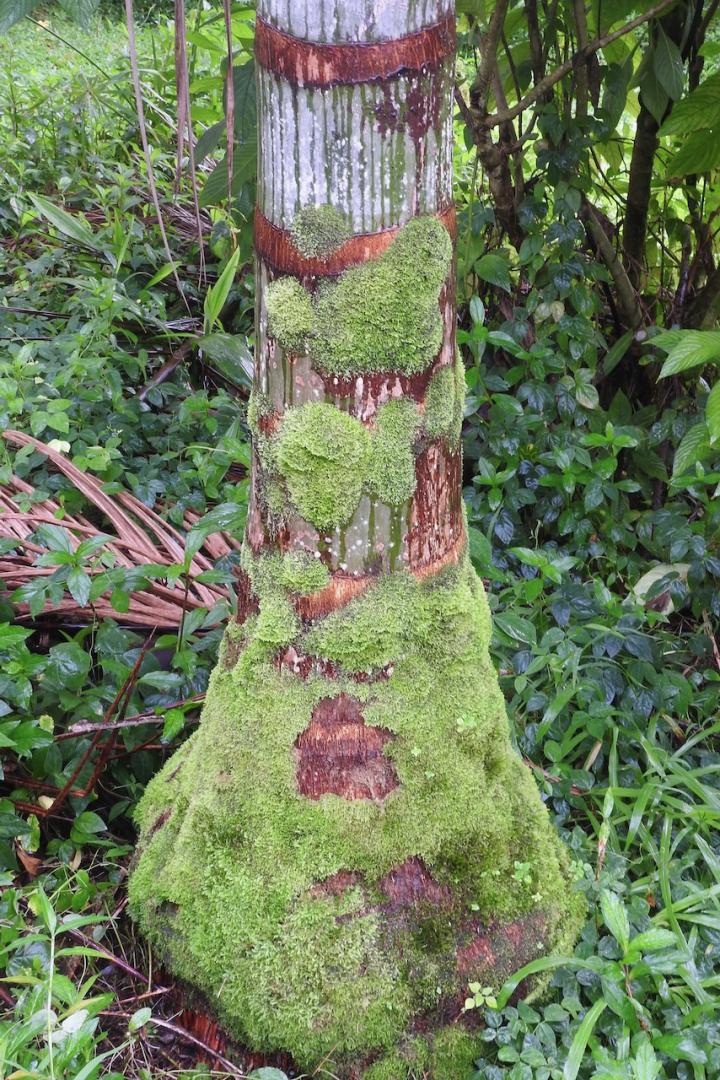
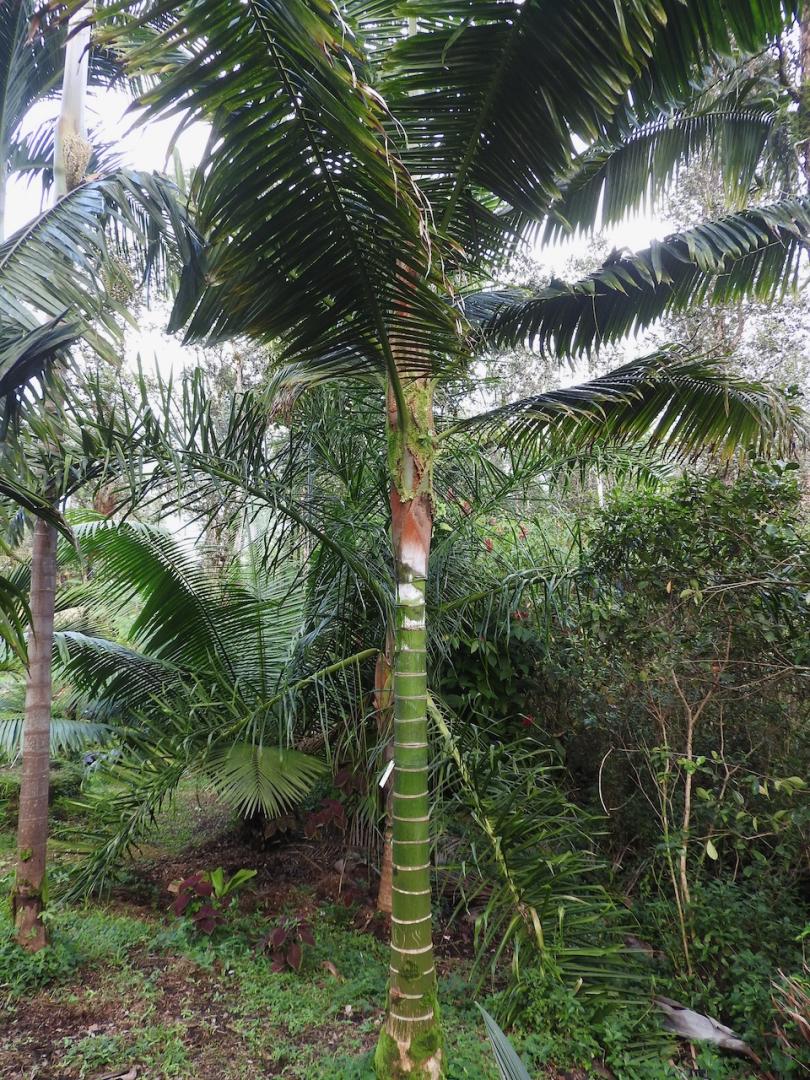
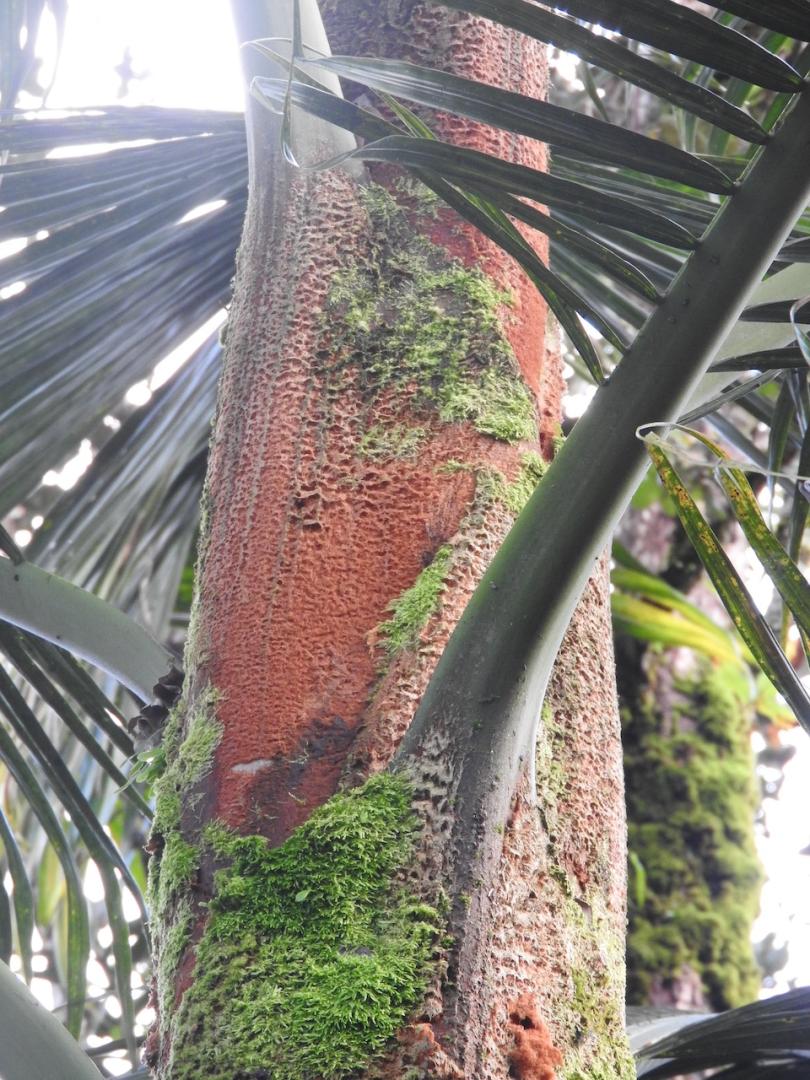
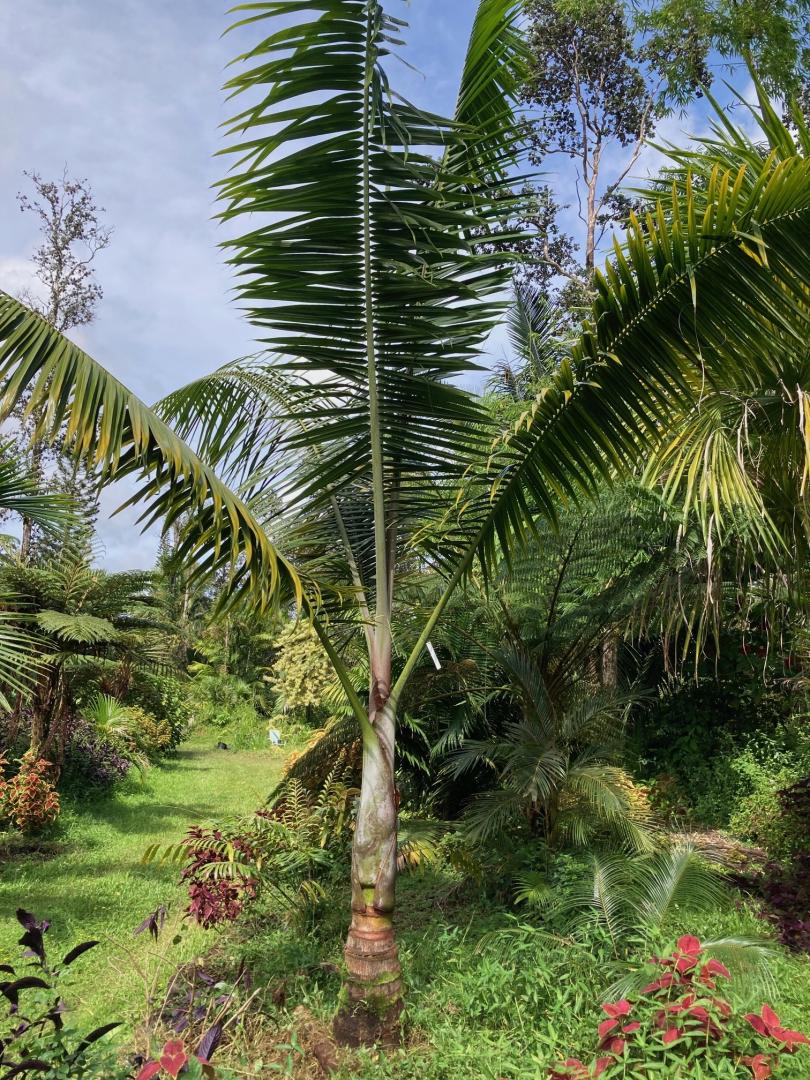
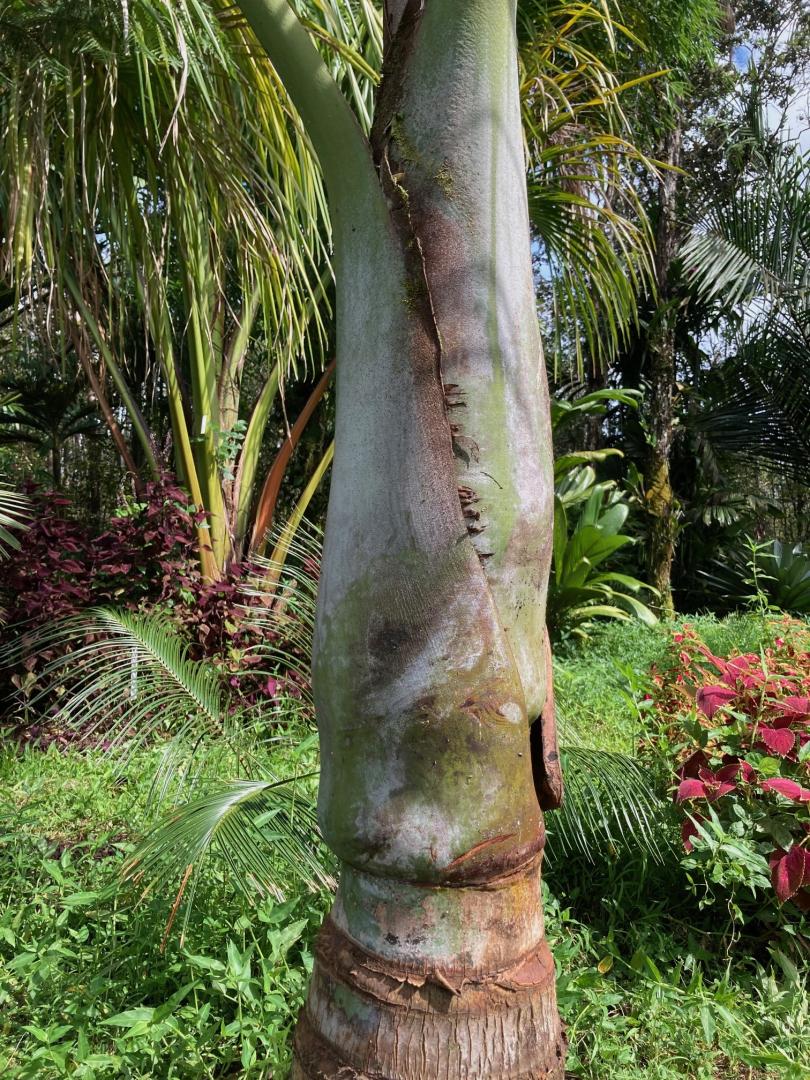
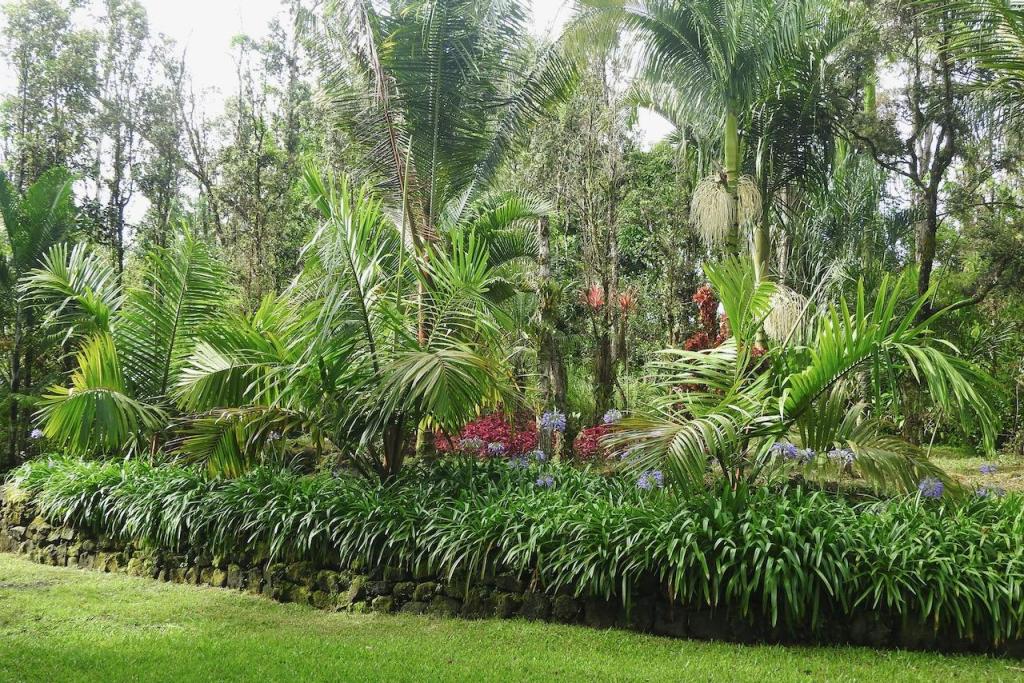
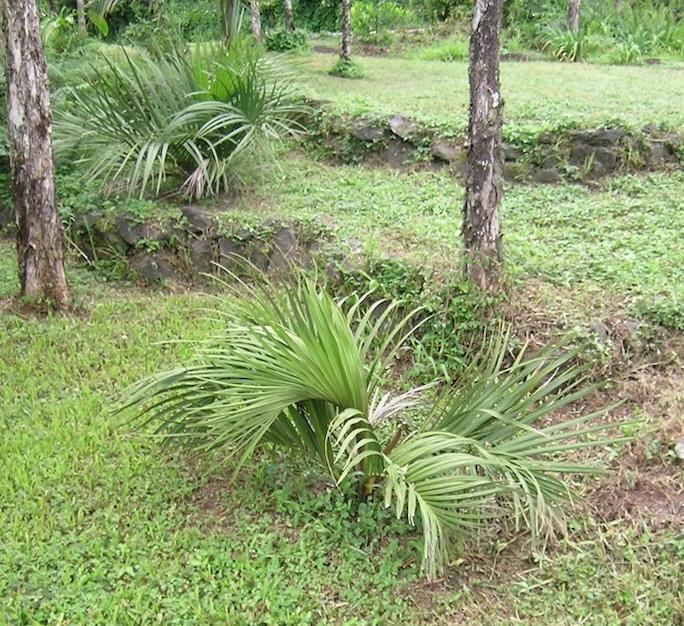
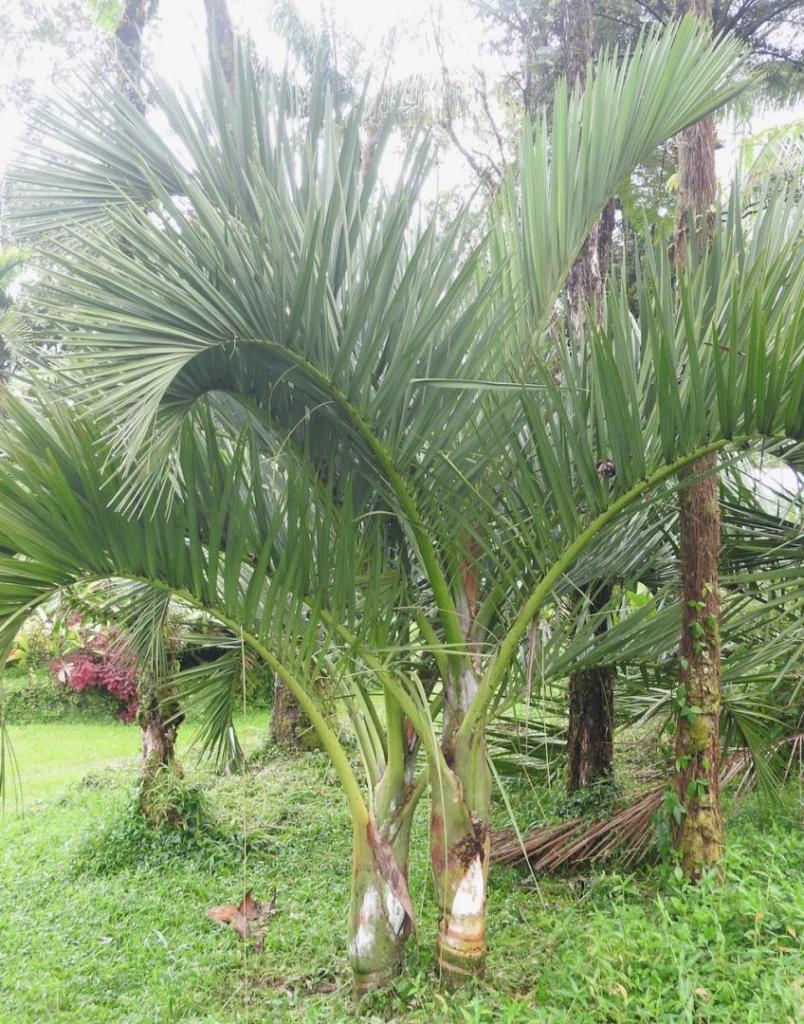
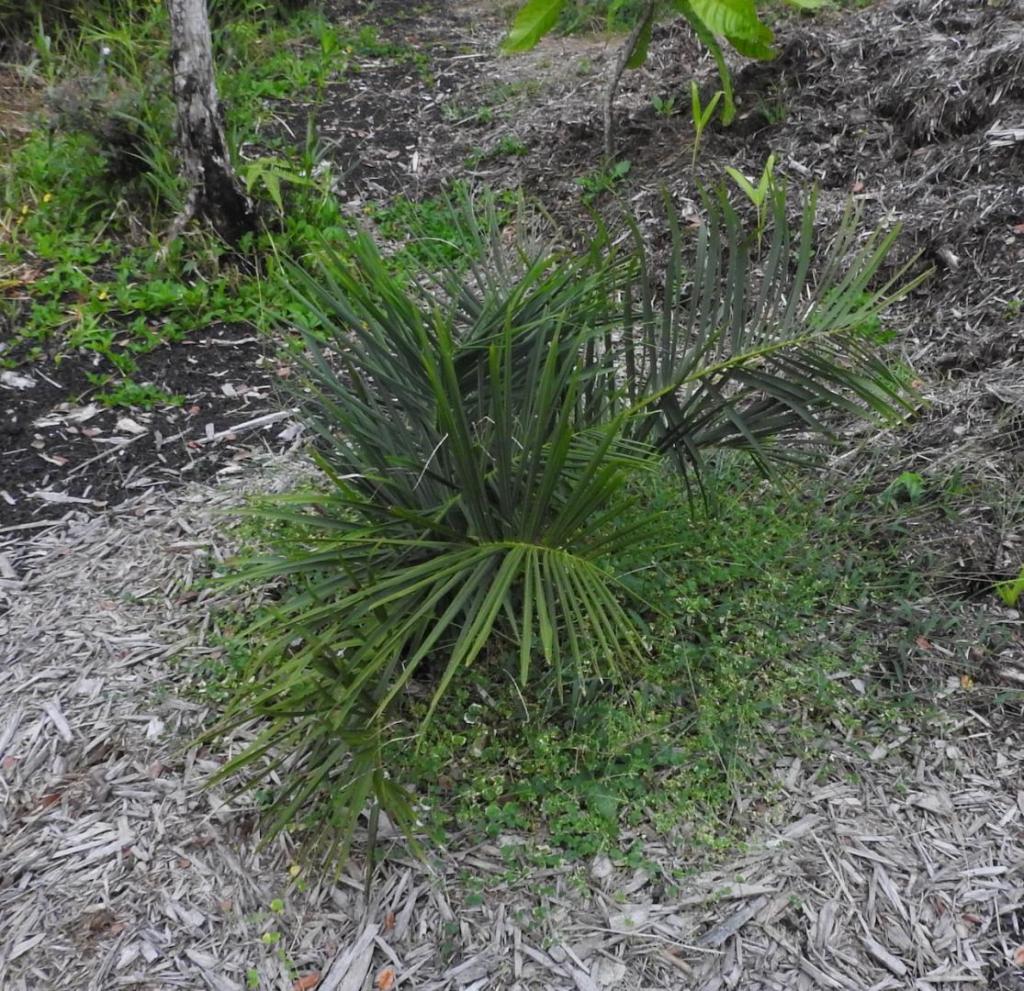
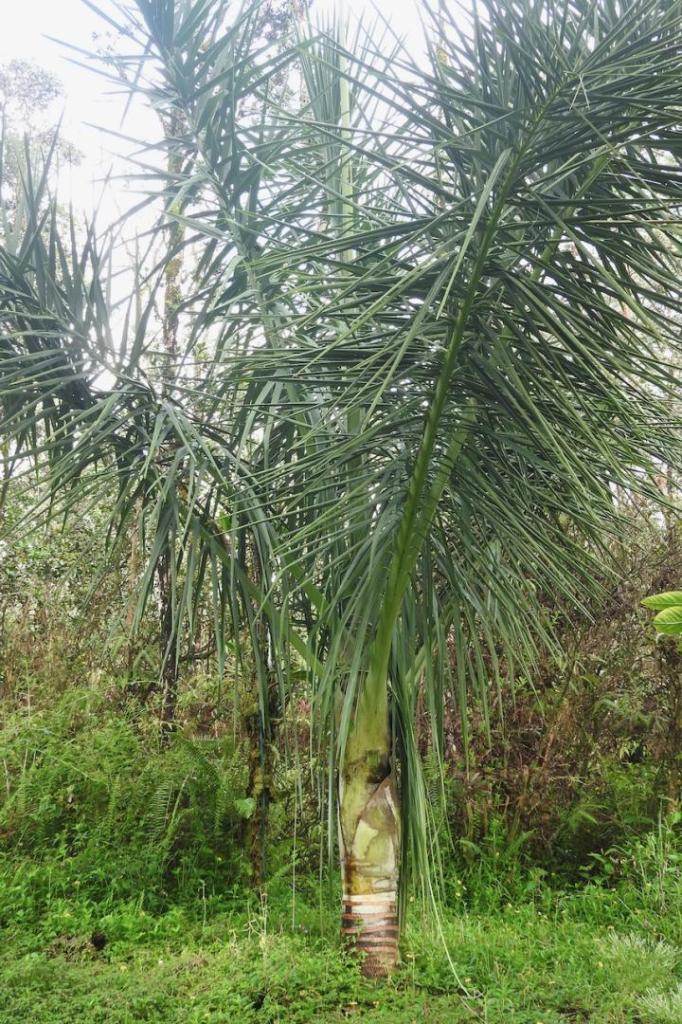
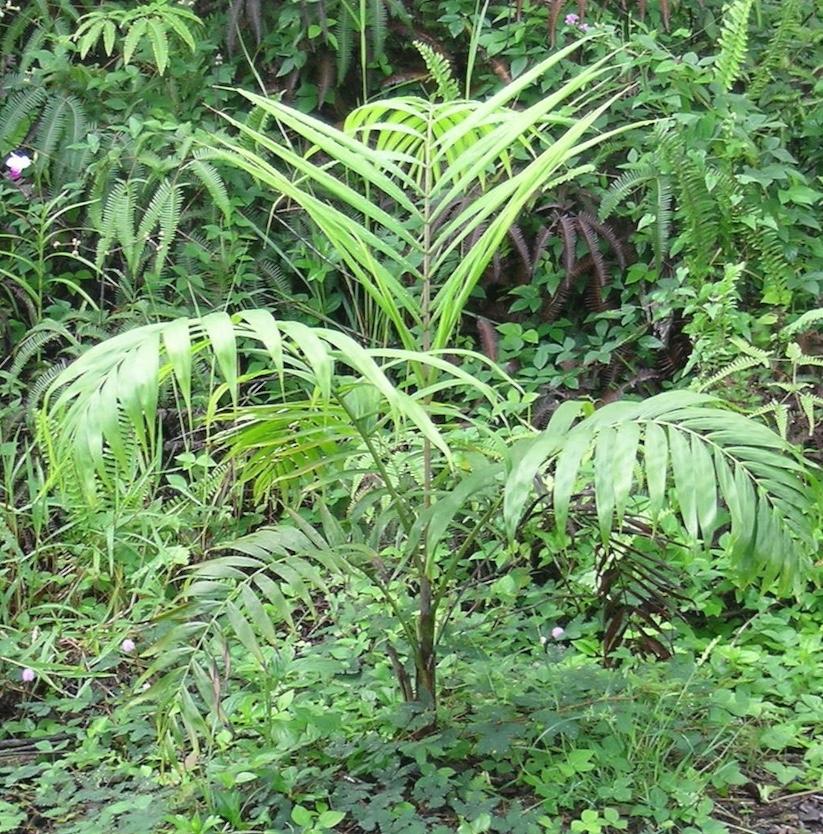
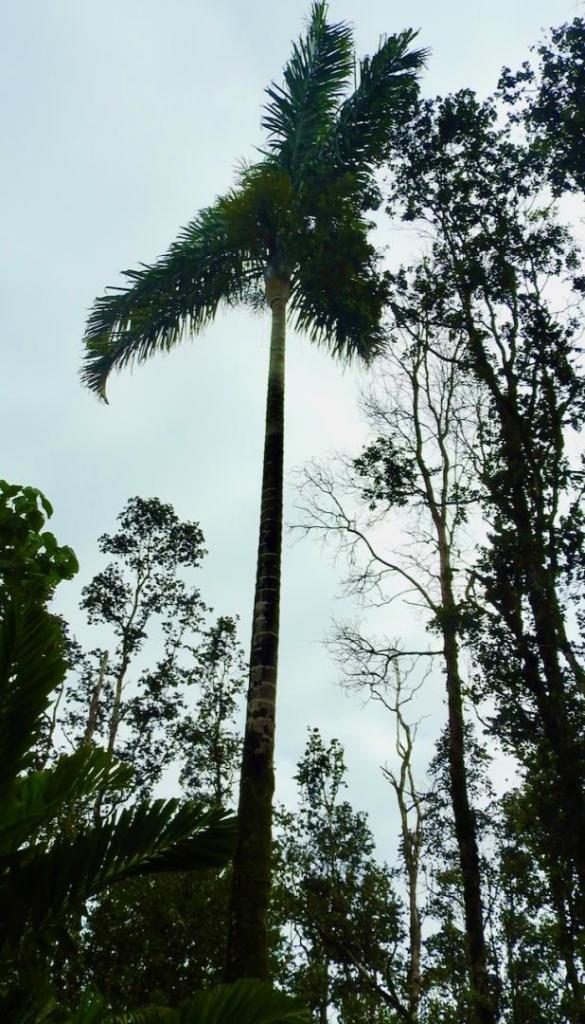
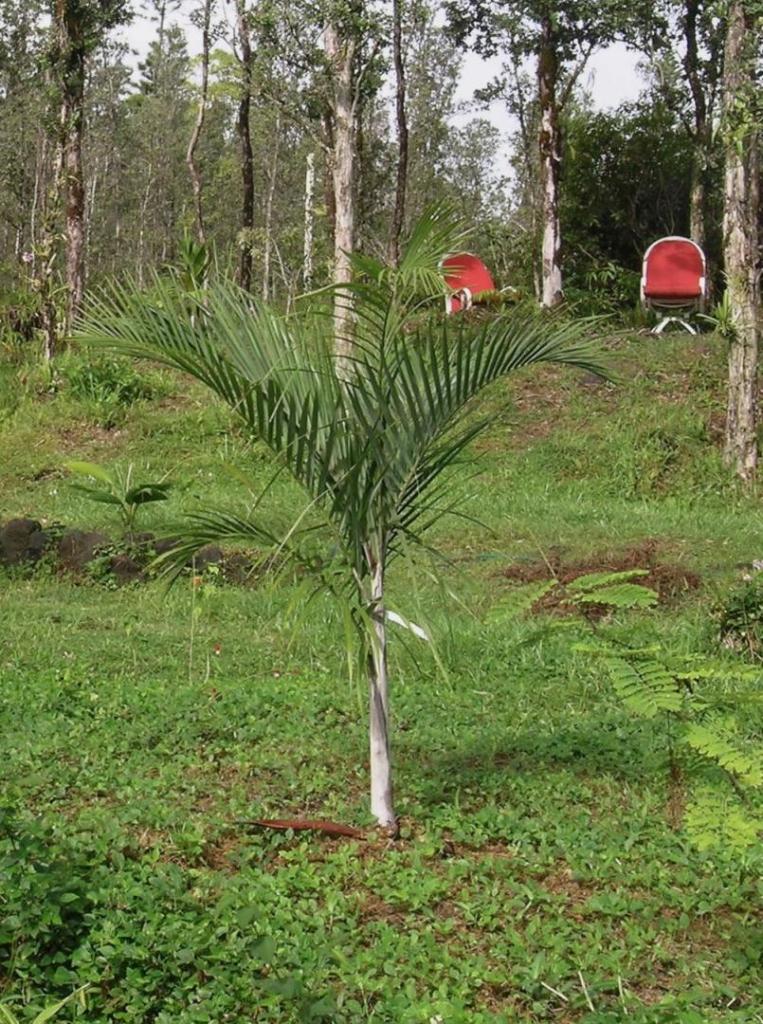
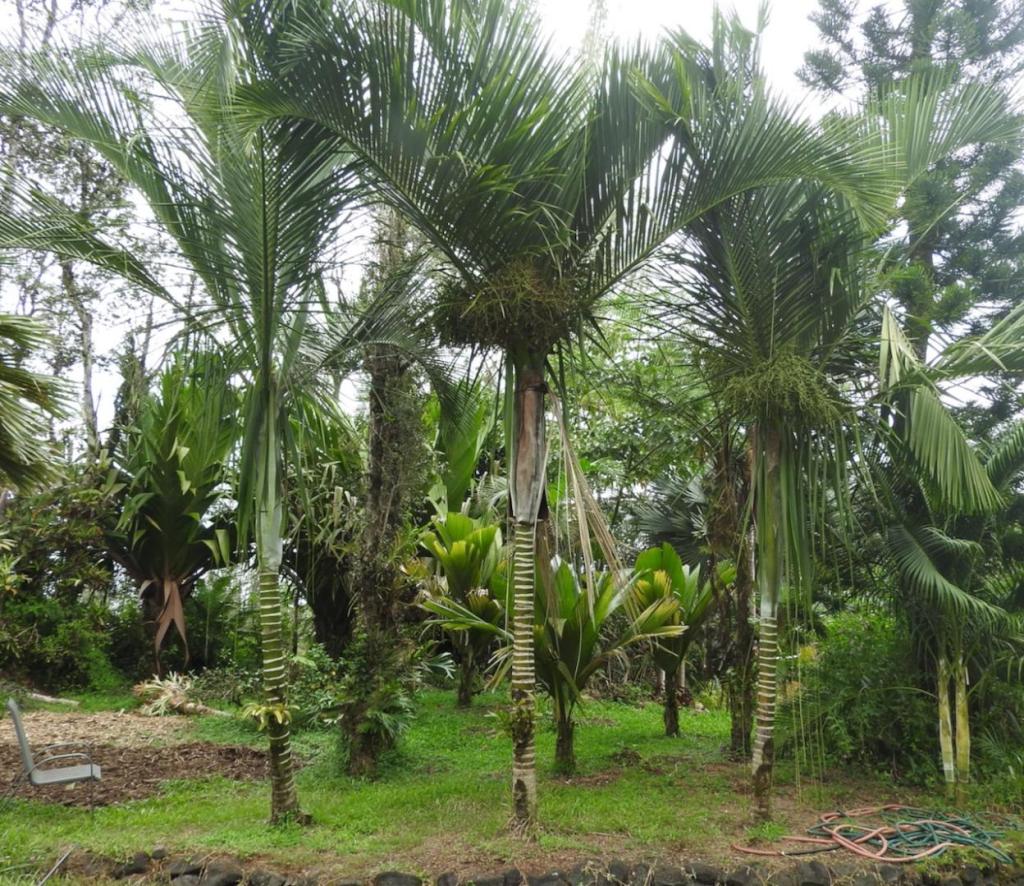
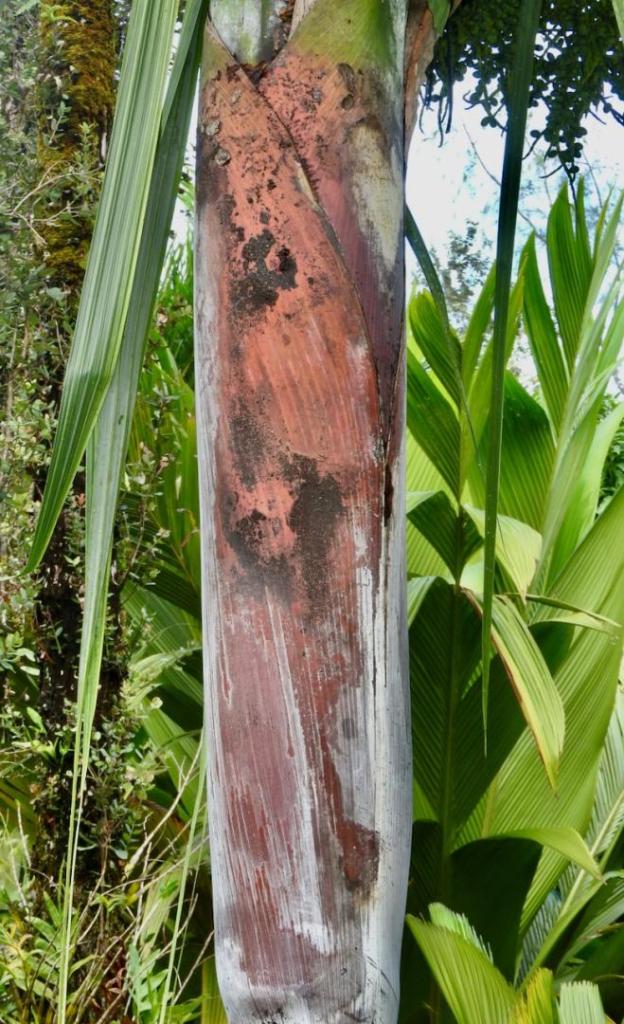
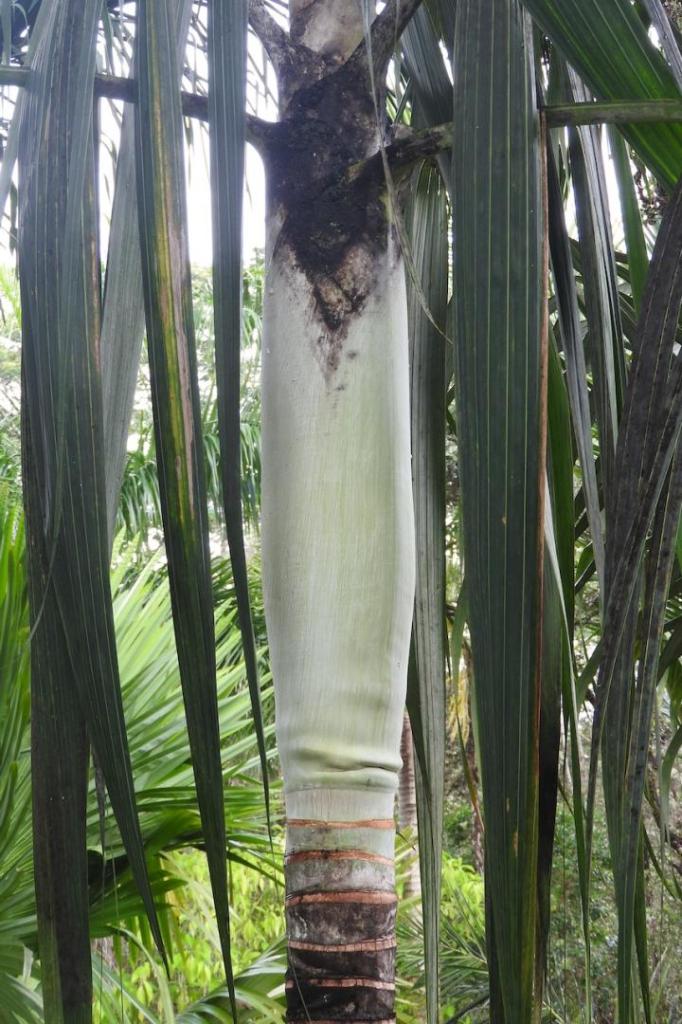
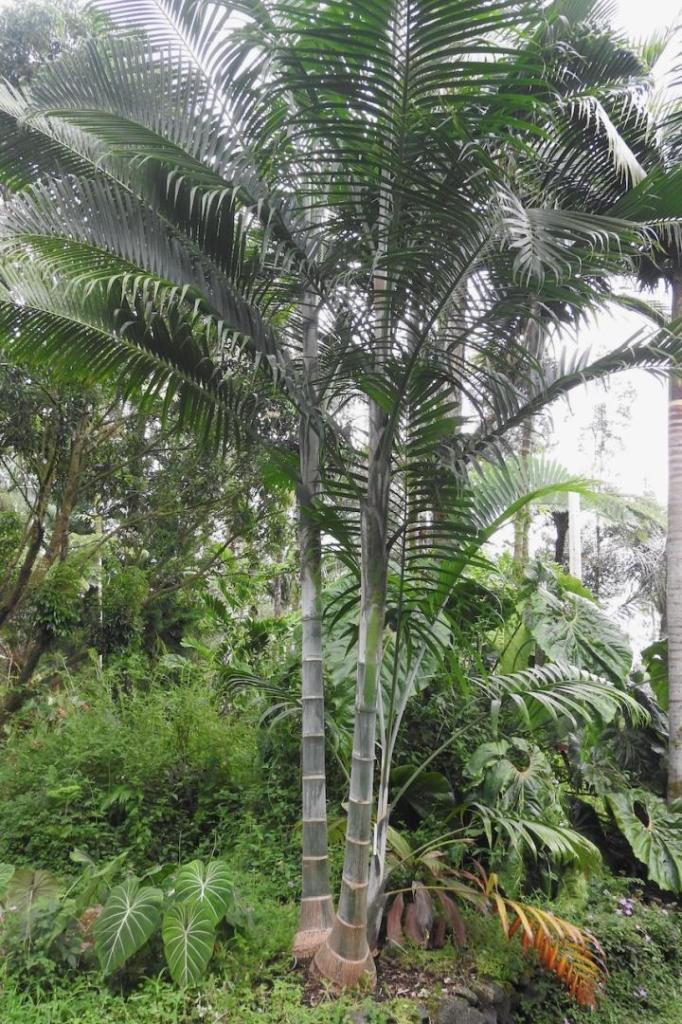
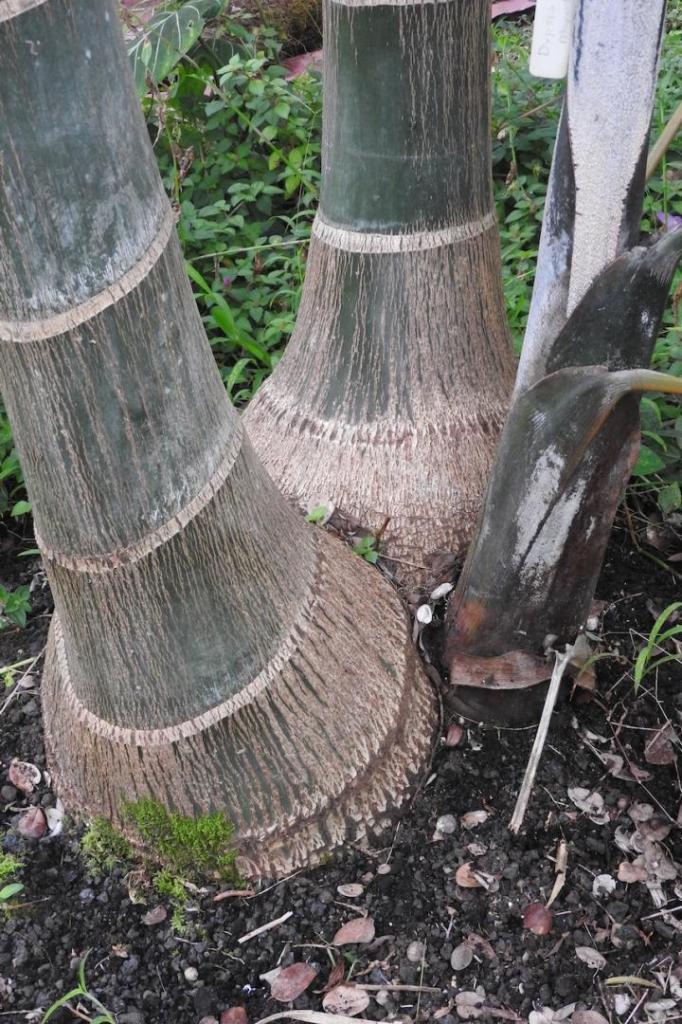
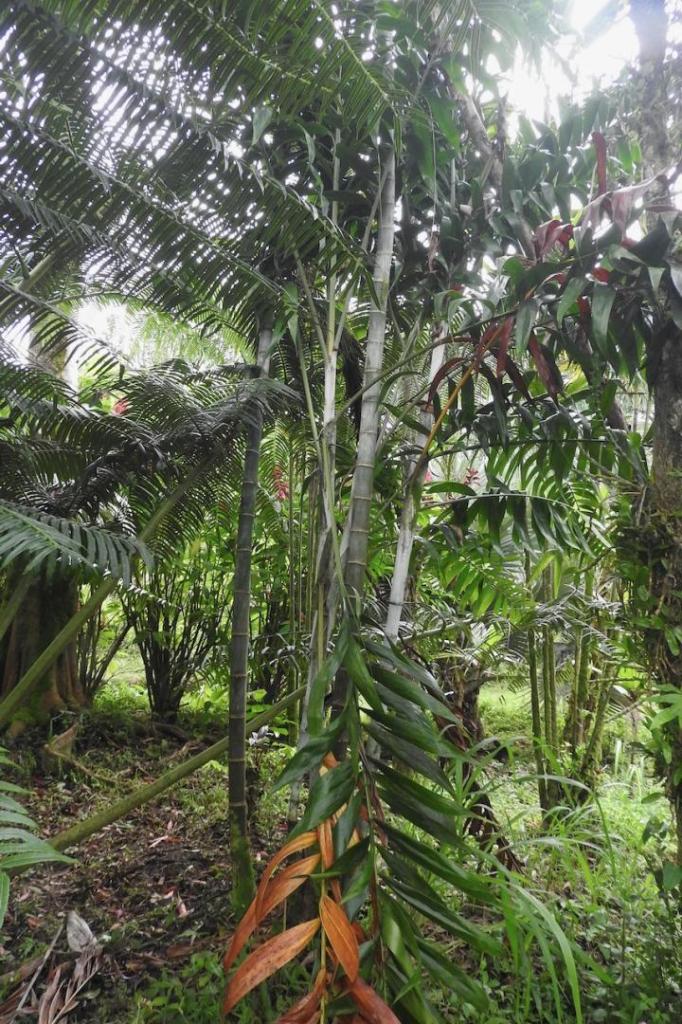
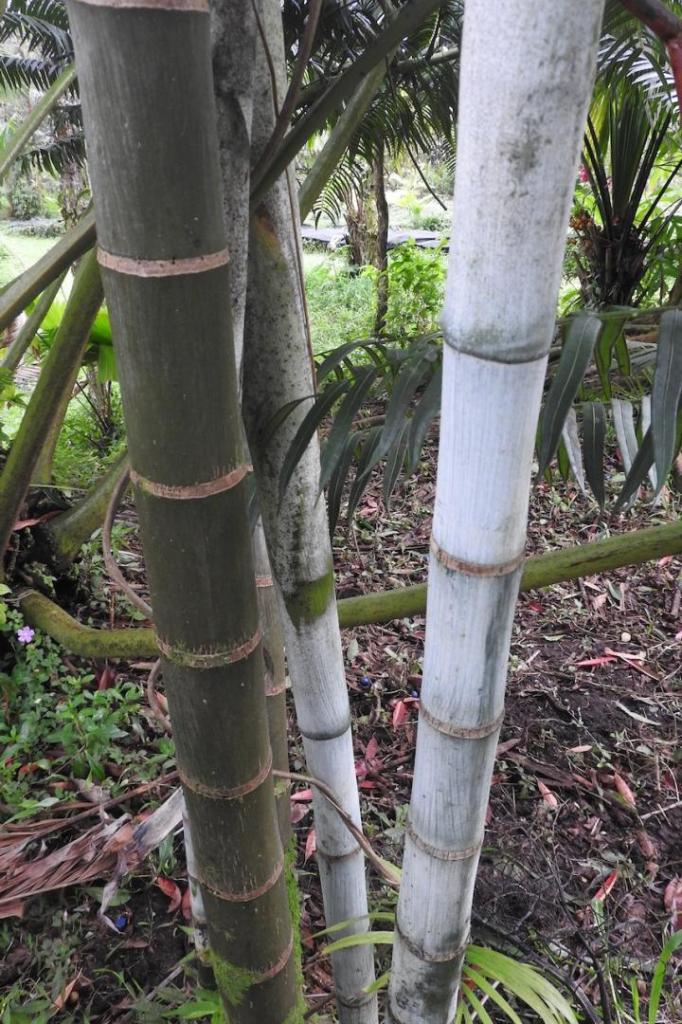
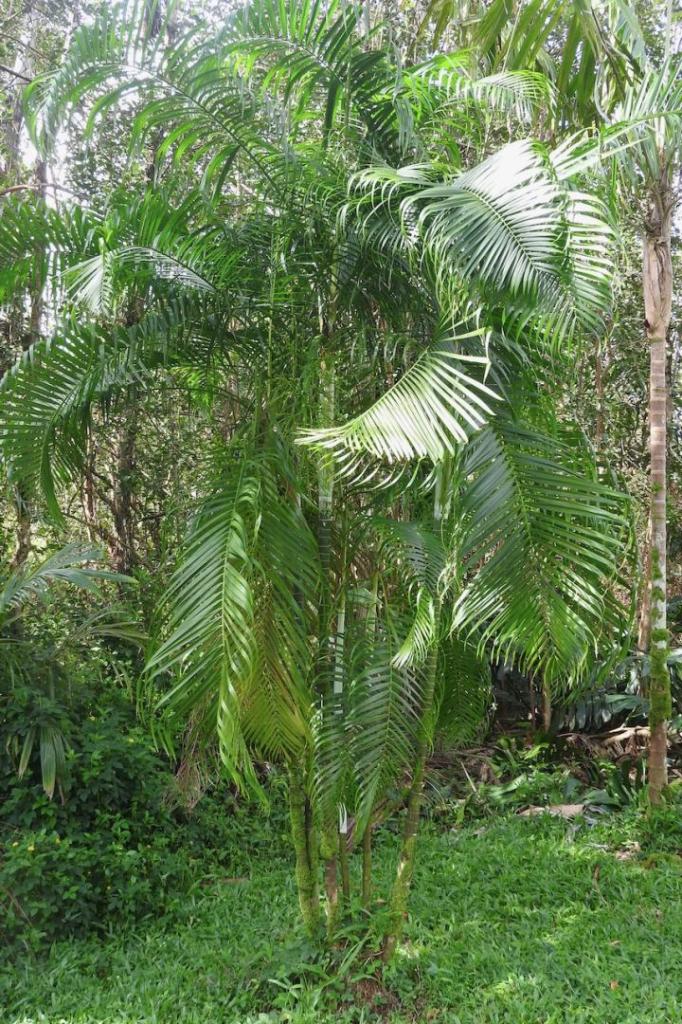
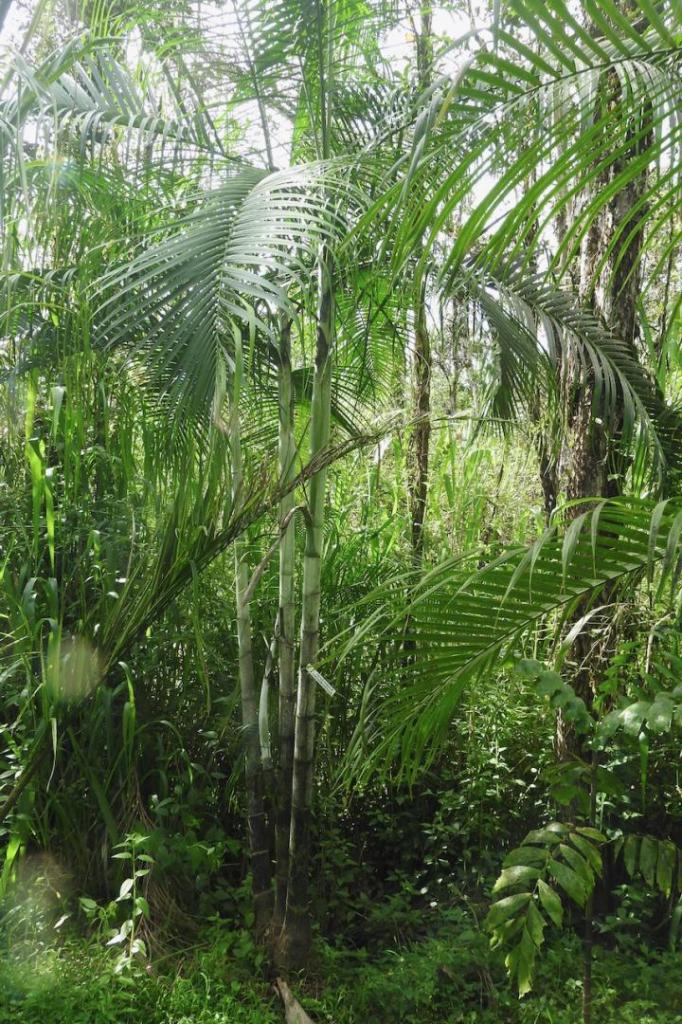
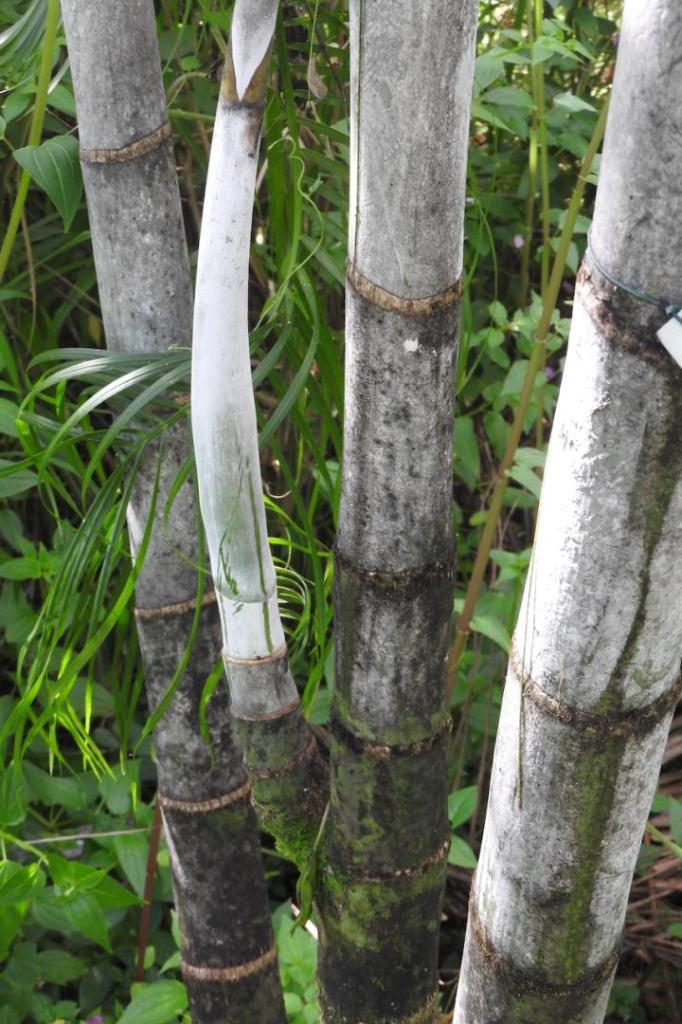
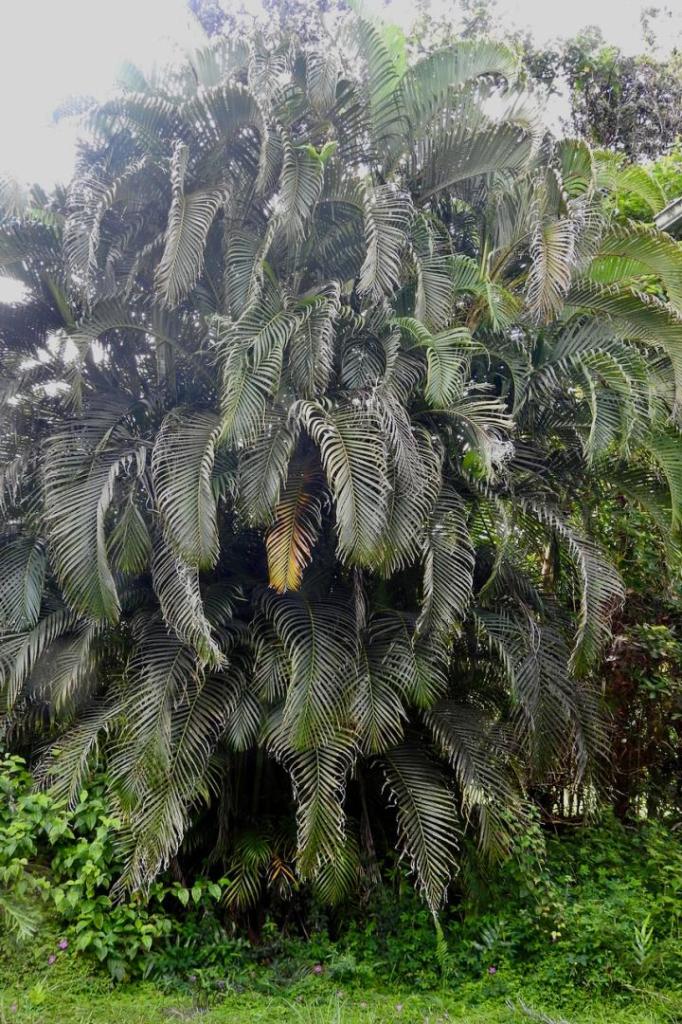
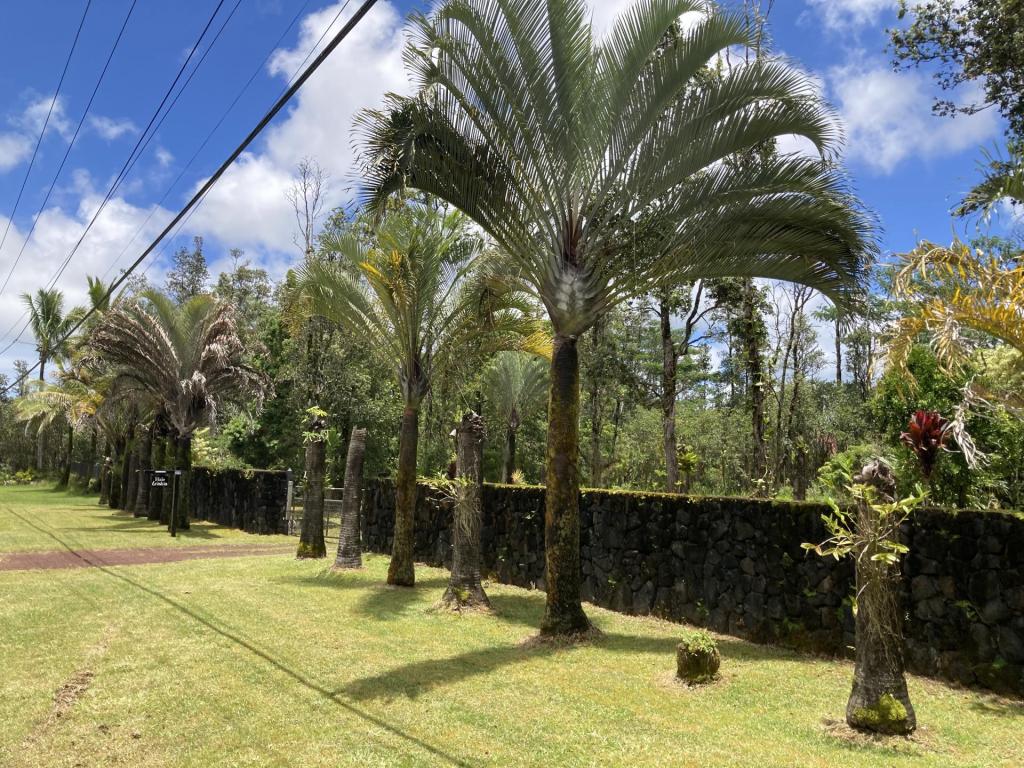
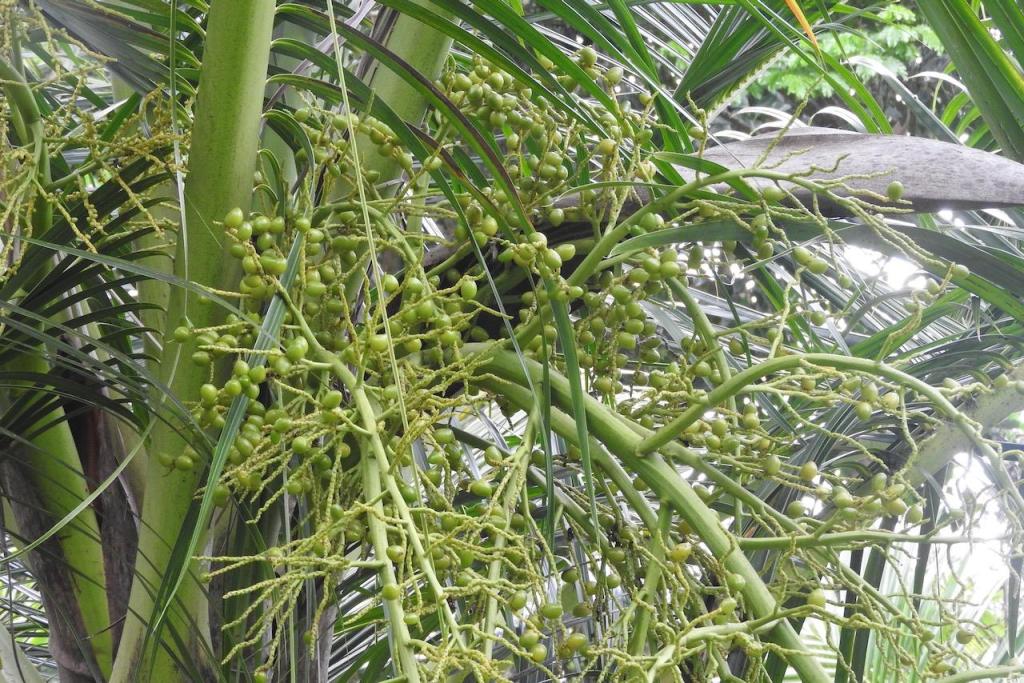
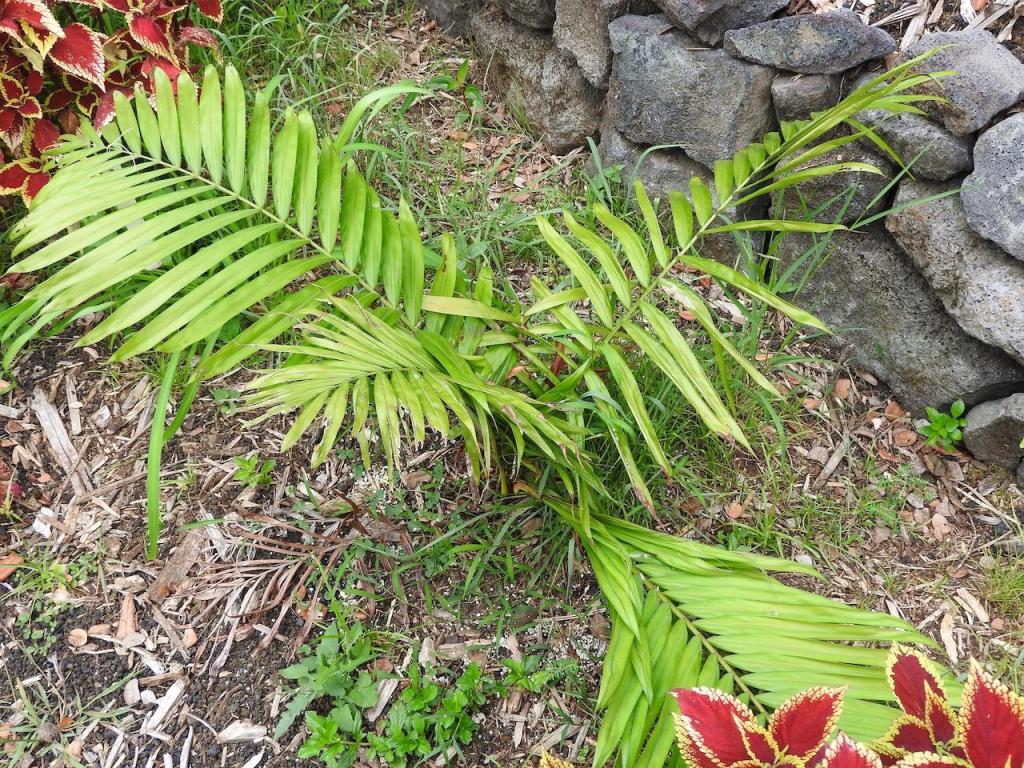
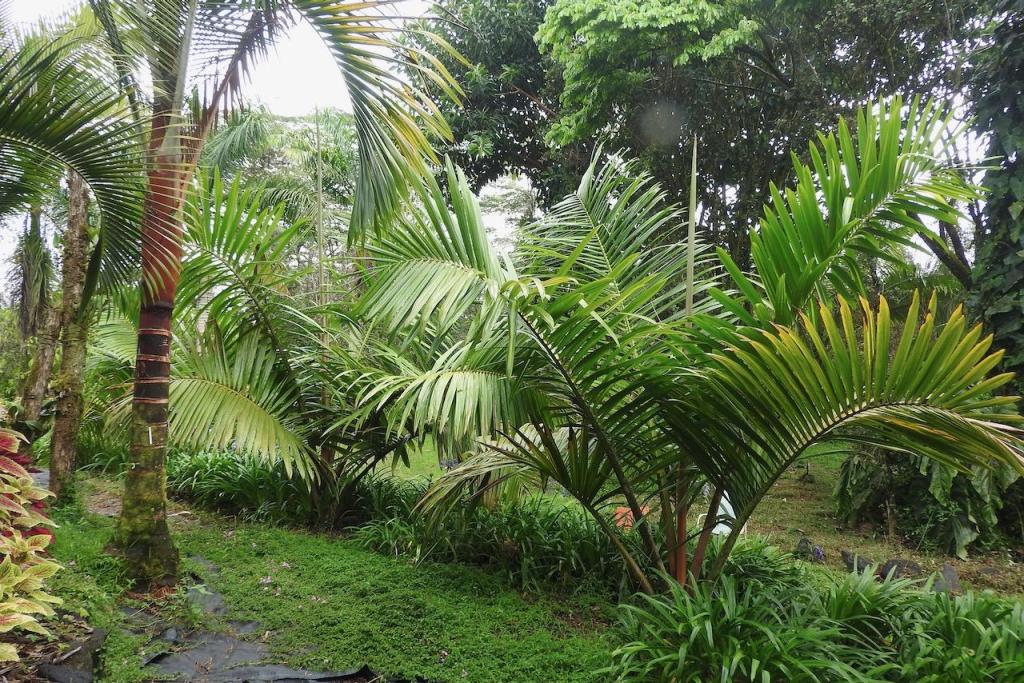
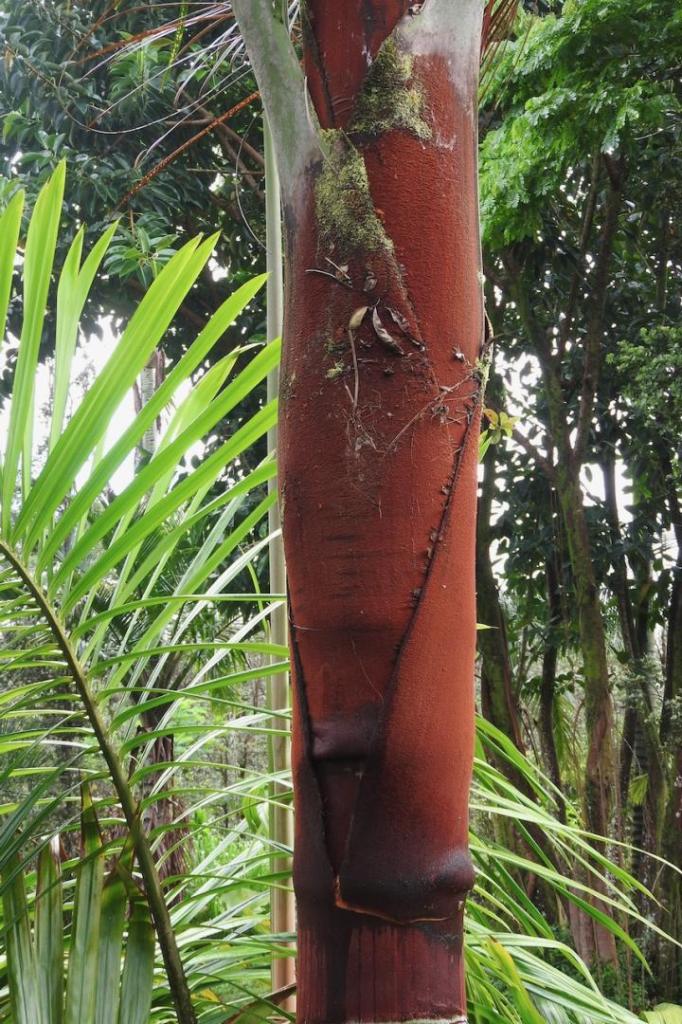
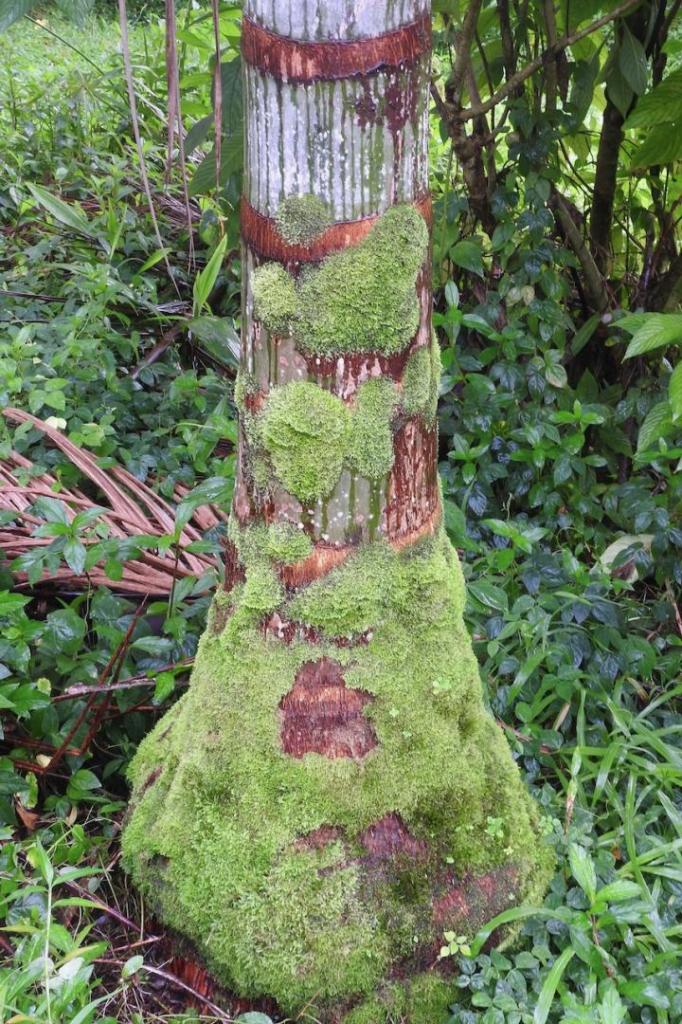
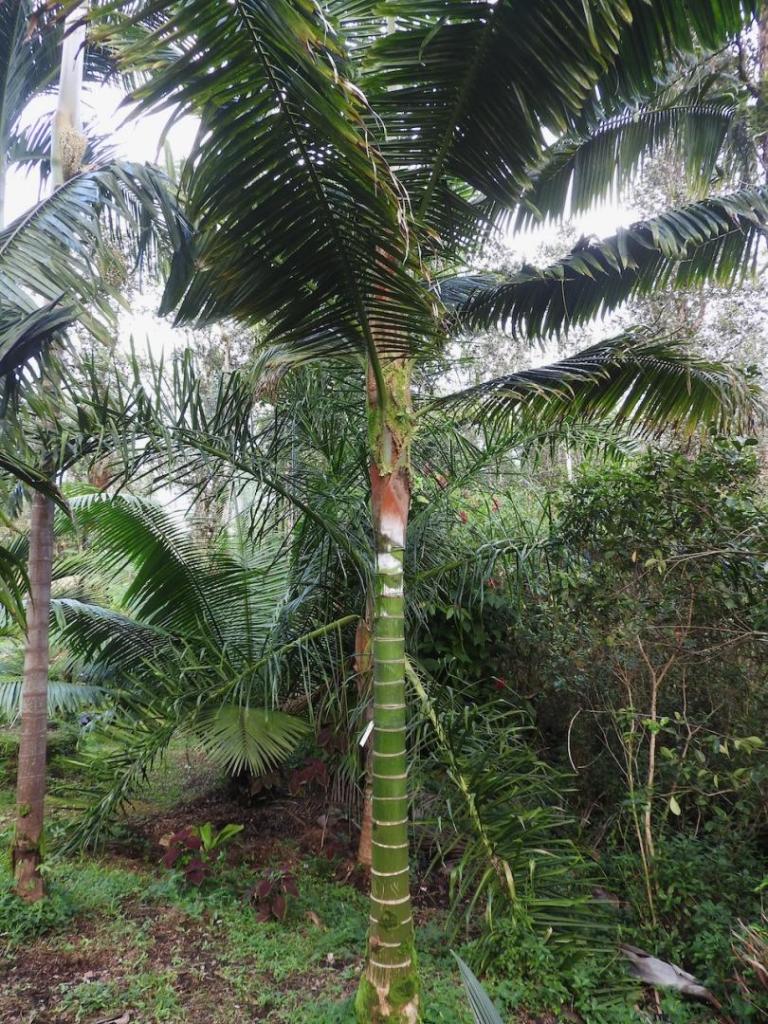
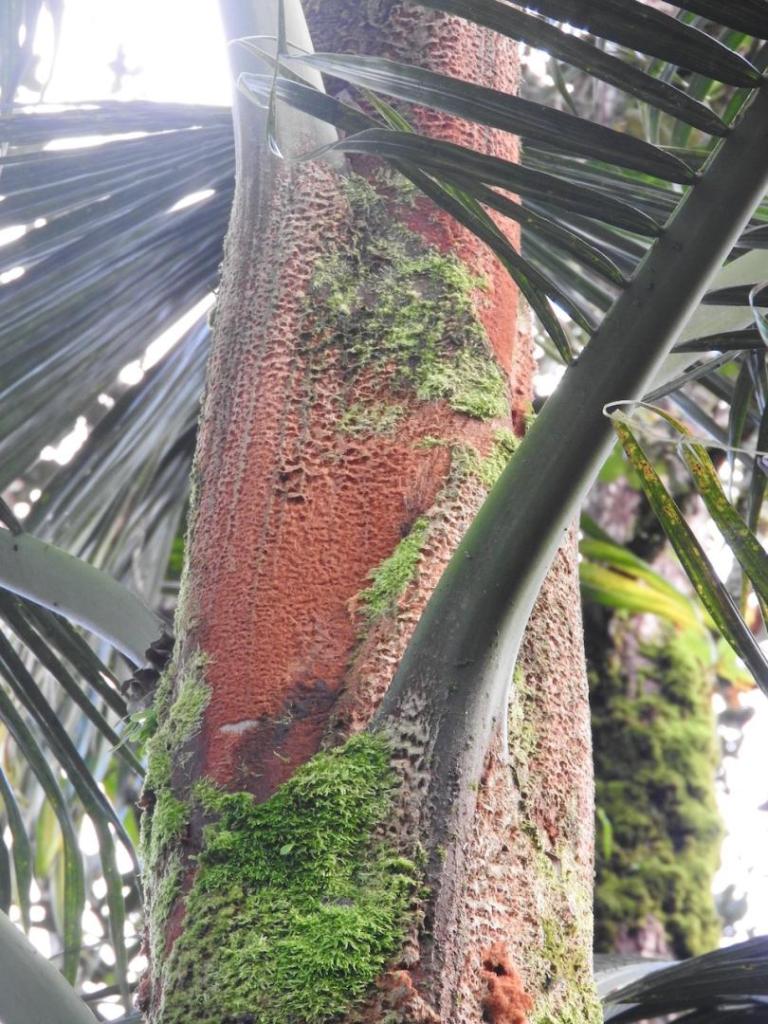
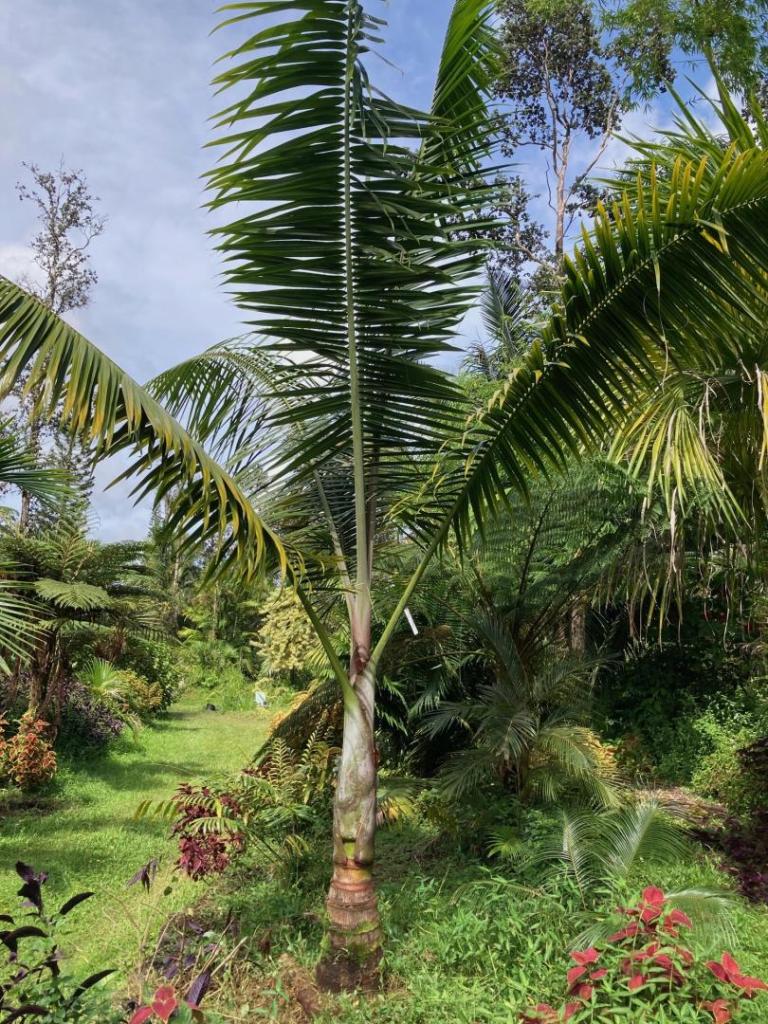
 Rick Kelley replied to Rick Kelley's topic in DISCUSSING PALM TREES WORLDWIDEOne of the contenders for slowest seedling is Chrysalidocarpus titan. Long known only by informal names like Dypsis sp bejouf(a), folks in Hawaii fell in love with this species largely because of the grove of two dozen trees planted at Bo Lundkvist’s Malama garden. Those trees are now huge and producing baskets of seeds. The only demerit I’d give it is for the exceptionally heavy fallen fronds. They must weigh around 40 pounds (20 kg), maybe more. You can only have grass under these. Any companion understory planting would be crushed. I started mine from seeds. Big mistake. Pay whatever a 10-gallon plant costs. Germination took 18 months. After they went in the ground, glacial growth rate the first five years. Finally, they got serious about growing. After ten years in the ground, still no trunk, but they open a perfectly respectably 3-4 new fronds a year. After seeing mature specimens in so many Hawaii gardens, I have very high hopes for these. Construction site 2016 2017 babies went in the ground and promptly burned. Today 1. titan 2. lastelliana 3. carlsmithii 4. cabadae. 5. Clinostigma samoense Another competitor for slowest ‘Dypsis’ goes to Chrysalidocarpys decipiens. Habitat photos on line suggest this palm grows in arid parts of Madagascar. Maybe the reason mine are growing so slowly is that they are in shade and typically get 140” of rain a year. SLOOOOW. After 13 years, they have only now started to trunk. Most individuals I’ve seen in local gardens have two trunks, but I have seen one example with six. Both of mine have twin trunks. 2014 Not obvious, but both trees have two trunks even at this stage. Today The same slow growth rate is seen in this mysterious palm that might be related to Chrysalidocarpus sp. blue decipiens. Who knows? I don’t think taxonomists have tackled this one. After a painfully slow childhood, this finally began to trunk last year. I really don’t see any resemblance to Chrysalidocarpus decipiens. This one has a single trunk. Leaflet arrangement not that similar. Different coloration. 2016 Today At the opposite end of the growth rate spectrum, this mystery palm went in the ground from a small one-gallon pot 13 years ago. Now it might be around 50-60 ft tall (15-18m) tall giving my Pigafetta some competition. This was obtained at a nursery liquidation sale with a very faint ‘Dypsis’ label written on the pot with white grease pencil. No species name was visible. It has a strong tristichous frond arrangement, but the crown has disappeared into the clouds, so that feature is not especially noticeable now. The base of the trunk is very swollen. Some Big Island growers seek out unusual ‘Dypsis’ variants or hybrids of unknown paternity. I suspect the explosive growth rate I’m getting might be due to hybrid vigor. Great if you are after instant canopy, but be prepared for telephone pole syndrome down the road. 2013 I have both Chrysalidocarpus saintelucei and Chrysalidocarpus basilongus in the garden. The white crownshafts are pretty consistent, except I’ve occasionally seen some red in saintelucei. These similar palms are easy to distinguish when growing near each other. C. basilongus is a bit more slender and has a very faint hint of blue. C. saintelucei has a more striking green trunk with white rings. Both produce abundant seeds that easily germinate, although saintelucei has a thoroughly discussed habit of breaking off its heavy infructescence before they mature. saintelucei 2013 today Crownshafts are usually mostly white, but occasionally I'm treated to a bit of color. basilongus Turning to clumpers, C. cabadae, C. lanceolata, and C. sp. Mayotte Island’ closely resemble each other after ten years or less in the ground. Maybe each will become more distinctive after they start blooming. C. lanceolata seems more distantly related judging by the slender base of trunks in contrast to the swollen bases of cabadae and Mayotte Island. cabadae Mayotte Island lanceolata Chrysalidocarpus baronii and C. psammophilus look about the same in my garden. Oddly, DNA sequence suggests they are not all that close. C. baronii is supposed to be closest to C. decipiens. I don't see it. Ignoring the taxonomy, each is an attractive, slender clumper, but no fireworks yet. Photos of baronii 'Black Stem' are very eye catching, but mine was only recently planted so can't say if it will live up to the hype. baronii psammophilus I only include Chrysalidocarpus lutenscens for completeness. The common ‘areca’ palm is vastly over planted in Hawaii, usually as a hedge to screen out unpleasant neighbors. There are so many more interesting clumping palms that could step in if only the public knew about them. I inherited two clumps from the previous owner. If only these were rare or a recent discovery, everyone would want it. And finally, the award for THE WORST Chrysalidocarpus in wet east Hawaii- drum roll: Chrysalidocarpus decaryi, the triangle palm. For some mysterious reason, this desert species is widely planted in east Hawaii. They look like crap for years until the crown inevitably snaps off leaving a dead trunk, which is a modest improvement. Why do people still plant this one? Photo from a neighbor's property. Hope this update gives you some ideas of what might be good additions for your garden depending on your climate. If you haven’t been following this thread, I’m at 700 ft growing in black volcanic cinder generously amended with compost. Rain varies a lot, but averages around 140” (3.5 m) annually. Fertilizer twice a year is slow release 22-7-14 with trace elements. Never gets hot or cold, 60-83 degrees F almost every day of the year.



-
 gyuseppe replied to happypalms's topic in DISCUSSING PALM TREES WORLDWIDEInstead I like it a lot🌴
 - Today
-
gyuseppe replied to happypalms's topic in DISCUSSING PALM TREES WORLDWIDEKonstantinos if the seeds are fertile, you already know my address, the one you sent me a couple of months ago is in good condition,
-
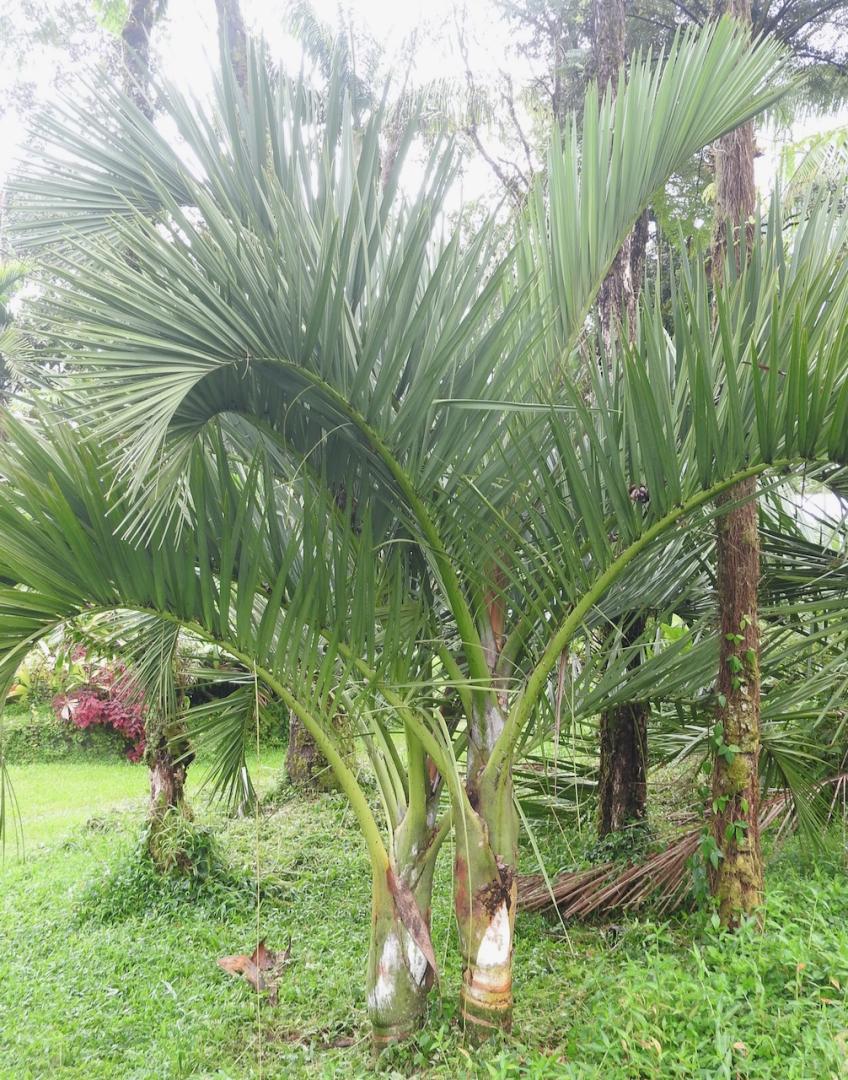
 happypalms replied to happypalms's topic in DISCUSSING PALM TREES WORLDWIDEHe must have his priorities out of whack not to love such a beautiful palm with such lovely green leaves, perhaps we should gift him a hybrid palm that will tolerate such unbearable cold weather @Than how could a bloke not love a decaryi palm, send him on a tropical vacation to some exotic island with palm trees swaying in the wind that will convince him to love them. 😁🤣
 -
happypalms replied to happypalms's topic in DISCUSSING PALM TREES WORLDWIDEPerhaps it’s too tropical looking for your liking, what do I like about them those lovely green leaves 🍃 🌴Or perhaps you prefer those spikes that stab you to death on those frost tolerant Phoenix palms that I loath🤣😂
-
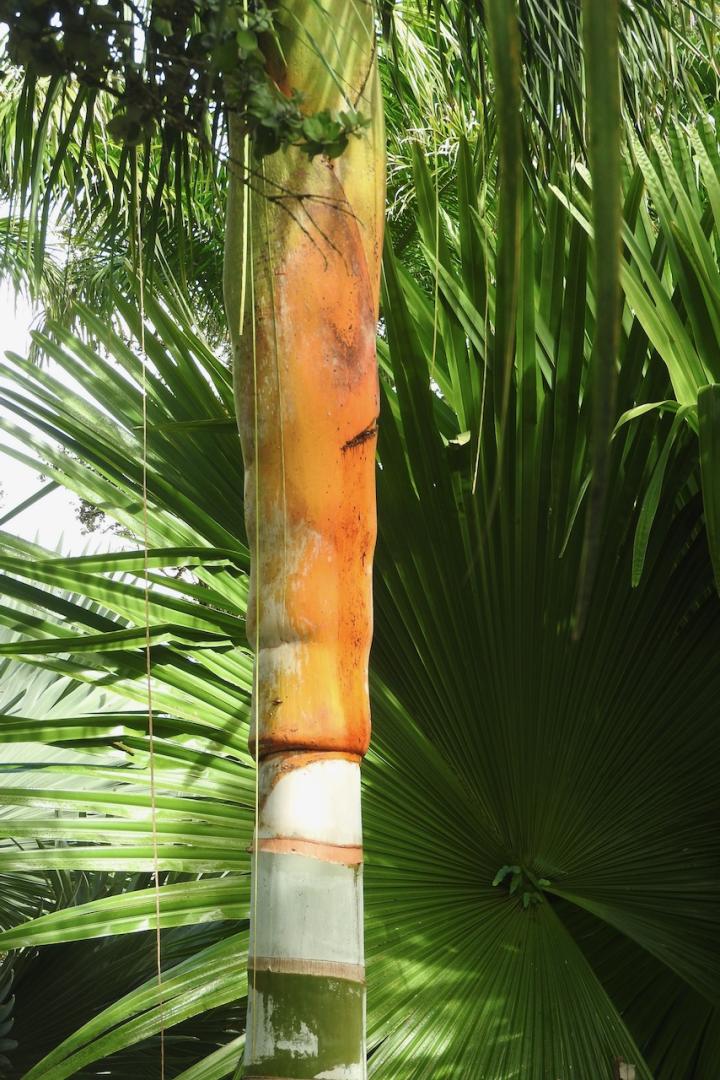
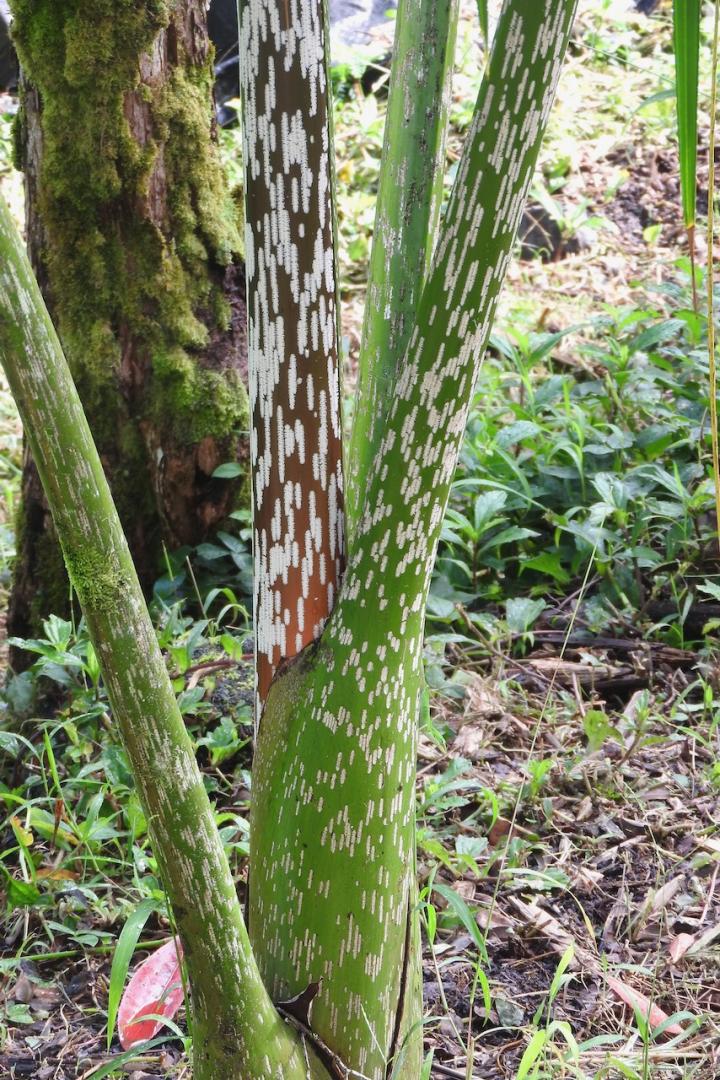
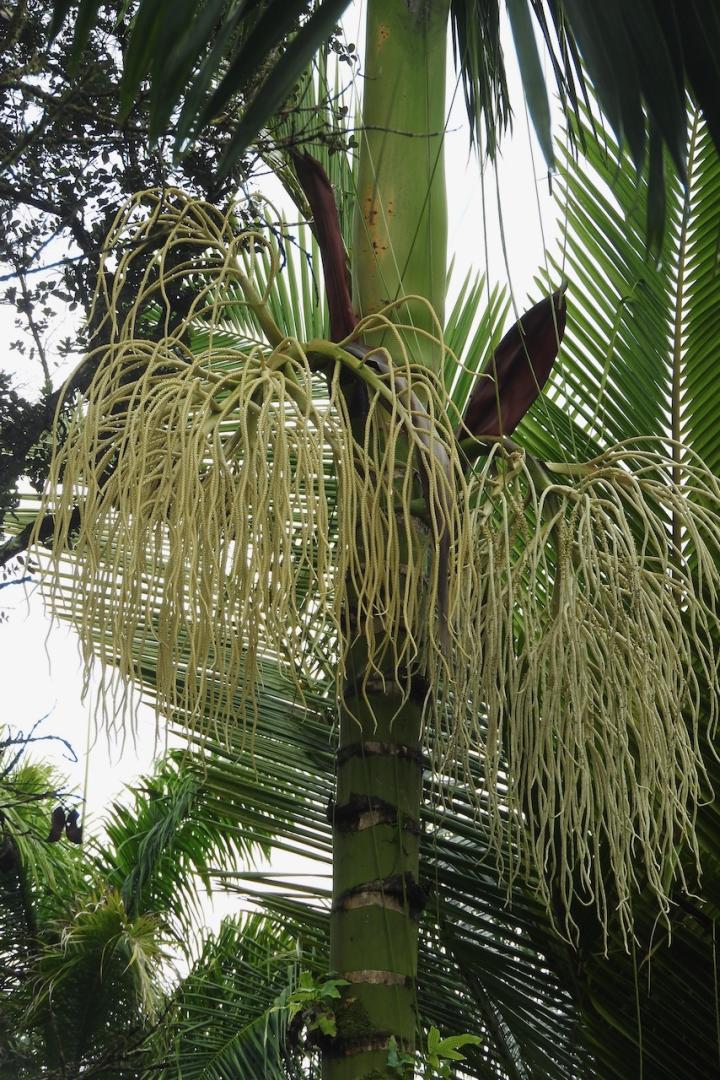
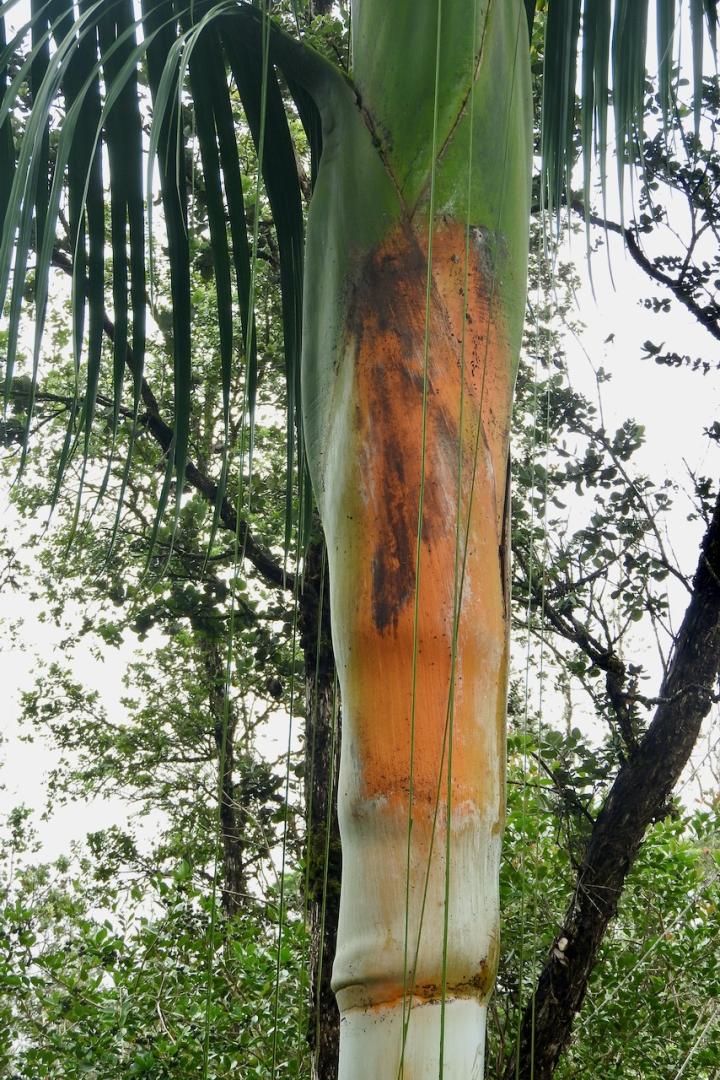
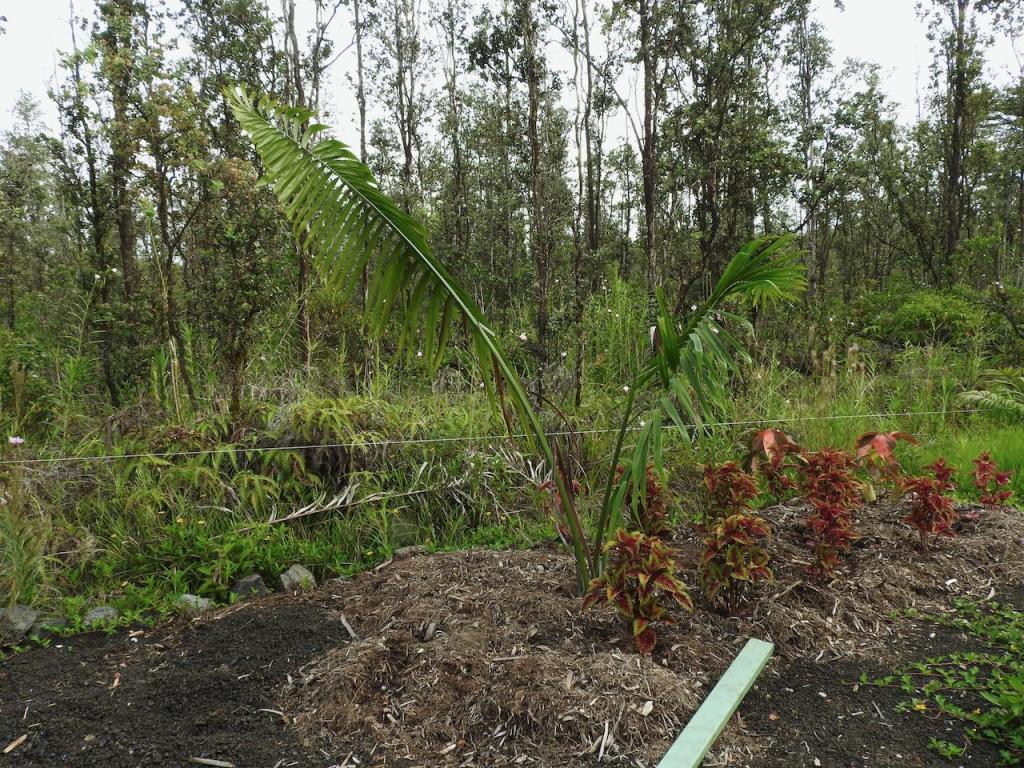
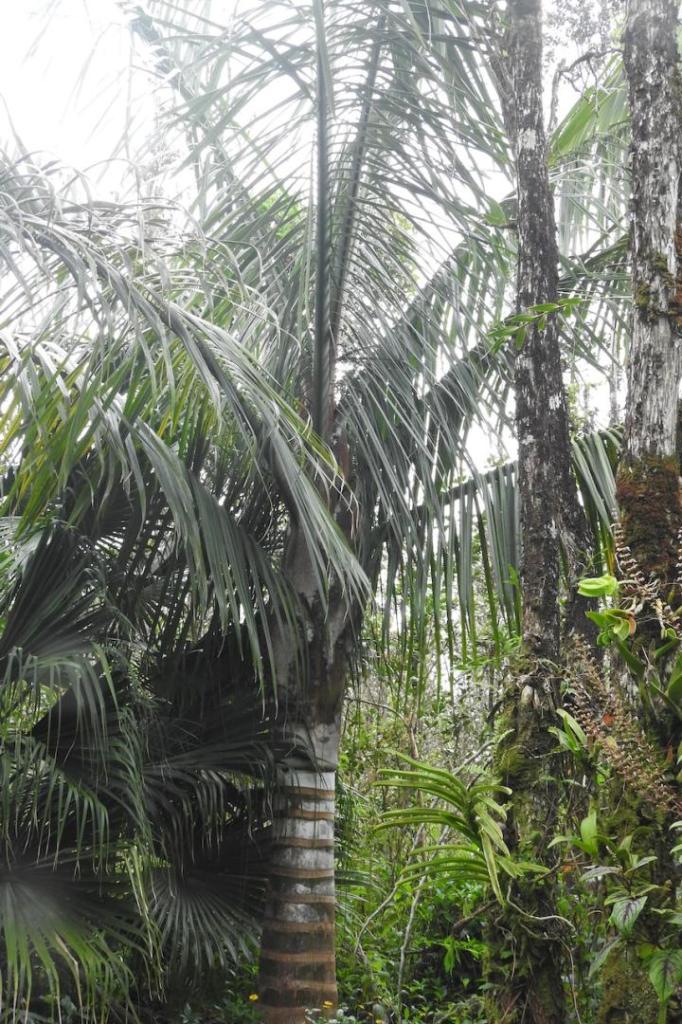
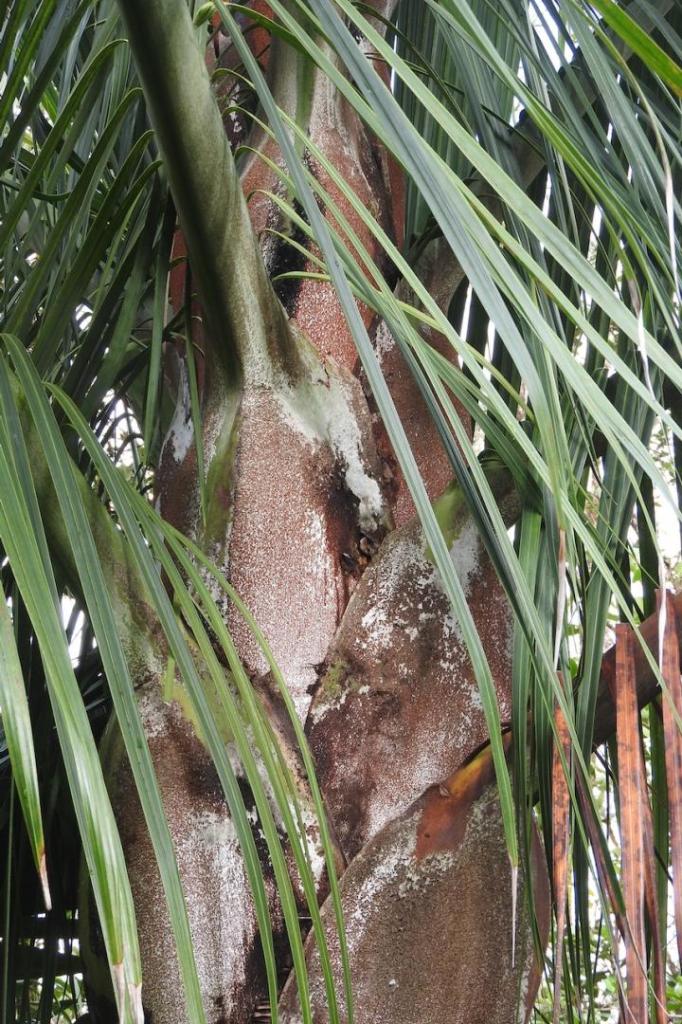
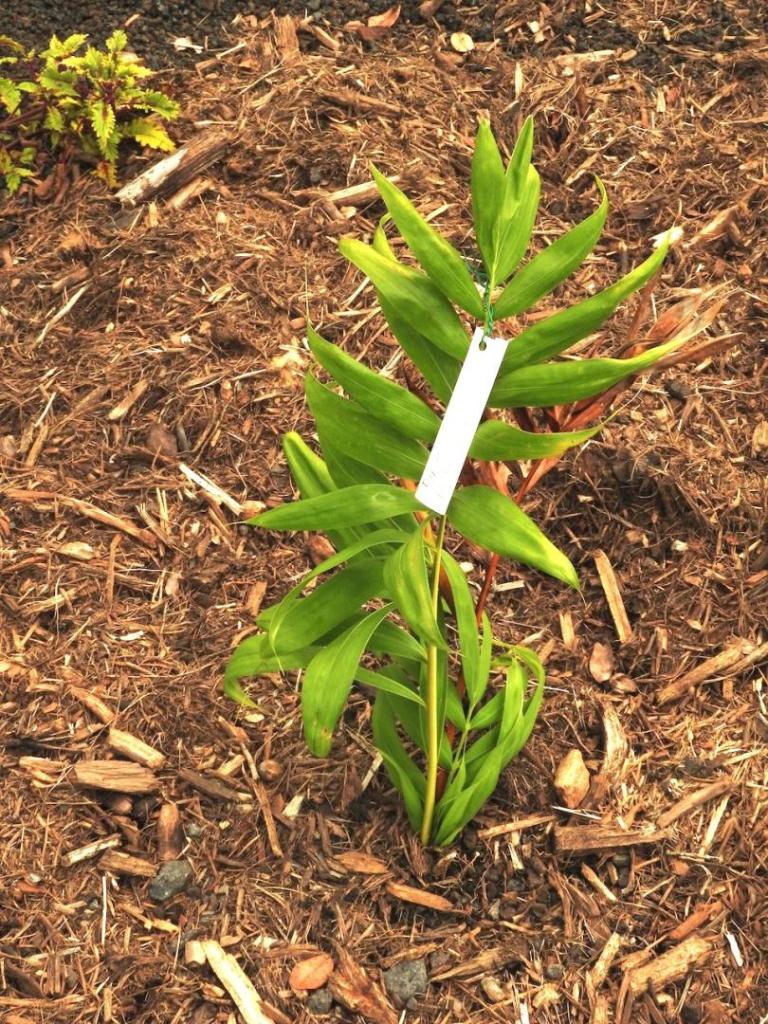
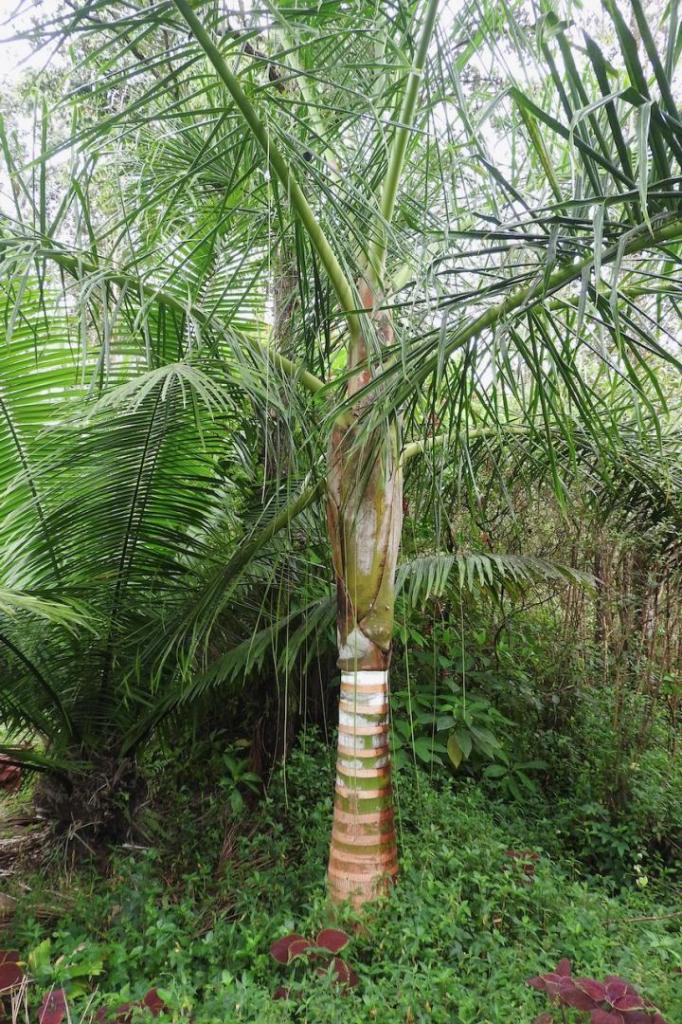
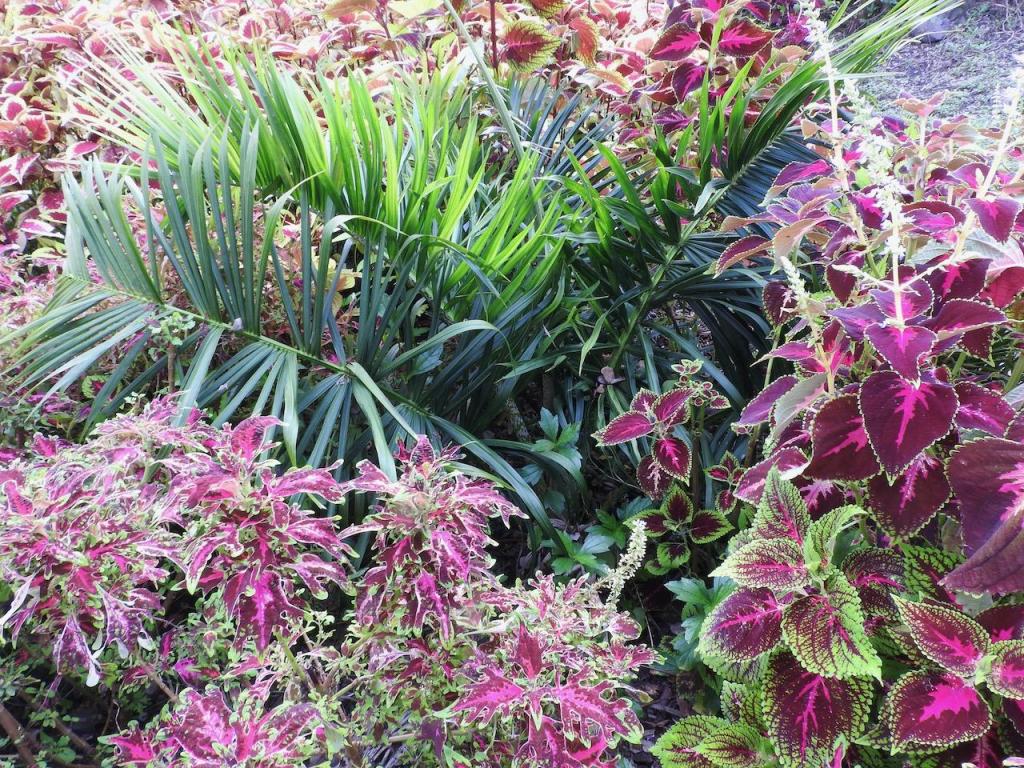
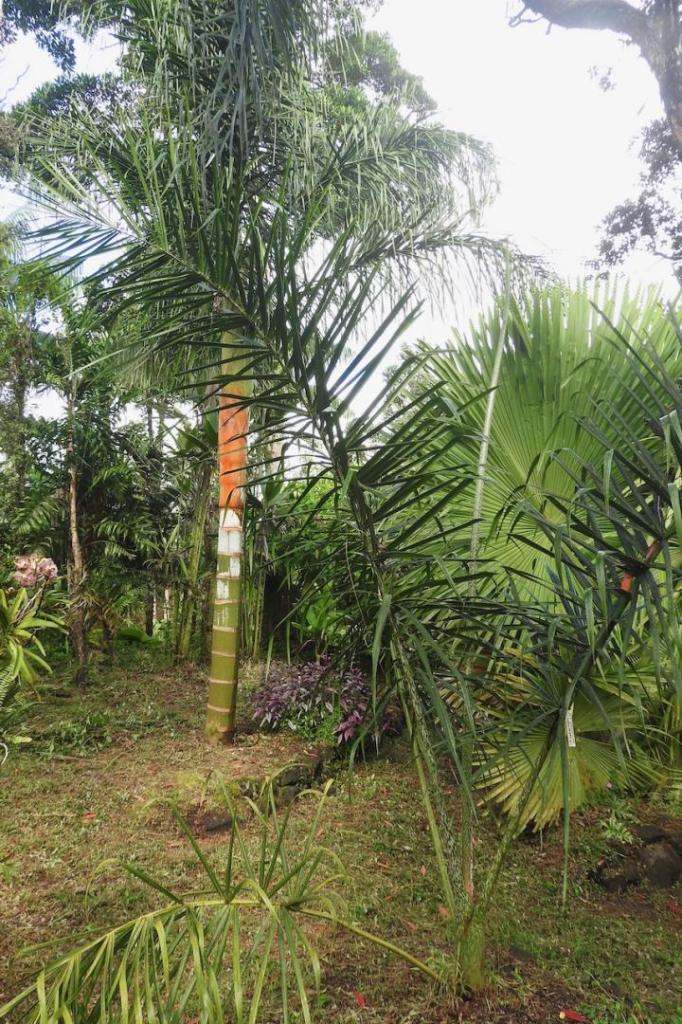
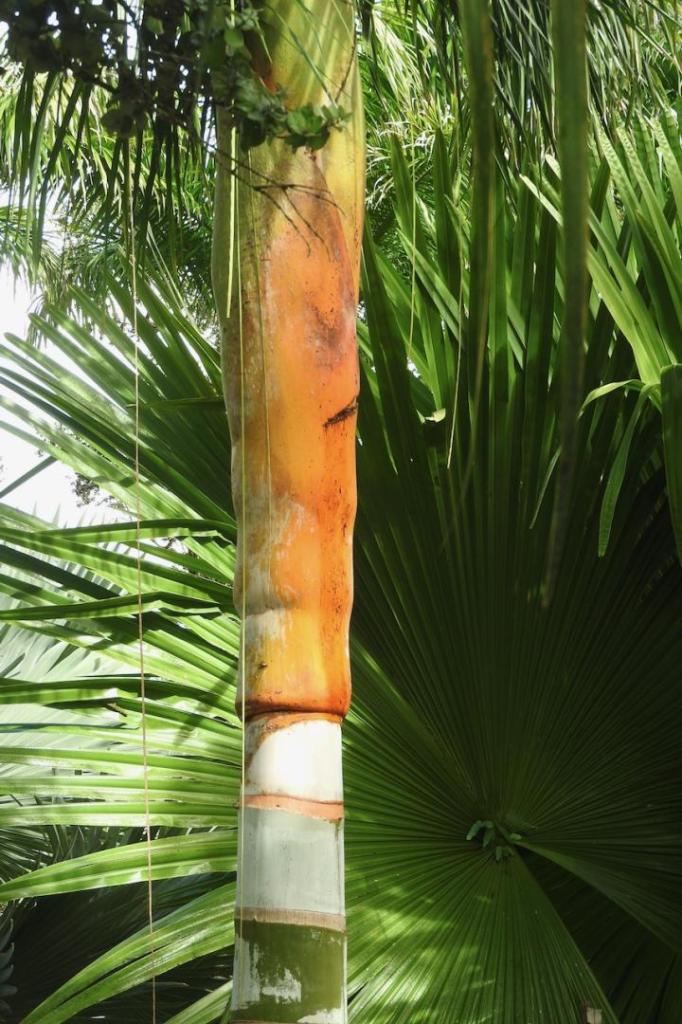
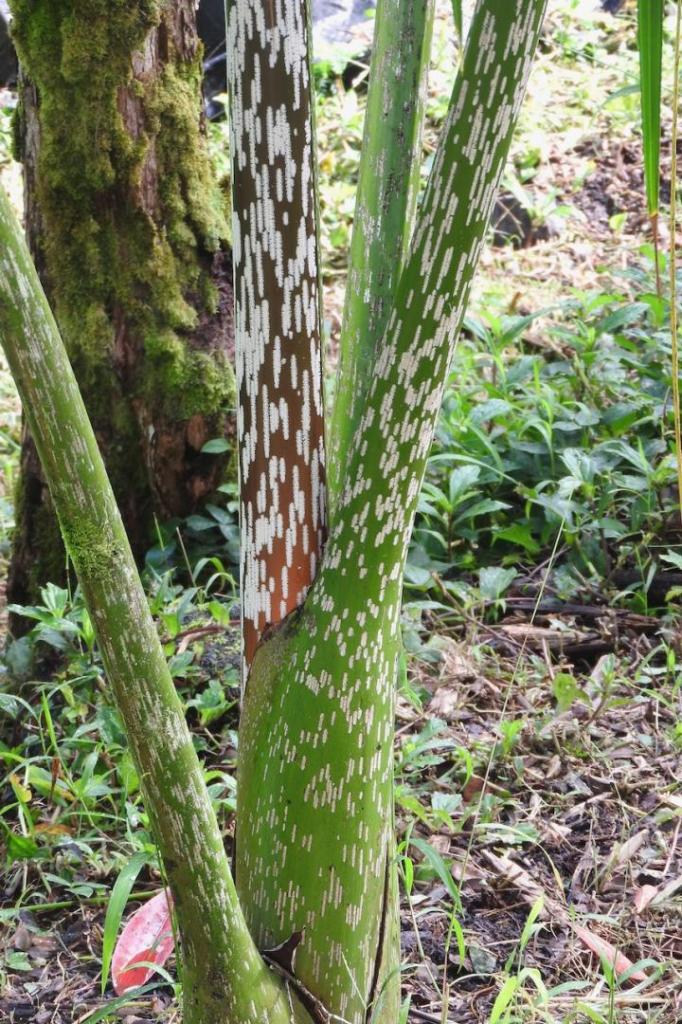
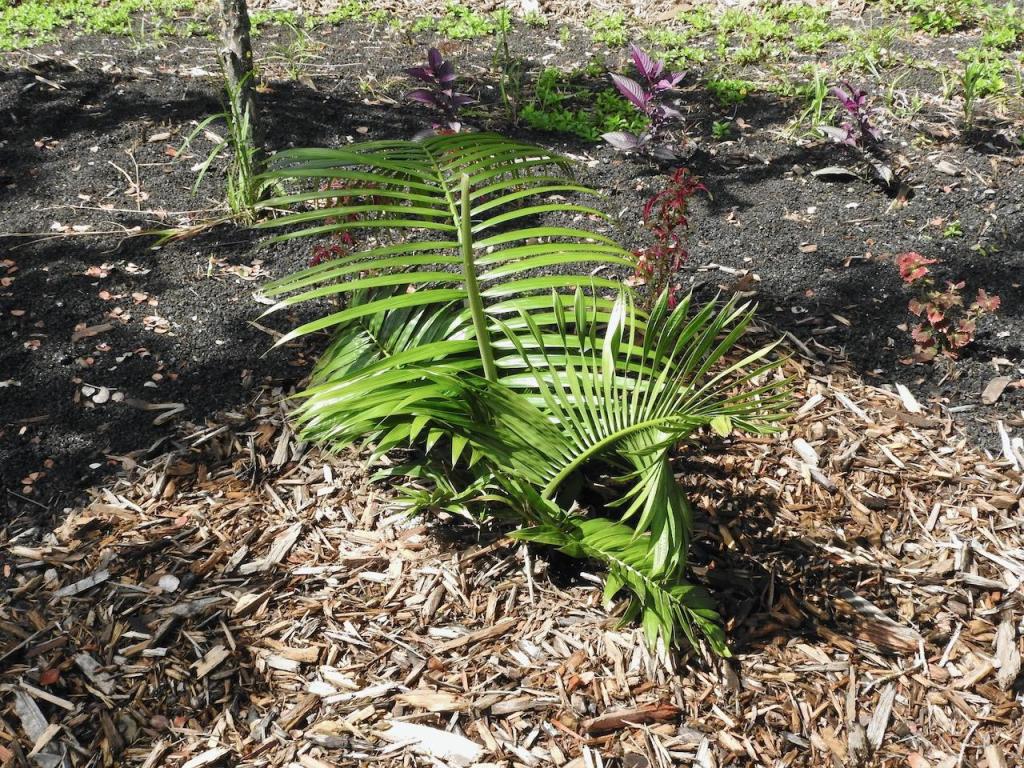
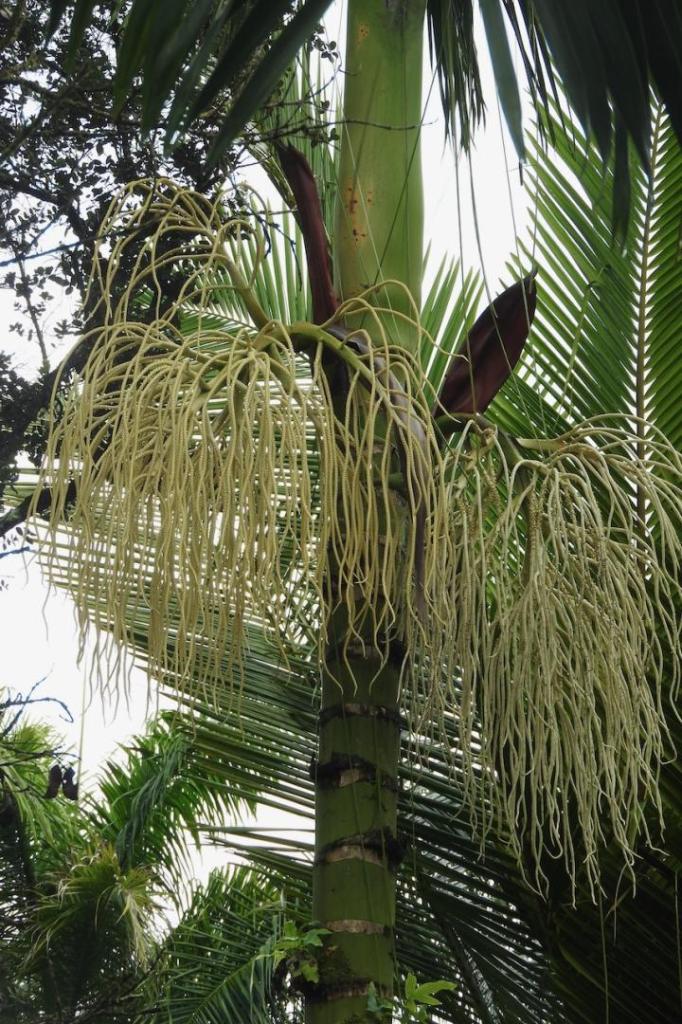
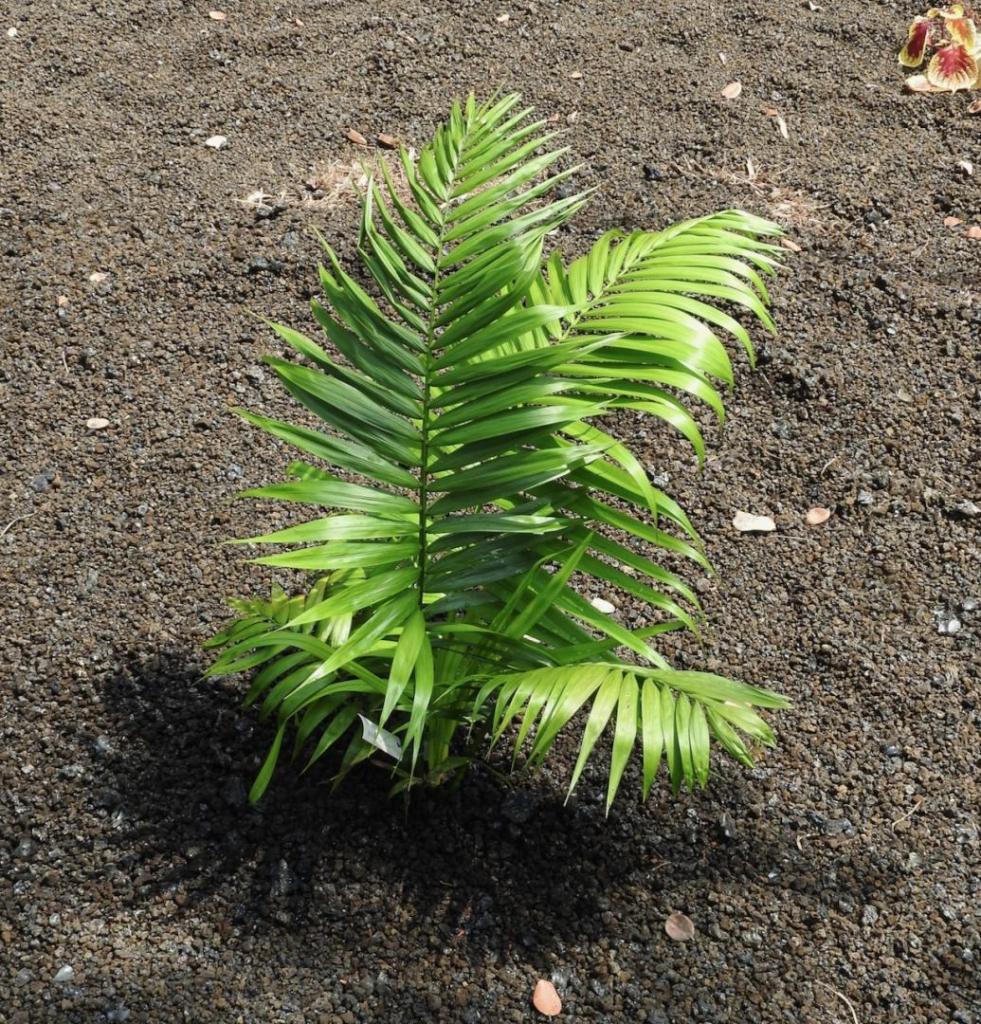
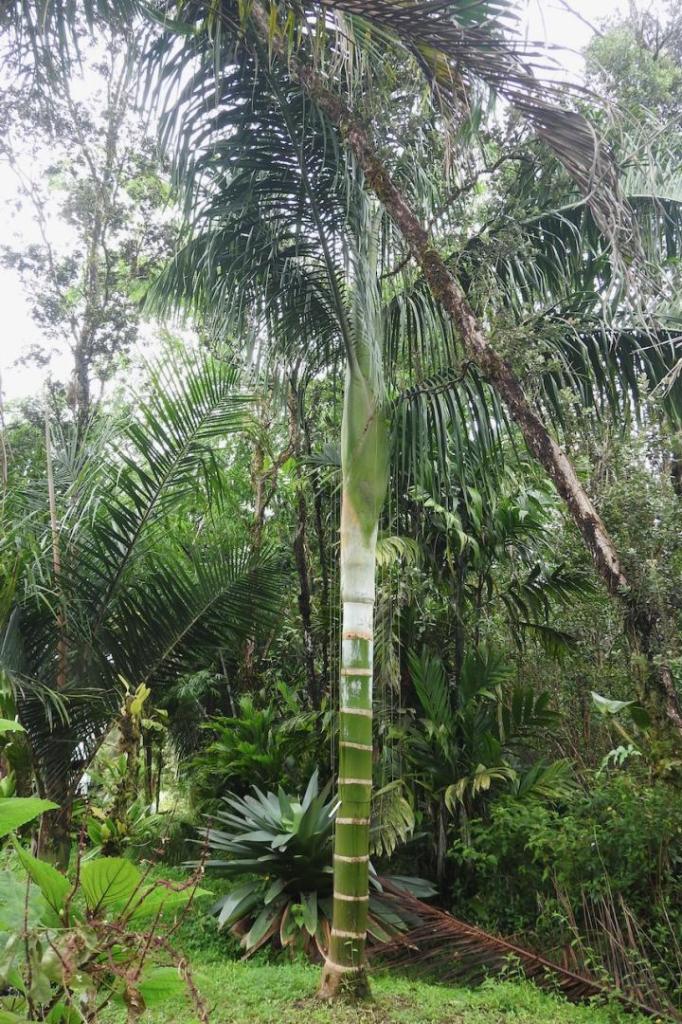
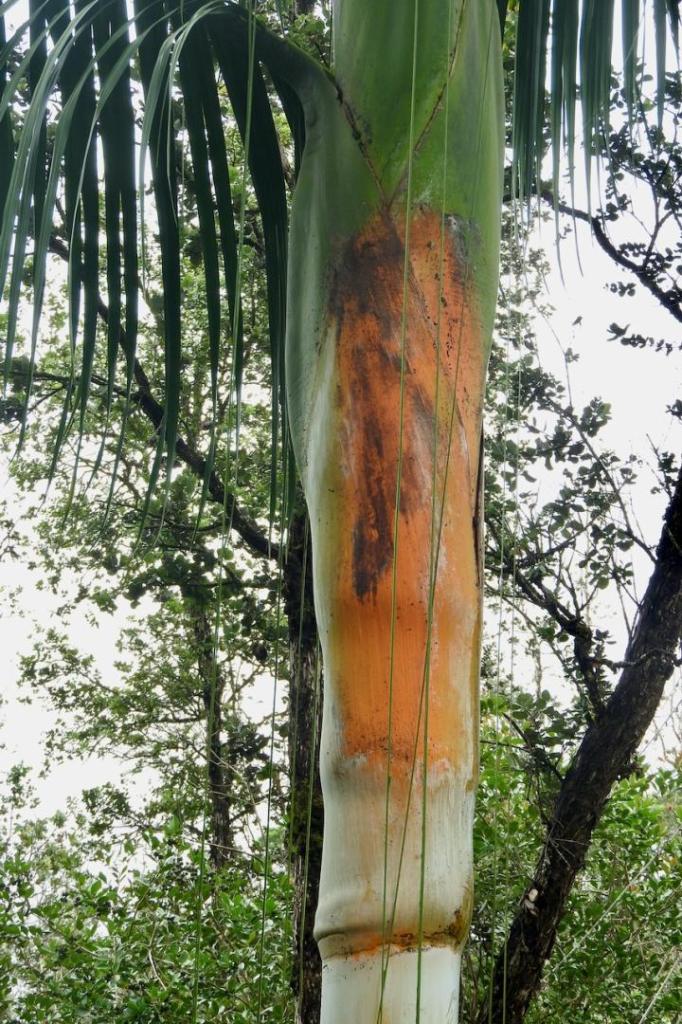
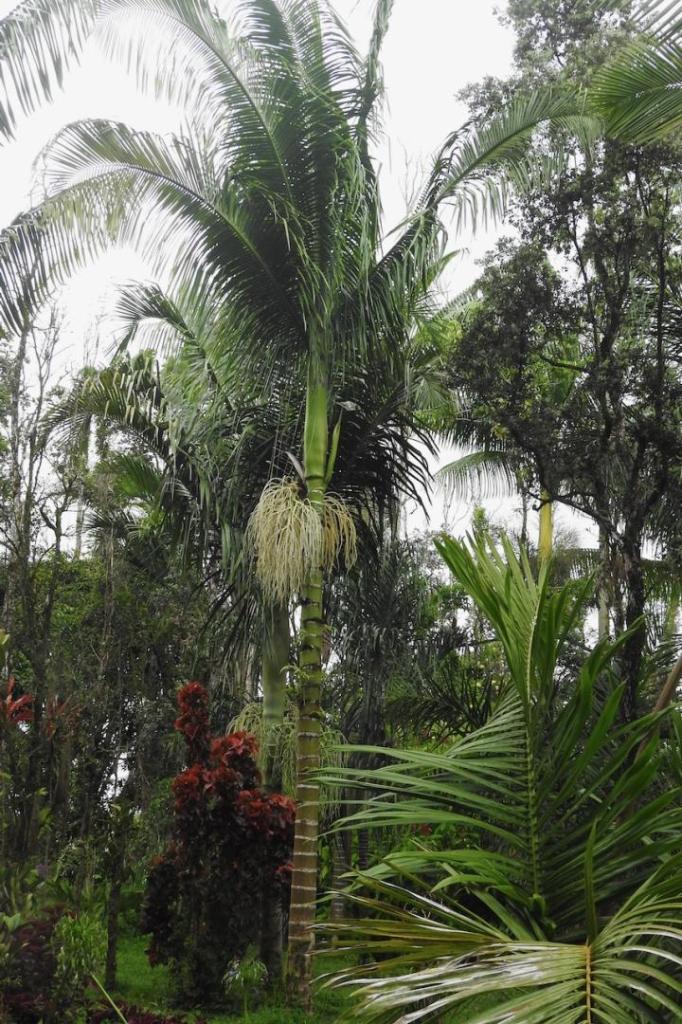
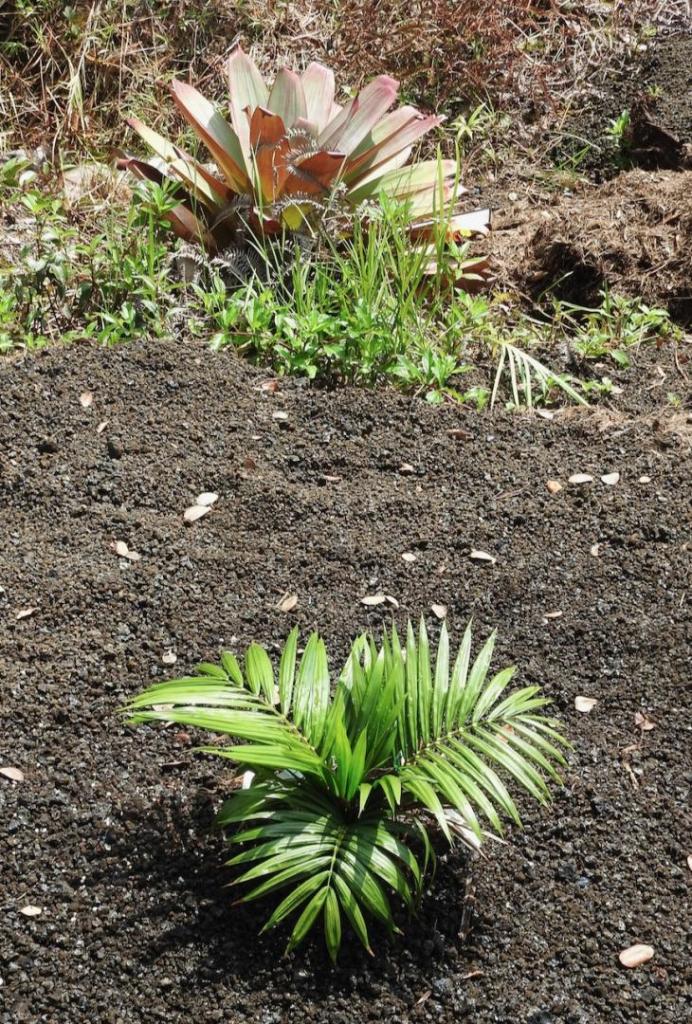
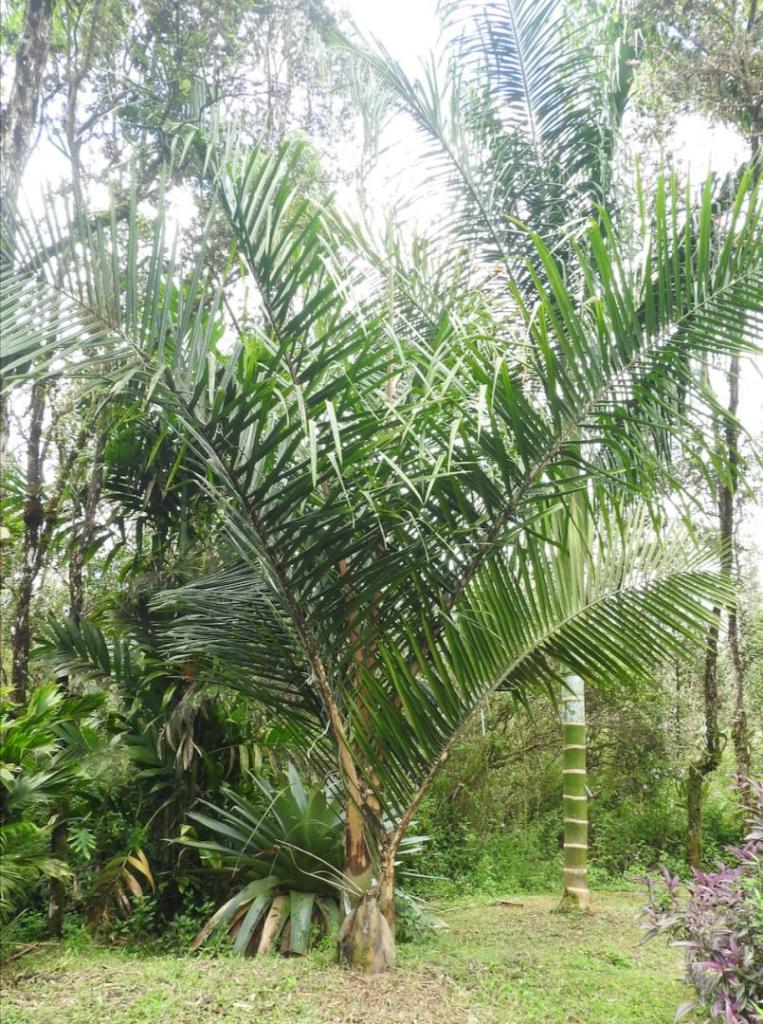
Rick Kelley replied to Rick Kelley's topic in DISCUSSING PALM TREES WORLDWIDEI’d group Chrysalidocarpus robustus and prestonianus as close cousins based on general stature and coloration. Fortunately, DNA sequence agrees. Individuals of these species growing in Hawaiian gardens sometime show variability. It is not entirely clear if this heterogeneity is the result of ancestral DNA sequence variability present in the population of each species, or unintentional recent hybridization in cultivation. In my garden, they both have distinctive red-brown, maybe slightly purple, crownshaft. My prestonianus has a very annoying defect where the junction between petiole and crownshaft is weak causing green fronds to flop down against the trunk long before they turn brown. I don’t think this is a trait generally seen in the entire species. robustus July 2017 Today One gallon prestonianus in 2018 today with Phytelephas macrocarpa on the left plus abundant weeds. Next, we turn to orange crownshafts. For my money, Chrysalindocarpus mananjarensis wins by a wide margin. Everyone is distracted by the mealy bug white spot pattern on the young petioles, but after the trees get big, those white spots are all but invisible. Instead, when large trees drop an old frond, it’s obvious that this species is a big Texas Longhorn fan. January 2018 Today with a new baby in the foreground. Then there are several hard to distinguish species with muted peach-orange crownshafts. I bought this one labelled Dypsis ampasindavae, but is now Chrysalidocarpus loucoubensis. After ten years in the ground, it has about seven feet of free trunk (25 ft total height) and began blooming a few months ago. It is growing right next to a blooming C. carlsmithii, so no idea if the seeds will be true or hybrids. The bees are very busy. DNA for this species was not included in Eiserhardt’s analysis. 2016 Not feeling particularly peachy today. Chrysalidocarpus pilulifer looks very similar to loucoubensis to my eye. This species had a tortured nomenclature history even before the latest revisions. At one time ‘Orange Crush’ was masquerading as pilulifer. For a while this palm was sold as Dypsis tokoravina, then ‘Jurasic Park’ before the most recent revision in 2022. I can certainly understand the confusion. The trees look pretty much the same, similar growth rates, similar new crownshaft coloration. I assume there are characteristics of the flowers or fruit that justify separate names. One gallon pot going in the ground Oct 2017 Today. The same giant bromeliad (Alcantarea imperialism) is seen in several photos. With some color after old frond falls. And speaking of ‘Orange Crush’, I’m going to have to give mine a thumbs down. Dransfield placed this into Chrysalidocarpus paucifolius in 2023 [Palms 67 (4) p 167] using material from cultivated Hawaii trees. Mine looks like the NON-orange trees photographed in that report. That’s right, the crownshaft of a palm named Orange Crush is only orange is some indivisuals. I got a green dud. No hint of orange, ever. Bummer. My tree has been blooming like crazy for years, but almost no fruit. Not that I would want to propagate it. Next is Chrysalidocarpus hovomantsina. I don’t know if this will get a colorful crownshaft once it trunks. I can see a small patch of orange on the base of one leaf. High hopes. It is located just 15 ft from the C. pilulifer. Both started with similar one-gallon babies in 2017, but the growth rates have been dramatically different. C. hovomantsina just sat there sulking for many years before finally deciding to start growing a couple of years ago. It might be about 10 ft tall, but still a year or two away from trunking. I do really like the stiff, almost crystalline leaflet arrangement. Another species whose DNA did not find its way into Eiserhardt’s analysis.
-
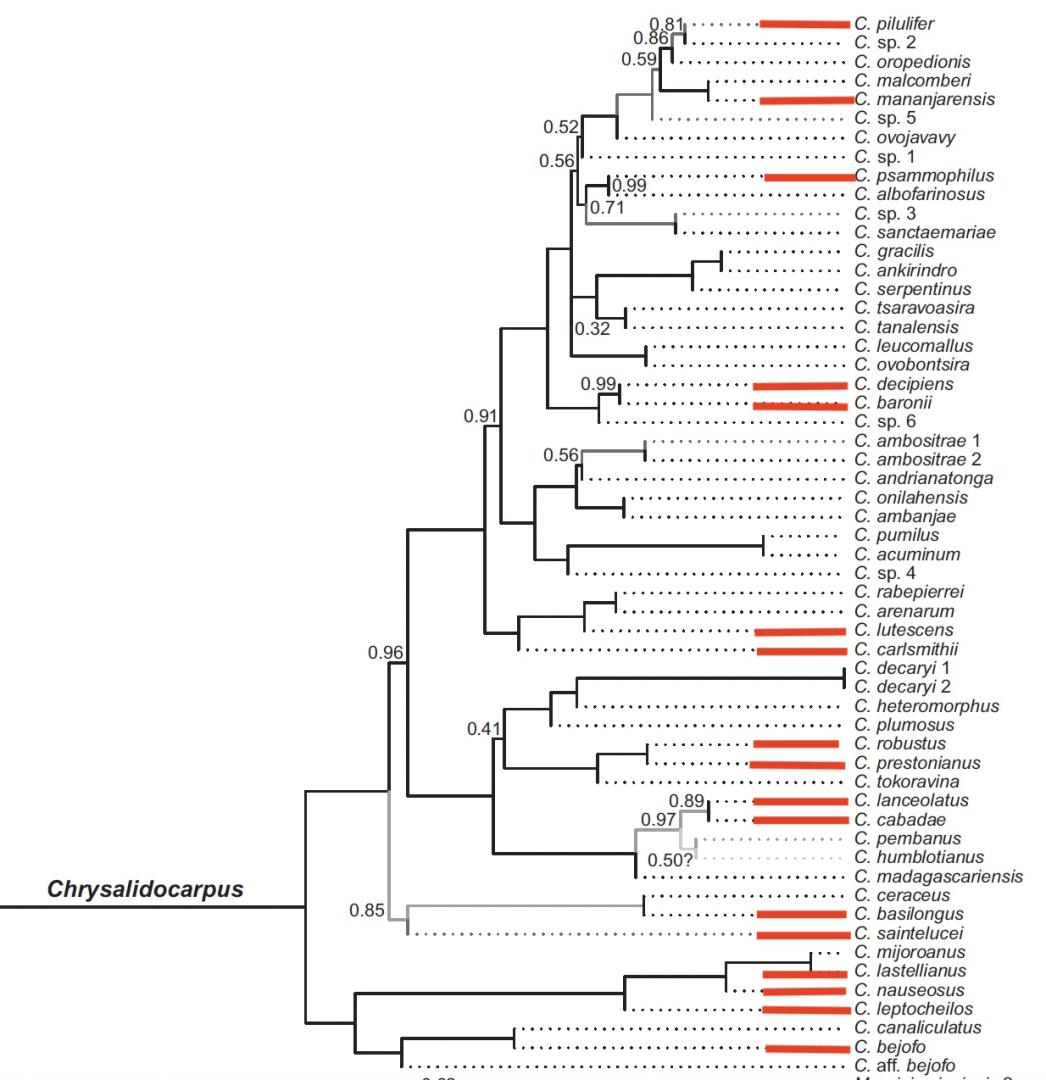
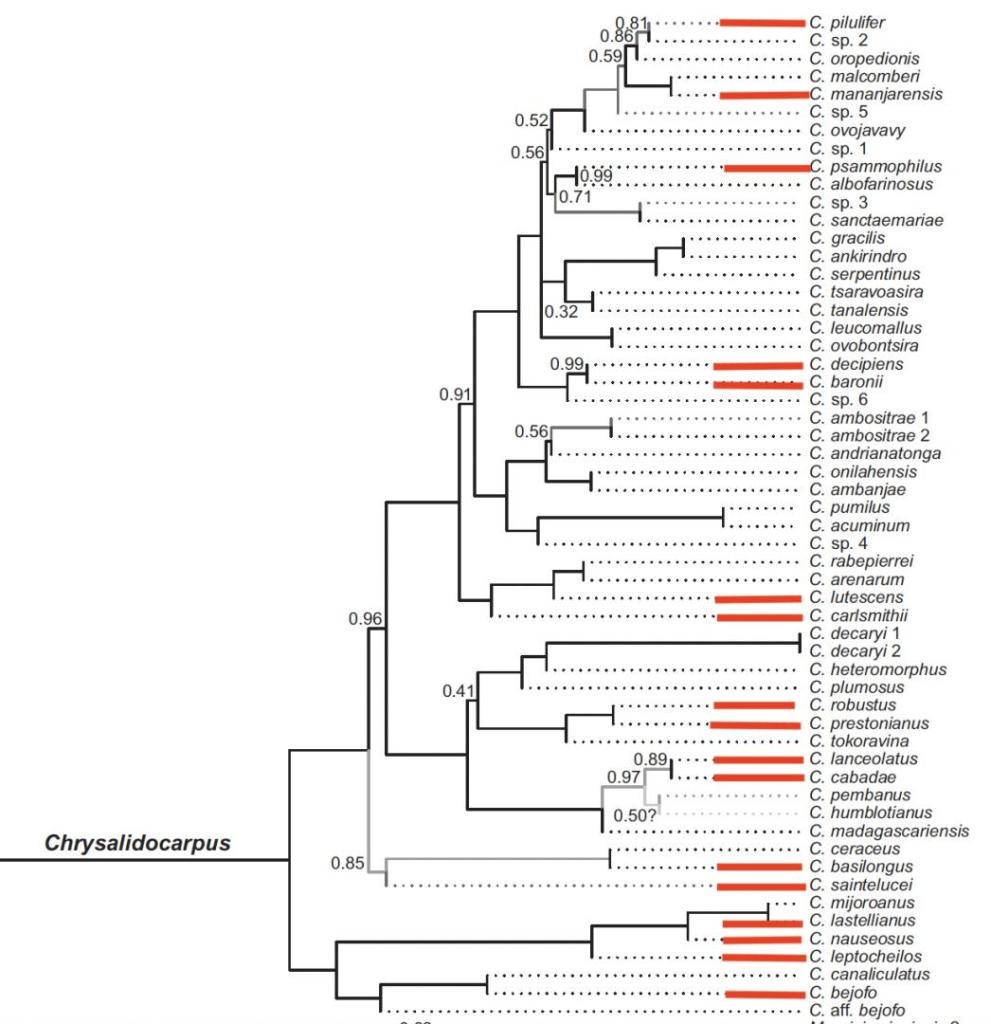
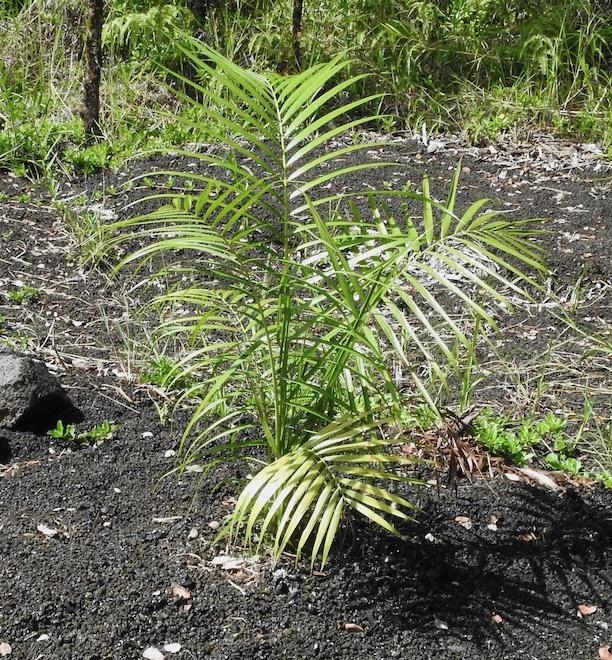
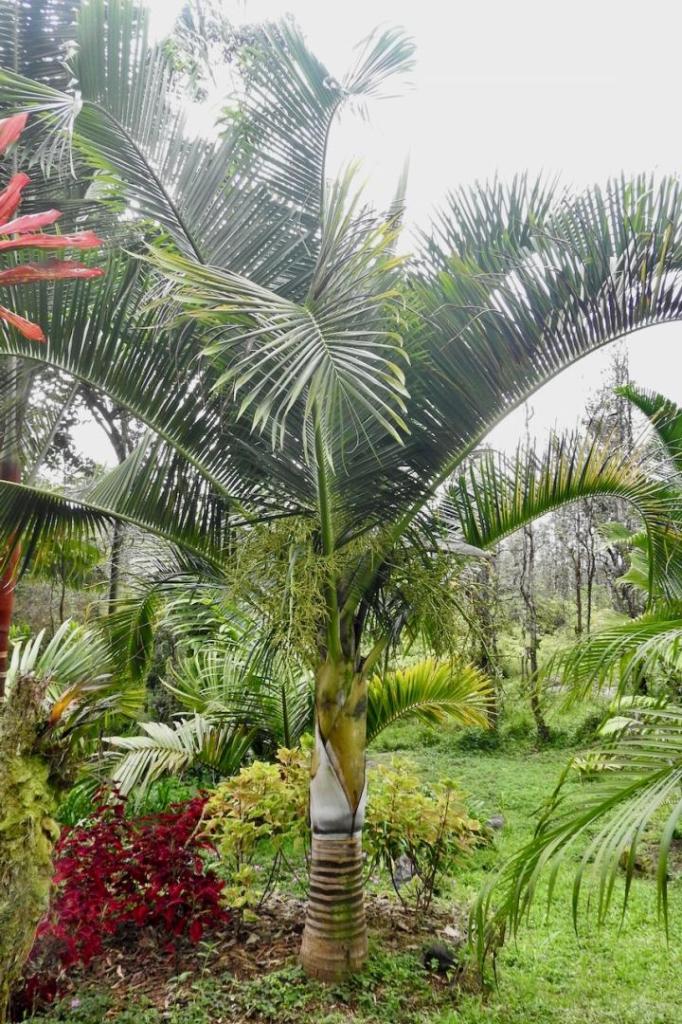
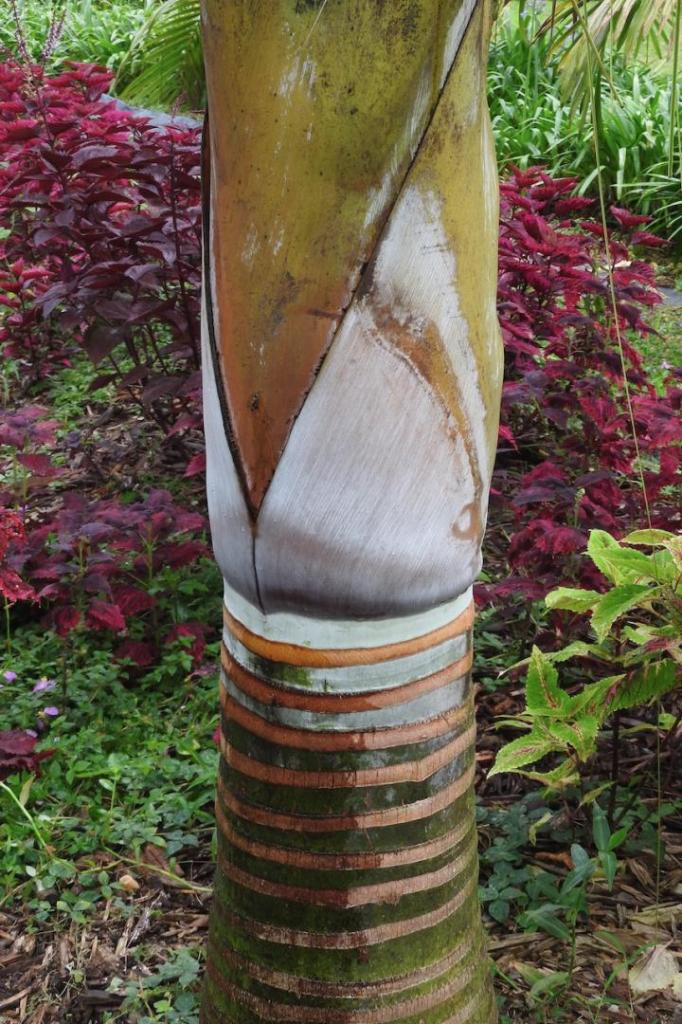
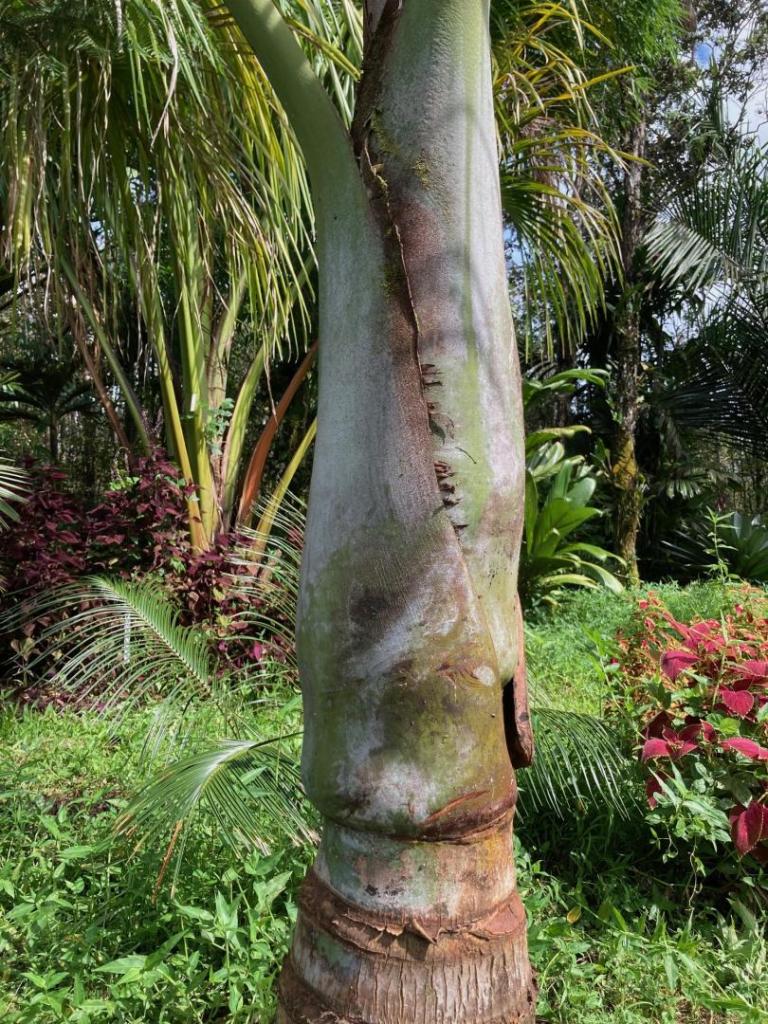
Rick Kelley replied to Rick Kelley's topic in DISCUSSING PALM TREES WORLDWIDEIt's now been about four years since taxonomists moved most of the large Dypsis into Chrysalidocarpus. Time to check in to see how they are adjusting to the change. Whenever possible I’ll refer back to the DNA phylogenetic arrangement proposed by Eiserhardt et al. (2022). The red bars indicate species growing in my garden. Let’s start with a strong Big Island connection. For decades, Dypsis sp. Carlsmith was known from a single cultivated specimen in Donn Carlsmith’s garden north of Hilo. That one tree produced most of the babies now found in collections around the world. It eventually got a valid botanical description and a new name, Chrysalidocarpus carlsmithii. Aside from the local connection, this is a wonderfully colorful species. Mine went in the ground ten years ago and just began blooming. Looks like I’ll get fruit on the first try. October 2016 Today first attempt at fruit Continuing on with especially colorful species, Chrysalidocarpus lastelliana is a real standout that is adaptable enough to thrive in many mainland collections. I have about a half dozen in the ground with the dark red crownshafts now a little above eye level. These also have very obviously swollen bases, which is absent from the related C. leptocheilos (teddy bear). My only suggestion would be for the fronds to spread out a more. The fronds are a little too upright for my taste. February 2017 lastelliana today left, titans on the right. This C. leptocheilos is a little faster than my C. lastelliana, and has been blooming for several years. While I’ll admit that the coloration is somewhat similar, there is no mistaking these two when growing side-by-side. C. leptocheilos has a more slender trunk, no swollen base, and less dramatic crownshaft coloration. DNA sequence confirms the close relationship with C. lastelliana. What is surprising to me is that DNA groups C. nauseosus with these two. So far, my nauseosus is a slow grower that has a slightly turquoise crownshaft, and does not resemble the other species with redish crownshafts. At different times various cultivated palms have been thought to be nauseosus. Maybe the one in my garden is mislabeled. C. nauseosus. Where's the color? Perhaps mislabeled?
-
 Looking Glass replied to SubTropicRay's topic in WEATHER / CLIMATEMost of Florida only needs about 3 feet of rain in the next 3 months to make everything fine.... While recent rainfall has brought welcome relief to portions of northeast and central Florida, the St. Johns River Water Management District (District) is reminding residents, businesses and large water users that drought recovery will take time.Although many areas have received frequent rainfall in recent weeks, the District remains nearly 3 feet below its normal rainfall totals. It will take sustained, above-average rainfall over an extended period to replenish groundwater supplies, restore river flows and recover from months of accumulated rainfall deficits. Recent rainfall has helped improve conditions in some areas, but summer conditions also influence how much water reaches the aquifer. In July, an average of 5.17 inches of water is lost through the natural processes of evaporation and plant use. With 6.84 inches of rainfall during the month, only a small amount of that rainfall remains available to help recharge groundwater supplies. Above-average rainfall over an extended period is needed for water resources to fully recover. The District’s Phase III Extreme Water Shortage declaration remains in effect throughout the affected areas. The declaration was issued in response to prolonged drought conditions, declining groundwater levels and reduced surface water flows.
 -
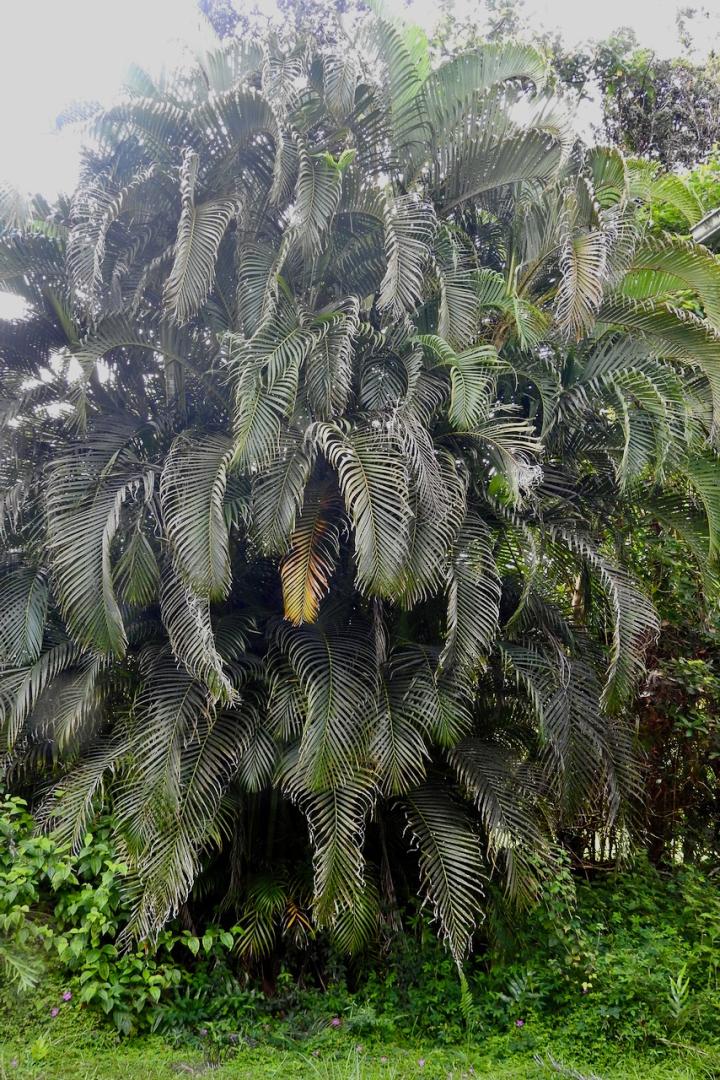
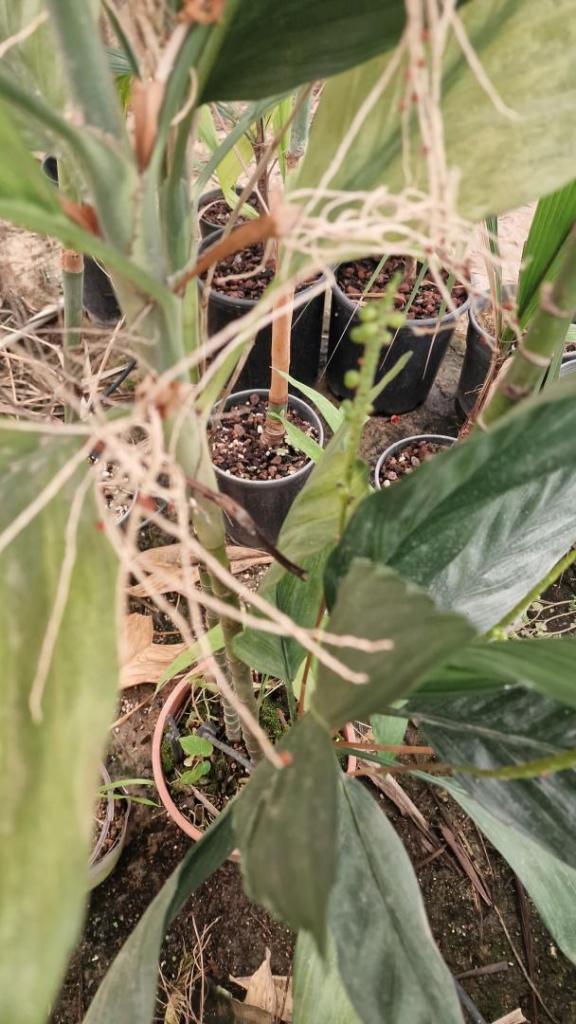
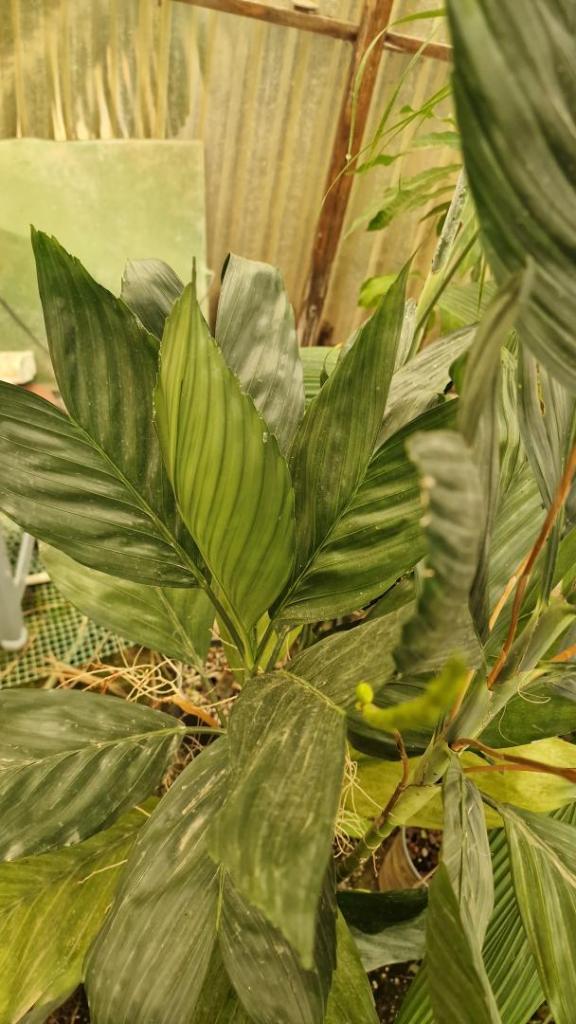
Phoenikakias replied to happypalms's topic in DISCUSSING PALM TREES WORLDWIDEThe pictures do not need any explanation
-
 Eden Lee joined the community
 -
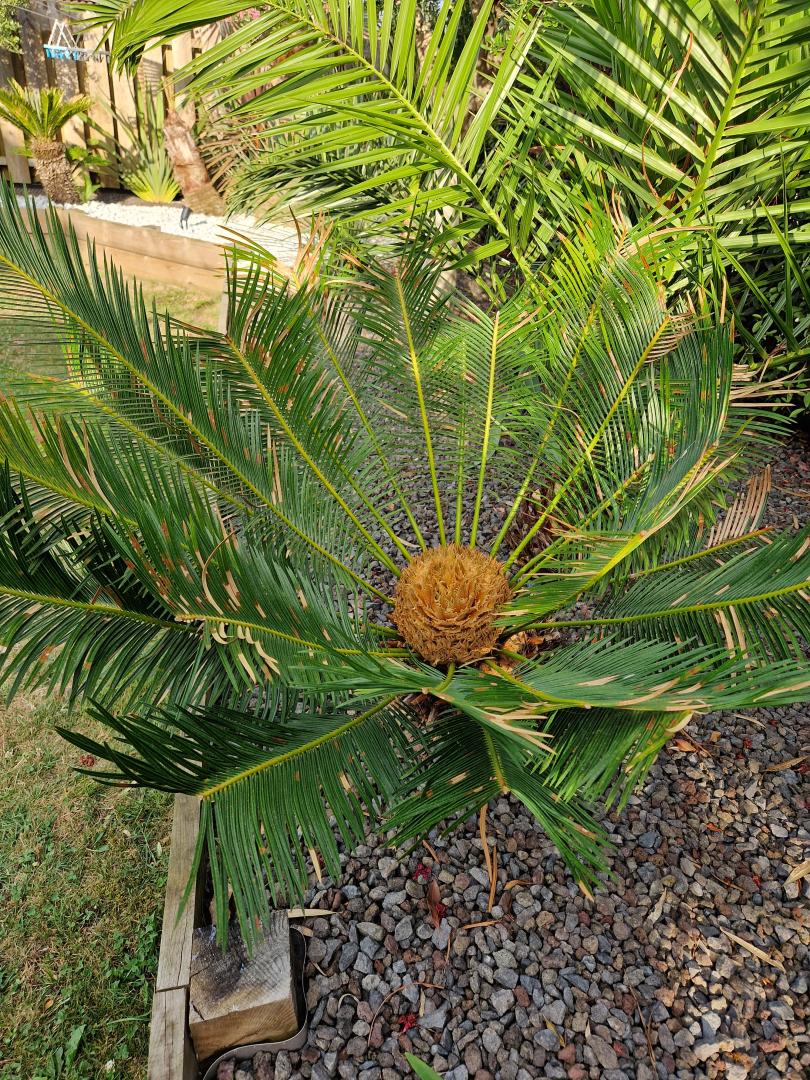
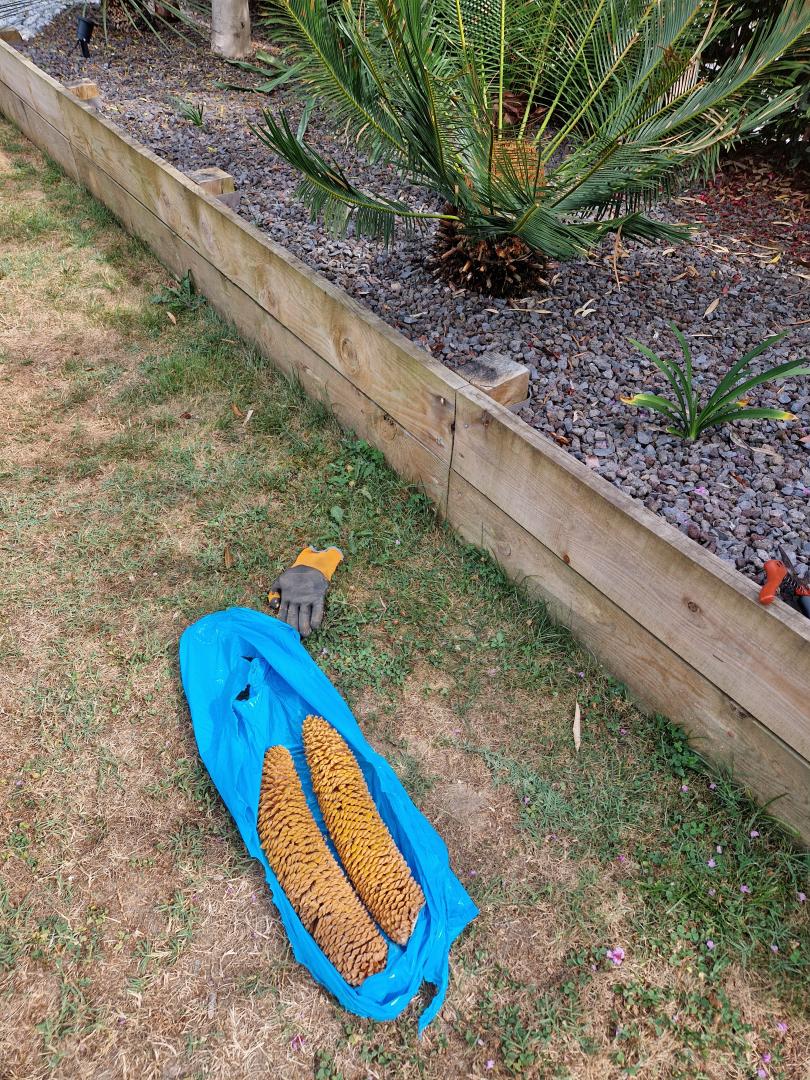
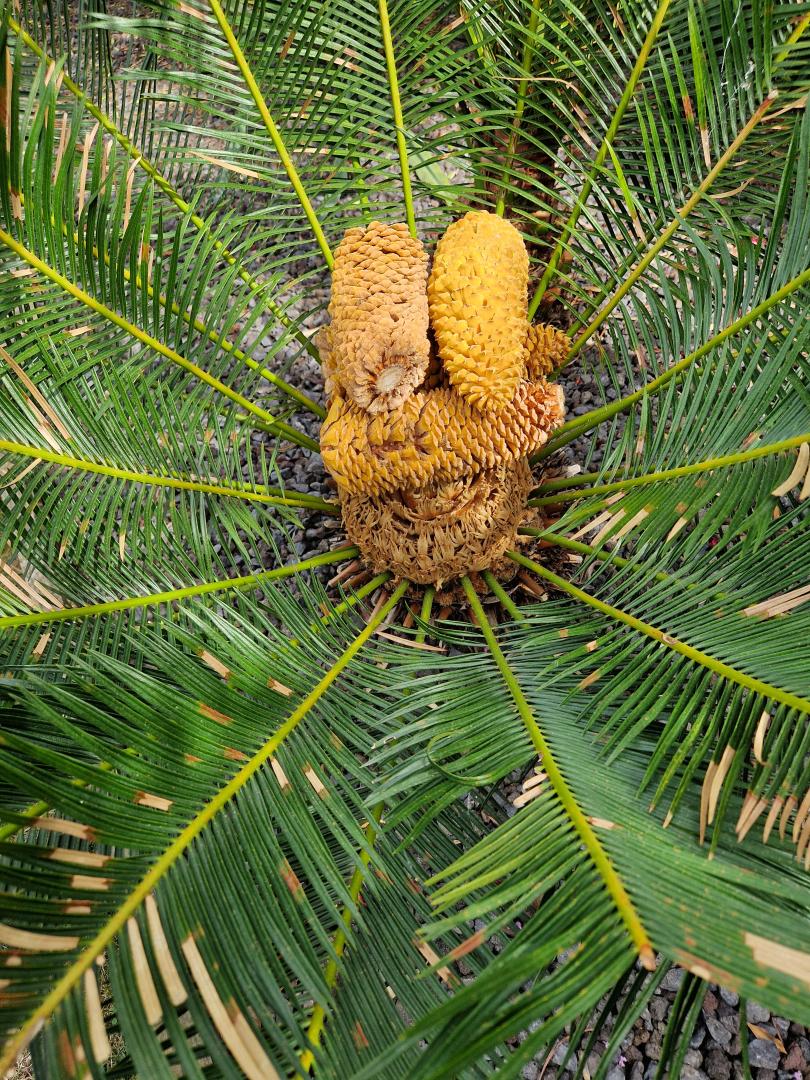
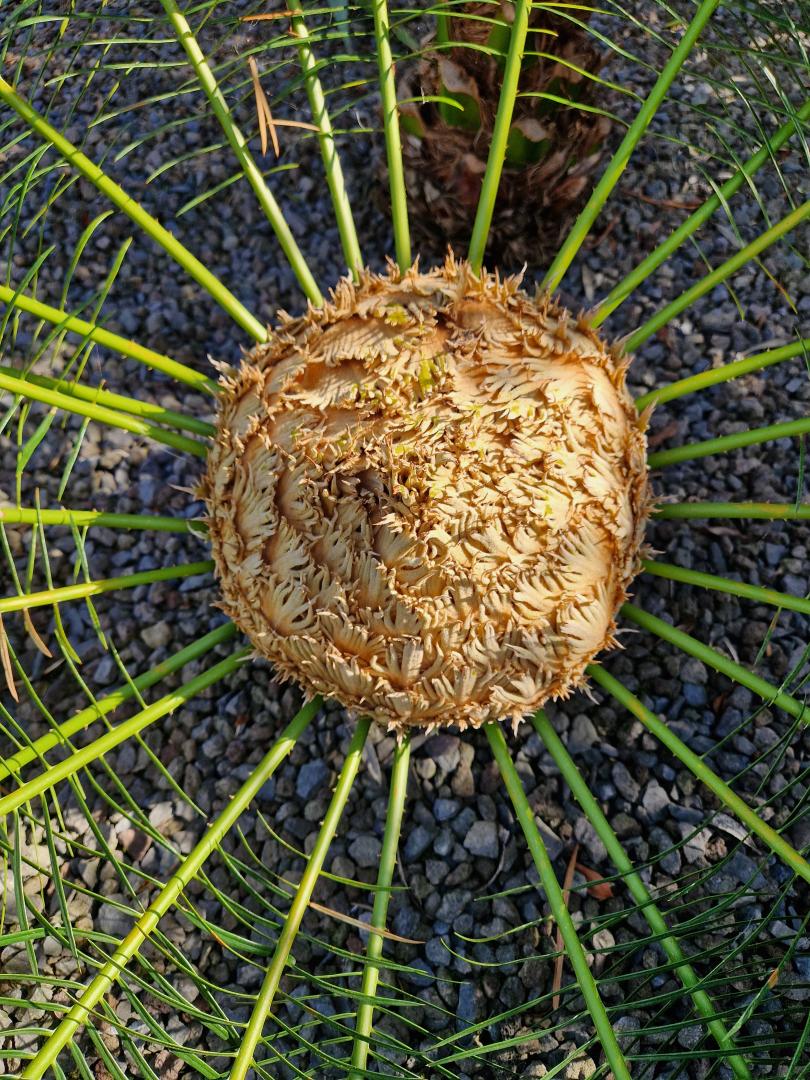
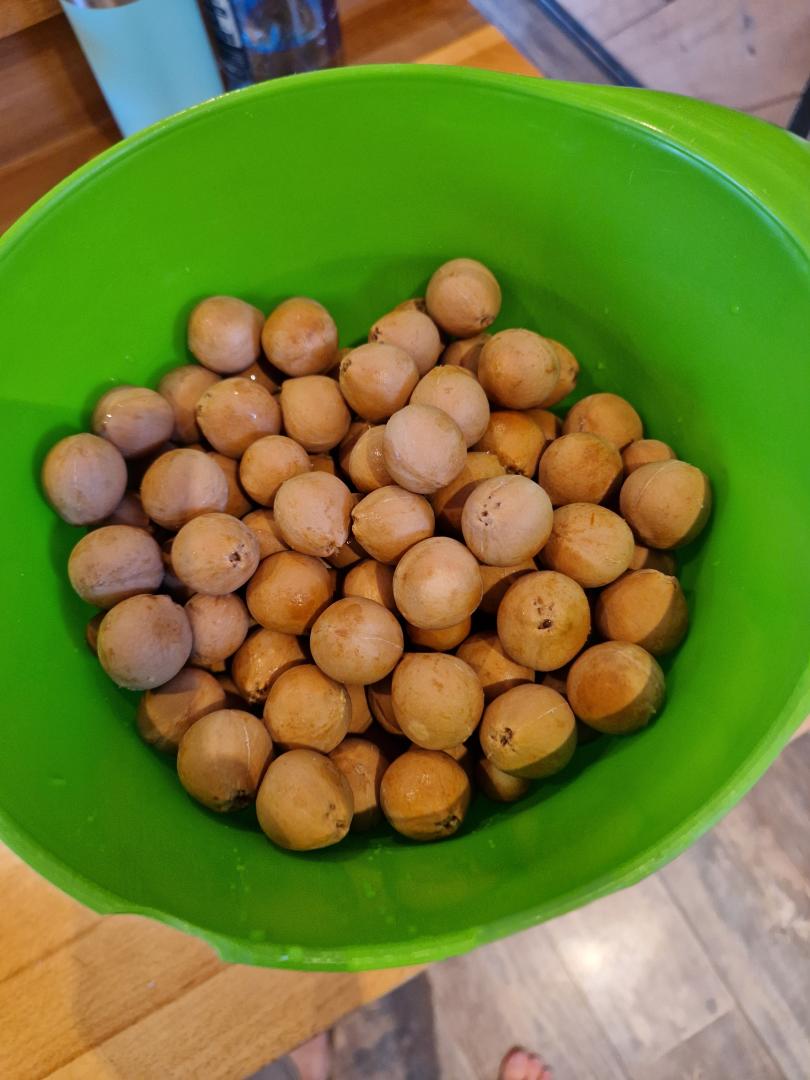
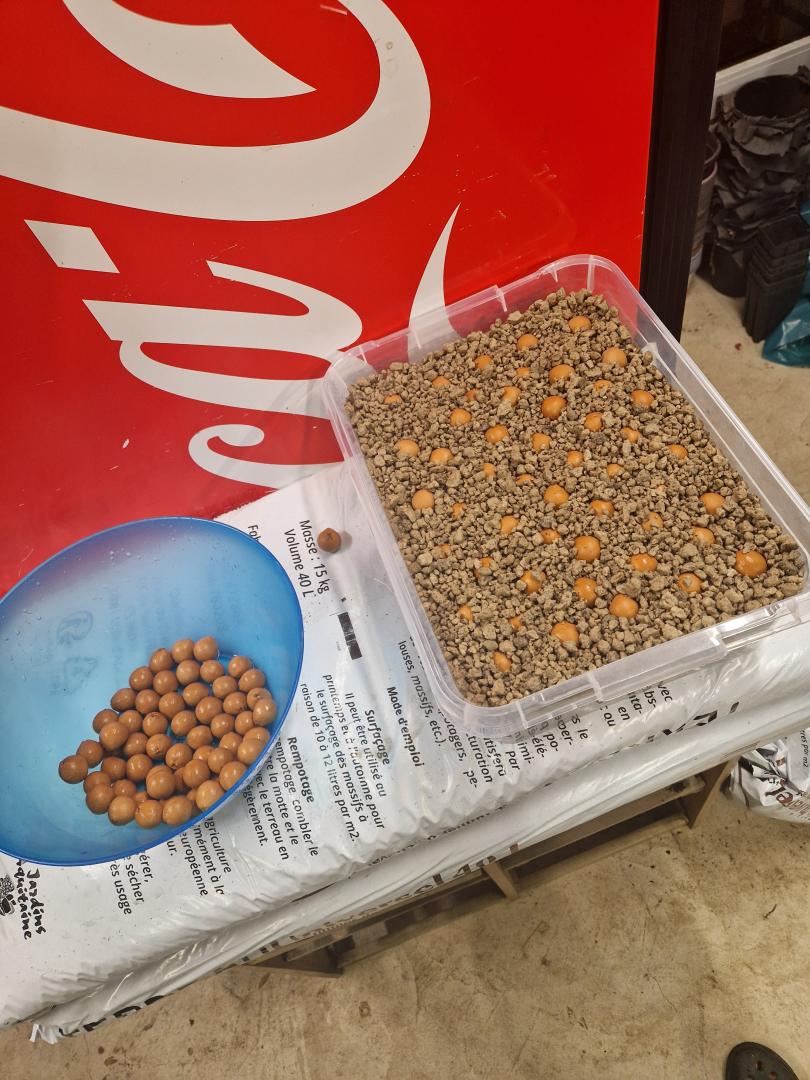
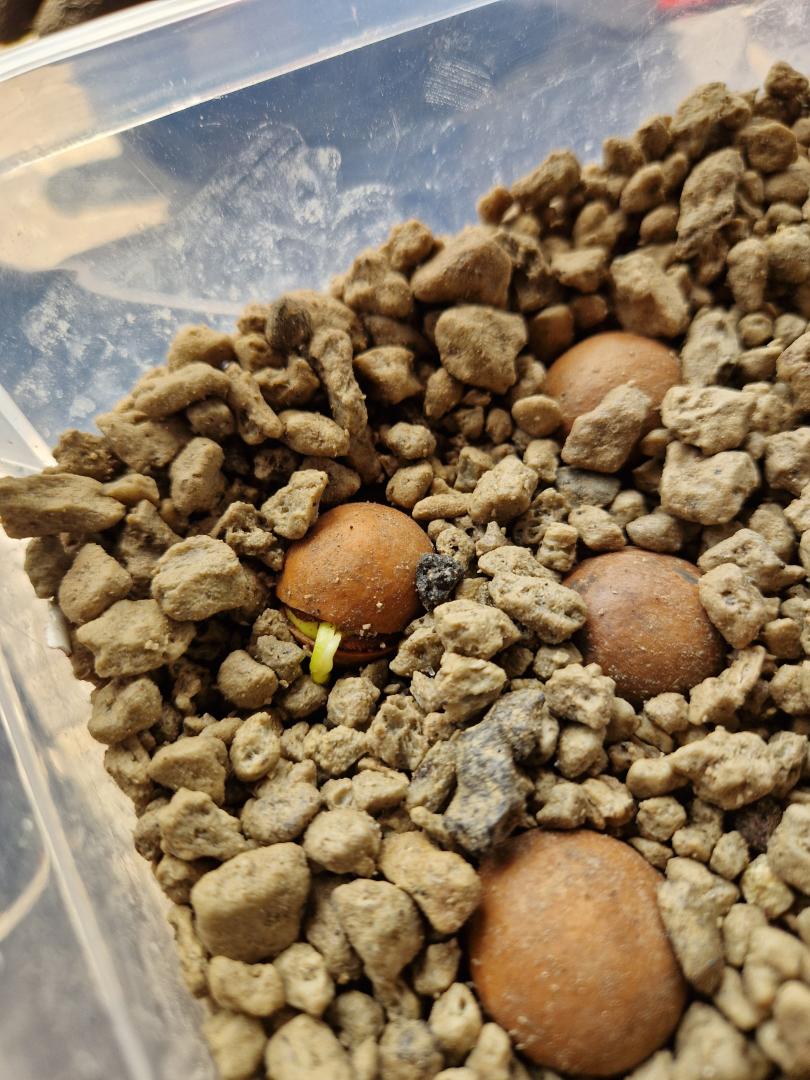
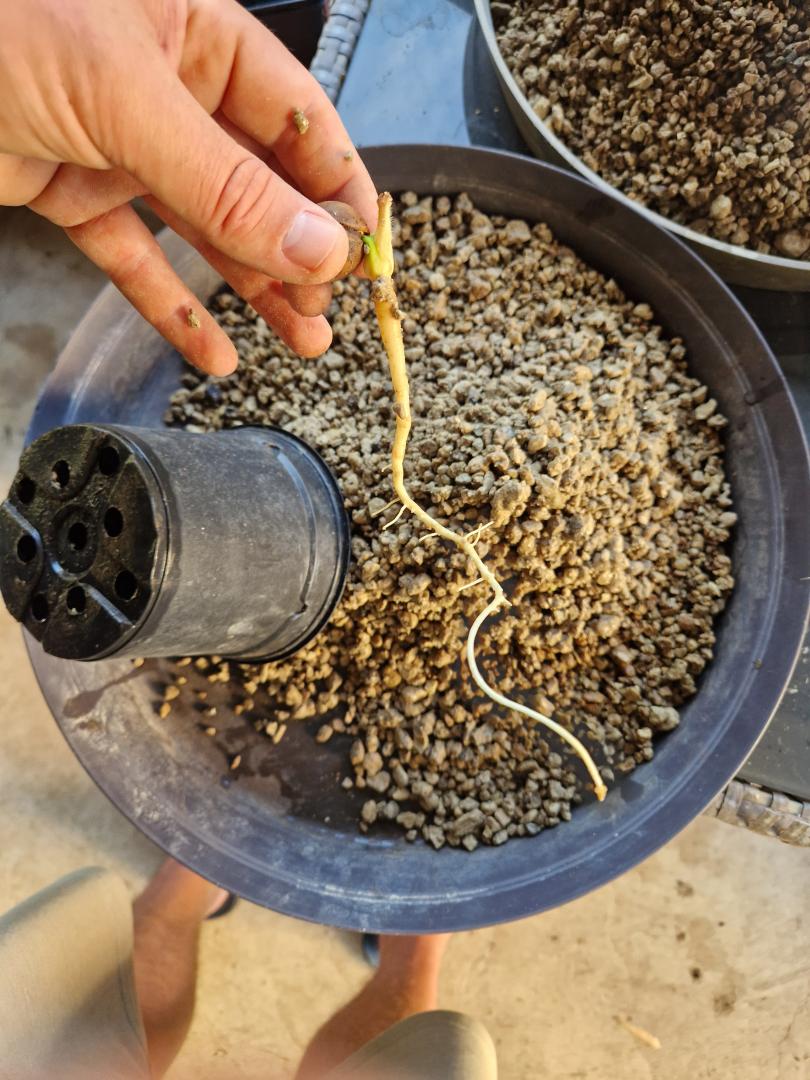
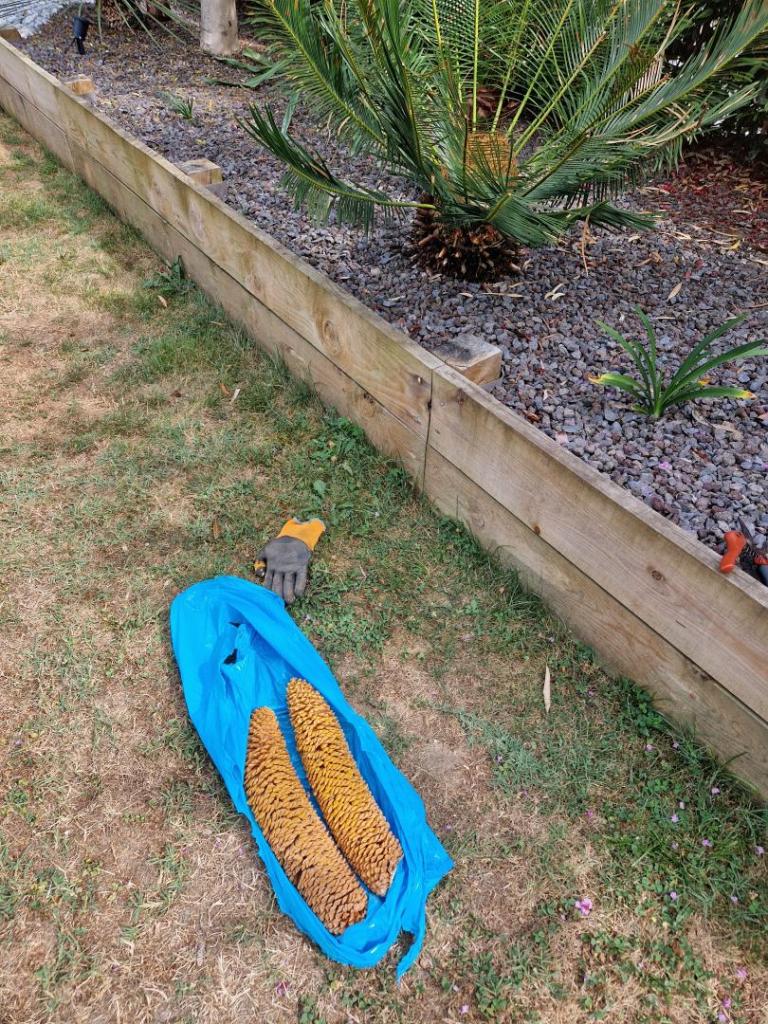
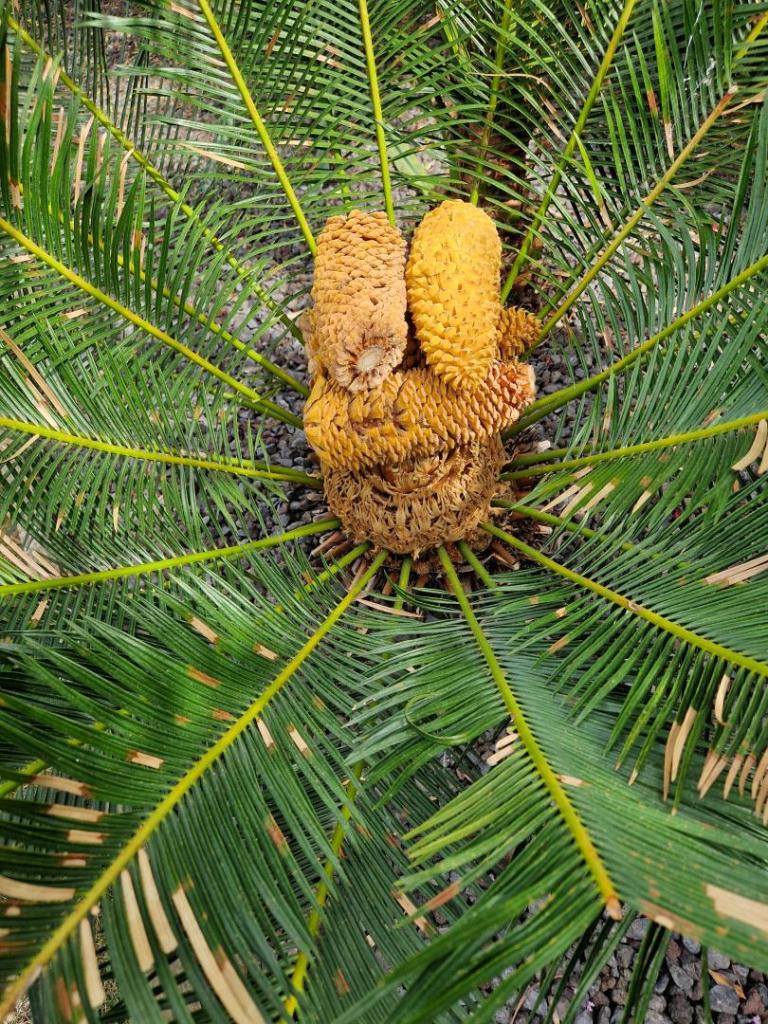
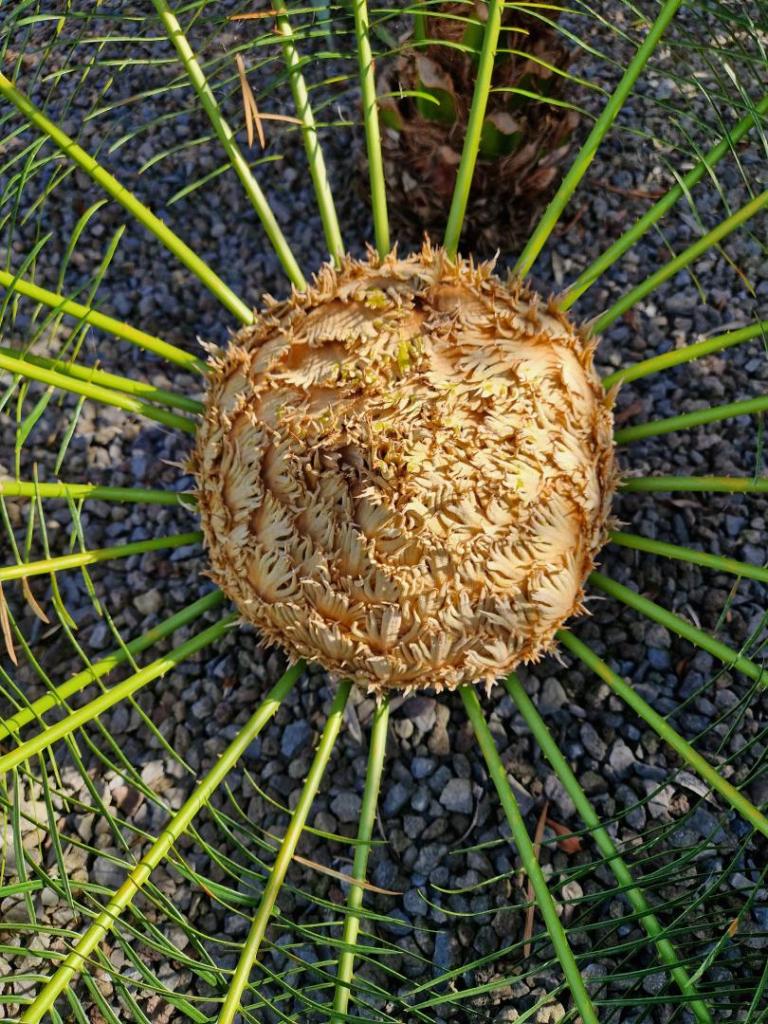
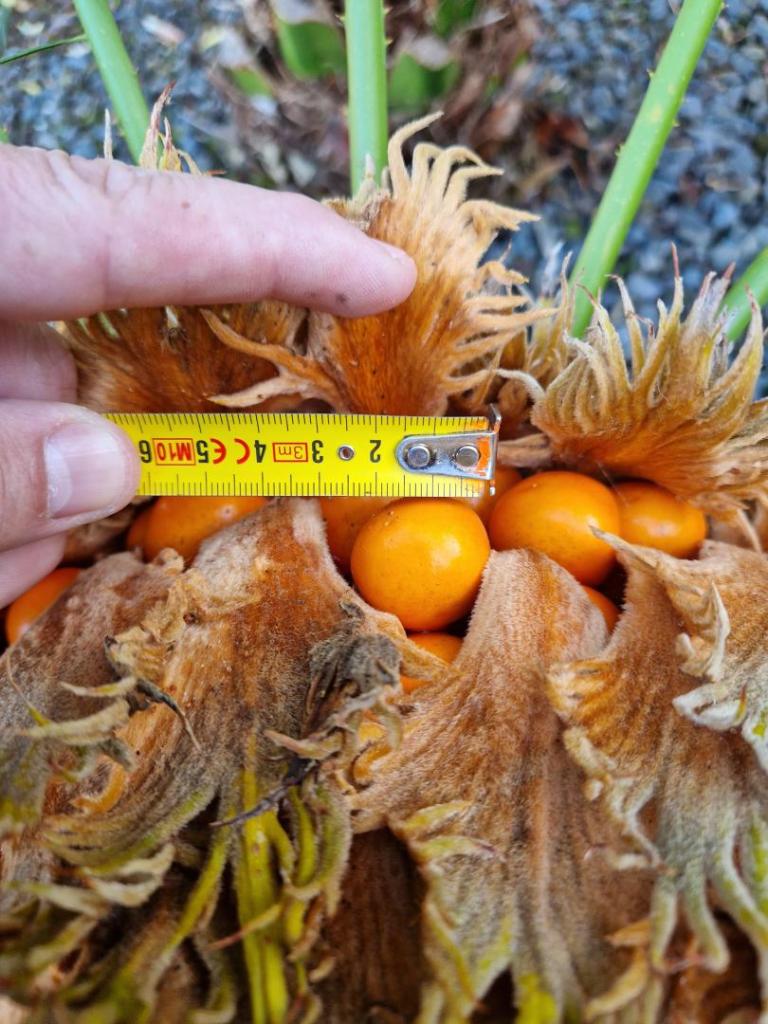
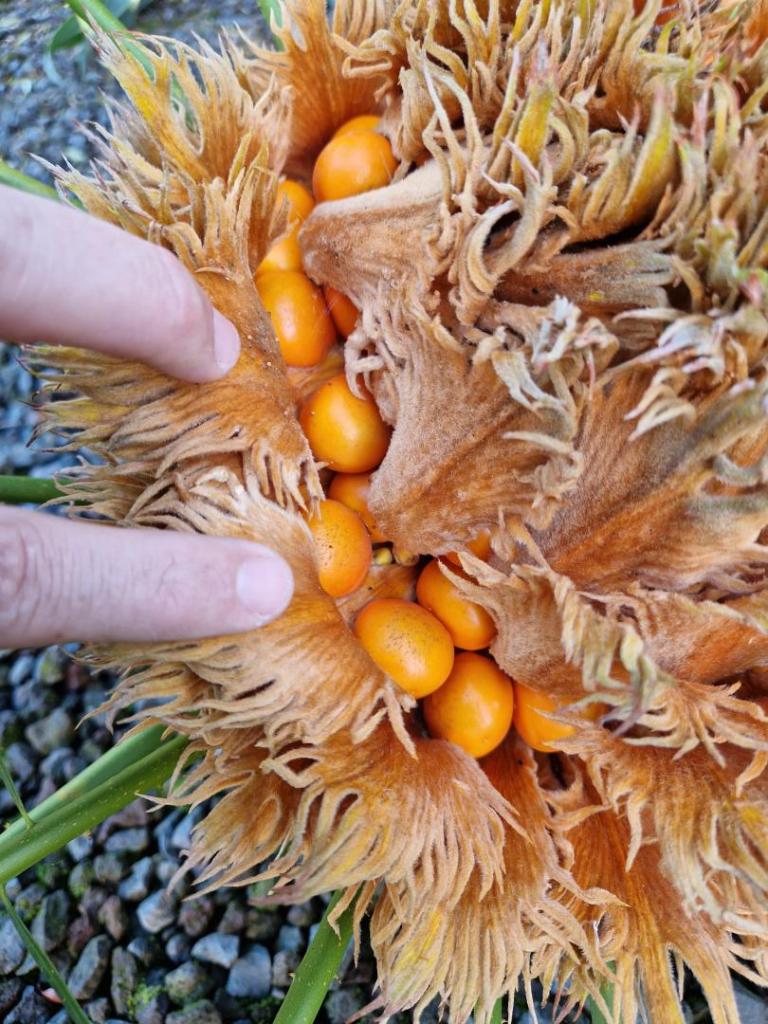
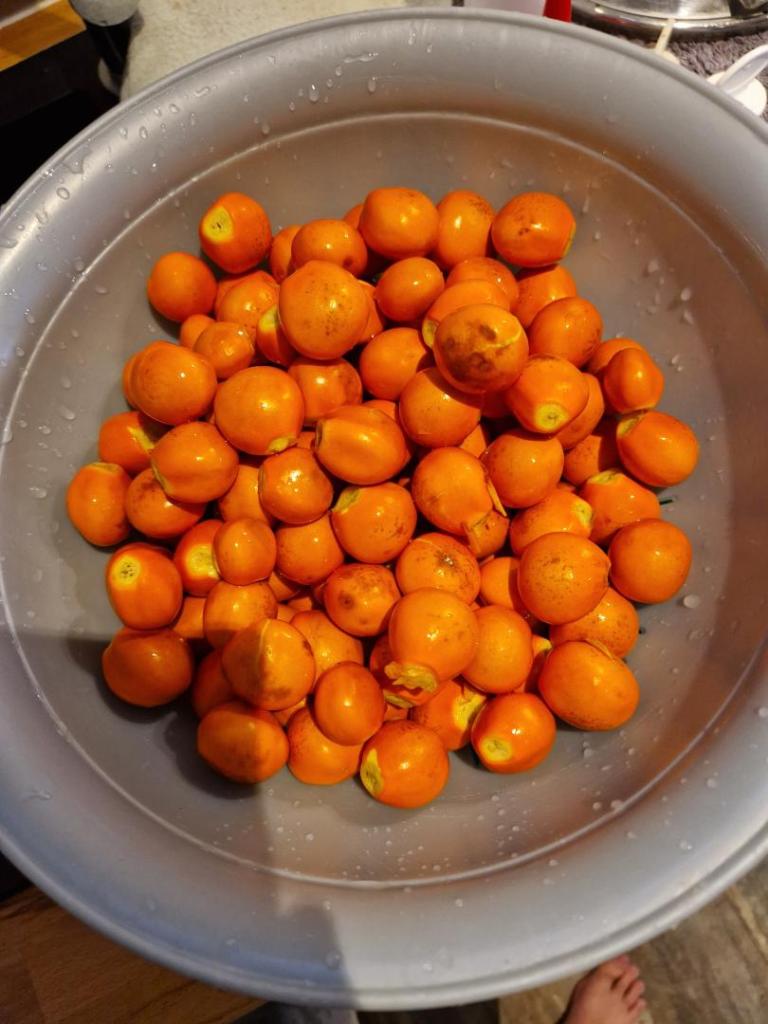
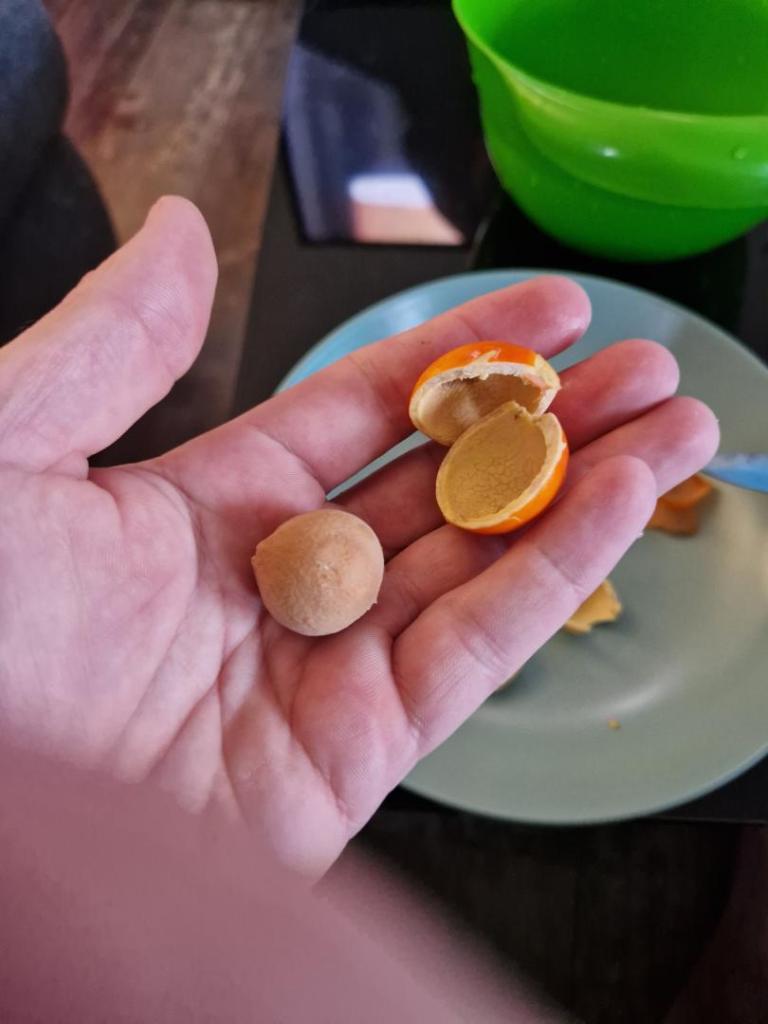
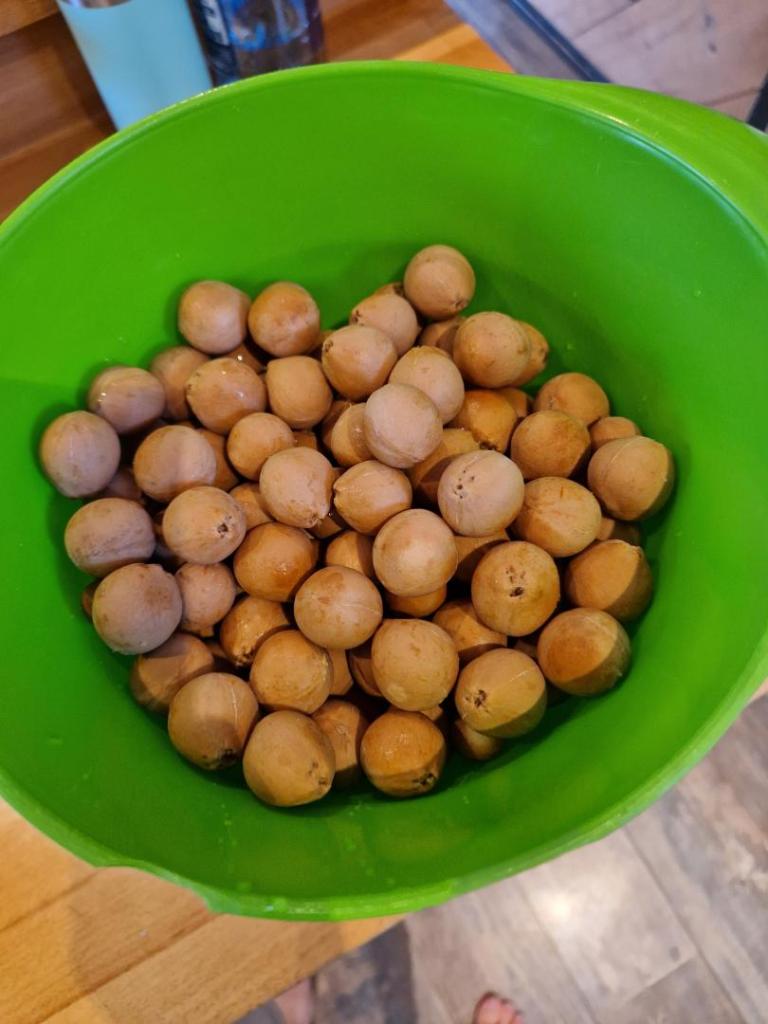
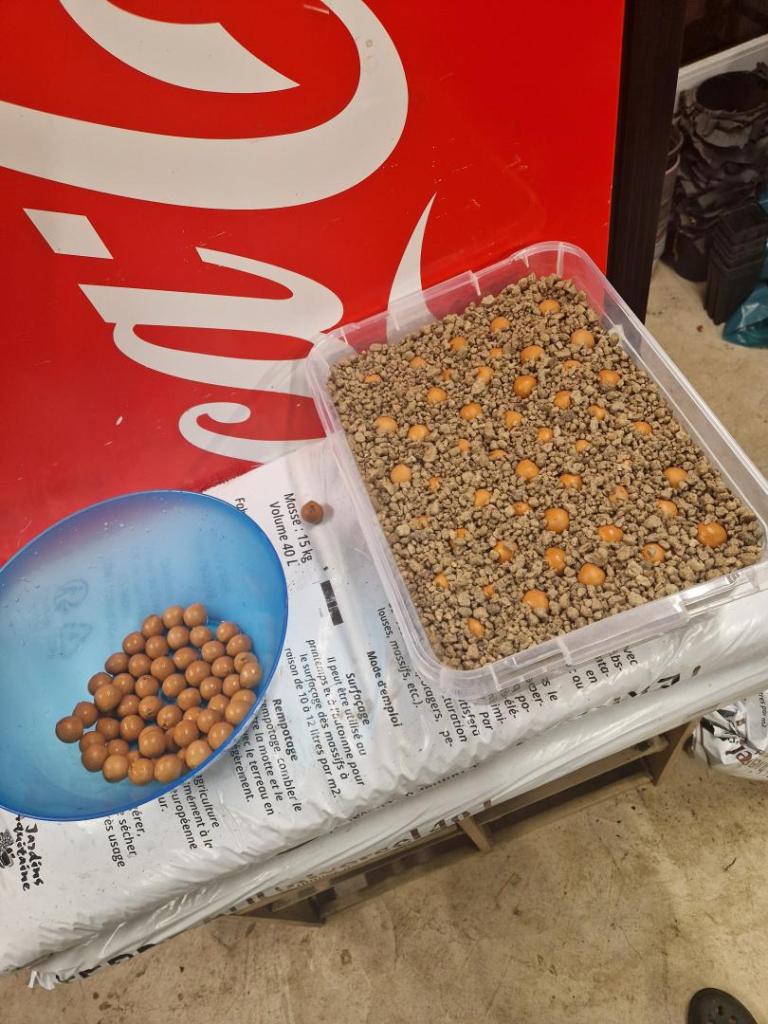
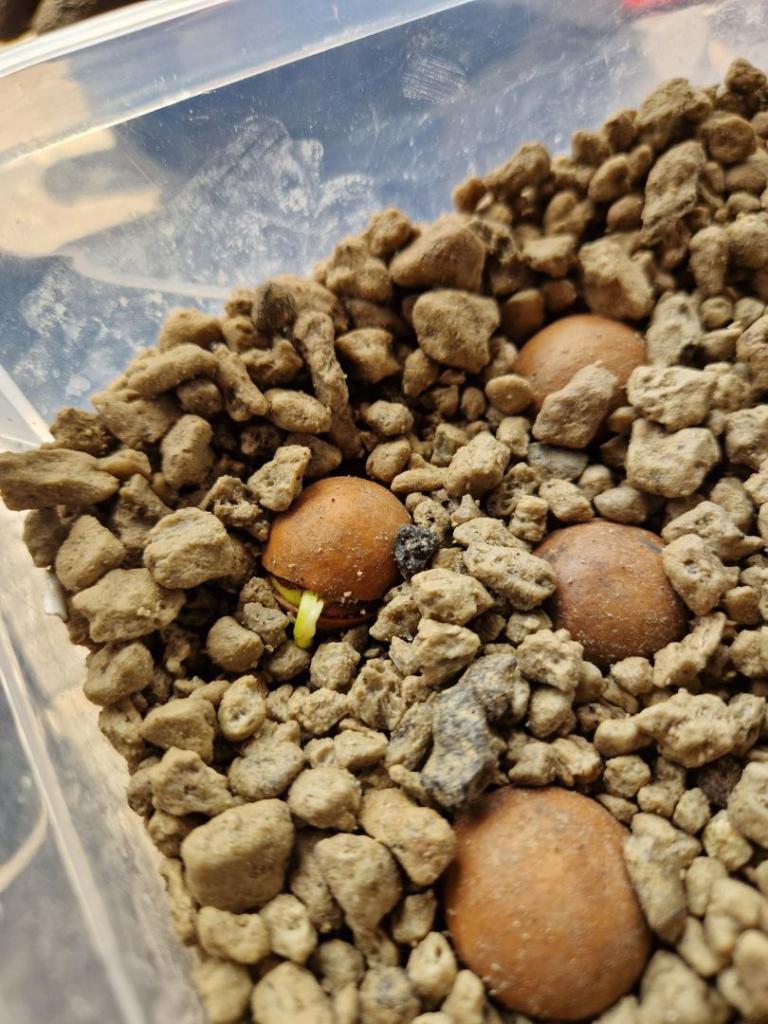
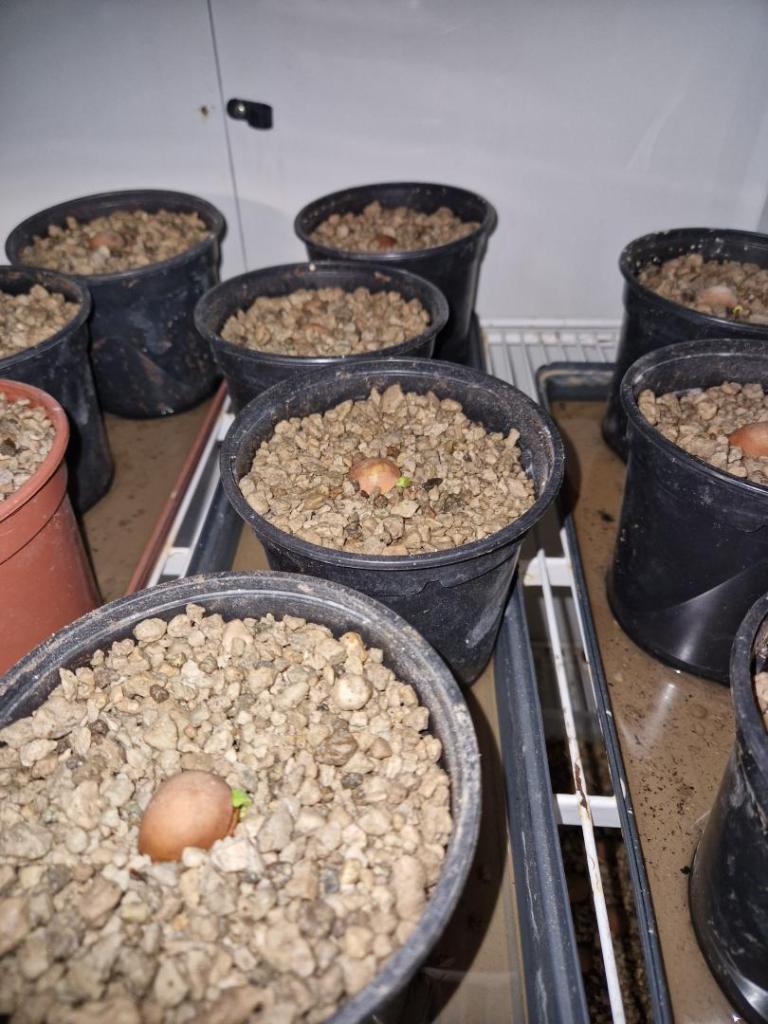
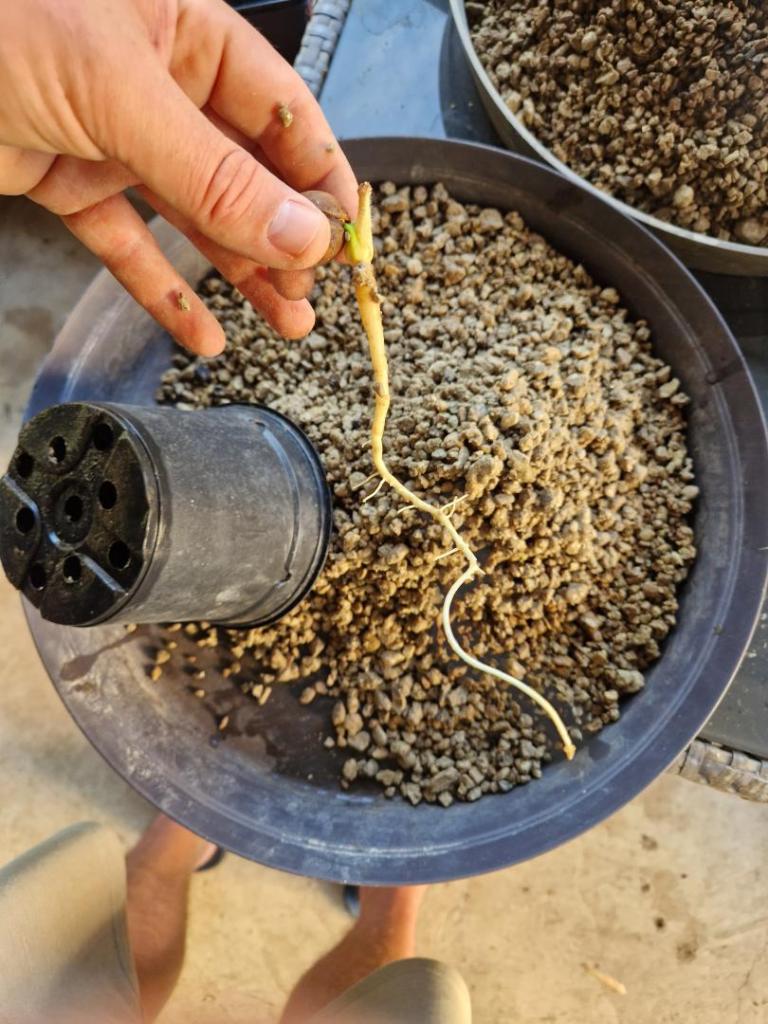
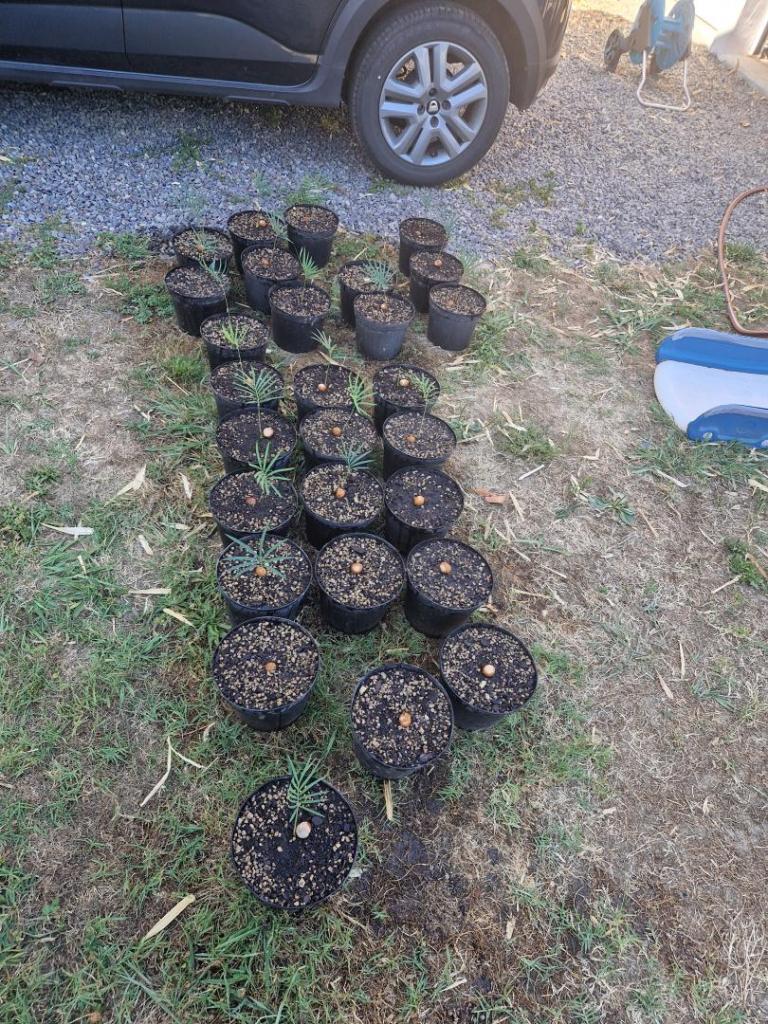
 LaTruffe posted a topic in IPS GENERAL DISCUSSIONSBonjour, je vous partage mon expérience de pollinisation puis semis de mon cycas panzhihuaensis. J'ai récupéré deux fleurs mâle dans d'un cycas panzhihuaensis, j'ai eu de la chance. Comme vous pourrez le contacter sur les photos, tapoter puis déposer 15 jours sur la fleur femelle. Récolté le 24 novembre 2025. Conservé dans un carton sur un lit de riz. Semé le 17 janvier 2026. Elles ont toutes commencées à craquer en mars 2026. Première racine le 19 avril 2026. Puis elles ce sont suivies. 29 sur 107 pour le moment. 14 jeté. La 28 ème à germer 67 jours après la première et la 29 ème à germer 88 jours après la première. Je suis dans l'attente pour la soixantaine qui reste. Semé en frigo chauffant, sur pierre ponce 2/4, température constante 25/30 degrés.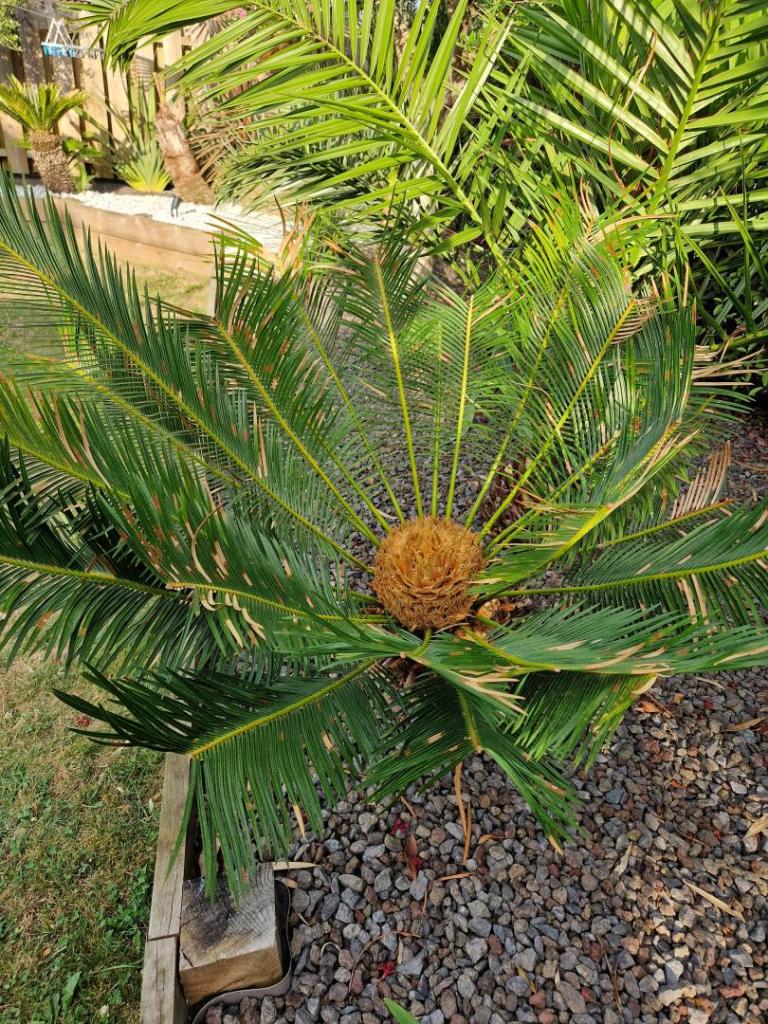


-
 Brodogfish replied to Brodogfish's topic in TROPICAL LOOKING PLANTS - Other Than PalmsWow, it looks surprisingly healthy in that photo, that’s a shame..
 -
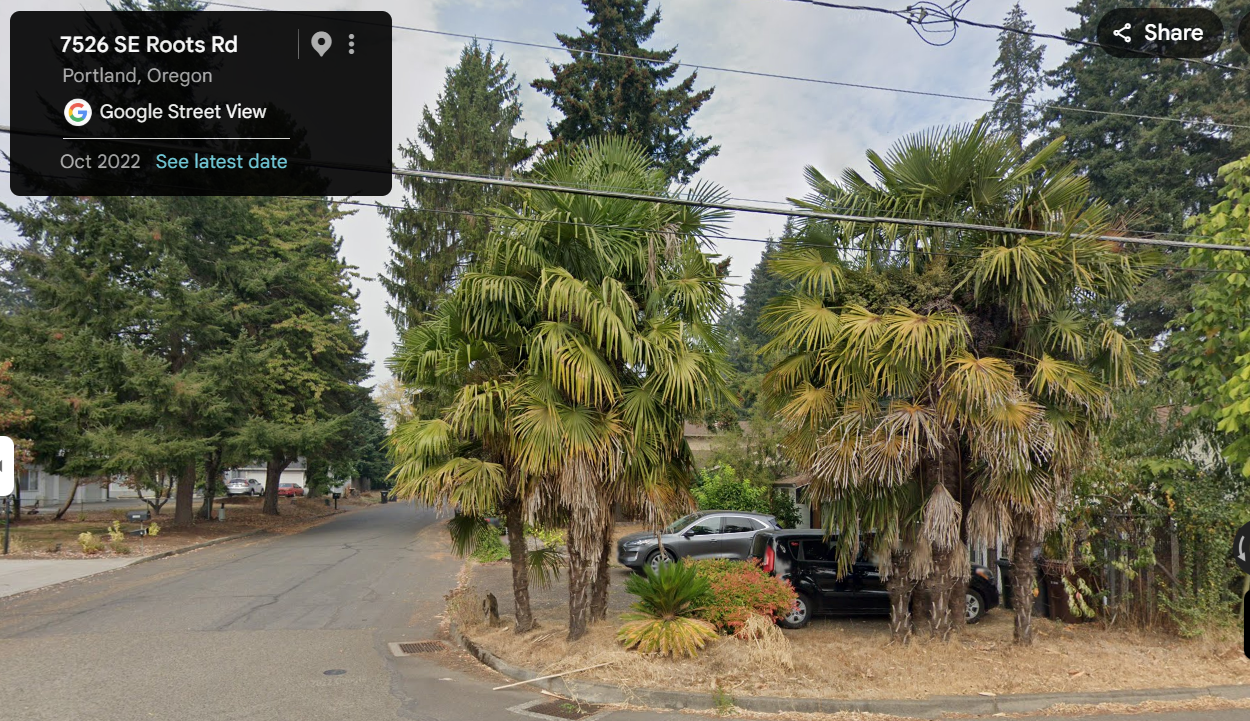
.thumb.png.04b3487b96ff29c55b8a8994b91f62b2.png) Than replied to happypalms's topic in DISCUSSING PALM TREES WORLDWIDEWhat do you like about this dishevelled, un-elegant palm with (ew) gray leaves?? Yucky 😁
Than replied to happypalms's topic in DISCUSSING PALM TREES WORLDWIDEWhat do you like about this dishevelled, un-elegant palm with (ew) gray leaves?? Yucky 😁 -
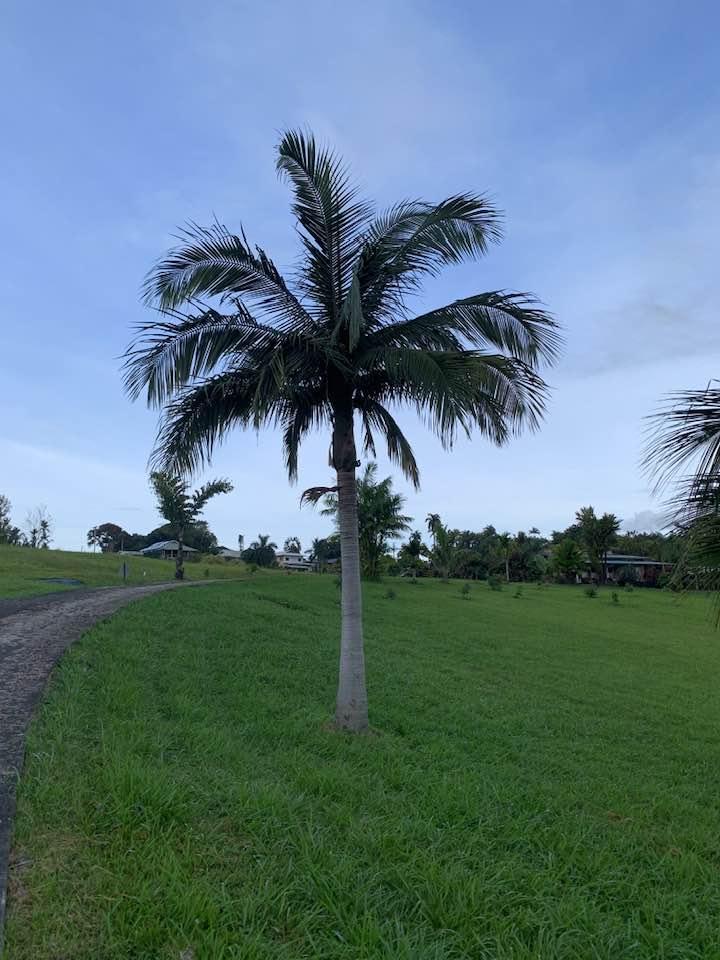
 cagary replied to Scott W's topic in DISCUSSING PALM TREES WORLDWIDEHere's mine in Pepeekeo, Big Island. Started as one of Jeff's one-gallon-size palms about 10 years ago. Finally put out its first seeds about a year ago. Now it's got a few new pods.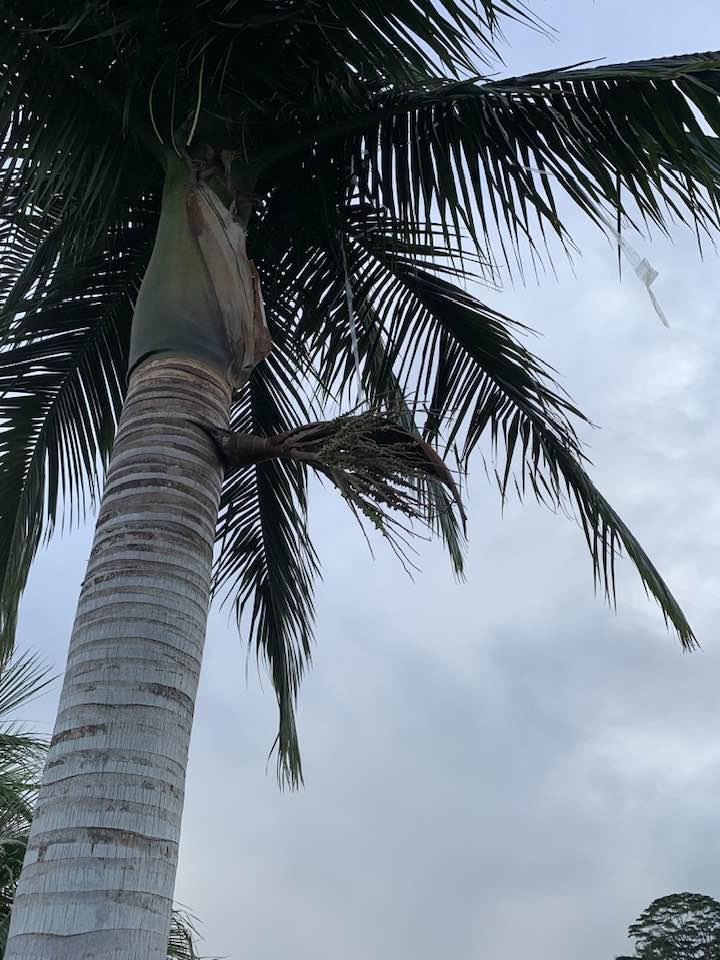
-
Looking Glass replied to Tracy's topic in DISCUSSING PALM TREES WORLDWIDEMiraguama alone can even get confusing. For Miraguama there are 3-4 subspecies miraguama subspecies miraguama, subspecies havanensis, subspecies roseocarpa, and they’ve pretty much split off macroglossa on its own. Best way to tell is the fruit color, though the wraps all look different, and the fronds all look different. Staring at the ones in my yard, and staring at Paul Craft’s book right now, and everything starts to get blurry, and my eyes start to glaze over. Many of mine came from seeds directly from Cuba, but I still wonder if they reversed some of the subspecies labels on mine based on the leaf stiffness. Mine are barely fruiting/aborting, so time will tell I guess, when I get a decent crop to examine. I’ve got 11 various coccos in different spots out there.
-
 Ani joined the community
 -
Phoenikakias replied to happypalms's topic in DISCUSSING PALM TREES WORLDWIDEHa, I had gifted to him once a ready-to-plug-in plant, which he gave away.
-
 BayAndroid replied to Tracy's topic in DISCUSSING PALM TREES WORLDWIDEPerhaps we both have a hybrid Coccothrinax. Interesting
 -
 Chester B replied to Brodogfish's topic in TROPICAL LOOKING PLANTS - Other Than PalmsI never grew one, but I did have Cycas panzhihuaensis, and either Cycas guizhouensis or Cycas taitungensis, and a hybrid with revoluta with either the G or T. I'd have to go back and look. The only issues I had with them were the rabbits eating them. They especially loved it when they flushed. You do see the odd revoluta around, but they don't seem to be reliably hardy. I used to drive by this one in Johnson City for years, but it looks like 2024 might've taken it out. I definitely think they are hardy to zone 8B but it has to be a southern 8B not a PNW 8B. There are so many 8B rated plants that can't take the dark, damp winters in the PNW, so its a roll of the dice unless you know someone who has tried before.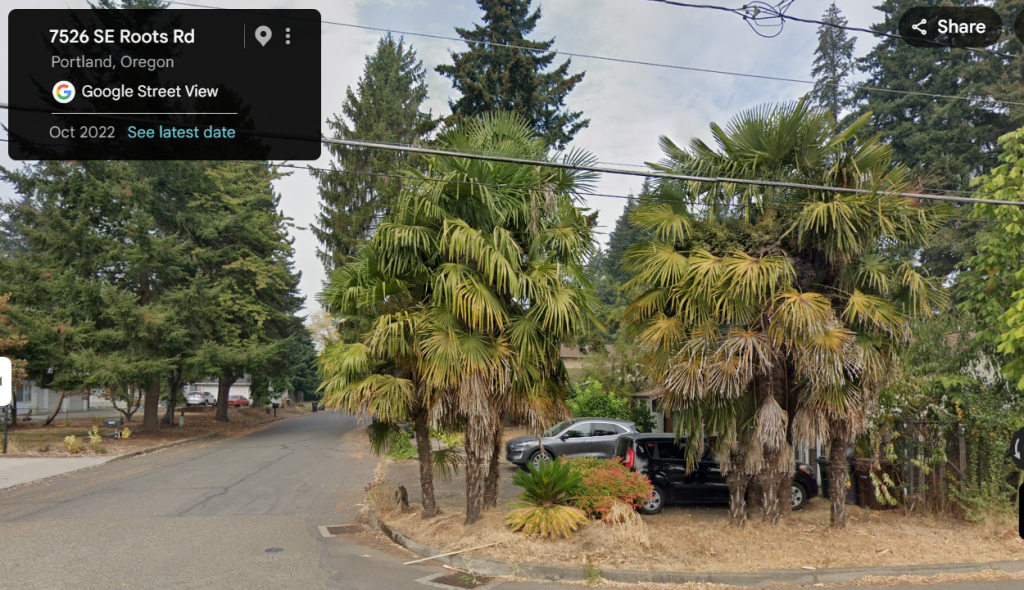
-
Chester B replied to Ben G.'s topic in COLD HARDY PALMSI thought I got the beetles right away, but I must've missed one. I have 3 other Lisas but they grow at a fraction of the rate of the one I lost. Sabals seem to be one of their favorite targets. I started watering my Butias and the largest is as high as the fence now, the growth is a little crazy, but I'm not complaining. It seemed like there was zero transplant shock, or any sort of setback for them. The mules have taken their time but it seems like they are starting to move now, so we'll see if they can keep up.
-
 tim_brissy_13 replied to jdapalms's topic in DISCUSSING PALM TREES WORLDWIDEBest contribution I can make to this thread. Got a few sprouts growing nicely but I’m aware this is the easy part. Time will tell whether I can keep them happy long term here but I’ve been inspired by some success in cool climates. Not sure whether to fear my frosts or occasional extreme heat for this species. Probably both!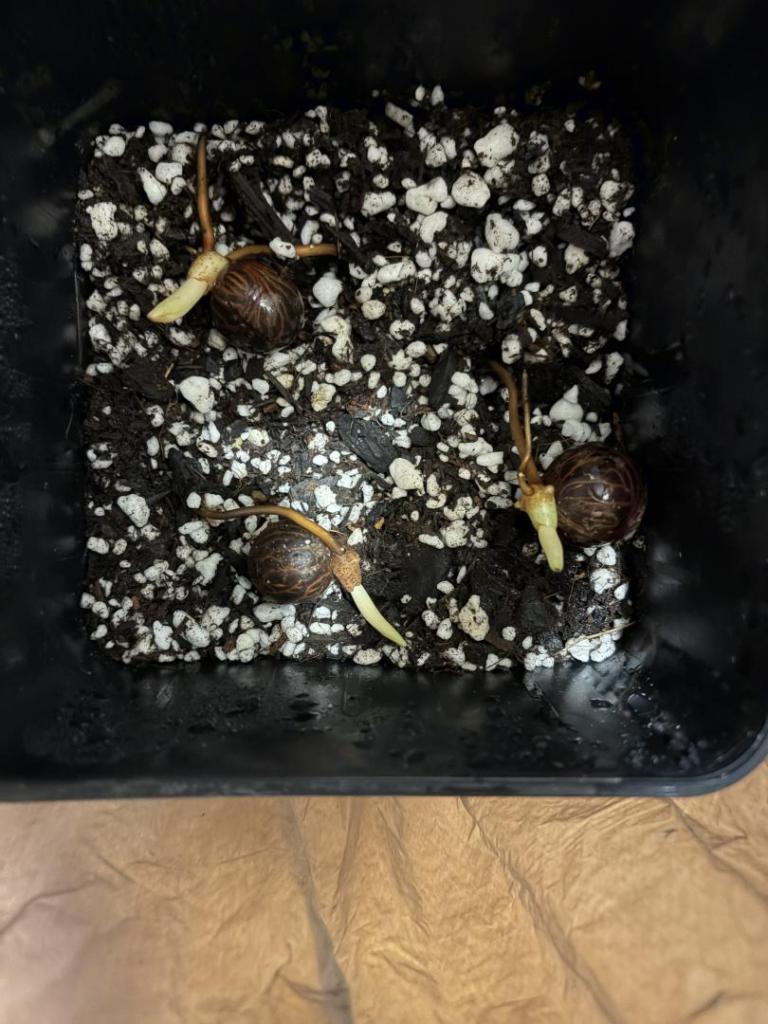
-
 kinzyjr replied to happypalms's topic in TROPICAL LOOKING PLANTS - Other Than PalmsThere was one at Hollis, but I think it is gone. They are like baby alligators - they don't stay cute and cuddly for long.
 -
kinzyjr replied to palmsOrl's topic in DISCUSSING PALM TREES WORLDWIDEGlad this thread is still going strong all these years later. This last freeze has dampened some spirits, but we got hit like this before and bounced back.
-
 Brian Manassas replied to Floribunda Palms's topic in For SaleHello, Several years ago you carried Normanbya Normanbyi, will you carry this again some time? Thanks Brian
 -
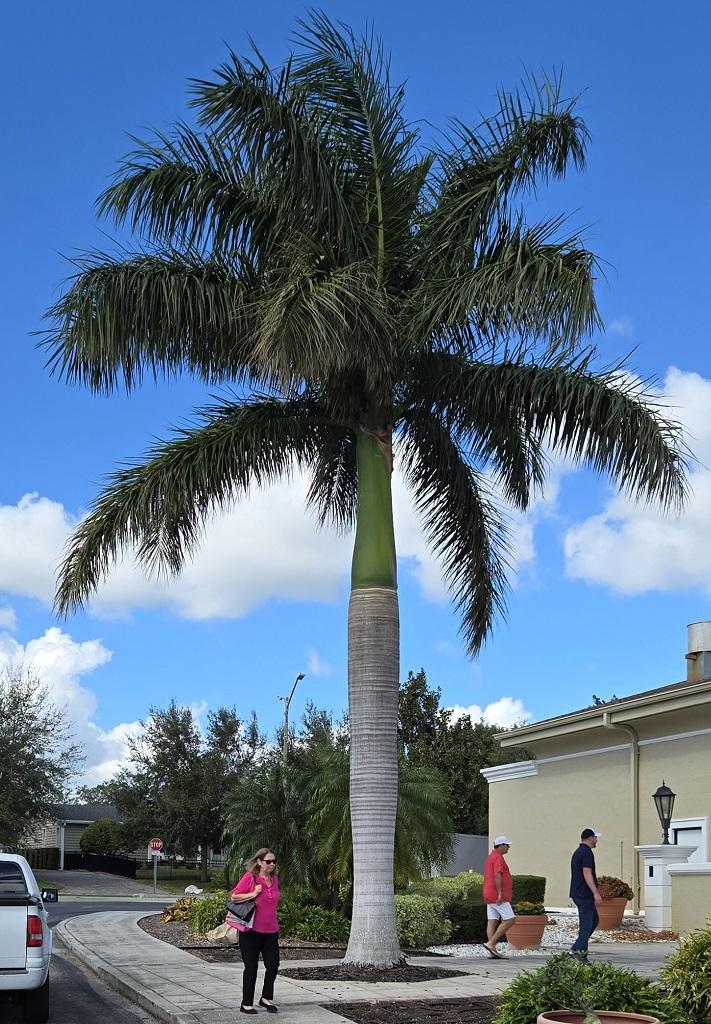
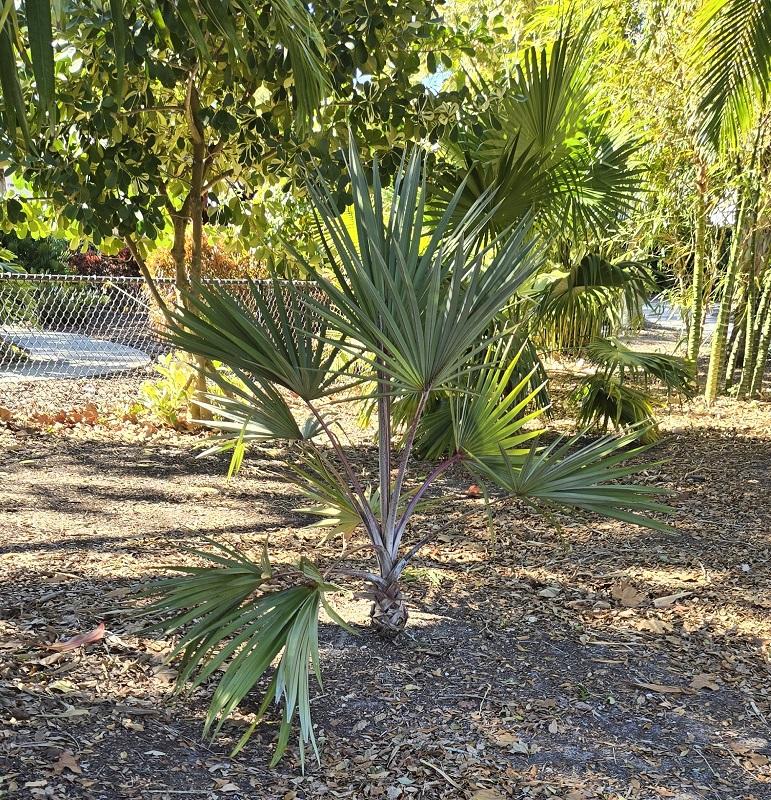
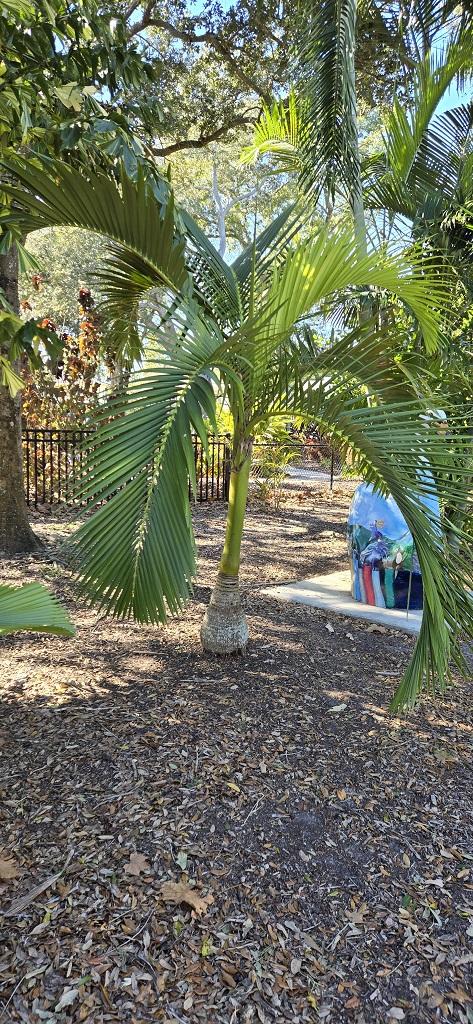
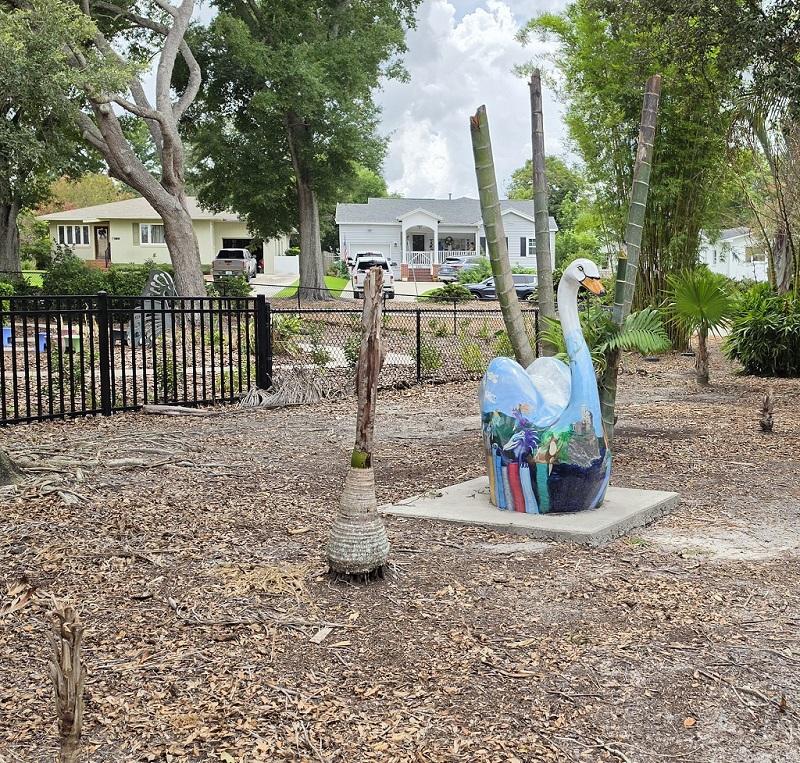
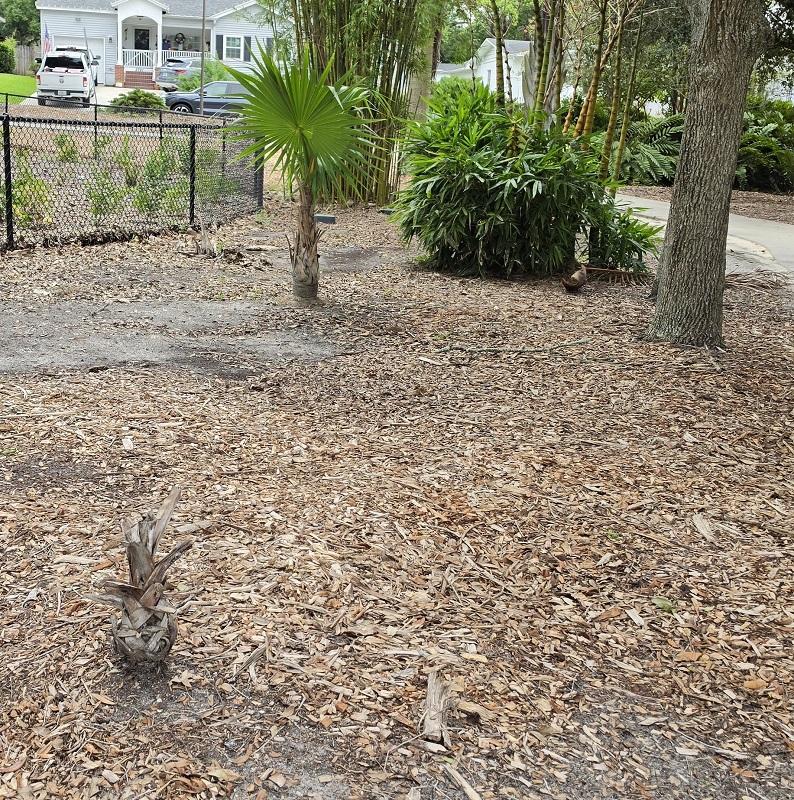
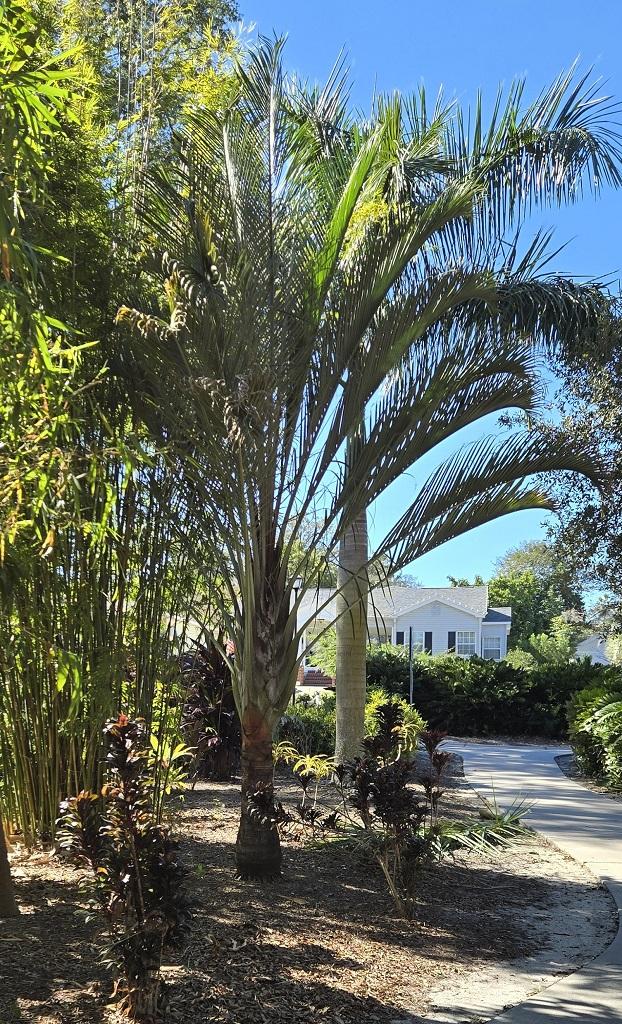
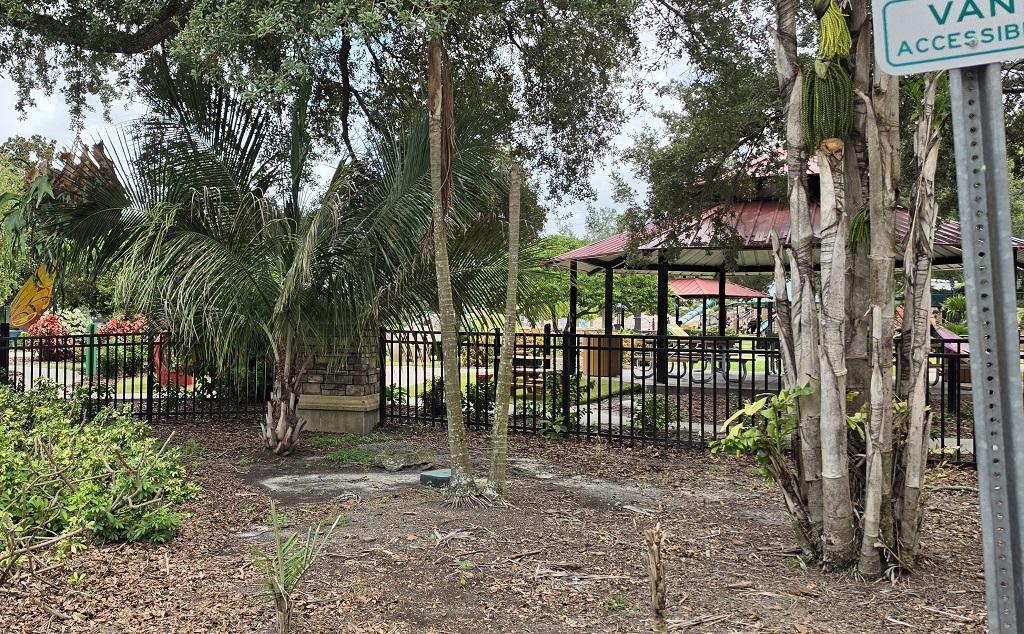
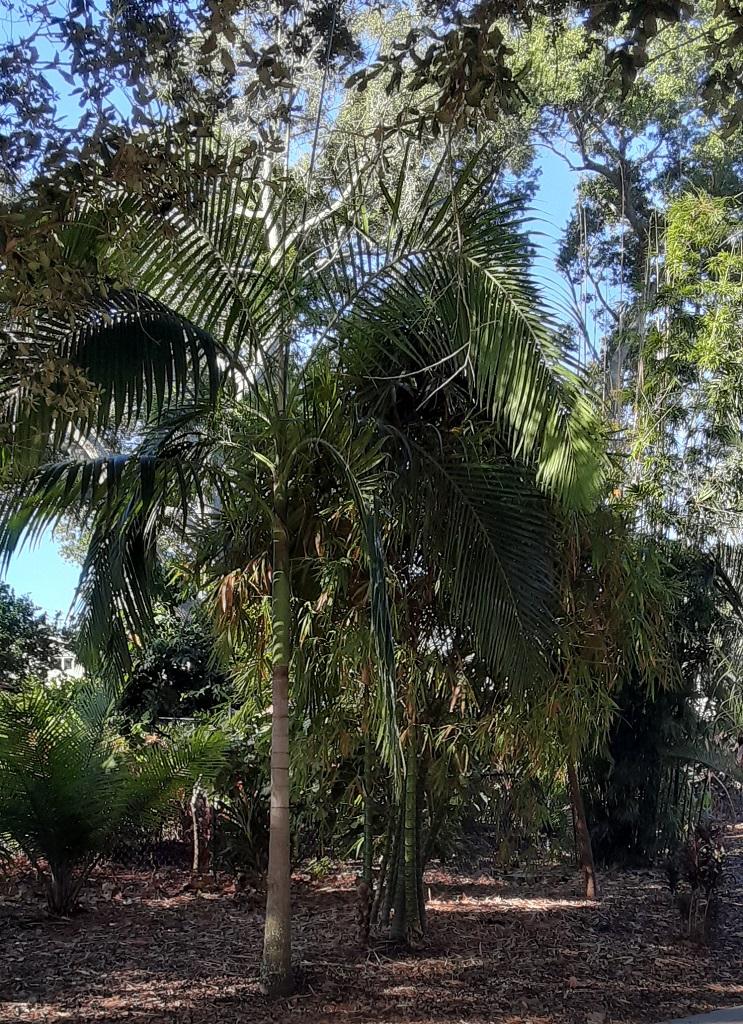
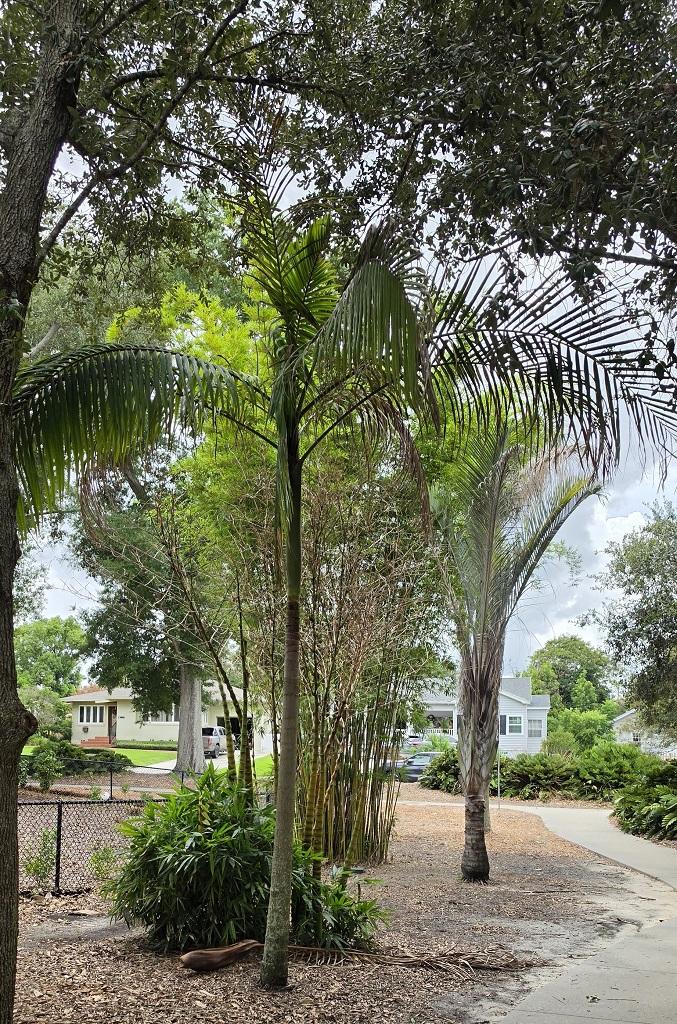
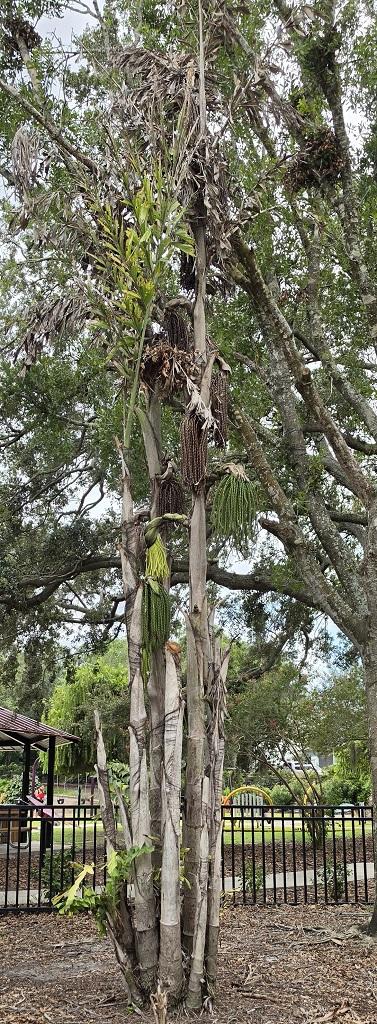
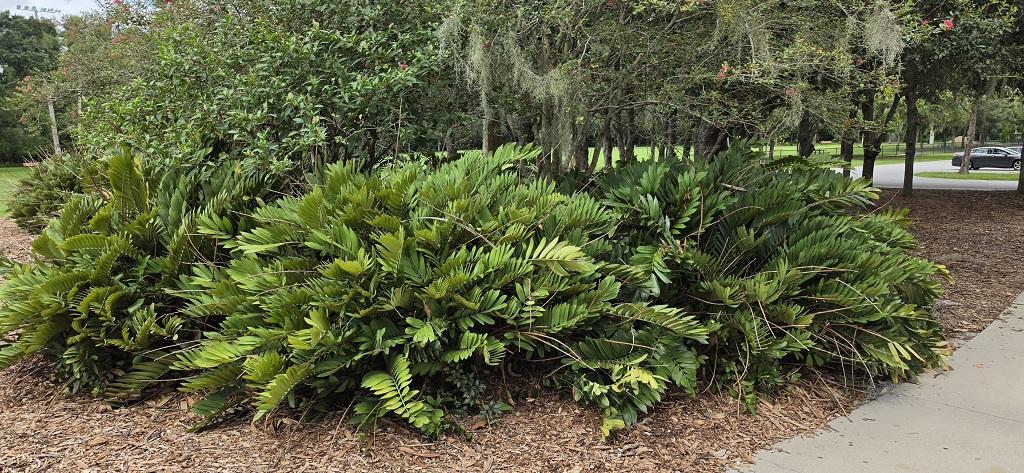
kinzyjr replied to kinzyjr's topic in TRAVEL LOGSThe gardens at Common Ground and the Cleveland Heights Country Club were tested and the photos below showcase photos before and after the February 2026 Freeze. Note that this thread was started in 2019 and many of the palms can be seen in their youth in the first few posts. Cleveland Heights - Roystonea regia: This palm was a showstopper on the 2022 CFPACS Fall Meeting here in Lakeland. After walking up a steep hill from the parking lot behind Common Ground, tired tour-goers were treated to this beast; a stout royal palm. We had to cut Lake Wire from the fall tour because cameras were flashing for almost half an hour when the group got here. Unfortunately, the palm was heavily damaged. Since this was a focal point in the garden, this palm has since been removed. The first photo is as a perfectly healthy specimen in November 2024. The second photo is from February 8th, 2026; seven days after the worst day of the winter. Common Ground - Roystonea regia: This Roystonea took the beating and was allowed to recover. The first photo is from January 2026 after several cold fronts had already arrived. The second photo is from August 2026, showcasing the recovery in progress. Common Ground - Chrysalidocarpus pembanus: While the giant canes of this palm were damaged and infested by borers, the advantage to clumping palms is that they have a good shot of coming back from the ground. In the first photo, you see the palm in question with a Latania lontaroides (Red Latan) to the right. The Red Latan didn't survive, but you can see the new growth coming from the base on the Chrysalidocarpus. The first and second photos are from January 2026, while the third is from August 2026. Common Ground - Carpoxylon macrospermum: Unfortunately, this one did not fare as well as the one at City Hall in the Downtown Lakeland thread. It is now deceased. In the second photo, you can see the remains of a Licuala grandis and the Latania lontaroides mentioned above. Photos are from January 2026 and February 2026, respectively. Common Ground - Kerriodoxa elegans: Unfortunately, this is only a before photo. It was removed and the area around where it was at was cleared. There's now no way to know if it was dead beforehand, or if it could have recovered. Mine in my yard is recovering. Photo taken January 2026. Common Ground - Thrinax radiata: This palm was heavily damaged but recovering. You can also see the Red Latan stump and the recovering Buddha Belly Bamboo in the second photo. Photos from January 2026 and August 2026, respectively. Common Ground - Dypsis decaryi x leptocheilos : I believe this is a Tri-bear. If you think it is not, please let me know what you think it is. It took a beating, but is progressing nicely through its recovery. Photos are from January 2026 and August 2026, respectively. Common Ground - Beccariophoenix alfredii + Chambeyronia macrocarpa + Caryota mitis +Licuala grandis + Allagoptera caudescens : This is only the after photos from August 2026. While the Beccariophoenix alfredii looks to be coming back strong, the Allagoptera (front left) is starting to put out some green, and the Caryota mitis clump will come back from the ground, the Chambeyronia macrocarpa double in the center is dead. Wish I had better news from this location, @SubTropicRay. The Licuala grandis stump in the front is easier to make out in this photo as well. Keep in mind that this location is a short 5 minute walk from the Lake Hollingsworth boat ramp area where the Allagoptera was doing relatively well. Siting makes a big difference. The second photo shows the overall size of the Caryota mitis and all of the seed stalks that it put out as a "Hail Mary" for species survival. Common Ground - Euterpe oleracea (?) : This is thought to be Euterpe oleracea, but may be Euterpe edulis. I had to dig deep in the archives to find a photo more recent than the 2019 photos starting the thread and earlier than the 2026 freeze. The first photo is from November 2023 and the second is from August 2026. It took a little bit of damage, but is doing a lot better than the bulk of the other crownshaft palms in the area. Common Ground - Zamia furfuracea : These held up remarkably well considering the wind speed and low temperatures. This is a hedge that self-seeds here. There are thousands of these here that serve as a border between the sidewalks and the street. Unfortunately, all of the Clusia that were used on the opposite side of the sidewalk took heavy damage and were removed. There are Clusia coming back in various locations, but it will be a while until they are a bush again.
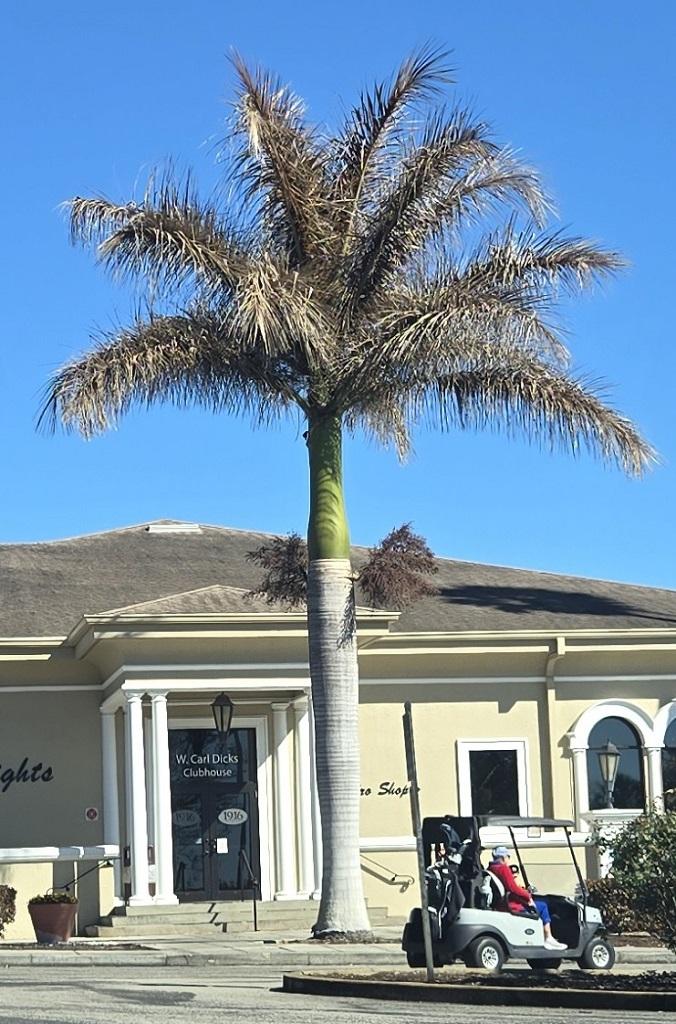

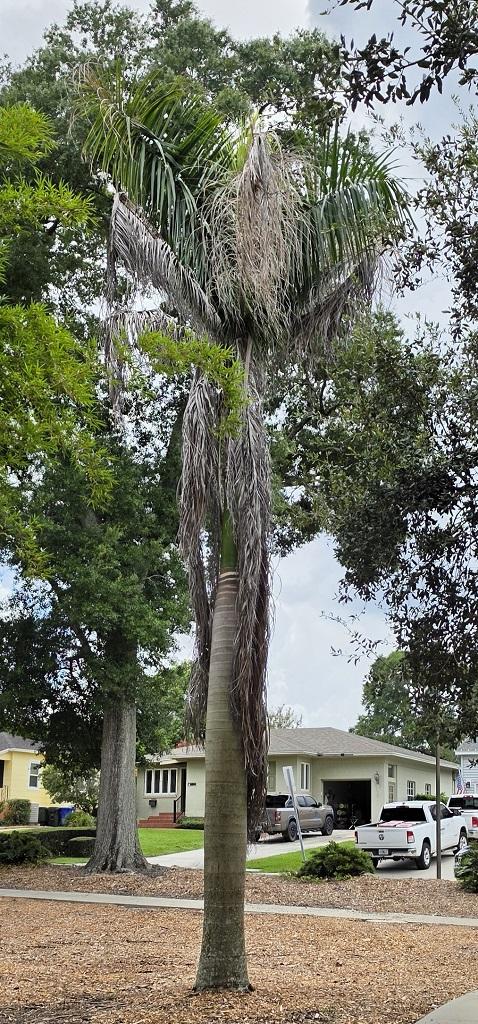

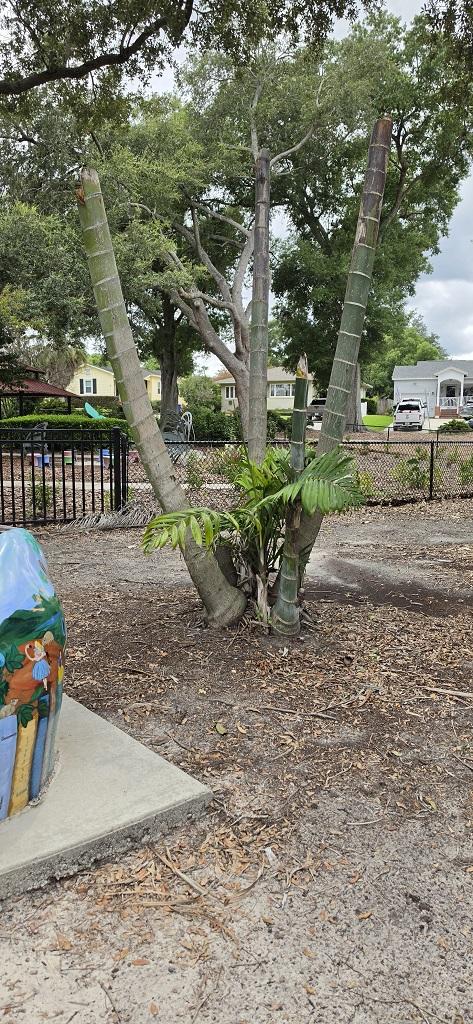



-
 Merlyn replied to palmsOrl's topic in DISCUSSING PALM TREES WORLDWIDE@Eric in Orlando I have two Grandis here just W of Sanford, both wer defokiated at 22.5F. The tiny seedling sized one seems to be regrowing, and the slightly larger one has two ne spears that are just stalled. So I might get one out of two suvivors. Other Licuala like Ramsayi, Spinosa, Sumawongii and Distans did well. My Ramsayi out in the open were badly burned but growing back ok, even though they are now in full sun. One of the Sumawongii was in full sun exposure and took basically zero damage. It only suffered later in the spring with a bit too much direct all day sun. My Hyophorbes were not so lucky. I lost a Verschaffeltii with 6 feet of trunk (the top just fell off from crown rot), and 3 of 5 other smaller ones. 3 of 4 Lagenicaulis survived. I trunk cut the tops of 3 of the Lagenicaulis to get to the bud rot, but cut one way too low and killed it. So really 3 of 3 survived. They are all very susceptible to crown rot.