

All Activity
- Today
-
 sonoranfans replied to Scott W's topic in DISCUSSING PALM TREES WORLDWIDEyeah another of my palms in the process of growing taller than I want. I like them right where they are at 8'+ trunk.
 -
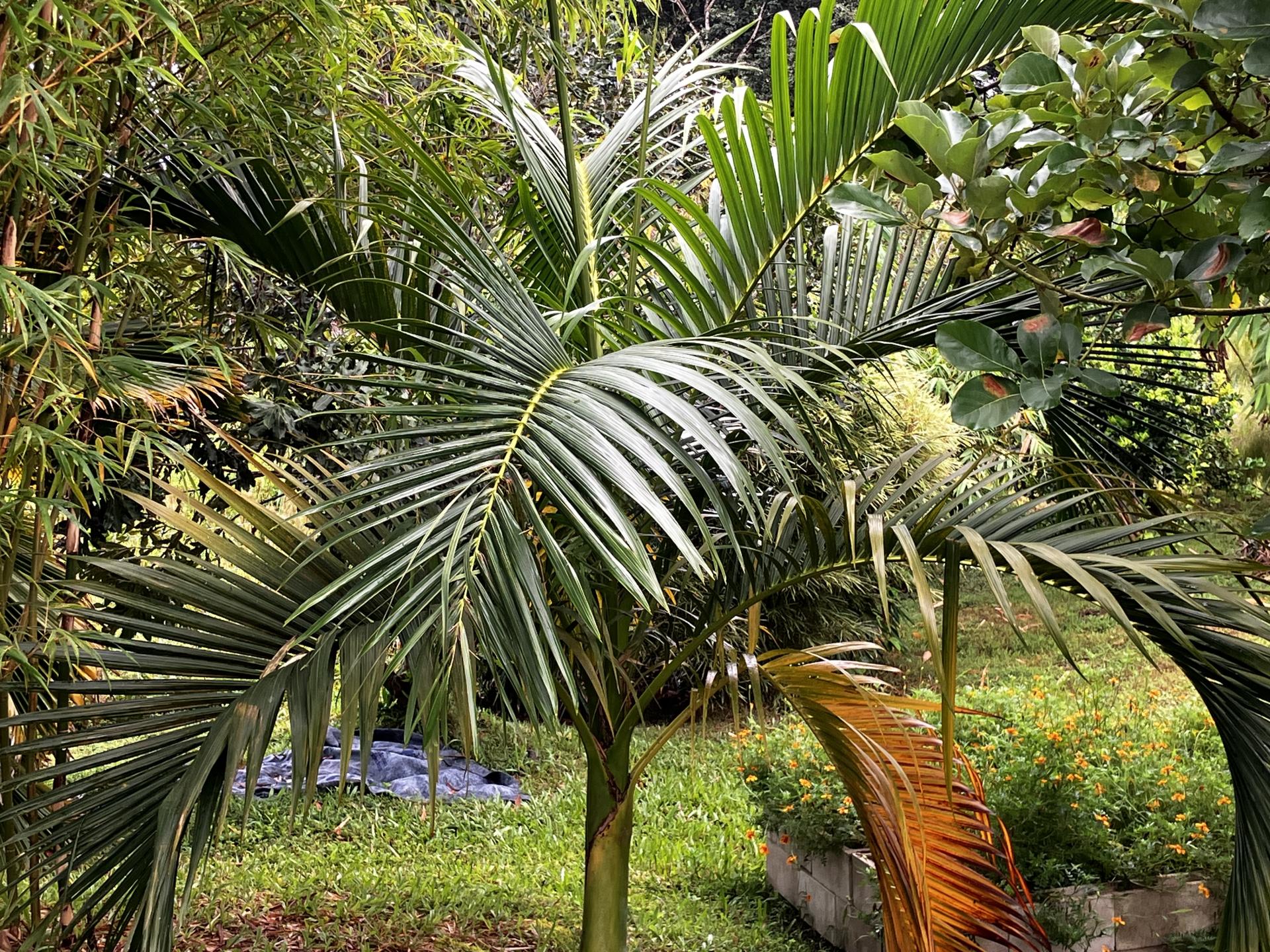
 Brad52 replied to The Gerg's topic in DISCUSSING PALM TREES WORLDWIDEMy Carpoxylon caught my eye, I think I’ve had it 3 years ish…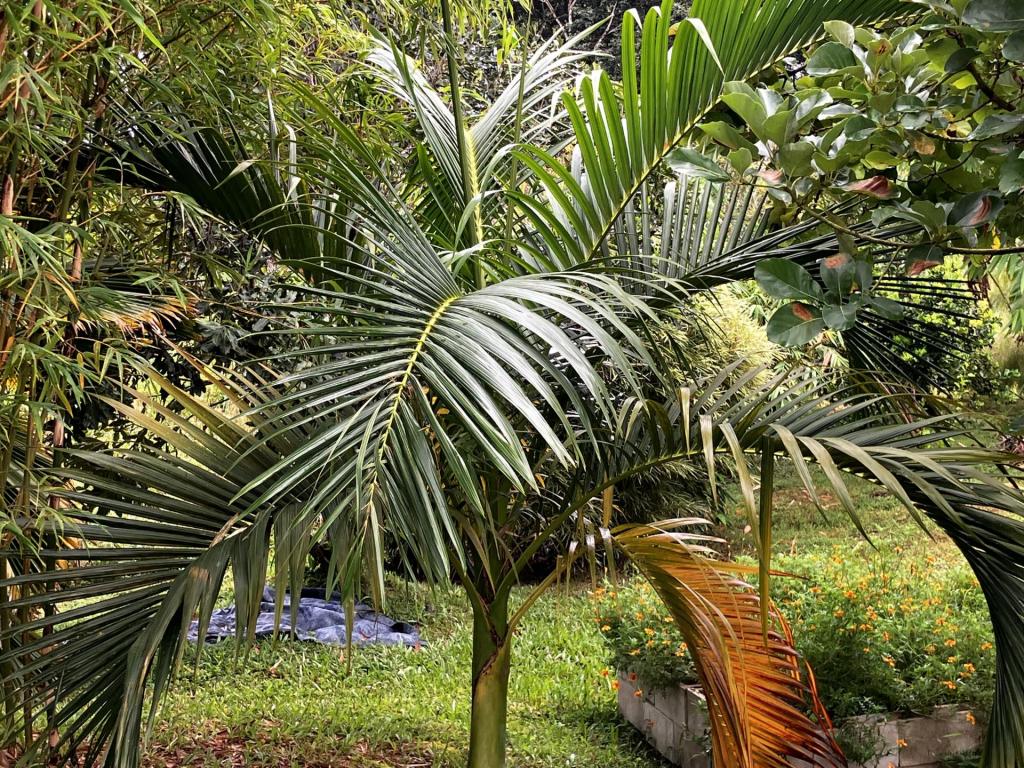
-
 NatureGirl replied to NatureGirl's topic in For SaleI also have Clinostigma warburgii @ .25 eachPelagodoxa Sold Out.Caryota no -15 leftAiphanes minima-30 leftLic ‘Sumawongii’ lots left
 -
sonoranfans replied to NewtoPalmsGirl's topic in DISCUSSING PALM TREES WORLDWIDEOnce again a great looking palm under harsh conditions, great job!
-
 Rain52 replied to NC_Palms's topic in DISCUSSING PALM TREES WORLDWIDEpretty sure it’s a highland coconut
 -
 Cape Garrett replied to Scott W's topic in DISCUSSING PALM TREES WORLDWIDESounds good to me!!
 -
(173x200).thumb.jpg.87642ce613f801fde119db608b8aeb96.jpg) Silas_Sancona replied to Than's topic in TROPICAL LOOKING PLANTS - Other Than PalmsWhen you planted it, did you disturb the roots at all? IE: teasing a tightly bound rootball apart, breaking any? ....Is something mentioned a lot that can kill or temporarily set back smaller sized ones. Here at least, older, well established specimens? you can chop a big spiny menace to a nubby 5" stump poking out of the ground and they'll explode w/ new growth within a couple weeks of being hacked. ..is something you see landscape " slaughter crews " do w/ Bougs planted in various commercial / highway landscapes just about every spring here. The specimens i yanked this past spring were 6' x 5' before i chopped them to the ground inc. using an axe head to chisel out chunks of the above ground portion of the burl / some of the roots on one of them ( = figured that would end it.. ) Nope, it started to throw new growth from the remaining stumpy burl within days ..which is when i yanked what was left, and it's buddy.. Did the planted specimen that died receive the same light exposure as the healthy one? or does the healthy one see ..even slightly different.. conditions ( say more shade thru the hottest part of the day compared to the dead one? ) If both saw the same conditions, and they were getting the same amount of irrigation than something else got the dead one.. And i highly doubt it involves the soil being modified vs being planted in natural / existing soil.. Again, from experience, while amending soil certainly doesn't hurt one bit, as long as it drains well / isn't a swamp, these seem to be pretty indifferent about that aspect.. If they did? i'd have lost at least half of the ones i've planted over the years, esp. here. The pot aspect is an interesting thought but not something i might place high on a list of potential causes since people keep Bougs in pots for years ( ...or far longer, lol ) as Bonsai subjects. A nursery i worked for had some hanging around in a greenhouse long enough that they were ready to go bonsai subjects ( 60% of the soil in the pots missing yet the plants were healthy and chunky and could live out their lives in a 8" deep x 14 or 16" wide Bonsai pot. ). Only caveat? If the pot is black and sits in full sun a good chunk of the day? = i'd move it to somewhere shadier since you can cook roots in a pot. Cooked ...and now decaying.. roots? = perfect environment for pathogenic fungi / bacteria issues. Shriveling / lax looking / cupped leaves, vs brown - tipping, = can all be related to too much / too little water, and other issues associated with. Most things that i see brown tipping on = quantity of dissolved salts in our water.. = un avoidable. That said, when i see it, i know i might want to ease up on any watering.. Our extreme heat + low dew points thru the summer can cause that to occur too of course.. When i see a well watered, perfectly green plant suddenly wilt / 80 -99% of green, but totally dried out leaves start shedding, w/ out any prior issue being noted ( ...brown tipping or whatever? ) = highly likely some soil borne thing got it.. Not much that can be done about that except starting over. Is ..what it is..
Silas_Sancona replied to Than's topic in TROPICAL LOOKING PLANTS - Other Than PalmsWhen you planted it, did you disturb the roots at all? IE: teasing a tightly bound rootball apart, breaking any? ....Is something mentioned a lot that can kill or temporarily set back smaller sized ones. Here at least, older, well established specimens? you can chop a big spiny menace to a nubby 5" stump poking out of the ground and they'll explode w/ new growth within a couple weeks of being hacked. ..is something you see landscape " slaughter crews " do w/ Bougs planted in various commercial / highway landscapes just about every spring here. The specimens i yanked this past spring were 6' x 5' before i chopped them to the ground inc. using an axe head to chisel out chunks of the above ground portion of the burl / some of the roots on one of them ( = figured that would end it.. ) Nope, it started to throw new growth from the remaining stumpy burl within days ..which is when i yanked what was left, and it's buddy.. Did the planted specimen that died receive the same light exposure as the healthy one? or does the healthy one see ..even slightly different.. conditions ( say more shade thru the hottest part of the day compared to the dead one? ) If both saw the same conditions, and they were getting the same amount of irrigation than something else got the dead one.. And i highly doubt it involves the soil being modified vs being planted in natural / existing soil.. Again, from experience, while amending soil certainly doesn't hurt one bit, as long as it drains well / isn't a swamp, these seem to be pretty indifferent about that aspect.. If they did? i'd have lost at least half of the ones i've planted over the years, esp. here. The pot aspect is an interesting thought but not something i might place high on a list of potential causes since people keep Bougs in pots for years ( ...or far longer, lol ) as Bonsai subjects. A nursery i worked for had some hanging around in a greenhouse long enough that they were ready to go bonsai subjects ( 60% of the soil in the pots missing yet the plants were healthy and chunky and could live out their lives in a 8" deep x 14 or 16" wide Bonsai pot. ). Only caveat? If the pot is black and sits in full sun a good chunk of the day? = i'd move it to somewhere shadier since you can cook roots in a pot. Cooked ...and now decaying.. roots? = perfect environment for pathogenic fungi / bacteria issues. Shriveling / lax looking / cupped leaves, vs brown - tipping, = can all be related to too much / too little water, and other issues associated with. Most things that i see brown tipping on = quantity of dissolved salts in our water.. = un avoidable. That said, when i see it, i know i might want to ease up on any watering.. Our extreme heat + low dew points thru the summer can cause that to occur too of course.. When i see a well watered, perfectly green plant suddenly wilt / 80 -99% of green, but totally dried out leaves start shedding, w/ out any prior issue being noted ( ...brown tipping or whatever? ) = highly likely some soil borne thing got it.. Not much that can be done about that except starting over. Is ..what it is.. -
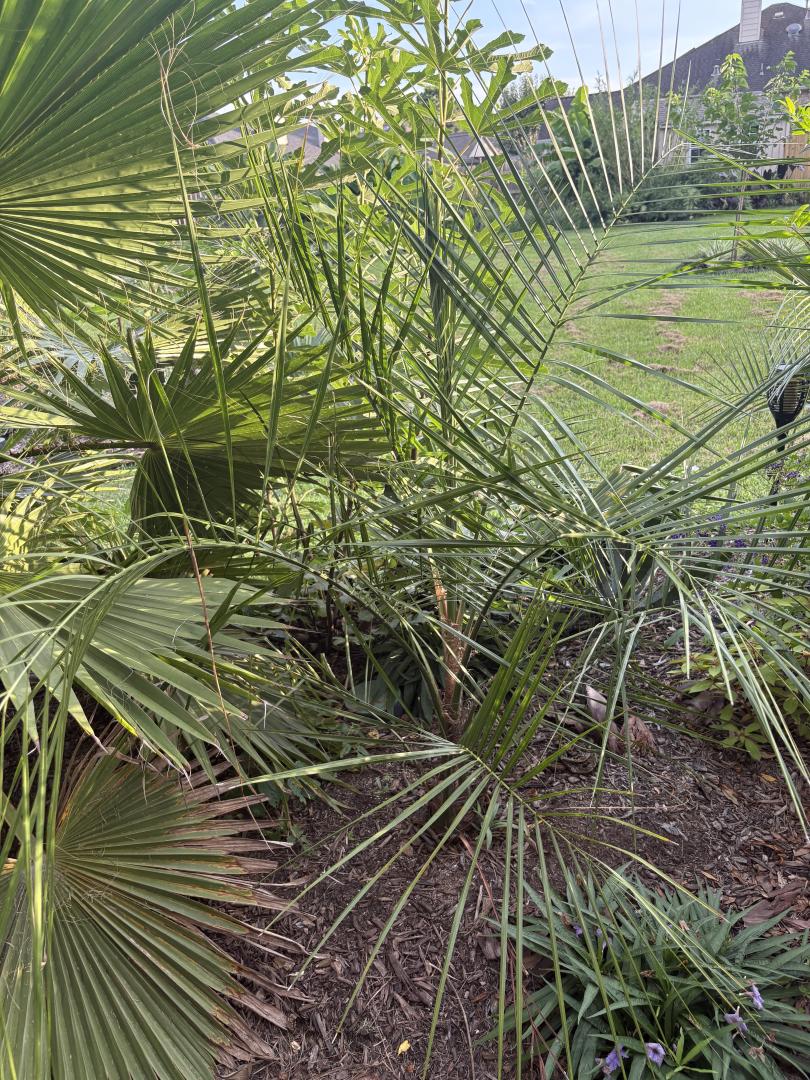
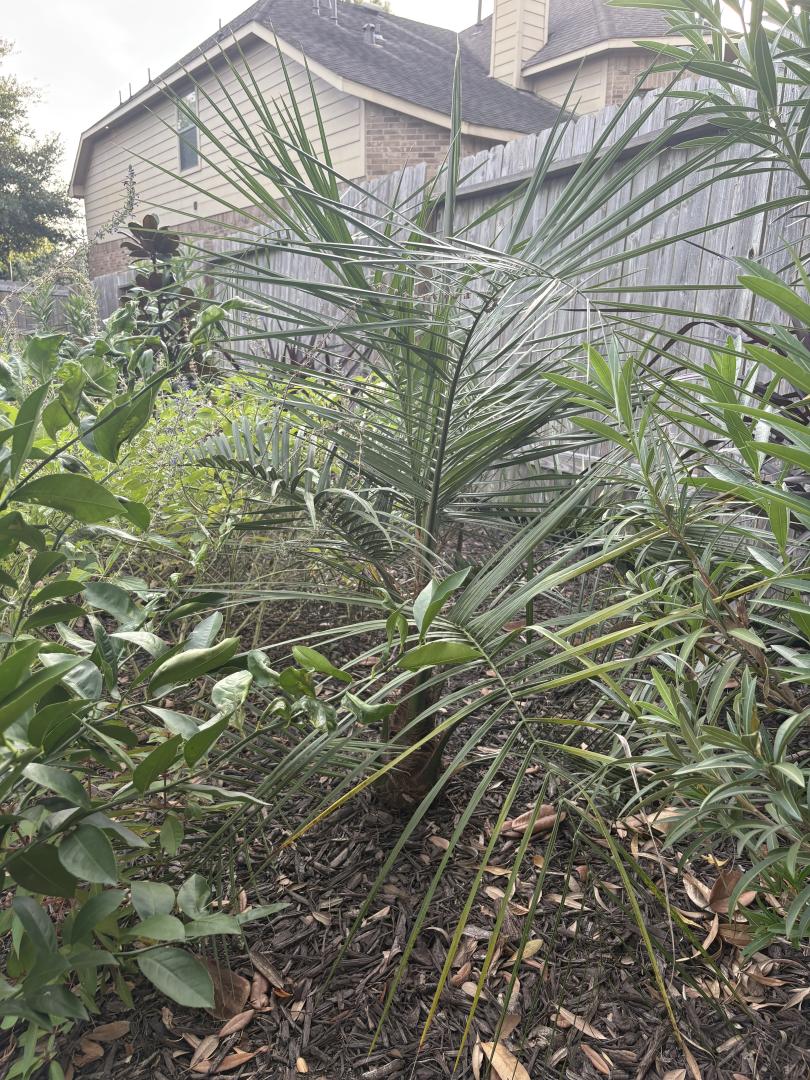
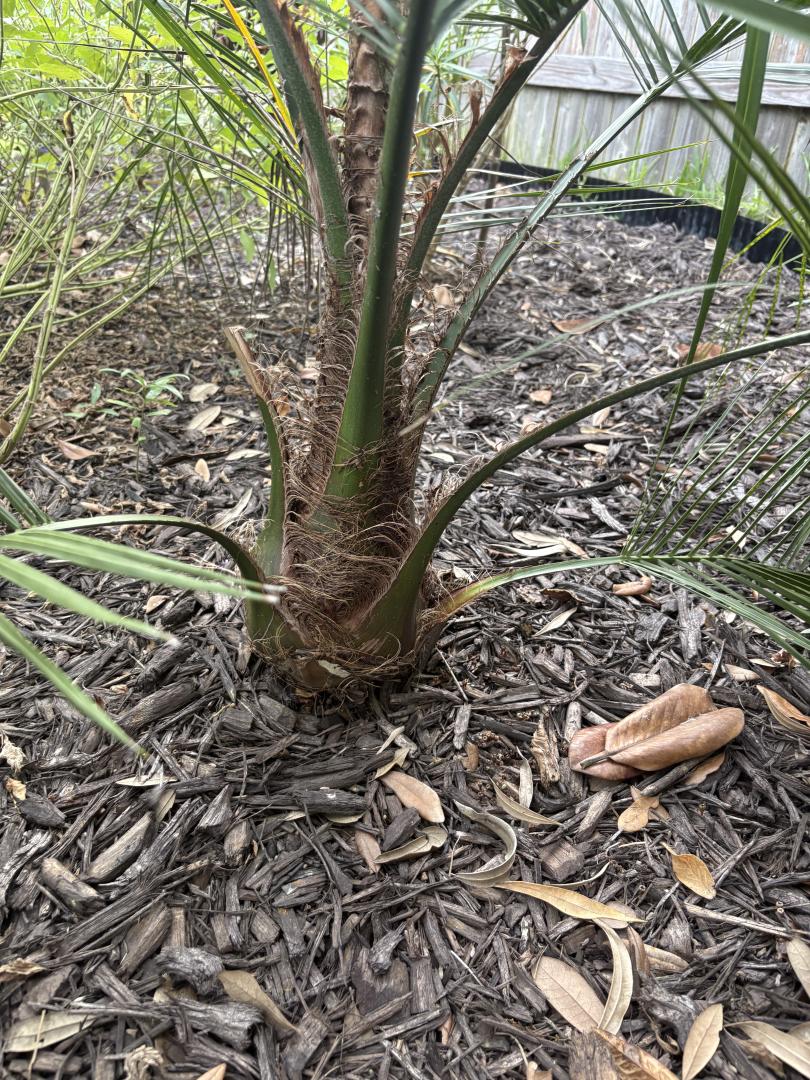
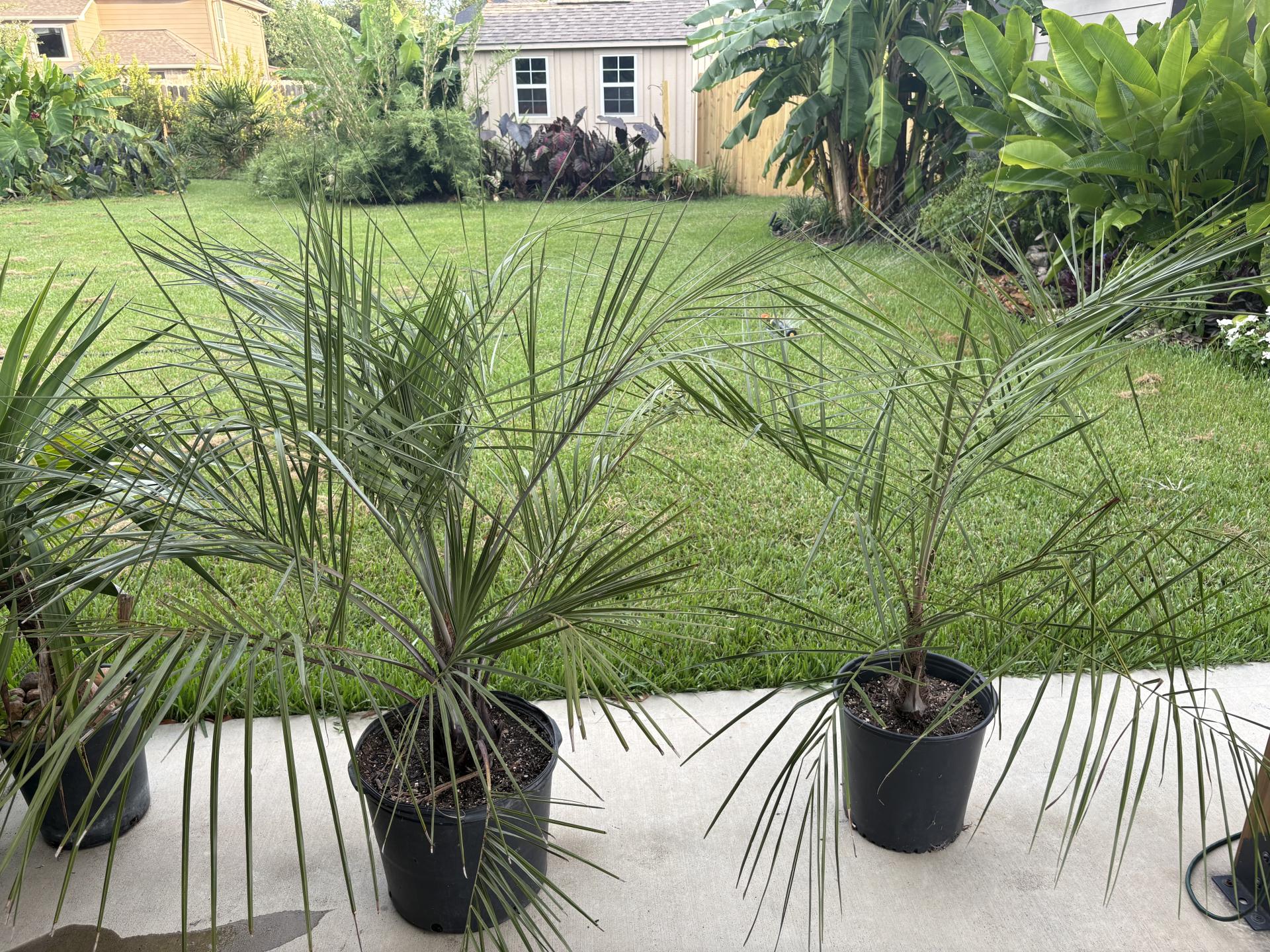
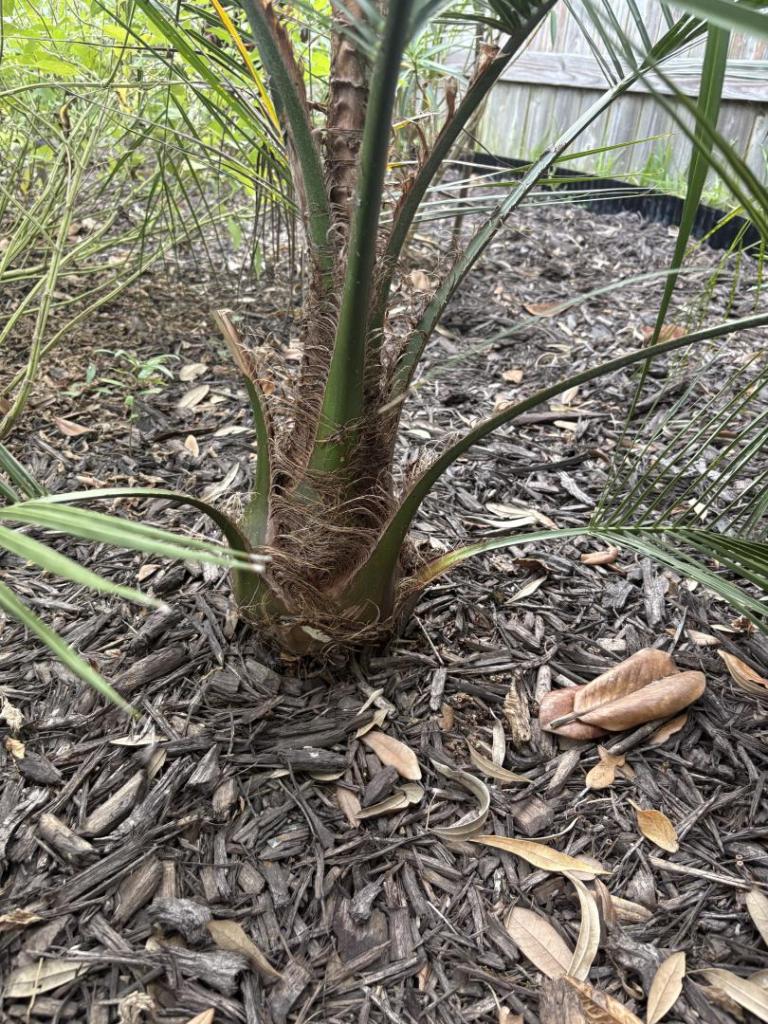
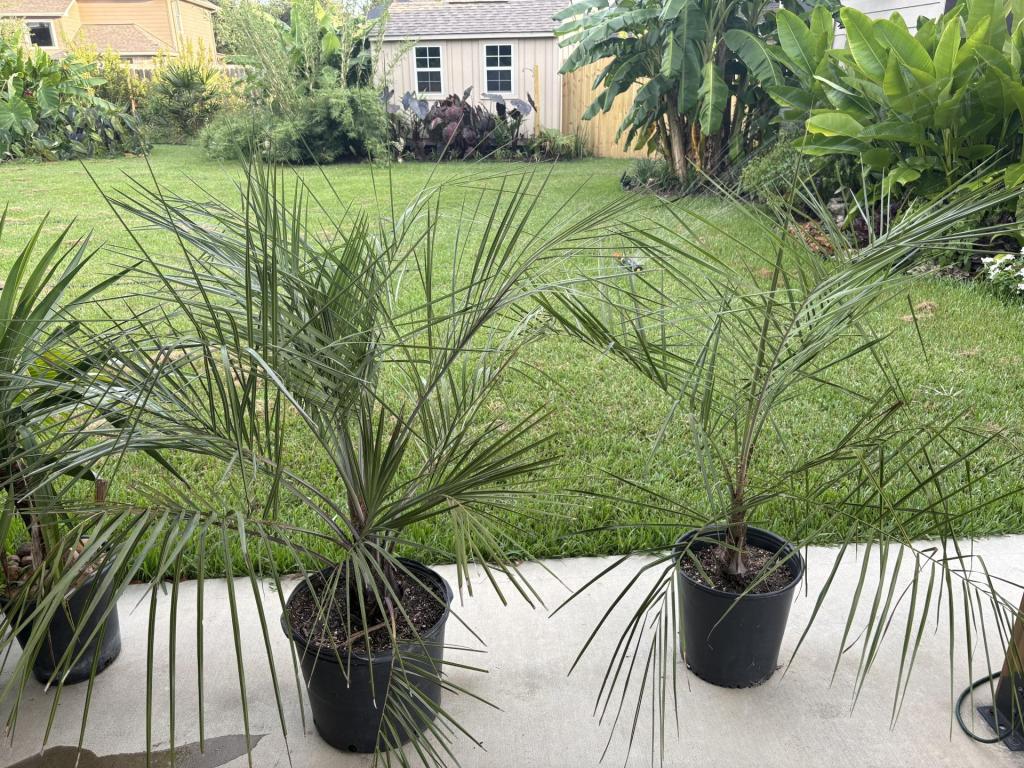
 Chester B replied to Ben G.'s topic in COLD HARDY PALMSI'm seeing a similar growth rate. 3 years from seed they're about 5 feet tall. I planted two last year and the other two I left in pots. The ones in ground are about twice the size now. I imagine the third year in the ground being fully established will be the year they explode. Right now I would say my straight Butias are much faster than the mules. Here are a couple photos, it’s hard to get decent photos as they are surrounded by other plants.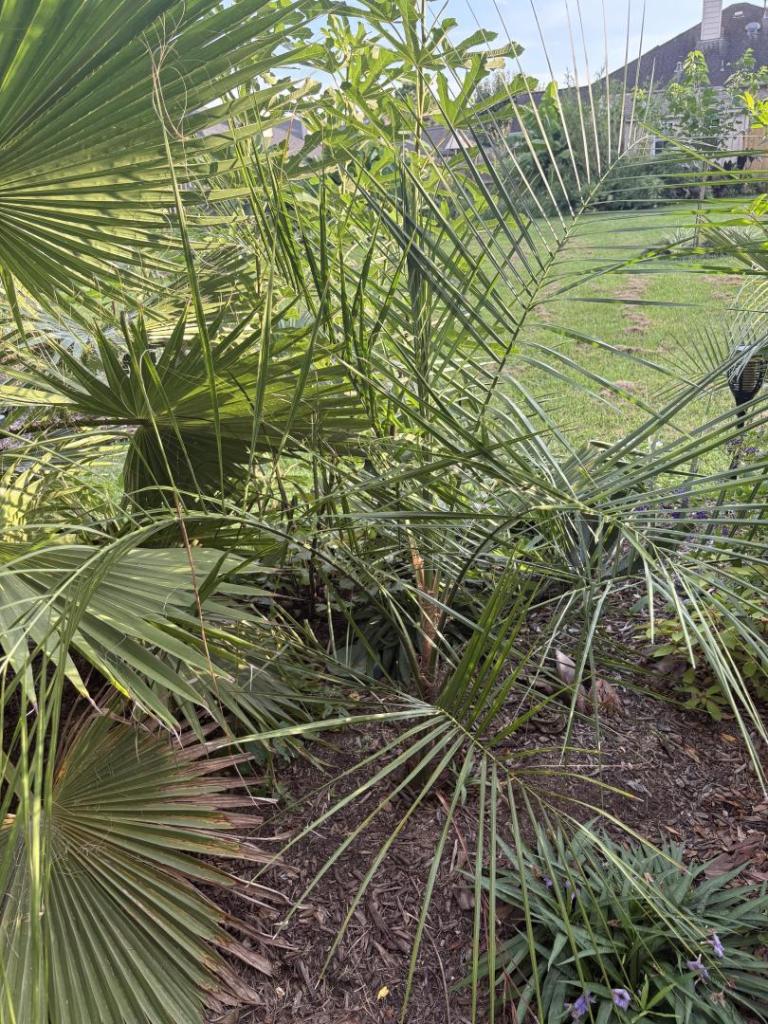

-
 Robert Harper joined the community
 -
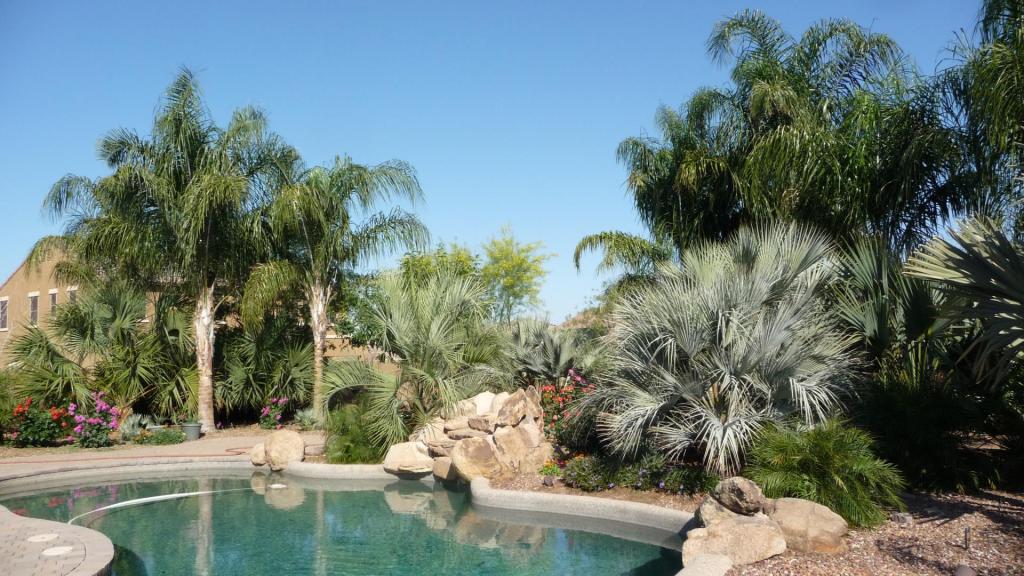
sonoranfans replied to PalmPrince14's topic in DISCUSSING PALM TREES WORLDWIDEwatering every day for 30 mins could well be a problem. When I was in Gilbert arizona we always planted in the fall so root development could proceed without the great 110-115F heat. I also used 4, 2gph emitters and watered 9-10 pm at night(minimizes evaporation) for 4 or 5 hrs every 2-3 days. Maybe your drainage is faster so 3 hrs could work. I have friends in PHX that watered hours longer than I with 1gph drippers, but those clog easily so you have to make sure they are delivering 1gph. So lower flowrates for longer periods of time and not every day. Remember the depth of watering in clay soil depends on time not flowrate even with berms. Supplemental water at the end of the day on the super hot/dry days once or 2x a week for 10-15 mins manually by rainbird broadcast sprinkler cools whole the yard off at but doesn't make the soil soggy. Deep watering of phoenix species in the desert is recommended, and its also true for the true dates(dactylifera) though they are more tolerant. I would definitely not water every day, roots need oxygen too(soil microbes need oxygen). Am assuming your soil is clay and doesn't drain very fast. 30 mins or even 45 mins doesnt go deep. ANd an shallow depth dries out faster int he heat. what is going on at 2-3' depth is critical. You should get good moisture and a dryout. In the super not summers in phoenix, 115F or more, I watered 3x a week for established palms. Google AI on the canaries AI Overview No, established Canary Island date palms cannot take everyday watering. Daily shallow watering suffocates the roots, leading to root rot and fungal disease. Instead, they need deep, infrequent soaking once the soil dries out a bit. [1, 2, 3, 4, 5] Watering Needs in Nevada Established trees: Water deeply 1 to 2 times a week during peak summer heat, and every 2 to 3 weeks in winter. [1, 2] New transplants: Brand-new palms need frequent moisture to establish roots, but even then, a daily soaking is only common for the first very few days before transitioning to a few times a week. [1, 2, 3, 4, 5] Soil type: Nevada’s desert soil must drain well; daily irrigation combined with heavy or compacted clay will trap water and destroy the root system. [1, 2] My phoenix yard which saw 122F once, 117F a couple times, 115F at least half a dozen times in 6 years, and 30 days a year of 110F or over was typical. Even the queen palms do well with deep watering.
-
 Looking Glass replied to Scott W's topic in DISCUSSING PALM TREES WORLDWIDENext year, those lower fronds will clear the fence. The year after, you’ll be walking under the fronds.
 -
 SailorBold replied to NMPalmjunky's topic in COLD HARDY PALMSI knew i wasn't crazy..
 -
 GeneAZ replied to Urban Rainforest's topic in TROPICAL LOOKING PLANTS - Other Than PalmsChelated iron does more than supplying missing iron. It is a pivotal element for absorption of NPK and other minors. So getting nice flushes around the application of iron is a result completing the missing key to other trapped elements.
 -
sonoranfans replied to SeaLaVie's topic in DISCUSSING PALM TREES WORLDWIDEThe BA is clearly a winner, and not a messy palm as it will take many years to fruit and you could cut off inflorescences. Dypsis decipiens will not like it here. Looks like you need some full sun palms for now. ANd dont hestitate to create a grove with 20' spacing. These do get very large crowns here with 20' leaves down to the horizontal. Once they grow in a bit you could plant more shade sensitive species under them. THe copernicia alba is a winter, with the blue ones being particularly attractive and they do handle the hurricanes to 110mph. They are more cold hardy(20-22F) than alfredii and they are easy care. Your zone should also be good for Copernicia Fallaensis, Copernicia Baileyana, Copernicia Hospita and Copernicia macroglossa. All are good for cold 9B and very attractive palms that self shed to smooth trunks. Have you considered a bismarckia nobillis good cold 9B palm that throws some good shade and is self shedding in florida? Sabal uresana (blue variety) good to the low teens at least, would be an eye catcher. You might have to get that one small by mail from perhaps texas, but they also love sun and are bulletproof. Similar to yours, my yard was a blank slate, all full sun at first. As time goes by the more tender shade lovers can be added.
-
 JLM replied to JLM's topic in DISCUSSING PALM TREES WORLDWIDEIts been so long! Im glad to see everything is doing well down there. I think about your yard from time to time and have been wondering how things have been, so its great to see an update. I actually regret cutting down my backyard Queen, I don't feel as bad for the other one. The backyard queen was so robust, I should've just left it alone. I replaced it with a mule though, so once that grows in (its establishing well), I'll feel better about the whole thing. I do have two other queens planted, but they're not in important locations for some kind of statement, so if they get taken out by cold it won't be the worst thing ever. Your palms look very happy! I love that droopy mule too, that thing looks amazing!
 -
Cape Garrett replied to Scott W's topic in DISCUSSING PALM TREES WORLDWIDEYeah. Right now it is holding 16 green leaves. It's definitely a great look. Just wish she would gain a bit of height now. Just to get those leaves out of my way. I do have quite a few rarer palms vs the usual suspects planted all over. This is a favorite.
-
 palmmaster joined the community
 -
 RayHicks365 joined the community
 -
 gyuseppe replied to gyuseppe's topic in DISCUSSING PALM TREES WORLDWIDERichard, I have 6 that have just germinated, damn we are far away, otherwise I would have gladly given you 3.
 -
 mnorell replied to Tracy's topic in DISCUSSING PALM TREES WORLDWIDEThat "Jungle Music argentata" is certainly not argentata. I used to live in a forest of them on Big Pine Key and we had large specimens on our property. C. argentata doesn't have those beautiful, neat, light-colored mummy-wrappings you show here, Tracy, and what fiber argentata does have doesn't extend down that far below the crown; and the leaves have a different form, they have a bit of a wave and the tips droop, it's not one of the "stiff" Coccothrinax. Also, I think you'd never see C. argentata attain the sizes you have here, when grown in coastal SoCal, in any reasonable time-span. It is slow even in a tropical climate. But these also don't look at all like the C. barbadensis/C. alta I know, which, as Bret notes above, doesn't have a blade fully encircling the hastula (mine here only cover a little over a half-circle). Though it's the species I always expect to see growing near the coast, since it may be the fastest-growing. This is why it's the one you really find in the trade in Florida on any sort of scale (often sold there as C. alta), it's maybe the only profitable one to grow. I have quite a few of them here in Palm Springs and have acquired them both from Phil and from Florida sources...and they match, so I think what Phil has sold (at least recently) as that species, does seem to be accurately labeled. I remember several decades ago, it seemed the most common one you'd see in SoCal was C. miraguama, and I have a feeling that may be what this is. The mummy-wrappings in particular on your beautiful specimen. I planted a miraguama at my old apartment-building in West Hollywood in the mid-90s (probably bought from Phil), and this looks somewhat similar in my memory, I remember how beautiful the wrappings were...unfortunately that one was removed at some point in the intervening years so I am relying on old memories. Some of the photos of miraguama on Palmpedia really resemble yours, though of course you have to assume that their pictures are accurate as well. But you might want to try to key it out in that direction (and note there are three subspecies with differences in the fibers...see Paul Craft's book on the Palms of Cuba). Phil has also carried C. montana in the past...I bought a "Coccothrinax sp." from him a year or so ago and spoke to Ricardo at the nursery about it, he said in his recollection they had carried C. montana in the fairly recent past, and I am inclined to believe what I bought there as "sp." may be that one, but it's very stiff, definitely looks different to me from what you're all showing here. Hopefully someone with some good Cocco-chops from Florida will chime in here with a more authoritative idea. This genus is a really underused one, in my opinion, just the right size for home gardens, especially courtyards, and I wish there wasn't so much confusion with all the species (and that more species were readily available)...also I wish they grew a little faster, but at least there are a couple of them that grow well in a variety of climates. The nice thing is that they're very ornamental from youth, so there's no reason to decide against planting them and enjoying them, at any size.
 -
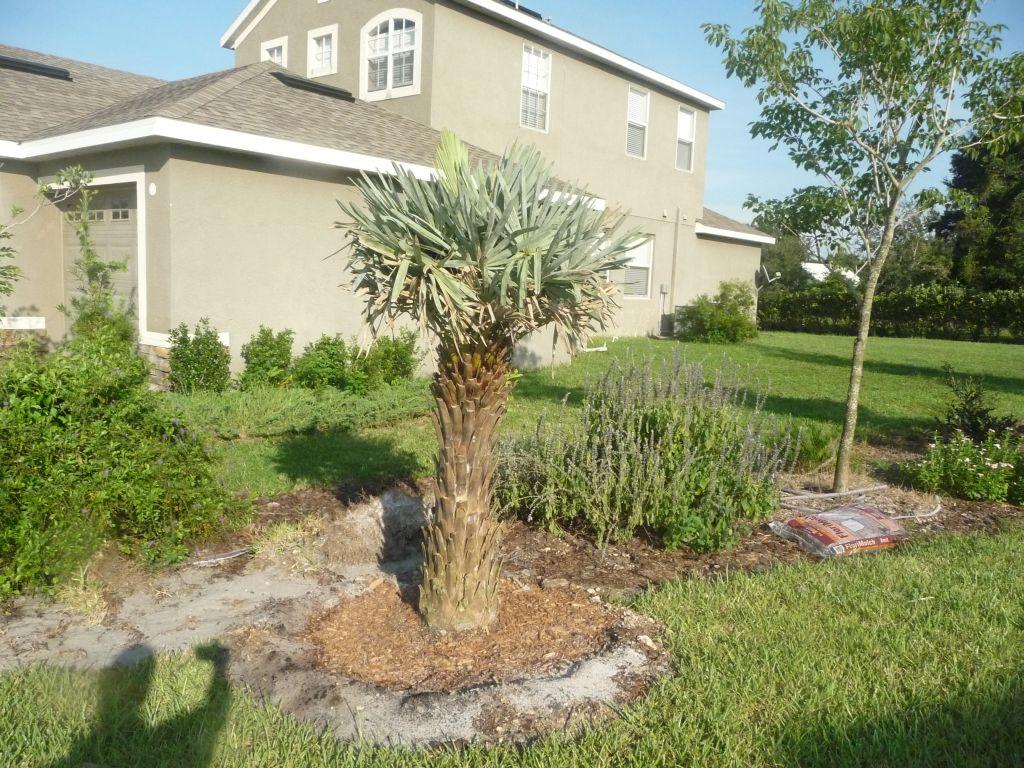
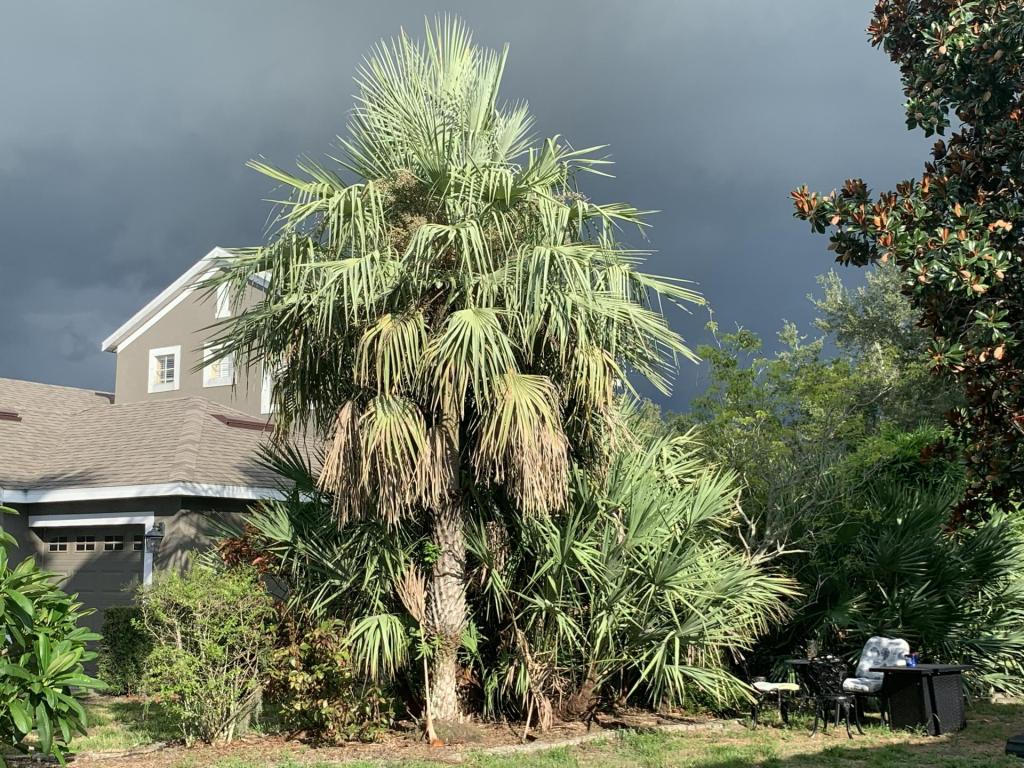
sonoranfans posted a topic in DISCUSSING PALM TREES WORLDWIDEI originally bought this copernicia alba from Ken Johnson. It had 3'+ of trunk in mid august 2011, with a tiny crown due to sitting in 90 gal pot for years. Ken said nobody wanted it and he recommended it to me. It was delivered with a few other specimen palms(C oliviformis). Over the years I notice that each year a bunch of spears(~10 or more) at the same height rose up and pushed the previous years leaves down towards the horizontal. The new leaves open pretty quickly when the palm is ready. They can be seen separated against the sky fromt he old ones in a cluster. It reminds me of a new flush of flowers. SO I use the term "flush" when a good number of leaves open is quick succession( a couple weeks). A couple days ago against a story sky but some sun peeking through at my back I took a pic to show the "flush". The only other palm I have that does this is P, rupicola. The rest take a week or more between the opening of spears. This palm was hit by Hurricane Milton and lost some was as leaflets were bent. It was one of the better performers of the well exposed palms in my yard. Here it is with the dead leaves from Milton still hanging on. You can see this years flush is separated from last years by angle to the horizontal. As you can see its in sandy soil and has a little clay underneath at 2'. Its not in a wet spot irrigation or soil wise, and it did suffer in this drought but looks ready to go after the recent rains. The leaves are now self shedding to a smooth trunk the latest 3' of trunk(out of view here). Does anyone else out there have an alba story or a newly planted alba?
-
 Banana Belt replied to Moe Exotic's topic in COLD HARDY PALMS@Moe Exotic Looking at the pictures from top to bottom of this page (May 2024 to present), I believe you have more than doubled it's size. That is doing really good. Putting a string of Christmas lights wrapped around the base along with occasional blanket during the cold months has kept the core from frost or freezing, and the size of the leaves shows it. Jubaea grow year around especially when its raining. Only time of year our Jubaea slow down is late summer during the dry season after several months of no rain when the lower leaves die back and fall off leaving smooth trunk. In the above picture of our Jubaea taken couple days ago, some of the lower leaves are turning yellow to brown and getting ready to fall off. Some will say I should water the Palm during this dry season, but I have kept from doing that last 12 years as its native habitat in Chile has its own dry season. When our Jubaea were small without trunks and the lower leaves turned yellow and brown I would cut them off leaving stub, just as you have done, no harm done. The dead stubs will eventually fall off or break away when the base begins to swell and widen as each new leaf gets bigger and longer. Keep the core healthy and away from frost and it will continue to grow bigger and faster. Looking at your most recent photos I would say your couple years away maybe three from signs of a trunk. This also means that your Jubaea is in accelerated growth stage just like a child going into teenage years and will want more regular fertilizer. We have two Jubaea both same age but one is smaller probably because I did not fertilize it as much as the bigger one when they were young. Fertilizer can get expensive feeding two young Jubaea and I never seem to have purchased enough. I would do the fertilizing two to three times a year during the rainy months.
 -
 kinzyjr replied to SubTropicRay's topic in DISCUSSING PALM TREES WORLDWIDEThe wind heavily exacerbated the damage. This was also an odd freeze because the cold came more west to east than the more typical north to south or northwest to southeast. As such, the immediate gulf coast didn't experience much of an event since the cold air was modified by the warm gulf water. Further east, even very protected microclimates reached 25F-27F. An urban area with a lake to the west could typically stay 25F-26F, with some barrier islands on the east side of the state stopping the slide at 27F. Open areas had 40mph winds and temperatures in the low 20s. Some cold pockets reached the high teens. I didn't have more Coconuts surviving than Chambeyronia on my Next Big Freeze Bingo Card. We live and learn... I guess
 -
 Moe Exotic replied to Moe Exotic's topic in COLD HARDY PALMSIdk how to edit a post. Meant mild winter not molding winter 🤣. Please no molding winter
 -
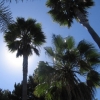 quaman58 replied to Tracy's topic in DISCUSSING PALM TREES WORLDWIDEHey Harry, it’s a little bit difficult to tell in your picture, but my observation is that barbadensis has a leaf that is not fully circular. Sorry for the less than great picture, but here’s a couple shots I took this morning.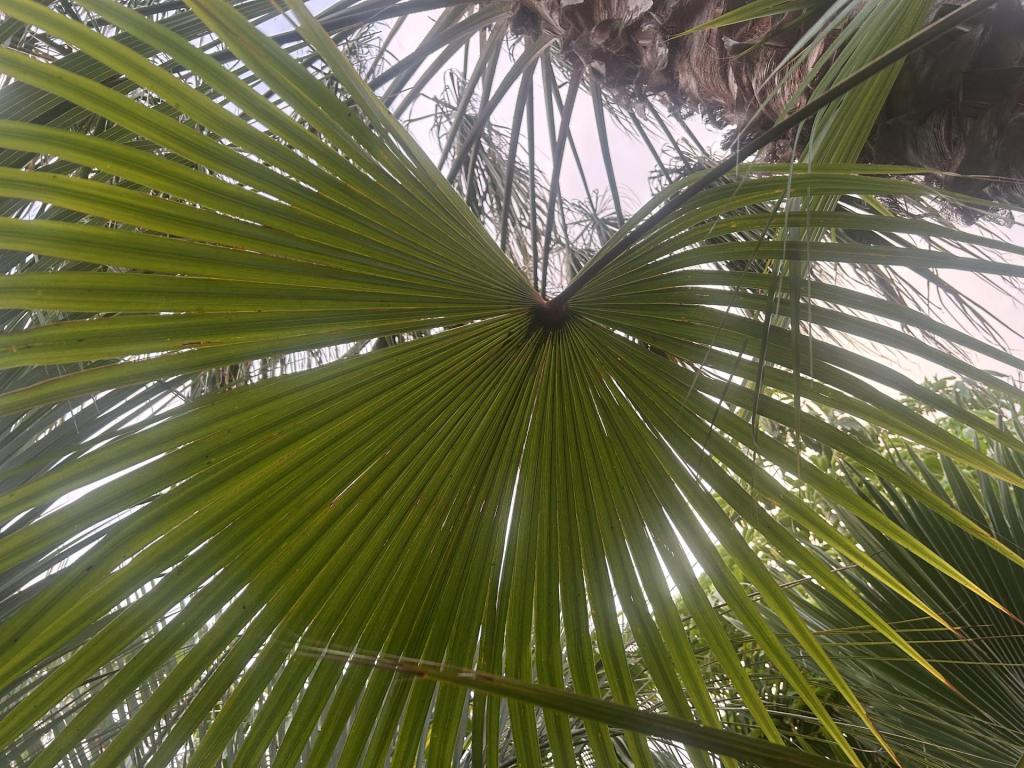
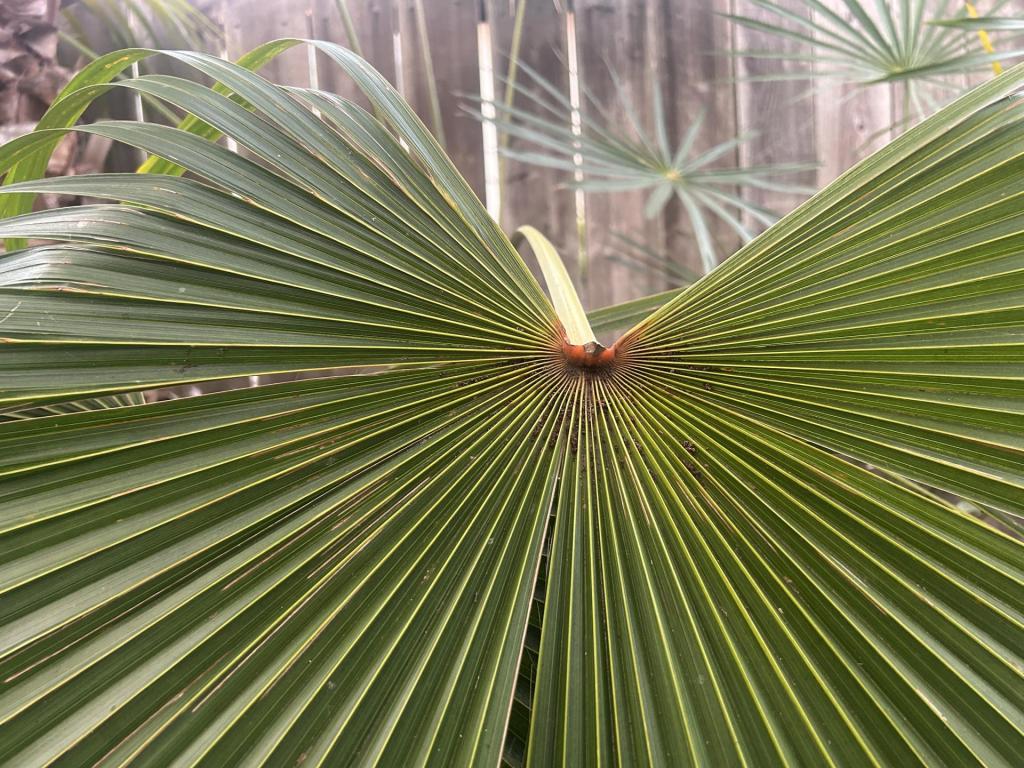
-
 palmenthusiast100 replied to palmenthusiast100's topic in PALMS IN POTSThank you all! It seems like I was correct in my top choice for the right reasons but the issue of finding a Howea forsteriana still remains. The person who had looked for it in 2018 seemed to have the same sort of trouble. (https://www.palmtalk.org/forum/topic/58649-kentia-in-florida/#comment-877585). Any ideas on how I can get a decent one for a decent price in/to North Florida?
 -
 Harry’s Palms replied to gyuseppe's topic in DISCUSSING PALM TREES WORLDWIDEI only have A. Engleri and it does well here too @gyuseppe . Yours looks beautiful. Harry
 -
 Phoenikakias posted a topic in OHANA NUI - OFF TOPIC SUB-FORUMIs East and West defined geographically or according to time zone division, so, as a matter of speaking, conventionally?