All Activity
- Past hour
-
 vivsp joined the community
 -

Viability of needle palm seeds from a hermaphroditic plant
N8ALLRIGHT replied to N8ALLRIGHT's topic in COLD HARDY PALMS
It's one plant. It has two decent size suckers. Main trunk is just shy of a foot tall, probably 8 in across . I don't recall male flowers last year but to be honest I wasn't looking for them. I saw an image that showed a monoecious flower from a needle and the male flowers were at the end and the seeds produced closer to the trunk. I'm thinking that is the case here. -
(200x170).thumb.jpg.58db35068f600ea0c724f4da3ccaf224.jpg)
The Resurgance of a Menace.. ** Squirm Alert **
Silas_Sancona replied to Silas_Sancona's topic in OHANA NUI - OFF TOPIC SUB-FORUM
With the return of Spring comes the un avoidable update on the current status of the on -going NWSW resurgence across Mexico.. Last Fall, and over the winter, active cases continued to slowly inch further north and, in a few cases, came quite close to the South TX border. There are none at the current time in that area however.. Not too far away though. That said, as you can see, active case incidents have spread into more areas of Mexico, inc some areas up on the Plateau.. There was also another scare in FL after APHIS inspectors noted a Screw Worm infestation on a horse, being brought into the state from Argentina, during a routine examination during the quarantine phase of inspection before allowing it to enter the state / U.S.. *** To be clear, issue was noted in a USDA quarantine facility in S. FL rather than after passing / being released from quarantine. Animal itself was sent back to Argentina after being treated. As much as some may not have wanted to see cold weather in the south / FL this year, that factor may have kept NWSW from crossing the MEX / TX border, ...at least temporarily... Now that it is spring, and there is nothing but months of warmer weather ahead ..we'll just have to see what happens down there, ..let alone how far north and west new case incidents manage to spread heading into the next several months.. Colors on the map represent the current ( green ) boundary < of active case detections >, most likely ( yellow ) to less likely ( Any area north or west of the Red line ) possible scenarios that could occur this year.. That said, what happens with the rainy season across Mexico this year, esp. once in the northern / western states as we reach Summer, will dictate " favorable vs less favorable " continued dispersal / establishment conditions. As you can see in the map above, since the current S.I. dispersal polygon area includes the far southern corner of TX atm, don't be shocked to see these flies turn up in a yard somewhere down there.. Since these are sterile, they can't reproduce ..so they pose no threat.. That said, it is impossible to tell sterile from non sterile so ..Start hearing about active case detections down there?, that will mean reproducing adult flies have reached the area. Mexico's new S.I. production / dispersal site appears to be nearing completion ..within the next few months.. Unfortunately, the one slated to be opened in S. TX will likely not ready until some time in 2027.. More later, if -or when- needed...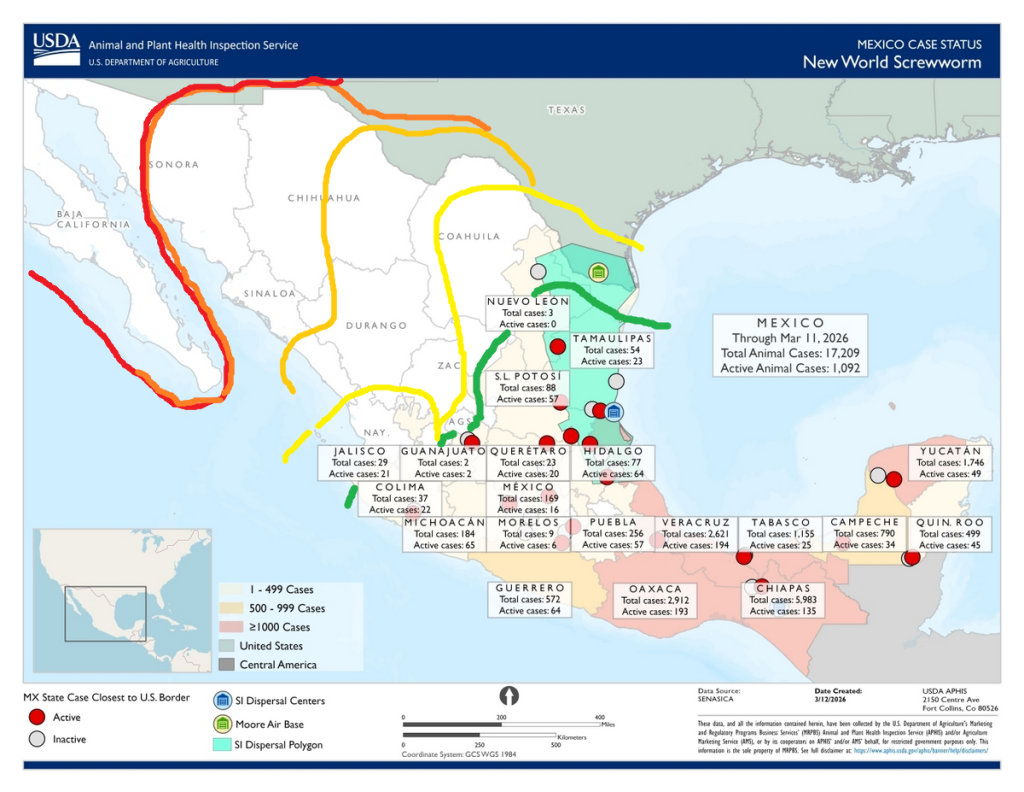
-
Barely started. I just ordered more. I'm growing Blaze and Candidum right now and I just ordered some uhh...John Curran and Spicy Lizard. Next year I'll have my timing down. Starting in December is too early and starting in March is kinda late.
-
*sigh* Again. I've got some colocasia bulbs on tour. Things usually go to Memphis then Jackson then here. These bulbs went to Memphis then to like 3 different cities in Georgia then Atlanta and now they're touring the eastern seaboard. They should have been here Monday. And I've got a box of live alocasia that made it to Jackson and went back to Memphis for some reason. Shoulda been here yesterday. Those were shipped Priority Express, not the mystery "let's just throw a dart at a map and send your package there" shipping.
-
Viability of needle palm seeds from a hermaphroditic plant
Allen replied to N8ALLRIGHT's topic in COLD HARDY PALMS
Probably viable see if @teddytn has any germination tips. Did you see male and female blooms on same trunk or do you have 2 plants together? That needle seems very thick - Today
-
Pindo, Mule or Alfredii for front yard?
Silas_Sancona replied to SCVpalmenthusiast's topic in DISCUSSING PALM TREES WORLDWIDE
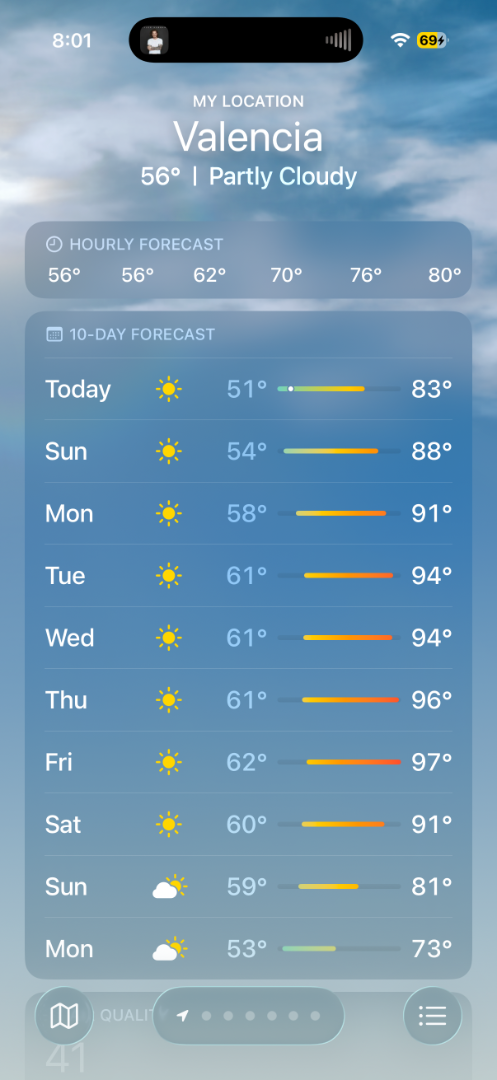
My thoughts on this only ..since others may differ opinion- wise but, Since you just planted it ..and some other palms, you don't want to hit it with something " heavy " ..IE anything that has a high NPK ratio, esp anything synthetic.. Trying to put down new roots + push new growth + taking up a heavy load of nutrients ..all at the same time, can put a good amount of stress on -any- newly planted plant.. I'd get yourself something organic.. Say something like Sul -Po - Mag from either Down To Earth or EB Stone ( Their Hibiscus and Palm Fert is great too ) and apply that, for now... Because it is non chemical, it won't burn roots / will release nutrients slowly. Depending on how quickly the palm(s) settle in / really start moving ( ..a good sign they're getting their new roots down ) you can switch to something a little stronger.. Synthetic or Organic that contains the proper 8 -2 - 12 NPK ratio. No matter what, remember to never put -any- fertilizer up against the trunk of the palms ( ...or anything else ).. As far as the heat ahead, upper 90s - low 100s in your local forecast there may be crazy for March, but, ..It could be worse.. ...Just looked over the Point n Click forecast for the Palm Springs / Indio area.. They may see their temps max out at 110- 112F by next Friday.. Insane. -
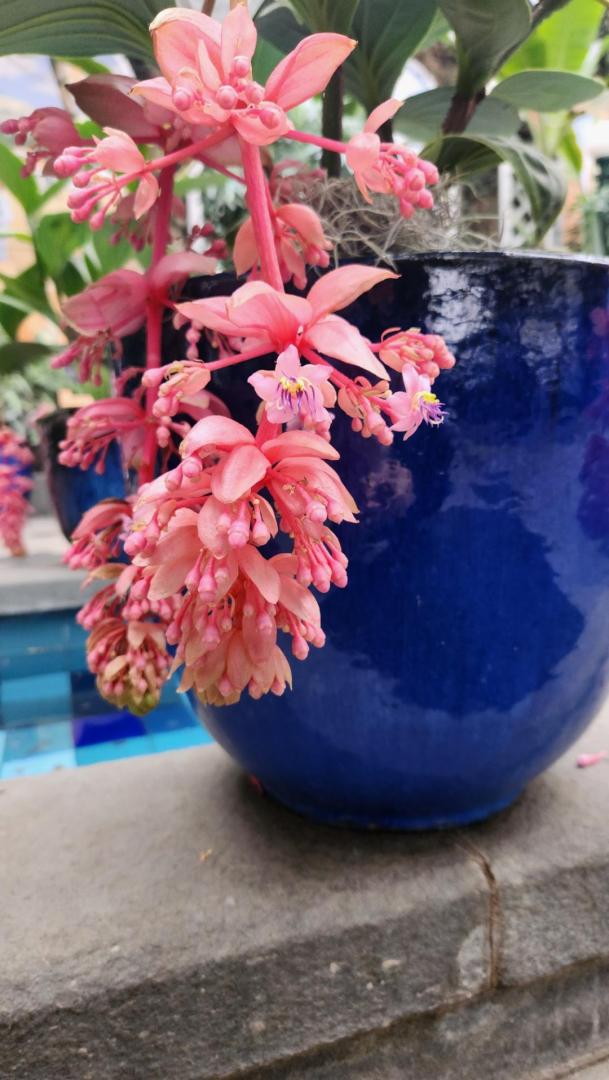
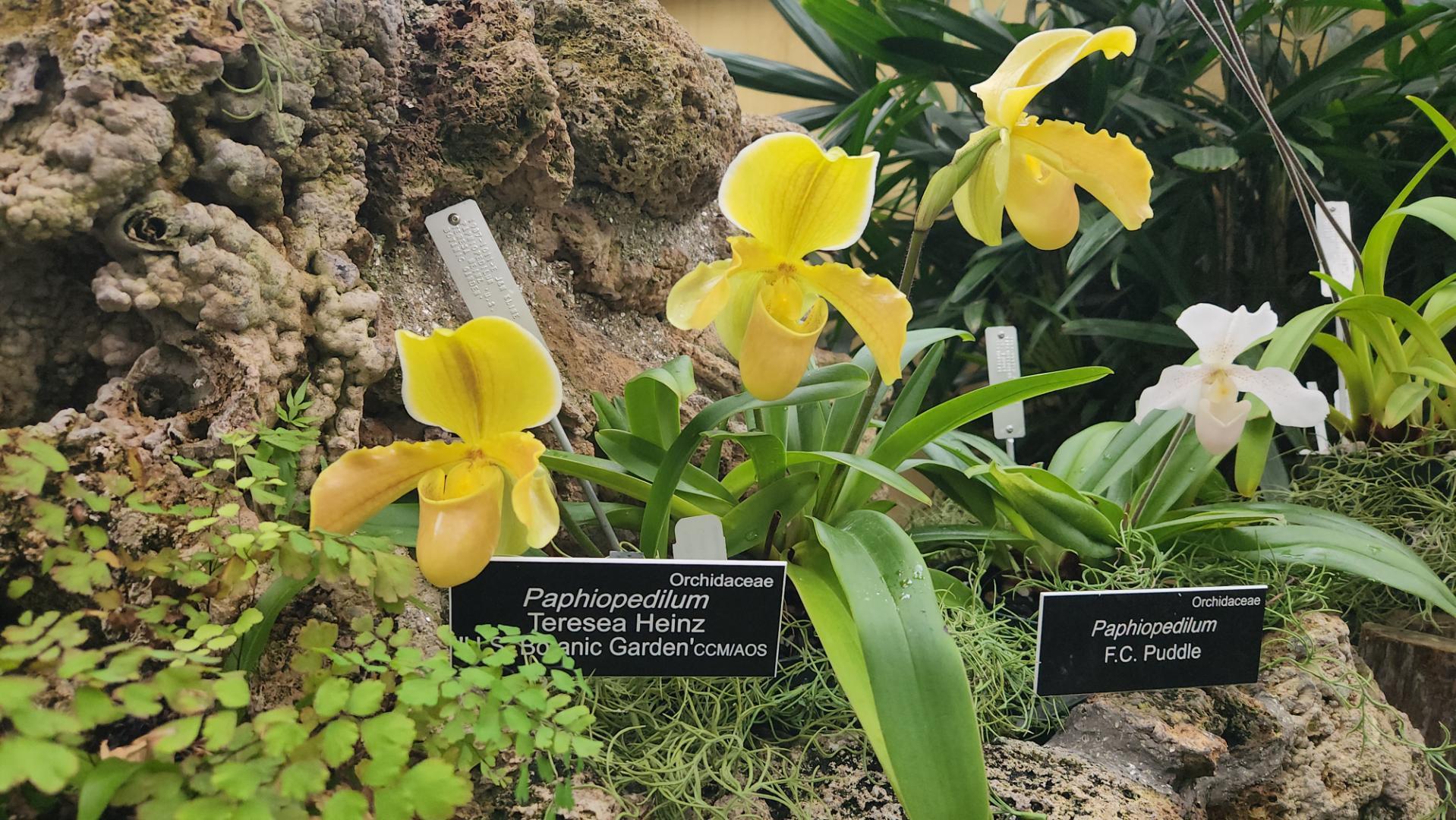
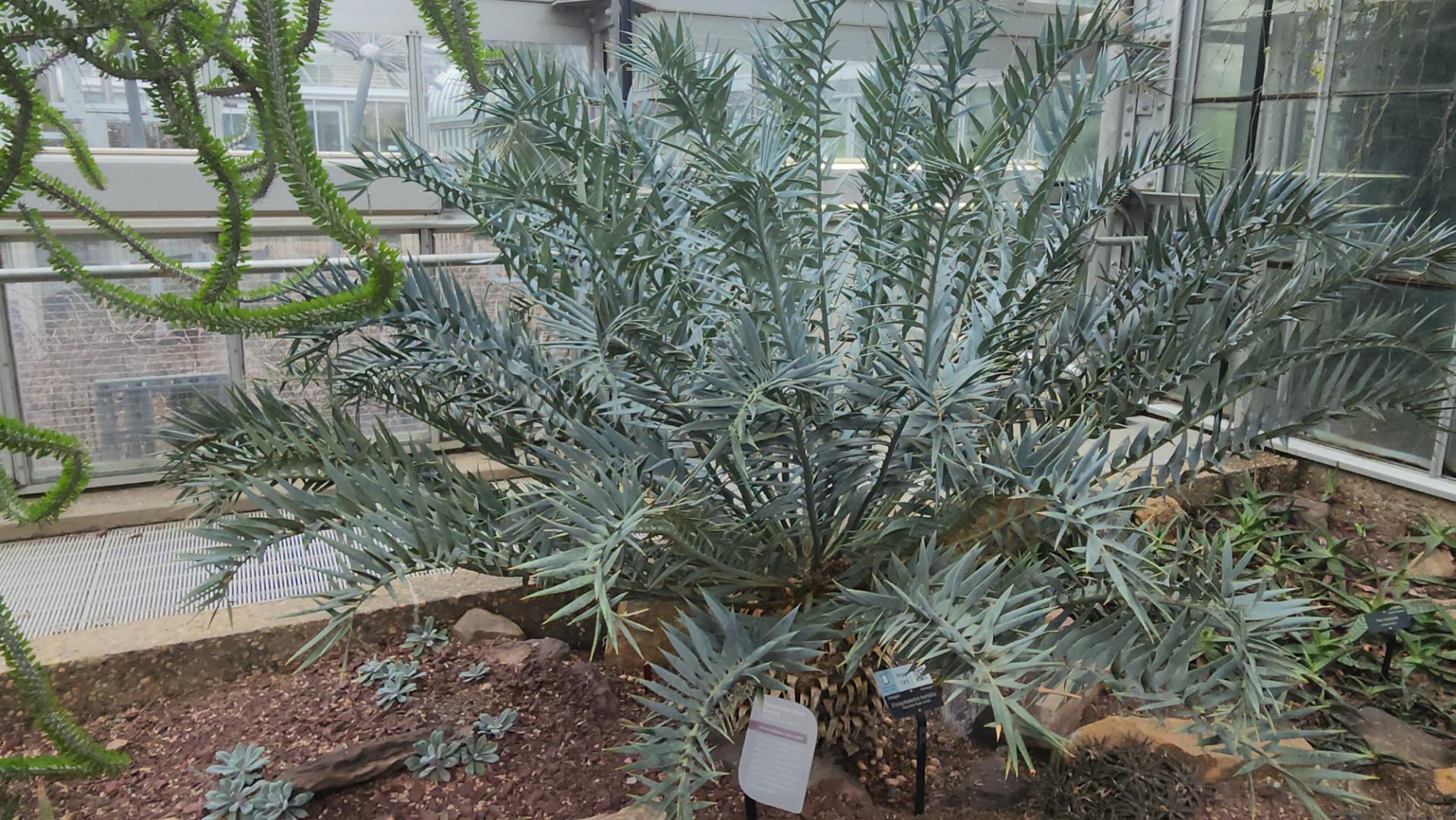
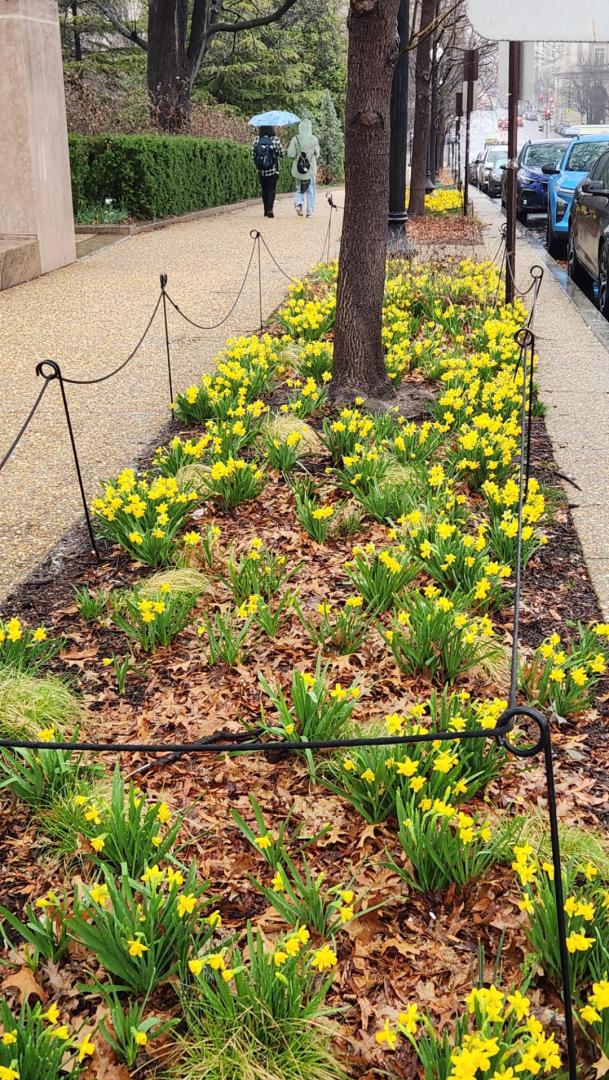
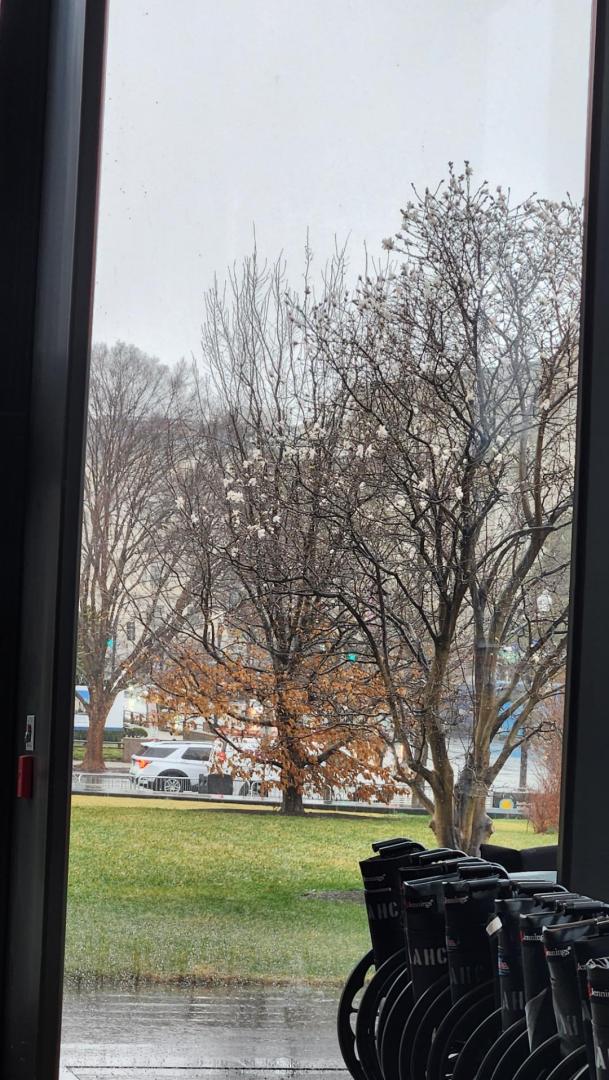
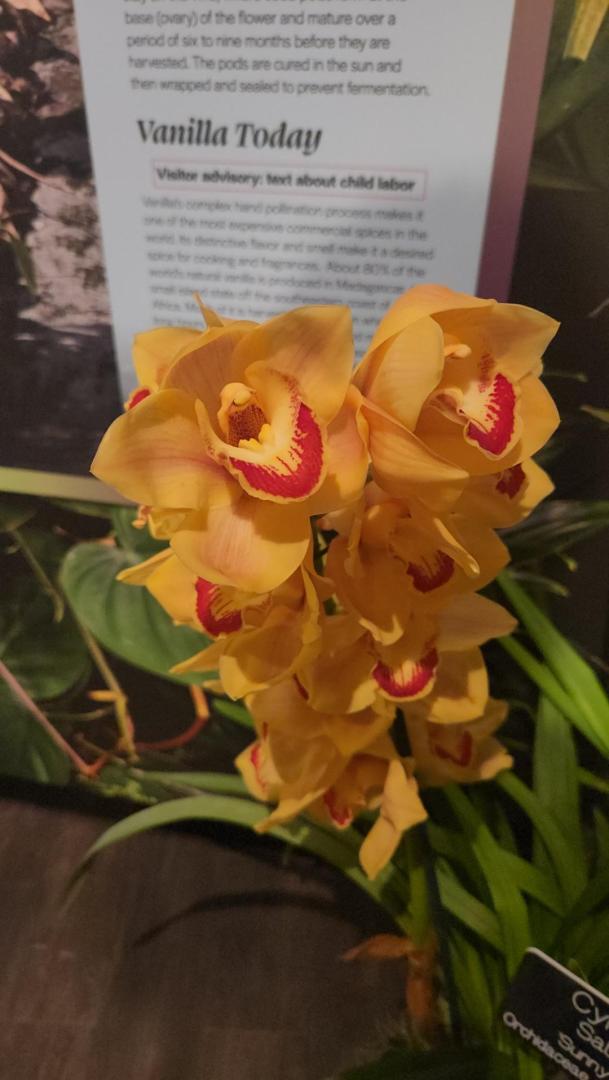
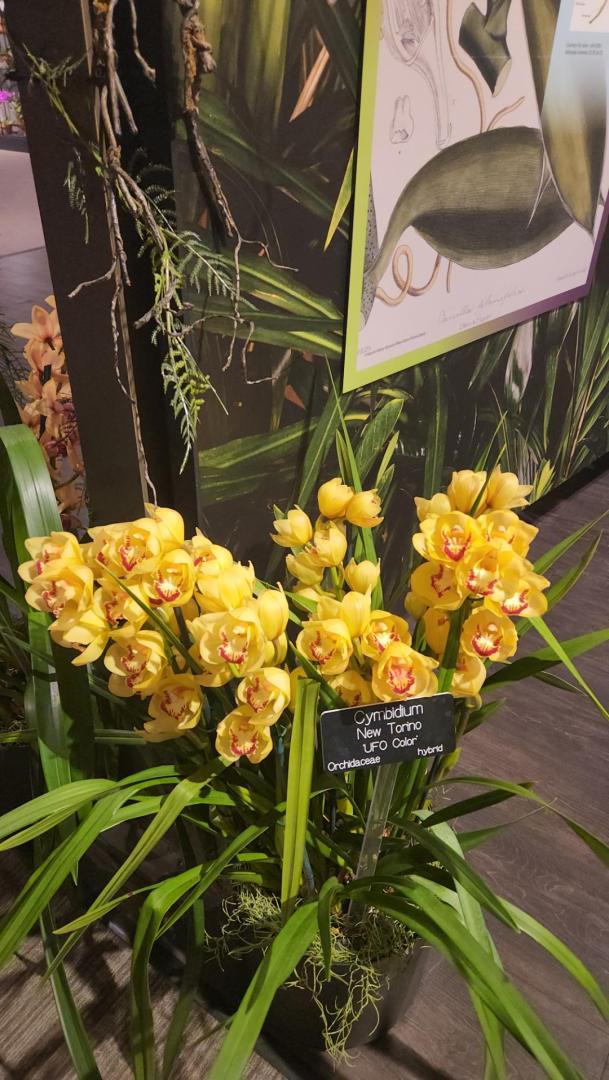
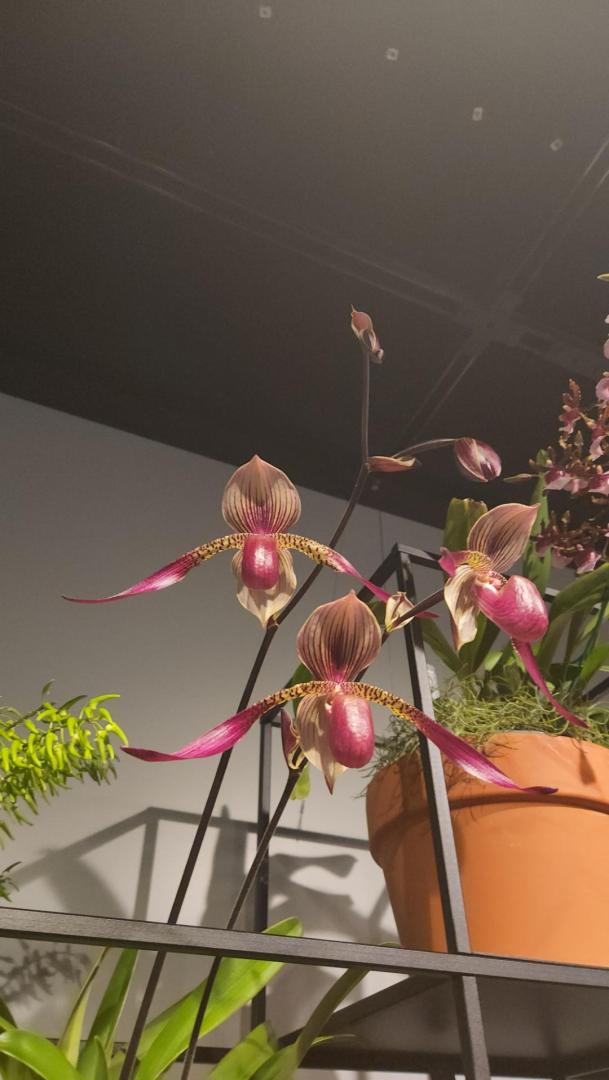
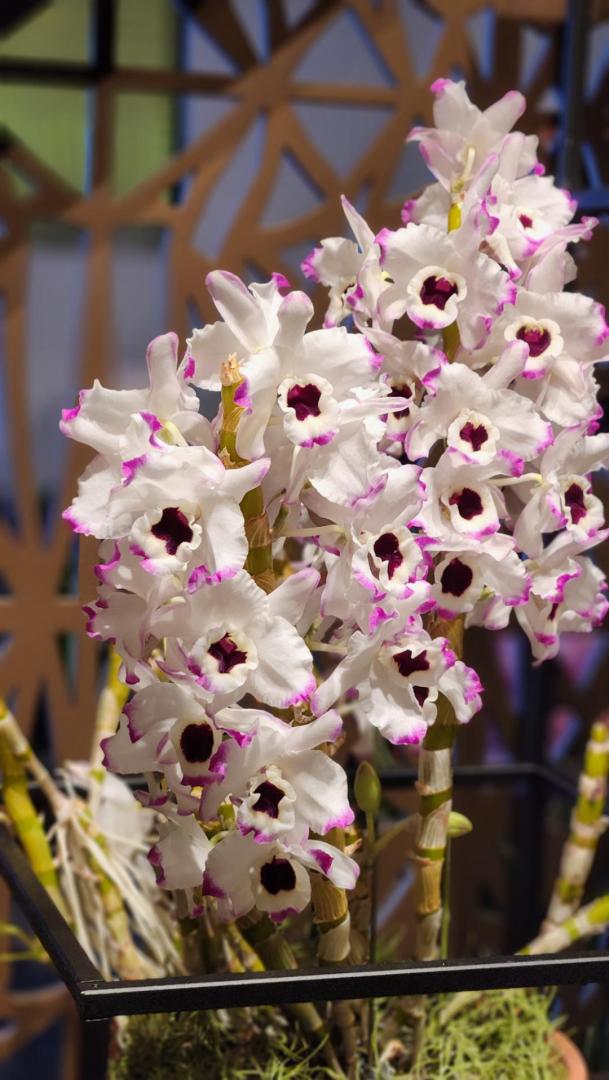
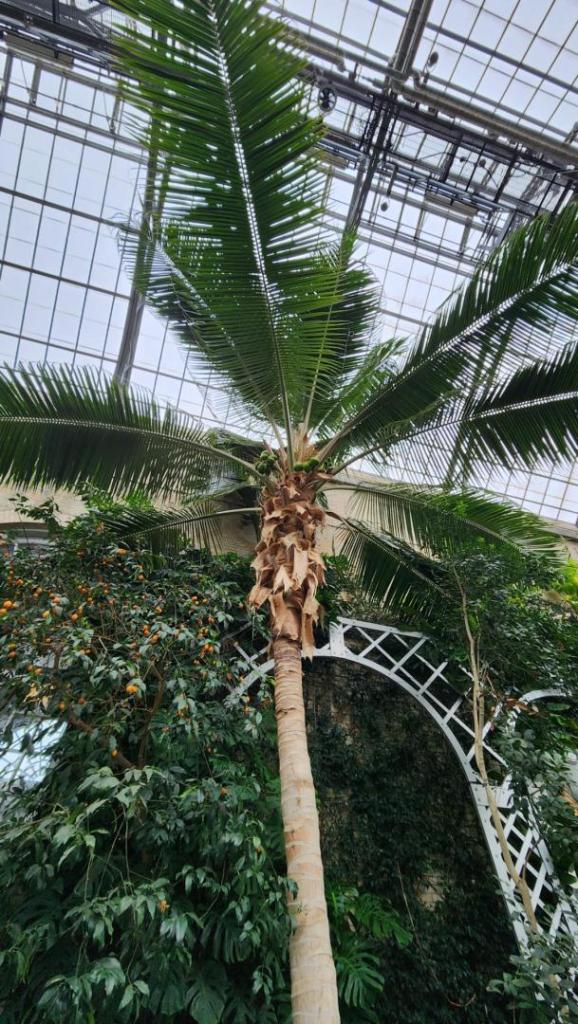
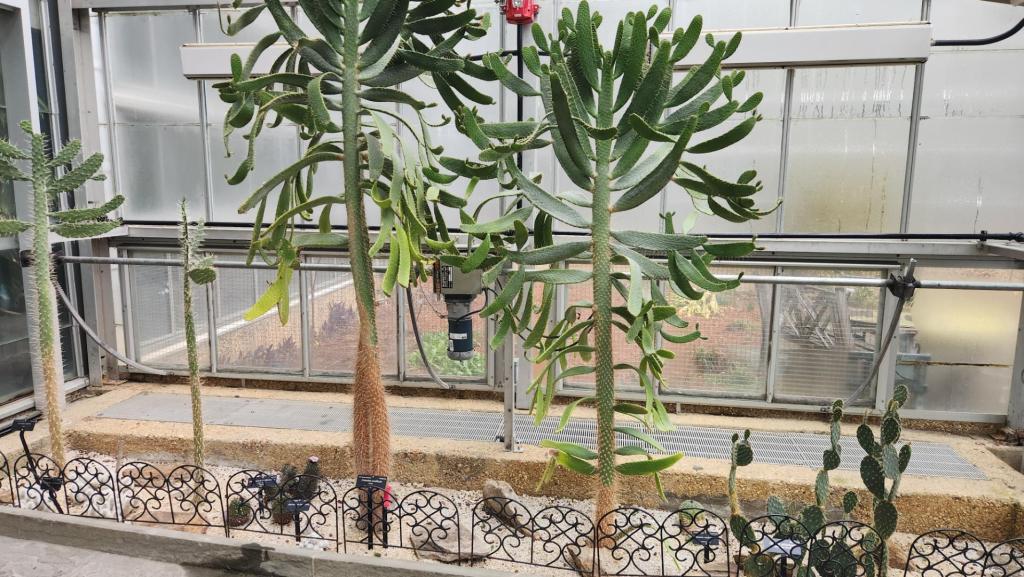
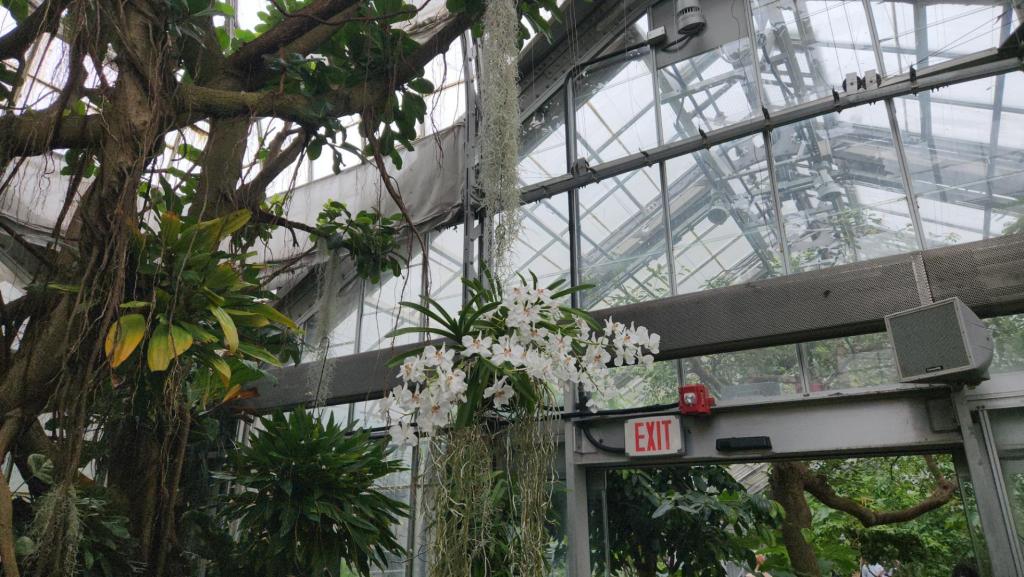
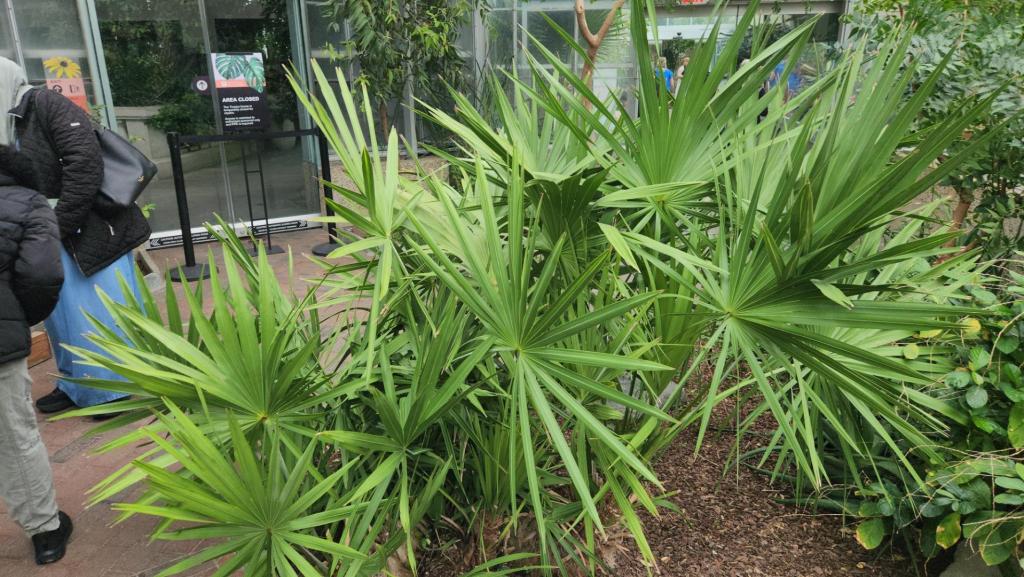
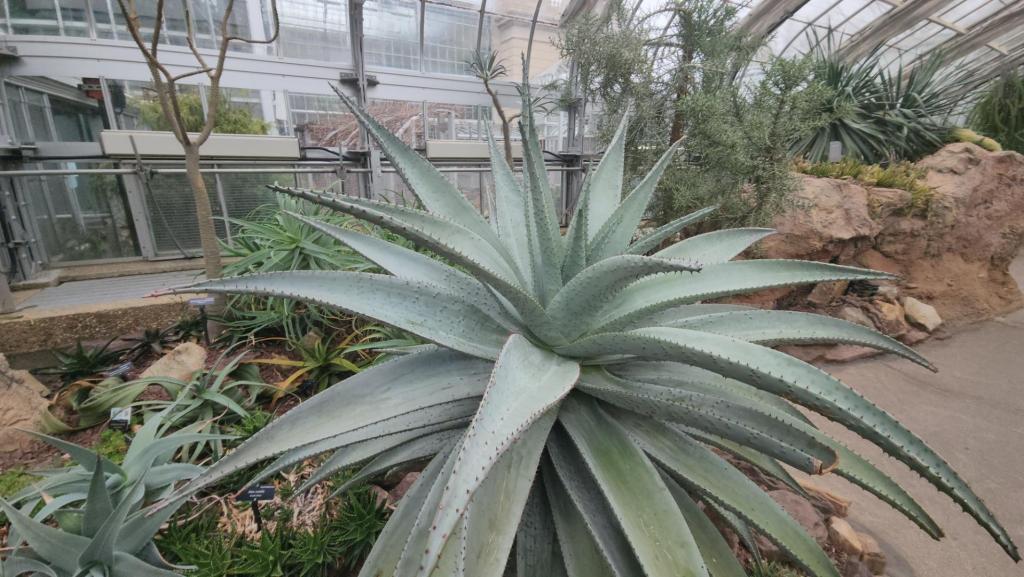
On thursday we took a day trip down to washington DC to the botanical gardens and a few museums. One disappointing thing is the jungle room in the botanical garden was closed for maintenance which it's one of the main rooms, Either way it was still a fun trip. I didn't take as many photos as I thought but I did post a Youtube tour of it if anyone wants to watch it The needle palms at the US Botanical Garden sign They are surprisingly damaged it was a very cold winter in DC but still very surprising how damaged they are Here's a close up look, very surprising how damaged they are, downtown DC is realistically a z8a here are some Sabal minor In the courtyard Completely undamaged Here's a big giant coconut palm! Here's some cactus in the World Desert Room I really like this agave I forget the name of it Some really big barrel cactus! There's some Hardy barrel cactus varieties but I would like to grow a massive one like this I love these palms at the Botanical garden! I believe there's some sort of Phoenix Species if anyone knows let me know I love these cactus! This orchid is so beautiful! I would love to grow it An orchid growing on some Spanish Moss A big saw Palmetto! I wish I could grow one like this unprotected I never looked at the name of this agave but it's so beautiful! I don't know why I never looked at the name of this plant I wish I did i'm guessing it's some sort of cycad Species if someone knows let me know A nice view of the capital with some Forsythia Blooming in the corner \ Downtown DC has such a great microclimate almost every single tree I saw was leafed out or leafing out Here's a big southern Magnolia they're everywhere! some of them were planted in the 1800s I love these mini daffodils they're everywhere! Here's a nice star Magnolia in Bloom We went to the annual Orchid show in DC I don't know the names of most of the species but they are beautiful I love this flower it's so unique looking! I love this one! This one has such cool looking flowers! This has to be one of my favorite orchids I saw this is my favorite one! I love this one! \ I'm not sure the exact variety on this Magnolia but I love it!







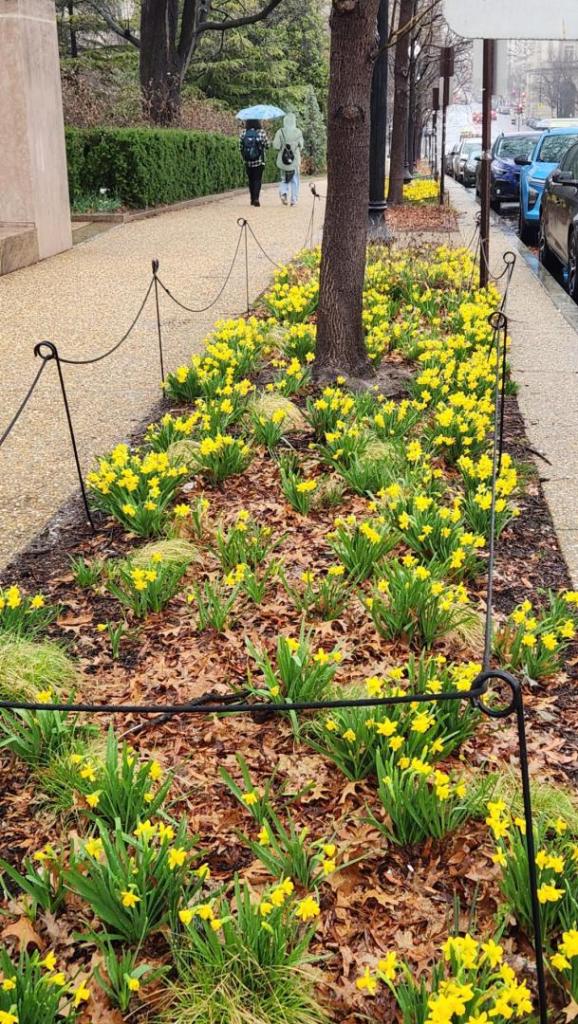


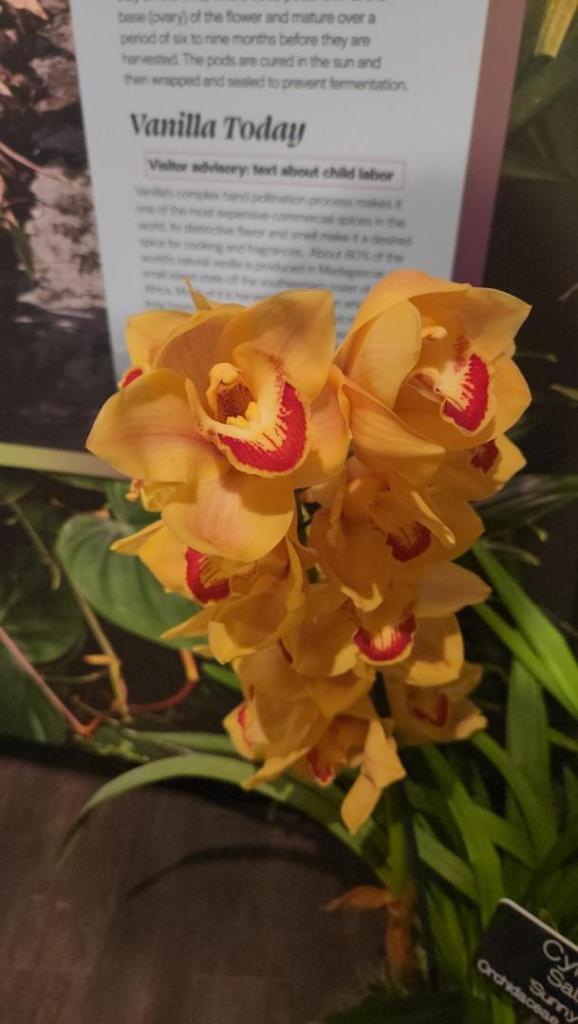


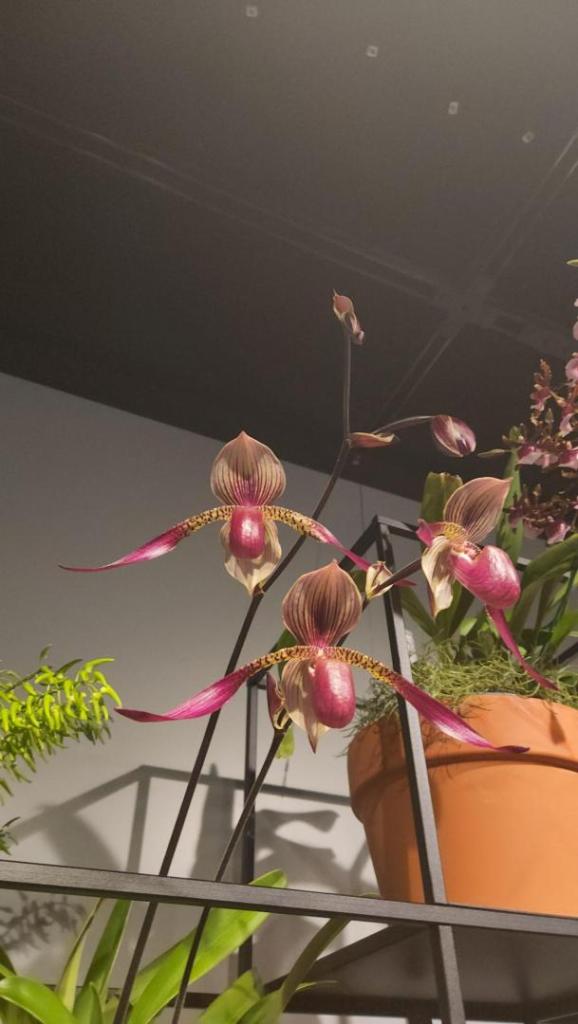

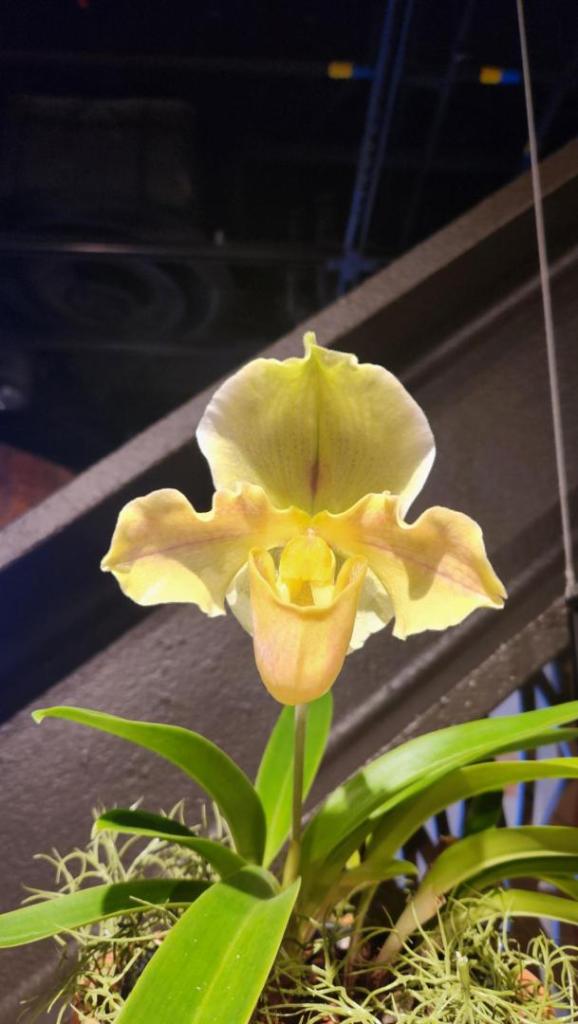


-

After recommendations for tropical plant/garden books
Tracy replied to Dave Bayside's topic in TROPICAL LOOKING PLANTS - Other Than Palms
It appears that you have acquired an extensive grouping of books on tropical plant gardening in general. The next potential dive is into books on particular plant groups that may interest you. If you want to take that dive, the IPS has several books you can order on Palms for example, with some being on a particular genus. If you are interested in other plant families, you can find books on bromeliads, orchids, aroids, cycads and just about anything else which might interest you. Most of those go into specifics about native habitats, species identification. It really depends on how deep a dive you want to take and what you want to get out of your reading (research?). So the first question to ask yourself, is what additional information is it that you want to learn by expanding your book collection? Wish you good reading and great gardening! -

March Madness Weather, 2026: ...The GREAT Western Meltdown..
JohnAndSancho replied to Silas_Sancona's topic in WEATHER / CLIMATE
Meanwhile, in the Dirty South, we're gonna have another freeze this week but right now, this.
- 4 replies
-
- 2
-

-
- southwestern us spring weather
- western us spring weather
- (and 1 more)
-

Pindo, Mule or Alfredii for front yard?
SCVpalmenthusiast replied to SCVpalmenthusiast's topic in DISCUSSING PALM TREES WORLDWIDE
It’s pretty crazy heat advisory in March. When should I fertilize? I think I can get some good growth coming. I wanna capitalize on the heat.
-
Sabal antillensis/lougheediana - Phylogenetic Relationships
awkonradi replied to Tom GA's topic in DISCUSSING PALM TREES WORLDWIDE
Do you have this paper? I think this is the latest publication about the genetics for these two species, but I am not sure that it resolves their relationships to other Sabal definitively. https://www.researchgate.net/publication/379943813_Genomic_patterns_of_native_palms_from_the_Leeward_Antilles_confirm_single-island_endemism_and_guide_conservation_priorities -
Why not grow orchids?
Tracy replied to Matt in SD's topic in TROPICAL LOOKING PLANTS - Other Than Palms
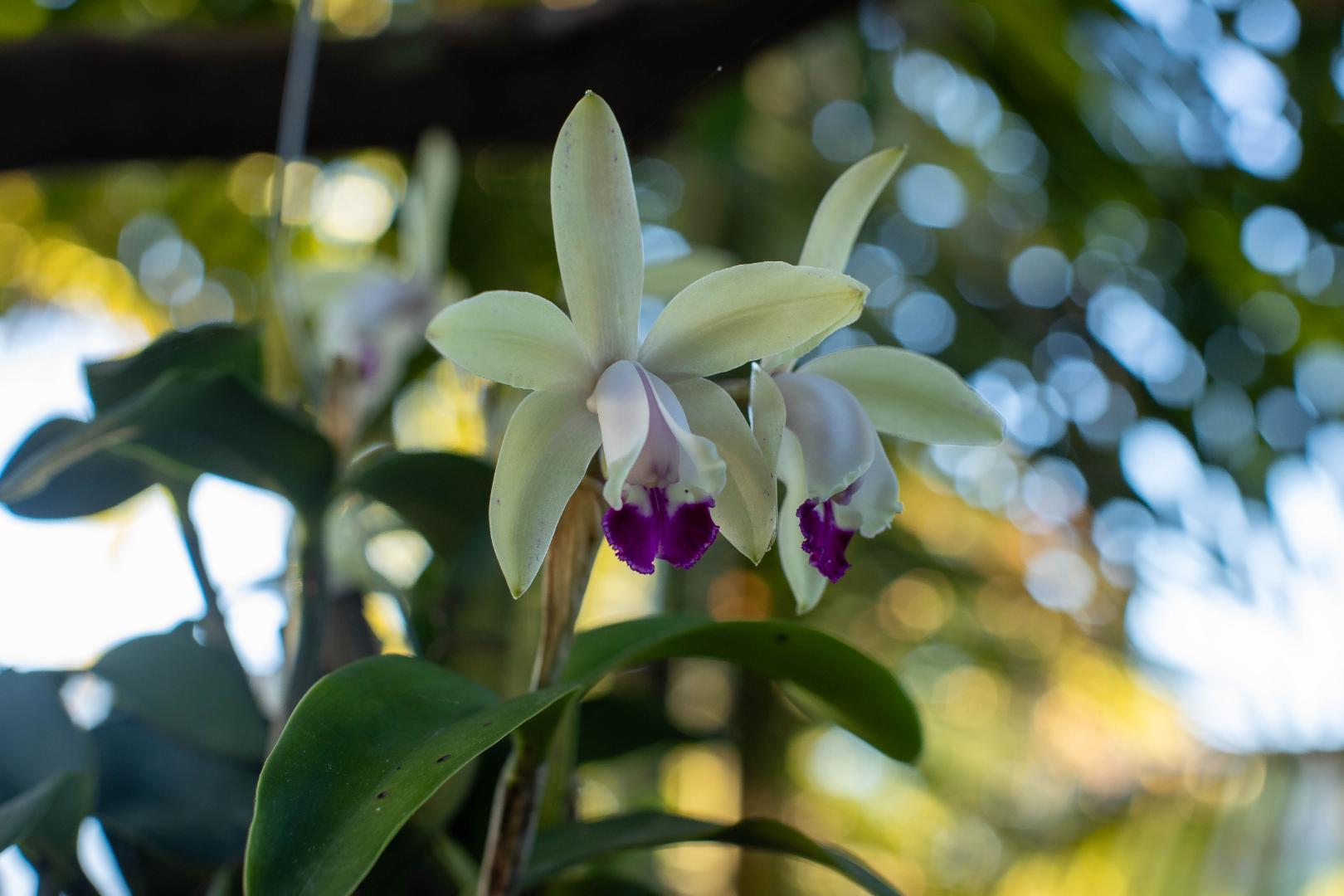
This Cattleya intermedia is blooming earlier this year, indicative of the mild winter we experienced. Heat waves in February and March seem to becoming more normal now.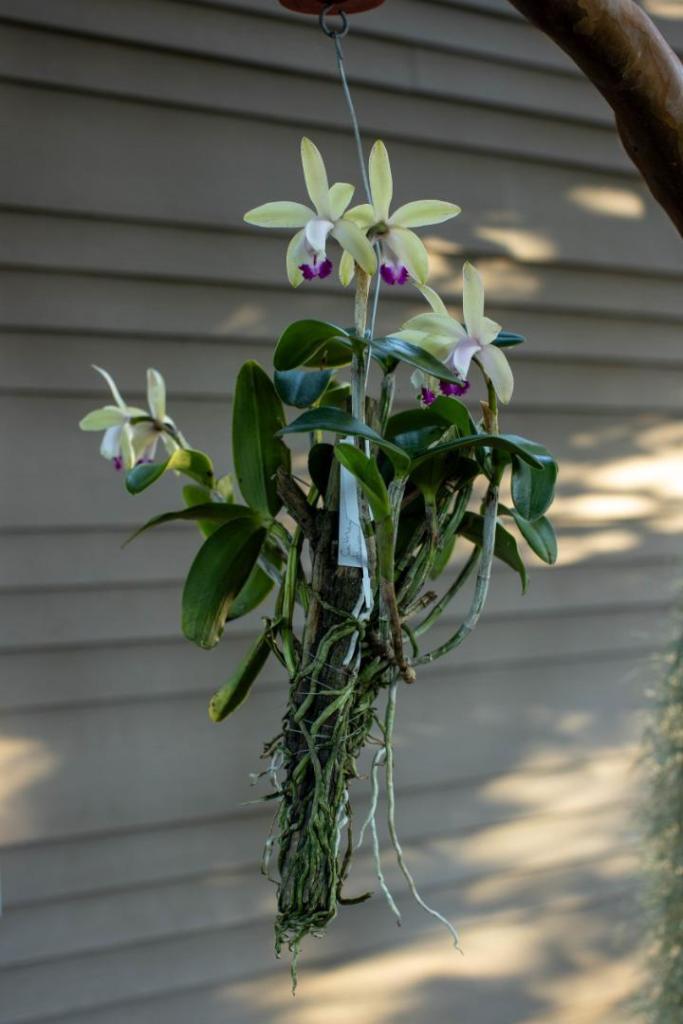


-
 MaryE joined the community
 -

Sabal antillensis/lougheediana - Phylogenetic Relationships
Tom GA posted a topic in DISCUSSING PALM TREES WORLDWIDE
In reading the available scientific literature on these species, the description focuses on separating them from Sabal causiarum. However, given the great geographical distance between Puerto Rico and Bonaire, and the fact that Sabal is not present in the Lesser Antilles, it would seem logical to think that these recently described species are more closely related to Sabal mauritiiformis, which is present in nearby South America. Does anyone know more about this? -

Turning a Water Oak Forest into a Tropical Paradise in NW Orlando
Harry’s Palms replied to Merlyn's topic in DISCUSSING PALM TREES WORLDWIDE
That is quite a hit that your garden took. That would be devastating , but you gotta keep going . I hope most come back and start growing once again . I think the growth rate where you are is better than here in our coastal desert . We don’t usually deal with cold but we have a very arid climate . As Spring and Summer progress , keep us updated. Harry- 467 replies
-
- 1
-
-
- palms
- central florida
- (and 2 more)
-
Aw man I wish I would have known about the caladiums a month ago! Are they bare or also in soil?
-
Kentia (Howea) Survival & New Growth – Arbon/Stachen (Switzerland, Zone 8b/9a)
Hu Palmeras replied to Mazat's topic in DISCUSSING PALM TREES WORLDWIDE
Thank you so much. I hope you manage to grow more palm trees. The palm kingdom already exists; you just have to go after it. 🌴🌴🌴🌴🦜🦜🦜 -
Turning a Water Oak Forest into a Tropical Paradise in NW Orlando
Merlyn replied to Merlyn's topic in DISCUSSING PALM TREES WORLDWIDE
The first signs of spring are in the air! This Cycas is an unknown species that I bought from a local nursery. They had it sitting in a pot in the corner of a greenhouse for probably 20 years. It's not too hardy, as you can tell! If you look closely it's got two pretty decent looking fronds out of ~40 that are burn to a crisp. Why those two? No clue!!! But it's got a good looking start on at least 30 new fronds growing now! On the left is a big Encephalartos Whitelockii/Ituriensis that is also fried. On the lower left is an Arenga Hookeriana with complete burn on the upper fronds but a couple of not-visible green suckers at ground level. On the lower right is a Ceratozamia Miqueliana that still looks pretty good...and a Gaussia Princeps that looks a lot better than the other ~20 around the yard. In the upper background are some likely dead Archontophoenix.
-

Kentia (Howea) Survival & New Growth – Arbon/Stachen (Switzerland, Zone 8b/9a)
Mazat replied to Mazat's topic in DISCUSSING PALM TREES WORLDWIDE
Hugo, my friend, you look great and happy—that makes us too here happy. And yes, anything is possible; those who take risks win in the long run 🤗☀️ -
Another report from the Viet Nam trip
Harry’s Palms replied to mike in kurtistown's topic in DISCUSSING PALM TREES WORLDWIDE
Very nice photos and information. When my buddies returned from Viet Nam and Thailand during the early seventies , they told me how tropical it was . I had imagined dense jungles with high rainfall. I met a botanist on Kuaii ( palm enthusiast) that spent many years in Viet Nam and he raved about the experience and diversity of plants. It sounds like a great trip. Harry -
Tim, Thank you for your correction. I am getting back into palms and after reading Palmpedia I believe you are correct. Palmpedia made the distinction between P ekmani and P vinifera by the skinny bottom base of the P ekmani's trunk. That is definitely not the case with these palms, which have very thick trunk bases. Loads of P. vinifera at Montgomery but the P ekmani they have are still quite small. I got over excited and need to look closely before making bold statements. They are still beautiful palms and rare in this area. Curb my enthusiasm!
-
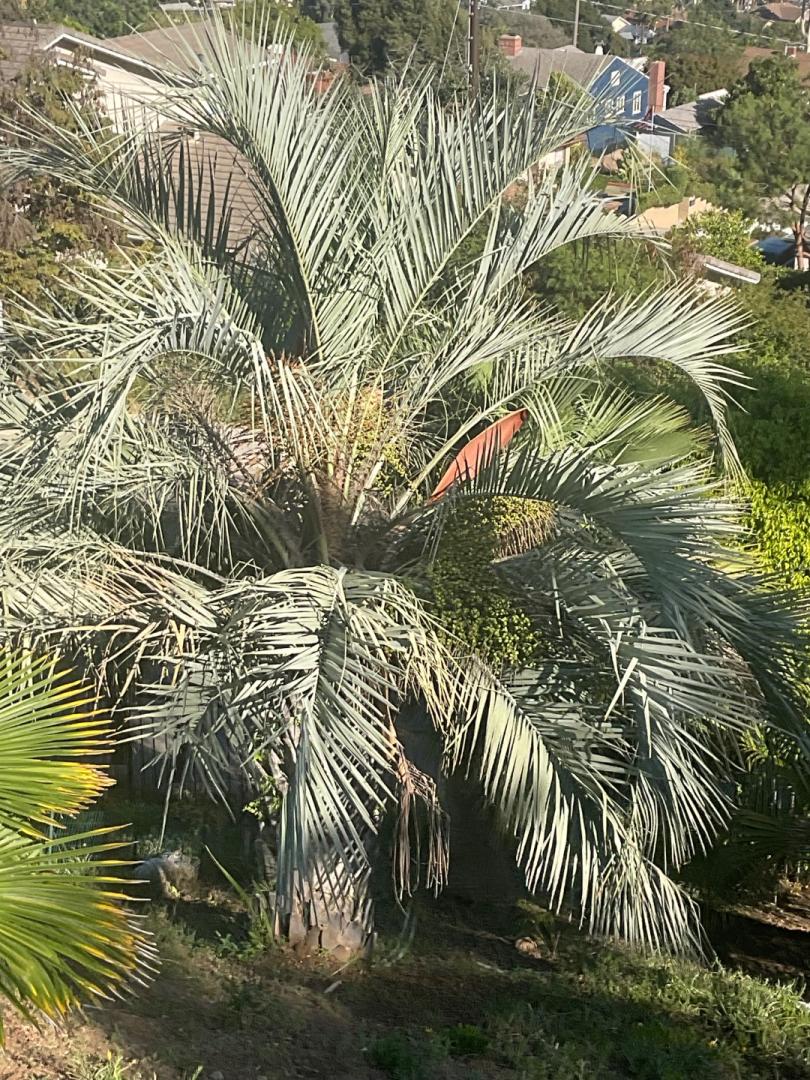
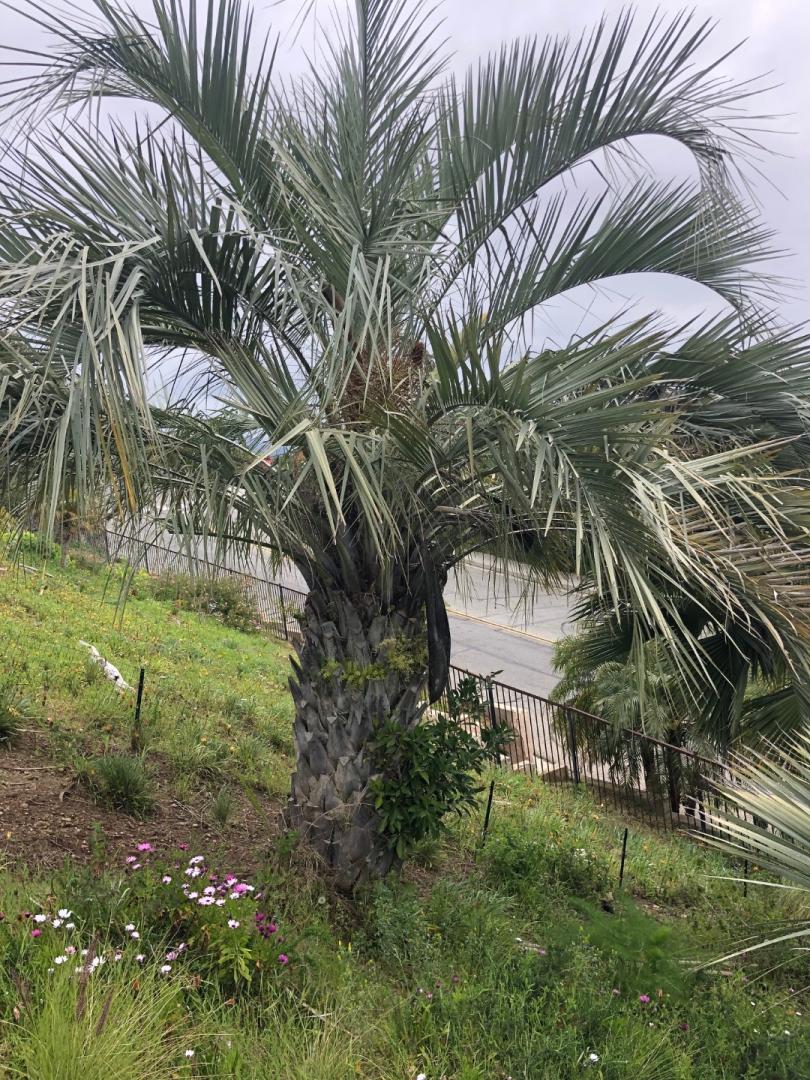
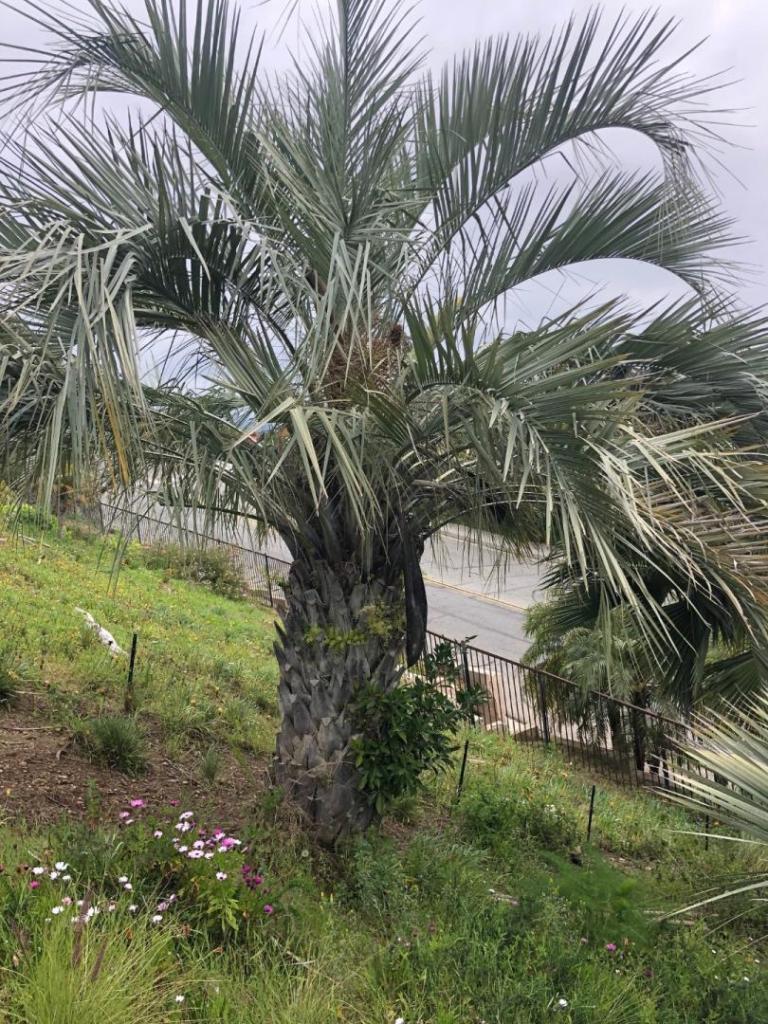
@newbie101 very nice pair of Butia, common US name is "Pindo Palm." As others noted the right one has a few yellow tips on the lower fronds. That's a sign of a mild Magnesium deficiency. Adding a palm fertilizer like PalmGain (or similar local equivalent) will help avoid the yellow tips. You can also add maybe 2 or 3 handfuls of Magnesium Sulfate (or Epsom salts) to help stop the yellowing from spreading. Once it's turned yellow it won't turn back green, but the extra fertilizer should slow/stop the spread. Essentially the palm is "eating" the older fronds to provide Magnesium for new frond growth. The trimming job looks great! The general rule of thumb is to only cut up to horizontal (like in your photo) unless necessary for clearance or appearance. So while the lower fronds on the right palm might not look the greatest, I'd leave them on there unless they are hitting your car driving in and out. Also make sure you sanitize the cutting tool between palms. Rubbing alcohol and bleach solutions on the saw blade are common. I use a battery-powered reciprocating saw and I have a glass jar full of rubbing alcohol. My 6" (15cm) pruning blades fit perfectly in there, so I just use a blade on 1 palm...wipe it off...toss it back in the jar...grab another for the next palm. It's fairly easy to transfer diseases (bacteria, fungi, etc) from palm to palm if the blades aren't cleaned.
-
Help me identify my palms
Harry’s Palms replied to newbie101's topic in DISCUSSING PALM TREES WORLDWIDE
I have tasted the fruit of mine because I had heard they made jelly or jam out of them. It was like a sweet apricot flavor but mostly seed. The squirrels love them! The inflorescence is a pretty pinkish /red color that shows up in the silver back drop of the palm. I have only had one volunteer after almost thirty years of growing it . The Syagrus have volunteers everywhere. I think the squirrels and birds keep the fruit from falling off the Butia , unlike the Syagrus. Harry ‘This was last summer after trimming . I used quite a few band aids ! They have very sharply thorned petioles. I don’t have a picture of the colorful inflorescence right after emerging the spathe but this shows the fruit prior to ripening . Good luck getting to it , I would not stick my arm in there! You can see the spathe is very similar to Syagrus. (Reddish brown)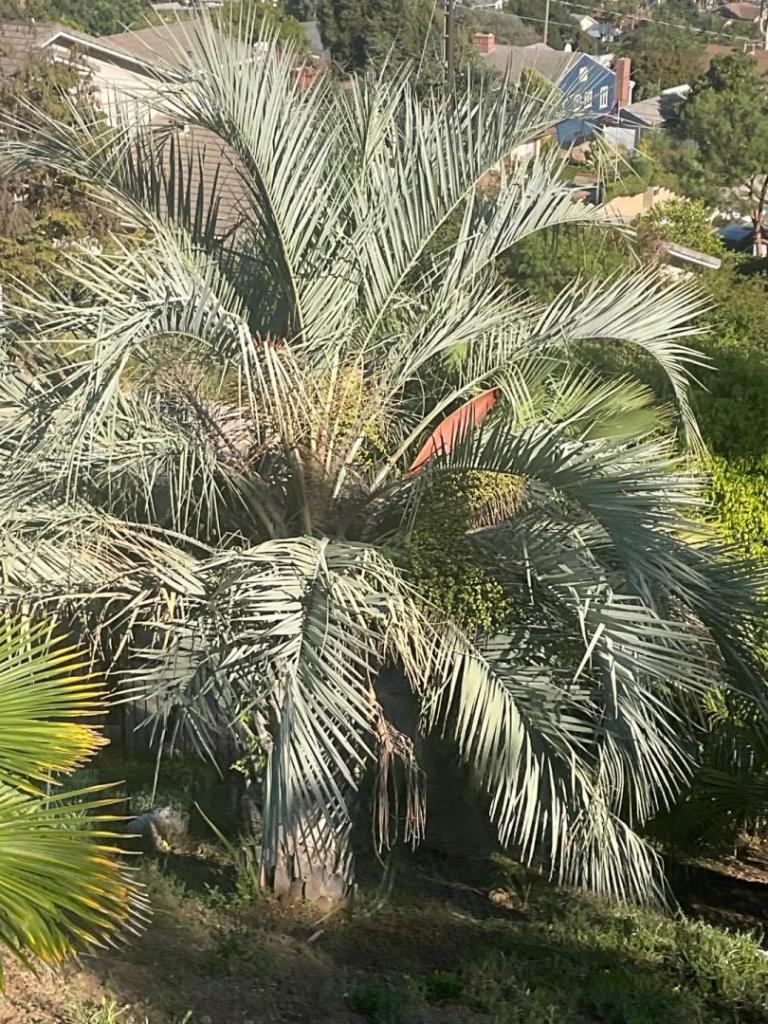
-
 KBW joined the community
 -

Another report from the Viet Nam trip
donpachino1983 replied to mike in kurtistown's topic in DISCUSSING PALM TREES WORLDWIDE
Wow. Thank you for this informative awesome trip🤩 -
 BumGardener joined the community
 -
Thanks to all my friends. I actually already had these seeds. The person who sent me the seeds had sent them to me. He had already sent me these seeds in 2017/2018. They germinated but then died while I was in the hospital. I don't remember what size the seeds were, but the person who sent them to me is a great chamaedorea expert (you Australians already know who he is), and I'd like to take this opportunity to thank him. I almost never thank him publicly.
-

So What Caught Your Eye Today?
tim_brissy_13 replied to The Gerg's topic in DISCUSSING PALM TREES WORLDWIDE
They don’t look like P eckmanii to me. P vinifera I’d say.