All Activity
- Past hour
-
 LG1 joined the community
 -
 Palms1984 replied to The Gerg's topic in DISCUSSING PALM TREES WORLDWIDEIt’s a beautiful palm! I’ve never seen one (in person) grown outside in Southern California. I think it requires way too humidity to look good outside here. Although, with this being said I’ve seen pictures of some in Southern California, I think it would need shade under trees for humidity during the dry Santa Ana season (late September through April).
 -
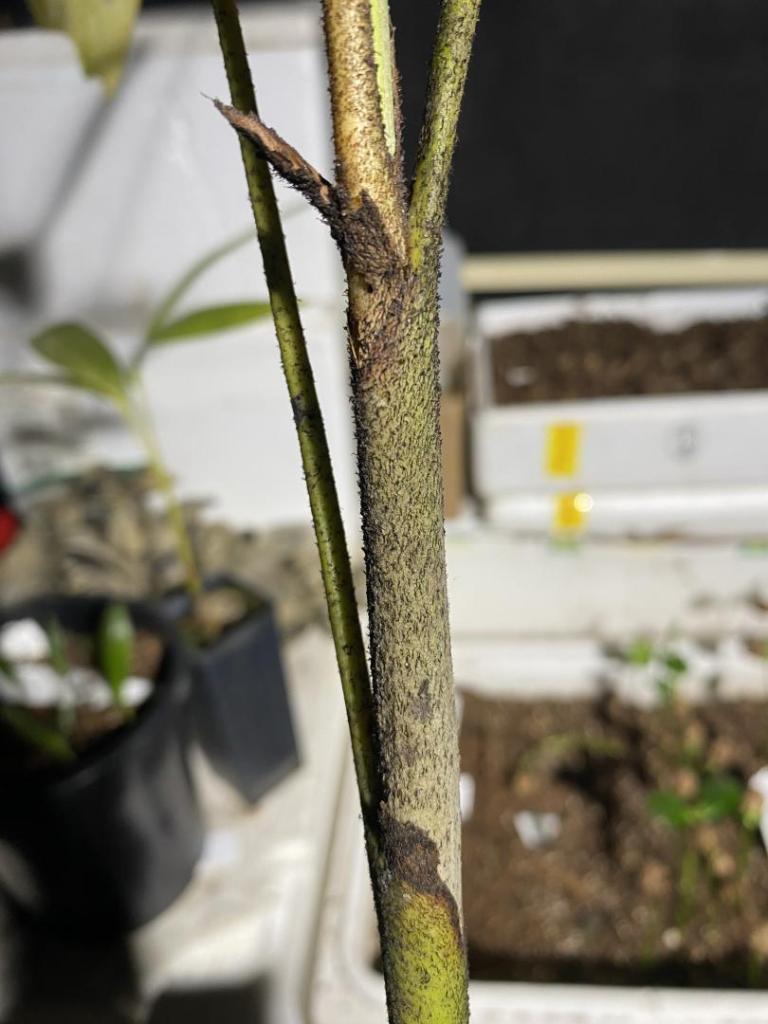
 happypalms replied to The Gerg's topic in DISCUSSING PALM TREES WORLDWIDENormanbya Normanbyi so close to resembling wodyetia as a seedling only thinner looking!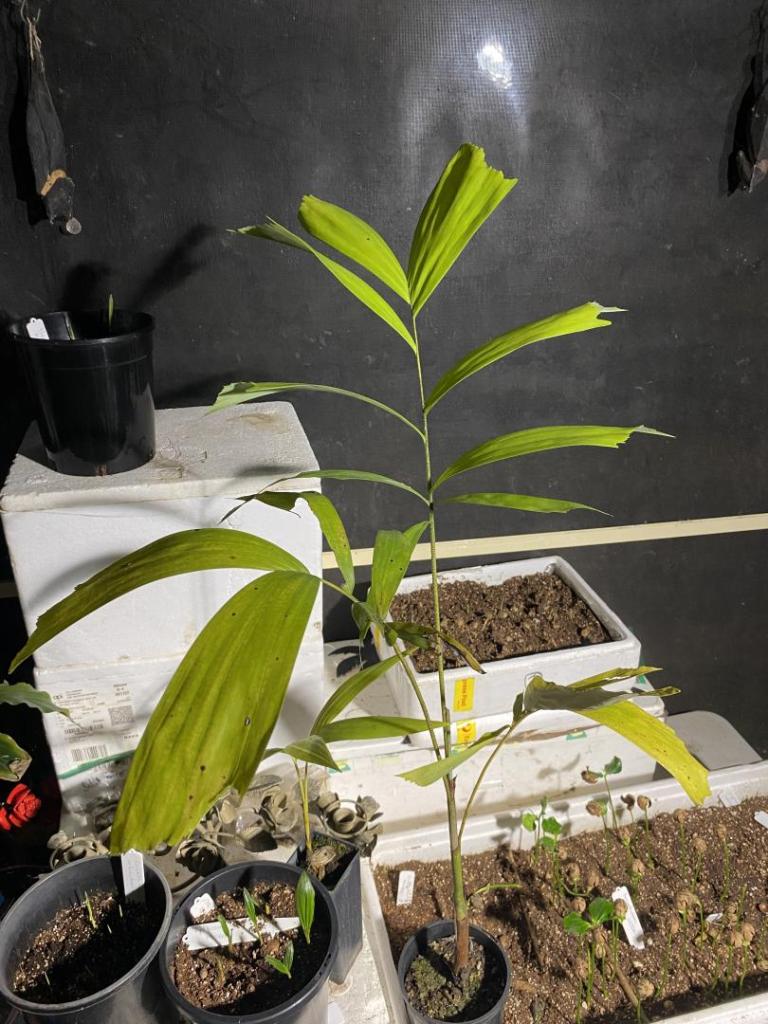
-
 Jayce replied to Tyrone's topic in DISCUSSING PALM TREES WORLDWIDEThat is correct. Silver/Grey abaxial with ramenta.
 -
Palms1984 replied to The Gerg's topic in DISCUSSING PALM TREES WORLDWIDE😂 You may have read comments or stories of people in Southern California that live in ares where they get very strong, extremely dry Santa Ana winds. Even when palms practically sitting in water will desiccate and die. I’m not kidding when I say the humidity can go to less than 5 percent with extremely high temperatures. It’s really awful for the plants and people, also.
-
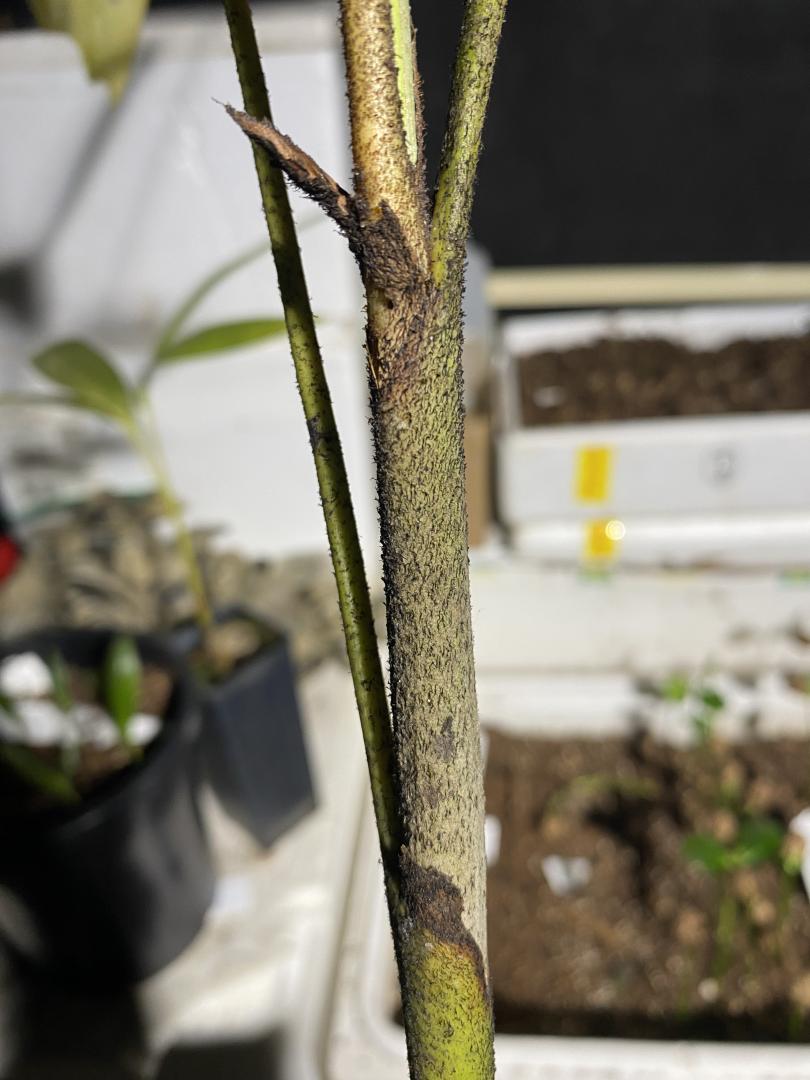
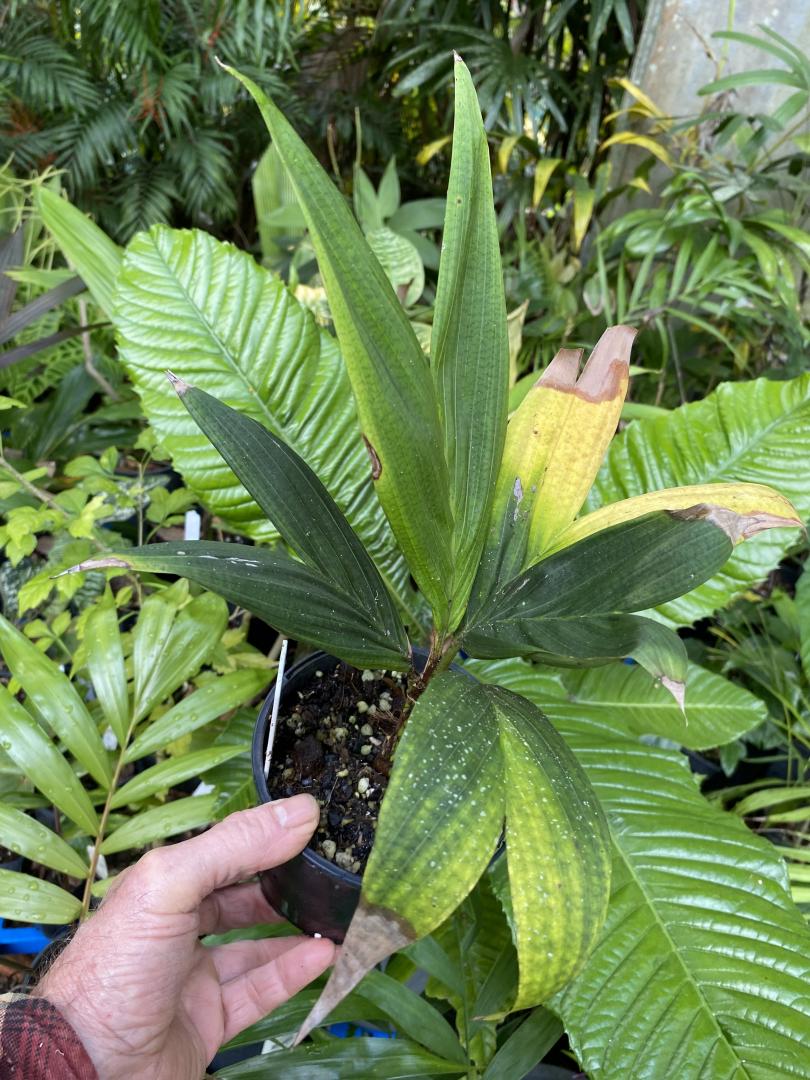
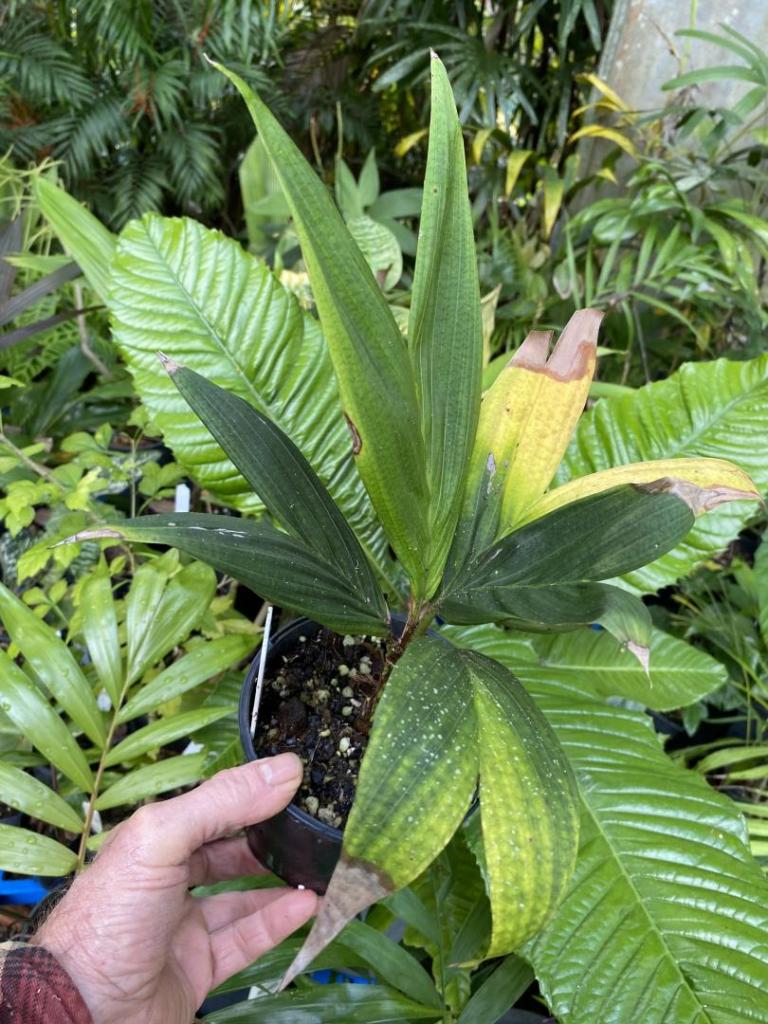
happypalms posted a topic in DISCUSSING PALM TREES WORLDWIDEFour new Calyptrocalyx in the collection that are cool tolerant, with so many calyptrocalyx varieties in cultivation, it’s no wonder they are such a beautiful palm. In the past I have killed a lot of Calyptrocalyx trying to find what will live in the cool of winter. I finally found some nice varieties that are great ornamental palms for the collecter. Taking low temperatures down to 2 degrees celcius, you can’t go wrong with this lot in the collection. You just don’t know until you try, they have lived in containers far and the yummutumune is planted in the ground with this being its first winter. Calyptrocalyx doxanthus Calyptrocalyx flabellatumCalyptrocalyx pauciflorusCalyptrocalyx yummutumune

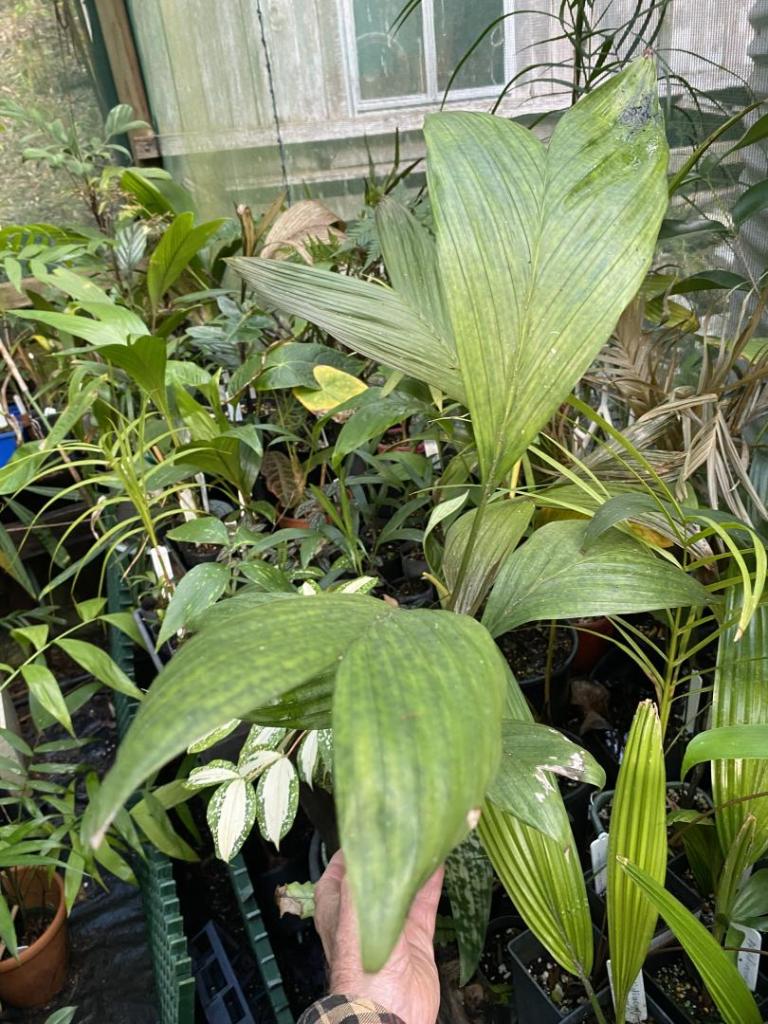
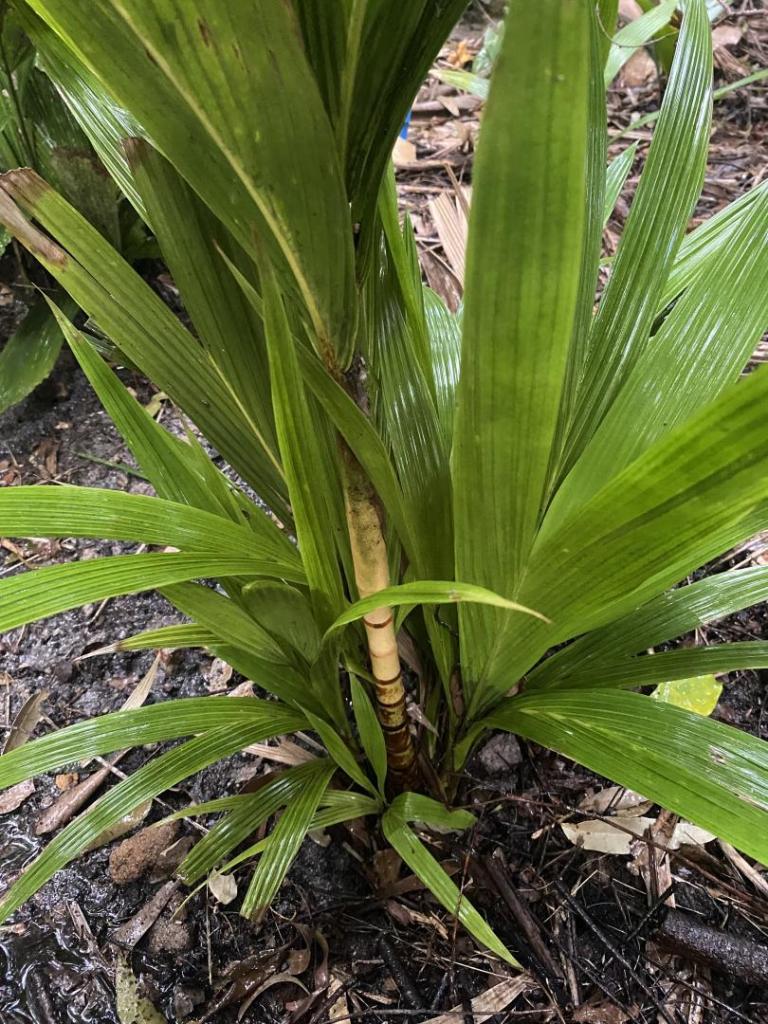
-
 Phoenikakias replied to Tyrone's topic in DISCUSSING PALM TREES WORLDWIDEA bit off topic, does the backside of the leaves of A purpurea combine ramenta with whitish wax?
 - Today
-
Jayce replied to Tyrone's topic in DISCUSSING PALM TREES WORLDWIDEHey Tyrone. I've seen mention that A. Cunninghamiana growing in the Eungella national park display the purple crownshaft quite like A. Purpurea. Are you out that way perhaps?
-
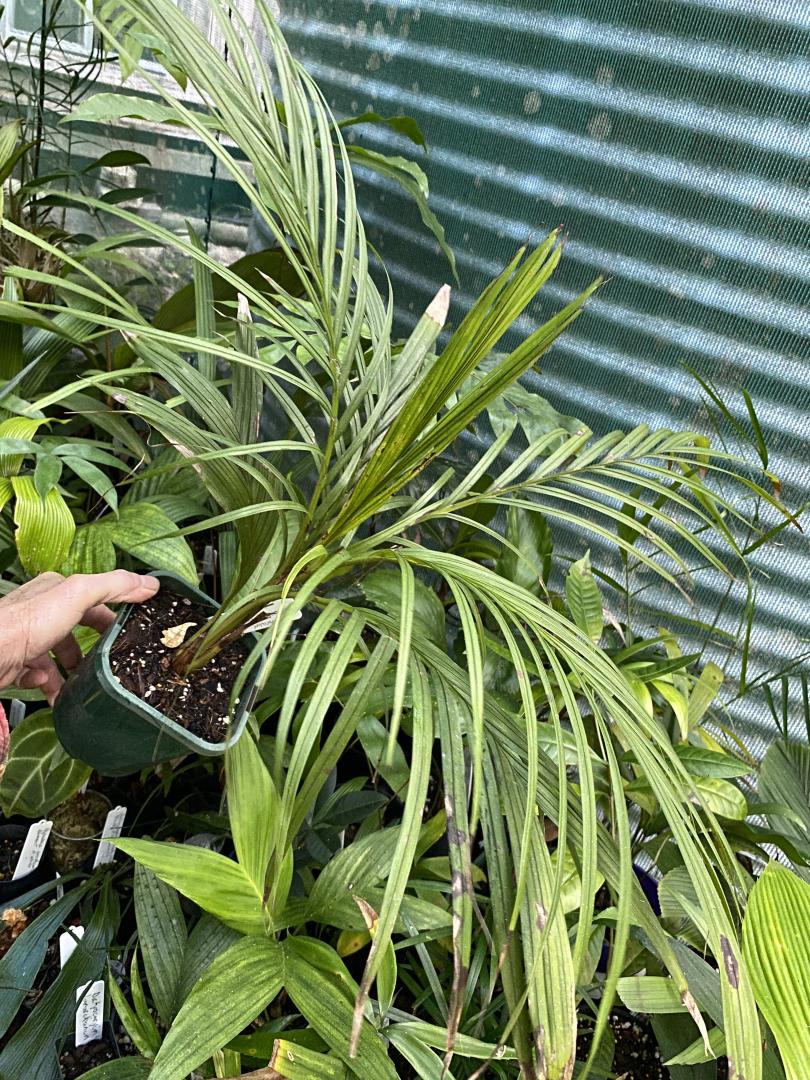
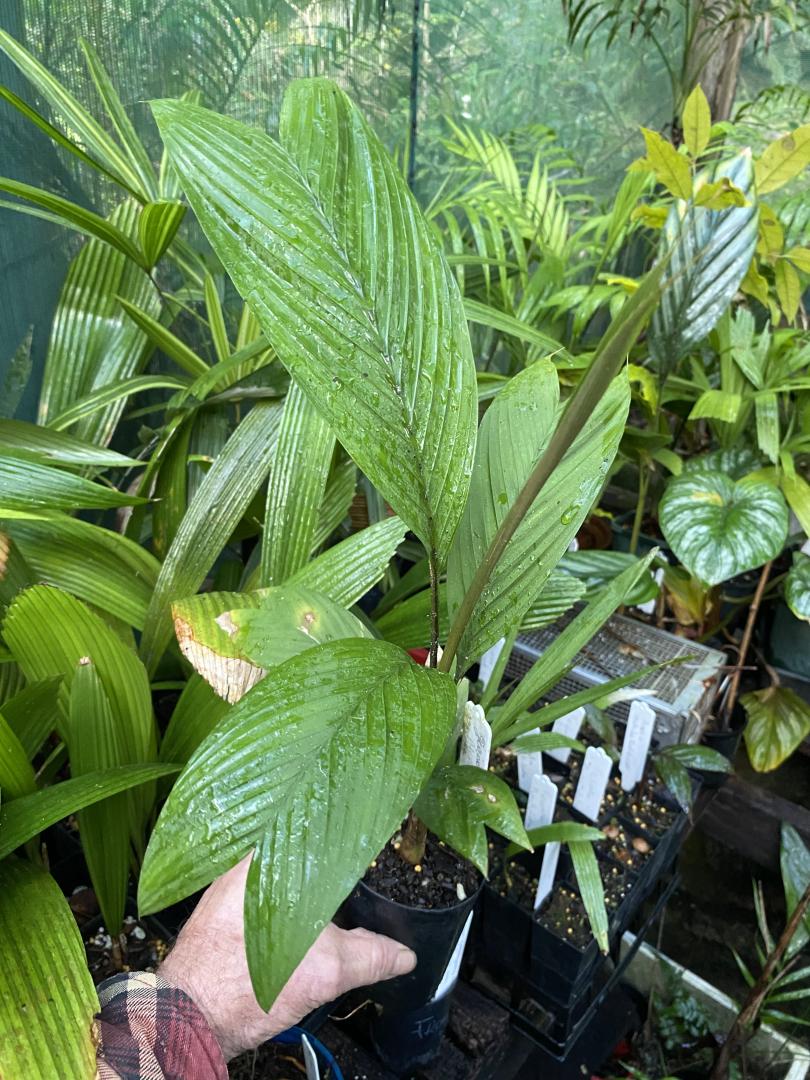
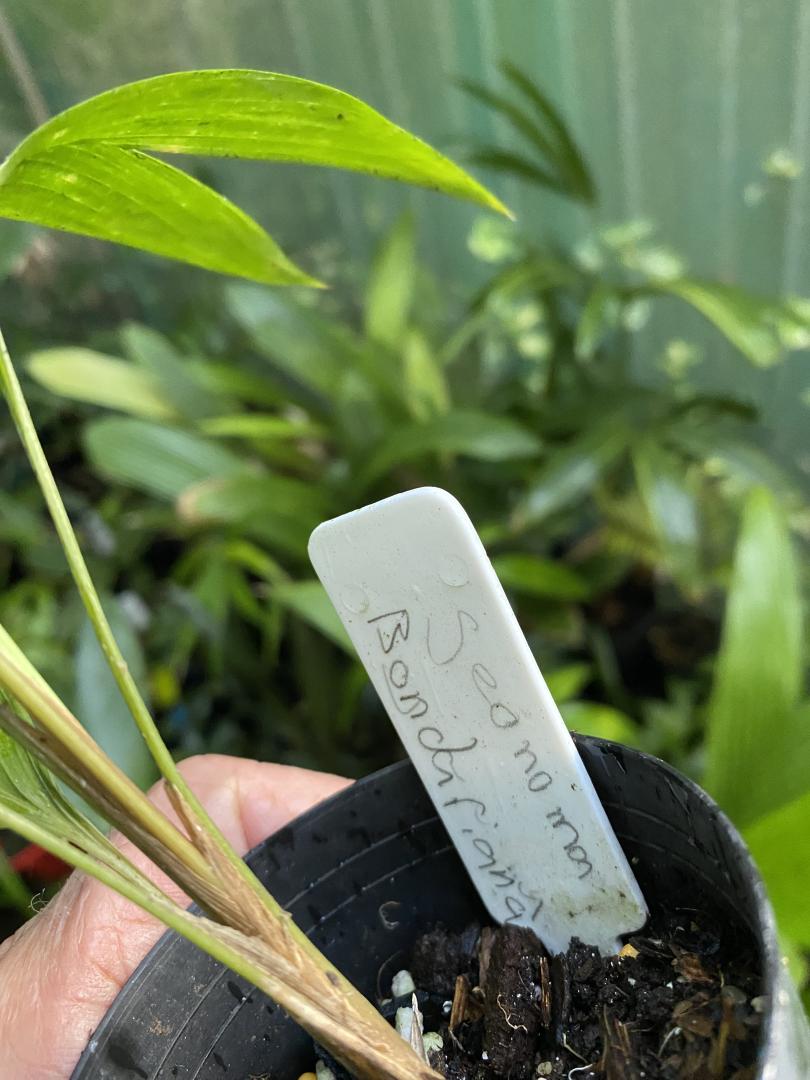
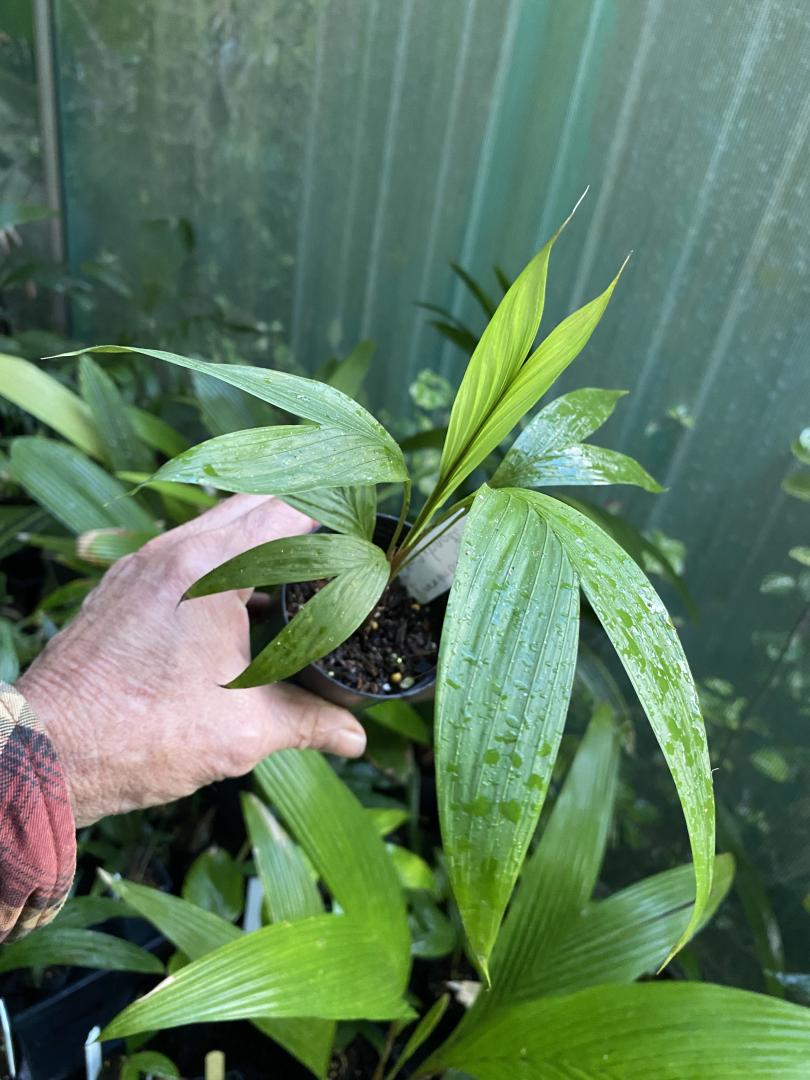
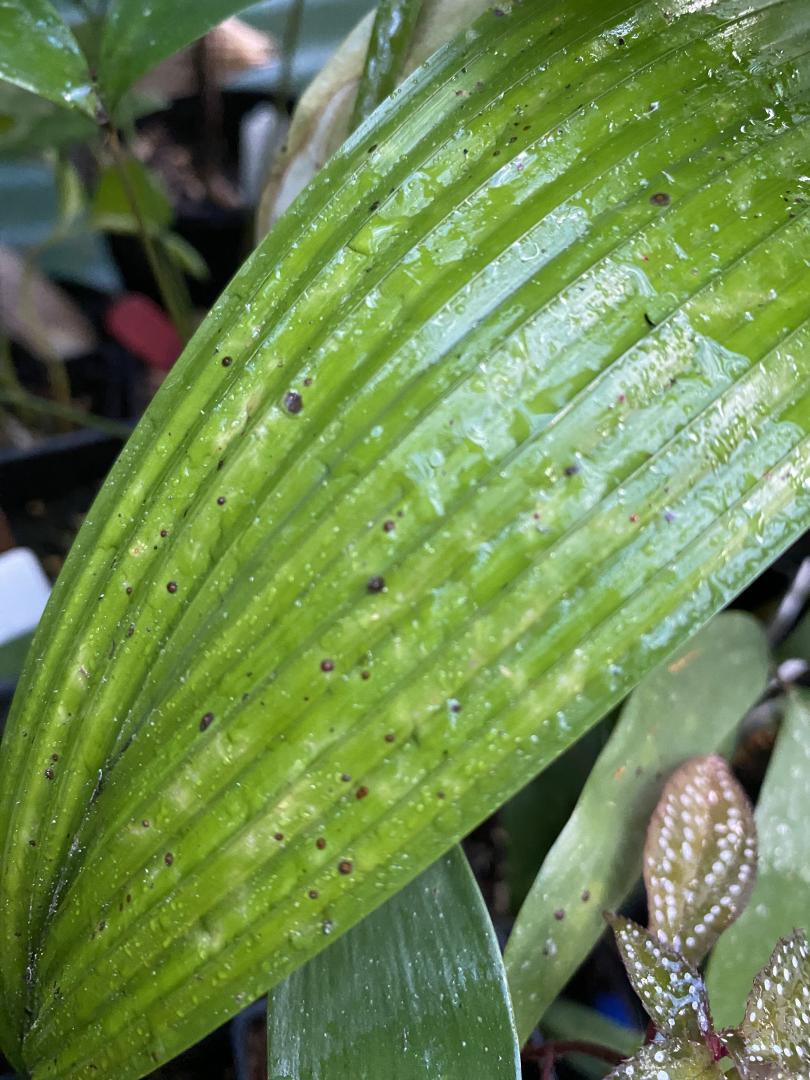
happypalms posted a topic in DISCUSSING PALM TREES WORLDWIDEI will say this Geonomas are really starting to impress me in the cool tolerance range. Quite rare palms in this part of the world, but after getting my hands on a few different varieties they are proving to be very cool tolerant, not to bad for palms that are prized ornamentals. Cool tolerance is one thing they need to be to survive in my winter and grow well. Another issue is water they drink like a drowning fish. So if they are to live in the ground it’s going to have to be some pretty good soil amendment landscaping duties. And these are tube stock seedlings not advanced palms, so iam impressed with how well they take 2 degrees celcius Geonoma pycnostachys Geonoma look longivaginata sub sp vallensGeonoma atrovirens Geonoma bondaria


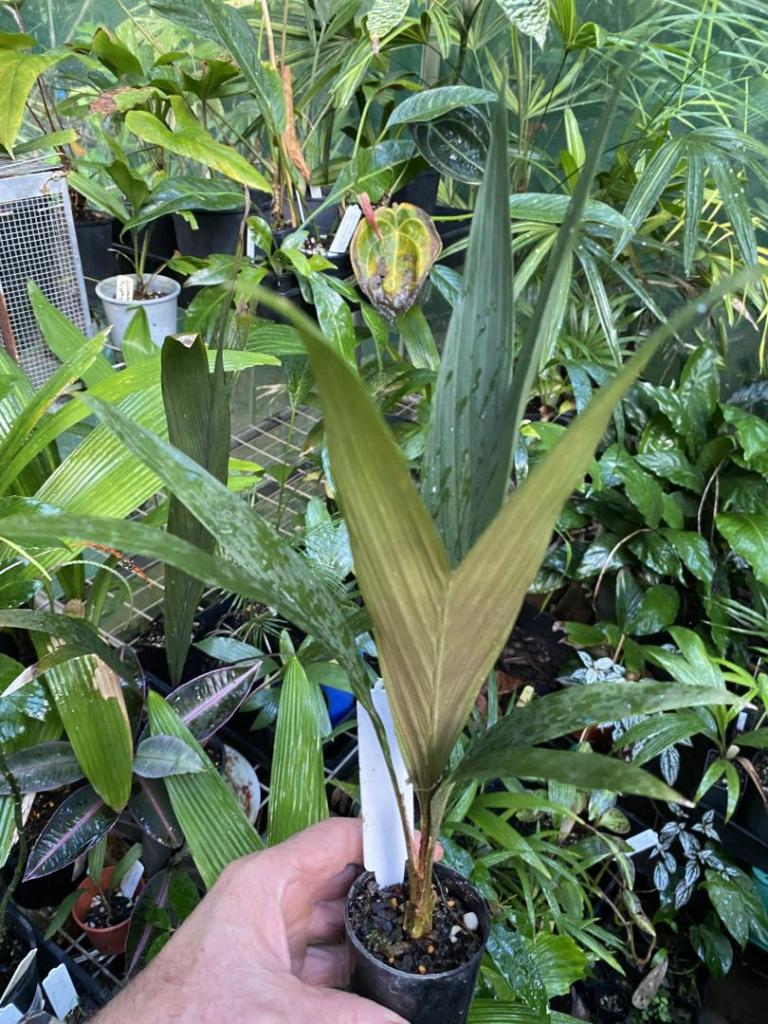

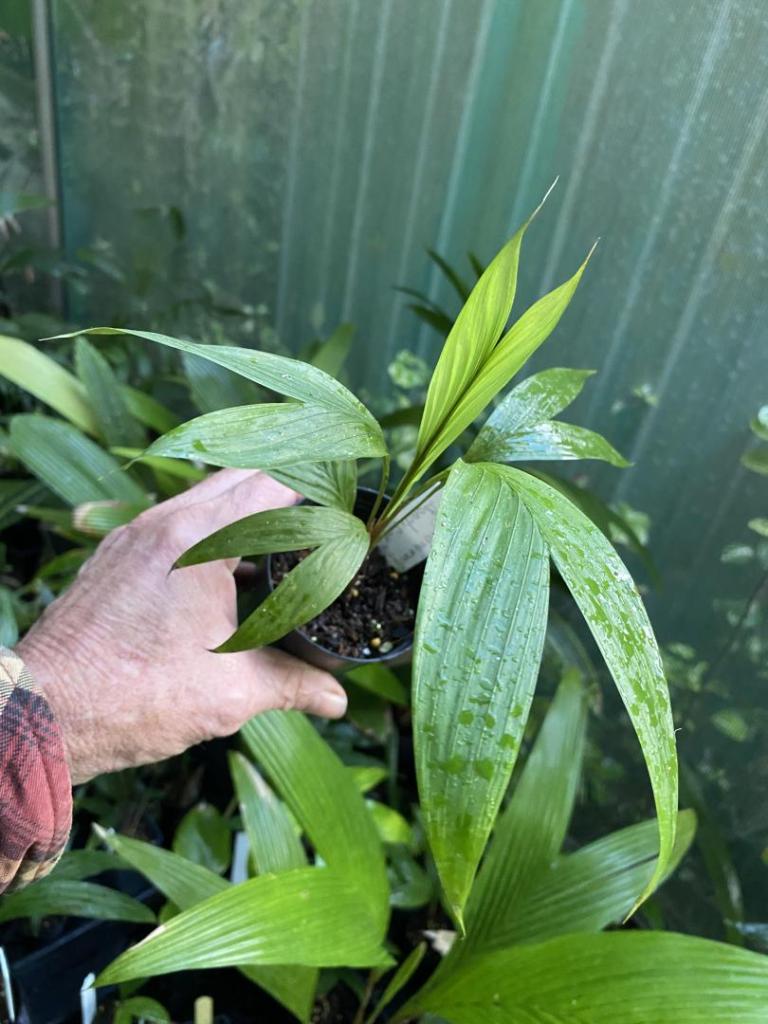
-
happypalms replied to Jim in Los Altos's topic in DISCUSSING PALM TREES WORLDWIDENot to bad at all, I like it! I’ve had Cham plumosa volunteers in all sorts of places in between rocks where you cannot possibly dig, and they are loving life, let em be if there keen on living.
-
 quaman58 replied to DoomsDave's topic in DISCUSSING PALM TREES WORLDWIDEI remember Cardiff Bill has moved around a couple Rhopies on his property above Swamis. Probably worth a PM Dave!
 -
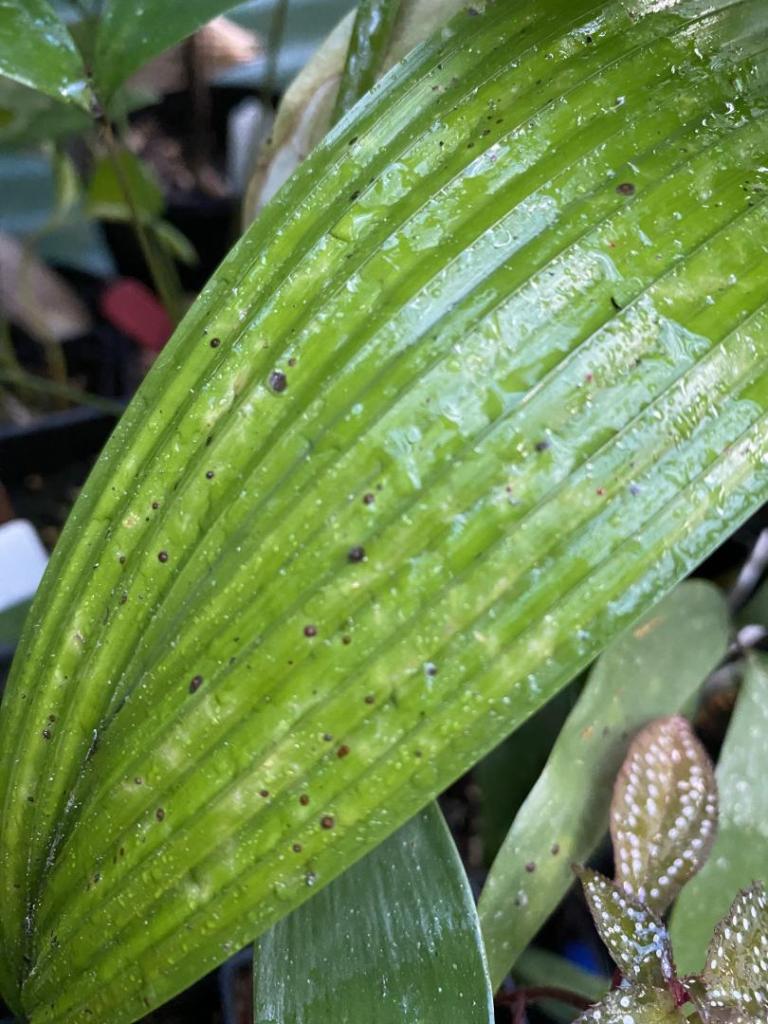
happypalms replied to Tracy's topic in TROPICAL LOOKING PLANTS - Other Than PalmsMy number one enemy is scale, can’t stand the little life sucker creatures. Buying a lot of plants it’s always heading my way, hitching a ride from nursery to nursery. Loath it cant stand it dislike it, curse it to high heaven I say!
-
 Jim in Los Altos replied to Jim in Los Altos's topic in DISCUSSING PALM TREES WORLDWIDEI’m leaving it there too even though it’s crammed next to that Archotophoenix which, by the way, is a fast growing volunteer also.
 -
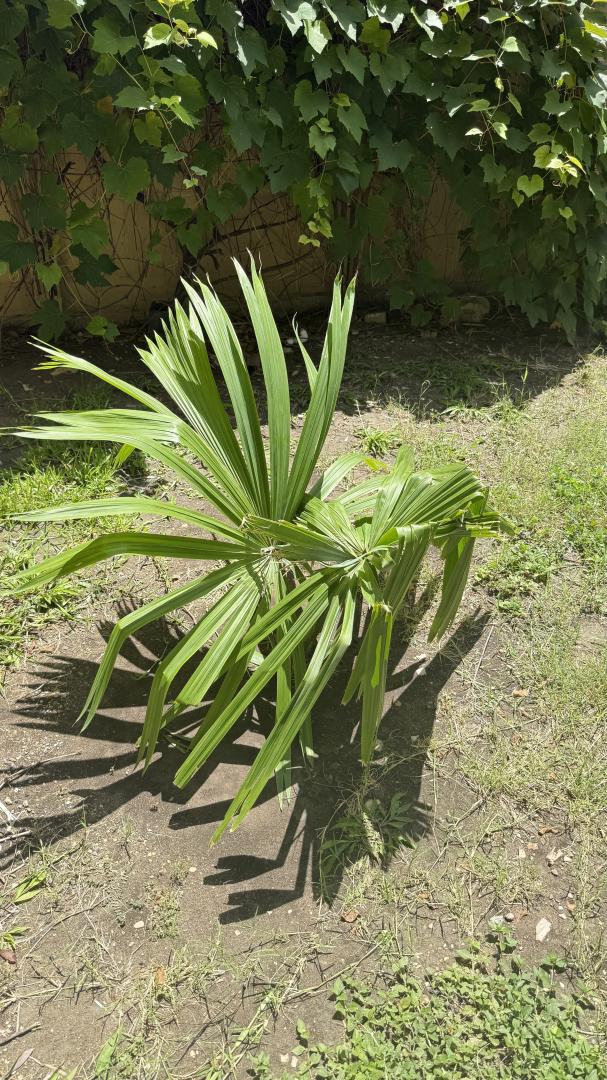
 thyerr01 replied to MarcusH's topic in COLD HARDY PALMSWhat are these two? Brahea moorei and ?? It almost looks like a Licuala.
 -
.thumb.png.04b3487b96ff29c55b8a8994b91f62b2.png) Than replied to happypalms's topic in TROPICAL LOOKING PLANTS - Other Than PalmsI'd happily sacrifice other trees to accommodate one. I also bought that seed from Bellamy. I've read the viability is short so perhaps the long trip through the Greek customs made it useless by the time I received it. Bellamy refunded me though!
Than replied to happypalms's topic in TROPICAL LOOKING PLANTS - Other Than PalmsI'd happily sacrifice other trees to accommodate one. I also bought that seed from Bellamy. I've read the viability is short so perhaps the long trip through the Greek customs made it useless by the time I received it. Bellamy refunded me though! -
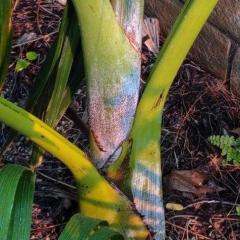 tinman10101 replied to Tracy's topic in TROPICAL LOOKING PLANTS - Other Than Palmsthe juxtaposition of colors and textures is quite brilliant tracy. truly beautiful pic!
 -
tinman10101 replied to Tracy's topic in TROPICAL LOOKING PLANTS - Other Than Palmswow tracy. that dioon is a beauty. it almost looks like you are in florida just seeing how lush everything is. what bugs me? when you wait three years for a cycad to flush and it flushes one leaf. like len said once ... its almost like its sticking a middle finger in your face. LOL its weird ... dioon's dont do well for me in the ground. in pots they thrive but in ground they languish for some reason. maybe its my desert climate with the extremes.
-
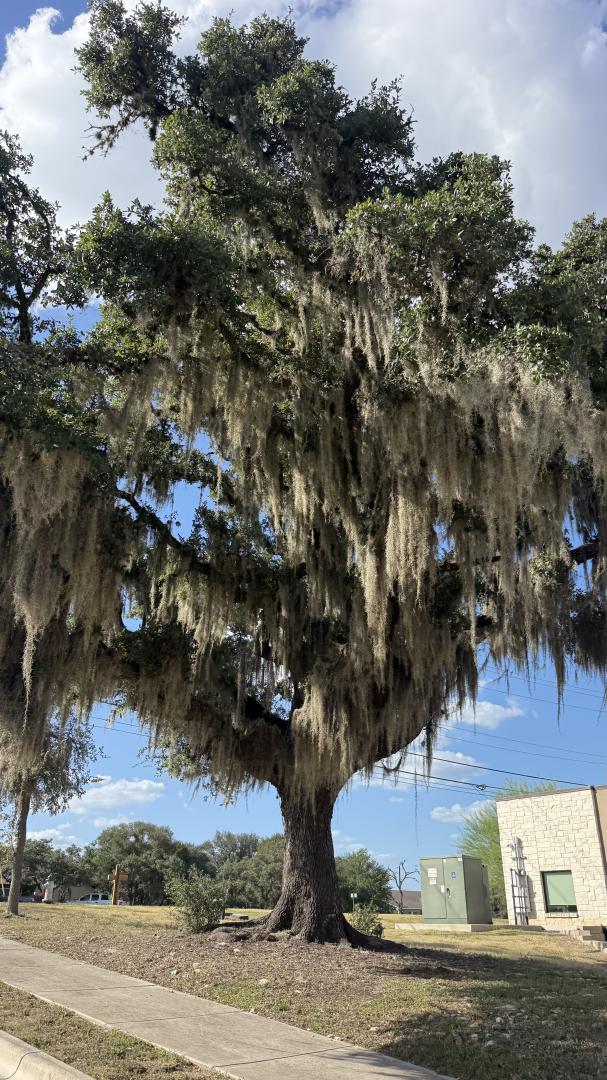
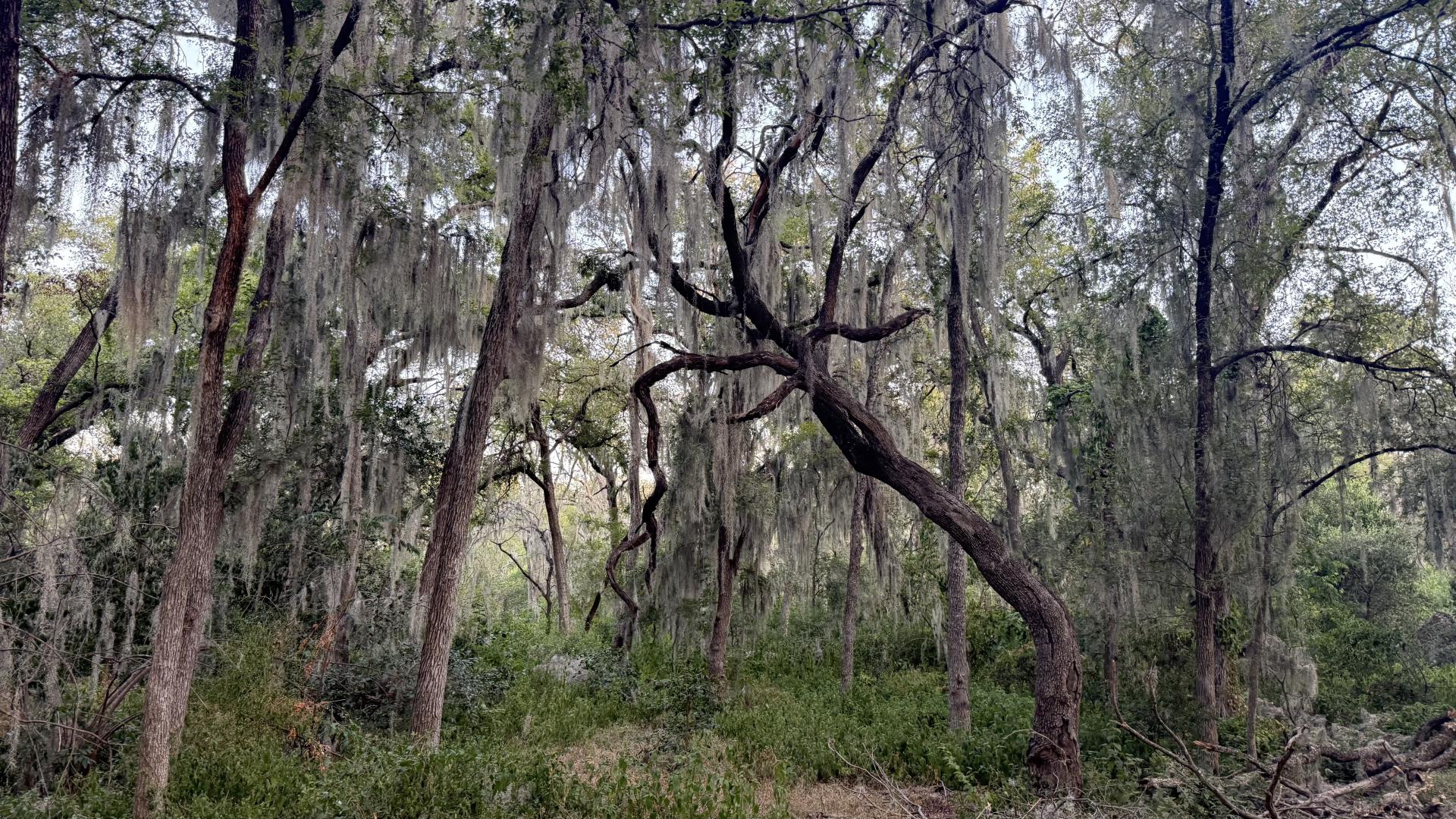
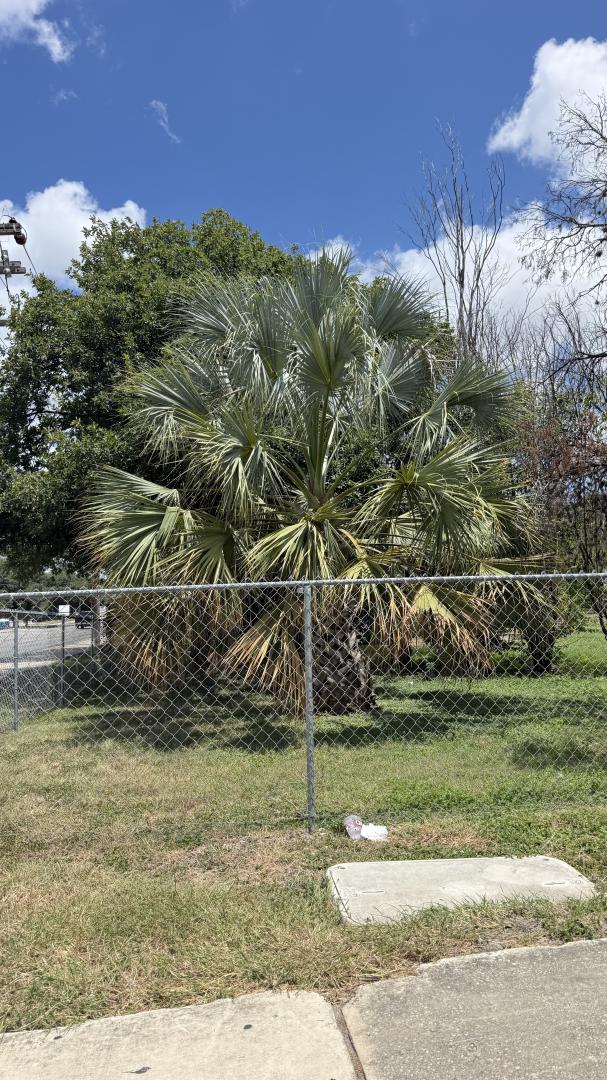
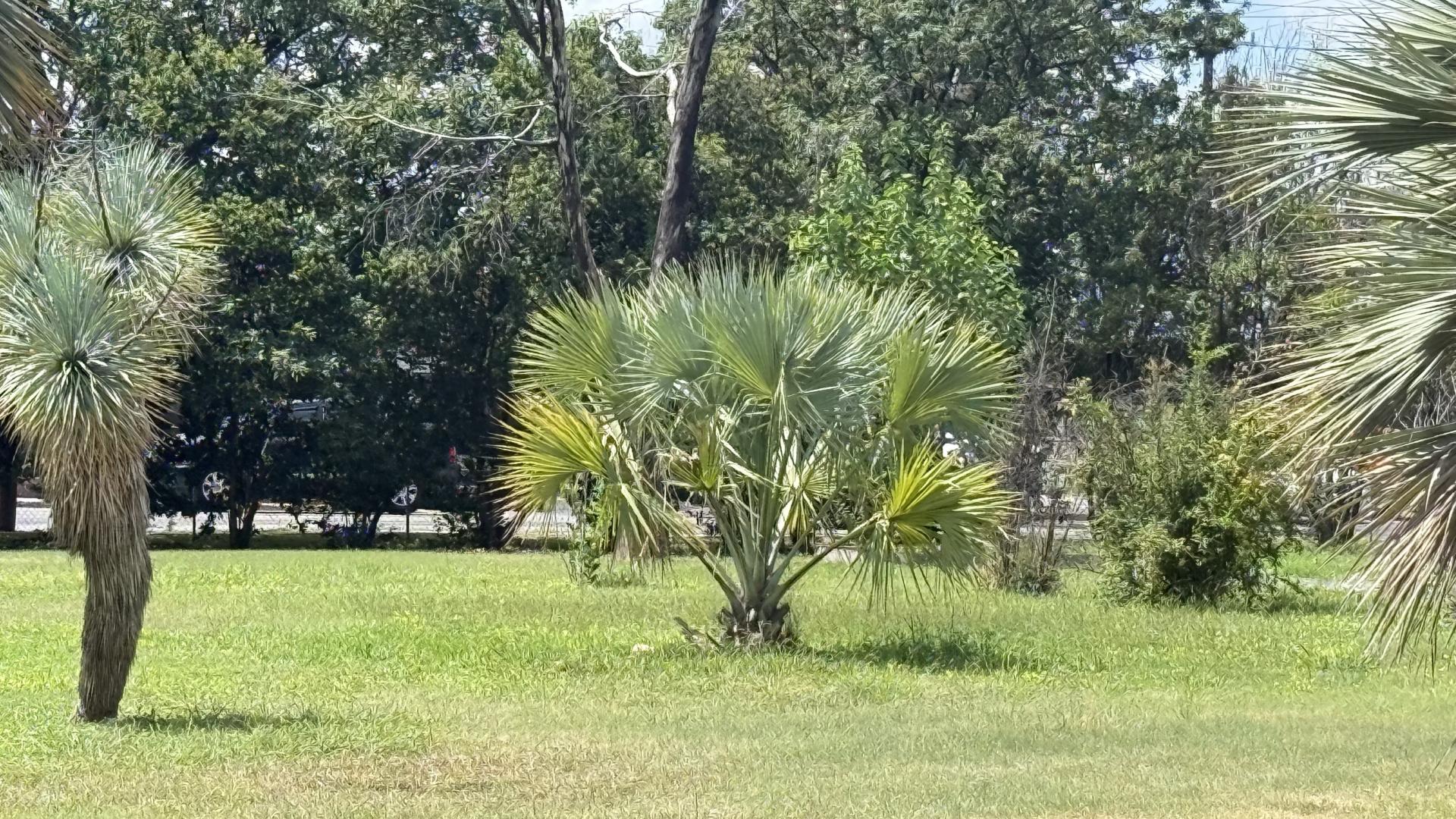
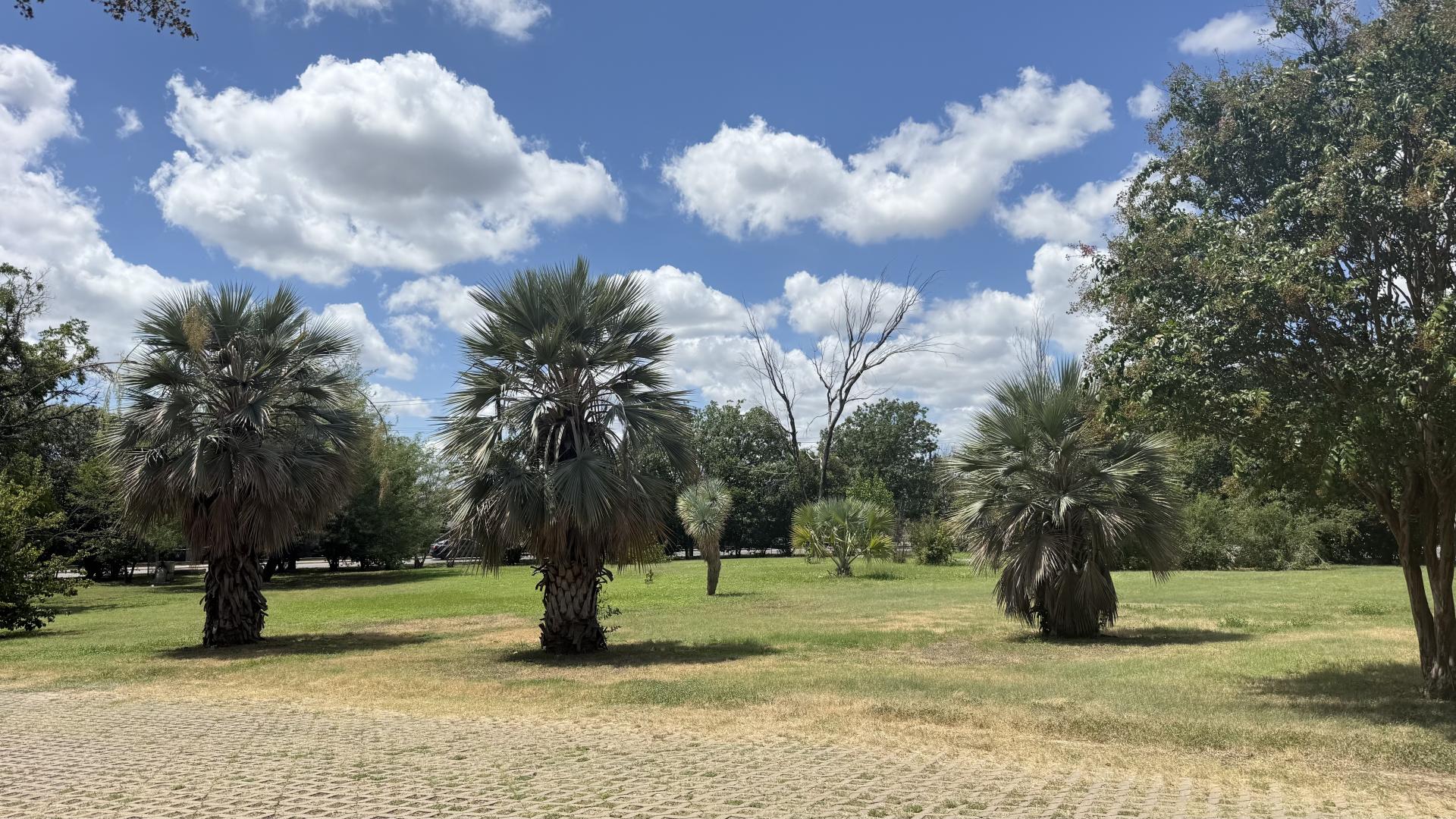
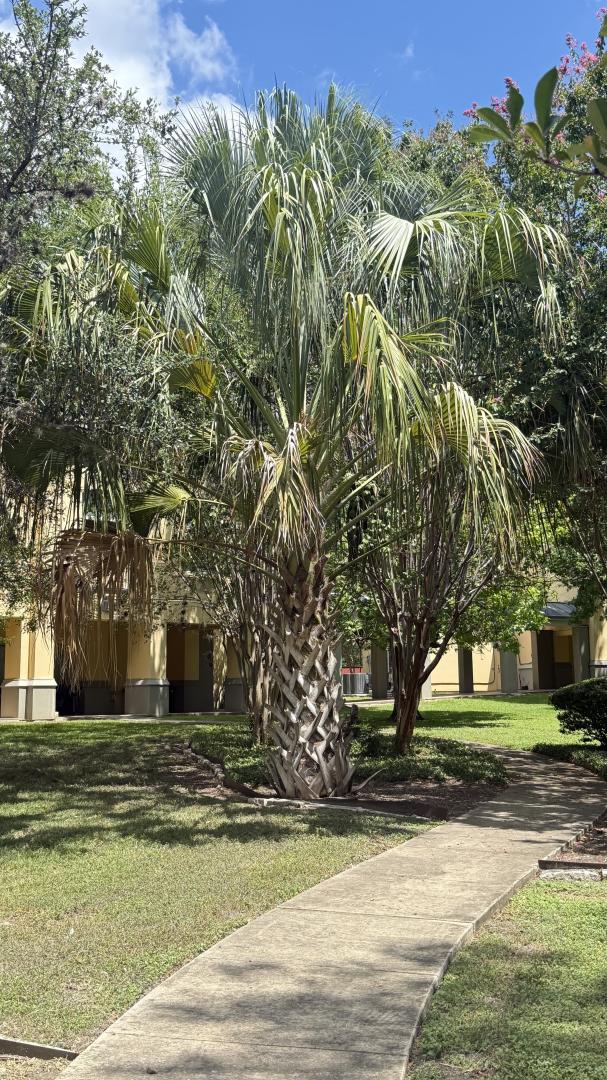
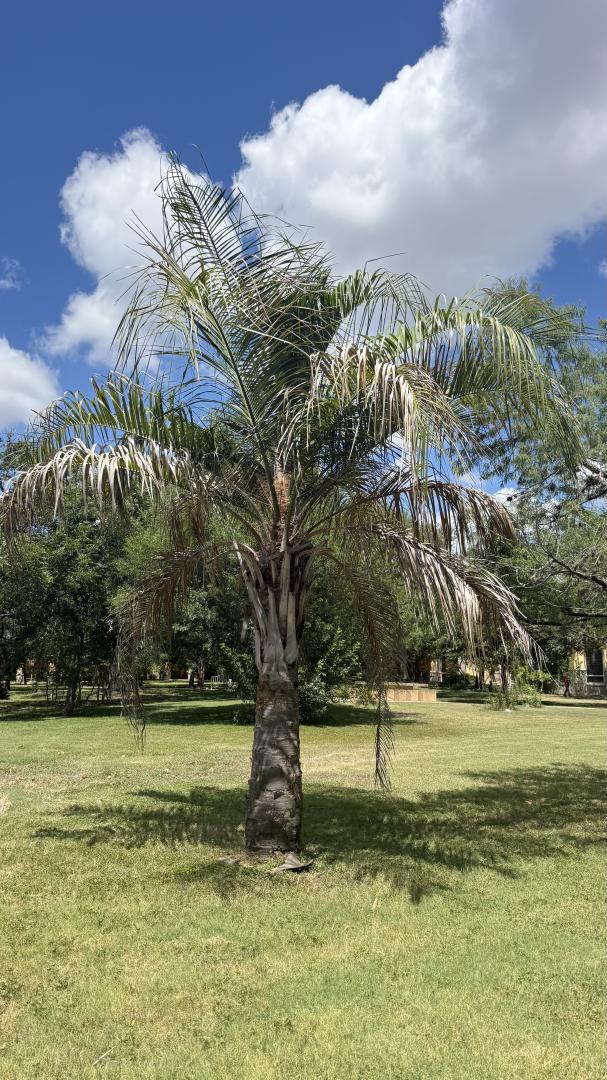
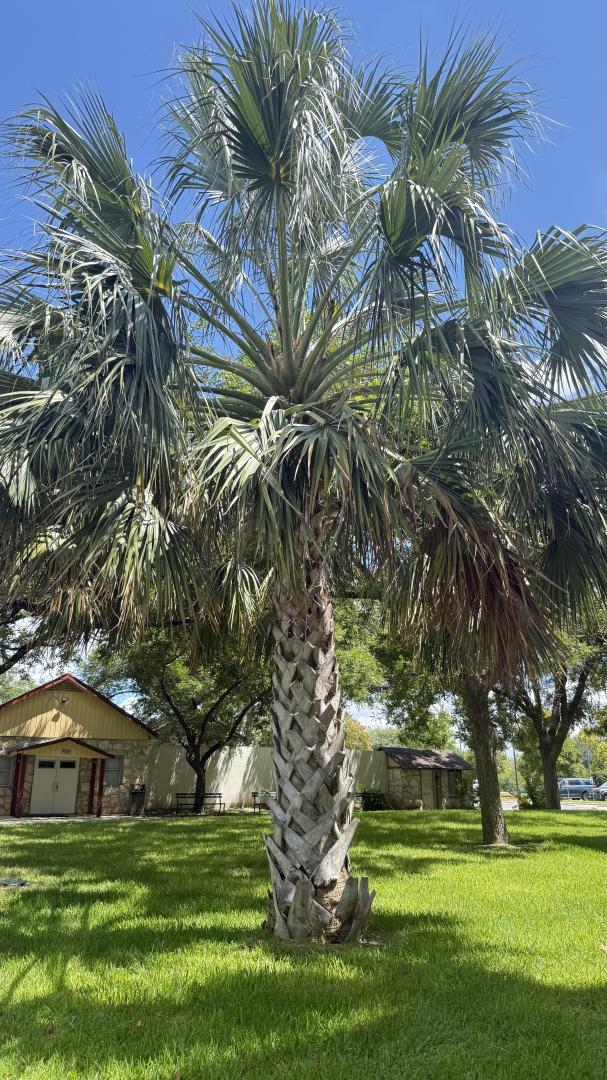
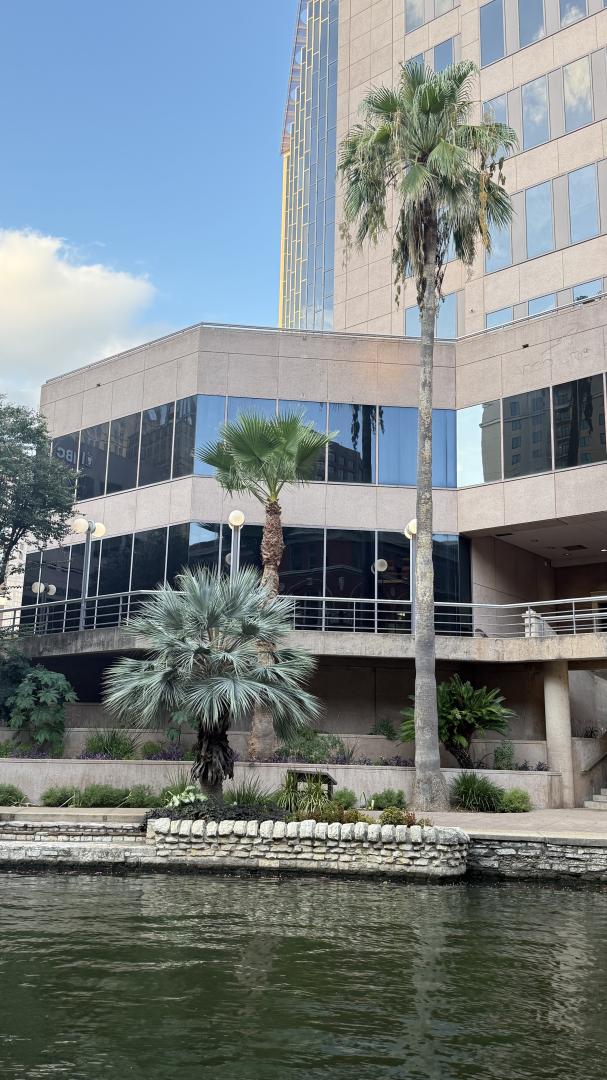
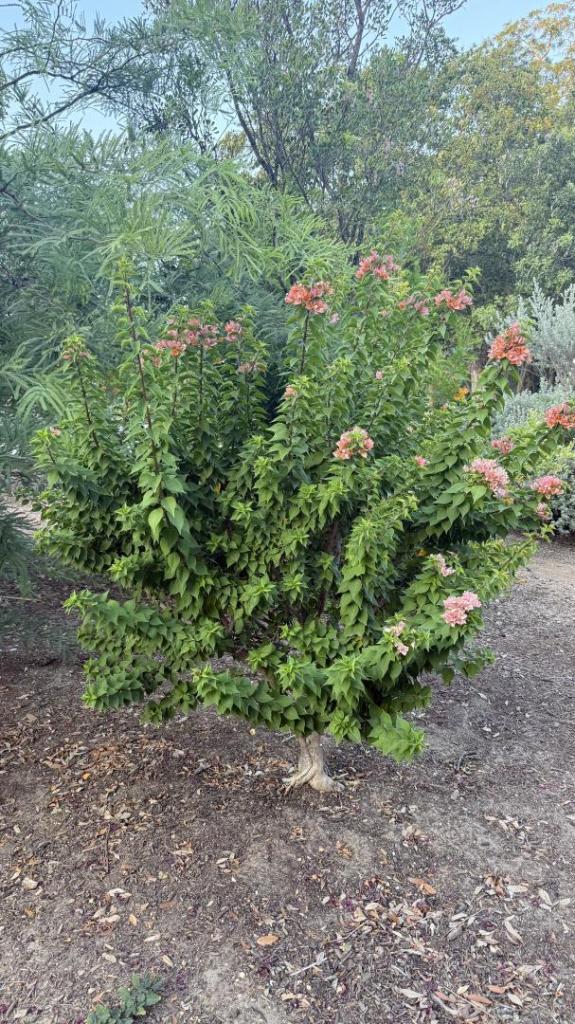
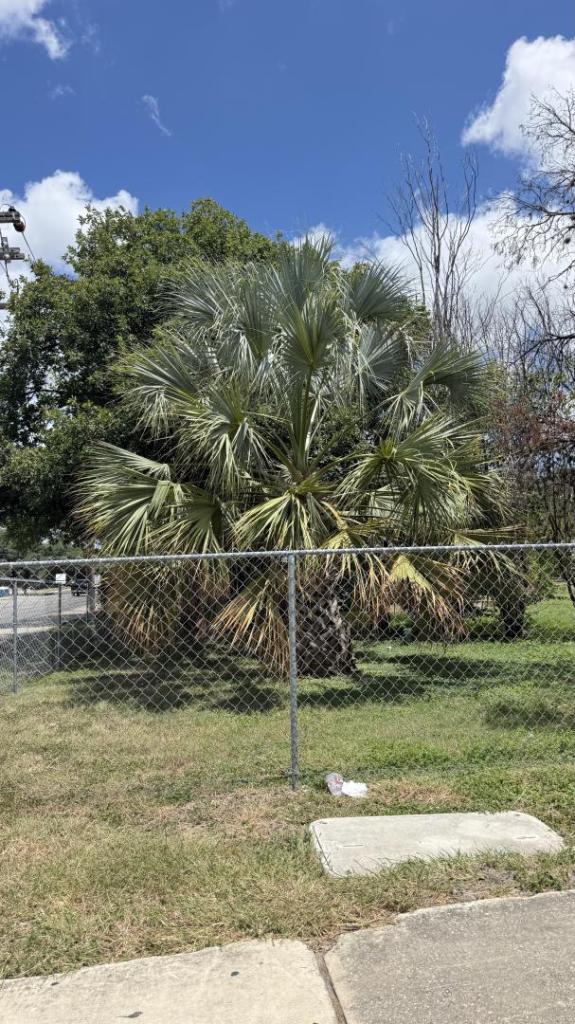
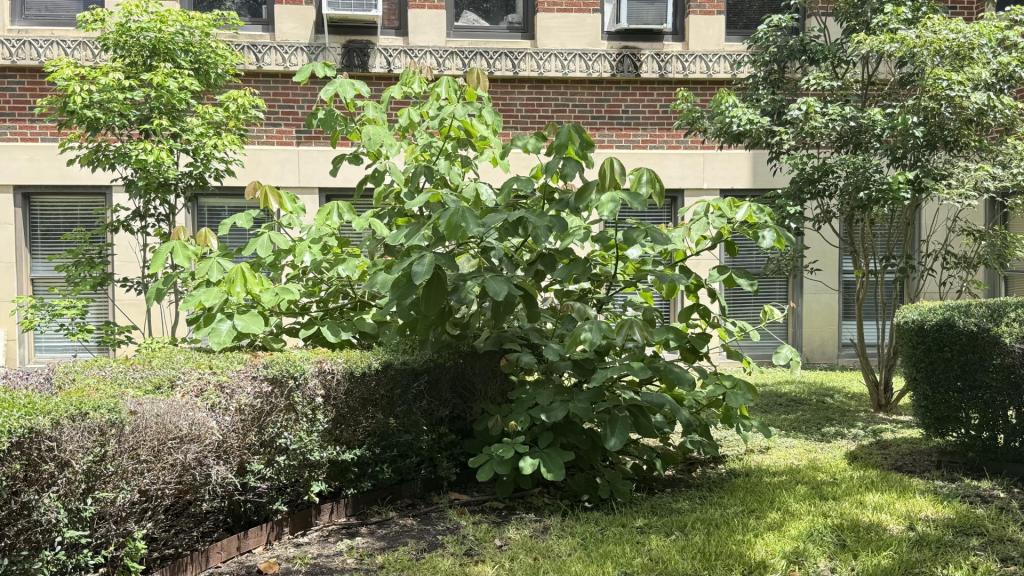
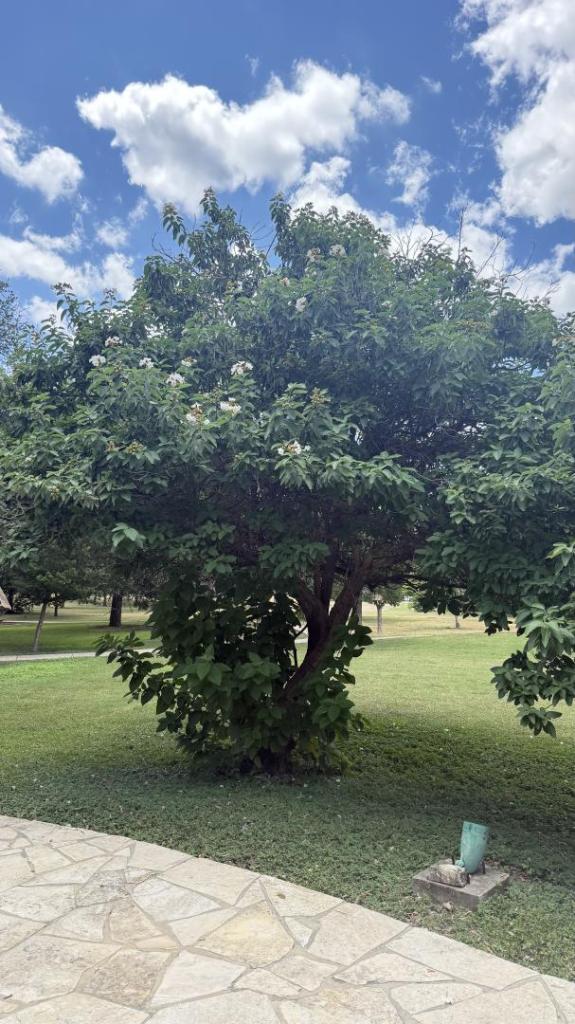
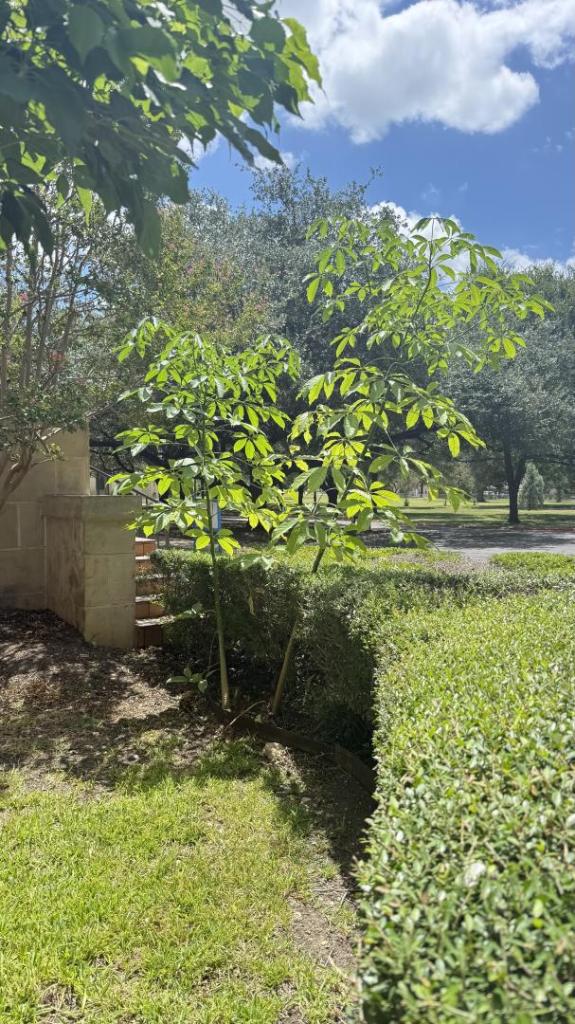
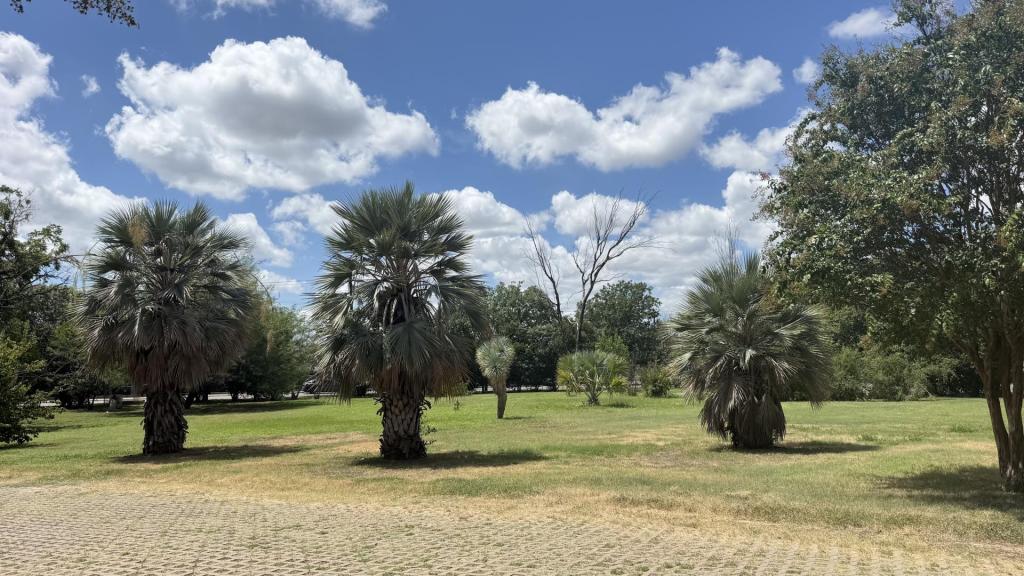
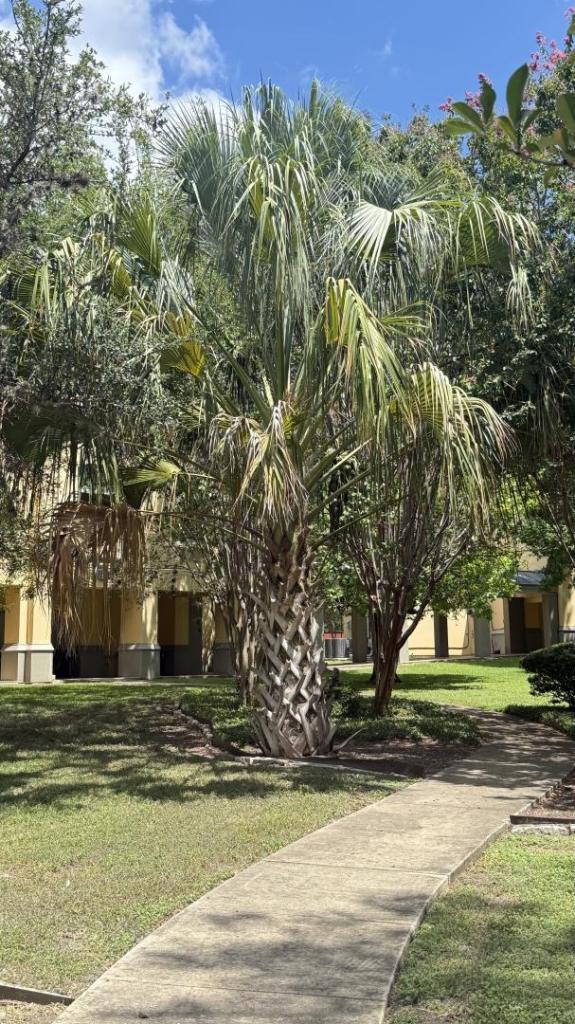
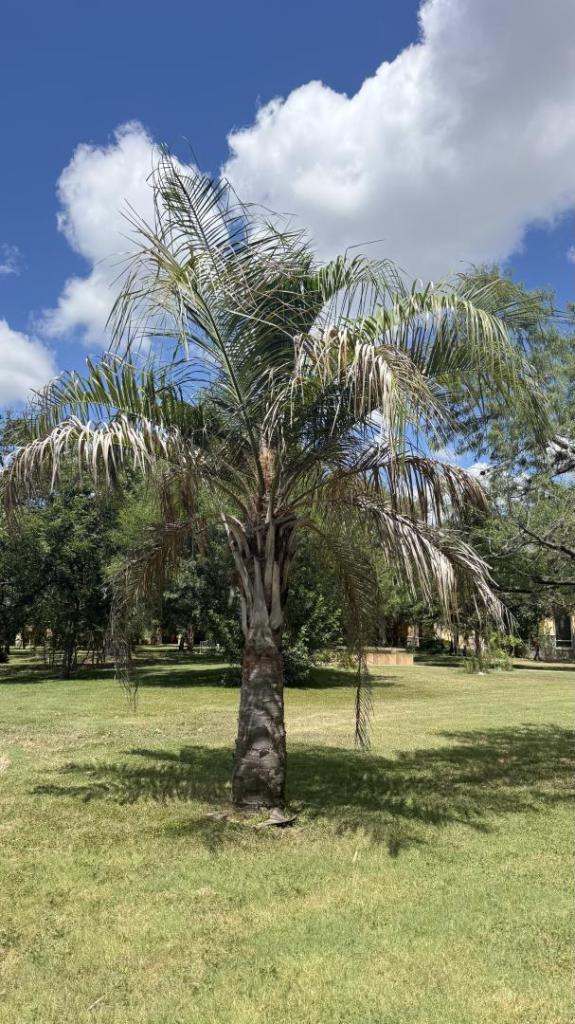
 Robert Cade Ross replied to MarcusH's topic in COLD HARDY PALMSCentral Texas earlier this week:) don’t hate me but I’m too lazy to add all the individual captions haha . Pics range from my friend Matthew’s personal collection in San Marcos to areas around San Antonio. I even found a non disturbed area of Spanish moss with cactus kinda cool to see those species interact together.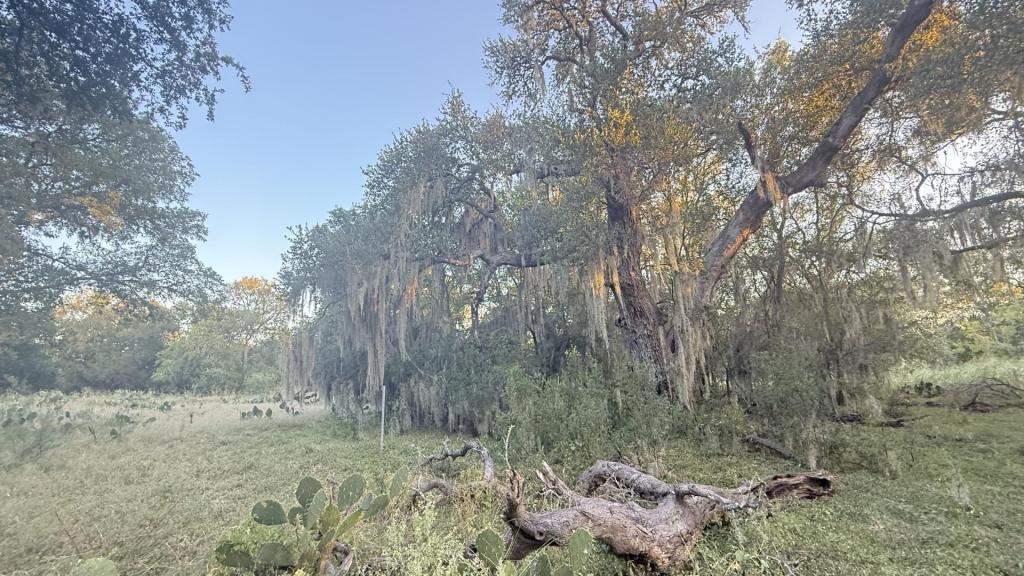
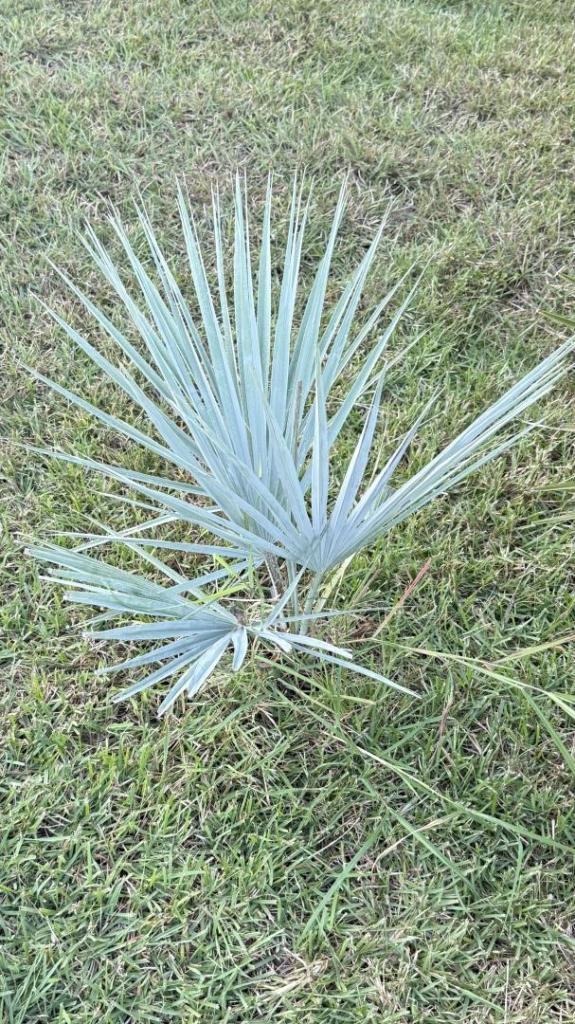
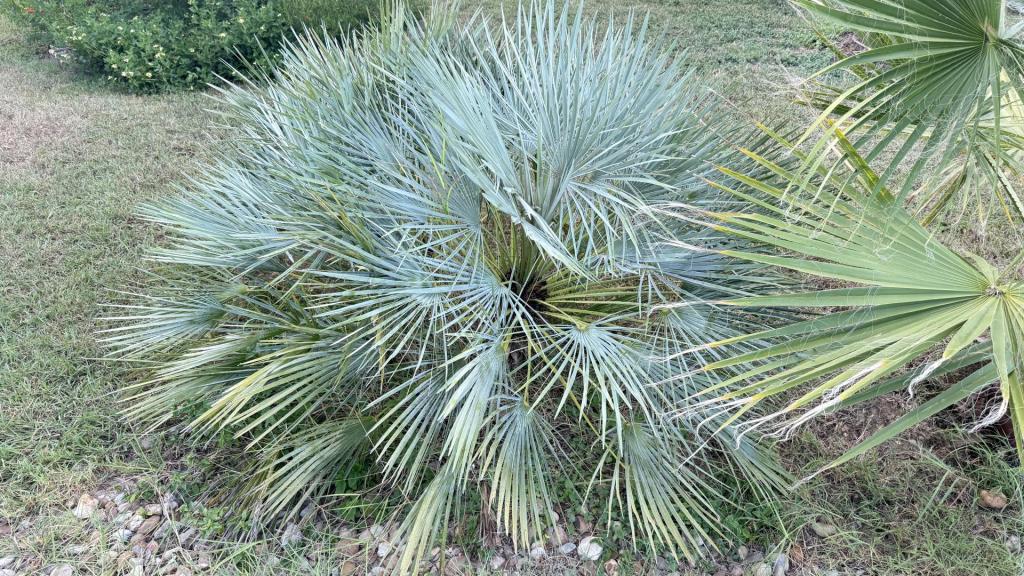
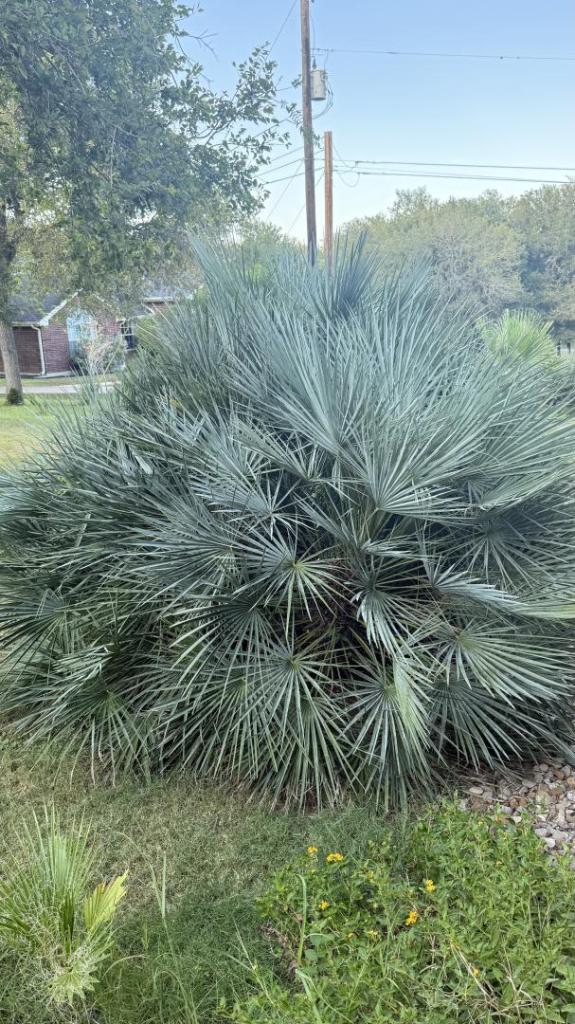
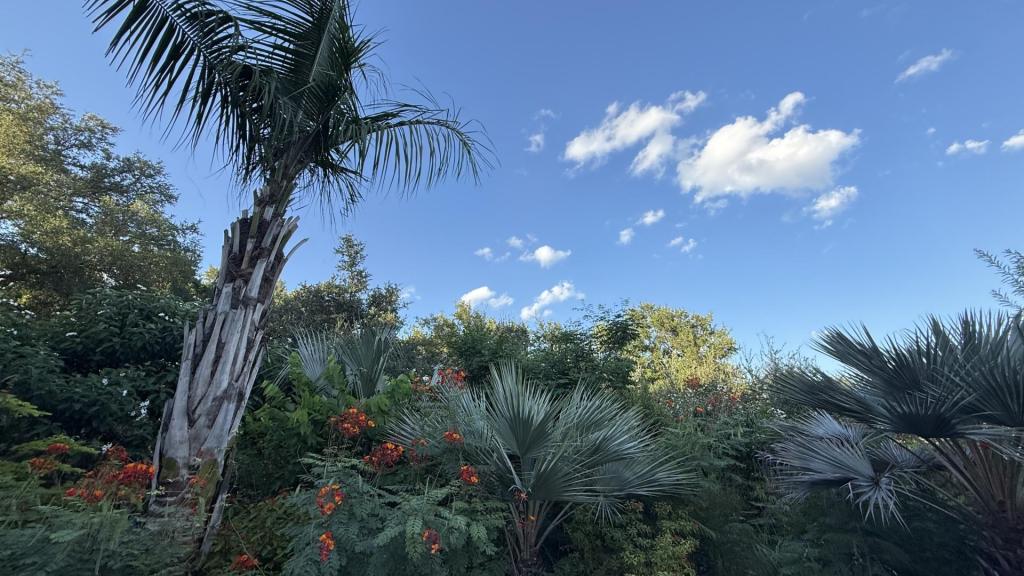
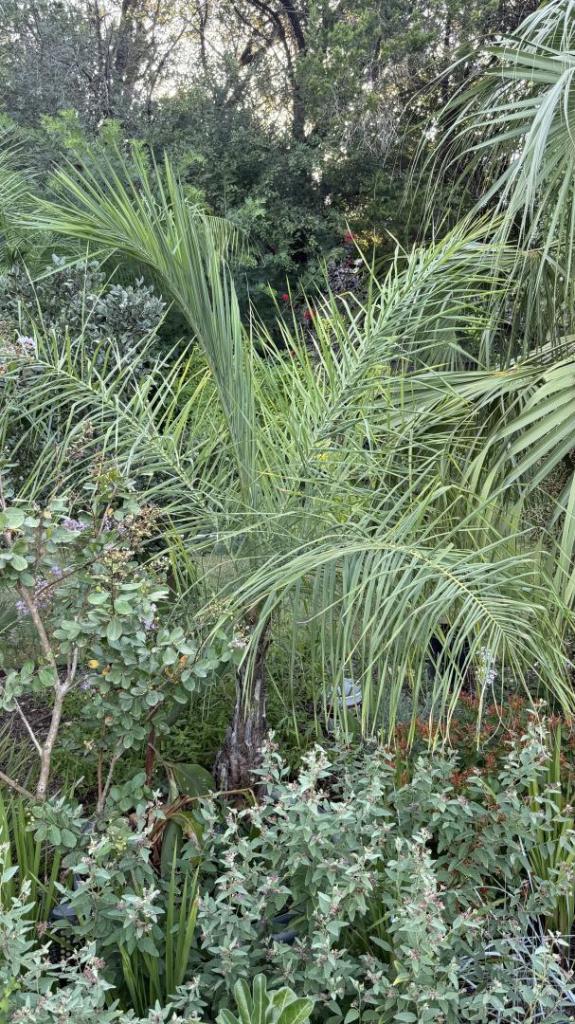

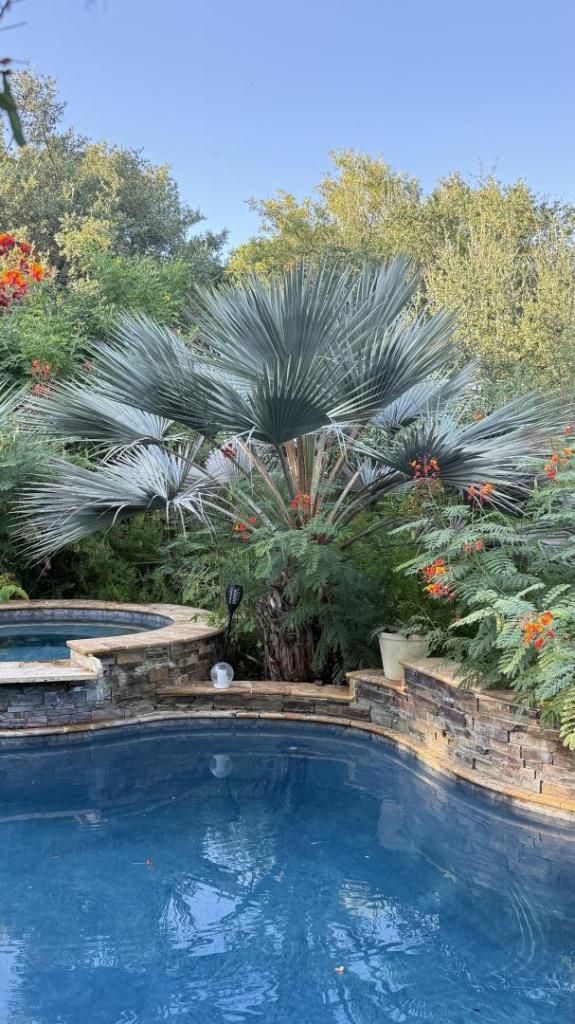
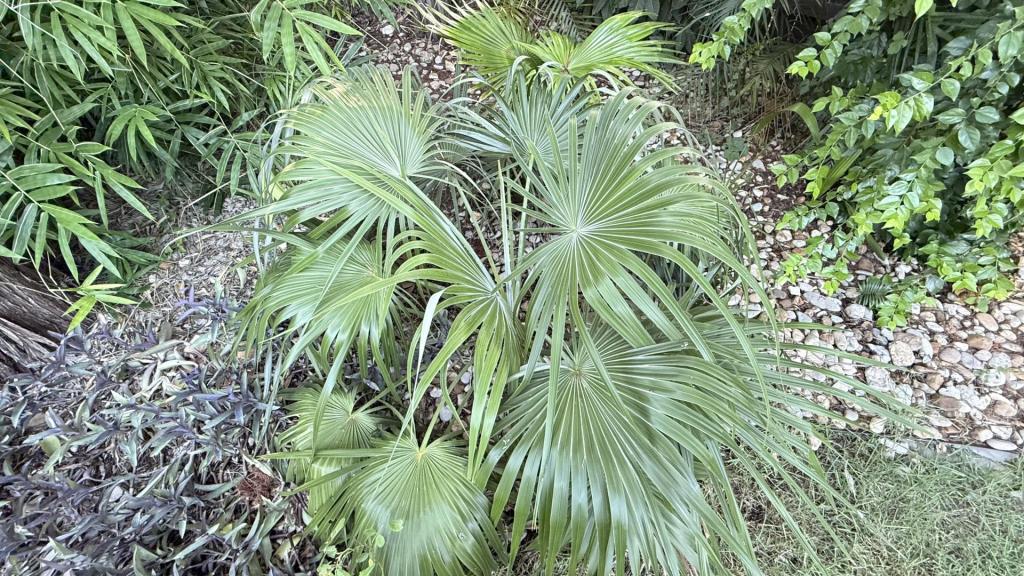
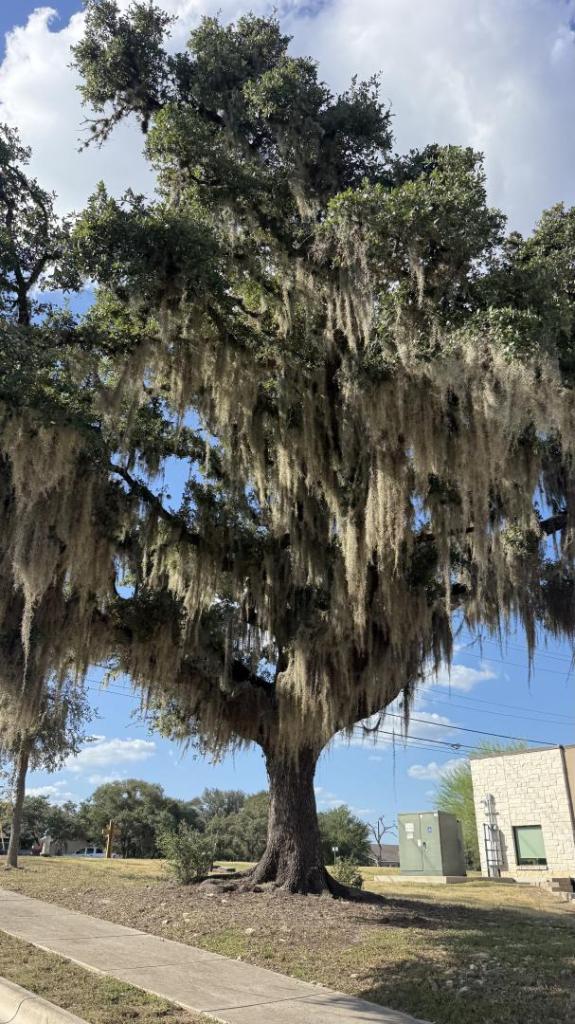






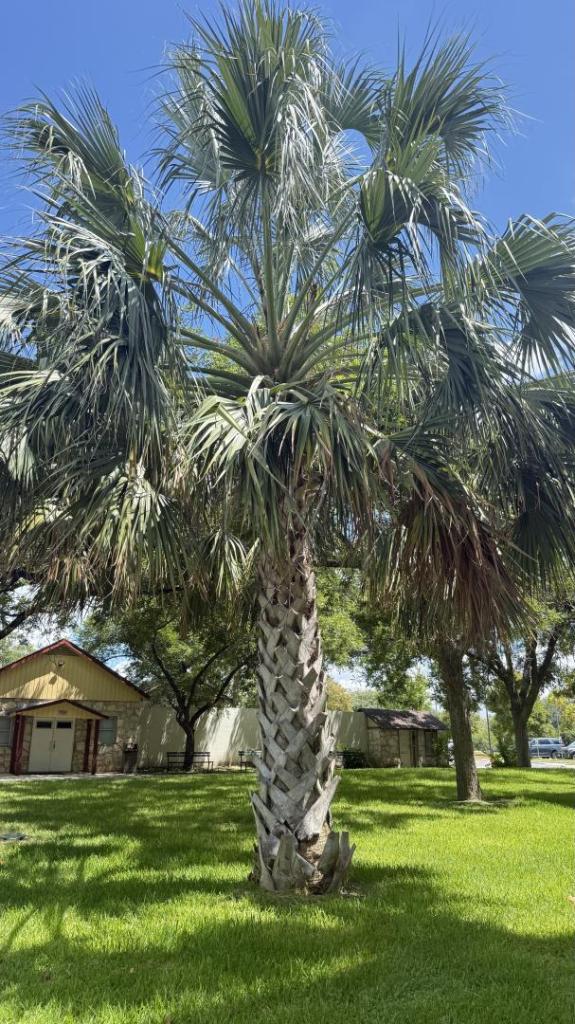
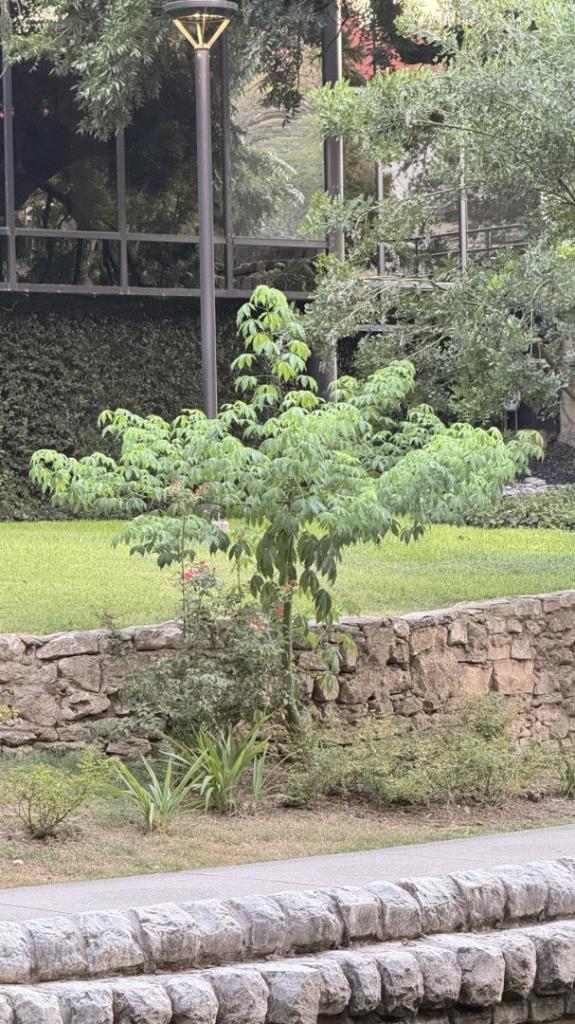
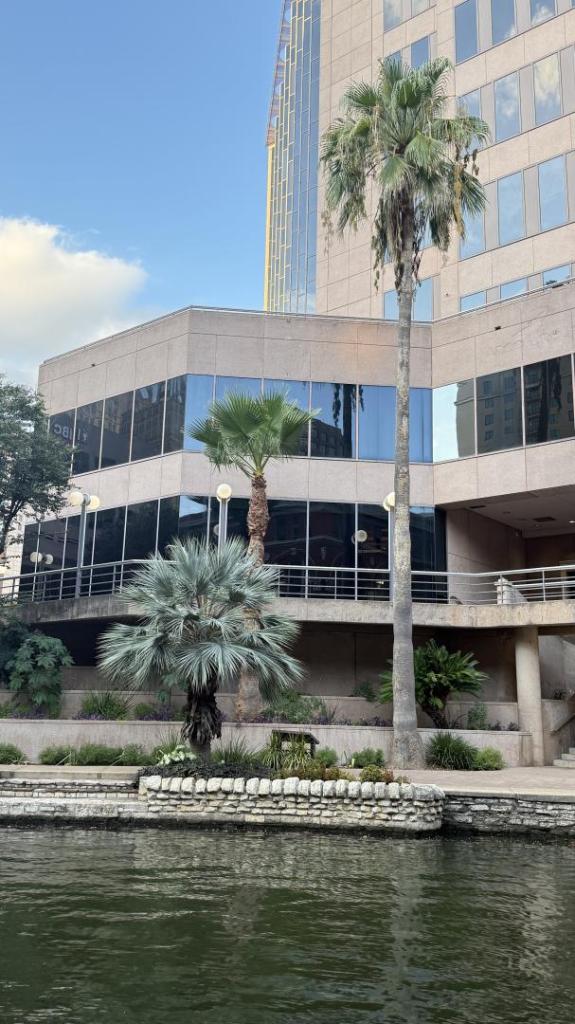
-
 LonghardRoad replied to stevethegator's topic in DISCUSSING PALM TREES WORLDWIDEI meant to add. One poster above said that since the Refuge had been there since 1979 they should know all about the area. They know all about the Dace for certain. They also know all about other plants in the area. But when it comes to Washingtonia filifera they pass on it and list it as a nuisance introduction (and they have NEVER shown evidence that this is so. Not once) This is the same for Hassayampa preserve in Wikiup and for Castle Creek. They have even gone so far as to say that Washingtonia pollen is not found in the ancient layers of earth (and therefore couldn't be a relict) however if the Palm was not extant in THAT particular spot where they tested it is unlikely that anyone would find any ancient pollen. It's not as though the palm was in every location. The fact that fossilized roots (of some Palm) and PALMATE (not costapalmate) (Washingtonia is sometimes described as briefly costapalmate But I mean it is a FLAT leaf and the midrib (costa) is only briefly ascending into the leaf itself and is otherwise indistinguishable from the rest of the induplicate folds for pretty much the entirety of the leaf. The Wildlife people / have never appeared to be interested in what I've written nor did they ever contact the Moapa Tribal elders to ask them. Old Mr. Plummer told them the Indians told HIM that the palms had always been there. Of course both he and all of those who would have KNOWN grandparents old enough to predate White man are now deceased. So the question is moot now. Well isn't that convenient? The wildlife biologist in the refuge (after the huge fire and after the Ichthyologists made it into a "Dace refuge" had found the Western Yellow bellied bat there... which makes sense if the Palm is an old native resident. I had the distinct feeling that he was very surprised at the fact of the Bat's presence and was also perhaps ready to question the official stance. But it seems no one is questioning any of it now. The Bat's presence makes less sense if it was introduced since the fronds are a preferred habitat. (Other populations of the Bat are distant as well) So I guess someone ALSO brough mating pairs of bats up to the area when they brought their palms seeds. Maybe the bats waited a few years for skirts to form? James Cornett from Palms Springs desert museum came up at the behest of the local Botanist (a former acquaintance of mine in Overton) Bruce Lund - because Bruce deferred to James Cornett (Cornett being the curator for the museum in Palm Springs) -- I assume. Anyway. Cornett did a short 3 day survey in the area wherein he undercounted (by a HUGE margin) the numbers of palms extant in the original groves. Then (even though I had photographic evidence of OLD dead Washingtonia trunks with what might have been dinapate holes in them- he reported a finding of NO dinapate (which he also appeared to equate with the idea the palms Must be- adventive plants - since he seemed to think Dinapate is obligate to a W. filifera presence. ) Not sure why one should come to a conclusion that a disjunct population a hundred miles (straight line) distant from the nearest other populations or more should have a dinapate wrightii present? Nor should one be expected to have examined every individual. By our counts in 1995 there had to be a minimum of 25,000 or more palms. This seemed conservative. Kleon Winsor (one of the old timers in the area) had been around since the early 1900s. He reported to me that People hated the palms and got rid of them when ever they could and planted Cottonwoods. Additionally I knew Chic Perkins who ran the Museum for all of it's years (after the original Perkins (Faye Perkins) passed away) (The Lost City museum in Overton) Chick Perkins gave me my first Palm tree: (Phoenix dactylifera) which was growing outside the museum. Chick gave me the book which is where the story of Mendis Cooper planting the palms took on a life of its own as being True. It really does NOT say Mendis Cooper brought the palms to Overton. What his relative had written was that Mendis was the FIRST to plant the palms in Overton. (He did this right in a straight line in front of his home on Cooper street... they are all still standing there.) Coopers house however was 40 miles from the nearest Native groves in Moapa Warm Springs (Even though Overton is NOW ALSO CALLED: Moapa!!) Most people in Overton had never traveled 40 miles to the distant Moapa grove -- back in the early 1900s that was a serious treck. The short excerpt does NOT SAY WHERE Cooper got his palms or if he only planted seeds. If he planted PLANTS however - back in the 1800s he would have had to have gotten them from Nearby. It is very doubtful he would have carried 10 baby trees for very far by horse and buggy. Maybe he did but that still would mean he got them locally. (local being Moapa Warm springs) So the story really tells us nothing. But Of course Mendis Cooper was a relative of Chic and he was very proud of this story because his Wife had written it. I scoured through as many old Mormon Journals as I could and found no reference but that was to be expected from the way Kleon Winsor had talked. None of this mattered to the Moapa Tribe as a whole. But this could be because they were so reticent to speak about anything. Evelyn was different. She told me that her grandfather told her the "Palms have always been here" It could be my imagination but the Wild life Refuge stance has always seemed to carry some sort of built in pre-bias when it comes to the palms. They have always seemed convinced that the Palms are competing for water with the dace or that the roots harm them or even Kill them somehow. They've tried to prove this after the Fire (and their explanations appear to me - to lack any kind of support from real evidence and in fact I have found all kinds of contradictions which simply can't be argued away* . So they have always seemed (at least) to avoid or ignored any thing I have written. Both LMNRA and the local Wild Life preserves and Fish and Game have volunteers who come from the Univ in Las Vegas who show up where ever Palms are present and either poison or cut them down. This has been an ongoing agressive campaign since 1979. None have ever questioned me as to what I have found nor have they attempted to explain what they're doing. People just assume they MUST be following some sort of "Proof" that they have that the palms are a nuisance introduction. But there is no way that a Botanist can prove such a thing if all the climate is correct, the plant companion communities are correct, and the stories of people that have hated the plants for the last 130 years can't be relied upon to offer any kind of Objective reasons that they are correct. On top of it... they have to brush off the fact of fossil presence. And the only thing LEFT are populations of Palms ---the only ONE EXTANT -- that cannot be explained. Simply "saying" well - they must be adventive is not good enough if we're going to pretend we're relying on "Science and Botany" for the answer here. It's just a FACT that it is OUTSIDE the realm of "botanical expertise or science" to determine they are Native plants. The Stories of the Native American locals should NOT have been ignored.... but they were. And yet they ACCEPT the stories of LOCAL WHITE Settlers (who definitely ARE adventive) over the stories of the elders who have now all died. (They have never shown real supporting evidence -- for their arguments... which have become the official stance) Evelyn told me that her grandfather told her the "Palms have always been here" It's a very deceptively simple statement perhaps.... until you realize (especially if you have read Cahuilla Father Patencios words) that it very much mirrors the WAY in which the Cahuilla spoke of the palms. The First man stretched out his arms and became a palm tree. It even mirrors (remarkably!) the picture (Petroglyph) on Atl Atl Rock in Valley of Fire nearby -- where a palm looking glyph stretches out its arms with very anthropomorphic looking dangling fingers: Which for all intents and purposes look identical to fruiting spadices hanging down. Or they could be the stylized leaves. One thing is for certain -- they look like nothing else in the area I could think of. While the pictures of Big horn sheep are very identifiable next to them. On another note: I have never been convinced that Washingtonia robusta hybridizes with filifera. In fact, I wrote an article about it many years ago and submitted it to Dr. Bill Bittle who was a Botanist specializing in Palms and had worked for years in Palm Springs. He was Editor (now deceased) of the south Texas Palm Society news letter at the time and he published my article on that. Anyway my experience (I was 21 when I started and now I'm 70) has been that Filifera is variable but it seems to be related to water, soil and fertilizer and especially to sun and even HEAT. (IT LOVES Heat and no humidity). In the vast palm groves of California deserts (I have not only hiked many of these... but I also own 5 acres which abutts a large Native California grove) In Tahquitz Canyon for example.... You can see all types of variation in the native trees based on the LIGHT... (apparently) and the soil and the water etc. There are NO robustas nearby. Now in the Moapa main grove (which was all but decimated and is now only a shadow of it's former glory but still very beautiful) I rarely saw ANY variation. But they had MORE sunlight (the Tahquitz canyon cuts off light in morning and in evening. In Moapa they have constant light all day long. At Juanita springs (across the Virgin river) the Palms are somewhat more stunted. This could be because like the palms at Little Finland -- they have hard packed soil. The Palms (all filifera) at KOFA grove in Southern / Western Arizona for example -- have ZERO running water and are not riparian at all. They subsist on whatever little rain water collects in their very rocky outcroppings. They appear Diminutive and rather small --like a dwarf version-- and some even appear to drop their skirts naturally. However I can attest that I collected several seeds (and also replanted just as many that were likely to never sprout because they were caught in rock crevices.) and they all grew to be NORMAL Washingtona filifera. So there was no noticeable variation. I can also tell you of another experiment. I know of a row of Palms planted in the Desert (NV) that were planted in 1903 by a former Governor of NV; Syphus. I measured those palms for over a period of 30 years. They stopped growing and even though they continue to put out leaves and seeds -- they appear to not have grown at all in over 30 years. (They were cut off from water) I know of two other trees as well. One planted by my father and one by a neighbor. They are over 30 years old (one was actually 50 before it was killed by the rangers.) It had become stunted and was only 3 feet tall. The One my dad planted also was about 3 feet tall and after being watered for the first few years was never watered again. This part of Nevada only gets about 3-6 inches of Rain annually and that's only if you aggregate a giant area and count it as one single area. So Washingtonia filifera has the ability to go into a dormancy once established and look beautiful and yet not really do anything... and sometimes will even still produce seed. I gave them the KOFA seeds - water and fertilizer (In the San Joaquin valley CLAY they call gumbo) and they came out to be normal after all. Likewise - in Palm springs itself -- some of the street plantings of Filifera have the largest Trunk girths you'll ever see. Just amazing. HUGE. Just up the canyon? (In the native groves where their parent trees are? The palms are lithe and tall and rather spindly by comparison. It seems clear that trunk girth and height is variable on filifera depending on conditions. There may even be some genetic differences. But I've planted filifera and robusta together and the seeds seem true to one of the other. I could be wrong of course. But considering that few Filifera are found in groves in Mexico (if any) but there are NO robusta in groves here in the States. I believe that the genus is remarkably stable genetically and the two aren't even separate species but really just varietals. I personally think filifera is older (being hardier) while robusta would never have made it in the last ice age up farther north. Filifera on the other hand grow up in Utah as well through out Hurricane and St. George.
 -
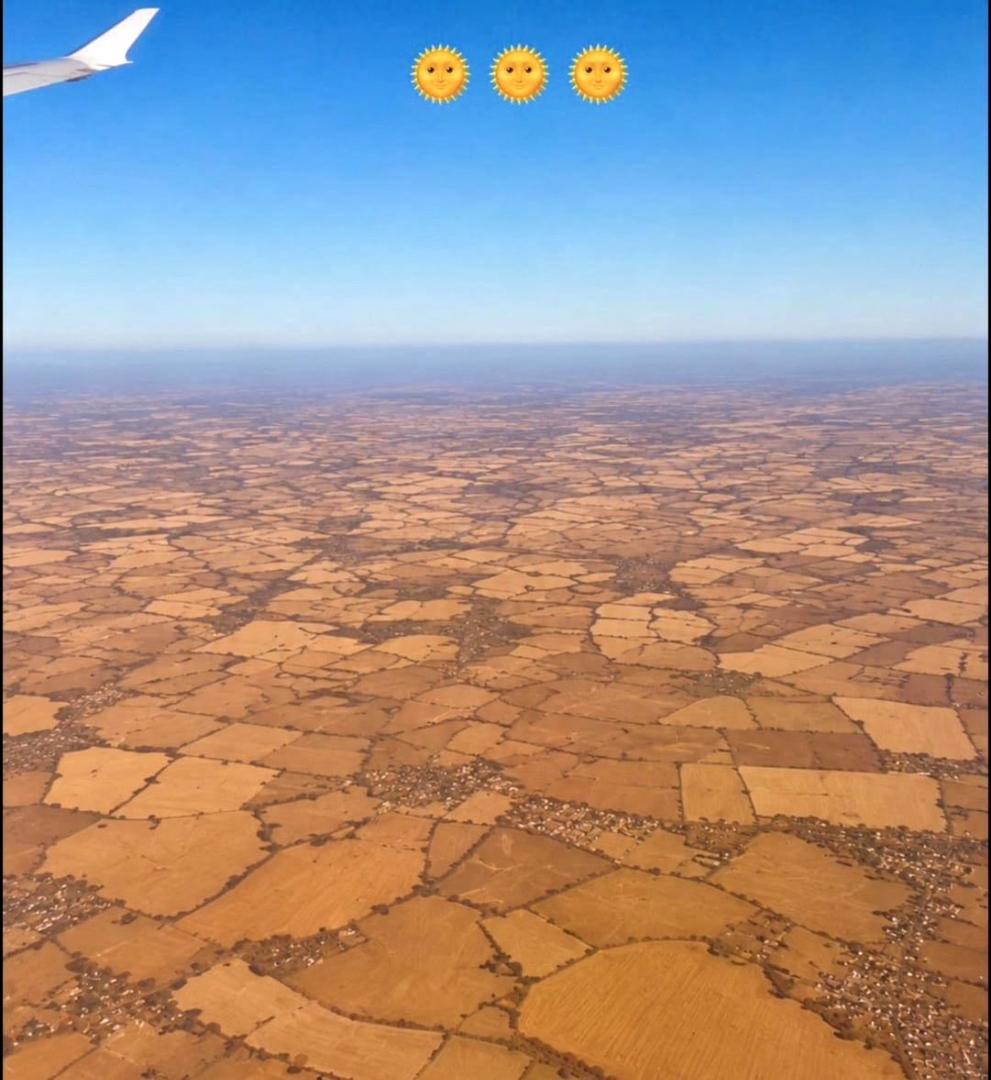
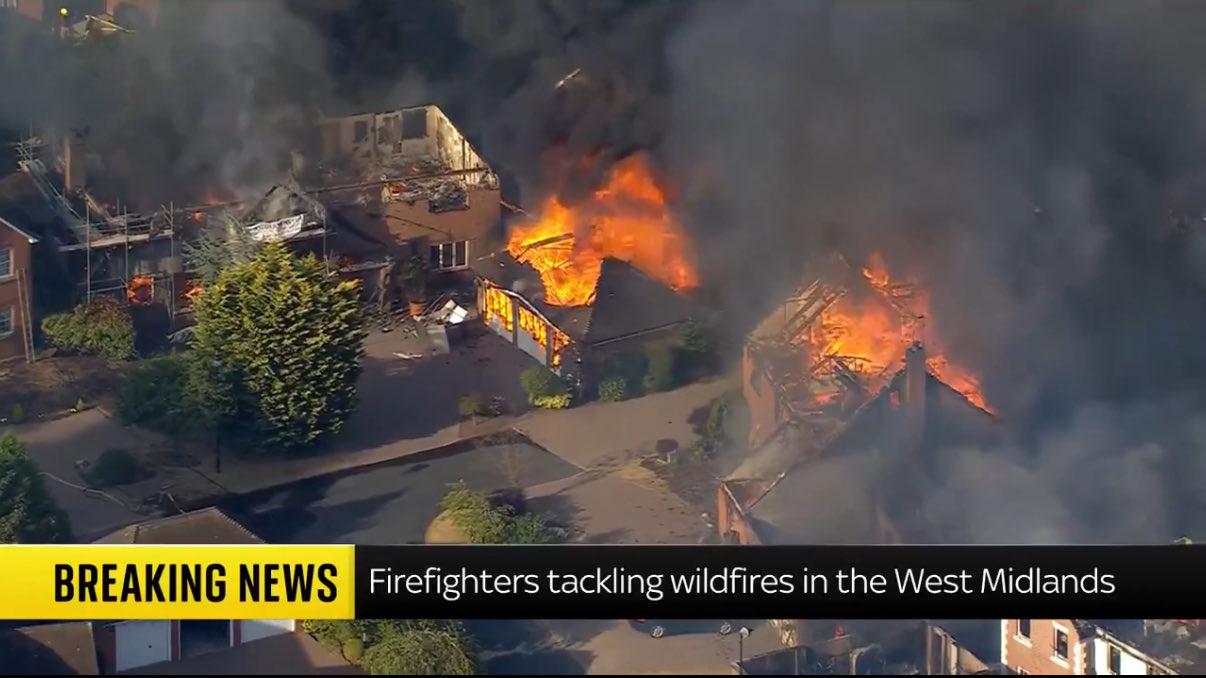
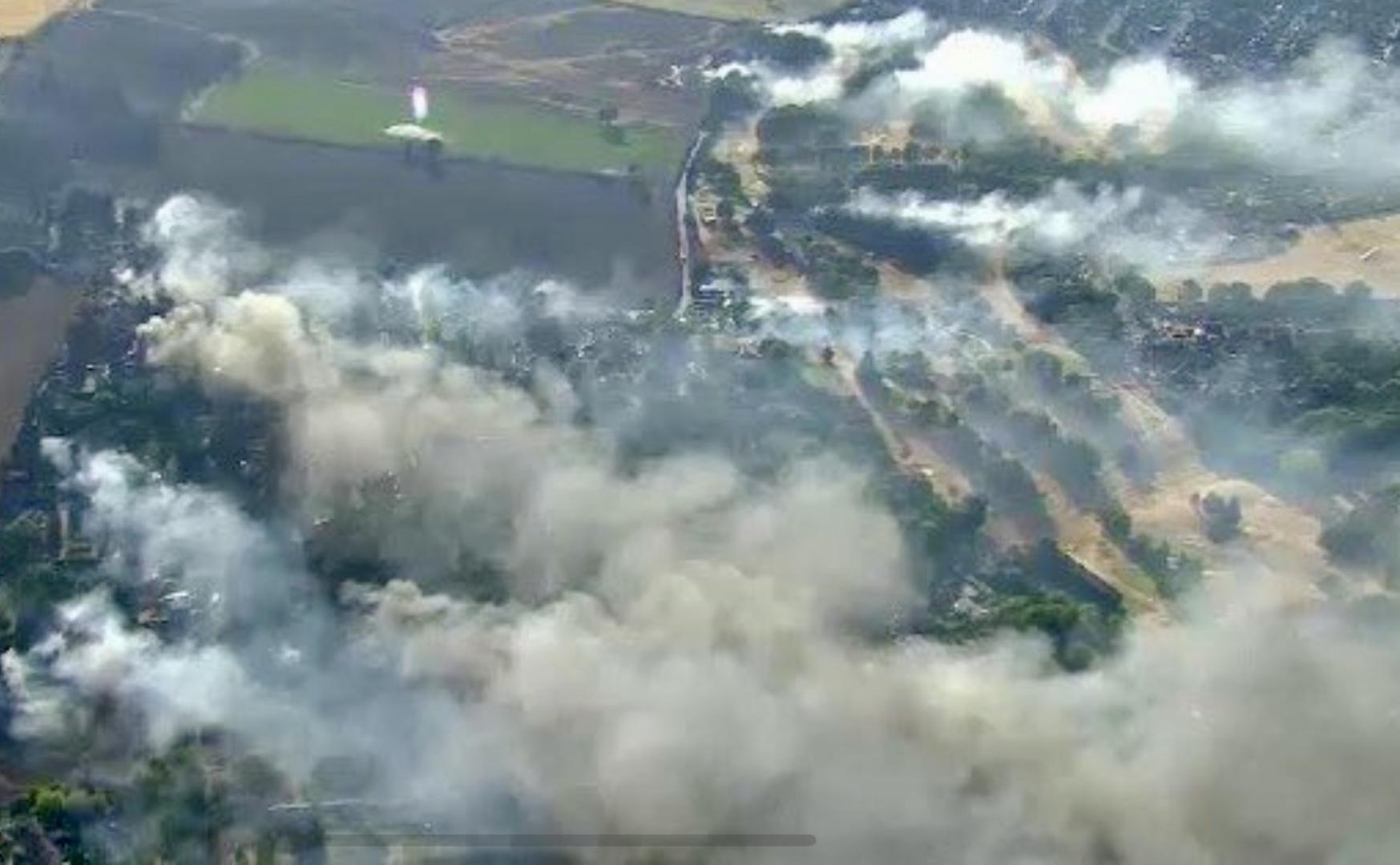
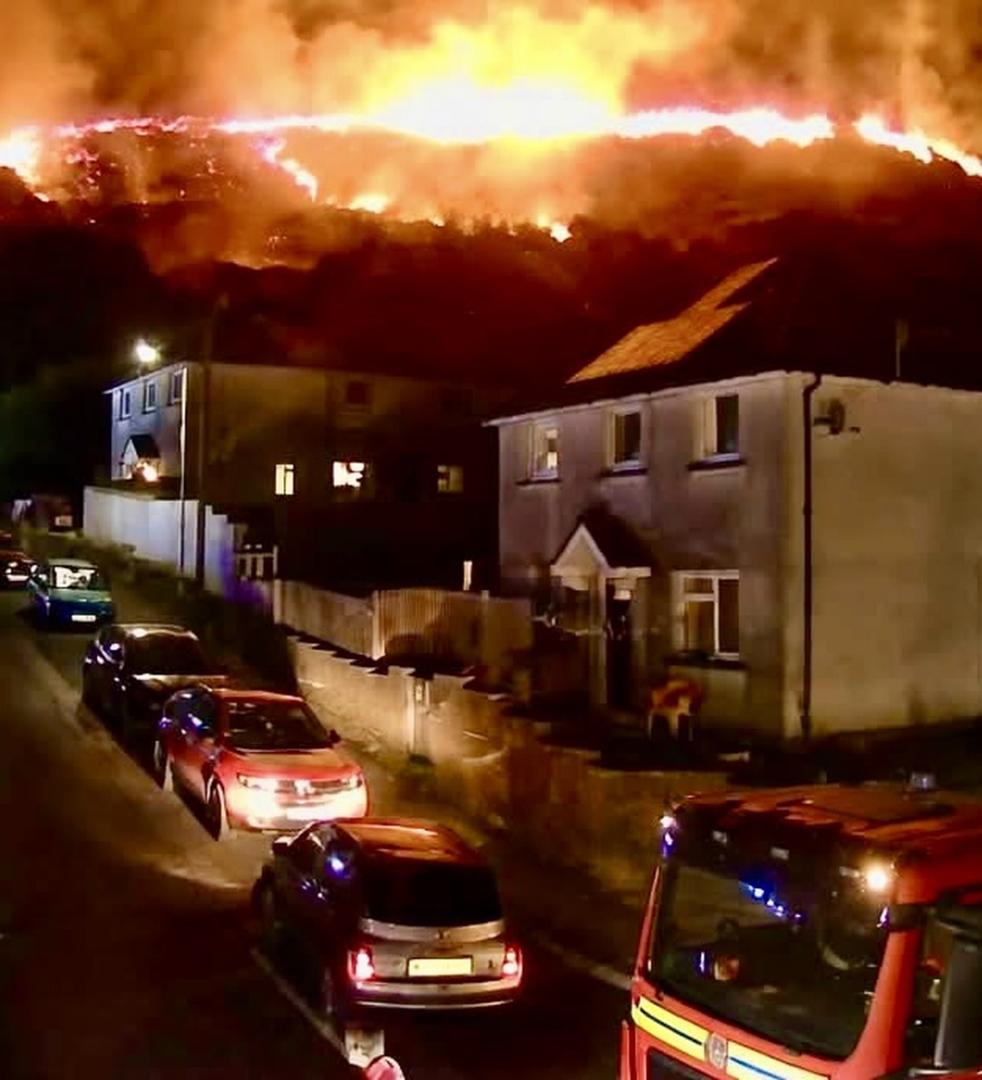
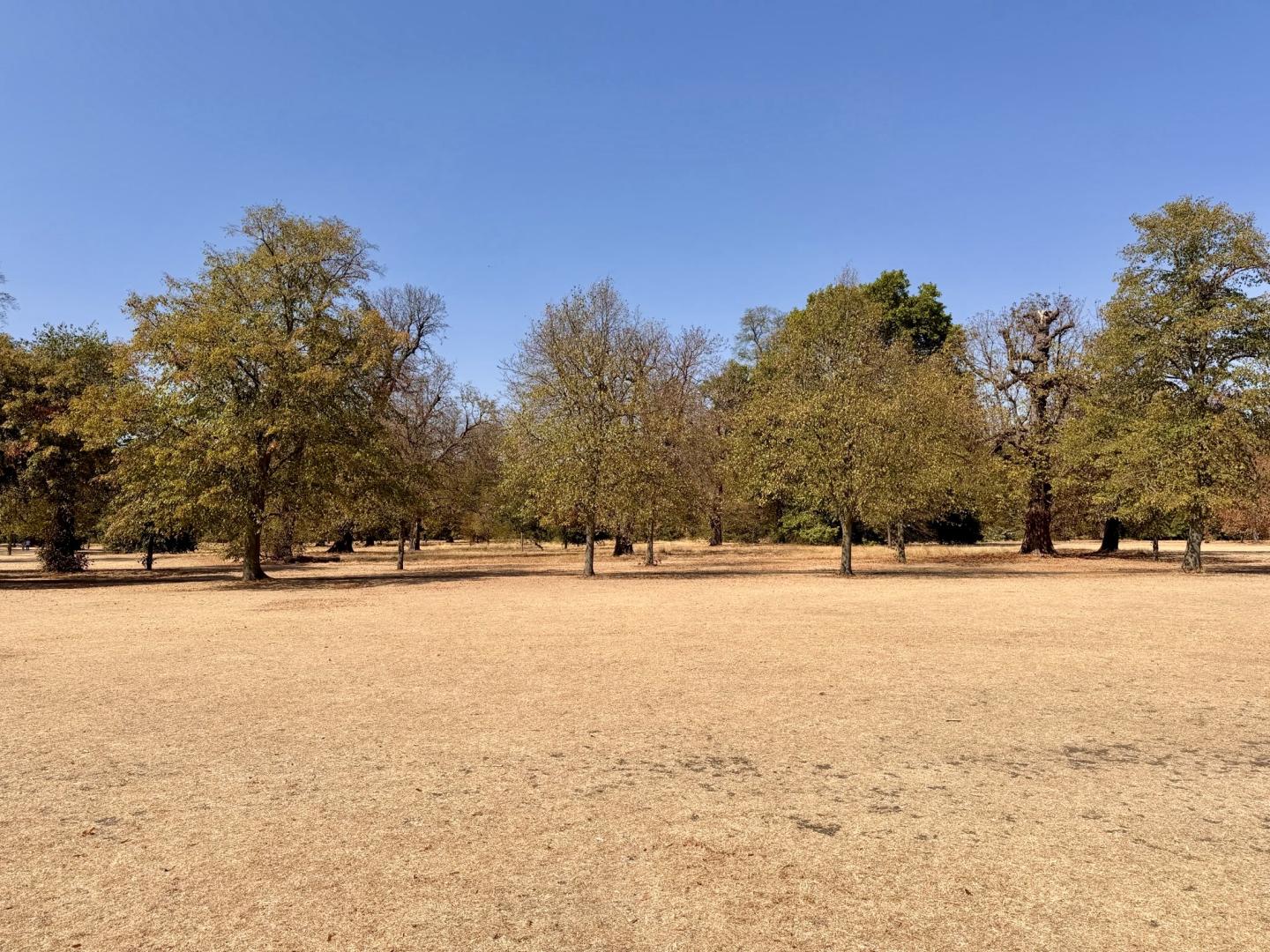
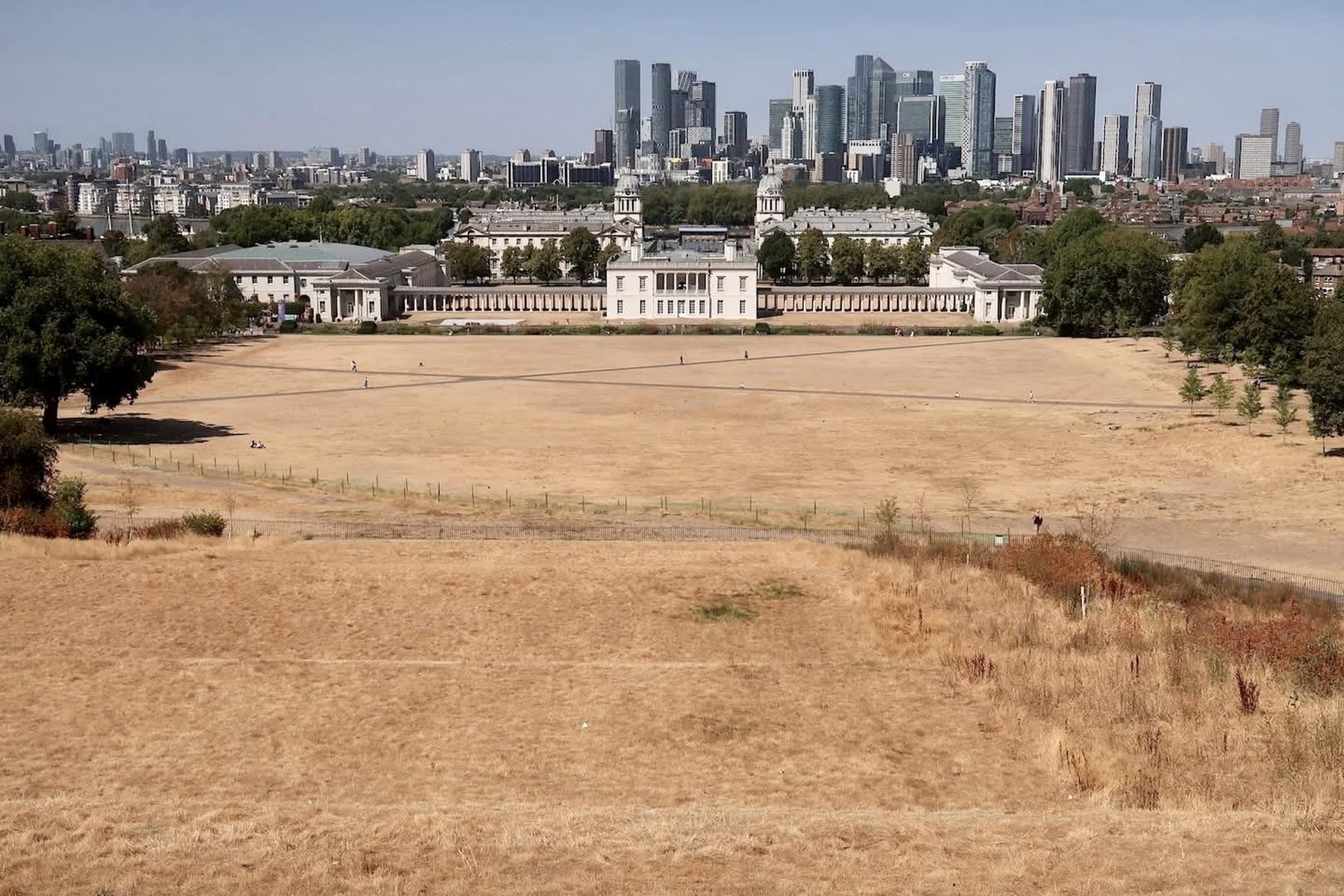
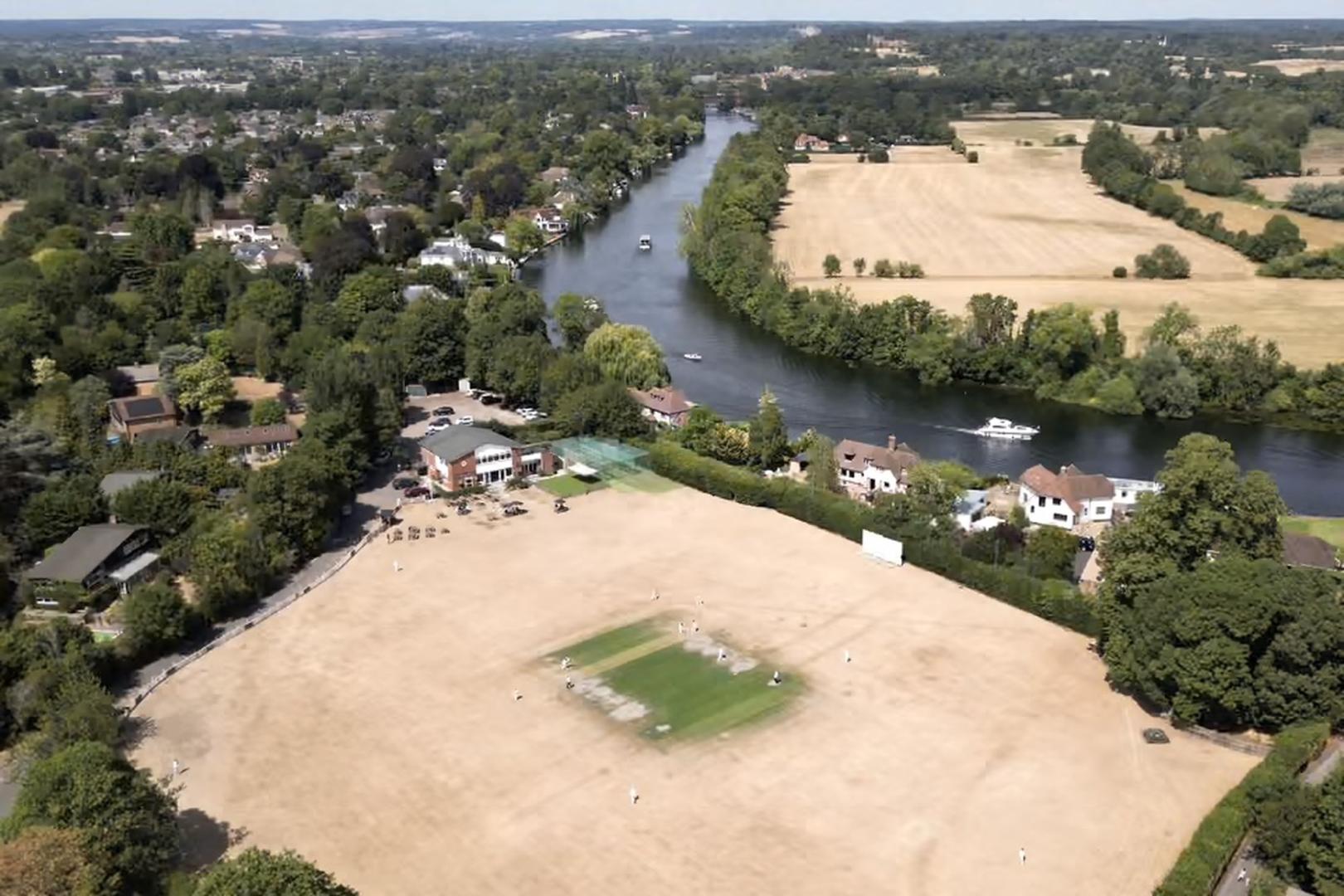
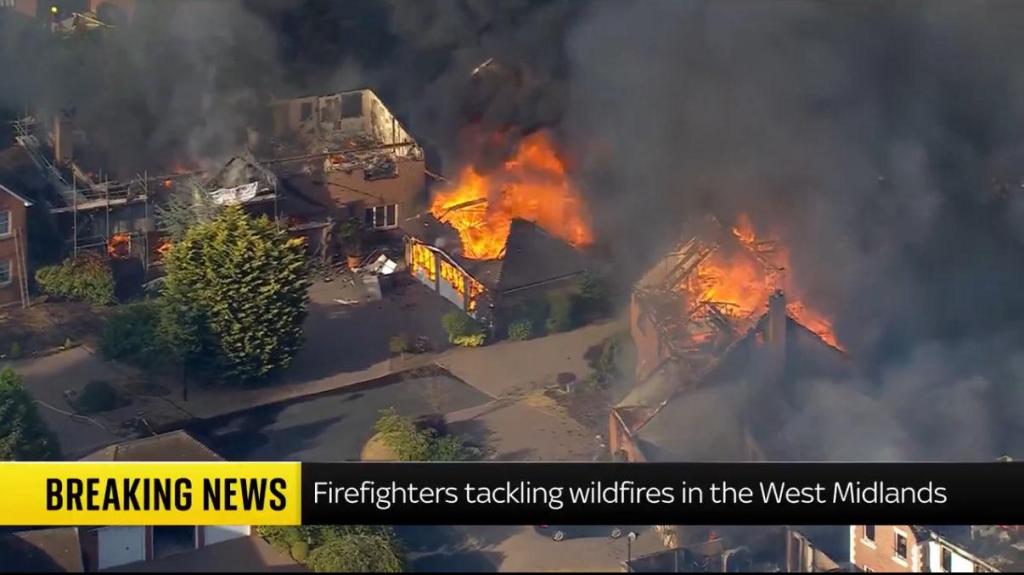
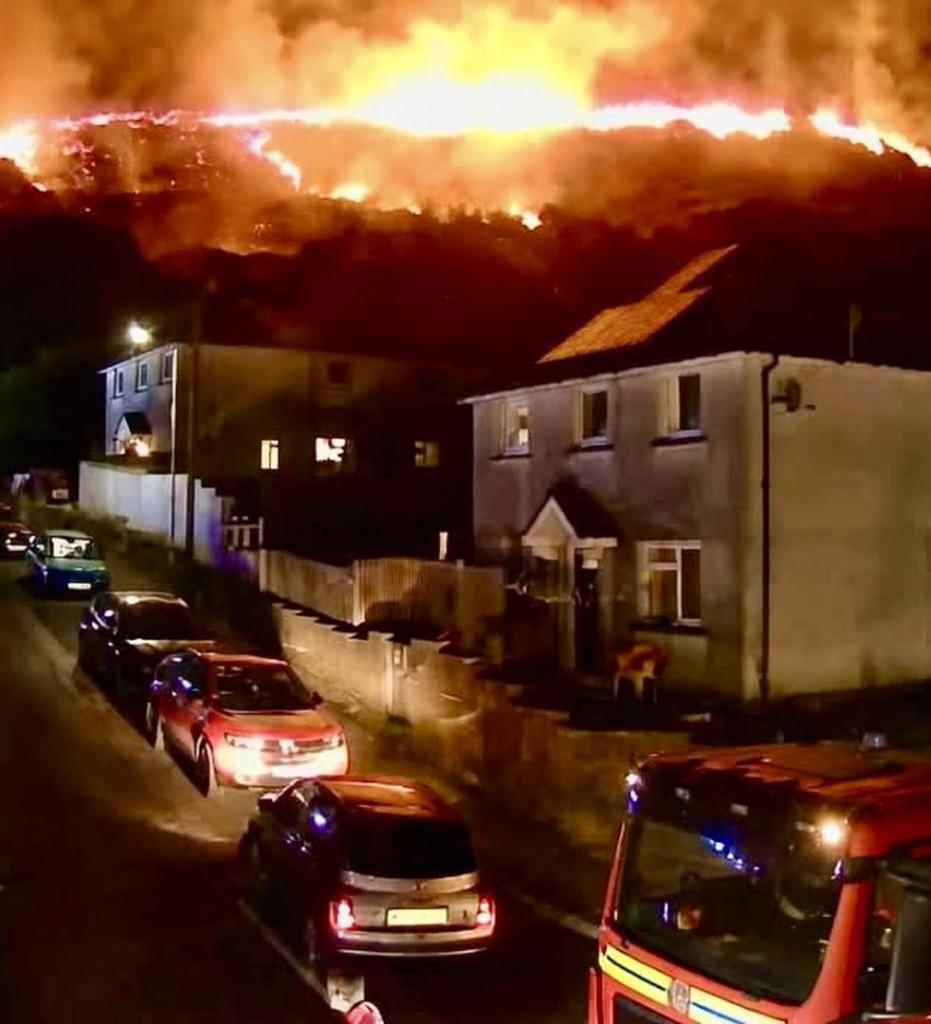
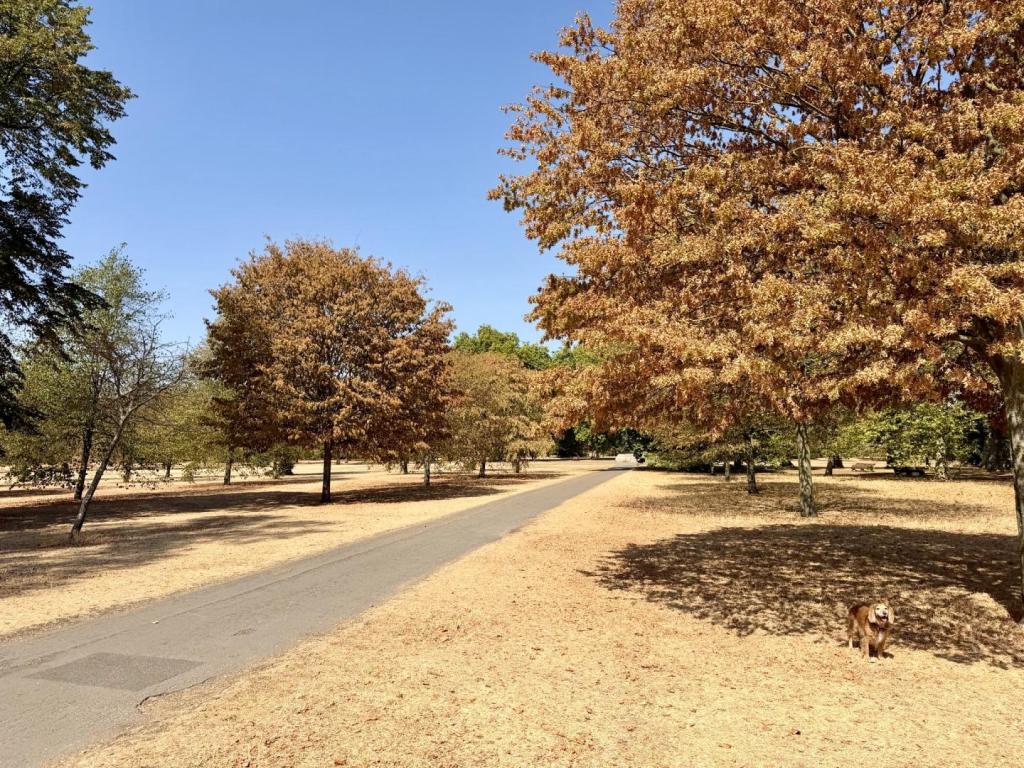
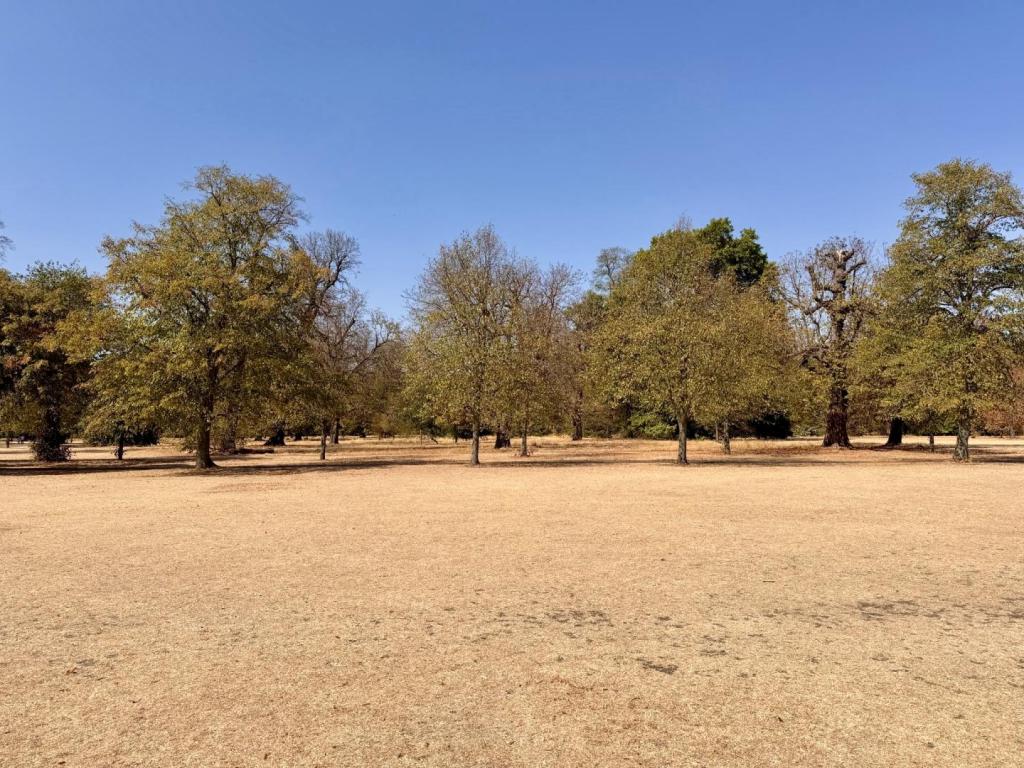
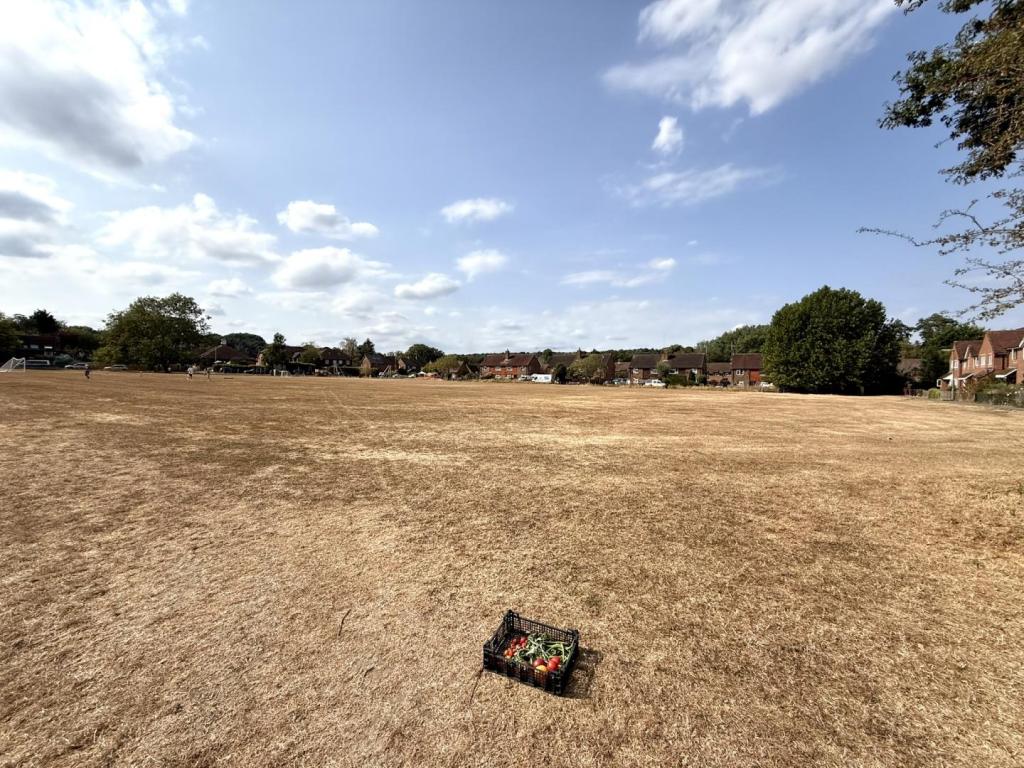
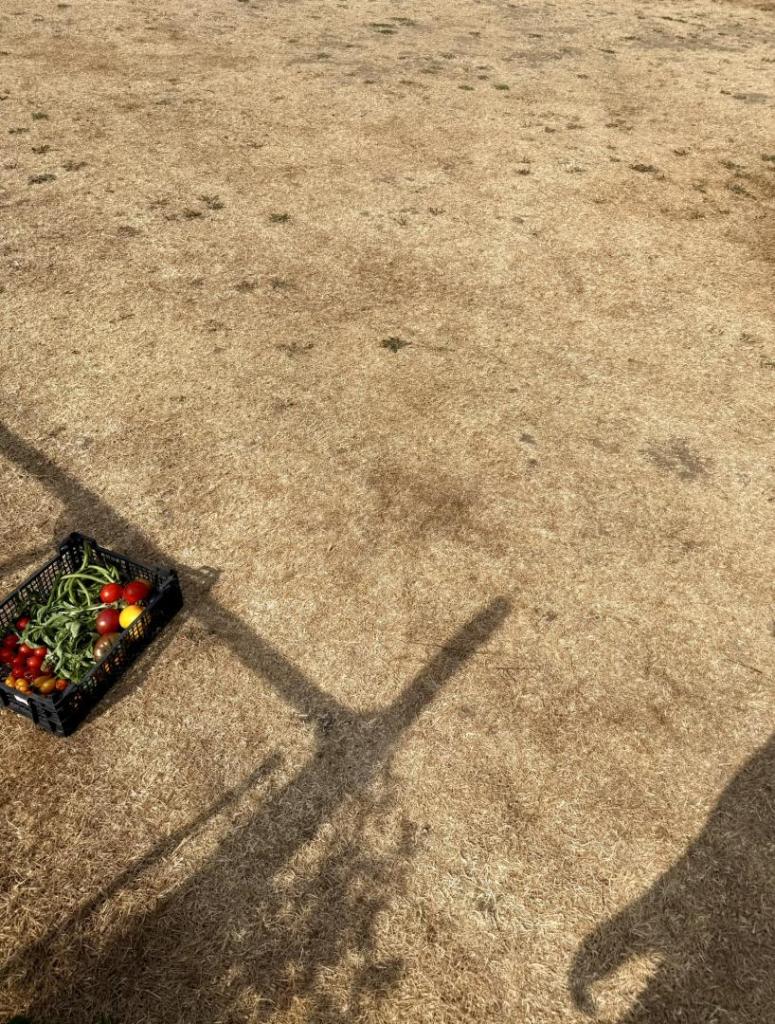
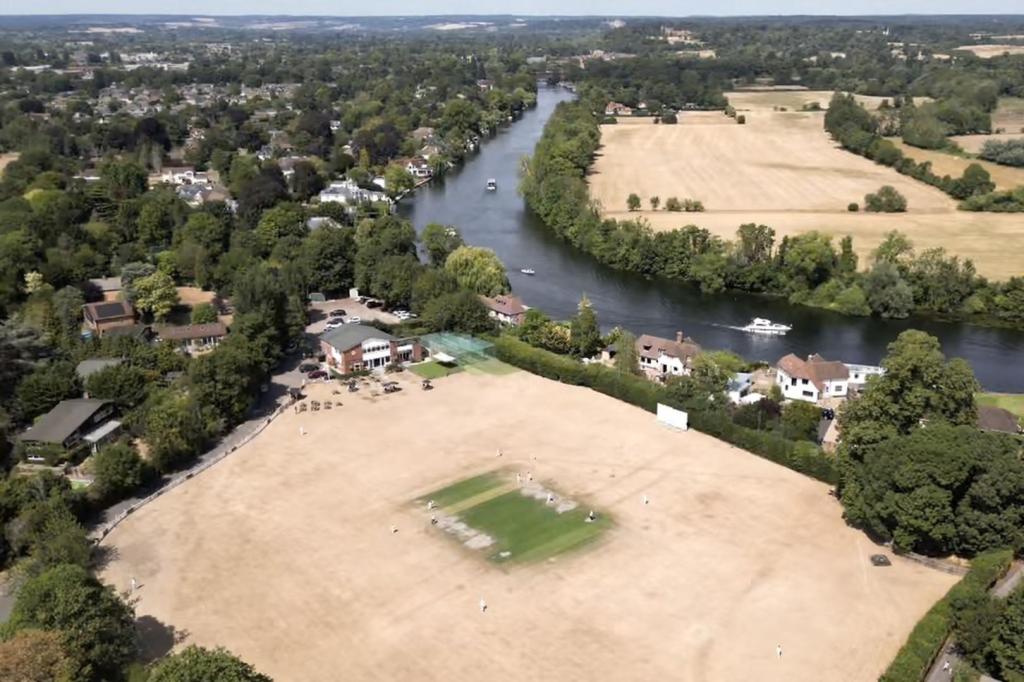
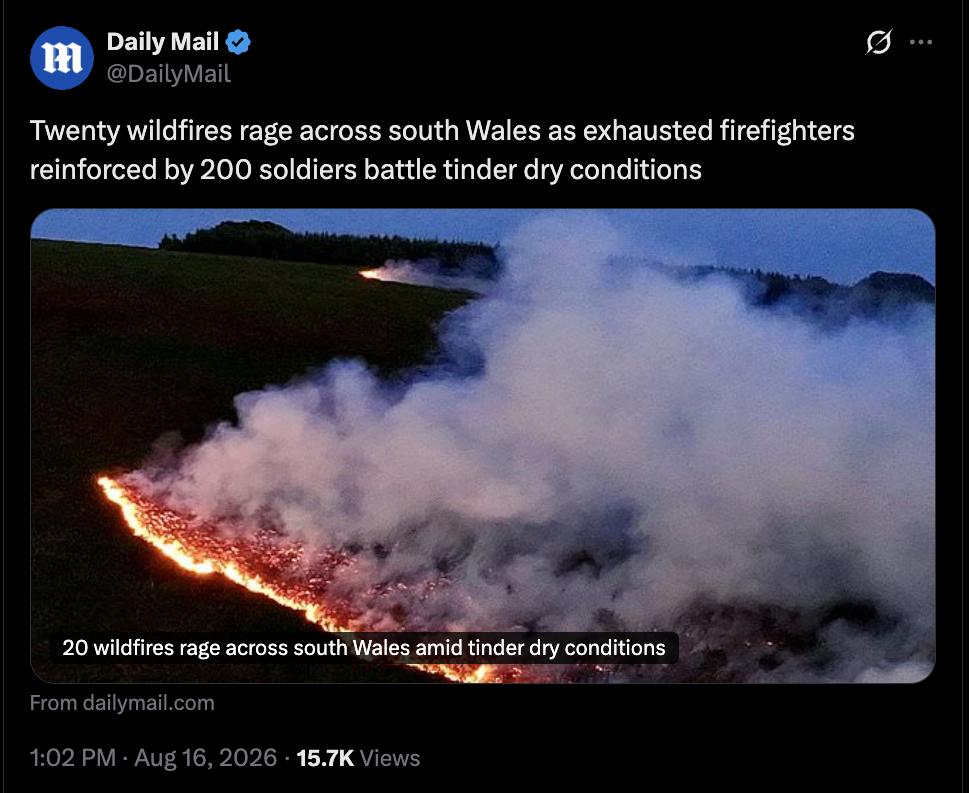
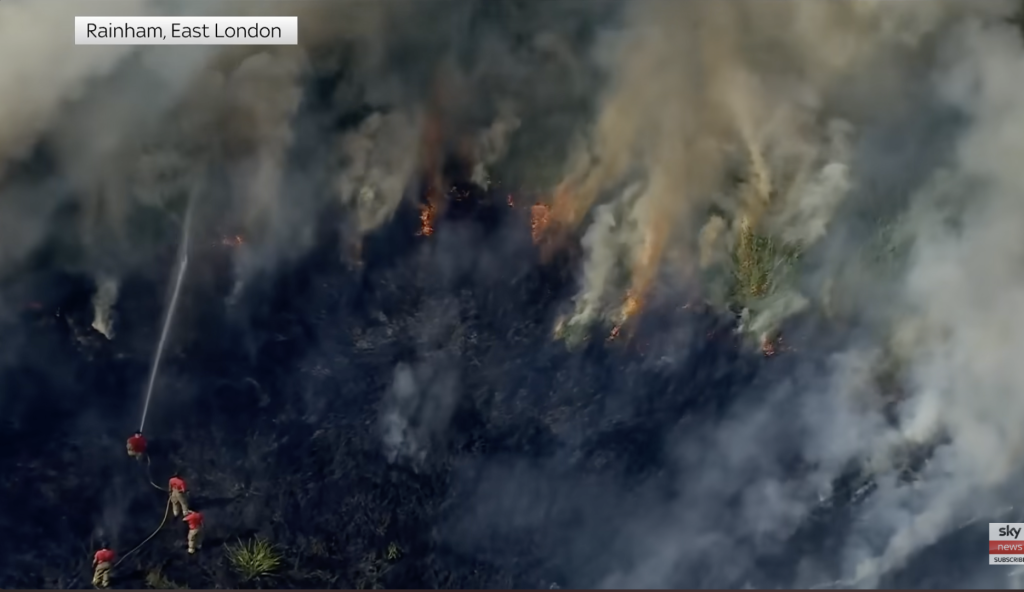
 UK_Palms replied to UK_Palms's topic in WEATHER / CLIMATEI am now up to 63 days since it last rained here back on 16th June. That is 2 whole months without a single drop of rain here this summer now. This is what southern and eastern England currently looks like from the air. It looks more like Arizona than England... This drought is an absolute crop killer. I have lost all of my squash, melons, beans, corn etc. Even with some irrigation it is impossible for them to survive with no rainfall for 2 months and 30-40C temperatures. Even the local trees around here have been absolutely smashed with excessive leaf drop... I harvested some veg today... Dust devils just casually haunt London's parks these days... Aussie report for you... The state of Greenwich Park in this video looking out to the London skyline... Another 38C / 100F day to add to the list as well. It's actually the latest 38C / 100F on record here for the UK, after we experienced the earliest 100F on record back in June with the 38.0C / 100F at Lingwood. Again nights have been on the cooler side due to how dry it is (desert like) and the not overly warm airmass overhead, but the days have been pretty hot. Average max of 30C for the first 2 weeks of August here and 160+ hours of sunshine. This comes after an exceptionally hot, dry and sunny July too... Fire in the New Forest in Hampshire impacting roads and gutting nature reserves... Numerous houses burnt down by wildfires and people airlifted to hospital... As I post this tonight more evacuations are underway in various parts of England and Wales with fires still raging... A cooler spell is on the way now and maybe some rain finally, but that is expected as we head into the final stretch of meteorological summer. We still have September to go yet though too. Modelling has a hot, dry September expected...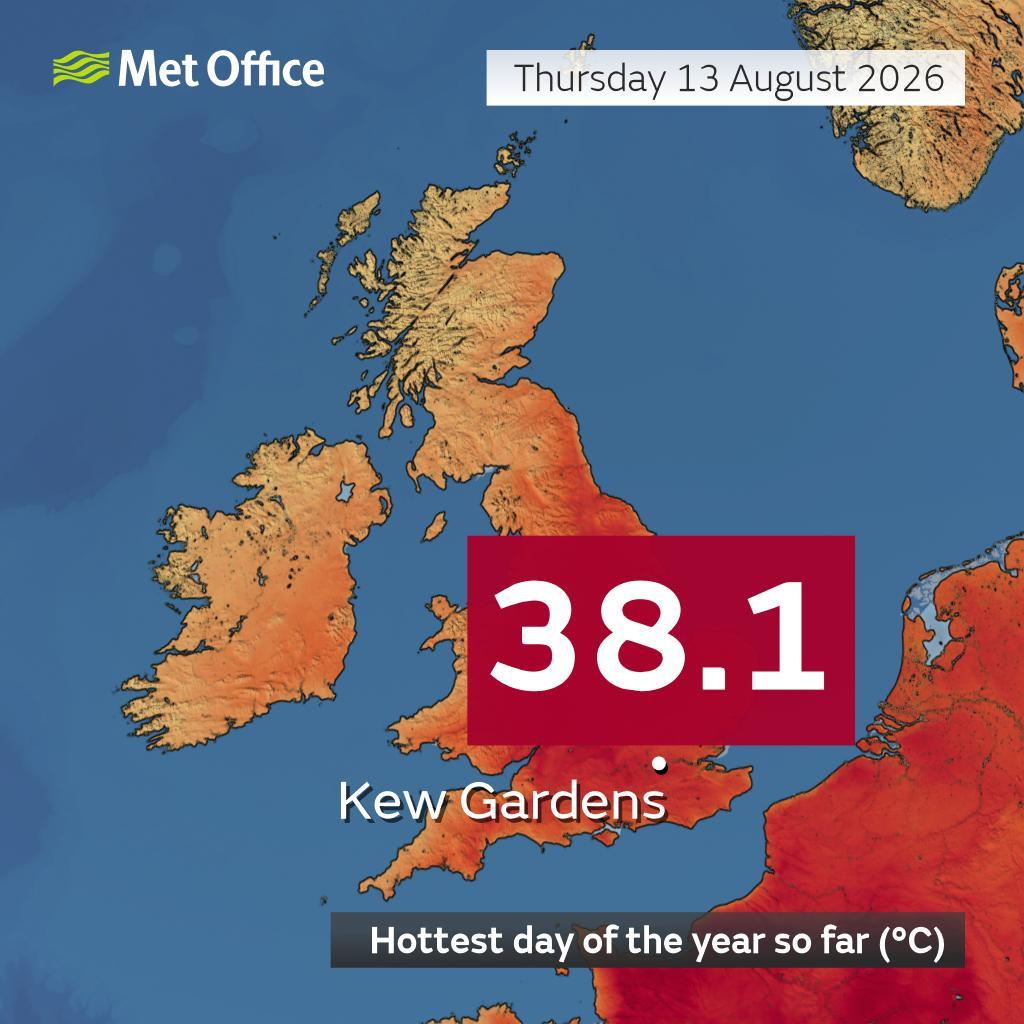





-
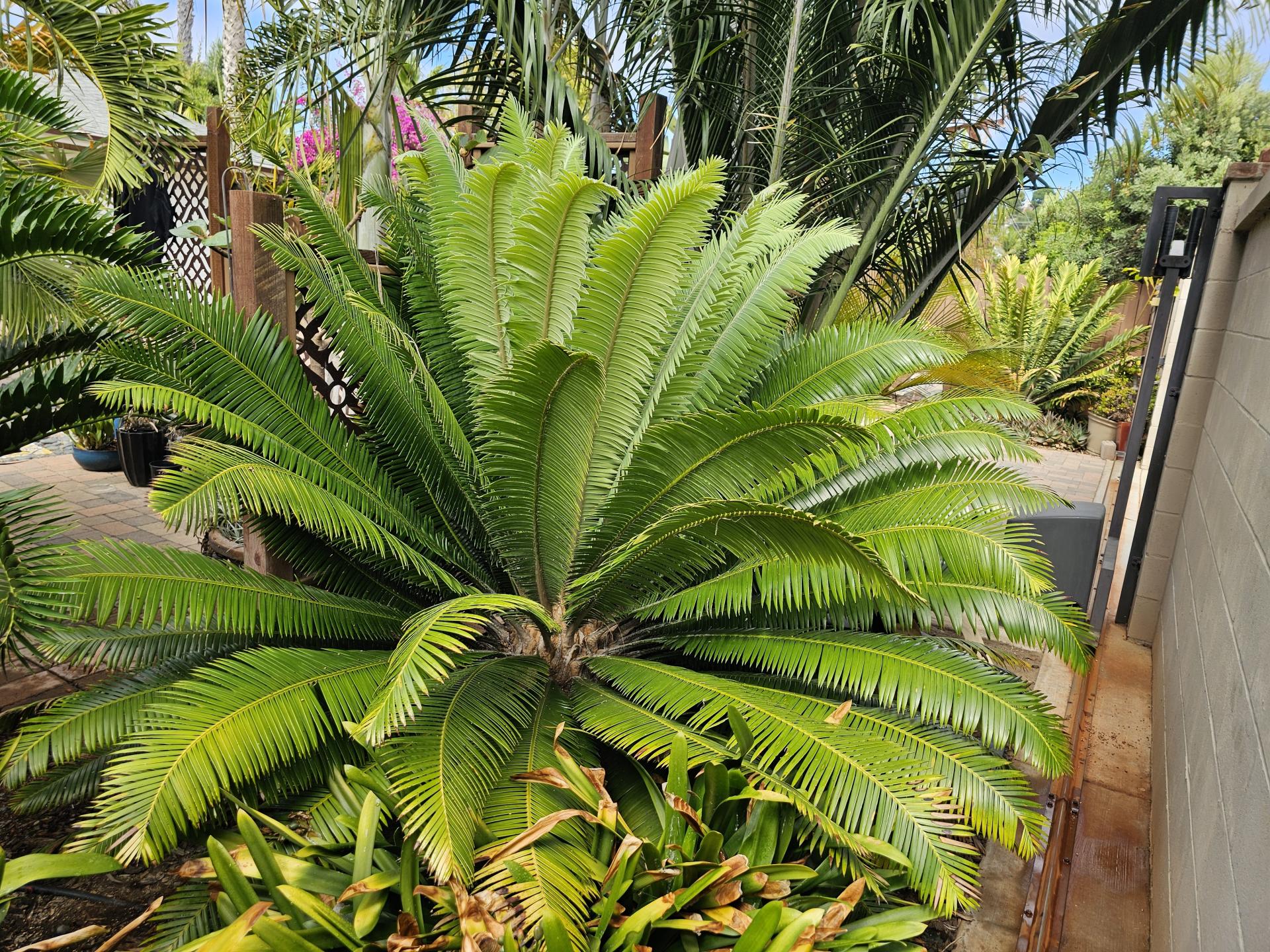
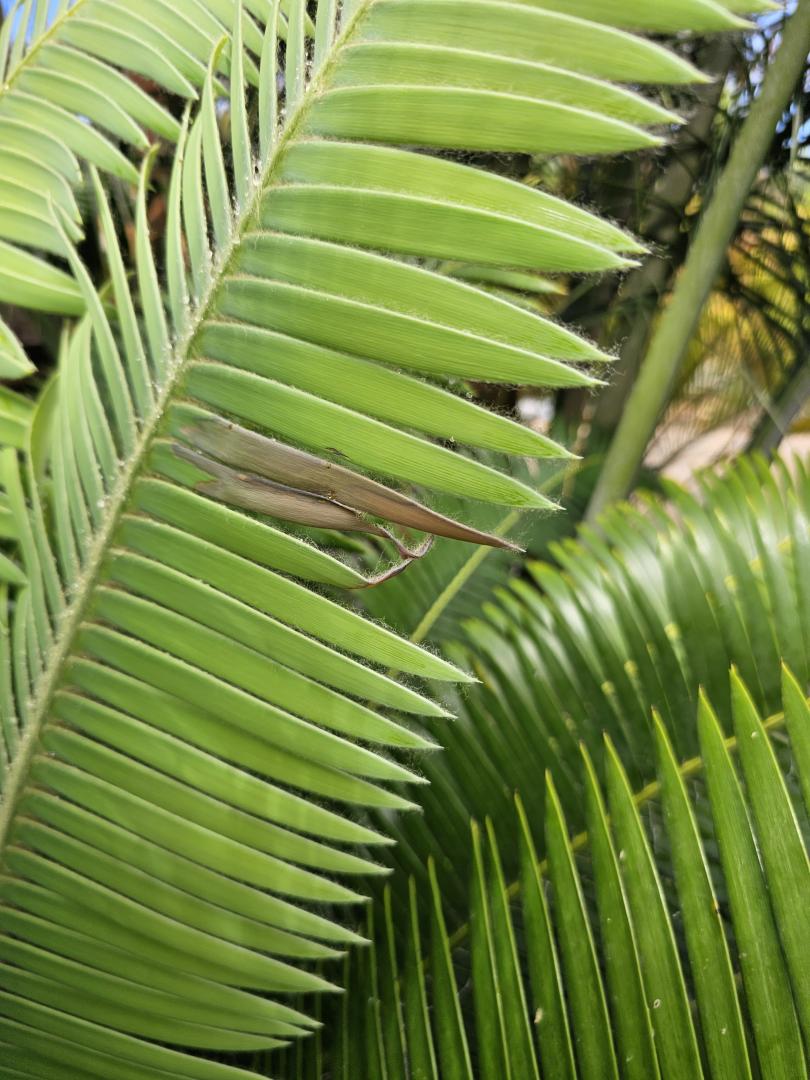
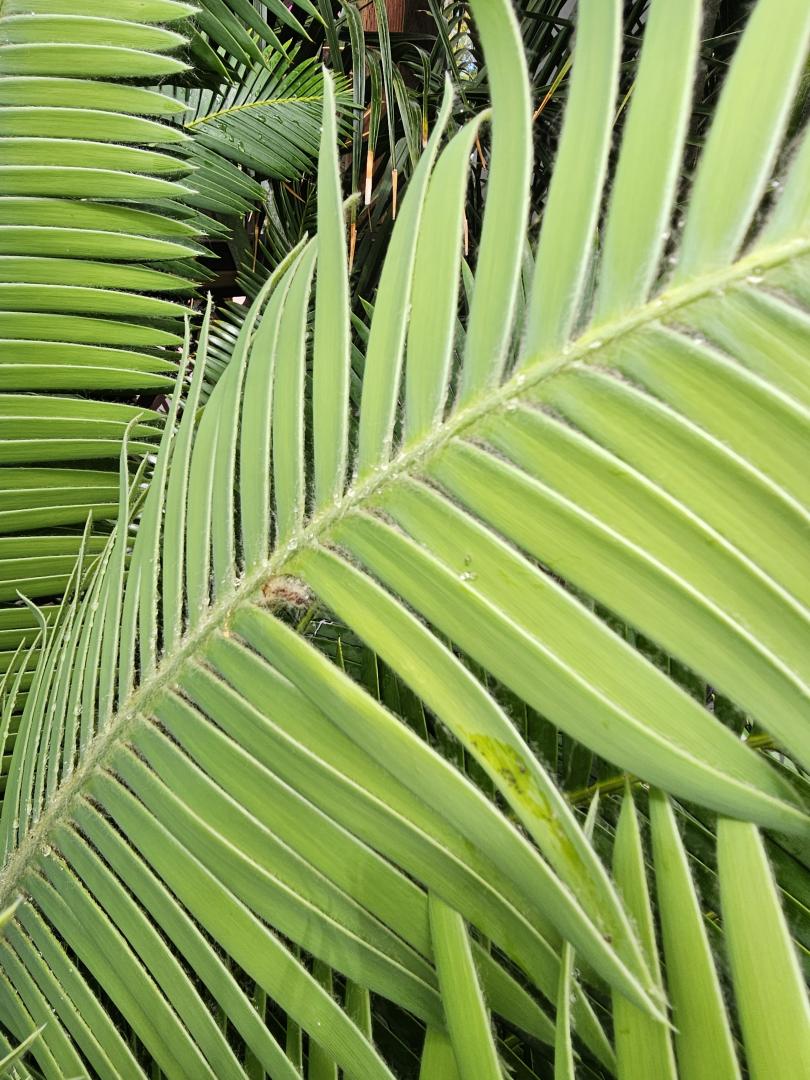
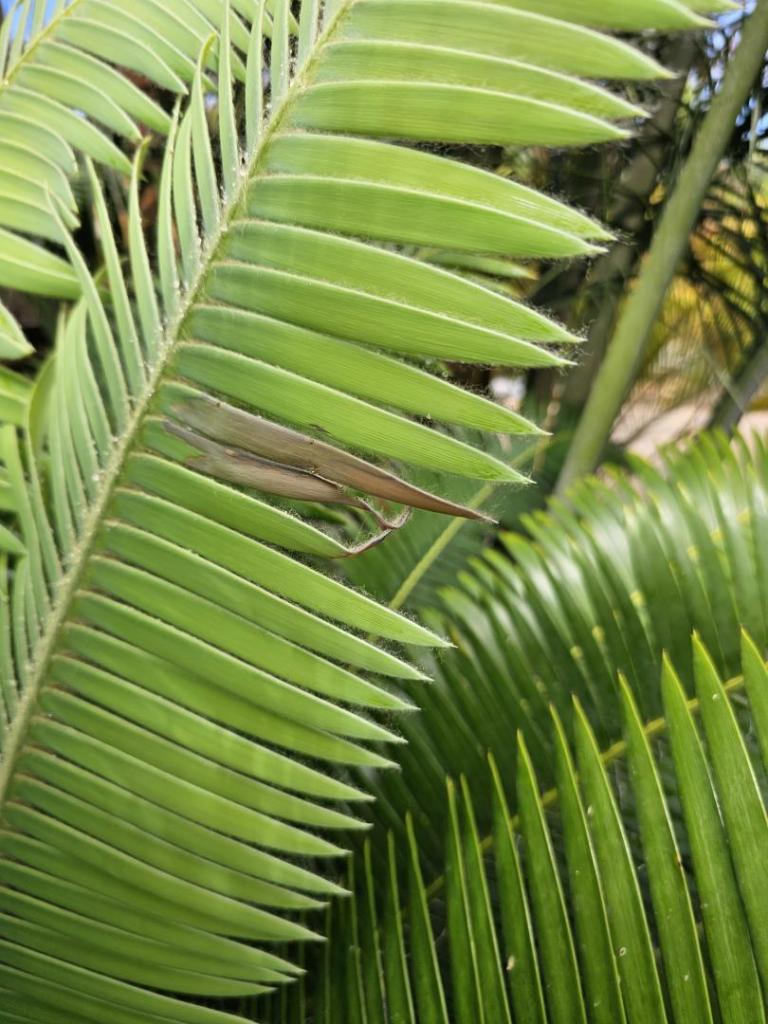
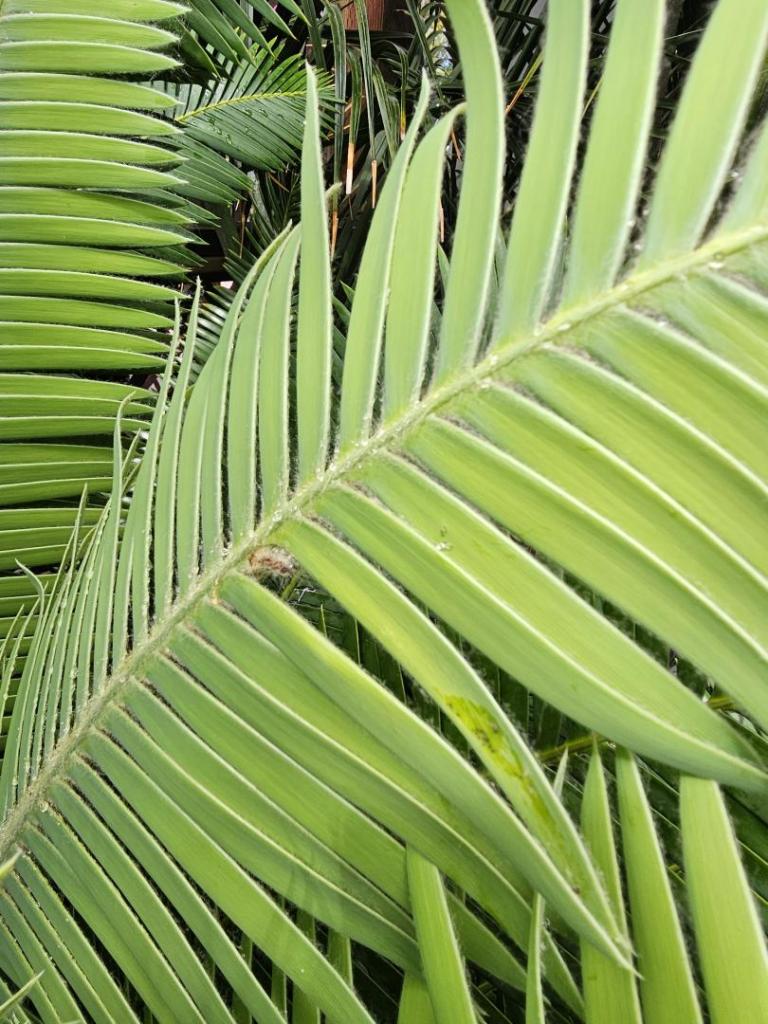
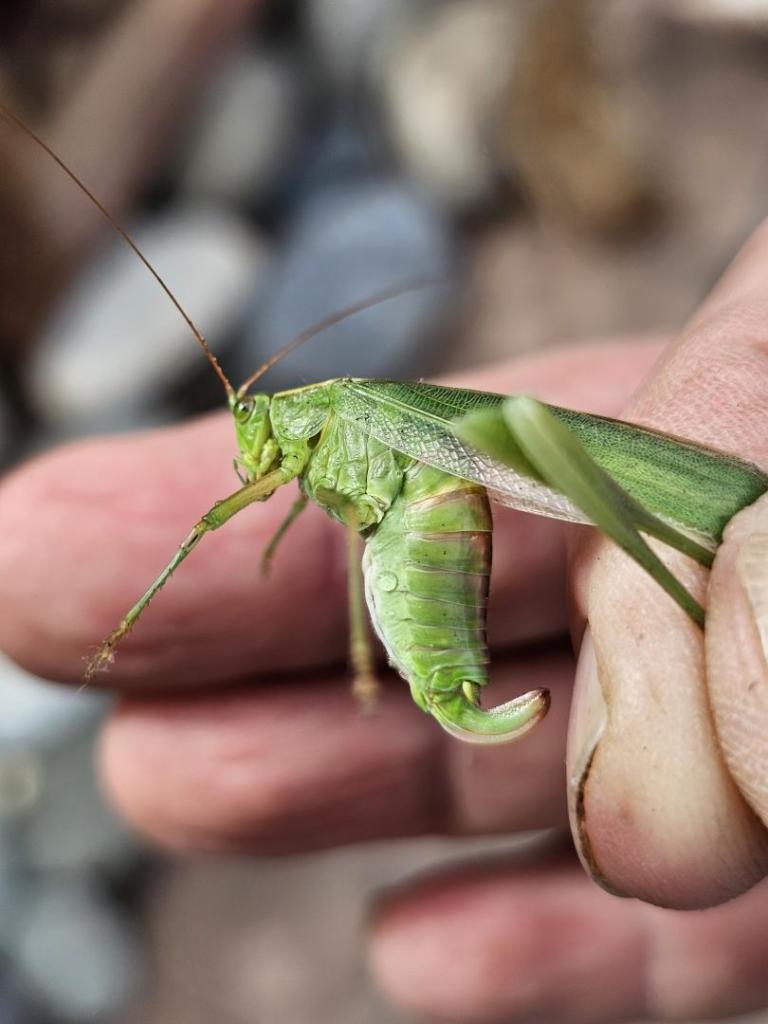
 Tracy posted a topic in TROPICAL LOOKING PLANTS - Other Than PalmsI was walking by my Dioon mejiae which is flushing and still has soft leaflets and noticed a couple of damaged leaflets. I looked more closely and spotted a grasshopper on another leaf. I successfully grabbed the grasshopper and could see it had already eaten a leaflet on that leaf. Grasshoppers seem to like my Dioon flushes and my Encephalartos inopinus. It really bugs me when I find these grasshoppers on my plants. What bugs you?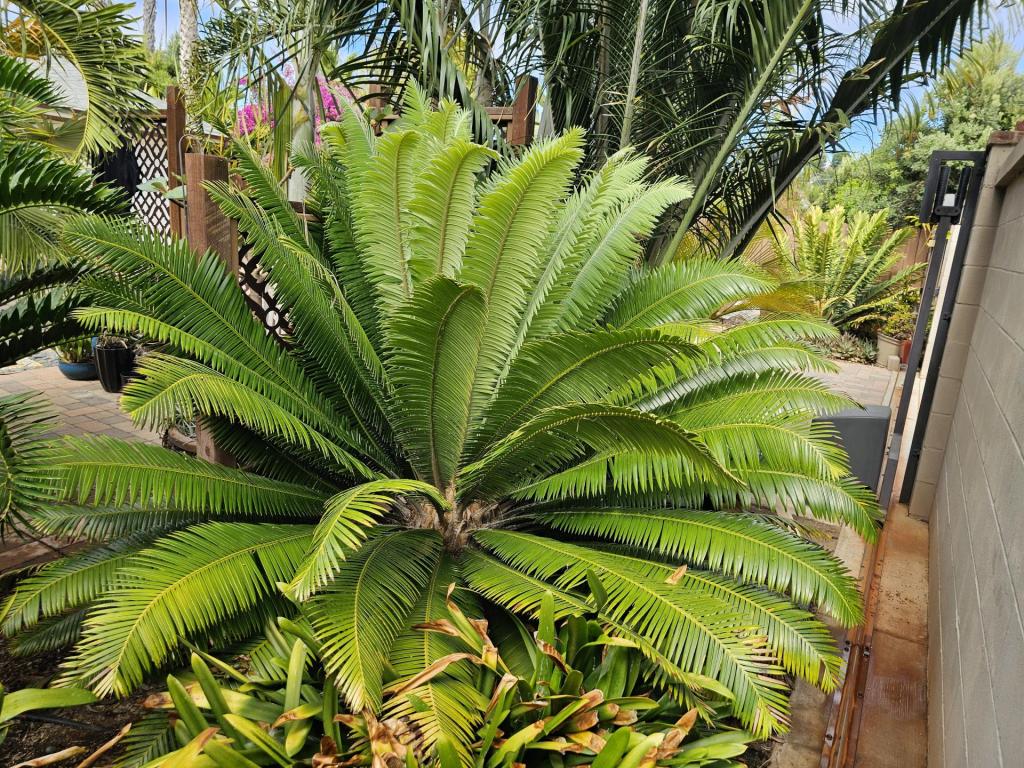

-
happypalms replied to DoomsDave's topic in DISCUSSING PALM TREES WORLDWIDESeasol or seaweed extract for vitamin b stress relief. Which I think some of world could use some right now!
-
 smithgn replied to smithgn's topic in DISCUSSING PALM TREES WORLDWIDEA few parts of the AI summary is unintentionally humorous: “Current availability list” can be highly unpredictable. 😂 Thanks, Jim.
 -
 DoomsDave posted a topic in DISCUSSING PALM TREES WORLDWIDEI’ve got a few that I’d like to dig and move. None are trunking; leaves are 6-8 feet long. Anyone have any thoughts? @Jim in Los Altos?
 -
LonghardRoad replied to stevethegator's topic in DISCUSSING PALM TREES WORLDWIDEThese are the Extreme Temps since 1939 for the Moapa Valley area (which is several climate zones because Moapa Valley stetches from the Warm Springs (Moapa Warm Springs just adjacent to the Moapa Indian reservation which is kind of hidden in one part of the valley to the south of the springs and OUTSIDE of all the palms groves) -- and it's about 40 miles to the Southernmost end of the Valley. So several places experience more extreme cold. Like Logandale. And some places like Echo Bay on the lake are actually 9a zone (like parts of Phoenix) 9b is more like Tucson -- 10a would be like Bullhead city or Yuma or Ajo and some parts of Phoenix or Scottsdale as far as cold extremes go. But these things are very variable of course. I recorded 10 years worth of Freeze data in the area when I was young. One poster noted that the Wild life refuge had been in Moapa since 1979. Well... while they DID have a spot up there -- the Plummer resort (where they are NOW) was NOT selling to them. The Refuge was a very small thing - and they purchased one House and family plot (in among the palms) right next door to the old Plummer place. But it was massively overgrown with dry dead weeds. The former owner kept it pristine and nice but not the refuge. They were small unitl the mid 1990s and that's when the Fire took place and it started on that Refuge Property. Immediately after the Plummer resort was destroyed by that fire, the refuge took over the entire place. Then they took over the old Howard Huges property / pool and house.... which was owned by the Mormon church as a camping private Retreat. The Mormon's allowed me, a Professional Ethnographer (Helen Mortinsen) who had planned to professionally record the memories of the living Moapa Elders stories -- but never did before they all died -- even though she was RIGHT THERE WITH ME and with the elders WHEN we and the entire group from the Archaeo-Nevada Society visited the Palm grove. This is when the elder Evelyn Samalar prayed over me completely surprising me... in the Paiute language. She laid her hands on my head. I dared to ask her what she said afterward. She was so quiet and graceful... (NO ONE saw us. everyone was playing in the water!) She softly said: I told the Palms... you were here to protect them and to protect our legacy here. I choked up. I had worked very hard to do all this. It was one of the few times I felt appreciated for all the work. Even at the tribal conference meeting where they approved (that I could write this and go to the grove to talk about it) I felt like an Alien. The other Elders would not see me. I had to have a friend (Kaye Herron -- who had worked for many years for the Moapa Telephone company and who KNEW all the Native women personally) go and collect their stories. They are very reticent to talk to white people and as a whole did NOT seem to care one way or another what happened -- except some of the men got GOOD JOBS to bulldoze the palms -- after the fire -- which are NOT even on the reservation property... so maybe it's little wonder that this place (which Evelyn personally told me had been a SACRED place to her grandparents) was no longer high on their list of priorities. They were no longer welcome in their ancient sacret place.

-
 TheBerg joined the community
 -
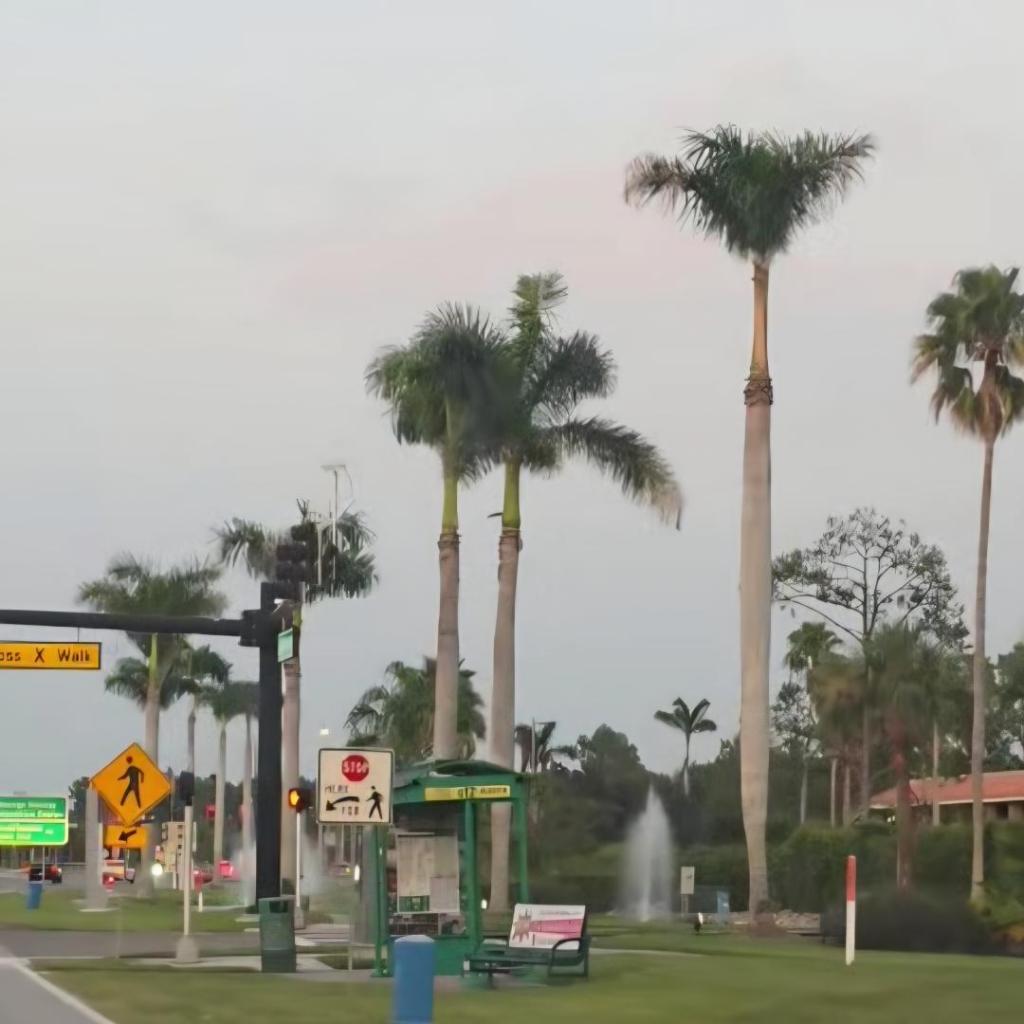
 pj_orlando_z9b replied to palmsOrl's topic in DISCUSSING PALM TREES WORLDWIDEThe I-drive coconut was removed in Mar or April. Arborist on FB page said he was the one who removed it and added it never had a chance long term. Lol, had been there over 15 years. Disappointing. I grabbed these at the Doubletree Sea World a few weeks ago. Looking good.