All Activity
- Past hour
-
 tim_brissy_13 replied to happypalms's topic in DISCUSSING PALM TREES WORLDWIDECurrently 3 species of Chuniophoenix are recognised. C hainanensis C nana C suoitienensis C humilis is currently considered a synonym of C nana. I’ve found both C nana and C hainanensis to be bulletproof down to at least -1.5C with no damage. I’ll hopefully be able to test out C suoitienensis one day @happypalms 😉😉
 - Today
-
 Phoenikakias replied to happypalms's topic in DISCUSSING PALM TREES WORLDWIDEIs Chuniophoenix humilis a third sp in the genus? If it is synonym to nana, then nana has turned out tough as nail in my cold frame. But it needs quite acidic substrate.
 -
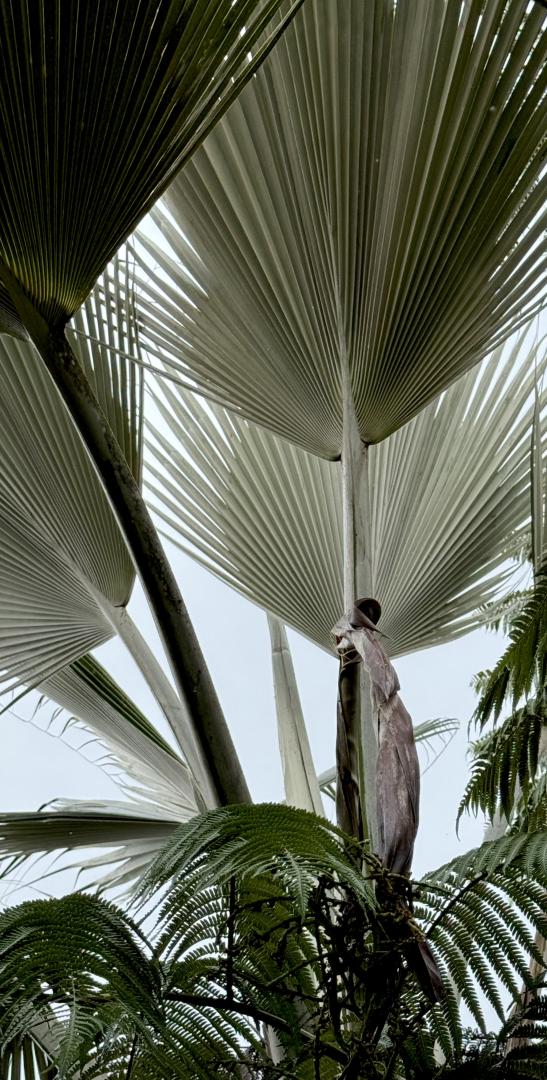
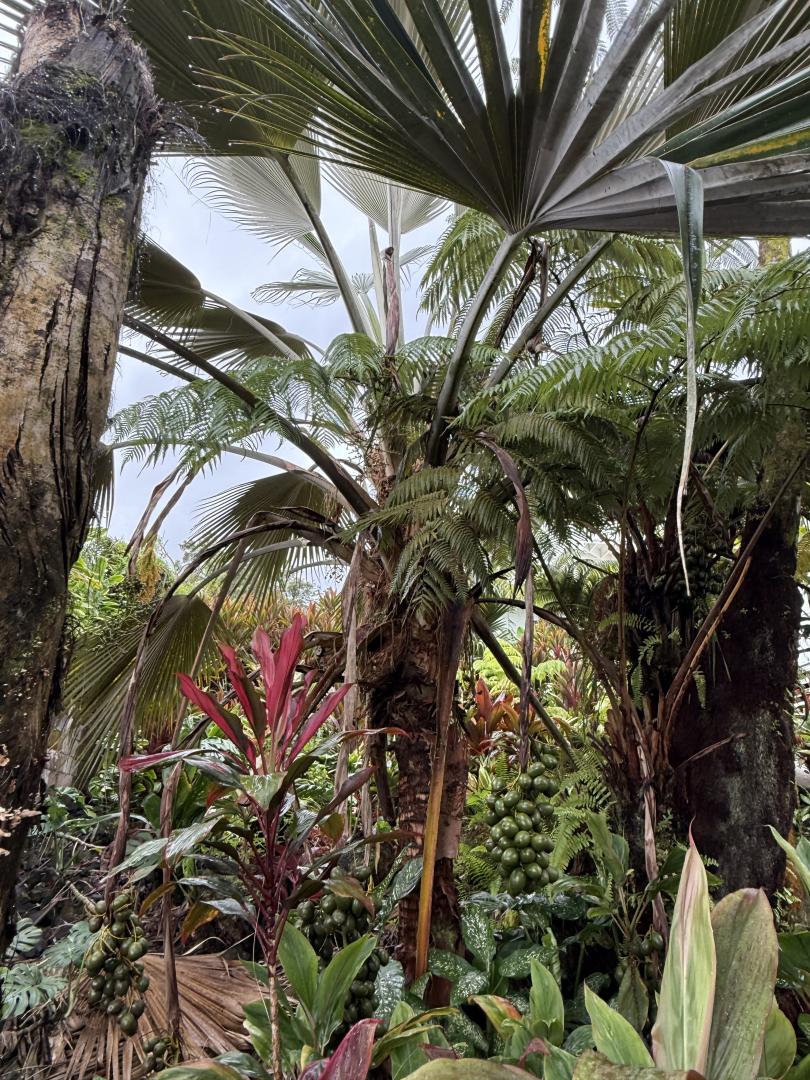
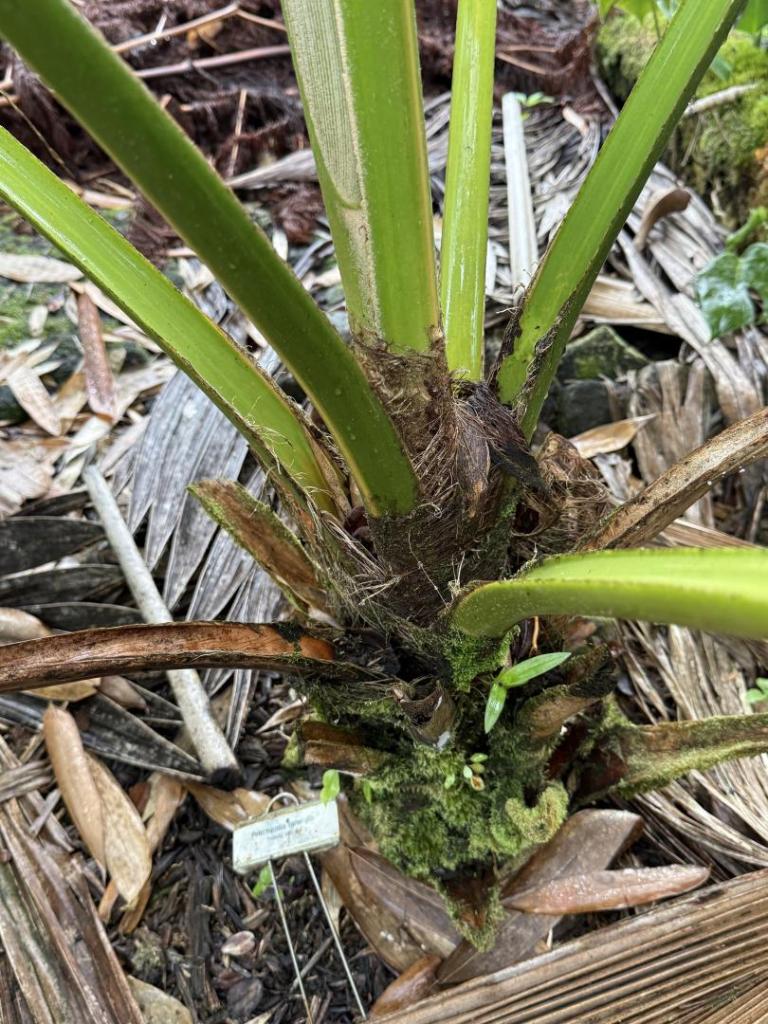
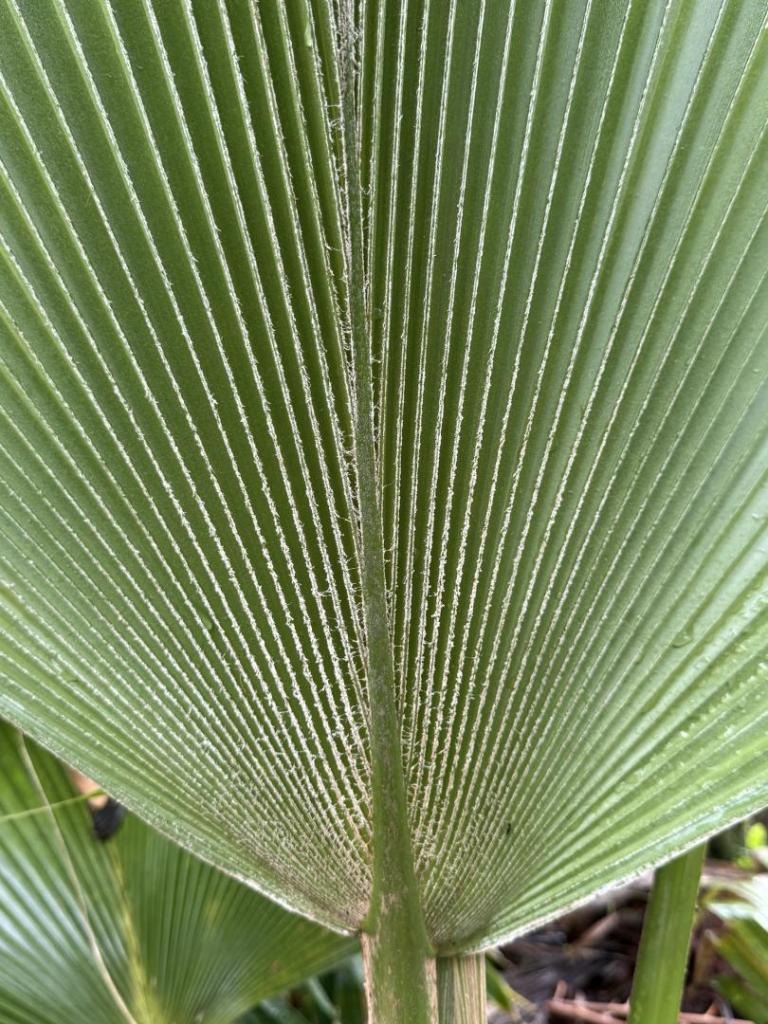
 realarch replied to realarch's topic in DISCUSSING PALM TREES WORLDWIDESo, while I was in the vicinity, here are a few snaps of P. lanigera. Why not eh? Tim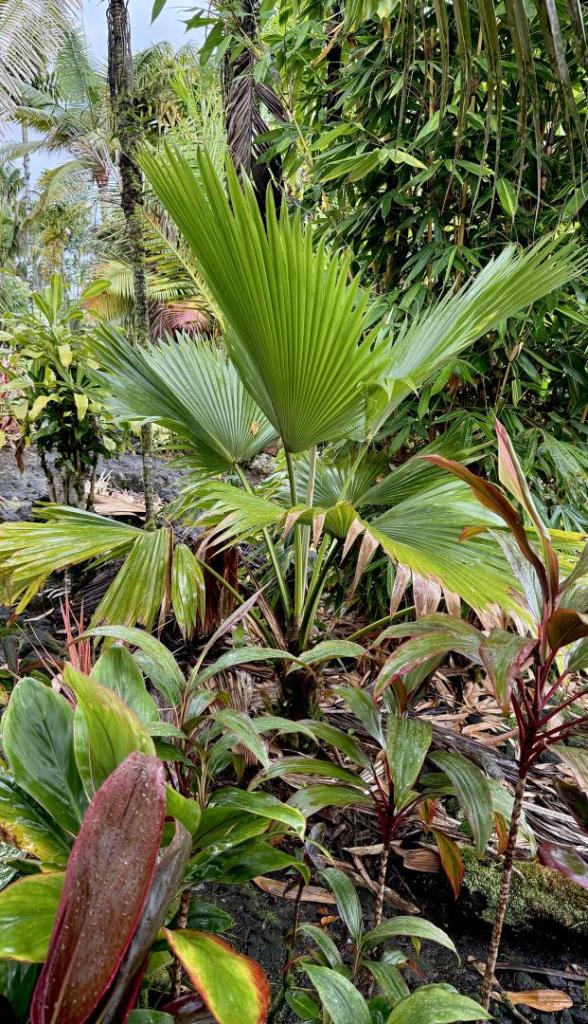
-
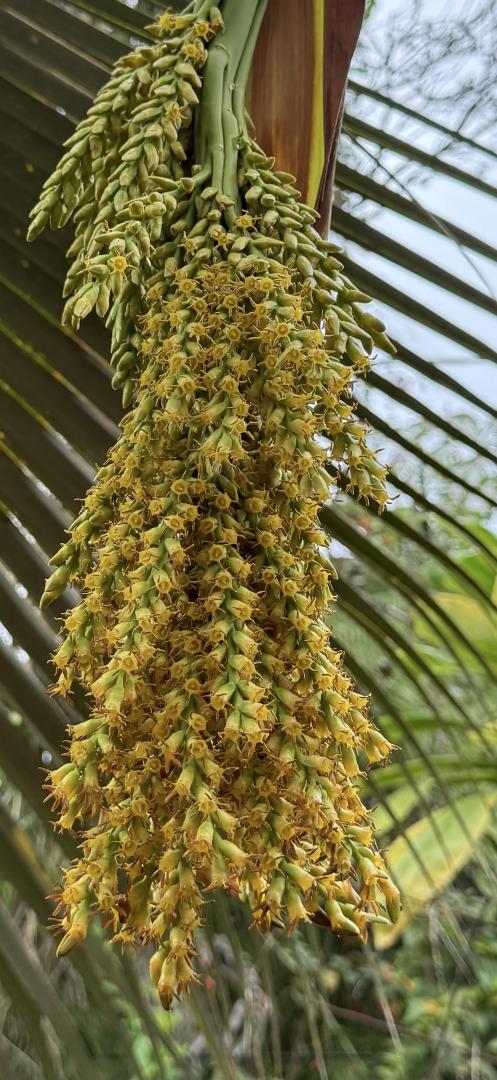
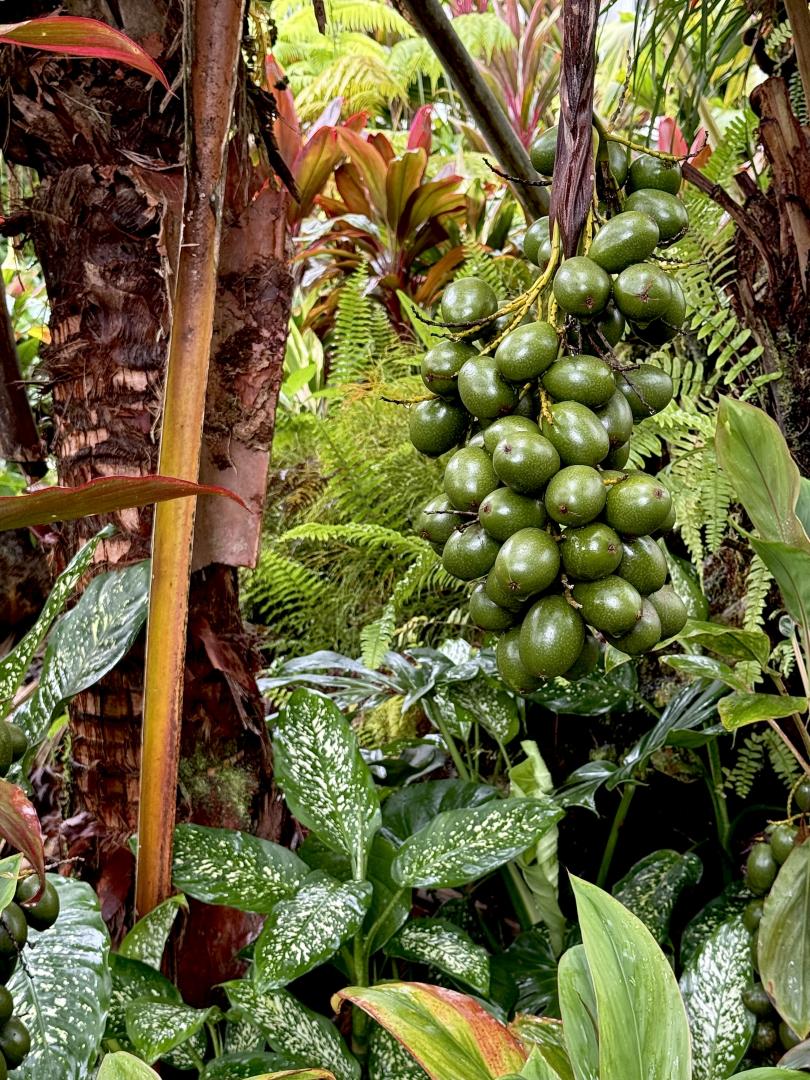
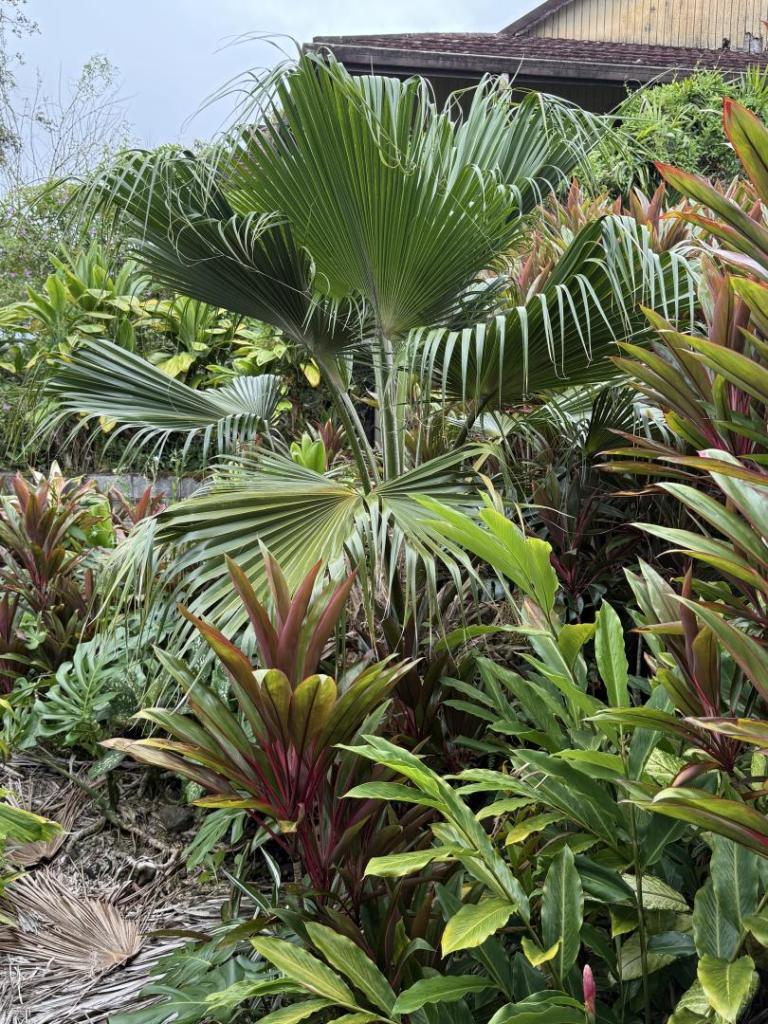
realarch replied to realarch's topic in DISCUSSING PALM TREES WORLDWIDEHere is an updated photo of P. glabrata. I had a pair side by side and curiously lost one a few years back. Tim
-
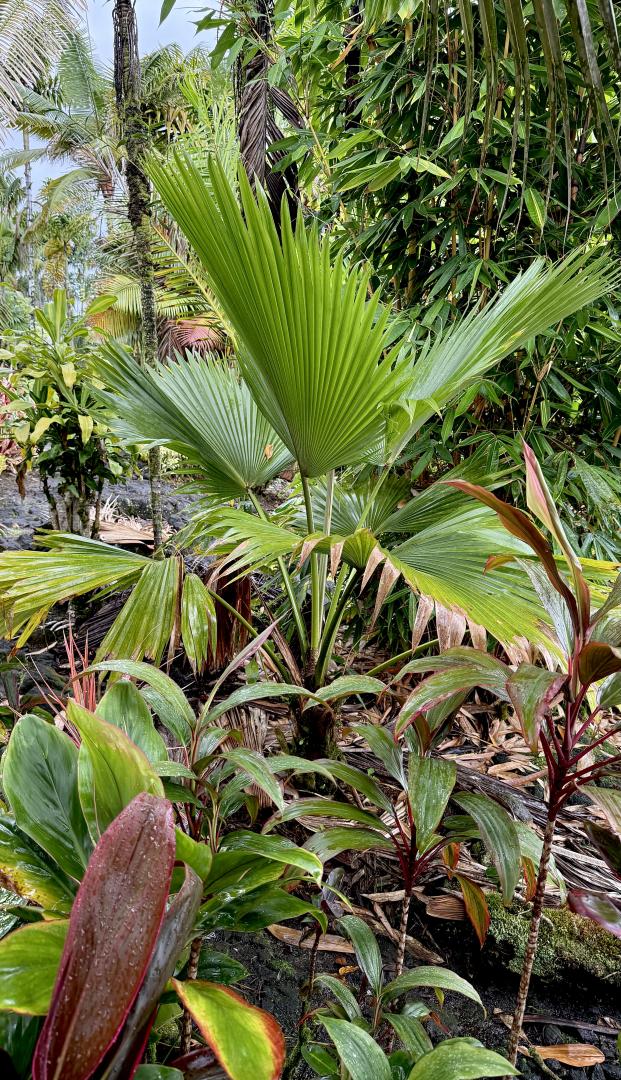
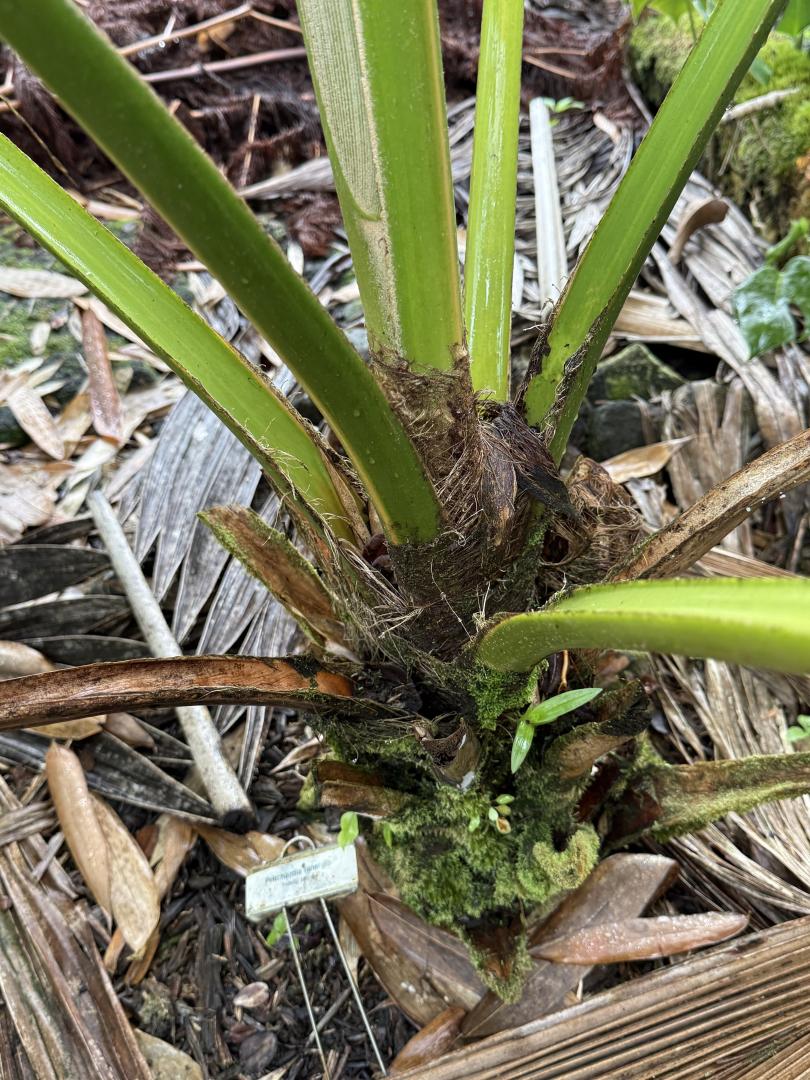
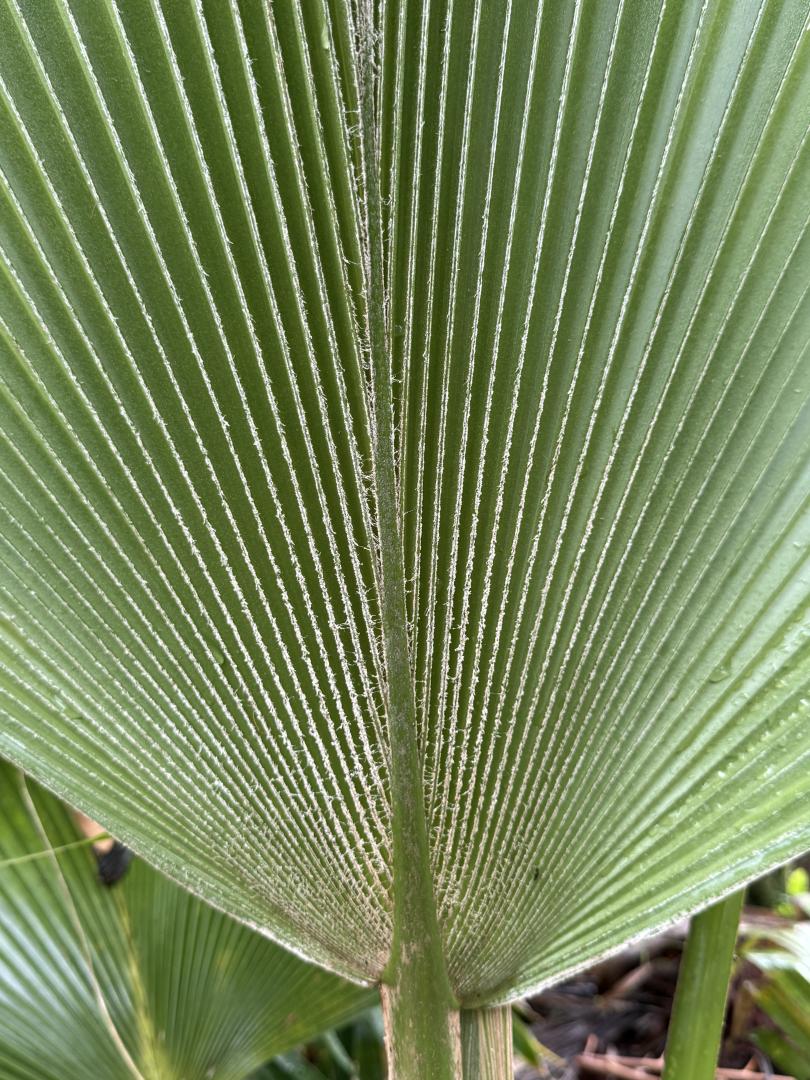
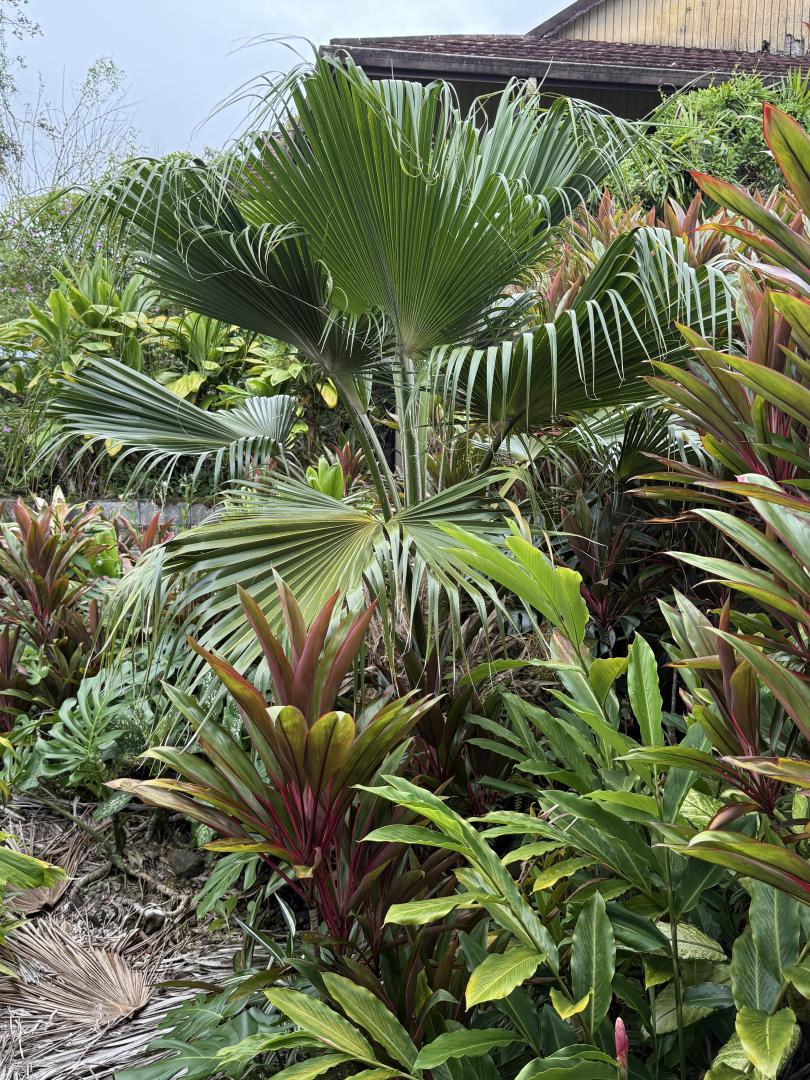
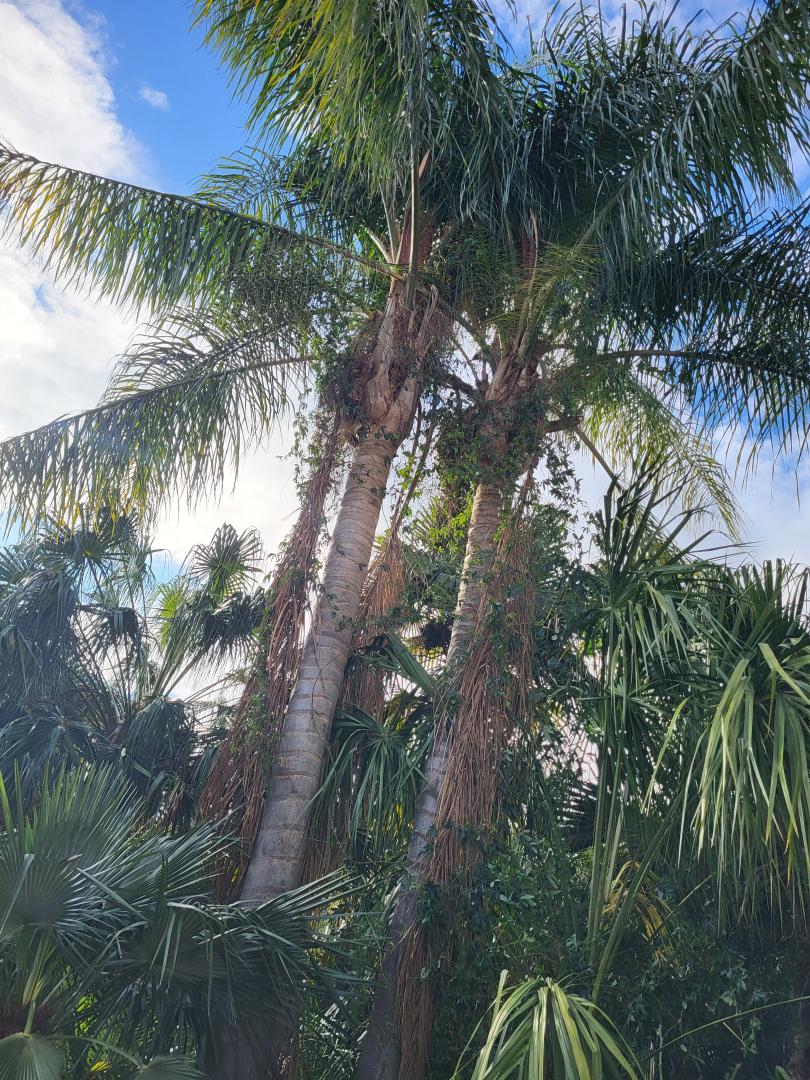
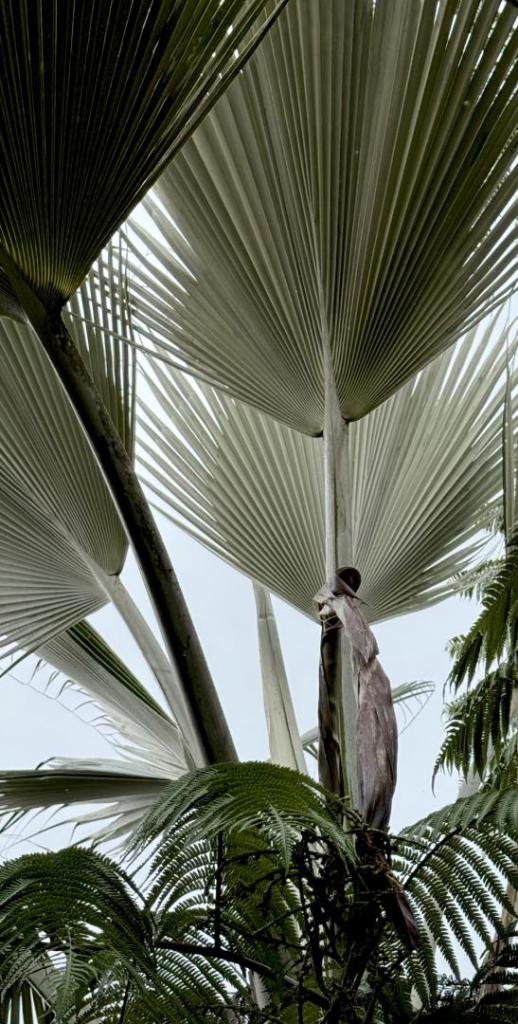
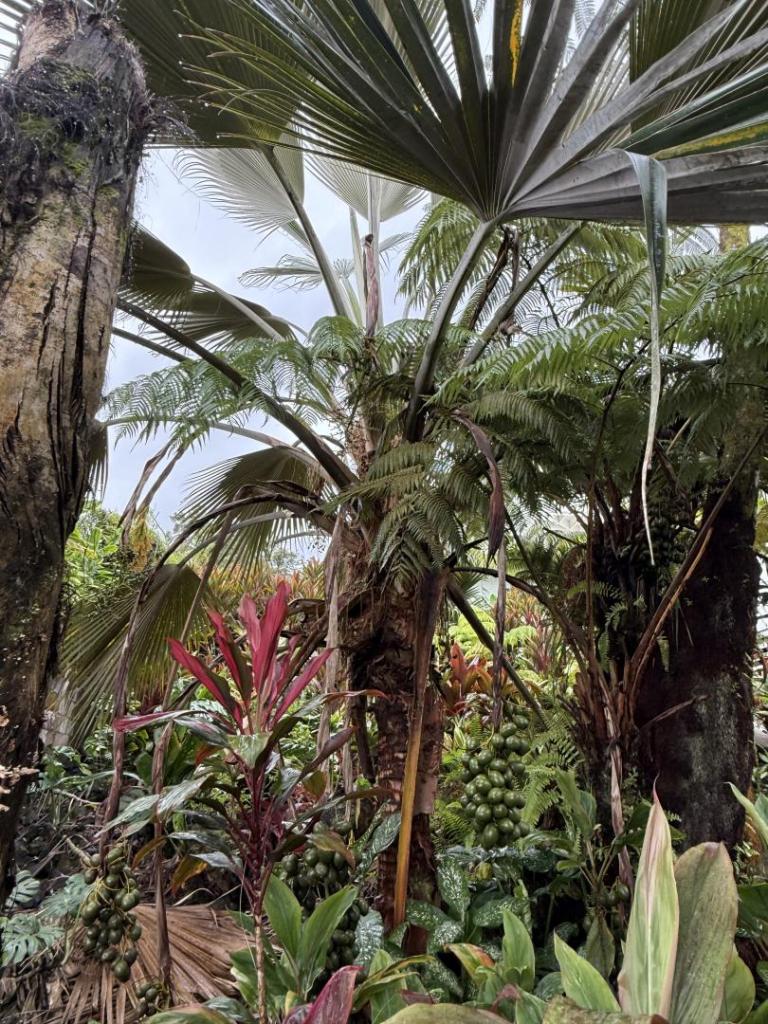
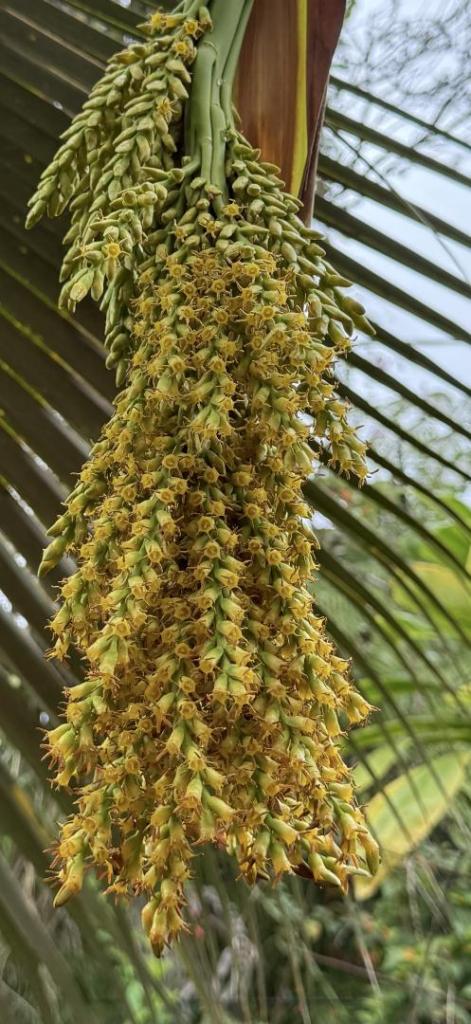
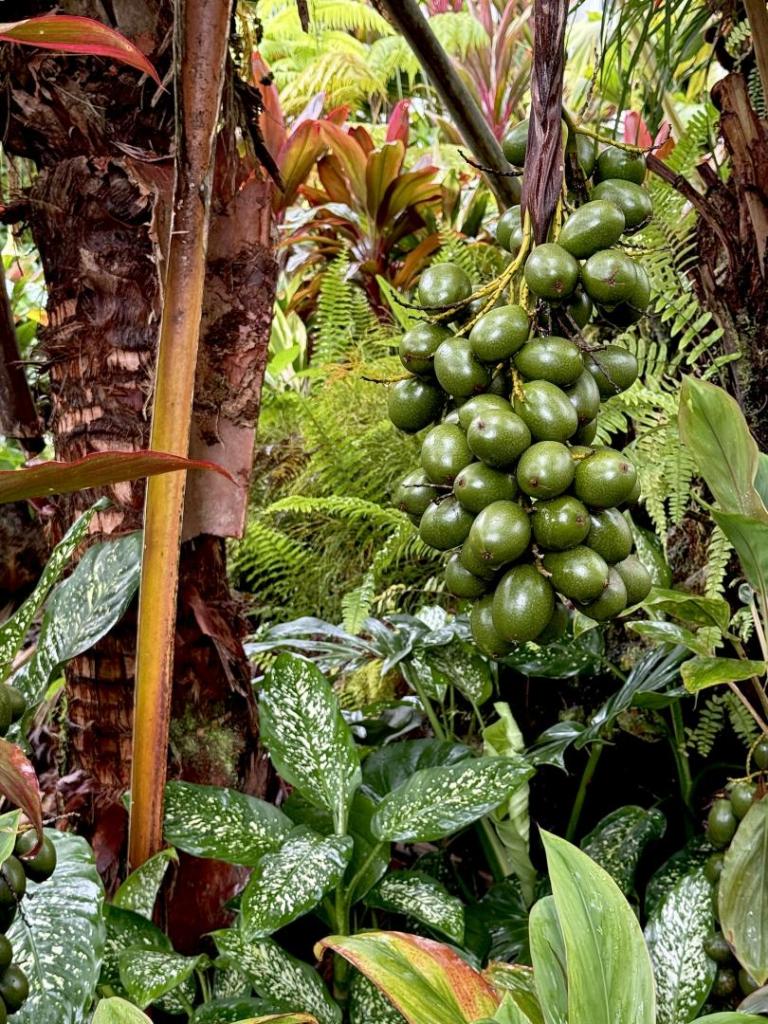
realarch replied to realarch's topic in DISCUSSING PALM TREES WORLDWIDEHey Dale, like the previous responses to what your palm might be………just not sure. I don’t think however, that it is P. martii. That is a comparison to the one I have in the garden whose undersides and petioles are covered completely with whitish/silver lepidia. So much so, it resembles frost. The petioles are also incredibly long, even in full sun. A few years back I acquired some small cast off Pritchardia in cones and they were supposed to be either P. beccariana or P. hillebrandii. Now that they are fairly decent size, I can only guess what they really are. One has heavy lepidia like P. martii, one is moderately covered like P. beccariana, and two have almost none. Ufta! The more one knows, the less one knows. Here are a few photos of the P. martii I took this morning. It’s a stunning palm. Oh, and thanks for the bump Tim
-
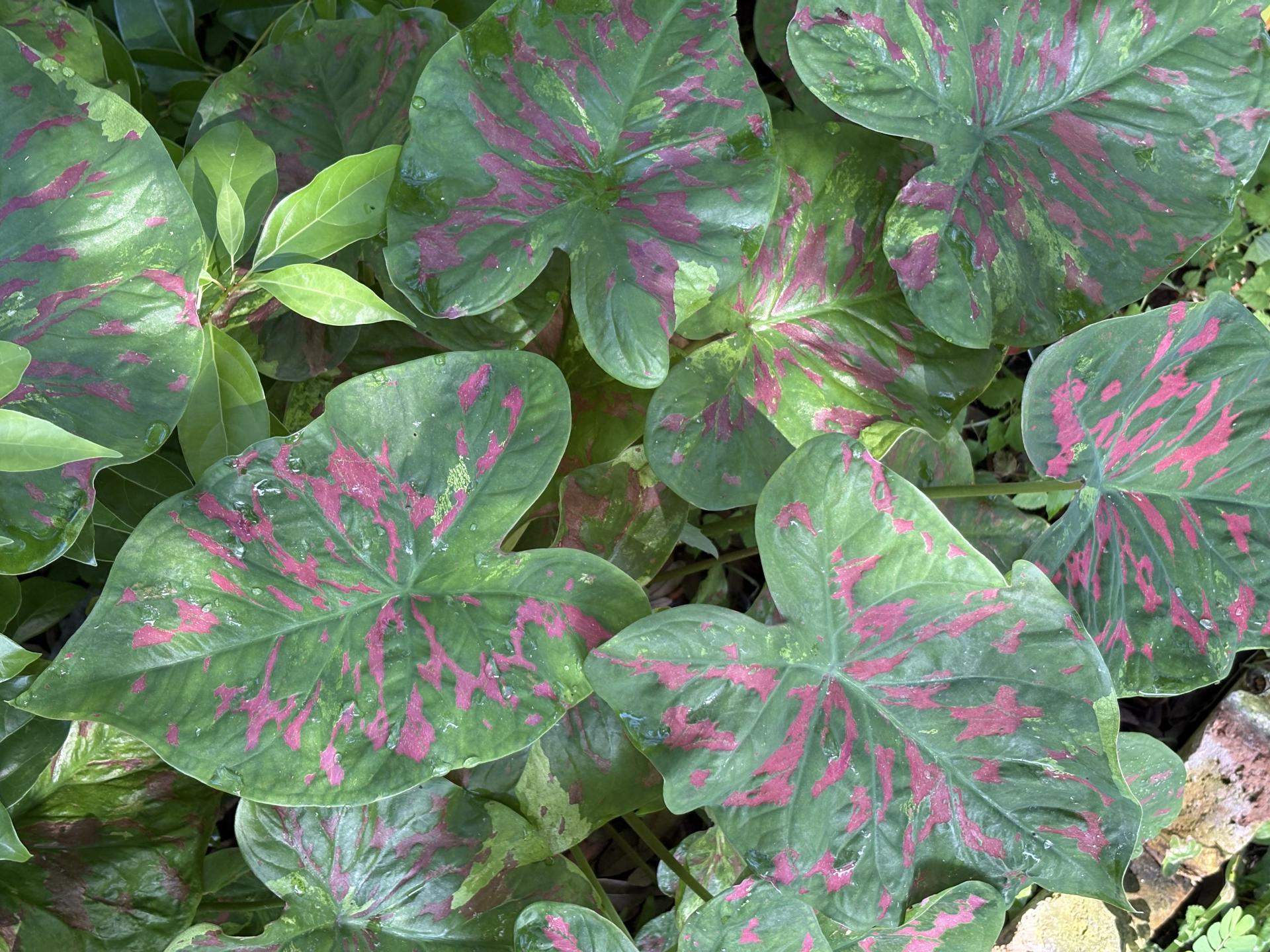
 Manalto posted a topic in TROPICAL LOOKING PLANTS - Other Than PalmsMy neighbor, who is a negligent gardener at best, has these flourishing in his yard: These are the only caladium I have seen in the Mobile area that survive winter and extended droughts with no attention whatsoever. Can you identify the cultivar? Are there other caladiums you can recommend for their cold hardiness? [I asked a version of this question a while back and got an answer, but a search didn’t bring up the discussion for some reason, so forgive the repetition.]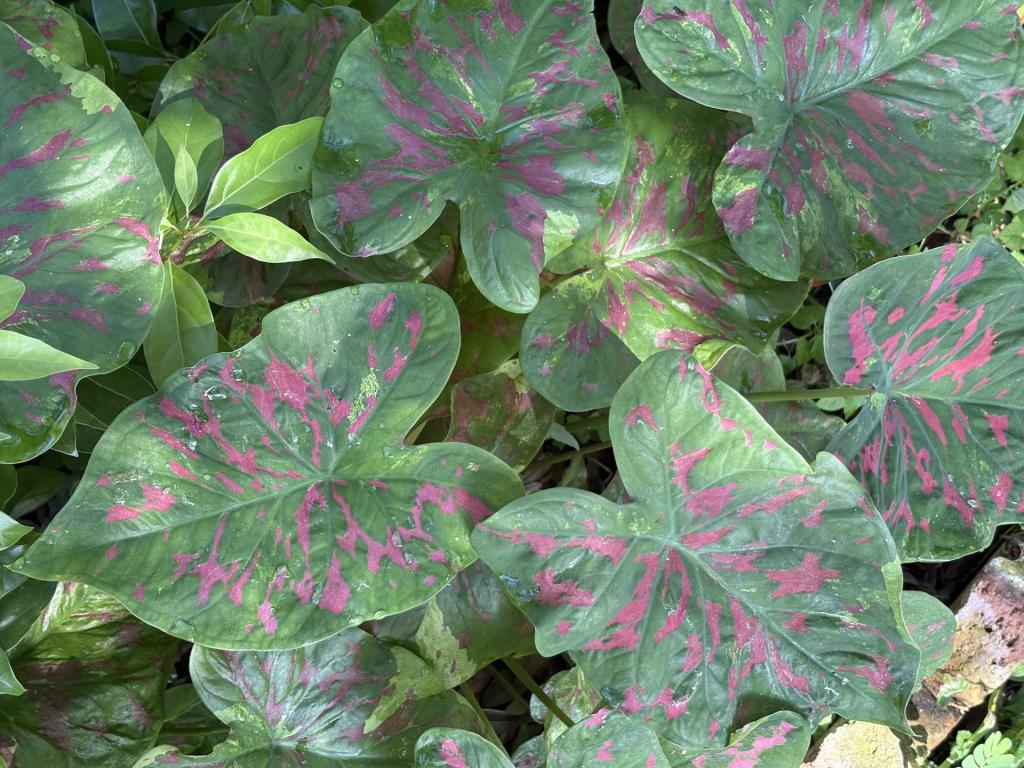
-
 DoomsDave replied to DoomsDave's topic in TROPICAL LOOKING PLANTS - Other Than PalmsLooks like a Nolina! Thanks.
 -
 Palmarum replied to aztropic's topic in DISCUSSING PALM TREES WORLDWIDEyikes.... Paid per leaf maybe? Ryan
 -
 96720 replied to aztropic's topic in DISCUSSING PALM TREES WORLDWIDEI don’t think those will need to be trimmed for at least a couple of weeks!!!
 -
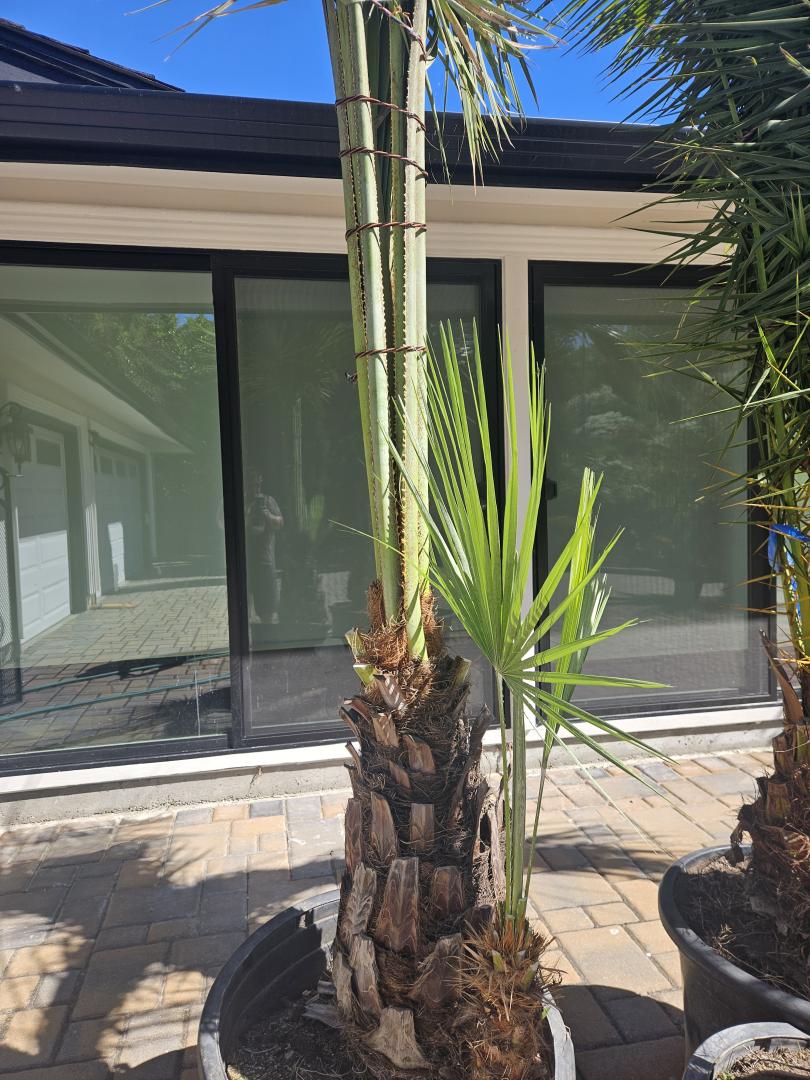
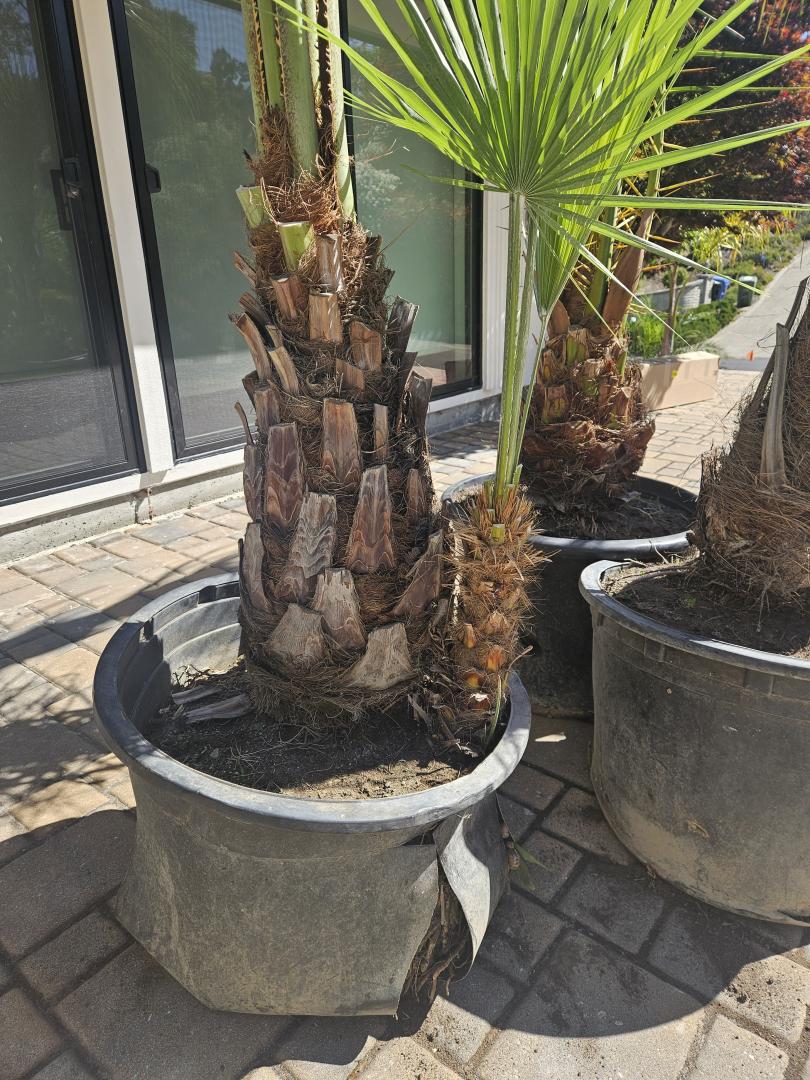
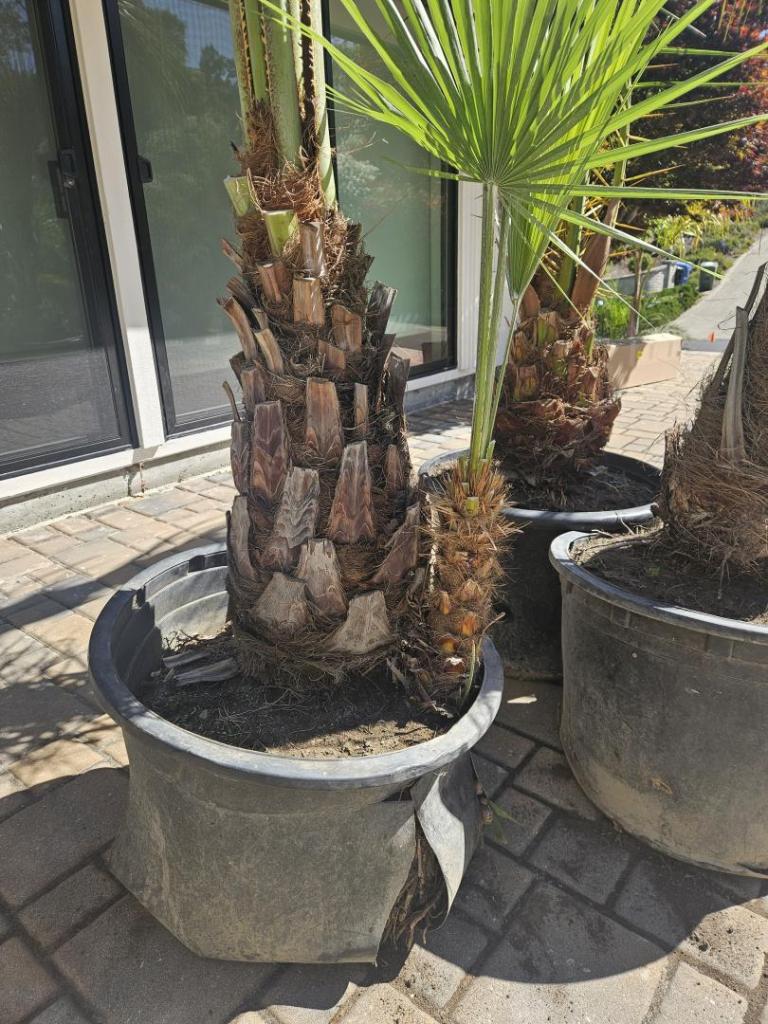
 PersianPalm posted a topic in DISCUSSING PALM TREES WORLDWIDEJust got this big boy Brahea Armata delivered this morning. Its breaking out of the container and ready to go in the ground this week. If you see closely it has another smaller trunk growing at its base. Should this be removed during planting or just plant the entire thing in a larger wider hole ? There is also a bunch of big snails at the bottom of the container where its busted open, should i be worried or just remove them by hand ? I have a lot of hybrids and nice palms going in this week, will be taking photos and posting soon.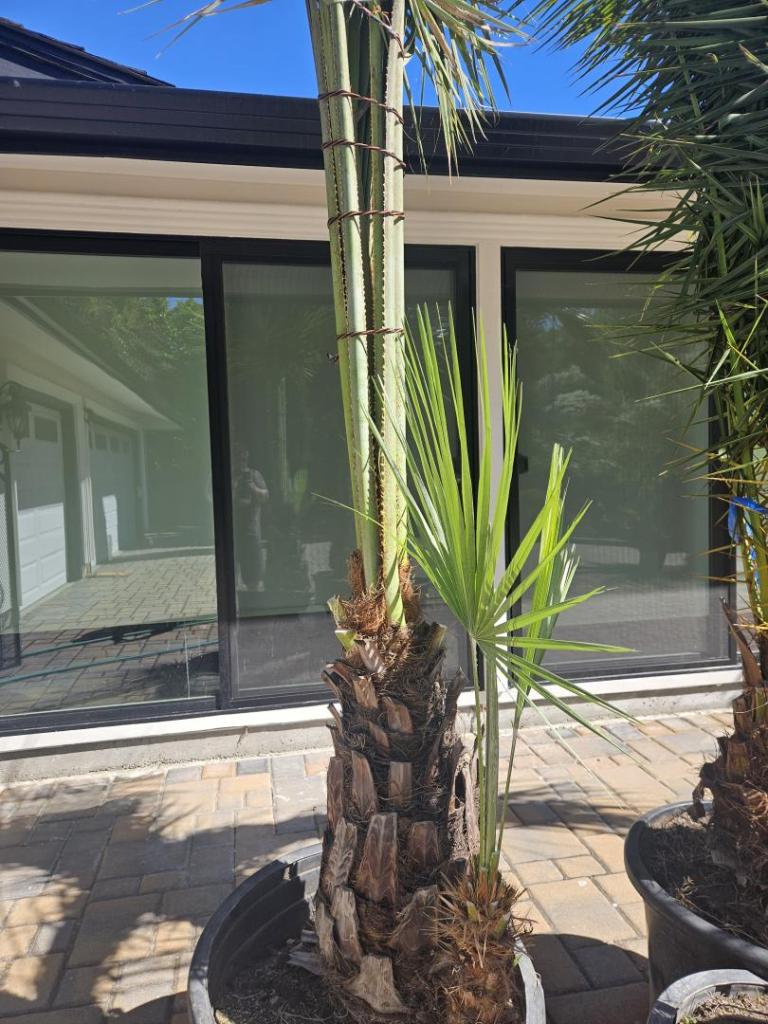
-
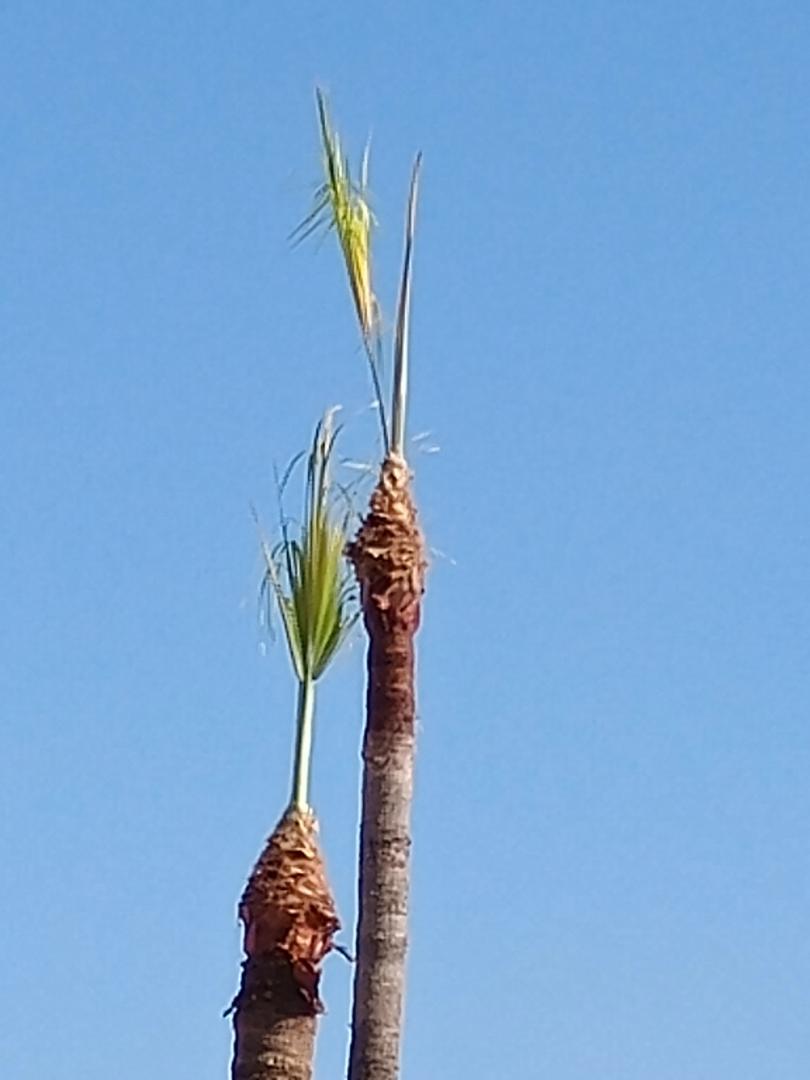
 aztropic posted a topic in DISCUSSING PALM TREES WORLDWIDEOh, no... 😱 Why do some 'landscapers' think they are giving you better value by taking off way more during a trim than is necessary? aztropic Mesa, Arizona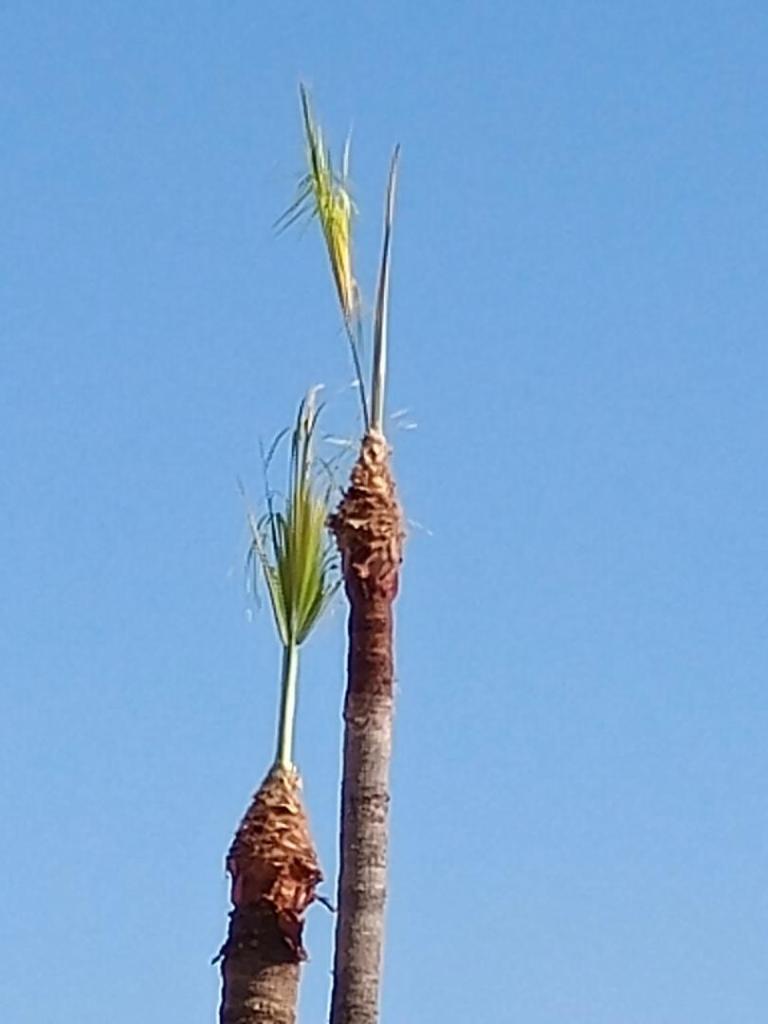
-
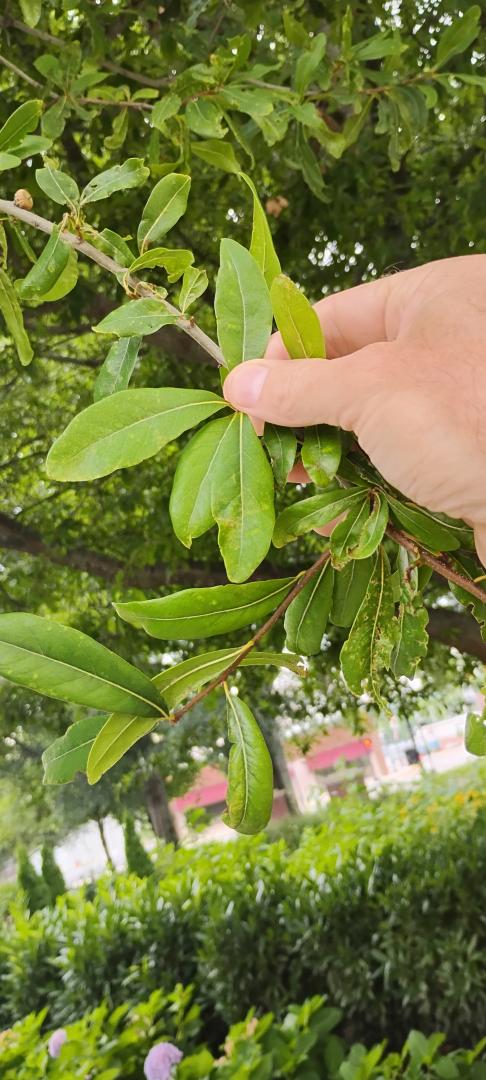
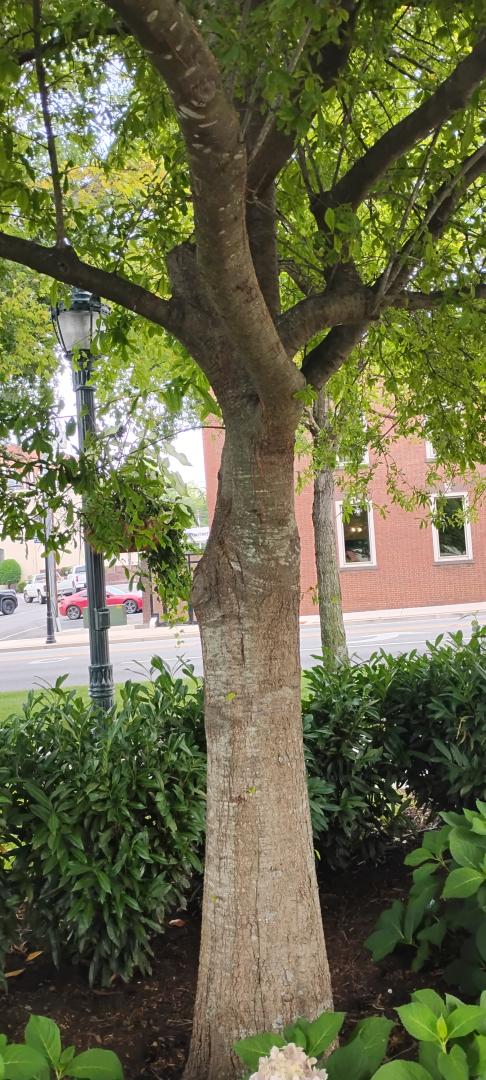
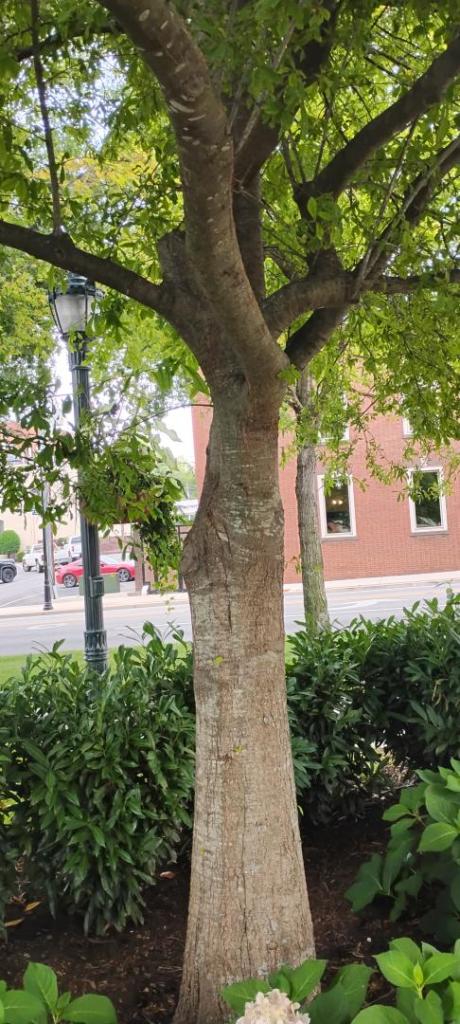
(173x200).thumb.jpg.87642ce613f801fde119db608b8aeb96.jpg) Silas_Sancona replied to Zone7Bpalmguy's topic in TROPICAL LOOKING PLANTS - Other Than PalmsNot a 100% ID but, While there can be variability between specimens, esp. if crossed w/ another sp., Leaf shape / look of the trunk point me towards Q. hemisphaerica ( Darlington Oak ) as a good place to start. Laurel Oak can look similar though. Taking it a step further, would look over species / crosses listed within both the subsection Phellos and Incana on iNaturalist to narrow down the list of possibilities a bit more, if Darlington isn't a good fit.
Silas_Sancona replied to Zone7Bpalmguy's topic in TROPICAL LOOKING PLANTS - Other Than PalmsNot a 100% ID but, While there can be variability between specimens, esp. if crossed w/ another sp., Leaf shape / look of the trunk point me towards Q. hemisphaerica ( Darlington Oak ) as a good place to start. Laurel Oak can look similar though. Taking it a step further, would look over species / crosses listed within both the subsection Phellos and Incana on iNaturalist to narrow down the list of possibilities a bit more, if Darlington isn't a good fit. -
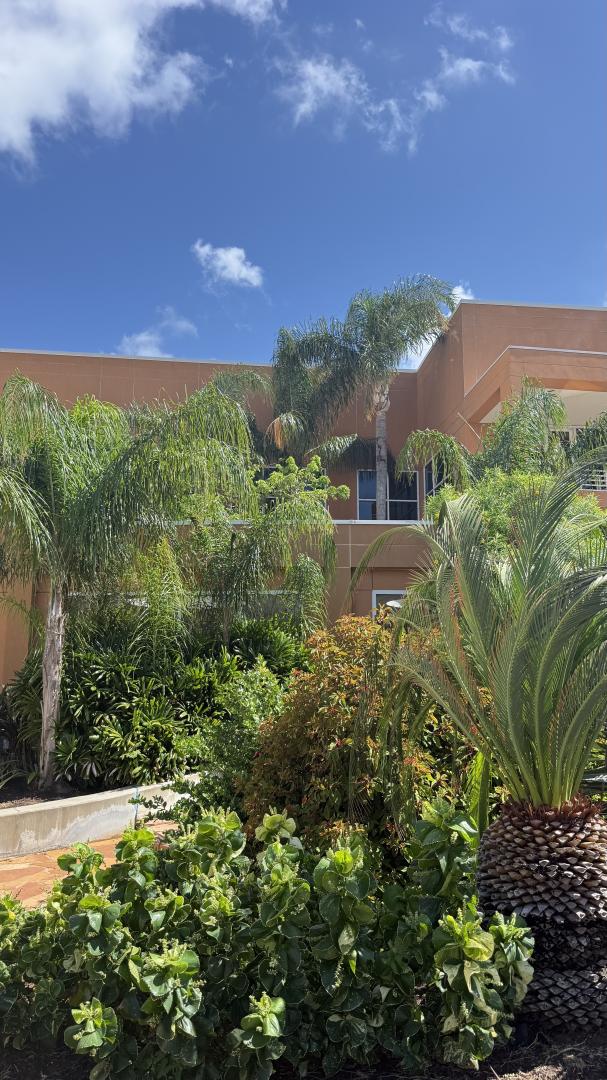
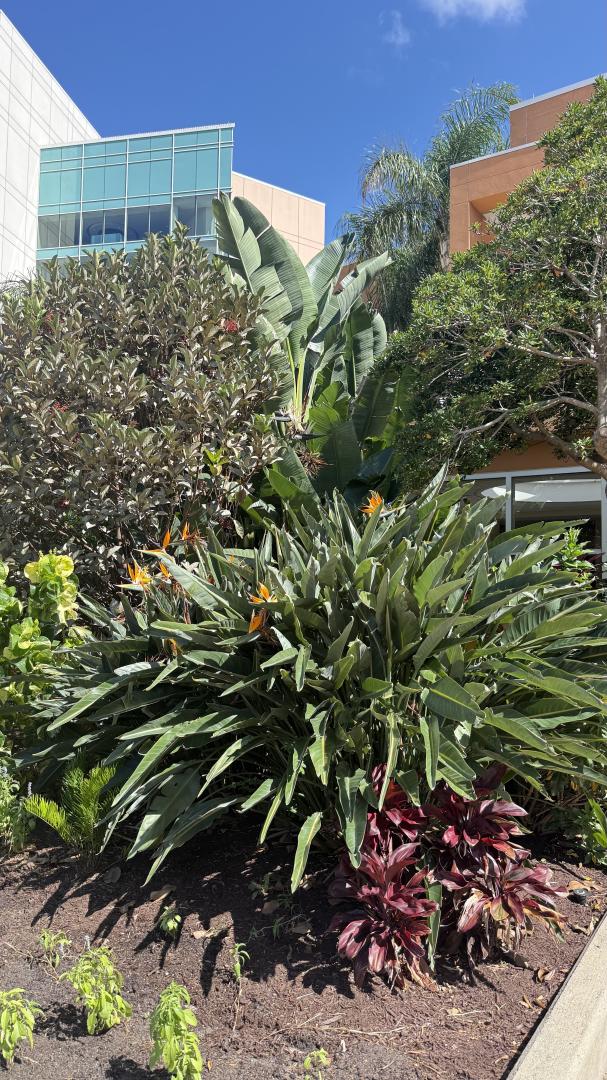
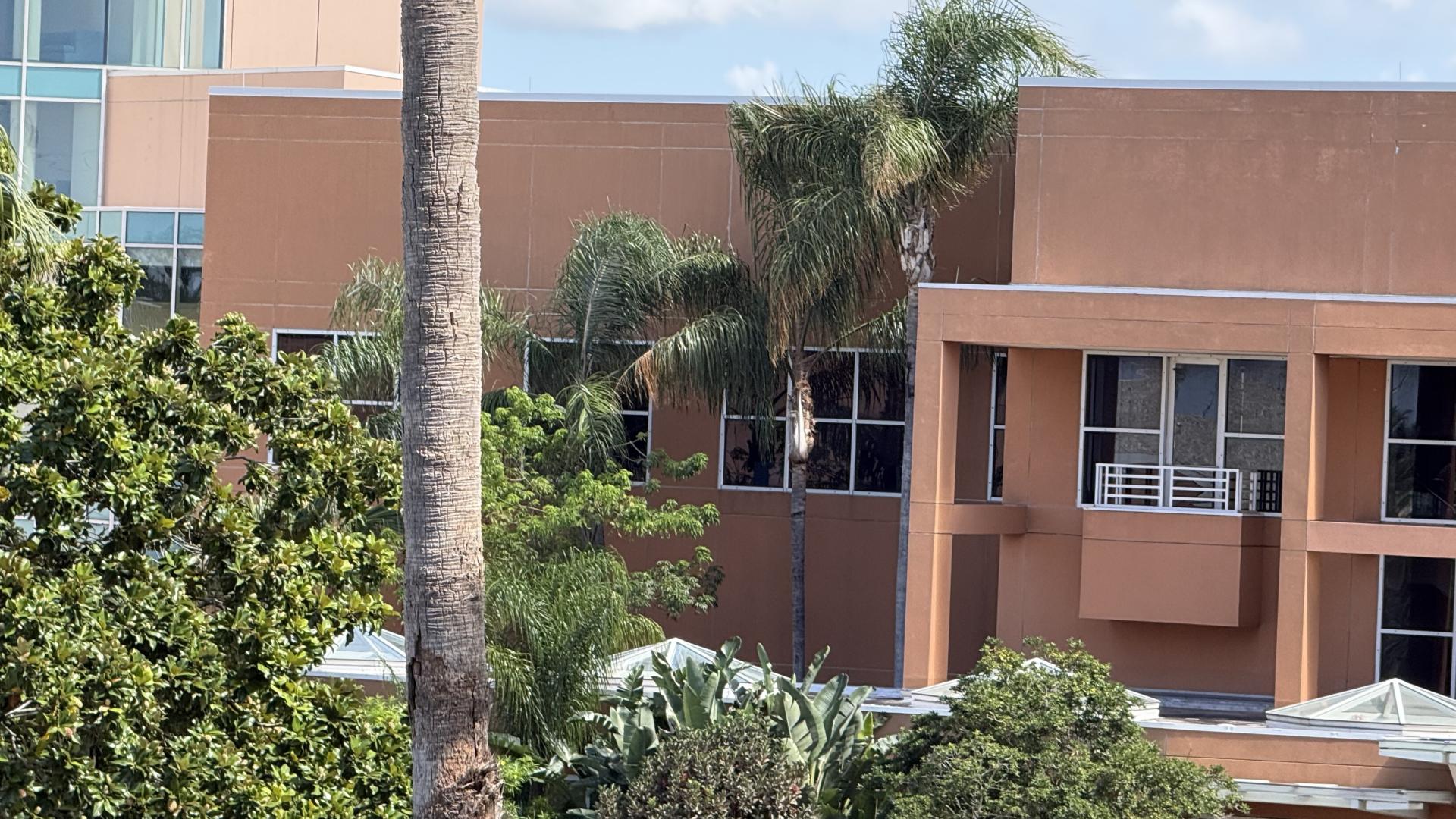
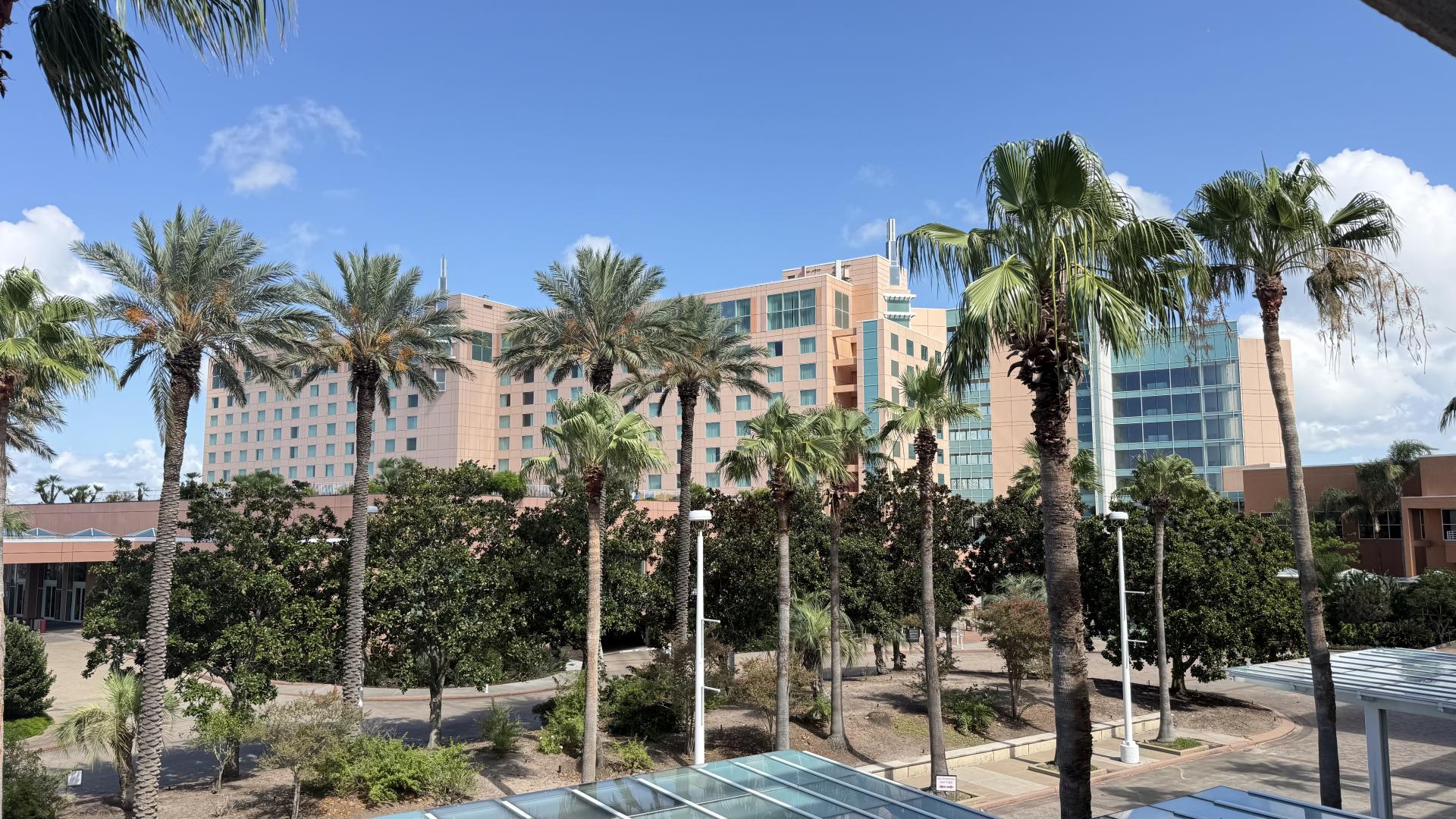
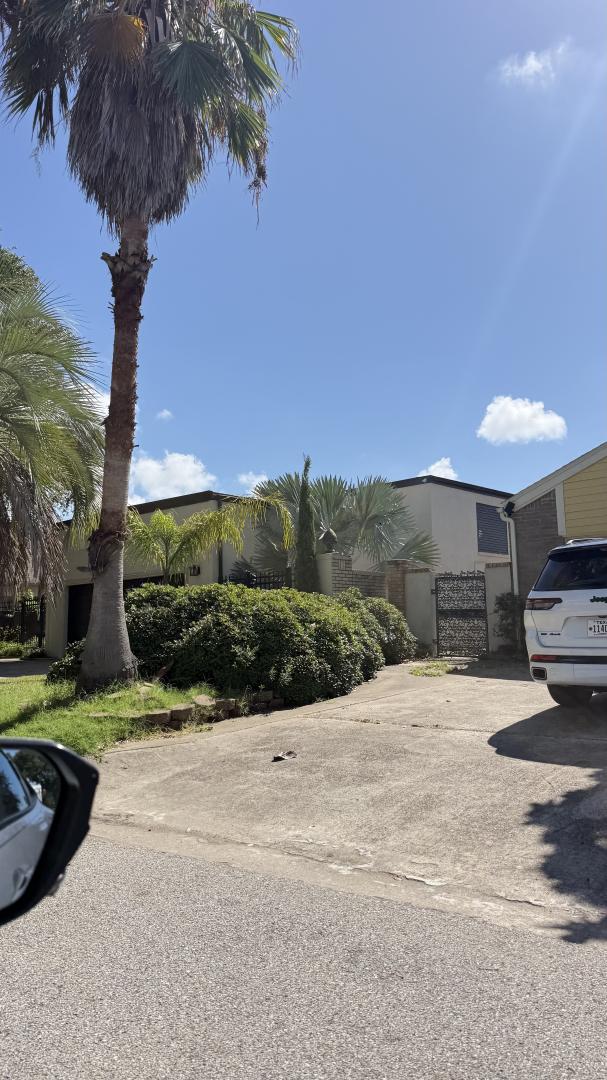
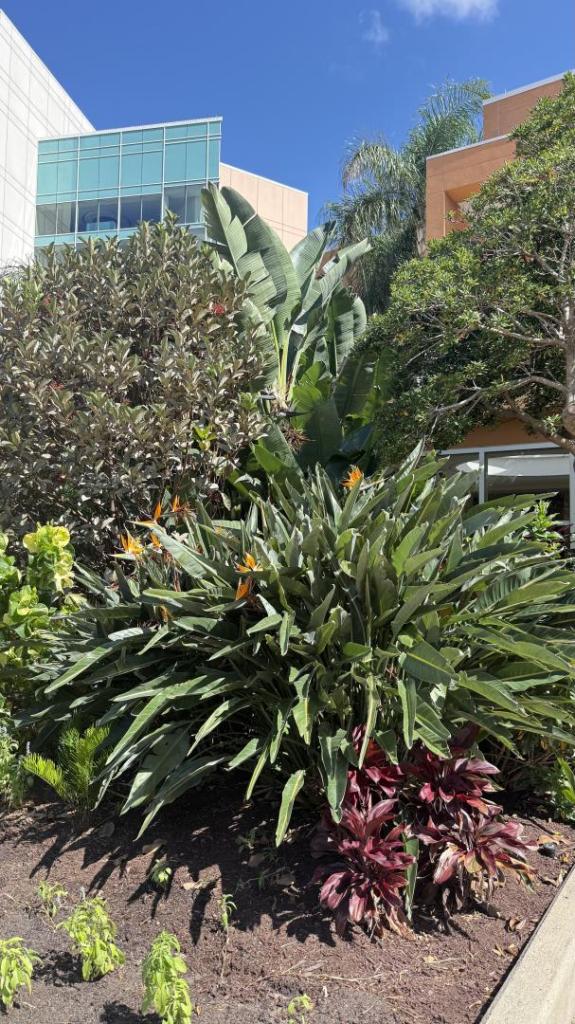
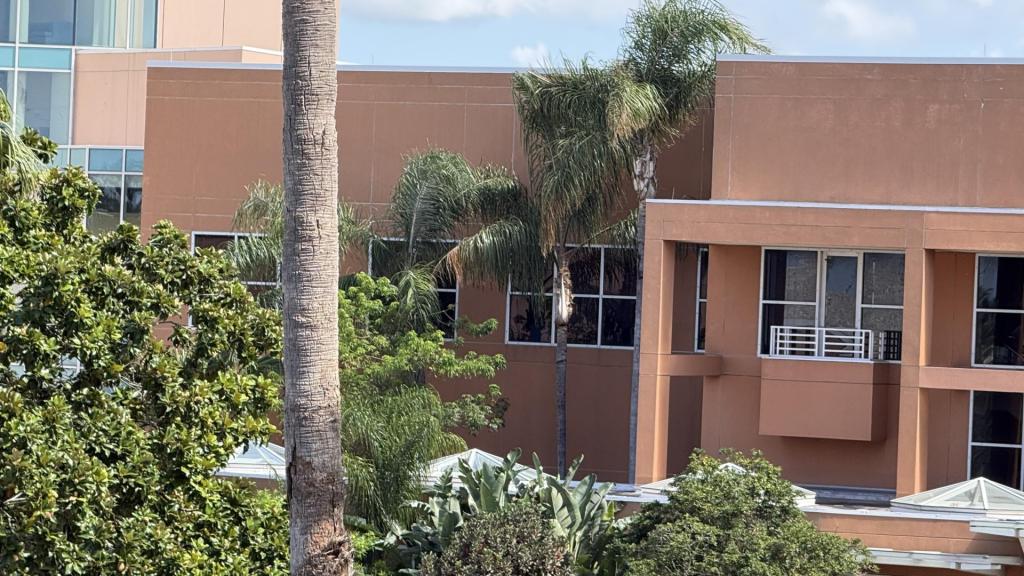
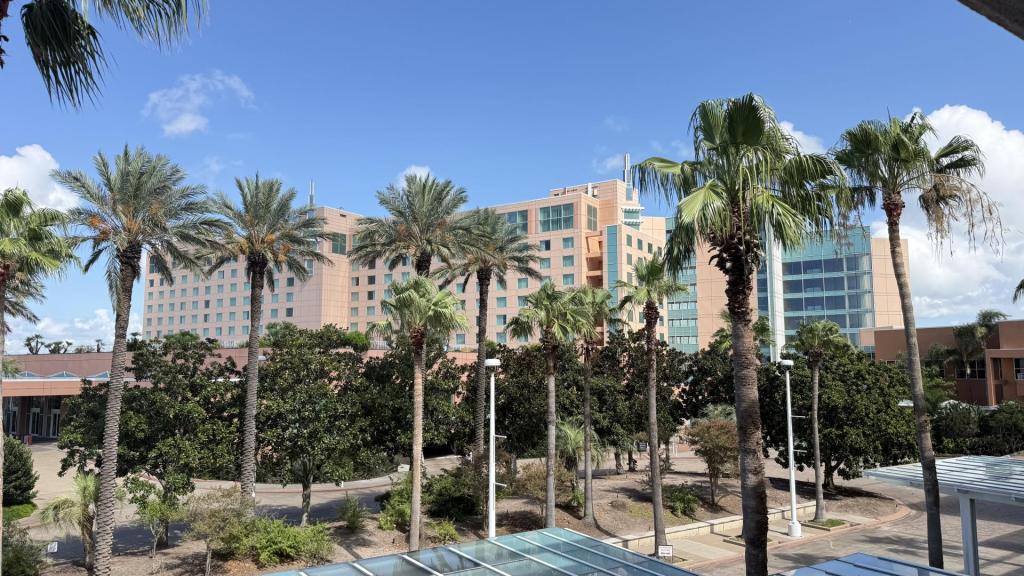
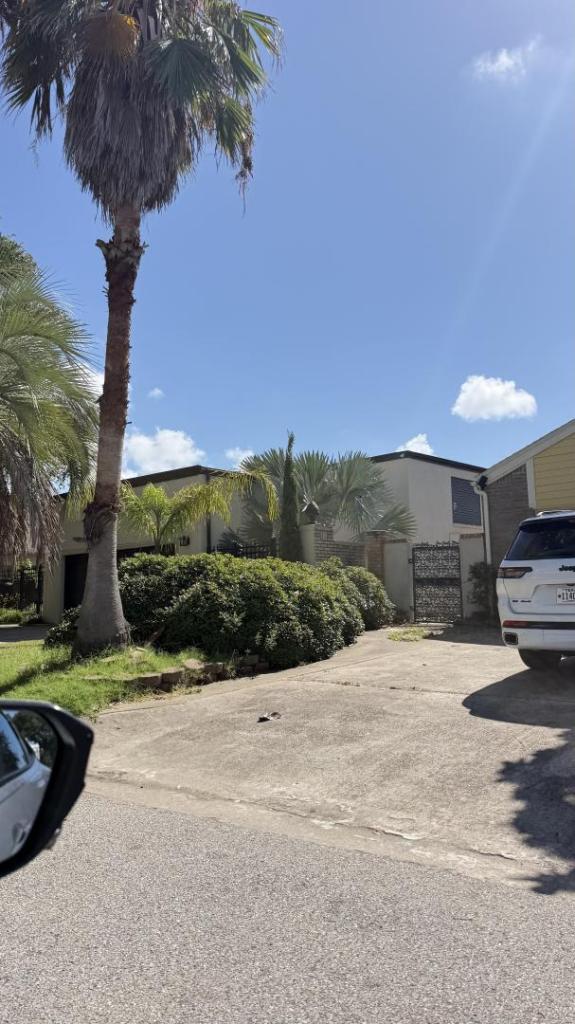
 Robert Cade Ross replied to MarcusH's topic in COLD HARDY PALMSGalveston yesterday. Came across another Bismarck 🤩.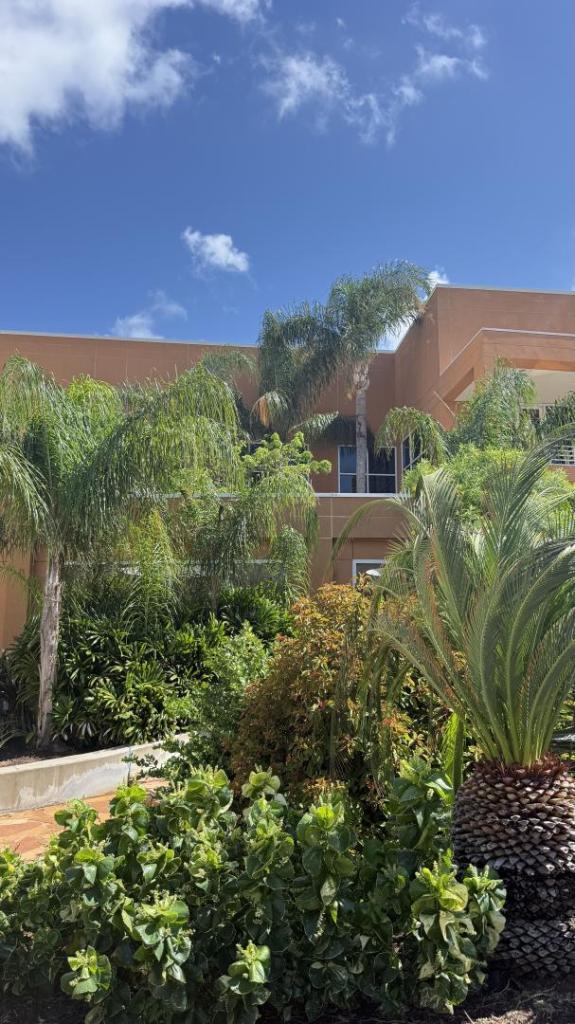
-
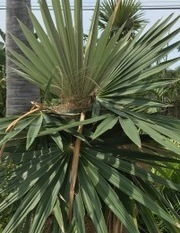
-
 Kita joined the community
 -
 gyuseppe replied to dimitriskedikogloy's topic in DISCUSSING PALM TREES WORLDWIDEmine have been in the garden for over 30 years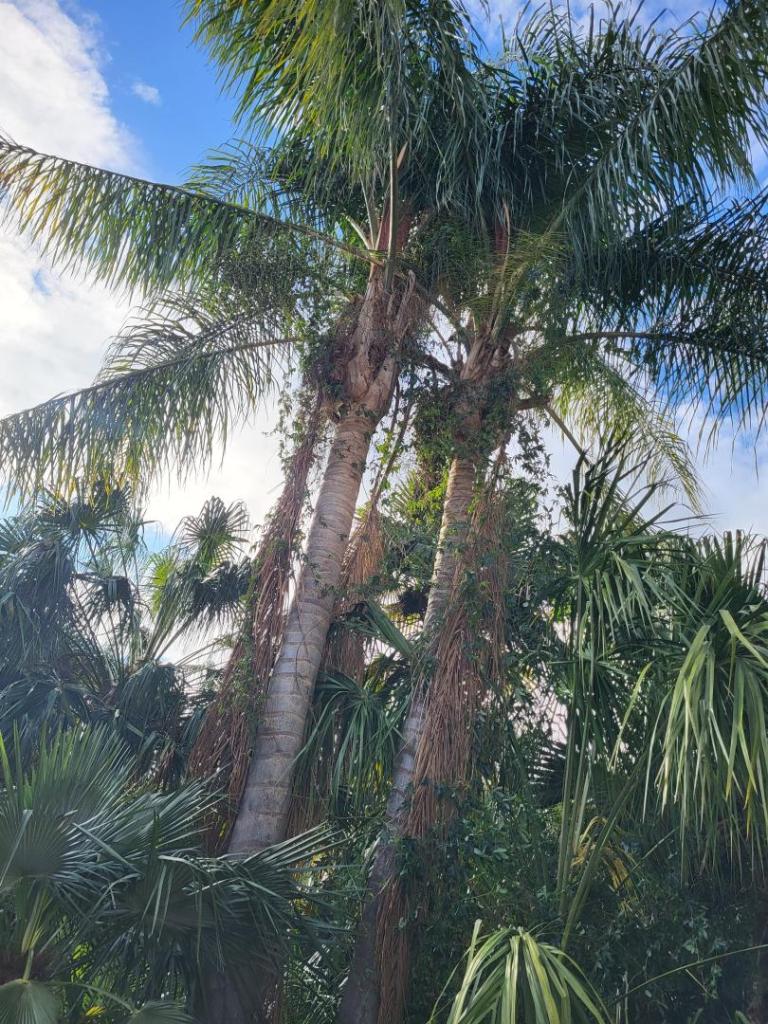
-
gyuseppe replied to dimitriskedikogloy's topic in DISCUSSING PALM TREES WORLDWIDESyagrus R., resists up to -6 degrees Celsius, you shouldn't have any problems
-
 Zone7Bpalmguy posted a topic in TROPICAL LOOKING PLANTS - Other Than PalmsDoes anyone have a clue what kind of oak this is? It is evergreen or mostly evergreen thru winter here in my southern zone 7B. The trunk doesn't look like a live oak at all, but the leaves are leathery and stiff-like. Anybody?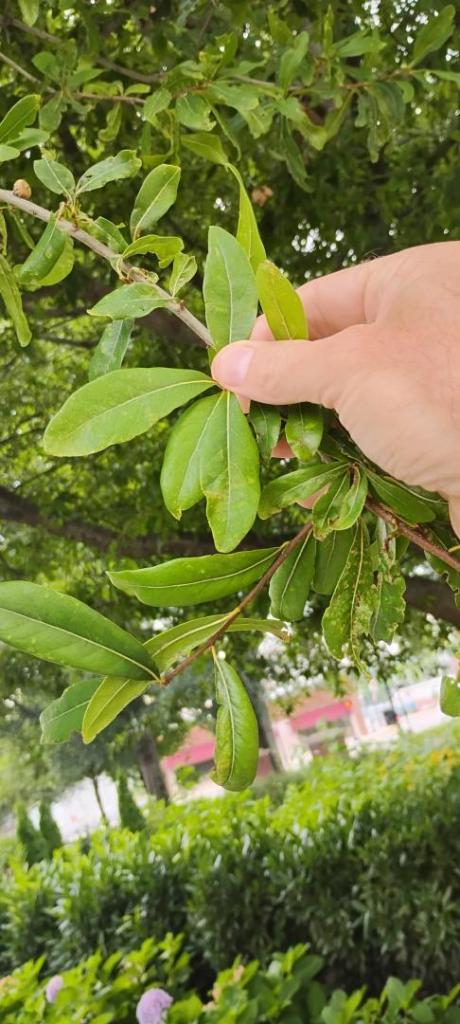
-
 flplantguy replied to Looking Glass's topic in DISCUSSING PALM TREES WORLDWIDEI'm about 2 years and multiple freezes behind you, and it shows! Great looking garden, hopefully for many years to come!
 -
 Prima joined the community
 -
 piping plovers replied to metalfan's topic in TROPICAL LOOKING PLANTS - Other Than PalmsIt’s nice to hear from you Marie. And thank you for the kind words. Amazes me how fast they grow from little 4” pots over just several years!
 -
 Marie Nock replied to metalfan's topic in TROPICAL LOOKING PLANTS - Other Than PalmsFor growing indoors, you're doing an amazing job!
 -
Phoenikakias replied to sonoranfans's topic in DISCUSSING PALM TREES WORLDWIDEPut my 2 cents in, Sabal bermudana seems pretty drought resistant, the opposite with Sabal mauritiiformis.
-
 Dan64 replied to happypalms's topic in TROPICAL LOOKING PLANTS - Other Than PalmsIt’s great to see it in habitat 😁
 -
 Harry’s Palms replied to ZPalms's topic in PALMS IN POTSThank you for the update. Things are looking good . The new growth is nice to see. Interesting that such a desert loving palm can look that good in a humid environment . Good job keeping it through the winter. Harry
 -
Harry’s Palms replied to happypalms's topic in PALMS IN POTSWell , honestly , your posts have taught me that . I also cheated a bit because when I asked Terry Sullivan if a heat mat was required , he said “ just normal garage temperature”. He did say that they take a while , so I knew to be patient. After one month on the water heater (not as warm as a heat mat) I checked the baggie and the seeds were still firm but no sprouts! Then , just toss the baggie on the bench next to my drill press and another 5-6 weeks I thought I saw a sprout . I was so excited I texted @DoomsDave to tell him as neither one of us were having much luck. The little sprouts are now in wee pots in the greenhouse. Still slowly going along , no speed demons here. Terry had one going pretty well in a one gallon , about planting size , but it died when he was away . It probably dried out . I think they like good a watering technique , not too dry , not too wet . Fussy little buggers! I know you have had similar palms on your posts . They are super hardy once established along the coastal towns . Terry and his son even moved one that was almost trunking size . Harry
-
 sonoranfans replied to sonoranfans's topic in DISCUSSING PALM TREES WORLDWIDEPalms need moisture just to feed on nutrients. Nutrients diffuse through moist soil towards root surfaces and are consumed/transported at the root surface membranes into the plant. If you dont have moisture in the soil the nutrients wont diffuse, they stand still. The diffustion towards roots is driven by a "chemical potential gradient" which is only functional in moist soil. So if diffustion stops, nutrients are consumed at the root surface and this critical surface is depleted of nutrients and uptake stops. In addition, the non consumed parts of fertilizer concentrate near the root surface which can blunt the chemical potential of new nutrients and slow future diffusion to the roots. This is where some parts of the soil become more hydrophobic and tend to repel water. Ideally the non absorbed parts of nutrients need to be rinsed away and "low ion" water should moisten the root area to recondition the root surface. I use humic acid to rinse irrigation salts and nutrient residuals from my soil that can make it hydrophobic. Rain is amazing at this as well as it is pretty much pure of ions so its better at rinsing them away (Rain also feeds with absorbed nitrogen). If i look at these basic principals water and nutrient transport in soil, the fastest growth would be consistent full root zone nutrient additions in high drainage soil with frequent rain(or irrigation). Irrigation water that is not distilled or purified can add salts which accumulate and can even draw water out of roots. Its kind of hard to get nutrients into the roots when water is being drawn out. Watering will be key in dry climates but the soil can accumulate irrigation salts. Adding mulch helps because it slowly produces humic acid as the final waste product of microbe consumption of the organic material. THose low levels of humic are preventative of salt accumulation. However concentrated humic acid takes less time to cure your soil of hydrophobicity issues. Yeah it sounds like a boatload rant that is too technical, but I left the math equations out. My simpler analogy avoids the complexity of the physical science: a bunch of people are in line to get on a bus. These people carry the cash(nutrients), the bus seats are the root uptake sites. Those in the back of the line are held back by those in the front and how fast they pay, get on and get seated. If they pay and get on fast, the line moves well and the cash(nutrients) are collected. But if the front of the line cant pay or cant get seated, cash(nutrient) collection stops. To keep the "line" going you need moisture. Why constant wetness is bad: 1) waste products are not removed by rinsing the soil to regernerate the full chemical potential that drives diffustion of new nutrients. Water moves through dry soil fast as it displaces air at ~600x less density. water does not move well through already wet soil as it must displace existing water of the same density. 2) oxygen is depleted by beneficial microbes that are needed to assist nutrient uptake at the root surface. These microbes need oxygen to survive and flourish. No oxygen your beneficial microbes die and in addition there is a soil pH shift with oxygen depletion and waste product accumulation that may also inhibit uptake.