All Activity
- Past hour
-

Dead frond loss vs. frond retention.
tim_brissy_13 replied to TomVaughan's topic in DISCUSSING PALM TREES WORLDWIDE
Agree with Jim. They start self shedding around 25 years old. One thing I’ve noticed and can be seen in above photos is that they’ll start from the top down. My theory is the expanded base of the trunk sort of locks the leaf bases tighter. They fall off easier once the trunk starts to thin out and grow upwards with uniform diameter. - Today
-
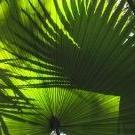
happypalms So you want a bit of tropical colour
happypalms replied to happypalms's topic in TROPICAL LOOKING PLANTS - Other Than Palms
A nice bit of anthurium colour with a spot of philodendron thrown in for that extra tropical look!

-
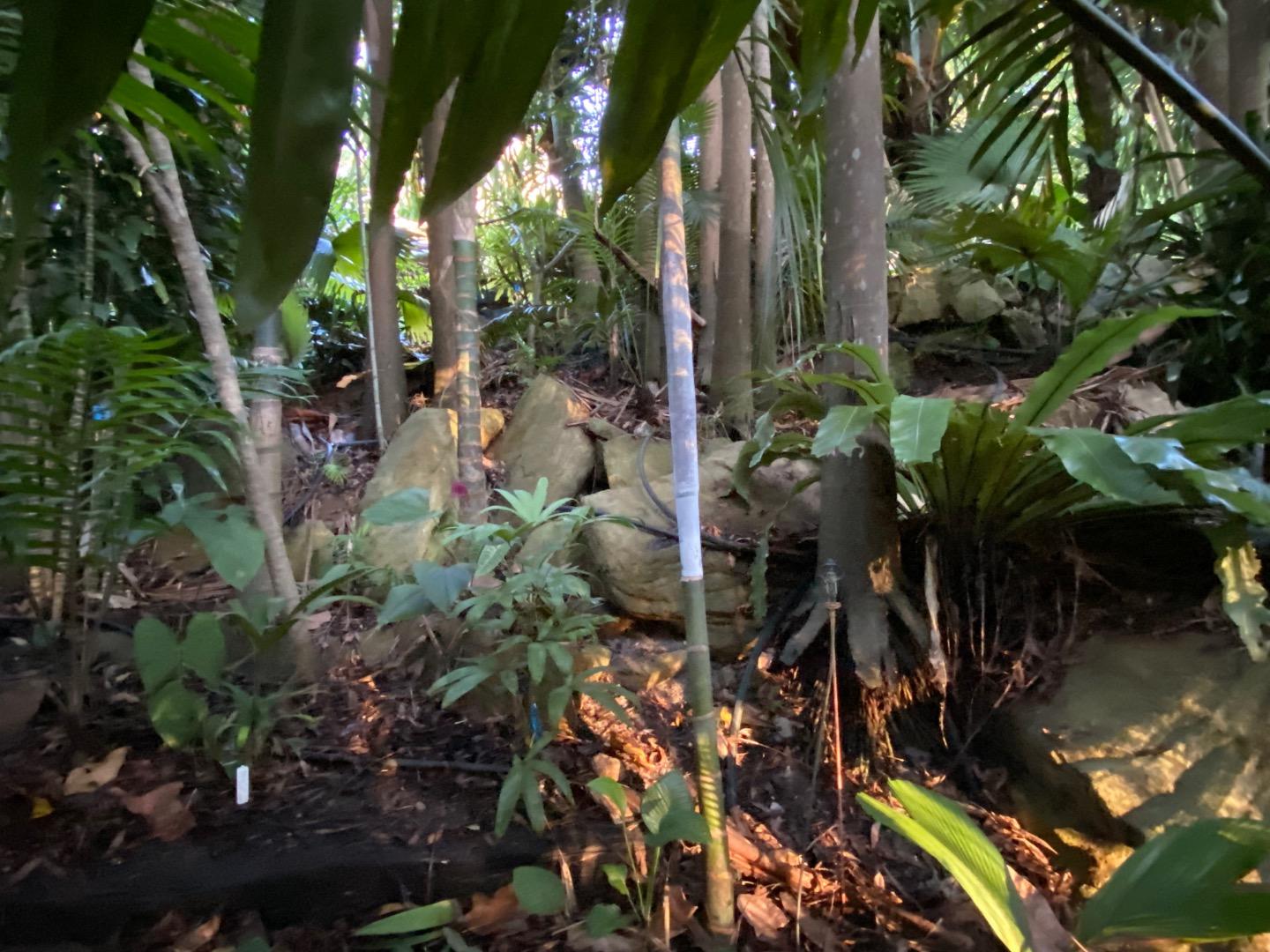
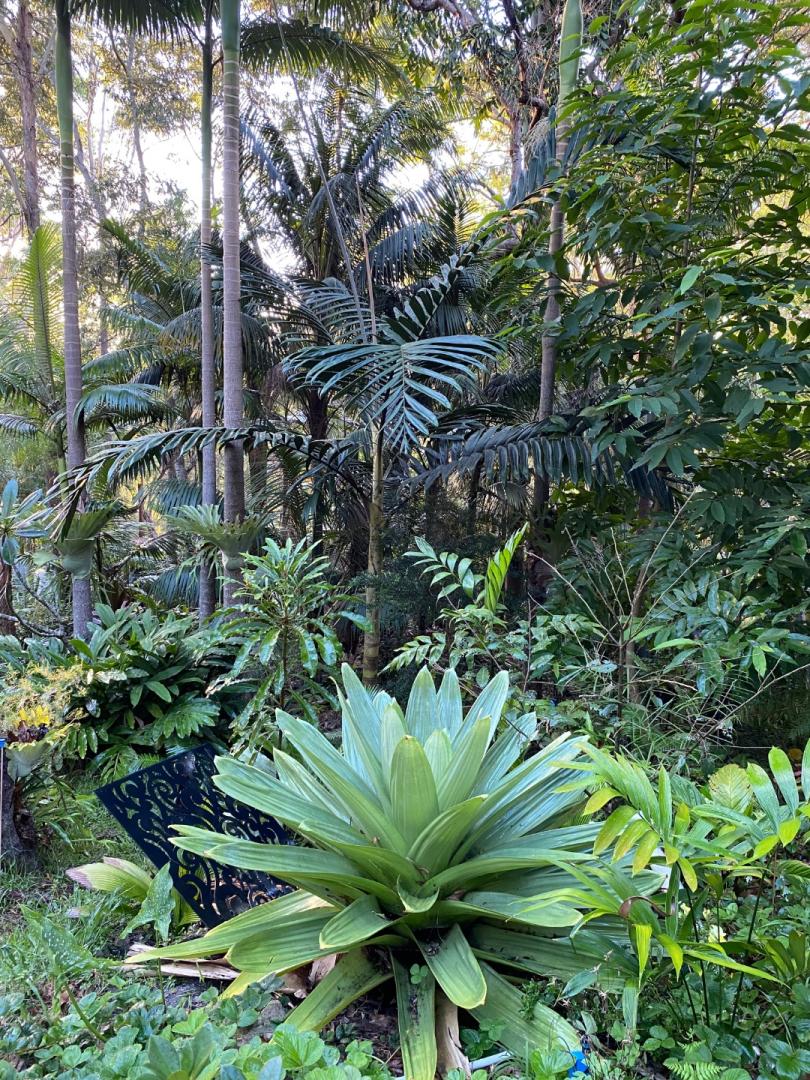
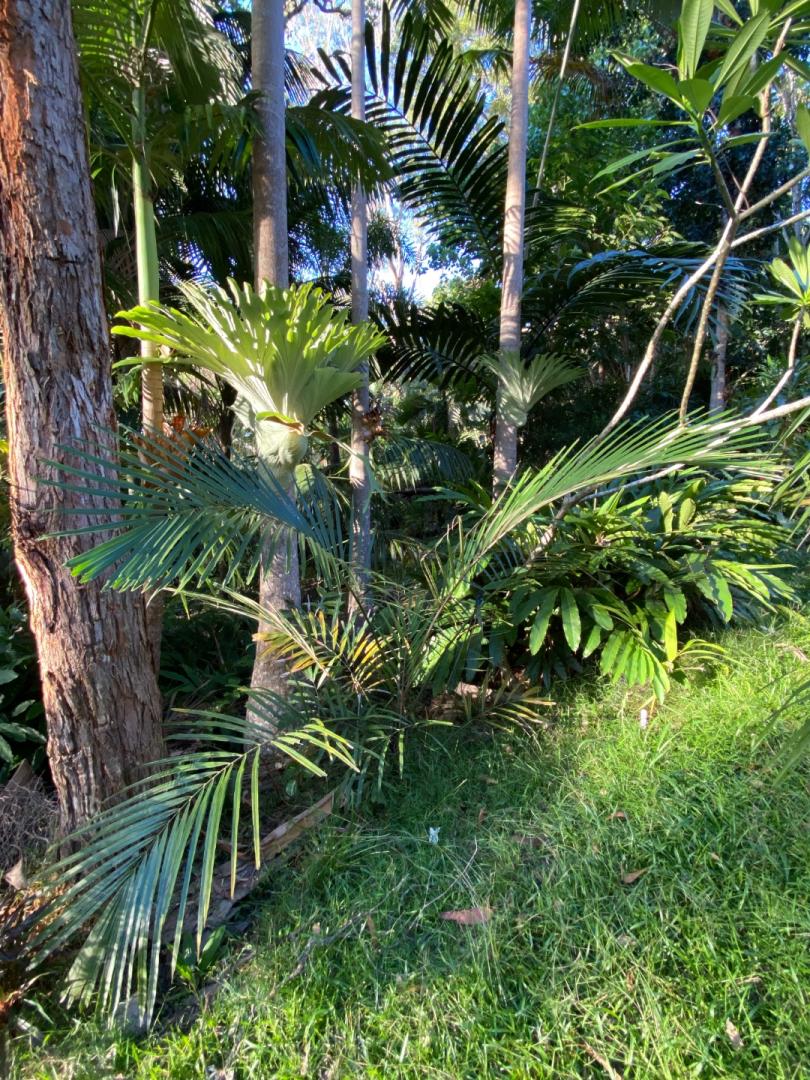
Show us your tropical garden
happypalms replied to PAPalmtrees's topic in TROPICAL LOOKING PLANTS - Other Than Palms
I gotta get in on this one!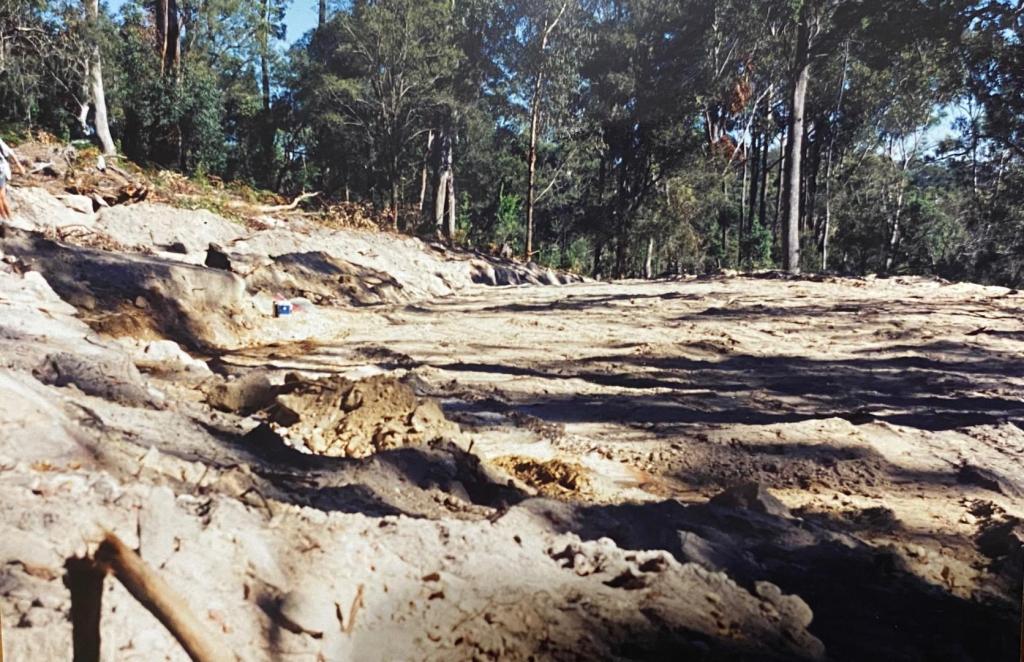

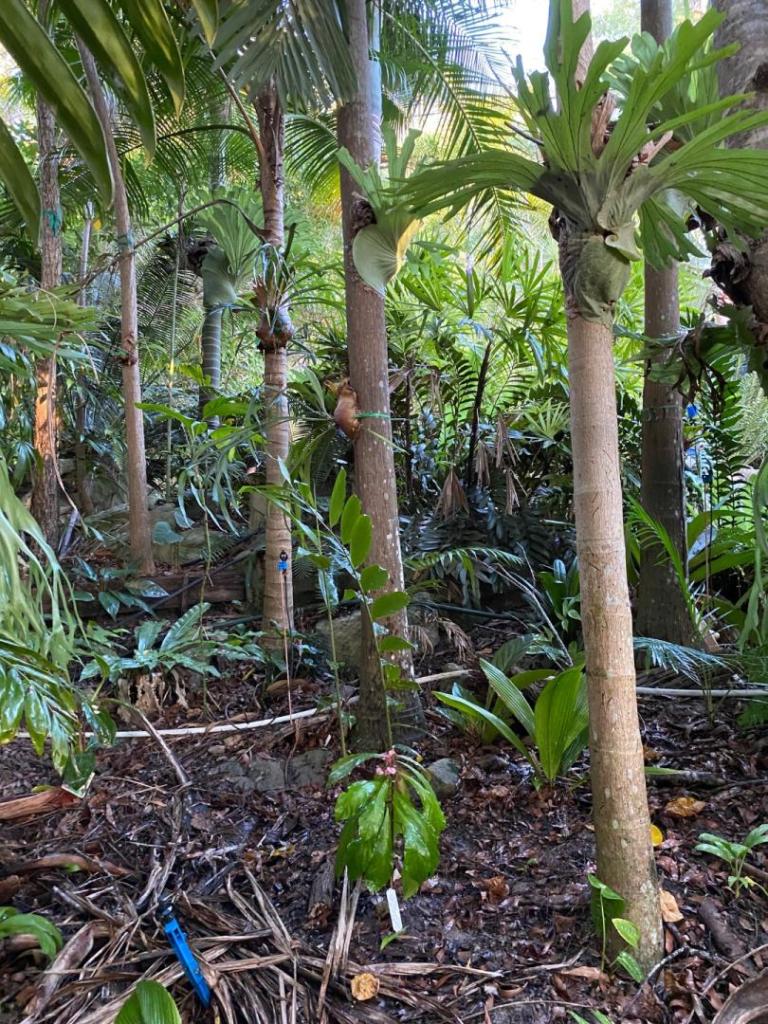
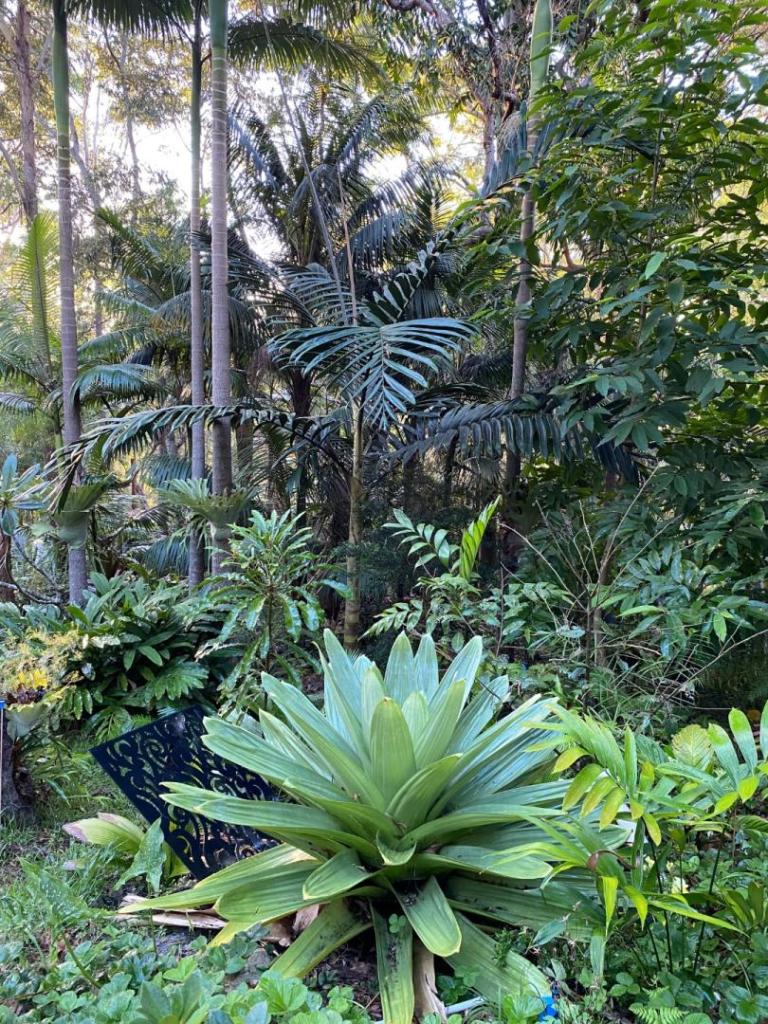
-
Long live the germinater Merc psillakis
happypalms replied to happypalms's topic in DISCUSSING PALM TREES WORLDWIDE
Ps Tim if ever I sell my garden I will let you know, the house is for free! My garden needs a good custodian with a love of palms such as yourself! -
Long live the germinater Merc psillakis
happypalms replied to happypalms's topic in DISCUSSING PALM TREES WORLDWIDE
Beautiful, they say they are not gone if you remember them, like I said he could germinate a rock! -
So What Caught Your Eye Today?
happypalms replied to The Gerg's topic in DISCUSSING PALM TREES WORLDWIDE
Everyone’s cold hardy favourite the tough old Arenga engleri.
-
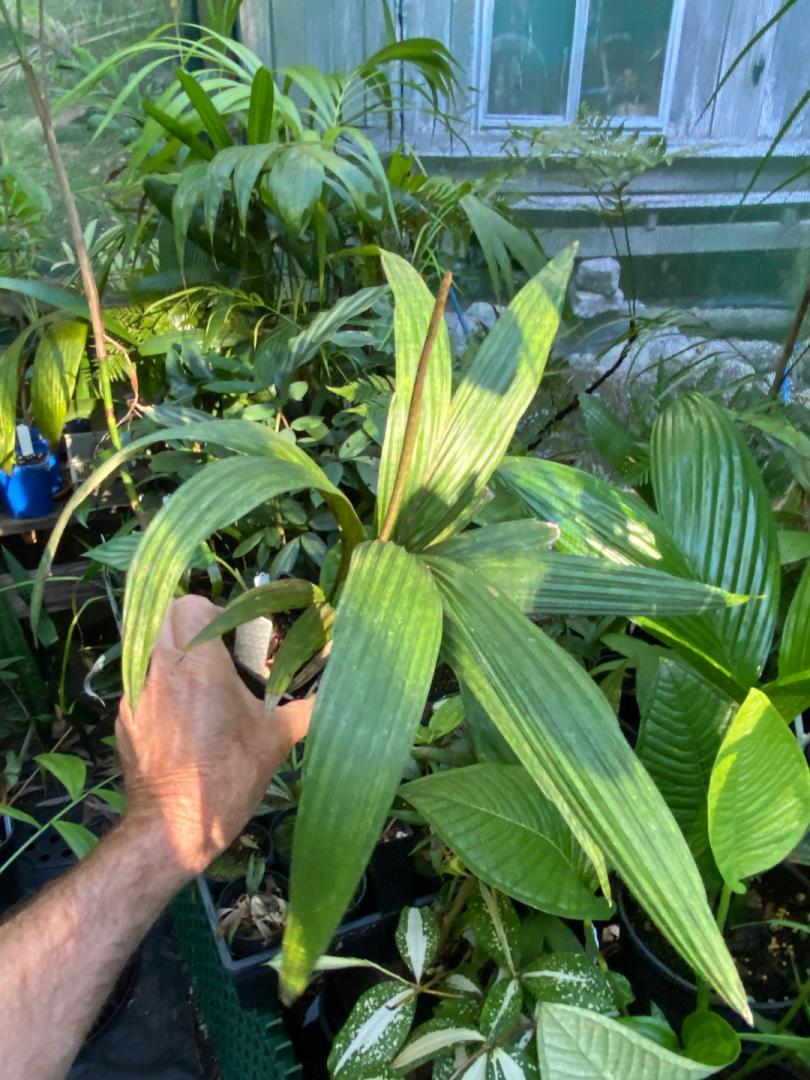
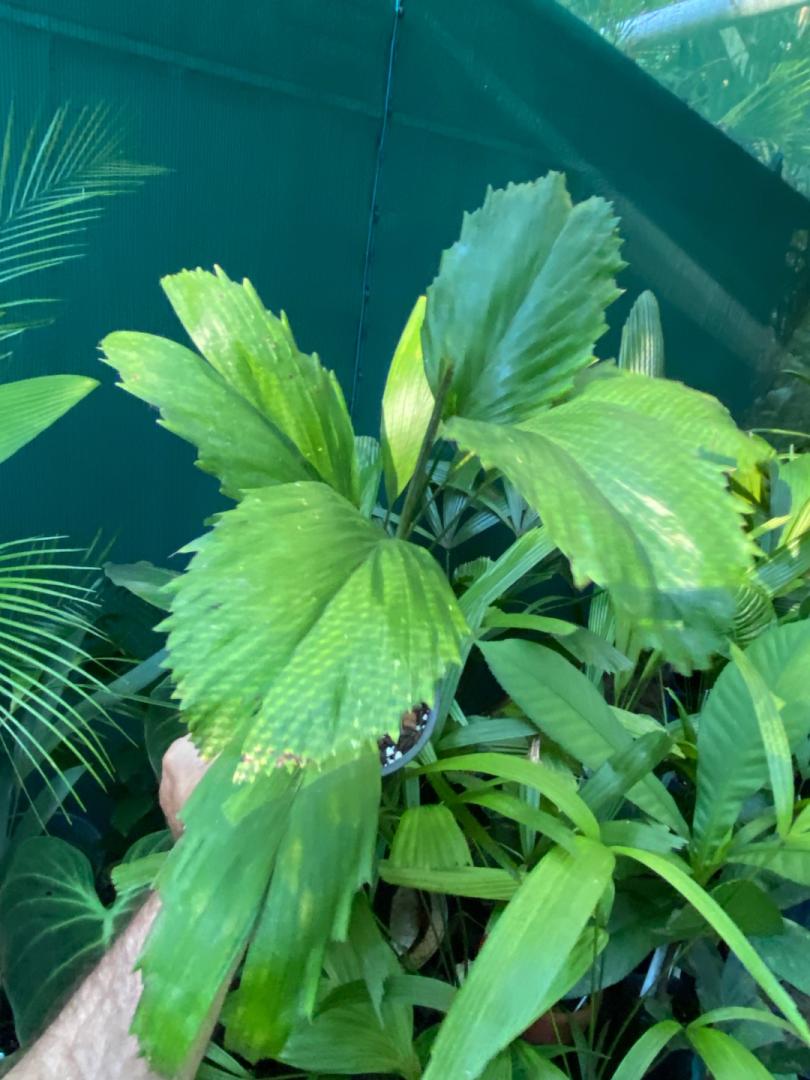
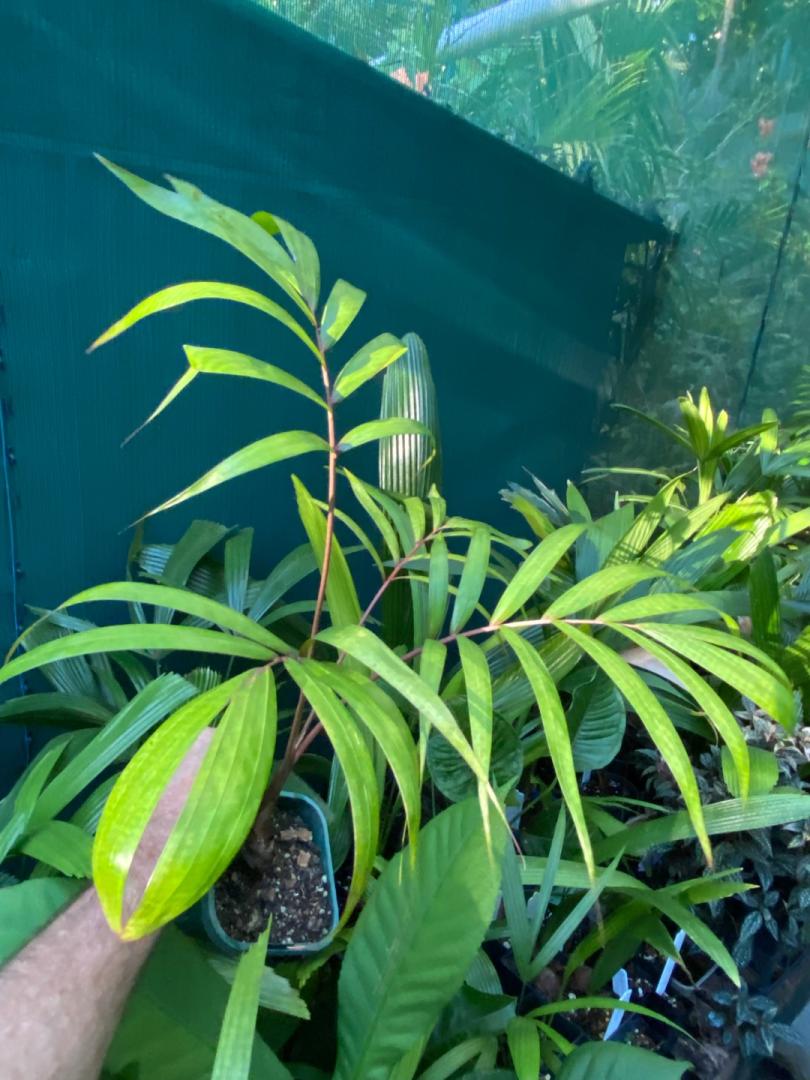
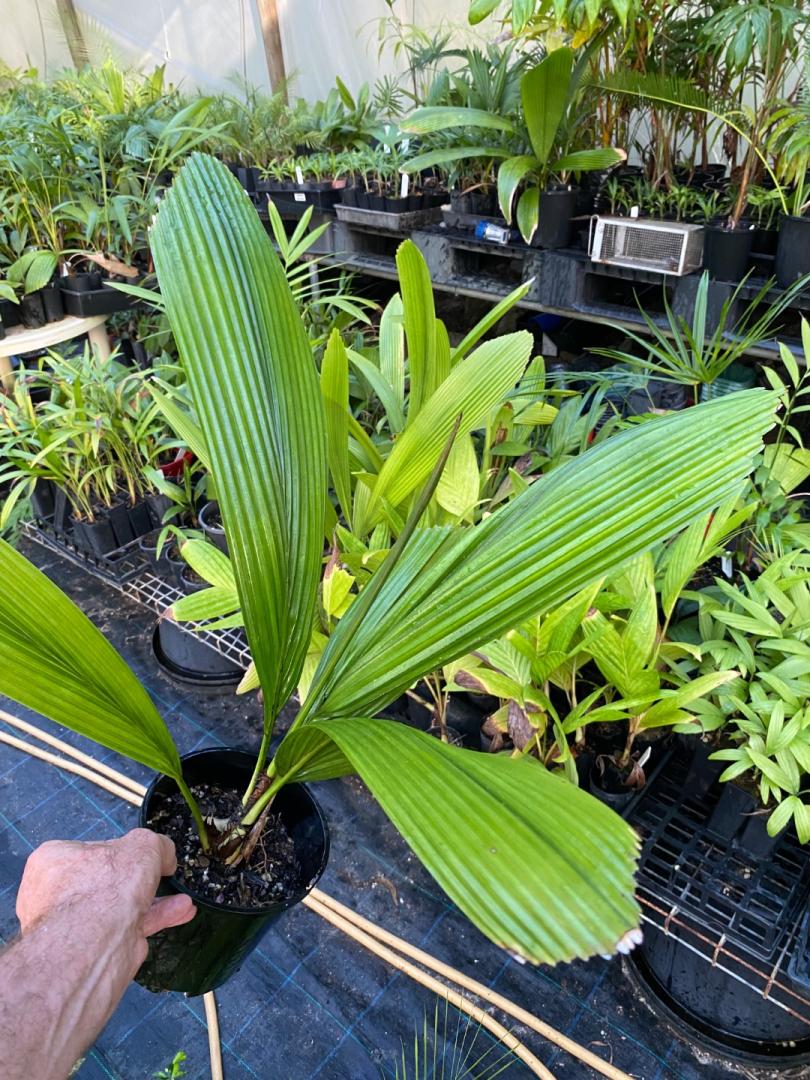
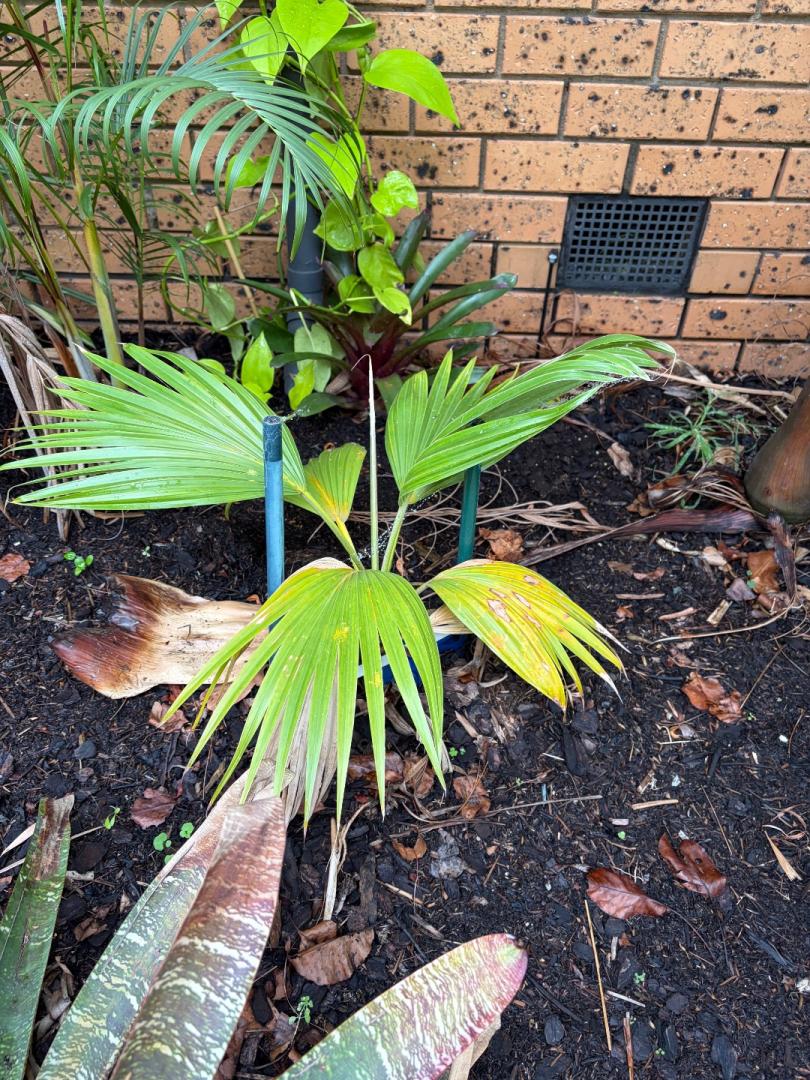
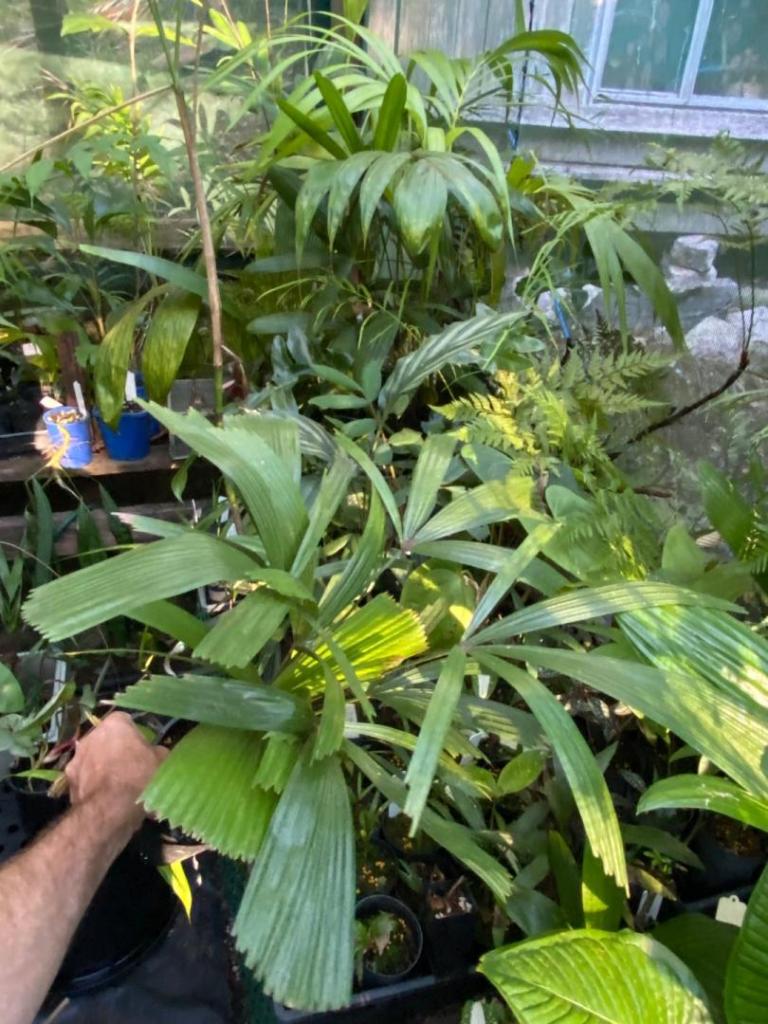
You gotta start them out in pots before you can plant them in the garden.licuala PNG dwarf Dypsis forcifolia reinhardtia simplex Calyptrocalyx flabellata Dypsis lanceolata and the good old Johannesteijsmannia altifrons Oraniopsis appendiculata
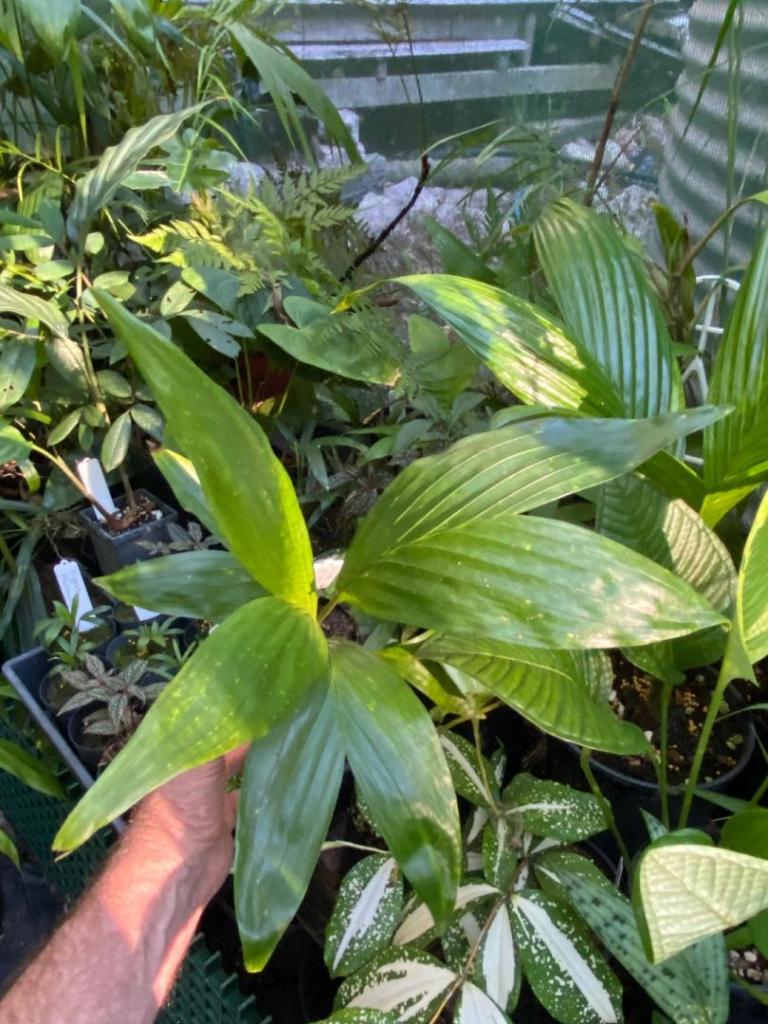
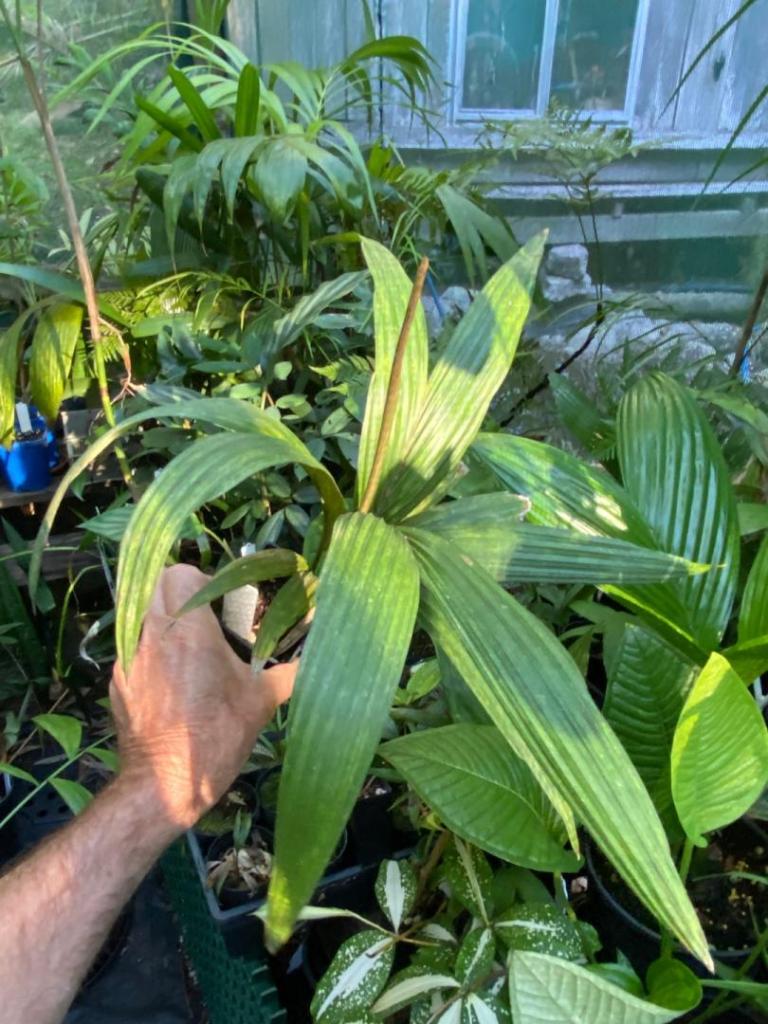
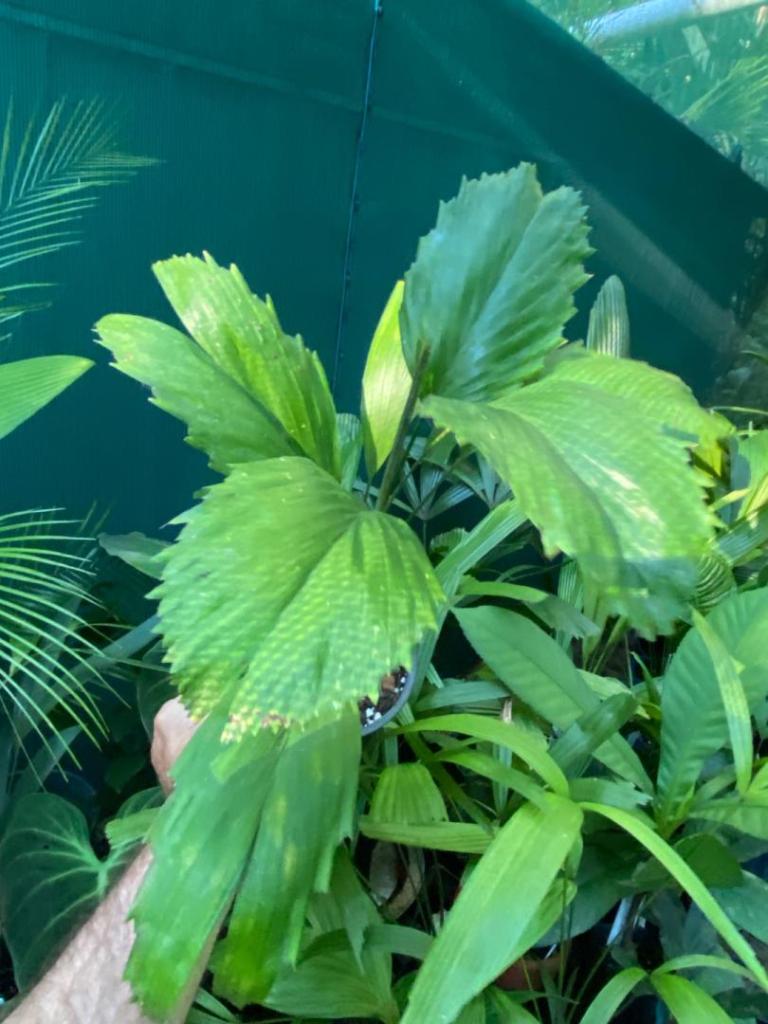


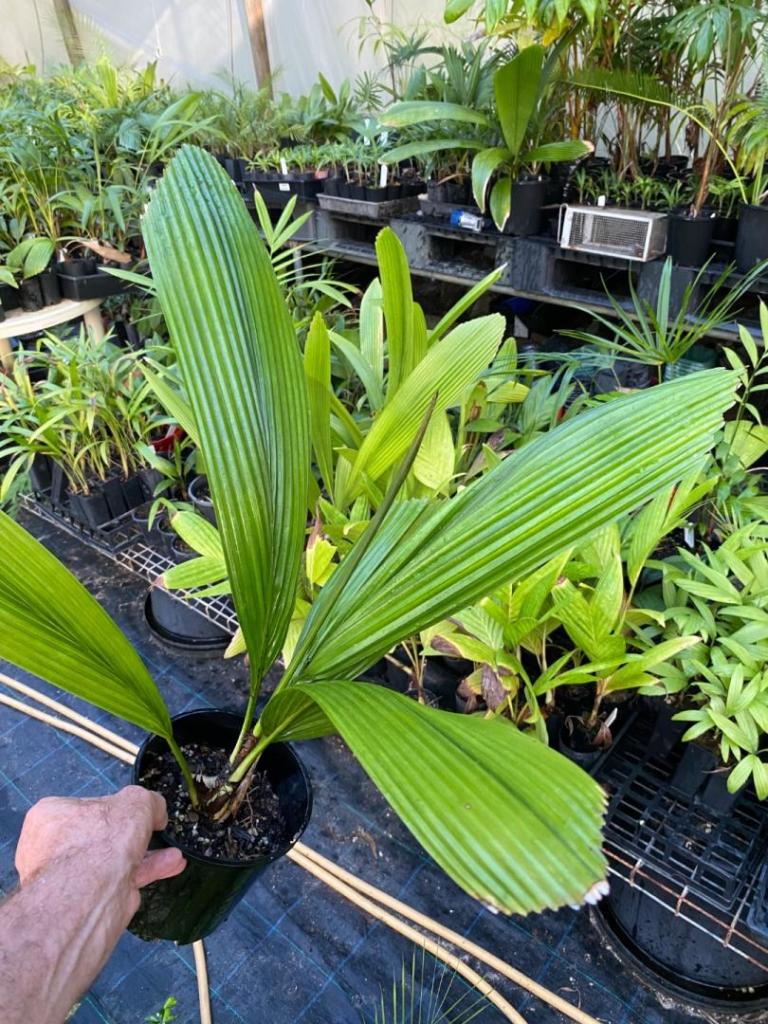
-
Mission accomplished! The truck ended up being particularly helpful for pulling, and they slid pretty well over cardboard boxes my husband put down (see video). Hopefully the palms will find a great new home. Either way, I’m excited about the additional planting beds that just opened up! IMG_5513.mov
-
Long live the germinater Merc psillakis
tim_brissy_13 replied to happypalms's topic in DISCUSSING PALM TREES WORLDWIDE
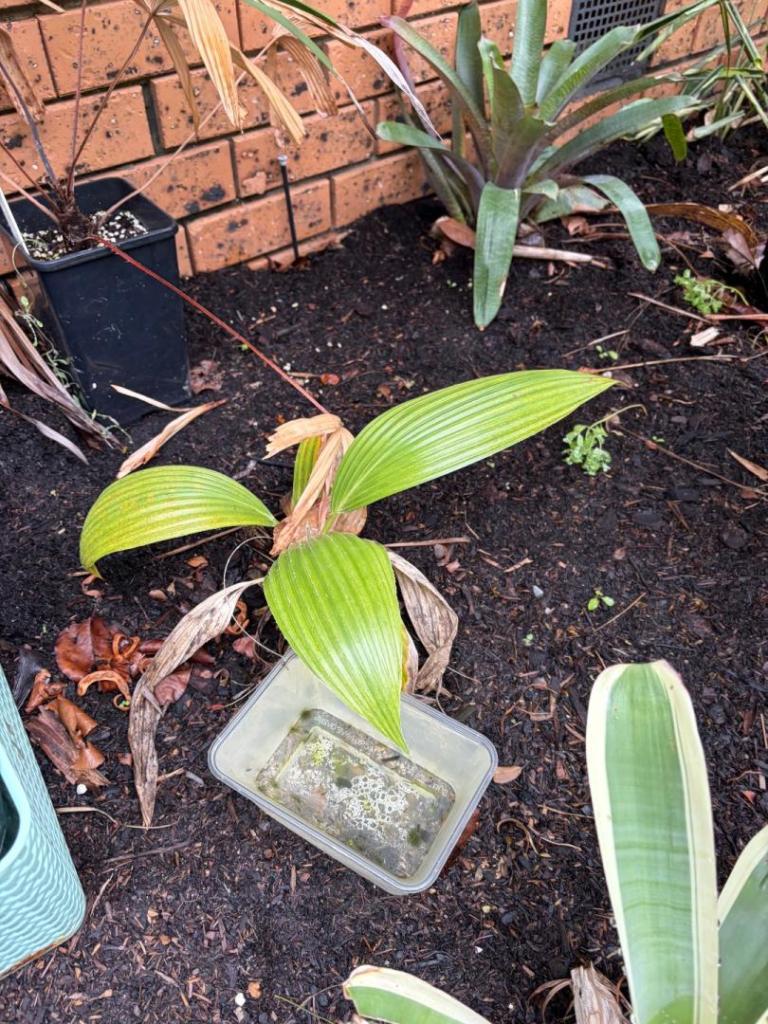
Great thread Richard. Here’s my contribution of Merc germinated palms I’ve planted. Pritchardia napaliensis Pritchardia martii
-
Potential Creation of Tennessee or Appalachian Palm Society?
Palmerr replied to L.A.M.'s topic in LOCAL CHAPTER AFFILIATES
Yea haha -

Sabal minor subsp. louisiana origin theories?
L.A.M. posted a topic in DISCUSSING PALM TREES WORLDWIDE
I have to wonder whether S. louisiana may be a different species than S. minor, although given the lack of genetic evidence we have with S. brazoriensis, I'm inclined to consider it a subspecies for now. It's clearly too distinct to just be a regional variety though, just as the Picea glauca subsp. densata is distinct enough from standard P. glauca to be even more fiercely heat-tolerant and also be far more drought-tolerant. In any case, I digress. What do you think caused S. minor subsp. louisiana to speciate well beyond a typical regional variety and enough to possibly even be an unproven separate species? Here's my theory. Similarly to a distinct subspecies or even distinct species, S. louisiana reaches the size of a small tree and grows much faster than standard S. minor, and it's substantially less reliably cold-hardy (only to about 5 degrees Fahrenheit above zero instead of 0, and even 5 can damage it if it stays below 10 for 24 hours or longer). I suspect both S. louisiana and S. brazoriensis in neighboring Texas evolved from S. minor on parallel evolutionary tracks within the last 120,000 years or so. Whereas S. brazoriensis has probably evolved to consistently stay in Brazoria County (it's reliably cold-hardy to 0 despite being bigger than S. louisiana) ever since Eemian sea levels fell from their higher-than-modern peak, S. louisiana clearly would've had to jump from dry land to the exposed continental shelf to survive the harshest periods of the Last Glacial Period around 70,000 and 26,000 years ago then jump back to higher ground before Holocene sea levels reached near-modern levels. This could explain why they're smaller and less cold-hardy than S. brazoriensis; S. louisiana clearly evolved to migrate as sea levels and climate changed, not to necessarily reach their full potential in terms of size and cold-hardiness like S. brazoriensis did. I made a similar speculative thread about S. brazoriensis a few months ago. The mysterious extra cold-hardy tree-sized palmettos of the northwestern Gulf Coast have fascinated me for some time! Someone published an animation of prehistoric North American climate data based on 120,000 years of Greenland Ice Core data, and although their winter isotherm distinguishing between temperate and continental climates was -3 degrees Celsius (26.6 degrees Fahrenheit), not 0 Celsius (32 Fahrenheit), it still gives us a pretty good idea of where palms could and couldn't have survived then; areas within a few miles of the transition zone would've been too hostile in light of the ground still freezing. P.S.: As for why we don't see any attempts at speciation in Mississippi, Alabama and the Florida panhandle, nor in the Old South? They clearly must've failed further east than Louisiana along the Gulf Coast due to the bad winters during the two most severe climate periods even on the continental shelf. Don't forget, as I mentioned, the video creator chose to use the -3 degrees Celsius winter isotherm, not the 0 degrees Celsius isotherm that's more reflective of the ability of subtropical or oceanic climate vegetation to avoid freezing to death in a decades- or centuries-long life. I noticed periods as early as about 77,500 years ago and as late as about 15,200 years ago where the coasts at the time of Mississippi, Alabama and the Florida panhandle probably would've had at least one month averaging somewhat below freezing. On the contrary, the southwestern corner of modern land in Brazoria County and some land at the time off the coast of modern Louisiana probably retained suitable habitat for palms (albeit barely about 26,000 years ago in the Brazoria County case) as long as they at least adapted to be more cold-hardy than S. palmetto, with S. brazoriensis being further tested to redevelop the full extent of S. minor's cold-hardiness to survive winters comparable to modern Tennessee and Kentucky (something I theorized in my thread about that) and S. louisiana constantly seeding new areas to avoid being wiped out by fluctuations between freezing winters higher up or rising sea levels lower down. Nascent Sabal palm varieties evolving towards subspecies in the Old South, I suspect, probably simply got outcompeted by S. palmetto along the Atlantic coast and Florida Peninsula even in favorable climate periods - perhaps even also outcompeted by the shrubby Serenoa and Rhapidophyllum which still have aboveground trunks, unlike standard Sabal minor - or hybridized into oblivion. Furthermore, the Atlantic coast has a third, major issue during glacial periods; although Greenland Ice Core data doesn't show it, the immediate Atlantic coastal plain sometimes got covered in a marine layer cold enough for permafrost (guaranteeing a D- or E-type climate) during Heinrich events as far south as Jacksonville. Although it didn't form Carolina Bays west of the Florida Peninsula's dividing ridge nor on the Piedmont (the similar-looking Grady ponds of the Florida panhandle and southern Alabama are formed by carbonate soil/bedrock, not permafrost-related thermokarst), that too probably would've been a death blow to any nascent ill-adapted palm species along the Atlantic coast in Heinrich events, with Serenoa and Sabal palmetto probably restricted to the Florida Peninsula (and Bahamas in the latter case) at times and Rhapidophyllum and Sabal minor possibly also present in favorable microclimates along the Fall Line and entire immediate Gulf Coast except in the absolute coldest periods. There are iceberg grooves as far south as the Florida Keys dated to Heinrich event 3 and many more along Cape Hatteras dated to other Heinrich events, indicating a meltwater-supercharged Labrador Current during those times! In a comment, the author of that climate video conceded that including those climate events along the Atlantic during his video would've pushed the model to its limits, although it still seems sound to rely on the ice core data for areas west of the Atlantic Fall Line and the Florida Peninsula's continental divide. Qualified scientists have also used this same Greenland ice core data in PDFs of published studies about the Last Glacial Period and shown Trewartha climate classifications (although the maps I saw in the one study I saw doing so erroneously merged the Trewartha Dca and Do classifications).-
- 1
-

-

Pindo, Mule or Alfredii for front yard?
SCVpalmenthusiast replied to SCVpalmenthusiast's topic in DISCUSSING PALM TREES WORLDWIDE
What if I got a potted Royal and just let it see how it does outside in the summer? Worst comes to worst I can move it. -
Pindo, Mule or Alfredii for front yard?
SCVpalmenthusiast replied to SCVpalmenthusiast's topic in DISCUSSING PALM TREES WORLDWIDE
Its north facing, and yes its perched up on a hill. My house is on a hill. The housing tract was built like stairs, so my first floor is my neighbors second story. I believe there would be good drainage. -
Pindo, Mule or Alfredii for front yard?
SCVpalmenthusiast replied to SCVpalmenthusiast's topic in DISCUSSING PALM TREES WORLDWIDE
No way in hell its drier out here than Arizona. Maaaaan you guys are making me wanna buy a royal. That would honestly be a dream come true. -
No one I talk to likes it, some use it for work but most people hate it. Most of my friends do not have "social media" anymore, if ever at all, and we are not part of the old crowd (but not that young either). Don't get it twisted that younger people LIKE this stuff, some just try and take advantage like anyone would. kids trust too much and have not been bitten yet, but they learn in time, especially once they count on the slop and get bit by it. They are more aware of technology and the downfalls than people give them credit for, but they are also pushed towards it by older predators, like the AI pushers with their real agenda of greed and control. Remember, half the generation is on the lower half of the IQ bell curve, and that gets the most attention (and sometimes the genius kid too).
-

Dead frond loss vs. frond retention.
Harry’s Palms replied to TomVaughan's topic in DISCUSSING PALM TREES WORLDWIDE
Jim , that would be awesome . The first time a frond falls on its own will be celebration. I love the way they sway in the wind when they get this big . All that motion is bound to have an effect. Harry -
Models are already picking up on one more break of the polar vortex mid March and driving into the SE US. Some on social media are saying there could be one more threat. Climo says a freeze though by that time would be near 0 for central Florida. Maybe 40s. I guess polar vortices only like the Eastern US? Getting old.
-
Pindo, Mule or Alfredii for front yard?
awkonradi replied to SCVpalmenthusiast's topic in DISCUSSING PALM TREES WORLDWIDE
Ken, are you on a south-facing slope with good cold drainage, by chance? -

Pindo, Mule or Alfredii for front yard?
DoomsDave replied to SCVpalmenthusiast's topic in DISCUSSING PALM TREES WORLDWIDE
Royals rock the desert! I’ve seen it, but they are THIRSTY EXPLETIVES. -
 rommel joined the community
 -
Pindo, Mule or Alfredii for front yard?
awkonradi replied to SCVpalmenthusiast's topic in DISCUSSING PALM TREES WORLDWIDE
If you're already watering a lawn, then I'm not sure watering a royal would be much extra. As Jim in Los Altos points out, a royal might like your temps just fine (edit: maybe OK). As for a royals and humidity, here are reports about royals in Phoenix, AZ. Well-watered royals look good in Cabo San Lucas also. -

Show us your tropical garden
greysrigging replied to PAPalmtrees's topic in TROPICAL LOOKING PLANTS - Other Than Palms
1987 and 2026

-

Musa Basjoo or other large cold hardy aggressive bananas.
ZPalms replied to ZPalms's topic in Palms/Plants/Seeds Wanted
I had a super dwarf cavendish in a pot a while back and it only came back slightly after one winter and then never again, If I knew they were hardier in ground they would be a cute addition to plant! -
Pindo, Mule or Alfredii for front yard?
SCVpalmenthusiast replied to SCVpalmenthusiast's topic in DISCUSSING PALM TREES WORLDWIDE
I think the coldest its got in 20 years was 28 degrees. Now this would be a statement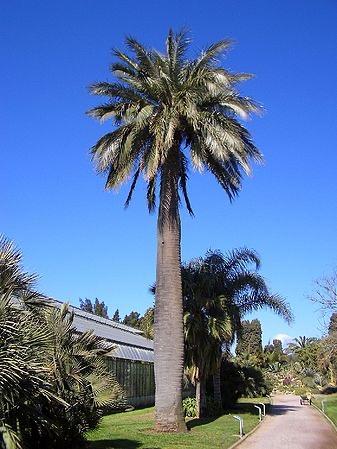
-
Pindo, Mule or Alfredii for front yard?
SCVpalmenthusiast replied to SCVpalmenthusiast's topic in DISCUSSING PALM TREES WORLDWIDE
It’s technically not a desert, its Mediterranean climate. But the summers are dry and hot like the desert. We’re fairly close to the high desert, my in laws live there and its a lot colder in the winter and they receive a fraction of the rain. We got 25 inches so far, whereas Lancaster got 8. But the summers are hot and dry as a bone, which makes anyone from the coast think it’s a desert. Having a Royal would be a dream. Im just worried of the dry summers here. I think royals do well in high humidity like Florida. The palm would be on my lawn where I would be watering every day in the summer. -
Thanks Tin! I know this inflation is hitting alot of people so I basically listed everything at 1990’s prices🤙