All Activity
- Past hour
-
They look great in my opinion! Skinned not too much and not too little to even notice.
-
Nothing major wrong like mentioned above. Keep sprinklers off it, or no spraying water on fronds just in general
-
(150x200).thumb.jpg.e1fafdd246043e79fc7371cf6efade3f.jpg)
Broadleaf evergreen shrub in zone 9
Silas_Sancona replied to VA Jeff's topic in TROPICAL LOOKING PLANTS - Other Than Palms
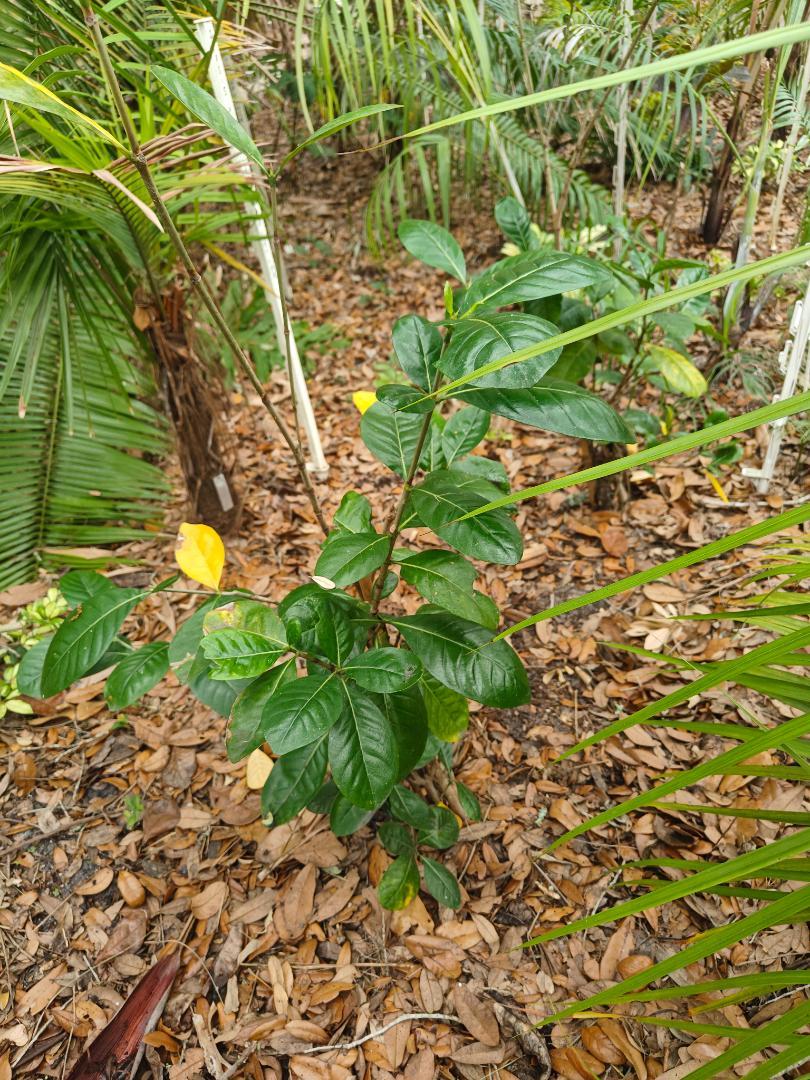
W/ out any flowers and/or fruit, it could be a few different things. That said, as soon as i saw it, " Viburnum - something -ish " came to mind pretty quickly as a shot in the dark guess. Appears that there is more than one of ..whatever it is.. so it might be something native also. Sounds like the garden needs to get on top of labeling stuff, regardless. - Today
-
Hi! Can anyone tell me if an Orange Geiger tree would grow in Sarasota? Thanks.
-
Lol..Yes sir.. the bit of the trunks that were skinned..was a truck load.. should I shave em higher?
-
 Sidhean joined the community
 -

Butia witeckii. Not so insect proof after all.
alzo replied to alzo's topic in DISCUSSING PALM TREES WORLDWIDE
...Any info and experiences with this species would be greatly appreciated 😁 -
Butia witeckii. Not so insect proof after all.
alzo posted a topic in DISCUSSING PALM TREES WORLDWIDE
I read on the few threads and posts online about this palm that it doesn't get attacked by the insects and borers that affect other butia palms because of its thick endocarp, but upon cracking open 50 seeds from RPS I found 5 of these little grubs in place of seeds. Grub example: Still, due to it's propensity to produce a triplet of seeds in one nut, and despite a losses to grubs, damage from cracking and a many non viable seeds, I ended up with 54(woohoo!) seeds from just 50 nuts showing a healthy button after delidding. Not a bad result🥳 especially considering they've been listed on RPS for quite some time Healthy seeds:

-
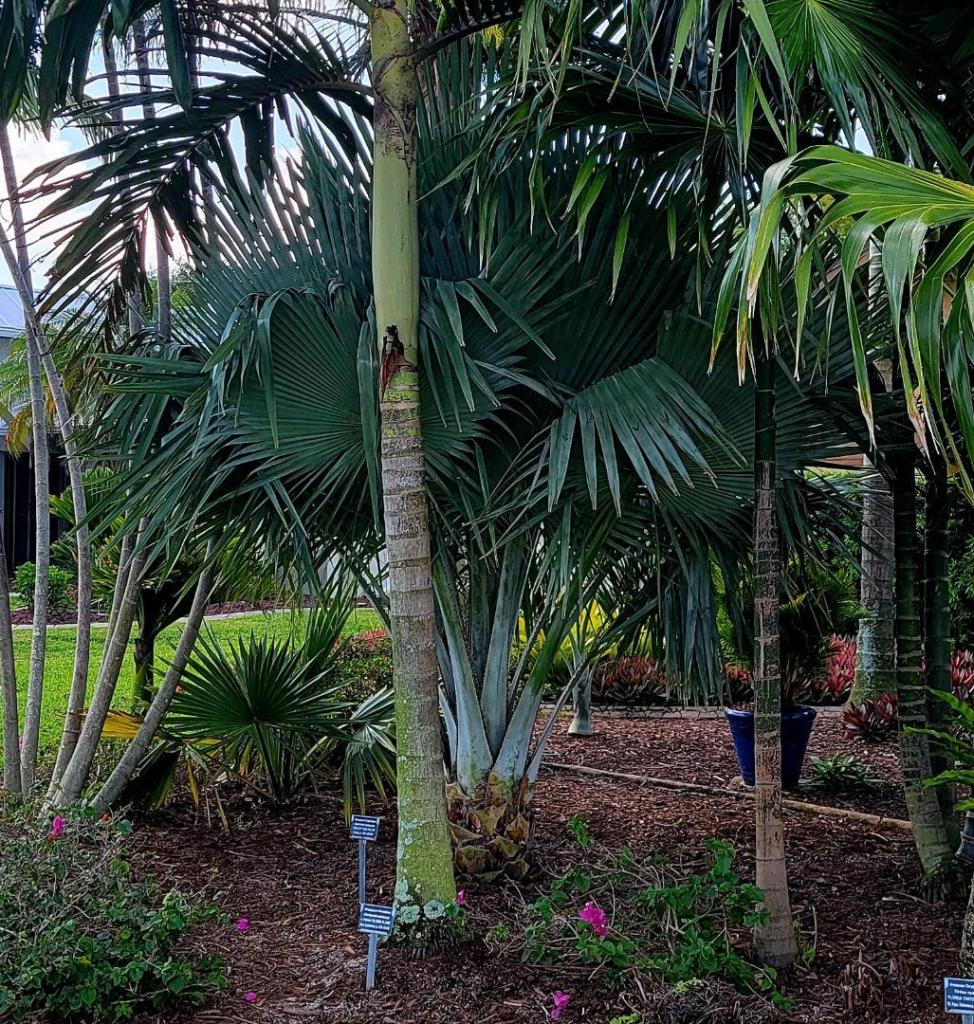
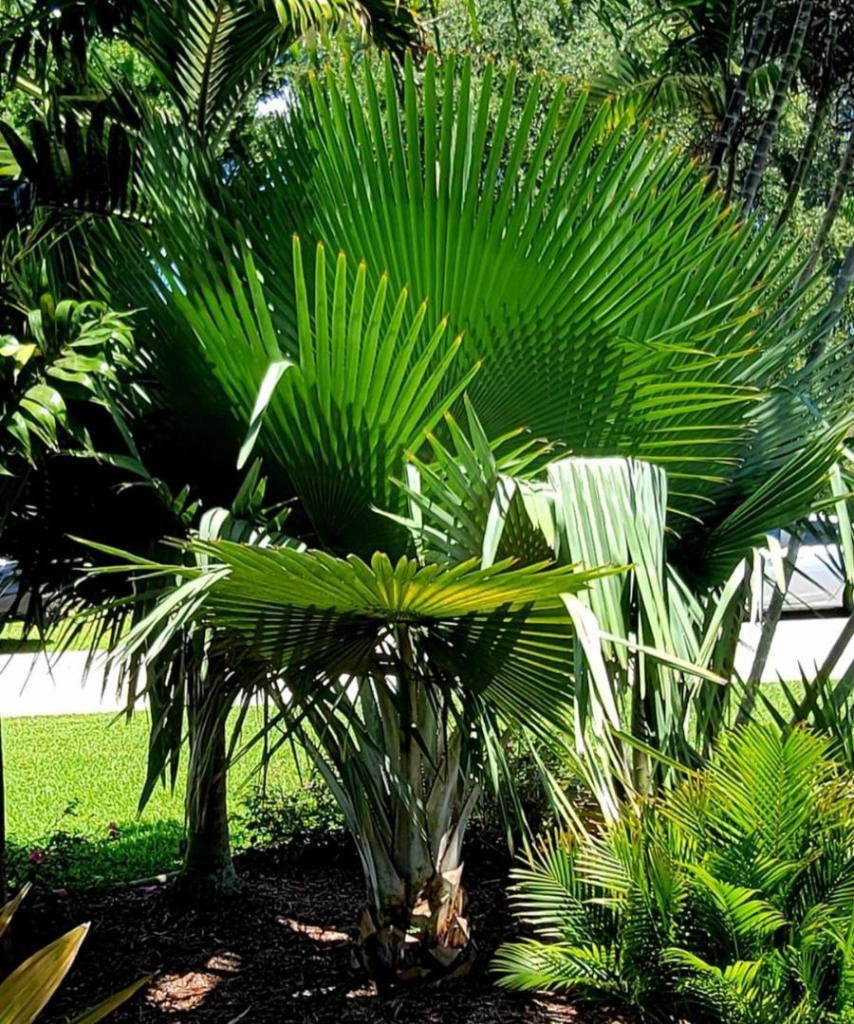
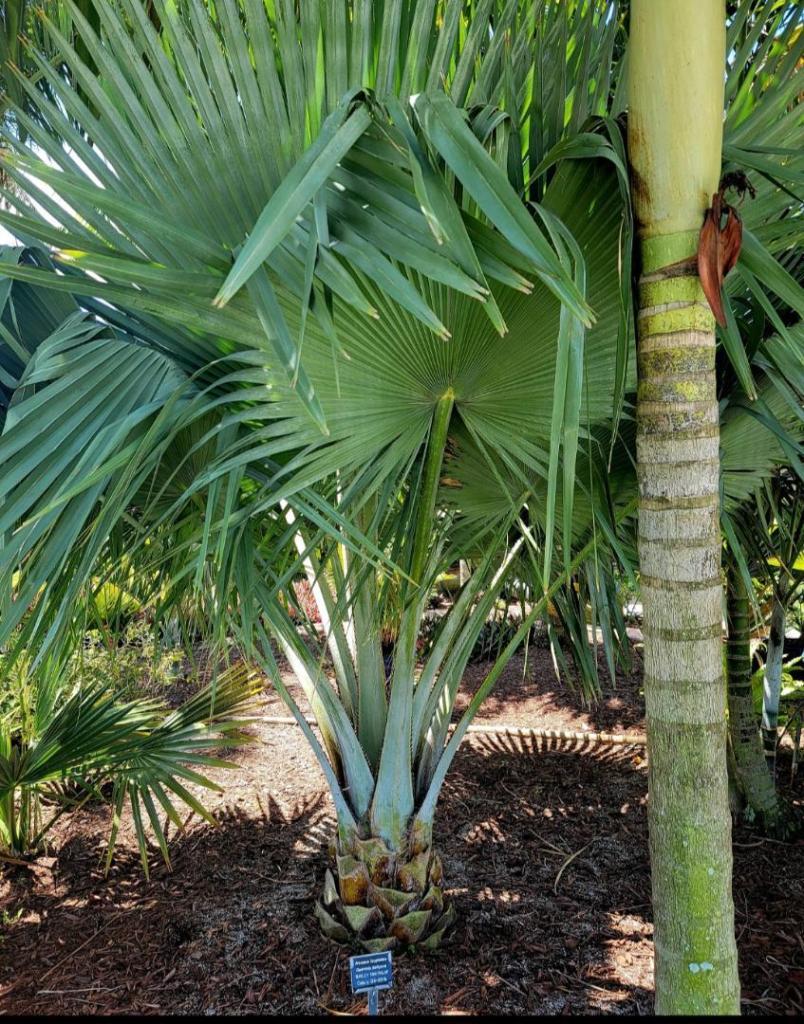
Copernicia baileyana 10 years later
Cape Garrett replied to Cape Garrett's topic in DISCUSSING PALM TREES WORLDWIDE
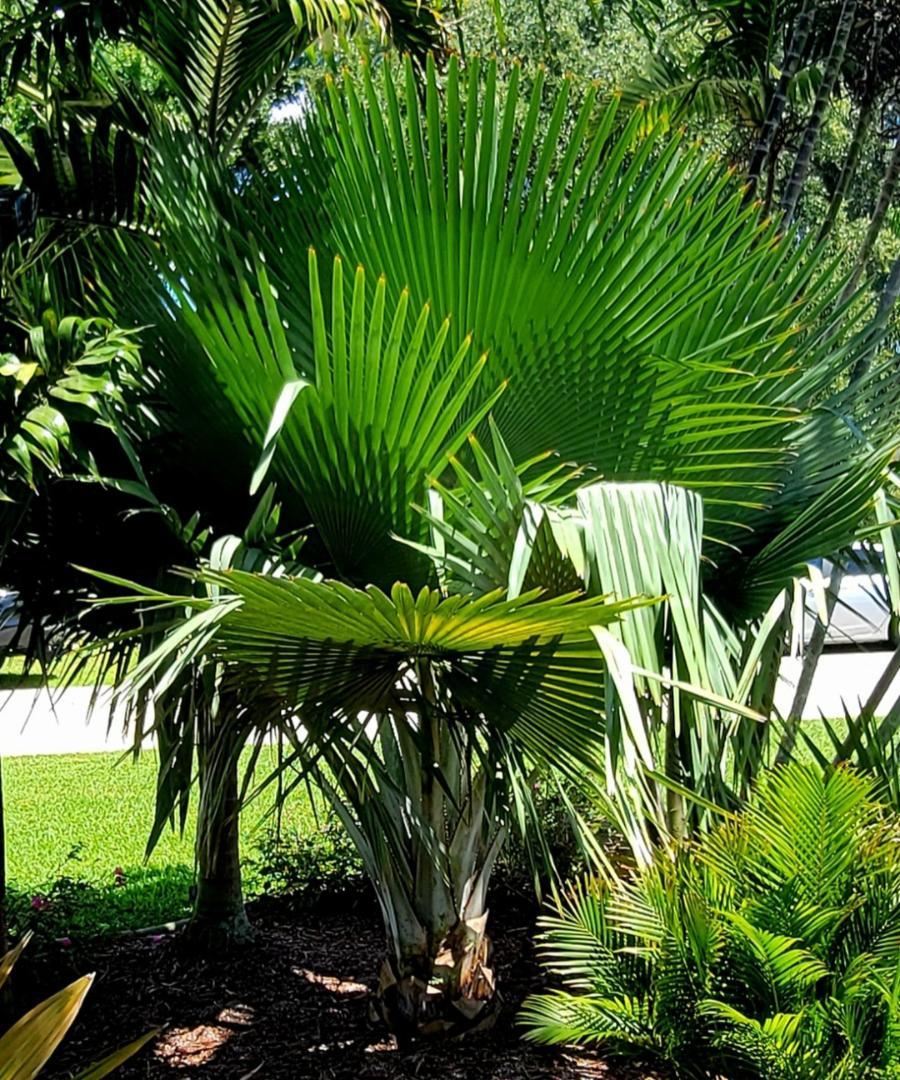
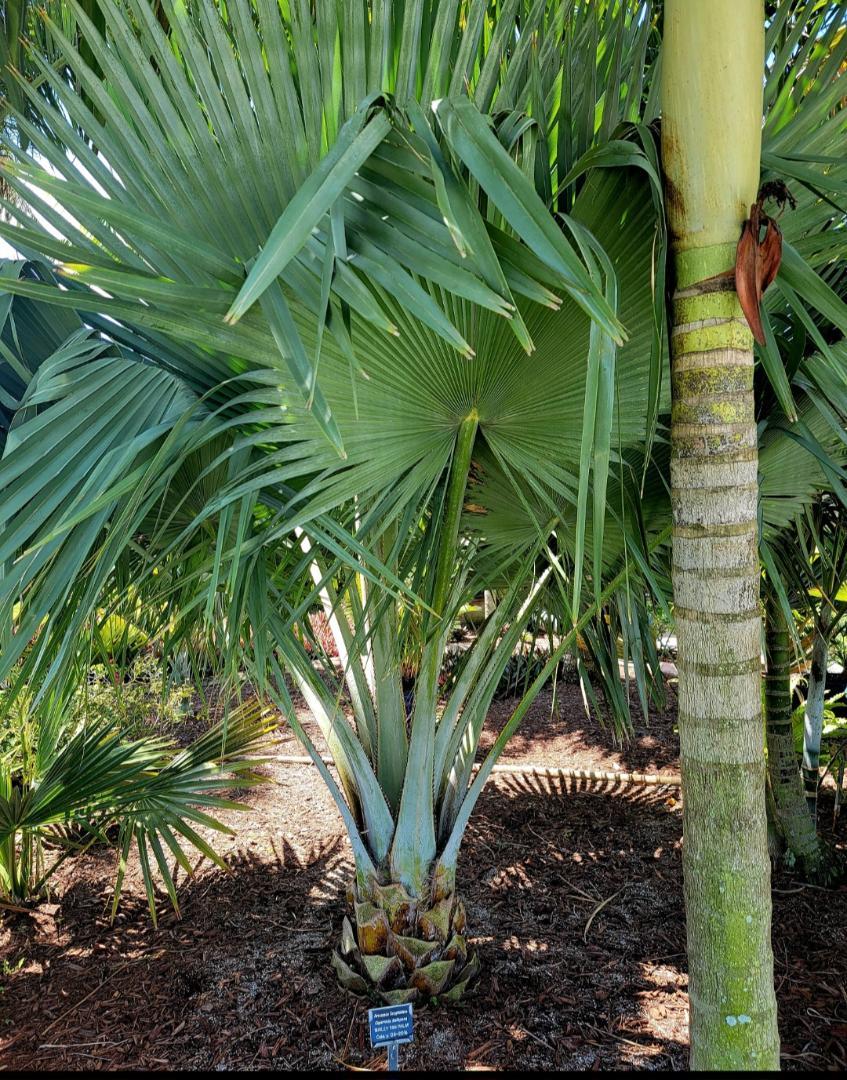
A few more pictures of the entire garden growth and shows the blue color better. Notice the Ptychosperma schefferi on the left. It was blown bent from Hurricane Ian. It was not uprooted. It's just got a little more swagger now. Kind of curvy.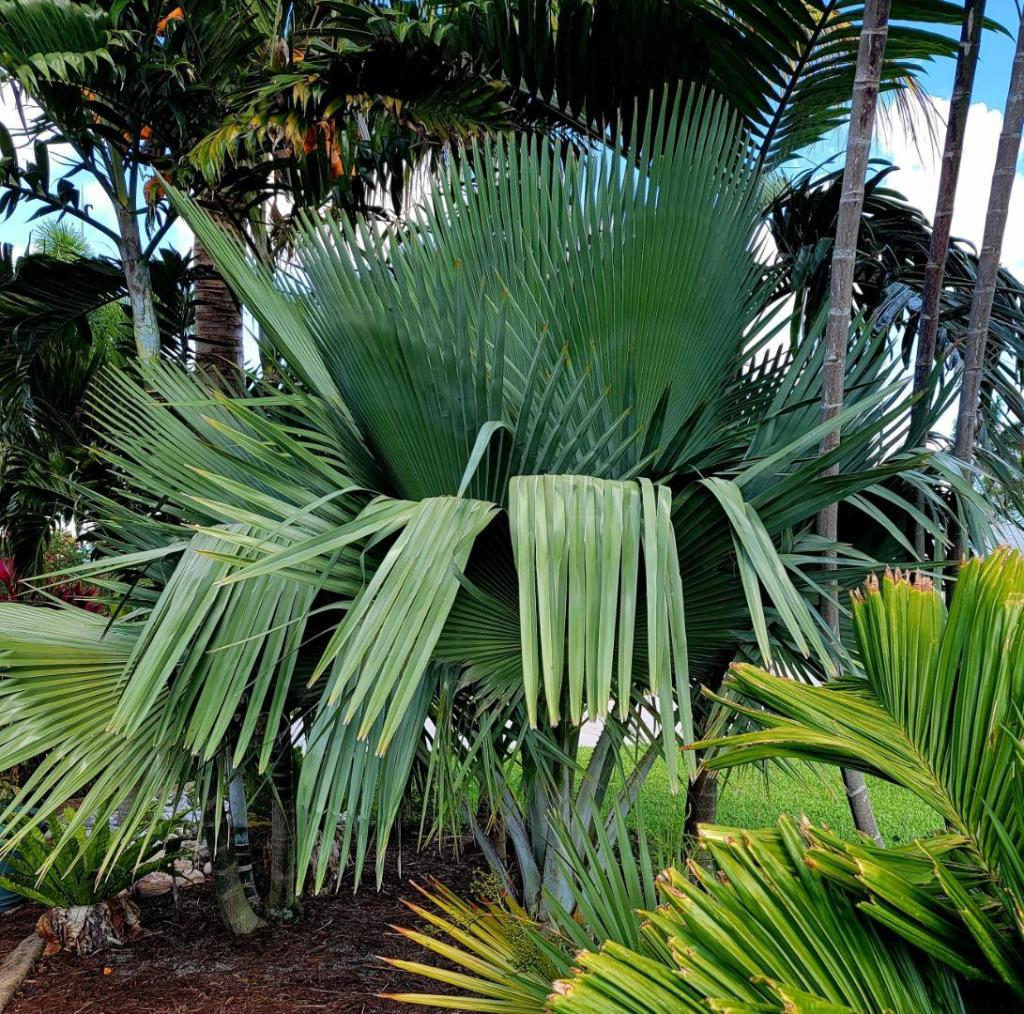

- 1 reply
-
- 1
-

-
Hey palmtalkers. Just wanted to share the progress of my bailey palm. I planted this one from an overgrown, rooted in the ground, 1 gallon baby palm back in May 2016. A picture of that at first planting is shown as well with it being the tiny palm, center of the pictures. It has about an overall height of 9 to 10 feet now to the top of the leaf. Has been slower growing for me than I would like. It gets way to much shade from the surrounding palms now that they outgrew the bailey. It's hard to show in the photos, but this one has that blue-green color. One I prefer. Has been through 3 major hurricanes. Irma, Ian, and Milton. Some winds from Helene as well. It still holds damaged leaves from Milton, but I didn't want to over trim. Took some leaves off and left the others. Hopefully now that it's getting larger and a bit more sun, it will start to grow a bit faster.




- 1 reply
-
- 2
-
-

Well, that happened! Livistona fulva rapid decline.
DoomsDave replied to Jonathan's topic in DISCUSSING PALM TREES WORLDWIDE
100 today! https://en.wikipedia.org/wiki/David_Attenborough -

Remarkable palms of Tampa Bay
epicure3 replied to RedRabbit's topic in DISCUSSING PALM TREES WORLDWIDE
Had no idea. Looks like it. -
Broadleaf evergreen shrub in zone 9
VA Jeff posted a topic in TROPICAL LOOKING PLANTS - Other Than Palms
Here is a pretty little broadleaf evergreen that I saw in the St. John's Botanical Garden in Hastings, Florida. The director of the garden didn't know the name of this plant. Can anyone identify it? It is fairly young. I think the average leaf size was approximately 4 inches long (guess).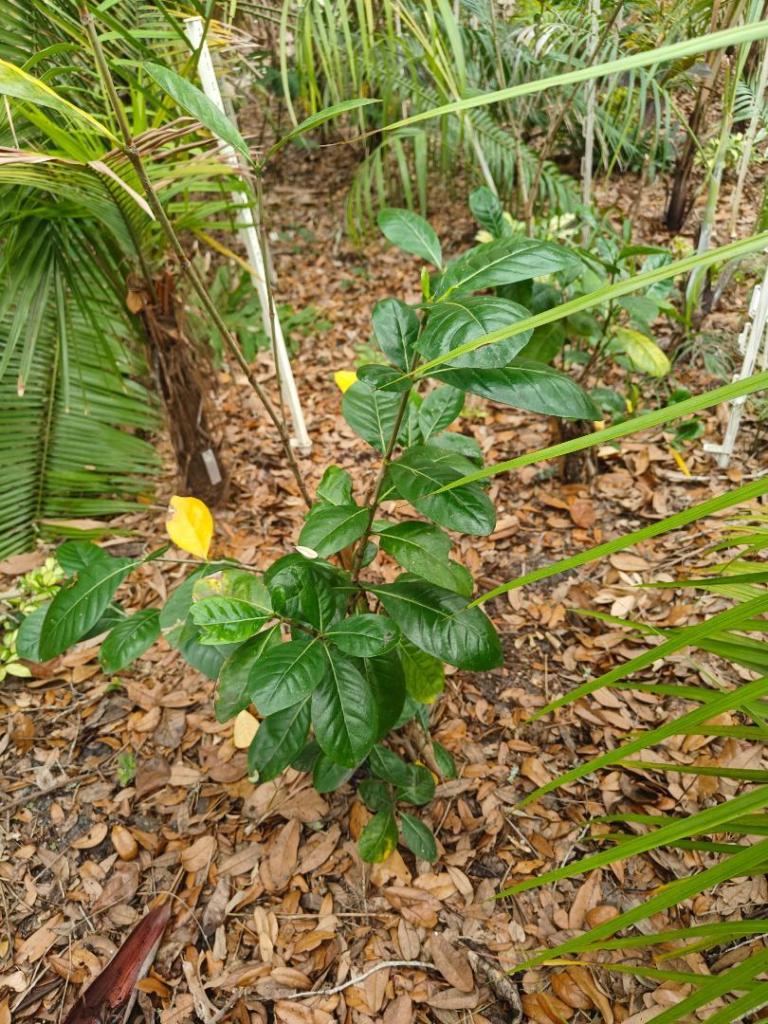
-
In-N-Out Burger Palms in Tennessee - Please Sign and Share Petition If You Agree!
PalmTreesAreCoolYes replied to L.A.M.'s topic in COLD HARDY PALMS
That may be true but you can say the same thing for the rest of the eastern USA. Northern Florida right by the Gulf of Mexico still gets into the teen temperatures every so many years despite being zone 9a. But you cannot go out and compare zone 9a Florida to, let's say, Atlanta for example. Palm trees are sensitive to cold snaps but my point is that they also respond well to average mild winters. A zone 6 or 2 winter a decade is much better than a true zone 6 with it getting to zone 6 temperatures every year. You cannot compare Nashville to a true zone 6b just because it gets that cold maybe once or twice a decade. The definition of USDA cold hardiness zones is just the average winter lowest temperature, not what it gets every year. So yes, an average zone 7b location will likely have zone 6, zone 7, and zone 8 temperatures mixed into a 30 year average, which can easily and logically equal out to zone 7b. This is still helpful for palm growing. Needle palms and dwarf palmettos should still do well in Nashville, much better than a place averaging to zone 6b. If you want to get technical, most places in the USA have much lower record cold temperatures than their cold hardiness zones would lead you to believe. Florida's record low is -2 if I recall, but we don't call Florida zone 6, and palms still happily grow there because some cold hardy palms can handle very cold temperatures once every so many years, but if it happens every year then they have no time to recover. They need recovery years which zone 7 areas and up provide, years where it doesn't get below zero. If I recall correctly, even at the northern end of the sabal palmetto native range, it has gotten to single digit temperatures before. The cold hardiness of palms is a lot more nuanced than many people believe. A sabal palmetto might survive single digits (if the ecotype is cold hardy) once every 20 years but cannot handle that every year most likely. Do we call sabal palmettos zone 7 palms then? Not really. People still largely refer to them as zone 8 palms and up (probably more 8b than 8a). But I agree for the most part, palms with true trunks are mostly off limits to Nashville. Notice I say mostly. Find the right microclimate, close to a brick wall for example, and that may be enough for a windmill palm to survive. I have seen tall windmill palms survive years and years by a brick building in Knoxville for example unprotected. With the same logic, we cannot call Nashville zone 8 because it sometimes has zone 8 winters. It's all about the average. -

Remarkable palms of Tampa Bay
HudsonBill replied to RedRabbit's topic in DISCUSSING PALM TREES WORLDWIDE
Thats been there for a long time -
There would be the question why B deficiency. Its either very high drainage or soil channeling local to that spot or its a pH issue. If its a pH issue, adding borax should be done with a some epsom salt to ensure the uptake. This is because as stated previously, boron binds with Ca at alkaline pH. Epsom salts will cause a more rapid(and likely temporary) change in local soil pH. The sulfur pH adjustment is slow due to the need for microbe activation of the sulfur. Hence you can put a bunch of sulfur down and not worry about pH shock.
-

Any information on Arenga nana out there?
Harry’s Palms replied to happypalms's topic in DISCUSSING PALM TREES WORLDWIDE
I actually know about them . They must grow in Santa Paula , California . There is a place on hospital hill to send them to. They will be quite happy there. I really don’t know but if they are anything like Engleri , very easy , cool tolerant . They look just like the baby Engleri I got for a friend . Harry- 1 reply
-
- 1
-

-
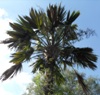
Well, that happened! Livistona fulva rapid decline.
PalmatierMeg replied to Jonathan's topic in DISCUSSING PALM TREES WORLDWIDE
Jonathon, your info makes perfect sense. Fulva is likely too heat sensitive for my climate. Mine died so definitively I decided not to apply my "3 strikes" rule and go straight to "out". BTW, last week I watched a Public Broadcast System documentary on some of the animals on Tasmania. Very cool. David Attenborough narrated and anything he does is great. Love that guy - 100 y.o. and still carrying on. -
 tom hudak joined the community
 -

For some, Florida drought is getting very "extreme"
Looking Glass replied to SubTropicRay's topic in WEATHER / CLIMATE

-
Bactris gassiapaes in the garden
happypalms replied to happypalms's topic in DISCUSSING PALM TREES WORLDWIDE
Unfortunately it is in a traffic zone, and it has caused me trouble before, right down to the doctor in Sydney wanting to know what palm it was! They are so hard to remove the needles. You can run your hand down the trunk, but heaven forbid the other way going up. Richard -
Any information on Arenga nana out there?
happypalms posted a topic in DISCUSSING PALM TREES WORLDWIDE
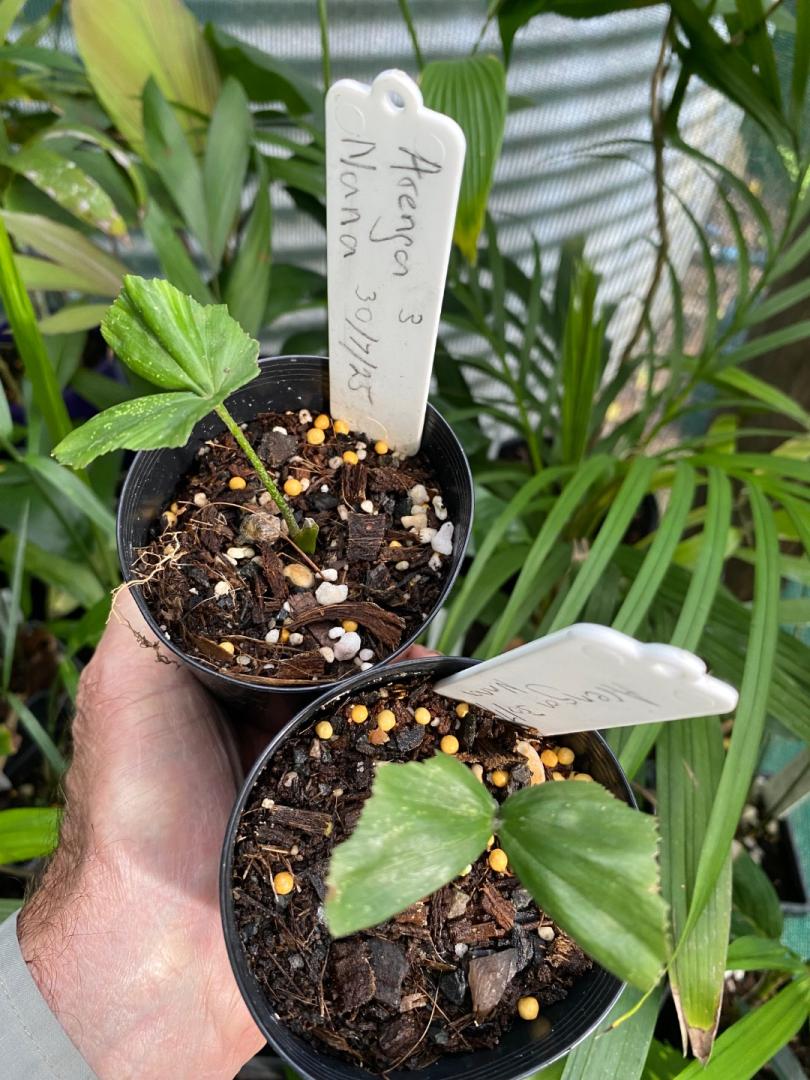
I cannot find any information on this palm, apart from it was wallichia nana. Does anyone have pictures of this palm?
- 1 reply
-
- 2
-
-
I shall start a On the potting bench thread
happypalms replied to happypalms's topic in DISCUSSING PALM TREES WORLDWIDE
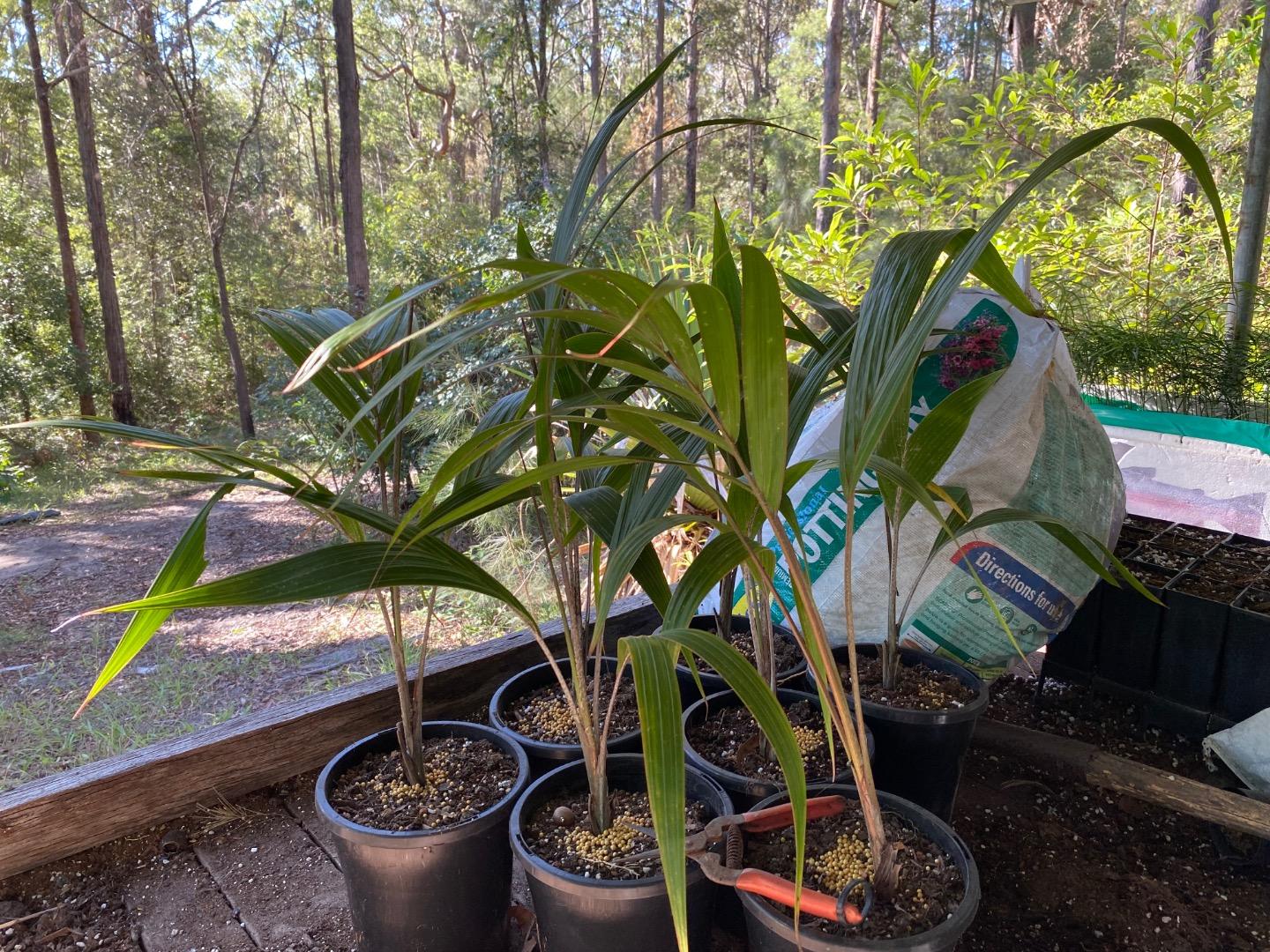
Some nice dictyosperma album var conjugatum needed a bit of attention. So time to wack em across the potting bench. Thanks Merc!
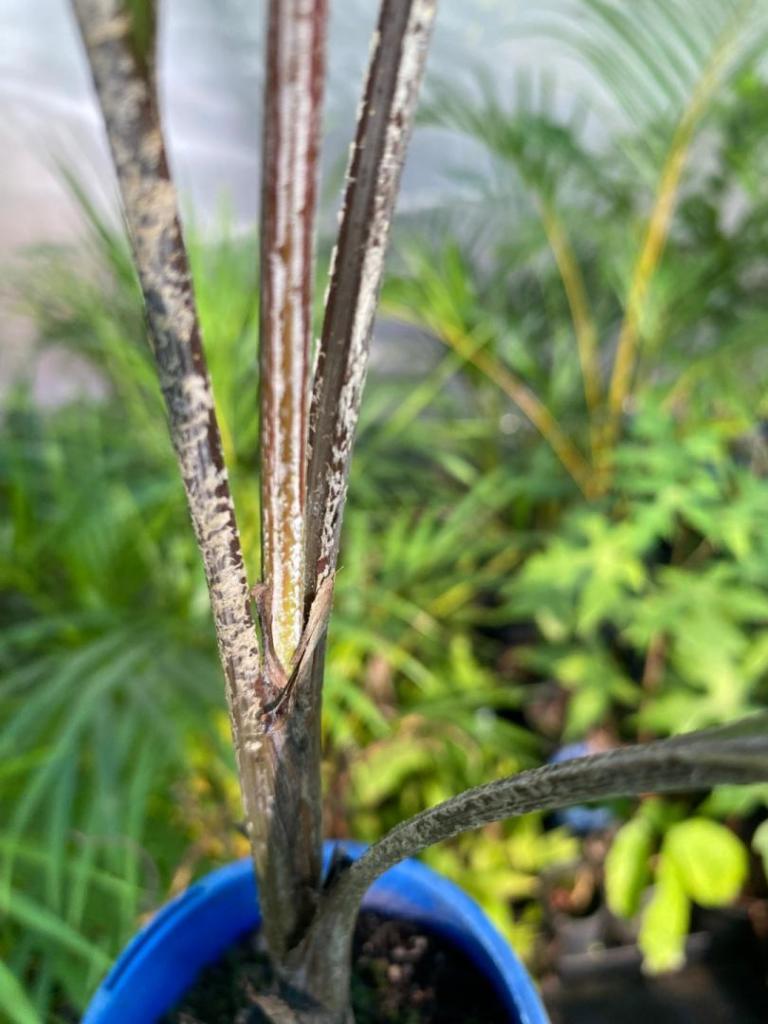
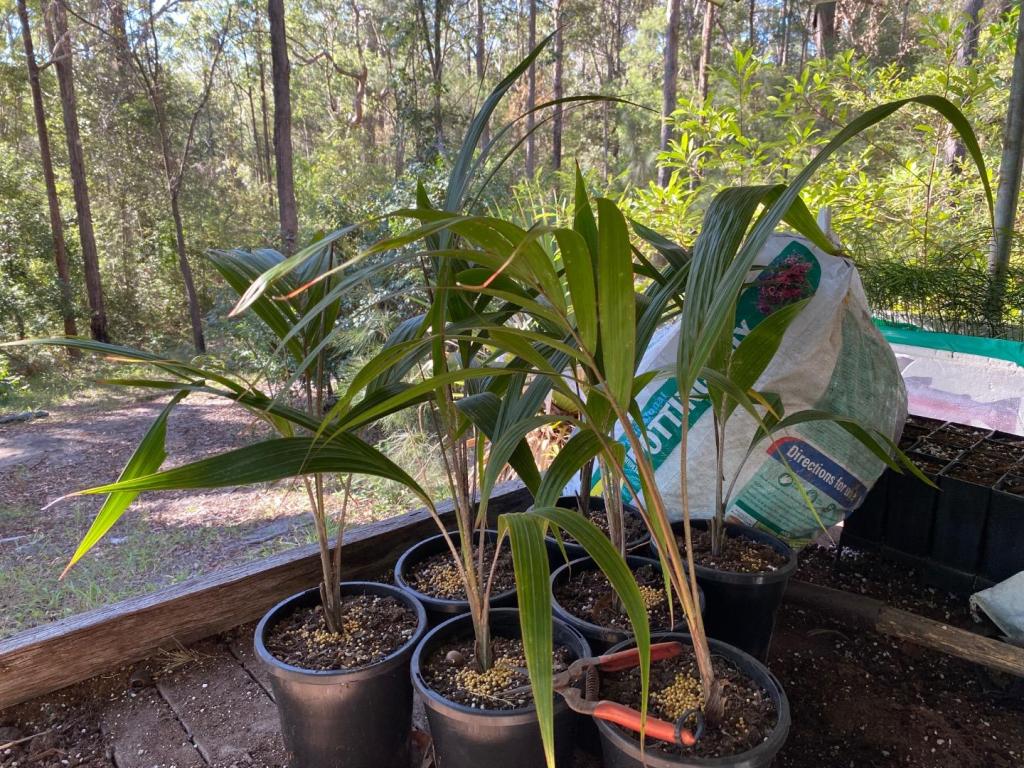
-
So What Caught Your Eye Today?
happypalms replied to The Gerg's topic in DISCUSSING PALM TREES WORLDWIDE
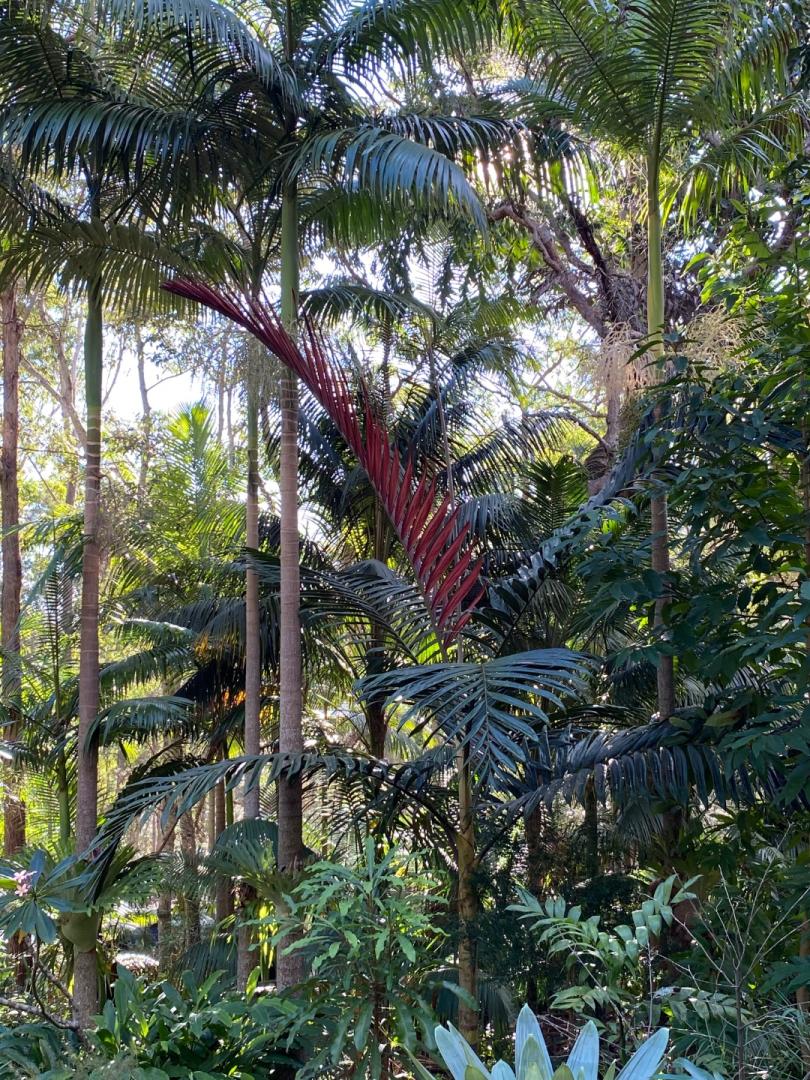
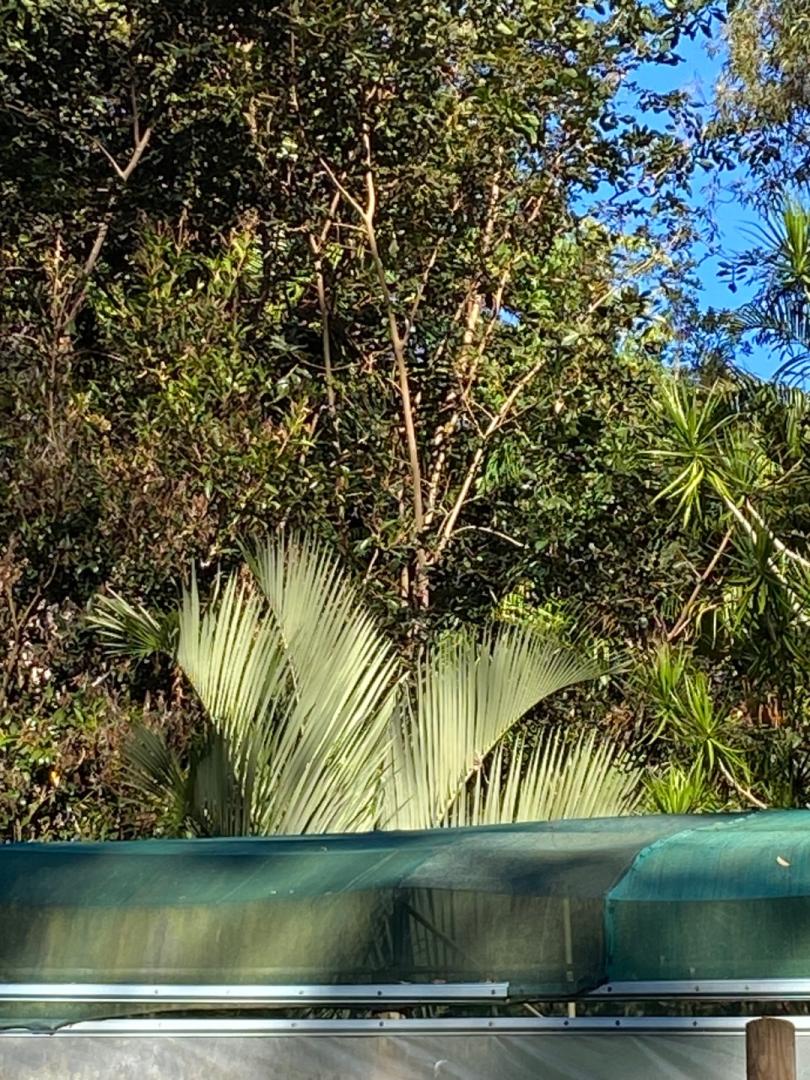
The good old Chambeyronia and the dypsis saintlucei poking its head up above the greenhouse.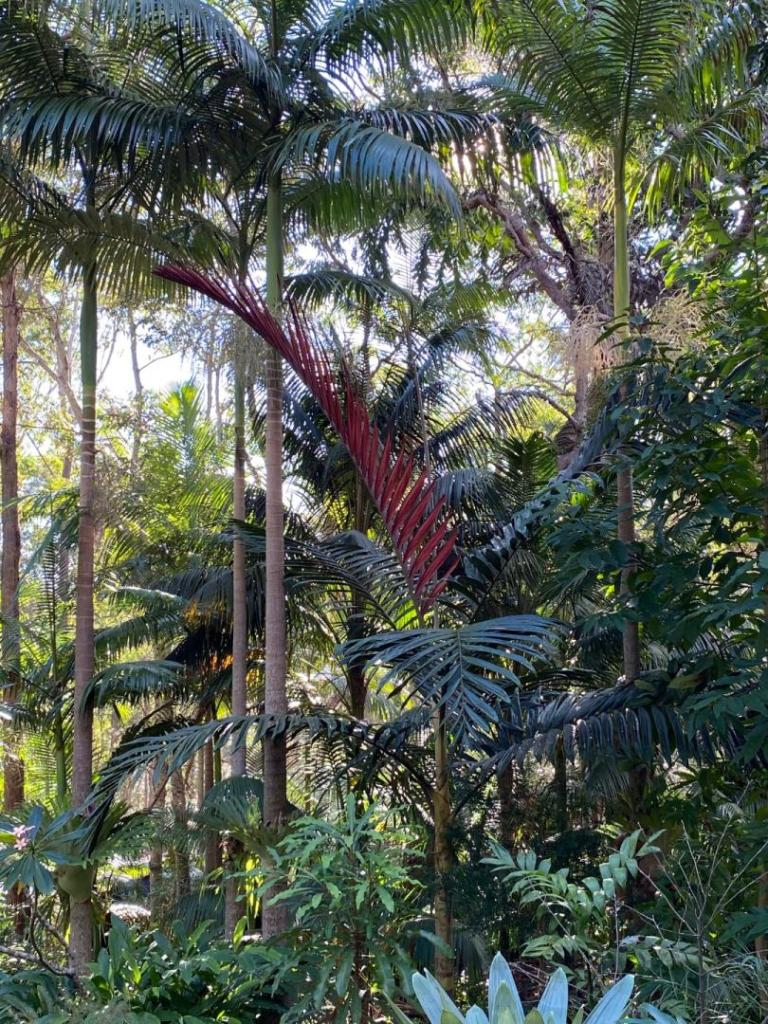

-
So What Caught Your Eye Today?
happypalms replied to The Gerg's topic in DISCUSSING PALM TREES WORLDWIDE
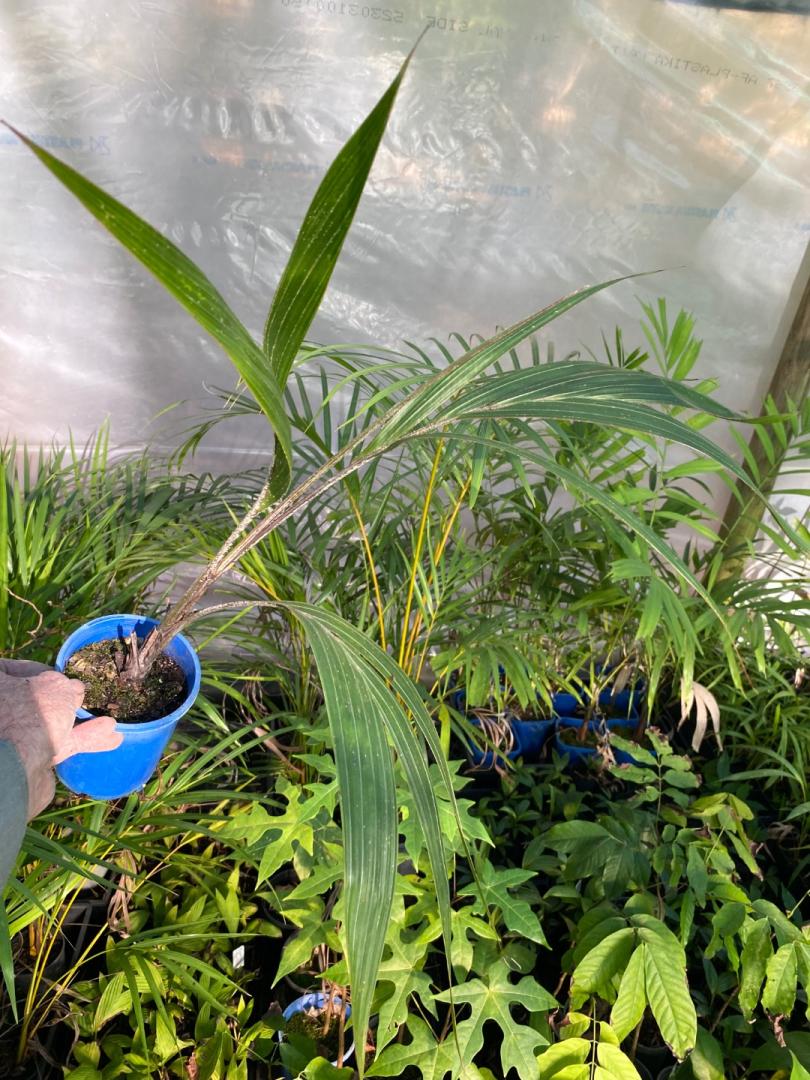
Gausia maya, Burretokentia hapala.

-
So What Caught Your Eye Today?
happypalms replied to The Gerg's topic in DISCUSSING PALM TREES WORLDWIDE
Yes it is a chamaedorea adscendens, it’s about 3ft tall, I have one that is 5ft. Both are 26 years old. Do you want any seeds ? -
So What Caught Your Eye Today?
happypalms replied to The Gerg's topic in DISCUSSING PALM TREES WORLDWIDE
Calyptrocalyx hollrungii seedlings