All Activity
- Past hour
-

Licuala ramsayi the easiest licuala to grow
mnorell replied to happypalms's topic in DISCUSSING PALM TREES WORLDWIDE
Richard, how would you rate their growth-rate where you are? And in particular, against other Licuala species? -
"Also, ..for those who really < ..really? > want one of those brutally hot n' dry summers?" People actually want that in the desert? That being said, there are always people on the fringe who enjoy strange things. I like very warm, even hot, weather, but I still have my limits. Summer in the desert southwest is quite the experience.
-

Getting ready to germinate Parajubaea torallyi microcarpa seeds
alzo replied to Fallen Munk's topic in COLD HARDY PALMS
Easy to germinate when de-shelled, don't leave them on the heat mat like I did though 😓
-
Why are sabals not popular in California
mnorell replied to SCVpalmenthusiast's topic in DISCUSSING PALM TREES WORLDWIDE
Sabals have long been established in California, Franceschi (and probably a number of other pioneering horticultural pioneers and nurserymen in the burgeoning region) was working with them in the late 19th century and there are today specimens of many species scattered around the entire region, in botanical gardens or other landscapes. In Santa Clarita you have a rather hot inland climate and you can probably grow all the species (maybe depending on your microclimate with rare damage to S. mauritiiformis or S. yapa). They are not harmed by low humidity, at least I've never noticed this on specimens I've seen over the years in SoCal, and barring any extreme drought/water-restriction issues that may crop up in future, they're probably not going to die from lack of water, certainly not after establishment and if there's a water-table available (and note that the L.A. County Arboretum's collection of Sabal species enjoys a notably high natural water-table). But certainly there are species better adapted than others. Tom's notes on S. uresana are indicative of how well adapted some species may be to the hotter interior areas where resources may be harder to provide, whether that may be Arizona or California, and I agree with him that something from Sonora is likely going to be better adapted to the rigors that may face a palm in the dry interior of California. Along those lines, I plant S. mauritiiformis in protected, shadier areas here at my landscape in the desert but I'm not worrying about S. yapa, since the latter is a heliophyte growing in open savannas, whereas S. mauritiiformis is a denizen mostly of Central American jungles and would likely resent an open exposure here. Researching these details can be revealing and informative, at least as a starting point in selecting species for your area. In the coastal belt S. bermudana and S. mauritiiformis, with 'Riverside' coming up behind them, seem to be the most discussed species by growers on this forum, and that, too, can be used as a clue. But there are a couple of factors that influence the usage of certain palms, one of those being how unique in appearance the palm is, and how quickly it satisfies the needs of the landscape designer/owner. Human patience and plant patience are two different things, and the growth-rate of most of these species in the cooler coastal zones is what makes them less attractive to homeowners and designers/landscape architects, and in particular nurserymen are not going to be jumping at any of these species because they're not going to be making money when they have to hold stock for many years before it's saleable. So larger specimens have to be imported from hotter areas, whether that be desert or the southeast/Florida. Which is expensive. And when you can buy a Brahea or a Washingtonia for a fraction of the price and get a nice specimen sooner, the dust settles and you're left with a genus that gets overlooked by most. And as I noted above from my experiences with S. palmetto in Mississippi (of course a very different climate) there was a huge difference in growth in sun-soaked, really hot-hot areas where they raced skyward vs. the north side of that two-story house in a very leafy courtyard, where they hardly budged over more than a decade, only 30 feet away. So your positioning of them is very important. If you really want a Sabal, go ahead and plant it. But research can be valuable. Drive over to the Huntington, and also to the L.A. County Arboretum, and look at their collections and see which appeal to you, look at the tags to get a clue how many years it has taken for them to reach their current size. Take into consideration your own climate and microclimate, heat-units, night temperatures, etc., and your possible needs for quick growth. That should guide you toward finding the species that will work at your location. -
(150x200).thumb.jpg.e1fafdd246043e79fc7371cf6efade3f.jpg)
Why are sabals not popular in California
Silas_Sancona replied to SCVpalmenthusiast's topic in DISCUSSING PALM TREES WORLDWIDE
So much for A.I. based ".... information " https://www.inaturalist.org/observations/165816098 https://www.inaturalist.org/observations/343398642 https://www.inaturalist.org/observations/201601423 https://www.inaturalist.org/observations/91731347 https://www.inaturalist.org/observations/253343323 https://www.inaturalist.org/observations/35392458 https://www.inaturalist.org/observations/111262649 - Today
-

Why are sabals not popular in California
SCVpalmenthusiast replied to SCVpalmenthusiast's topic in DISCUSSING PALM TREES WORLDWIDE
This thread is about California not Arizona, they’re two different climates. Are you saying that sabals are too difficult to grow in California? I highly doubt that, the water bill being too expensive I don’t think is a reason either many people plant queens, kings and kentias that are thirstier. I do not think climate or water is the issue. Most of California is a temperate climate that can grow a lot of things with irrigation, Central Valley has some of the best spoil in the country and its where a lot of fruits and vegetables are produced for the entire country. -
Livistona australis
palmtreesforpleasure replied to philinsydney's topic in DISCUSSING PALM TREES WORLDWIDE
They are survivors of littoral forest which used to grow down to the waters edge in protected areas Old drawings from the ealier 1800's exist showing it. Landcare has planted out 300 from Wollongong to the shoalhaven in the last 5 months with at least another 200 to go. Their plan is to plant them close to the ones that are in paddocks that were cleared in the 1800's. As they are aging out due to many being around 400 years old The reason they did not get chopped down back then was because they blunted the saws so much had to sharpen them every time they brought one down vs up to 40 trees without need of sharpening. When landcare plant them they fence around the young ones to stop animals eating them -
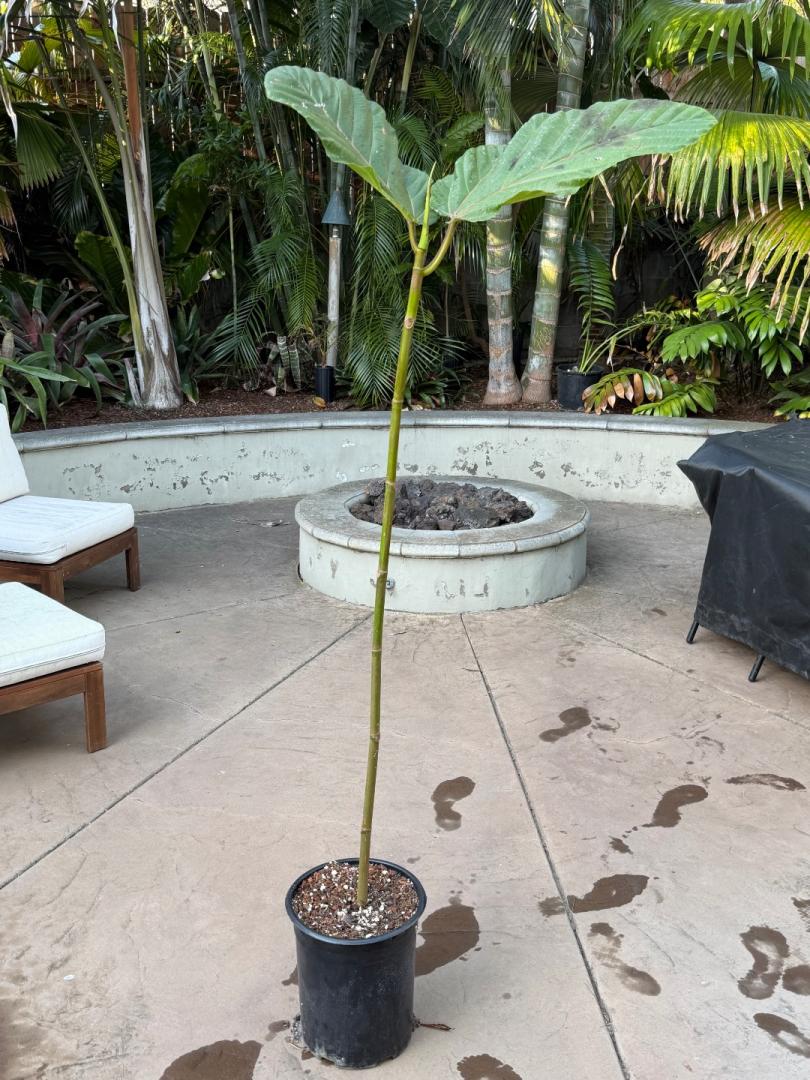
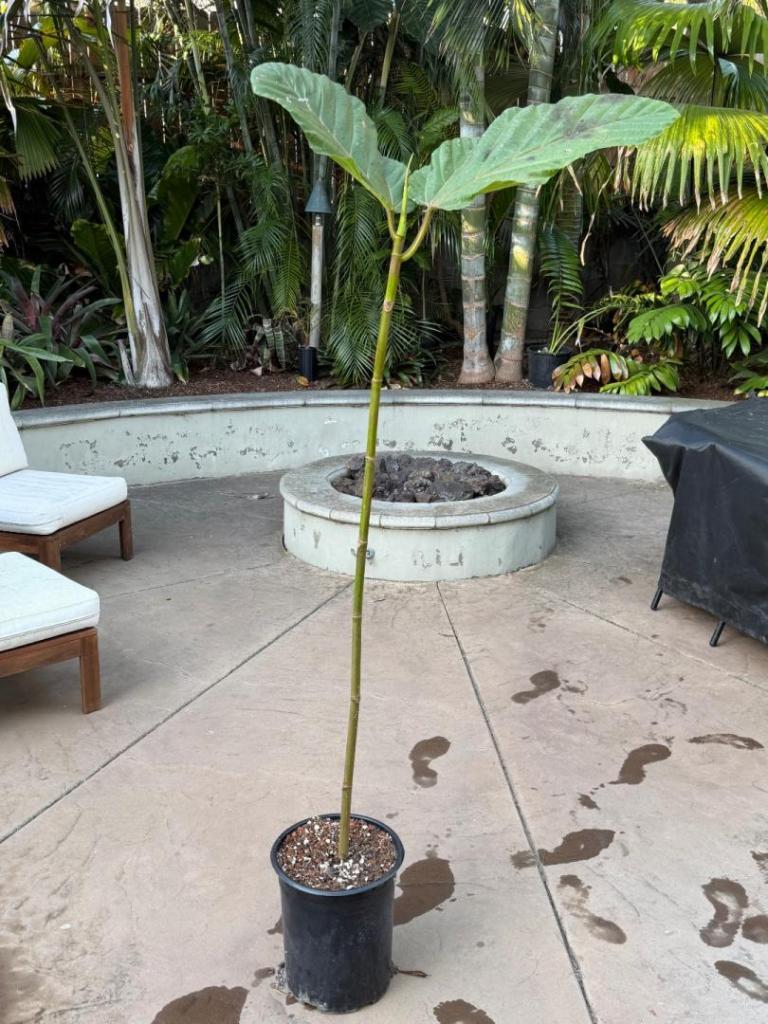
5g Ficus dammaropsis for sale $225. Three available. No Shipping. PM if interested.
-

Help Identifying Archontophoenix Species Before Purchase (Purpurea / Myolensis / Maxima / Tuckeri)
sonoranfans replied to mcfly01's topic in DISCUSSING PALM TREES WORLDWIDE
prior to 2007 I used to visit multiple palm forums. After finding palmtalk I realized the information available here is so much better I don't read those other forums any more. There were a lot more professional nurserymen back then and even botanists who pioneered hybridization of palms. I learned most of what I know from people who had the experience and the success. I also learned when I was in the arizona desert that the locals had experience that the mediterranean and tropical/subtropical growers didnt have in terms of growing different species. A perfect example is "full sun" what may be a great full sun palm in coastal california may burn to a crisp in the arizona desert in a week, regardless of how much you water. Follow the experience and you will do well. Nice looking palms! -

Hinobambusa tranquilans 'Shiroshima
PAPalmtrees replied to PAPalmtrees's topic in TROPICAL LOOKING PLANTS - Other Than Palms
I 100% Agree. It really is only for the bigger gardens (unless you want to control it) I have some that I am going to plant but I have a big area to put it in and I got it from someone who's a bit of a exotic plant grower and it's not a very vigorous variety like the ones you see around here so we'll see how it does. -
Why are sabals not popular in California
sonoranfans replied to SCVpalmenthusiast's topic in DISCUSSING PALM TREES WORLDWIDE
The canary islands get 6-7" rainfall a year and sabal habitat(most are in the Carribean) get 40-55" rainfall a year. THe CIDP are far better in the arizona desert as they are less water needy. I was there 10 years growing sabals and phoenix sp, phoenix come from dry or seasonally dry areas, so they are genetically adapted to that drier climate. Arguing the reverse makes no sense genetically and my experiences in the desert validate that. CIDP are going to be less water needy and if I have to guarantee thesurvigval of a palm for even one year, I'm selling that CIDP, not a sabal. Same thing for washie filifera, easy care if you have the heat and don't overwater. Filiferas hate cold damp roots in winter and are even more susceptible to root rot than CIDP. -
 Cheryl W joined the community
 -
Why are sabals not popular in California
sonoranfans replied to SCVpalmenthusiast's topic in DISCUSSING PALM TREES WORLDWIDE
Water needs in the desert are more revealing than a Mediterranean climate. CIDP thrive in the desert in a way no sabal ever did for me( I had uresana(1), blackburniana(3), bermudana(1), and riverside.(1). Of these sabals only uresana (blue) was good in late day arizona sun in the heat, others would get desiccated and burn even when I was watering 3x a week for 4 hours. No better place to learn water needs than the desert. #1 palm in dry tolerance was washingtonia filifera, number 2 was phoenix dactylifera. CIDP was less water needy than any of my sabals, and only S uresana was close in dry tolerance. Arizona was all about washies and phoenix, not sabals. I grew some nice sabals by giving them late day and partial mid shade. CIDP do not like too much water, they ar enot nearly as needy as sabals in the desert. AI Overview Canary Island date palm root rot, often caused by waterlogged soil and Phytophthora fungi, presents as yellowing/browning fronds, stunted growth, and mushy, dark roots. It is commonly caused by overwatering. Treatment involves reducing water, improving soil drainage, pruning infected roots, and applying fungicides like Subdue MAXX. CIDP is less dependent on water once established AI Overview Canary Island Date Palms (Phoenix canariensis) need regular water when young but become drought-tolerant once established. Young or newly planted trees require deep, consistent watering 1-2 times weekly for the first 12–18 months. Mature palms prefer deep soaking during dry, hot weather, but can survive on minimal supplemental water due to their deep roots and water-storing trunks.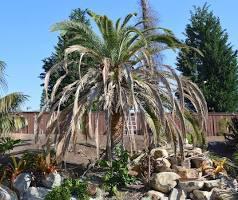

-

Why not grow orchids?
piping plovers replied to Matt in SD's topic in TROPICAL LOOKING PLANTS - Other Than Palms
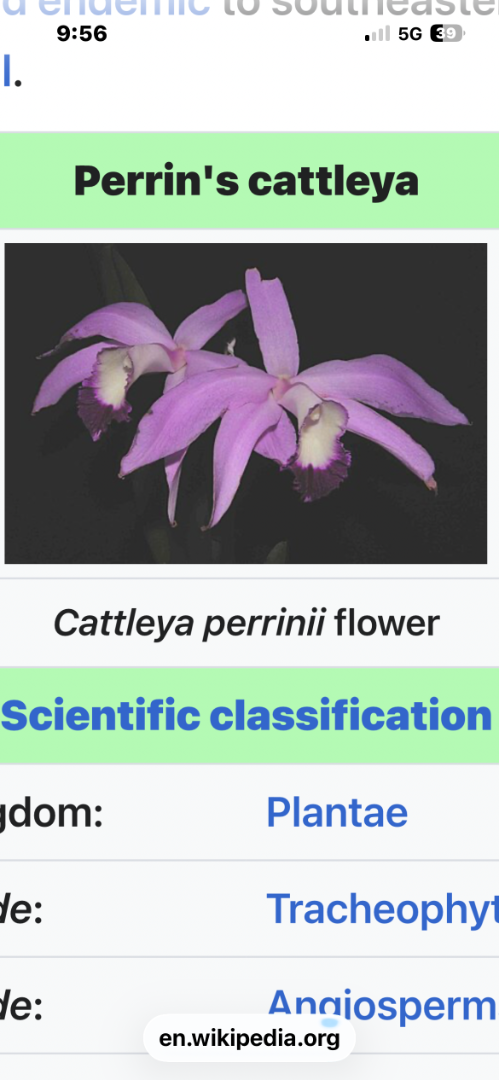
Tracey, Great shape on that one; reminds of some of those harder to find, obscure, star-shaped Catt species. Beth Davis, of Waldor Orchids just gave us a fabulous presentation on cattleya orchid species at our Cape Cod orchid society mtg. There was a cattleya in her slides that had that similar, exaggerated star shape. If I can capture the image and name I will post it here. Re: V. Coerulea, one of the parents of manuvadee: I understand that it brings more of a cool temperature tolerance to its crosses. Although, cool and damp, I agree, is not a good combination for vandas. That was my carelessness and pushing things too far when I lost my first manuvadee. Tracey, Great shape on that one; reminds of some of those harder to find, obscure, star-shaped Catt species. Beth Davis, of Waldor Orchids just gave us a fabulous presentation on cattleya orchid species at our Cape Cod orchid society mtg. There was a cattleya in her slides that had that similar, exaggerated star shape. If I can capture the image and name I will post it here. Catt. perrinii is what I was thinking of. Photo from Wikipedia: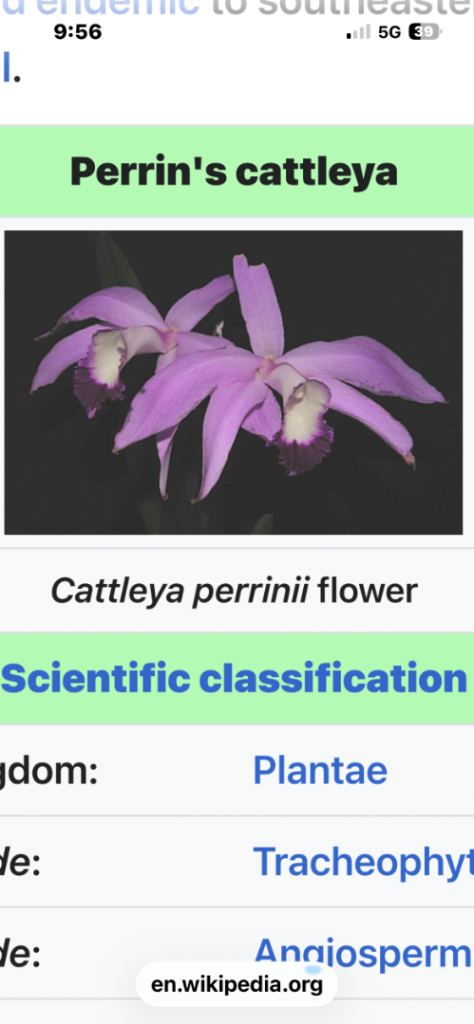
-

Carpentaria acuminata in Perth?
Jim Lemons replied to Jim Lemons's topic in DISCUSSING PALM TREES WORLDWIDE
Hi Tyrone, if you are looking at this thread, what do you think about Carpentaria acuminata in perth? -
Getting ready to germinate Parajubaea torallyi microcarpa seeds
Tassie_Troy1971 replied to Fallen Munk's topic in COLD HARDY PALMS
Update on your parajubaea microcarpa seeds please -

What’s getting planted @happypalms thread
happypalms replied to happypalms's topic in DISCUSSING PALM TREES WORLDWIDE
Thanks Tyrone quality not quantity, but in my case quantity before quality. But iam sure I could post a few pics of some good disasters I have in the greenhouse. I took my grandmother’s approach to gardening less is best. But iam still learning, some palms no matter what I do will always be messy and not up to standards, they just simply don’t like the microclimate or soil, water or whatever it is. Overwater underwatering too cold or too hot, I call those ones the goldilocks palms just not right! If I was to have every variety of seed germinate that I have purchased I would have hundred of varieties, alas as you know they don’t all germinate! You grow pretty good stuff I have seen your work, you do quite well. It’s lack of good viable seeds that holds us back. Your climate holds you back as well but given those seeds and climate you would be cranking em out! Australia has some dam good palm growers and gardens, Australians can give them a run for their money, we got it going on down under! Dont let them tell you any different just keep planting palms ! -
Hi, does anyone in Australia know if it is possible to get a phytosanitary certificate in Australia if the plant is not purchased from a nursery?
-
Irrigation or no irrigation like night and day
happypalms replied to happypalms's topic in DISCUSSING PALM TREES WORLDWIDE
About the only way to grow palms in my climate, and that’s if you really want them to grow at any normal pace you have to irrigate, the gum trees drink any available water there is and store it. When the last drought hit my area out of all the palms that suffered the most in my garden was the archontophoenix palms. Even lantana was dying in the bush, large banksia trees and she oaks died as well. At least iam not worried about a green lawn, save that water for my palms. The top part of my garden I don’t bother water they are on there own and always have been, it’s the understory iam watering as much as I can, Turing to establish the new palms. But alas I have now planted new varieties of palms that won’t tolerate dry soil at all, but that’s my choice to grow such varieties so out comes the hose. -

What’s getting planted @happypalms thread
Tyrone replied to happypalms's topic in DISCUSSING PALM TREES WORLDWIDE
You’re a really good grower Richard. Your palms look perfect. This weekend I’ve been planting Howea belmoreana, Rhopalostylis baueri and Rhopalostylis sapida Chatham Island. Last weekend was Chamaedoreas. Trying to get things in the ground so I have room to pot up things that desperately need love, bigger pots and fertiliser. -
What’s getting planted @happypalms thread
happypalms replied to happypalms's topic in DISCUSSING PALM TREES WORLDWIDE
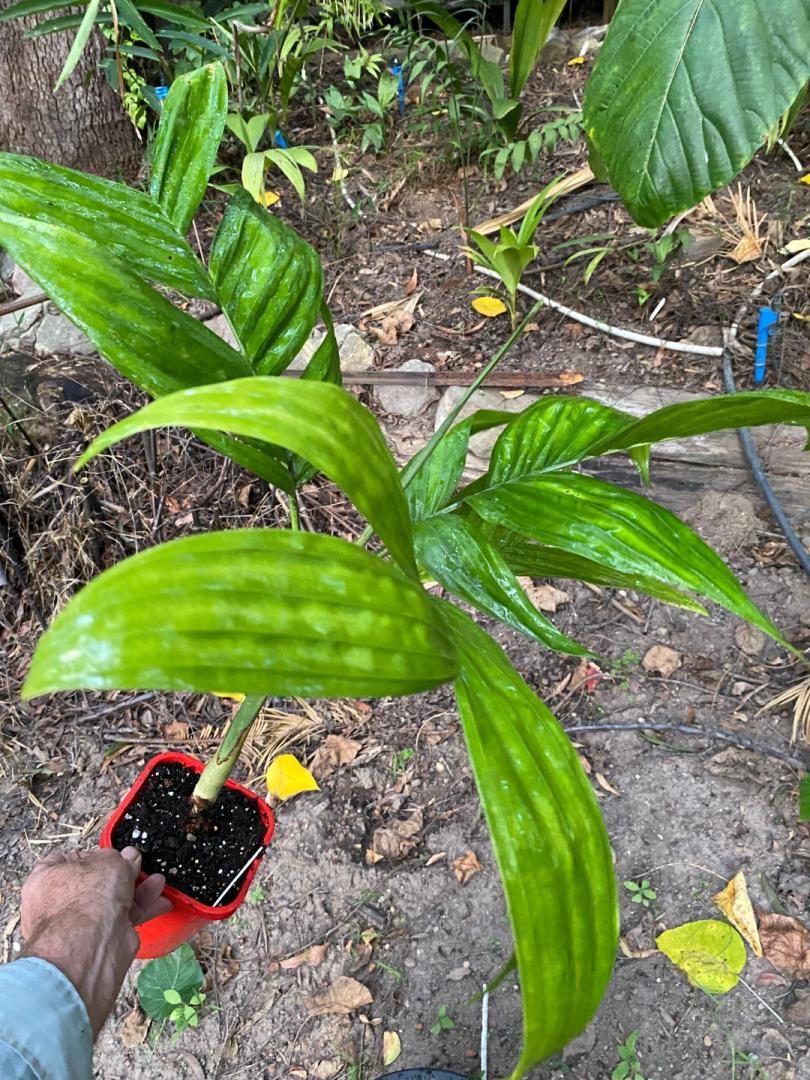
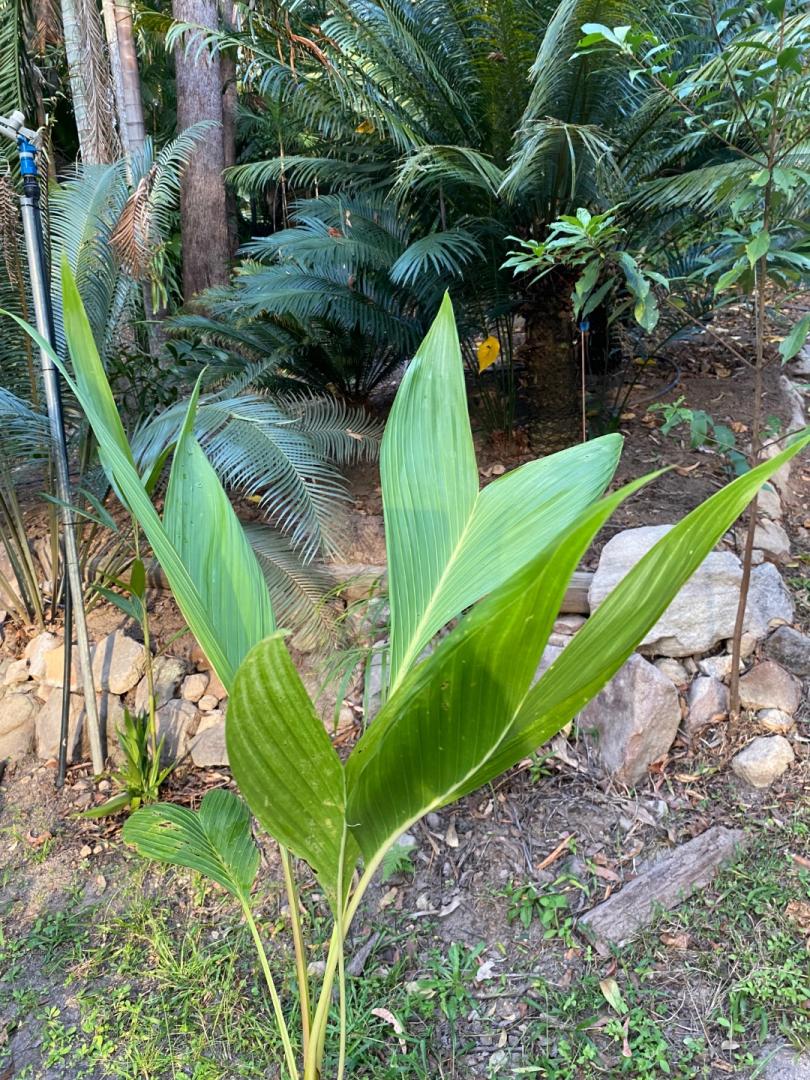
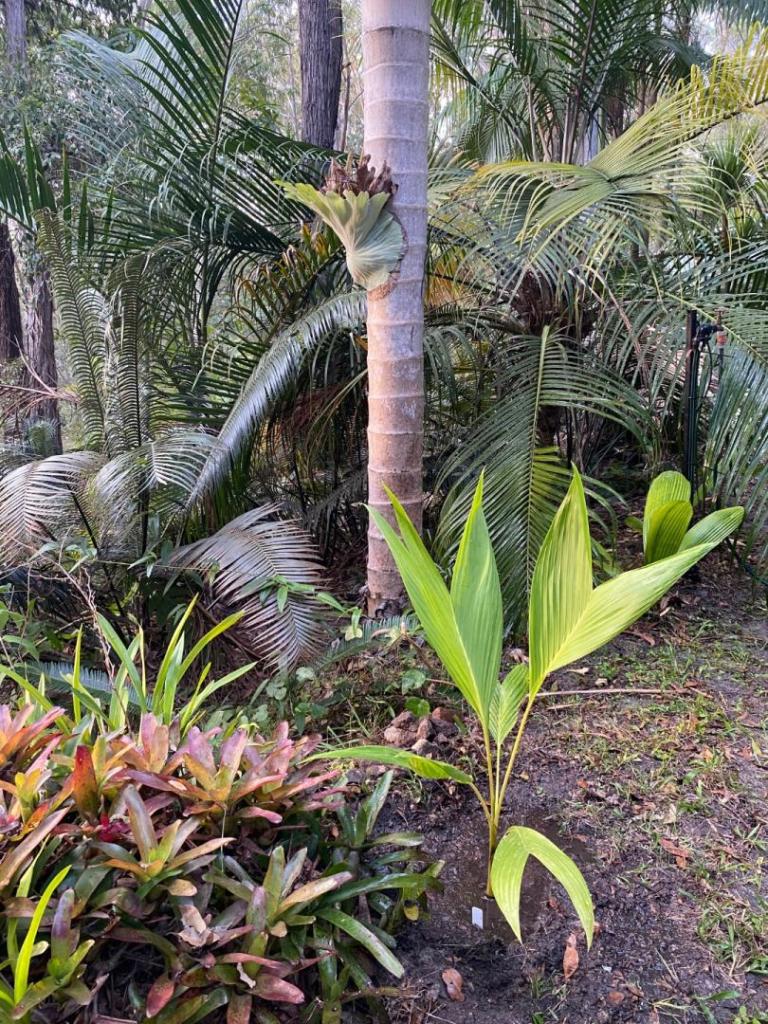
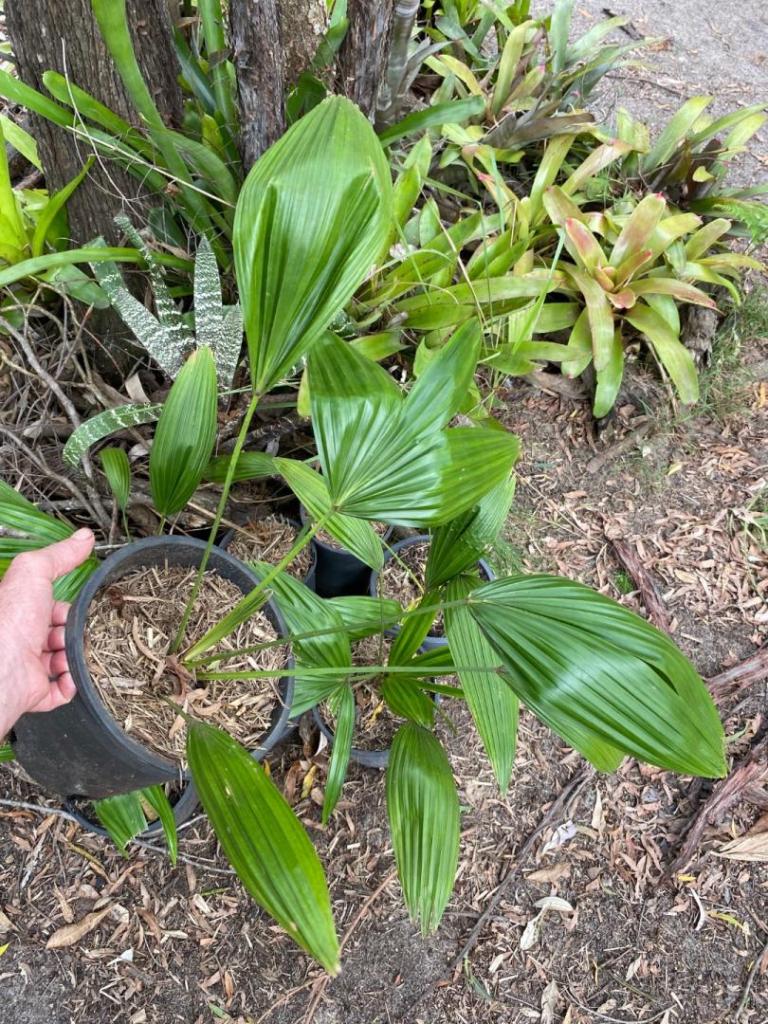
A couple of good ones today! dypsis baronii black petiole bentnickia condapanna Areca songenthensis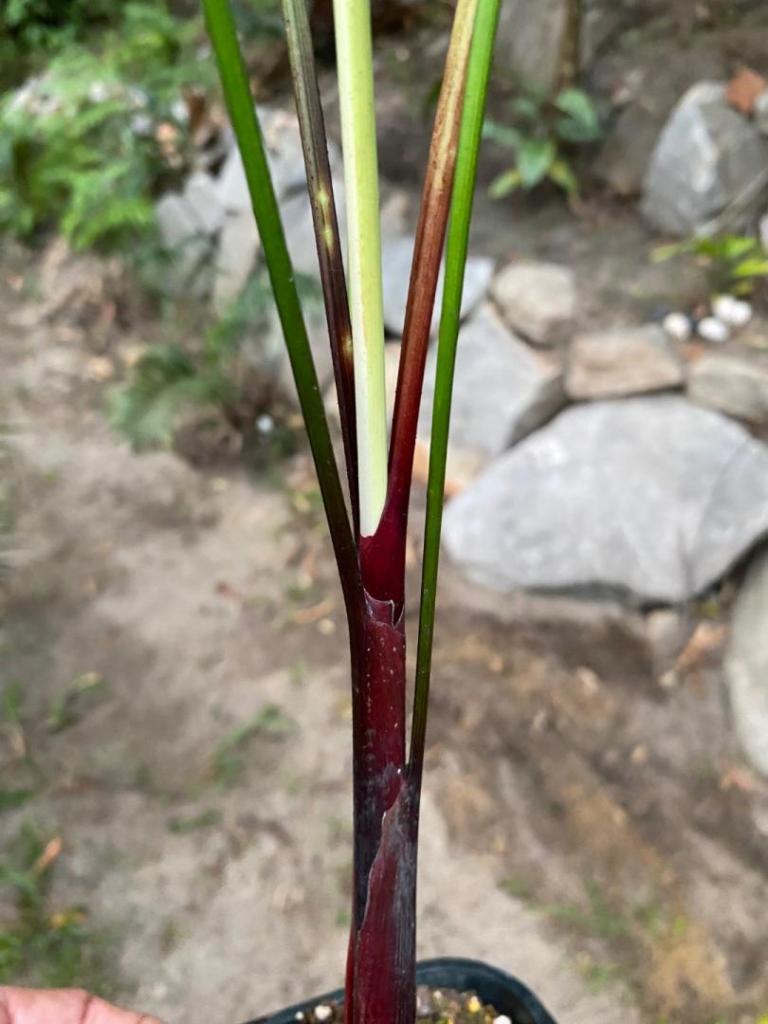

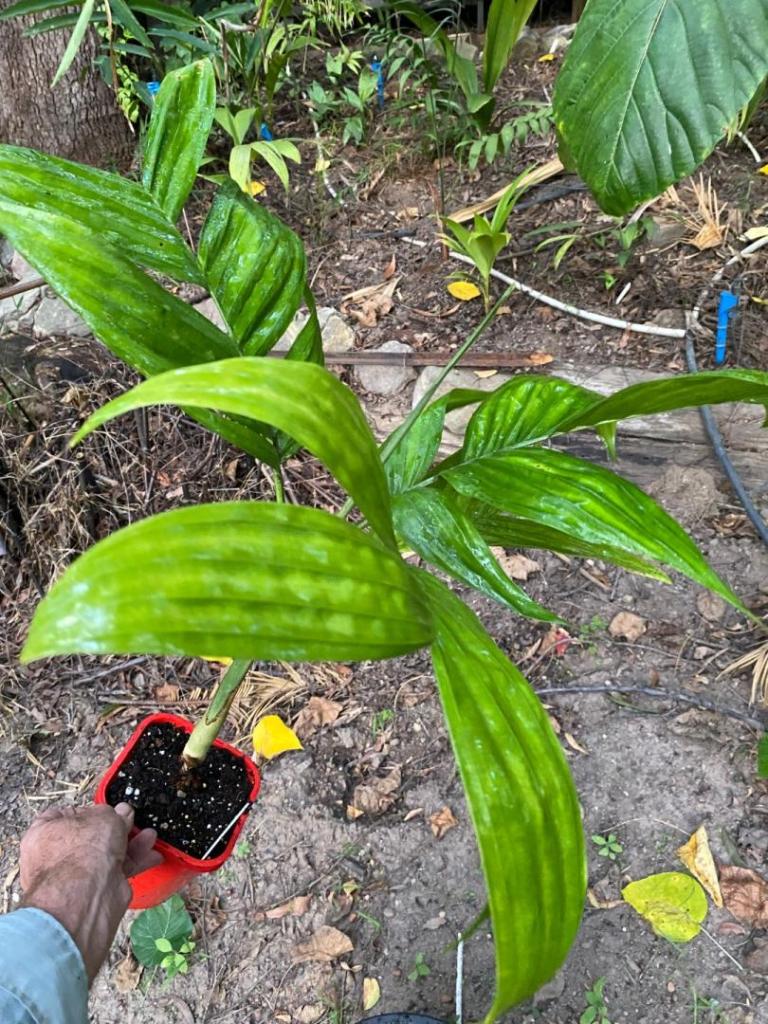
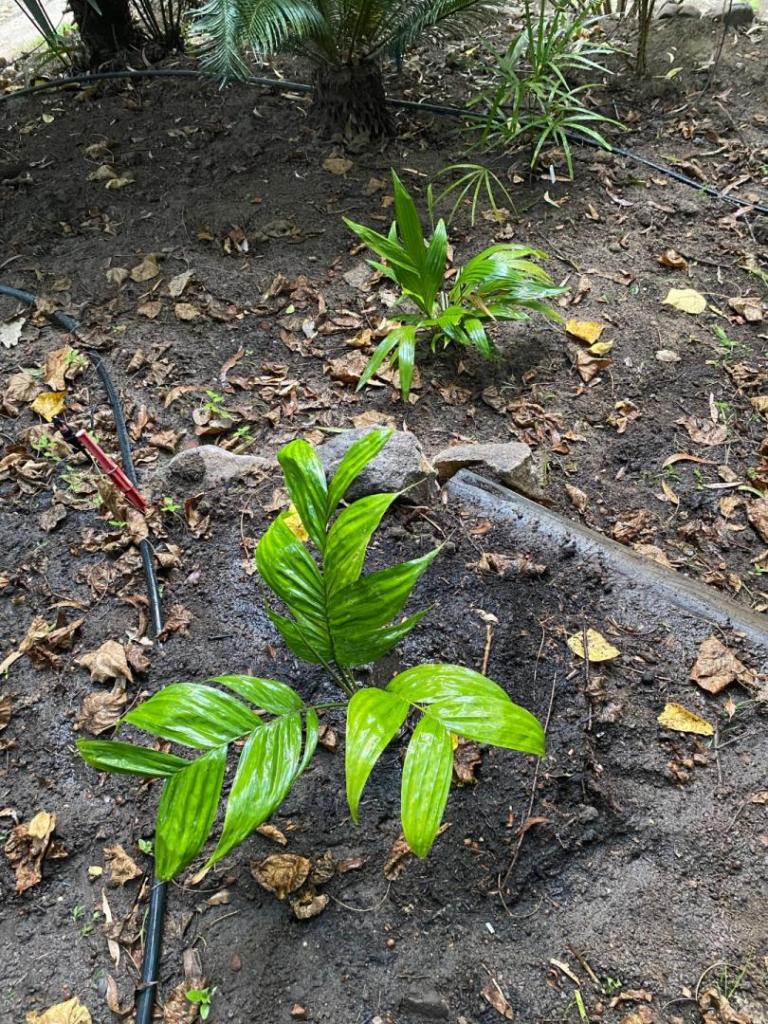
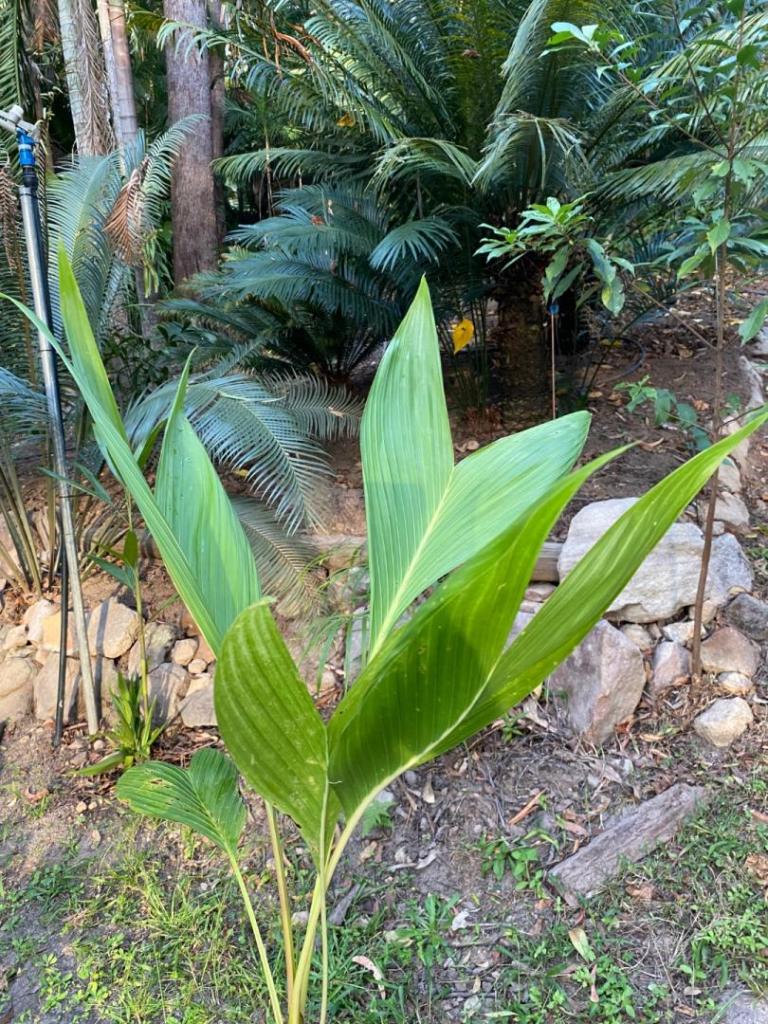
-
Nice one there a tough palm!

-
Some rare cycas scratchleyana seeds
happypalms replied to happypalms's topic in TROPICAL LOOKING PLANTS - Other Than Palms
I have no idea at all about cold tolerance. A couple of odds it may have one being a cycas species which most are quite tolerant of cool conditions and if it comes from highlands. And if it doesn’t Iam hopeful it has some cool tolerance being a cycas species! -
Some rare cycas scratchleyana seeds
happypalms replied to happypalms's topic in TROPICAL LOOKING PLANTS - Other Than Palms
I have never seen one either, so that makes two of us who havent seen any! -
Hinobambusa tranquilans 'Shiroshima
happypalms replied to PAPalmtrees's topic in TROPICAL LOOKING PLANTS - Other Than Palms
I don’t mind bamboo, but it’s one for the large garden planted well away from anything. Iam currently removing my black bamboo after 25 years it is just starting to get out of control! -
.thumb.jpg.a2fa04a61a4980e663c424f5c0b9b6af.jpg)
Help Identifying Archontophoenix Species Before Purchase (Purpurea / Myolensis / Maxima / Tuckeri)
RichardHemsley replied to mcfly01's topic in DISCUSSING PALM TREES WORLDWIDE
Will be interesting to see if the POFLO fertiliser makes any difference for you. I used it for 3 years and not sure it had much of an impact . I have switched to a different palm specific fertiliser this year