

All Activity
- Past hour
-
 SeaLaVie posted a topic in DISCUSSING PALM TREES WORLDWIDEHello, I am open to suggestions for interesting palms and plants for my yard, zone 9b. My bamboo (bambusa gracilis, bambusa maligensis, bambusa eutuldoides) and mule palm (x butyagrus nabobandii) did well during our winter freeze. My Beccariophoenix Alfredii had extensive frond damage but is growing well now. Looking to add a number of palms and plants and would be interested to learn of some new options, thank you.
 -
 L.A.M. posted a topic in DISCUSSING PALM TREES WORLDWIDESabal Clade 1 identified by Scott Zona in 1990 has only one species - Sabal minor - that was recognized at the time, unlike the species richness of the other three clades. Nonetheless, the more and more I study S. minor, the more inclined I am to believe it's a species complex similar to Picea glauca (white spruce) and Prunus serotina (American black cherry) with numerous subspecies and regional variants rather than a single homogenous species. After all, we still hadn't cracked the parentage of Sabal brazoriensis for decades after 1990, nor did we know yet then that S. tamaulipensis was a direct sister species of S. minor instead of being in Clade 3 or Clade 4 like other Mexican Sabal species are. I've identified what may well be four separate subspecies of S. minor, excluding of course the brazoriensis hybrid that has most likely existed since at least the Eemian interglacial (perhaps much longer) and the sister S. tamaulipensis which are both distinct, recently-identified species within Clade 1 in their own right. Sabal minor subsp. louisiana - native to Louisiana's Mississippi River Delta. Retreated to the Louisiana continental shelf during glacial periods' stadials. Can reach 10 feet tall aboveground. Hardy to USDA Zone 7b (broadly the same as S. brazoriensis but with less binary individual variation). Has no regional variants. Sabal minor subsp. mississippiensis - the interior population with numerous regional variants that have subterranean trunks and generally superior cold-hardiness to the other three subspecies (perhaps to the warmer half of USDA Zone 6b). Retreated to the continental shelf of Mississippi, Alabama and the Florida Panhandle, likely also the parts of Louisiana and Texas slightly colder than what S. minor subsp. louisiana and S. brazoriensis could handle. Sabal minor subsp. emeraldisle - native to North Carolina and probably Virginia. Can reach 6 feet tall. Sought refuge along the Fall Line of North Carolina during glacial-period Heinrich events to escape the freezing marine layer over the supercharged, iceberg-laden Labrador Current but still retain enough Bermuda High influence to avoid the continental interior air deeper into the Piedmont. Hardy to USDA Zone 7a. Has no regional variants. Sabal minor subsp. floridanum - native to the Florida Peninsula, Georgia's Coastal Plain and South Carolina. Populations on the western side of the Florida Peninsula and Eastern Continental Divide running down the spine of the peninsula had no need to seek refuge during glacial maxima nor Heinrich events; their small stature (on par with S. minor subsp. mississippiensis) is due to S. palmetto and some Caribbean tropical palms filling the tree niche already, not due to climate forcing. Cold-hardy to at least Zone 7b, probably 7a (I don't know). Now for the variants. I'll start with the variants of S. minor subsp. mississippiensis, which seems to have the most variety. Sabal minor var. texensis. Native to Texas. Sabal minor var. mccurtain. Native to McCurtain County, Oklahoma. Sabal minor var. arkansas. Native to Arkansas and the interior of Louisiana. Sabal minor var. tennessensis. Native to West Tennessee, Mississippi and nearby parts of Alabama. If Middle Tennessee has undiscovered wild populations, these are probably also part of this variant. Sabal minor var. cherokee. Native to the Coosa Valley of Alabama, possibly also into Northwest Georgia and (less likely) even extreme southern East Tennessee. There are probably three variants of S. minor subsp. floridanum. Sabal minor var. blountstown. Native to parts of the Florida Panhandle that didn't turn into continental climates during the Last Glacial Maximum. Sabal minor var. myers. Native to the western half of the Florida Peninsula, parts of Georgia's coastal plain that remained subtropical consistently and the Eastern Continental Divide running down the topographic spine of those areas. Sabal minor var. tybee. Native to South Carolina and the parts of Georgia and eastern half of Florida that weren't so lucky during Heinrich events, representing a more recent recolonization but still at a far more localized scale than the interior variants of S. minor subsp. mississippiensis. Really, I wish someone qualified would study these and also try to pin down dates for the S. brazoriensis hybridization and S. tamaulipensis speciation - and document definitively wild populations in Virginia (although they'd need an expedition and perhaps contact with Native Americans to find them first) and Tennessee (a simple trip to Hornsby and Hardin County and past observation of extra cold-hardiness would do) once and for all.
 - Today
-
 Chester B replied to Chester B's topic in COLD HARDY PALMSI planted it but the Ox beetles killed it the following spring. It was growing much slower than my other Sabals, and was smaller. I stand by Birmingham.
 -
 DoomsDave replied to JaxMJ351's topic in DISCUSSING PALM TREES WORLDWIDESandy soils do benefit from fertilizers like, among others, Best Palm Plus. Mmm Picture of fertilizer
 -
DoomsDave replied to JaxMJ351's topic in DISCUSSING PALM TREES WORLDWIDENice to meet you @JaxMJ351 ! I concur with fellow Californian @Harry’s Palms and add that the big difference between So Cal and No Flo is that we generally have clay or loam type soil as opposed to more sandy soils like you guys have. Queen palms like their water but they’re not the actual swamp things Royals and Kings are. Try to get a palm fertilizer like Palms Plus that has micronutrients in it; don’t just use lawn fertilizer.
-
 Harry’s Palms replied to happypalms's topic in PALMS IN POTSSoon they will have their day! Harry
 -
Harry’s Palms replied to JaxMJ351's topic in DISCUSSING PALM TREES WORLDWIDEHere , in Southern California , Syagrus R. grow freely without fertilizer . They do, however, want lots of water to look their best . Harry After another look at that one petiole , it seems like something is trying to eat it . There is an area where the petiole shows damage.
-
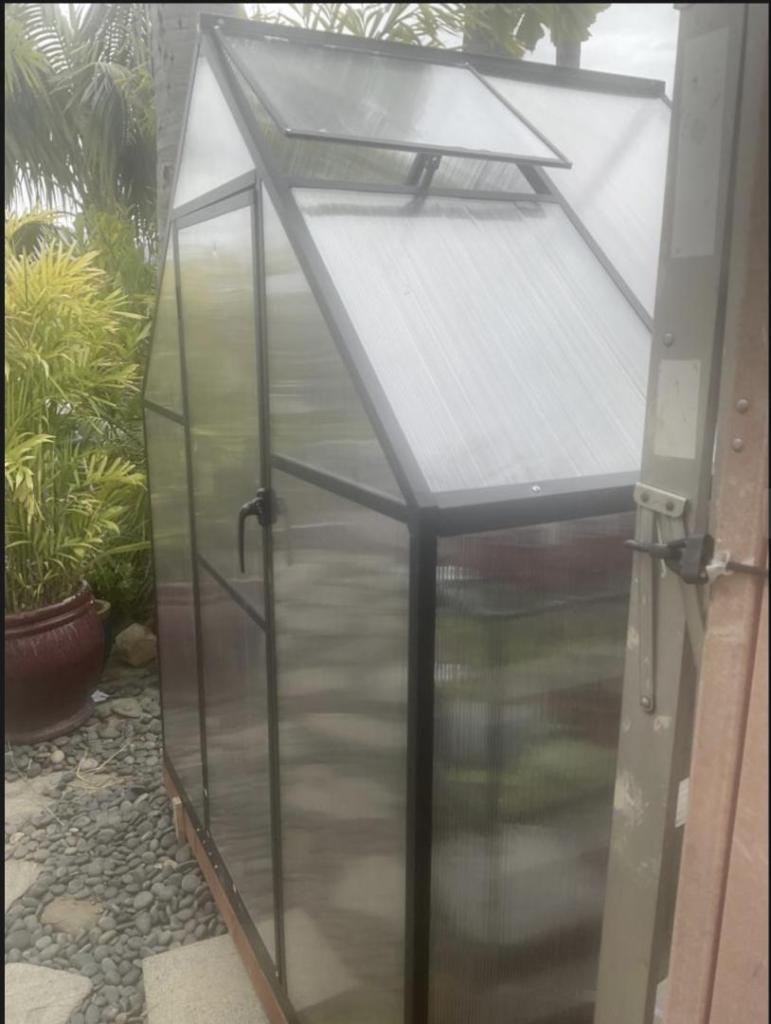
Harry’s Palms replied to happypalms's topic in DISCUSSING PALM TREES WORLDWIDEI wonder what gene that some palms possess that gives them resistance to cold . Perhaps a bit of genetic engineering someday, I mean we were able to save the potato.If so , someday grow tropicals in larger latitudes , or maybe climate change will intervene. Until then we have @happypalms for trial and error. So sorry you lost that one mate. Harry This is my only edge for cool sensitive palms for now.
-
Harry’s Palms replied to happypalms's topic in DISCUSSING PALM TREES WORLDWIDEIt is interesting to me that some Chamaedorea , even when very tall , can pollinate when male and female are not planted near one another . I never see bees around them like the Syagrus . Harry
-
 cbmnz replied to cbmnz's topic in WEATHER / CLIMATEThis system has produced the first snowfall to sea level in central Wellington for 15 years (not settling). It also is potentially going to knock around some sensitive palms in the most of the time frost free Northland and Bay of Plenty regions. Here, I'll take it if it ends up being two repeats of last week, as have weathered that ok, and what will be hit already has been.
 -
 Motlife replied to happypalms's topic in DISCUSSING PALM TREES WORLDWIDENice to meet you! Good to hear they're doing well for you
 -
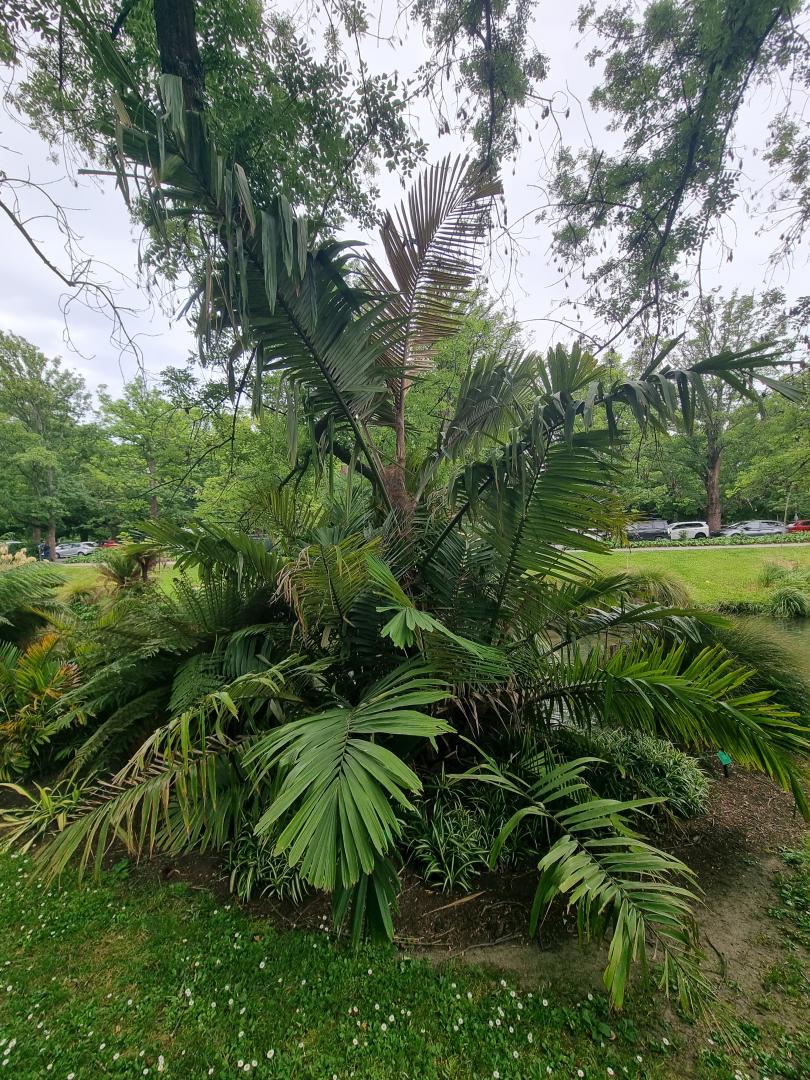
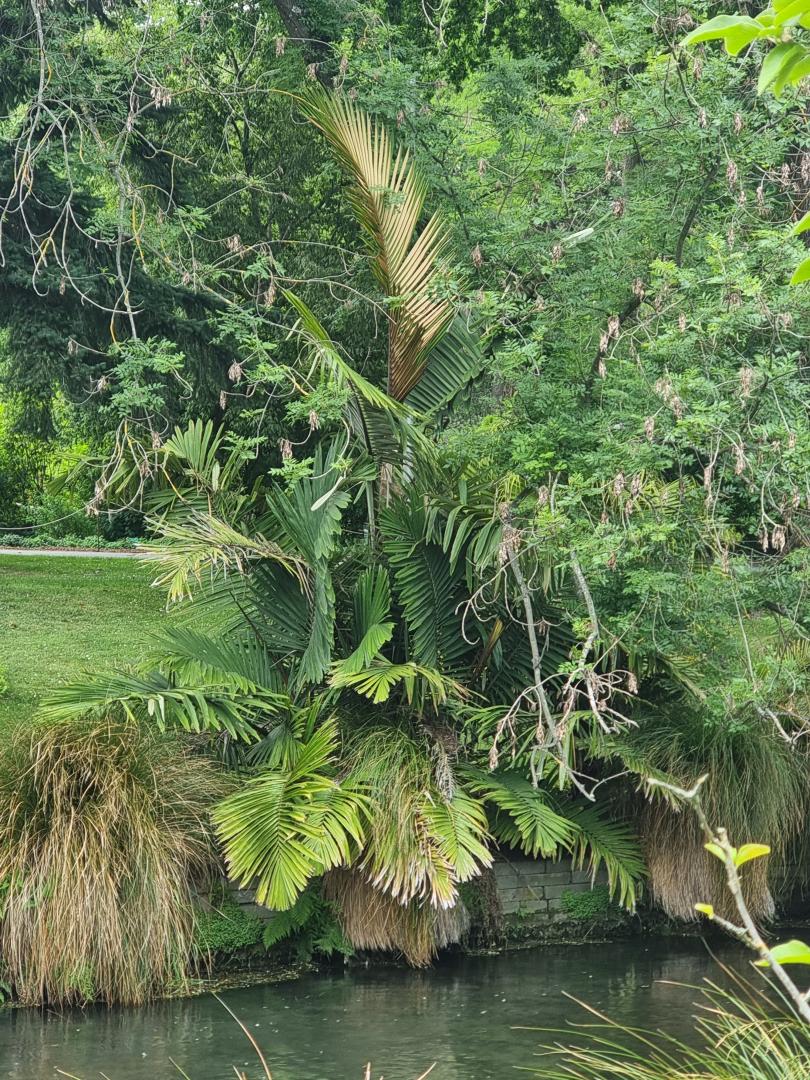
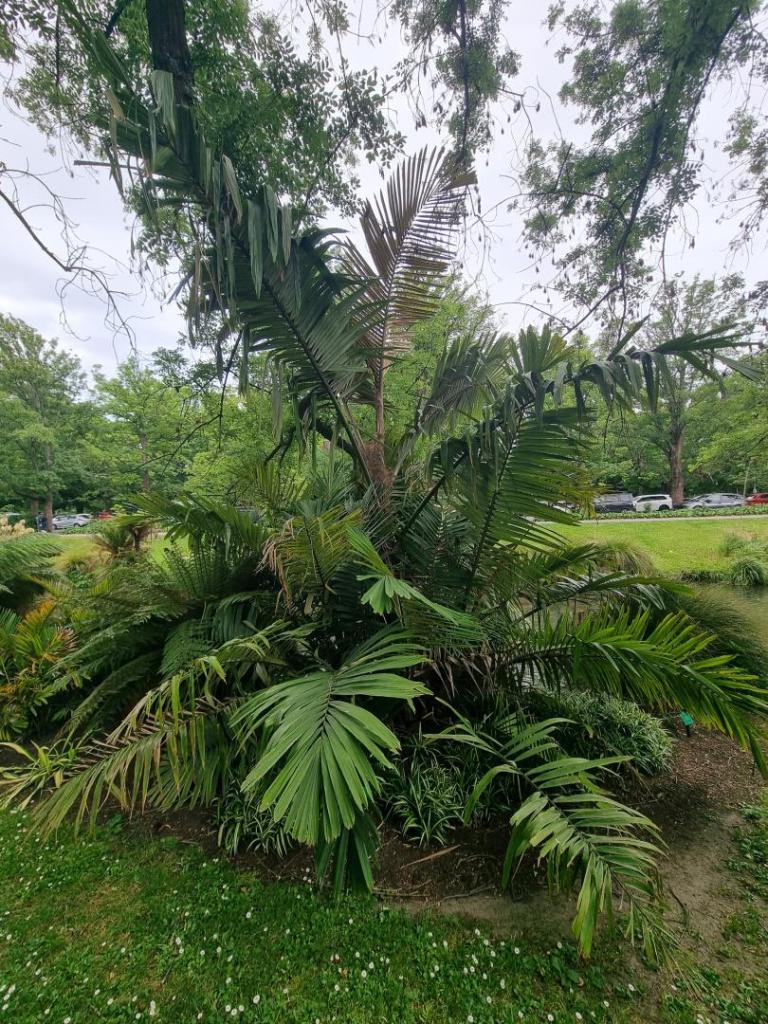
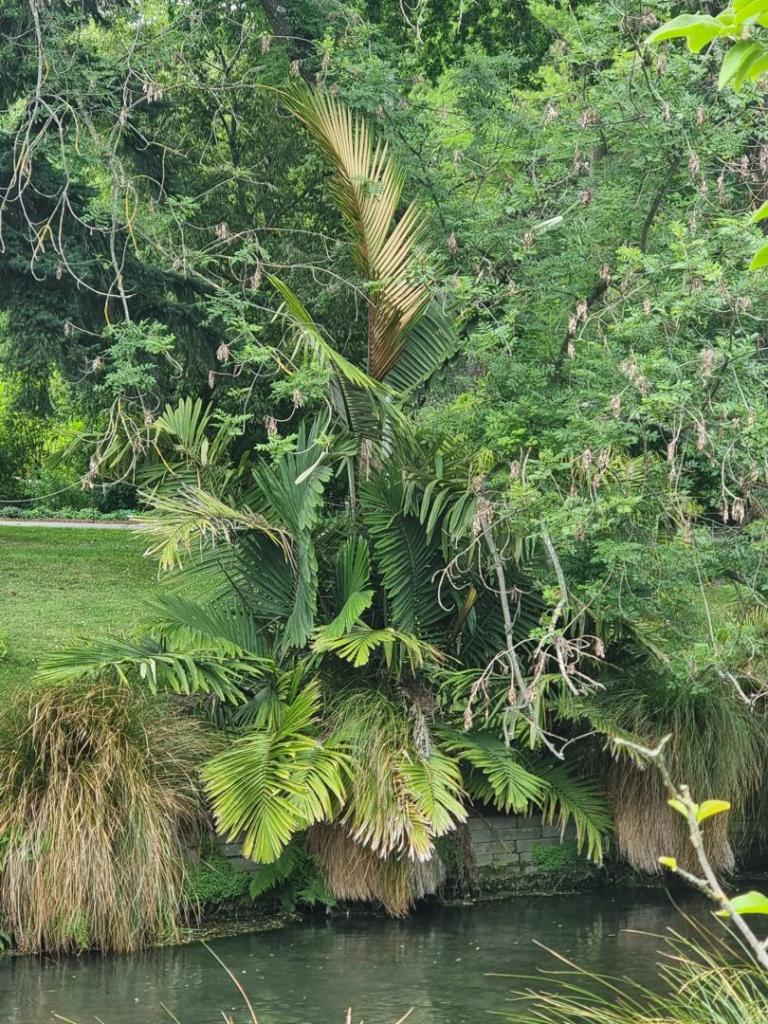
Motlife replied to happypalms's topic in DISCUSSING PALM TREES WORLDWIDEThe Arenga micrantha in Chch botanical gardens (not added to the last post so as not to delete what I had written again!)
-
Motlife replied to happypalms's topic in DISCUSSING PALM TREES WORLDWIDEMonostachya looks cool, hopefully it does well. I had to look it up, had never heard of it. No clue if it's gettable in NZ! A. micrantha is a stunning palm. I bought 20 seeds a couple of months ago but nothing has happened yet unfortunately. There's a stunning plant in the botanical gardens in Christchurch so it must be pretty cold hardy. It snowed there today!
-
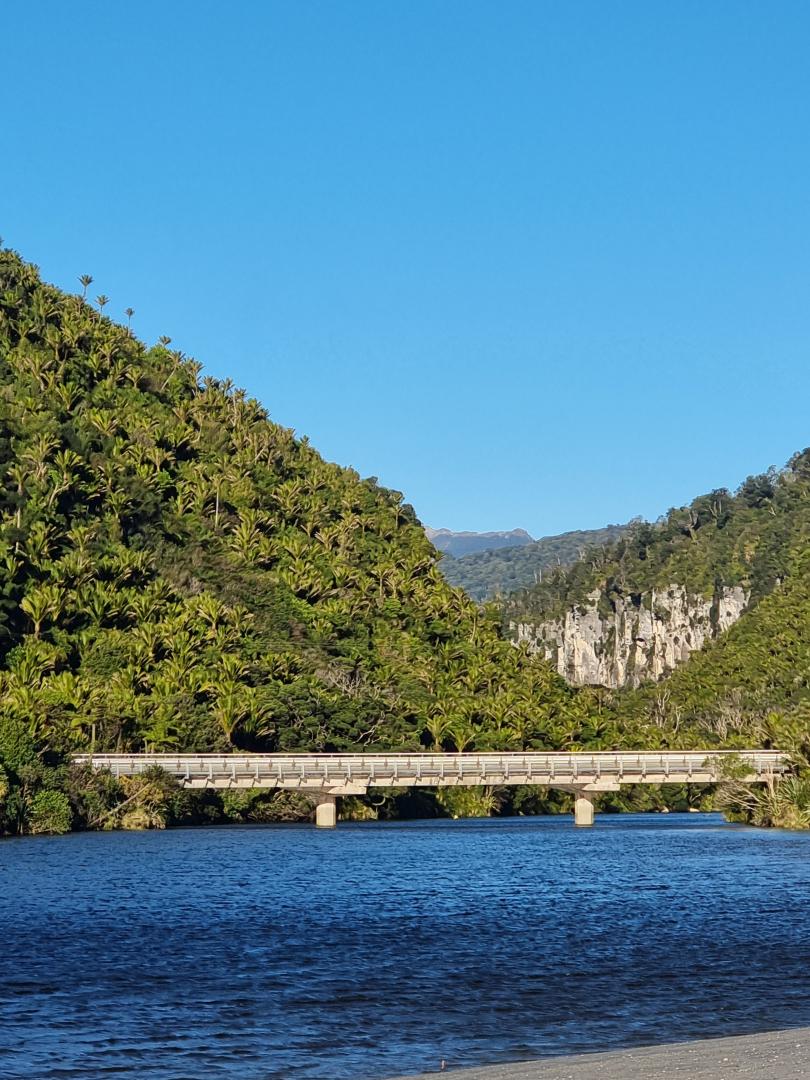
Motlife replied to happypalms's topic in DISCUSSING PALM TREES WORLDWIDETurns out if I write a post then insert a pic it deletes all the text when I posted it.... I just wrote a reply talking about how chilly it is now, but at least NZ still looks quite tropical! This is Punakaiki today at about 42*S before dropping to about - 1C tonight. We definitely have our challenges with climate, but there are plenty of cool temperate and tropical highland plants that do well here, as long as we can get them!
-
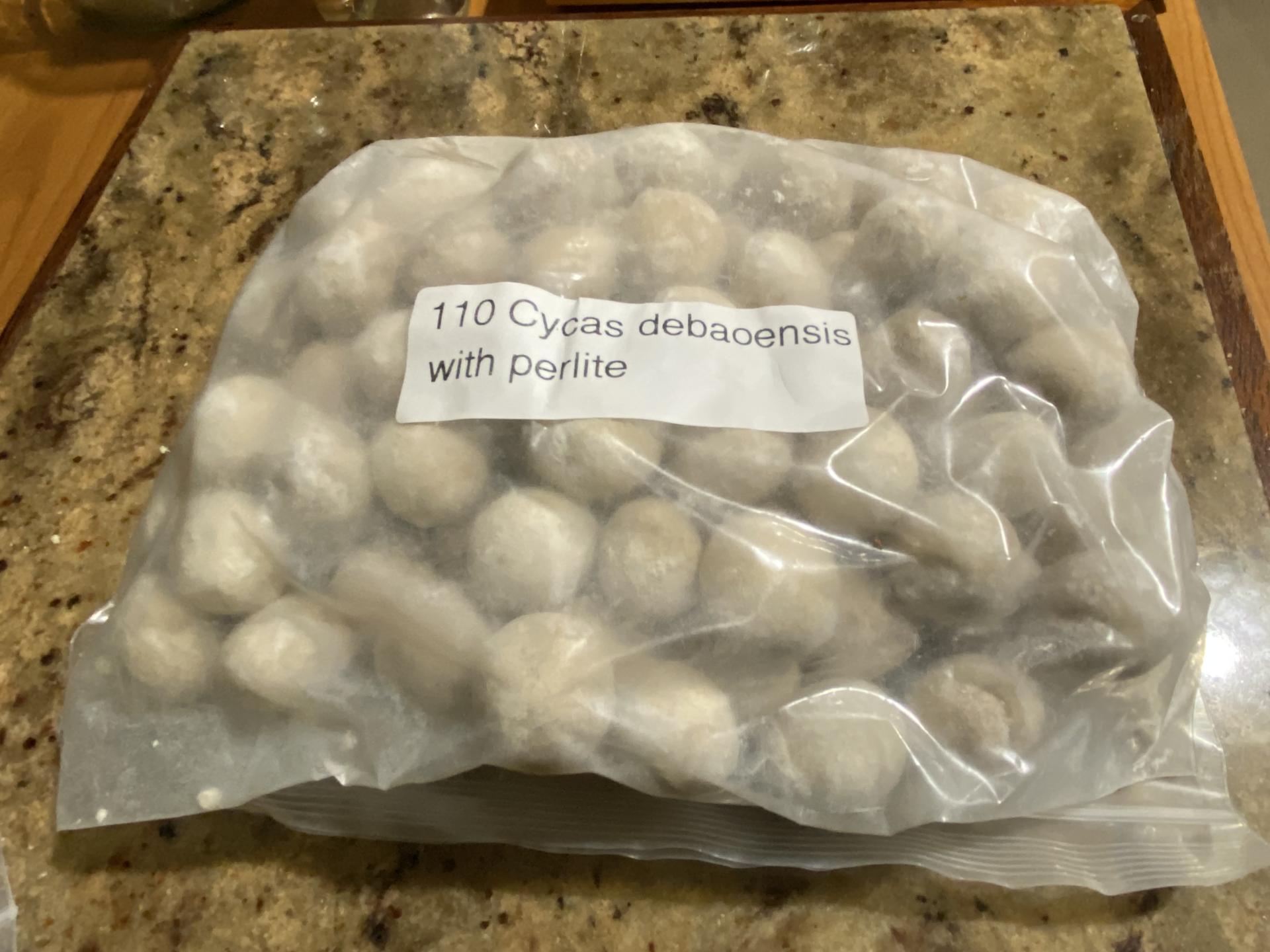
 happypalms replied to Tracy's topic in TROPICAL LOOKING PLANTS - Other Than PalmsIam impressed with them that much I got 110 seeds to get a few more around the garden!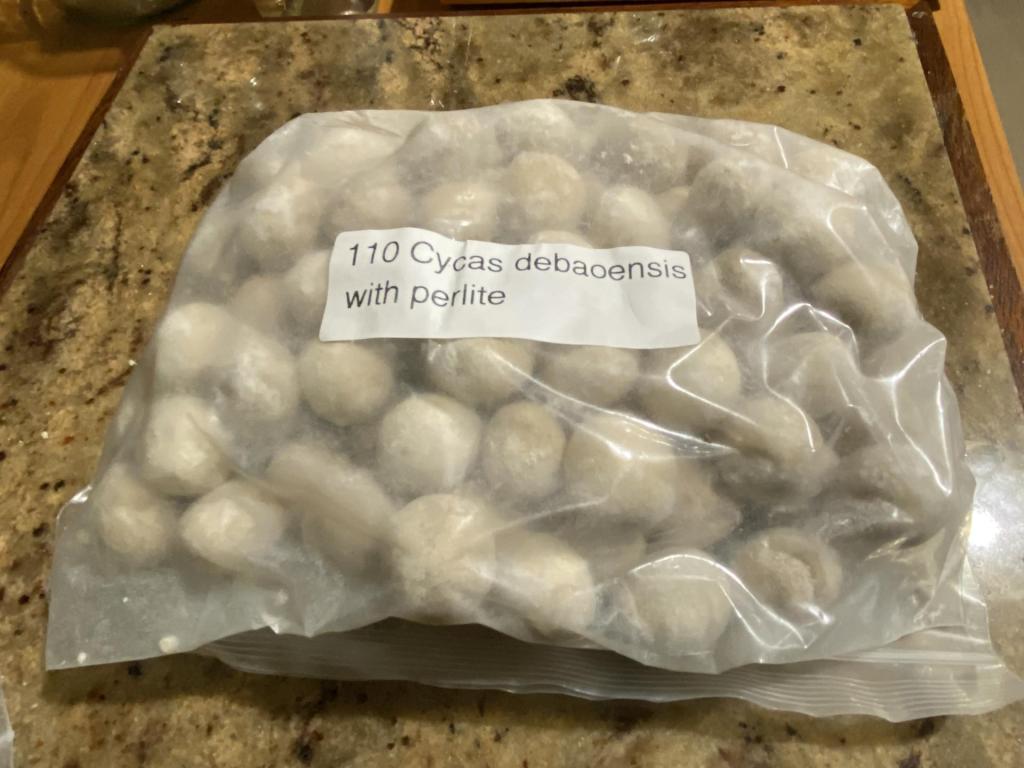
-
Motlife replied to happypalms's topic in DISCUSSING PALM TREES WORLDWIDE
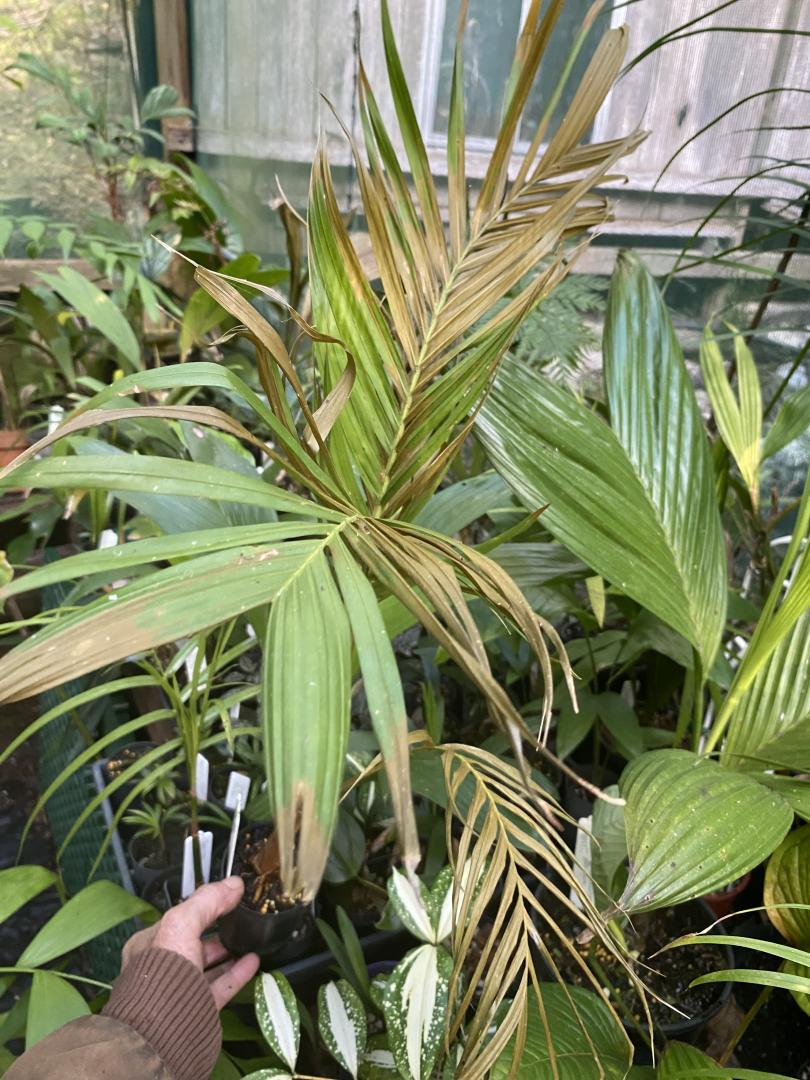
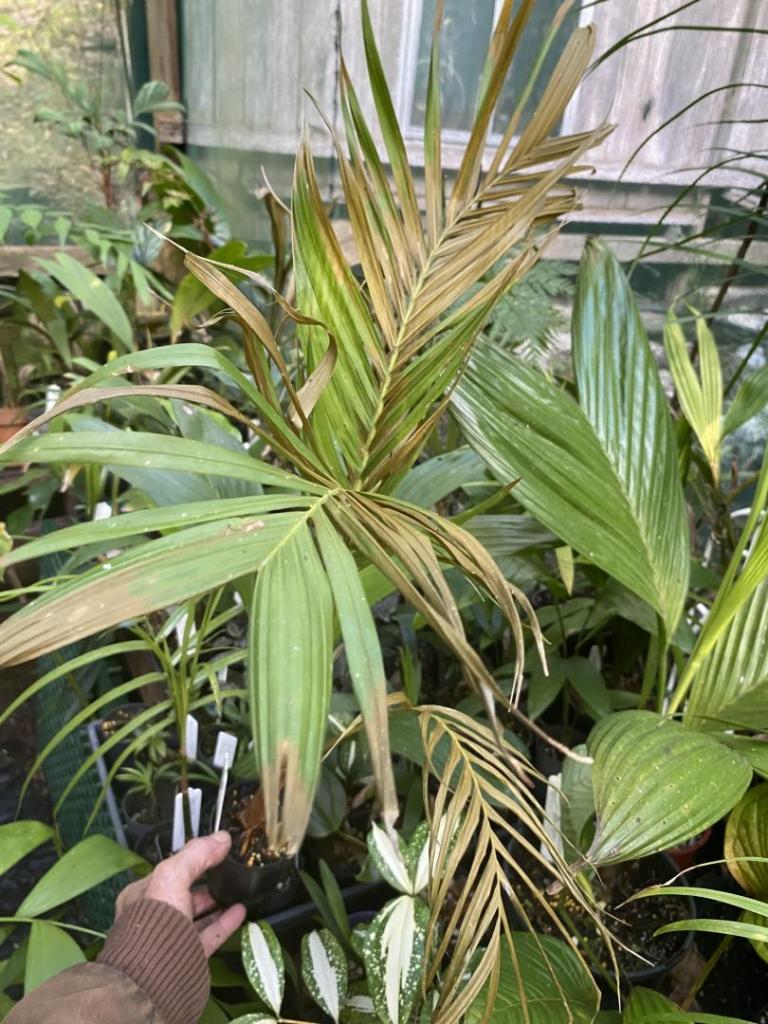
happypalms replied to happypalms's topic in DISCUSSING PALM TREES WORLDWIDEAnother victim to cool weather, Areca warburgiana. No harm in trying i say!
 happypalms replied to PalmPrince14's topic in DISCUSSING PALM TREES WORLDWIDETry a bit of a soil wetting agent, detergent mixed in with some water even. Seaweed extract as soil conditioner and plant tonic (vitamin b) I reckon the soil might be a bit hydrophobic perhaps. But do try a soil wetting agent. Other than that leave the hose on for two hours a day if the drainage is sufficient.
happypalms replied to happypalms's topic in DISCUSSING PALM TREES WORLDWIDEPerhaps they just don’t match up in timing, I know I have 3 female plants, but they are ranging from 7 feet to near 14 feet in height. Also they are planted in rows not in a clump but that shouldn’t matter I think!
happypalms posted a topic in PALMS IN POTSA couple of container palms in the collection. roscheria melanochaetes dypsis fanevaGeonoma mooreana linospadix monostachya
happypalms replied to PalmPrince14's topic in DISCUSSING PALM TREES WORLDWIDETry a bit of a soil wetting agent, detergent mixed in with some water even. Seaweed extract as soil conditioner and plant tonic (vitamin b) I reckon the soil might be a bit hydrophobic perhaps. But do try a soil wetting agent. Other than that leave the hose on for two hours a day if the drainage is sufficient.
happypalms replied to happypalms's topic in DISCUSSING PALM TREES WORLDWIDEPerhaps they just don’t match up in timing, I know I have 3 female plants, but they are ranging from 7 feet to near 14 feet in height. Also they are planted in rows not in a clump but that shouldn’t matter I think!
happypalms posted a topic in PALMS IN POTSA couple of container palms in the collection. roscheria melanochaetes dypsis fanevaGeonoma mooreana linospadix monostachya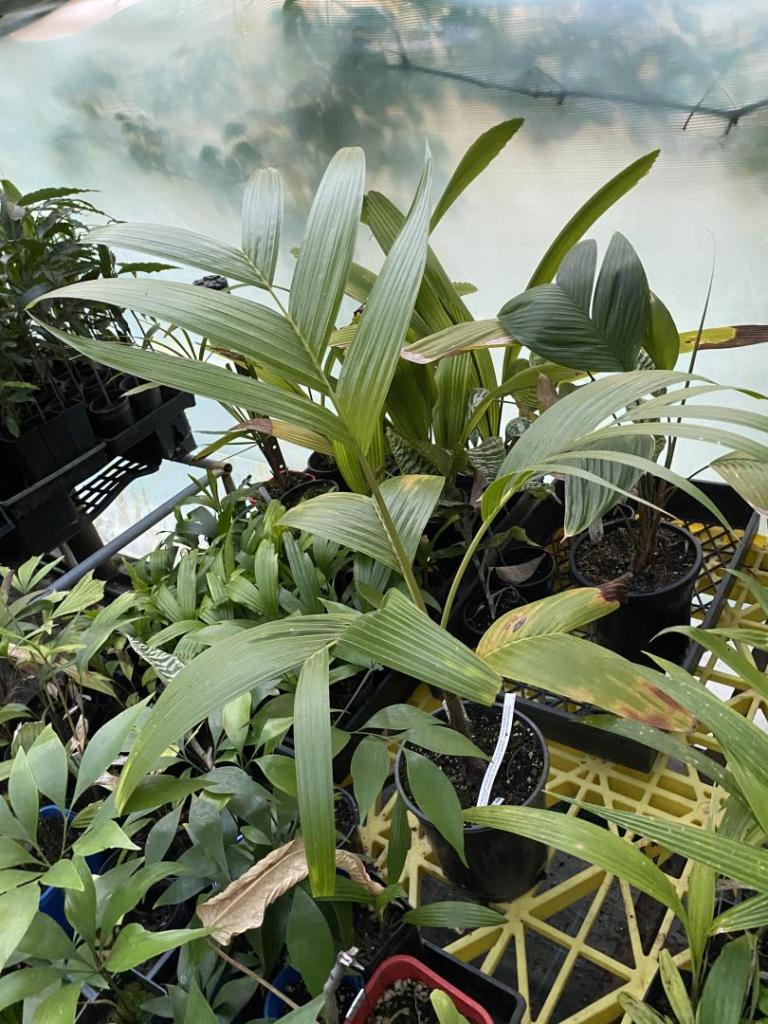
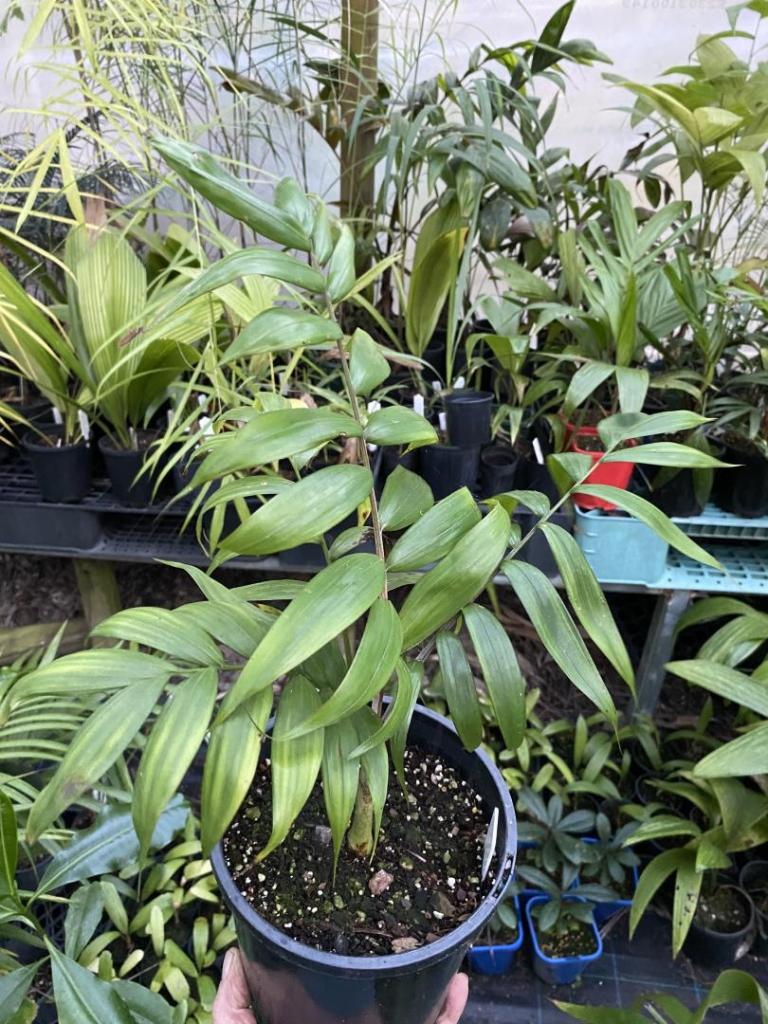
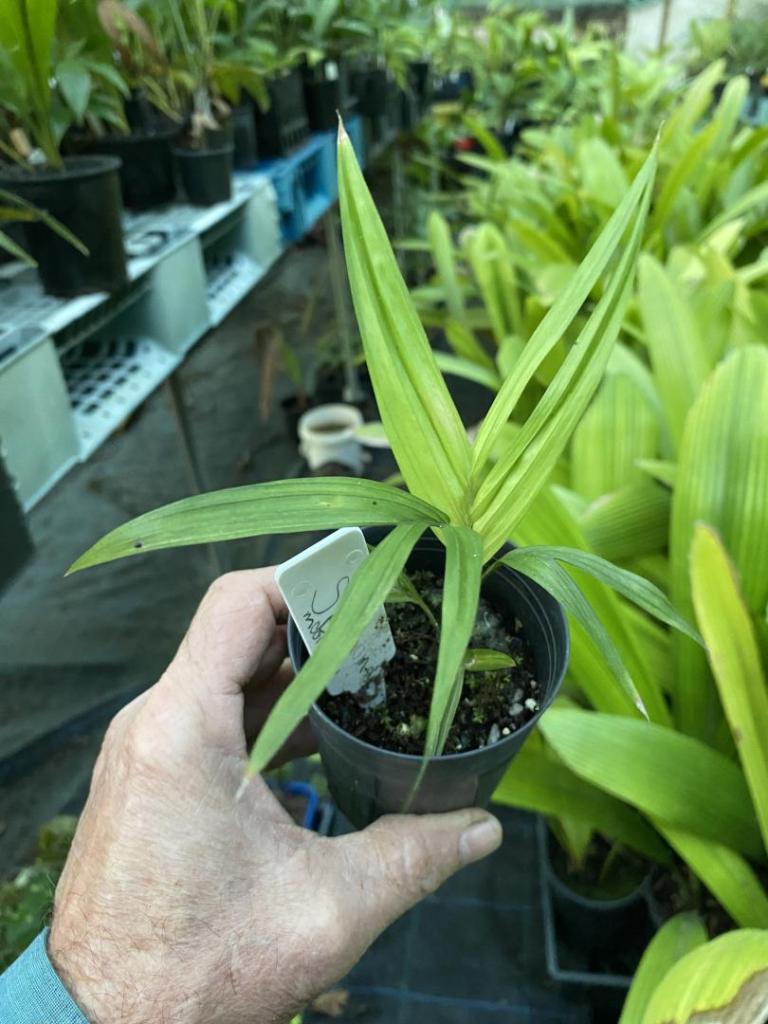
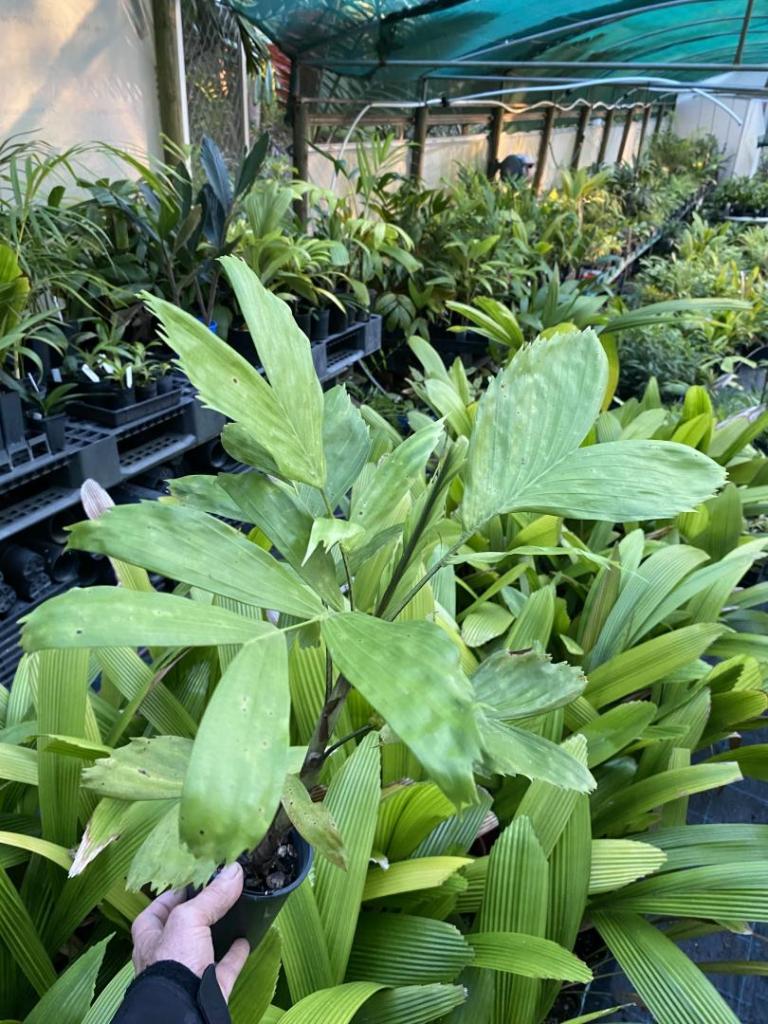 happypalms replied to gyuseppe's topic in PALMS IN POTSYou got me on the micrantha, not even I have one in my collection yet ! Nice palms!
happypalms replied to piping plovers's topic in DISCUSSING PALM TREES WORLDWIDEJust the tip of the Joey iceberg, with over 1000 of them you soon learn a trick or two with them!
happypalms replied to gyuseppe's topic in PALMS IN POTSYou got me on the micrantha, not even I have one in my collection yet ! Nice palms!
happypalms replied to piping plovers's topic in DISCUSSING PALM TREES WORLDWIDEJust the tip of the Joey iceberg, with over 1000 of them you soon learn a trick or two with them!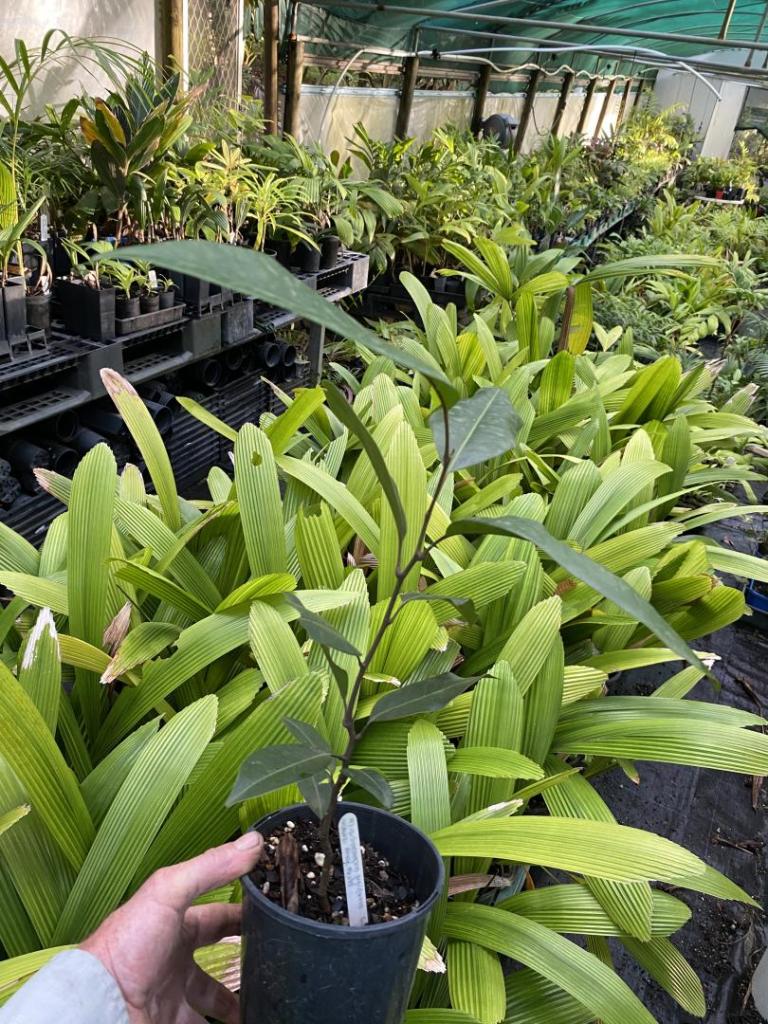
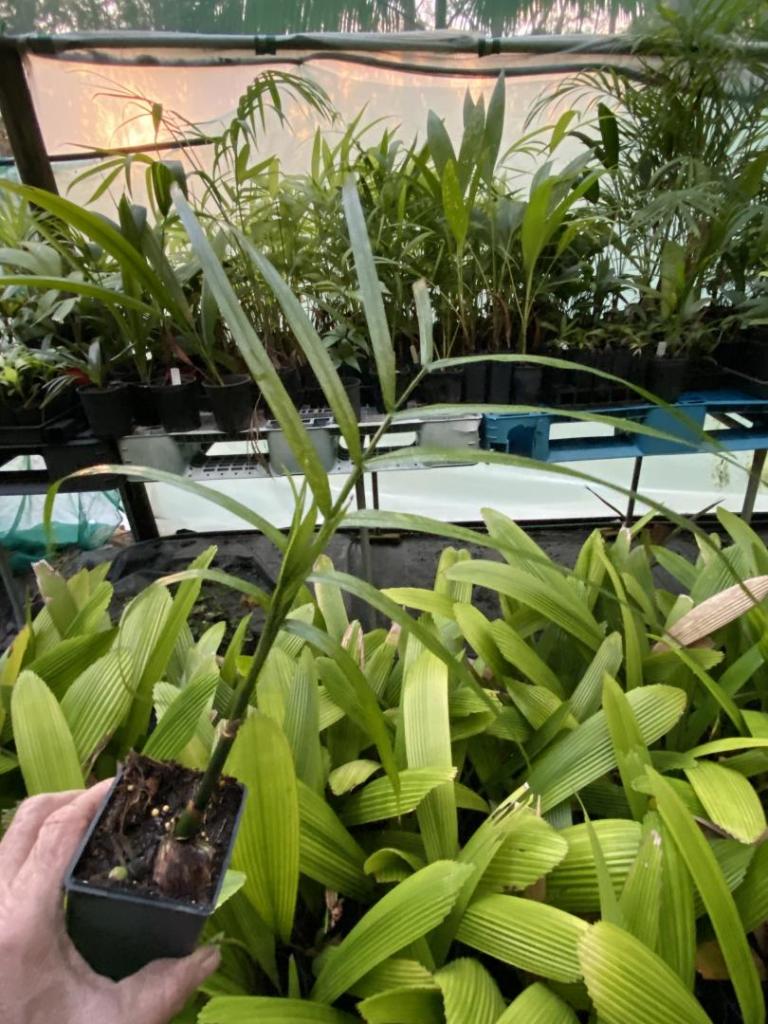
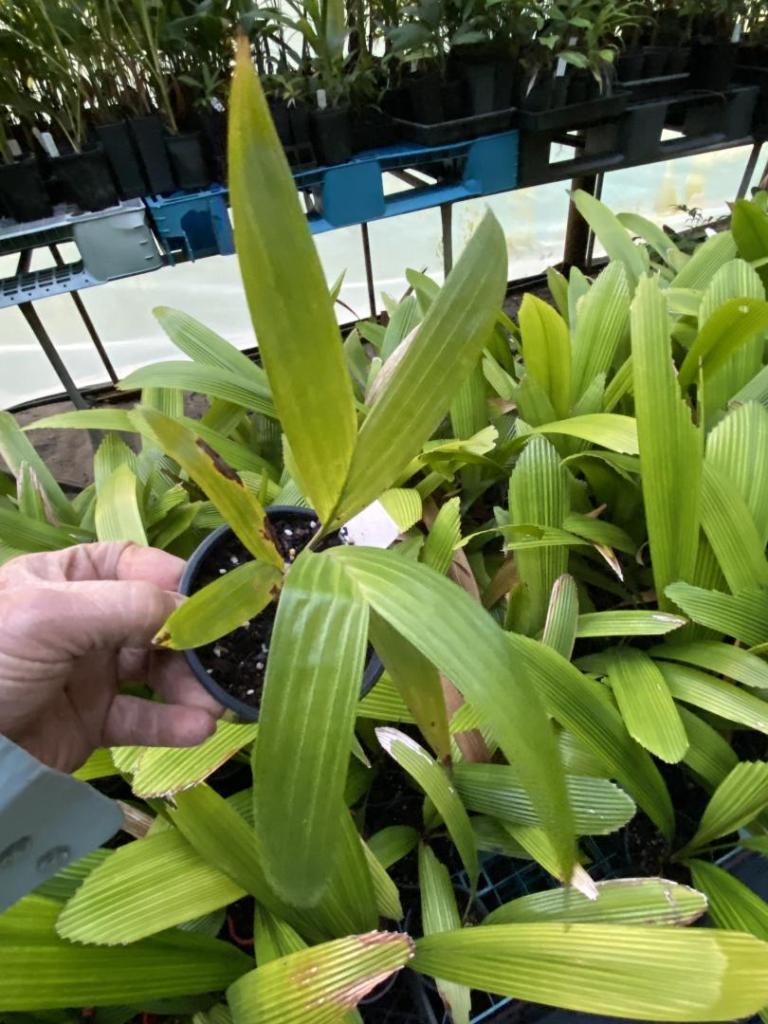
 happypalms replied to happypalms's topic in DISCUSSING PALM TREES WORLDWIDEIt does have a nice heel if you look closer behind the stem. I will go with your suggestion and plant it asap, at my rate next week in my climate 🤣 The soil mix is a heavy river sand based mix, my high iron water might be a culprit in this case, but I have never had any issues before with my water. Argh growing palms it never ends, I also like to purchase 2 or more of any variety in my collection, having more you can tell if it’s just one palm playing up, just o e single individual it’s hard to tell if grower mistakes or just climatic conditions giving the palm a hard time. Thanks for the tip!
happypalms replied to happypalms's topic in DISCUSSING PALM TREES WORLDWIDEPossibly, but it’s the second winter season here. Iam not that impressed with the soil mix it came in. Richard
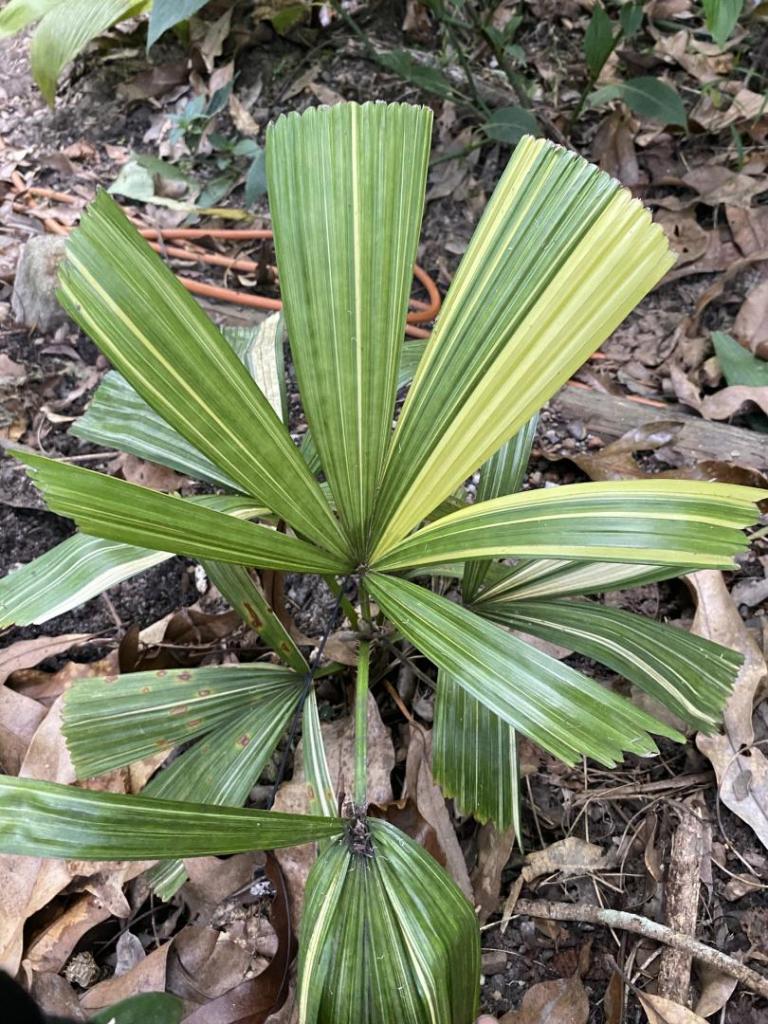
happypalms replied to The Gerg's topic in DISCUSSING PALM TREES WORLDWIDEA nice sallaca, variegated lanonia dasyantha, dypsis Pembana all looking good in the garden.
happypalms replied to happypalms's topic in DISCUSSING PALM TREES WORLDWIDEIt does have a nice heel if you look closer behind the stem. I will go with your suggestion and plant it asap, at my rate next week in my climate 🤣 The soil mix is a heavy river sand based mix, my high iron water might be a culprit in this case, but I have never had any issues before with my water. Argh growing palms it never ends, I also like to purchase 2 or more of any variety in my collection, having more you can tell if it’s just one palm playing up, just o e single individual it’s hard to tell if grower mistakes or just climatic conditions giving the palm a hard time. Thanks for the tip!
happypalms replied to happypalms's topic in DISCUSSING PALM TREES WORLDWIDEPossibly, but it’s the second winter season here. Iam not that impressed with the soil mix it came in. Richard
happypalms replied to The Gerg's topic in DISCUSSING PALM TREES WORLDWIDEA nice sallaca, variegated lanonia dasyantha, dypsis Pembana all looking good in the garden.