All Activity
- Past hour
-
 SeaLaVie replied to SeaLaVie's topic in DISCUSSING PALM TREES WORLDWIDEOutstanding, Kinzyjr. I have not been to the Botanical Garden here, thank you for the idea and links. Lou was kind enough to give me a tour of his garden a couple years ago. It was wonderful and I was happy to see pictures of the tour of homes here last summer as I was on vacation during that time. I will reach out to the other members. It seems I have good deal more to find which is why I asked the forum. I may need a larger yard!
 -
 BayAndroid replied to BayAndroid's topic in DISCUSSING PALM TREES WORLDWIDEI don't know much about how hybridizing works, but in theory, can these trees have genes from every Archontophoenix species?
 -
 Tracy replied to Tracy's topic in TROPICAL LOOKING PLANTS - Other Than PalmsThat flush is over a decade old and long gone now, so not much I can do to green that one. Neither this one nor the female in my Leucadia garden were the real Cycas debaoensis. Multifrondis seems to be the best match. Both are still very attractive plants.
 -
 Dan64 replied to Tracy's topic in TROPICAL LOOKING PLANTS - Other Than PalmsI just ordered some 😁
 -
 sonoranfans replied to JaxMJ351's topic in DISCUSSING PALM TREES WORLDWIDEon watering queens in florida Like Dislike Watering Needs for Queen Palms in FloridaIn Florida, queen palms (Syagrus romanzoffiana) are fast-growing and thrive in warm, sunny conditions, but they require careful watering to avoid root rot and maintain healthy growth. Mature palms (established) Water volume: About 30–40 gallons per week during the active summer growing season greensoul.blog. Frequency: Deep watering twice a week (15–20 gallons per session) to saturate the root zone 24–36 inches deep greensoul.blog+1. Soil type adjustment: Sandy soils drain quickly, so split the same total volume into more frequent, smaller sessions (e.g., 3x/week) to prevent the roots from drying out too fast greensoul.blog+1. Goal: Keep the soil consistently moist but not waterlogged; avoid letting the top 2 inches dry out between sessions Farmer Grows. Newly planted palms Water volume: 100–150 liters (≈26–39 gallons) per week biologyinsights.com. Frequency: 3 times per week for the first few months to keep the root ball moist as it establishes greensoul.blog. Tip: Water slowly and deeply to encourage deep root growth; avoid shallow, frequent sprinkling. Seasonal adjustments Summer (hot, dry): Increase frequency to 3–4x/week if temperatures exceed 90°F Farmer Grows. Winter dormancy: Reduce to once every 10–14 days, as growth slows and transpiration drops greensoul.blog. Rainy season: Reduce supplemental watering if natural rainfall is adequate, but still check soil moisture to prevent compaction and nutrient lockout cultivatingflora.com. Key tips for Florida conditions Use slow, deep watering (soaker hoses or drip lines) to reach the full root zone biologyinsights.com+1. Mulch around the base to help retain moisture and regulate soil temperature. Avoid overwatering — the #1 cause of palm decline is root rot from soggy, poorly drained soil Farmer Grows. In sandy, leached soils common in Florida, adjust for rapid drainage by increasing frequency rather than total volume greensoul.blog+1. Summary table: Stage Weekly Water Frequency Notes Mature 30–40 gal 2x/week Deep soak, 24–36" depth Sandy soil Same total 3x/week Smaller sessions New plant 26–39 gal 3x/week Keep root ball moist Summer heat 3–4x/week Increase Above 90°F Winter 1x/10–14d Reduce Dormancy Following these guidelines will help your queen palm in Florida stay lush, healthy, and resilient year-round. Read all
 -
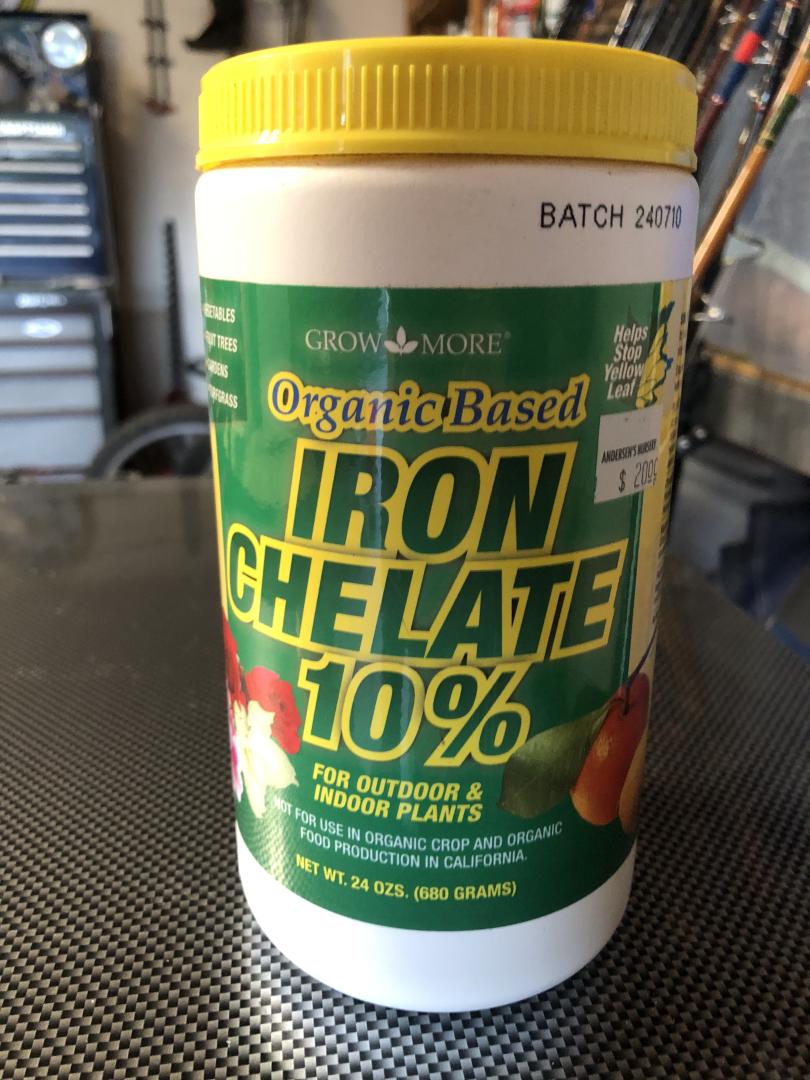
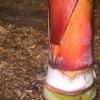 Urban Rainforest replied to Tracy's topic in TROPICAL LOOKING PLANTS - Other Than PalmsGreat looking Cycad Tracy! Try hitting with chelated iron. Should green it up fast! My experience with it is that it not only greens/blues up new flushes but older leaves as well. This is the product I have been using. Best $20 I ever spent👍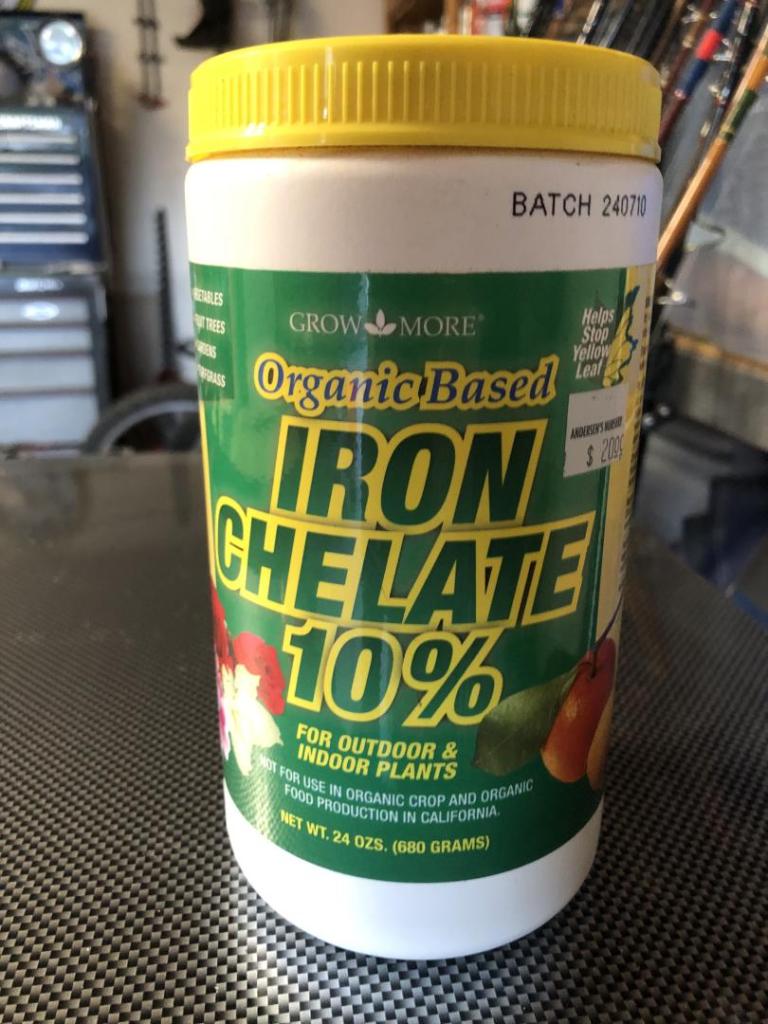
- Today
-
 kinzyjr replied to SeaLaVie's topic in DISCUSSING PALM TREES WORLDWIDE@SeaLaVie If you haven't been there, a trip to St. Johns Botanical Garden and Nature Preserve in Hastings, FL will help you picture how the plants will look in your landscape. A few of the CFPACS Members from the area ( @Lou-StAugFL , @Kekoanui , @ChristianStAug , @CodyM, @PalmJuan ) can also share some of their experiences. A few other links of interest: St. Johns Anniversary Celebration St. Johns 2nd Anniversary Celebration CFPACS Summer 2025 Meeting/Tour in St. Augustine, FL The Garden of Dr. John Rossi - Before it Became St. Johns Botanical Garden and Nature Preserve
 -
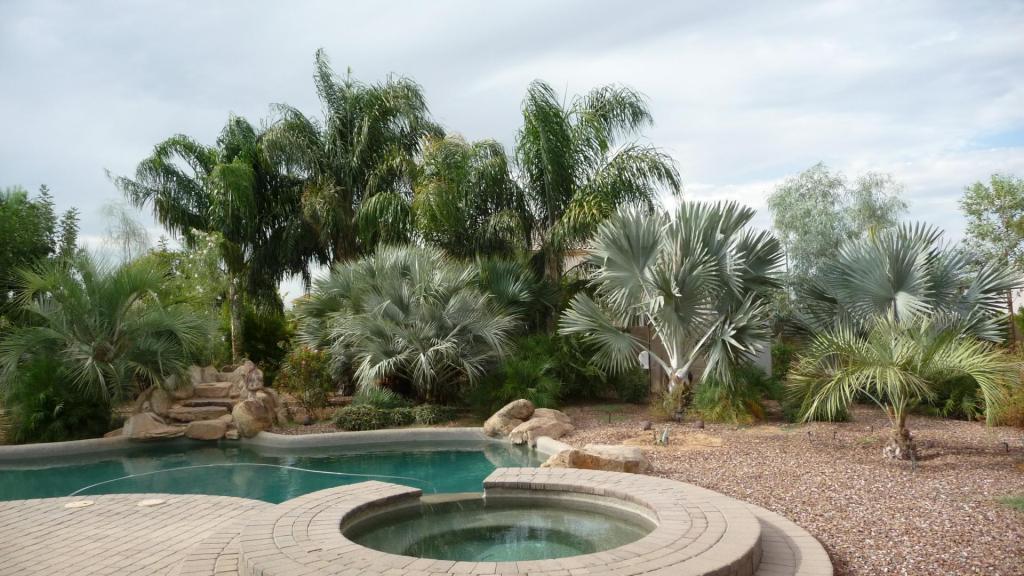
sonoranfans replied to JaxMJ351's topic in DISCUSSING PALM TREES WORLDWIDEI agree with bill and dave. Here in florida we have had a 10 month drought. Drought means greatly reduced fertilizer consumption since uptake requires moisture. No regular water, roots will pay the price. My arizona queens, grew in clay with pH modification and sand mix into the hole, they looked like beasts, here they look emaciated, though they can look pretty good(half the crown size of AZ) with enough effort. They are #1 water hogs but are very susceptible to nutrient deficiency because sand has NO cation exchange to retain nutrients so as soon as the much degrades to nutrients, it is washed away. We have to hope for rain, I dont have much confidence in irrigating a big palm with a few drippers in sand. 90% of all palms knocked down here in milton were queens NOT on irrigation timers. I am a believer in strong roots, strong palm. Its like they are a different species from arizona to florida, may more leaves in arizona. The roots are what we do not see and I'm expecting those roots have contracted in the drought, and drought does cause deficiencies but you do have to fertilize them here, alot. Google AI Queen palm nutrient deficiencies commonly involve manganese, potassium, and magnesium, leading to distinct visual symptoms like "frizzle top", discolored fronds, and stunted growth. These issues frequently stem from alkaline soils or poor nutrient retention in sandy ground. [1, 2, 3, 4] Early on my arizona queens had Mn deficiency in arizona due to high soil pH deficiency. I altered the soil and fed them and this is the result They florida are heavy feeders meaning fertilize several times a year especially mid summer and after the wet season. Queen palms are heavy potassium, magnesium, and manganese feeders in Florida, frequently developing deficiencies in sandy or alkaline soils. To keep them healthy, use a specialized palm fertilizer. [1, 2, 3, 4] And dave gave you the specialized palm fertilizer, palm gain florikan also work well.
-
SeaLaVie replied to SeaLaVie's topic in DISCUSSING PALM TREES WORLDWIDEThank you, excellent choices. I do have a couple sabals and they are rock solid. I may put a cluster in the back near our marsh. Pindo is excellent, still working out where it would fit. Needle, windmill and arenga are great choices I can work into some natural looking areas.
-
SeaLaVie replied to SeaLaVie's topic in DISCUSSING PALM TREES WORLDWIDEYes, I would love to have any palm with a crownshaft. Unfortunately, several neighbors have lost king palms and one royal over the past year. The royal was 20 foot when planted and my neighbor acknowledged he was pushing. He did a great job protecting it over a few years time but after he sold his home last year it was done in by the cold. Dypsis decipiens (manmade palm) could be high on my list. I will look further, thank you!
-
 Phoenikakias replied to happypalms's topic in DISCUSSING PALM TREES WORLDWIDEMine are also planted in rows but very closely to each other, namely fronds from all three plants are mingled together. However the height difference is really a point to be taken in to account. I have a clump of Chamaedorea metallica with 4 plants, 2 female individuals are taller than the male one and rarely if not at all set fruit. The last and smaller one has just this year bloomed for the first time and turned out also female, and behold, single inflorescence is loaded with seemingly well pollinated fruits.
 -
 Harry’s Palms replied to SeaLaVie's topic in DISCUSSING PALM TREES WORLDWIDEButia Oderata , Rhapidophylum Hystix ( Needle Palm) , Trachycarpus Fortunae , Arenga Engleri , Sabal Palmetto(?). There are more , I’m sure. Harry
 -
Phoenikakias replied to happypalms's topic in DISCUSSING PALM TREES WORLDWIDENeither have I. But Chamaedorea glaucifolia, and maybe also plumosa, has flowers with apically connate petals, meaning that there are lateral openings available for the pollen and pollination. Not a very attractive situation for bees.
-
 awkonradi replied to SeaLaVie's topic in DISCUSSING PALM TREES WORLDWIDEIf you want to try a palm with a crownshaft, then I think Archontophoenix cunninghamiana MIGHT be OK, with occasional damage, like your B. alfredii. There might be some Dypsis/Chrysalidocarpus options too. Hopefully some of our many Florida members will comment further. Edit: How big was your B. alfredii, when it got bitten?
 -
 DoomsDave replied to L.A.M.'s topic in DISCUSSING PALM TREES WORLDWIDEThis sounds a lot like some of the various Chrysalidocarpus (Dypsis) species like baronii, lanceloata and onilahensis. Also, I recall seeing Sabal minors in Oklahoma northeast of Tulsa, as I roared eastward trying to outrun a tornado system.
 -
SeaLaVie posted a topic in DISCUSSING PALM TREES WORLDWIDEHello, I am open to suggestions for interesting palms and plants for my yard, zone 9b. My bamboo (bambusa gracilis, bambusa maligensis, bambusa eutuldoides) and mule palm (x butyagrus nabobandii) did well during our winter freeze. My Beccariophoenix Alfredii had extensive frond damage but is growing well now. Looking to add a number of palms and plants and would be interested to learn of some new options, thank you.
-
 L.A.M. posted a topic in DISCUSSING PALM TREES WORLDWIDESabal Clade 1 identified by Scott Zona in 1990 has only one species - Sabal minor - that was recognized at the time, unlike the species richness of the other three clades. Nonetheless, the more and more I study S. minor, the more inclined I am to believe it's a species complex similar to Picea glauca (white spruce) and Prunus serotina (American black cherry) with numerous subspecies and regional variants rather than a single homogenous species. After all, we still hadn't cracked the parentage of Sabal brazoriensis for decades after 1990, nor did we know yet then that S. tamaulipensis was a direct sister species of S. minor instead of being in Clade 3 or Clade 4 like other Mexican Sabal species are. I've identified what may well be four separate subspecies of S. minor, excluding of course the brazoriensis hybrid that has most likely existed since at least the Eemian interglacial (perhaps much longer) and the sister S. tamaulipensis which are both distinct, recently-identified species within Clade 1 in their own right. Sabal minor subsp. louisiana - native to Louisiana's Mississippi River Delta. Retreated to the Louisiana continental shelf during glacial periods' stadials. Can reach 10 feet tall aboveground. Hardy to USDA Zone 7b (broadly the same as S. brazoriensis but with less binary individual variation). Has no regional variants. Sabal minor subsp. mississippiensis - the interior population with numerous regional variants that have subterranean trunks and generally superior cold-hardiness to the other three subspecies (perhaps to the warmer half of USDA Zone 6b). Retreated to the continental shelf of Mississippi, Alabama and the Florida Panhandle, likely also the parts of Louisiana and Texas slightly colder than what S. minor subsp. louisiana and S. brazoriensis could handle. Sabal minor subsp. emeraldisle - native to North Carolina and probably Virginia. Can reach 6 feet tall. Sought refuge along the Fall Line of North Carolina during glacial-period Heinrich events to escape the freezing marine layer over the supercharged, iceberg-laden Labrador Current but still retain enough Bermuda High influence to avoid the continental interior air deeper into the Piedmont. Hardy to USDA Zone 7a. Has no regional variants. Sabal minor subsp. floridanum - native to the Florida Peninsula, Georgia's Coastal Plain and South Carolina. Populations on the western side of the Florida Peninsula and Eastern Continental Divide running down the spine of the peninsula had no need to seek refuge during glacial maxima nor Heinrich events; their small stature (on par with S. minor subsp. mississippiensis) is due to S. palmetto and some Caribbean tropical palms filling the tree niche already, not due to climate forcing. Cold-hardy to at least Zone 7b, probably 7a (I don't know). Now for the variants. I'll start with the variants of S. minor subsp. mississippiensis, which seems to have the most variety. Sabal minor var. texensis. Native to Texas. Sabal minor var. mccurtain. Native to McCurtain County, Oklahoma. Sabal minor var. arkansas. Native to Arkansas and the interior of Louisiana. Sabal minor var. tennessensis. Native to West Tennessee, Mississippi and nearby parts of Alabama. If Middle Tennessee has undiscovered wild populations, these are probably also part of this variant. Sabal minor var. cherokee. Native to the Coosa Valley of Alabama, possibly also into Northwest Georgia and (less likely) even extreme southern East Tennessee. There are probably three variants of S. minor subsp. floridanum. Sabal minor var. blountstown. Native to parts of the Florida Panhandle that didn't turn into continental climates during the Last Glacial Maximum. Sabal minor var. myers. Native to the western half of the Florida Peninsula, parts of Georgia's coastal plain that remained subtropical consistently and the Eastern Continental Divide running down the topographic spine of those areas. Sabal minor var. tybee. Native to South Carolina and the parts of Georgia and eastern half of Florida that weren't so lucky during Heinrich events, representing a more recent recolonization but still at a far more localized scale than the interior variants of S. minor subsp. mississippiensis. Really, I wish someone qualified would study these and also try to pin down dates for the S. brazoriensis hybridization and S. tamaulipensis speciation - and document definitively wild populations in Virginia (although they'd need an expedition and perhaps contact with Native Americans to find them first) and Tennessee (a simple trip to Hornsby and Hardin County and past observation of extra cold-hardiness would do) once and for all.
 -
 Chester B replied to Chester B's topic in COLD HARDY PALMSI planted it but the Ox beetles killed it the following spring. It was growing much slower than my other Sabals, and was smaller. I stand by Birmingham.
 -
DoomsDave replied to JaxMJ351's topic in DISCUSSING PALM TREES WORLDWIDESandy soils do benefit from fertilizers like, among others, Best Palm Plus. Mmm Picture of fertilizer
-
DoomsDave replied to JaxMJ351's topic in DISCUSSING PALM TREES WORLDWIDENice to meet you @JaxMJ351 ! I concur with fellow Californian @Harry’s Palms and add that the big difference between So Cal and No Flo is that we generally have clay or loam type soil as opposed to more sandy soils like you guys have. Queen palms like their water but they’re not the actual swamp things Royals and Kings are. Try to get a palm fertilizer like Palms Plus that has micronutrients in it; don’t just use lawn fertilizer.
-
Harry’s Palms replied to happypalms's topic in PALMS IN POTSSoon they will have their day! Harry
-
Harry’s Palms replied to JaxMJ351's topic in DISCUSSING PALM TREES WORLDWIDEHere , in Southern California , Syagrus R. grow freely without fertilizer . They do, however, want lots of water to look their best . Harry After another look at that one petiole , it seems like something is trying to eat it . There is an area where the petiole shows damage.
-
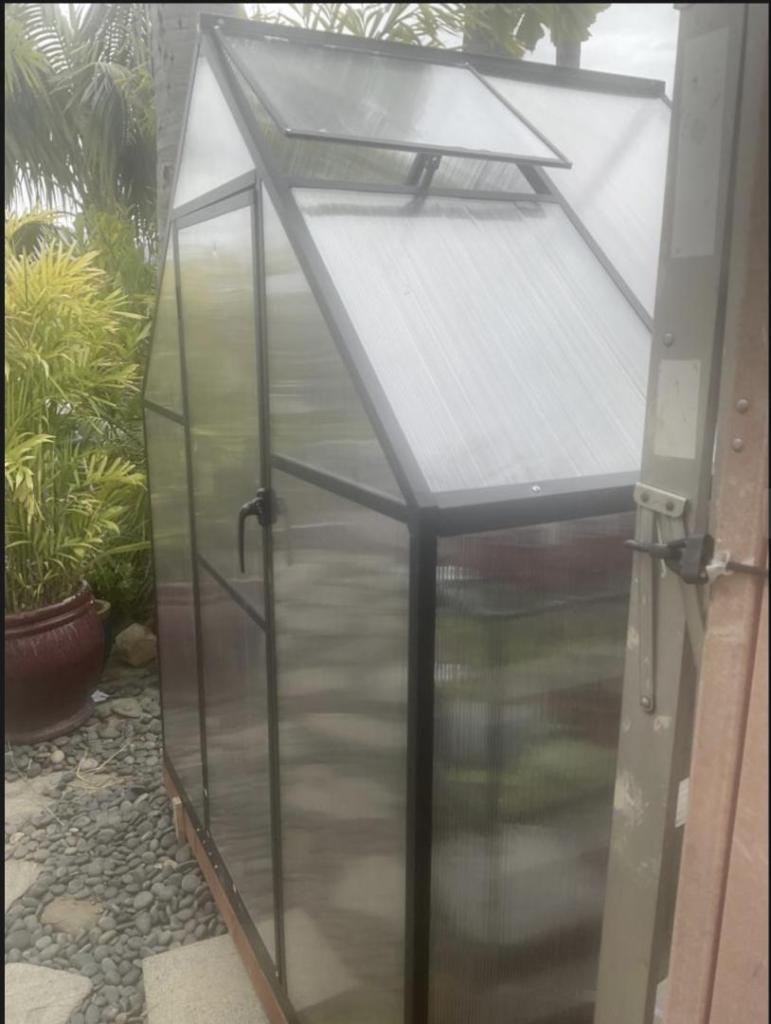
Harry’s Palms replied to happypalms's topic in DISCUSSING PALM TREES WORLDWIDEI wonder what gene that some palms possess that gives them resistance to cold . Perhaps a bit of genetic engineering someday, I mean we were able to save the potato.If so , someday grow tropicals in larger latitudes , or maybe climate change will intervene. Until then we have @happypalms for trial and error. So sorry you lost that one mate. Harry This is my only edge for cool sensitive palms for now.
-
Harry’s Palms replied to happypalms's topic in DISCUSSING PALM TREES WORLDWIDEIt is interesting to me that some Chamaedorea , even when very tall , can pollinate when male and female are not planted near one another . I never see bees around them like the Syagrus . Harry
-
 cbmnz replied to cbmnz's topic in WEATHER / CLIMATEThis system has produced the first snowfall to sea level in central Wellington for 15 years (not settling). It also is potentially going to knock around some sensitive palms in the most of the time frost free Northland and Bay of Plenty regions. Here, I'll take it if it ends up being two repeats of last week, as have weathered that ok, and what will be hit already has been.