

All Activity
- Past hour
-
 Gallop replied to Gallop's topic in For SaleHi John, I’ll message you this afternoon. Thanks, Paul
 -
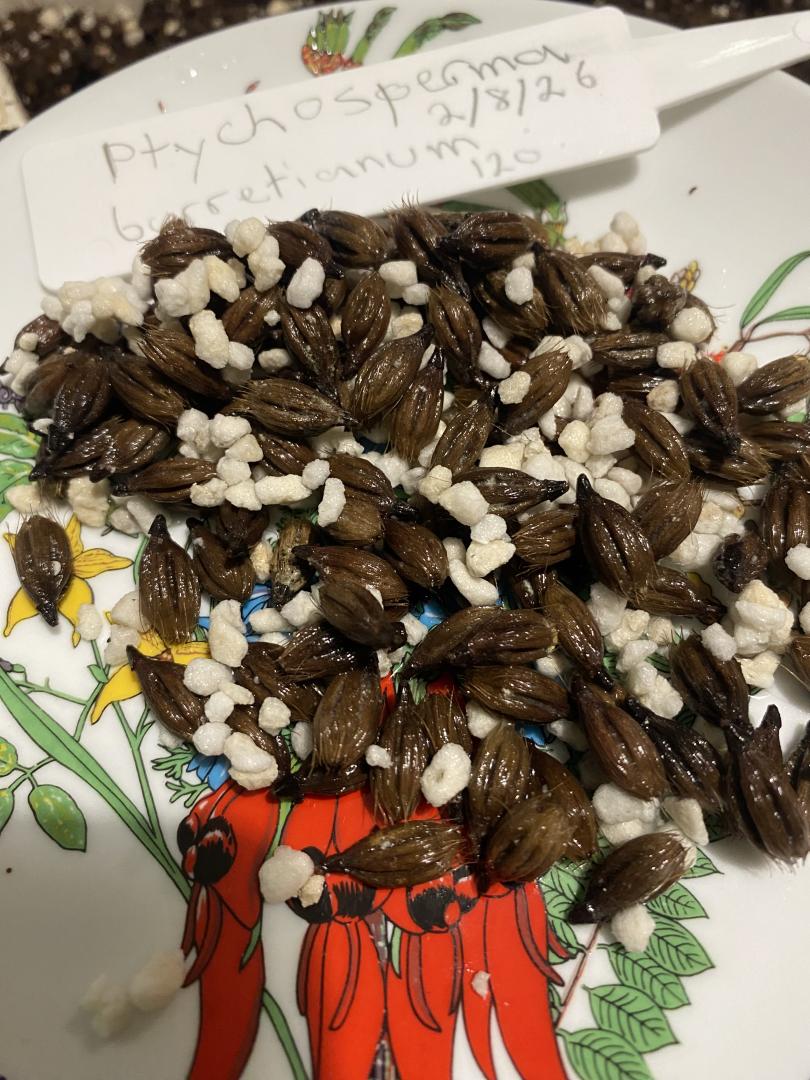
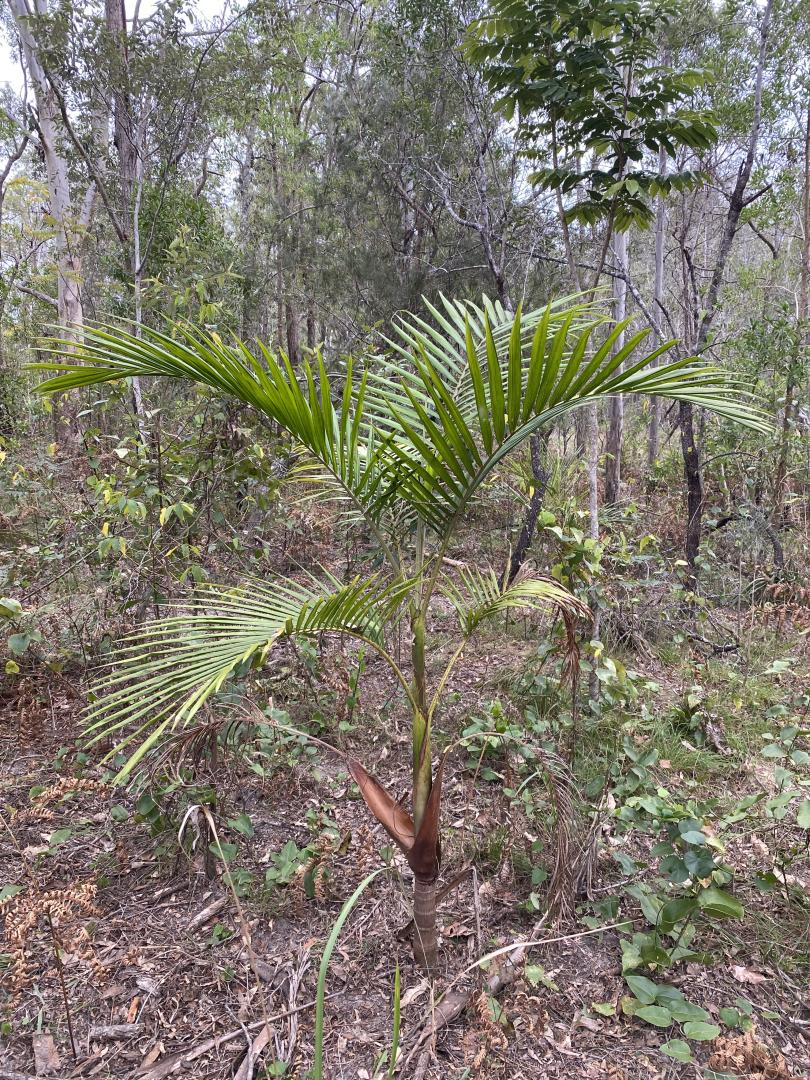
 happypalms replied to Harry’s Palms's topic in DISCUSSING PALM TREES WORLDWIDELook for ptychosperma waitianum and burretianum. New red leaf and a beautiful palm. Worth a try! I just put down 120 seeds iam that confident of burretianum! Richard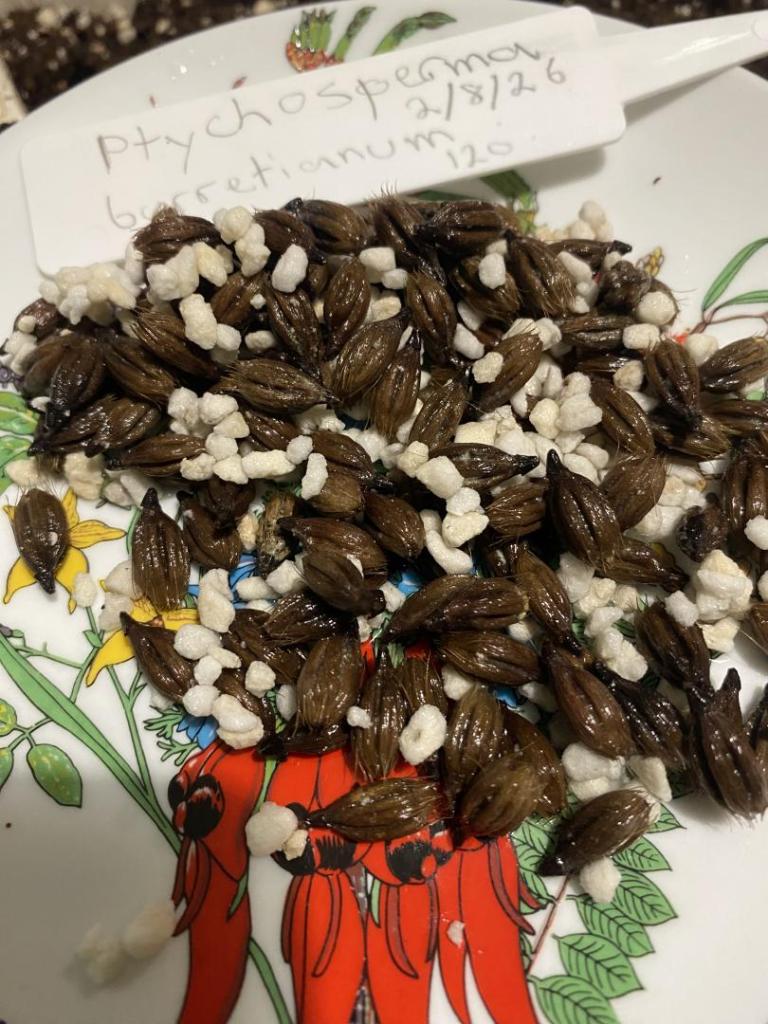
- Today
-
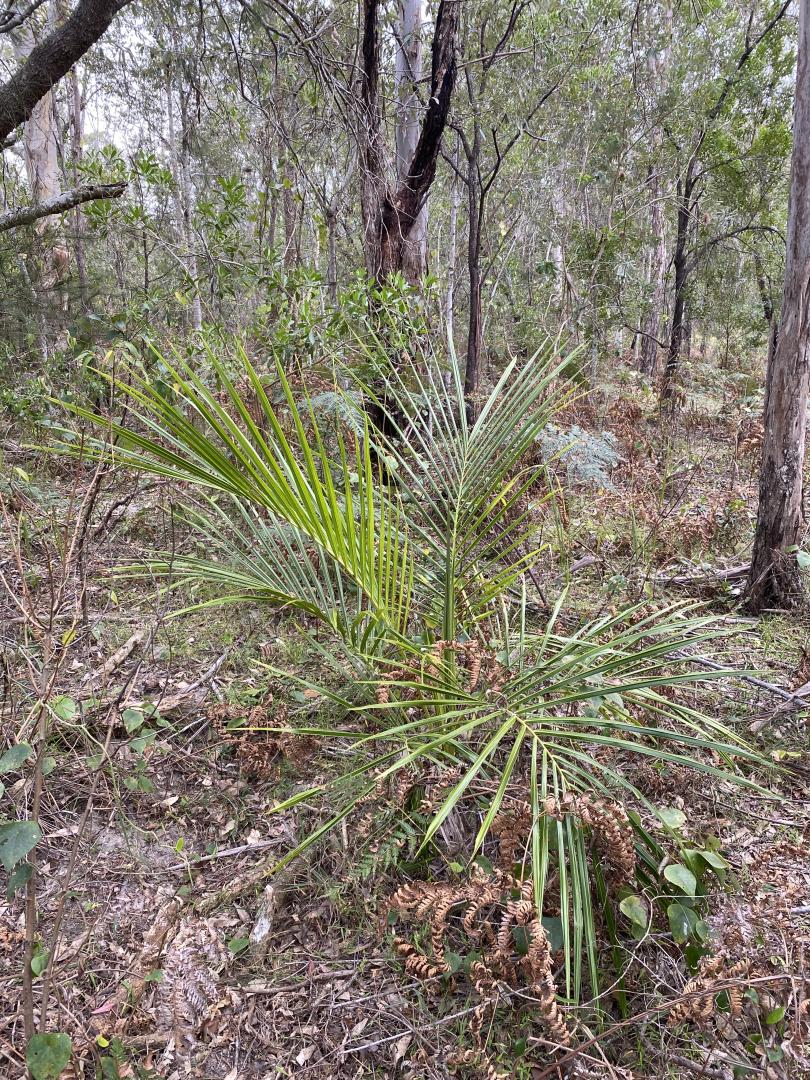
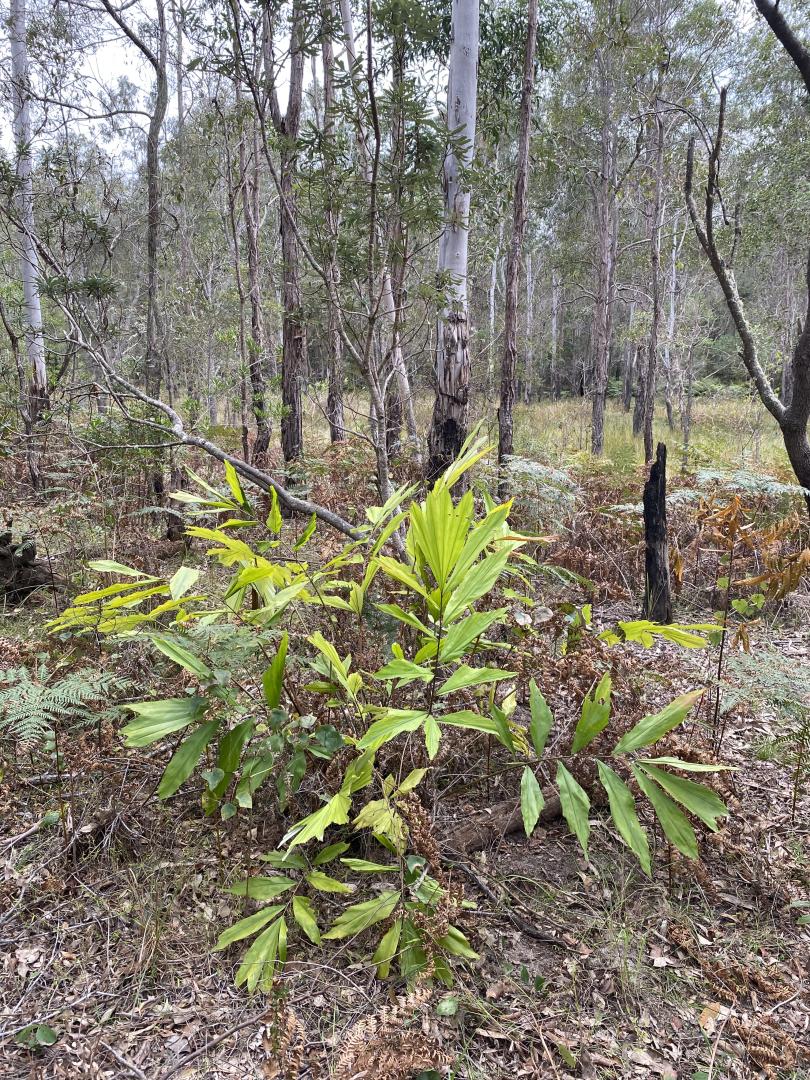
happypalms replied to happypalms's topic in TROPICAL LOOKING PLANTS - Other Than PalmsAustralia is a beautiful country! They do take a bit of cold not snow white frost but cool temperatures yes. Give them room though. If you want seeds I know where you can get them!
-
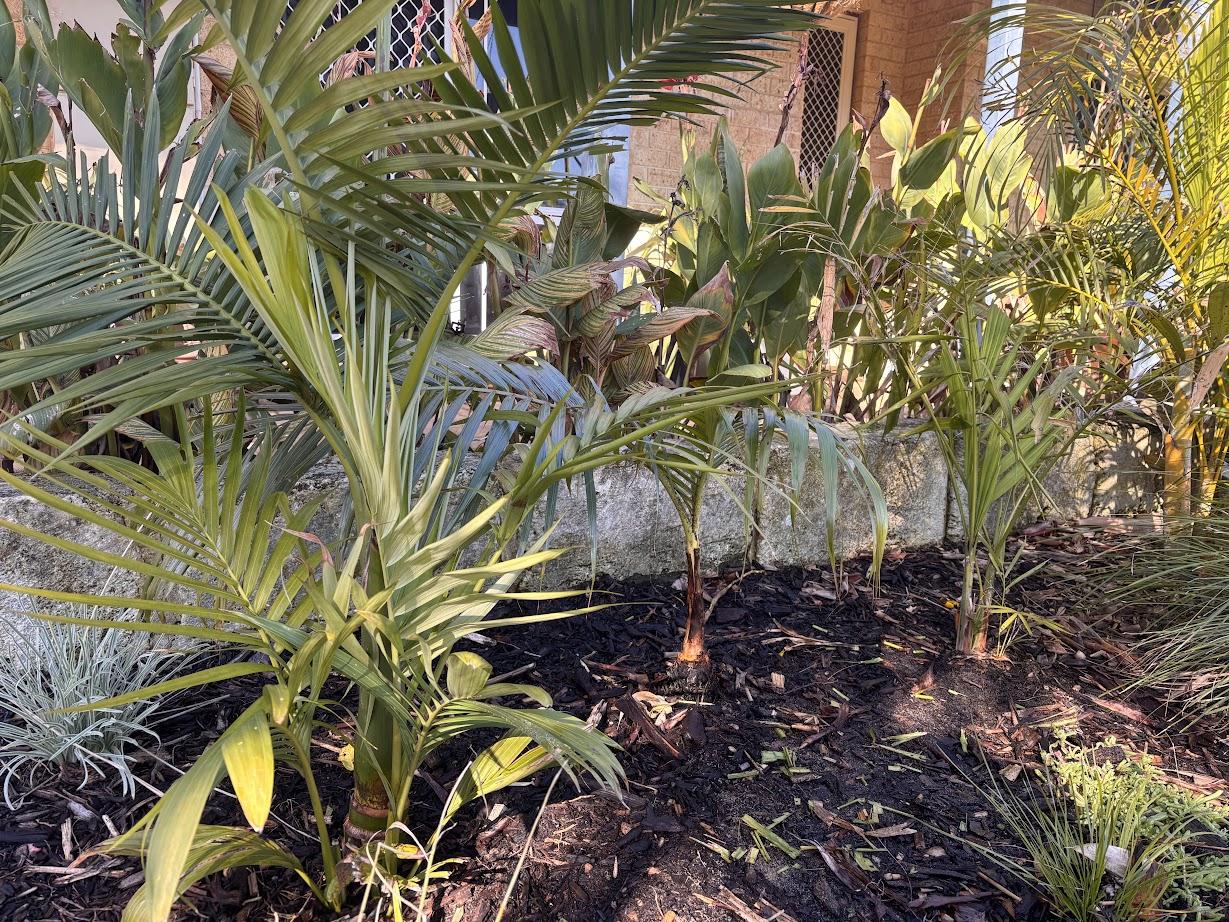
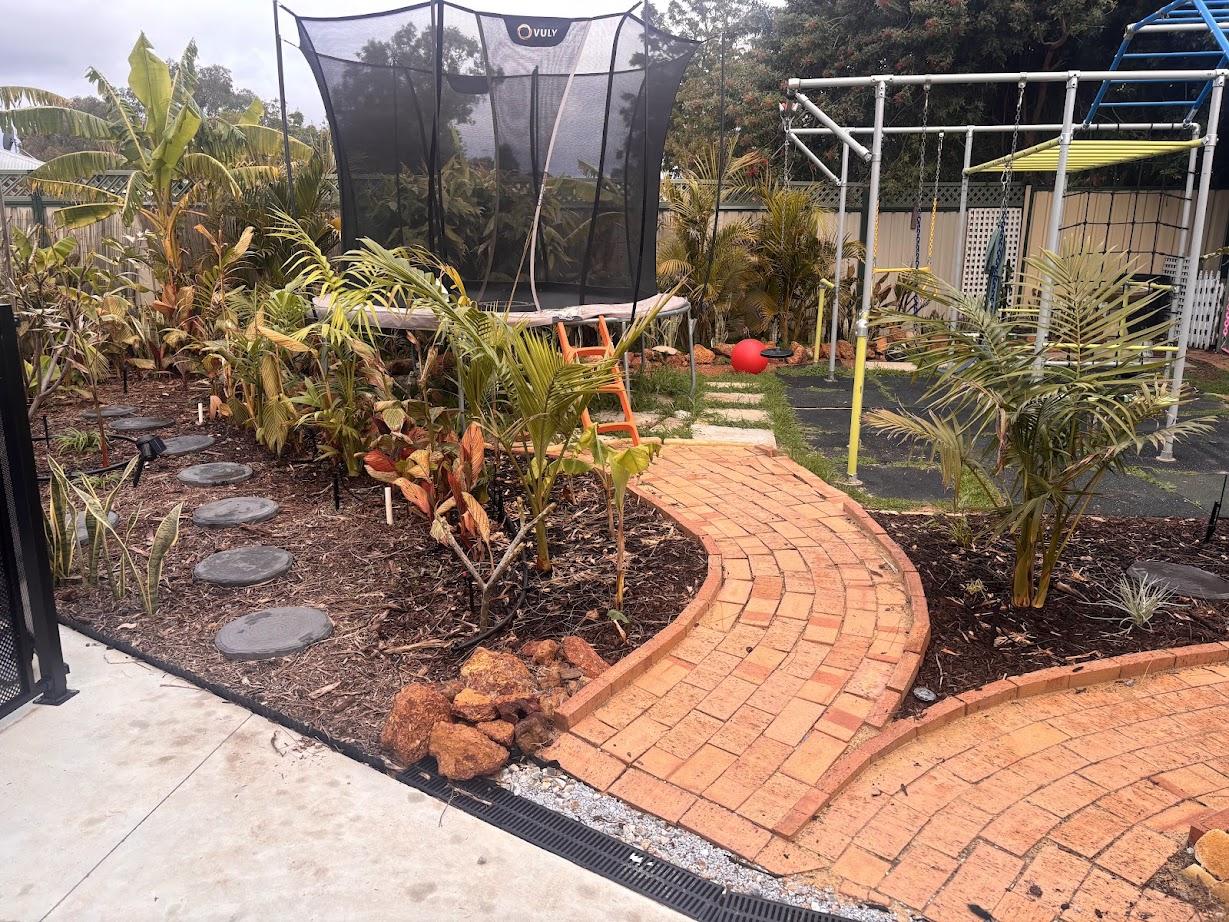
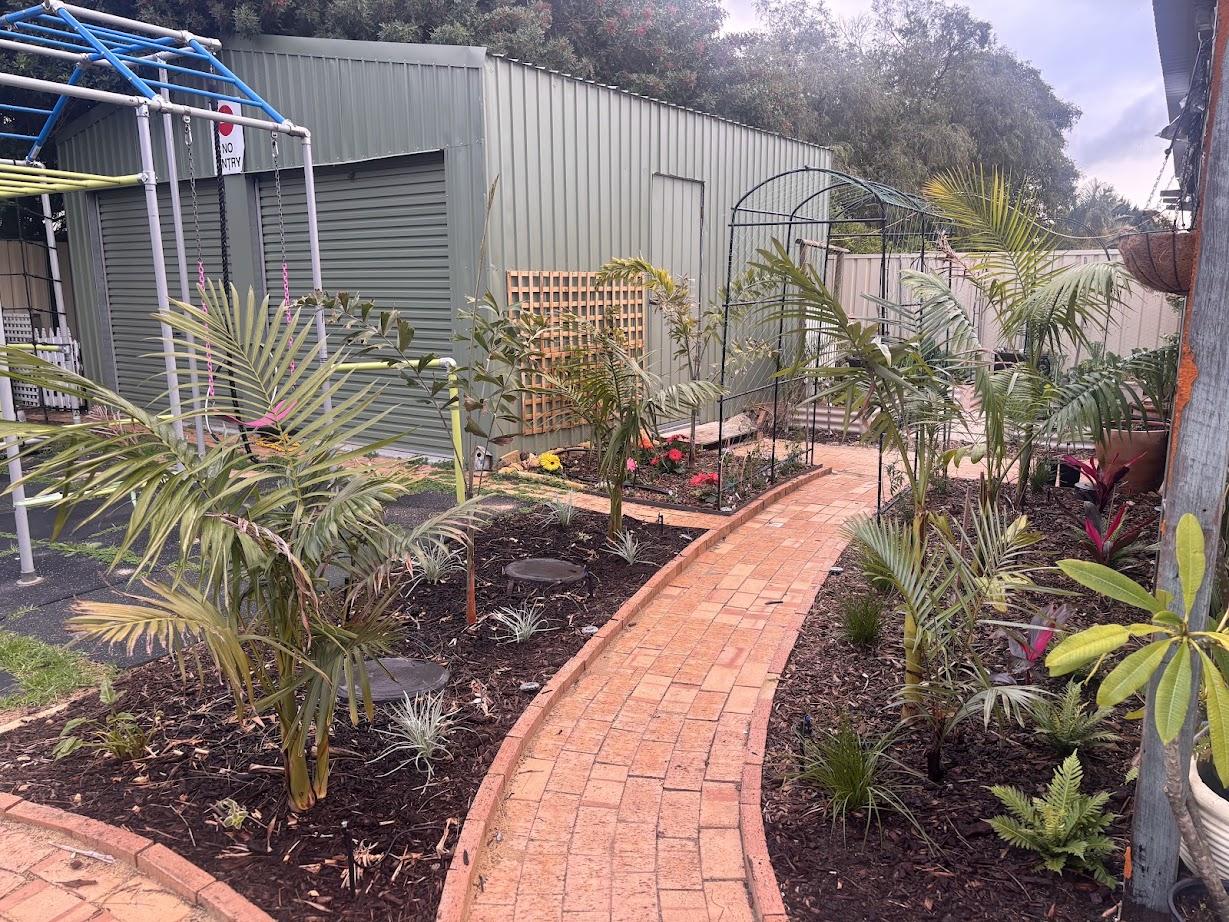
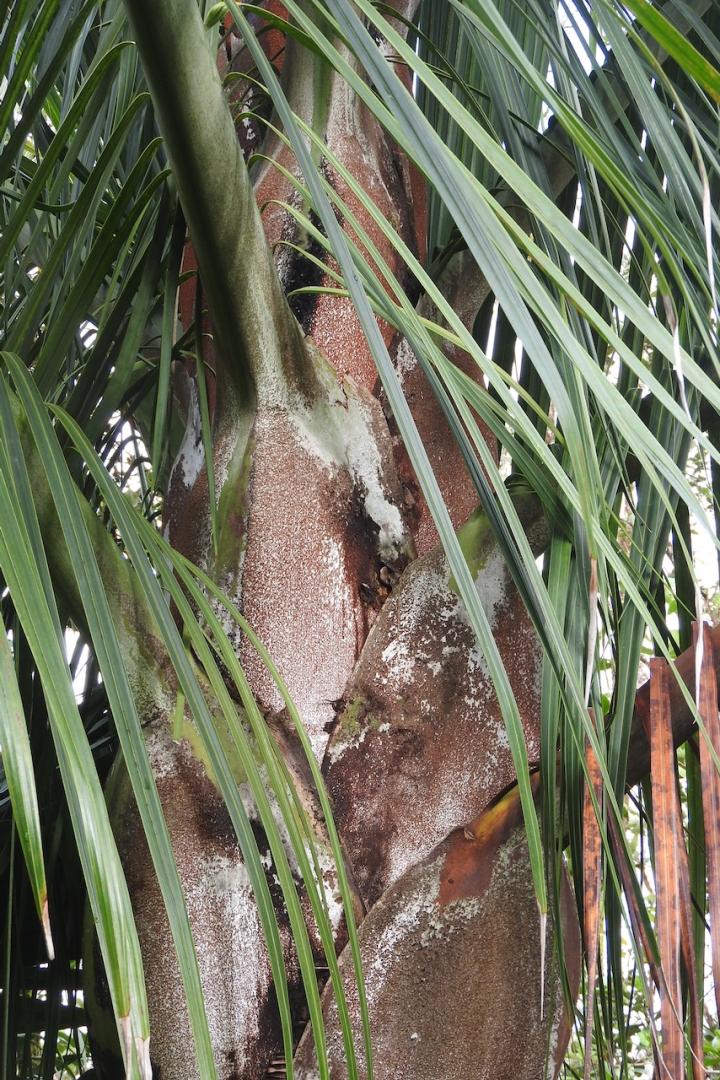
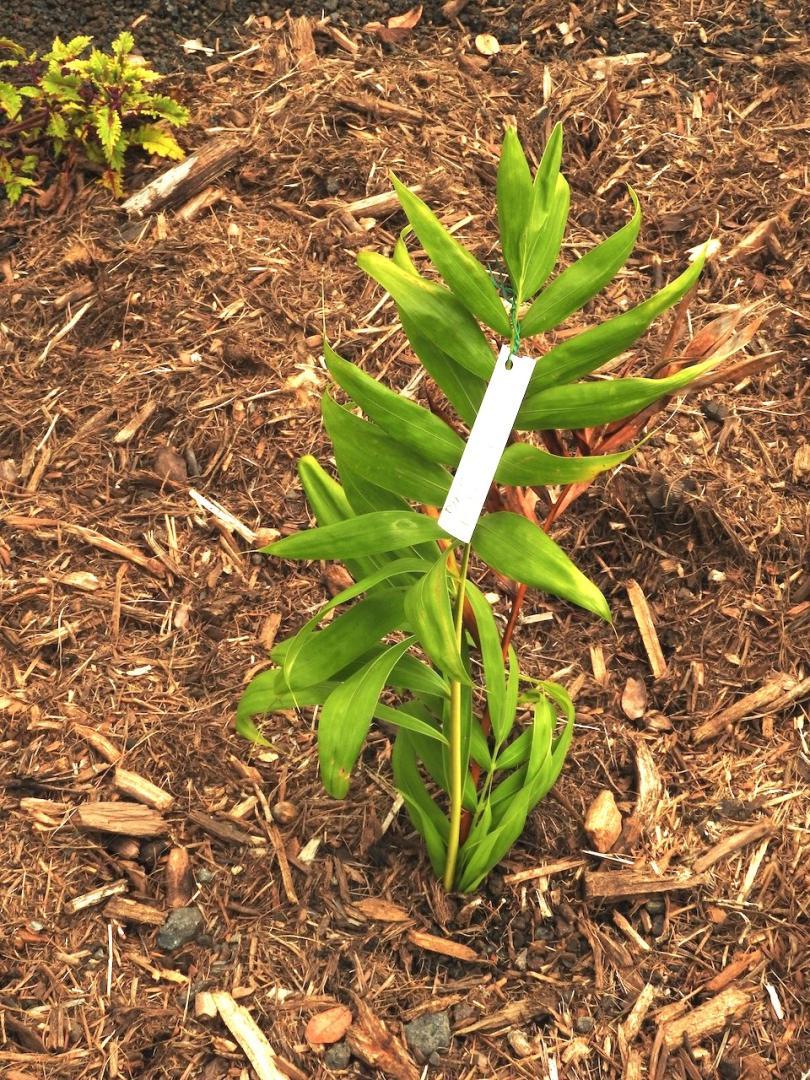
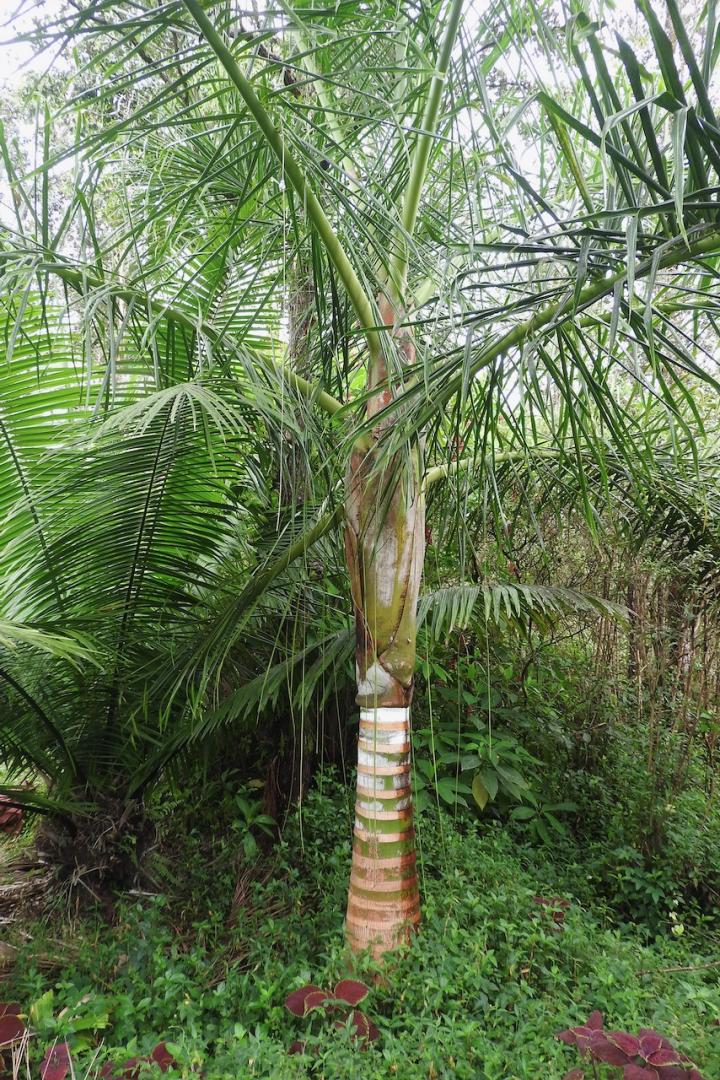
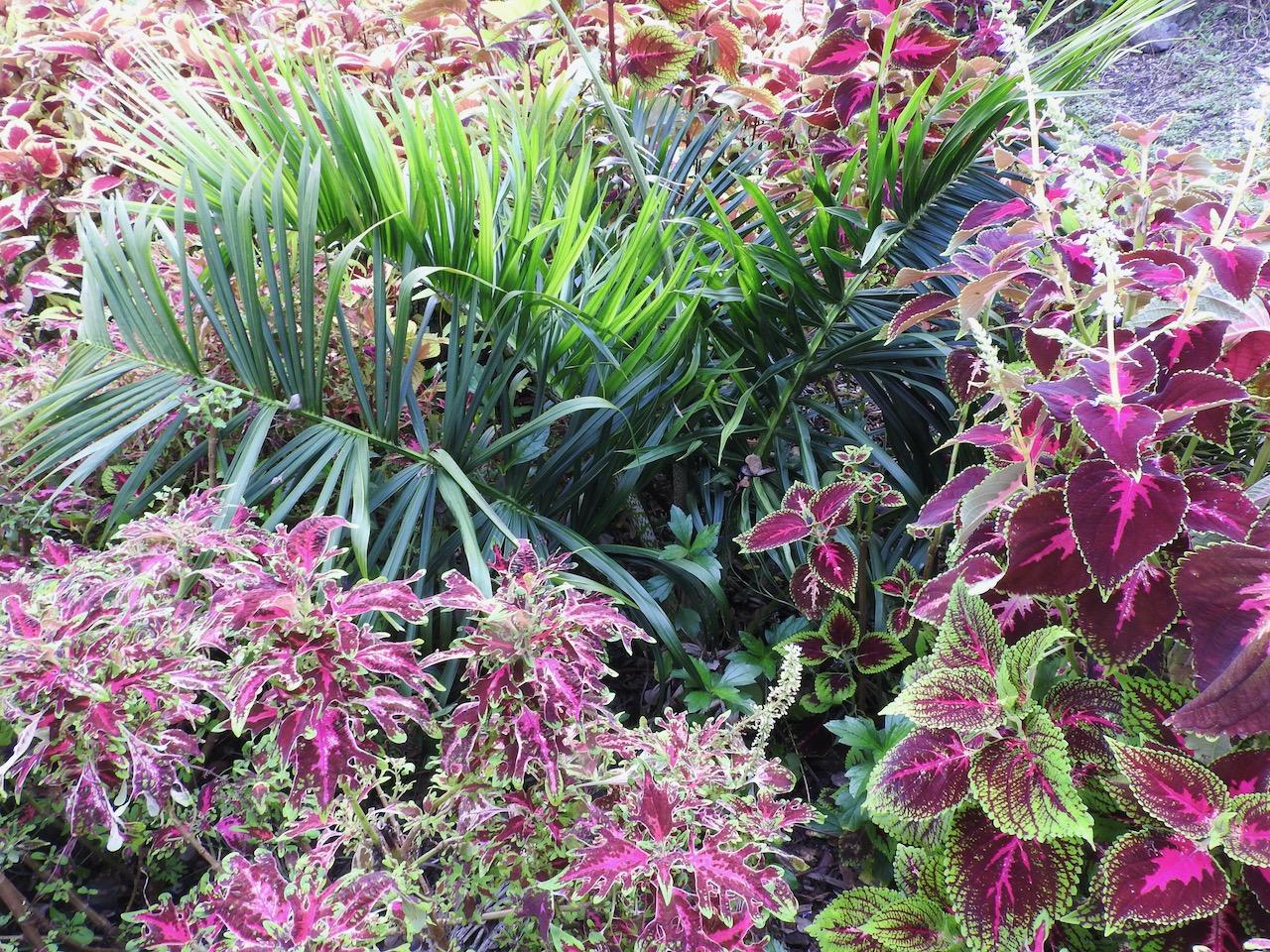
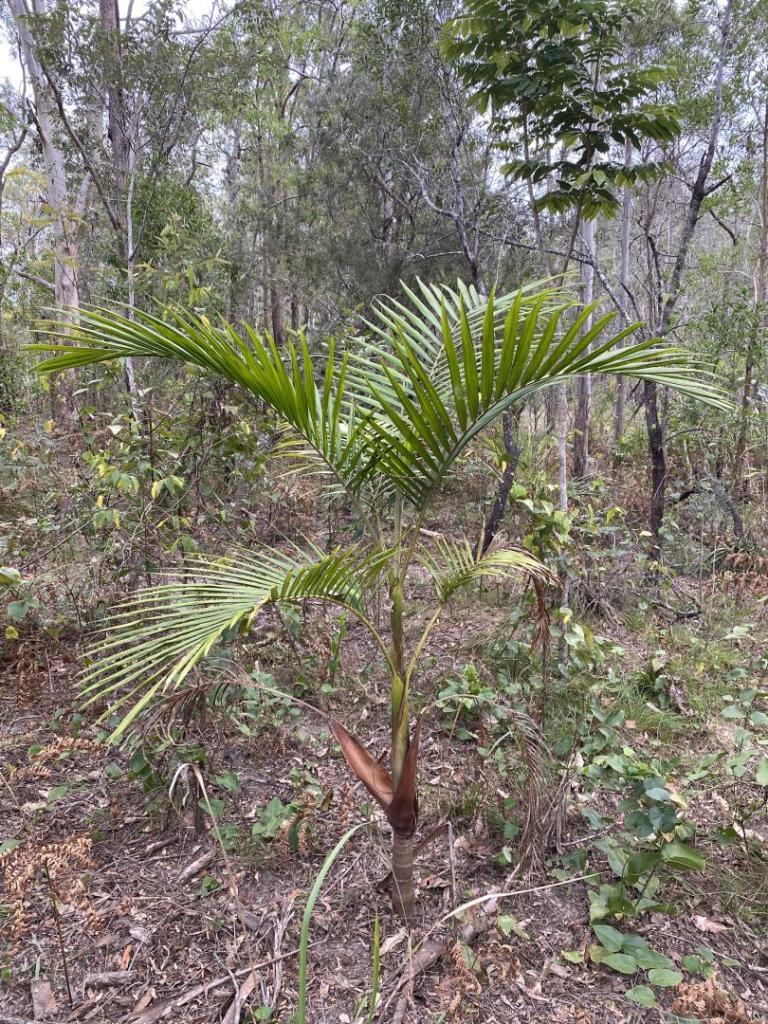
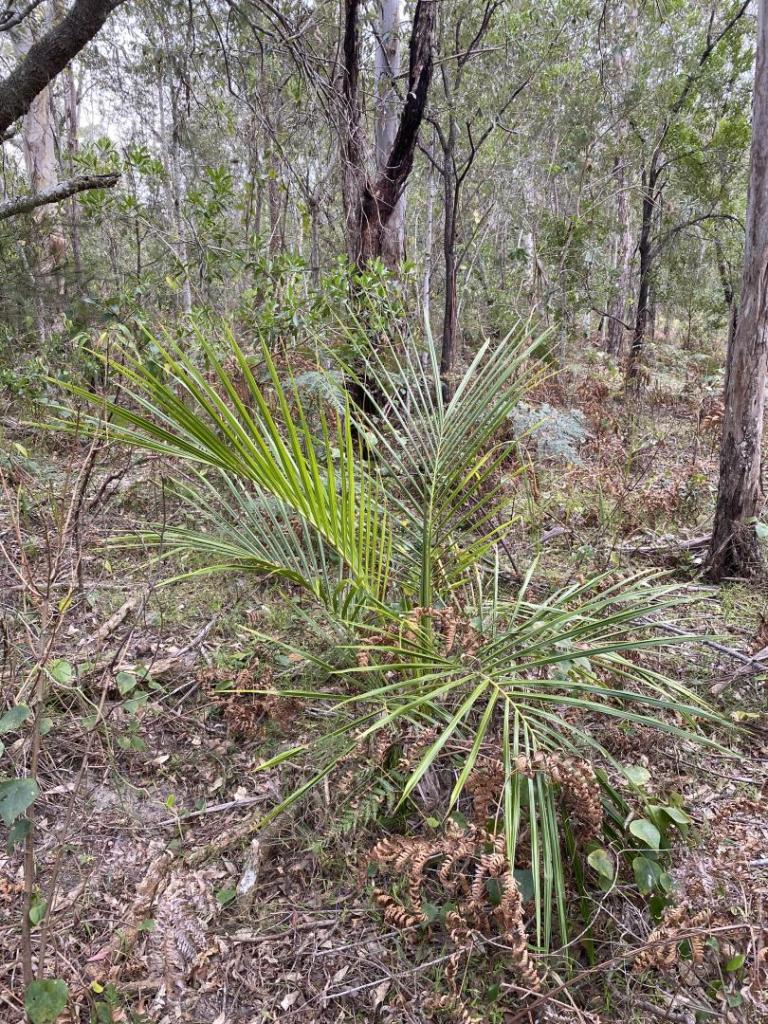
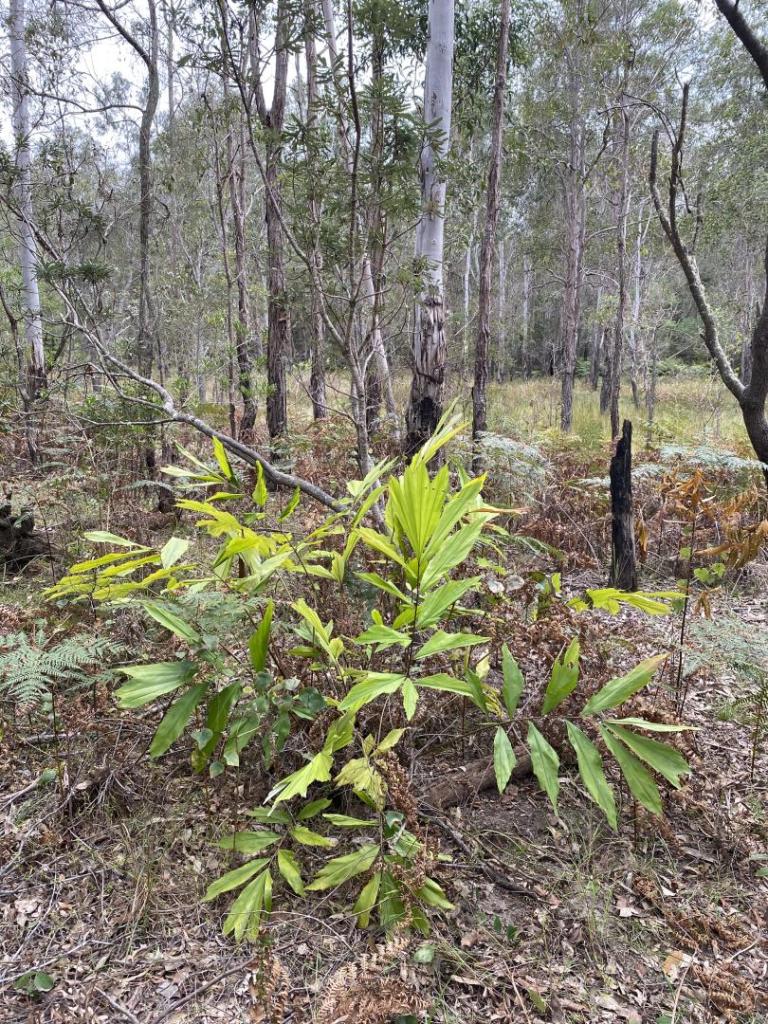
happypalms replied to The Gerg's topic in DISCUSSING PALM TREES WORLDWIDEWhat caught my eye was three palms I gave a friend 6 years ago, that I had never seen until today. I will say I was impressed with the archontophoenix, beccariophoenix and the Wallachia. Just planted in some very hard conditions with no attention and temperatures down to minus 1.
-
happypalms replied to happypalms's topic in DISCUSSING PALM TREES WORLDWIDEI can relate to that, iam tropicals fan all the way. But I do dislike those big Phoenix palms just not to my liking! 😁
-
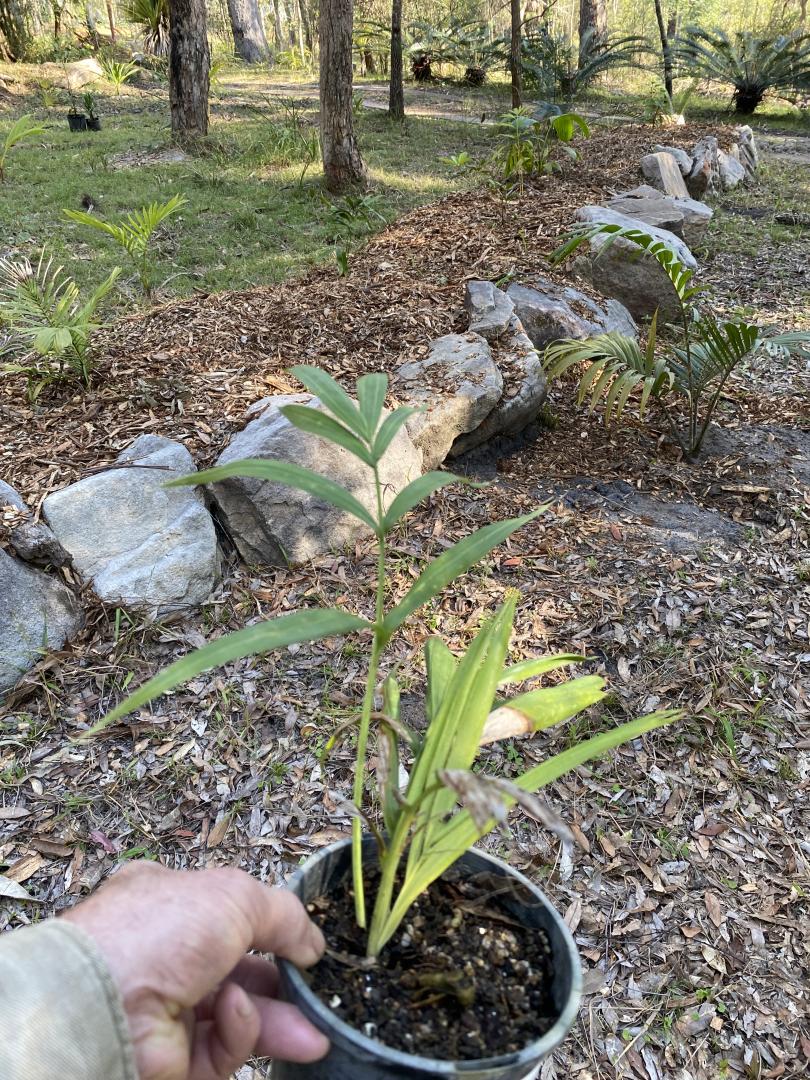
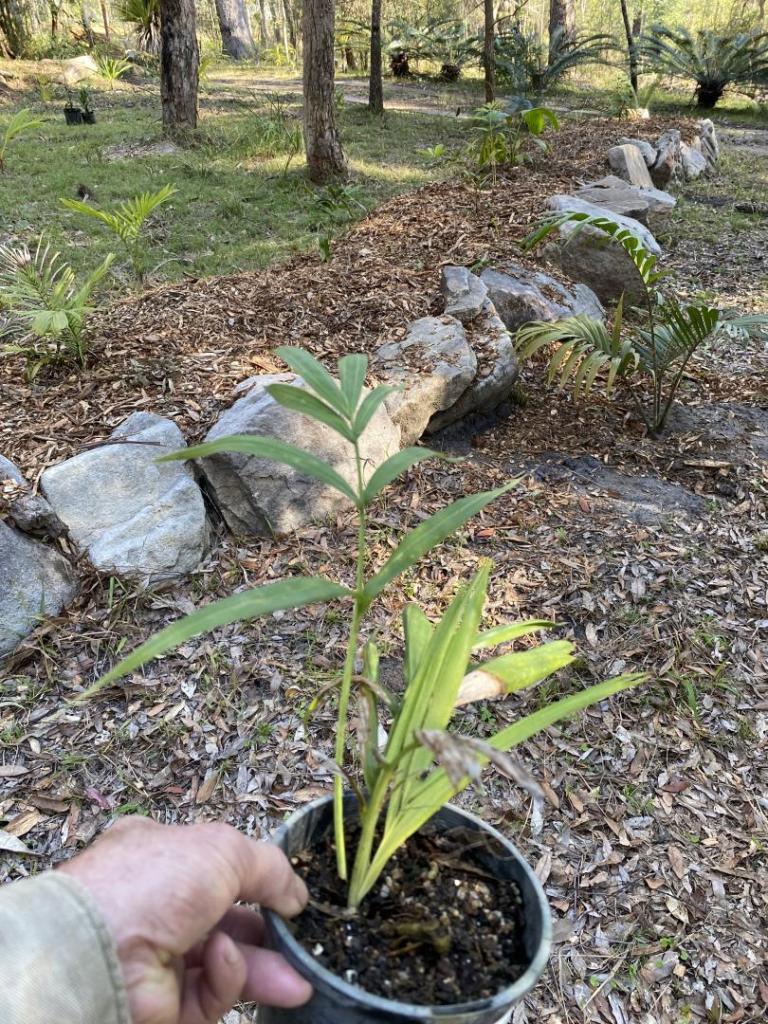
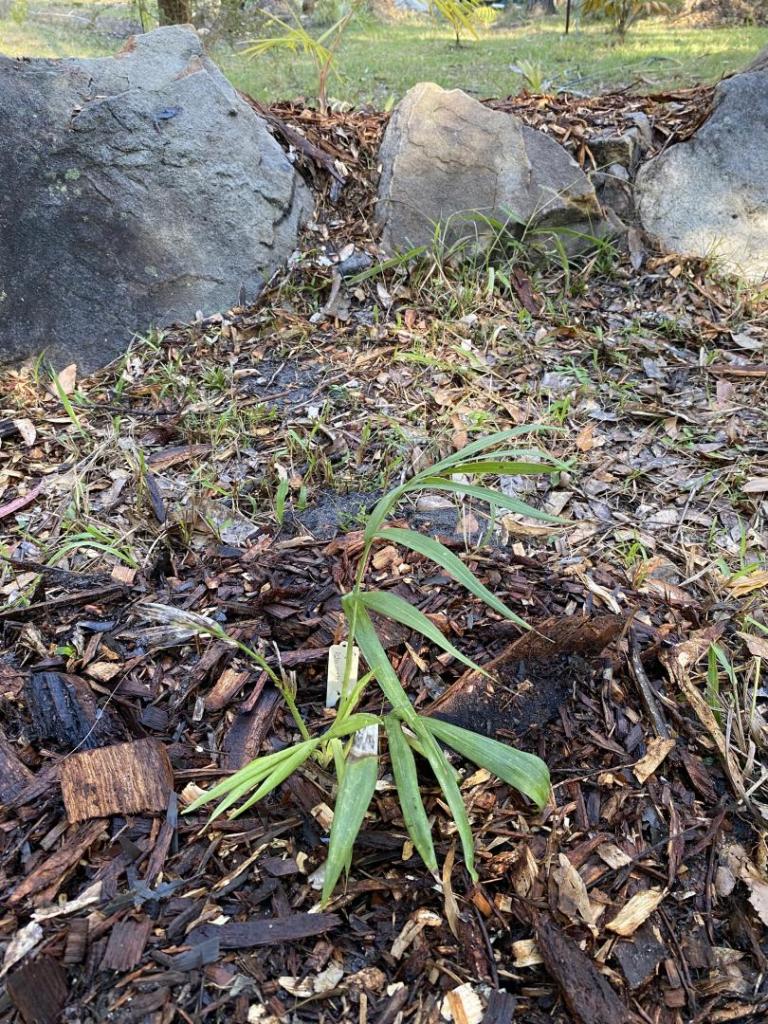
happypalms replied to Jayce's topic in DISCUSSING PALM TREES WORLDWIDESo long as there are no frosts, plant in winter. Super special tropical stuff I wait for spring, but it’s fair game for any proven winter winners in my garden. I just planted my Dypsis robusta taking advice from @tim_brissy_13 about getting it in the ground to improve it’s growth, with it being one of the biggest growing dypsis in the genus, iam only holding it back in a container.
-
.thumb.png.04b3487b96ff29c55b8a8994b91f62b2.png) Than replied to happypalms's topic in DISCUSSING PALM TREES WORLDWIDEActually quite the opposite. The greener, lusher, tropicaler, the better! But decaryi just looks a mess haha
Than replied to happypalms's topic in DISCUSSING PALM TREES WORLDWIDEActually quite the opposite. The greener, lusher, tropicaler, the better! But decaryi just looks a mess haha -
happypalms replied to happypalms's topic in DISCUSSING PALM TREES WORLDWIDESome of my ones are nearly ready to send on that big holiday overseas, plus a few other varieties coming soon! Good to see the palm community is alive and well in the EU!
-
happypalms replied to happypalms's topic in DISCUSSING PALM TREES WORLDWIDETheres quite a few Livistona varieties in Australia. You still see Australis for sale in the odd retail nurseries, but the big chain stores dont touch (them no pun intended) they can’t have there special customers getting jabbed by thorns can they, it would upset the sales department. It’s only the real collecter nurseries or specialty nurseries that grow them. Australis is in good demand for the landcare groups for regeneration projects. Also in demand by the native plant gardener who only wants Australian plants for their garden, and theres quite a lot of those gardens around. So thorns or no thorns they are here to stay. Mind you though some of those South American palms from the Amazon are pretty deadly!
-
 Phoenikakias replied to jdapalms's topic in DISCUSSING PALM TREES WORLDWIDEGood luck, more probably the second hurdle is more challenging, at least in my climate. Same with Wettinia..
 -
Phoenikakias replied to happypalms's topic in DISCUSSING PALM TREES WORLDWIDELol I know already one person...
-
happypalms replied to happypalms's topic in DISCUSSING PALM TREES WORLDWIDELooking pretty good, you should get a few seeds. I hear they are wanted in Europe!
-
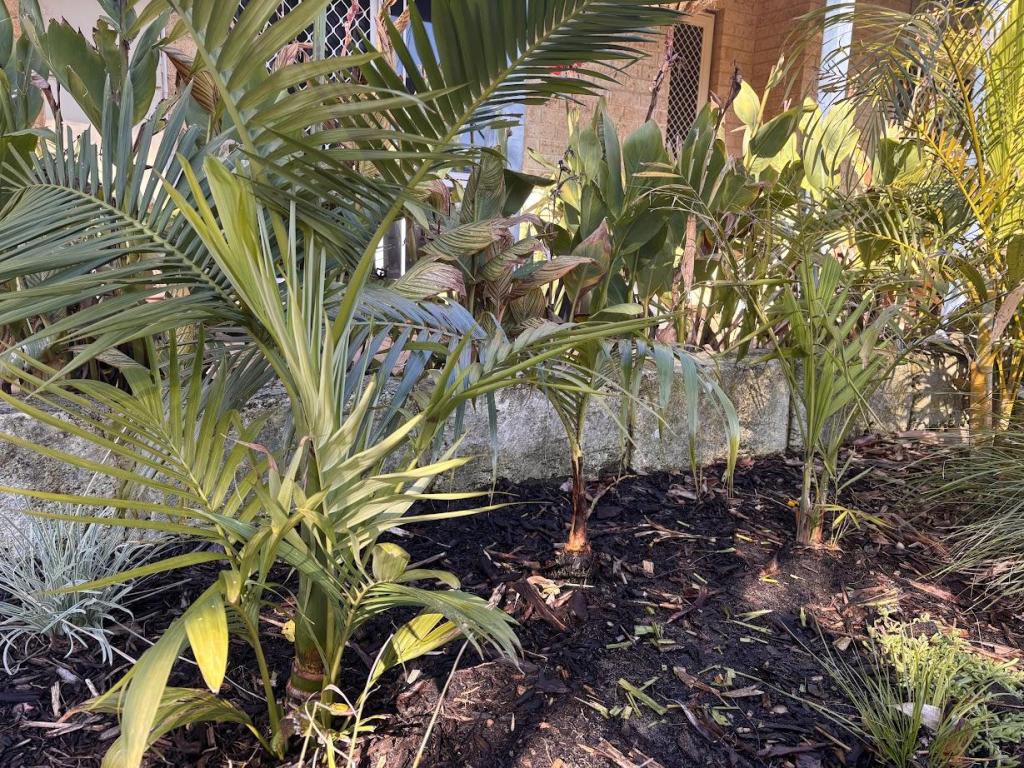
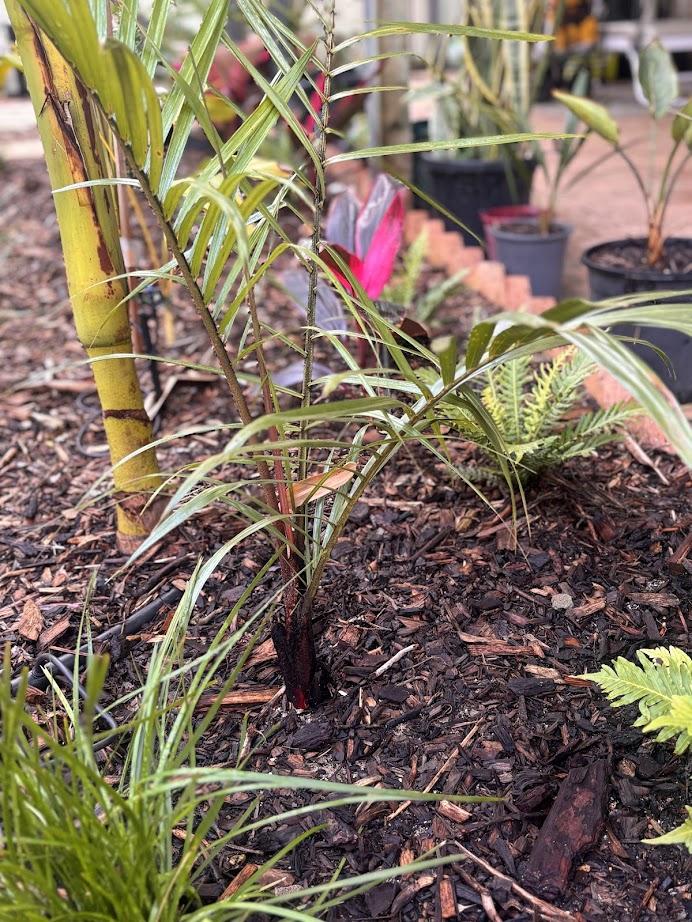
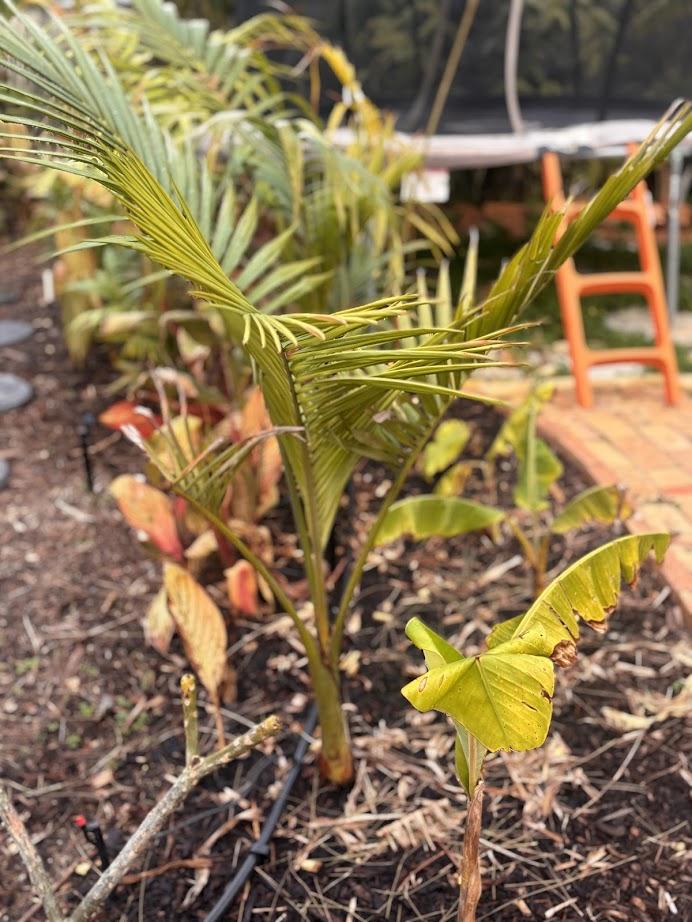
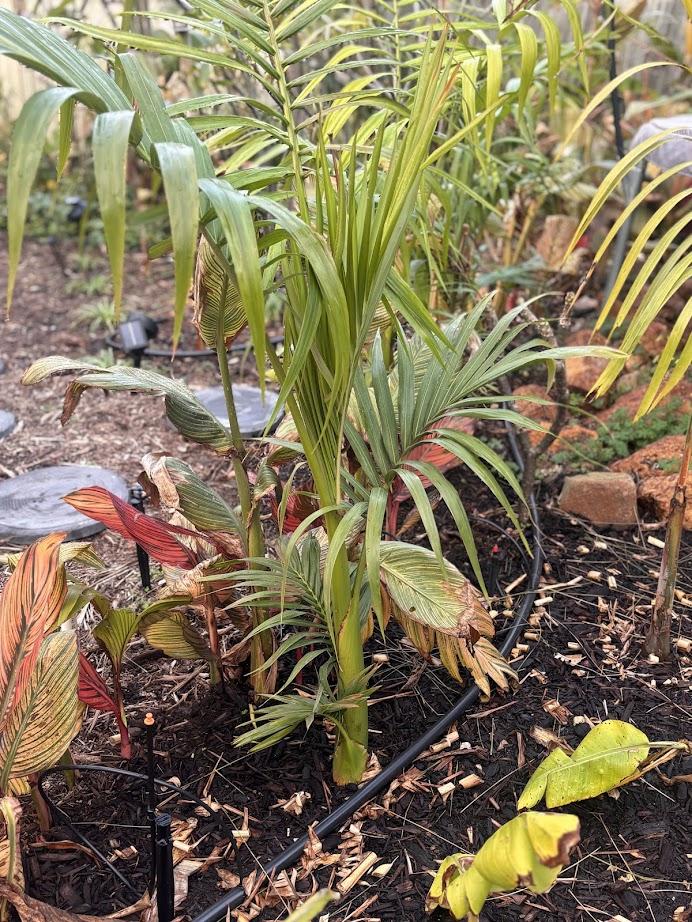
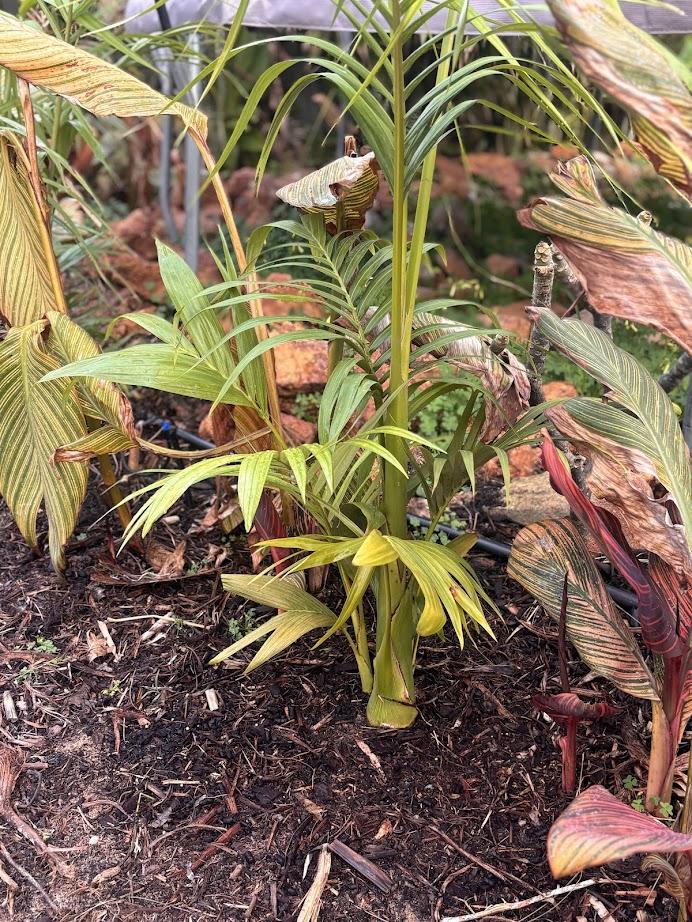
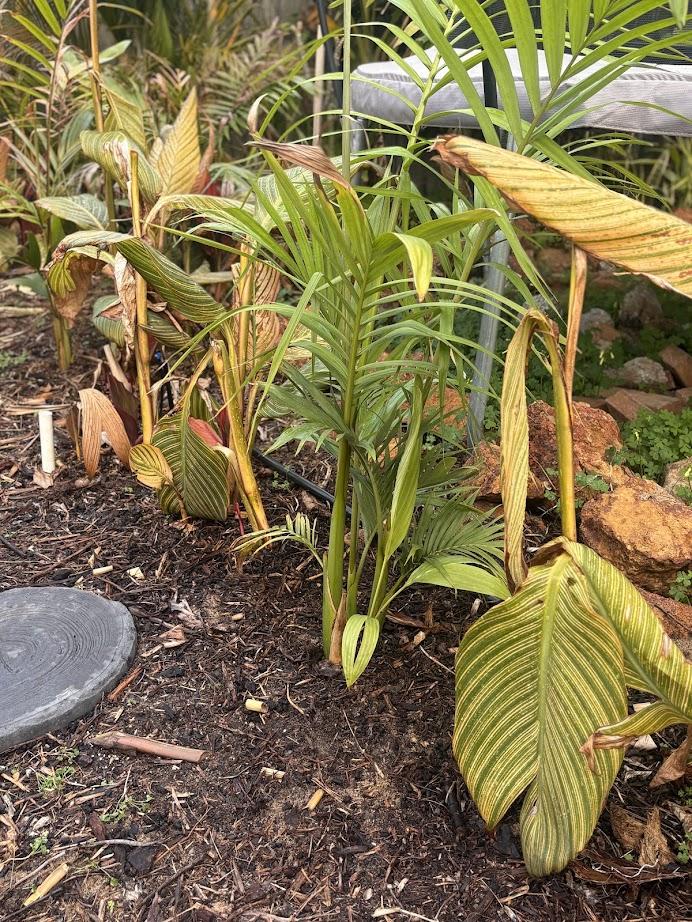
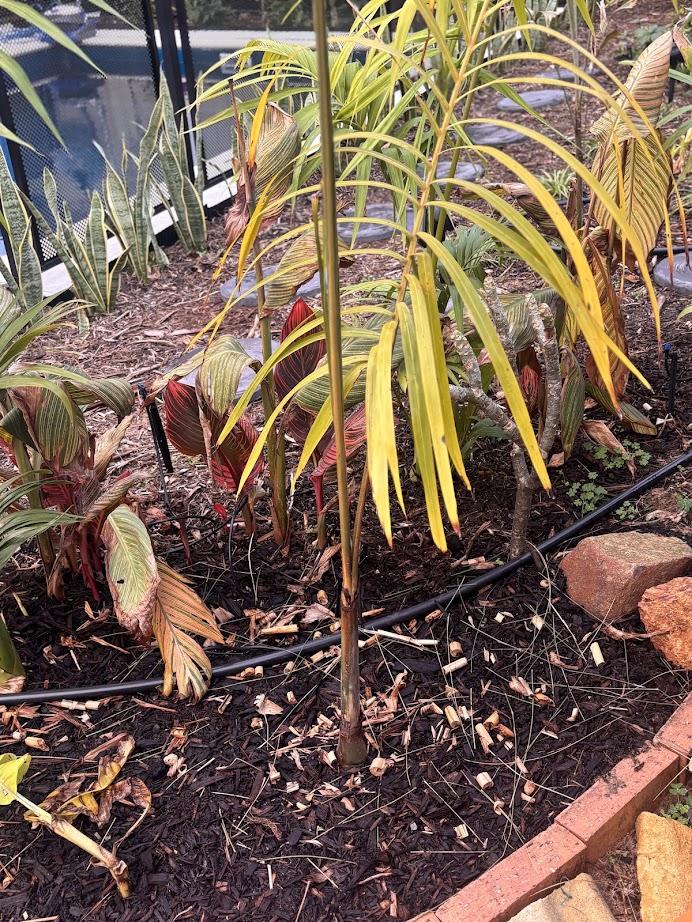
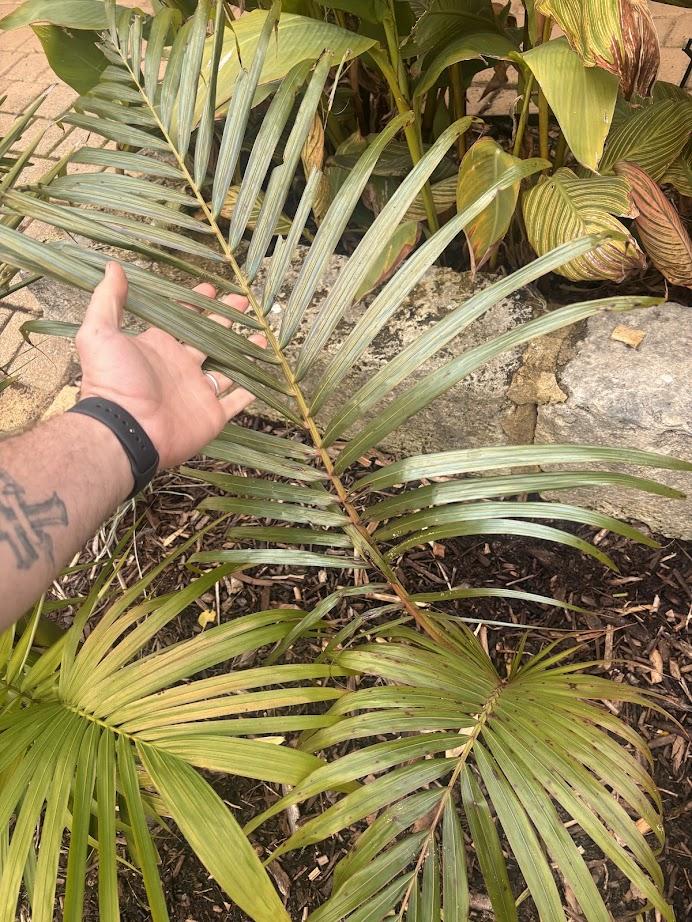
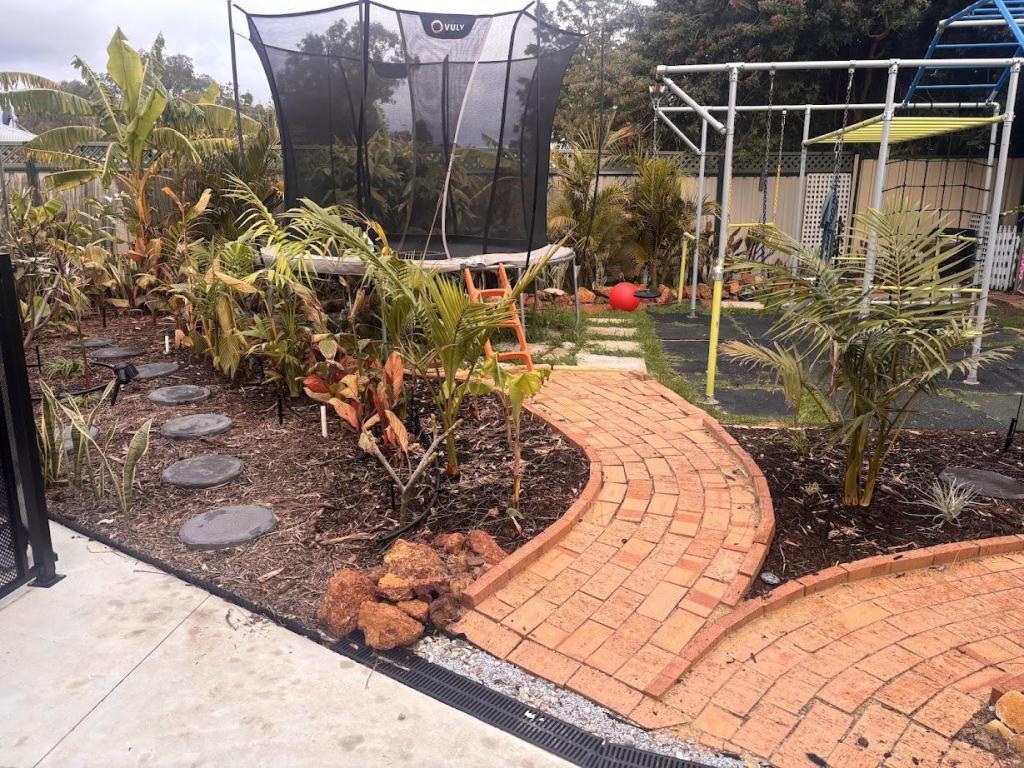
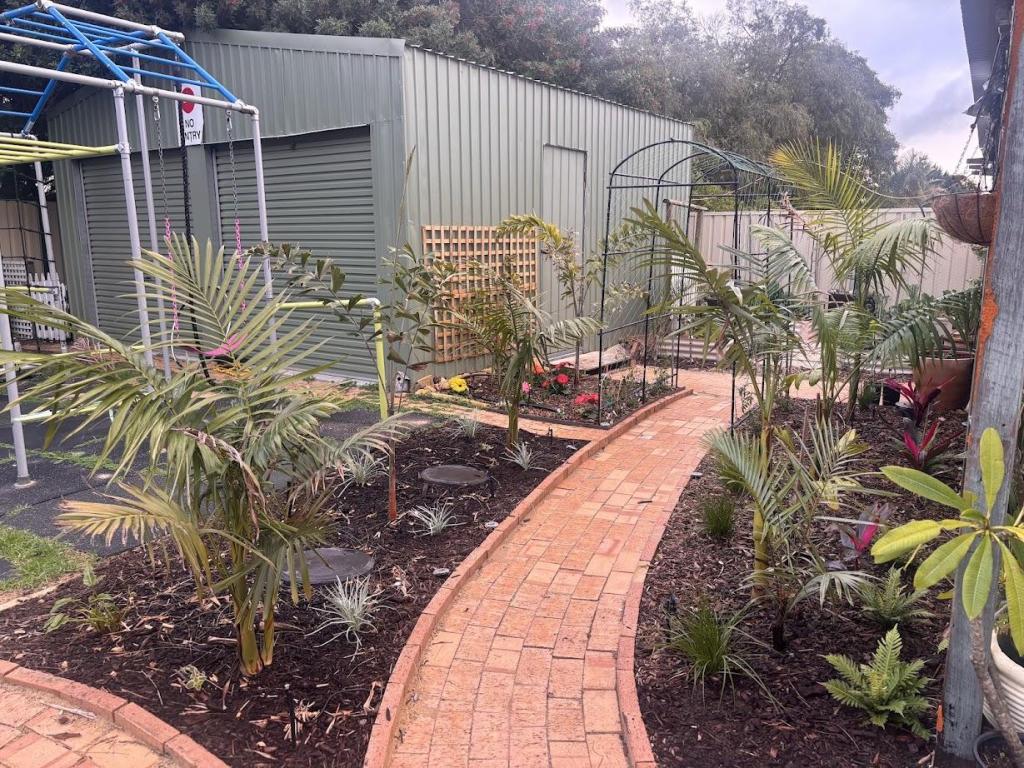
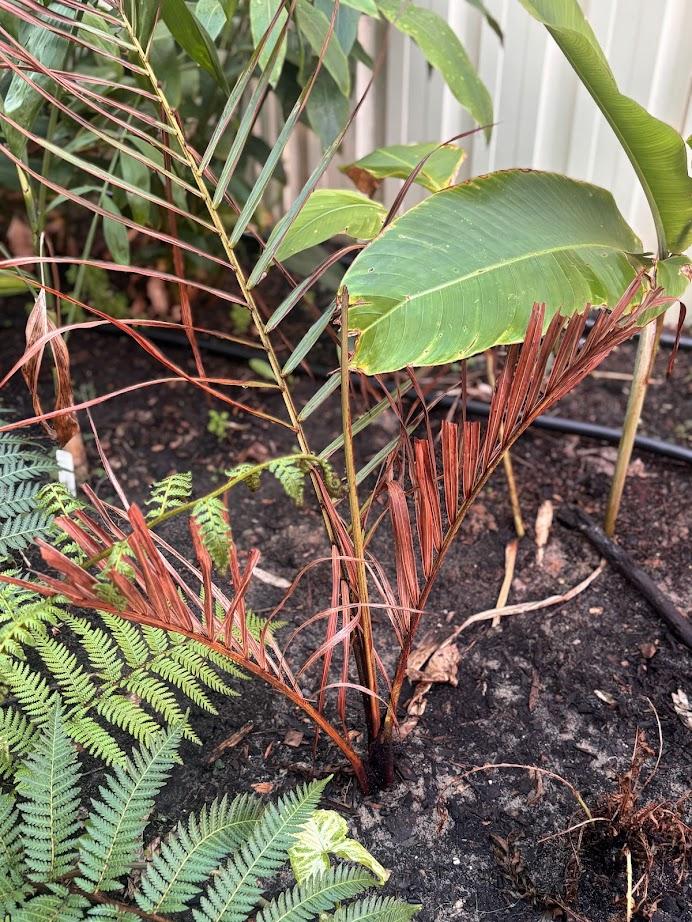
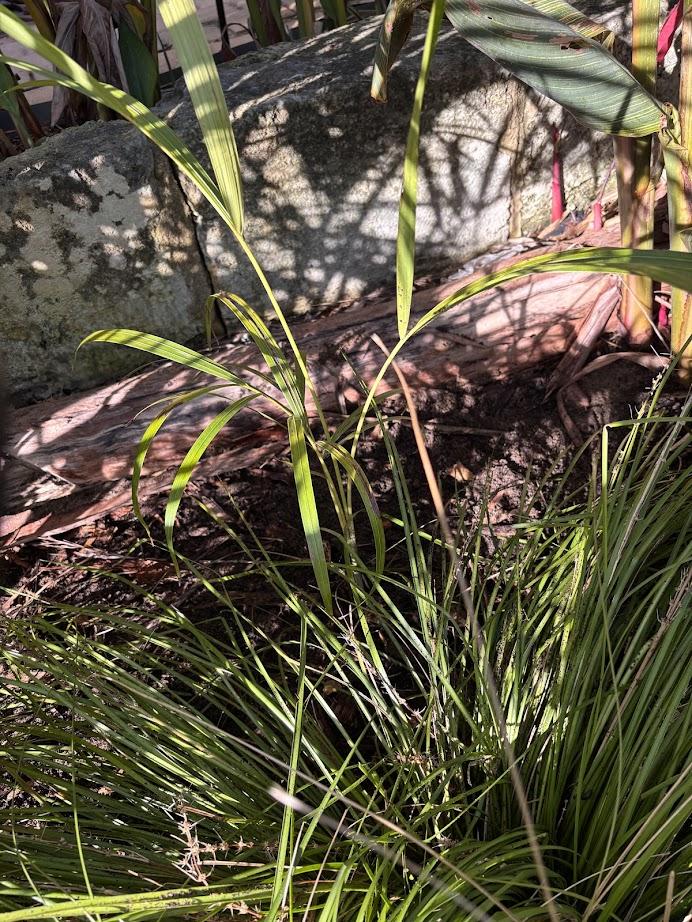
 Jayce replied to Jayce's topic in DISCUSSING PALM TREES WORLDWIDEPlanted a few palms today on a nice cold day, not ideal planting throughout winter but I can't help not doing anything in the garden. Grabbed a standard Chambeyronia macrocarpa (already have hookeri and watermelon planted). 4x Archontophoenix alexandrae (Two multiplanted which were mislabeled as Bangalow from an aussie big box store) and two singles I bought from my usual palm nursery. 1x Carpentaria acuminata, 1x Chrysalidocarpus arenarum, 1x Chrysalidocarpus leptocheilos to replace one that never acclimatized and got fried by cold winds or some other factor which I've relocated to a shady/protected spot which will hopefully recover in time. Also been wanting to try Dictyosperma album for a while, got my hands on a very stunted and horrible looking specimen for next to nothing, don't have high hopes but will see how she goes. Chambeyronia macrocarpa Dictyosperma album - Not a great shot but planted between an albang hybrid and a macarthur palm. It's already trunking but very stunted as was in a small pot for last 5 or so years. Chrysalidocarpus leptocheilos Archontophoenix alexandrae Carpentaria acuminata Relocated redneck palm certainly is a bit red.. Chrysalidocarpus arenarum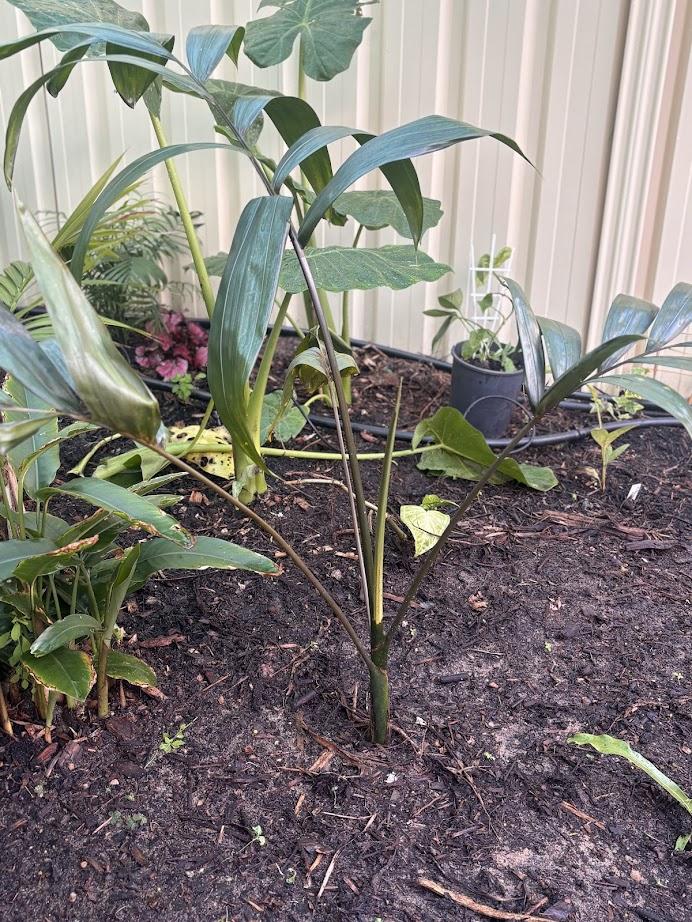
-
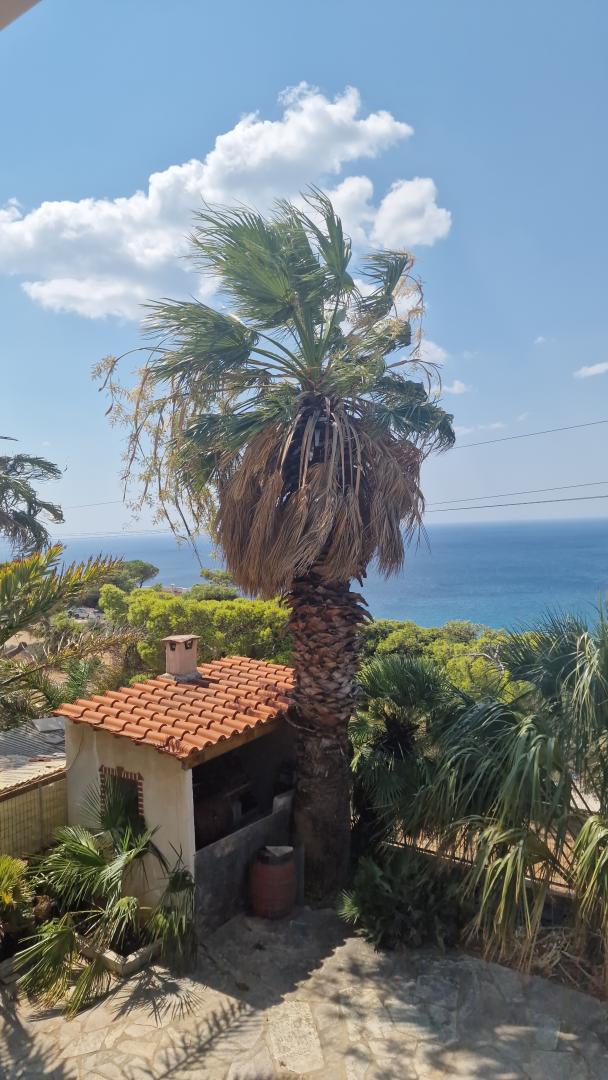
Phoenikakias replied to Bradgray's topic in DISCUSSING PALM TREES WORLDWIDEHere's my poor contribution to the topic. Last year we had only about 89 mm of rainfall during the whole 12 months before last autumn of 2025. All Washingtonia specimens resembling filifera, whether pure or hybrids displayed certain stress signs. Even mine. I come gradually to the conclusion those stress signs had been caused by drought because a carpet-like group of Chamaerops offshoots to the base of the Washingtonia was sucking dry the Washingtonia. And here is same plant today after a relatively good year in rainfall (113 mm so far). Of besides watering O had applied last year once a good so8l drenching with a systemic root fungicide (tolclofos-methyl) primarily against rhizoctonia.
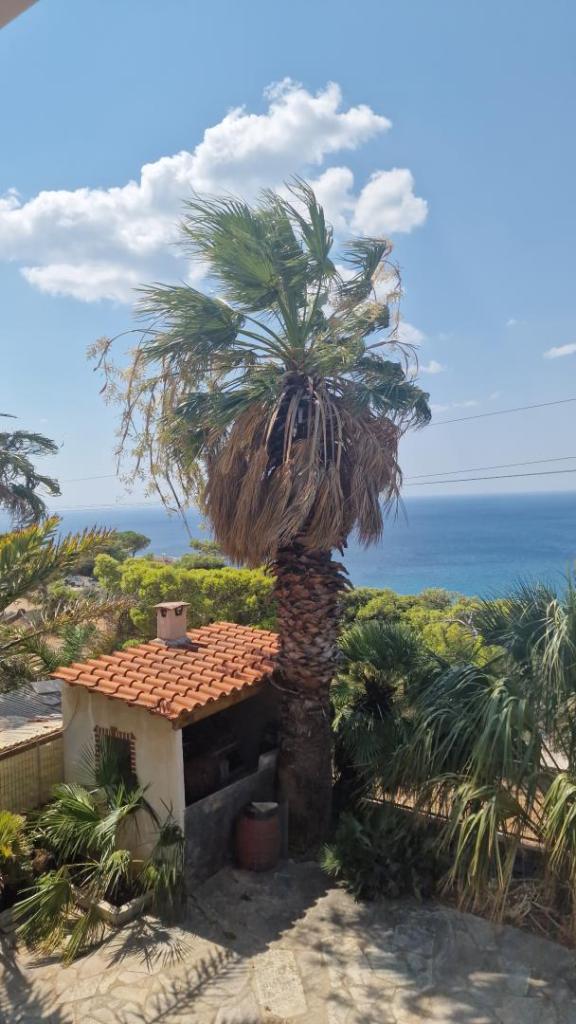
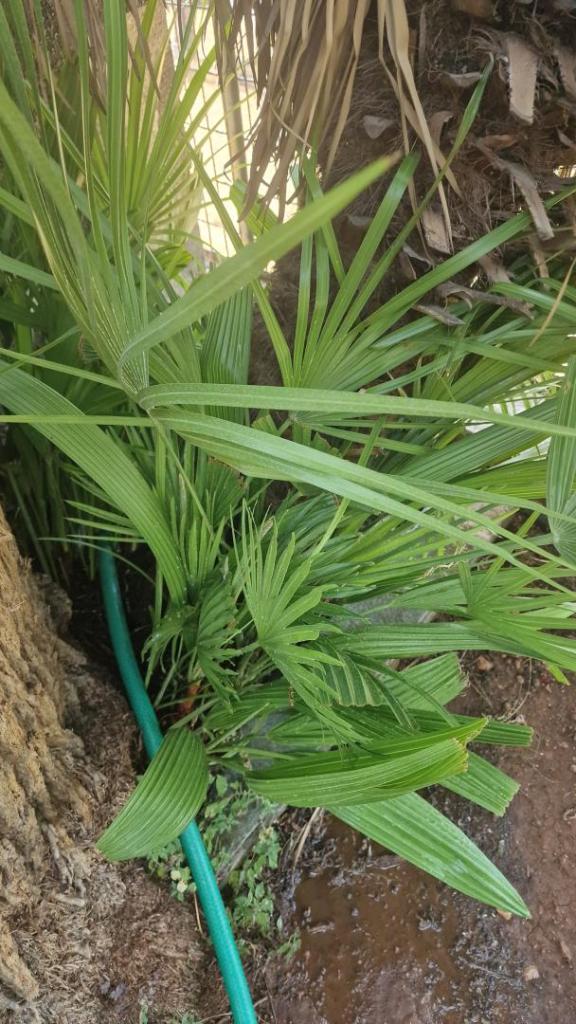
-
Phoenikakias replied to George N's topic in DISCUSSING PALM TREES WORLDWIDEHere's my poor contribution to the topic. Last year we had only about 89 mm of rainfall during the whole 12 months before last autumn of 2025. All Washingtonia specimens resembling filifera, whether pure or hybrids displayed certain stress signs. Even mine. I come gradually to the conclusion those stress signs had been caused by drought because a carpet-like group of Chamaerops offshoots to the base of the Washingtonia was sucking dry the Washingtonia. Here is an old post https://www.palmtalk.org/forum/topic/91760-washingtonia-filifera-either-pure-or-filibusta-showing-stress-signs/#comment-1237332 And here is same plant today after a relatively good year in rainfall (113 mm so far). Of besides watering O had applied last year once a good so8l drenching with a systemic root fungicide (tolclofos-methyl) primarily against rhizoctonia.
-
Phoenikakias replied to happypalms's topic in DISCUSSING PALM TREES WORLDWIDECertainly
-
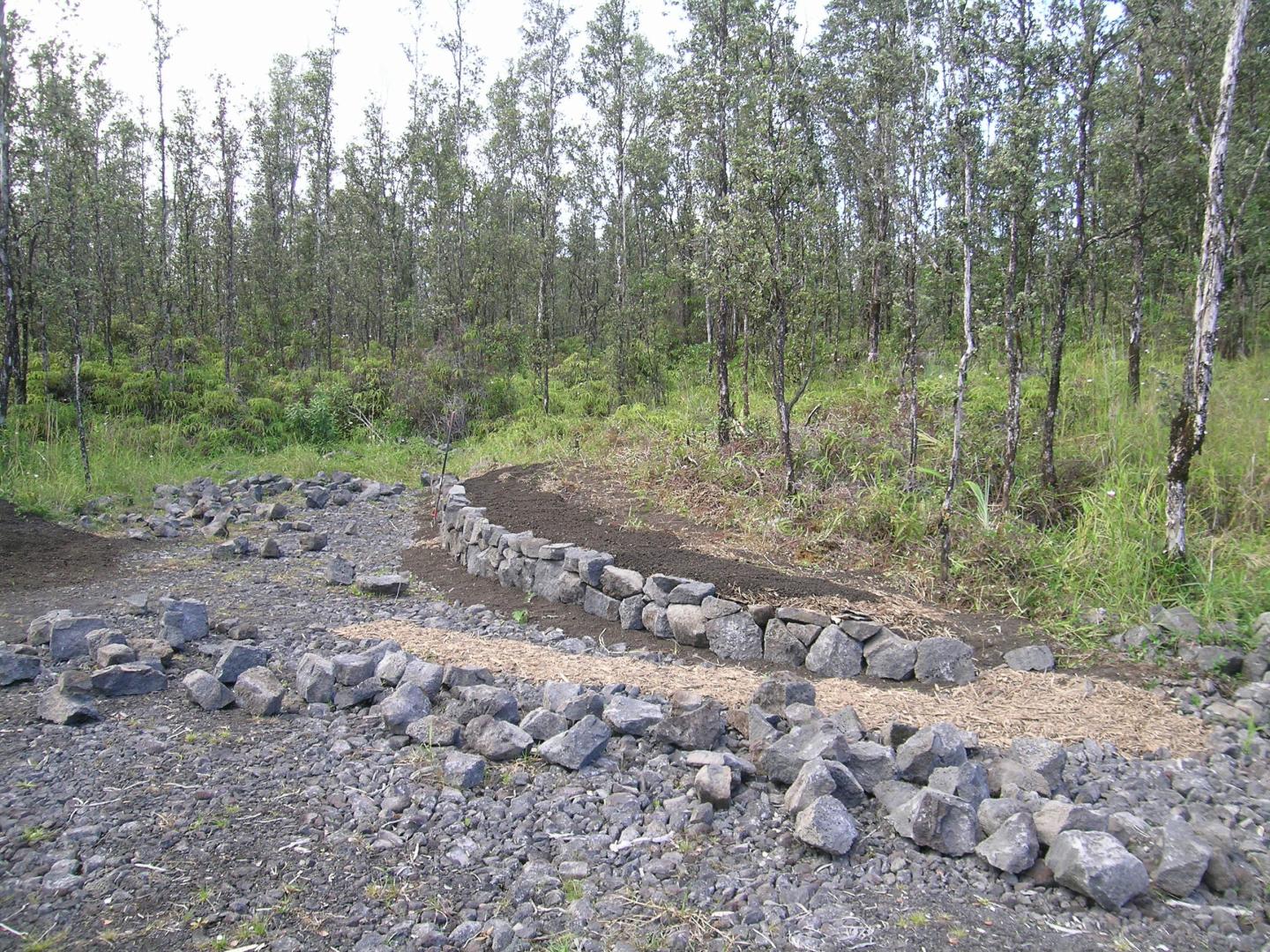
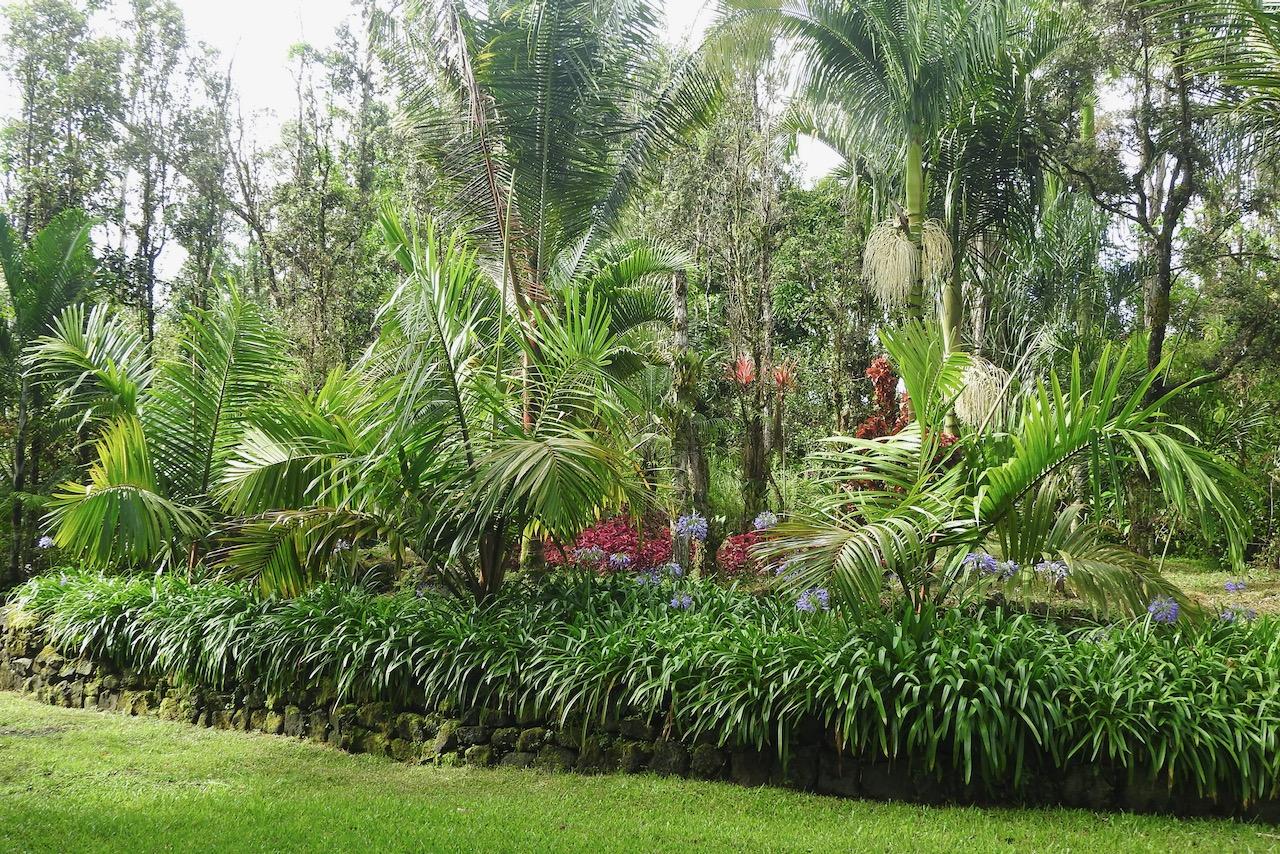
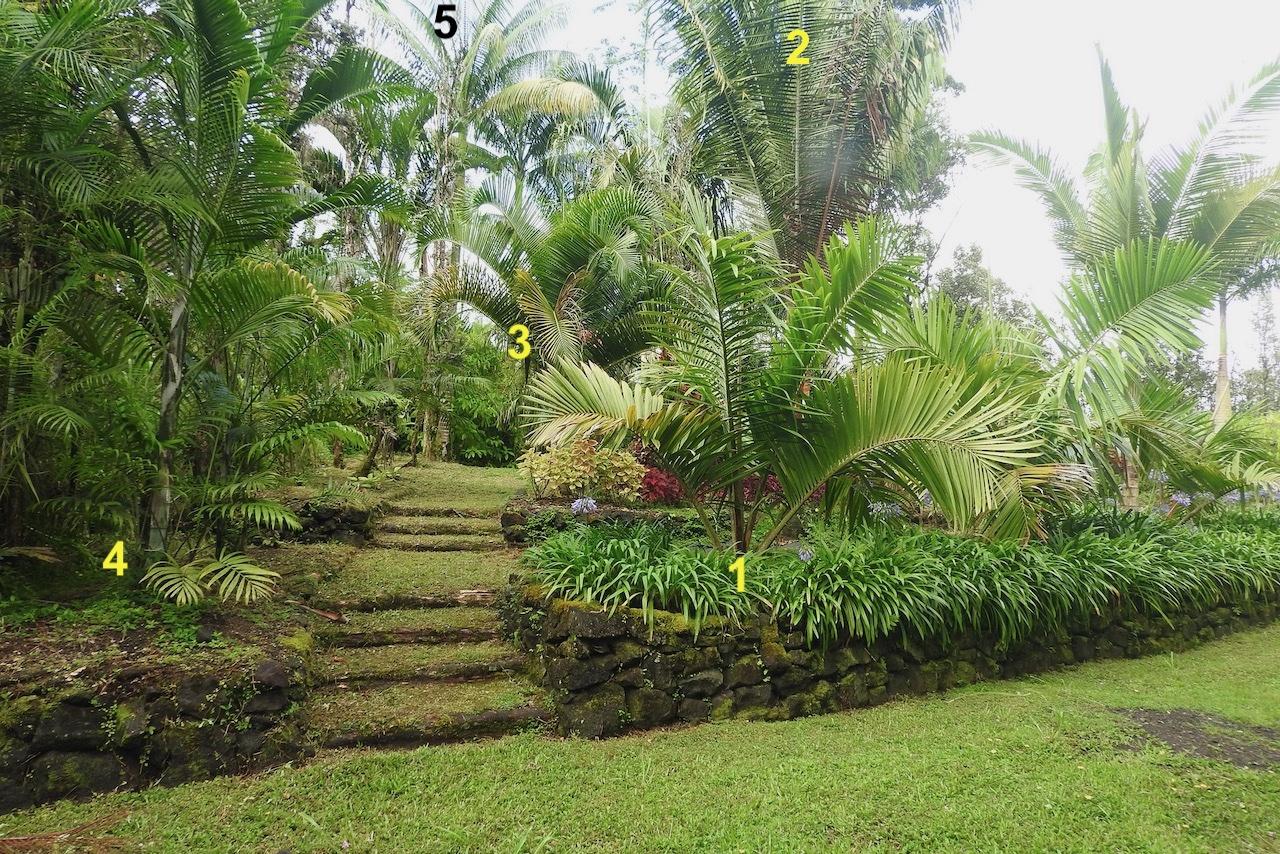
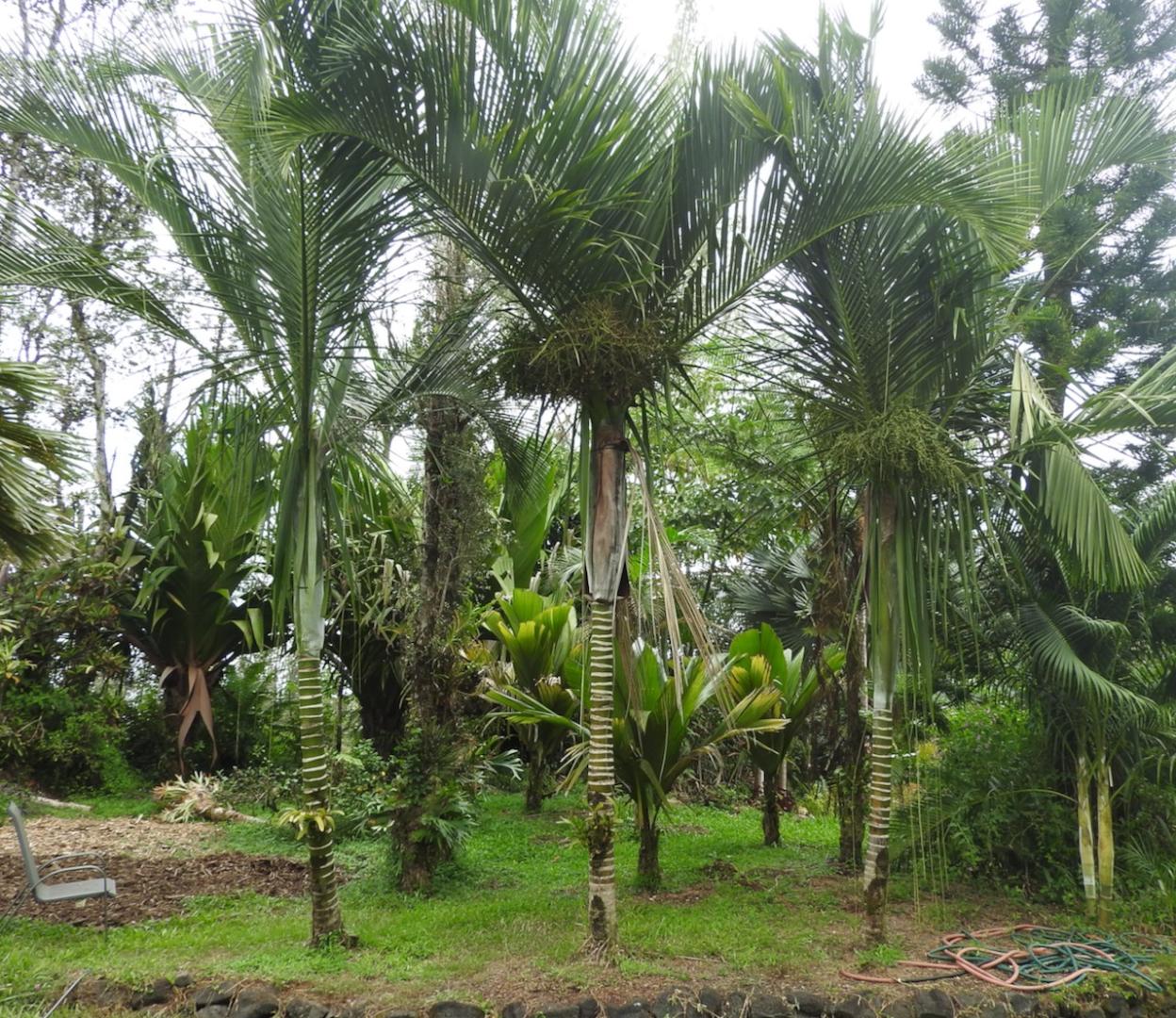
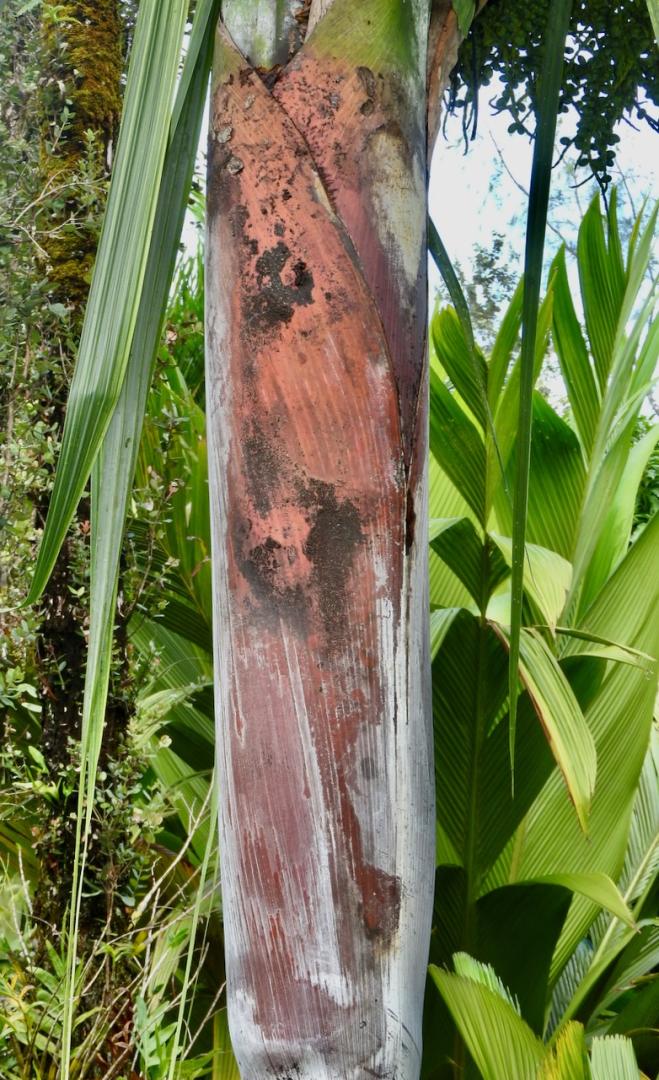
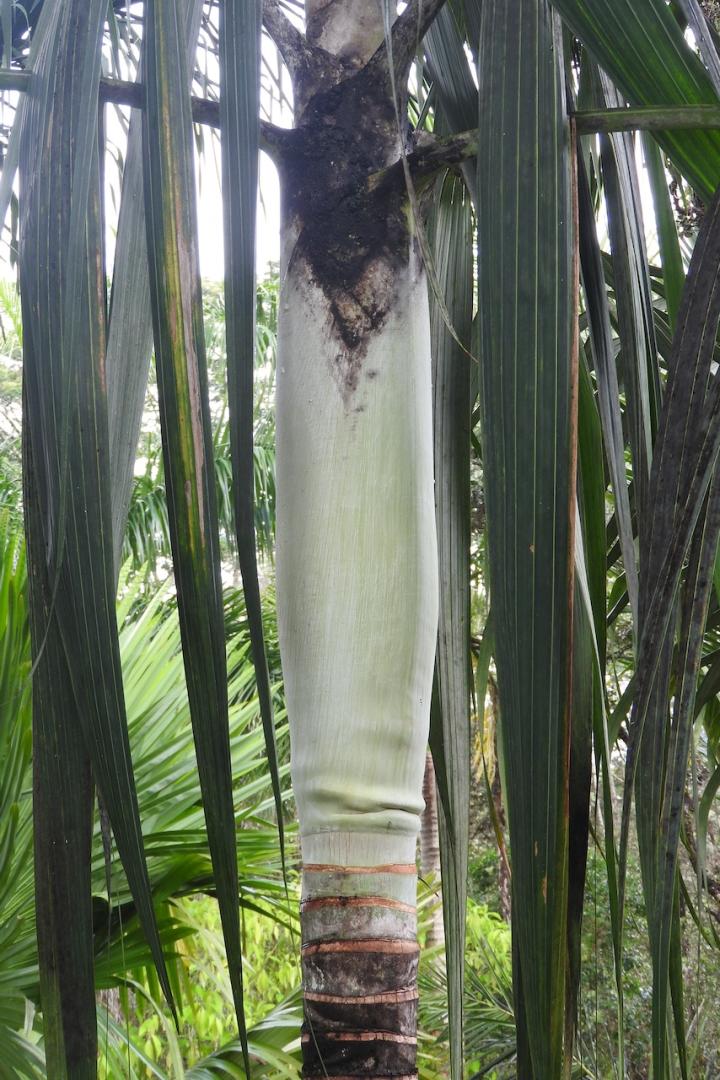
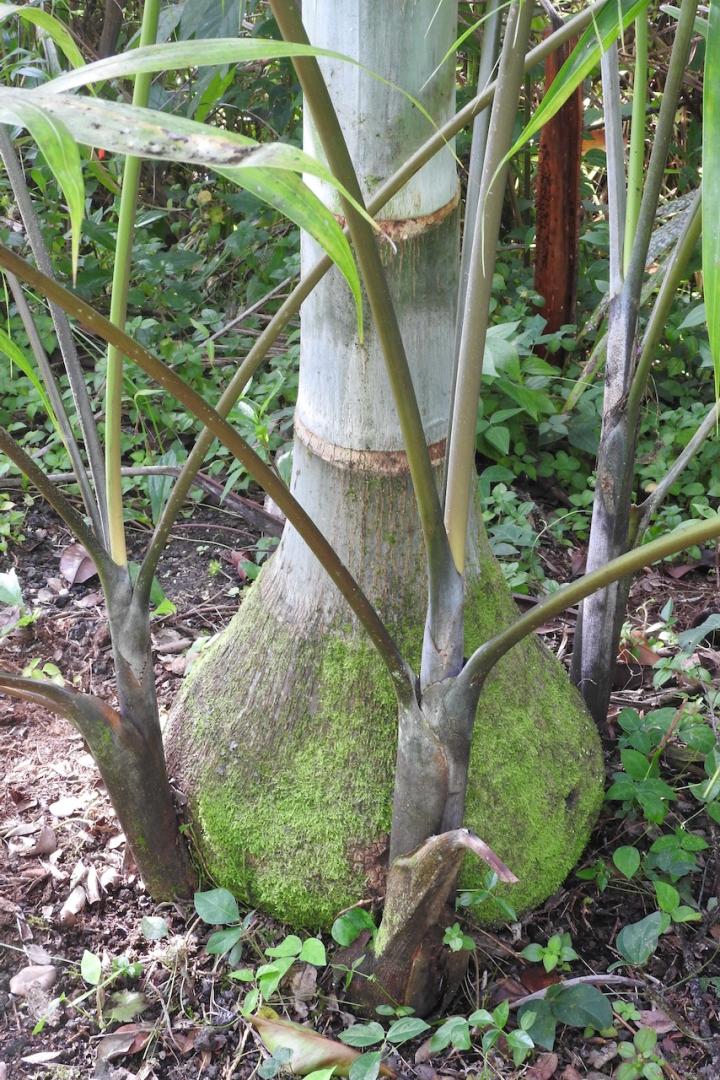
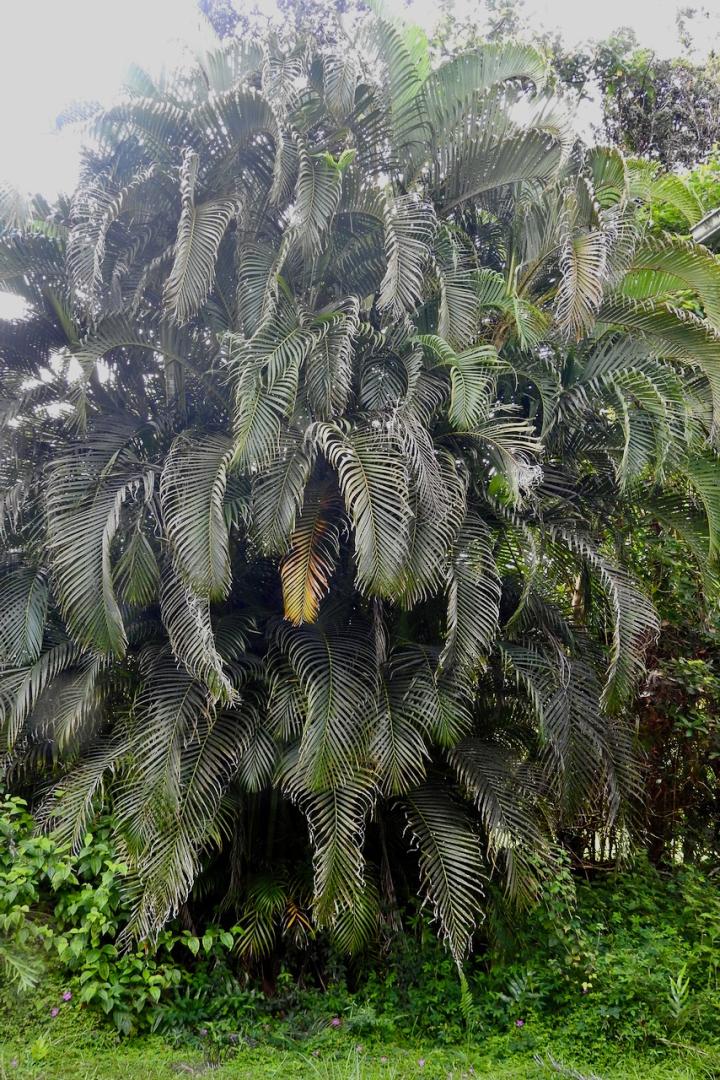
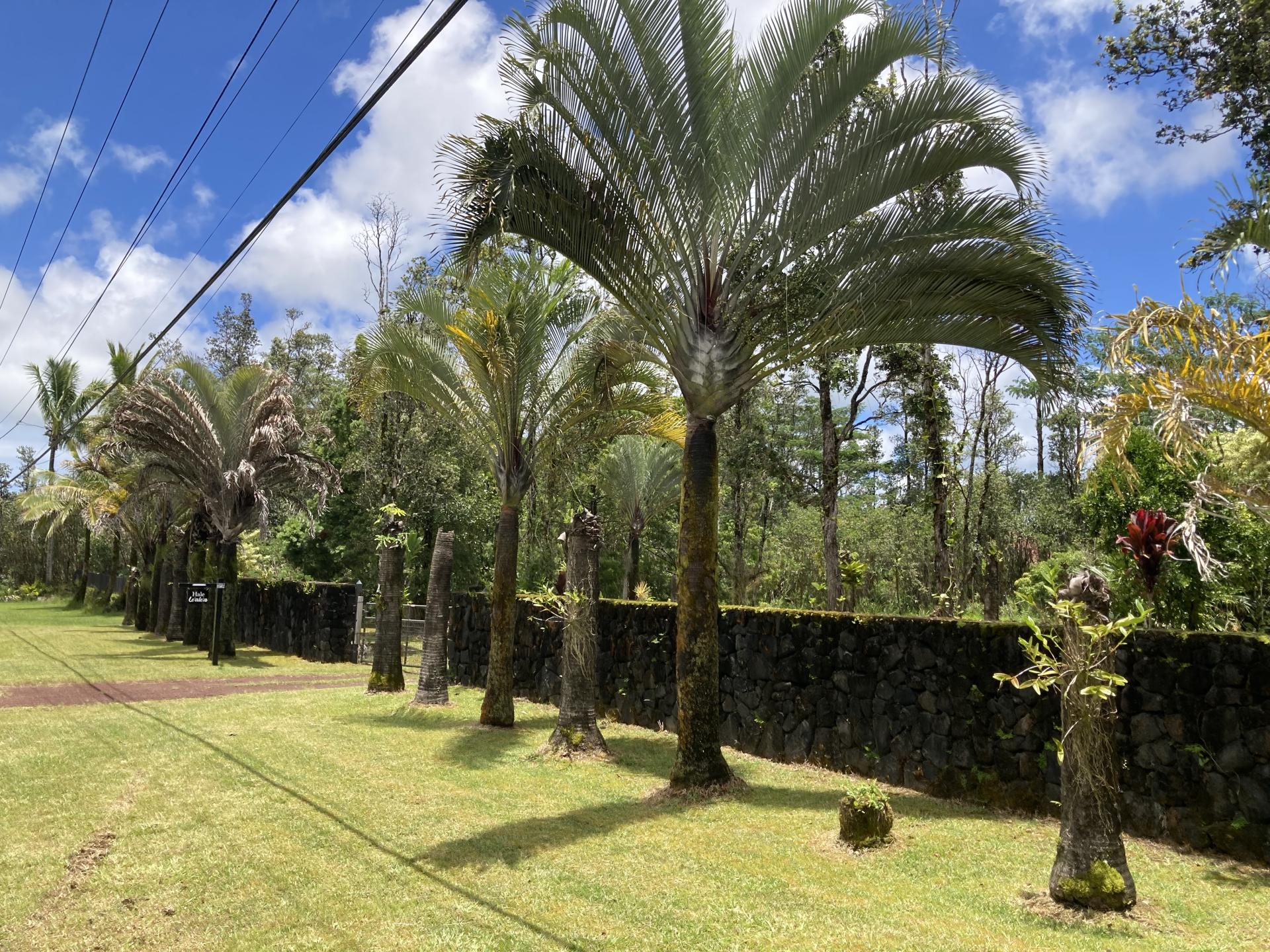
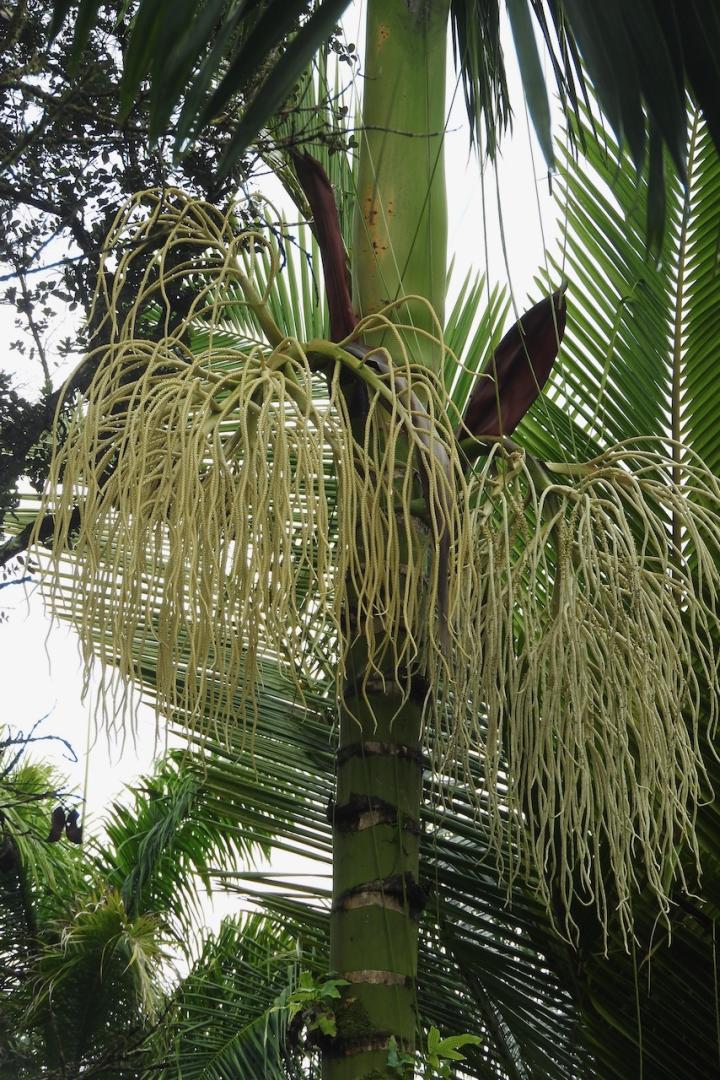
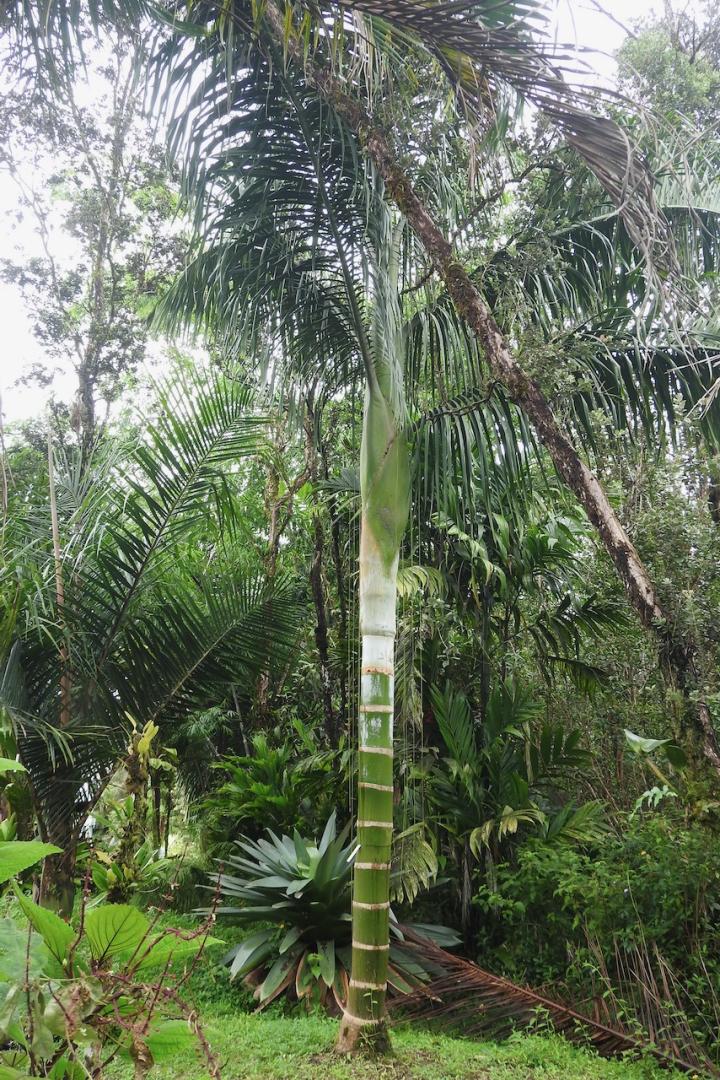
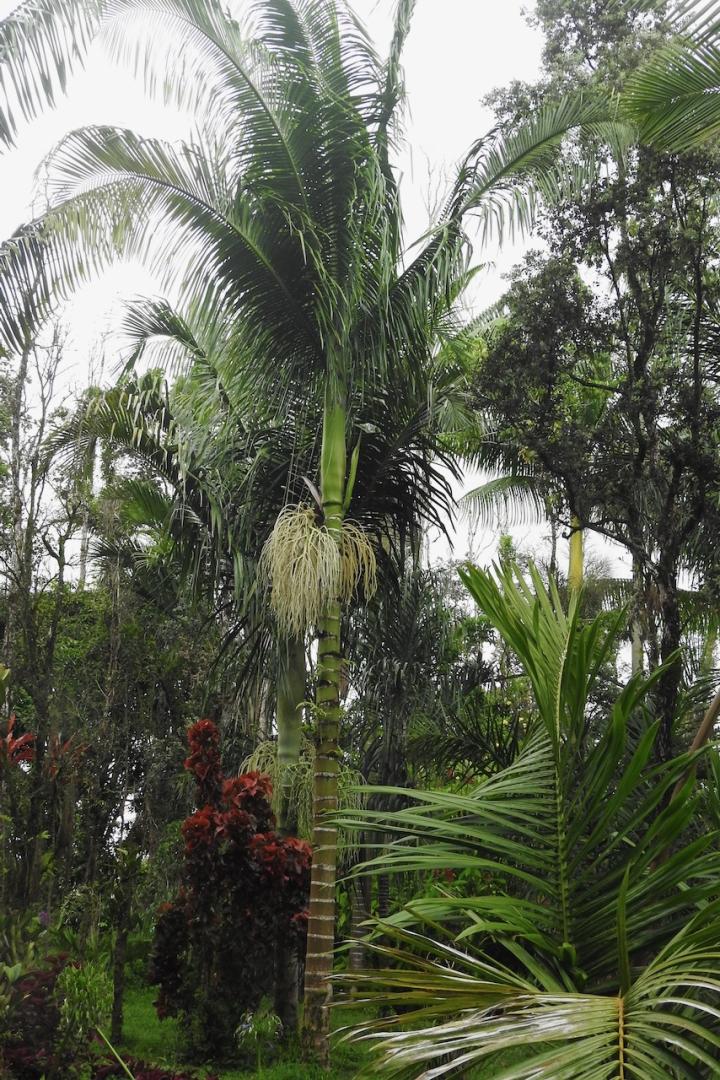
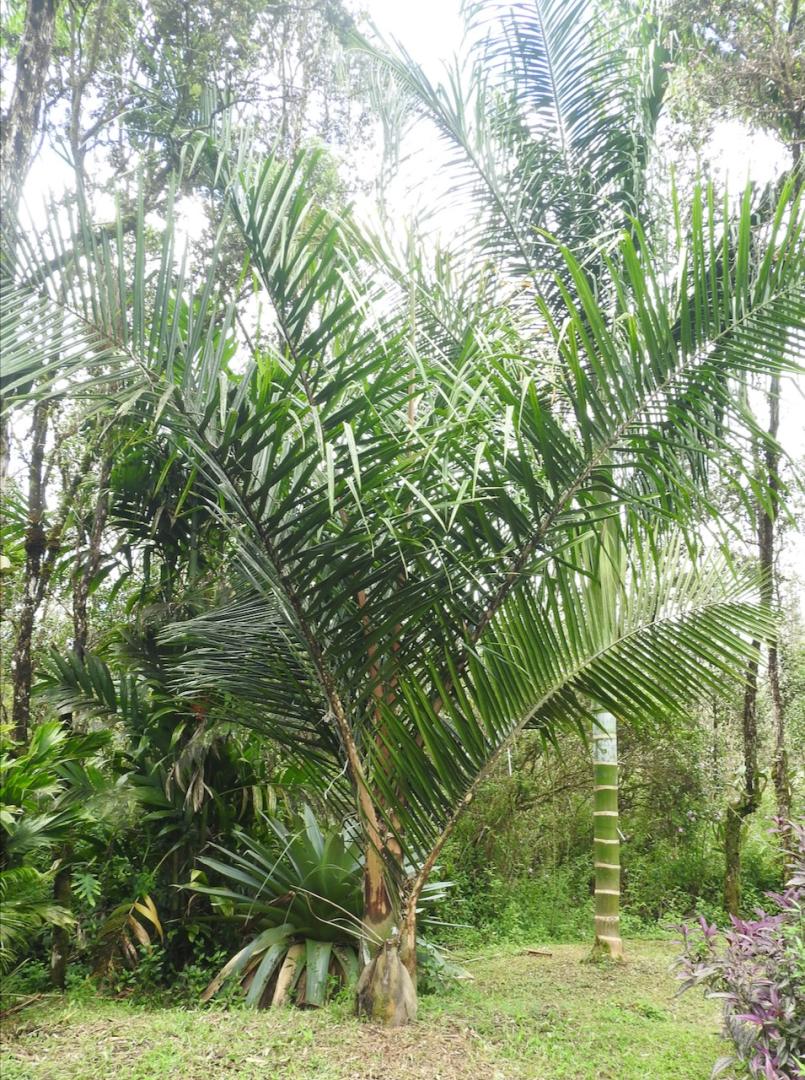
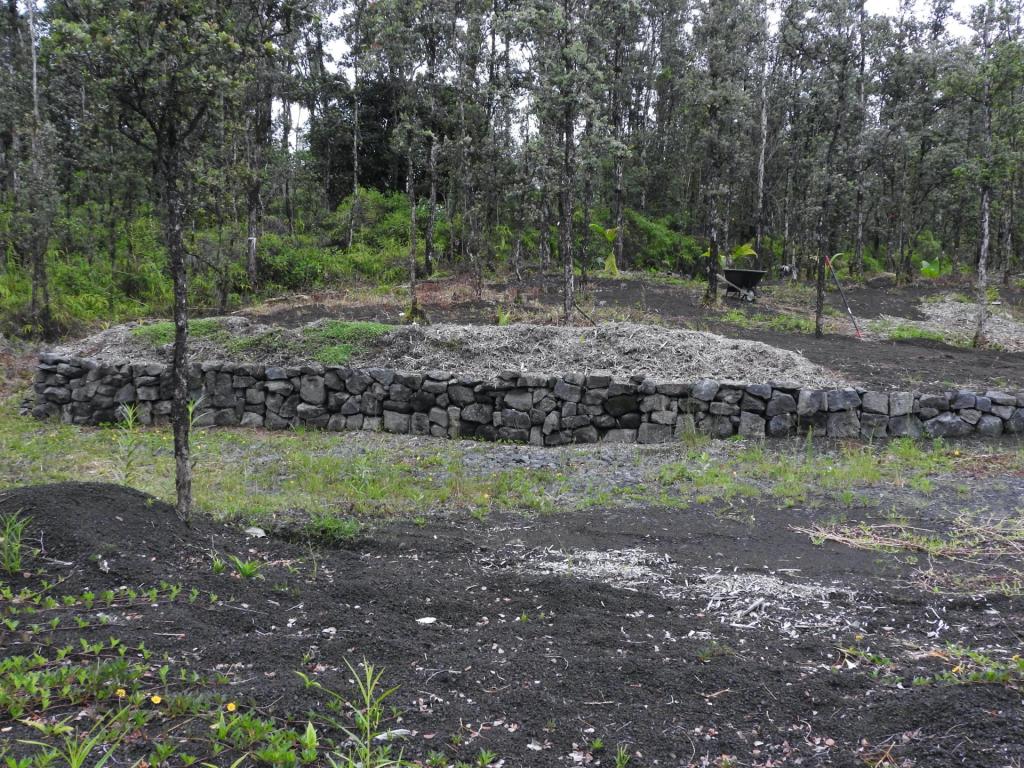
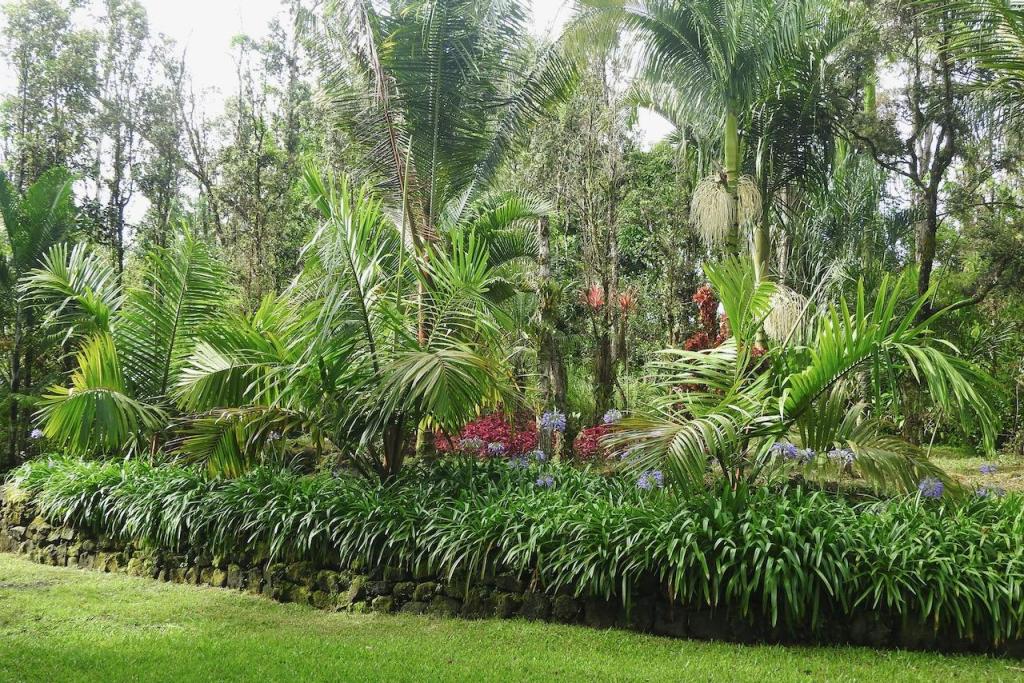
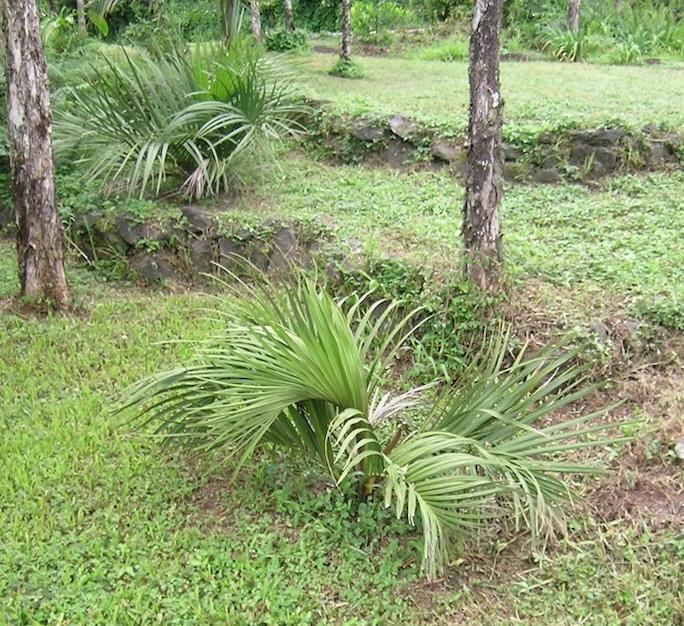
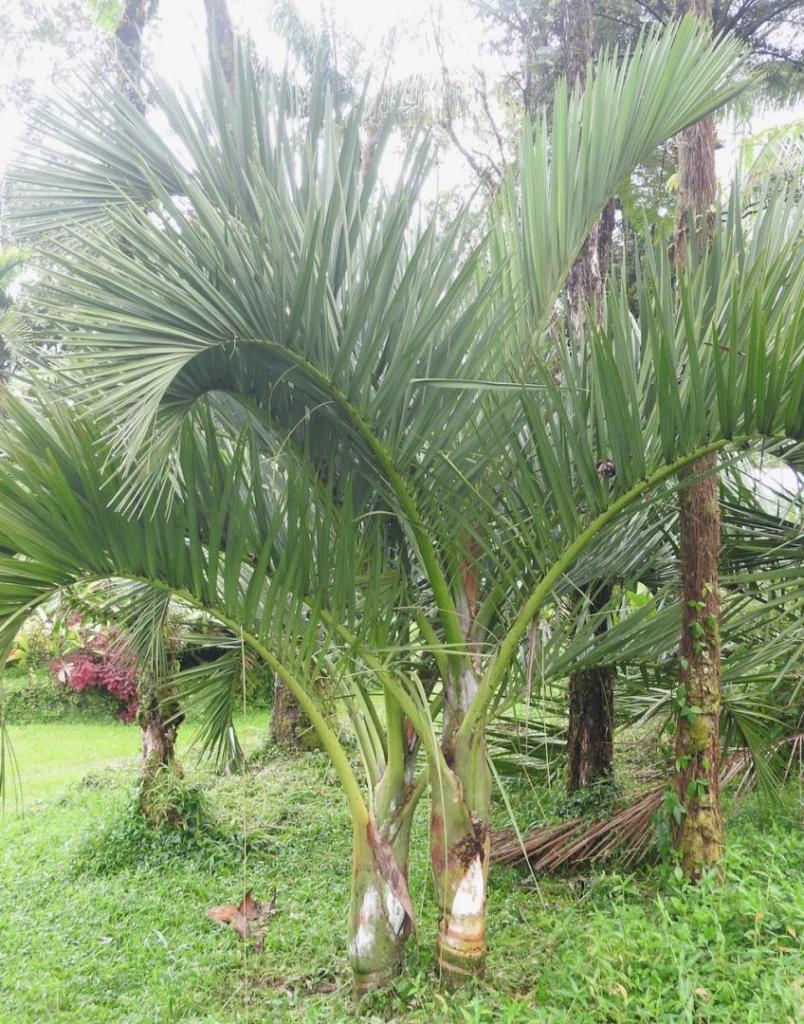
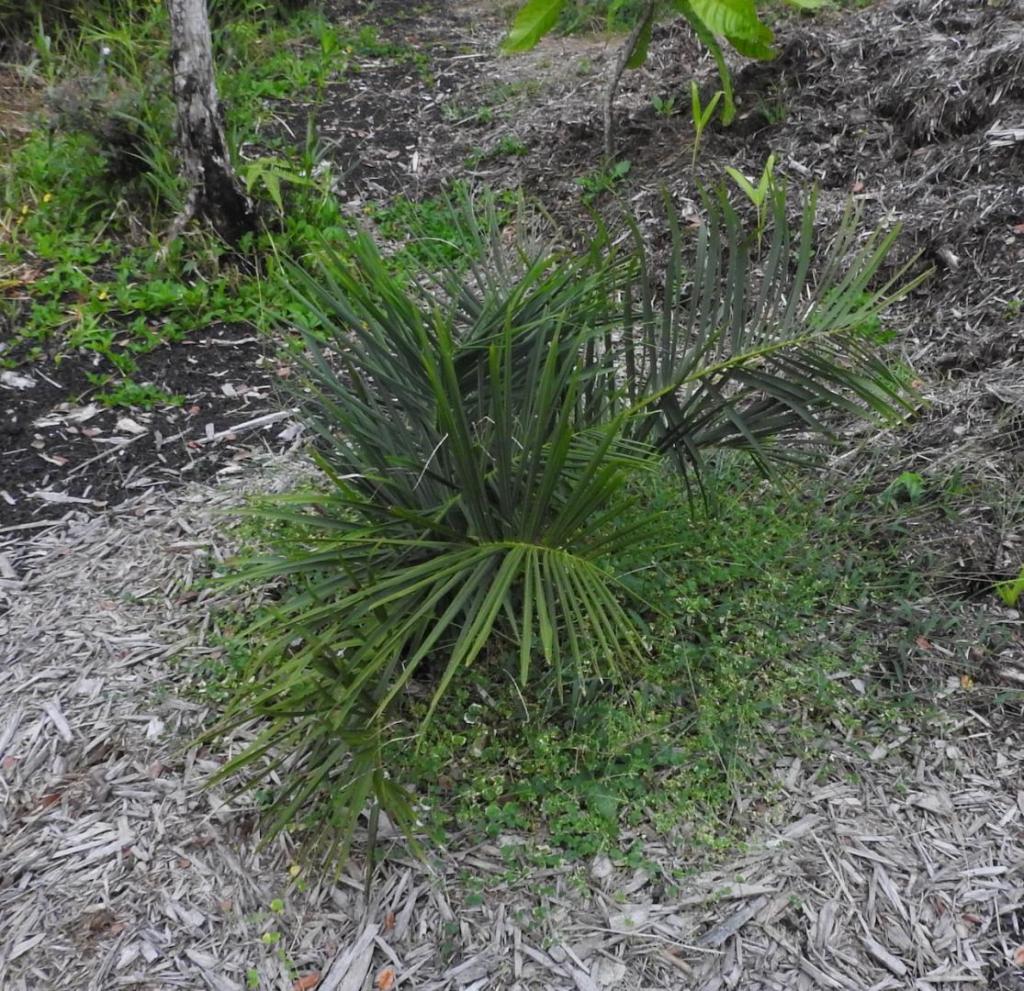
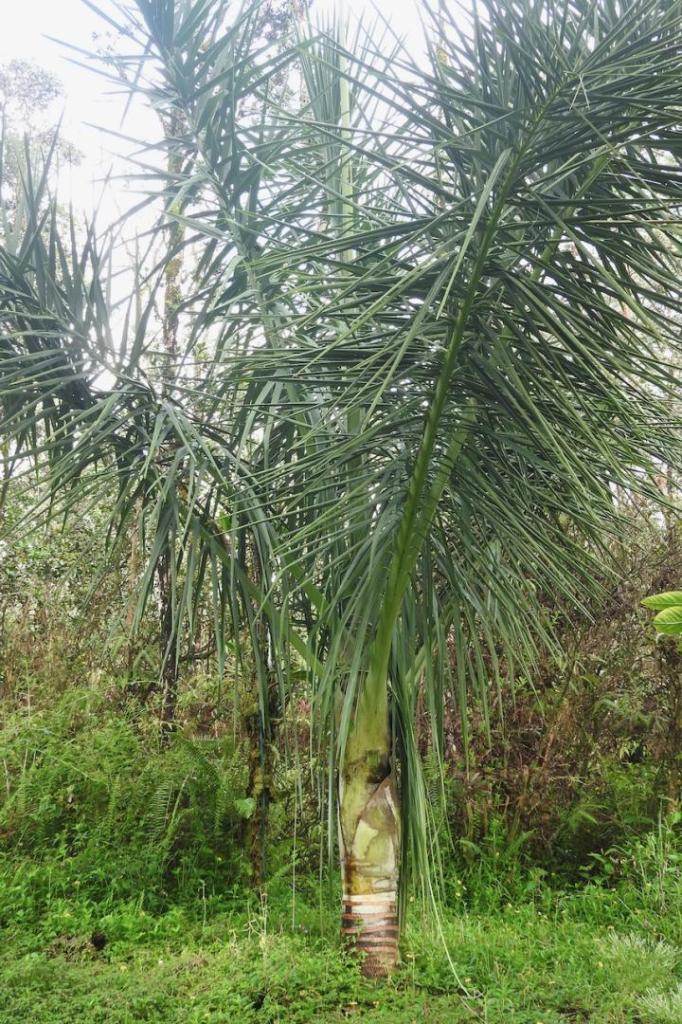
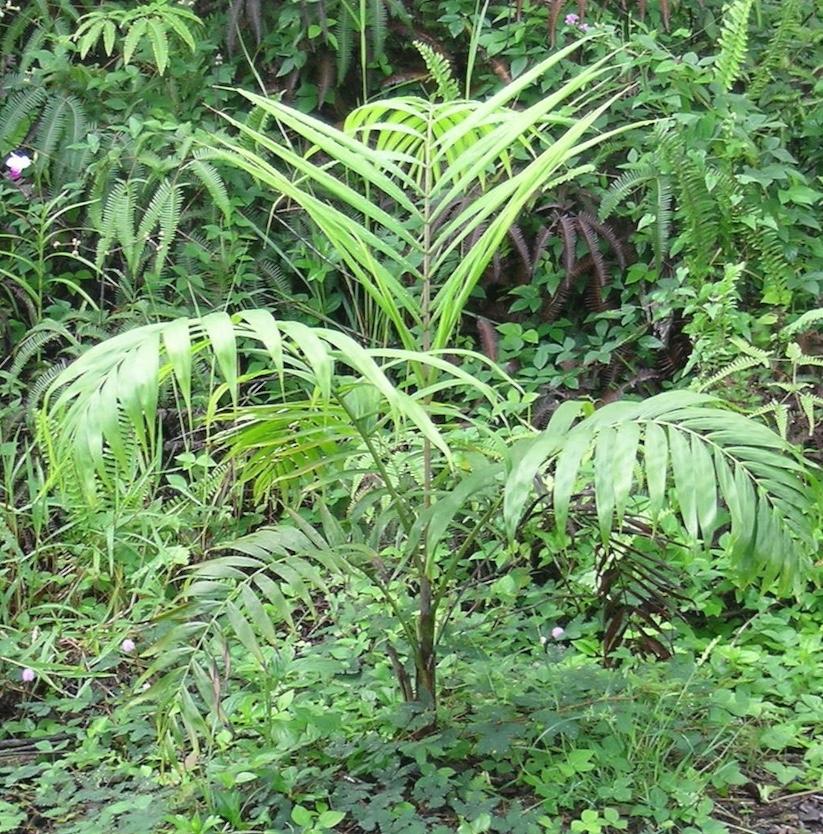
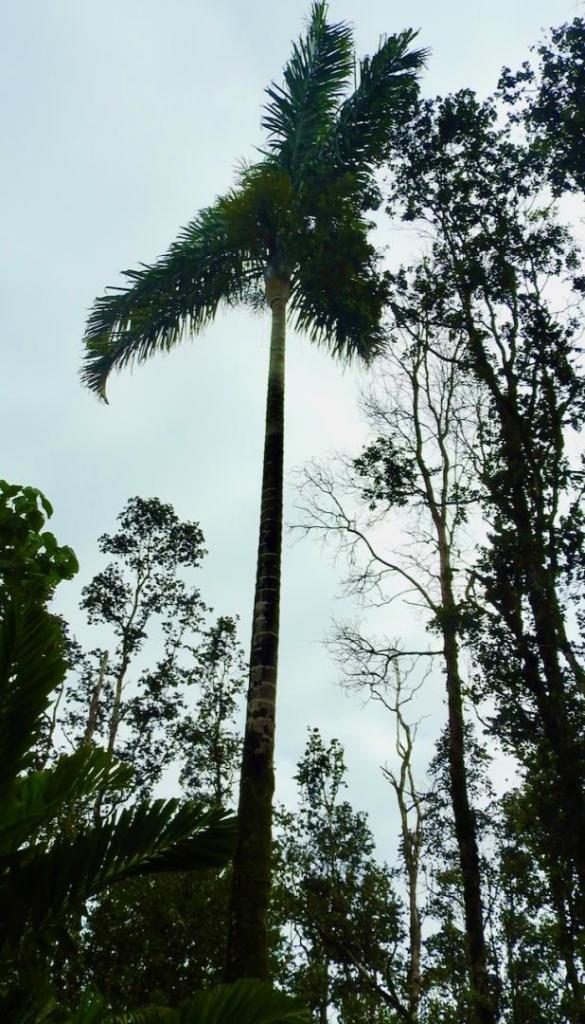
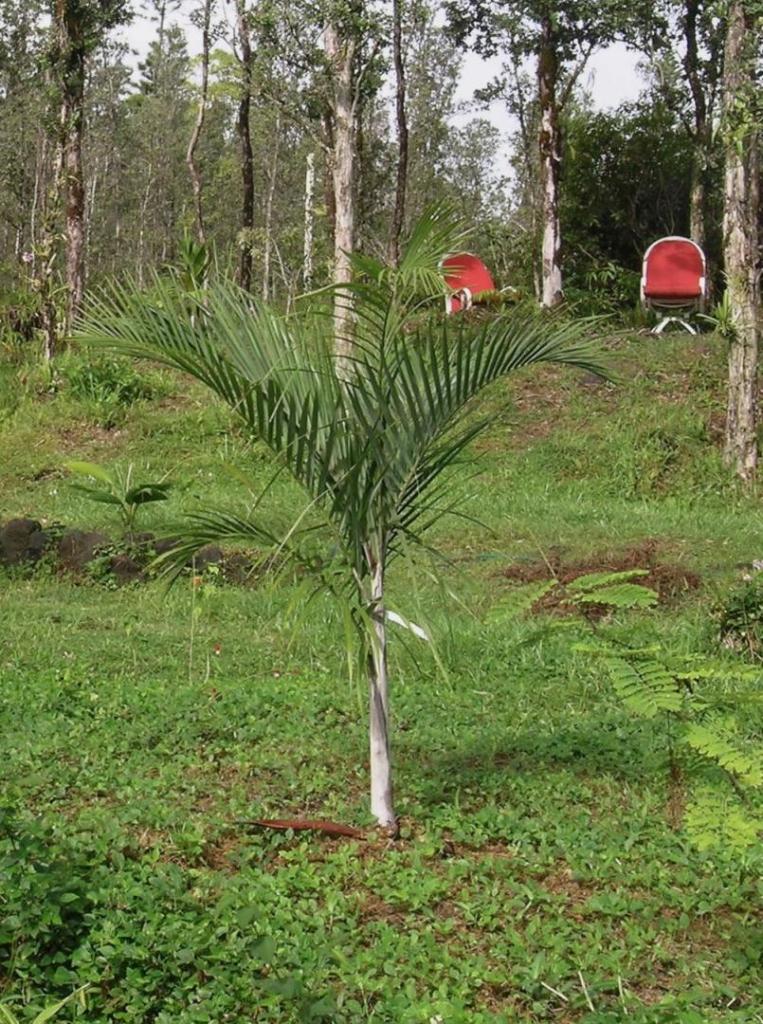
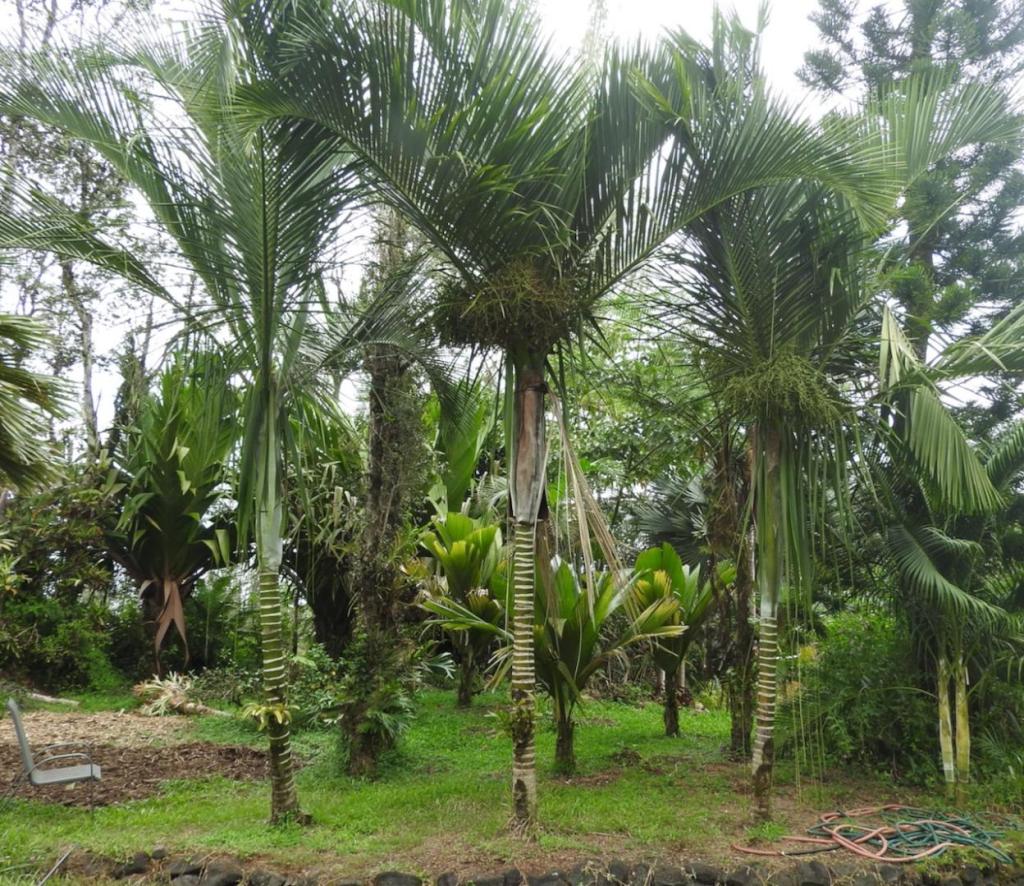
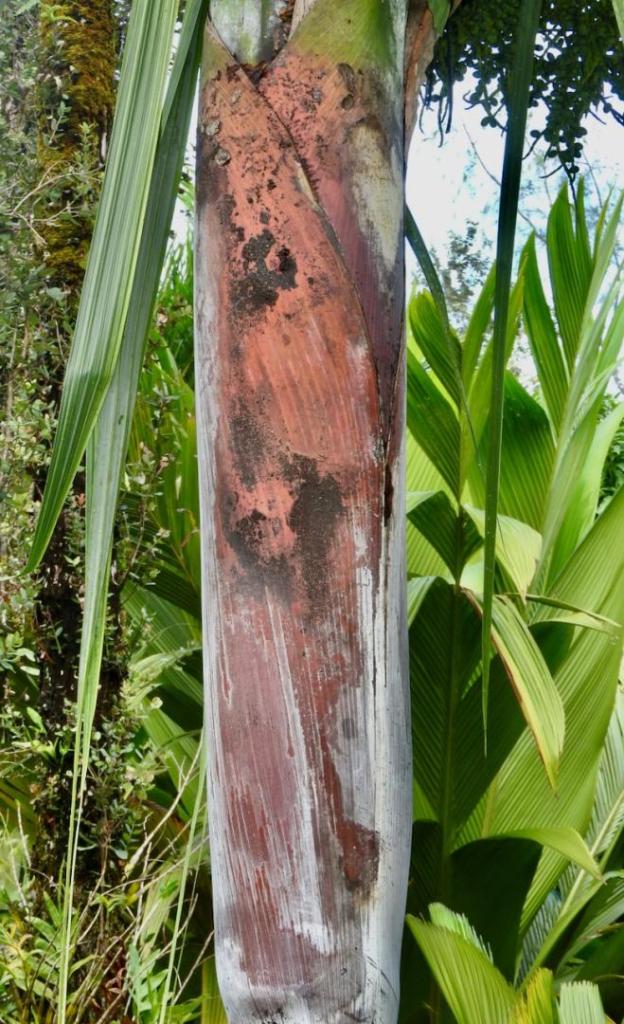
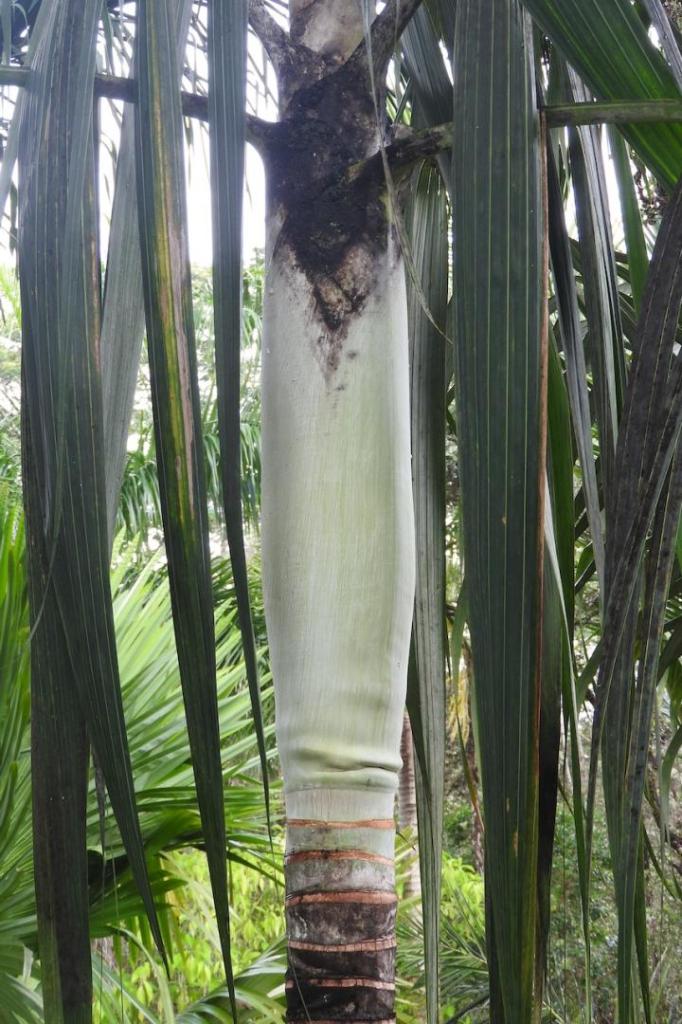
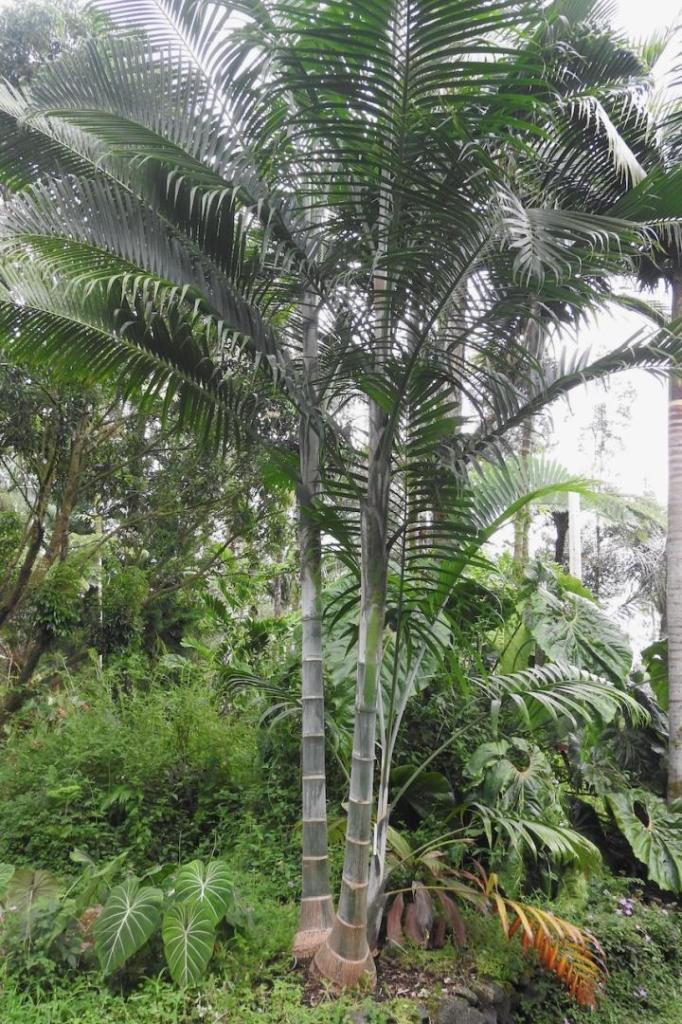
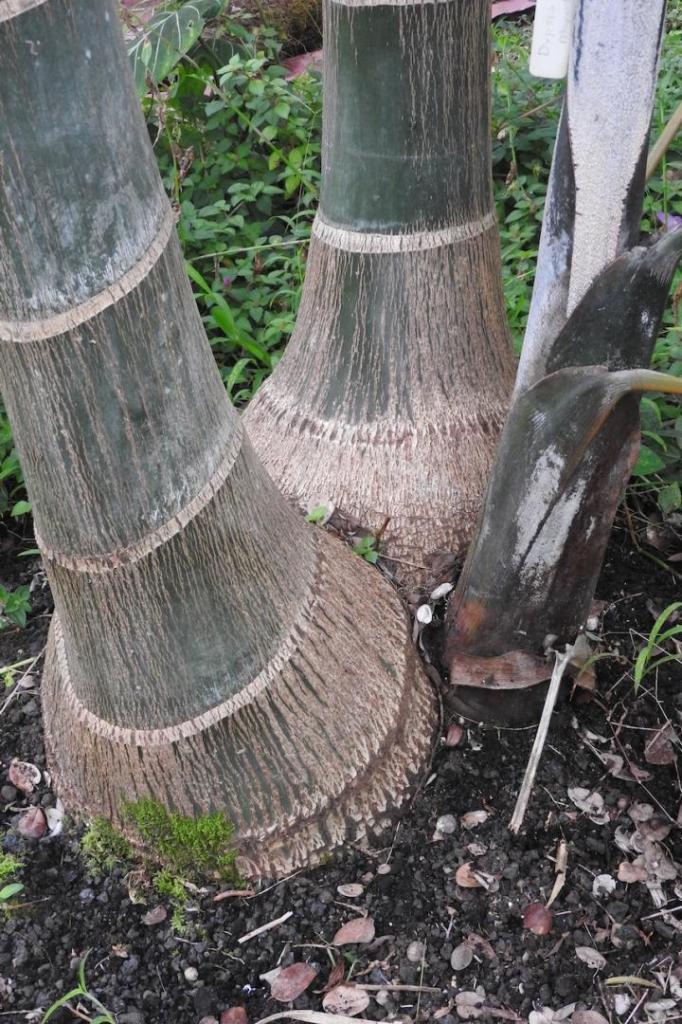
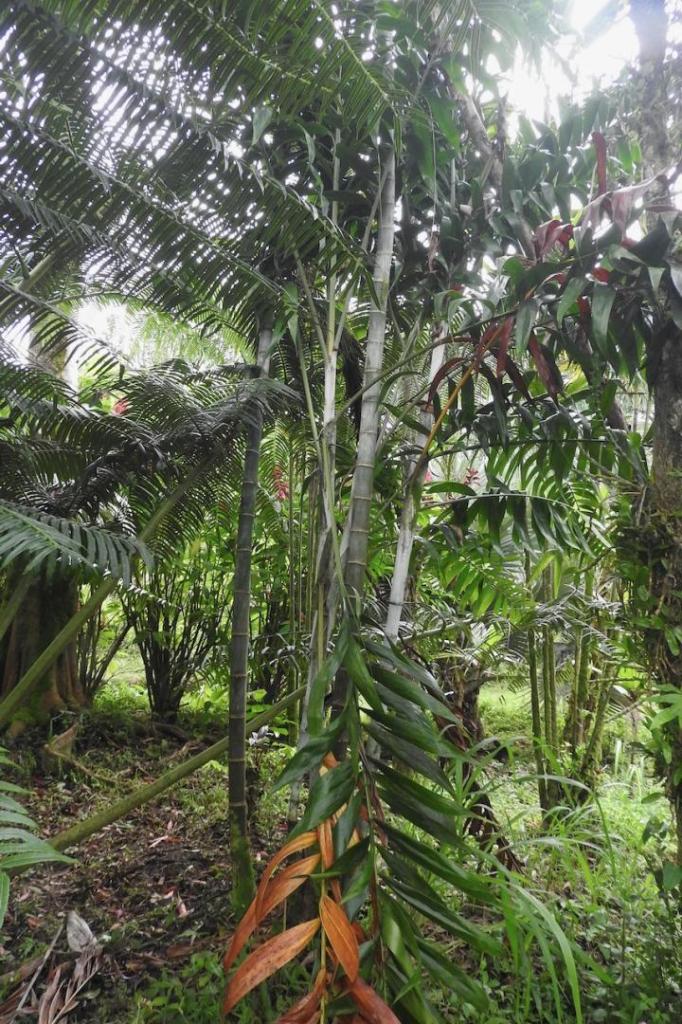
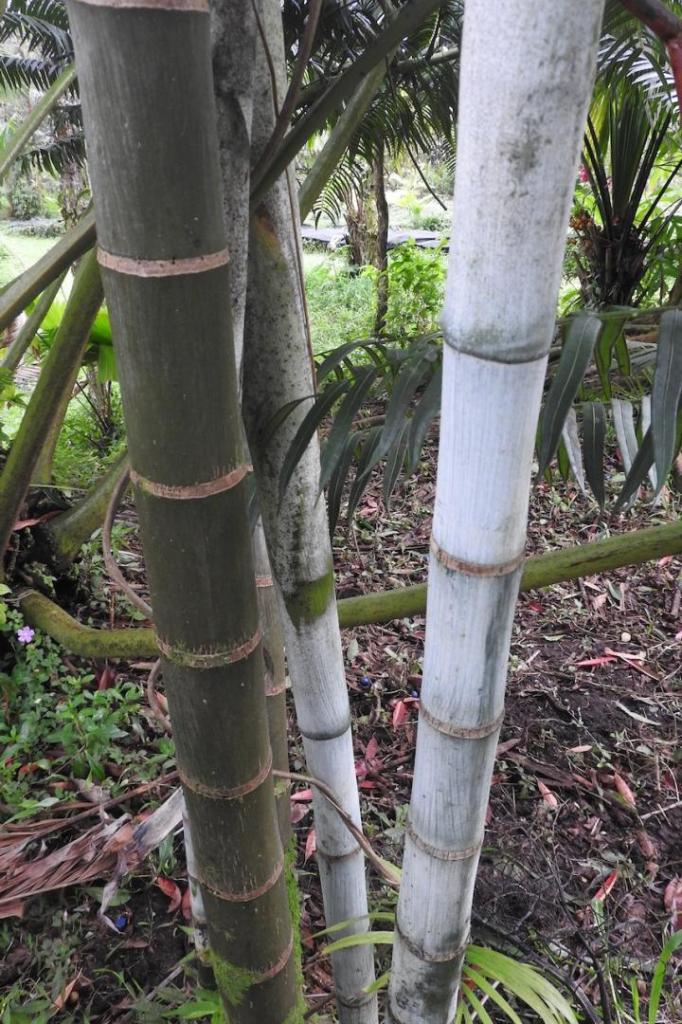
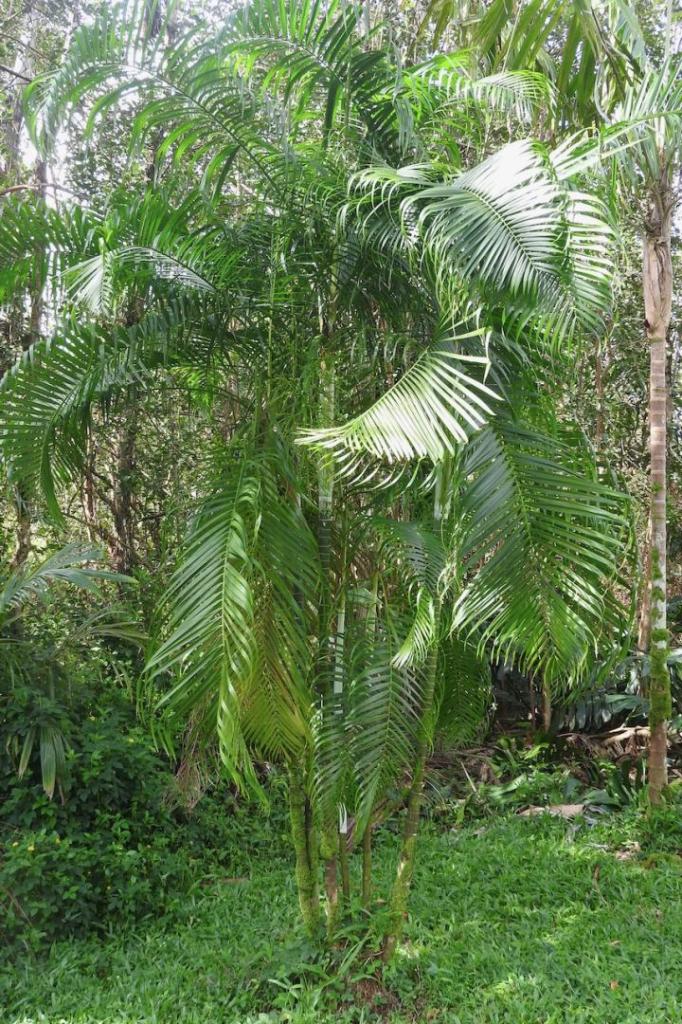
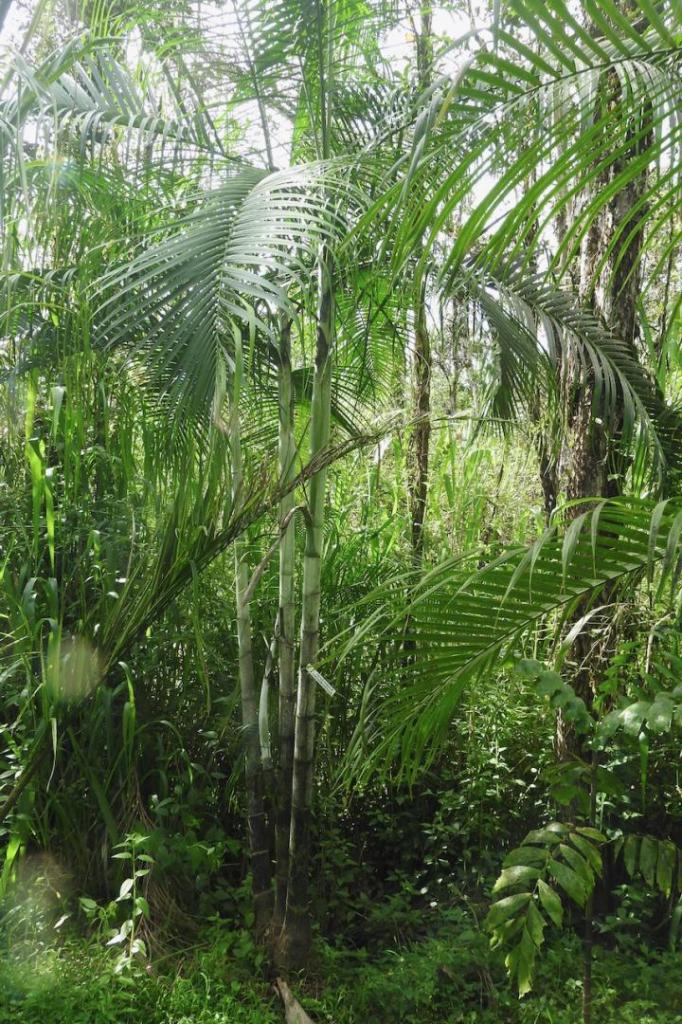
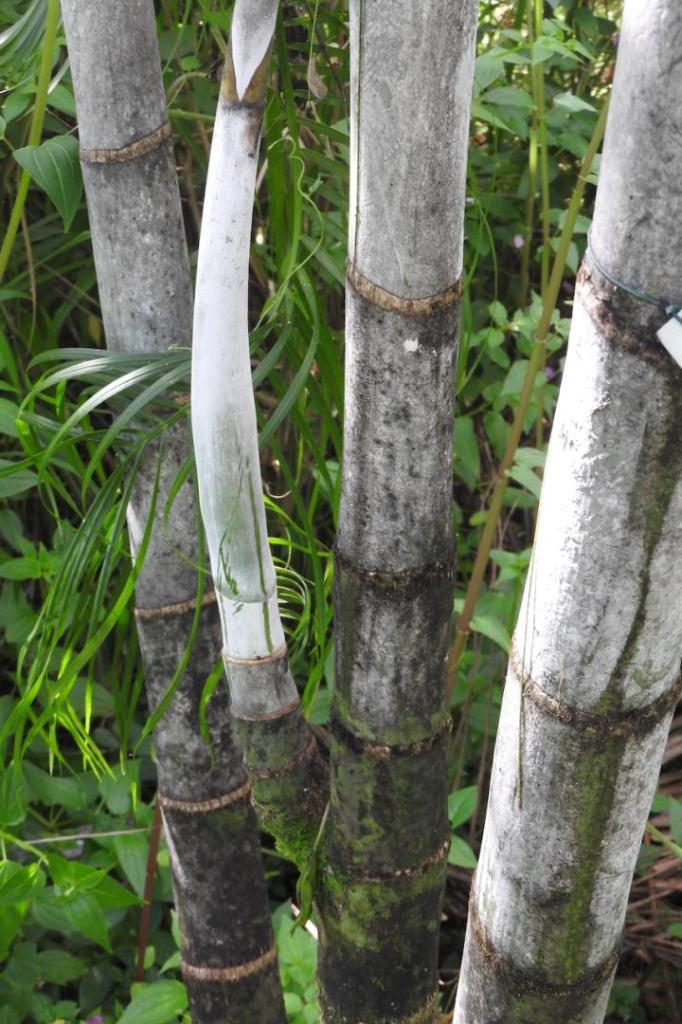
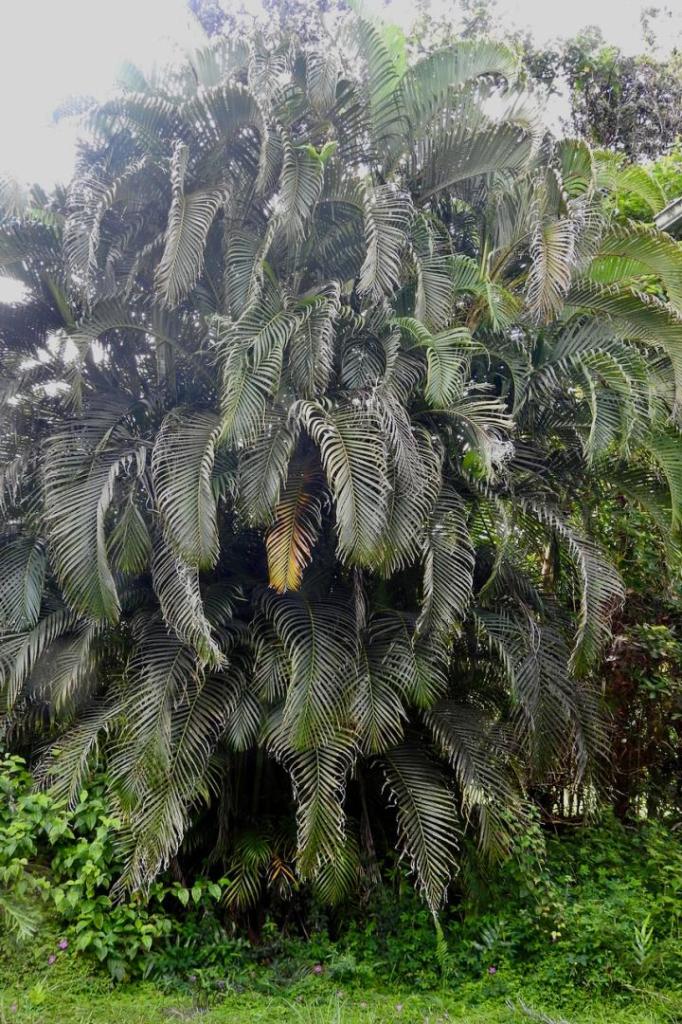
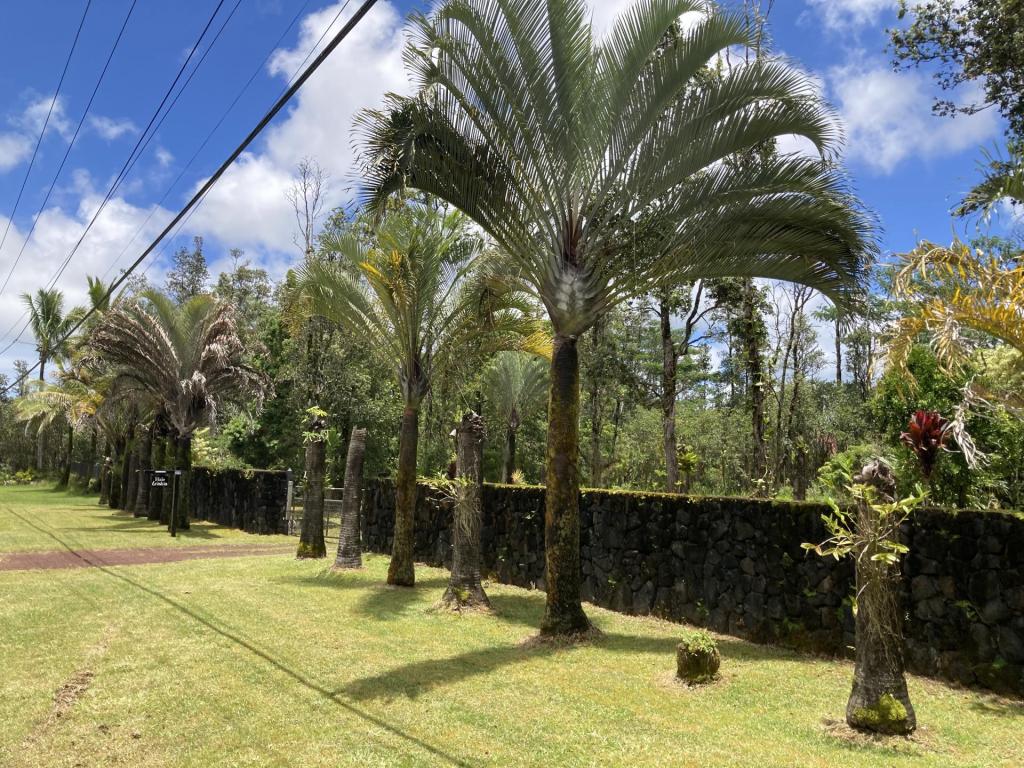
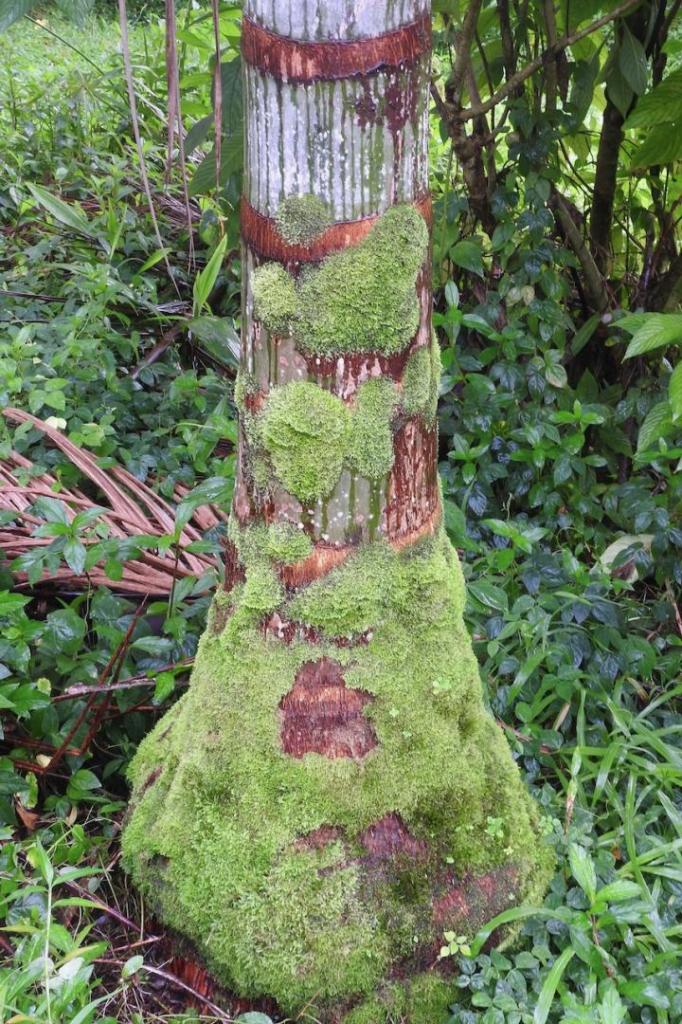
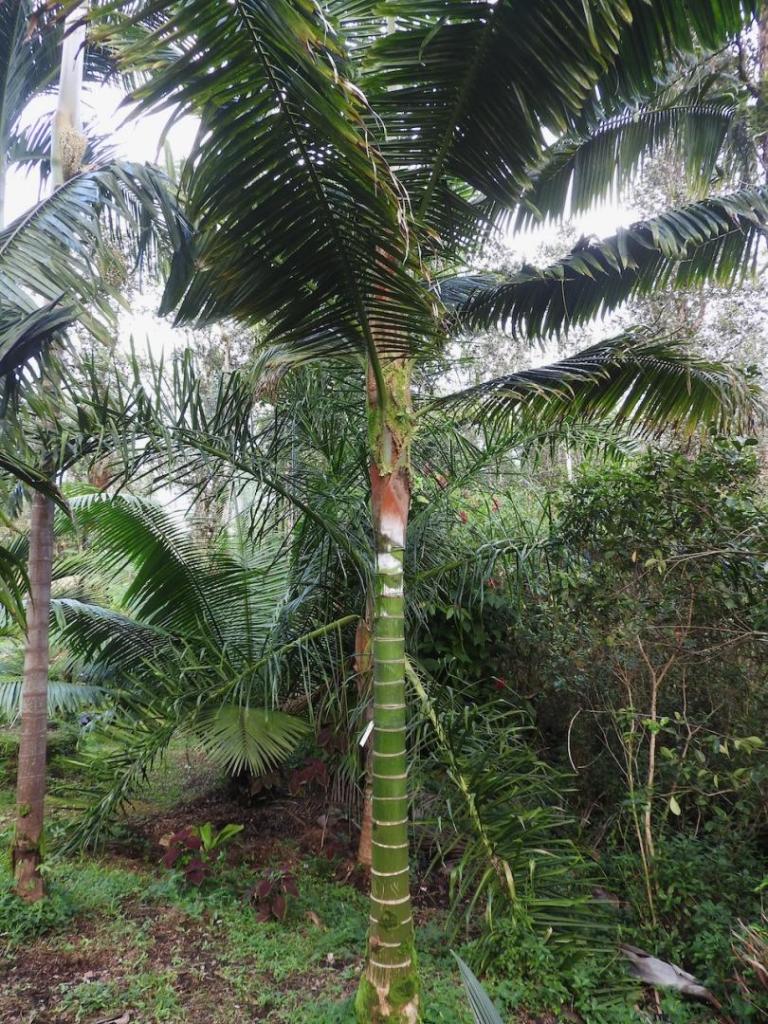
 Rick Kelley replied to Rick Kelley's topic in DISCUSSING PALM TREES WORLDWIDEOne of the contenders for slowest seedling is Chrysalidocarpus titan. Long known only by informal names like Dypsis sp bejouf(a), folks in Hawaii fell in love with this species largely because of the grove of two dozen trees planted at Bo Lundkvist’s Malama garden. Those trees are now huge and producing baskets of seeds. The only demerit I’d give it is for the exceptionally heavy fallen fronds. They must weigh around 40 pounds (20 kg), maybe more. You can only have grass under these. Any companion understory planting would be crushed. I started mine from seeds. Big mistake. Pay whatever a 10-gallon plant costs. Germination took 18 months. After they went in the ground, glacial growth rate the first five years. Finally, they got serious about growing. After ten years in the ground, still no trunk, but they open a perfectly respectably 3-4 new fronds a year. After seeing mature specimens in so many Hawaii gardens, I have very high hopes for these. Construction site 2016 2017 babies went in the ground and promptly burned. Today 1. titan 2. lastelliana 3. carlsmithii 4. cabadae. 5. Clinostigma samoense Another competitor for slowest ‘Dypsis’ goes to Chrysalidocarpys decipiens. Habitat photos on line suggest this palm grows in arid parts of Madagascar. Maybe the reason mine are growing so slowly is that they are in shade and typically get 140” of rain a year. SLOOOOW. After 13 years, they have only now started to trunk. Most individuals I’ve seen in local gardens have two trunks, but I have seen one example with six. Both of mine have twin trunks. 2014 Not obvious, but both trees have two trunks even at this stage. Today The same slow growth rate is seen in this mysterious palm that might be related to Chrysalidocarpus sp. blue decipiens. Who knows? I don’t think taxonomists have tackled this one. After a painfully slow childhood, this finally began to trunk last year. I really don’t see any resemblance to Chrysalidocarpus decipiens. This one has a single trunk. Leaflet arrangement not that similar. Different coloration. 2016 Today At the opposite end of the growth rate spectrum, this mystery palm went in the ground from a small one-gallon pot 13 years ago. Now it might be around 50-60 ft tall (15-18m) tall giving my Pigafetta some competition. This was obtained at a nursery liquidation sale with a very faint ‘Dypsis’ label written on the pot with white grease pencil. No species name was visible. It has a strong tristichous frond arrangement, but the crown has disappeared into the clouds, so that feature is not especially noticeable now. The base of the trunk is very swollen. Some Big Island growers seek out unusual ‘Dypsis’ variants or hybrids of unknown paternity. I suspect the explosive growth rate I’m getting might be due to hybrid vigor. Great if you are after instant canopy, but be prepared for telephone pole syndrome down the road. 2013 I have both Chrysalidocarpus saintelucei and Chrysalidocarpus basilongus in the garden. The white crownshafts are pretty consistent, except I’ve occasionally seen some red in saintelucei. These similar palms are easy to distinguish when growing near each other. C. basilongus is a bit more slender and has a very faint hint of blue. C. saintelucei has a more striking green trunk with white rings. Both produce abundant seeds that easily germinate, although saintelucei has a thoroughly discussed habit of breaking off its heavy infructescence before they mature. saintelucei 2013 today Crownshafts are usually mostly white, but occasionally I'm treated to a bit of color. basilongus Turning to clumpers, C. cabadae, C. lanceolata, and C. sp. Mayotte Island’ closely resemble each other after ten years or less in the ground. Maybe each will become more distinctive after they start blooming. C. lanceolata seems more distantly related judging by the slender base of trunks in contrast to the swollen bases of cabadae and Mayotte Island. cabadae Mayotte Island lanceolata Chrysalidocarpus baronii and C. psammophilus look about the same in my garden. Oddly, DNA sequence suggests they are not all that close. C. baronii is supposed to be closest to C. decipiens. I don't see it. Ignoring the taxonomy, each is an attractive, slender clumper, but no fireworks yet. Photos of baronii 'Black Stem' are very eye catching, but mine was only recently planted so can't say if it will live up to the hype. baronii psammophilus I only include Chrysalidocarpus lutenscens for completeness. The common ‘areca’ palm is vastly over planted in Hawaii, usually as a hedge to screen out unpleasant neighbors. There are so many more interesting clumping palms that could step in if only the public knew about them. I inherited two clumps from the previous owner. If only these were rare or a recent discovery, everyone would want it. And finally, the award for THE WORST Chrysalidocarpus in wet east Hawaii- drum roll: Chrysalidocarpus decaryi, the triangle palm. For some mysterious reason, this desert species is widely planted in east Hawaii. They look like crap for years until the crown inevitably snaps off leaving a dead trunk, which is a modest improvement. Why do people still plant this one? Photo from a neighbor's property. Hope this update gives you some ideas of what might be good additions for your garden depending on your climate. If you haven’t been following this thread, I’m at 700 ft growing in black volcanic cinder generously amended with compost. Rain varies a lot, but averages around 140” (3.5 m) annually. Fertilizer twice a year is slow release 22-7-14 with trace elements. Never gets hot or cold, 60-83 degrees F almost every day of the year.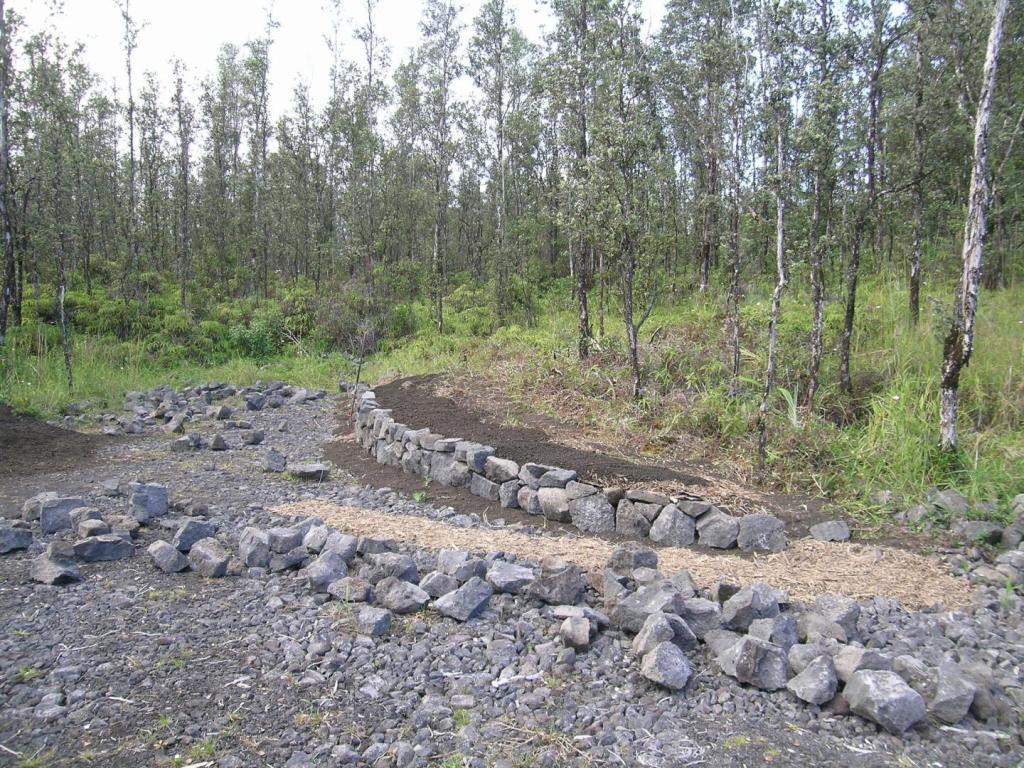



-
 gyuseppe replied to happypalms's topic in DISCUSSING PALM TREES WORLDWIDEInstead I like it a lot🌴
 -
gyuseppe replied to happypalms's topic in DISCUSSING PALM TREES WORLDWIDEKonstantinos if the seeds are fertile, you already know my address, the one you sent me a couple of months ago is in good condition,
-
happypalms replied to happypalms's topic in DISCUSSING PALM TREES WORLDWIDEHe must have his priorities out of whack not to love such a beautiful palm with such lovely green leaves, perhaps we should gift him a hybrid palm that will tolerate such unbearable cold weather @Than how could a bloke not love a decaryi palm, send him on a tropical vacation to some exotic island with palm trees swaying in the wind that will convince him to love them. 😁🤣
-
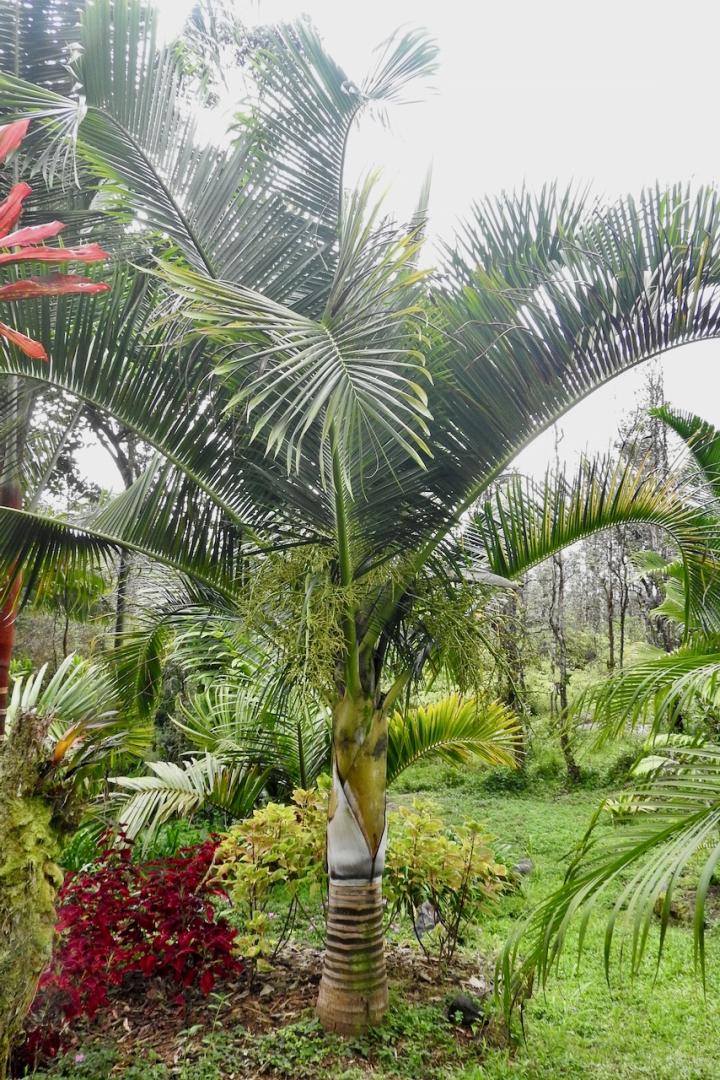
happypalms replied to happypalms's topic in DISCUSSING PALM TREES WORLDWIDEPerhaps it’s too tropical looking for your liking, what do I like about them those lovely green leaves 🍃 🌴Or perhaps you prefer those spikes that stab you to death on those frost tolerant Phoenix palms that I loath🤣😂
-
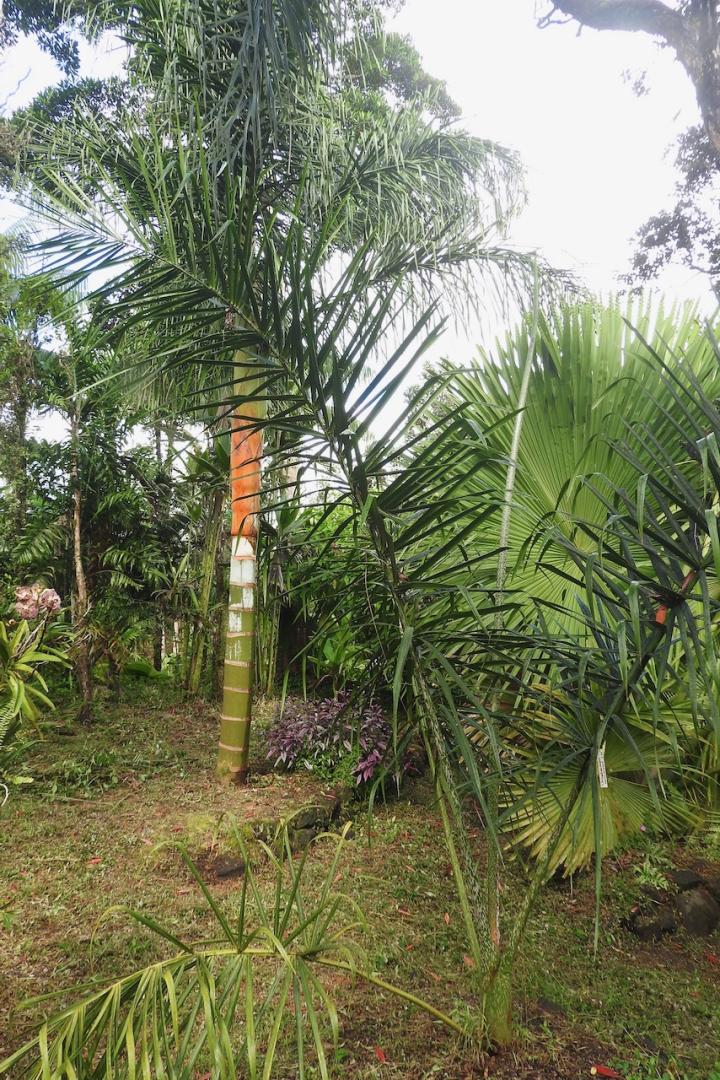
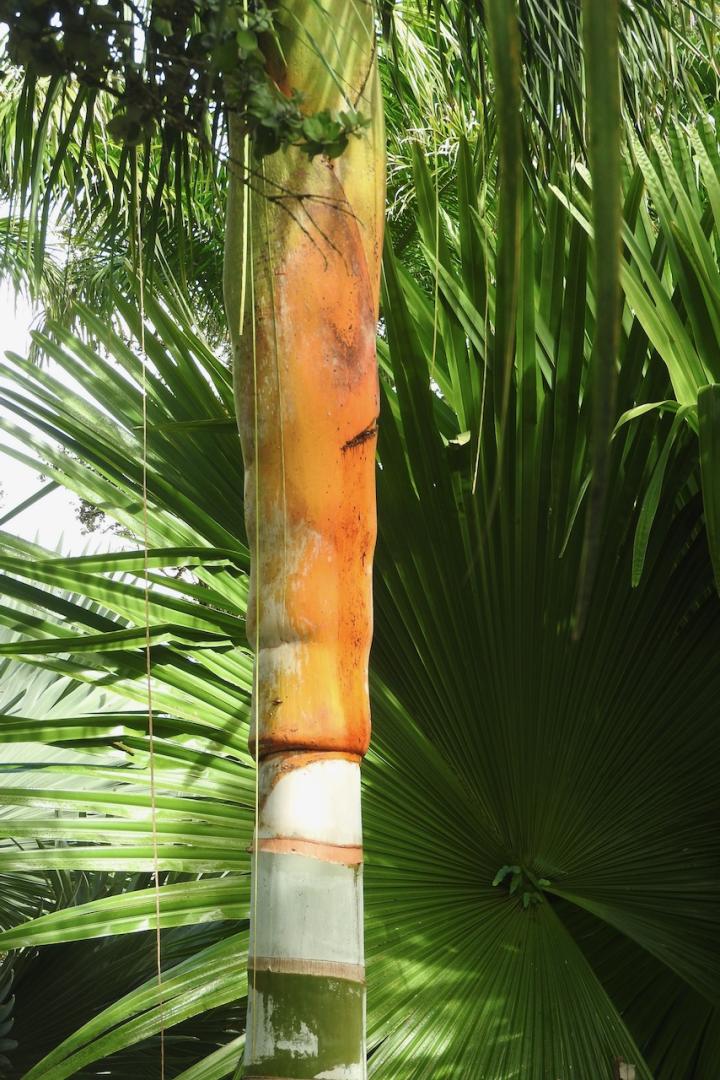
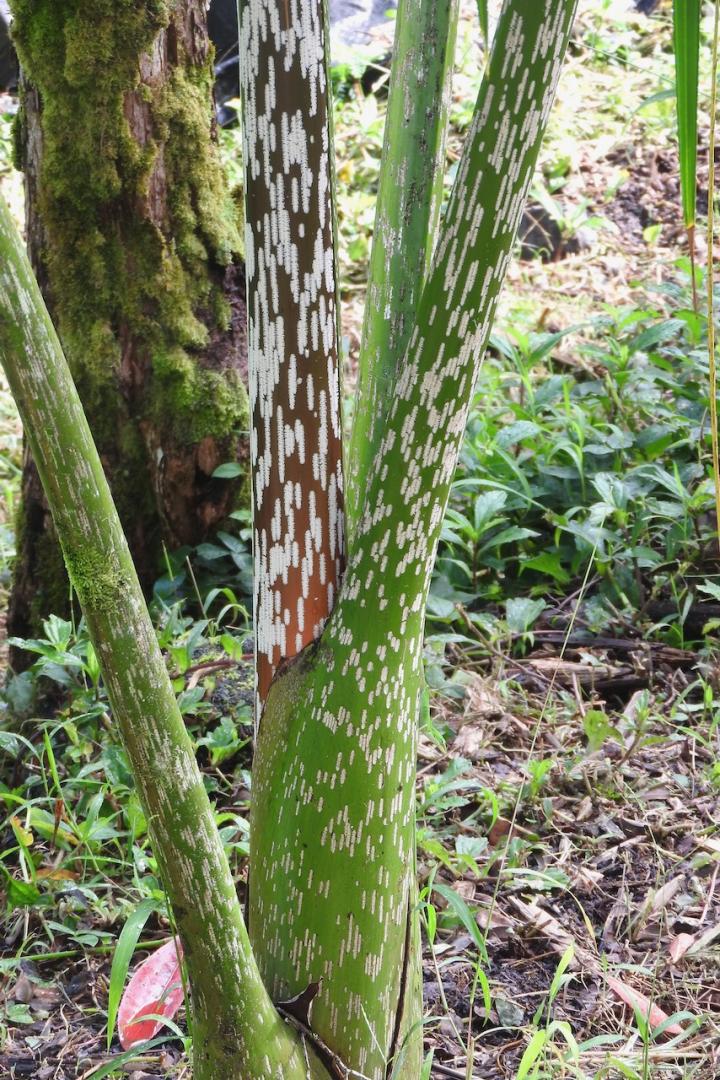
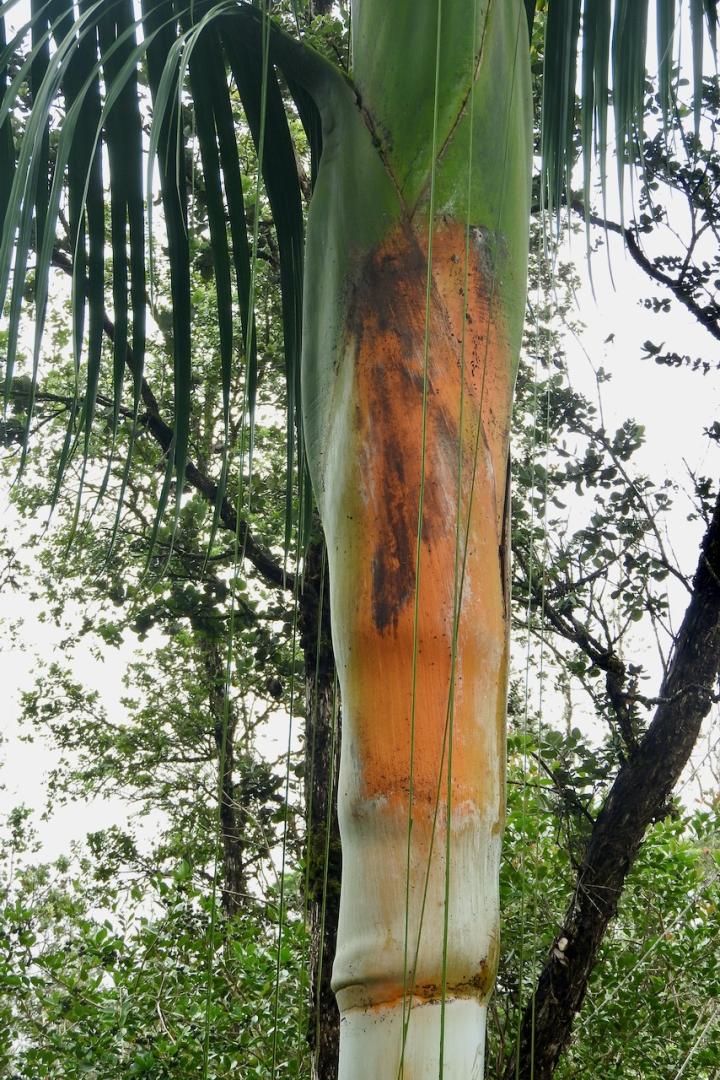
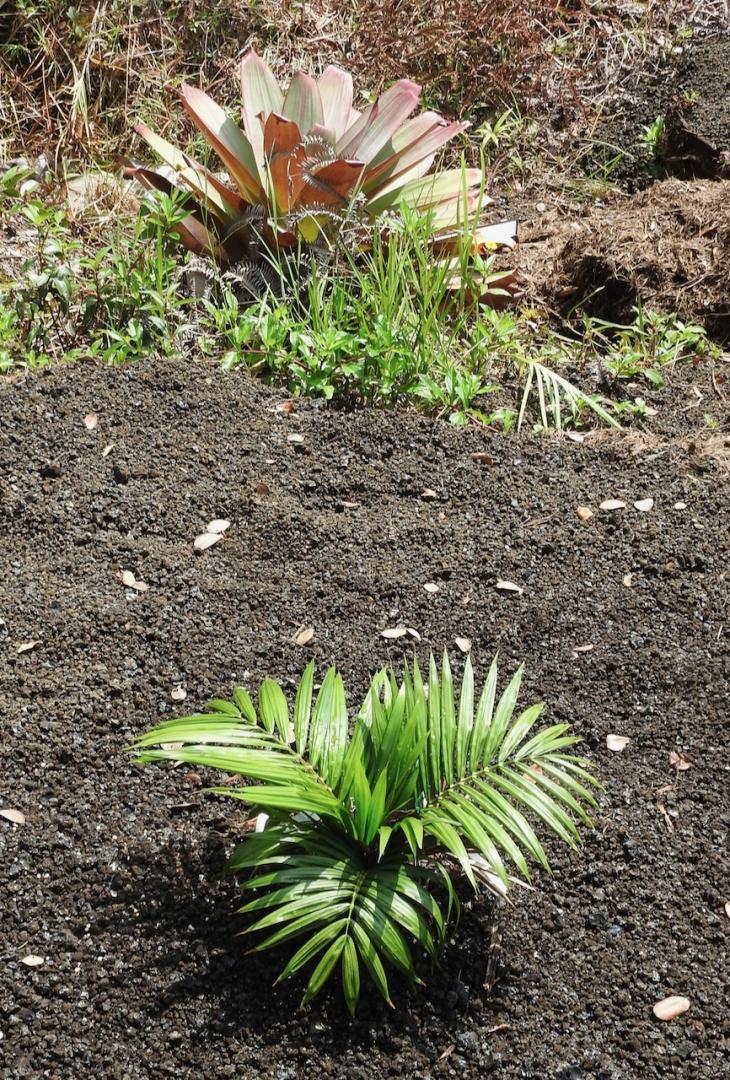
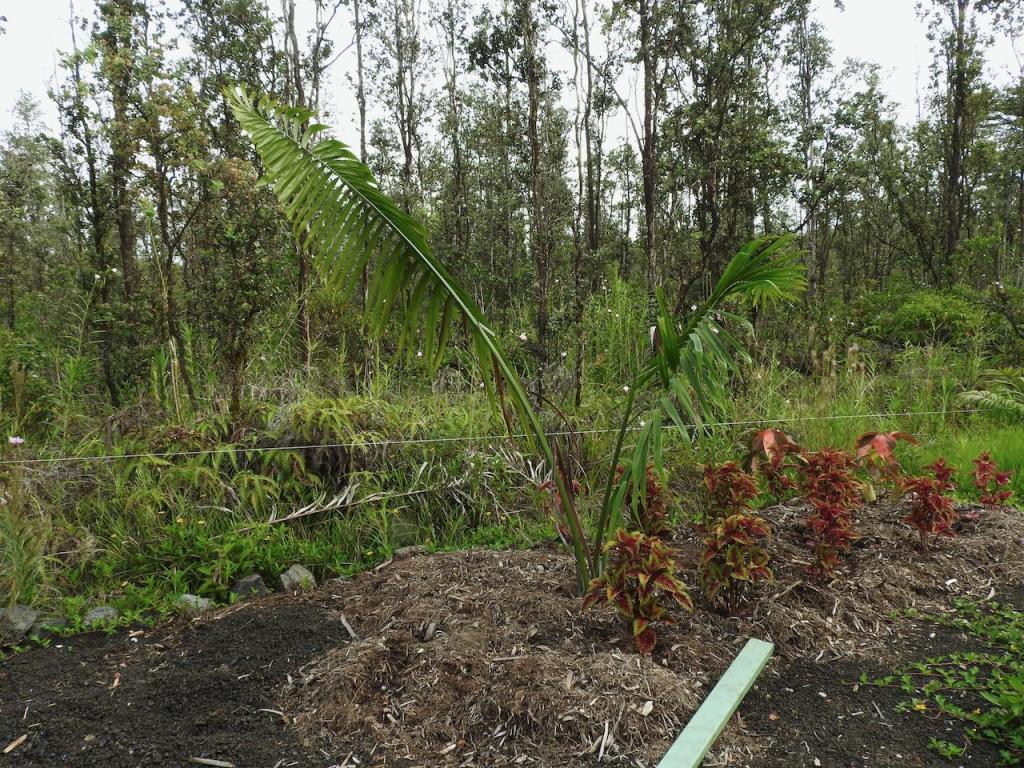
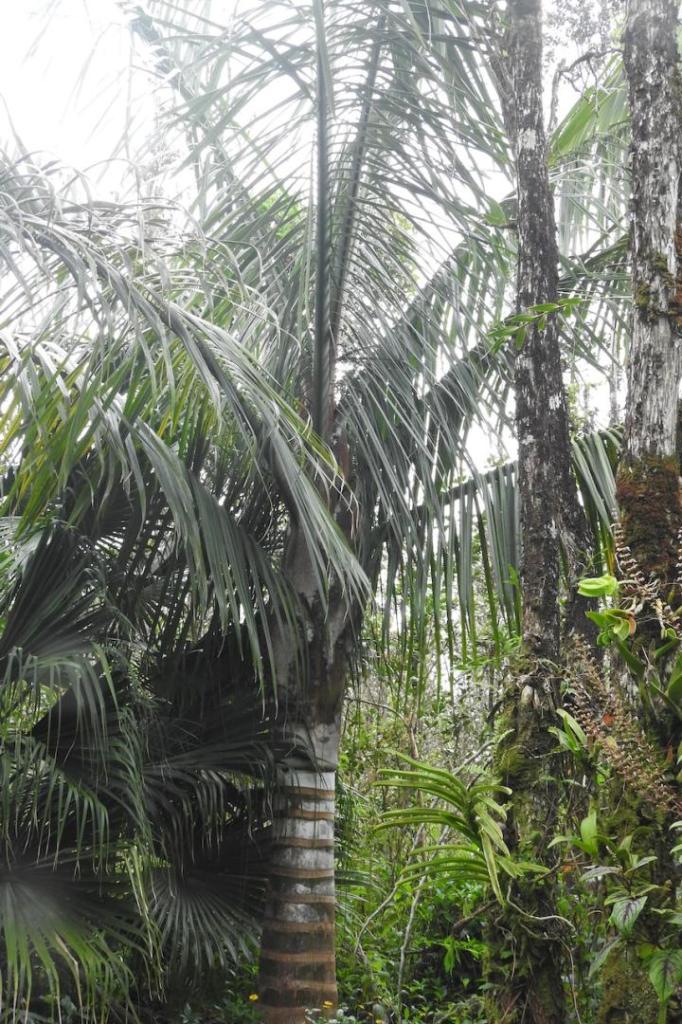
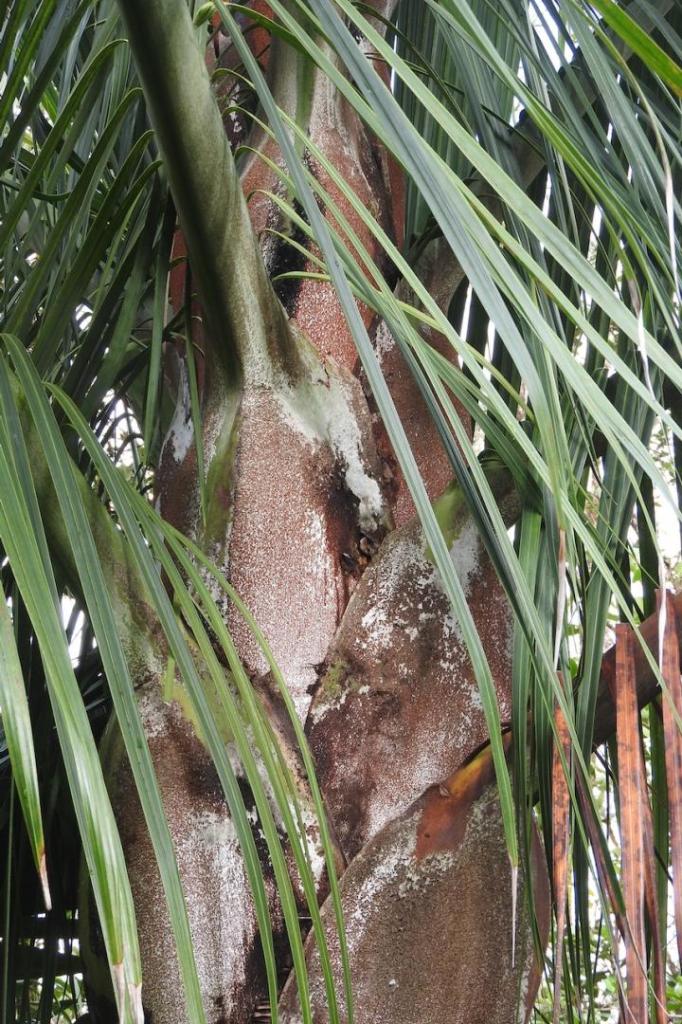
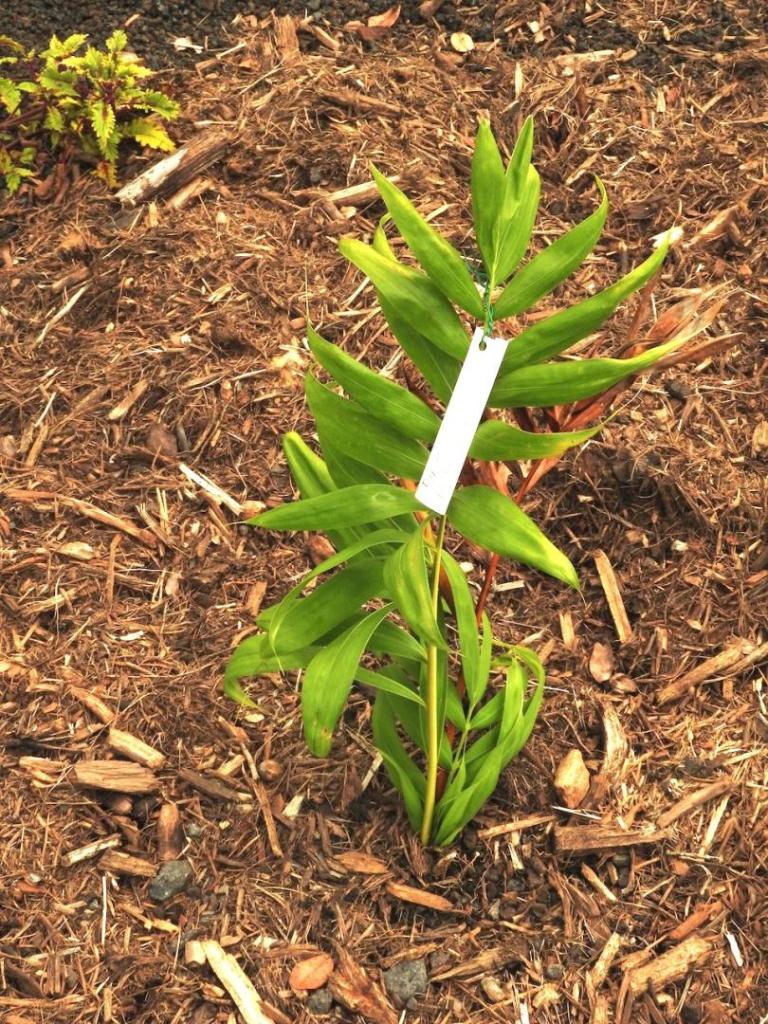
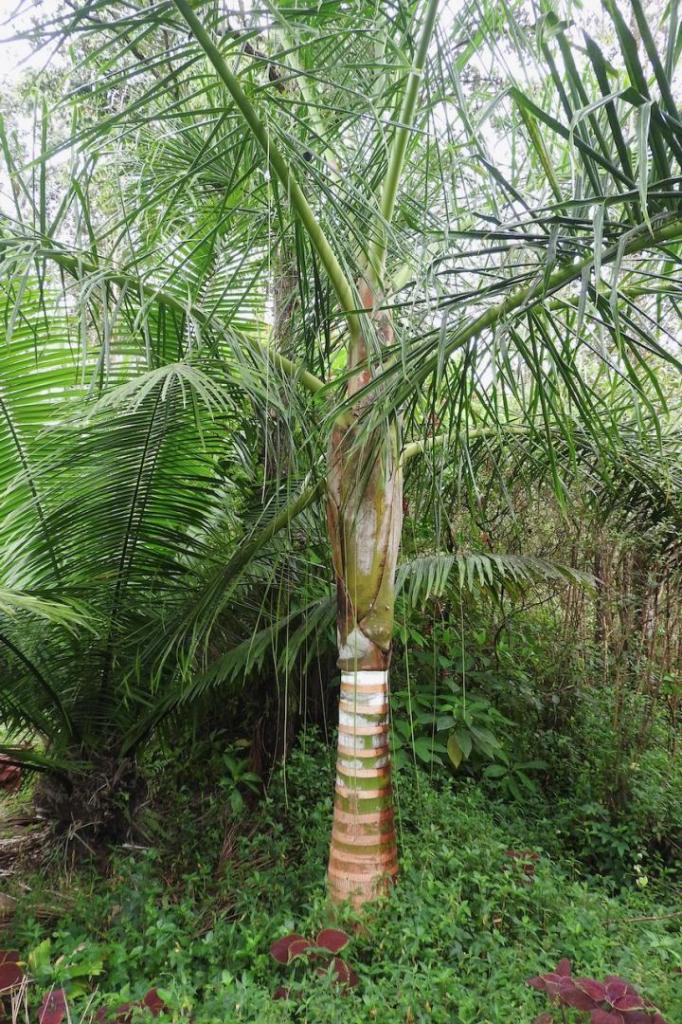
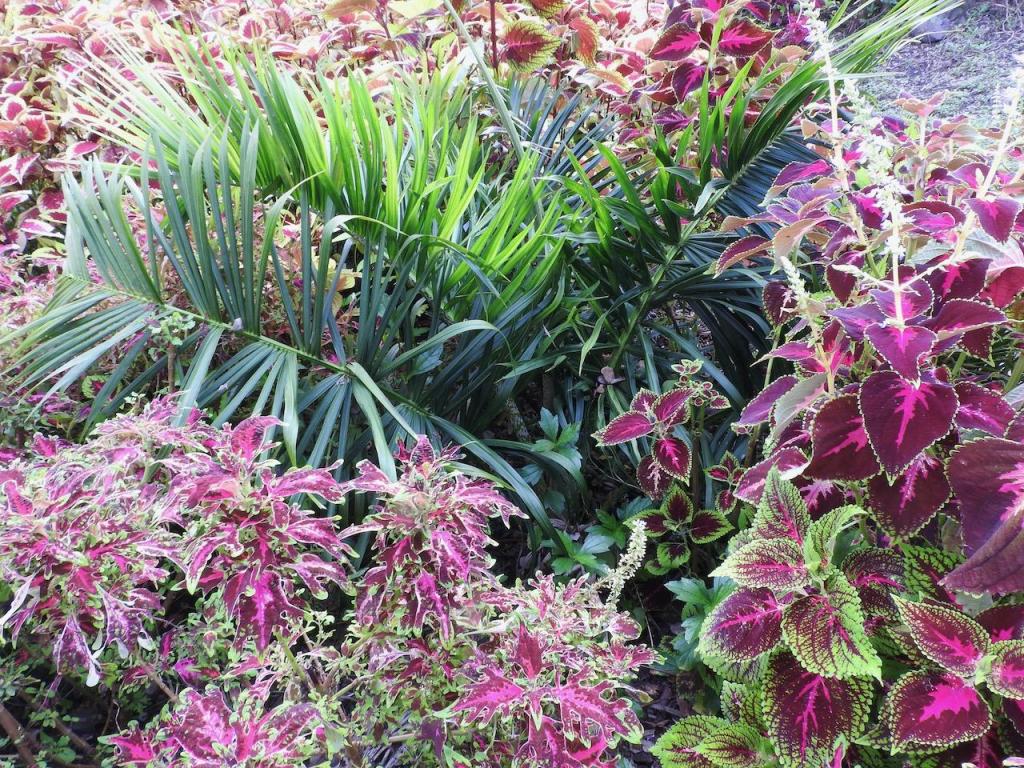
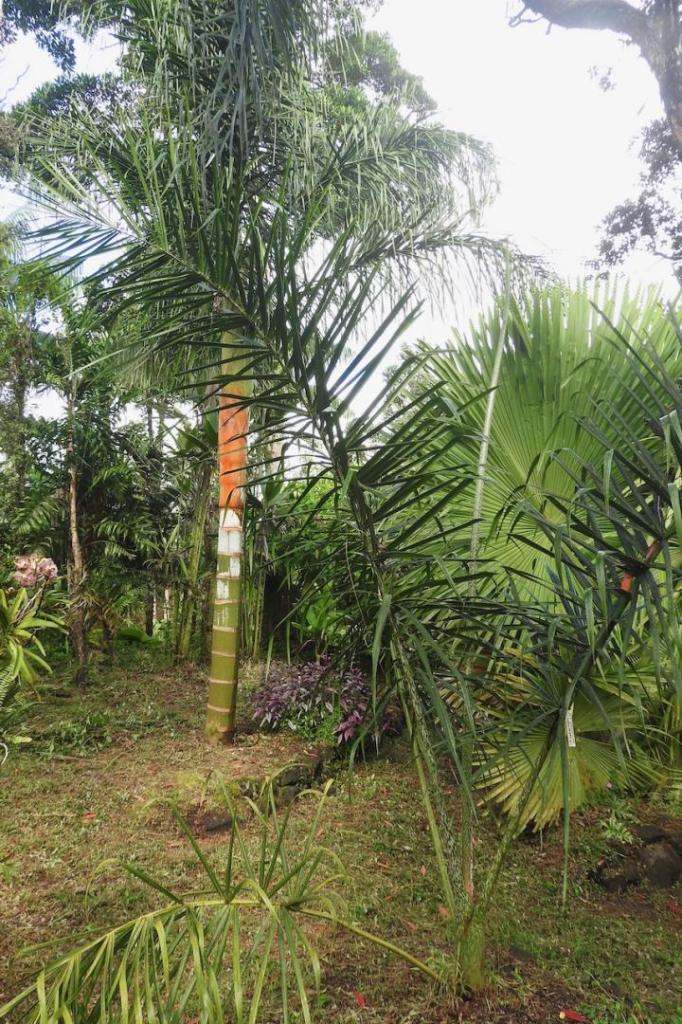
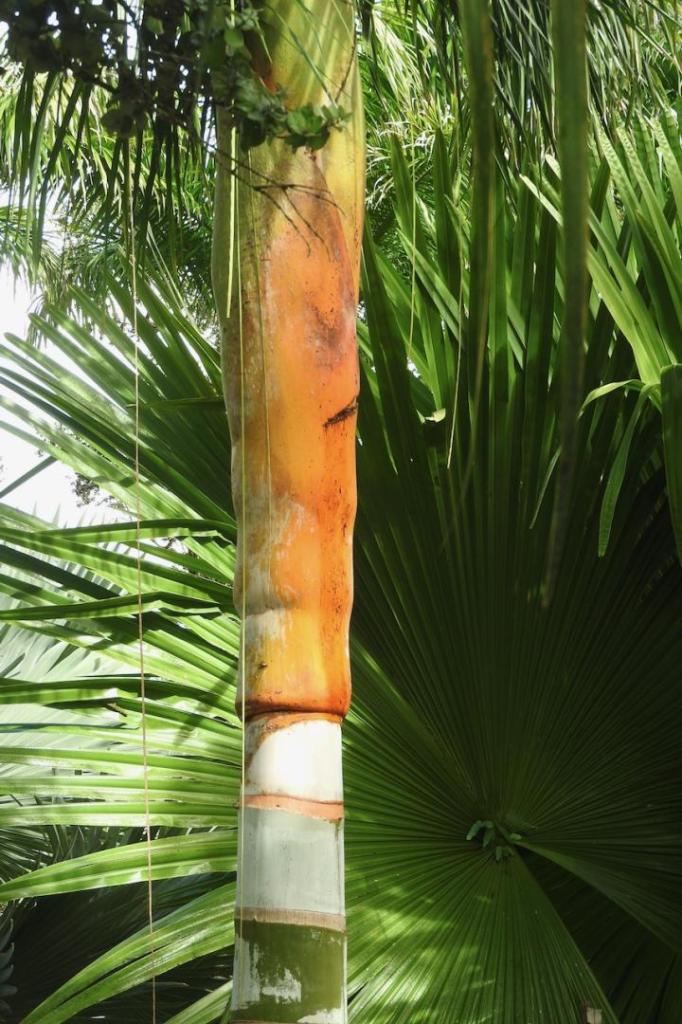
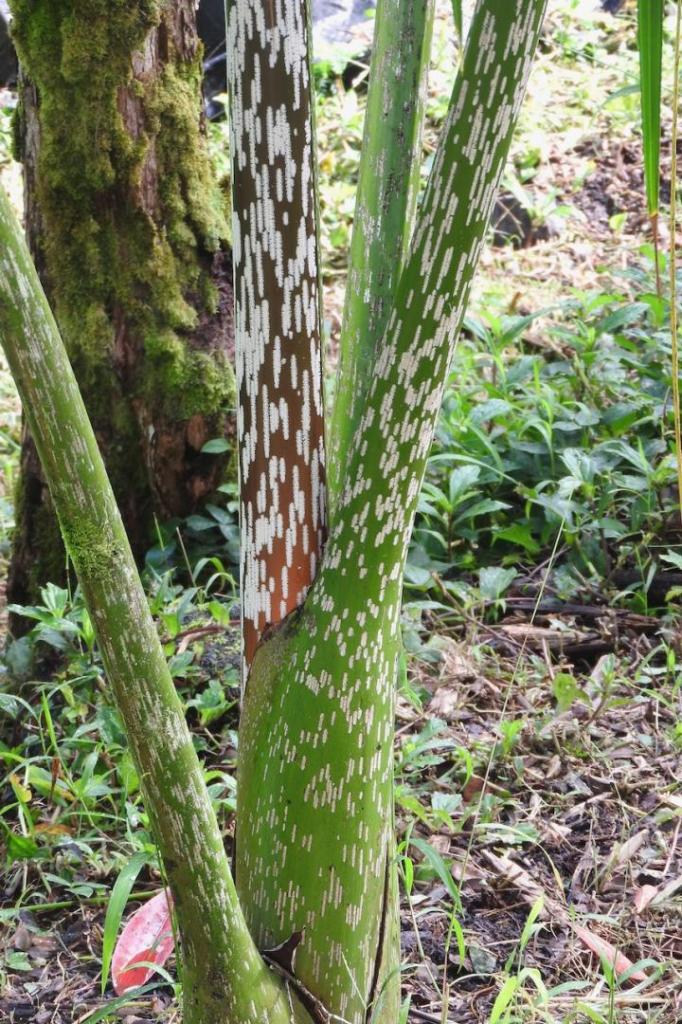
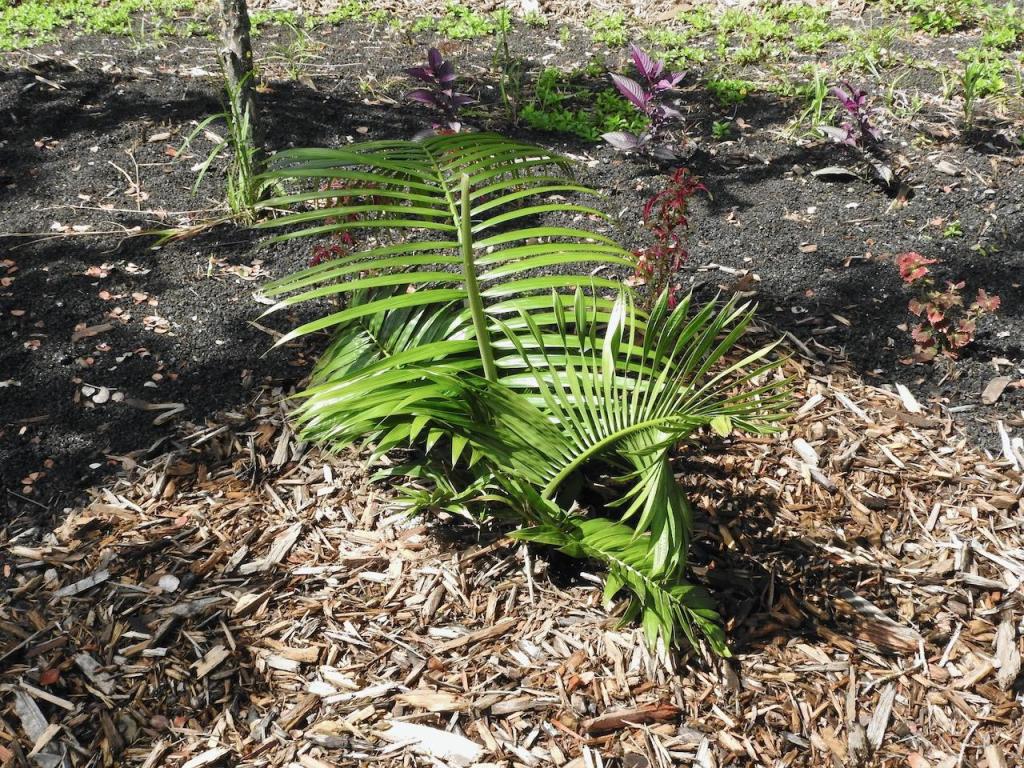
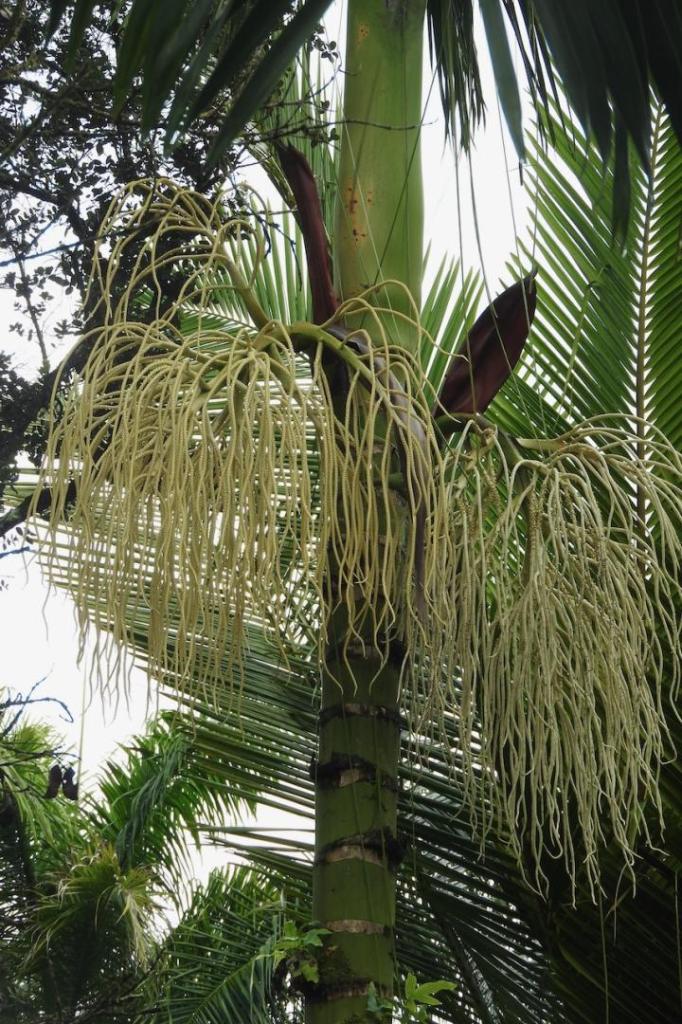
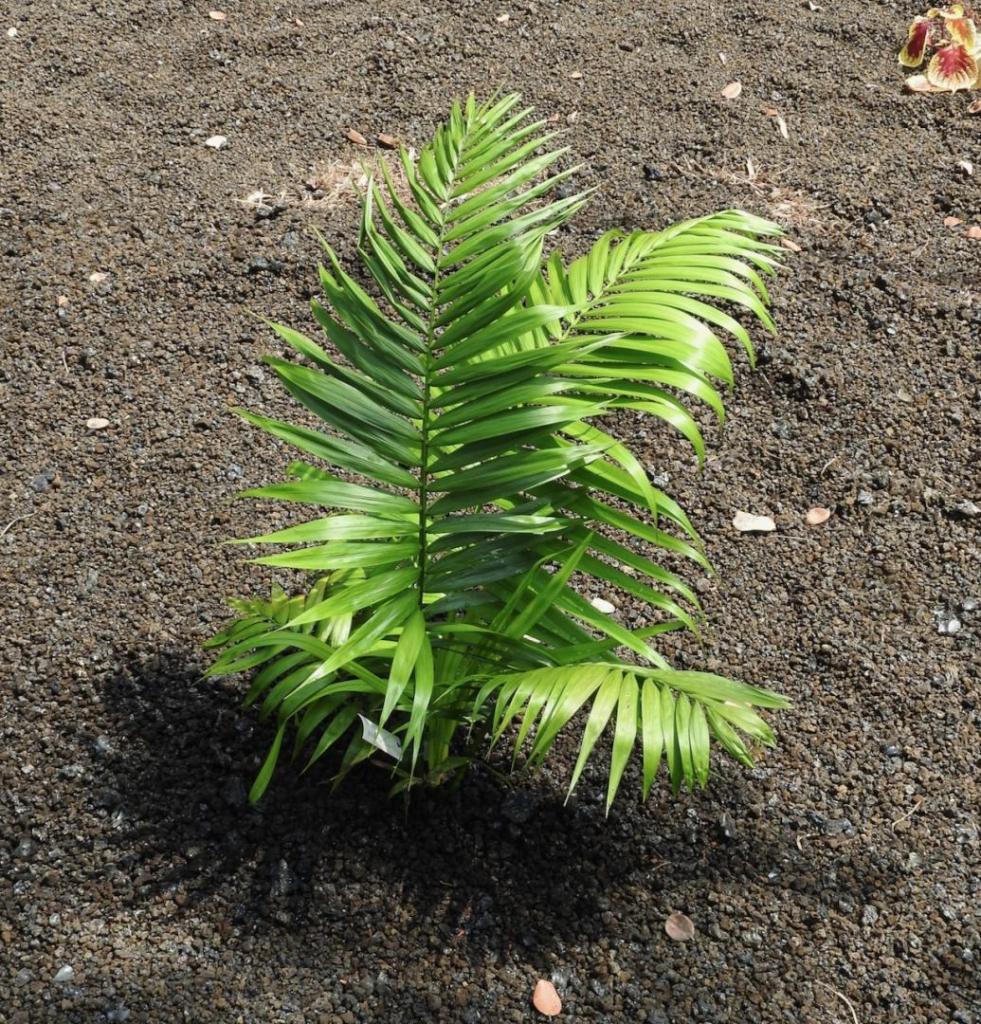
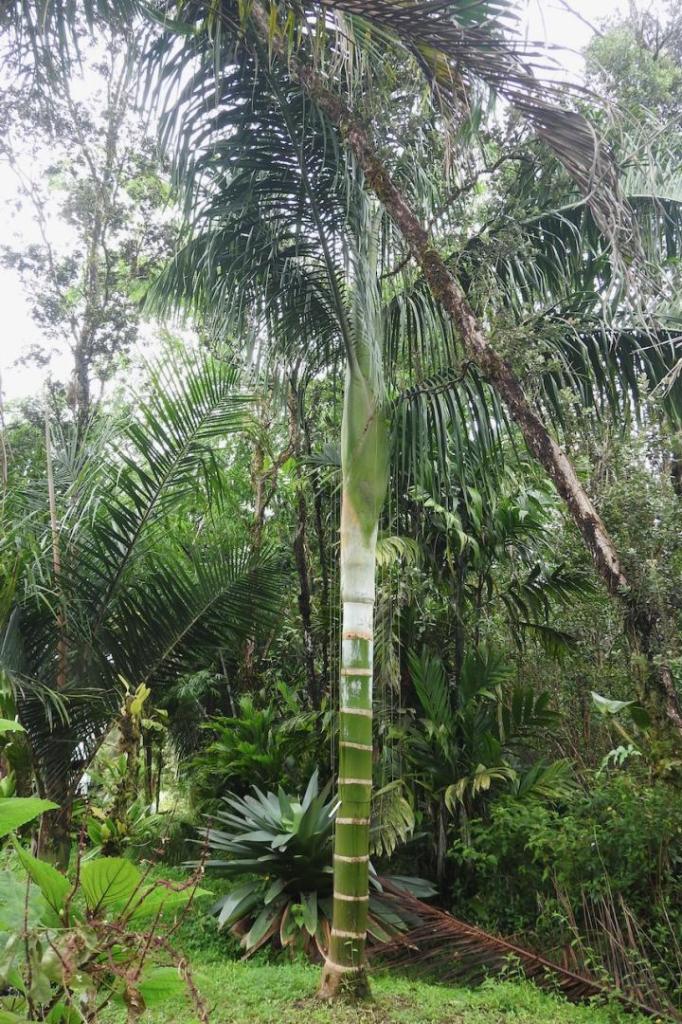
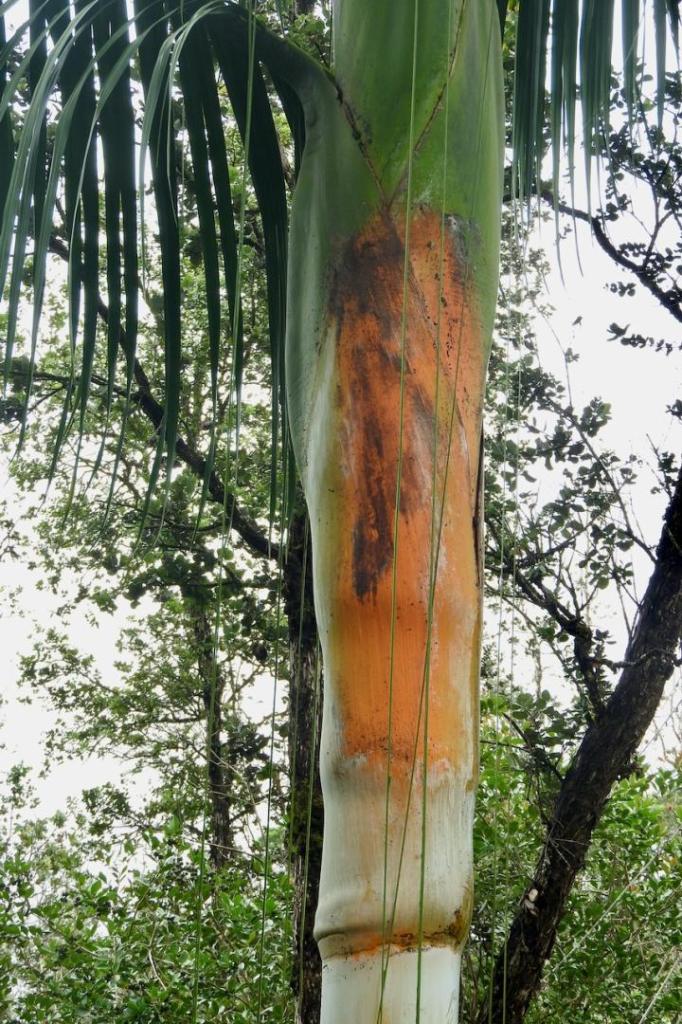
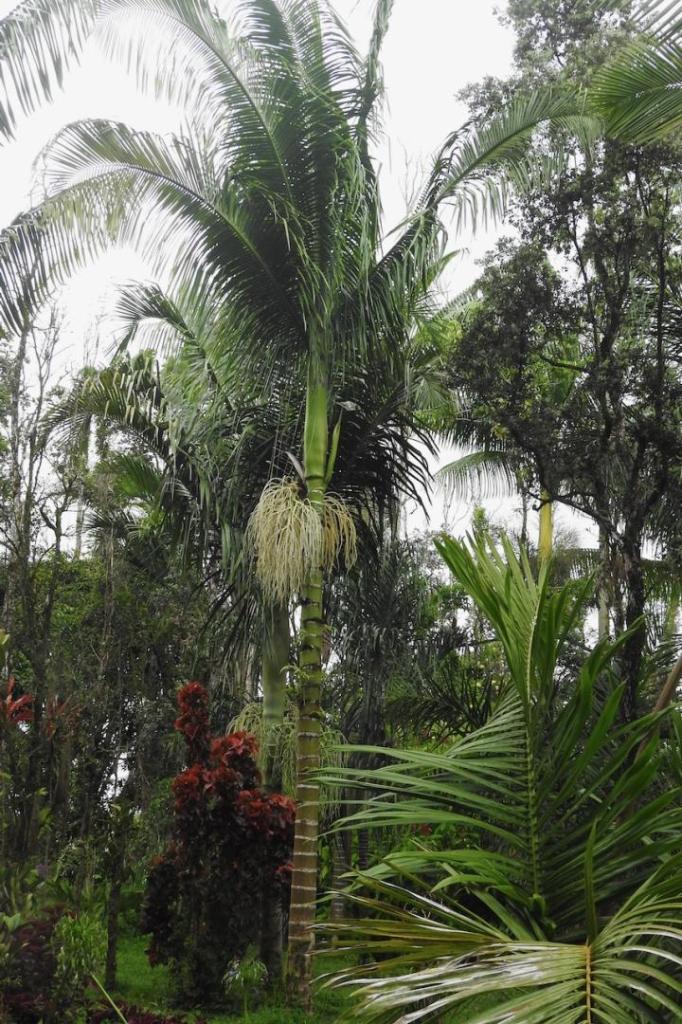
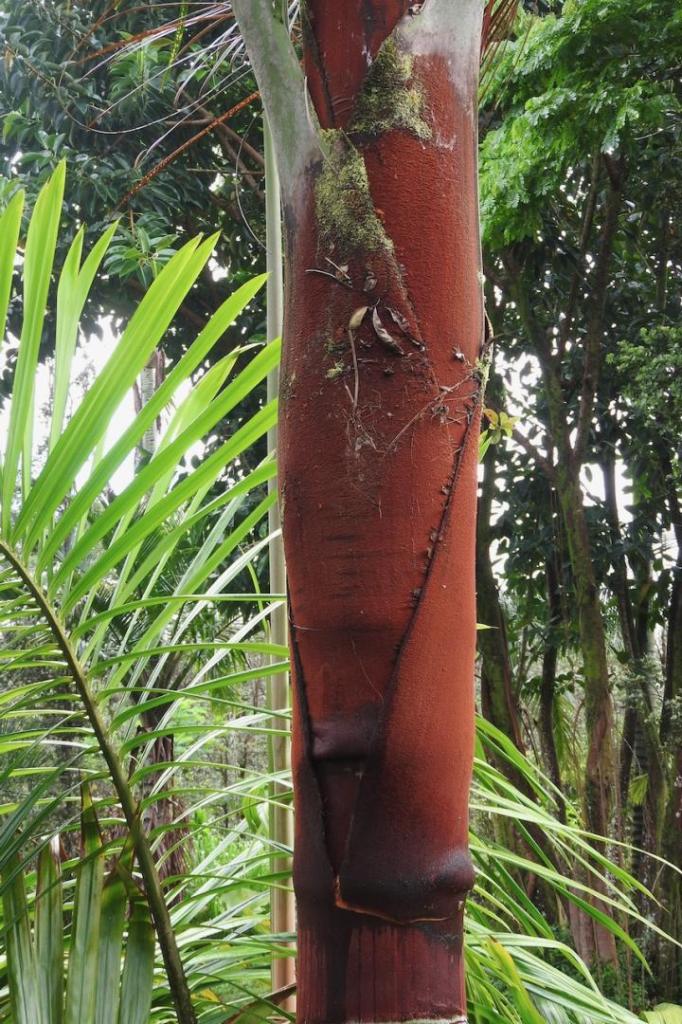
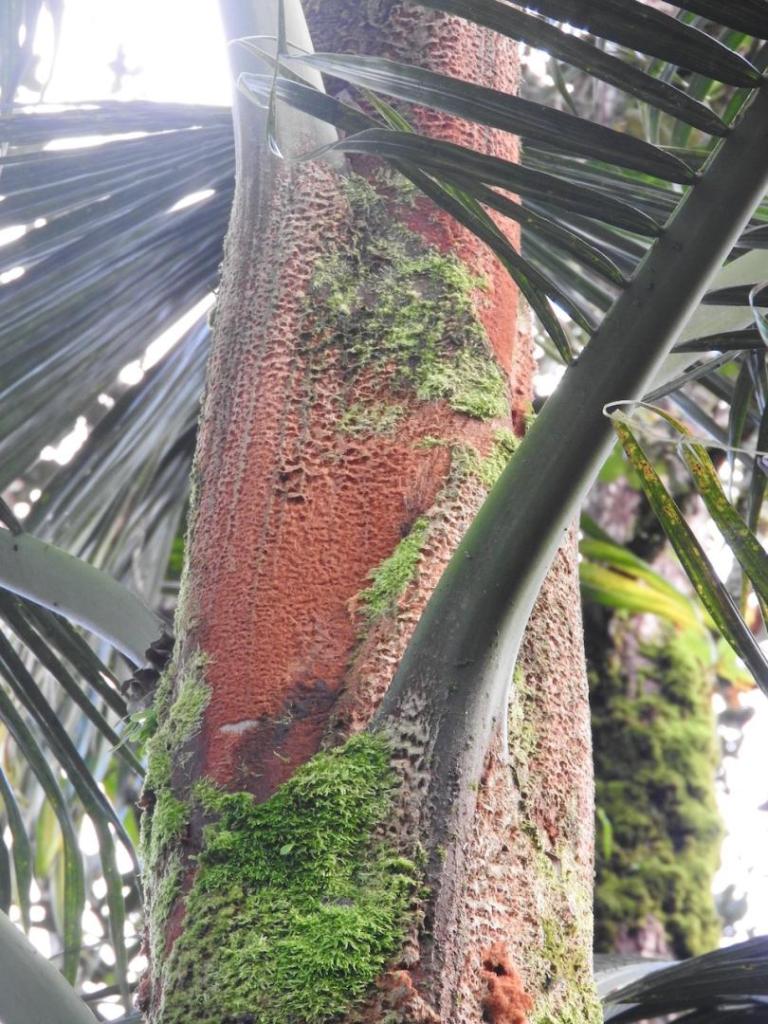
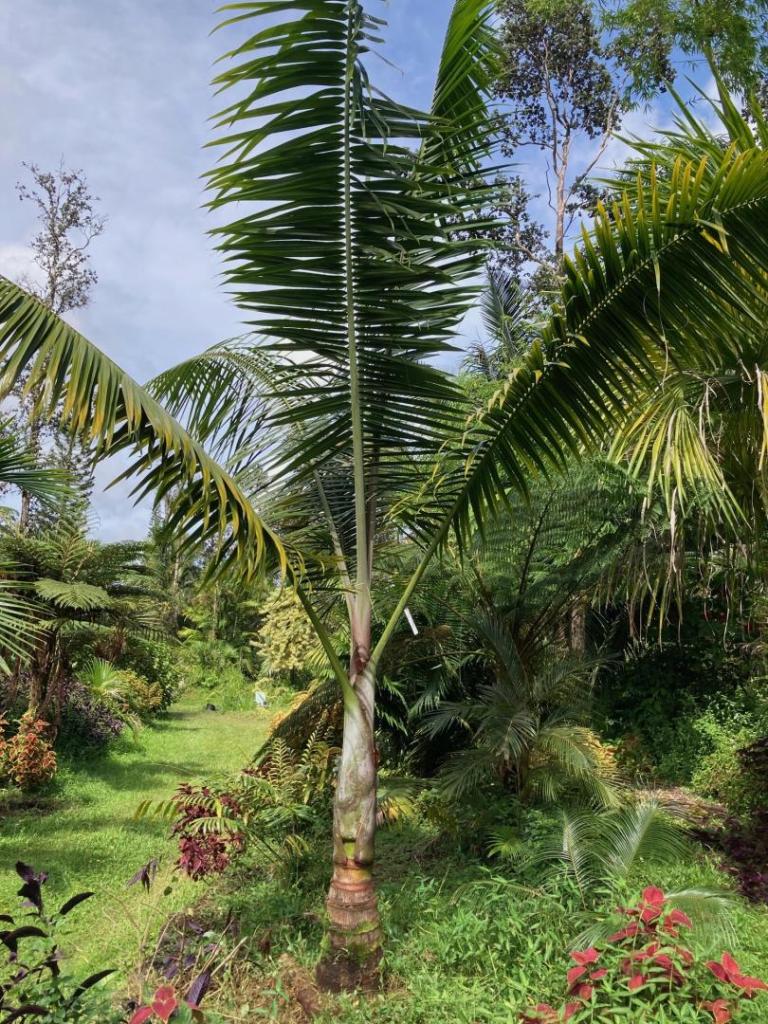
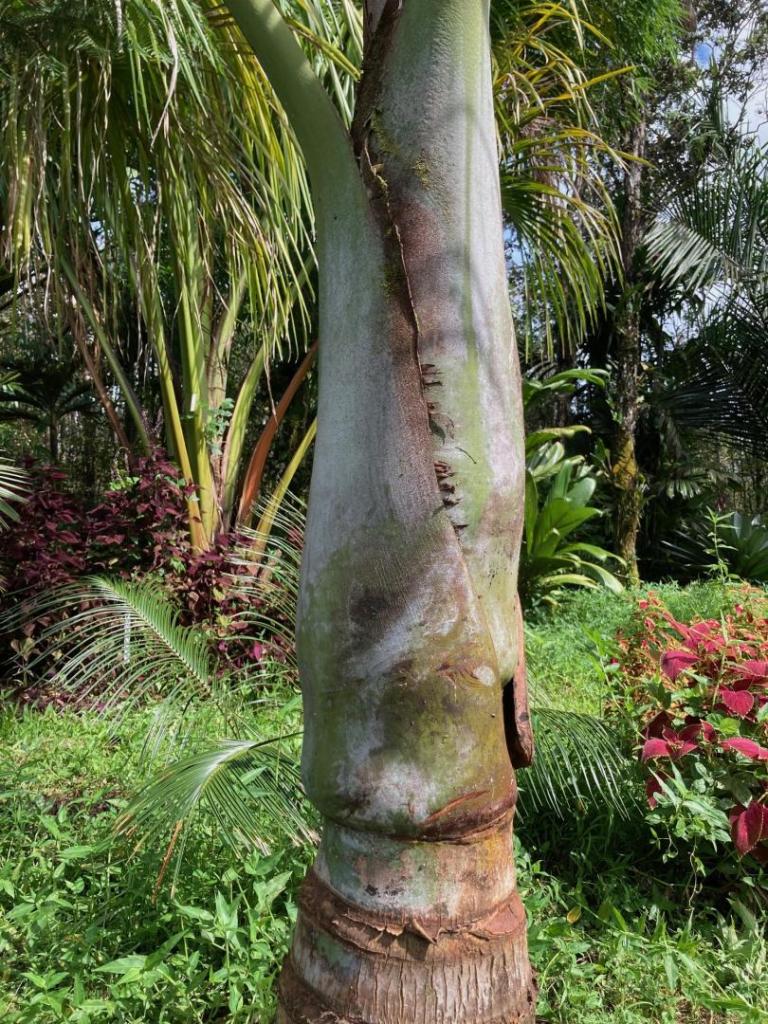
Rick Kelley replied to Rick Kelley's topic in DISCUSSING PALM TREES WORLDWIDEI’d group Chrysalidocarpus robustus and prestonianus as close cousins based on general stature and coloration. Fortunately, DNA sequence agrees. Individuals of these species growing in Hawaiian gardens sometime show variability. It is not entirely clear if this heterogeneity is the result of ancestral DNA sequence variability present in the population of each species, or unintentional recent hybridization in cultivation. In my garden, they both have distinctive red-brown, maybe slightly purple, crownshaft. My prestonianus has a very annoying defect where the junction between petiole and crownshaft is weak causing green fronds to flop down against the trunk long before they turn brown. I don’t think this is a trait generally seen in the entire species. robustus July 2017 Today One gallon prestonianus in 2018 today with Phytelephas macrocarpa on the left plus abundant weeds. Next, we turn to orange crownshafts. For my money, Chrysalindocarpus mananjarensis wins by a wide margin. Everyone is distracted by the mealy bug white spot pattern on the young petioles, but after the trees get big, those white spots are all but invisible. Instead, when large trees drop an old frond, it’s obvious that this species is a big Texas Longhorn fan. January 2018 Today with a new baby in the foreground. Then there are several hard to distinguish species with muted peach-orange crownshafts. I bought this one labelled Dypsis ampasindavae, but is now Chrysalidocarpus loucoubensis. After ten years in the ground, it has about seven feet of free trunk (25 ft total height) and began blooming a few months ago. It is growing right next to a blooming C. carlsmithii, so no idea if the seeds will be true or hybrids. The bees are very busy. DNA for this species was not included in Eiserhardt’s analysis. 2016 Not feeling particularly peachy today. Chrysalidocarpus pilulifer looks very similar to loucoubensis to my eye. This species had a tortured nomenclature history even before the latest revisions. At one time ‘Orange Crush’ was masquerading as pilulifer. For a while this palm was sold as Dypsis tokoravina, then ‘Jurasic Park’ before the most recent revision in 2022. I can certainly understand the confusion. The trees look pretty much the same, similar growth rates, similar new crownshaft coloration. I assume there are characteristics of the flowers or fruit that justify separate names. One gallon pot going in the ground Oct 2017 Today. The same giant bromeliad (Alcantarea imperialism) is seen in several photos. With some color after old frond falls. And speaking of ‘Orange Crush’, I’m going to have to give mine a thumbs down. Dransfield placed this into Chrysalidocarpus paucifolius in 2023 [Palms 67 (4) p 167] using material from cultivated Hawaii trees. Mine looks like the NON-orange trees photographed in that report. That’s right, the crownshaft of a palm named Orange Crush is only orange is some indivisuals. I got a green dud. No hint of orange, ever. Bummer. My tree has been blooming like crazy for years, but almost no fruit. Not that I would want to propagate it. Next is Chrysalidocarpus hovomantsina. I don’t know if this will get a colorful crownshaft once it trunks. I can see a small patch of orange on the base of one leaf. High hopes. It is located just 15 ft from the C. pilulifer. Both started with similar one-gallon babies in 2017, but the growth rates have been dramatically different. C. hovomantsina just sat there sulking for many years before finally deciding to start growing a couple of years ago. It might be about 10 ft tall, but still a year or two away from trunking. I do really like the stiff, almost crystalline leaflet arrangement. Another species whose DNA did not find its way into Eiserhardt’s analysis.
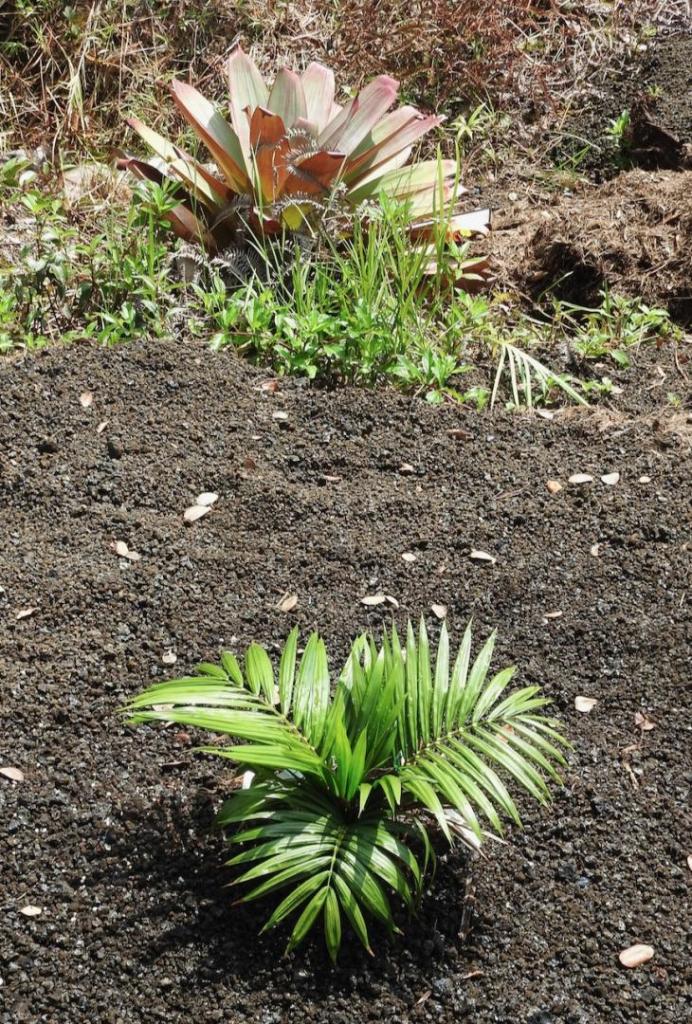
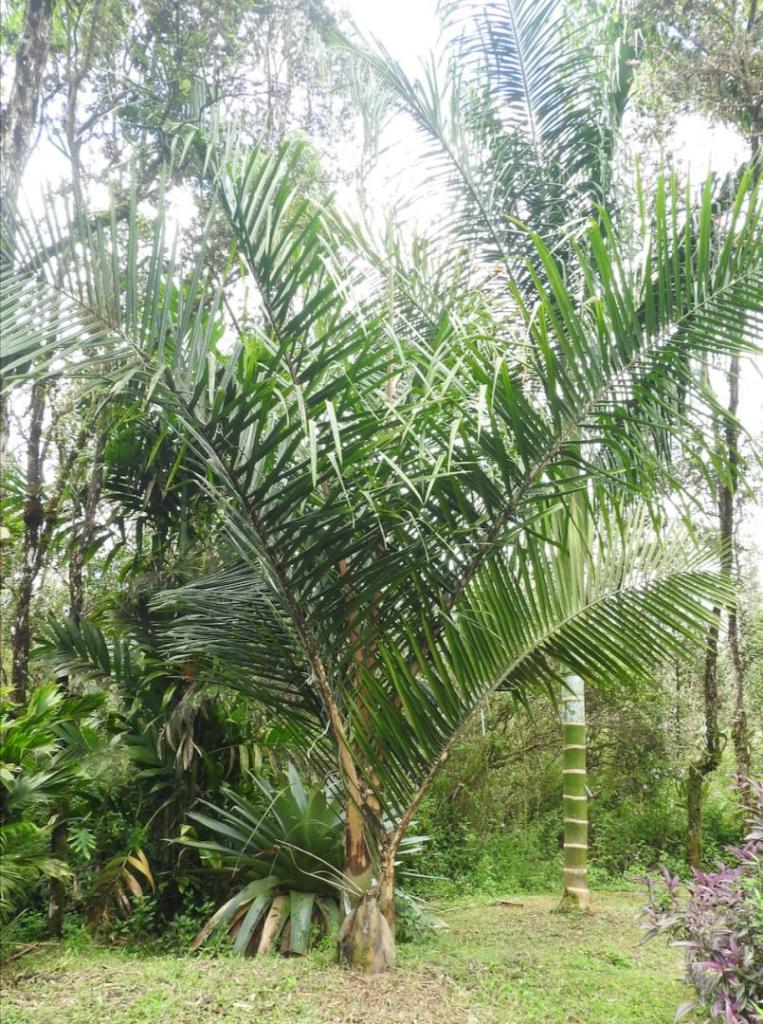
-
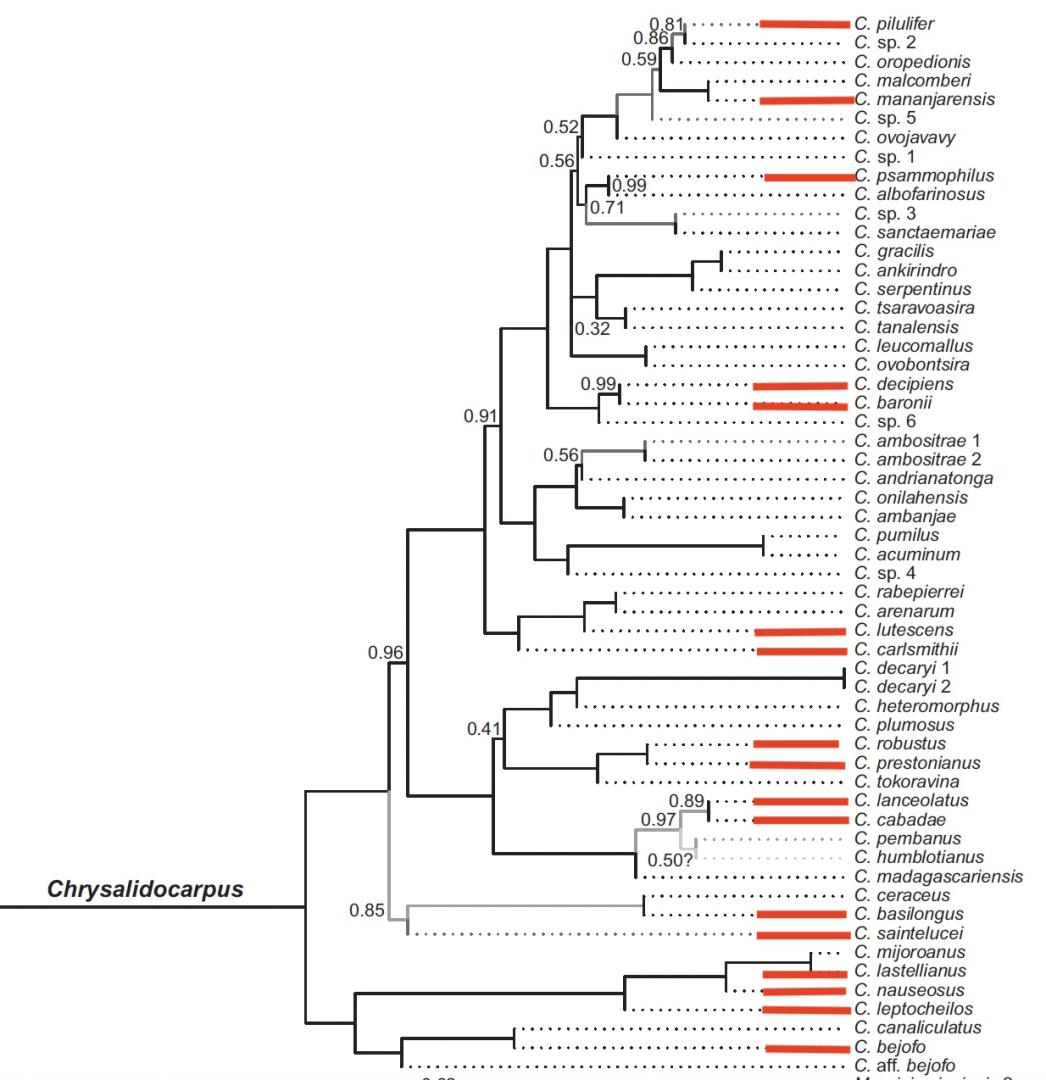
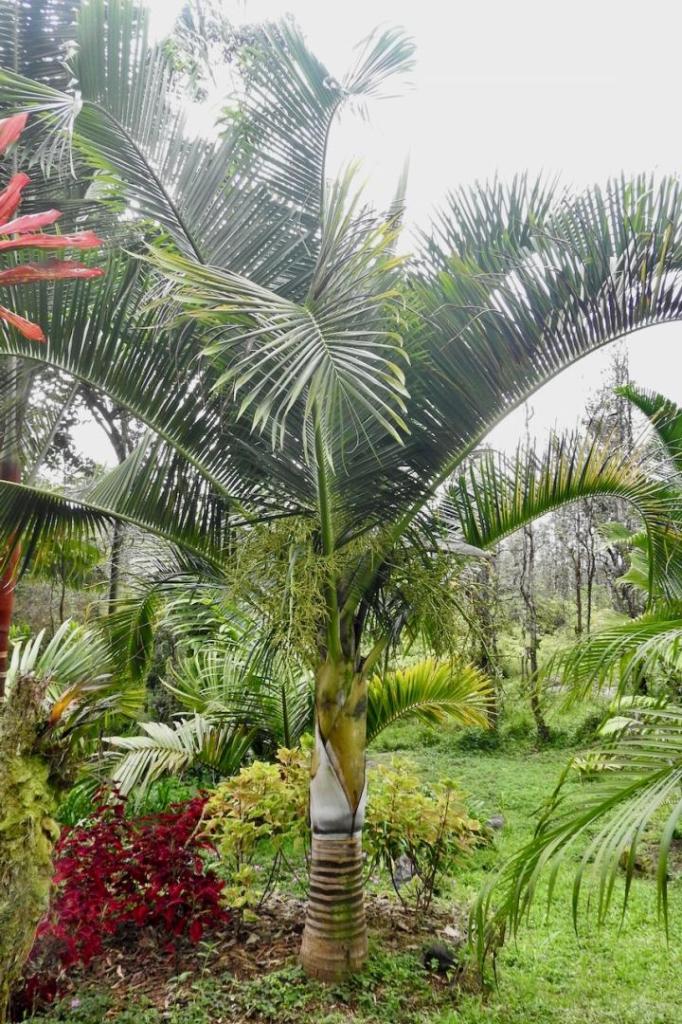
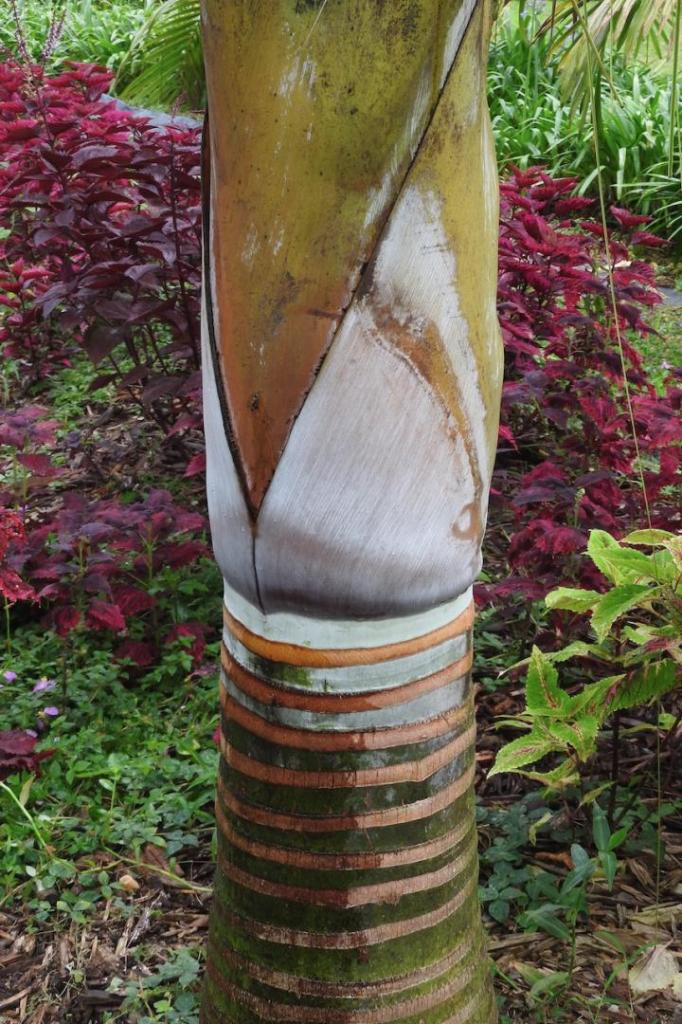
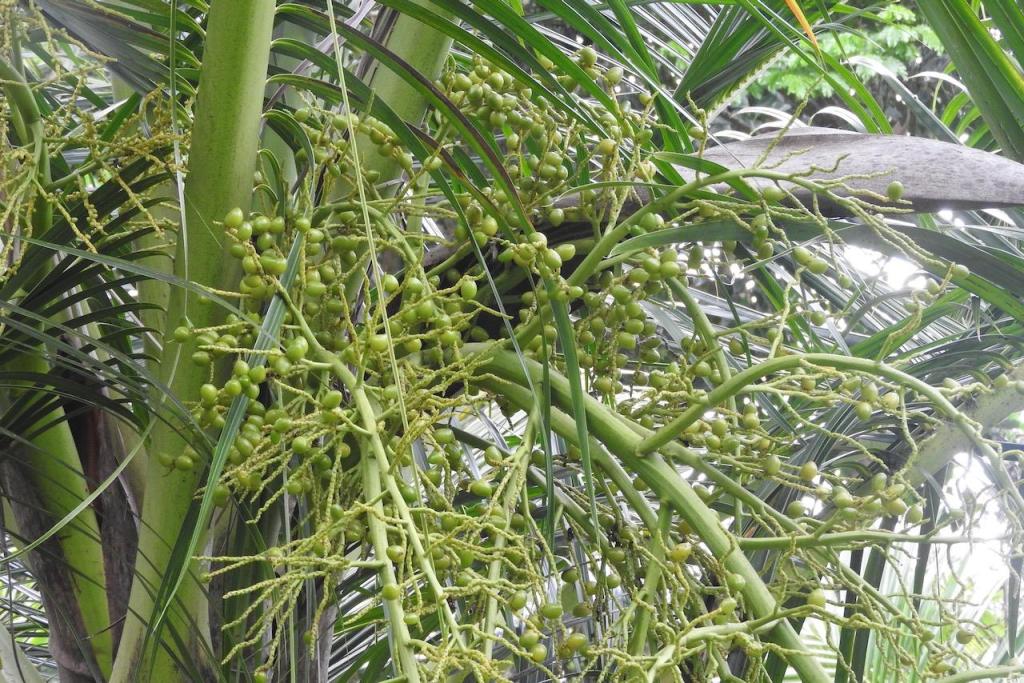
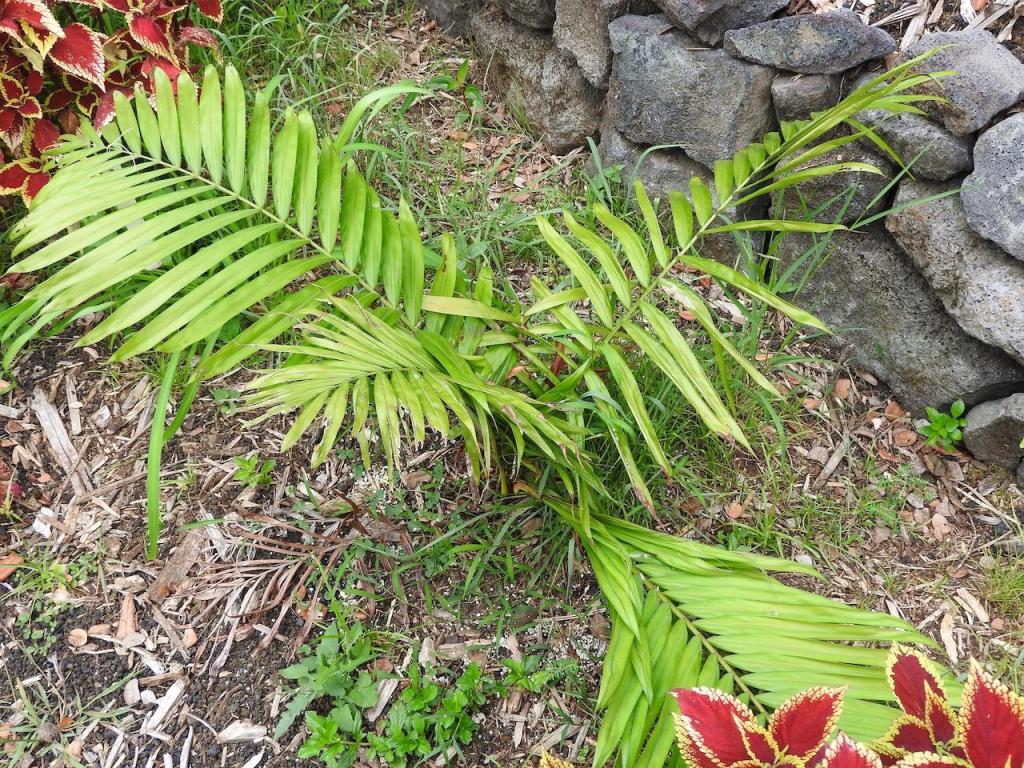
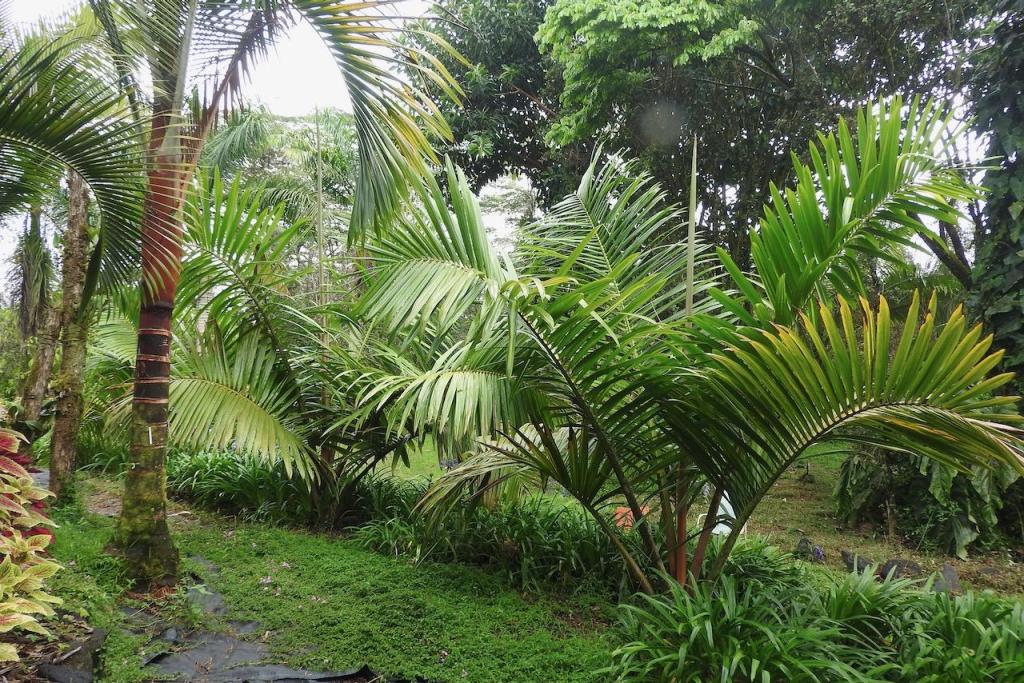
Rick Kelley replied to Rick Kelley's topic in DISCUSSING PALM TREES WORLDWIDEIt's now been about four years since taxonomists moved most of the large Dypsis into Chrysalidocarpus. Time to check in to see how they are adjusting to the change. Whenever possible I’ll refer back to the DNA phylogenetic arrangement proposed by Eiserhardt et al. (2022). The red bars indicate species growing in my garden. Let’s start with a strong Big Island connection. For decades, Dypsis sp. Carlsmith was known from a single cultivated specimen in Donn Carlsmith’s garden north of Hilo. That one tree produced most of the babies now found in collections around the world. It eventually got a valid botanical description and a new name, Chrysalidocarpus carlsmithii. Aside from the local connection, this is a wonderfully colorful species. Mine went in the ground ten years ago and just began blooming. Looks like I’ll get fruit on the first try. October 2016 Today first attempt at fruit Continuing on with especially colorful species, Chrysalidocarpus lastelliana is a real standout that is adaptable enough to thrive in many mainland collections. I have about a half dozen in the ground with the dark red crownshafts now a little above eye level. These also have very obviously swollen bases, which is absent from the related C. leptocheilos (teddy bear). My only suggestion would be for the fronds to spread out a more. The fronds are a little too upright for my taste. February 2017 lastelliana today left, titans on the right. This C. leptocheilos is a little faster than my C. lastelliana, and has been blooming for several years. While I’ll admit that the coloration is somewhat similar, there is no mistaking these two when growing side-by-side. C. leptocheilos has a more slender trunk, no swollen base, and less dramatic crownshaft coloration. DNA sequence confirms the close relationship with C. lastelliana. What is surprising to me is that DNA groups C. nauseosus with these two. So far, my nauseosus is a slow grower that has a slightly turquoise crownshaft, and does not resemble the other species with redish crownshafts. At different times various cultivated palms have been thought to be nauseosus. Maybe the one in my garden is mislabeled. C. nauseosus. Where's the color? Perhaps mislabeled?
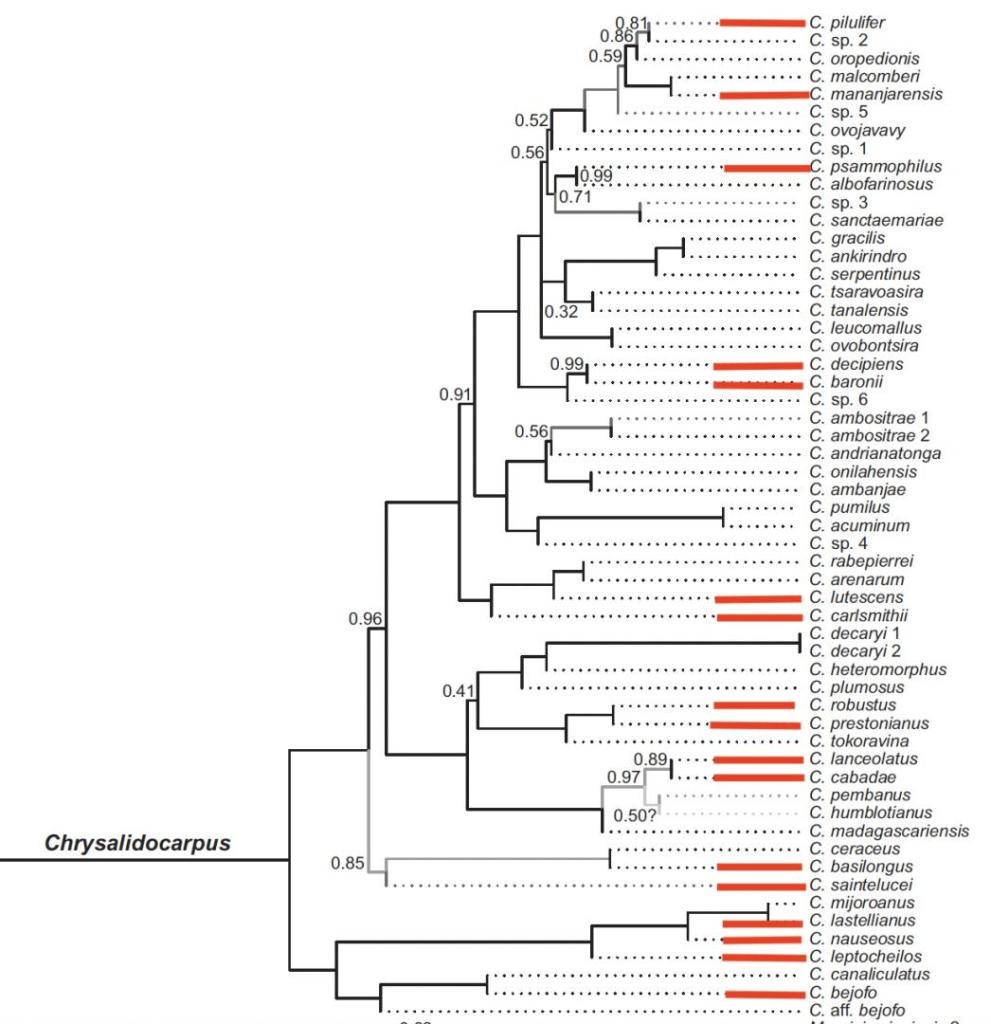
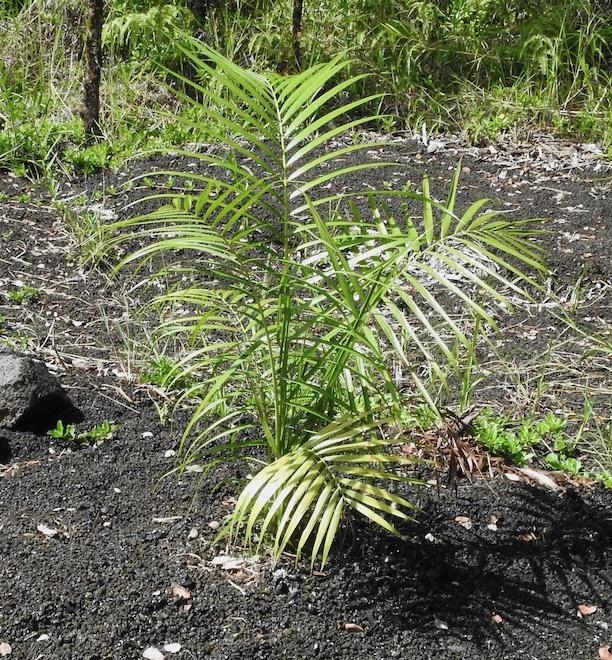
-
 Looking Glass replied to SubTropicRay's topic in WEATHER / CLIMATEMost of Florida only needs about 3 feet of rain in the next 3 months to make everything fine.... While recent rainfall has brought welcome relief to portions of northeast and central Florida, the St. Johns River Water Management District (District) is reminding residents, businesses and large water users that drought recovery will take time.Although many areas have received frequent rainfall in recent weeks, the District remains nearly 3 feet below its normal rainfall totals. It will take sustained, above-average rainfall over an extended period to replenish groundwater supplies, restore river flows and recover from months of accumulated rainfall deficits. Recent rainfall has helped improve conditions in some areas, but summer conditions also influence how much water reaches the aquifer. In July, an average of 5.17 inches of water is lost through the natural processes of evaporation and plant use. With 6.84 inches of rainfall during the month, only a small amount of that rainfall remains available to help recharge groundwater supplies. Above-average rainfall over an extended period is needed for water resources to fully recover. The District’s Phase III Extreme Water Shortage declaration remains in effect throughout the affected areas. The declaration was issued in response to prolonged drought conditions, declining groundwater levels and reduced surface water flows.
 -
Phoenikakias replied to happypalms's topic in DISCUSSING PALM TREES WORLDWIDEThe pictures do not need any explanation