

Leaderboard
-

happypalms
IPS MEMBER20Points13,189Posts -

tim_brissy_13
IPS MEMBER14Points2,559Posts -

Husain
IPS MEMBER6Points261Posts -

Motlife
IPS MEMBER6Points116Posts
Popular Content
Showing content with the highest reputation on 08/05/2026 in all areas
-
4 points
-
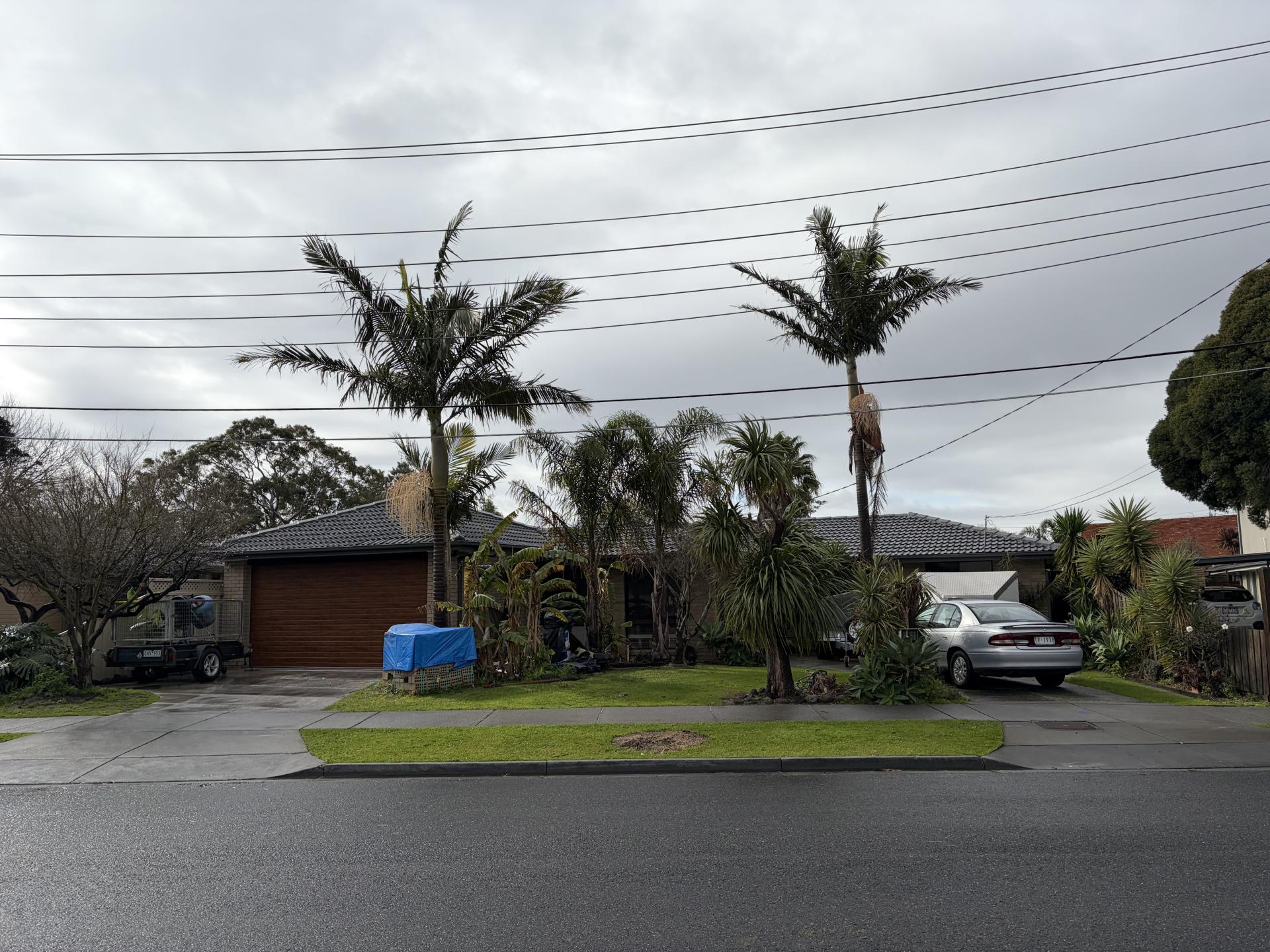
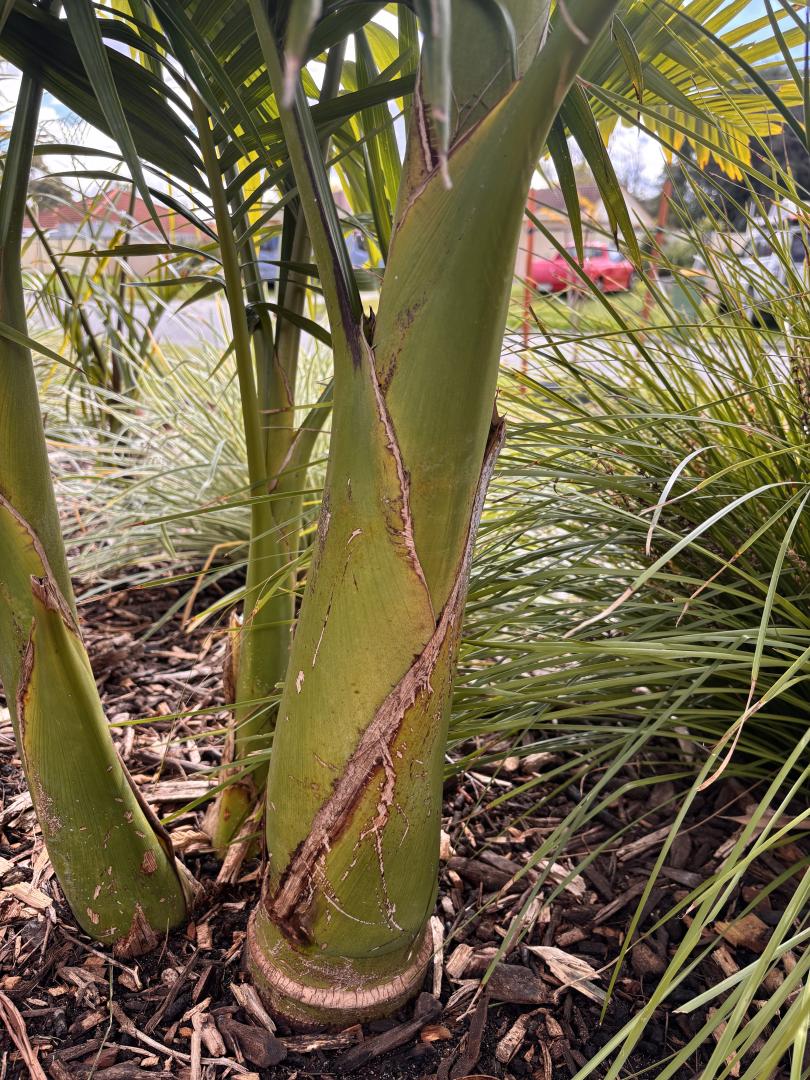
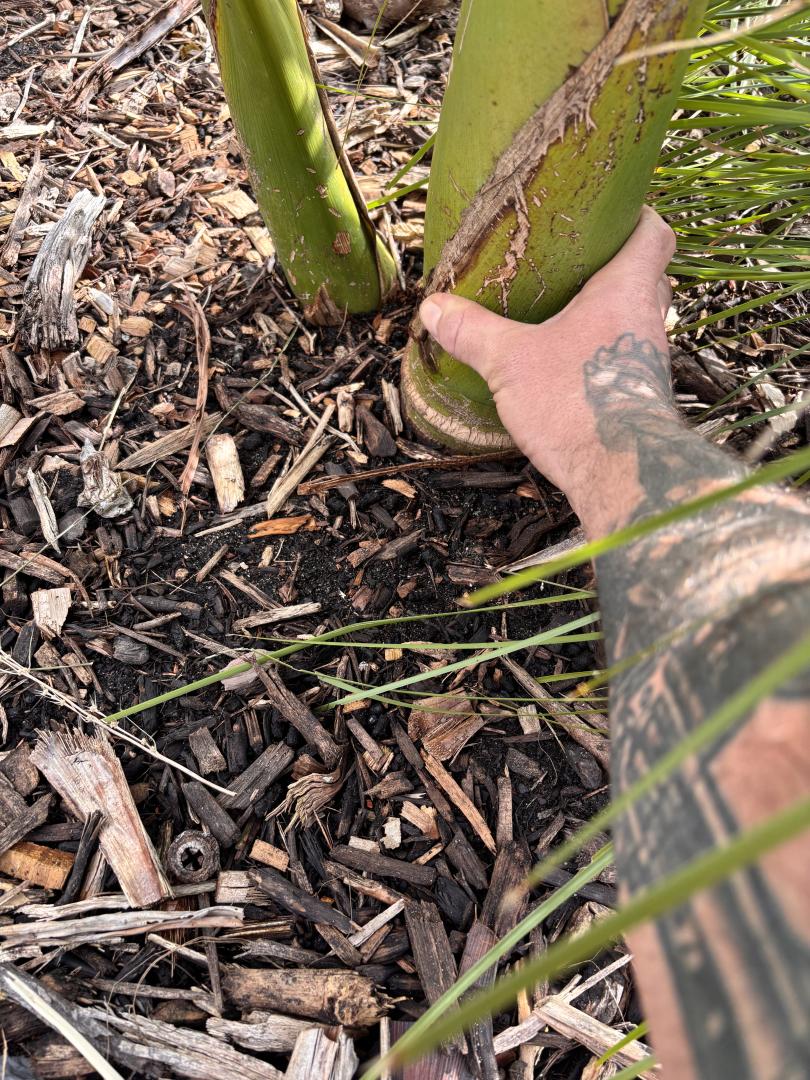
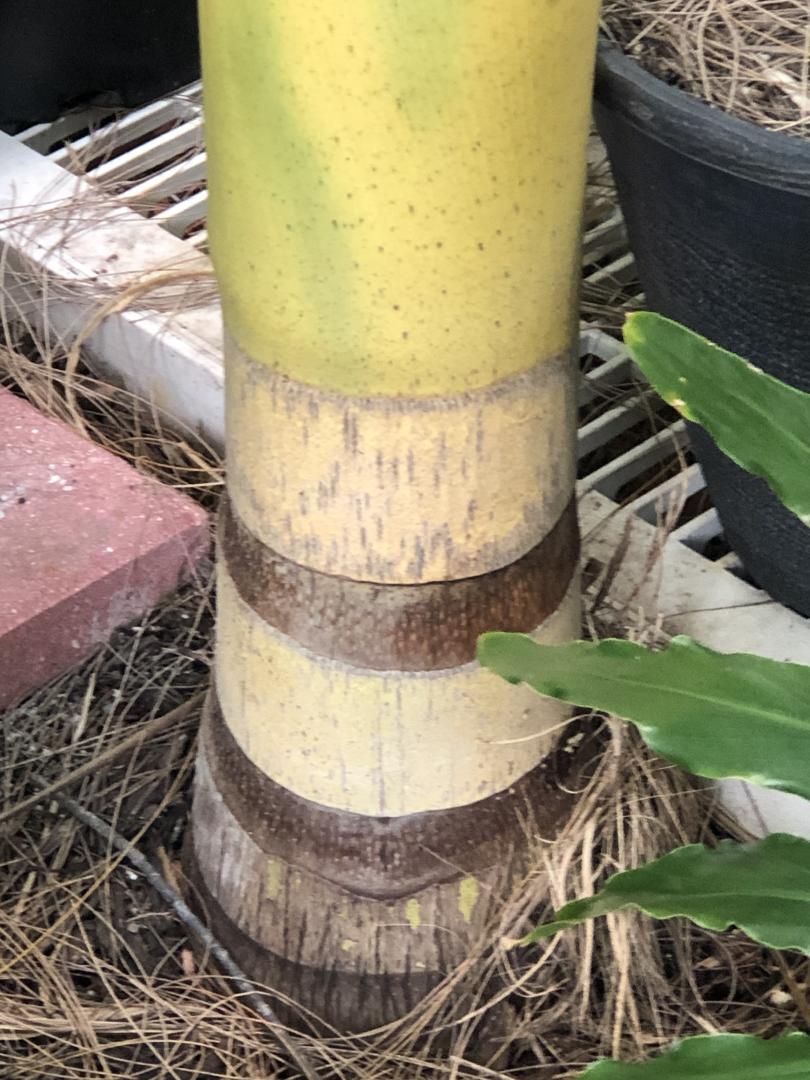
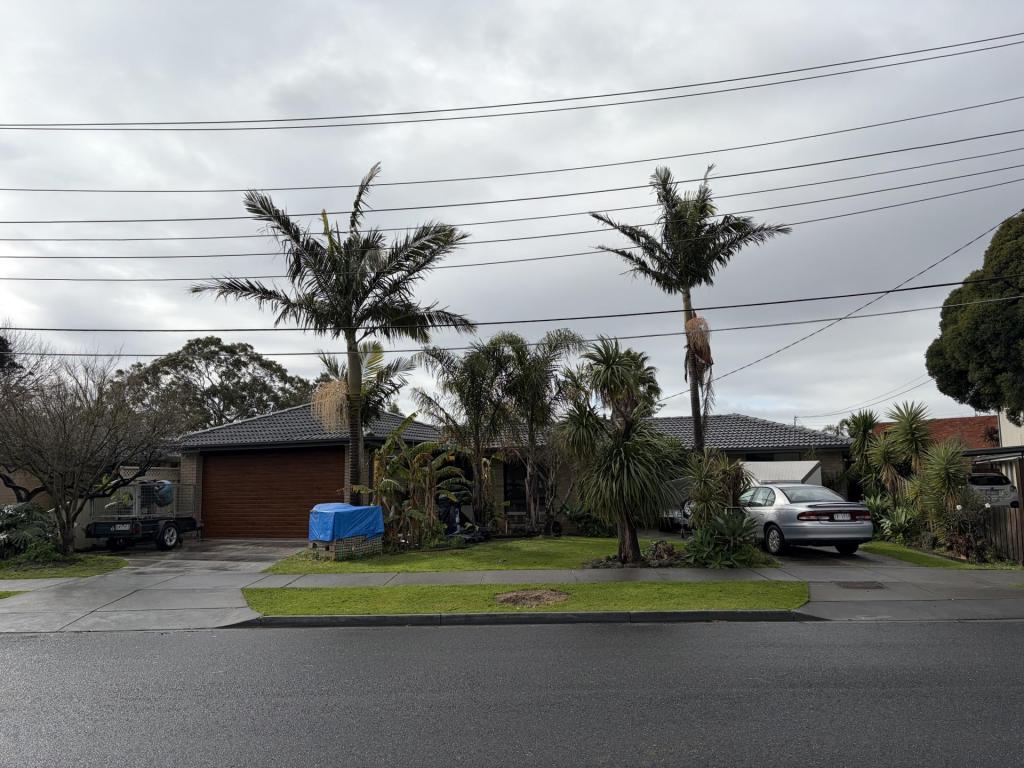
Here’s a front yard near my house with a couple of Archontophoenix that I’ve long suspected to be A cunninghamiana x alexandrae or the reverse. Similar traits to ‘Teracarpa’ above; very large and thick trunk (can see a smaller A alexandrae behind the one of the left if you look closely, even the S romanzoffiana are smaller overall), speckled olive green and brown crownshaft, growth rings all brown with some scales on the upper ones, abaxial surface of leaflets with some silver and no noticeable ramenta that I could see. Interestingly they have the A alexandrae cream coloured flowers. These hybrids tend to lean towards A alexandrae from what I’ve seen.
 4 points
 -
Licuala sp would all be out of the question if you’ve got Beccariophoenix alfredii getting damaged. Lanonia dasyantha in a very protected spot under canopy up against a house or something…maybe but marginal at best I’d say. Chamaedorea radicalis and C microspadix should work well under some protection. Butia sp. Trachycarpus sp although summer heat might be a struggle for some of them. Maybe give Guihaia argyrata a go if you can find one. Chamaedorea humilis shouldn’t have a problem and some varieties like var argentea and ‘Vulcano’ are quite attractive. Rhapidophyllum, Sabal sp, Nannorrhops and some Brahea species should do well too.4 points
-
 I'm up in Jacksonville and am growing many species of Butia (Odorata, paraguayensis, catarinensis, archeri), many Syagrus (Romanzoffiana, cearensis, campylospatha, hoehnei, schizzophylla, lorenzoniorum, weddellianum), many Chameadorea (Radicalis, microspadix, geonominformis) Sabal domingensis, Trachycarpus fortunei, Chamaerops humilis, Caryota maxima, many Livistona (Saribus, Mariae hyrbid, chinesis, decora), Rhapis var., Chuniophoenix (nana and hainanensis), Butigrus, Jubautia, and probably am growing the only pure Jubaea chilensis in the state. That's just the palms....am growing over a dozen types of cycads as well. If you're interested in a visit shoot me a DM.3 points
 -
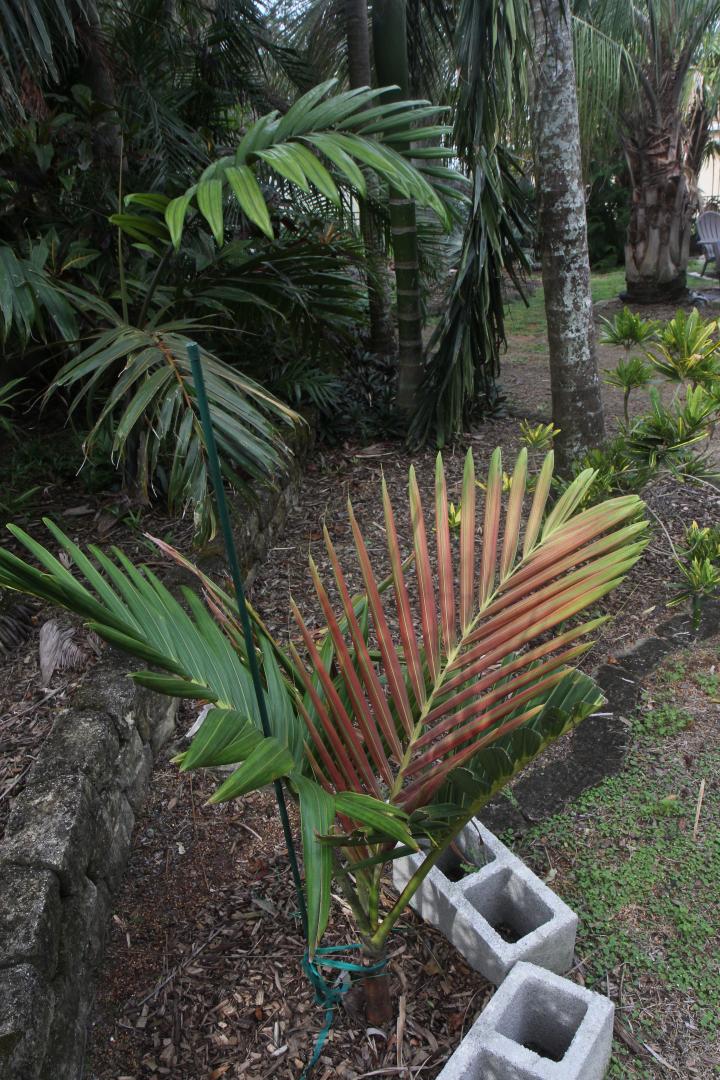
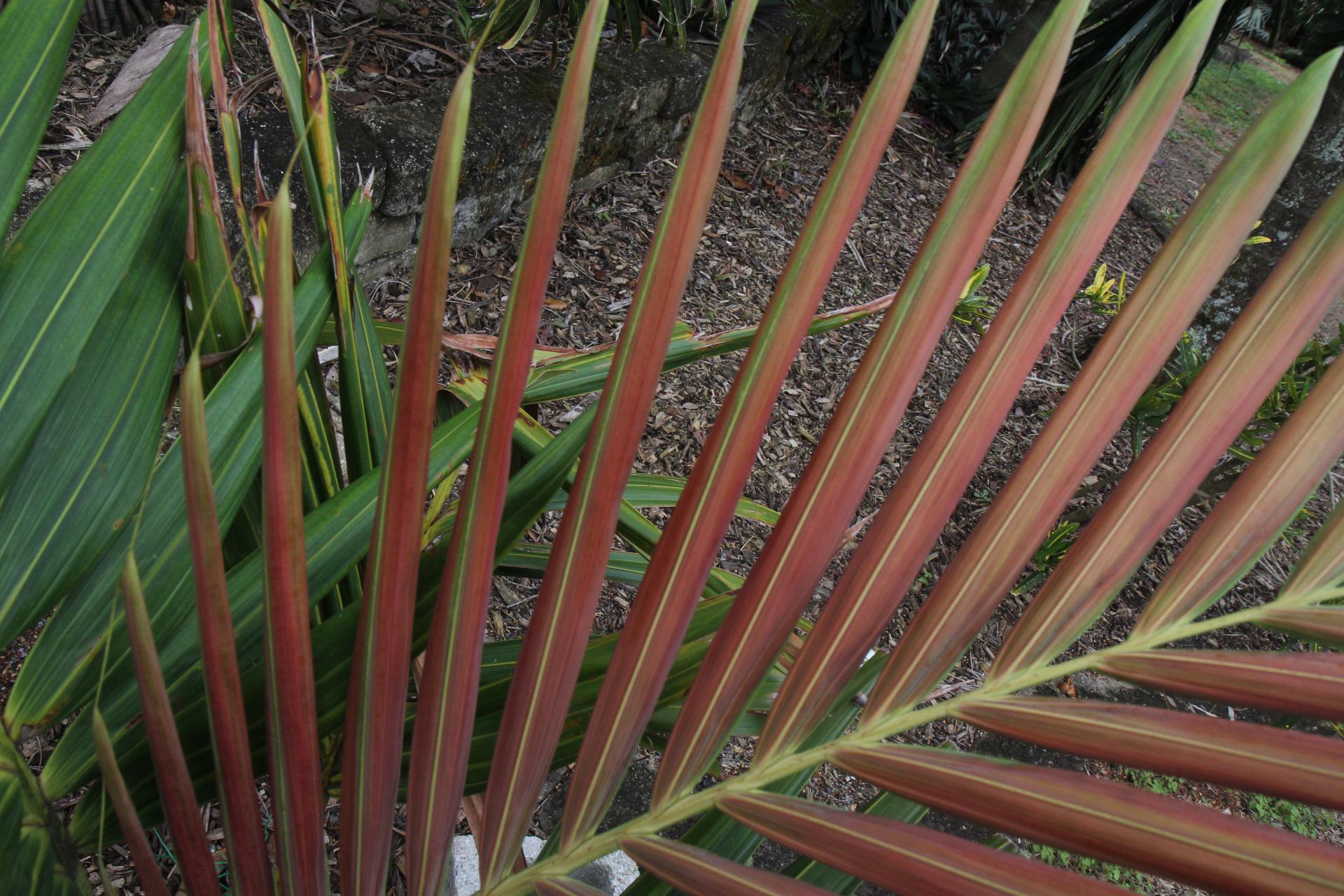
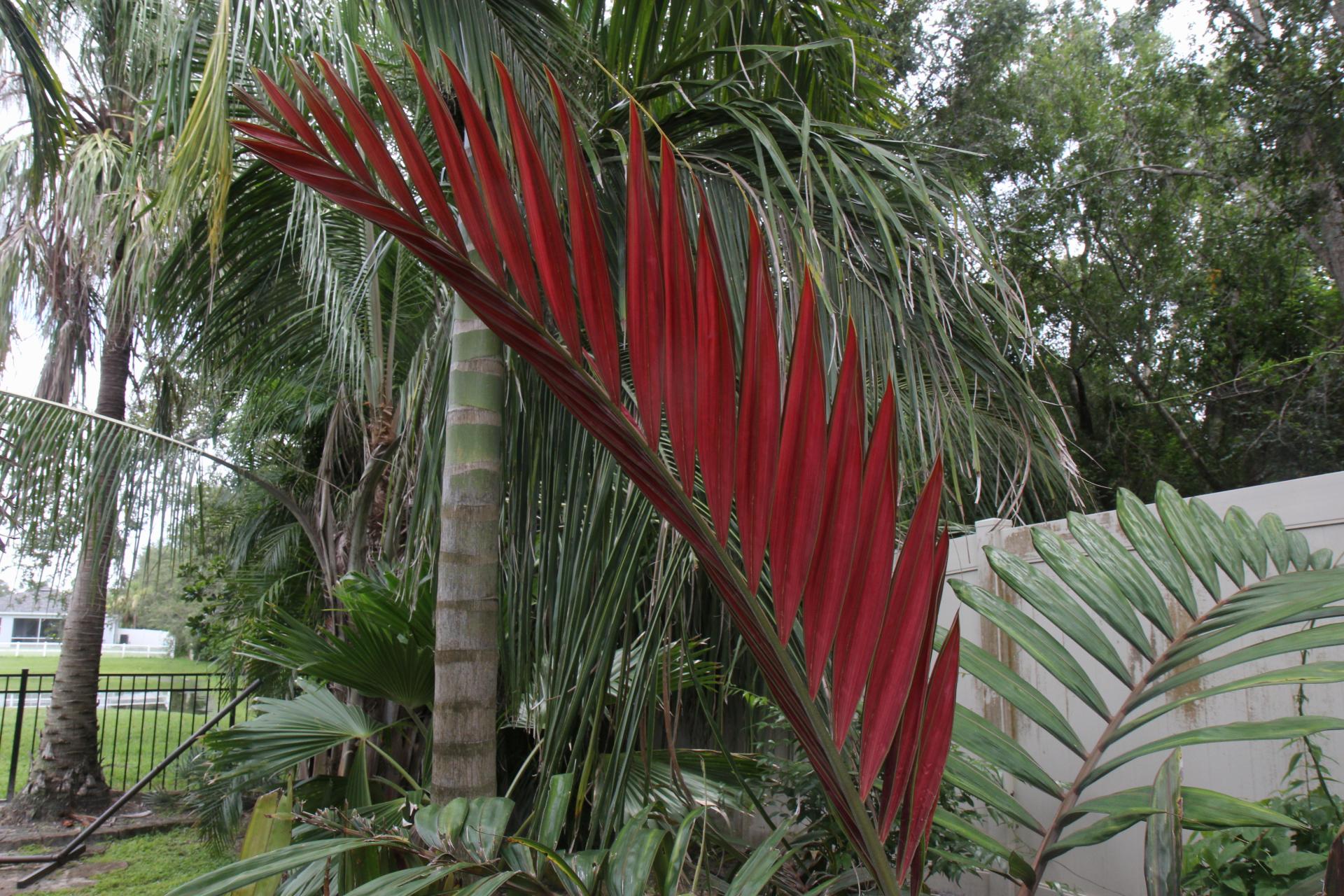
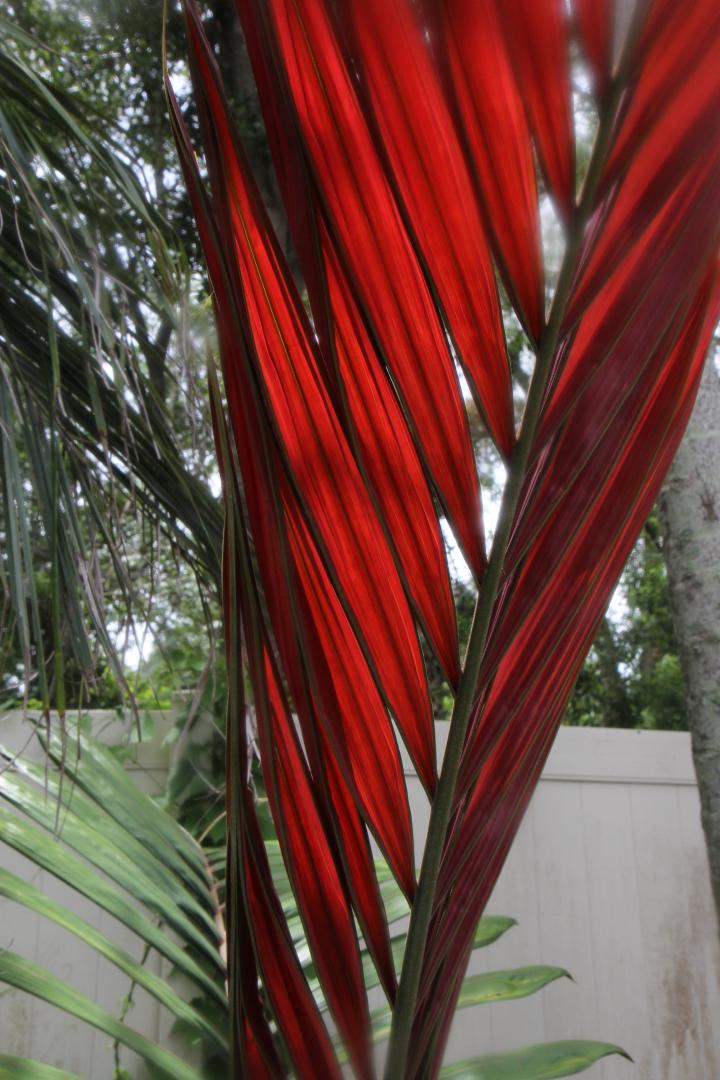
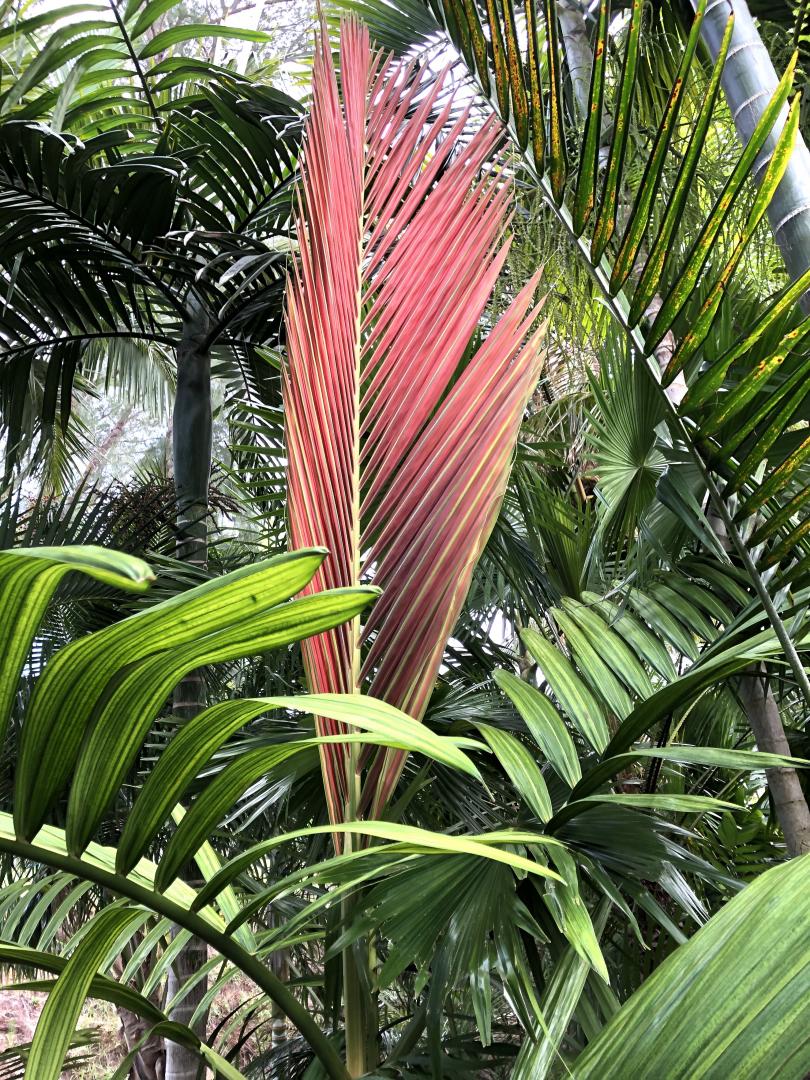
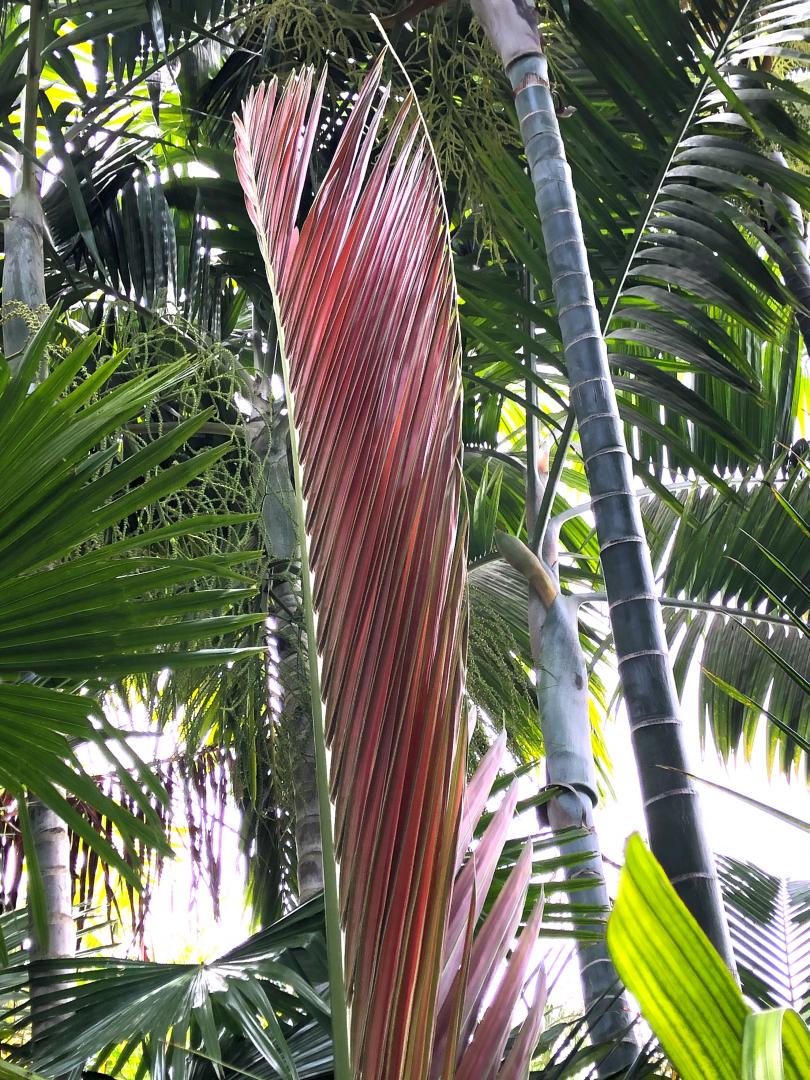
 my houailou is not as red as megs but it show some nice color. First leaf it had a nice yellow border around the pinkish red. This the last one was more pink reddish. Th reason I pinkish red is my hookeri are very red, like near fire engine red. Here is the houialou I waited a few days for the leaves to uncurl and it shows a little less of the pink red And here is the hookeri, which has also a more persistent red as much as a month or more vs no mor ethan a week for houialou. and with some direct sun transmitting the leaf, it becomes a "flame leaf" I also have noticed the houailou is definitely more erect, I never noticed leaves at or below the horizontal.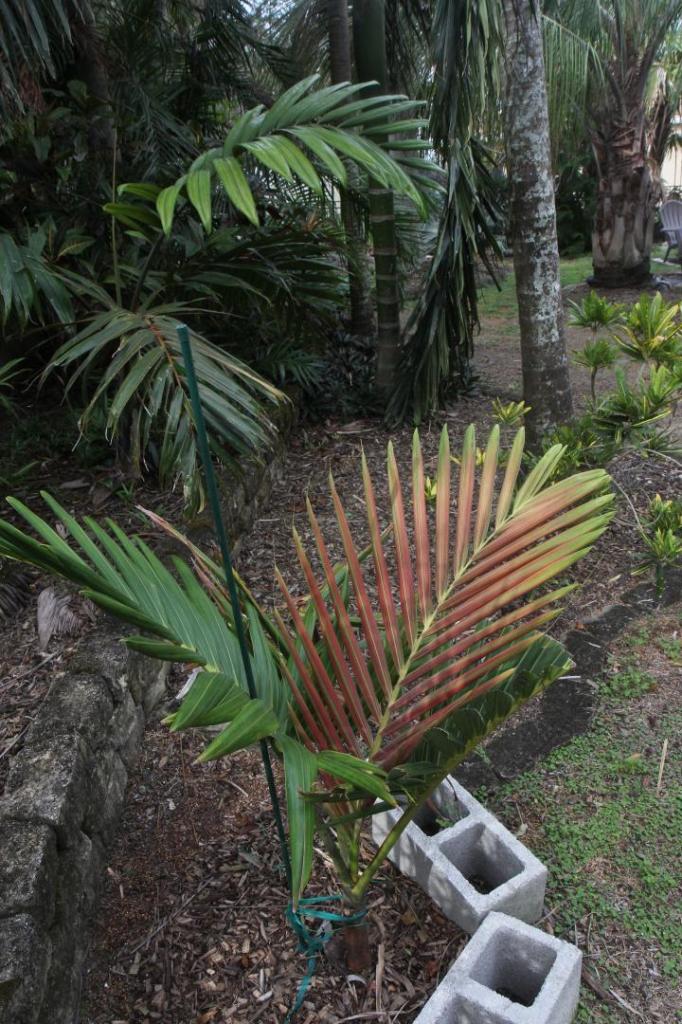
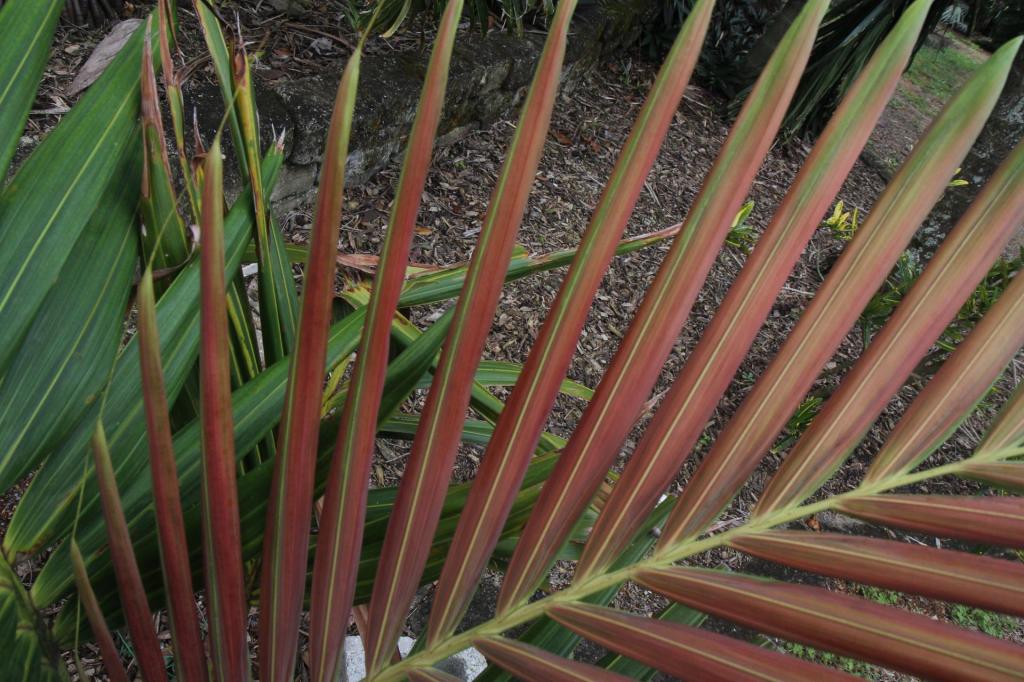
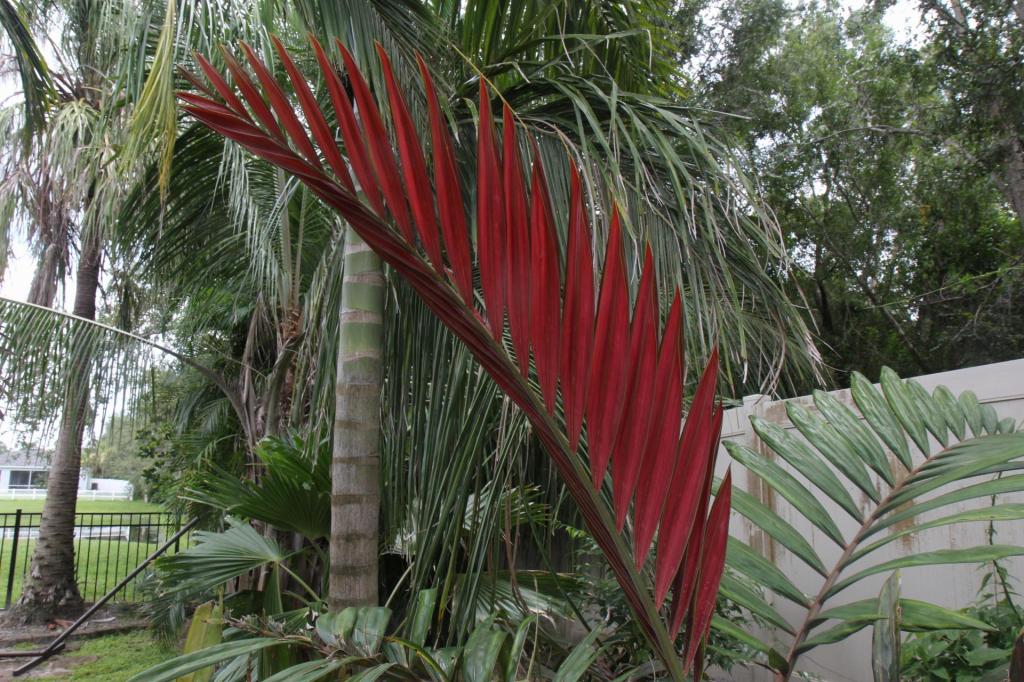
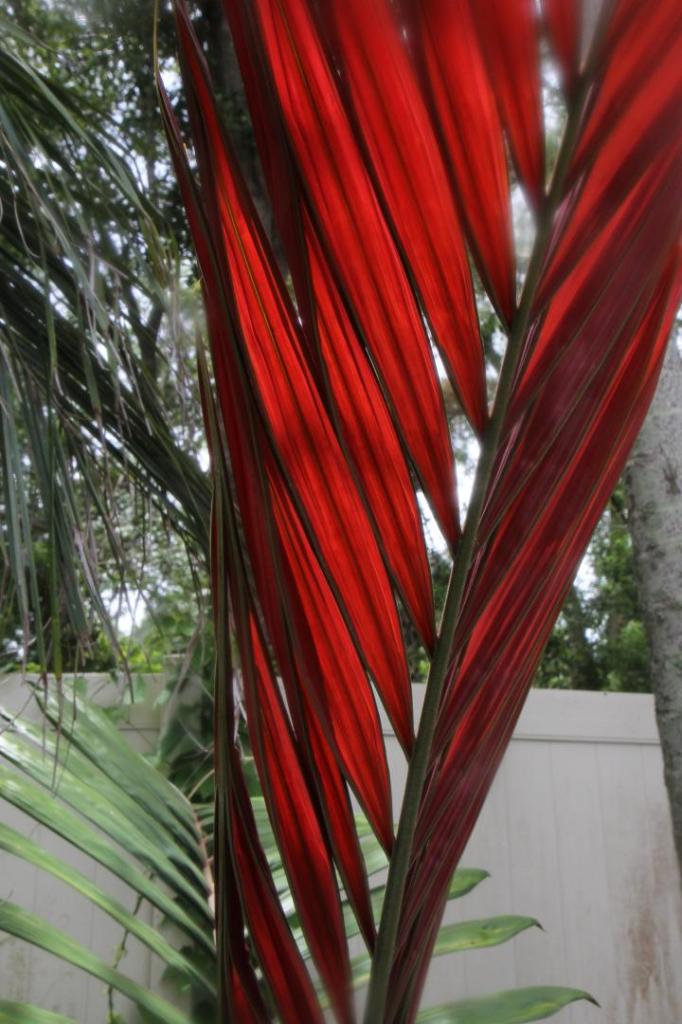 3 points
 -
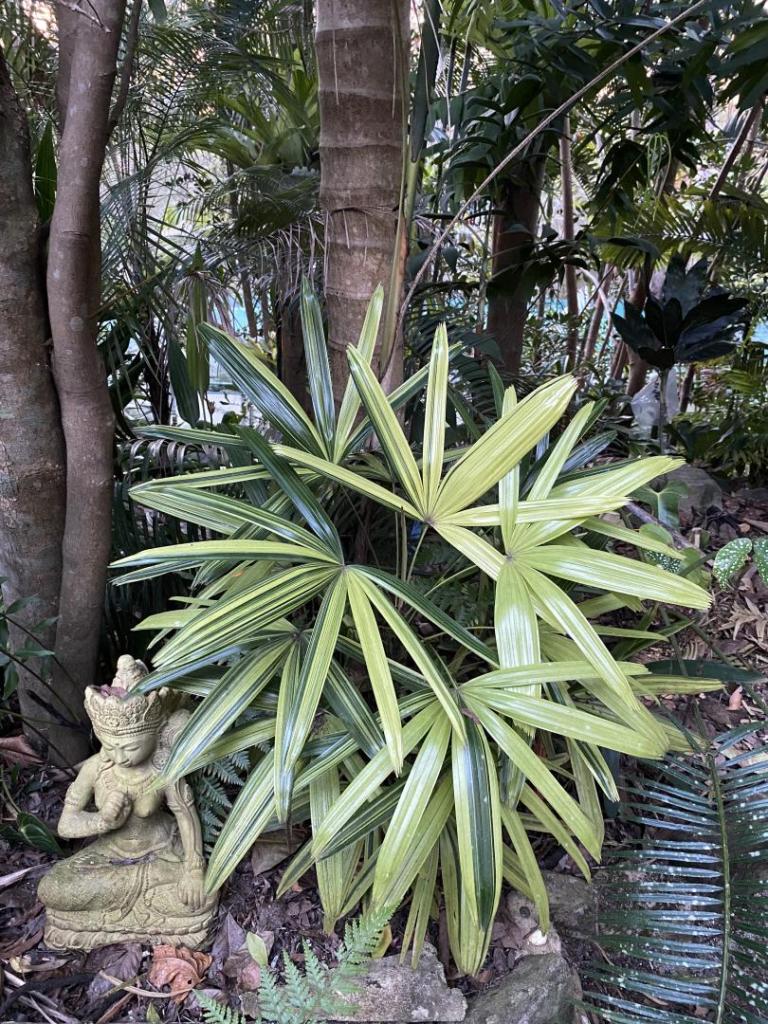
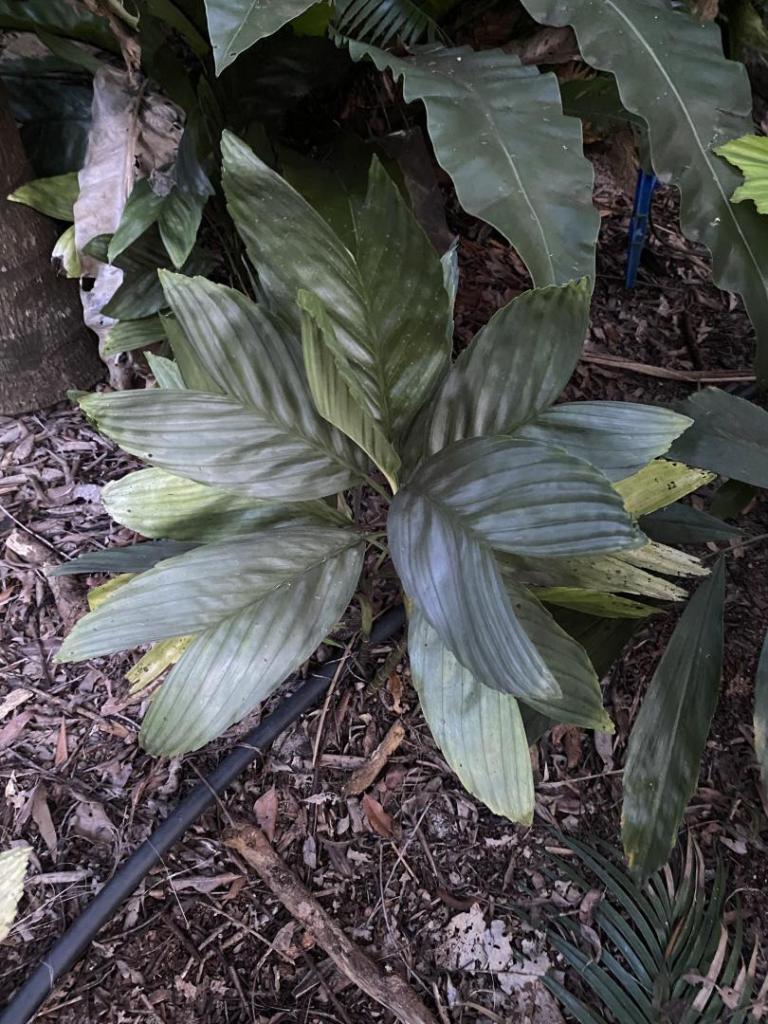
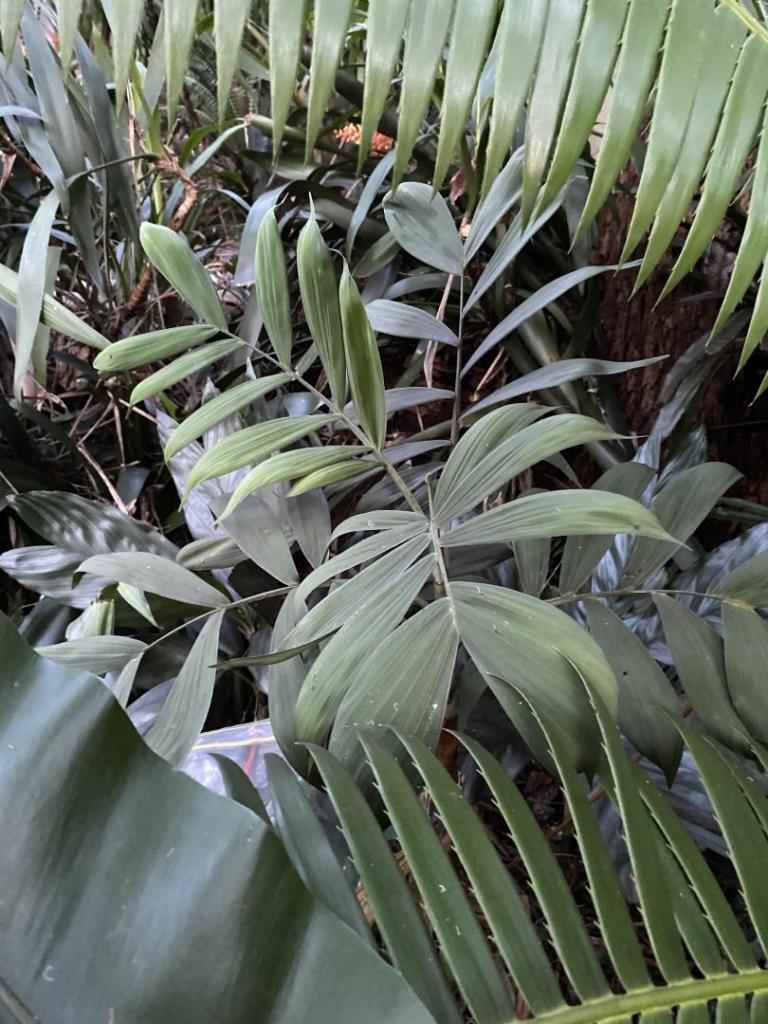
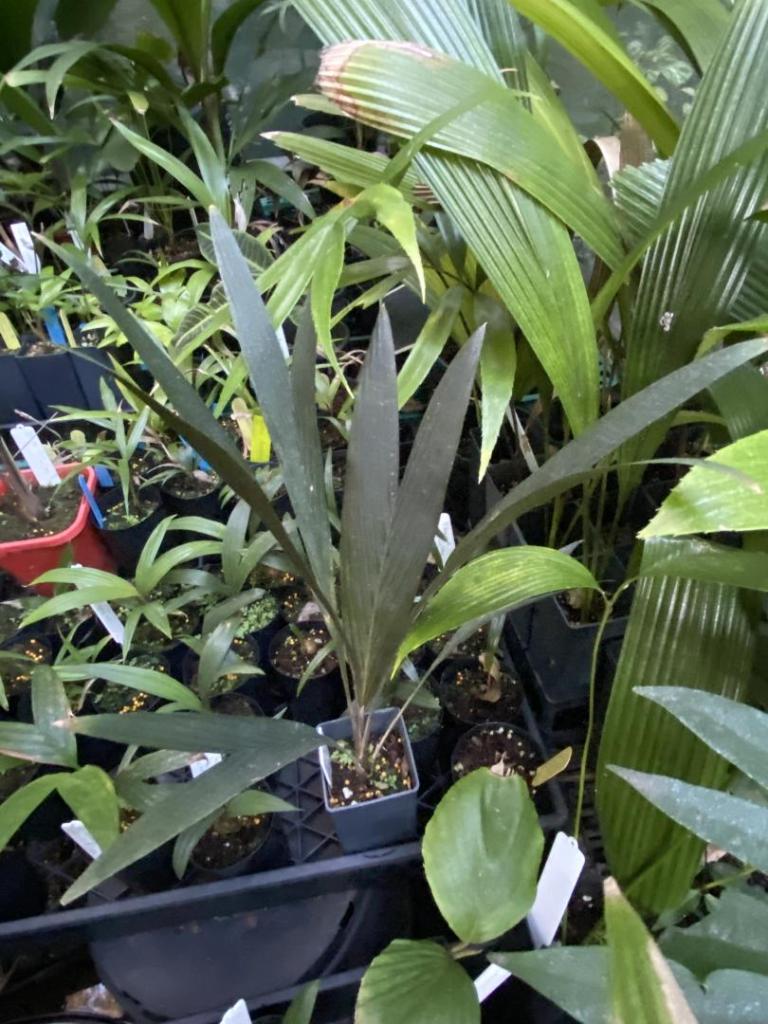
3 pointsKerriodoxa elegans, Johannesteijsmannia altifrons, Geonoma atrovirens, iguanura wallichiana var major, Areca vestria red form, sabinara magnifica, reinhardtia gracilis, chamaedoreas are must have, variegated rhapis. Then there are Zamias, Cerotazamias they all compliment palms and there are many of them to collect. Good luck once the palm bug bites you it’s a whole new world of plants!
 3 points
 -
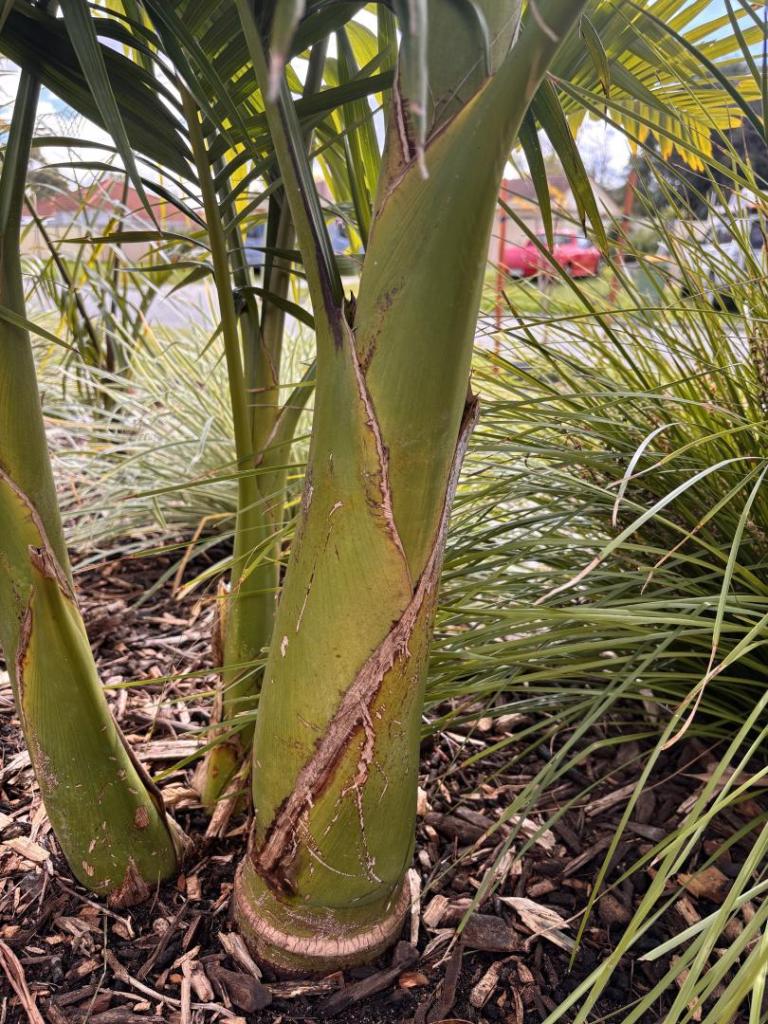
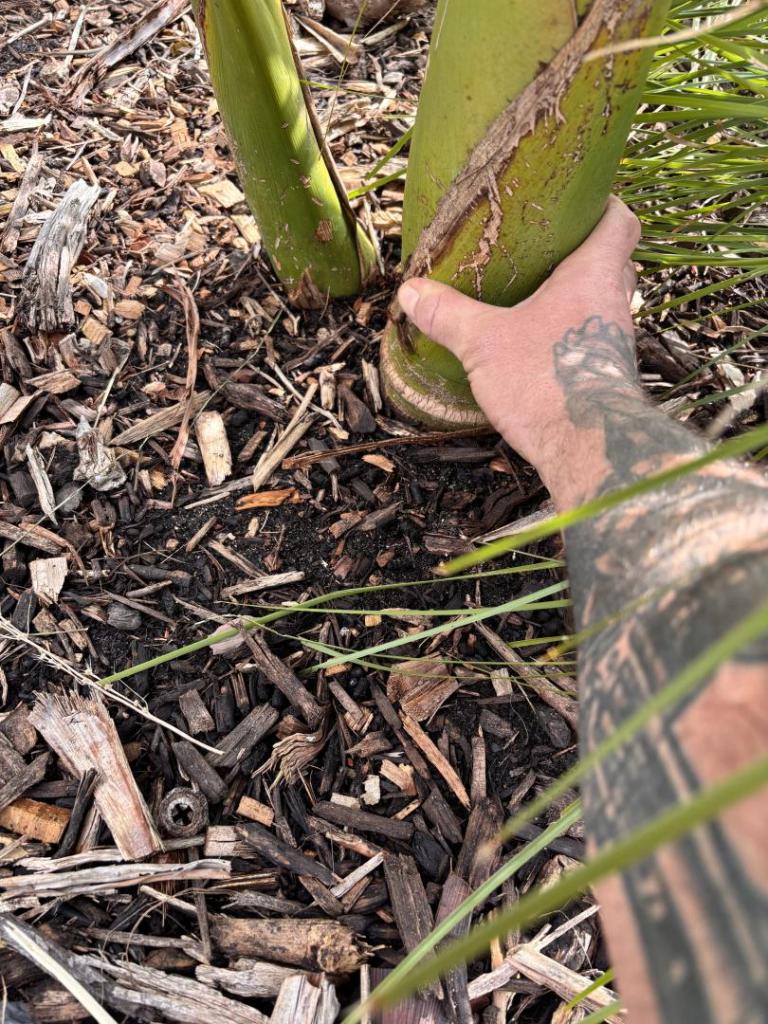
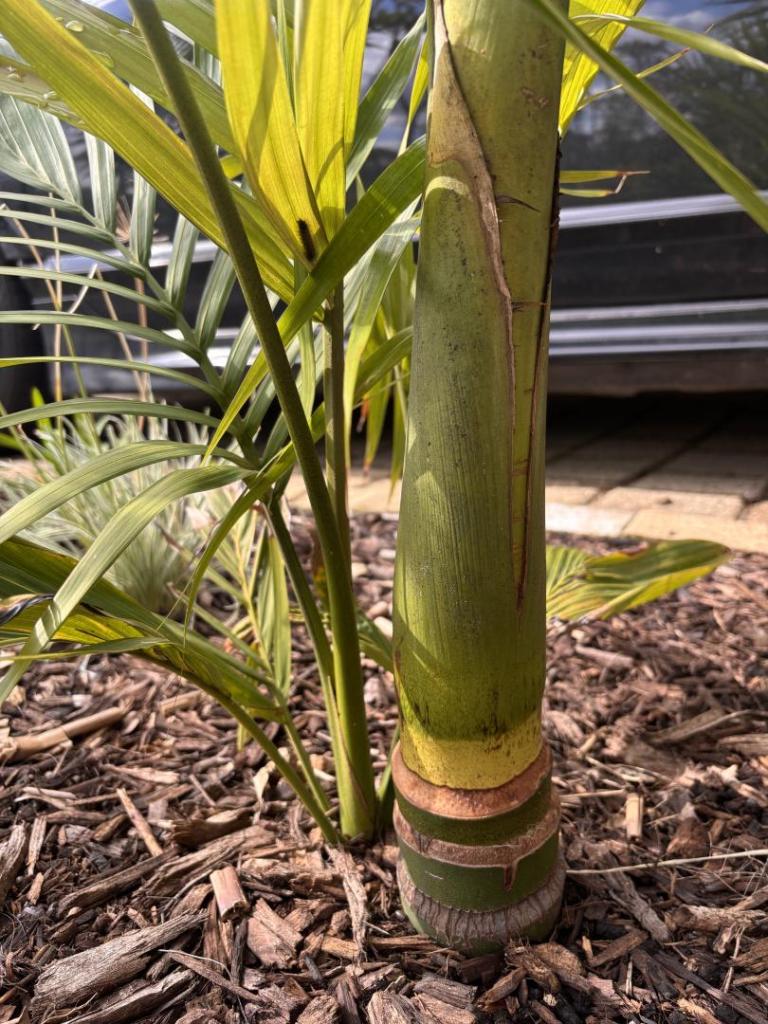
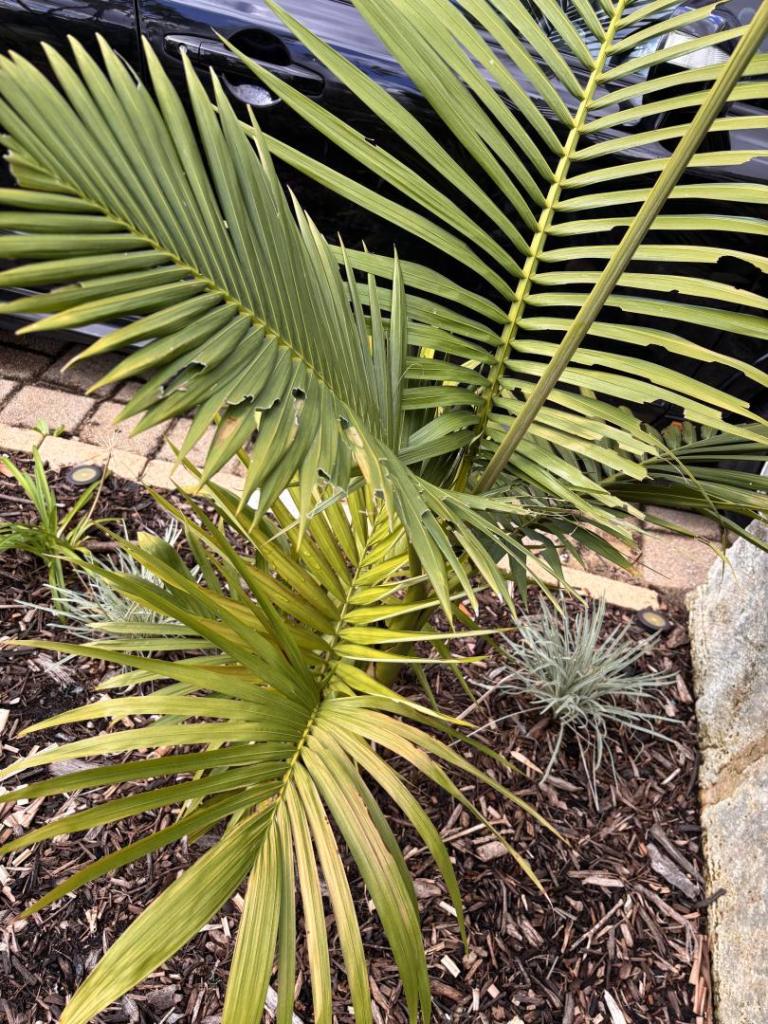
 Surely not too far fetched in Australia Tim? Not sure how many years Archontophoenix sp have been in the nursery trade but almost every nursery I visit, the alexandrae and even cunninghamiana to lesser extent all exhibit different traits of hybridisation. It’s part of the reason I’ve bought all mine from different places including Darwin and Broome in the top end. That said, I’m guessing the alex is known to be quite variable in looks and traits yeah? Here’s two of my known to be ‘albang’ hybrids, both have been grown completely different from one another and seed have come from the same mature grove of alex and bangalows . First one has become very girthy and is only starting its second ring, where as the next has grown exponentially quicker but is quite skinny and different looks and has retained its green on the trunk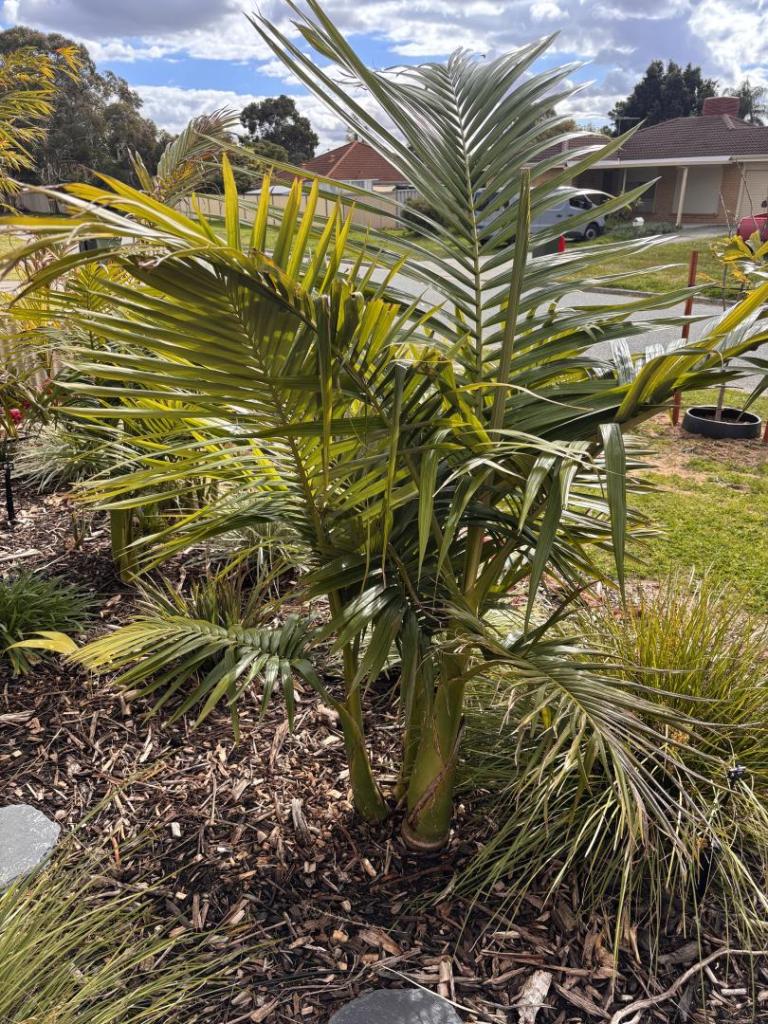
 3 points
 -
 I've seen Copernicia Alba in St.Augustine although it's been a couple of years. Large Livistonas near the college.3 points
 -
Almost impossible. There would need to be multiple generations bred to introduce each species into the mix. The chances of it accidentally happening over a minimum of 3 generations is slim to none, also keeping in mind that only a few Archontophoenix hybrids have been documented. I’m guessing these ‘Teracarpas’ are now multi generational (F2, F3 etc) hybrids of only 2 Archontophoenix sp. I certainly see no evidence of influence by A purpurea for example.3 points
-
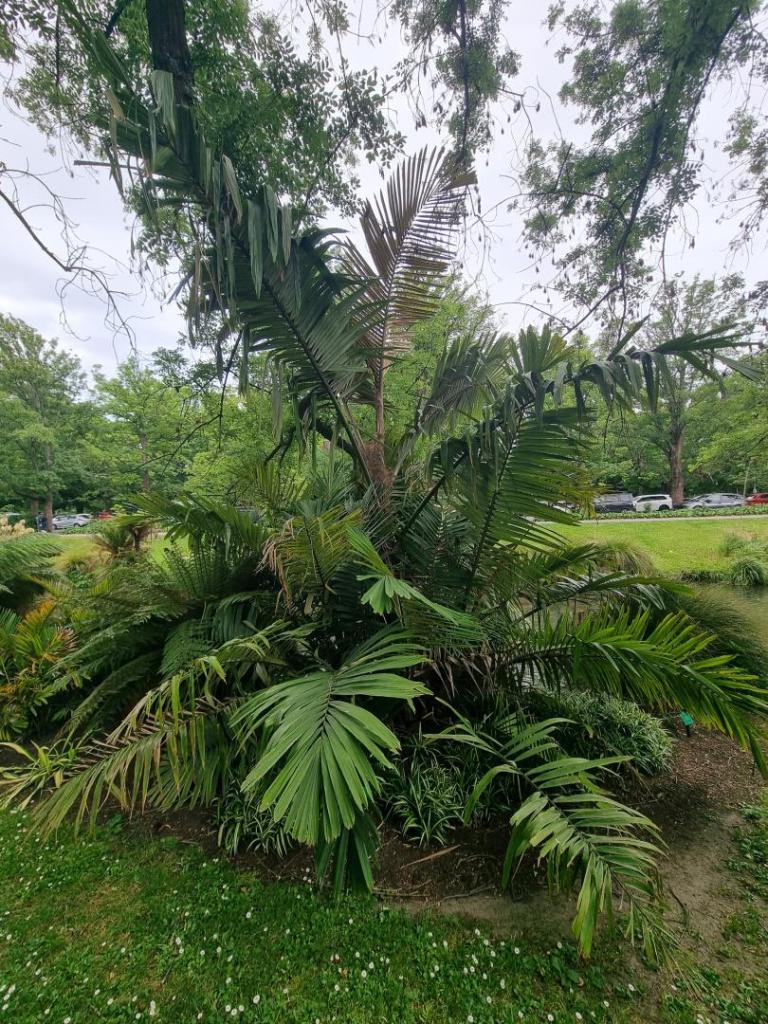
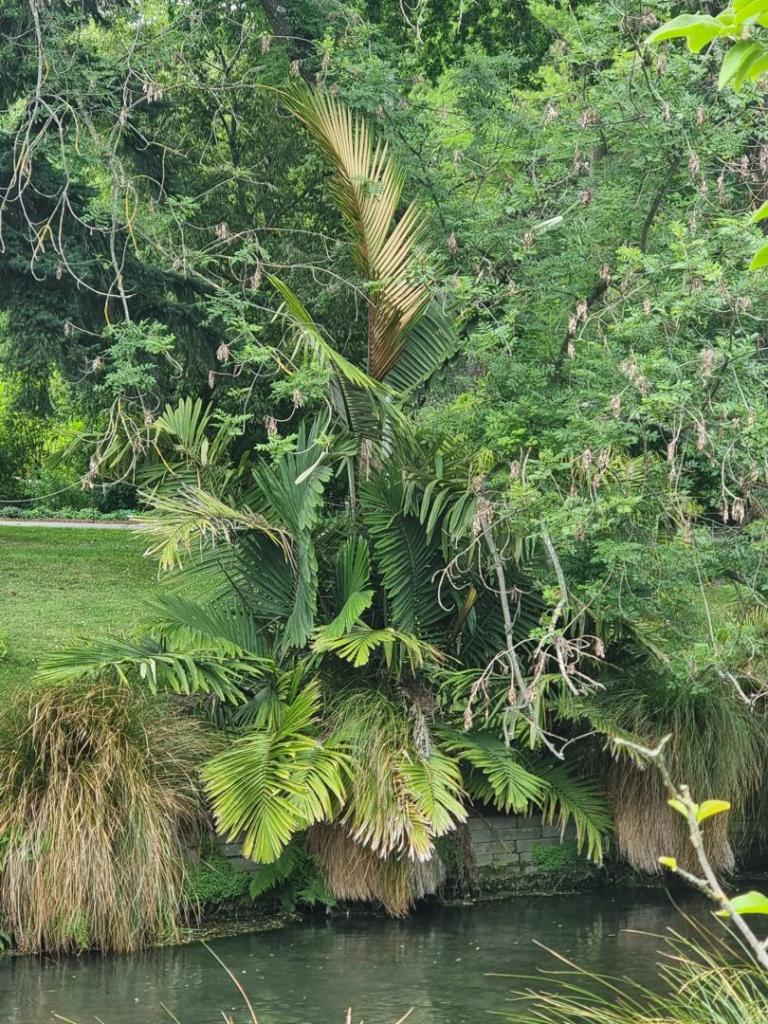
The Arenga micrantha in Chch botanical gardens (not added to the last post so as not to delete what I had written again!)
 3 points
 -
 2 pointsArenga micrantha and Engleri, two species that grow very well here and are also resistant to light frost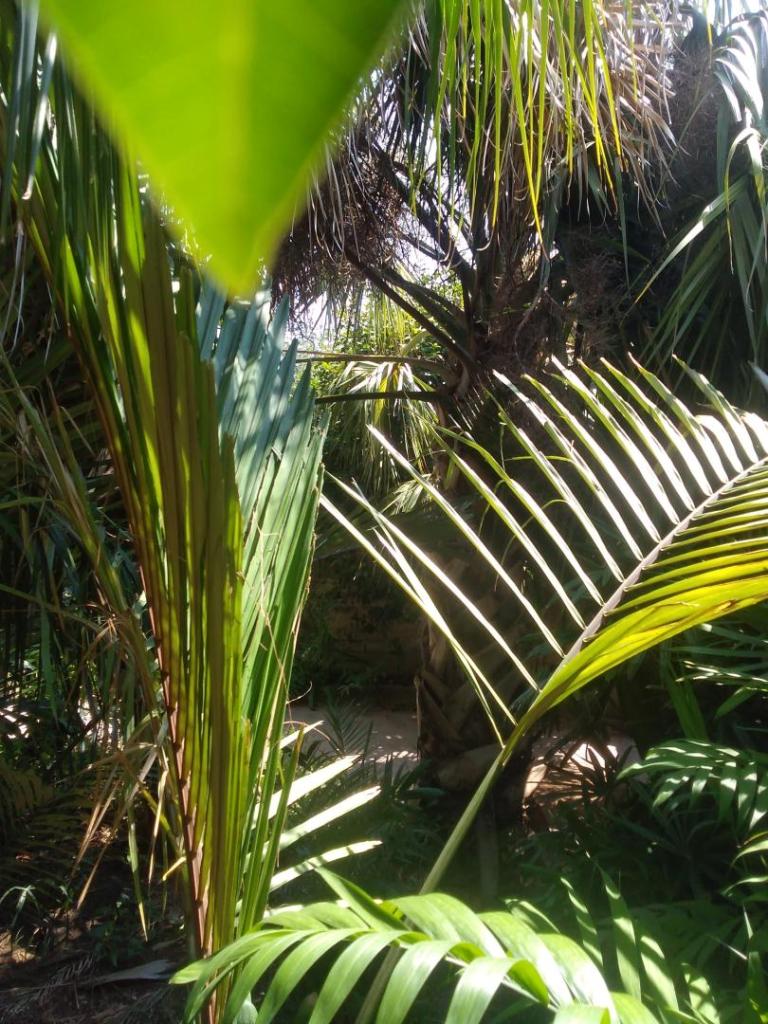
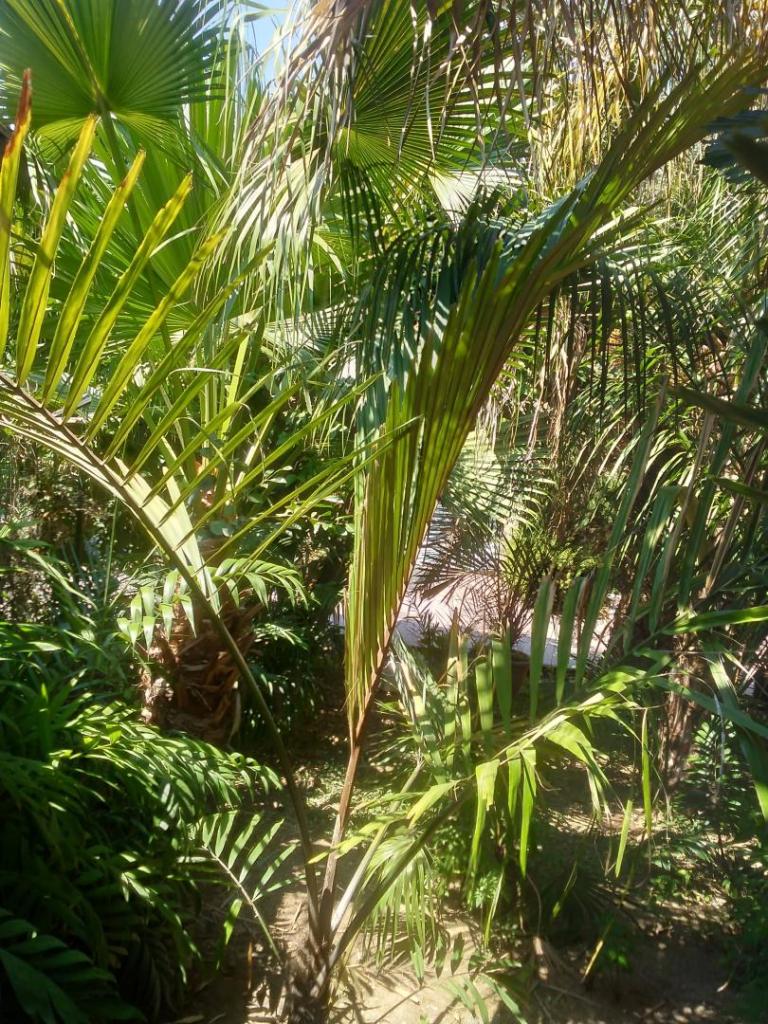
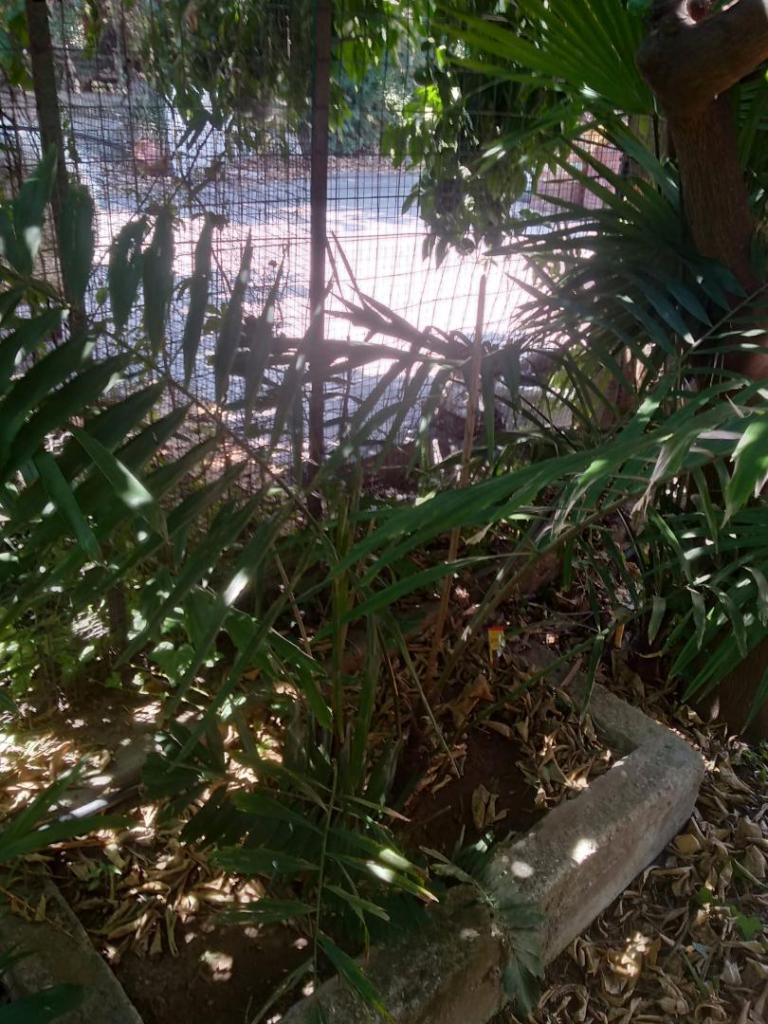
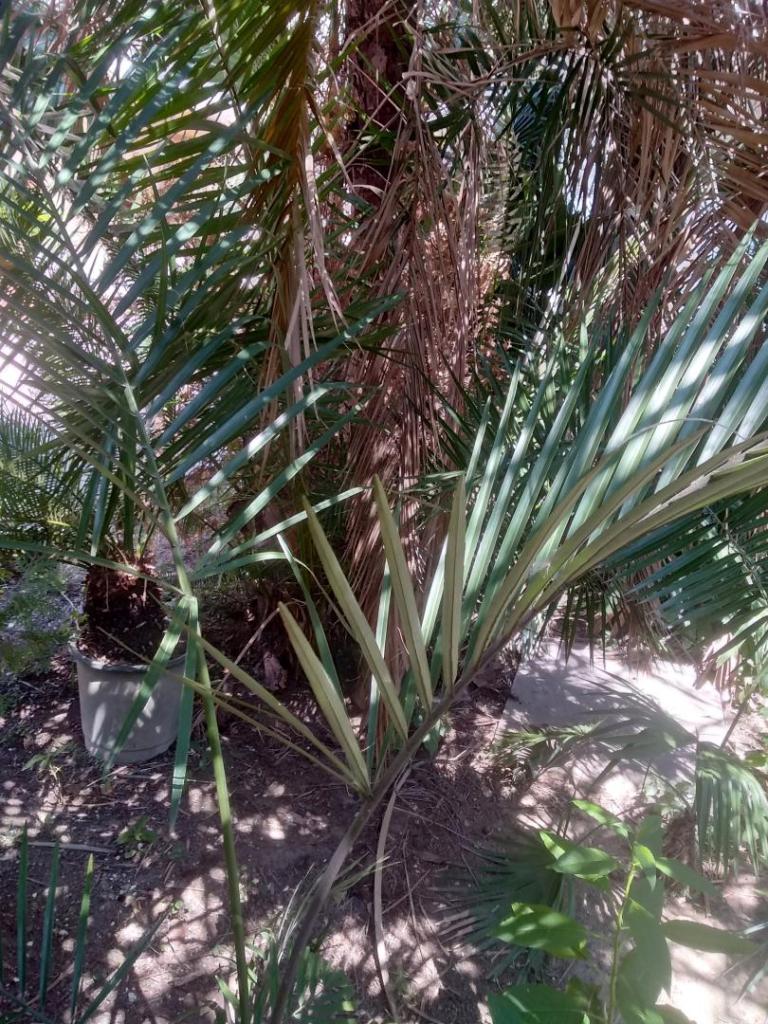
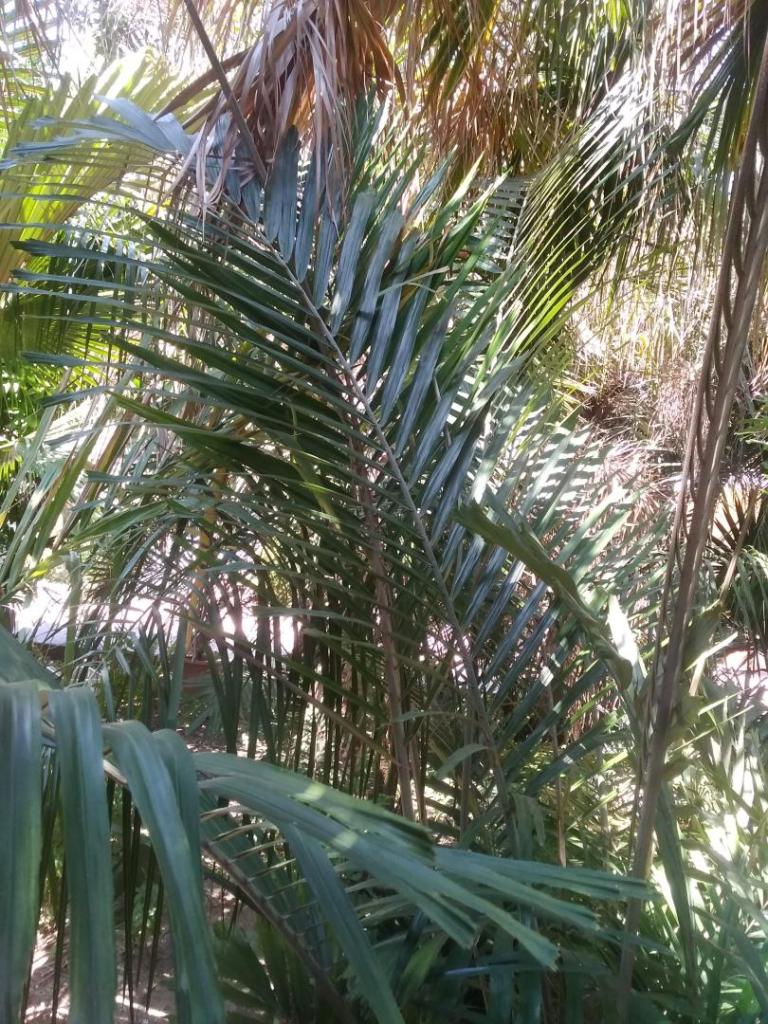 2 points
 -
 2 pointsNot in San Diego or anywhere in CA. They will grow in the southernmost parts of hot humid Florida as well as Hawaii but San Diego doesn’t have the necessary heat in summer and they can’t handle cool temperatures in the winter sorry to say. Rob123 is referring to a Pinanga species when he wrote “Maroon Crownshaft.”2 points
 -
Yesterday morning, I went out and looked at my rain bucket which I had left out for 3 days. The rain was rarely very hard but it just kept raining a light or moderate at most rain in daytime with a few pauses, and at night too. I assumed it might have been 1 1/2"-2" or so but the bucket had 5+ inches in it. I had not checked the bucket because I didn't want to get wet and had been feeling ill. The ground was obviously saturated everywhere, soaked. A steady rain beats a shot hard rain every time. My little tortured satakentia with 3 of 5 leaves burned opened two leaves and the spear for the next is rising quickly. I am hoping for a break and it looks we get one, maybe.2 points
-
From personal experience I can say that phoenix rupicola resists -6 degrees Celsius, but in Florida it is difficult to find a pure rupicola, not a hybrid.2 points
-
 2 pointsSpeciosa and Maroon Crownshaft should be great here in Cali. I’ve had some in pots for a few years and they don’t show any cold or heat damage 😎2 points
 -
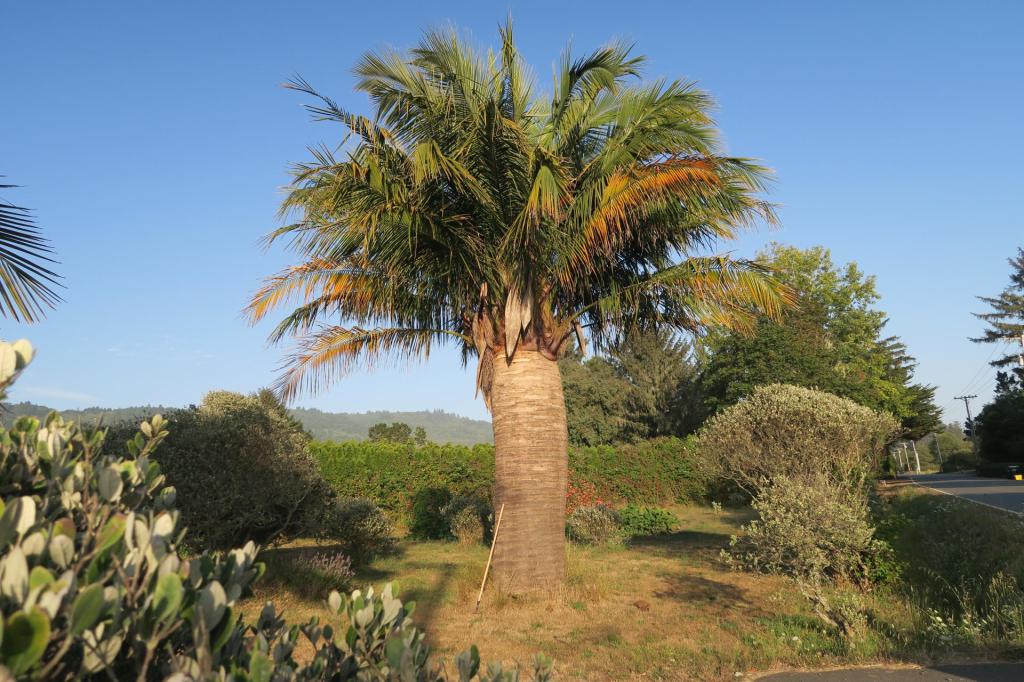
 Fronds steadily increasing in size, thats what you want. Five foot hoe standing next to palm for scale. Keep the core health and away from freezing this winter and it will continue to grow. In 35 years it will look like this:
 2 points
 -
 All of the Copernicia albas did great in my neighborhood during this past winter (St. Augustine). Arenga engleri perform will here if you have overhead canopy. Livistona saribus, speciosa, and chinensis all look great if shade grown IMO. Acoelorrhaphe wrightii is an easy grow here as well. Phoenix rupicola saw zero damage at my place under canopy but about the same as roebelenii unprotected2 points
 -
 Jubaea x Syagrus?2 points
 -
Set them free, go forth and multiply! Richard2 points
-
You gotta give it a go, if you don’t try you will never know and at least if you try and it fails well you gave it a go!2 points
-
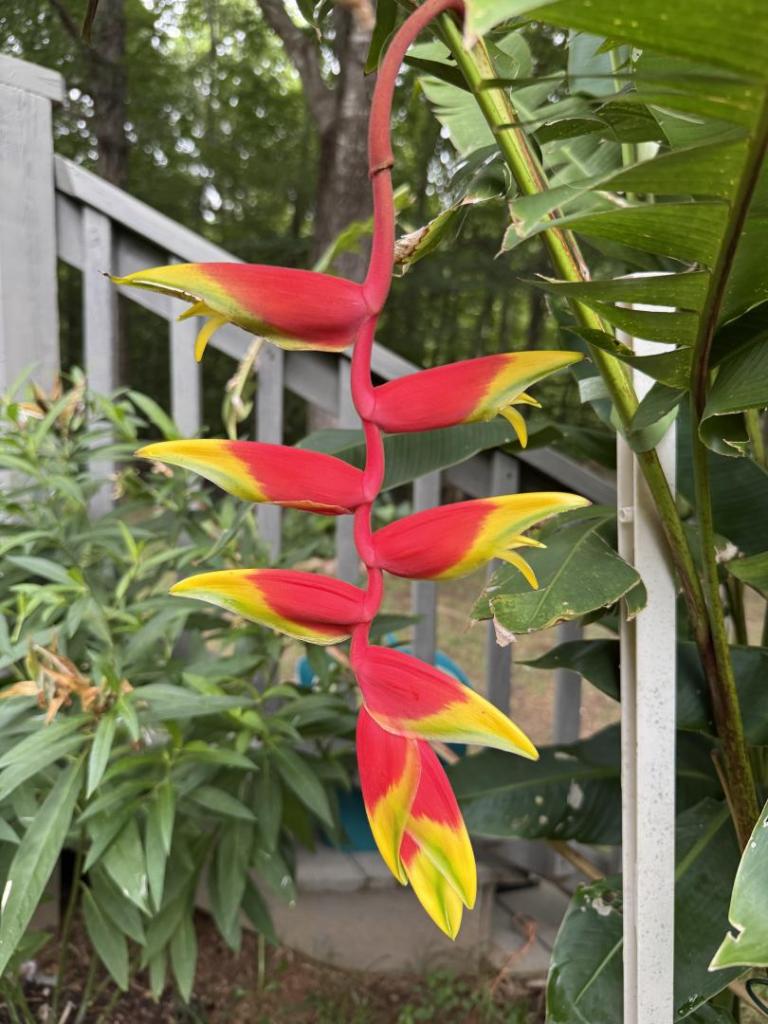
 2 pointsHere’s an update on my first rostrata flower with 3 more on the way after it!
 2 points
 -
For all 6 species in a hybrid mix I’d say pretty far fetched even in Aus. True A myolensis is rarely encountered, and not at all in the nursery trade. A tuckeri and A maxima too to a lesser extent. Even albangs aren’t hugely common I don’t think. I’ve heard that even in spots where A cunninghamiana and A alexandrae co exist, unintentional hybrid offspring is unusual. You’re right, A alexandrae is variable and even more significantly appears very different in different growing conditions especially shade vs sun. A cunninghamiana too. Honestly I’d guess even an Archontophoenix hybrid with 3 species in the mix might be unlikely or at least extremely rare. Who knows if anything beyond that is even possible from a compatibility point of view.2 points
-
2 pointsThere is something there for sure, the exact science iam sure there is an answer for us. Water and cell damage i guess, I guess i should have listened more in science at School! And that little hothouse , give me an acre of one that size and centralis heating with a heated floor, when I win the lottery one for you, and one for me my shout! Richard2 points
-
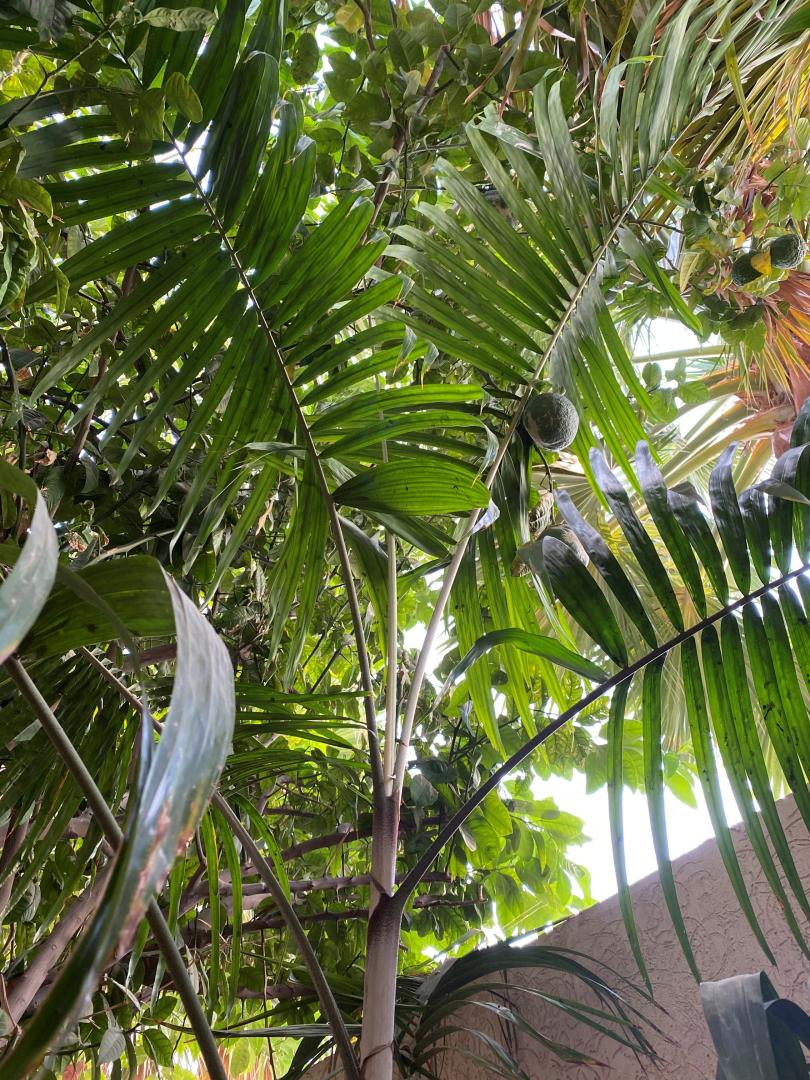
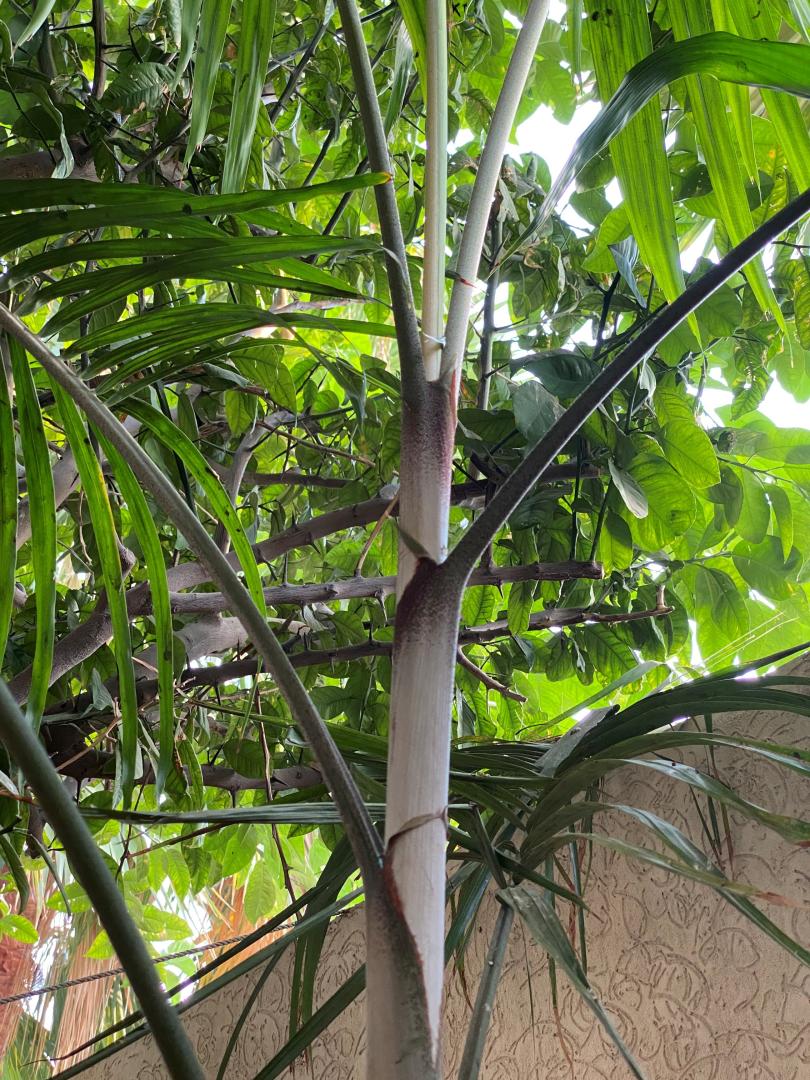
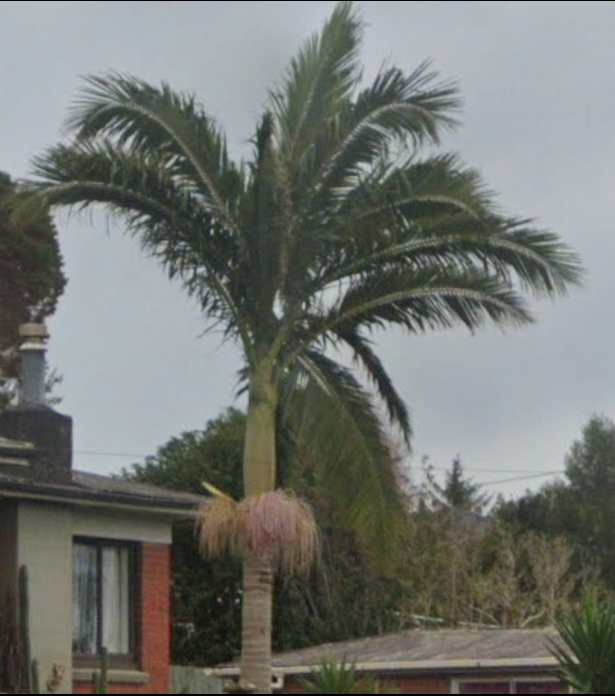
 I noticed this palm while driving around, so I could be very wrong if this palm here is even a hybrid. cunninghamiana x alexandre or maxima, but it looks a little different than the typical bangalow or king. Large trunk and dark green fronds.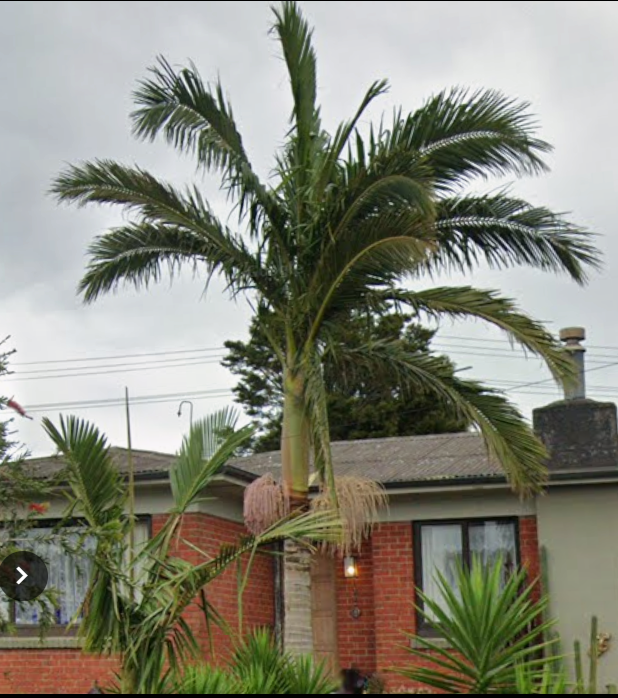
 2 points
 -
Nice palm a great example, I might have to try and track a few seeds. Although my summers might be a touch too warm up 42 degrees celcius with hot dry north west winds, you could cool an egg on a tin roof heat, fortunately it only last a couple of days. It’s one palm I havent come across as a collecter!2 points
-
 Phoenix Rupicola can take some cold and, in my opinion, has a tropical look. I have one and wish I planted a second. My yard saw 28 degrees this February and it was completely unscathed. A little more cold sensitive, but my Dictyosperma Album var. Conjugatum did great with maybe 20% damage and recovering faster than most of my other palms. The conjugatum variety did significantly better than the standard form.2 points
 -
 Ive never heard of it so thanks for the mention. I need to look it up now! If it can grow in chch (gets colder mins there) it would be fine here, provided it doesn’t mind my generally cooler, cloudier summers.2 points
 -
New tropicals, I have been going out on limb in that department, and have found a few new varieties of tropical palms that could be worth having a try. Although you’re a little colder than my climate it’s it’s food for thought and worth trying some of them. Especially some of the licuala varieties and lanonias, definitely try lanonia varieties. Iam sure @tim_brissy_13 could steer you in the right direction!2 points
-
 2 pointsThe tropicals and subtropicals are generally pretty good about coming back after a hard freeze, especially with a generous layer of mulch which you're doing anyway. They form the backbone of my garden and I just accept they will freeze back and things will look rough in early spring. I get that others may not want their garden looking that way for a couple months each year. That is a great split leaf Philodendron.2 points
 -
 If you have no joy with the seed, sing out and I can send you some seedlings or seed. cheers Richard2 points
 -
 That flush is over a decade old and long gone now, so not much I can do to green that one. Neither this one nor the female in my Leucadia garden were the real Cycas debaoensis. Multifrondis seems to be the best match. Both are still very attractive plants.2 points
 -
 @SeaLaVie If you haven't been there, a trip to St. Johns Botanical Garden and Nature Preserve in Hastings, FL will help you picture how the plants will look in your landscape. A few of the CFPACS Members from the area ( @Lou-StAugFL , @Kekoanui , @ChristianStAug , @CodyM, @PalmJuan ) can also share some of their experiences. A few other links of interest: St. Johns Anniversary Celebration St. Johns 2nd Anniversary Celebration CFPACS Summer 2025 Meeting/Tour in St. Augustine, FL The Garden of Dr. John Rossi - Before it Became St. Johns Botanical Garden and Nature Preserve2 points
 -
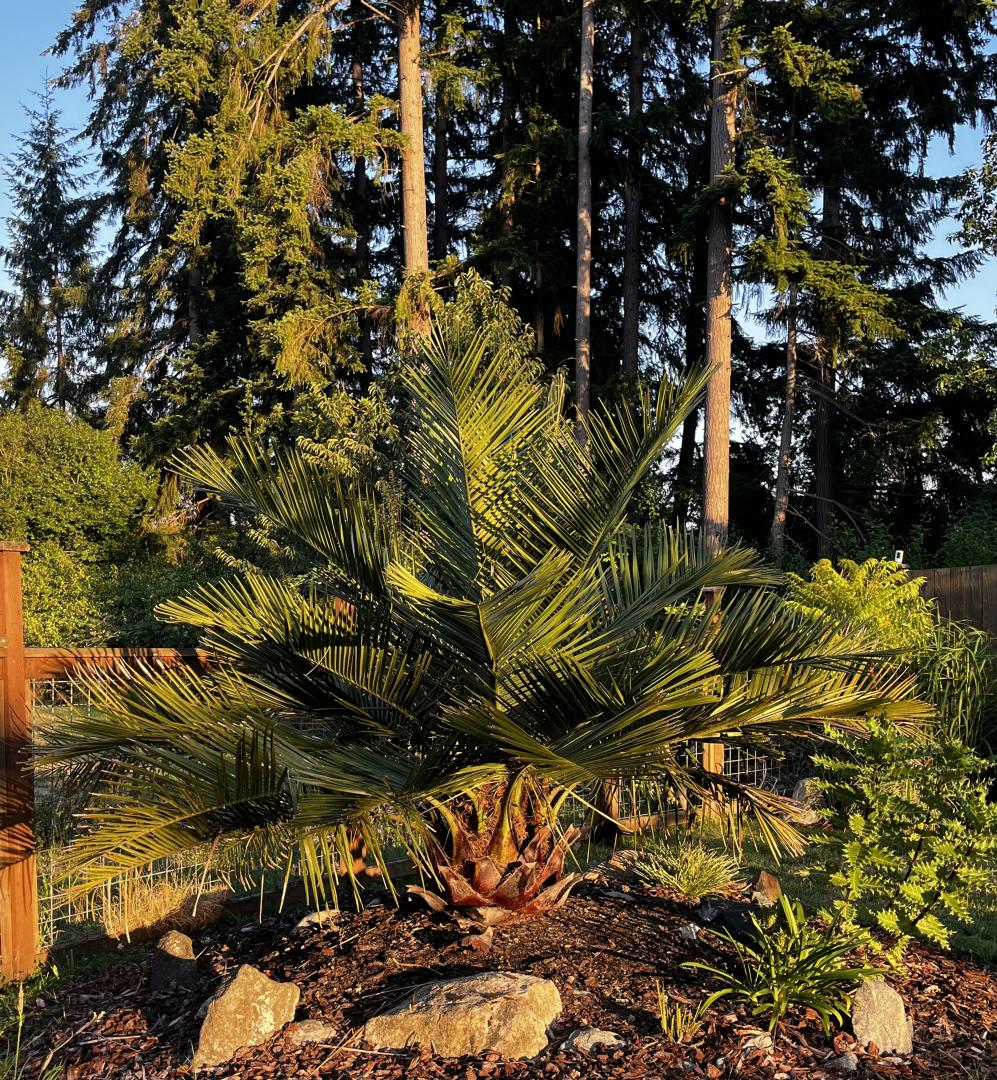
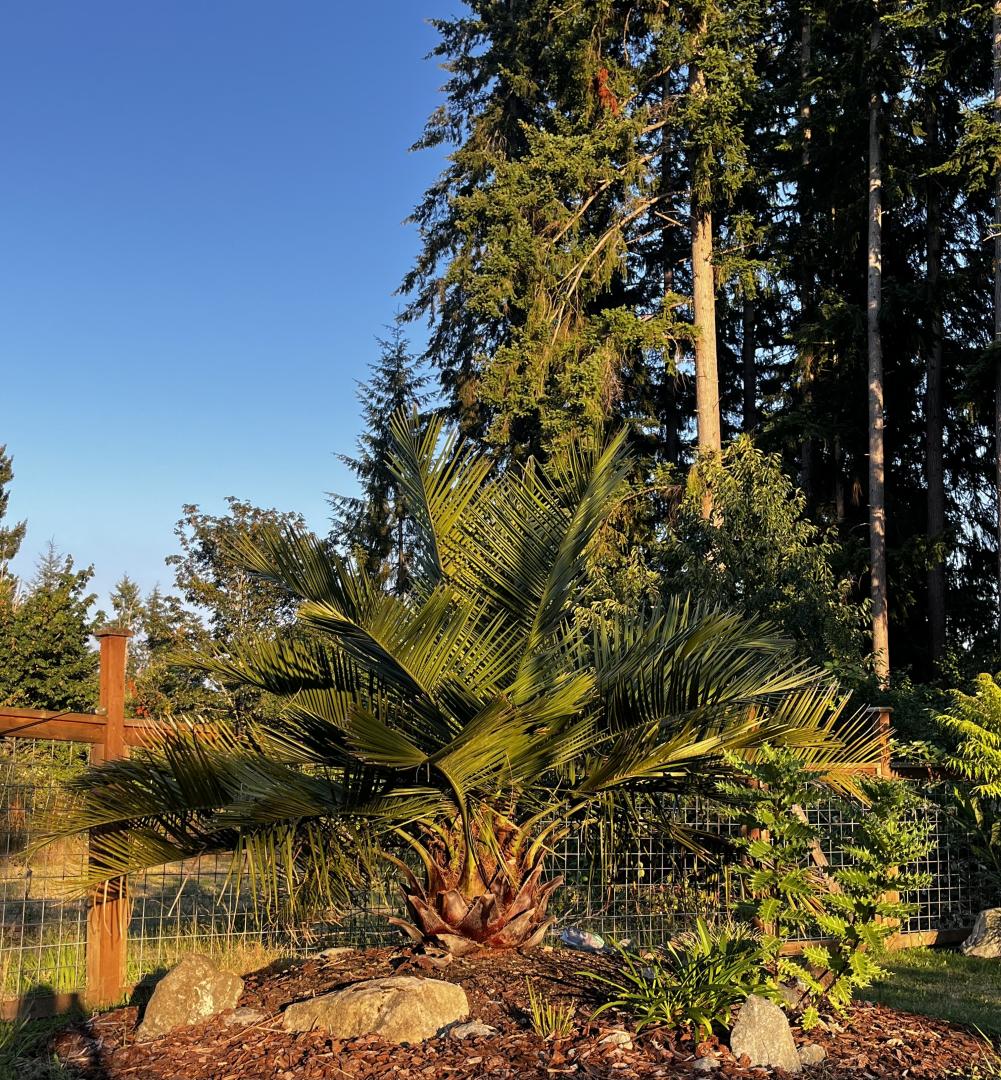
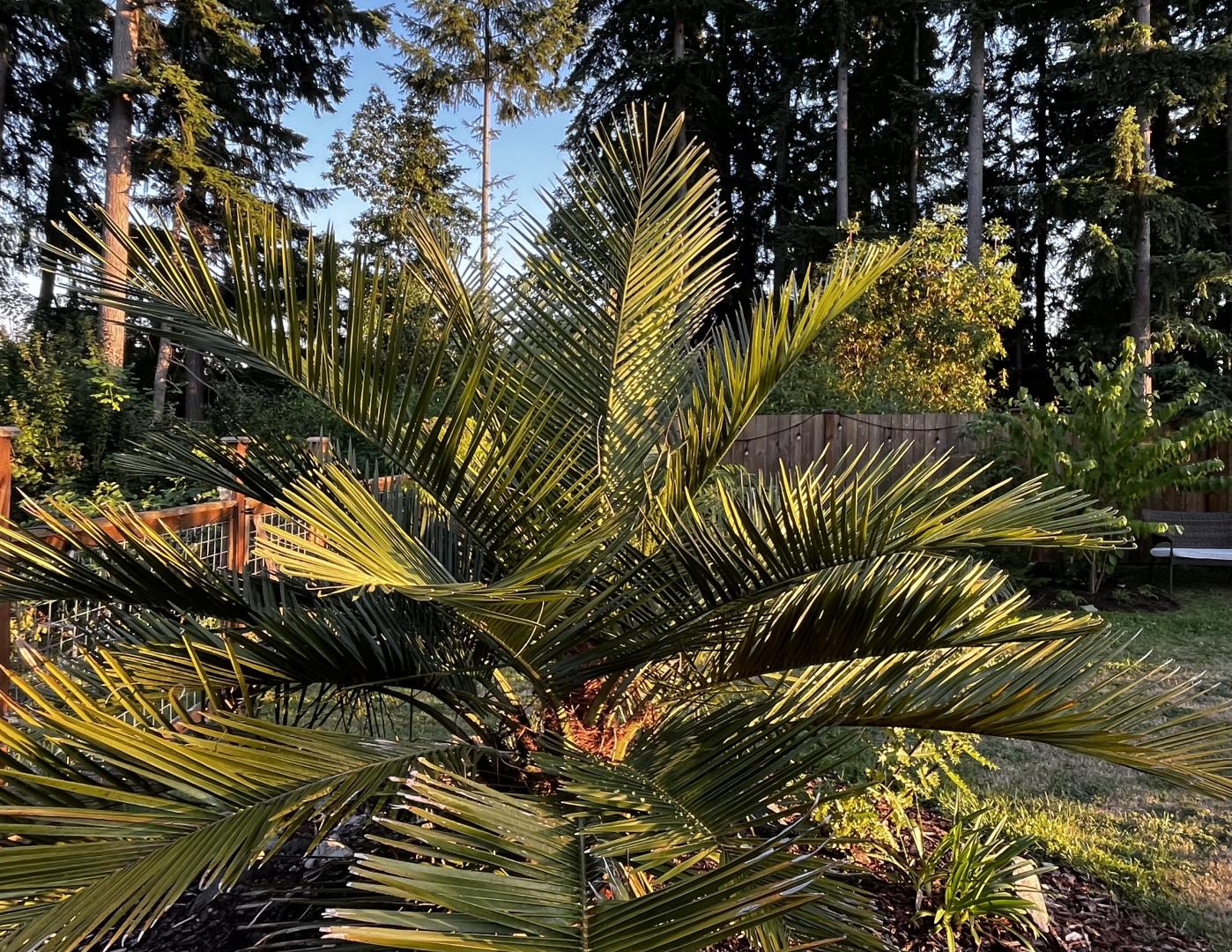
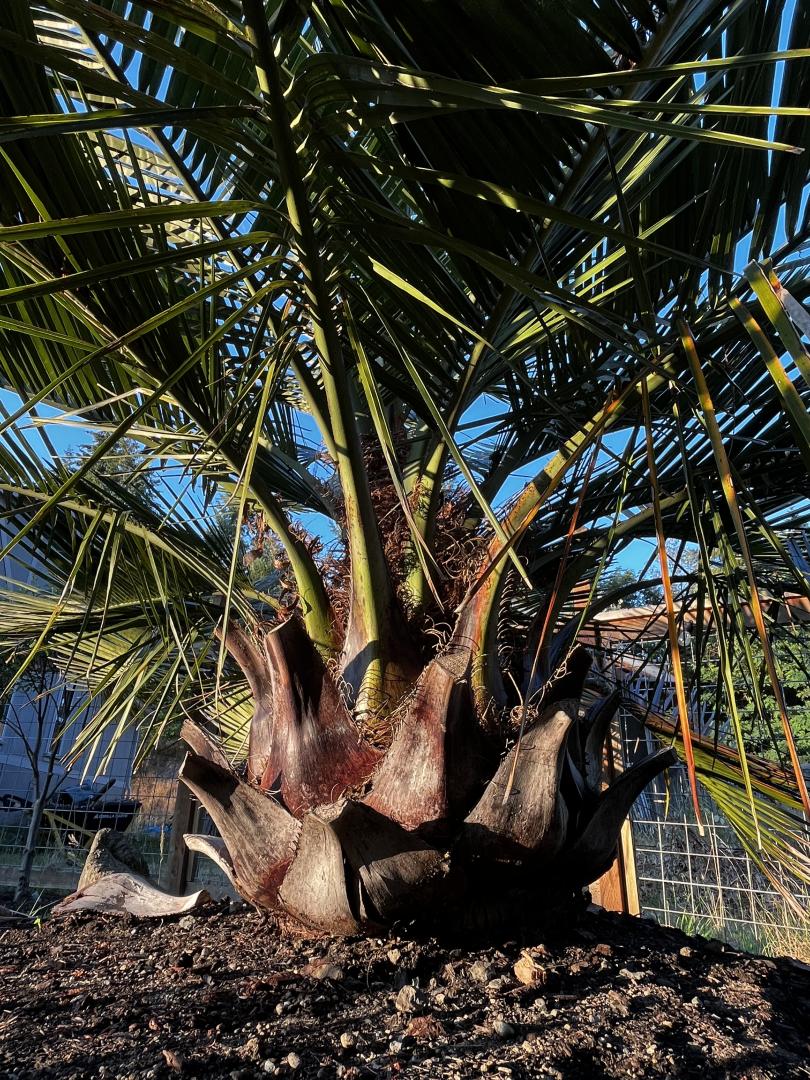
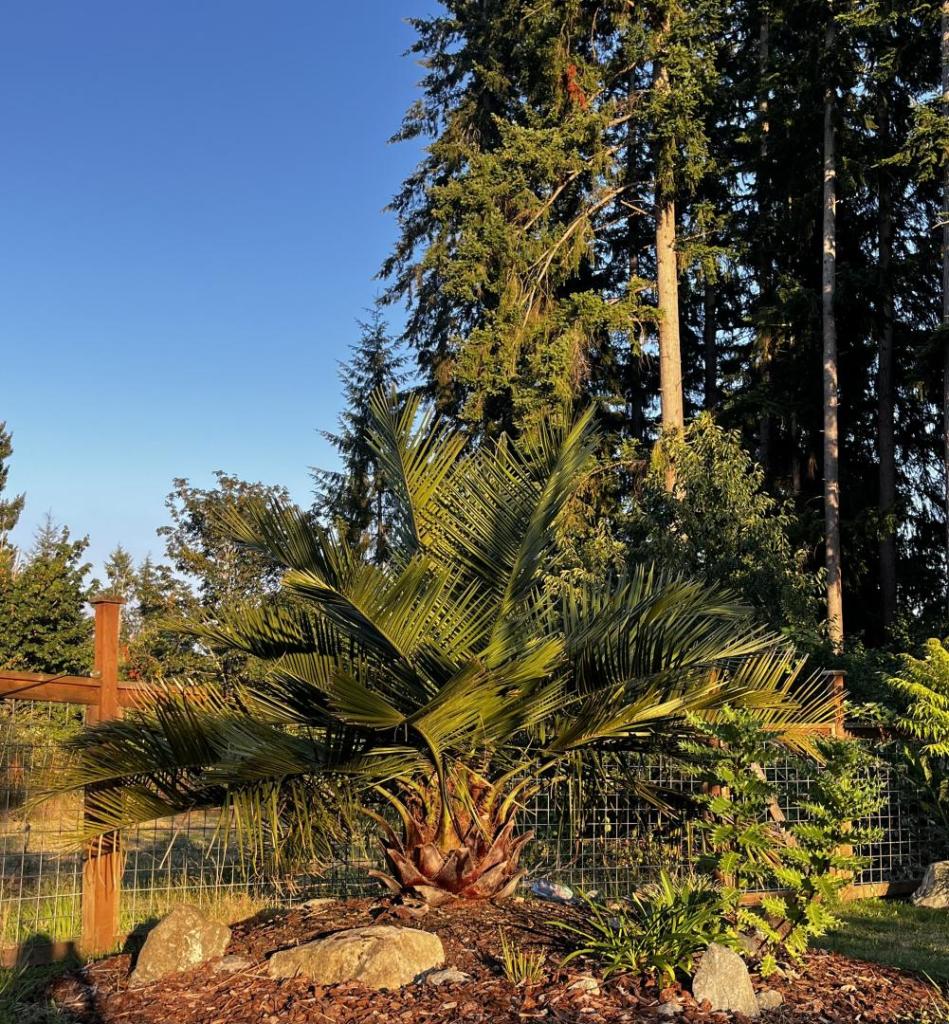
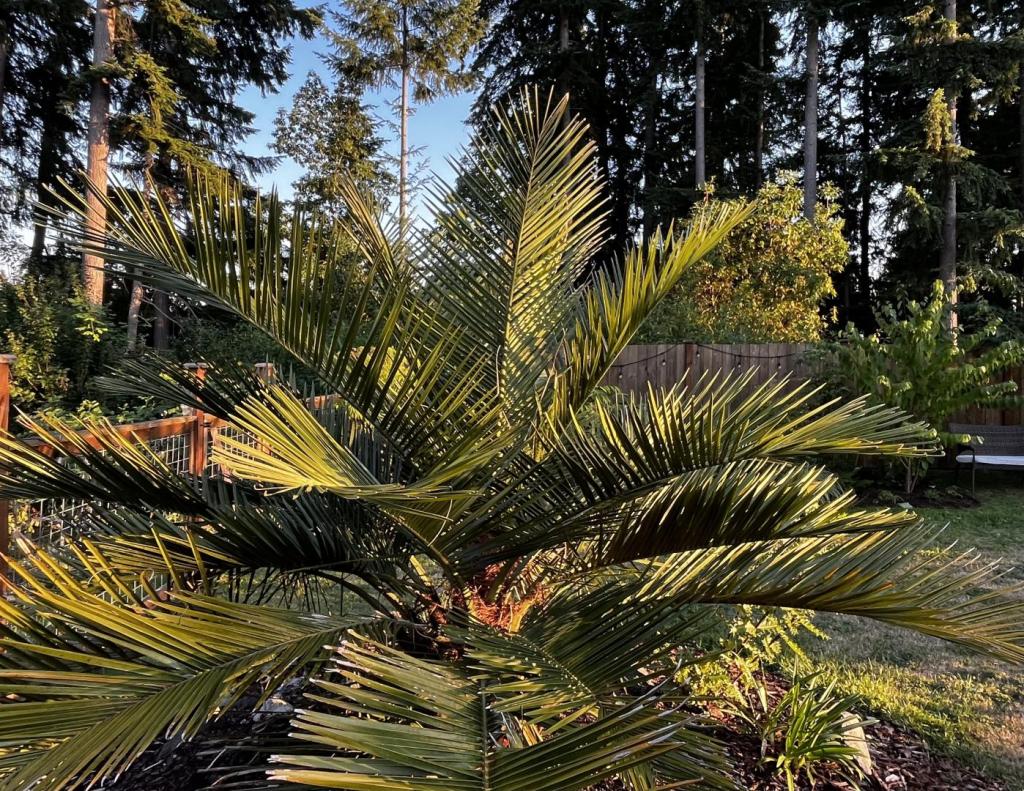
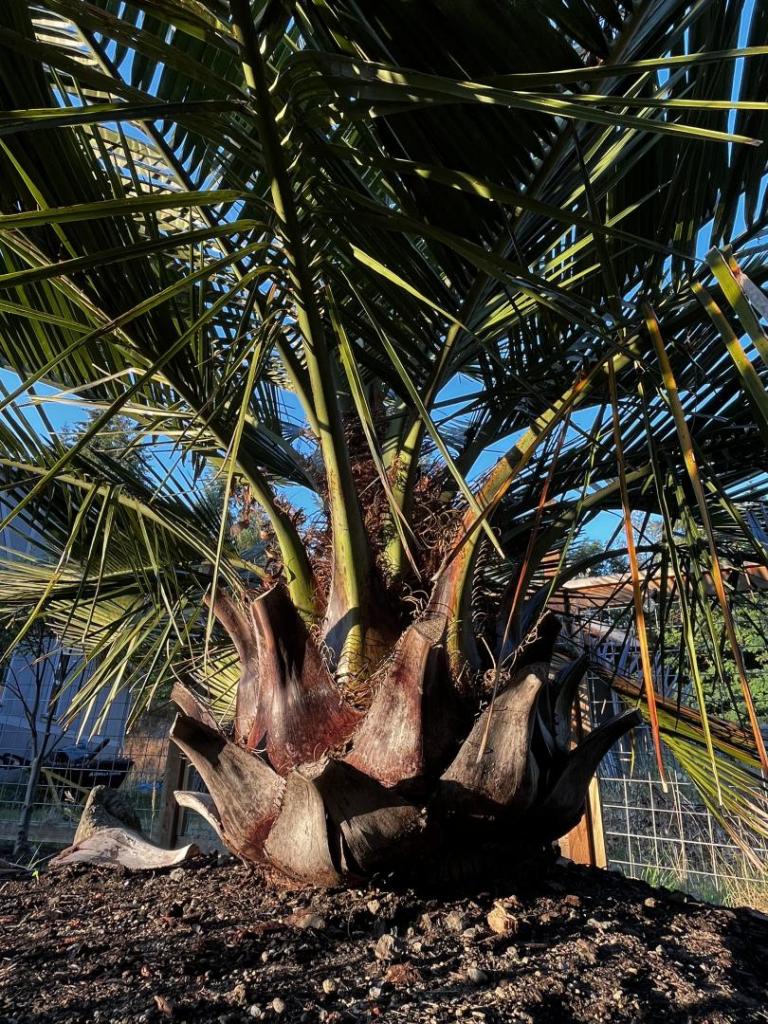
 After 2 relatively mild winter in a row the jubaea seems much happier. No visible winter damage last year and strong healthy growth with the frond size steadily increasing. After the January ‘24 freeze that years fronds were smaller than the previous year. Luckily it’s on its way to out growing that years damage and stunted growth. 🙏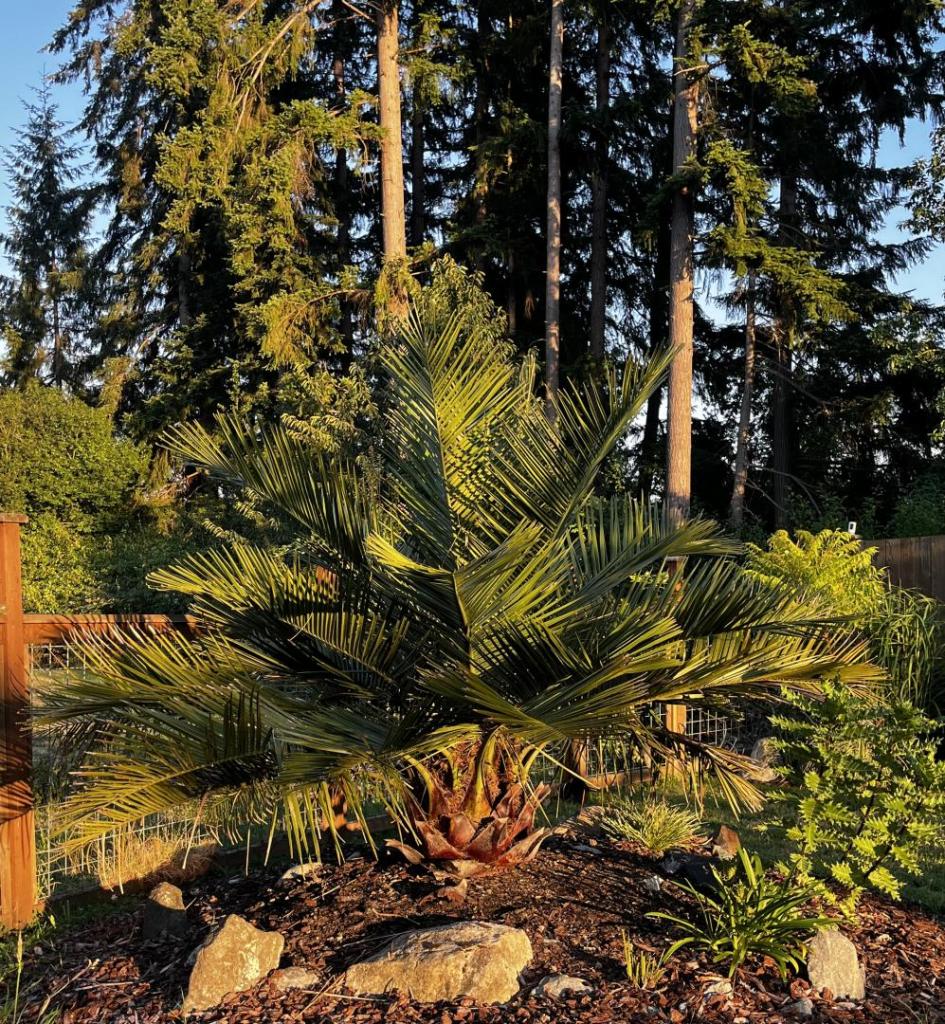
 2 points
 -
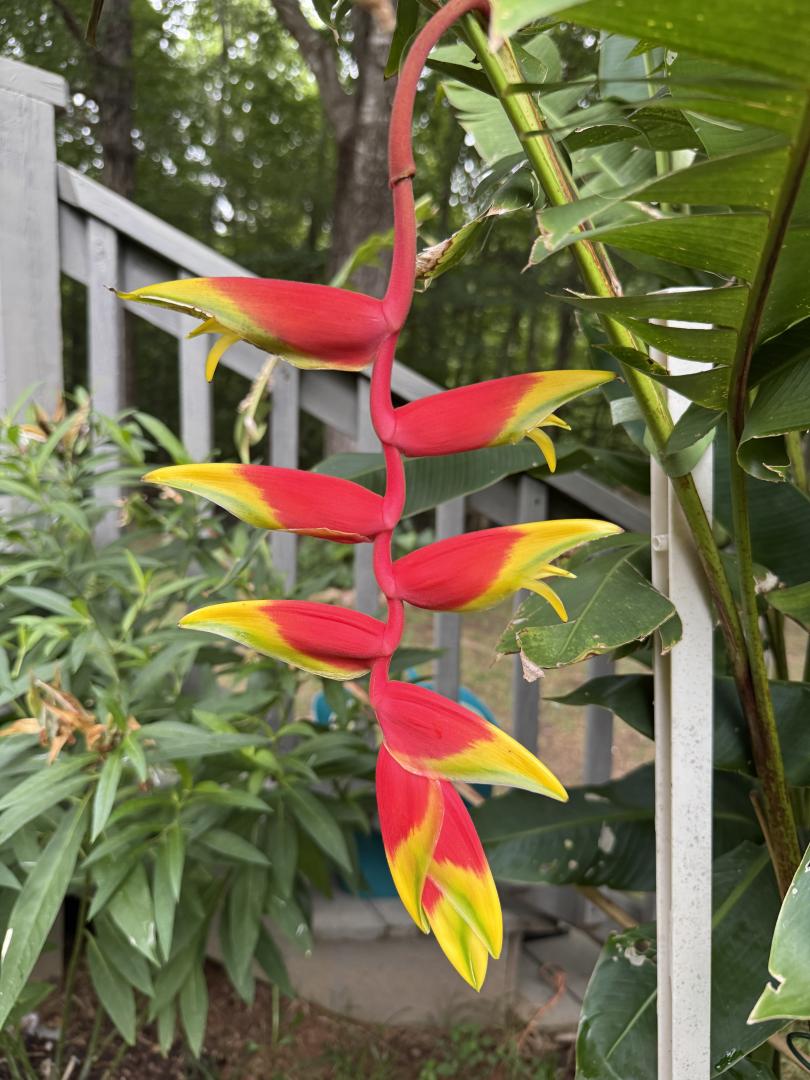
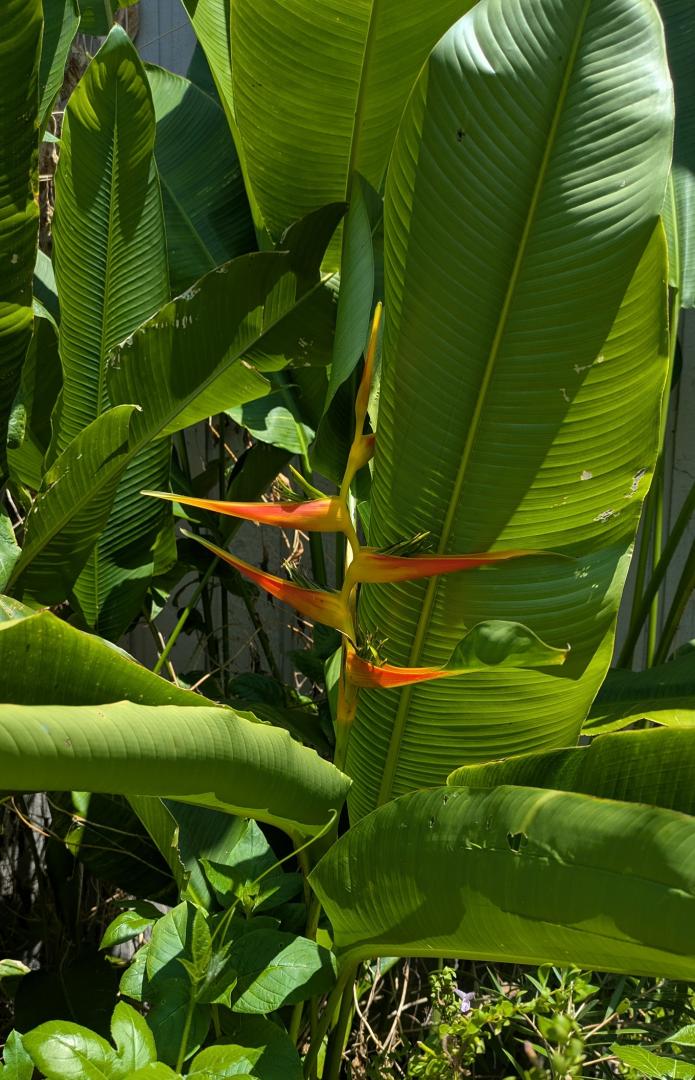
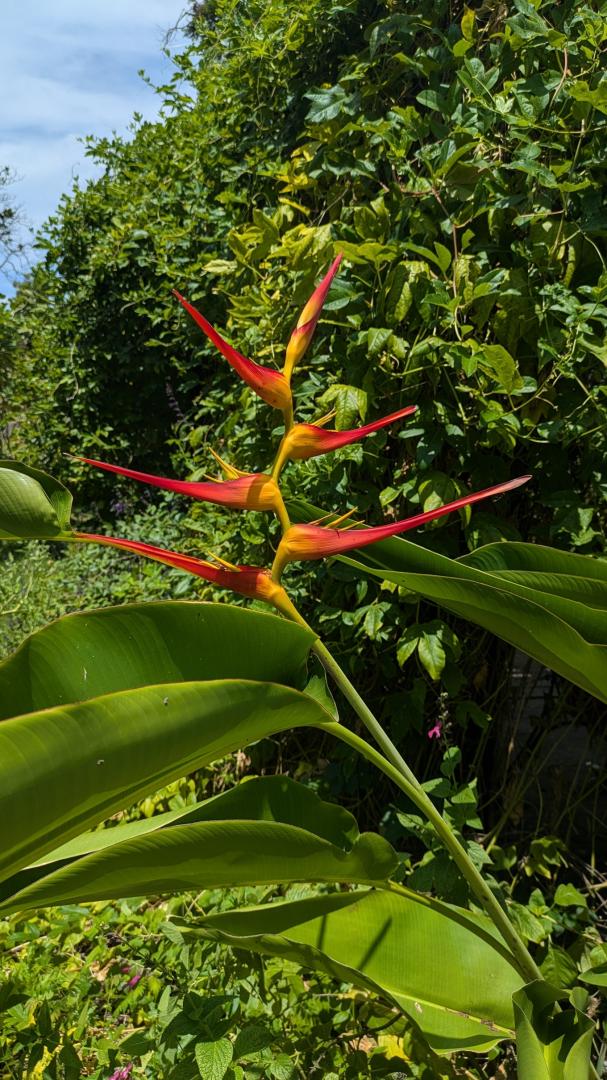
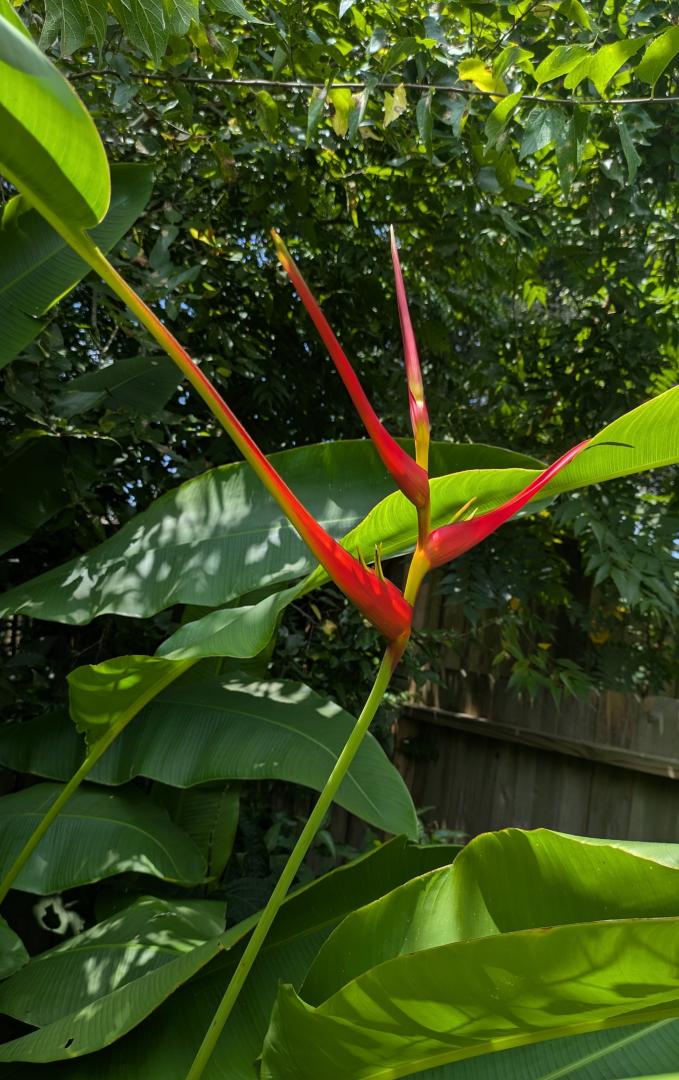
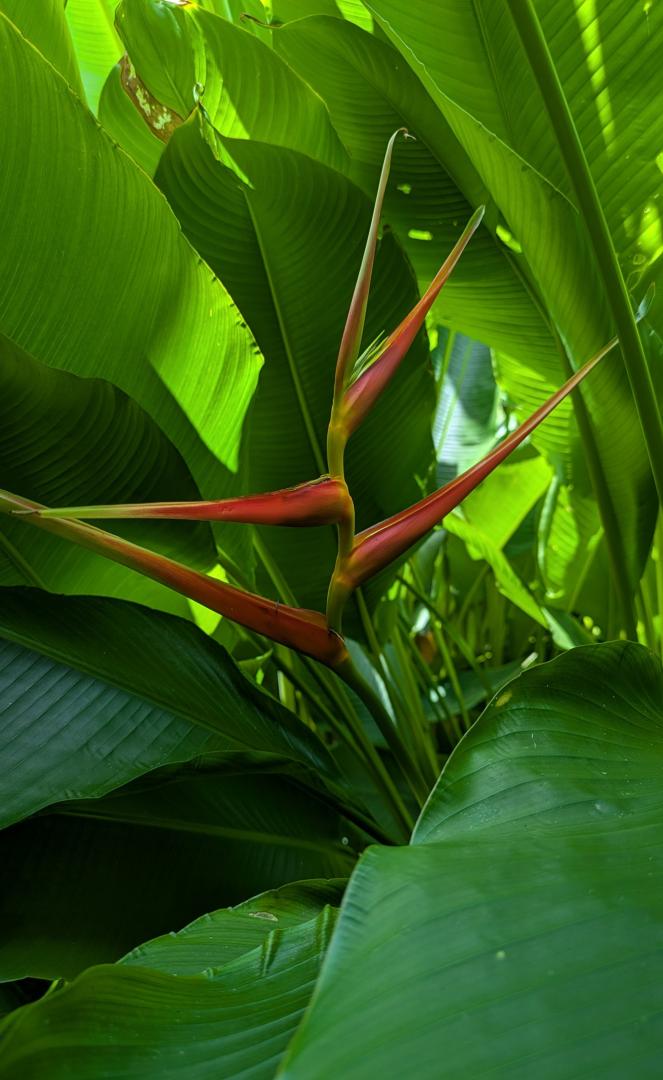
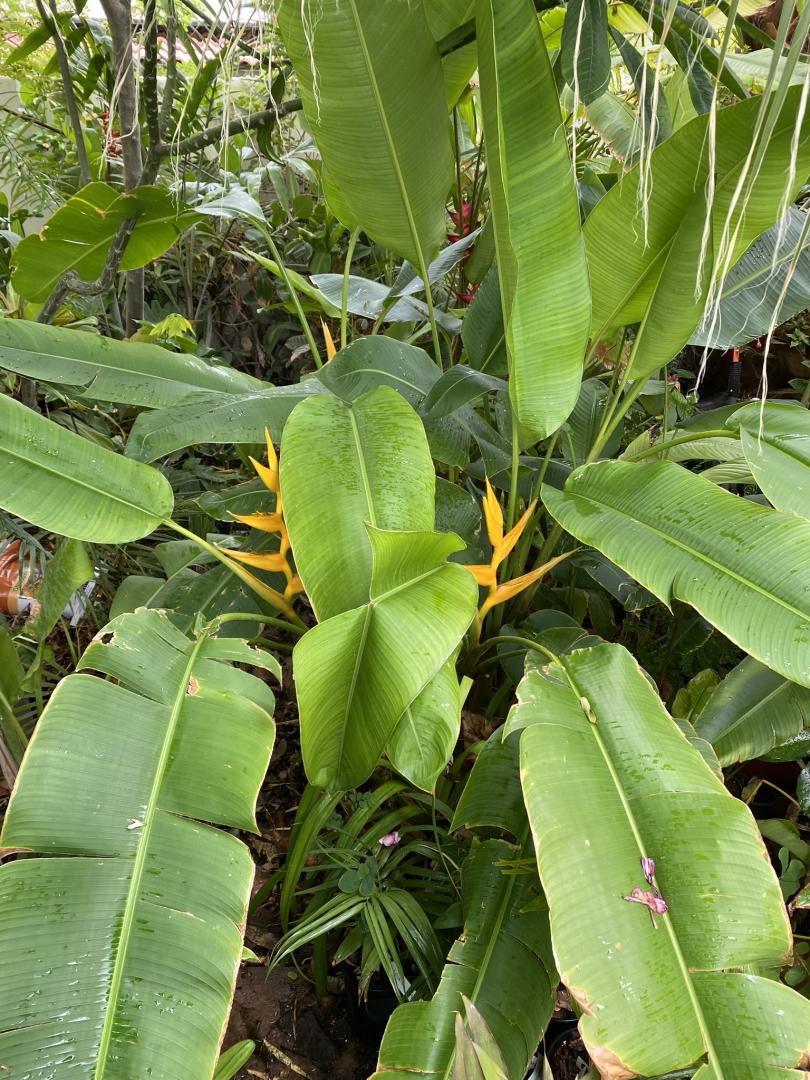
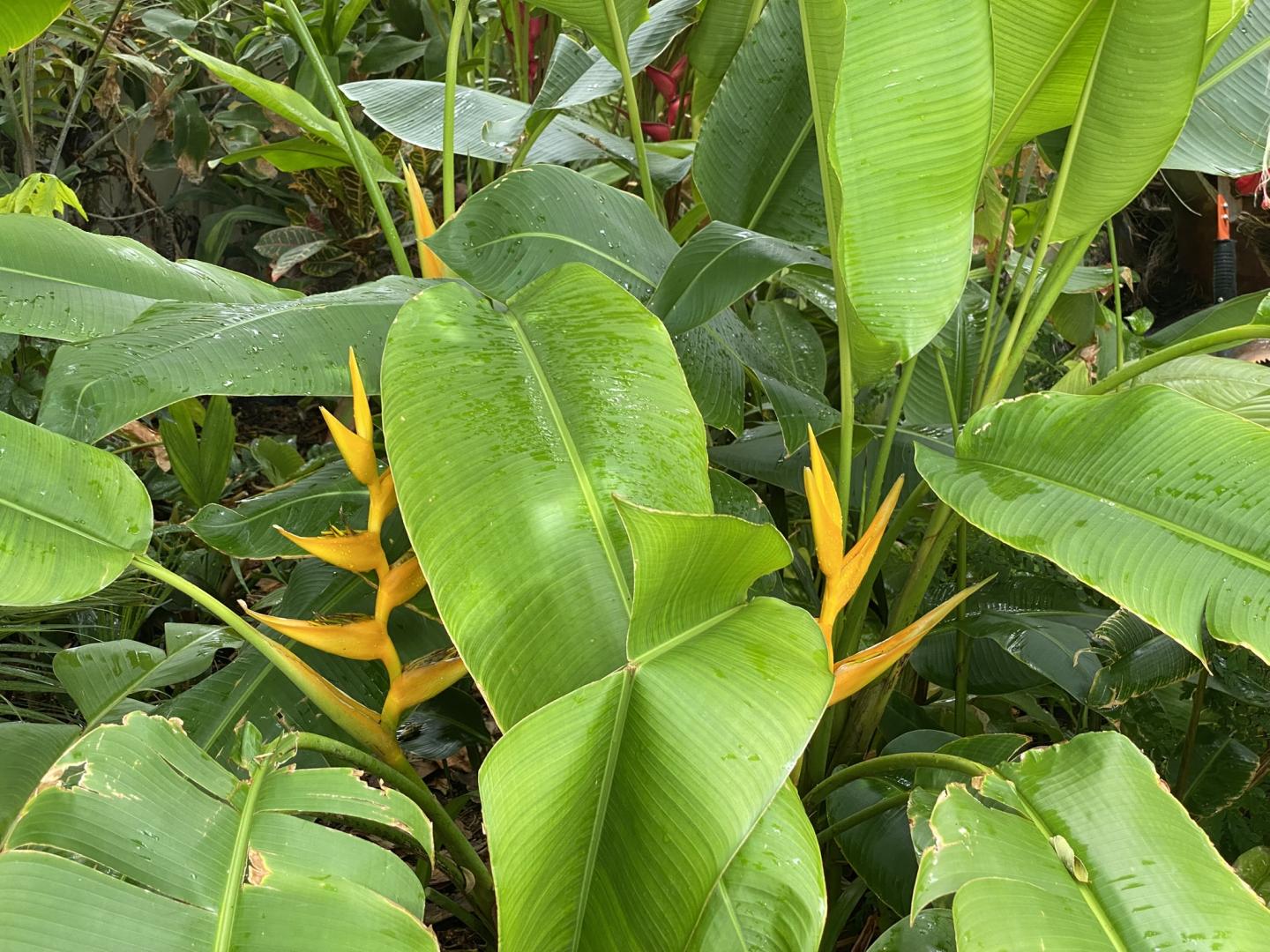
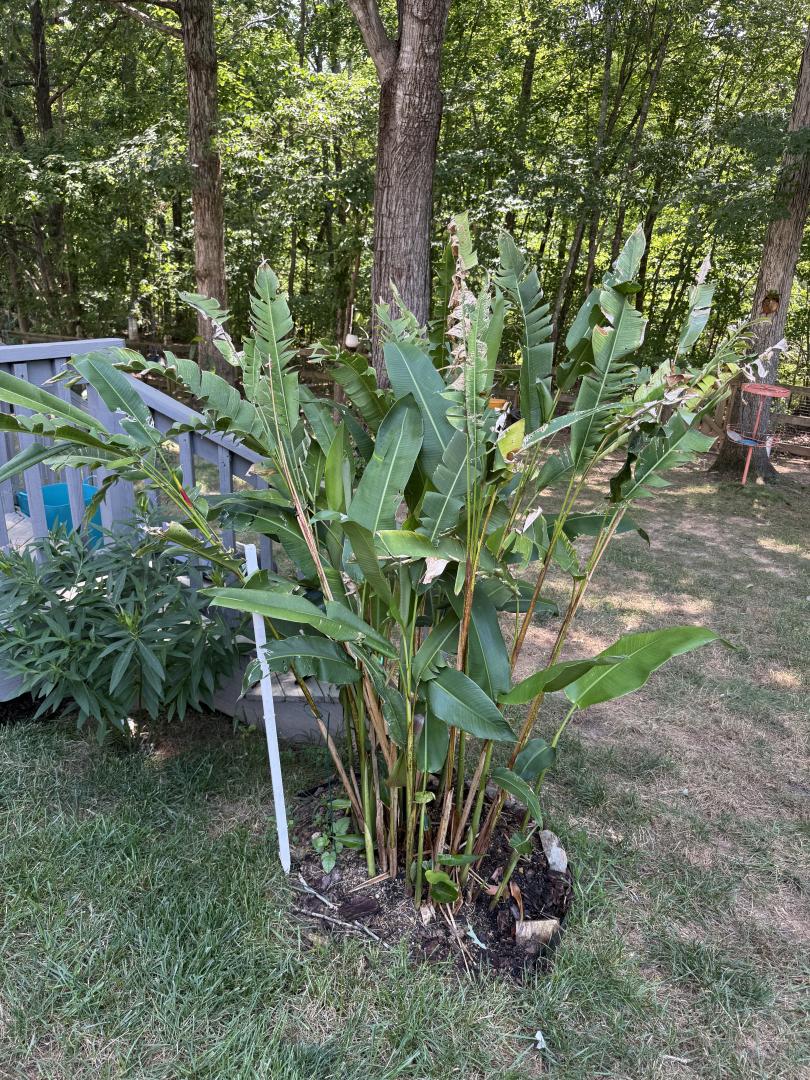
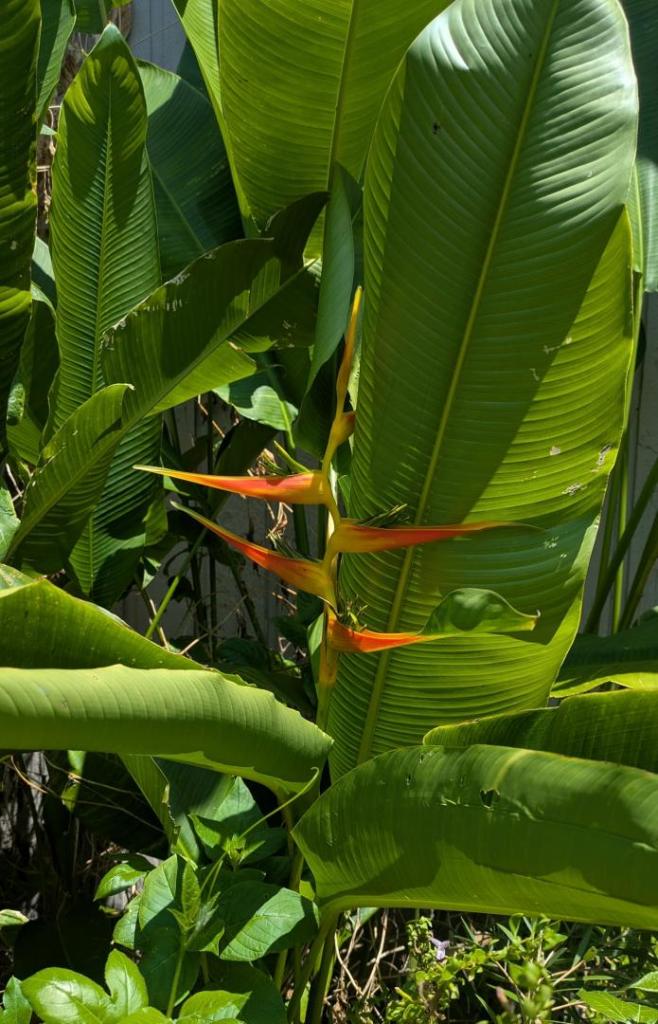
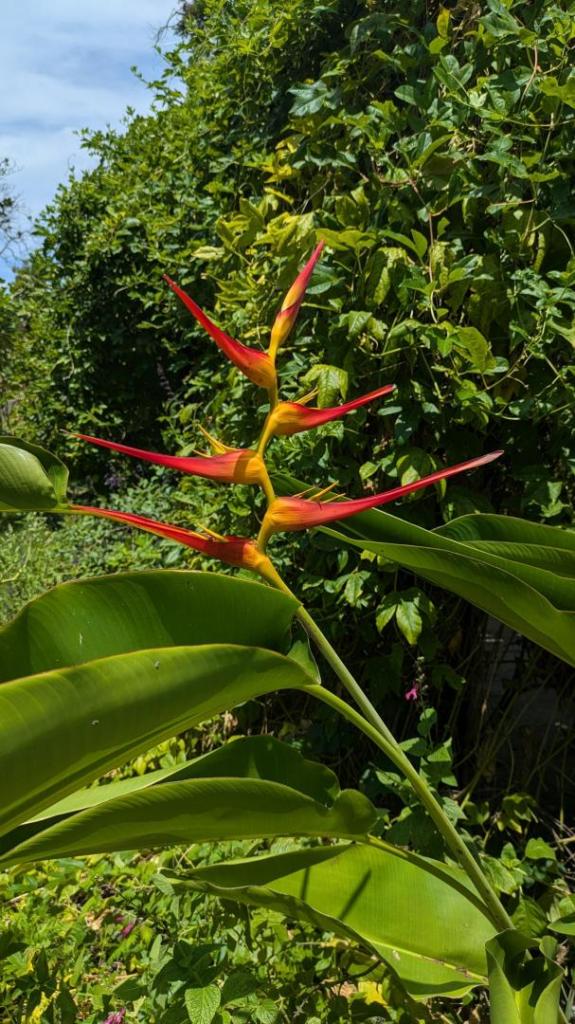
2 pointsHeliconia update. July in Houston has all of my H. latispatha in flower. We had three consecutive nights in late January of -4/-5 C (24/23 f) and these are all reliably 6 months freeze-to-flower. H. latispatha 'dwarf peach' (my name just to differentiate it). Smallest cultivar. This one was protected but froze back to the base. It is the most cold sensitive of the four. H. latispatha 'Red-Yellow'. Large robust plant. Tightly clumping, not invasive. H. latispatha 'Red'. Large plant. Runs but not invasive. All of these are in a fair amount of shade and would probably flower more in sun. H. latispatha 'distans type'. This is an invasive weedy plant with a small underwhelming flower. Other Heliconia. H. x 'Mexican Gold', H. x 'Coral Surprise', and H. lingulata 'Yellow Fan' all getting large and will likely flower Oct-Nov. All reliable single season flowers and I would recommend them for the gulf south. H. acuminata 'Super Chieri'. Seems to favour making offsets over rapid growth of stems. Will probably flower this year. Flowers aborted last year before opening. H. x 'Siberia Lemon', H. x 'Rauliniana', and mislabeled large plant (maybe a stricta?). All large and vigourous. Not clear any of these can flower in a year though. H. champneiana 'Maya Gold'. Survived winter freeze but getting shaded out by others. The various H. champneiana cultivars all seem to be slower growing plants that need to be given their own space. I'm losing these to crowding not cold. H. champneiana 'Maya Blood', H. x 'Bleeding Heart', H. x 'German's Luck', H. rostrata 'Thai'. H. lingulata 'Red Tip Fan', and H. vaginalis might make it into the ground this year. Still trying to find some of the dwarf H. rostrata cultivars.
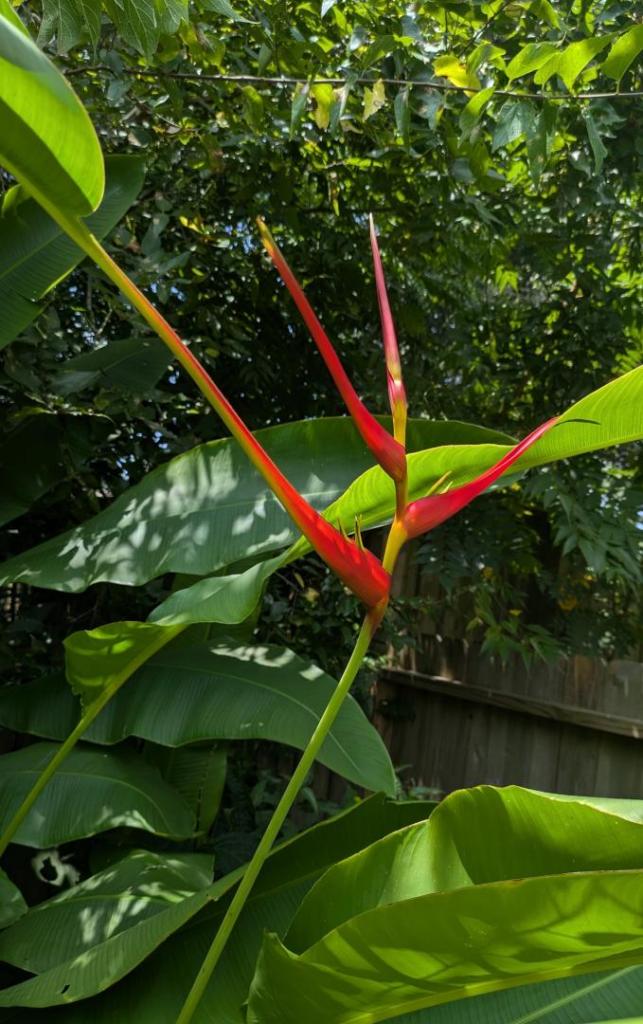
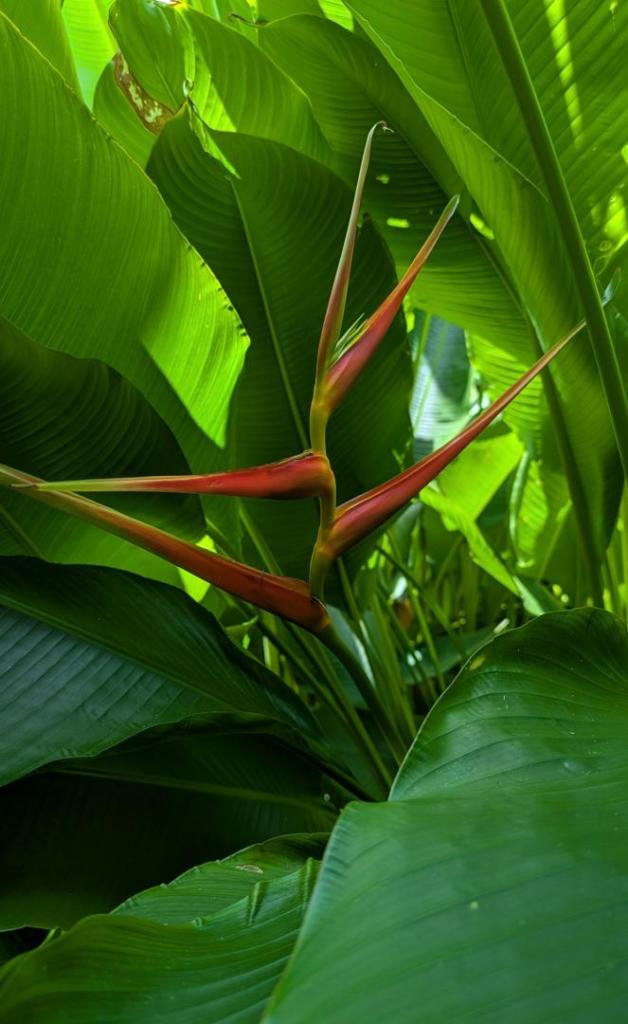 2 points
 -
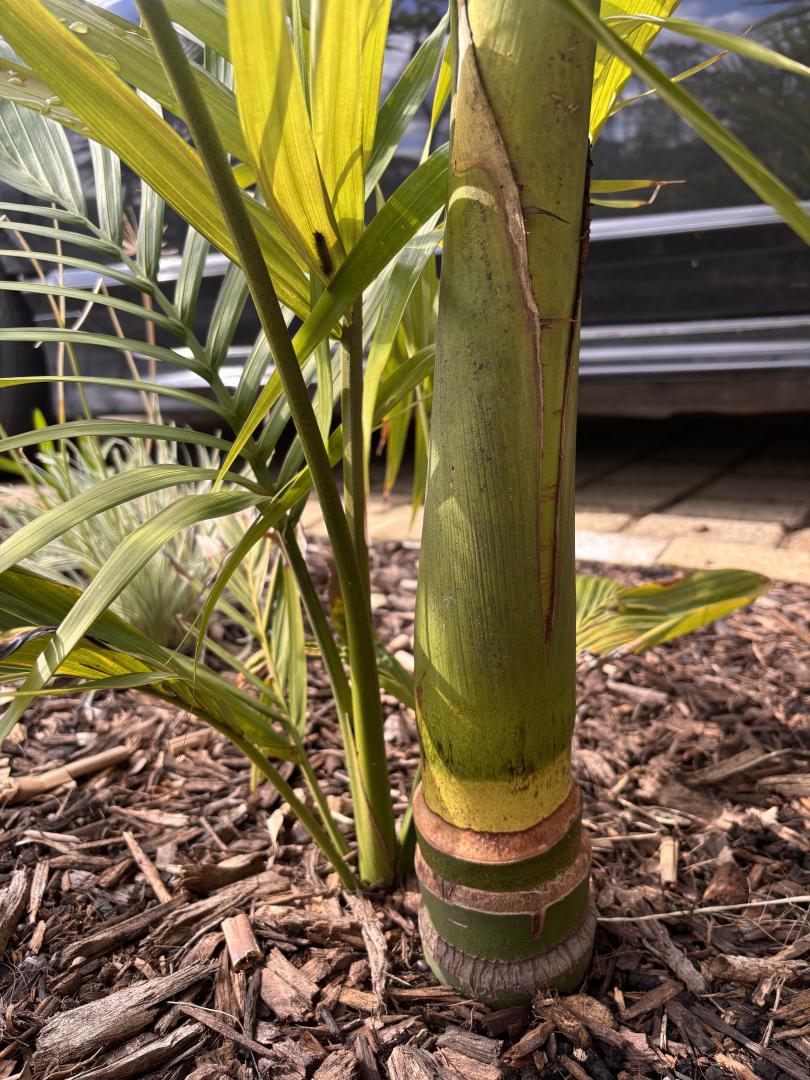
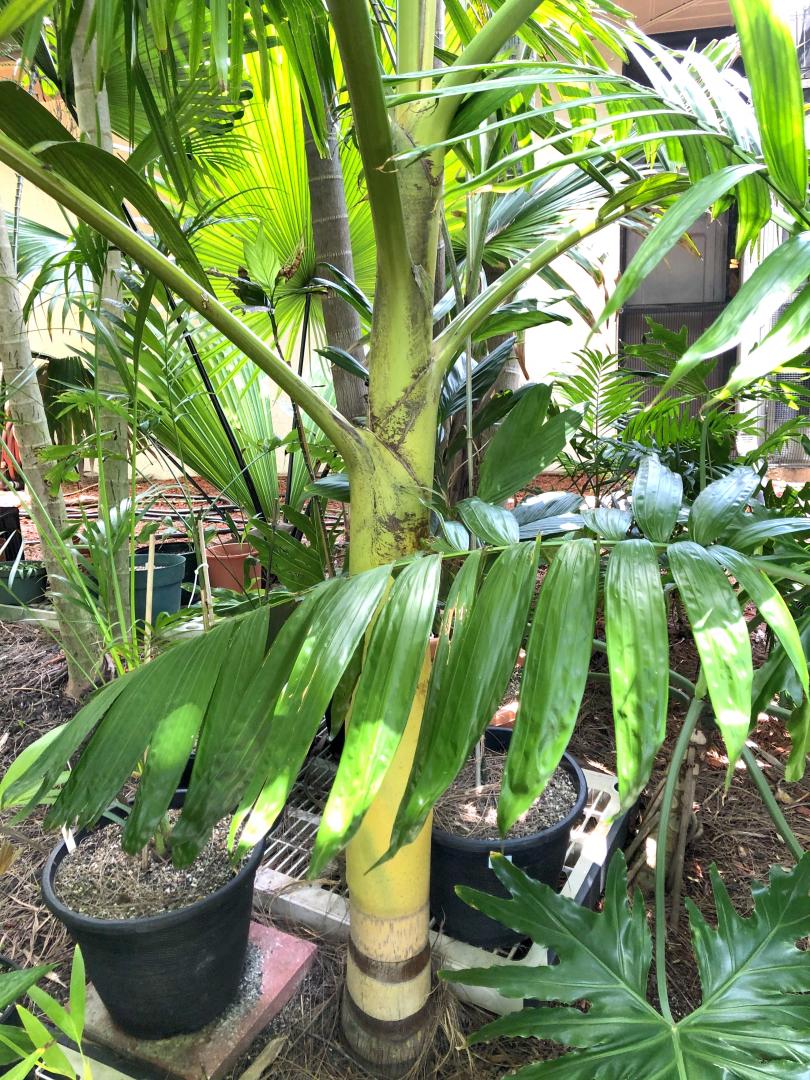
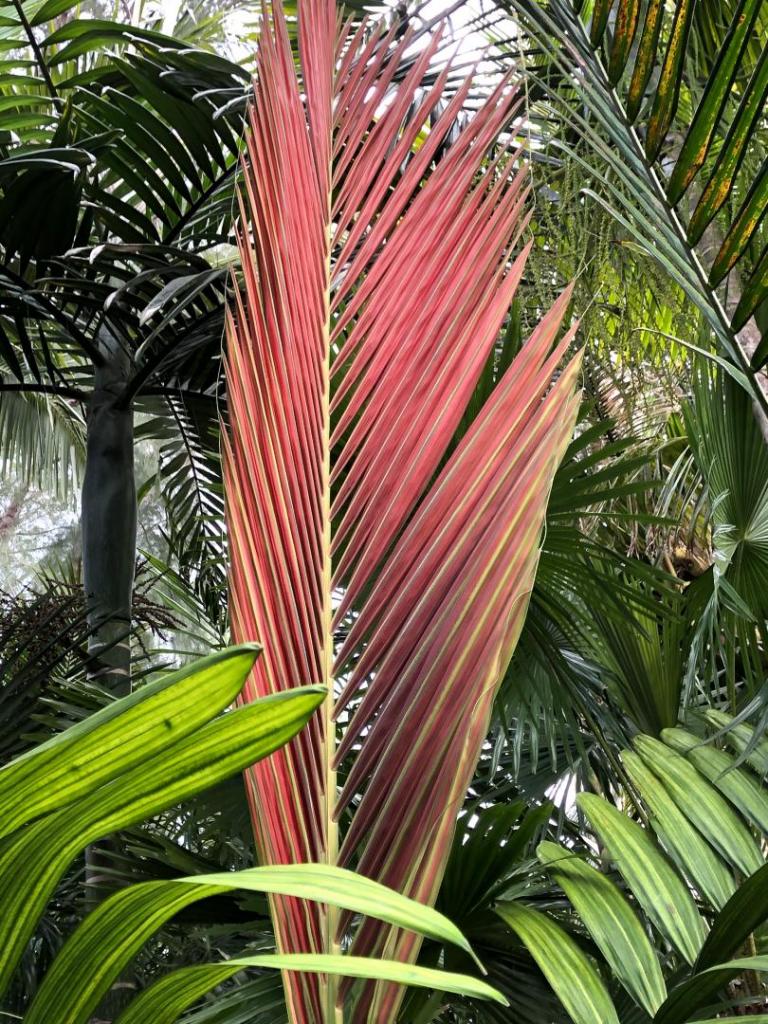
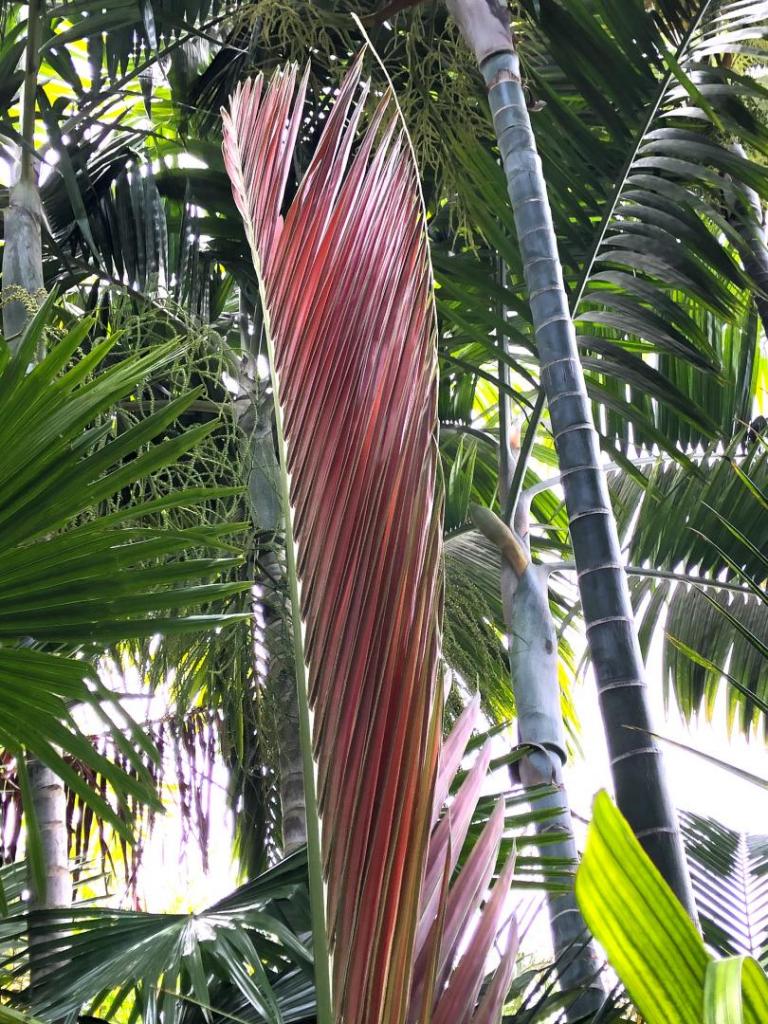
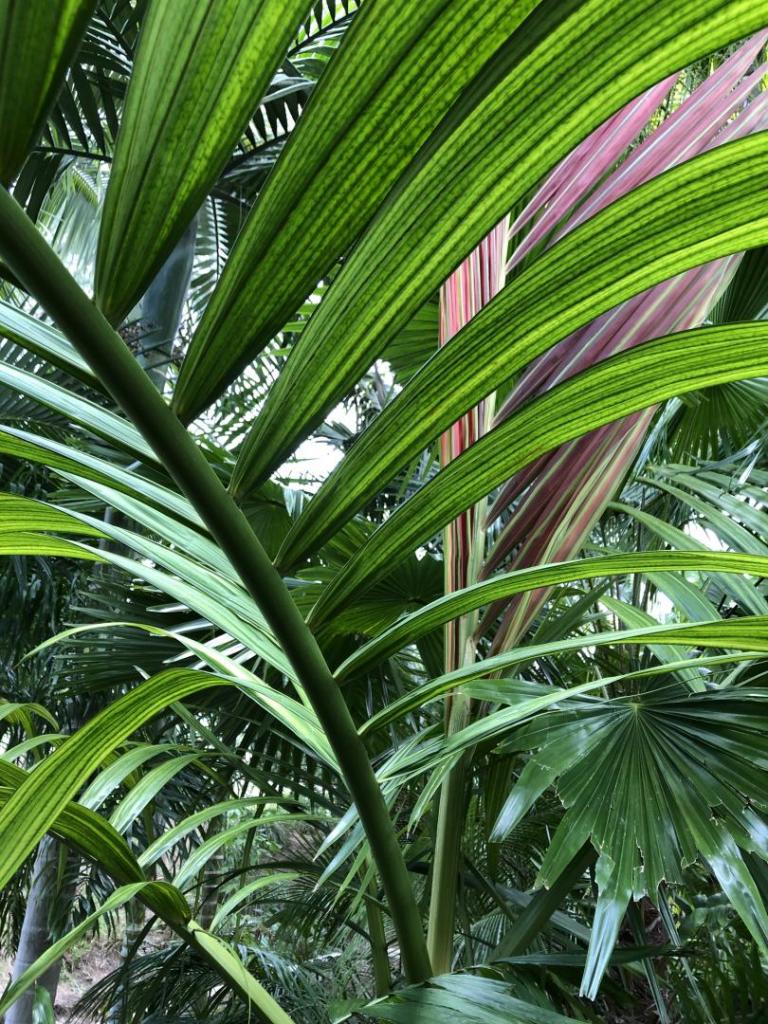
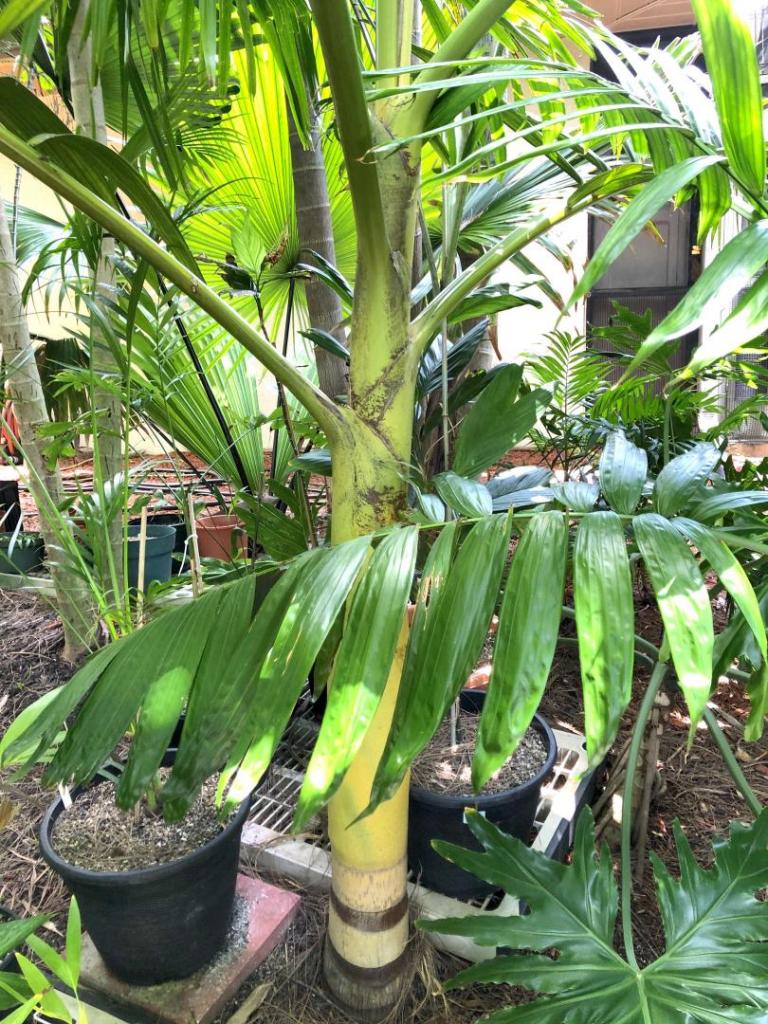
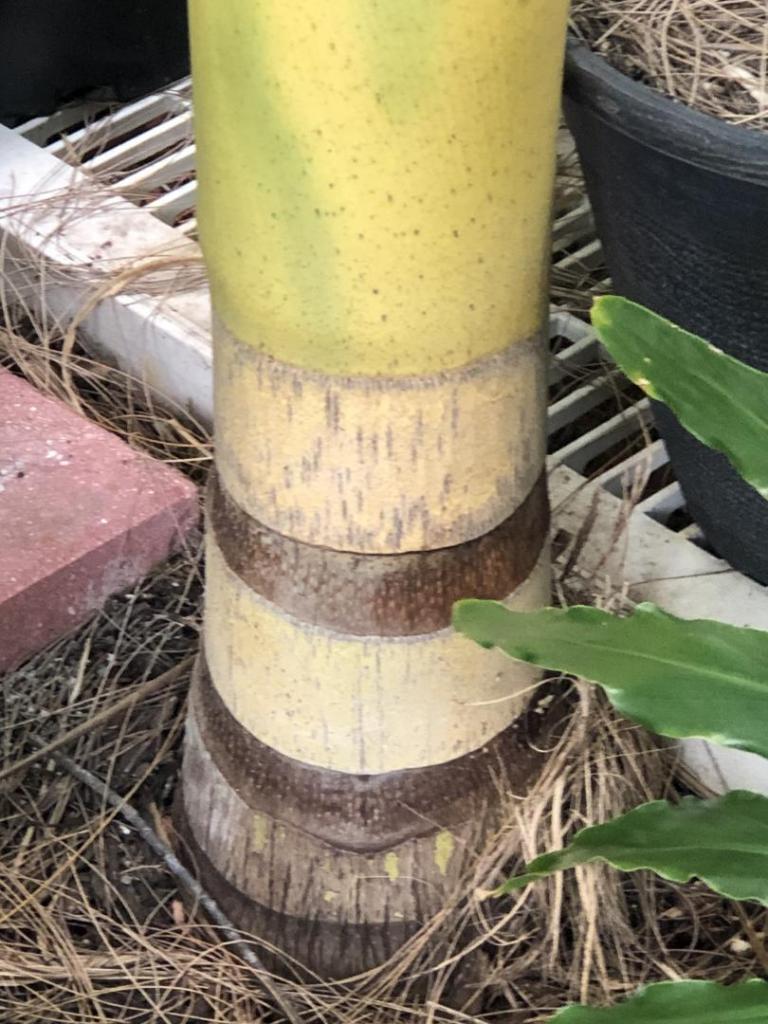
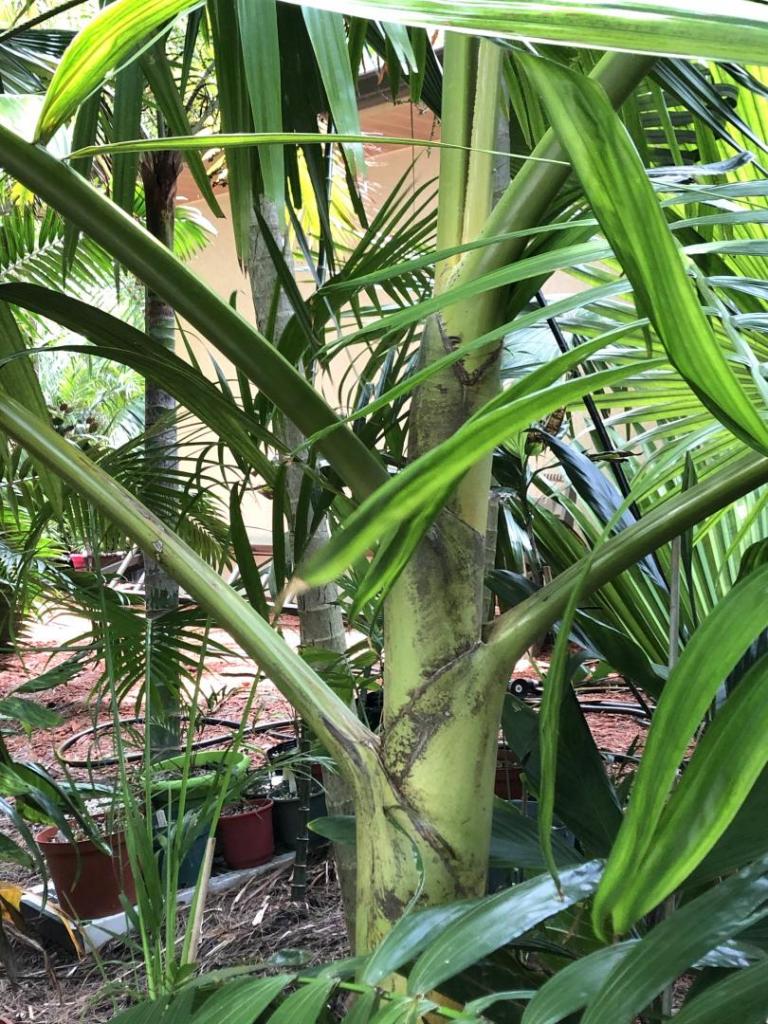
 Please join me in celebrating my larger Chambeyronia Houailou for two accomplishments: 1. a dazzling new red leaf 2. one foot of clear trunk Arching green Houailou leaf frames canal Trunk details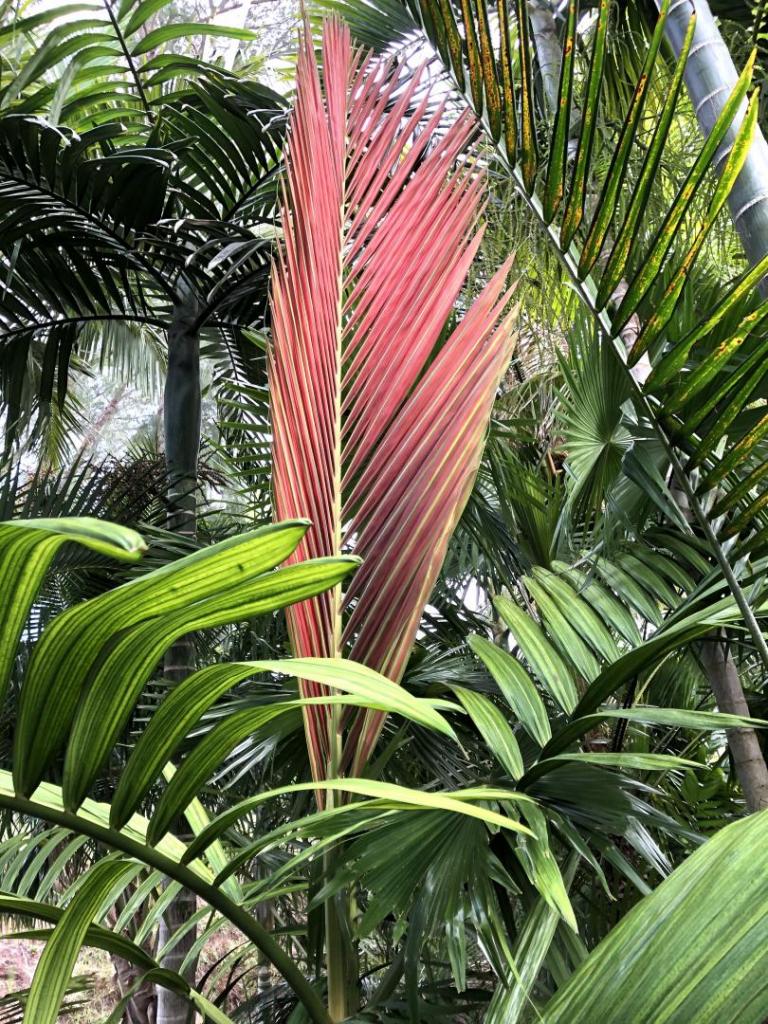





 1 point
 -
 I have a nice size one for 40 i am in riverside. i will send pic. thanks1 point
 -
1 pointThe big difference is I get day temps up 24 degrees celcius, a huge 22 degrees fluctuation in temperature, thermal mass and tree cover and a little ocean influence. I even get reasonably good growth in winter with the palms in the ground! Ps how’s that dasyantha going!1 point
-
 I was in Lakeland the last two years for my son's cross county championships. Seems like a great place to grow palms but you're correct that it has the heat of South Florida but certainly gets colder in the winter.1 point
 -
Thank you, it's evening here so I will look them up now.1 point
-
You're welcome. My personal garden experiences low temperatures similar to what your location could expect annually. The heat during the day is a little oppressive. Feel free to grab ideas from here: https://www.palmtalk.org/forum/topic/52296-palms-and-others-of-interest/1 point
-
 i know this is an old post but finding posts about palms in Sacramento is fun. I have two Maxima king palms in Fair Oaks. I've seen other king palms in Gold River too.1 point
 -
1 point
-
 1 pointHey all, I thought I would dredge up this ancient thread to see what has been learned in all these years. I often see some really neat species available, but I am afraid to try them in a Mediterranean climate. So,without a doubt, P. javana, phillipinensis and coronata grow well here in the right spot. The wataniana I had did not make it, nor did the Floribunda offering of phillpinensis “compact”. Are there any other suggestions for temperate tolerating members of this genus?1 point
 -
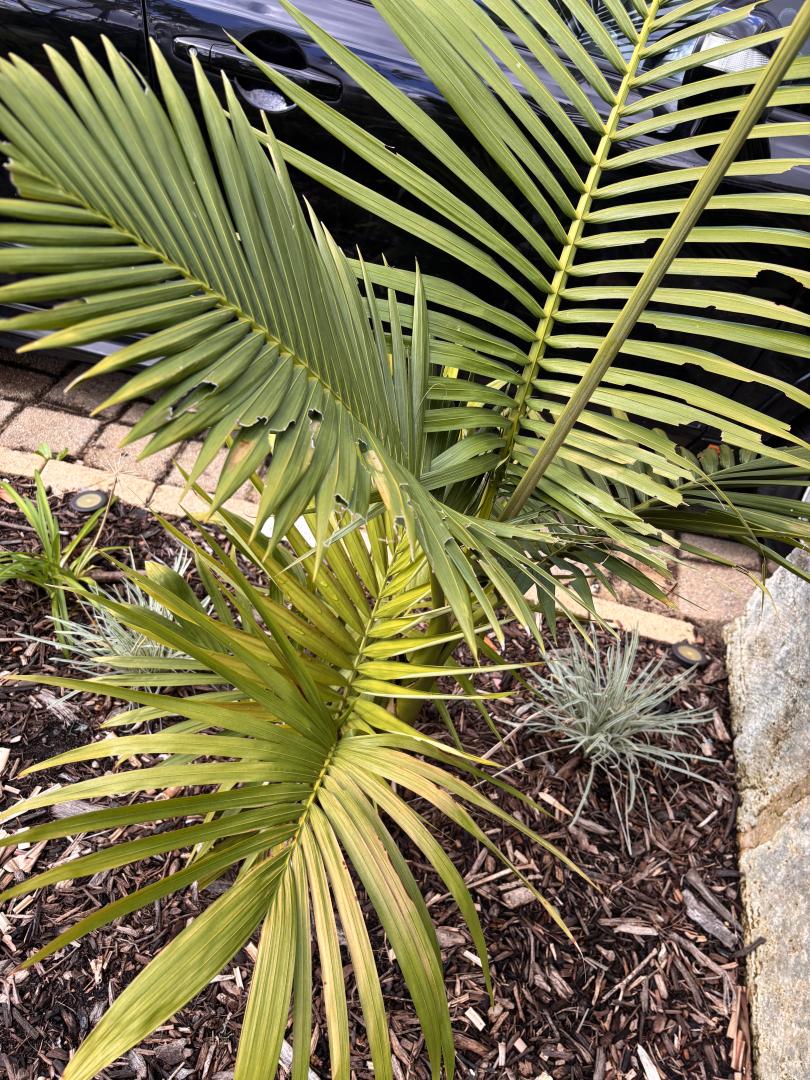
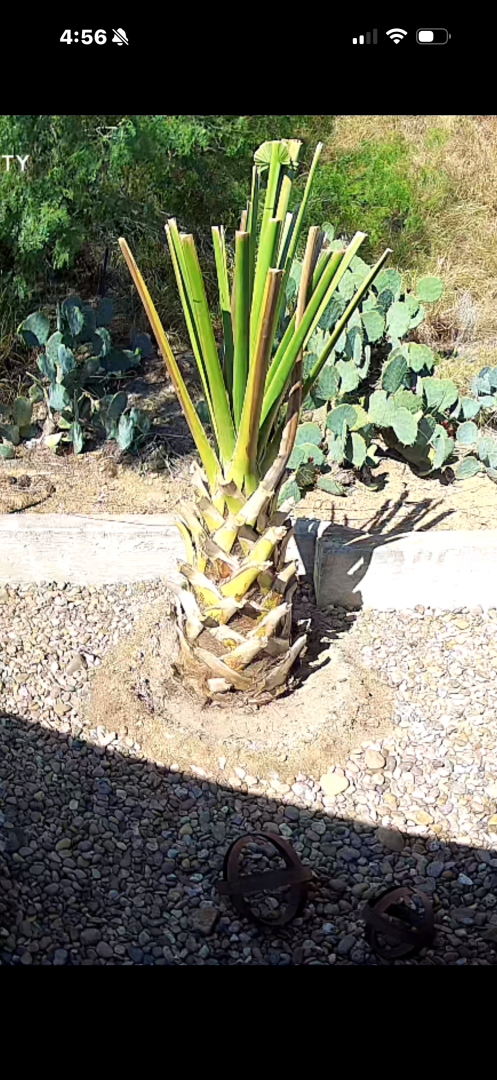
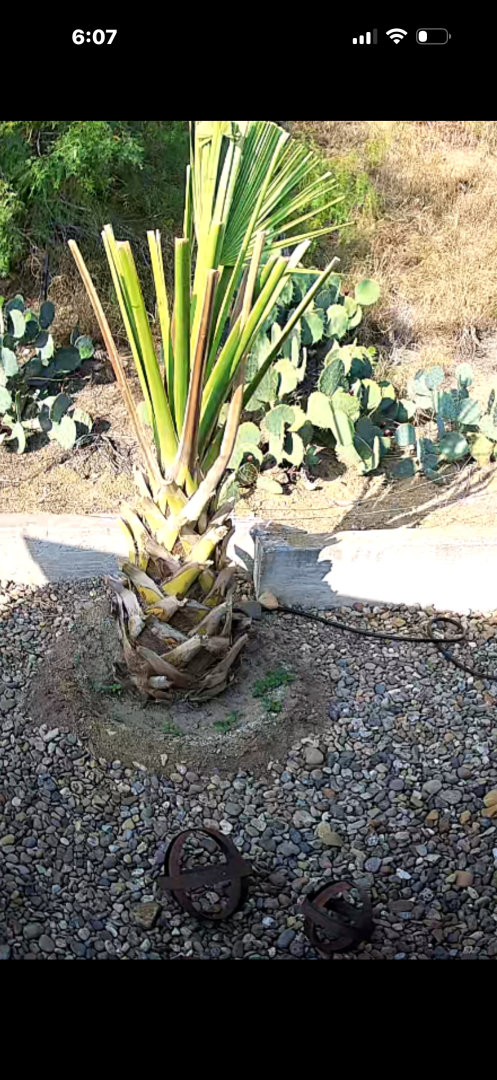
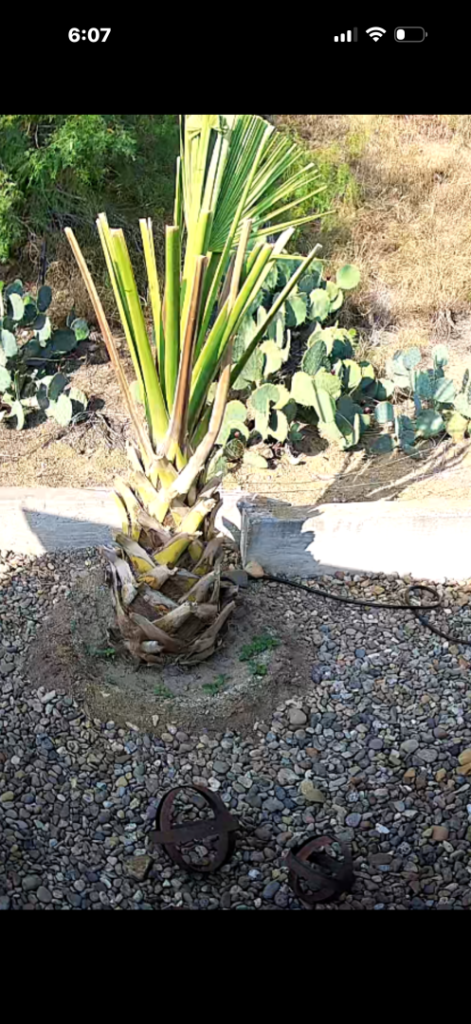
 Thanks everyone. Im watering every 3-4 days 15 gallons per watering. I know the width and depth of the planting hole. That amount of water according to my calculations is equivalent to a little over 9" of rain a week. This pic is exactly 2 weeks after planting. I noticed the 2 center petioles had shot up so I untied the palm. This pic is from exactly 3 weeks after transplant. Camera angle hasn't changed and notice petioles have pushed above camera range The frond fanning out was obviously one that was cut and I noticed after I cut the twine that it was ready to expand before harvest It's trying to establish. Also the fanning frond is very green. It just looks yellow in the bright sun.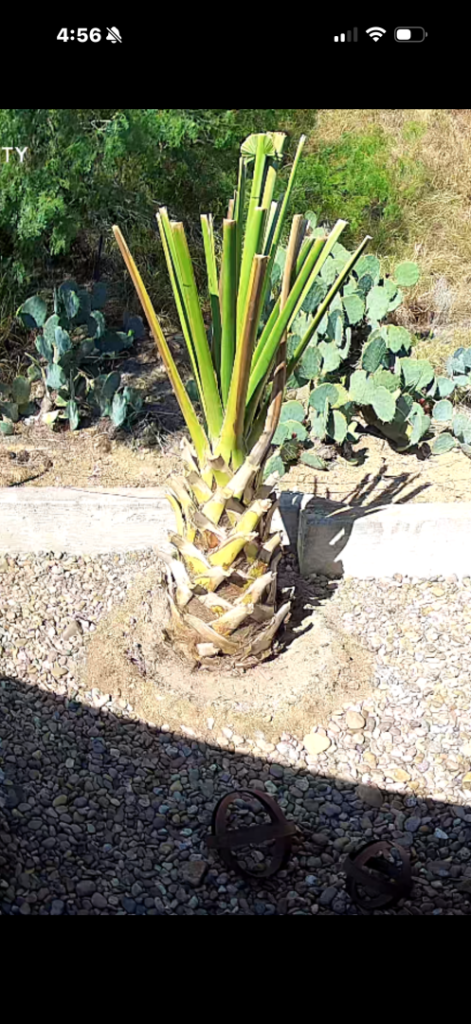
 1 point
 -
 I've gotten 6 inches of rain in three days 🙂. This would normally be excessive in short duration but it was so dry, the earth will soak it in.1 point
 -
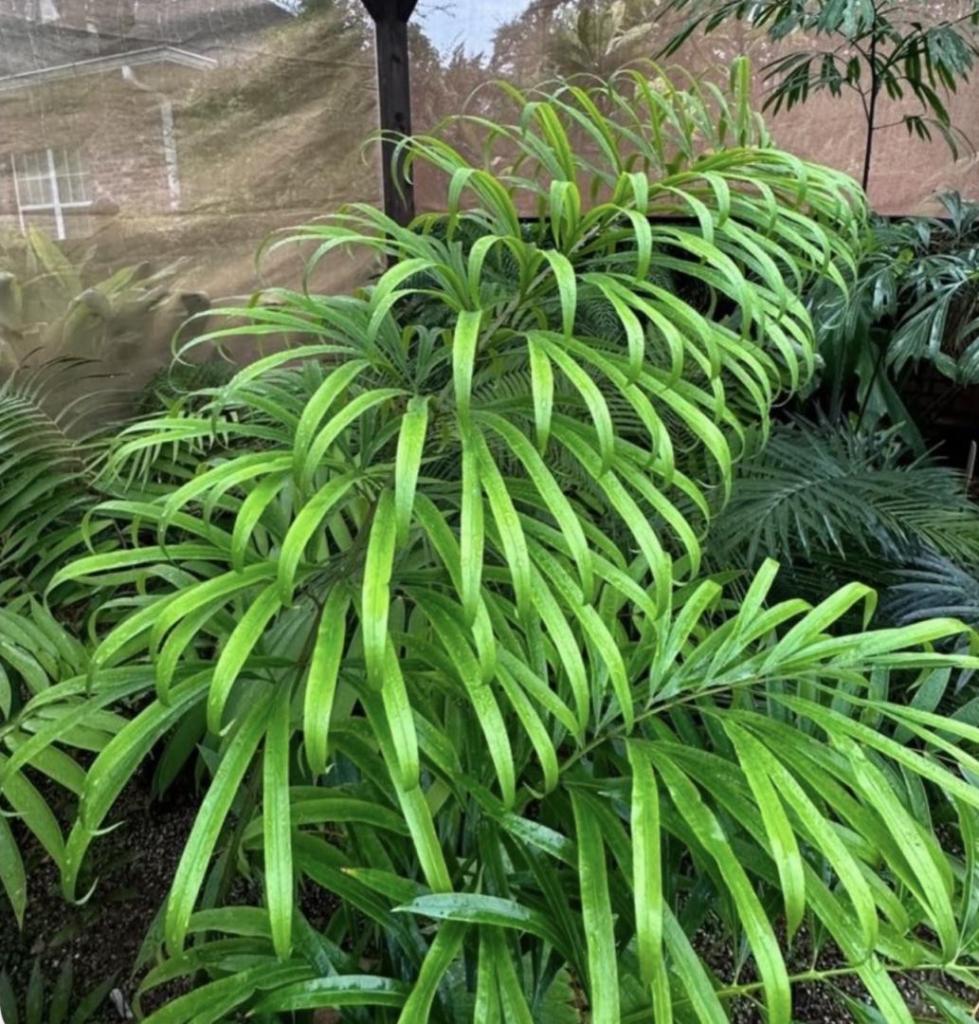
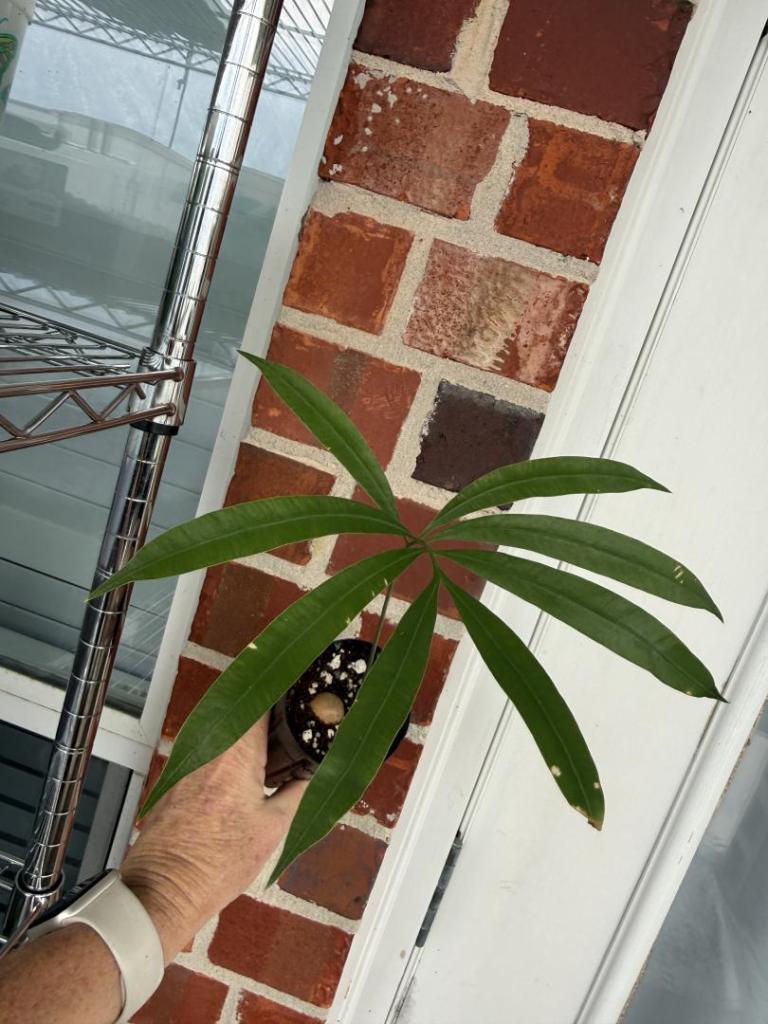
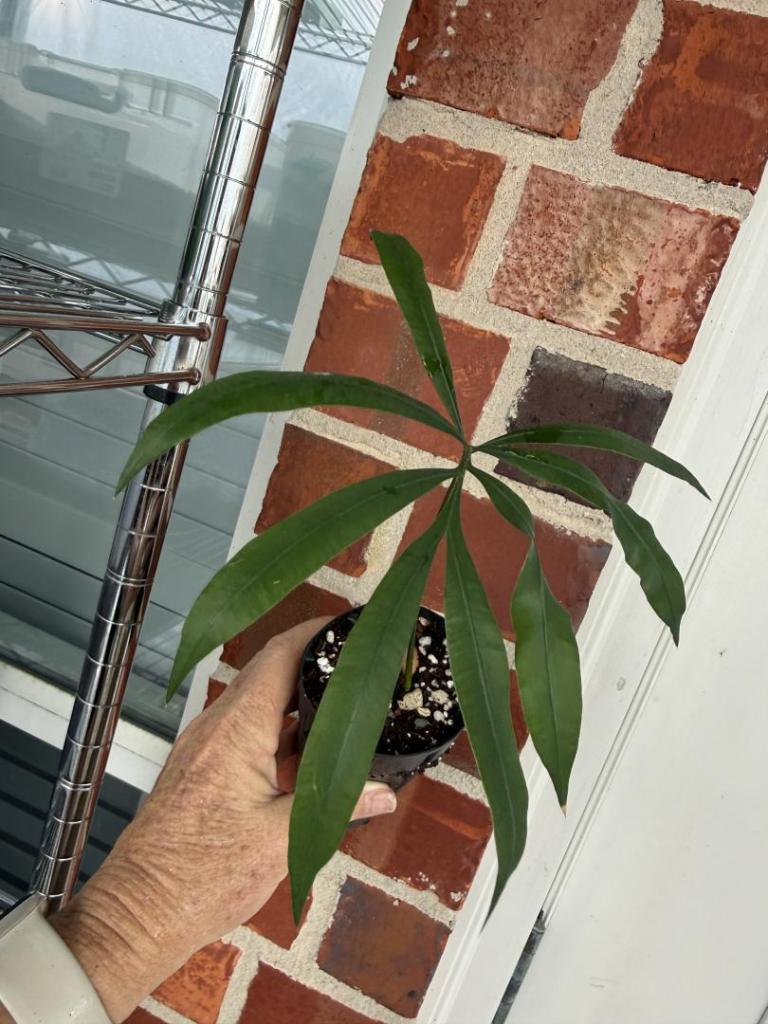
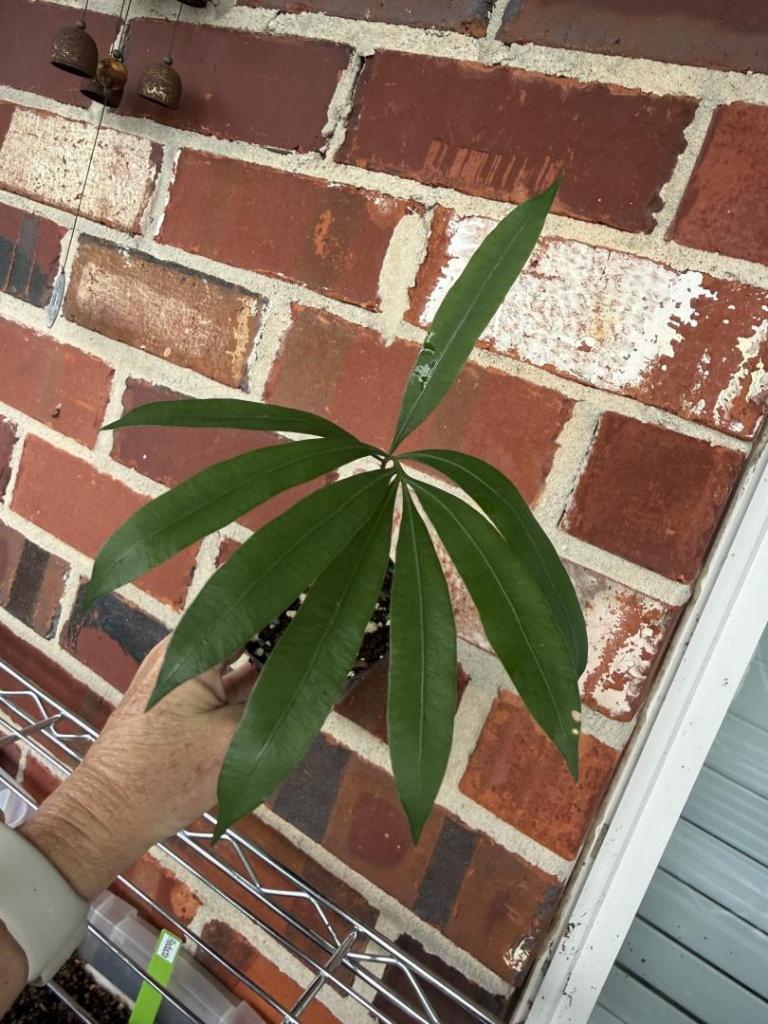
 Unique cold tolerant hybrid. A mongrel mix that should turn out very interesting. I used a nice female C panzhihuaensis x C multifrondis and pollinated it with an extremely plumose C debaoensis x (C tropophylla x C mitcholitzi). Pictures of parent plants and seedlings for sale. Only a small handfull available. $25 ea shipped UPS 3 day priorty $18


 1 point
 -
 1 pointMy 'Mexican Gold' is in full show-mode right now. In spite of the fact that it's probably the cold-hardiest "big" single-season Heliconia in the trade, it remains something few have even heard of. It really is the type of big Heliconia that can take your breath away, particularly when it's in a bit of shade and that intense orange-yellow color seems to shine like a torch. The leaves are large, glossy and luxuriously wide and a rich green. It is quite precocious but better behaved than something like H. schiedeana in California. My clump occupies about a 6'x6' circle at present since the stems do lean out a bit, it is not a tight, vertical type like H. x rauliniana or 'Hot Rio Nites.' But it's a clumper, not a runner, which is a plus for most people. Not sure how this does in cooler areas, but I had great success with it in southern Mississippi when I lived there, and now in the Palm Springs area. The species identity of this cultivar is still something of a mystery. Fred Berry and Bob Langford found this one in Mexico and never were able to identify it properly by species. So Bob Langford said they just propagated it under the cultivar name they used, 'Mexican Gold.' Somebody else later attached H. latispatha to it, but there's no science behind that attribution. It could be a hybrid of any of the Mexican species, and there are quite a few of those, such as H. bourgaeana, H. champneiana, H. uxpanapensis, H. latispatha, et al. Whatever it is, it's quite a beauty, with really substantial, chunky inflorescences. Really quite spectacular to see it in person, and it's very easy to take care of it. The largest of these open inflorescences on my clump right now is about a foot tall. They make excellent cut flowers in big tropical arrangements.

 1 point
 -
 1 pointThat’s terrible . The nephew was obviously suffering mental health problems. Condolences.1 point
 -
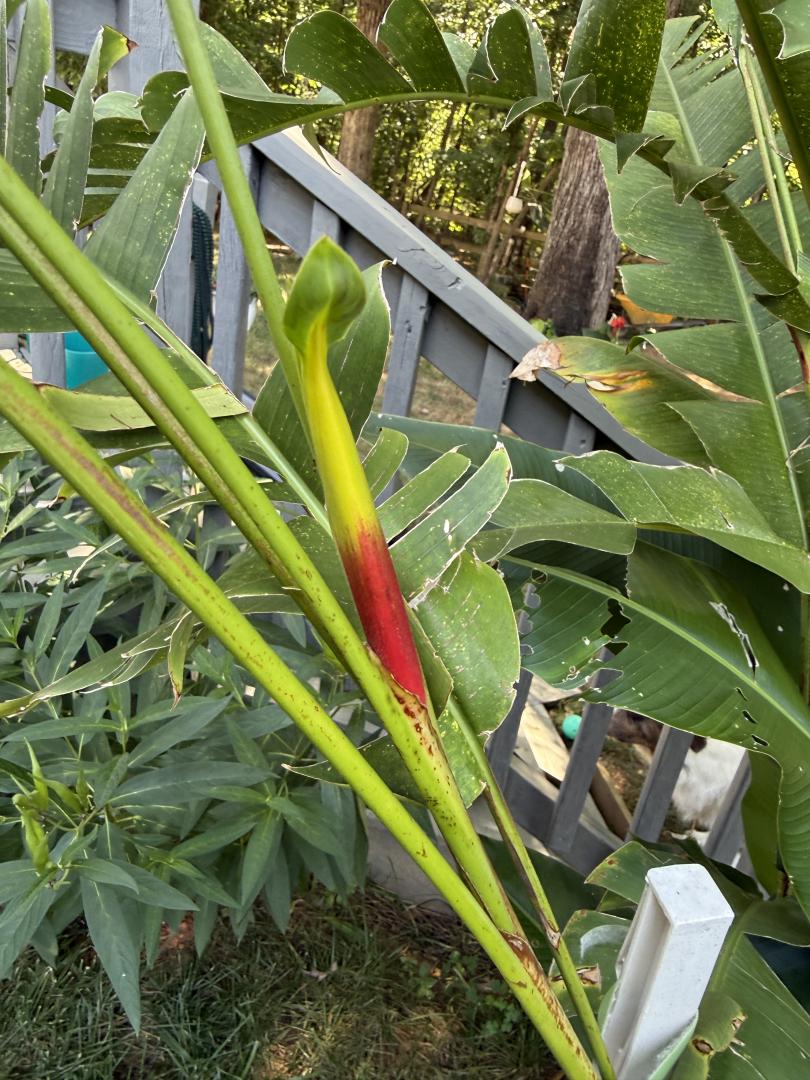
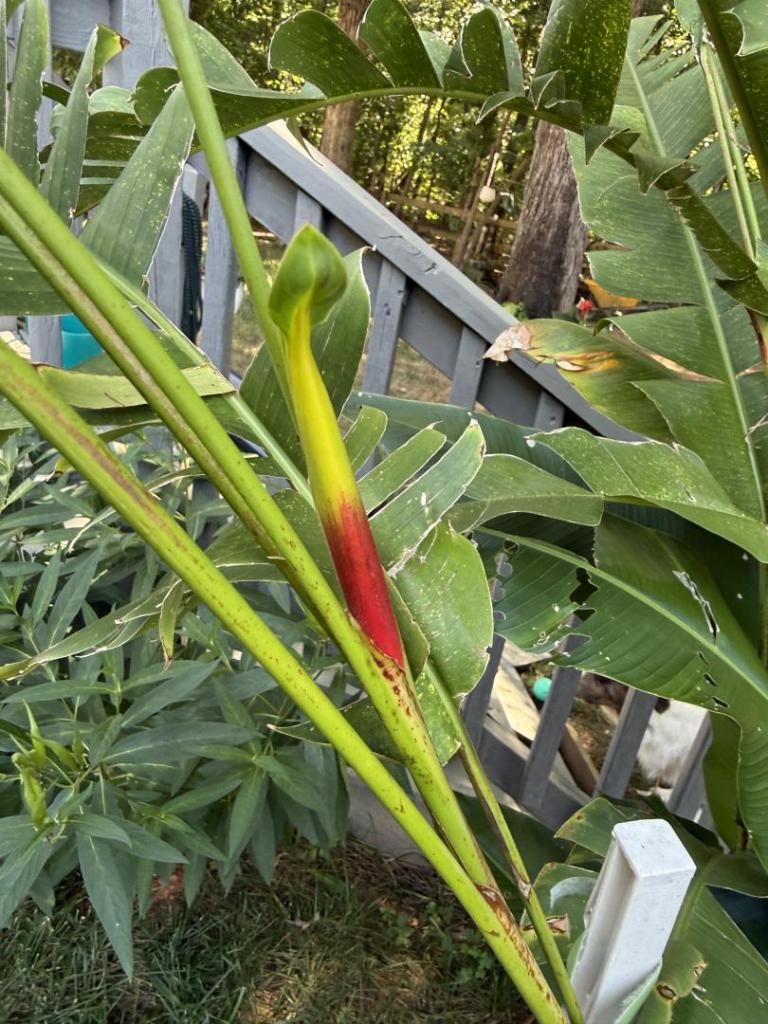
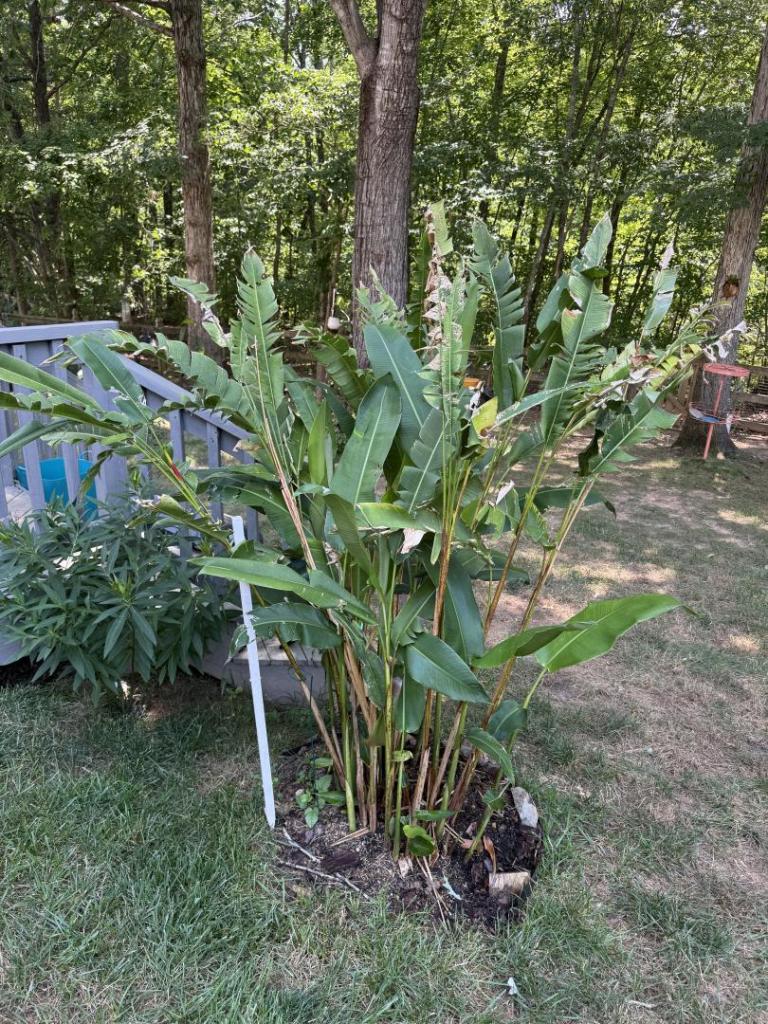
1 pointI thought I had killed this clump of rostrata by putting it into the ground too early. It got absolutely pummeled by the cold and wind and all of the stalks started snapping and dying. Look out pitiful the clump looks as a Look out pitiful the clump looks as a whole 😂 After all of that, I’m proud to say that I finally have a a rostrata putting out an inflorescence!
 1 point
 -
 Everything is just going bonkers. What was the John Cusack movie? Where there were tornadoes in LA and blizzards everywhere? It snowed in Miami not too terribly long ago. Fires everywhere. Droughts here, floods there, the Detroit Lions are good, we're truly living in crazy times.1 point