

Leaderboard
-

happypalms
IPS MEMBER29Points13,189Posts -


DoomsDave
IPS MEMBER10Points34,647Posts -

Motlife
IPS MEMBER9Points116Posts -


Harry’s Palms
IPS MEMBER9Points4,428Posts
Popular Content
Showing content with the highest reputation on 08/04/2026 in all areas
-
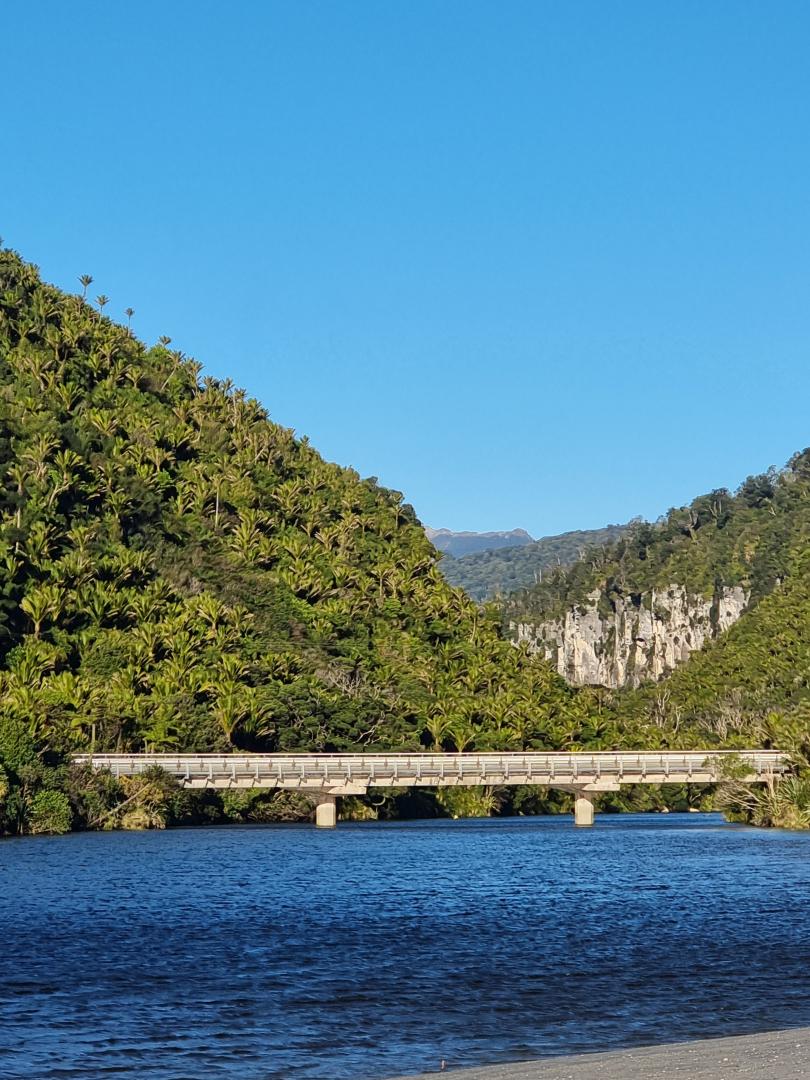
Turns out if I write a post then insert a pic it deletes all the text when I posted it.... I just wrote a reply talking about how chilly it is now, but at least NZ still looks quite tropical! This is Punakaiki today at about 42*S before dropping to about - 1C tonight. We definitely have our challenges with climate, but there are plenty of cool temperate and tropical highland plants that do well here, as long as we can get them!3 points
-
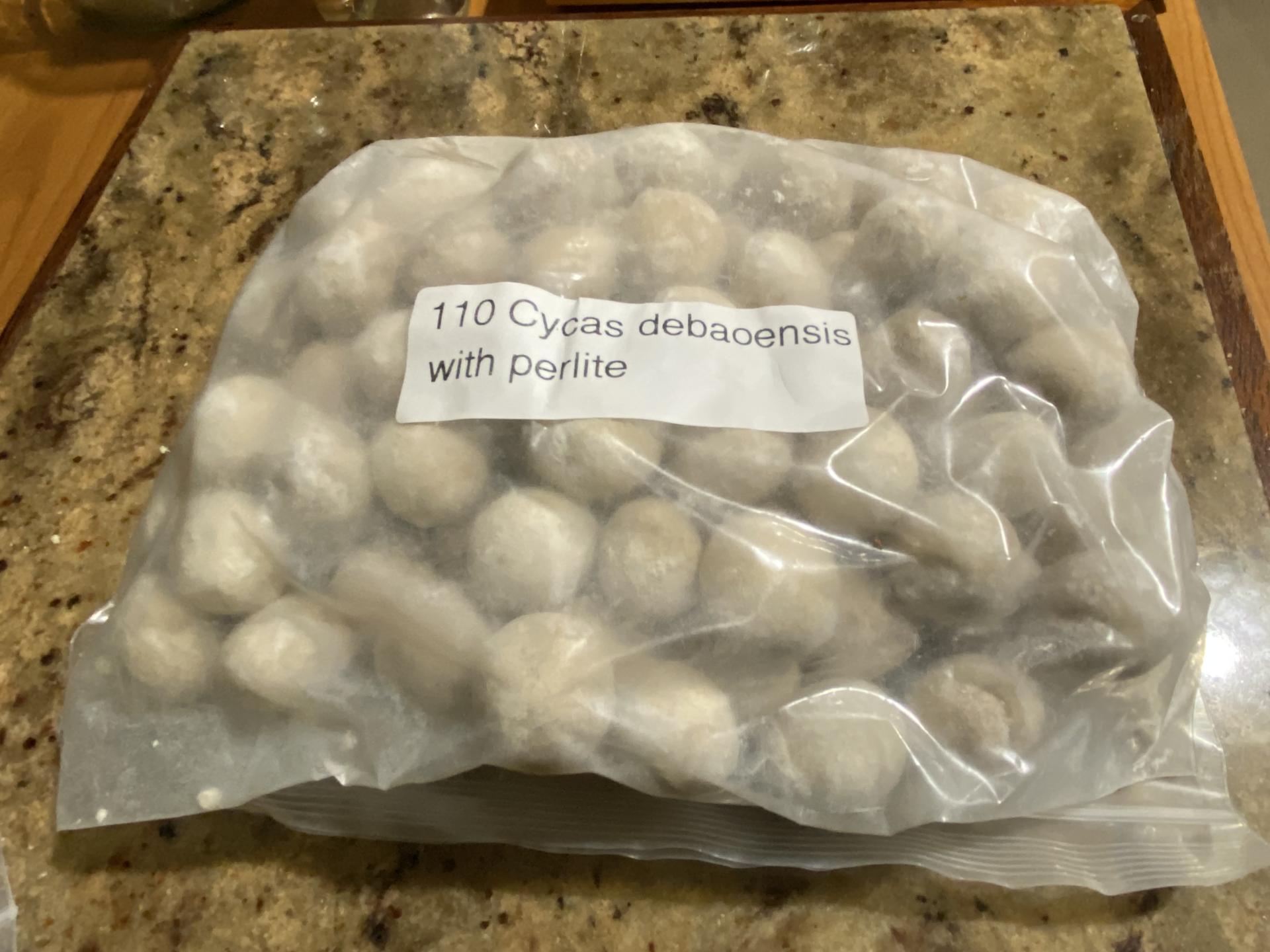
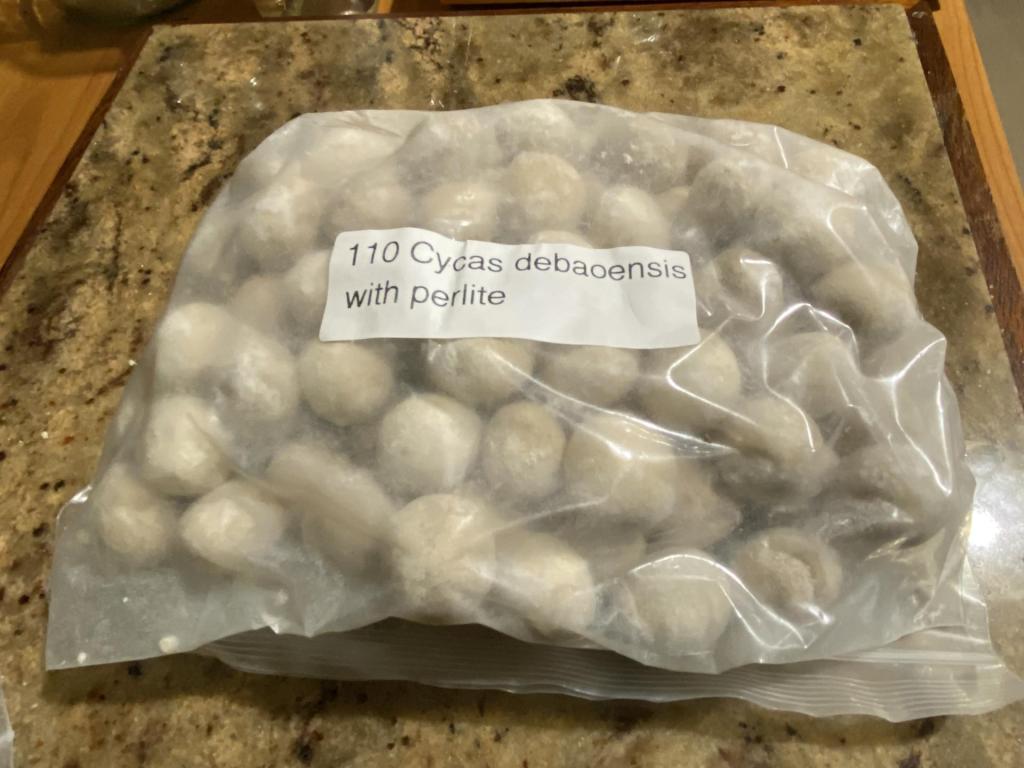
Iam impressed with them that much I got 110 seeds to get a few more around the garden!
 3 points
 -
 3 points
 -
 3 points
 -
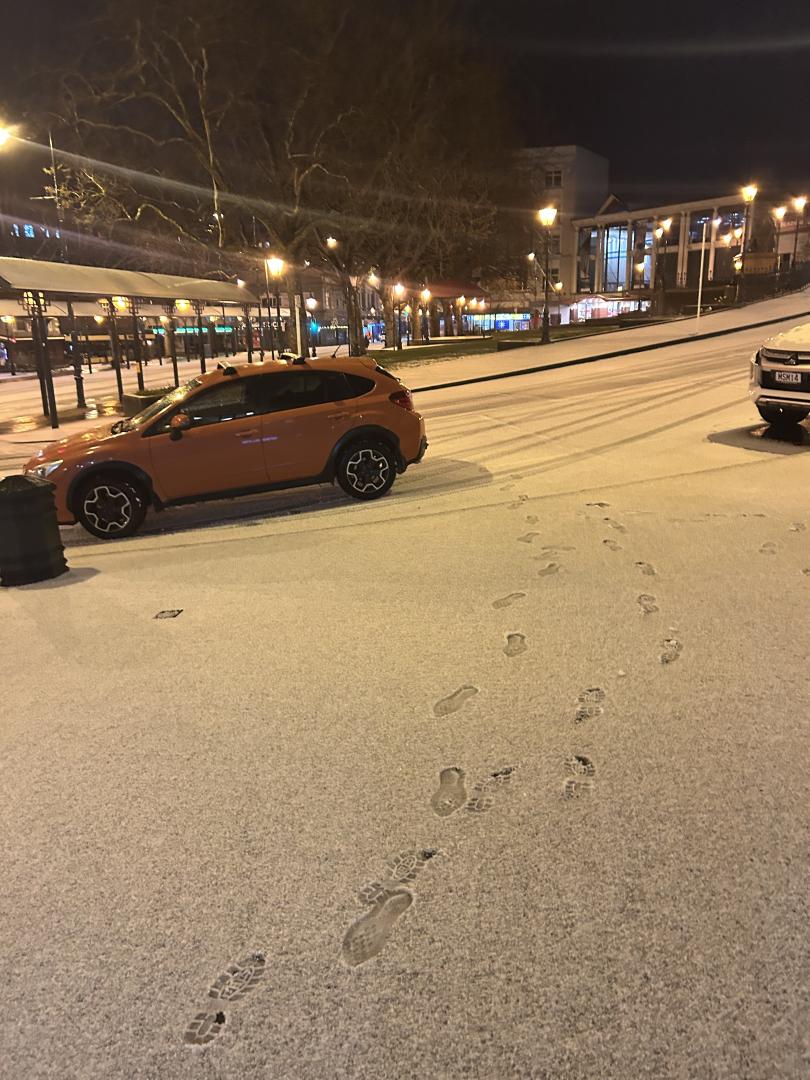
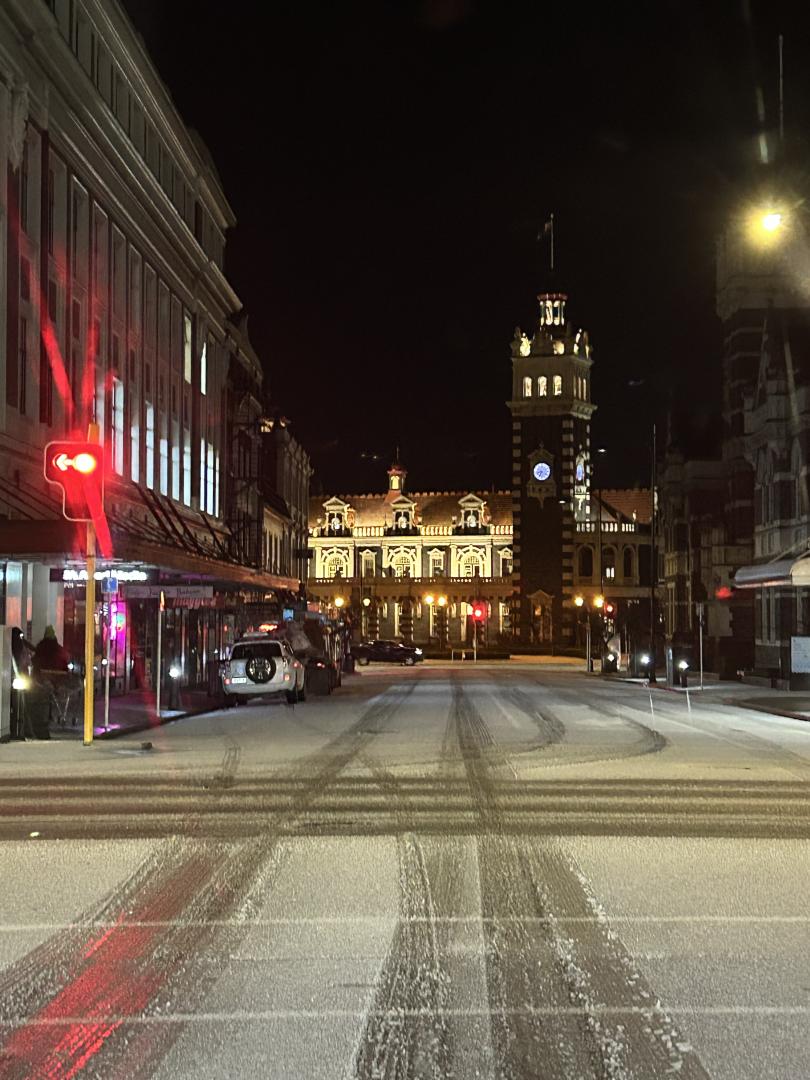
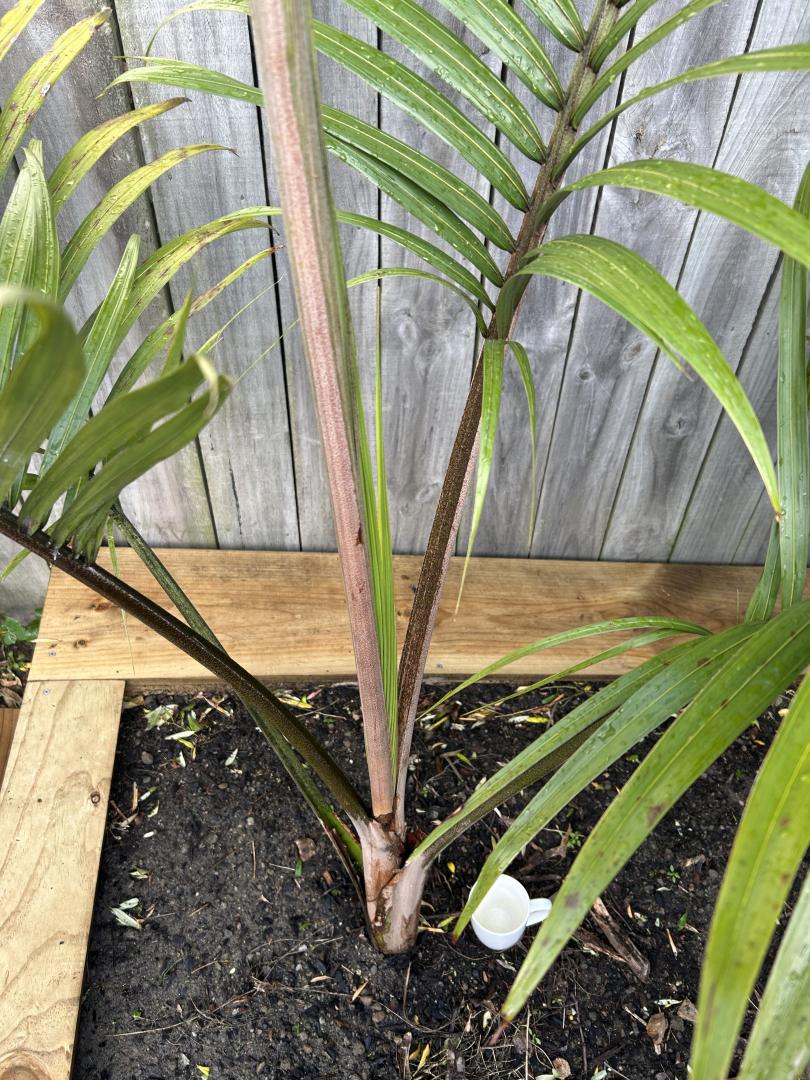
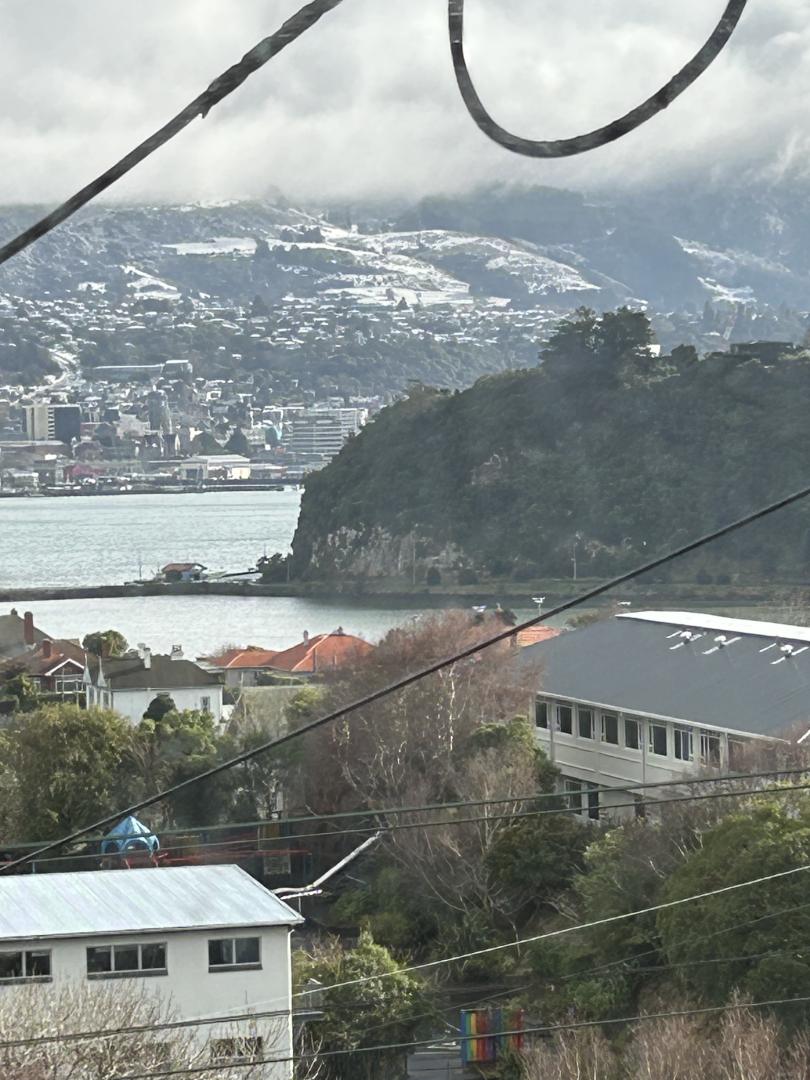
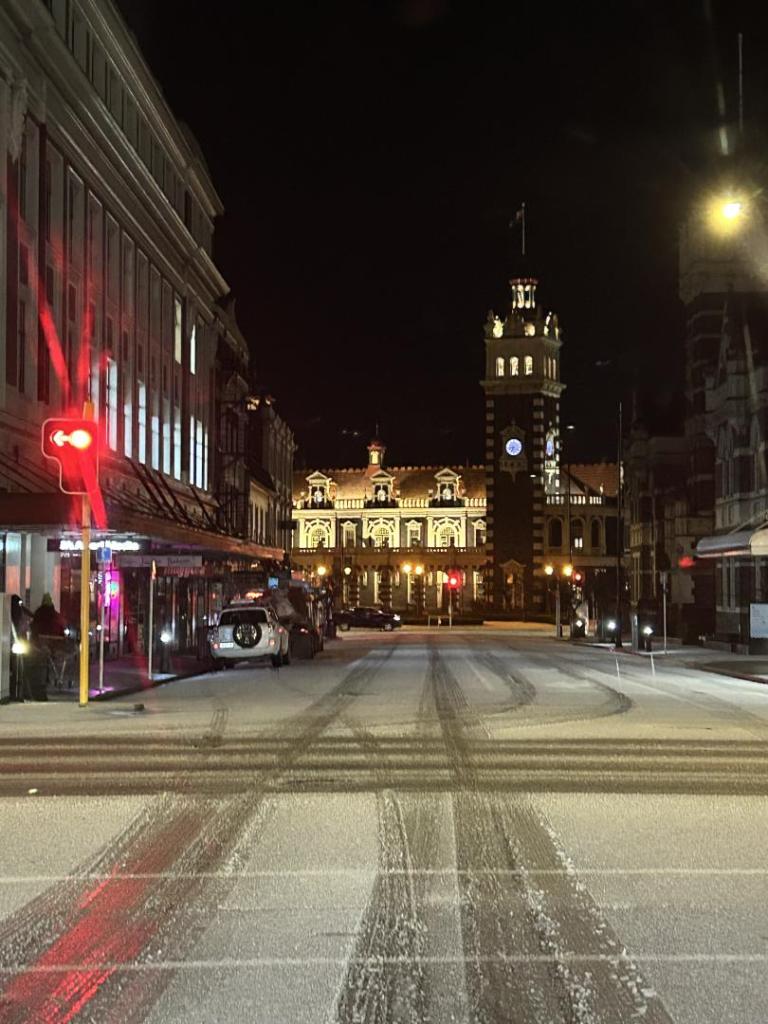
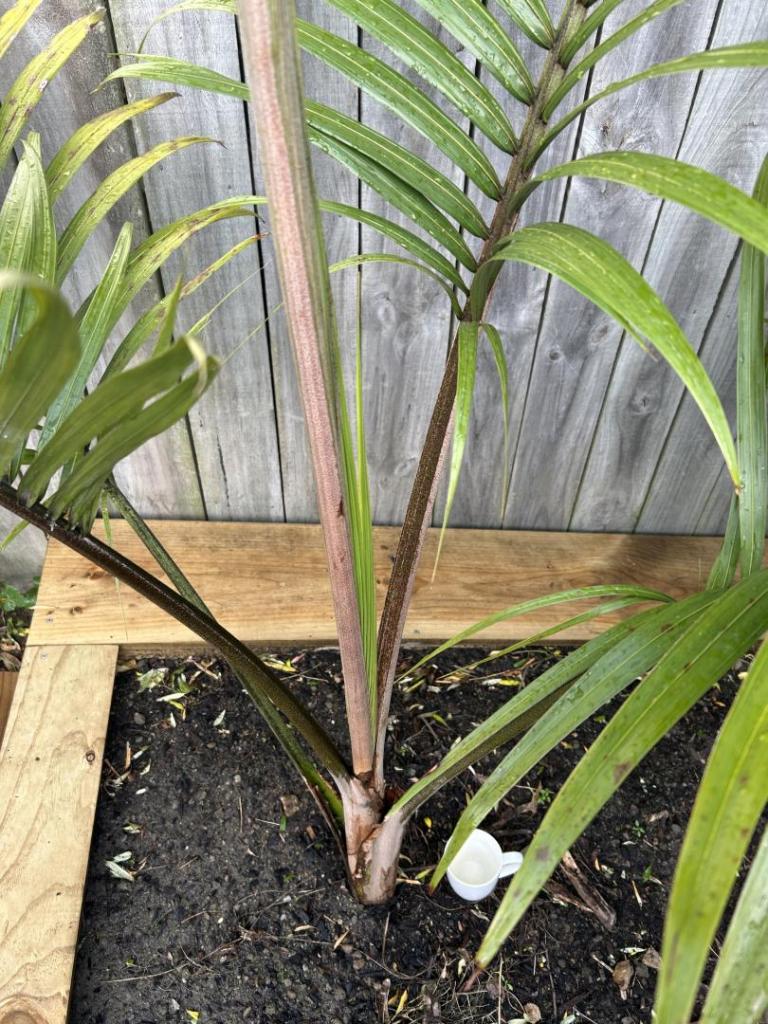
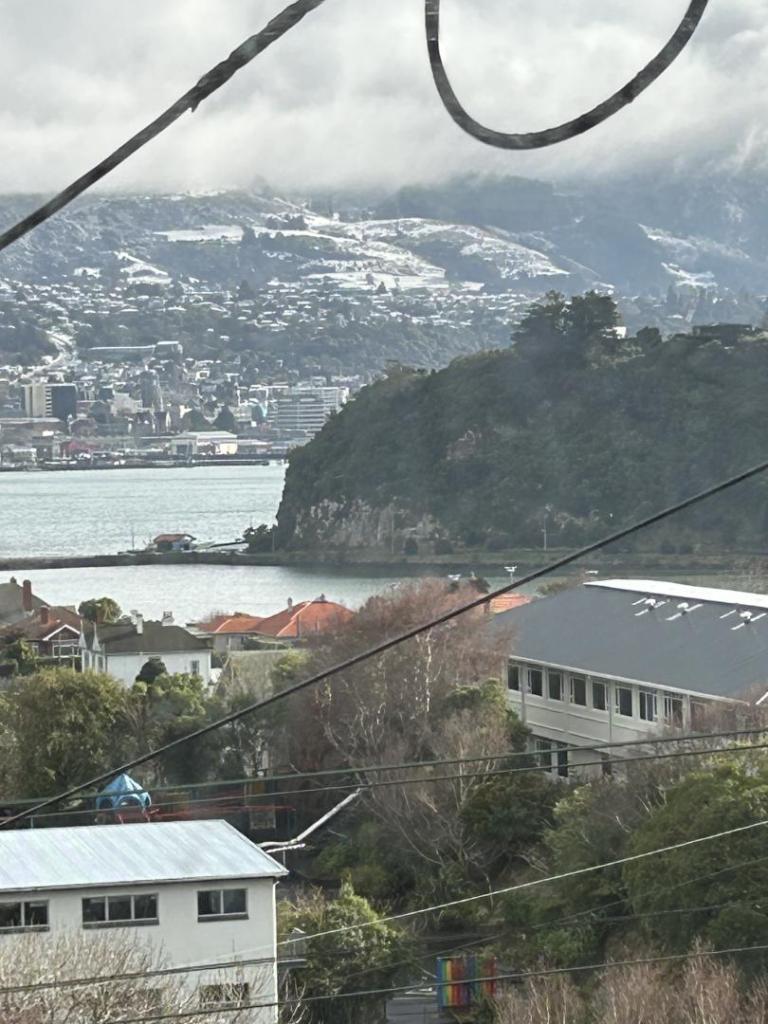
 3 pointsGot snowed and sleeted on in early hours of this morning during 5k trip to the city centre. Also noticed a recently planted R. Baueri is opening its new huge spear here at home. No snow settled at home on the Otago Peninsula. Forecast low of zero tonight which is very rare. Likely to remain above zero at home.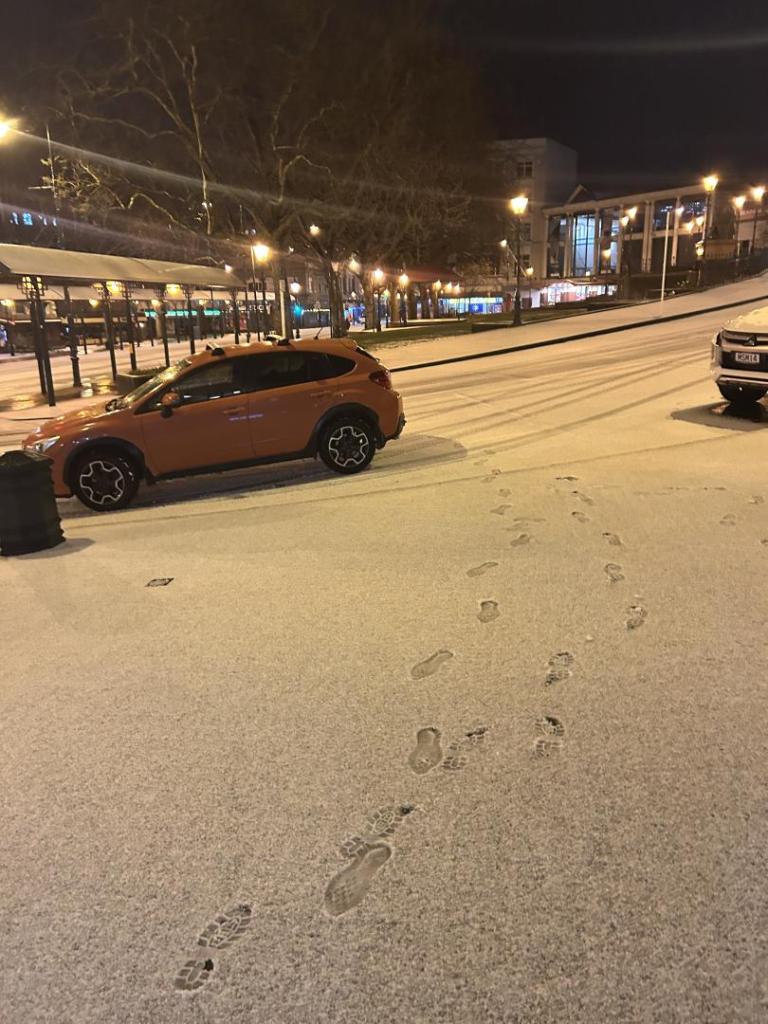

 3 points
 -
3 points
-
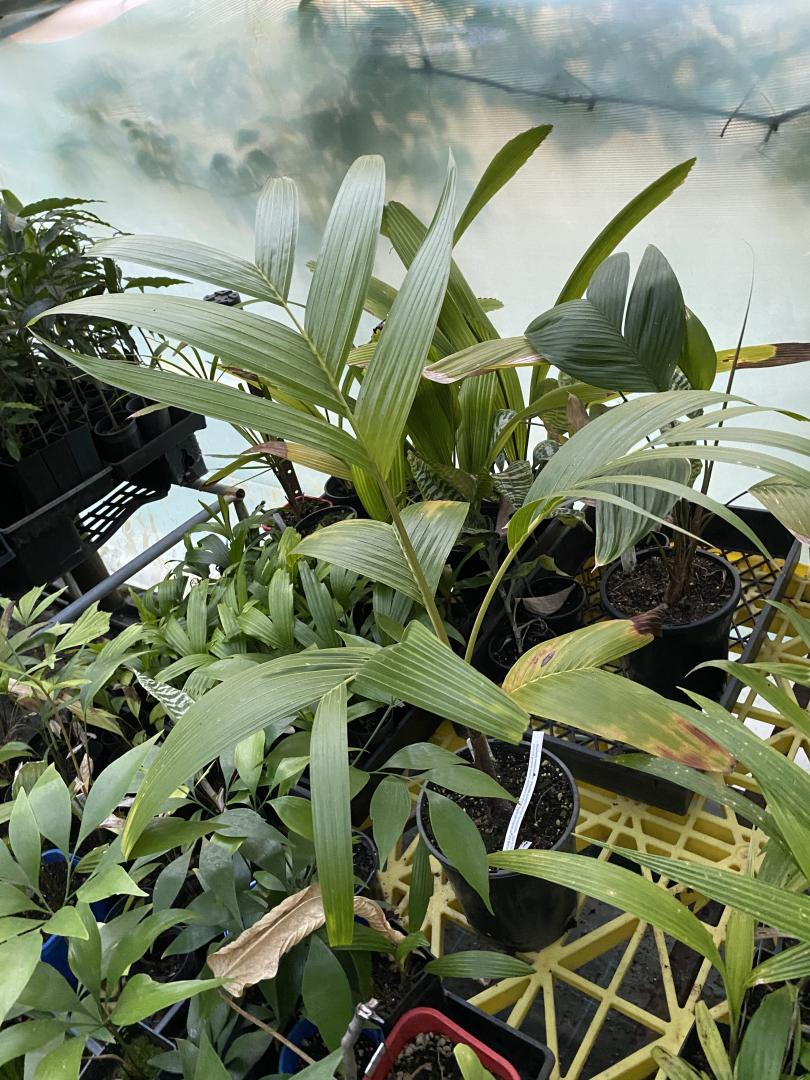
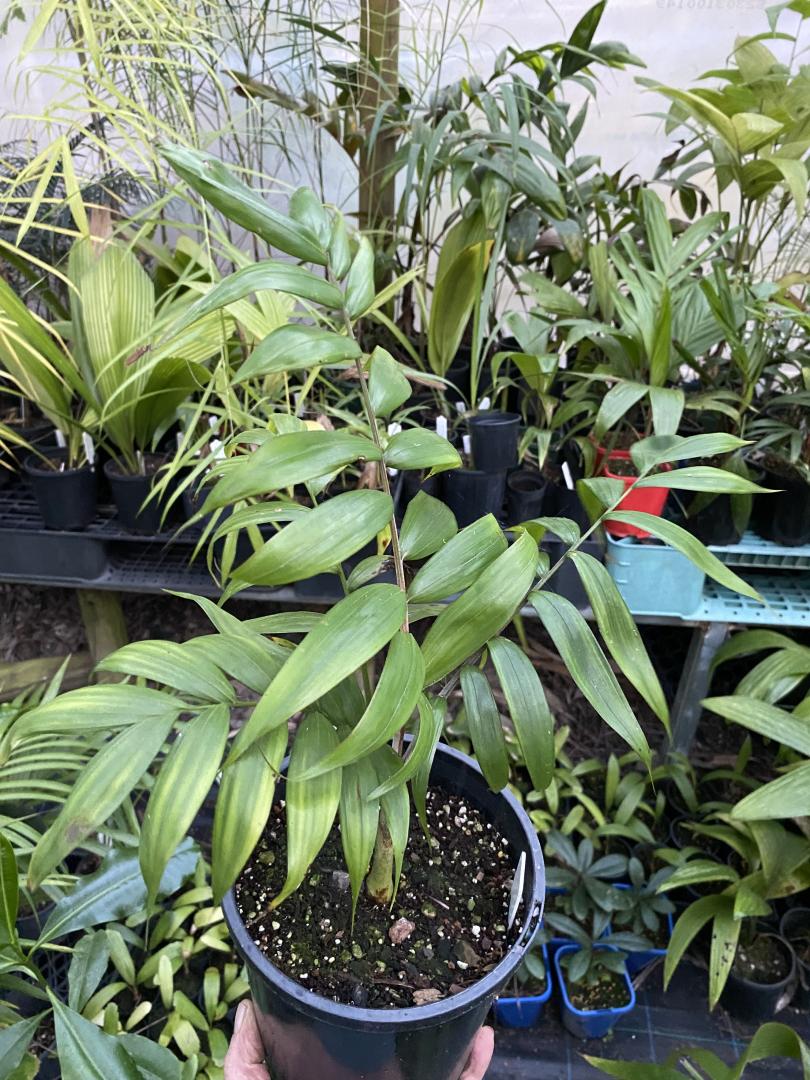
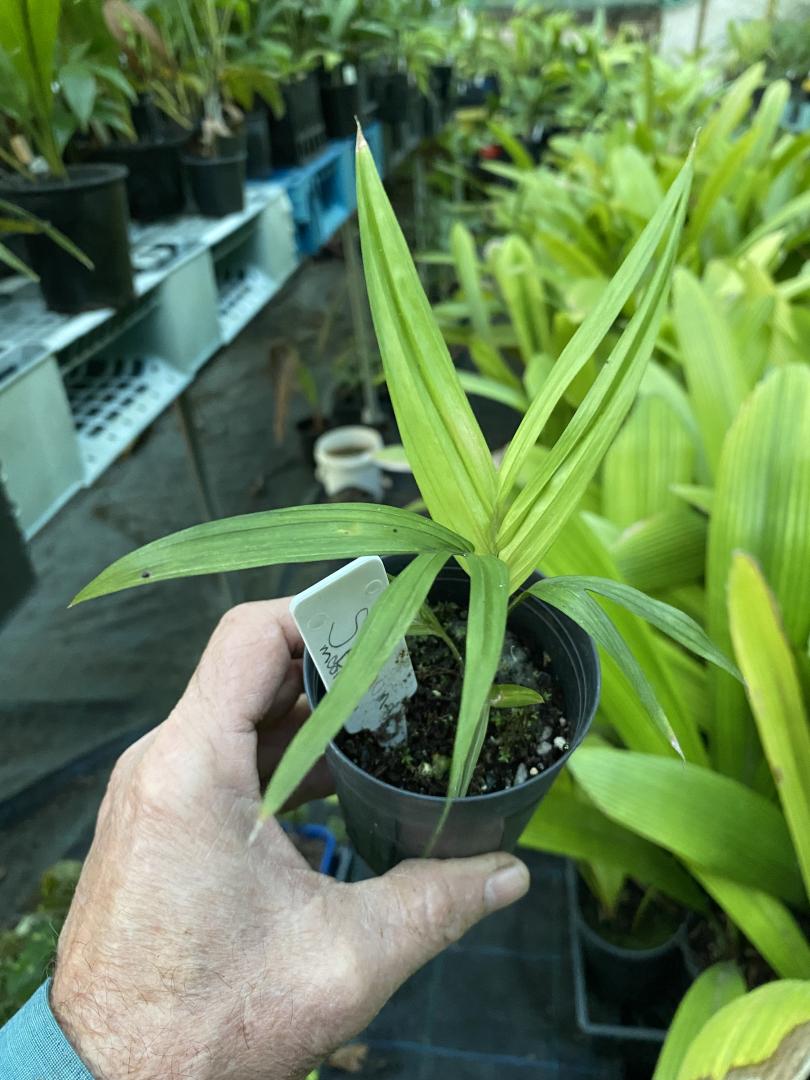
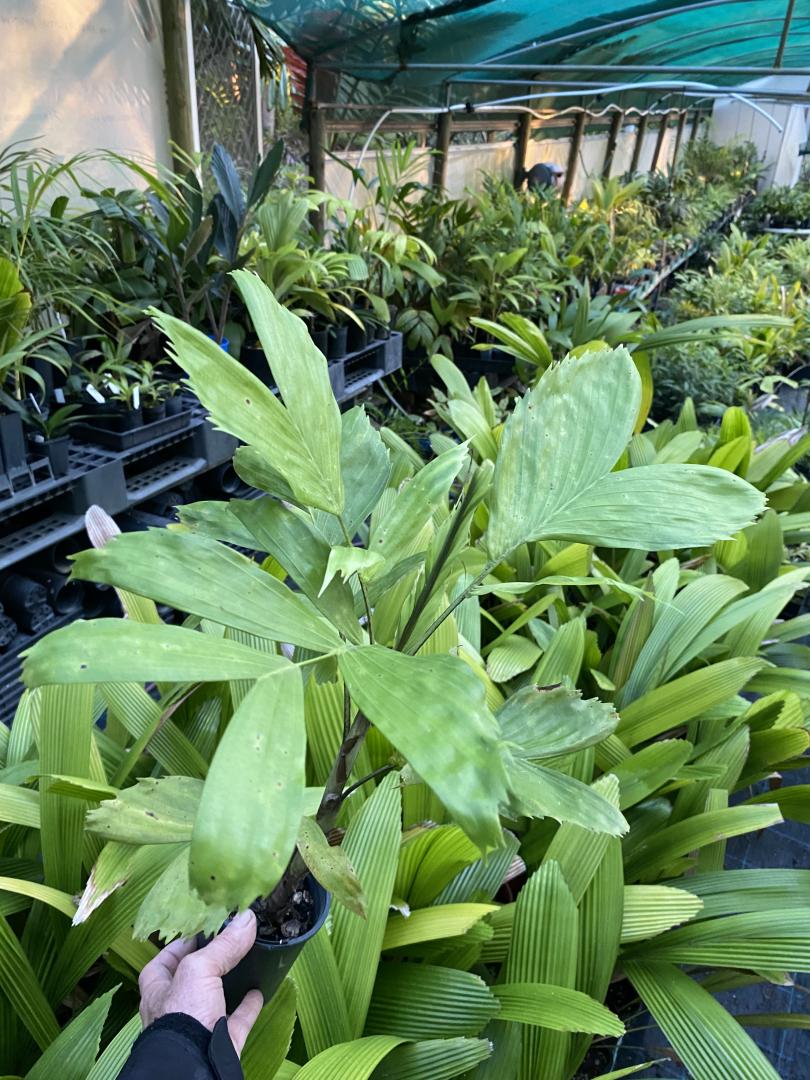
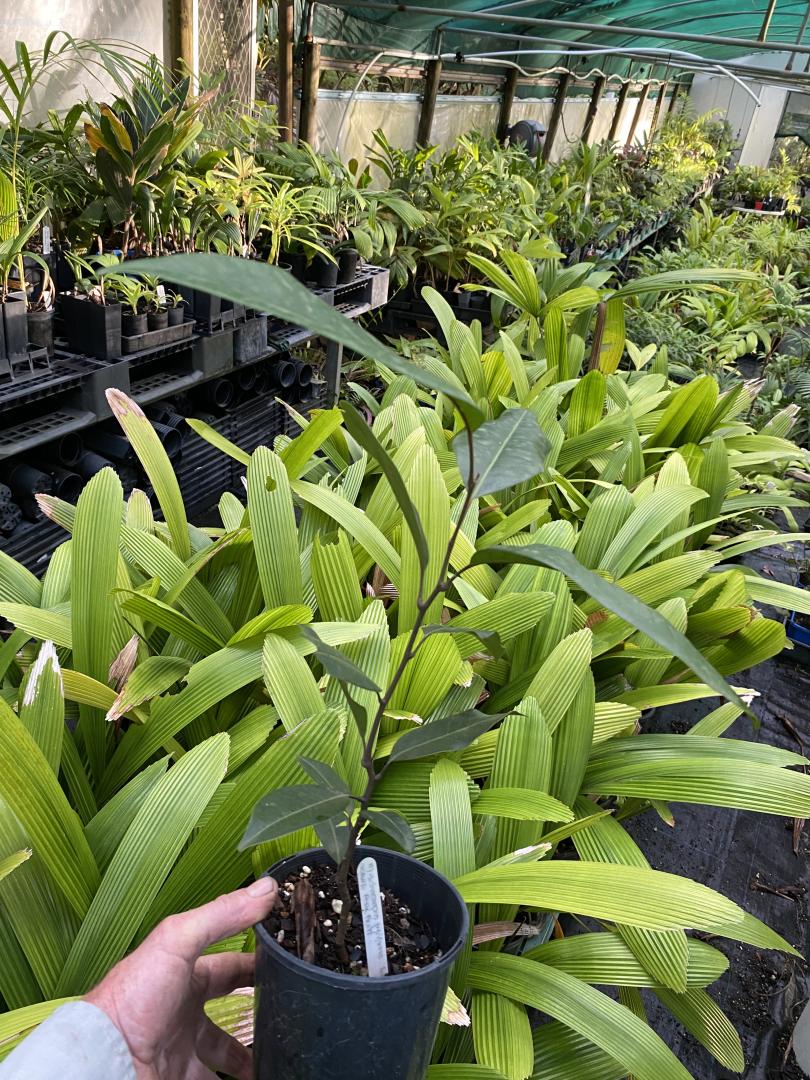
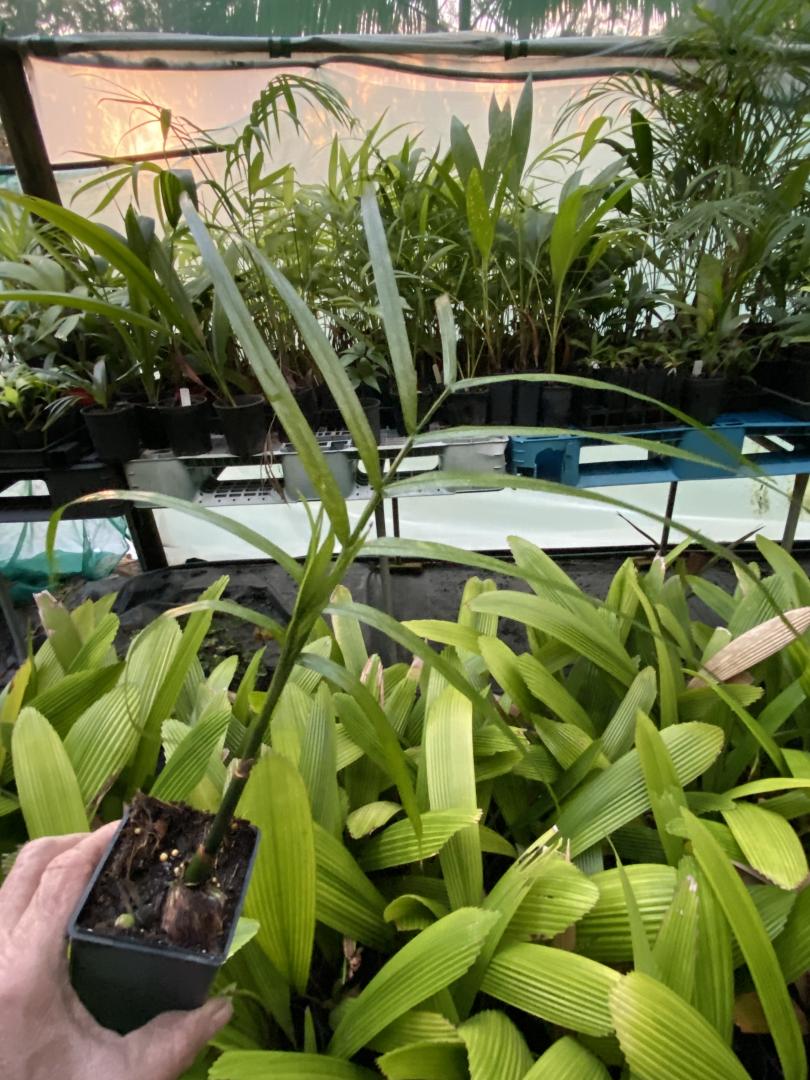
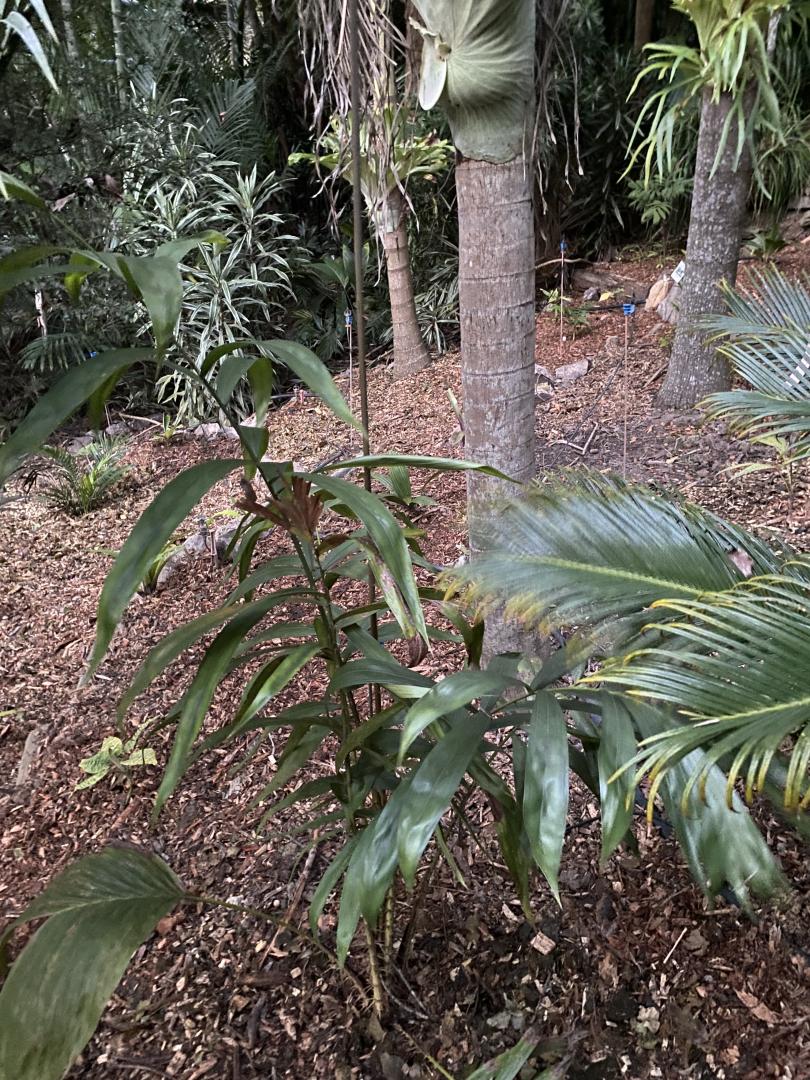
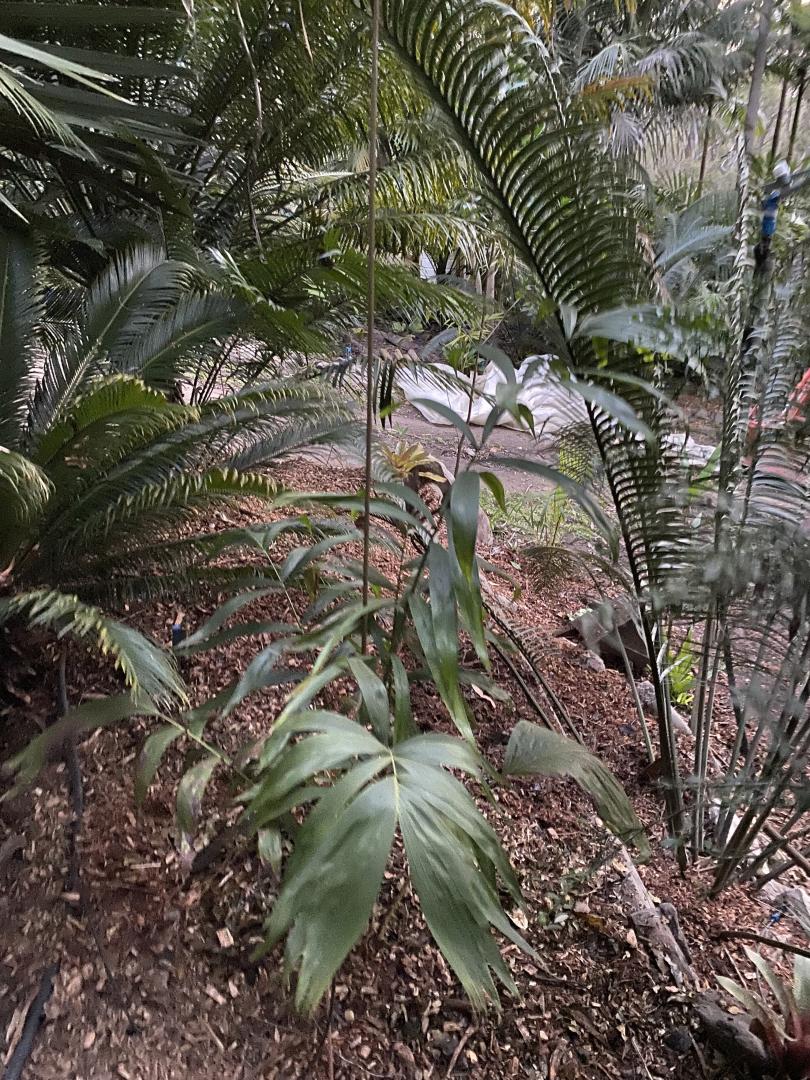
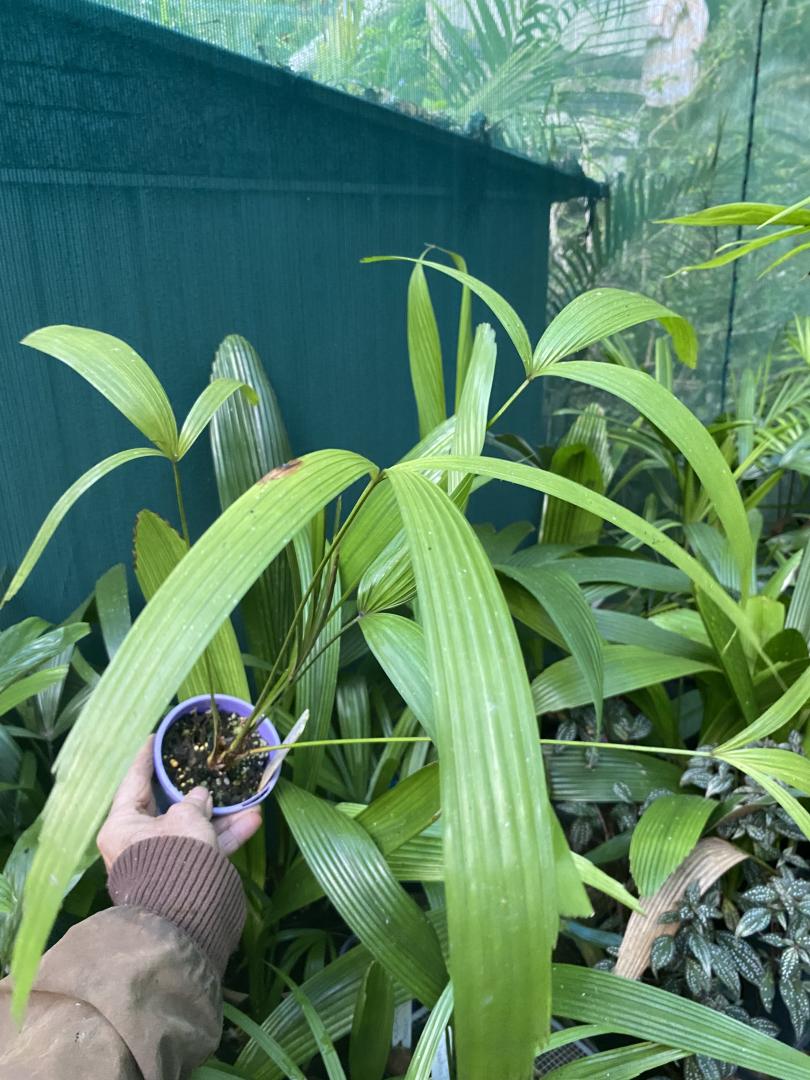
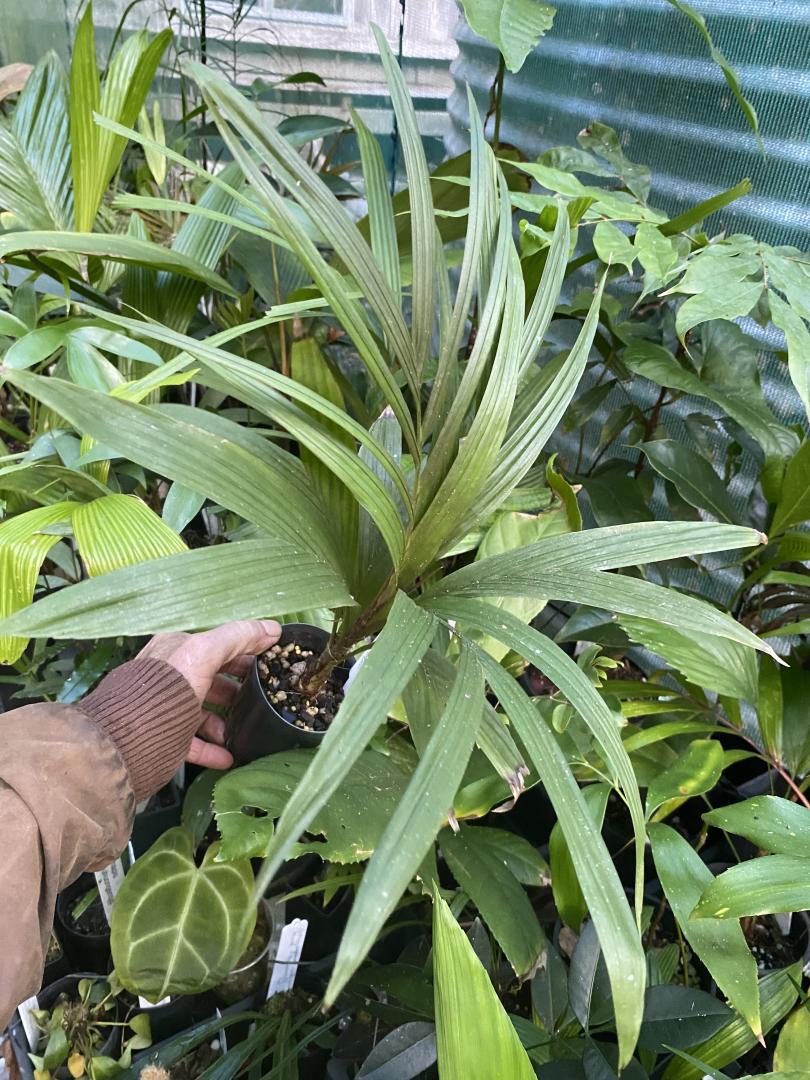
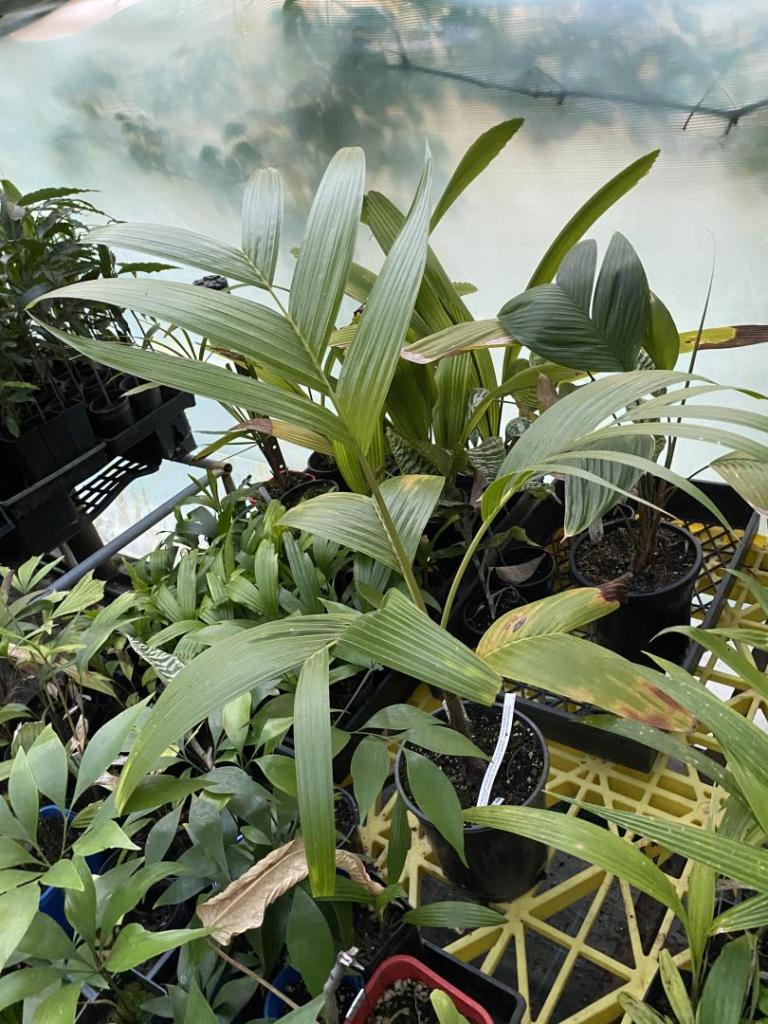
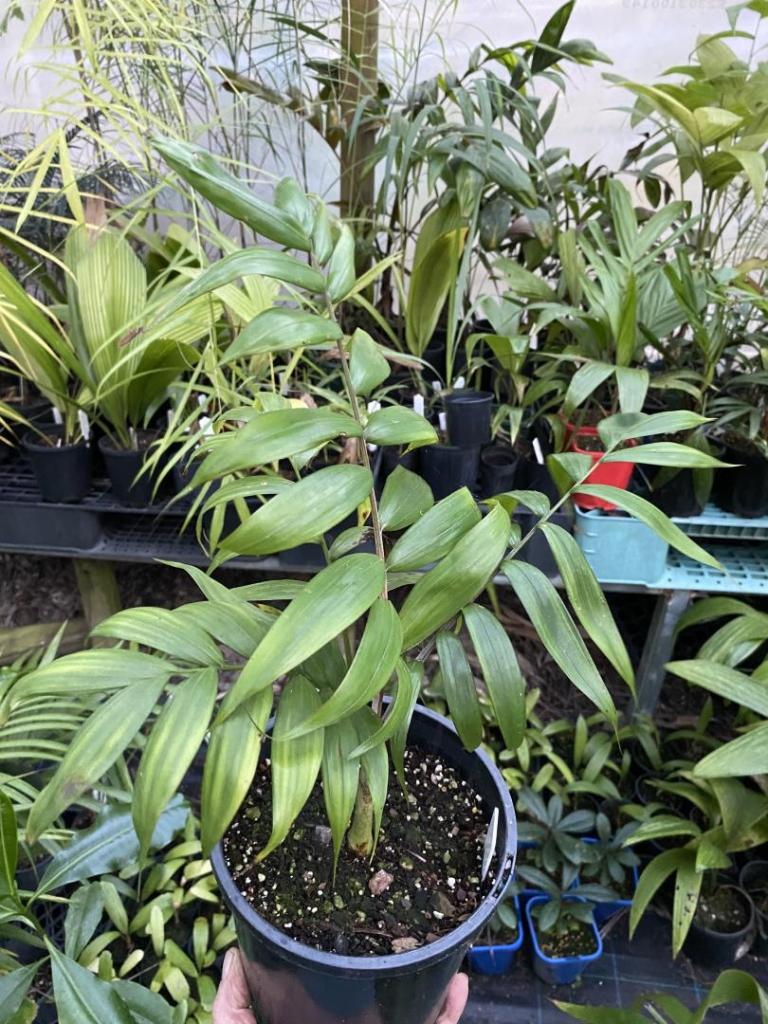
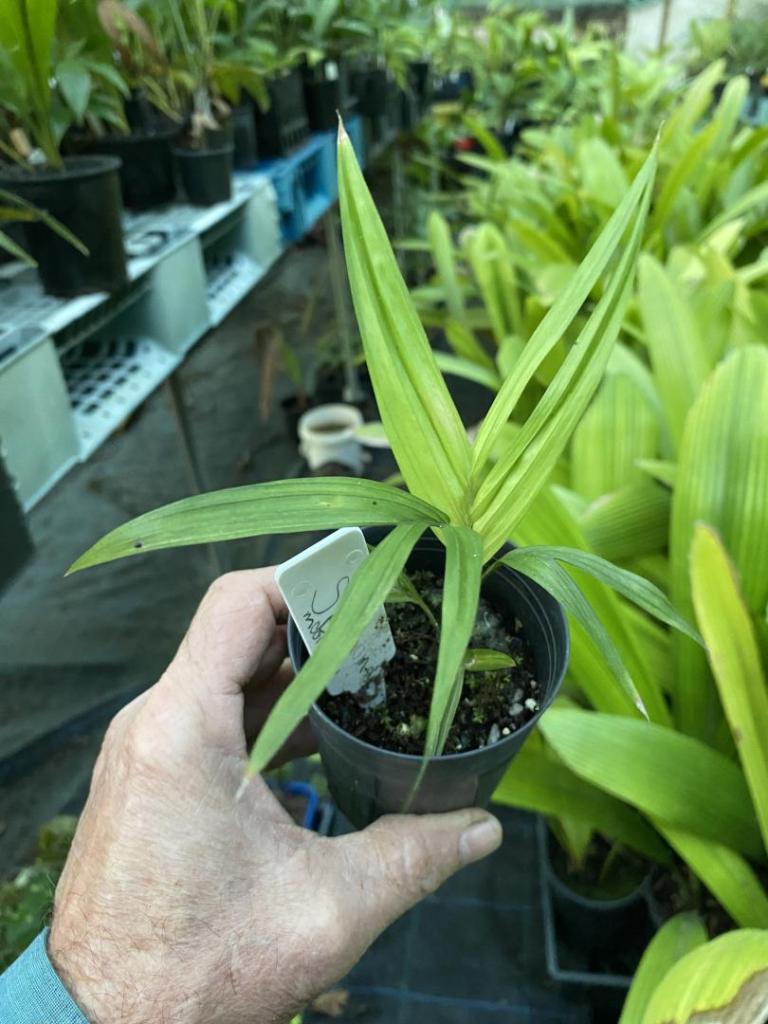
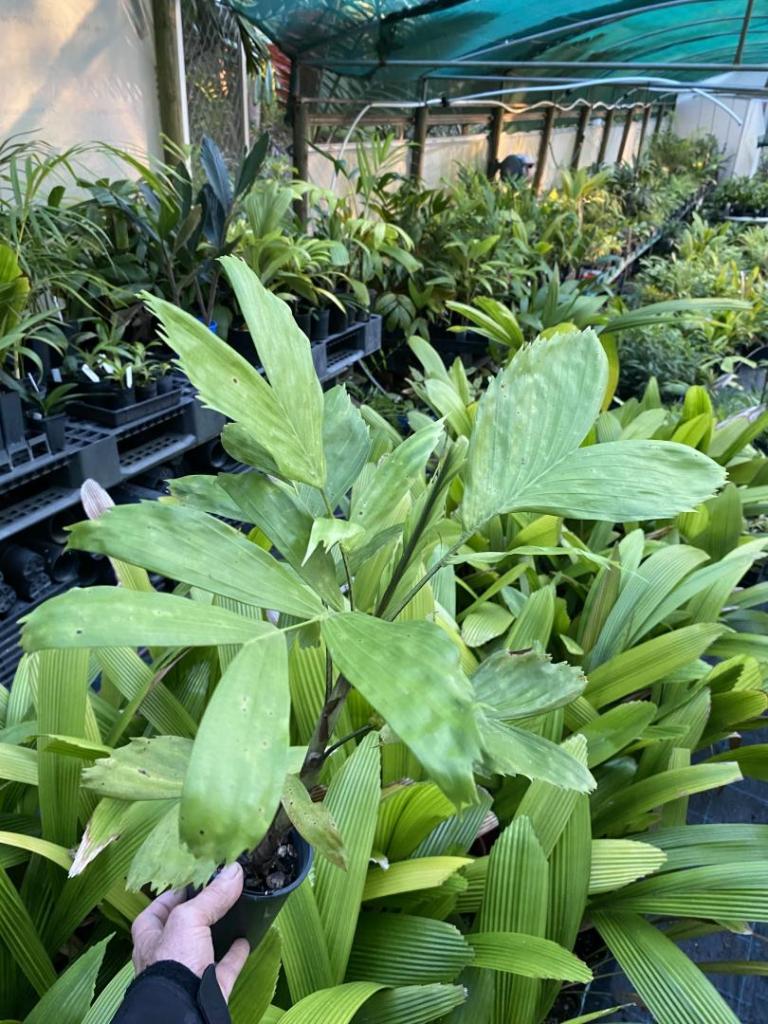
A couple of container palms in the collection. roscheria melanochaetes dypsis fanevaGeonoma mooreana linospadix monostachya
 2 points
 -
 If you have no joy with the seed, sing out and I can send you some seedlings or seed. cheers Richard2 points
 -
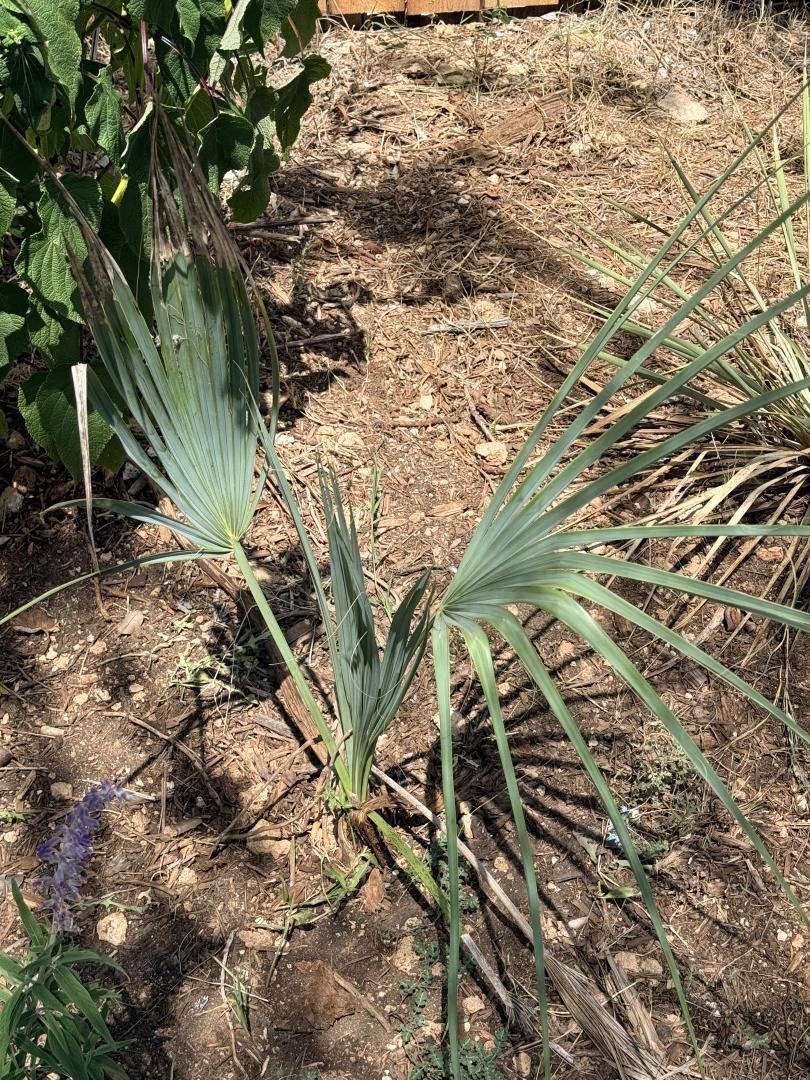
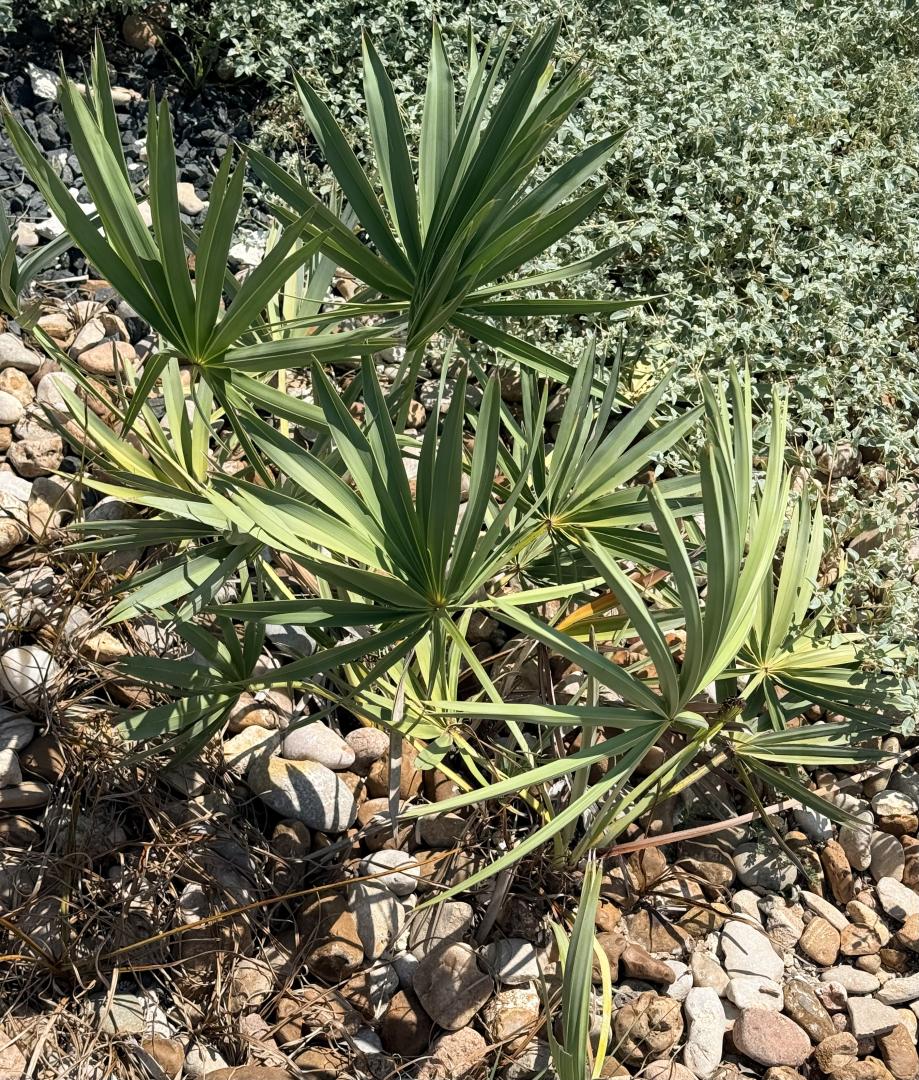
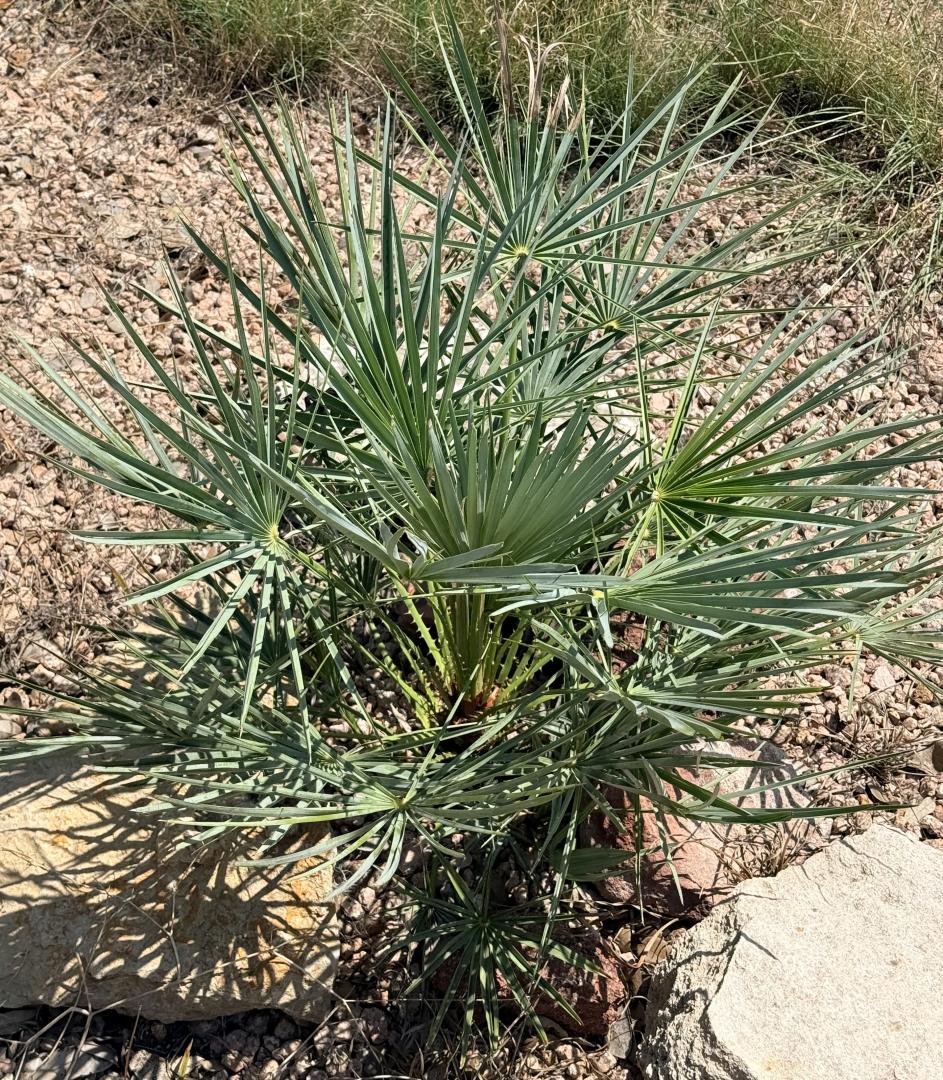
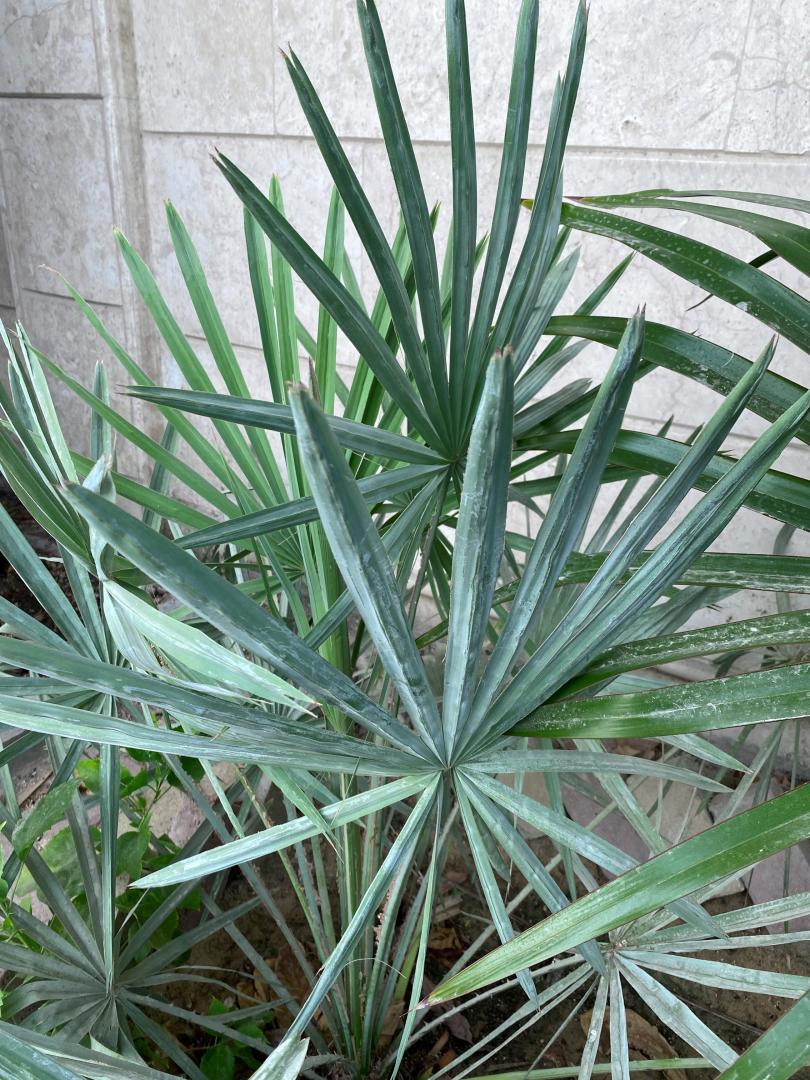
 Sabal Clade 1 identified by Scott Zona in 1990 has only one species - Sabal minor - that was recognized at the time, unlike the species richness of the other three clades. Nonetheless, the more and more I study S. minor, the more inclined I am to believe it's a species complex similar to Picea glauca (white spruce) and Prunus serotina (American black cherry) with numerous subspecies and regional variants rather than a single homogenous species. After all, we still hadn't cracked the parentage of Sabal brazoriensis for decades after 1990, nor did we know yet then that S. tamaulipensis was a direct sister species of S. minor instead of being in Clade 3 or Clade 4 like other Mexican Sabal species are. I've identified what may well be four separate subspecies of S. minor, excluding of course the brazoriensis hybrid that has most likely existed since at least the Eemian interglacial (perhaps much longer) and the sister S. tamaulipensis which are both distinct, recently-identified species within Clade 1 in their own right. Sabal minor subsp. louisiana - native to Louisiana's Mississippi River Delta. Retreated to the Louisiana continental shelf during glacial periods' stadials. Can reach 10 feet tall aboveground. Hardy to USDA Zone 7b (broadly the same as S. brazoriensis but with less binary individual variation). Has no regional variants. Sabal minor subsp. mississippiensis - the interior population with numerous regional variants that have subterranean trunks and generally superior cold-hardiness to the other three subspecies (perhaps to the warmer half of USDA Zone 6b). Retreated to the continental shelf of Mississippi, Alabama and the Florida Panhandle, likely also the parts of Louisiana and Texas slightly colder than what S. minor subsp. louisiana and S. brazoriensis could handle. Sabal minor subsp. emeraldisle - native to North Carolina and probably Virginia. Can reach 6 feet tall. Sought refuge along the Fall Line of North Carolina during glacial-period Heinrich events to escape the freezing marine layer over the supercharged, iceberg-laden Labrador Current but still retain enough Bermuda High influence to avoid the continental interior air deeper into the Piedmont. Hardy to USDA Zone 7a. Has no regional variants. Sabal minor subsp. floridanum - native to the Florida Peninsula, Georgia's Coastal Plain and South Carolina. Populations on the western side of the Florida Peninsula and Eastern Continental Divide running down the spine of the peninsula had no need to seek refuge during glacial maxima nor Heinrich events; their small stature (on par with S. minor subsp. mississippiensis) is due to S. palmetto and some Caribbean tropical palms filling the tree niche already, not due to climate forcing. Cold-hardy to at least Zone 7b, probably 7a (I don't know). Now for the variants. I'll start with the variants of S. minor subsp. mississippiensis, which seems to have the most variety. Sabal minor var. texensis. Native to Texas. Sabal minor var. mccurtain. Native to McCurtain County, Oklahoma. Sabal minor var. arkansas. Native to Arkansas and the interior of Louisiana. Sabal minor var. tennessensis. Native to West Tennessee, Mississippi and nearby parts of Alabama. If Middle Tennessee has undiscovered wild populations, these are probably also part of this variant. Sabal minor var. cherokee. Native to the Coosa Valley of Alabama, possibly also into Northwest Georgia and (less likely) even extreme southern East Tennessee. There are probably three variants of S. minor subsp. floridanum. Sabal minor var. blountstown. Native to parts of the Florida Panhandle that didn't turn into continental climates during the Last Glacial Maximum. Sabal minor var. myers. Native to the western half of the Florida Peninsula, parts of Georgia's coastal plain that remained subtropical consistently and the Eastern Continental Divide running down the topographic spine of those areas. Sabal minor var. tybee. Native to South Carolina and the parts of Georgia and eastern half of Florida that weren't so lucky during Heinrich events, representing a more recent recolonization but still at a far more localized scale than the interior variants of S. minor subsp. mississippiensis. Really, I wish someone qualified would study these and also try to pin down dates for the S. brazoriensis hybridization and S. tamaulipensis speciation - and document definitively wild populations in Virginia (although they'd need an expedition and perhaps contact with Native Americans to find them first) and Tennessee (a simple trip to Hornsby and Hardin County and past observation of extra cold-hardiness would do) once and for all.2 points
 -
This sounds a lot like some of the various Chrysalidocarpus (Dypsis) species like baronii, lanceloata and onilahensis. Also, I recall seeing Sabal minors in Oklahoma northeast of Tulsa, as I roared eastward trying to outrun a tornado system.2 points
-
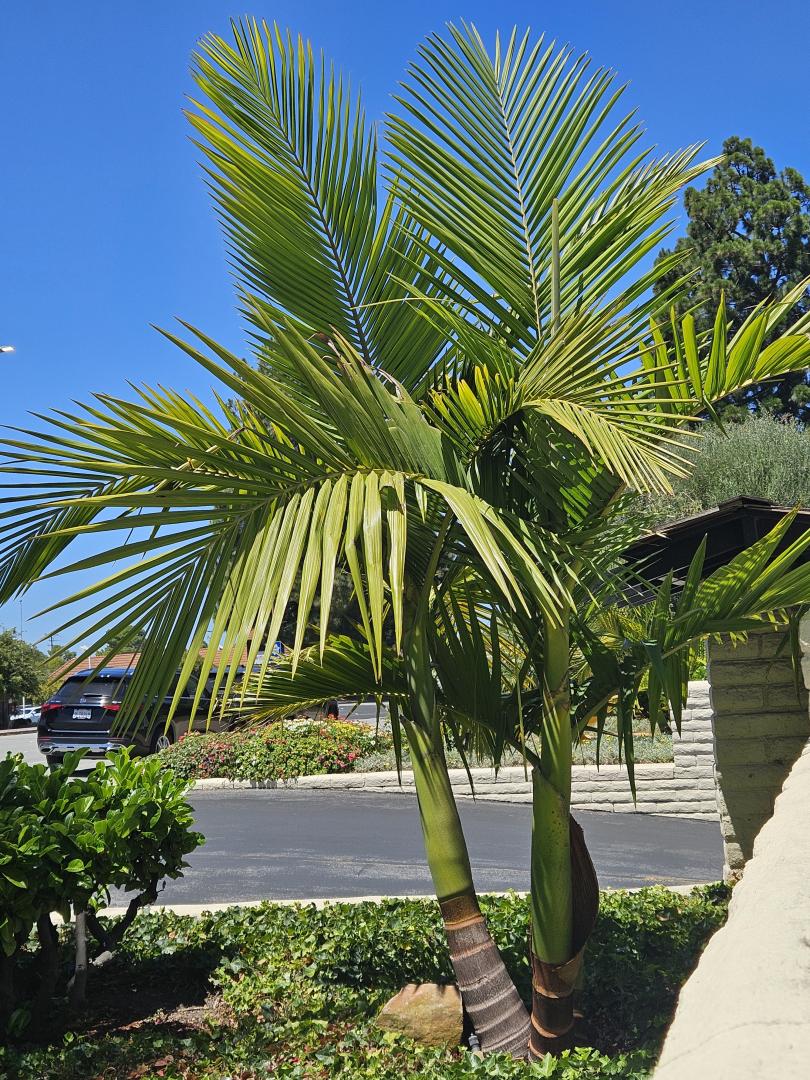
Nice to meet you @JaxMJ351 ! I concur with fellow Californian @Harry’s Palms and add that the big difference between So Cal and No Flo is that we generally have clay or loam type soil as opposed to more sandy soils like you guys have. Queen palms like their water but they’re not the actual swamp things Royals and Kings are. Try to get a palm fertilizer like Palms Plus that has micronutrients in it; don’t just use lawn fertilizer.2 points
-
Here , in Southern California , Syagrus R. grow freely without fertilizer . They do, however, want lots of water to look their best . Harry After another look at that one petiole , it seems like something is trying to eat it . There is an area where the petiole shows damage.2 points
-
It is interesting to me that some Chamaedorea , even when very tall , can pollinate when male and female are not planted near one another . I never see bees around them like the Syagrus . Harry2 points
-
Monostachya looks cool, hopefully it does well. I had to look it up, had never heard of it. No clue if it's gettable in NZ! A. micrantha is a stunning palm. I bought 20 seeds a couple of months ago but nothing has happened yet unfortunately. There's a stunning plant in the botanical gardens in Christchurch so it must be pretty cold hardy. It snowed there today!2 points
-
2 points
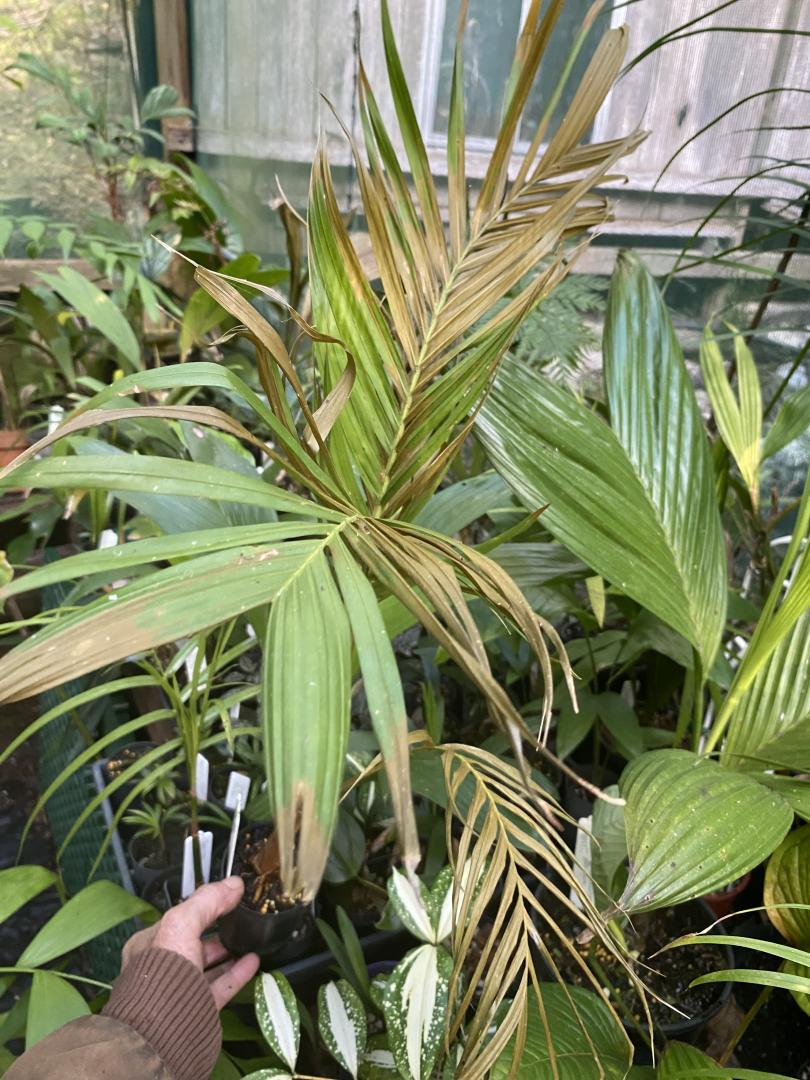
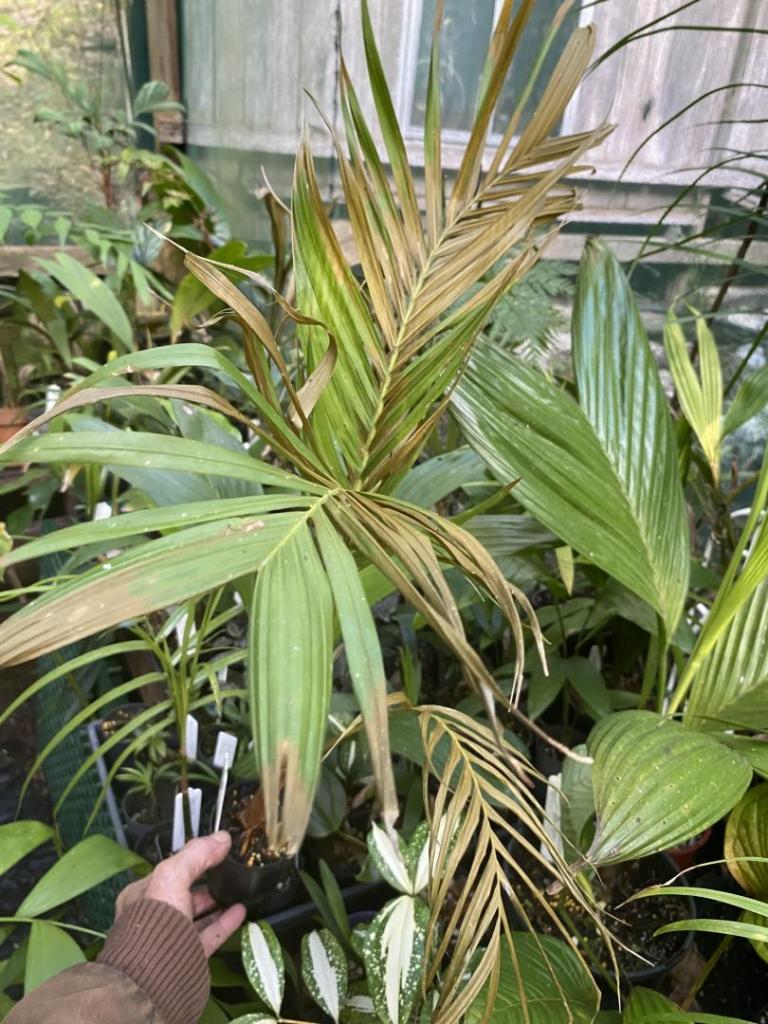
2 pointsAnother victim to cool weather, Areca warburgiana. No harm in trying i say!
 2 points
Perhaps they just don’t match up in timing, I know I have 3 female plants, but they are ranging from 7 feet to near 14 feet in height. Also they are planted in rows not in a clump but that shouldn’t matter I think!2 points
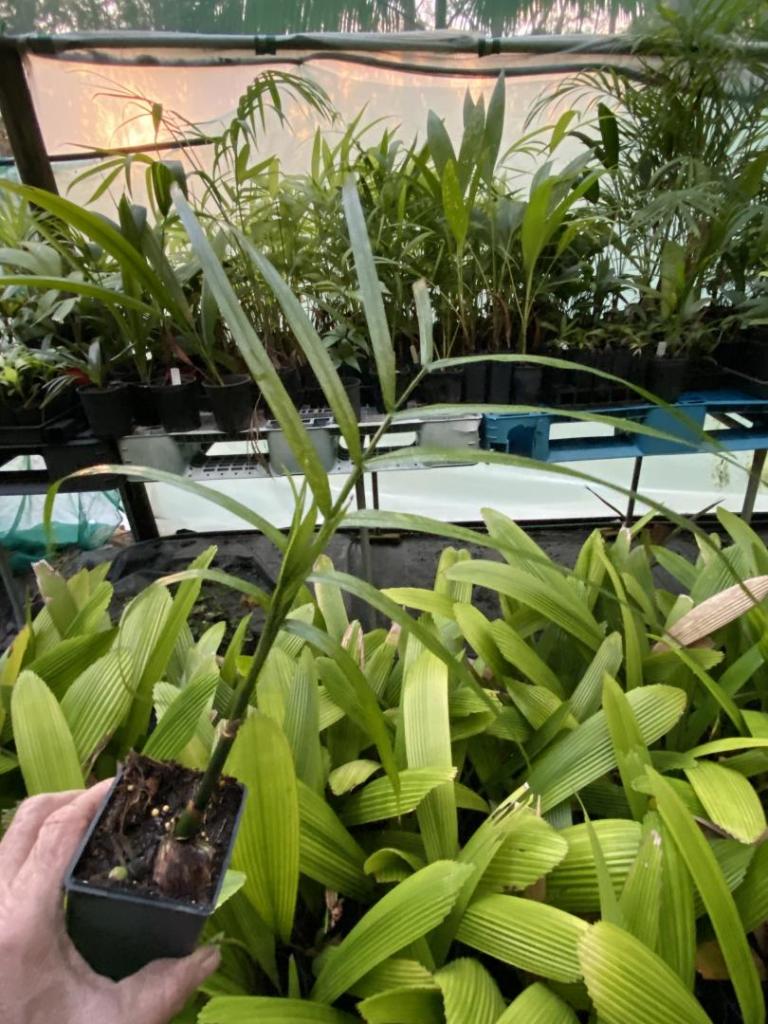
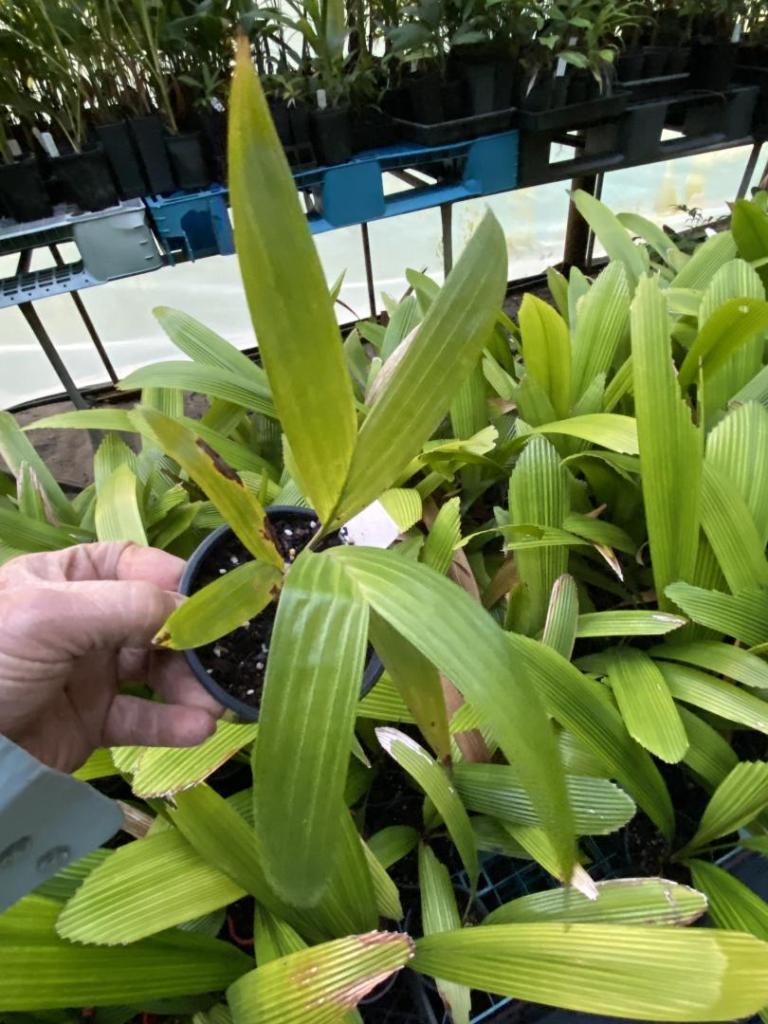
Just the tip of the Joey iceberg, with over 1000 of them you soon learn a trick or two with them!
2 points
Perhaps they just don’t match up in timing, I know I have 3 female plants, but they are ranging from 7 feet to near 14 feet in height. Also they are planted in rows not in a clump but that shouldn’t matter I think!2 points
Just the tip of the Joey iceberg, with over 1000 of them you soon learn a trick or two with them!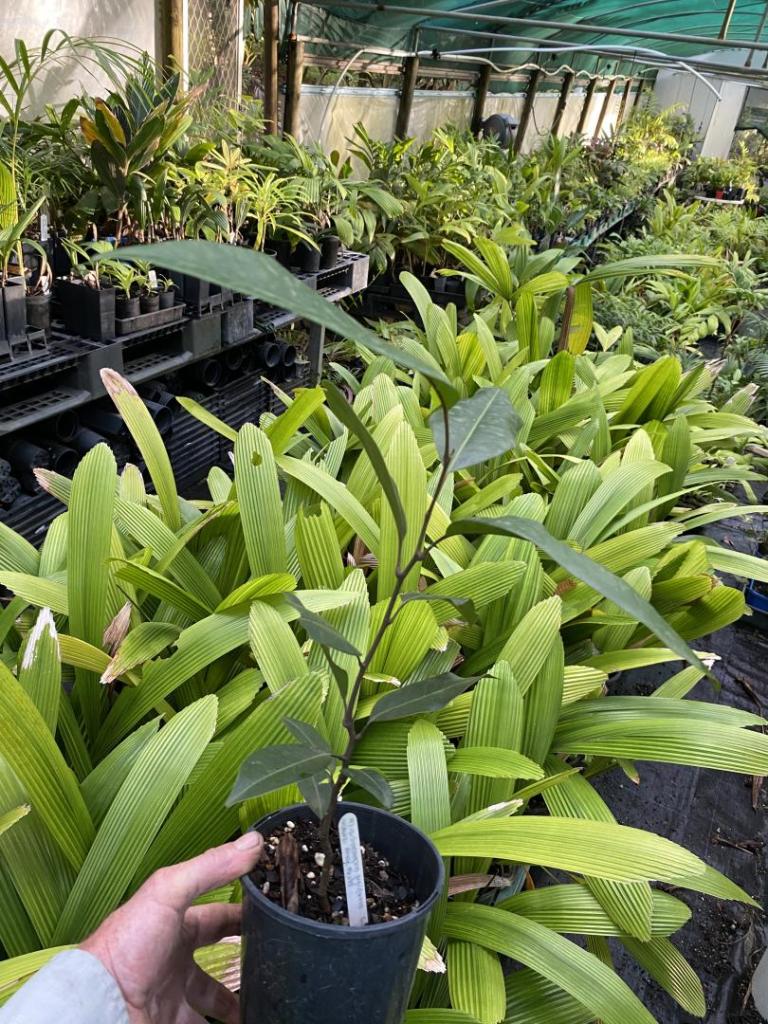
 2 points
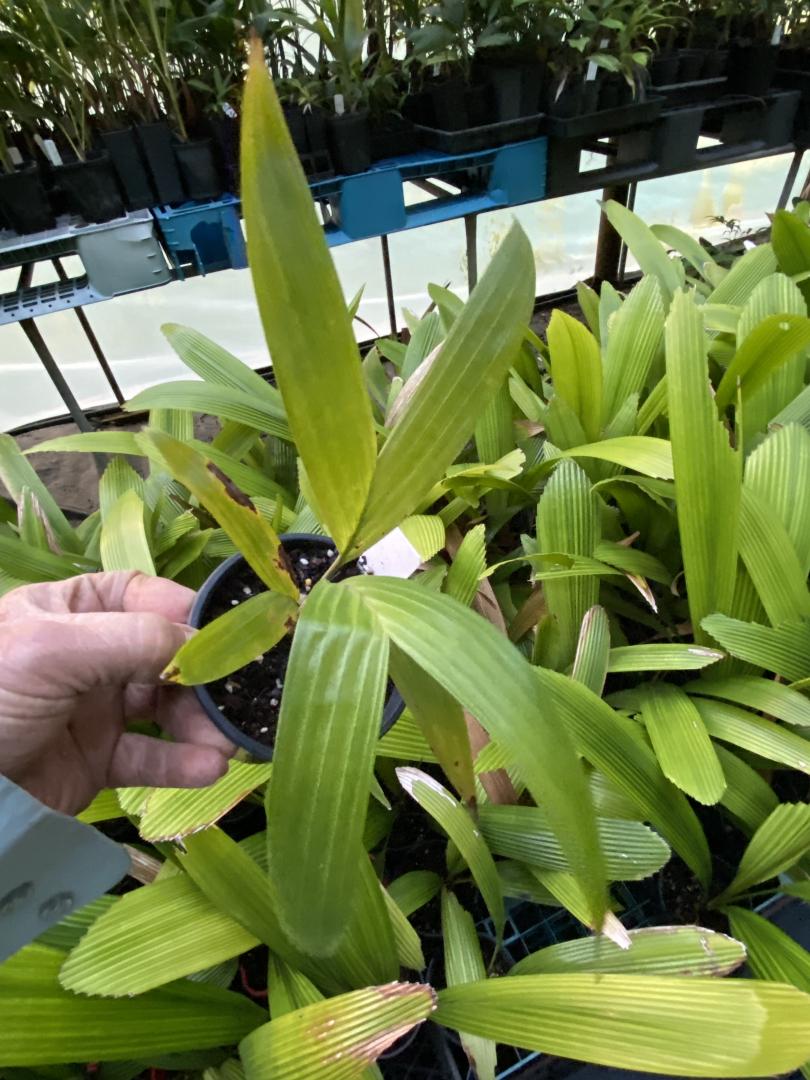
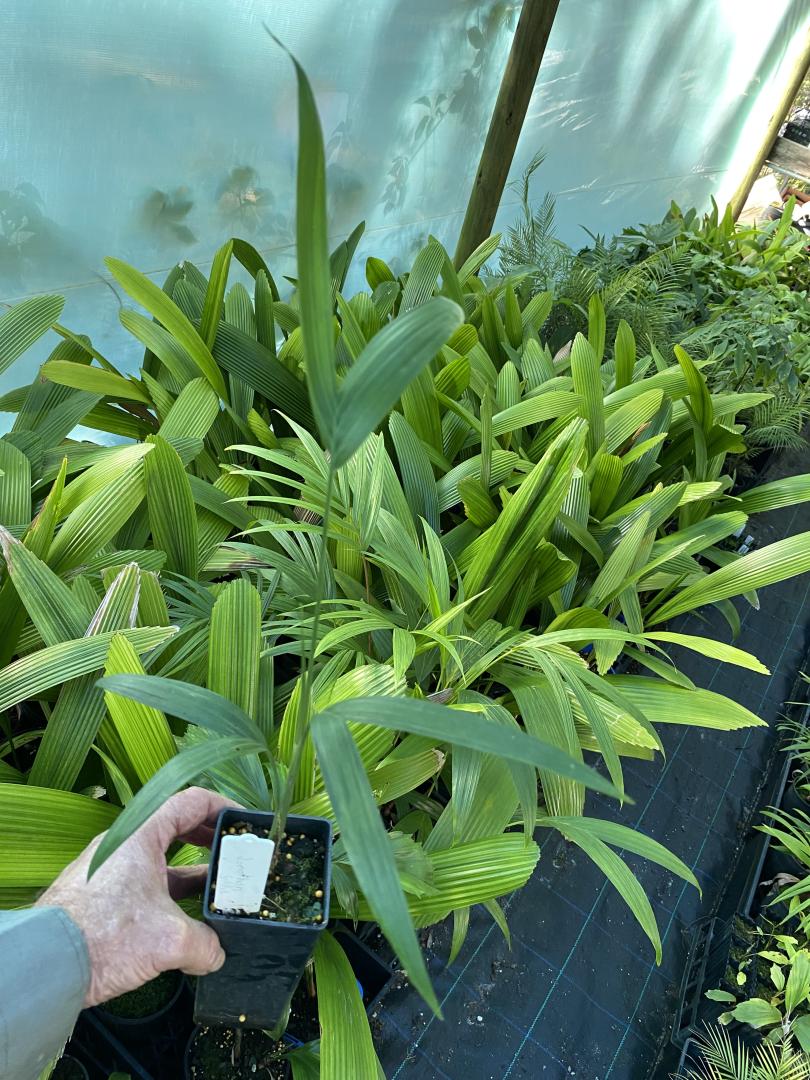
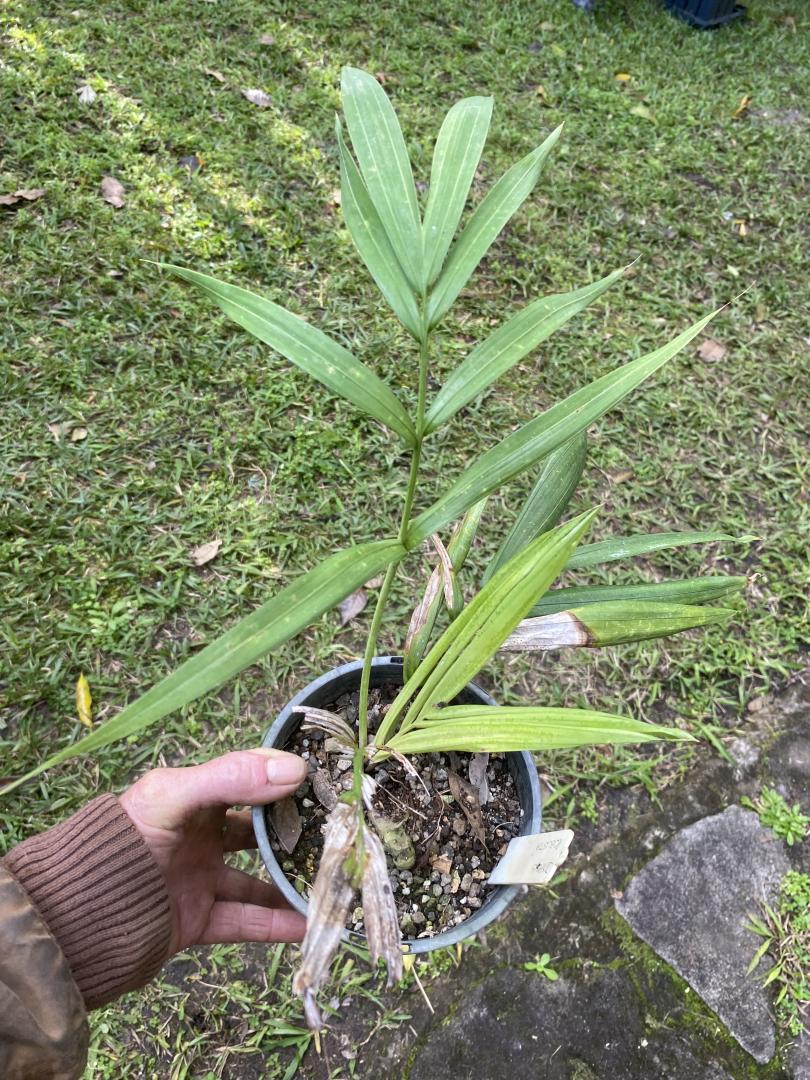
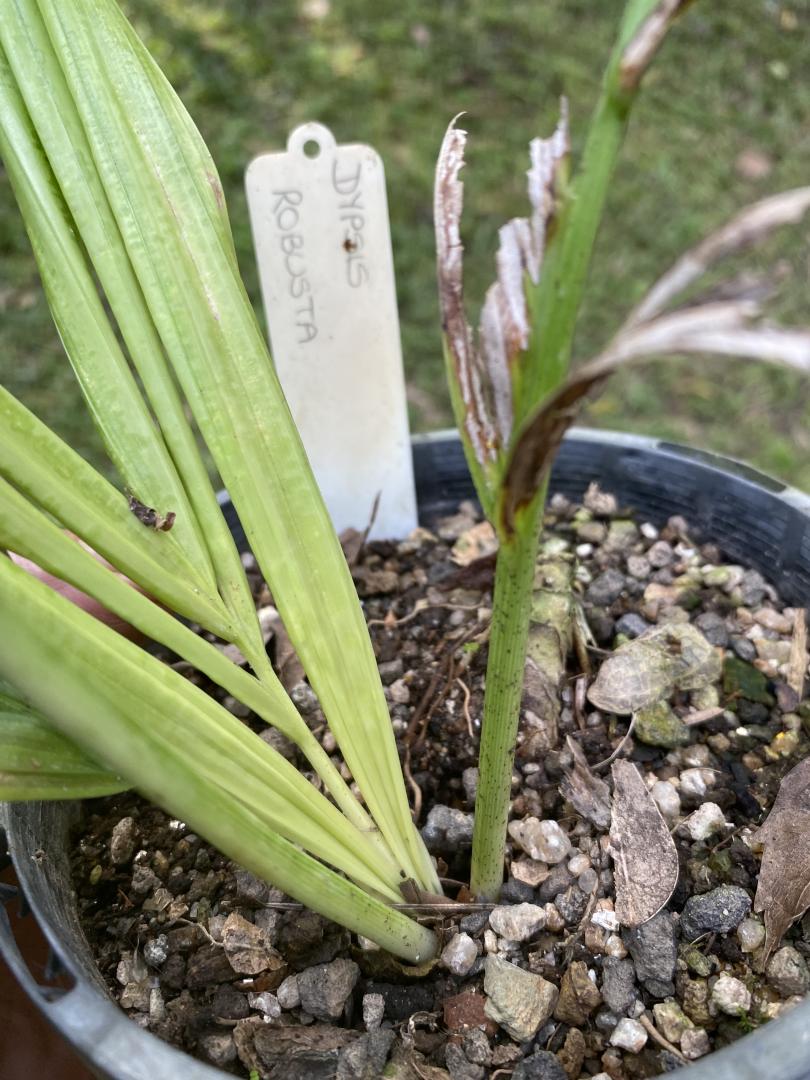
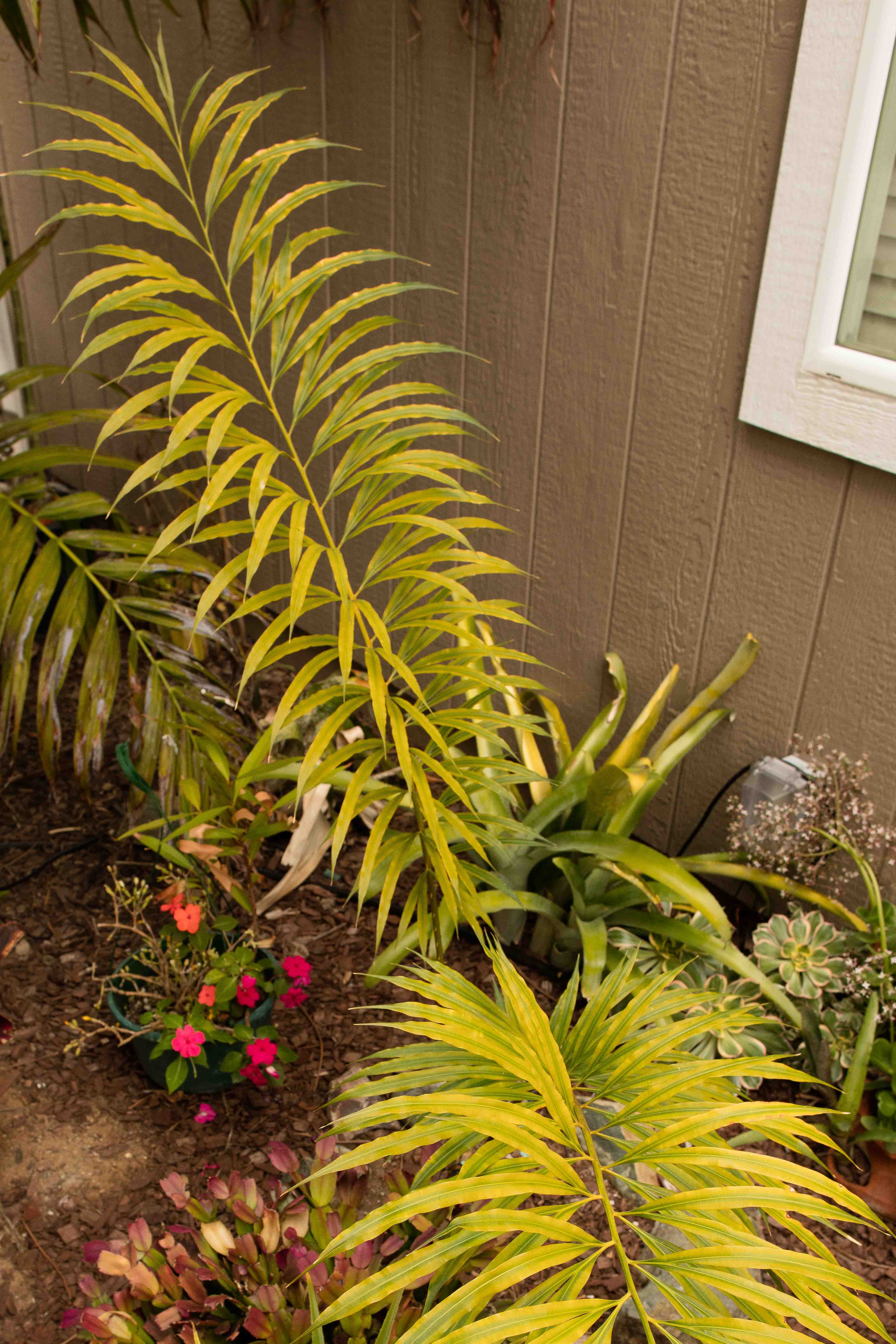
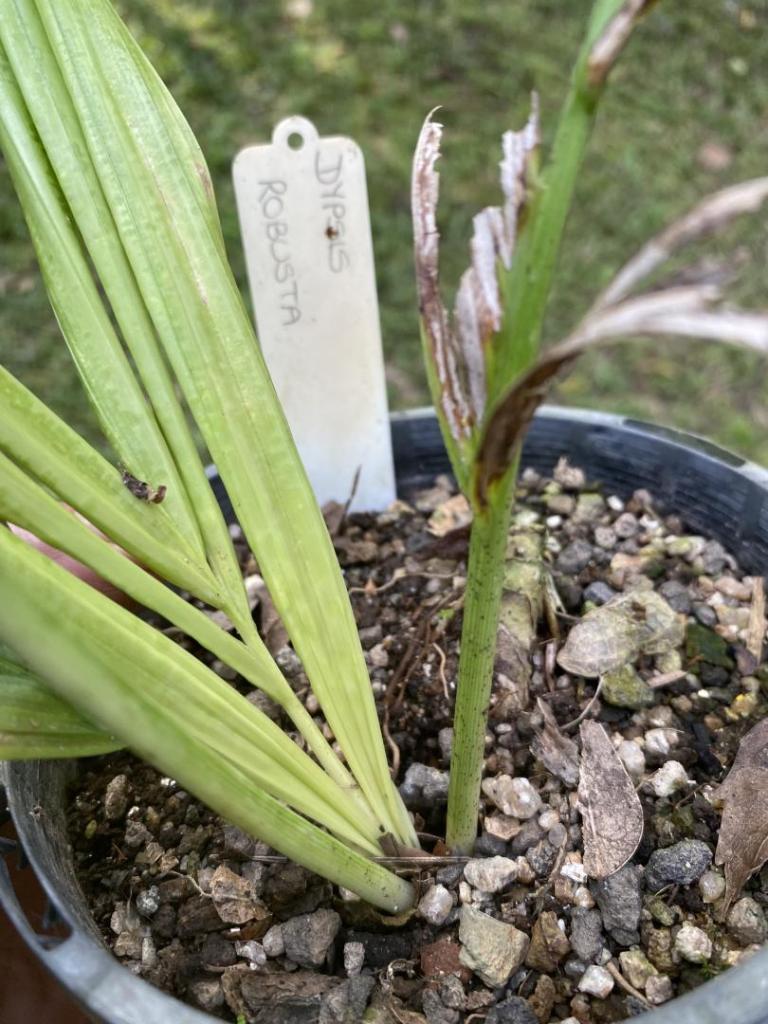
One lone container dypsis robusta what am I doing wrong. I just can’t seem to get it going strong, more water less water, full sun shade, or whatever it is iam not doing it right. Any suggestions?
2 points
One lone container dypsis robusta what am I doing wrong. I just can’t seem to get it going strong, more water less water, full sun shade, or whatever it is iam not doing it right. Any suggestions?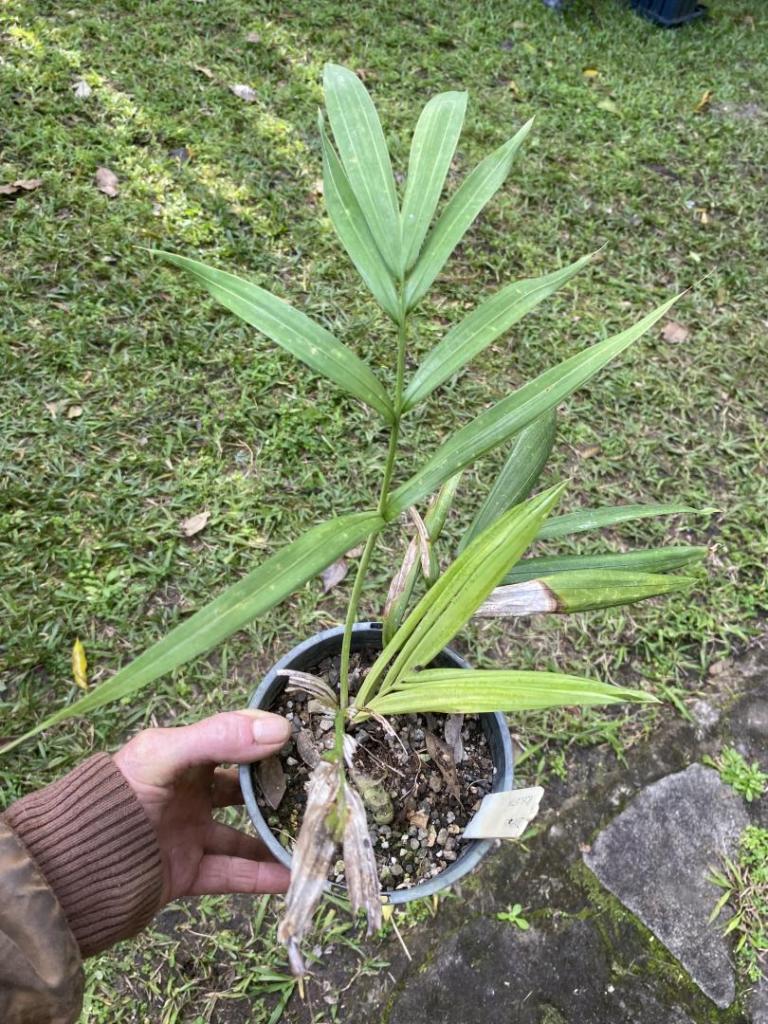
 2 points
Possibly, but it’s the second winter season here. Iam not that impressed with the soil mix it came in. Richard2 points
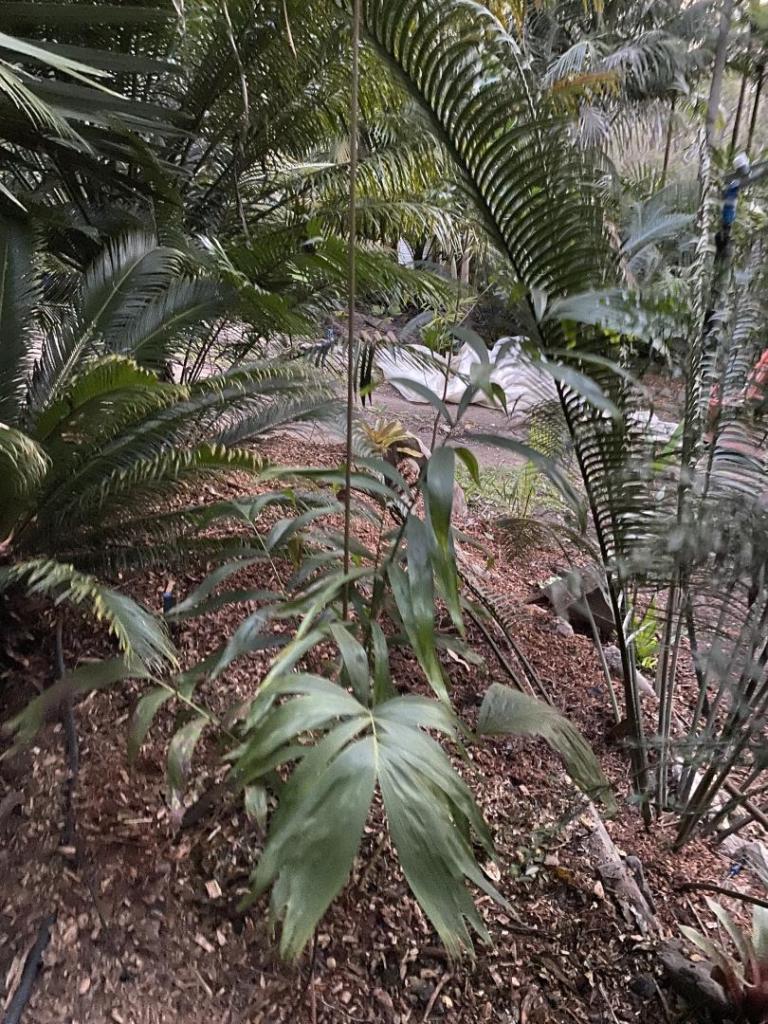
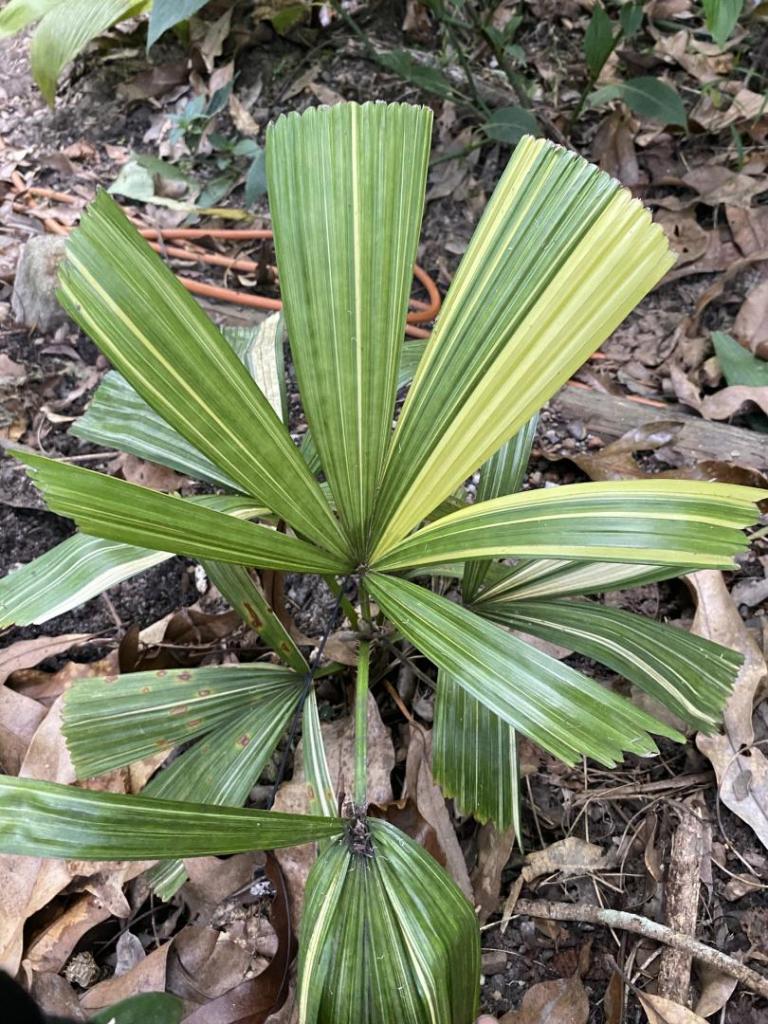
2 pointsA nice sallaca, variegated lanonia dasyantha, dypsis Pembana all looking good in the garden.
2 points
Possibly, but it’s the second winter season here. Iam not that impressed with the soil mix it came in. Richard2 points
2 pointsA nice sallaca, variegated lanonia dasyantha, dypsis Pembana all looking good in the garden.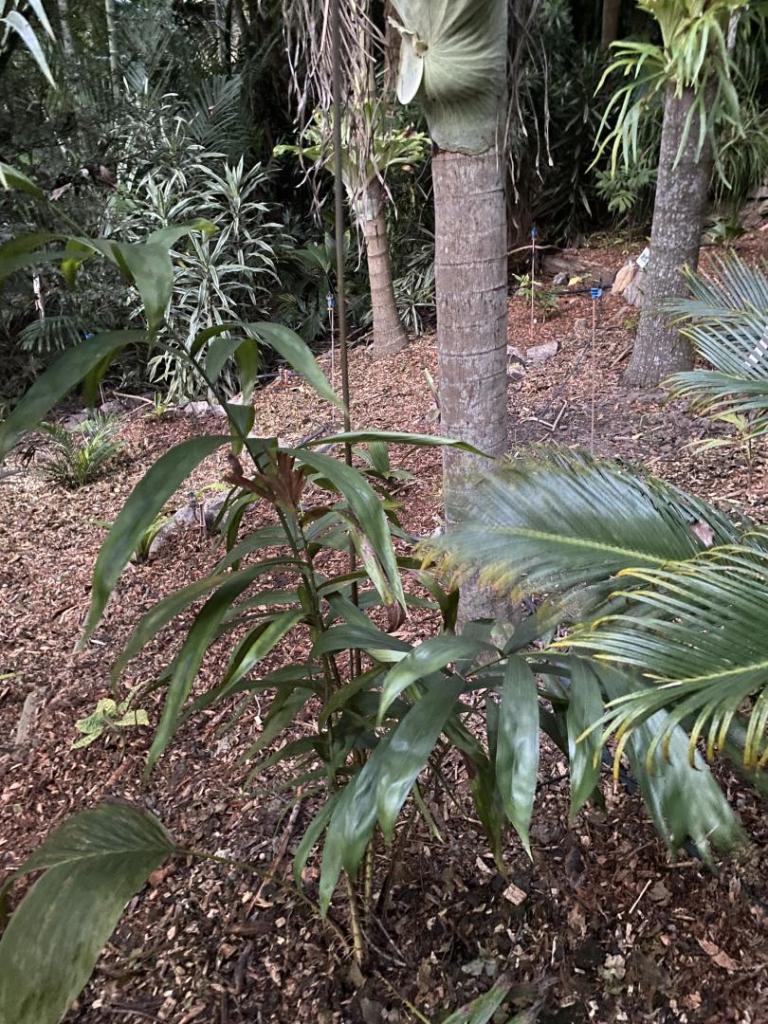
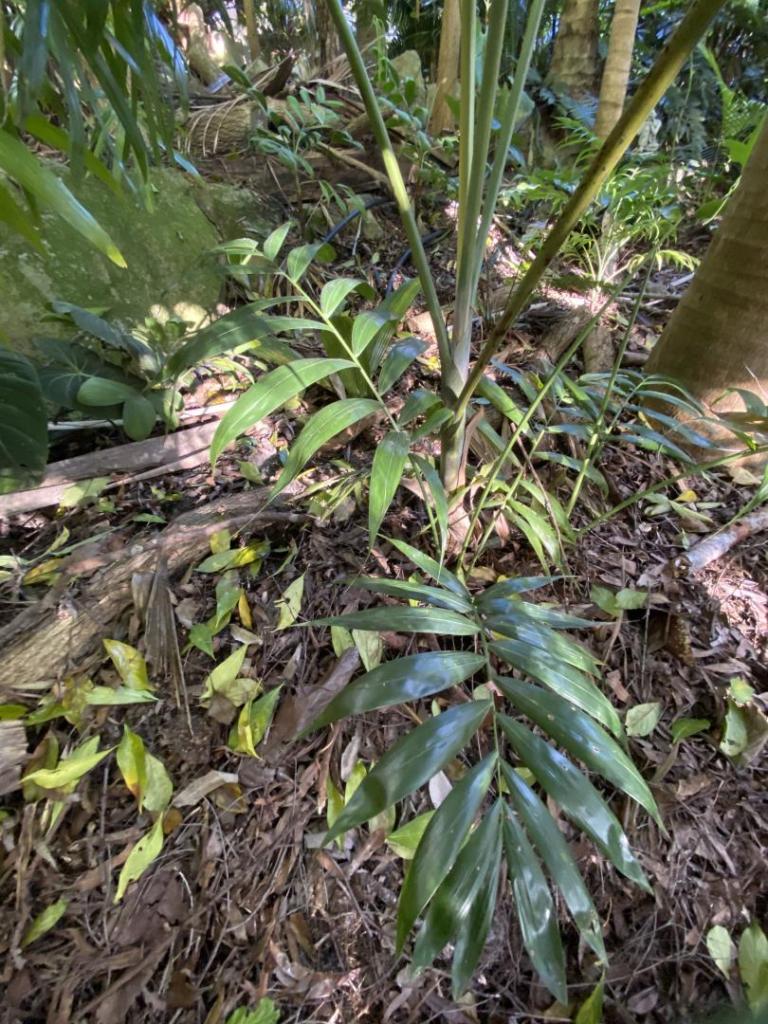 2 points
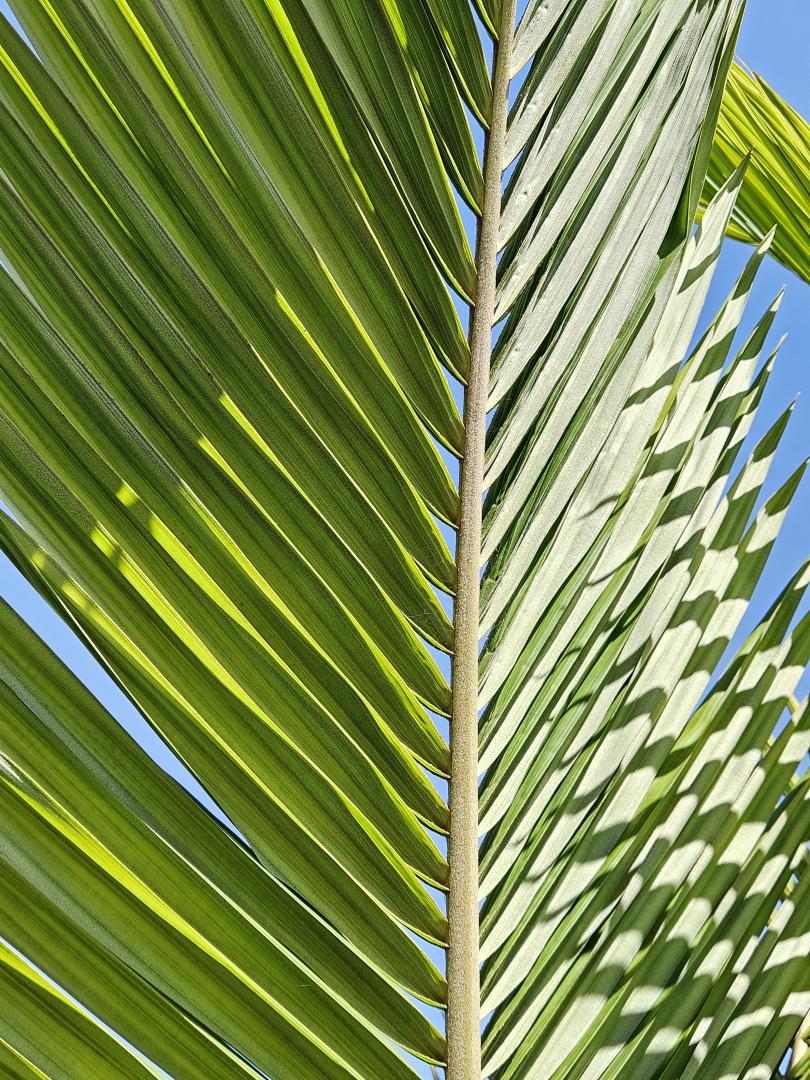
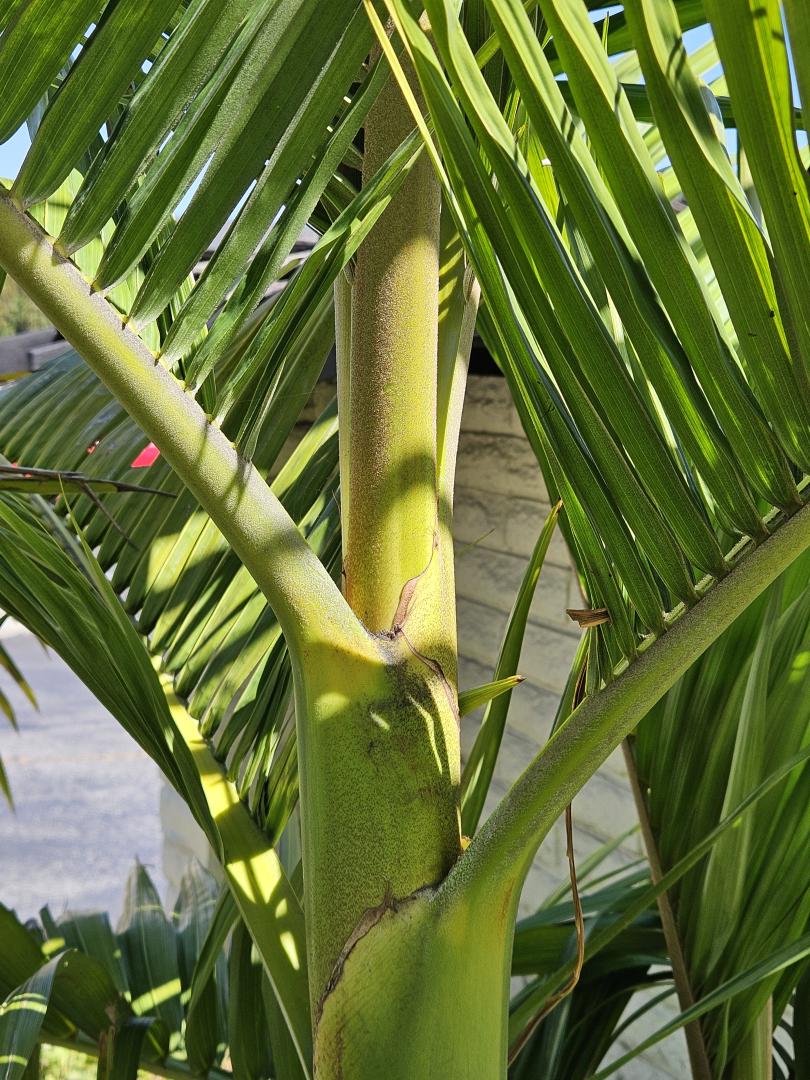
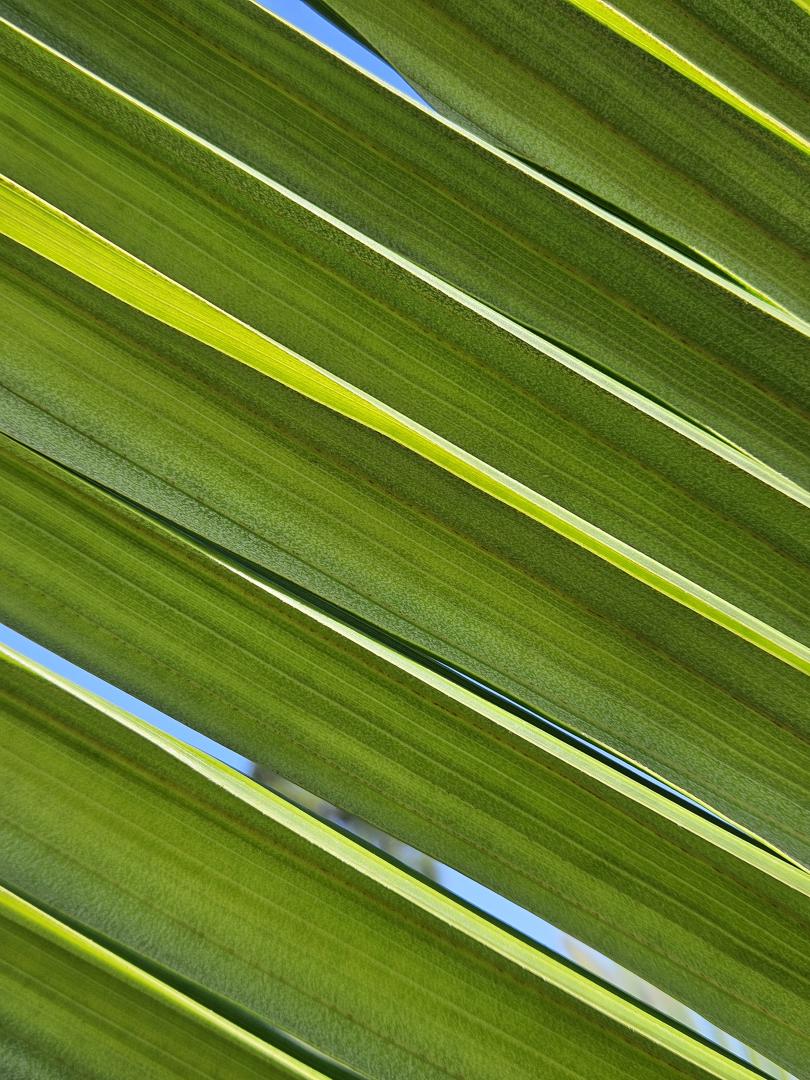
 Great pics. That’s enough to show it doesn’t match any single Archontophoenix sp. I’d be confident it’s A cunninghamiana x A alexandrae (or A tuckeri, A maxima or A myolensis less likely) or reverse.2 points
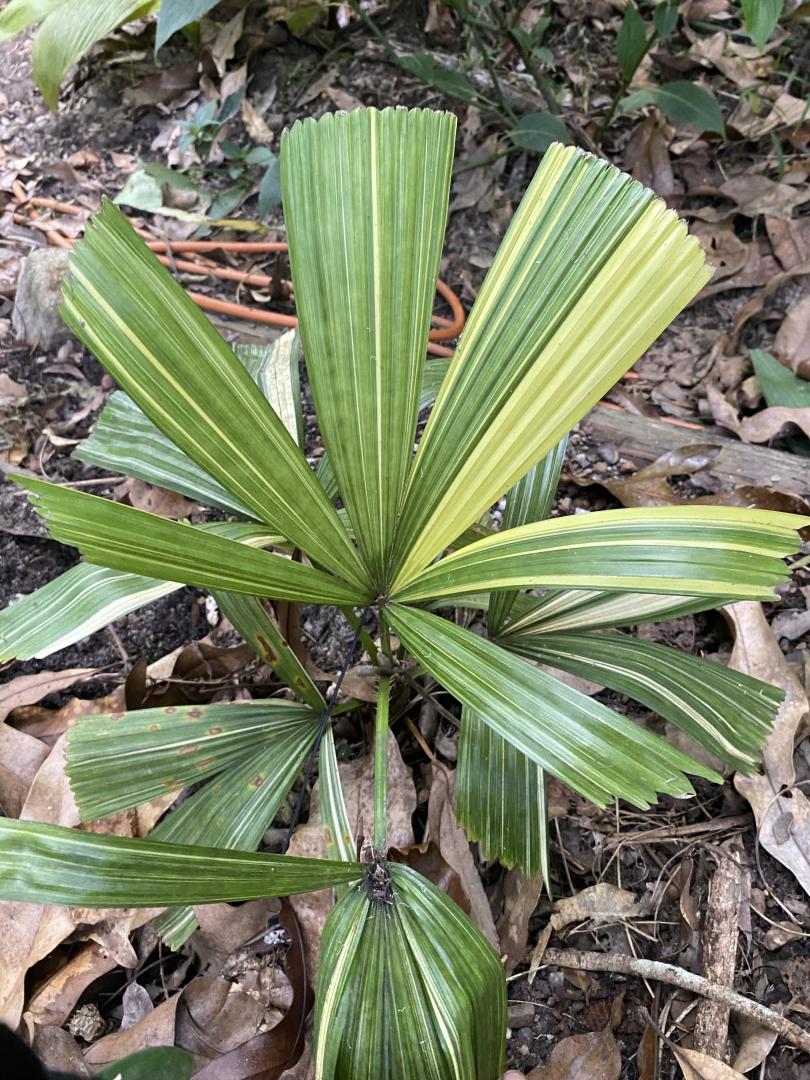
 2 pointsHey all, I thought I would dredge up this ancient thread to see what has been learned in all these years. I often see some really neat species available, but I am afraid to try them in a Mediterranean climate. So,without a doubt, P. javana, phillipinensis and coronata grow well here in the right spot. The wataniana I had did not make it, nor did the Floribunda offering of phillpinensis “compact”. Are there any other suggestions for temperate tolerating members of this genus?2 points
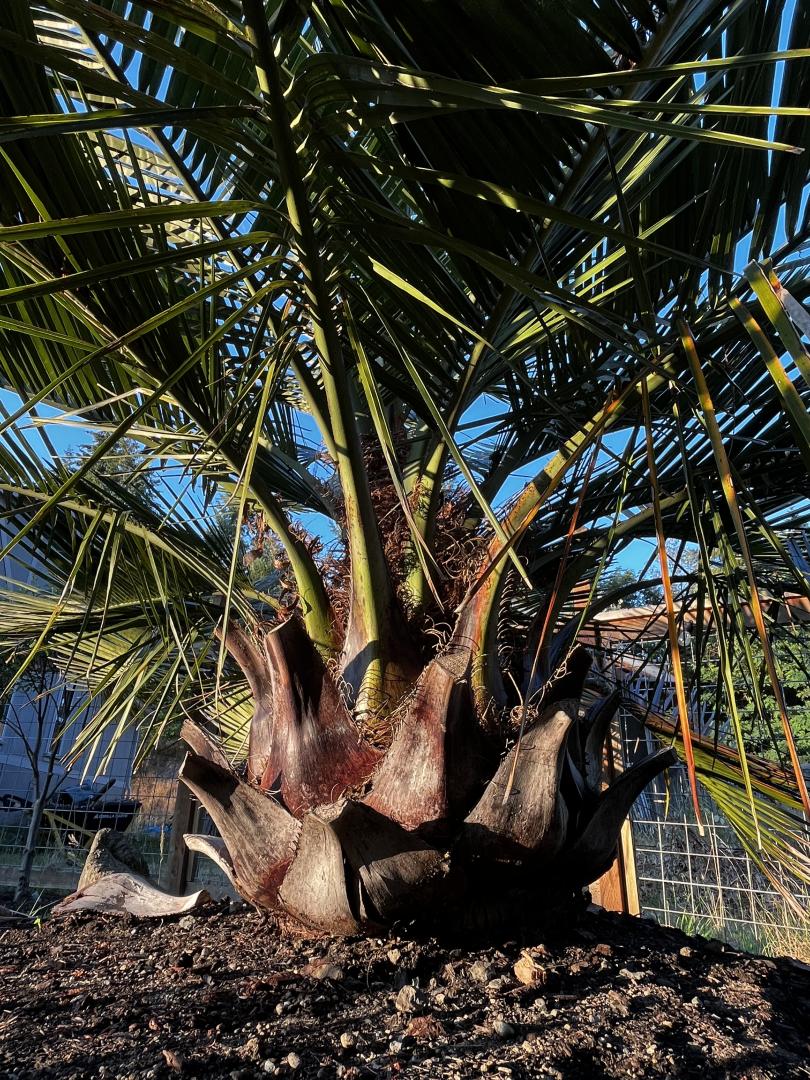
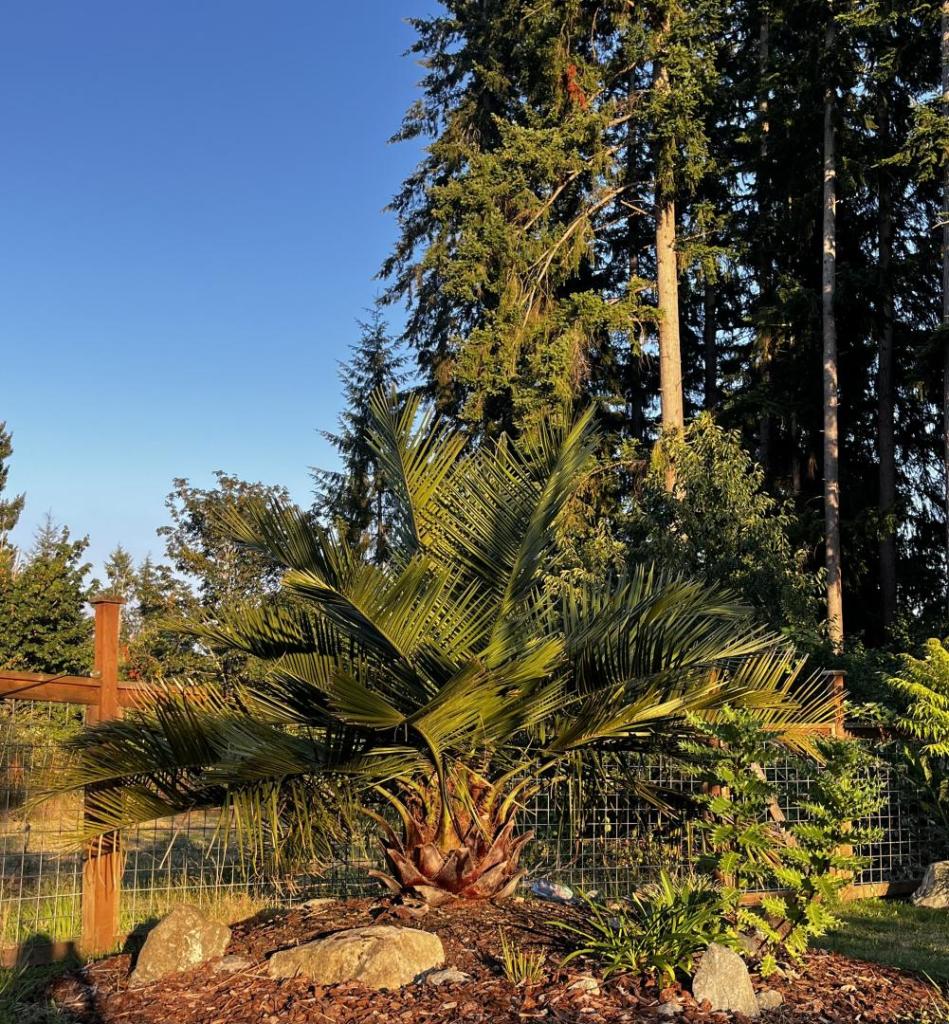
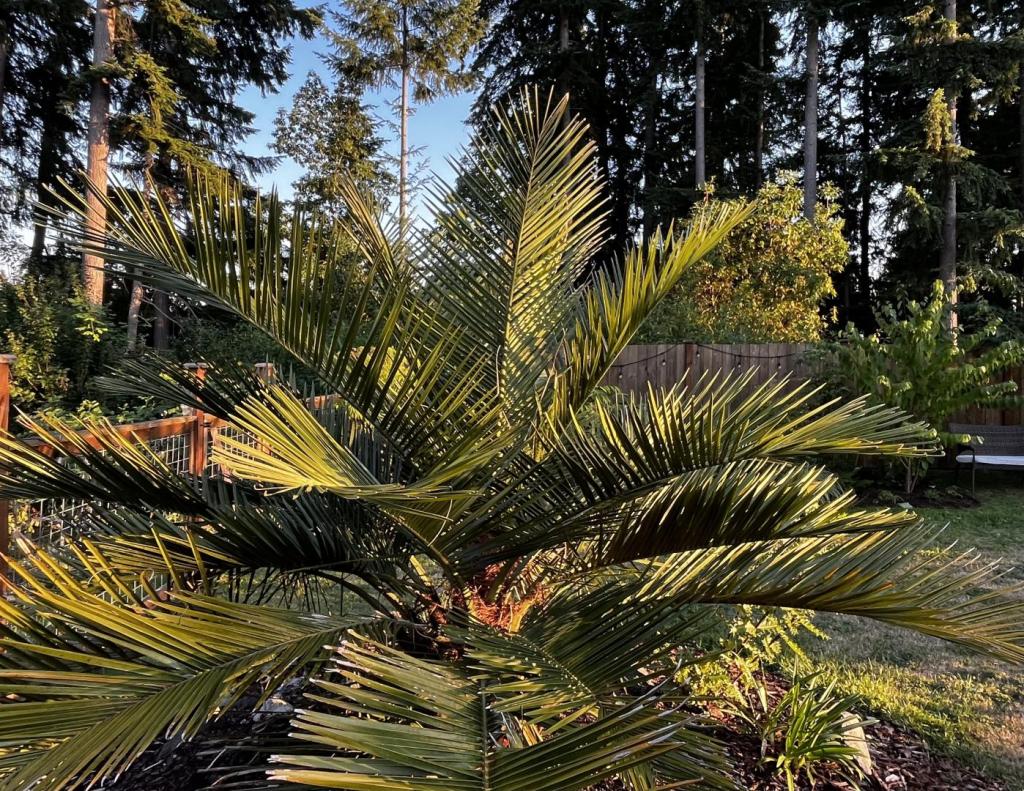
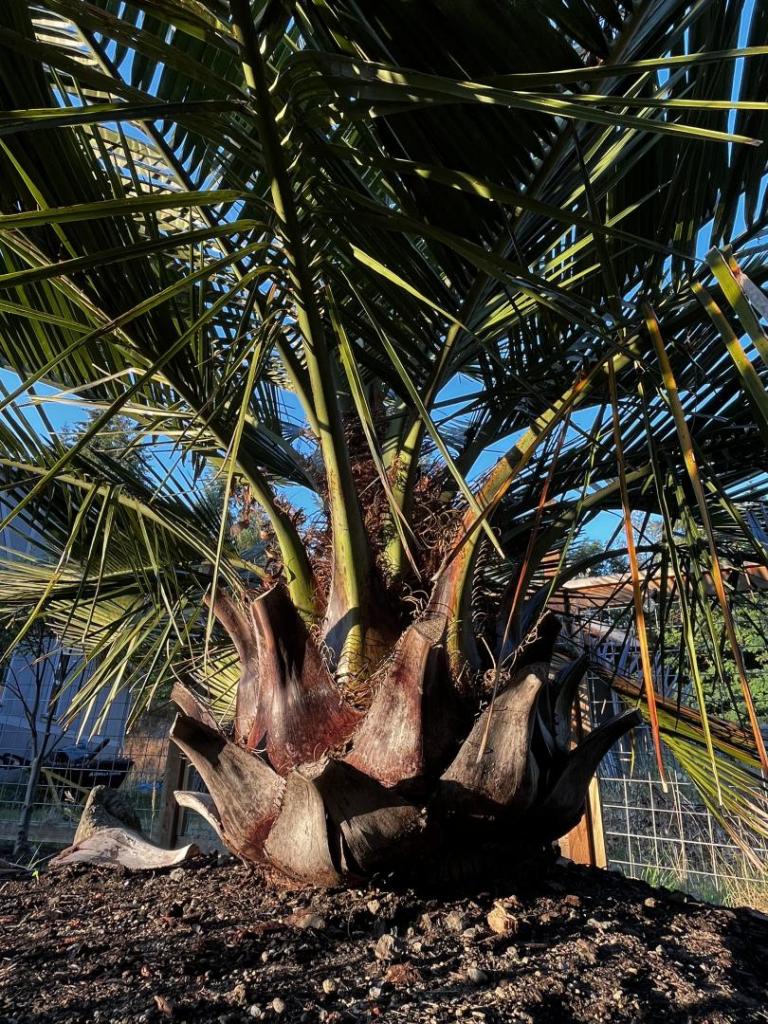
 After 2 relatively mild winter in a row the jubaea seems much happier. No visible winter damage last year and strong healthy growth with the frond size steadily increasing. After the January ‘24 freeze that years fronds were smaller than the previous year. Luckily it’s on its way to out growing that years damage and stunted growth. 🙏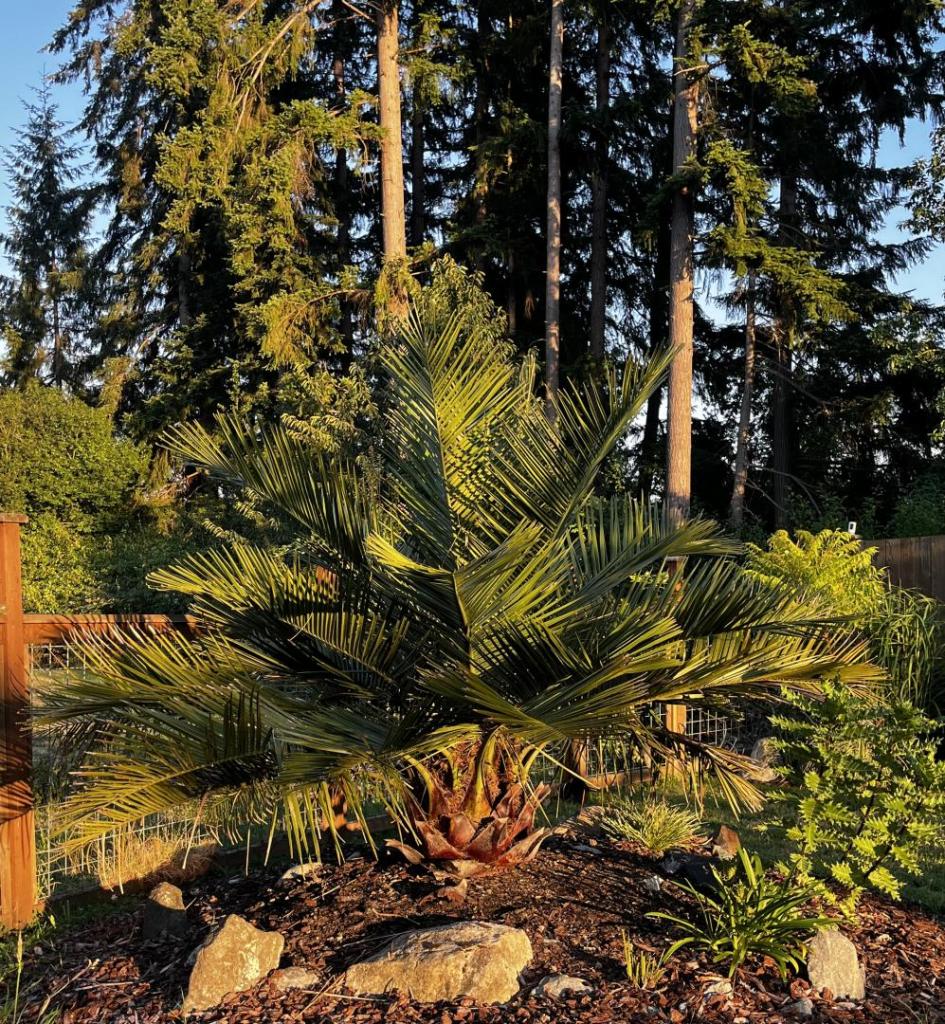
 2 points
 2 pointsThey seem to do best with atleast half day shade, atleast starting out. The tree canopy also helps during the winter, I’ve found they aren’t as hardy starting out as they are at mature sizes.2 points
 2 pointsLove the Moorei here is mine over in Alvin it’s been in the ground for a year in relatively deep shade. Will miss it when I move to Florida lol 🥲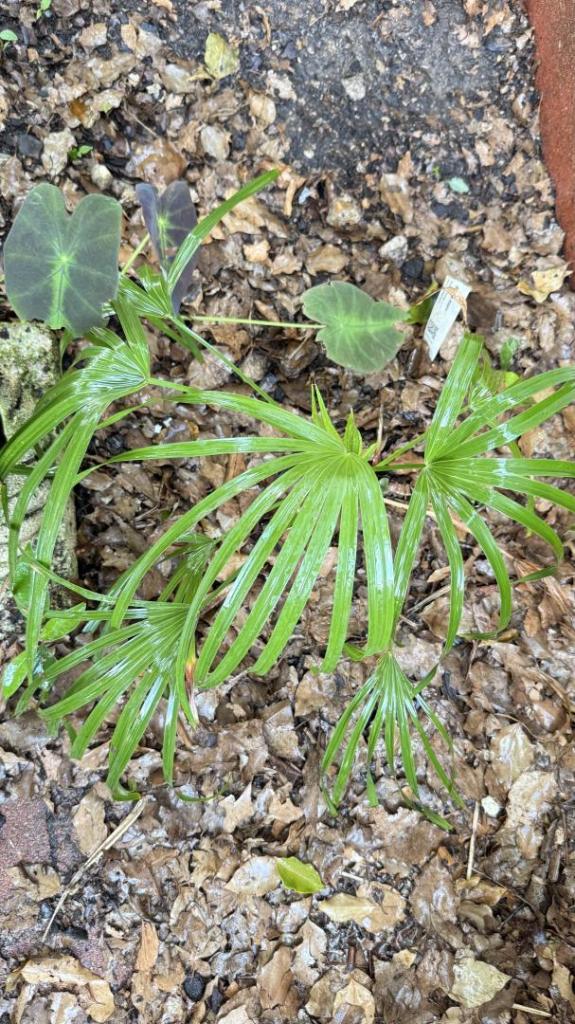
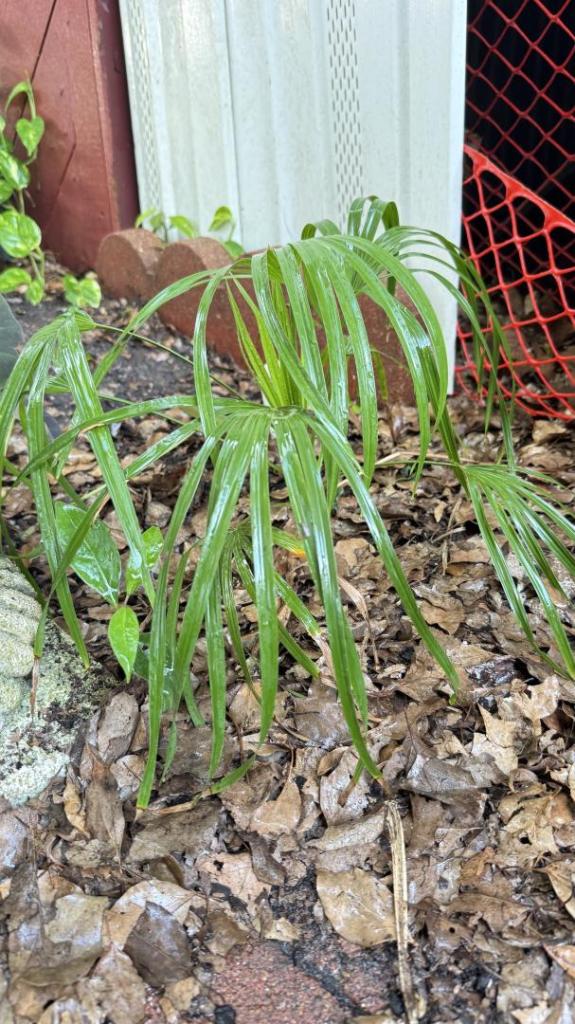 2 points
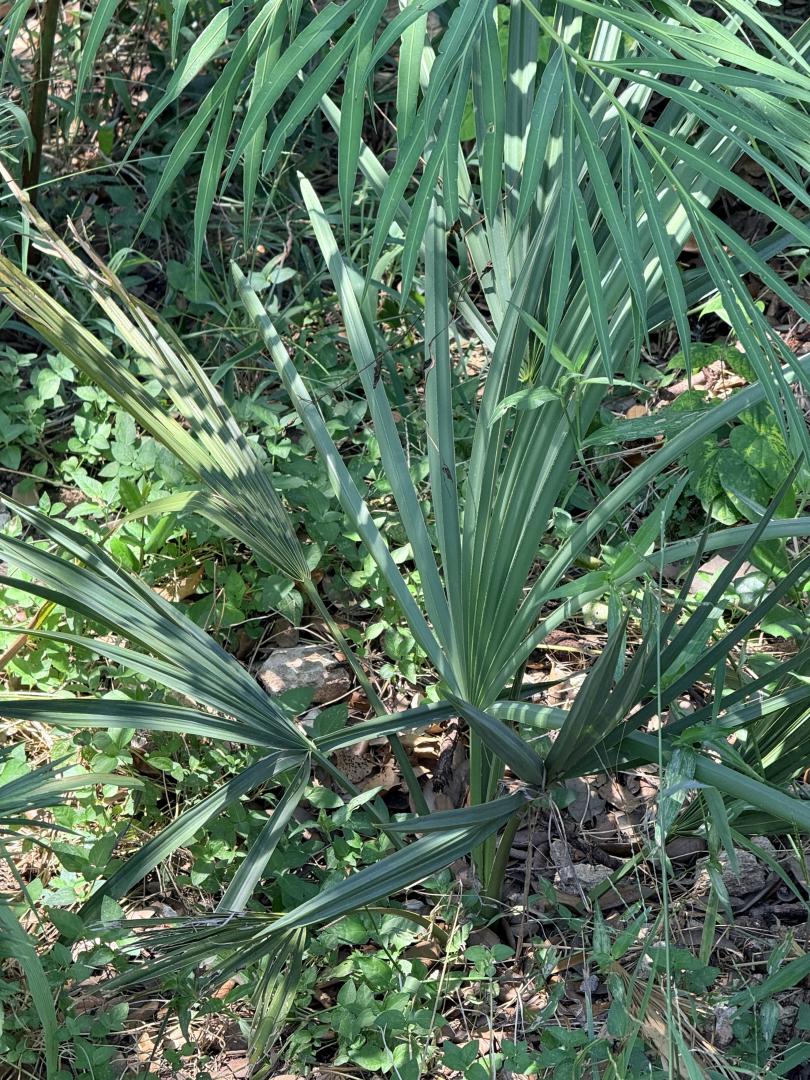
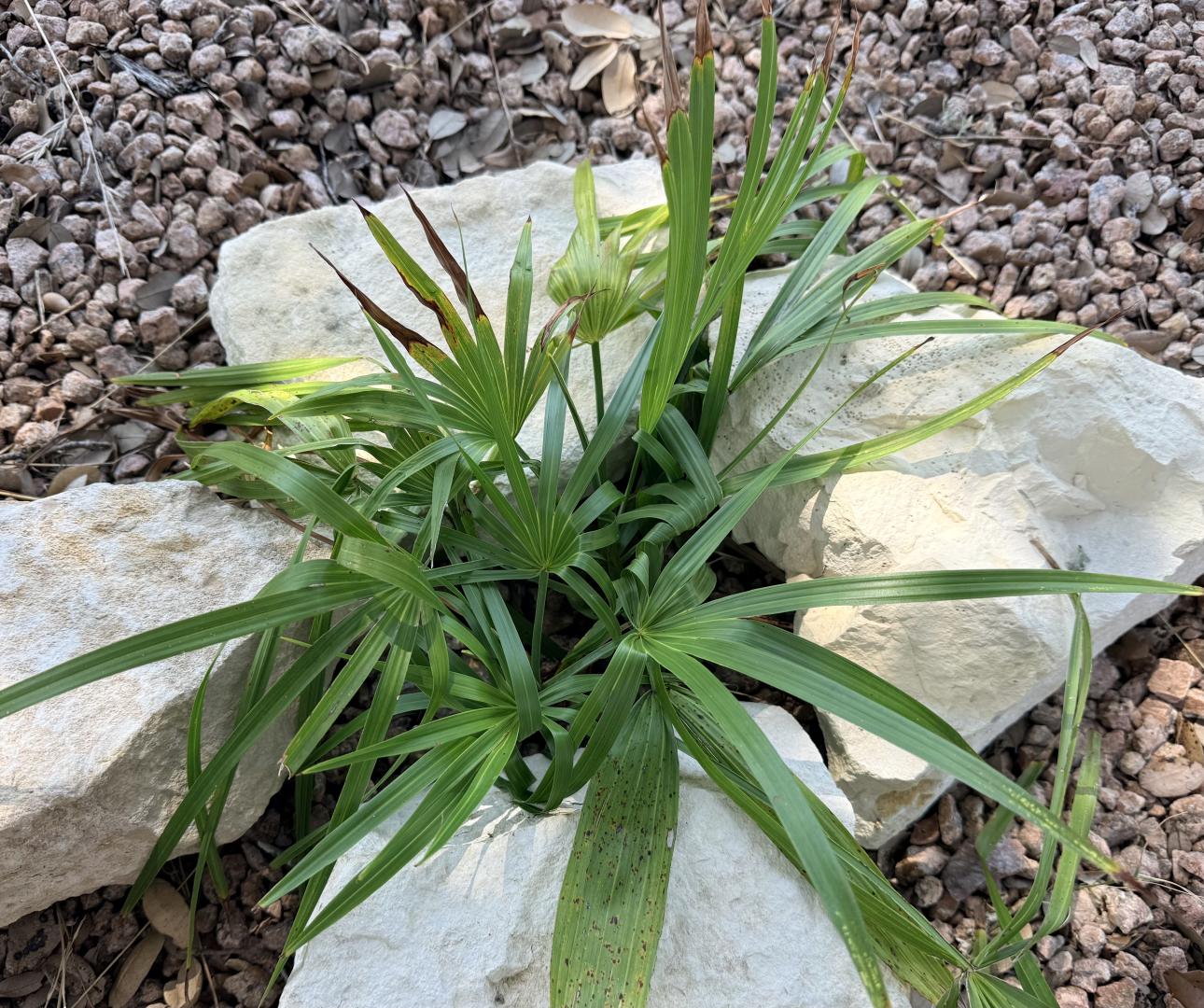
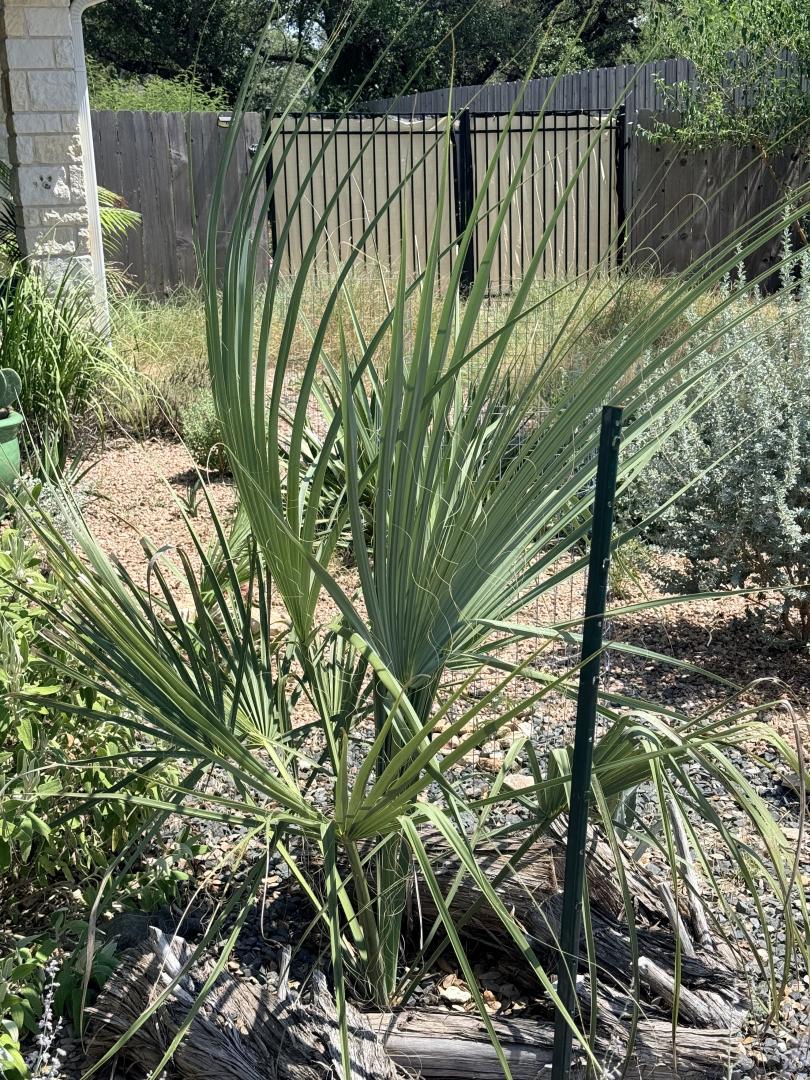
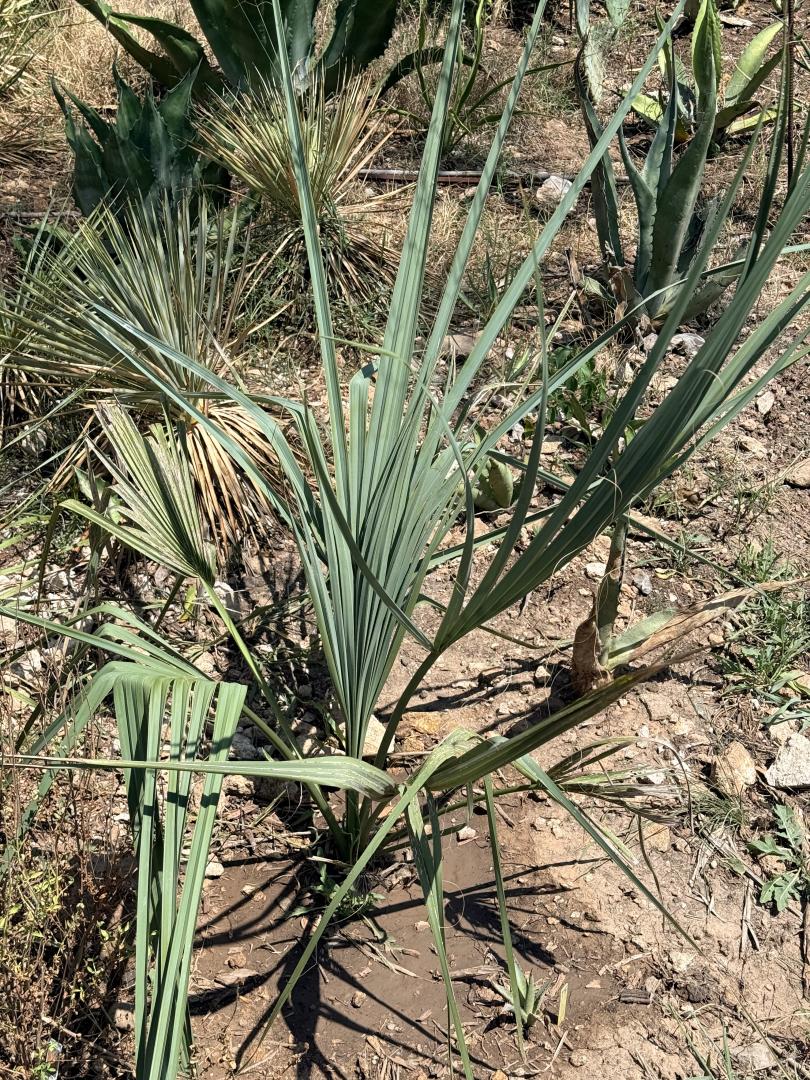
A few from west of Austin: Brahea decumbens, still green: Trithrinax campestris: Chamadorea radicalis: Sabal minor (Warren ,Arkansas): Brahea moorei: Various Sabal uresana: Chamaerops humilis argentea:Serenoa repens
2 points
2 pointsA few from west of Austin: Brahea decumbens, still green: Trithrinax campestris: Chamadorea radicalis: Sabal minor (Warren ,Arkansas): Brahea moorei: Various Sabal uresana: Chamaerops humilis argentea:Serenoa repens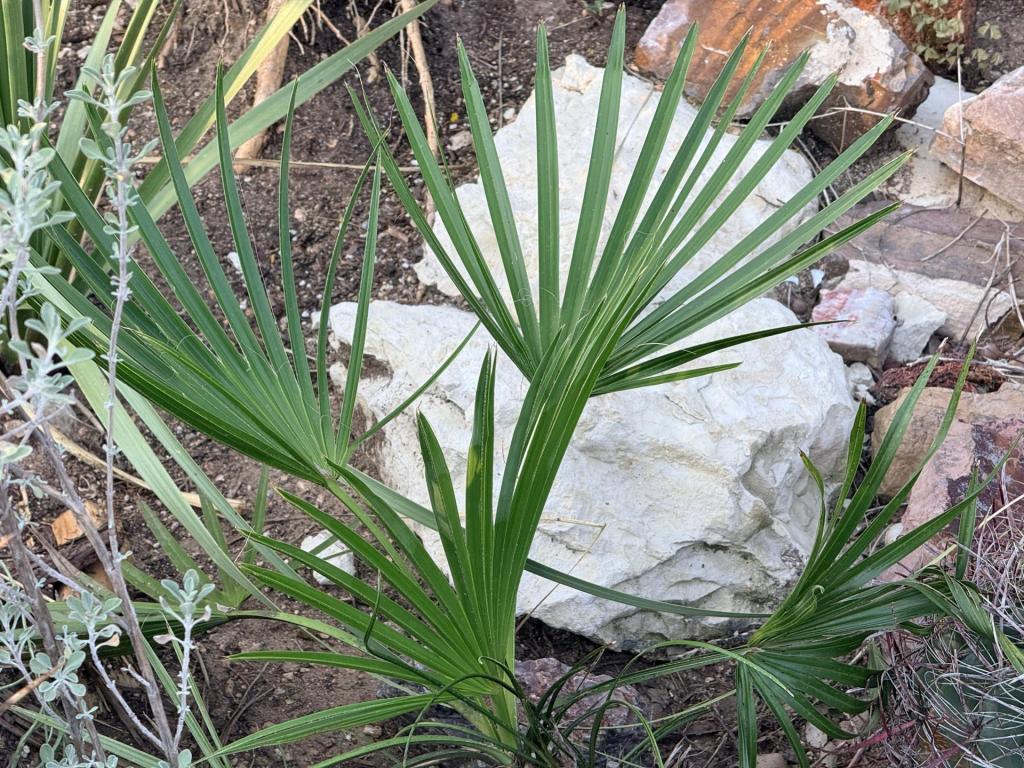
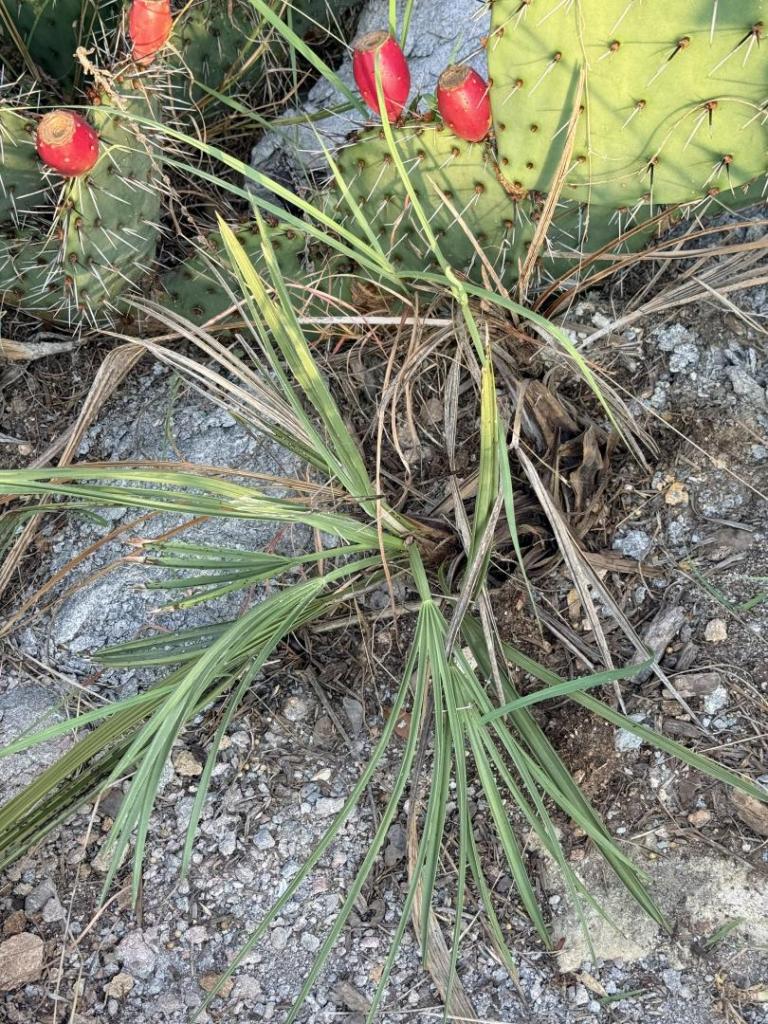
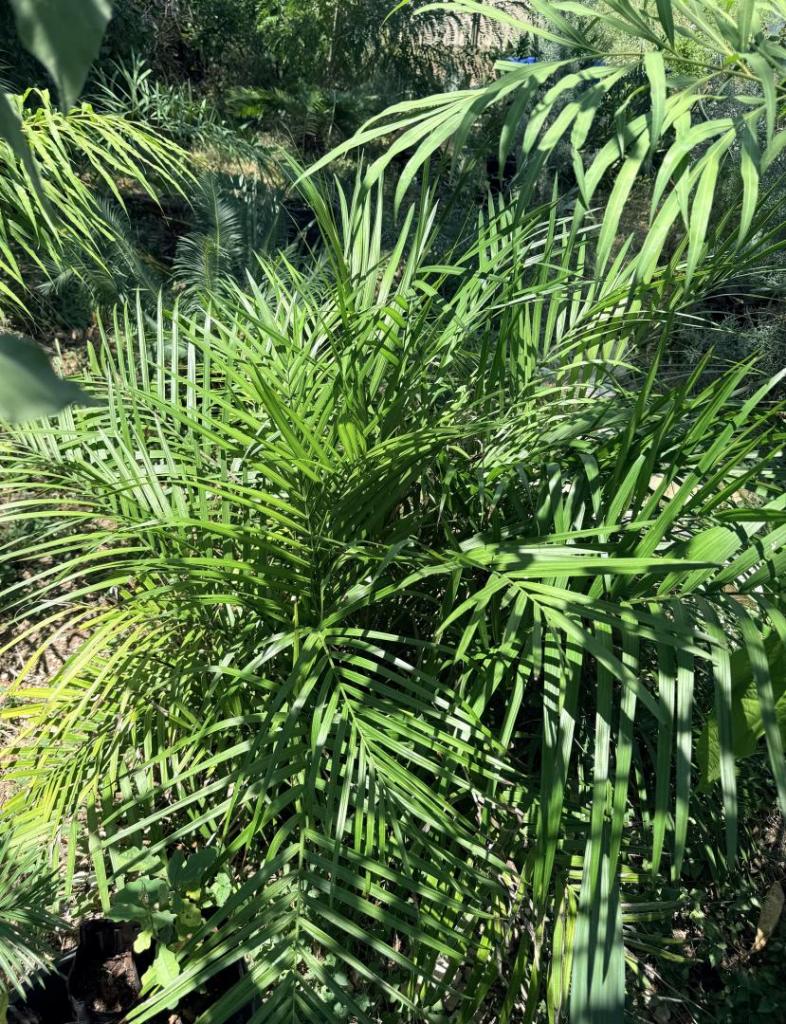
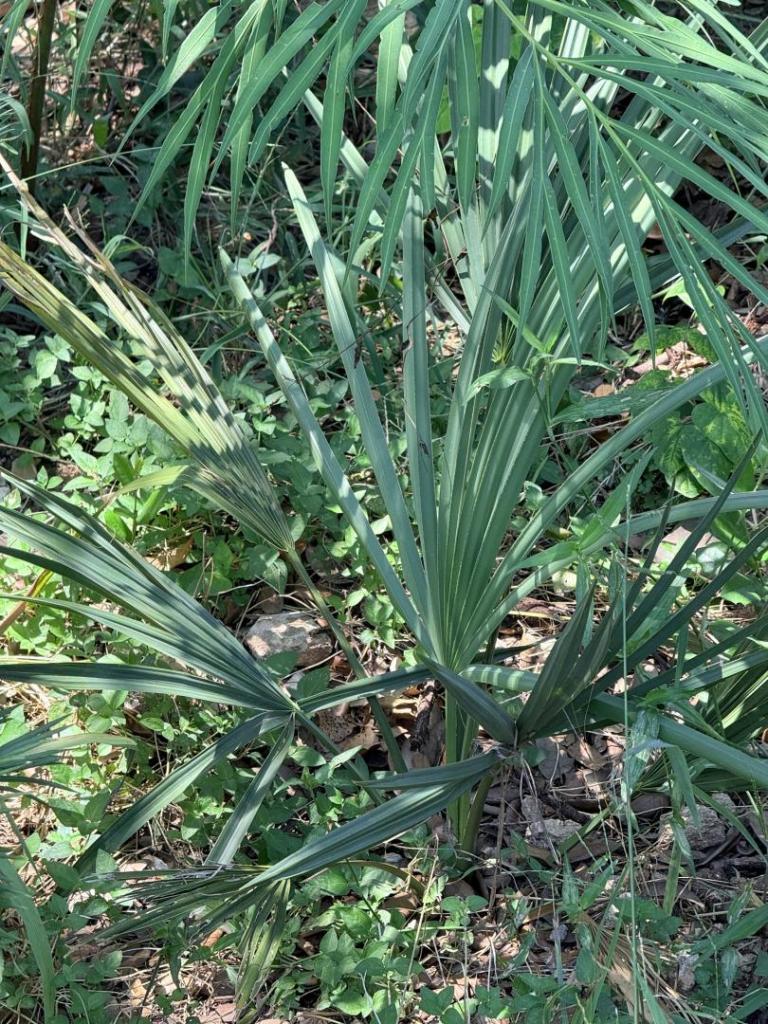
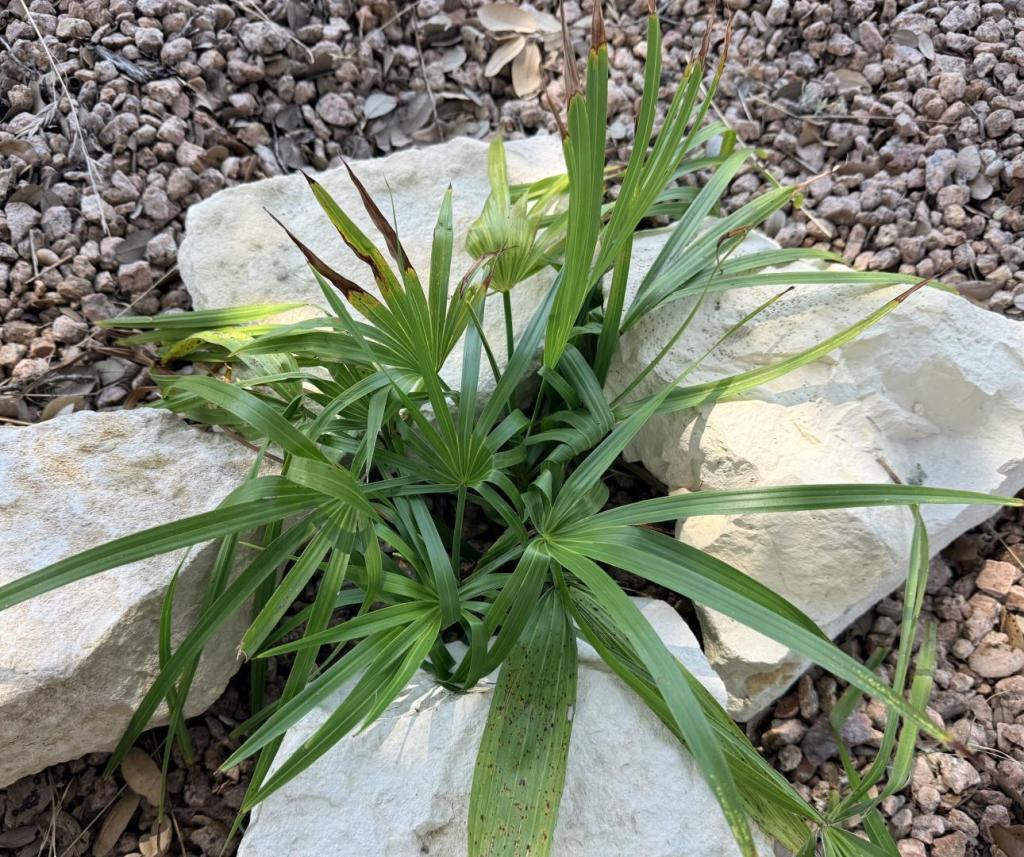
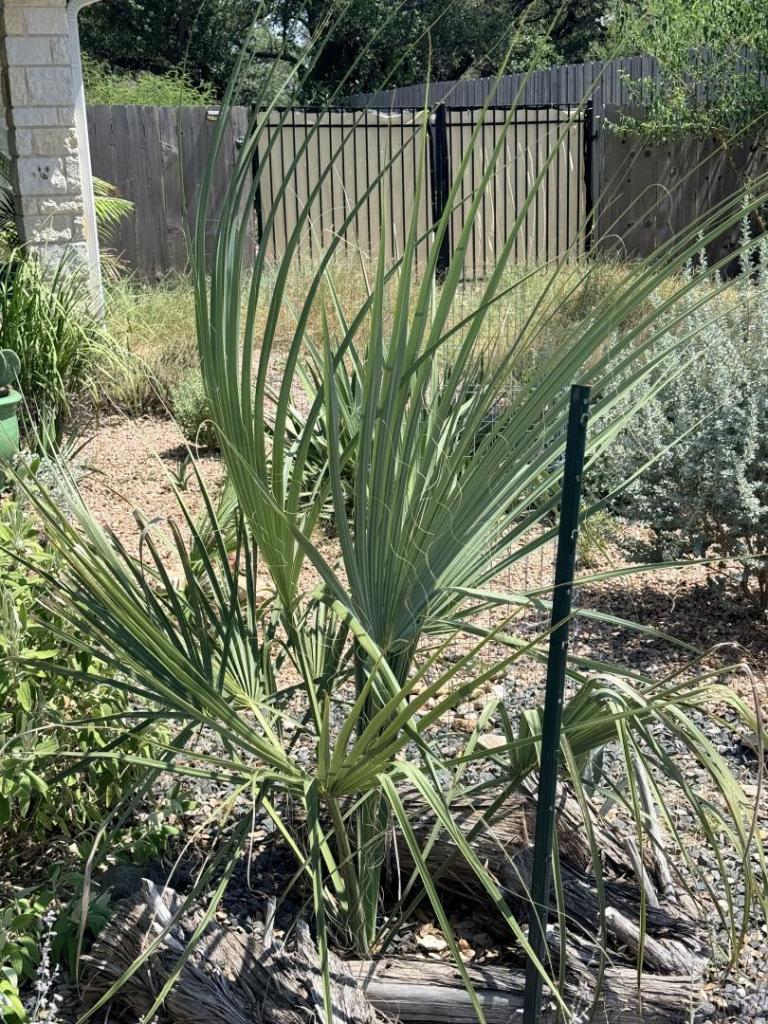
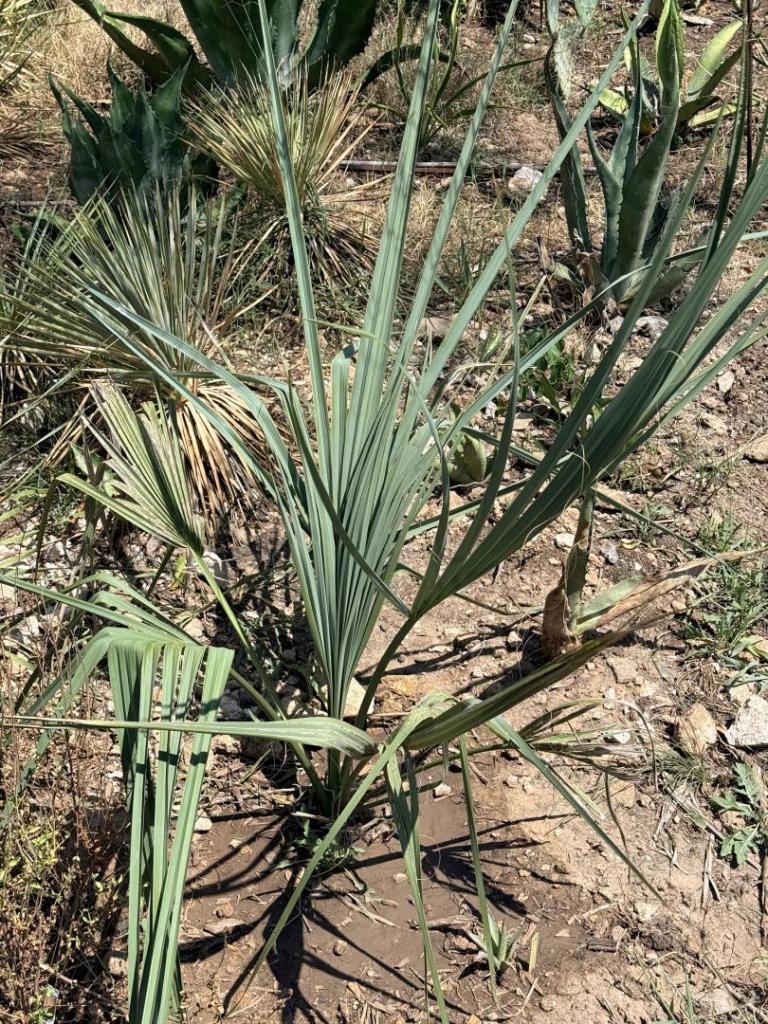
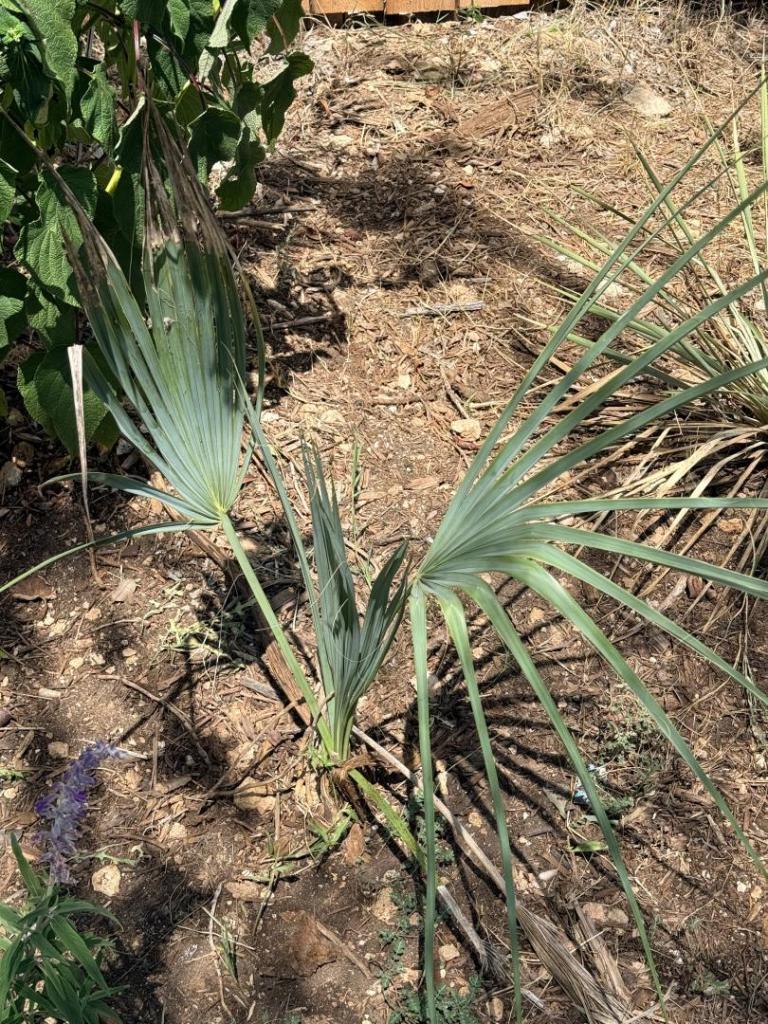
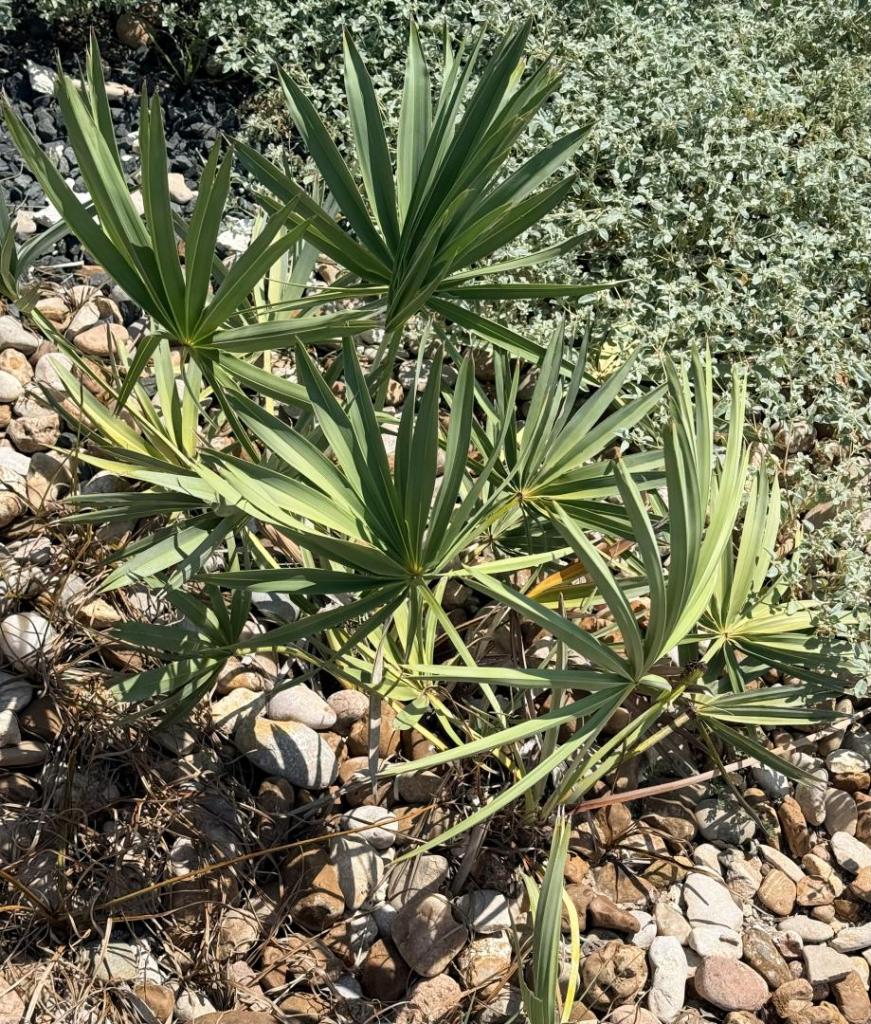
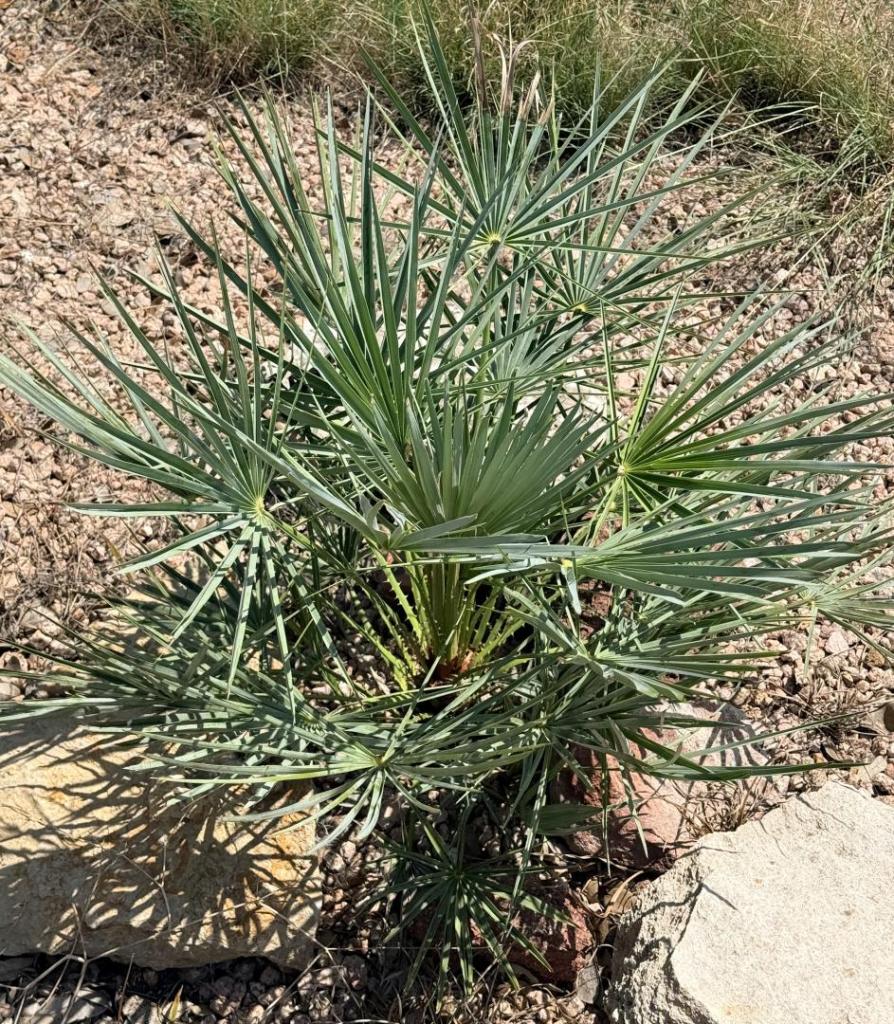 2 points
2 points
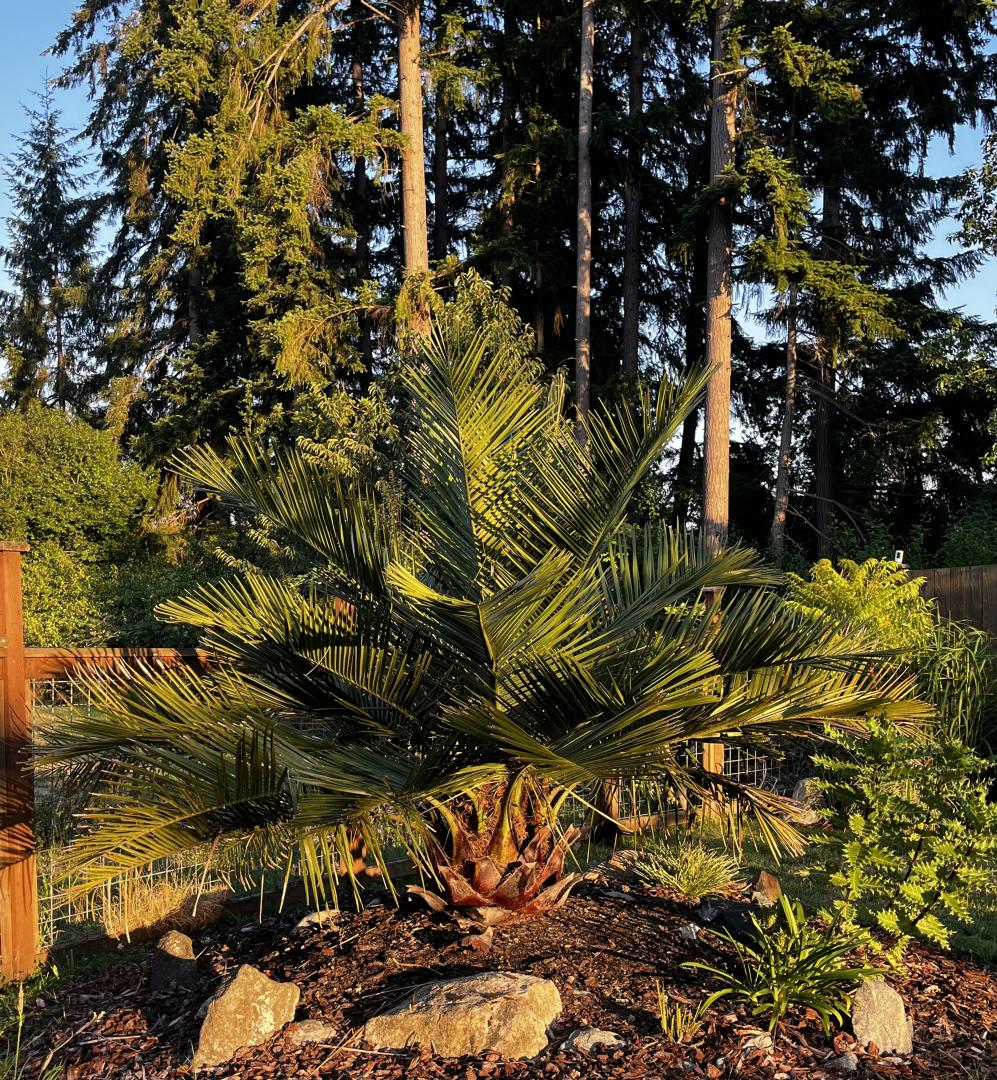
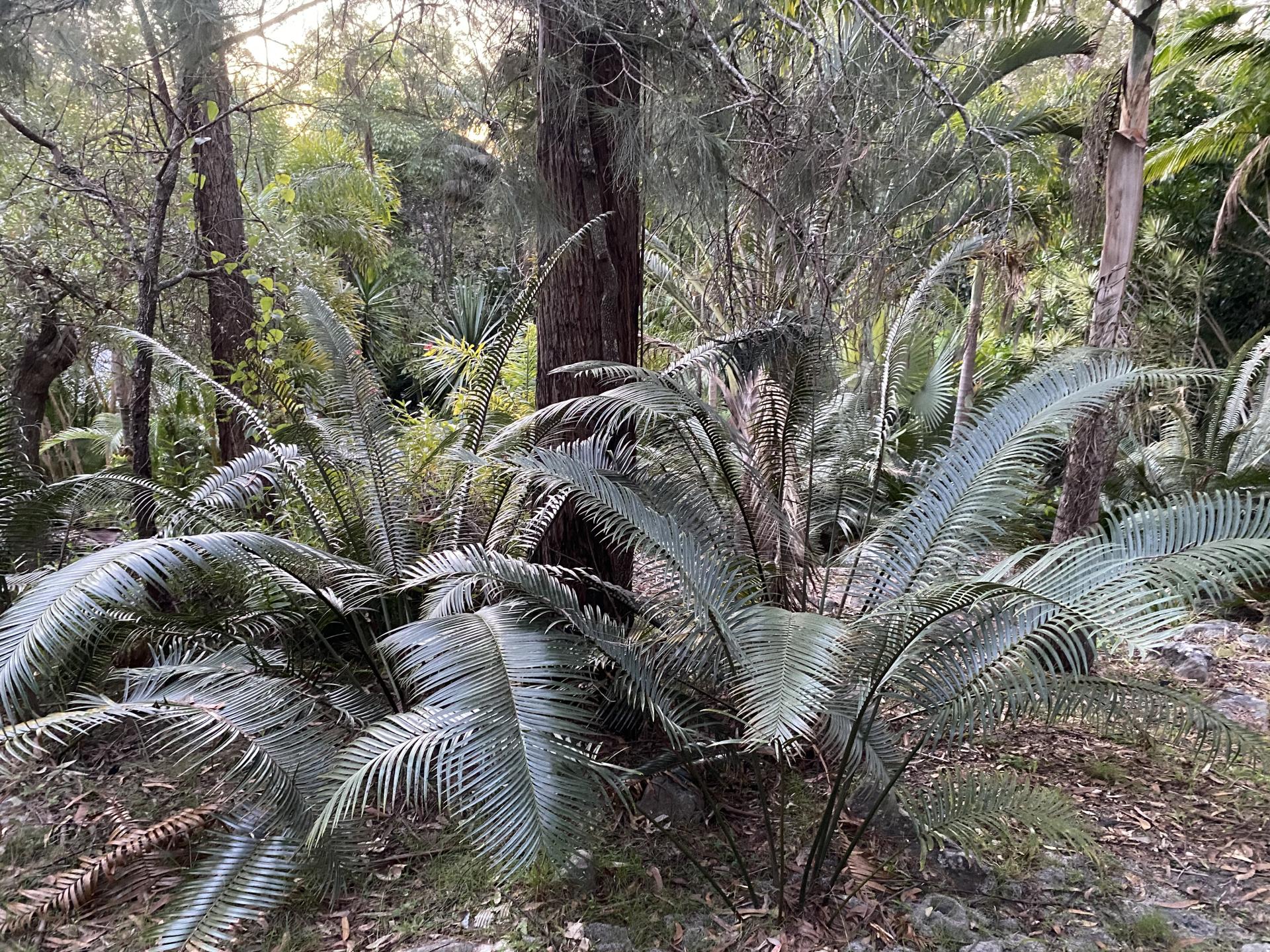
2 points Cycas debaoensis - 1st leaf of the year (late July) of the three I have in-ground. Growing out from under the shade of my Trachycarpus princeps. My hope is that any leaf-chewing insects ignore it and choose more tasty plants.😉
 2 points
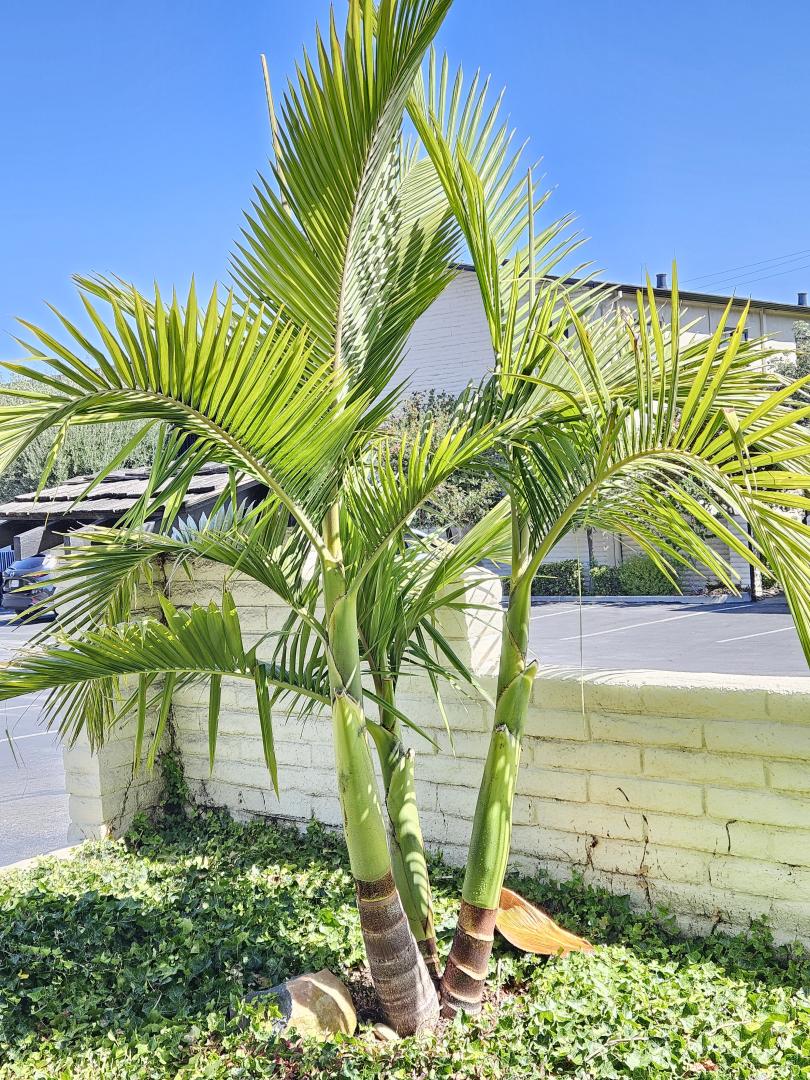
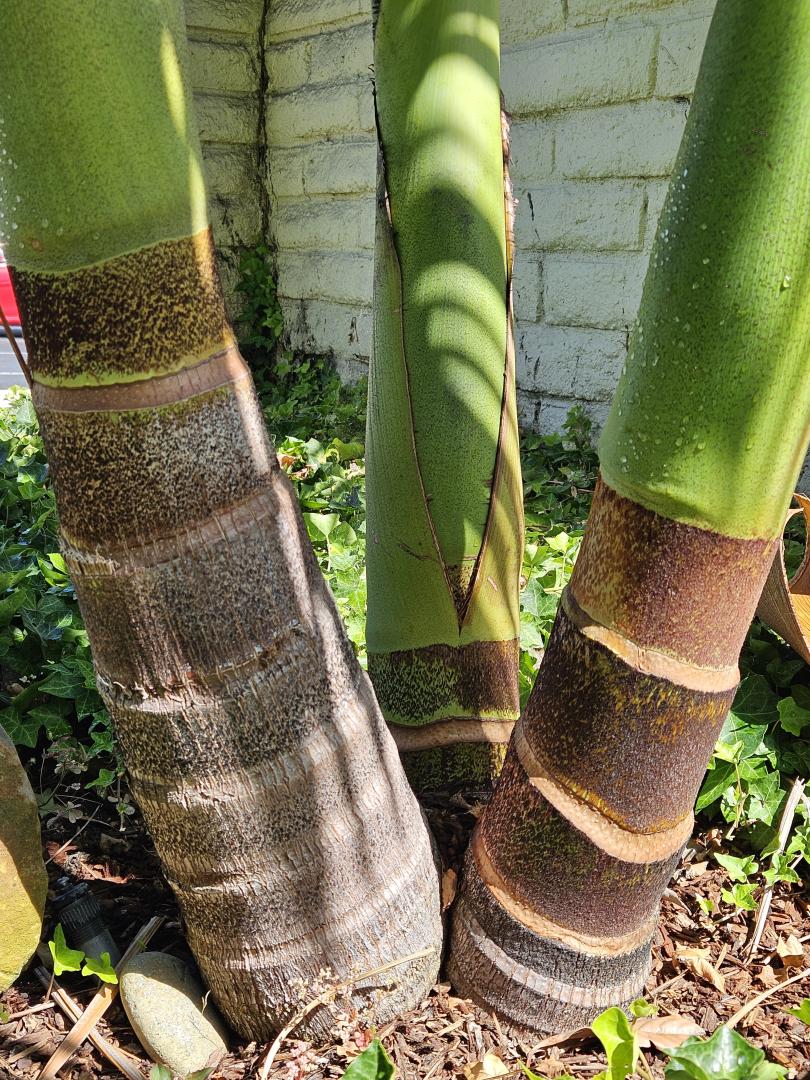
Here's a javana that has really grown well, with a few rings of trunk. The leaf burn is from the dry Santa Ana conditions of a few weeks back:
2 points
2 pointsHere's a javana that has really grown well, with a few rings of trunk. The leaf burn is from the dry Santa Ana conditions of a few weeks back: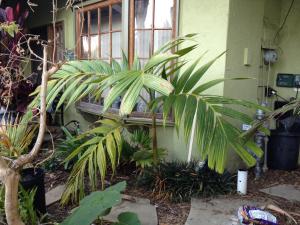 2 points
1 pointHowdyall: I'm perusing the price lists of various palm sellers and note the large number of Pinanga species listed. I also note that many are from tropical appearing areas. I now have P. javana and P. coronata, both doing well so far. Anyone have any other thoughts as to other species that at least have a fighting chance of not turning into one-season compost? Thanks . . . dave1 point
2 points
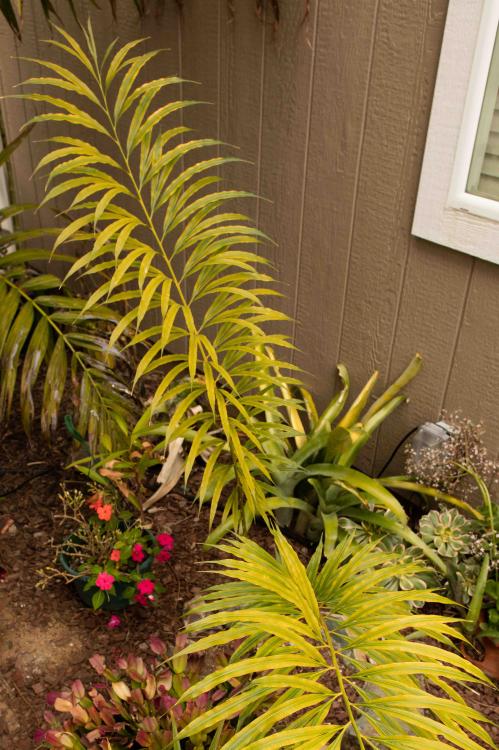
1 pointHowdyall: I'm perusing the price lists of various palm sellers and note the large number of Pinanga species listed. I also note that many are from tropical appearing areas. I now have P. javana and P. coronata, both doing well so far. Anyone have any other thoughts as to other species that at least have a fighting chance of not turning into one-season compost? Thanks . . . dave1 point Mine is looking a little yellow, but I still love the shape.
 1 point
 I have had decent amounts the last few days and consistent enough rain the last three weeks to help start to make up the deficiet. July was still a bit below average, but i hope that the rain keeps up after a june with less than an inch. Weeds are growing like crazy, and most of the plants are very happy outside stuff still suffering from the freeze. Time to plant out some natives while the forecast into winter is possibly good for rainfall🤞1 point
 Outstanding, Kinzyjr. I have not been to the Botanical Garden here, thank you for the idea and links. Lou was kind enough to give me a tour of his garden a couple years ago. It was wonderful and I was happy to see pictures of the tour of homes here last summer as I was on vacation during that time. I will reach out to the other members. It seems I have good deal more to find which is why I asked the forum. I may need a larger yard!1 point
 Neither have I. But Chamaedorea glaucifolia, and maybe also plumosa, has flowers with apically connate petals, meaning that there are lateral openings available for the pollen and pollination. Not a very attractive situation for bees.1 point
Soon they will have their day! Harry1 point
1 pointI wonder what gene that some palms possess that gives them resistance to cold . Perhaps a bit of genetic engineering someday, I mean we were able to save the potato.If so , someday grow tropicals in larger latitudes , or maybe climate change will intervene. Until then we have @happypalms for trial and error. So sorry you lost that one mate. Harry This is my only edge for cool sensitive palms for now.
Neither have I. But Chamaedorea glaucifolia, and maybe also plumosa, has flowers with apically connate petals, meaning that there are lateral openings available for the pollen and pollination. Not a very attractive situation for bees.1 point
Soon they will have their day! Harry1 point
1 pointI wonder what gene that some palms possess that gives them resistance to cold . Perhaps a bit of genetic engineering someday, I mean we were able to save the potato.If so , someday grow tropicals in larger latitudes , or maybe climate change will intervene. Until then we have @happypalms for trial and error. So sorry you lost that one mate. Harry This is my only edge for cool sensitive palms for now.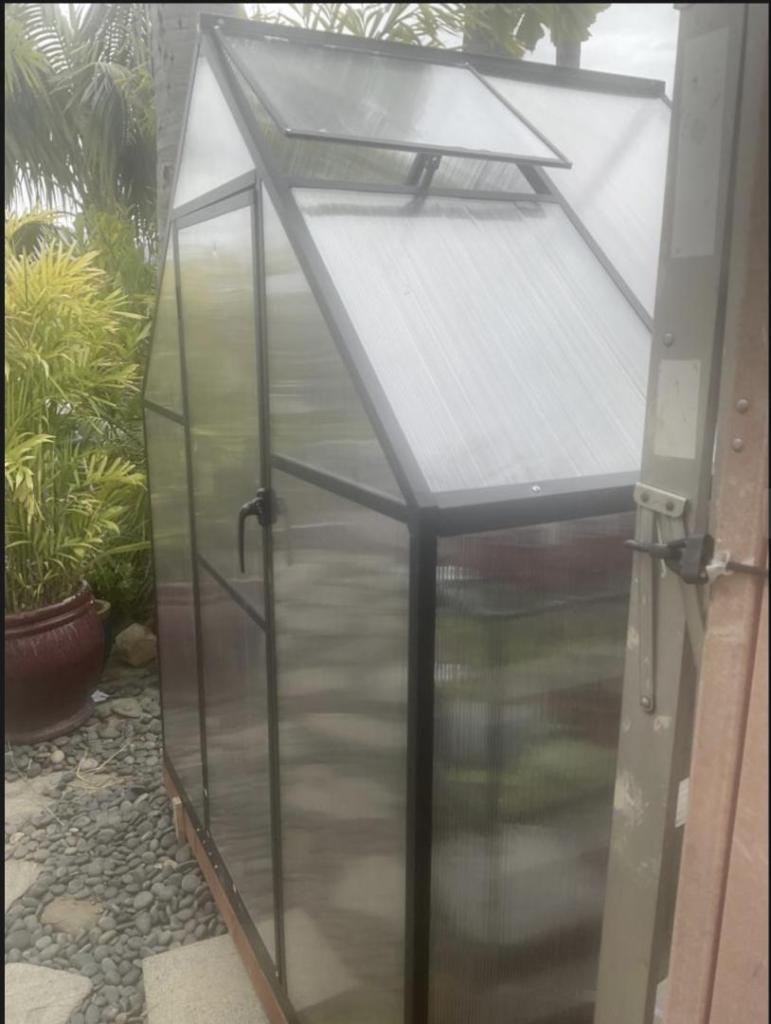 1 point
 1 pointOff the top of my head: Caryota obtusa, tribear, rhopalostylis sapida, ceroxylon, verschaffeltia splendida, mealybug, roystonea, ravenea juliettae, Dypsis prestoniana, a hyophorbe….1 point
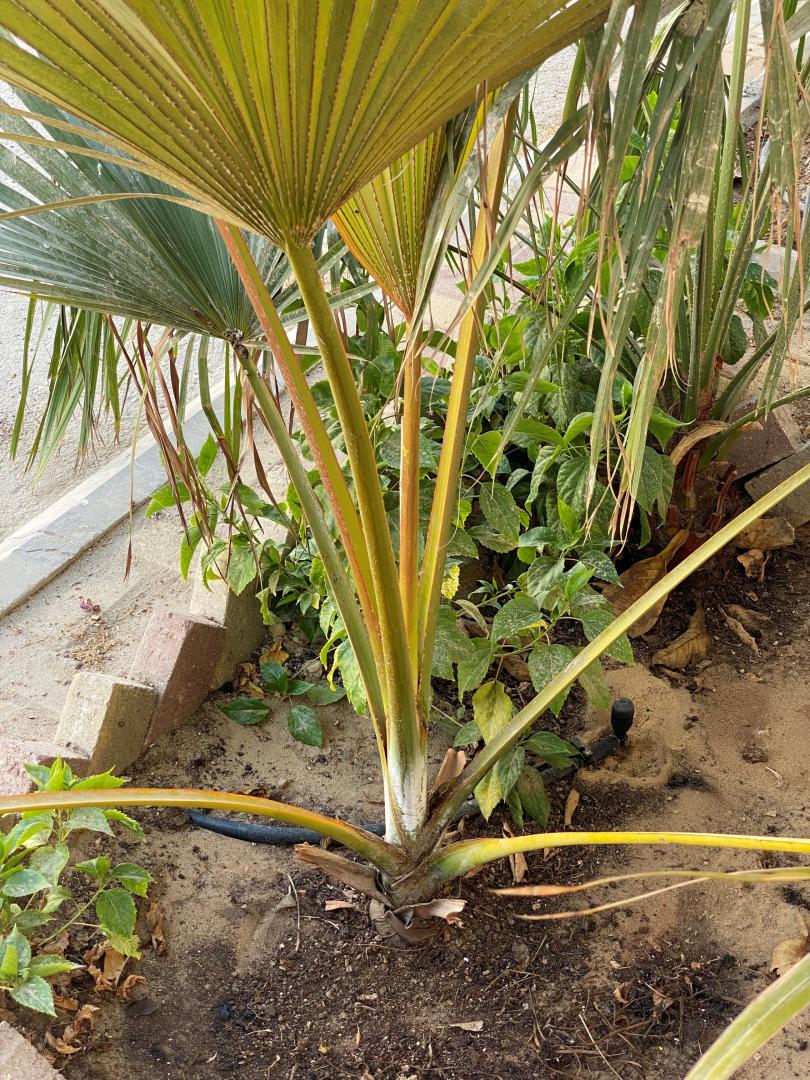
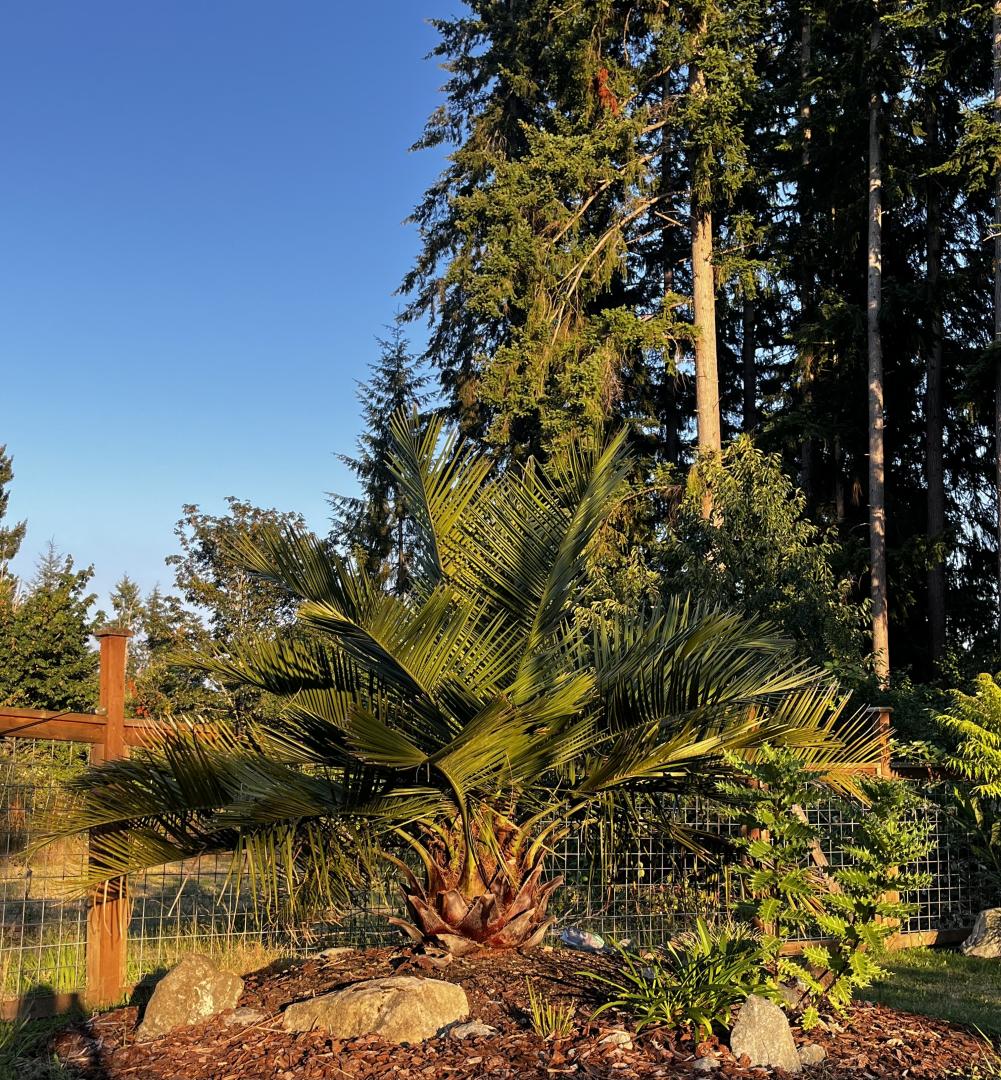
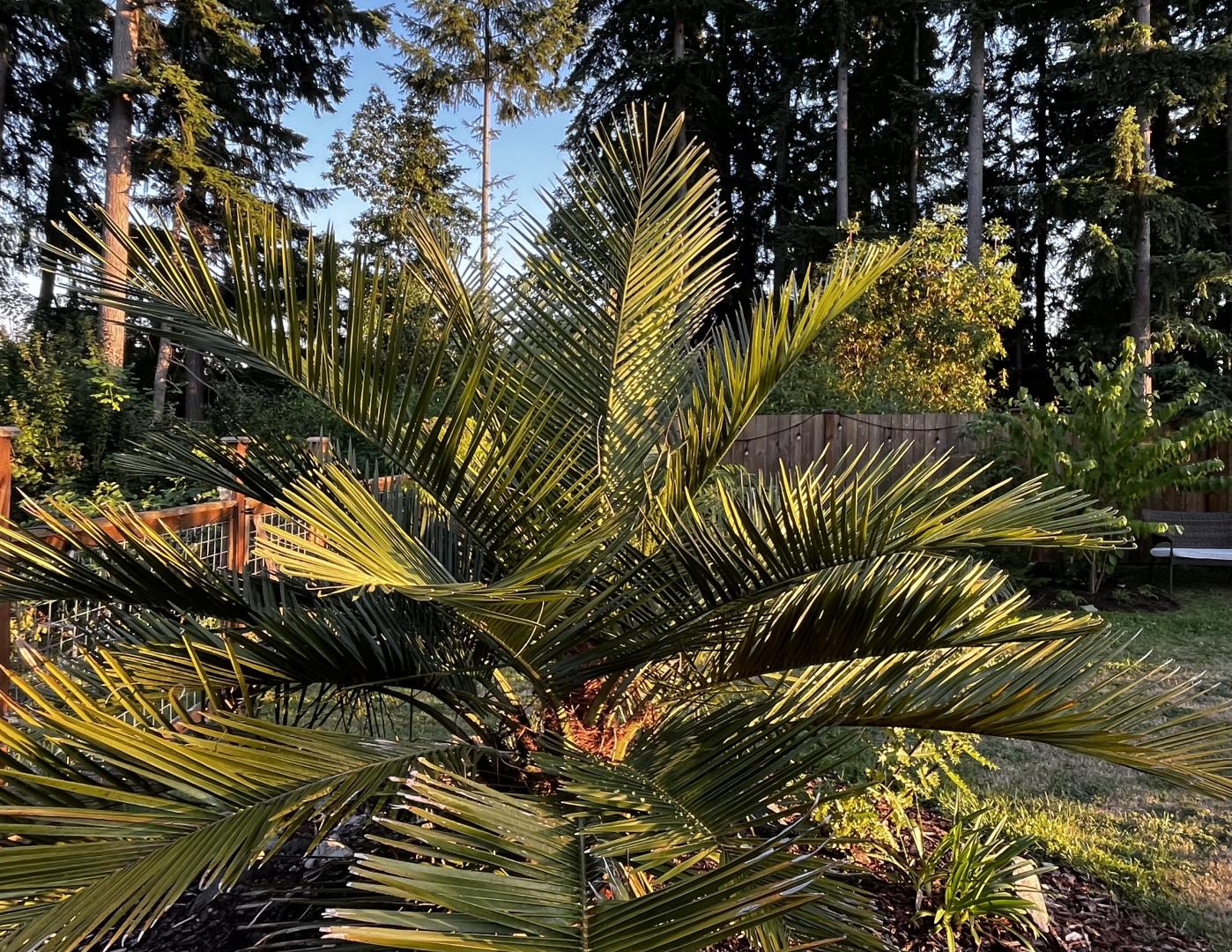
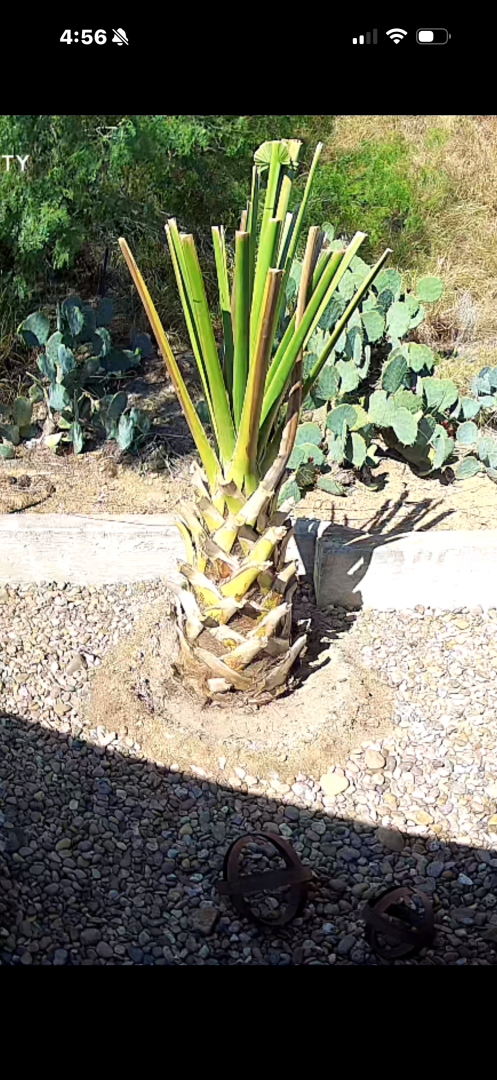
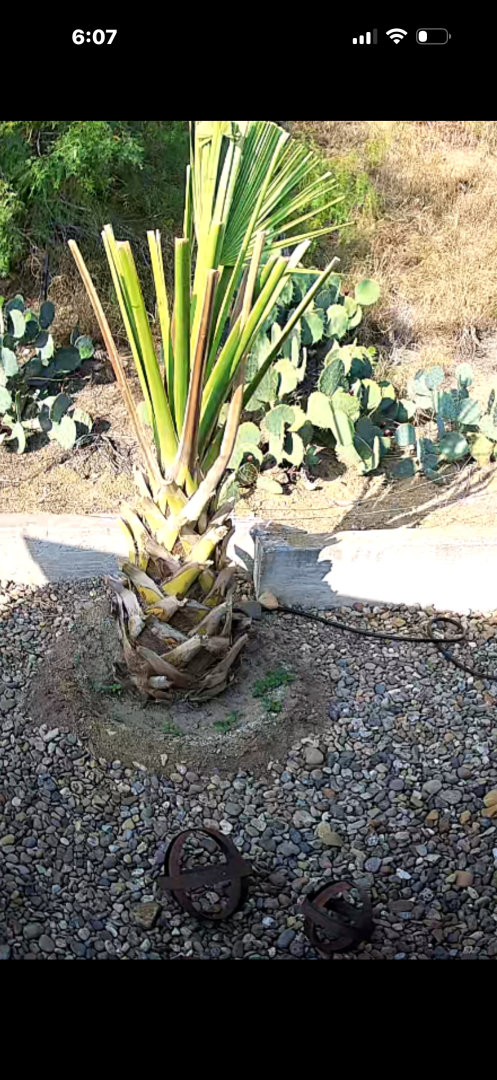
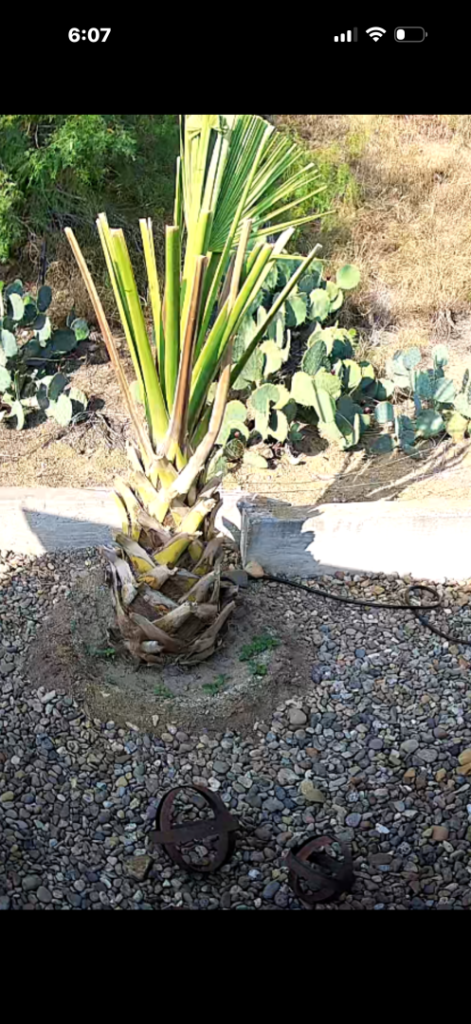
 Thanks everyone. Im watering every 3-4 days 15 gallons per watering. I know the width and depth of the planting hole. That amount of water according to my calculations is equivalent to a little over 9" of rain a week. This pic is exactly 2 weeks after planting. I noticed the 2 center petioles had shot up so I untied the palm. This pic is from exactly 3 weeks after transplant. Camera angle hasn't changed and notice petioles have pushed above camera range The frond fanning out was obviously one that was cut and I noticed after I cut the twine that it was ready to expand before harvest It's trying to establish. Also the fanning frond is very green. It just looks yellow in the bright sun.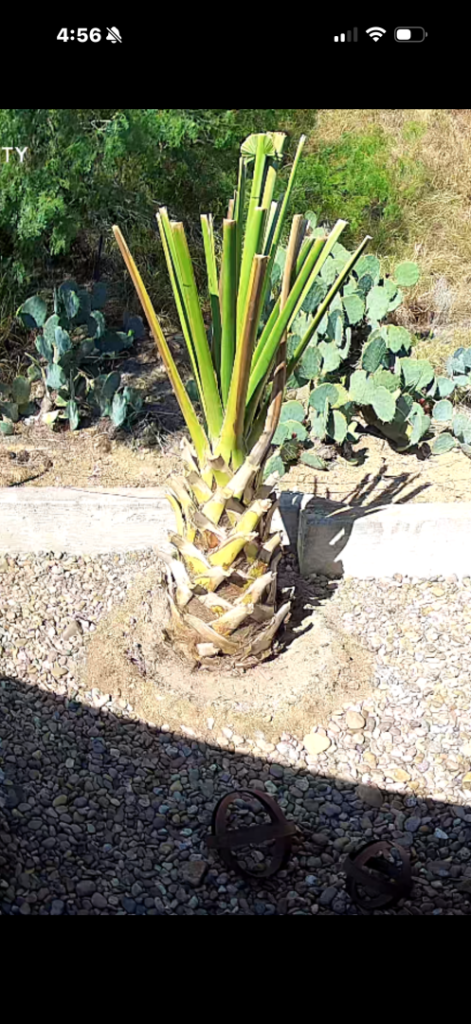
 1 point
 1 pointlol I was looking for the pots! I wish i could find a Micrantha locally, such cool palms1 point
.thumb.jpg.304b32ca4398a111edf4ac525048111e.jpg) 1 point
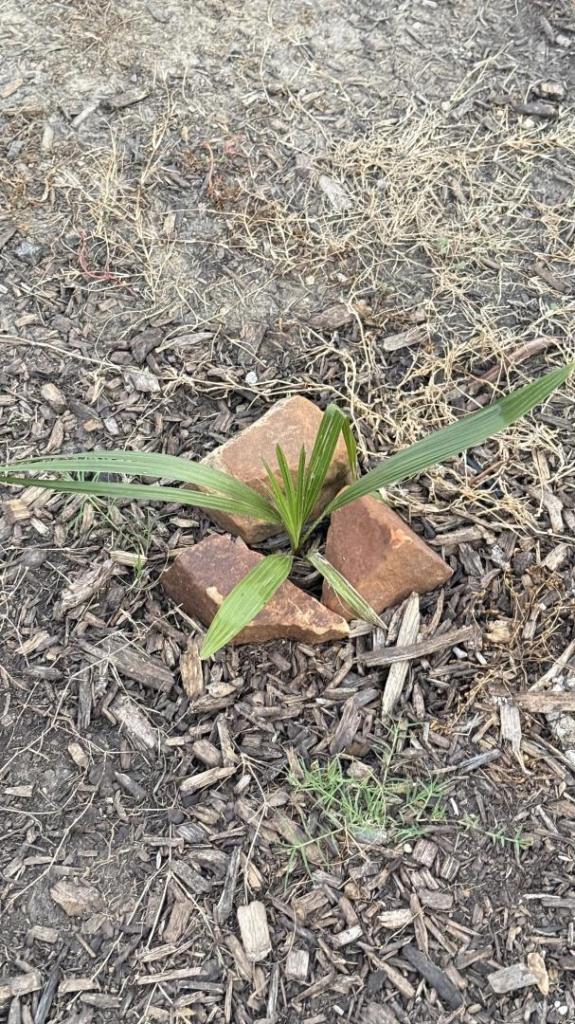
1 pointTrimmed the garden kinda hard one last time before I move away . I wish it would rain the past two weeks have been hot asf … L.Decora x2 Triple trunk robusta Filibusta trio
1 point
1 pointTrimmed the garden kinda hard one last time before I move away . I wish it would rain the past two weeks have been hot asf … L.Decora x2 Triple trunk robusta Filibusta trio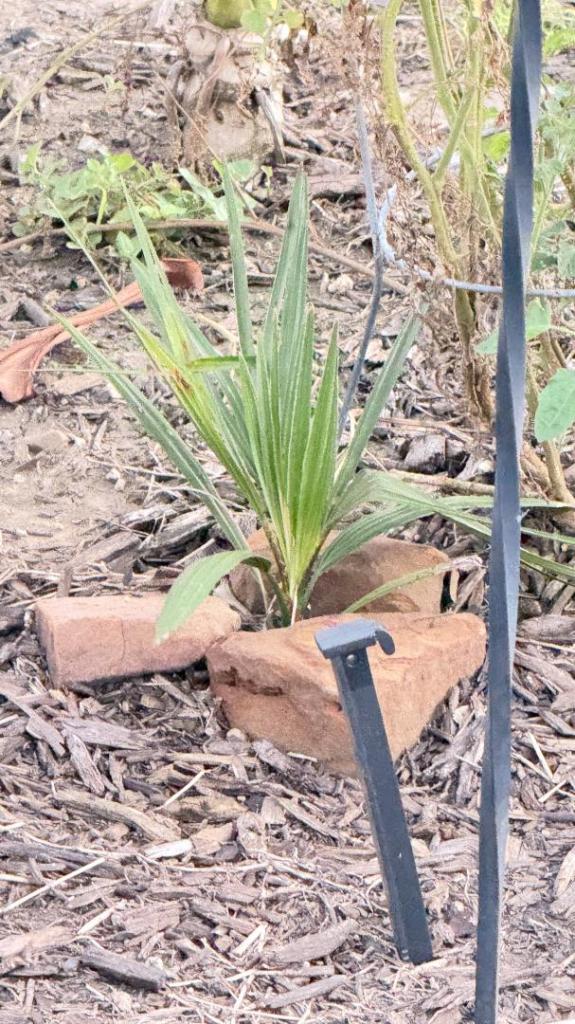
 1 point
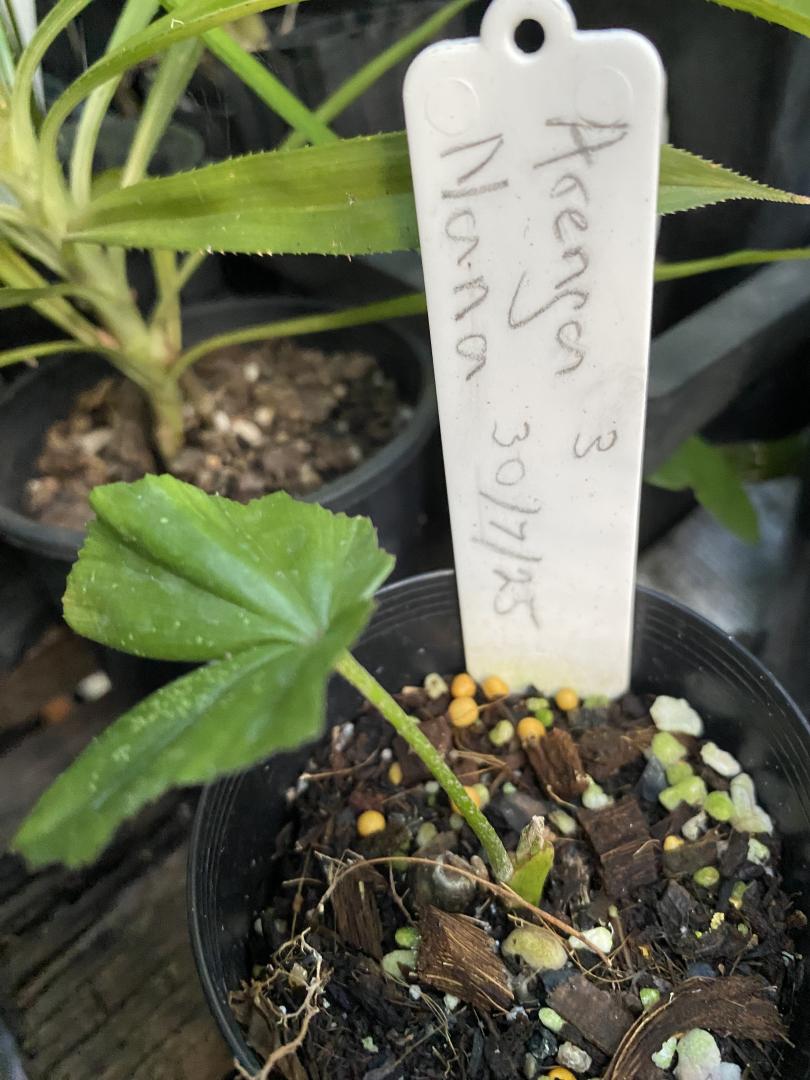
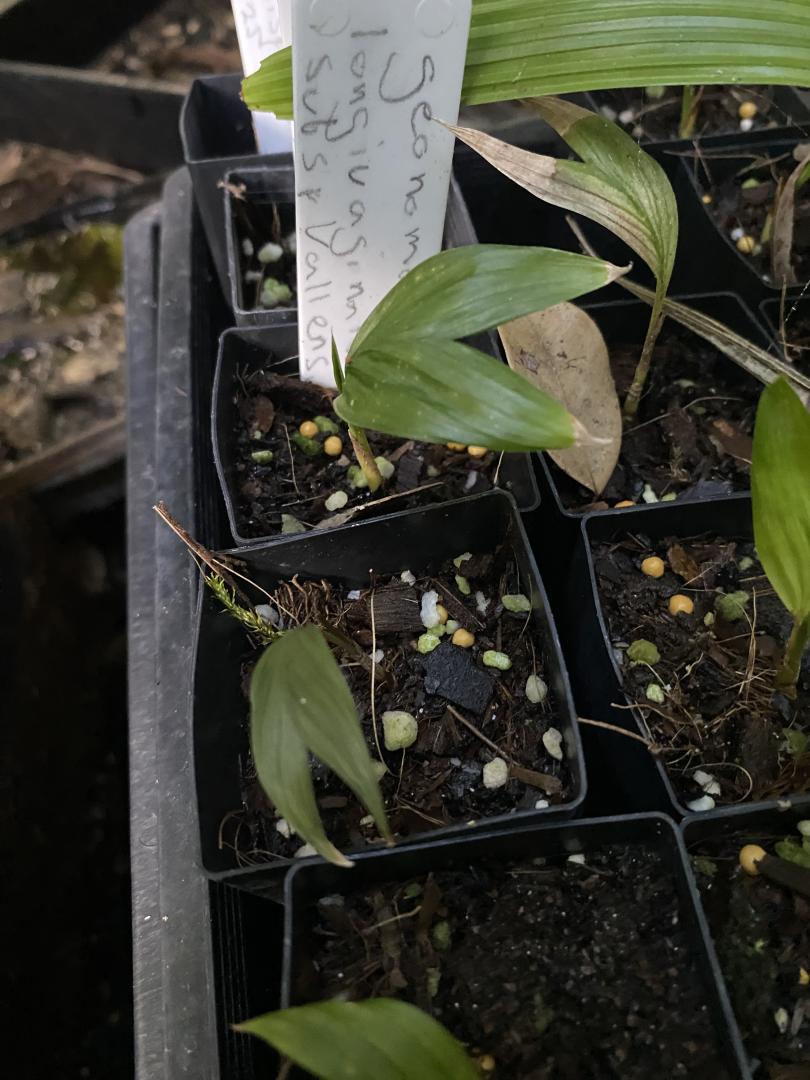
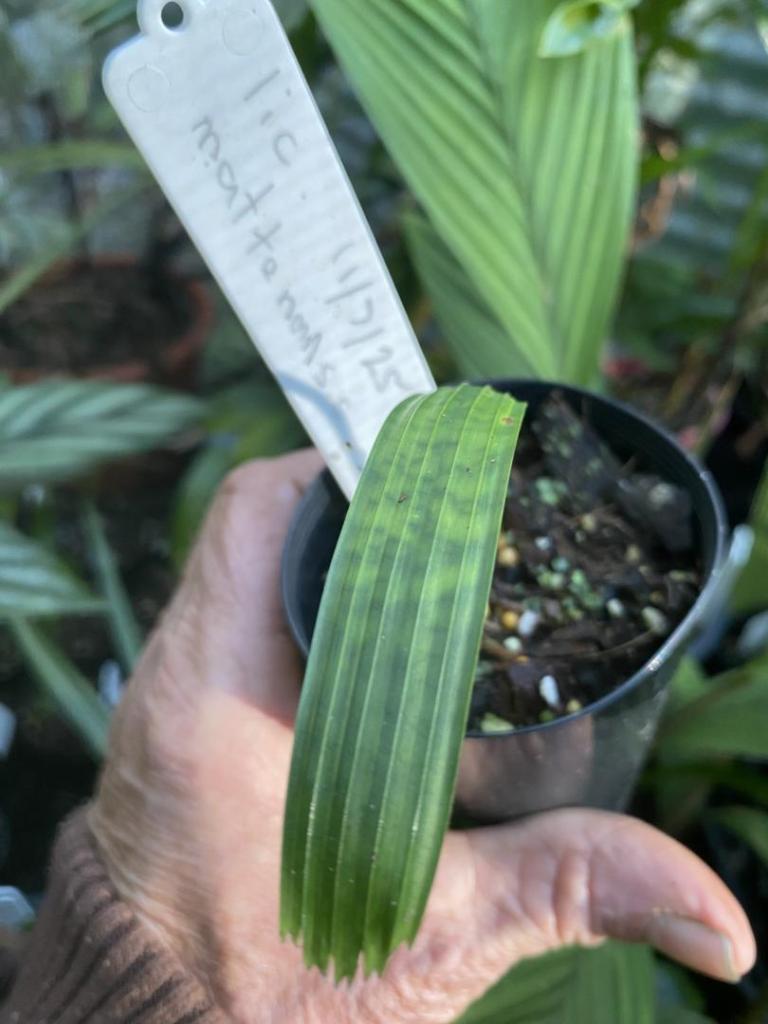
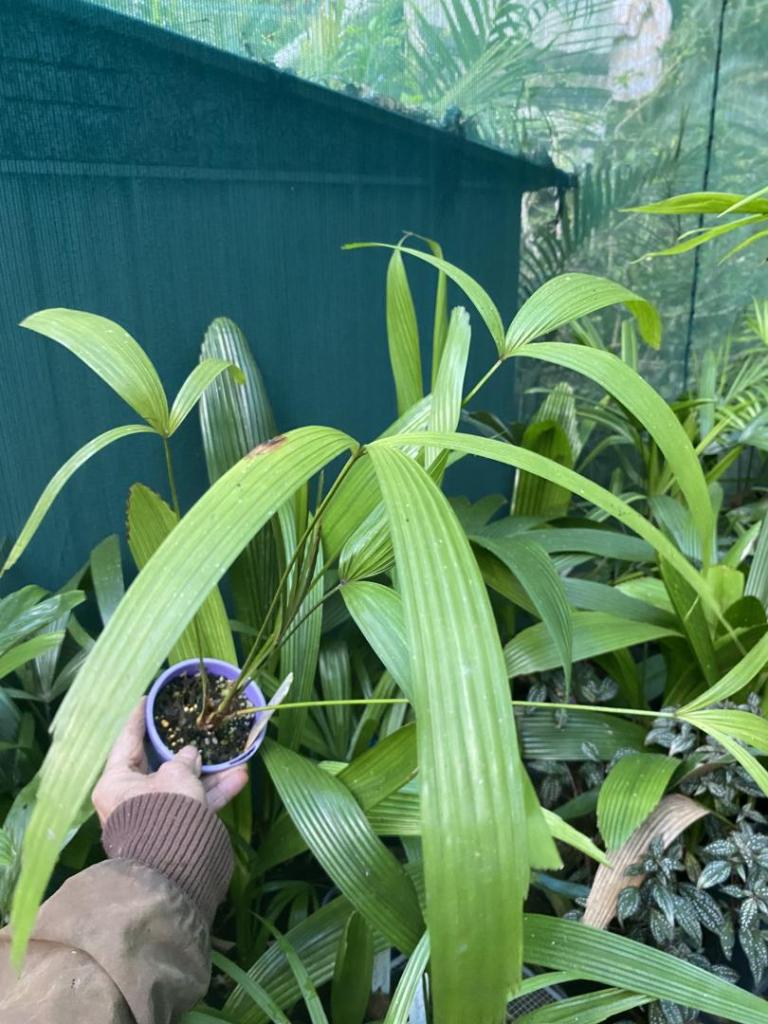
It’s looking quite good so far, if these varieties haven’t been cooked by the cold temperatures by now, then they are standing a fair chance of making it through winter. This is there first winter and a lot of the larger varieties have been purchased from the tropics. So there foliage is taking it quite well, considering it’s tropical growth. One thing I can’t work out is why the mattenensis havent been cooked by the cold yet. They are just sitting outside with the rest of the seedlings, no hothouse. Temperatures down to 2 degrees celcius not to bad for a zone push! Licuala poonsakii Calyptrocalyx flabellatusAreca tinomPonapae hentyi Arenga nana Geonoma pycnostachys Licuala mattenensis
1 point
It’s looking quite good so far, if these varieties haven’t been cooked by the cold temperatures by now, then they are standing a fair chance of making it through winter. This is there first winter and a lot of the larger varieties have been purchased from the tropics. So there foliage is taking it quite well, considering it’s tropical growth. One thing I can’t work out is why the mattenensis havent been cooked by the cold yet. They are just sitting outside with the rest of the seedlings, no hothouse. Temperatures down to 2 degrees celcius not to bad for a zone push! Licuala poonsakii Calyptrocalyx flabellatusAreca tinomPonapae hentyi Arenga nana Geonoma pycnostachys Licuala mattenensis
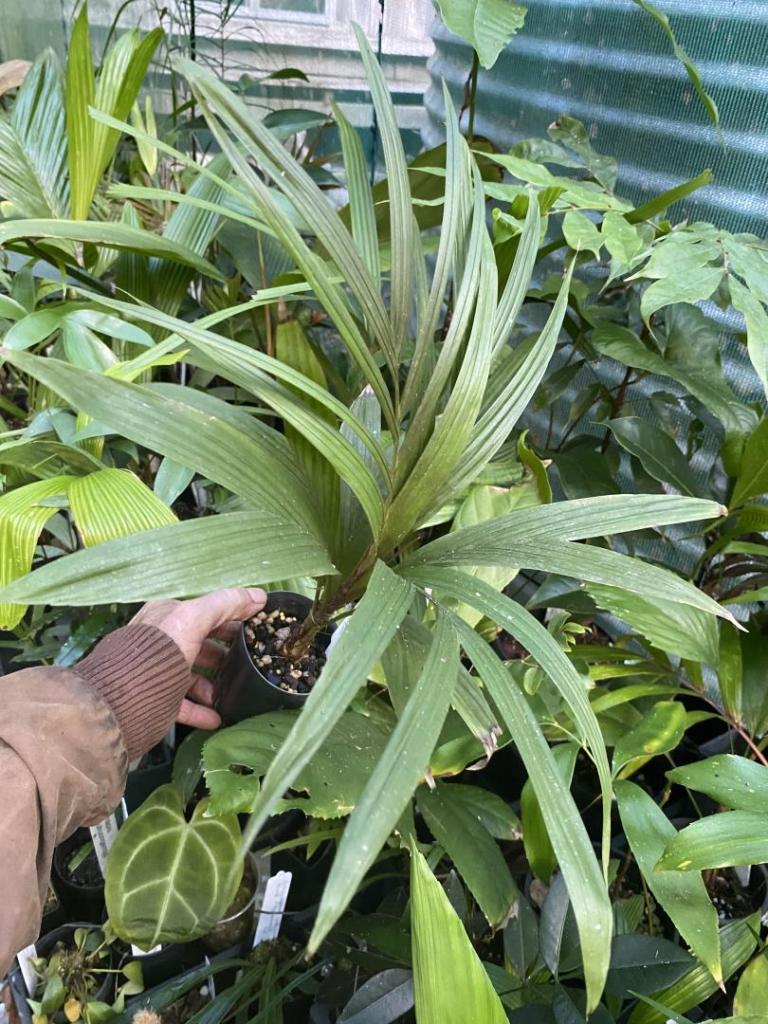


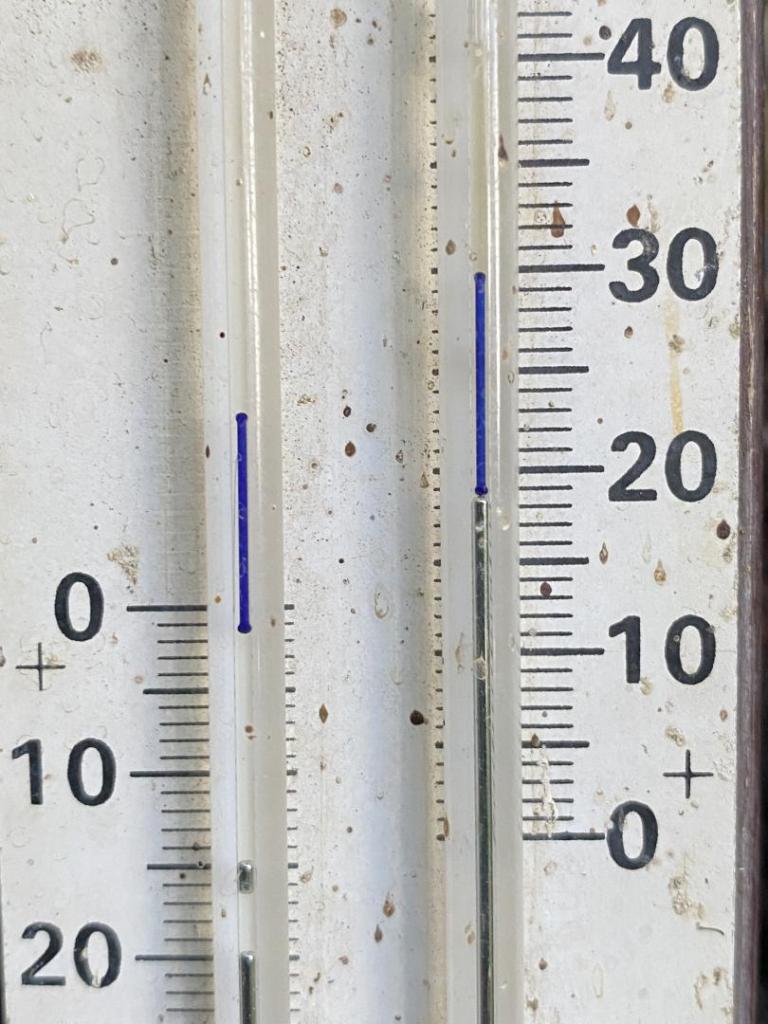

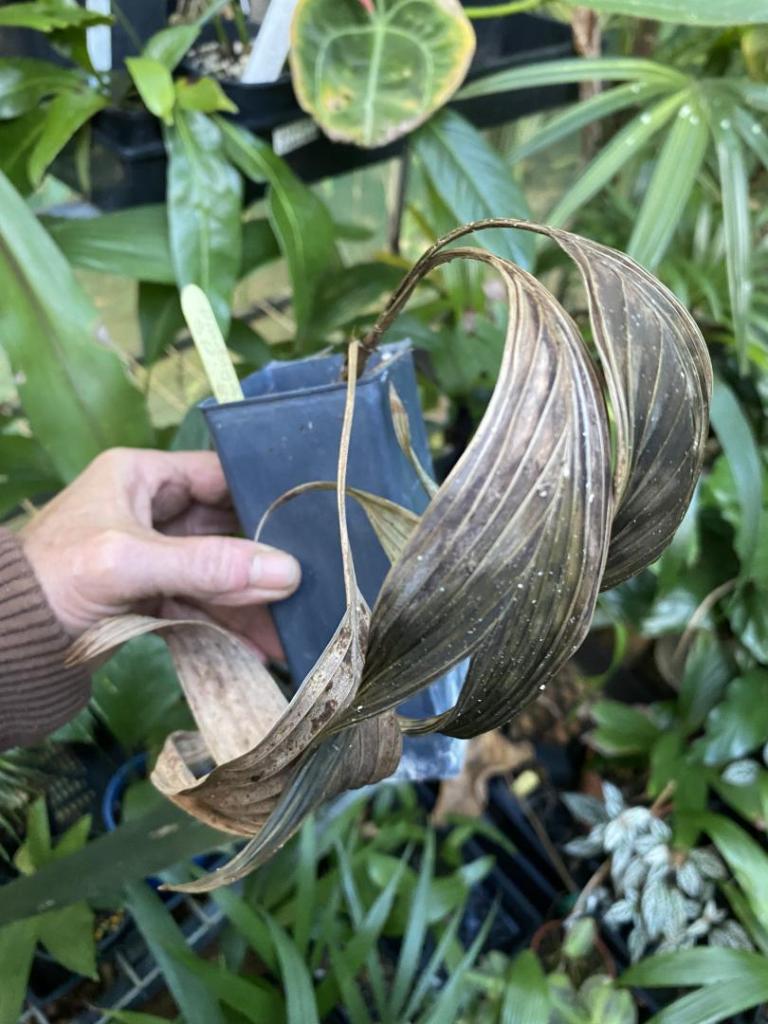
 1 point
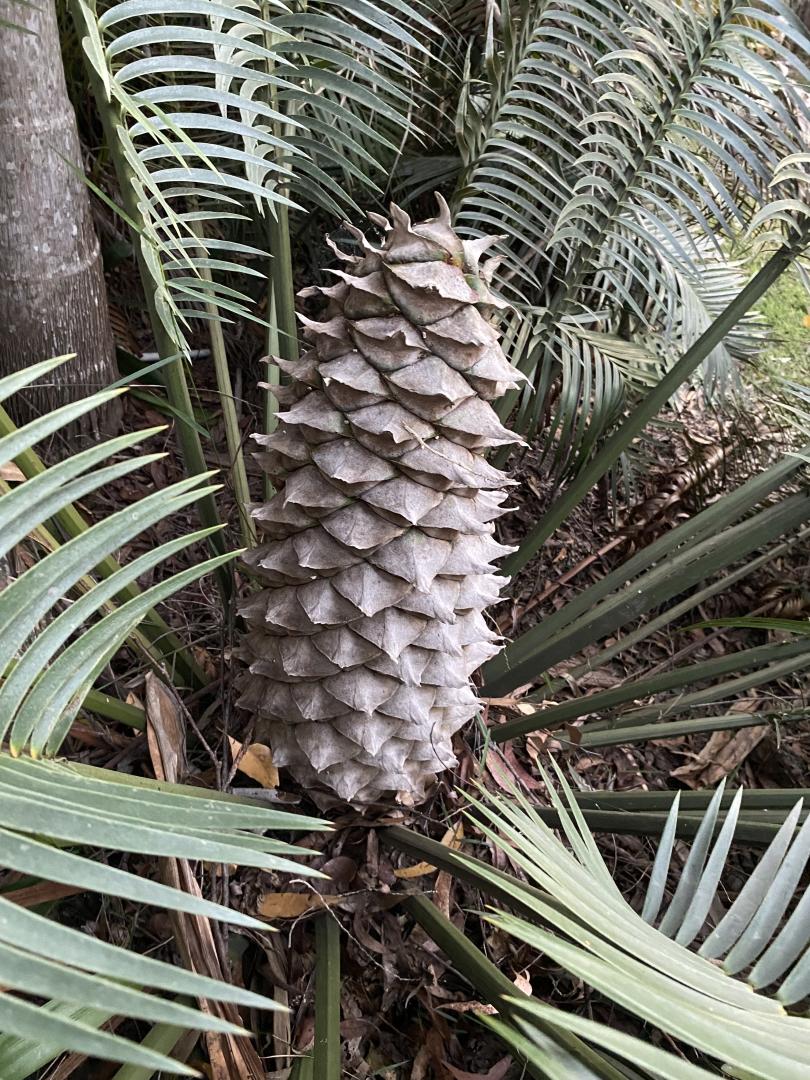
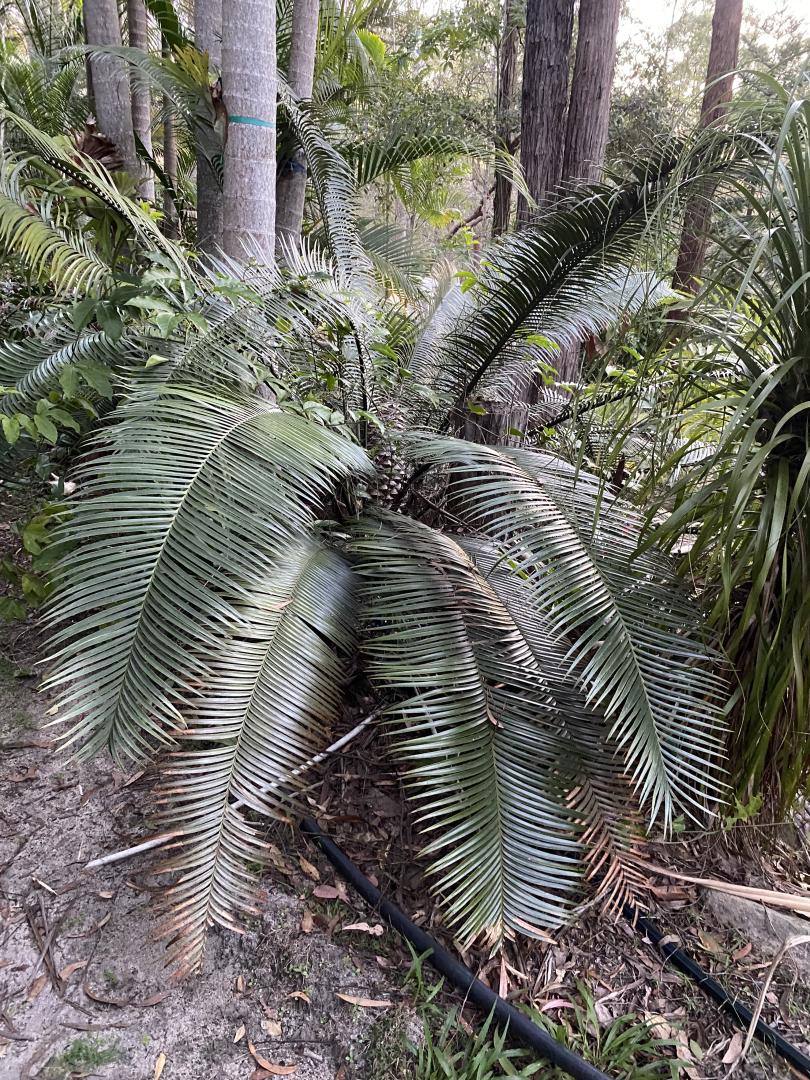
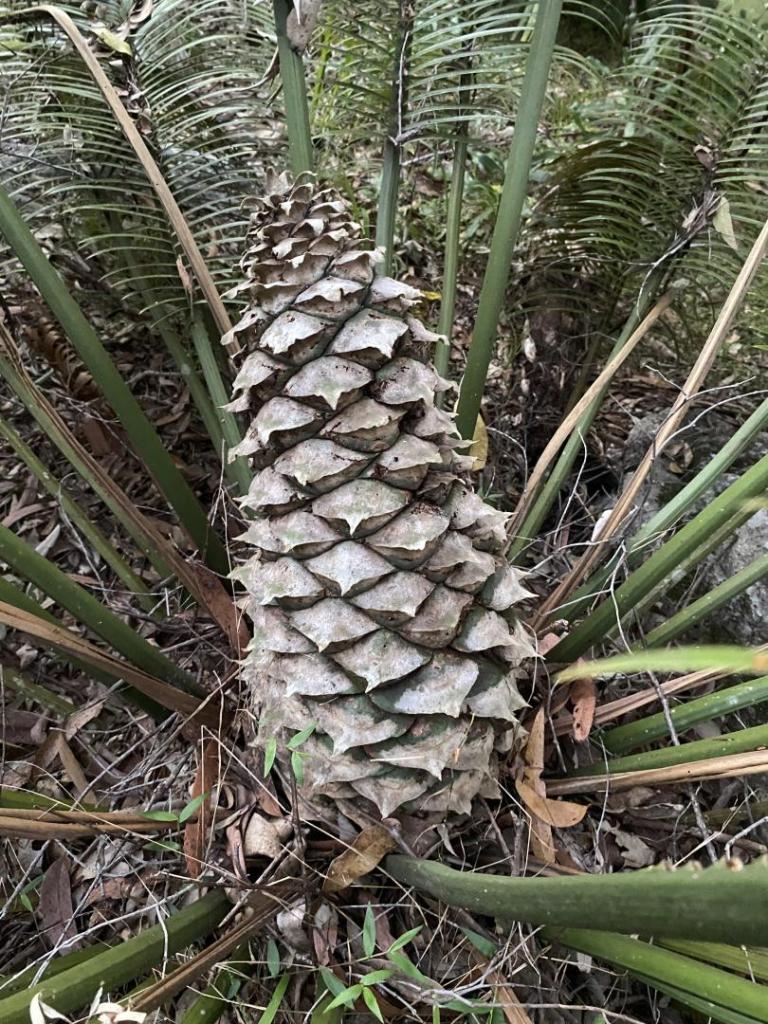
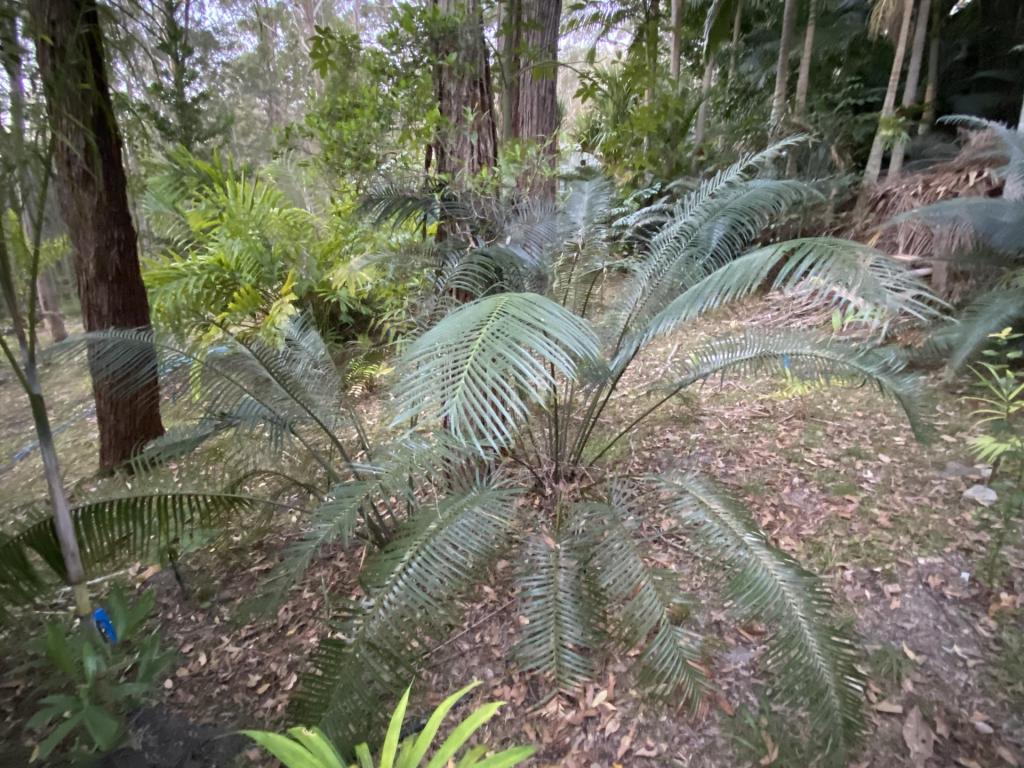
 1 pointMine never grow before June in Arizona. This year, only a female cone is emerging currently.1 point
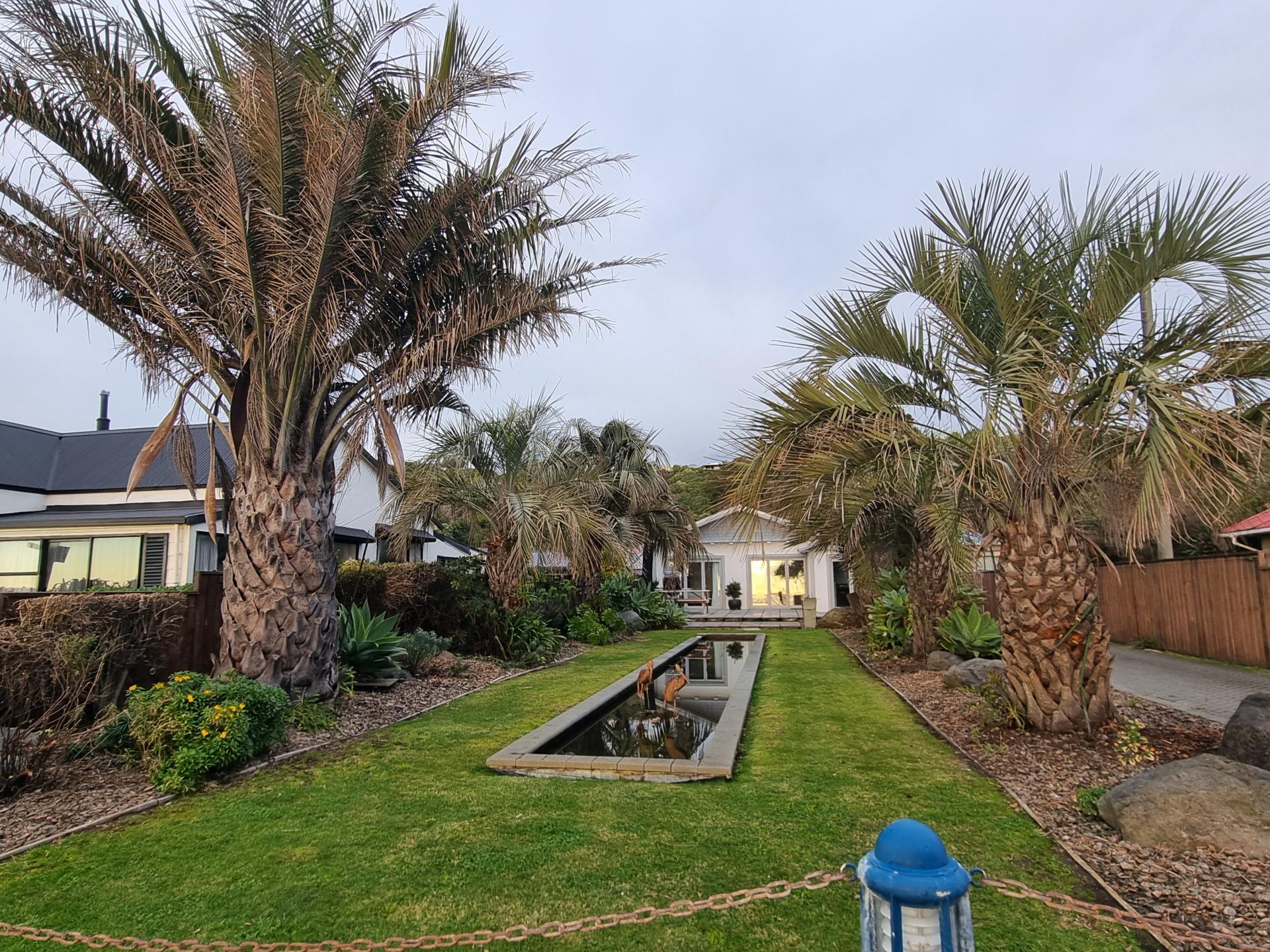
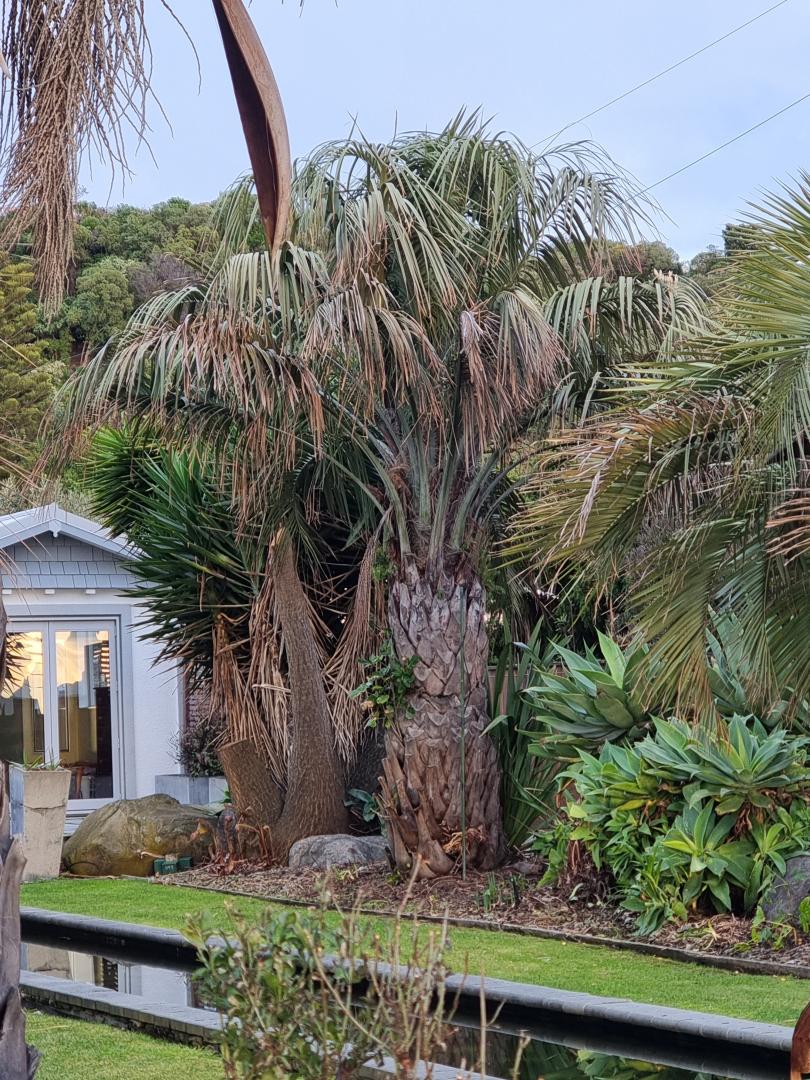
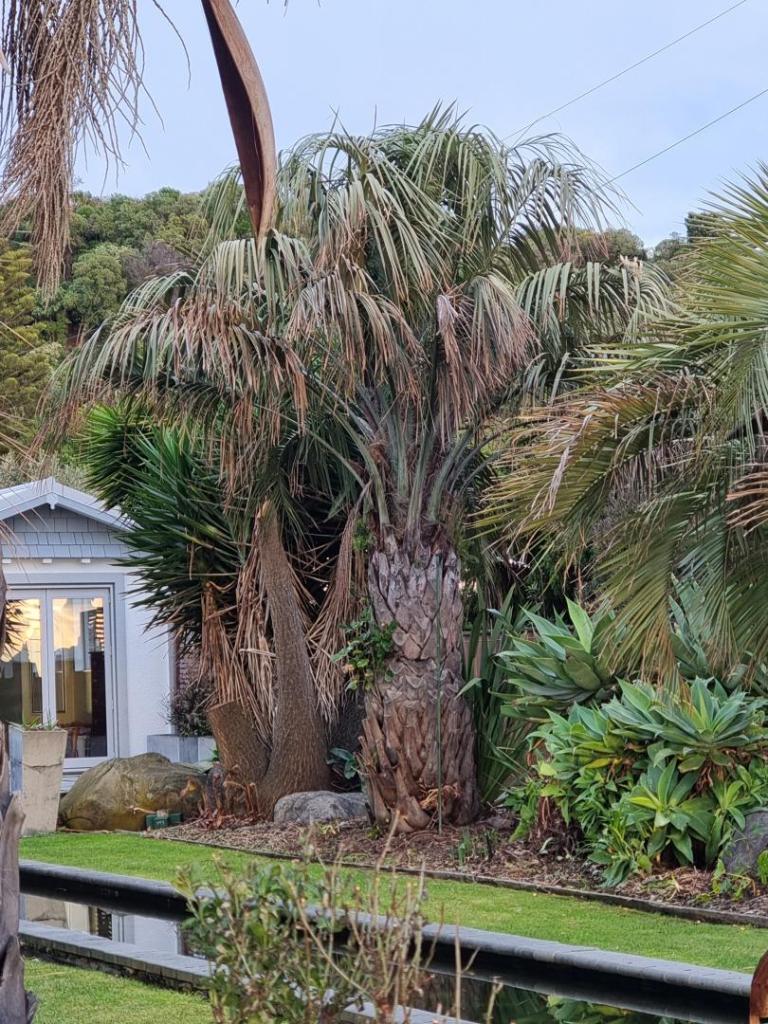
1 pointA nice garden in Kaikoura, about 2 hours north of Christchurch, taken on holiday recently. Is the second pic a standard Butia odorata, looked a but different to me?
1 pointMine never grow before June in Arizona. This year, only a female cone is emerging currently.1 point
1 pointA nice garden in Kaikoura, about 2 hours north of Christchurch, taken on holiday recently. Is the second pic a standard Butia odorata, looked a but different to me?
 1 point
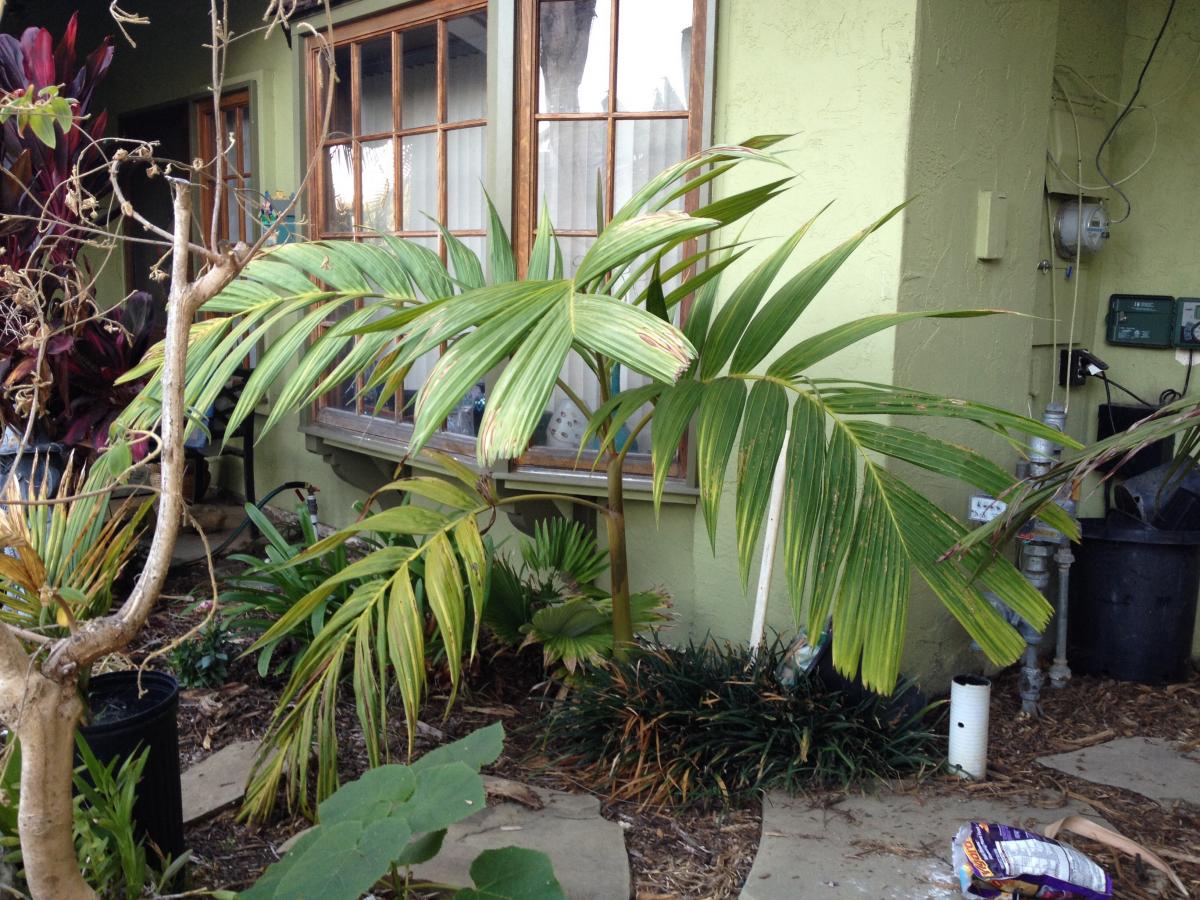
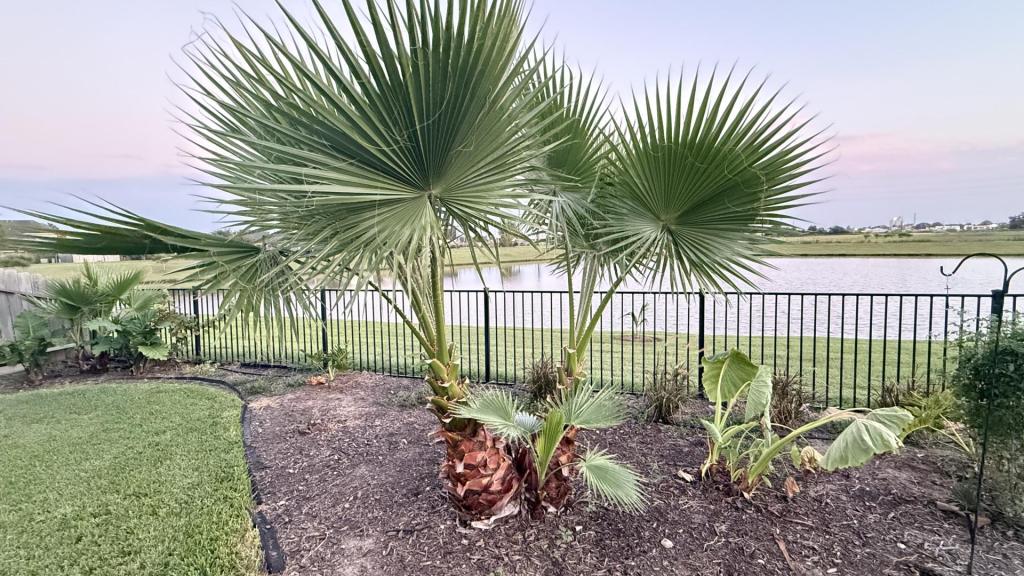
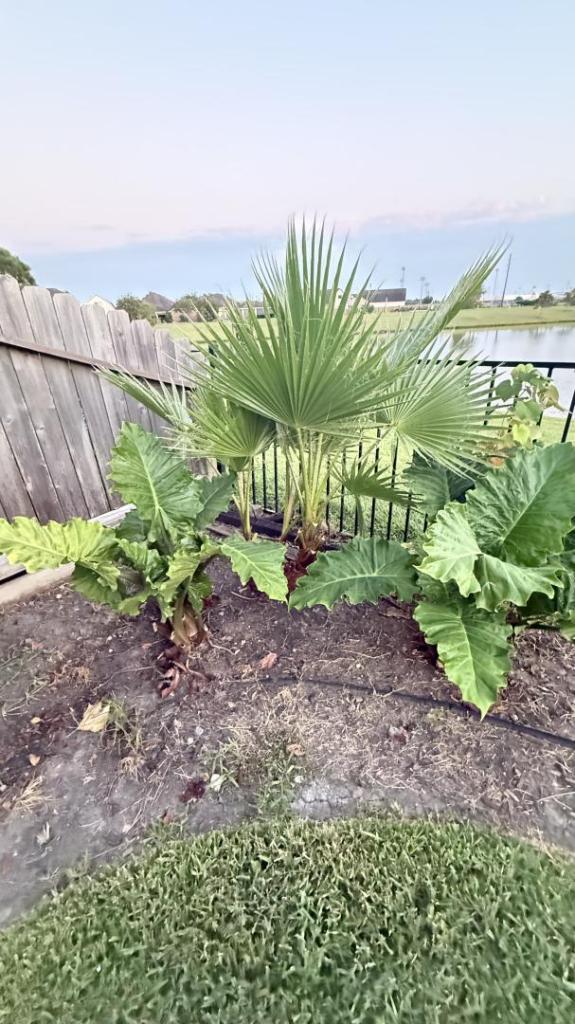
 This is just an outside observation , but the palms look to me like there is a nutritional deficiency. The trunks seem to be smaller as the height increases . Queens are quite sensitive to deficiencies . The area around the base of the tree with the roots showing , seems to be indicative of some cultural problem . The roots seem dry . Are they functional ? They are " water hogs " as well . A good quality Palm fertilizer is very important ,and a good consistent watering as well . Good luck .1 point
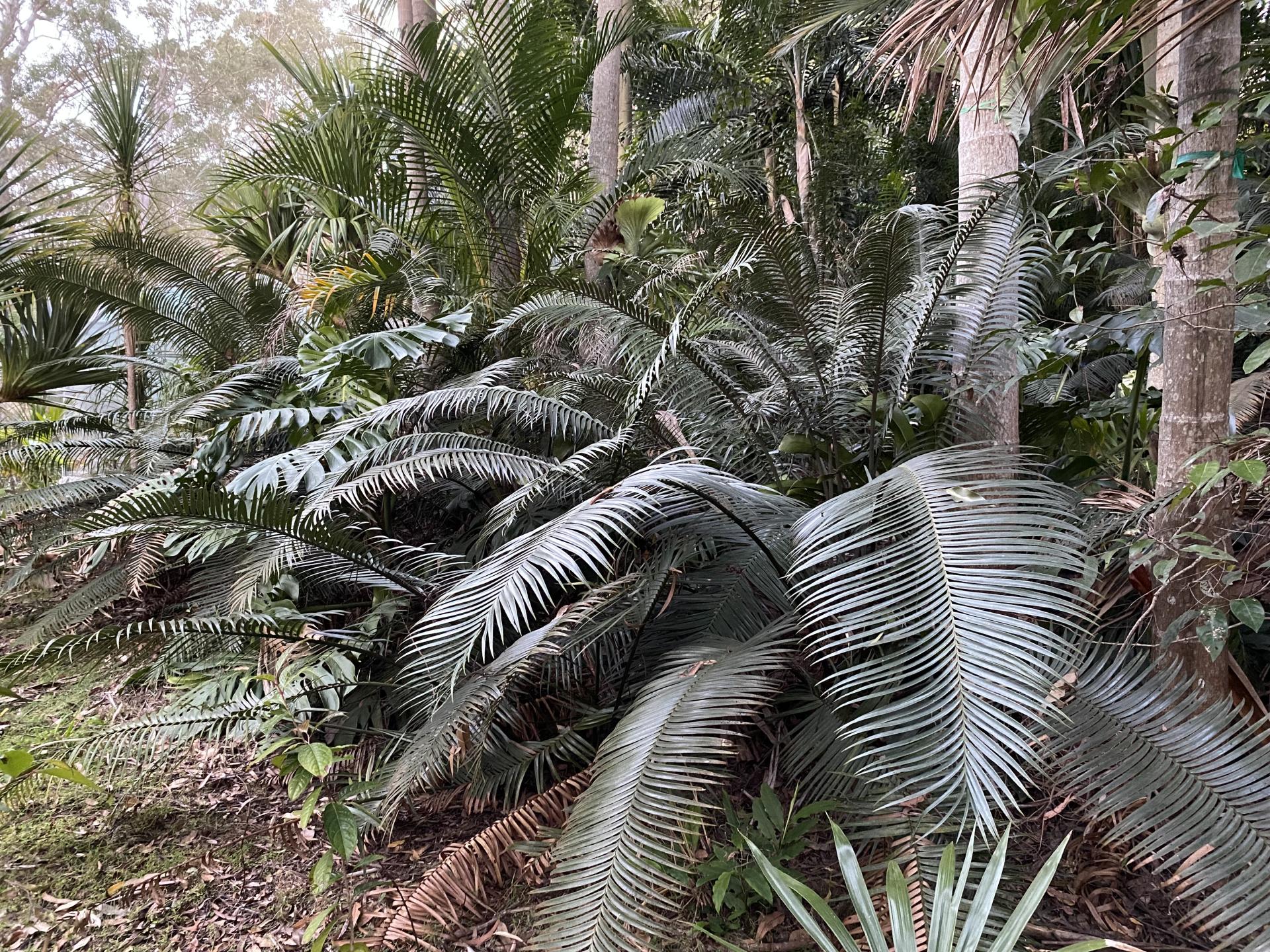
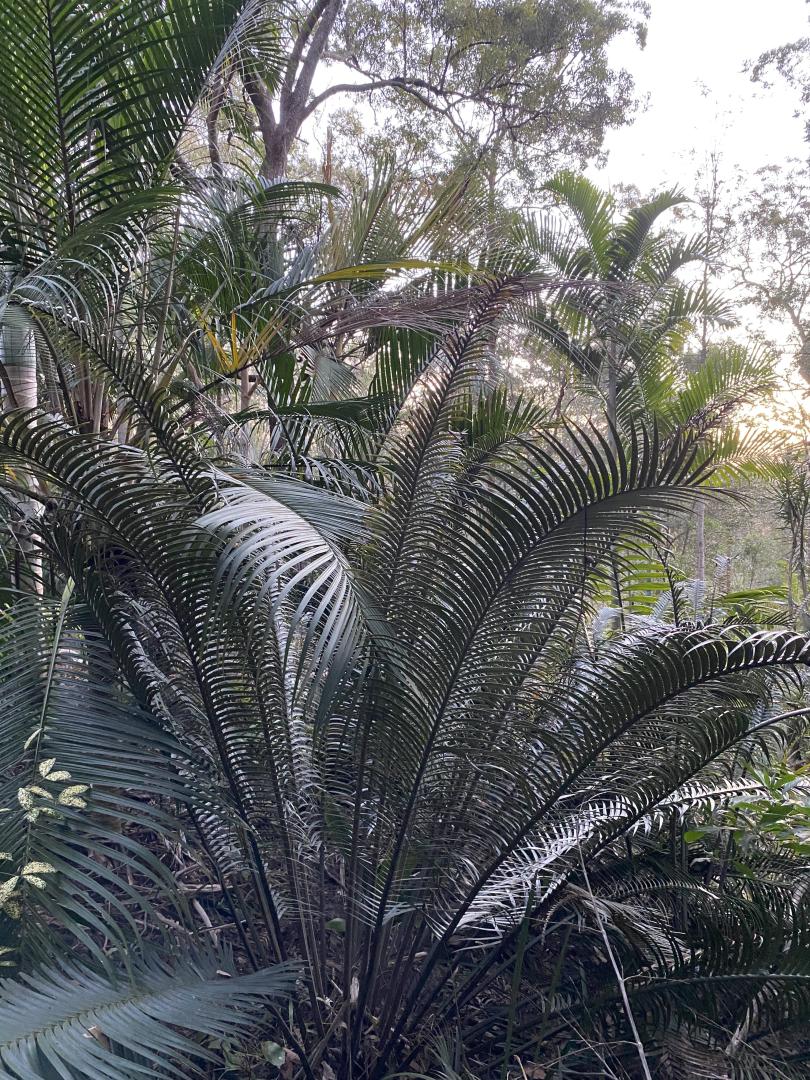
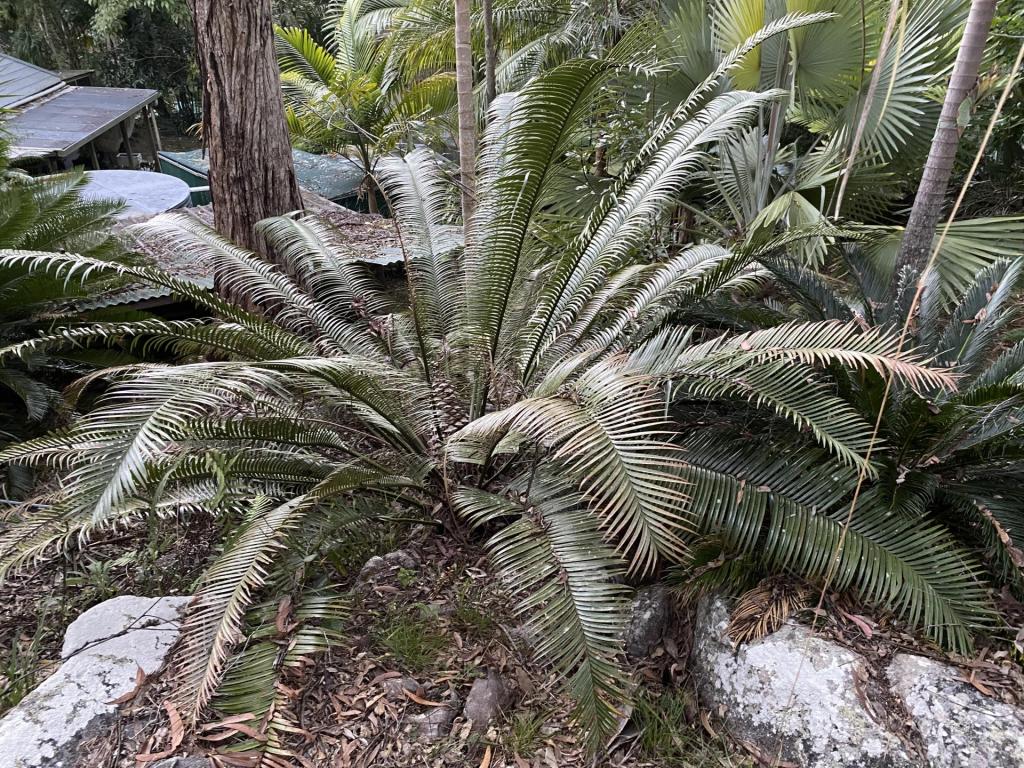
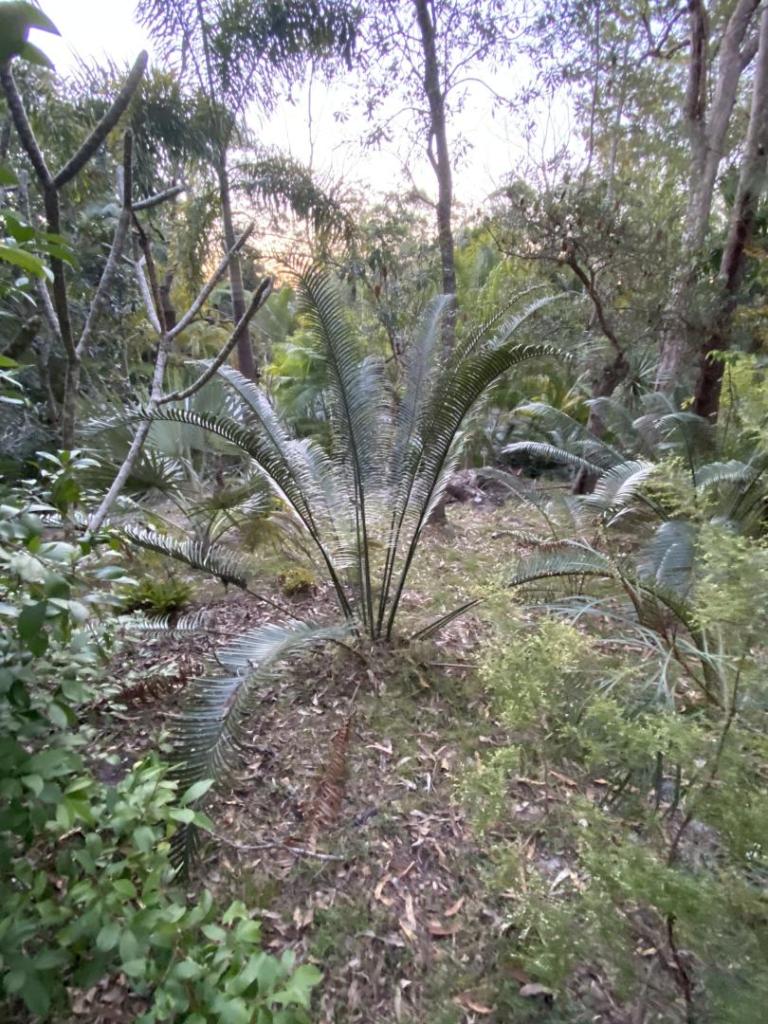
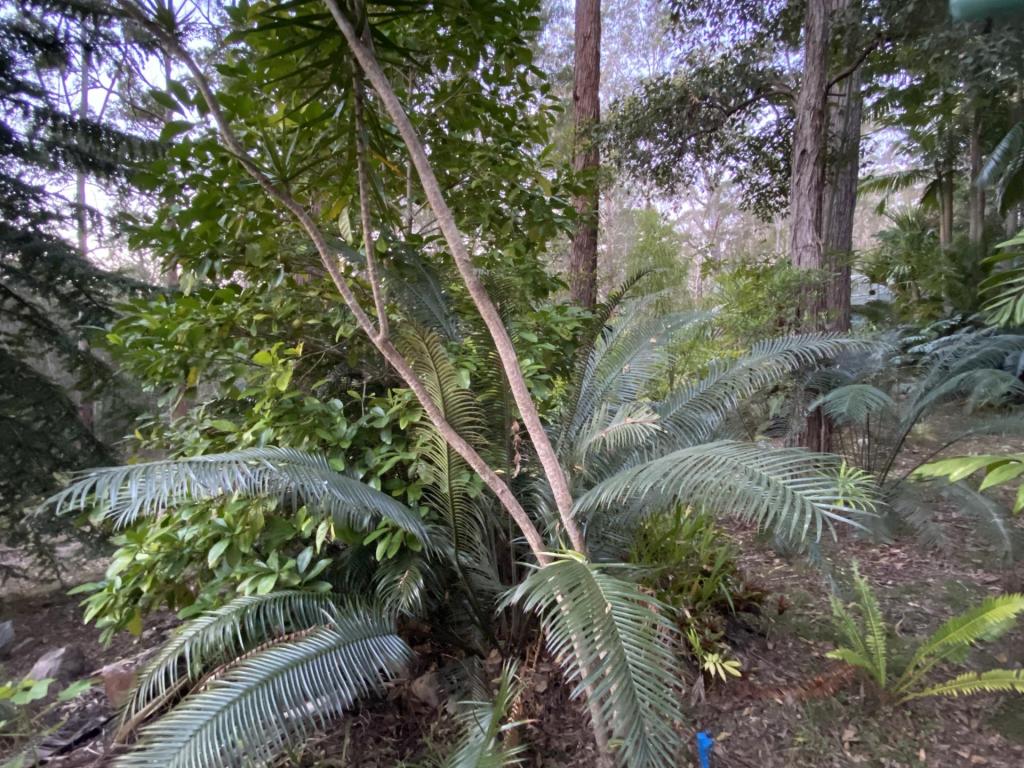
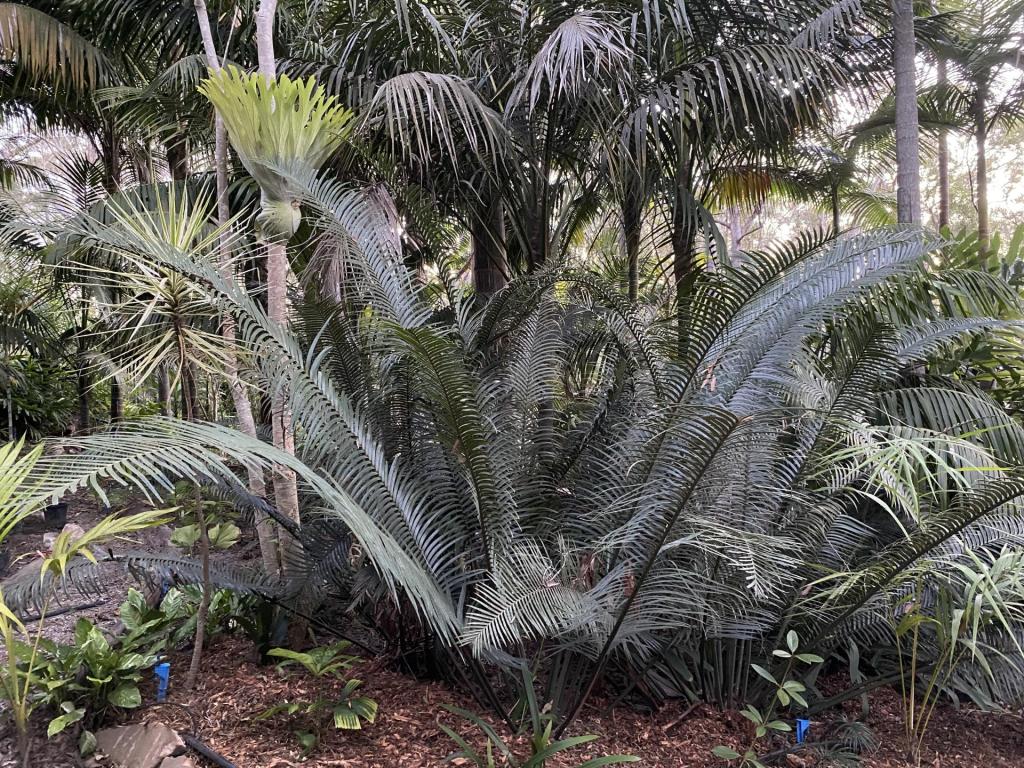
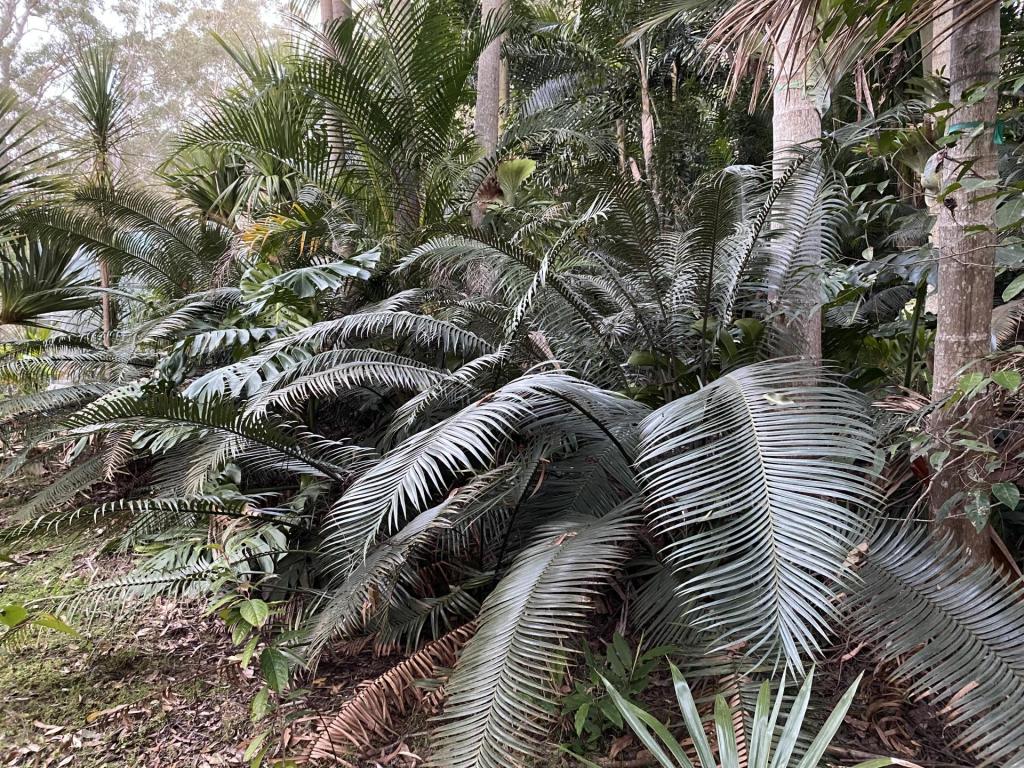
I have quite a lot of peroffskyana in my garden, this lot would be only be a quarter of what I have. Originally 300 seeds were sown with about 200 germinated, sold a few and planted another 100 in the garden with about 70 making the race. With cultivation you get a much higher survival rate. They even germinate just falling near the mother plant, one beautiful Australian native plant. They are native to my area so no wonder they grow well in the garden!
This is just an outside observation , but the palms look to me like there is a nutritional deficiency. The trunks seem to be smaller as the height increases . Queens are quite sensitive to deficiencies . The area around the base of the tree with the roots showing , seems to be indicative of some cultural problem . The roots seem dry . Are they functional ? They are " water hogs " as well . A good quality Palm fertilizer is very important ,and a good consistent watering as well . Good luck .1 point
I have quite a lot of peroffskyana in my garden, this lot would be only be a quarter of what I have. Originally 300 seeds were sown with about 200 germinated, sold a few and planted another 100 in the garden with about 70 making the race. With cultivation you get a much higher survival rate. They even germinate just falling near the mother plant, one beautiful Australian native plant. They are native to my area so no wonder they grow well in the garden!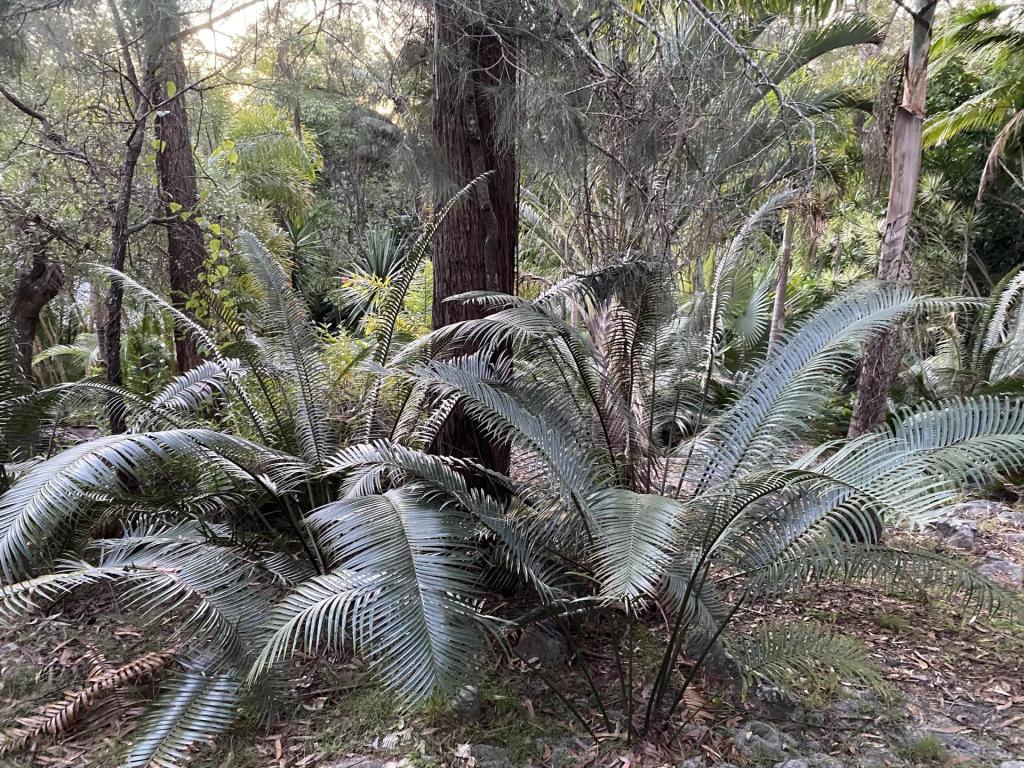
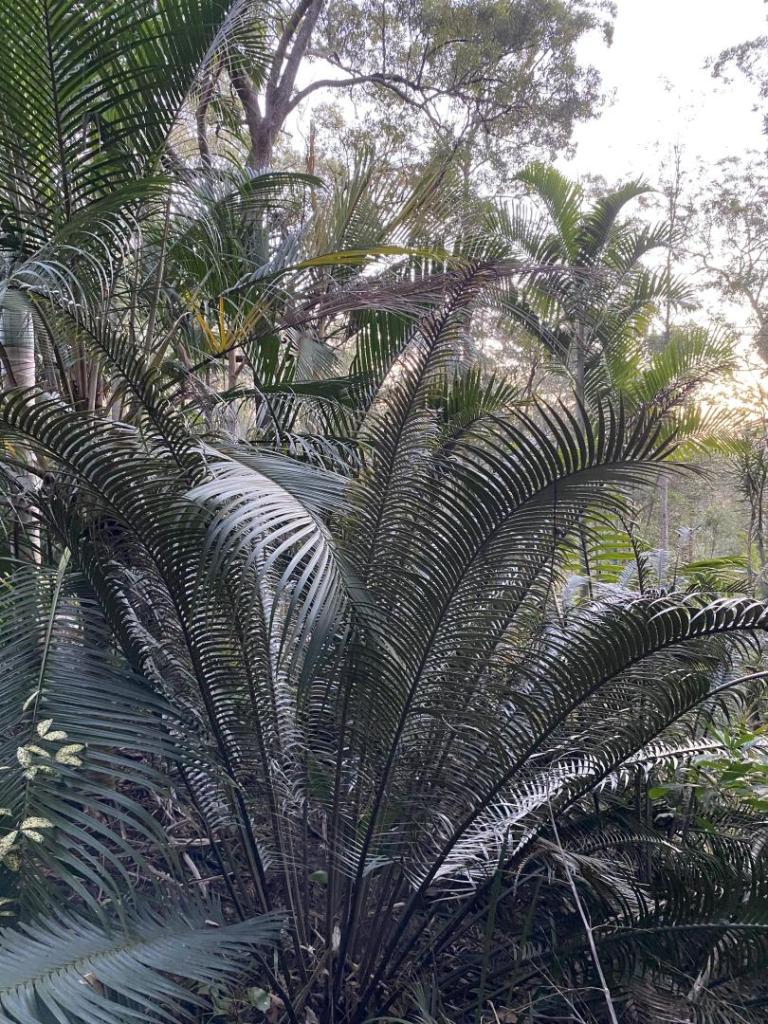
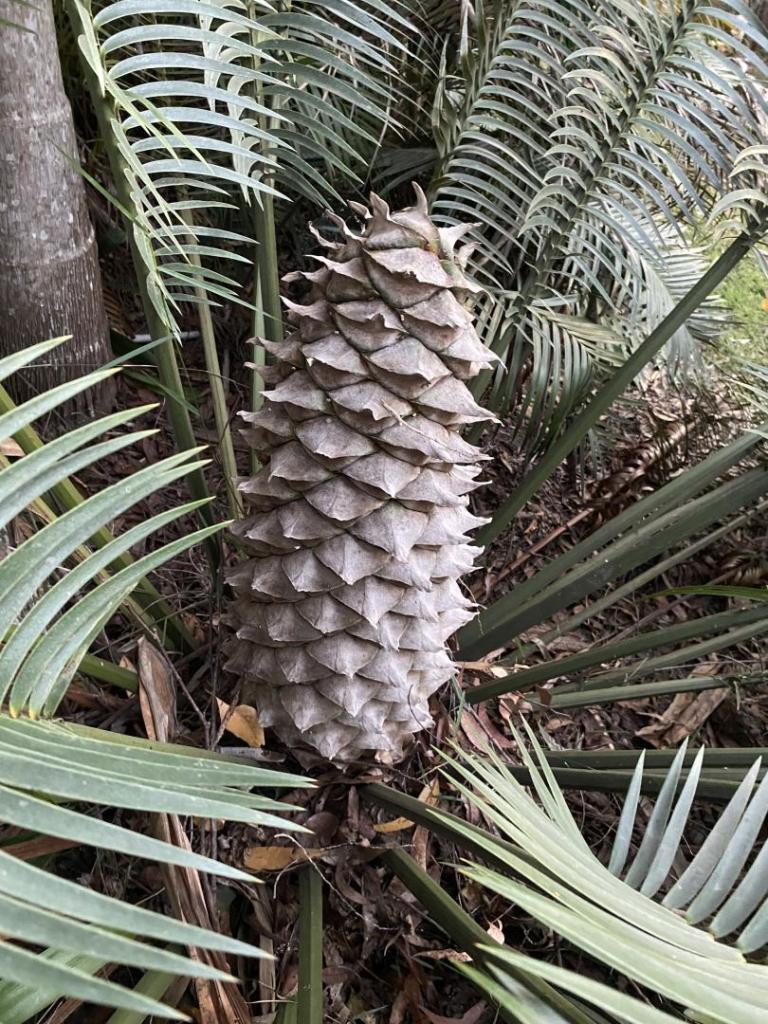

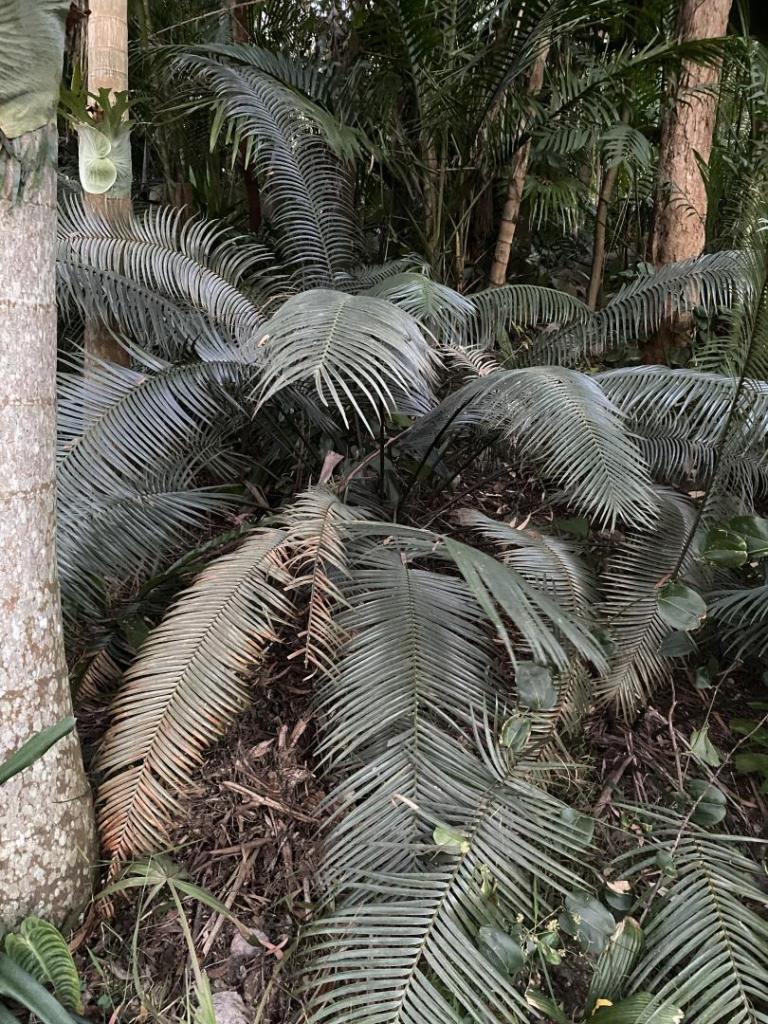
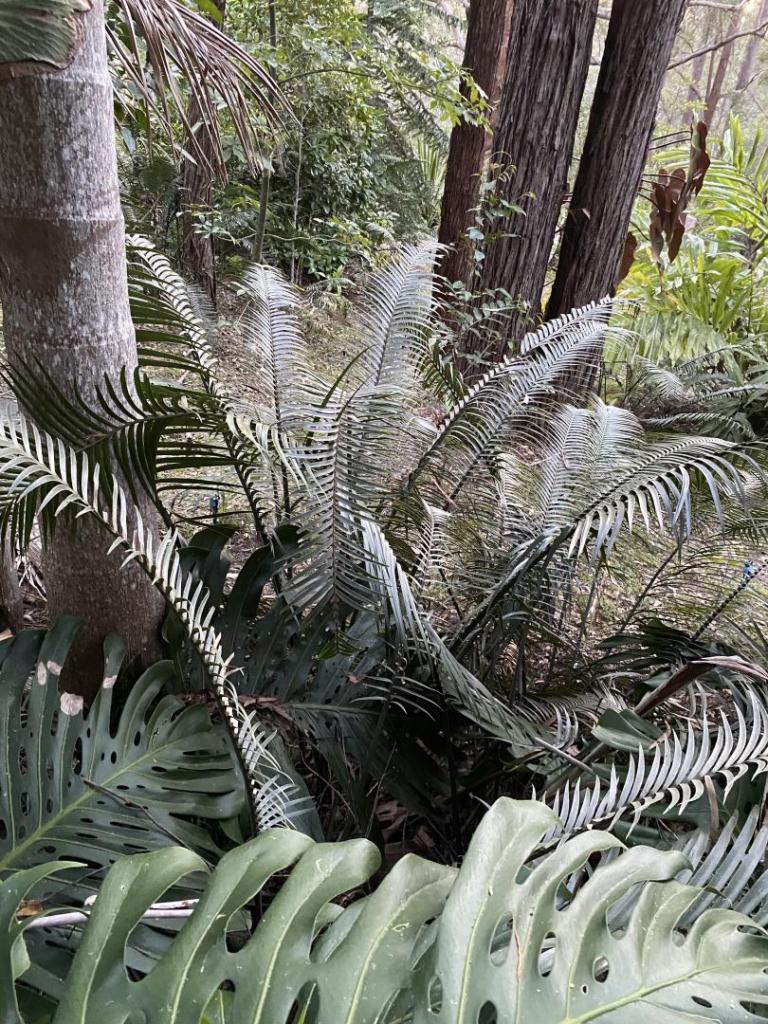
 1 point
 1 point
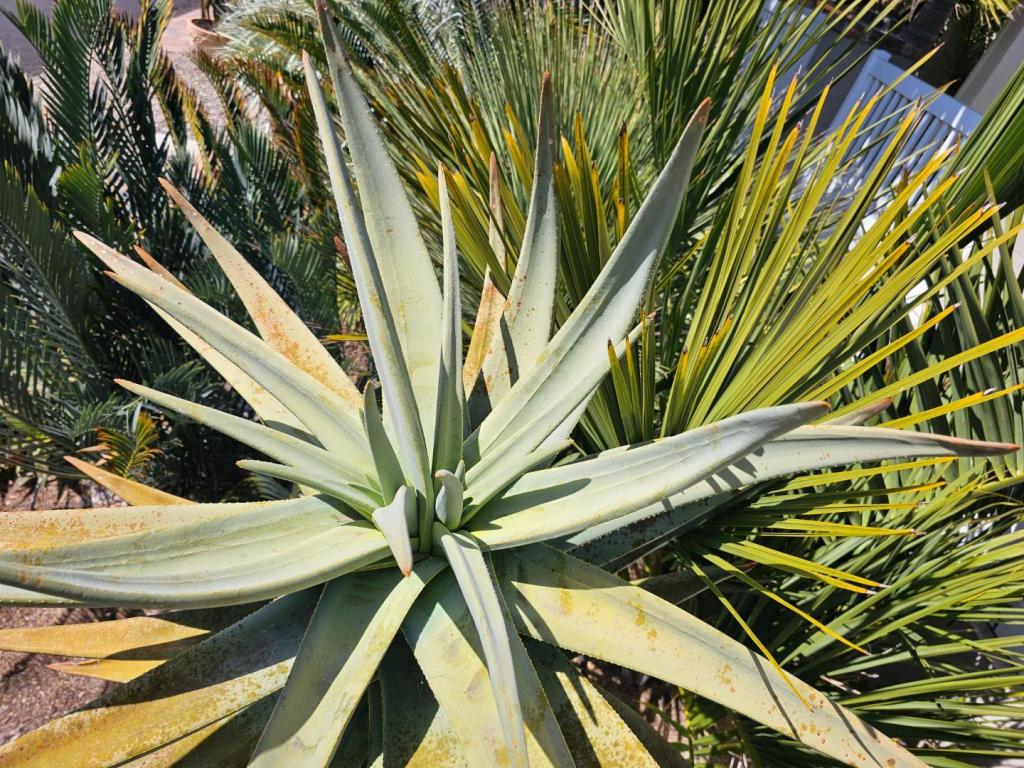
My Aloidendron dichotomum is starting to split into two growing points. The branching will be at about 5 1/2 to 6 feet.
1 point
1 pointMy Aloidendron dichotomum is starting to split into two growing points. The branching will be at about 5 1/2 to 6 feet.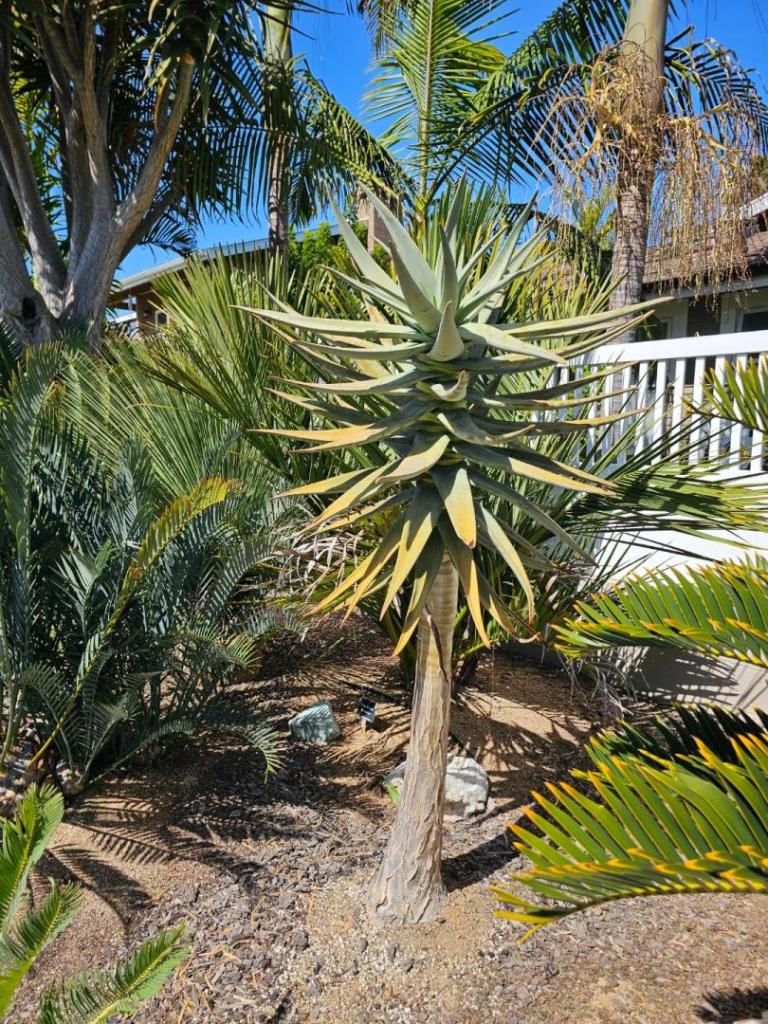
 1 point
Same plant, another perspective. I recently dropped another one in the ground where it will get more sunlight longer than this one. I have one in my old garden which was getting mid-morning through mid-afternoon sun, so the hottest parts of the day and it seemed to do fine. I was worried the one pictured wasn't getting enough sunlight, as it waited to flush so long that it dropped all it's foliage before it flushed. It was after I put it in the ground, so it may have just been the transition of both moving from one home to another plus going into the ground.
1 point
Same plant, another perspective. I recently dropped another one in the ground where it will get more sunlight longer than this one. I have one in my old garden which was getting mid-morning through mid-afternoon sun, so the hottest parts of the day and it seemed to do fine. I was worried the one pictured wasn't getting enough sunlight, as it waited to flush so long that it dropped all it's foliage before it flushed. It was after I put it in the ground, so it may have just been the transition of both moving from one home to another plus going into the ground.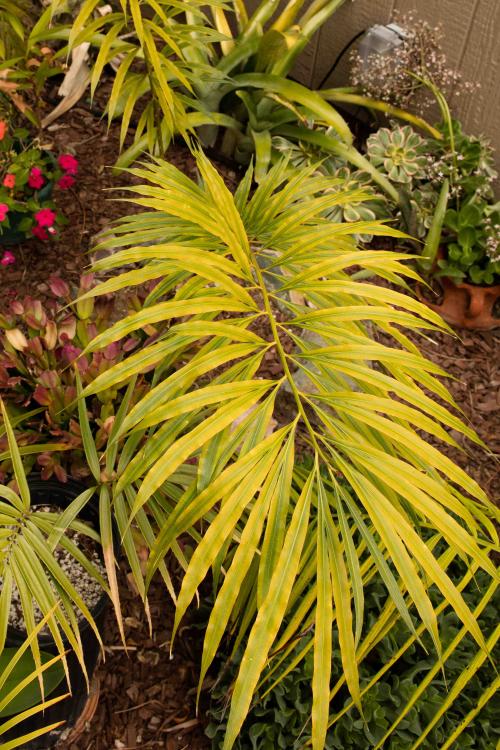 1 point