

Leaderboard
-

happypalms
IPS MEMBER33Points13,371Posts -

gyuseppe
IPS MEMBER11Points3,217Posts -

tim_brissy_13
IPS MEMBER7Points2,575Posts -

Phoenikakias
IPS MEMBER7Points6,701Posts
Popular Content
Showing content with the highest reputation on 08/03/2026 in all areas
-
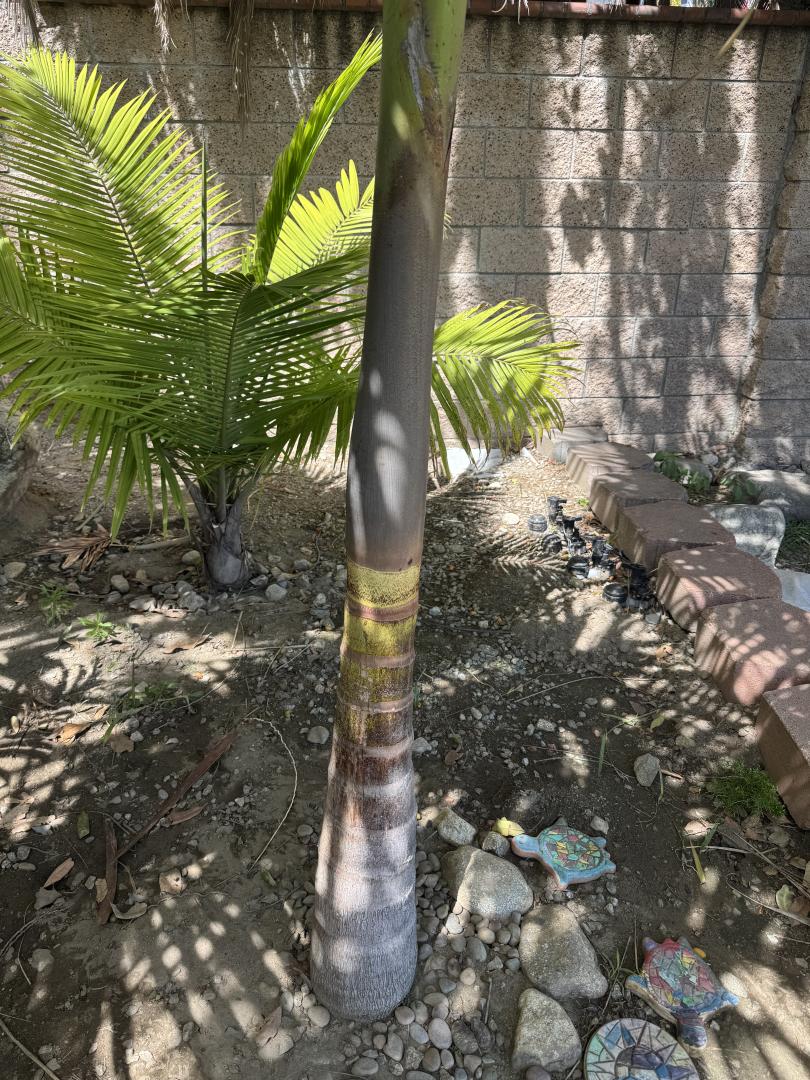
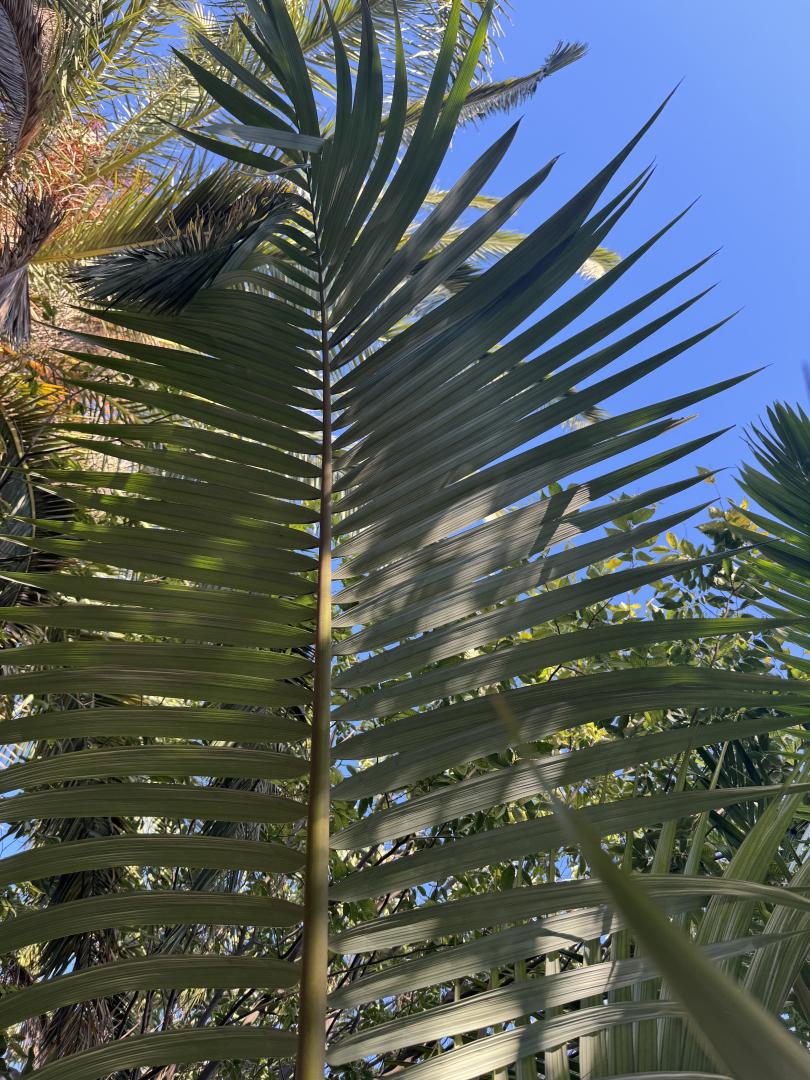
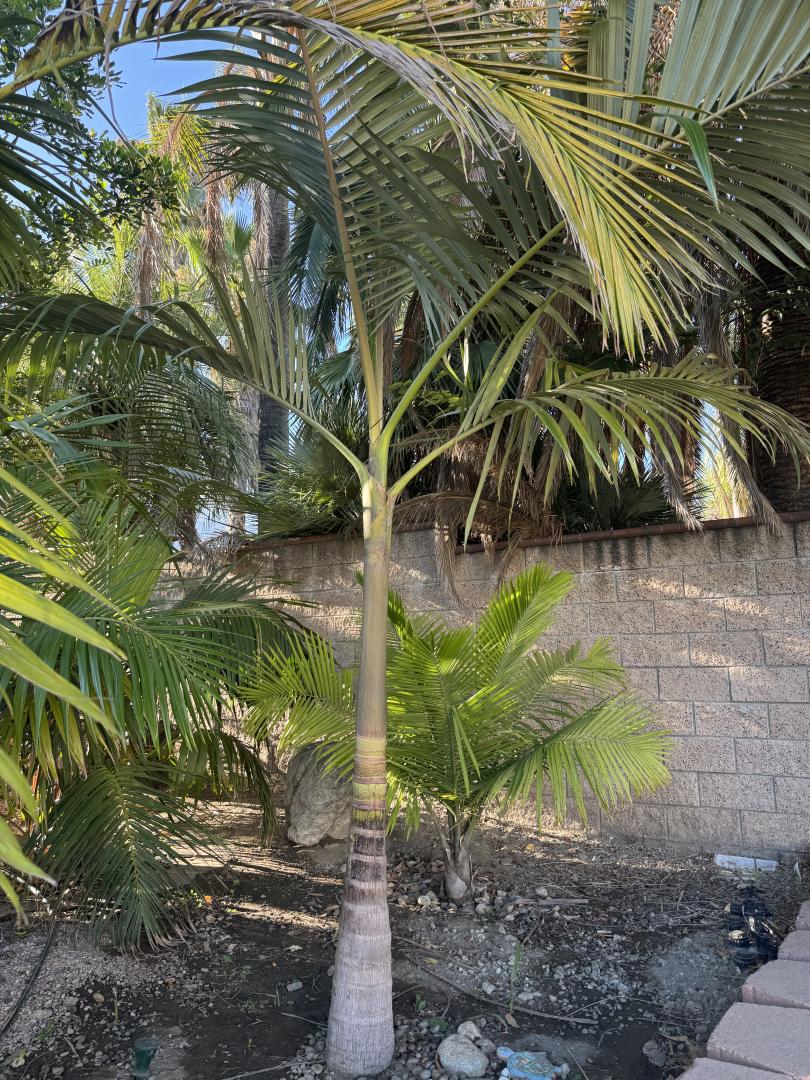
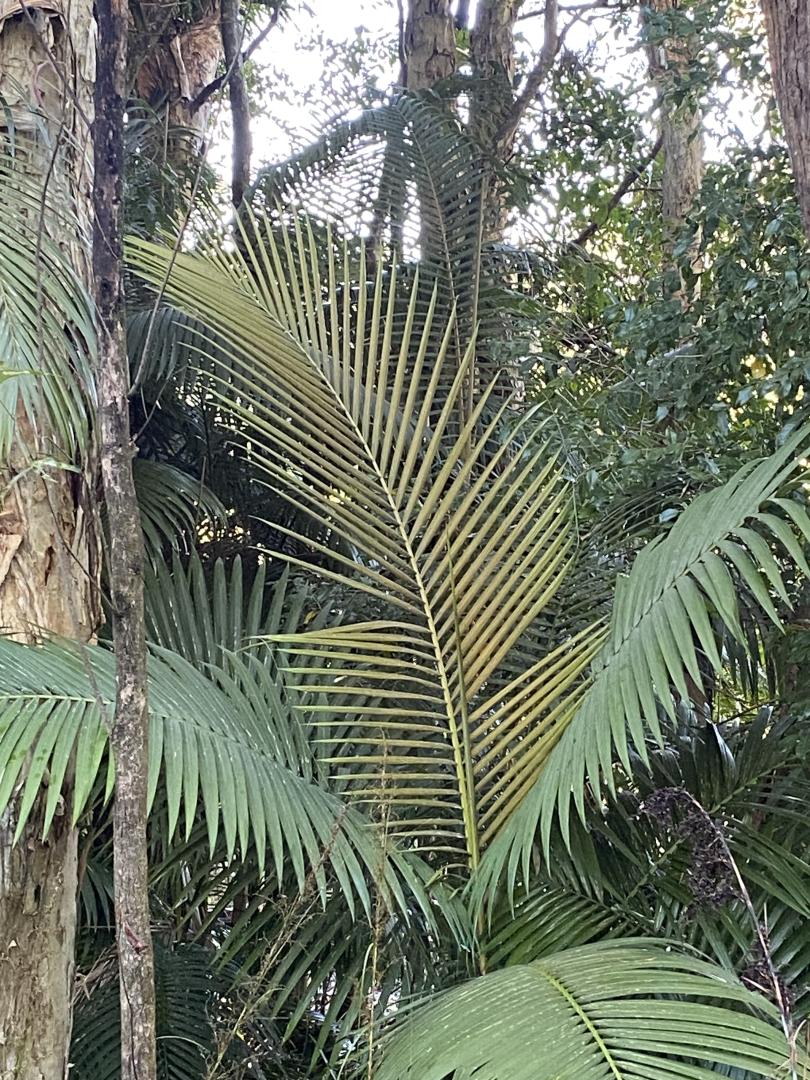
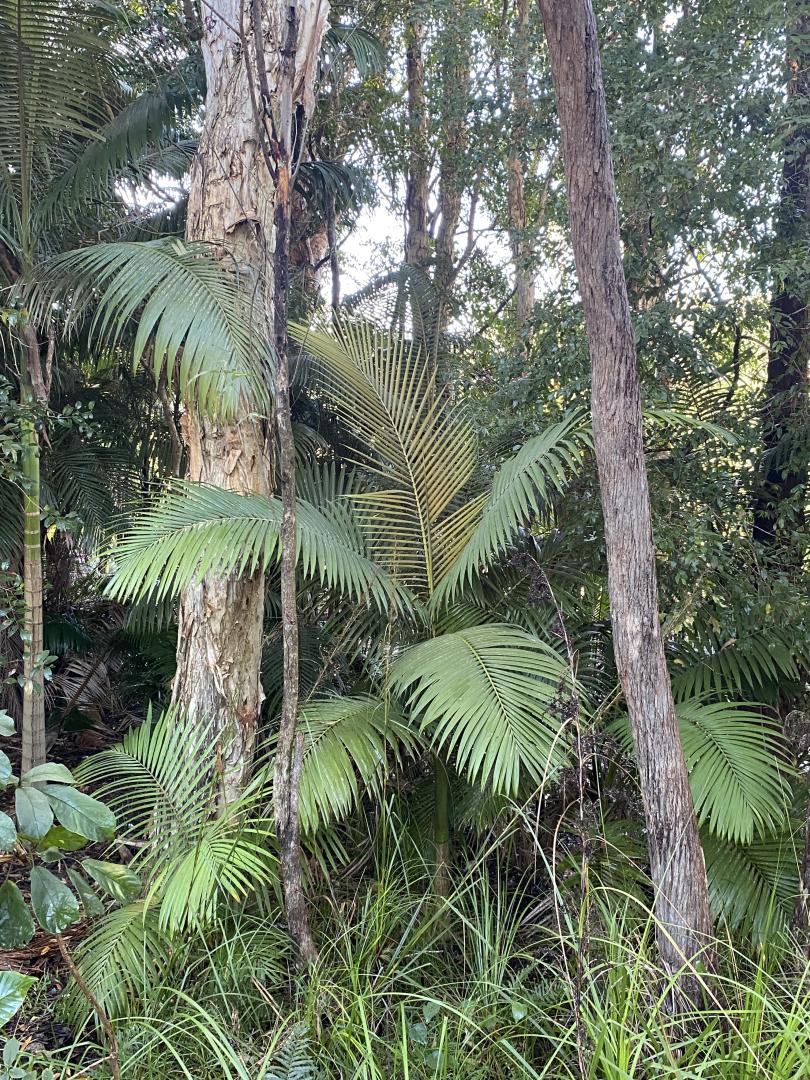
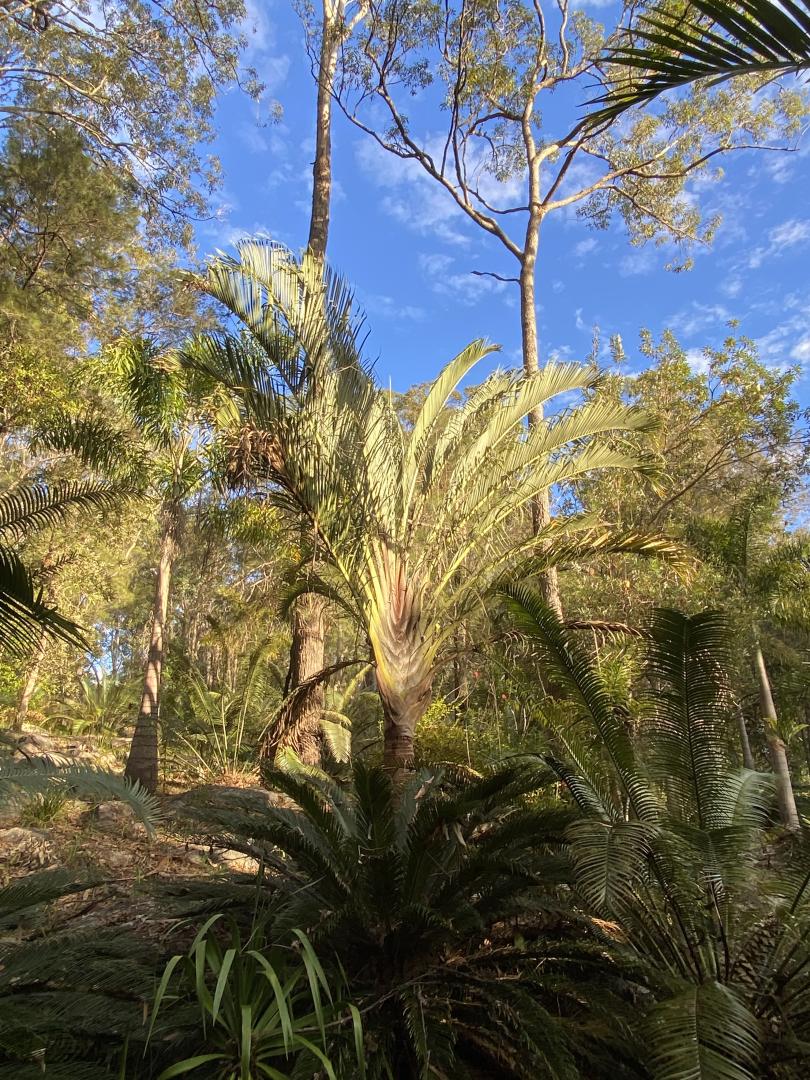
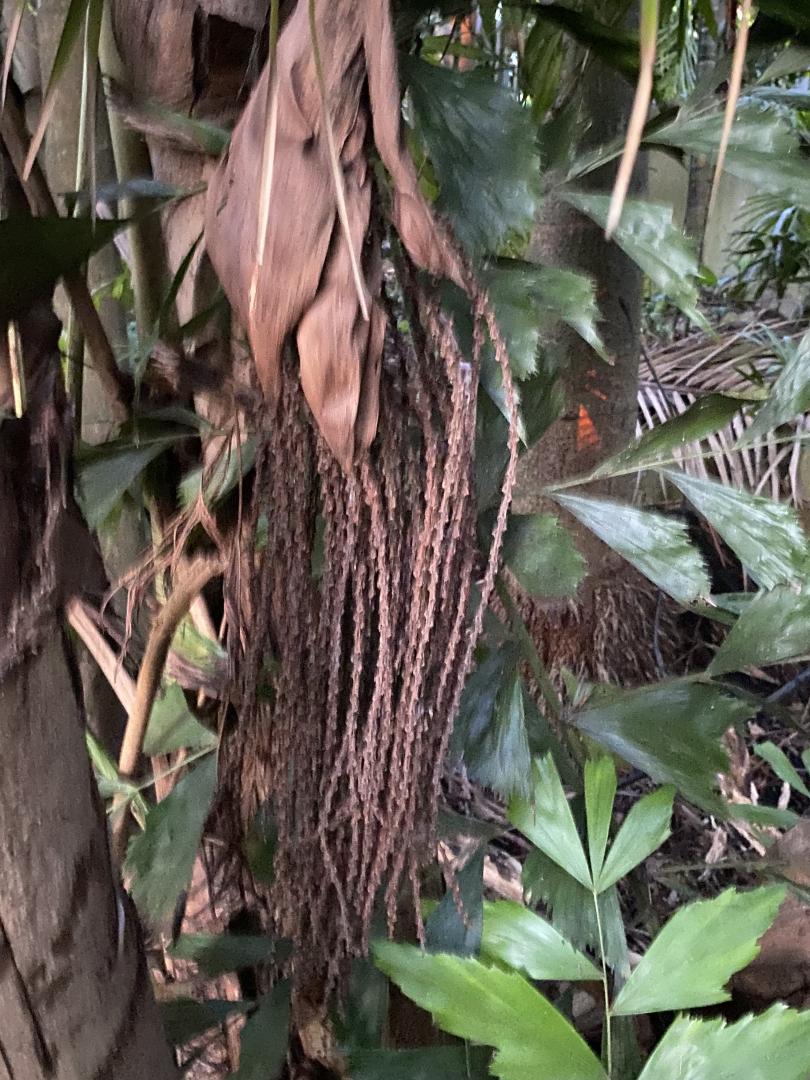
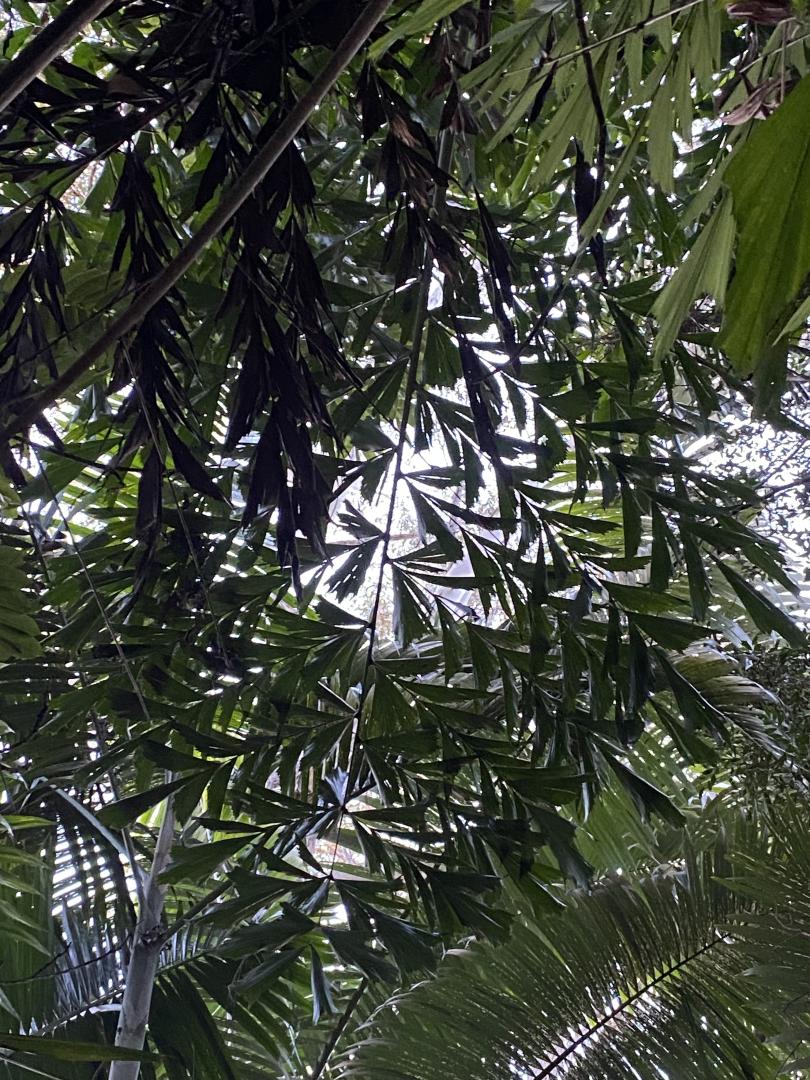
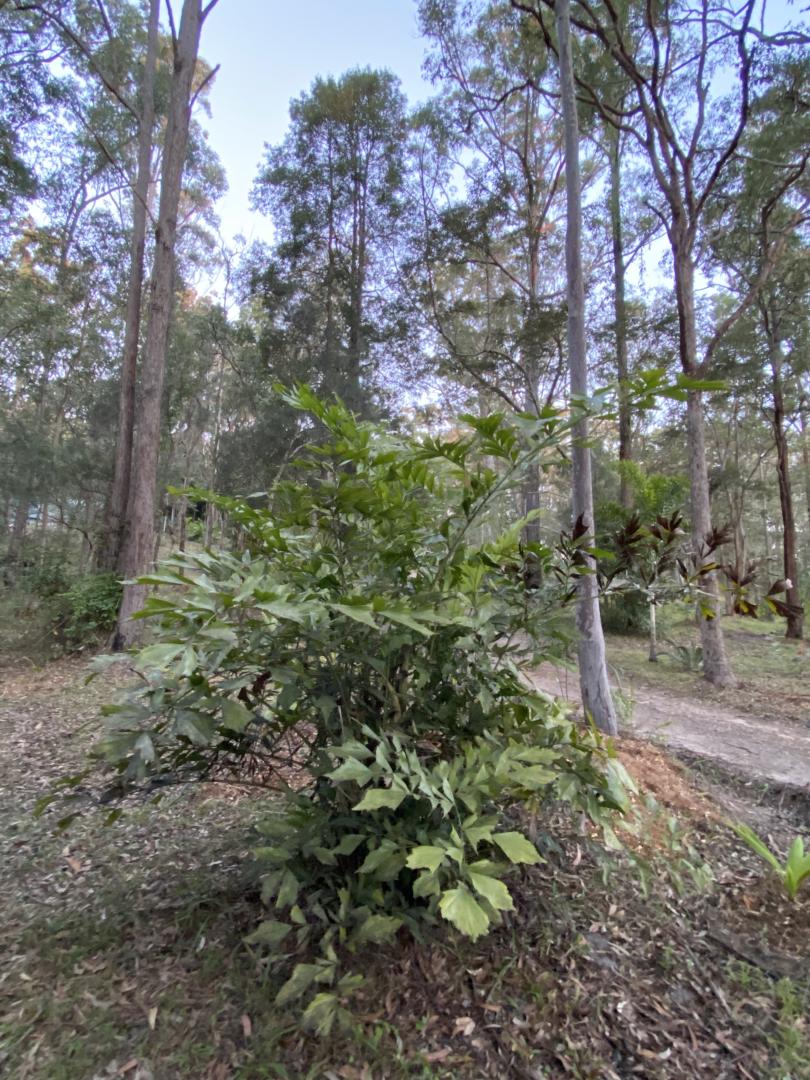
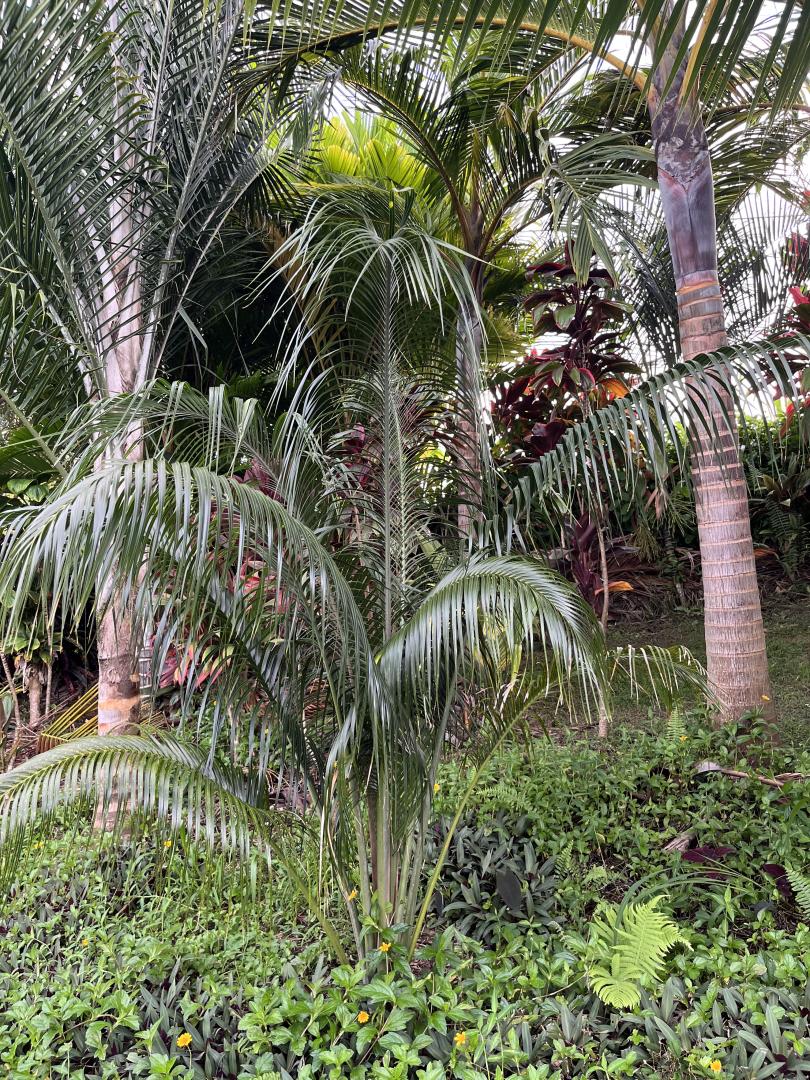
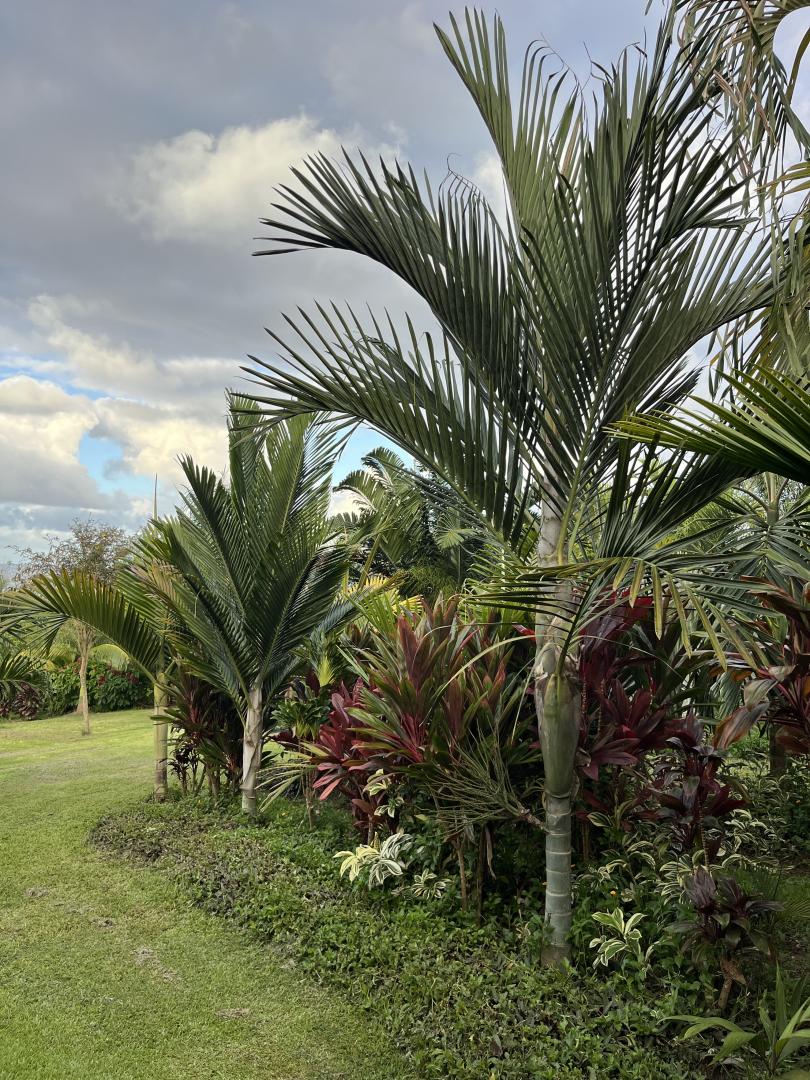
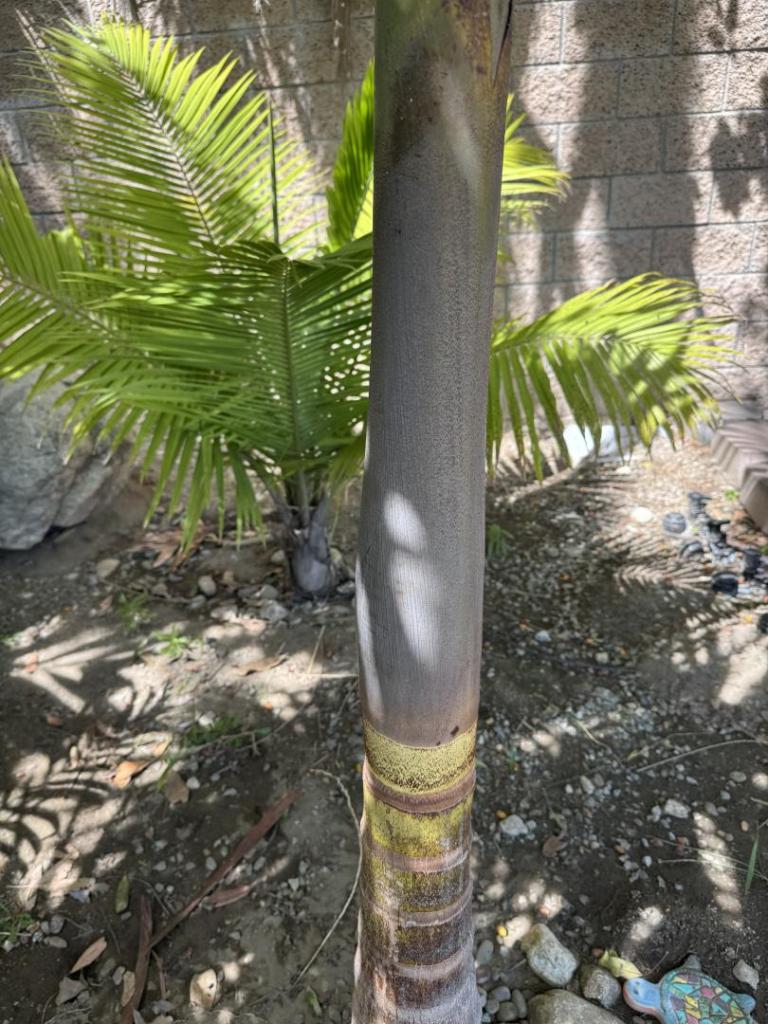
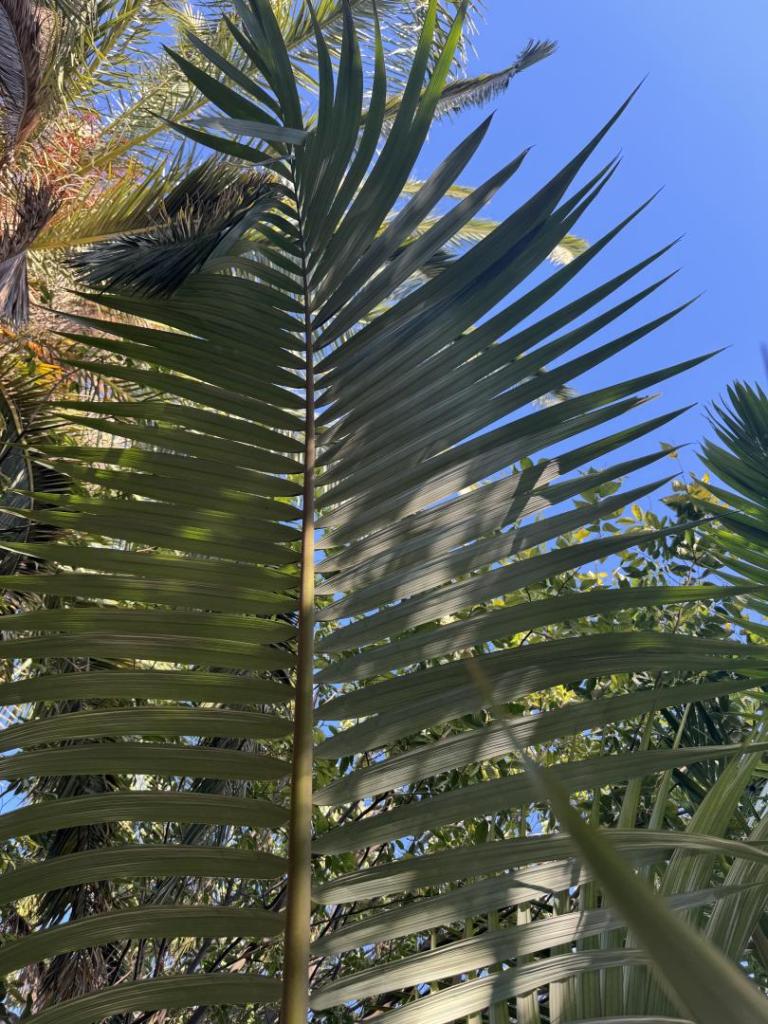
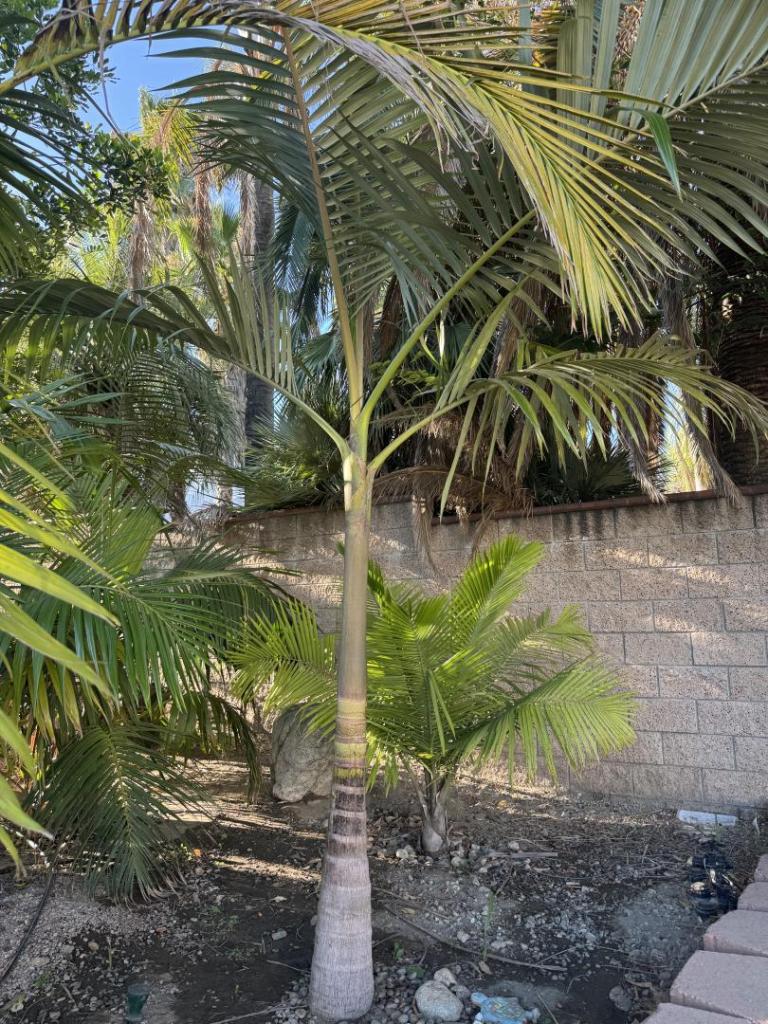
 Hi Tim, here are couple shots of mine Purpurea hybrids. You’ll see purplish crown shafts with silver undersides of leaves but missing ramenta. I have 3 with varying degrees of purple. And I’ve noticed during summer months when a new leaf base falls off it’s not as vibrant as in spring when it’s cooler.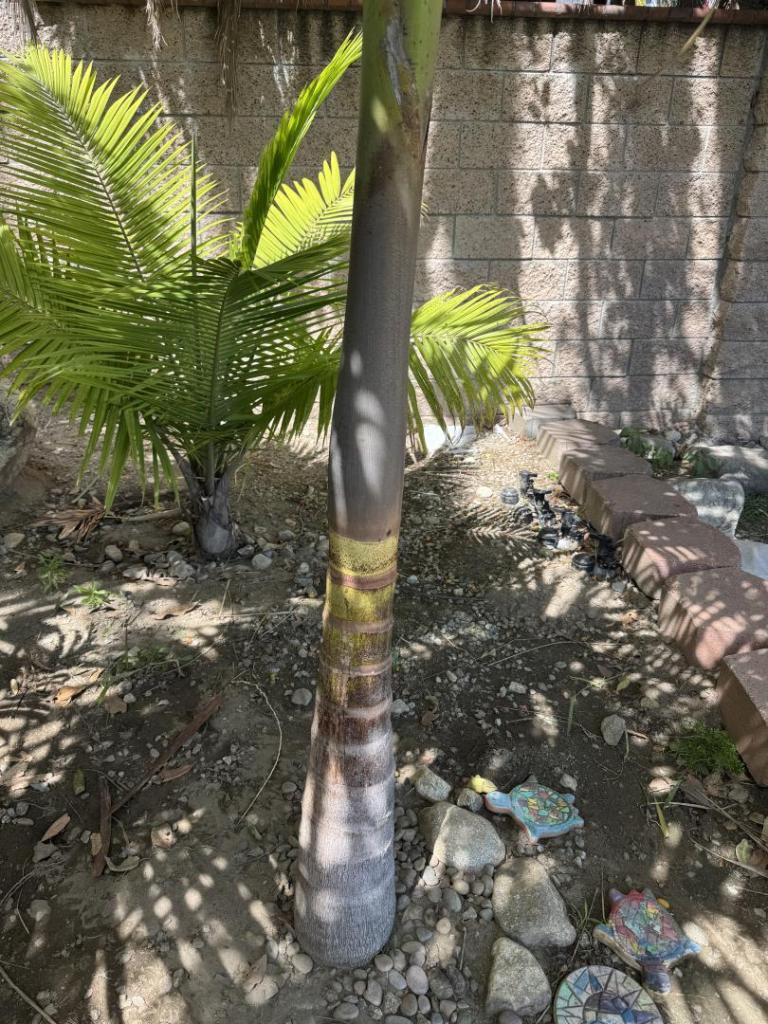

 4 points
 -
I’ve seen A cunninghamiana, A alexandrae, A tuckeri and A maxima all throw coloured new fronds at times. Have heard reports of A myolensis doing the same but haven’t seen it myself. Never heard of A purpurea doing it. I don’t think it’s a reliable trait to distinguish between Archontophoenix sp.4 points
-
 Definitely. The city government orders these from Jungle Music. The employees working at Hollis have told me this variety is the most resilient to cold out of all of the various species that they've ordered. We have Archontophoenix cunninghamiana, alexandrae, and I think a few maxima sprinkled into some spots. My thought was that it would generate enough interest for genetic testing amongst the scientific community, but to my knowledge, that hasn't happened. It would be really interesting to have genetic testing done to verify or refute some of our theories as to the origins.4 points
 -
 I have both cunninghamiana and alexandrae shooting new bronze fronds but seems to only happen in winter.3 points
 -
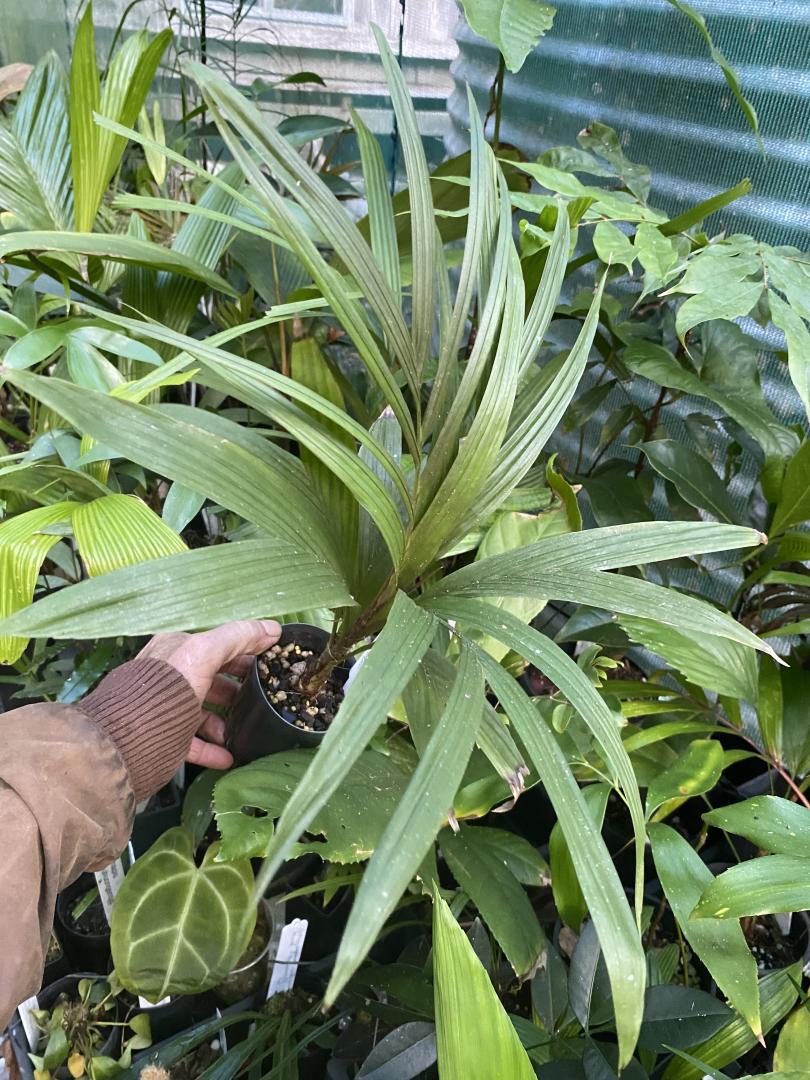
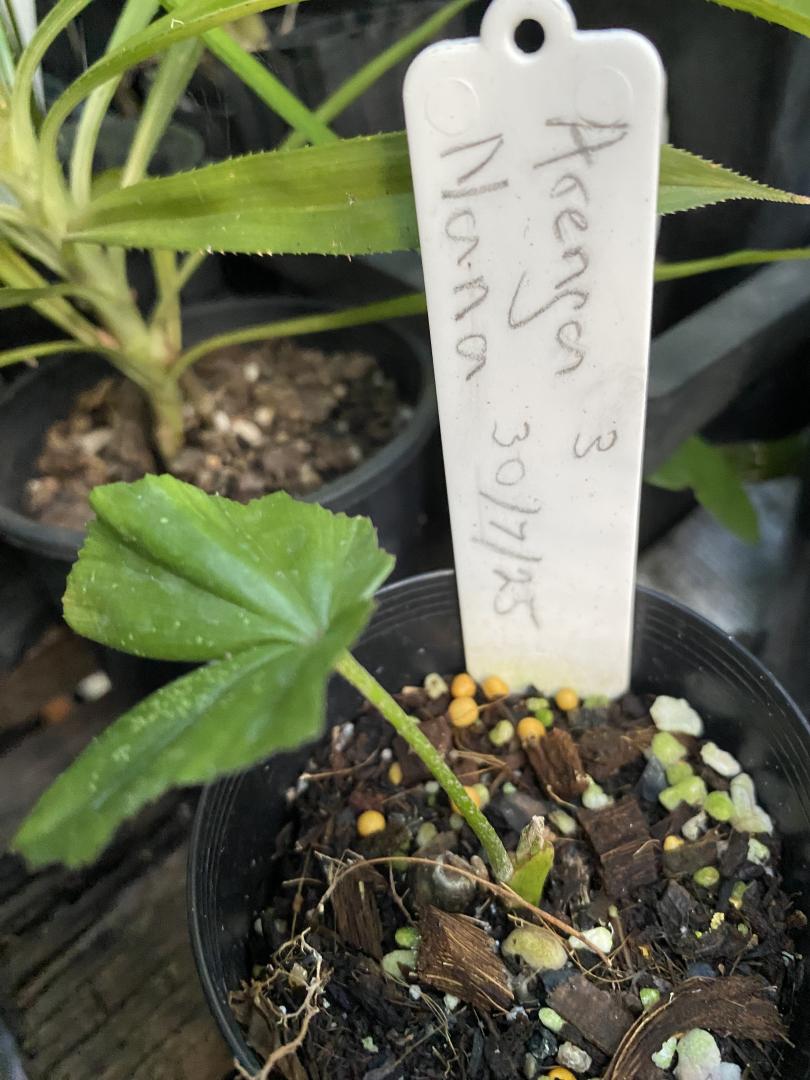
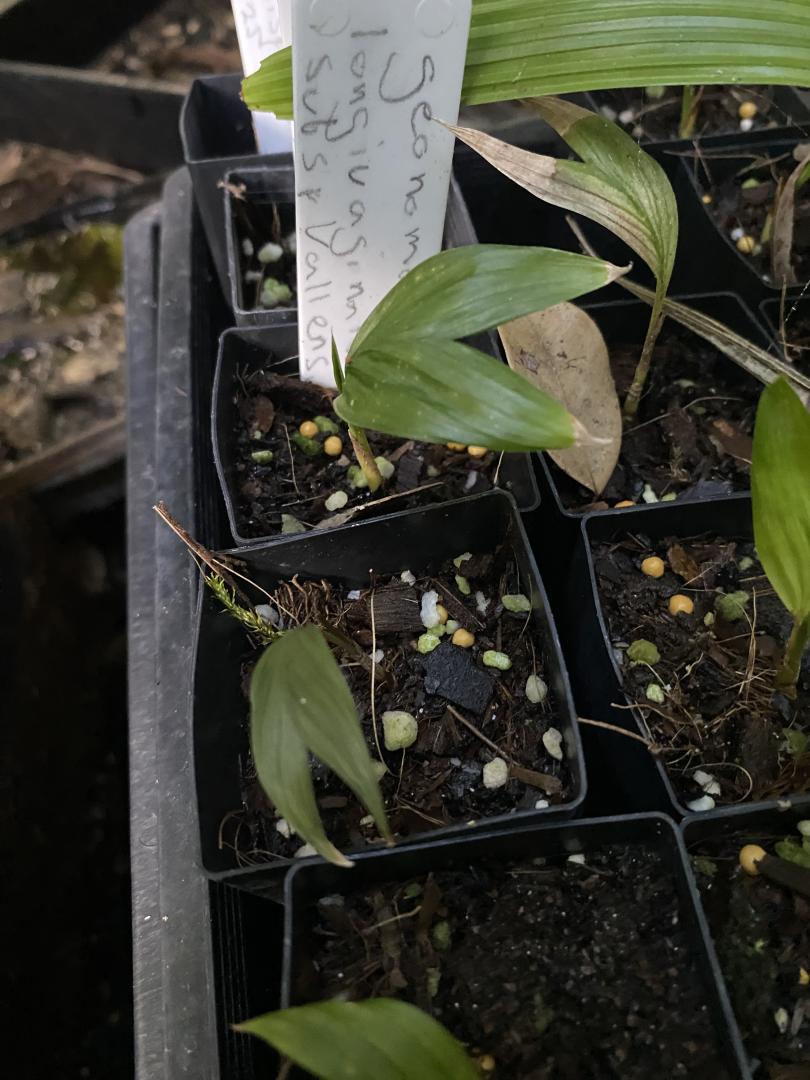
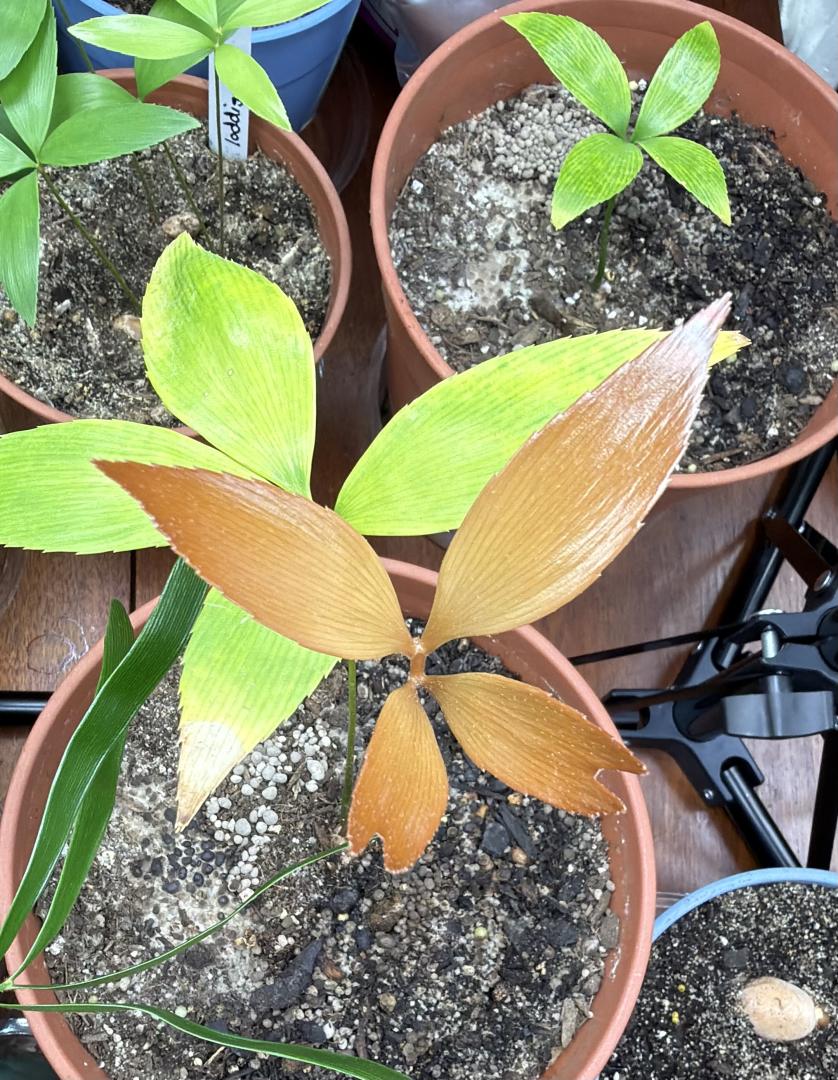
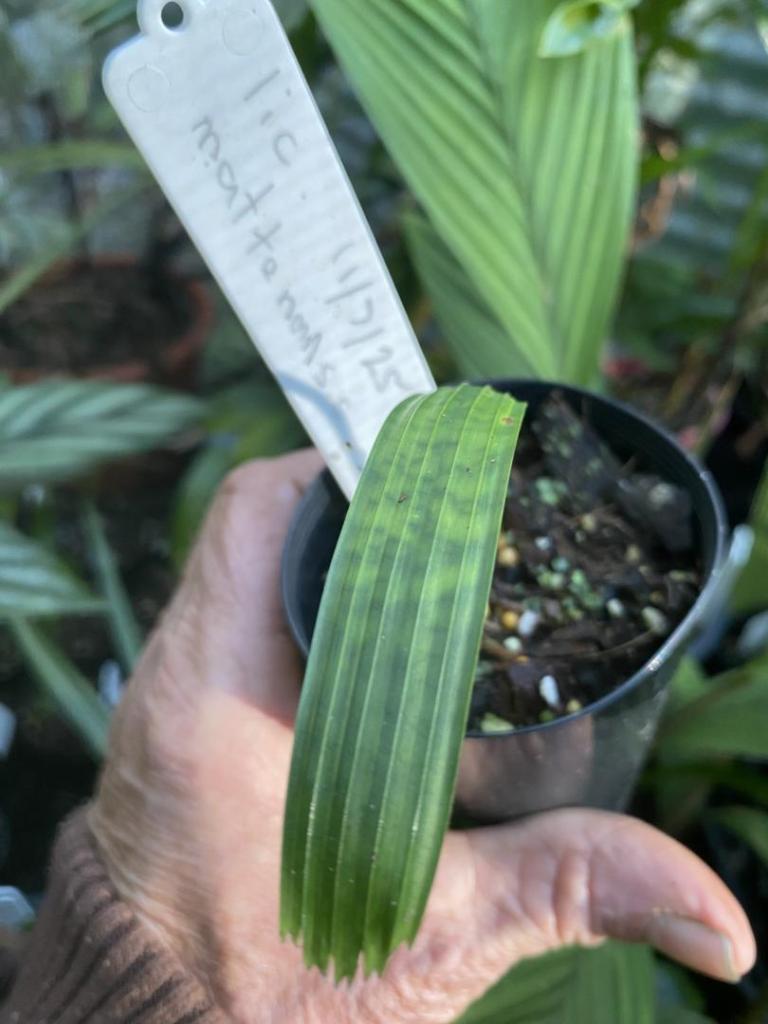
It’s looking quite good so far, if these varieties haven’t been cooked by the cold temperatures by now, then they are standing a fair chance of making it through winter. This is there first winter and a lot of the larger varieties have been purchased from the tropics. So there foliage is taking it quite well, considering it’s tropical growth. One thing I can’t work out is why the mattenensis havent been cooked by the cold yet. They are just sitting outside with the rest of the seedlings, no hothouse. Temperatures down to 2 degrees celcius not to bad for a zone push! Licuala poonsakii Calyptrocalyx flabellatusAreca tinomPonapae hentyi Arenga nana Geonoma pycnostachys Licuala mattenensis

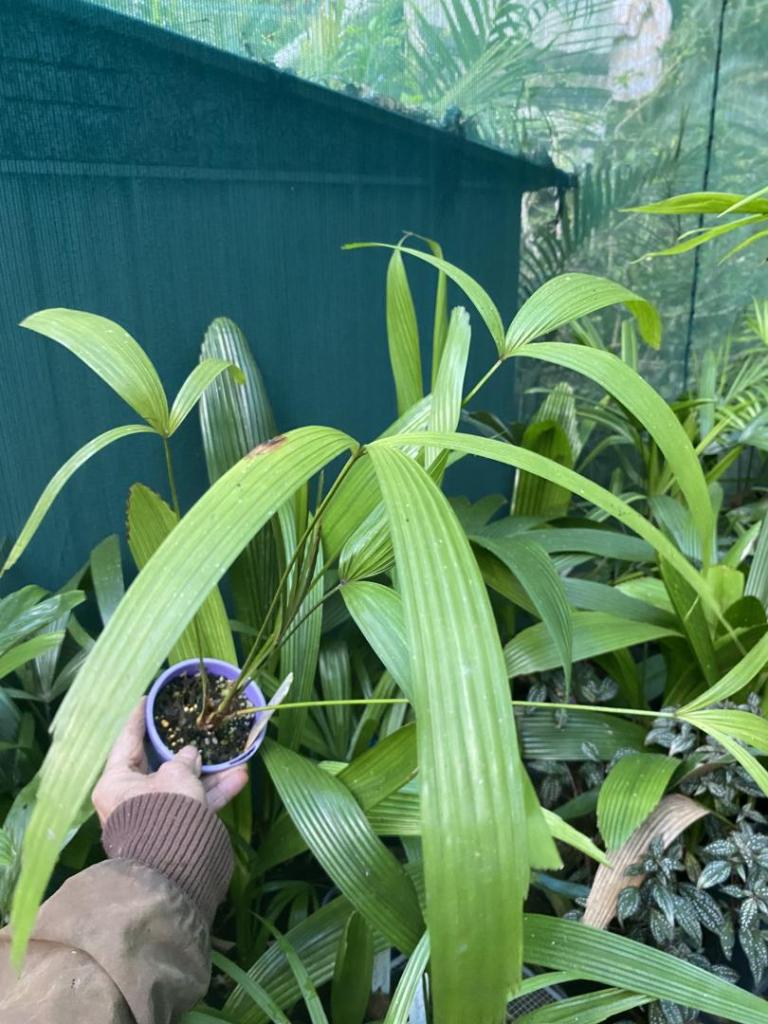
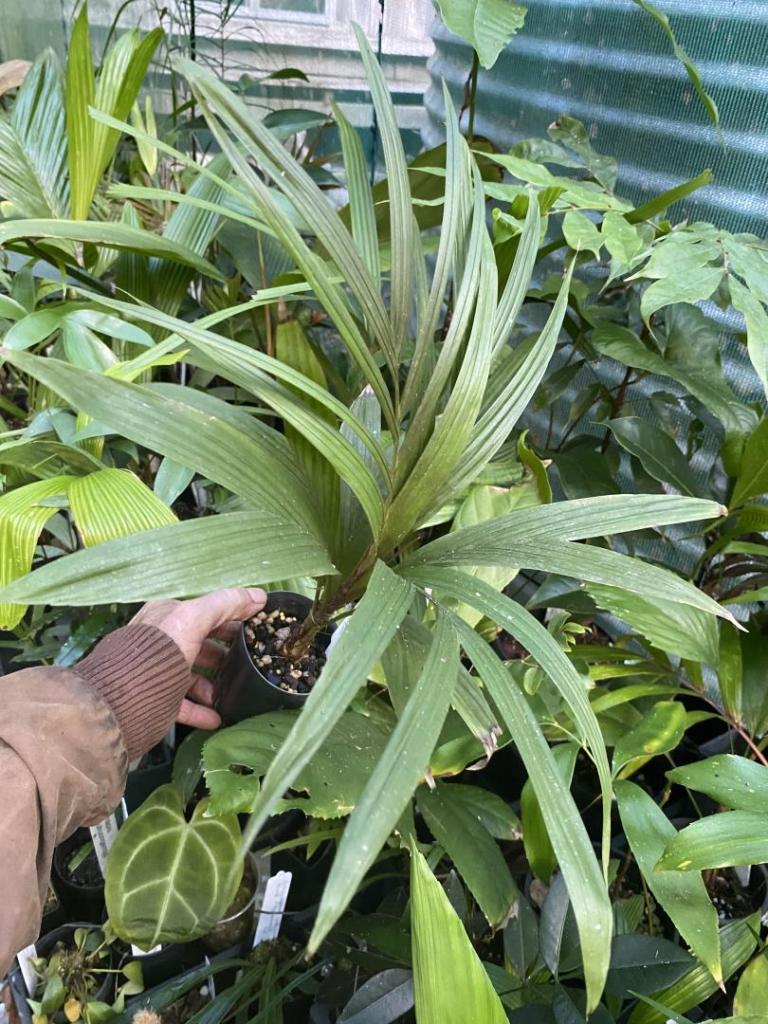


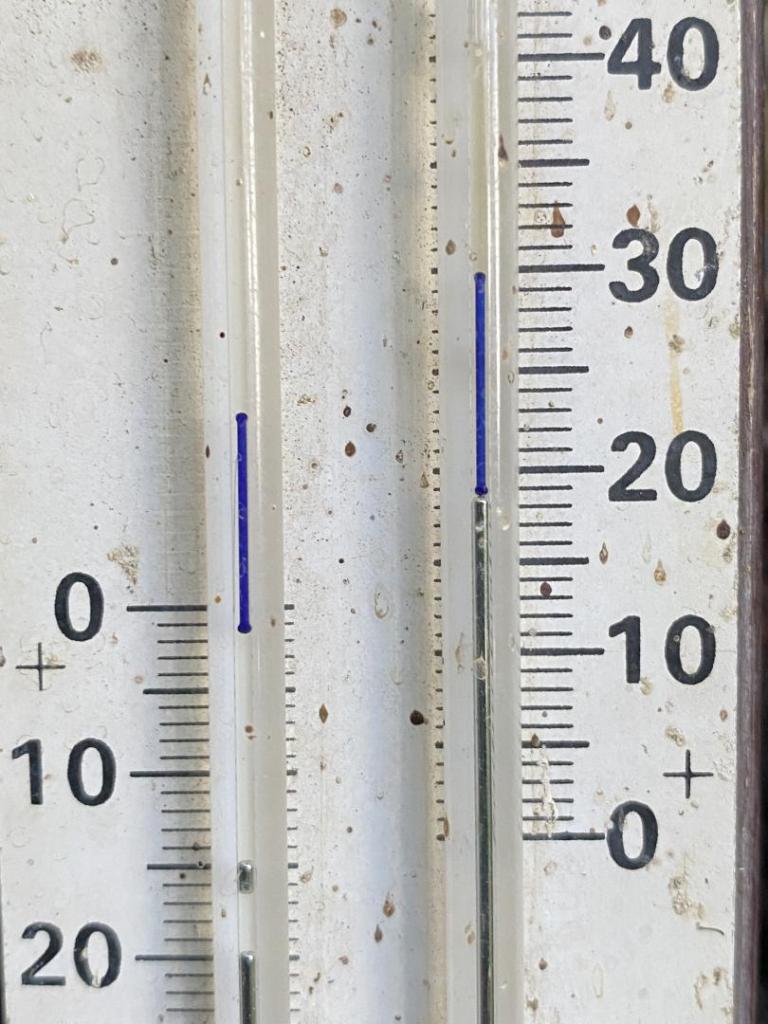

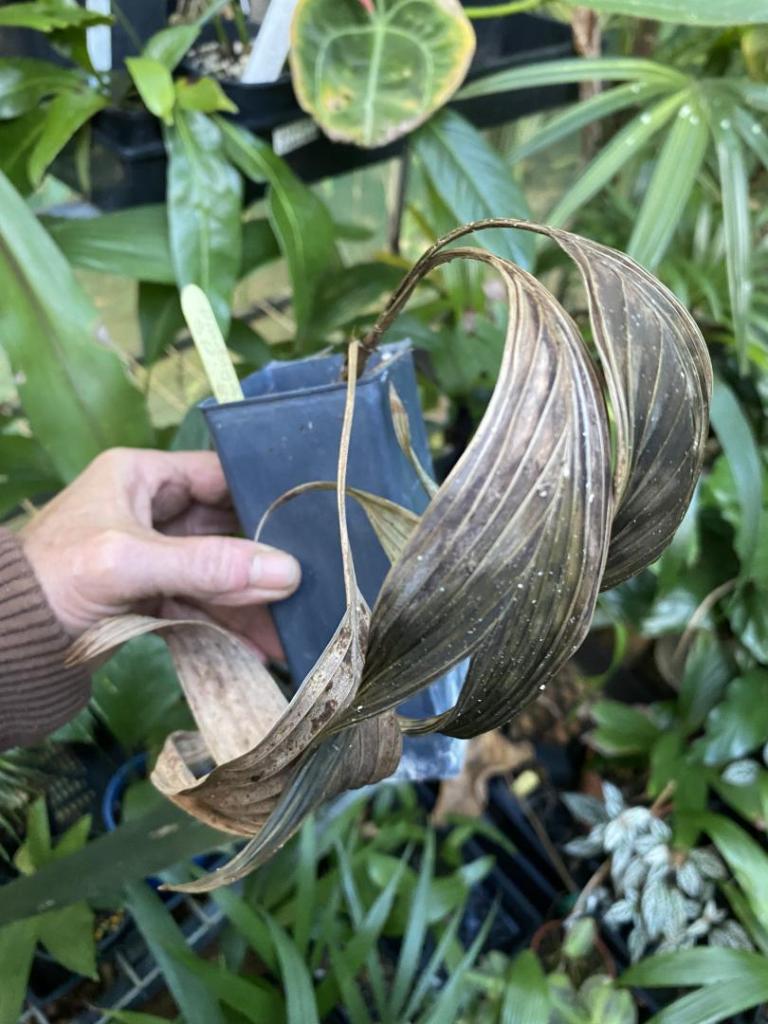
 3 points
 -
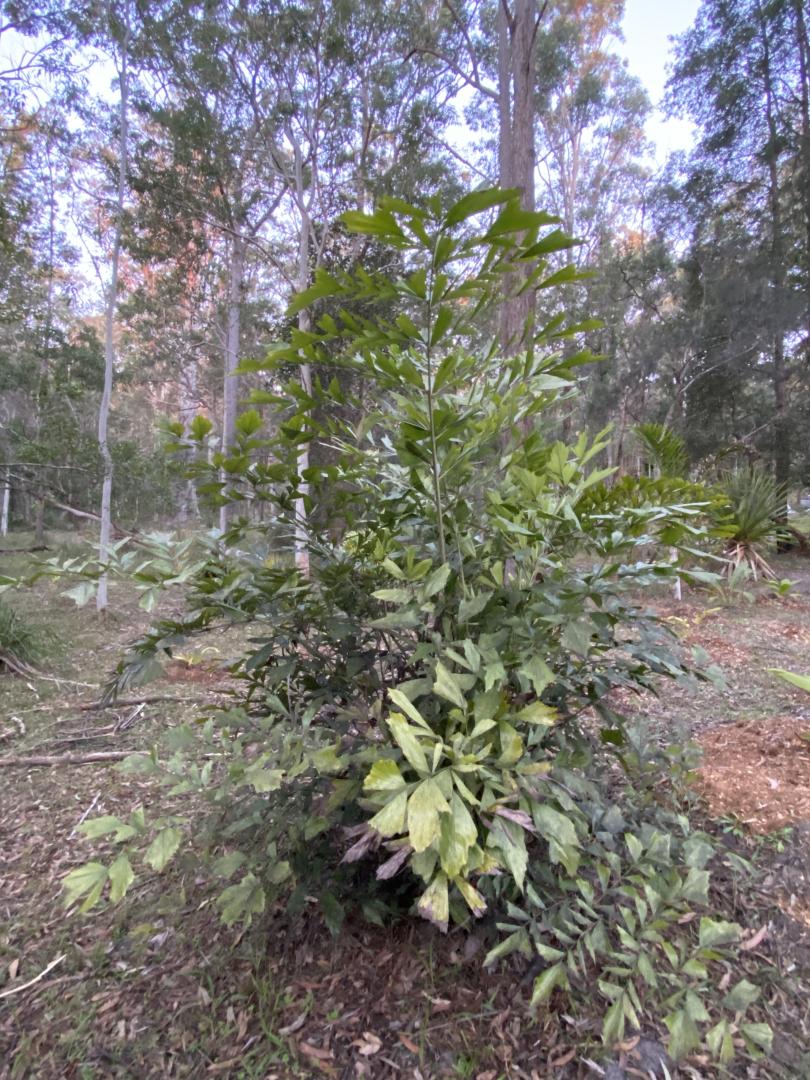
3 pointsHere’s a nice juvenile in the ground, dappled light is what it receives. And it seems quite happy!
 3 points
 -
They are looking pretty good so far, the larger plump ones appear to be pollinated. Time will tell, but if they don’t size up that will be a fair indicator that they’re not pollinated. And if they are you will know the difference by looking at them . Or just simply cut one in half, ut then you lose a seed and they are already hard to get good seeds.3 points
-
As has been mentioned, A ‘Teracarpa’ isn’t a thing in Aus. Have seen this pop up occasionally on Palmtalk and always been curious what the origin was - good info above. My gut feel is it is probably a hybrid. It seems to have traits of A cunninghamiana and A alexandrae just from the photos above, but I’d be interested if anyone has close ups of any details. Do they have ramenta? Silver or green abaxial surface of leaflets? Crownshaft and trunk covered in scales? A cunninghamiana x A alexandrae and the reverse cross both generally produce robust specimens from what I’ve seen in Aus. They tend to lean slightly towards A alexandrae but with brown scales on the crownshaft and occasionally ramenta like A cunninghamiana which might be similar to these.3 points
-
So what’s the name of the one that has a flush of colour in the new leaf then?

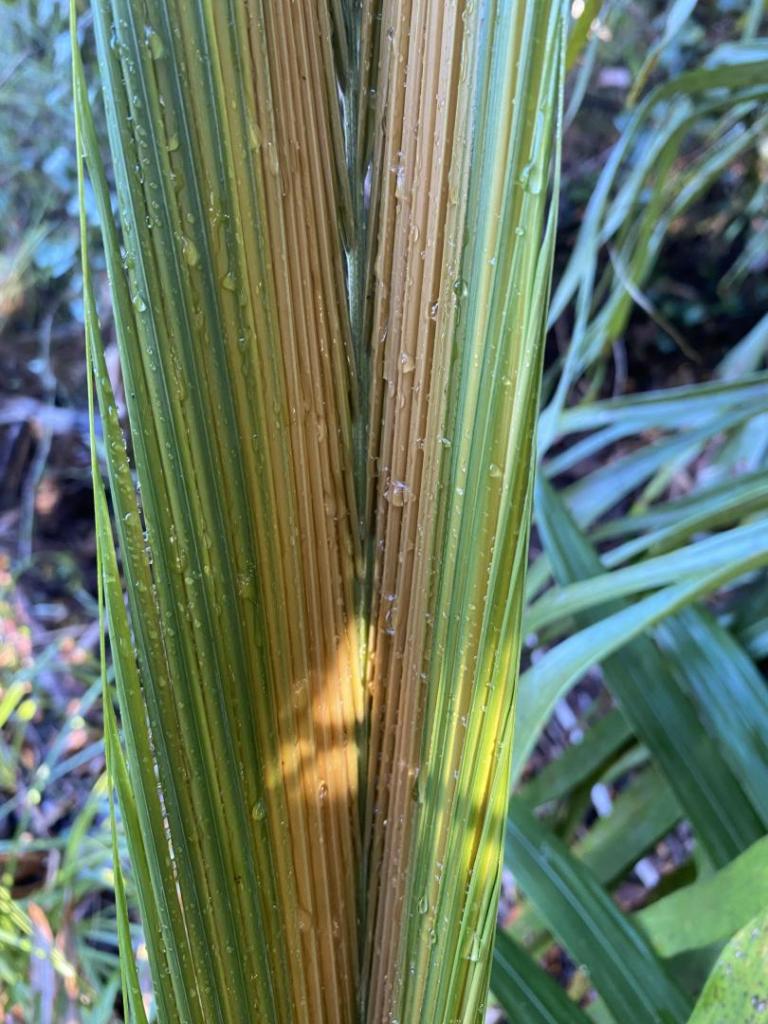
 3 points
 -
2 pointsArenga micrantha and Engleri, two species that grow very well here and are also resistant to light frost
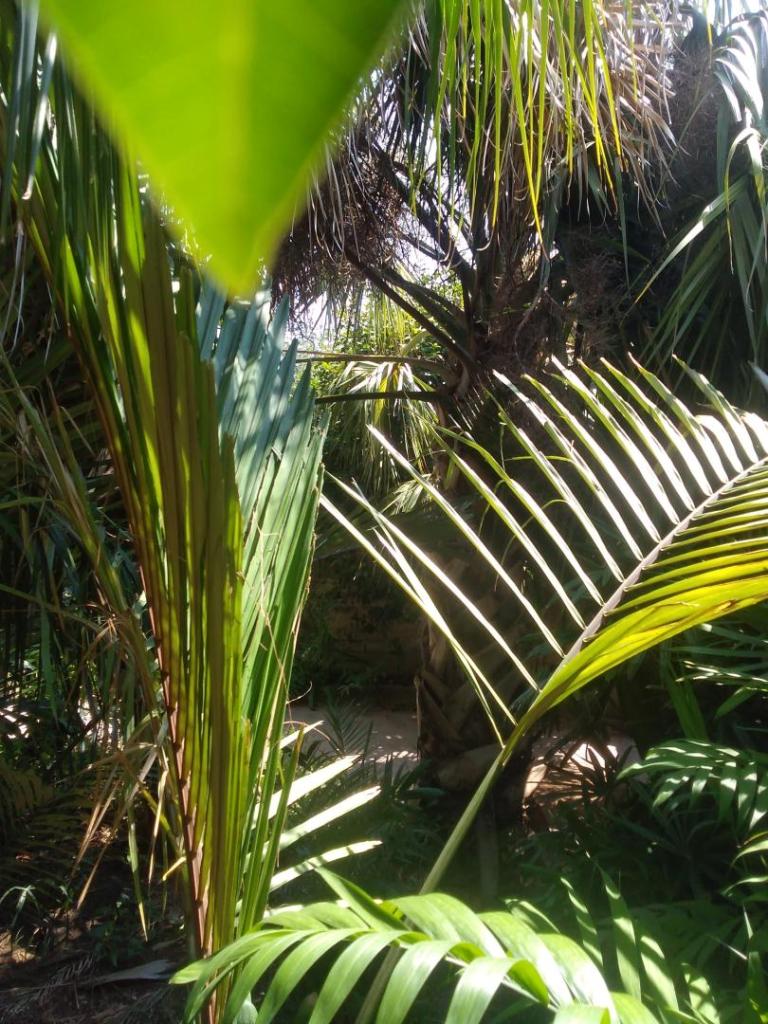
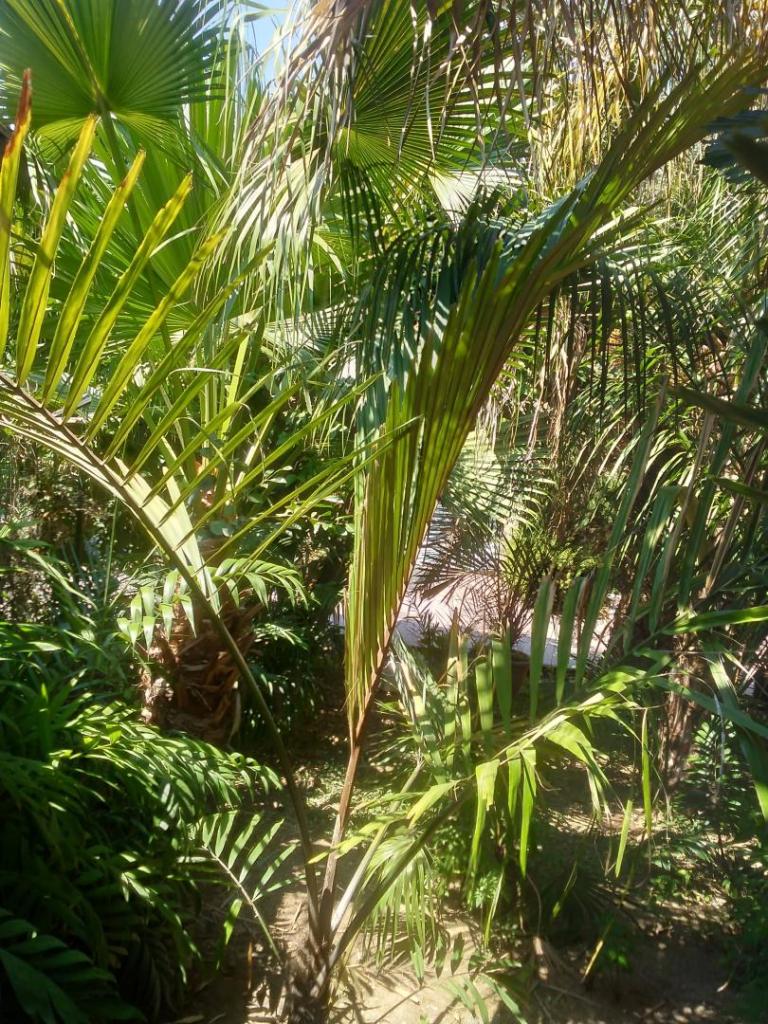
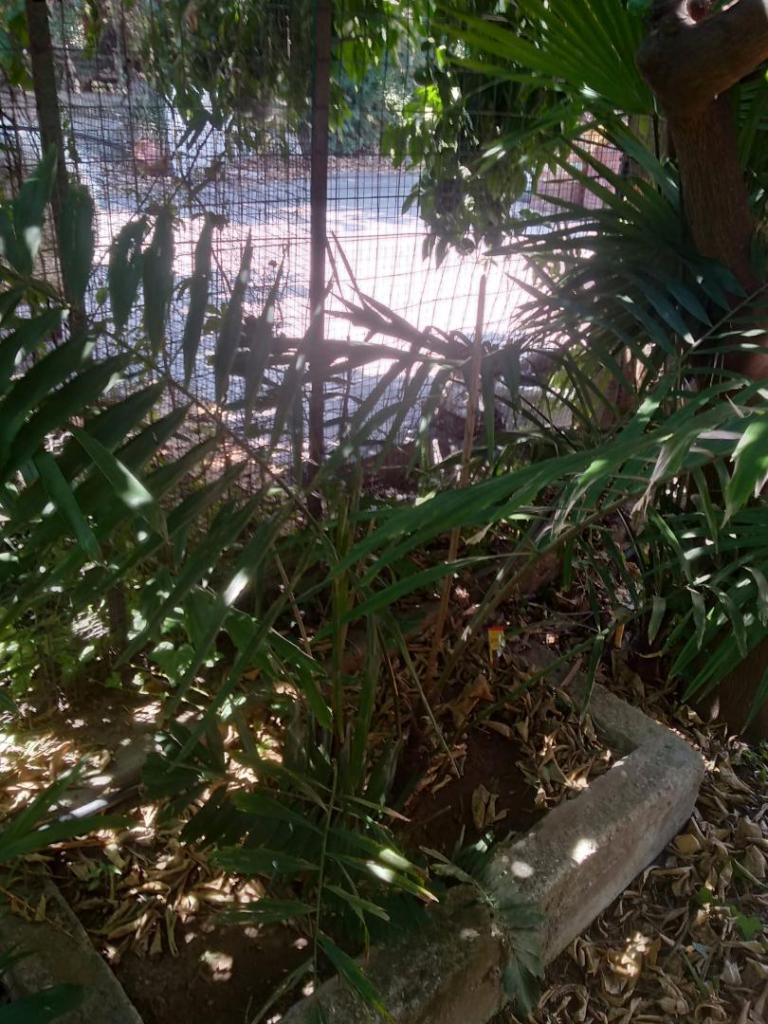
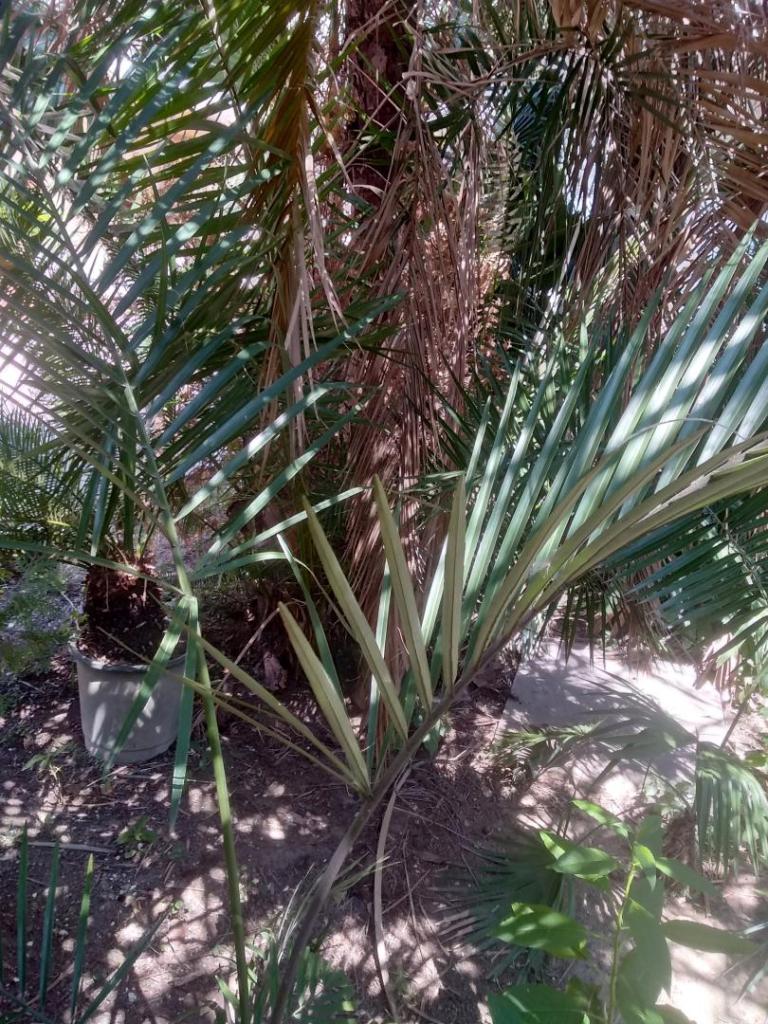
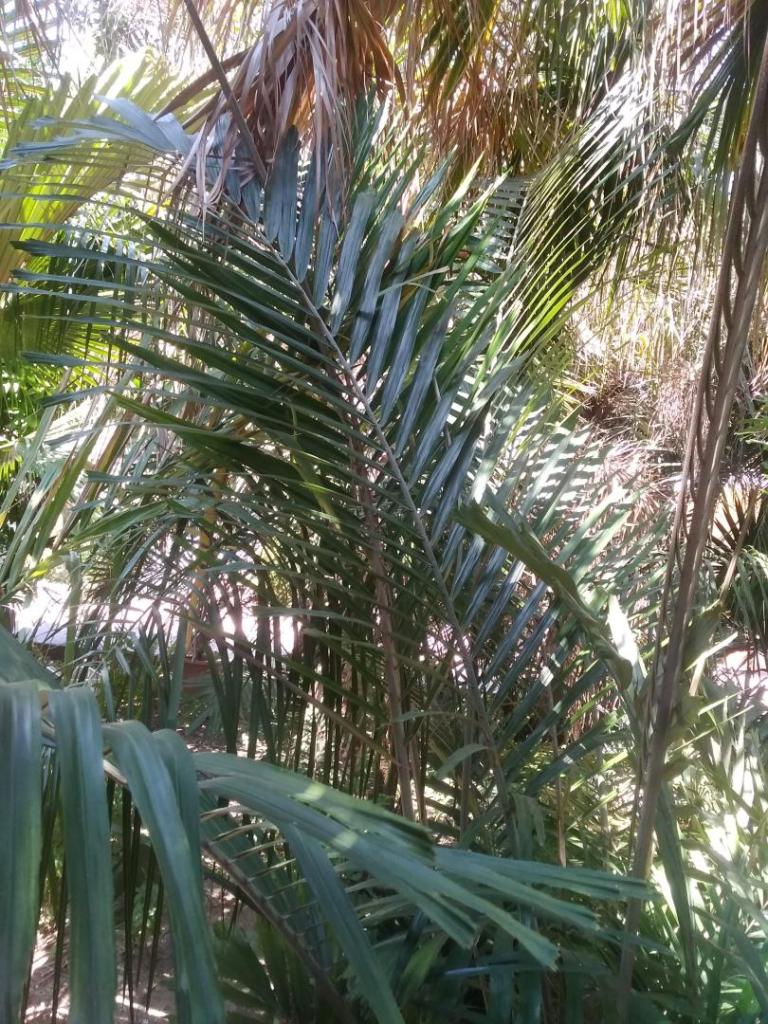 2 points
 -
2 pointsNo problem with full sun, unless you live in the desert, and that not because of sun's intensity but rather of the constant situation in every season.2 points
-
 Makes me think parts of the area could support some highland chrysalidocarpus, and other cooler growing but daytime warmth tolerant palms. Dicipiens and baronii come to mind, but there are many others, smaller ones for fitting in sheltered spots from winter and wind.2 points
 -
 2 points
 -
Iam quite confident they were purchased as variegated merriillii seeds. They are a wanted palm in Australia and iam very surprised at how cool tolerant they are. Richard2 points
-
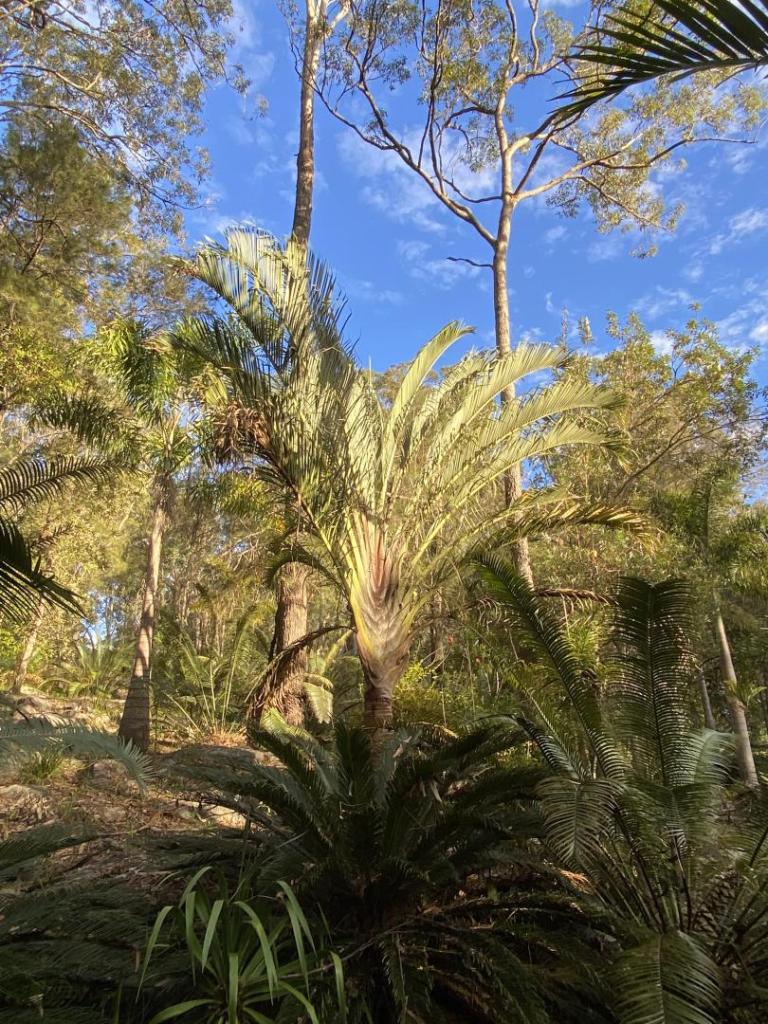
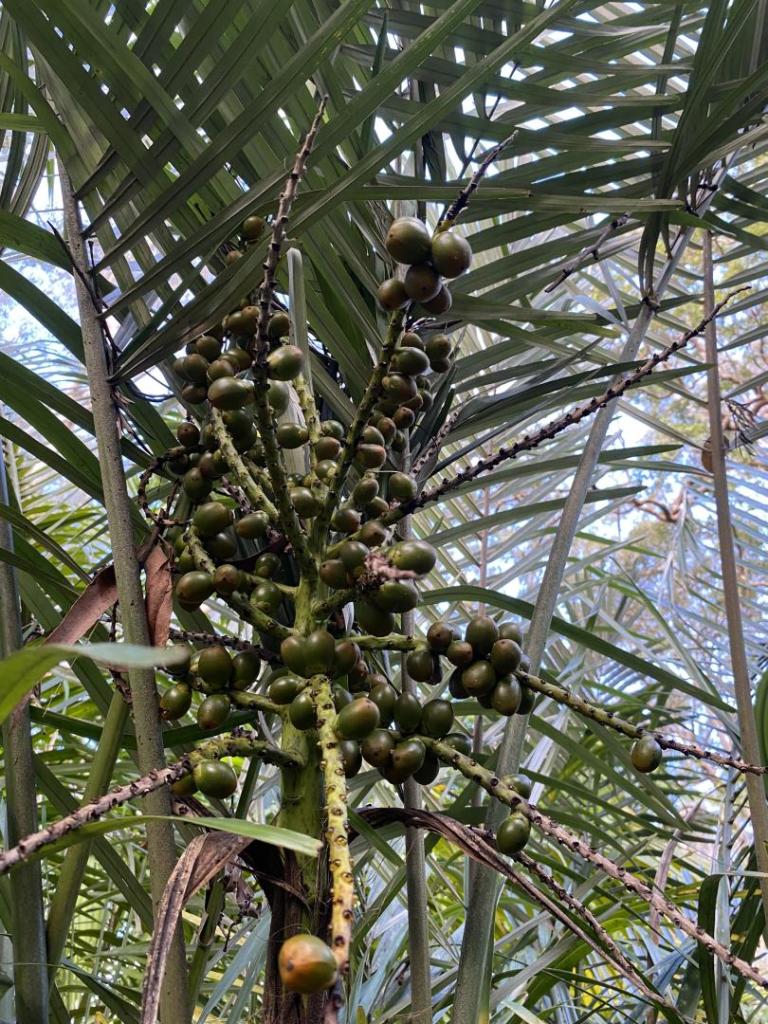
2 pointsDypsis decaryi soaking up the afternoon sun. And a nice bunch of Arenga engleri seeds!
 2 points
 -
I don't know you, buddy, and: Nice to meet you! The Arenga engleri is doing great here. I have four in the garden. I also have Arenga micrantha, and that's good here too. They get filtered sunlight from other taller palm trees.2 points
-
2 points
-
The hybrid debate is an intriguing one, a lot of growers say it doesn’t happen and then there is evidence of it occurring in gardens and collections. Even a hybrid in my mother in law’s garden from Butia x syagrus and that was a natural occurrence from wind or bats or some sort bird or insect. So it’s definitely happening naturally. Genetic testing would definitely help and appease all those interested in hybrids. I respect the work that goes into creating hybrids and the credit to the grower in doing so.2 points
-
Possibly an Albang then, a genetic sport from the Albang. Plants have interesting ways when it comes to hybrids F1, F2 and so on. Be an interesting back cross then.2 points
-
The dominant theories are that this is: A hybrid that occurred at Phil Bergman's Jungle Music nursery in California. A variety of one of the known species. While it is possible it was an undiscovered distinct species that slipped into a seed batch, my personal thoughts were always a hybrid similar to @James B above. Genetic testing would put the proverbial nail in the coffin.2 points
-
 Being a local San Diego guy, I believe that the name was created by the guys at a local nursery, Jungle Music. The seeds came from a particular palm at the home of Phil, the owner. Phil’s a great nurseryman, but I never got around to asking him what he felt made this particular palm different. Whenever I see the “teracarpa” designation, I know that’s the place that came from.2 points
 -
 2 points
 -
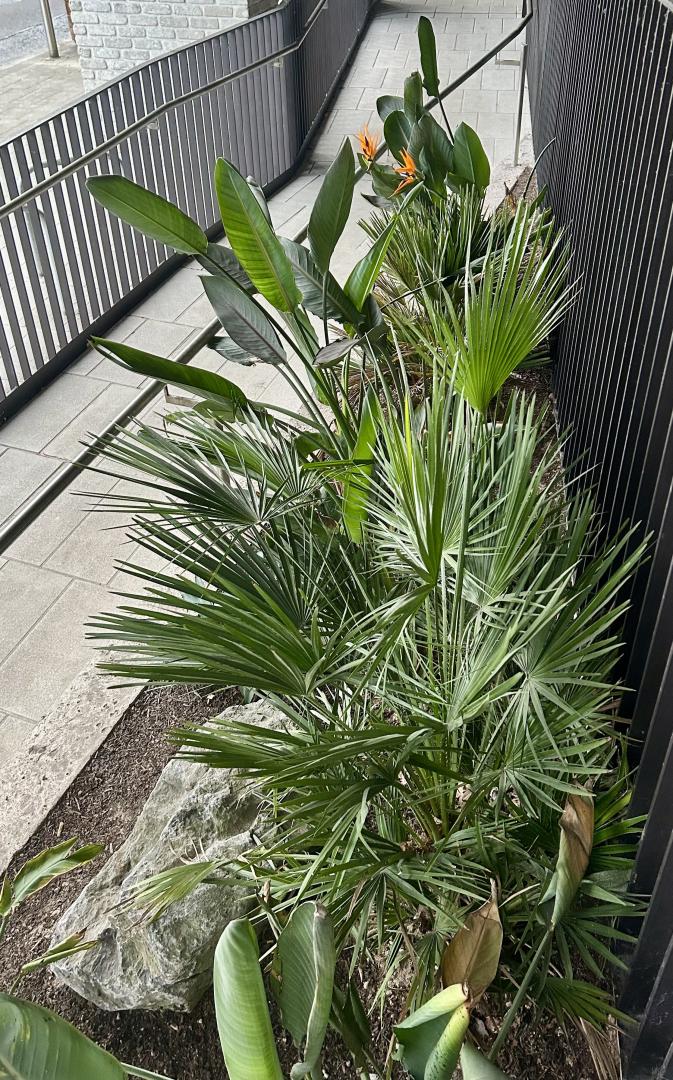
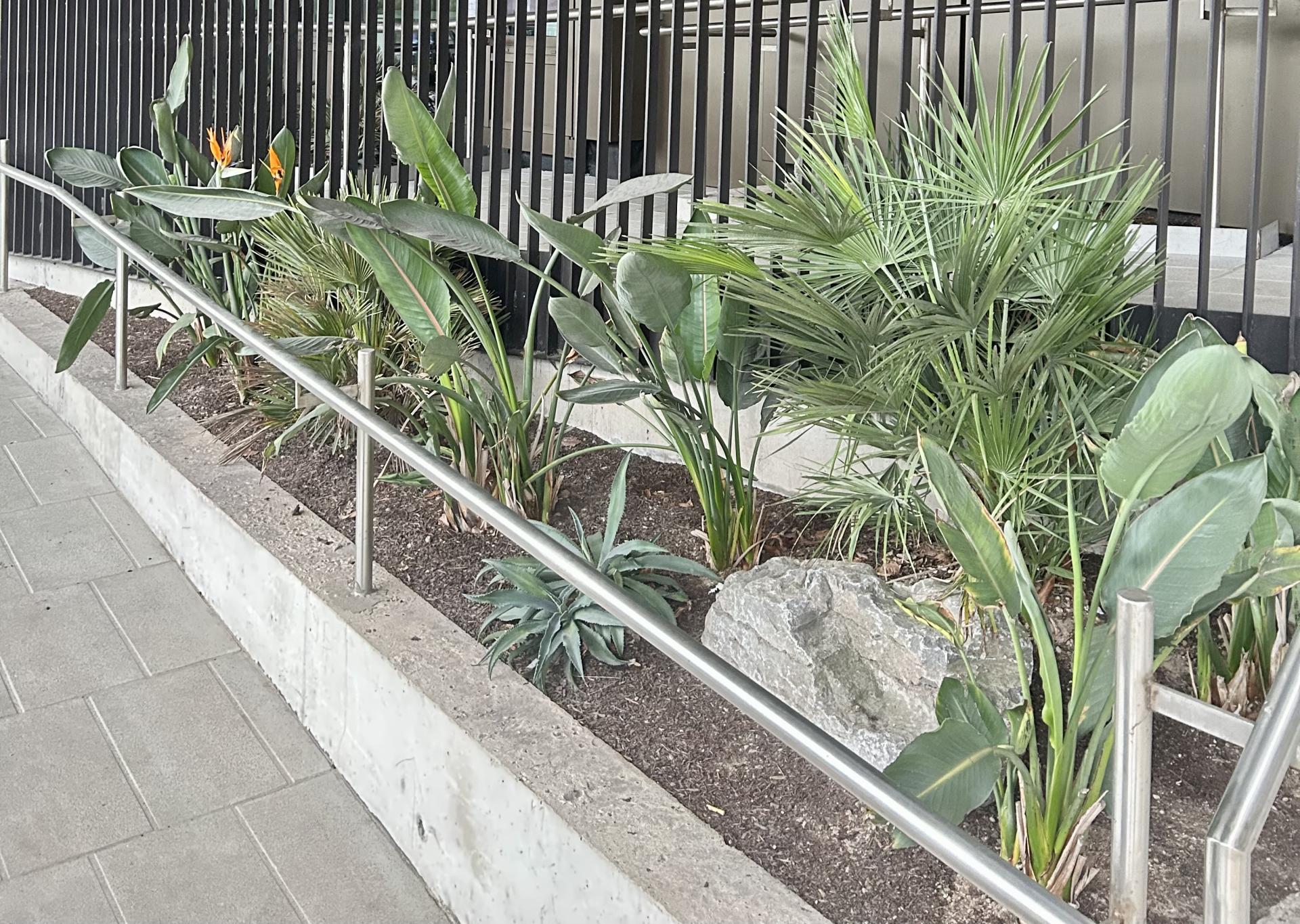
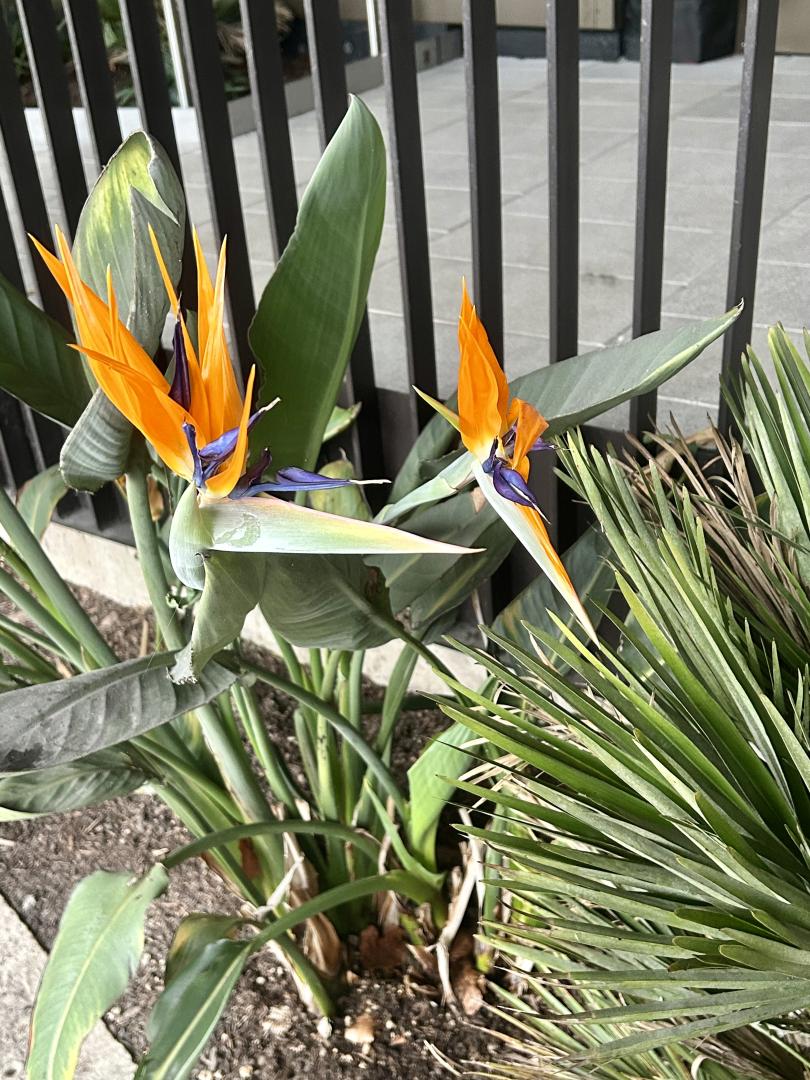
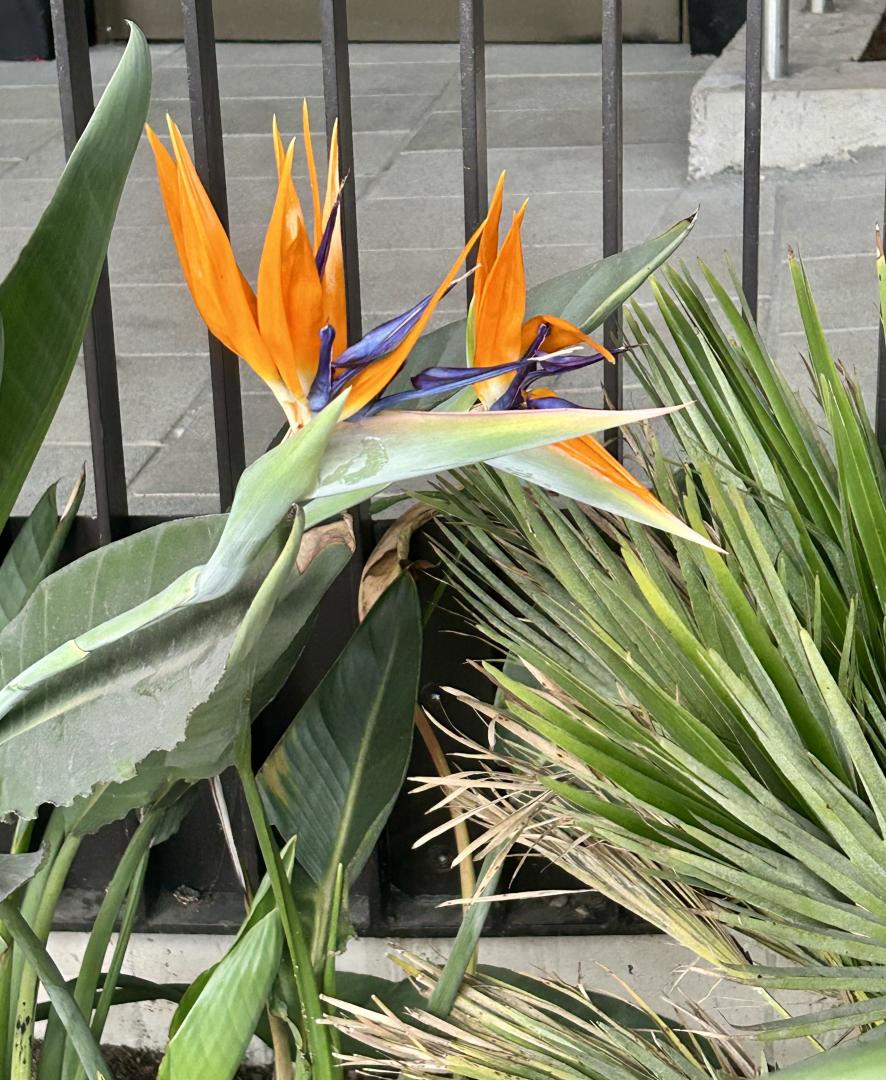
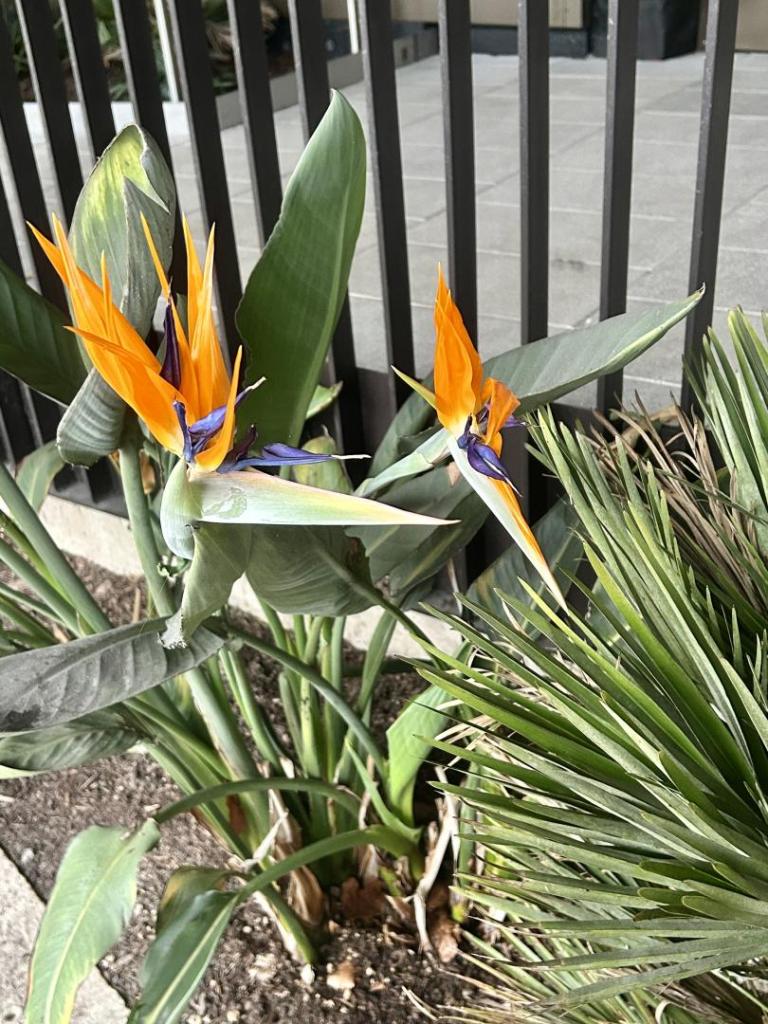
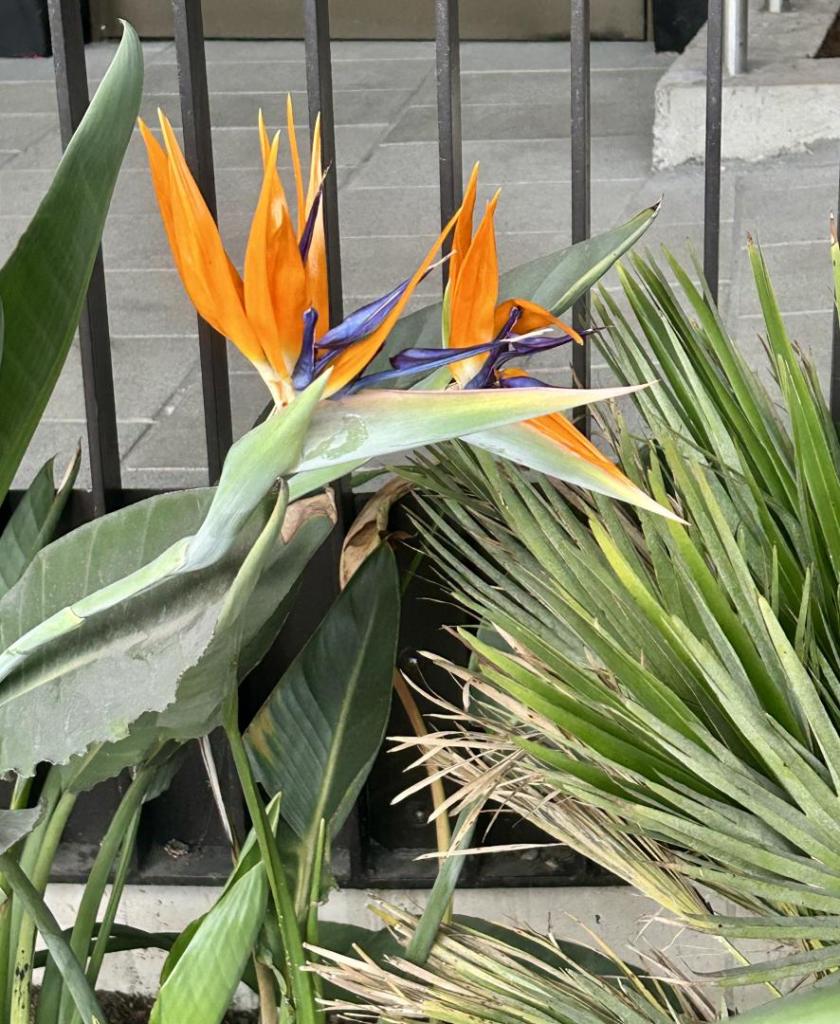
 Every single day was above the mean high in July in Cork City this year—only two days with highs below 21 C this July—nice to see these well-sited Birds of Paradise finally blooming on the edge of the city.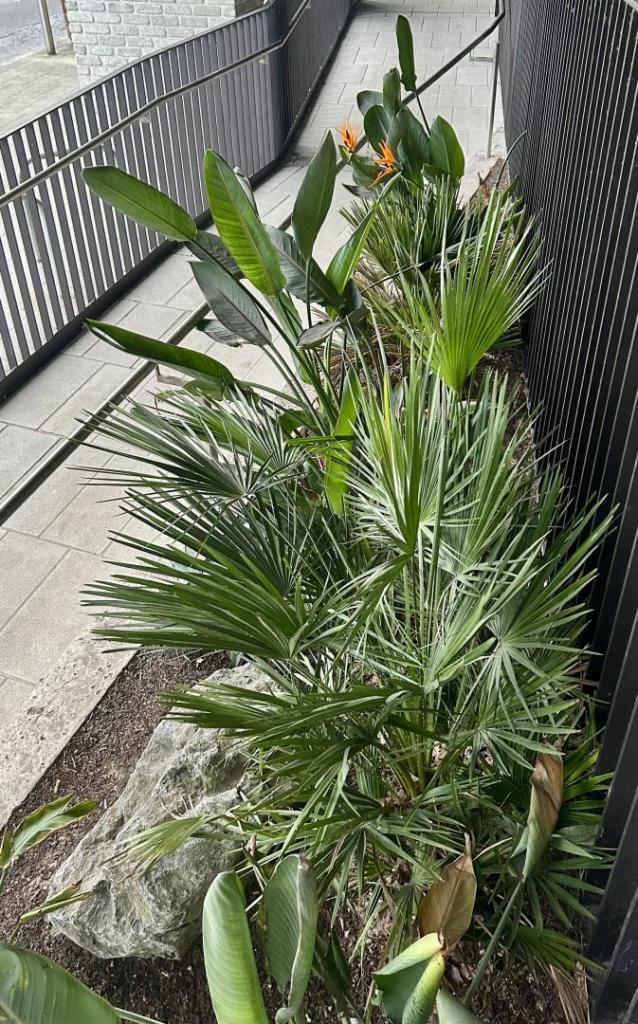

 1 point
 -
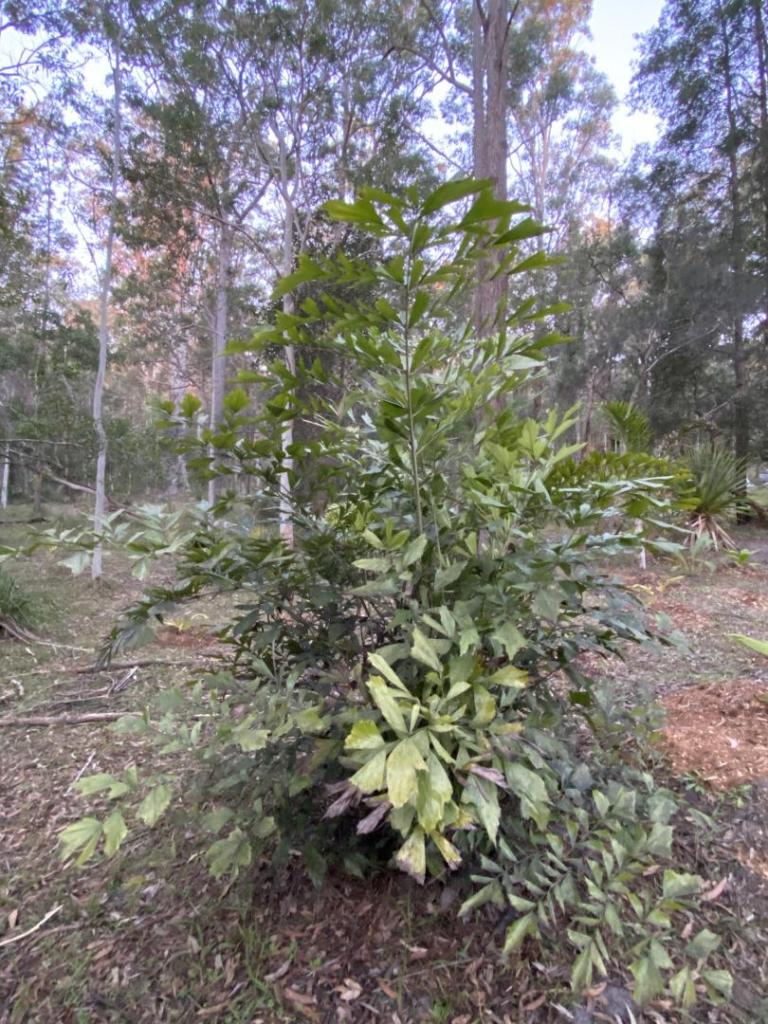
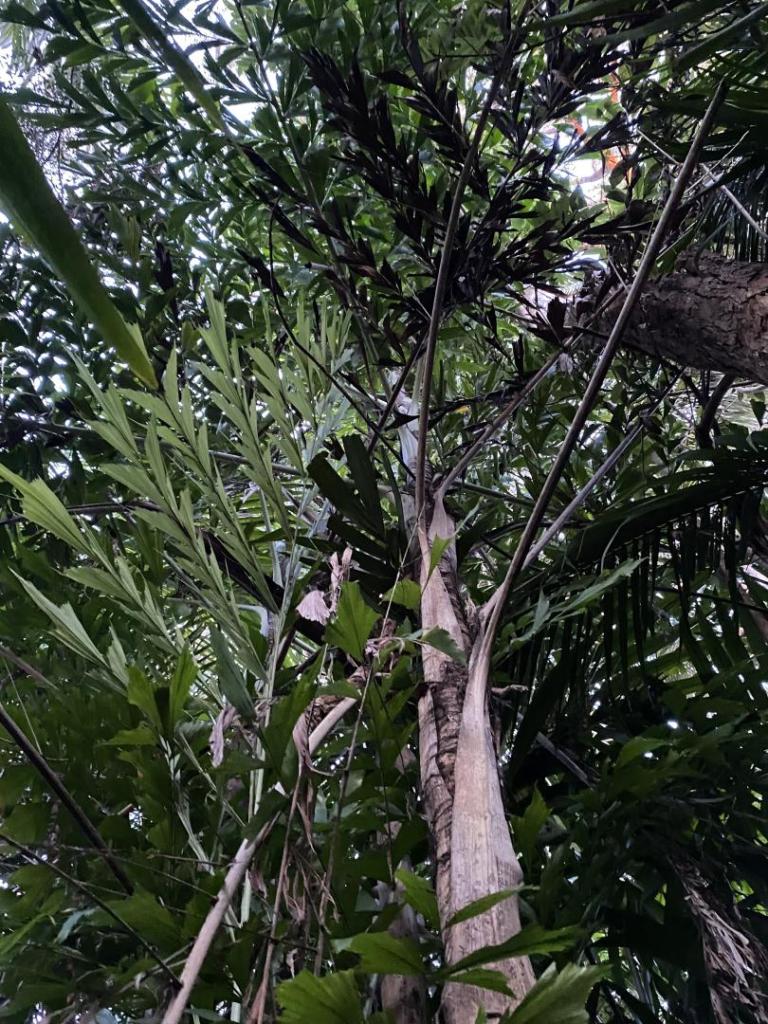
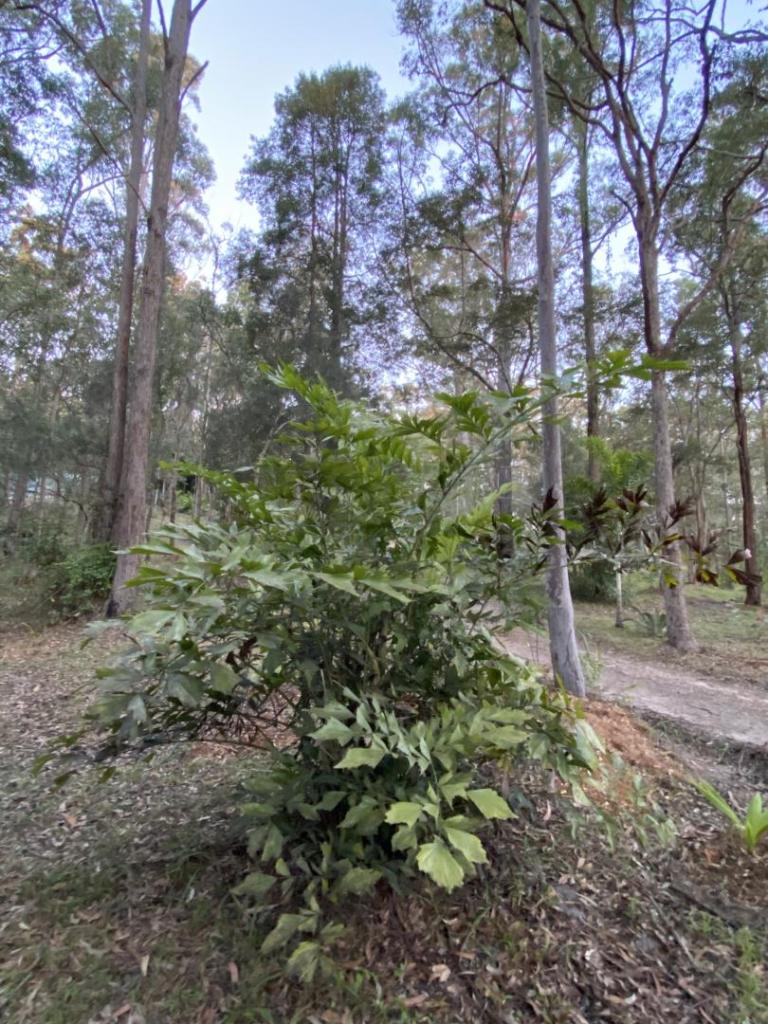
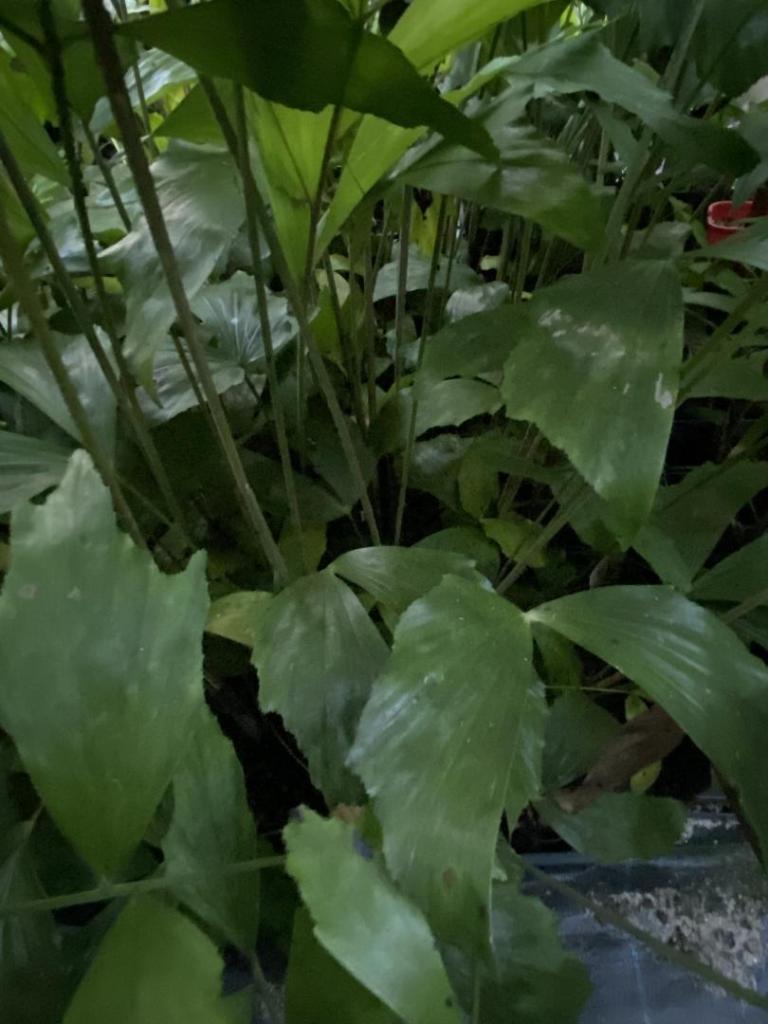
The Caryotas, as a genus there are some pretty amazing varieties and they can get rather large. The mitis is no exception a large clump can be a bit of a mess to the eye. I like them to a certain degree, but iam yet to be fully converted about them before I start planting hundreds of them around the garden. Easy to grow and germinate with some cool tolerance, and they will tolerate a dry season, that given they are true water lovers and will drink whatever you give them.






 1 point
 -
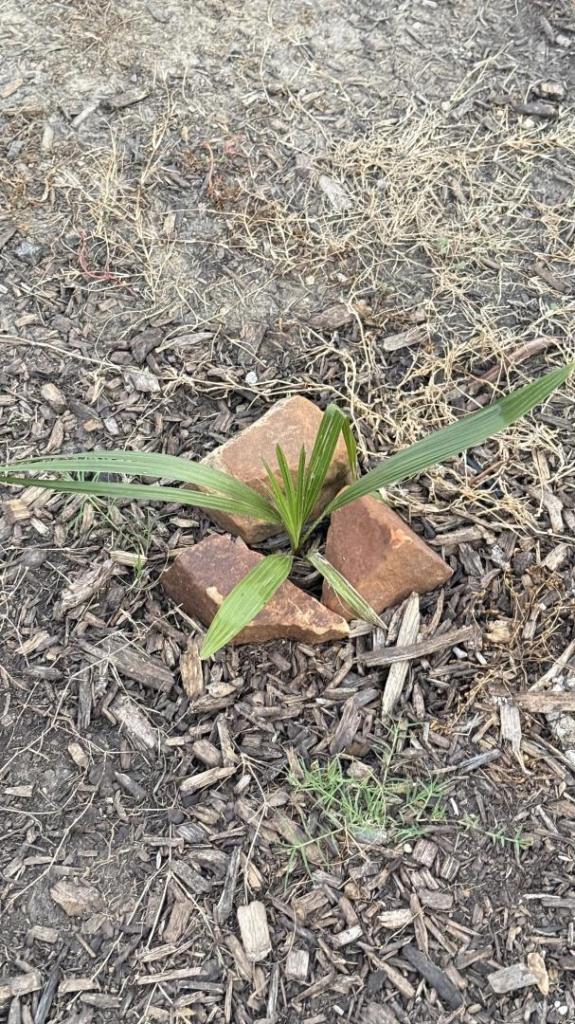
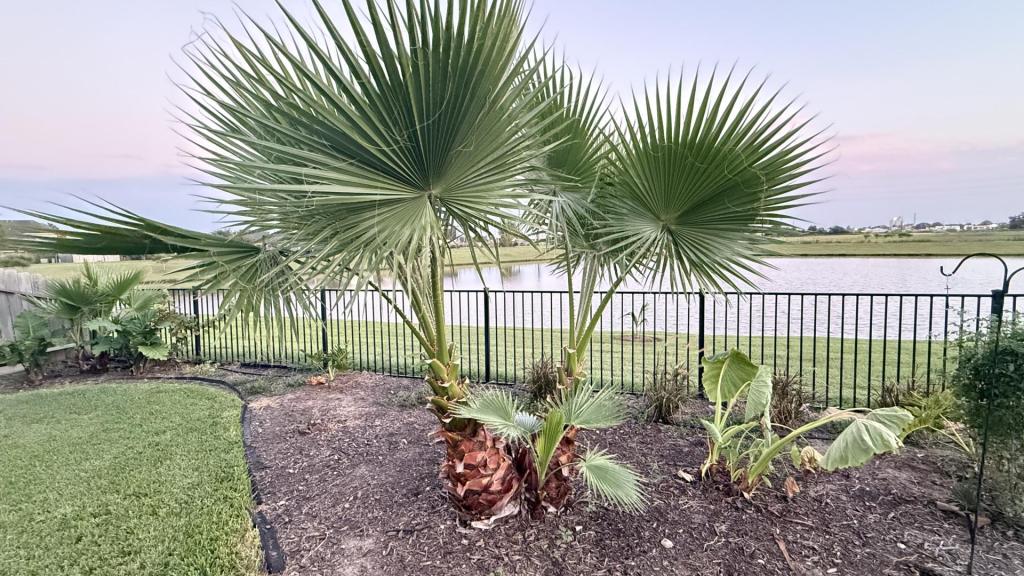
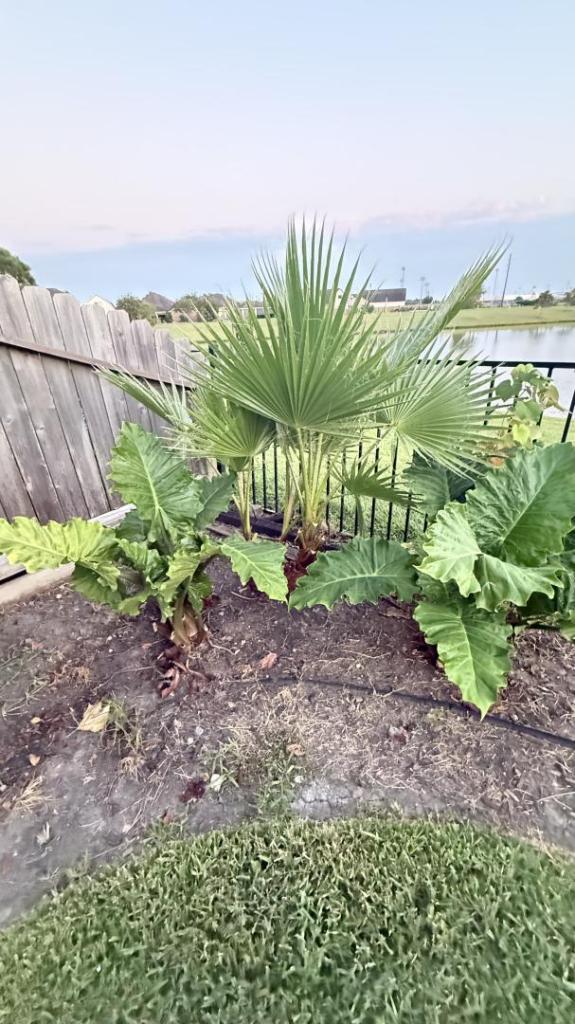
 1 pointTrimmed the garden kinda hard one last time before I move away . I wish it would rain the past two weeks have been hot asf … L.Decora x2 Triple trunk robusta Filibusta trio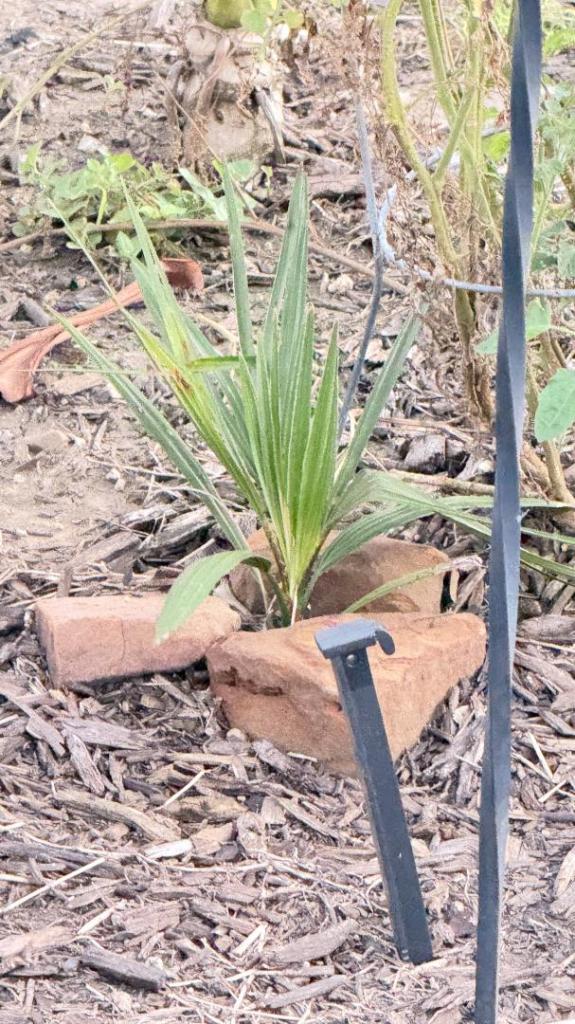
 1 point
 -
Actually, I waited over two months after the seeds turned black, then harvested them and sent them to you. You said many sprouted. If anything happens, my Chamaedorea K. are producing more seeds this year.1 point
-
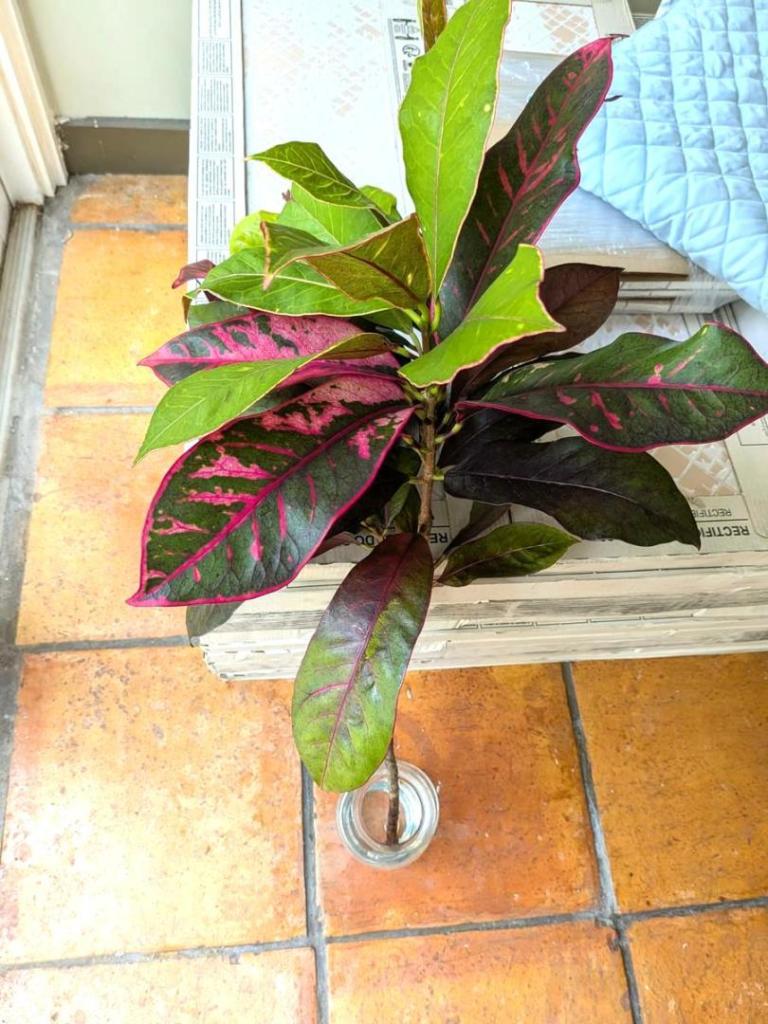
 Yes I do apply some root hormone when I initially started to air layer onto the air layer site after I removed the bark and before I wrap it in spagnum moss and foil. However I heard from others that this is not necessary not in south Florida. I did some tests last year some I added the root hormone some I did not and I did not observe any appreciable difference.
 1 point
 -
 I've gotten 6 inches of rain in three days 🙂. This would normally be excessive in short duration but it was so dry, the earth will soak it in.1 point
 -
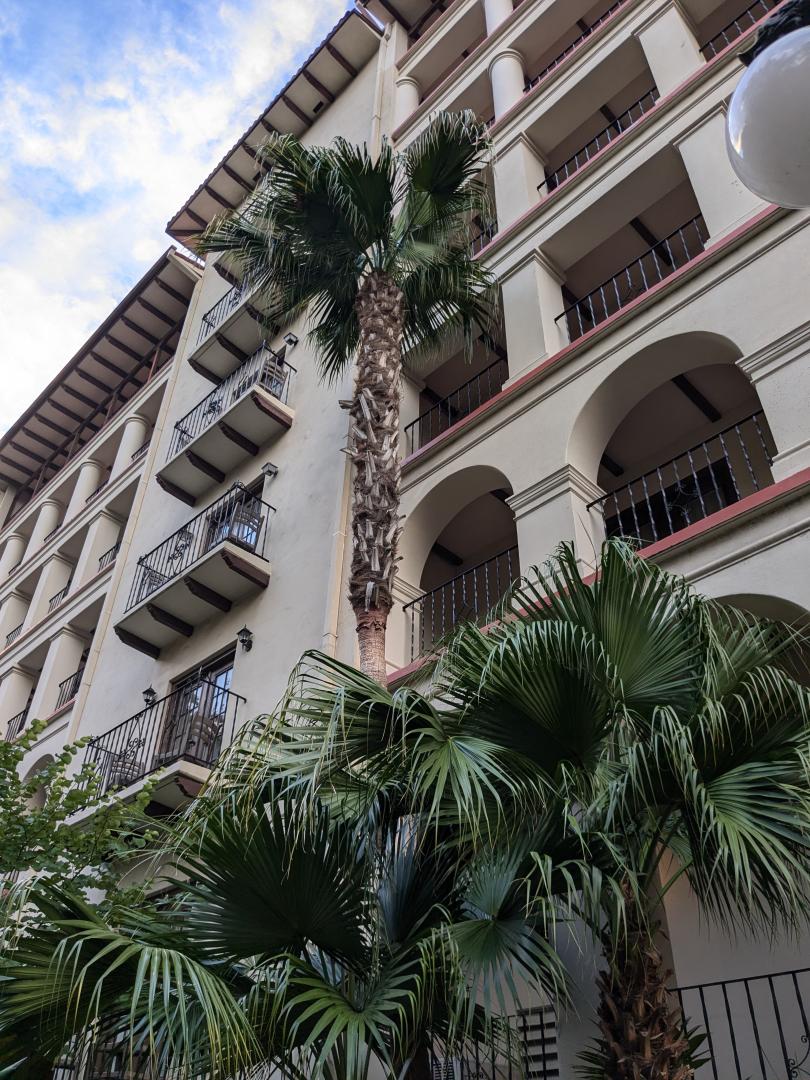
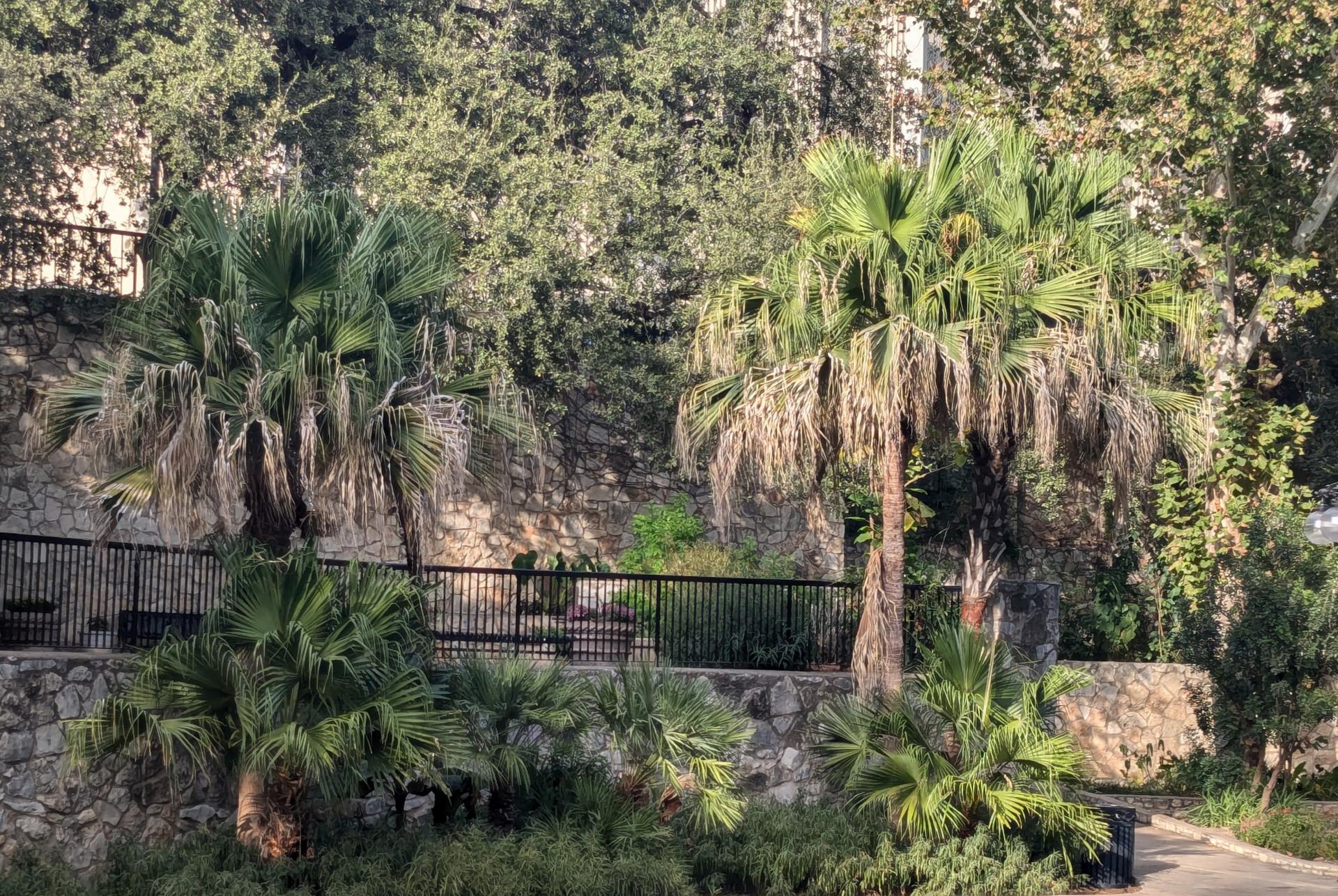
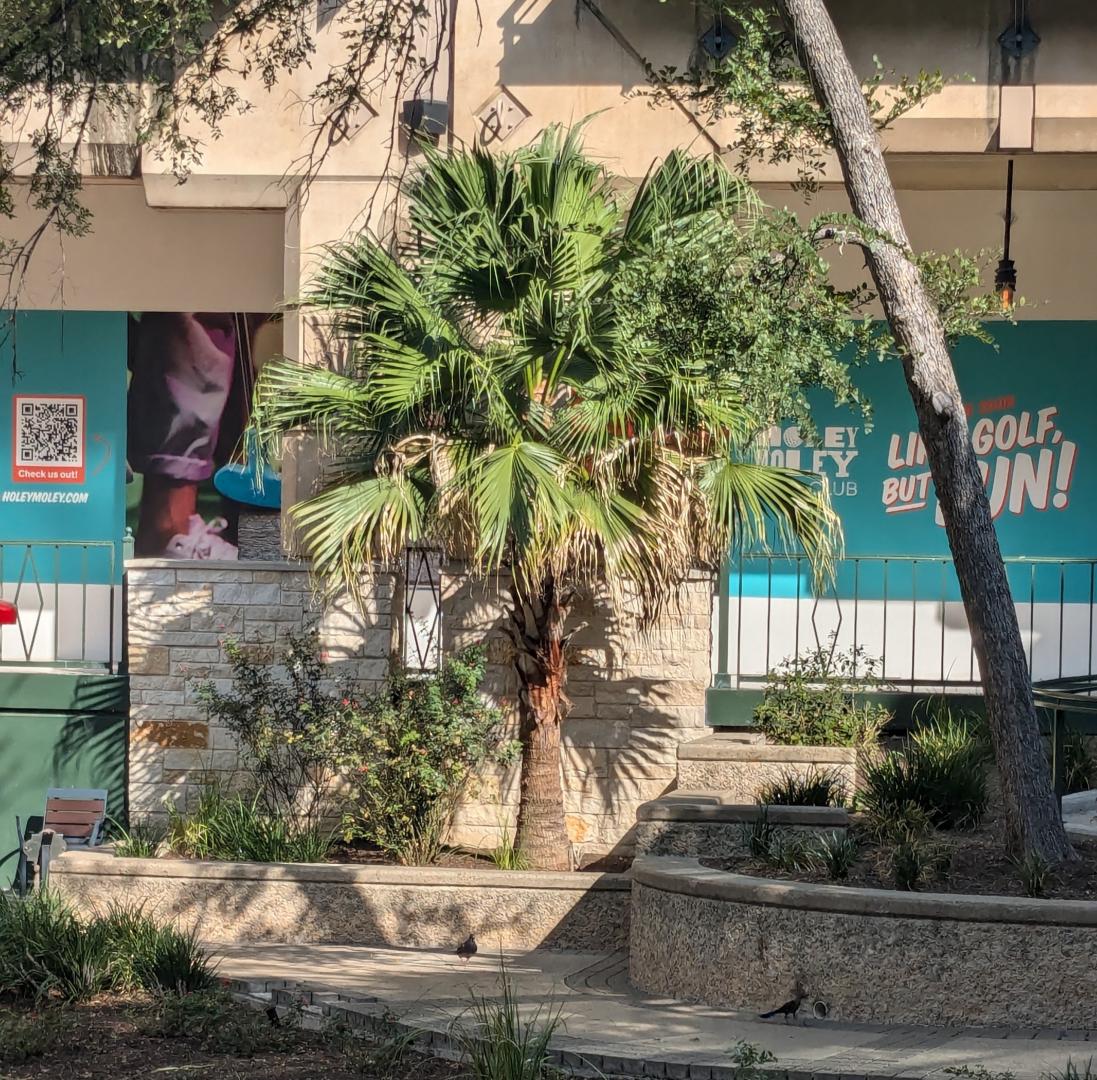
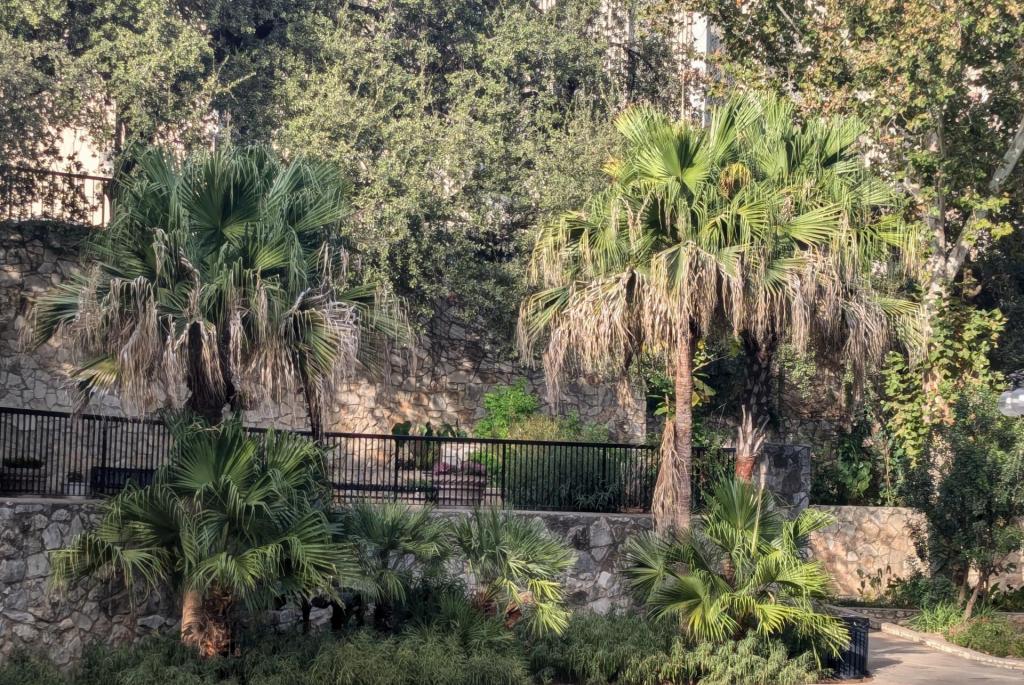
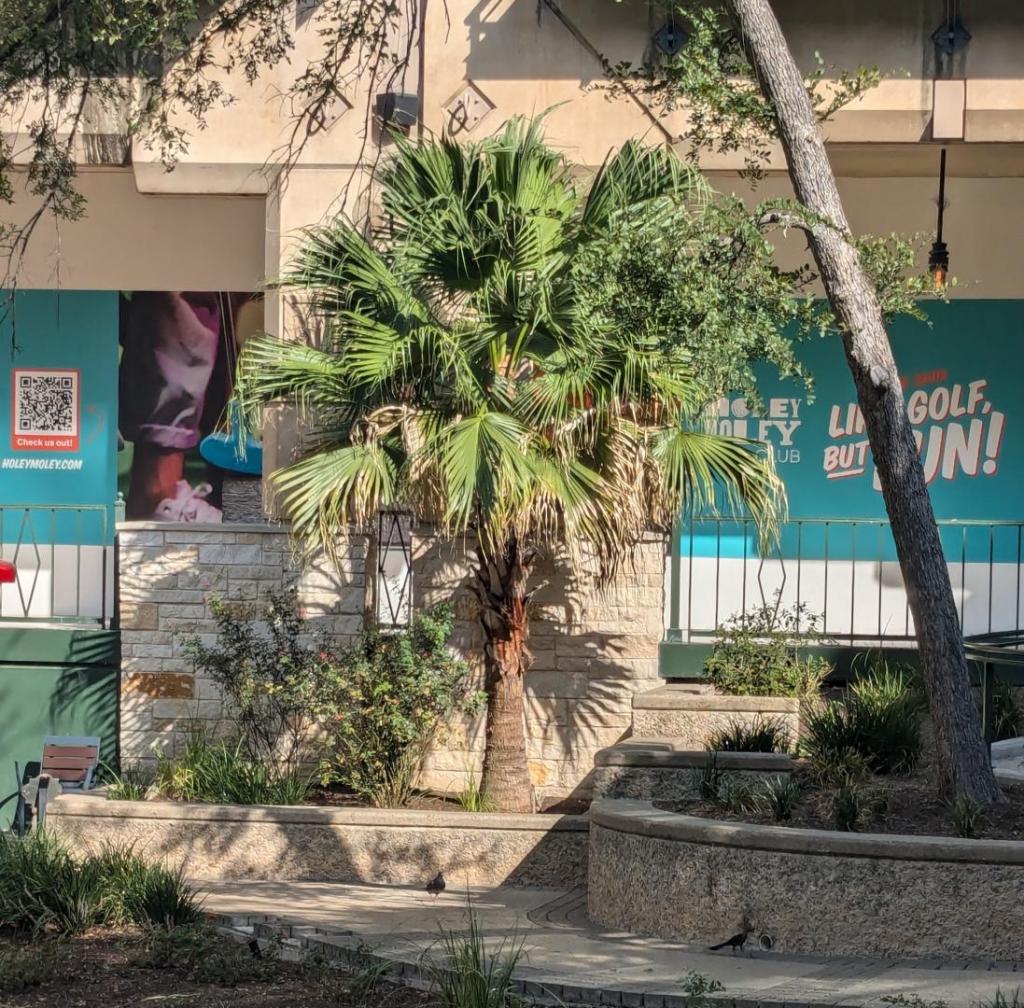
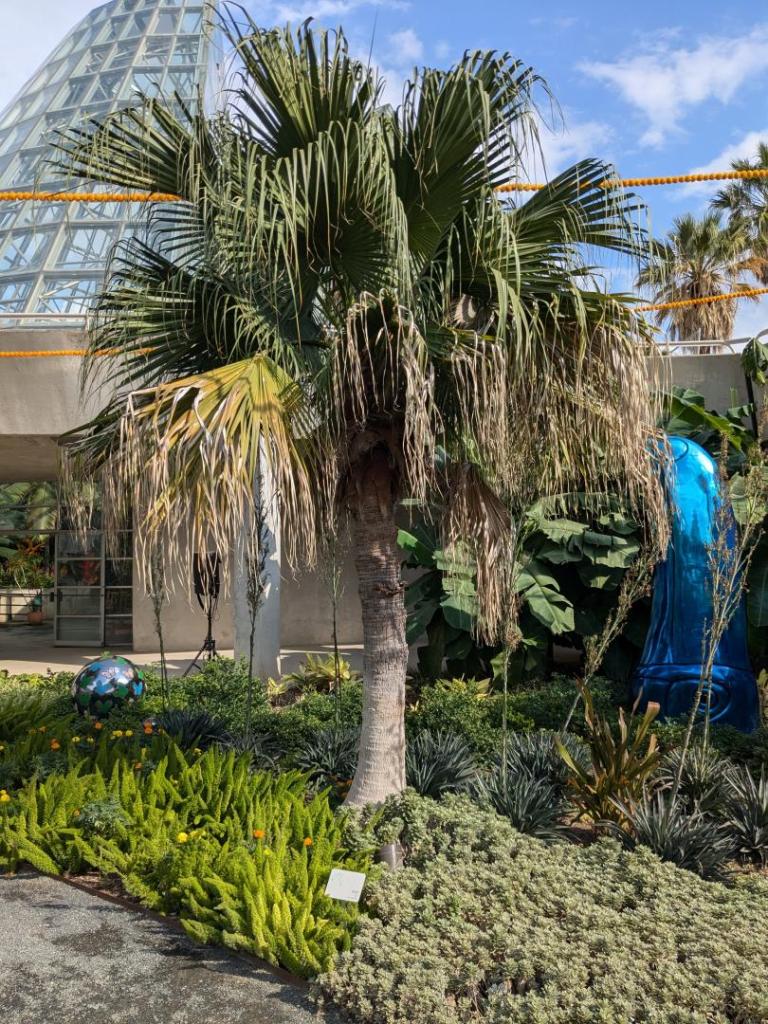
 1 pointI like it when they have fronds that are at least all the way down to where they are horizontal. The river walk ones look pretty good, I haven't seen any around here with that many fronds. They look more like the ones you posted in Schertz.1 point
 -
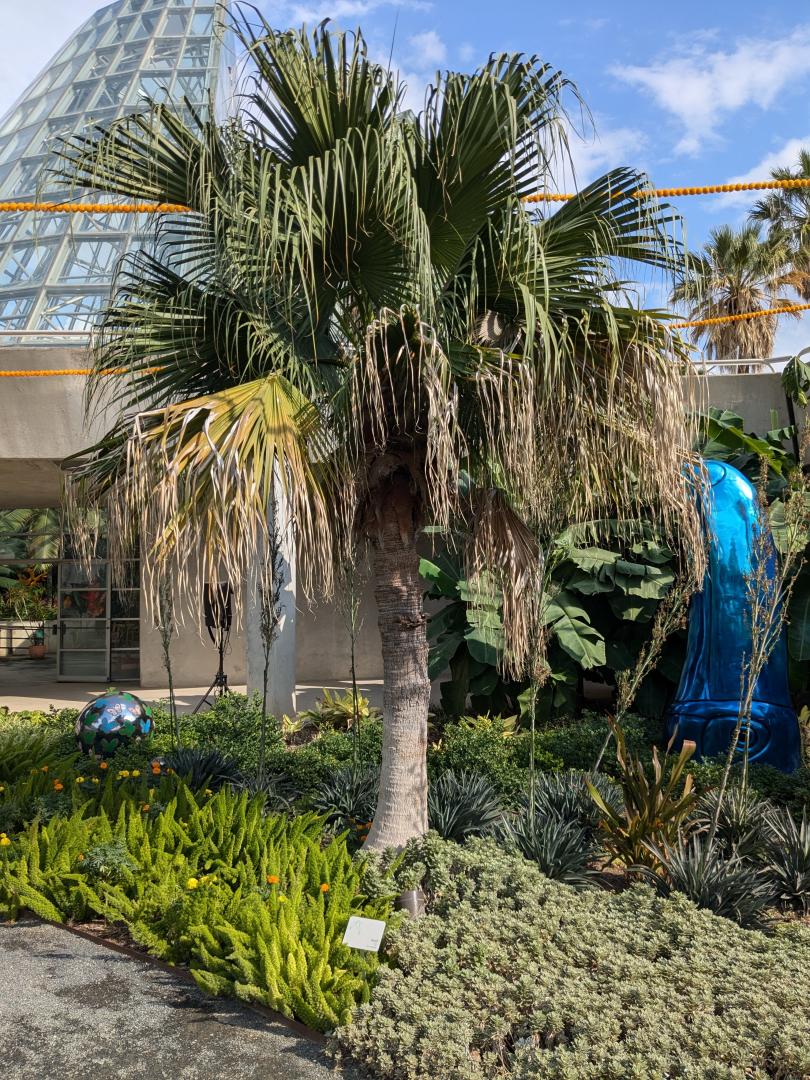
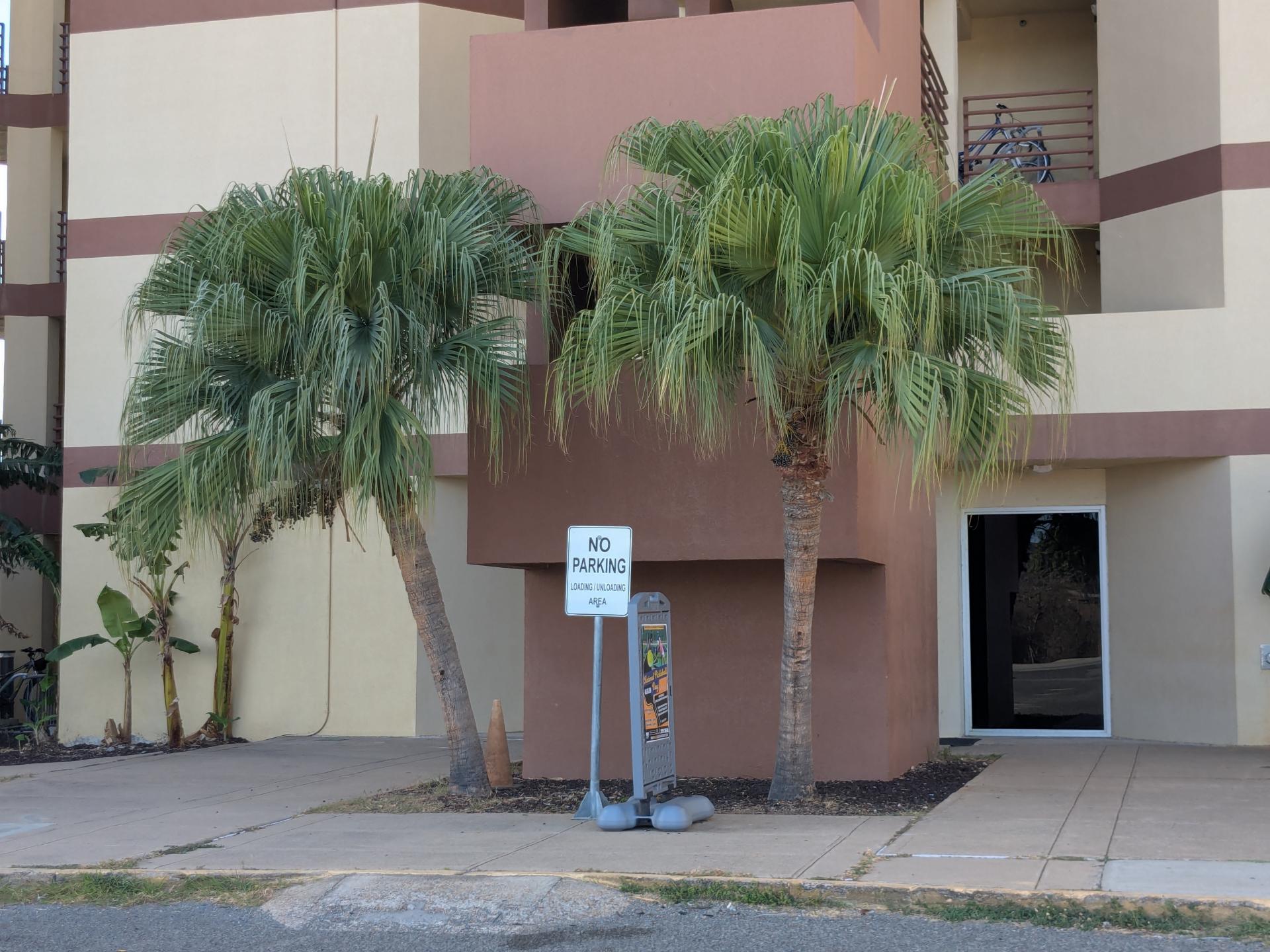
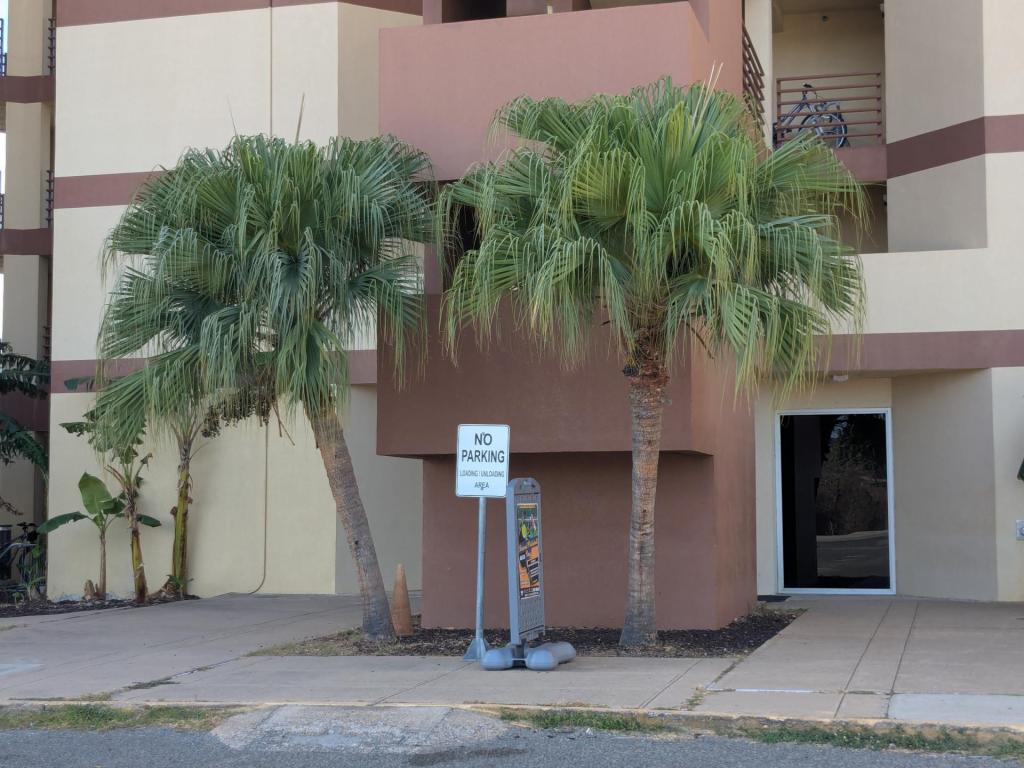
 1 pointI agree that they look nicer when they aren't taking any from damage in winter...like this pair at a barracks building at Naval Station Guantanamo Bay: There are some on the Riverwalk here that look good some of the time, but I don't think I have photographed them in the last 18 months or more: The L. chinensis at the SABG takes a similar amount of damage as those on the Riverwalk. I haven't seen it in over a year though as well.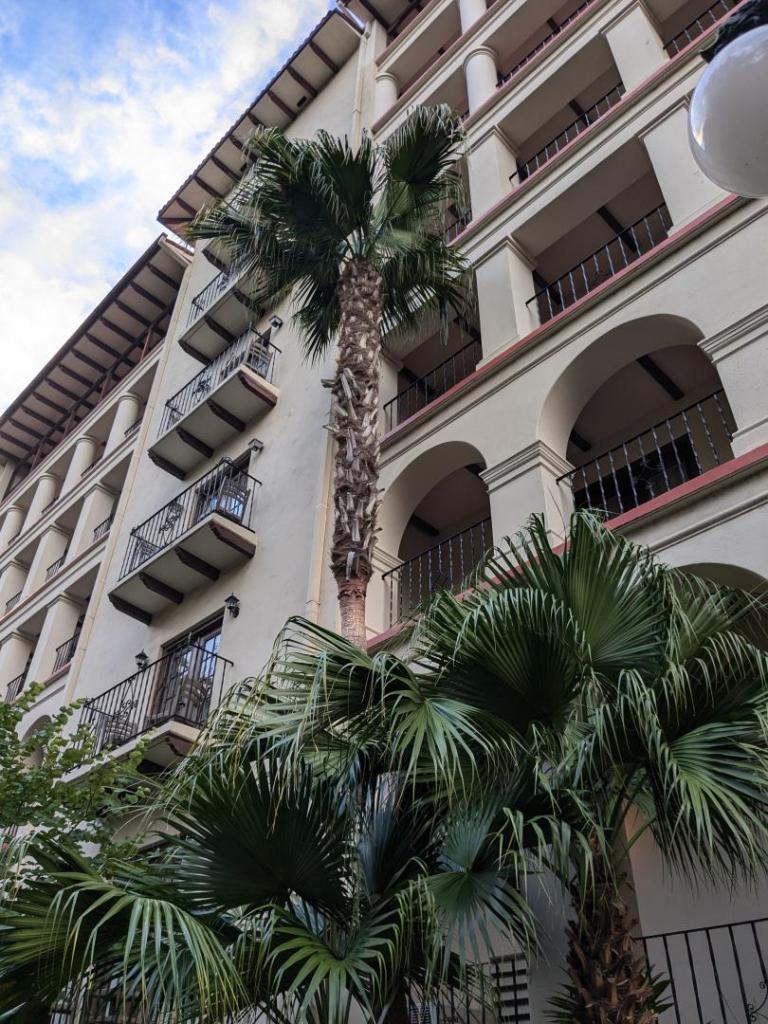
 1 point
 -
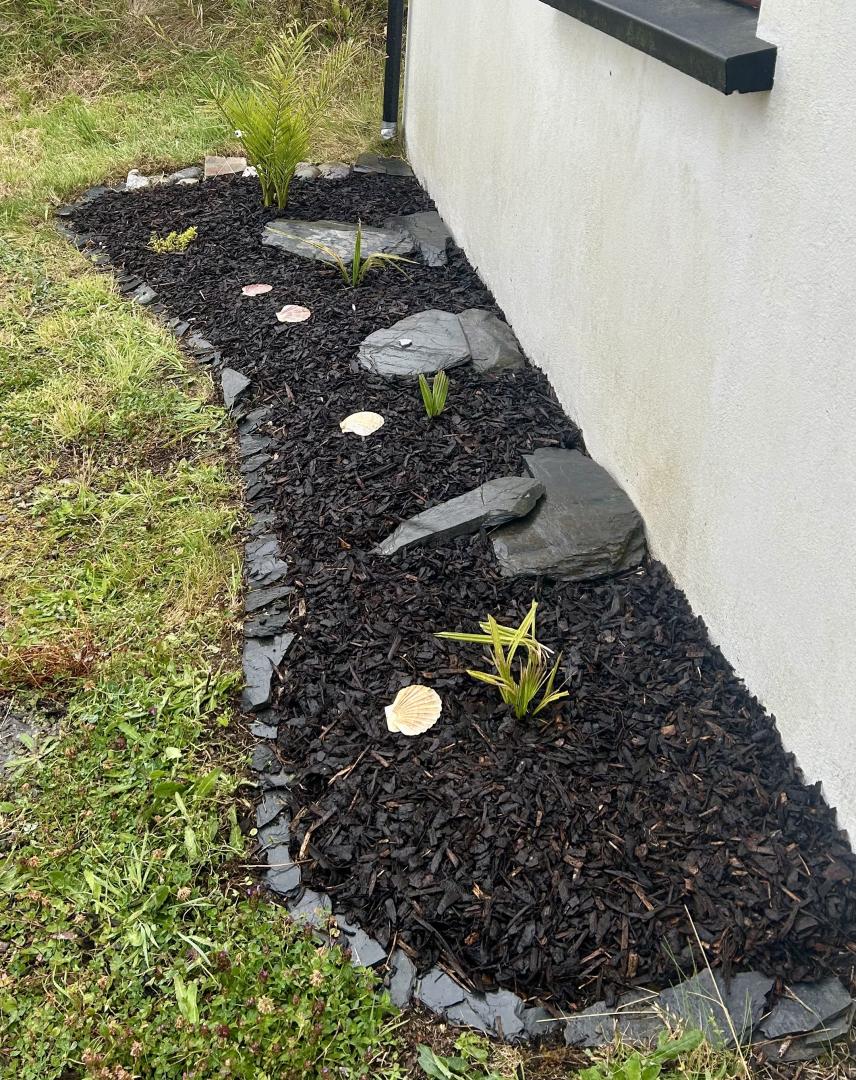
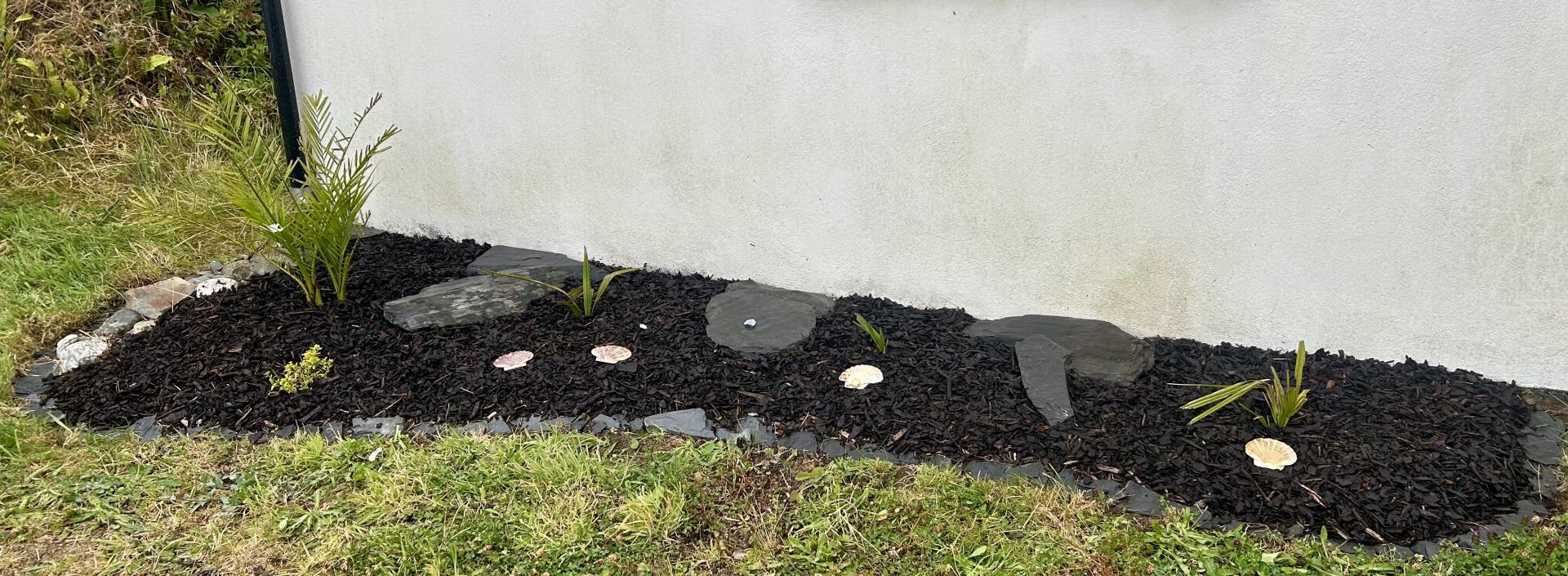
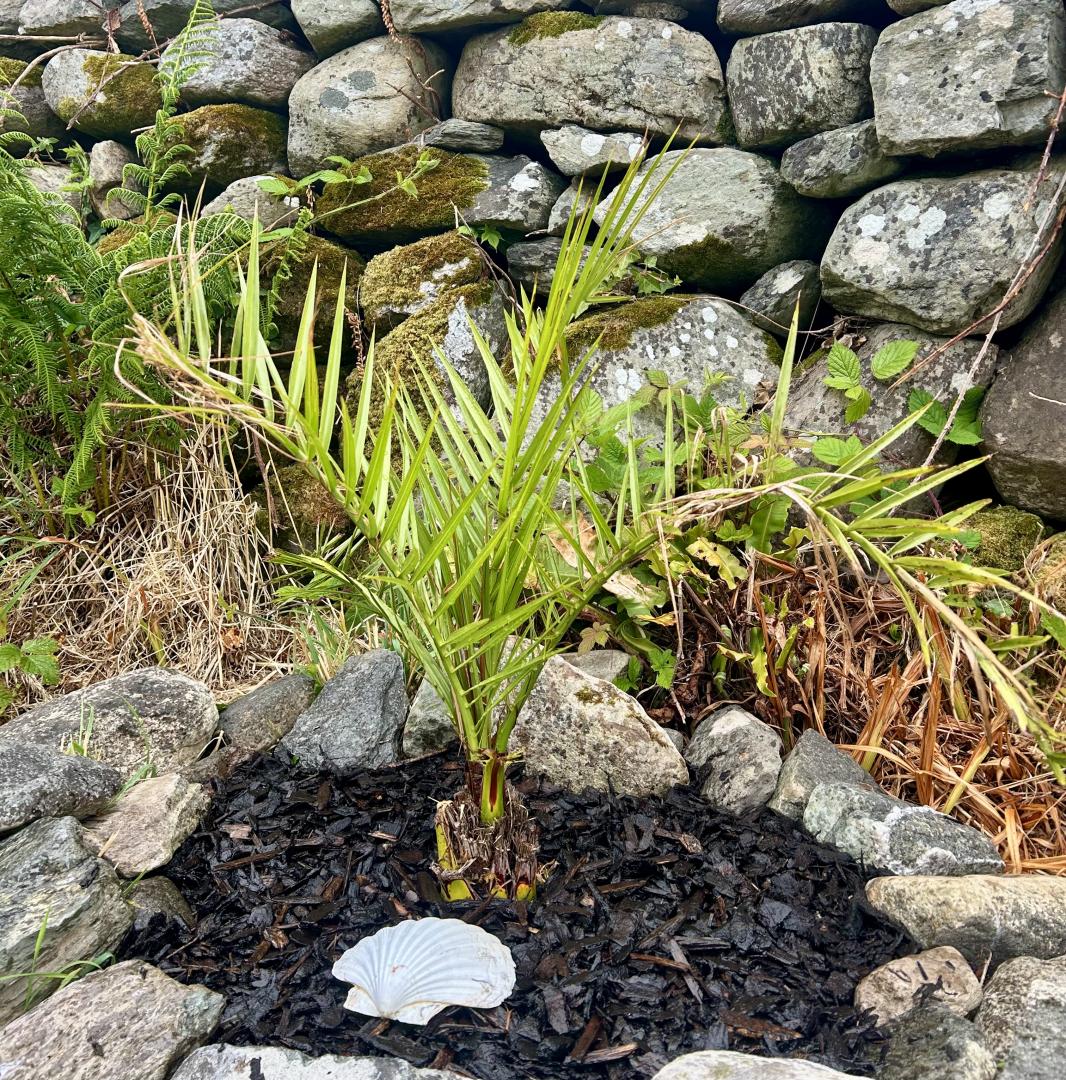
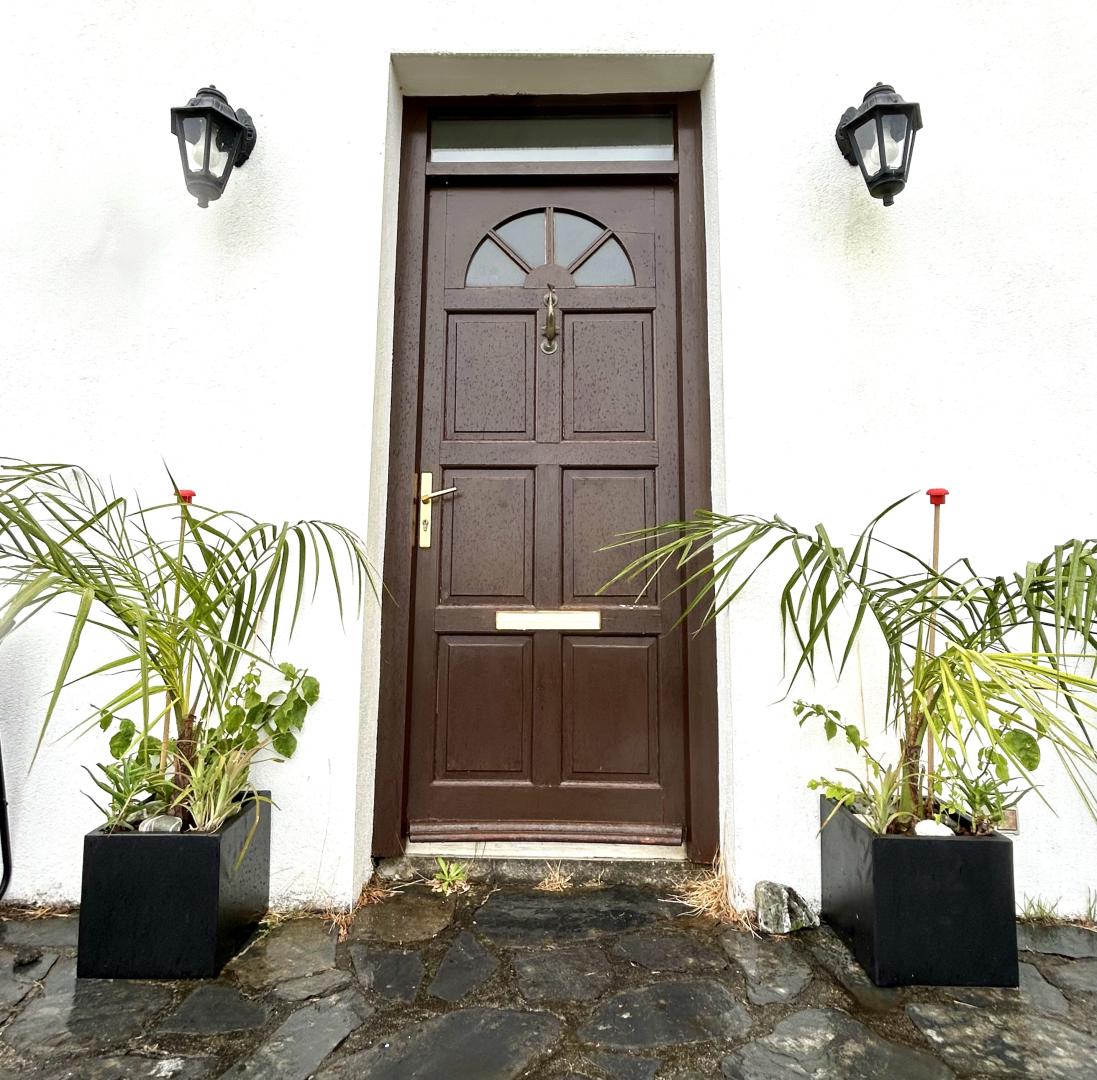
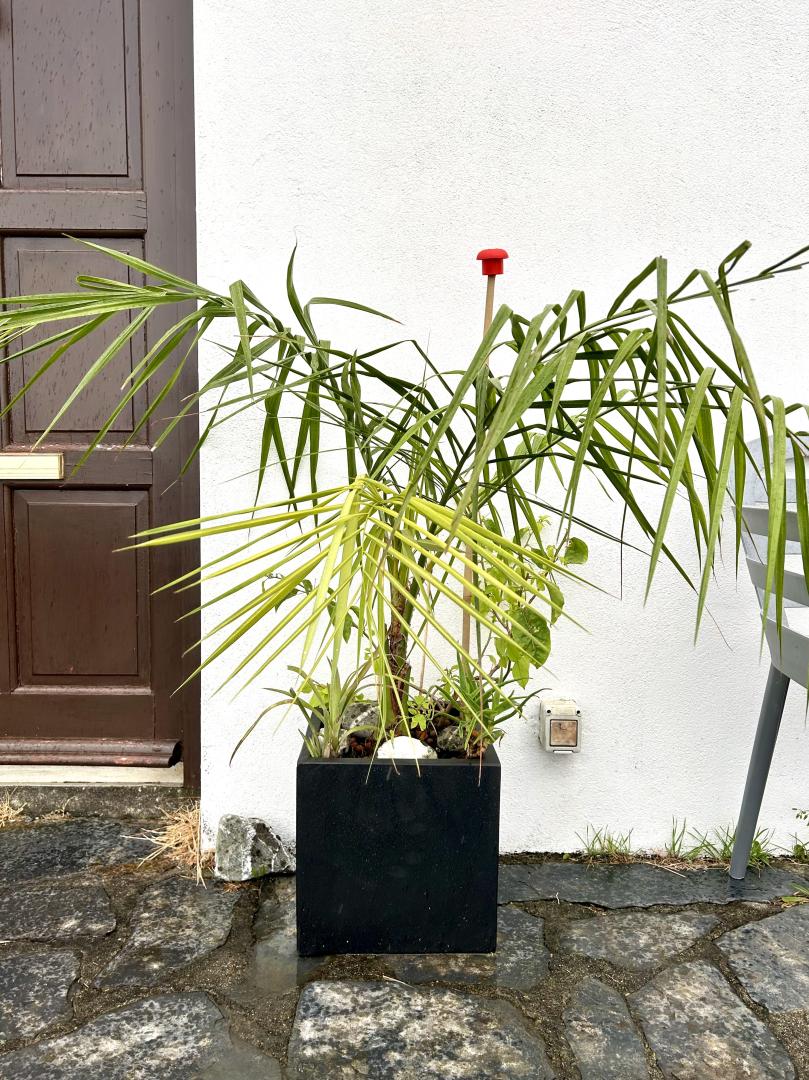
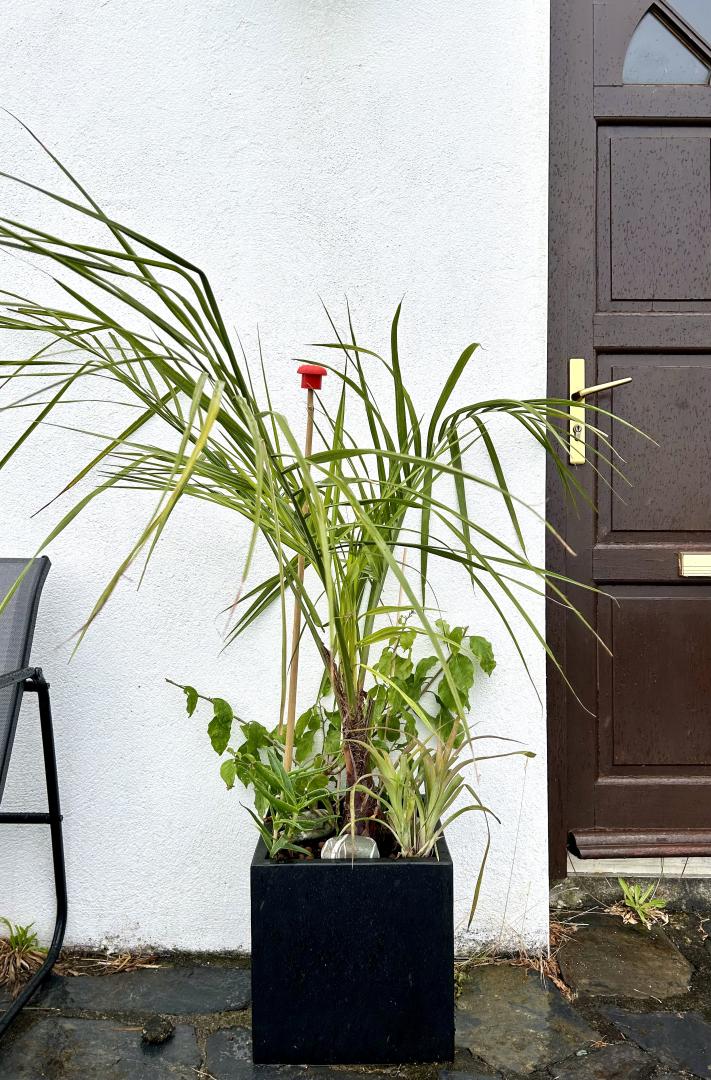
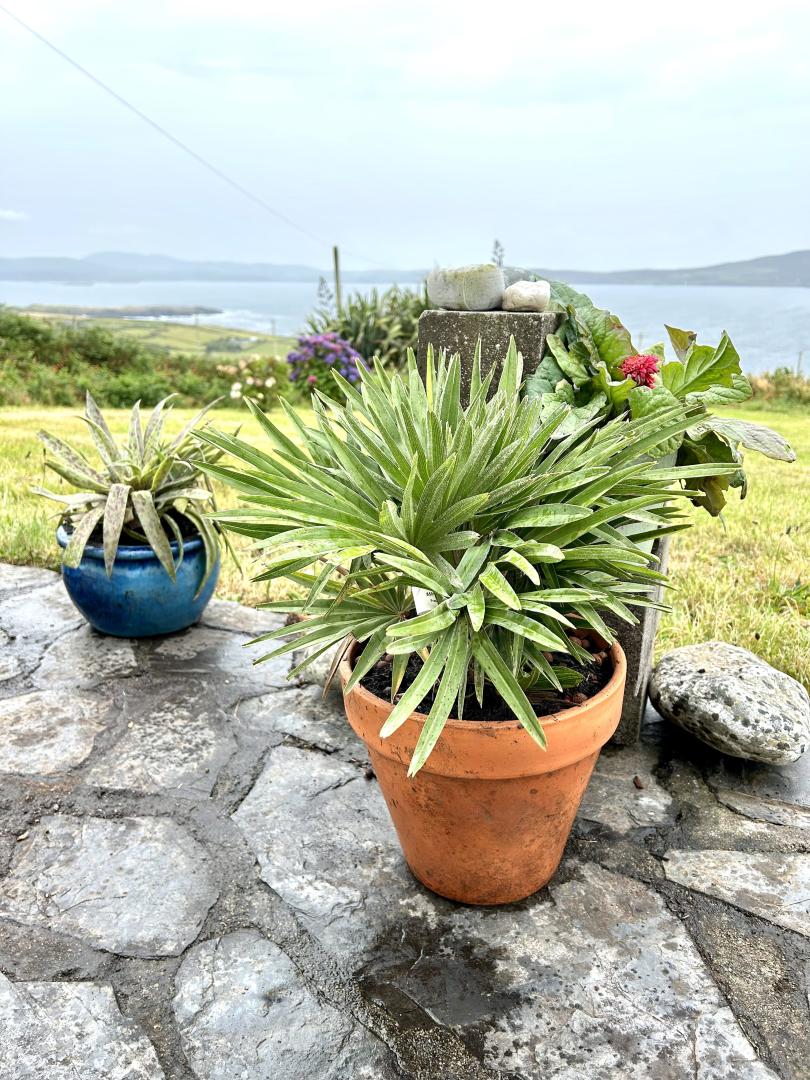
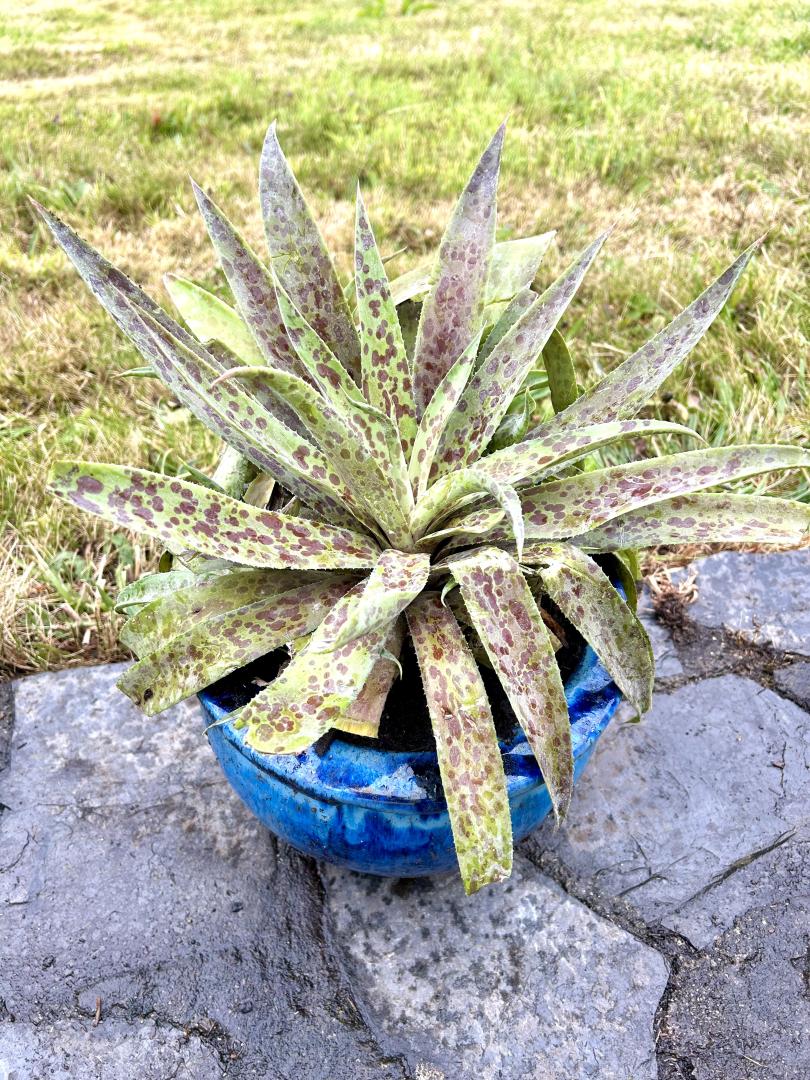
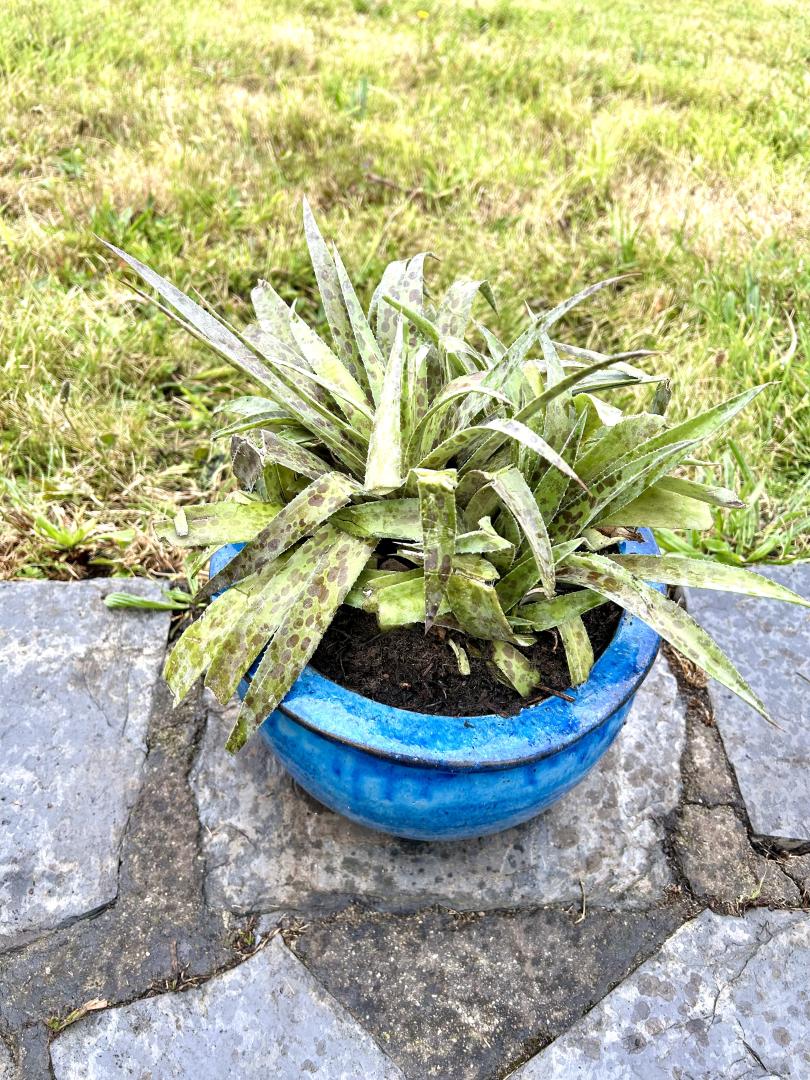
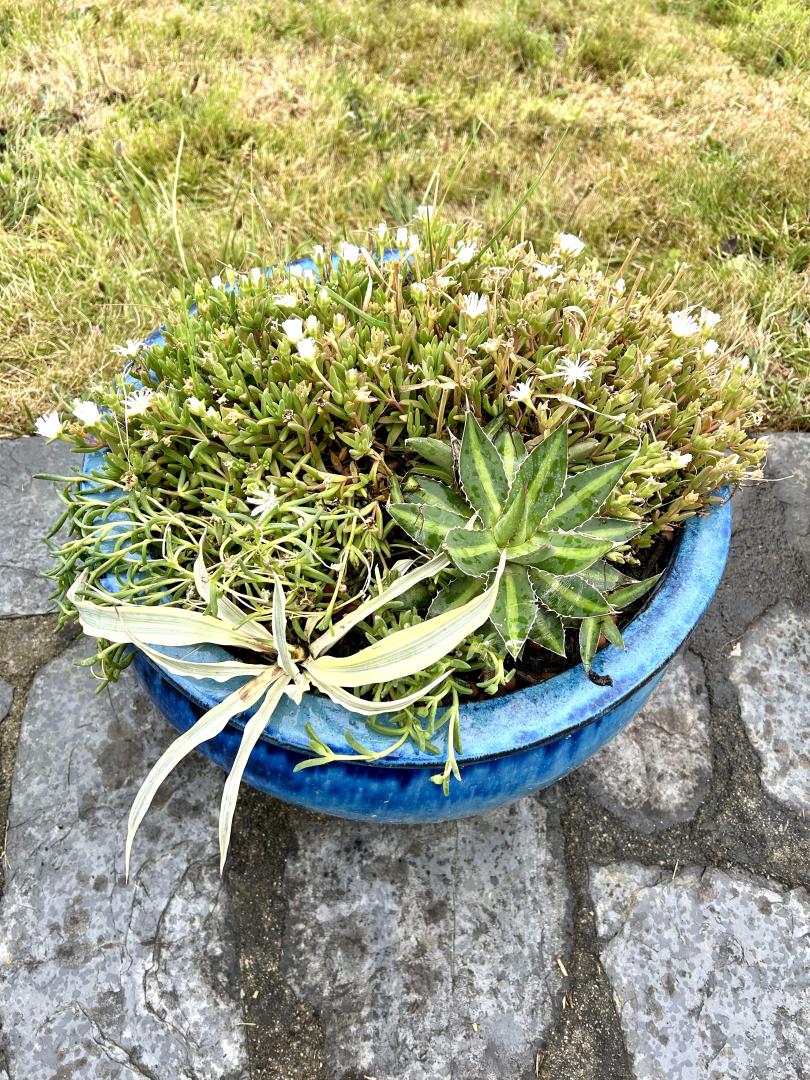
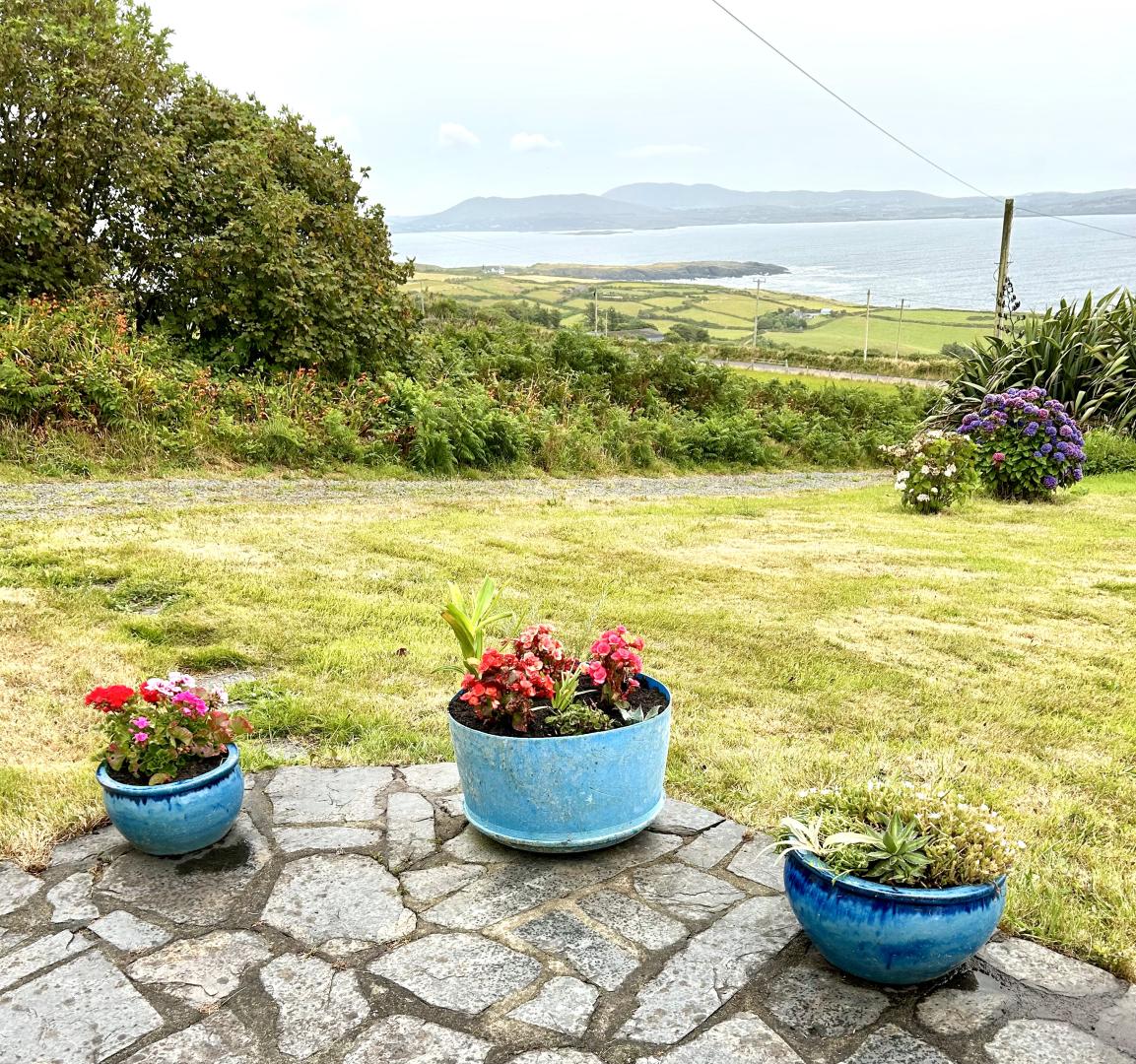
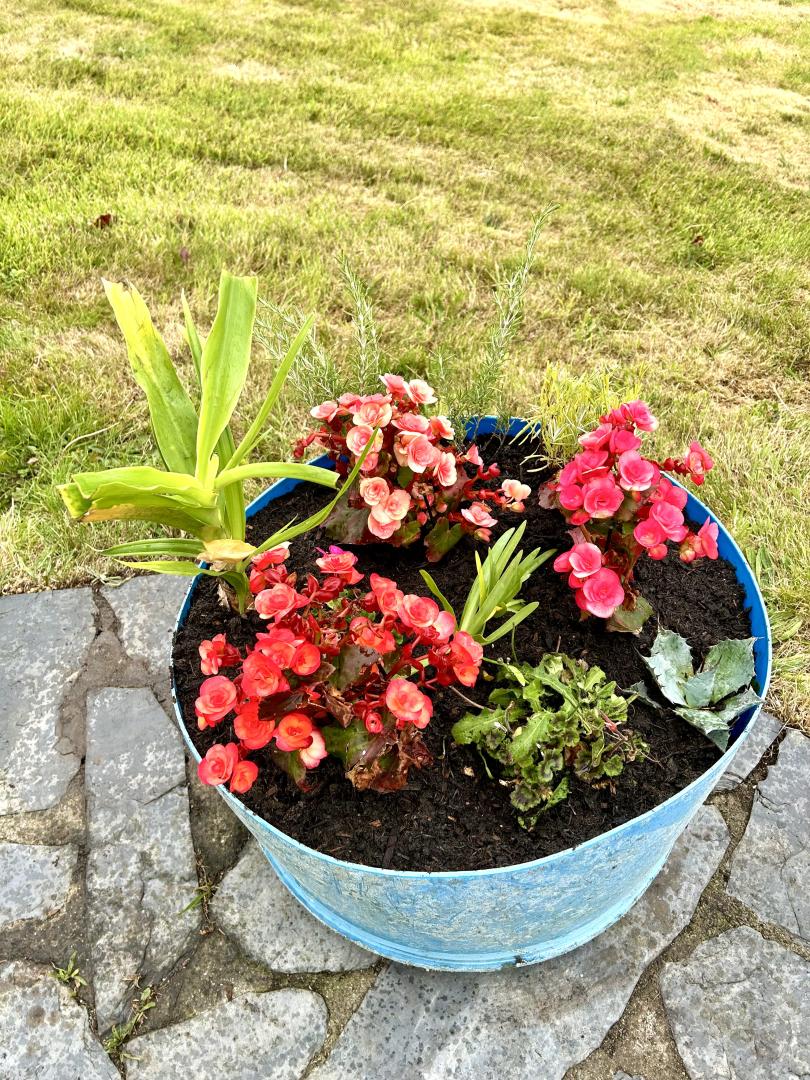
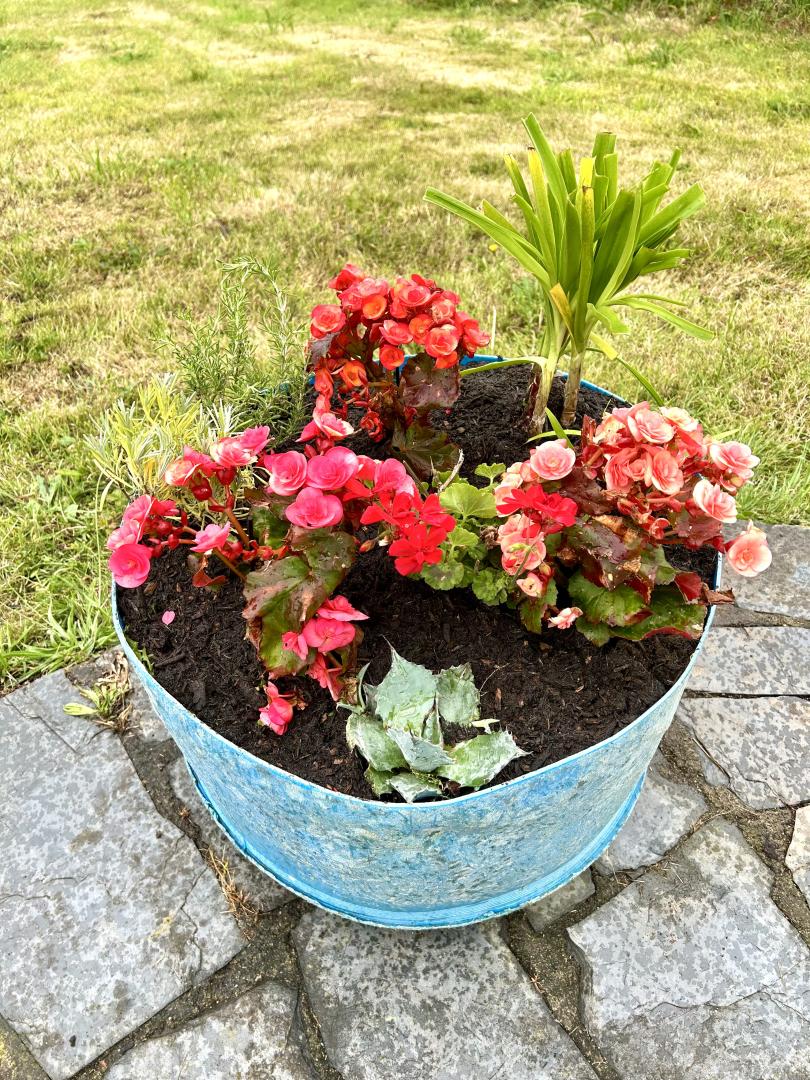
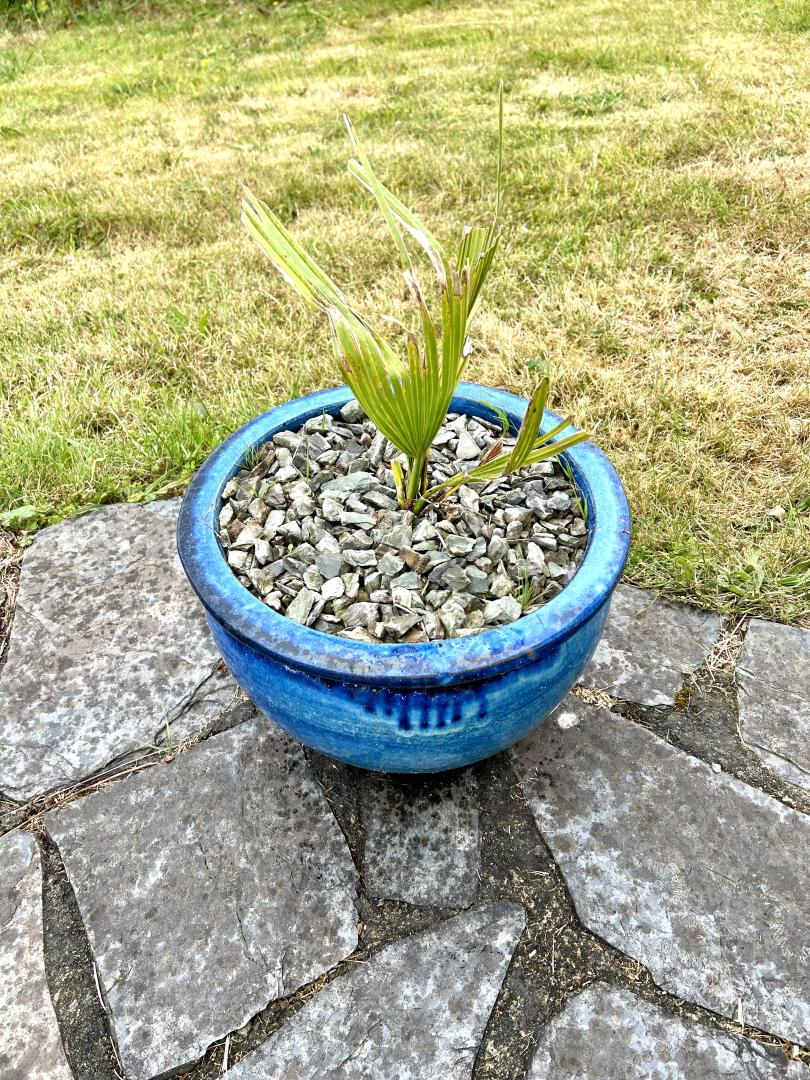
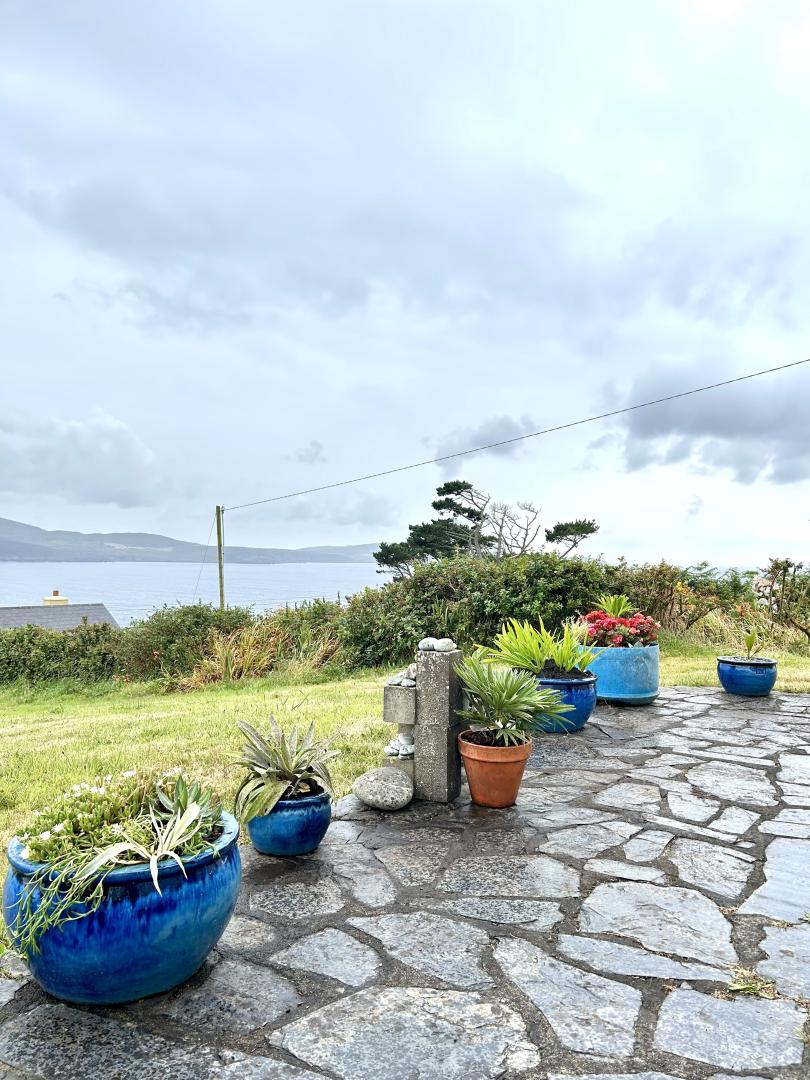
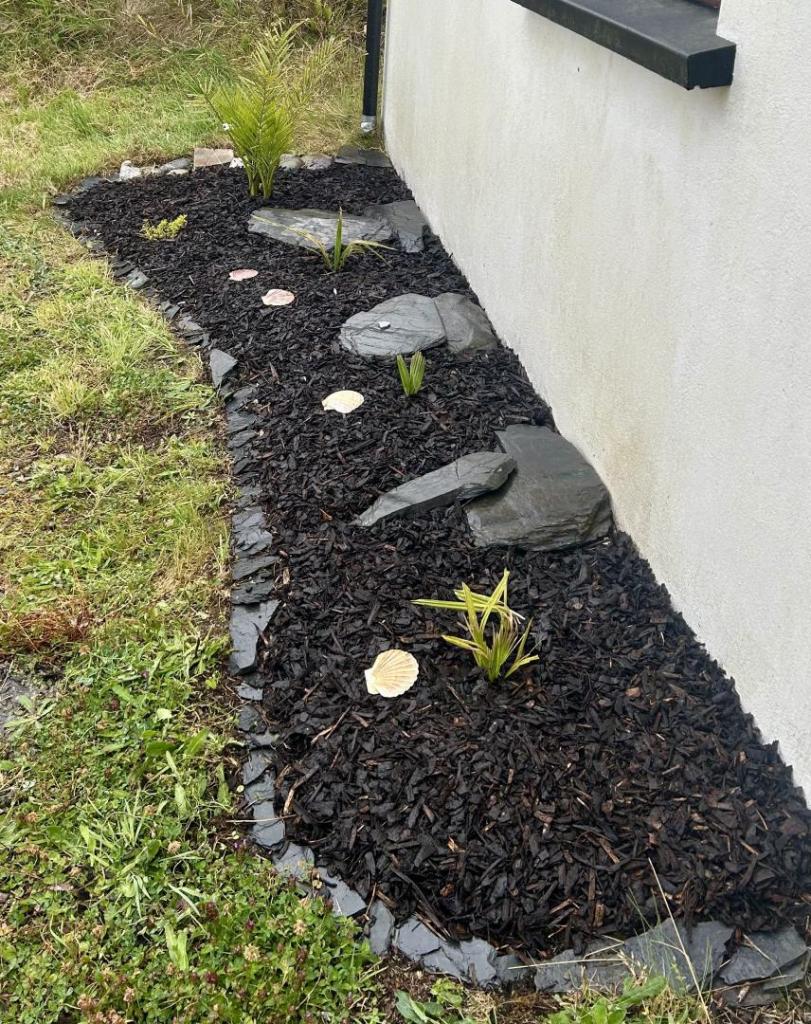
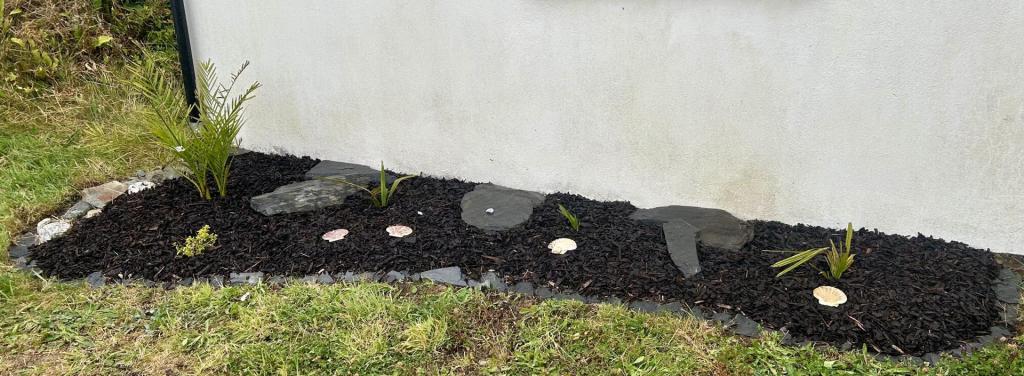
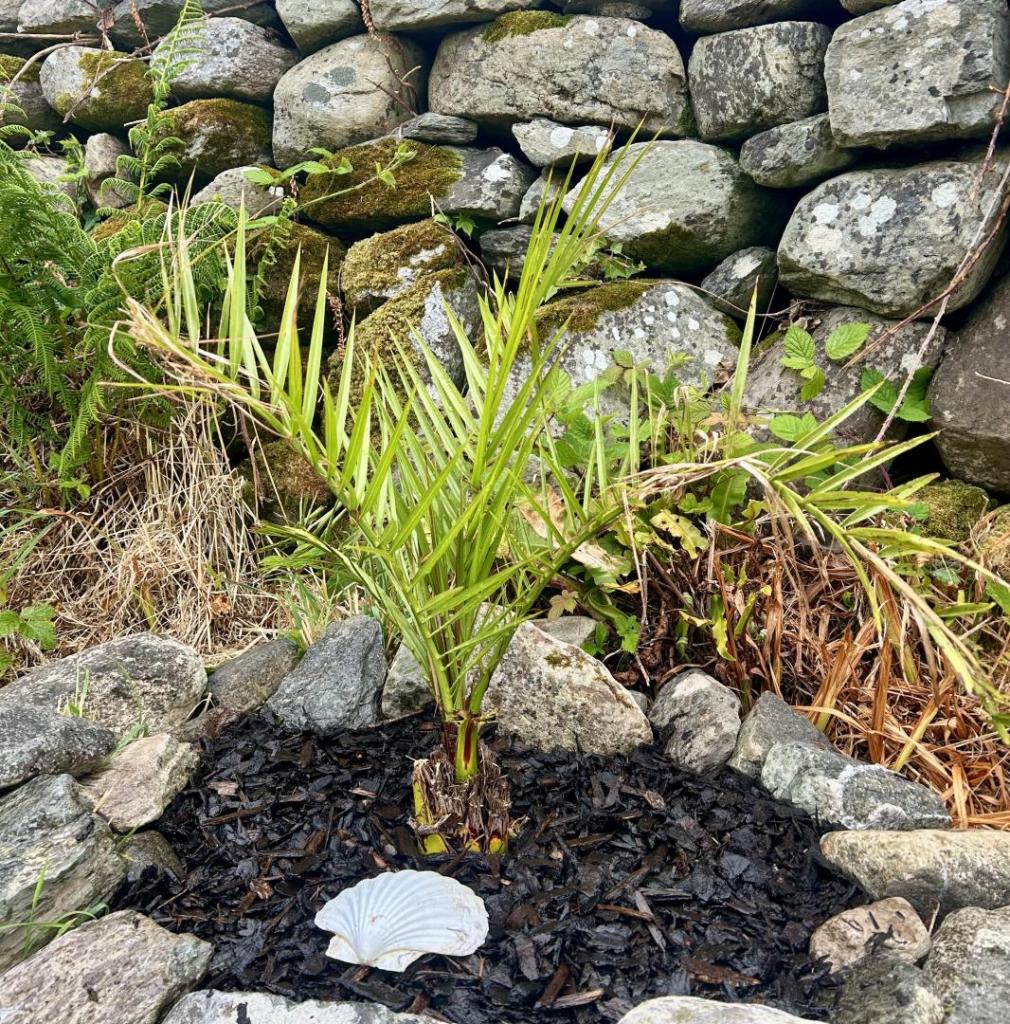
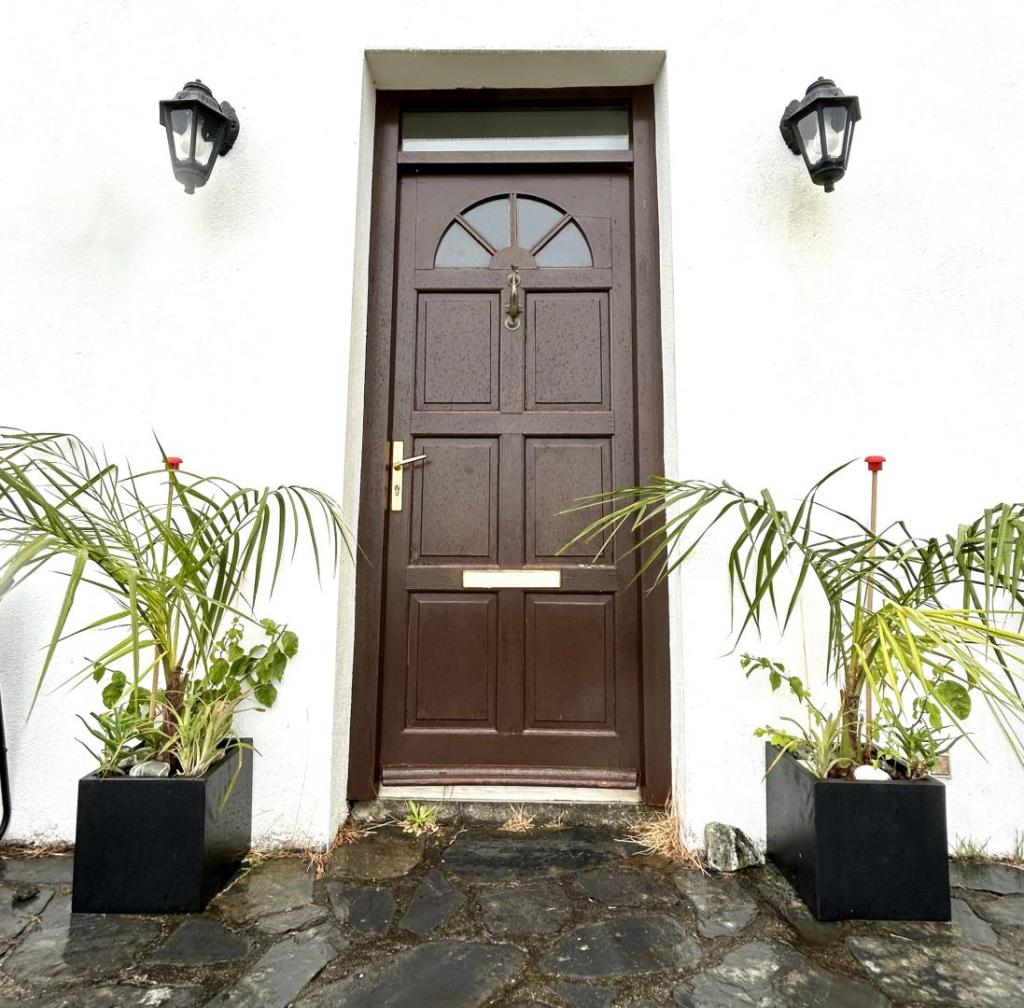
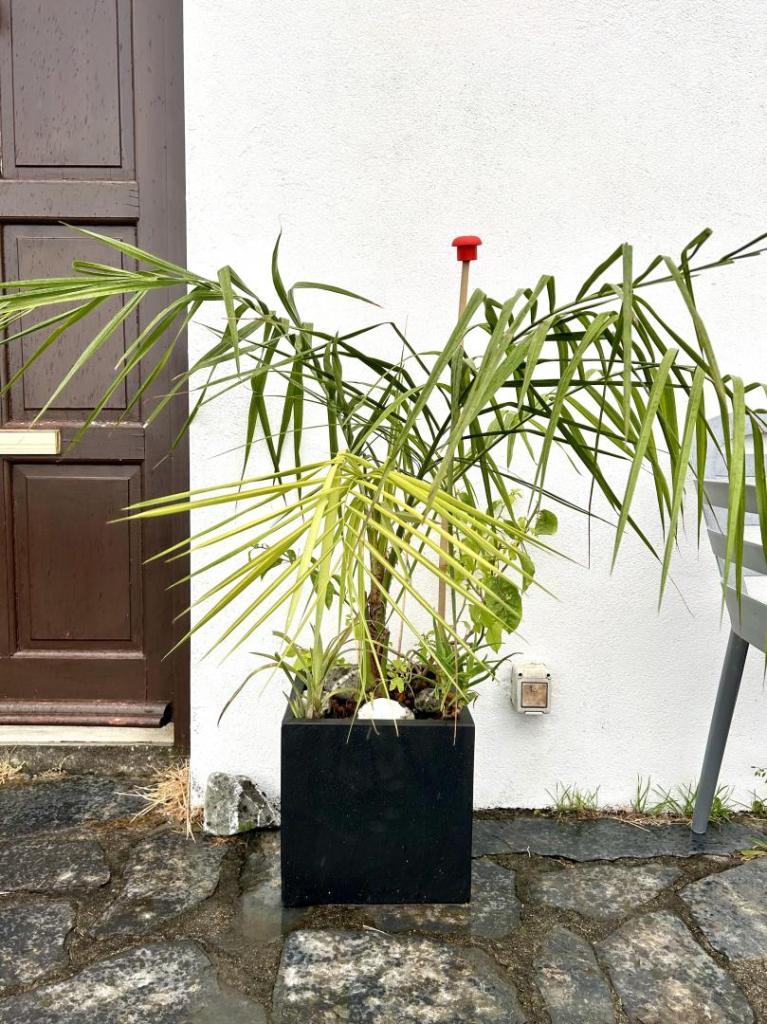
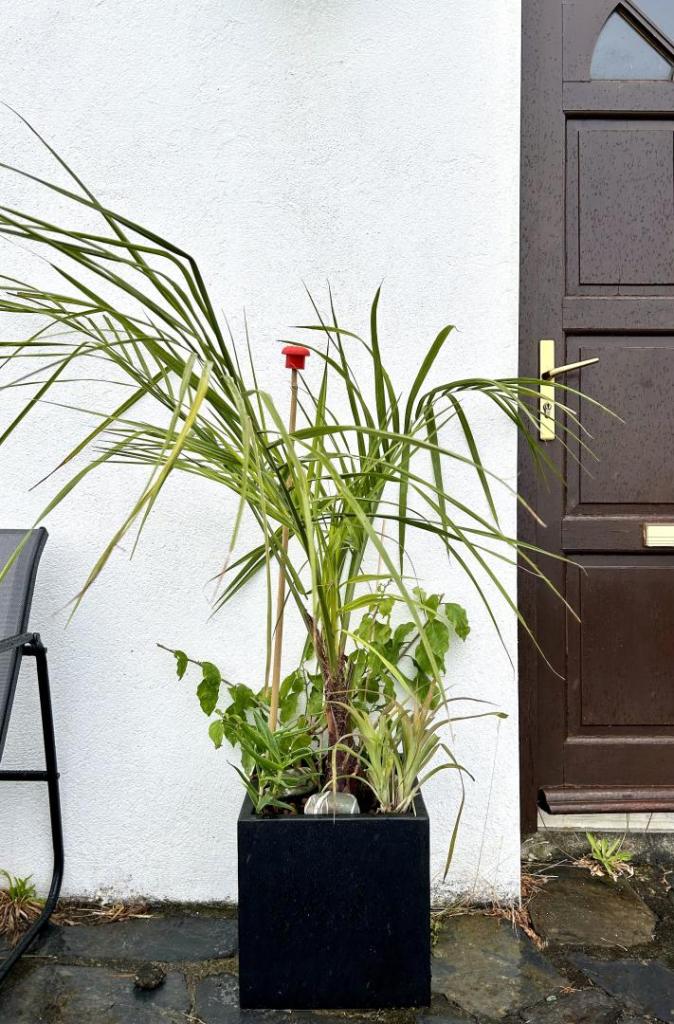
1 pointHello all from Ireland, An update and expansion on my post linked here: They all survived the winter the Syagrus litoralis took a real beating and the Sabal bermudanas did get wind shredded BUT the Sabal bermudana left outside in a pot was by far the fastest grower. The Phoenix by the Stone Wall is growing back nicely after a tractor incident mowed it down completely last year. I put in two new mules for year round enjoyment in pots on the south facing patio, a new year-round potted Chamaerops ‘Vulcano’ and other marginal bits and bobs. All new planting are in much better draining pots/potting mixes to help with winter moisture. I don’t think the temperature was so much the issue as the cool wet (January was extremely wet), particularly for Syagrus, as even tender Geranium survived on the patio in pots through the winter. I think bermudana for speed, may be a winner here, seems very vigorous by Irish standards. New mules: Accompanied by Bouganvillea ‘Violette de Èze’, Aloe striatula, and Billbergia nutans. New Chamaerops ‘Vulcano’: Bermudana #2 being my fastest of the new palms left out all winter but a bit beat by wind: Off topic plants but cool: Mangave ‘Pineapple Express’ Existing white delosperma with added Hot Pink, Sunset Orange, Sunset Violet delosperma and with new Agave lophantha and Yucca gloriosa ‘Citris Twist’. Crinum powellii, Agapanthus ‘Twister’, Agave parrasana, geranium and begonia. Larger views: Patience will be important here with the cool conditions, despite the much warmer than normal summer.
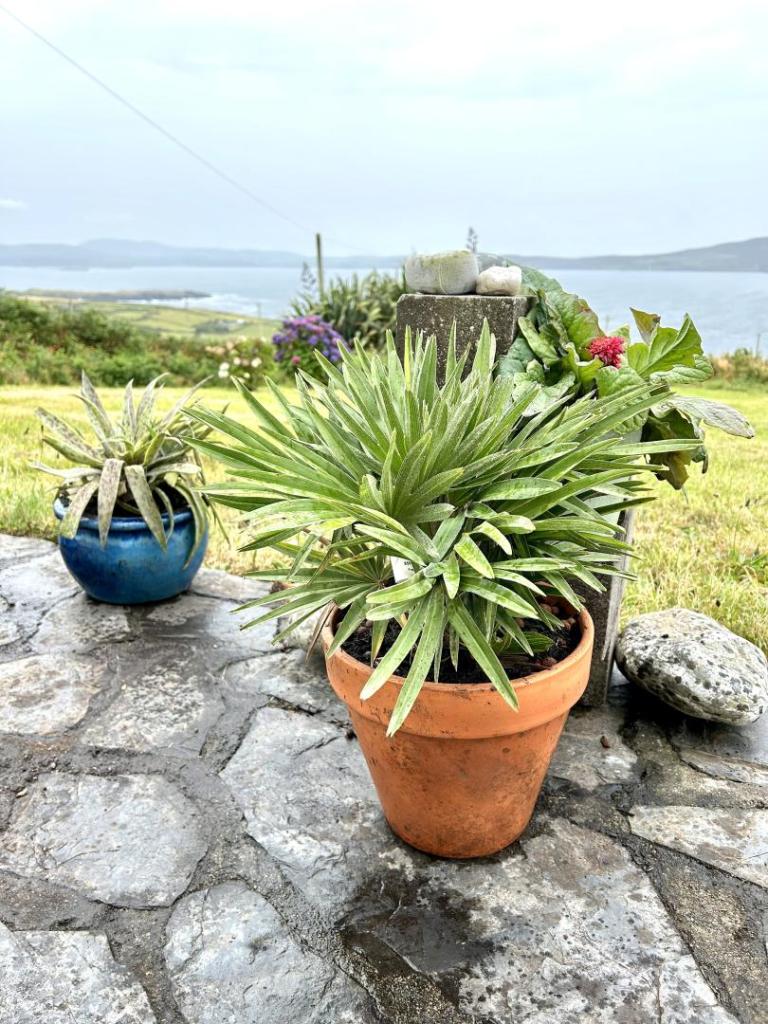
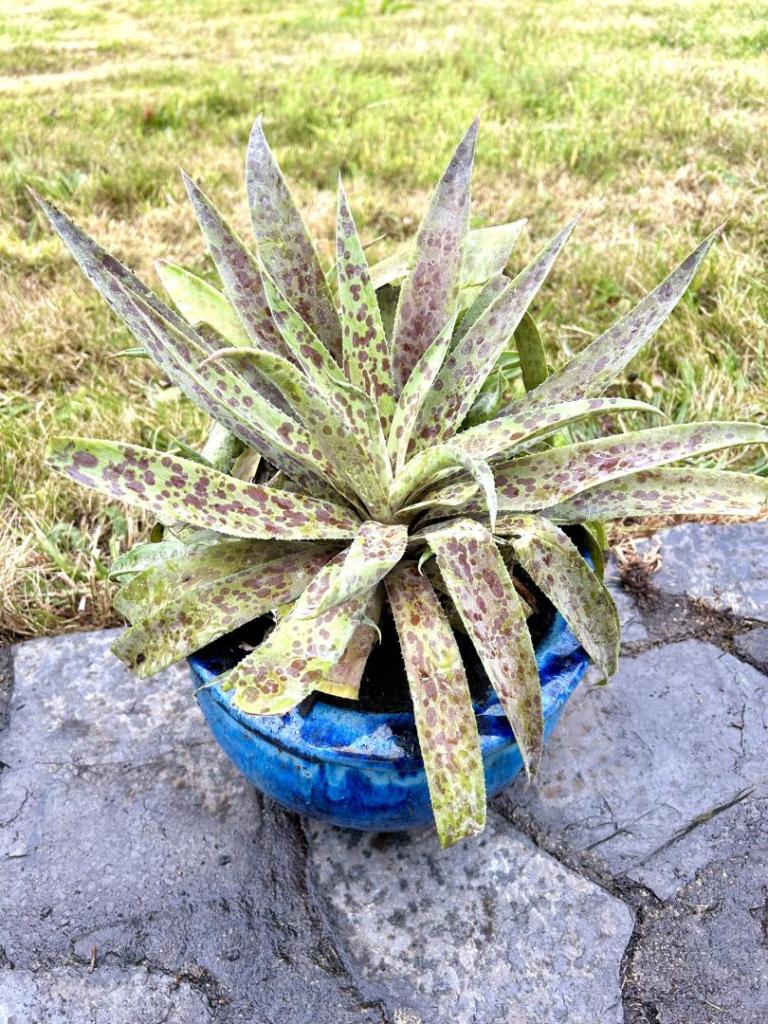
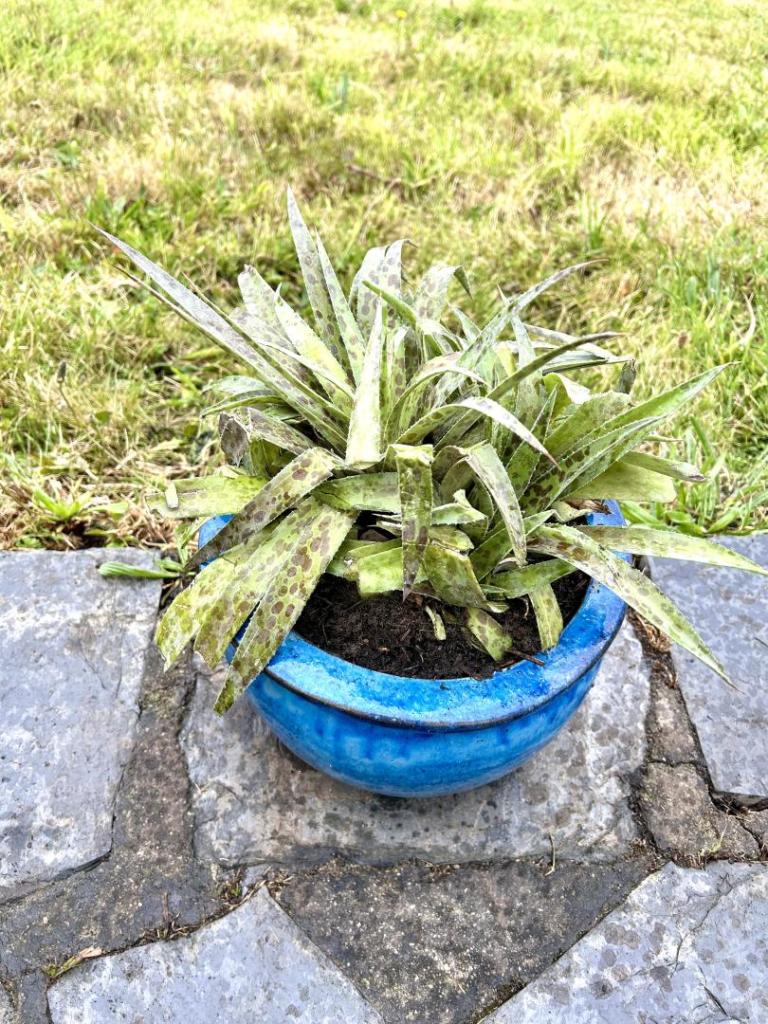
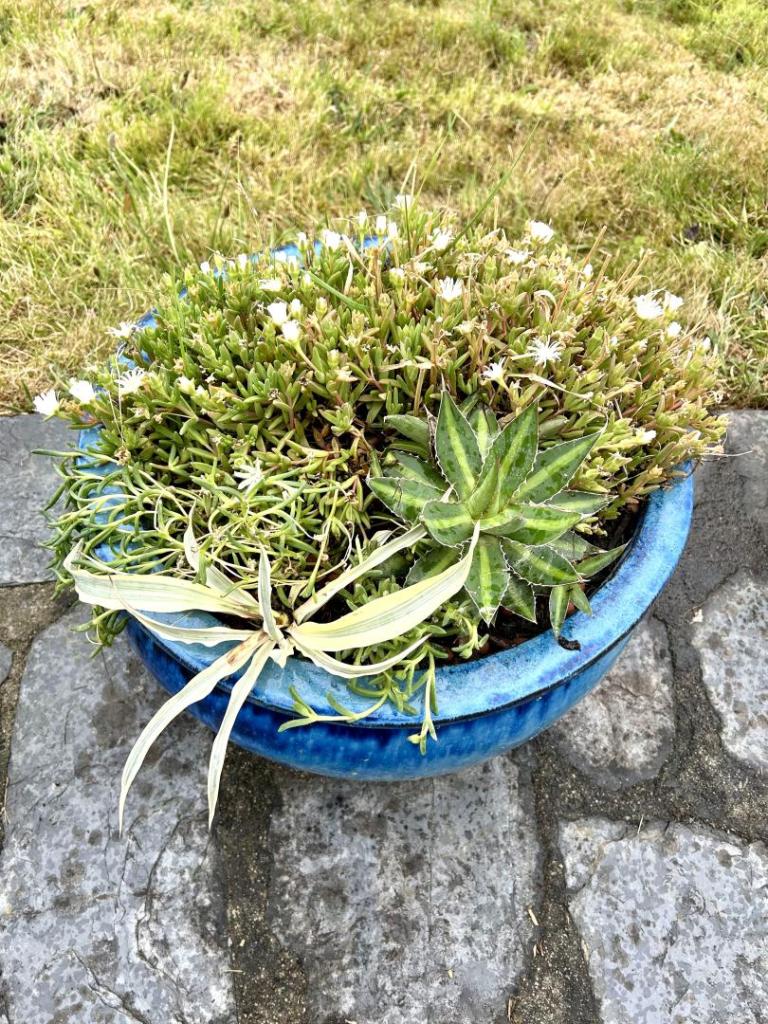
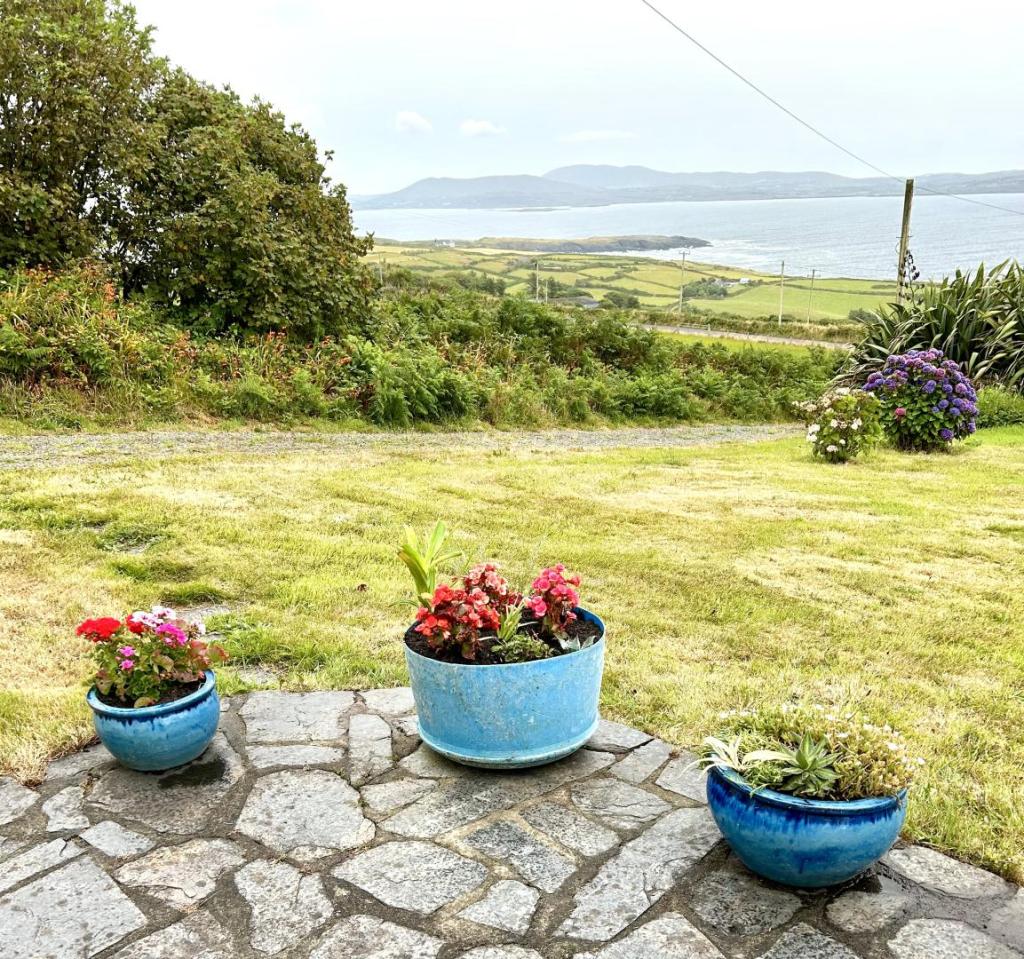
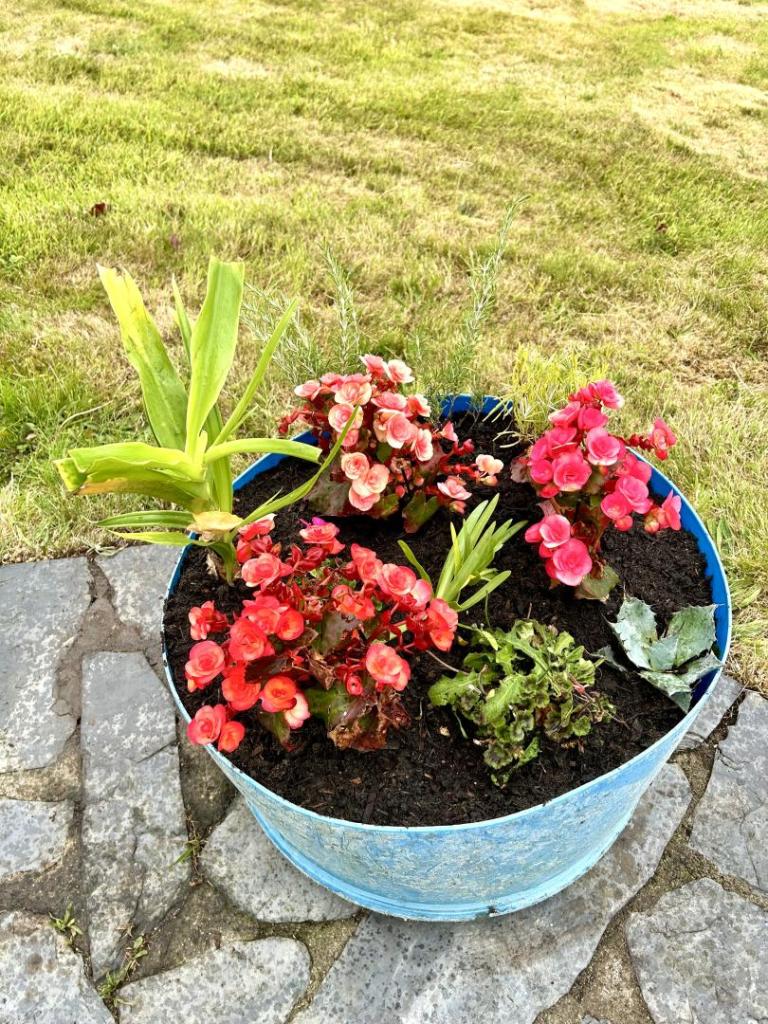
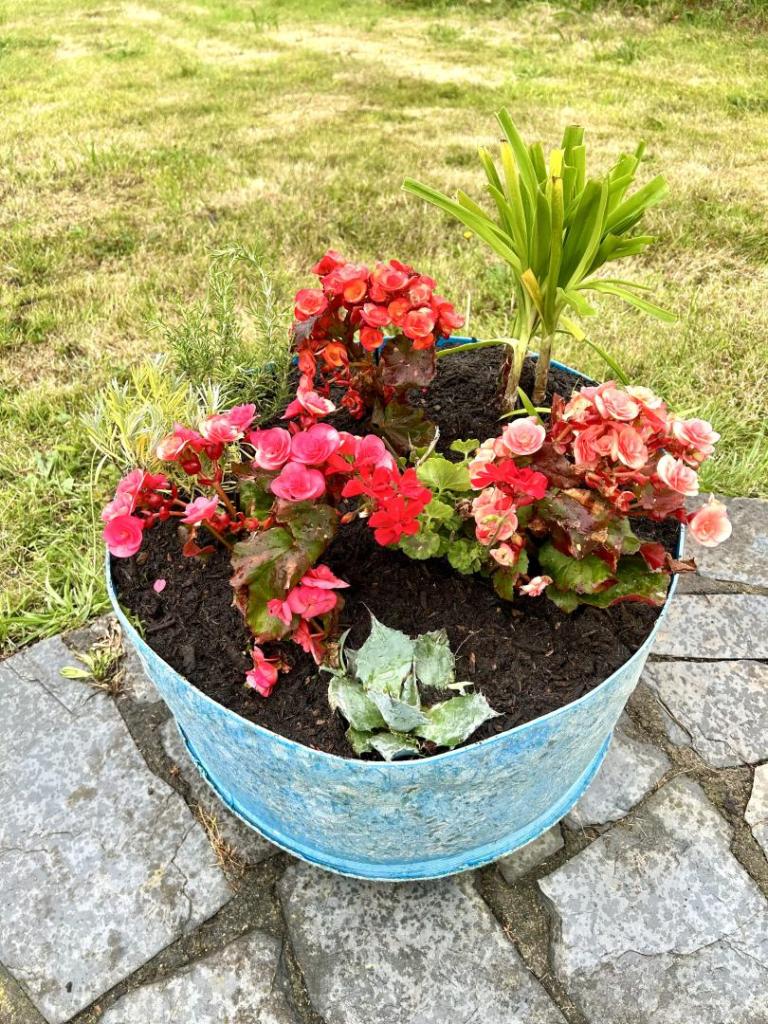
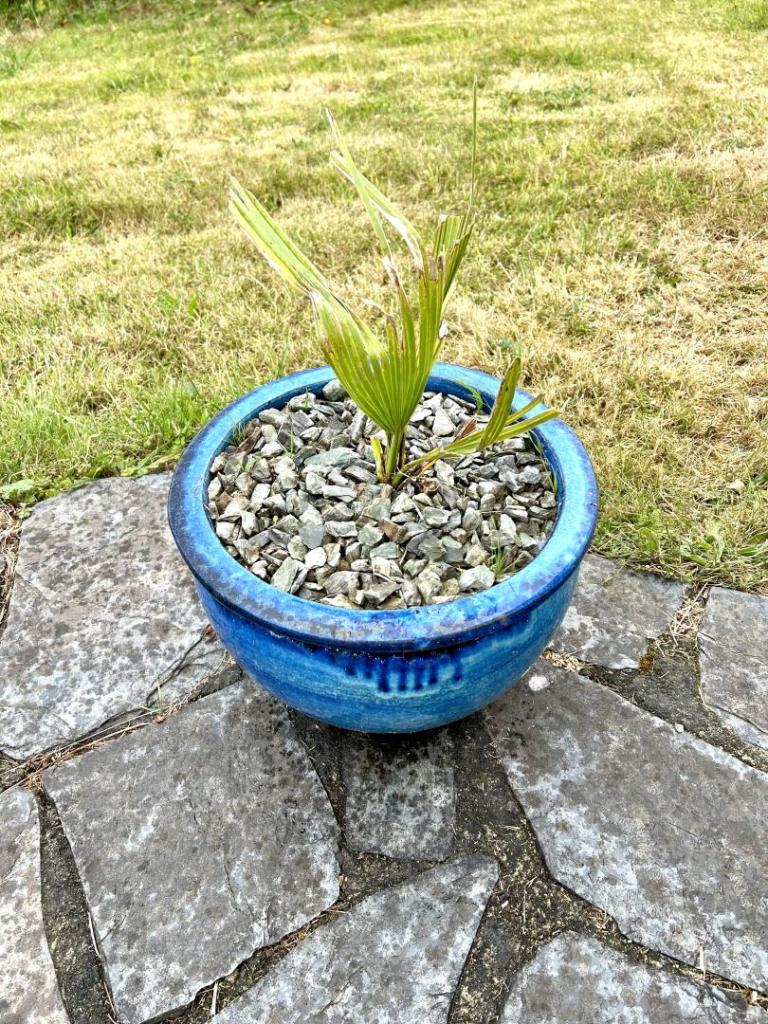
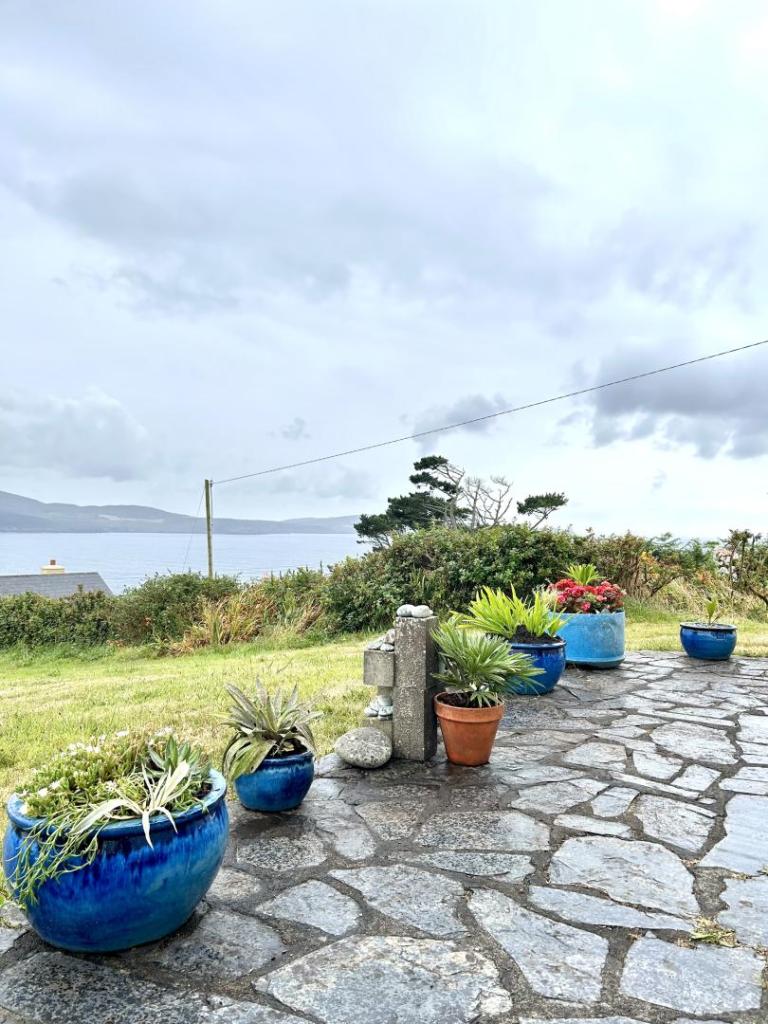
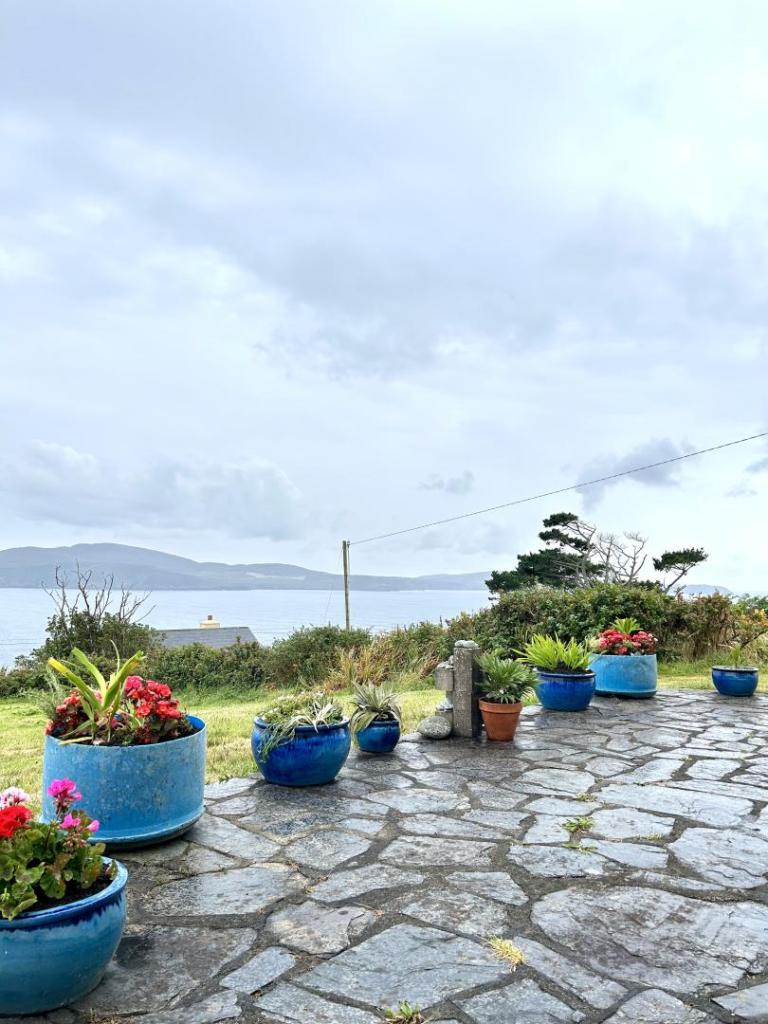
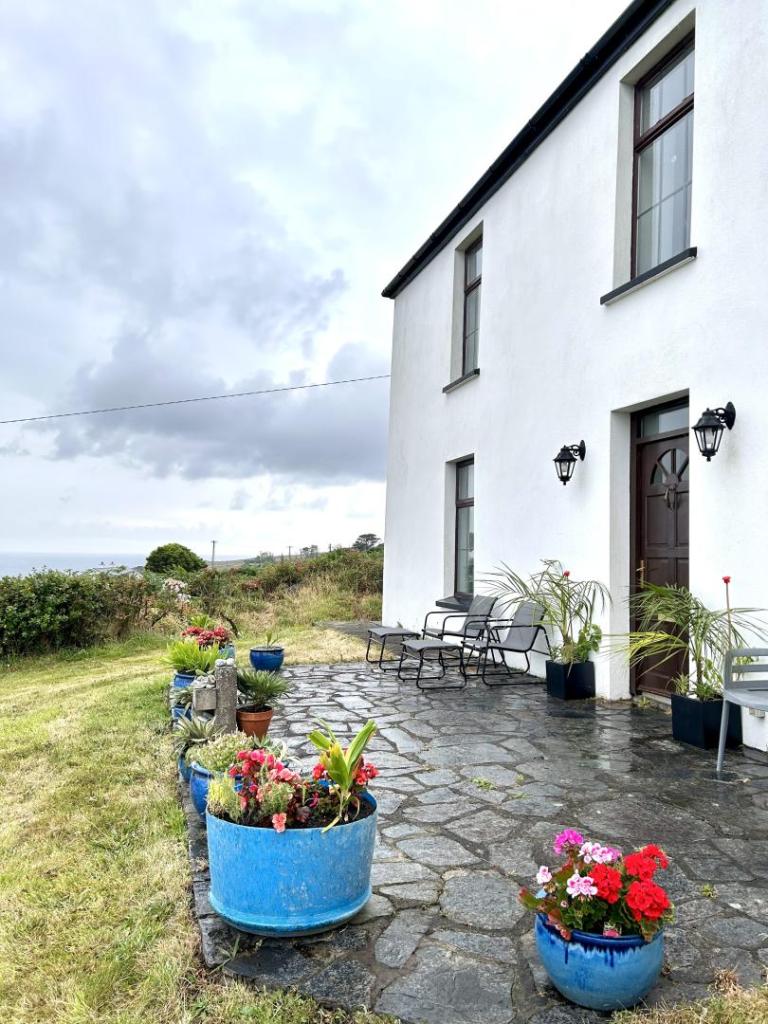 1 point
 -
Konstantinos I believe you, maybe it depends on the vintages?1 point
-
Strange, because they germinate naturally below mother plant in my garden! I will be back to post pictures.1 point
-
1 point
-
 1 pointAverage annual precip here is ~50 inches, comparable to much of Florida. Definitely "green" Texas. But evapotranspiration is high as well. Currently sitting at ~33 inches for the year so far. Looks like it might "cool down" to 95 degrees with a chance of sea breeze showers next weekend as the high pressure recedes ☺️1 point
 -
 1 pointNo rain for 9/10 days. You're lucky. 🤣 I am up to day 50 now since the last time it rained here. All the hand watering is killing me here. Expecting 35C / 95F tomorrow as well. I think some stuff is going to die. My Sabal Minor looks dead from the drought and that has had a few watering cans dumped on it as well. The Mexicana is still clinging on, for now. My Rhopalostylis looks dead now too. I think my total rainfall since March 1st (5 months) is only 3.2 inches. But not a drop since June 16th now (7 weeks). The forecast has no rain for the next 2 weeks either. So I am going to go 9+ weeks with no rain here.1 point
 -
1 pointWelp no rain since the storm 9/10 days ago so I spent 2.5 hours hand-watering in Katy tonight. Brings the total hand-watering count for the year to: 2. Didn't really see any signs of water stress yet on the established stuff. 10-12 days seems to be the interval for me for needing to water if there's no significant rainfall in this high summer weather. I plant very densely, lots of mulch, and have varying levels of shade and canopy. But please, please rain lol No natives or anything remotely xeric looking for me. Just shiny verdant tropicals and subtropicals1 point
-
 1 point
 -
 I had one too close to the house that I edited for that reason. It grew so fast and so big I was stunned. I started thinking about the trunks dyeing one at a time and them falling on my roof. Mine had 8 trunks of 6-8" caliper and was over 25' tall and not slowing down to my eye. One winter we had a freeze and it burned like almost every other leaf so it was pretty ugly then. Not very leaf hardy compared with my other palms, they are reportedly more cold tolerant than many of my palms, but less leaf hardy. Trimming the dead leaves was difficult with all the trunks and leaves. I decided the dead trunk falling thing was too much risk too close to the house, so I edited it and have one less problem these days. If I had known how big it would get I probably would not have planted it at that site.1 point
 -
 They can get a bit more than anticipated , like Arenga Engleri . Sometimes that’s what we want , privacy or natural screen. They do a bit of self thinning when they flower . I cut the flowering stems out and that keeps them controlled. Harry1 point
 -
 1 point
 -
1 point
1 point
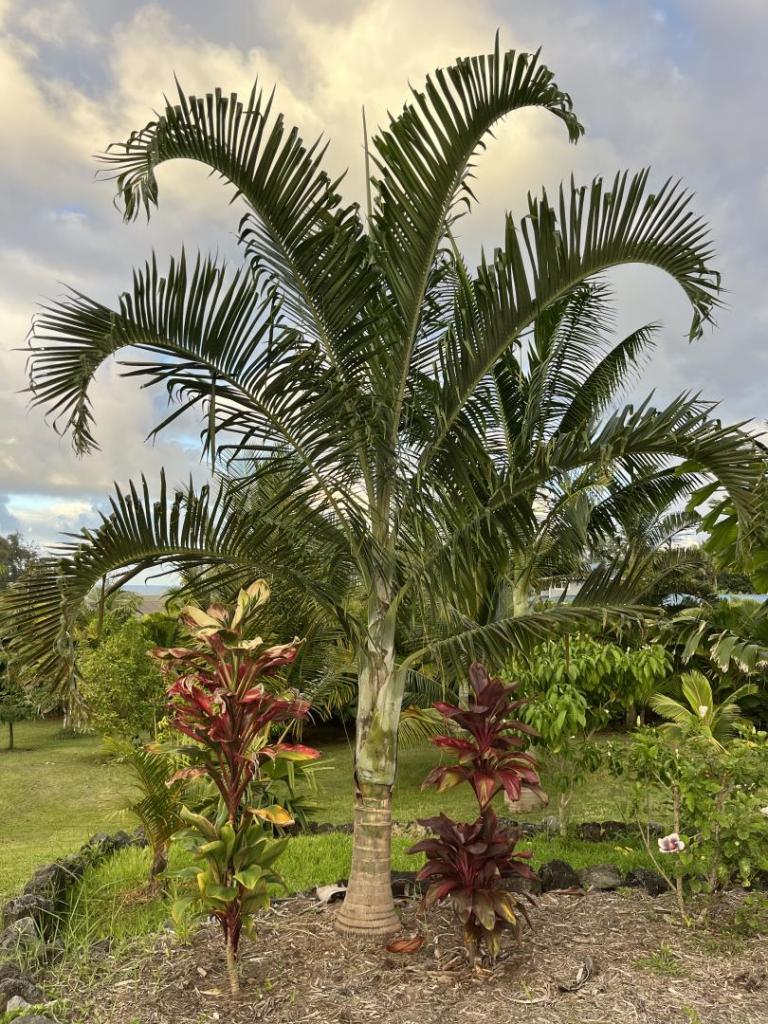
And here are some random updated photos of the garden. Too many to list names but just ask if you have any questions about IDs.


 1 point
Life has been busy and I haven’t had much time to be on PalmTalk or work on new plantings in the garden. It’s just mowing and weed wacking like crazy over here. But I did just find some time and inspiration to get a few new plantings in the ground so I wanted to document them here. I’ll post some updated pictures of the garden as well, after the new plantings. First up is Chrysalidocarpus Mijoroana: Next up is somewhat of a mystery. My old garden had a Chrysalidocarpus Pembanus hybrid (most likely crossed with Madagascariensis). I tried many times to get seed to sprout and only ever got 2 to germinate. So this is an F2 Chrysalidocarpus Pembanus hybrid, most likely crossed again with something in my old garden: And then I was able to plant some smaller Dypsis in the jungle area. Dypsis Beentjei: Dypsis Maranoseta:
1 point
Life has been busy and I haven’t had much time to be on PalmTalk or work on new plantings in the garden. It’s just mowing and weed wacking like crazy over here. But I did just find some time and inspiration to get a few new plantings in the ground so I wanted to document them here. I’ll post some updated pictures of the garden as well, after the new plantings. First up is Chrysalidocarpus Mijoroana: Next up is somewhat of a mystery. My old garden had a Chrysalidocarpus Pembanus hybrid (most likely crossed with Madagascariensis). I tried many times to get seed to sprout and only ever got 2 to germinate. So this is an F2 Chrysalidocarpus Pembanus hybrid, most likely crossed again with something in my old garden: And then I was able to plant some smaller Dypsis in the jungle area. Dypsis Beentjei: Dypsis Maranoseta: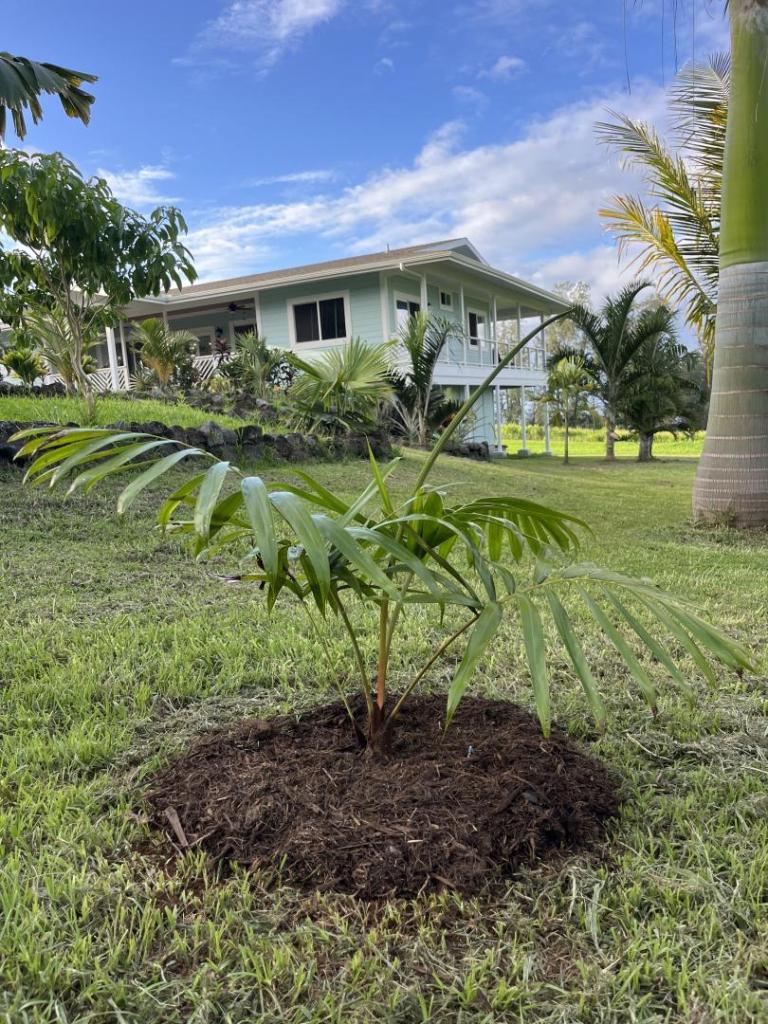


 1 point
1 point
1 point 1 pointI recently visited South Padre Island and the RGV, and as a former Floridian I thought I’d share a few impressions. Driving south on US-59 through the brush country, I was greeted in Harlingen by a mature queen palm. Living in Houston, where there are virtually none, and having not seen any on the drive down, it immediately caught my attention. About a mile later I spotted a royal poinciana, and another mile after that a mature royal palm. I was surprised by how abruptly the landscape transitioned into something that felt tropical. Along the east coast, that change is much more gradual. Before long I was seeing Australian pines, ficus, and many of the plants I regularly saw in Central Florida that are absent around Houston. Overall, South Padre Island and the RGV really impressed me. South Padre, in particular, felt genuinely tropical, with a warm, humid sea breeze very reminiscent of South Florida. In terms of vegetation, I’d say it felt slightly more tropical than coastal Volusia County but a bit less so than Brevard County. On Florida’s Gulf Coast, the closest comparison that came to mind was Dunedin, Tarpon Springs, or perhaps South Tampa—if you mentally removed the coconuts, Veitchia, and other tropicals that were largely wiped out in Texas by the 2021 freeze. The palm scene was better than I expected. I would’ve loved to see a few coconut palms, but I didn’t come across any. Hopefully they’ll make a comeback as the climate allows. More generally, we really enjoyed the area and will definitely be back. It was a pleasant surprise to find a corner of Texas that, in many ways, felt so much like Florida.1 point
1 point
1 point
1 pointA nice chamaedorea elegans, one you don’t see much off around these pages!
1 pointI recently visited South Padre Island and the RGV, and as a former Floridian I thought I’d share a few impressions. Driving south on US-59 through the brush country, I was greeted in Harlingen by a mature queen palm. Living in Houston, where there are virtually none, and having not seen any on the drive down, it immediately caught my attention. About a mile later I spotted a royal poinciana, and another mile after that a mature royal palm. I was surprised by how abruptly the landscape transitioned into something that felt tropical. Along the east coast, that change is much more gradual. Before long I was seeing Australian pines, ficus, and many of the plants I regularly saw in Central Florida that are absent around Houston. Overall, South Padre Island and the RGV really impressed me. South Padre, in particular, felt genuinely tropical, with a warm, humid sea breeze very reminiscent of South Florida. In terms of vegetation, I’d say it felt slightly more tropical than coastal Volusia County but a bit less so than Brevard County. On Florida’s Gulf Coast, the closest comparison that came to mind was Dunedin, Tarpon Springs, or perhaps South Tampa—if you mentally removed the coconuts, Veitchia, and other tropicals that were largely wiped out in Texas by the 2021 freeze. The palm scene was better than I expected. I would’ve loved to see a few coconut palms, but I didn’t come across any. Hopefully they’ll make a comeback as the climate allows. More generally, we really enjoyed the area and will definitely be back. It was a pleasant surprise to find a corner of Texas that, in many ways, felt so much like Florida.1 point
1 point
1 point
1 pointA nice chamaedorea elegans, one you don’t see much off around these pages! 1 point