

Leaderboard
-

happypalms
IPS MEMBER26Points13,427Posts -
realarch
IPS MEMBER11Points7,189Posts -

Looking Glass
IPS MEMBER7Points1,925Posts -

sonoranfans
IPS MEMBER7Points6,262Posts
Popular Content
Showing content with the highest reputation on 07/10/2026 in all areas
-
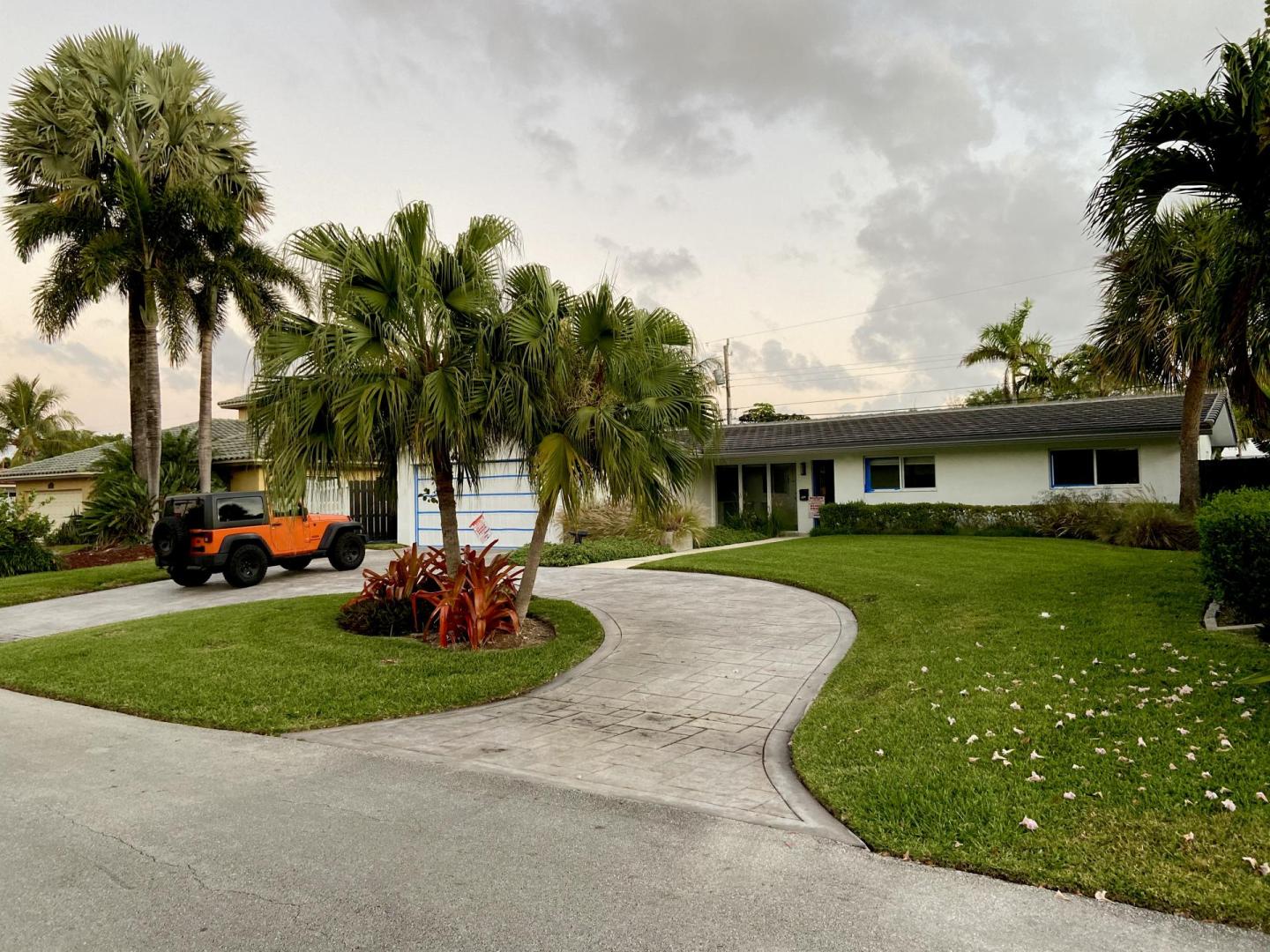
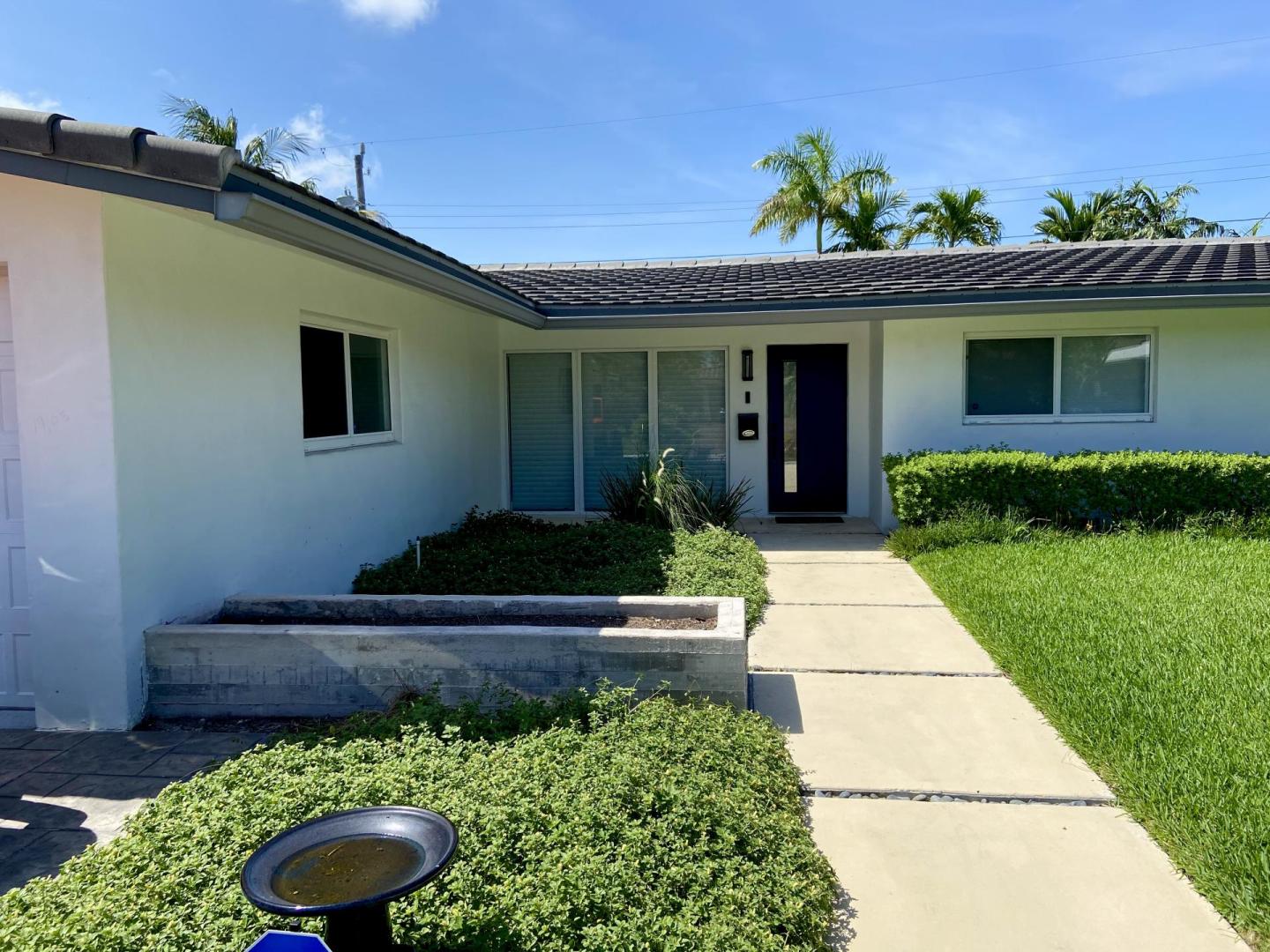
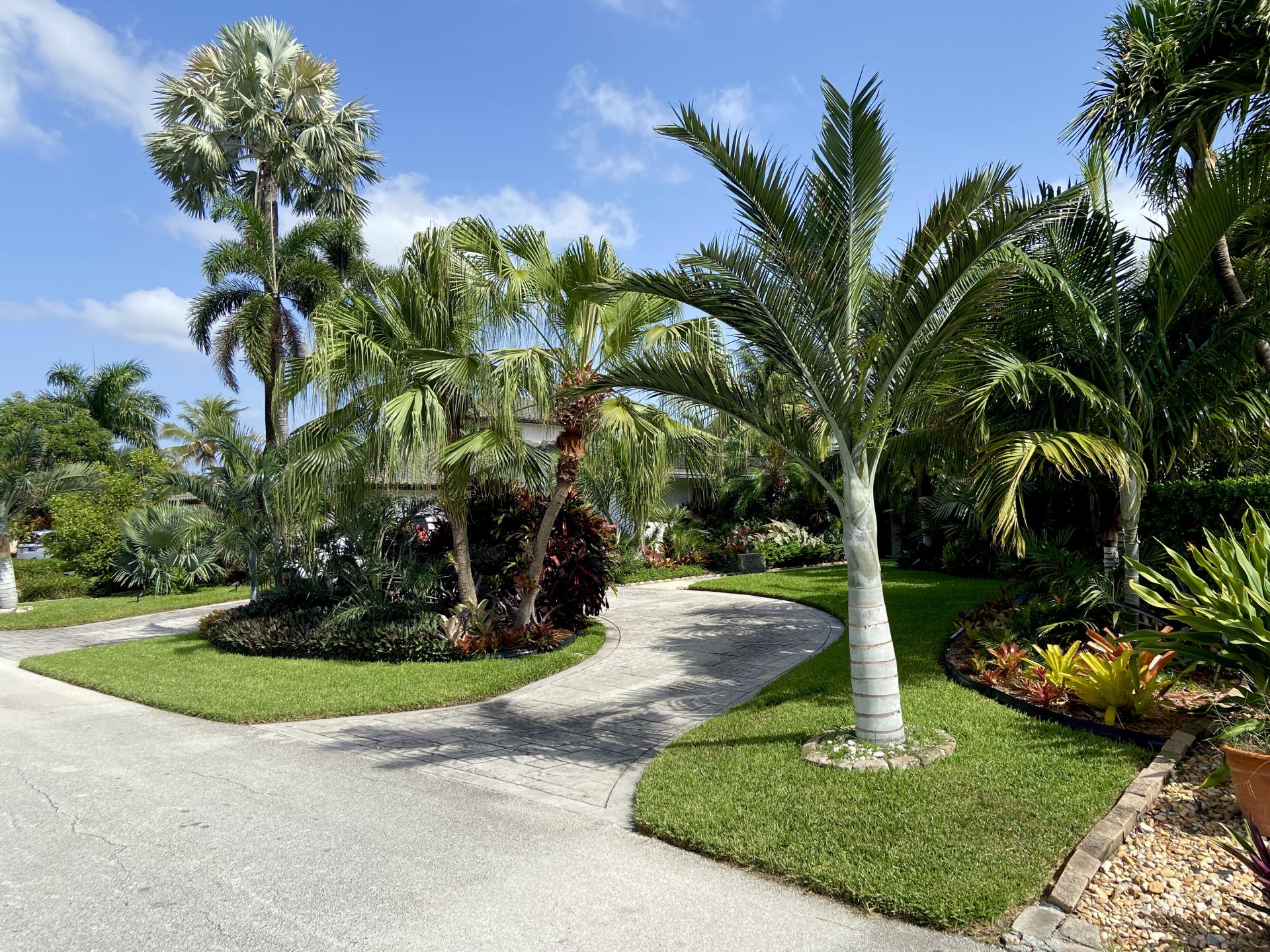
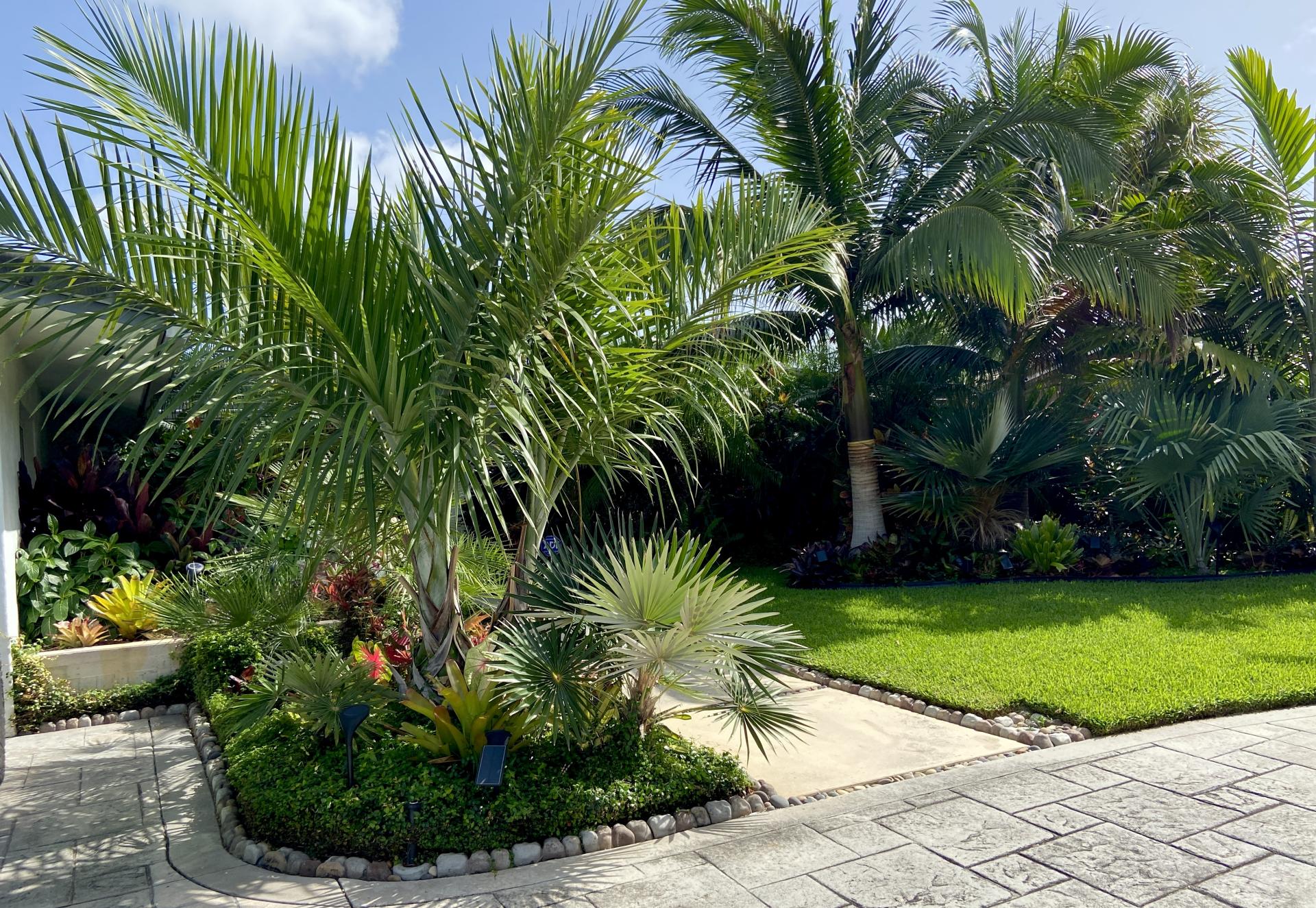
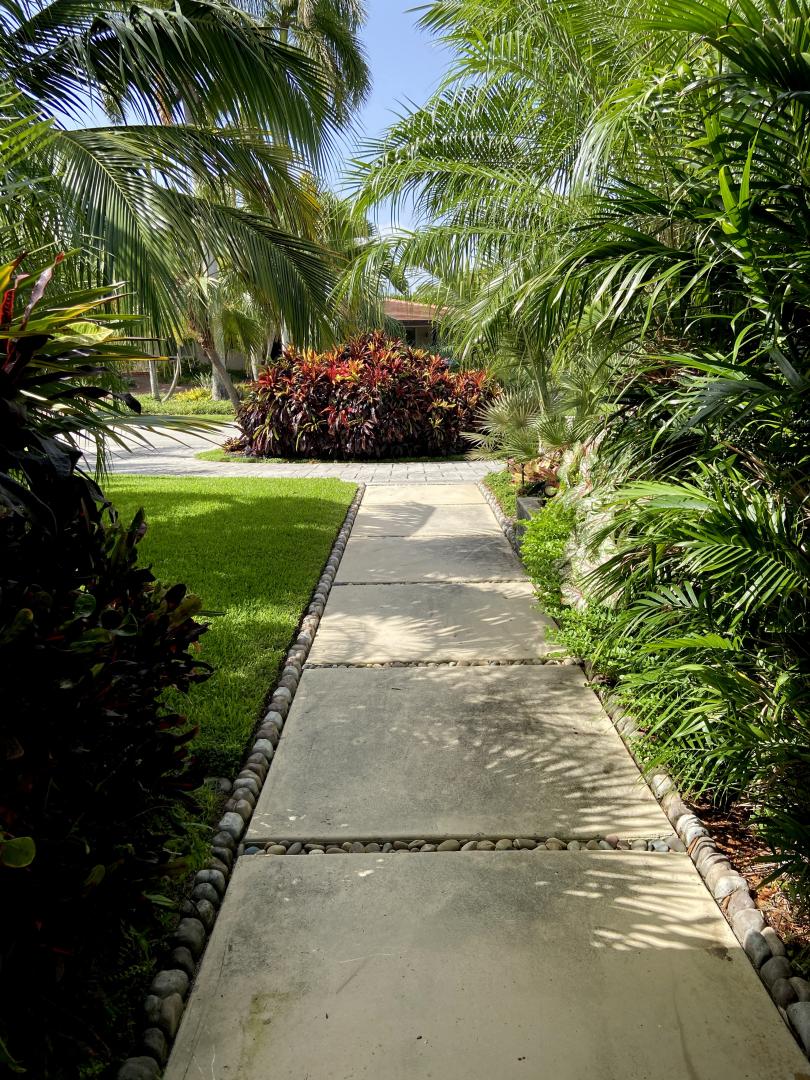
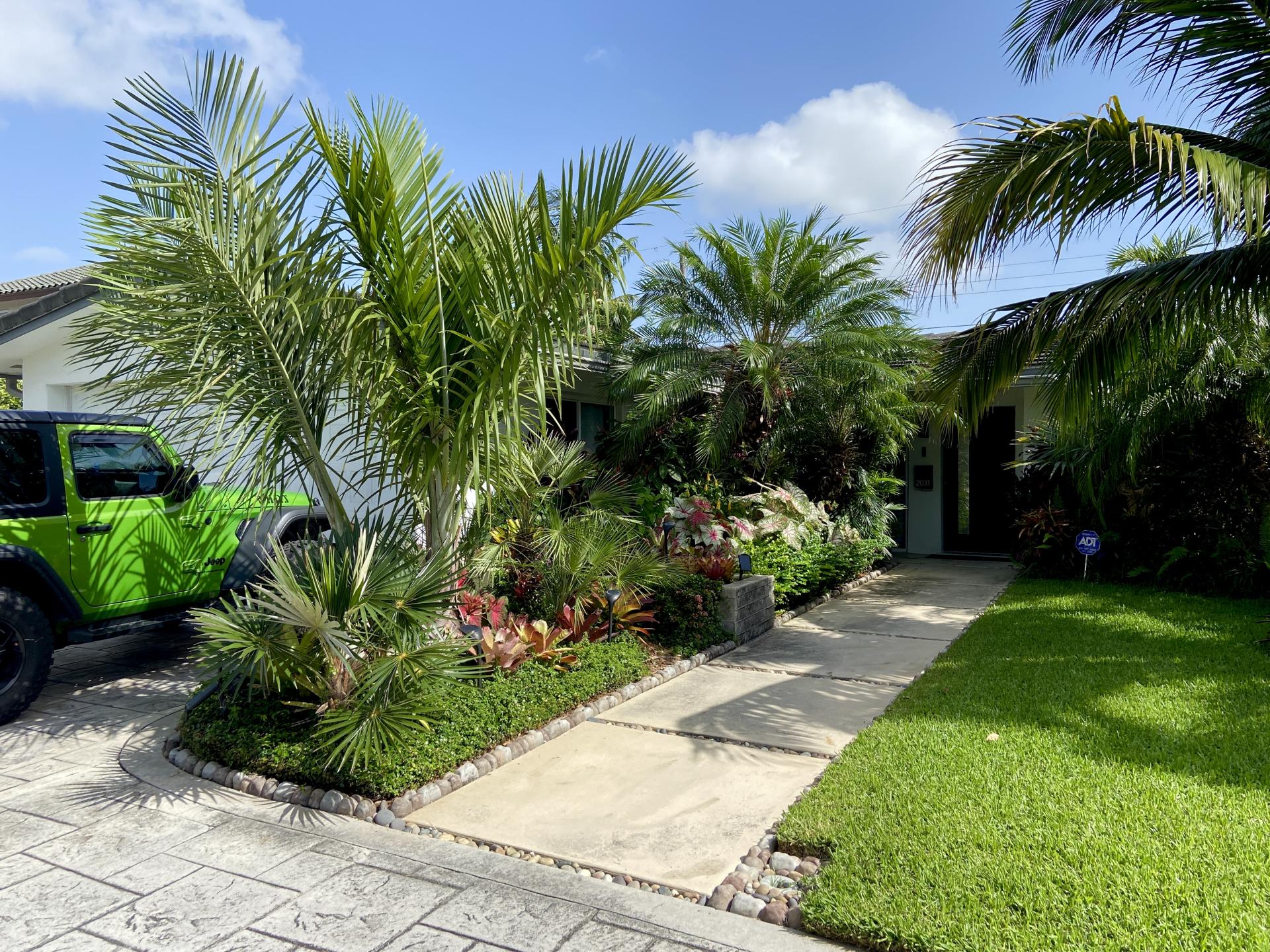
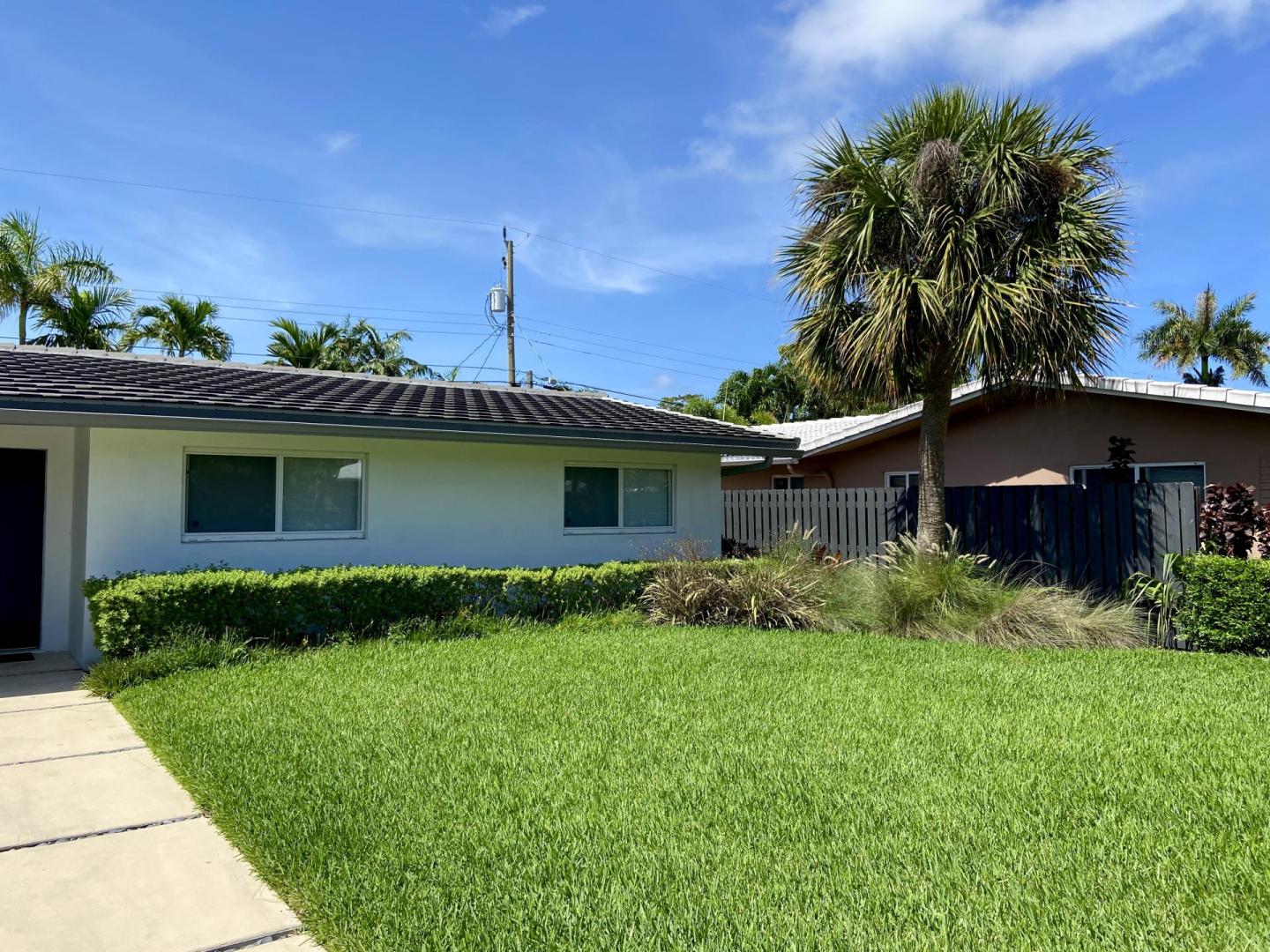
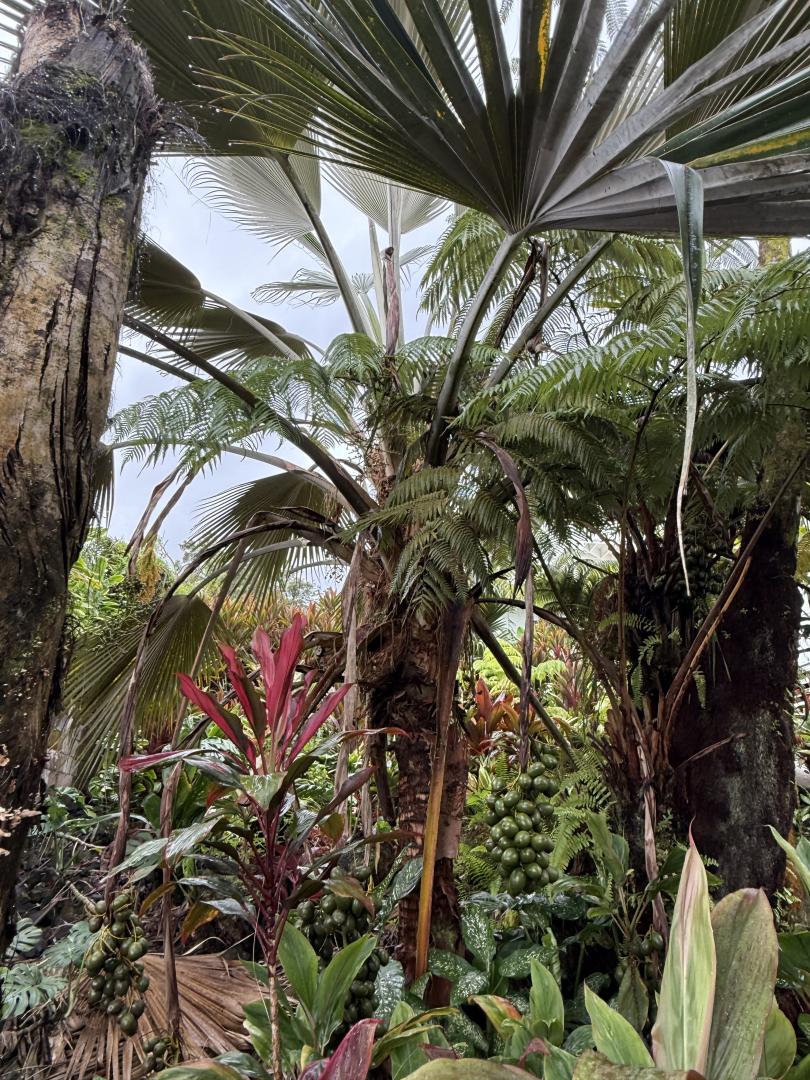
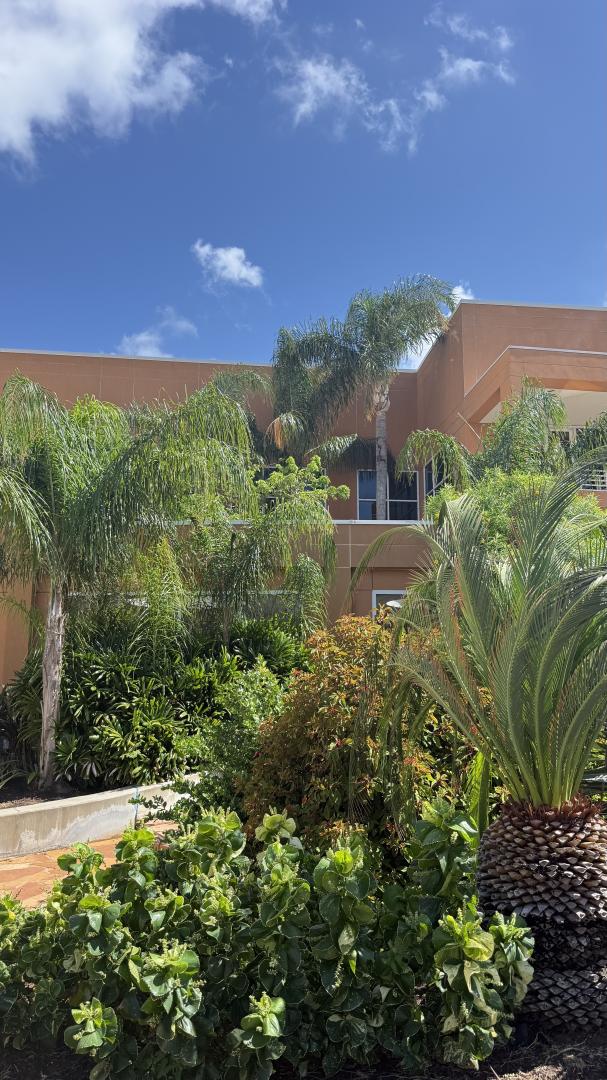
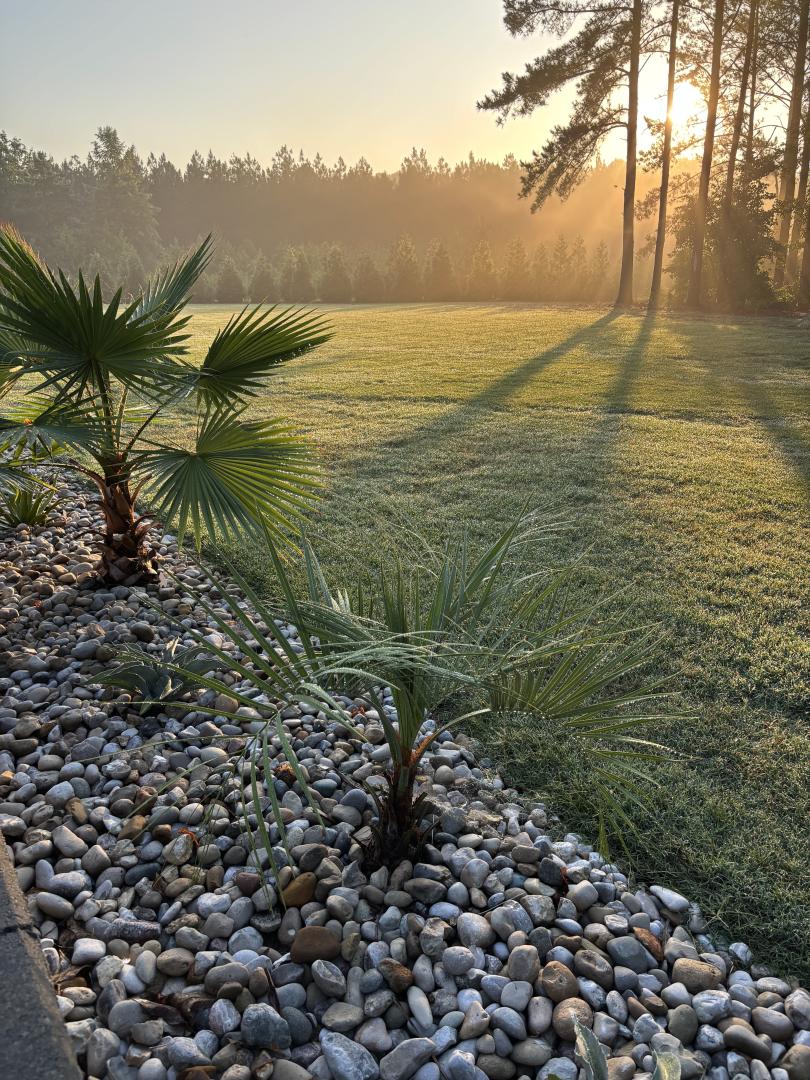
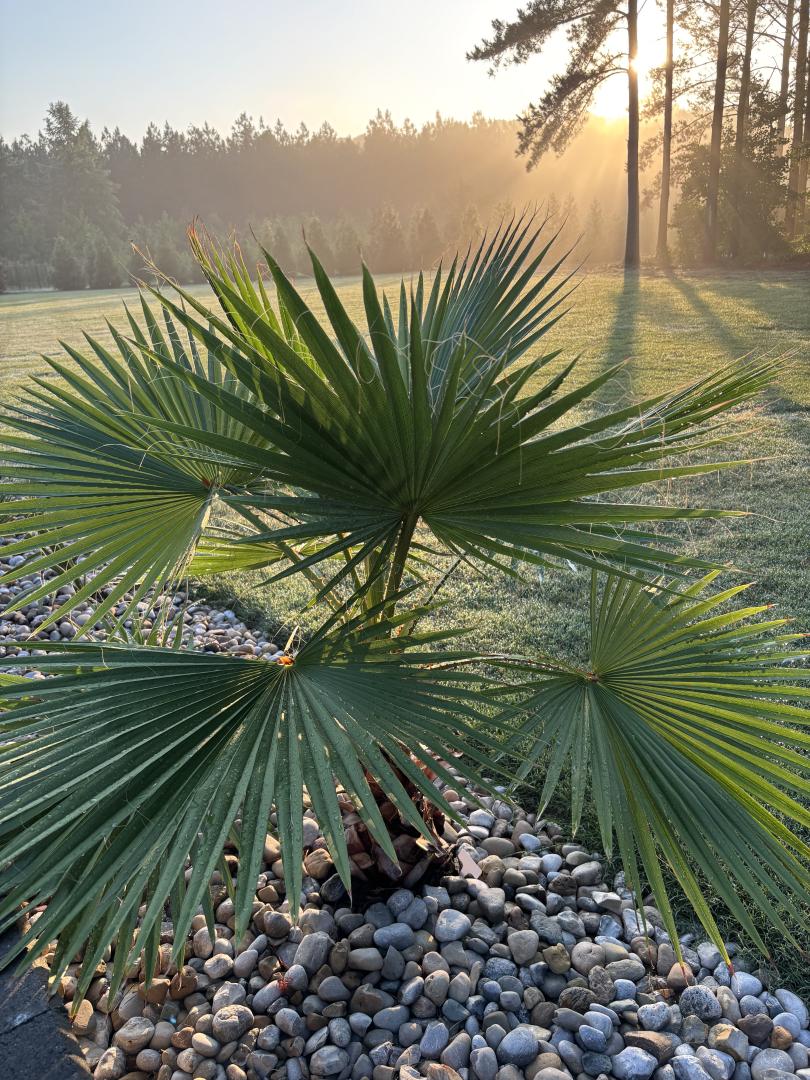
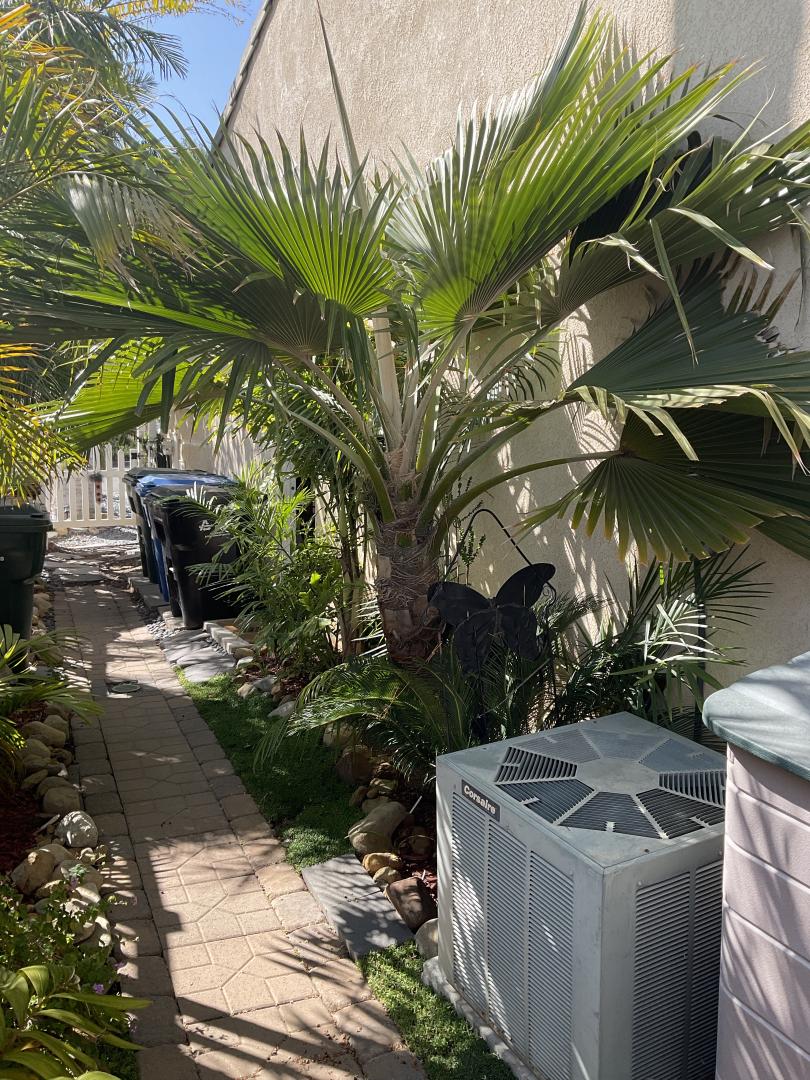
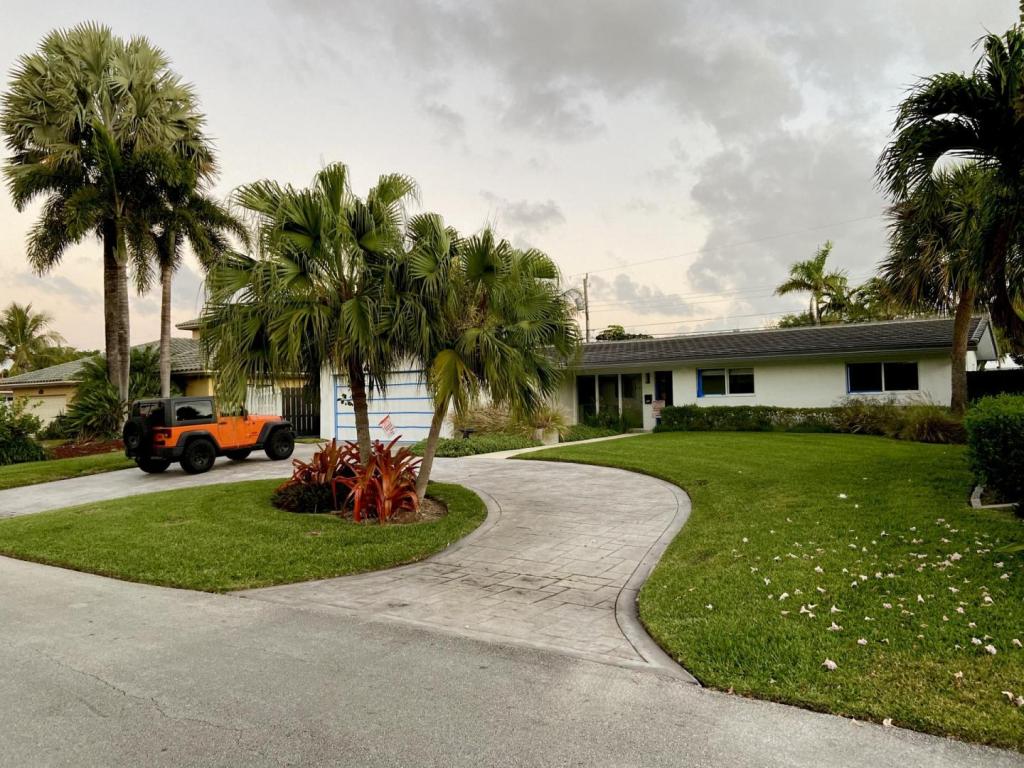
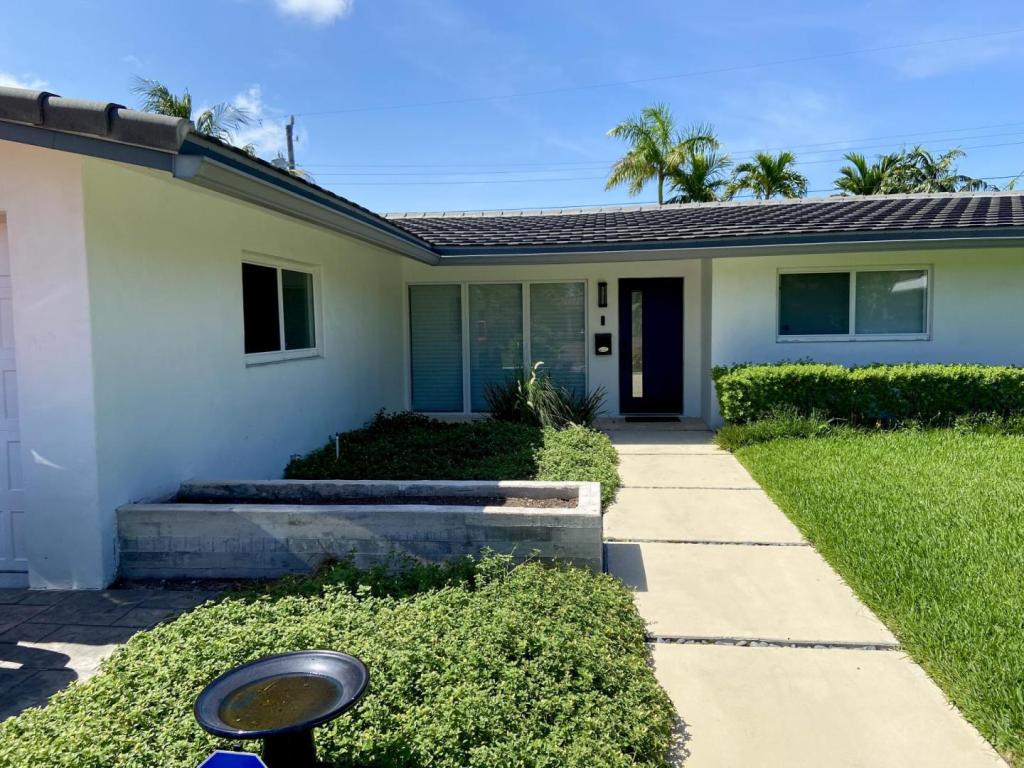
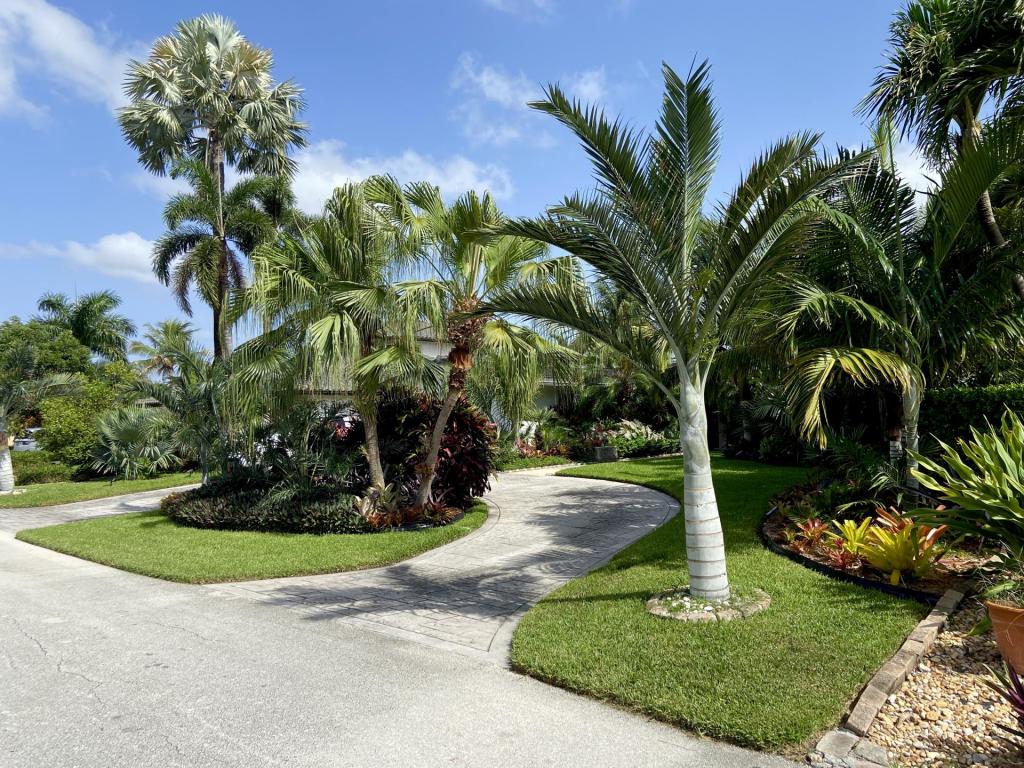
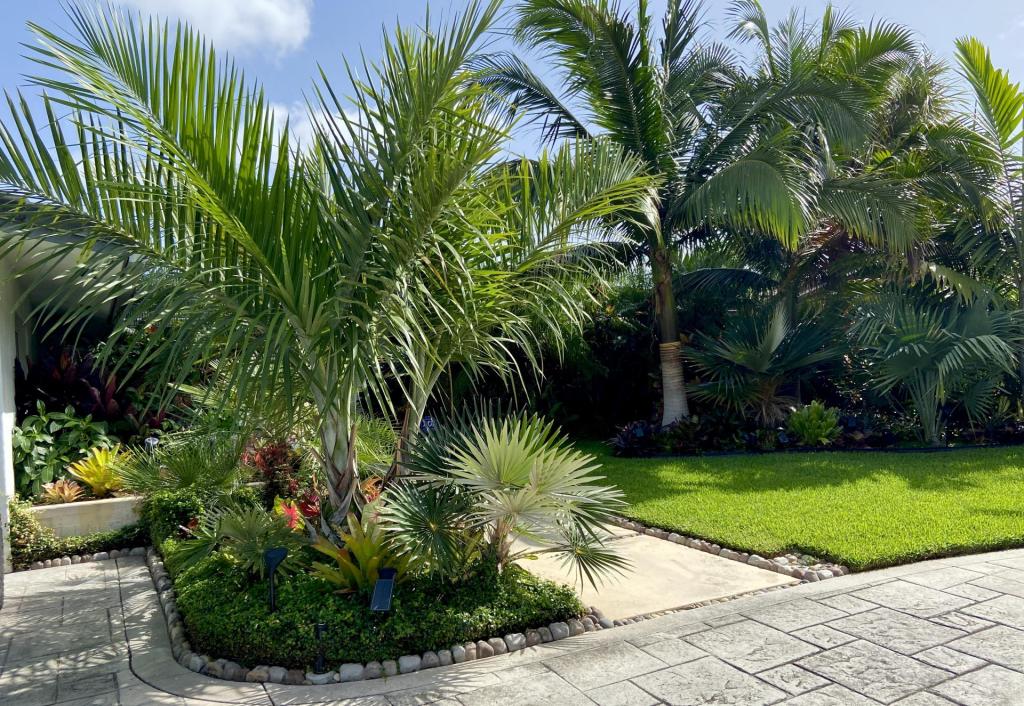
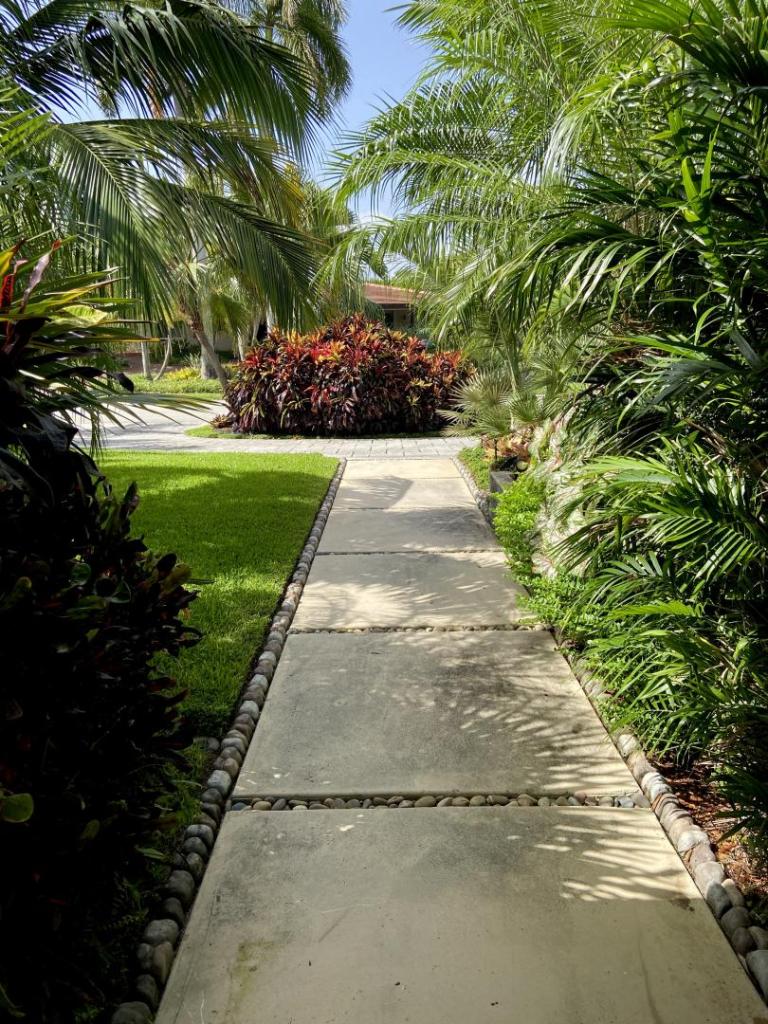
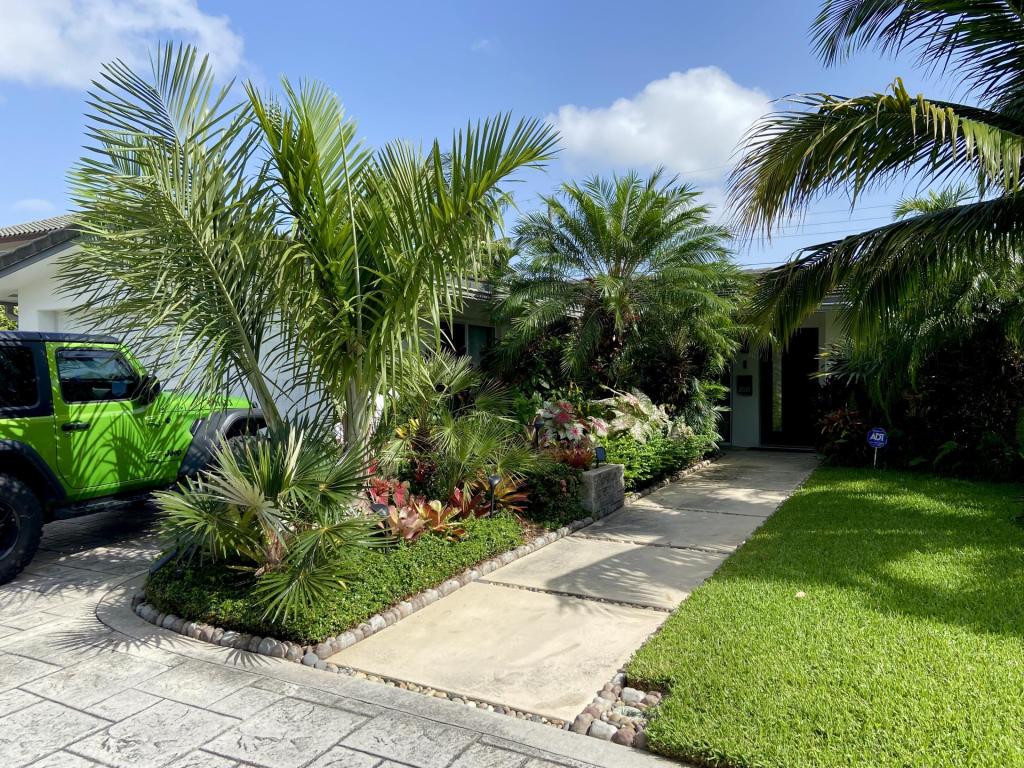
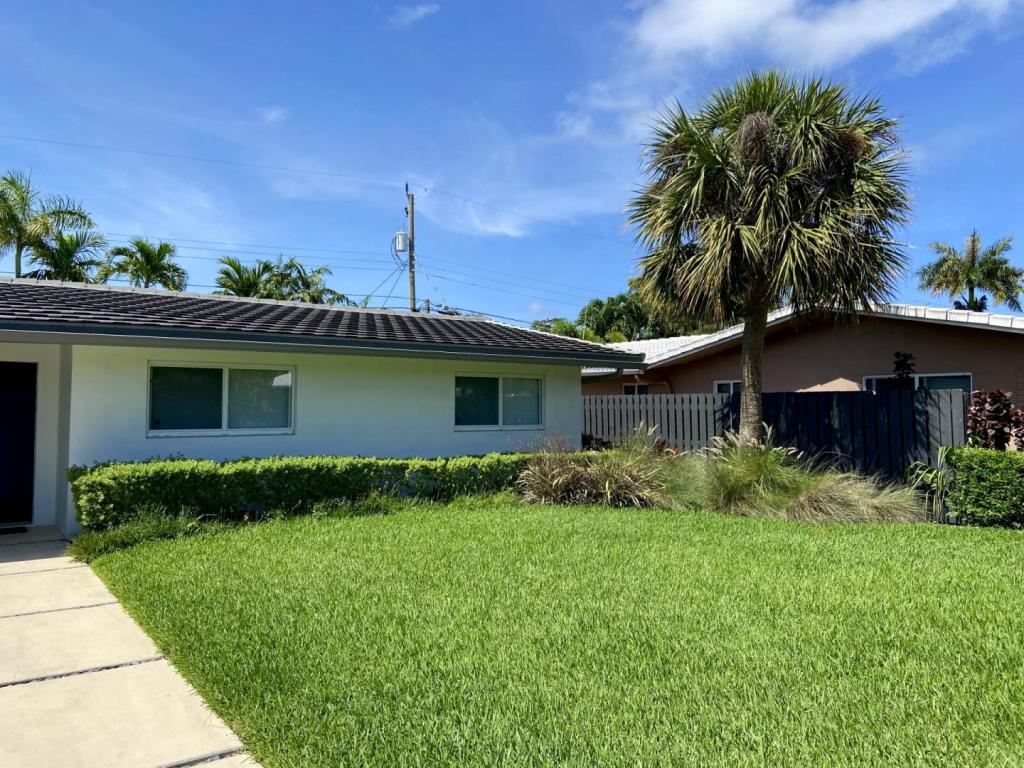
6 pointsMy house has changed after 5 years on this forum…. It’s a jungle out there. (After many holes dug, a truckload of fertilizer and mulch, and a zillion gallons of water) Thanks for all the assistance.
 6 points
 -
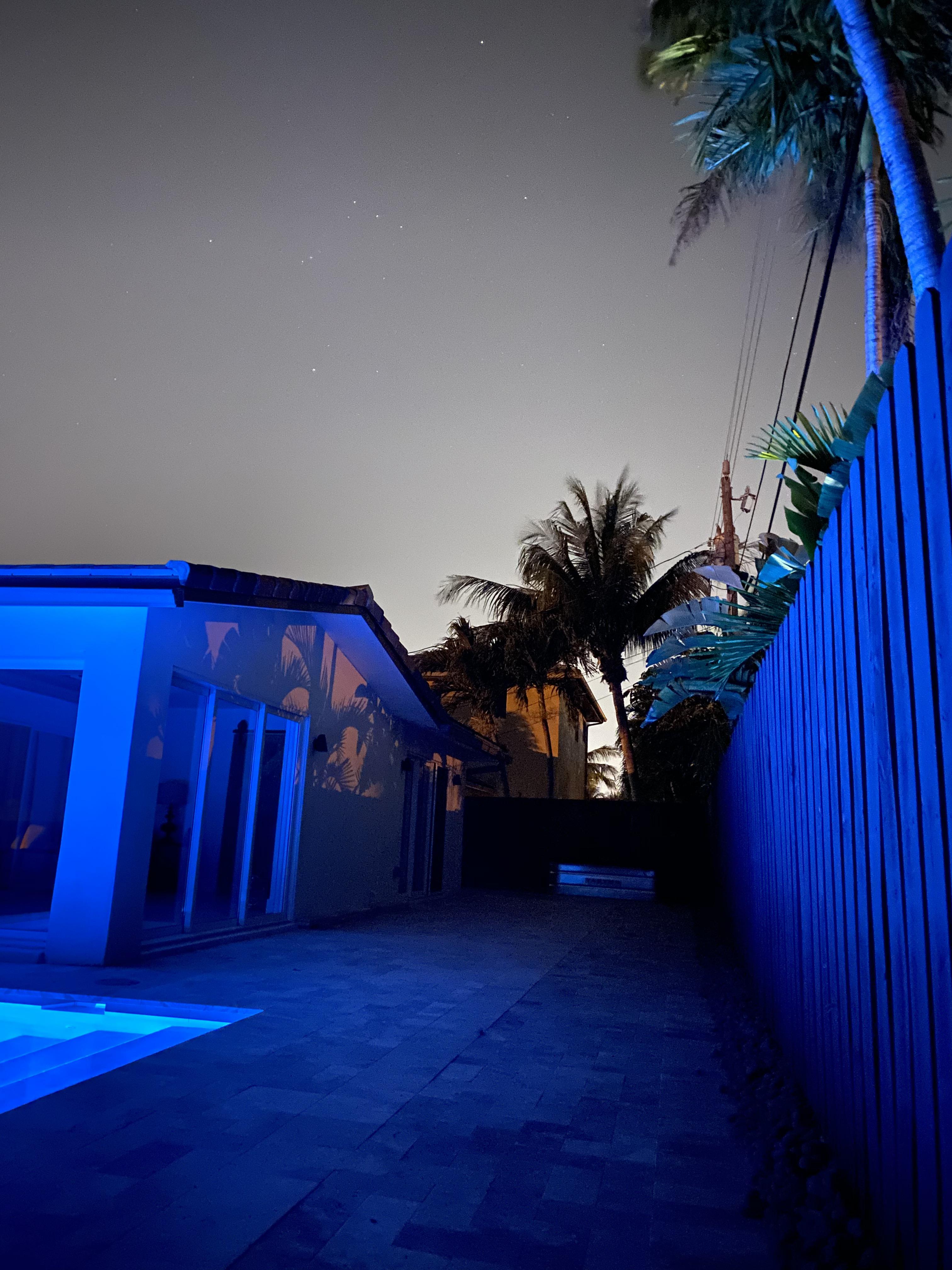
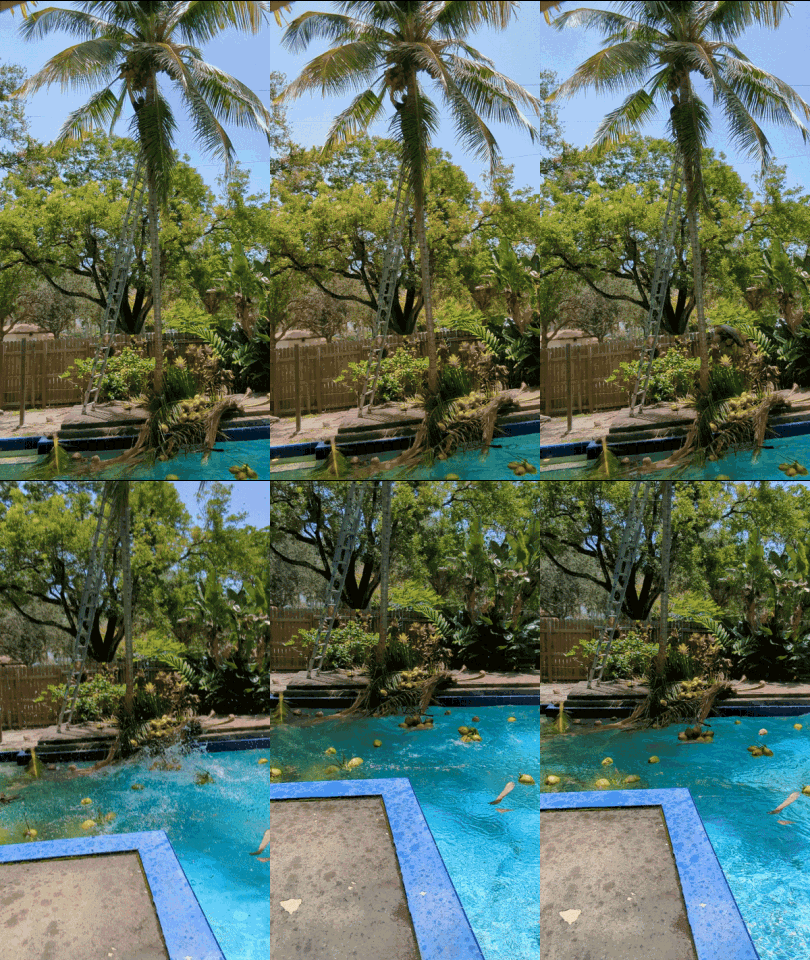
 I got this problem with a 40' tall coconut palm leaning into a pool. A standard bucket truck will not reach it from outside the fence. So it has to be climbed with a ladder while it sways in the wind. Here is a bit of splash into the pool, and I collected 45 coconuts.
 5 points
 -
4 points
-
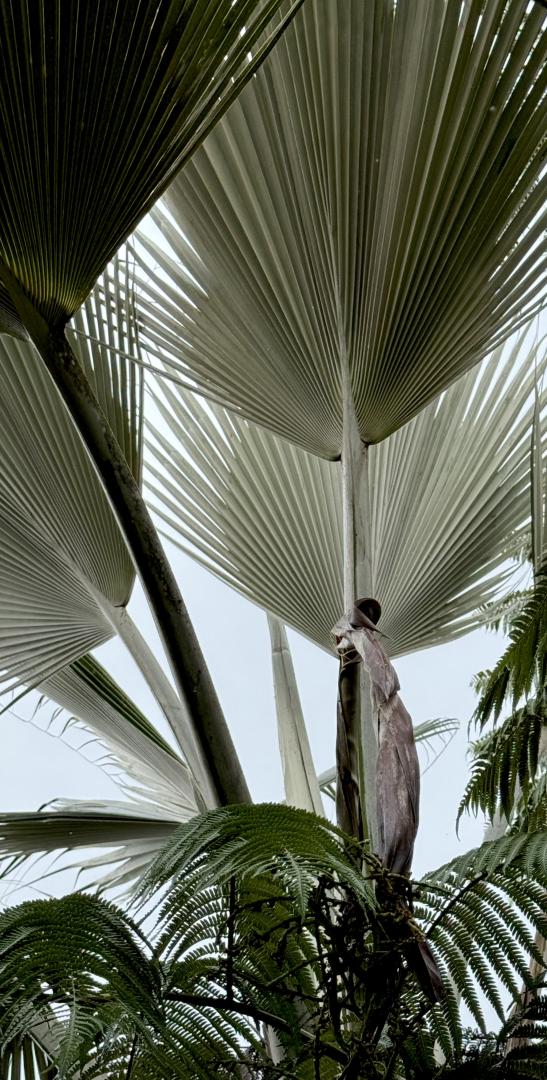
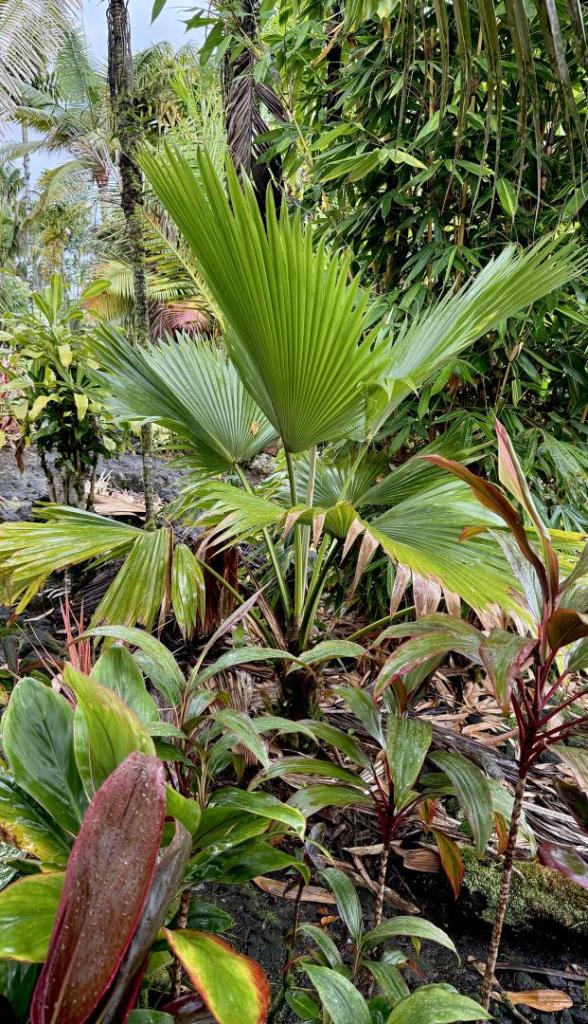
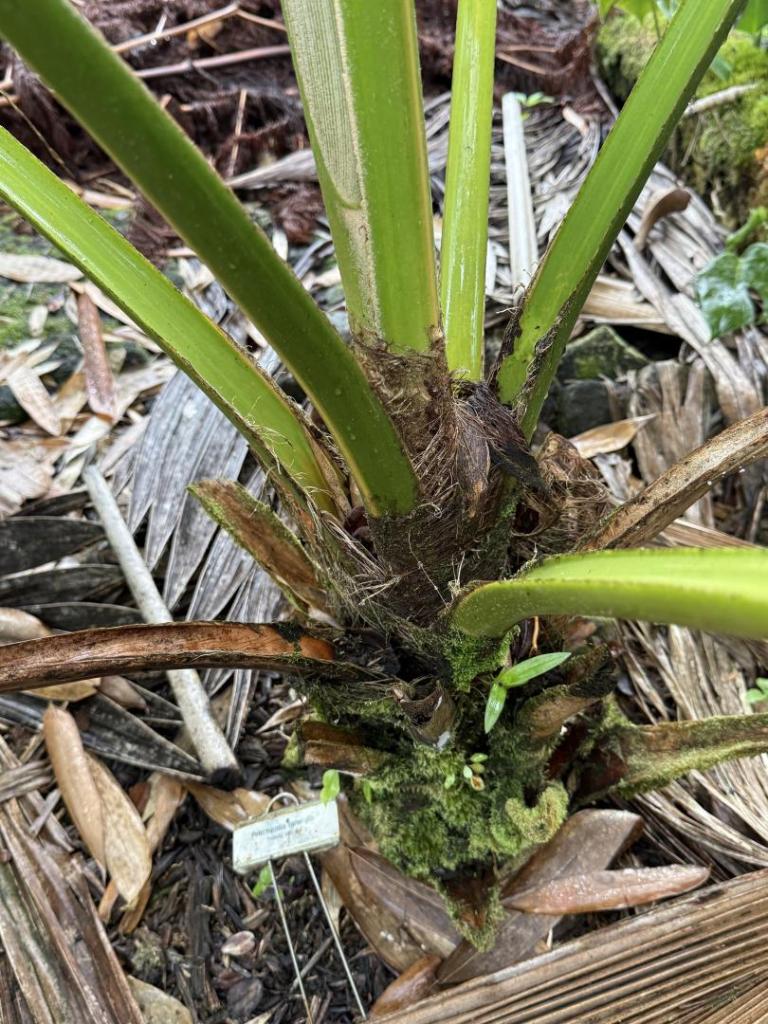
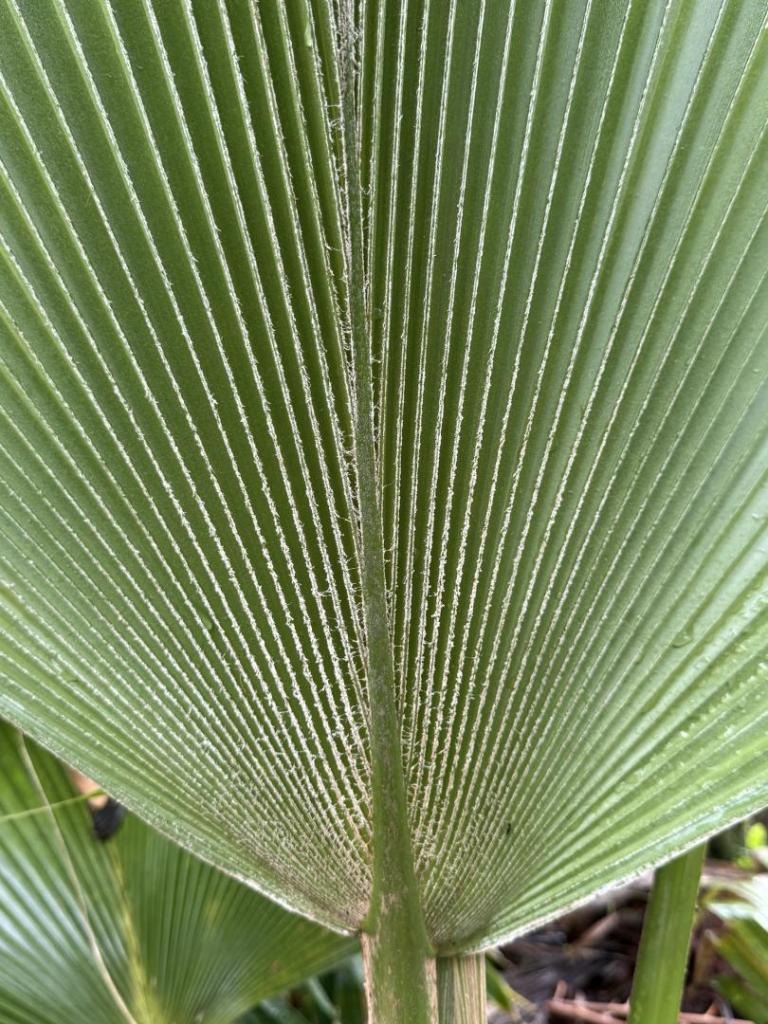
3 pointsSo, while I was in the vicinity, here are a few snaps of P. lanigera. Why not eh? Tim
 3 points
 -
 3 points
 -
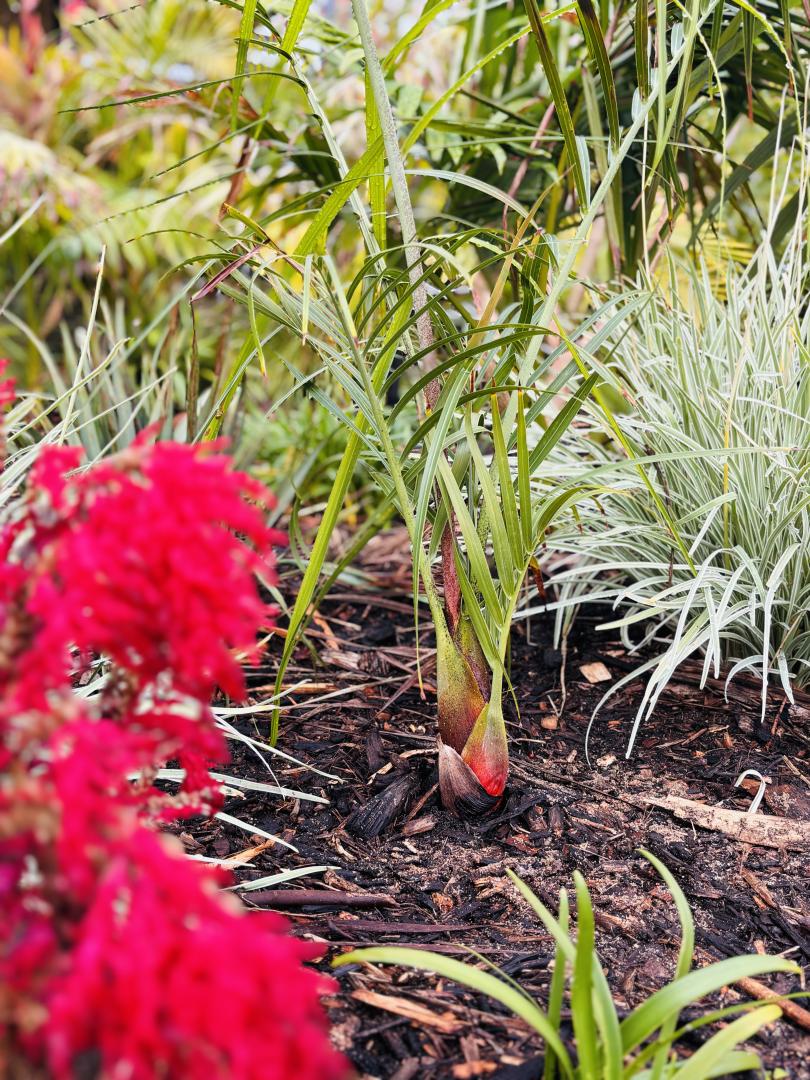
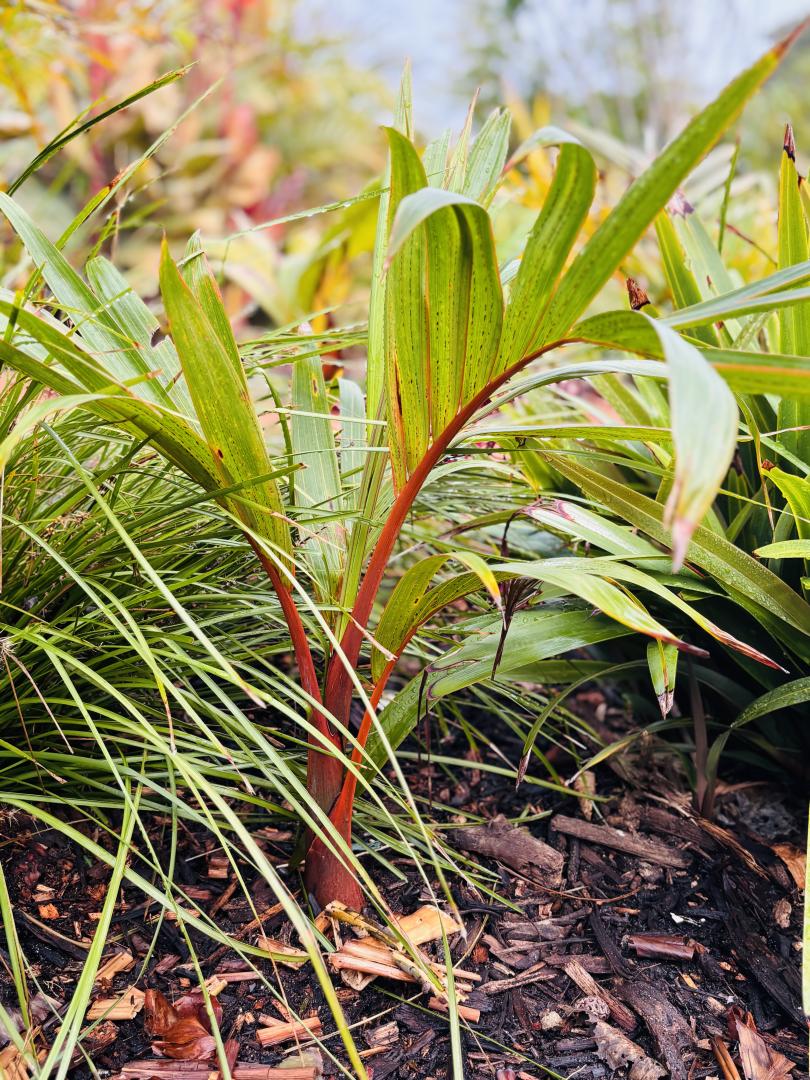
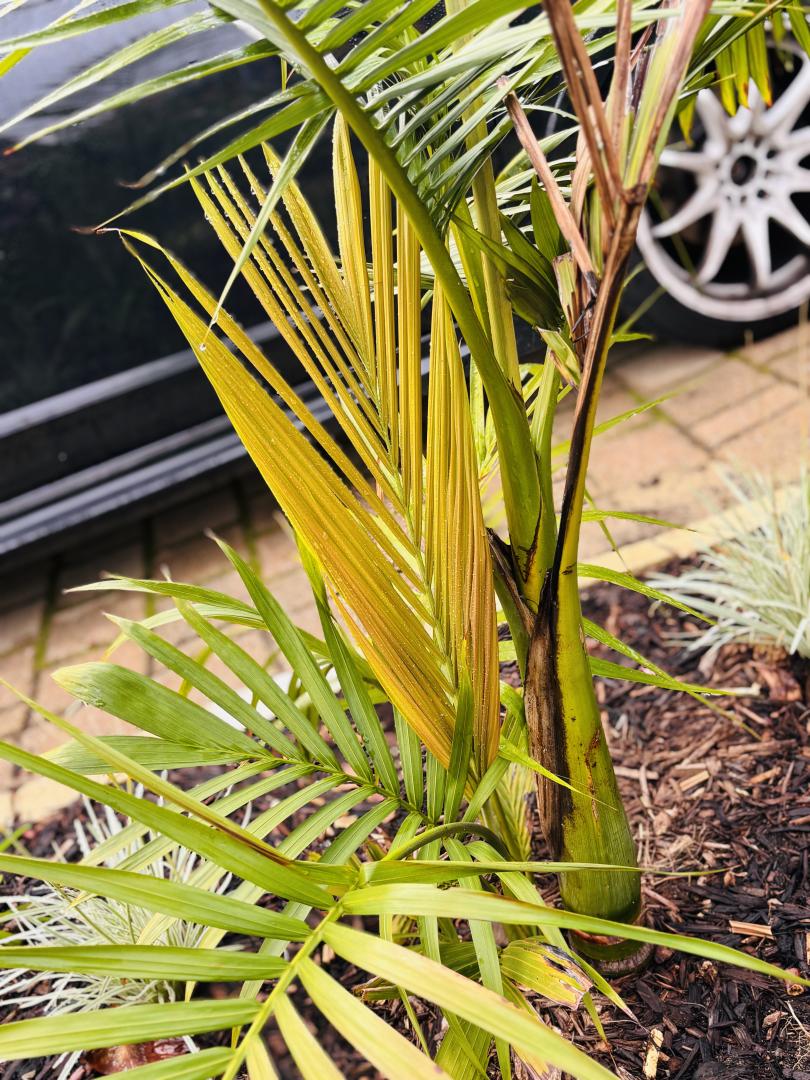
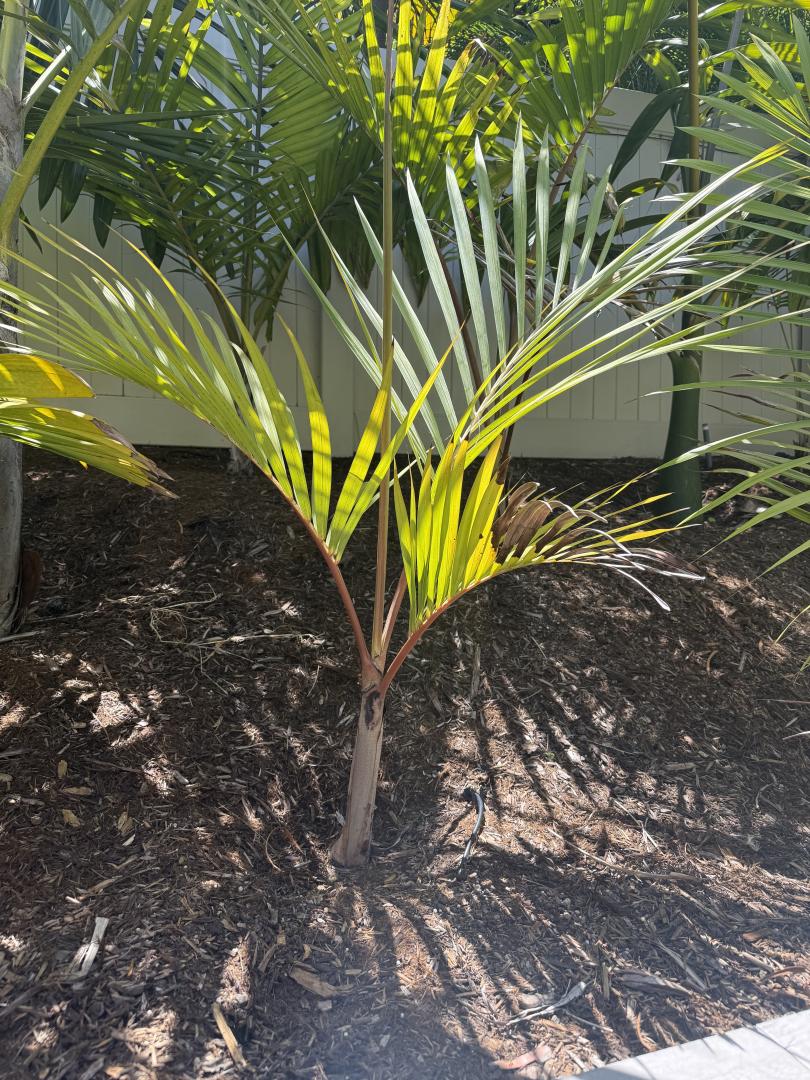
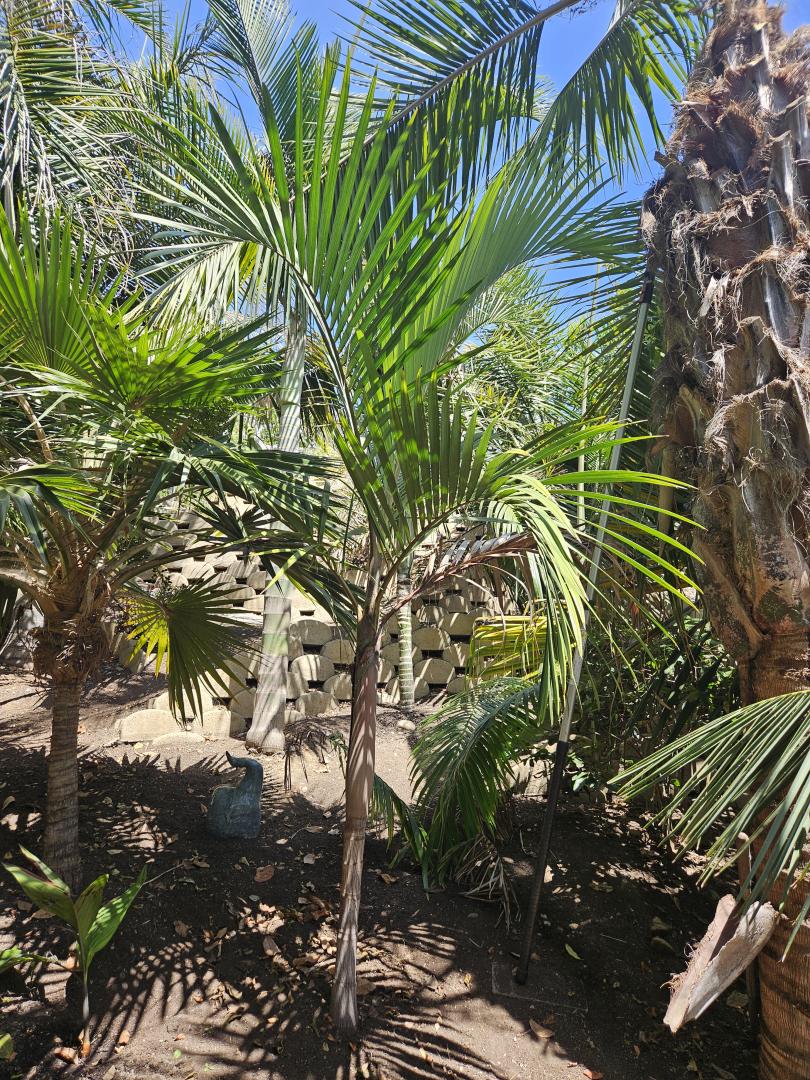
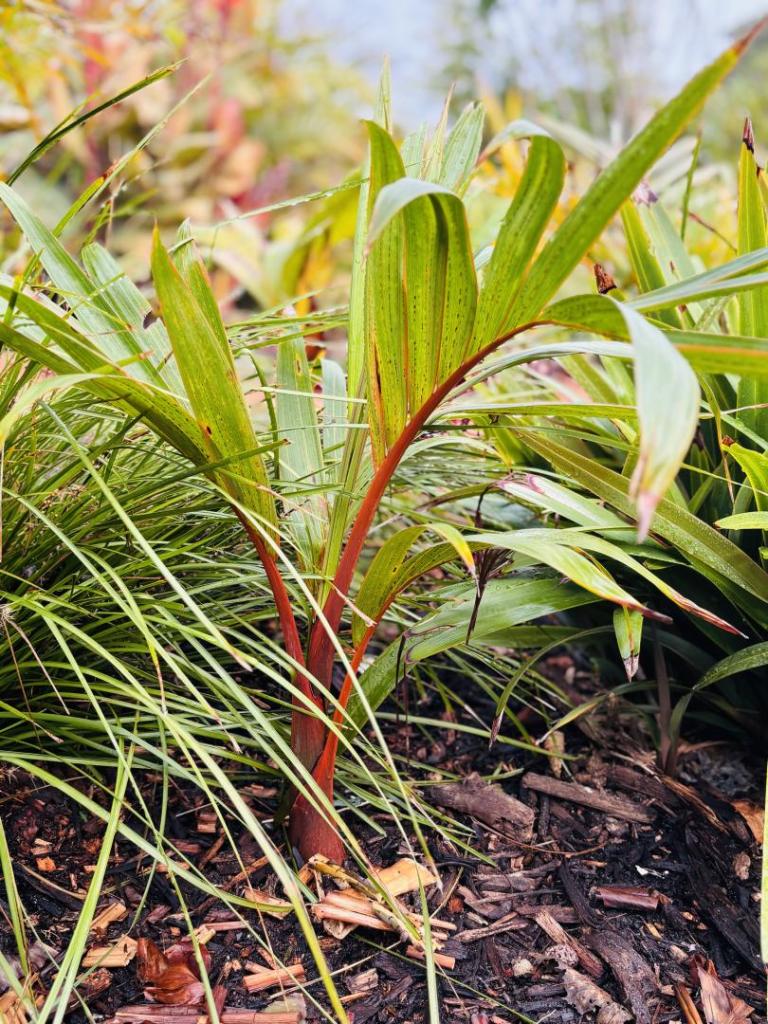
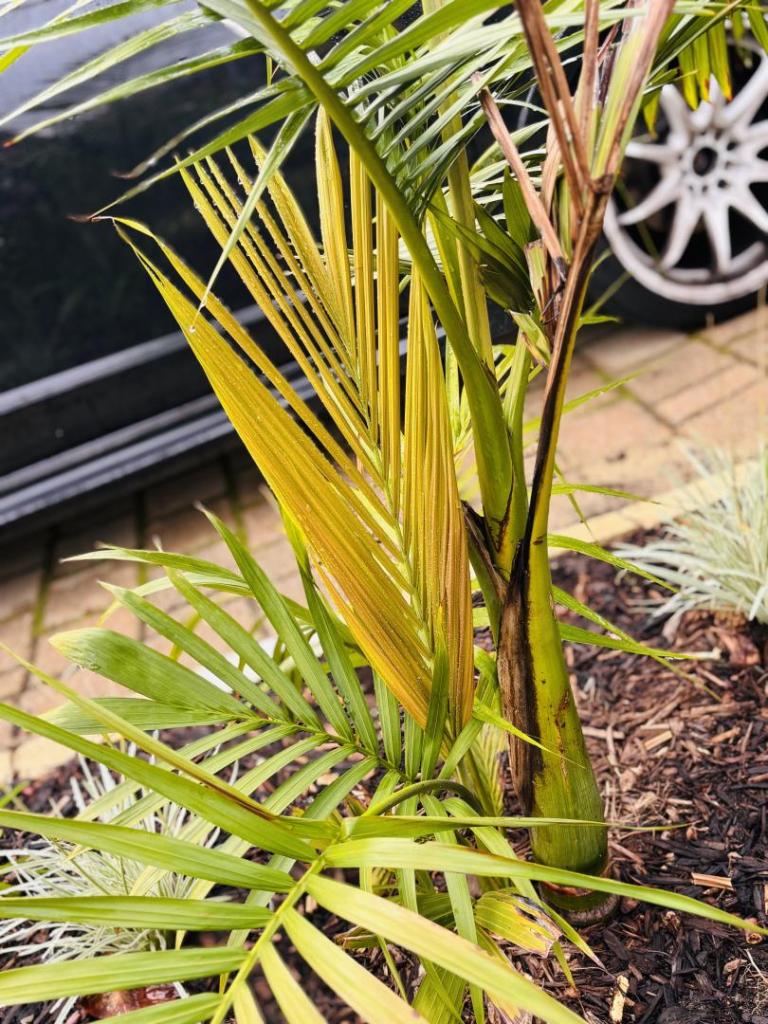
 3 pointsSome colours from the garden, wish the bottle and triangles retained that red as they mature. Also bronze new leaf on the Archontophoenix sp.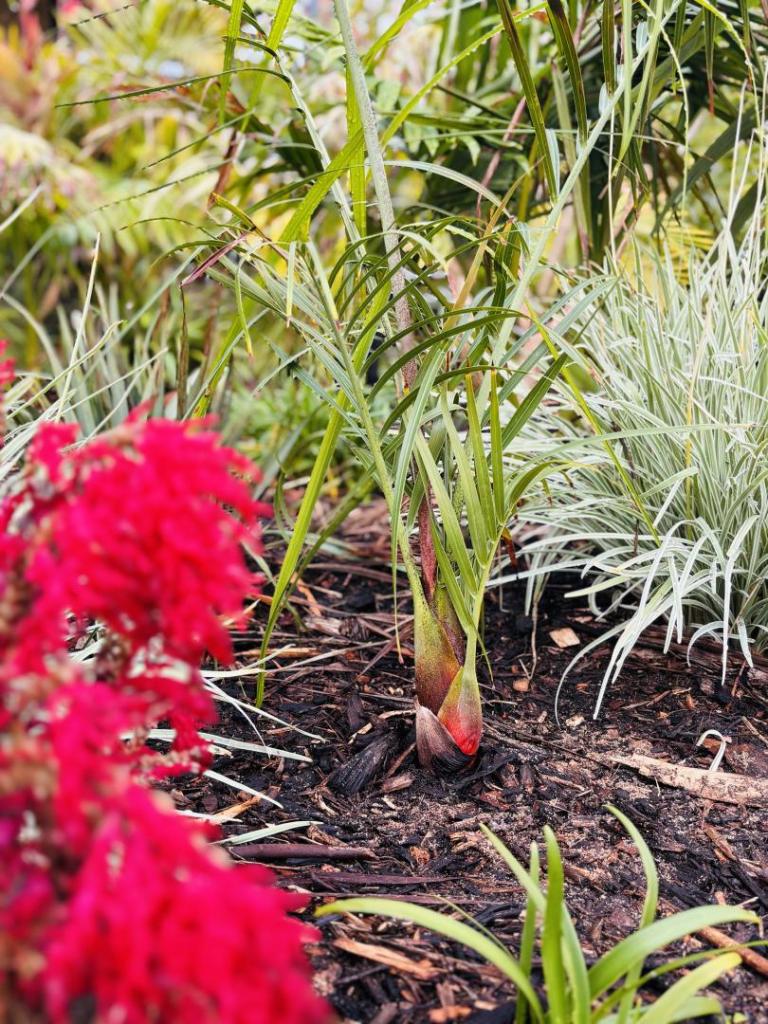
 3 points
 -
 3 points
 -
3 pointsSanta anas are devastating in causing water loss. Its one thing to be hot and dry but add strong wind and plants are desiccated even more rapidly. Wind is often underestimated as a drying force. I remember some santa ana winds from my time in orange county CA, my patio plants looked nice then the winds came and they just crisped up. Coastal humidity kept them happy till the desert winds came, then dead in a few days. That was my first exposure to santa anas. You really cant address santa anas with windbreak, they bring the desert with them.3 points
-
 2 points
 -
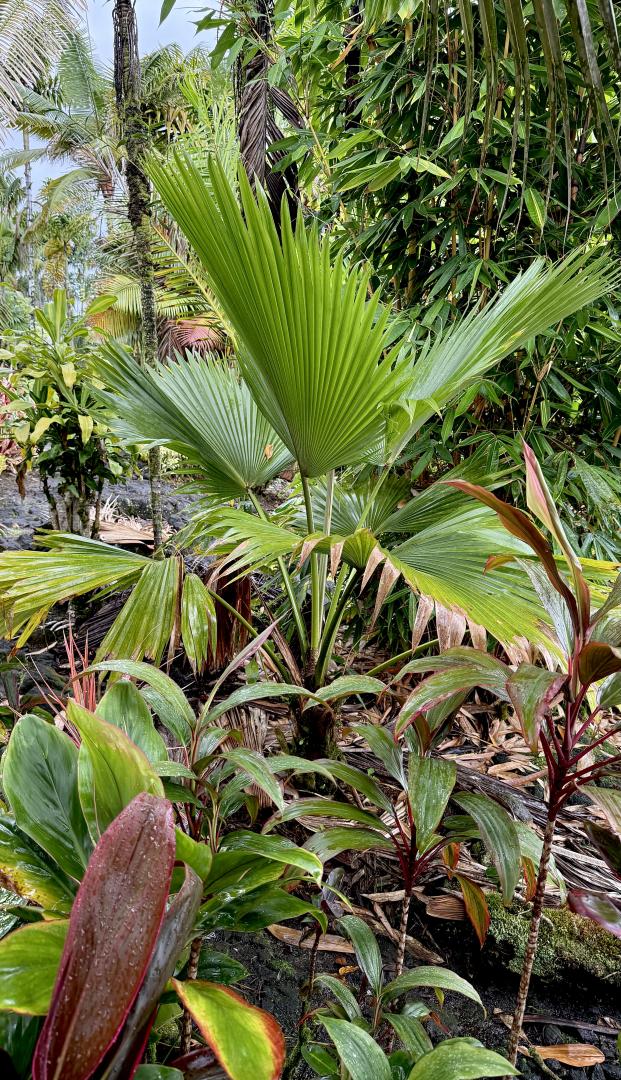
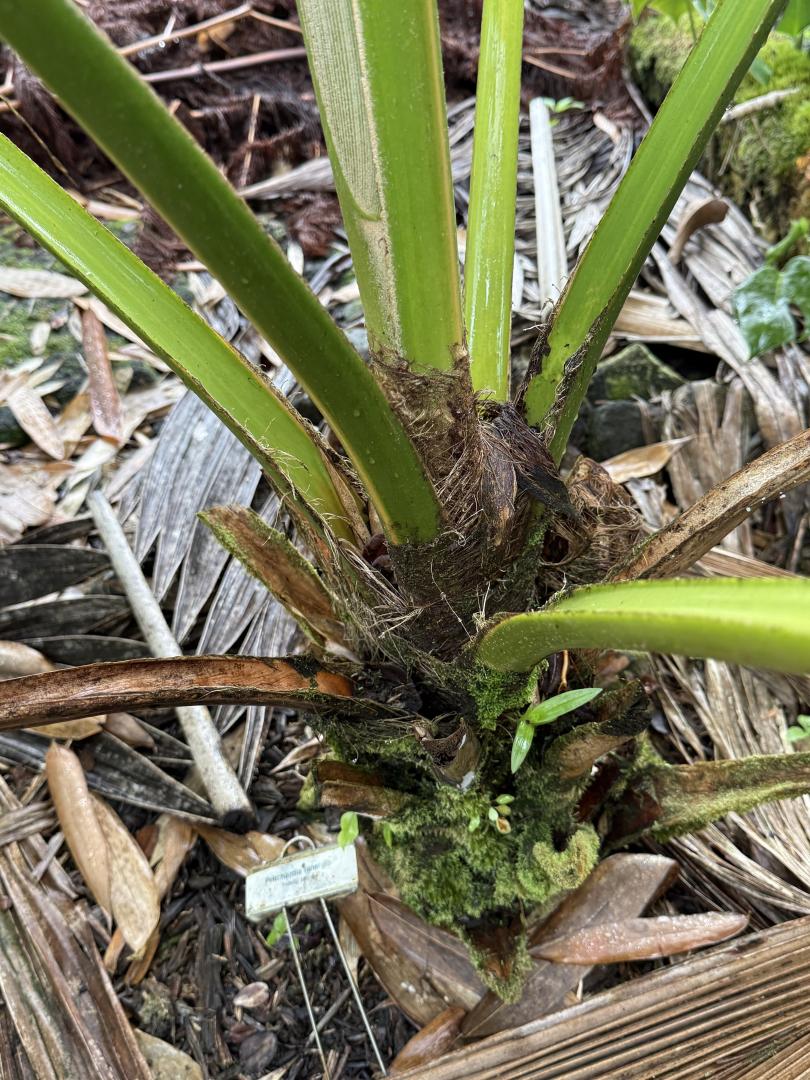
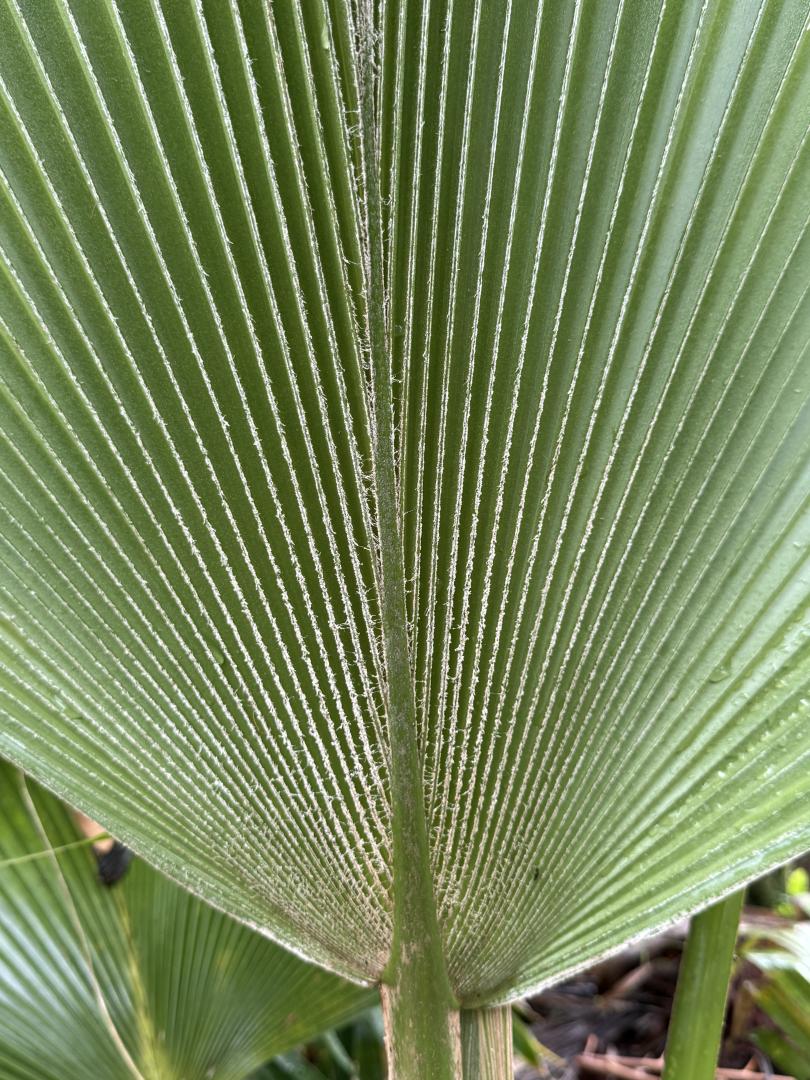
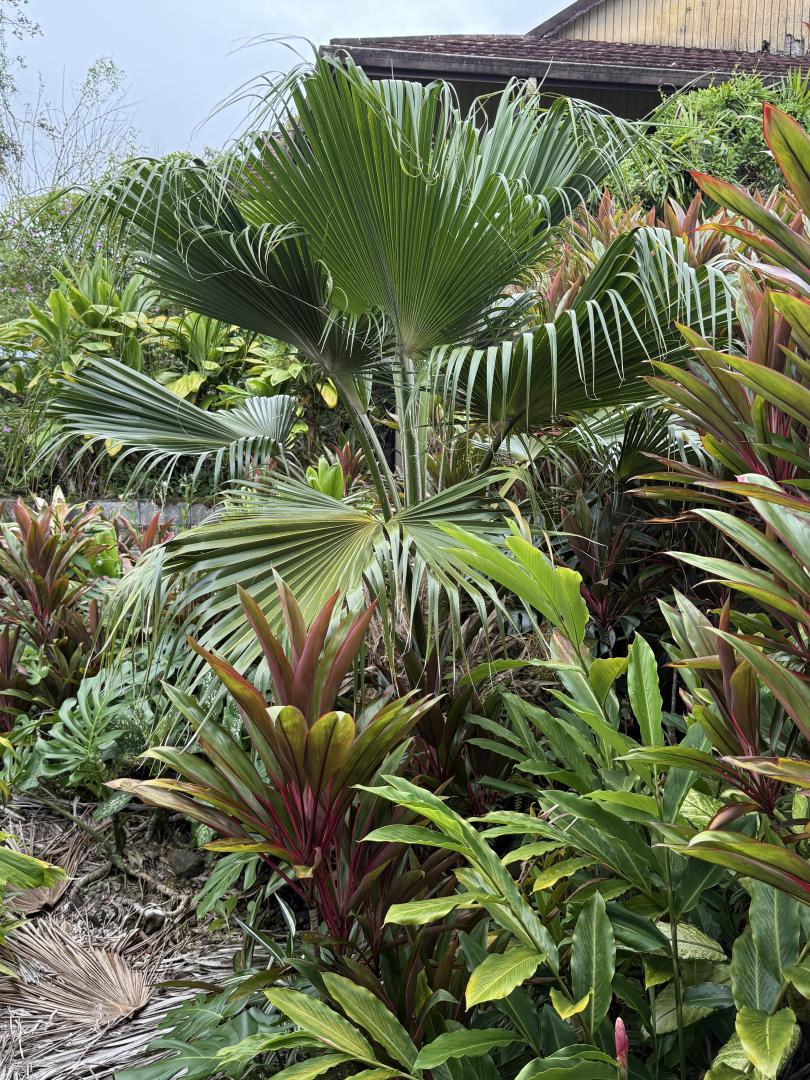
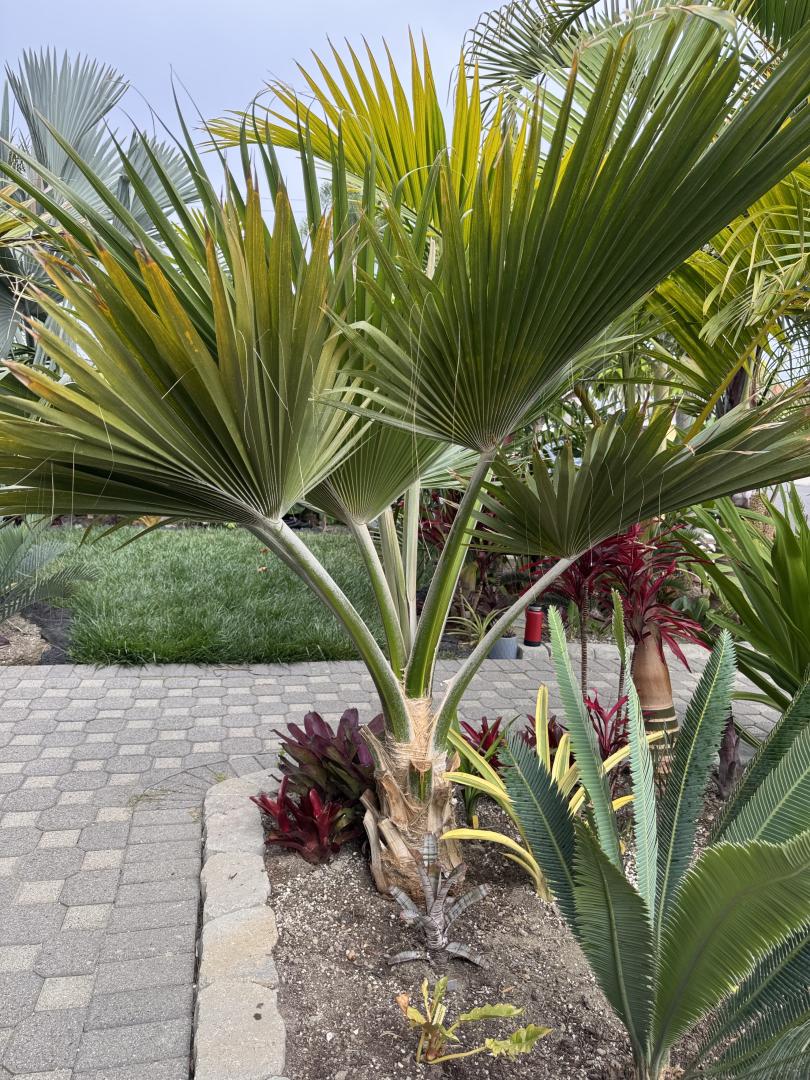
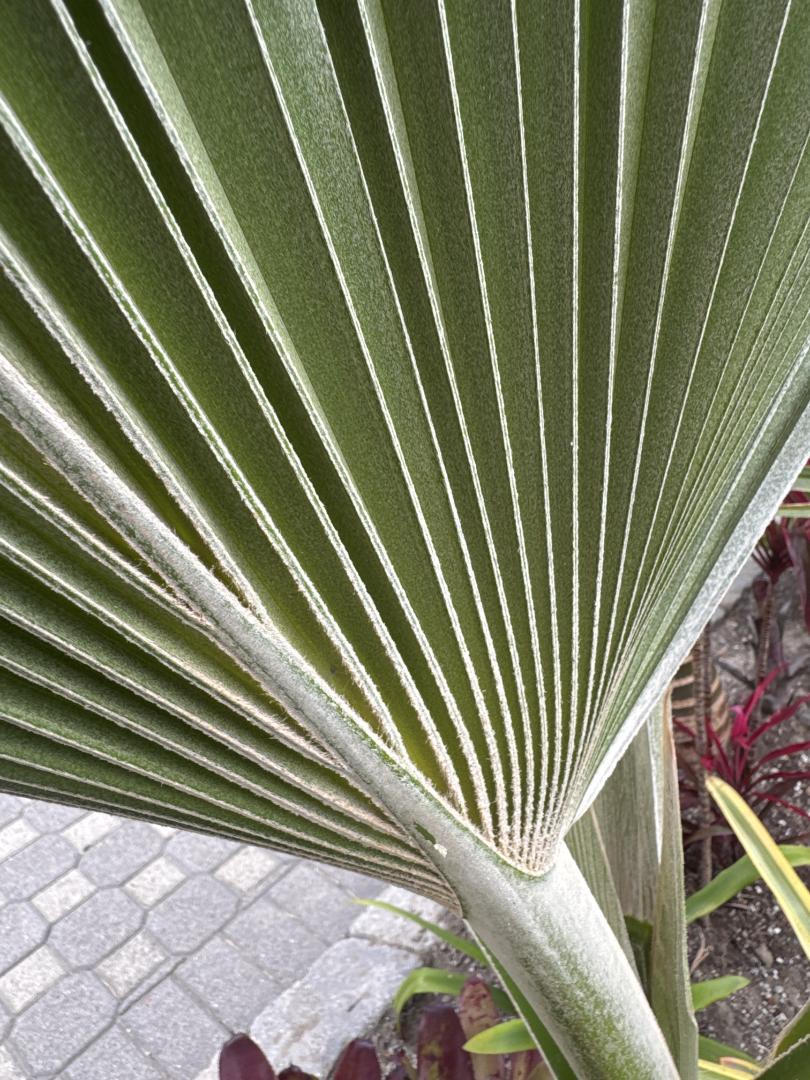
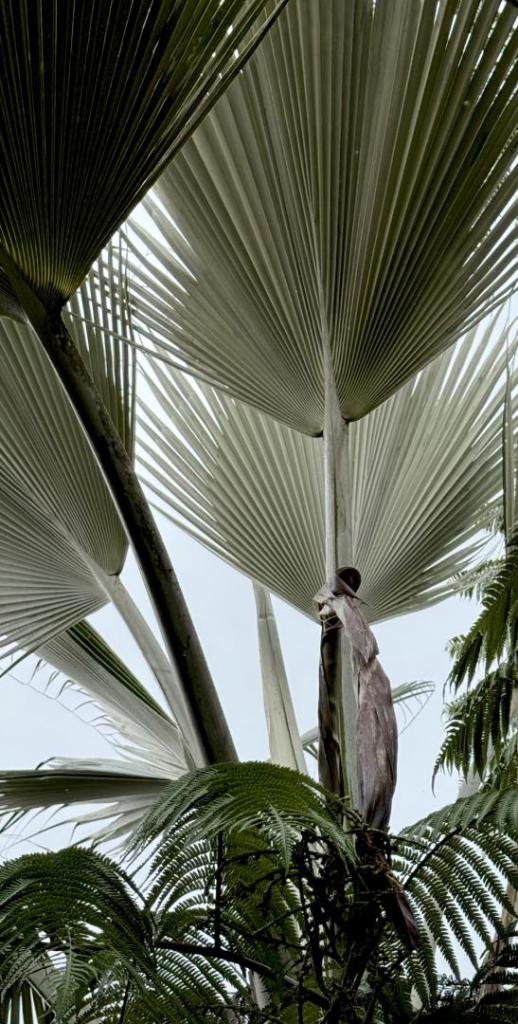
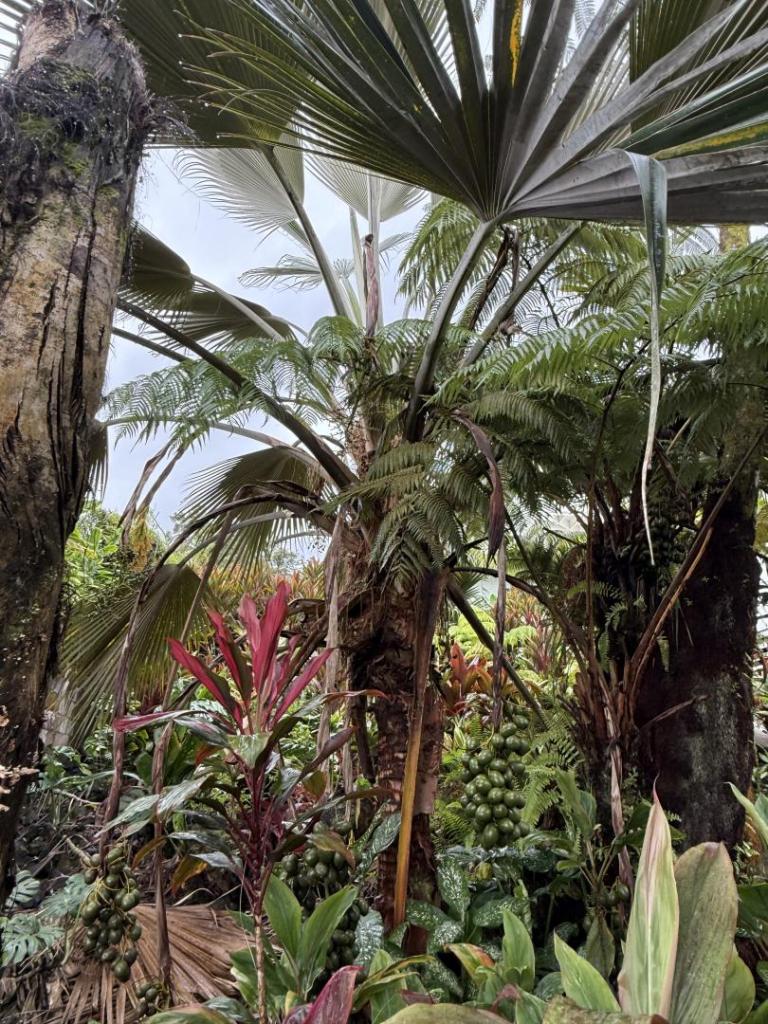
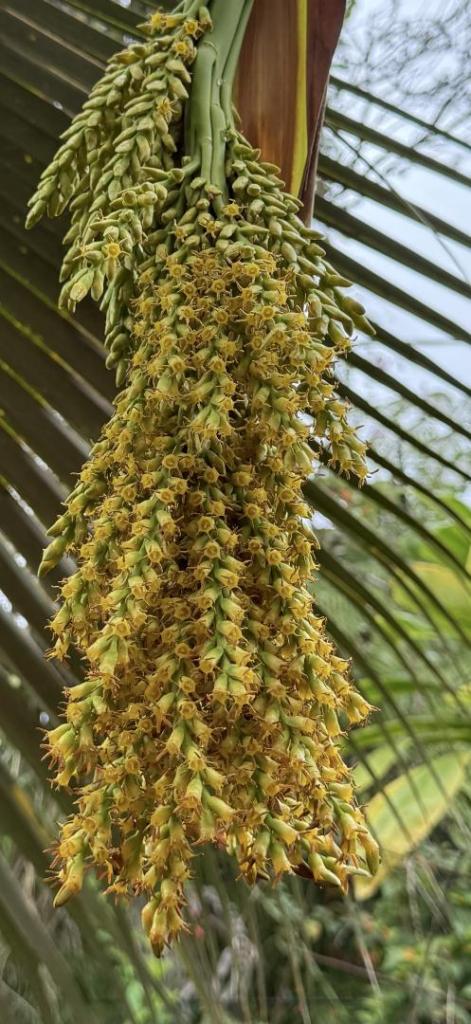
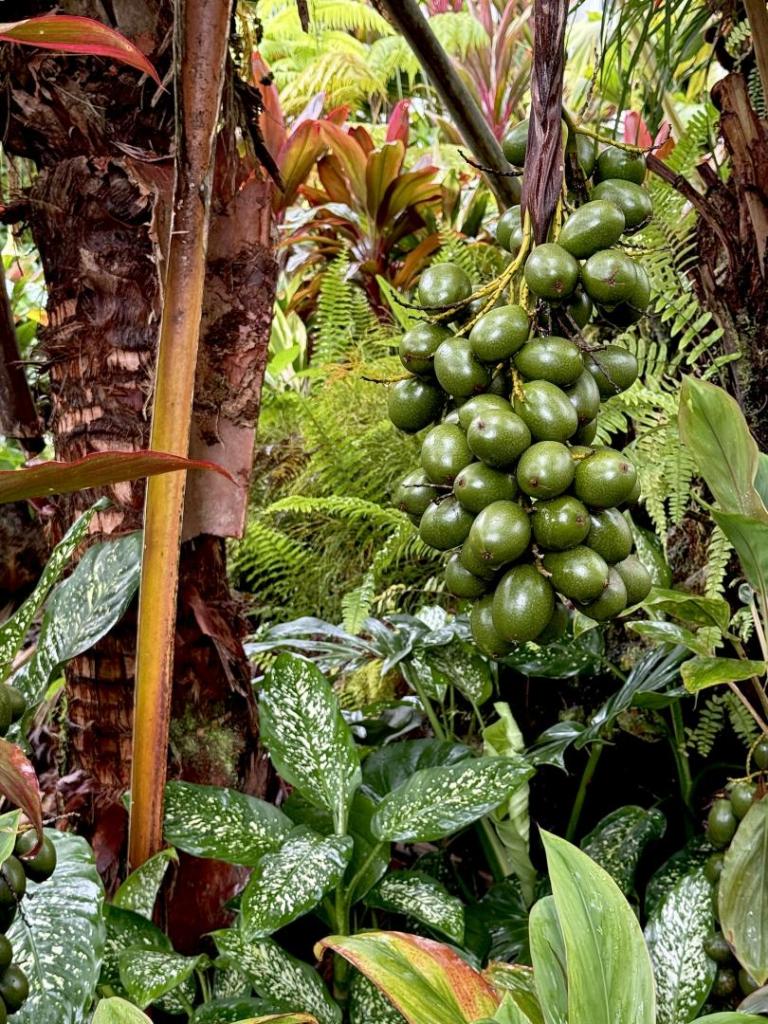
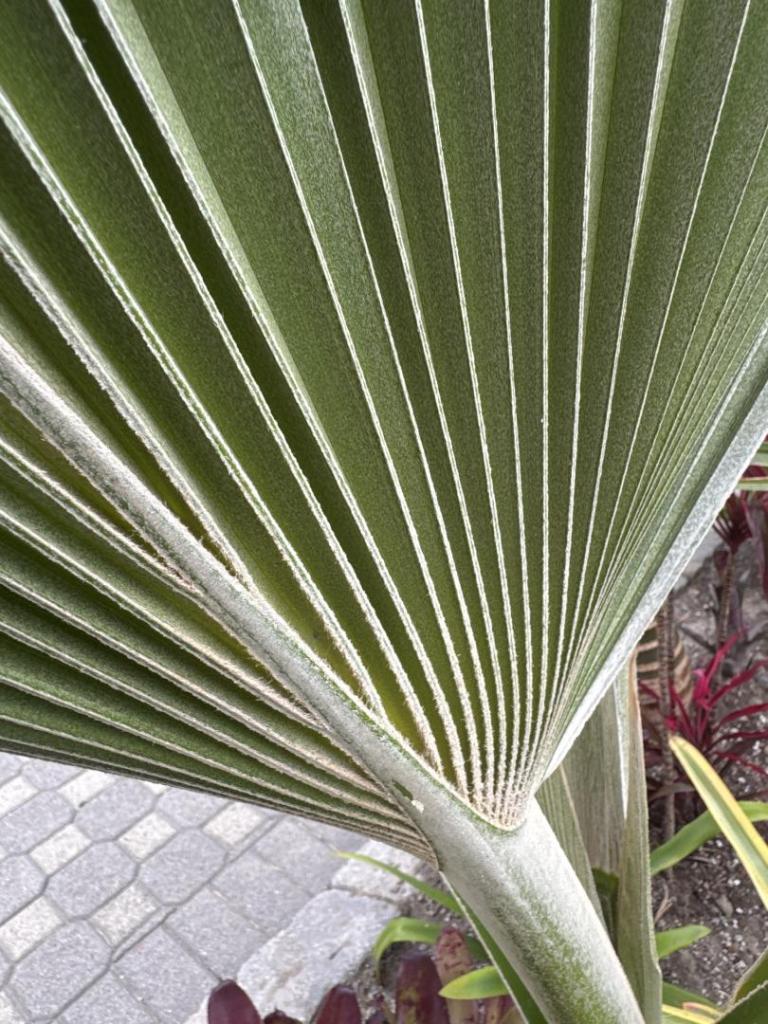
2 pointsHey Dale, like the previous responses to what your palm might be………just not sure. I don’t think however, that it is P. martii. That is a comparison to the one I have in the garden whose undersides and petioles are covered completely with whitish/silver lepidia. So much so, it resembles frost. The petioles are also incredibly long, even in full sun. A few years back I acquired some small cast off Pritchardia in cones and they were supposed to be either P. beccariana or P. hillebrandii. Now that they are fairly decent size, I can only guess what they really are. One has heavy lepidia like P. martii, one is moderately covered like P. beccariana, and two have almost none. Ufta! The more one knows, the less one knows. Here are a few photos of the P. martii I took this morning. It’s a stunning palm. Oh, and thanks for the bump Tim
 2 points
 -
 2 points
 -
 2 pointsPut my 2 cents in, Sabal bermudana seems pretty drought resistant, the opposite with Sabal mauritiiformis.2 points
 -
2 pointsPalms need moisture just to feed on nutrients. Nutrients diffuse through moist soil towards root surfaces and are consumed/transported at the root surface membranes into the plant. If you dont have moisture in the soil the nutrients wont diffuse, they stand still. The diffustion towards roots is driven by a "chemical potential gradient" which is only functional in moist soil. So if diffustion stops, nutrients are consumed at the root surface and this critical surface is depleted of nutrients and uptake stops. In addition, the non consumed parts of fertilizer concentrate near the root surface which can blunt the chemical potential of new nutrients and slow future diffusion to the roots. This is where some parts of the soil become more hydrophobic and tend to repel water. Ideally the non absorbed parts of nutrients need to be rinsed away and "low ion" water should moisten the root area to recondition the root surface. I use humic acid to rinse irrigation salts and nutrient residuals from my soil that can make it hydrophobic. Rain is amazing at this as well as it is pretty much pure of ions so its better at rinsing them away (Rain also feeds with absorbed nitrogen). If i look at these basic principals water and nutrient transport in soil, the fastest growth would be consistent full root zone nutrient additions in high drainage soil with frequent rain(or irrigation). Irrigation water that is not distilled or purified can add salts which accumulate and can even draw water out of roots. Its kind of hard to get nutrients into the roots when water is being drawn out. Watering will be key in dry climates but the soil can accumulate irrigation salts. Adding mulch helps because it slowly produces humic acid as the final waste product of microbe consumption of the organic material. THose low levels of humic are preventative of salt accumulation. However concentrated humic acid takes less time to cure your soil of hydrophobicity issues. Yeah it sounds like a boatload rant that is too technical, but I left the math equations out. My simpler analogy avoids the complexity of the physical science: a bunch of people are in line to get on a bus. These people carry the cash(nutrients), the bus seats are the root uptake sites. Those in the back of the line are held back by those in the front and how fast they pay, get on and get seated. If they pay and get on fast, the line moves well and the cash(nutrients) are collected. But if the front of the line cant pay or cant get seated, cash(nutrient) collection stops. To keep the "line" going you need moisture. Why constant wetness is bad: 1) waste products are not removed by rinsing the soil to regernerate the full chemical potential that drives diffustion of new nutrients. Water moves through dry soil fast as it displaces air at ~600x less density. water does not move well through already wet soil as it must displace existing water of the same density. 2) oxygen is depleted by beneficial microbes that are needed to assist nutrient uptake at the root surface. These microbes need oxygen to survive and flourish. No oxygen your beneficial microbes die and in addition there is a soil pH shift with oxygen depletion and waste product accumulation that may also inhibit uptake.2 points
-
2 points
-
They are a nice palm, I have seen a few in a couple of gardens, one garden they were in a creek bed and had access to unlimited water and would have been submerged in floods for sure. The other garden they were in a gully and they were impressive in size, a group planting of 3 monsters. Either way they are beautiful palms. Still somewhat rare, and the ones I have offered for sale went quite fast. As palm conservationist or palm nuts we should prioritise getting them into as many botanical gardens we can, asap for preservation of the genus!2 points
-
2 pointsI didn’t realise how much water palms like, my Oraniopsis I once thought was dry tolerant, believing that they are slow growing I assumed my one that was small was doing well, but it was lack of water that caused the small palm after 25 years in the ground, I soon realised how wrong I was. I get mulch each year about 40 cubic meters and buy topsoil at least 20 cubic meters a year and you would think where does it go, my wife says that the sand monster eats it up and she very much dislikes gum trees that drink any water that is available and they store it for dry times . I know how you feel, but in the end you look at your garden and then you say oh I see we’re all that soil, mulch and water goes., into your garden!2 points
-
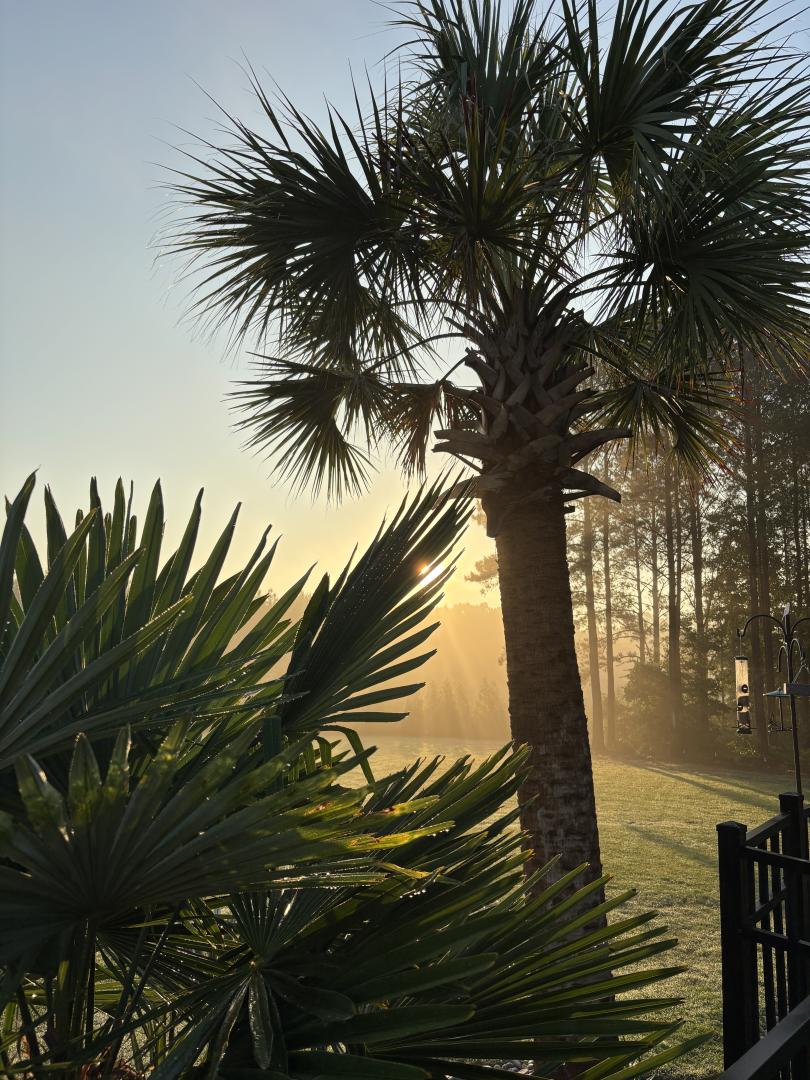
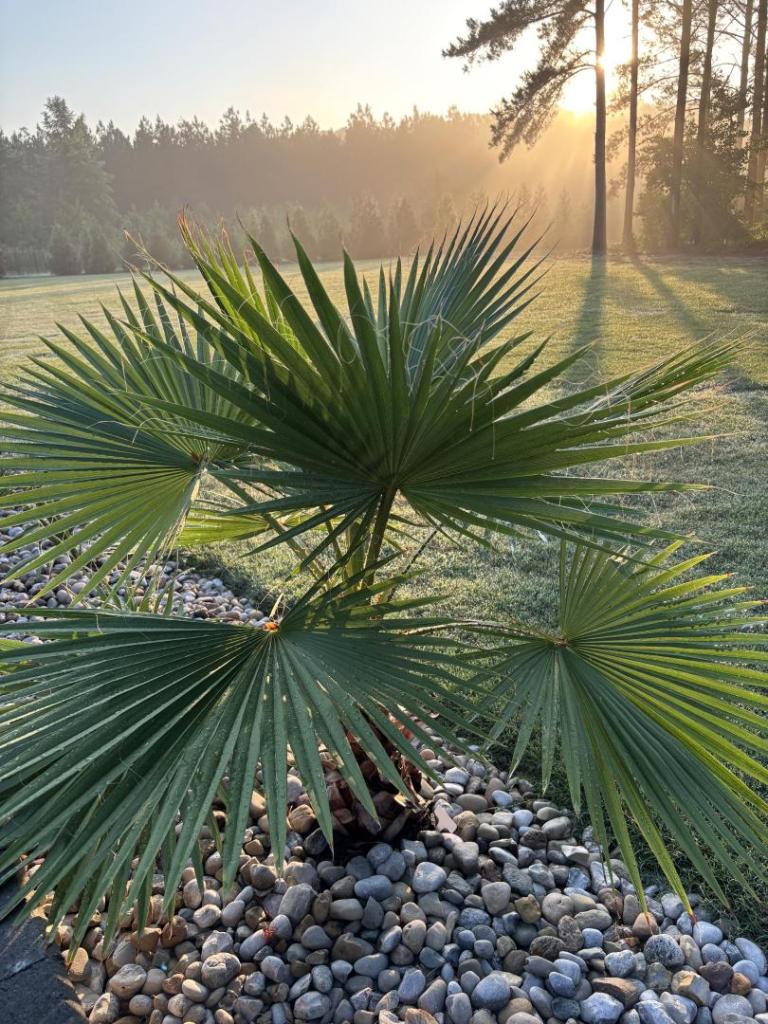
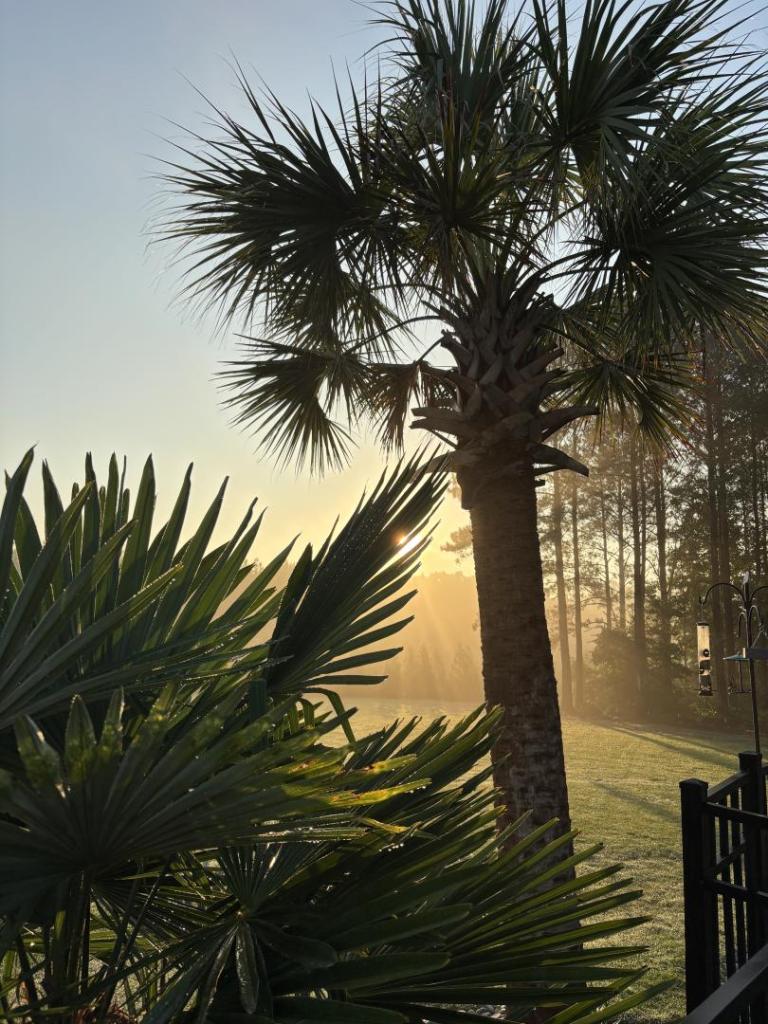
 2 pointsA few pics from a foggy morning. I love all plants. But at some point, the silhouette of a Sabal palm hooked me for life. It was the first plant I added to the garden, and hands down my favorite.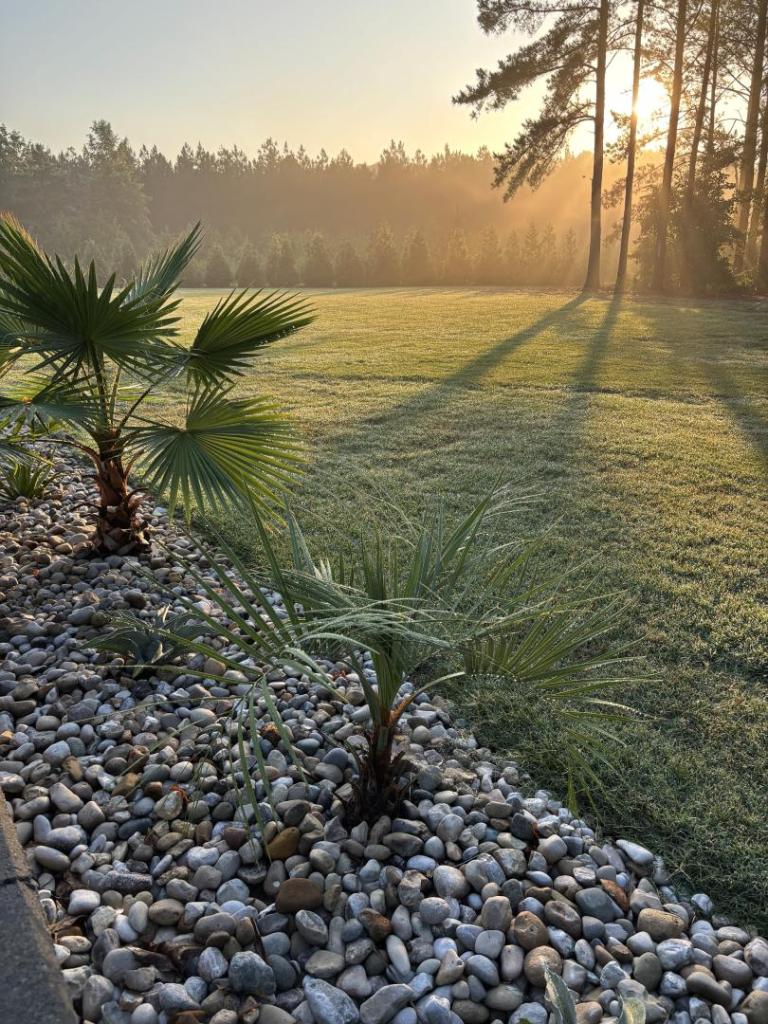
 2 points
 -
 2 pointsI would like to see Richard’s house if he brings all of his 100,000 palms inside for the winter 🤣2 points
 -
 2 pointsI'll add that P. pacifica and P. thurstonii do grow fine out here in the desert around Palm Springs. I have a couple of P. pacifica (purchased from a nursery in Florida) in the ground and a P. thurstonii that I sprouted from seed I collected from the tree at our former house on Big Pine Key, and after four years it's still strap-leaf and still in a container. Both grow fine here, though I purposely keep P. pacifica under canopy to avoid the leaf-damage that occurs under open sky on cold nights. It has been documented both in Florida and SoCal to be relatively bud-hardy but leaf-damage occurs under open sky somewhere in the low 40s. Out here in the desert it throws new leaves so fast in spring and summer that by June-July it has a nice head of new leaves, although I haven't seen any real damage growing mine under canopy despite temps into the low 30s F. Also Matt Bradford I believe did grow one at his house in San Diego but winter damage to the leaves and slow recovery in the cool spring and summer meant a result of diminishing returns for him, so he removed it, and documented this in a post on the forum here. While I haven't seen any results about P. thurstonii in the coastal plain or fogbelt (zone 24), it is definitely a slower grower than P. pacifica for me here. I noticed this in the Florida Keys as well. It is certainly correct that at least P. pacifica is not recommended for the coast and coastal/interior valley areas. The great thing about the Hawai'ian Pritchardia species is that there are so many of them and they occupy such different niches, elevations and windward/leeward locations, sun, cloud, rain, dry, etc., that there are species for many different climate zones in California. When I lived in Los Feliz (eastern Hollywood, Los Angeles), I grew a Pritchardia beccariana that thrived, and it got quite tall after we moved across town, though it is gone today. I'm sure this was due to purposeful removal and not cold damage. It went through the 1990 freeze with no real problem at all, while young Royal palms and other plants around it were killed.2 points
 -
 I remember my first trip to Kuaii, the coconuts stacked up around mail boxes in residential neighborhoods with a “free” sign . How much coconut can a family eat? I will say , like most fruits and veggies, home grown / fresh coconut is awesome! Harry2 points
 -
.thumb.png.04b3487b96ff29c55b8a8994b91f62b2.png) The title I have chosen is self-explanatory I guess... As we all know selling/sending plants from the US to other countries is highly restricted while on the other hand it is totally free and unregulated among the countries of the European Union. It would help us members from European countries if we had our own thread for swapping and selling seeds and plants. The UK should not be in btw since sending plants to and from the UK is also subject to strict regulations after Brexit.1 point
The title I have chosen is self-explanatory I guess... As we all know selling/sending plants from the US to other countries is highly restricted while on the other hand it is totally free and unregulated among the countries of the European Union. It would help us members from European countries if we had our own thread for swapping and selling seeds and plants. The UK should not be in btw since sending plants to and from the UK is also subject to strict regulations after Brexit.1 point -
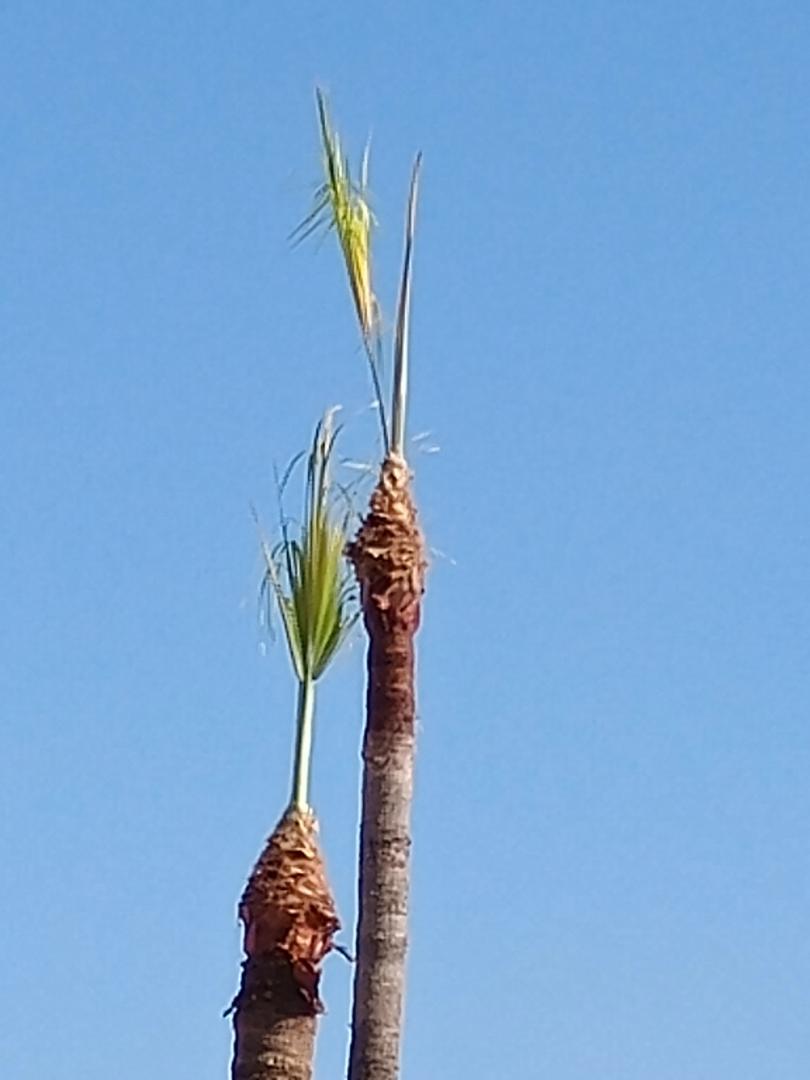
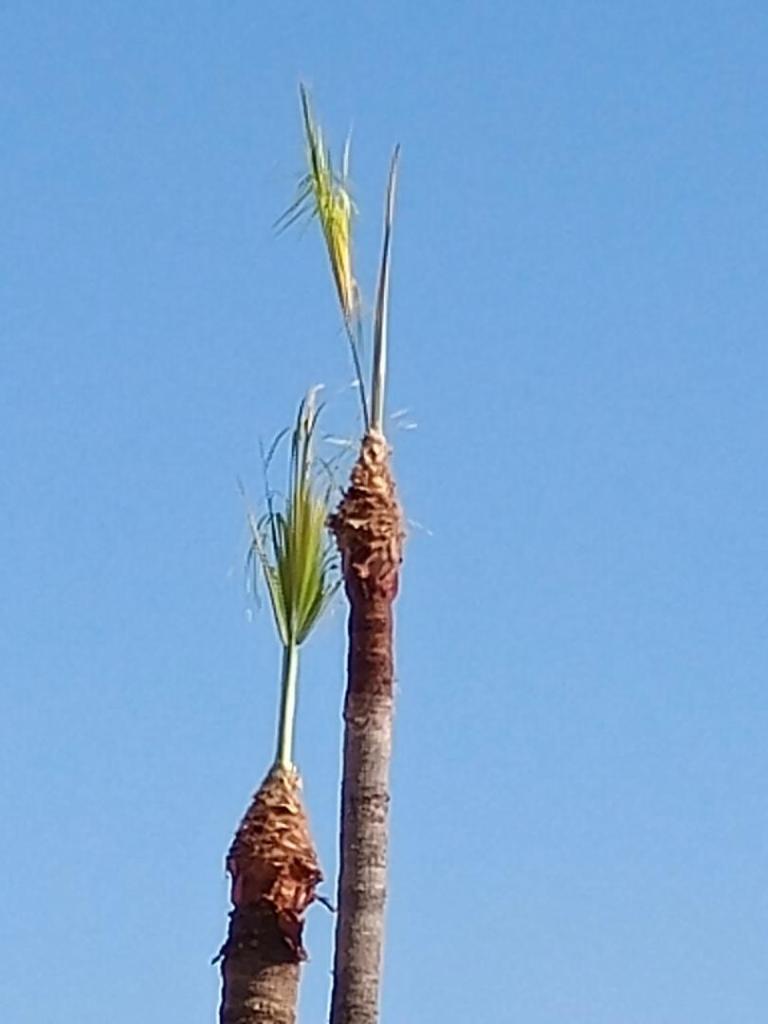
 Oh, no... 😱 Why do some 'landscapers' think they are giving you better value by taking off way more during a trim than is necessary? aztropic Mesa, Arizona
 1 point
 -
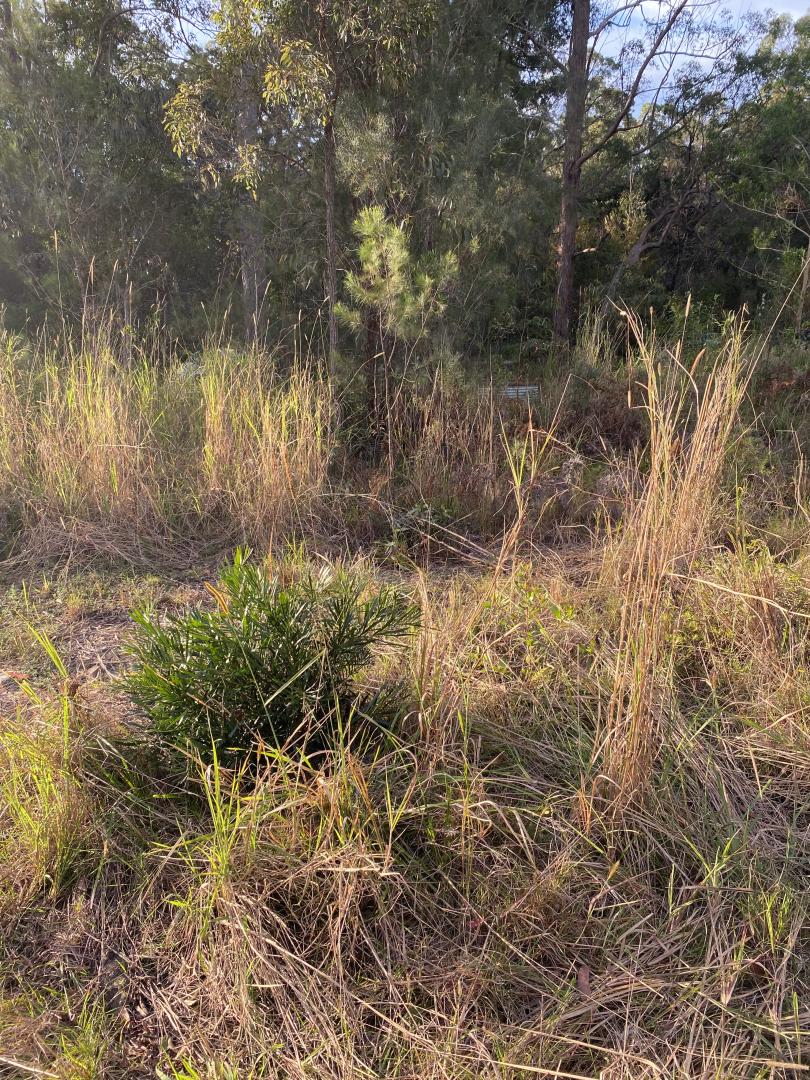
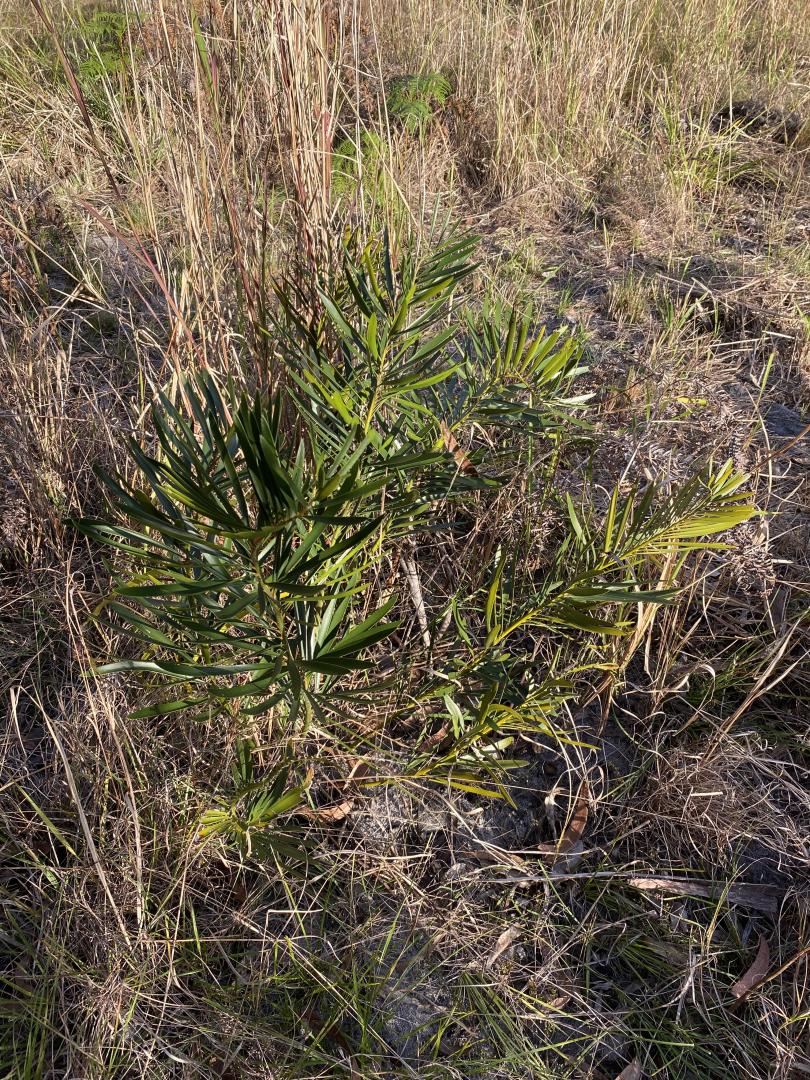
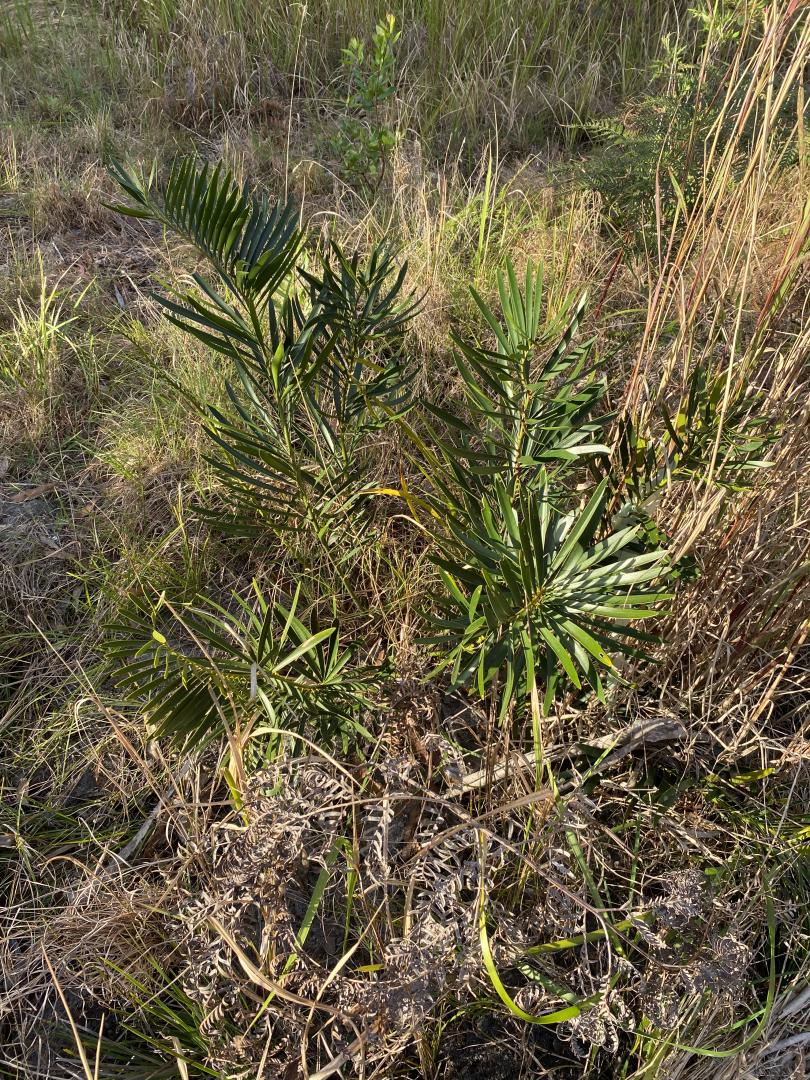
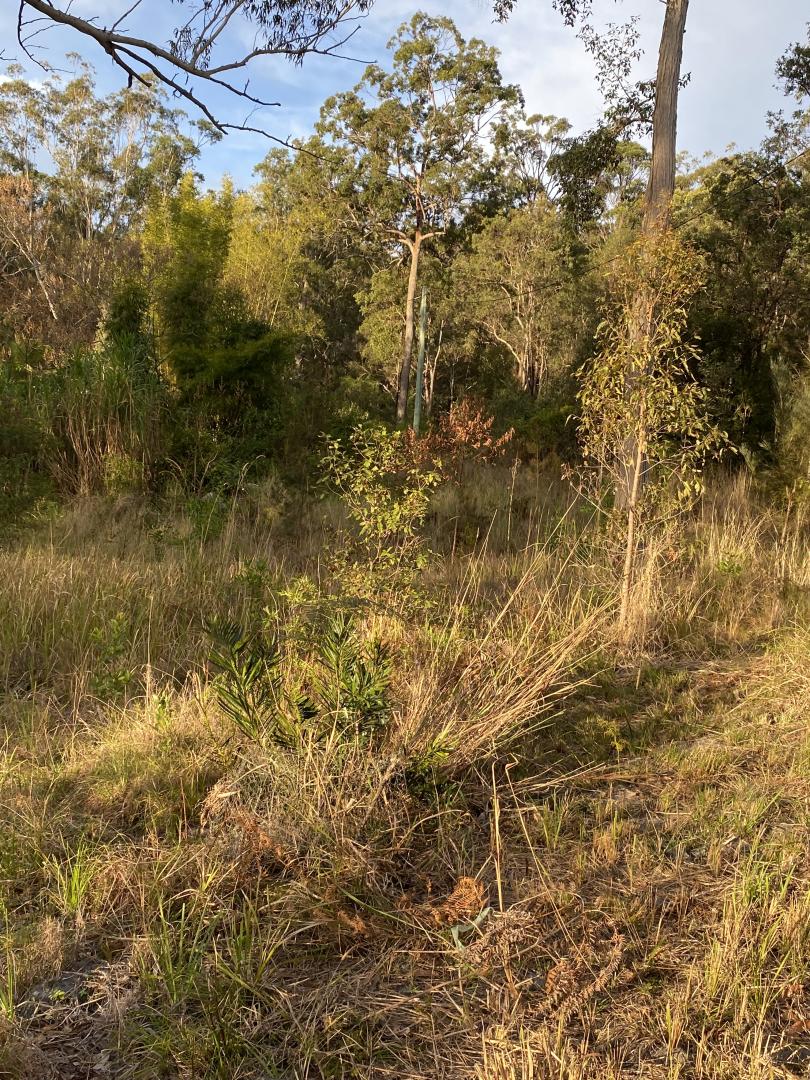
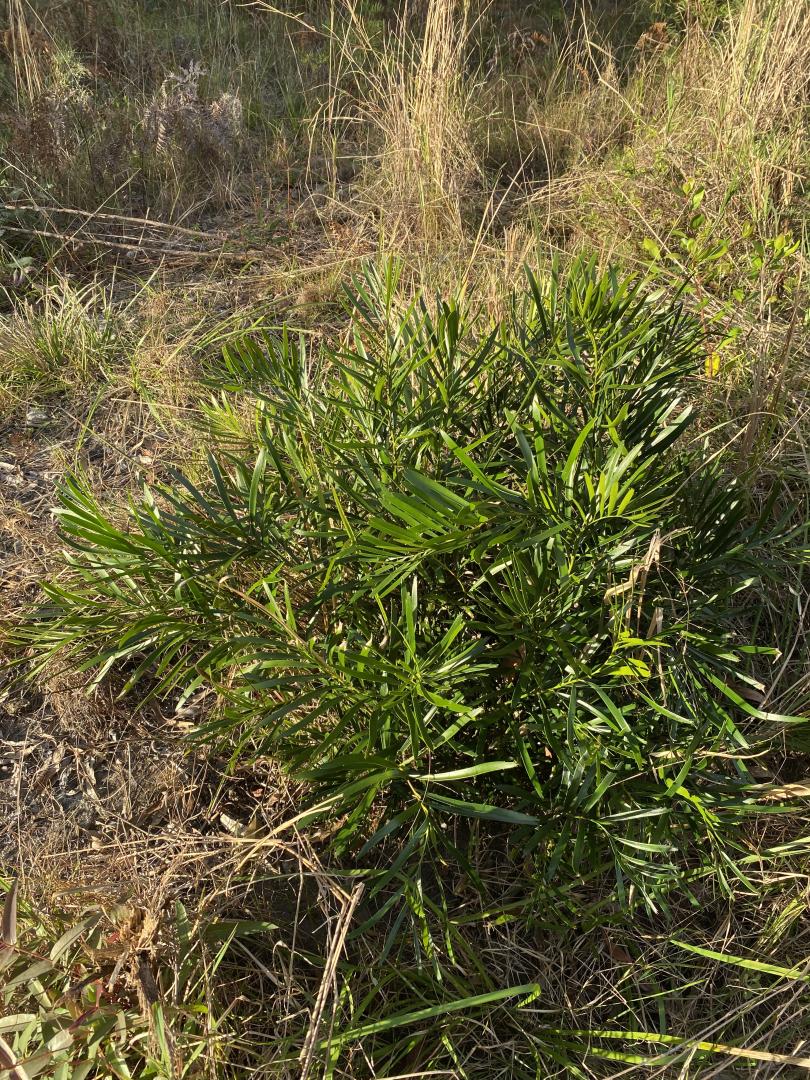
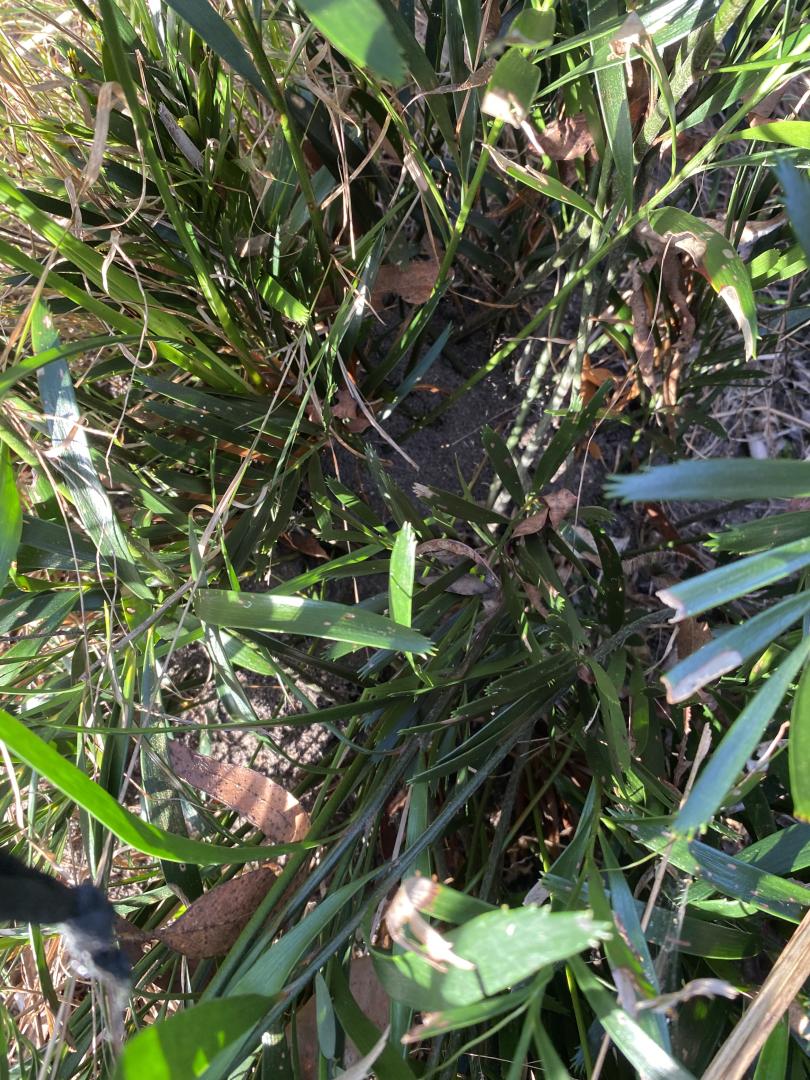
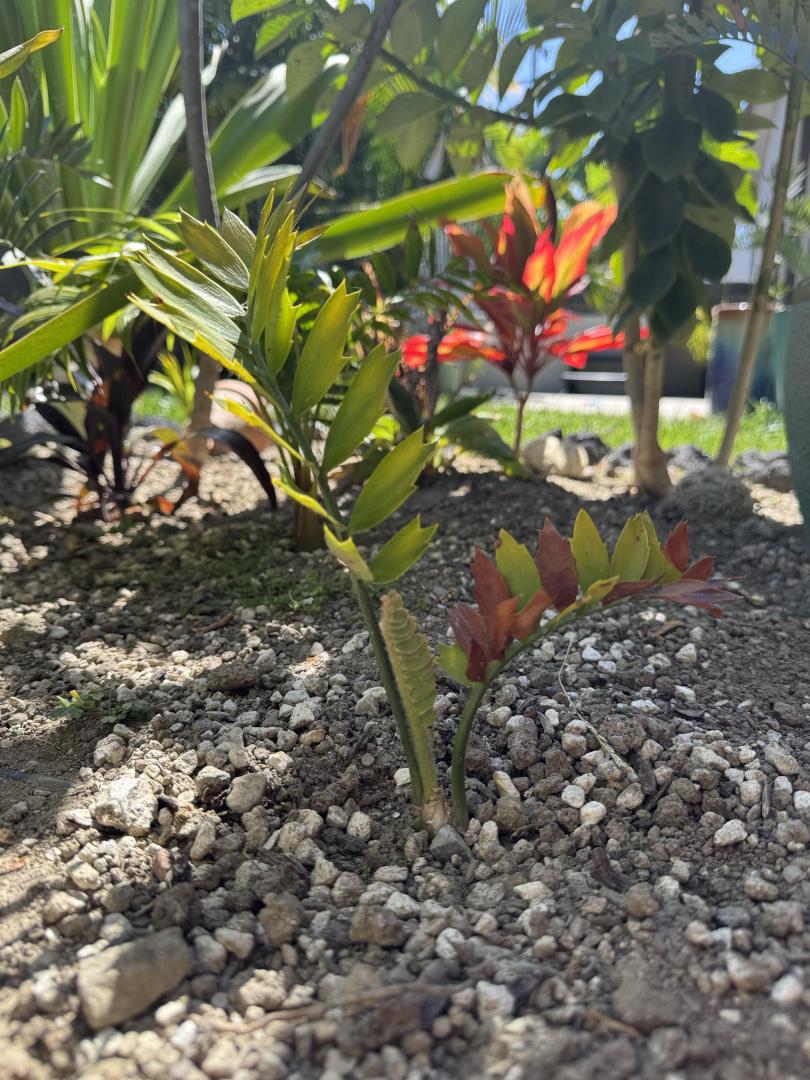
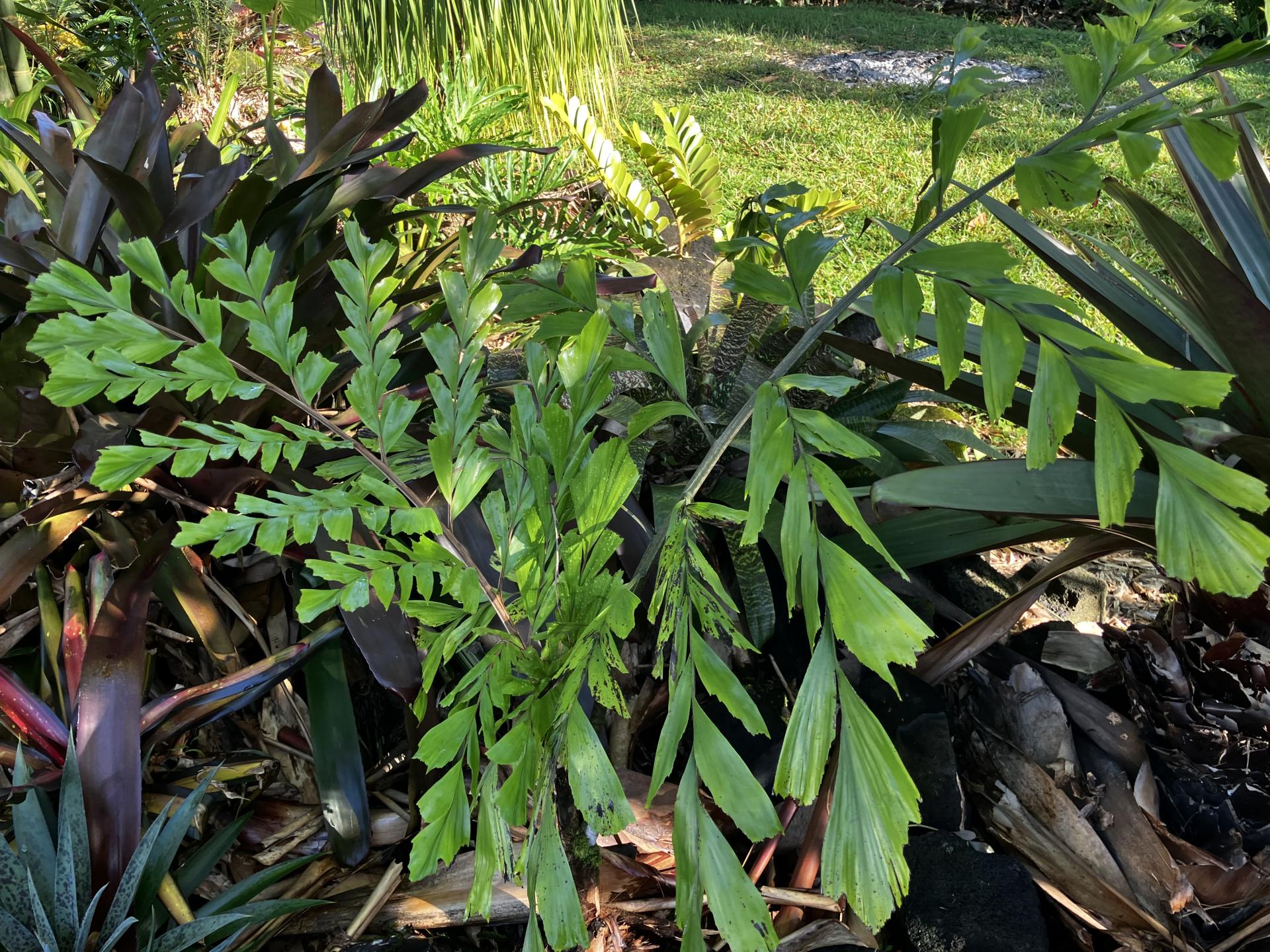
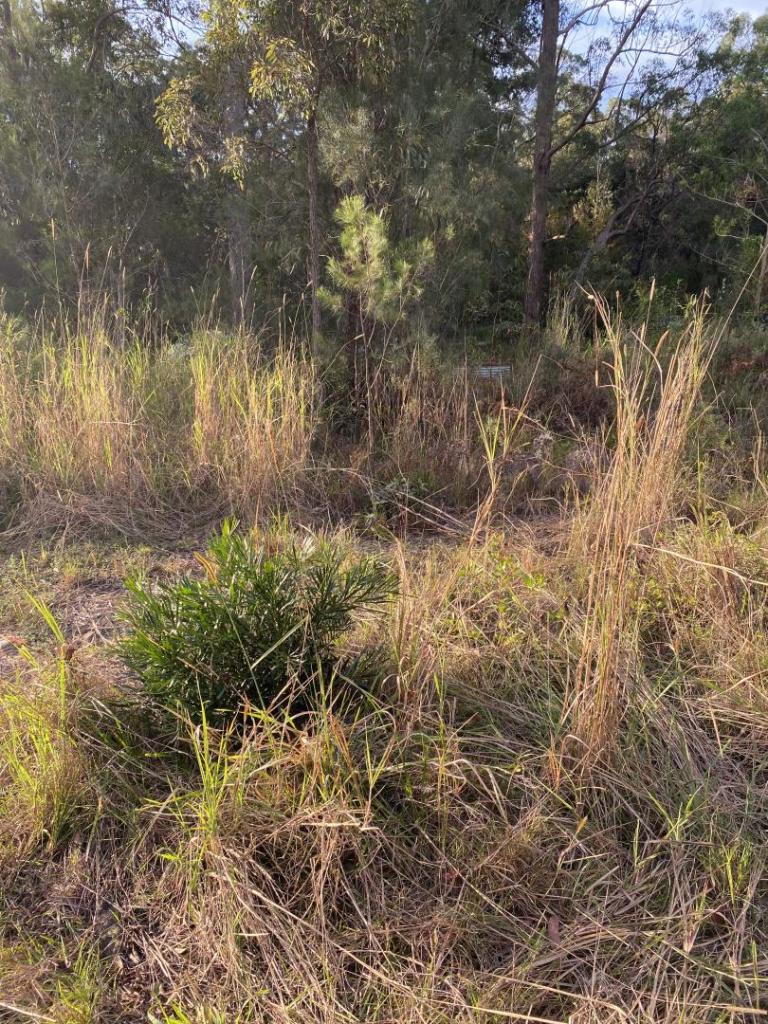
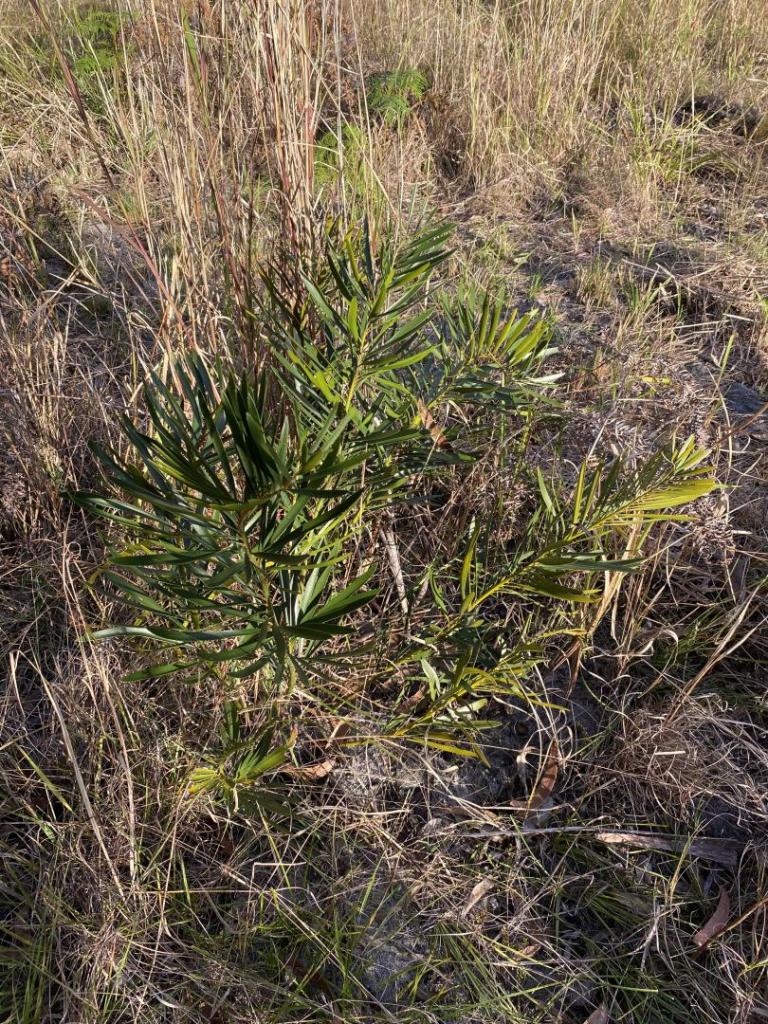
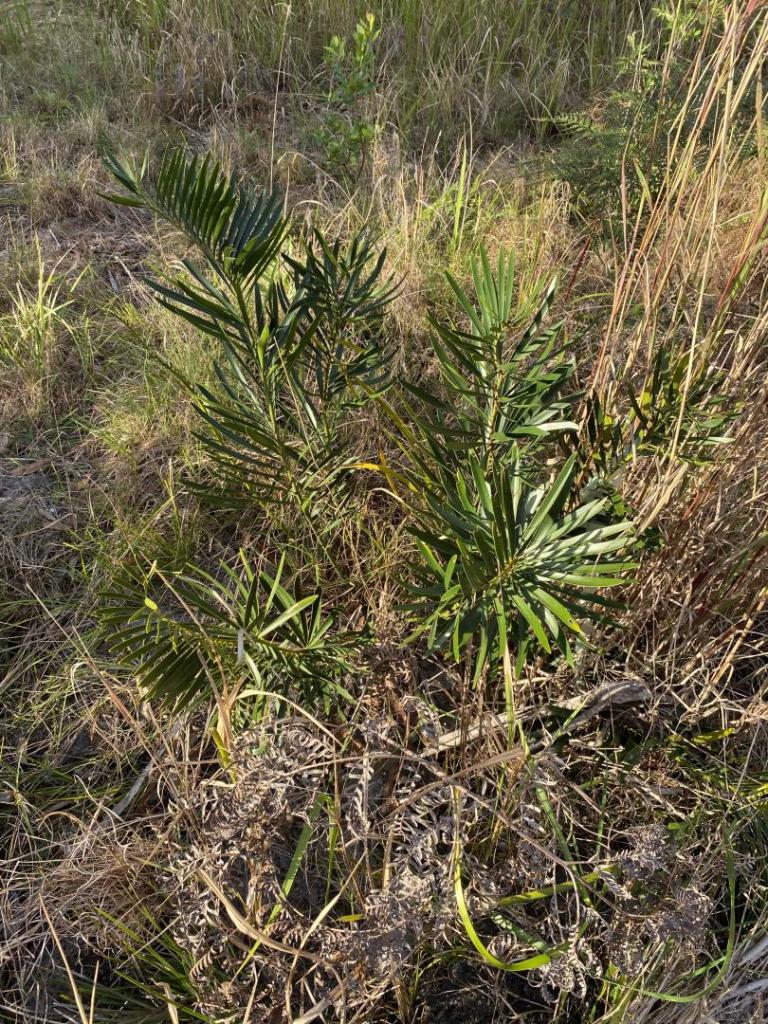
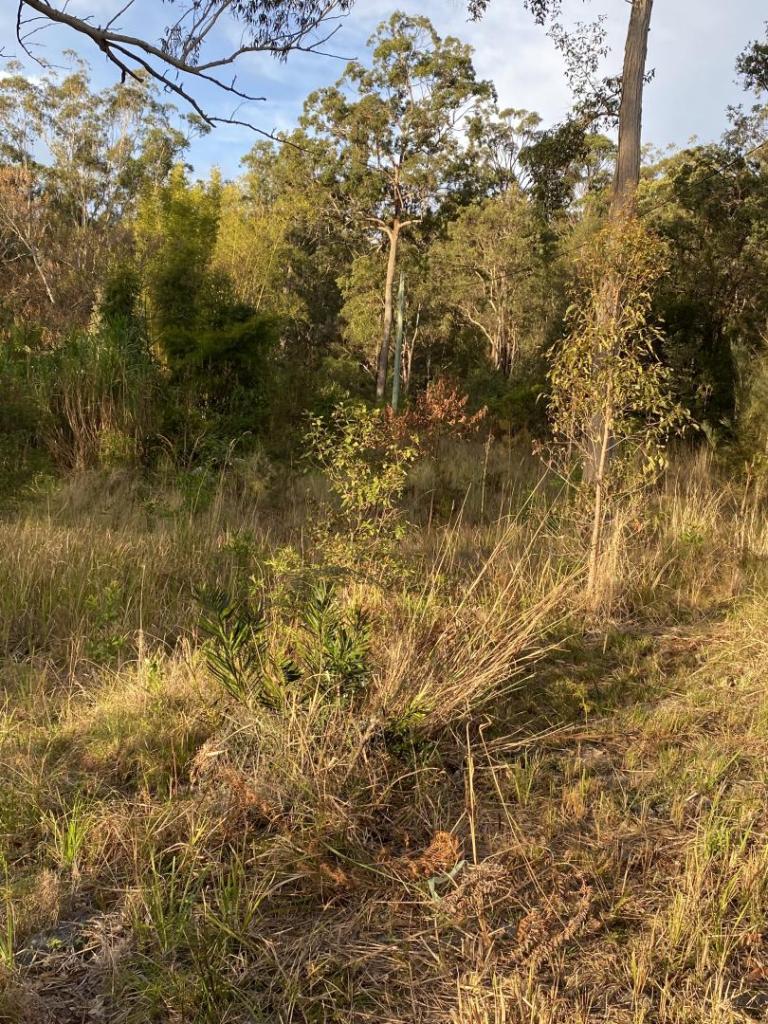
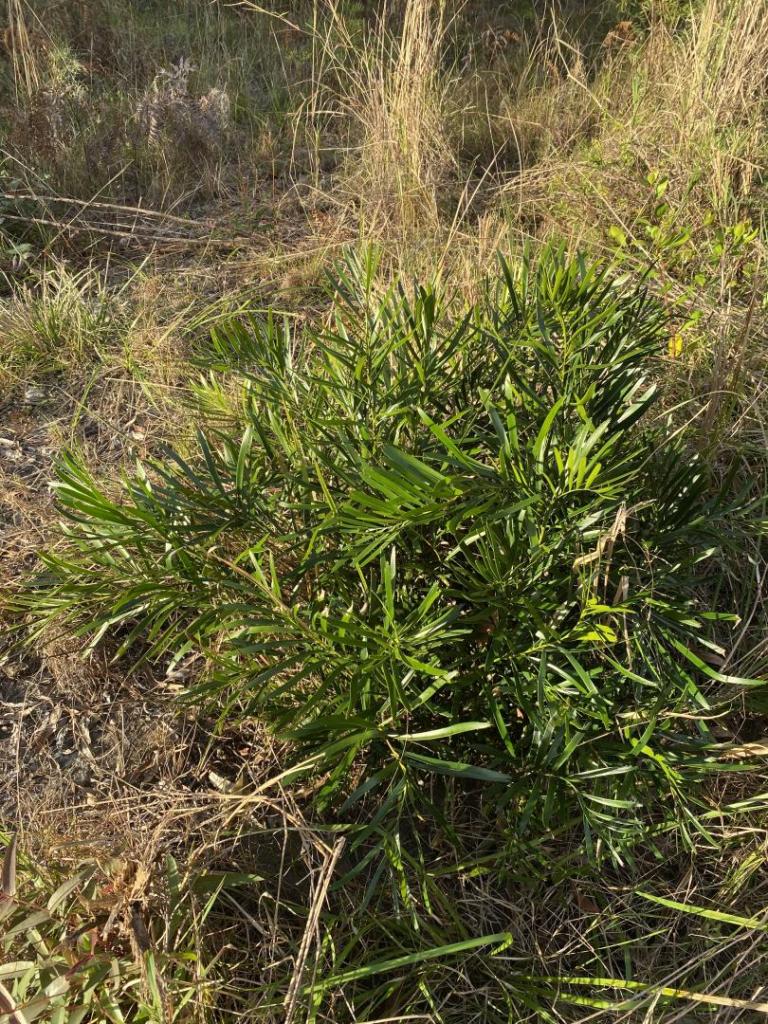
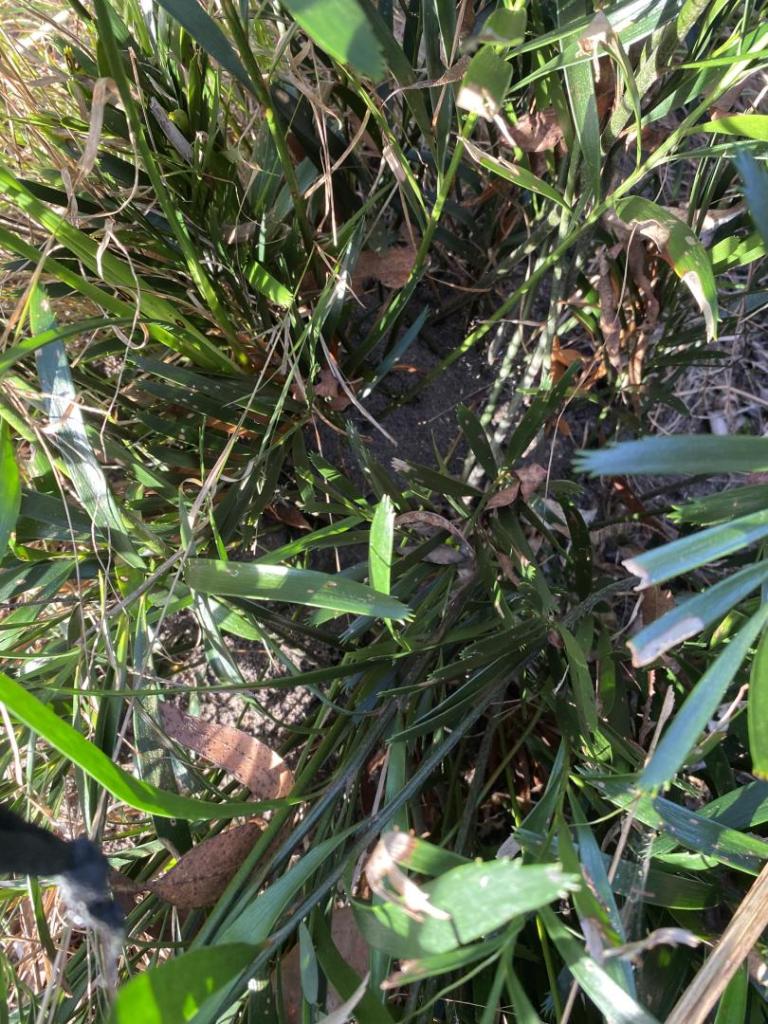
1 pointA hot open area in clearing, full sun virtually. Taking extremely dry conditions to complete soil saturation that would grow a palm in the right season of rainfall. Super tough plant, I have collected seeds of them in the past and got 4 to germinate out of 8 seeds. With a male and female close to each other. Iam unsure of the pollinater, we do get the weevil in my area so possibly that or a mammal, or some other insect. A very intresting Australian macrozamia, and very cold tolerant to heat tolerant!
 1 point
 -
1 pointMy only Pritchardia is P. Hillebrandii brought home from Maui years ago in a 3” pot! It has survived for at least 15 years here in Santa Paula . Planted next to my house for protection , although I’m not sure it needed it. Harry
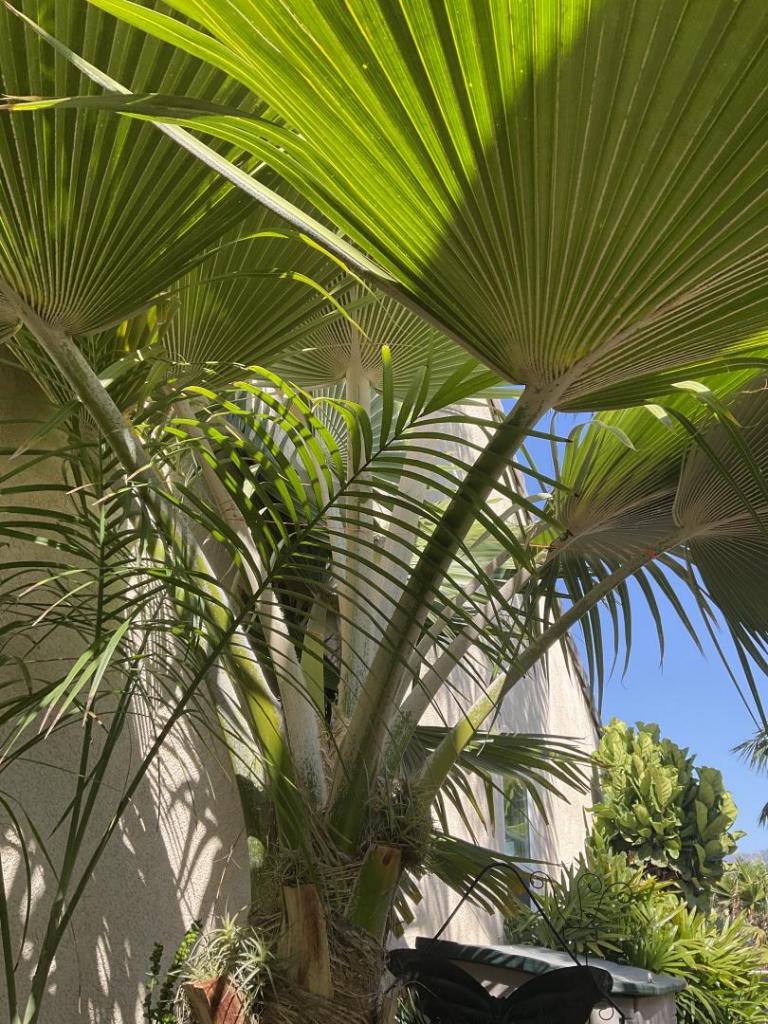
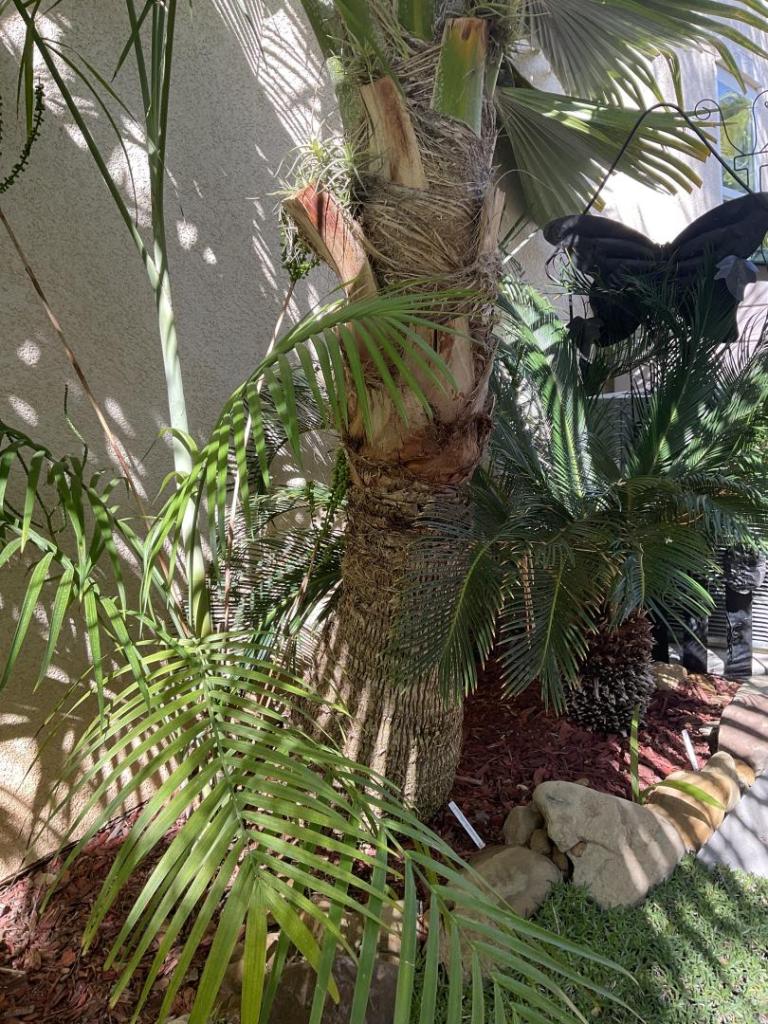
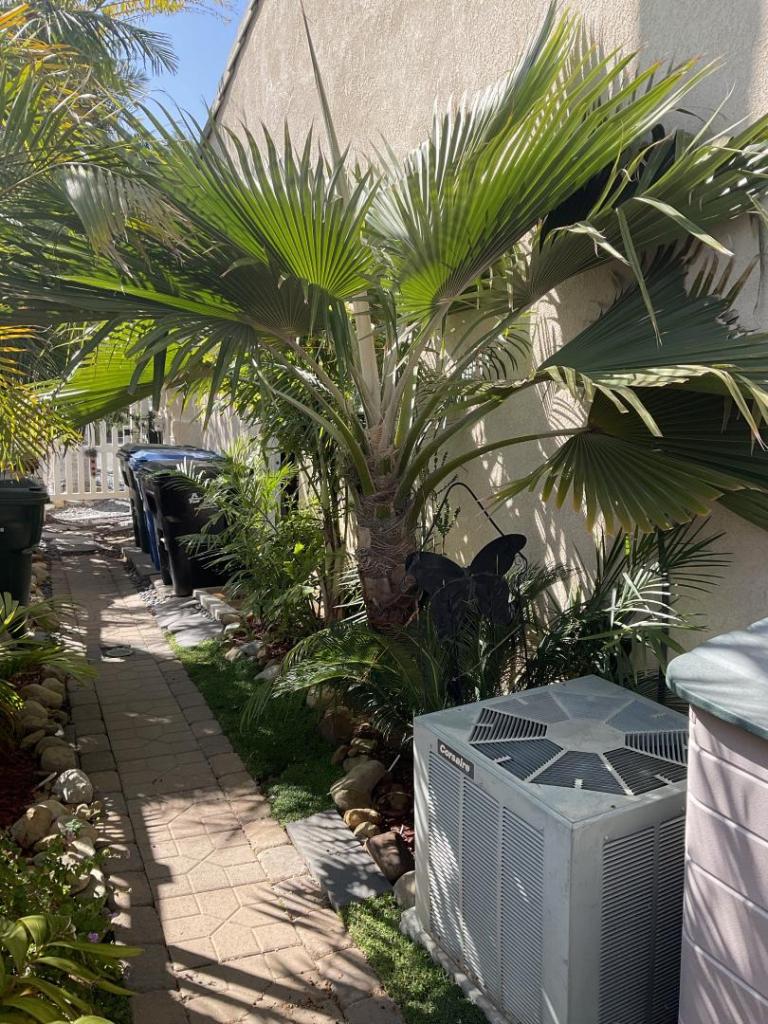 1 point
 -
 1 pointMine is doing okay in So Cal but has a bit of recent leaf burn. The one that I have in a pot is younger but somehow much bigger and happier which seems to be the opposite growth habit of all my New Cals that are in the ground.
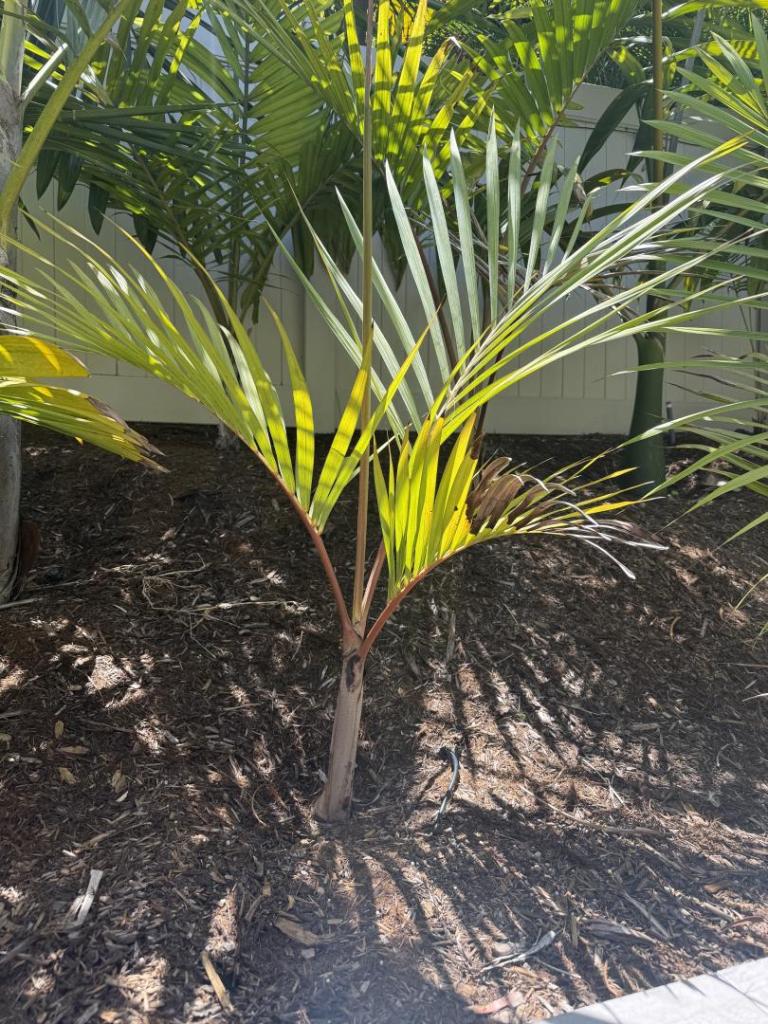 1 point
 -
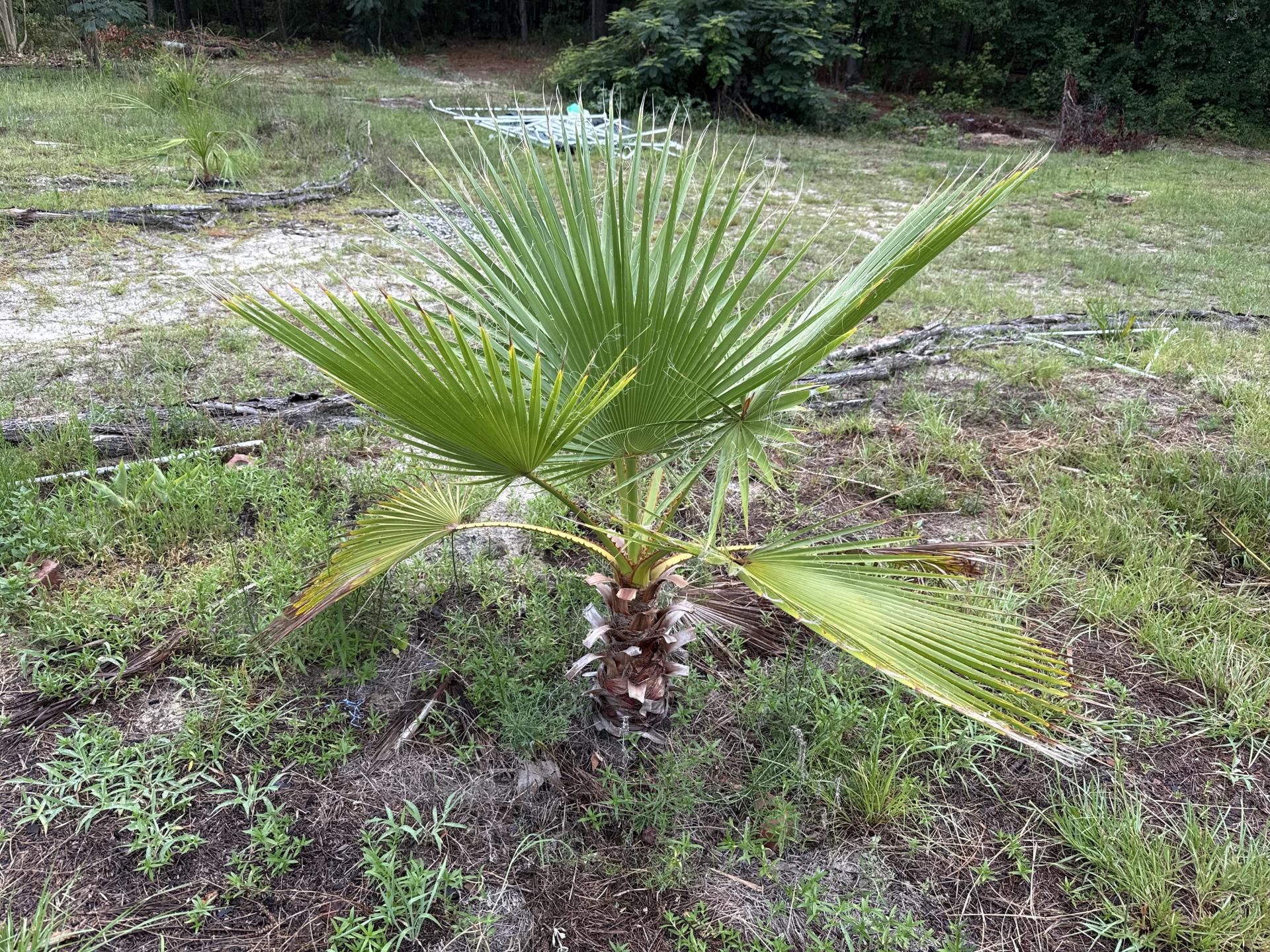
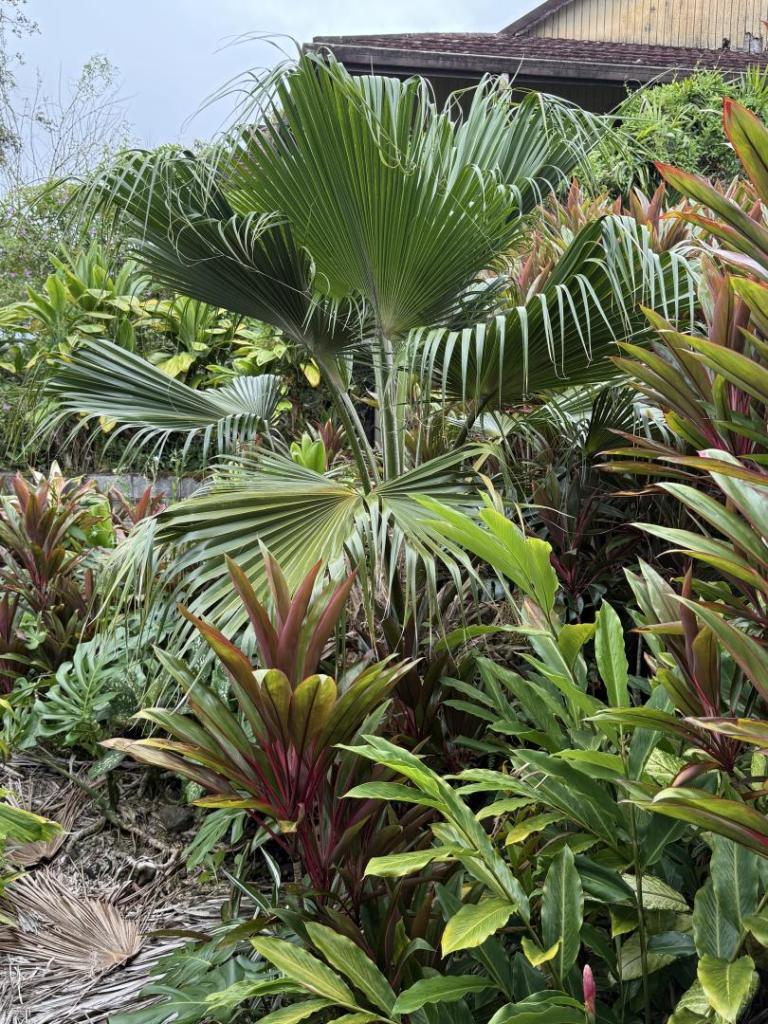
1 pointHere is an updated photo of P. glabrata. I had a pair side by side and curiously lost one a few years back. Tim
 1 point
 -
 I don’t think those will need to be trimmed for at least a couple of weeks!!!1 point
 -
(173x200).thumb.jpg.87642ce613f801fde119db608b8aeb96.jpg) 1 pointNot a 100% ID but, While there can be variability between specimens, esp. if crossed w/ another sp., Leaf shape / look of the trunk point me towards Q. hemisphaerica ( Darlington Oak ) as a good place to start. Laurel Oak can look similar though. Taking it a step further, would look over species / crosses listed within both the subsection Phellos and Incana on iNaturalist to narrow down the list of possibilities a bit more, if Darlington isn't a good fit.1 point
1 pointNot a 100% ID but, While there can be variability between specimens, esp. if crossed w/ another sp., Leaf shape / look of the trunk point me towards Q. hemisphaerica ( Darlington Oak ) as a good place to start. Laurel Oak can look similar though. Taking it a step further, would look over species / crosses listed within both the subsection Phellos and Incana on iNaturalist to narrow down the list of possibilities a bit more, if Darlington isn't a good fit.1 point -
 Syagrus R., resists up to -6 degrees Celsius, you shouldn't have any problems1 point
 -
 1 pointI'm about 2 years and multiple freezes behind you, and it shows! Great looking garden, hopefully for many years to come!1 point
 -
1 point
-
 1 point
 -
 1 pointNice. What's wild is I think me and you both jumped in here around the same time so I've been able to watch in real time. Looks great dude.1 point
 -
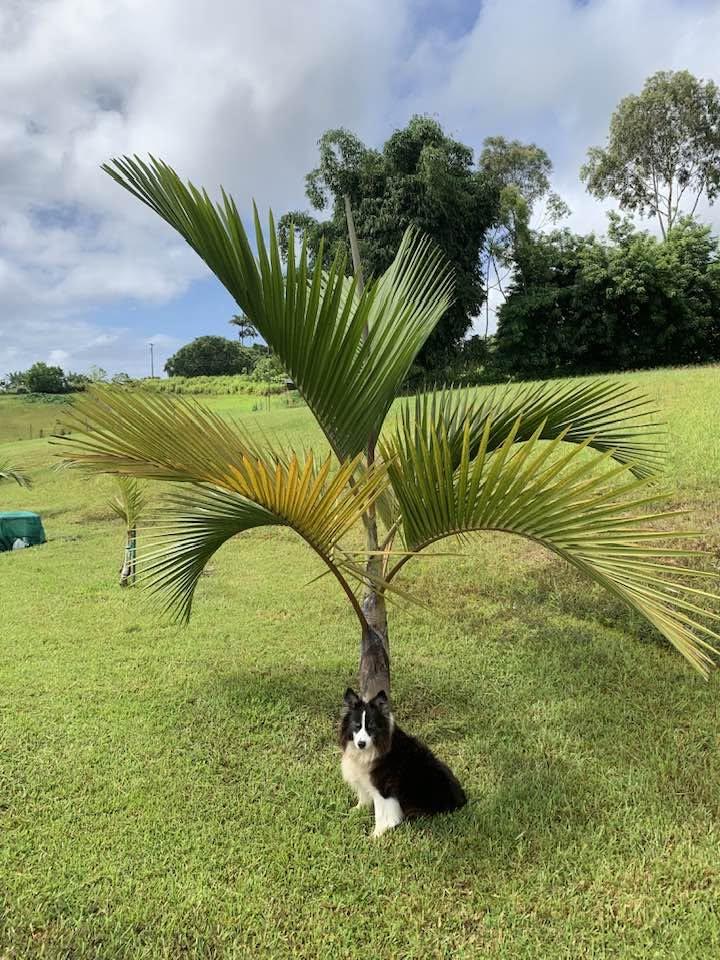
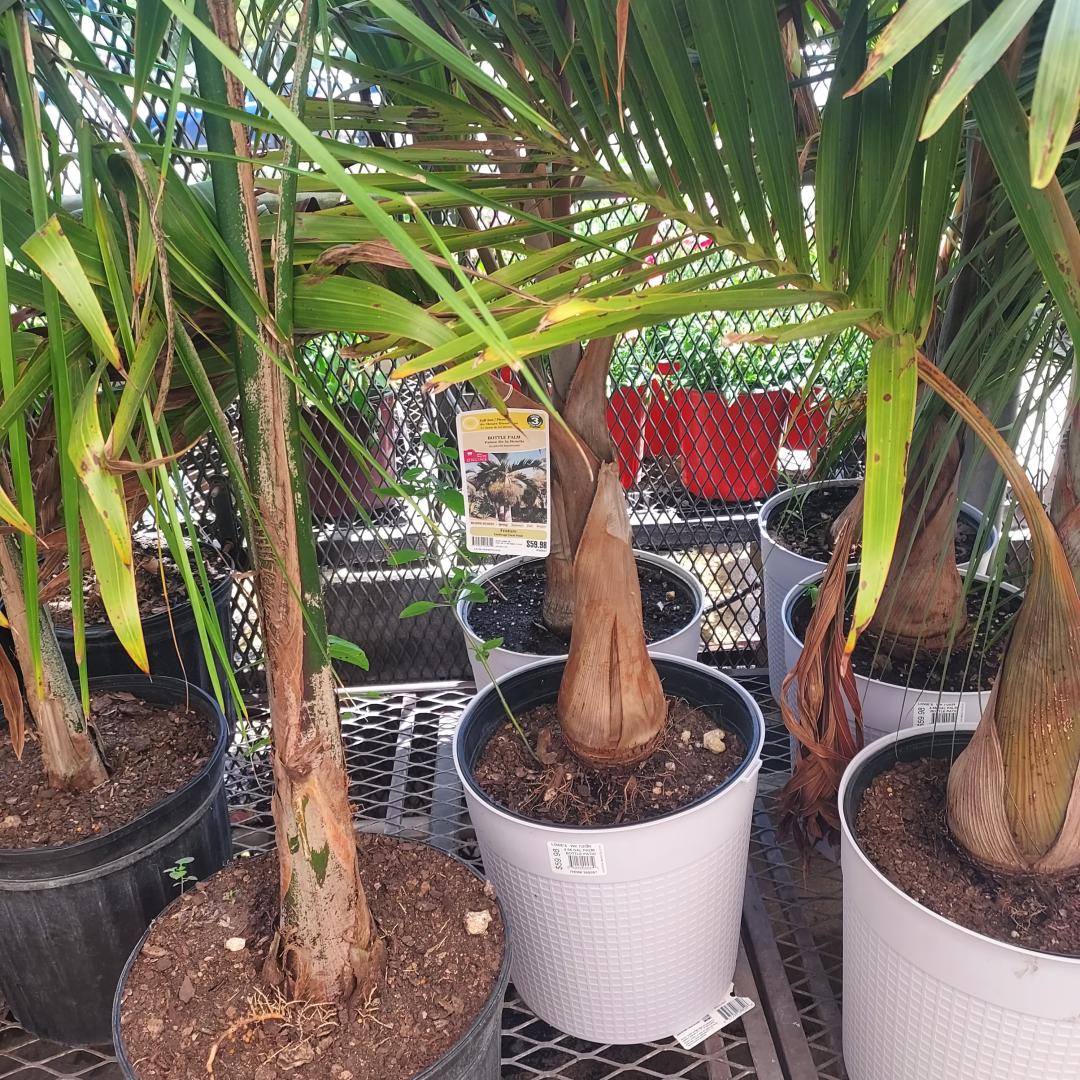
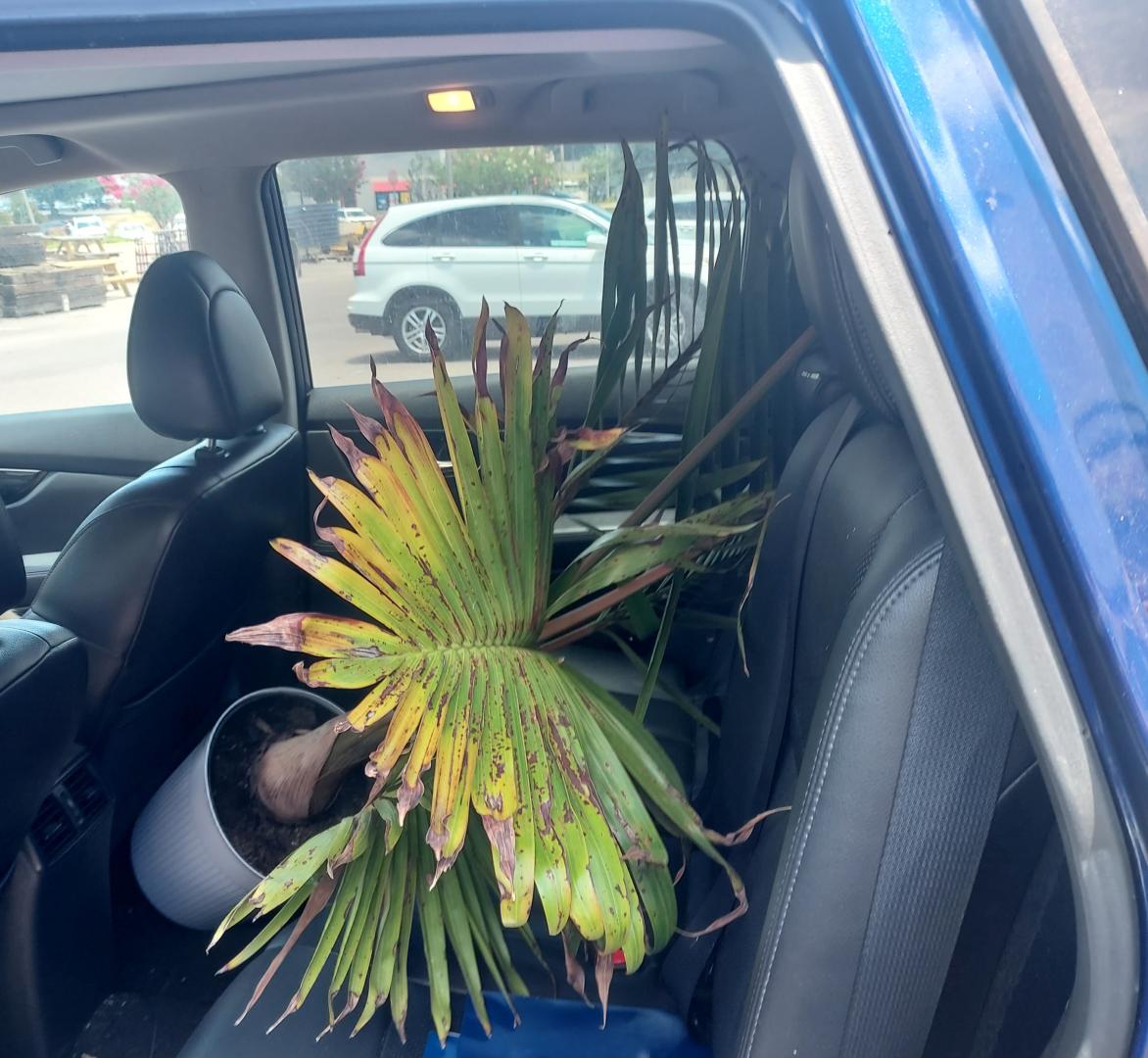
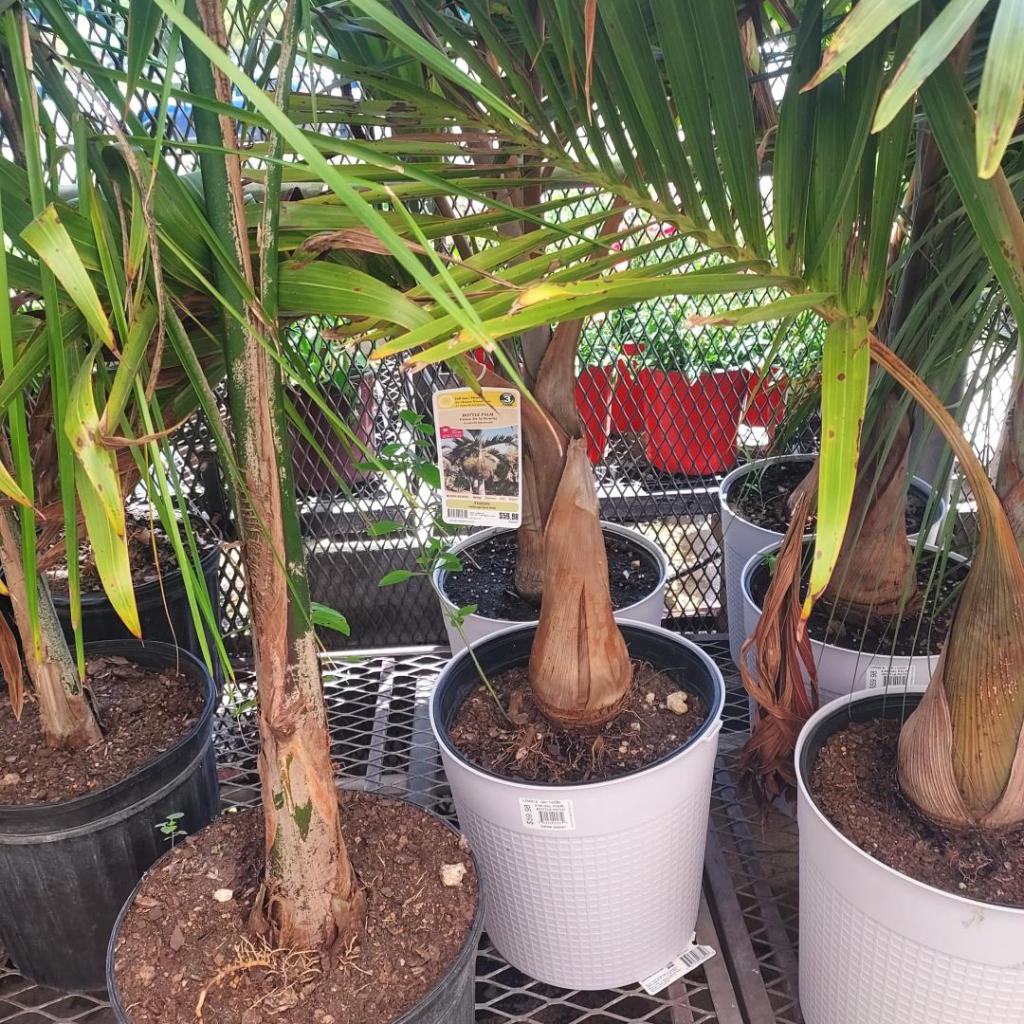
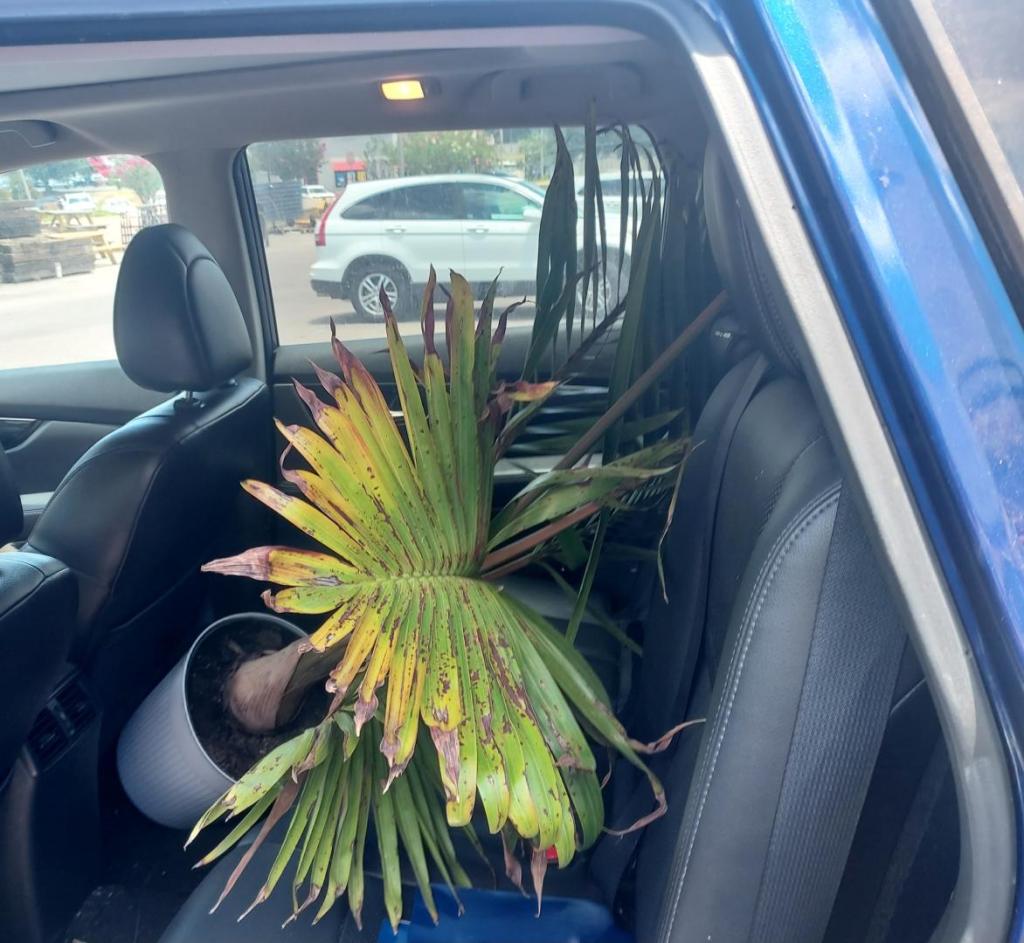
1 pointhttps://www.instagram.com/reel/DagrwJmtUCE/?igsh=MTZtemU1dmpnZnllbA== Been a while since I've posted any palm content. TL:DR I bought a Bottle Palm. Now story time. I had to take Sancho back to the vet for bloodwork. Welp they changed the times they go to lunch and I didn't wanna find out he needed more pills after I went home, so we went to Laurel and went to Lowes again. Great luck there, found a pink banana there and it's already more than paid for itself selling pups and it's got 3 more on the way. These Bottles had been there for a while, and were still at full price. I figured I'd just do what I normally do and buy the smallest crappiest one and rehab like I do with philodendrons and pothos etc. So I ask about a markdown and I had Sancho on my shoulder. Bless this woman. She pulled out the biggest, nicest one and marked it down to $19. Did it suck getting it in and out of the car? Yep. Did I still have a $240 grocery pickup to squeeze in there? Yep. Tbf $240 feels like it buys 3 days of food now. Anyway the first thing I did when i got it home was basically drown it in neem maxx. I've also been using SNS209 as a soil drench on my indoor plants, and combining that with cutting off any leaves where I see webbing has been pretty damn effective for me. Anyway yeah it's a little crispy and yeah it's got spider mites but a 5 ft 5 gallon bottle palm in this part of the country for less than the clearance price? Aight. Bet.

 1 point
 -
 1 pointGreat effort, and 5 years worth of growth that we can only dream of in more heat deprived climates! Is the garden full now, or do you still have some room out the back to play with?1 point
 -
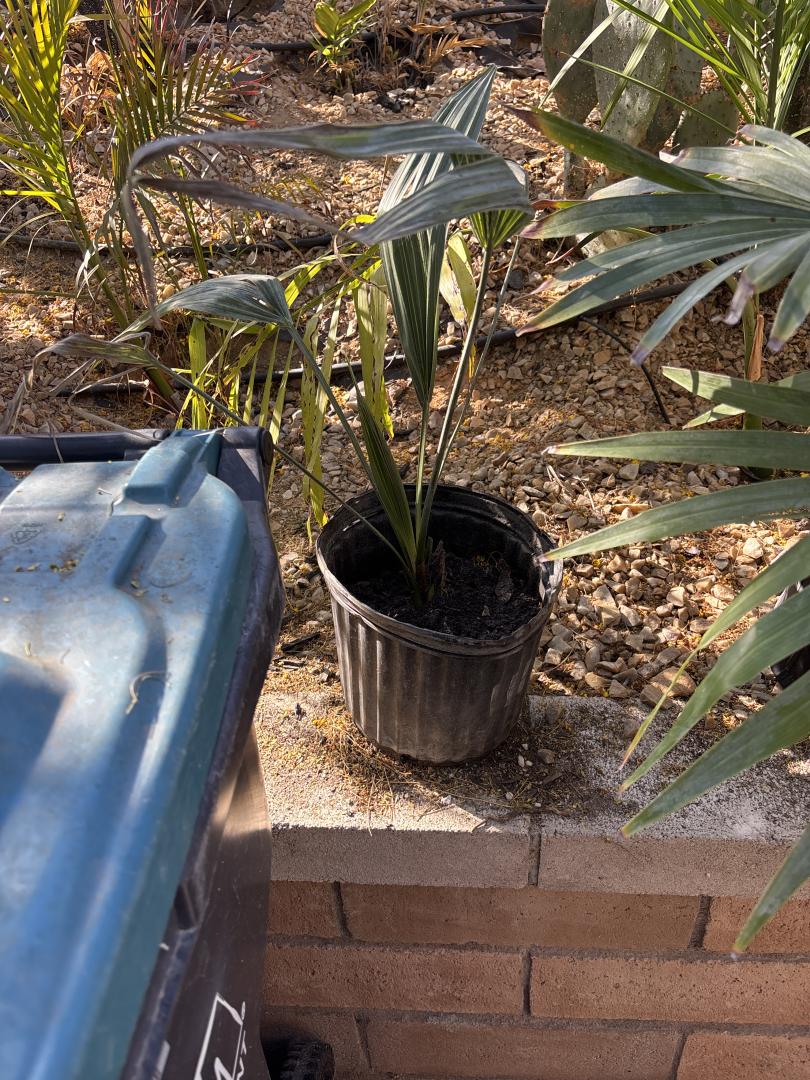
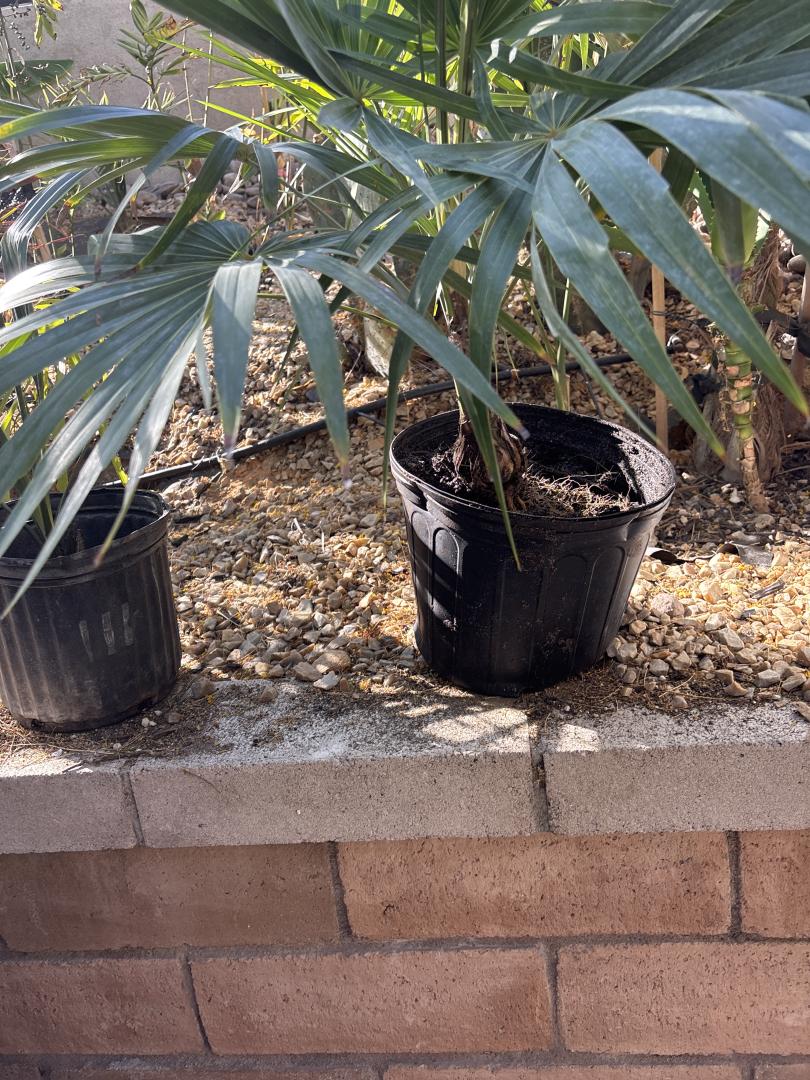
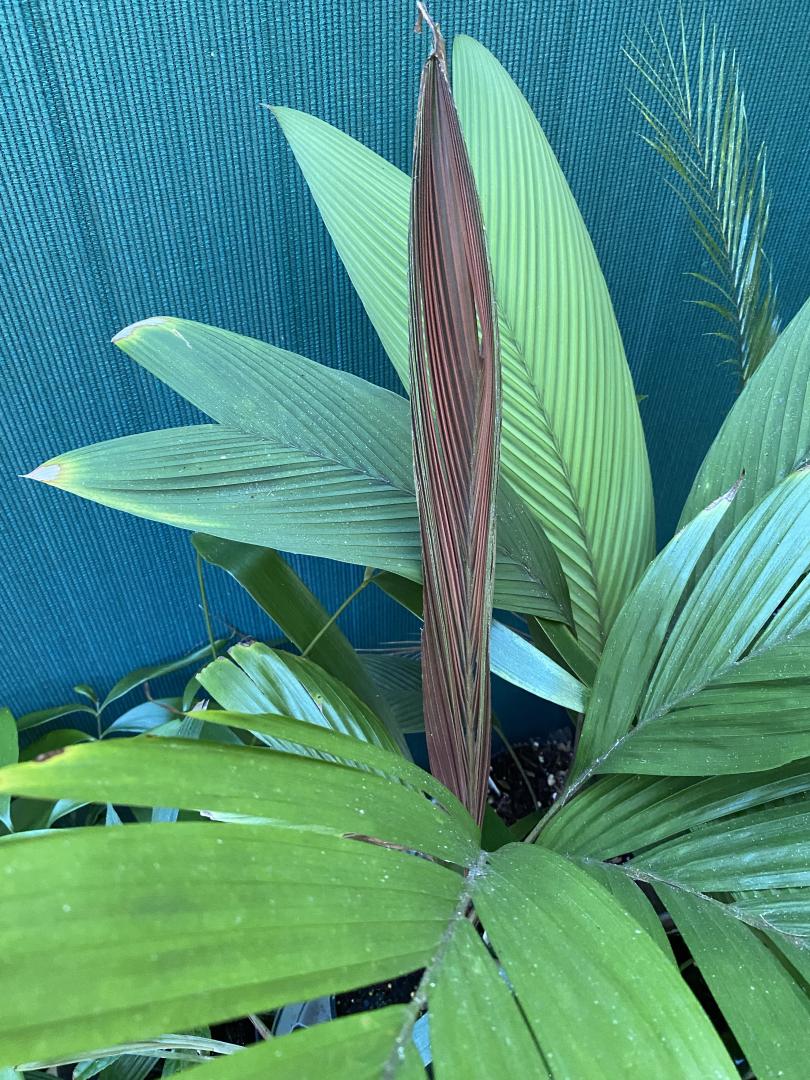
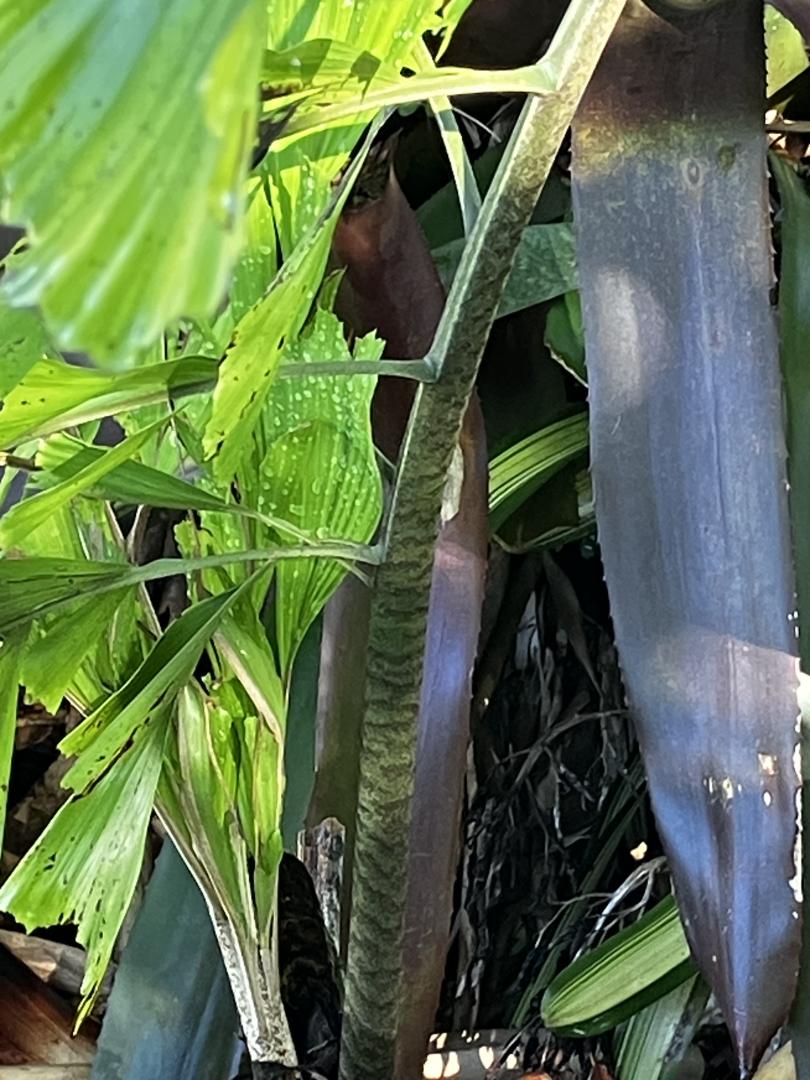
 1 pointNo clue what I’ve got here but it’s happy none the less. As similar to every Pritchardia sold it seams….supposed to be Martii. Definite “color” but not nearly the white or copper I’ve seen on others. Guess it could be, i don’t know -dale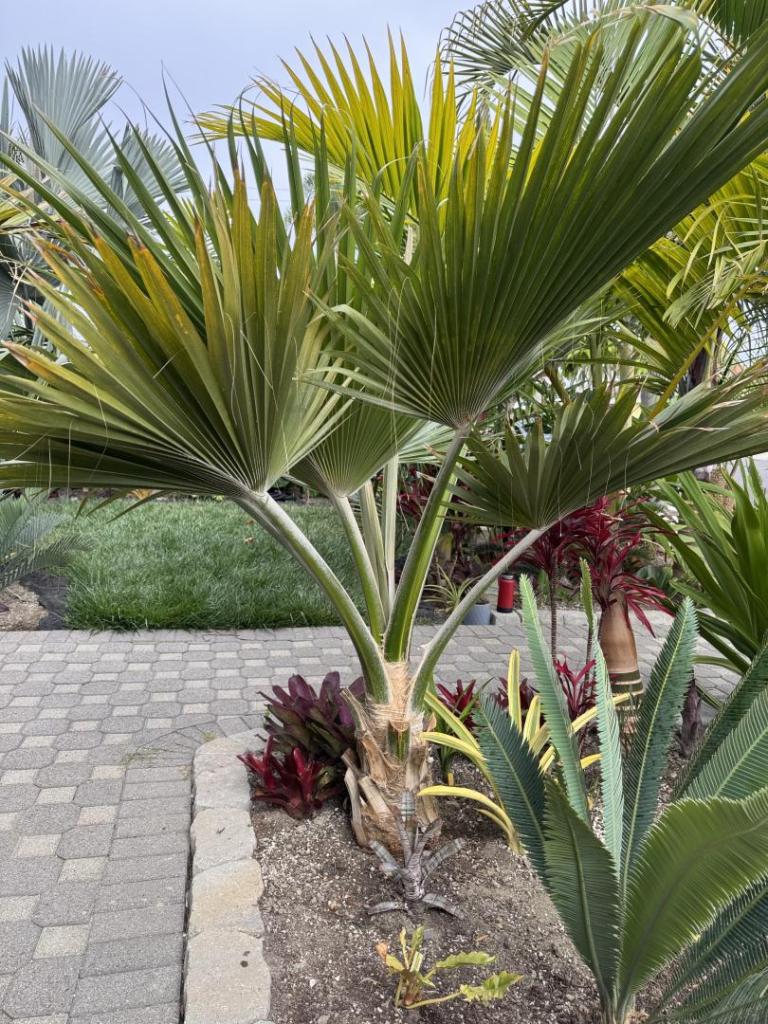
 1 point
 -
1 pointIN high humidity environments mulch breaks down fast. In a drought environment it dries out and blows away. Add torrential rain, and it gets washed away too. So yes I have mulched about 50-60 cubic yards on 2000+ square feet(200 square meters) of garden space every two years. I started with grey white sand in half of my yard to 2-3' deep. No rain changes everything. When I first moved here from growing palms in arizona I killed a number of palms by not understanding how dry the soil becomes in just 3-4 days. I couldnt put palms under 5 gallons in the ground unless its a heavily amended raised bed or a clayish soil mix spot.1 point
-
1 point@happypalms Chuniopphoenix humilis is a synonym of C nana which is tough as you know. I really doubt the cold did it in given they fly through my winters.1 point
-
 1 pointI got this as a small 2g plant in 2003 or 2004. Has about 3 feet of clear trunk now.1 point
 -
1 point1 point
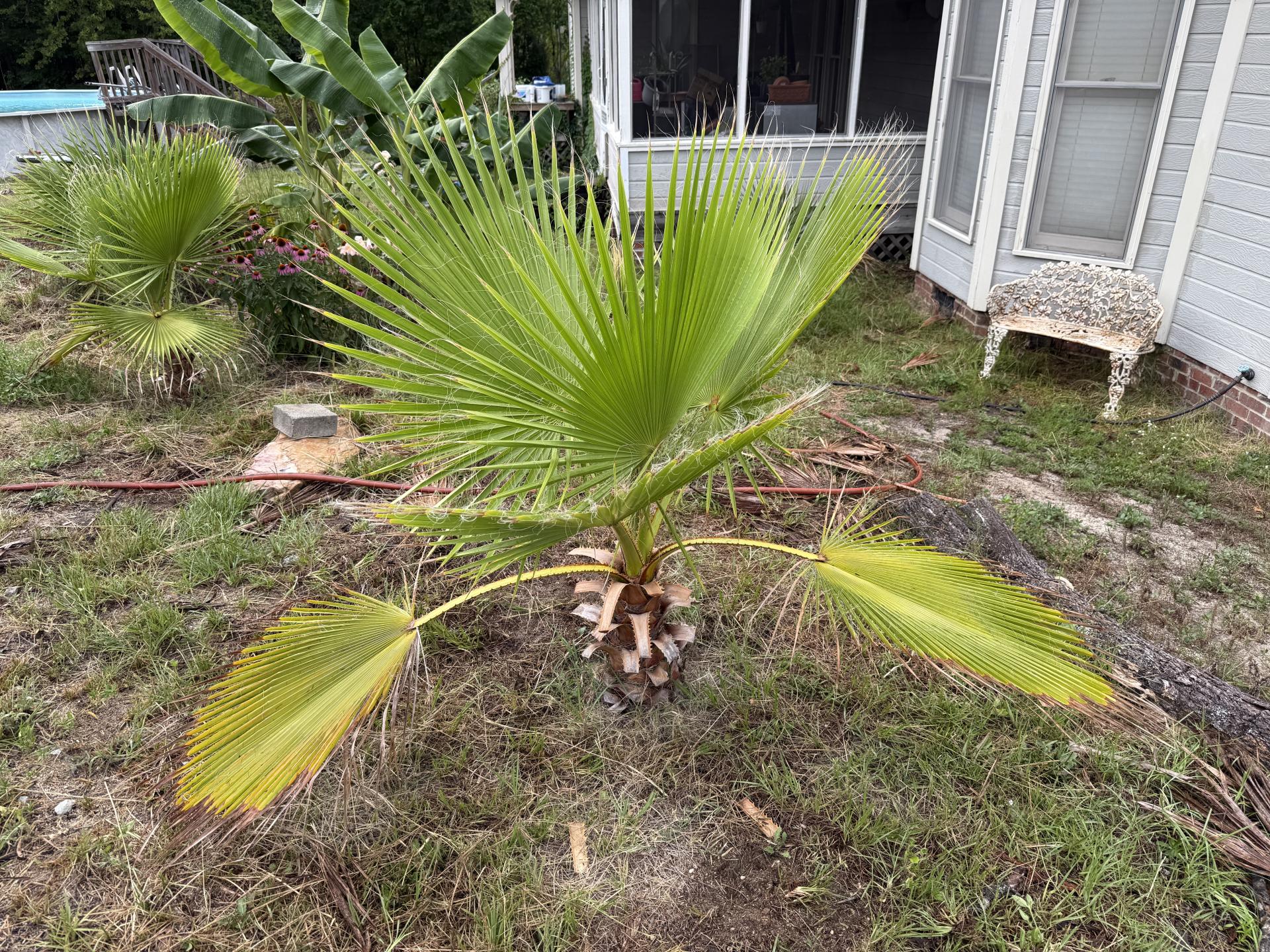
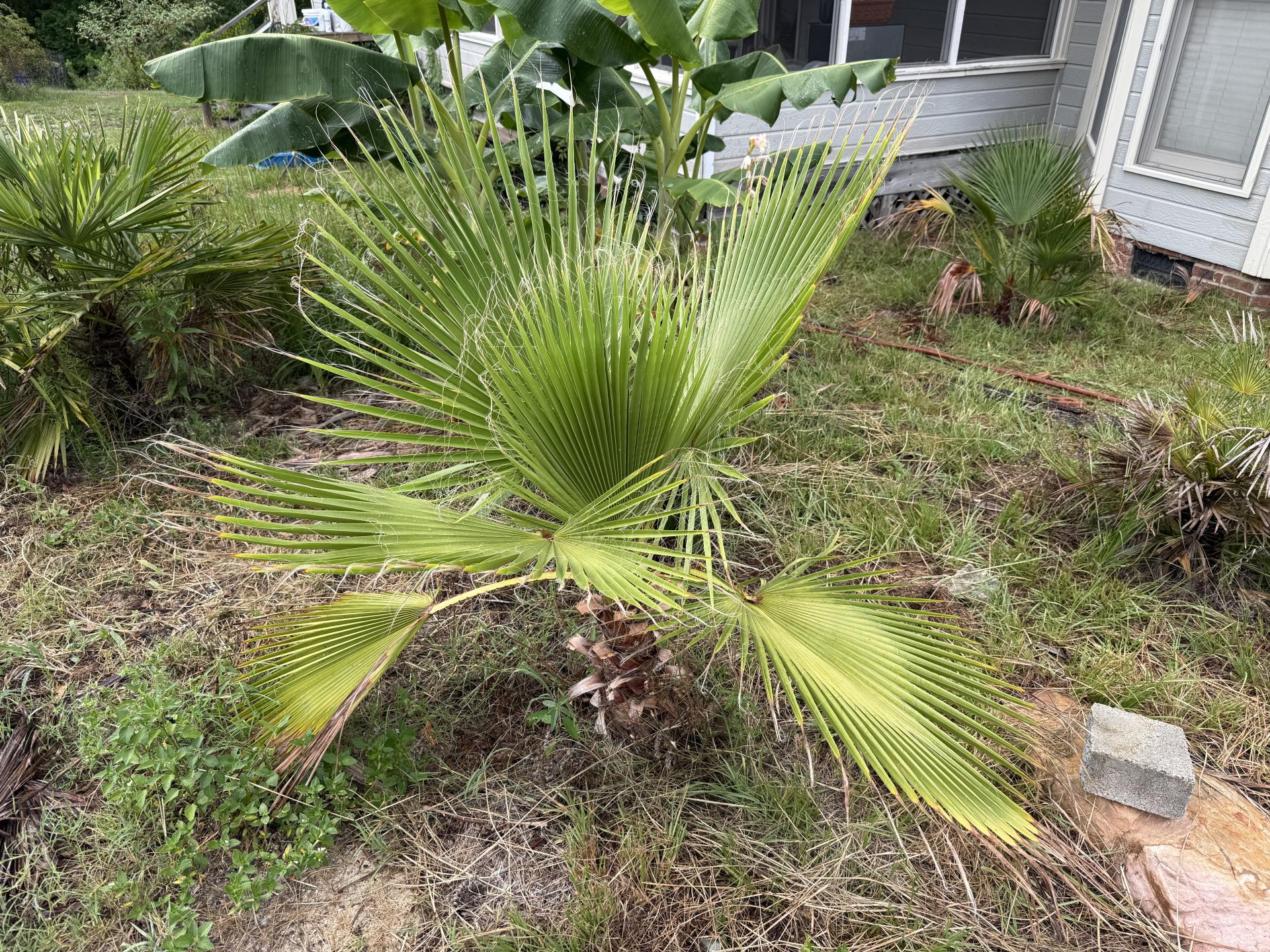
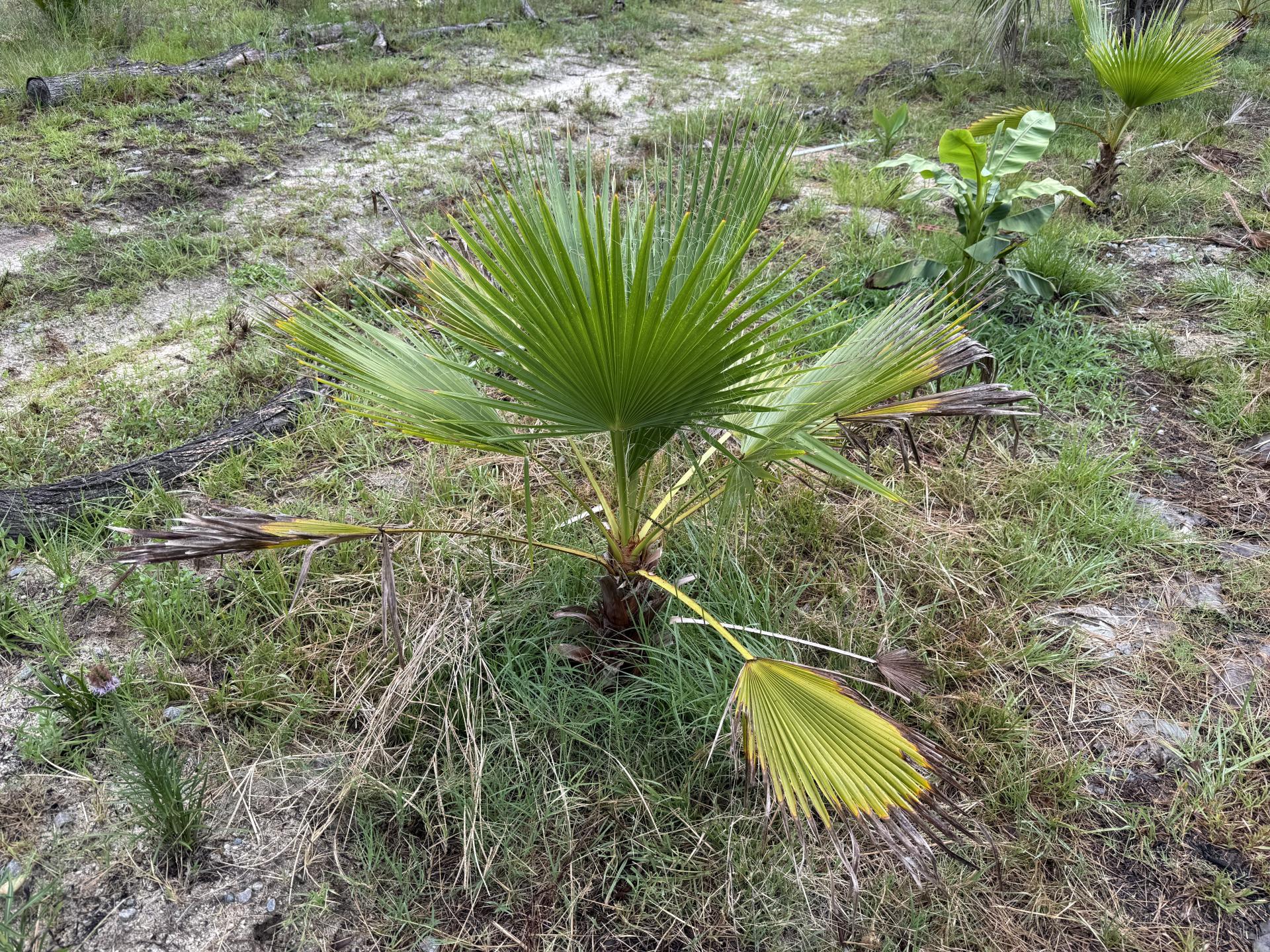
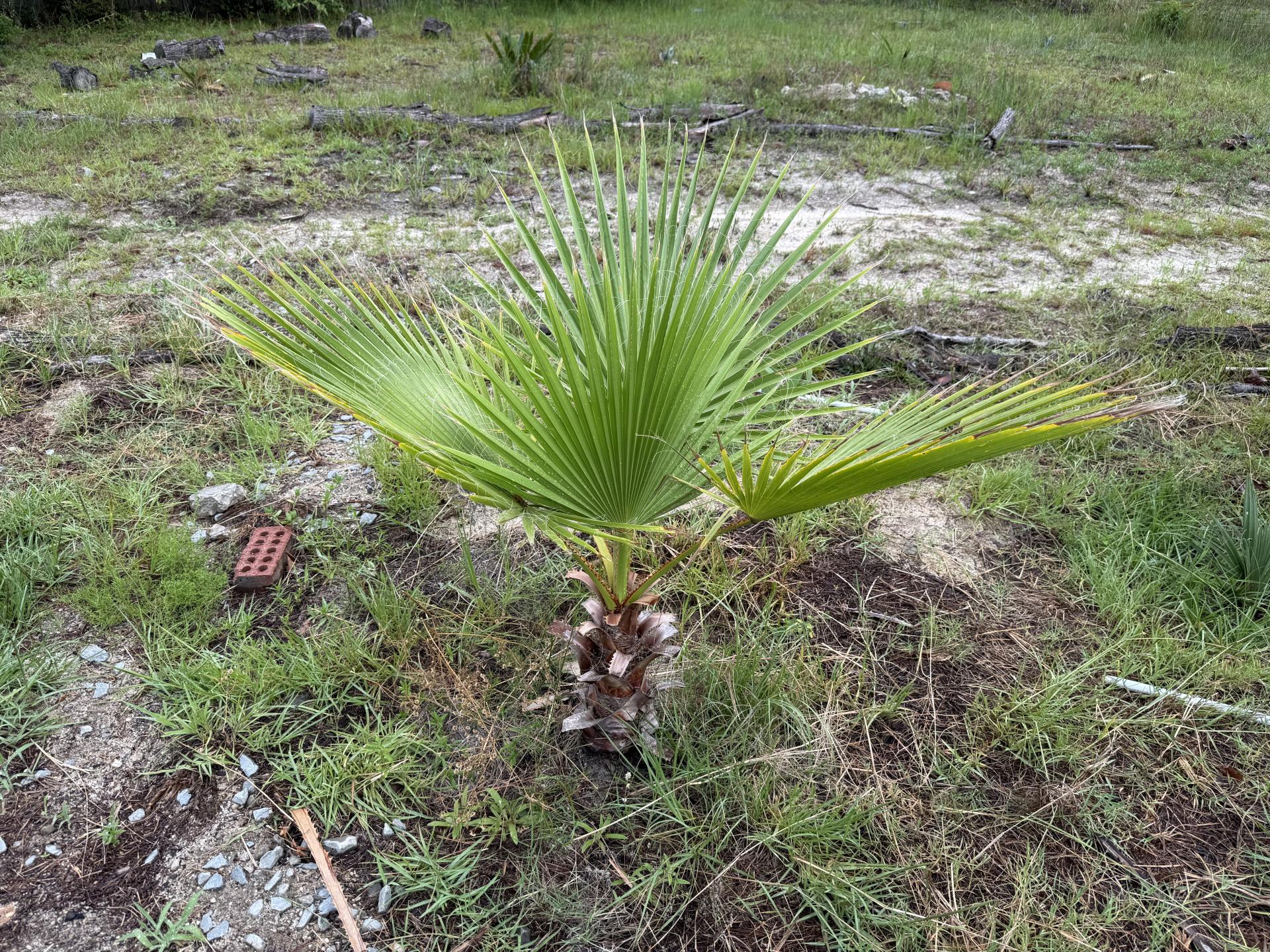
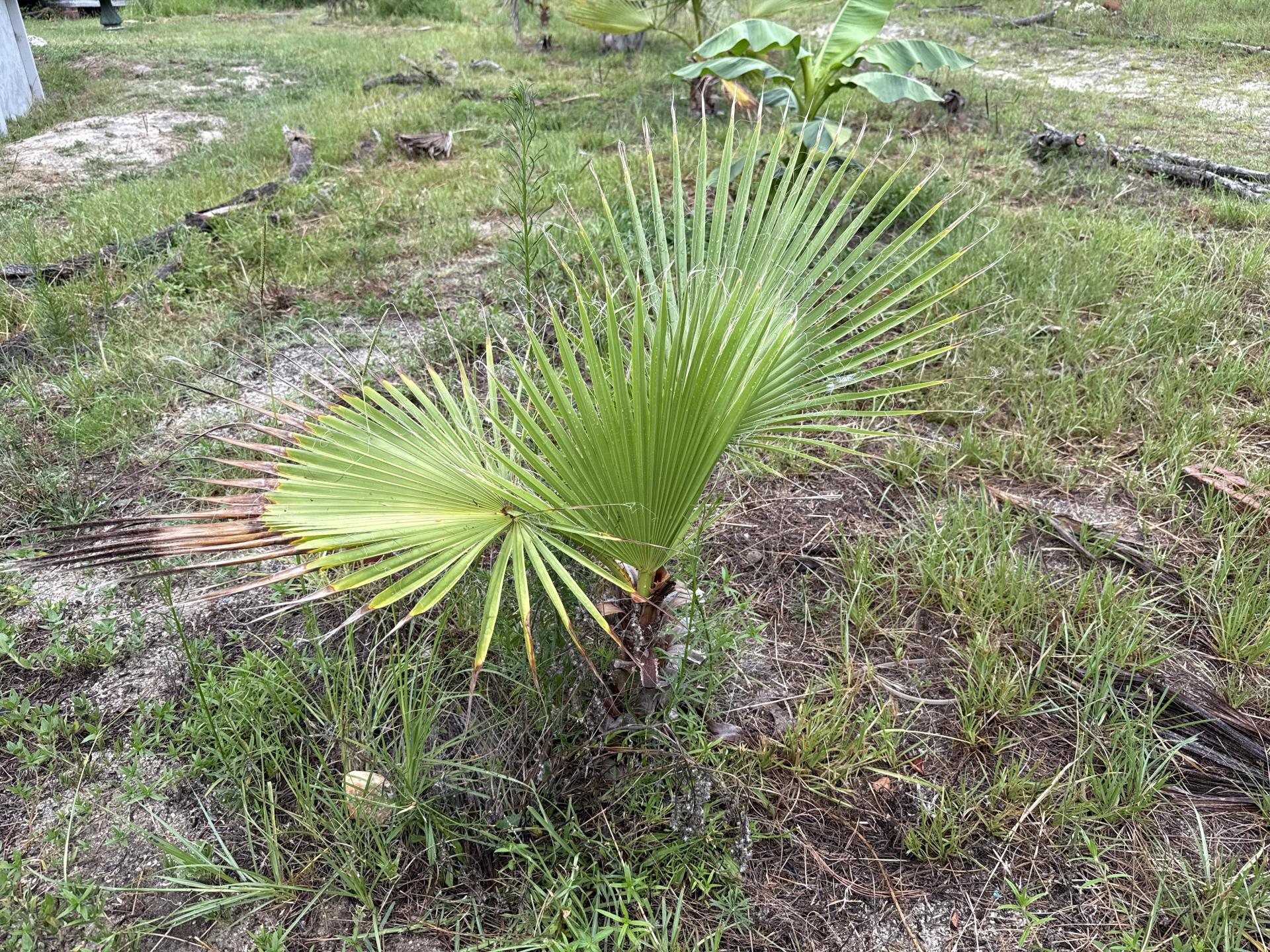
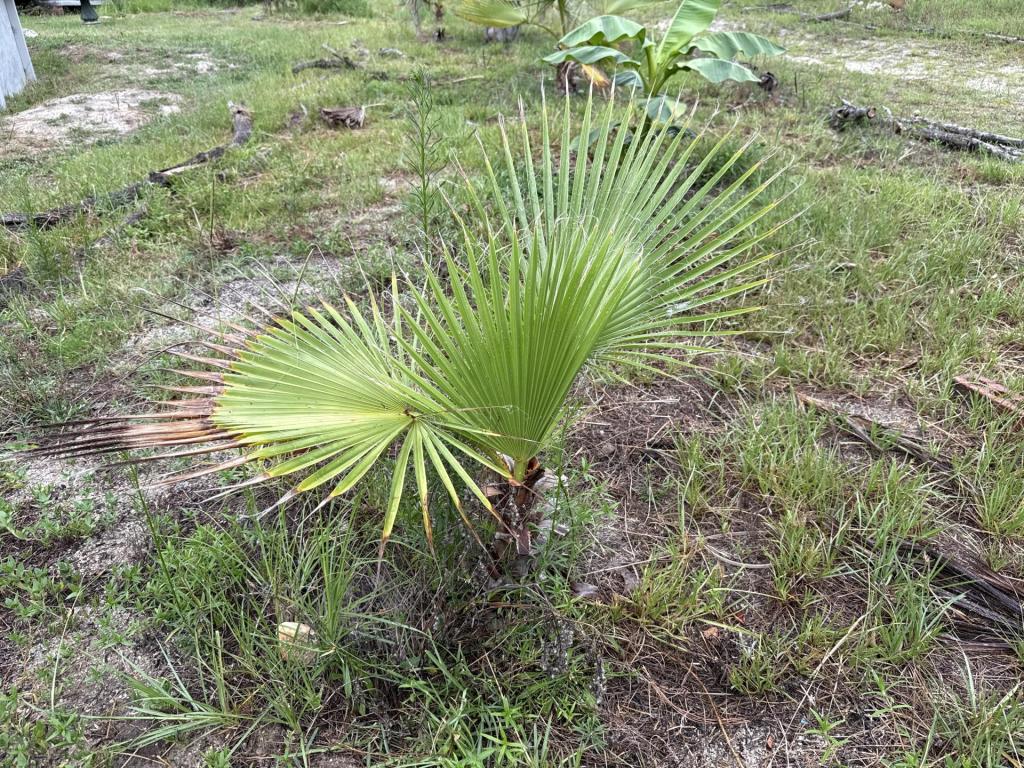
 1 pointTook these pictures Sunday, thought now would be a good time to show update photos. Bragg Blvd Washie Seed Grown from Texas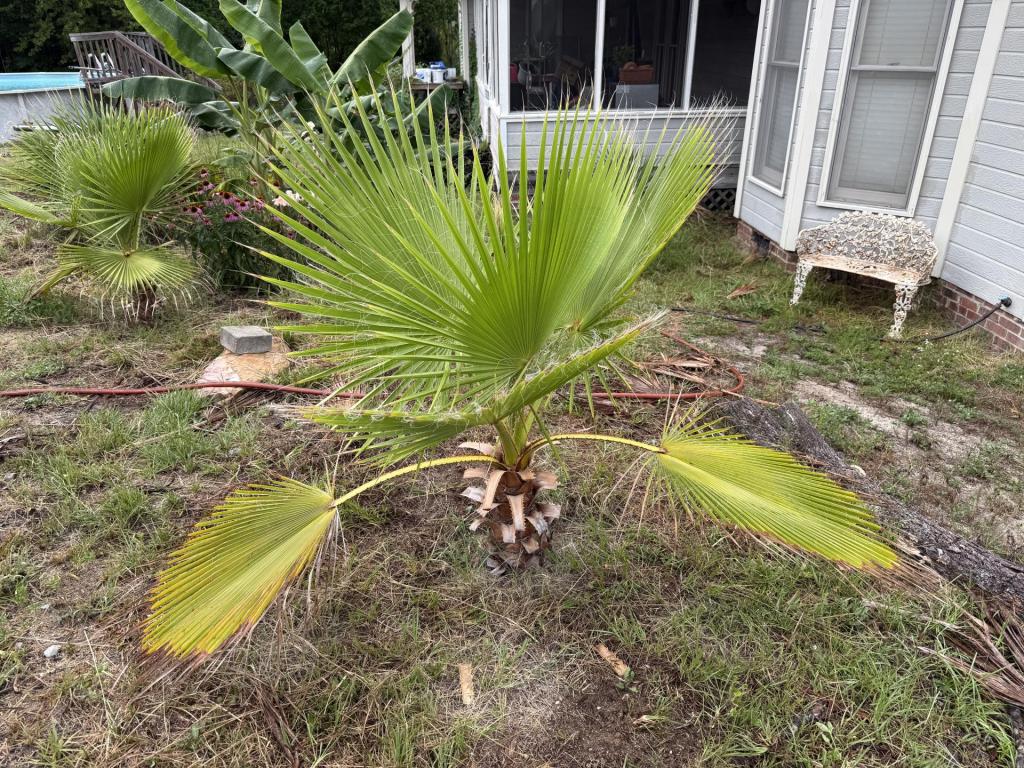
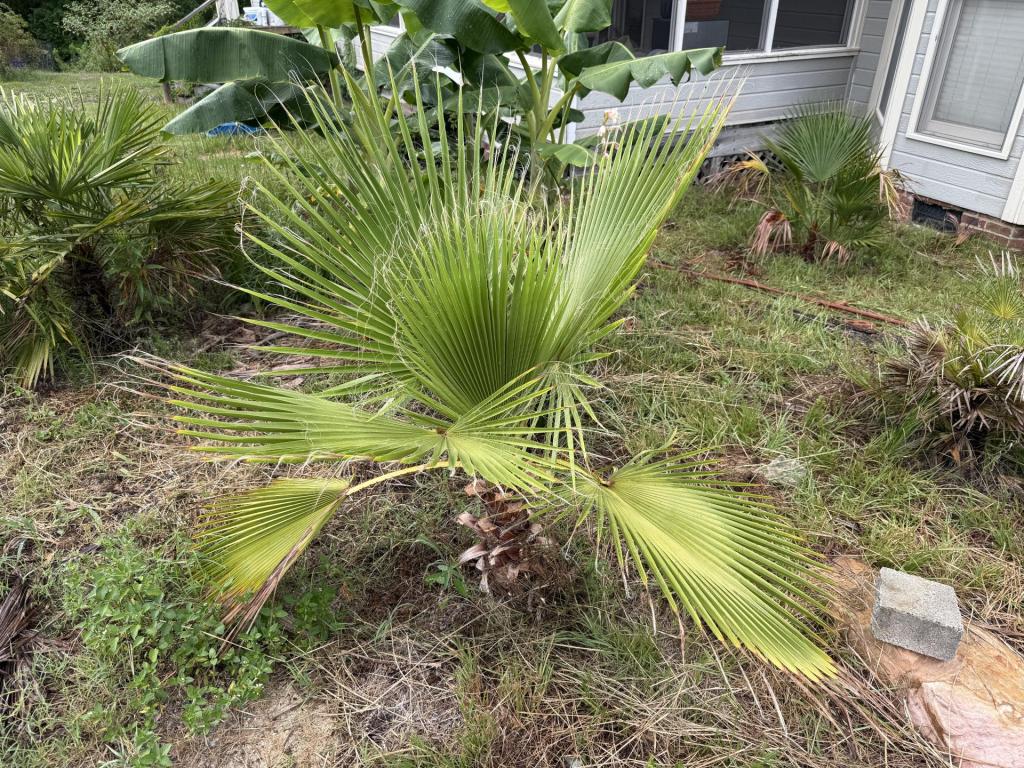
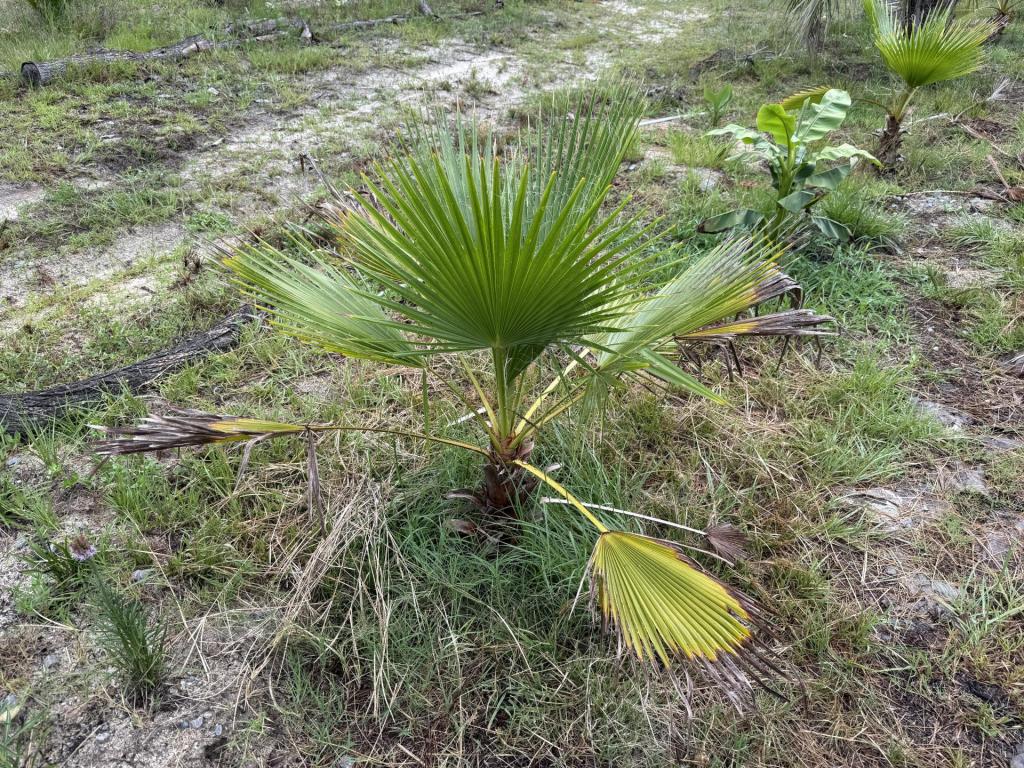
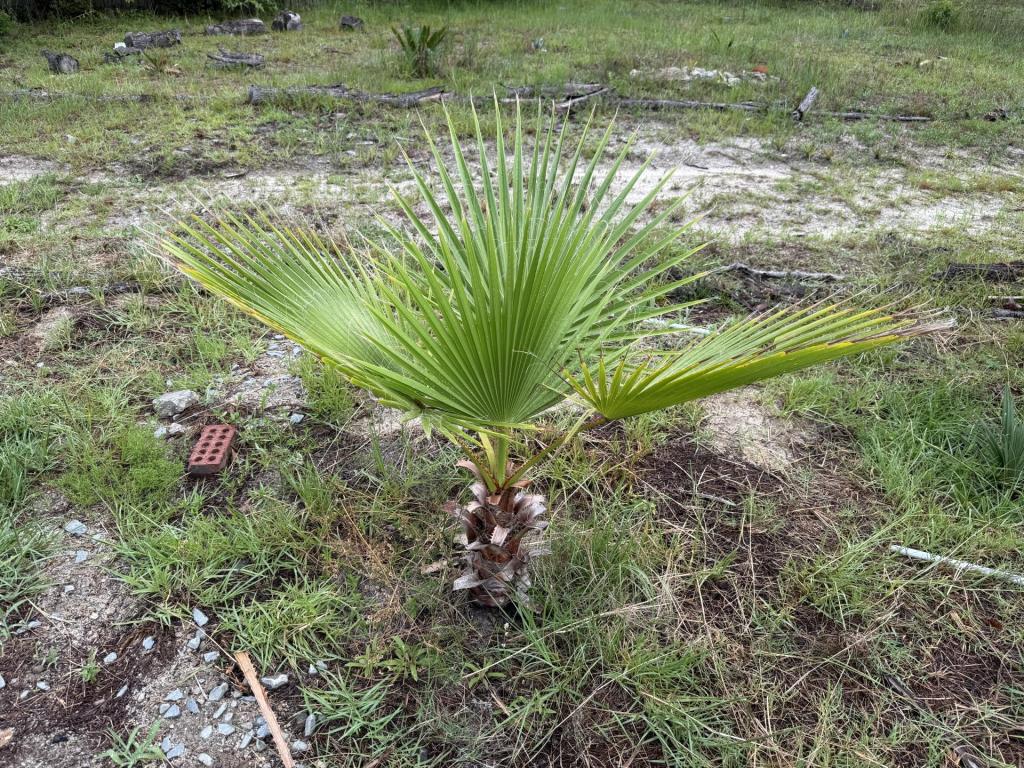
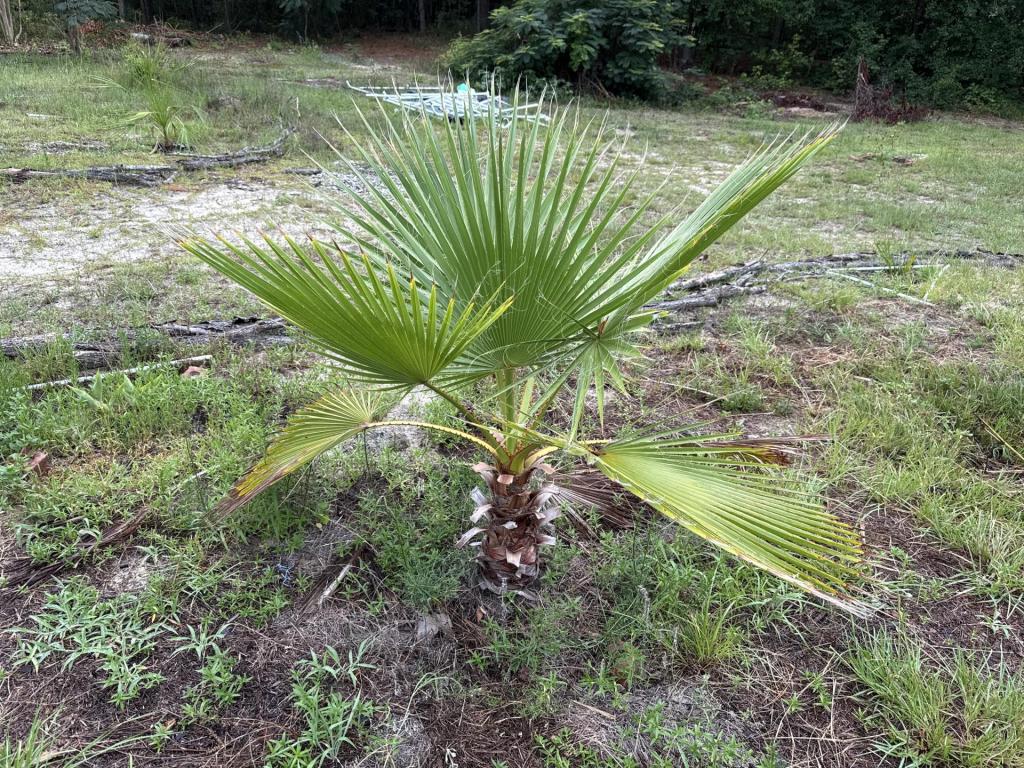
 1 point
 1 pointIt's nice that they are leaving the volunteers in place. Landa is a great park. The robustas will only add to its beauty.1 point
1 pointNot much to look at but I think this is the first movement since planting out last year+. Got it as a two leafer from Jeff @ Aloes and it was unmarked. I don’t honestly know what it is but I’ve done a little research and my best guess is Arewood. New leaf petiole is way larger than the last so that kinda indicates it has some “large” genes in the mix. Who knows -dale
1 pointIt's nice that they are leaving the volunteers in place. Landa is a great park. The robustas will only add to its beauty.1 point
1 pointNot much to look at but I think this is the first movement since planting out last year+. Got it as a two leafer from Jeff @ Aloes and it was unmarked. I don’t honestly know what it is but I’ve done a little research and my best guess is Arewood. New leaf petiole is way larger than the last so that kinda indicates it has some “large” genes in the mix. Who knows -dale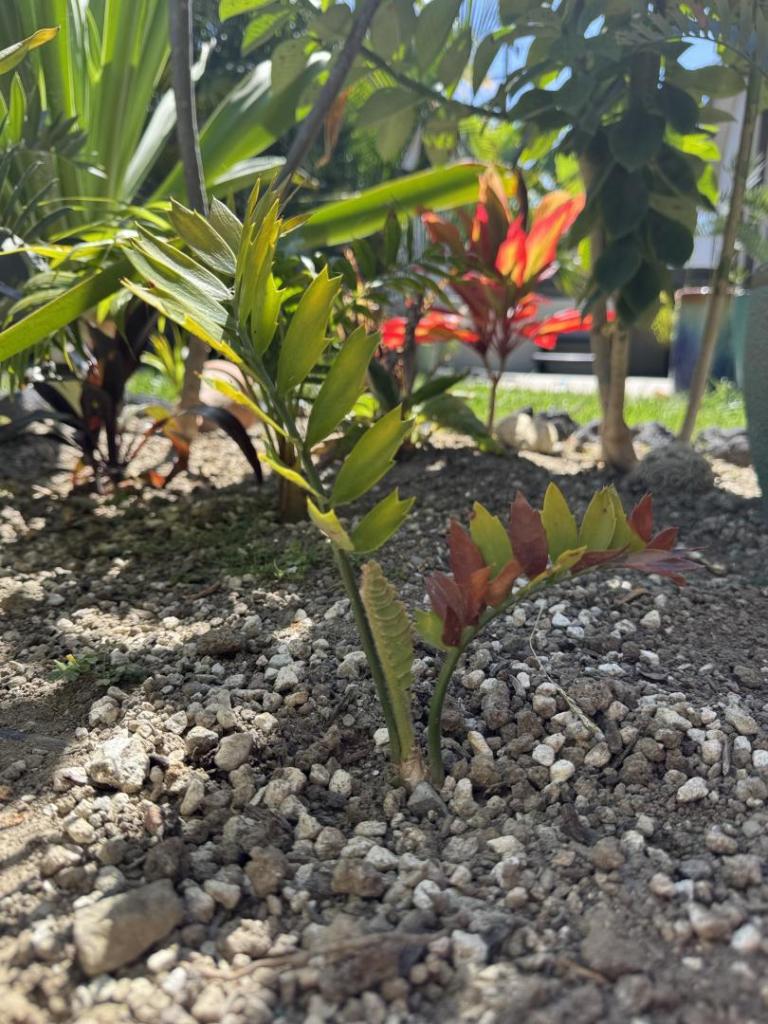 1 point
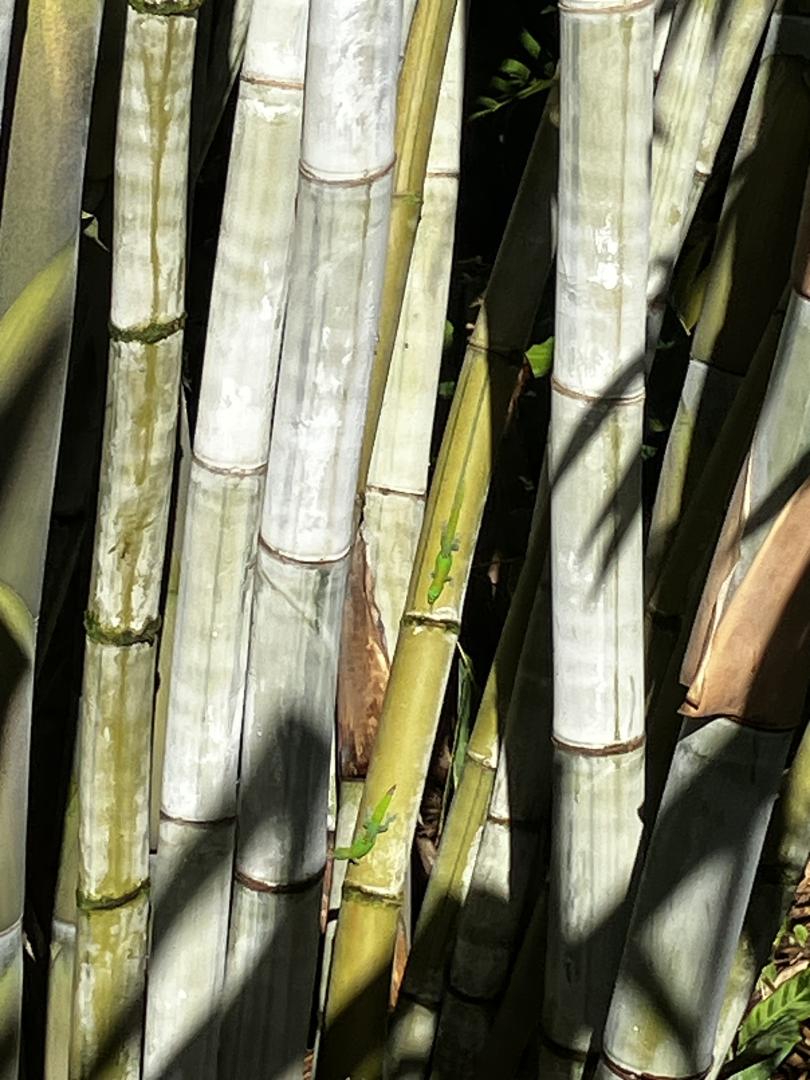
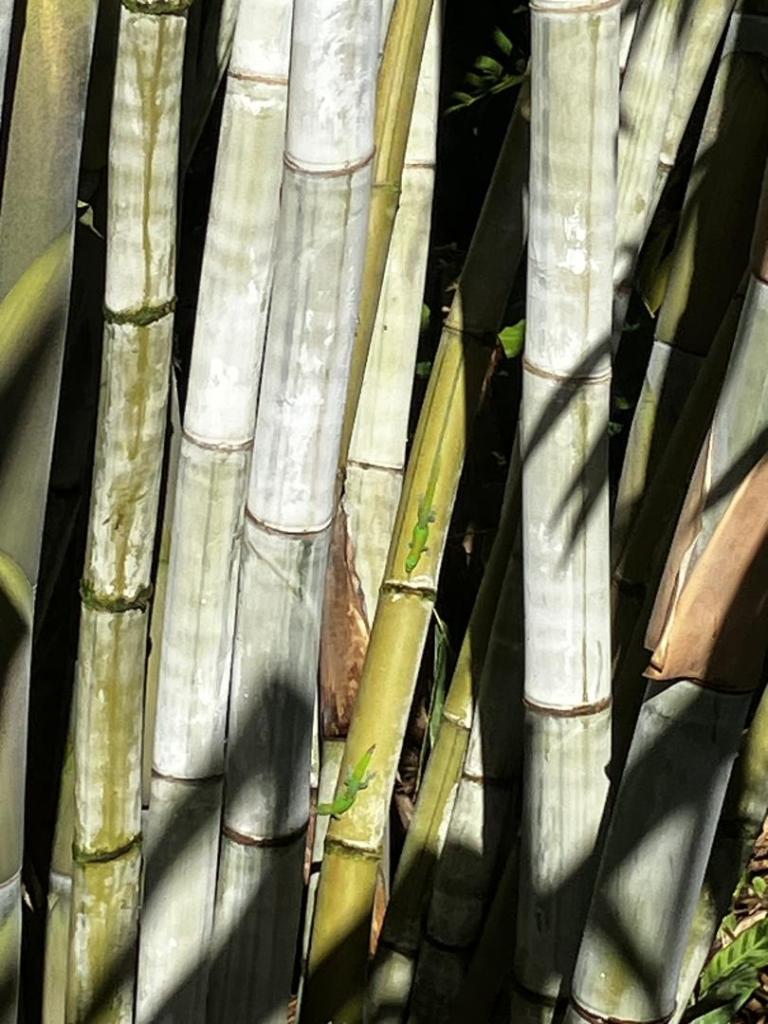
 1 pointMy poorly sited, rarely vibrant C ophiopellis and geckos warming.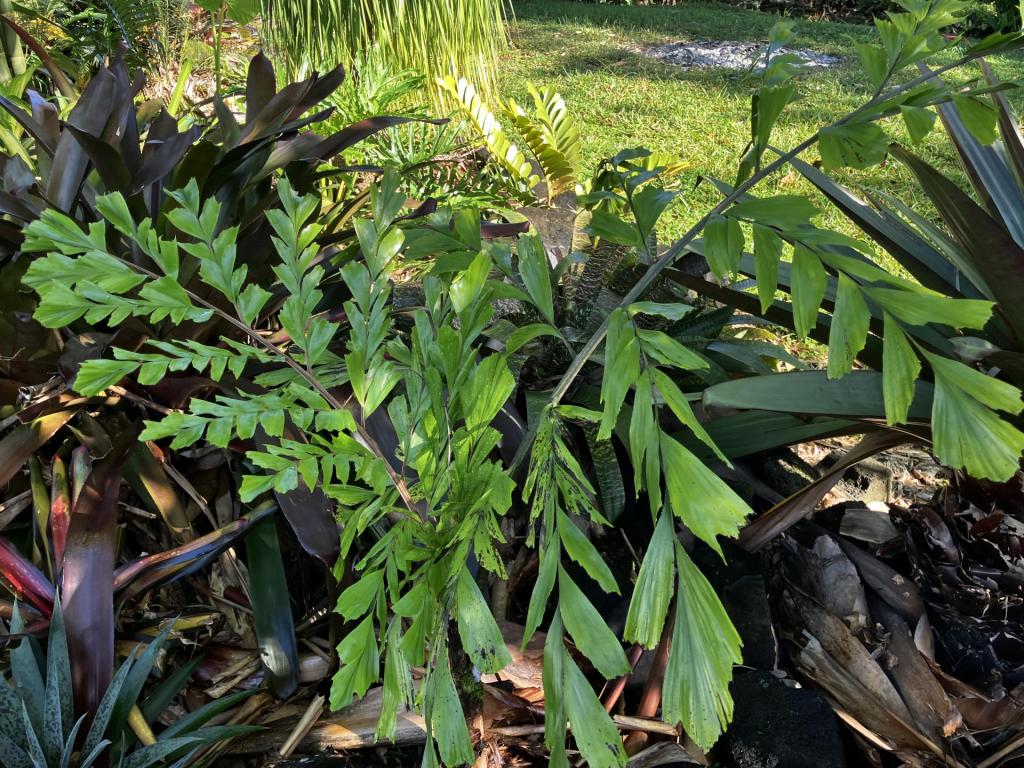
 1 point
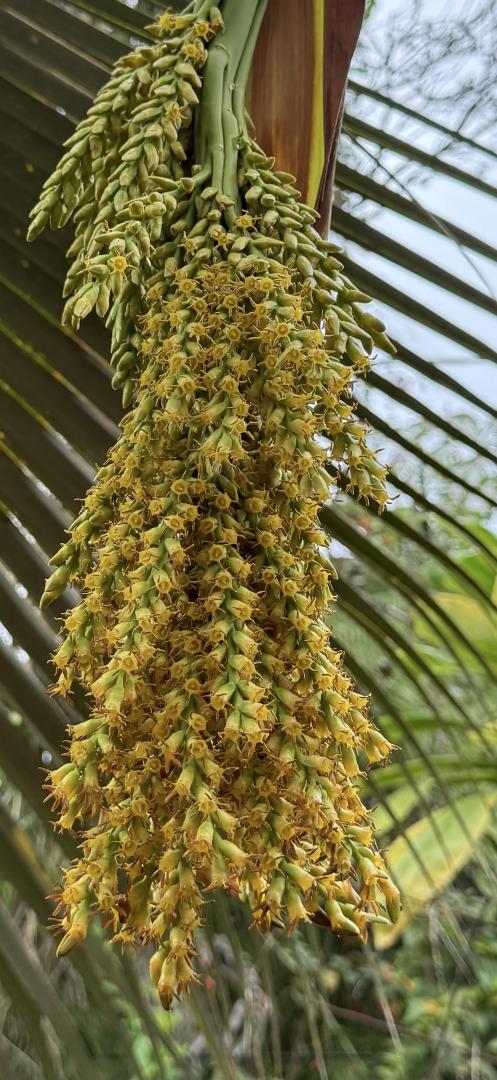
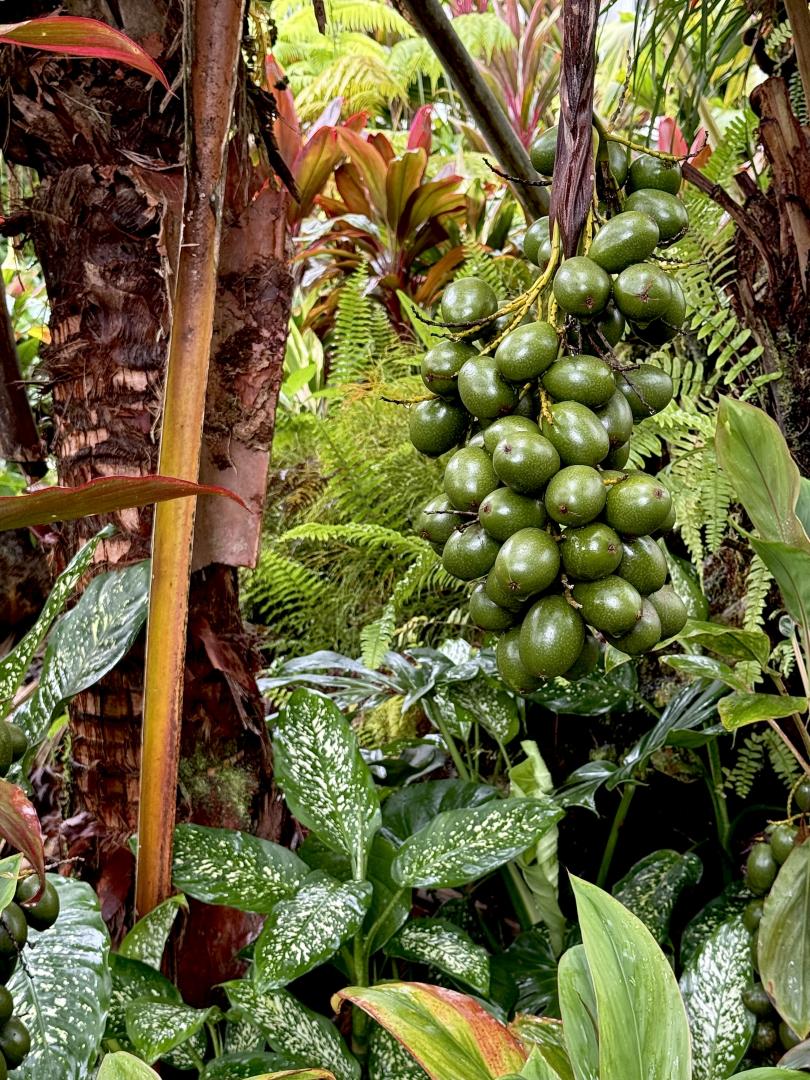
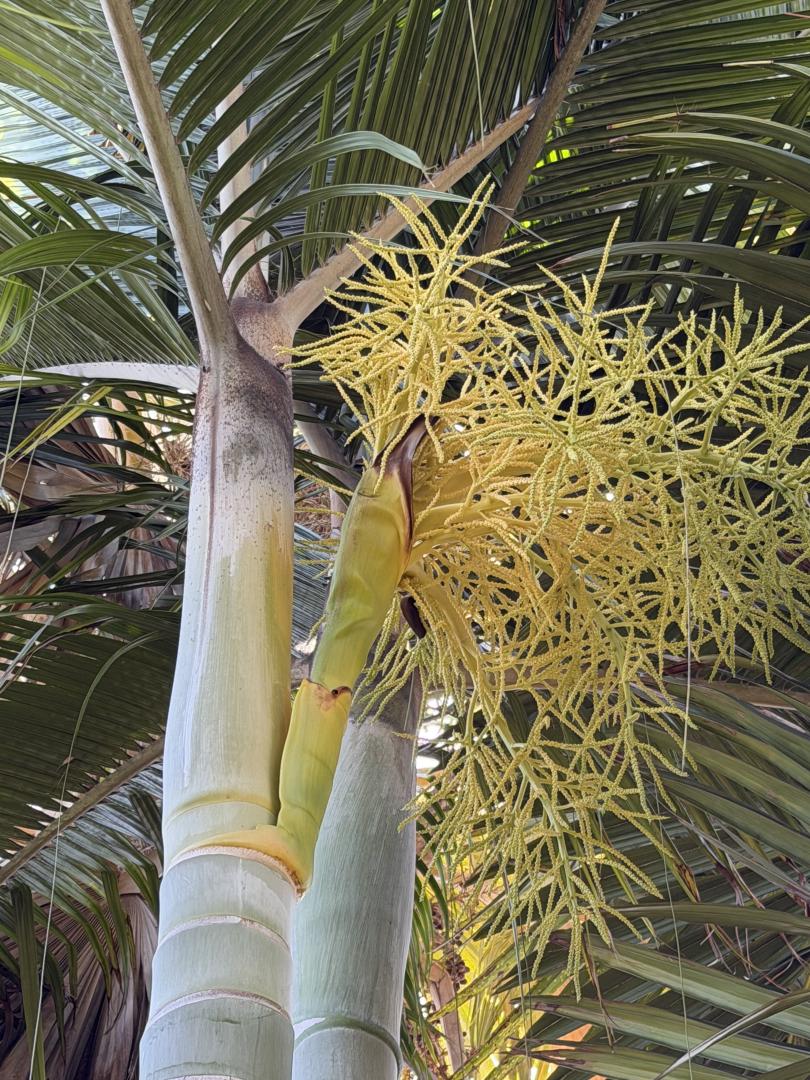
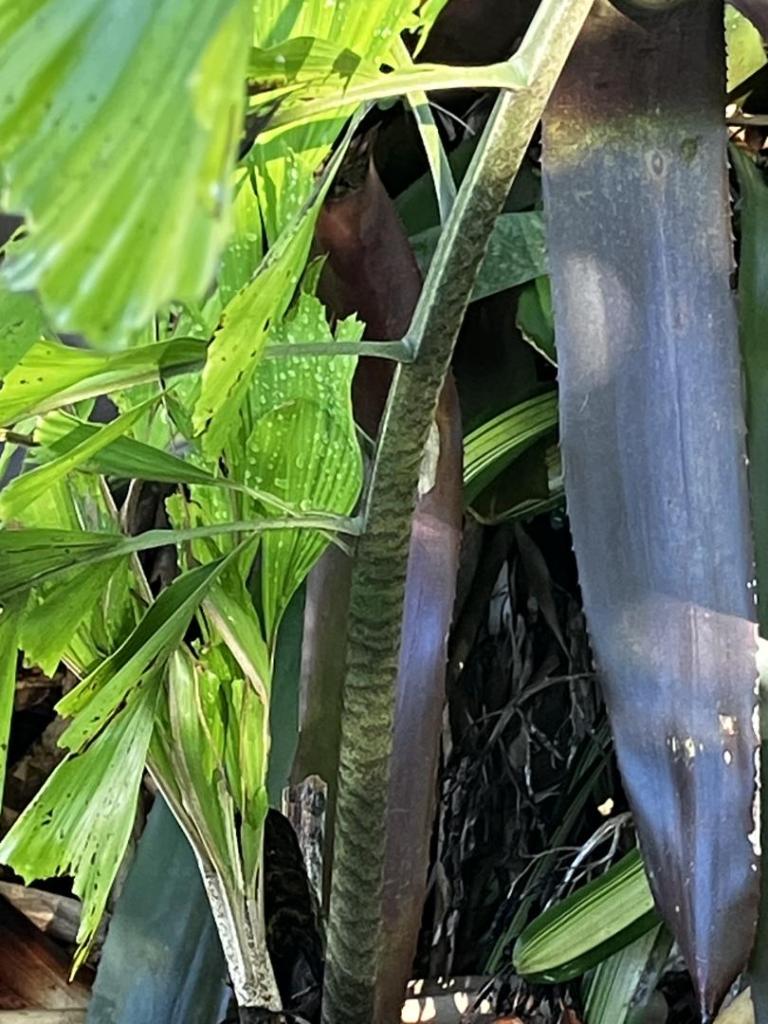
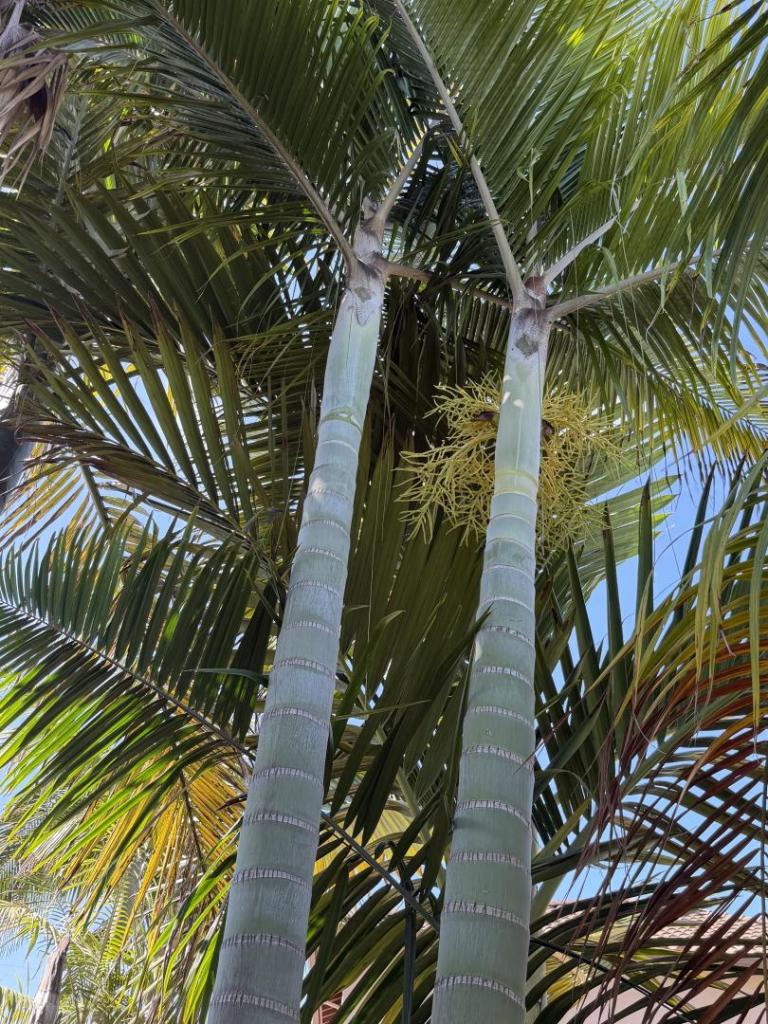
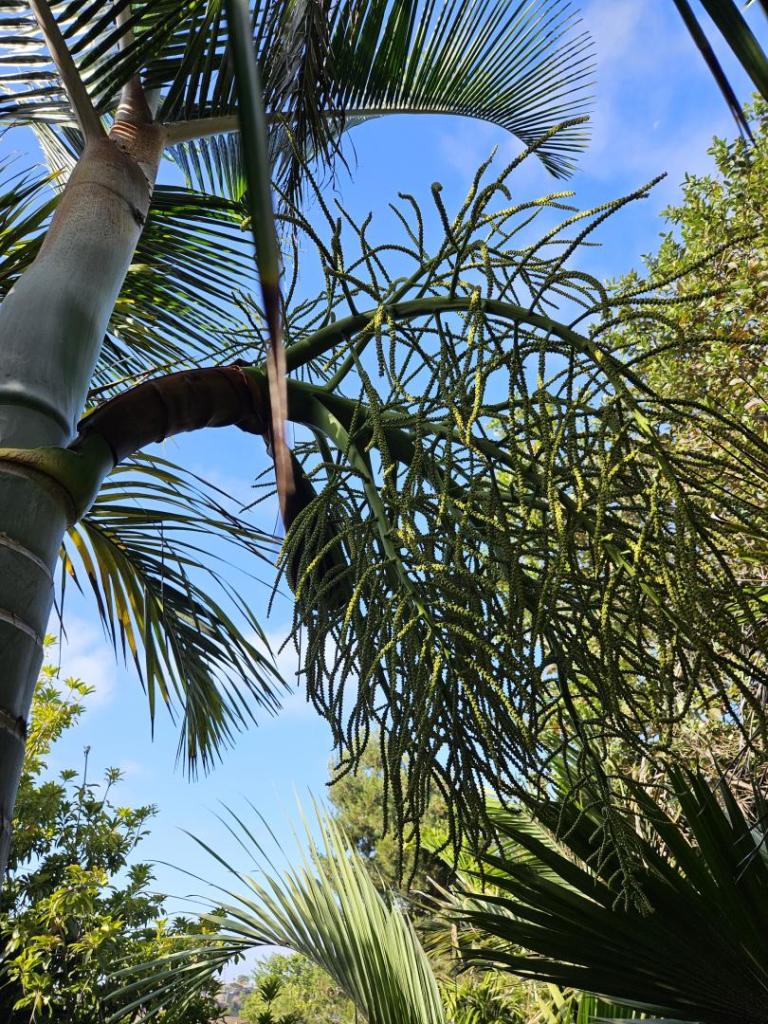
 Wondering around the garden this morning and noticed my Slick Willy/Bef is flowering. This palm is at least 15years old from a 15g pot. Slow in a pot but speed up considerably when planted. worth the wait!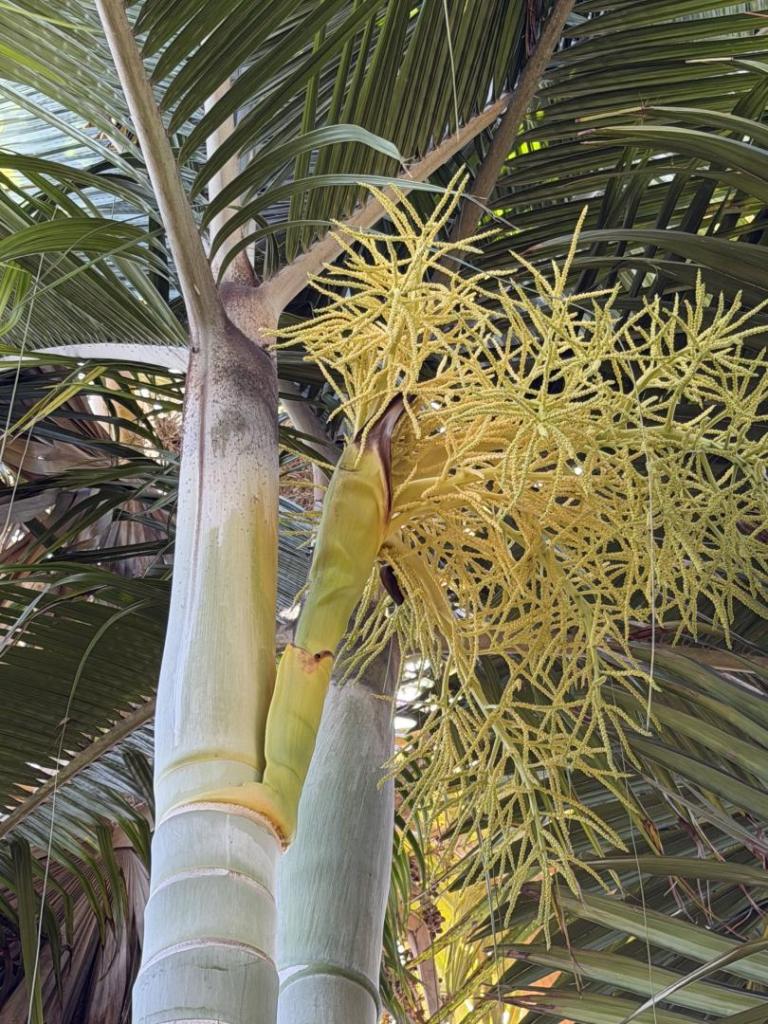
 1 point
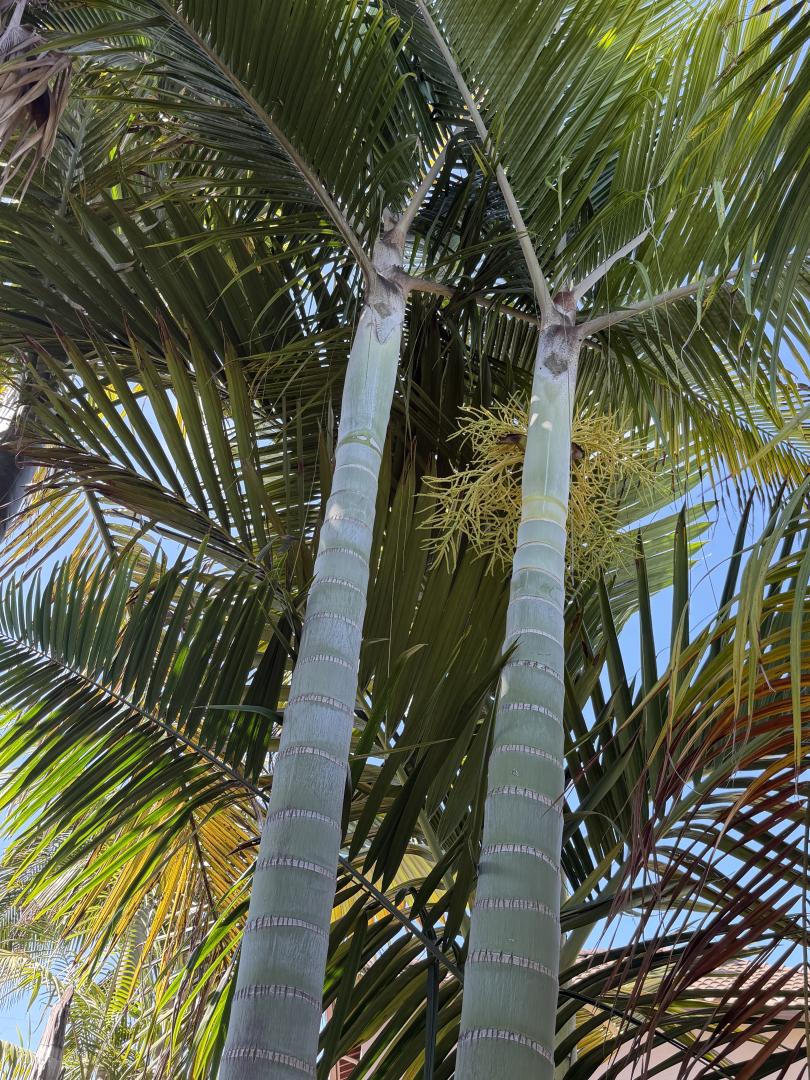
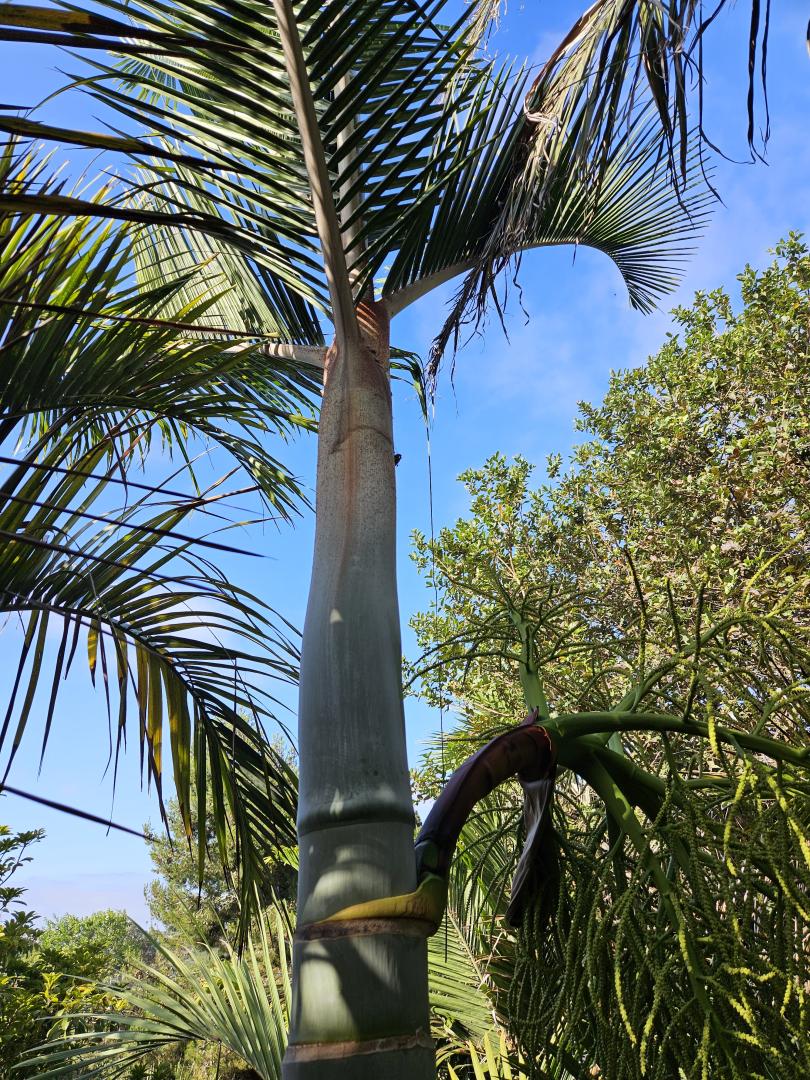
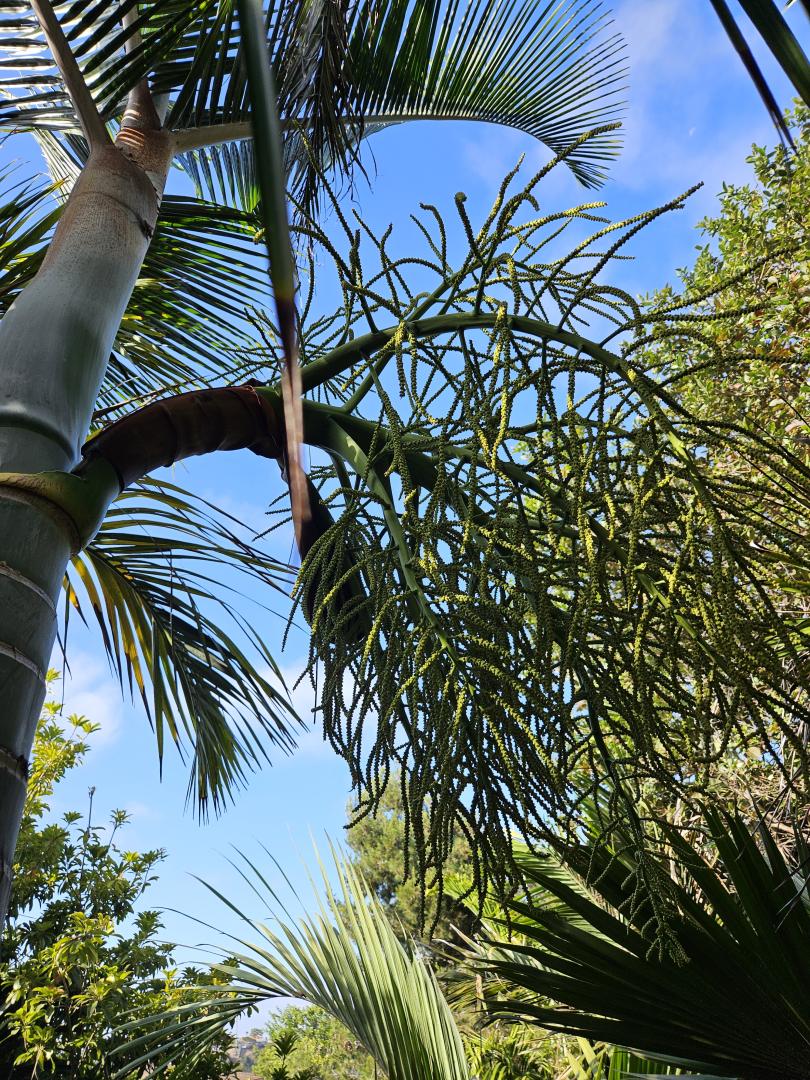
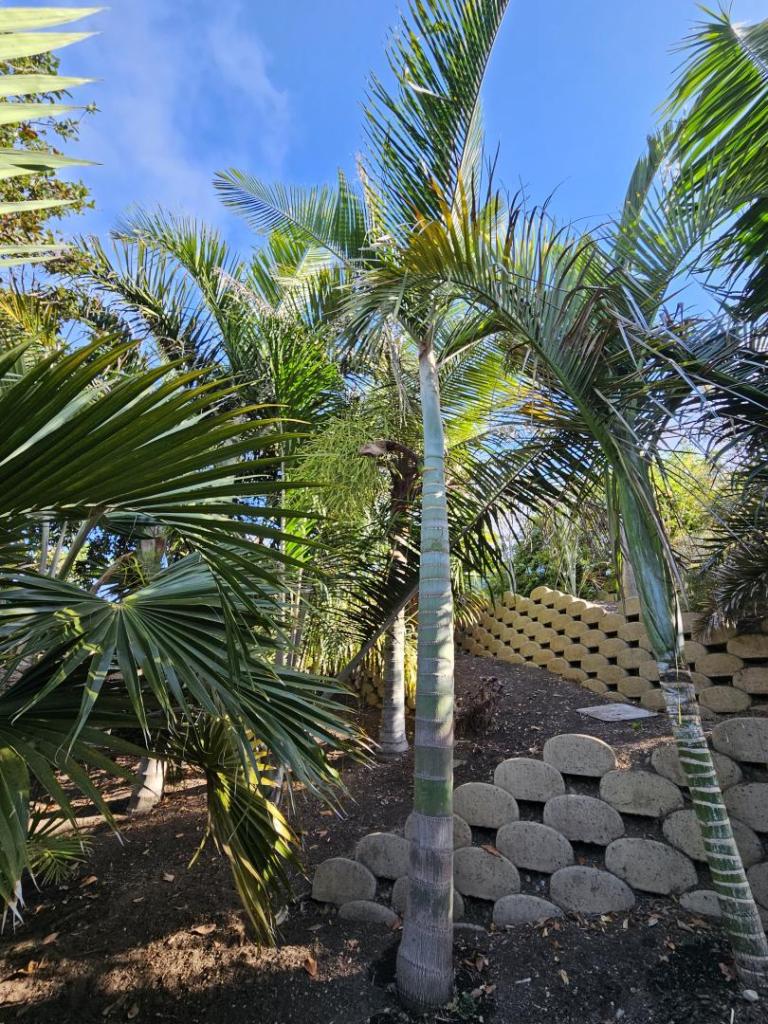
Photos. It's hard to get scale, but the trunk is actually quite think - ~10 inches diameter. And the inflorescence is impressively big. It expanded a LOT after it first opened up.
1 point
Photos. It's hard to get scale, but the trunk is actually quite think - ~10 inches diameter. And the inflorescence is impressively big. It expanded a LOT after it first opened up.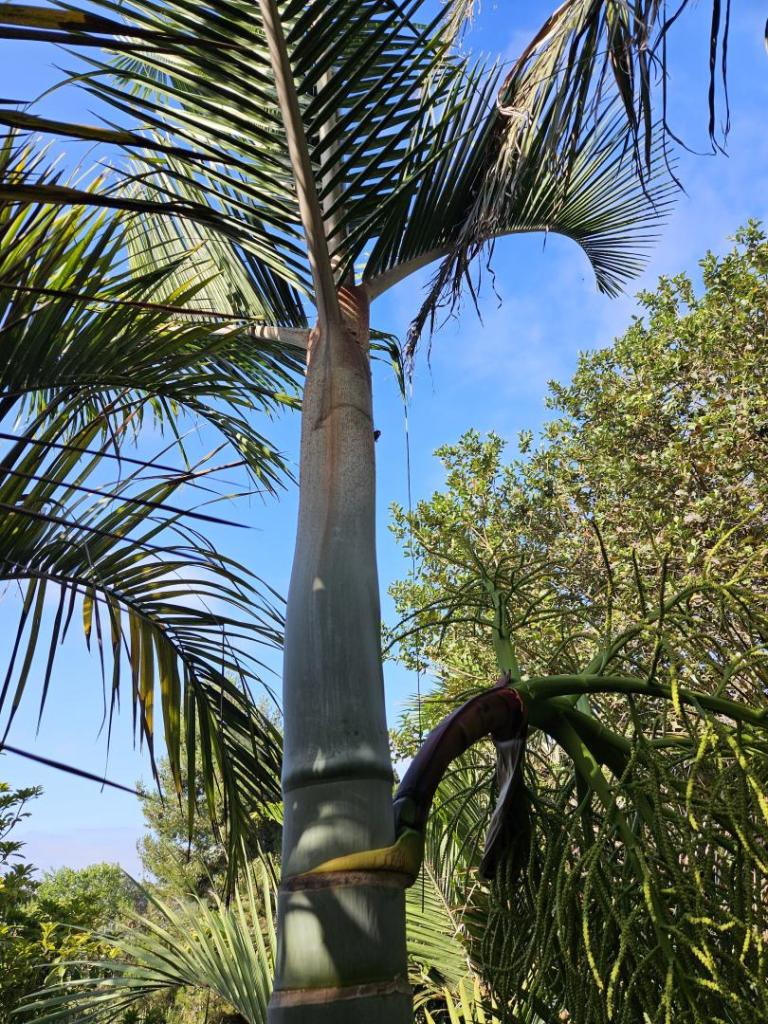
 1 point
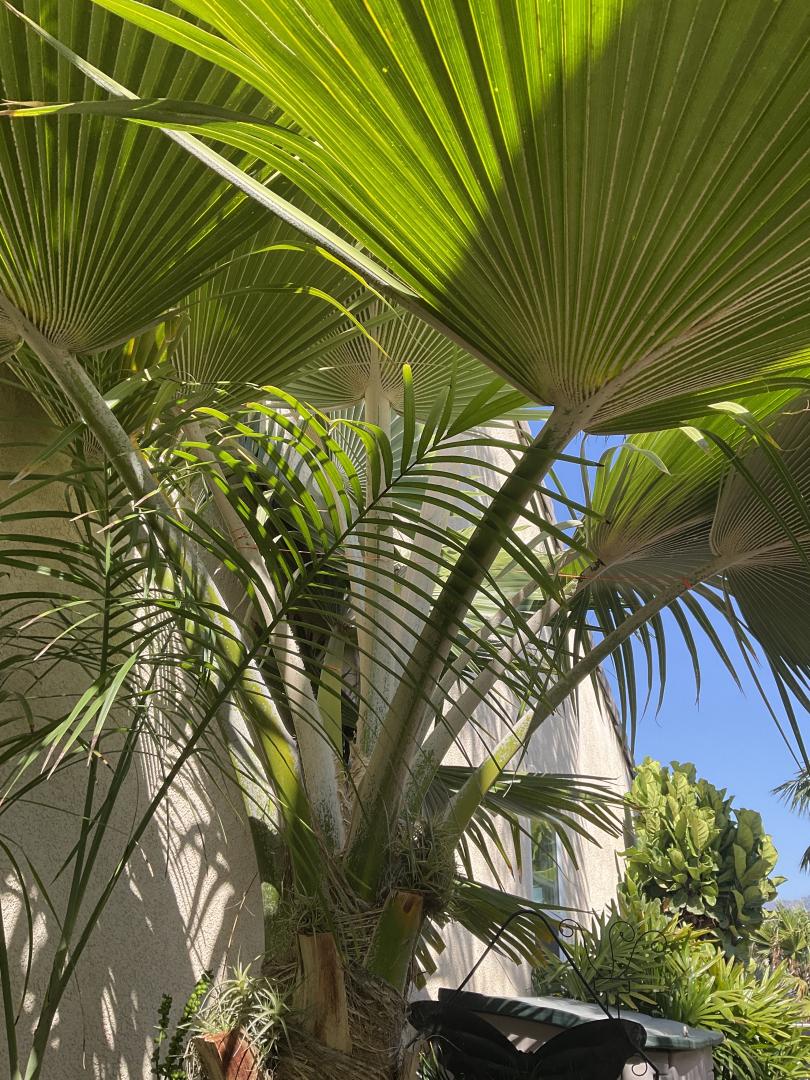
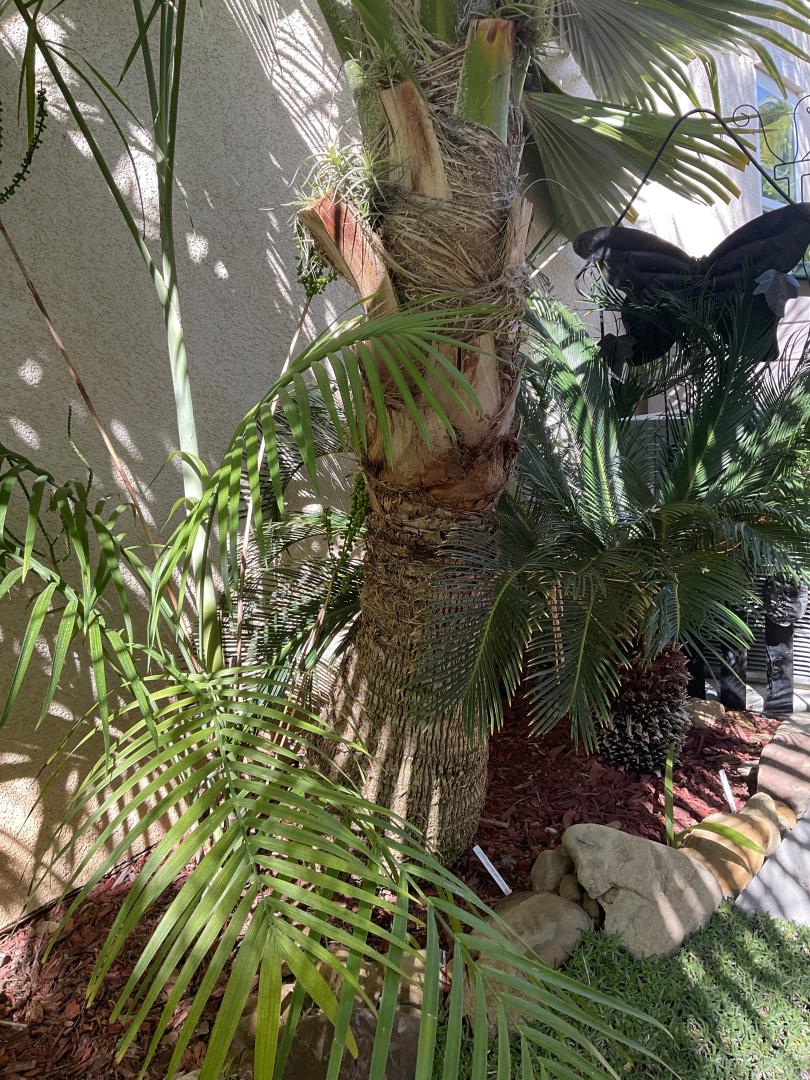
I’m really liking the various species of Chrysalidiocarpus and Dypsis . Some grow very well in Southern California collections in tight areas with filtered light from other palms . I have never heard of this one . Harry1 point
Whack that syagrus in the ground, nows the time to let it be free, to go forth and multiply! Richard1 point
1 point
I’m really liking the various species of Chrysalidiocarpus and Dypsis . Some grow very well in Southern California collections in tight areas with filtered light from other palms . I have never heard of this one . Harry1 point
Whack that syagrus in the ground, nows the time to let it be free, to go forth and multiply! Richard1 point Definitely agree with you after growing both species. As for the citrus scent, Mele Pa Bowman is just as strong as Obtusa, if not more. It's somewhat leggy, but much hardier and more suitable to SoCal weather than Obtusa.1 point
 1 pointThis and other Alpinias are fabulous plants, beautiful and varied colour flowers. One drawback though is they flower on last seasons growth, this is no problem for zone 10b climates but in places where there there are winter freezes the foliage dies back and removes the chance of flowers the next season. A good choice for cooler climates are the Hedychium gingers which flower on new seasons growth - a nice one is H gardnerianum "Kahili ginger".1 point