

Leaderboard
-

happypalms
IPS MEMBER29Points13,296Posts -

tim_brissy_13
IPS MEMBER17Points2,561Posts -


Harry’s Palms
IPS MEMBER15Points4,468Posts -

Billeb
IPS MEMBER9Points1,412Posts
Popular Content
Showing content with the highest reputation on 07/01/2026 in all areas
-
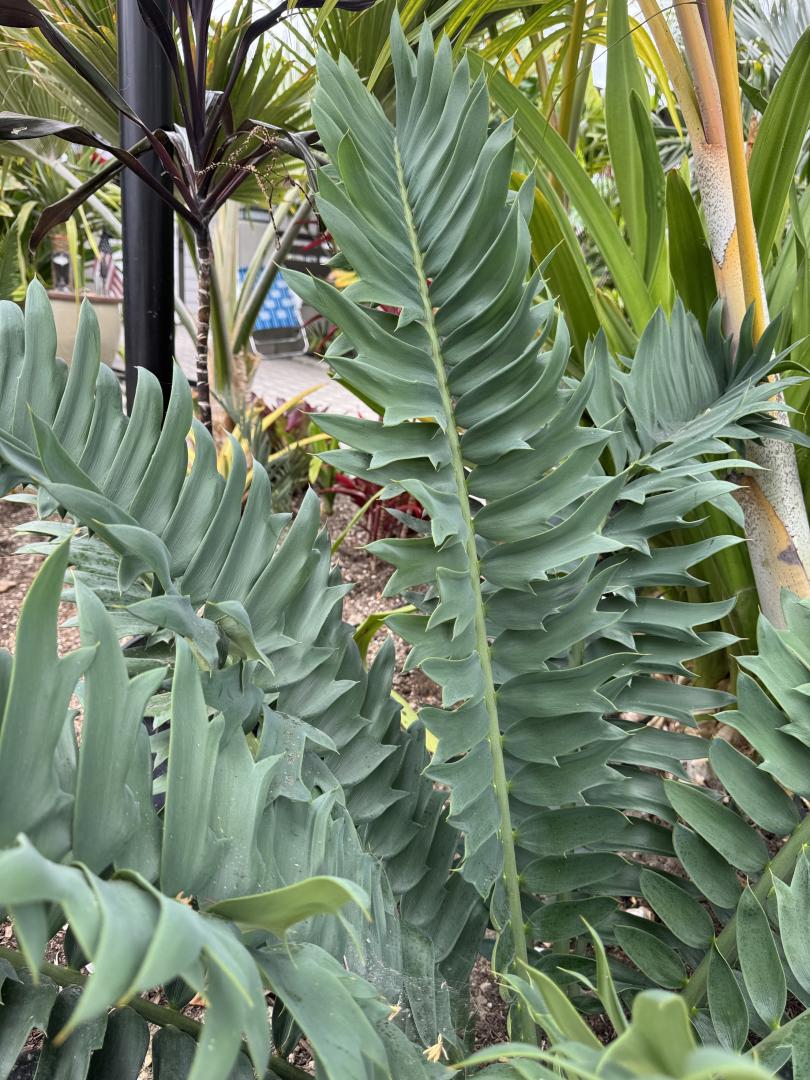
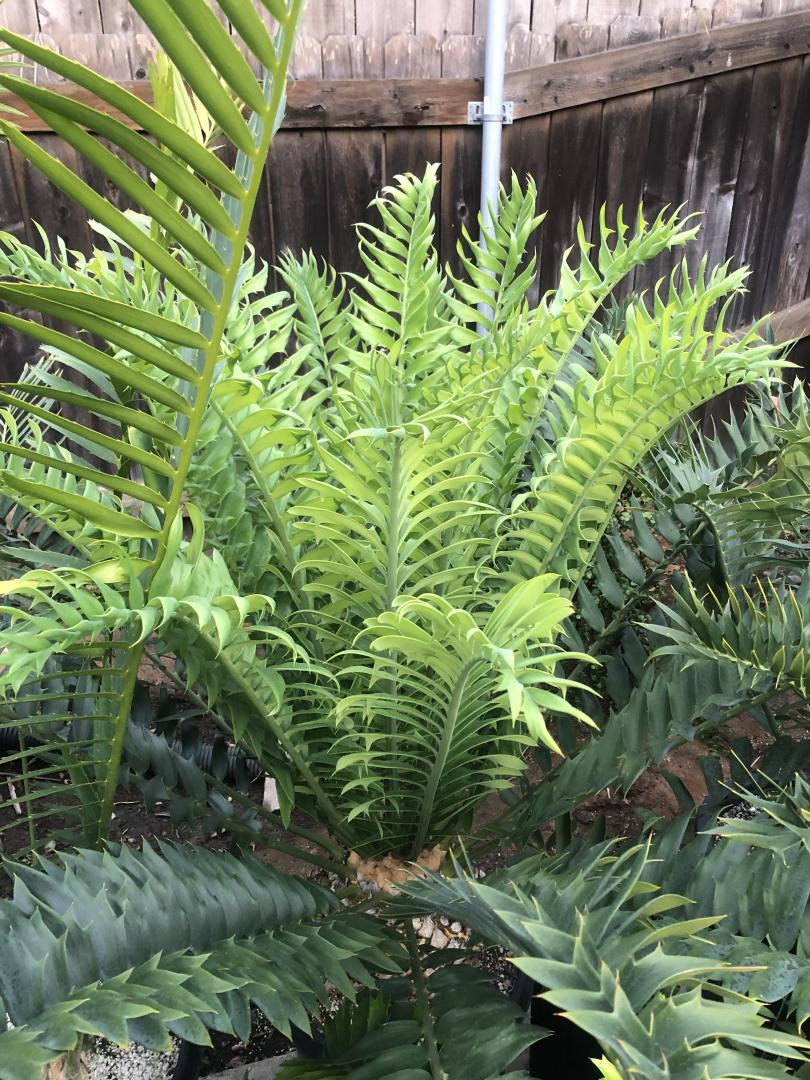
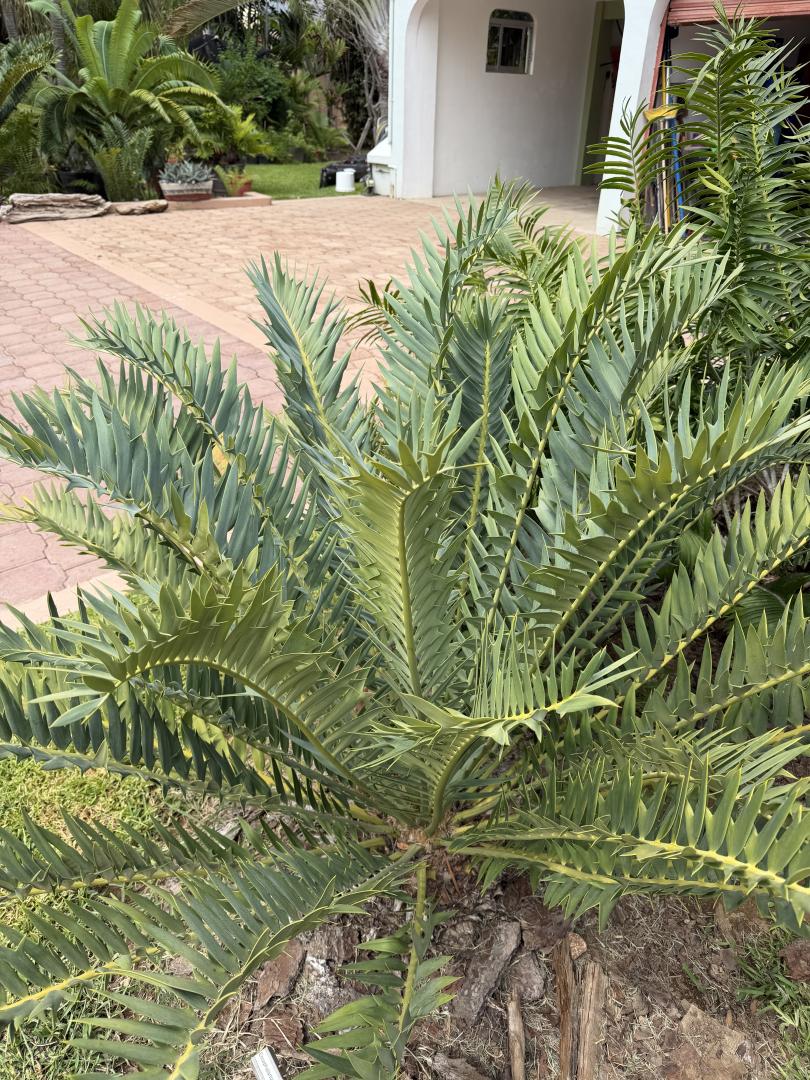
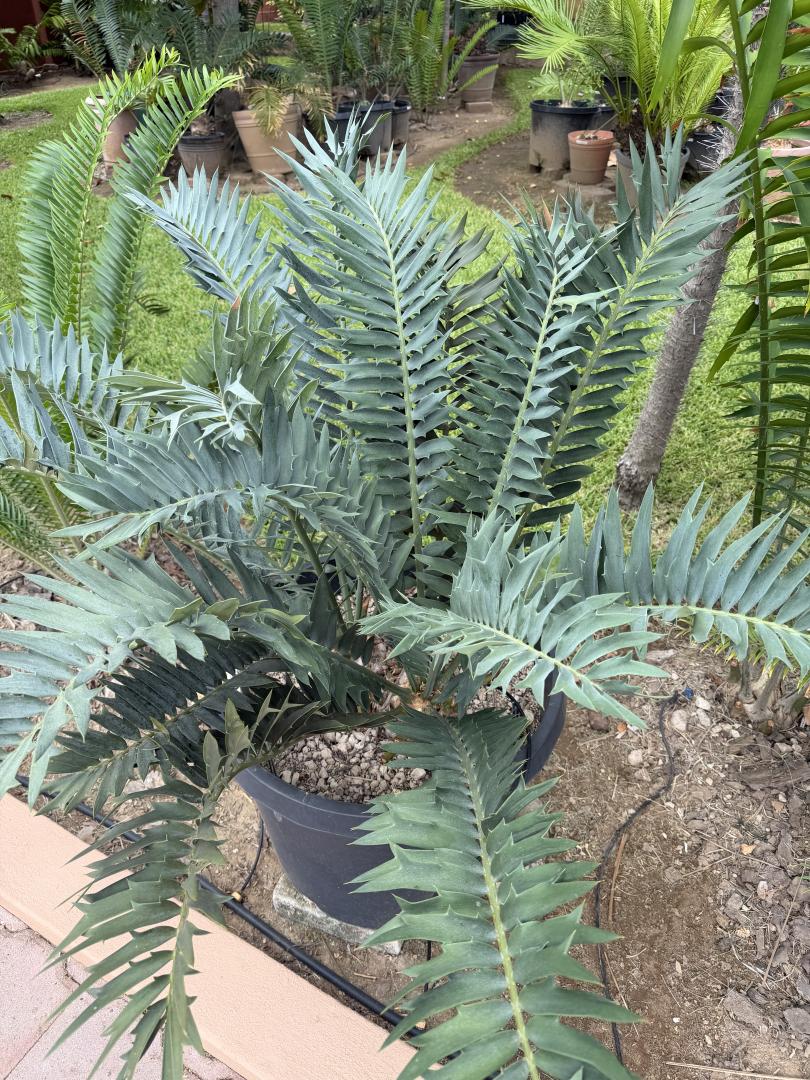
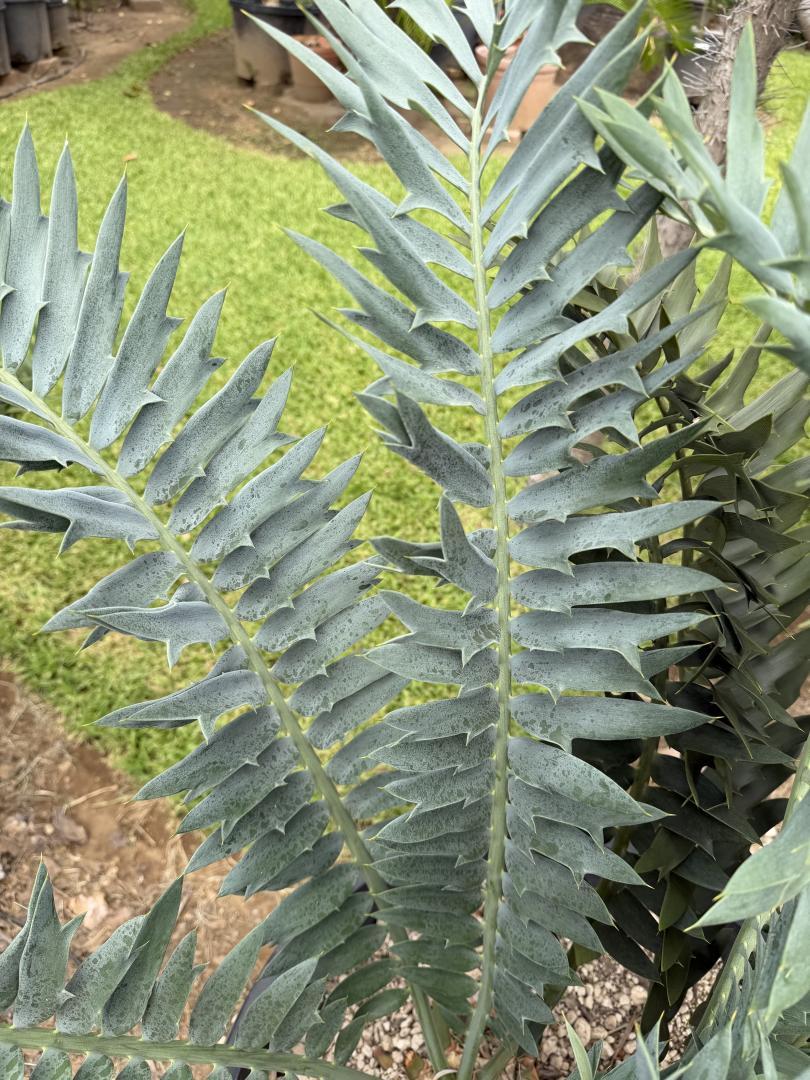
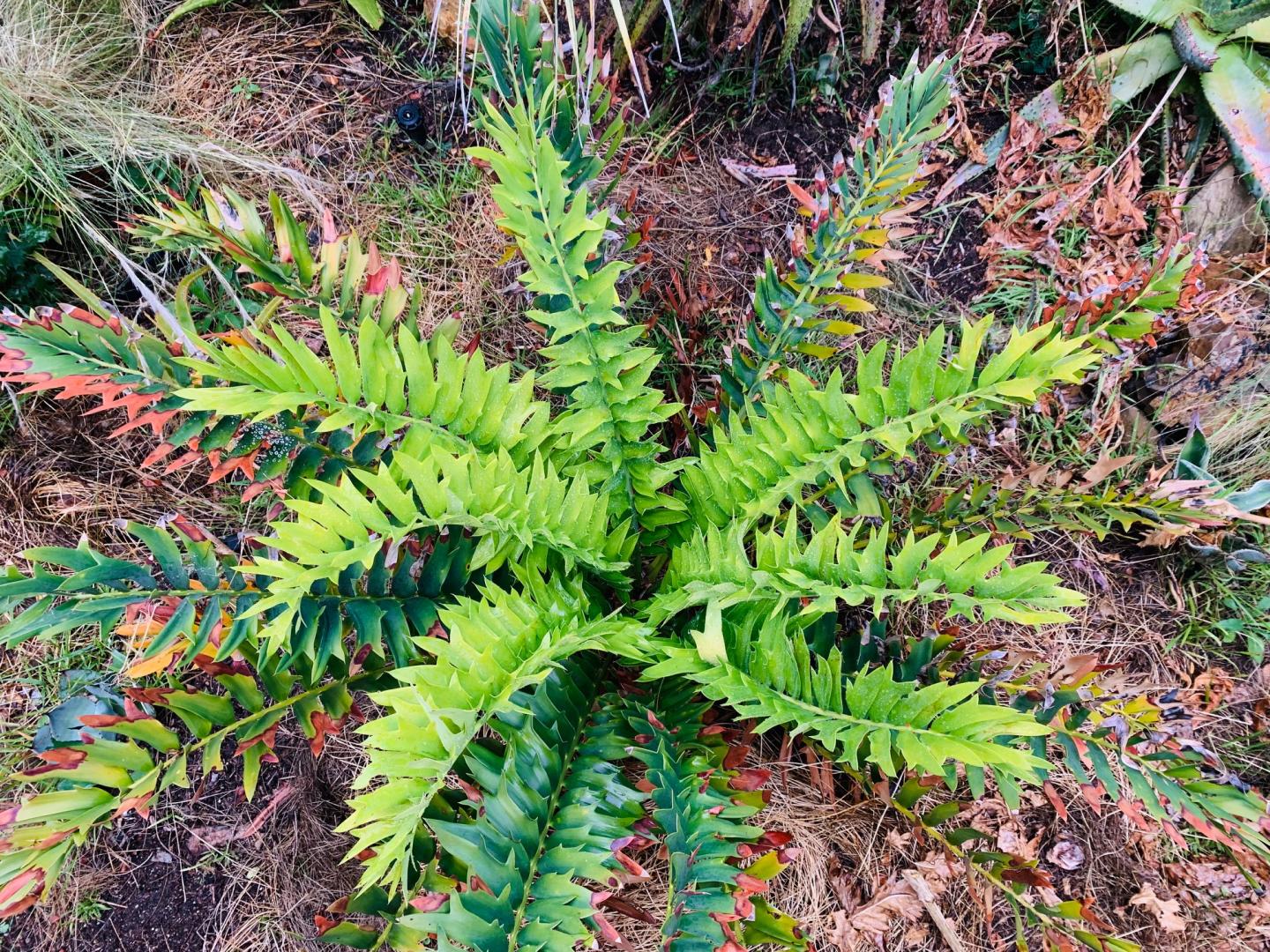
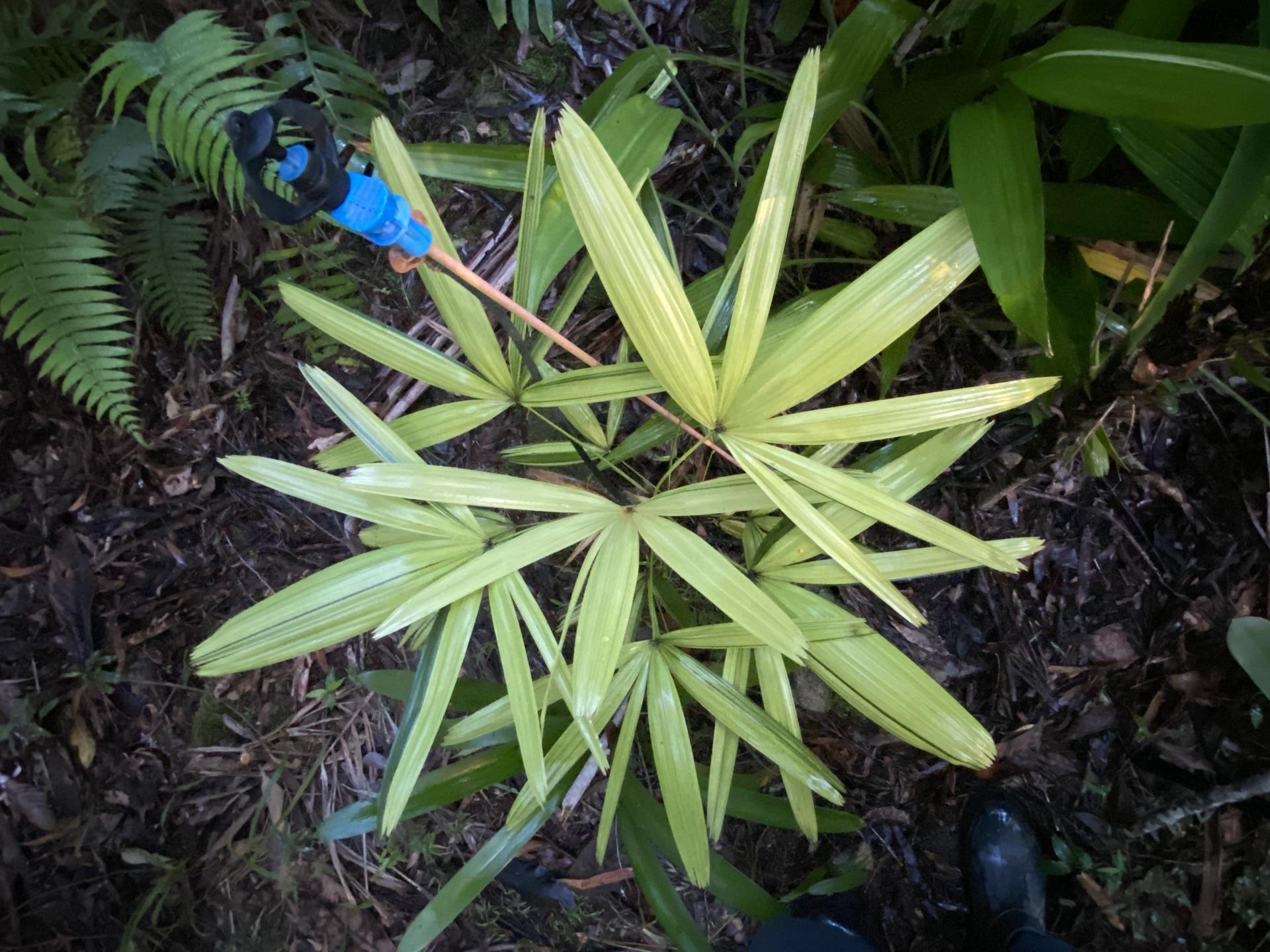
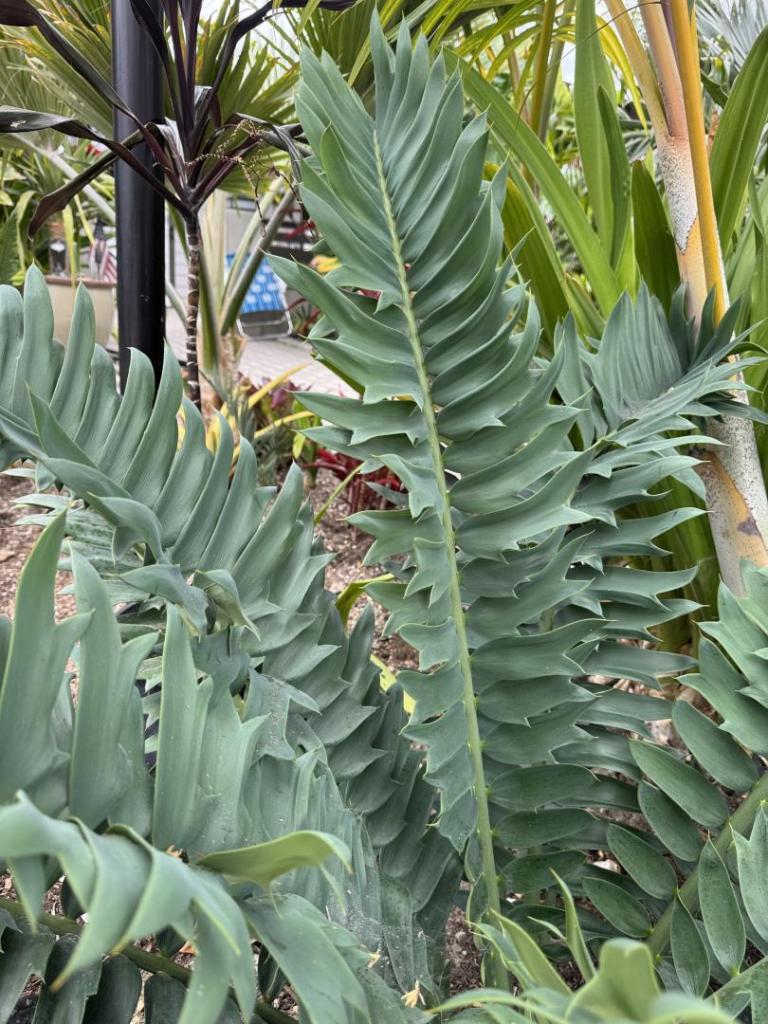
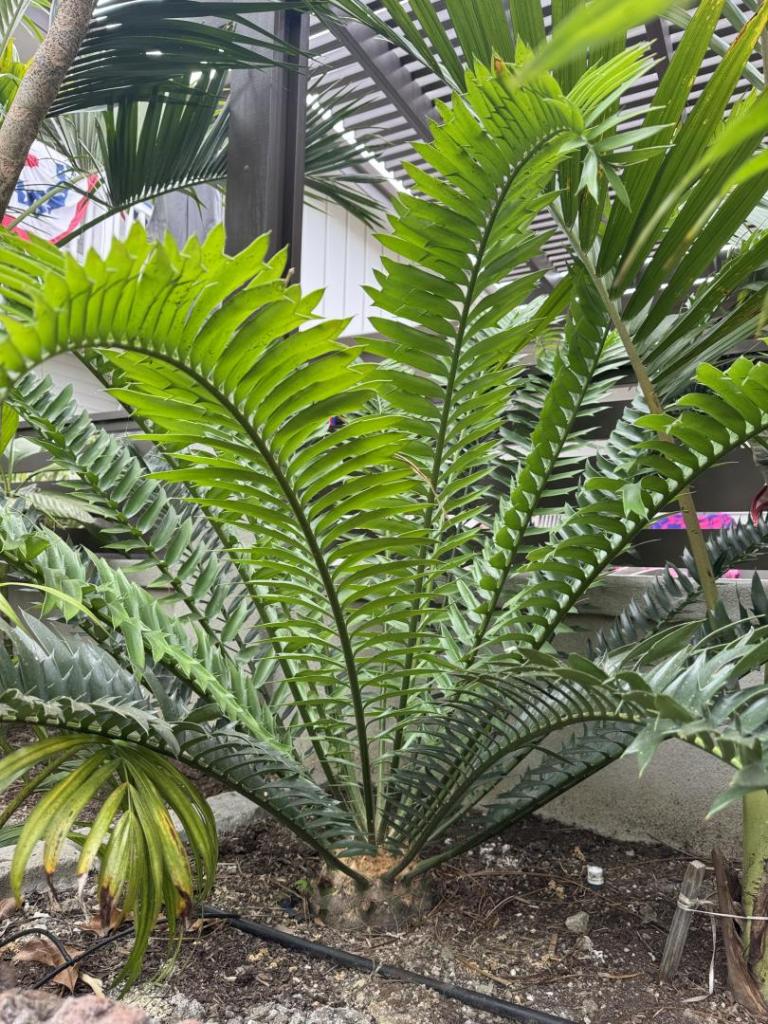
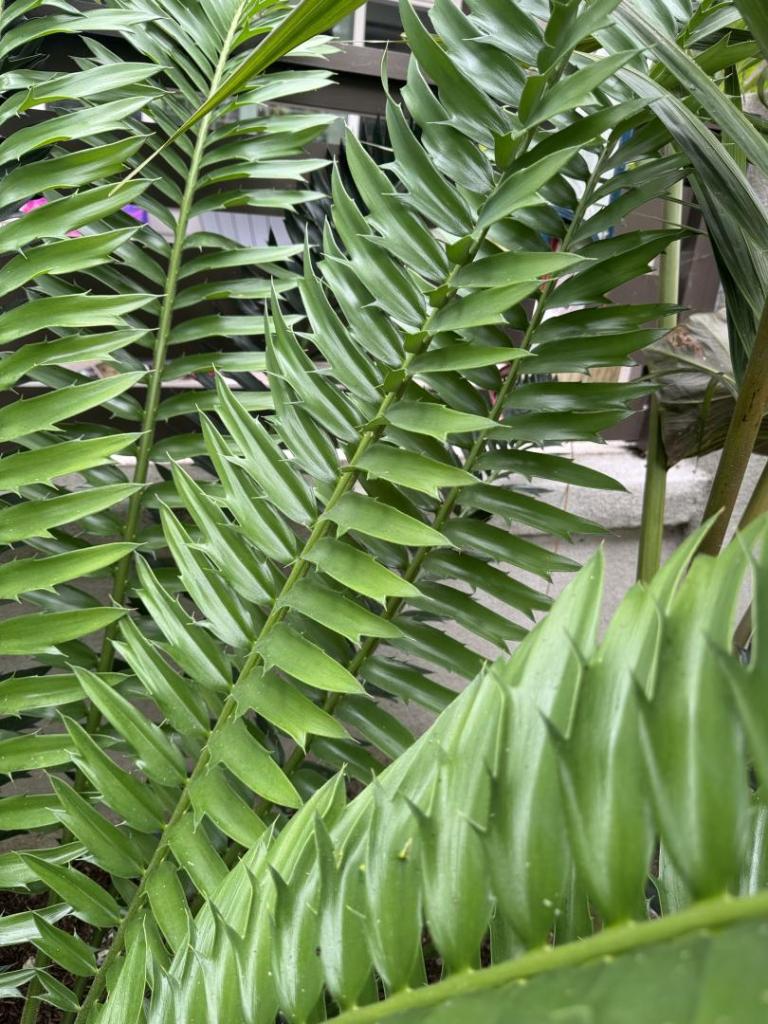
4 pointsHere’s a better picture of the leaf pattern on the Blue Arenarius and also a few of my Green Arenarius. The green is not in full sun like the Blue and you can tell how “thin” the leaflets look in comparison. Blue has better form as it’s much more compact looking. -dale Blue Arenarius Green Arenarius
 4 points
 -
 4 points
 -
I’d say that looks about as good as you could hope for given the conditions. Well grown!4 points
-
 4 points
 -
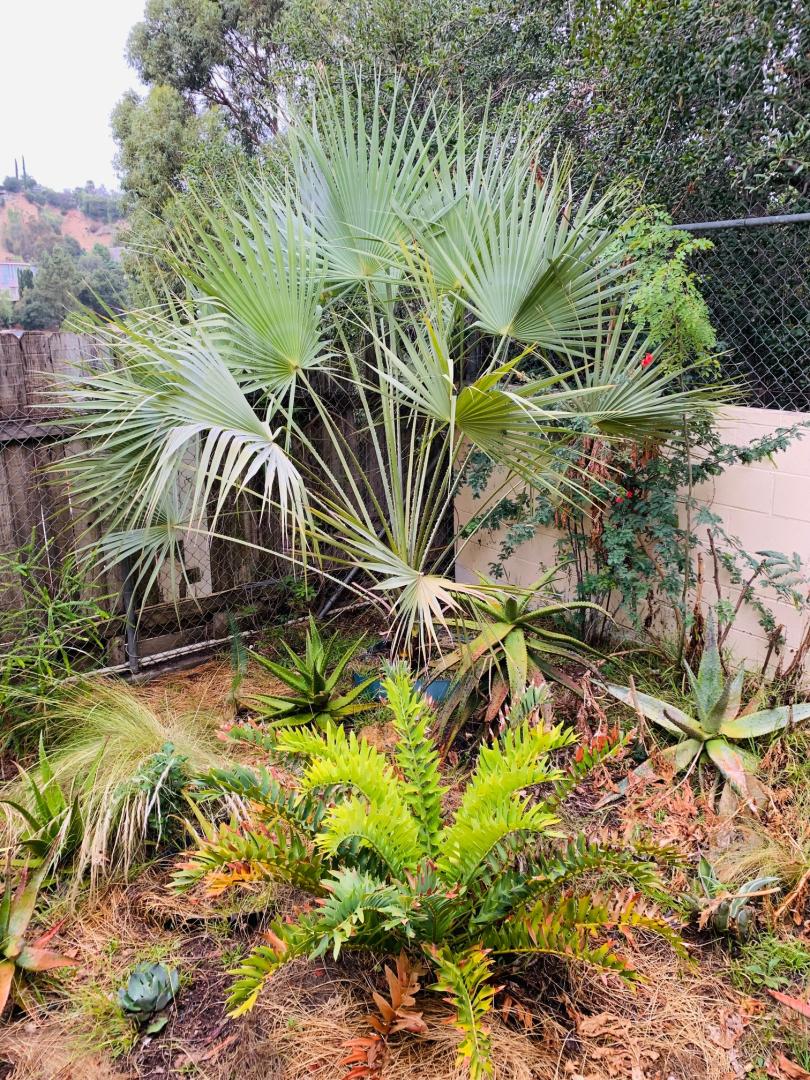
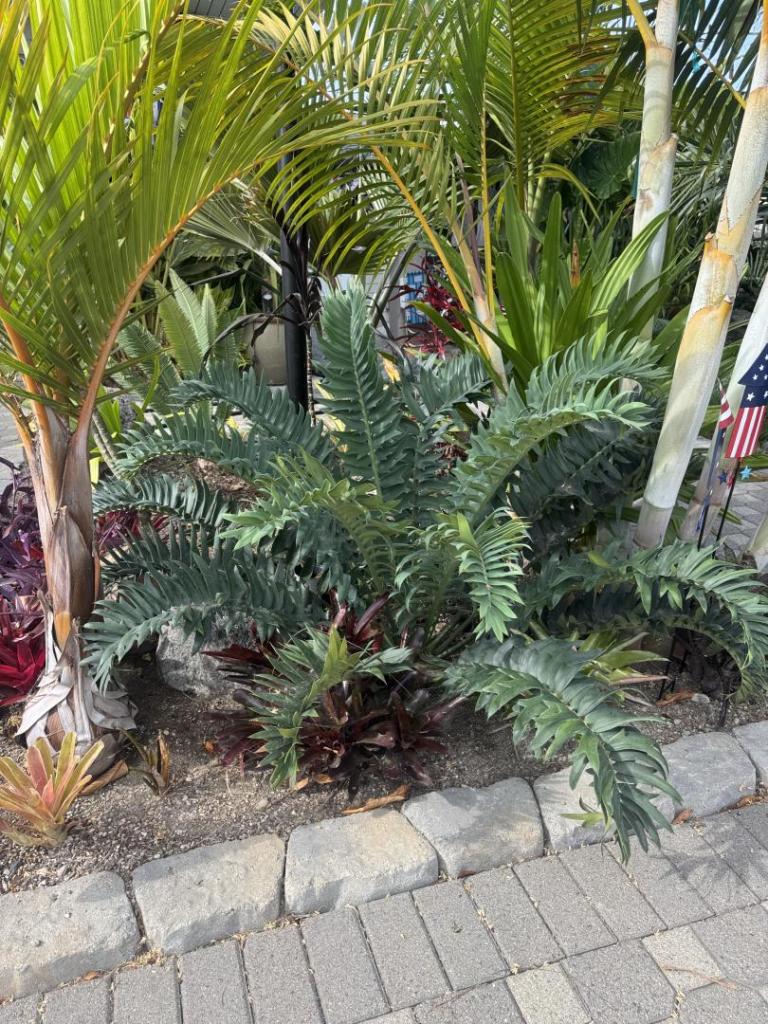
4 pointsErecting this thread from years back. I think Encephalartos Arenarius is way under used in gardens. Let’s see your “poor mans Latifrons” out there. No hybrids. -dale Blue Arenarius
 4 points
 -
 Looks good overall. Yeah, there is excess drying of the fronds. I would watch the sun travel overhead and set it on the east side of something that gives afternoon shade.4 points
 -
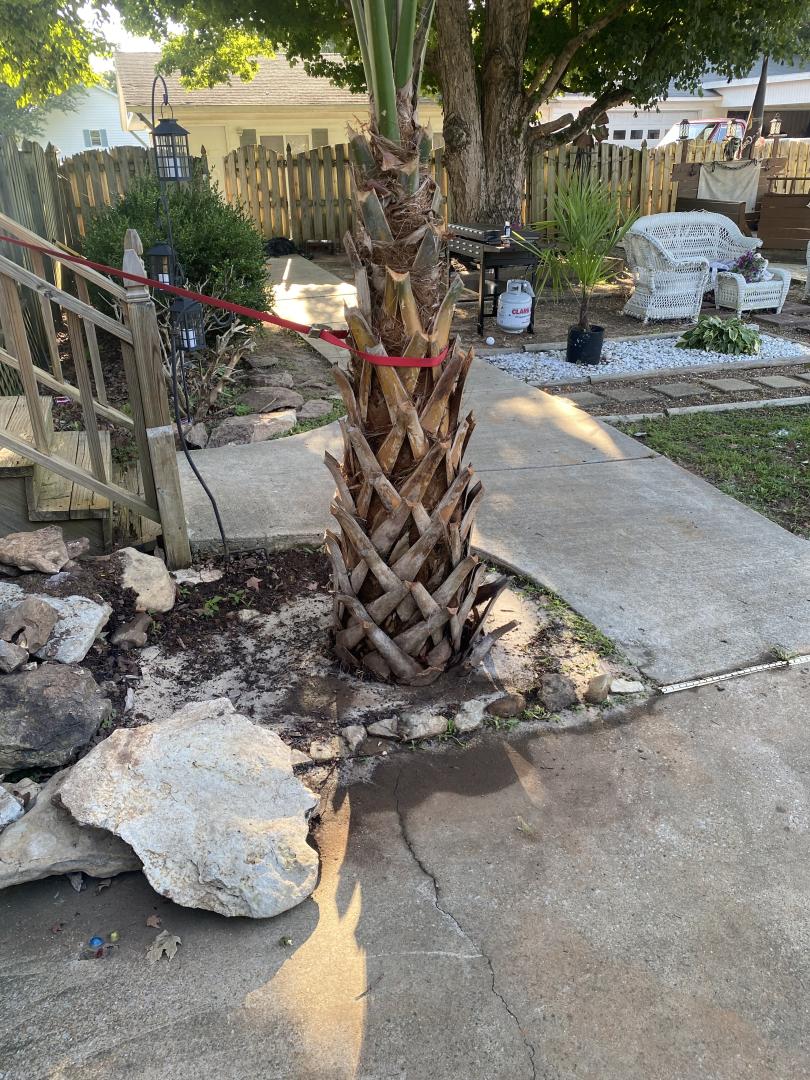
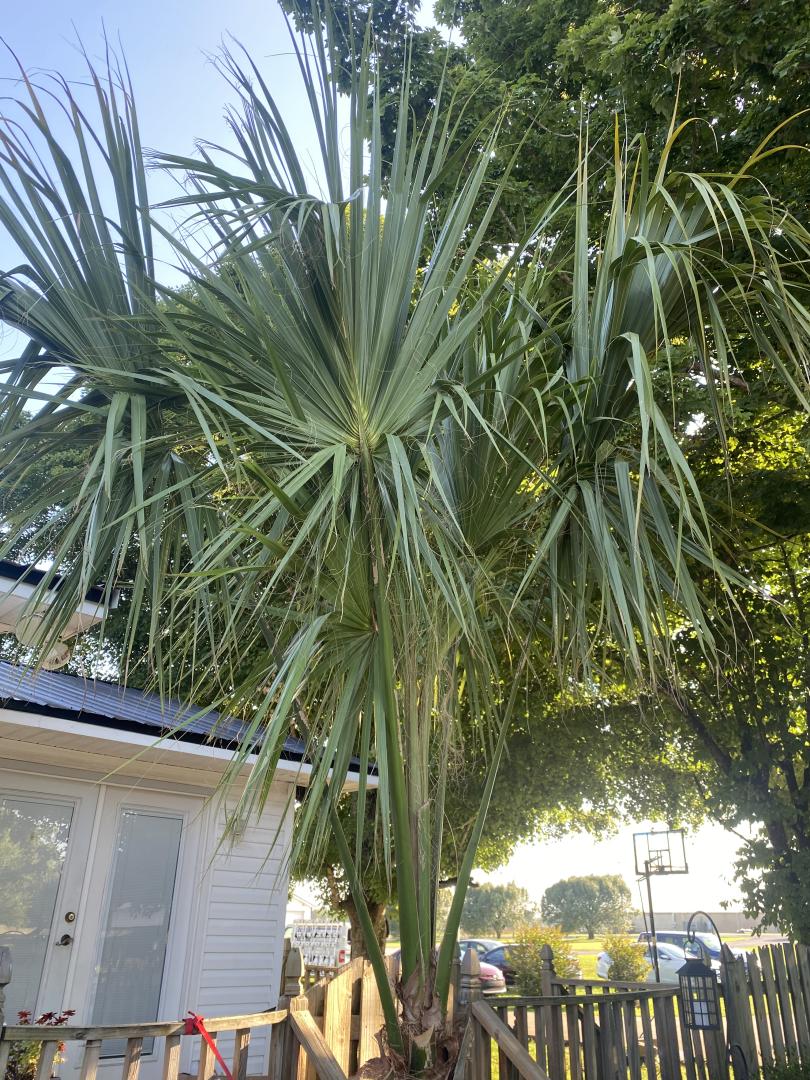
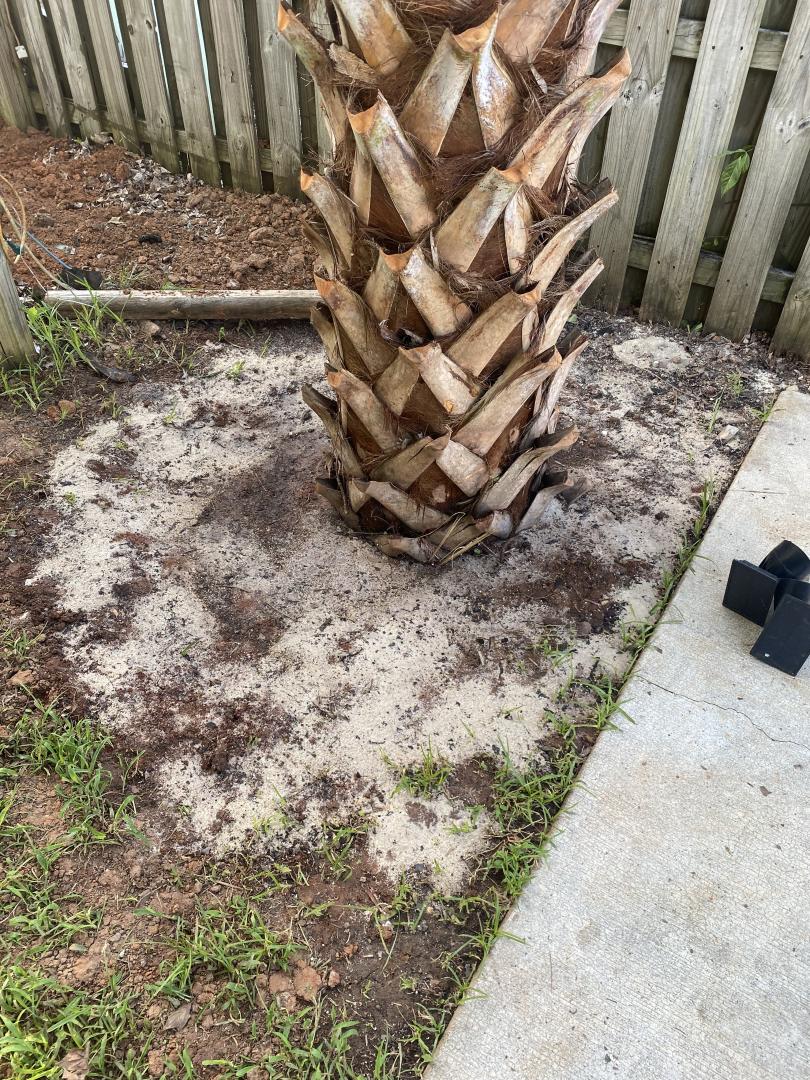
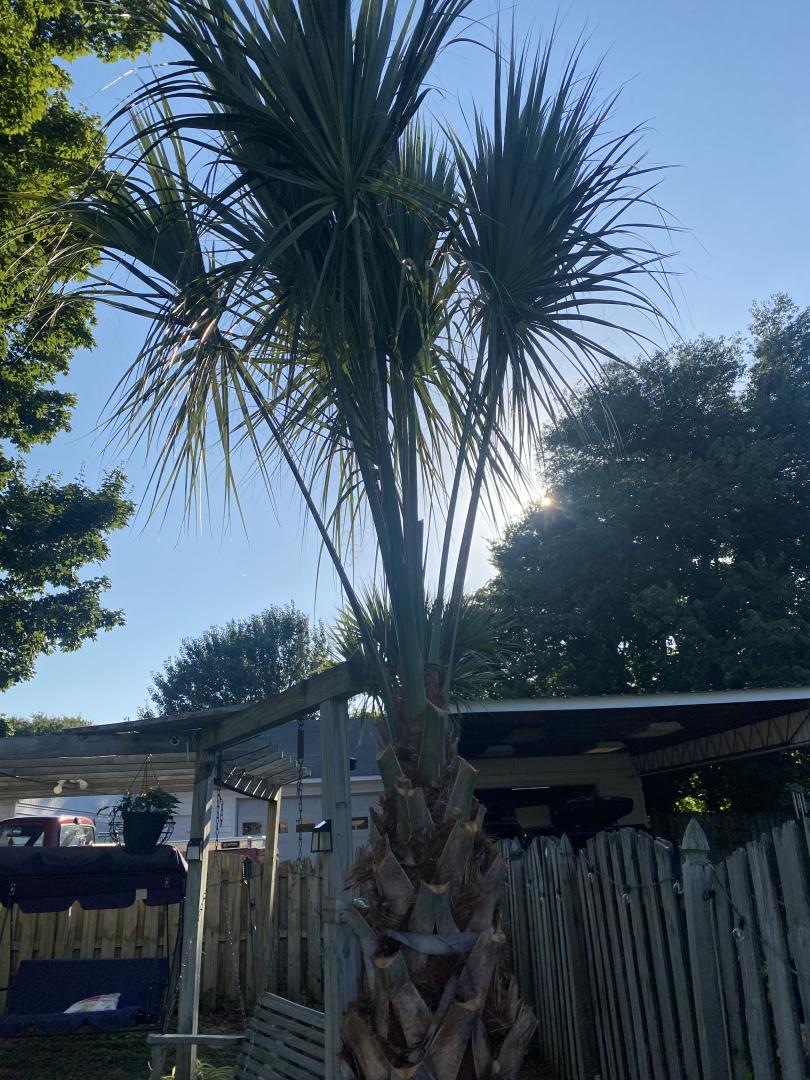
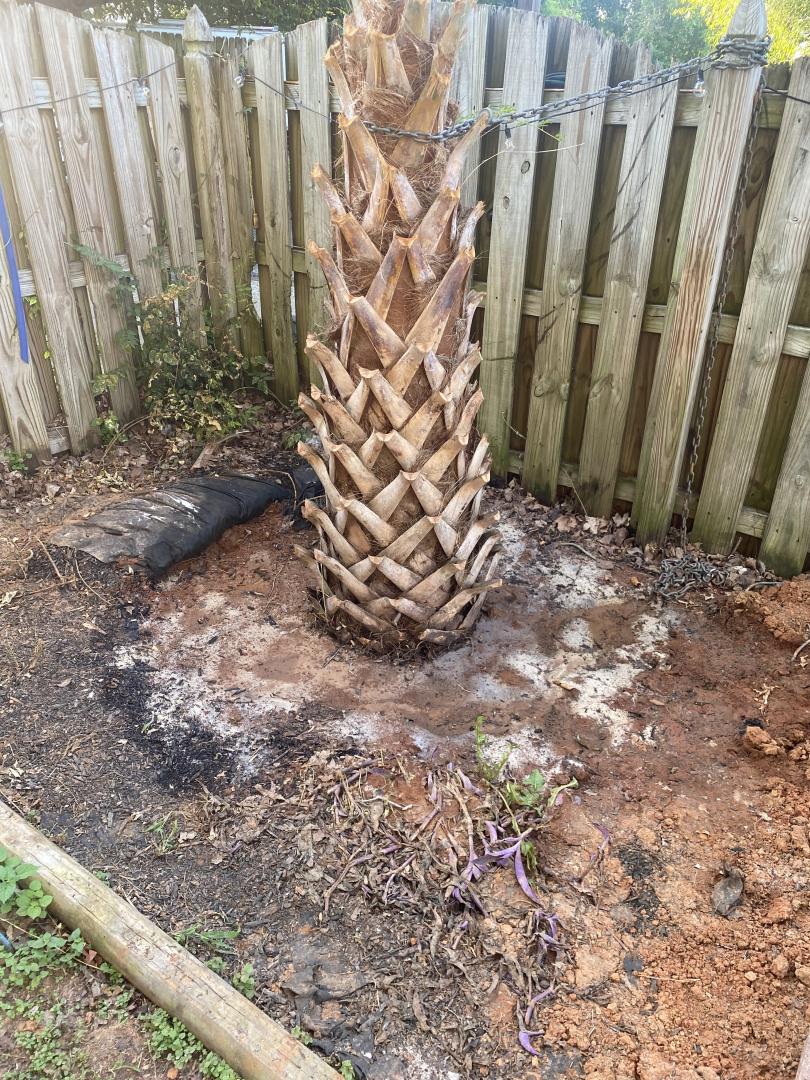
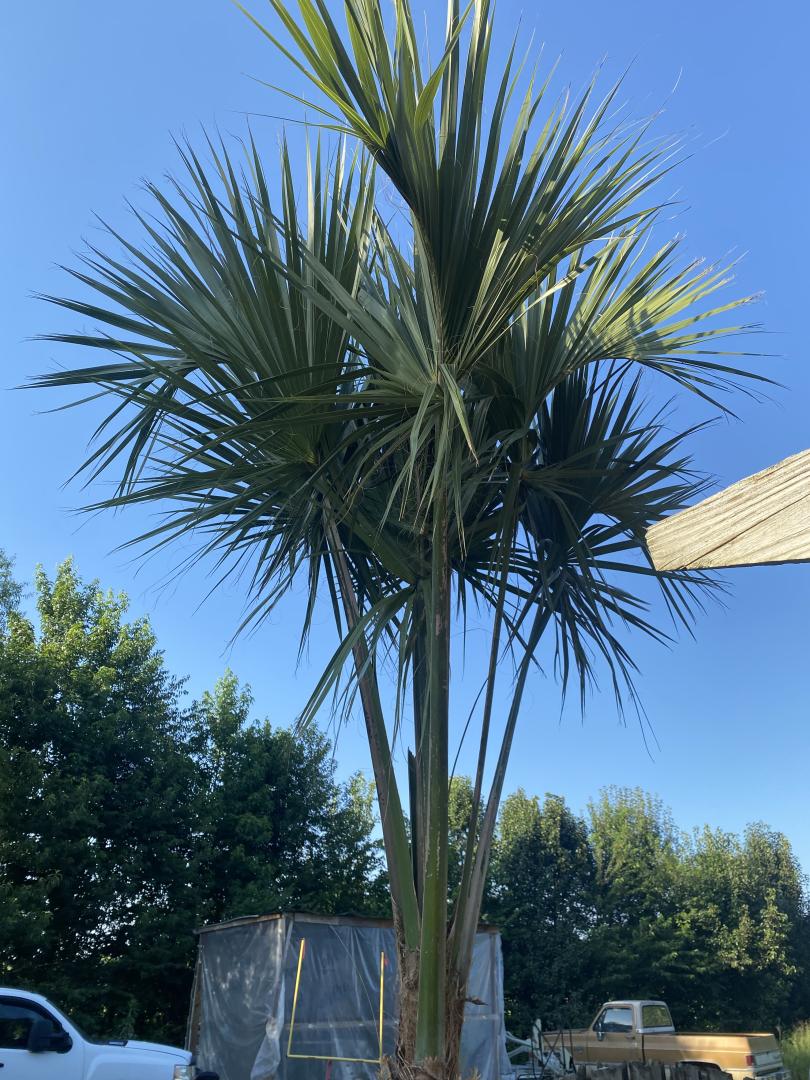
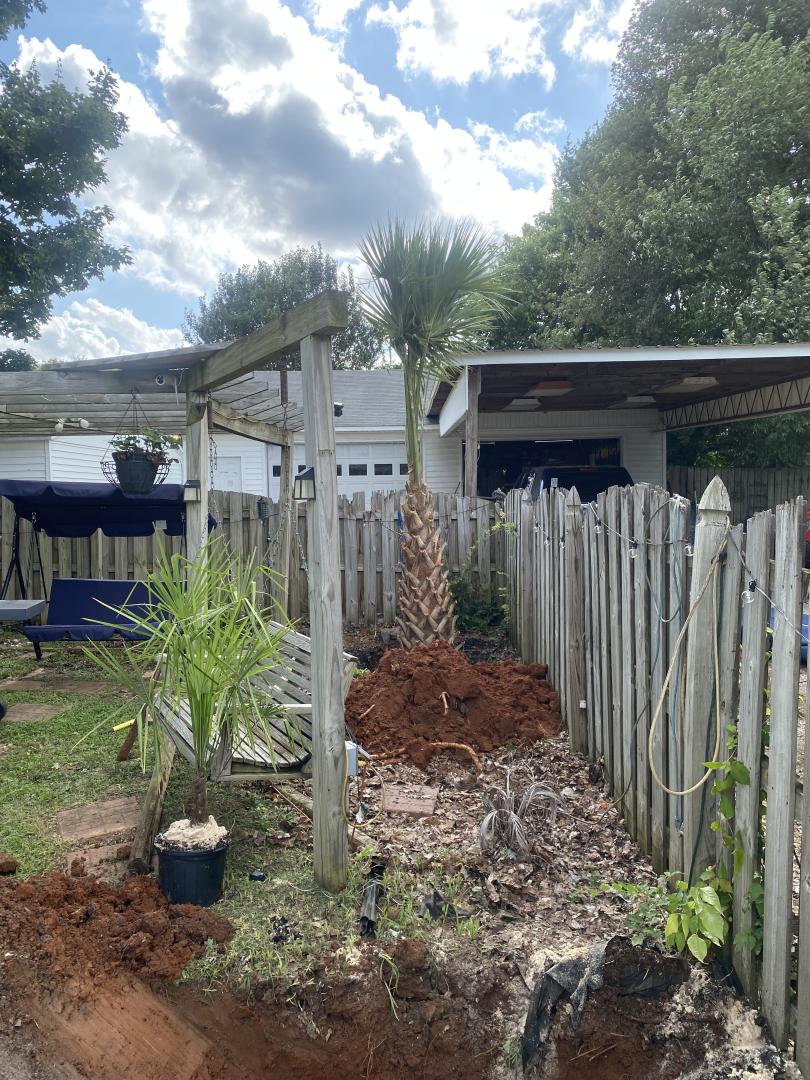
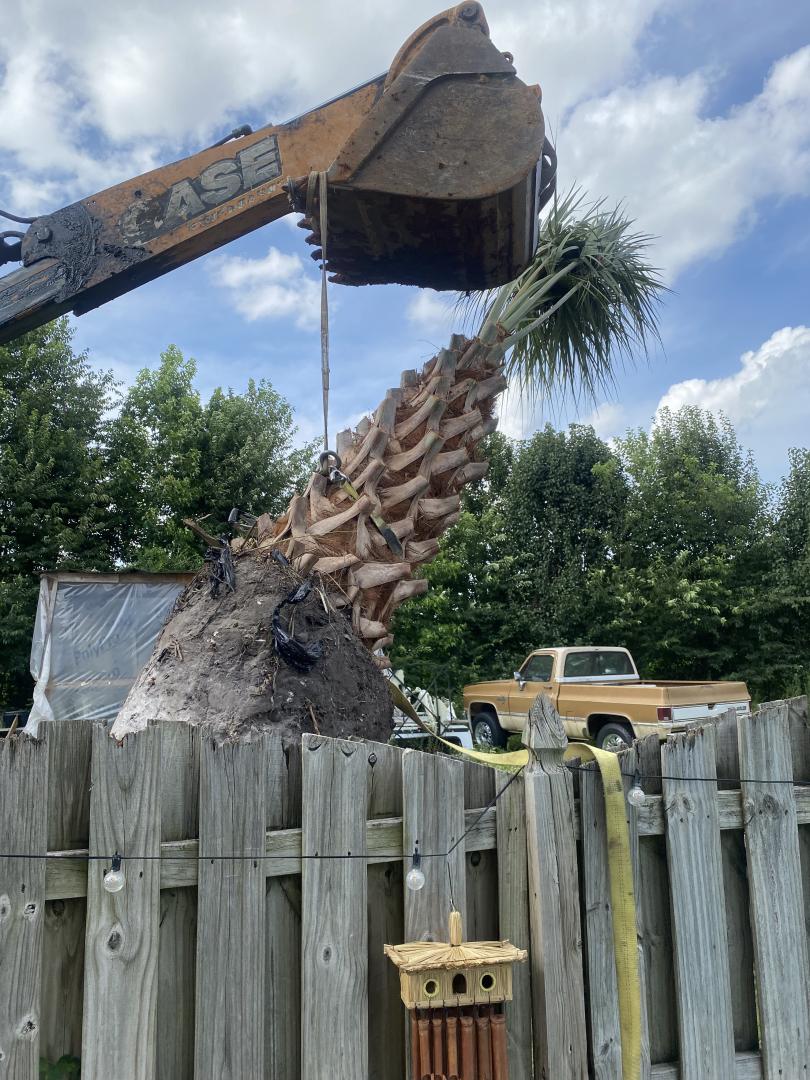
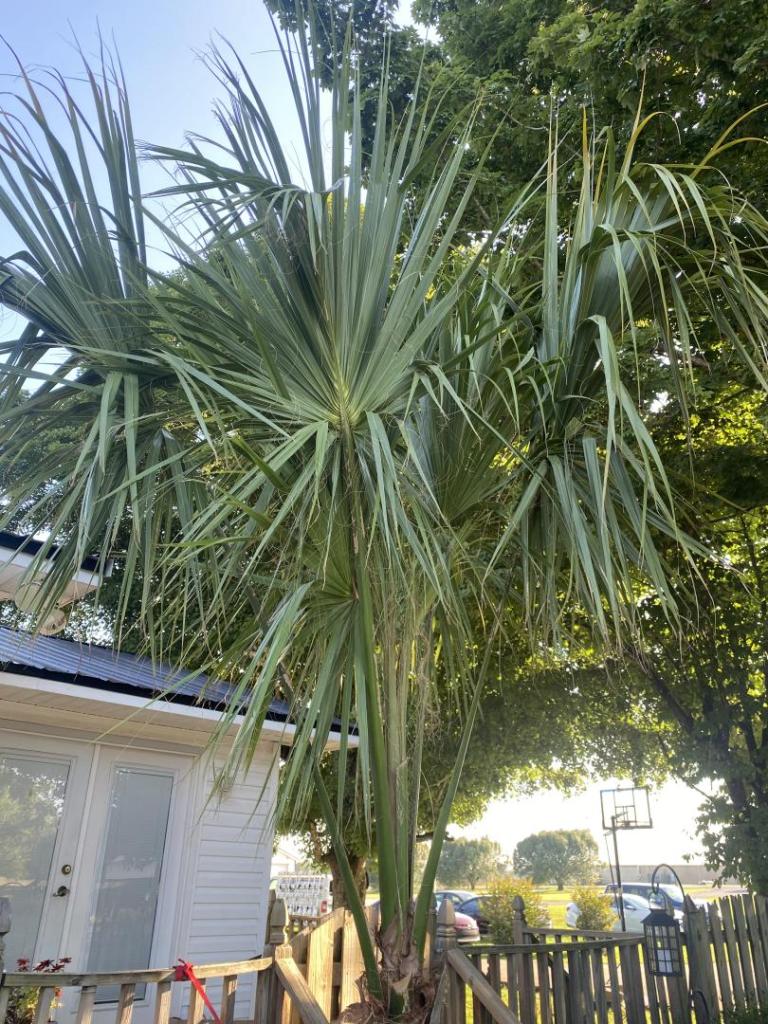
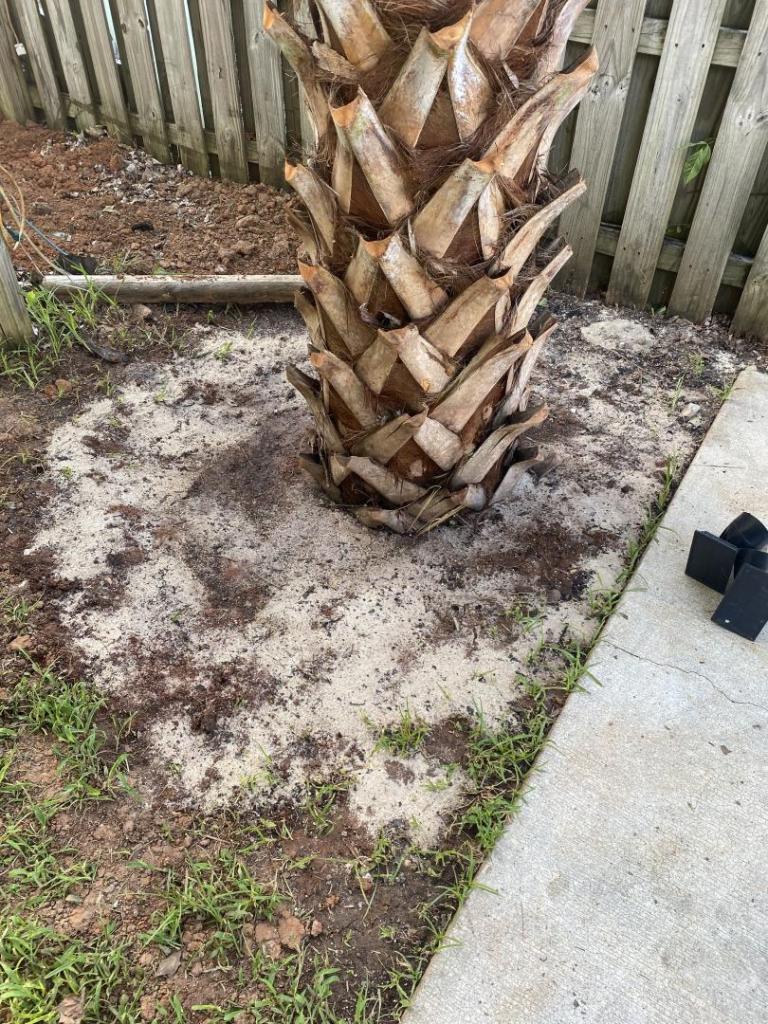
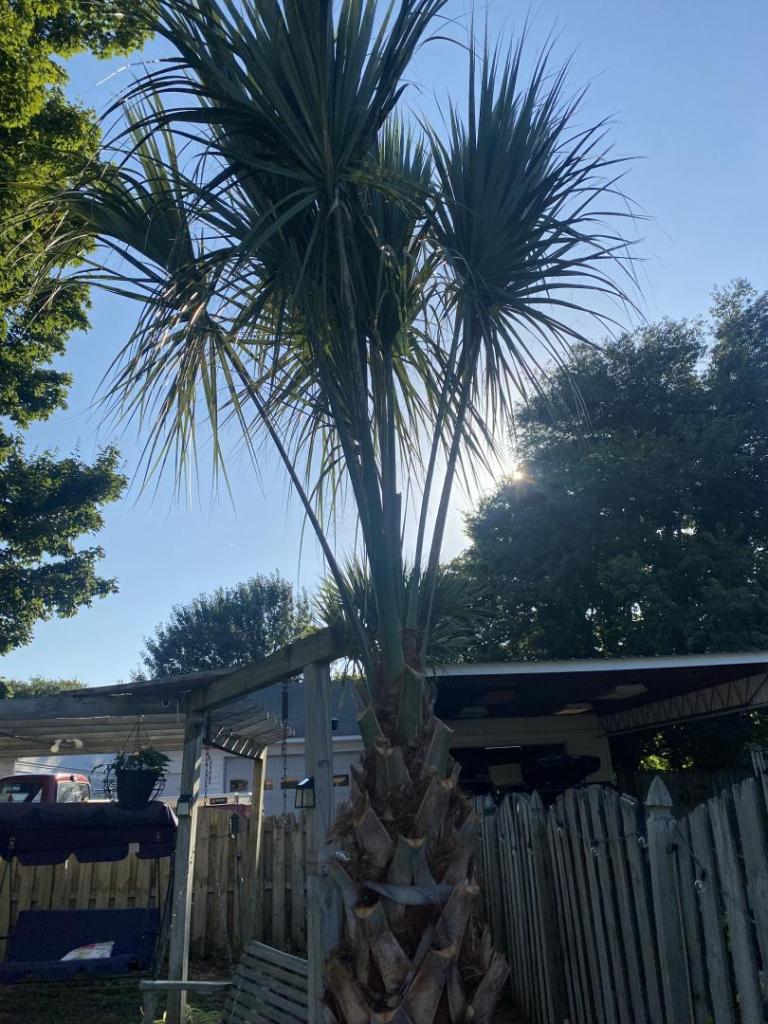
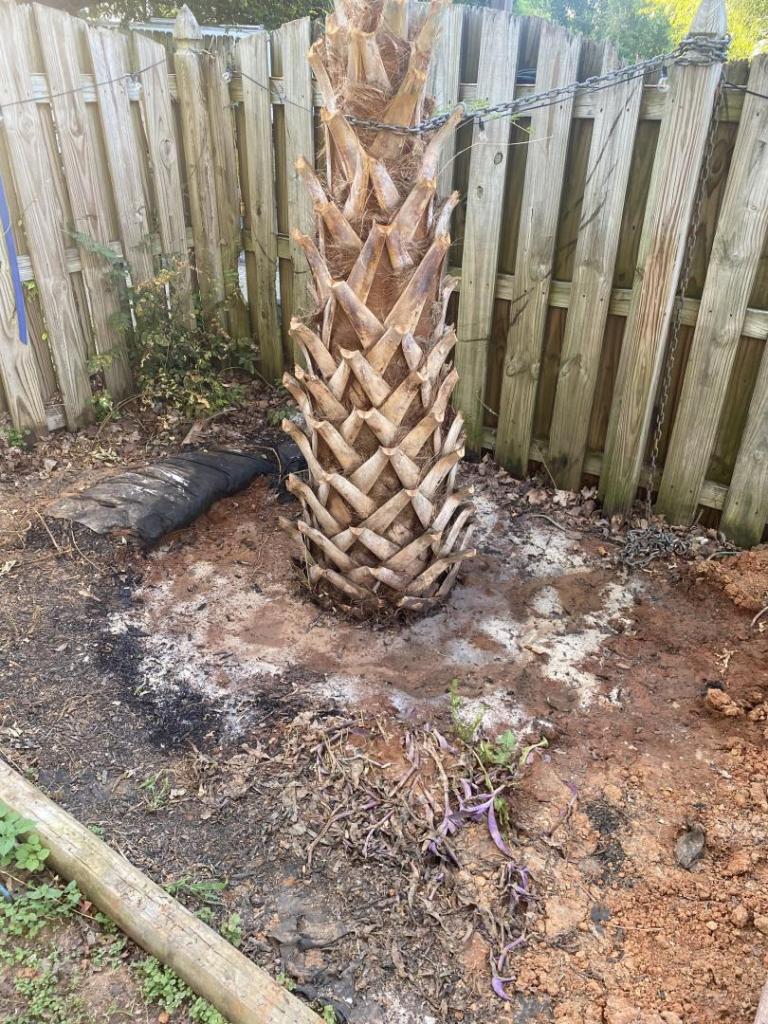
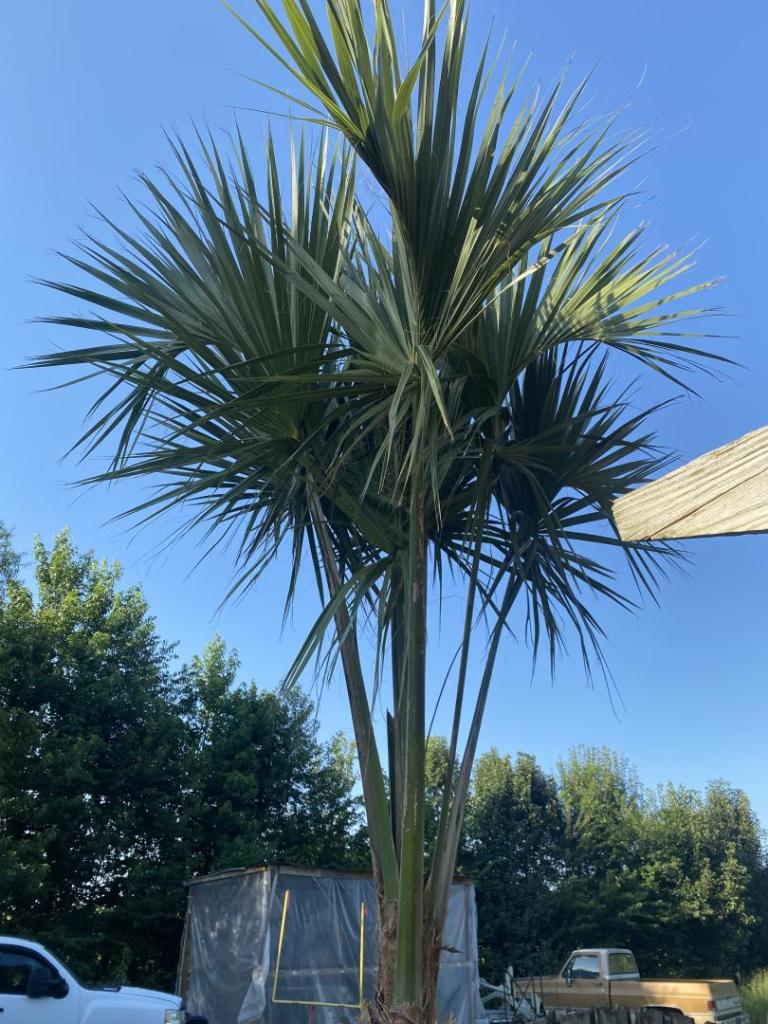
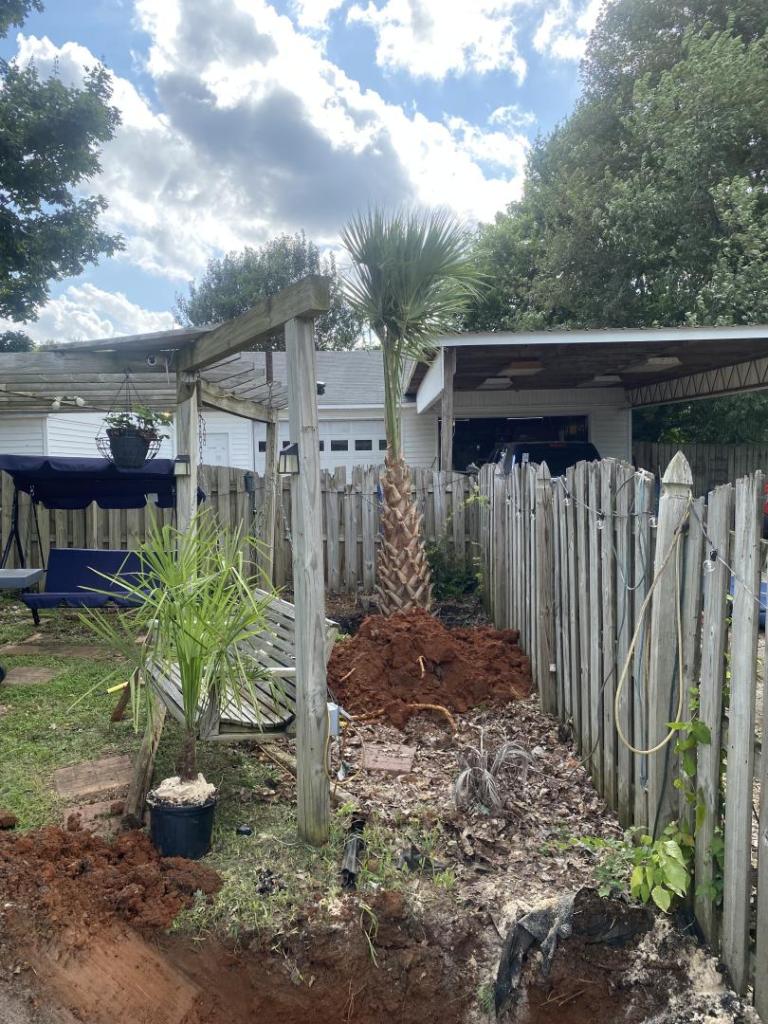
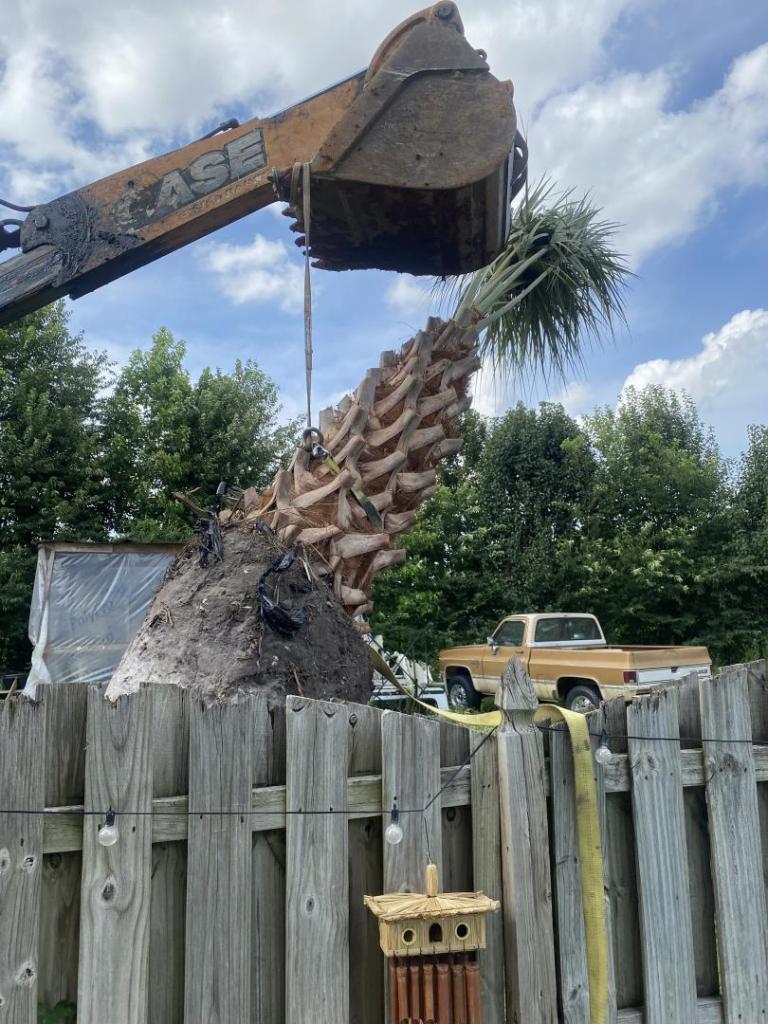
 3 pointsFinally after years of wanting some relatively big Sabal’s, I got some. 3 of them. Now I have to try to keep them alive until they establish roots. I amended the soil (I’m in north Alabama - Zone 8, clay soil) I’ve been watering everyday. I asked the guy I got them from is they were regenerated or are those the same fronds that was dug up from the field, he said the same ones from the field. I know I need to hurricane cut them but it’s hard because they look so good right now. lol Is it ok to let water drip down the truck to help with moisture along with watering the root ball everyday?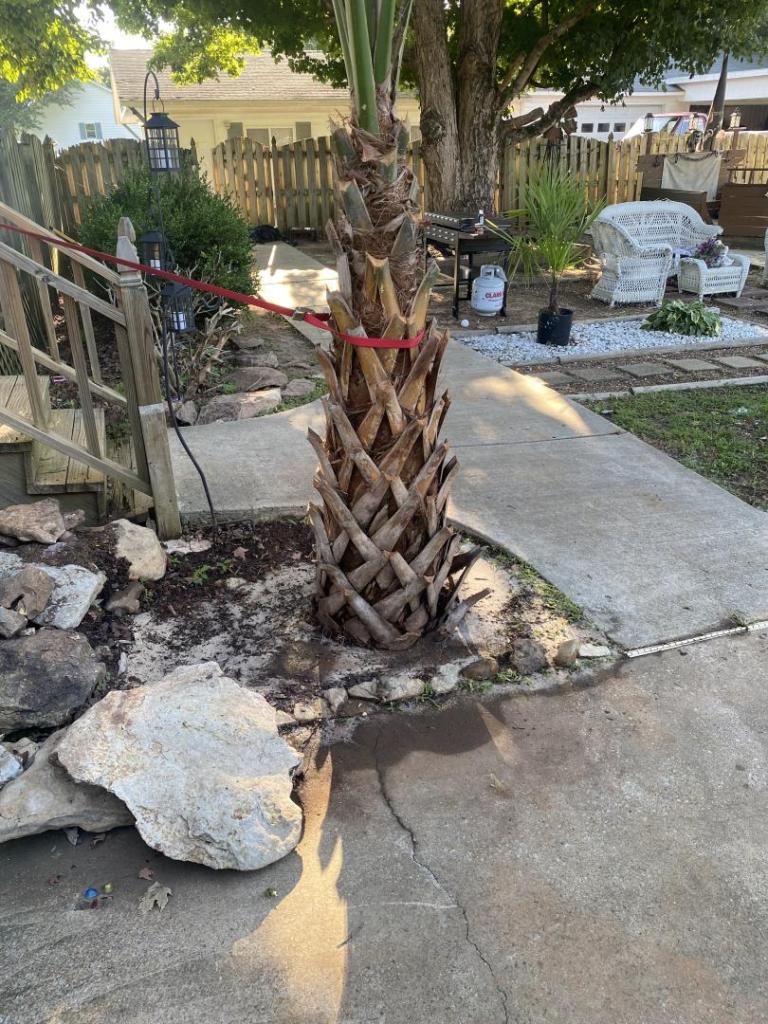
 3 points
 -
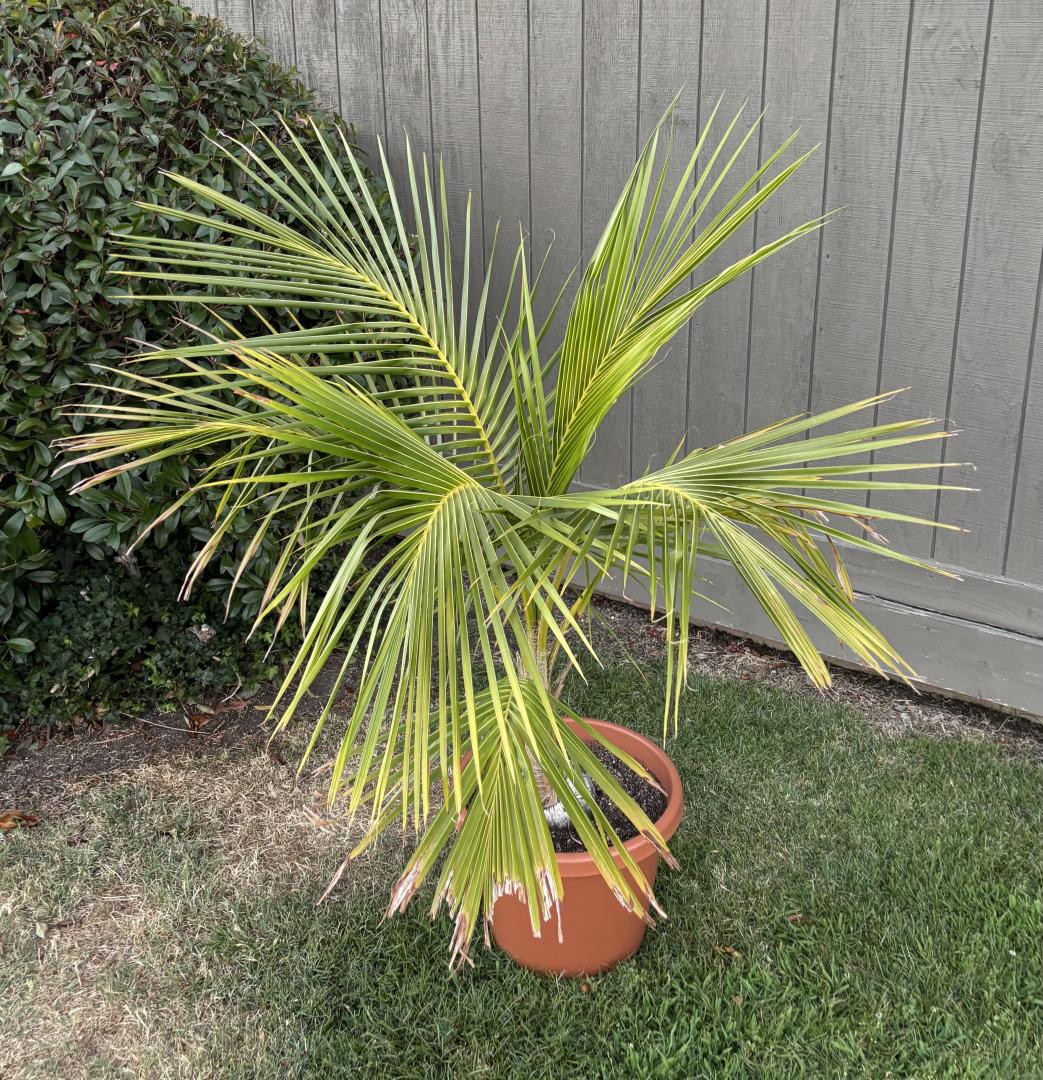
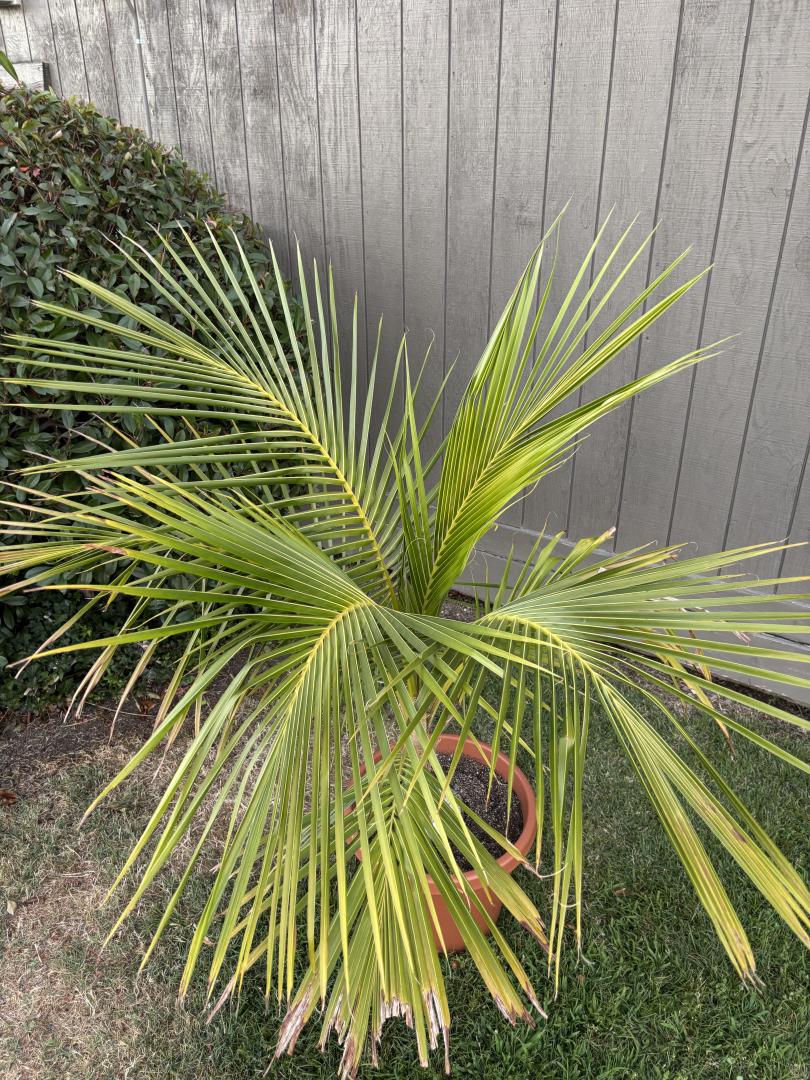
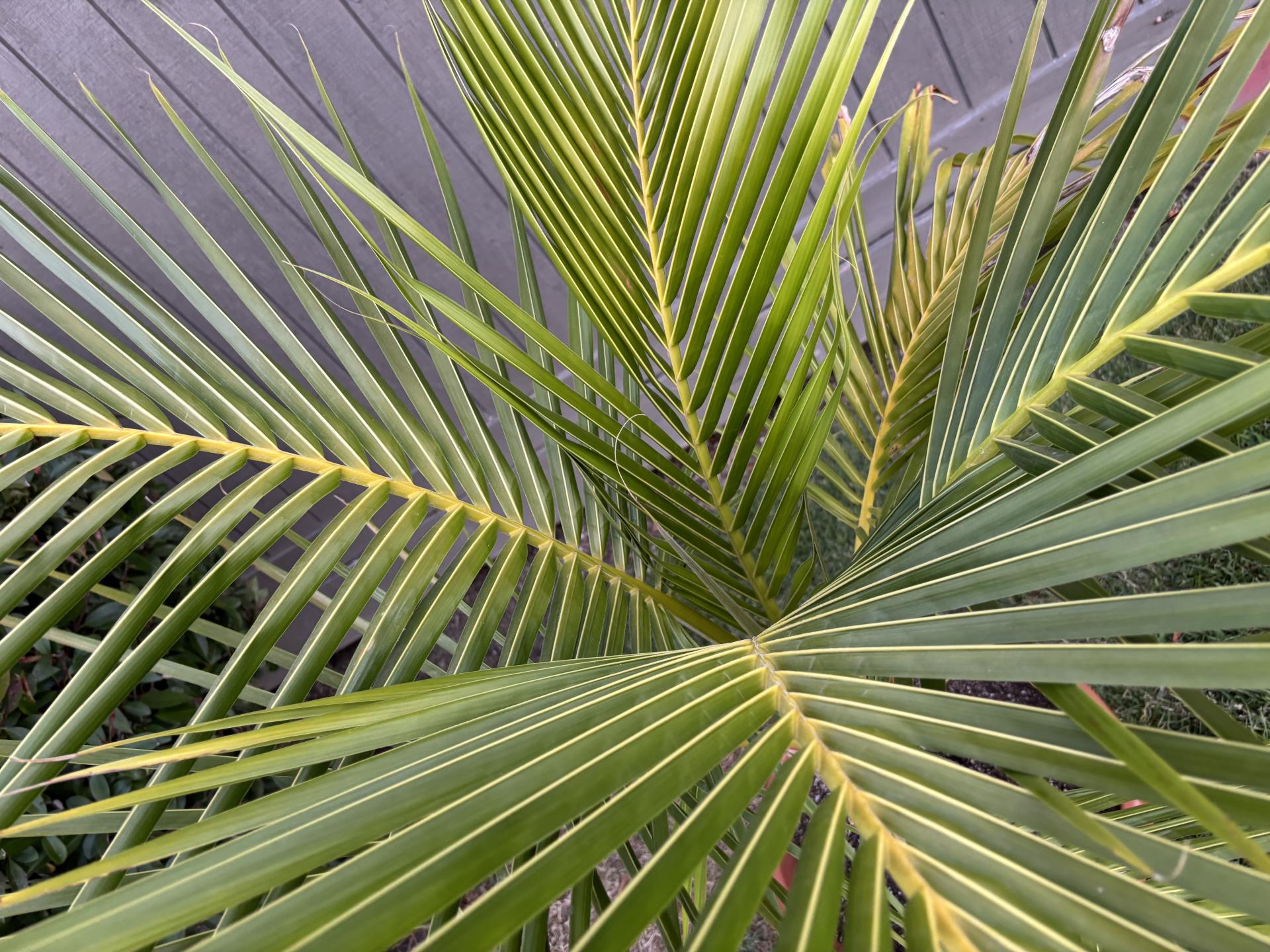
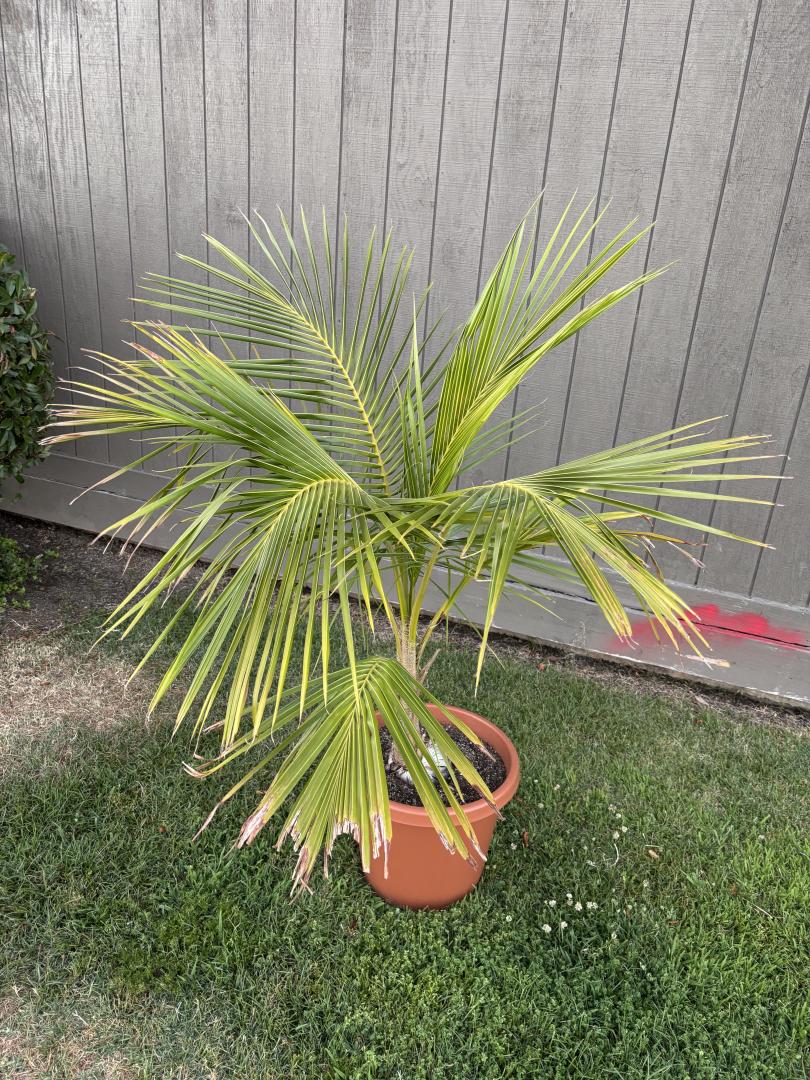
 Guys, honestly… is this palm ratty, normal or about the best you can expect for the conditions it grows in? Realistically, is there more I can do to increase its health/vigor? I dont expect perfect or tropical/Florida like appearance and growth. After all, this is grown outdoors in California in the Central Valley (low humidity, little to no clouds, hot temperatures) and goes indoors for several months of the year. The palm was strapped leaf when bought in 2024. None were starting to split. I estimate the palm was about 6-10 months old. If that estimate is true, then it’s about 2.5-3 years old in real years now. No green house, no humidifier. Occasionally is misted though. It does need some afternoon shade. Currently I’m too busy to apply shade without shading longer than I want. So there is some sunburn despite my attempt at slow acclimation to increasing sunlight when I wasn’t as busy. Its a green Malayan dwarf. The trunk at the thickest is 9 inches around, the middle section is 7 inches, the thinnest is about 6 inches. The trunk is decently thick. The canopy is approximately 67 inches (5.58feet) long. The palm is approximately 57 inches (4.75feet) tall. It grows slowly in winter (indoors) so it doesn’t truly stop growing. The last 3 fronds, when they were still spears, before they began to open I can already see a 2nd spear several inches tall.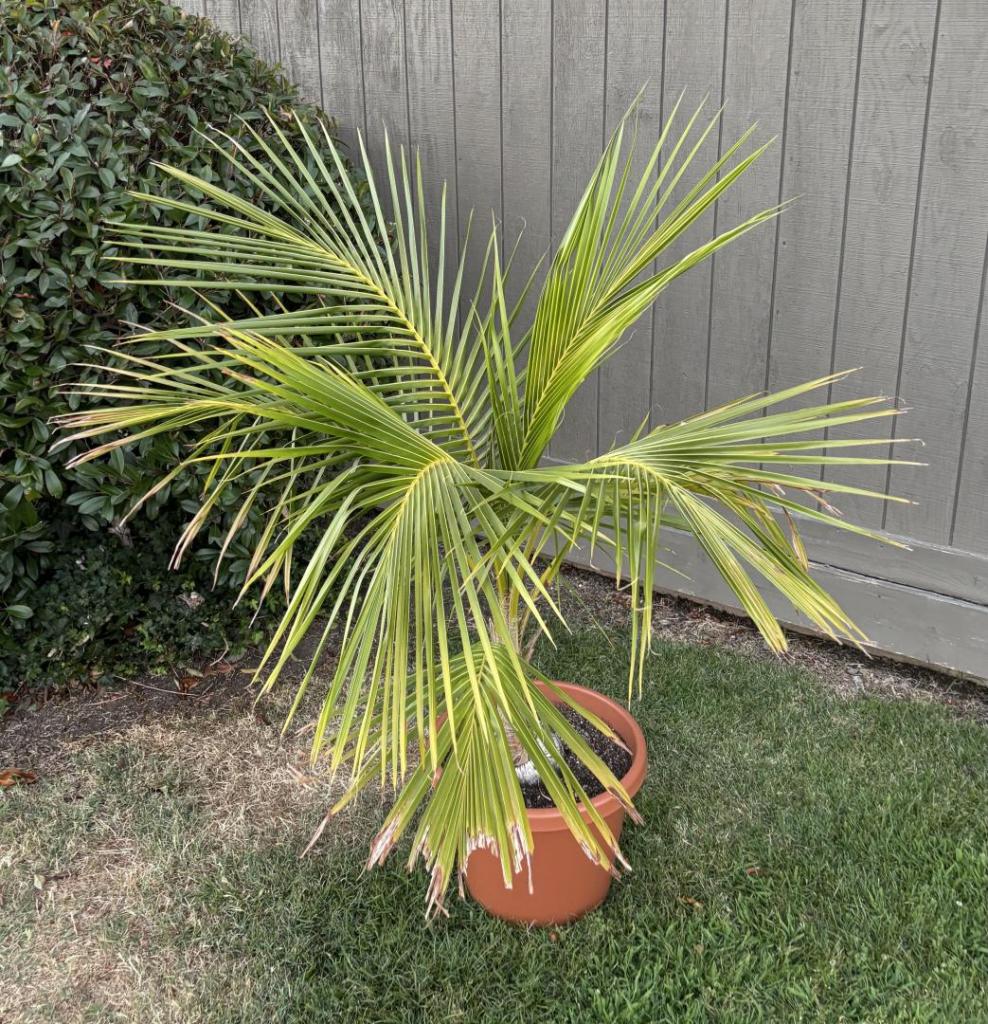
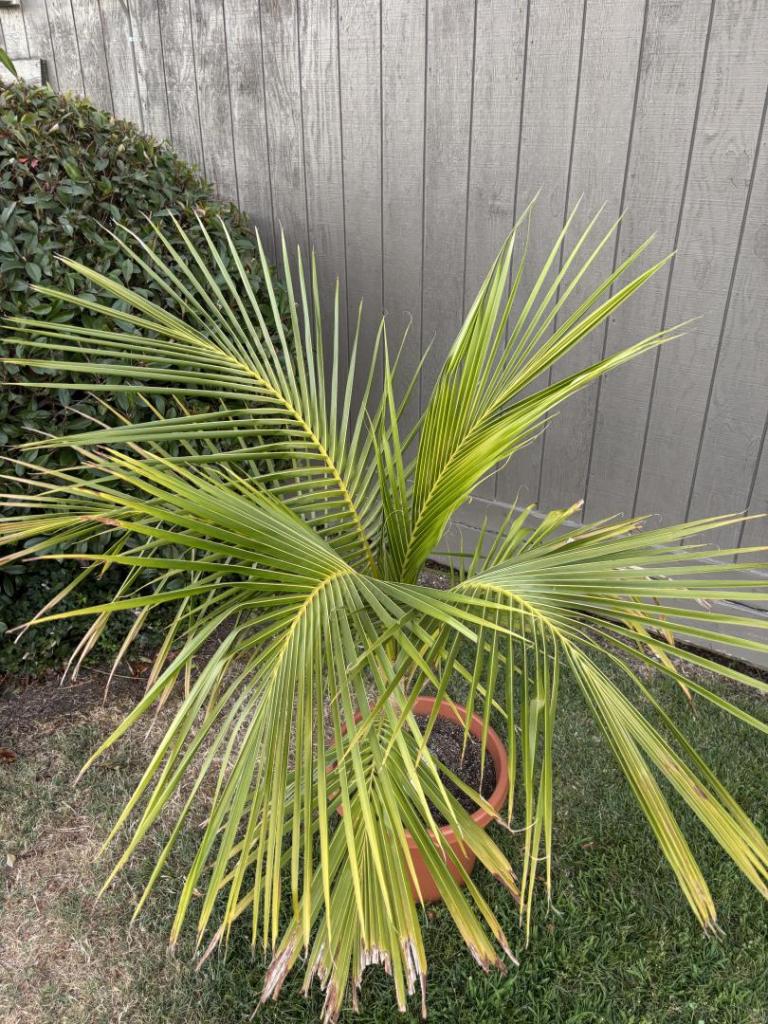
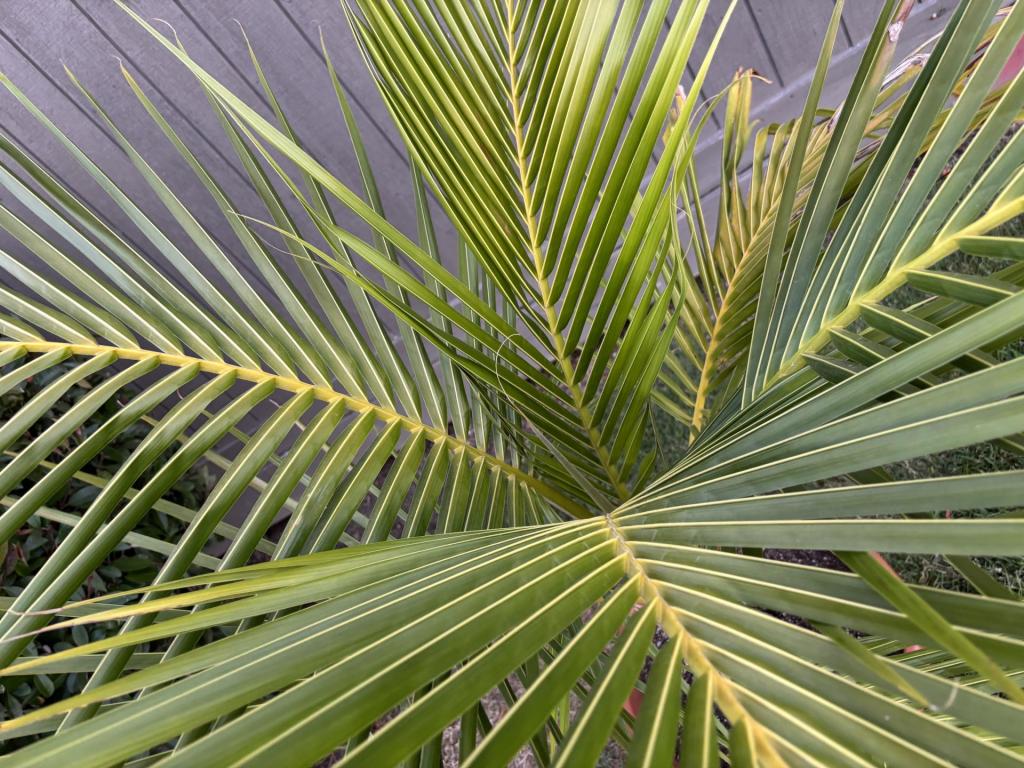
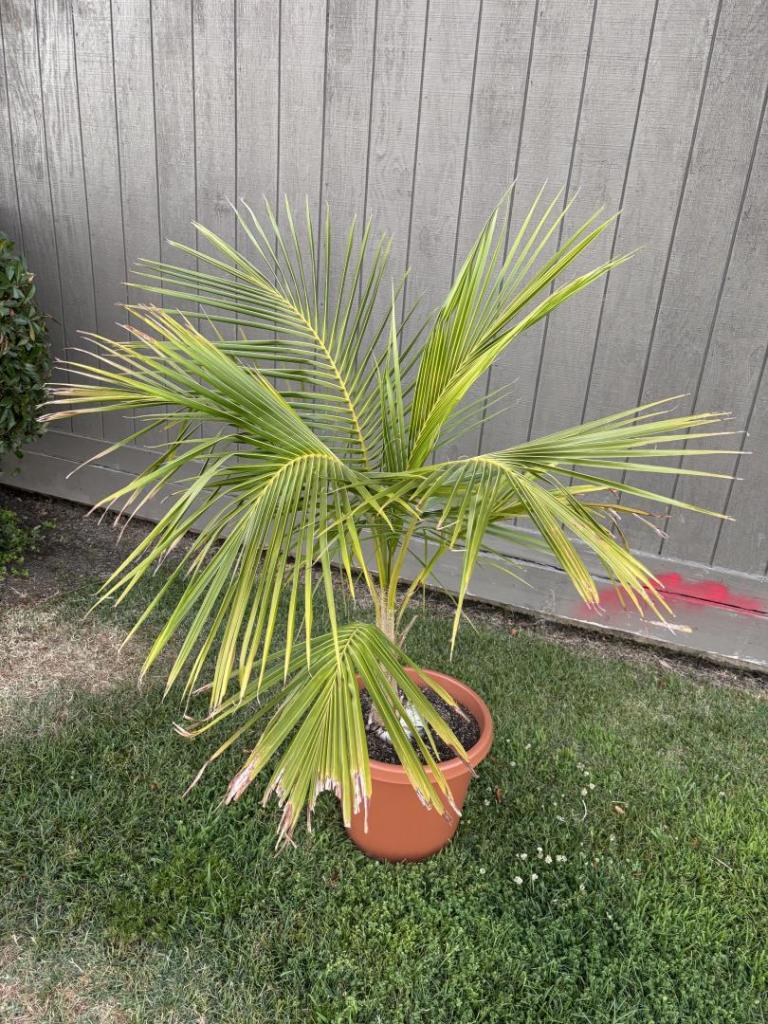 3 points
 -
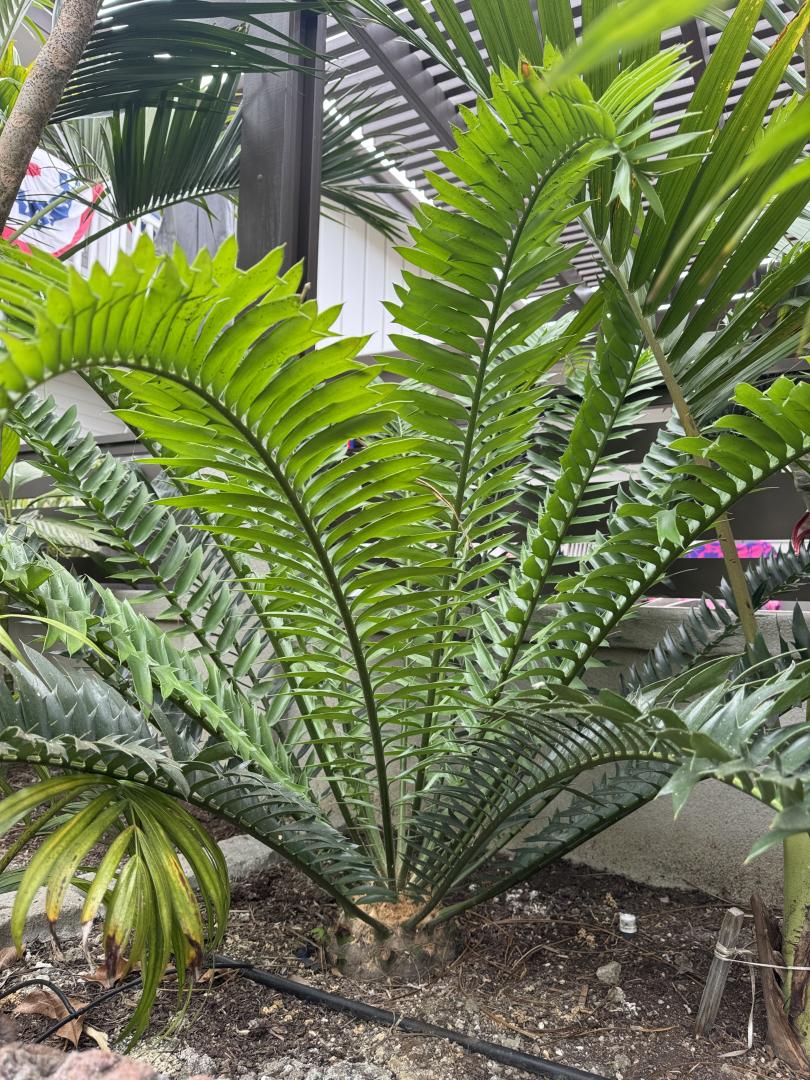
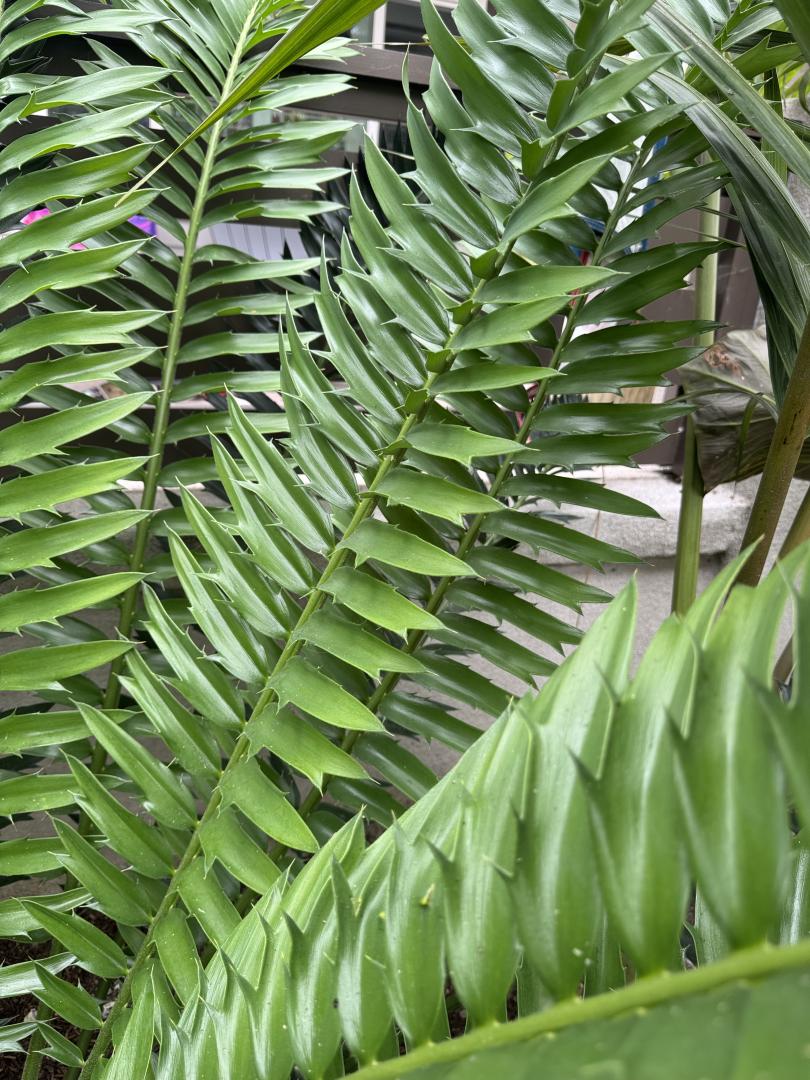
 3 pointsNice comparison of the blue and green. Here is my green arenarius, it’s in full blazing sun, The leaf detail of the green, My blue arenarius which gets a bit less sun, Leaf detail of the blue,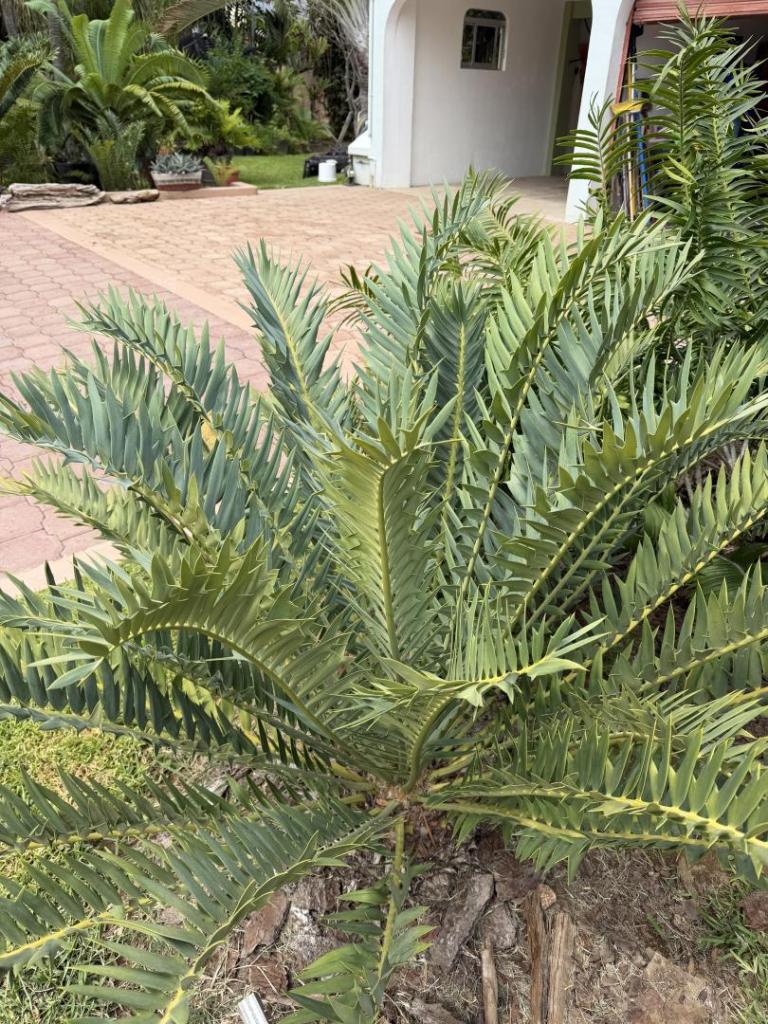
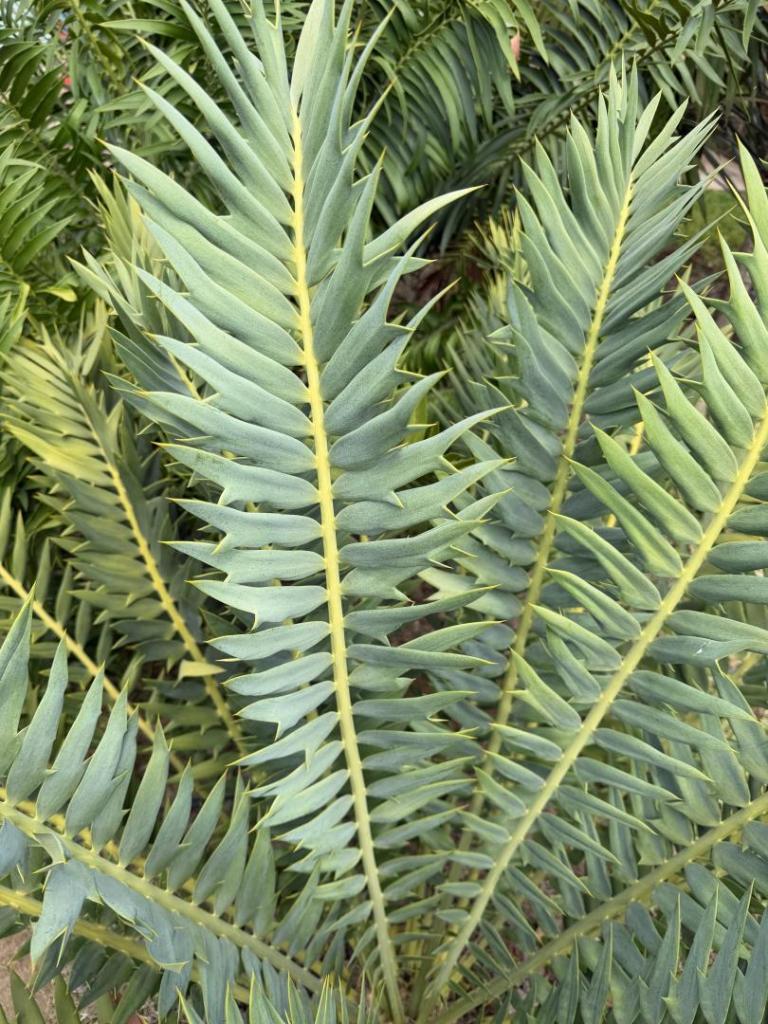
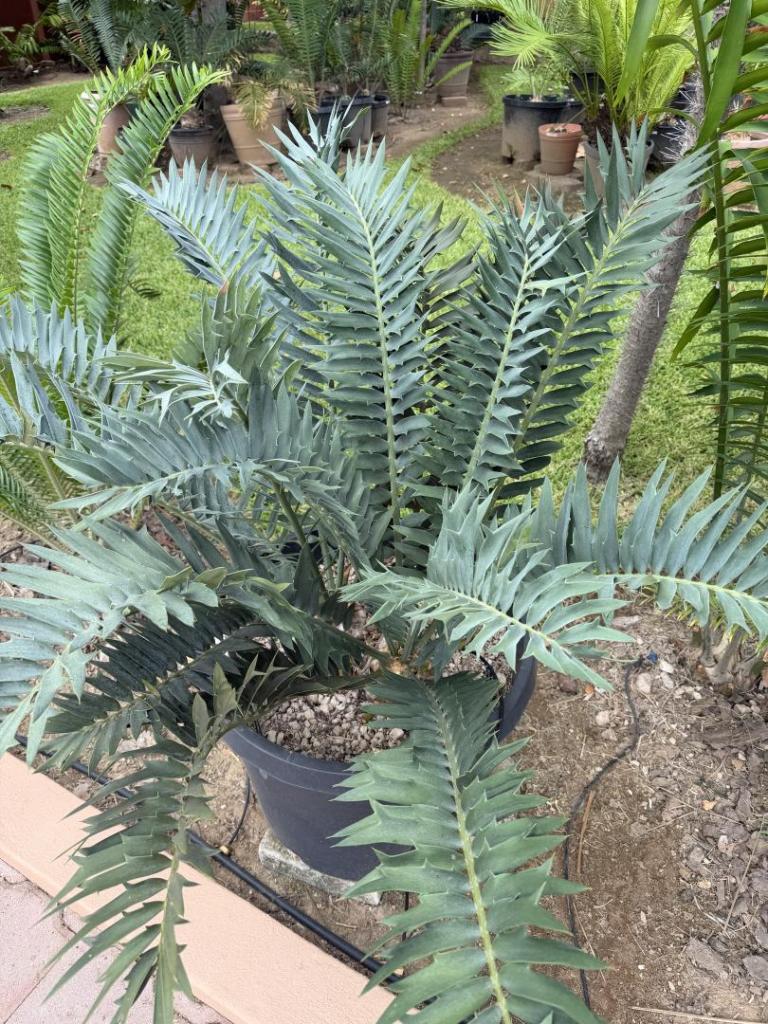
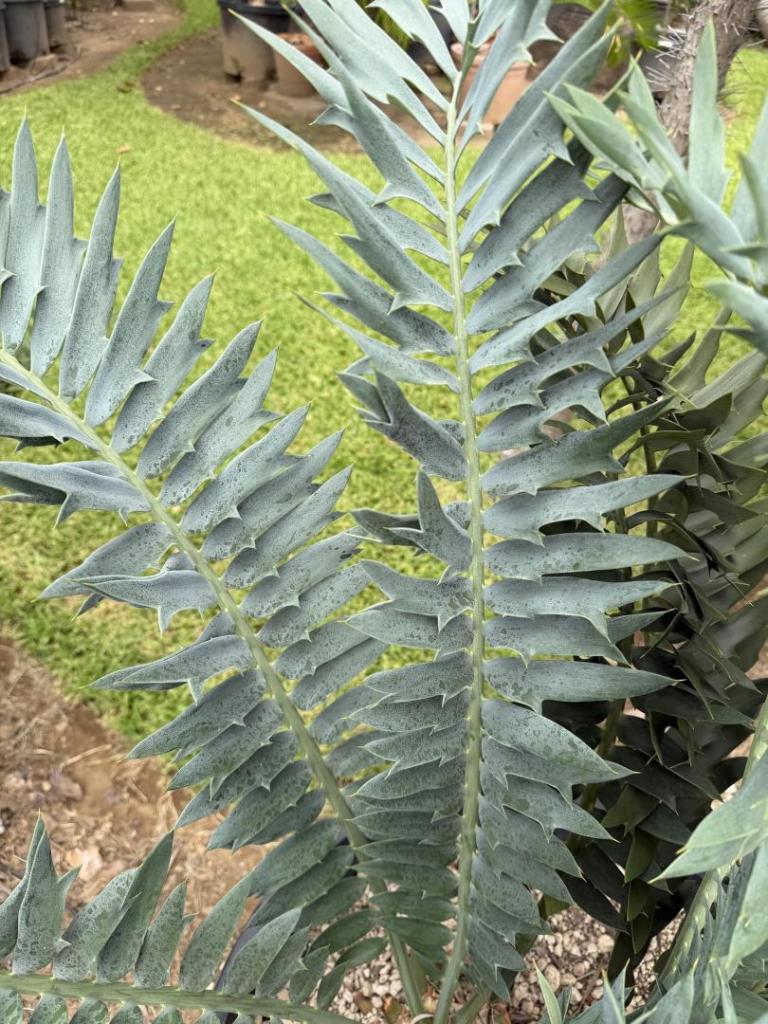 3 points
 -
 3 points
 -
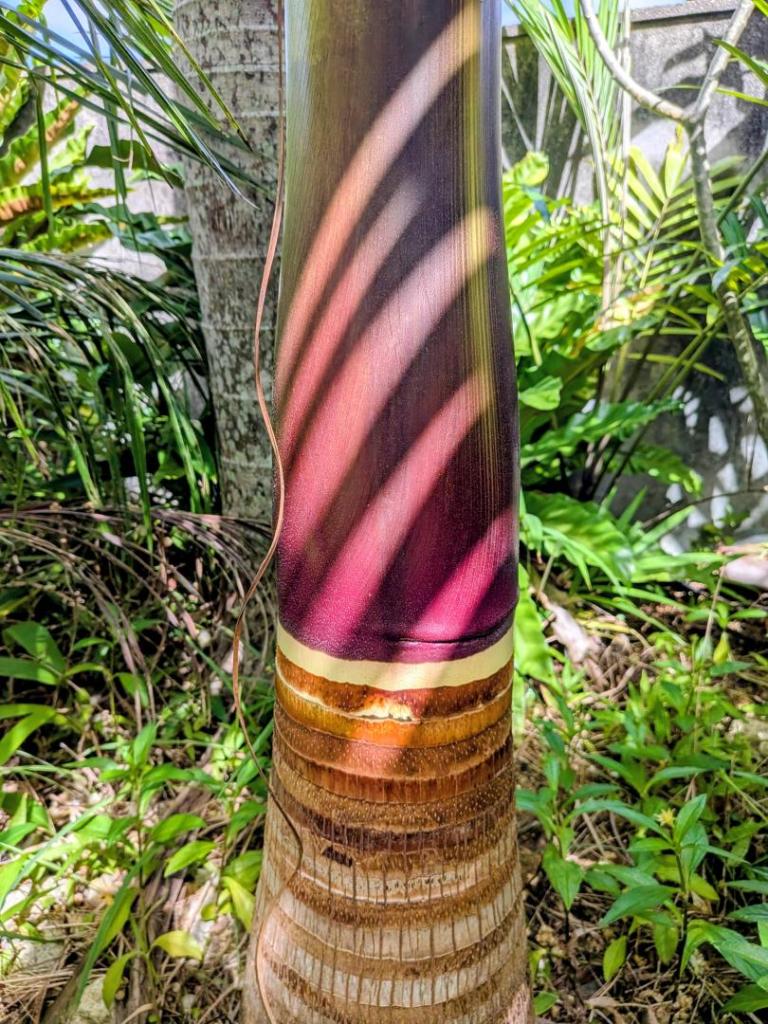
 3 pointsHi there. One of my Satakentias, a bit hard to make out... But with a nice color after shaking off a boot... Hallelujah!🥹 Lars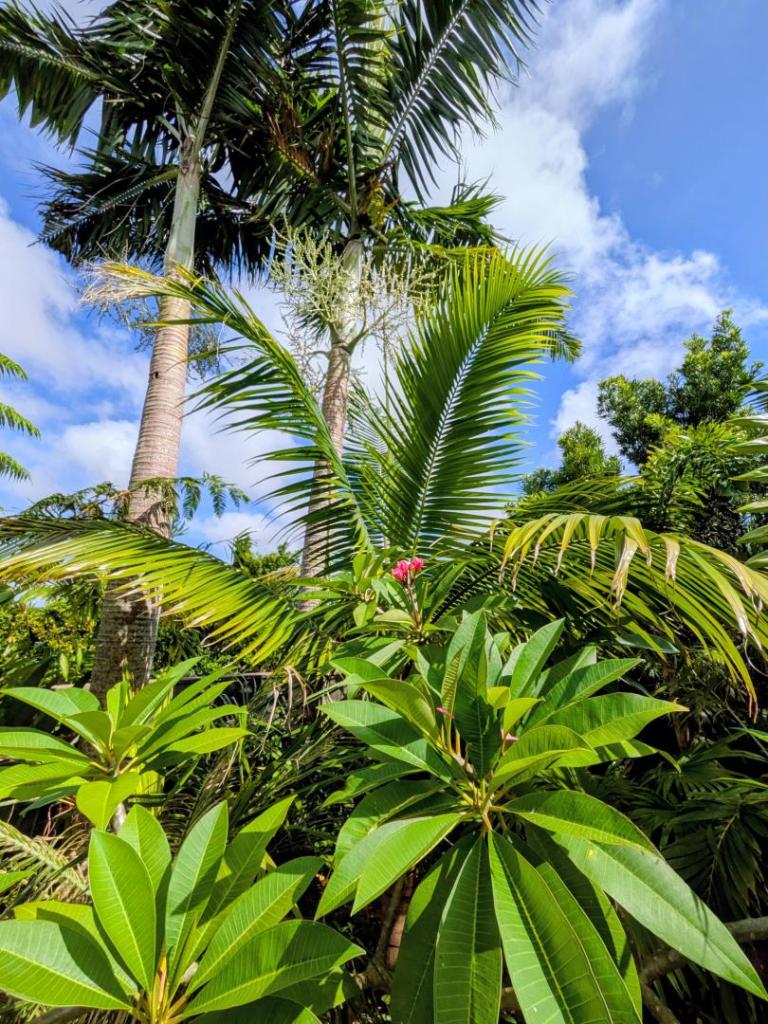
 3 points
 -
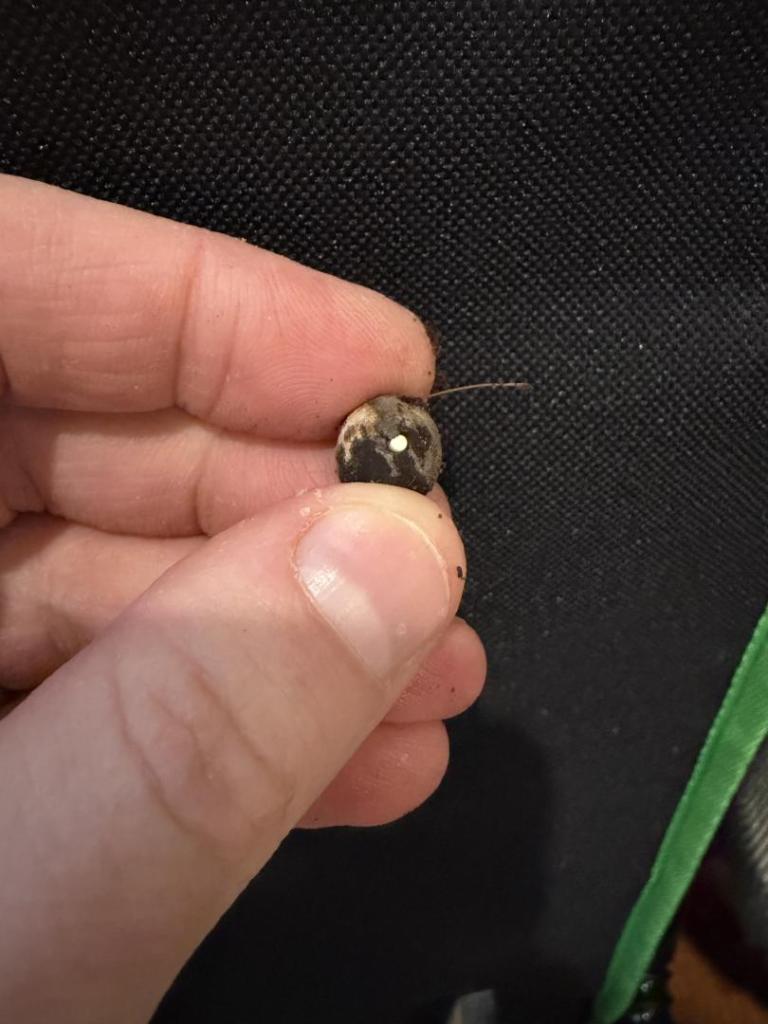
3 pointsSo thought I’d check on my Brahea sarukhanii seeds after posting the above. Only a quick glance in the container but I see 2 new sprouts. This is only a week after re sowing. These seeds are nearly 3 and a half years old!
 3 points
 -
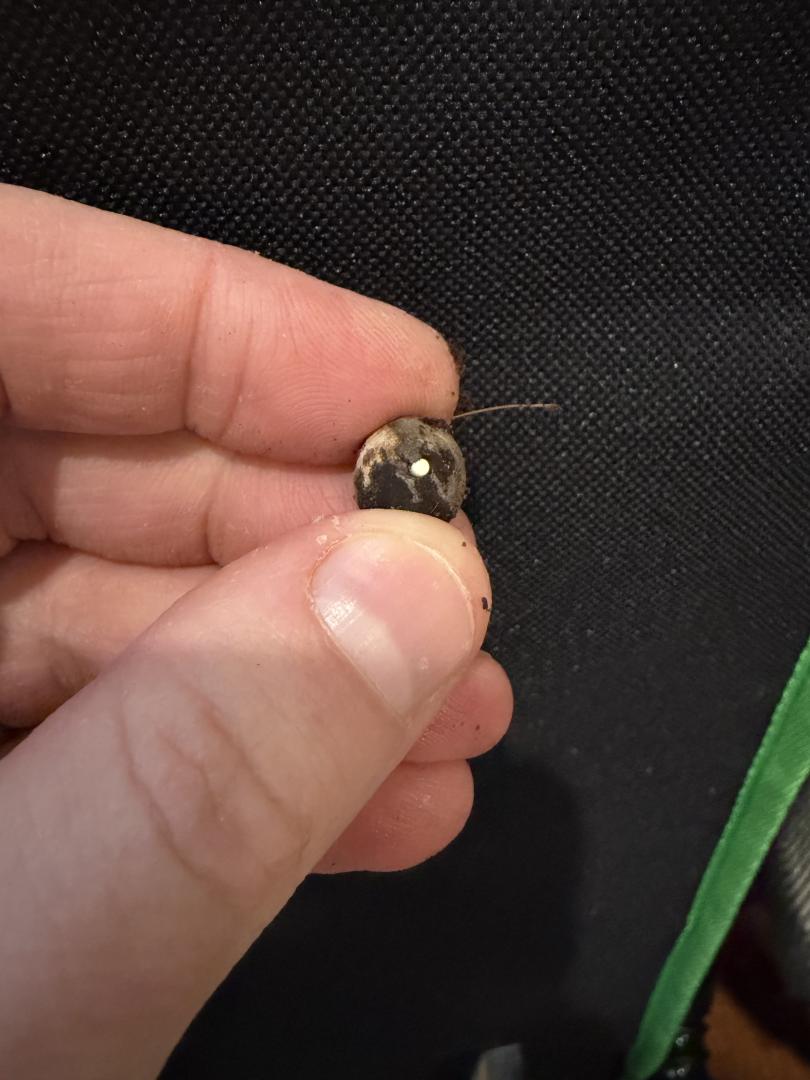
3 pointsI’ve never actually germinated Brahea armata seeds, but I have some interesting recently observations for others in the genus. Over the last few of years I’ve been accumulating different Brahea species seeds. B sarukhanii, B dulcis ‘blue’, B Clara ‘Icy Blue’, B aculeata and B brandegeei. For all, I had low germination at best, sporadically over months. In the case of B sarukhanii and B aculeata, only 2 out of 100 and 3 out of 50 respectively. About 6 months ago I decided to start again with the B Clara. They were in mostly perlite and nothing seemed to be happening, just a gut feel that something wasn’t quite right to trigger germination. Seed was still solid and just a tad of mould on the surface on some, so thought it was worth soaking again and putting in a new mix. I soaked in about 50% bleach for a few minutes then water for a day or so and then some hydrogen peroxide afterwards. Re sowed into containers filled with coco coir and perlite and some with added potting mix (not sterile). After only a week, I had a bunch sprouting, maybe 30% of the remaining seeds, after months of nothing prior. No change to temperature - stil put them back on 29C heat mats. Just a couple of weeks ago I decided to do the same for B dulcis ‘blue’, B aculeata and B brandegeei. Within a week the same has happened for both B dulcis and B aculeata. Multiple sprouts all after many months or nothing at all. With germinating palm seeds, we often hear patience is required. But I think the lesson in this is that if something doesn’t seem right, don’t be afraid to change a variable. I’d expect this might apply to many other species with typically sporadic germination and long viability periods, probably less applicable to tropical species with short viability.3 points
-
 2 points
 -
2 pointsWhether indoor or outdoor , I use a small amount ( just a few drops )of dish soap mixed with water in a spray bottle , spray the area and wipe off any bugs you can. I use paper towels to wipe the plant and dispose of them right away. Mealy bugs , even scale really don’t like soapy water . I have had to repeat this procedure a few times to eradicate the pests but it works for me and no harmful chemicals. Harry2 points
-
Thanks @realarch , yes it is a bit of a learning curve . I like the idea of a higher humidity and warmth. The greenhouse I had many years ago was much larger and a bit easier for me at that time . Harry2 points
-
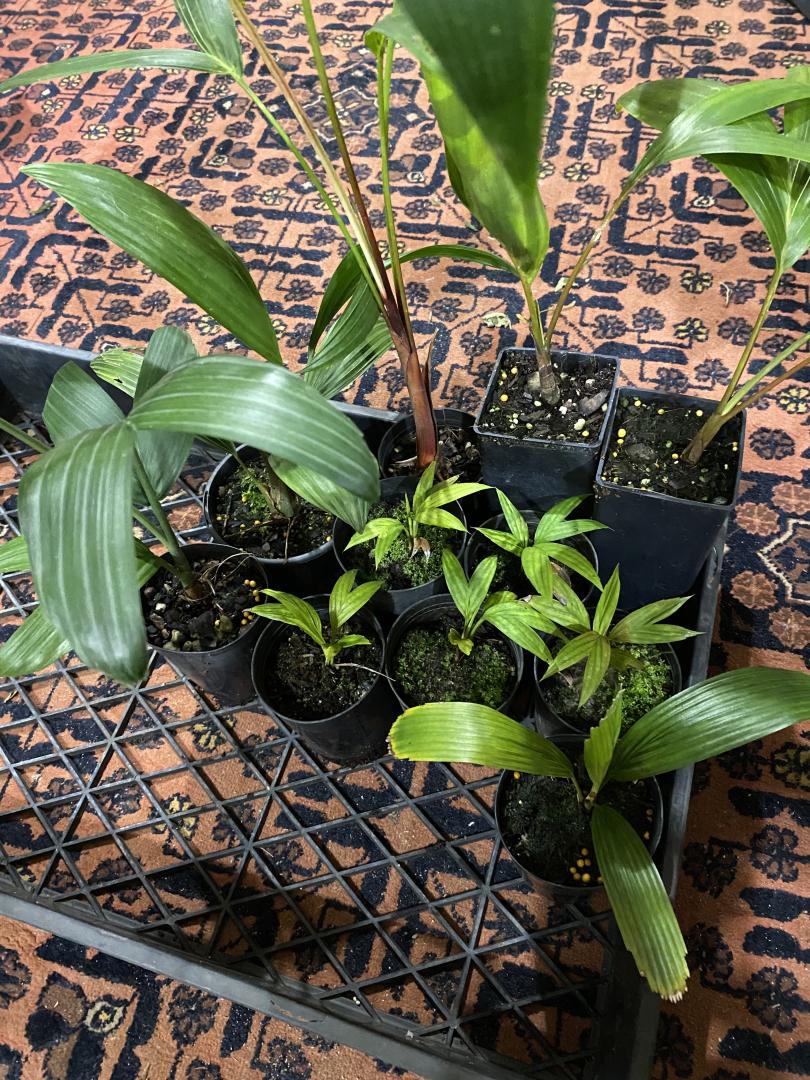
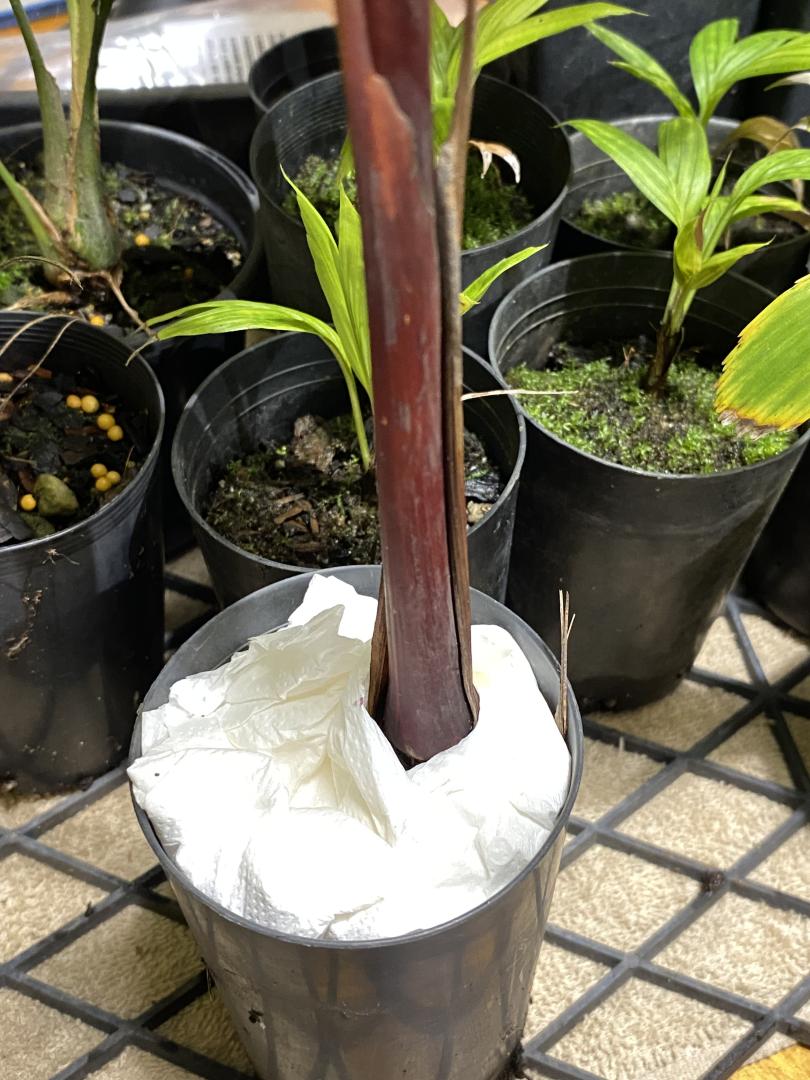
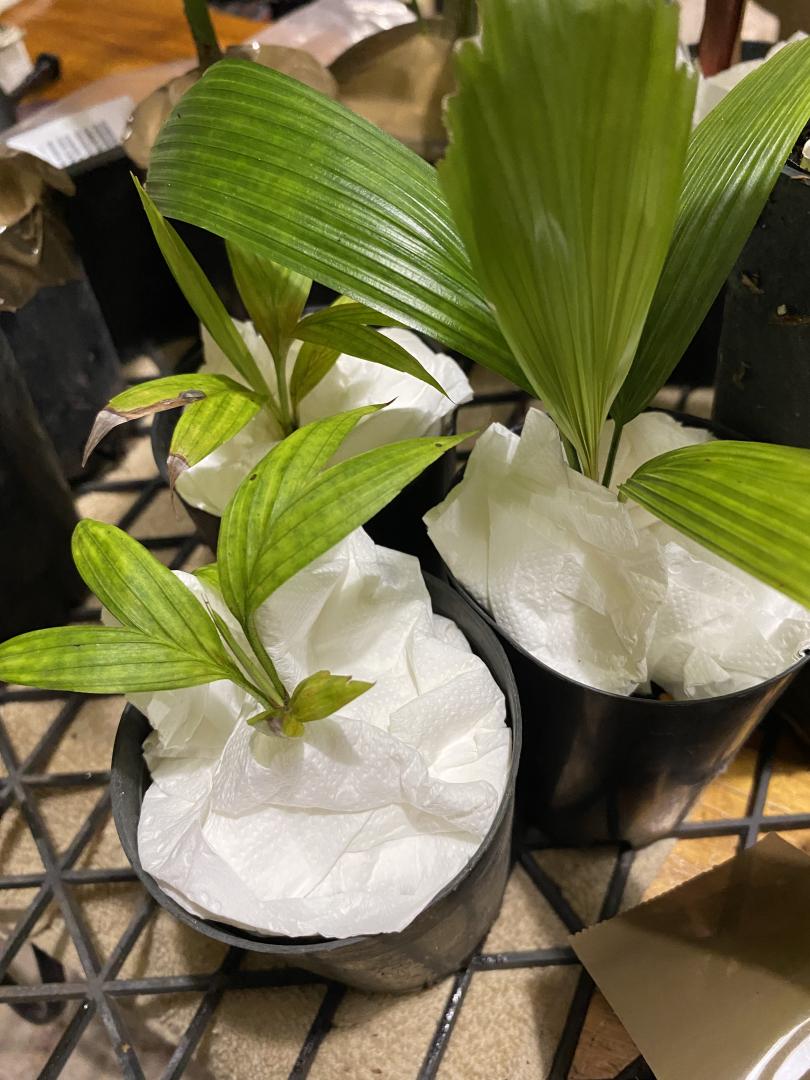
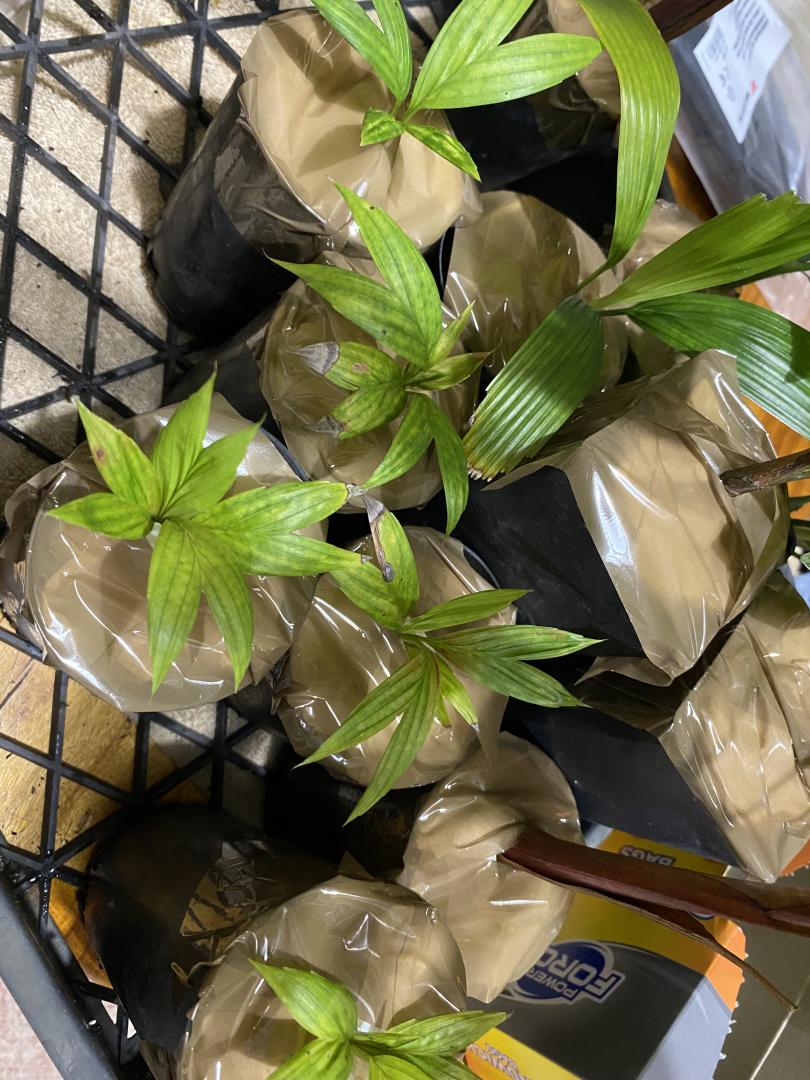
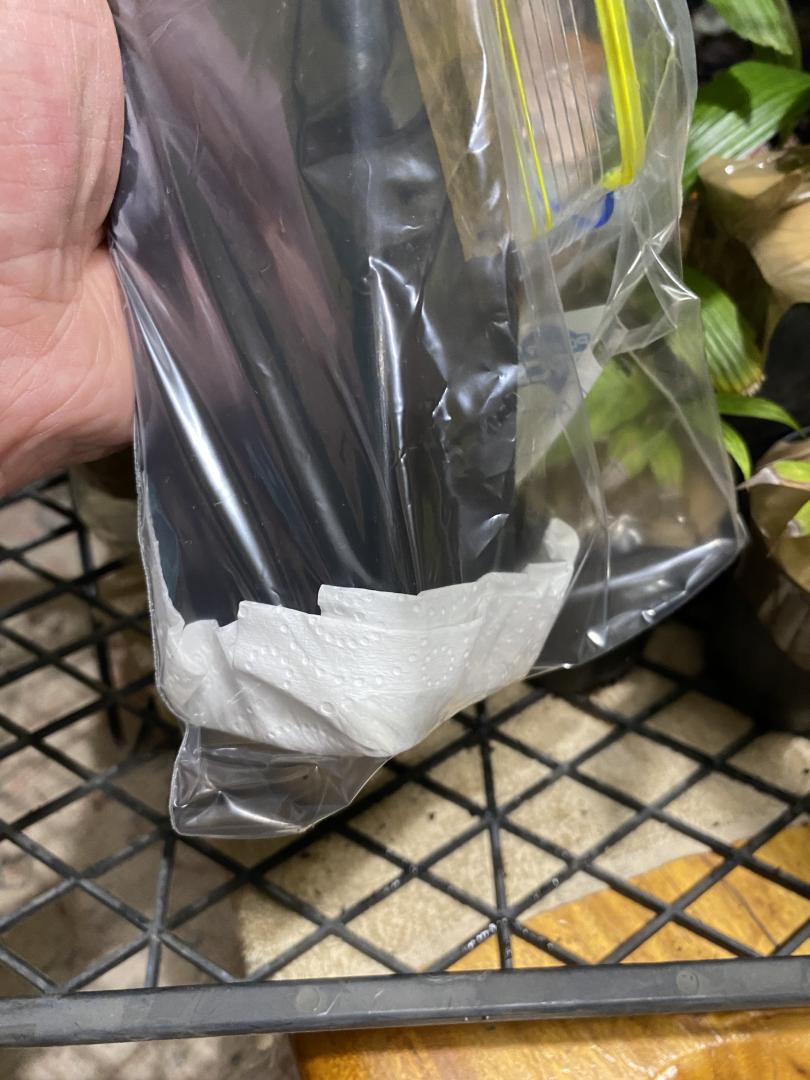
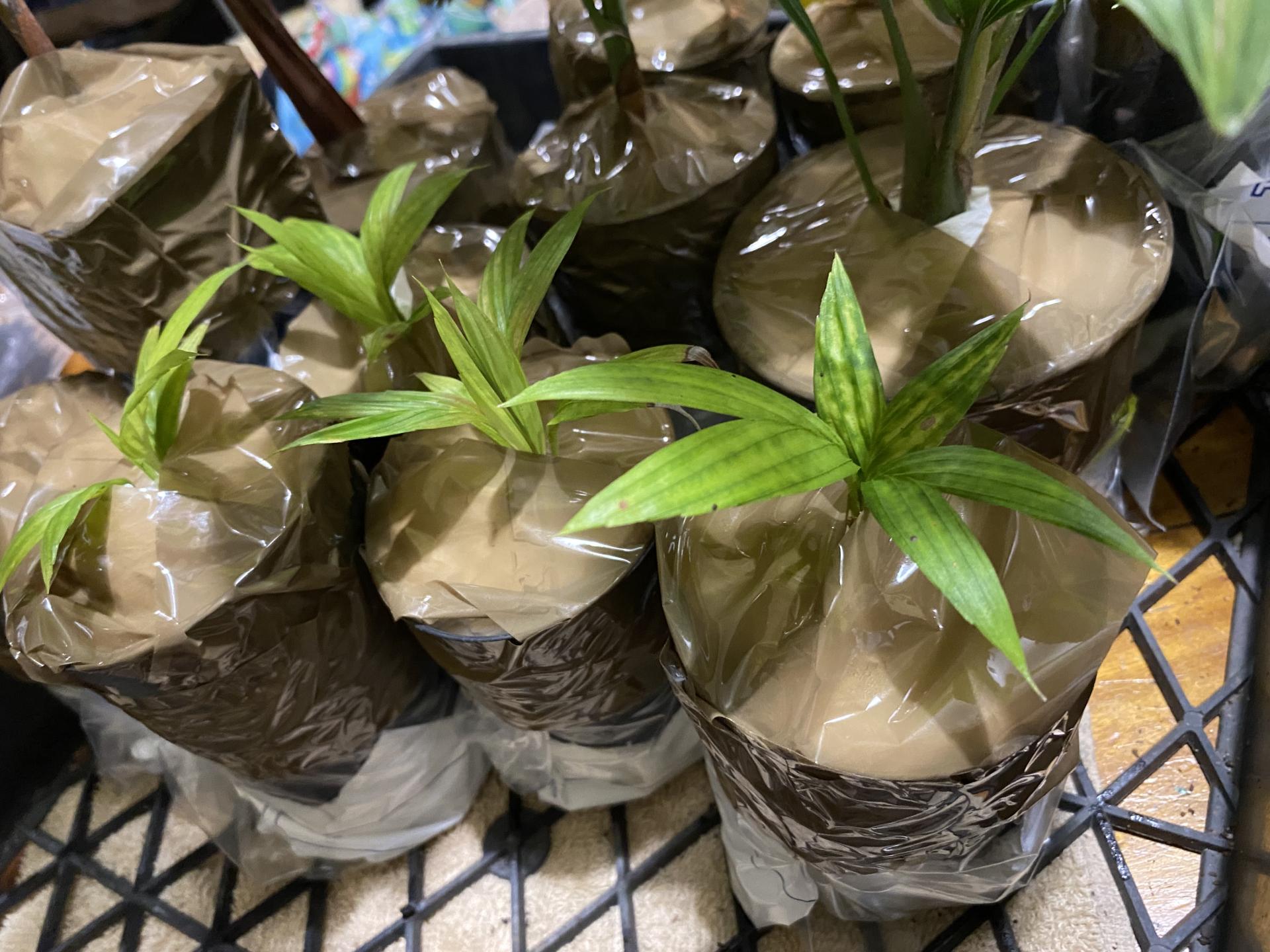
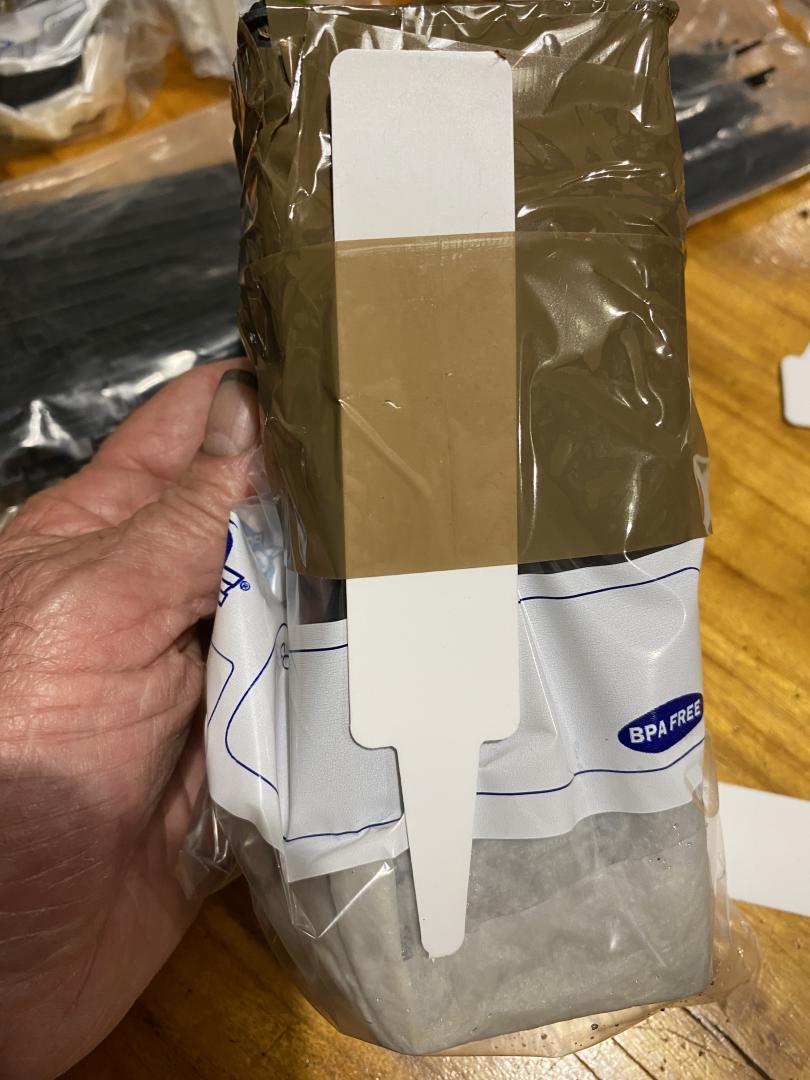
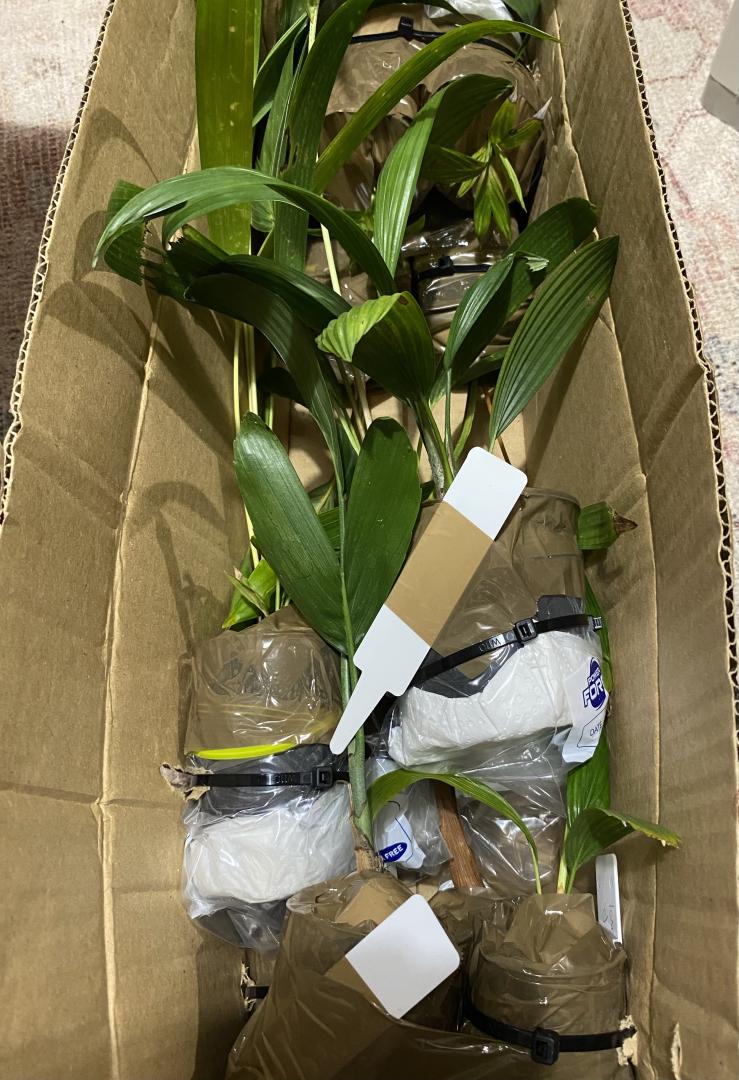
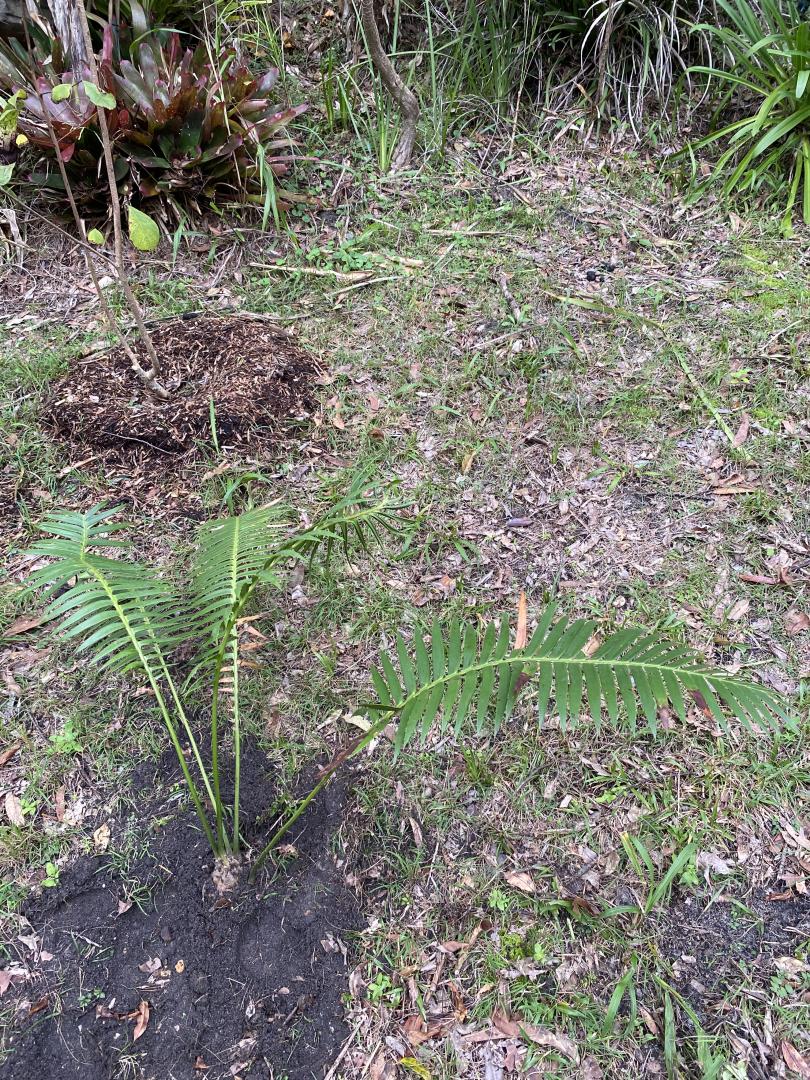
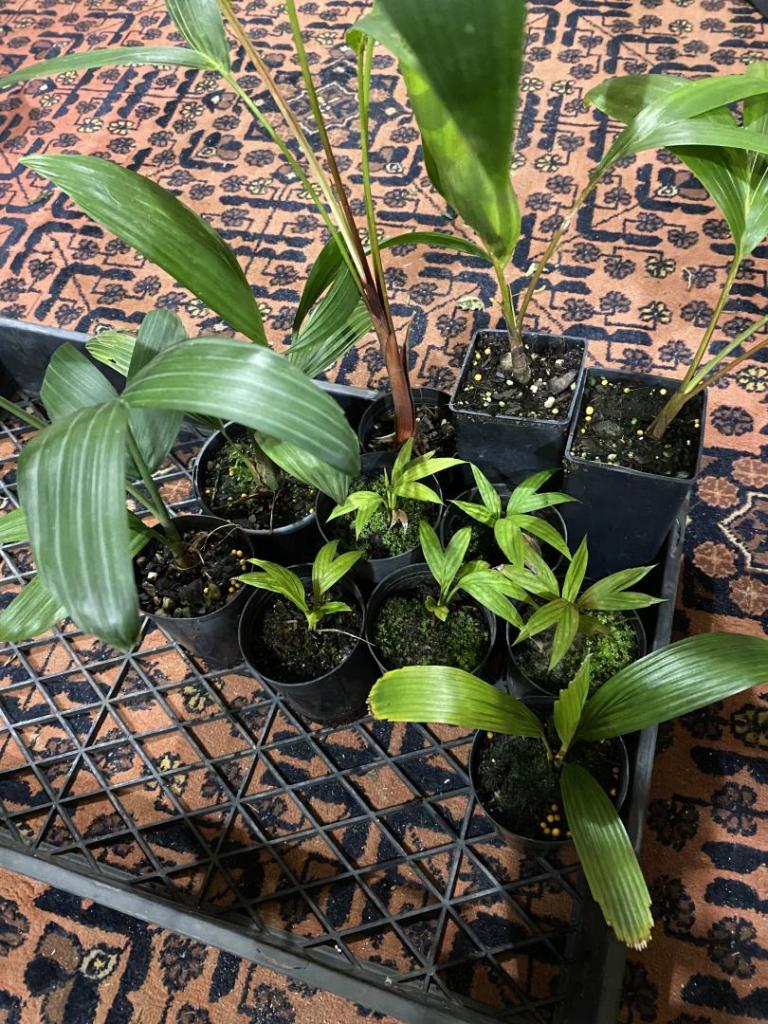
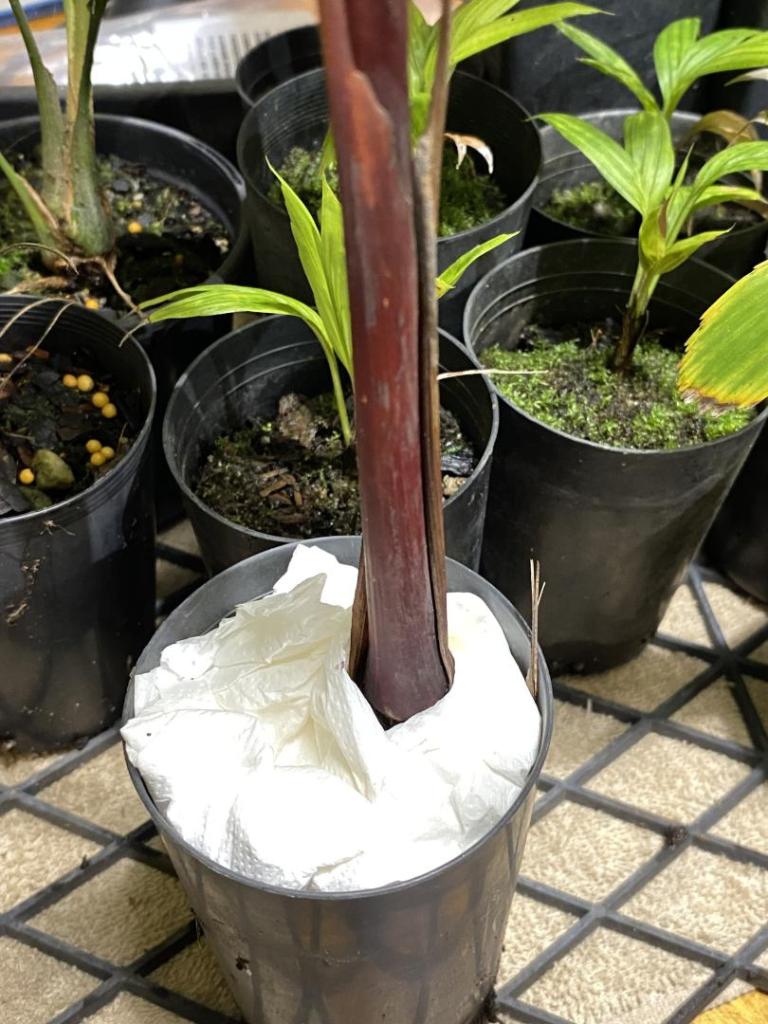
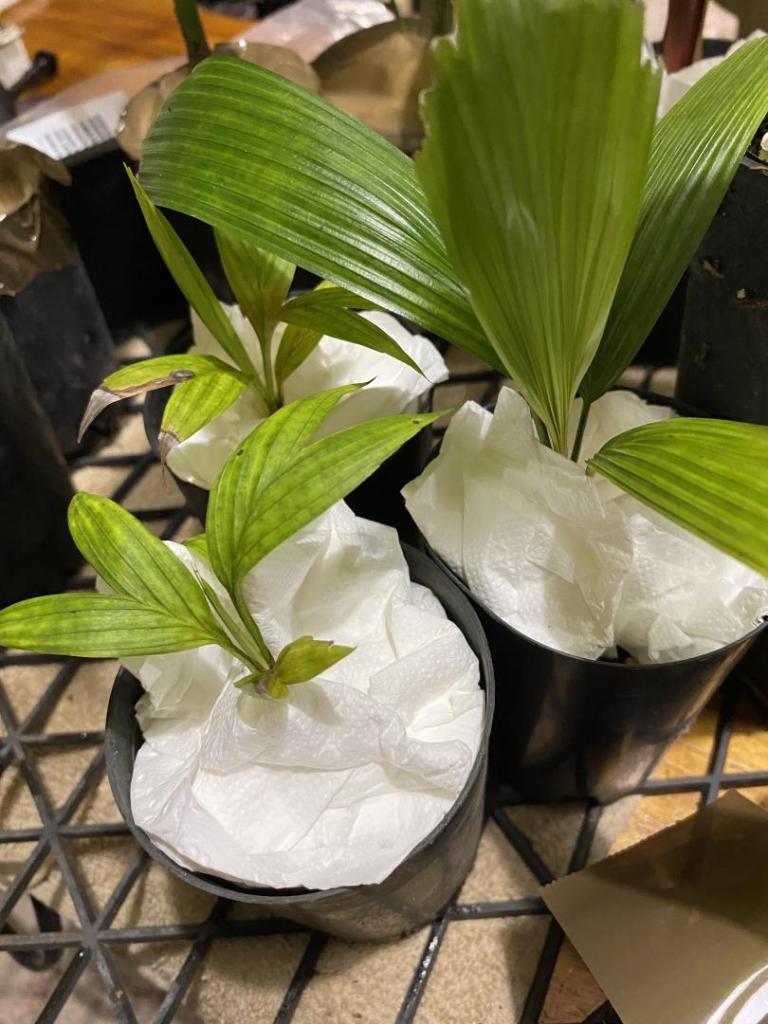
2 pointsOne lucky grower out there in palm land will receive a few of happypalms finest in the mail. It’s easy to do mail order, just wrap em up tape em up and box em up and tag em. A couple of dypsis black petiole, Chuniophoenix nana, chamaedorea adscendens, lanonia dasyantha, Chambeyronia houalouensis and Calyptrocalyx elegans should give this lucky palm grower a bit of pop in there garden
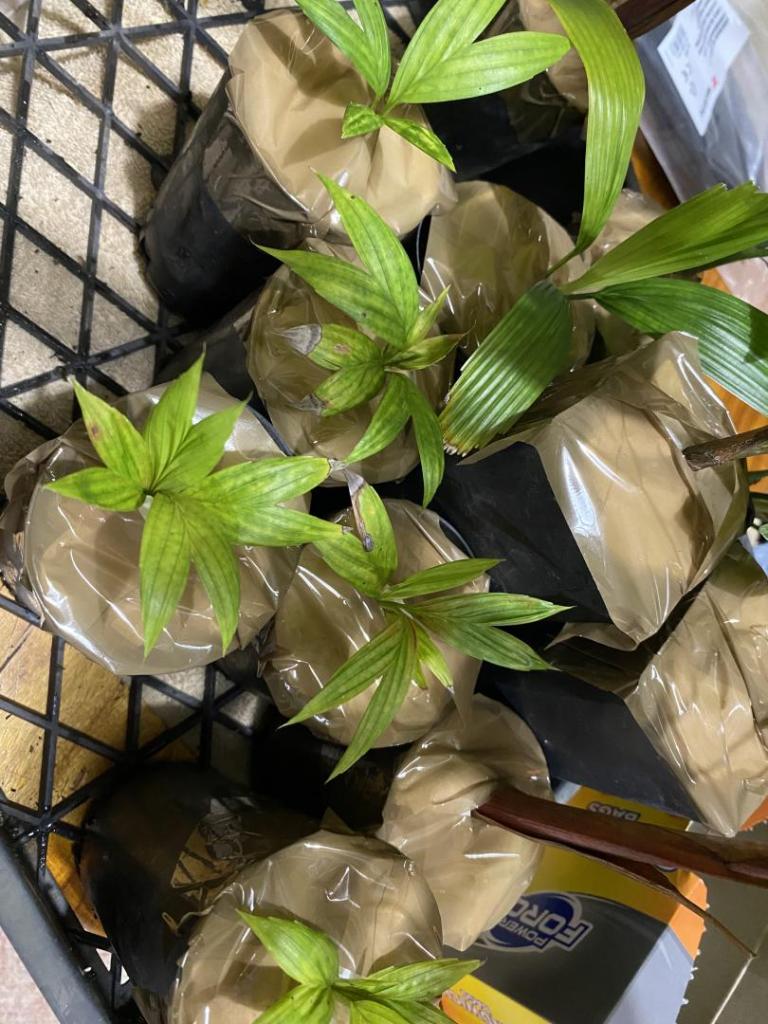
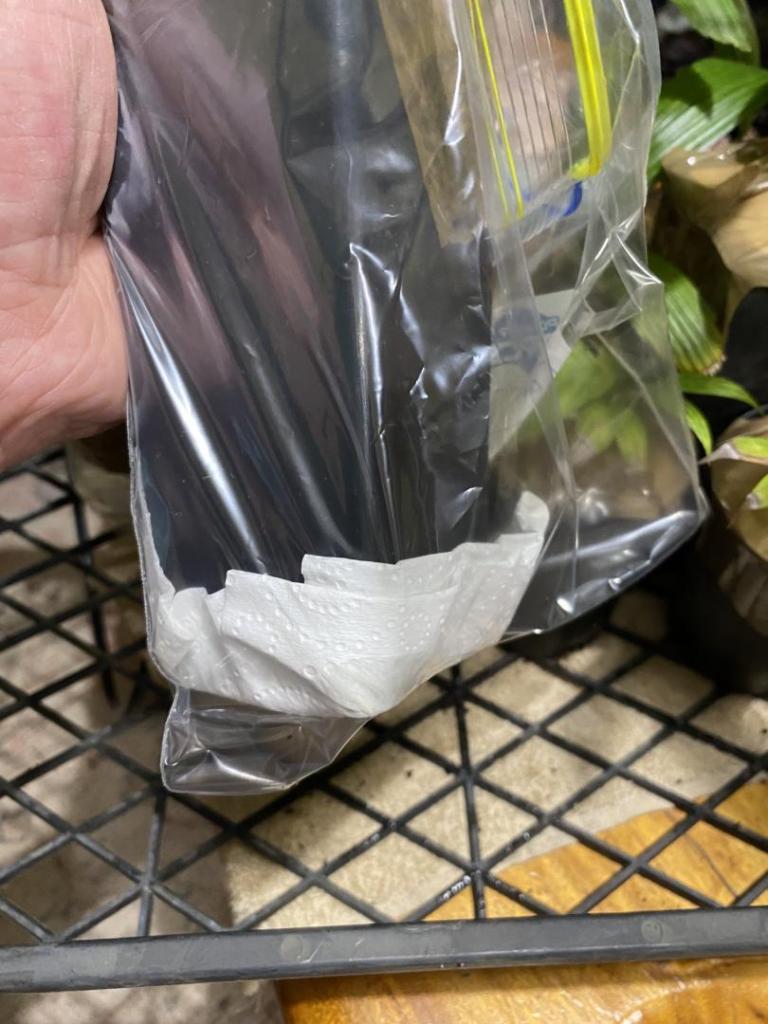
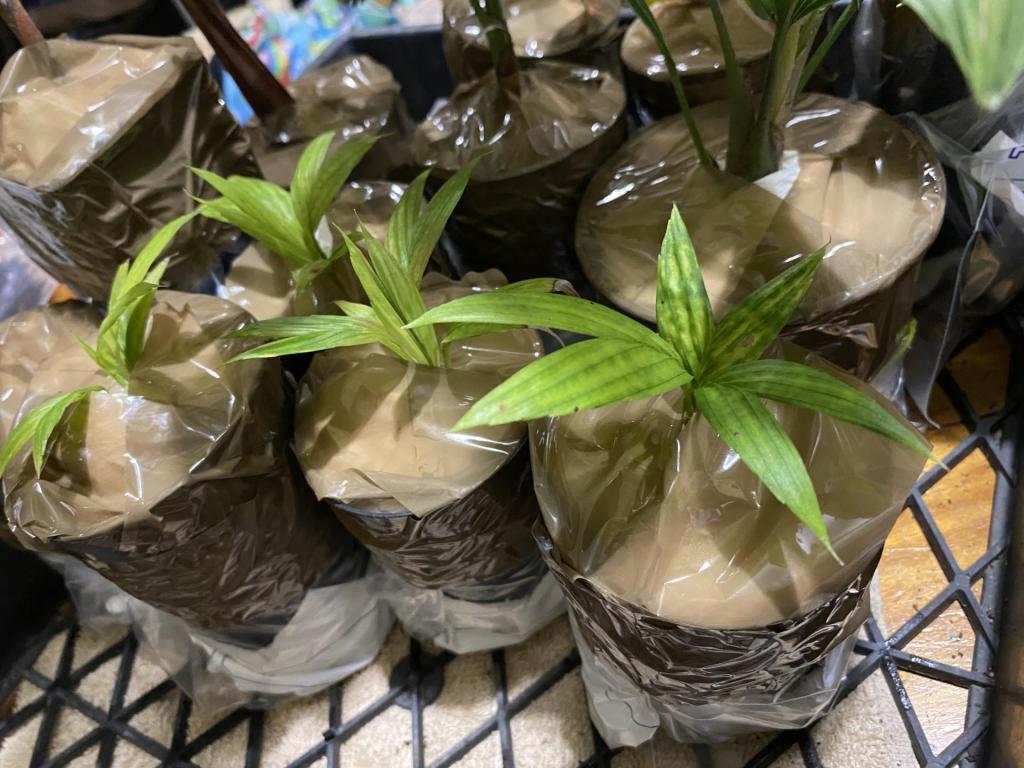
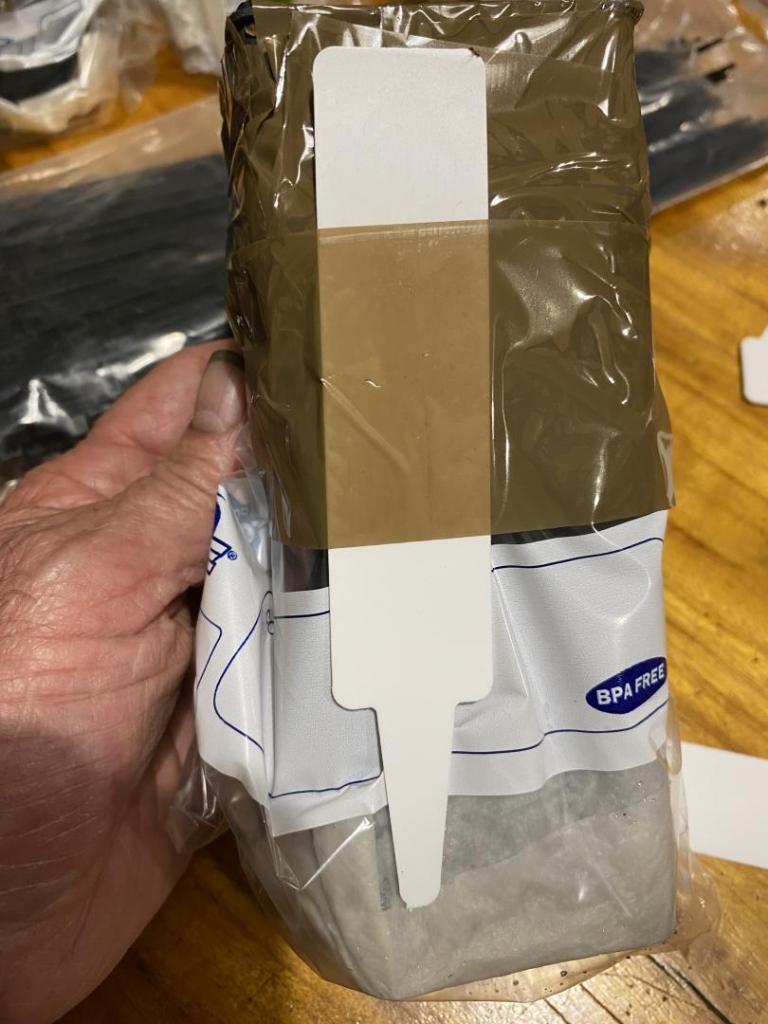
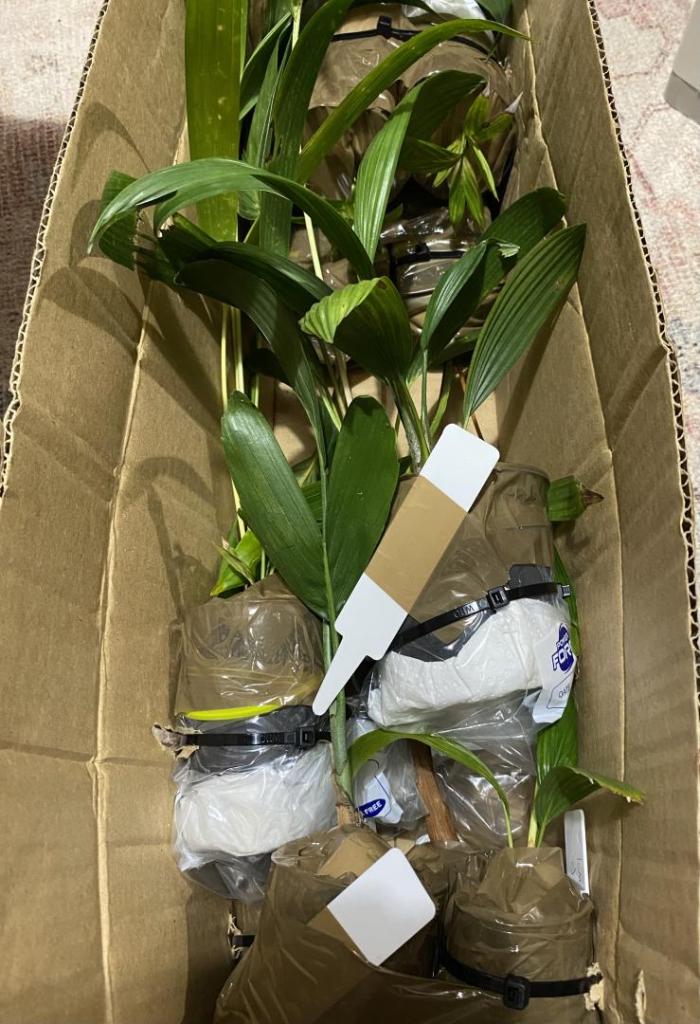 2 points
 -
2 pointsOh gosh yeah for sure they survive well. A lot of growers send them bare rooted. I wish I could import living plants, I can technically import plants but a lot headache and money, something I could do without! Richard2 points
-
You are doing well with that one . They usually don’t do well out of their preferred environment . It looks fine , to me. Harry2 points
-
 2 pointsThe microcarpa took 8 weeks in a zip-lock bag 50% peat perlite half buried at around 25C 24/7 P Cocoides 4 weeks as I cracked open the shell and zip-lock bag with 100% sterile perlite slightly moist2 points
 -
This one has been in the ground for about 6 months from a 140mm container, just add water they take off!
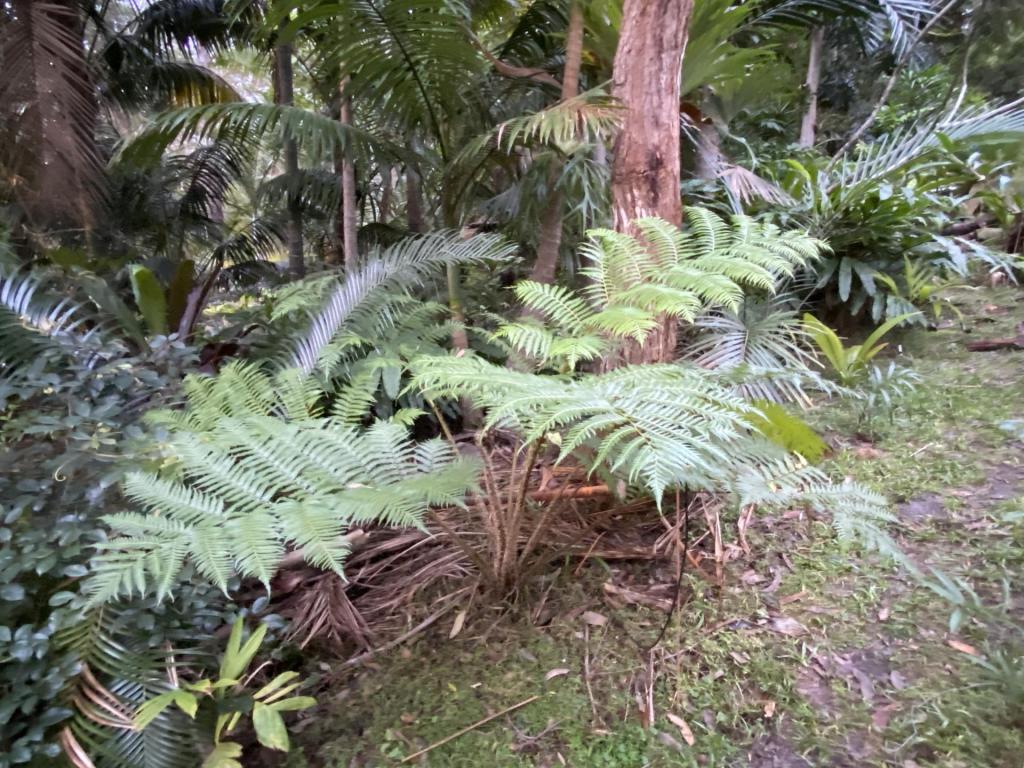 2 points
 -
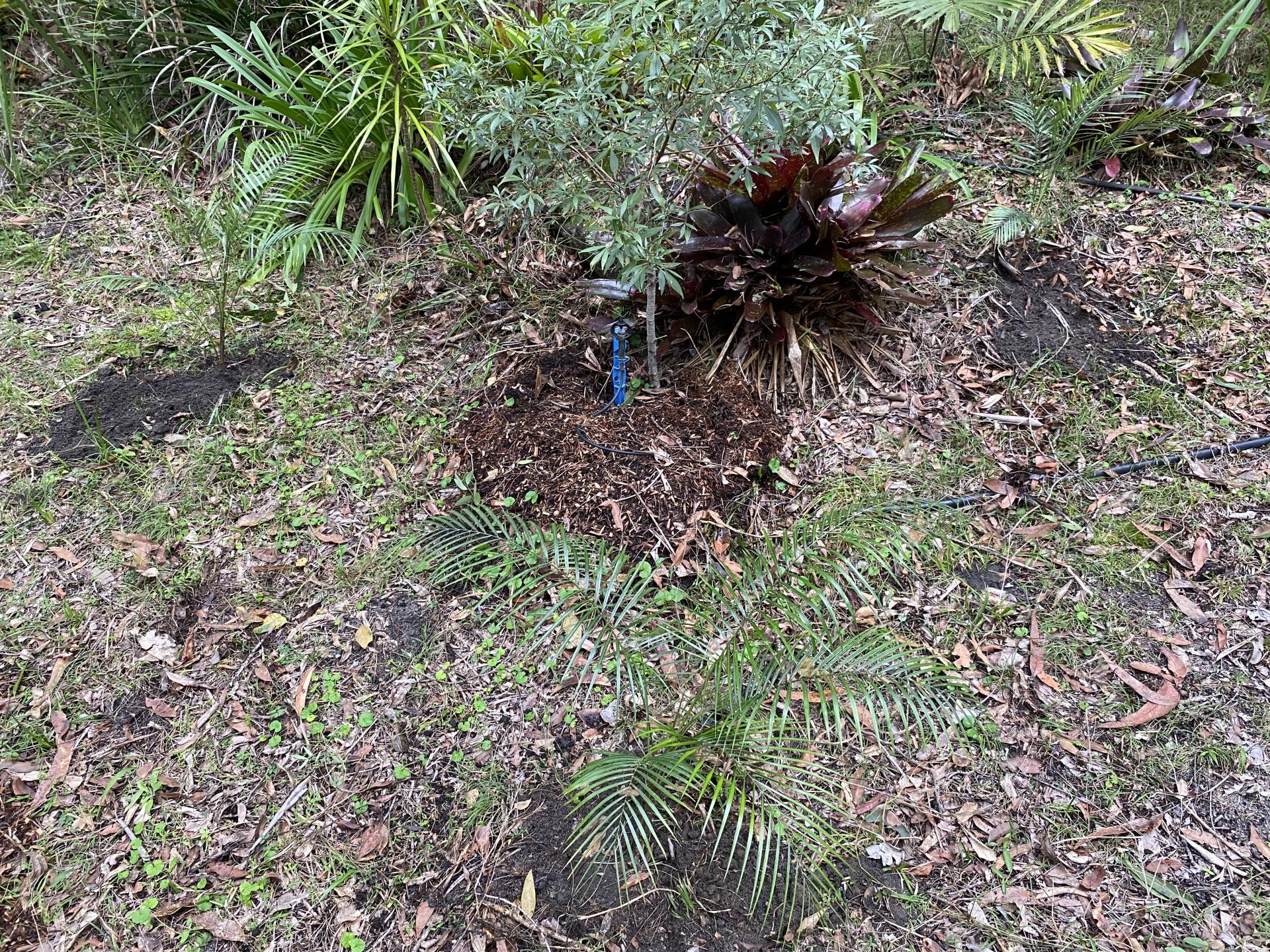
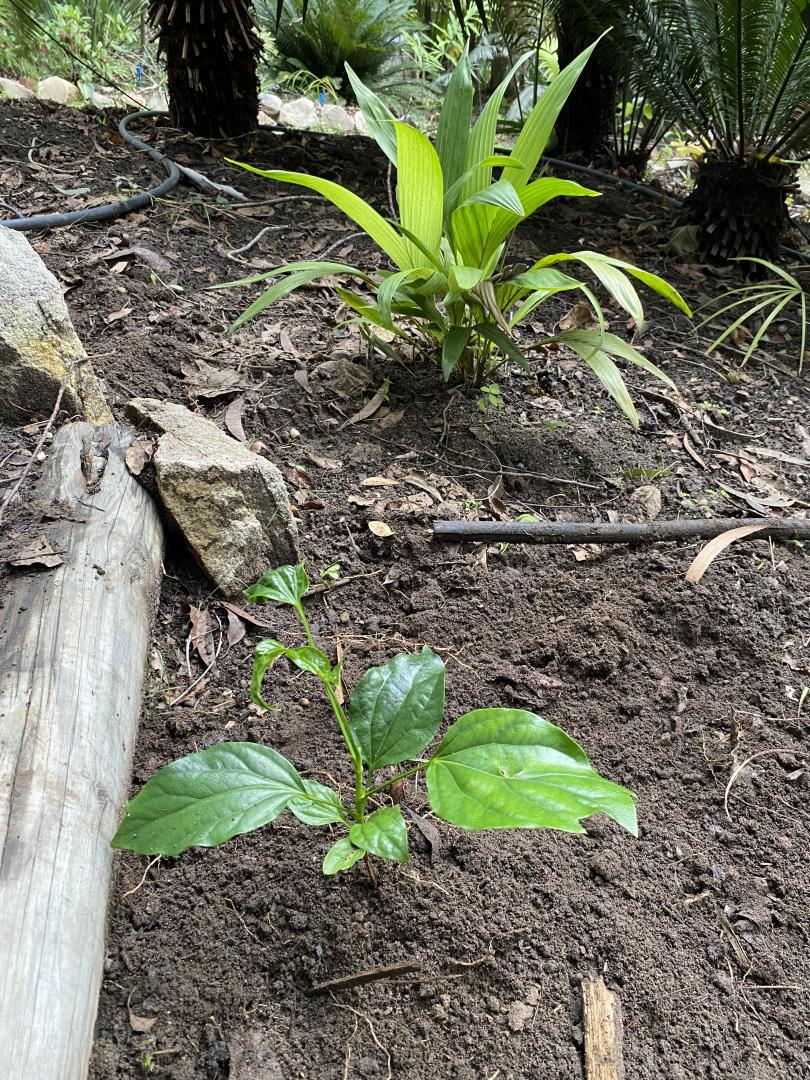
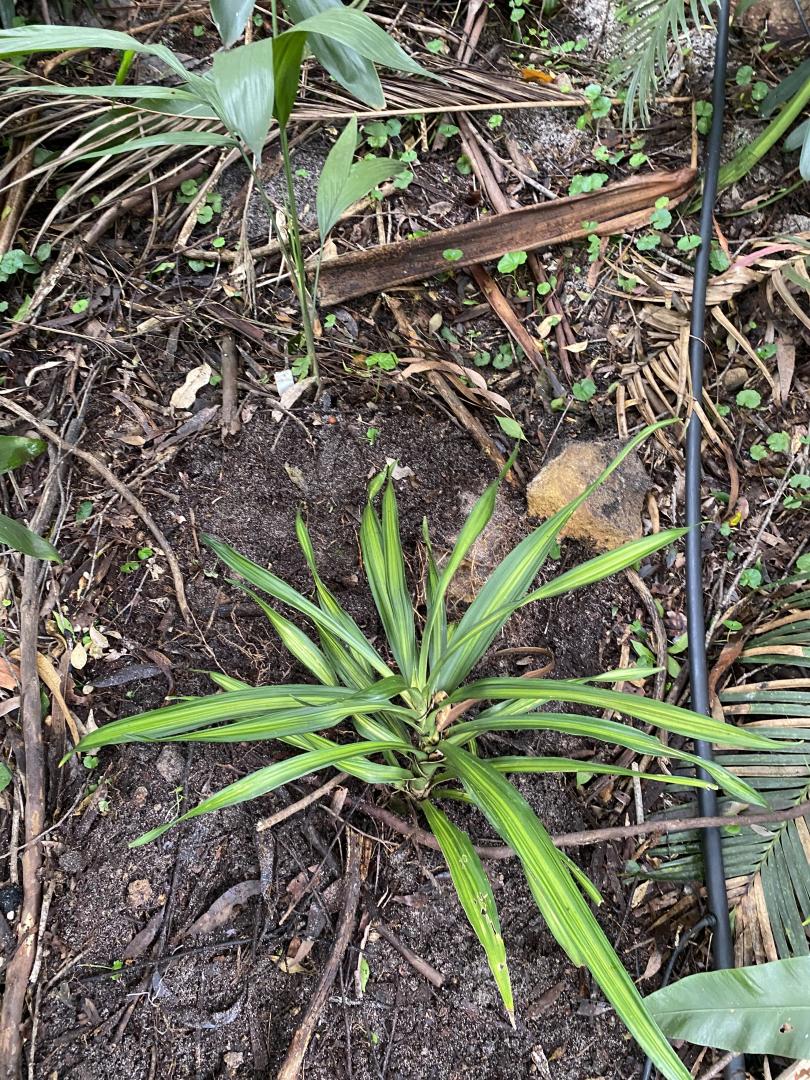
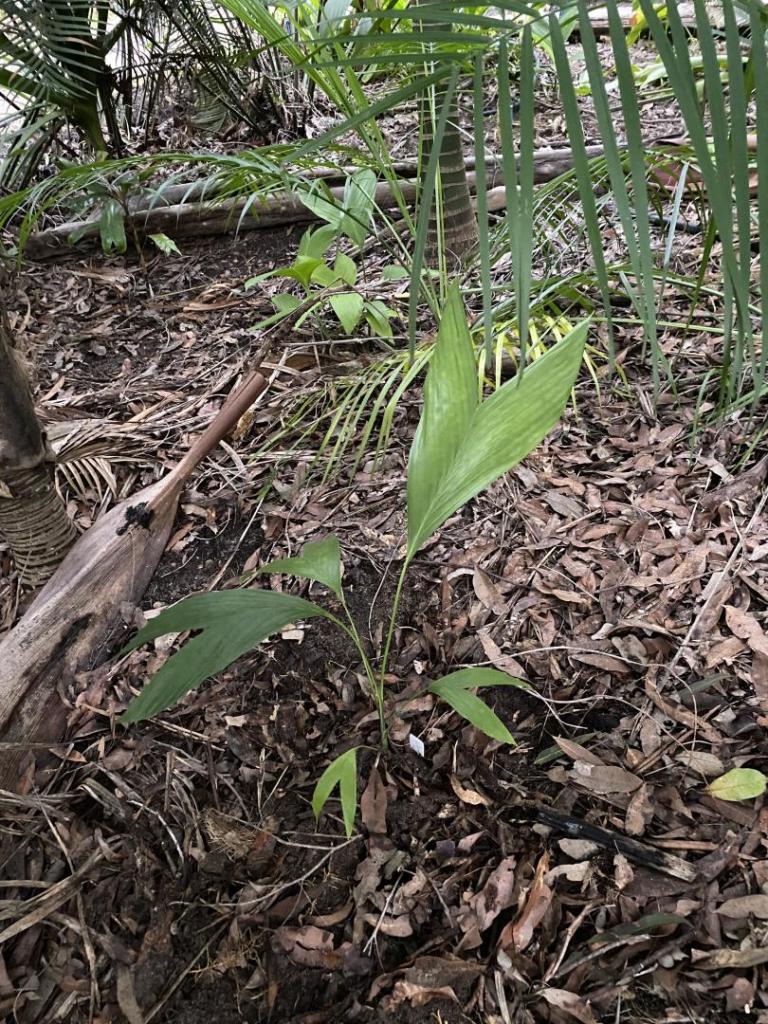
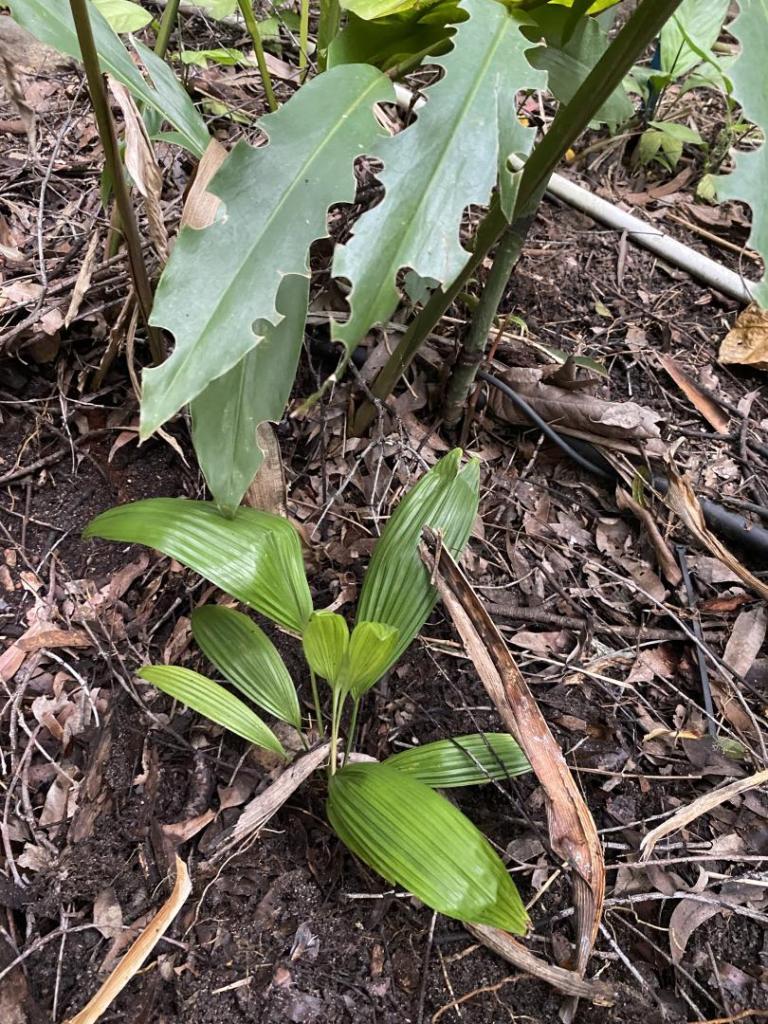
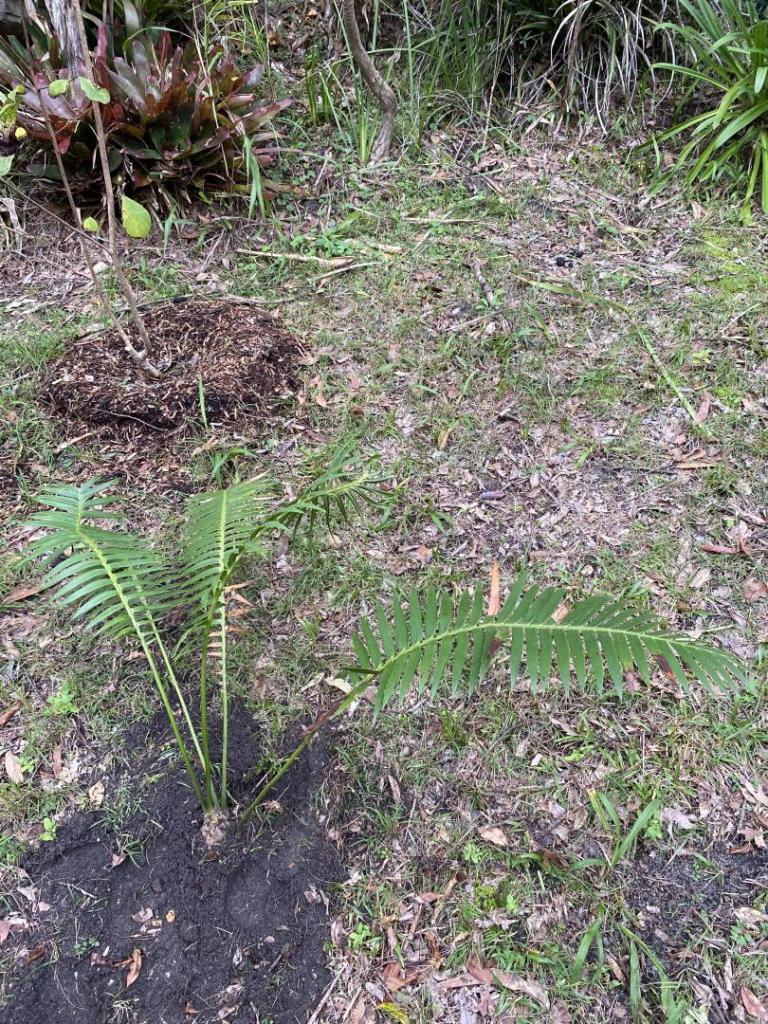
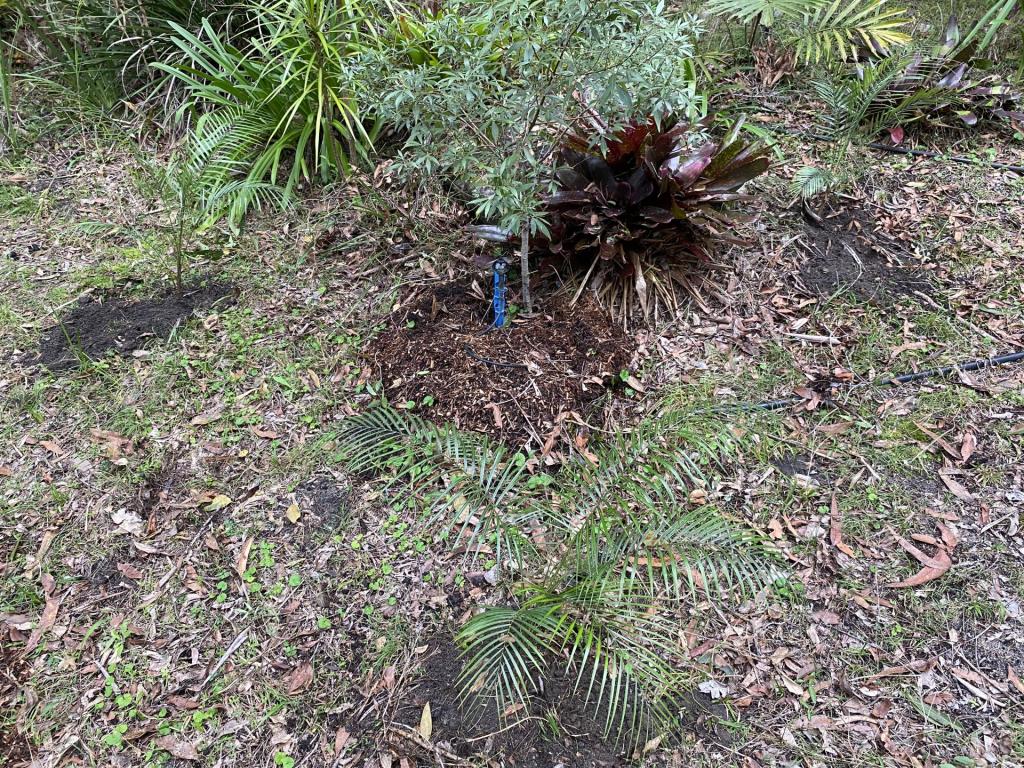
Throwing a few in the ground again. A few die hard favourites for the garden! Kerriodoxa elegans chamaedorea nubium Chuniophoenix nana dioon spinolosum a trio of lytocarum weddlianum Delarbria blue nunvariegated Draceana
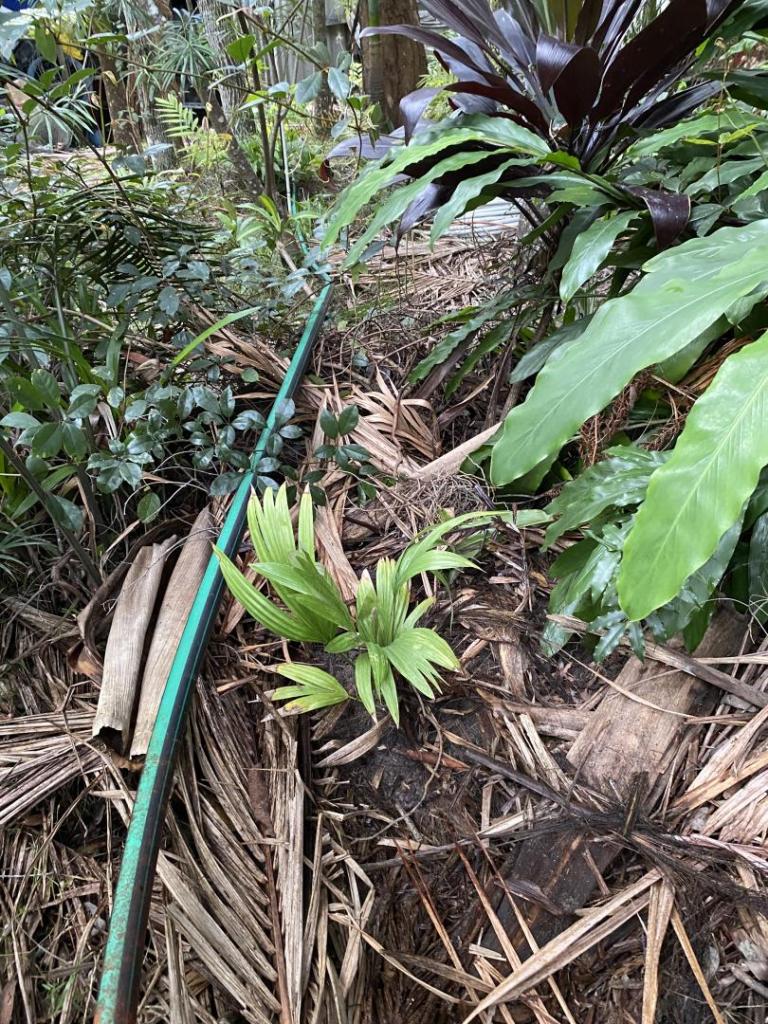
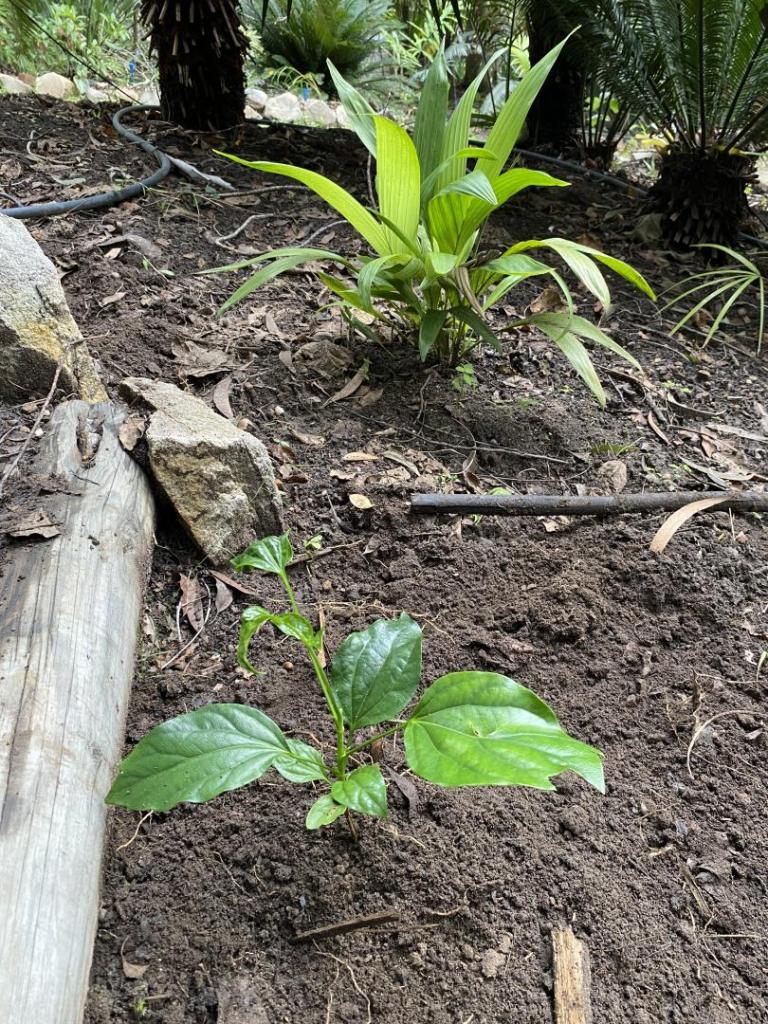
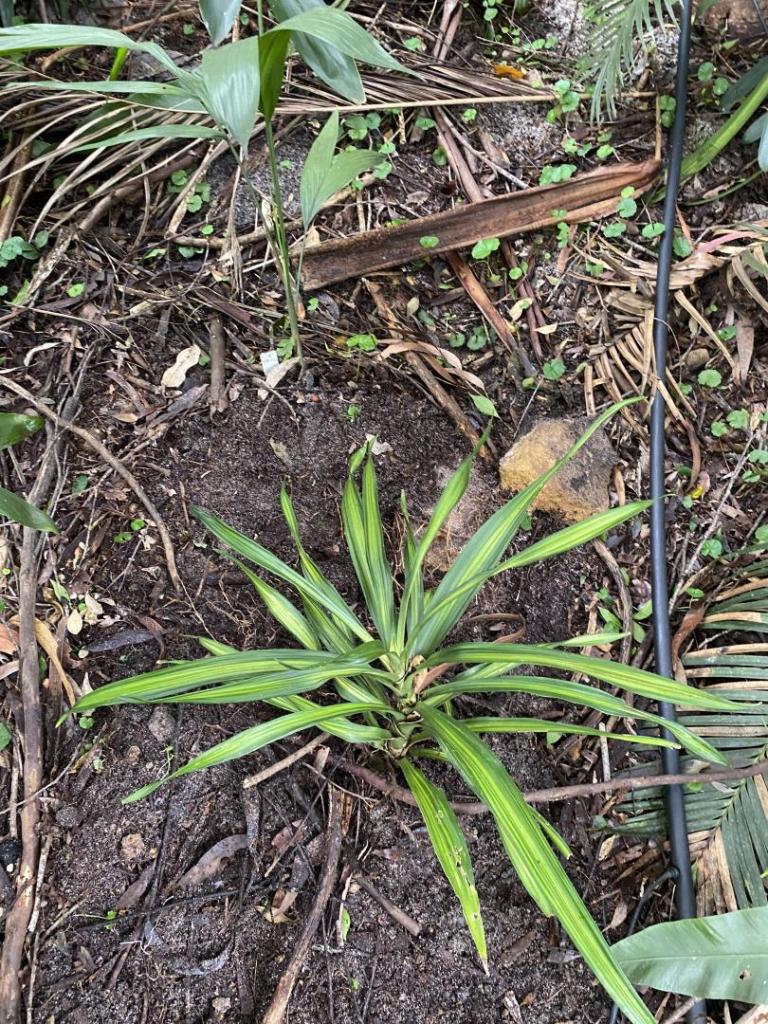 2 points
 -
2 pointsBurretokentia hapala and dypsis remotifolia both not worried about the cool weather.
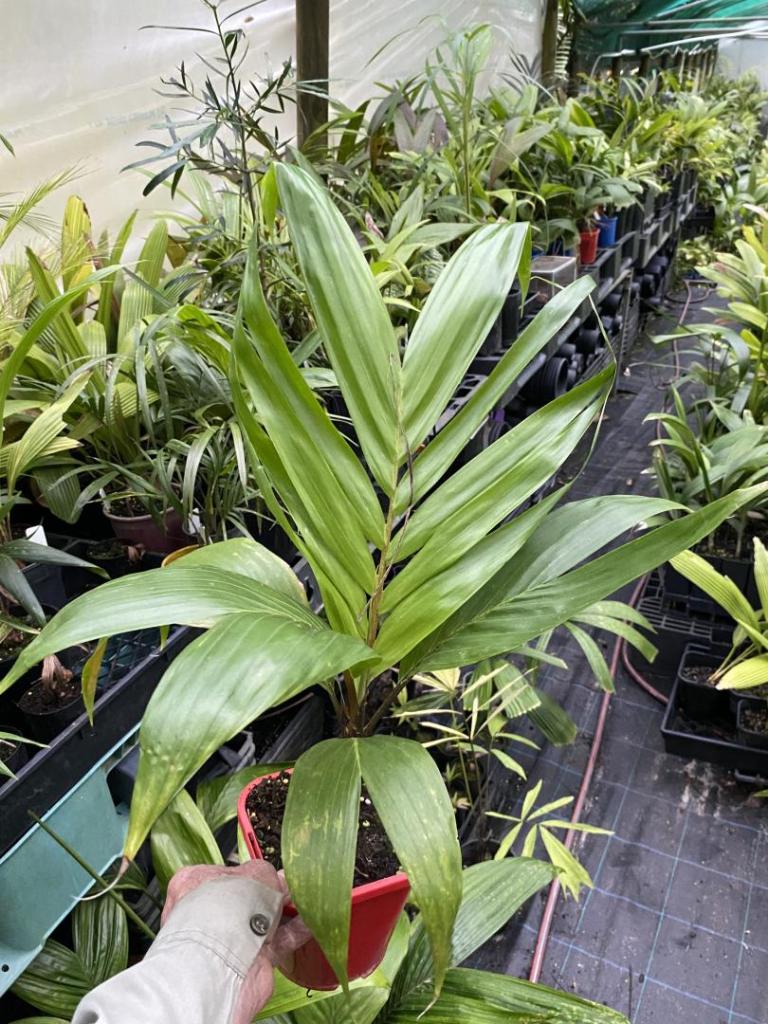
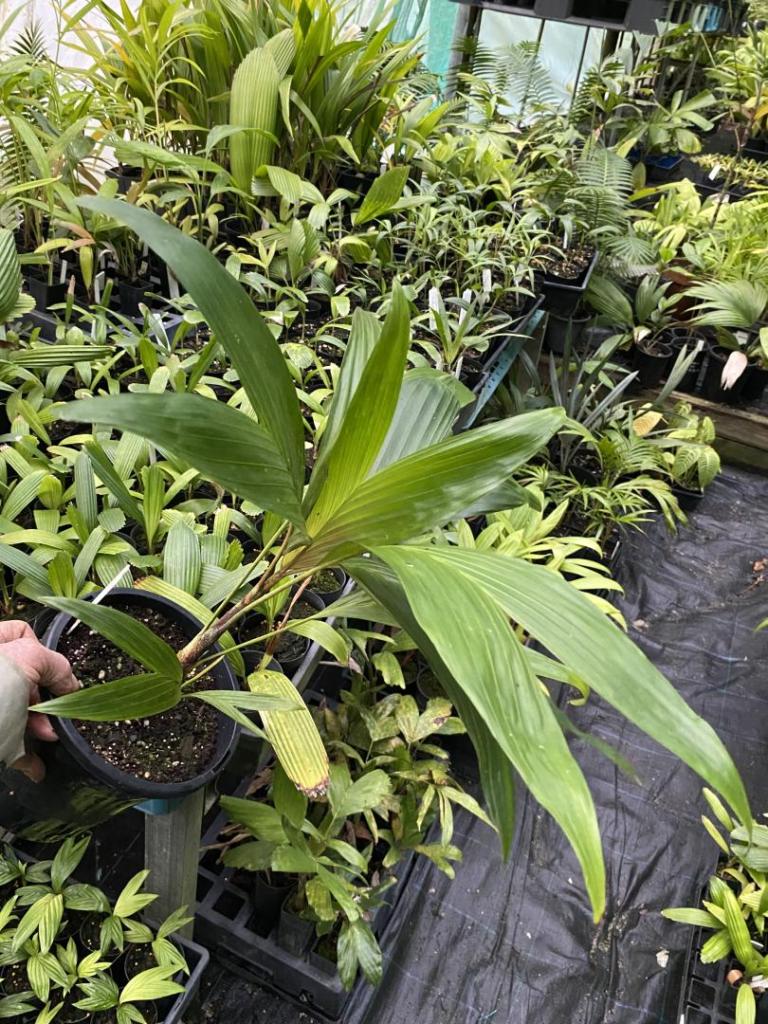 2 points
 -
The good thing is I respect our bio security laws, not just because it’s the law but for our environment in Australia. Would I attempt to smuggle seeds or anything not on my life would I do so. One thing I know is don’t muck with customs Australia. One strike and it’s game over for importing seeds. It’s a passion for palms that keeps me importing seeds, that and for my garden, plus I get varieties of palms that are just not available, especially at the price I can get the seeds for. It’s getting more expensive to do anything now, let alone import seeds for a hobby. Years ago I rode enduro motorcycles, it was my sport and it was reasonably cheap to do so, now that sport cost you money, same as deep sea fishing and owning a boat, it’s cheaper just to go to the fish shop now and buy the fish you want. But when it comes to my garden I spare no exspense! Richard2 points
-
2 pointsDypsis lantzeana, dypsis rosea and iguanura wallachiana, a bit of anthocyanin in winter!
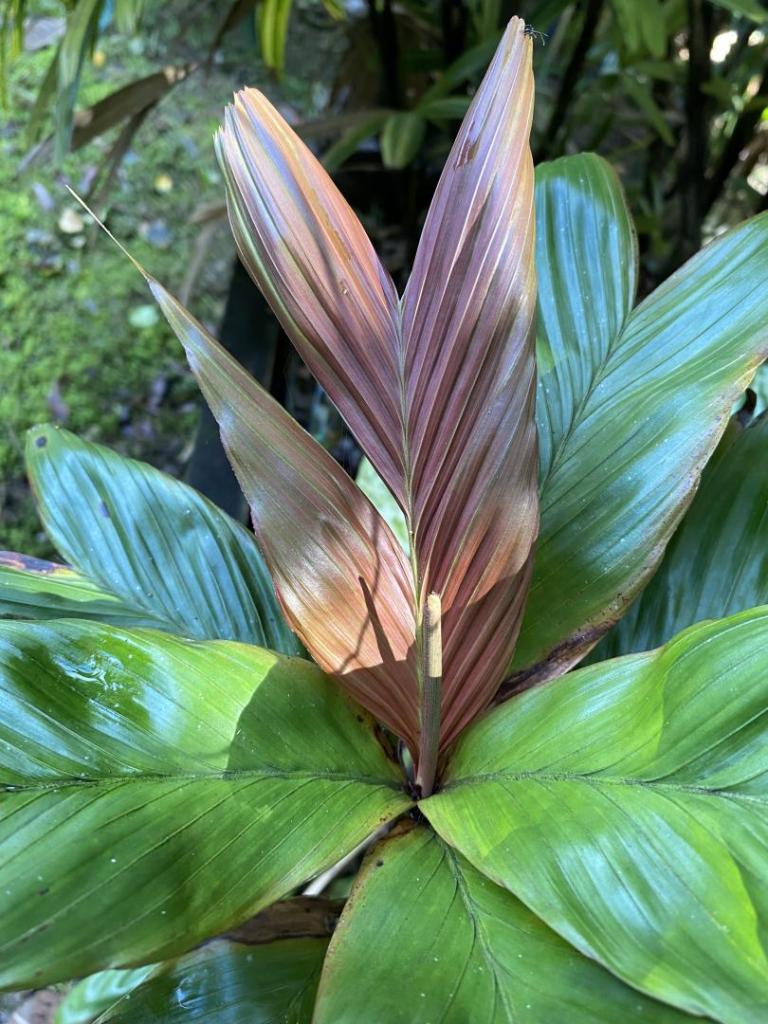
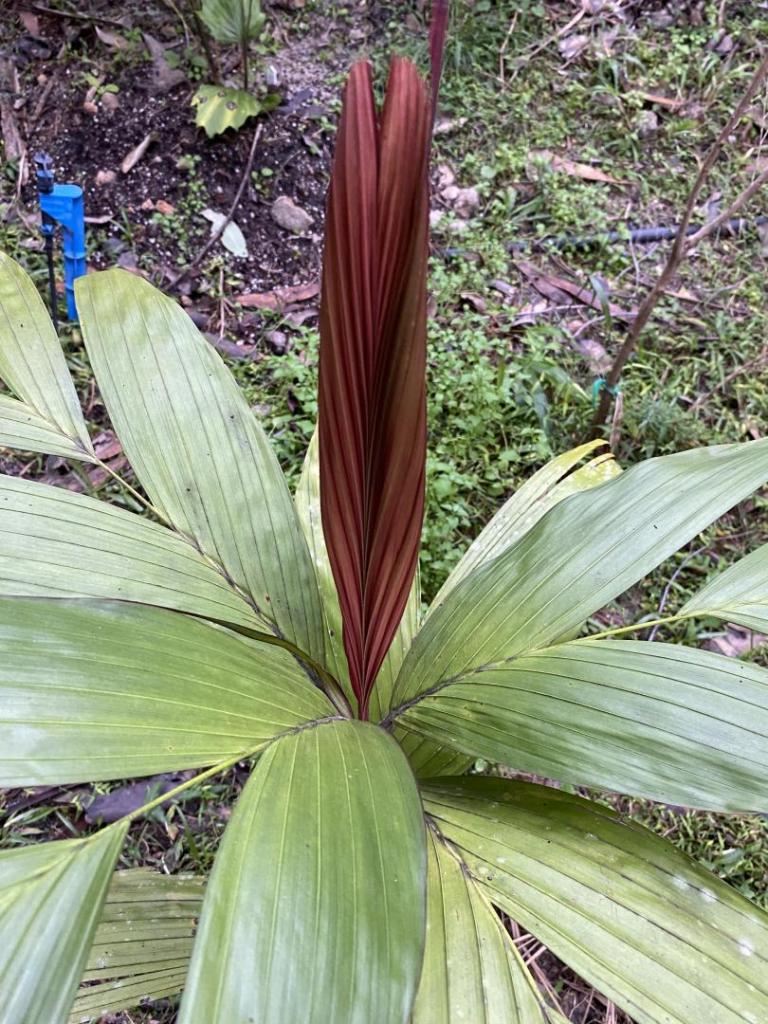
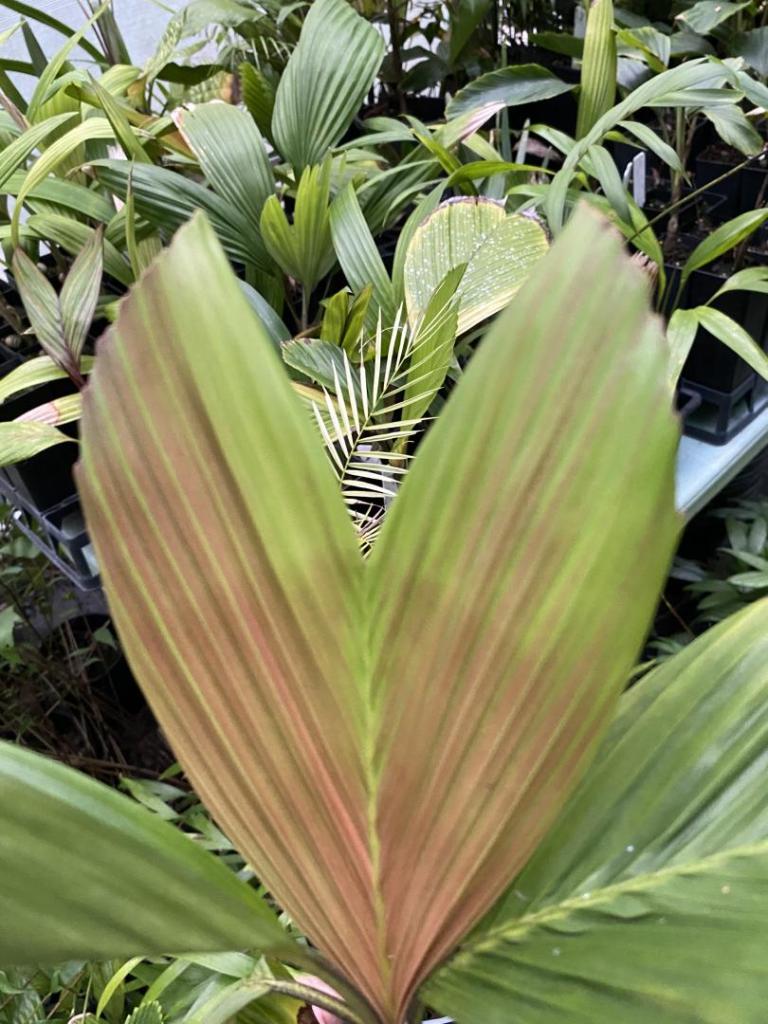 2 points
 -
 2 pointsI'm assuming the brahea seeds have a very long shelf life since they are from the desert.2 points
 -
2 pointsIt's still anecdotal, but I'll be putting some stubborn Brahea edulis seeds in the refrigerator as an experiment. So far, both B. dulcis and frankenbrahea seeds have successfully sprouted only after sitting through a winter.2 points
-
 2 points
 -
2 pointsWith this heat dome set up, I'd water a couple times a day and mist the leaves.2 points
-
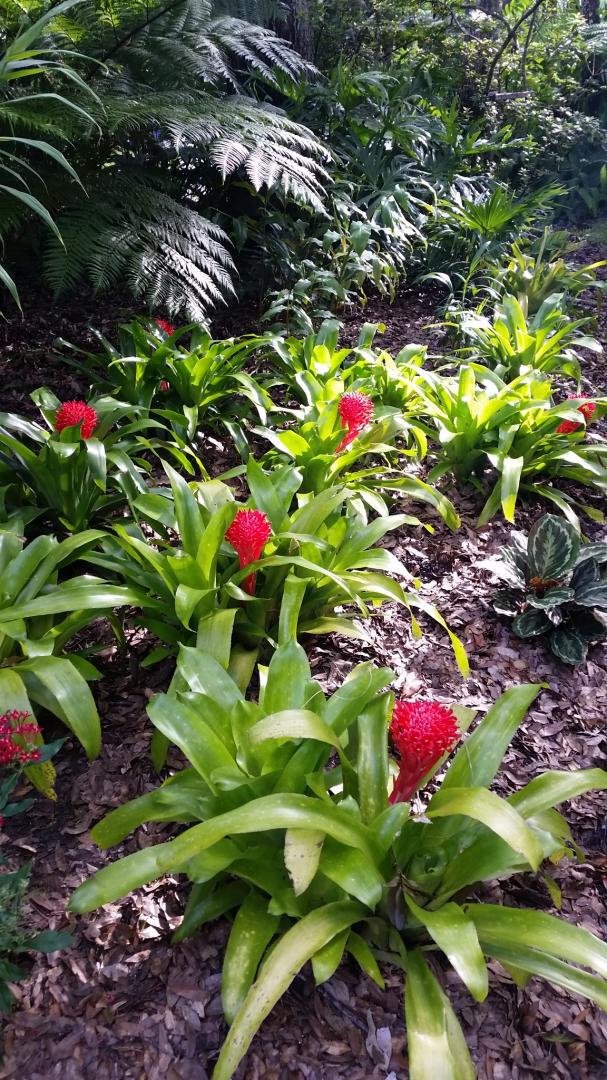
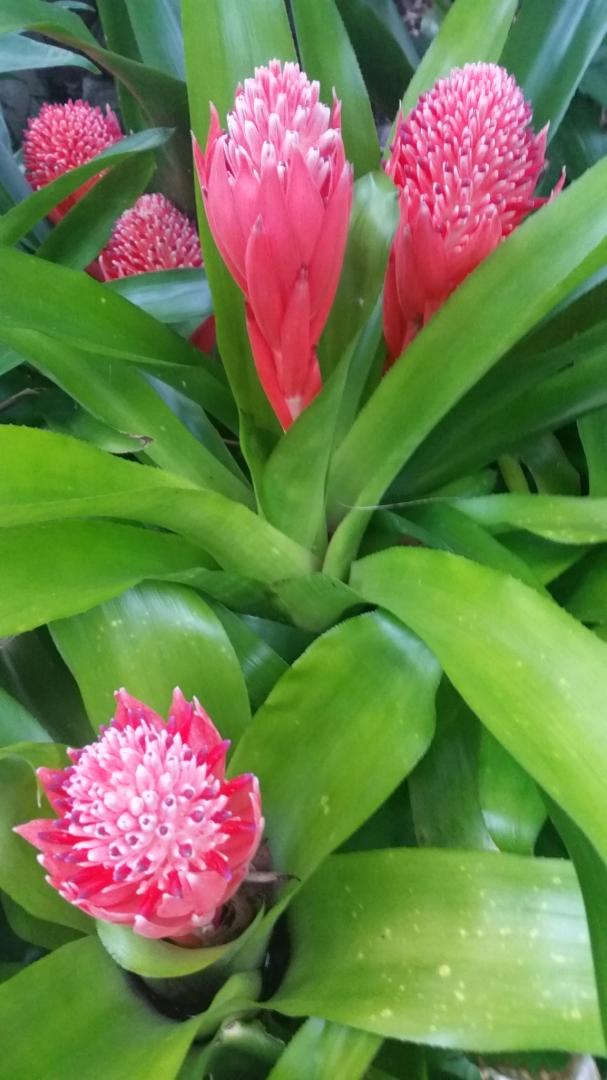
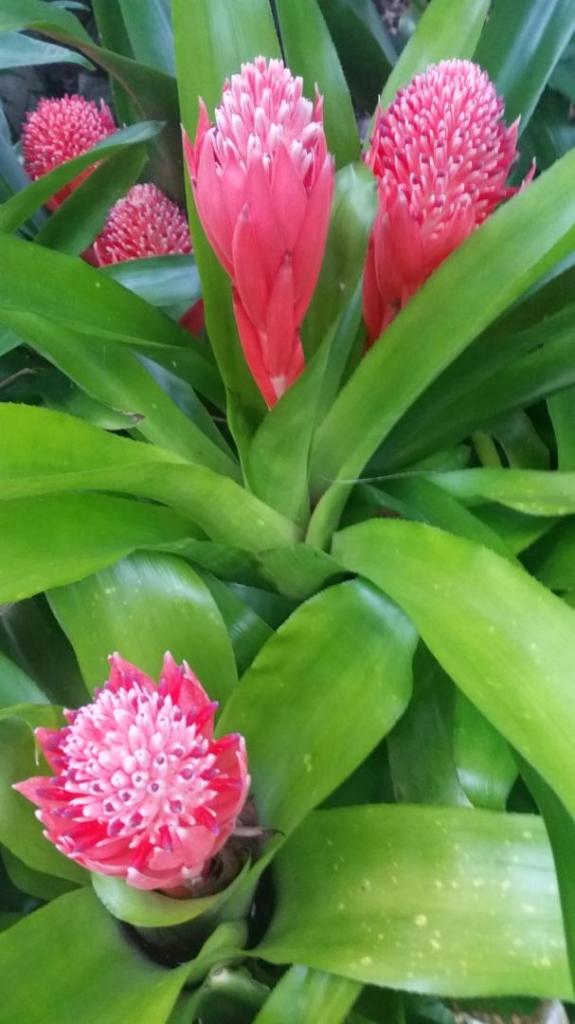
 2 pointsBillbergia pyramidalis has always been a great performer for me in 9b Florida.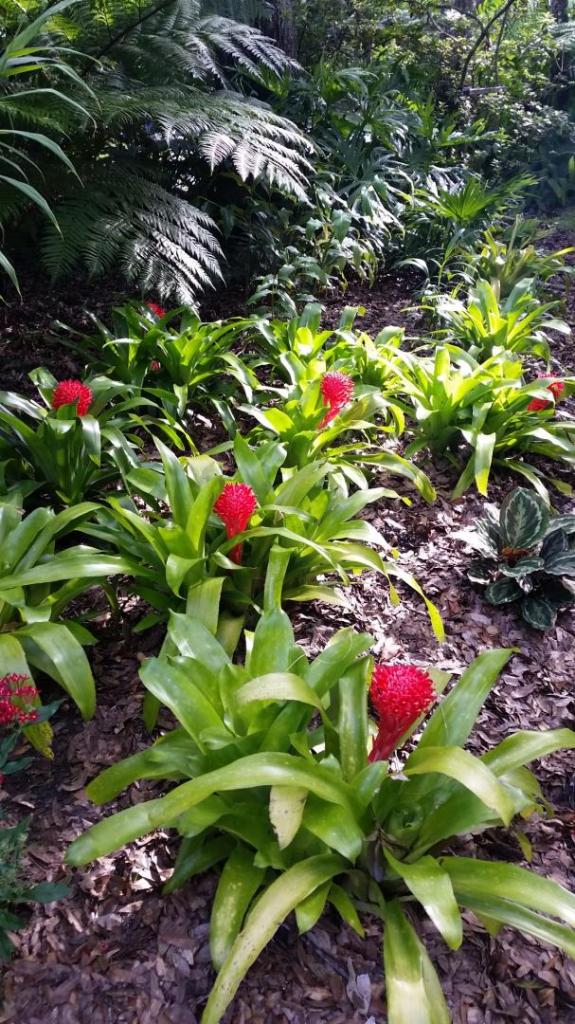
 2 points
 -
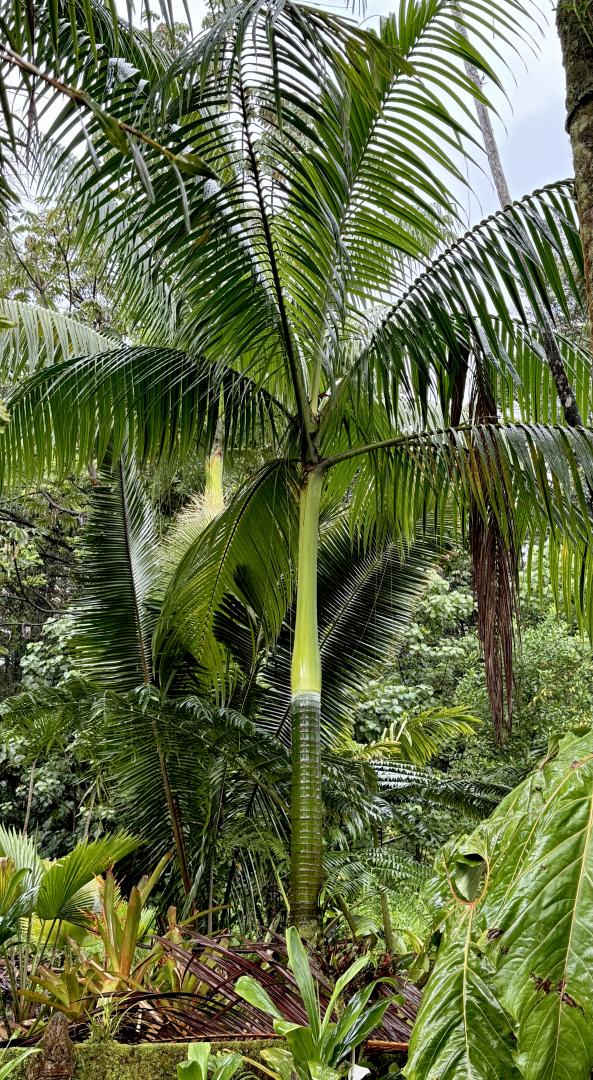
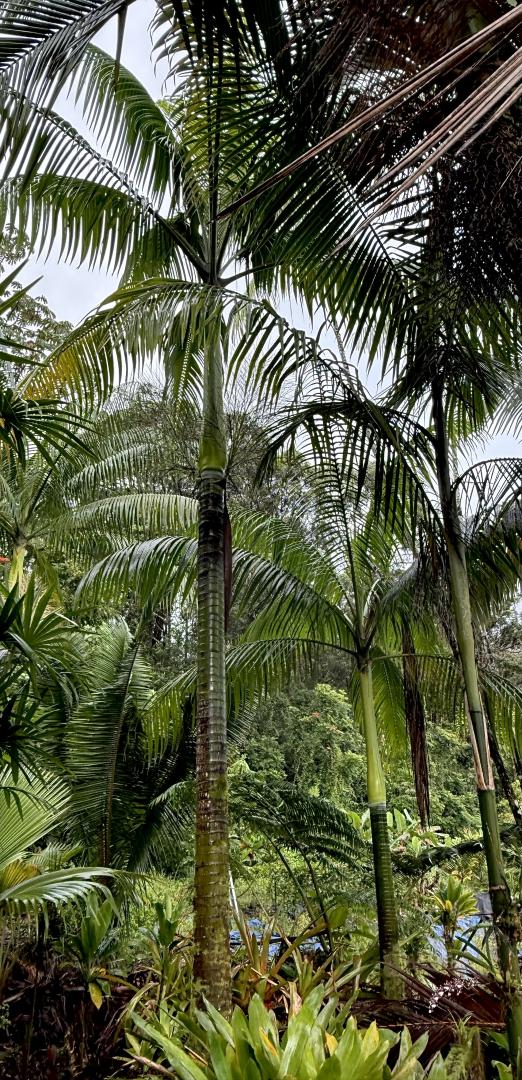
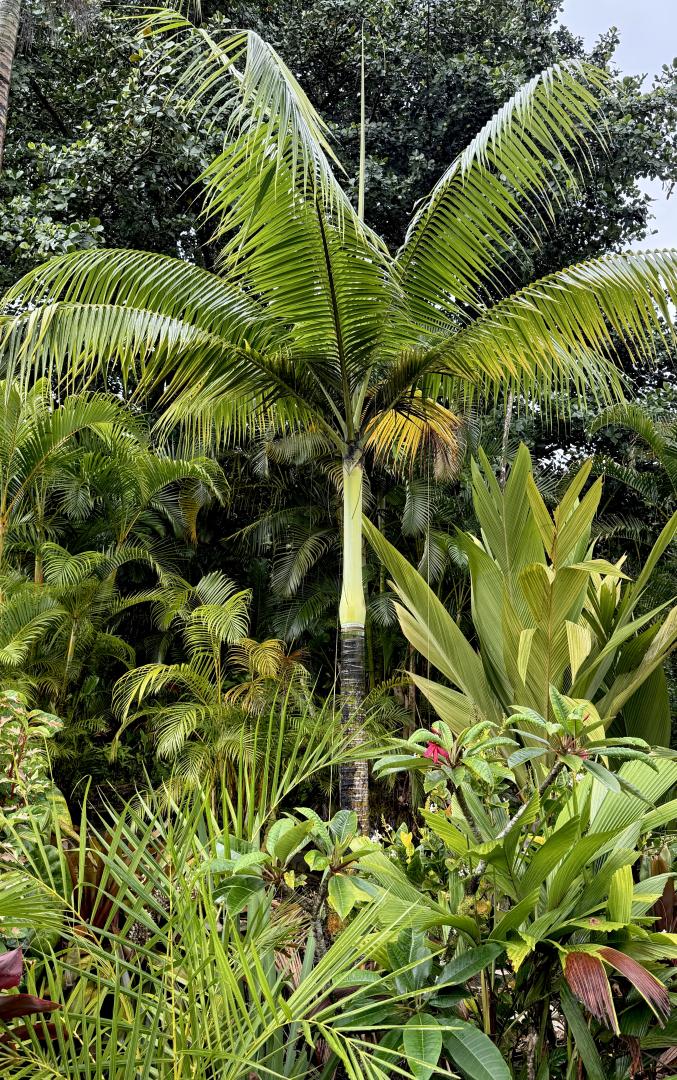
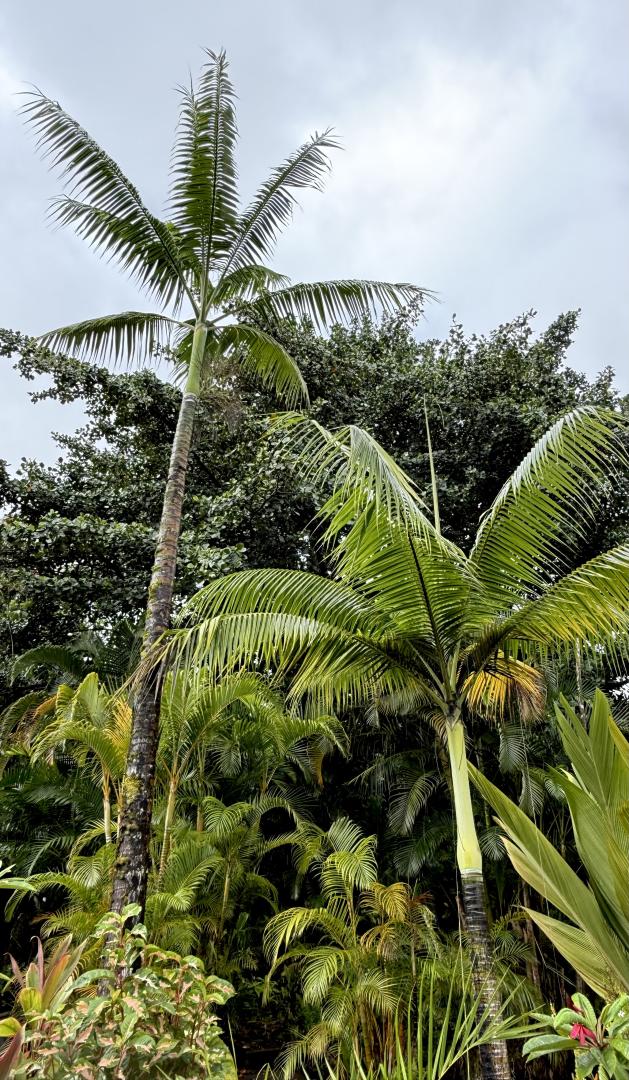
2 pointsThat’s already a very nice palm Tim, well grown! I always enjoy seeing Orania whenever I visit the tropics, all very distinctive looking palms. Probably not a question for the growers in Hawaii, but does anyone on the forum have experience growing Orania in temperate climates? I would assume based on habitat that a couple of the Madagascan species at least would have some level of hardiness.2 points
-
 2 pointsThis small terrestrial orchid grows at low elevation above the Arctic Circle in Norway's Lofoten islands. I don't know how much further north or inland that it grows, nor do I know it's name. For me, it was an unexpected find during a hike. Why not native orchids in Norway though?
 2 points
 -
2 points
-
Good on you Harry. Nice and compact, looks to be of good quality as well. I’m sure there will be a learning curve throughout the year, but as much time as you’ll be tending to it, you’ll figure it out fast. Tim2 points
-
2 pointsGreat photos, I think there’s enough there for someone to make a positive ID. My first thought was something in the Prychospermatinae tribe but not Adonidia, Ptychococcus, Veitchia, Carpentaria and I don’t think Ptychosperma either, just doesn’t look quite right. A lot seems to fit for Ponapea hentyi, but the leaflets don’t look wide enough. Other possibility could be some obscure Hydriastele species. I can’t say I know a lot of those tropical genera well enough to be confident to narrow down but the small round red ripe fruit will rule out plenty as will the praemorse leaflet tips and slightly plumose habit.2 points
-
 2 points
 -
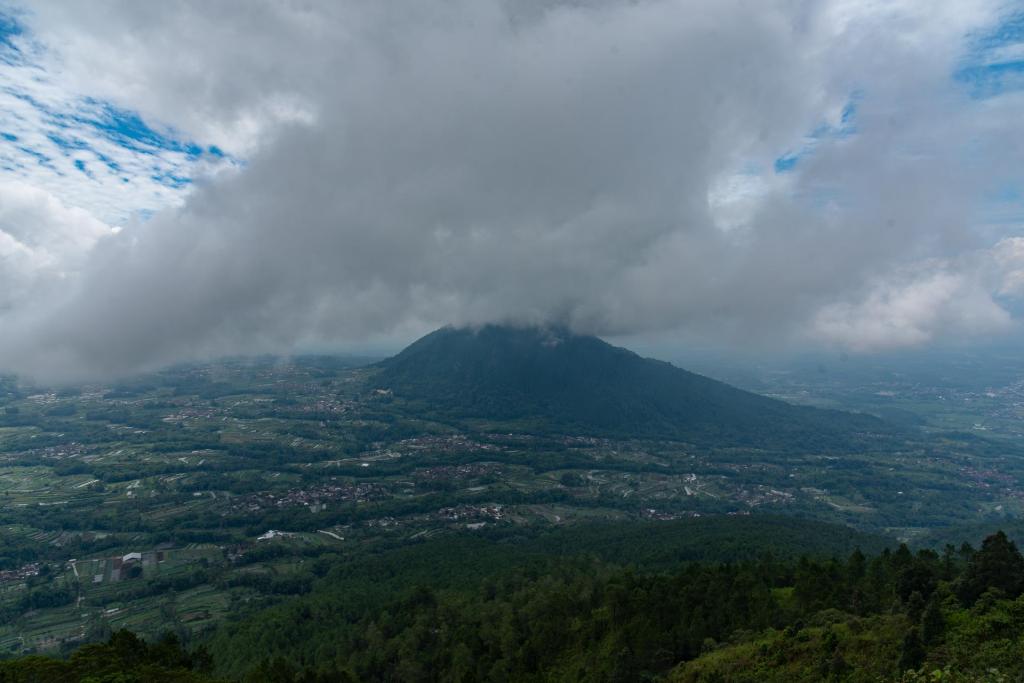
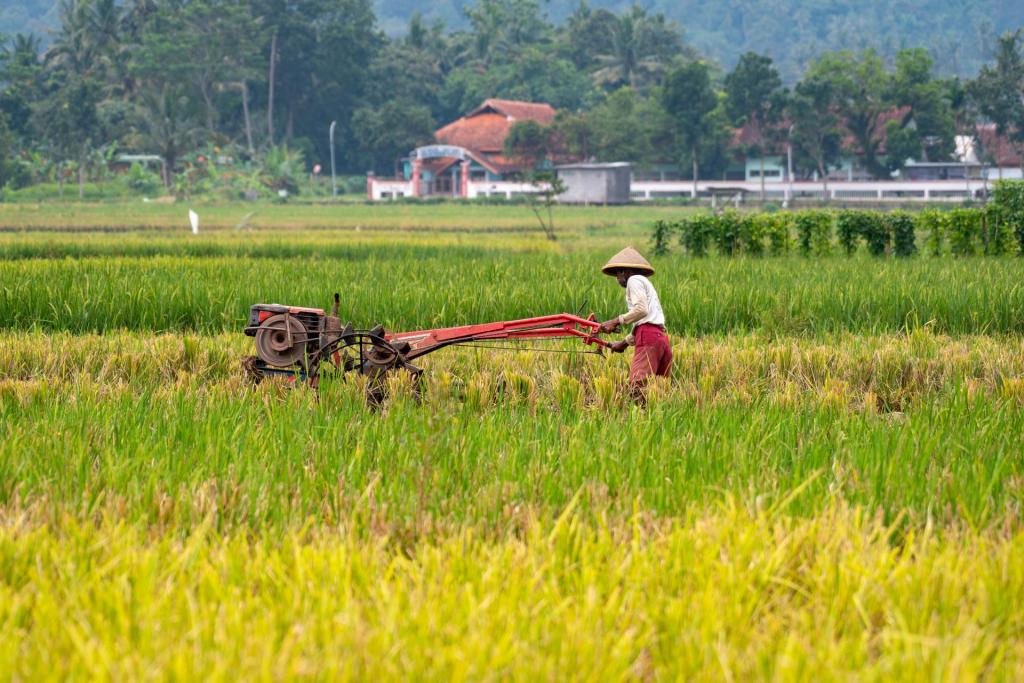
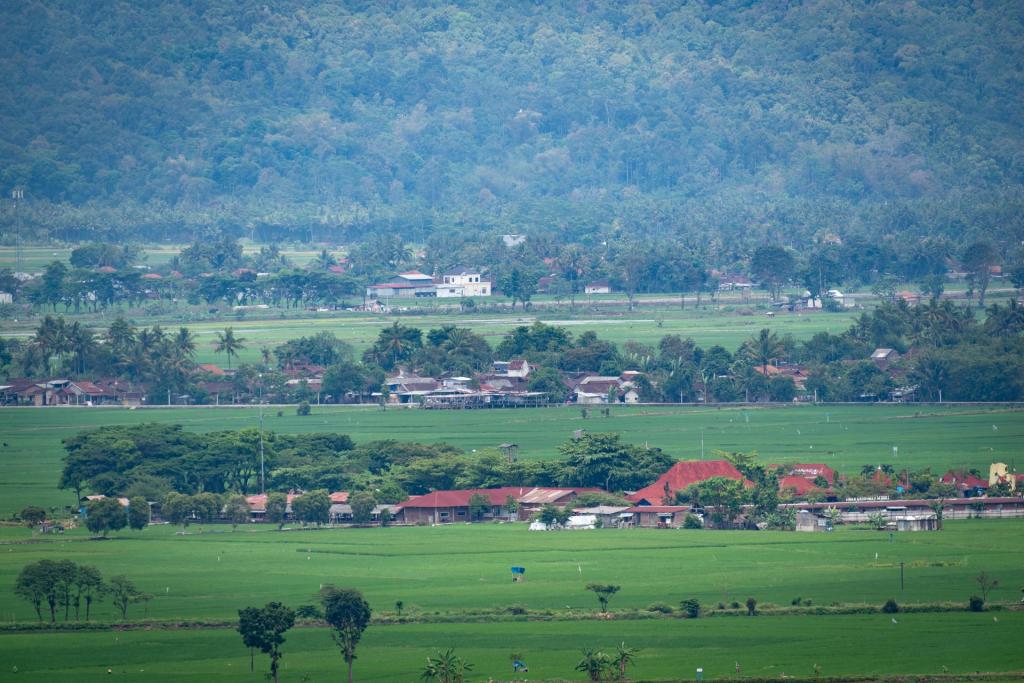
 1 pointI've been over to Indonesia a few times in the last couple of years. Always interesting to see the sights...beaches, rainforest, volcanoes and all the local culture etc...so very different to home in Darwin! Suprisingly not as hot as I thought it would be. But all that volcanic soil, good rainfall and tropical temps makes for a very lush landscape...Have seen quite a few native palm species growing in natural habitat, plus the milions of coconut palms everywhre (although the Rhino Beetle is doing a fair bit of damage unfortunately) Fortunately it is only a two and a half hour flight to Bali from Darwin, and reasonably priced. Internal fights are super cheap. Over the top of Kilingking beach So many volcanoes on the flights from Darwin to Bali and from Bali to Java Rural life Plenty of bamboo forests Rural villages everywhere in Java Pinanga javana Caryota rumphiana Calamus sp Corypha utan Areca catechu Caryota rumphiana Plenty more if you'd like to see...





 1 point
 -
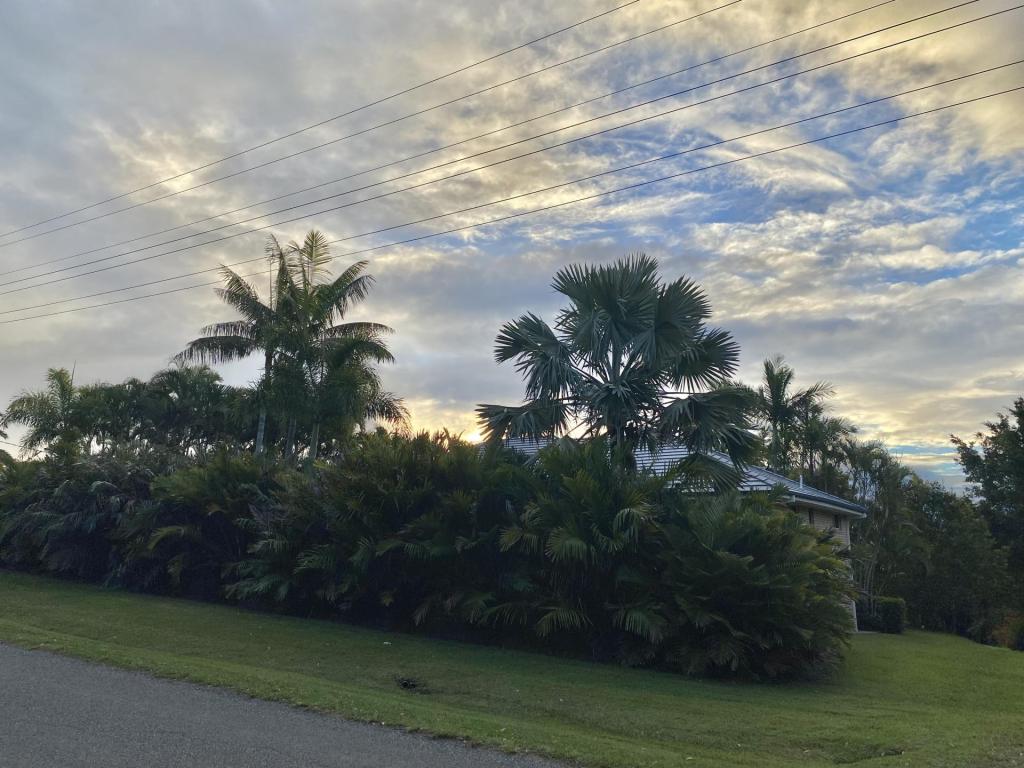
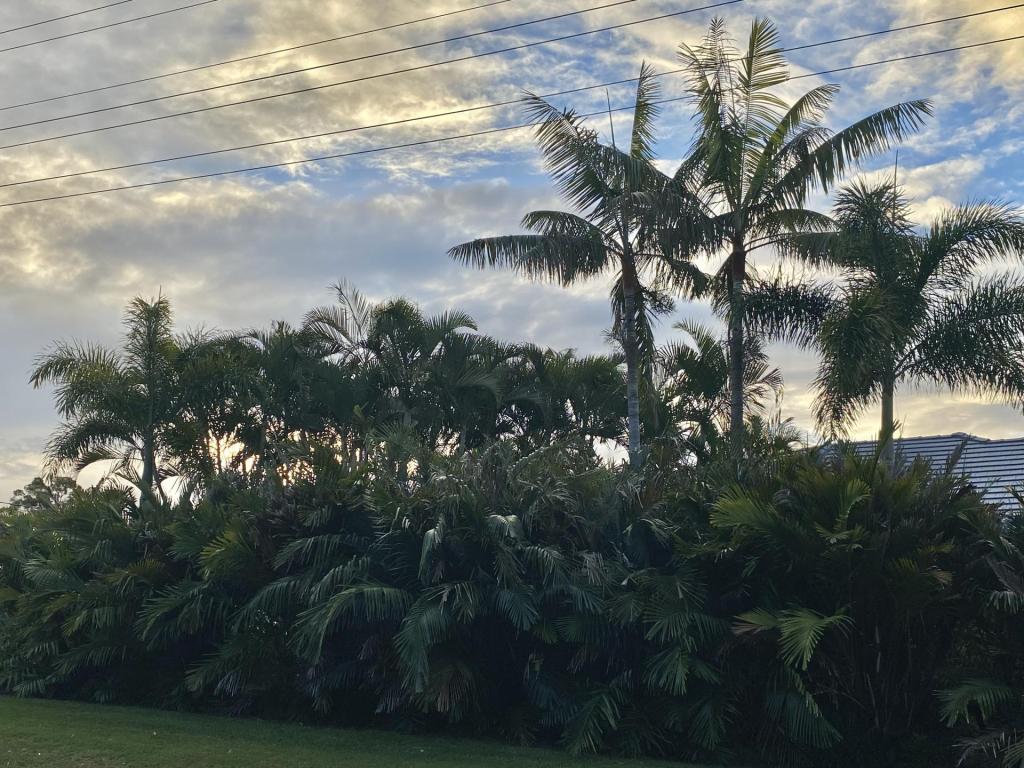
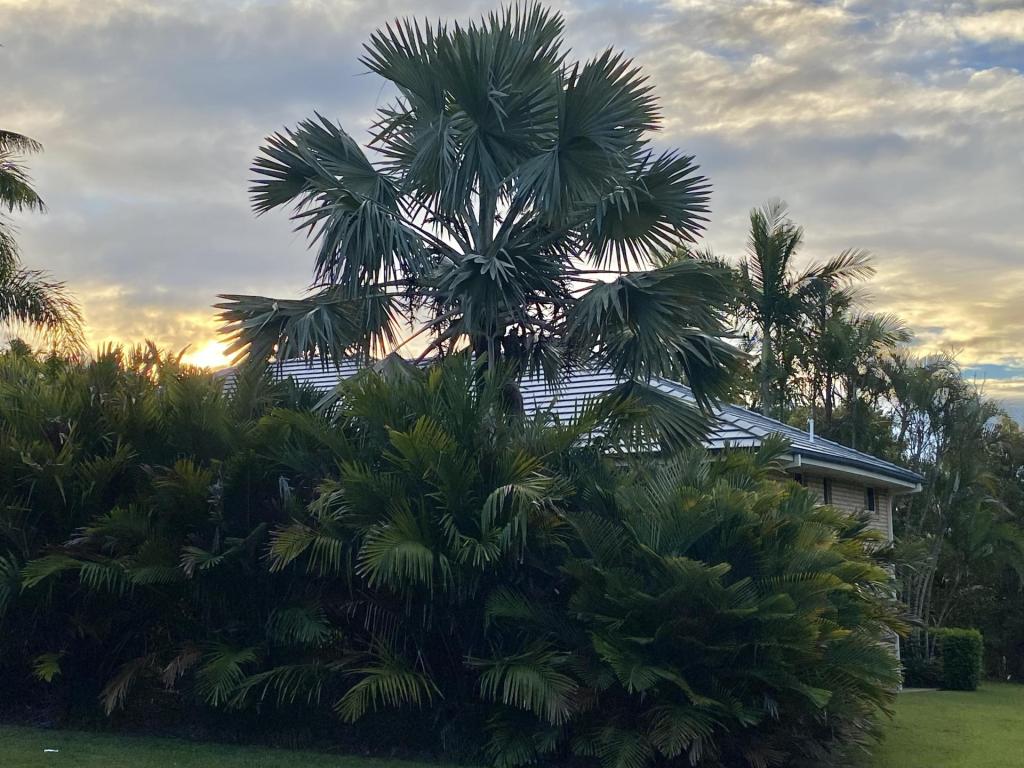
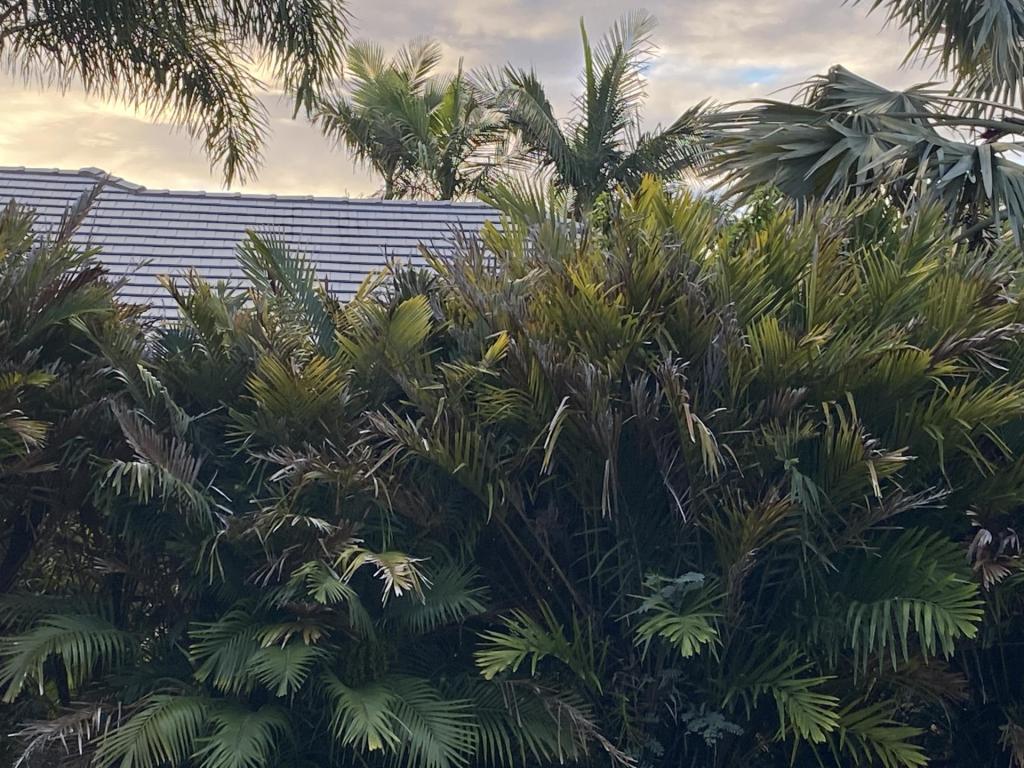
Someone certainly loved palms and went all out with a hedge of engleri. A local suburban house in my hometown, they went for privacy and certainly got it with this lot of palms. So engleri will make a great hedge over time. They even threw in a Bismarckia for good measure.


 1 point
 -
 1 point
 -
1 point
-
 1 pointI dont like the way the trunk is suddenly bent in one spot that much. I would get those ferns off the tree and check under it for trunk rot(softness). Might be its fine, but the ferns on there could be damaging the outside layer of fiber which is responsible for deterrence of pathogens. I just pulled off some mimosa seedlings from my kentiopsis and the roots were starting to invade the outer layer of trunk. If you treat first with a soaking or two of white vinegar and wait a few days the ferns might come off easier.1 point
 -
1 pointBrahea armarta seeds super easy, coco coir perlite mix just slightly moist, bottom heating 30 degrees Celsius.1 point
-
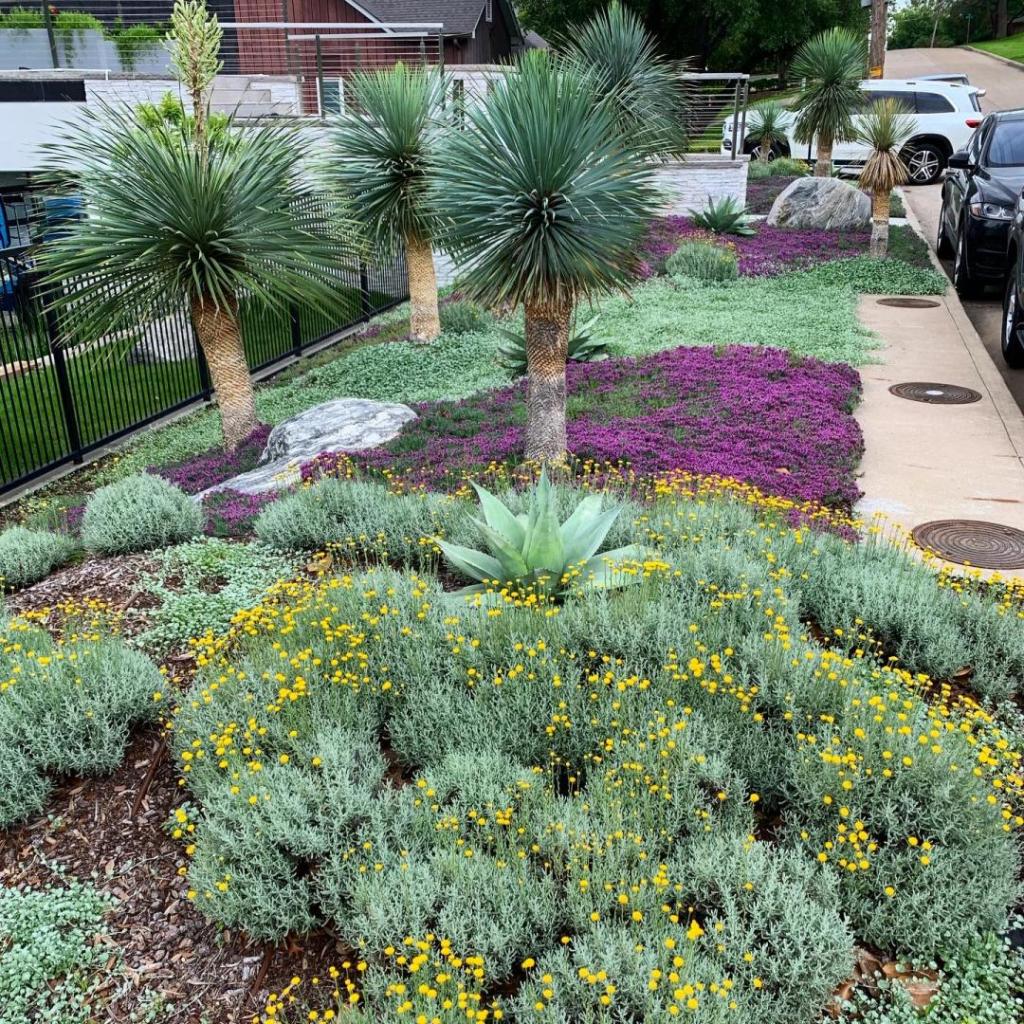
 1 pointThese took -1F no problem, all are in heavy clay, should be able to take colder, as long as you don’t get a ton of rain in the winter they should do fine, but with soil amendments like you have done I think you shouldn’t have issues…they are pretty hard to completely kill, I have had clients over water and rot out the roots, and I cut off the rotted trunk and rerooted them.
 1 point
 -
 1 pointThe seedling in my garden, you can see it in the EPS thread has no issues with the clay soil it emerged in. Frosts are probably harder here in the Greenwich area than for you but we're still in the milder side of things.1 point
 -
 Hi everyone...... I've posted Coconut pics here before - in particular the oceanfront property down by Van Kleeck owned by the Golden Corral founder/owner. Since the Feb. 1 freeze, I had ridden by several times and his Coconuts, while severely damaged like many of ours, appeared to have mostly survived and were beginning to recover. Then yesterday I see this., Every one removed including some other species. And it looks like the property may be on the market. Uploading Attachment...


 1 point
 -
I understand your frustration . I think , for now , my desire to import seeds or plants has diminished as fees everywhere rise . Here , costs are going up disproportionately to affordability. I understand the idea of biosafety and all , but the cost is driving some into smuggling mode. I have an idea of what it takes to germinate palm seeds and it is a lot of time and a bit of work. I get my seeds for free but still spend on soil and containers . I admire your dedication to the palms , I can only imagine the amount of effort and $$ required. Harry1 point
-
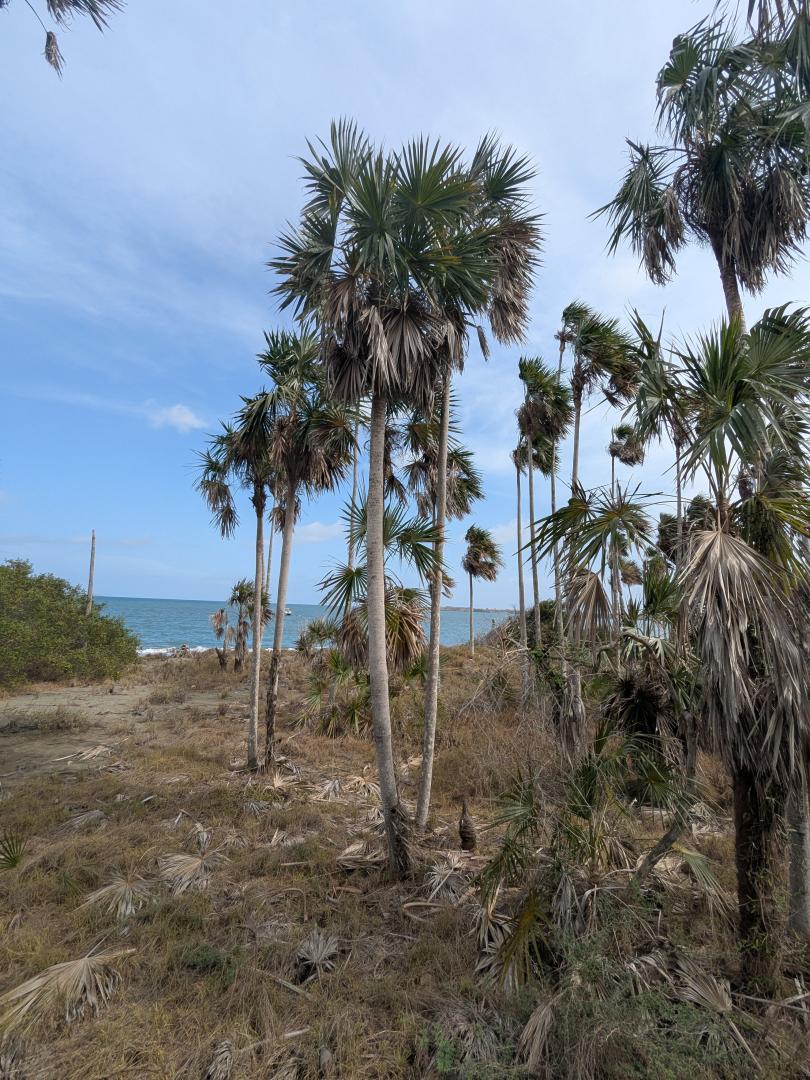
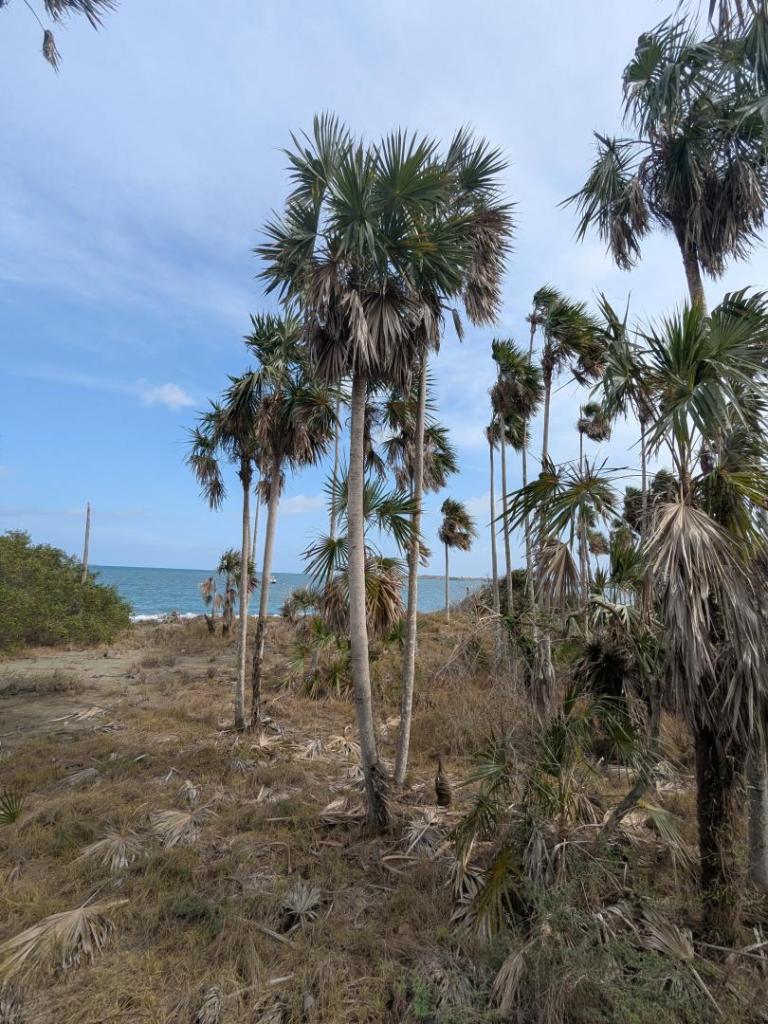
 1 pointI definitely agree that trachycarpus usually looked better in cooler summer climates like the Pacific Northwest and maritime climates of northern Europe. I do see some here in Texas that look good sometimes. They are usually in half a day or more of shade though. This particular windmill did look better on Saturday than in the Google maps image above, even if it won't win any beauty contest. I kinda like the smooth look though, since it reminds me a little of the cocothrinax that were all over when I was at Guantanamo Bay:
 1 point
 -
As a young fern they like dappled light and water, but as soon as they get a metre or two sized leaves they take a lot of sun. I use them as canopy trees in harsh areas around my garden. Great pioneer plants for establishing a garden. And once they get a couple of metres of trunk full sun not a problem. They do like a drink but once established they are tough plants. Just plant as many as you can anywhere you will be surprised how many live, you may lose one or two out of 20 or so, once they get growing they are rocket ships.
 1 point
 -
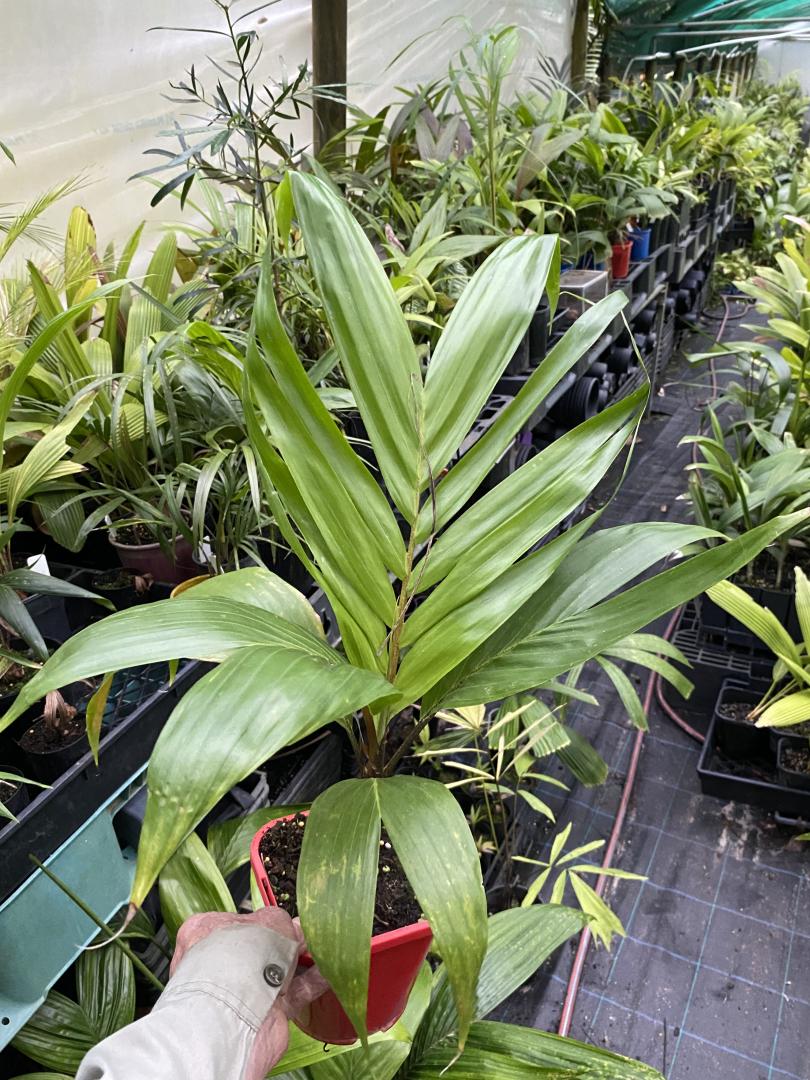
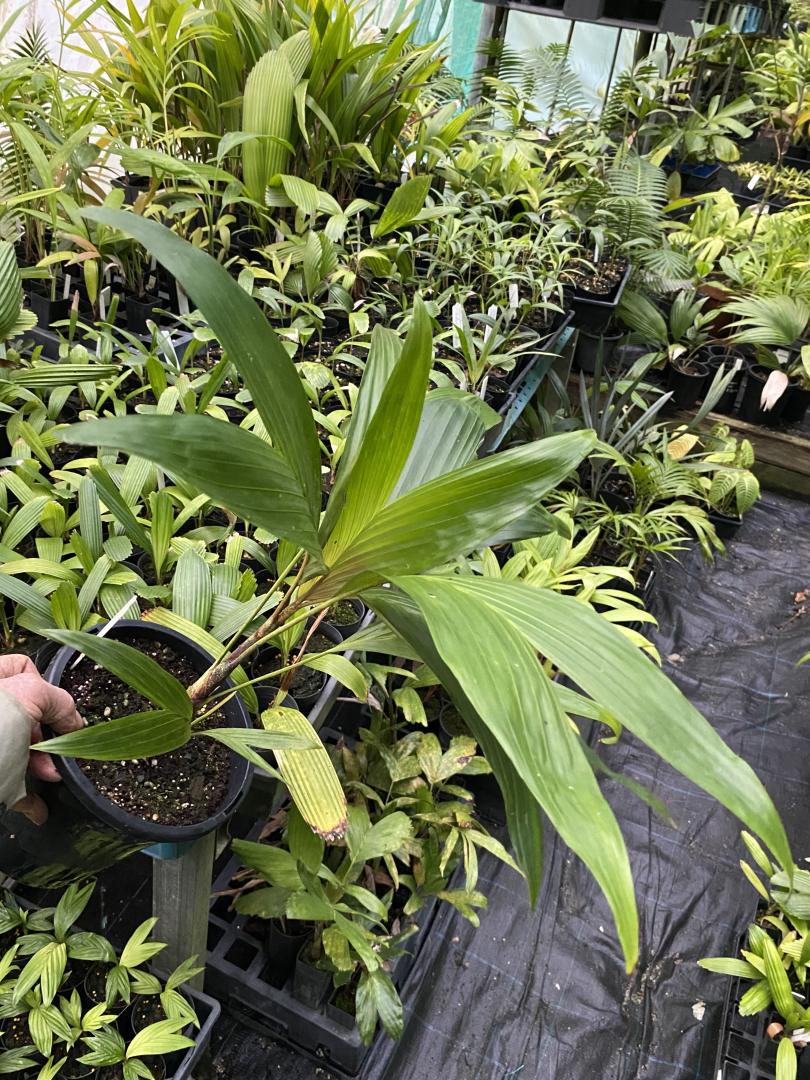
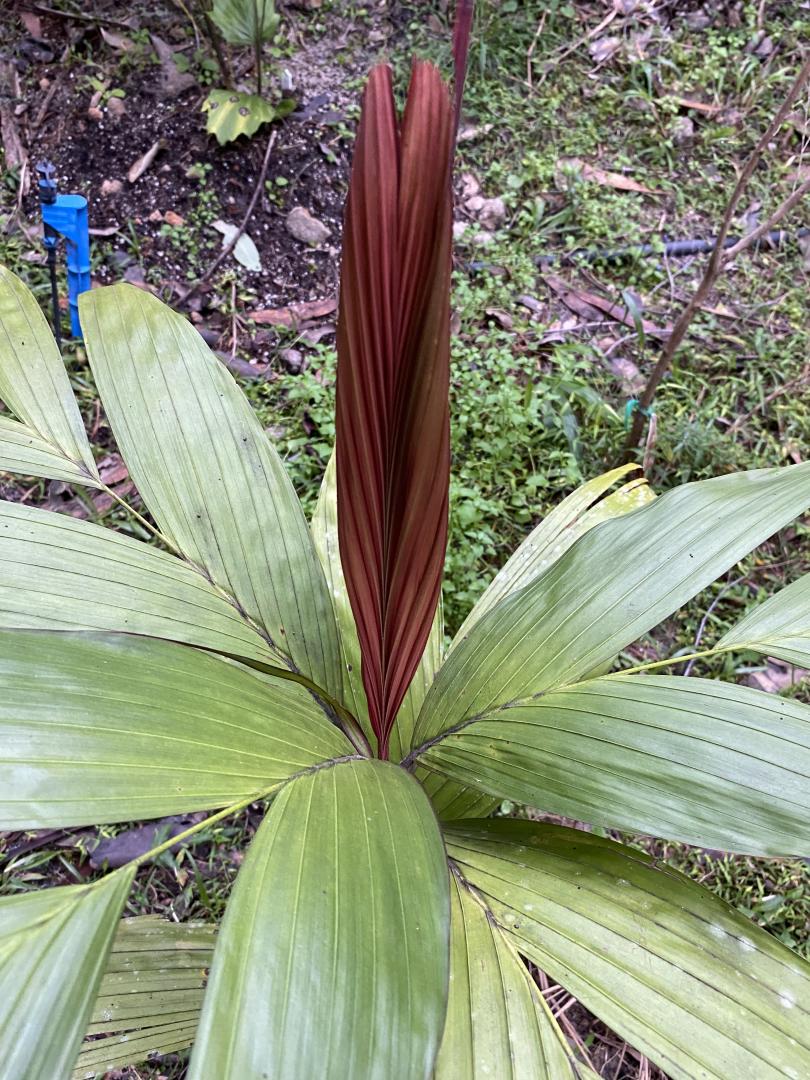
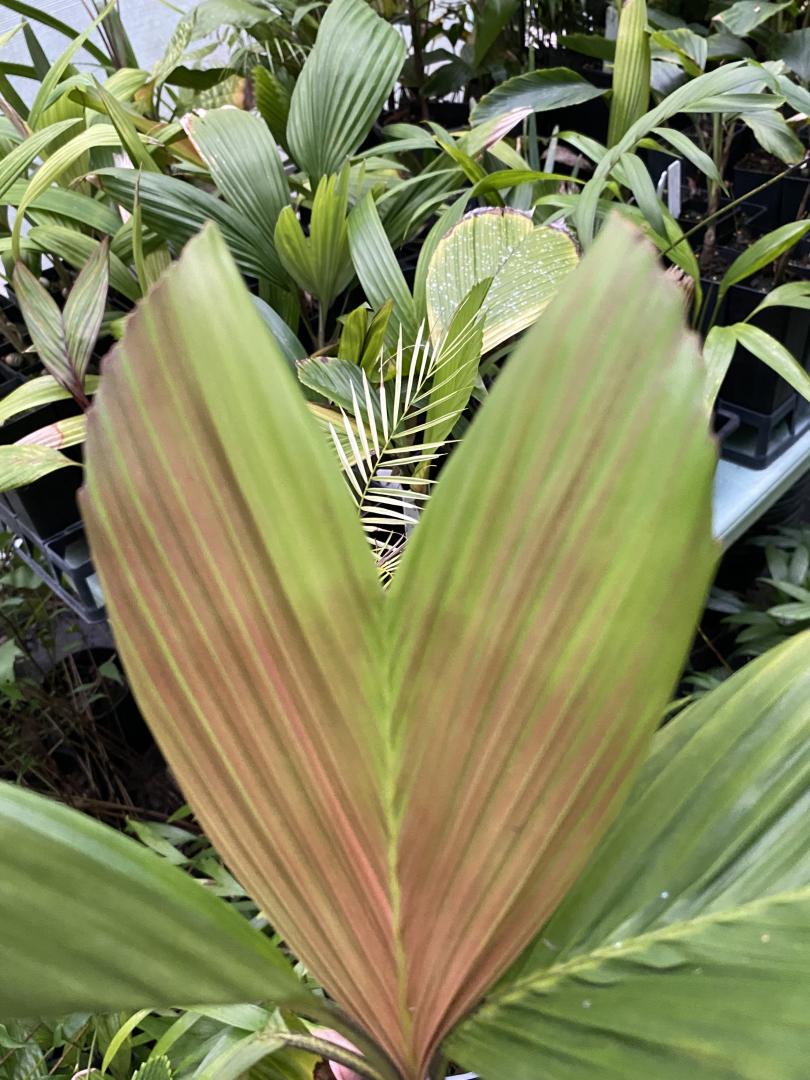
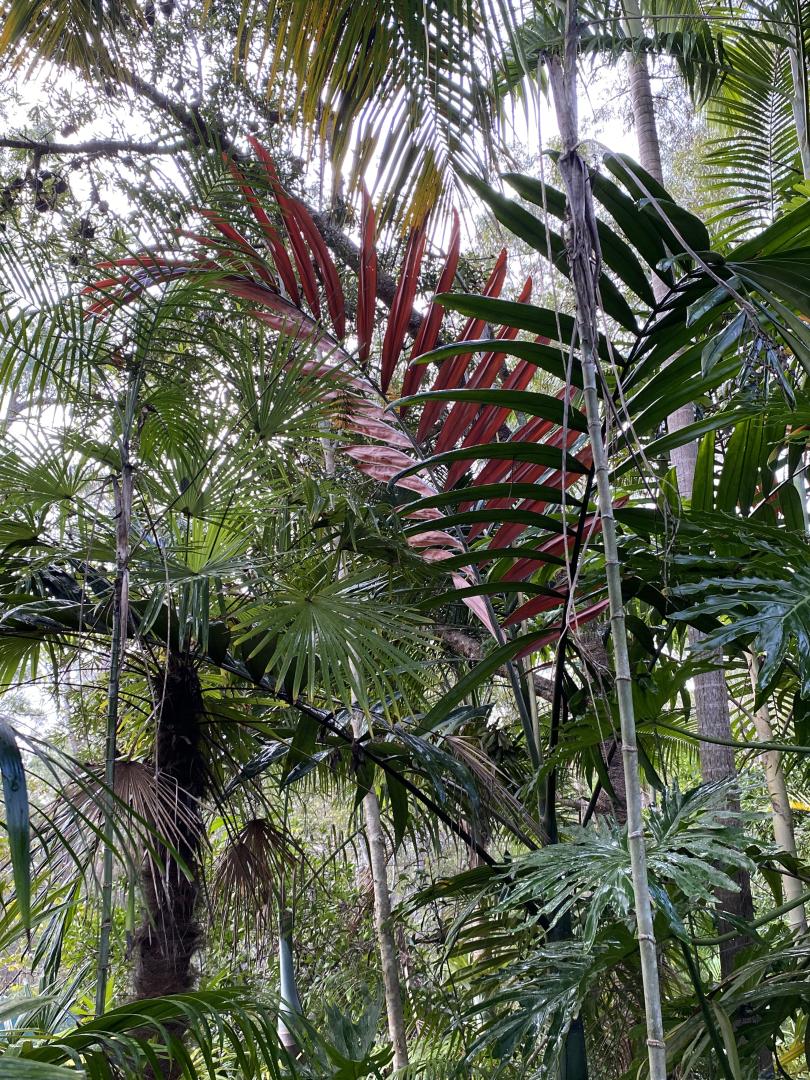
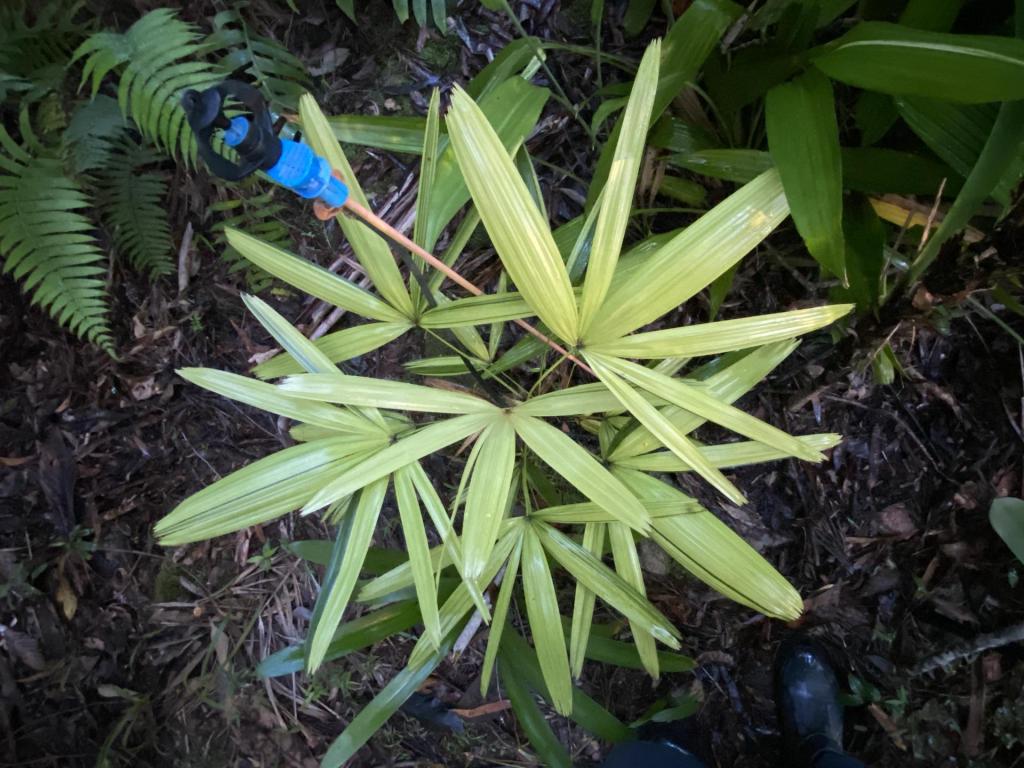
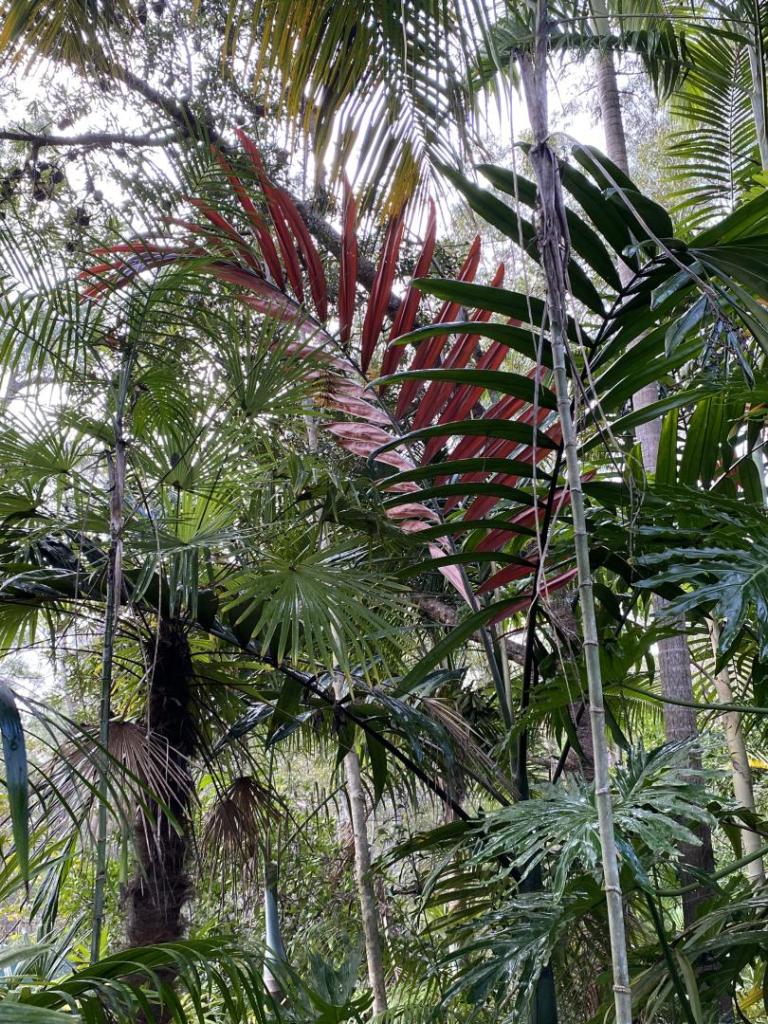
1 pointA nice example of variegation, and the usual Chambeyronia for a touch of red!
 1 point
 -
 I’ve lived in Northern Virginia for almost 40 years. This last winter was the worst, long duration a.m. p.m. cold I’ve experienced. I truly thought my 12-year in-ground Trachy was going to die. Don’t have the stats but it was at least 2-weeks of continuous sub freezing F. temps. Along with about 8” of snow and ice that lasted that whole time as well. Maybe the only saving grace was sunny days after the precip. fell? I removed about 6 of the most damaged lower fronds mid spring. Haven’t fertilized yet but it is pumping out nice new firm fronds, maybe 6 or 7 as of today. I’ll clean it up again this fall, after it’s had a chance to fully recover and replace the canopy. Even though it’s messy, it still looks great! It’s about 13’ of trunk so winter protection consisted of 200 Christmas lights in two loose balls laid up at the crown covered loosely in a layer of burlap…very unprofessional but it’s too tall now. I also wrapped a 3’ tall band of black landscaping cloth around the base of the trunk. This catches a fair amount of the sun’s radiated heat several hours each winter day. Of course, it flowered like crazy in early spring. I’ll cut those remnants off as well this fall. Anyway, I’ll send out status reports soon. I was shocked at how poorly my sunny Needle did.
 1 point