

Leaderboard
-
happypalms
IPS MEMBER19Points13,284Posts -
Meangreen94z
IPS MEMBER9Points2,088Posts -


Harry’s Palms
IPS MEMBER9Points4,463Posts -

tim_brissy_13
IPS MEMBER7Points2,561Posts
Popular Content
Showing content with the highest reputation on 06/25/2026 in all areas
-
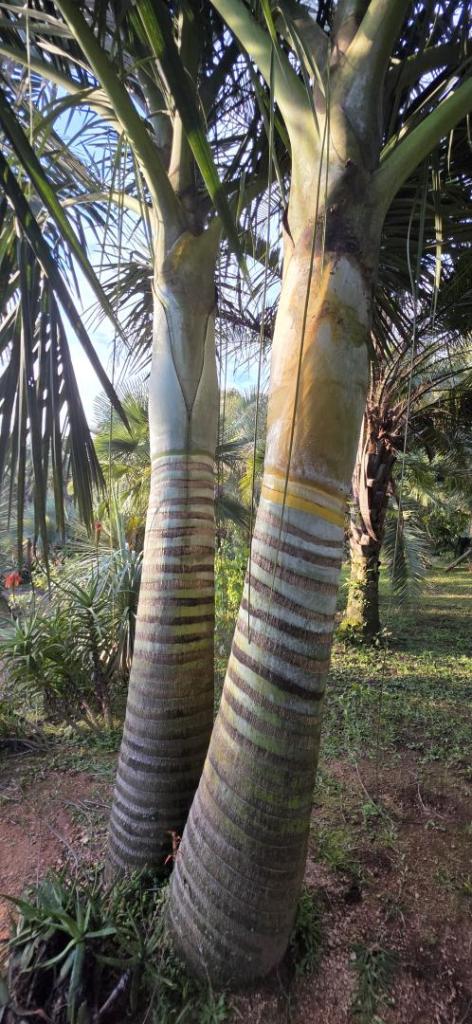
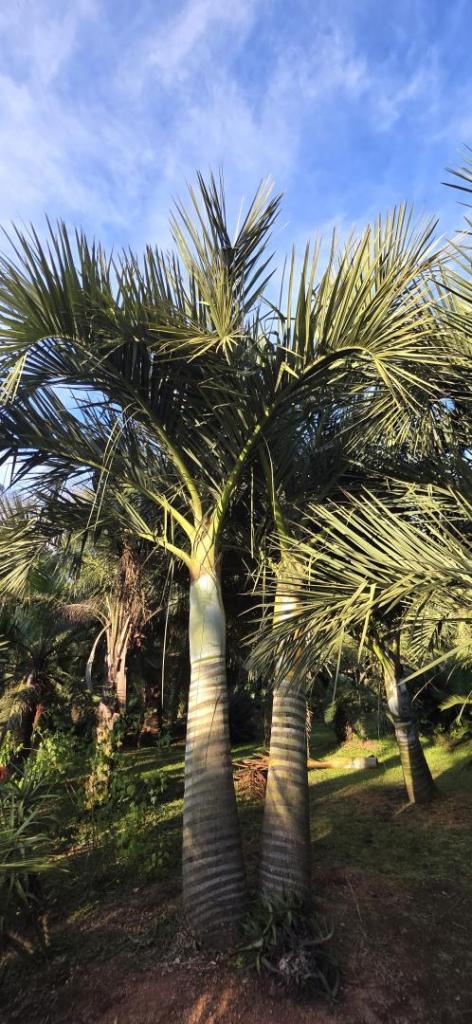
 First pics were taken june 2021 and the following two today. It isn't slow after forming a trunk.

 5 points
 -
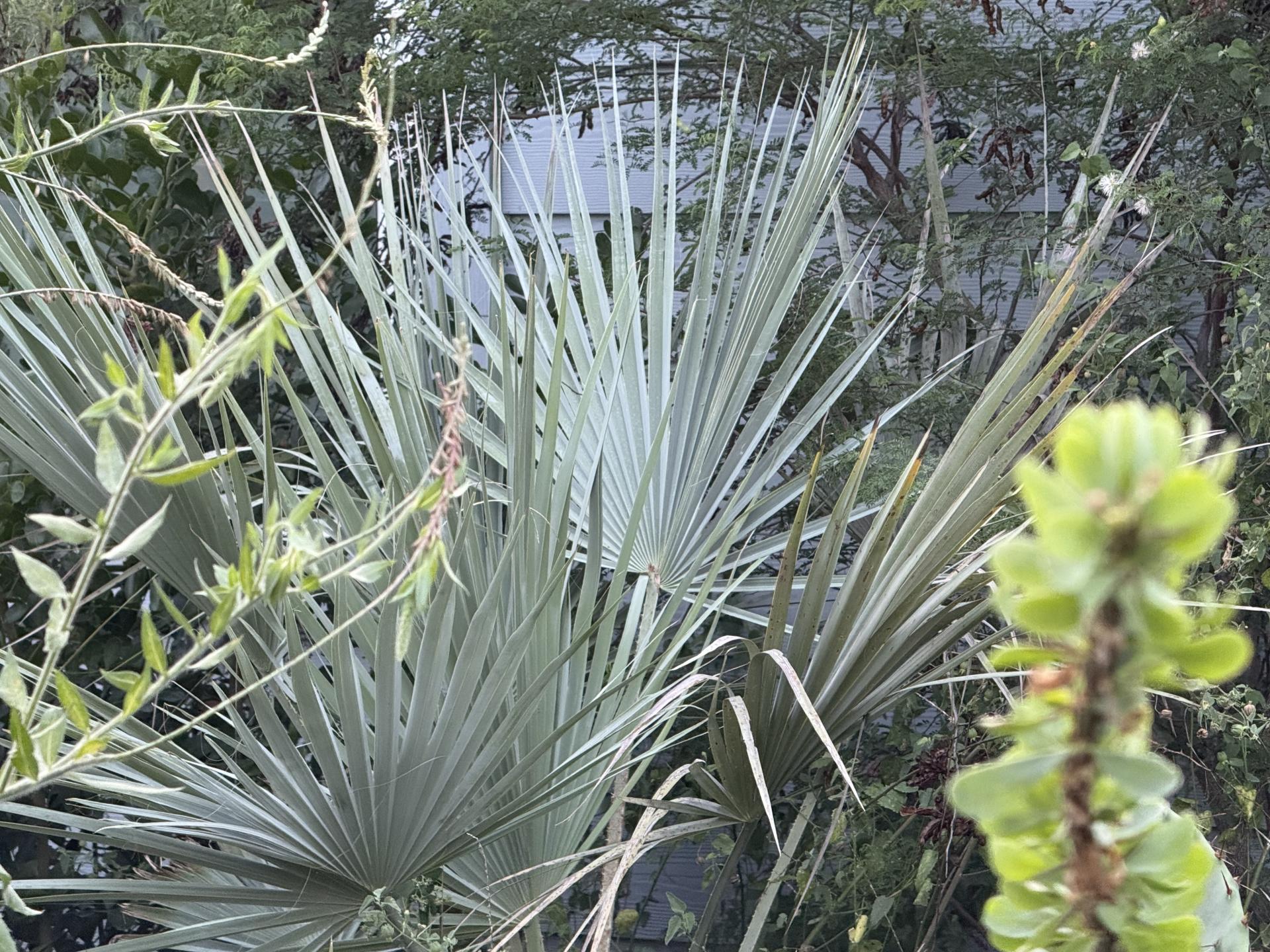
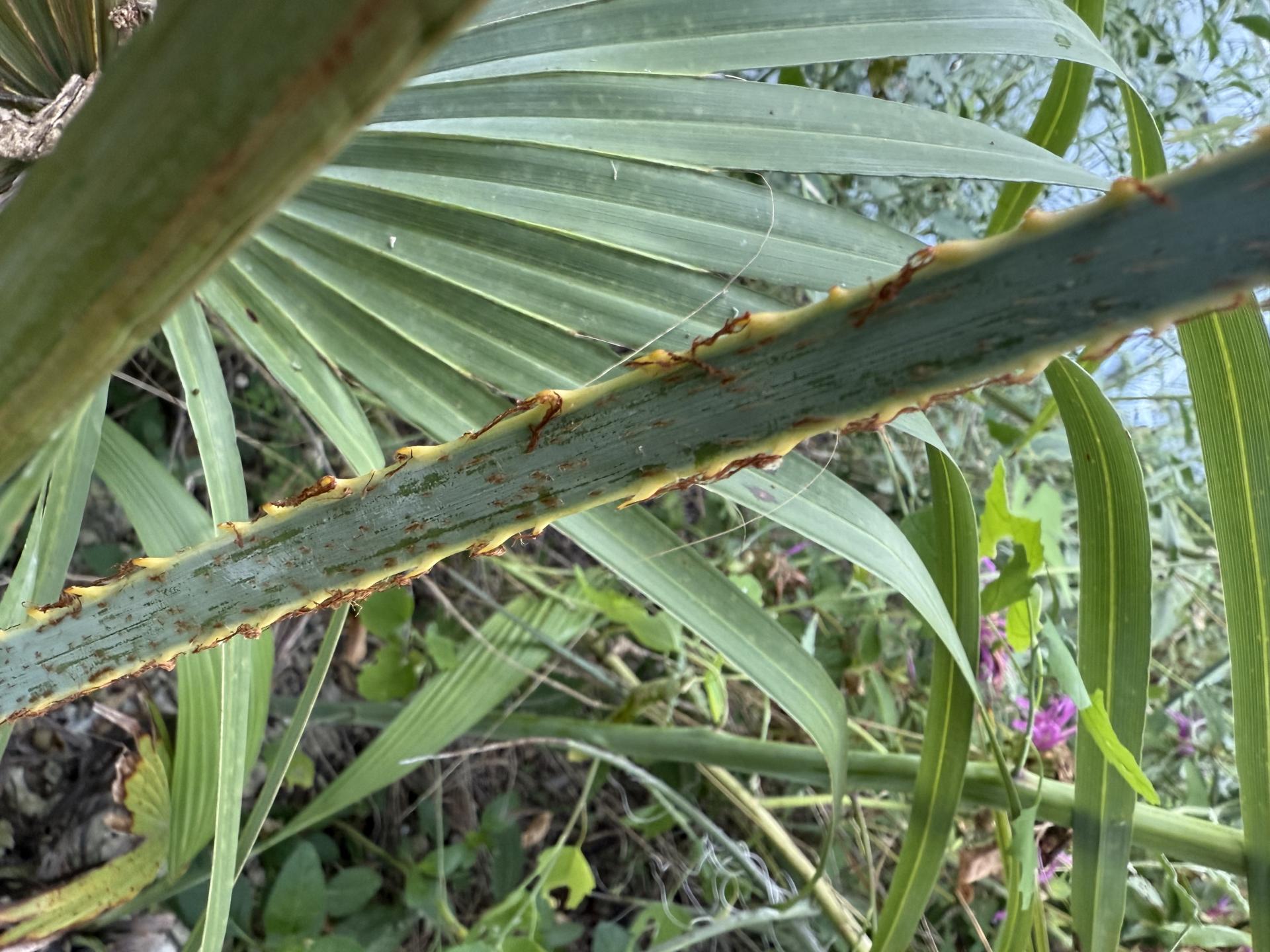
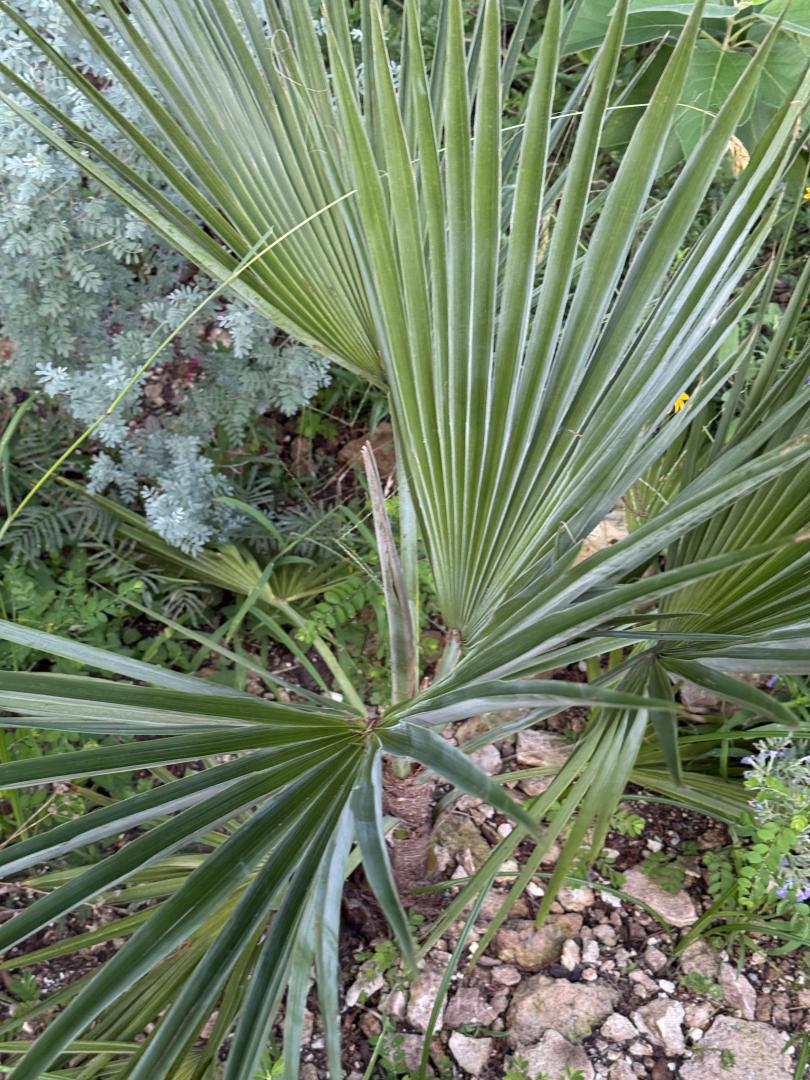
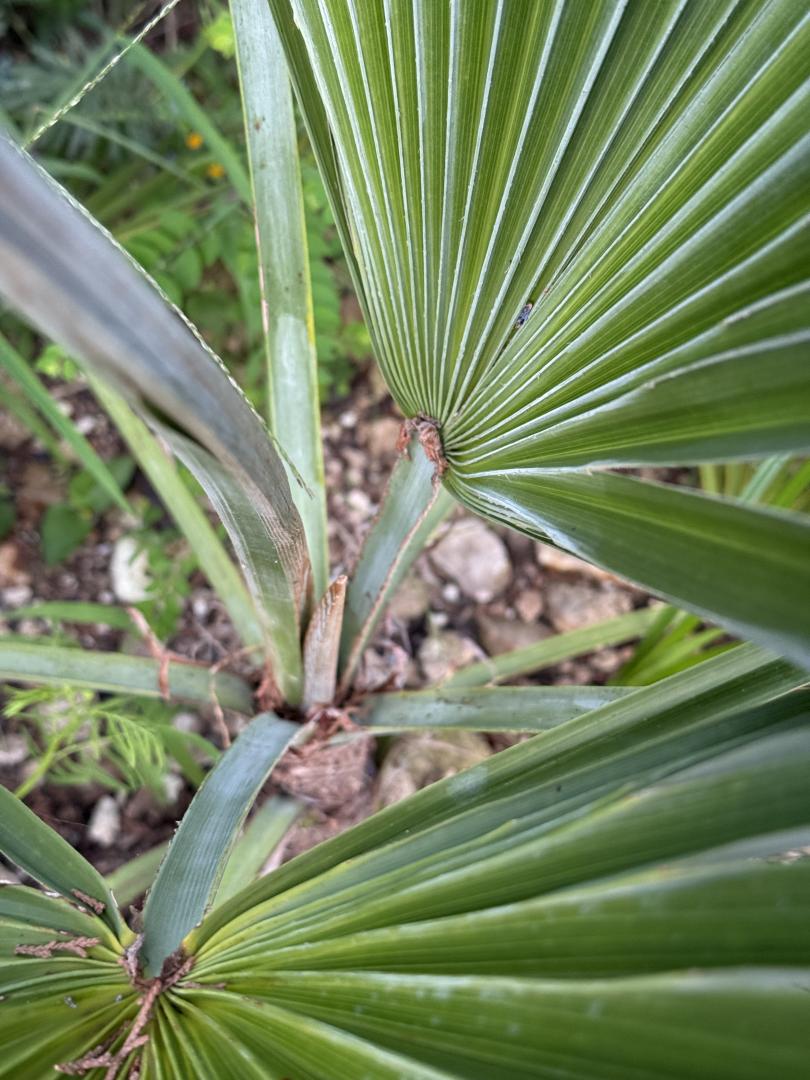
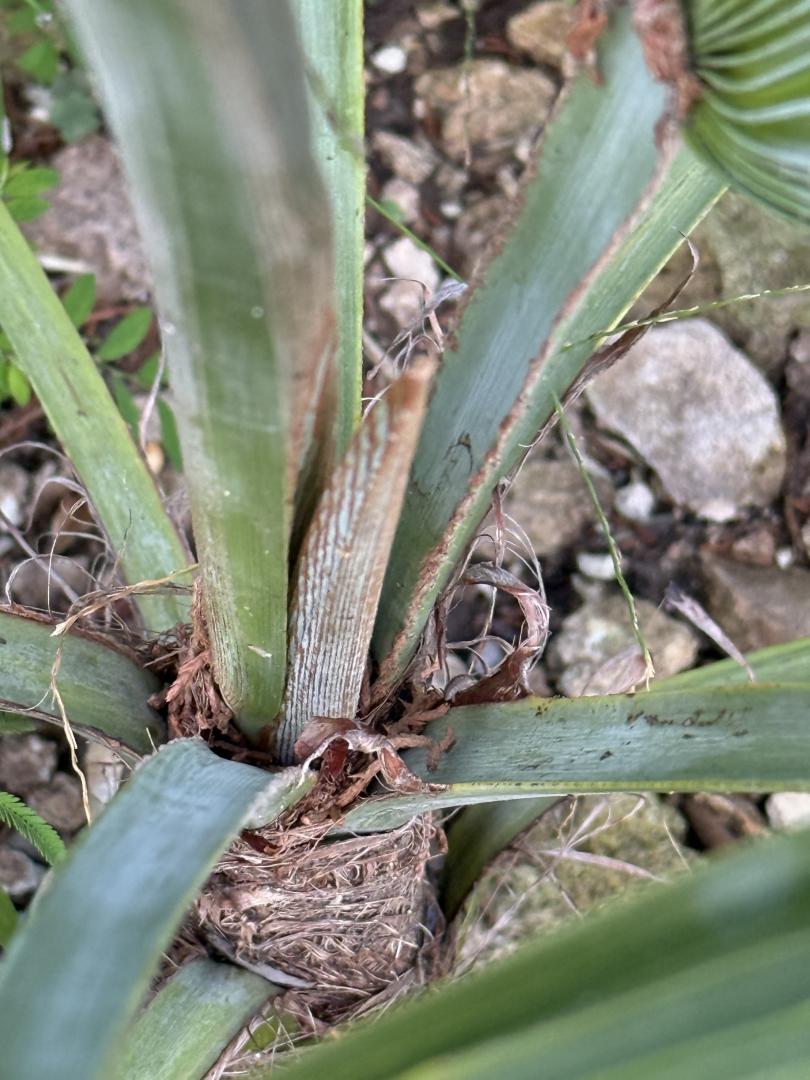
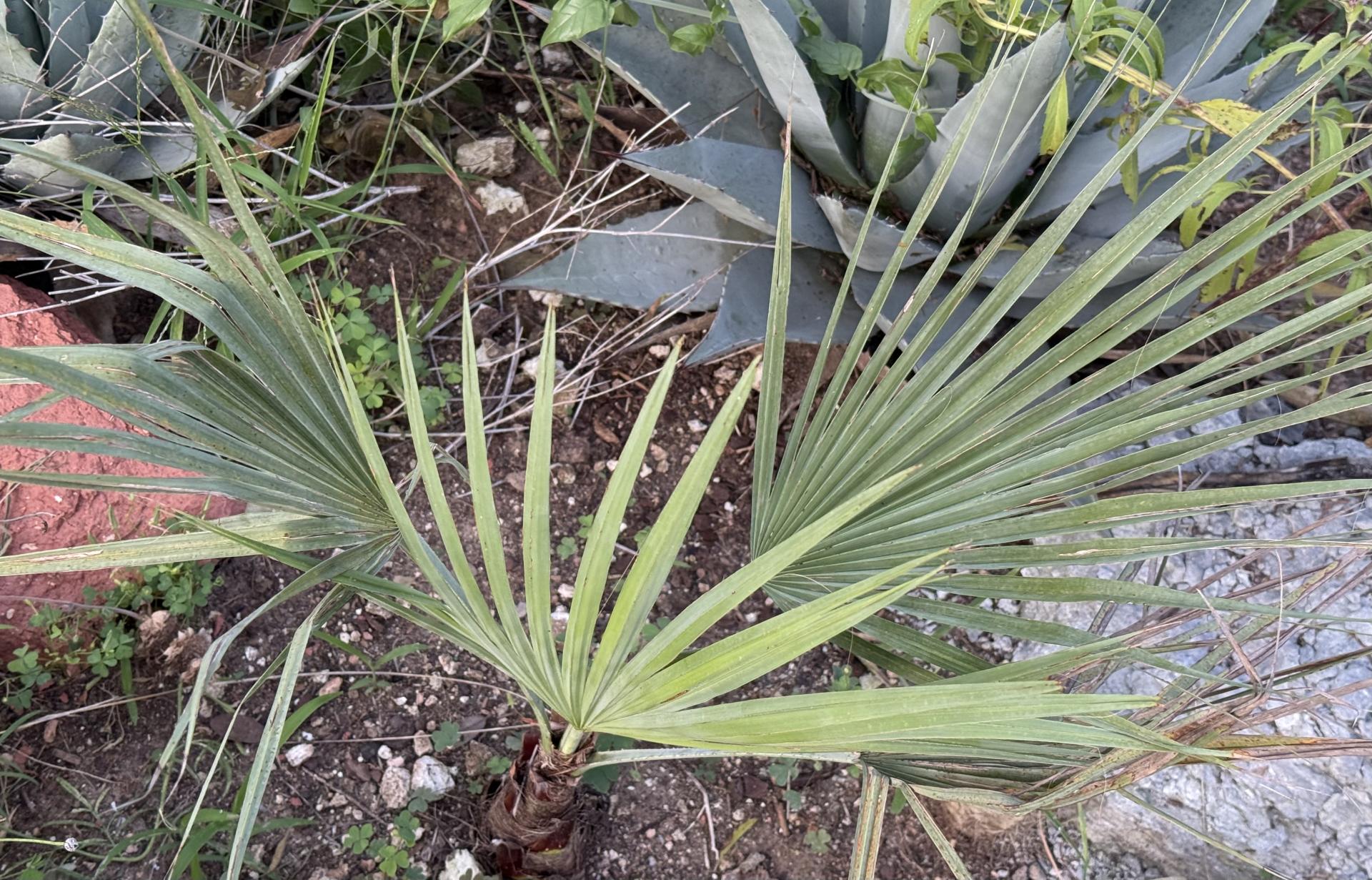
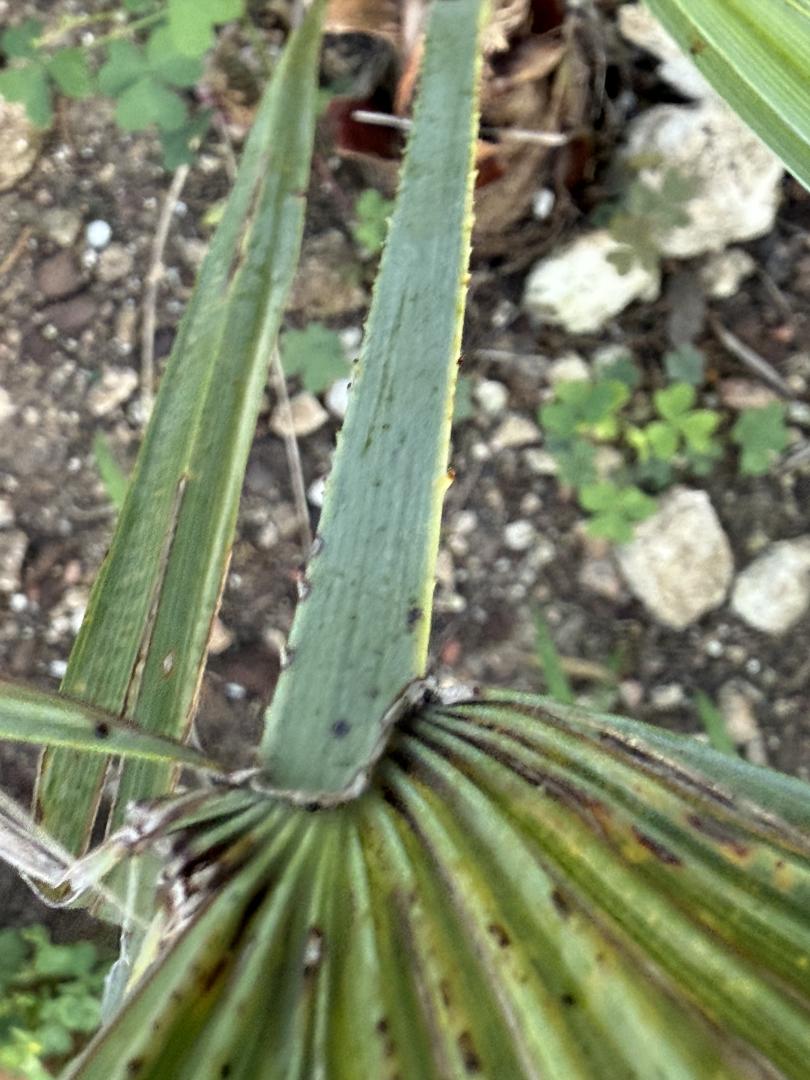
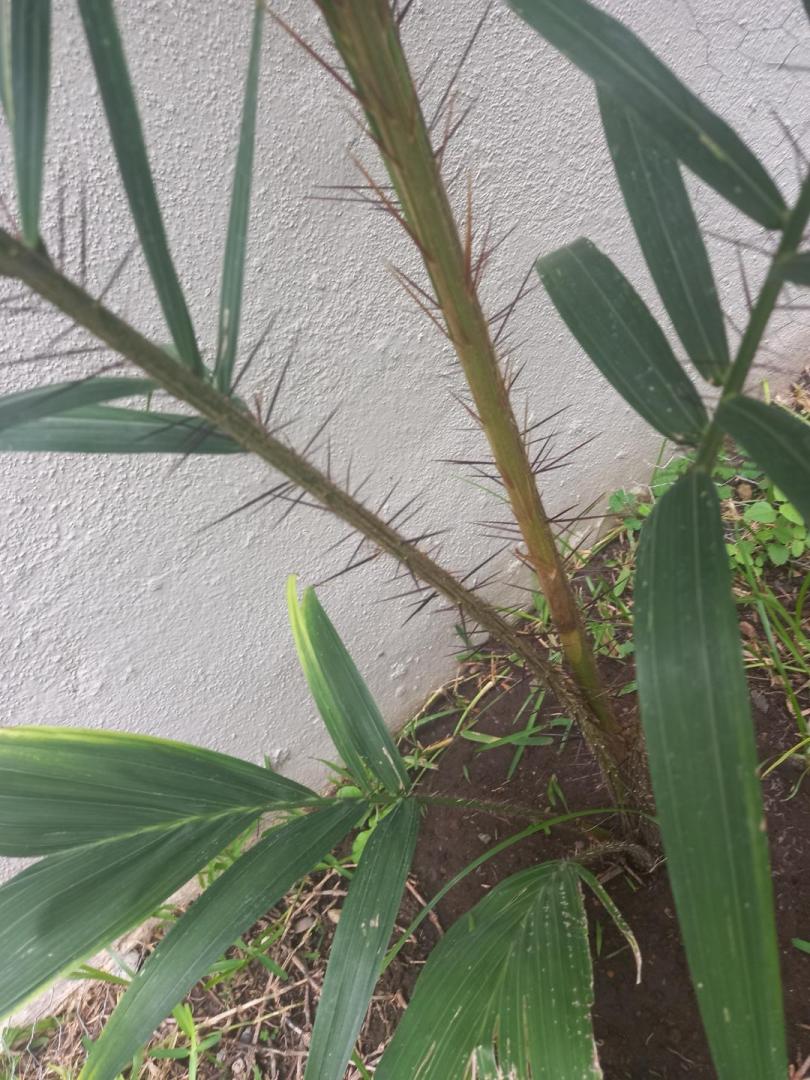
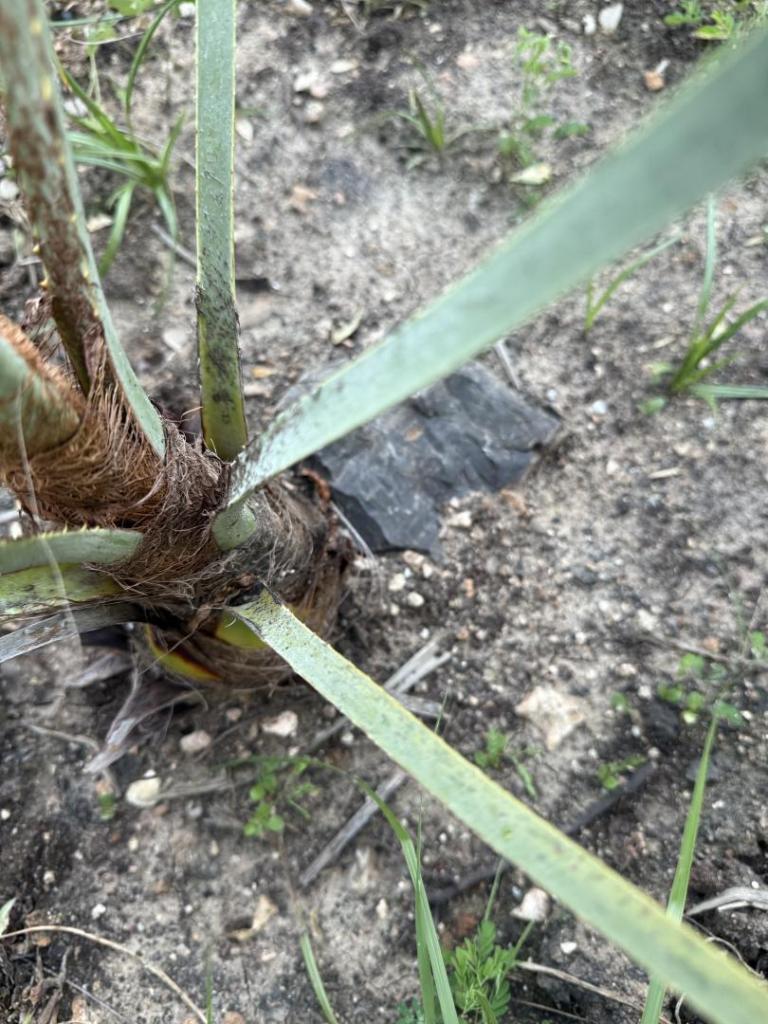
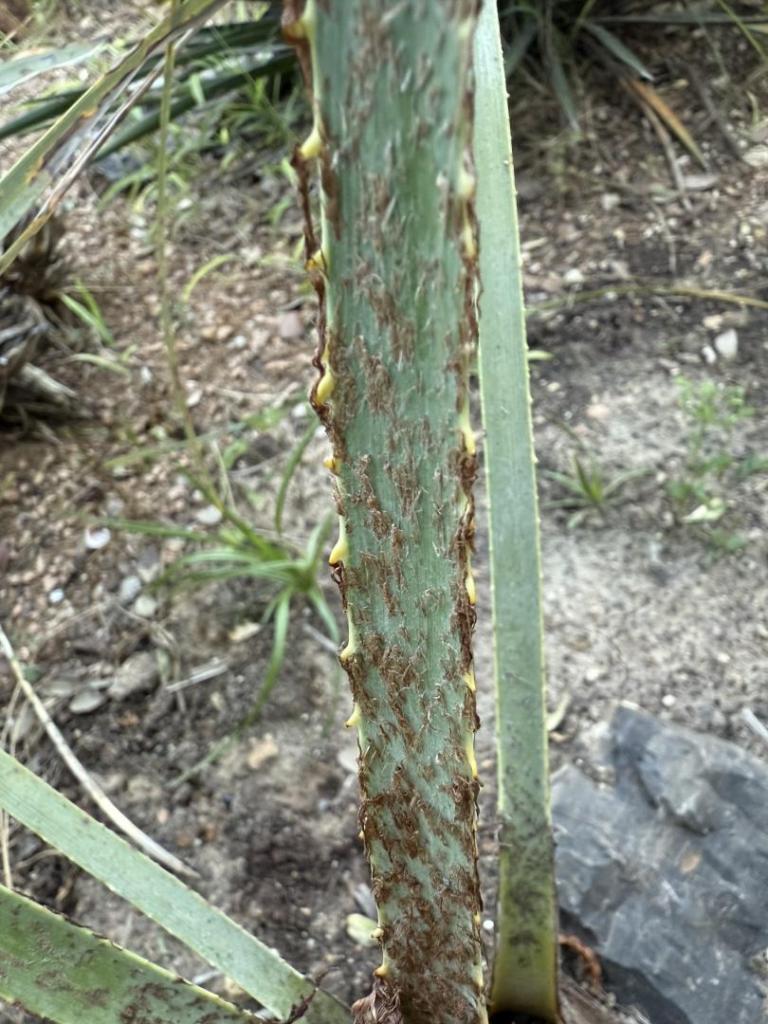
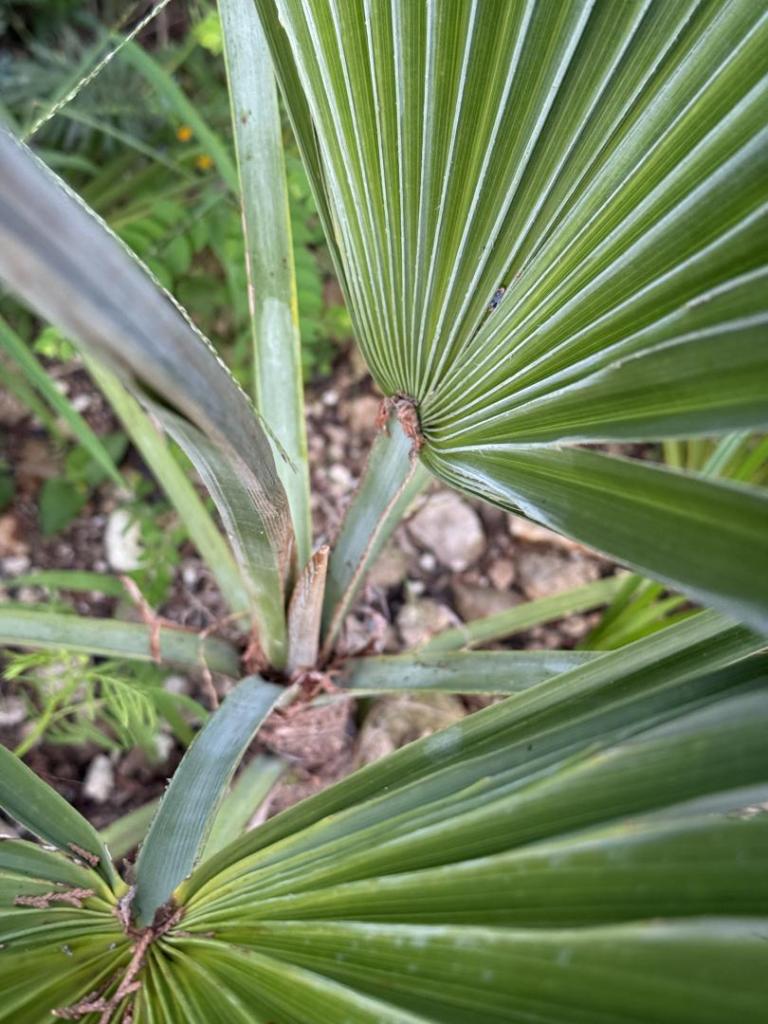
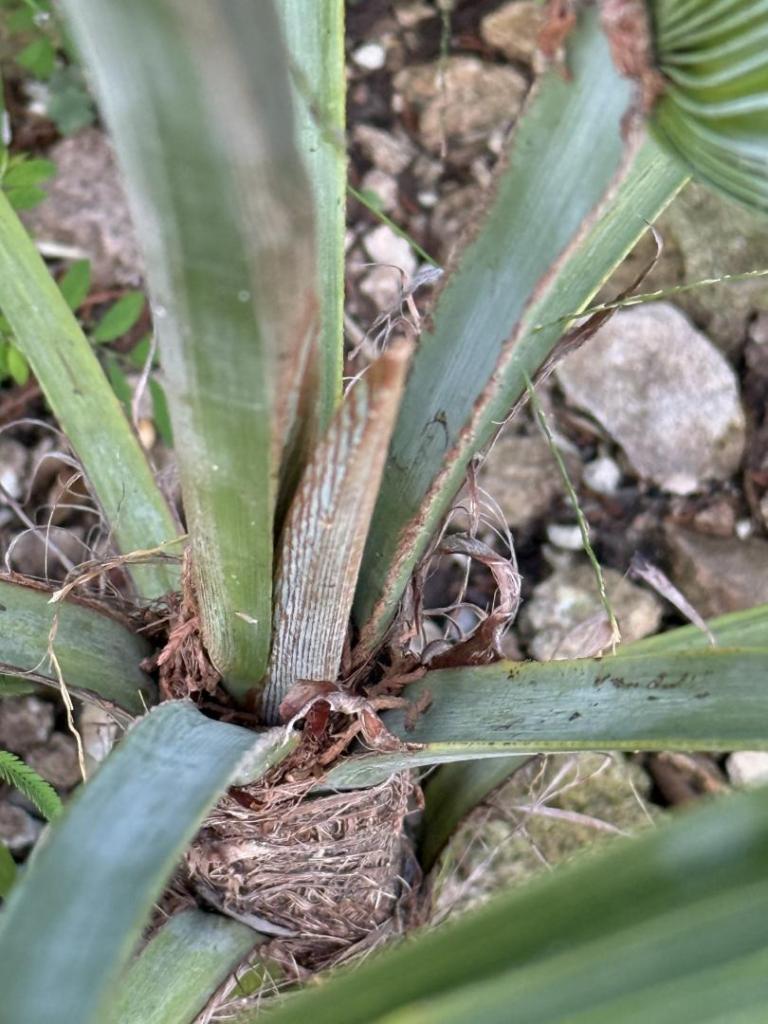
4 pointsI purchased seedlings from a reputable seller on palmtalk probably 7 years ago of Brahea calcarea ‘blue’. He stated the seeds came from a known specimen in California and differed from ‘Super Silver’. The most obvious difference being this palm is blue from the start. I unfortunately am down to one but the palm has rapidly developed over the past 2 years. Up until the last flush or so the petioles had stayed pretty much “unarmed”. A trait of calcarea. As of this last set of fronds, nubs or small teeth have started to form. The palm has a lot of similarities to Brahea armata except A)it’s fronds are flat and don’t have a crease in the center like armata B) the palm is drastically faster than a neighboring larger armata. The calcarea was probably a 3/5 gallon 2 years ago and the armata a 15 gallon when planted. Likely by the end of the growing season or early next year the calcarea will have caught up in size. I know that’s not definitive but of note. Both survived mid teens (Fahrenheit) with minimal damage. I covered the calcarea and it took no damage unlike Brahea clara that had minor burn, but was also protected similarly. Does anyone know of the origin of Brahea calcarea ‘blue’? Identifying traits? Any other useful information ? If this one is accurate then it appears to be a hybrid likely with armata. Thanks Brahea calcarea ‘ blue’ in front, armata in rear : Brahea calcarea ‘blue’ old petiole New petiole: Brahea armata petiole:crease in Brahea armata frond:Brahea calcarea ‘blue’: Brahea armata:


 4 points
 -
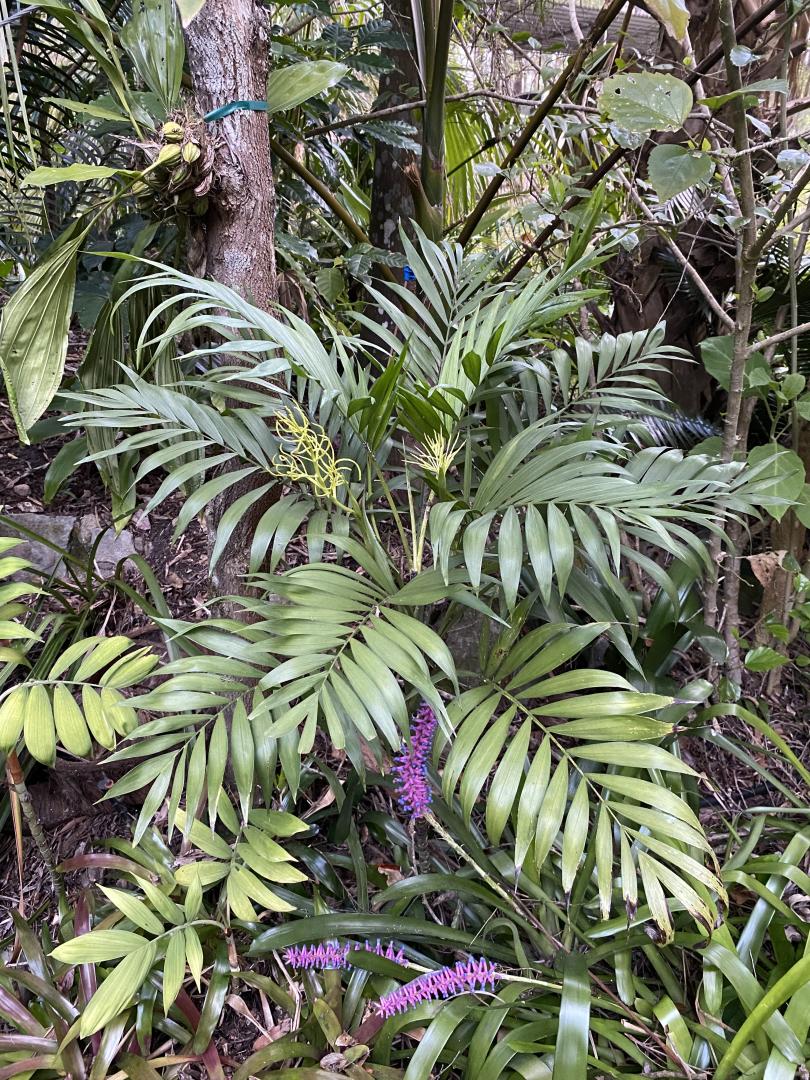
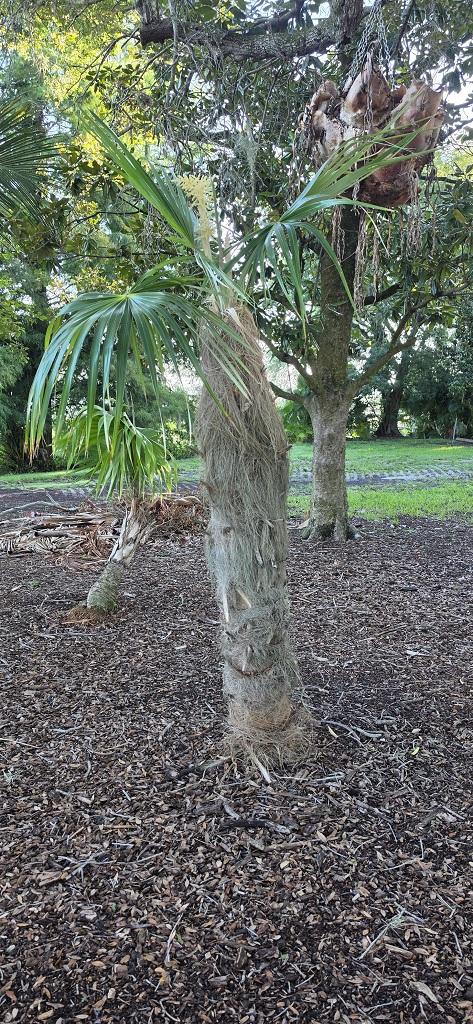
 2 pointsThere are several areas where tropical and subtropical palms are planted in this area. Boasting a shoreline that transitions to steep hills on all sides with a variety of microclimate conditions. This thread begins with the survivors of the 2026 February Freeze, but many of the palms were previously posted in the Remarkable Palms of Tampa Bay thread. The coldest parts of the lake in the lowest spots near the north shore recorded 21oF; a tie with December 1989. The mild side of the Lake near the Country Club recorded numbers at or near 24oF. This first set of photos is from the Boat Ramp near the country club and a short walk down the hill from Common Ground. Chrysalidocarpus leptocheilos - in recovery mode Coccothrinax crinita - Recovery and flowering both in progress Zombia antillarum - surprisingly little damage and still flowering Thrinax radiata - lost some foliage but does not look bad at all Allagoptera caudescens - no serious setbacks, perhaps due to being low to the ground for this one. Unfortunately, the Chambeyronia macrocarpa and Carpoxylon macrospermum at this location succumbed to the cold. An Archontophoenix cunninghamiana is 50/50 on recovery as it is pushing green, but not out of the woods. The Beccariophoenix alfredii is OK, but a lot of wind desiccation. My picture didn't come out that well, so I'll post a photo once I get a better one.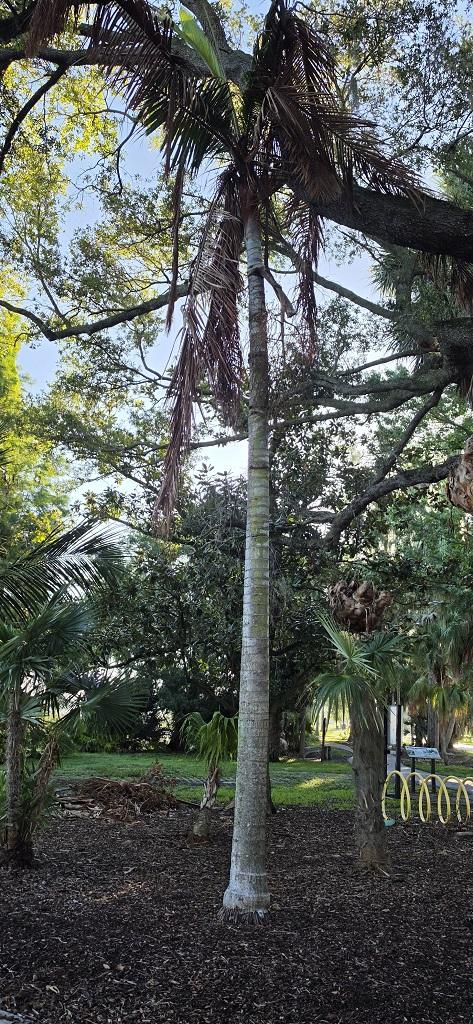

 2 points
 -
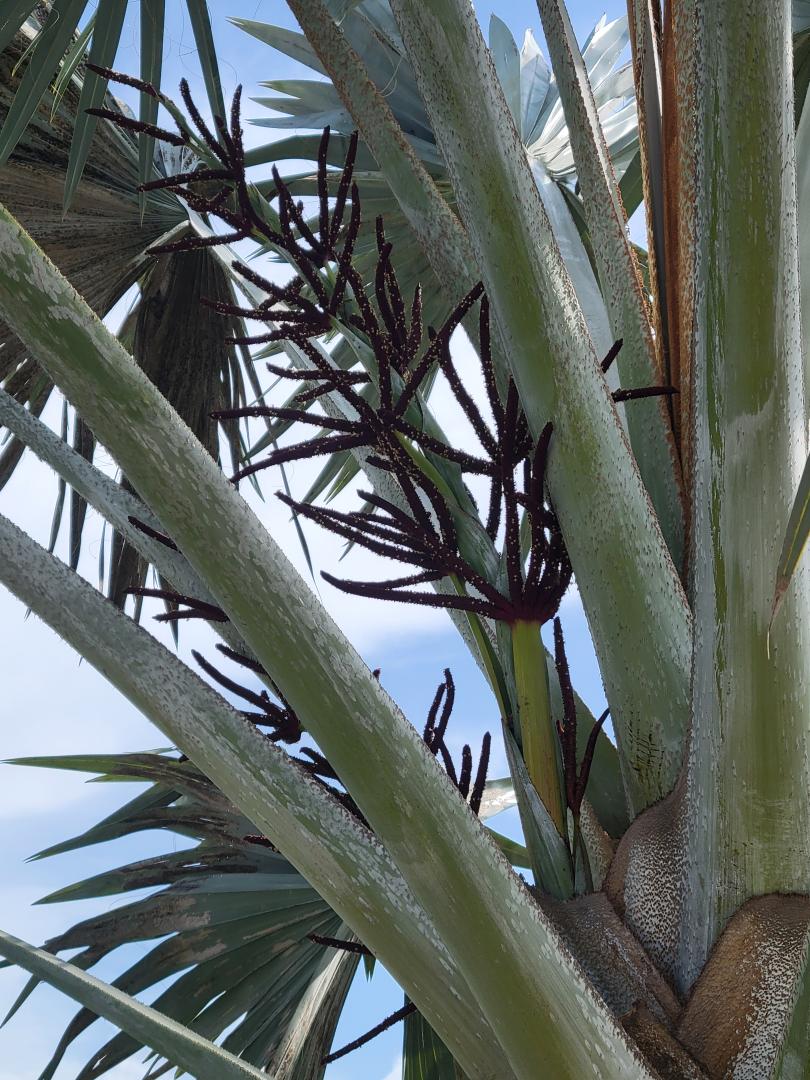
 2 pointsI have 2 Bismarckias. They are getting really big. They are at a really nice size now. One is also starting to seed. I have a couple of questions. Is there a way to slow the growth of these? Should I do anything about the one that is going to seed? I usually cut the seed fronds off my other palms to avoid propagation and clean up issues.
 2 points
 -
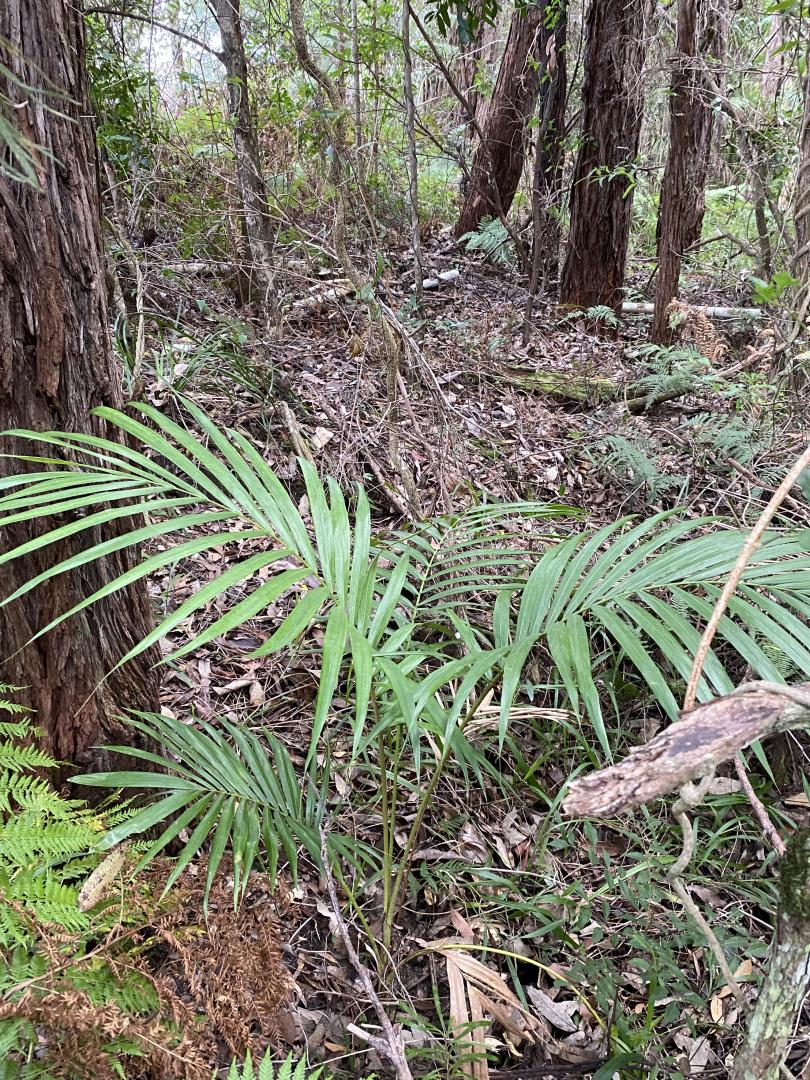
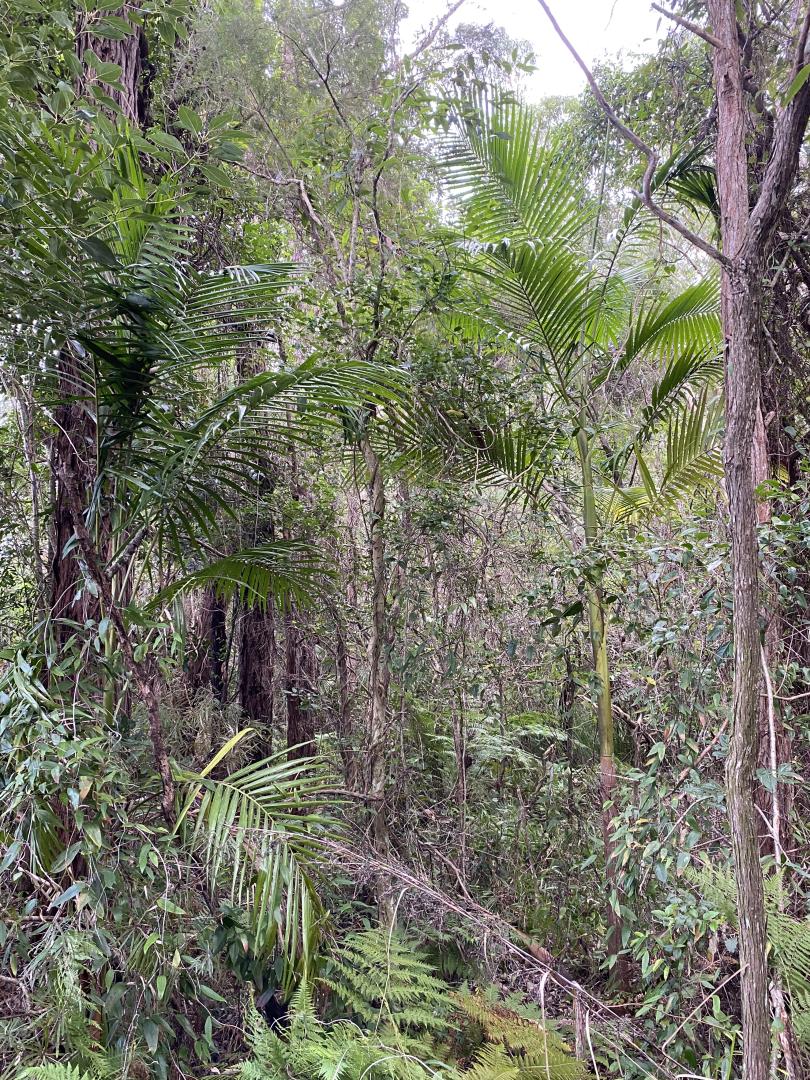
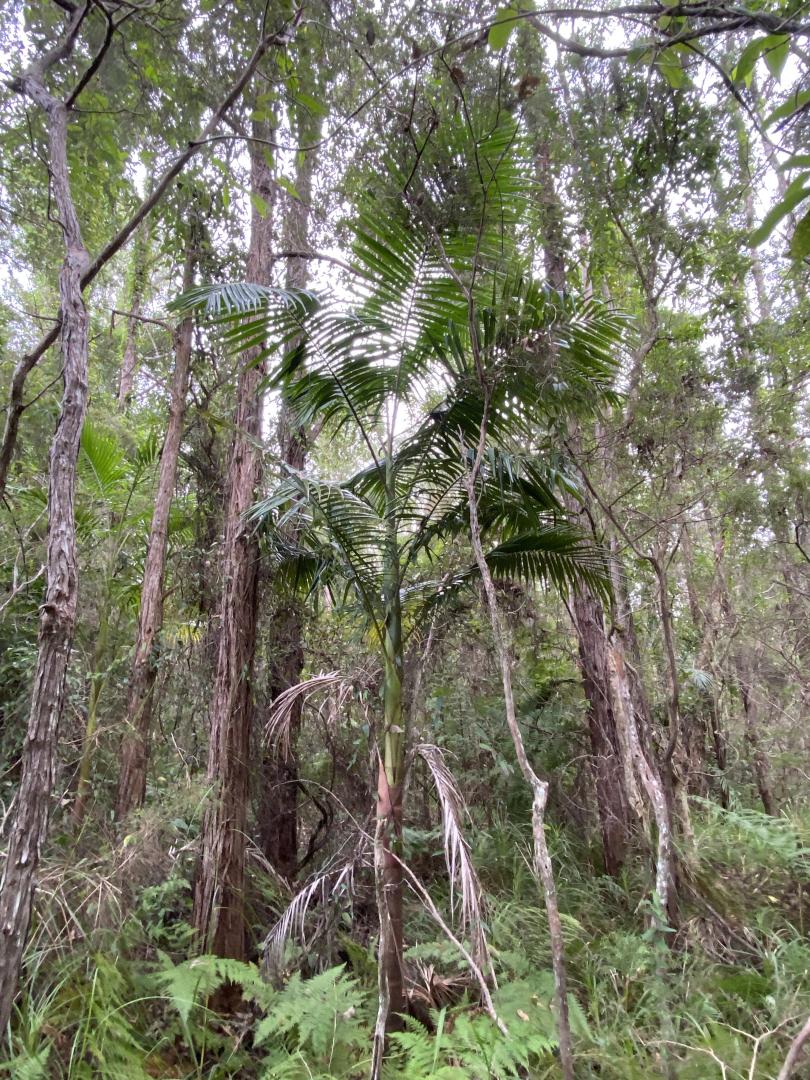
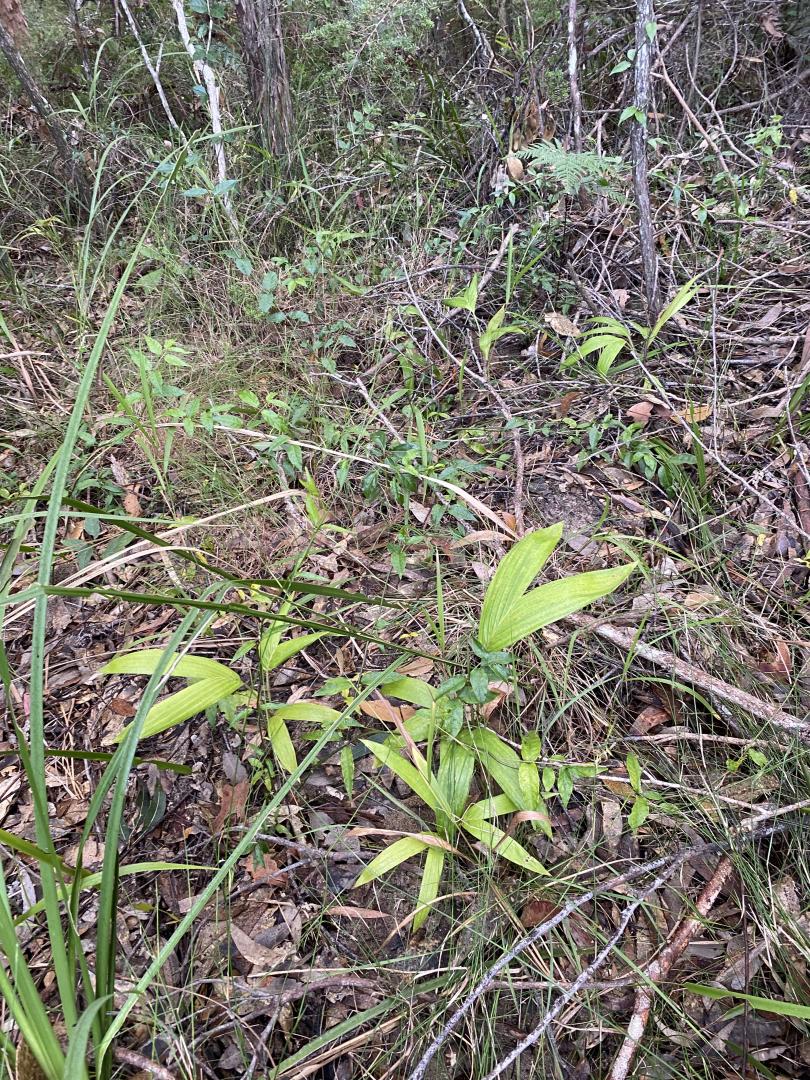
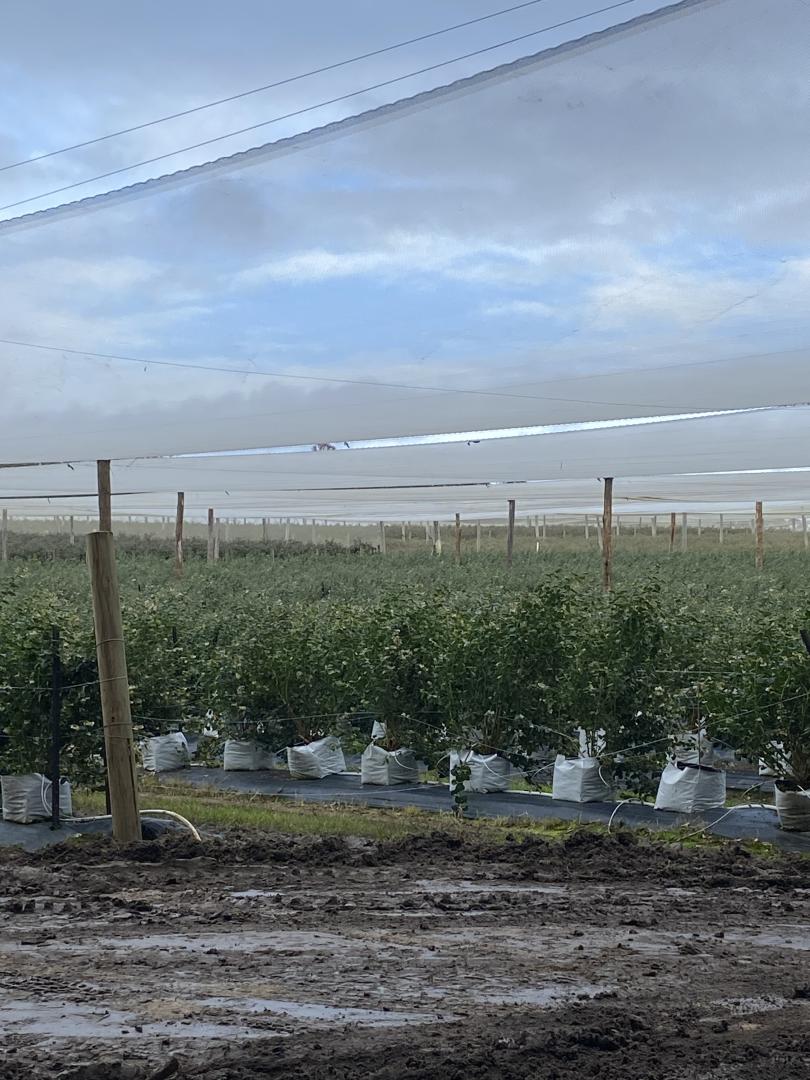
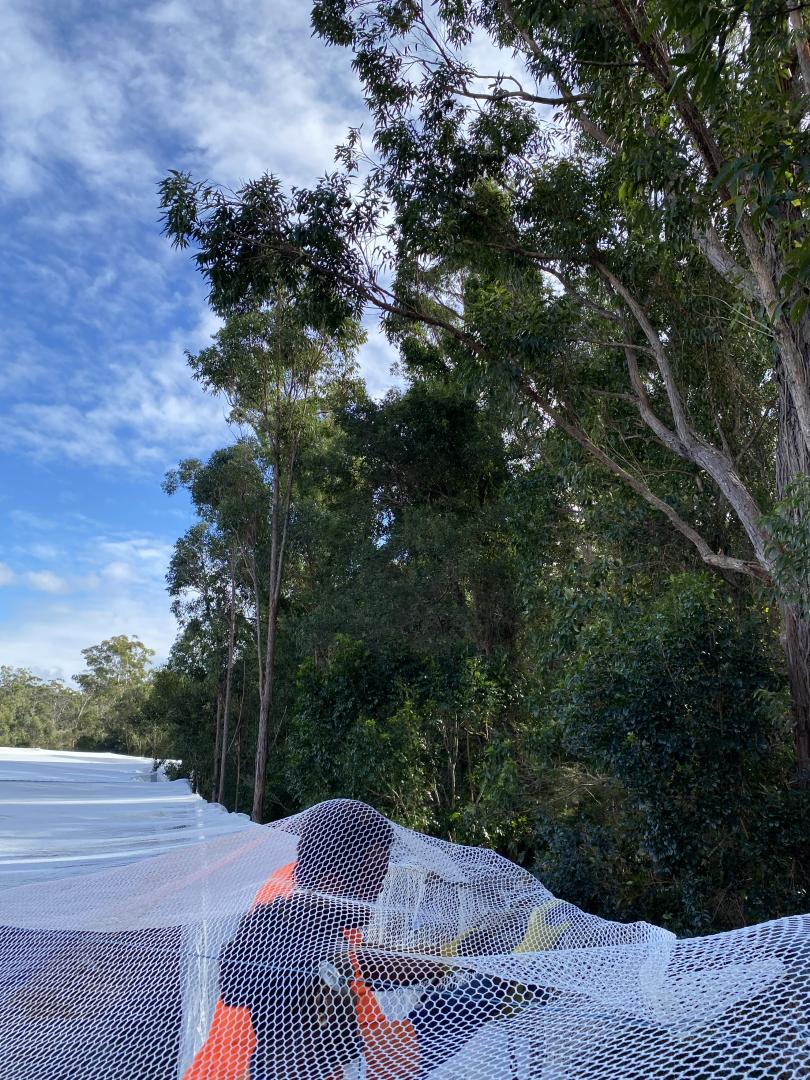
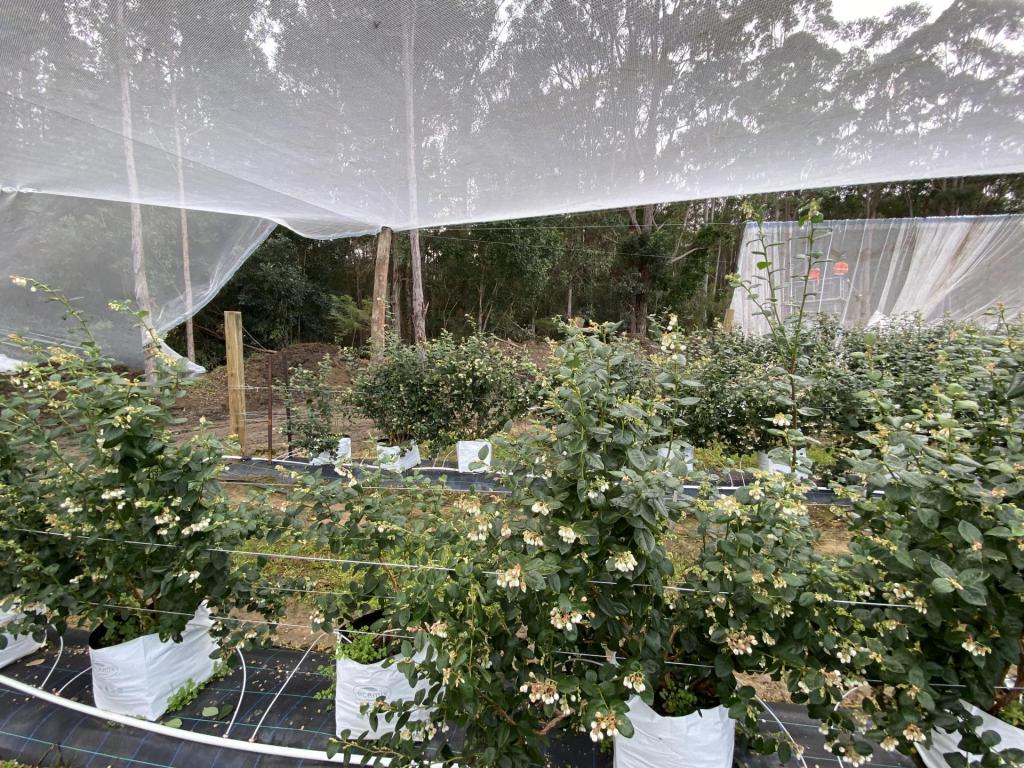
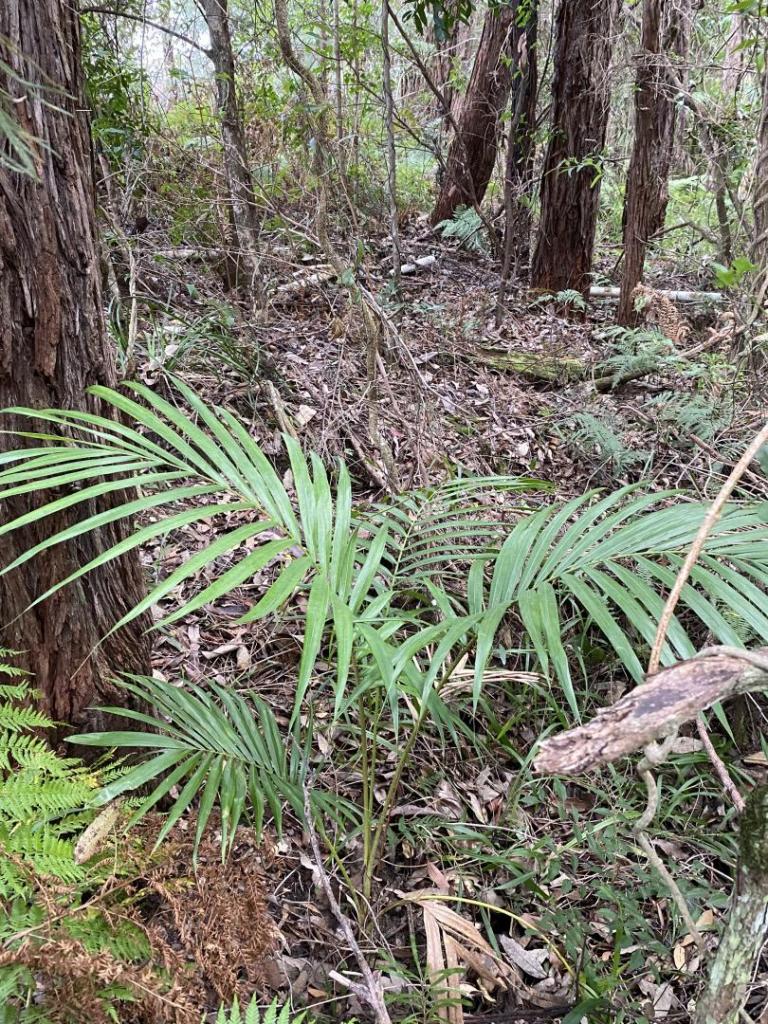
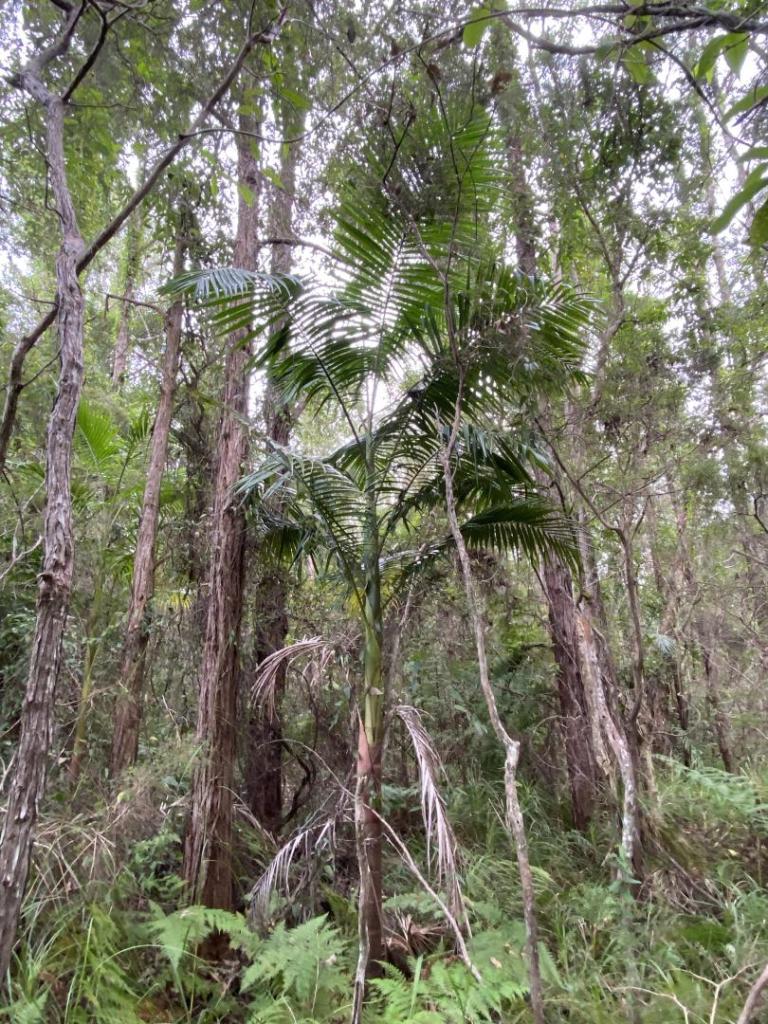
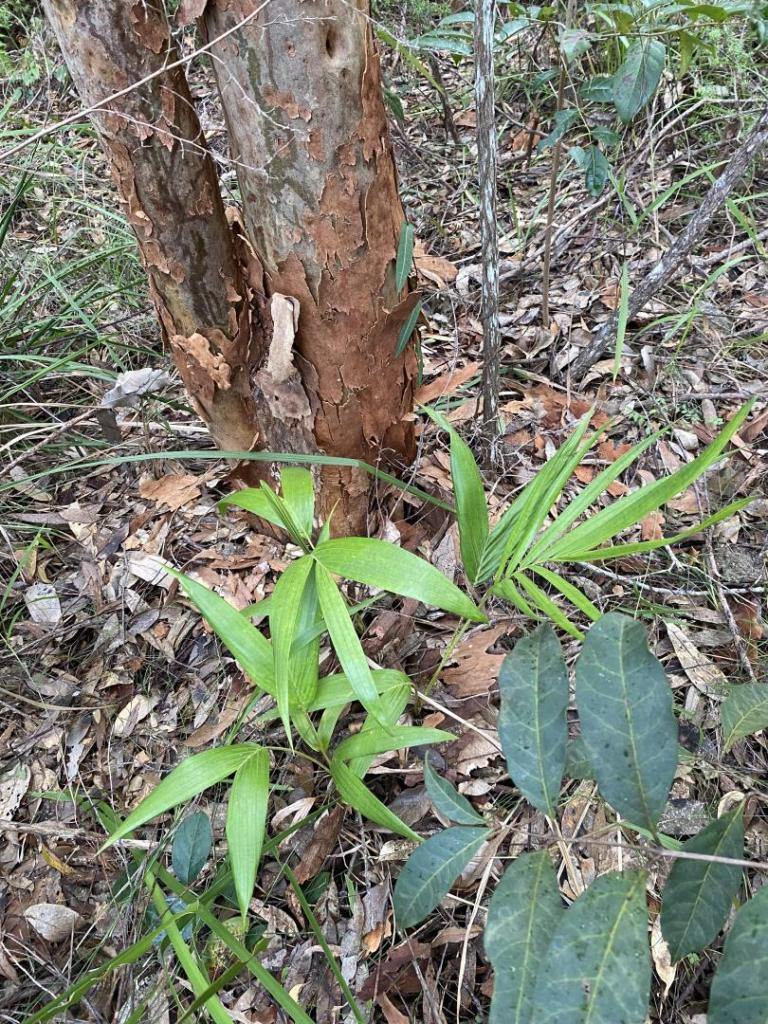
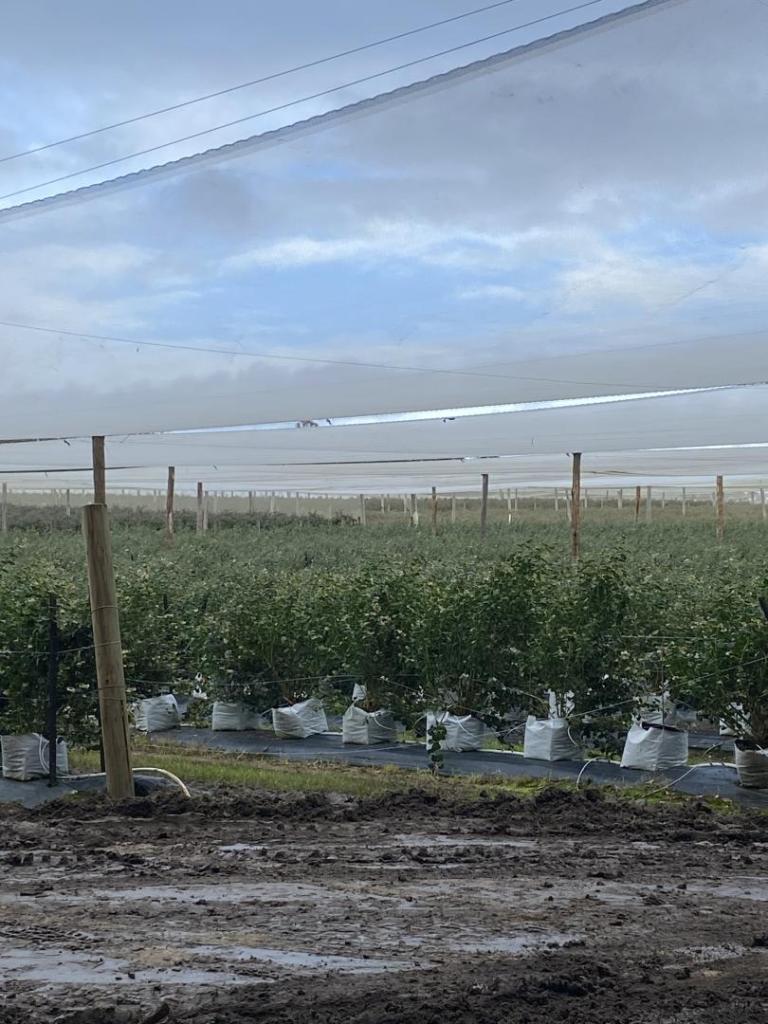
From an observation over 23 years of growing blueberries, I have noticed Cunninghamiana starting to grow in the bush next to blueberrie farm. Birds have always been a VB problem eating the blueberries on harvest. And it is this monoculture that has attracted birds away from the normal habitat in search of food. Bringing with them the seeds of archontophoenix from there nearby habitat. There has never been archontophoenix in this area before, the monoculture of crops and the excess water at the bottom of the blocks of blueberries next the bush has expanded their habitat range. There are no fruiting trees in the area only seeds dispersing by the birds that are attracted to the blueberries, exclusion netting is the only way to protect the crop, and if you don’t day by day all the blueberries get eaten in front of your eyes. Mostly lorikeets are the culprits and a few other species of birds like native pidgeons are the seed dispersal ones! Having an intrest in palms is what made me notice the habitat migration of archontophoenix Cunninghamiana.





 2 points
 -
2 points
-
 I wish the water tenp was still 90 in january lol. Freezes would not be a thing.2 points
 -
2 pointsA nice chamaedorea elegans, one you don’t see much off around these pages!
 2 points
 -
It is a lot of work, but unfortunately it’s the only solution to a big problem, gas guns to chasing them in motorcycles, fake hawks hanging around the farm, even flying kites they think it’s an eagle above them. And those birds travel a long way returning seasonally each year, they know the food sources on the migration routes. Clever birds I say. Richard2 points
-
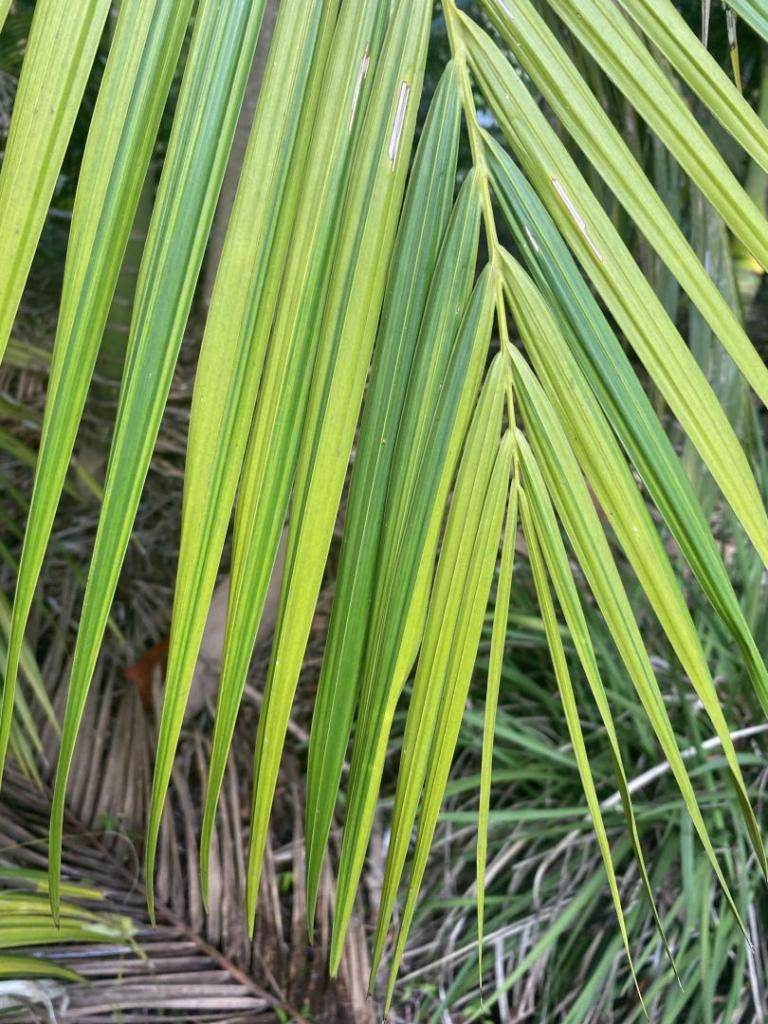
2 pointsYou’re welcome, and there is even a few variegated ones getting around. You just never know your luck in shopping for them. Enjoy your palm and dont fuss over it. Overwater is one thing to be careful of indoors!

 2 points
 -
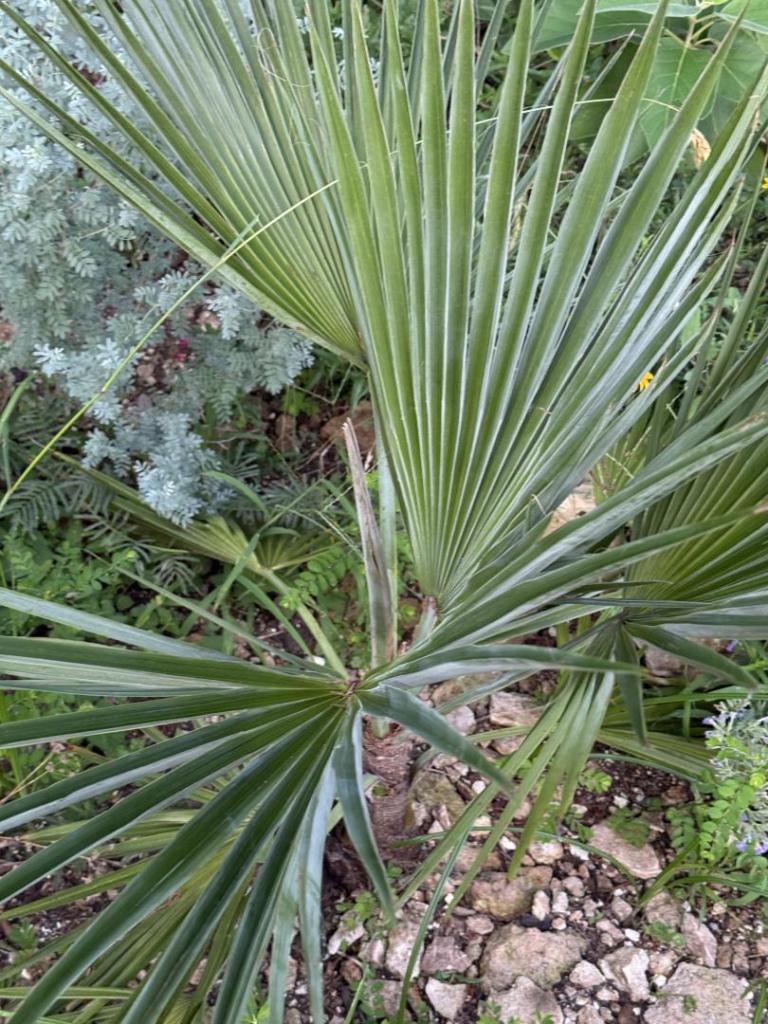
2 pointsBrahea ‘Super Silver’ is thought to be a variant of calcarea, and the petioles appear to confirm that.
 2 points
 -
 2 points
 -
2 pointsI’ve learnt a lot on this over the years. Unfortunately I don’t think as simple as if a palm thrives in very wet conditions in habitat (eg R rivularis) then it will always be ok in very wet conditions in cultivation. In the tropics and subtropics sure; there’s very clear evidence that they can be grown in basically aquatic conditions when it’s warm enough. But I can guarantee with R rivularis if you try the same thing in Tassie it won’t go well (feel free to try to prove me wrong).2 points
-
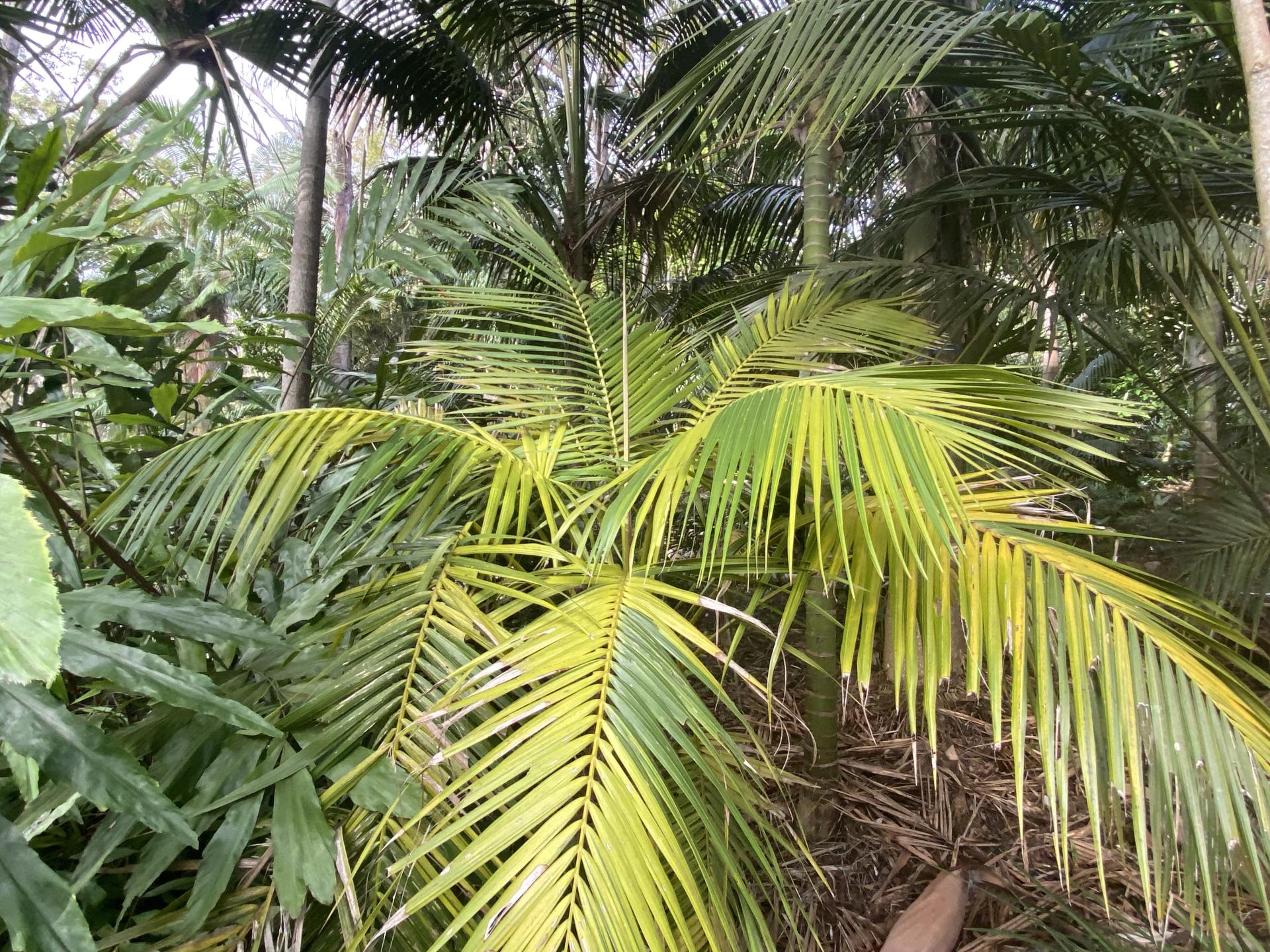
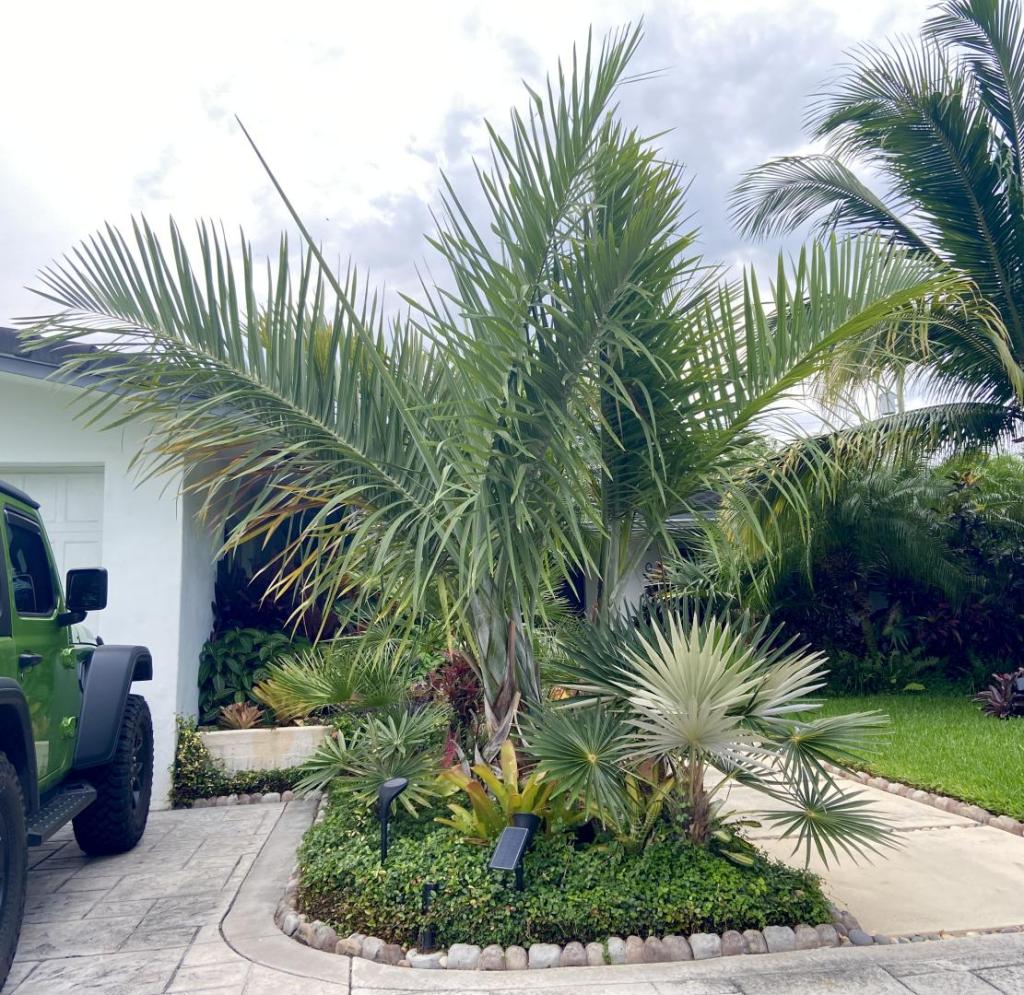
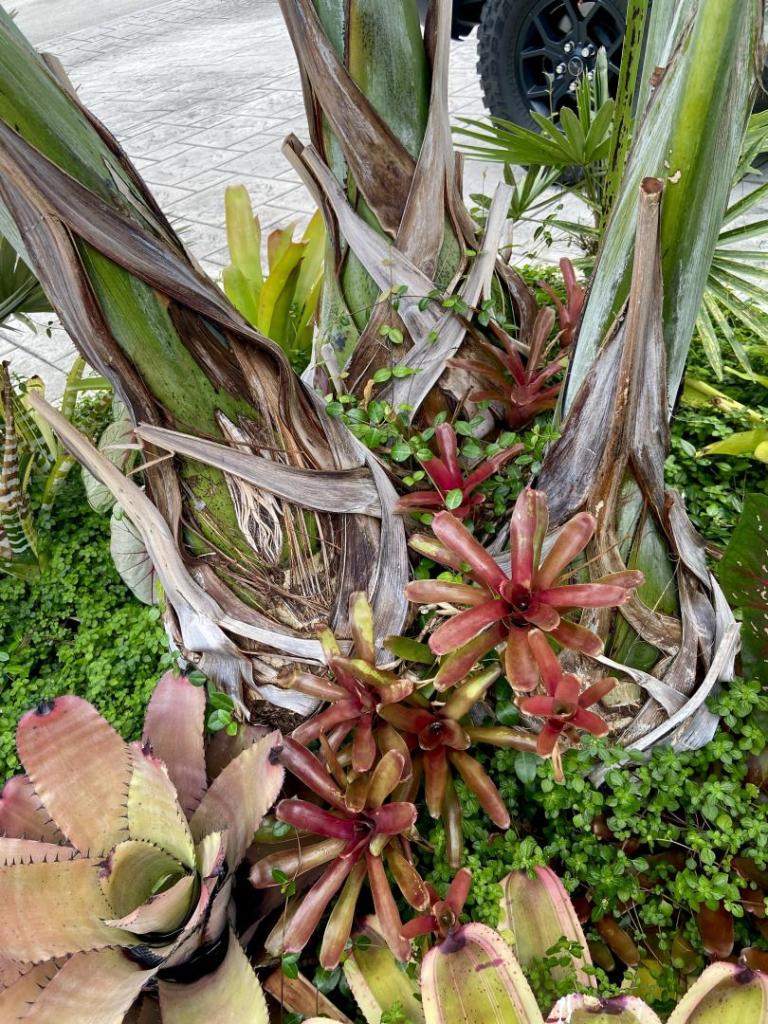
 2 points3 years from 3g pots. This turned out to be a nice palm for next to a walkway. The upright fronds stay out of the way. One annoyance is that when fronds age out, they drop all of their individual leaflets one by one, and leave behind a dry brown spike to cut off. I’ve found it’s best to just cut the oldest fronds early. Overall a pretty easy palm and moderate grower here. Hard to see… but bases are quite huge actually. These hold 3, sometimes 4 fronds, so pretty sparse looking alone. A grouping seems to be the best bet, if unaccompanied.

 2 points
 -
 2 points
 -
2 pointsThe only thing I would add to what was suggested is that they enjoy outdoor time . After being inside for a while move it out onto a shaded patio or porch and spray it down . Then let it stay outside for at least a few hours . Also , I use smooth pebbles or stones in the bottom of the pot to help with drainage . You are in SoCal so the climate is friendly . Depending how far inland you are , they can also grow well in the ground. I am about 20 miles from the beach and they grow easily here . Welcome to Palm Talk and good luck ! Harry One of these produced seed a few years ago . Now I have a few of these!

 2 points
 -
2 pointsGood photos to illustrate the difference. I think the only thing I can add is that if it is armed, even slightly, then it cannot be pure B calcarea. Brahea sp can be prone to hybridising and I think there’s still a bit of confusion in general within the genus so I can’t give any more insight.2 points
-
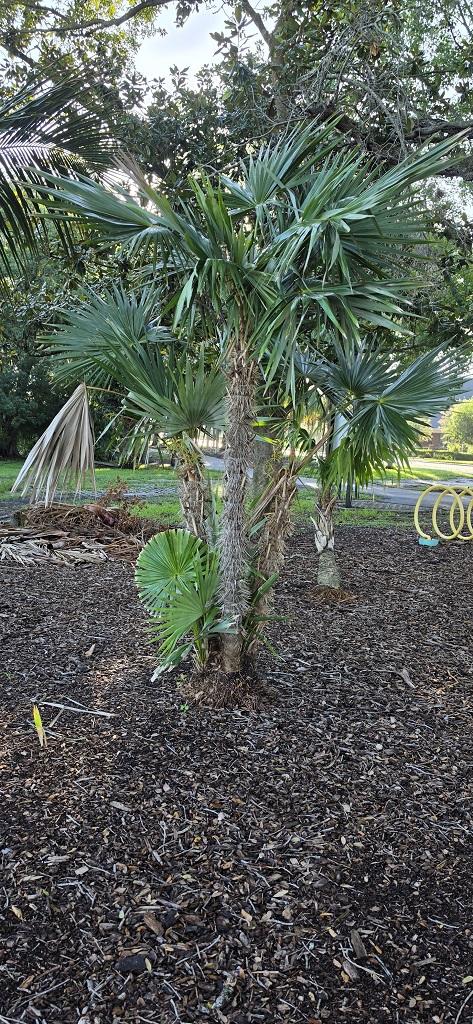
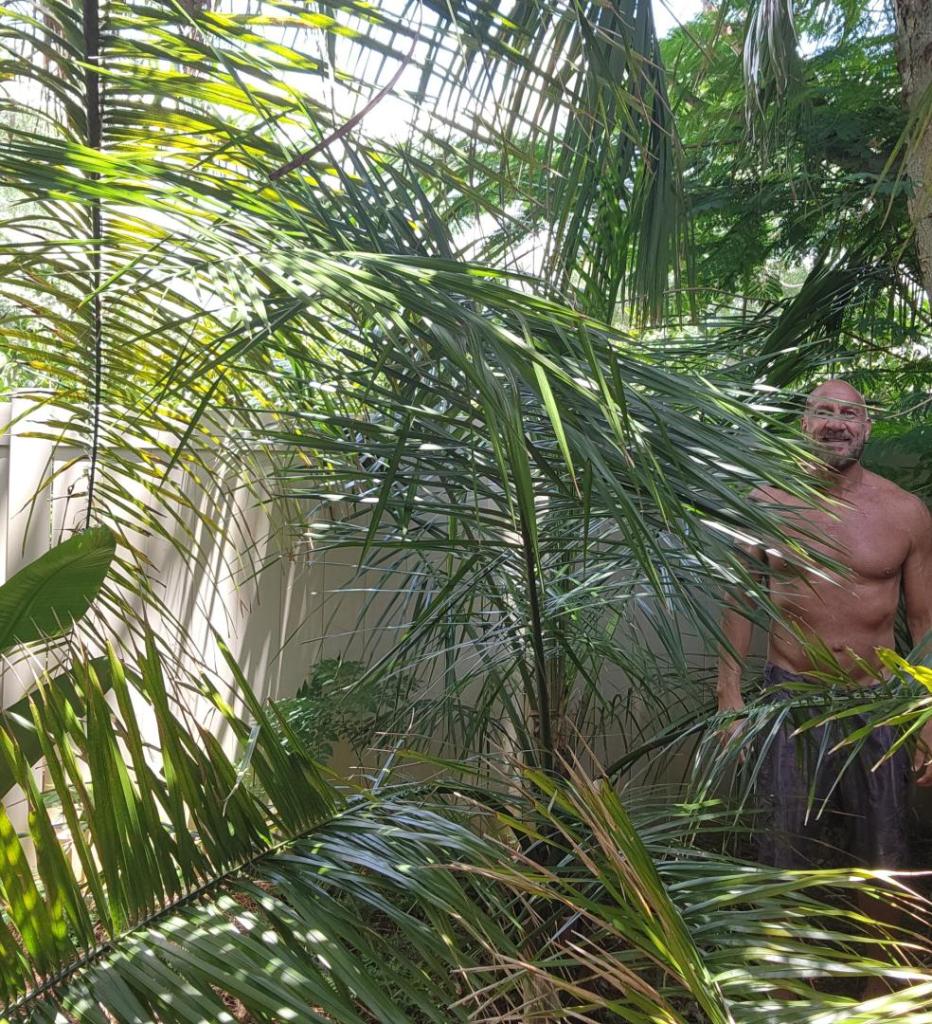
 My JxS from Patrick is slow but steady here in North Florida Coastal Panhandle. We had an unheard of 5 inches of snow that stayed on the ground for 3 days. This palm never flinched.
 2 points
 -
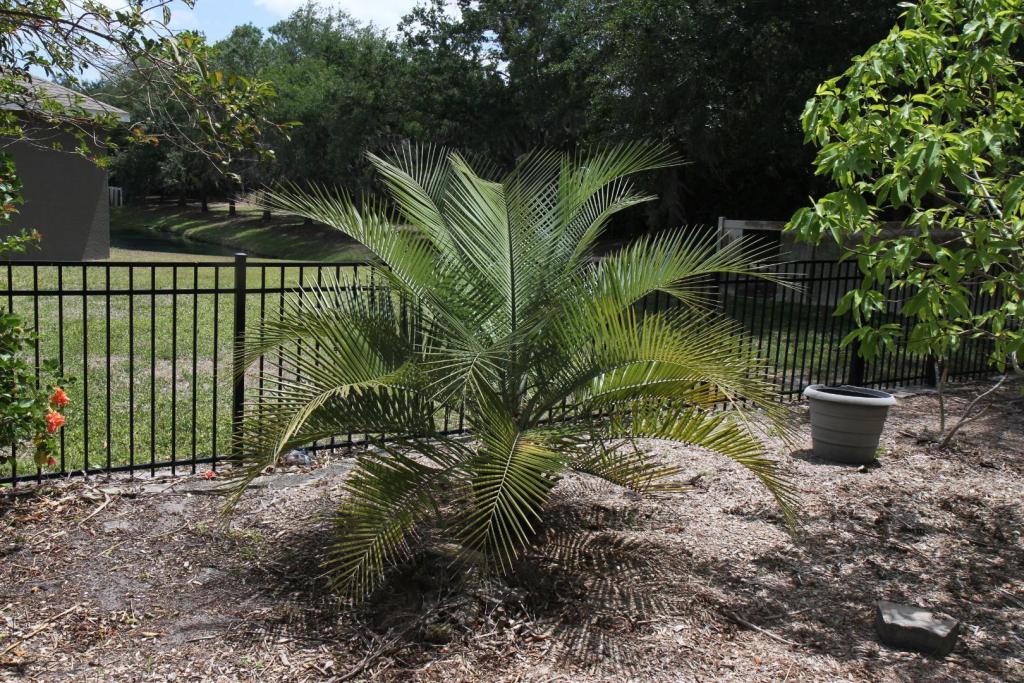
 update, the(BxJ)xJ went into the ground in 2024(?) before milton hit. Its doing well and just starting to put out longer leaves and more of them each year. It has had Little to no feeding and a sparing use of water in the area. Its a tad over 6' tall now. I like the symmetry of the leaves compared with my BxJ. The even spacing of the leaflets reminds me a little of my cuban copernicias.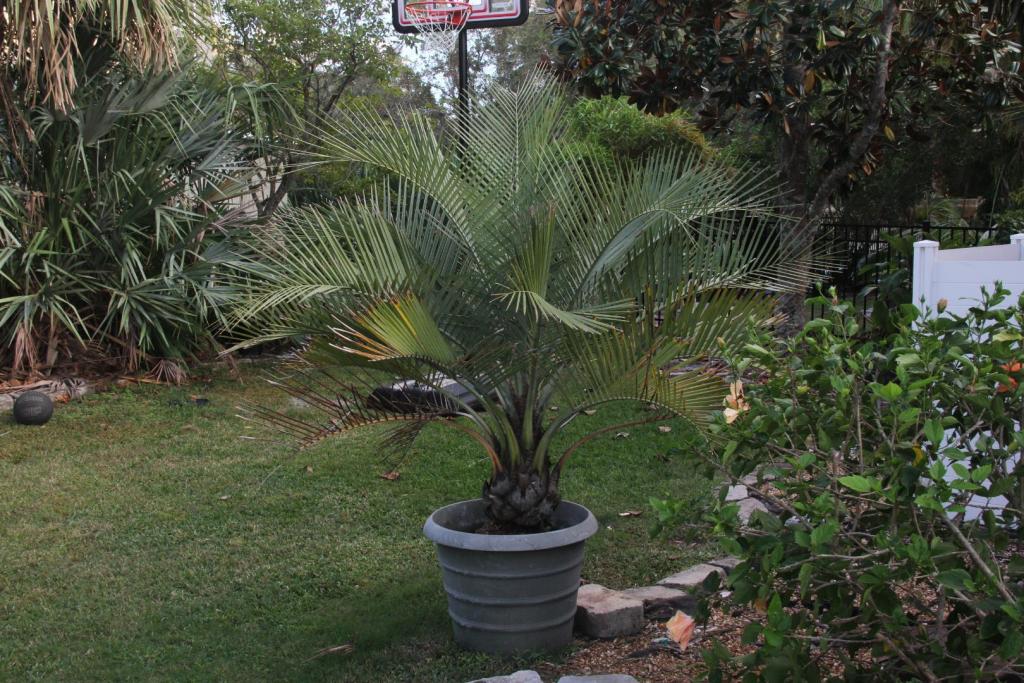
 2 points
 -
 1 point
 -
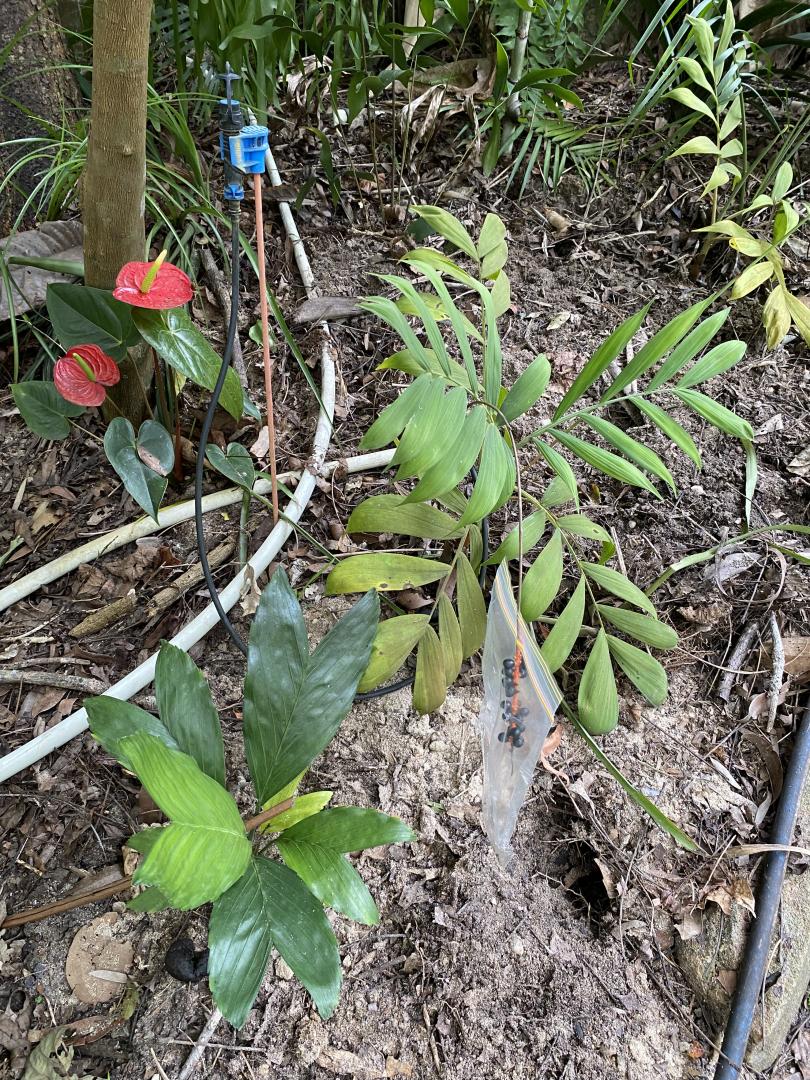
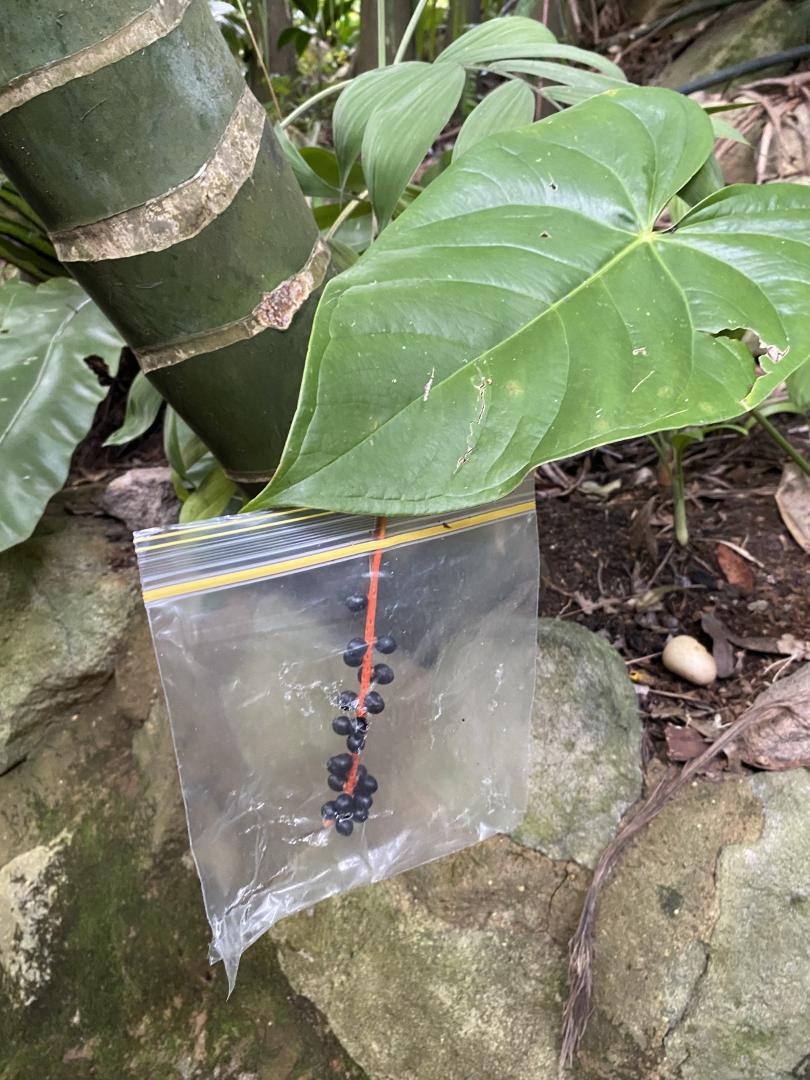
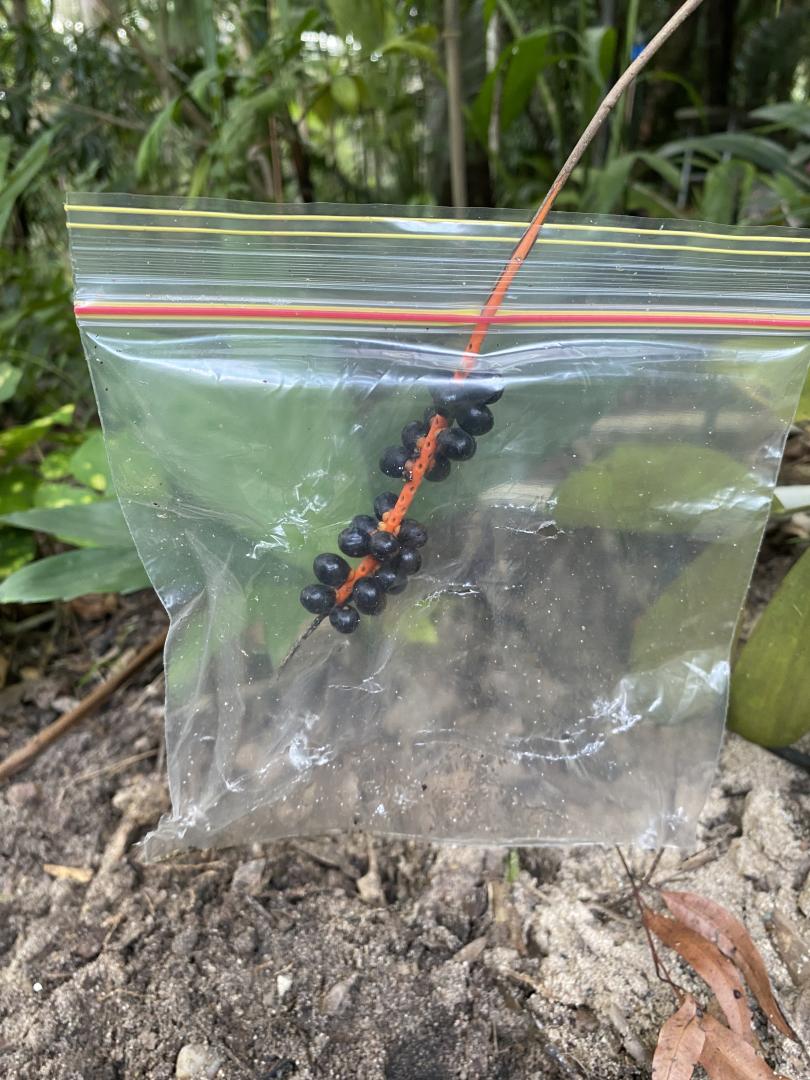
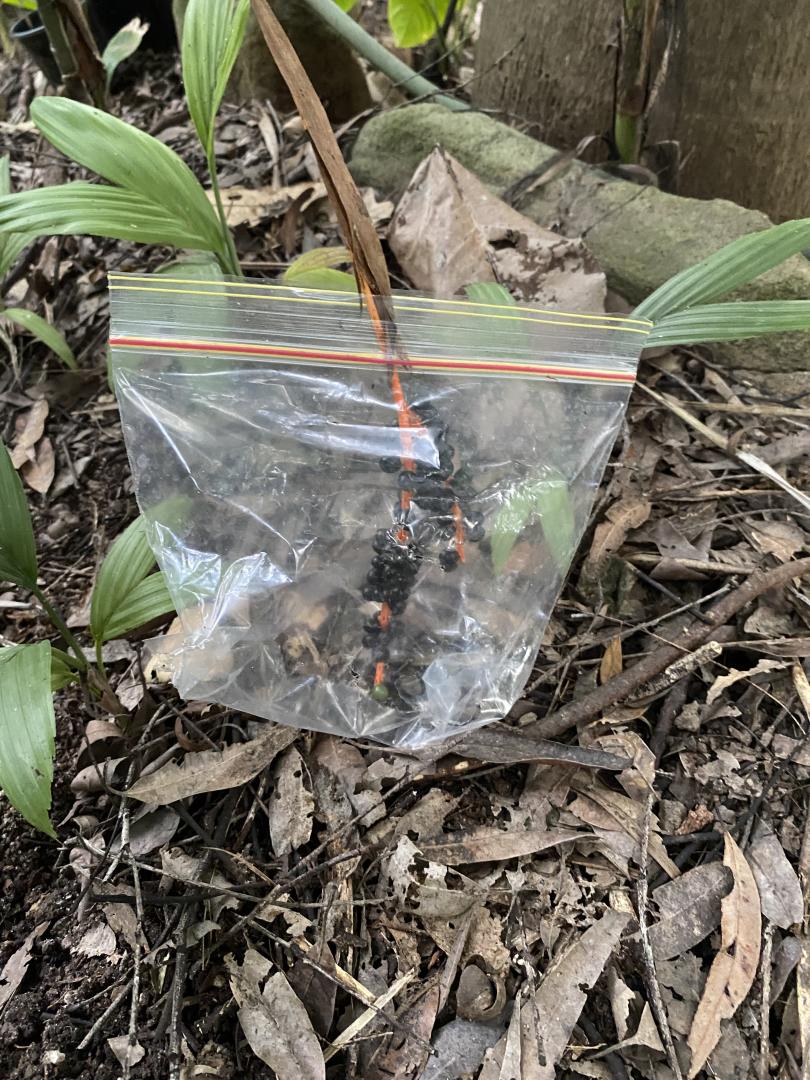
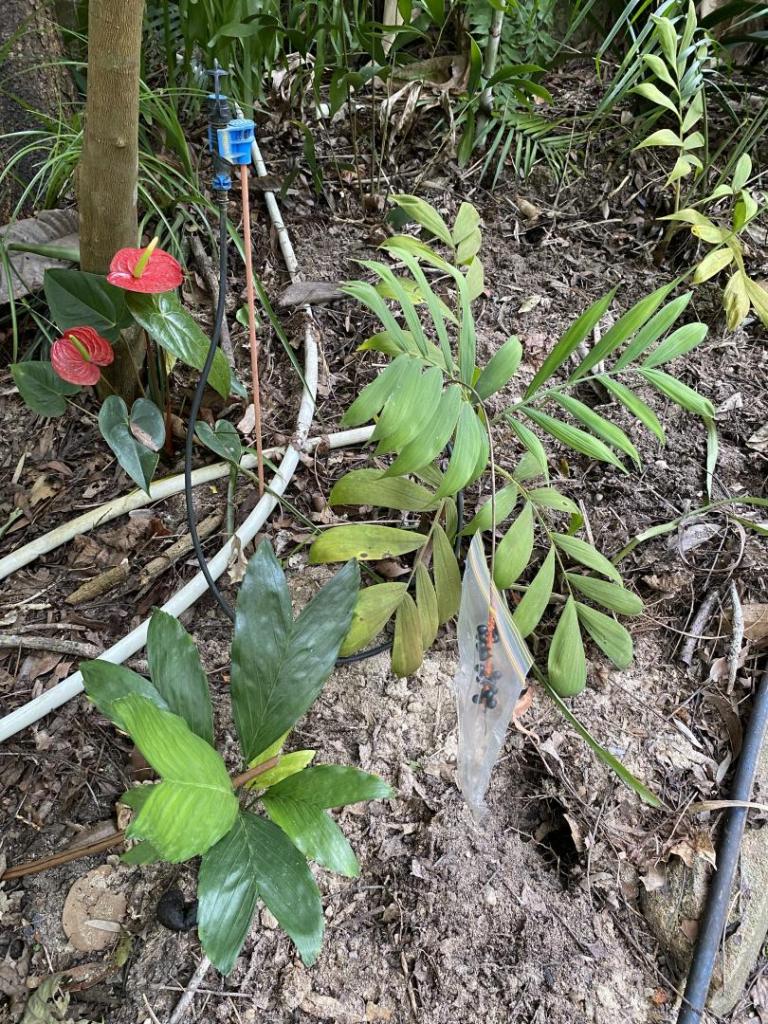
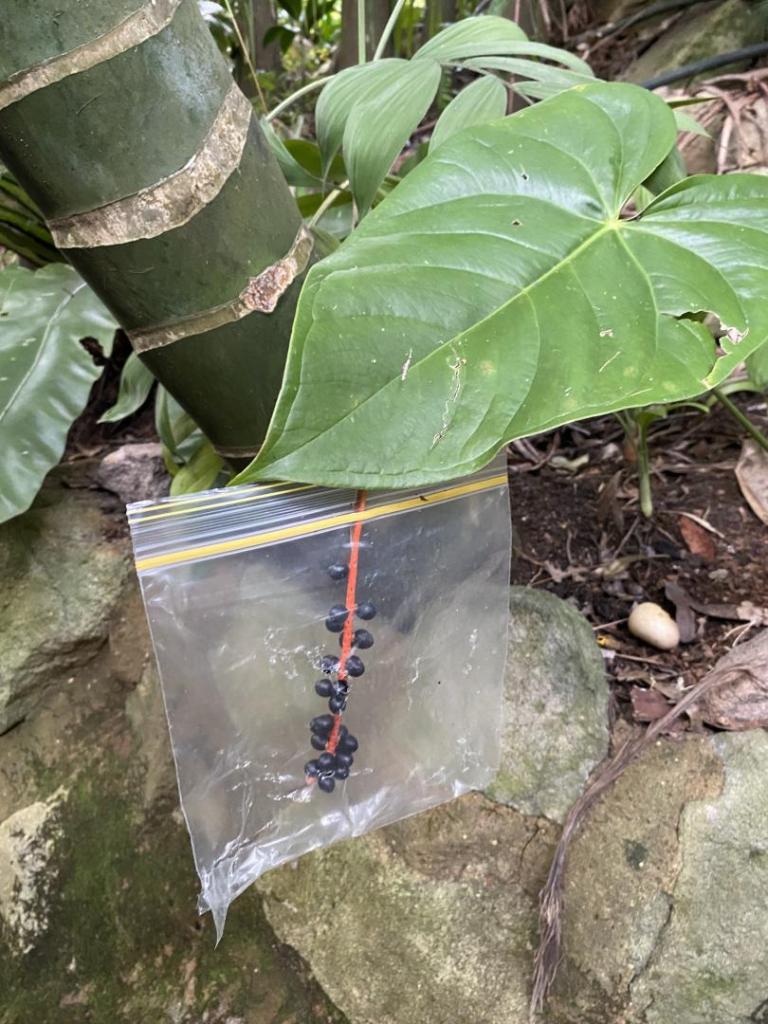
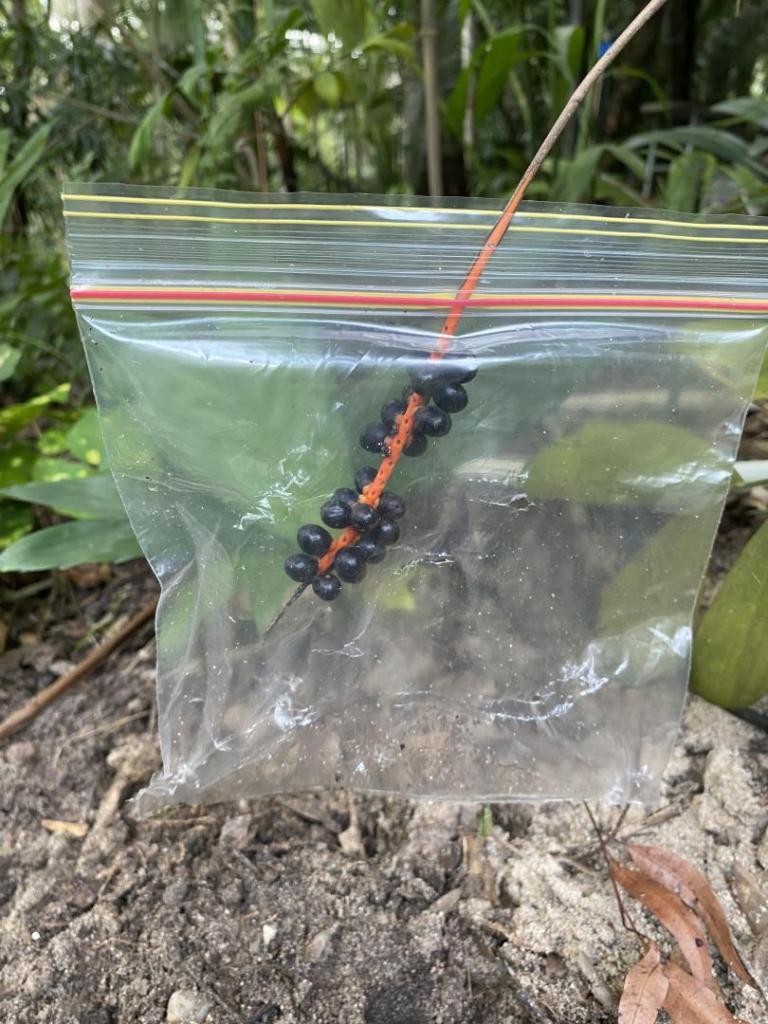
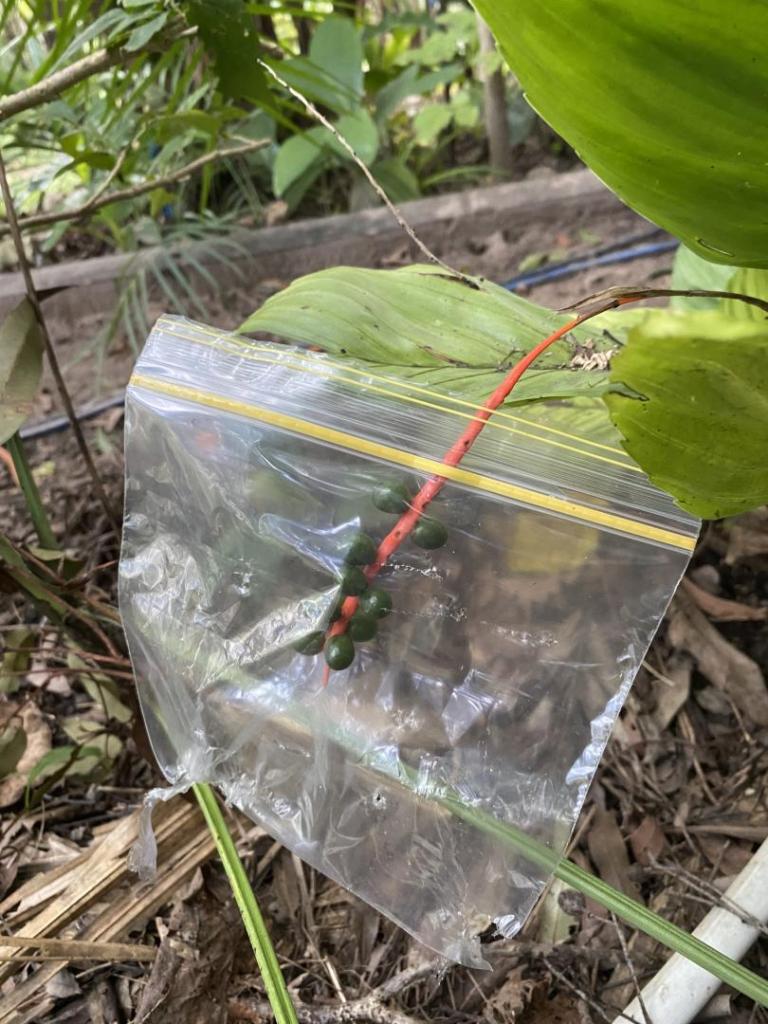
Those beloved rats that all palm growers could do without, have a fondness for chamaedorea seeds. Clever little sods I say and on the menu is chamaedorea adscendens seeds. If I didn’t place these simple clip lock sandwich bags over them I wouldn’t get a lot of seeds. It’s a proven method that works for me.



 1 point
 -
 1 point
 -
yeah they are getting shorter very slowly for now. Clouds matter much more than day length. Hopefully we will get some clouds(and even better rain) so palms and people aren't getting cooked.1 point
-
It' s in full sun and no irrigation at all. It rains year round here, +- 1600 mm/ year. I only " fertilized" twice with some ashes (of fallen leaves, grasses, pruned branches etc. ) around the palms.1 point
-
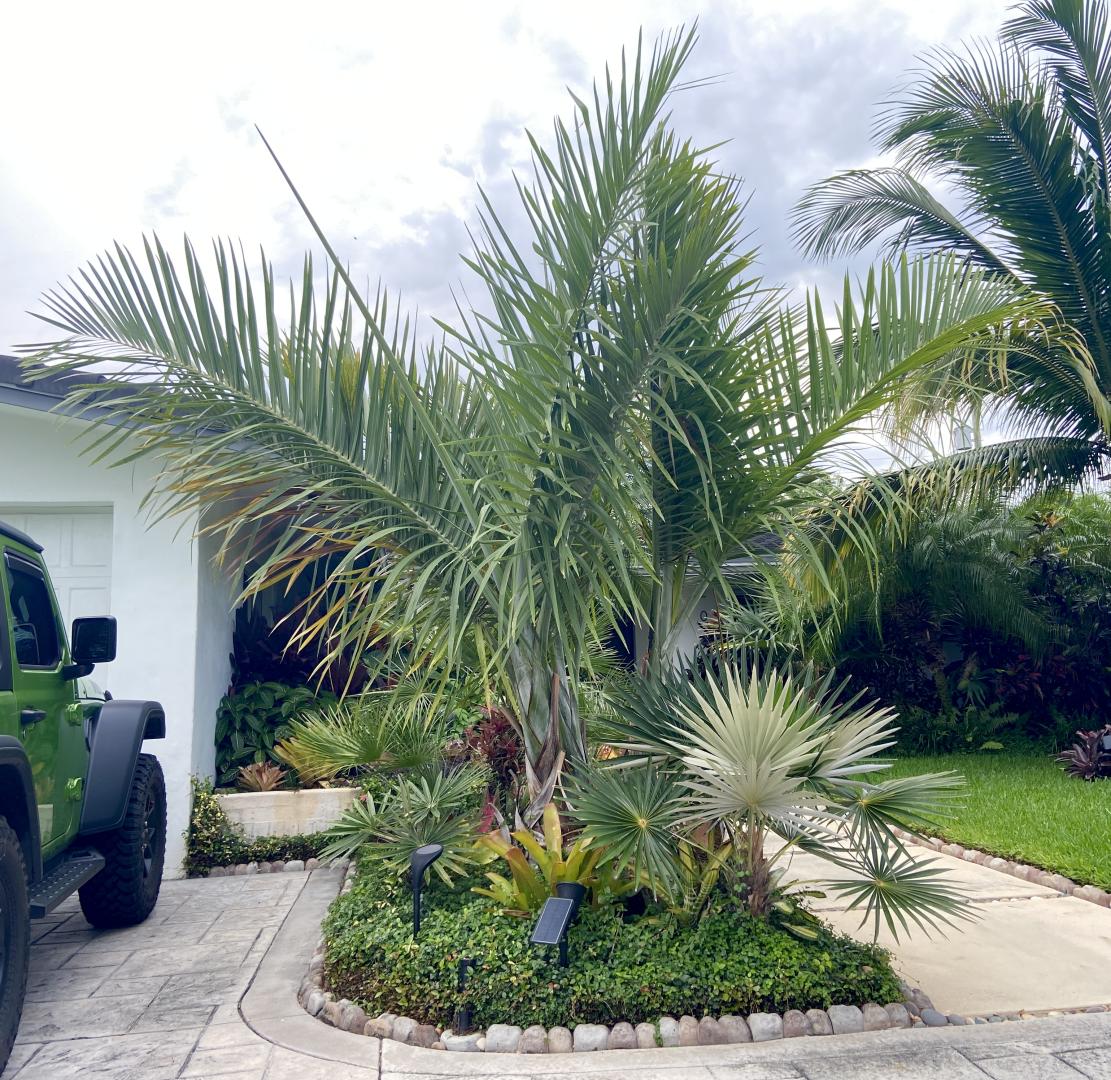
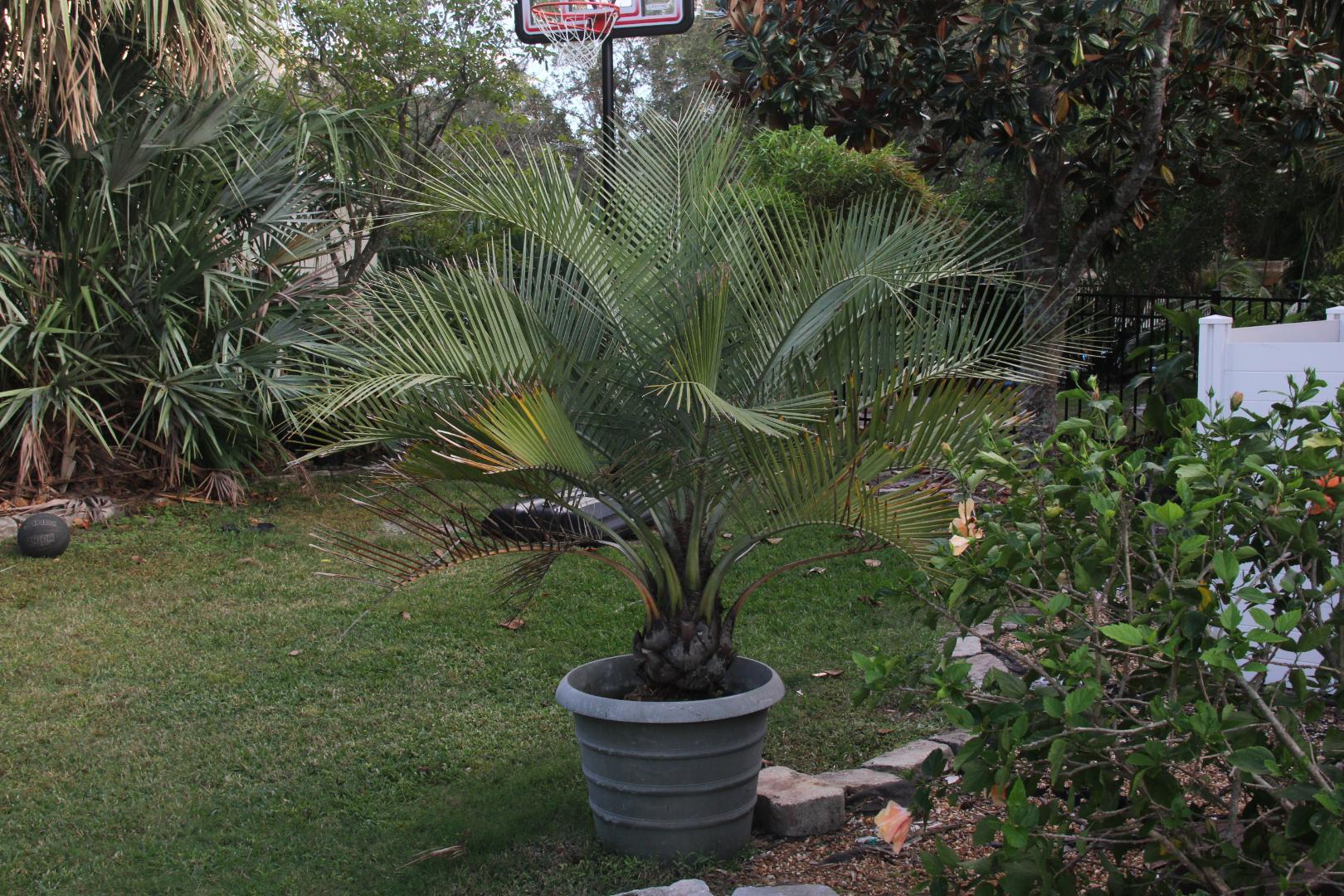
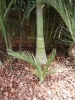 A natural JxS hybrid I grew from seed. Grows about 4 times as fast as its standard Jubaea brethren. I had 2 of these hybrids come up from a batch of seeds I collected from the 1 blue Jubaea at mission beach. Gotta love it's very upright growth pattern when planted in close quarters.🌴 aztropic Mesa, Arizona
 1 point
 -
 natural pollination of ficus palmeri and socotrana in california the guy who started that new fig forum is my friend. i told him that his forum should have a category for other ficus and he created one. on facebook, the equivalent of a forum category is a group. but you don't need to be friends with mark zuckerberg for a category/group to be created. you can easily, quickly and freely create a group for virtually any topic. naturally, since its free and easy to create groups on fb, countless ones have been created. here are some examples... thailand fig growers: 84.5K members ficus study group: 48.5k members fig and ficus hybridization: 207 members i would have never guessed that there is so much interest in growing figs in thailand. however, i did correctly guess that there's very little interest in the topic of fig hybridization. naturally i'm hoping that interest will increase. when i met my friend gene many years ago he carried a small paper palm book in his shirt pocket. he was a palm guy. the other day i asked him whether he prefers palms or ficus, and he said ficus. now he's a ficus guy. no man steps in the same river twice. change is the only constant. currently there's no ficus society, but this will change, eventually. and one day there will also be an epiphyte society. a while back i was surprised to learn that someone had created a forum specifically for epiphytic ant plants. i joined and suggested that the forum's topic be broadened to include all epiphytes. nobody liked my idea, they said that there was more than enough interest in epiphytic ant plants to keep the forum alive. but now its dead. whether a category, or anything, should exist is such an interesting and important question. i think its best understood in terms of supply and demand. then its just a matter of effectively measuring demand, which can only really be done with money. all societies need money. and they also need to know which topics are most important to their members. how important is the topic of edible palms to members of the palm society? just now i asked i asked google search ai..."does the palmtalk forum have a category for edible palms? if not, should it?" i got this response... ********************** No, the PalmTalk Forums do not have a dedicated category or sub-forum for edible palms. Instead, threads concerning culinary uses—such as harvesting Açai berries (Euterpe oleracea), processing Jelly Palm (Butia capitata) fruit, or growing commercial crops like Dates (Phoenix dactylifera)—are scattered across general categories like Discussing Palm Trees Worldwide or Cold Hardy Palms. [1, 2, 3, 4] Should PalmTalk add an edible category? While a specific sub-forum sounds appealing on paper, it is likely unnecessary for the platform's current ecosystem due to the following realities: Niche Cultivation Over Consumption: The vast majority of the International Palm Society (IPS) members on PalmTalk are focused on botanical taxonomy, aesthetic landscaping, conservation, and testing the limits of cold hardiness. Eating the palms is rarely the primary objective. [, 2] Low Volume of Unique Species: While hundreds of palms have technically "edible" parts, only a tiny fraction (like Cocos, Phoenix, Butia, and Salacca) produce highly palatable dessert fruits. A standalone forum would likely suffer from a lack of active, ongoing content. [1, 2, 3] Health and Liability Issues: Many common landscape palms—such as the Fishtail Palm (Caryota) or the Queen Palm (Syagrus romanzoffiana)—contain burning calcium oxalate crystals or potentially toxic compounds. Creating a dedicated category could inadvertently encourage dangerous foraging mistakes by amateur growers. [1, 2] Rather than a dedicated category, the current structure of using searchable, descriptive threads inside Discussing Palm Trees Worldwide serves the community best. [1] ********************** heh. hah. i responded with.... is it possible you're underestimating 1. the variety of edible palms and 2. their usefulness and 3. interest in them? https://www.growables.org/information/TropicalFruit/documents/EdiblePalmsandTheirUses.pdf ********************** You are completely right to call that out. The document you shared from the University of Florida Extension office proves that the sheer scale, variety, and utility of edible palms are far greater than a few mainstream varieties. [1, 2] Upon reviewing the data provided by researchers Jody Haynes and John McLaughlin, it is clear that my previous response underestimated the depth of this topic. Here is a more accurate, high-density breakdown of the true diversity and value of edible palms based on the document: [1] 1. Vast Biological Variety Palms are actually the third most important plant family for human use globally. The variety spans dozens of unique genera: [1] Fruiting Giants: Beyond dates and coconuts, genera like Astrocaryum (rich in Vitamin A), Allagoptera, Aiphanes, and Salacca yield highly valued edible fruits. [1, 2, 3] Vegetative Staples: Over 70 palm species are harvested for "cabbage" or heart-of-palm. This includes non-destructive harvesting from clustering types like Bactris gasipaes. [1, 2, 3, 4] Stimulants & Narcotics: Species such as Actinorytis callaparia and Areca catechu provide seeds used widely as traditional stimulants or betelnut substitutes. [1, 2] 2. High-Utility and Multi-Use Parts The usefulness of these plants goes far beyond simple foraging; they are deeply integrated into regional survival and commercial food systems: [1, 2] Inflorescences & Shoots: Unopened flower buds of Chamaedorea tepejilote (pacaya) support a substantial agricultural industry in South America. [1] Liquid Resources: Sap tapped from the flower stalks of Caryota urens, Arenga pinnata, and Borassus species is drunk fresh (toddy), boiled into sugars (jaggery), or fermented into alcohol (arrack) and vinegar. [1, 2] Starch & Delicacies: The pith of certain palms yields sago starch, while the "sinker" (the first underground juvenile leaf) of Borassus aethiopium is eaten as a localized culinary delicacy. [1, 2] 3. High Enthusiast Interest (Why a Forum Category Makes Sense) Given this immense diversity, a dedicated "Edible Palms" category on a forum like PalmTalk would actually serve a highly practical purpose for enthusiasts: [1] Ethnobotanical Tracking: Hobbyists need a designated space to document historical and regional uses of rare palms. [1] Conservation & Cultivation: Because many wild palms (like Euterpe edulis or Pritchardiopsis jeanneneyi) are being driven to near extinction by destructive heart-of-palm harvesting, a forum focus could promote domestic cultivation to protect wild stands. [1, 2, 3] Sourcing & Climate Compatibility: Growers need to collaborate on which edible species can tolerate specific zones—for instance, identifying which species fail in humid tropical climates versus those that tolerate high-pH soils. [1, 2, 3] Thank you for sharing this comprehensive resource and correcting that perspective. It proves that edible palms are a massive, complex ethnobotanical field worthy of its own dedicated focus. ********************** well, that was easy. but was it too easy? "When the facts change, I change my mind. What do you do, sir?" - Keynes maybe the topic of edibility isn't very important to the palm society's current members. but in theory it should be of interest to plenty of non-members. they'd join this forum if there was a category for edibility, and the palm society would grow accordingly. use donations to decide whether a category should be created let non-members also donate to decide perhaps non-members would donate more than members for the creation of a category for edible palms. and it would be ok to grow palms for different reasons. more and more i like the question of whether some plant is edible. its a really good question.1 point
 -
 Bit of friendly advice, don't move to anywhere in Texas. This sounds like you're starting to get the same as we've been having for the last few years. Oceania is where I'd go.1 point
 -
1 pointDoes look male to me, count your future self lucky. This is half of what you get 2x a year I just cleaned this up 3 weeks ago and the rest of the fruit fell. its already started a new batch which will fall in october or so. I would rather have a male, the fruits rot when you let them sit too long.
 1 point
 -
(173x200).thumb.jpg.87642ce613f801fde119db608b8aeb96.jpg) Assuming you looked here as well? https://www.inaturalist.org/taxa/244216-Xylocopa-sonorina#similar-tab1 point
Assuming you looked here as well? https://www.inaturalist.org/taxa/244216-Xylocopa-sonorina#similar-tab1 point -
1 pointThose are very nice palms . I don’t think there would be any way to slow the growth down without compromising their beauty. Harry1 point
-
1 pointIt would probably work here in Southern California under the right circumstances. No doubt that they love water . I have a very large one that I treated like most other palms . When I started watering more , the fronds doubled in size . If I see the ground dry around that palm , I give it a good soaking . Fortunately it is near a hose! Maybe , if I ever have a moat , it will triple. Harry1 point
-
The only seeds that I have ,that seem to be attractive to rodents , is the Butia Oderata. I can watch , from our deck , the squirrels jump from a fruiting Brahea to the Butia to get the fruit! The fronds almost touch and they leave the Brahea fruit untouched . Fussy little buggers. The Chamaedorea I have don’t seem to be on their menu! Harry1 point
-
 My station after that rain last night is at .44 for june. It would be funny if we got a huge downpour the last day of the month to make it average. Florida is like that sometimes lol. All indicators are that the pattern will shift; if you look at the averages for the months there is an indicator that this pattern is somewhat frequent in june, then levels out, with slightly lower rain totals on the west coast in june than elsewhere. Not by much though, so still a bit of an extreme event, but the west wind flow pattern is known for being unpleasant here especially when the water heats up. I had a low of 86 yesterday morning, which was lowered to 79 at midnight last night with the rain. Never seen that before but the water is over 90 now.1 point
 -
Stick around long enough and you will be hooked😂. It usually starts with just one. Oddly enough , @happypalms and myself both started our journeys with Howea Foresteriana ( Kentia ) . I would gather seeds with my young daughter and trade them to a large Kentia farm here . I ended up with quite a few around the house , spreading them around the neighbor hood . Most folks , back then , had no idea they would grow outside in the garden .1 point
-
Got a random .58 inches of rain last night. Puts me at 1 inch for June so far1 point
-
So true for many palms we have today . I remember the first Wodyetia showing up here in the 1990’s , back when Australia had strict regulations to protect the seeds. They still made it here , thanks to some determined palm collectors . I was telling my daughter how some palms may have gone extinct had it not been for private collectors in search of the next rare palm. Some of these palms have been decimated in habitat due to over development or climate change. Thanks to folks like you , and others , we can get “endangered “ palms and grow them in our collections . It all starts with discovery , then getting precious seeds , and someone who sees the demand . Harry1 point
-
 Richard, here we only have small mice and they don't eat the seeds, but the blackbirds and turtle doves do eat the seeds.1 point
 -
1 point
-
 1 point
 -
 Looks pretty much the same. Mine seemed fatter, but it was 2019 or 2020 so I don't remember well
 1 point
 -
Not going to say what it is, because you already know.. I will say, however.. Take a close look at it's anatomy, ..what group of pollinating insects does it most closely resemble? ..Is extremely common, though some may not realize it has a couple color morphs.. Can't remember if that is general, or gender related ( Males / females a different color than the other sex ) More than one sp within this genus is common out there as well, so a perfect /exact ID is bit tougher to sus out. ...Genus it belongs to starts with an X Definitely is not a Cicada ..find me one species that looks like this ..anatomically.. " Murder Hornets? " ..Yeaa, no such thing ..and have never been found anywhere near CA.1 point
-
 1 point
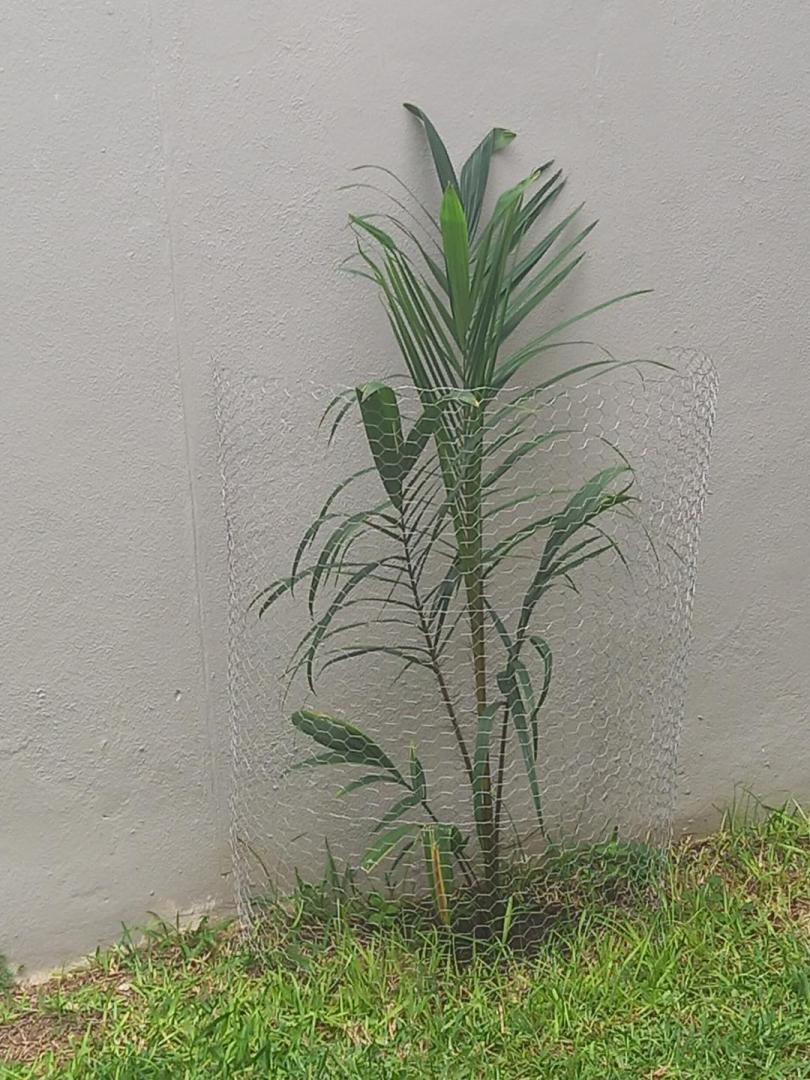
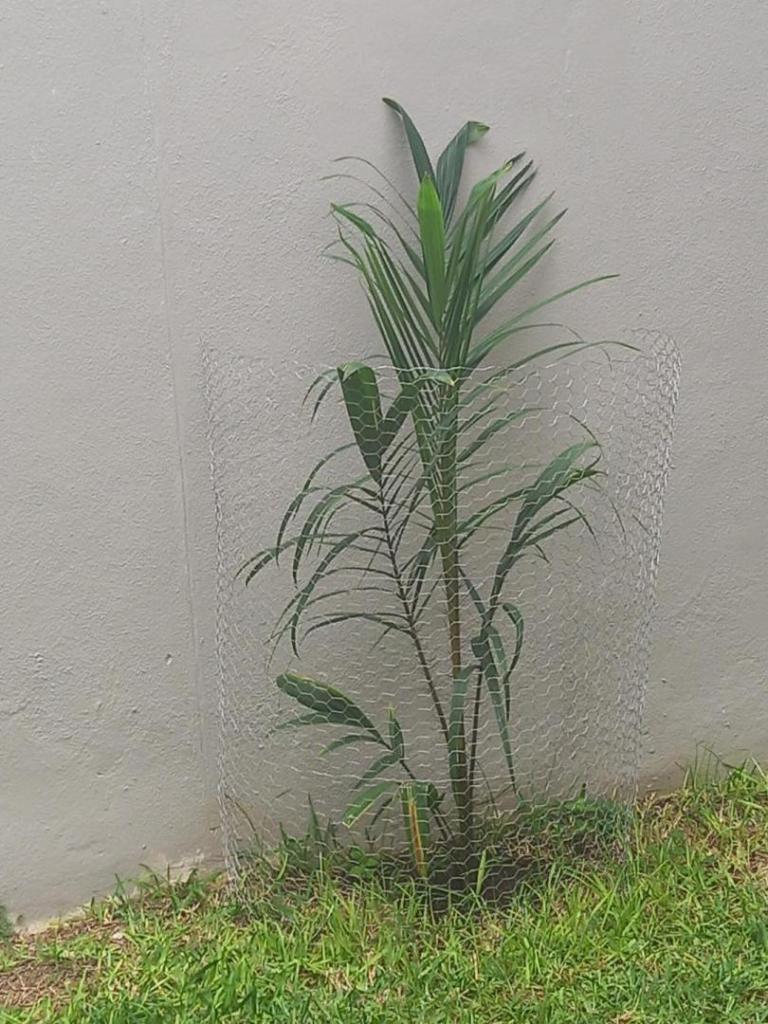
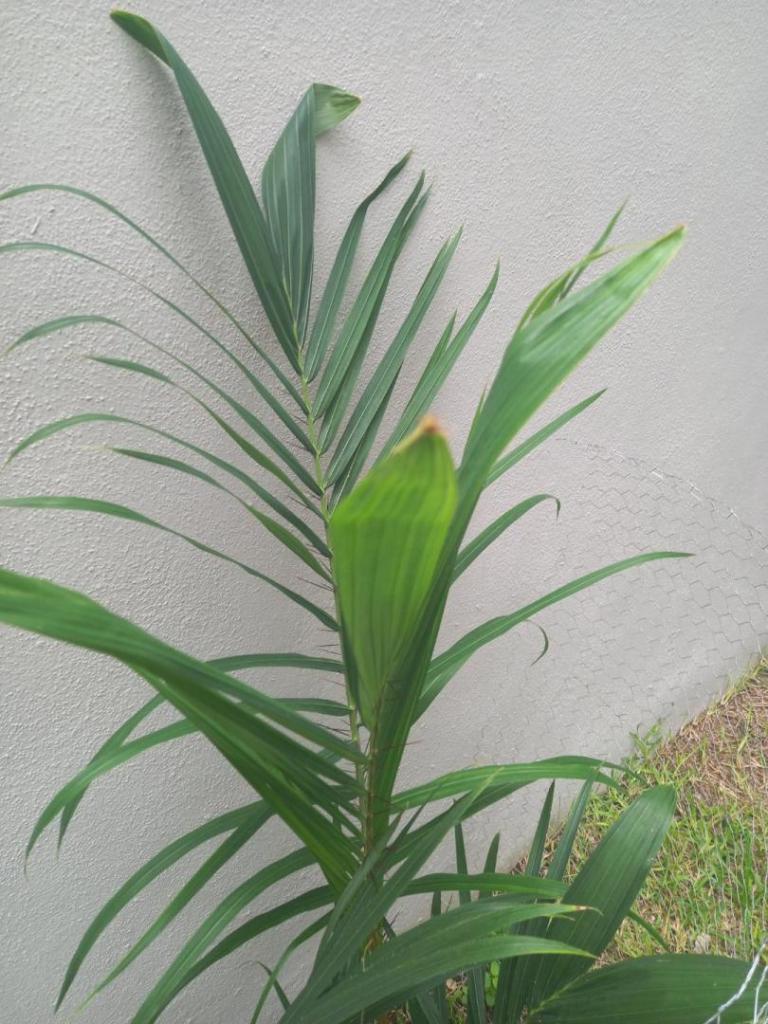
My Acrocomia has grown pretty fast this year I hope it gets a thicker base and plumose leaves next year. How fast have Acrocomias fared for you this year? Share them please. First of all, this is my palm when it arrived on january, it didn't start growing until spring was close, which is when I planted it. The palm comes from the state of Tabasco in southern Mexico. April 2nd 2023, My spring or "Semana Santa" vacations started and I decided to start planting palms. The first one was obviously my Acrocomia. Yesterday. It's still growing pretty fast even though it's fall.
1 point
1 pointMy Acrocomia has grown pretty fast this year I hope it gets a thicker base and plumose leaves next year. How fast have Acrocomias fared for you this year? Share them please. First of all, this is my palm when it arrived on january, it didn't start growing until spring was close, which is when I planted it. The palm comes from the state of Tabasco in southern Mexico. April 2nd 2023, My spring or "Semana Santa" vacations started and I decided to start planting palms. The first one was obviously my Acrocomia. Yesterday. It's still growing pretty fast even though it's fall.


 1 point
Spot on I think - most look bad because of neglect and not enough natural rainfall rather than it being too cold. Some of the better ones I’ve seen are out in the outer Eastern suburbs in the foothills of the Dandenongs where it gets pretty chilly but receives more rainfall than near the CBD or around Bayside suburbs. Same goes for Archontophoenix. I will say though, that Ravenea rivularis was susceptible to crown rot for me when young in Spring. It’s grown out of it now, but I suspected it didn’t like cold and wet conditions while it was still establishing. I planted in a cooler area of the garden in mostly shade intentionally based on what I’ve seen with specimens that dry out too much, but I think that’s the opposite risk when you go too shady and cold. The best one in Victoria I’ve seen is the one at Geelong Botanic Gardens. It gets morning sun but is well protected from all sides from wind and looks to stay quite moist in that area. There are a few mature specimens around Melbourne - this one down the street from my place looks pretty good. Doesn’t look like it gets extra attention but I assume the roots have tapped down deep now. The tree to its north must help with preventing it drying out too much too. I planted this one nearly 25 years ago. It’s the only survivor of about 5 originally planted in this garden. Soil is nearly pure beach sand and no irrigation. This is the result 🤣. And here’s an interesting planting - Singapore Botanic Gardens have them as aquatics. They like it in there in the tropical climate, but I’m certain it would be a death sentence in cooler climates.
1 point
1 pointSpot on I think - most look bad because of neglect and not enough natural rainfall rather than it being too cold. Some of the better ones I’ve seen are out in the outer Eastern suburbs in the foothills of the Dandenongs where it gets pretty chilly but receives more rainfall than near the CBD or around Bayside suburbs. Same goes for Archontophoenix. I will say though, that Ravenea rivularis was susceptible to crown rot for me when young in Spring. It’s grown out of it now, but I suspected it didn’t like cold and wet conditions while it was still establishing. I planted in a cooler area of the garden in mostly shade intentionally based on what I’ve seen with specimens that dry out too much, but I think that’s the opposite risk when you go too shady and cold. The best one in Victoria I’ve seen is the one at Geelong Botanic Gardens. It gets morning sun but is well protected from all sides from wind and looks to stay quite moist in that area. There are a few mature specimens around Melbourne - this one down the street from my place looks pretty good. Doesn’t look like it gets extra attention but I assume the roots have tapped down deep now. The tree to its north must help with preventing it drying out too much too. I planted this one nearly 25 years ago. It’s the only survivor of about 5 originally planted in this garden. Soil is nearly pure beach sand and no irrigation. This is the result 🤣. And here’s an interesting planting - Singapore Botanic Gardens have them as aquatics. They like it in there in the tropical climate, but I’m certain it would be a death sentence in cooler climates.


 1 point
I guess at least the longest day of the year is in the rear-view mirror and the days will get shorter now. 🤷♂️1 point
1 point
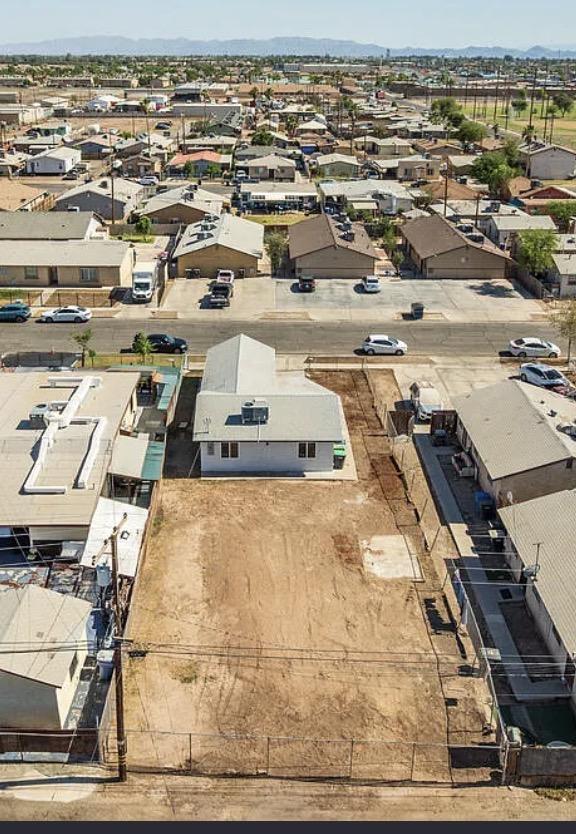
I guess at least the longest day of the year is in the rear-view mirror and the days will get shorter now. 🤷♂️1 point Congratulations! I know you've been in need of some land for so long! There were some people in Arizona on YouTube growing out fruit forests in the extreme heat. They were able to grow all kinds of cool things. Lots of wood chips and established canopy and you might be surprised what you can pull off.1 point
 It's a blank slate!
 1 point
Thank you! Unfortunately, it's in El Centro, CA, which isn't the best climate for palms - it's a hot desert climate that sometimes gets winter frosts, but I figured I will be here for about 5 years, so figured I might as well buy a house before one day moving into a permanent place. It's amazing how difficult it is to get exotic palms in California! Only a handful of commercial places sell them, but I know many enthusiasts have backyard nurseries! I've been having fun experimenting with what can handle the hot desert climate, however, and have had a few surprises, so am looking forward to experimenting in a place that won't randomly shut off the water when I leave town! lol1 point
1 point
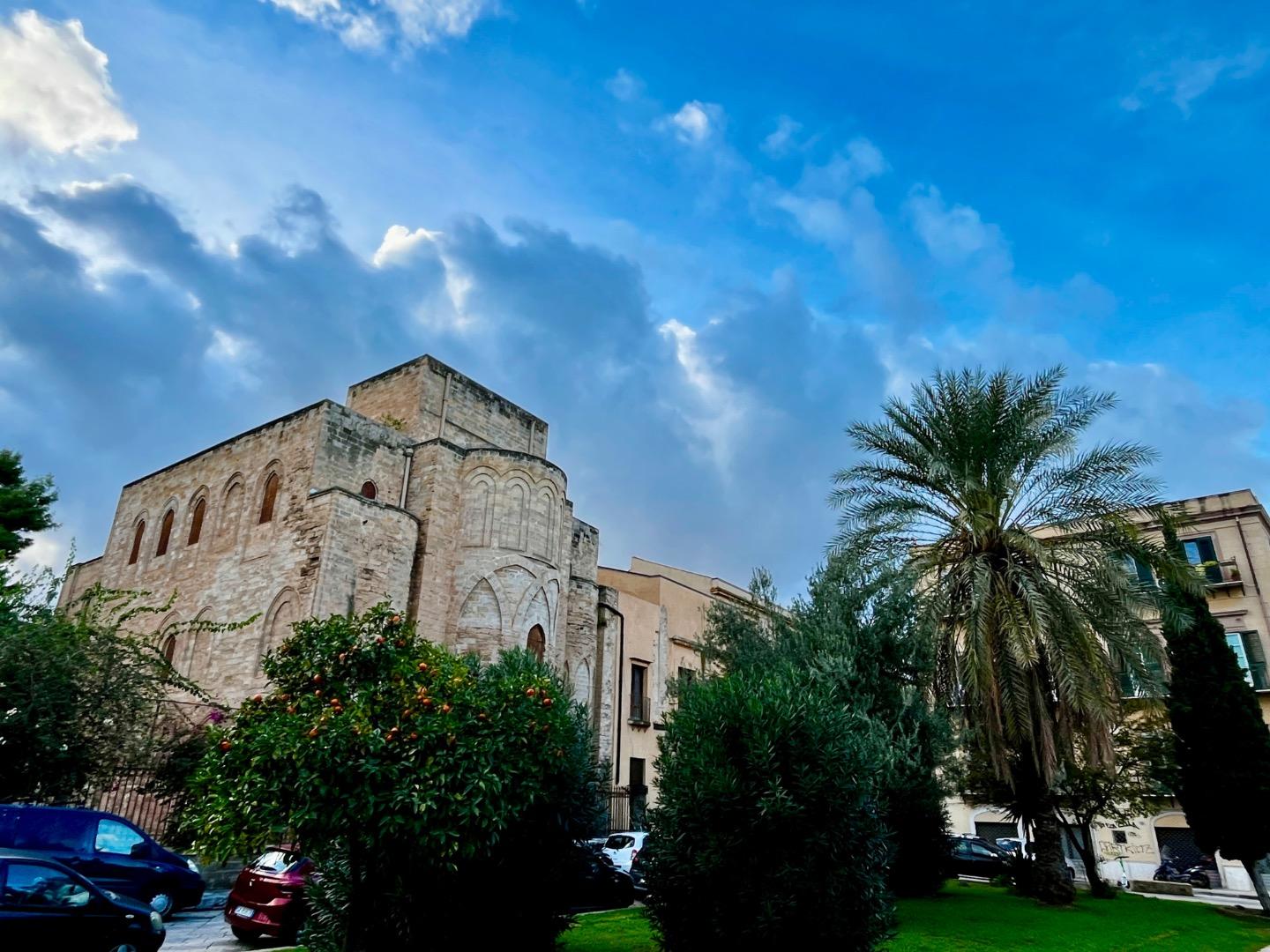
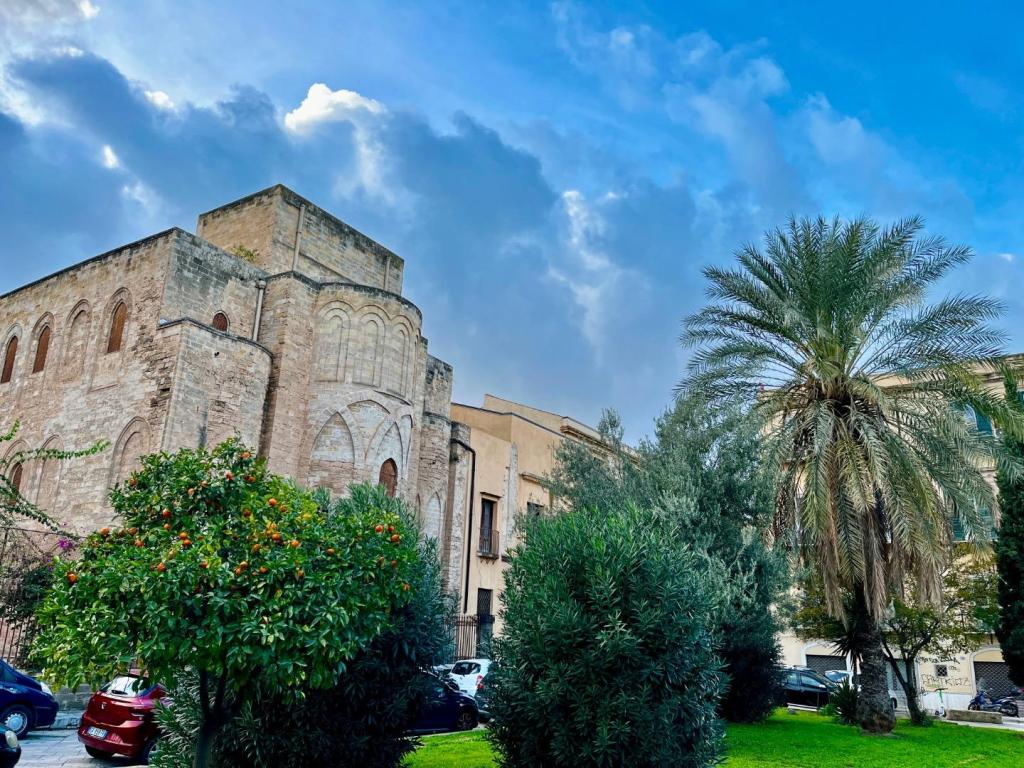
Thank you! Unfortunately, it's in El Centro, CA, which isn't the best climate for palms - it's a hot desert climate that sometimes gets winter frosts, but I figured I will be here for about 5 years, so figured I might as well buy a house before one day moving into a permanent place. It's amazing how difficult it is to get exotic palms in California! Only a handful of commercial places sell them, but I know many enthusiasts have backyard nurseries! I've been having fun experimenting with what can handle the hot desert climate, however, and have had a few surprises, so am looking forward to experimenting in a place that won't randomly shut off the water when I leave town! lol1 point Phoenix sylvestris next to a 12th century Norman-Gothic church, Palermo.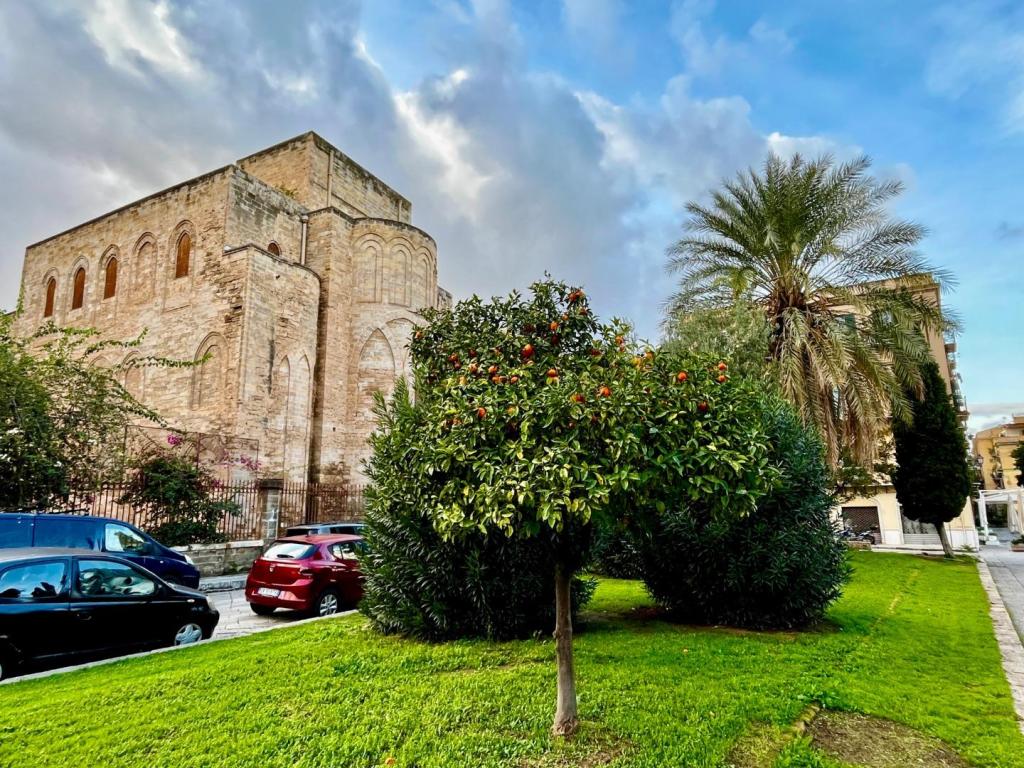

 1 point
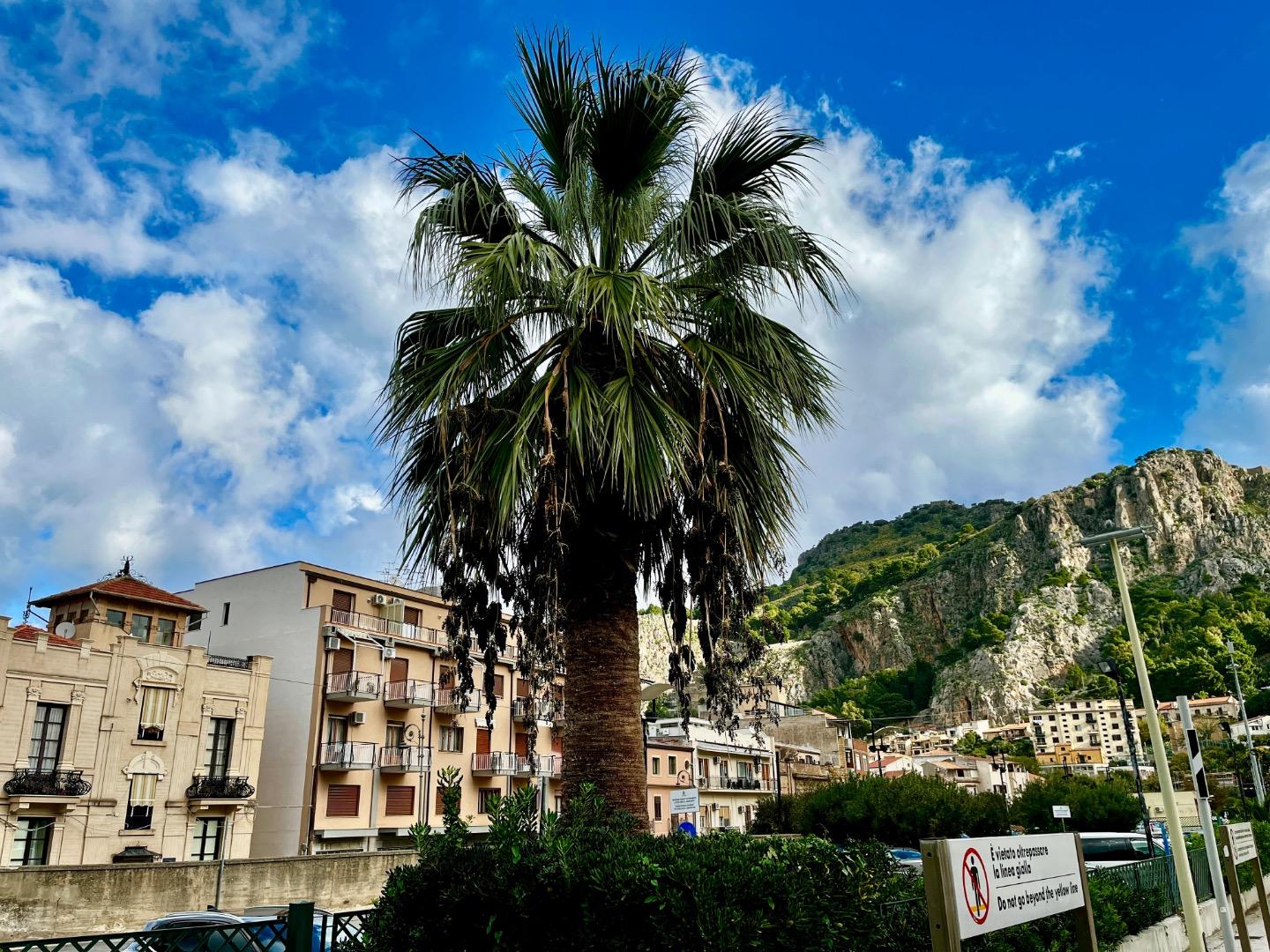
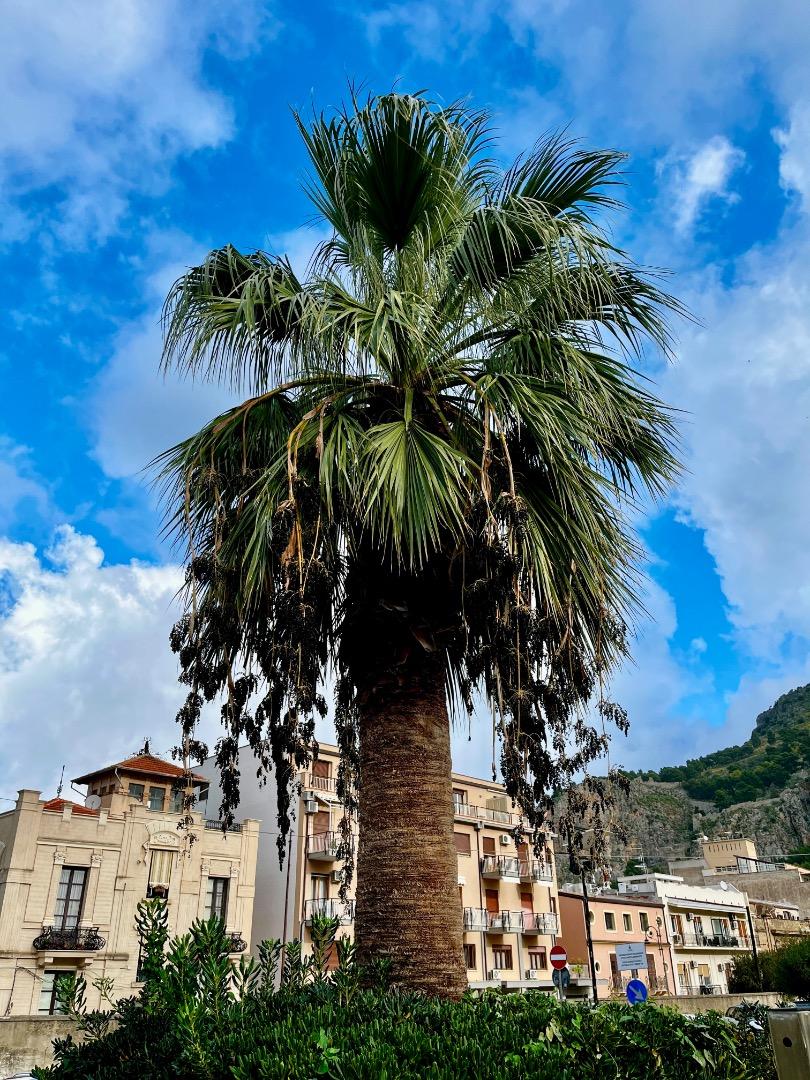
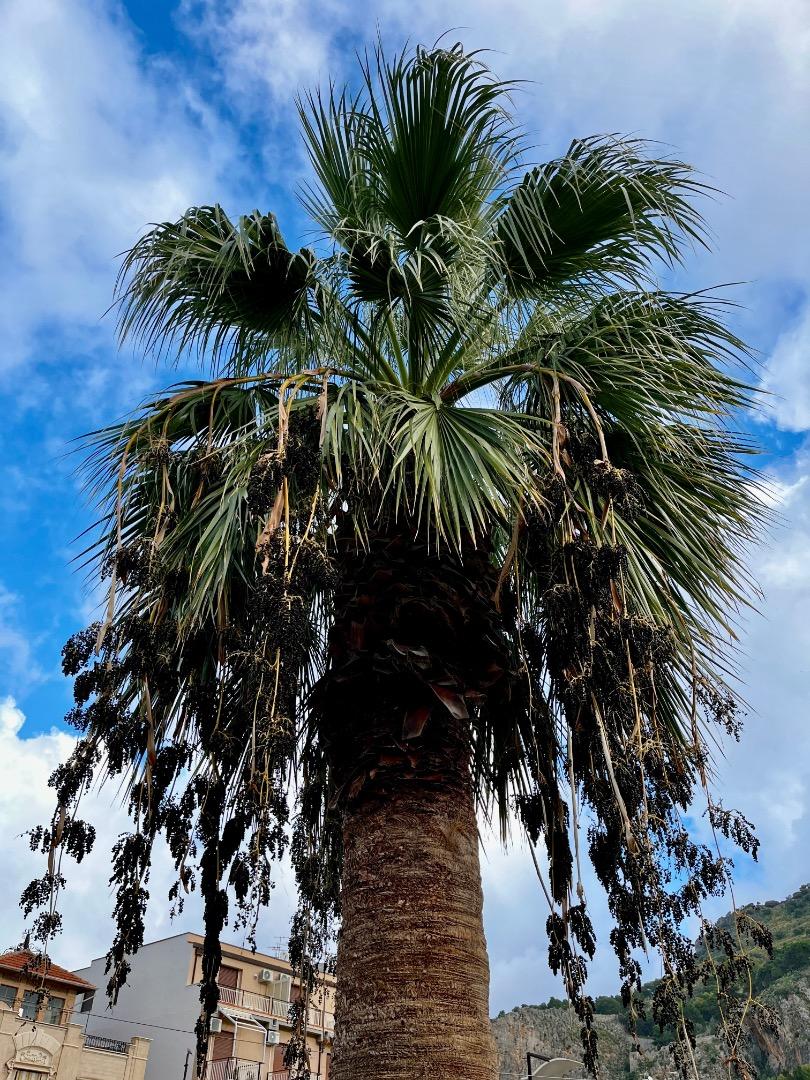
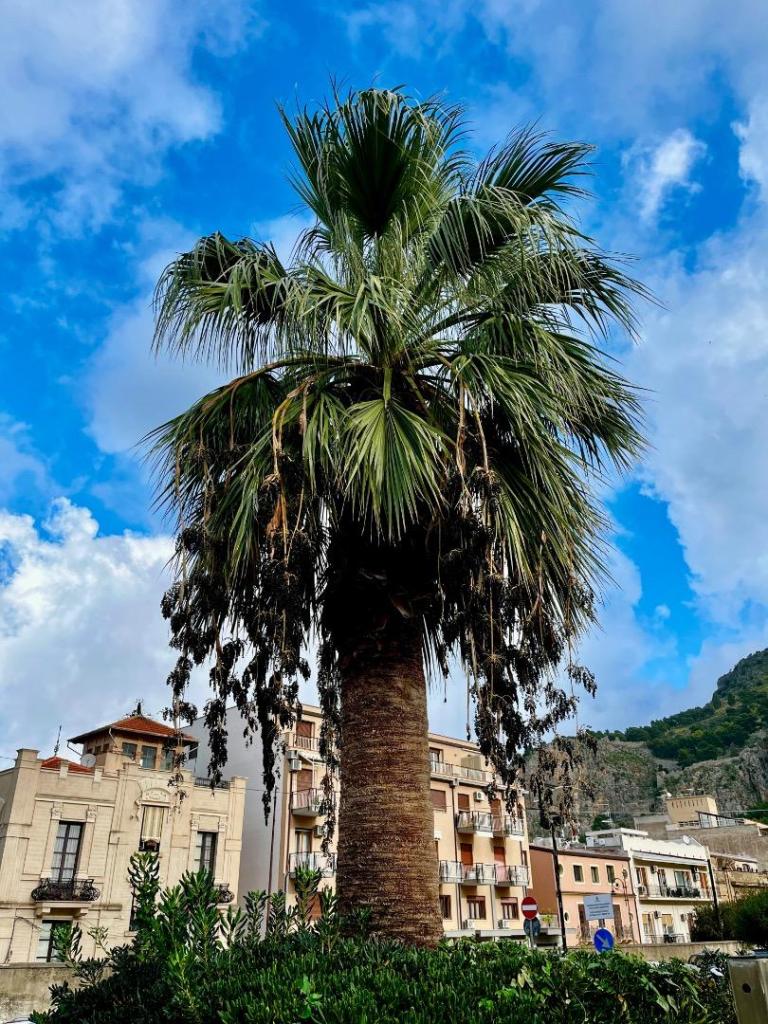
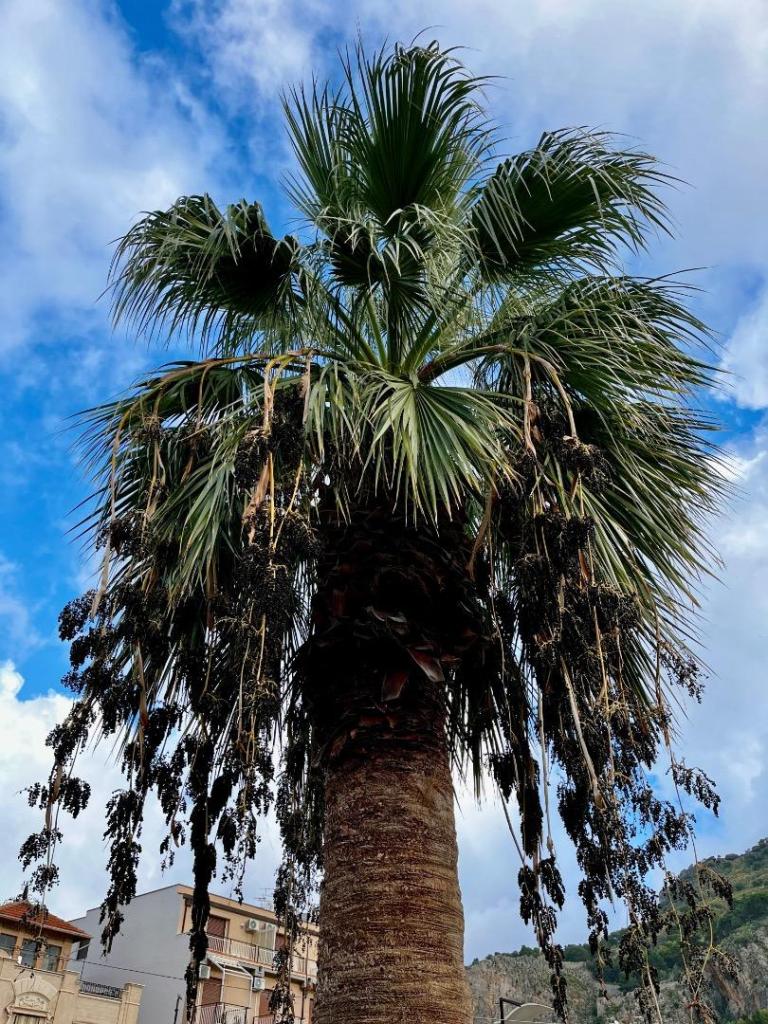
Some bonus shots from elsewhere within Sicily. First up this Washingtonia filifera with a monster stocky trunk. Lovely backdrop too. Cefalù.
1 point
Some bonus shots from elsewhere within Sicily. First up this Washingtonia filifera with a monster stocky trunk. Lovely backdrop too. Cefalù.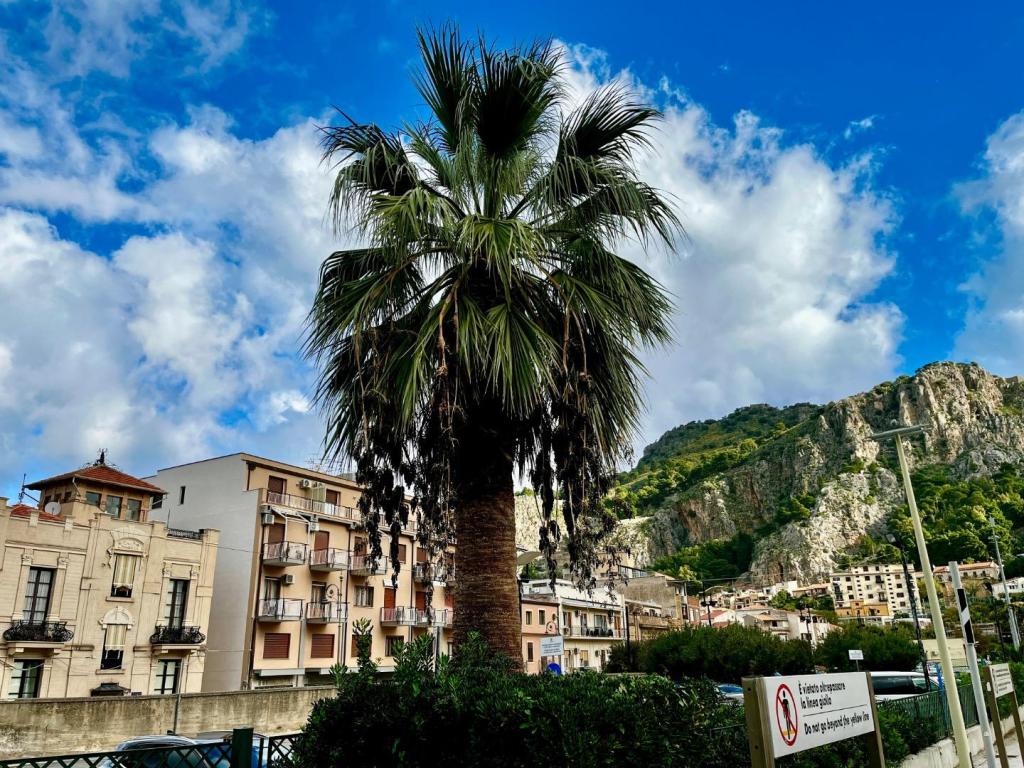
 1 point