

Leaderboard
-

happypalms
IPS MEMBER26Points13,296Posts -

quaman58
IPS MEMBER17Points3,959Posts -

tim_brissy_13
IPS MEMBER10Points2,561Posts -

Matthew92
IPS MEMBER10Points1,695Posts
Popular Content
Showing content with the highest reputation on 06/16/2026 in all areas
-
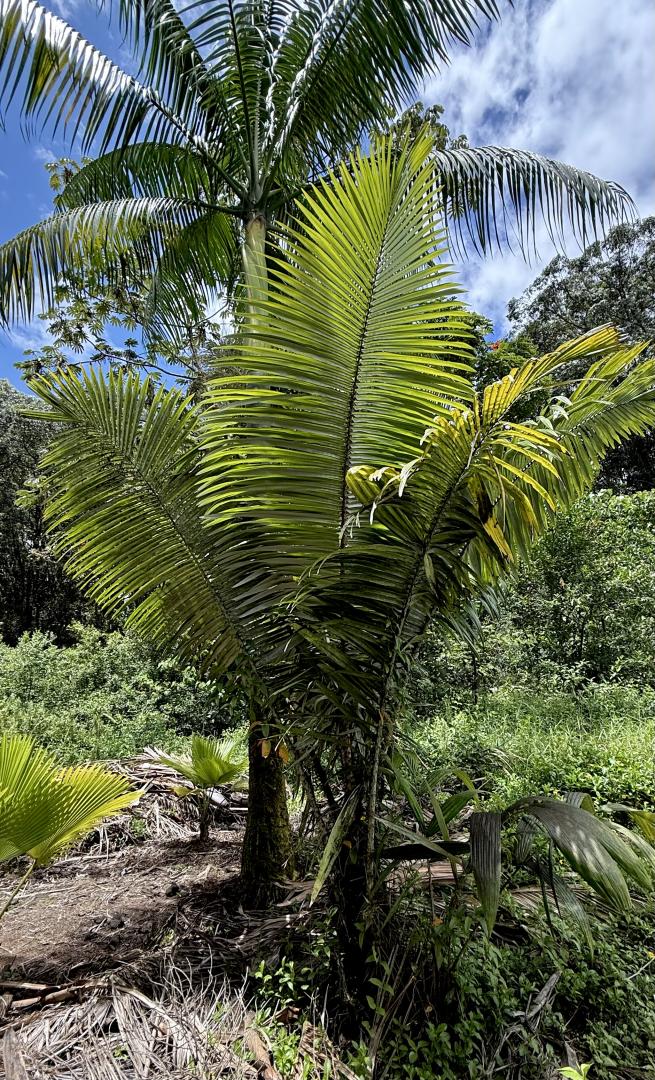
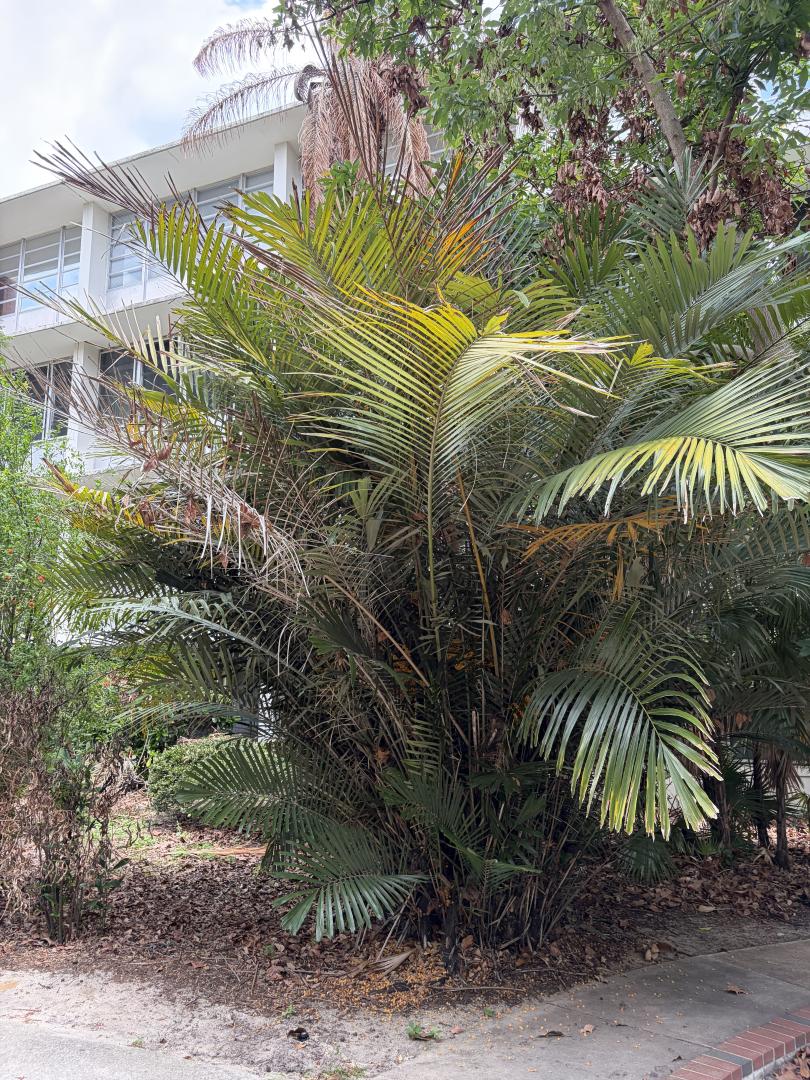
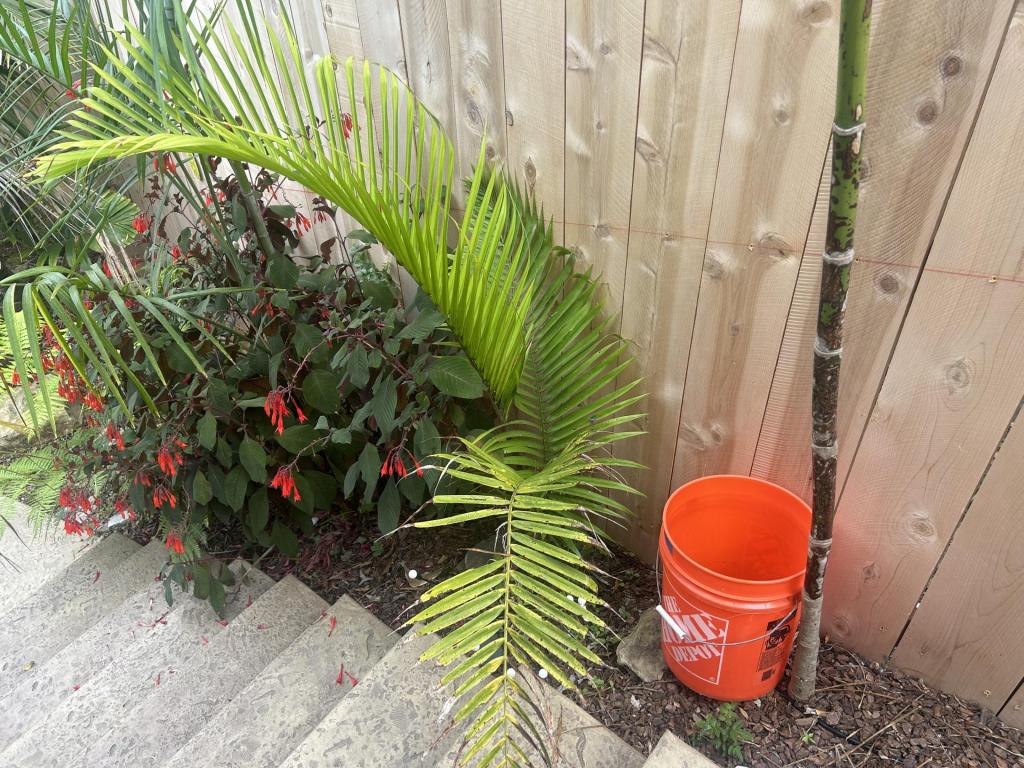
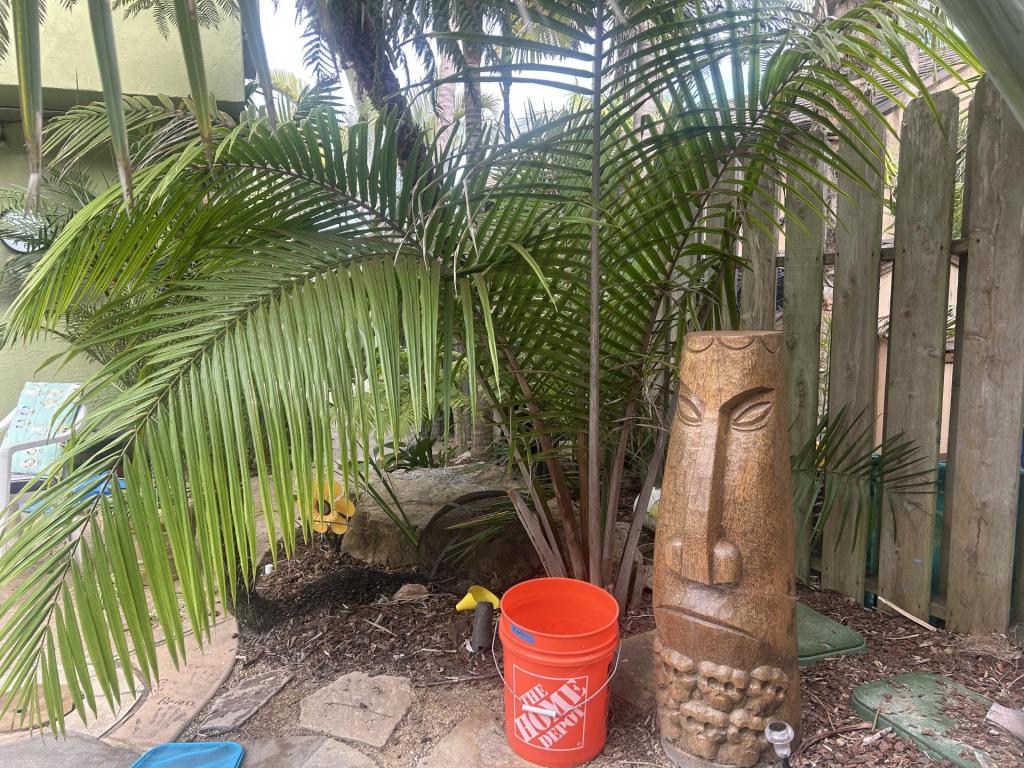
A slowly growing R. sambiranensis.. And a sp. “giant”— still no name as far as I know. Plugging away, about 13 years old, but otherwise reasonably happy.
 9 points
 -
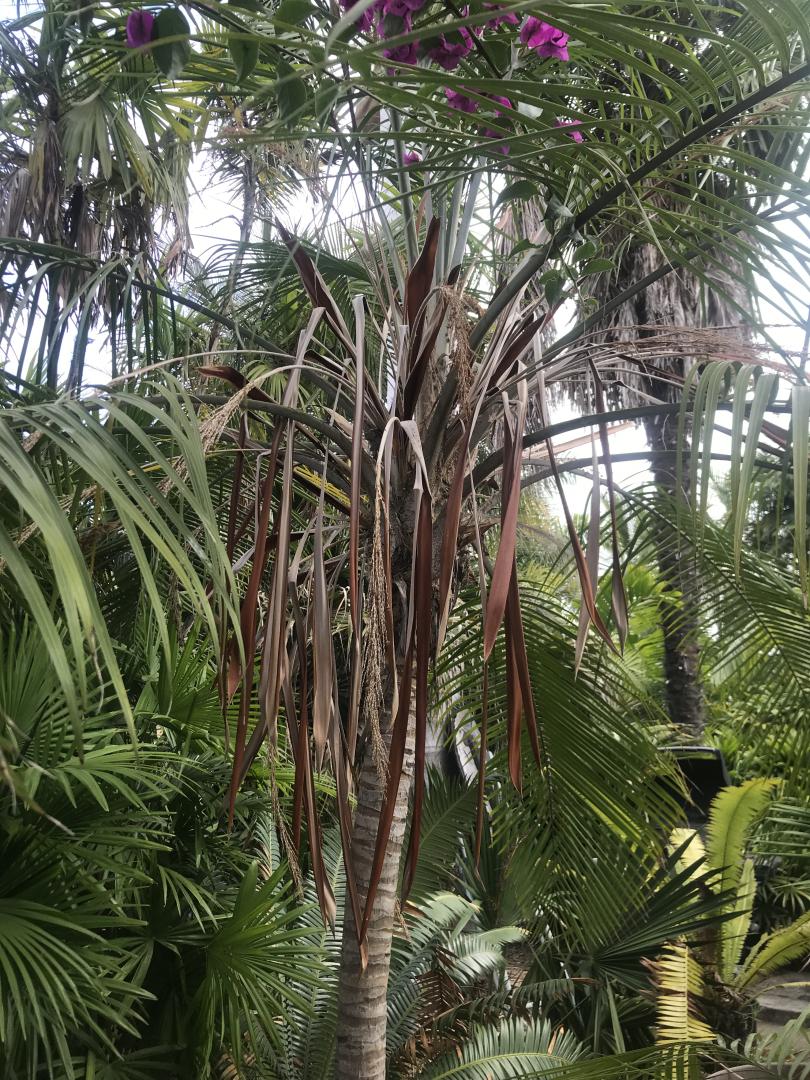
There’s a few good glauca in my garden.


 7 points
 -
 7 points
 -
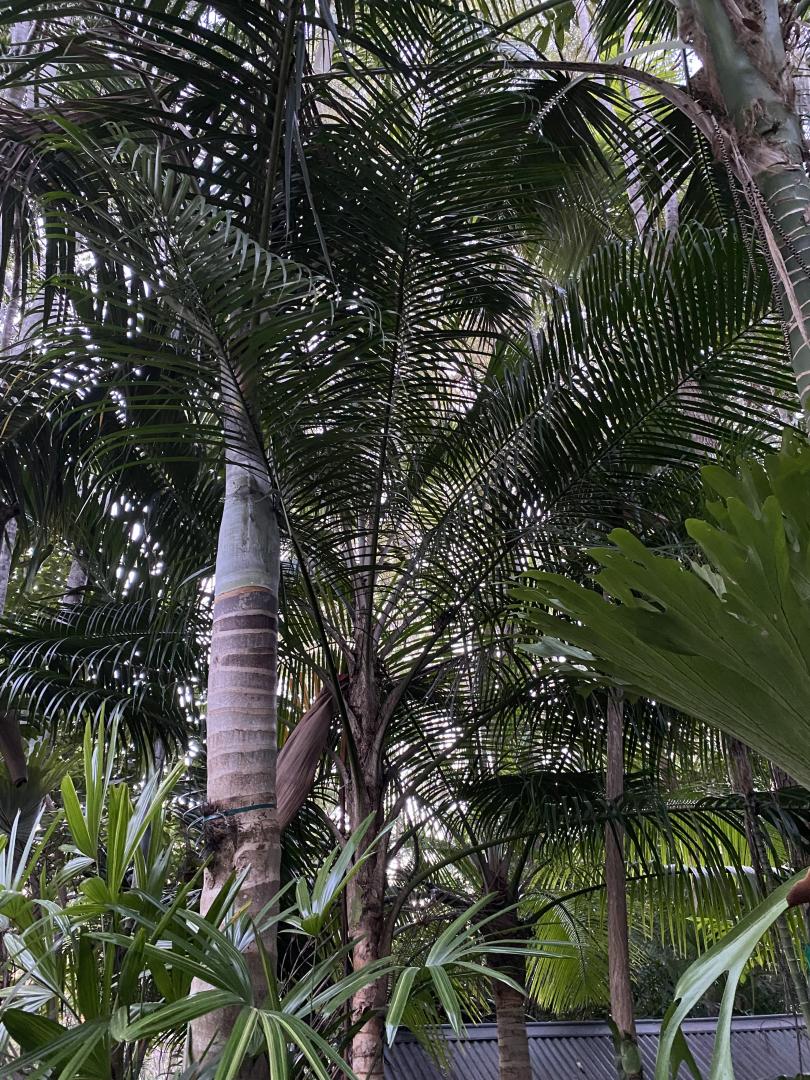
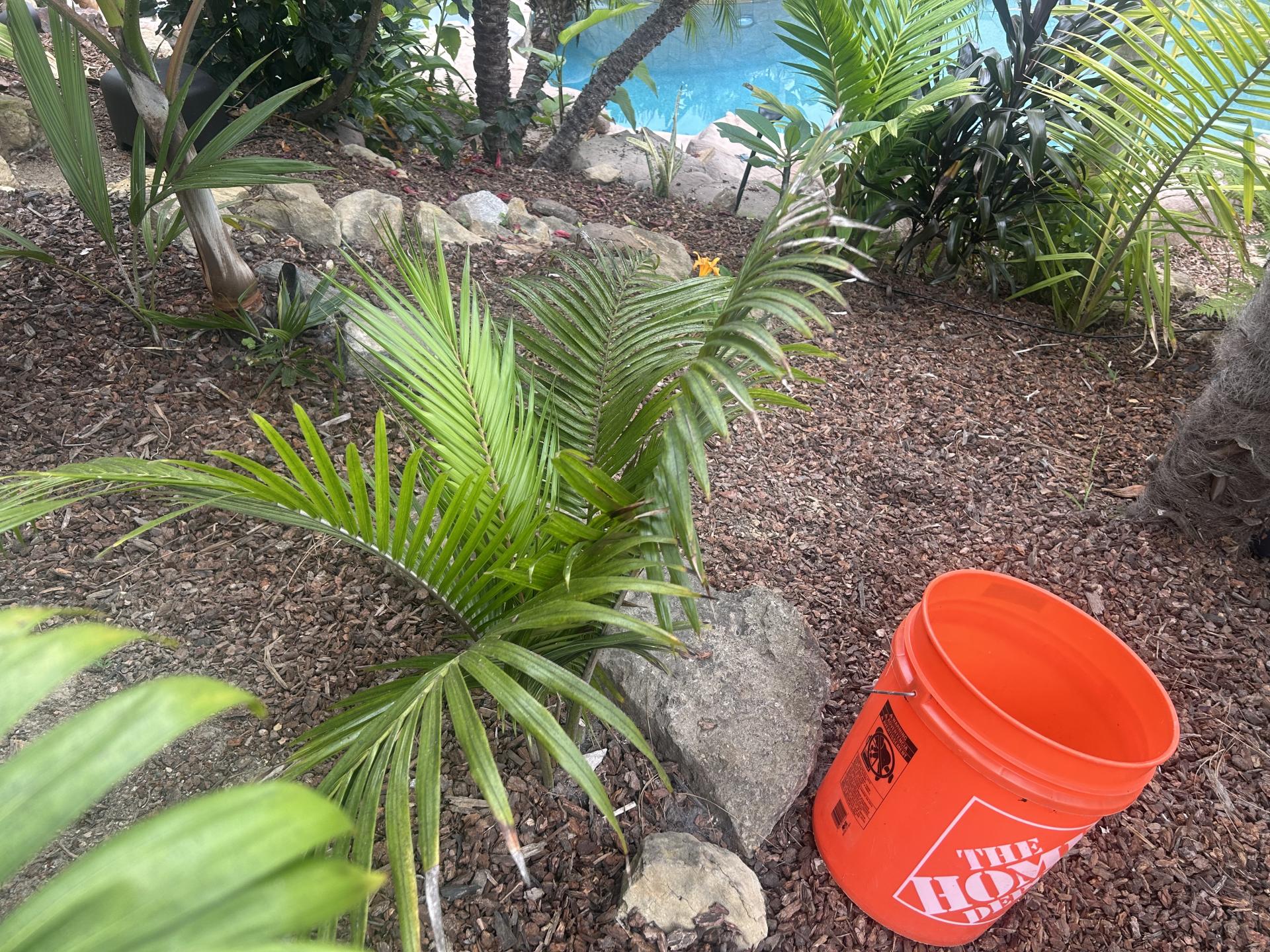
So here’s a R. lakatra 10 years from a seedling; as mentioned earlier, it doesn’t appear to be one of the giants. And looking up into a fast growing sp “new”, possibly madagascariensis?

 6 points
 -
 5 pointsWas out back this morning and snapped a photo, all the while keeping my distance. Tim
 5 points
 -
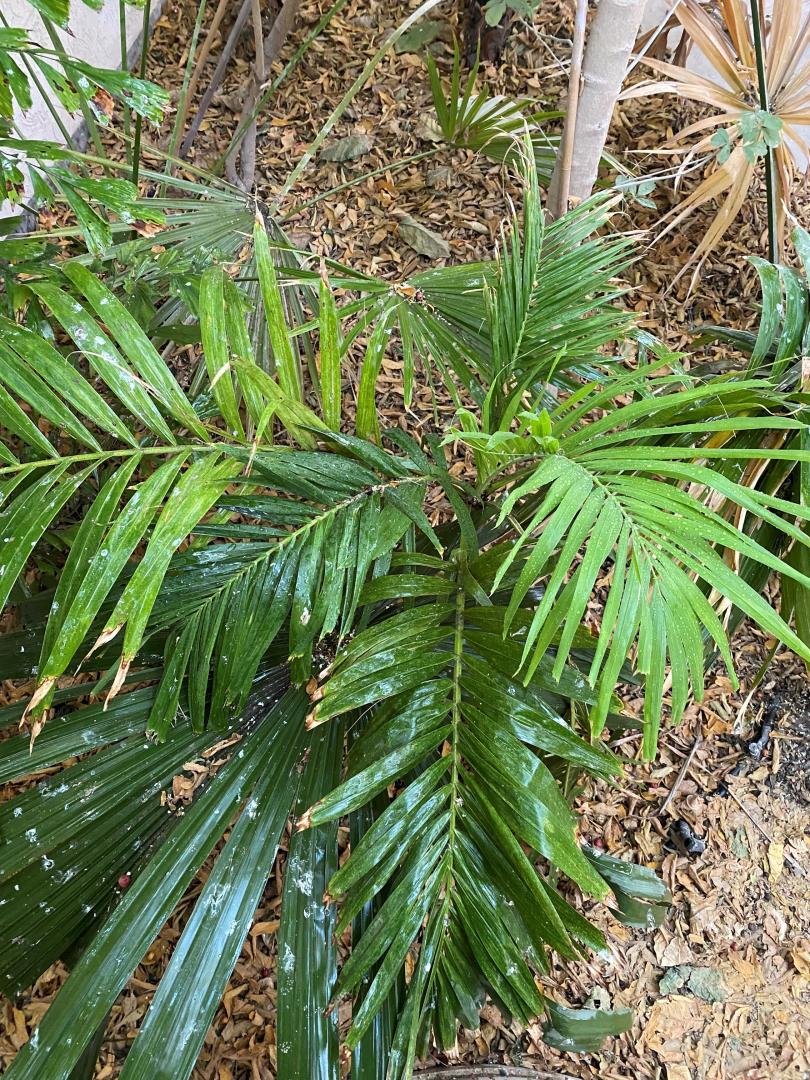
4 pointsI’ll go as far as to say I’m 100% certain it’s not C costaricana. 99% sure on C radicalis. Please don’t use plant ID apps to check! They have some limited use for common plants but for 99% of palm species, they’ll have no hope.4 points
-
 3 pointsI have always appreciated palm trees growing up in LA county. I remember driving around neighborhoods and seeing giant robustas and canary dates row the skyline. Most people never thought twice about them, but they signified something. These palms are now over 100 years old. Sherman Way ay Haskell 1928 Same street today Palm trees are part of the aesthetic and skyline. But curious how some of you guys got into them? Particularly people who grew up in colder climates where palm trees were/are rare.
 3 points
 -
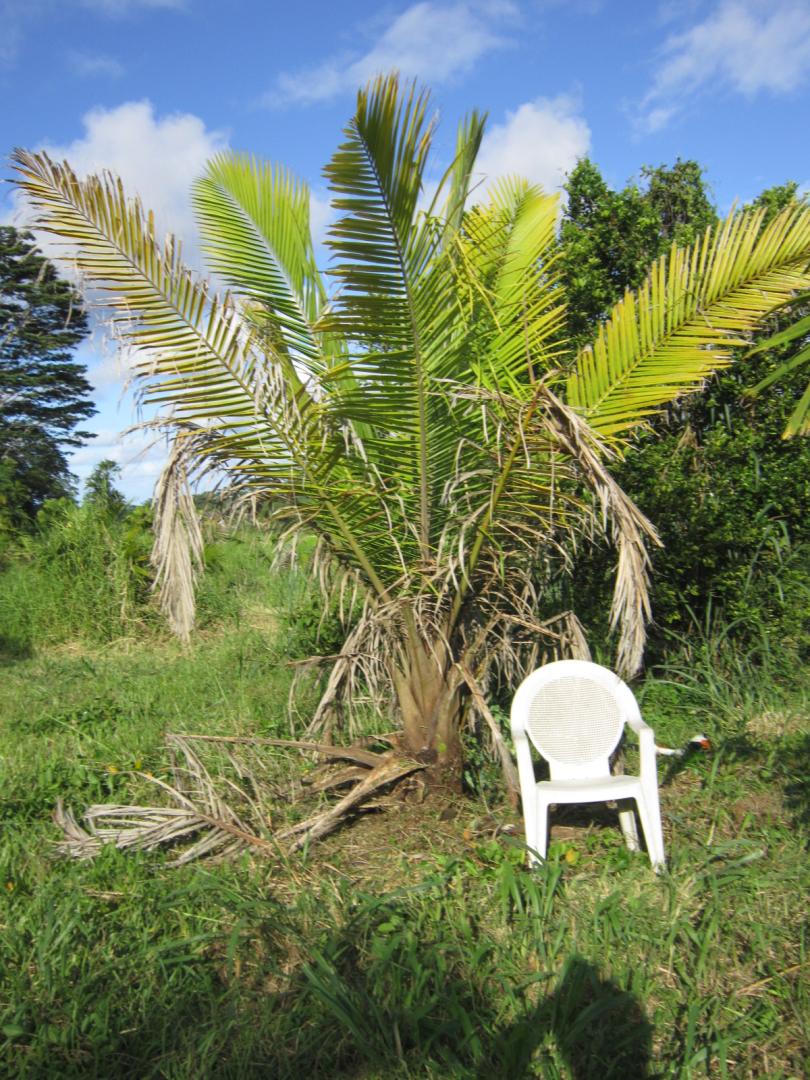
 I planted 4 "sp. giants". After getting my camera battery charged, I went out this evening this evening to take the following 3 pictures. They are much bigger now, having grown well. I use the lawn chair for scale. The first shows two female trees. They have been flowering and producing seeds that ripen red, unfortunately non-viable because I don't have male pollen to fertilize them. The second shows another one that has grown well, has a crown even larger than the first two, but has a much shorter stem at this stage. It has never flowered. The third pic is one that has never been as healthy and easy growing as the first 3, included just to show that there are some that lag behind. Raveneas have done well for me here. I guess they like the climate without strong highs and lows, and the heavy rainfall. Besides sp. giant, I have dransfieldii, glauca, krociana, lakatra, madagascariensis, sambiranensis, and xerophylla. I have never grown rivularis, which looks fine to me, but I saw so many when I lived in Florida that I decided to focus on other varieties. I especially like lakatra because it is an exceptionally beautiful palm. I have 4 of them in my front yard reaching heights of maybe 12 feet. I lost my one julietae, and two other krocianas (the remaining one is fine and has got quite large). Seeds of sp. giant were from Ortanique and sown in summer 2006. One was planted in summer of 2009 (I don't remember which one). The other 3 were planted in February and March 2011.

 3 points
 -
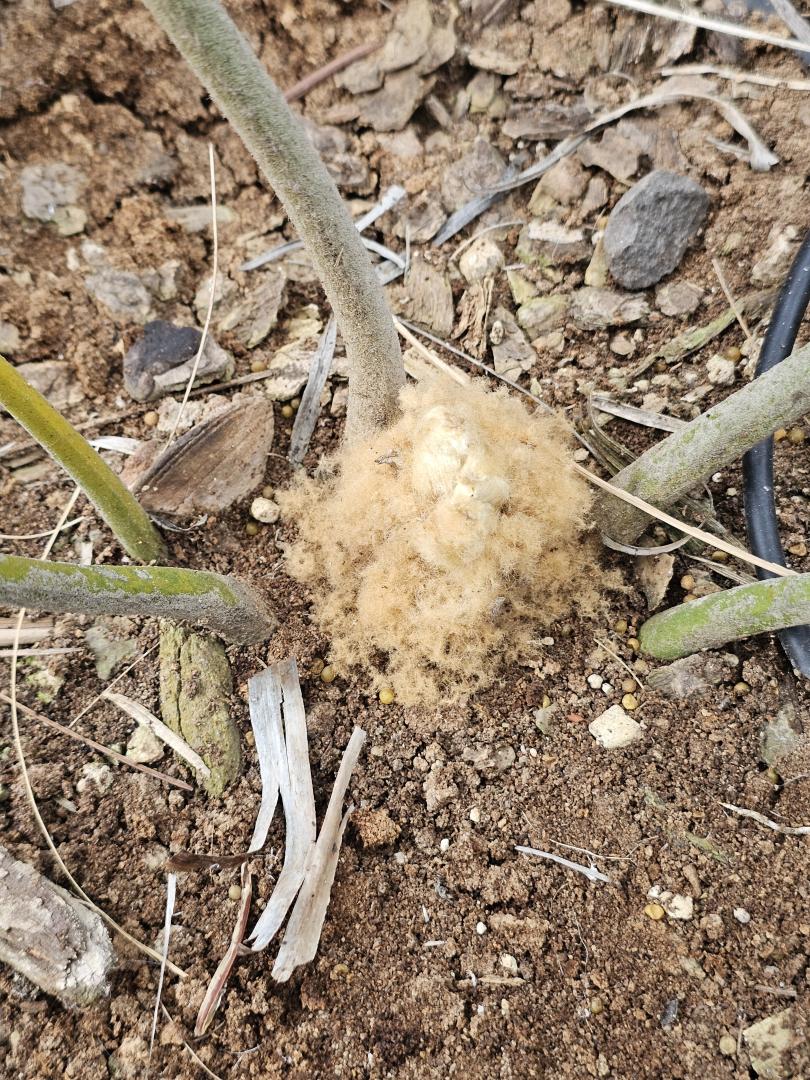
 3 pointsThis Little Encephalartos hasn't always flushed every year since I acquired it as a seedling. That makes it special when it does emerge with a very fuzzy new set of leaves.

 3 points
 -
3 points
-
 3 pointsGrowing up in Southern California , i always liked seeing palms everywhere. I wasn’t really into them like I am now but I liked them. In 1990 , after more than a dozen years of living on a sailboat , we bough a house with a swimming pool . My wife wanted a palm or three for around the yard to give us a “tropical paradise”. We went to a nursery in Ventura that had a decent selection and great reputation. The manager was a Palm Society member . I am a bit OCD about collecting things and after buying a few palms , became obsessed . I would buy rare seedlings in bands that were in the greenhouse and raise them in a spare bedroom with a south facing window . Then I built a greenhouse and a lath house so I could have several species of palms , orchids , and Tillandsia. That was my beginning. Harry3 points
 -
3 pointsHard to pinpoint, but from memory it was a few family holidays when I was 10-12 or so to Sydney, Cairns and Darwin that really started the obsession. I still remember the first time I saw Arenga pinnata and Attalea cohune and thinking they looked too huge to be real. I had some level of interest when younger than that, but the interest grew into a different beast around then 🤣3 points
-
3 pointsWhat got me into palms, I was 16 years old fixing my mates Yamaha YZ 125 motor cross bike, jumped on to test her out. Took of down the road in nothing but a pair of shorts and a t shirt. Tapping her out down the tar bitumen road hitting about 65ks. I fixed her I thought, turn around tapping back down the bitumen road, and yes you guessed it right the neighbours dogs thought let’s chase this young victim for the hospital down the bitumen road. Yes sir two dogs either side trying to eat rubber tyres, ok let’s accelerate we can out run these flea bags, so I gunned it with the two dogs,who at that moment decided to meet each other in the front wheel. Yep straight over the handlebars at about 70ks an hour. No helmet, T-shirt and shorts hurtling for that bitumen road. So now iam breaking my collar bone, skin off every part of my body, hit my head millimetres away from my temple and dam lucky only to get 10 stitches. I lived but my mother was not impressed with her so son’s behaviour, so I had to apologise to the lady up the road who’s dogs I run over. Through her saying she had to pay vet bills and her job was working in a palm nursery, I asked her to see if there was a job there to help pay the vet bills. And that was it I started working in a palm nursery at 16. Found the love of palms and they joy they bring me in my life to this very day, some 40 years ago! And yes the dogs lived and iam glad the hippie lady Diane came into my life, and showed me the world of palms!
 3 points
 -
 3 pointsMy fastest is C. alpinum. This one being approximately fifteen years old from seed. Still no trunk though.

 3 points
 -
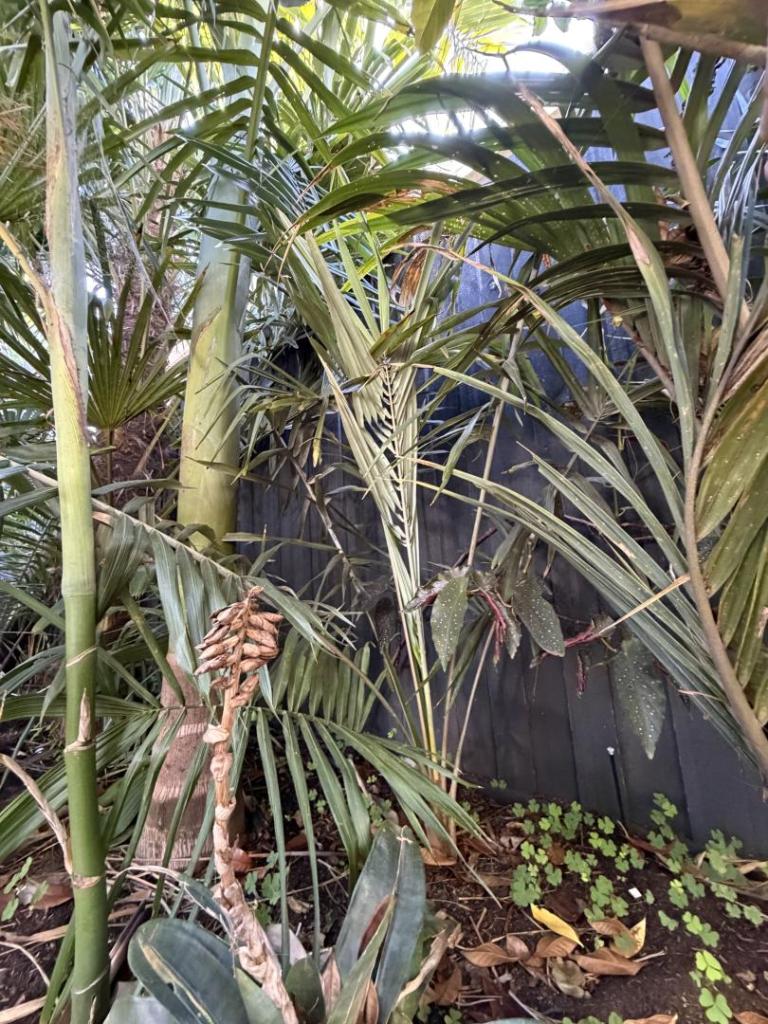
3 pointsC vogelianum also my fastest mate. I suspect it’s genetics - its growth habit seems to be more ‘reach for the sky’ than ‘fronds erupting from ground level for decades’ like the really big species. My larger of 2 C vogelianum specimens in the garden is now as tall or taller than all of my other Ceroxylon. It’s from seed from 2018, compared to similar sized C alpinum from 2007 seed. Kind of hard to get a good photo but the C vogelianum is around 2m/7’ tall and it’s starting to look nice and plumose. Was from C ‘parvifrons’ seed from RPS - the initial disappointment of not having parvifrons has worn off seeing this develop, especially now having hopefully true C parvifrons seedlings.

 3 points
 -
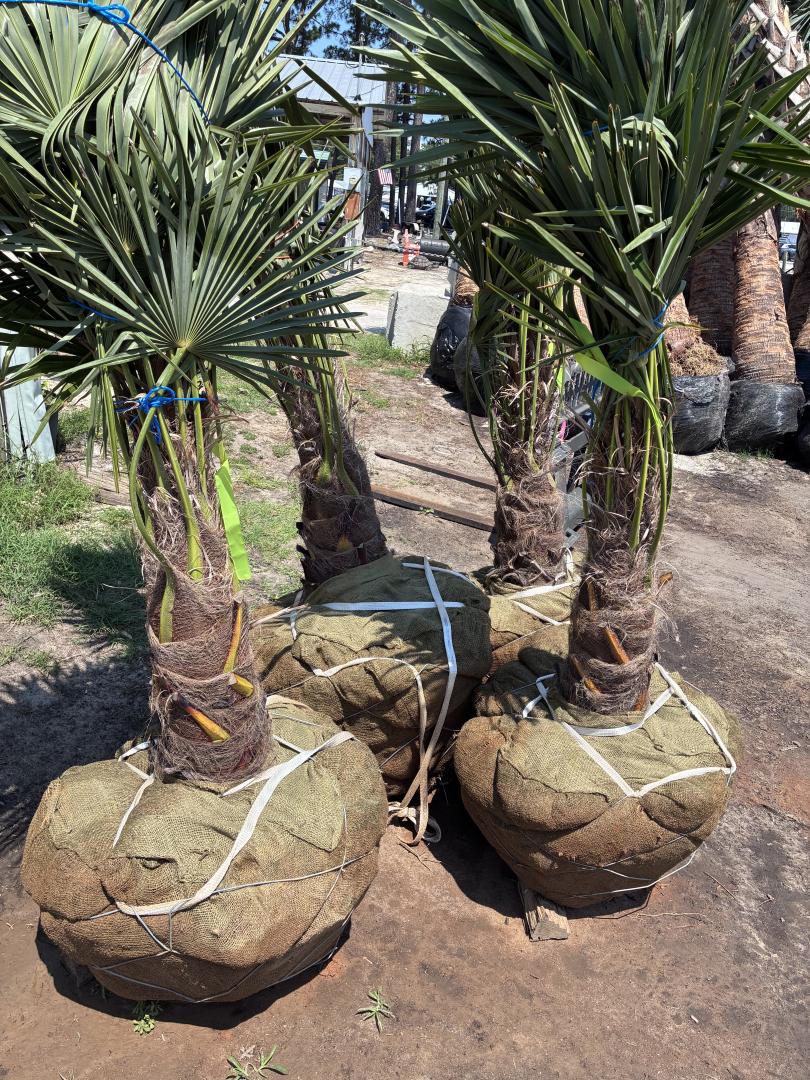
 Just came home from the beach with 2 6ft. Windmills, 6-8 inches at the base. Hauled home in a U-Haul. Have never planted one in my life. Used chat gp. to help. Any advice will be greatly appreciated. I like things that look like they don’t belong. I’m determined to make them live, everyone thinks I’m crazy, but oh well. I know winter will come, any help you beef them up, and protect them , or any other advise will be greatly appreciated. I’ll have to get a picture of the second one tomorrow. Can I fertilize. Chat GTP says not for a month. I don’t buy it. What kind of fertilizer do palm trees need? In my growing zone here in East Lynn Wv. I’m going to need all the help I can get.


 2 points
 -
 I’ve lived in Northern Virginia for almost 40 years. This last winter was the worst, long duration a.m. p.m. cold I’ve experienced. I truly thought my 12-year in-ground Trachy was going to die. Don’t have the stats but it was at least 2-weeks of continuous sub freezing F. temps. Along with about 8” of snow and ice that lasted that whole time as well. Maybe the only saving grace was sunny days after the precip. fell? I removed about 6 of the most damaged lower fronds mid spring. Haven’t fertilized yet but it is pumping out nice new firm fronds, maybe 6 or 7 as of today. I’ll clean it up again this fall, after it’s had a chance to fully recover and replace the canopy. Even though it’s messy, it still looks great! It’s about 13’ of trunk so winter protection consisted of 200 Christmas lights in two loose balls laid up at the crown covered loosely in a layer of burlap…very unprofessional but it’s too tall now. I also wrapped a 3’ tall band of black landscaping cloth around the base of the trunk. This catches a fair amount of the sun’s radiated heat several hours each winter day. Of course, it flowered like crazy in early spring. I’ll cut those remnants off as well this fall. Anyway, I’ll send out status reports soon. I was shocked at how poorly my sunny Needle did.
 2 points
 -
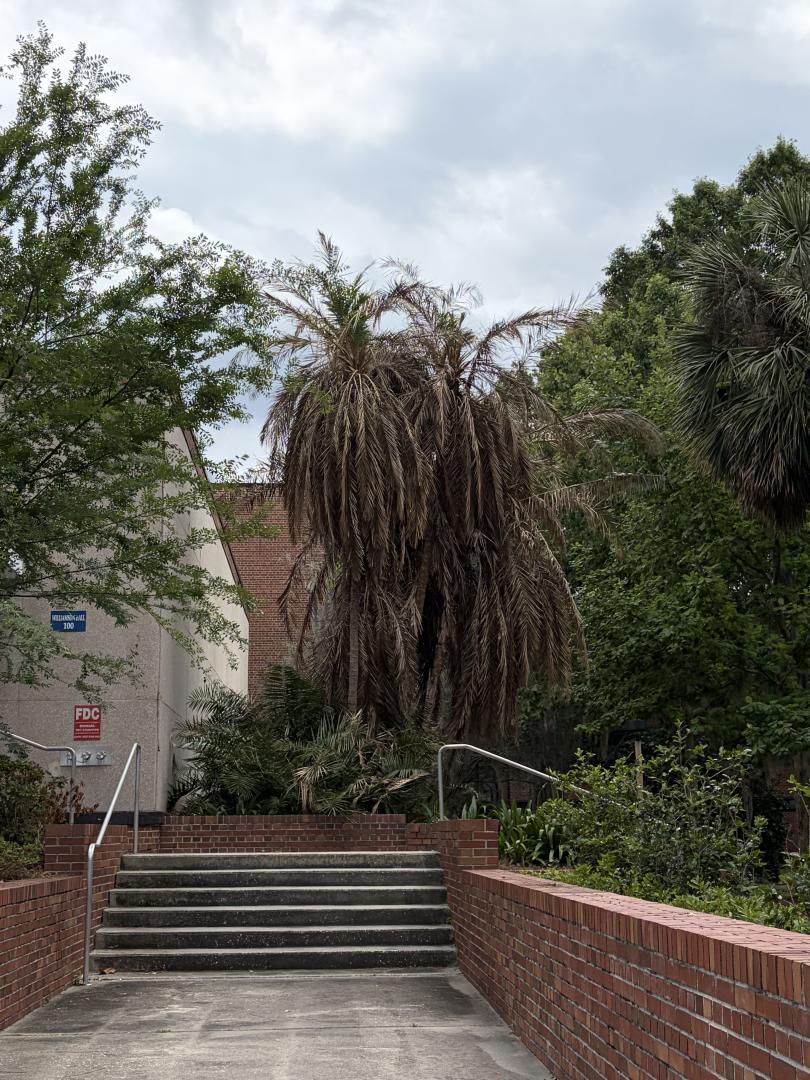
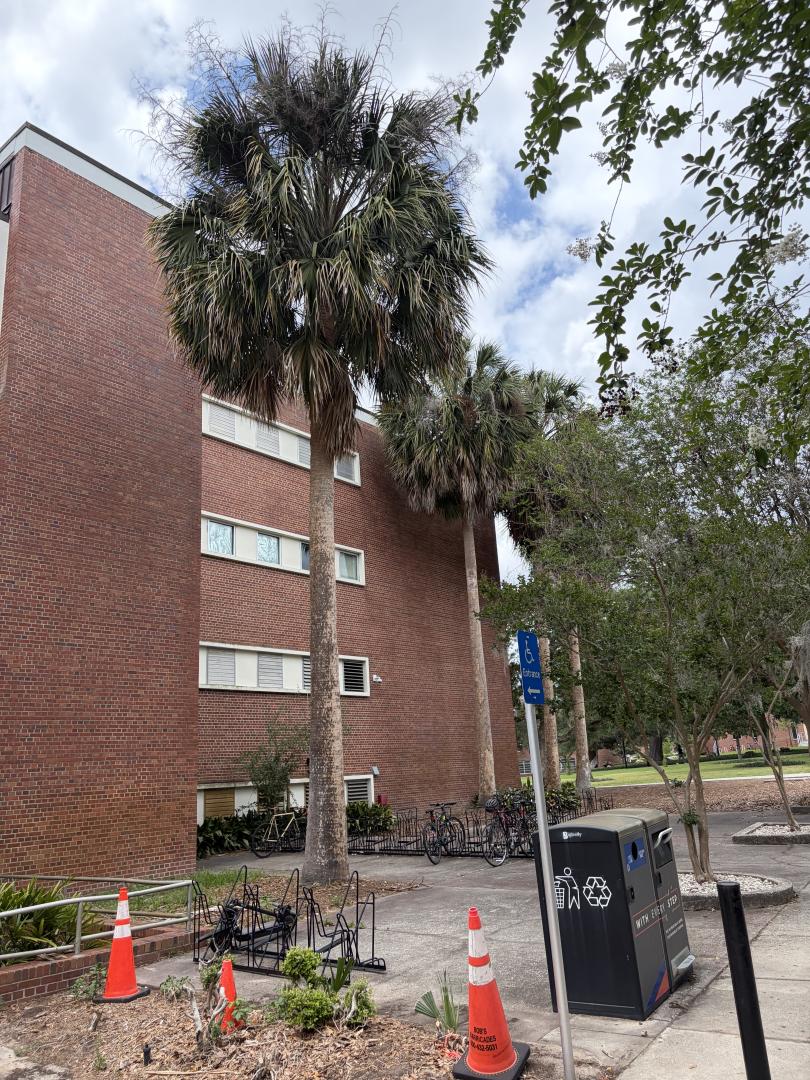
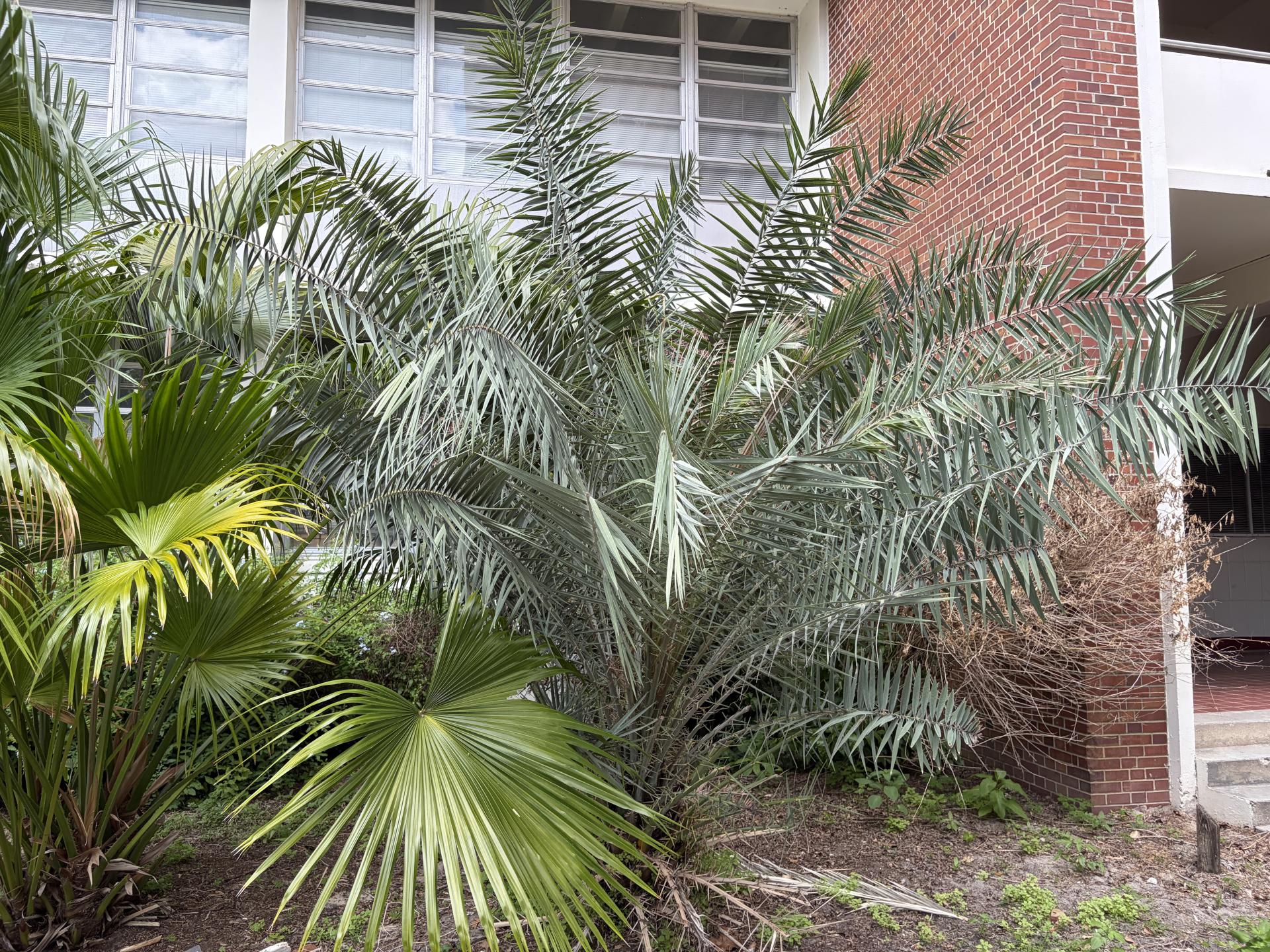
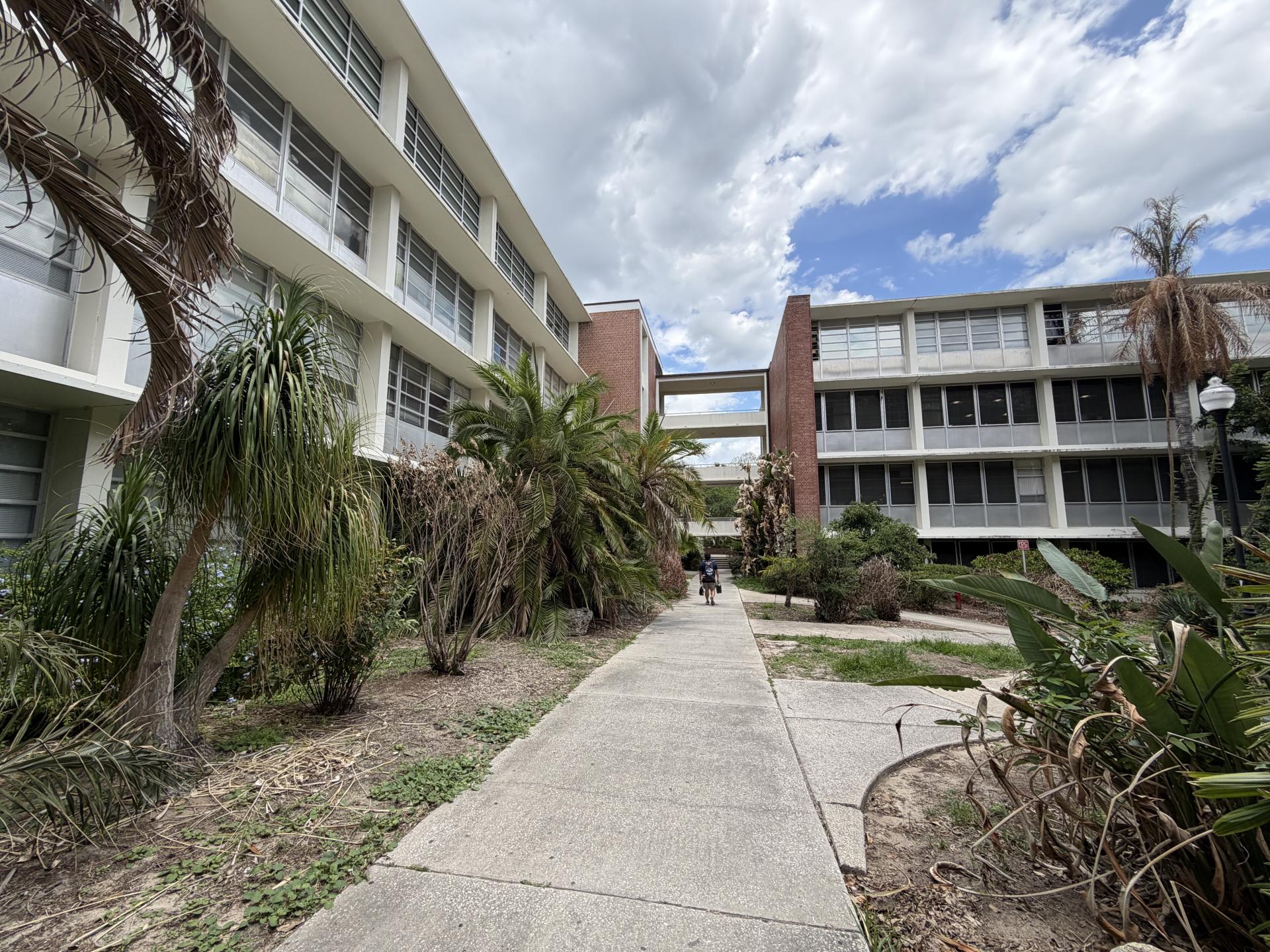
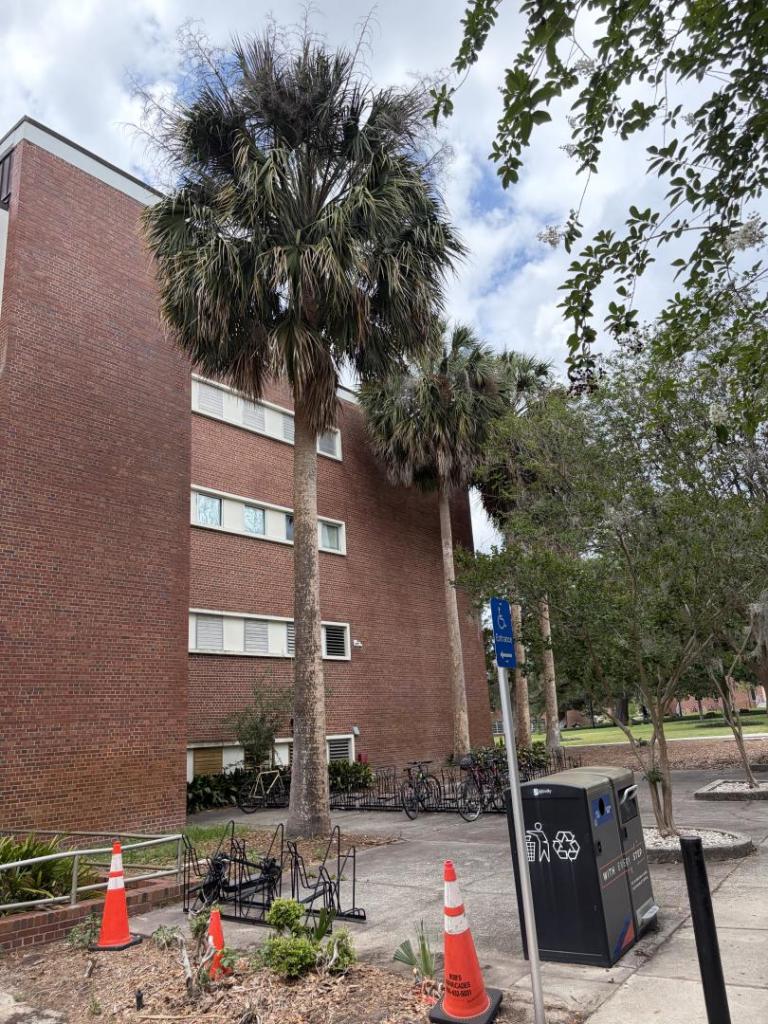
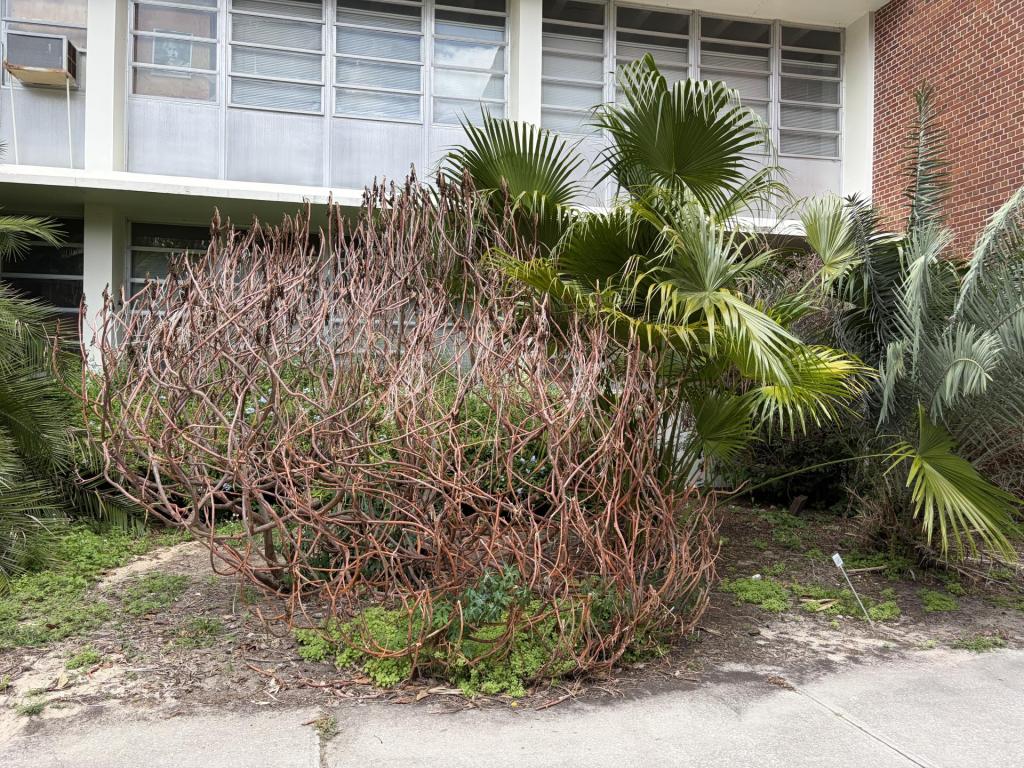
Sad to see the old Sabal causiarum finally gave up the ghost. I collected/grew a seed from this palm in 2019 and have it in a pot. Mine might be a hybrid with S palmetto of course. But I know it has a good amount of causiarum genetics because when we had a hard freeze here in northwest FL the leaves bronzed slightly compared to my pure Sabal palmetto which were unscathed. Sabal causiarum x palmetto hybrids nearby. Elsewhere on campus


 2 points
 -
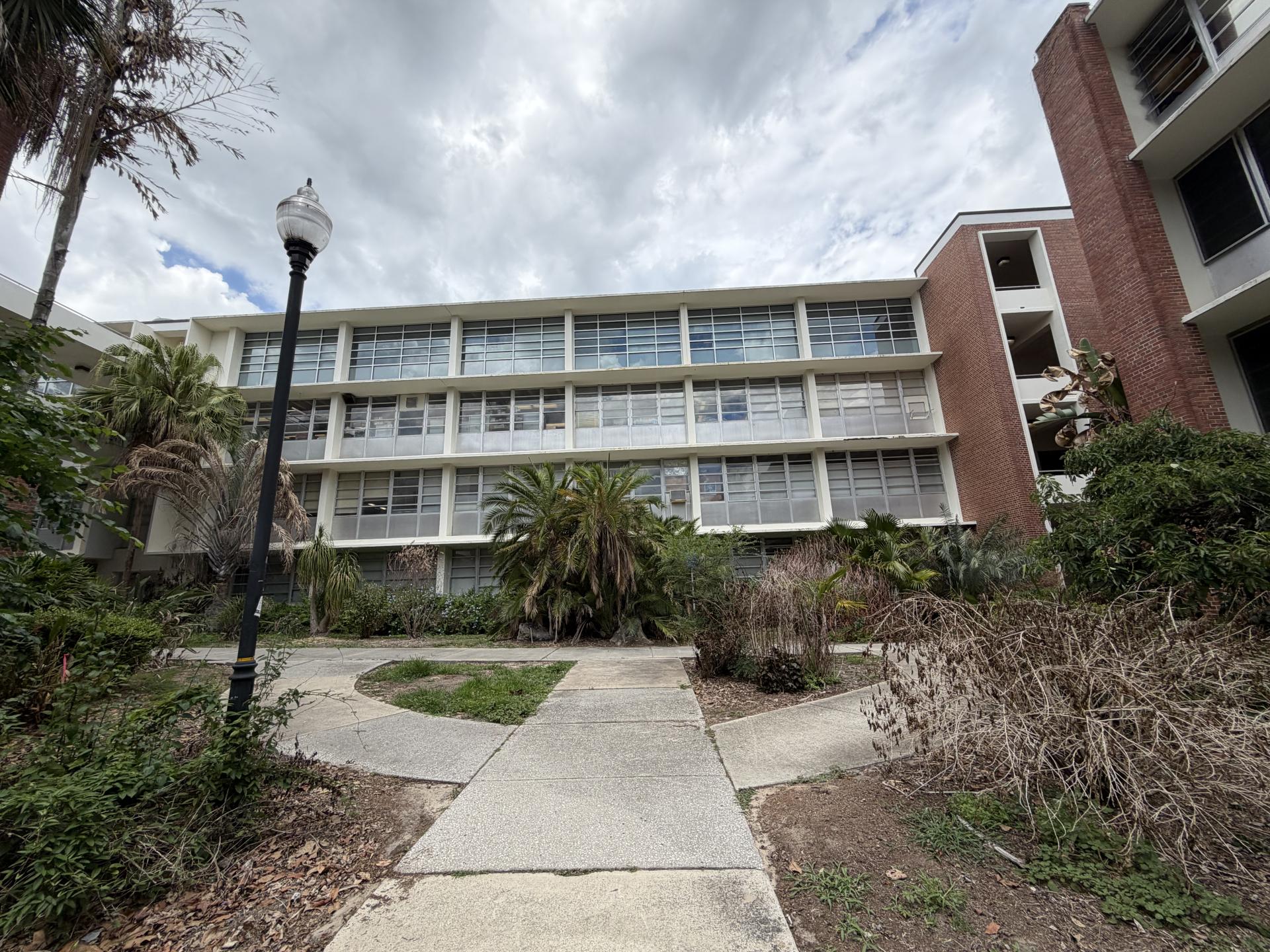
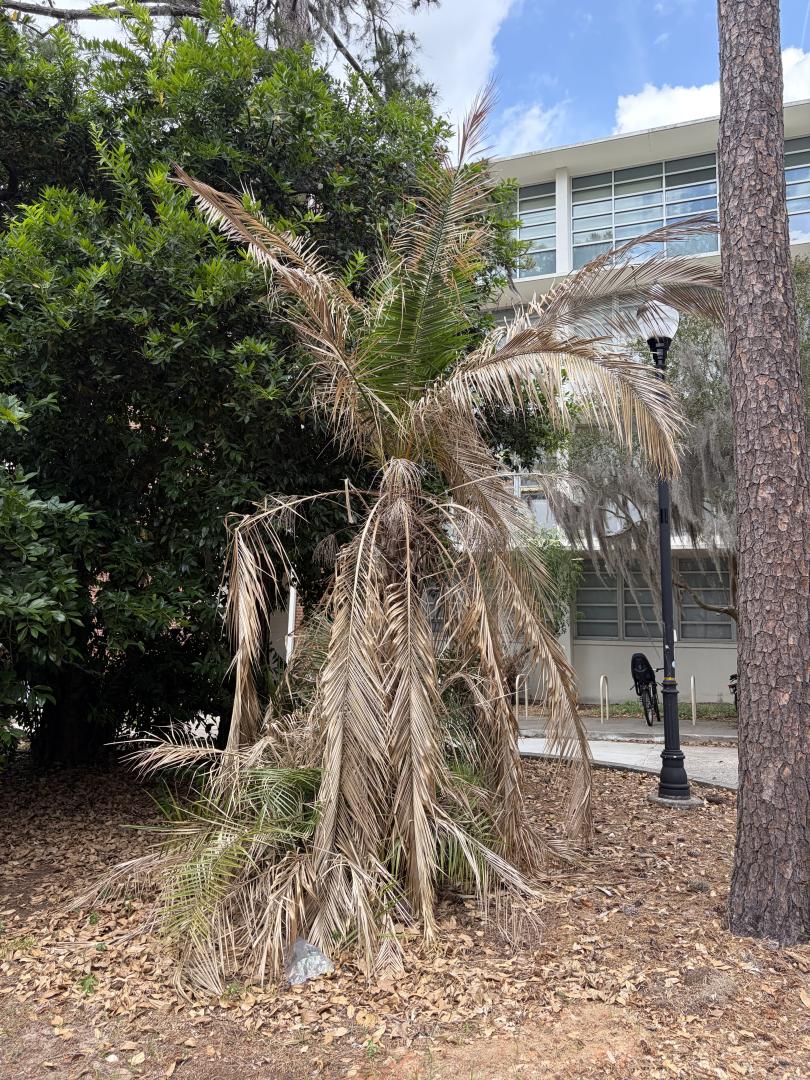
There used to be one or 2 queen palms in this area below that succumbed to ganoderma or fusarium in the last few years.


 2 points
 -
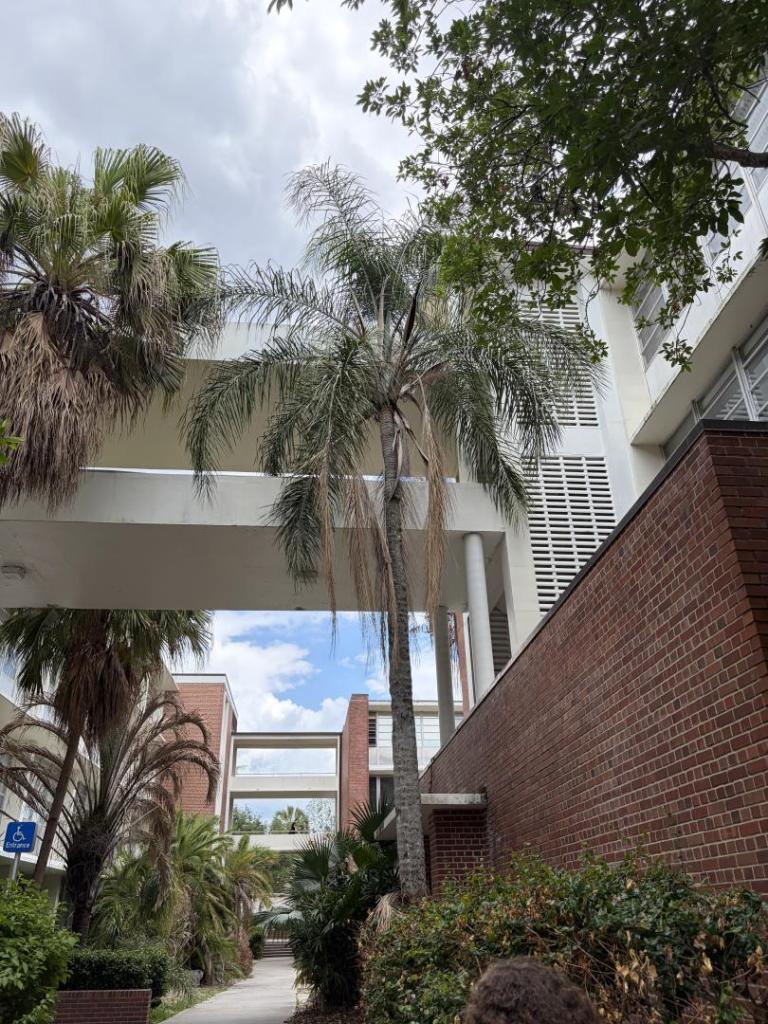
Old Queen palm surprisingly unscathed

 2 points
 -
I know the feeling you have too well. We all feel for our palms just like any living creature we live with. It’s just like losing a pet, my princess sari the wonderful kitty cat. Our palms are no different from that feeling!
 2 points
 -
 2 pointsI have been into palms since I was like 3 years old. I would always ask my grandma if she could take me to the neighbors house to collect queen palm fruit, I liked collecting it and inspecting it. Little did I know the Zetas were entering northeastern Mexico at that time and leaving your house at certain hours and places was dangerous. At 4 years old I saw coconut palms for the first time and that made me like palms even more, my favorite coconut palms have always been the varieties with orange petioles. I remember planting a green immature coconut that I brought from Guerrero hoping something would come out, obviously nothing came out. Now I have around 16 species and 40+ palms. Including the coconut palm which is a must have in my collection.2 points
 -
 2 points
 -
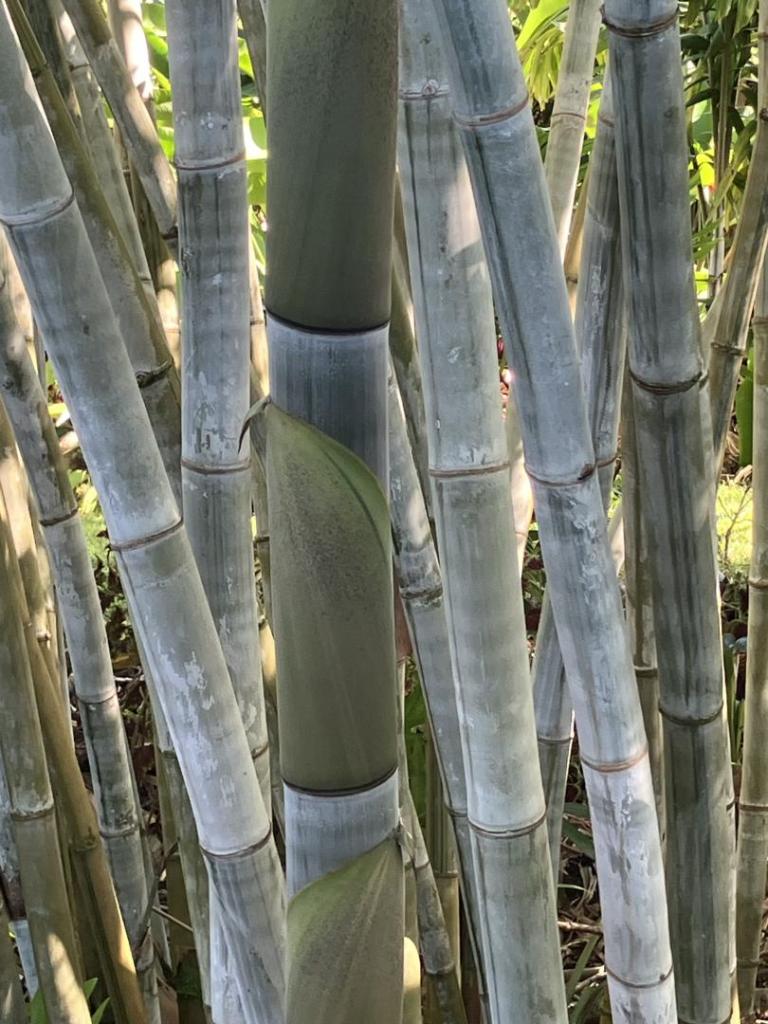
 2 pointsHere’s another photo of a new shoot of number seven Dendrocalamus minor ‘Amoenus’ and number 13 is Schizostachyum brachycladum, a sacred Bali bamboo that is stunning until the entire clump starts to flower and then it looks like you have wheat hanging all over the place little unsightly.
 2 points
 -
2 pointsGood grief Jim, that looks great! Attractive petiole’s and abaxial side of the pinnae. Tim2 points
-
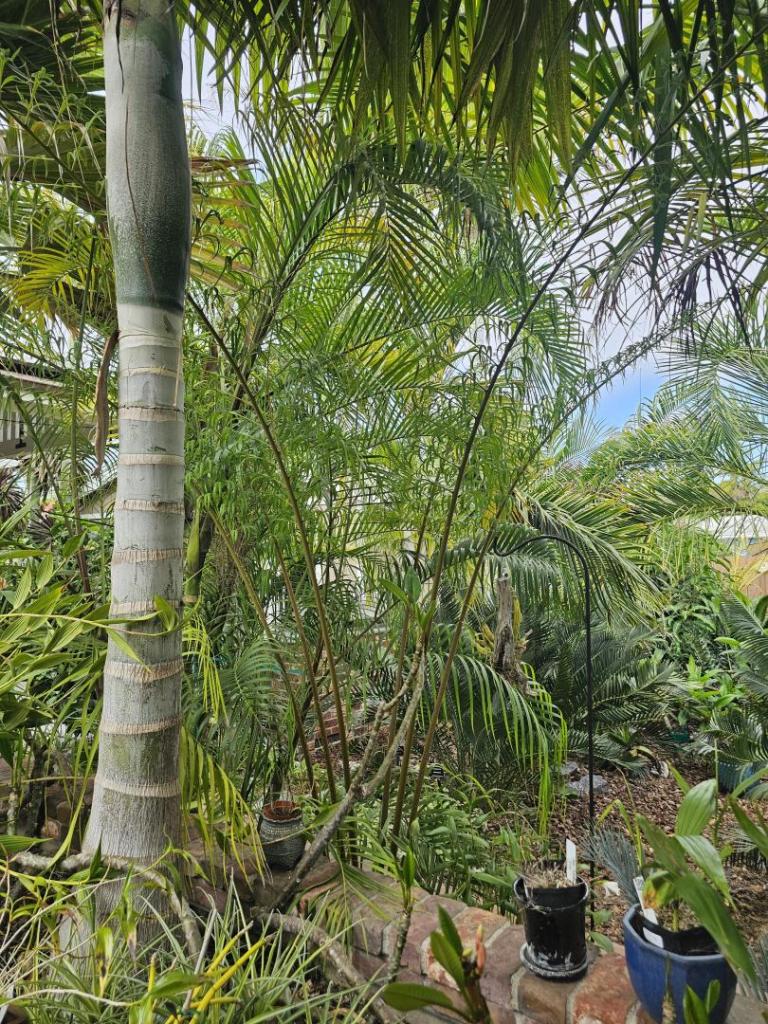
2 pointsA Cycas multifrondis is flushing well overhead.i had to walk up the steps of the deck to get photos of the leaflets at eye level. The unfurling flush blends in with the fine leafed Chrysalidocarpus rufescens adjacent to it.



 2 points
 -
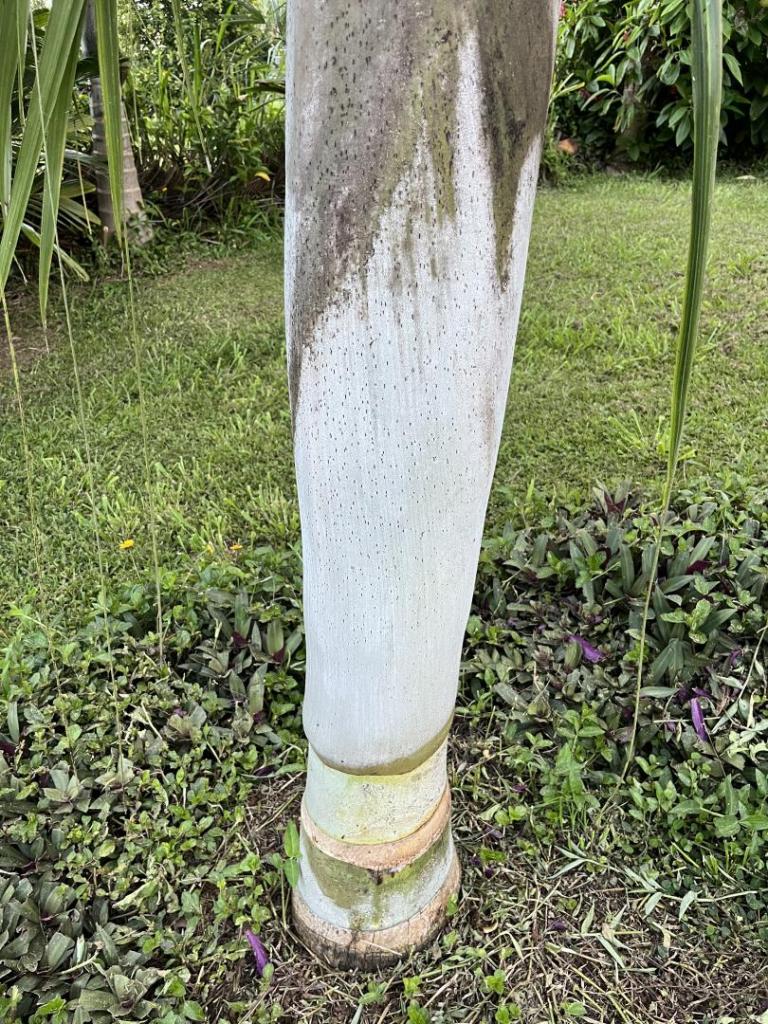
 With all the rain we’ve had and the long summer days, this palm dropped another leaf and is now showing another ring of trunk.
 2 points
 -
2 pointsDanger Will Robinson! Danger. Yes that robot citation dates me. This makes some of my Cycads look less intimidating.2 points
-
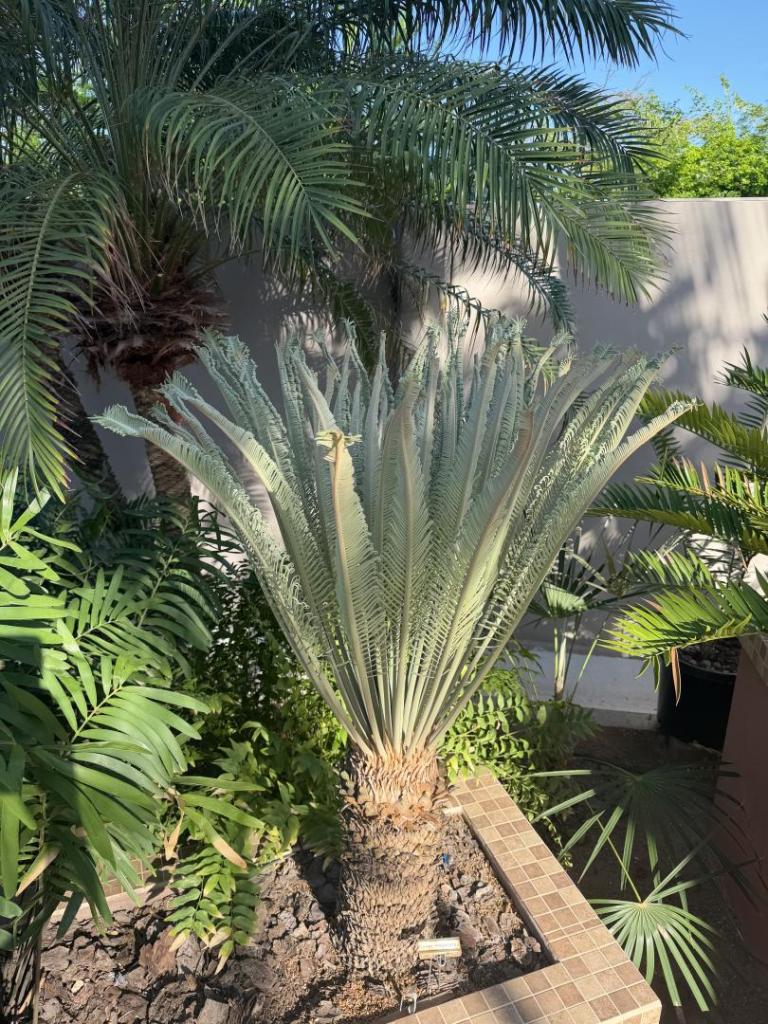
 1 pointHere’s an update on my Cycas megacarpa flush that is starting to open. Too many leaves to count.
 1 point
 -
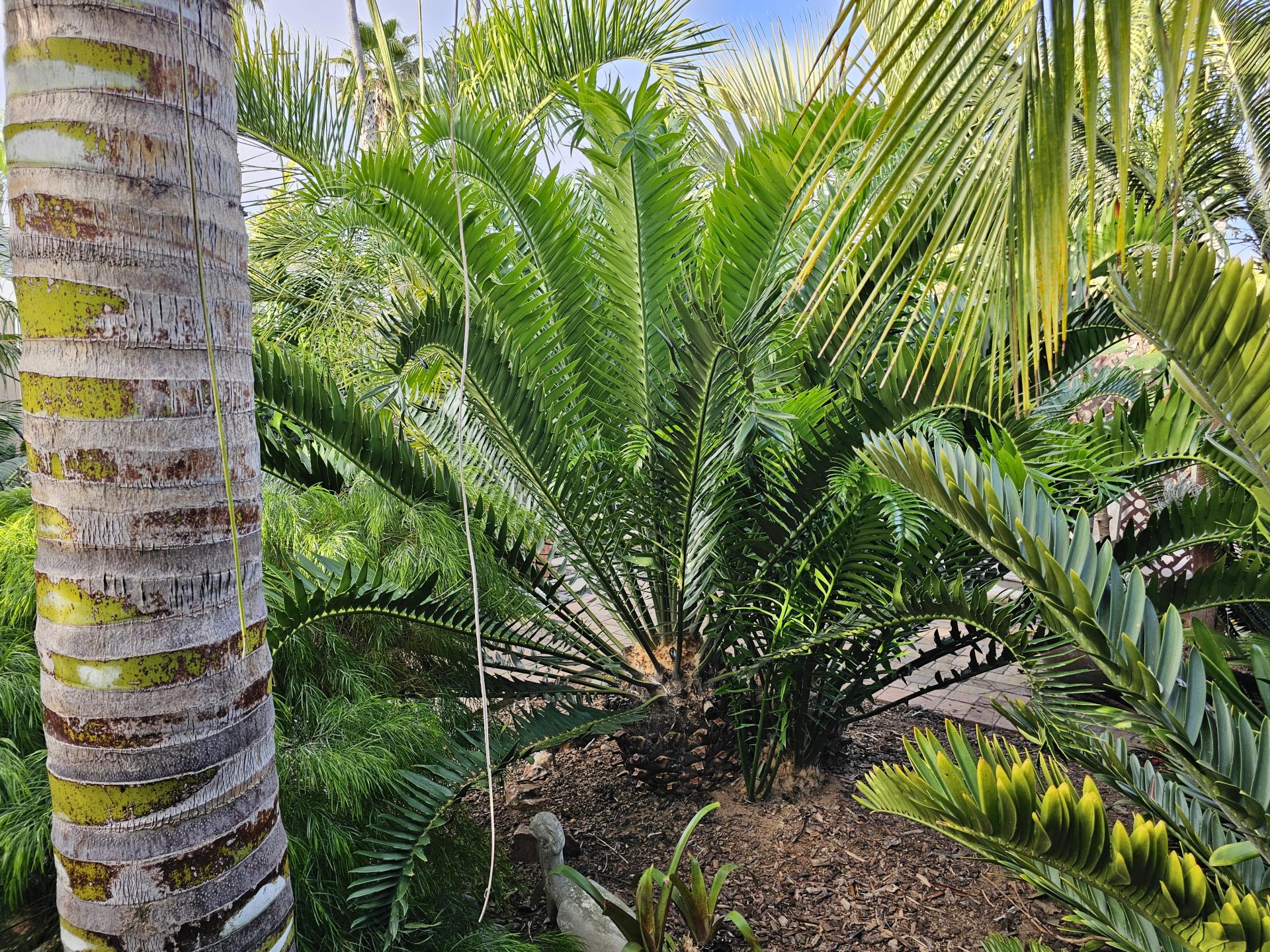
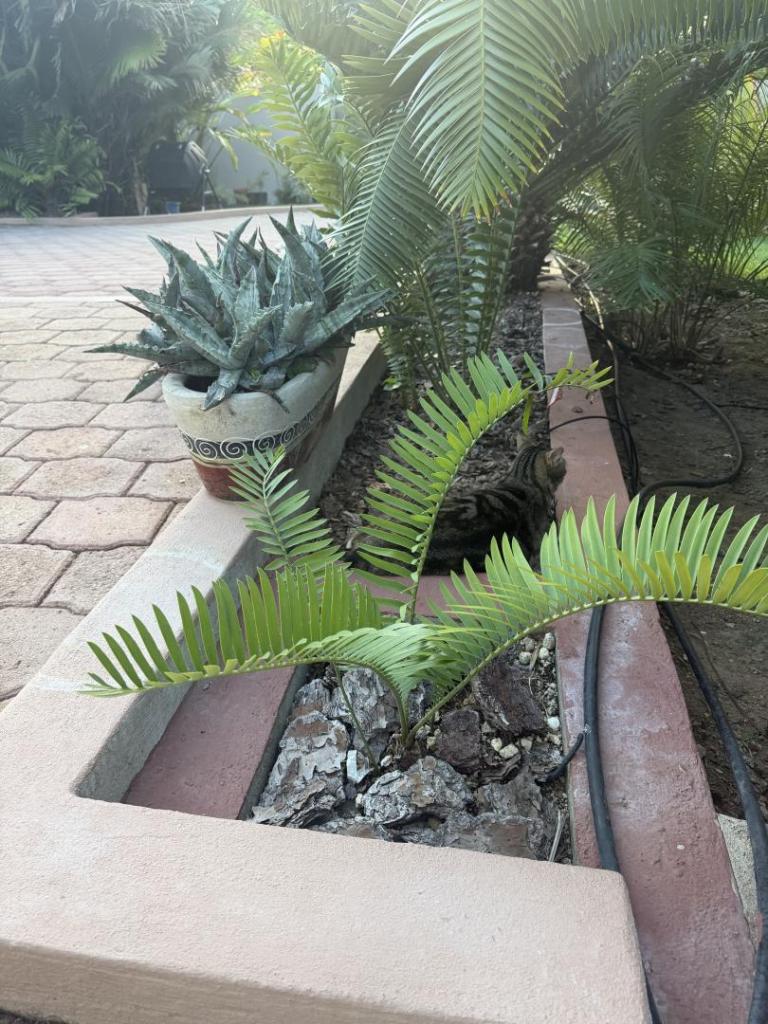
1 pointMy current favorite cycad is this small Central African Encephalartos. About a year ago I removed it from the screen house and planted it in the ground in a pretty exposed area. Since then, newer leaf flushes have a much better look and show more V in the leaflets and recurve on the leaves. Can’t wait to see how it looks in a few more years.
 1 point
 -
.thumb.jpg.a2fa04a61a4980e663c424f5c0b9b6af.jpg) 1 pointFor me it started when I set up a landscape design and construction business nearly 30 years ago. Never got to deal with palms or many tropical looking plants at horticultural college, but Tracycarpus started to be a popular plant for gardens we built, and from there I started using a local nursery selling more unusual plants that were suitable for a south east England climate. Got more interested in palms from there, growing my own collection and experimenting with growing from seed. But didnt really have the time and dedication needed. Fast forward to 2019 and the decision to move to the Mediterranean, and now had the time and climate to grow and care for the paims I could never have living in northern Europe. Trying not to make it an obsession, but certainly loving learning new ideas and practises living in a different climate. Has been like going back to college.1 point
1 pointFor me it started when I set up a landscape design and construction business nearly 30 years ago. Never got to deal with palms or many tropical looking plants at horticultural college, but Tracycarpus started to be a popular plant for gardens we built, and from there I started using a local nursery selling more unusual plants that were suitable for a south east England climate. Got more interested in palms from there, growing my own collection and experimenting with growing from seed. But didnt really have the time and dedication needed. Fast forward to 2019 and the decision to move to the Mediterranean, and now had the time and climate to grow and care for the paims I could never have living in northern Europe. Trying not to make it an obsession, but certainly loving learning new ideas and practises living in a different climate. Has been like going back to college.1 point -
 1 pointNo, there are not fused segments to groups, which in turn are deeply separated down to the costa.1 point
 -
Whoa Mike, awesome pics. First cultivation pics of trunking specimens I've ever seen. Thanks for sharing!1 point
-
1 point
1 point
1 point
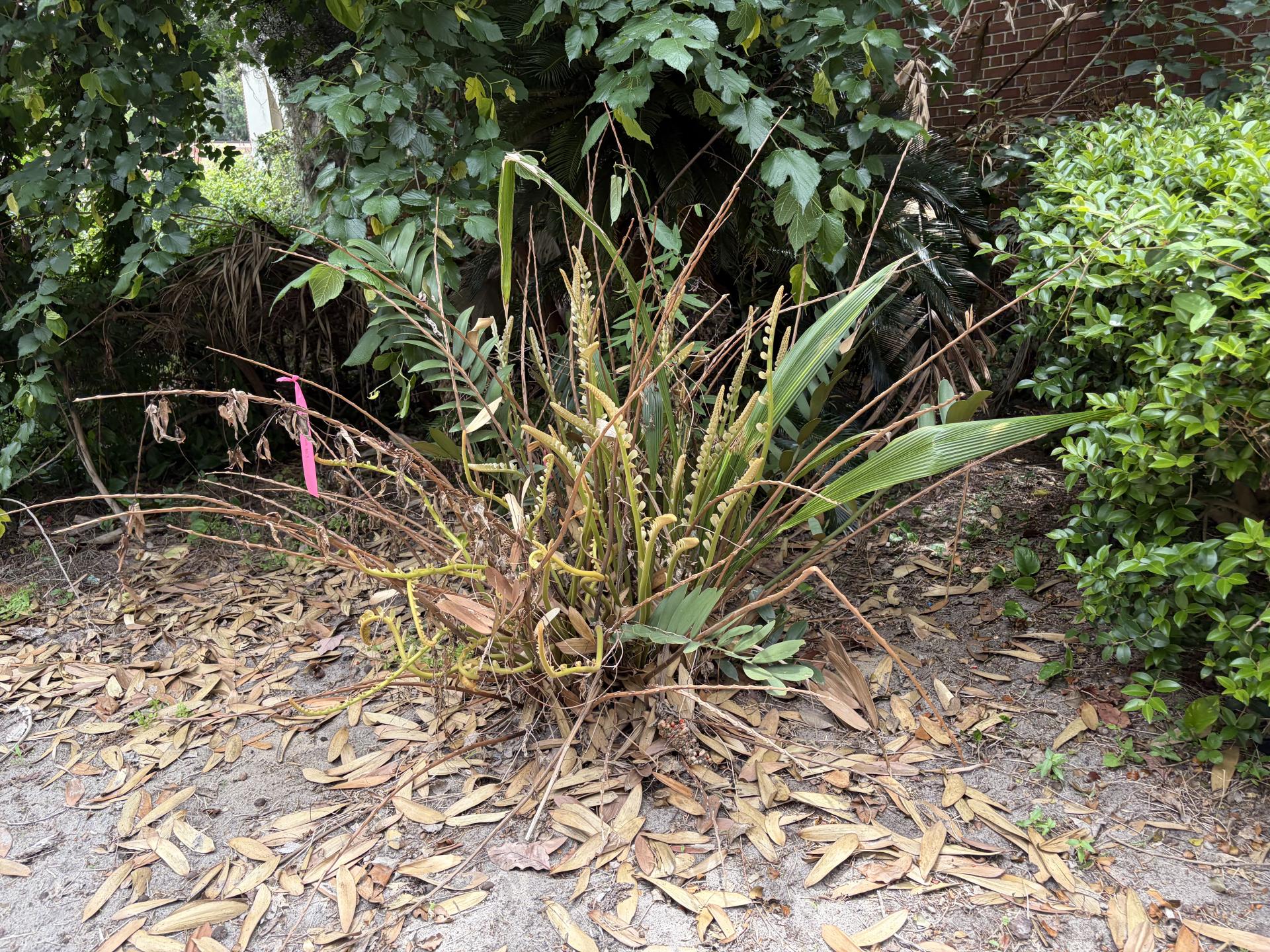
Made it to the UF campus to see how these were doing. Took these photos April 30th. Unhappy Bismarkia Bromeliad survived well


 1 point
1 point
1 point 1 pointHave you thought about getting it into the ground ASAP? Roots are far more sensitive to heat and cold than the top of a plant. I've lost a few palms in pots here in Palm Springs and I later re-ordered the same species and put them directly in the ground and they grew fine through the heat of summer. You my find the same treatment may keep your nice young Ceroxylon going. If you don't want to commit it to a final growing spot, you could just plunge the pot in a hole until the fall/winter, you should get the same effect.1 point
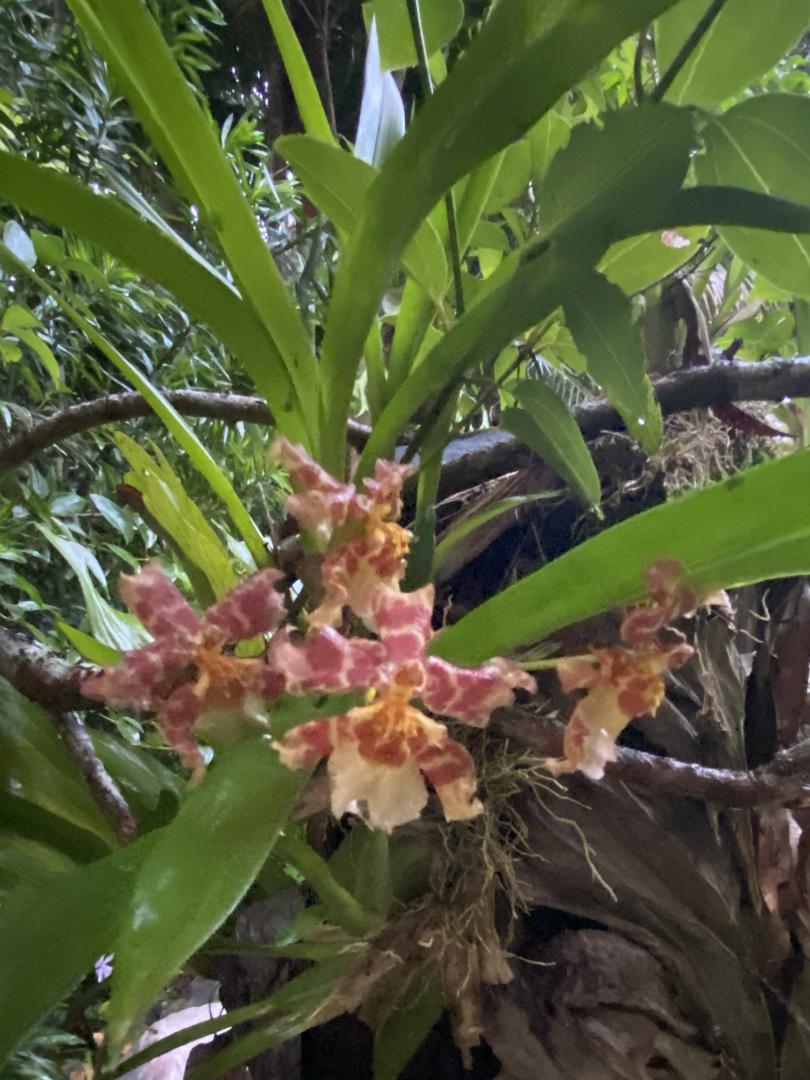
1 pointExtraterrestrial? Please come home ET. Any ETS landing in your garden. This is from planet Encyclia of the cochleata species.
1 pointHave you thought about getting it into the ground ASAP? Roots are far more sensitive to heat and cold than the top of a plant. I've lost a few palms in pots here in Palm Springs and I later re-ordered the same species and put them directly in the ground and they grew fine through the heat of summer. You my find the same treatment may keep your nice young Ceroxylon going. If you don't want to commit it to a final growing spot, you could just plunge the pot in a hole until the fall/winter, you should get the same effect.1 point
1 pointExtraterrestrial? Please come home ET. Any ETS landing in your garden. This is from planet Encyclia of the cochleata species. 1 point
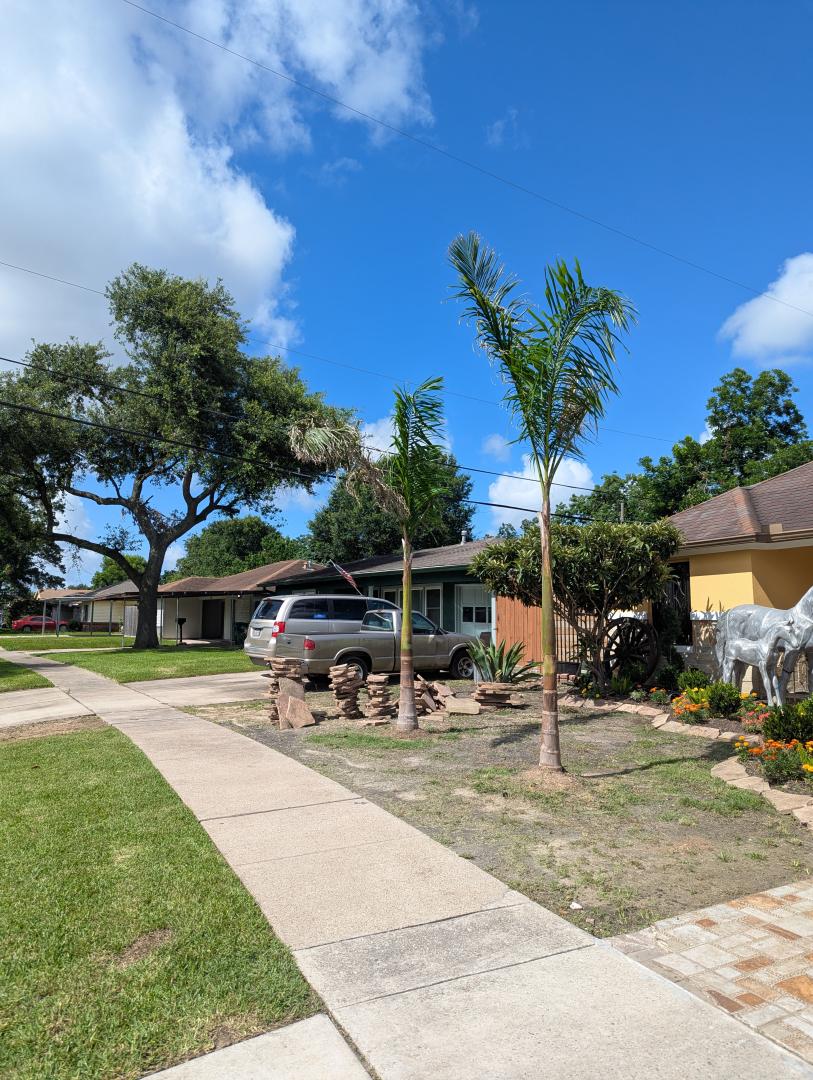
Almost 100% it’s not C. costaricana. Neither the fronds nor the main stem resemble that species. I don’t think it would have been completely unscathed by 24°F with high winds either. Those you have are very consistent with C. radicalis tree form however and I’d be willing to bet that’s what they are. They are very cold hardy.1 point
1 point
1 pointAlmost 100% it’s not C. costaricana. Neither the fronds nor the main stem resemble that species. I don’t think it would have been completely unscathed by 24°F with high winds either. Those you have are very consistent with C. radicalis tree form however and I’d be willing to bet that’s what they are. They are very cold hardy.1 point 1 pointSE Houston the past few days (Pasadena/Deer Park) These pygmies have survived the last few cold years, planted 2021/2022. The buds are quite hardy relative to the foliage. There's a reason they managed to stick around for 20+ years prior to the 2021 freeze. New royals to usher in the warm epoch
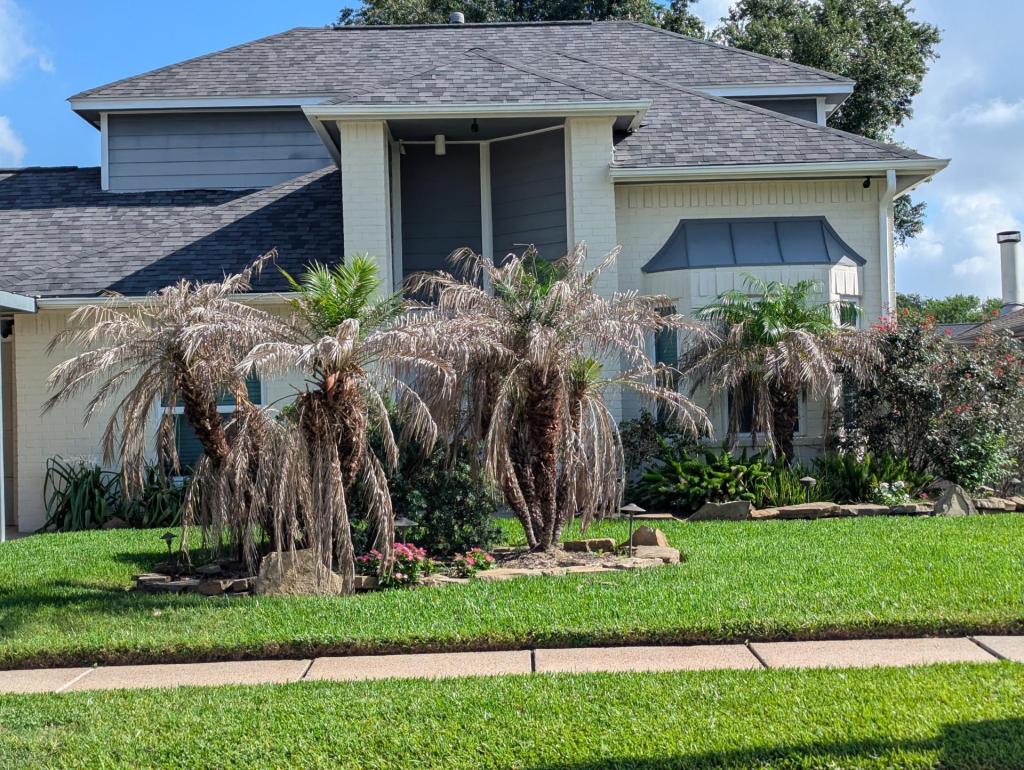
 1 point
 Better than you'd think. There are lots of royals pushing out new growth there. Same thing with several foxtails. They're definitely "on the mend" and not by any means fully back to their prior form but you can tell they're still alive and growing.1 point
 1 point
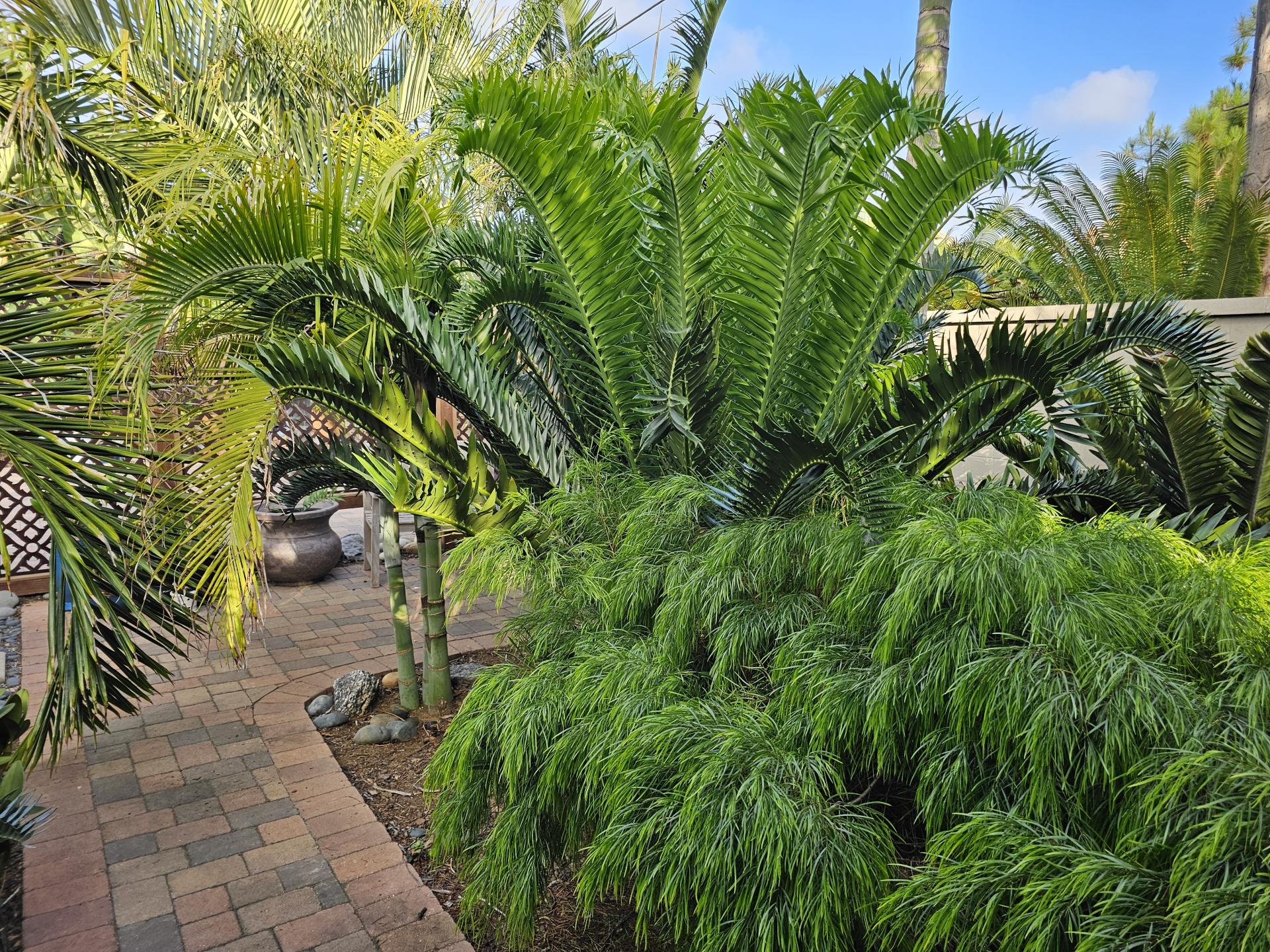
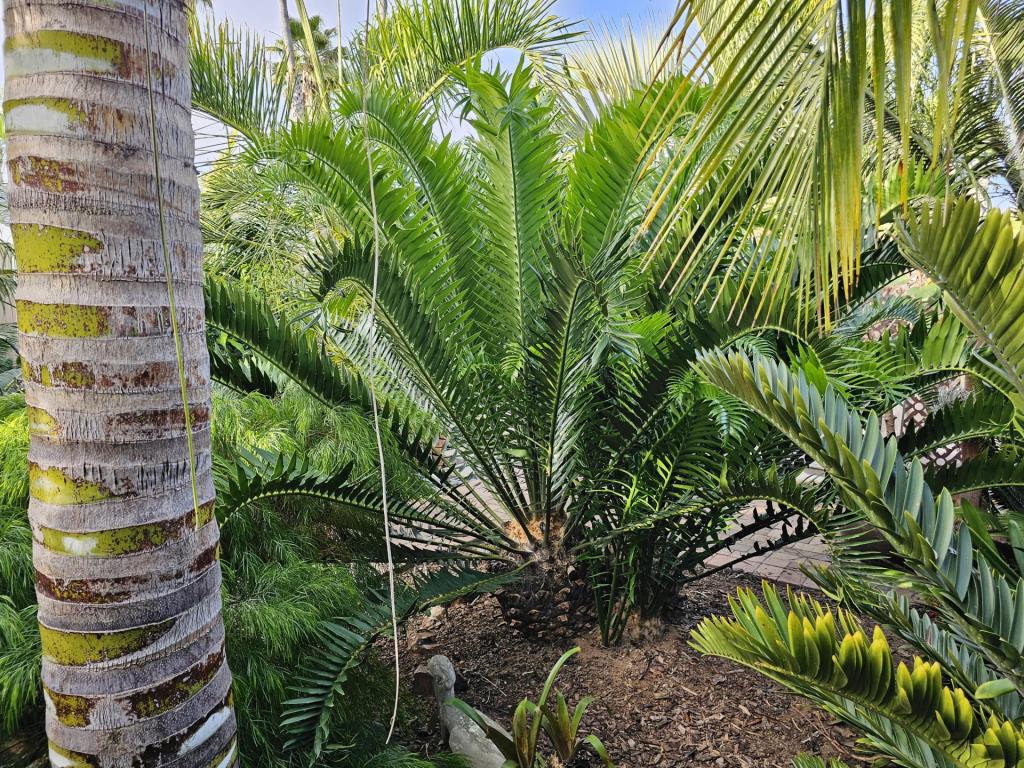
It is difficult to assess just how big this Encephalartos horridus × woodii is in a photo without a human for scale. Looking up at the top.of the new flush when I walk by it, reminds me why this is often my favorite cycad growing in my garden.
1 point
1 pointIt is difficult to assess just how big this Encephalartos horridus × woodii is in a photo without a human for scale. Looking up at the top.of the new flush when I walk by it, reminds me why this is often my favorite cycad growing in my garden.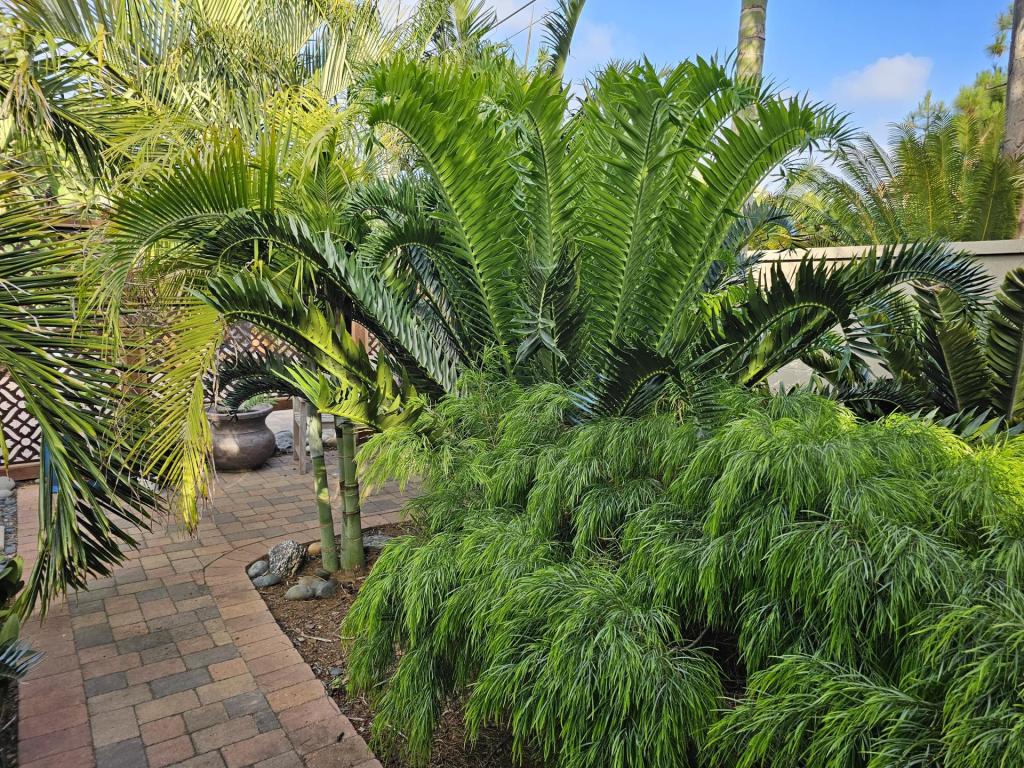
 1 point
 1 point
We all seem to have similar favorites😊 pretty much always my fav E. Latifrons.
1 point
1 pointWe all seem to have similar favorites😊 pretty much always my fav E. Latifrons.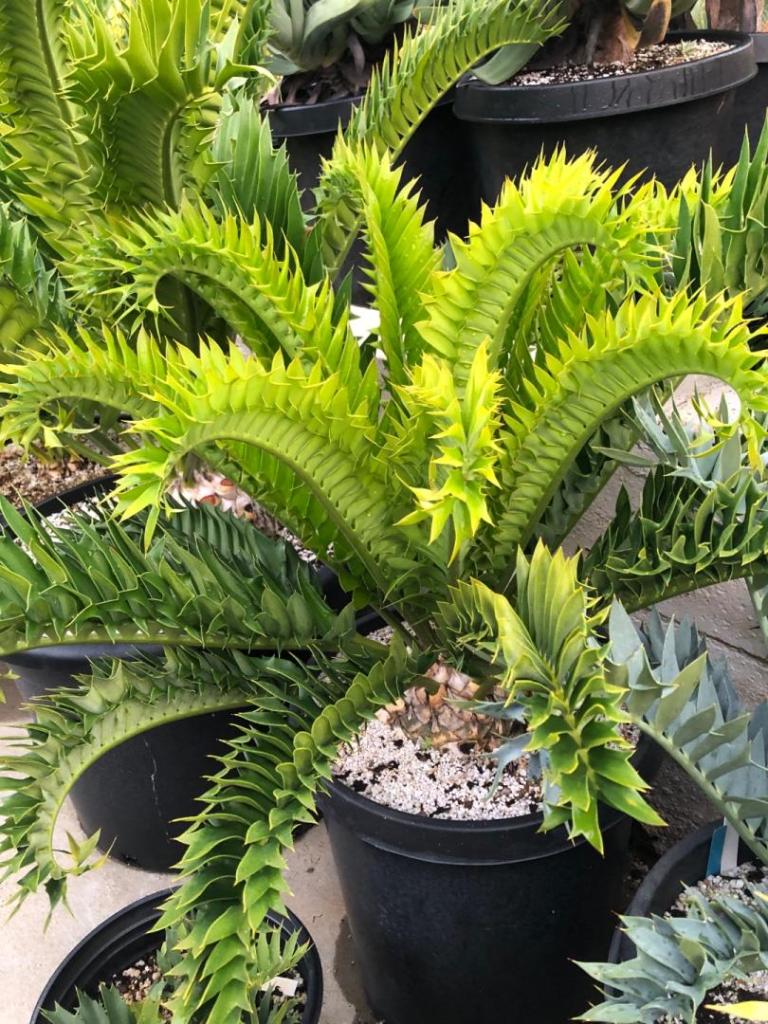 1 point
 It’ll be really interesting to see what this Butia odorata x Syagrus schizophylla F1 develops into. Photo taken on Saturday.

 1 point
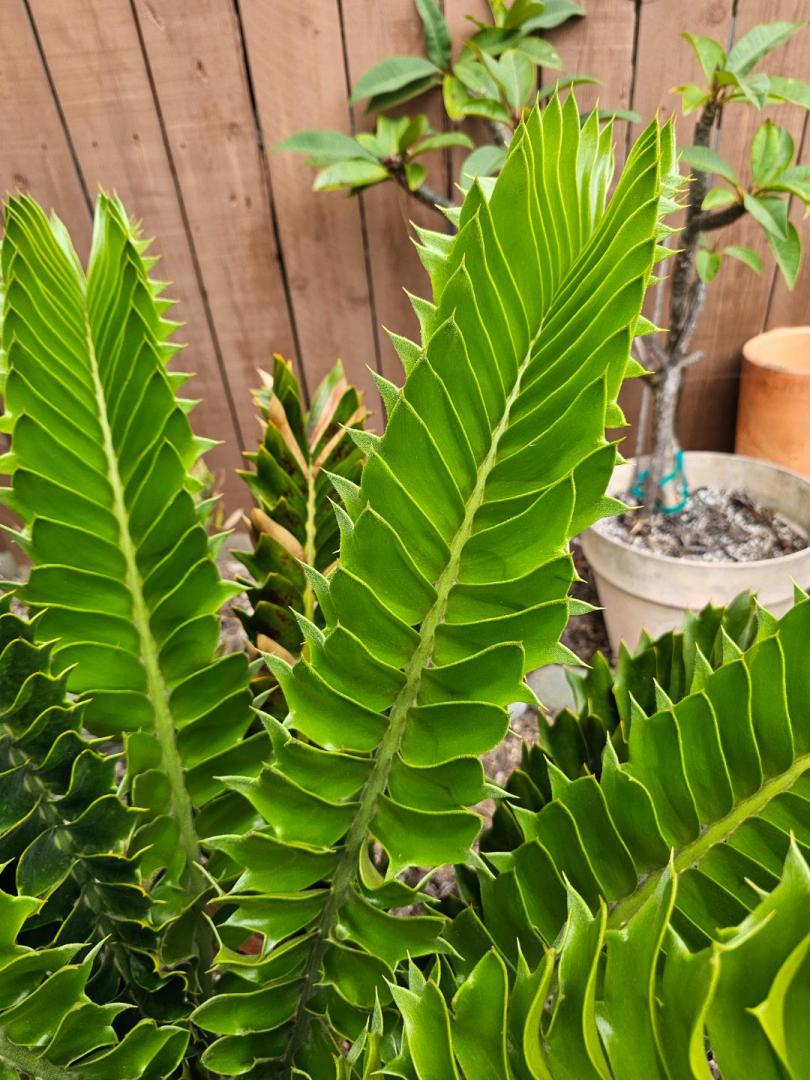
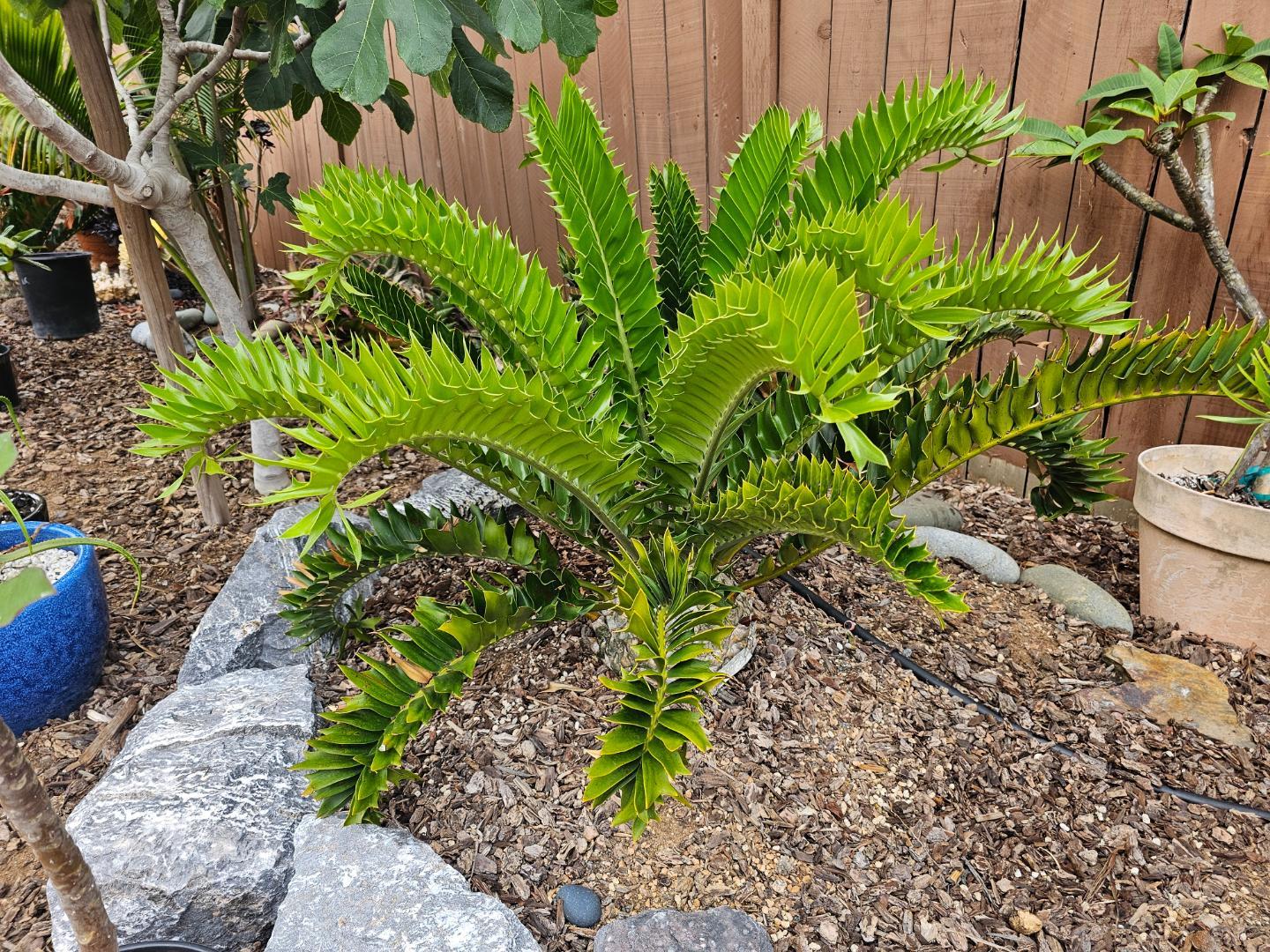
Based on your tutorial, I see a typicum form in my plant with some Green Valley traits. It is still relatively young, so some characteristics may yet develop. I don't see this one ever going to the deep dark green of the Trappes Valley. This latest flush still hasn't hardened, so it remains the bright green which will darken some. I repeat the previous post, thanking you for sharing your knowledge.
1 point
1 pointBased on your tutorial, I see a typicum form in my plant with some Green Valley traits. It is still relatively young, so some characteristics may yet develop. I don't see this one ever going to the deep dark green of the Trappes Valley. This latest flush still hasn't hardened, so it remains the bright green which will darken some. I repeat the previous post, thanking you for sharing your knowledge.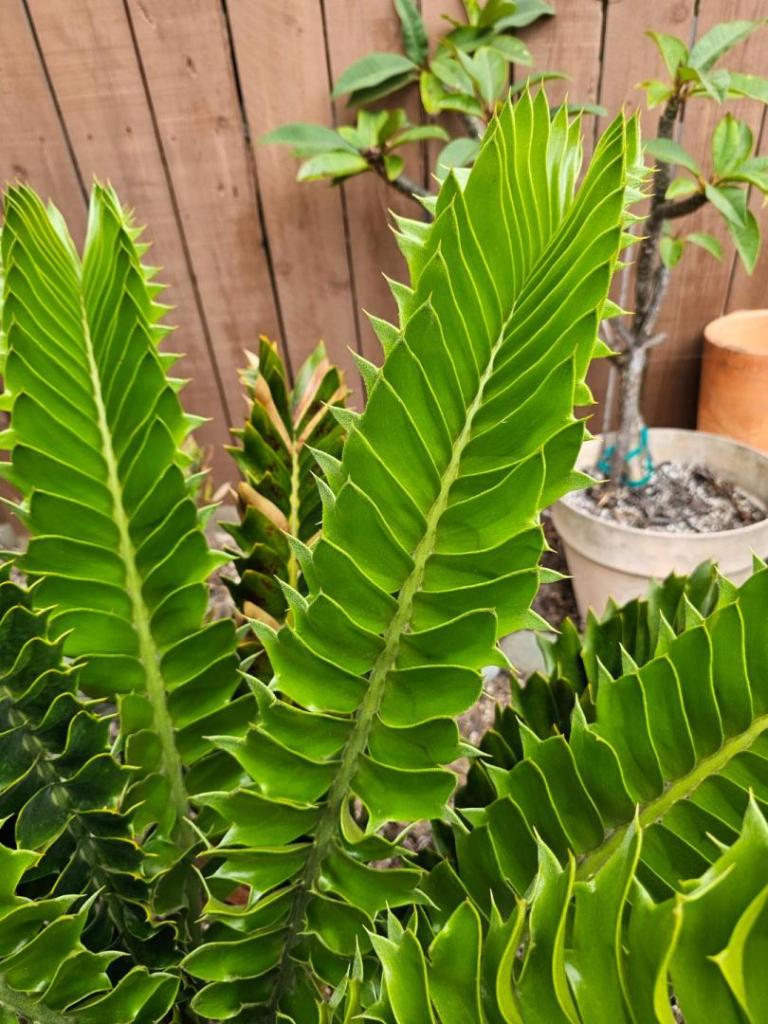
 1 point
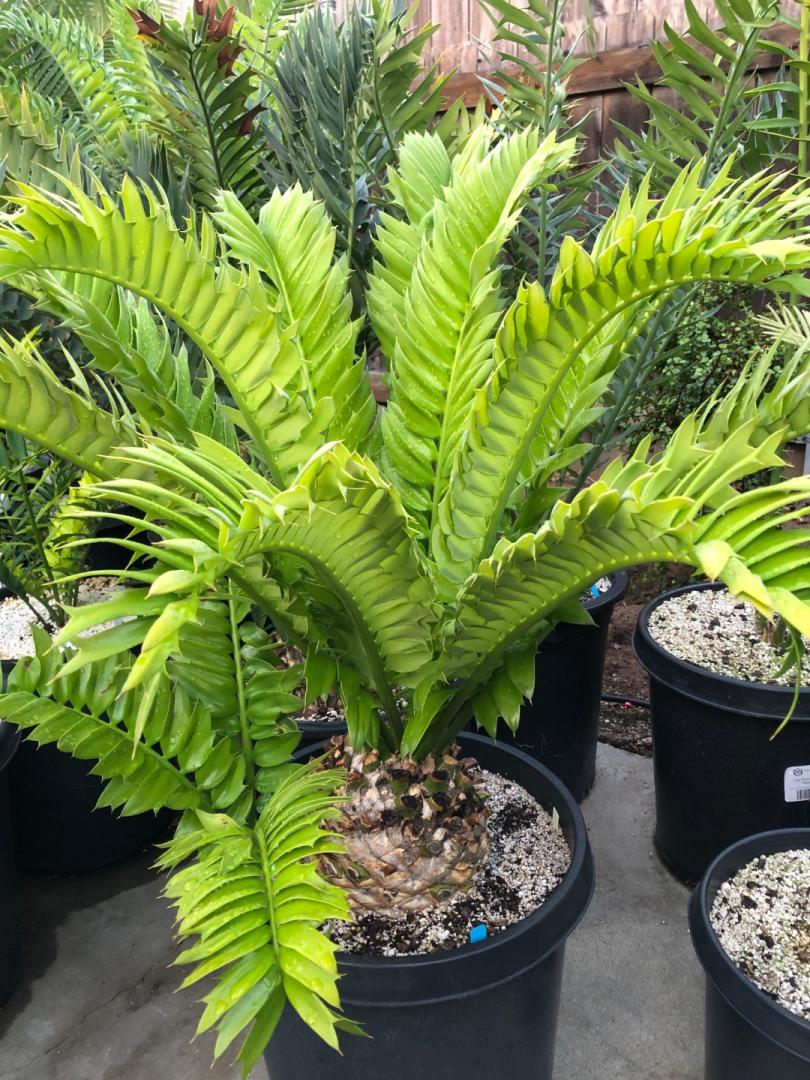
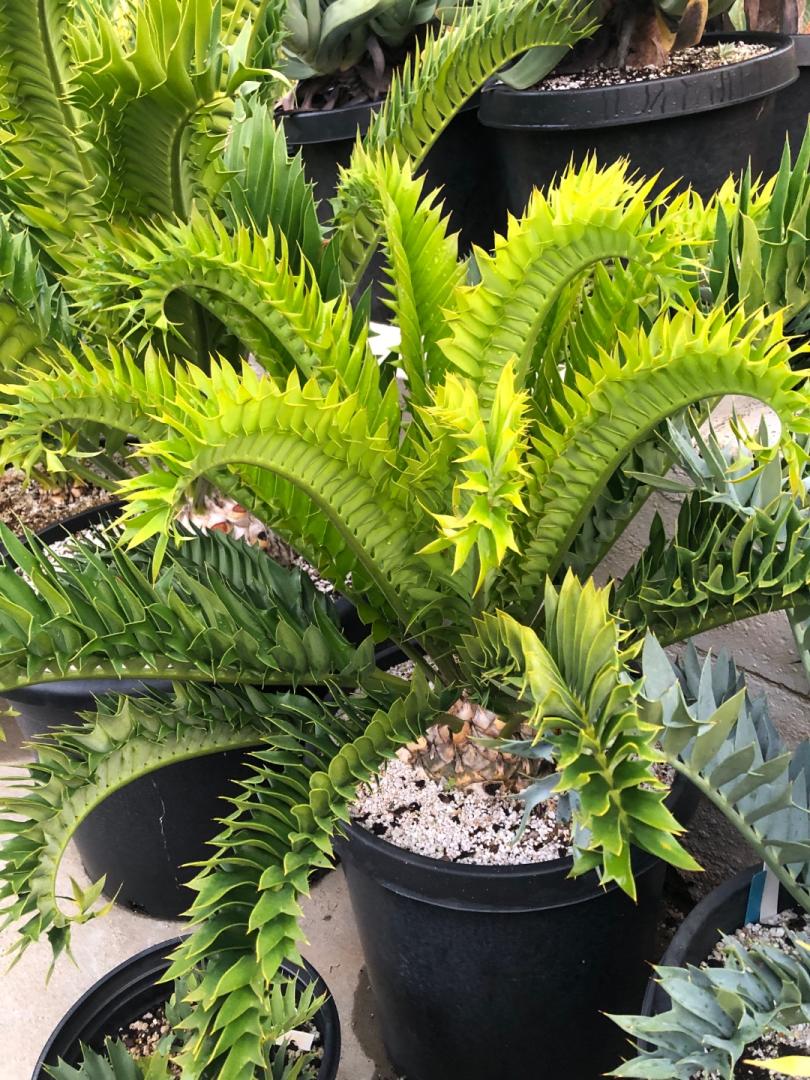
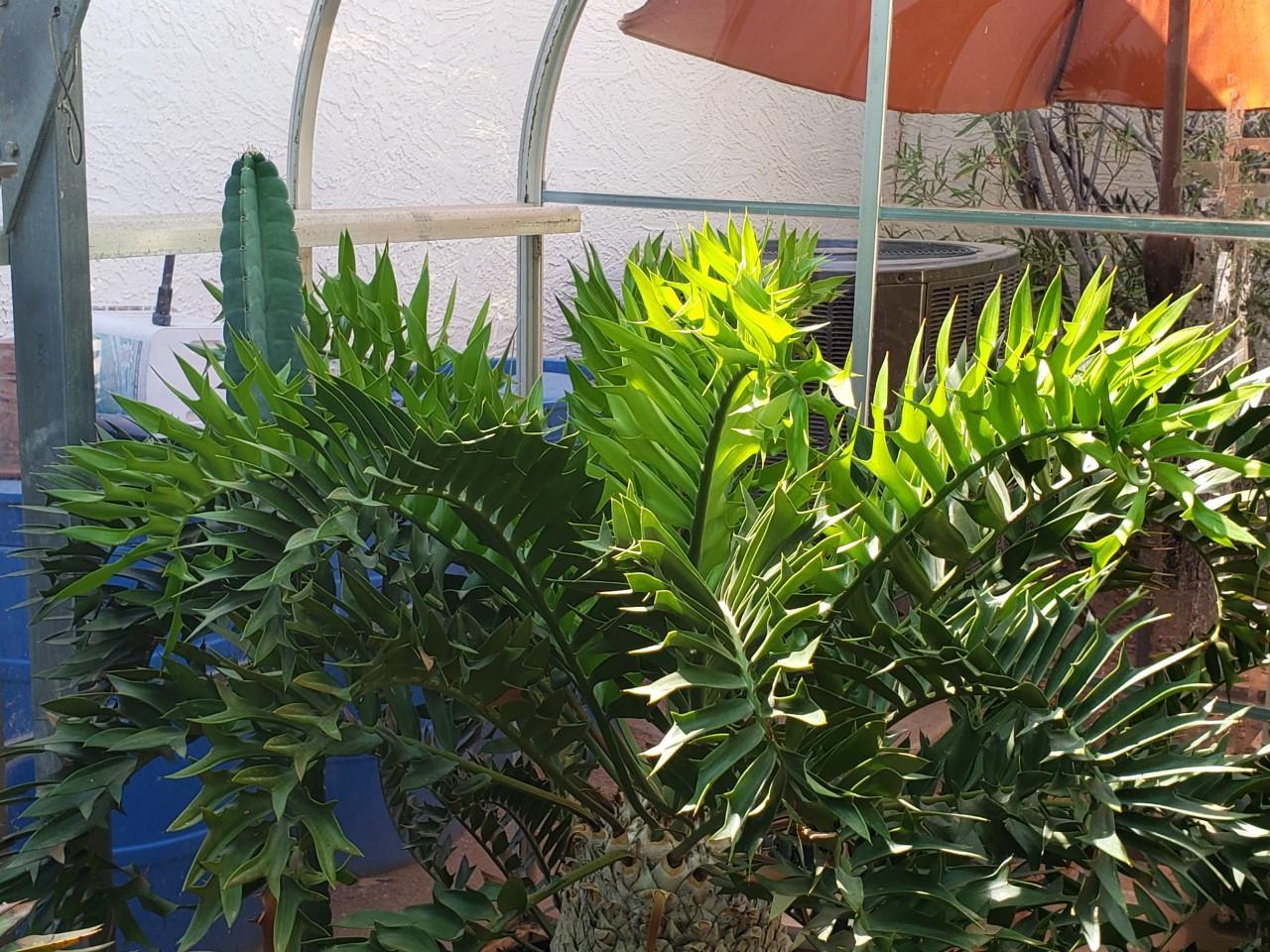
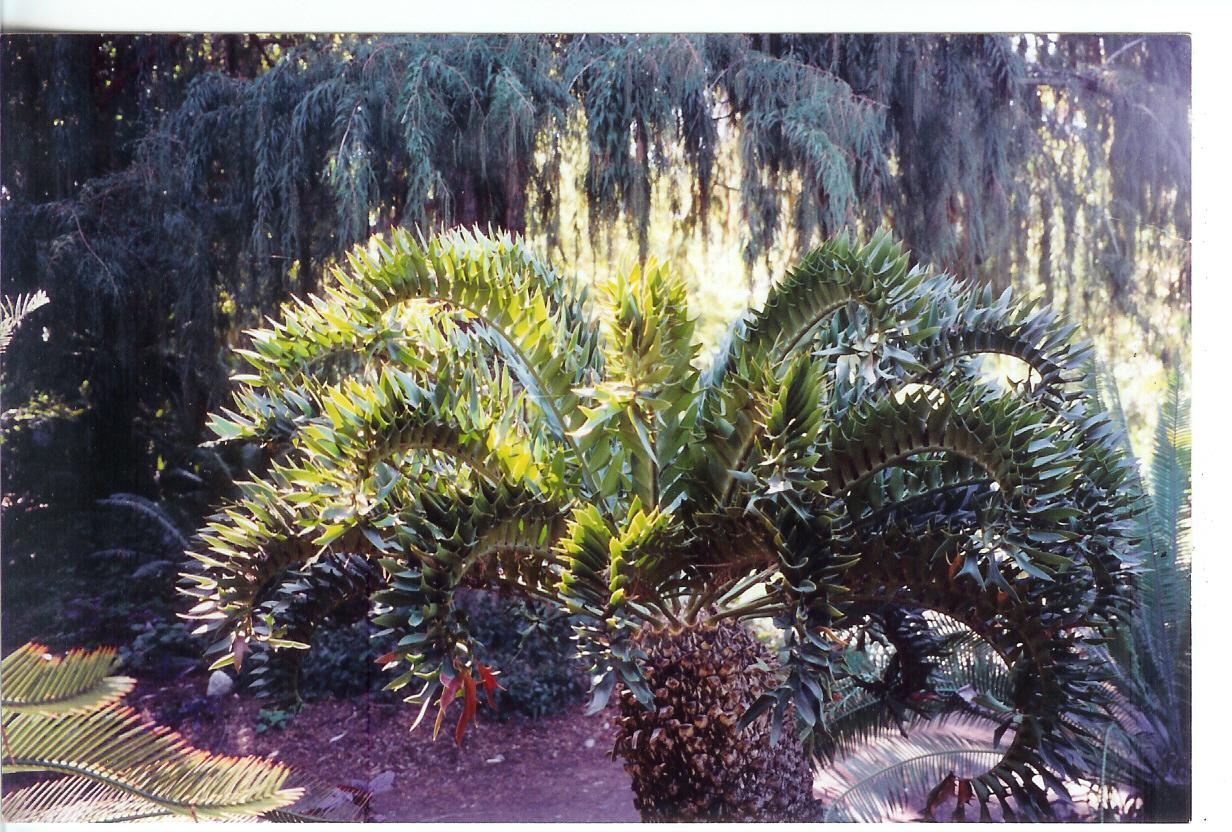
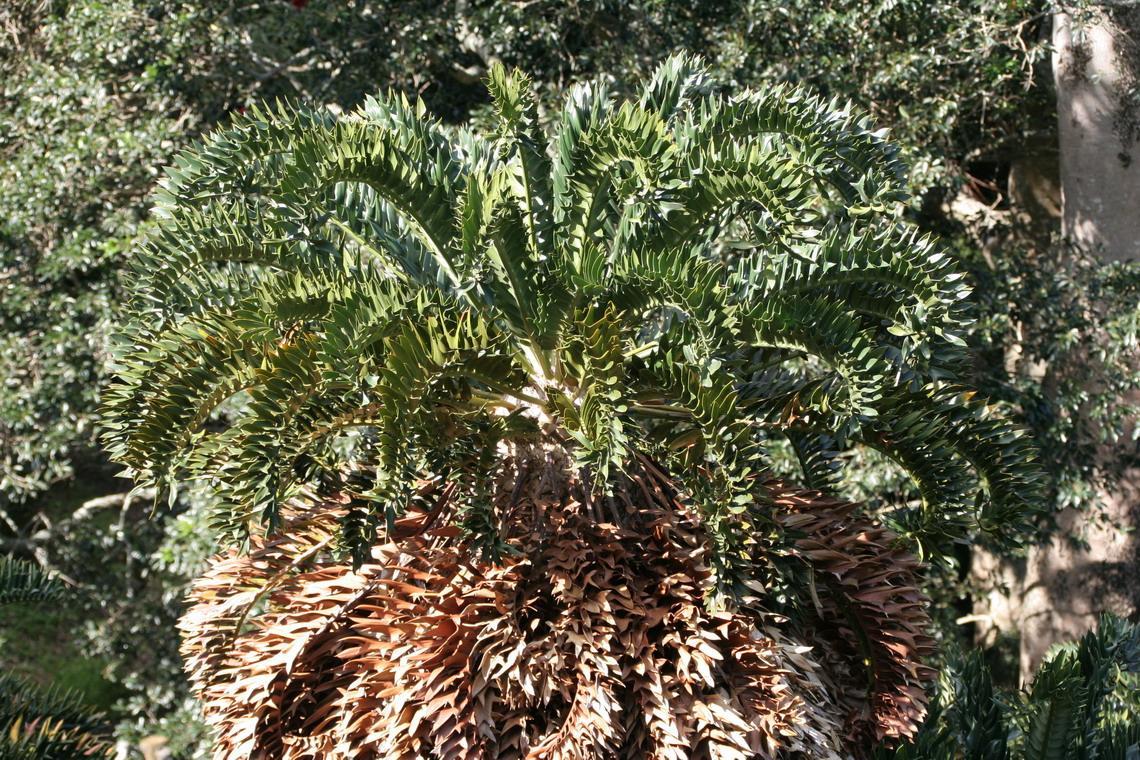
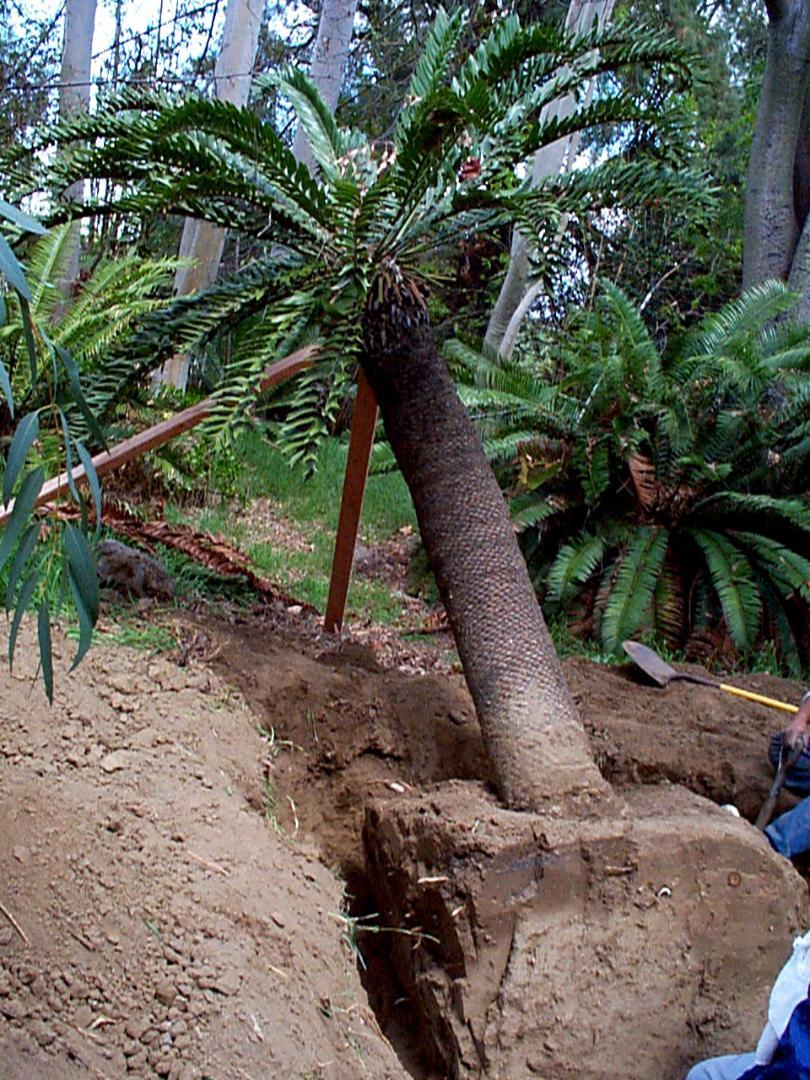
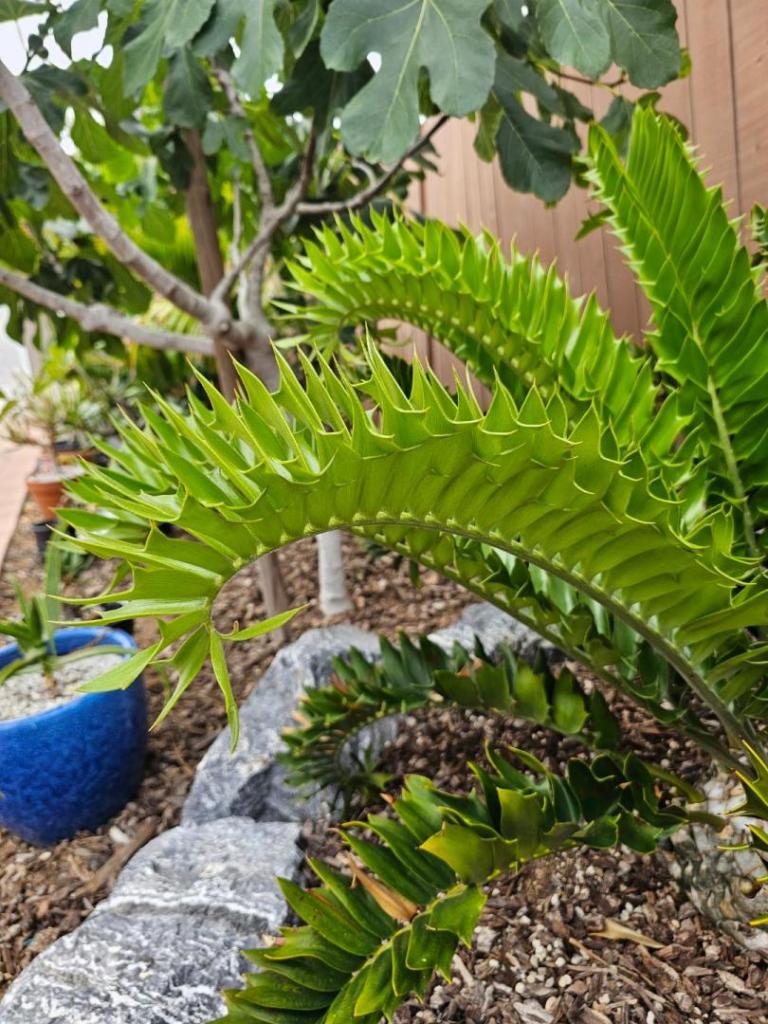
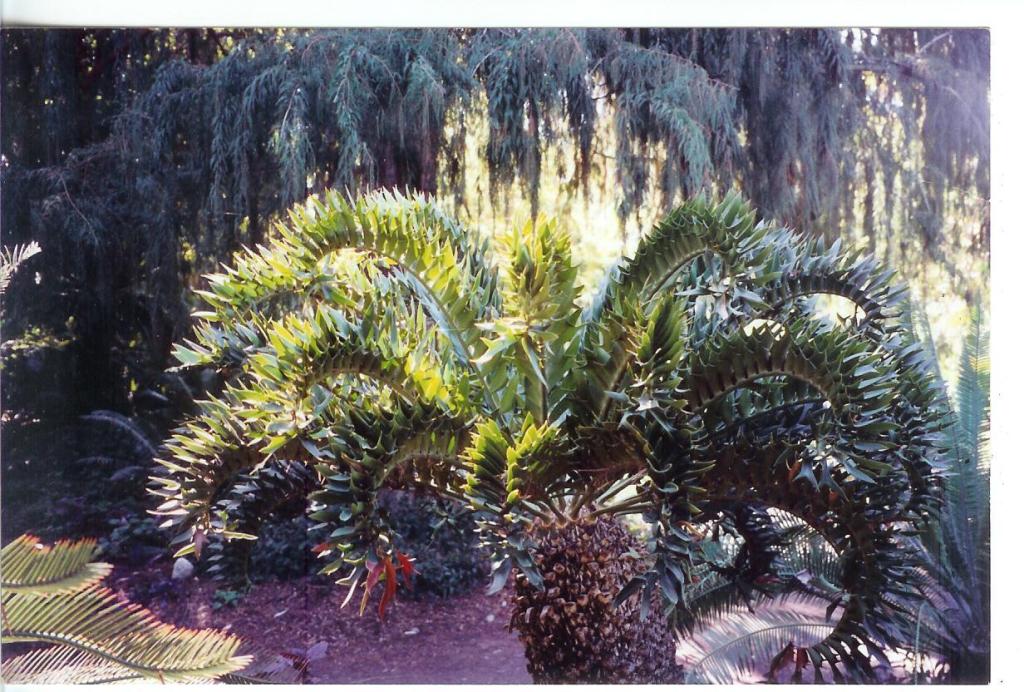
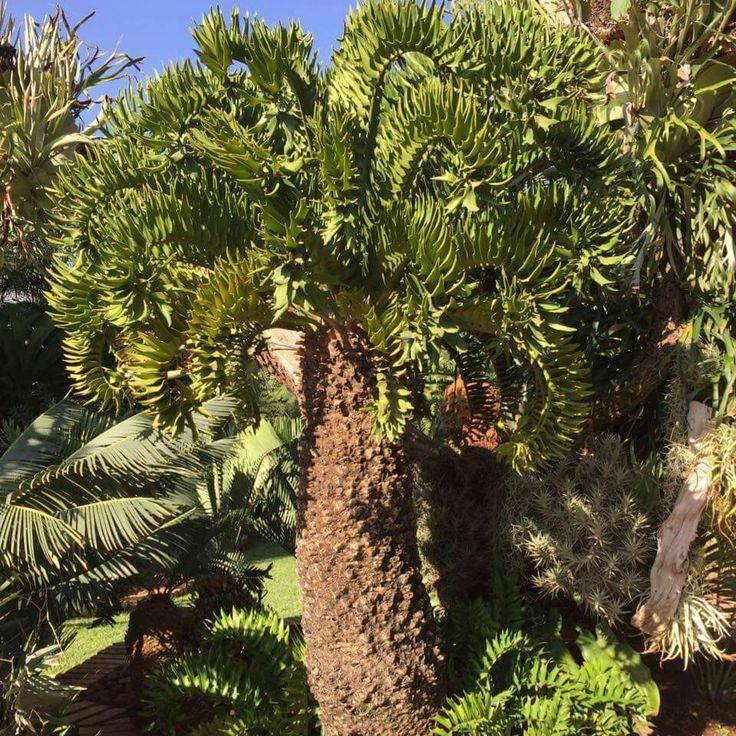
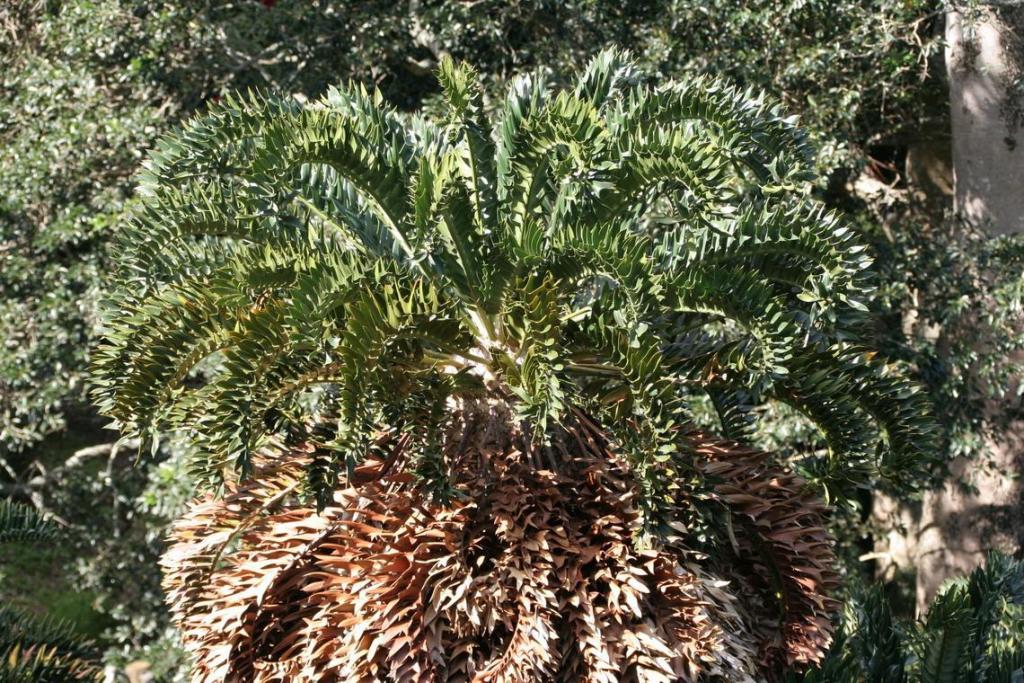
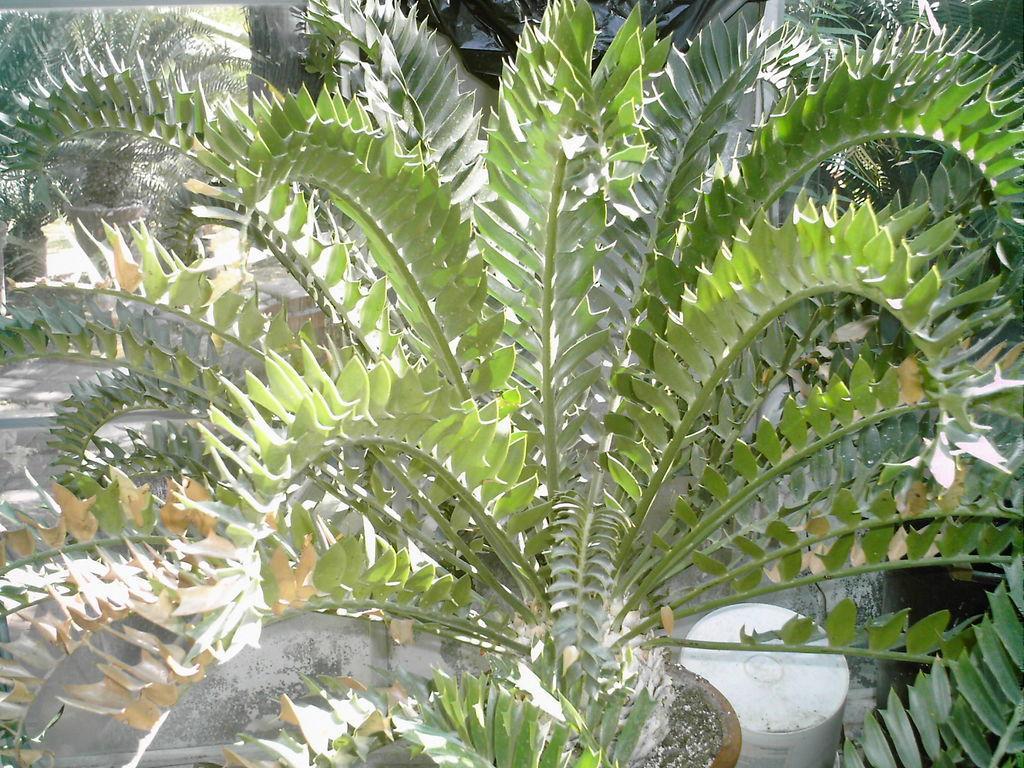
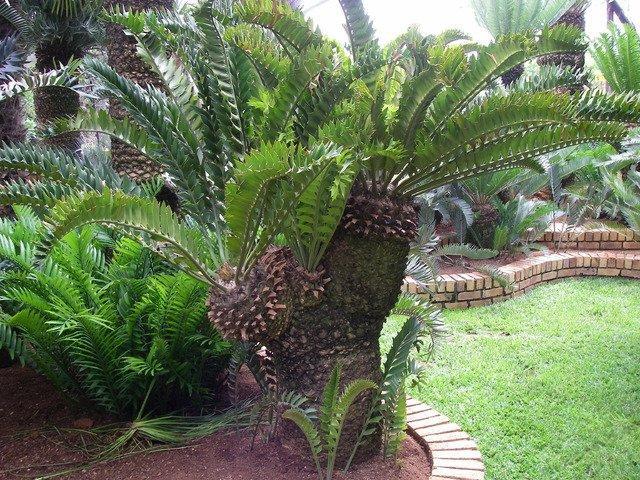
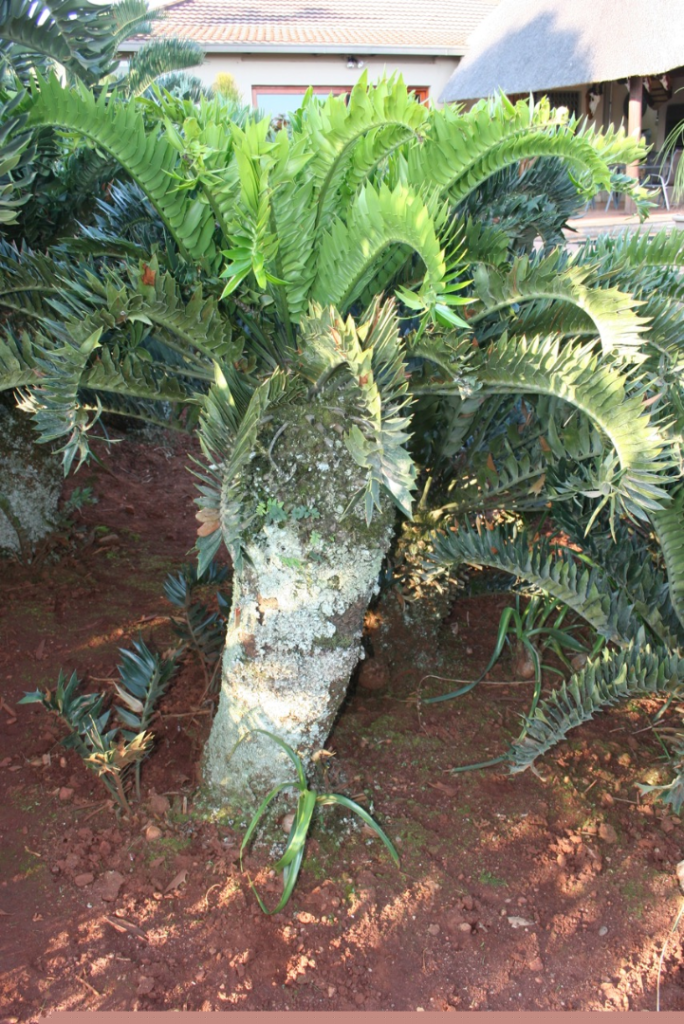
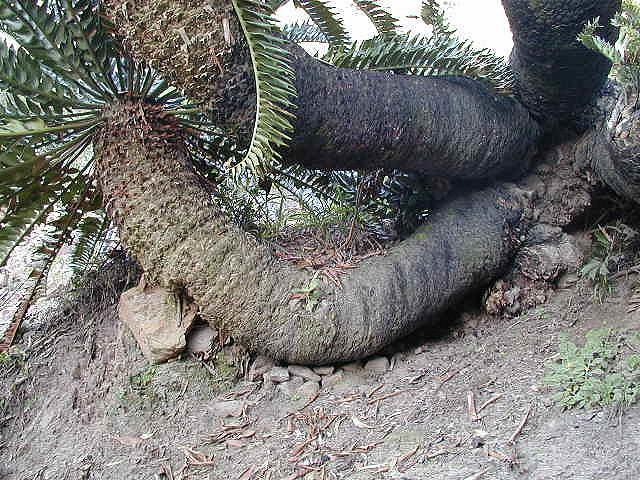
 1 pointI'm hesitant to wade into this subject of E. latifrons Trappes Valley or Green Hills, because these are only two leaf forms that were named for plants with a certain collection of traits; but there are quite a few leaf forms that fall under "typicum" or simply superior/inferior forms. But they all are gorgeous with the latifrons blood elevating the qualities of each one when well grown. In South Africa, the Trappes Valley form is considered to be the superior form and is known for the greatest arch of the rachis and curly ends of each rachis. Also, it will display the darkest sea green color of any latifrons leaves, even in strong sunlight. Its leaflets are longer; closer to arenarius in length; and it should have 3 or more long lobes on each leaflet. Leaflets should stay full size all the way out to the final curl so you see this fierce vitality! Its petiole will show sort of a faceted shape with a flat surface facing upwards and the sides and bottom having almost corners then proceeding downward to another sort of corner; but juveniles may not show this facet trait until the caudex is closer to cantaloupe size. Plant in the L.A. County Arboretum I captured in the 1980s. Next, my largest plant. The newest leaves are lighter color. Next my South Africa friend's plant with a more blunt texture to the lobes. So you can see this is quite a distinct animal and it is very seldom seen in the pure form. It has been crazy popular for so long that many hybrids have been made with Green Hills' superior forms; so there's quite a bit of dilution and confusion out there since quite large hybrid beautiful plants are now to be seen which are confusing the market. Then there's Green Hills which was also isolated as gorgeous but distinct in many traits from Trappes Valley; namely, shorter and rounder leaflets and a consistent somewhat lighter green color. Also, that severe recurve at the ends is not there, and the leaflets do somewhat reduce at the end and the petiole doesn't have the faceted trait that is present in Trappes Valley. Next my young adult plant. Next my friend's plant in her SA garden. See the gentle arching, but no signifcant recurve, and the leaflets reduce toward the end of the leaf. Then there's the typical or "typicum" plants which is where the greatest variability comes into the soup. These depart, to a greater or lesser degree, from the preferred forms of Trappes and Green Hills; but even well grown plants have considerable appeal and value. Sometimes these plants have all the traits of Trappes except for the very dark green lustrous color; I feel these plants are certainly entitled to be quite high priced, but not to the level of Trappes. Some "typicum" plants. Plant in nature along a dry river wash. Plants in nature on hillside some might call Green Hills or an intermediate form. Next a plant I consider an intermediate form, but a great form judging by the leaf quality of the offsets. Appearance as it was being removed from Dick Johnson's collecction; later to reappear at the San Diego Zoo. Next, one of Loran's plants. So those were what I consider more typical or intermediate forms. Still nothing to sneeze at! So this is usually where the fighting begins since everyone has their own feelings about this stuff. But it should be emphasized that the concept of Trappes Valley and the concept of Green Hills are each a collection of traits put together by people to make order out of what we are seeing. It should not be used to suggest that the Trappes Valley geographic territory itself contains only Trappes Valley indiduals. To the contrary, other latifrons in that same valley were variable; each with more subtle presence of the traits colloquially known as "Trappes Valley" form. So now you probably know less than you did when we started! Large female Trappes alley at Kirstenbosch gardens in SA. galary_images_276.BMP


 1 point