Leaderboard
-

happypalms
IPS MEMBER20Points13,278Posts -


bubba
IPS MEMBER18Points8,618Posts -


Harry’s Palms
IPS MEMBER16Points4,455Posts -

Phoenikakias
IPS MEMBER11Points6,695Posts
Popular Content
Showing content with the highest reputation on 05/15/2026 in all areas
-
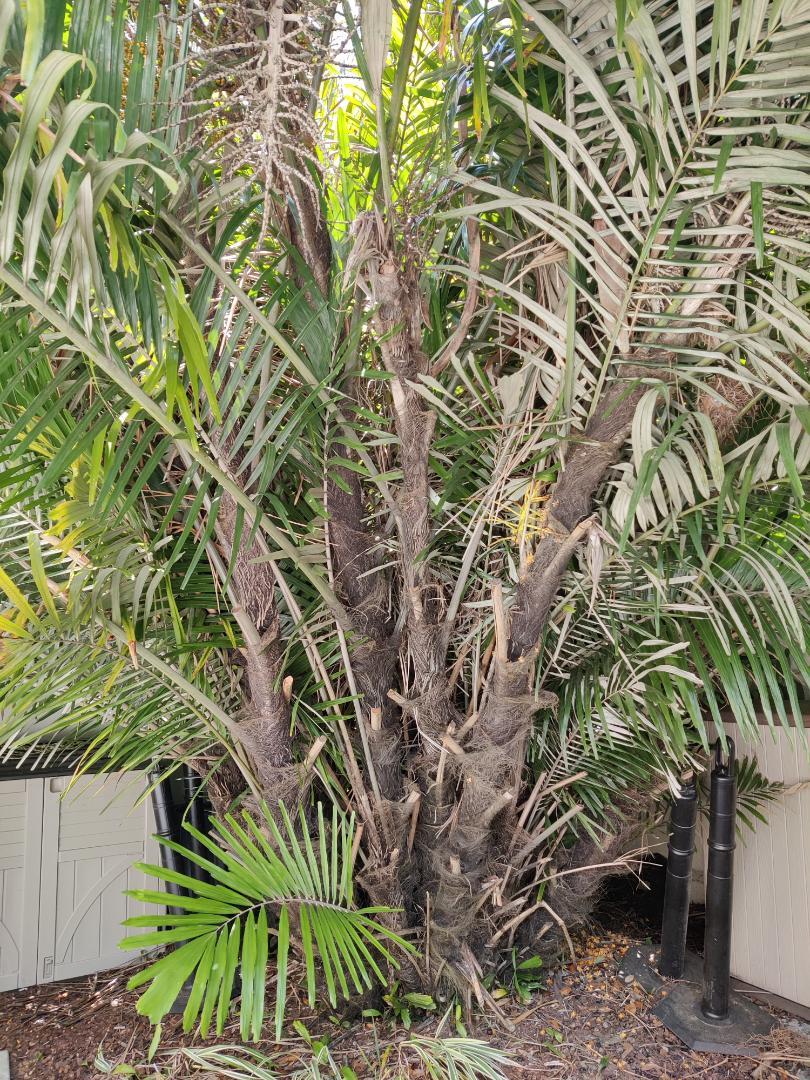
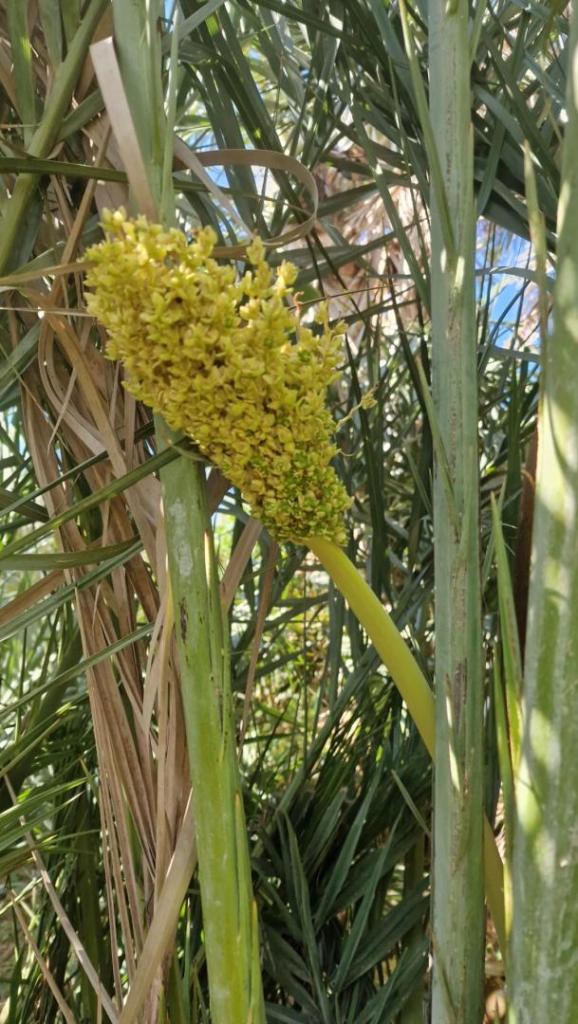
5 pointsI had read in the past that it may occur, but I knew it only as theory. Now I am experiencing it live in my garden: a Phoenix dactylifera up to now male, bearing this year also female flowers! Yes it is true. Only presignal was that it was belated in opening the spathes. Pretty much belated almost by three weeks. At first I thought it was caused by the weather but now I am starting thinking of hormonic causes because of the female flowers. Exciting!

 5 points
 -
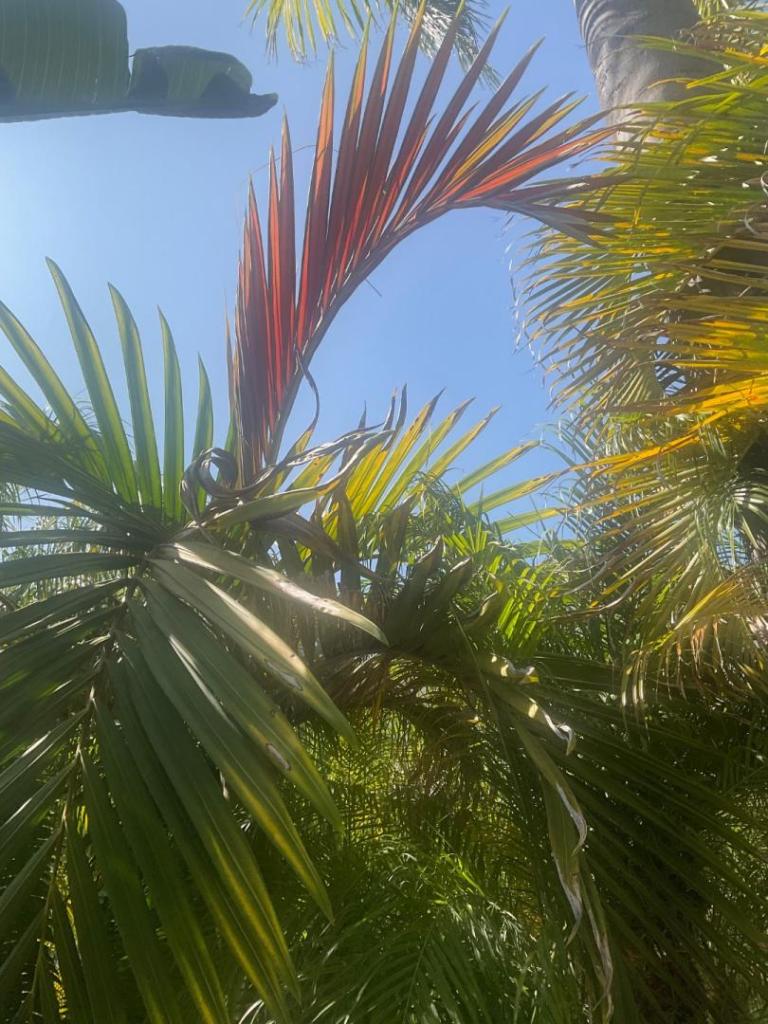
4 pointsThis was the last red leaf from earlier this year . I grew this from a little 4” pot I brought home from Maui. It is now flowering regularly with about 5-6’ below the crown shaft. Since it broke through the canopy , the red leaf lasts about 3 days , that’s all. The fronds on these are very large . Harry You can see a bit of burn , but no where near as bad as a couple of years ago . It now gets at least twice as much water as before. This shows the size of the fronds in relation to the crown and trunk.
 4 points
 -
4 points@SCVpalmenthusiast I would give it shade where you are for sure . At least for a few years. Lots of water in the warmer months . Mine grew into the sun from deep shade and burned every summer until I figured out that it wanted more water. I now water every other day , spring through fall , and it helps a lot. Congratulations on your new palm. Harry4 points
-
 4 points4 points
 In addition to some mentioned above I'm growing Ravenea glauca, Chrysalidocarpus ambrositae, onilahensis and baronii, Geonoma undata and Syagrus weddelliana. Howea belmoreana is nice and would take forever to get large. And maybe Chamaerops humilis. I'm also on a small lot with some overhead wires.4 points
 A few small ones that grow well for me in SF: Basselinia eriostachys/glabrata Lanonia magalonii/calciphila/dasyantha Licuala fordiana Ravenea hildebrandtii Pritchardia minor Hedyscepe All sorts of Chamaedoreas, benziei is particularly nice as a solitary plant imo.4 points
 3 points
Tim, I was shocked to find this unlabeled older specimen at Mounts in the back! There are actually two side by side:
3 points
3 pointsTim, I was shocked to find this unlabeled older specimen at Mounts in the back! There are actually two side by side: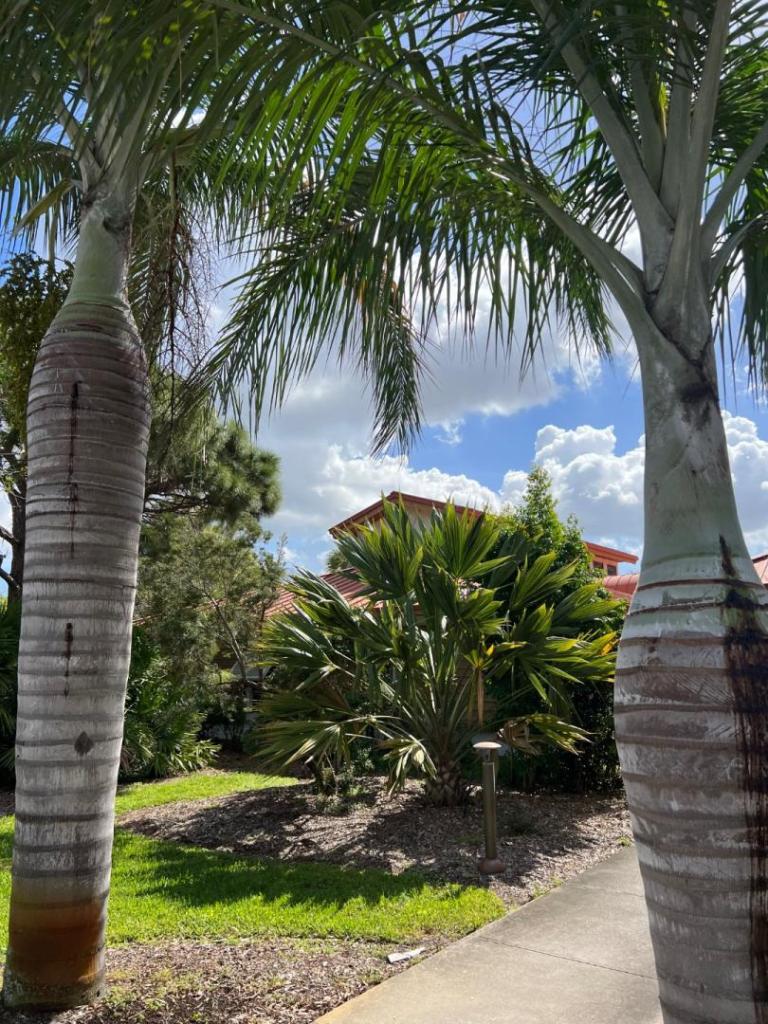 3 points
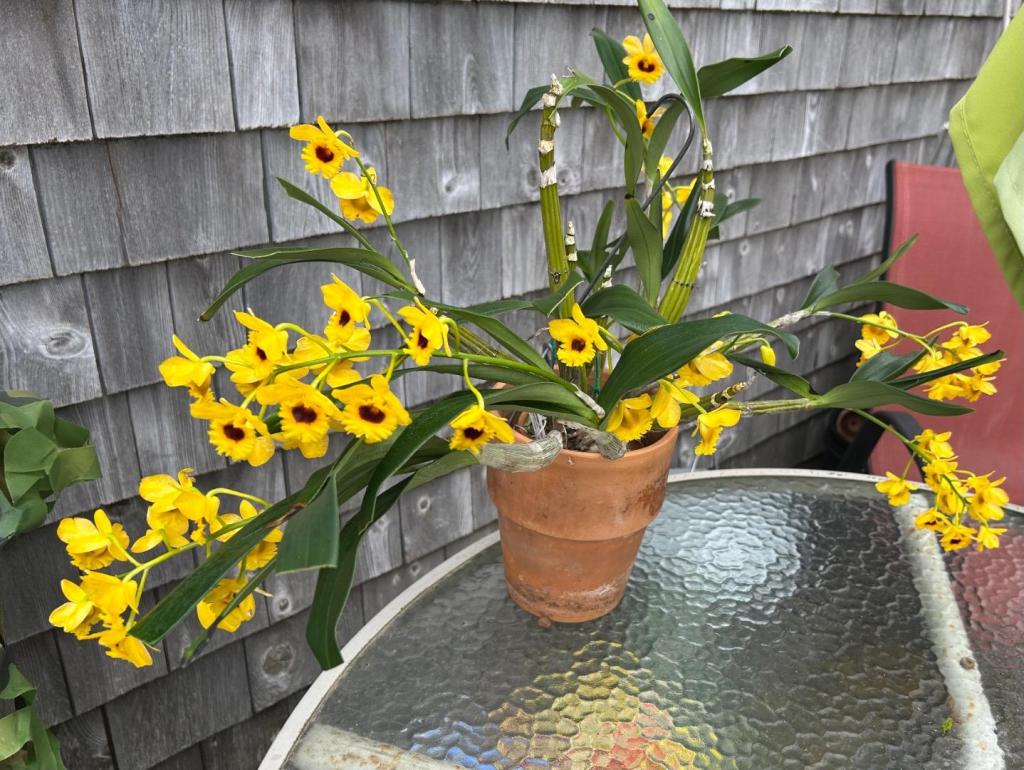
 3 pointsDen. Chrysotoxum var Susvissimum. With that wonderful honey fragrance. Late blooming this year.
 3 points
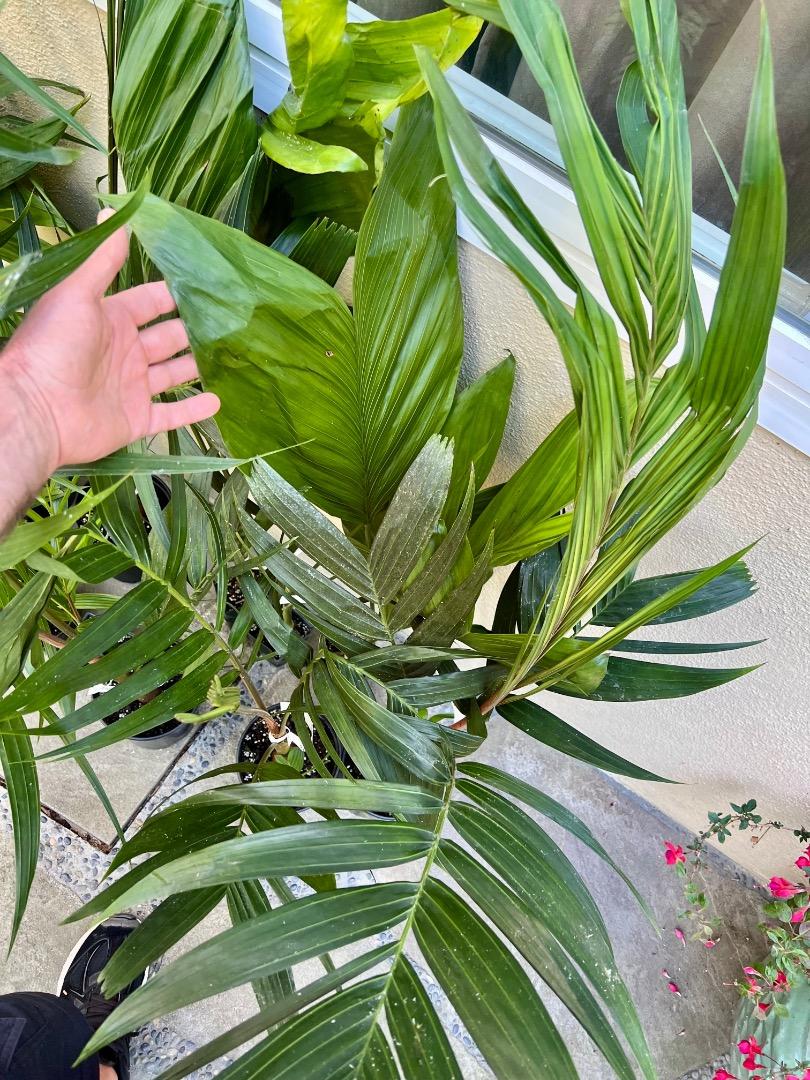
 3 pointsYea, I believe this spot is perfect, it’s pretty much dappled sun in the early morning and full shade the rest of the day. Picked it up from Riverside, it’s been grown from seed in a similar climate. It was under queen palm canopy. This is morning sun and the damage to the leaflets 😢
 3 points
 3 points3 points
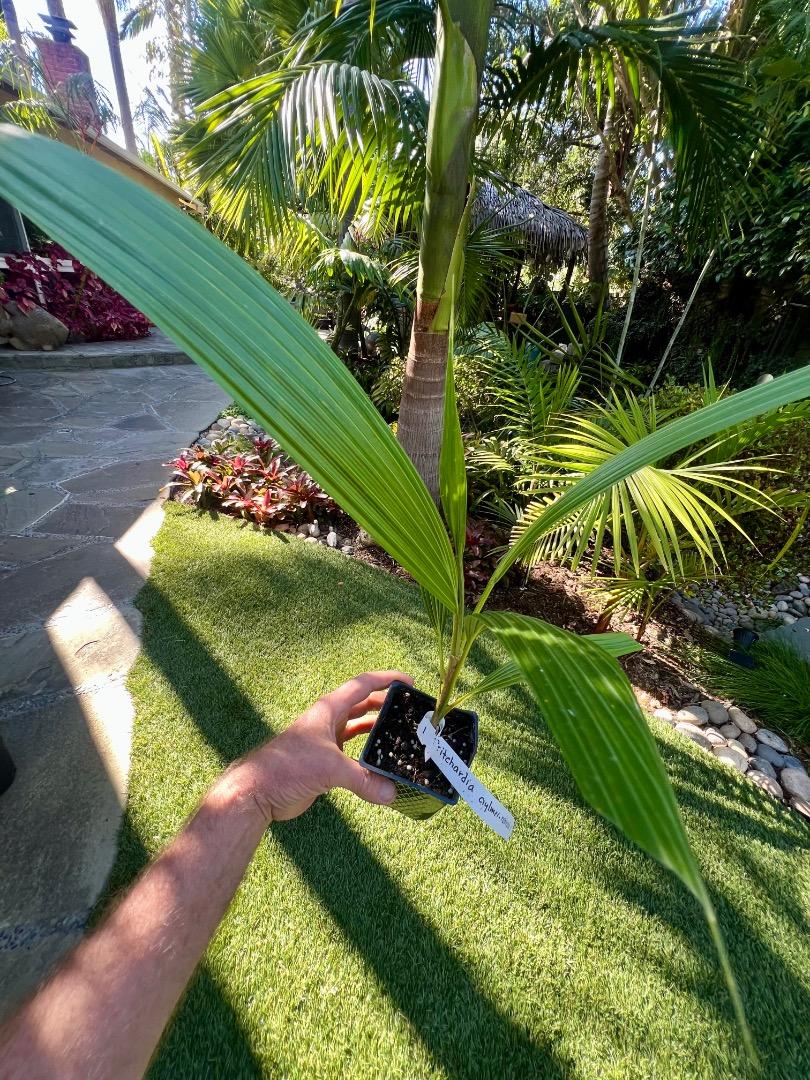
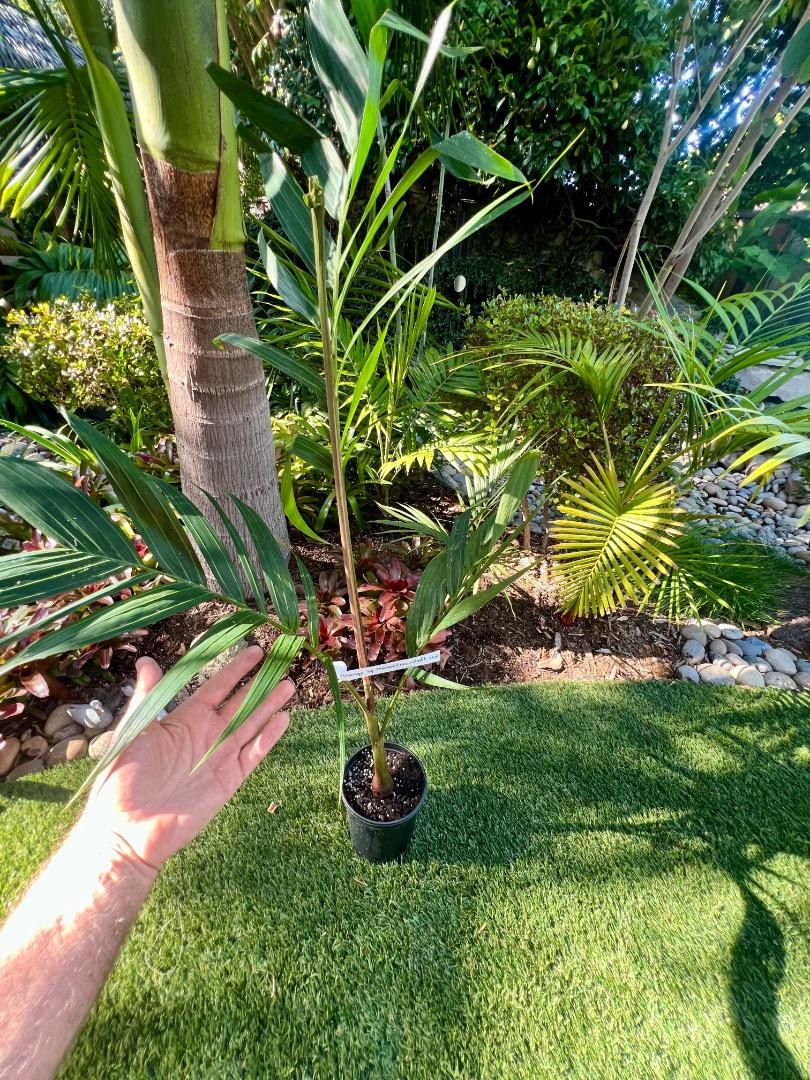
 My second order this season from Floribunda arrived this afternoon and all are new trials for me. They all are BIG in their respective containers as is usual from this excellent vender. Pritchardia aylmer-robinsonii Chamaedorea arenbergiana Chrysalidocarpus ‘Baby Red Stems’ Pinanga ‘Maroon Crown Shaft’ Anyone with personal experience with any of these, please comment.
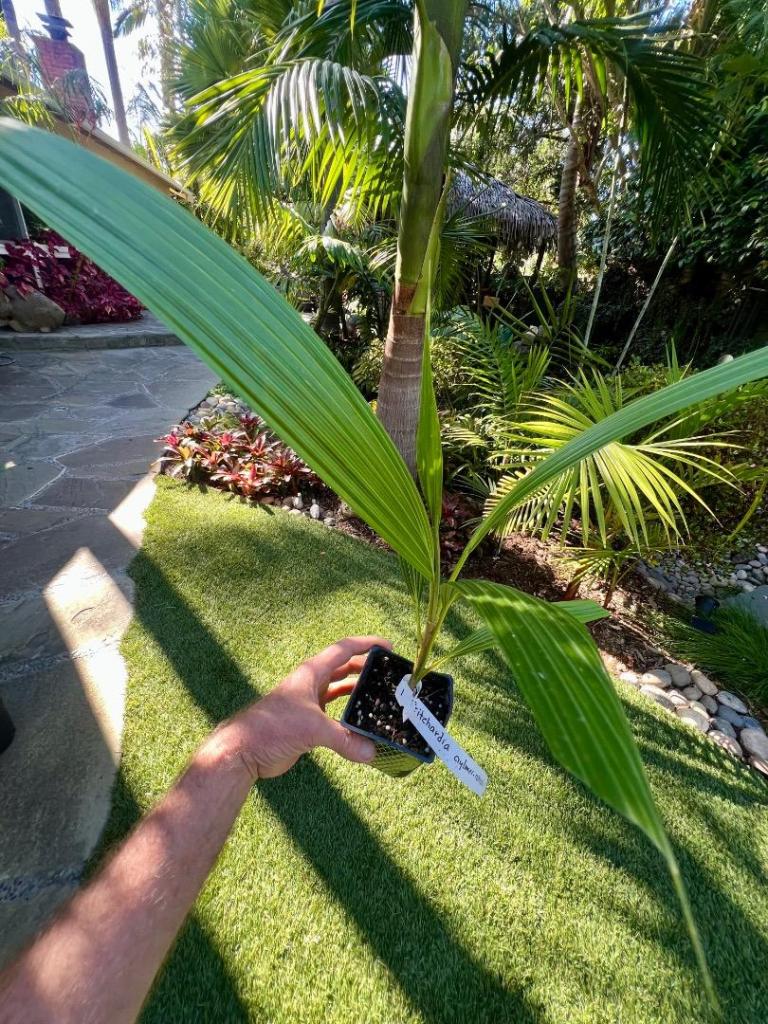


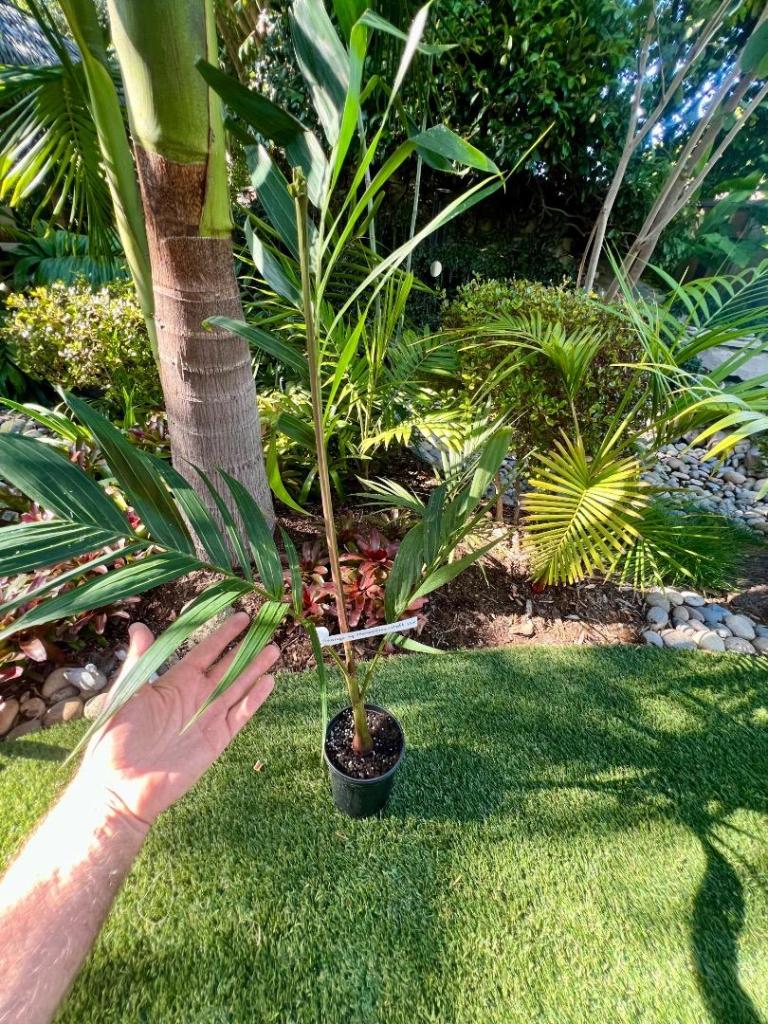

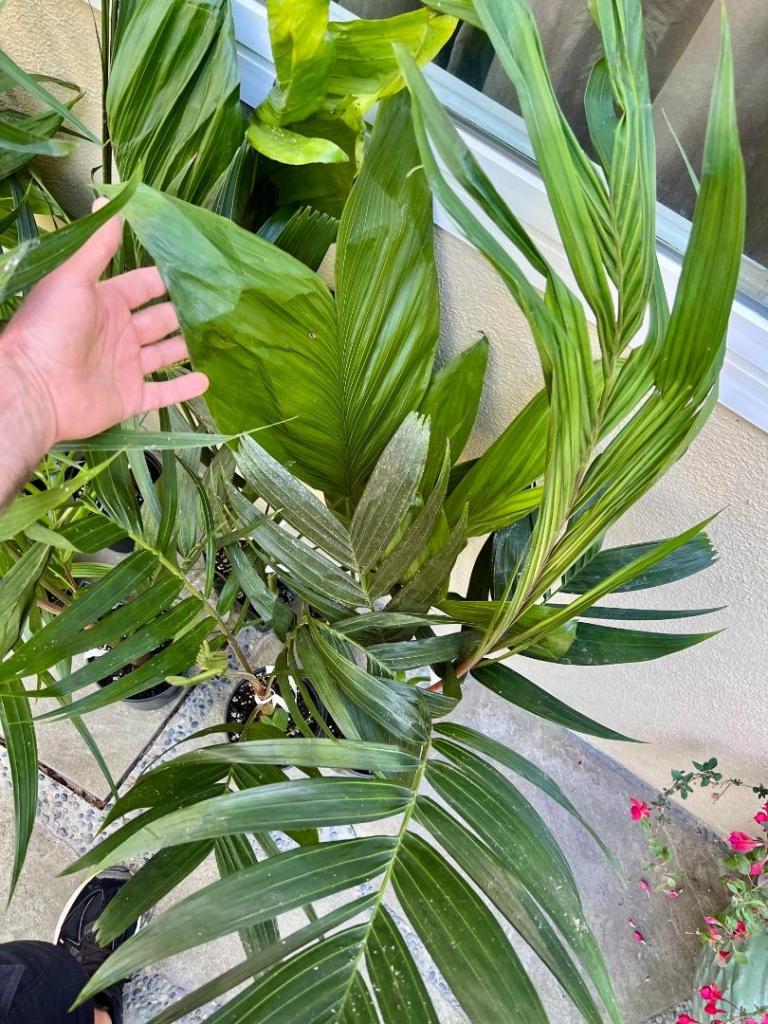 3 points
 Chamaedorea! So many to choose from...3 points
 3 pointsKentiopsis Oliviformis opened a new leaf today. Compared to some others on here, it looks to be more stretched out. It has no rings of trunk yet but it’s 10ft+ to the top of the frond. -dale
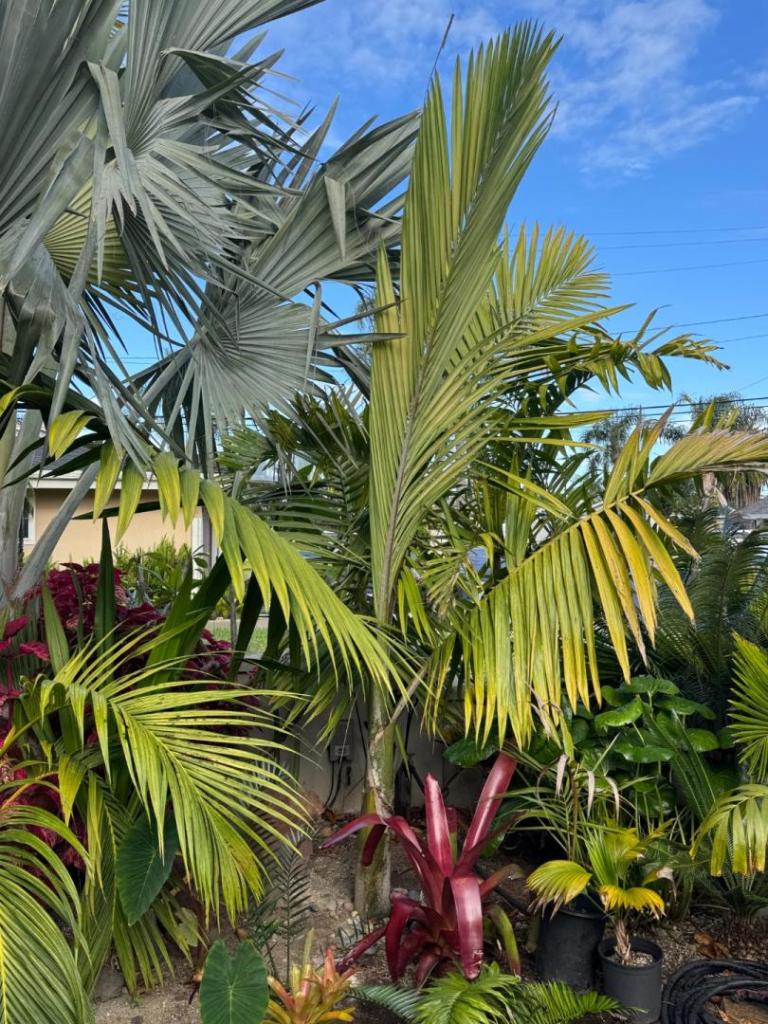 3 points
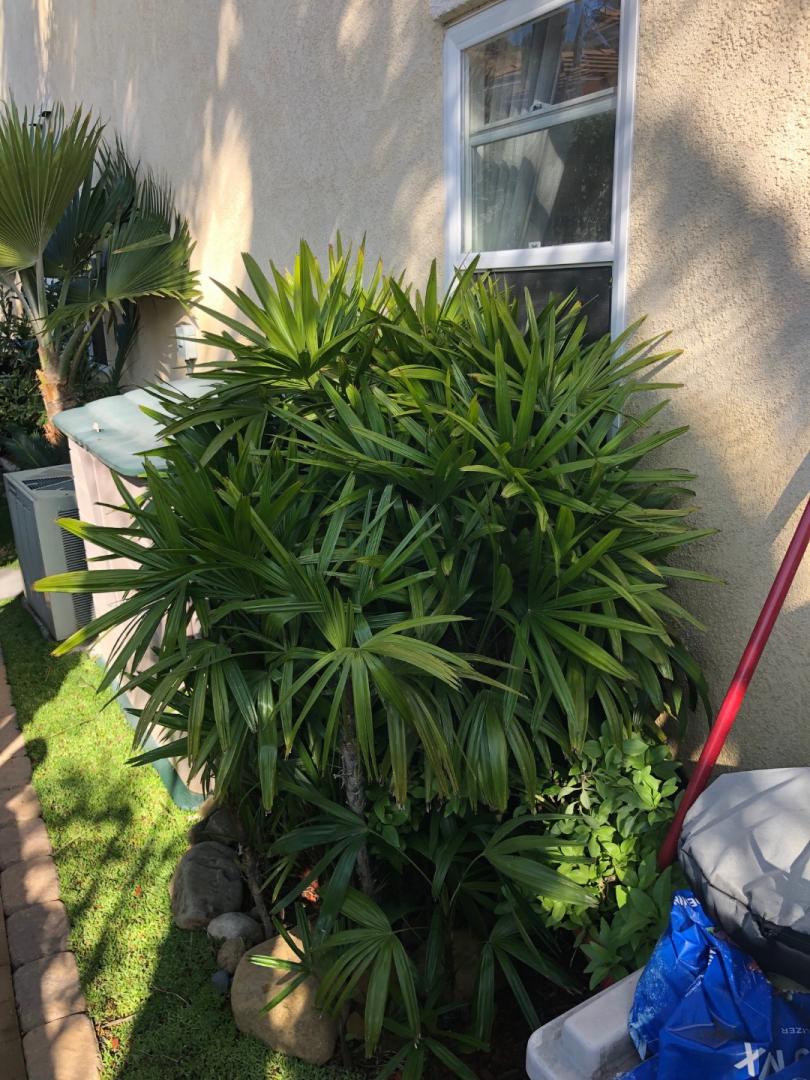
I know folks who grow bamboo that cut the bottom out of large containers to contain the “runners” . I was told that the barrier should be a minimum of 18” deep. If you have a pipe supply company near you , you can get remnant cuts of PVC pipe in very large diameters and use that. The problem is the larger the pipe , the bigger the hole you have to dig. On the other hand , I have two Rhapis palms that have been in the ground for over 20 years and I just divide them when they send out runners . I let the runner grow for a while and then divide and pot. They make great gifts or potted plants for around the outside of the house. This is one that is controlled by division , been there over 20 years. Harry
3 points
3 pointsI know folks who grow bamboo that cut the bottom out of large containers to contain the “runners” . I was told that the barrier should be a minimum of 18” deep. If you have a pipe supply company near you , you can get remnant cuts of PVC pipe in very large diameters and use that. The problem is the larger the pipe , the bigger the hole you have to dig. On the other hand , I have two Rhapis palms that have been in the ground for over 20 years and I just divide them when they send out runners . I let the runner grow for a while and then divide and pot. They make great gifts or potted plants for around the outside of the house. This is one that is controlled by division , been there over 20 years. Harry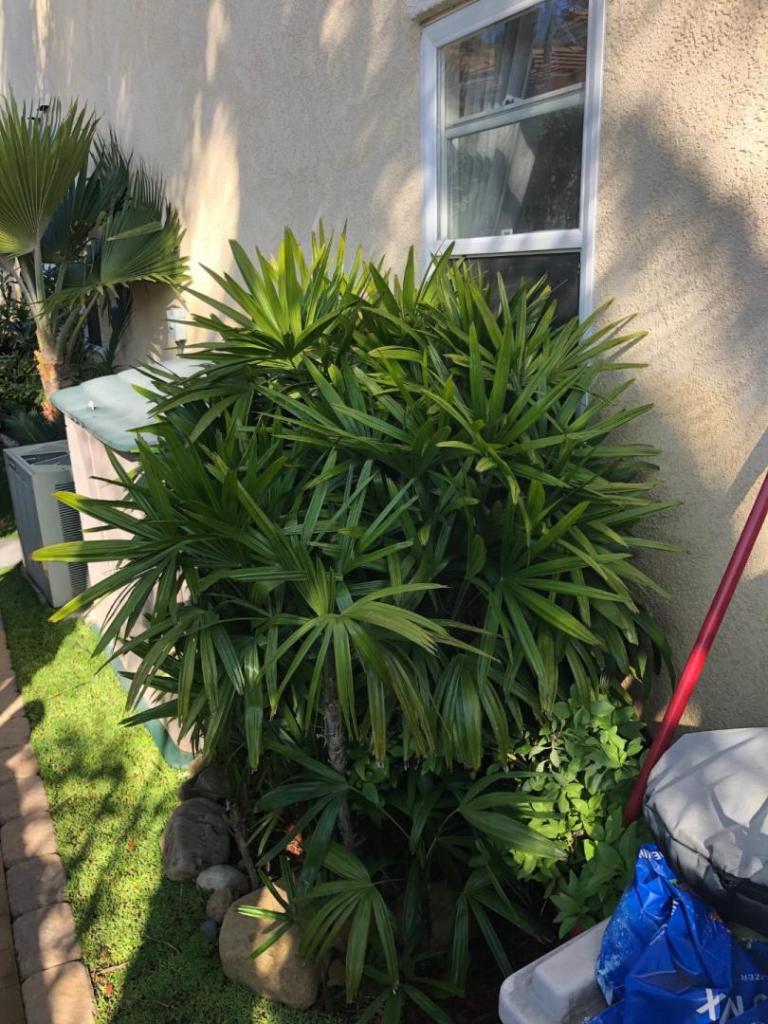 3 points
.thumb.png.04b3487b96ff29c55b8a8994b91f62b2.png) 2 pointsMy Ravenala has made it! It survived a 9b winter despite my upreparedness. It looks cr@p to the point that I'm wondering whether it's worth it, but it's pushing a new leaf (not clear in the photo yet). I am curious to see how many leaves it can push until November. I covered it on cold nights with fleece but a single layer. I added two containers with hot water inside around the base. Lowest temperature was 29F. Next winter I'll be better prepared with incandescent lights around it like a curtain. I actually did buy some but the shop sent me LED instead.
2 pointsMy Ravenala has made it! It survived a 9b winter despite my upreparedness. It looks cr@p to the point that I'm wondering whether it's worth it, but it's pushing a new leaf (not clear in the photo yet). I am curious to see how many leaves it can push until November. I covered it on cold nights with fleece but a single layer. I added two containers with hot water inside around the base. Lowest temperature was 29F. Next winter I'll be better prepared with incandescent lights around it like a curtain. I actually did buy some but the shop sent me LED instead. 2 points
 2 pointsThey absolutely can survive planted in the ground, in Phoenix, if sited correctly. (Think microclimate) Here's one I had grown from seed that was in that spot for several years. Also had a bottle palm in the ground for about 20 years before our brutal summer of 2020 took out both of them...🤷♂️ aztropic Mesa, Arizona
 2 points
(173x200).thumb.jpg.87642ce613f801fde119db608b8aeb96.jpg) 2 pointsI might move them to a more " bright light, but out of direct sun " kind of spot..2 points
2 pointsI might move them to a more " bright light, but out of direct sun " kind of spot..2 points 2 pointsThat is quite the specimen, I’d brake for a second look. Tim2 points
 2 points
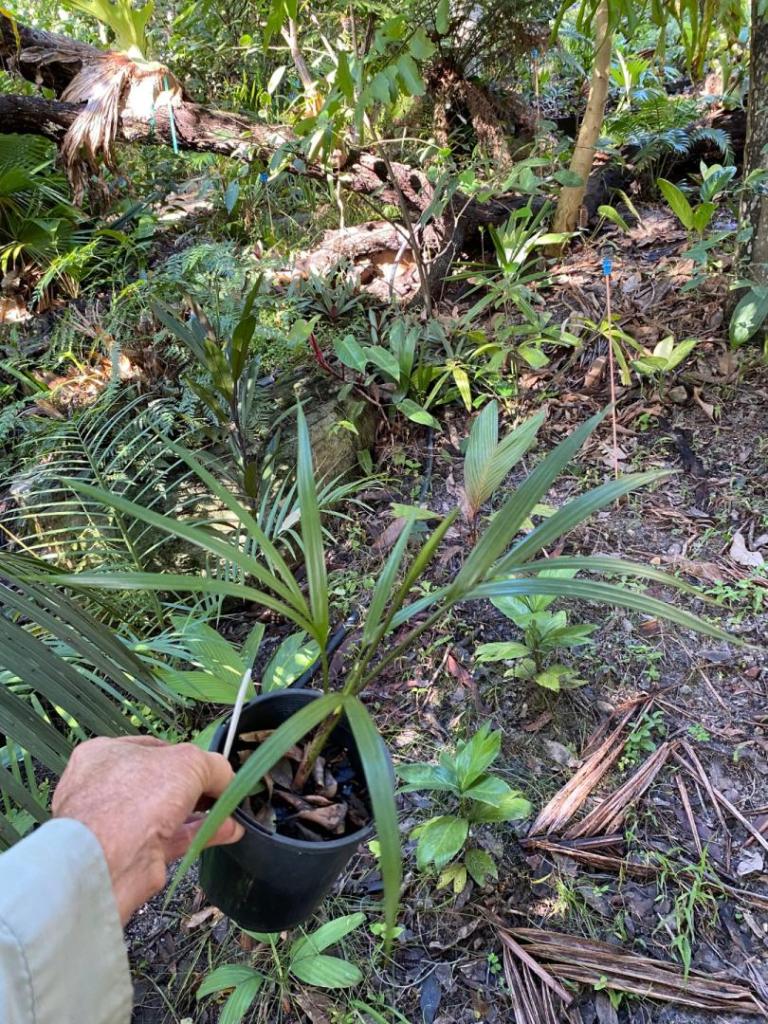
A bit of special attention for the basselina glabrata getting planted,
2 points
2 pointsA bit of special attention for the basselina glabrata getting planted,
 2 points
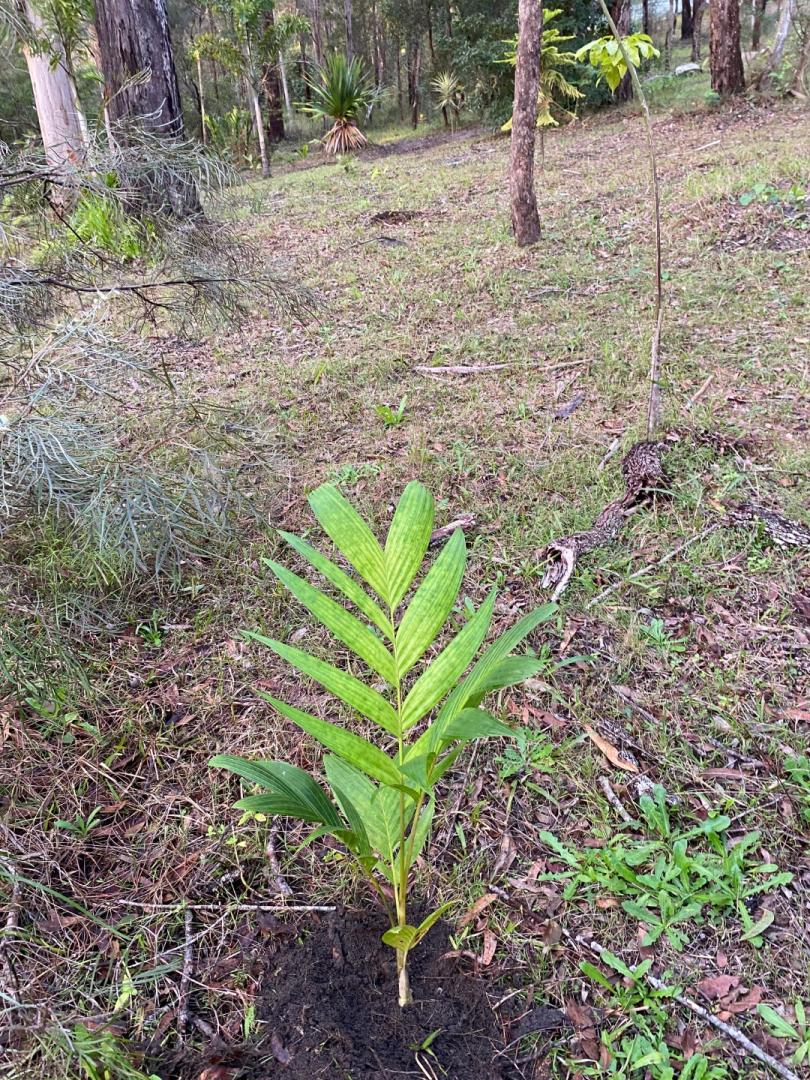
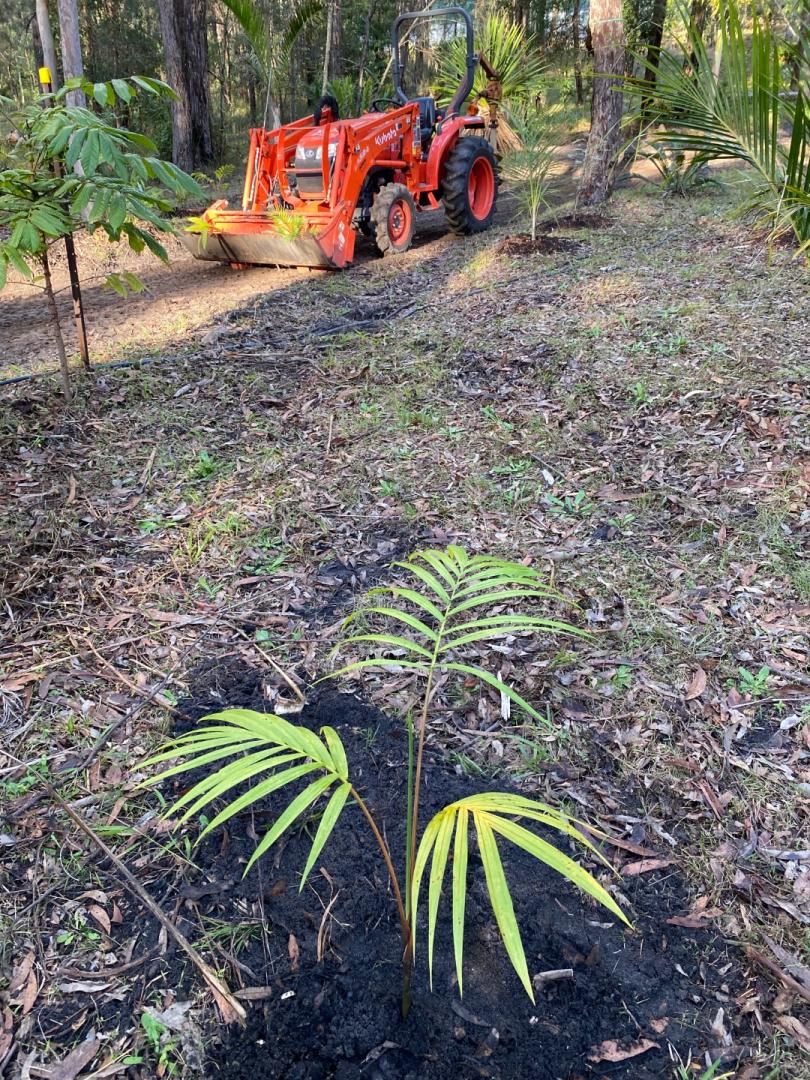
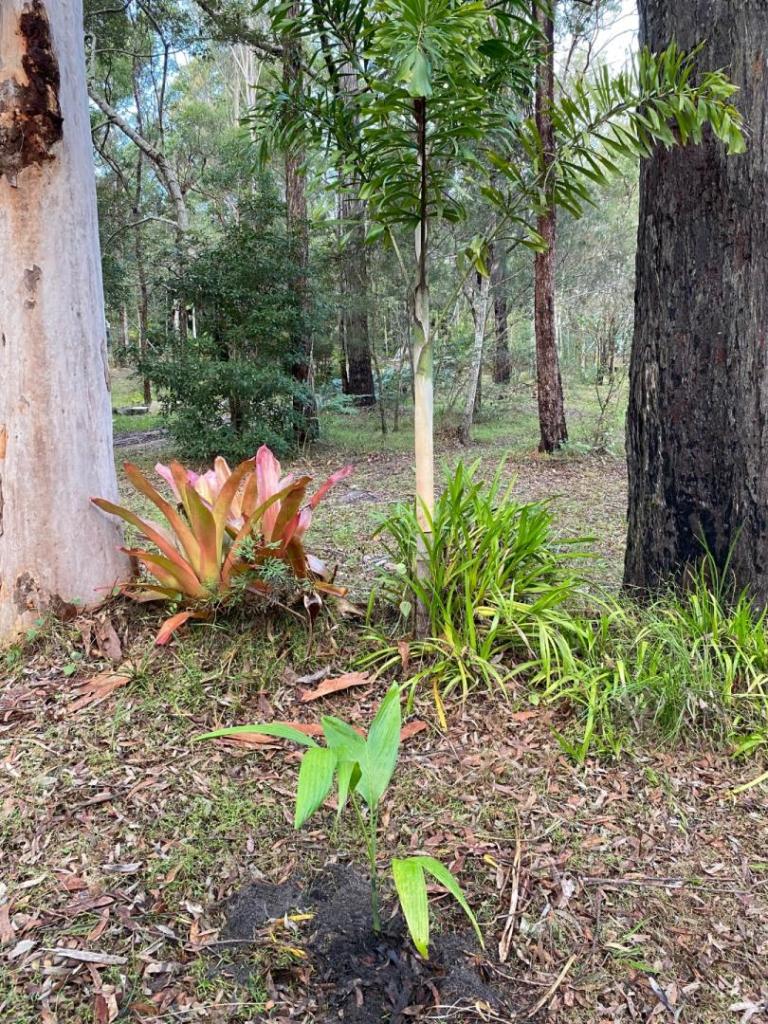
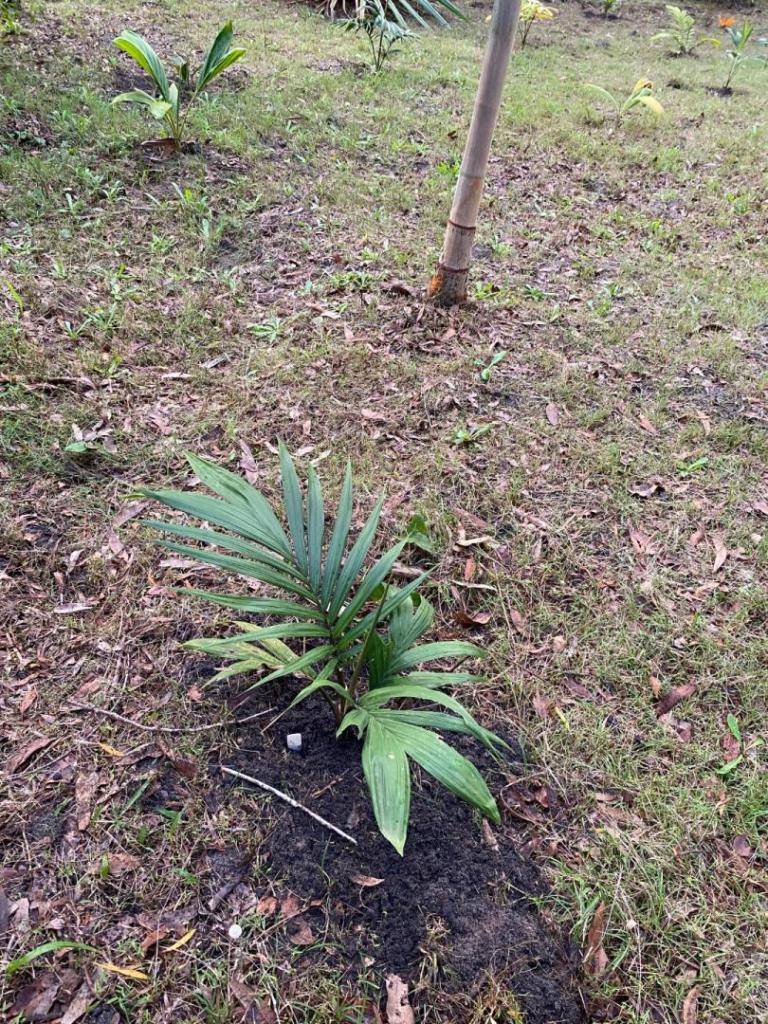
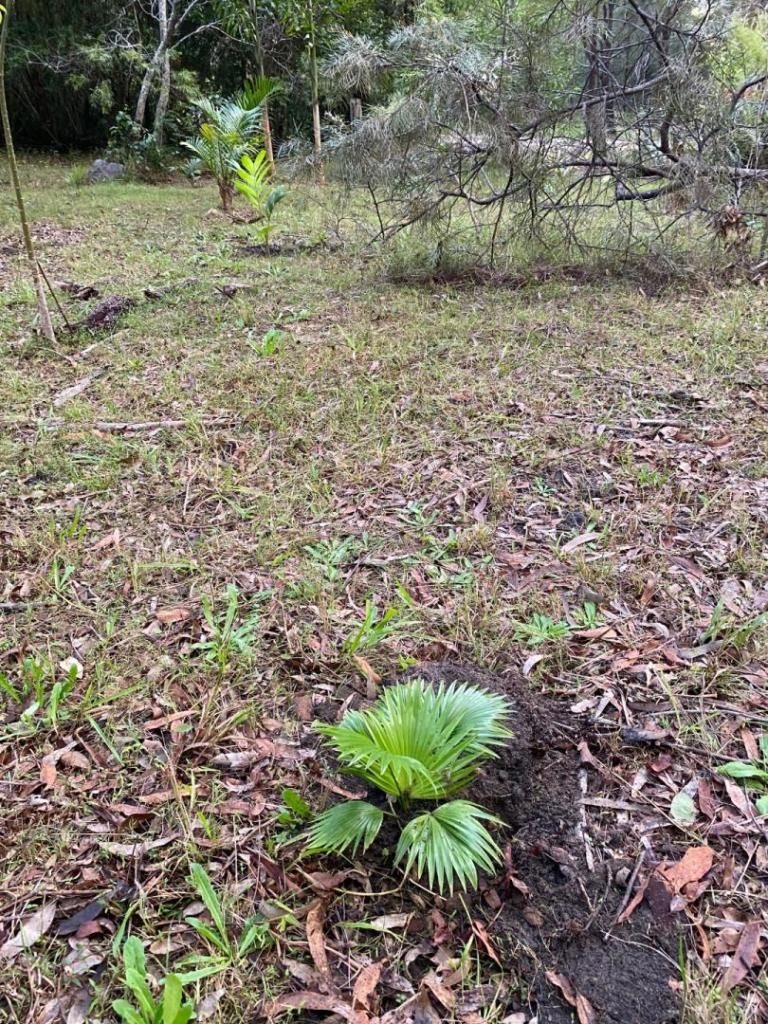
Getting a few common varieties of palms in today’s planting expedition. No soil amendment, just the holes dug and the lot heeled in with a good watering in! lytocarum weddlianum hypohorbe indica green Oraniopsis appendiculata vietcha joannis hypohorbe indica red diploglottis Australis not a bad little haul today’s planting fun! dypsis rivularis Gausia maya Areca triandra Rhopalostylis baueri bentnickia condapanna Chambeyronia pyriformis Pinanga coronata Chambeyronia macrocarpa livistona rotundifolia dypsis baroni black petiole Livistona Australis
2 points
Getting a few common varieties of palms in today’s planting expedition. No soil amendment, just the holes dug and the lot heeled in with a good watering in! lytocarum weddlianum hypohorbe indica green Oraniopsis appendiculata vietcha joannis hypohorbe indica red diploglottis Australis not a bad little haul today’s planting fun! dypsis rivularis Gausia maya Areca triandra Rhopalostylis baueri bentnickia condapanna Chambeyronia pyriformis Pinanga coronata Chambeyronia macrocarpa livistona rotundifolia dypsis baroni black petiole Livistona Australis






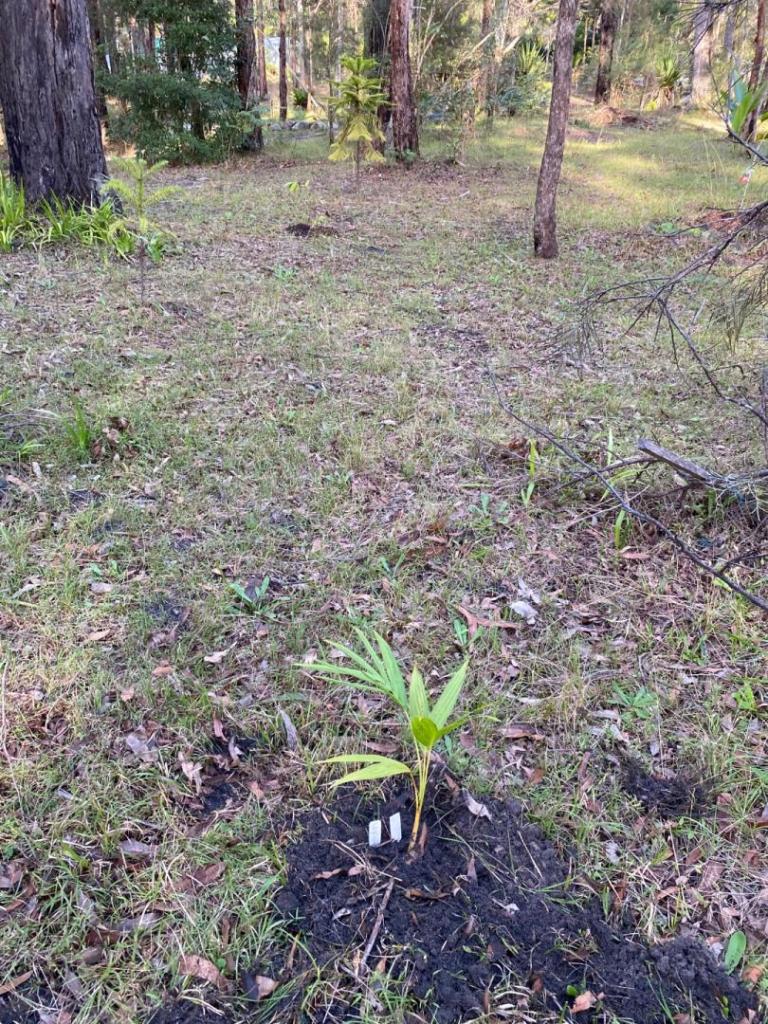
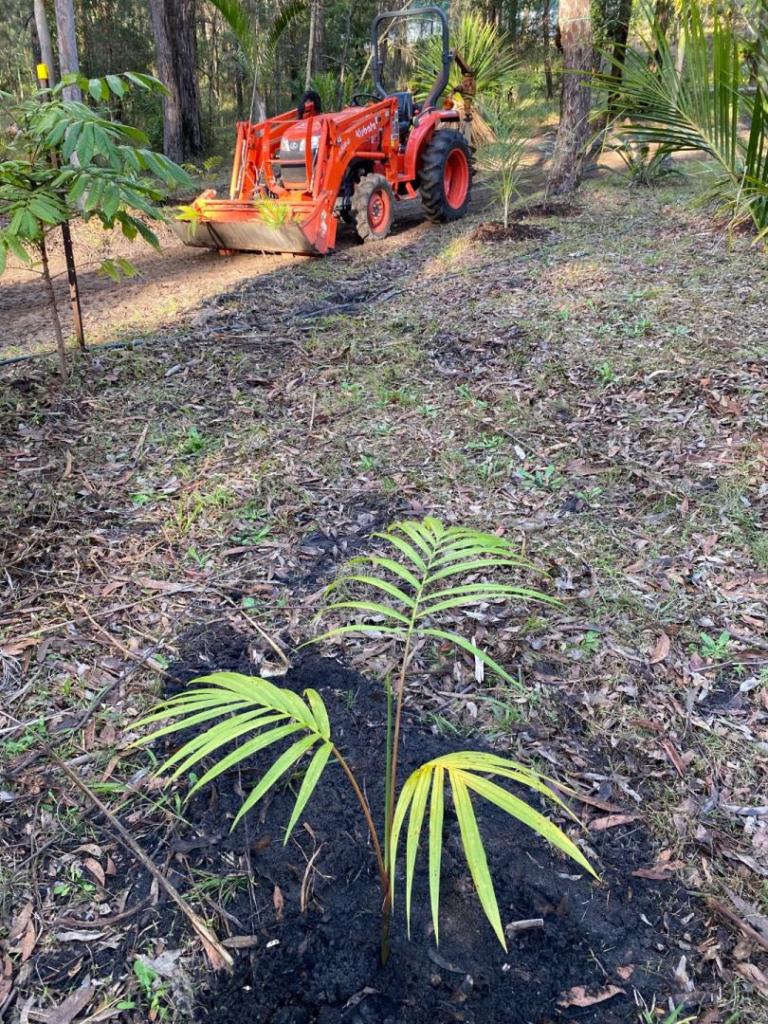


 2 points
She’s staying in a pot for a long time before I plant this little princess of a palm, but I will certainly give it a go! Richard2 points
2 points
2 points
2 pointsShe’s staying in a pot for a long time before I plant this little princess of a palm, but I will certainly give it a go! Richard2 points
2 points 2 pointsYes, they both appear to be rostrata. Not all Yucca rostrata are silver, it’s just the preferred cultivar.2 points
2 points
2 pointsYes, they both appear to be rostrata. Not all Yucca rostrata are silver, it’s just the preferred cultivar.2 points
2 points 2 points
Nice smallish garden palm, great scale, color, and lightly clumping. These have been in the ground about ten years and produce viable BB size seed off and on. Have a few Basselinia species and they are all handsome little palms. Tim
2 points
2 pointsNice smallish garden palm, great scale, color, and lightly clumping. These have been in the ground about ten years and produce viable BB size seed off and on. Have a few Basselinia species and they are all handsome little palms. Tim

 2 points
2 points
2 pointsLast post was in October when it opened a leaf and it just opened another yesterday. It does seem to be getting faster as the last leaf took a whole year. It’s a super slow palm for me but it’s not dead so I’m stoked. The leaves holding look perfect too so that’s good. Not too impressive tho. -dale
2 points
2 points
2 points
2 pointsLast post was in October when it opened a leaf and it just opened another yesterday. It does seem to be getting faster as the last leaf took a whole year. It’s a super slow palm for me but it’s not dead so I’m stoked. The leaves holding look perfect too so that’s good. Not too impressive tho. -dale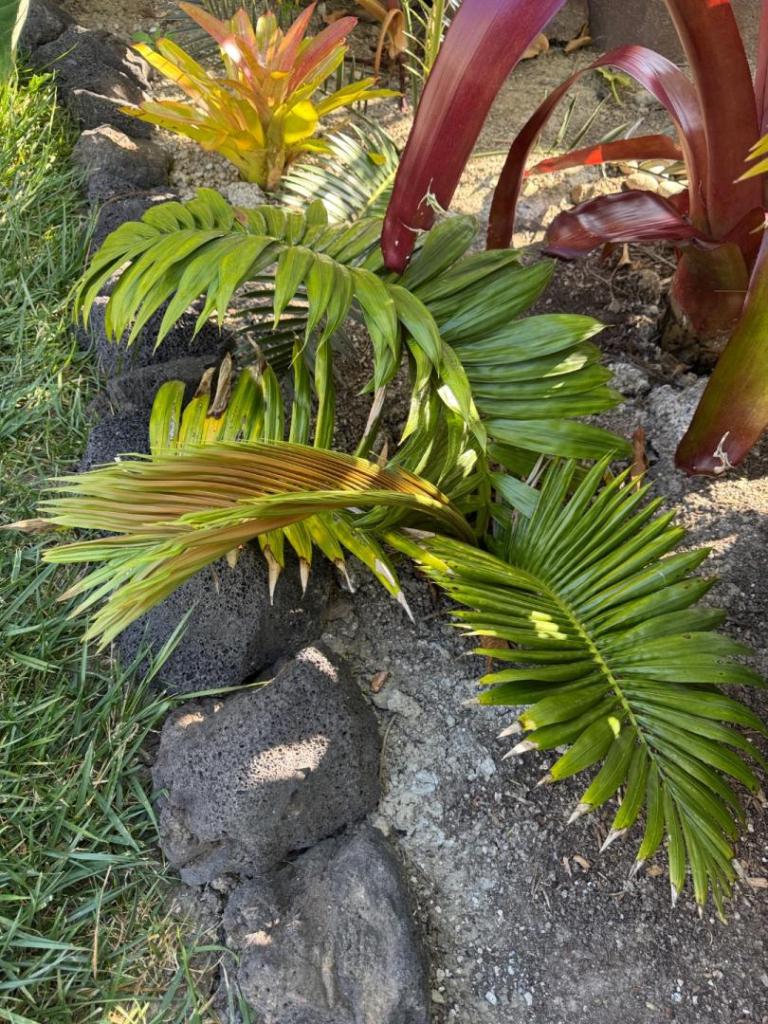 2 points
Explanation is easy. Like Richard had written right above, it is the combination of cold and wet that does Phoenix dactylifera in. Real date palm may be even cold hardier than CIDP but in an arid climate. High air moisture does not suit it well. And iberica is just another dactylifera. Many growers call deliberately Iberica common dactylifera specimens growing and fruiting in Spain! There is not a separate iberica sp, we can find genetical traces of a wild sp in some Spanish date palms but this does not mean that this wild sp still exists. Similar situation with the Neanderthal genes in the DNA of European population. Another grower in north-western France saw his iberica declining slowly. Perhaps an F1 hybrid of dactylifera with theophrasti could offer you the opportunity to grow a dactylifera without such problems.2 points
2 points
2 pointsExplanation is easy. Like Richard had written right above, it is the combination of cold and wet that does Phoenix dactylifera in. Real date palm may be even cold hardier than CIDP but in an arid climate. High air moisture does not suit it well. And iberica is just another dactylifera. Many growers call deliberately Iberica common dactylifera specimens growing and fruiting in Spain! There is not a separate iberica sp, we can find genetical traces of a wild sp in some Spanish date palms but this does not mean that this wild sp still exists. Similar situation with the Neanderthal genes in the DNA of European population. Another grower in north-western France saw his iberica declining slowly. Perhaps an F1 hybrid of dactylifera with theophrasti could offer you the opportunity to grow a dactylifera without such problems.2 points 2 points
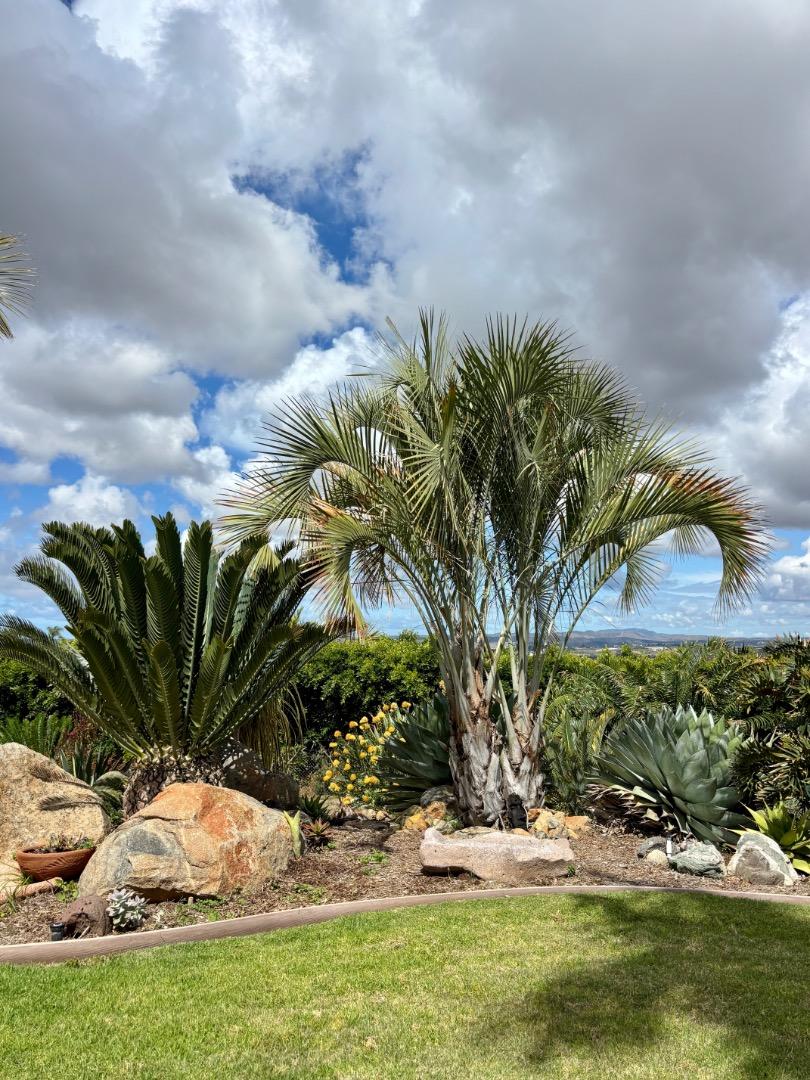
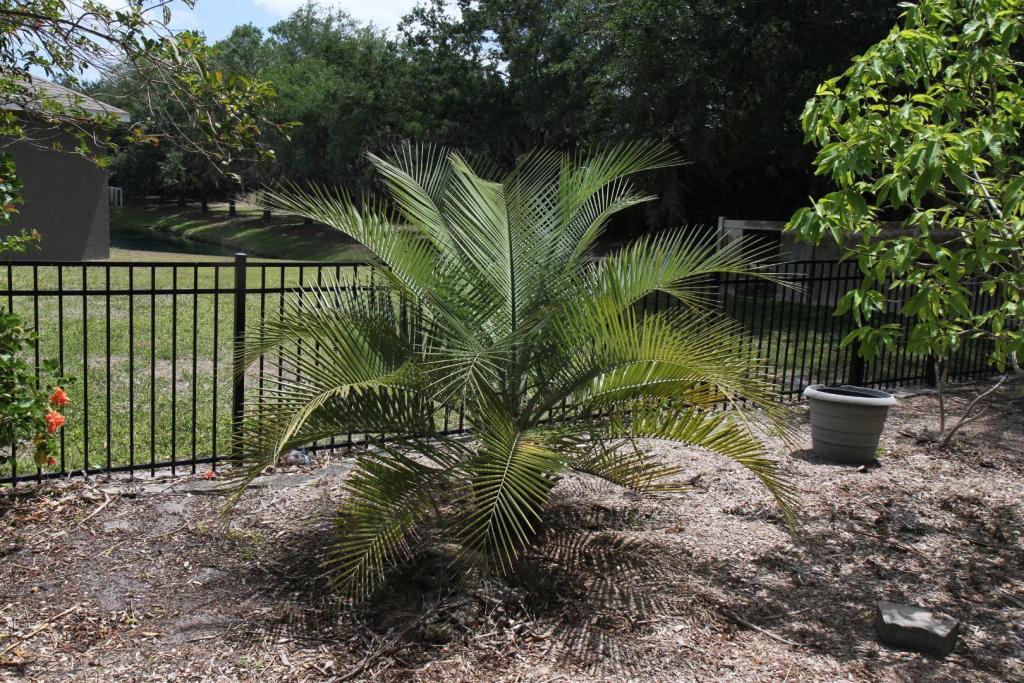
 2 pointsthese hybrids can be variable, your alberto seems to follow the beastly upright jubaea appearance more than the butia. There is a quite a difference between the BxJ and the JxB from what Ive seen. Yours doesnt have the heavily recurved leaves of the butia mother, its upright, and it has the fattie trunk more like a jubaea. F1 hybrids can vary quite a bit, mules can be more uprright (butia) or weeping(syagrus). Here is my B x J, not sure what subspecies of butia, I got from jungle music. Here is my (BxJ)xJ, with more jubaea blood, from patrick shaeffer Yours looks more like the 2nd one, more jubaea genetic influence. Both are hating the 85-88F weather and grow slowly waiting for winter to green up and speed up. Growth of these palms is probably 2x as fast in winter here with our 55F/75F typical average lows/ highs.
 2 points
With bamboo , depending on the variety , you are talking about something that can grow several inches a day (up to a foot in the tropics) . I have Black Bamboo in a pot that sent out a culm a month ago . The culm is now over 6’ tall and still growing . Rhapis palms are very slow growers so you have plenty of time to react to errant runners. My experience has been that they are fine , both of them are next to pathways and manageable . Then again , I like to garden so ….. Harry2 points
2 points
2 pointsWith bamboo , depending on the variety , you are talking about something that can grow several inches a day (up to a foot in the tropics) . I have Black Bamboo in a pot that sent out a culm a month ago . The culm is now over 6’ tall and still growing . Rhapis palms are very slow growers so you have plenty of time to react to errant runners. My experience has been that they are fine , both of them are next to pathways and manageable . Then again , I like to garden so ….. Harry2 points Jim absolutely right about the size of plants from Flouibunda their 1 gal would pass as a 5 from a lot of nurseries!!!1 point
 1 pointHi all, It’s that time of year again and I need to make room for incoming plants and potting up plants so I’m gonna run a sale for a limited time to try and thin the herd. Basically I still have alot of what is on this post unless it says sold. I am however dropping the prices on a few plants that I will post updated pics of. I get really busy this time of year but I will be around alot of the time. Sale starts tomorrow 5/15 at 3:30 sat. Antime after 9:00 am. Sun. after 9:00 until noon. 619-453-1240 text or pm best. Same deal local pickup cash only! Thanks for looking🤙 Steve1 point
P.roebellini at St Augustine x I95
1 pointHi all, It’s that time of year again and I need to make room for incoming plants and potting up plants so I’m gonna run a sale for a limited time to try and thin the herd. Basically I still have alot of what is on this post unless it says sold. I am however dropping the prices on a few plants that I will post updated pics of. I get really busy this time of year but I will be around alot of the time. Sale starts tomorrow 5/15 at 3:30 sat. Antime after 9:00 am. Sun. after 9:00 until noon. 619-453-1240 text or pm best. Same deal local pickup cash only! Thanks for looking🤙 Steve1 point
P.roebellini at St Augustine x I95

 1 point
Dang! Looking good Dale, your patience is being rewarded. It’s definitely picking up speed. Prepare for some long fronds. Tim1 point
1 point
1 pointDang! Looking good Dale, your patience is being rewarded. It’s definitely picking up speed. Prepare for some long fronds. Tim1 point Great call on the P remota / Lodoicea comparison. They both have those deep accordion style folds with the drooping tops which gives the impression the fronds are really thick and heavy.1 point
 Newest leaf on my very, very slow growing Caryota. It was sold as C. ochlandra from a SoCal grower (though not Phil at JM), but I have my doubts. Will have to wait a few more years to see what develops.
 1 point
In My large one only ever holds 4 leaves and a spear,. A few more years and will get there!1 point
1 point
In My large one only ever holds 4 leaves and a spear,. A few more years and will get there!1 point 1 pointWhat about those galvanized steel tub? They are meant for raised beds but you can dig a hole and set them at grade, comes in different sizes and not that expensive.1 point
1 point^ X2 ..While not as beastly as Bamboo runners, runners on Raphis will definitely rip through ..or work their way under / around the sides of a nursery can plunged into the ground.. Concrete, Hard plastic root barriers / large - sized PVC would be better, though i can see the runners still eventually working their way under ( or over ) a hard plastic / PVC -type barrier, even one that is 18" -2ft deep. Have pulled root bound specimens growing in 20gal pots out to step up and seen healthy runners tracing a path from the surface to where they were close to escaping out of a drain hole along the side of the pot. Persistent little buggers, lol.1 point
1 pointWhat about those galvanized steel tub? They are meant for raised beds but you can dig a hole and set them at grade, comes in different sizes and not that expensive.1 point
1 point^ X2 ..While not as beastly as Bamboo runners, runners on Raphis will definitely rip through ..or work their way under / around the sides of a nursery can plunged into the ground.. Concrete, Hard plastic root barriers / large - sized PVC would be better, though i can see the runners still eventually working their way under ( or over ) a hard plastic / PVC -type barrier, even one that is 18" -2ft deep. Have pulled root bound specimens growing in 20gal pots out to step up and seen healthy runners tracing a path from the surface to where they were close to escaping out of a drain hole along the side of the pot. Persistent little buggers, lol.1 point 1 pointA concrete planting bed is probably your best bet. Mine send out runners around the corner of the house and under the hardscaping. At least twice a year they need to have the nuisance runners removed. A small price to pay for a palm that needs no additional maintenance though.1 point
1 pointHow deep does the rhizome go? I understand for bamboo they need a barrier at least 24" deep, I wonder what that depth is for Rhapis excelsa. There is a product which is a 60 mil HDPE that you can buy in various length, they come in 24", 30", 36" depths.1 point
1 pointA concrete planting bed is probably your best bet. Mine send out runners around the corner of the house and under the hardscaping. At least twice a year they need to have the nuisance runners removed. A small price to pay for a palm that needs no additional maintenance though.1 point
1 pointHow deep does the rhizome go? I understand for bamboo they need a barrier at least 24" deep, I wonder what that depth is for Rhapis excelsa. There is a product which is a 60 mil HDPE that you can buy in various length, they come in 24", 30", 36" depths.1 point 1 pointI take it that you can corroborate the tales of toil and pain then 😃 I searched on the internet a bit but I couldn't find much of anything about it. The only mention of it being slightly invasive came from post here on Palmtalk. I want to put this guy pretty close to the property line and I don't want to wear out my welcome with the neighbor.1 point
 1 point
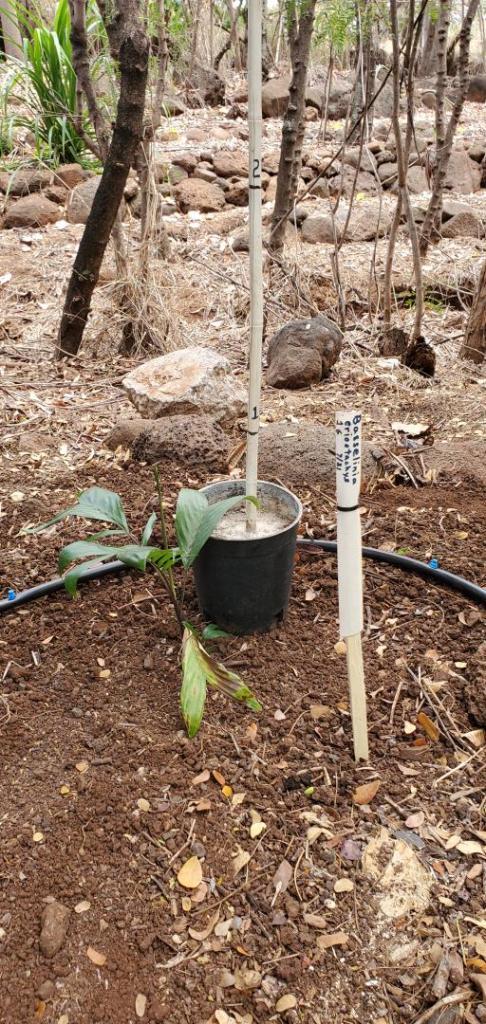
 1 pointJust got one in the ground Sunday. In the shade of a few coffee trees.
 1 point
.thumb.jpg.4e91fe2cb87ace844d8164b8e9e1f271.jpg) Regarding Royal palms, I have read and been told that they have adapted to tropical cyclones, which are a natural occurrence in much of their native range, by "allowing" their fronds to rip off at the base of the petiole when the wind gets high enough. This (usually) spares the palm itself by allowing it to ride out the rest of the storm without the massive amount of drag resulting from a crown of massive, heavy fronds. Certainly, there will always be a few individuals here and there that fail completely due to a myriad of factors ranging from palm height, health, soil conditions at the time of the storm, strength of the hurricane, wind-borne debris, etc. Also, some Roystonea species are likely better adapted to tropical cyclones than others. Of course, we are referring to Roystonea regia almost exclusively here. Even Cocos fail sometimes in high winds for the same host of reasons and the tall varieties are apparently much less likely to snap off at the base than the dwarfs due to the structurally reinforcing bulge at the base of the trunk. I have seen plenty of photos of "telephone pole" coconut palms after major hurricanes and I suspect that they have the same "frond shedding" adaptation as Roystonea. Based on my experiences observing palms and viewing thousands of photos and videos of hurricanes and their aftermath over the past 25 years, I will say that Cocos' threshold windspeed for frond shedding is much higher than that of Roystonea. So, in conclusion Jason, I agree with you regarding royals. I think that as long as they are appropriately sited and well-maintained, they should continue to be planted in South Florida in the ubiquitous fashion they have been to-date. Further, Roystonea is great for most of coastal Central Florida (roughly New Smyrna Beach southward on the east coast and the Tampa Bay area southward on the west coast) and the Orlando metro area now. I don't see any downsides in these areas that don't exist in South Florida as well, except for the increased risk of cold damage on occasion. -Michael1 point
Regarding Royal palms, I have read and been told that they have adapted to tropical cyclones, which are a natural occurrence in much of their native range, by "allowing" their fronds to rip off at the base of the petiole when the wind gets high enough. This (usually) spares the palm itself by allowing it to ride out the rest of the storm without the massive amount of drag resulting from a crown of massive, heavy fronds. Certainly, there will always be a few individuals here and there that fail completely due to a myriad of factors ranging from palm height, health, soil conditions at the time of the storm, strength of the hurricane, wind-borne debris, etc. Also, some Roystonea species are likely better adapted to tropical cyclones than others. Of course, we are referring to Roystonea regia almost exclusively here. Even Cocos fail sometimes in high winds for the same host of reasons and the tall varieties are apparently much less likely to snap off at the base than the dwarfs due to the structurally reinforcing bulge at the base of the trunk. I have seen plenty of photos of "telephone pole" coconut palms after major hurricanes and I suspect that they have the same "frond shedding" adaptation as Roystonea. Based on my experiences observing palms and viewing thousands of photos and videos of hurricanes and their aftermath over the past 25 years, I will say that Cocos' threshold windspeed for frond shedding is much higher than that of Roystonea. So, in conclusion Jason, I agree with you regarding royals. I think that as long as they are appropriately sited and well-maintained, they should continue to be planted in South Florida in the ubiquitous fashion they have been to-date. Further, Roystonea is great for most of coastal Central Florida (roughly New Smyrna Beach southward on the east coast and the Tampa Bay area southward on the west coast) and the Orlando metro area now. I don't see any downsides in these areas that don't exist in South Florida as well, except for the increased risk of cold damage on occasion. -Michael1 point