

Leaderboard
-

happypalms
IPS MEMBER55Points13,286Posts -


bubba
IPS MEMBER19Points8,618Posts -
Meangreen94z
IPS MEMBER14Points2,088Posts -
Urban Rainforest
IPS MEMBER14Points3,498Posts
Popular Content
Showing content with the highest reputation on 05/03/2026 in all areas
-
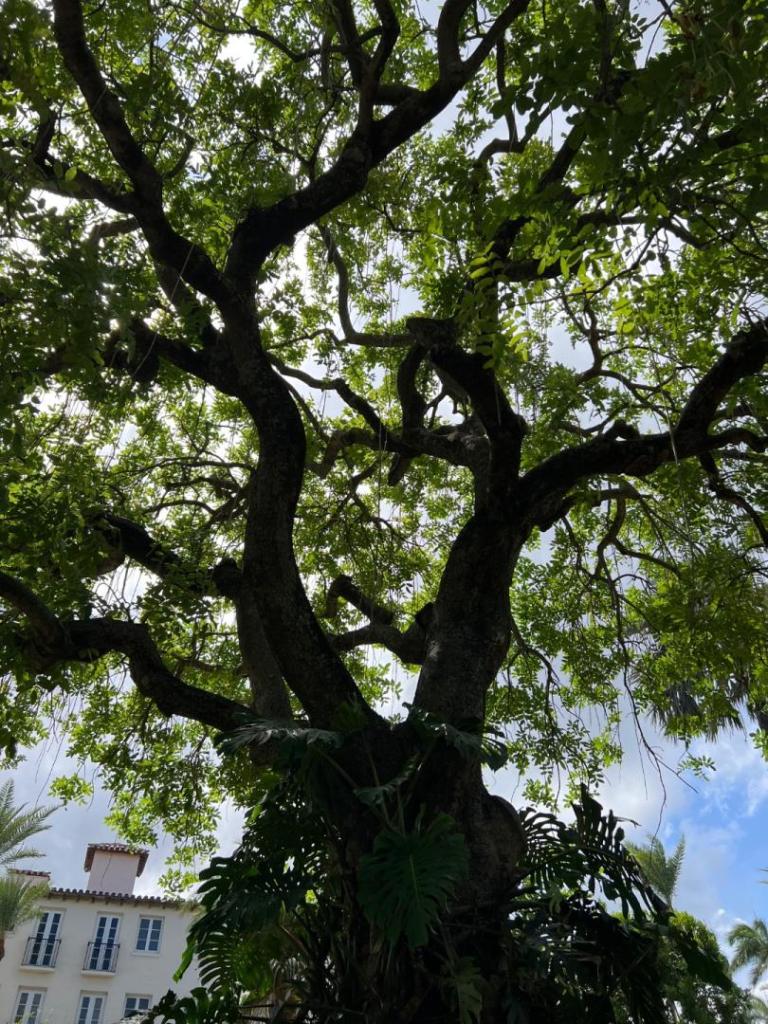
5 pointsCaught this very large Sausage tree at Four Arts. No sausage yet but the strings are growing from the tree:
 5 points
 -
 4 points
 -
4 points
-
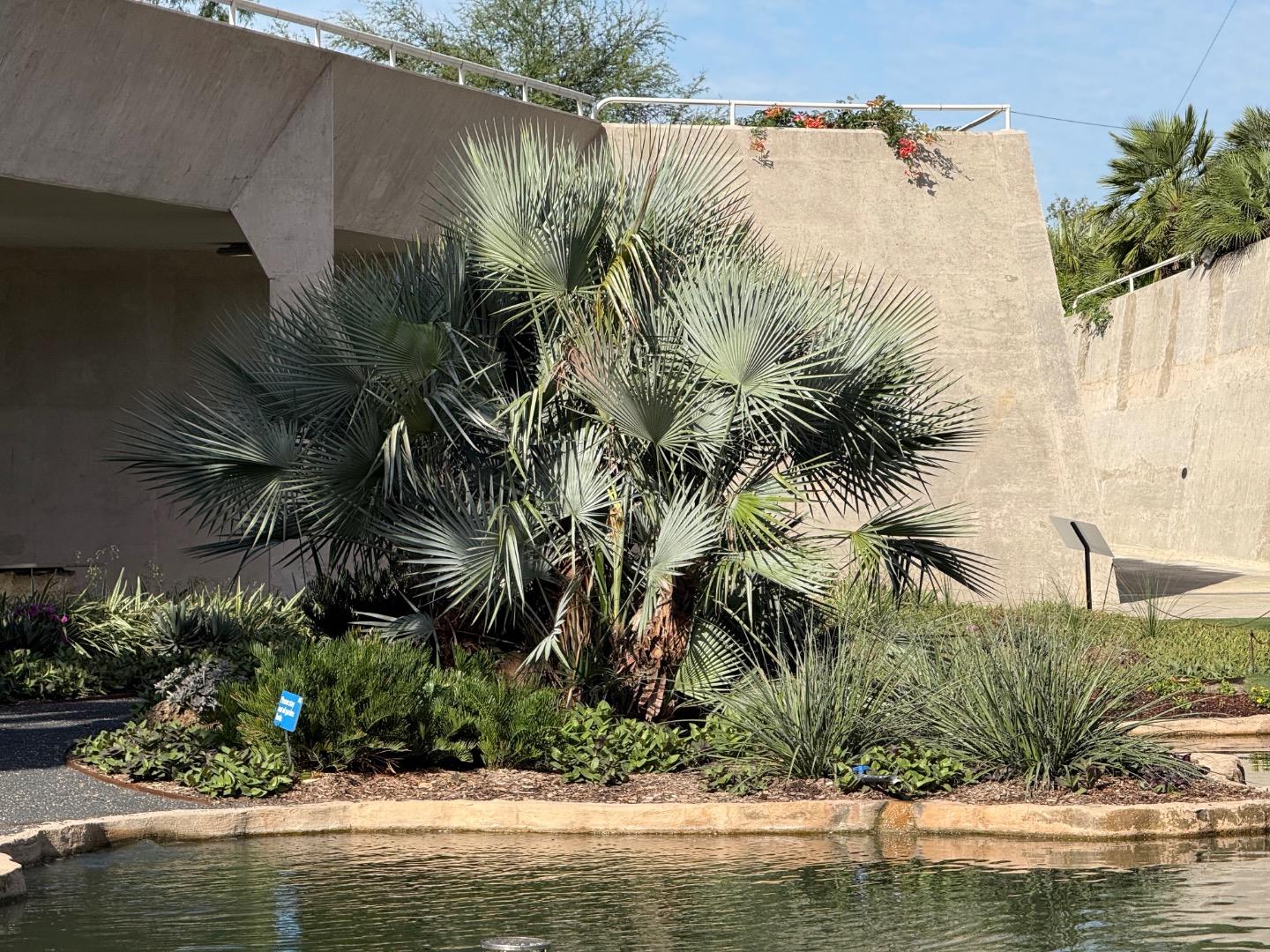
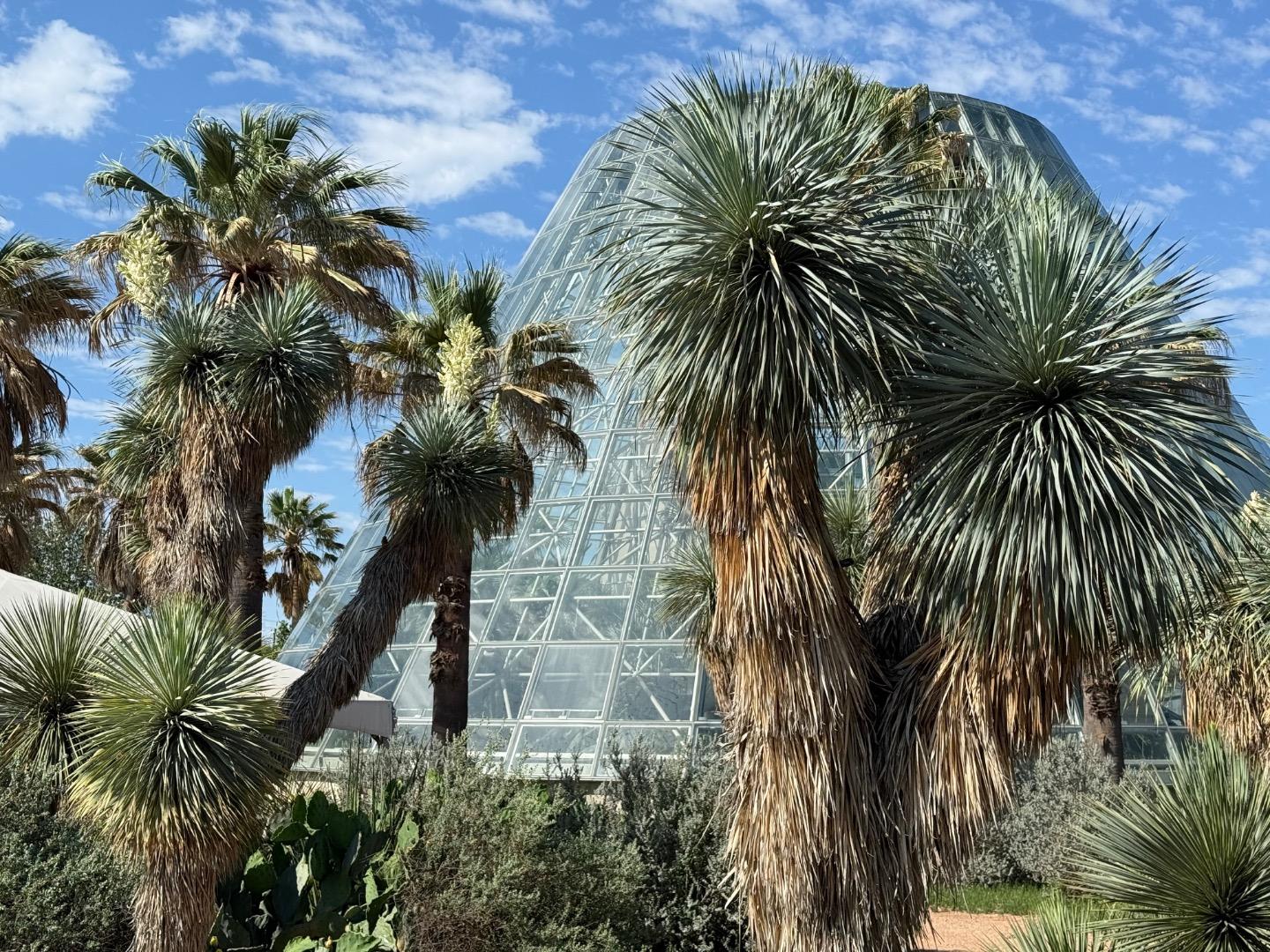
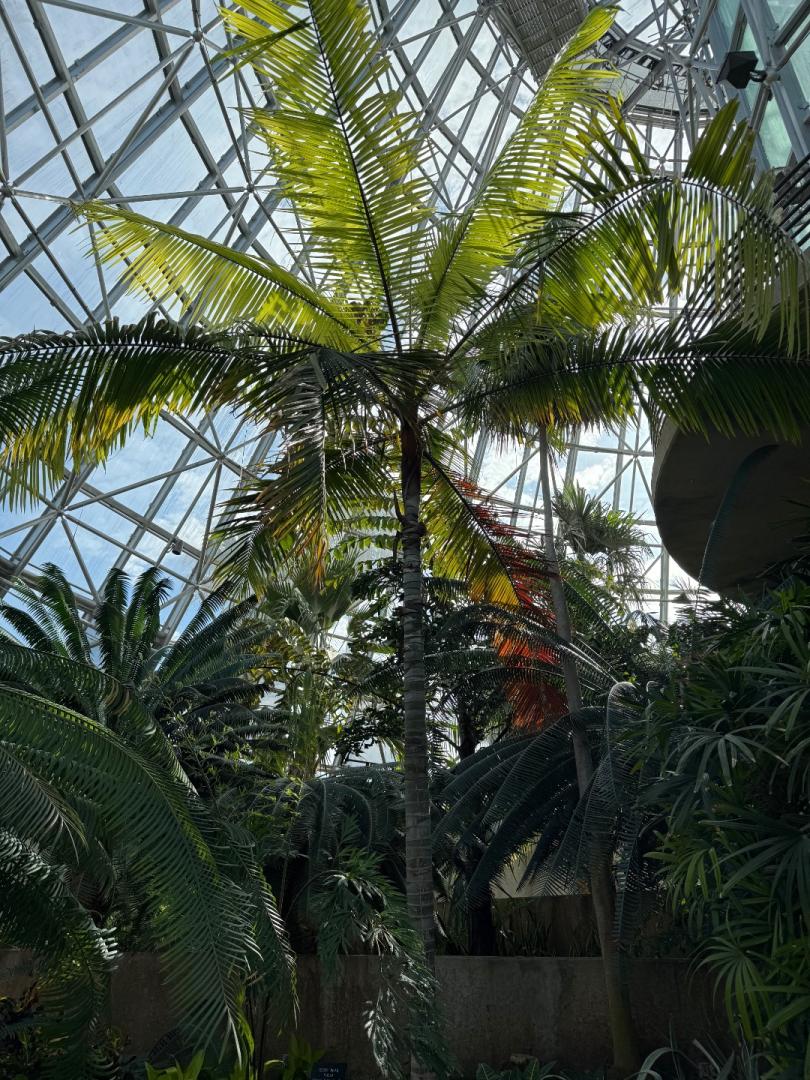
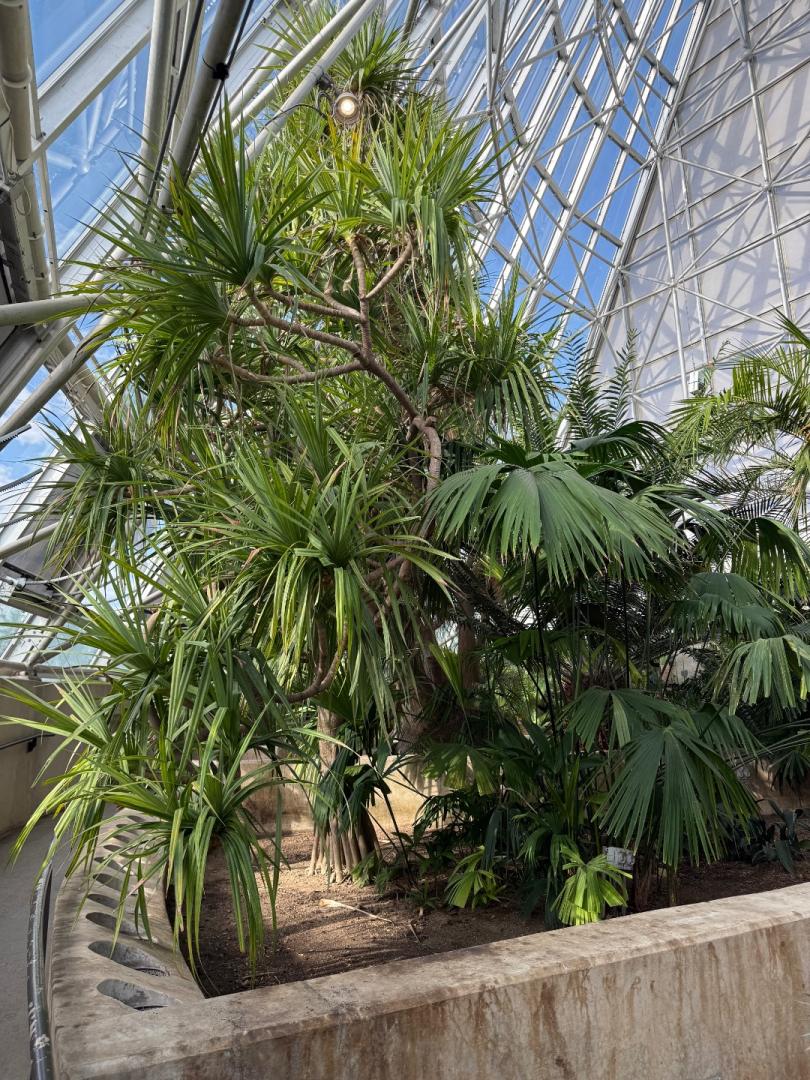
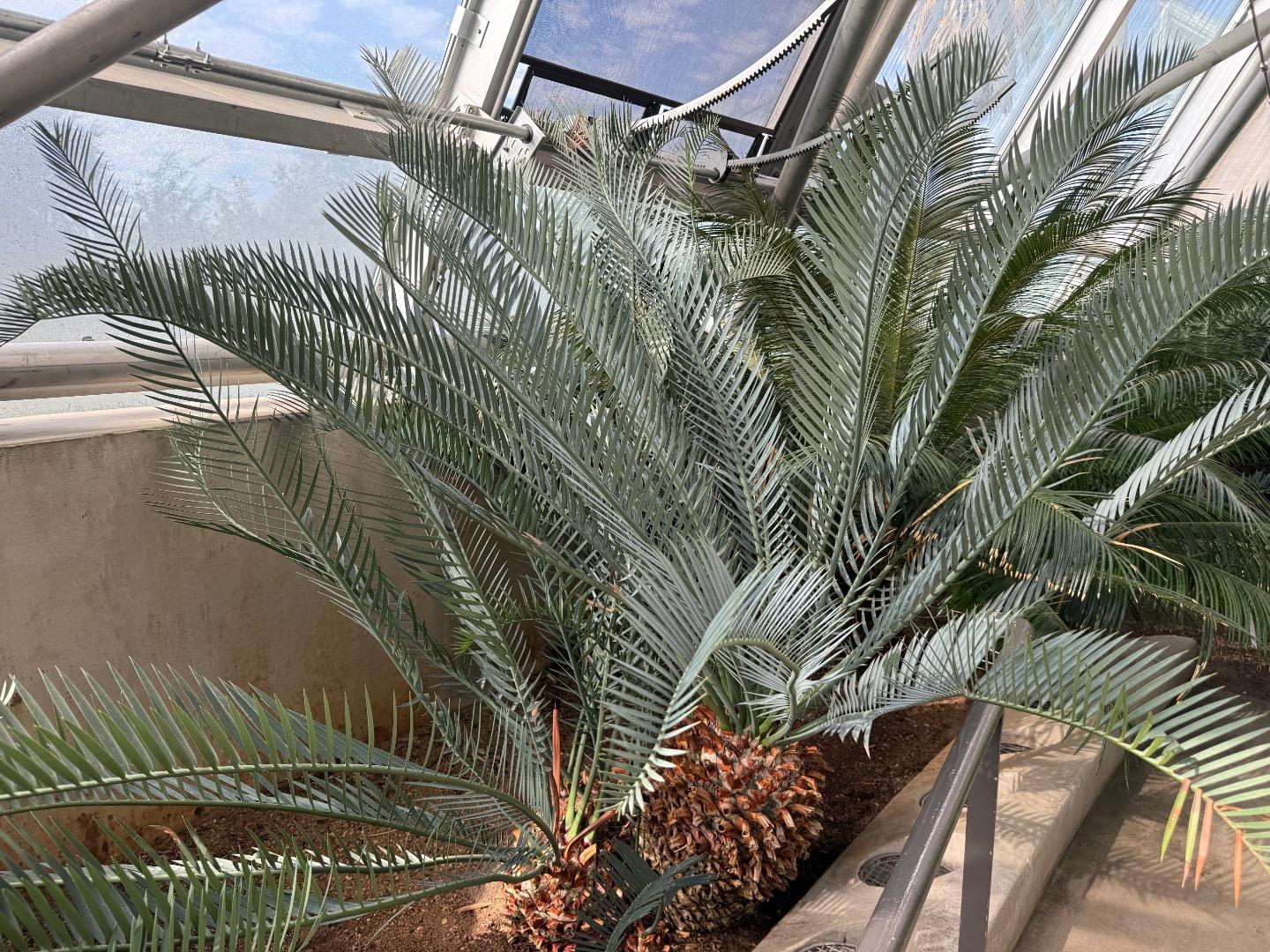
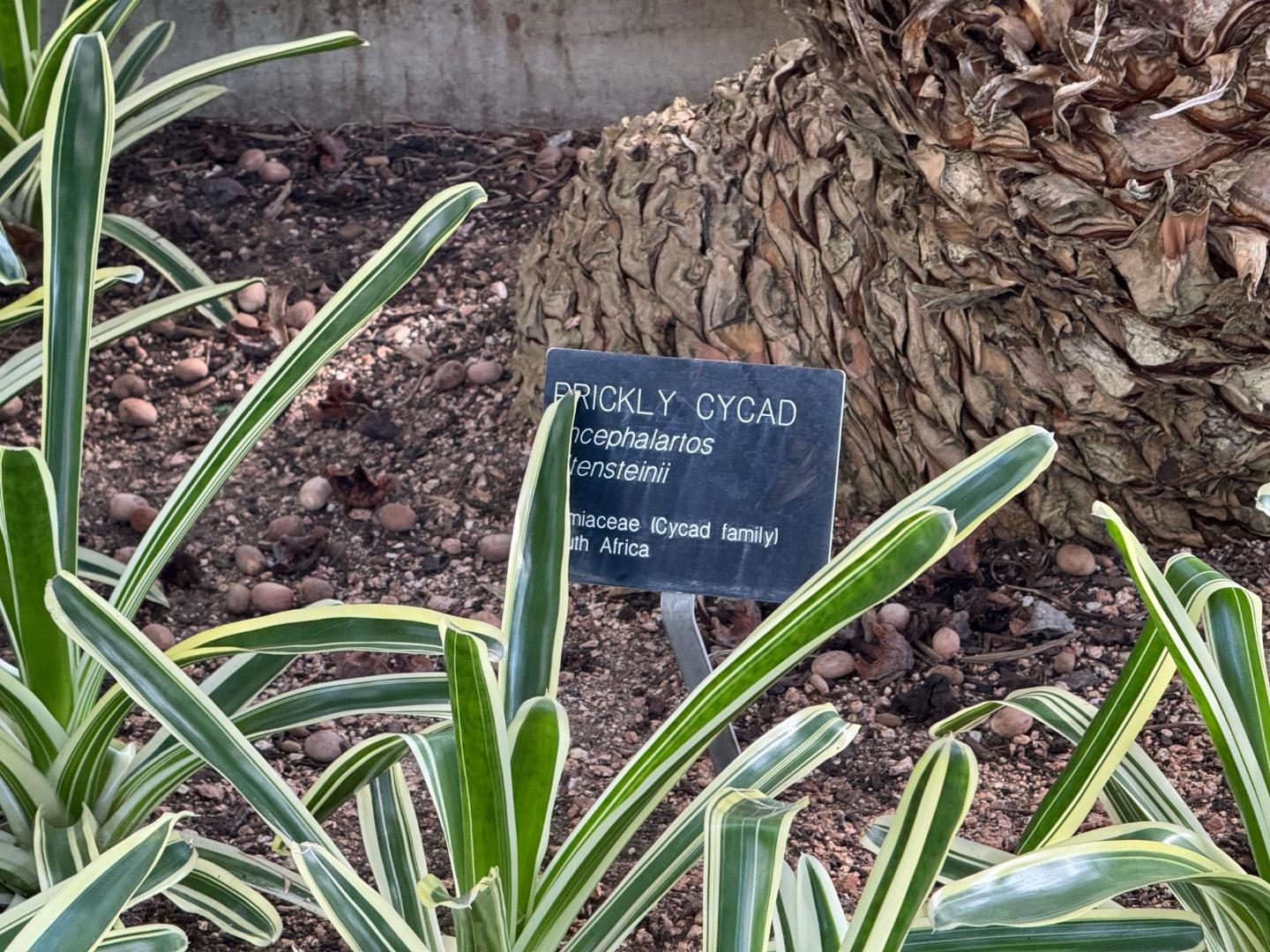
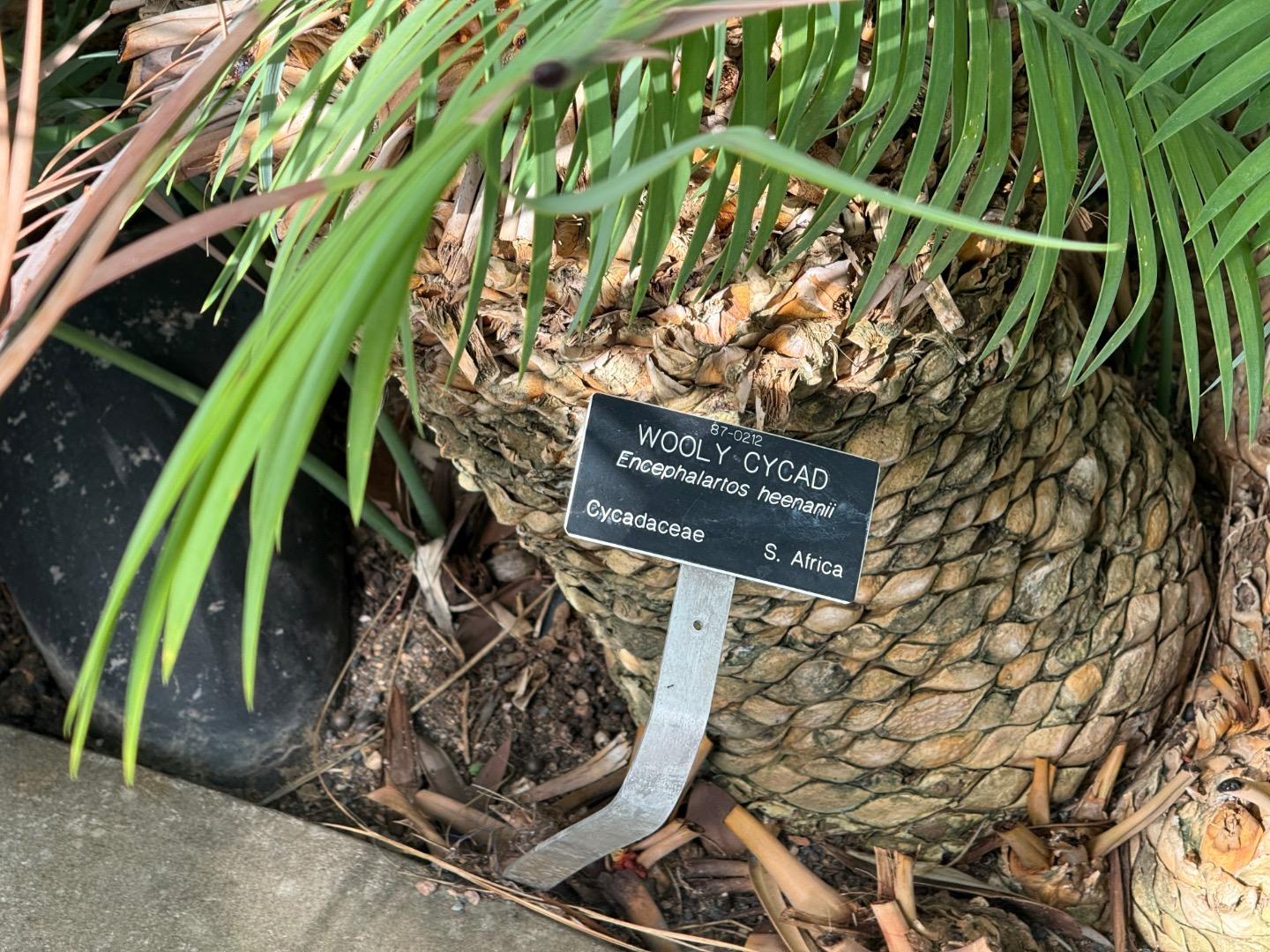
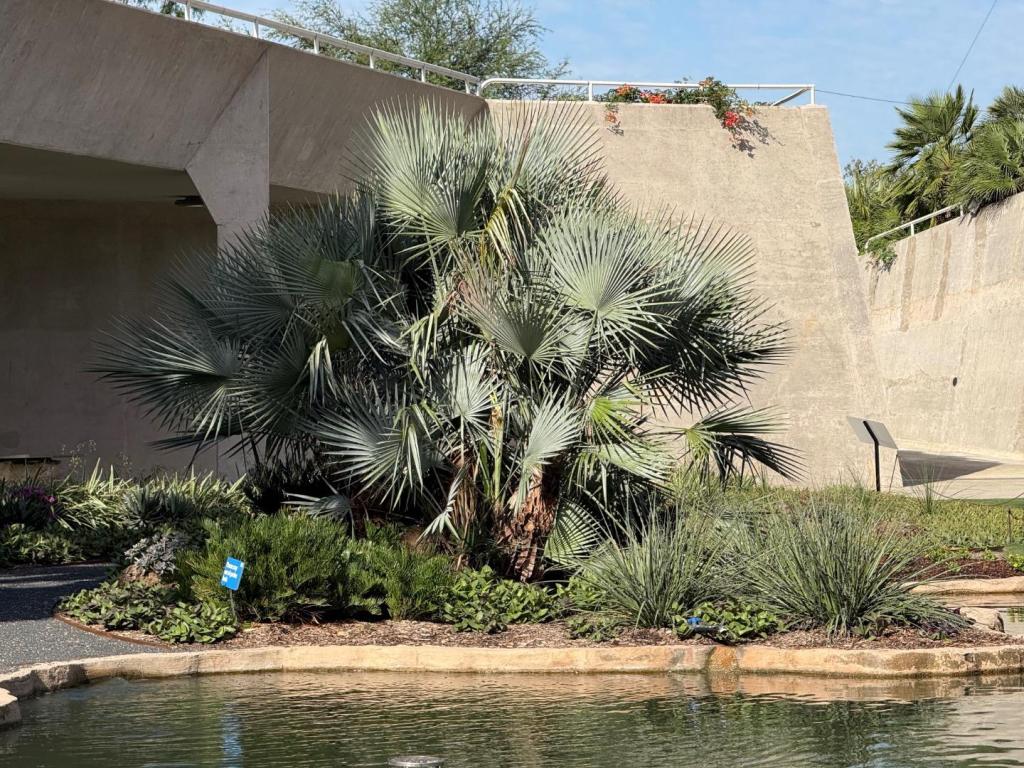
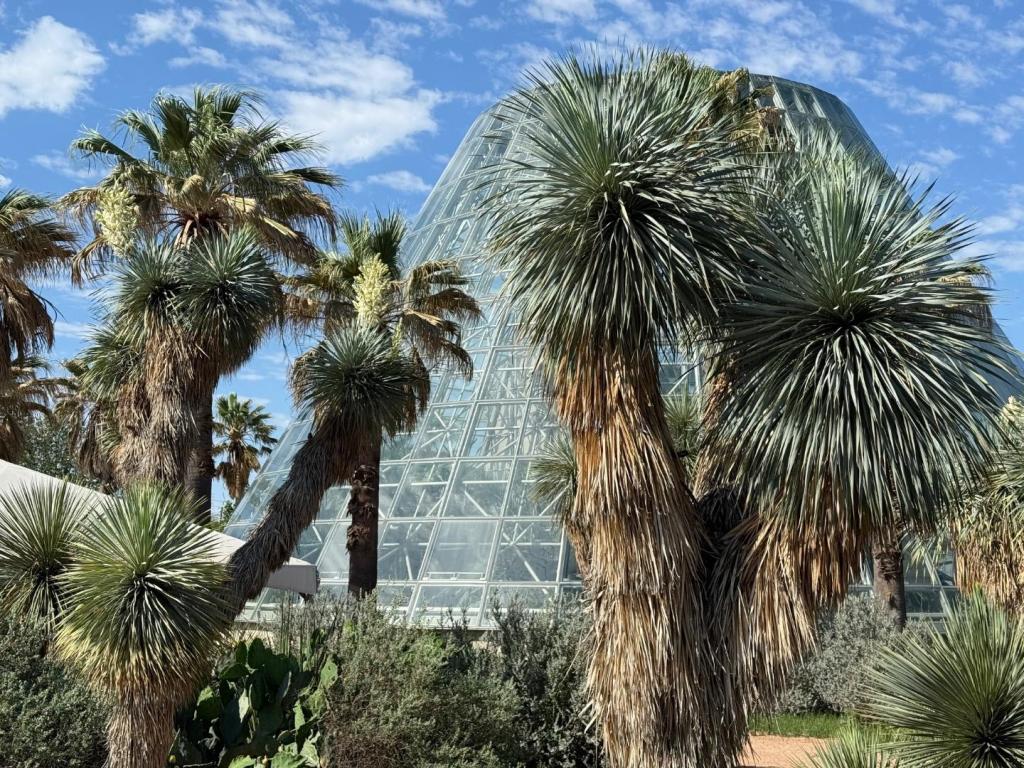
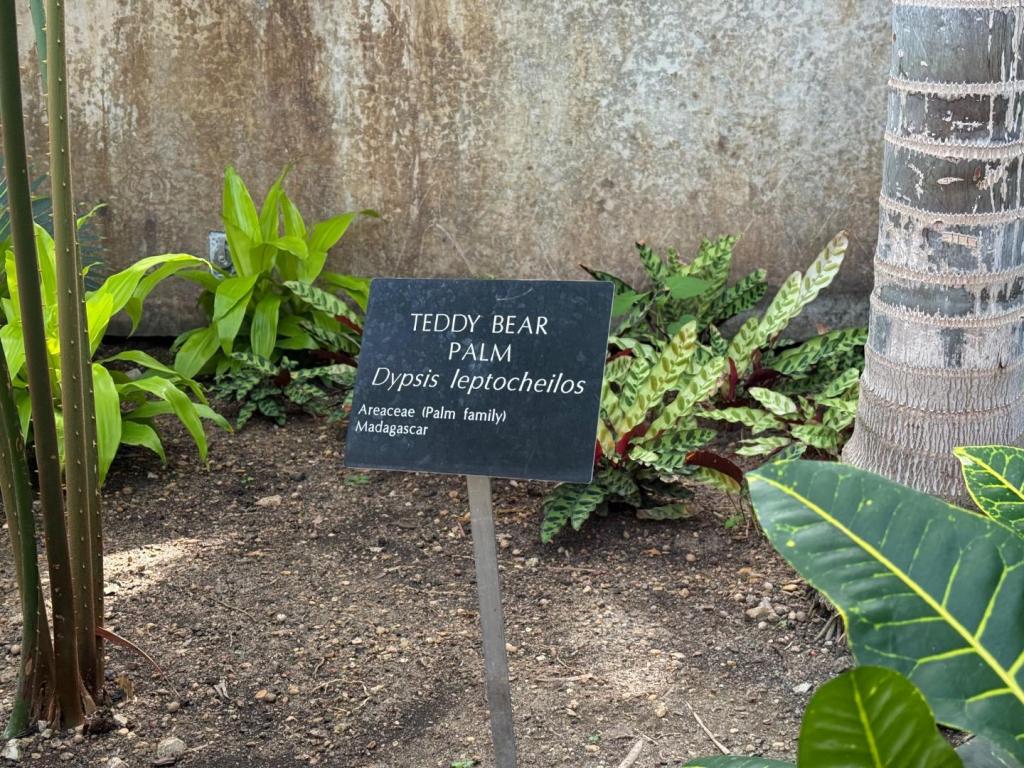
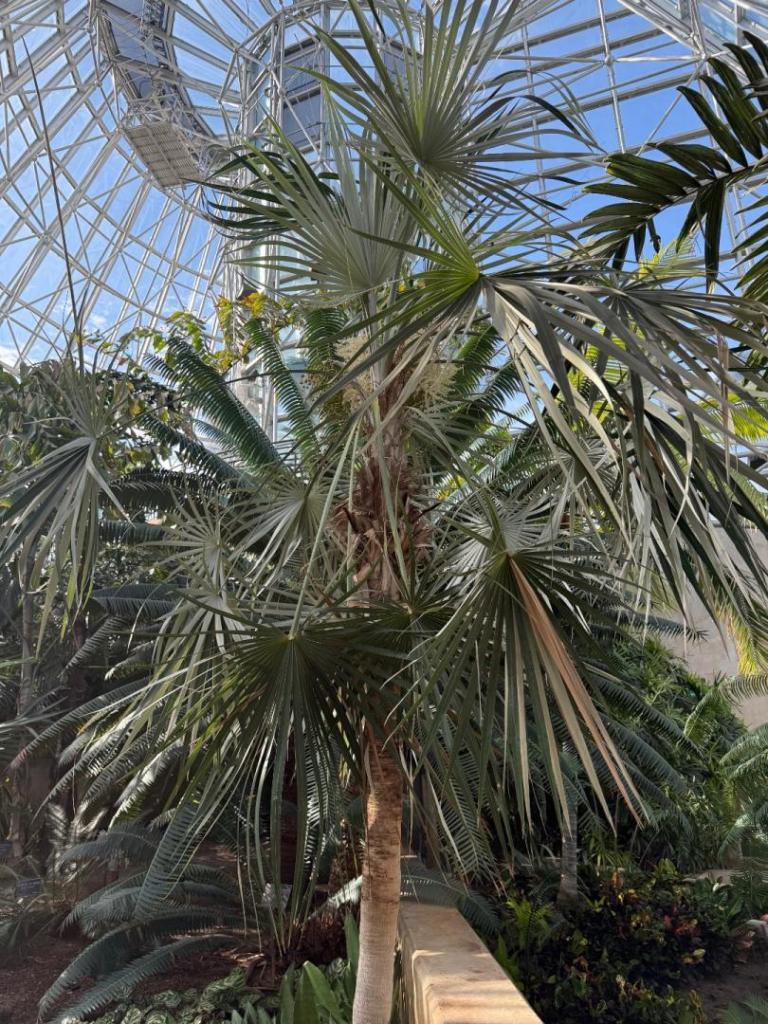
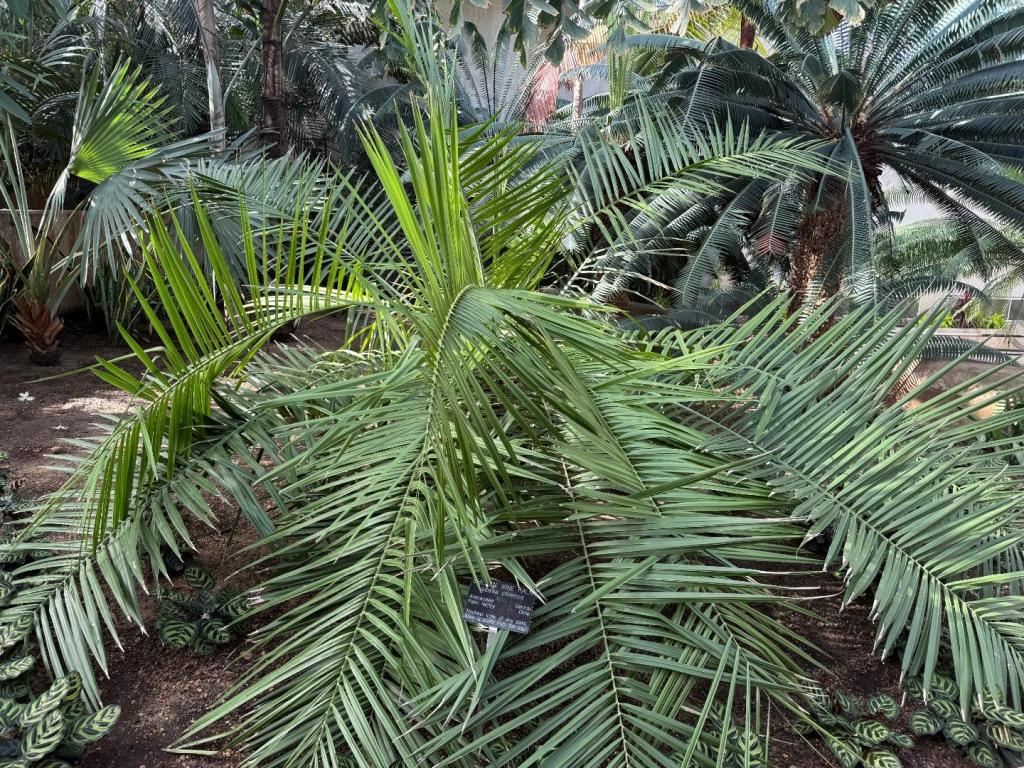
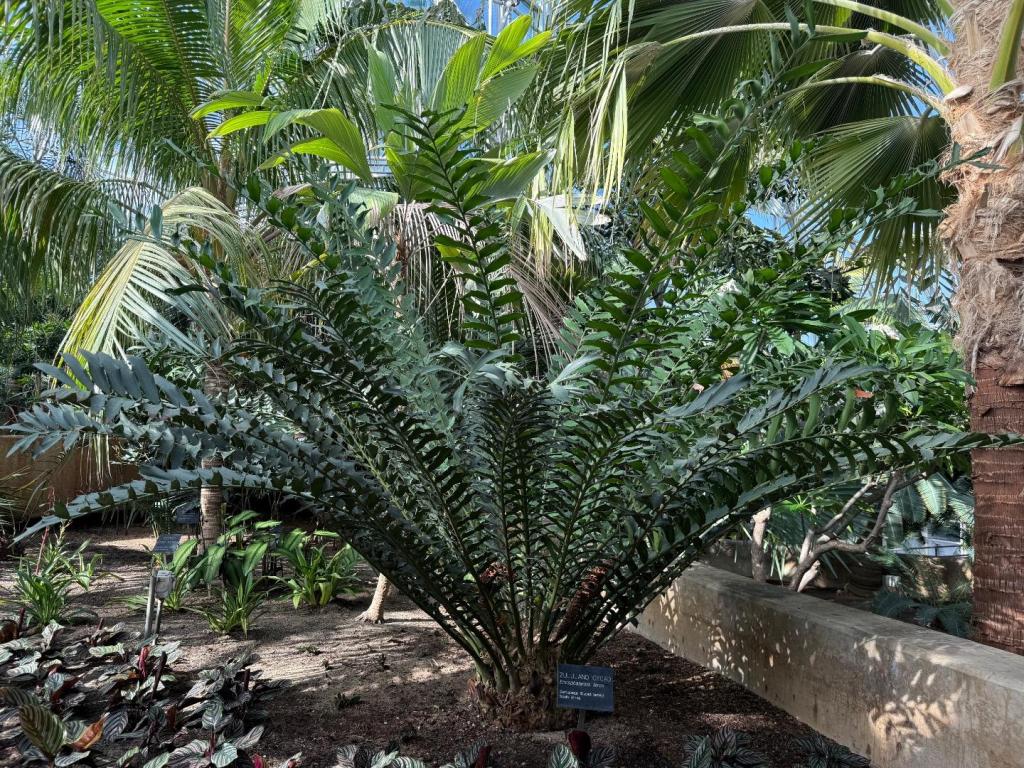
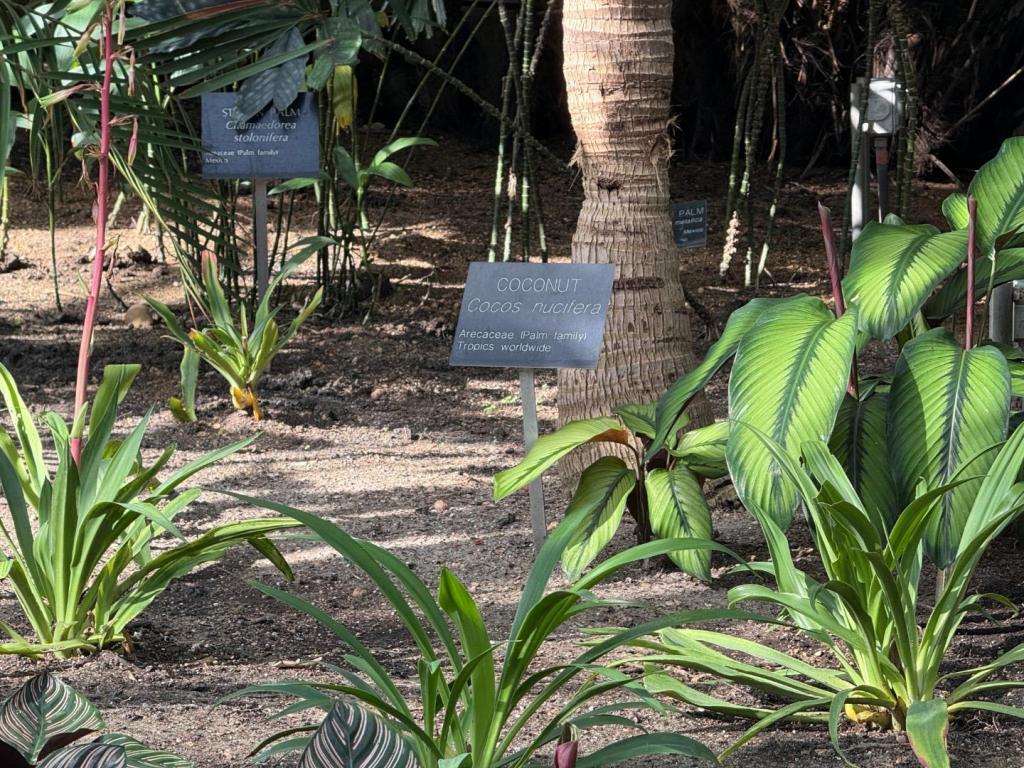
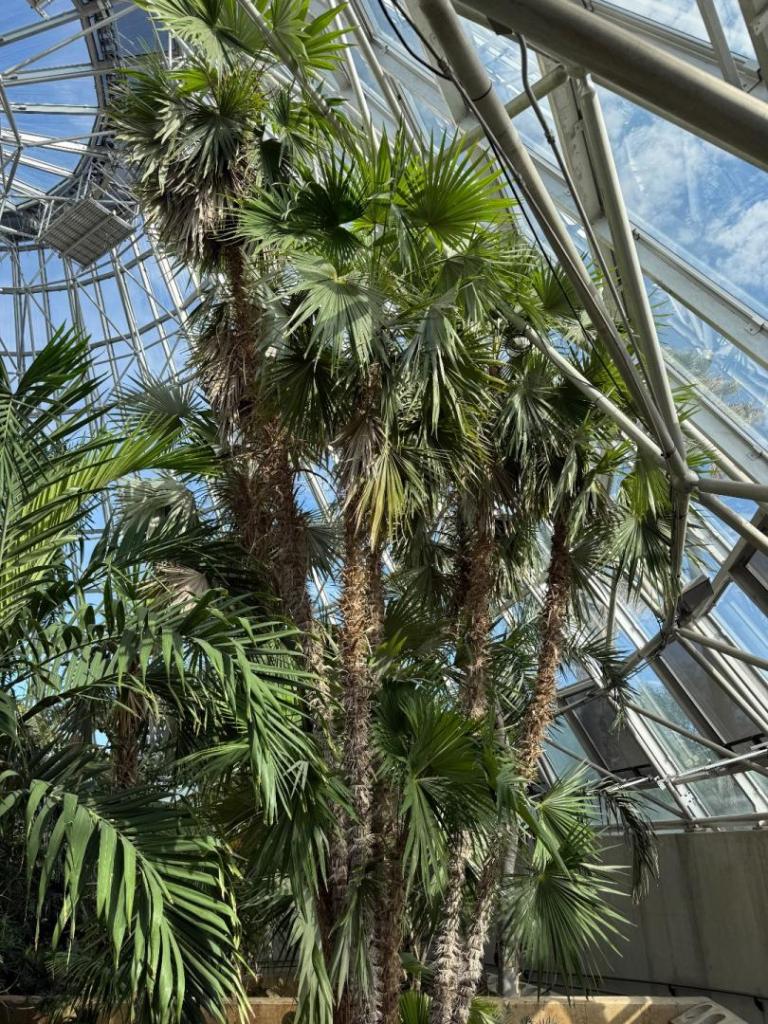
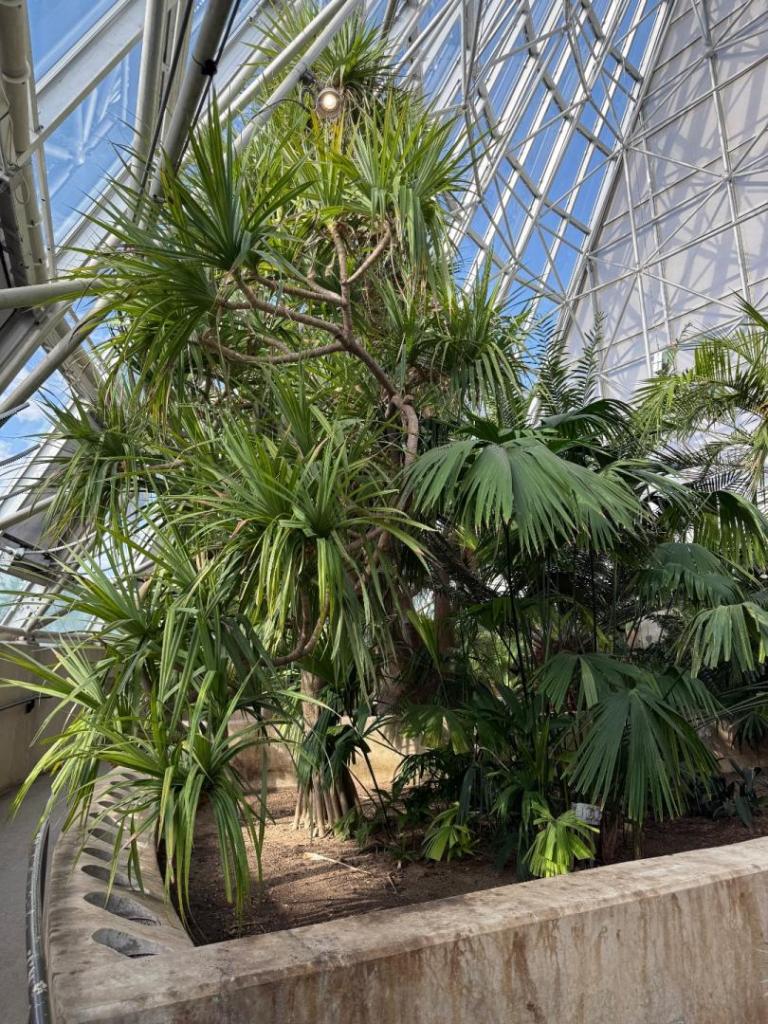
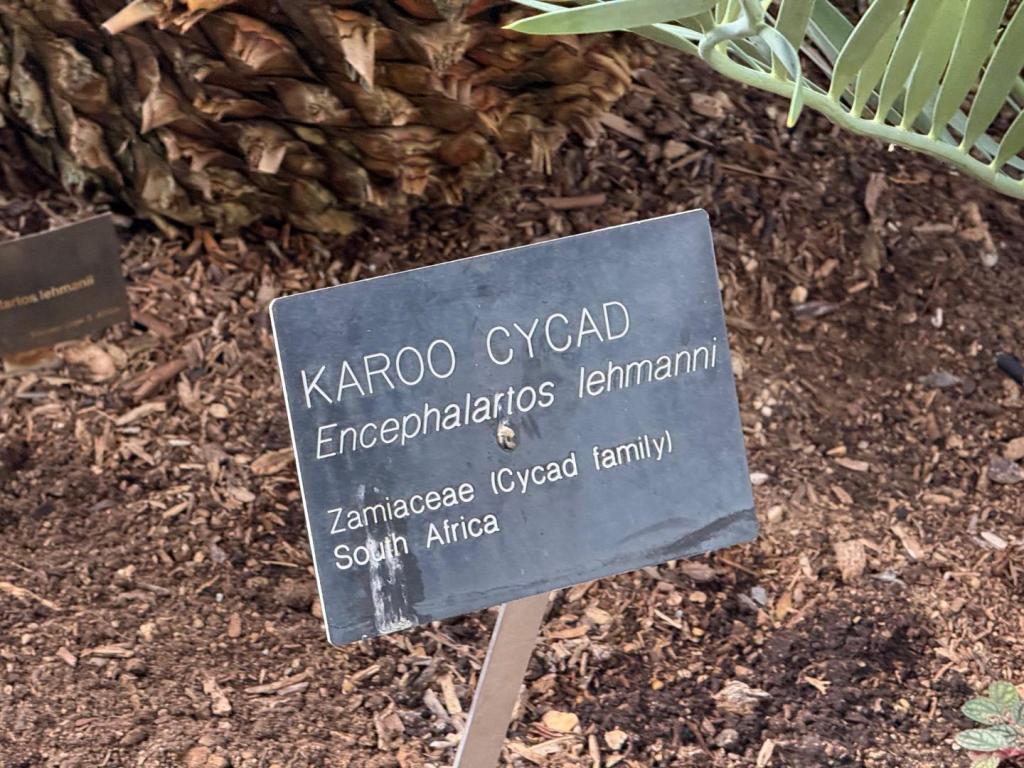
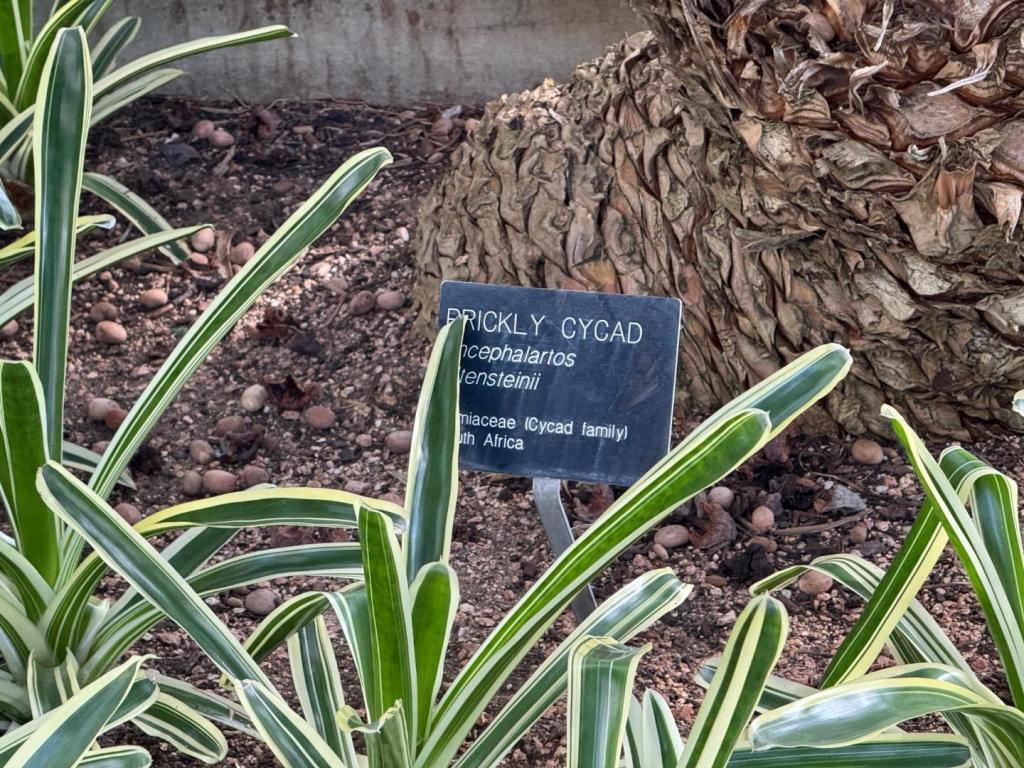
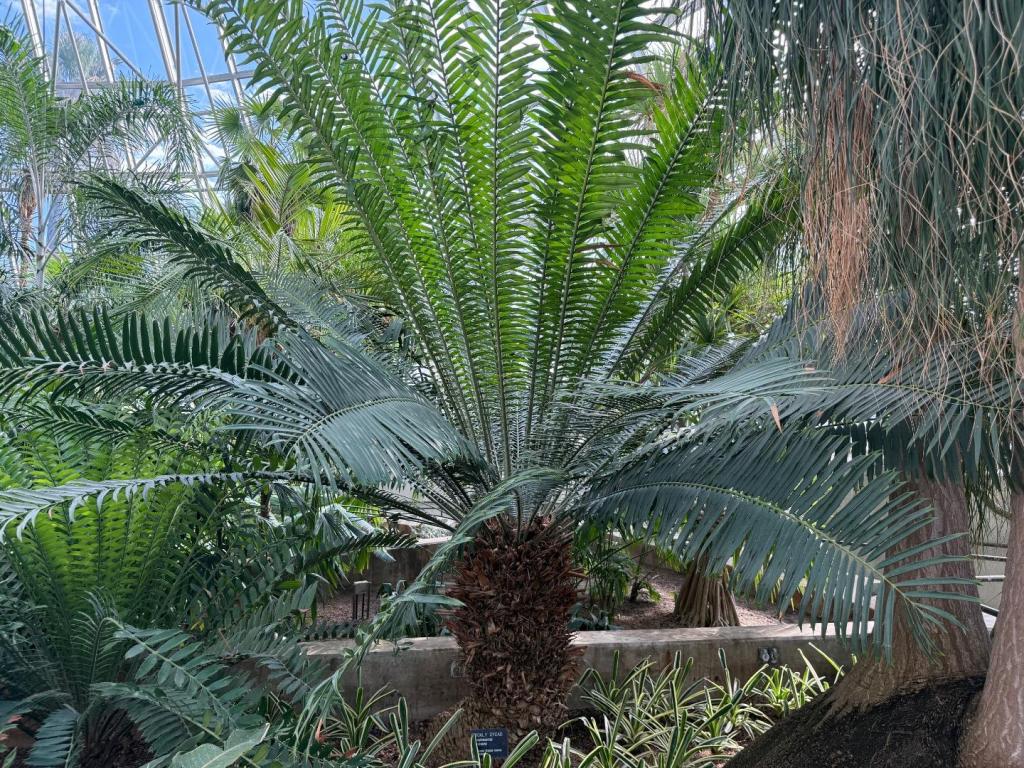
4 pointsSan Antonio Botanical Garden This last one is Encephalartos inopinus not heenanii








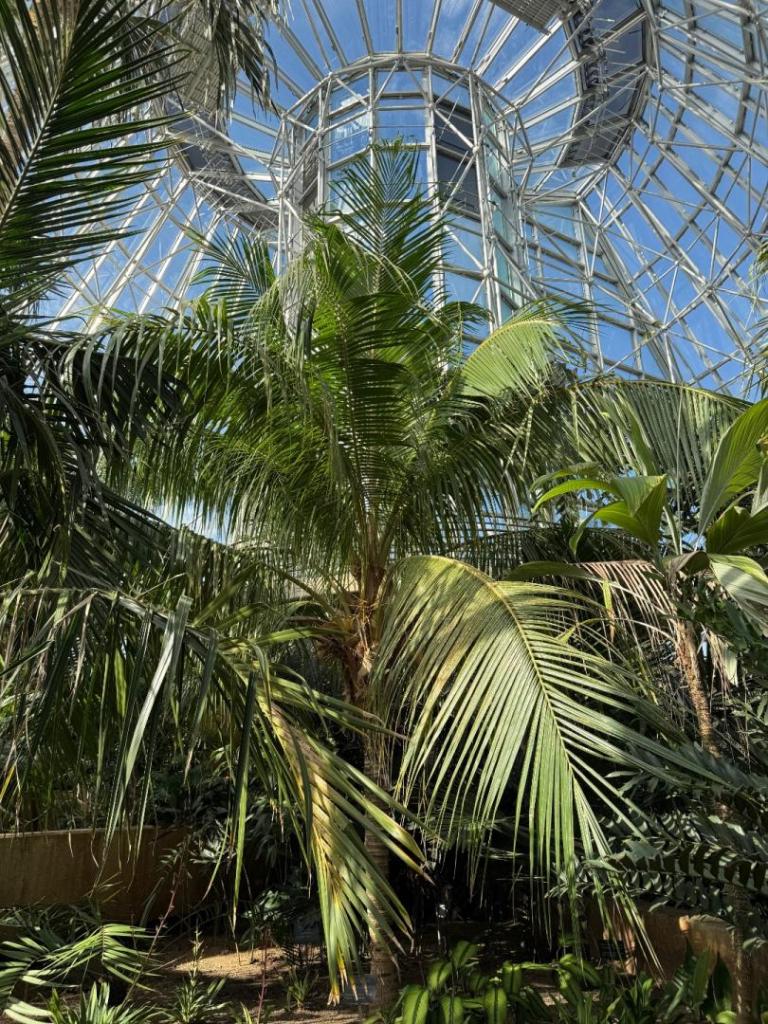
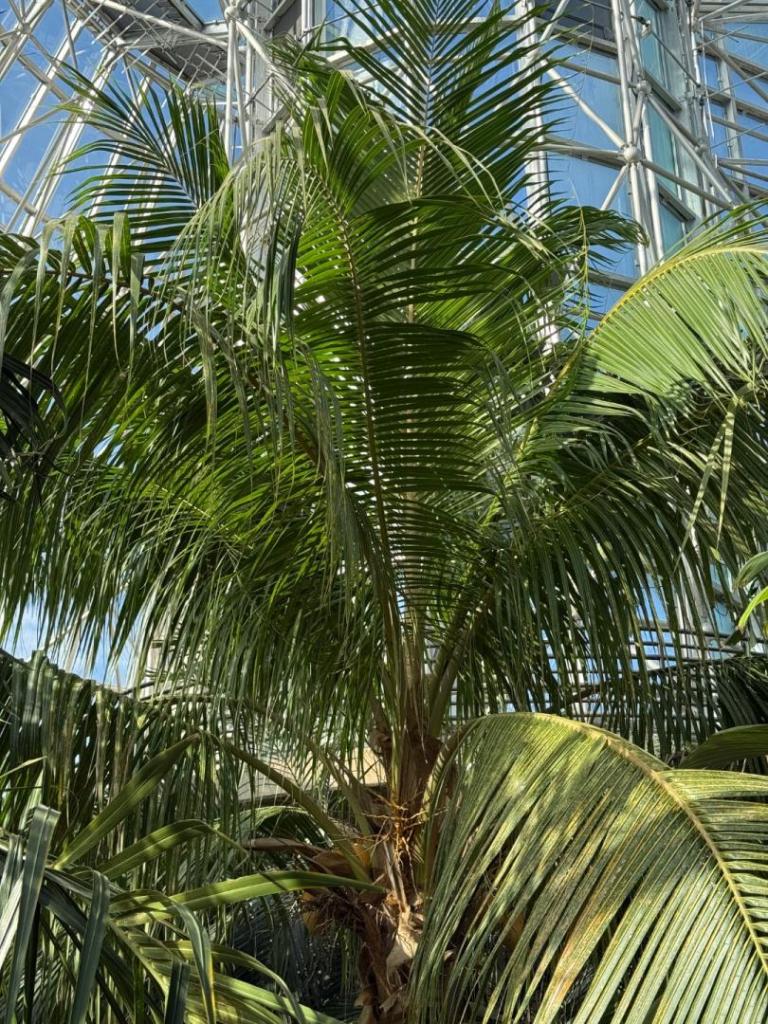
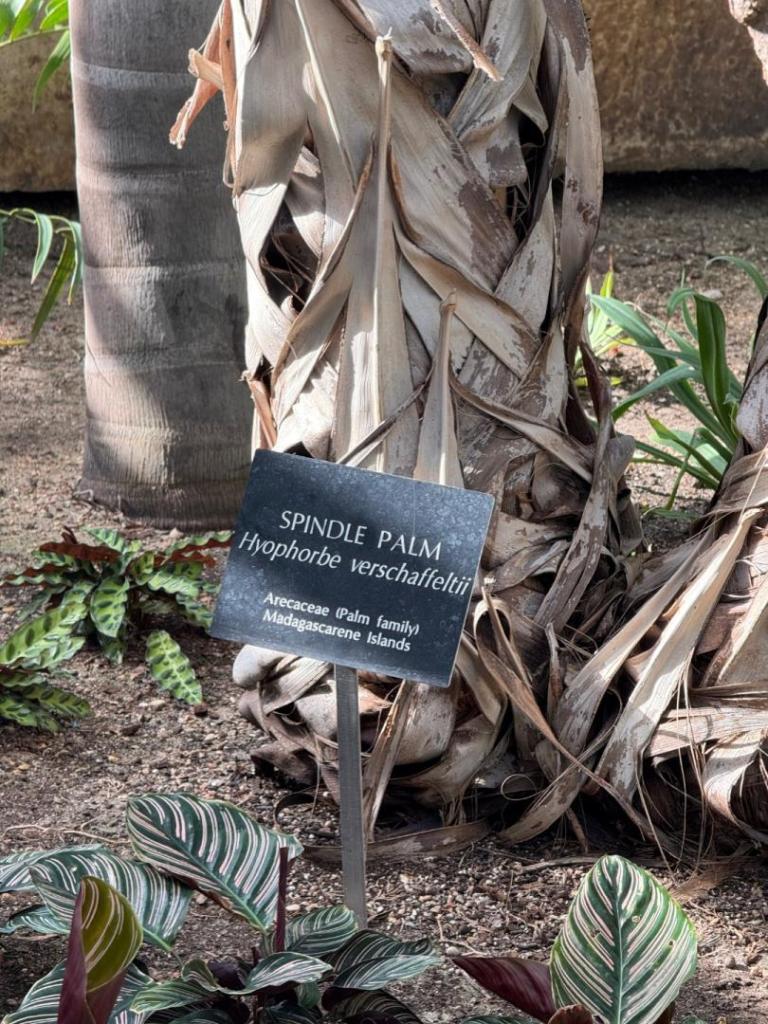

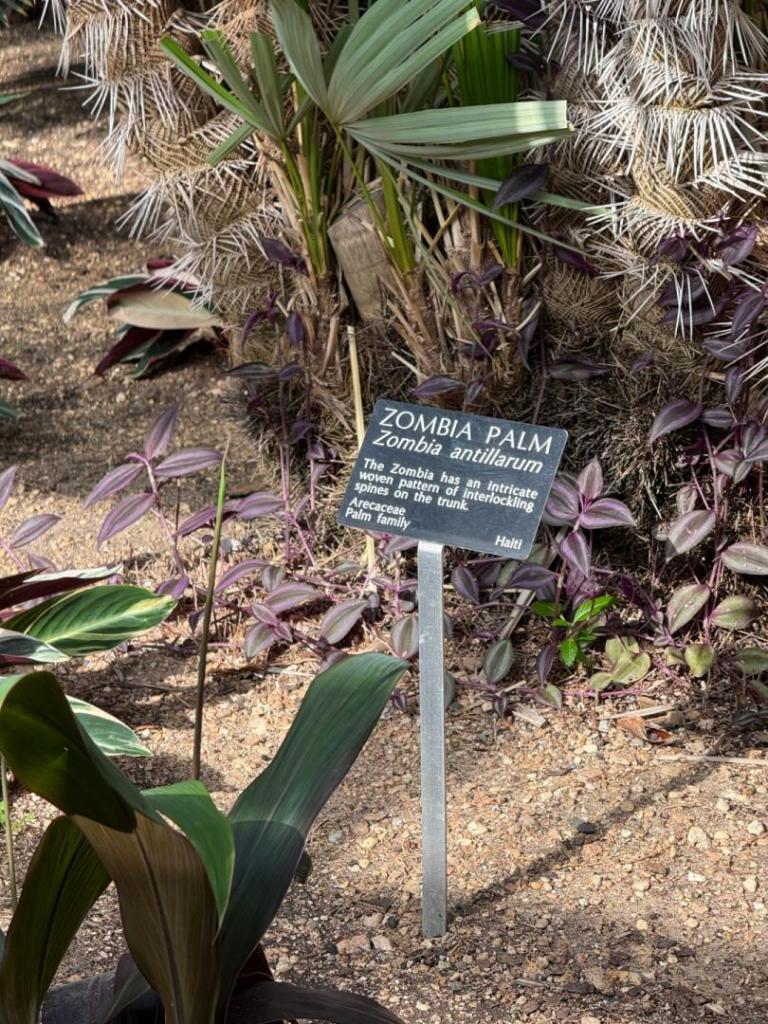






 4 points
 -
 I agree with this. My super silver can’t get enough water. Don’t feed it but give it plenty to drink.4 points
 -
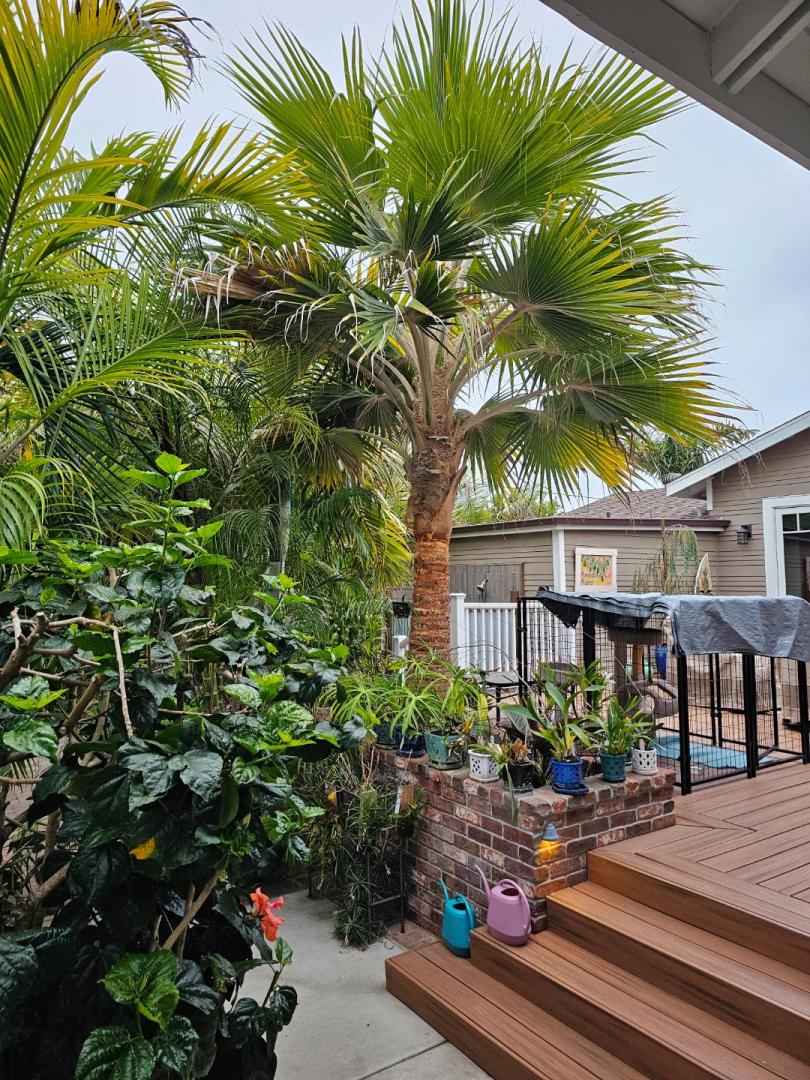
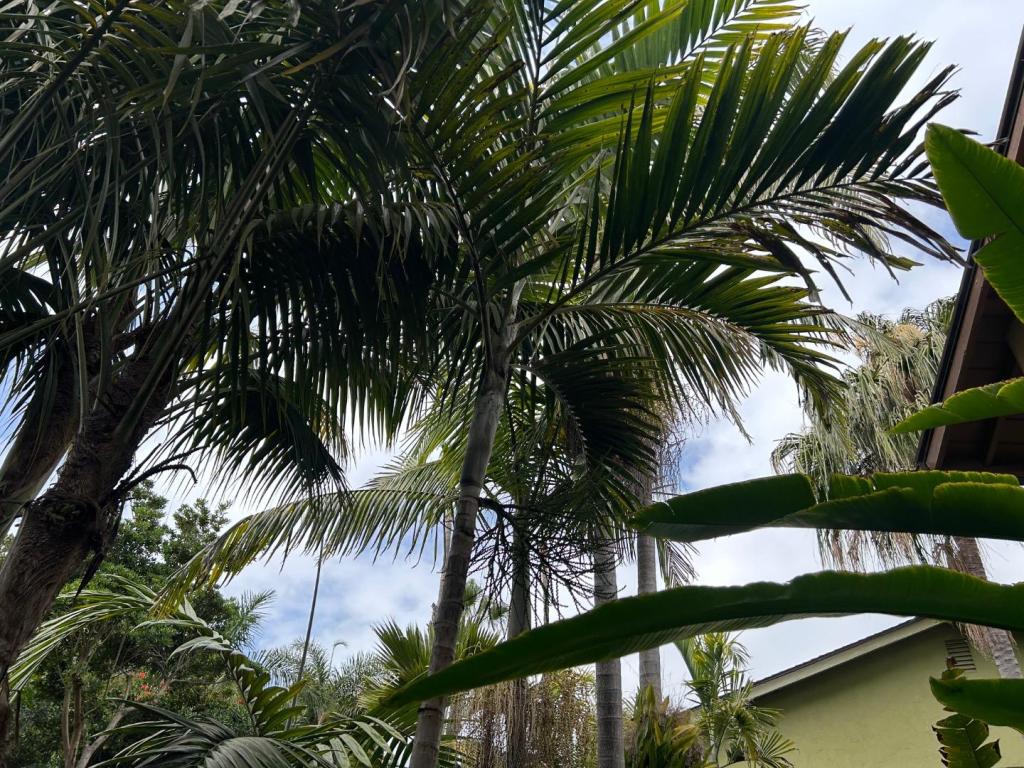
 3 pointsI suspect that if I lived in the tropics, I would be bored to tears with this particular palm, but they are an unusual, elegant addition to a Southern California garden. Here are a couple growing in mine and my next-door neighbors yard.
 3 points
 -
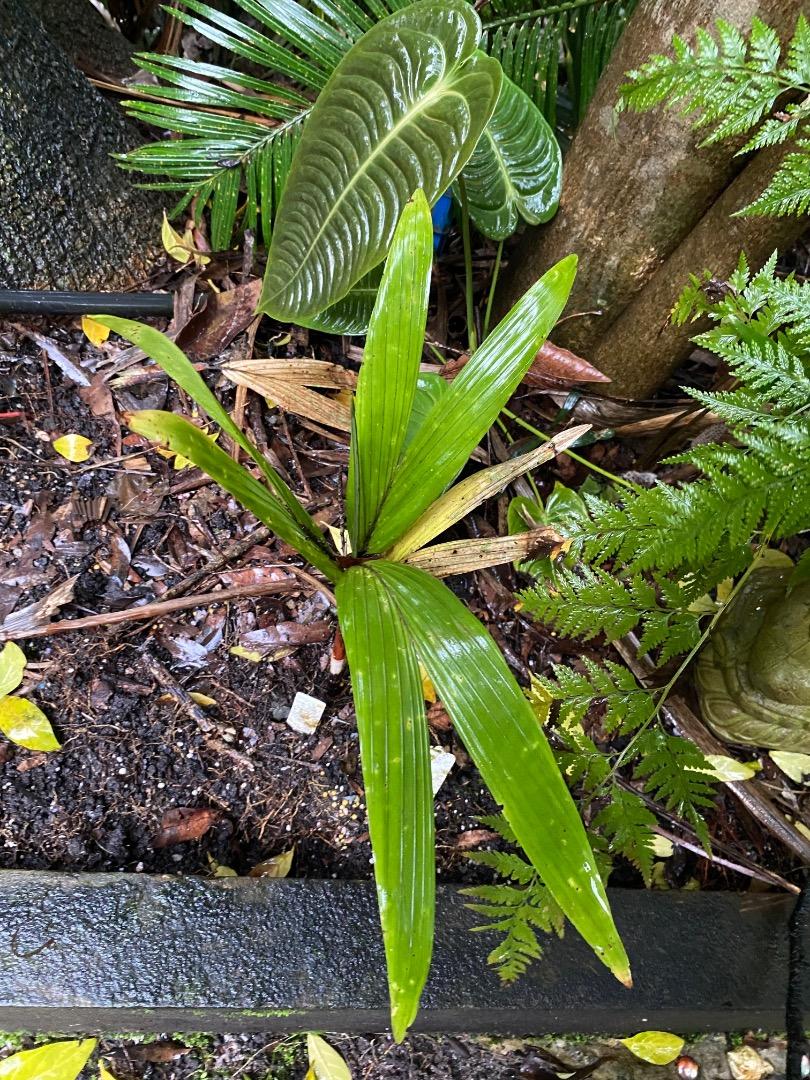
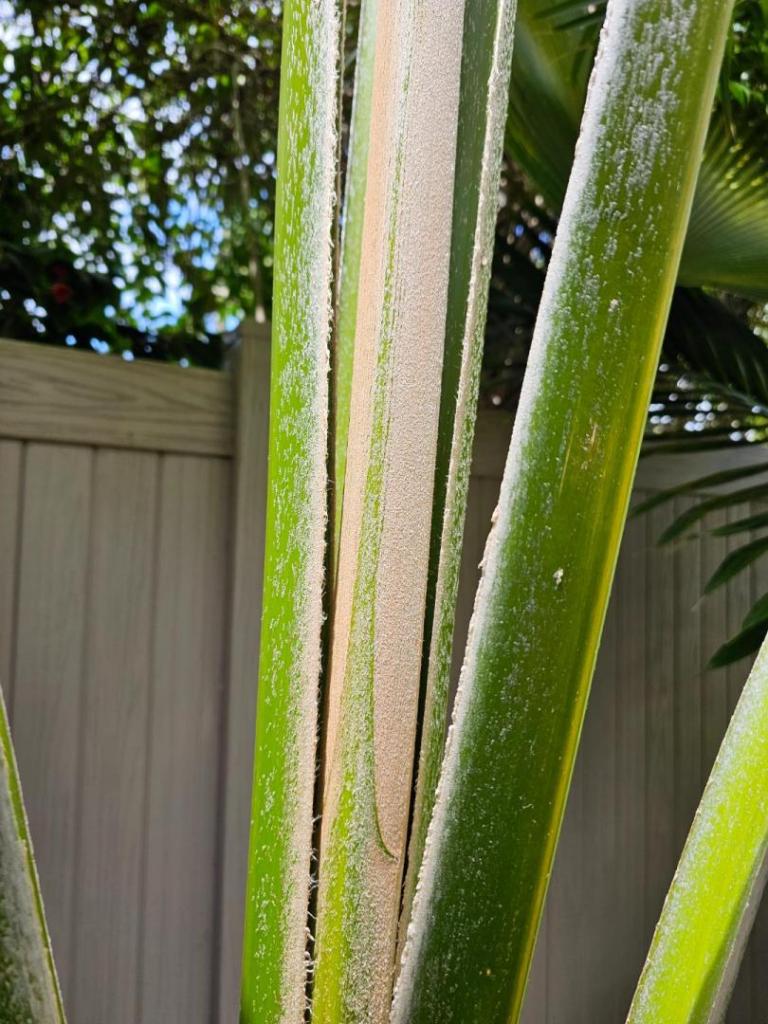
 Bump...updated photos of #1 and #2 palms. I have a palm acquired from Phil at Jungle Music about a dozen years ago that was labeled as Pritchardia beccariana. I think it most resembles your #2 palm Matty. It has flat, large round leaves with many shallow pleats compared to the deeper pleats on most other Pritchardia I have growing. Steve please share a photo or two of yours as well.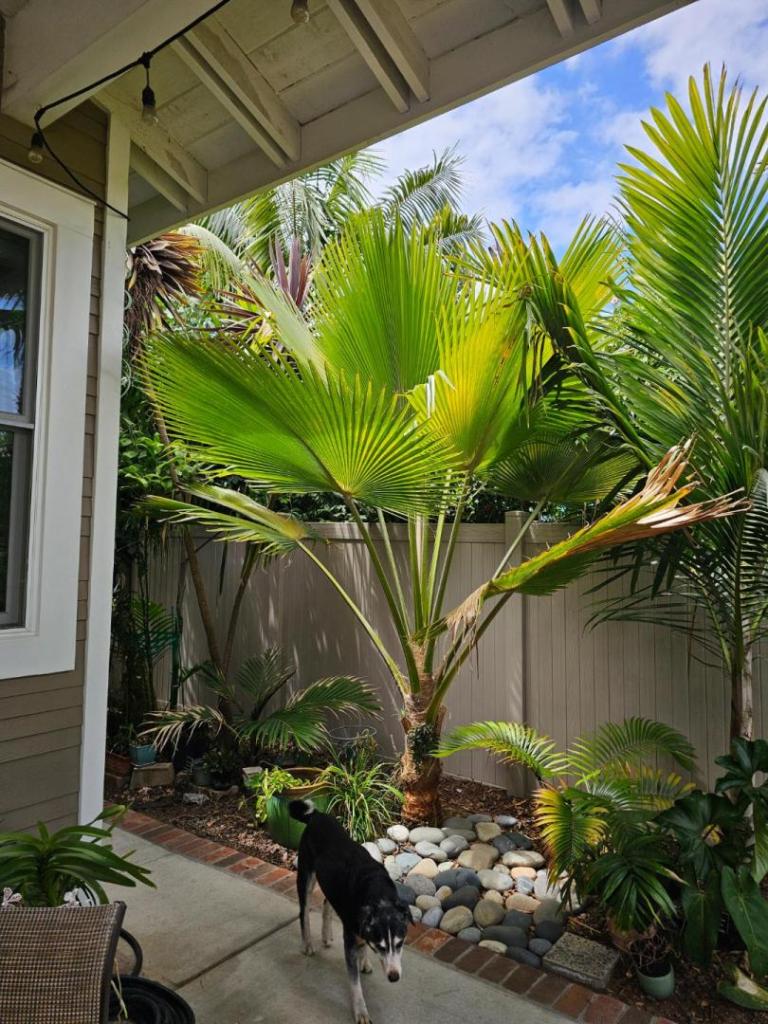

 3 points
 -
 3 pointsI was able to get them loose after the trunk was about 2’ below the “ still green “ portion of bases. The bases near the ground came loose with a stiff tug. I then cleaned the fibrous stuff off and moved up the trunk , sometimes using a carpet cutter to aid . I was careful not to cut into the trunk itself. The bits on the trunk ,after trimming , brush off after a while . Harry Mine is not as tall as @tim_brissy_13 and I have been slowly working on this for a while . I work on it about once a year. It ain’t the fastest growing palm here in SoCal. It’s about time to do more , perhaps the lower two or three rows at this point . edit: I guess it was @Tracy Palm I was referring to , oops! Harry
 3 points
 -
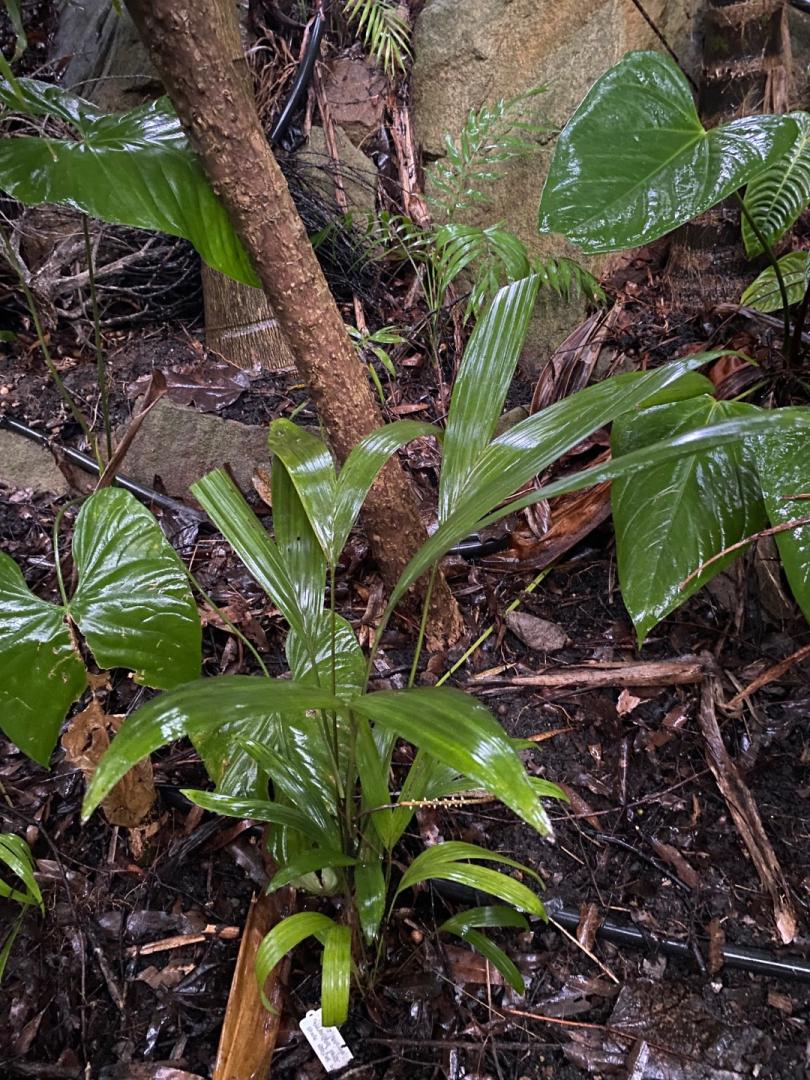
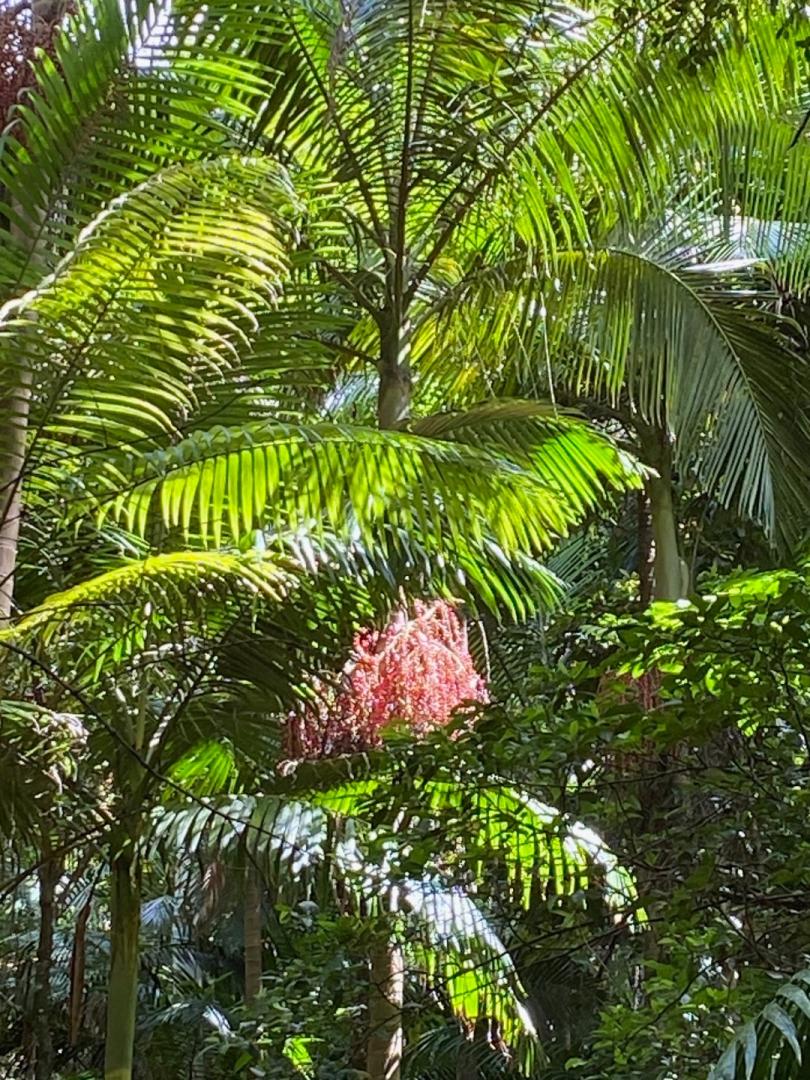
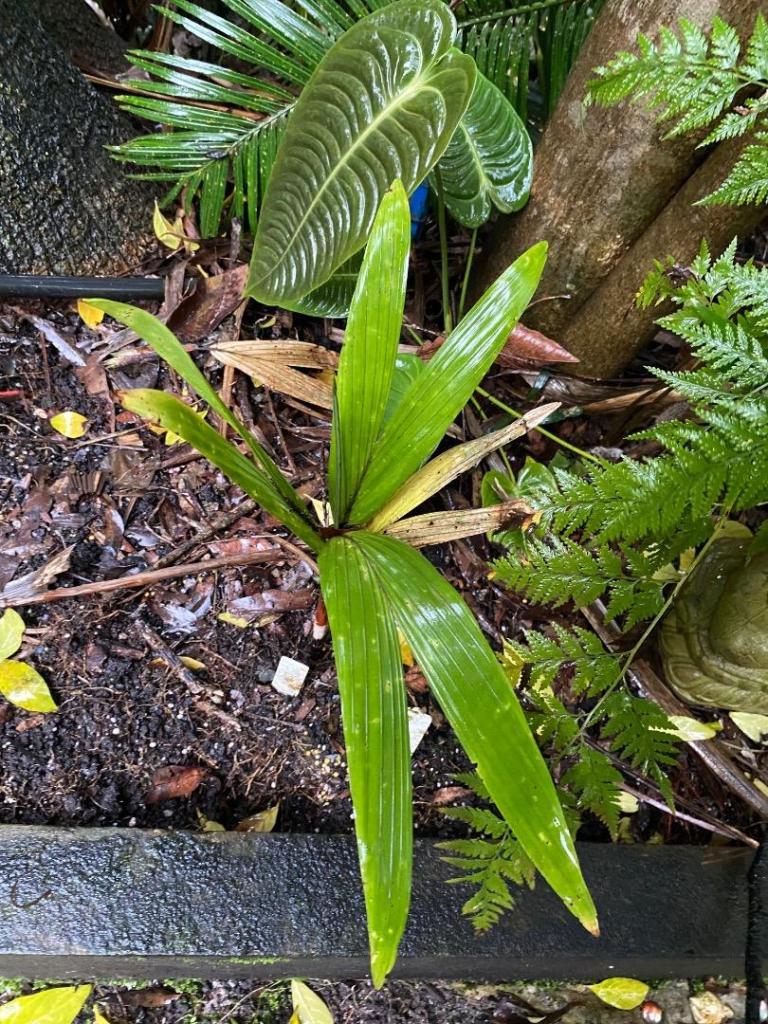
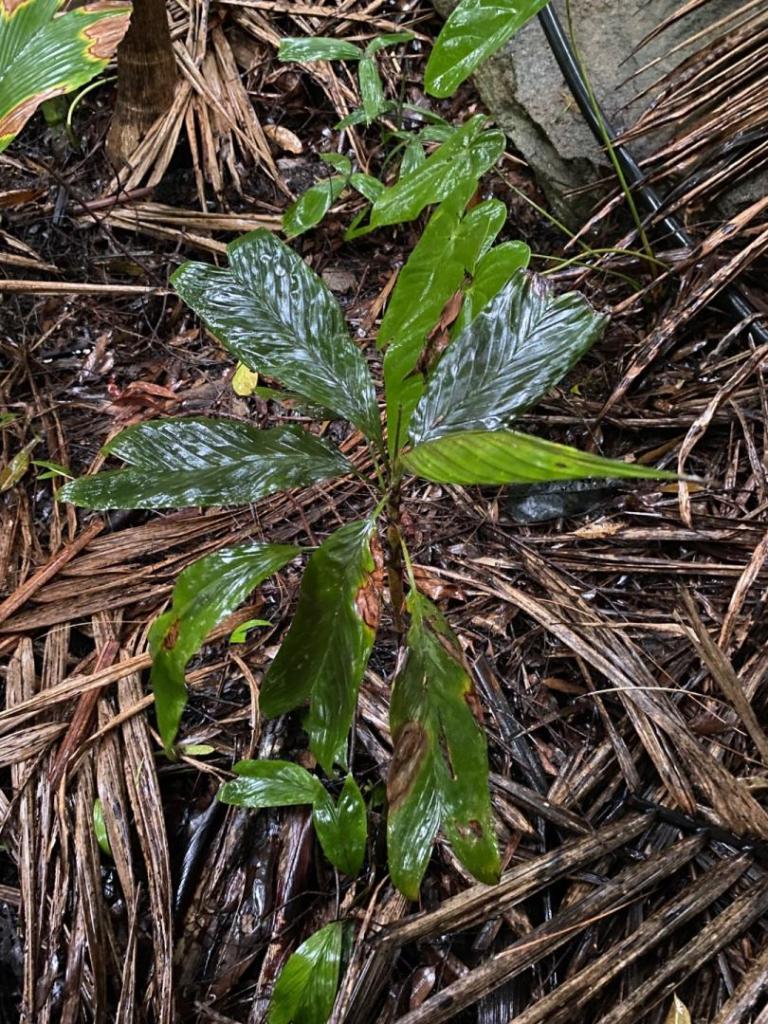
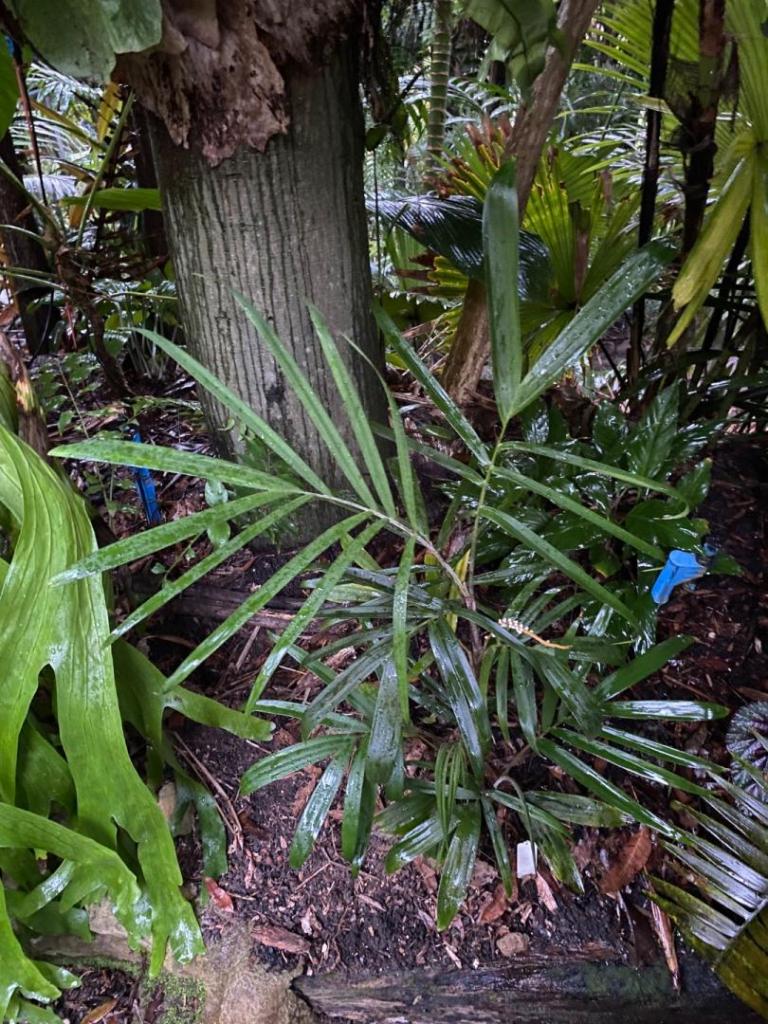
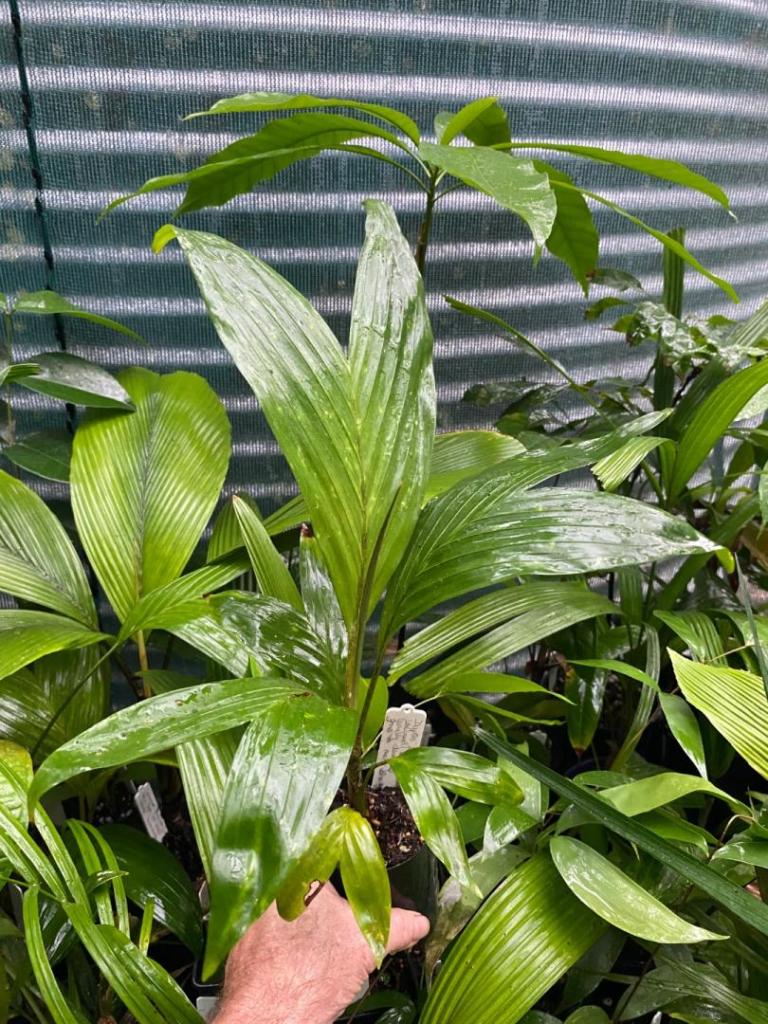
3 pointsThe small understory dypsis palms are just so beautiful. They just fit perfectly in the garden. Dypsis minuta dypsis minuta dysis sp dypsis dypsis forcifolia dypsis lantzeana Dypsis minuta dypsis poiveana dypsis mirabilis dypsis lantzeana dypsis poiveana dypsis poiveana





 3 points
 -
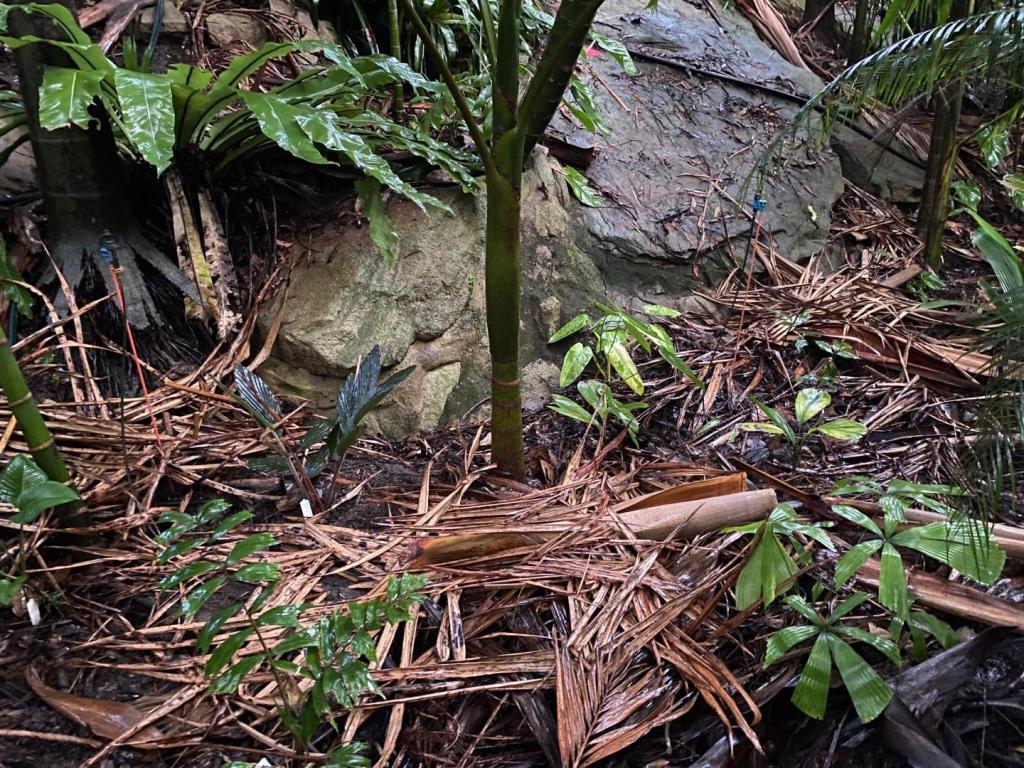
I know it’s agony watching our palms suffer without water, what a difference water makes to palms. But gel crystals I don’t think are any good for the soil, just good old compost works a treat and is much better for the microclimate it creates!
 3 points
 -
3 pointsChamaedorea Radicalis might be common but they make a statement!
 3 points
 -
That’s a good sign then, they seem to take their time. And most definitely heat mats in your climate.3 points
-
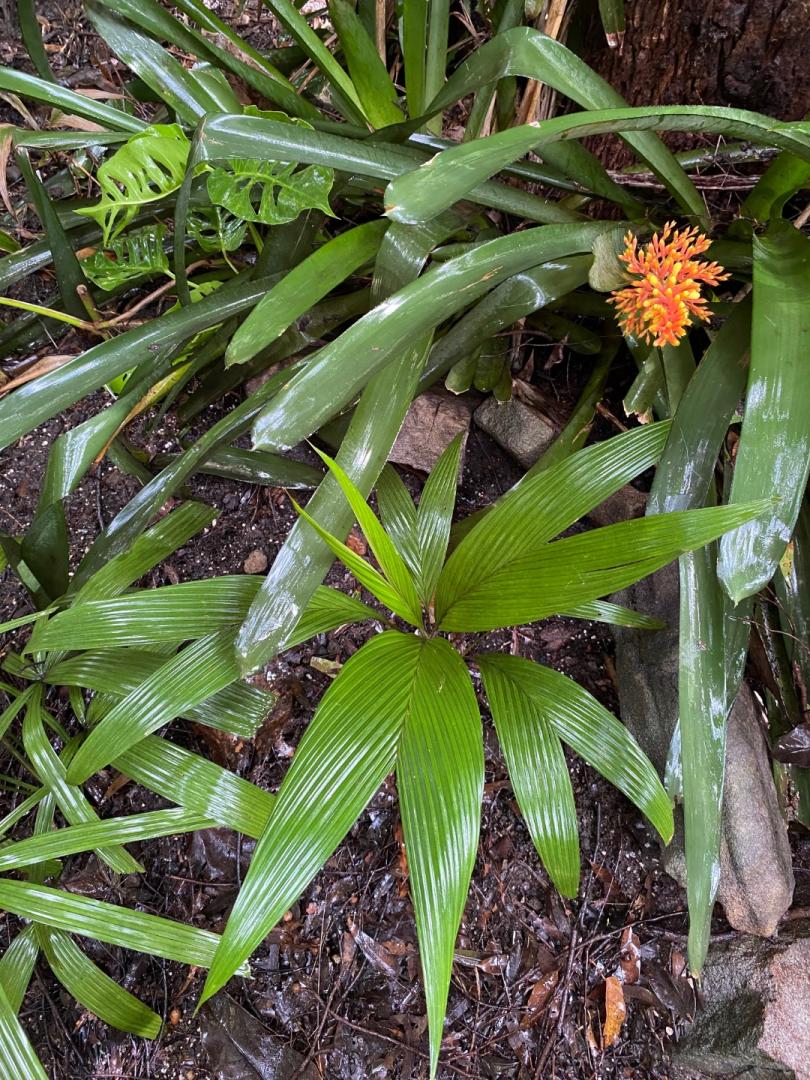
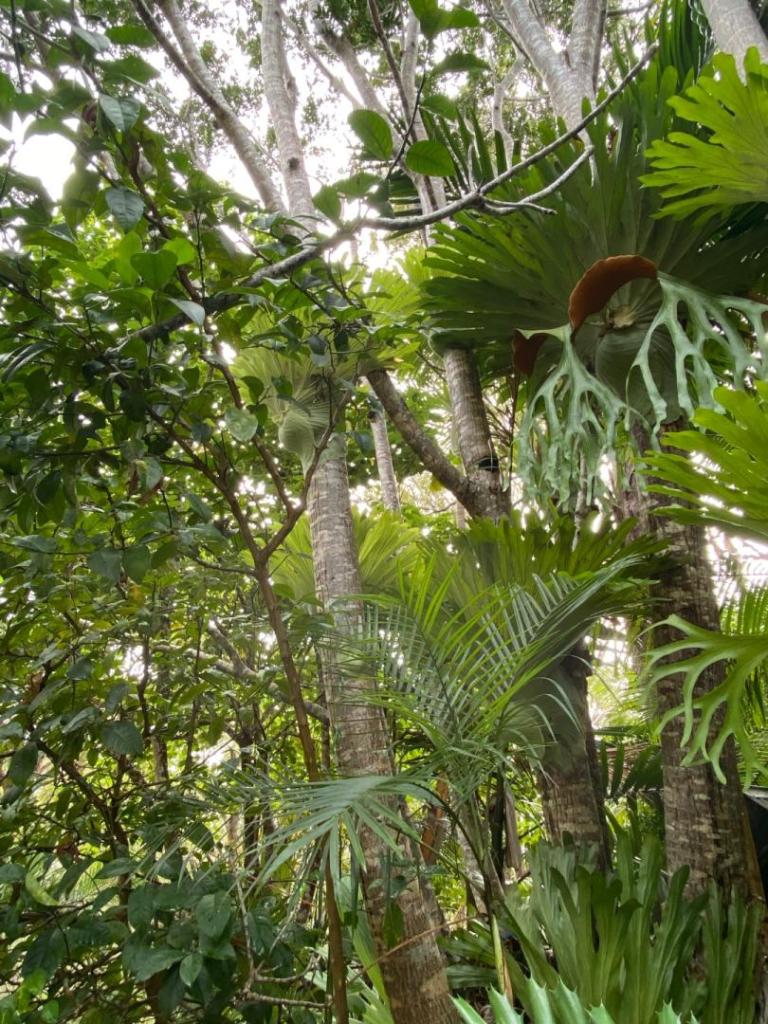
3 pointsSuch a beautiful palm and after the rain you can see the glee in them Calyptrogyne ghiesbreghtiana!
 3 points
 -
 3 points
I have heard of overuse in planting holes, only to have those plants lift out of the ground when they became fully saturated. So a little goes a long way especially in your case.3 points
3 points
3 points
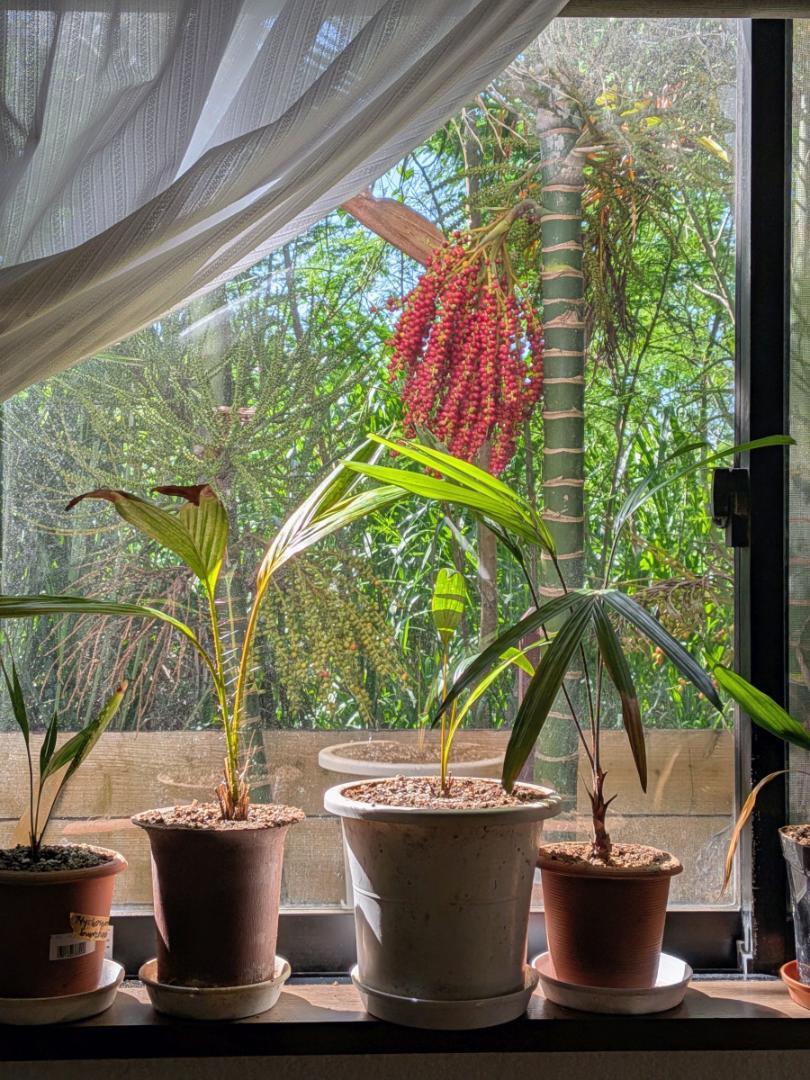
I have heard of overuse in planting holes, only to have those plants lift out of the ground when they became fully saturated. So a little goes a long way especially in your case.3 points 3 pointsHi there, looking out of one of the living room's windows... All the best from Okinawa - Lars
 3 points
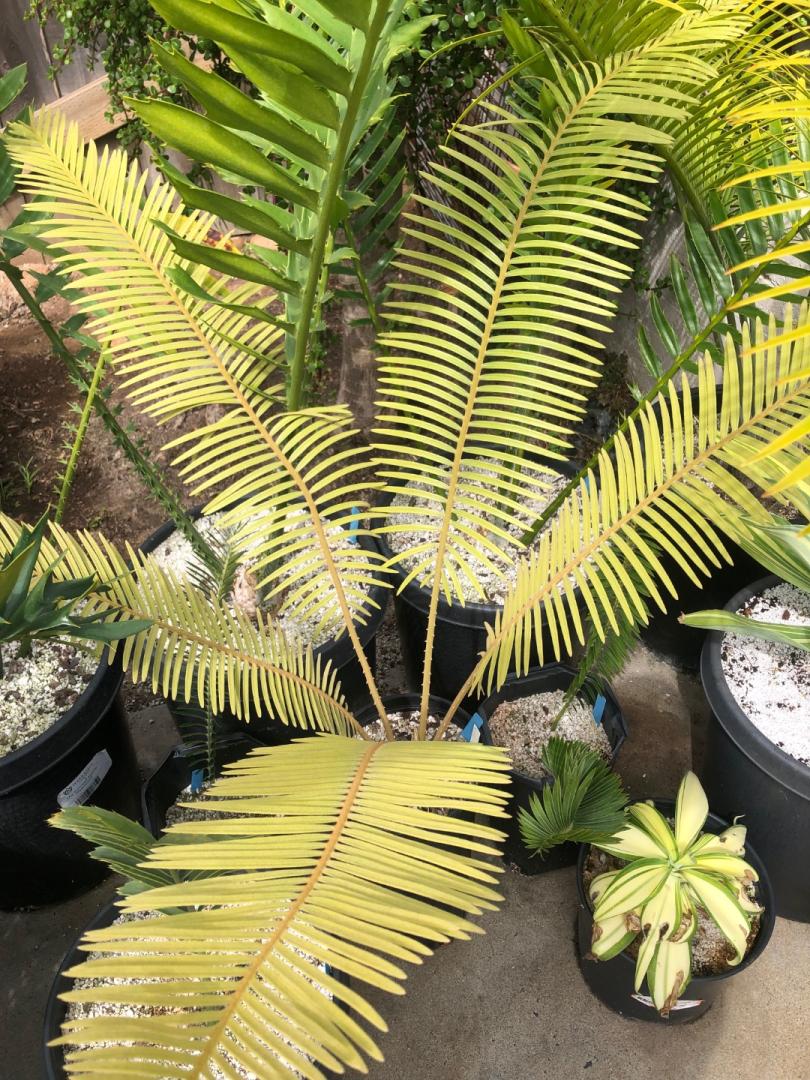
2 pointsInstead of Cycas sp. silver they should have called this Cycas sp. golden because that is what color the leaves are.
3 points
2 pointsInstead of Cycas sp. silver they should have called this Cycas sp. golden because that is what color the leaves are. 2 points
Flushes are developing nicely. Heres my spineless Tri with a colorfull new flush.
2 points
2 pointsFlushes are developing nicely. Heres my spineless Tri with a colorfull new flush. 2 points
 2 pointsI had a couple of them in the Keys that were in half sun and they did bloom...maybe not as much as full-sun specimens in the area, but they did bloom. Here in the Palm Springs area I have noticed that seedlings and young plants must spend the winter (whether in pots or the ground) in a south-facing winter suntrap. I found them very sensitive to extended chill (e.g., planted in winter shade, northern exposure) and I lost those that I planted in that chilly position in the cold winter of '22/'23 here. My larger specimen (over 8' now) is thriving in a south-facing area by the pool but it is under the edge of the canopy of a Talipariti (Beach Hibiscus) with only hot afternoon sun and hasn't bloomed yet. It is still young but it is very healthy. I think under partly shaded conditions they may be a little bloom-shy and take a few years to want to reproduce, so you probably have to use your judgment whether you think it's a lost cause or not, but if you don't have to fill that spot right away, why not let it develop for a few years? Perhaps it will surprise you. You might also investigate fertilization regimes and what may stimulate it to flower...I haven't really looked into that aspect, but maybe a hit of Phosphorus may push it into the repro stage and give you a flower-show once it's back up on its feet. One other interesting observation...and I'm not necessarily encouraging you to do this, so just take this as food for thought...something I noticed when I returned to the Keys three weeks after Irma, after our Island (Big Pine Key) had been inundated for about 24 hrs under about 4' of ocean water, and a huge amount of seawater, ocean-muck, sargassum and turtle-grass, etc. (including...ahem...septic-effluent) had been deposited all over the island. As I was driving in amid the utter devastation from the Cat 4/5 wind and saltwater/waves, I was shocked to see Cordia sebestena in full, magnificent bloom while most everything around was trashed. It made me wonder if Cordia is one of those plants that not only tolerates salt, but perhaps gets stimulated by it. Of course these plants were also beneficiaries of the sea-muck, which likely had lots of nutrients. (Though admittedly three weeks is hardly a lot of time for external inputs to have a major effect.) I noticed that several salt-tolerant plants grew better after the storm than before. Some, like the coconut, really thrived after that salt input (application of sea salt is recommended for Cocos plantations by the Philippine agricultural authorities). Cordia sebestena may not be a strict halophyte, and not as tolerant as the coconut, but I think it may be worth considering. (And I get nervous at the idea of applying seawater to my Cocos or other salt "tolerant" plants in my garden here because I have dense, mixed plantings and would probably kill everything else around!) And I can't find any salt-application studies on this species so it is really quasi-guesswork to hit on that topic.2 points
2 pointsIn looking at everybody else’s hillibrandii, I am always struck by the fact that it’s a relatively narrow trunk species. Yet the one that I got from Floribunda is just a stocky monster. My guess is that they do their best to keep keep cross pollination from happening, but I’m a little suspicious when looking at this mine.2 points
2 pointsI had a couple of them in the Keys that were in half sun and they did bloom...maybe not as much as full-sun specimens in the area, but they did bloom. Here in the Palm Springs area I have noticed that seedlings and young plants must spend the winter (whether in pots or the ground) in a south-facing winter suntrap. I found them very sensitive to extended chill (e.g., planted in winter shade, northern exposure) and I lost those that I planted in that chilly position in the cold winter of '22/'23 here. My larger specimen (over 8' now) is thriving in a south-facing area by the pool but it is under the edge of the canopy of a Talipariti (Beach Hibiscus) with only hot afternoon sun and hasn't bloomed yet. It is still young but it is very healthy. I think under partly shaded conditions they may be a little bloom-shy and take a few years to want to reproduce, so you probably have to use your judgment whether you think it's a lost cause or not, but if you don't have to fill that spot right away, why not let it develop for a few years? Perhaps it will surprise you. You might also investigate fertilization regimes and what may stimulate it to flower...I haven't really looked into that aspect, but maybe a hit of Phosphorus may push it into the repro stage and give you a flower-show once it's back up on its feet. One other interesting observation...and I'm not necessarily encouraging you to do this, so just take this as food for thought...something I noticed when I returned to the Keys three weeks after Irma, after our Island (Big Pine Key) had been inundated for about 24 hrs under about 4' of ocean water, and a huge amount of seawater, ocean-muck, sargassum and turtle-grass, etc. (including...ahem...septic-effluent) had been deposited all over the island. As I was driving in amid the utter devastation from the Cat 4/5 wind and saltwater/waves, I was shocked to see Cordia sebestena in full, magnificent bloom while most everything around was trashed. It made me wonder if Cordia is one of those plants that not only tolerates salt, but perhaps gets stimulated by it. Of course these plants were also beneficiaries of the sea-muck, which likely had lots of nutrients. (Though admittedly three weeks is hardly a lot of time for external inputs to have a major effect.) I noticed that several salt-tolerant plants grew better after the storm than before. Some, like the coconut, really thrived after that salt input (application of sea salt is recommended for Cocos plantations by the Philippine agricultural authorities). Cordia sebestena may not be a strict halophyte, and not as tolerant as the coconut, but I think it may be worth considering. (And I get nervous at the idea of applying seawater to my Cocos or other salt "tolerant" plants in my garden here because I have dense, mixed plantings and would probably kill everything else around!) And I can't find any salt-application studies on this species so it is really quasi-guesswork to hit on that topic.2 points
2 pointsIn looking at everybody else’s hillibrandii, I am always struck by the fact that it’s a relatively narrow trunk species. Yet the one that I got from Floribunda is just a stocky monster. My guess is that they do their best to keep keep cross pollination from happening, but I’m a little suspicious when looking at this mine.2 points Given dimensions and weight shipping to your state would be about 135 thank you2 points
 2 points
 2 points
2 pointsThe lanceolata are quite fast growing and tough palms and the basilonga is one fantastic example of the palms from Madagascar. And the small understory ones are just the icing on the cake. Richard2 points
I had my ones on a heat mat for about 3 days then took them off the heat. This was during our hot summer so I had good warm days for the seeds. Pot your decipiens seeds up after they get a bit of root about 1cm long. For the baggy method. Macrocarpa are easy just a community pot will work fine with the propagation mix of your choice, even potting mix will do. Place a plastic bag over the container, then place in a warm spot. They take a while 4 to six months. And red is the colour you want to pick them at. Richard2 points
2 points
2 points
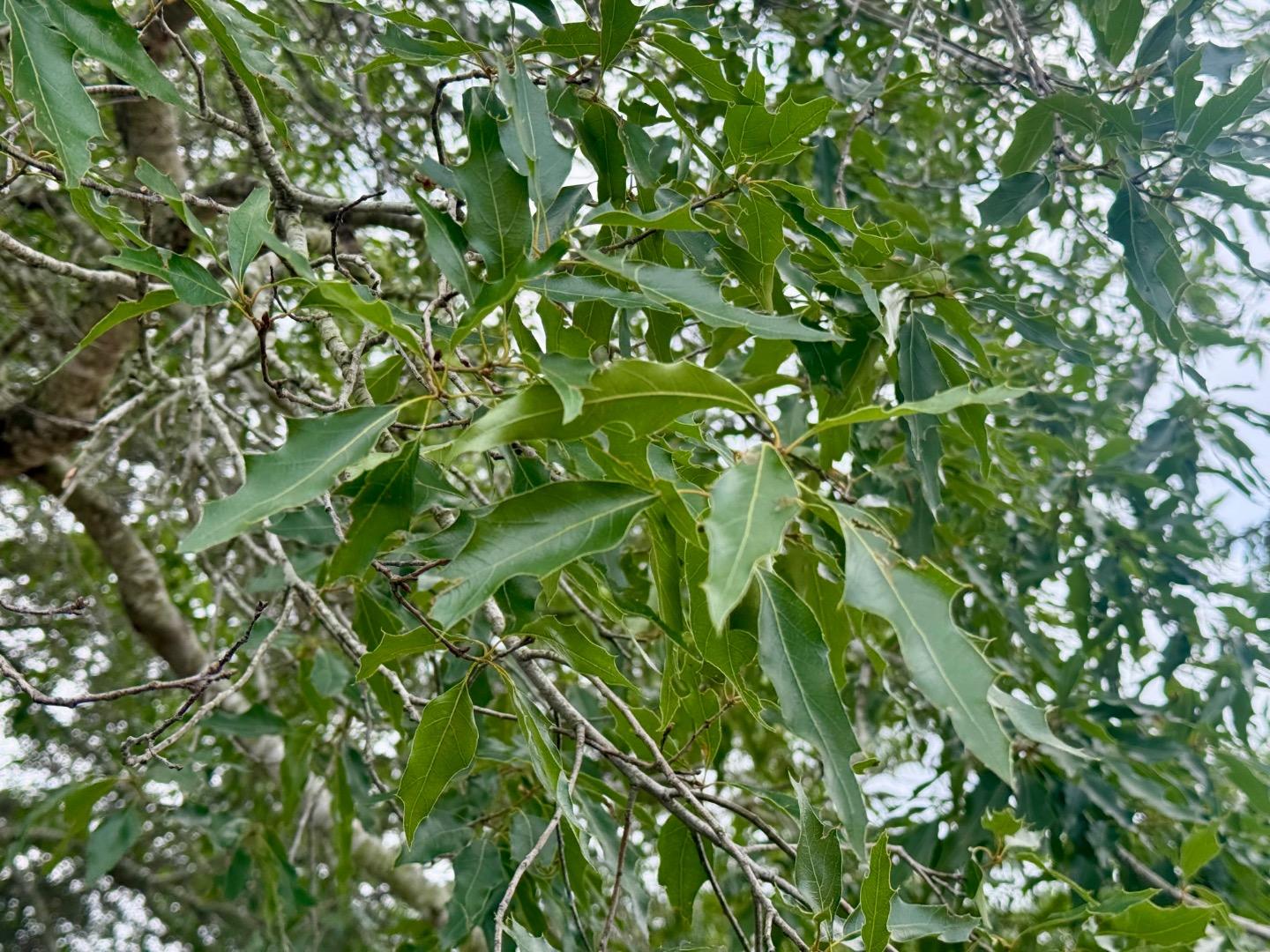
The Mexican species Quercus canbyi growing in the John Fairey Garden Parking lot.
2 points
2 points
2 pointsThe lanceolata are quite fast growing and tough palms and the basilonga is one fantastic example of the palms from Madagascar. And the small understory ones are just the icing on the cake. Richard2 points
I had my ones on a heat mat for about 3 days then took them off the heat. This was during our hot summer so I had good warm days for the seeds. Pot your decipiens seeds up after they get a bit of root about 1cm long. For the baggy method. Macrocarpa are easy just a community pot will work fine with the propagation mix of your choice, even potting mix will do. Place a plastic bag over the container, then place in a warm spot. They take a while 4 to six months. And red is the colour you want to pick them at. Richard2 points
2 points
2 points
The Mexican species Quercus canbyi growing in the John Fairey Garden Parking lot.
 2 points
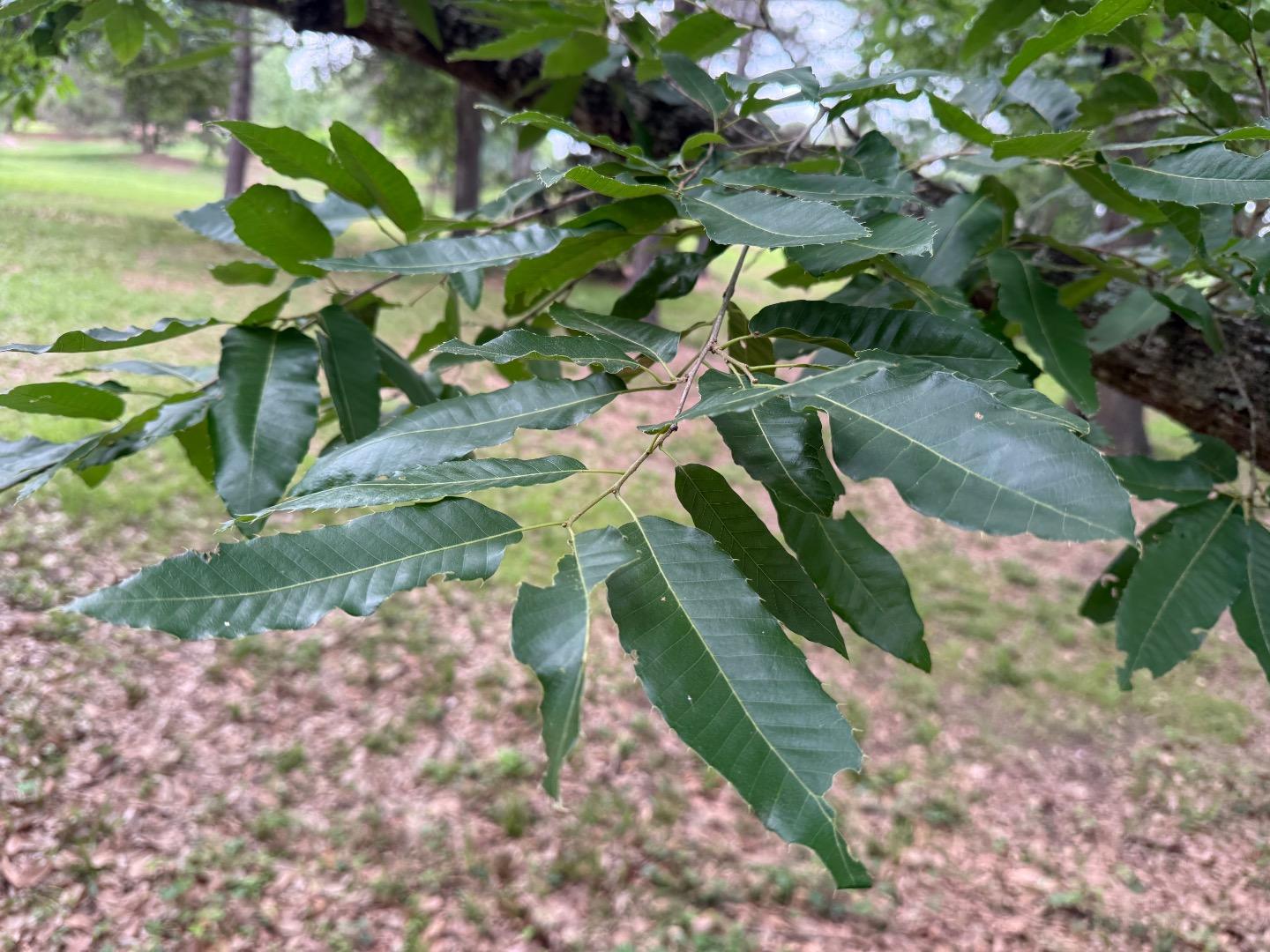
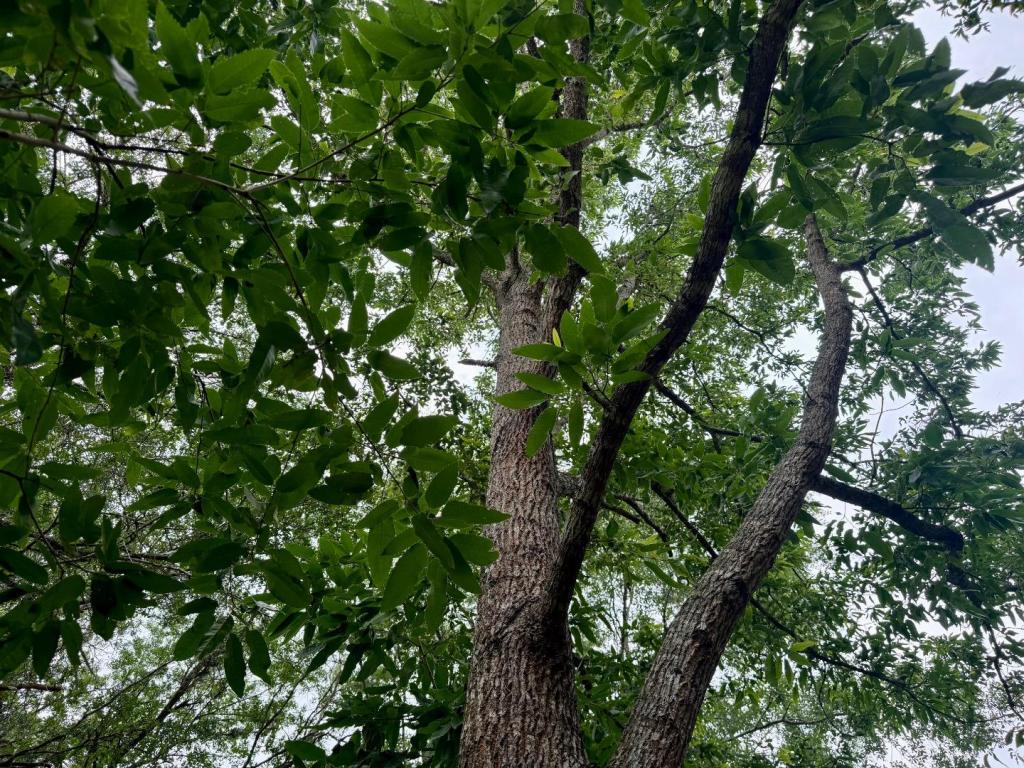
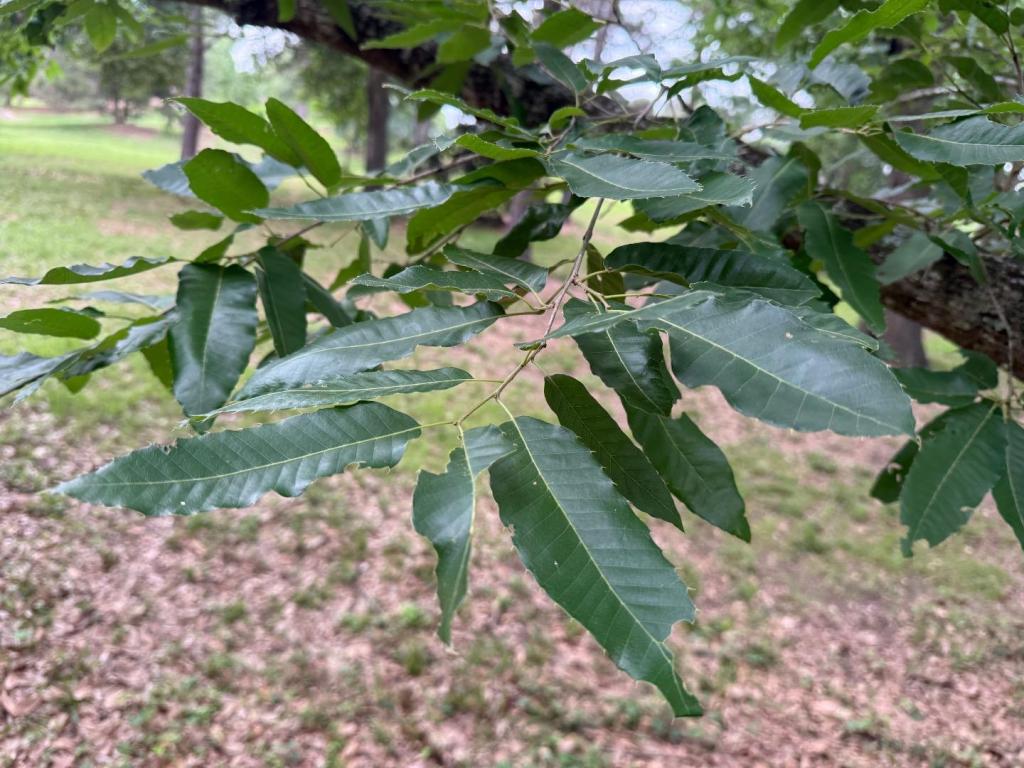
One I didn’t cover last time at JF garden. Quercus acutissima.
2 points
One I didn’t cover last time at JF garden. Quercus acutissima.

 2 points
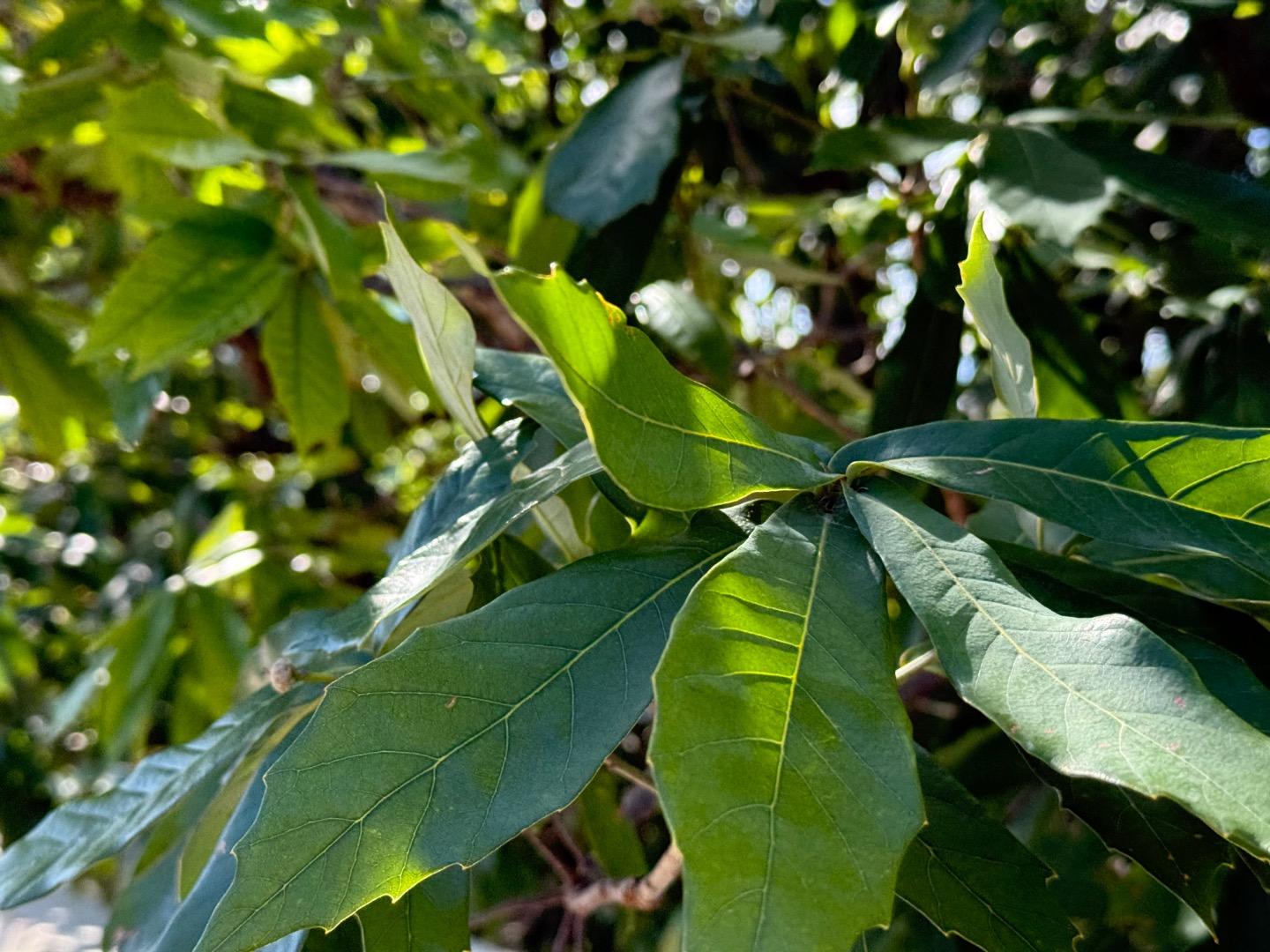
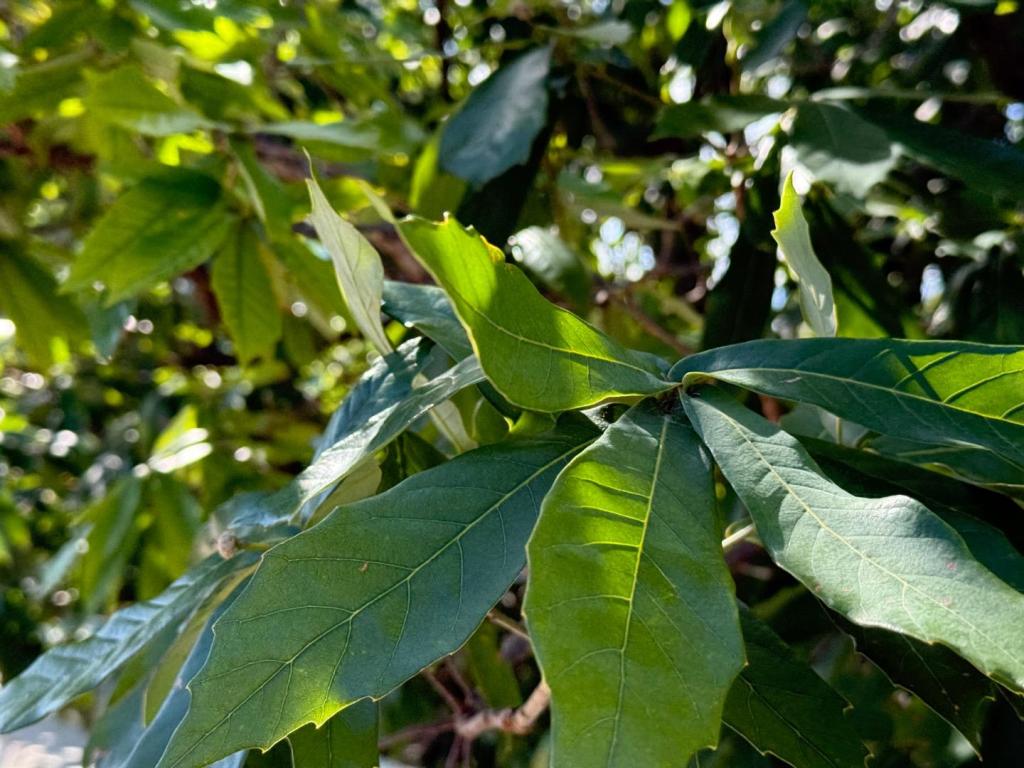
Another Mexican species, Quercus germana at San Antonio Botanical Garden. Larger than the specimen at John Fairey garden.
2 points
Another Mexican species, Quercus germana at San Antonio Botanical Garden. Larger than the specimen at John Fairey garden.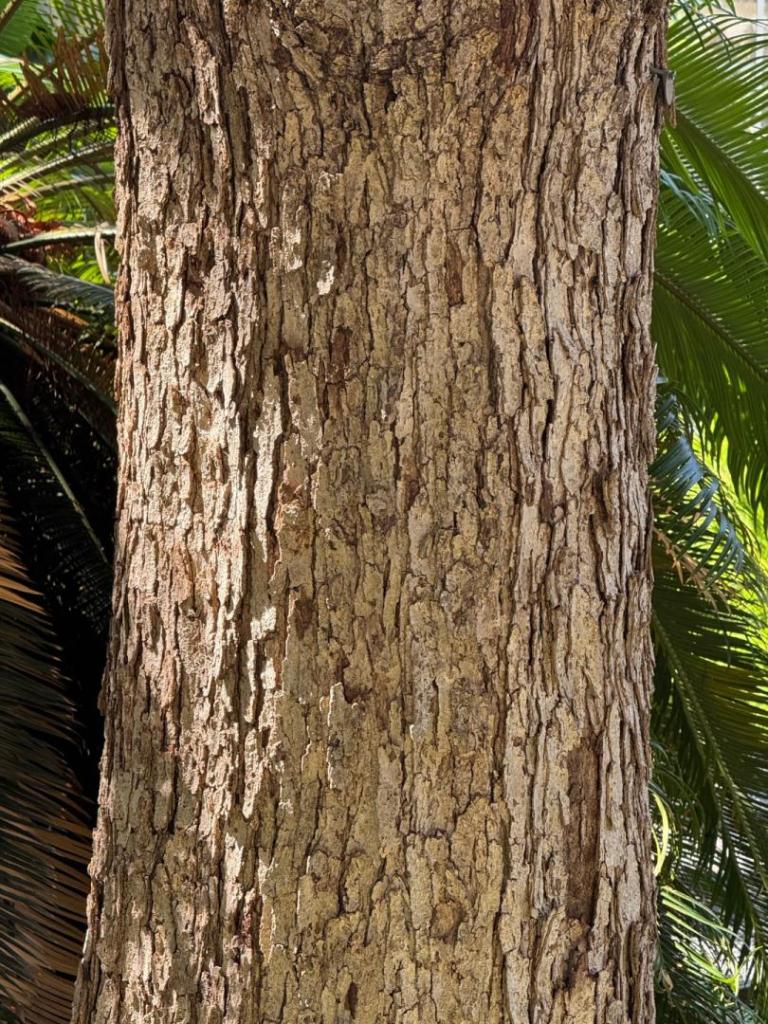



 2 points
.thumb.png.04b3487b96ff29c55b8a8994b91f62b2.png) I'm so gutted I actually came here to vent. It's May and it should be lovely but apparently we're having the coldest May of the last 70 years and rn temperature outside is 38 F! Forecast had predicted 47F and stupidly i believed it. My Kigelia has just produced some new leaves after winter dormancy and I'm afraid they will be ruined. Same with my hibiscus schizopetalus. Also yesterday I planted 100 vetiver plants in the ground and I'm now worried I lost my money... Worse still tonight is expected to be even colder! I can't believe I'll have to use fleece again in May 🤬2 points
True. I used half of a handful in each hole and was already in a saturated gel form. Time will tell2 points
2 points
It’s sunburn. Brahea calcarea/nitida in standard green form seem sensitive to heavy sunlight, I planted one in Austin in a similar time span to yours and it’s just as bad. This year I put a shade clothe over it for new growth, and planted something next to it that will eventually filter sunlight . Im hoping they were just green house grown and not a permanent thing, they also seem extremely slow growing.2 points
2 points
I'm so gutted I actually came here to vent. It's May and it should be lovely but apparently we're having the coldest May of the last 70 years and rn temperature outside is 38 F! Forecast had predicted 47F and stupidly i believed it. My Kigelia has just produced some new leaves after winter dormancy and I'm afraid they will be ruined. Same with my hibiscus schizopetalus. Also yesterday I planted 100 vetiver plants in the ground and I'm now worried I lost my money... Worse still tonight is expected to be even colder! I can't believe I'll have to use fleece again in May 🤬2 points
True. I used half of a handful in each hole and was already in a saturated gel form. Time will tell2 points
2 points
It’s sunburn. Brahea calcarea/nitida in standard green form seem sensitive to heavy sunlight, I planted one in Austin in a similar time span to yours and it’s just as bad. This year I put a shade clothe over it for new growth, and planted something next to it that will eventually filter sunlight . Im hoping they were just green house grown and not a permanent thing, they also seem extremely slow growing.2 points
2 points 2 pointsI'm still awaiting my first summer here. Yikes. Also, I have to deal with the dreaded hoa situation. Still, a happy adonidia triple and a covert dwarf maypan in the backyard are all I need. Excuse me, sir, is that a coconut palm on your property? No sir, that's.... Uhhh.... A beccariophoenix alfredii Mr. Hoa Guy.2 points
2 pointsThis is an incredible platform that truly unites all of us crazies around the world. I know you miss your San Diego paradise but am very happy that you have continued palmy life in sunny Florida (and humid)!2 points
2 pointsThey wander around and as you walk around the garden you come across them, they just look at you and go back to eating. Not worried about you at all. I don’t have dogs so that’s one reason why they are in the garden they feel safe. You get to give them names and you recognise them as to who is who by name. The last Joey we discovered the other day we called rosea after the dypsis rosea! Richard2 points
2 pointsI'm still awaiting my first summer here. Yikes. Also, I have to deal with the dreaded hoa situation. Still, a happy adonidia triple and a covert dwarf maypan in the backyard are all I need. Excuse me, sir, is that a coconut palm on your property? No sir, that's.... Uhhh.... A beccariophoenix alfredii Mr. Hoa Guy.2 points
2 pointsThis is an incredible platform that truly unites all of us crazies around the world. I know you miss your San Diego paradise but am very happy that you have continued palmy life in sunny Florida (and humid)!2 points
2 pointsThey wander around and as you walk around the garden you come across them, they just look at you and go back to eating. Not worried about you at all. I don’t have dogs so that’s one reason why they are in the garden they feel safe. You get to give them names and you recognise them as to who is who by name. The last Joey we discovered the other day we called rosea after the dypsis rosea! Richard2 points(173x200).thumb.jpg.87642ce613f801fde119db608b8aeb96.jpg) Imo, it looks thirsty... Since it is still young, fairly new in the ground ( Still building it's root system, even after a year and a half in the ground ) ..and despite being an "arid -adapted " palm sp., I myself might deep soak 1x week, rather than once every two weeks. This is the time of year when these would receive rainfall in habitat. Definitely would not fertilize right now, .unless you use something " soft " ..like Molasses. Might dump Mesquite debris around it too to help keep moisture in the soil longer. As it breaks down, it will release nutrients into the soil also. Only other thing that immediately comes to mind is maybe something having to do with the roots? .. That said, others here will have better advise regarding how root -sensitive these can be when planting. Have heard other Brahea sps ..like armata... can be a bit touchy when planting.2 points
Imo, it looks thirsty... Since it is still young, fairly new in the ground ( Still building it's root system, even after a year and a half in the ground ) ..and despite being an "arid -adapted " palm sp., I myself might deep soak 1x week, rather than once every two weeks. This is the time of year when these would receive rainfall in habitat. Definitely would not fertilize right now, .unless you use something " soft " ..like Molasses. Might dump Mesquite debris around it too to help keep moisture in the soil longer. As it breaks down, it will release nutrients into the soil also. Only other thing that immediately comes to mind is maybe something having to do with the roots? .. That said, others here will have better advise regarding how root -sensitive these can be when planting. Have heard other Brahea sps ..like armata... can be a bit touchy when planting.2 points 2 pointsHere’s my smallest one just slowly truckin along. Planted as a 1G about 4 yrs ago. Definitely getting more size in the trunk area. Hopefully it’s past the slow infant stage these things experience. -dale
 2 points
 I did not intend that as a use but it did help when I was away. I instead used irrigation timers and sprinklers.2 points
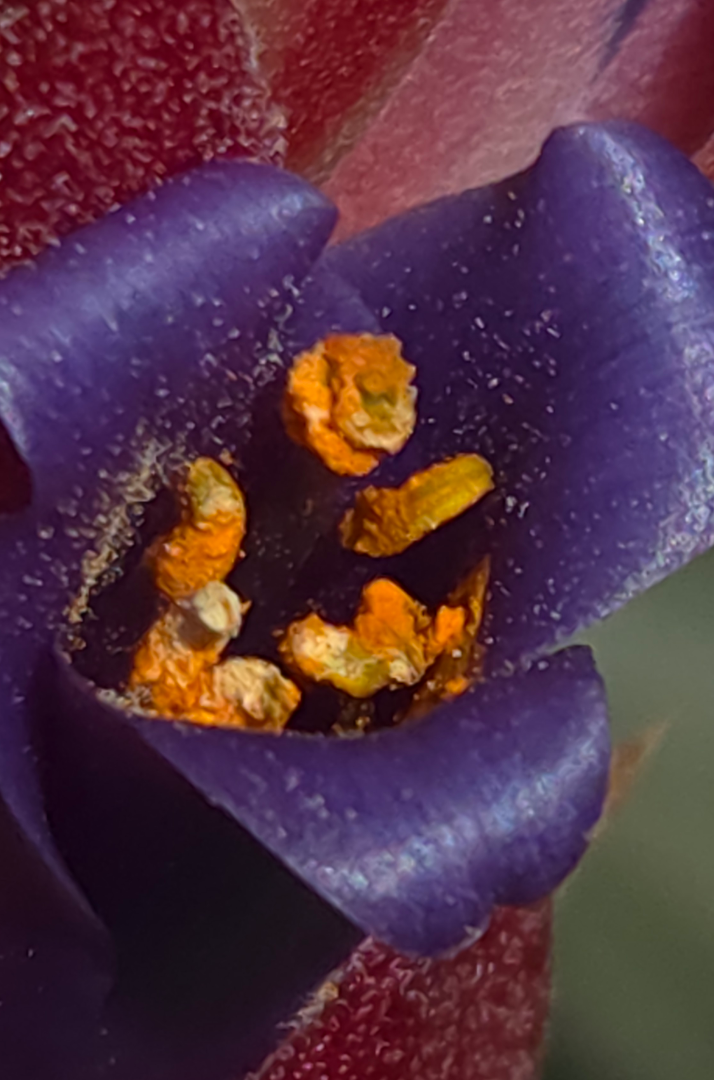
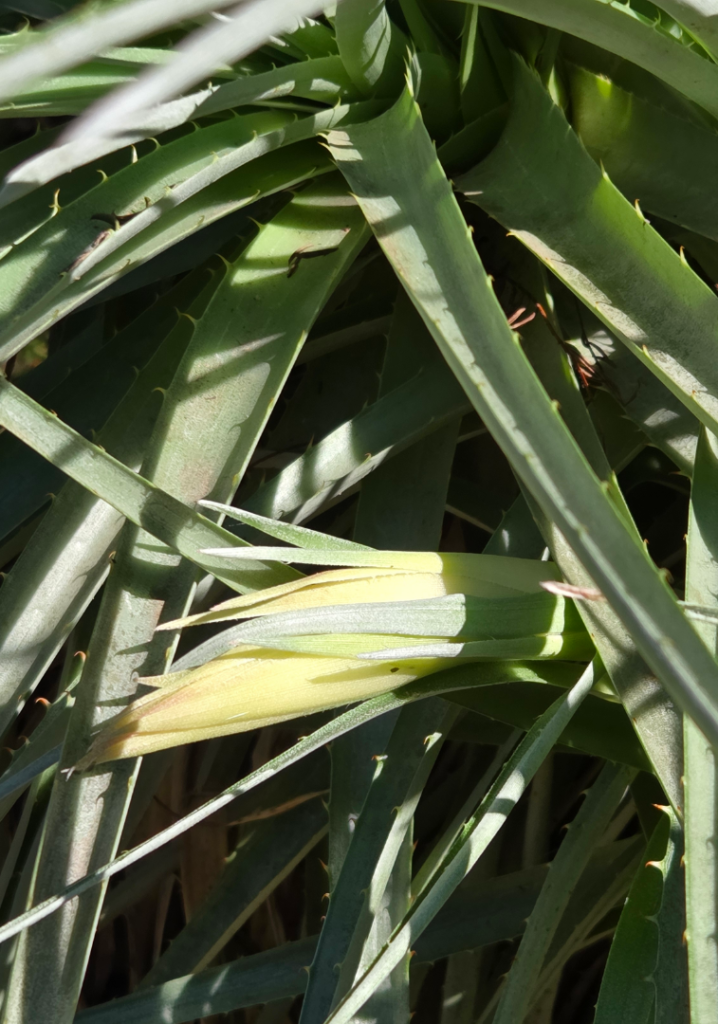
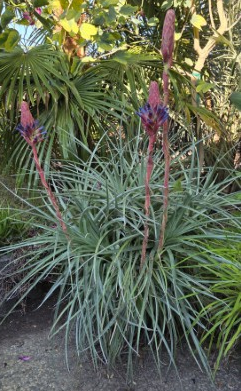
 My Puya venusta blooms are now opening! I suppose it was worth the multi-year wait to get them to this stage!


 2 points
As mentioned, Dypsis lutescens would be the standard " answer ..for obvious reasons. You will have to thin / trim them overtime to get them to the right height and form though. Another bulletproof option? Arenga engleri.. also a clumper, sorta slow < by impatient people's standards > ..but worth it.. Suckers produced will eventually will form trunks, and.... ..if it gets cold enough there to injure them, ..you're gonna have many more things in your landscape that would be killed ..or severely set back. < AKA: hardy to the lower 20sF, if not a little lower than that. > When old enough, flowers produced smell wonderful. Unlike Areca palms, fruit / seed production is easier to handle too, imo. Taller / trunk -forming Chamaedorea sps. can work too though i myself would add them only after you have some overhead canopy.2 points
2 points
2 pointsAs mentioned, Dypsis lutescens would be the standard " answer ..for obvious reasons. You will have to thin / trim them overtime to get them to the right height and form though. Another bulletproof option? Arenga engleri.. also a clumper, sorta slow < by impatient people's standards > ..but worth it.. Suckers produced will eventually will form trunks, and.... ..if it gets cold enough there to injure them, ..you're gonna have many more things in your landscape that would be killed ..or severely set back. < AKA: hardy to the lower 20sF, if not a little lower than that. > When old enough, flowers produced smell wonderful. Unlike Areca palms, fruit / seed production is easier to handle too, imo. Taller / trunk -forming Chamaedorea sps. can work too though i myself would add them only after you have some overhead canopy.2 points 2 pointsI had the same problem on both sides of my backyard. Planted 15g Dypsis lutescens on one side and chamaedorea plumosa on the other side. They both grow fast for me inland but the Dypsis is a much denser screen.2 points
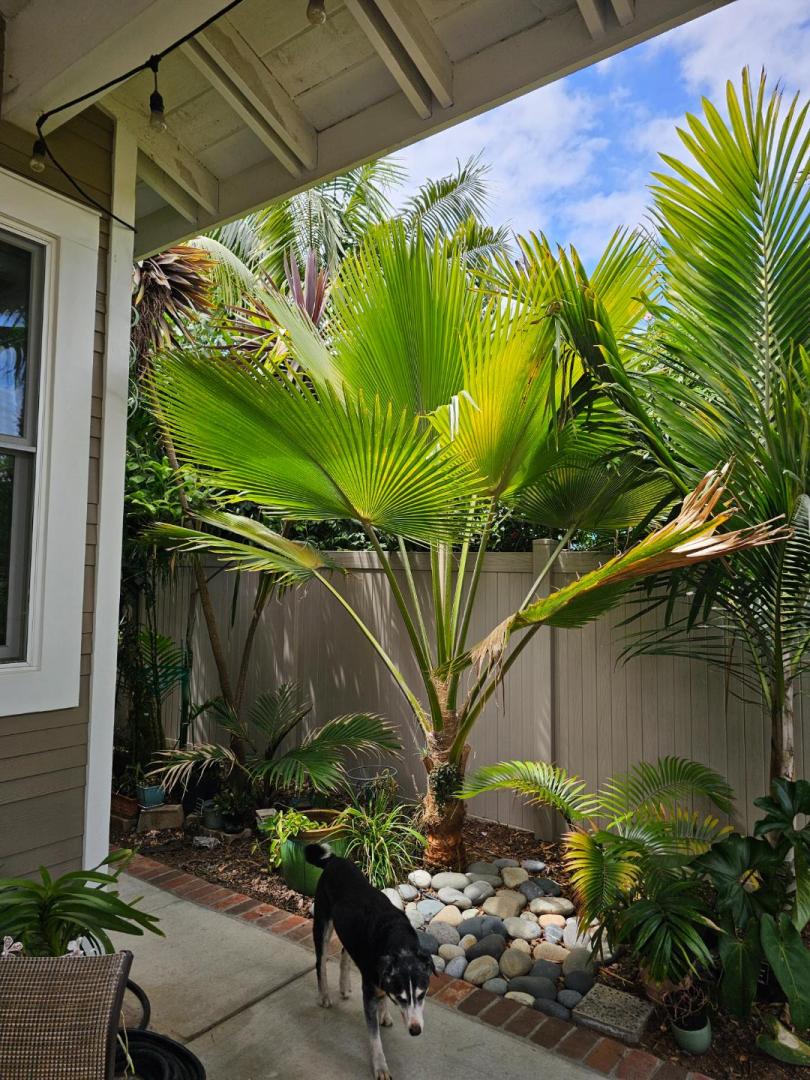
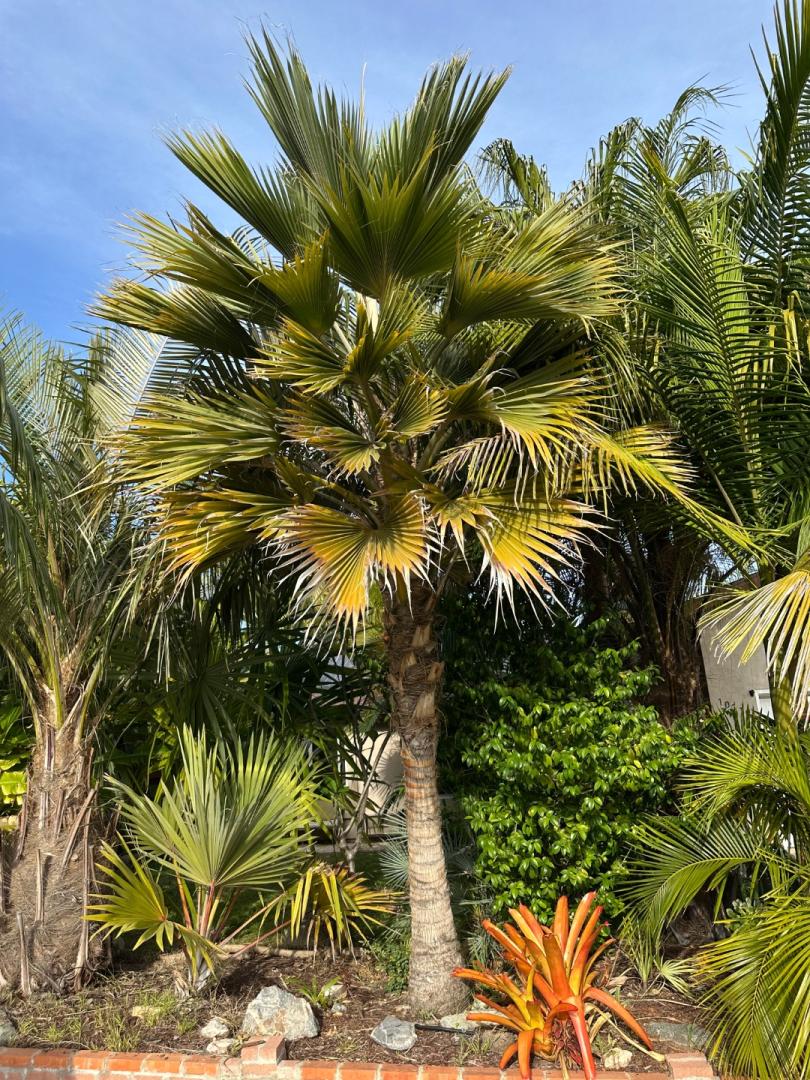
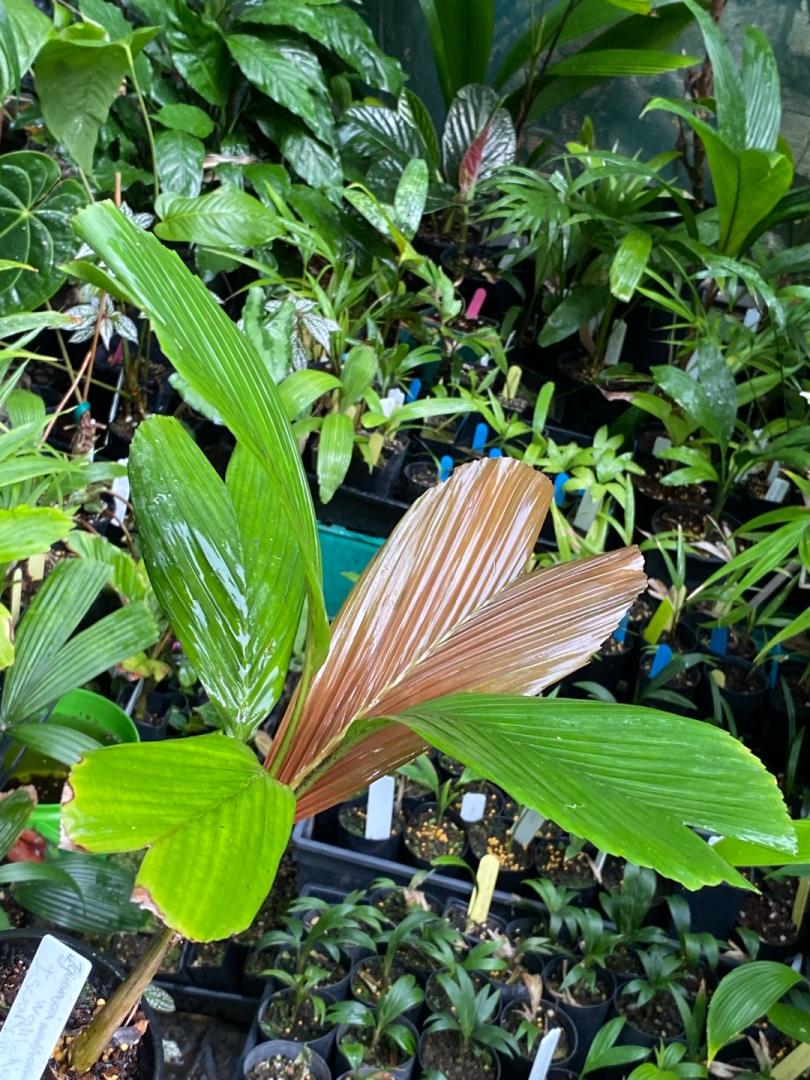
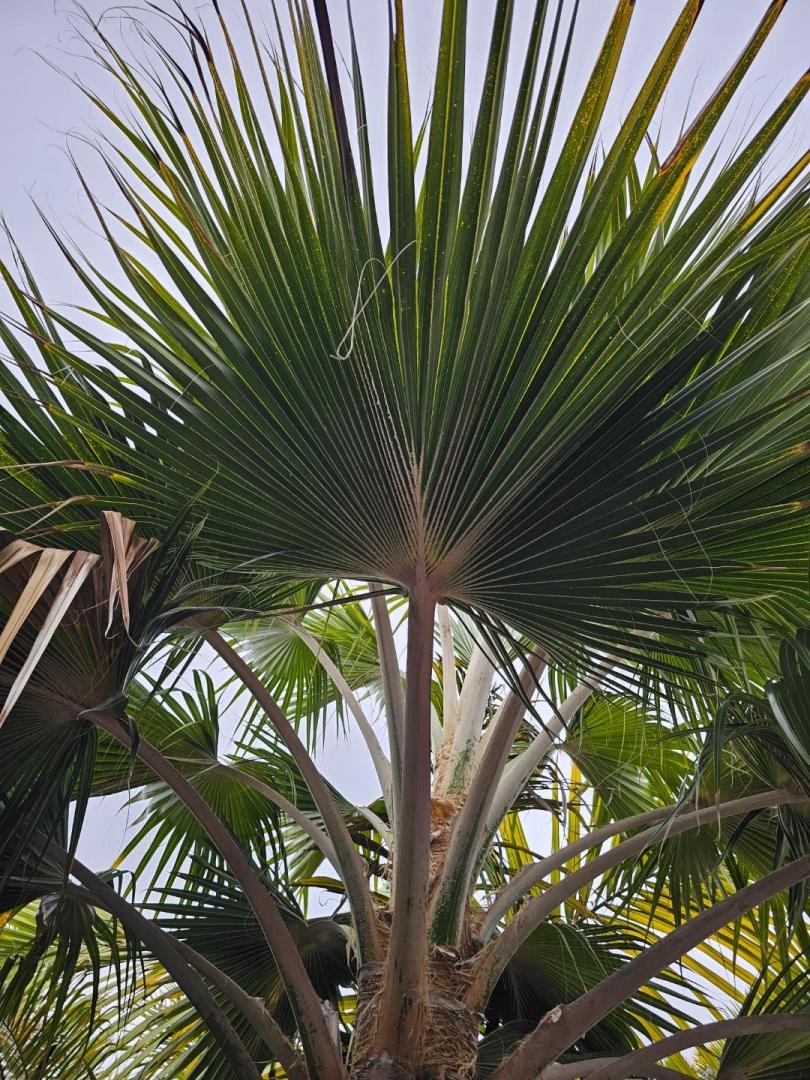
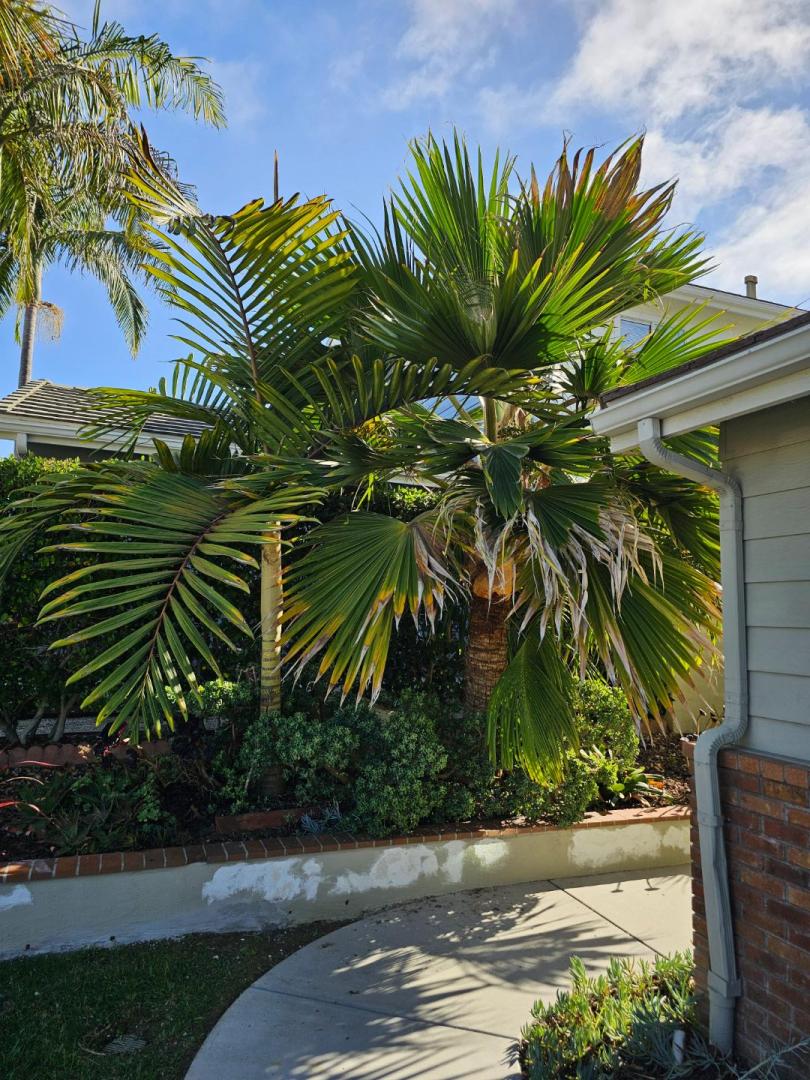
2 pointsThis is a Specimen acquired as possibly a Pritchardia hillebrandii. As it grew I don't think that was fulfilled. I don't have Don Hodel's book on Pritchardia to key this out. Given the prevalence of hybrid Pritchardia in the trade here in California, I might not be able to key it to a single species anyway. I don't recall it ever pushing out a successful inflorescence that resulted in flowers let alone fruit. Thoughts on it's id are welcome.
2 pointsI had the same problem on both sides of my backyard. Planted 15g Dypsis lutescens on one side and chamaedorea plumosa on the other side. They both grow fast for me inland but the Dypsis is a much denser screen.2 points
2 pointsThis is a Specimen acquired as possibly a Pritchardia hillebrandii. As it grew I don't think that was fulfilled. I don't have Don Hodel's book on Pritchardia to key this out. Given the prevalence of hybrid Pritchardia in the trade here in California, I might not be able to key it to a single species anyway. I don't recall it ever pushing out a successful inflorescence that resulted in flowers let alone fruit. Thoughts on it's id are welcome.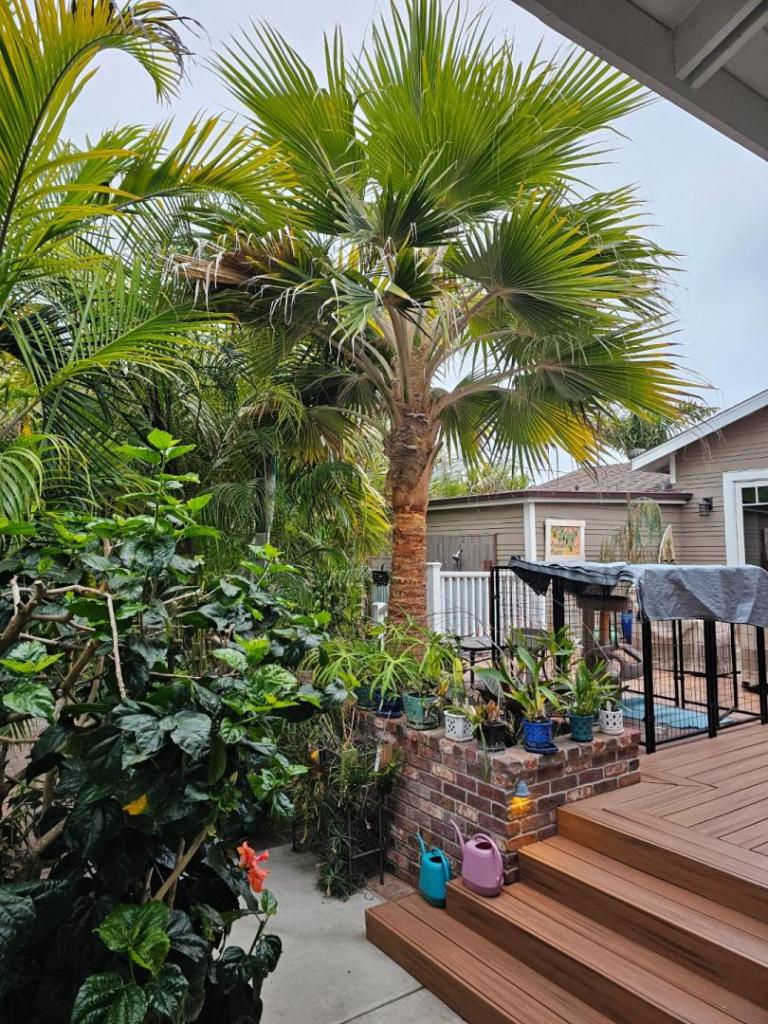

 2 points
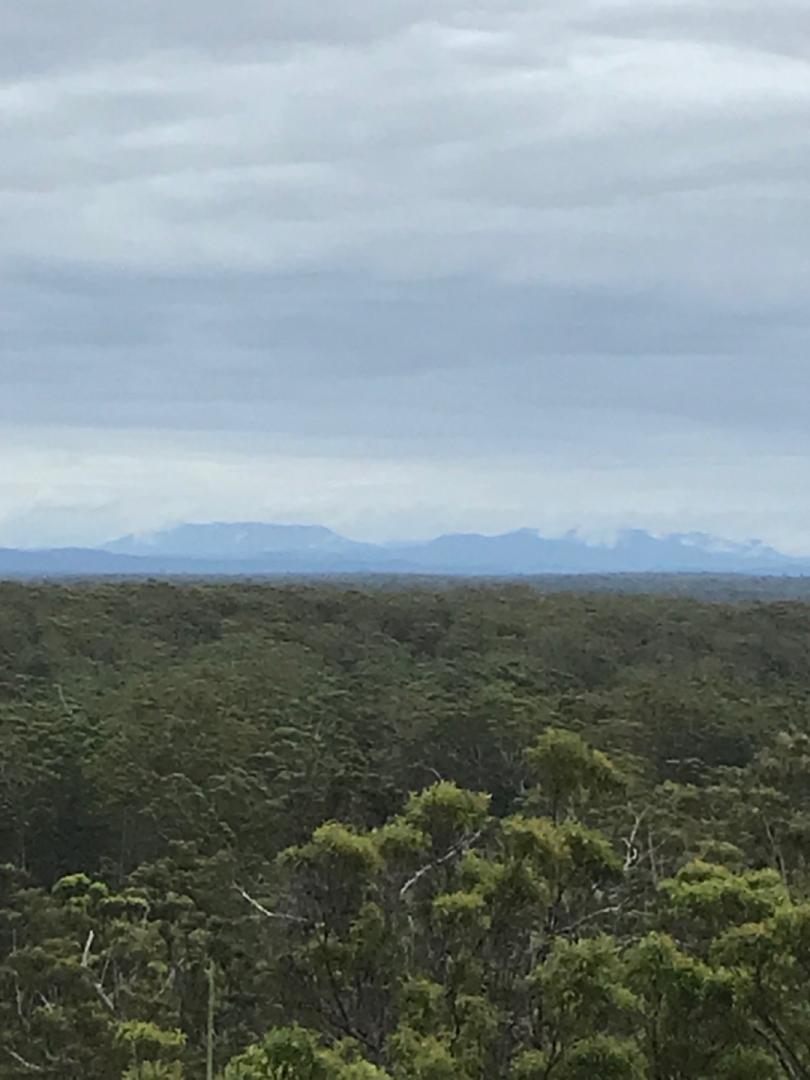
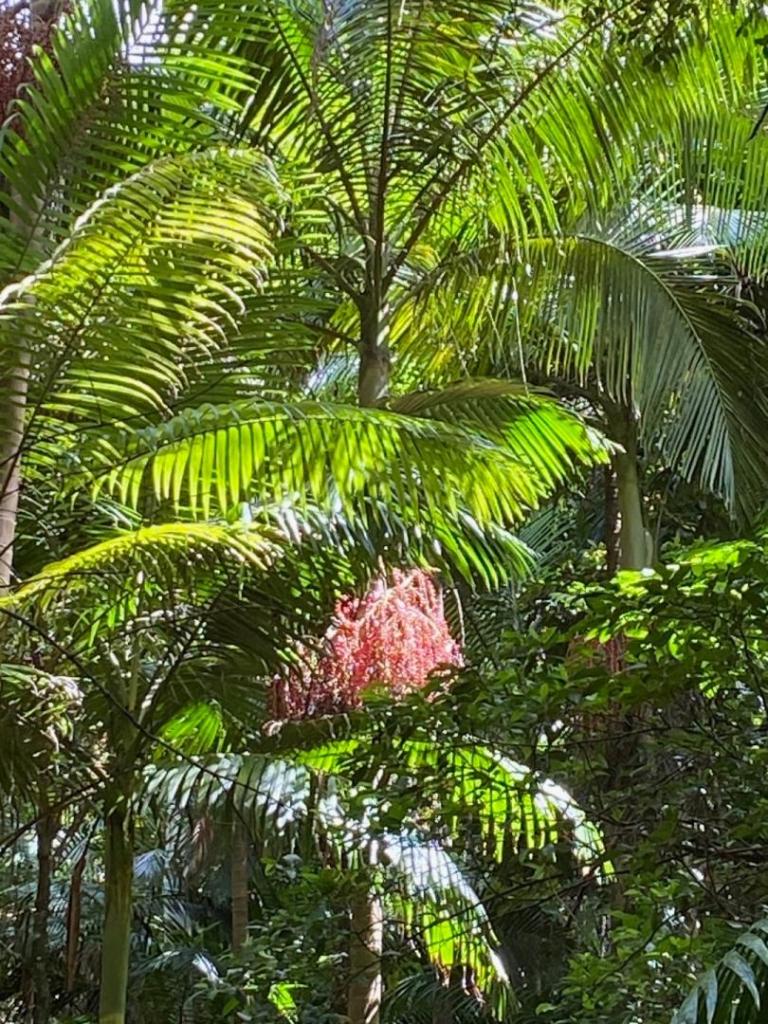
A beautiful part of the world!
2 points
A beautiful part of the world!


 2 points
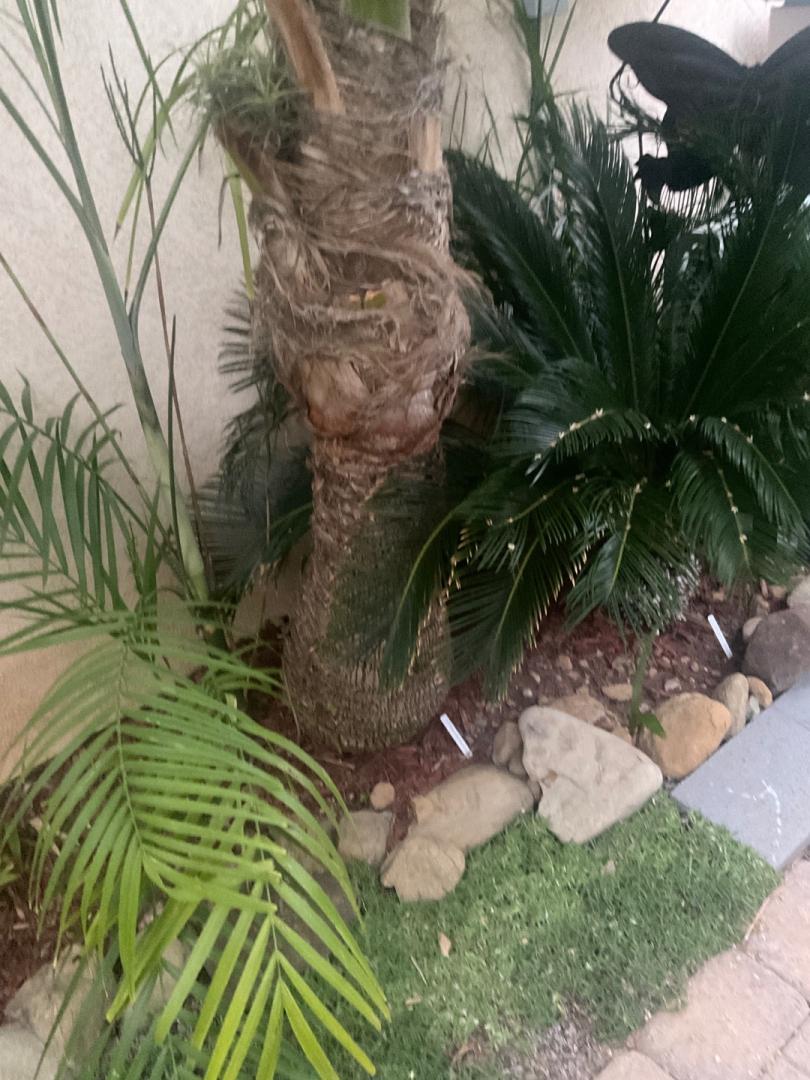
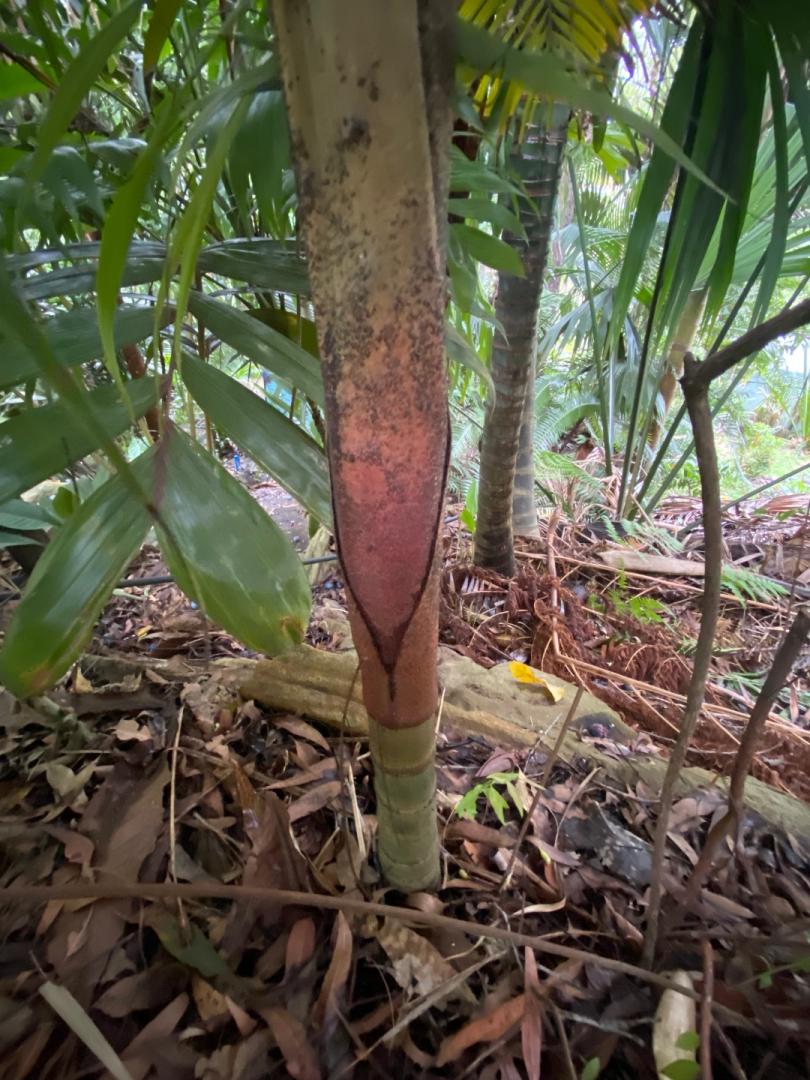
2 pointsmy Pritchardia hillebrandii has been producing seed for several years now in Carlsbad. I was just cleaning up the trunk earlier, removing some old retained leaf bases and snapped a photo. I wonder if climate plays a factor in when they produce their first flowers?
2 points
2 points
2 pointsmy Pritchardia hillebrandii has been producing seed for several years now in Carlsbad. I was just cleaning up the trunk earlier, removing some old retained leaf bases and snapped a photo. I wonder if climate plays a factor in when they produce their first flowers? 2 points