

Leaderboard
-

happypalms
IPS MEMBER82Points13,211Posts -


Jim in Los Altos
IPS MEMBER75Points5,591Posts -


bubba
IPS MEMBER59Points8,618Posts -

tim_brissy_13
IPS MEMBER14Points2,560Posts
Popular Content
Showing content with the highest reputation on 04/28/2026 in all areas
-
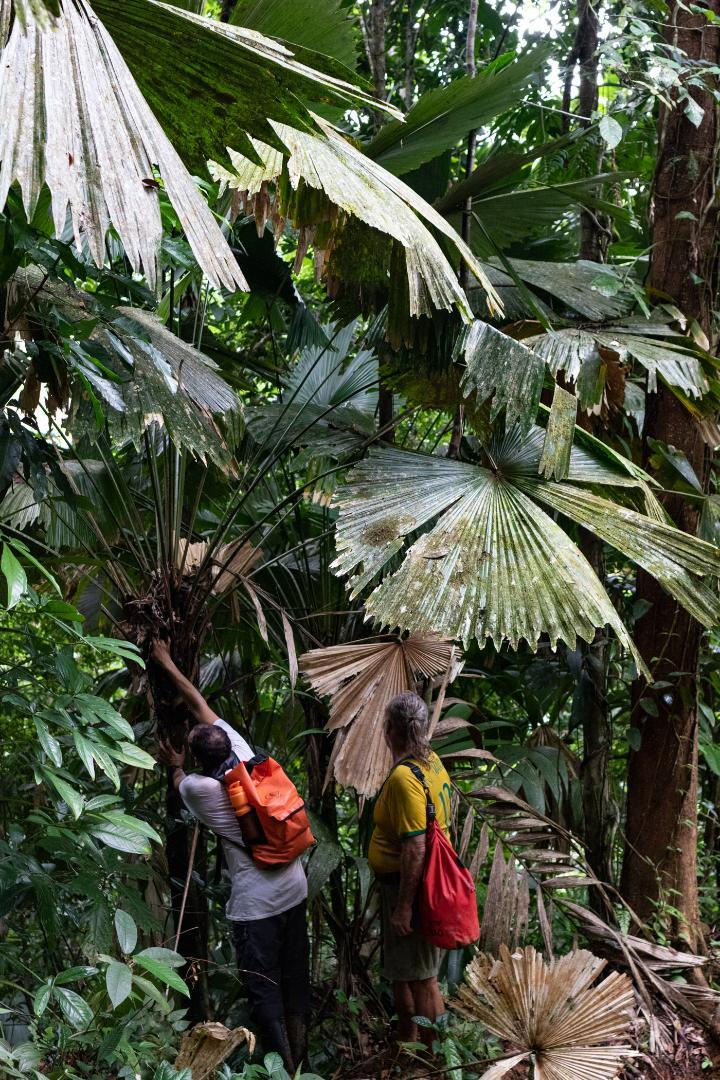
 Hello everyone, My name is Sebastián Vieira, and I’m writing from Colombia. I’m a naturalist and currently the Executive Director of Salvamontes Colombia, a non-profit organization focused on the conservation and restoration of threatened species and their habitats, mainly through the creation and long-term care of private natural reserves. Although I didn’t come to conservation through a formal biology track ( I originally studied and worked as an engineer and spent many years working in telecommunications ), my interest in plants and the natural world has been with me for as long as I can remember. Over time, that curiosity slowly turned into field work, conservation projects, nature photography, and taxonomic research, especially on Pleurothallid orchids. It was that long, hands-on relationship with nature that lead me to be a co-founder of Salvamontes, and nowadays, its leader. Andy Hurwitz invited to come and participate in PalmTalk, and share with everyone here our amazing story, so it’s really nice to finally introduce SalvaMontes and our work here, especially thanks to the invitation from the International Palm Society, whose support has been fundamental for one of the projects I care most deeply about. That project is the Sabinaria Natural Reserve, located in the Darién region of northwestern Colombia, close to the border with Panama. This is an incredibly rich rainforest area, still poorly studied, and it happens to be the only place on Earth where the striking palm Sabinaria magnifica is found. A few years ago, while visiting the area, it became clear that much of the known habitat of Sabinaria magnifica was privately owned and increasingly exposed to deforestation and land-use change. Given how limited the species’ distribution is, it doesn’t take much habitat loss to create serious long-term risks. With that in mind and with crucial support from the International Palm Society, we were able to acquire and legally protect 50 hectares of tropical rainforest, securing what we believe is a meaningful portion of the global habitat and population of Sabinaria magnifica. Today, that forest is permanently protected as a private natural reserve. What makes this especially rewarding is that Sabinaria magnifica also works as an umbrella species. By protecting its habitat, we’re also conserving many other threatened organisms that depend on the same intact forest. This includes species like the critically endangered harlequin frog Atelopus fronterizo and the rare tree Magnolia sambuensis, along with many other plants and animals that are still little known. For us, Sabinaria is much more than a single-species project. It reflects a broader way of doing conservation: protecting habitat first, learning directly from the field, working with local communities, and committing to long-term stewardship rather than short-term interventions. I’m really glad to be here and look forward to learning from all of you, sharing updates from the field, and exchanging ideas about palms and their conservation around the world. I am also sharing some images showing the Sabinaria palm and its natural habitat. Finally, it is very important to thank and recognize the important support and participation of biologists Norman Echavarría, Norberto López, Saul Hoyos, Gloria Galeano and Rodrigo Bernal. Without them this project would not be a reality. PS: I will come back soon with additional information and images. Warm regards from Colombia, Sebastián Salvamontes Colombia


 7 points
 -
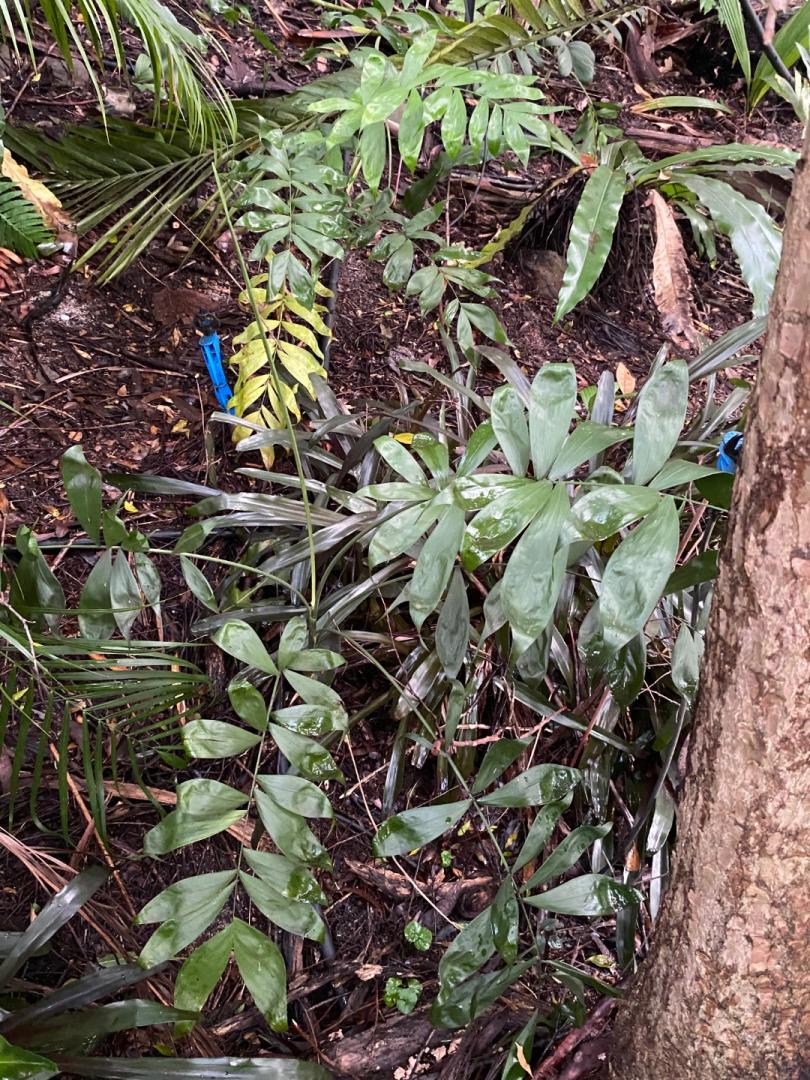
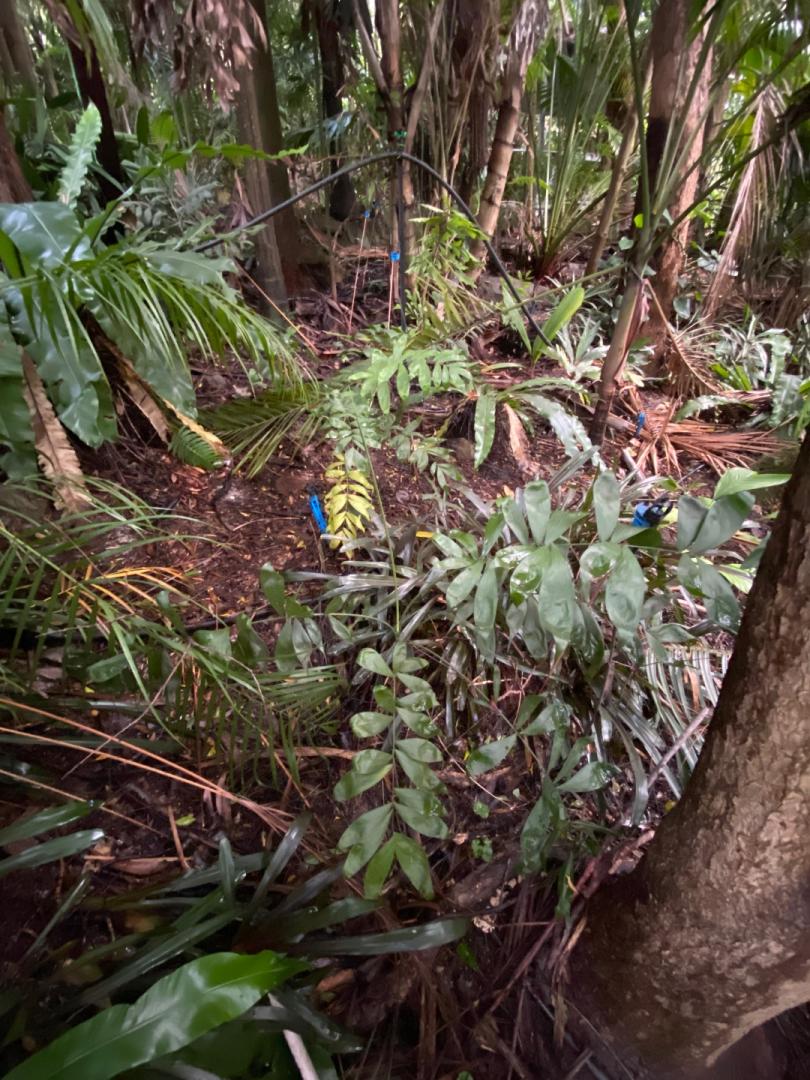
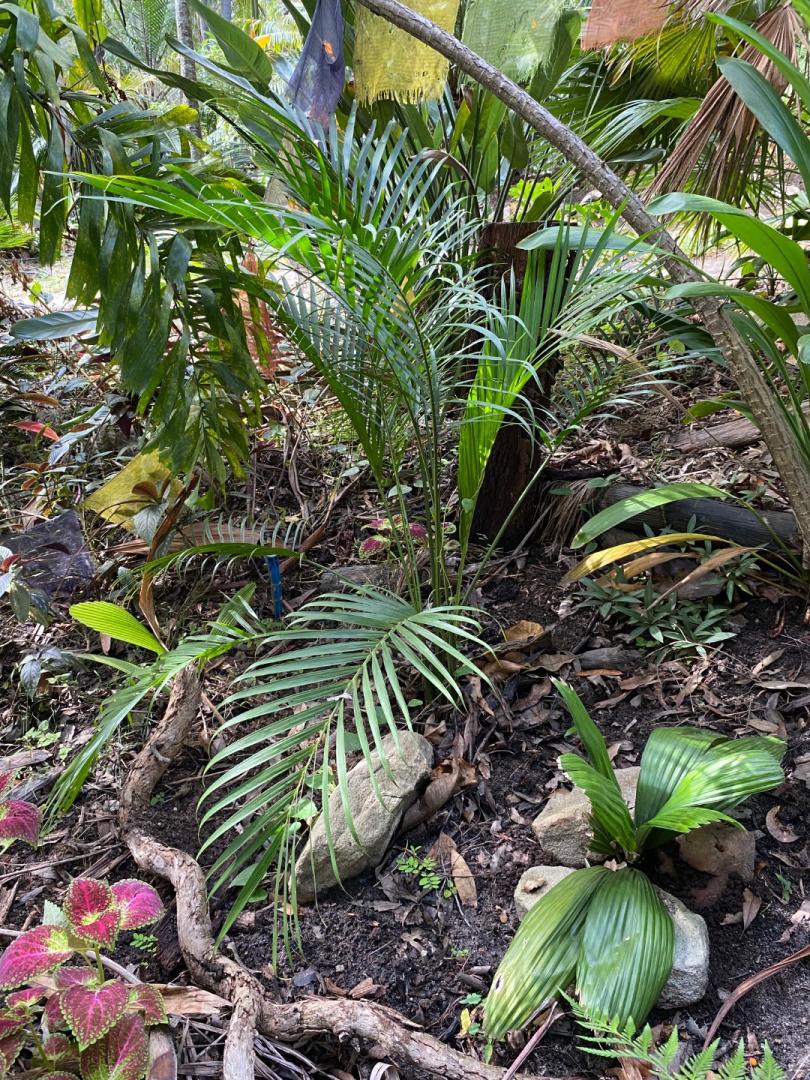
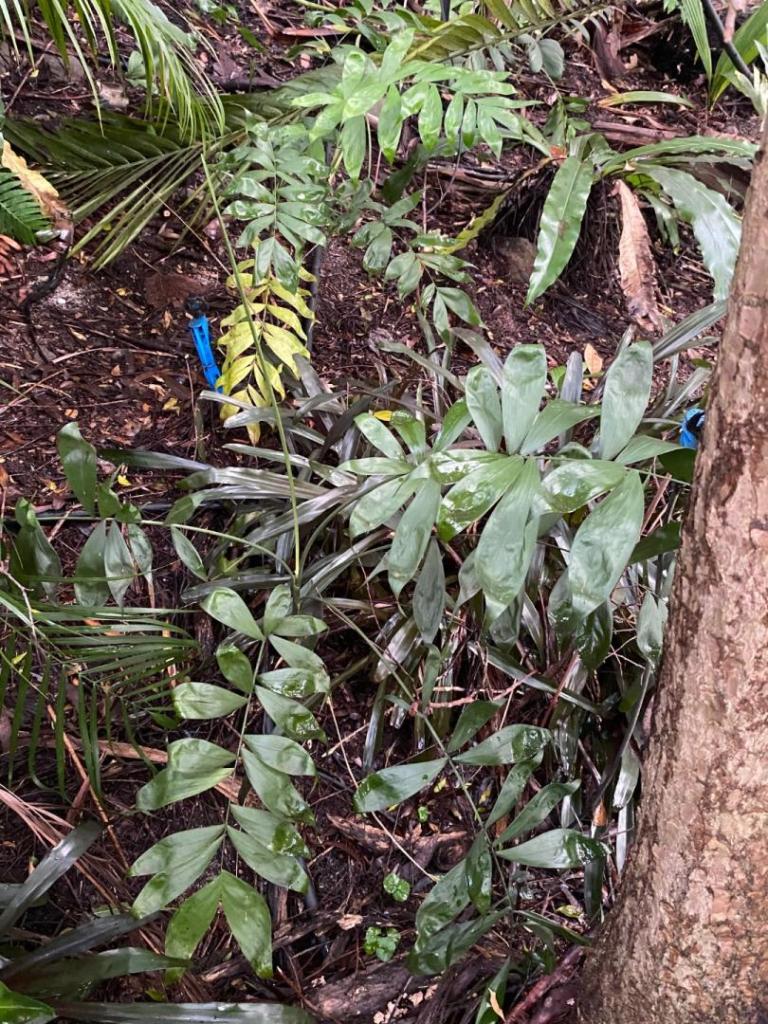
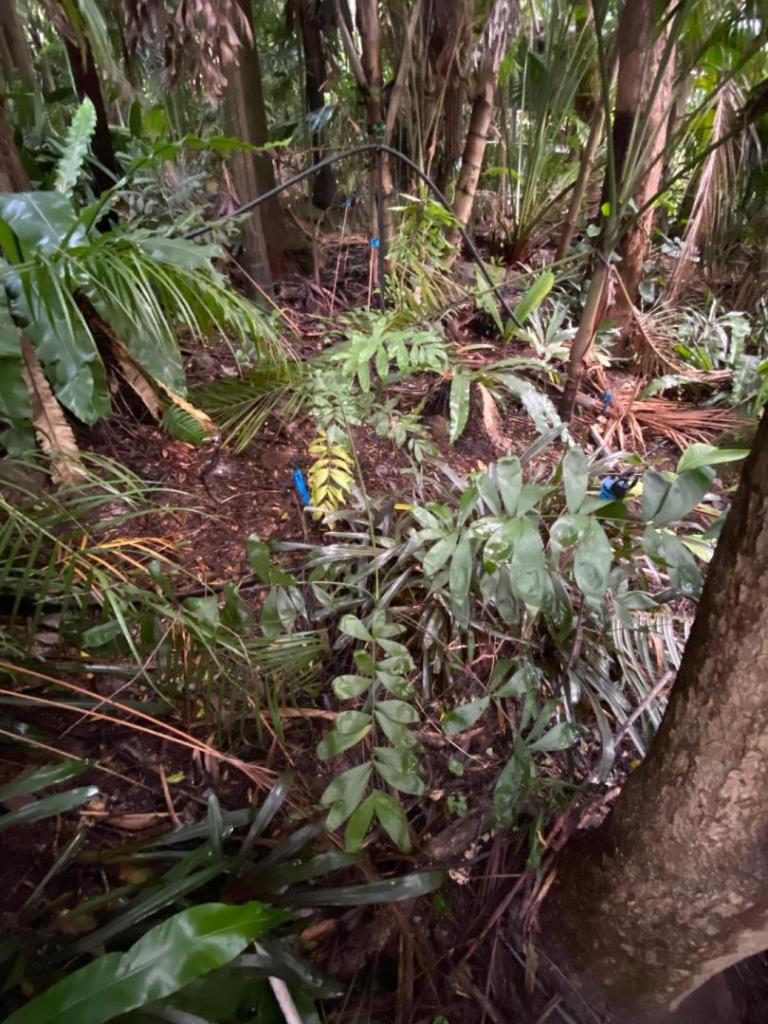
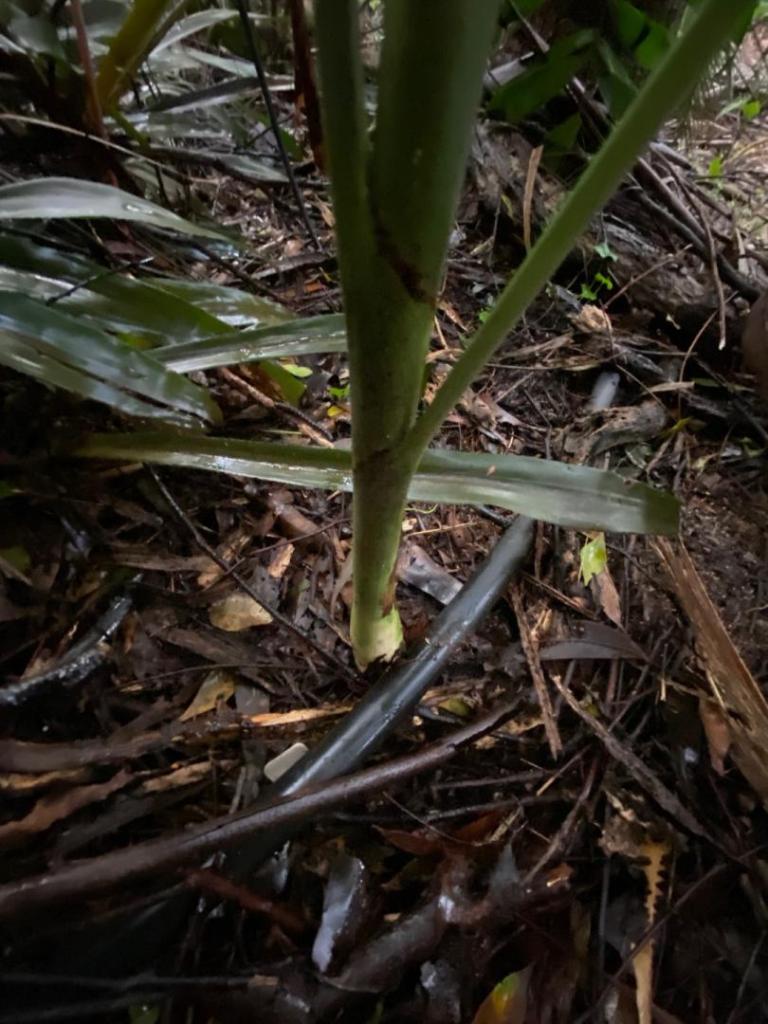
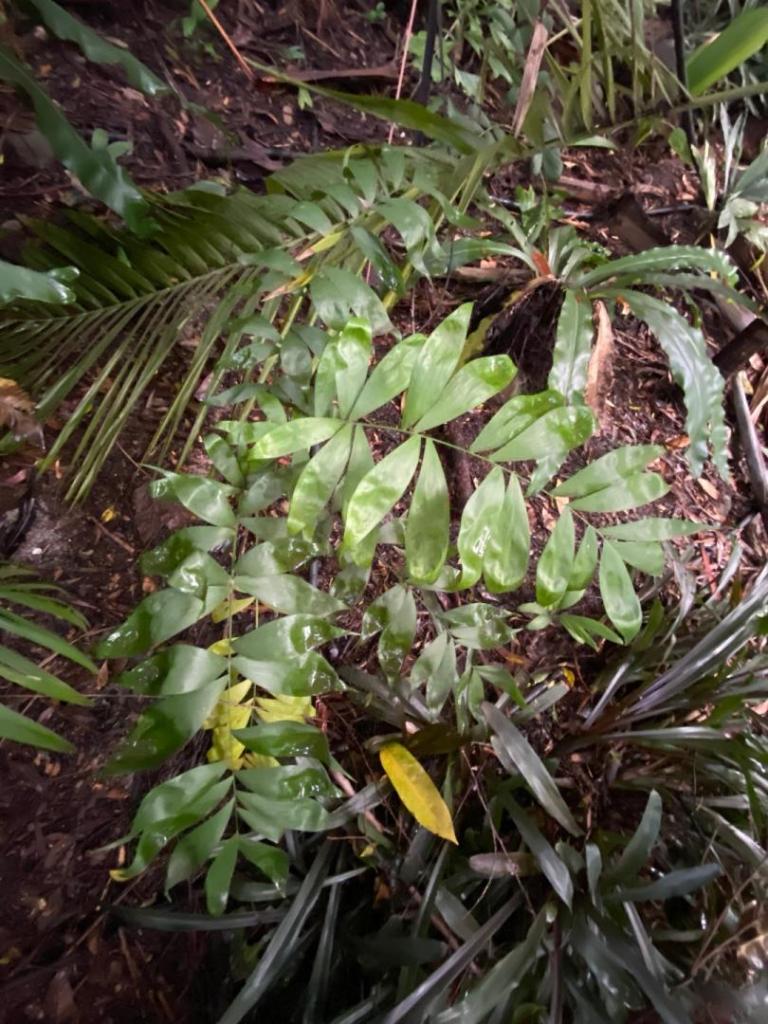
5 pointsA great chamaedorea variety to have this one, right at home on jungle floor in the understory of the garden. If you create the palms habitat in the garden they certainly reward you for that microclimate, and thus chamaedorea is right at home!
 5 points
 -
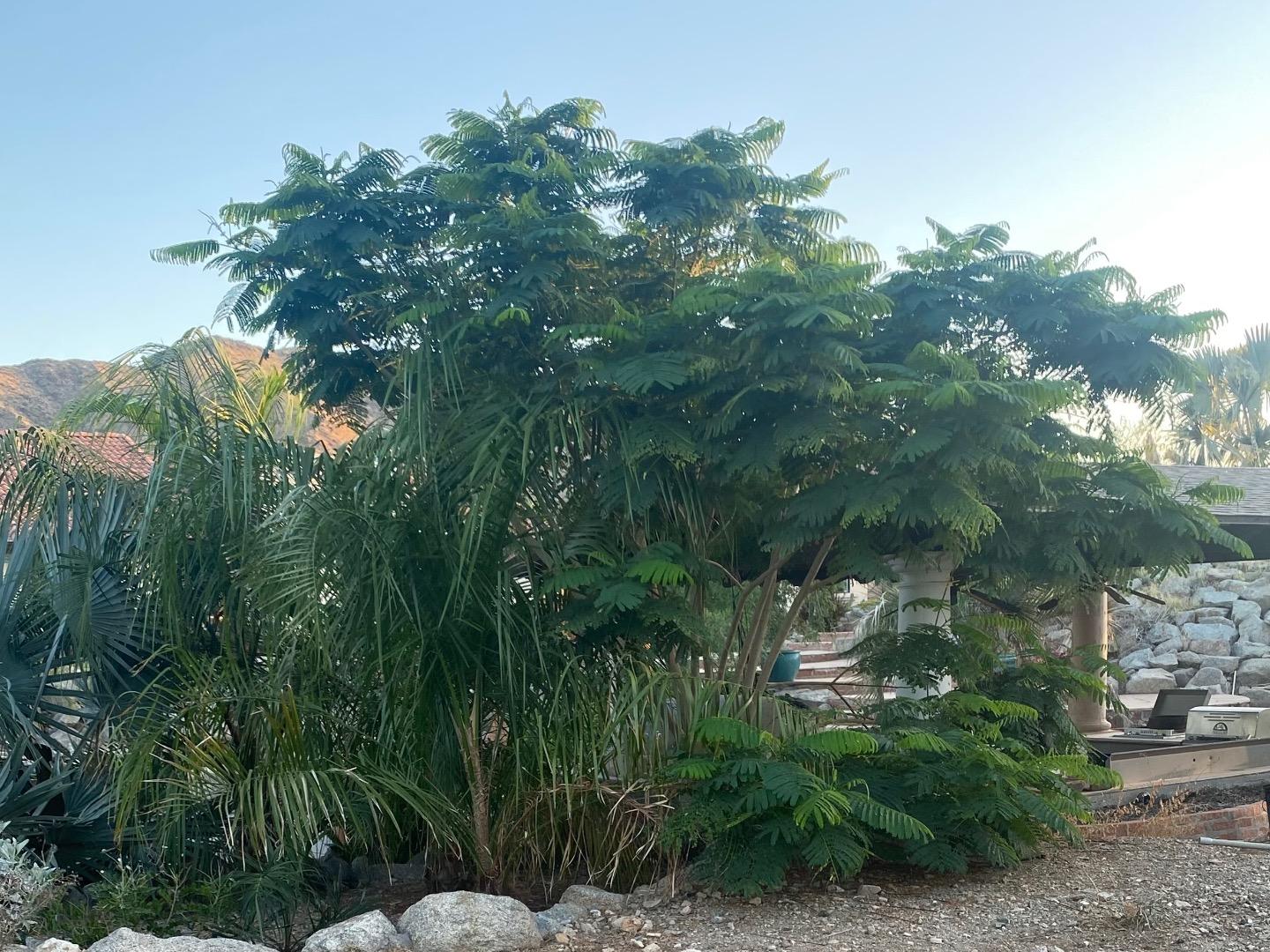
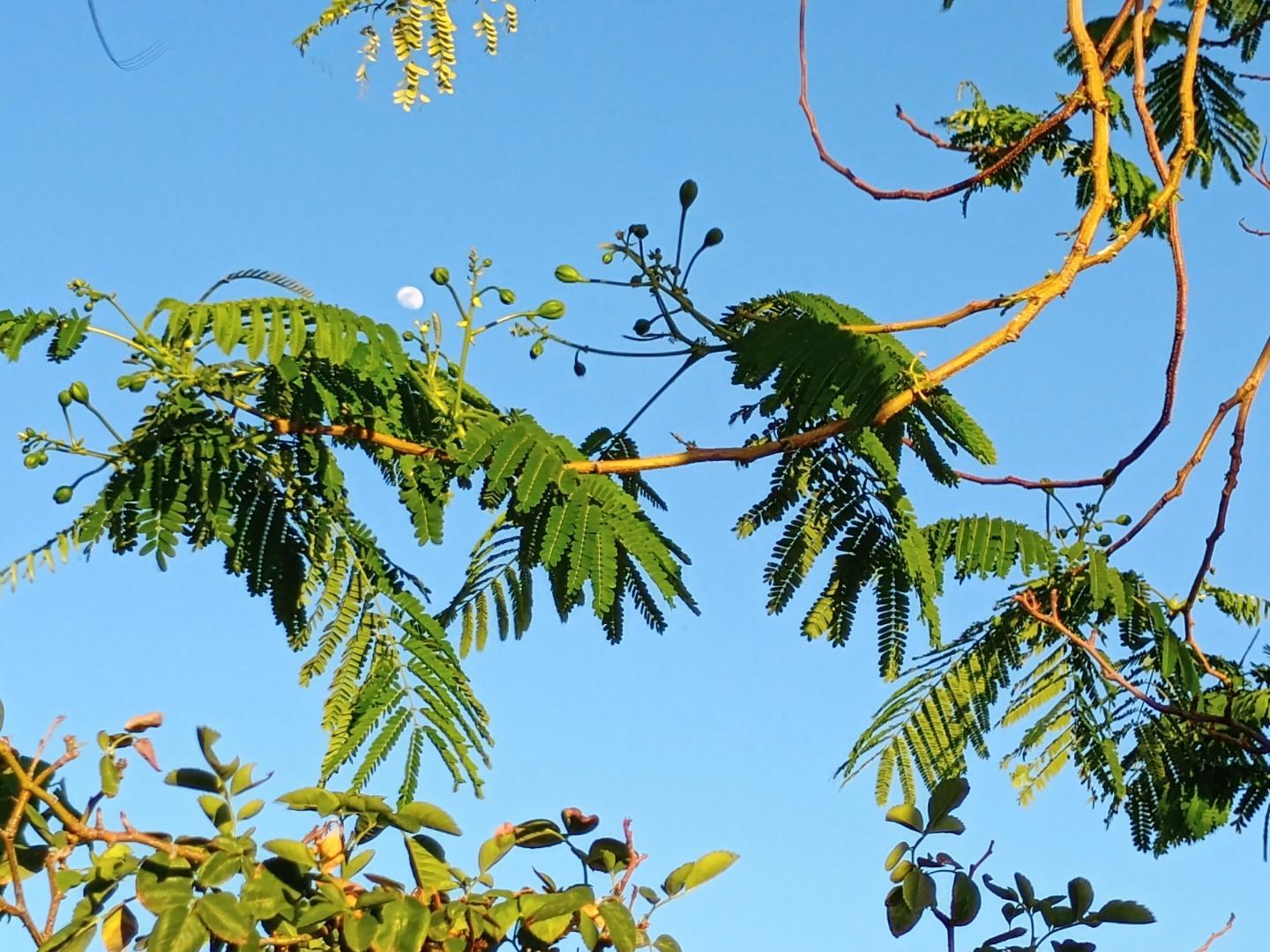
 5 pointsSometimes Colvillea is late to leaf out. I have seen some variability also between specimens here in my landscape. I have two younger trees, one in the ground, one in a container, that leafed out about a month ago, but the larger one in the ground is just starting to break dormancy. Think about the natural rhythm for the trees in their native habitat, many monsoonal trees (many flowering trees fit that situation) don't even lose their leaves until February-March-April (Colvillea drops them sooner in my experience). Often these monsoonal trees, like Delonix regia, use this drier period to flower (Colvillea being a bit of an odd exception) and then they re-leaf once the rains start (or are about to start), pretty much at the onset of summer when moisture will be more regularly available. Colvillea looks to have a primary distribution in the dry deciduous forests of western Madagascar from roughly the central area (more or less the Bemaraha plateau region) to the northern tip of the island, with apparently scattered distribution further southward, in areas that receive some rain, but north of the spiny forest area in the extreme south/southwest, from about Toliara northward. Kew has a collection made by Missouri Botanical Garden in 1988 made around the Beza Mahafaly Reserve, which is at nearly 24 degrees South. Sources I consulted show that this drier southern distribution receives about 35-45cm (14-18") of rain annually, and the dry season can be 7-8 months. This species also does well in the Florida Keys (about 35" of rain), where I grew it previously, and in Miami (60" of rain), where I saw it in flower, but it's worth remembering that those areas of Florida are on porous limestone and so drainage is generally excellent, and the spring season is usually hot and bone-dry until rains really get going in July. So be patient. But I think the good drainage and seasonal and relatively light rainfall in habitat should be considered when planting. Many years ago I rotted one of these in heavy soil and have kept that in mind since. (They can take plenty of irrigation or heavy rain during the hot season, though.) They love heat and sun and definitely want to move into dormancy in the winter, in my casual observations and experience they are much less likely than Delonix regia to hold any good foliage through winter. Hopefully your area of Greece doesn't see too much below about 27F, that's where I saw damage occur when I attempted to grow the tree as a die-back in southern Mississippi years ago. I think if the tree can get into dormancy and any frosts/freezes occur after it does so, perhaps you can get a bit of extra cold-tolerance. But I would definitely mulch the base of the trunk if a hard freeze is forecast, as this tree can probably regenerate from the lower trunk if frozen back and the soil kept dry.5 points
 -
 5 points5 points
An interesting and beautiful ecological interaction that we were able to observe during our last visit to the reserve, was this group of Pygmy fruit eating bats (Artibeus phaeotis), modifying and using a leaf of Sabinaria magnifica as their daytime roost. Sabinaria is possibly an important resource for this bat species in the area.
5 points5 points
An interesting and beautiful ecological interaction that we were able to observe during our last visit to the reserve, was this group of Pygmy fruit eating bats (Artibeus phaeotis), modifying and using a leaf of Sabinaria magnifica as their daytime roost. Sabinaria is possibly an important resource for this bat species in the area. 4 points
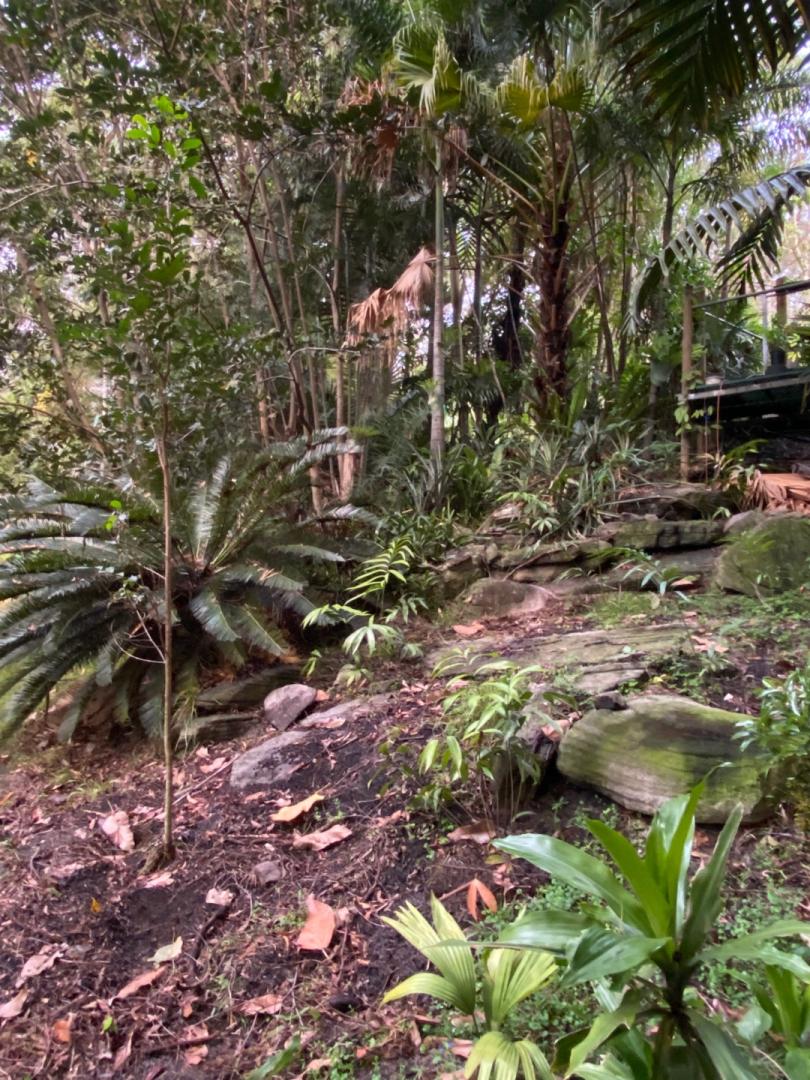
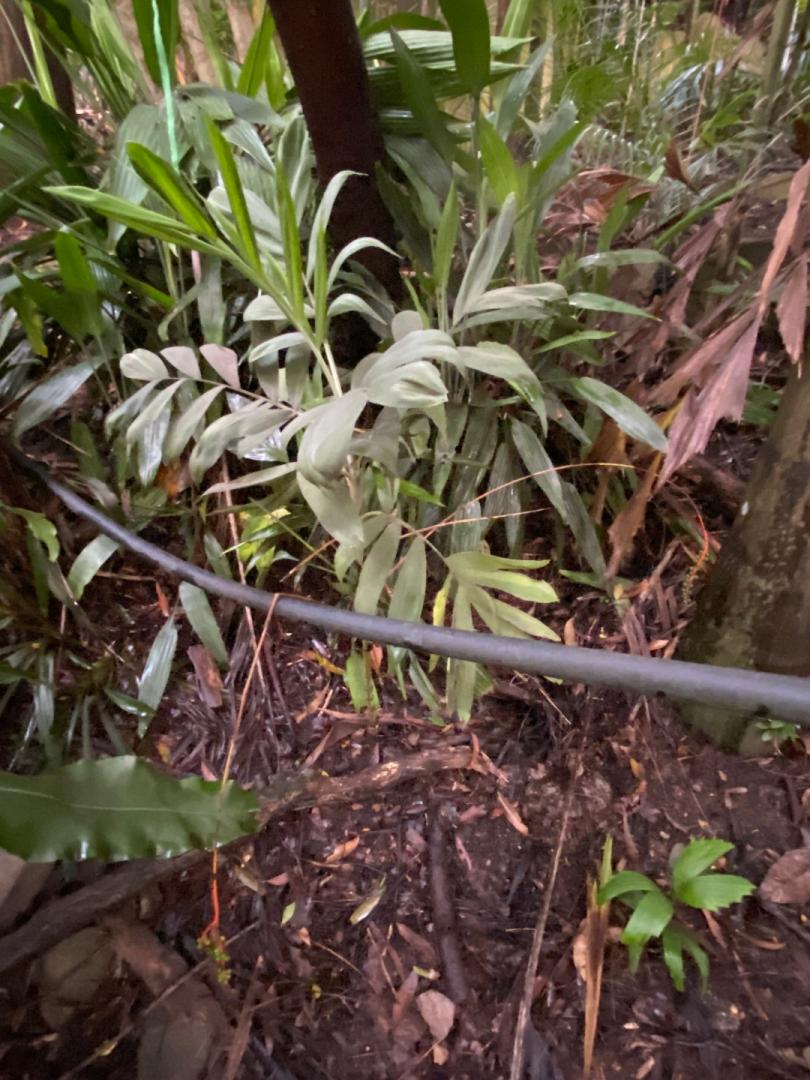
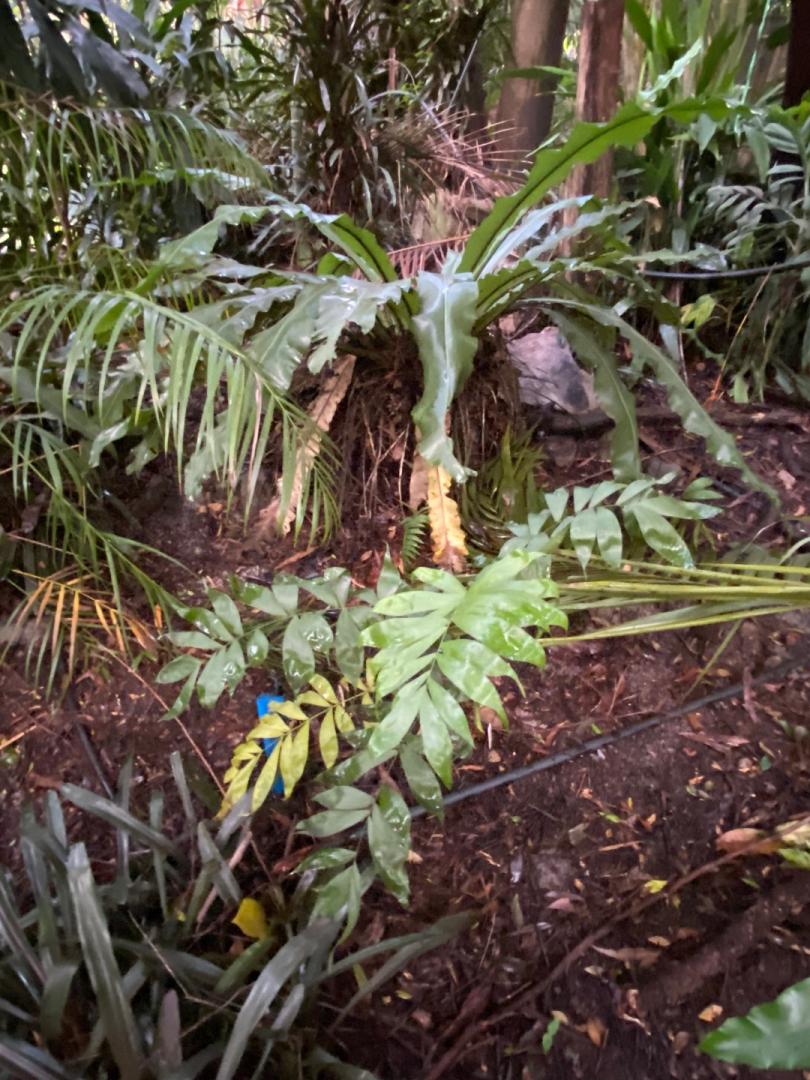
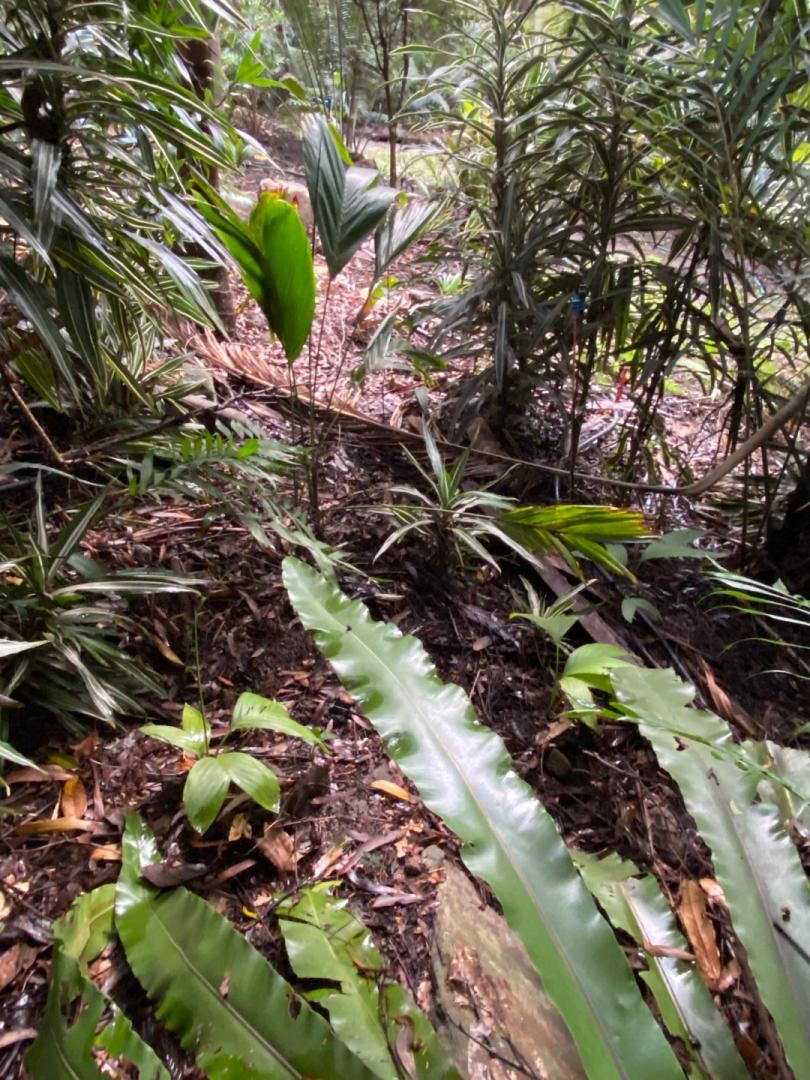
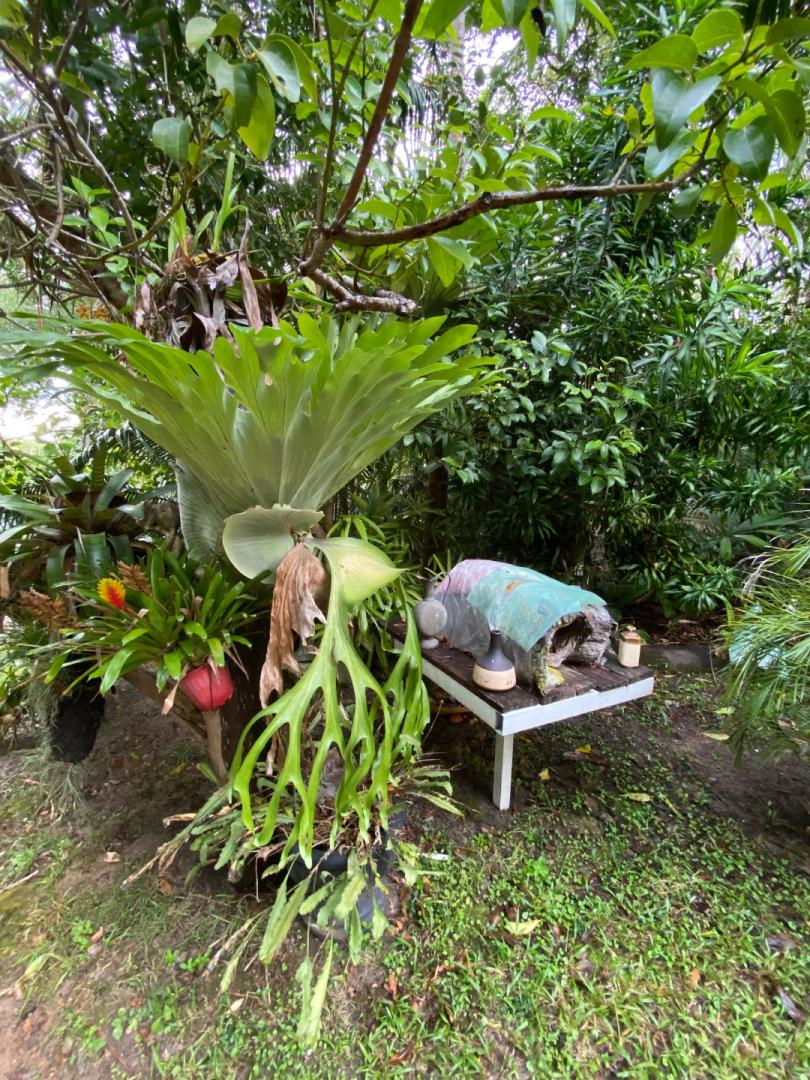
A bit of rain has sparked the garden back up after a dry spell.
4 points
A bit of rain has sparked the garden back up after a dry spell.


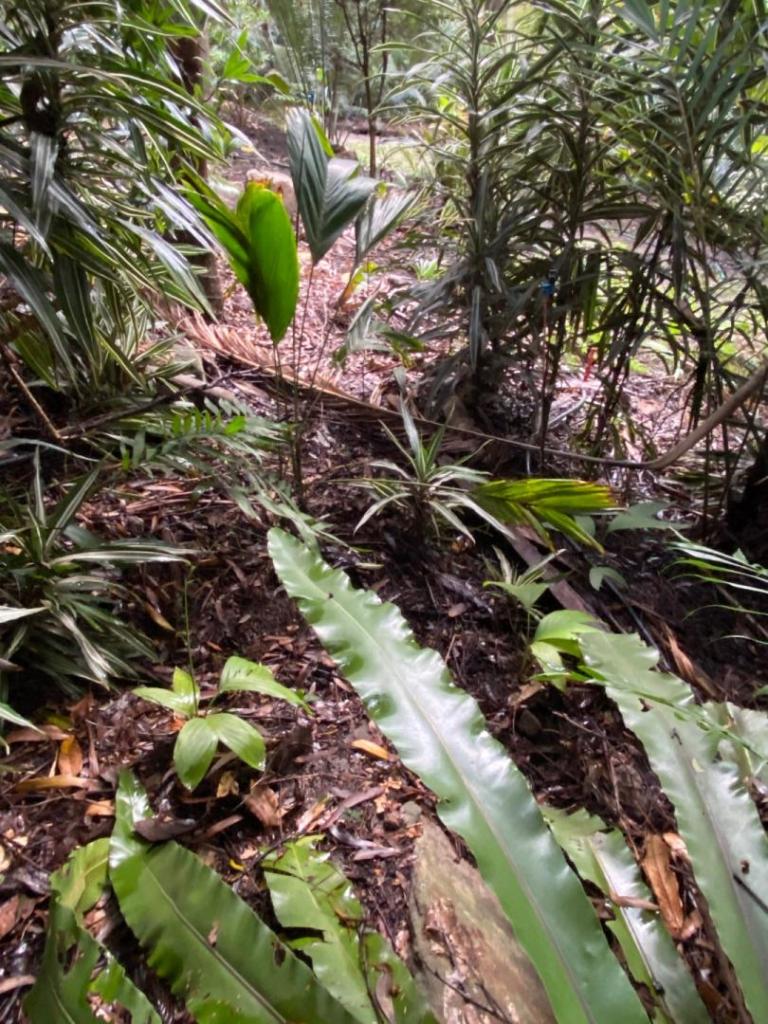
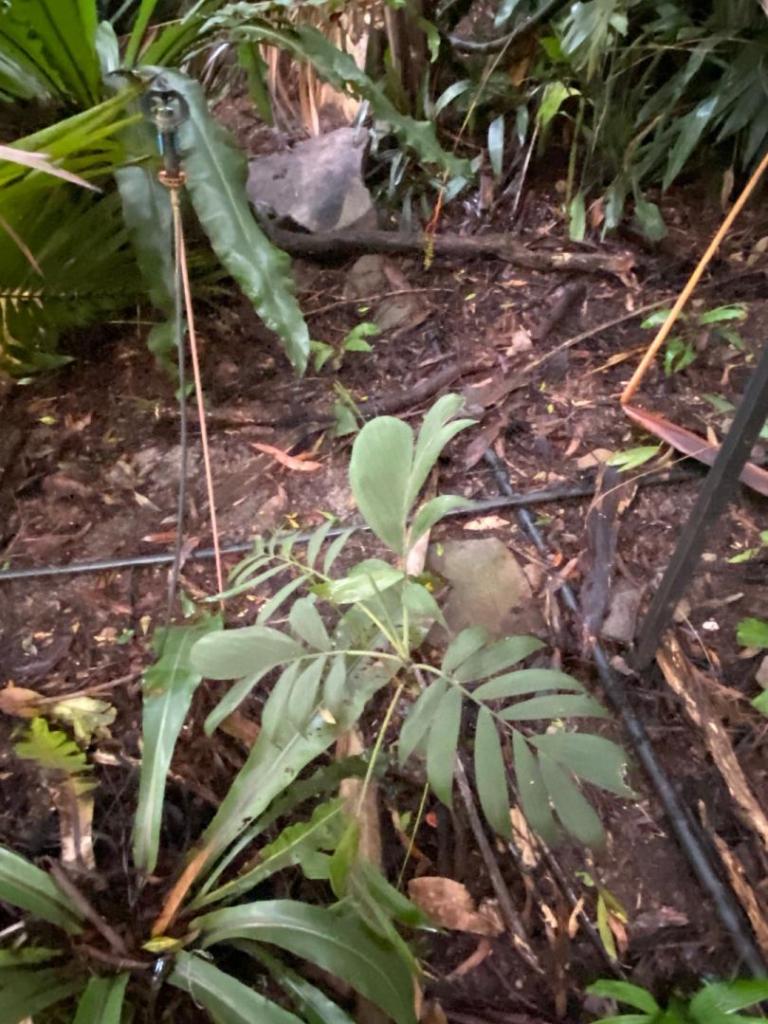


 4 points
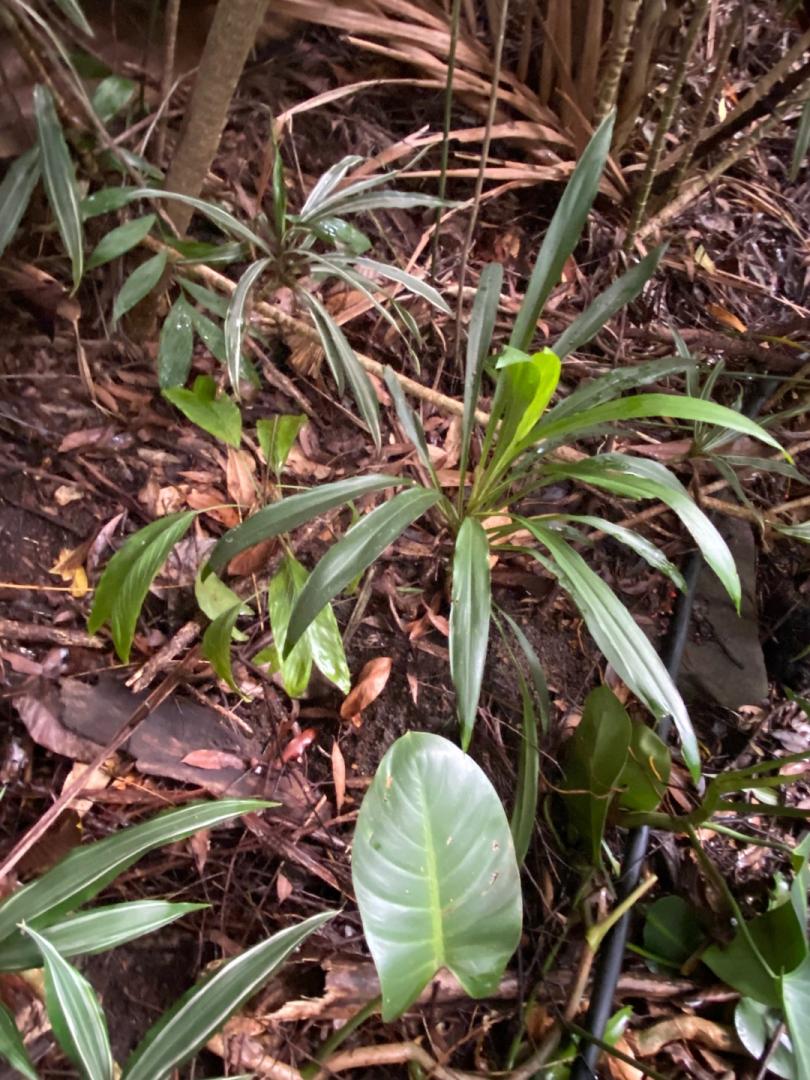
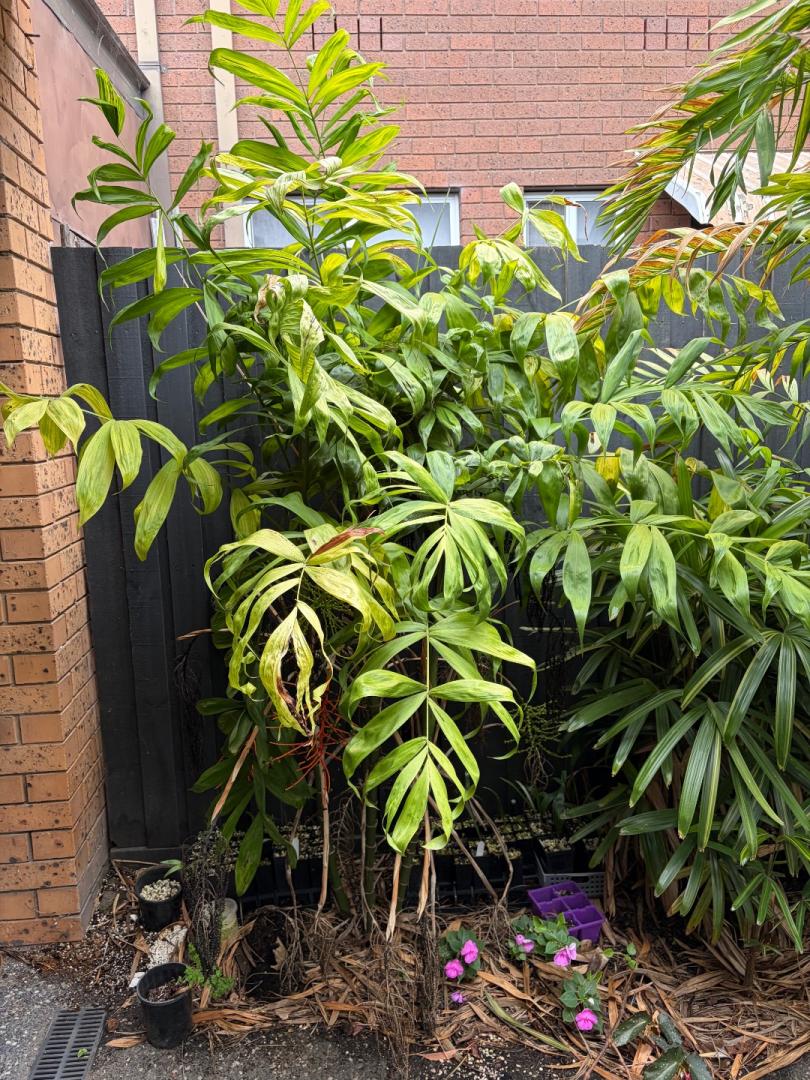
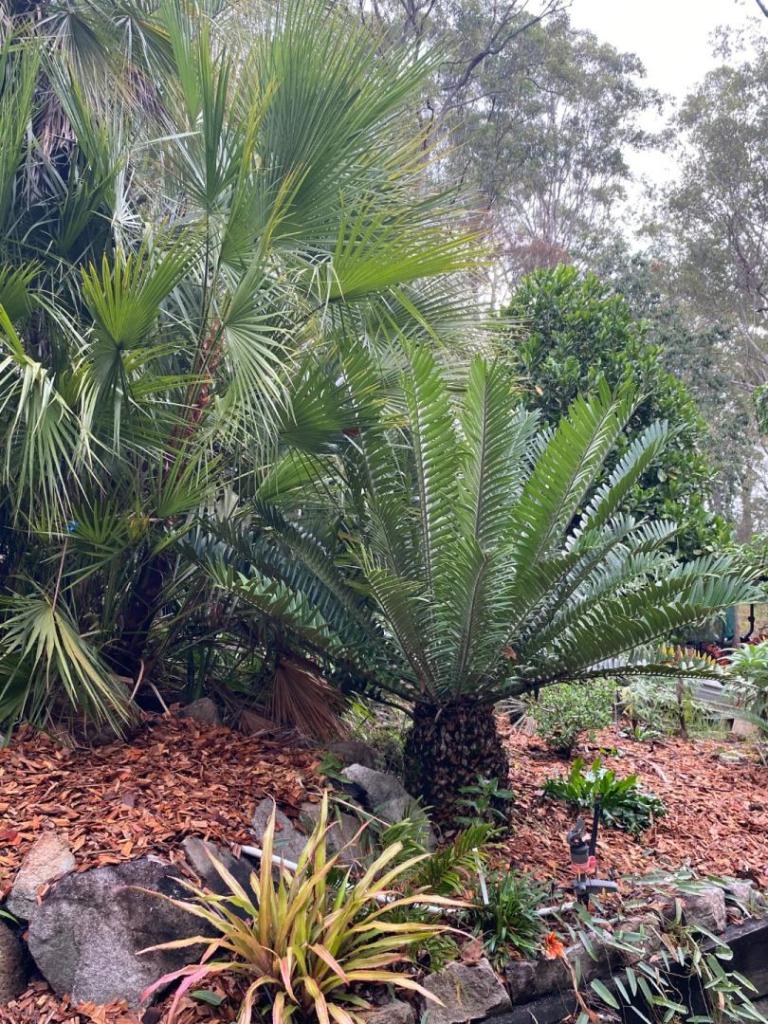
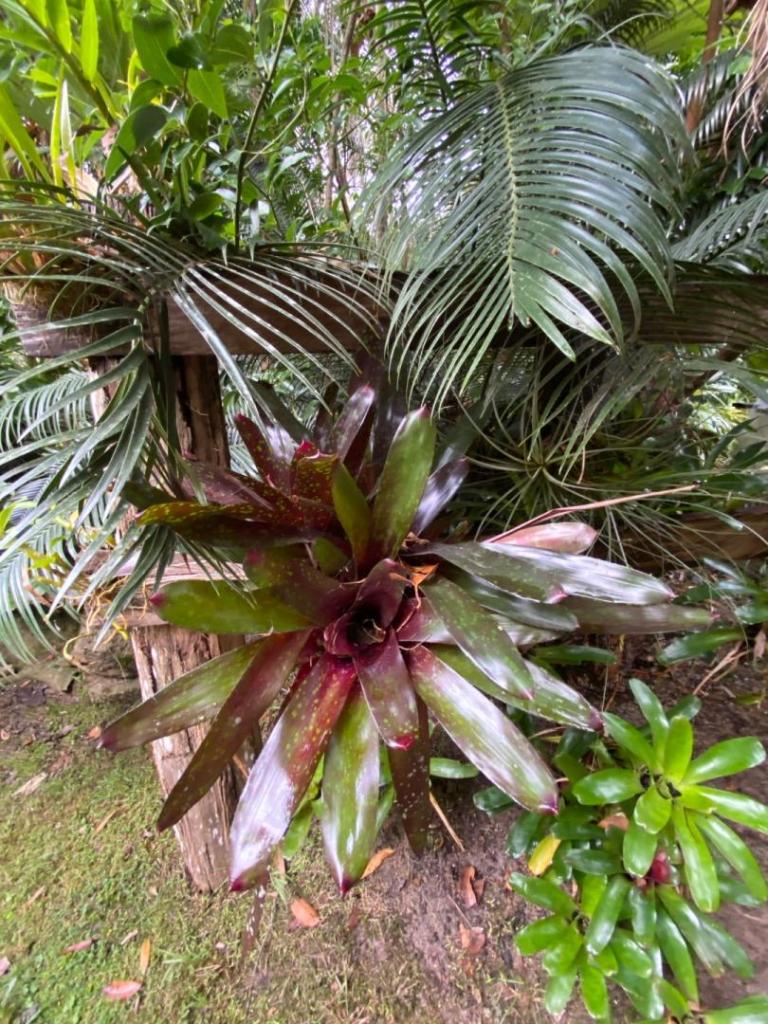
4 pointsMarojejya darinii, liking this spot in the garden at the bottom of a drain getting all the water!
4 points
4 points
4 pointsMarojejya darinii, liking this spot in the garden at the bottom of a drain getting all the water! 4 points
Not very long at all to germinate 5 to 8 weeks, bottom heating 30 degrees Celsius, coco coir perlite mix just slightly damp for germination. My growing medium is 60 percent coco peat, 30 percent good quality potting mix, 20 percent perlite, with volcanic crushed rock powder. I don’t overwater them as seedlings they don’t like too much water especially in winter. I also use Agrifos a systemic fungicide for root disease. I have some in my garden in black sandy loam soil.
4 points
Not very long at all to germinate 5 to 8 weeks, bottom heating 30 degrees Celsius, coco coir perlite mix just slightly damp for germination. My growing medium is 60 percent coco peat, 30 percent good quality potting mix, 20 percent perlite, with volcanic crushed rock powder. I don’t overwater them as seedlings they don’t like too much water especially in winter. I also use Agrifos a systemic fungicide for root disease. I have some in my garden in black sandy loam soil.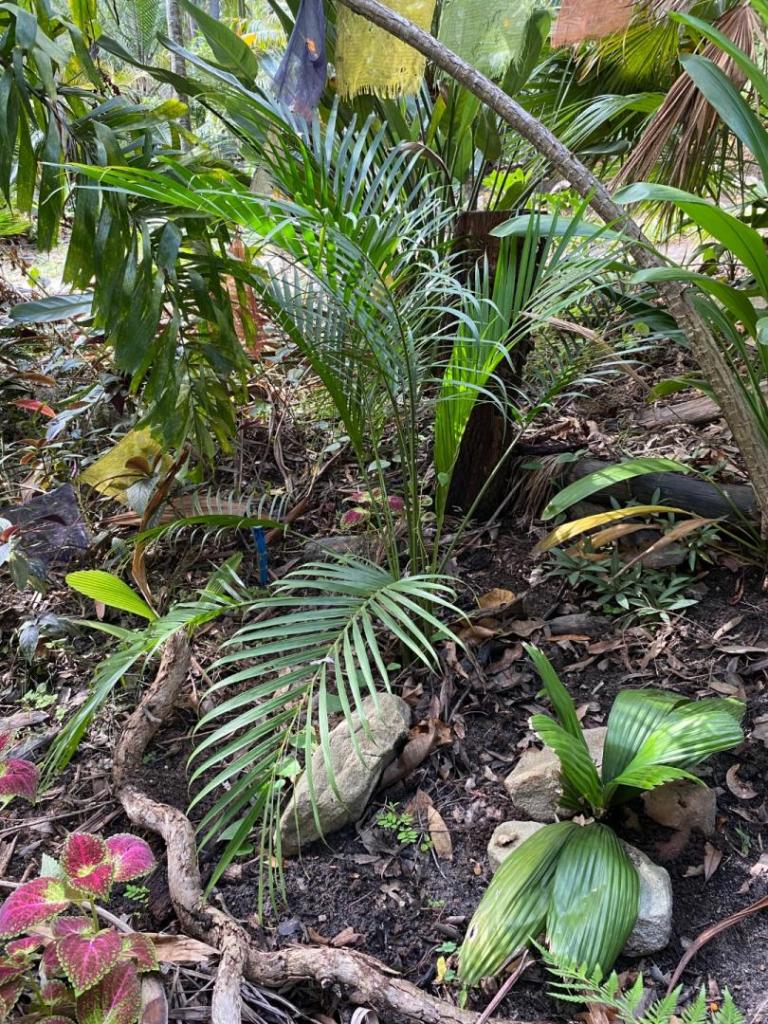 4 points
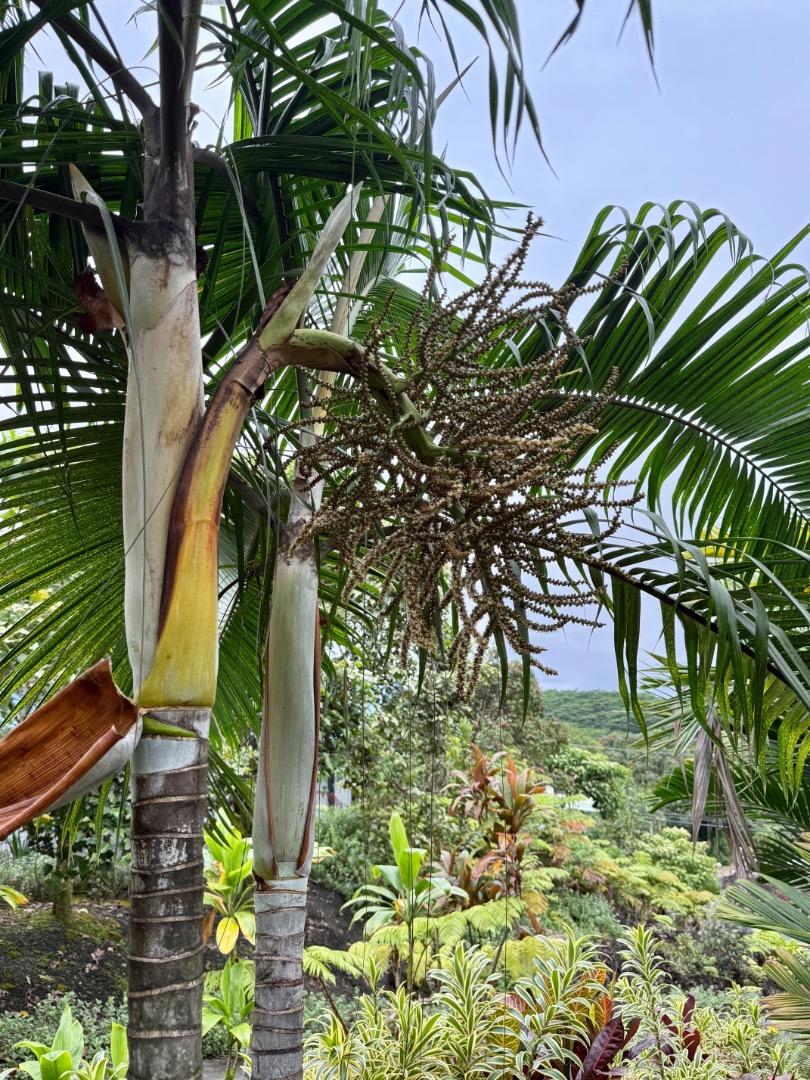
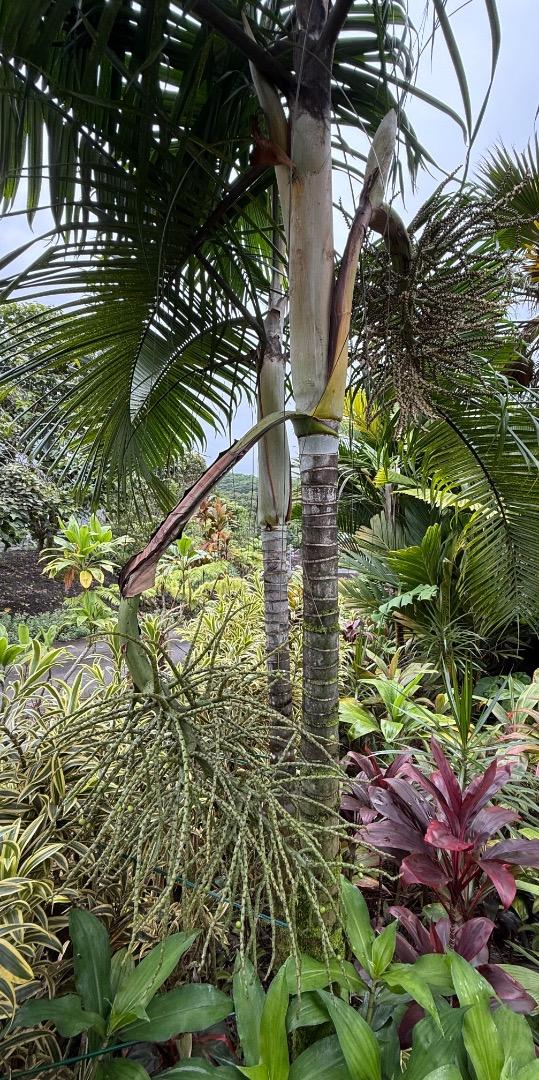
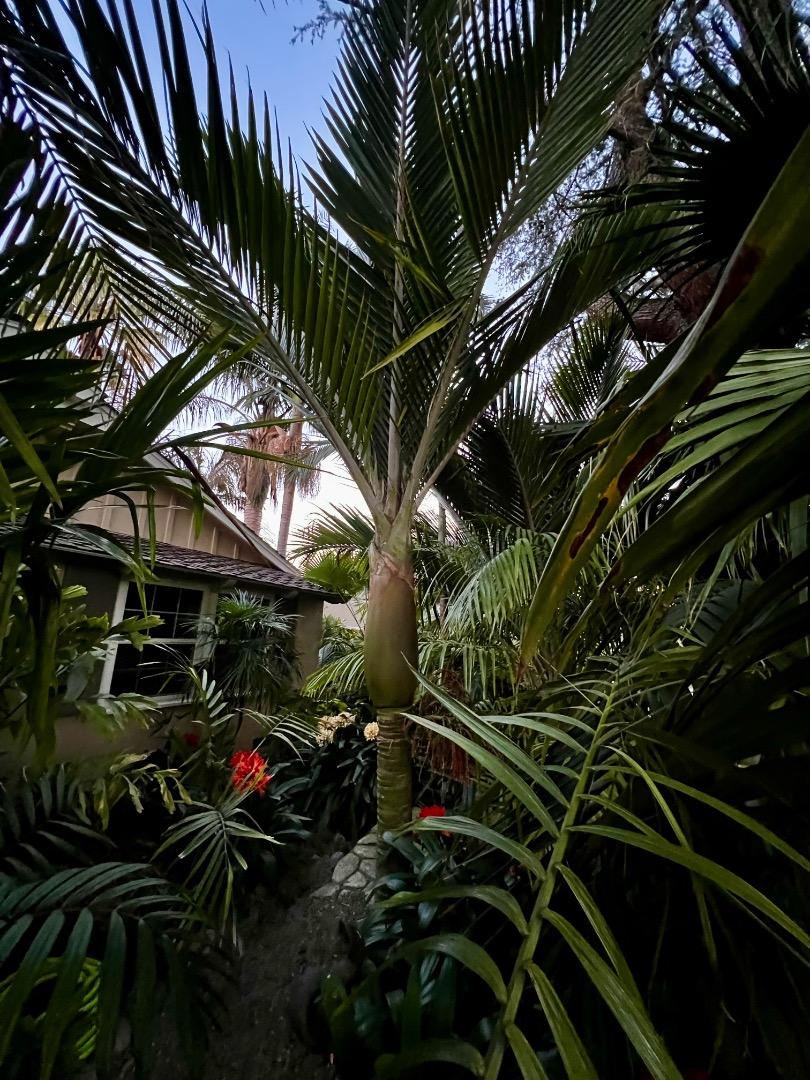
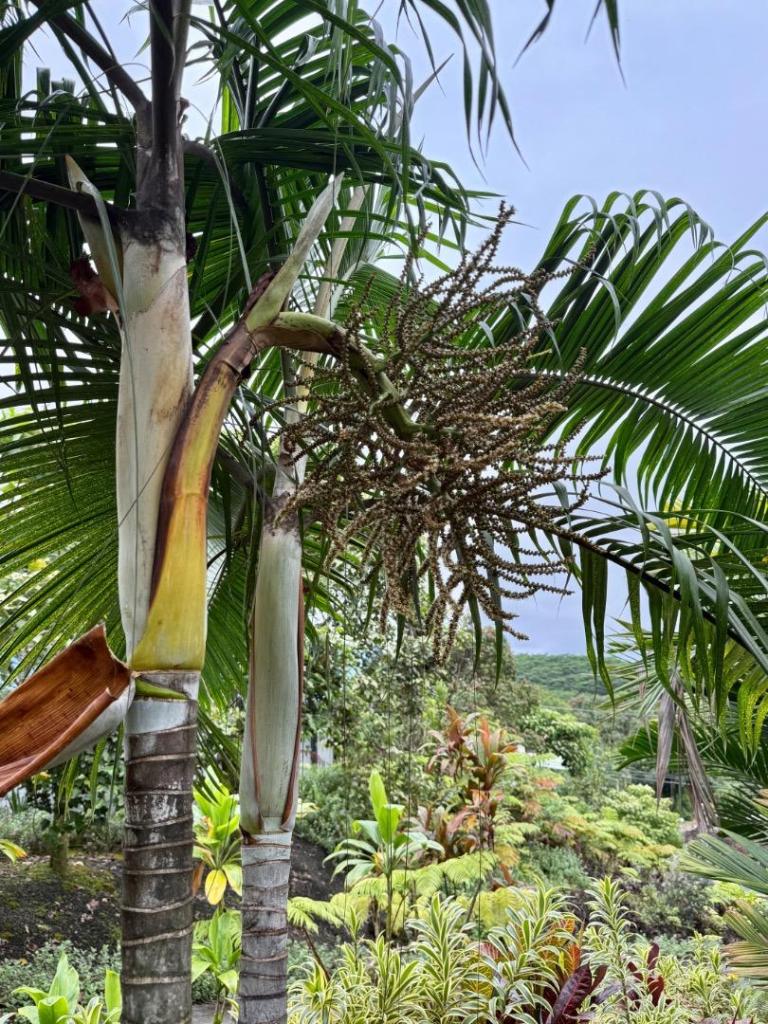
 4 pointsWell, here are a few photos…..only took me three years to post. It certainly didn’t turn out to be the ‘weeping’ form, but nice nevertheless. Huge inflorescence for such a small palm. Tim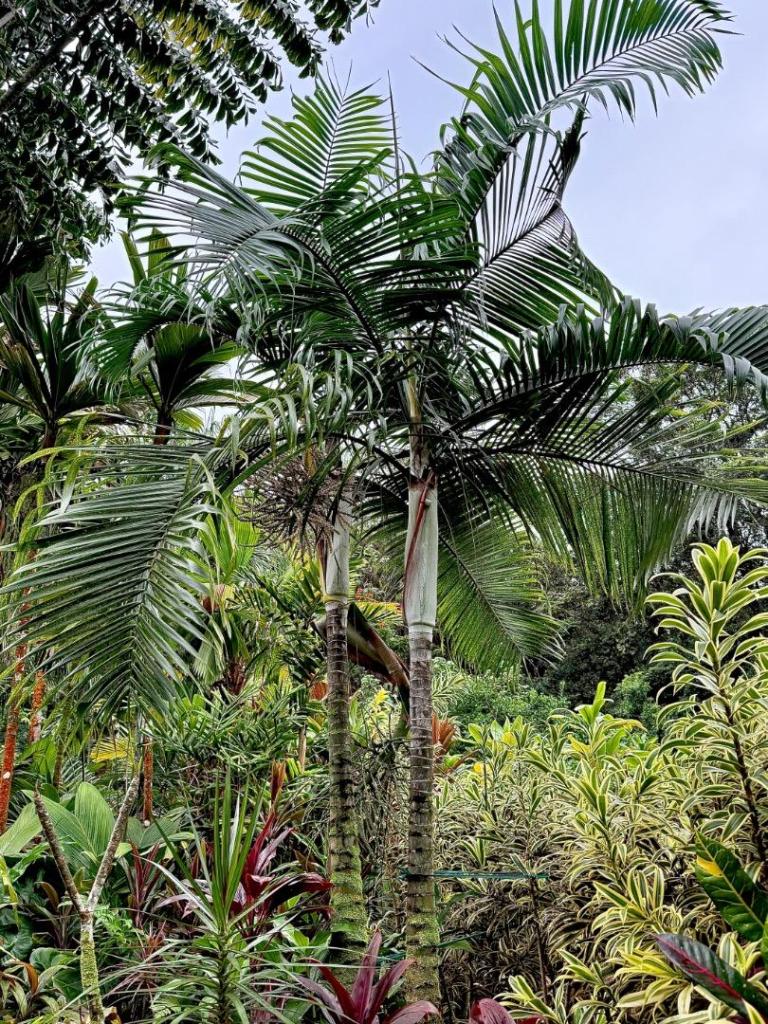
 4 points
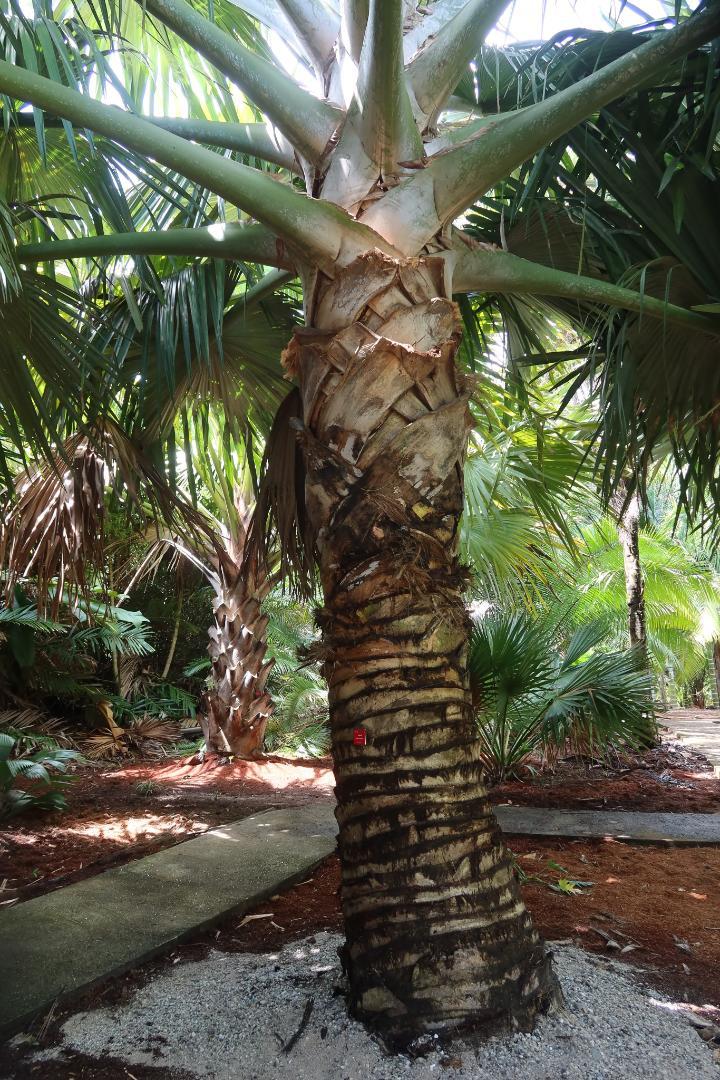
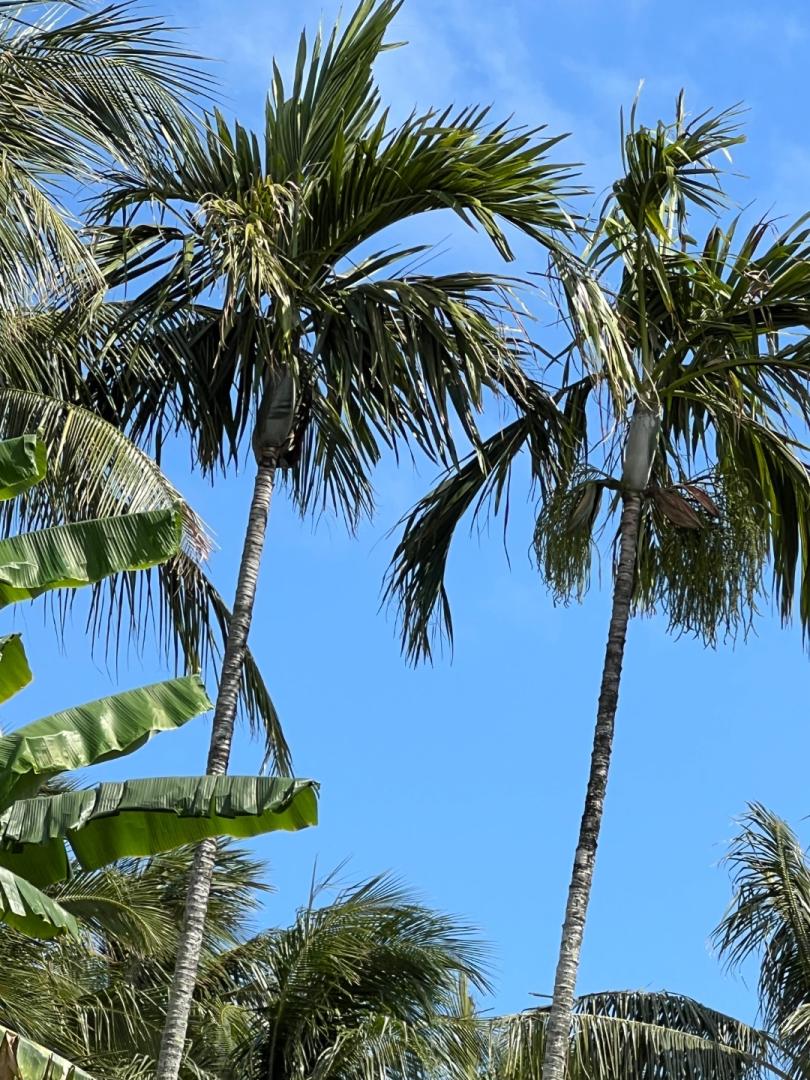
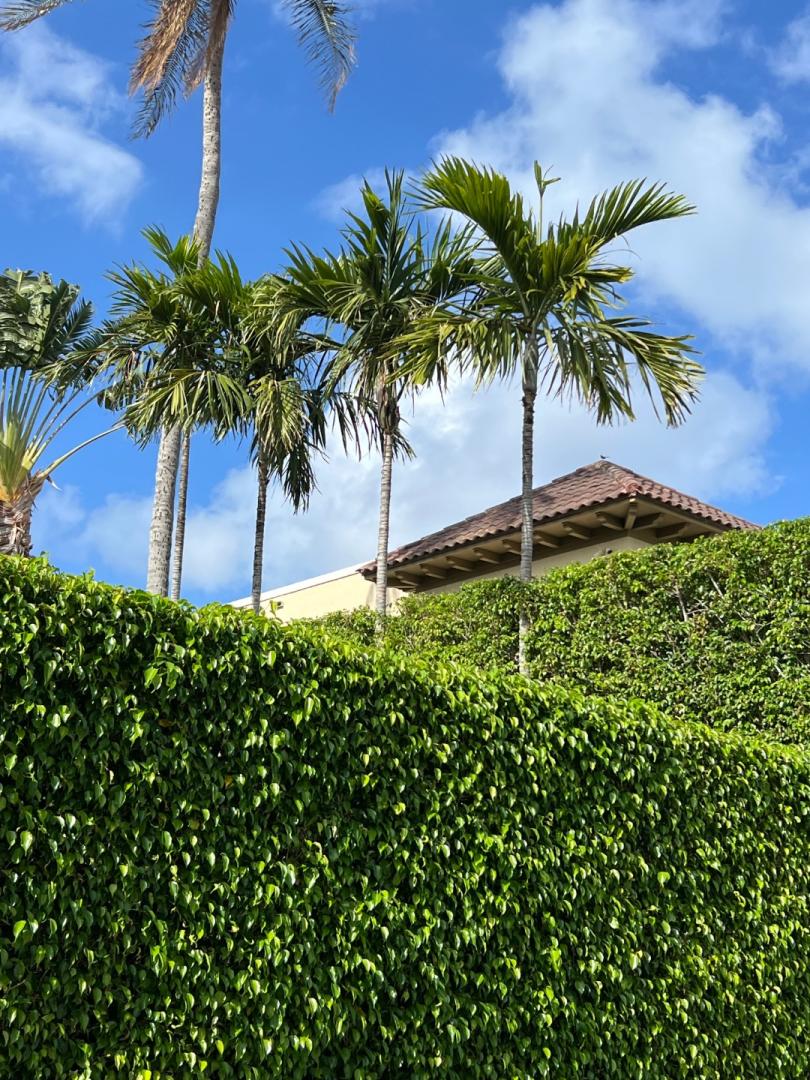
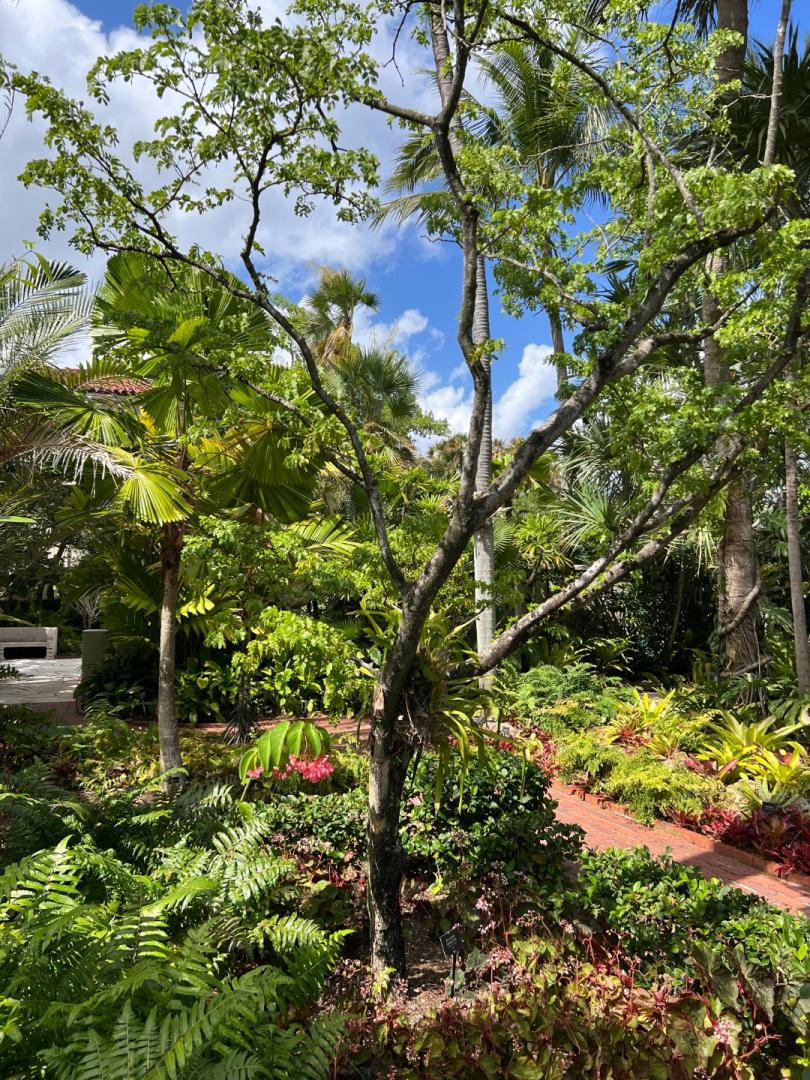
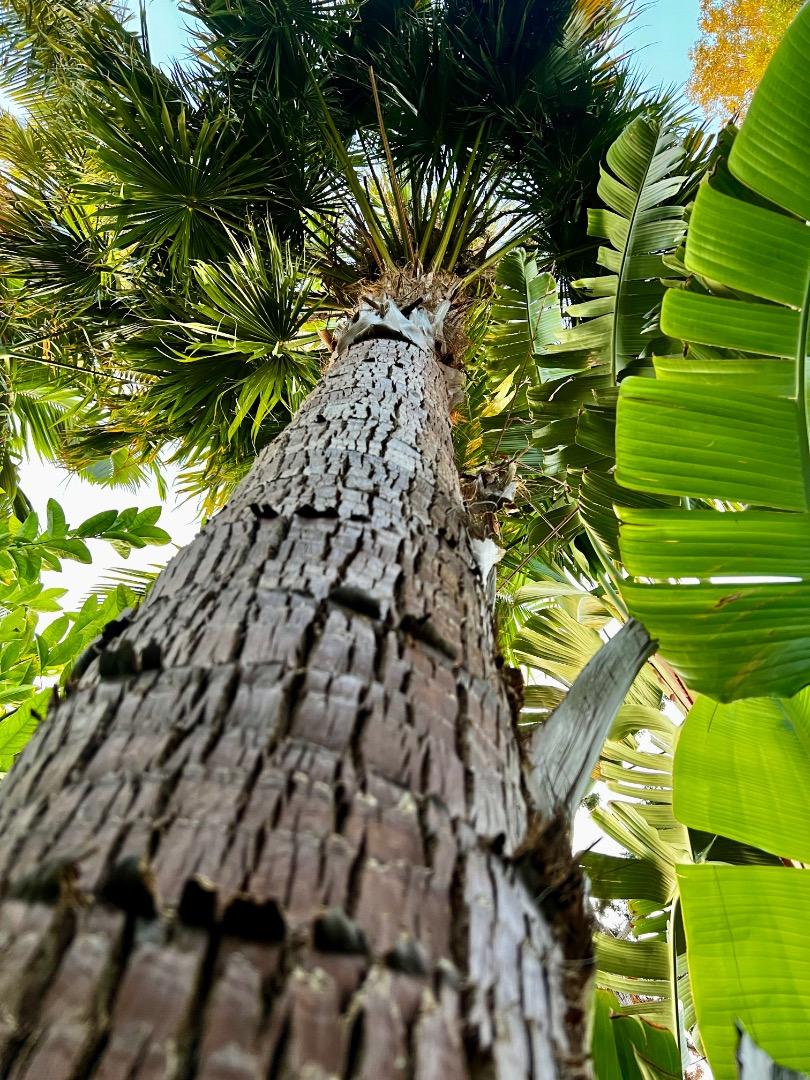
3 pointsThis is an elegant and somewhat overlooked palm. Took a few shots around the hood:
4 points
3 pointsThis is an elegant and somewhat overlooked palm. Took a few shots around the hood: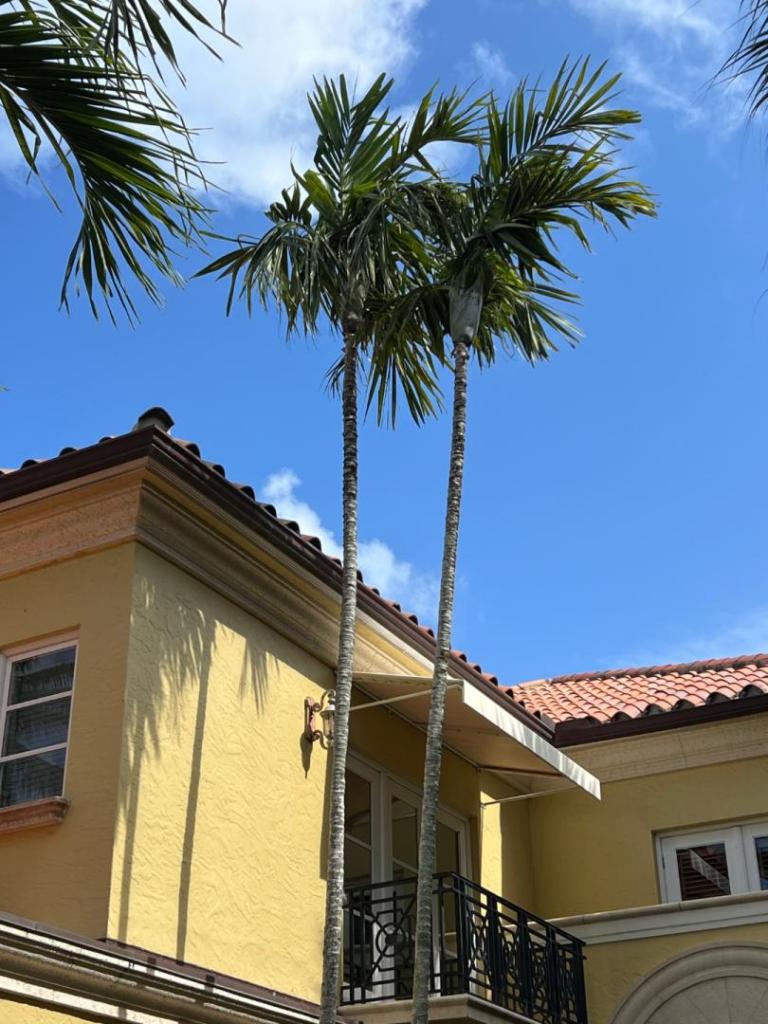 3 points
 3 pointsI spoke with the person in charge of the French Guiana Botanical Garden in South America, at the Palmetum de Guiana. They explained that they have two Tahina spectabilis palms, one in the Palmetum garden and another in a private garden in Cayenne. In total, there are three Tahina palms in French Guiana. They also explained that they obtained the seeds from RPS Germany in 2008, and that many palm trees originated from those seeds. Those in Thailand also originated from the 2008 RPS sale. They also mentioned that there is a Tahina spectabilis in Venezuela. These are probably the only palm trees in South America. In our conversation, they also noted that there are Tahina palms in Martinique and Guadeloupe. With all this information, it is very likely that it could flower in the French Guiana garden in 2038, if it flowers within the minimum 30 years required for this highly sought-after palm. Below is a photo of the Tahina plant. Its trunk is thinner, which will likely accelerate its flowering. Hugo Aravena Chile
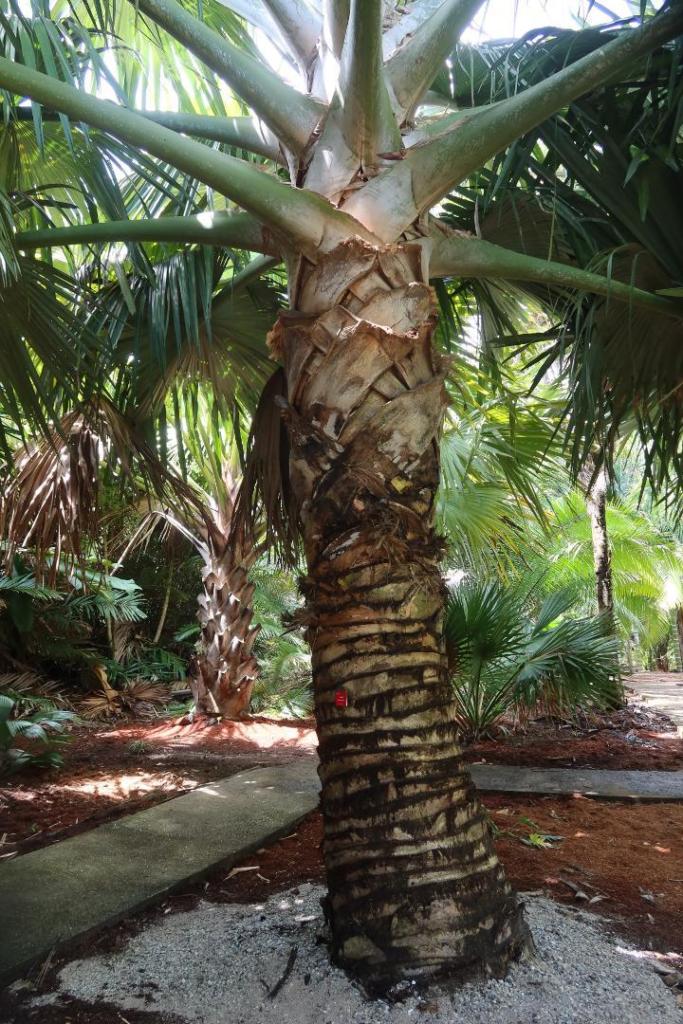 3 points
.thumb.png.04b3487b96ff29c55b8a8994b91f62b2.png) 3 pointsExcellent presentation Michael! I only had one night of 29 F and one more of around 30F; all other nights this past winter temperature did not fall below 36F and most nights it was above 40F. On those two cold nights I covered it with a fleece and some hot water bottles around the trunk. I believe that as you said it's the poor drainage that might have killed it. Topsoil is sandy with great drainage but just 3 inches below surface, heavy alkaline soil begins. It looks black-ish with pink-orange calluses and dry so I don't have much hope.
3 pointsExcellent presentation Michael! I only had one night of 29 F and one more of around 30F; all other nights this past winter temperature did not fall below 36F and most nights it was above 40F. On those two cold nights I covered it with a fleece and some hot water bottles around the trunk. I believe that as you said it's the poor drainage that might have killed it. Topsoil is sandy with great drainage but just 3 inches below surface, heavy alkaline soil begins. It looks black-ish with pink-orange calluses and dry so I don't have much hope.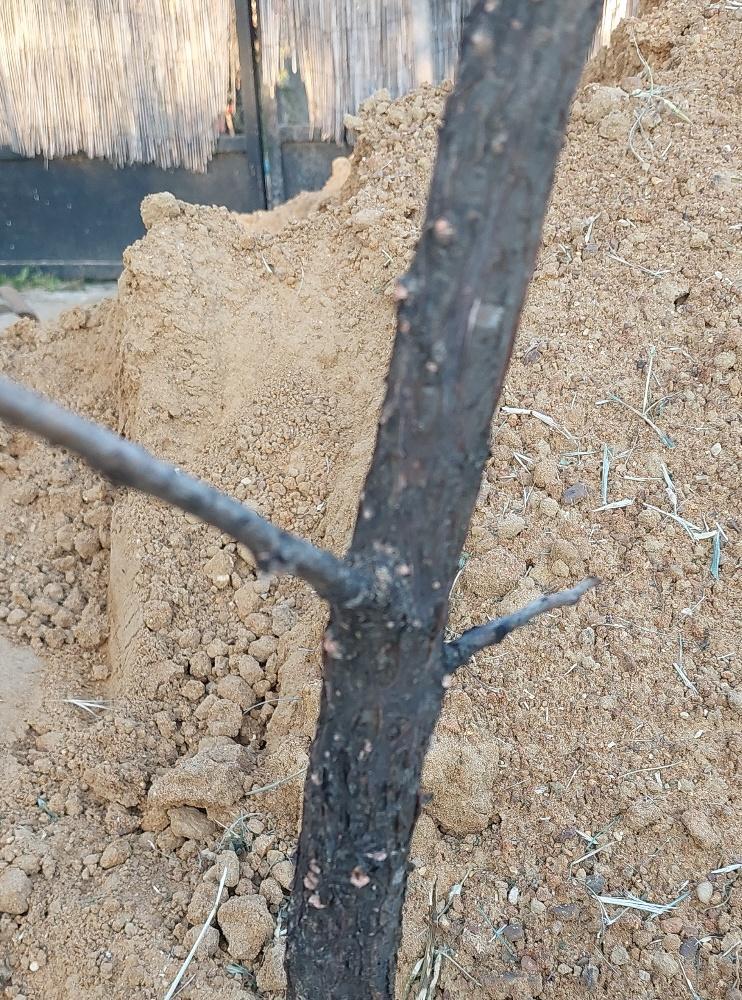 3 points
 3 pointsVivo en España y el mío se le secan las ramas verdes todos los inviernos (los 3 inviernos que lo tengo ) y hace una semana que empezó a brotar , el año pasado brotó un mes antes3 points
3 pointsIt’s a great palm and so easy to grow from seed. Your little ones would be from my group of 4 (3 males, 1 female) which pumps out about 300-400 seeds a year now. Germination is close to 100% when I’ve tried although I gifted all of the seed set this year.
3 pointsVivo en España y el mío se le secan las ramas verdes todos los inviernos (los 3 inviernos que lo tengo ) y hace una semana que empezó a brotar , el año pasado brotó un mes antes3 points
3 pointsIt’s a great palm and so easy to grow from seed. Your little ones would be from my group of 4 (3 males, 1 female) which pumps out about 300-400 seeds a year now. Germination is close to 100% when I’ve tried although I gifted all of the seed set this year.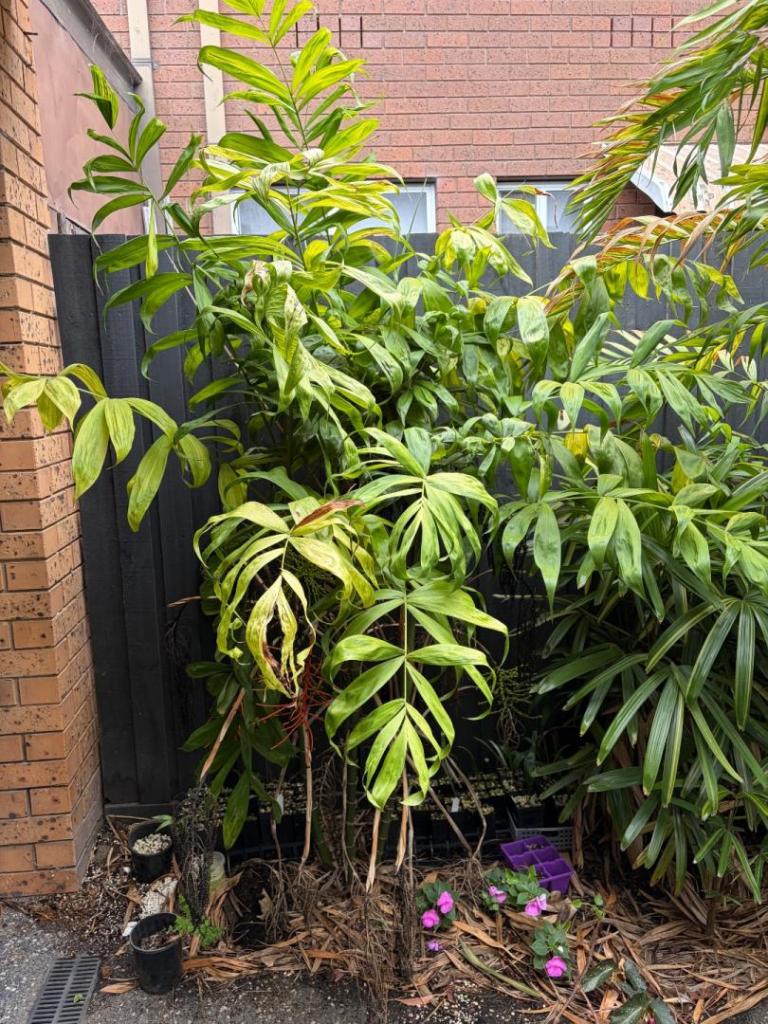 3 points
 3 points
3 points
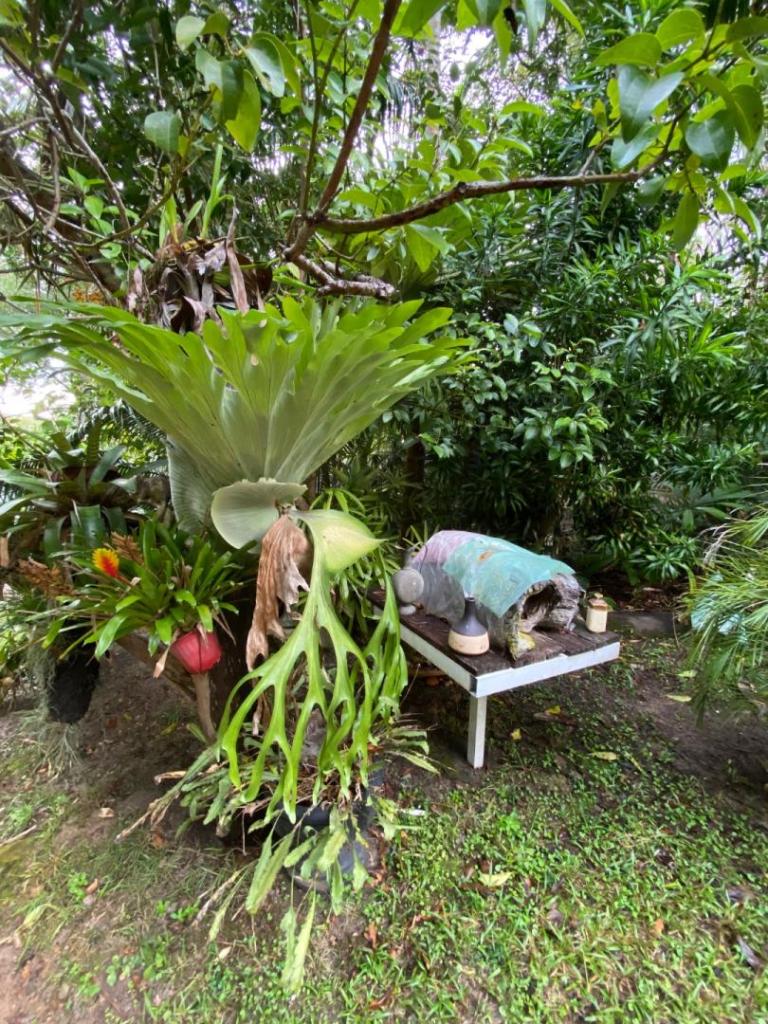
And we finish up with the native bee hive in the garden, inherited from my late father!
3 points
3 points3 points
And we finish up with the native bee hive in the garden, inherited from my late father!




 3 points
You realize your summer high temps are warmer than quite a number of areas in the Los Angeles metro! And your winter temps don't seem that far off from Santa Monica. Another place that is so unexpectedly hot in my own experience is Big Sur...how many times setting out from the consistently refrigerated air of Carmel...driving that amazing coast, and suddenly you arrive at Nepenthe, get out of the car, and you're absolutely roasting. Bizarre!3 points
I just made another order of never before tried palms. Can’t wait to get them.3 points
3 points
You realize your summer high temps are warmer than quite a number of areas in the Los Angeles metro! And your winter temps don't seem that far off from Santa Monica. Another place that is so unexpectedly hot in my own experience is Big Sur...how many times setting out from the consistently refrigerated air of Carmel...driving that amazing coast, and suddenly you arrive at Nepenthe, get out of the car, and you're absolutely roasting. Bizarre!3 points
I just made another order of never before tried palms. Can’t wait to get them.3 points Bummer I guess mine isn’t going to bloom this year!!3 points
3 points3 points
3 points3 points
3 points3 points
3 points3 points
3 points3 points
3 points3 points
3 points3 points
3 points3 points
Bummer I guess mine isn’t going to bloom this year!!3 points
3 points3 points
3 points3 points
3 points3 points
3 points3 points
3 points3 points
3 points3 points
3 points3 points
3 points3 points Date: Saturday, June 6th, 2026 Time:10am – 2pm Location: A Private Garden in Melbourne, FL Details: The tour will feature a new garden that contains over 50 species of both natives and exotics. The garden is planted on grade and has measures in place to control run-off to combat drought. Vendors are welcome. We will have a plant auction at the conclusion of the meeting. Please Bring: An Umbrella A chair for comfort A palm, cycad, or companion plant for the auction *** Please reply with an RSVP to cfpacs.membership@gmail.com if you plan on attending to receive the address. ***
 2 points
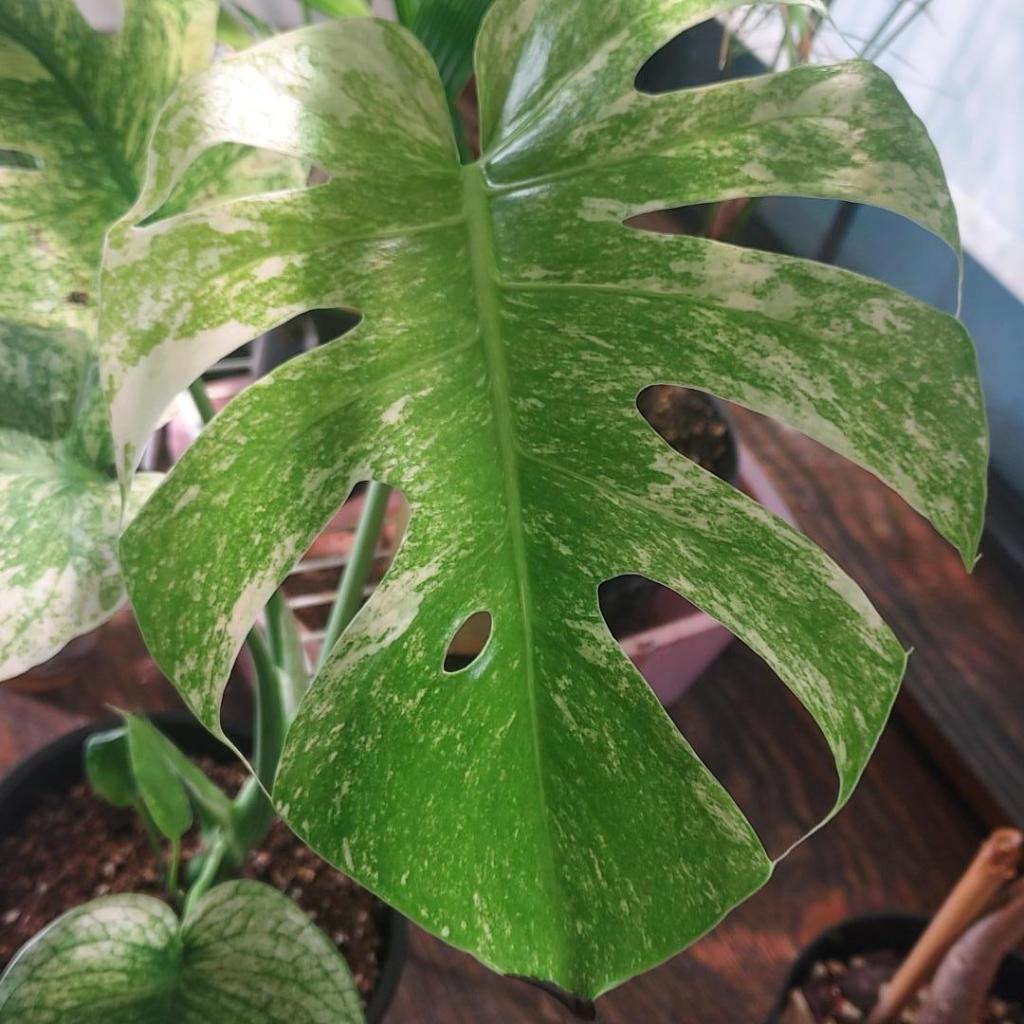
 2 pointsI'm gonna open with this meme. Anyway as always price is OBO, white monstera. Yes it was sold by Costa but it's been confirmed they did not grow them, it's from the Kunzo lineage also confirmed by them. Not an albo or creme Brule or Thai con. Rehabbed and is now pushing out of a 1g pot. I've got it listed elsewhere for more optimistic prices, these were sold in March and didn't last long. $75 obo for y'all plus the ride.


 2 points
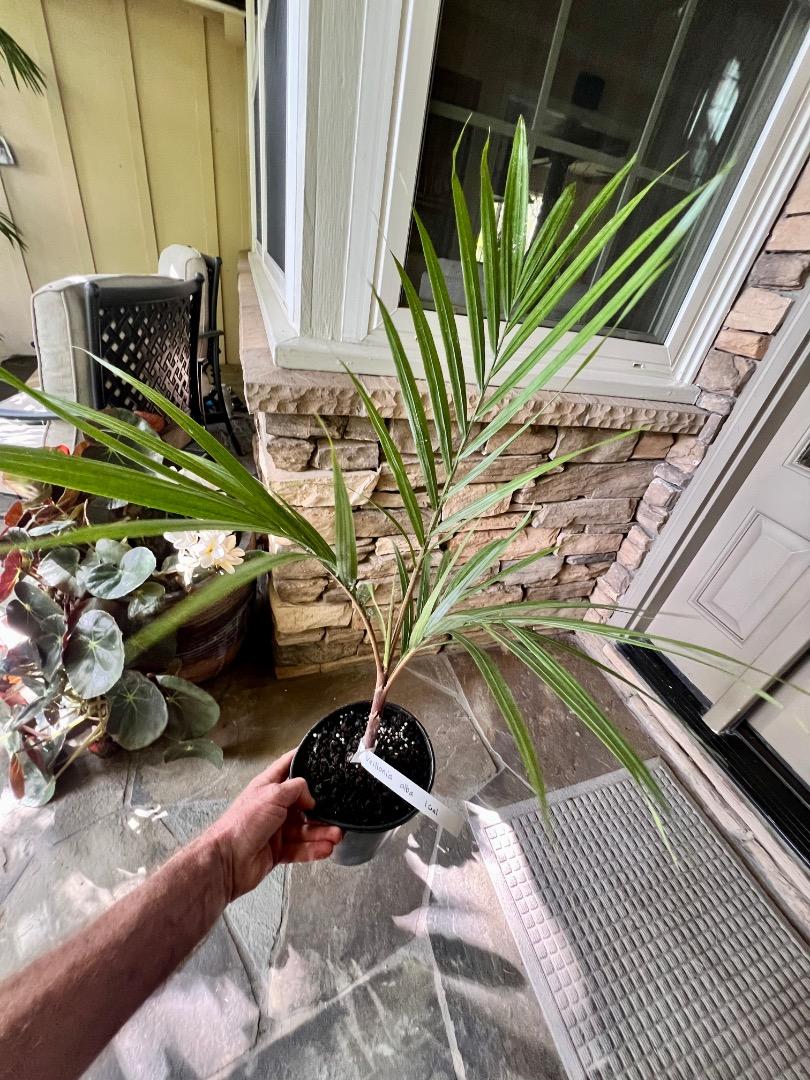
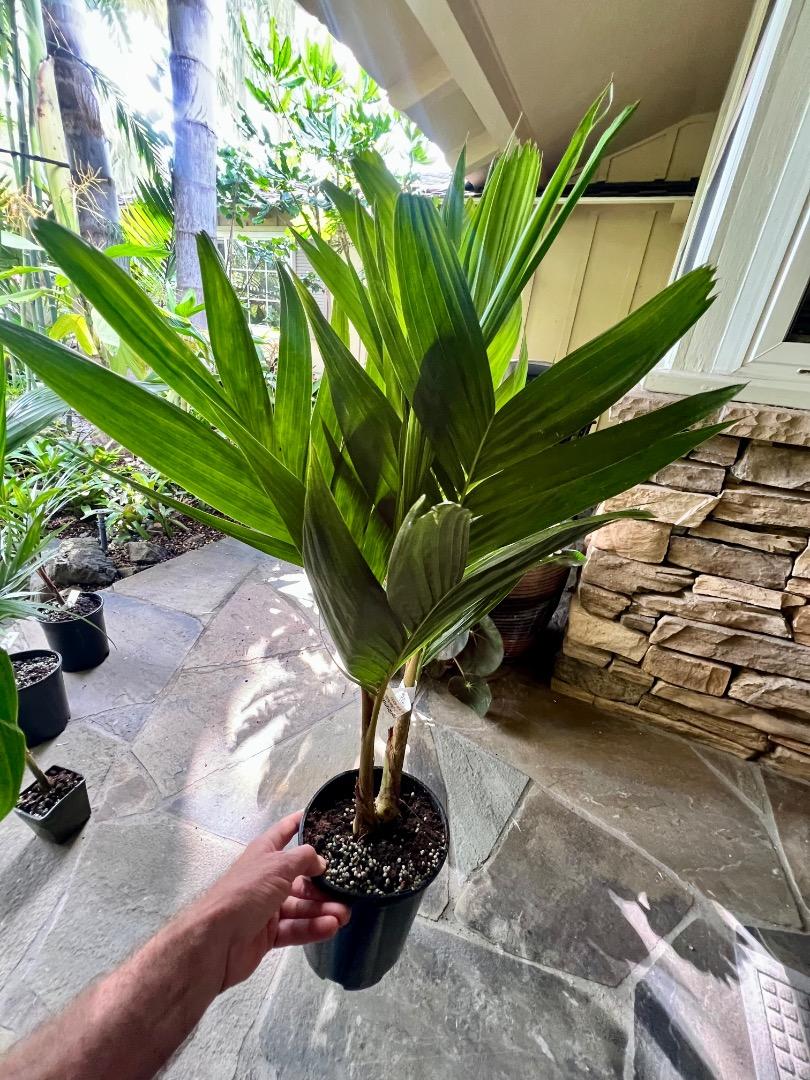
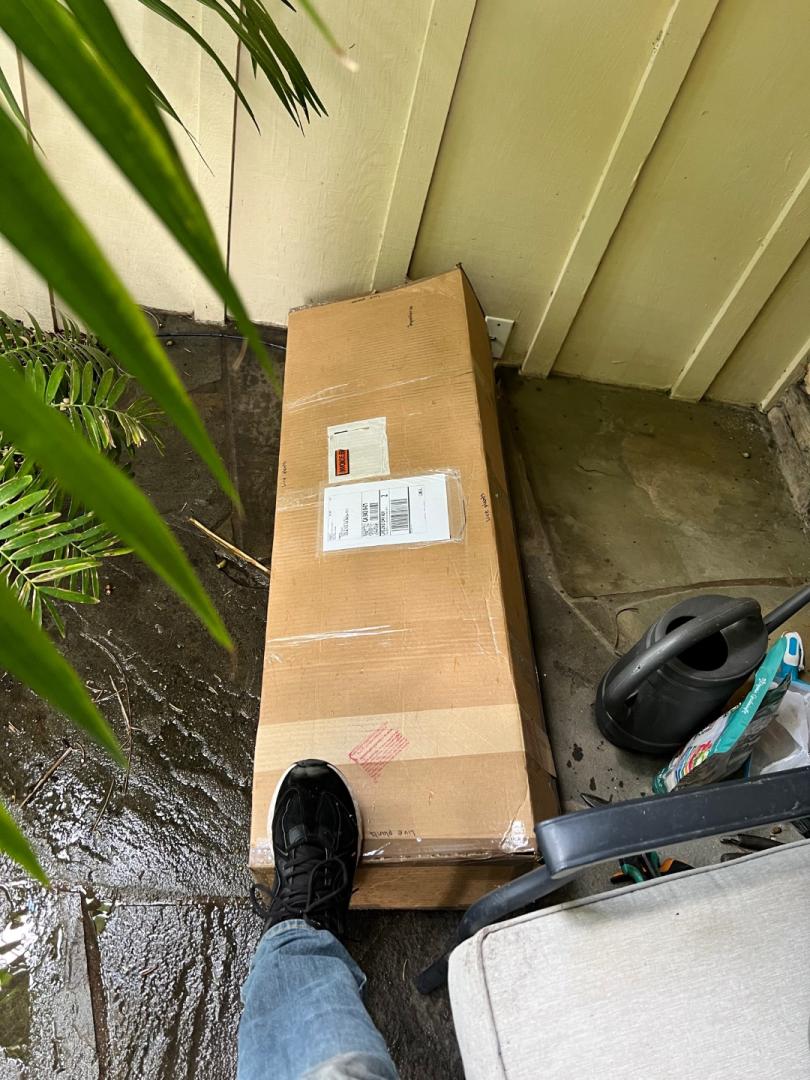
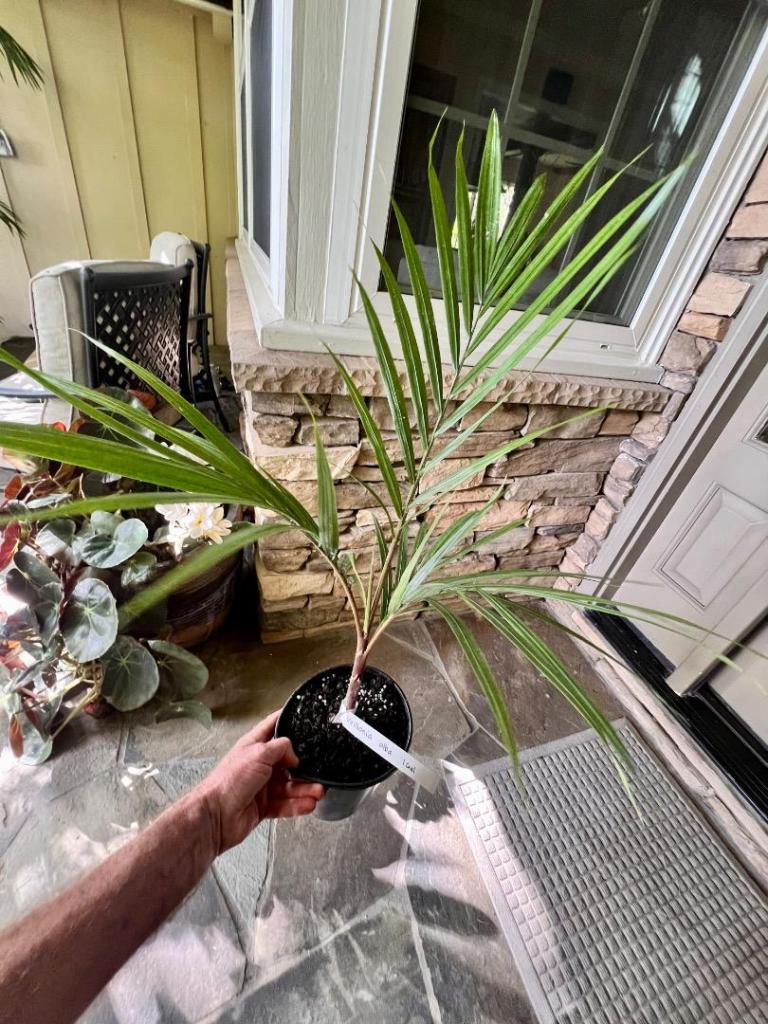
This Spring’s annual order from Floribunda has arrived! Three one gallon Basselinia glabrata, two Pinanga coronata, two Cyphophoenix alba, and three 4” container Prestoea montana. Are are robust and big for container size as is usual.
2 points
This Spring’s annual order from Floribunda has arrived! Three one gallon Basselinia glabrata, two Pinanga coronata, two Cyphophoenix alba, and three 4” container Prestoea montana. Are are robust and big for container size as is usual.

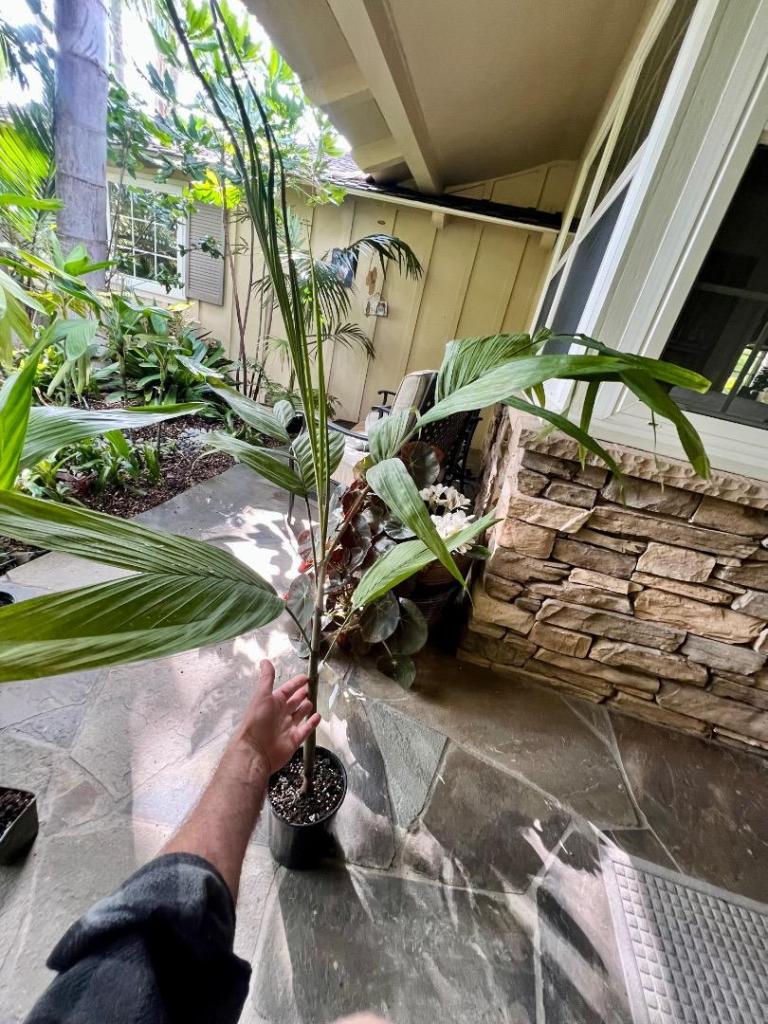

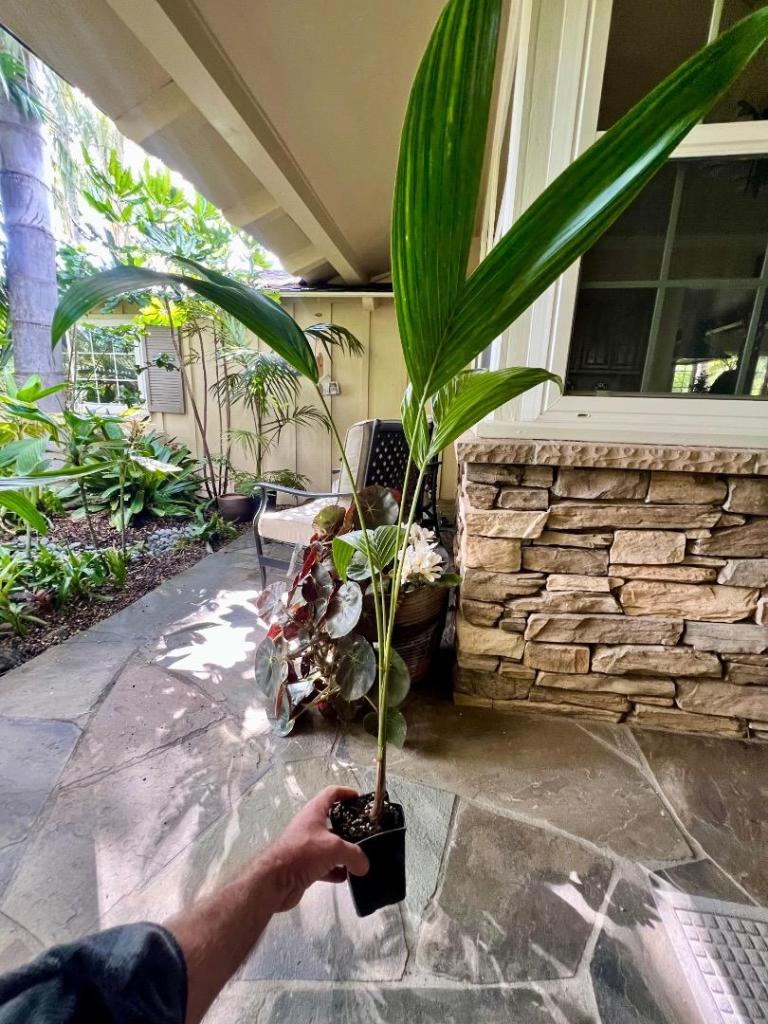
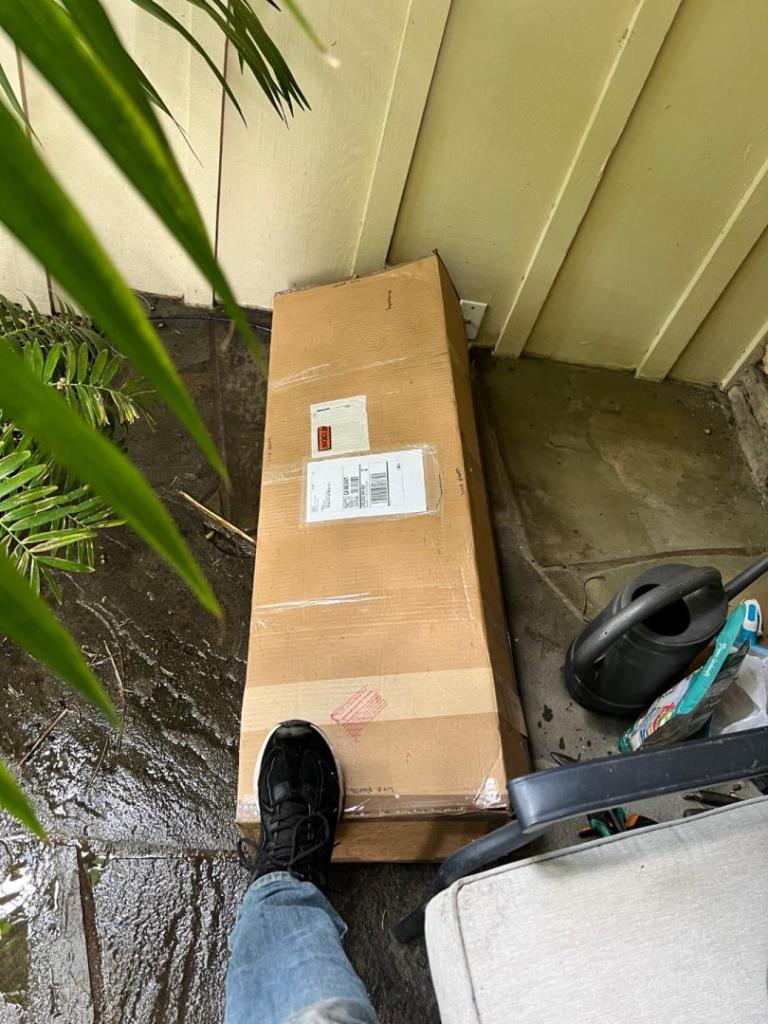 2 points
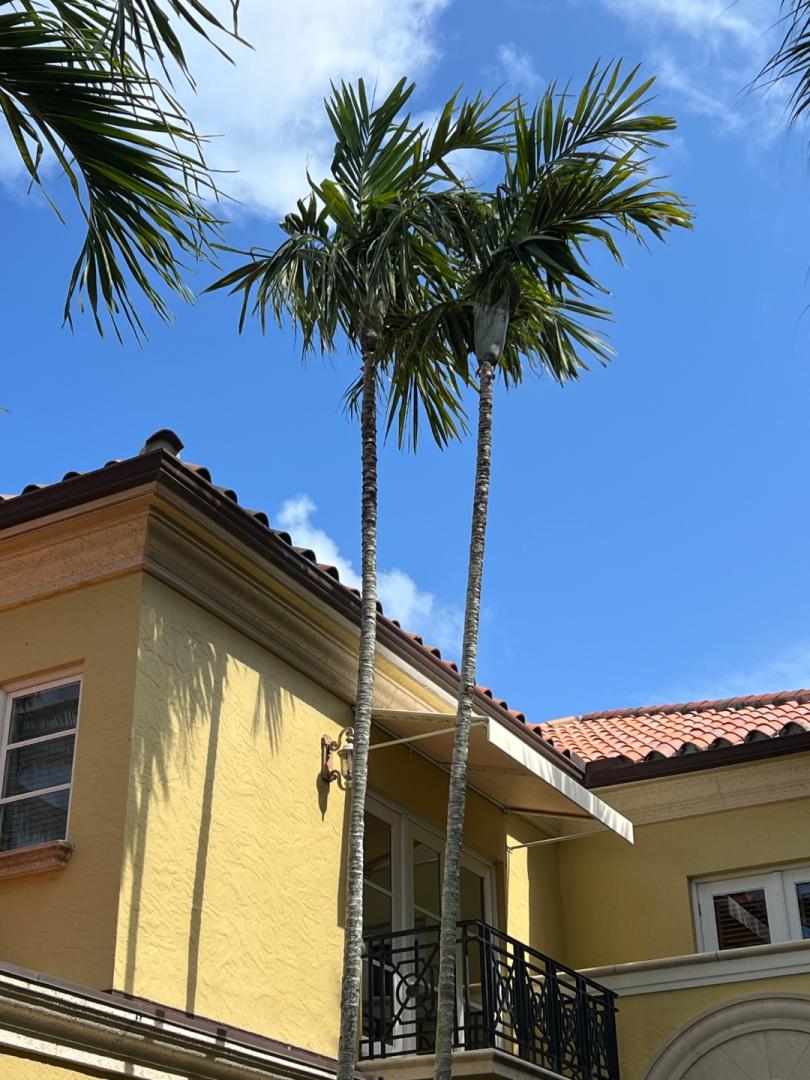
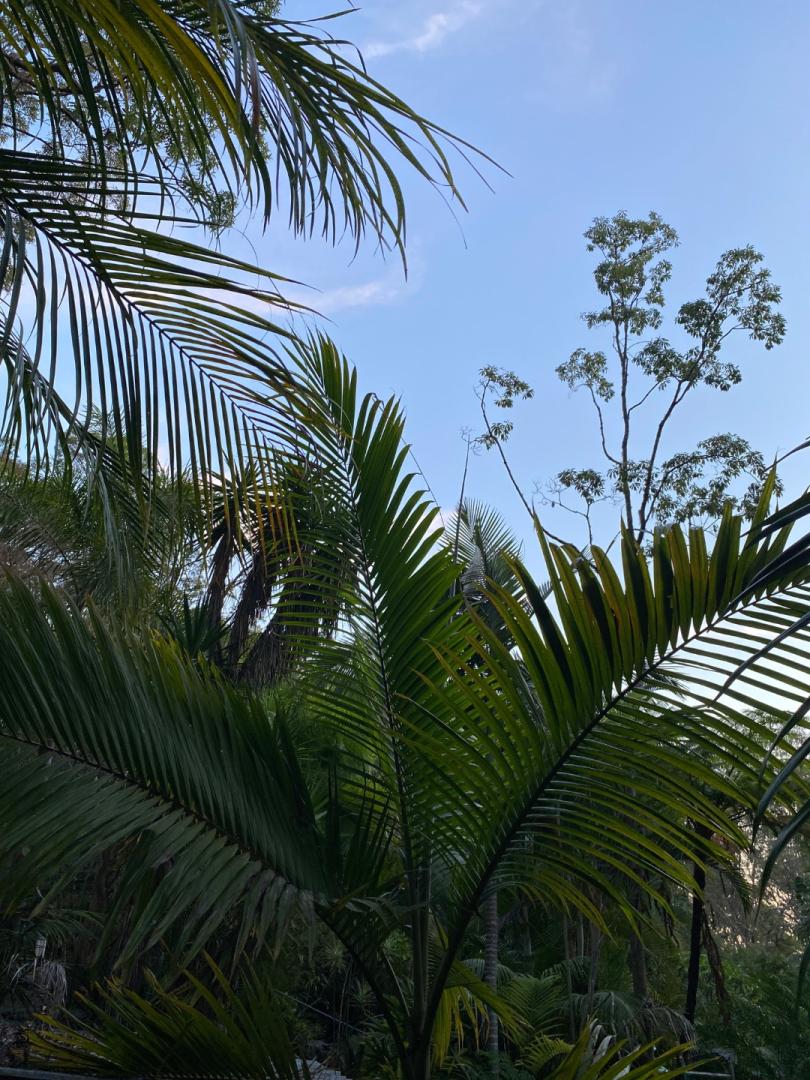
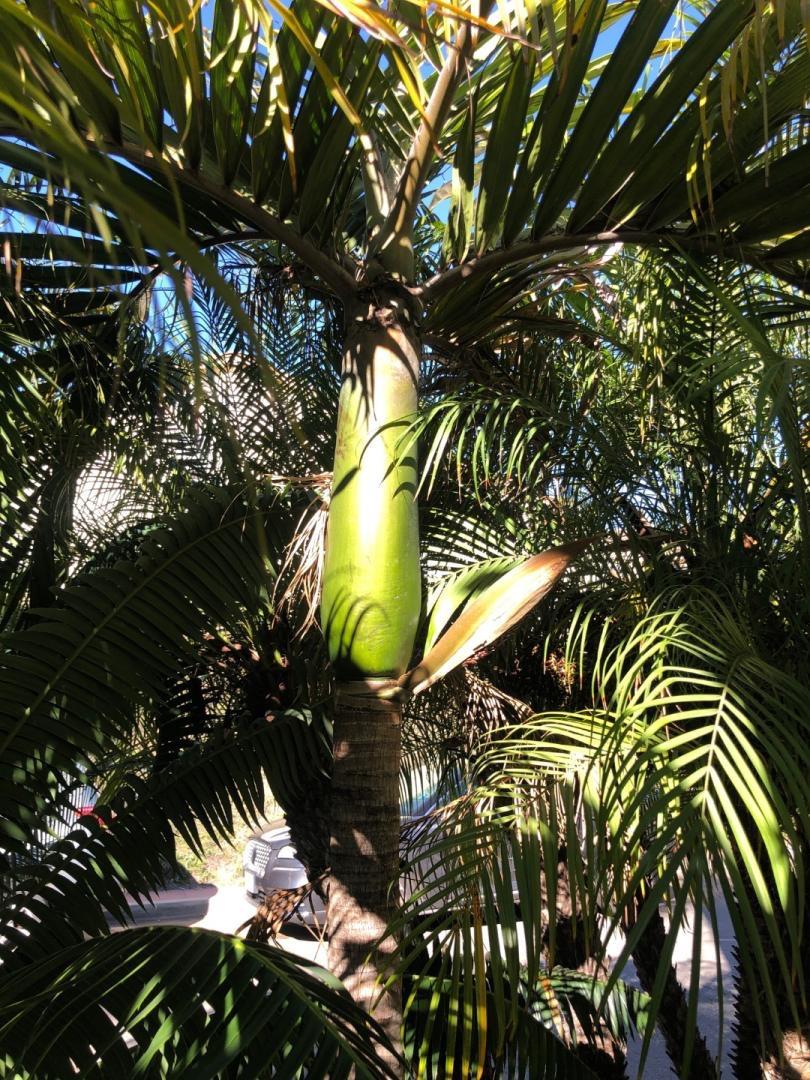
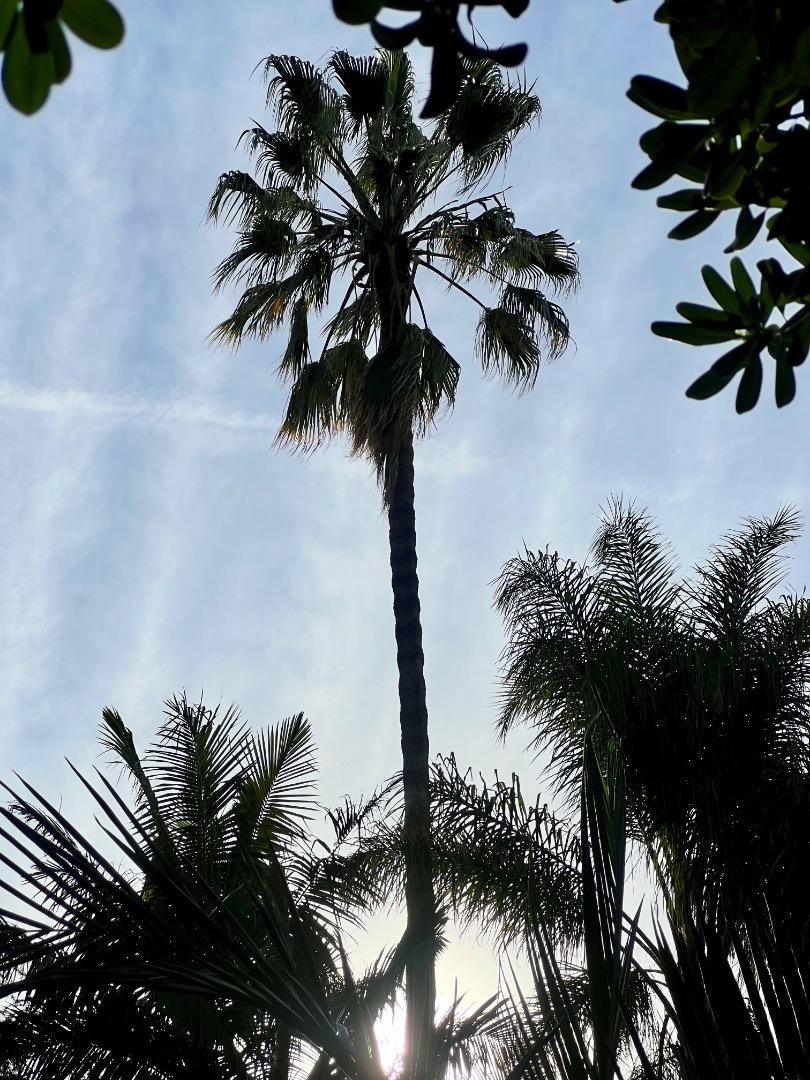
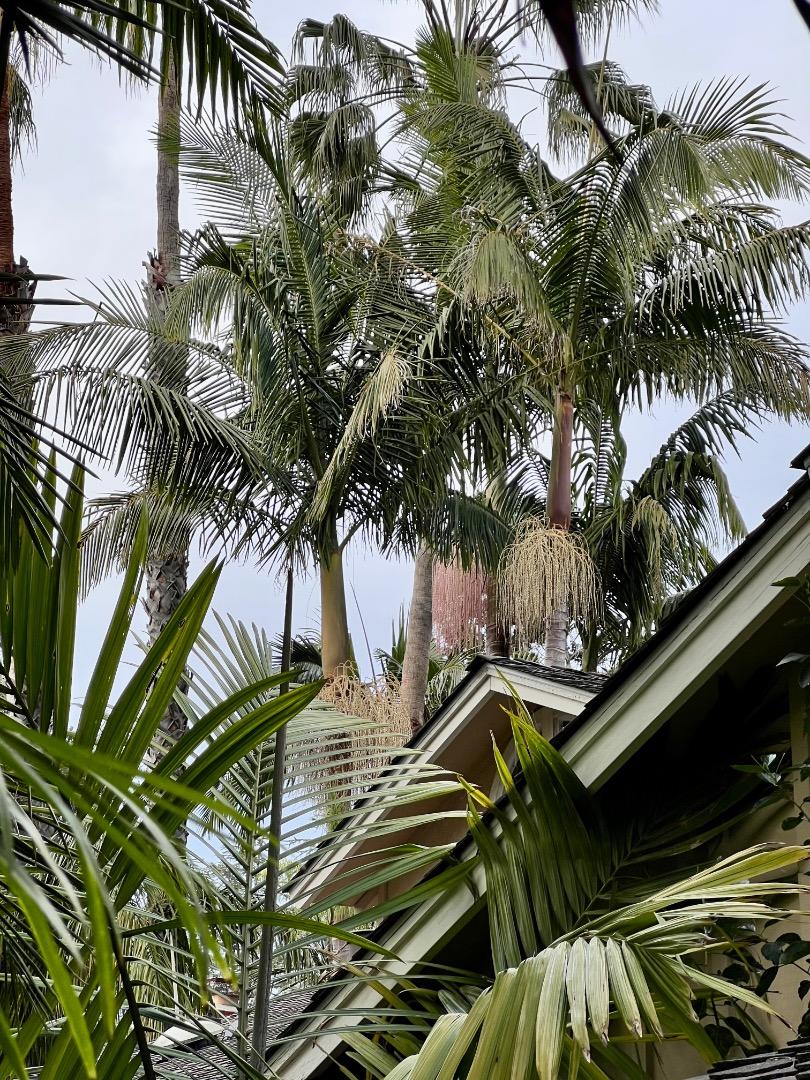
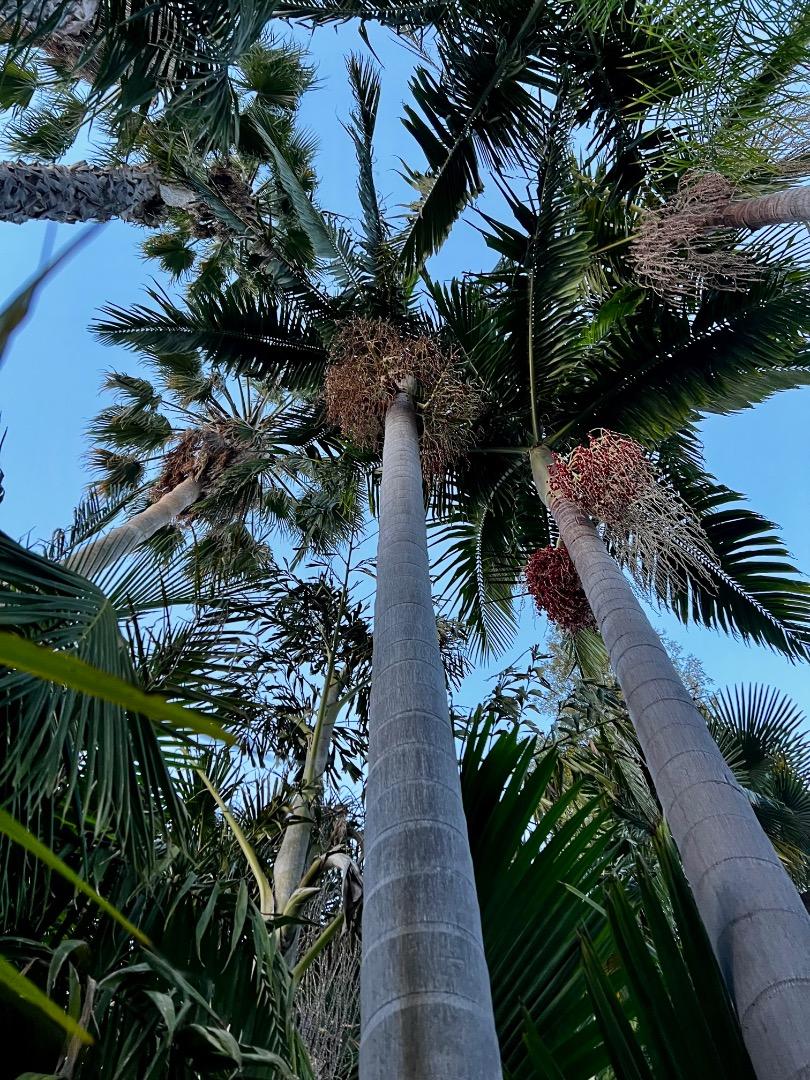
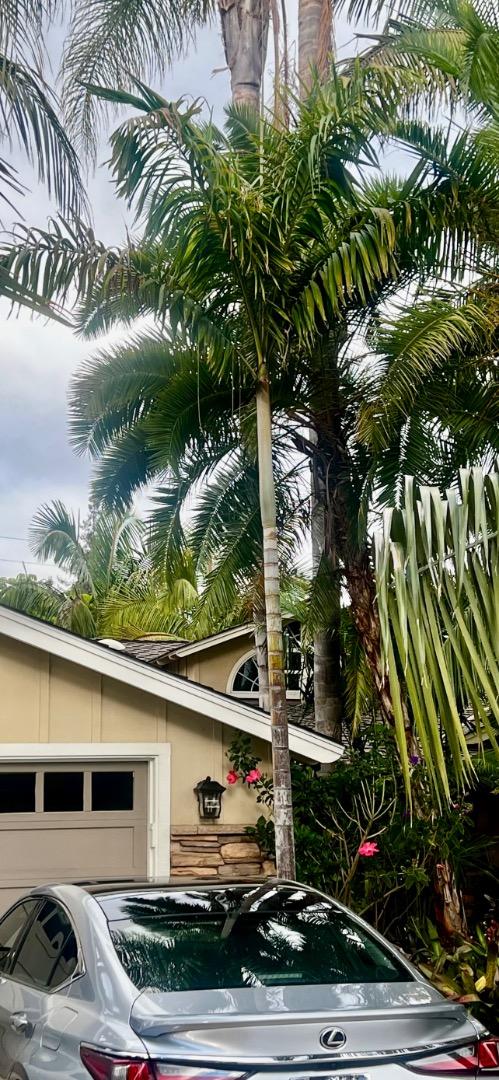
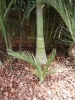
 2 pointsThere are a few very large palms near my home with big seed pods. Wondering what kind of palms they are and if the seeds are a variety someone might be interested in. Thank you.
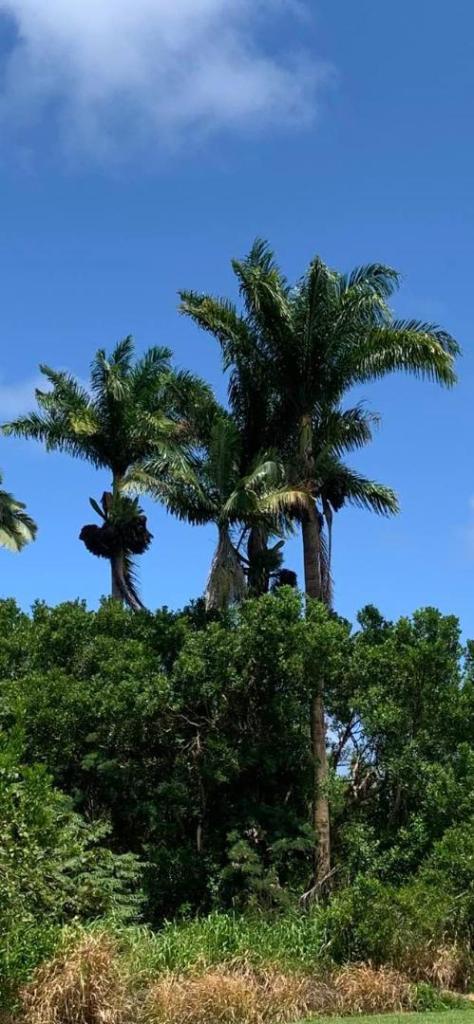 2 points
 Too lush and green! I think this species needs to experience some winter drought to put on a good flower show. I only water mine once a month December through March, plus whatever may fall from the sky. 🤷♂️ aztropic Mesa, Arizona2 points
Mine never lost any leafs I thought that was weird!! But no blooms maybe I over water my jacaranda doesn’t bloom and neither does my delonix!!! Beautiful tree anyway!!
Too lush and green! I think this species needs to experience some winter drought to put on a good flower show. I only water mine once a month December through March, plus whatever may fall from the sky. 🤷♂️ aztropic Mesa, Arizona2 points
Mine never lost any leafs I thought that was weird!! But no blooms maybe I over water my jacaranda doesn’t bloom and neither does my delonix!!! Beautiful tree anyway!!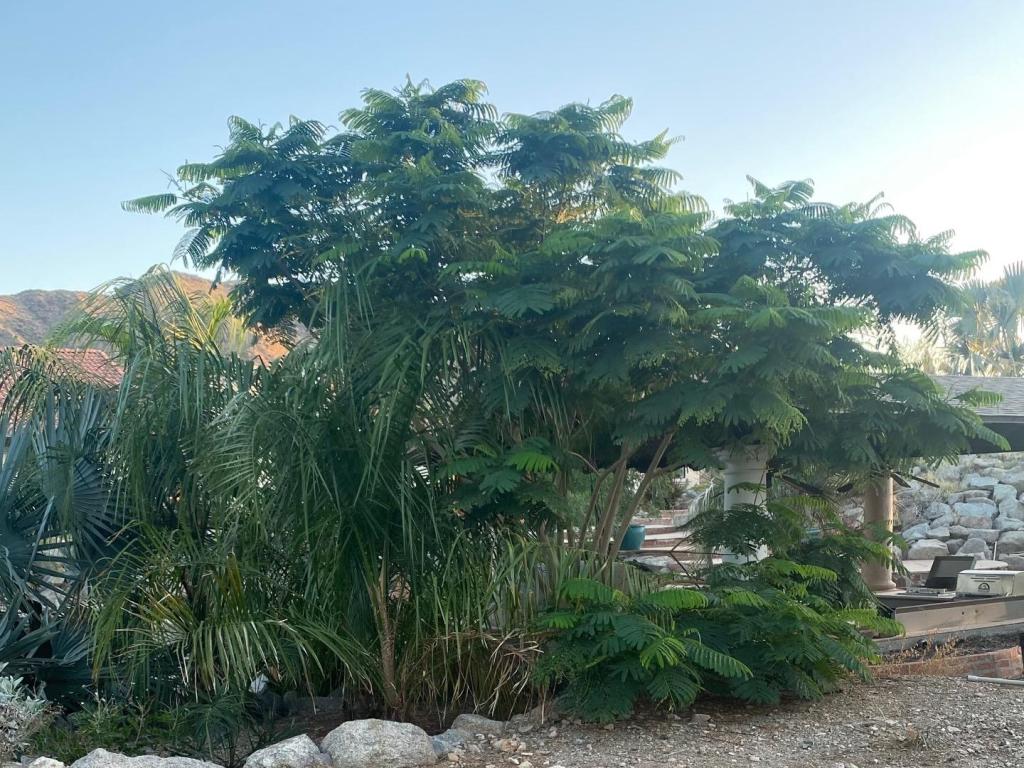 2 points
6 years between the before and after shots of my larger C oliviformis.
2 points
2 points6 years between the before and after shots of my larger C oliviformis.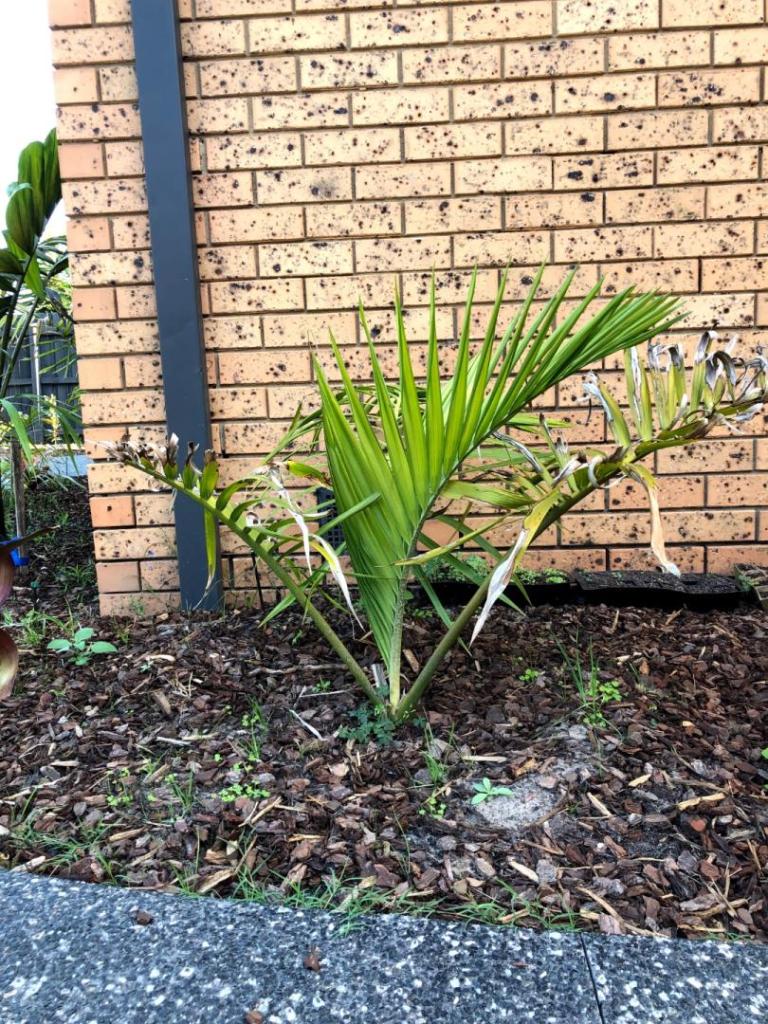
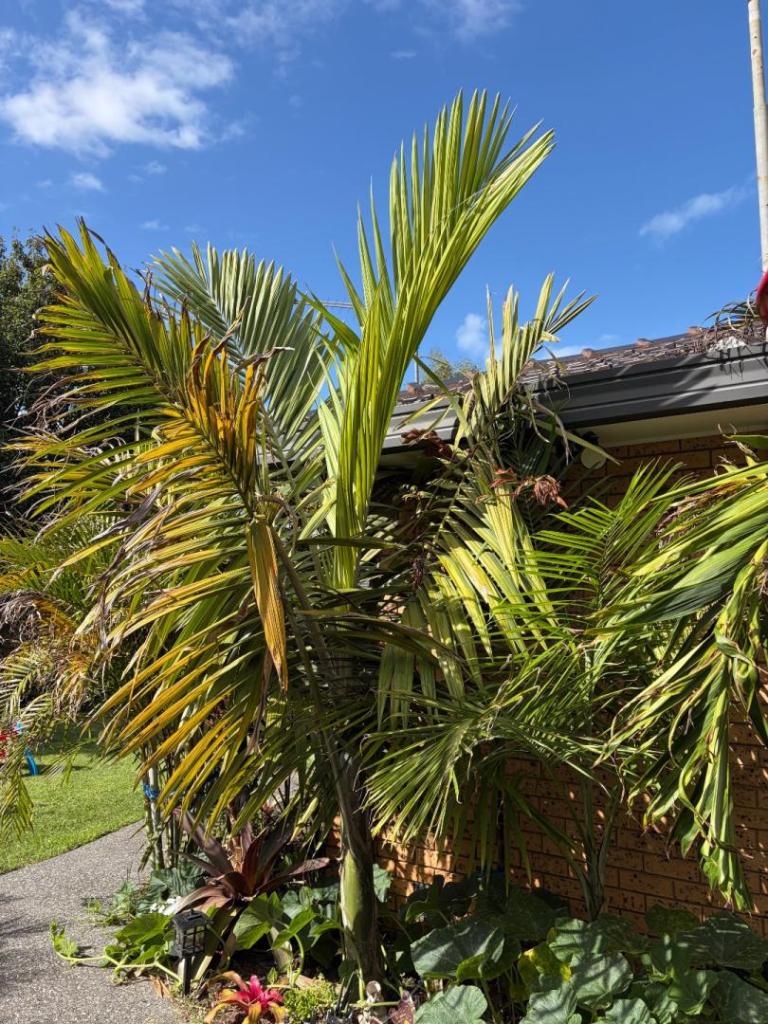 2 points
Looking good Richard. They’re pretty fast down here. Maybe there’s not enough warmth for them up there 🤣 Here’s 8 years of growth from a very nearly dead seedling I managed to transplant from a garden before it died. Glad I did.
2 points
2 pointsLooking good Richard. They’re pretty fast down here. Maybe there’s not enough warmth for them up there 🤣 Here’s 8 years of growth from a very nearly dead seedling I managed to transplant from a garden before it died. Glad I did.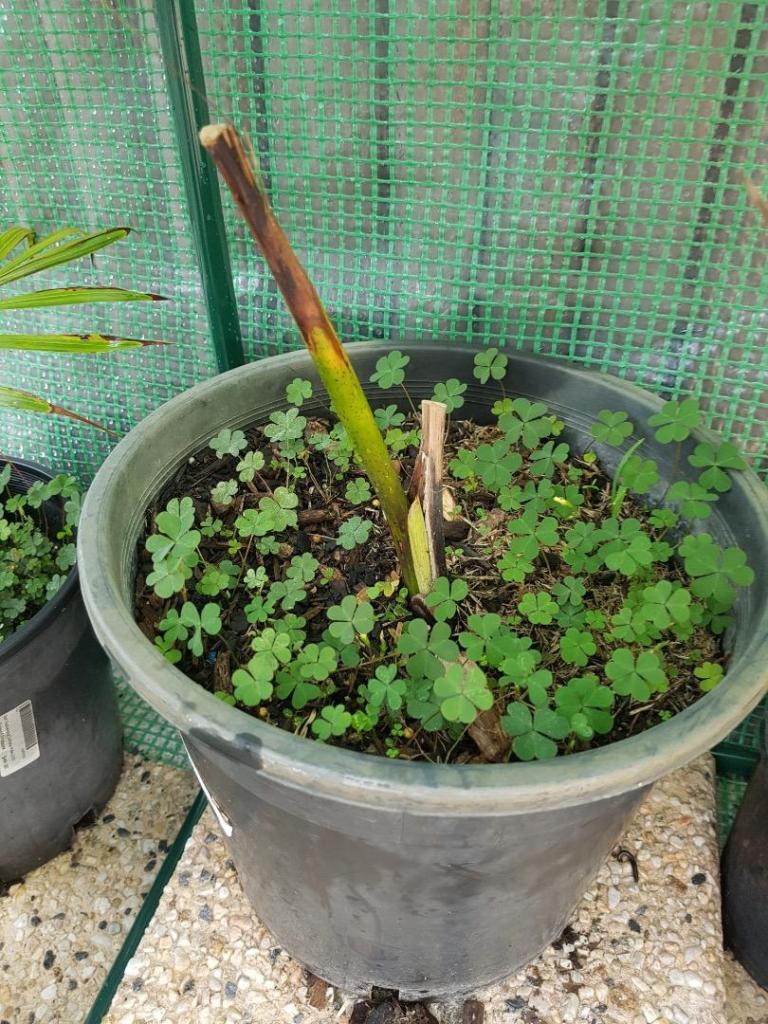
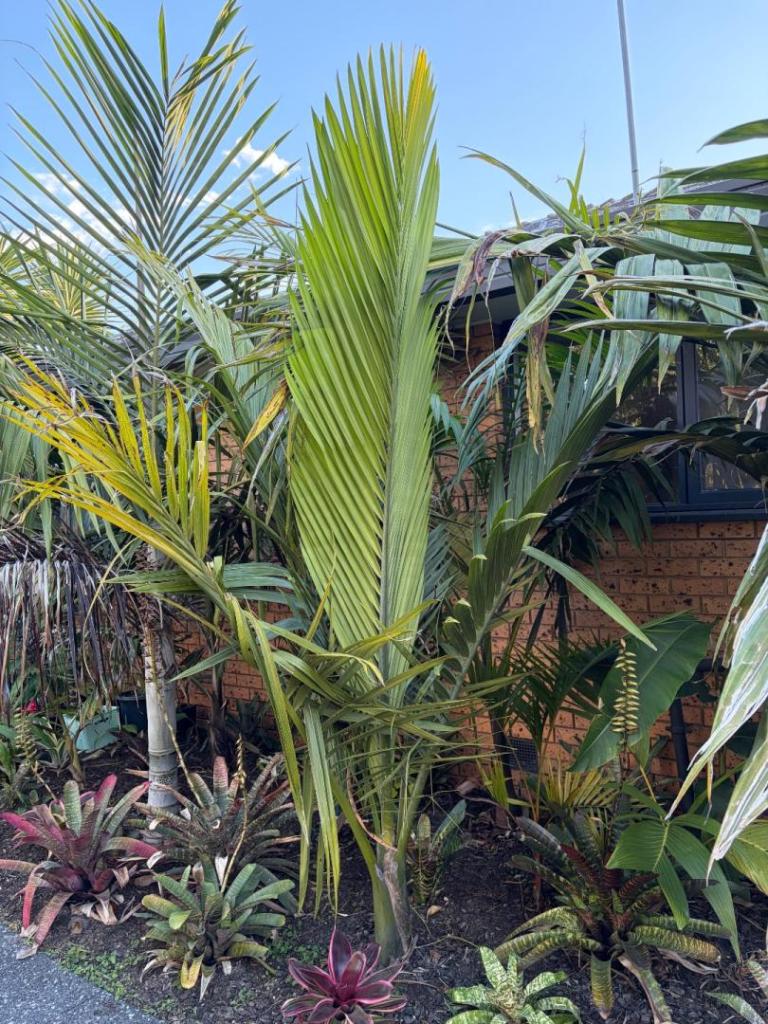 2 points
Good grief no, I got seed back in 2010, so it took awhile to germinate and get them to plantable size. Hawaii fast, but not that fast. Tim2 points
Like all the farmers say, "There's always next year". It was an unusually warm winter in the Phoenix area, and it pretty much decimated the stone fruit crops in the valley. We have 3 apricot trees, and a nectaplum, and not a single flower on any of them for the first time ever.🤷♂️ aztropic Mesa, Arizona
2 points
2 pointsGood grief no, I got seed back in 2010, so it took awhile to germinate and get them to plantable size. Hawaii fast, but not that fast. Tim2 points
Like all the farmers say, "There's always next year". It was an unusually warm winter in the Phoenix area, and it pretty much decimated the stone fruit crops in the valley. We have 3 apricot trees, and a nectaplum, and not a single flower on any of them for the first time ever.🤷♂️ aztropic Mesa, Arizona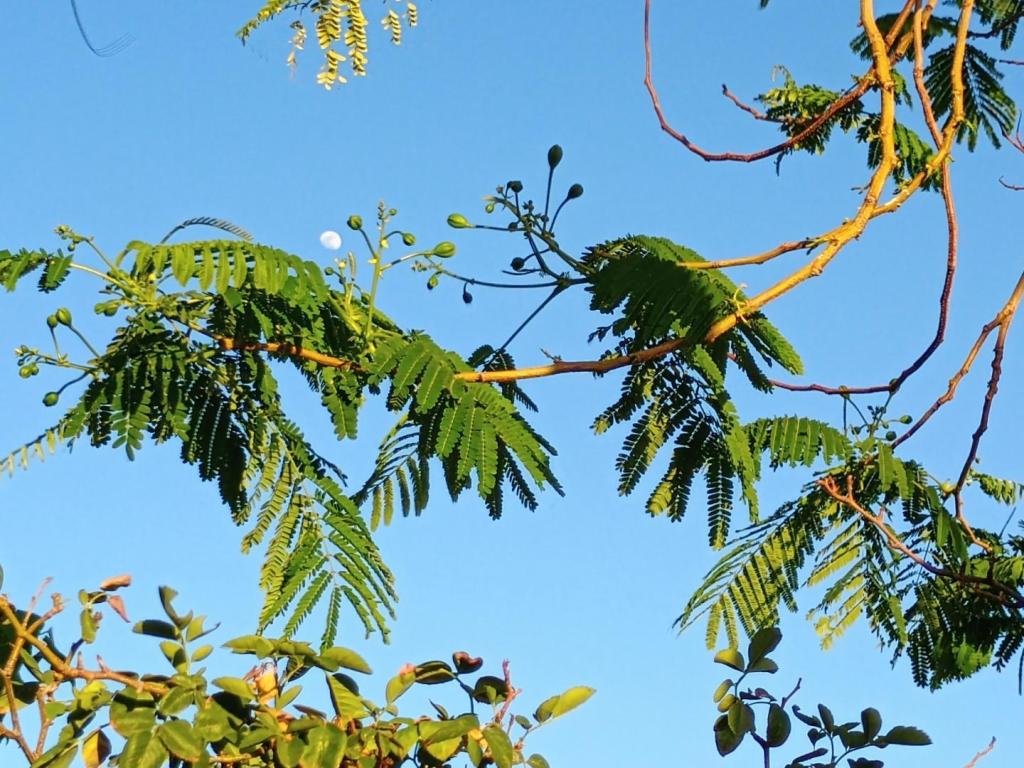 2 points
My guess is that our stick trees may not bloom until June. With your mild winter, most kept their leaves and are already rolling!2 points
2 points
2 points2 points
2 points2 points
2 points
My guess is that our stick trees may not bloom until June. With your mild winter, most kept their leaves and are already rolling!2 points
2 points
2 points2 points
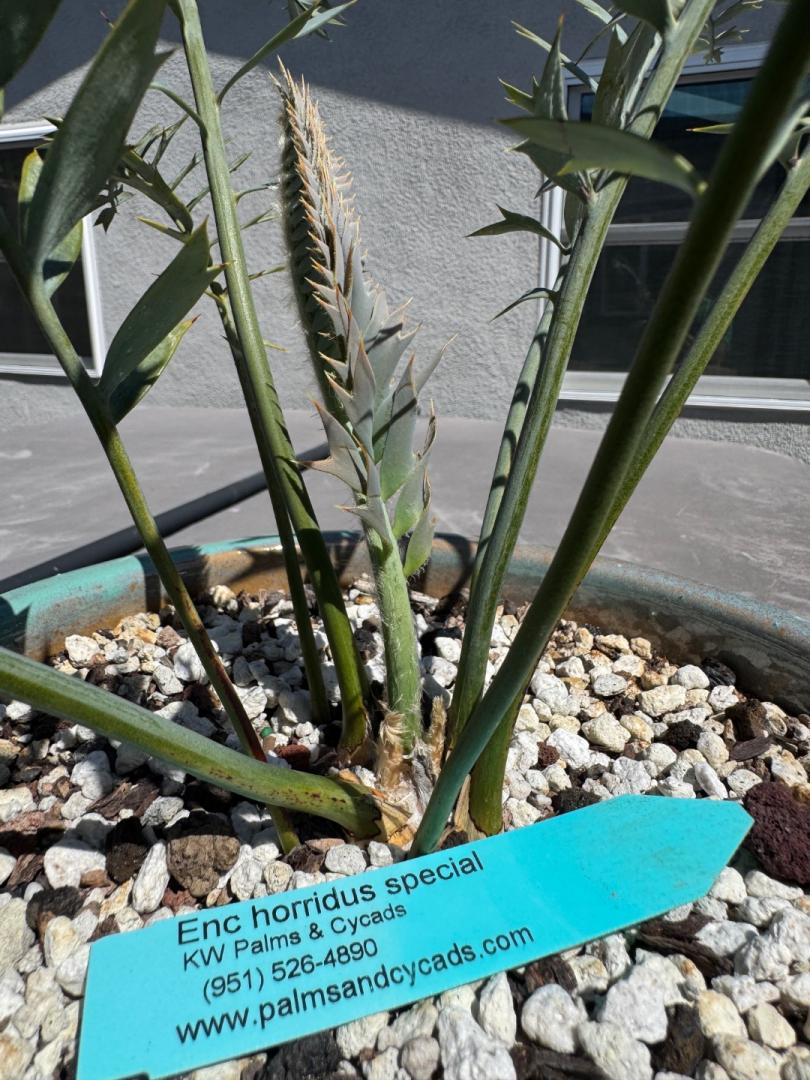
2 points2 points 2 pointsHere’s a unique Encephalartos Horridus I got from @Sr. Califas but a Kevin plant marked “Special”. I called Kevin and he said this particular plant was germinated using noticeably unique parents that possess great color and different shape structure. I’m all for rare. Pictures don’t really do it justice as the emerging frond is even more purple than it looks. Looks to be a few more emerging behind the leader as well. -dale
 2 points
 2 points2 points
 2 pointsCertainly a very sunny April, we might get a touch of drizzle Monday night2 points
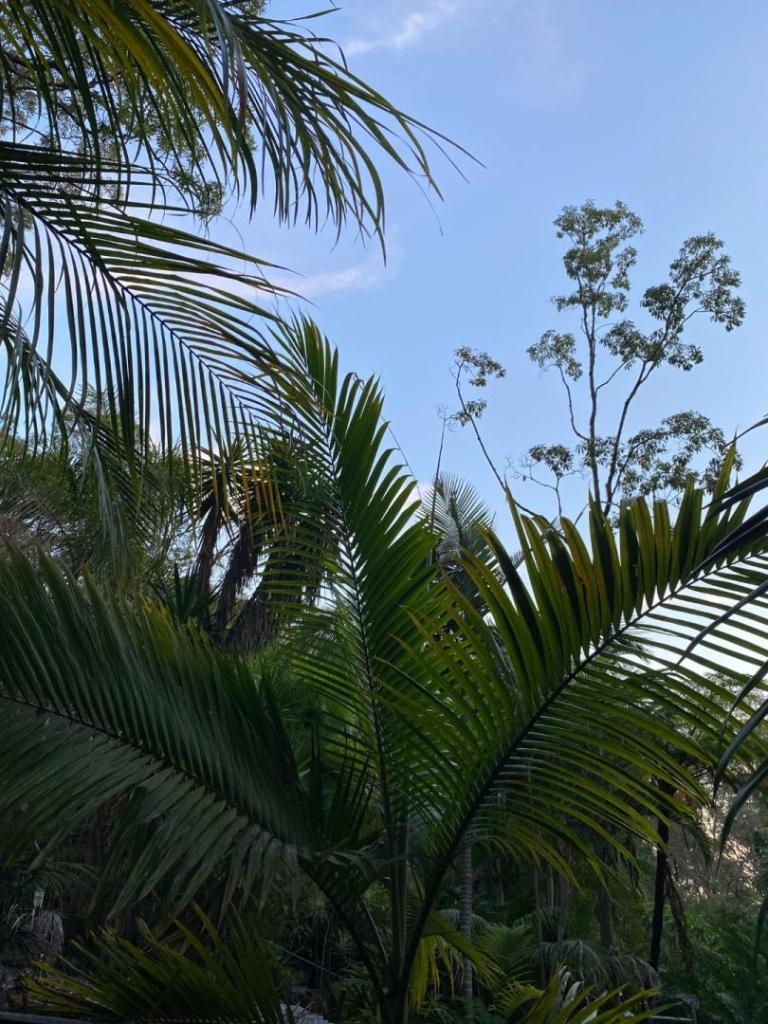
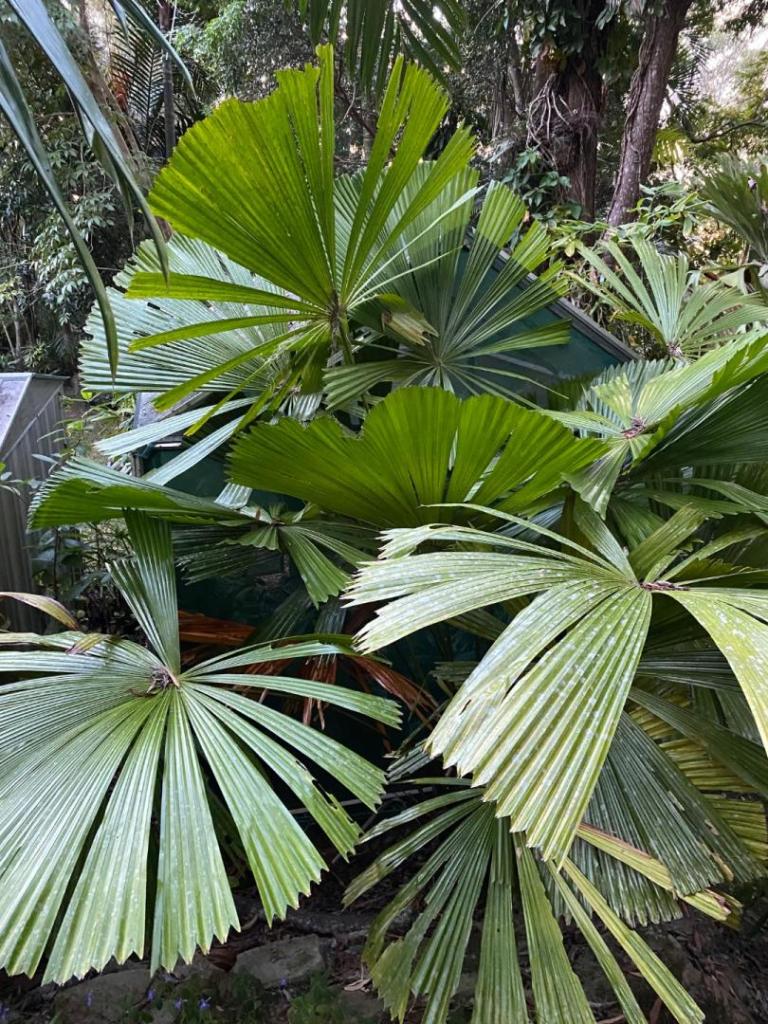
In regards to planting small palms, from little things big things grow!
2 pointsCertainly a very sunny April, we might get a touch of drizzle Monday night2 points
In regards to planting small palms, from little things big things grow!
 2 points
 Dave, I’ve always been a “plant them even when they’re tiny” kind of guy. Many of my big honking palms were planted as 2 or 3 inch seedlings directly to the ground. Here are just a few of them… @Jim in Los Altos. I have done that as well and been ok. I was just curious how others have done it . Some of them stay in pots for a while just because I am deciding on final spot or don’t have time to dig the hole. Harry ‘These two came home from Maui with me in 4” pots . Pritchardia H. above and Chambeyronia M. below . Planted within a week of coming home .
 2 points
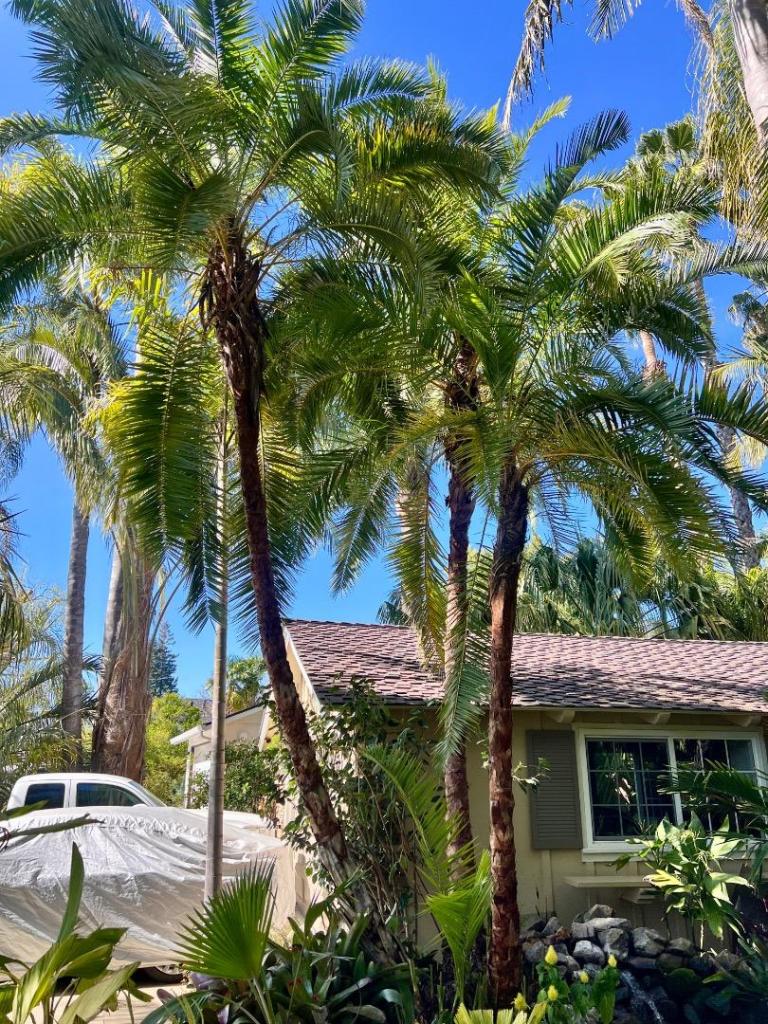
Dave, I’ve always been a “plant them even when they’re tiny” kind of guy. Many of my big honking palms were planted as 2 or 3 inch seedlings directly to the ground. Here are just a few of them…
2 points
Dave, I’ve always been a “plant them even when they’re tiny” kind of guy. Many of my big honking palms were planted as 2 or 3 inch seedlings directly to the ground. Here are just a few of them…
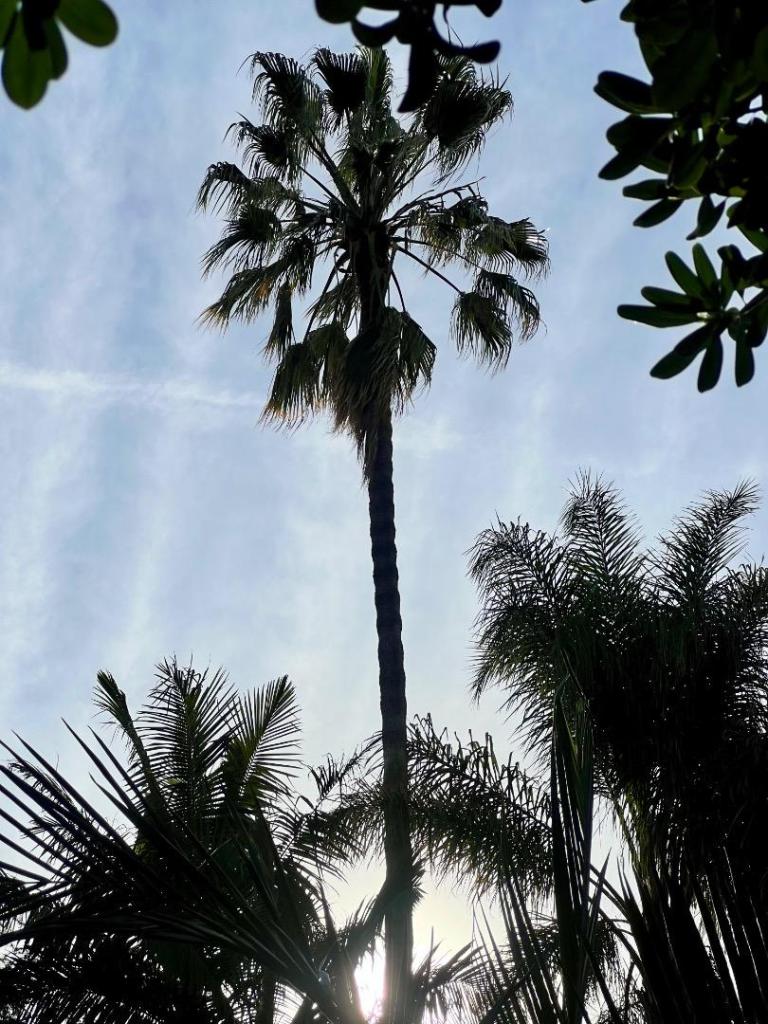


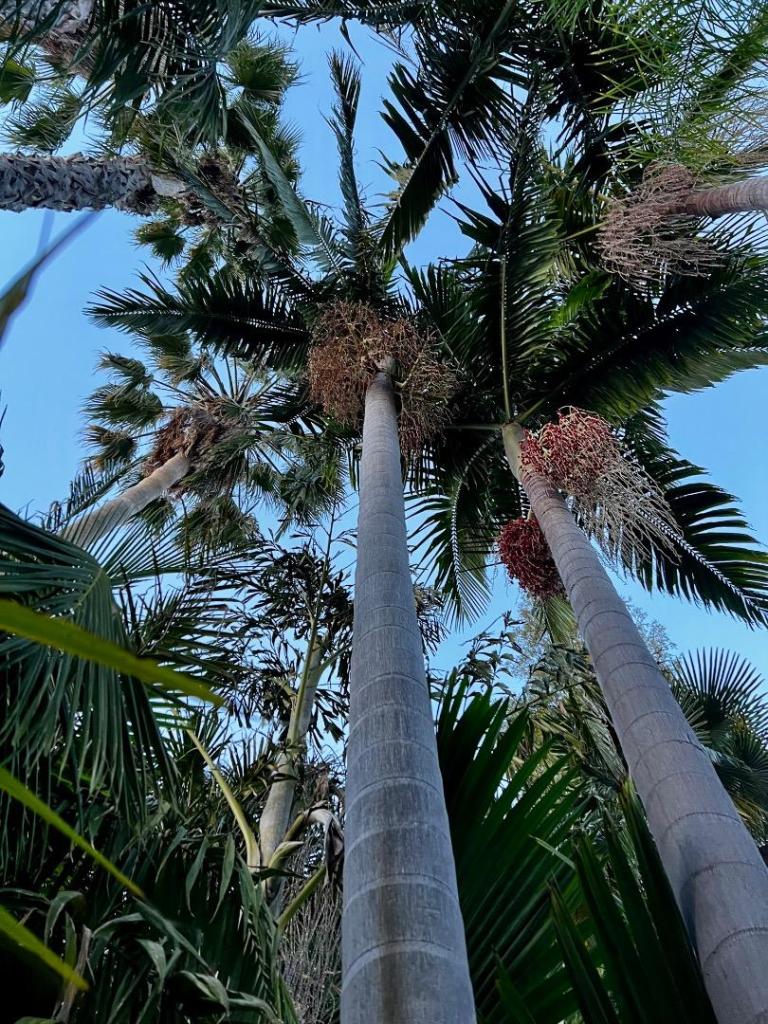


 2 points
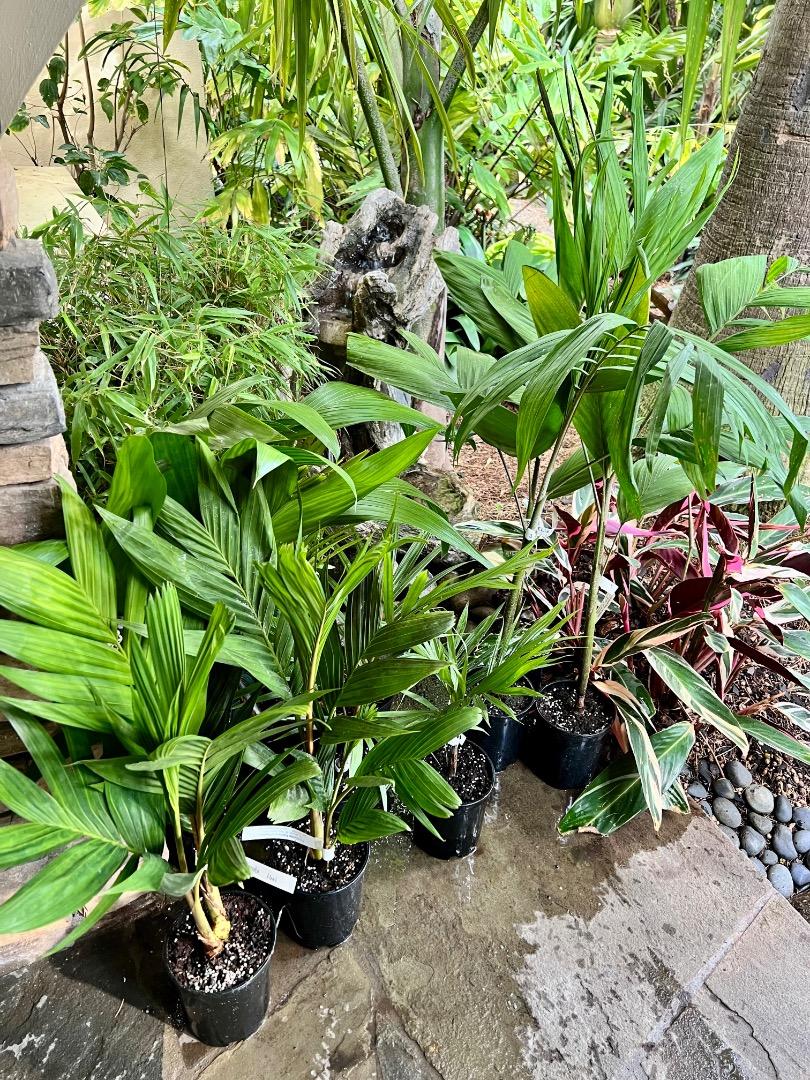
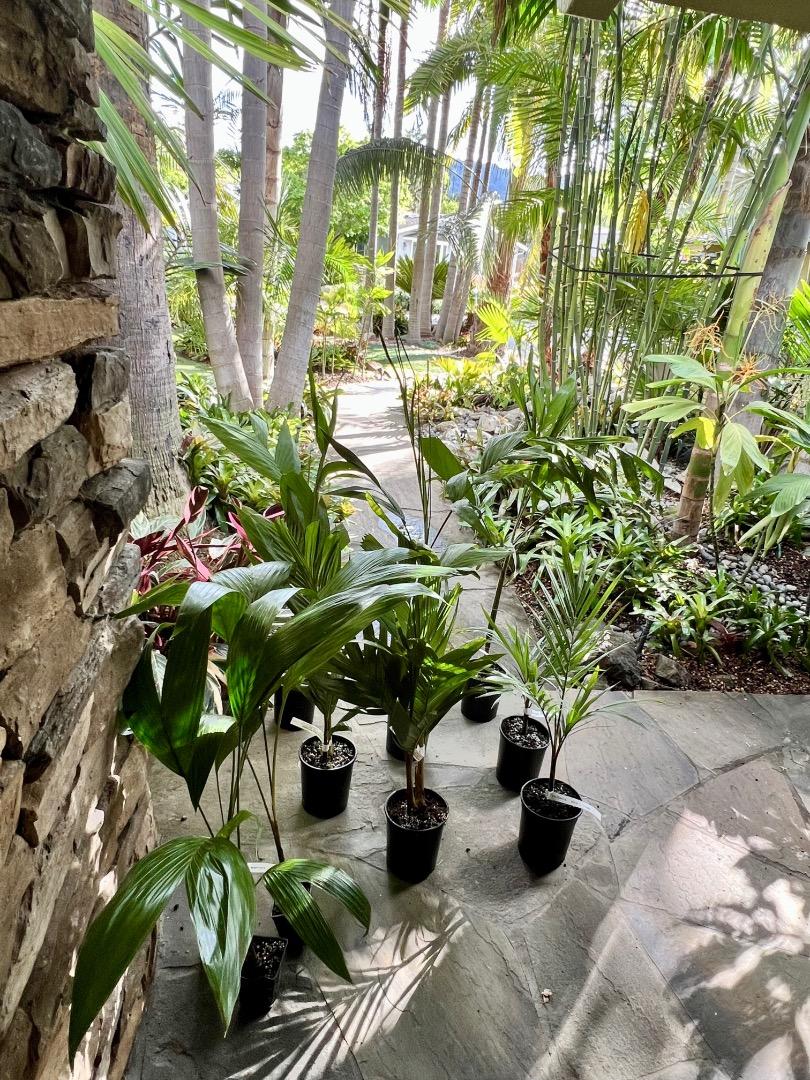
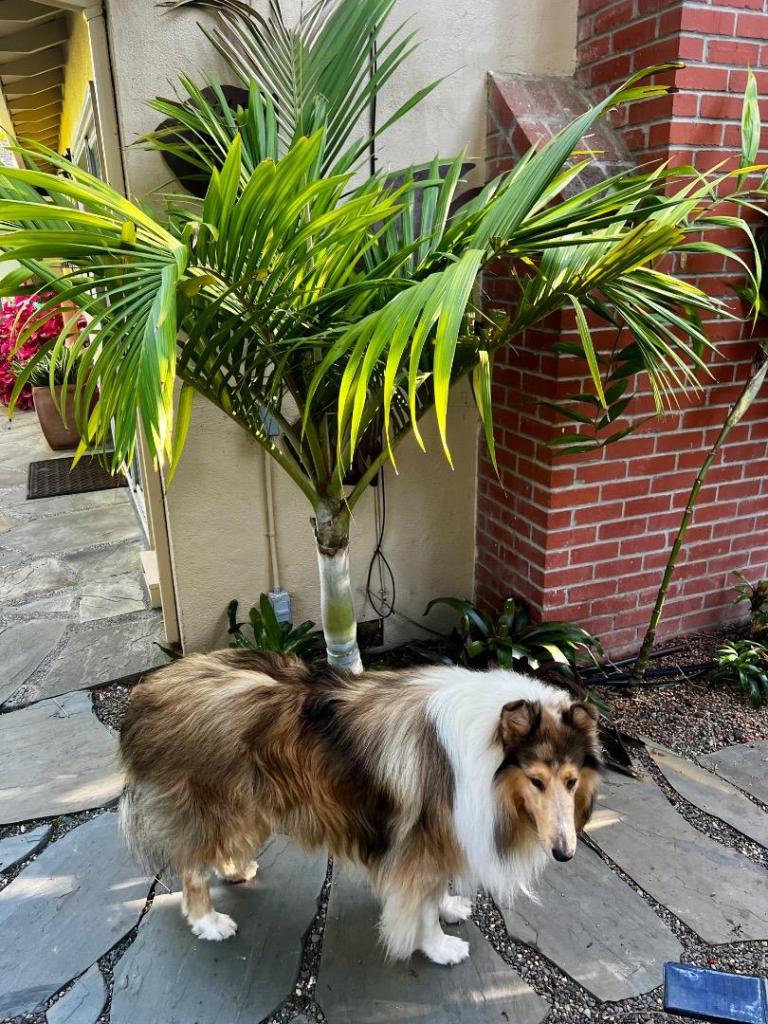
Harry, all but one are planted as of today. One more to go into the ground. I rarely keep any palms potted for long. I don’t like to wait until summer. I did put the Pinanga coronata palms into a big decorative pot however.
2 points
Harry, all but one are planted as of today. One more to go into the ground. I rarely keep any palms potted for long. I don’t like to wait until summer. I did put the Pinanga coronata palms into a big decorative pot however.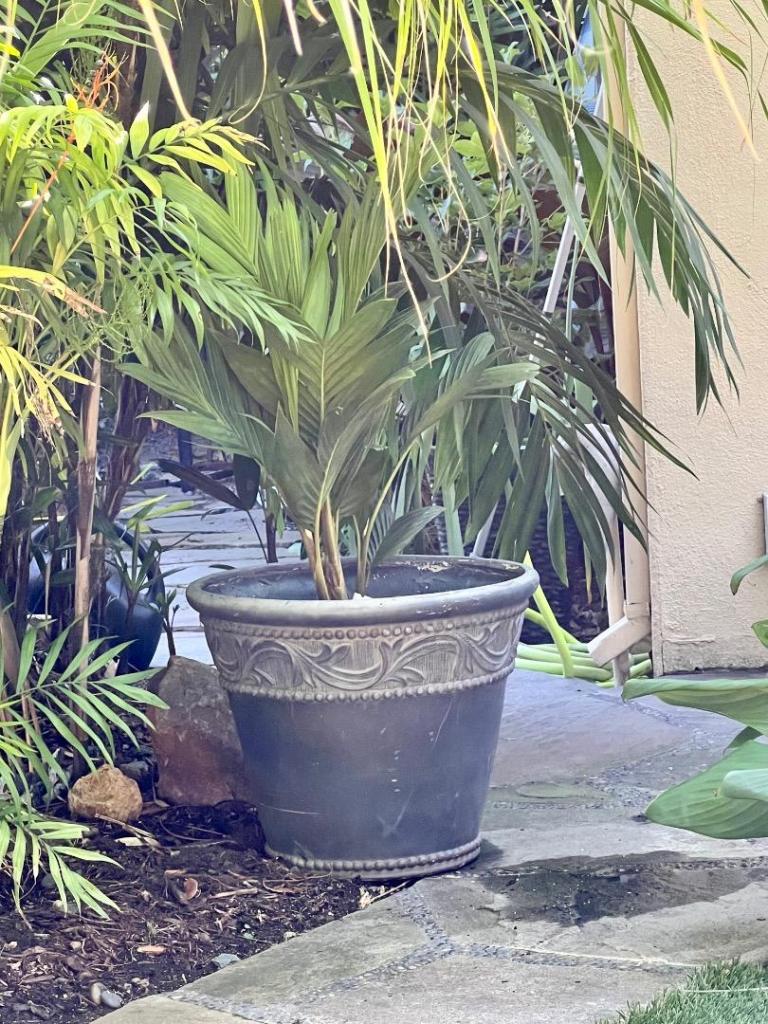 2 points
Account
Navigation
Configure browser push notifications
Chrome (Android)
- Tap the lock icon next to the address bar.
- Tap Permissions → Notifications.
- Adjust your preference.
Chrome (Desktop)
- Click the padlock icon in the address bar.
- Select Site settings.
- Find Notifications and adjust your preference.
Safari (iOS 16.4+)
- Ensure the site is installed via Add to Home Screen.
- Open Settings App → Notifications.
- Find your app name and adjust your preference.
Safari (macOS)
- Go to Safari → Preferences.
- Click the Websites tab.
- Select Notifications in the sidebar.
- Find this website and adjust your preference.
Edge (Android)
- Tap the lock icon next to the address bar.
- Tap Permissions.
- Find Notifications and adjust your preference.
Edge (Desktop)
- Click the padlock icon in the address bar.
- Click Permissions for this site.
- Find Notifications and adjust your preference.
Firefox (Android)
- Go to Settings → Site permissions.
- Tap Notifications.
- Find this site in the list and adjust your preference.
Firefox (Desktop)
- Open Firefox Settings.
- Search for Notifications.
- Find this site in the list and adjust your preference.