

Leaderboard
-

happypalms
IPS MEMBER16Points13,207Posts -


bubba
IPS MEMBER12Points8,618Posts -

cagary
IPS MEMBER8Points480Posts -


Foggy Paul
IPS MEMBER8Points257Posts
Popular Content
Showing content with the highest reputation on 04/21/2026 in all areas
-
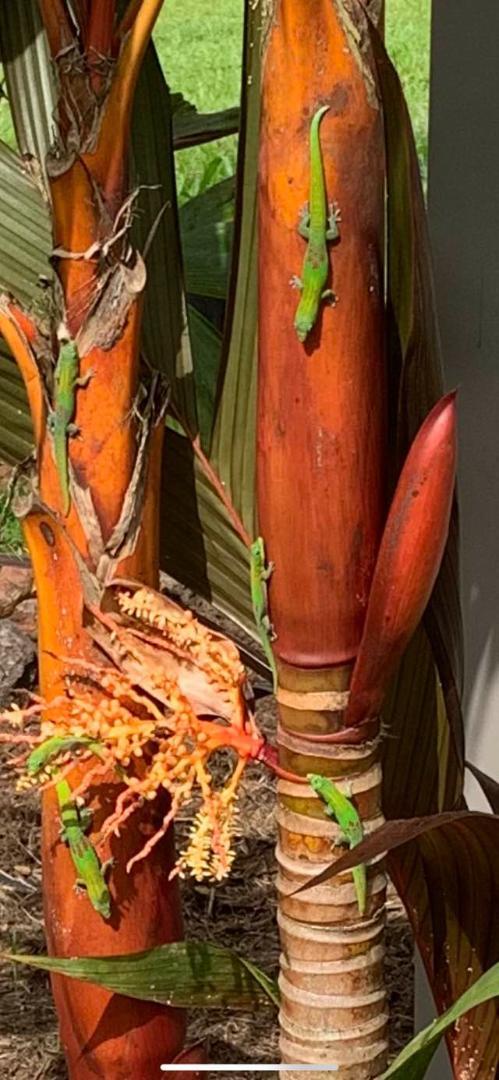
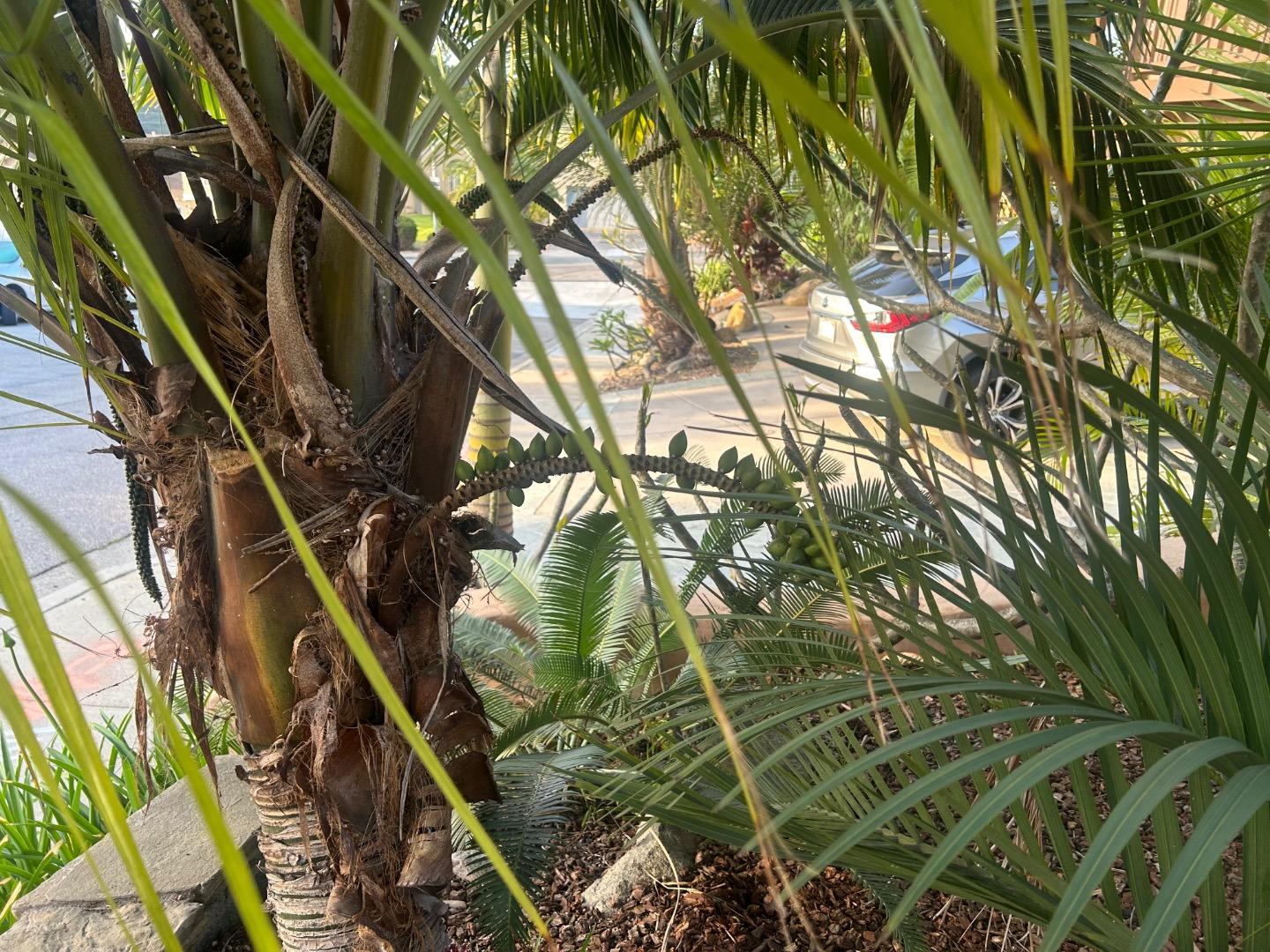
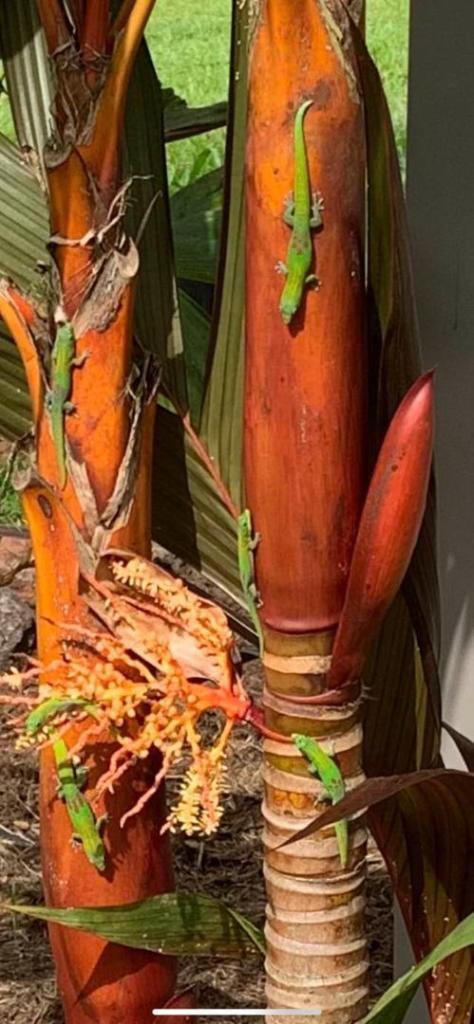
Don't see them actually eating the seed, but they sure seem to be attracted to them.
 8 points
 -
5 points
-
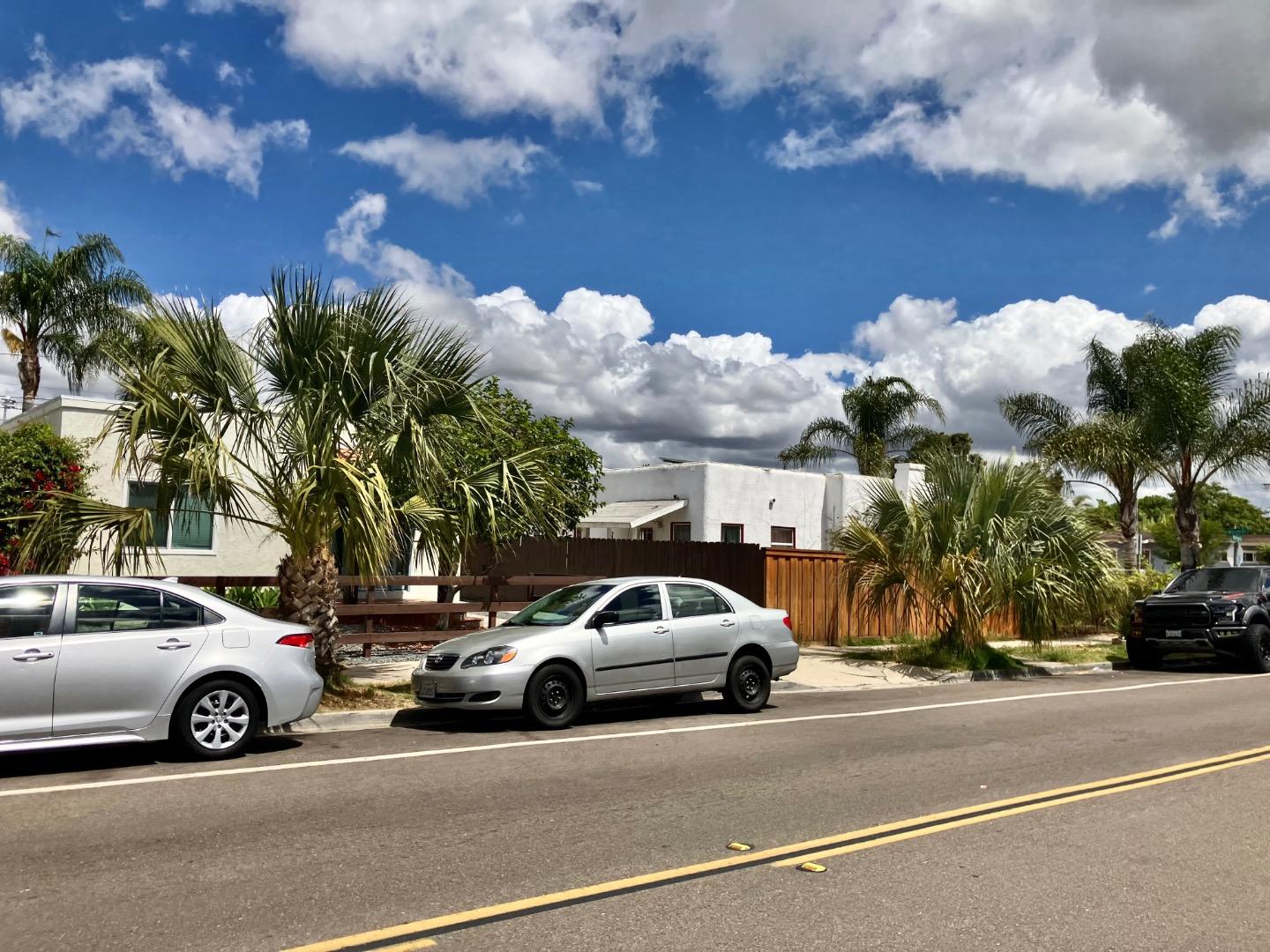
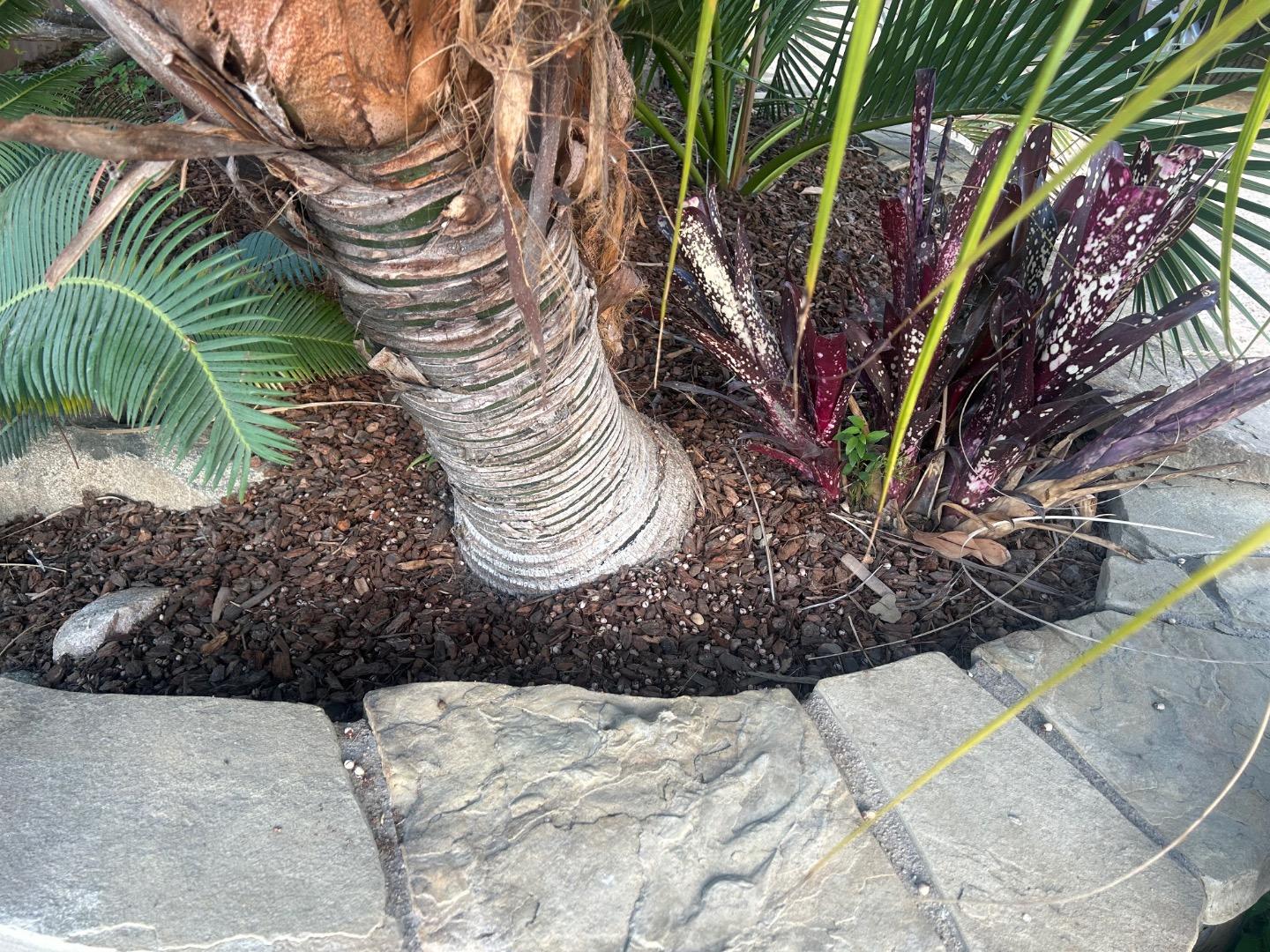
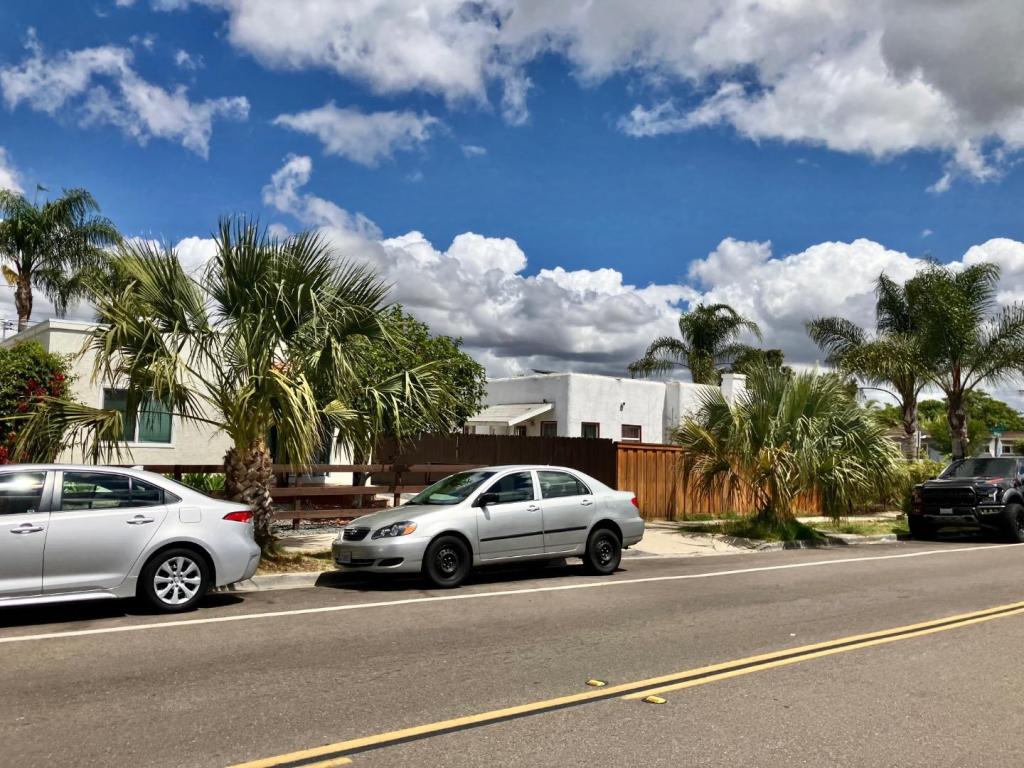
 You’ll see them around in Southern California, though they’re a lot less prevalent than most other fan palms. i used to think that they were slow and that’s not entirely true - though slow is a relative term. They’re definitely sturdy, in Sam Diego, and worth the wait (in my opinion). Shoot me a DM if you’re having trouble finding any. Here’s a link to a thread which documents a lot of my experiences: Not the best picture, but here’s a S. Uresana and a S. Mexicana type, from the other day. I’d estimate that they are around 10years old, from a 5 gallon. They’ve been on their own, without any care, and are self sufficient where I’m at 10a (maybe even 10b). 92104 zip code. There’s also a S. Bermudana (maybe) and a S. Causarium further to the right, which can’t be seen. Those are also living on their own, with no help. These are growing with a lot of other palms in the 3500-3600 block of Wightman St, and there’s a Livistona Chinensis, Arenga Engleri, and a big Sabal Mauritiiformis two houses south, on Wilson Ave, if you were in the area.
 5 points
 -
 Day Geckos love nectar, not seeds - most likely looking for that or insects attracted to the palm.4 points
 -
 Save yourself lots of time and hassle and buy a new one when you move. You can buy one that size for 50-75$ if you look around on Facebook marketplace. Be very weary of where you move in Port Charlotte though if you are not near the Peace river of Charlotte Harbor it will get just as cold as Central Florida in a cold snap. Saw multiple mid to upper 20 degree days in the area over the last few years.4 points
 -
4 points
-
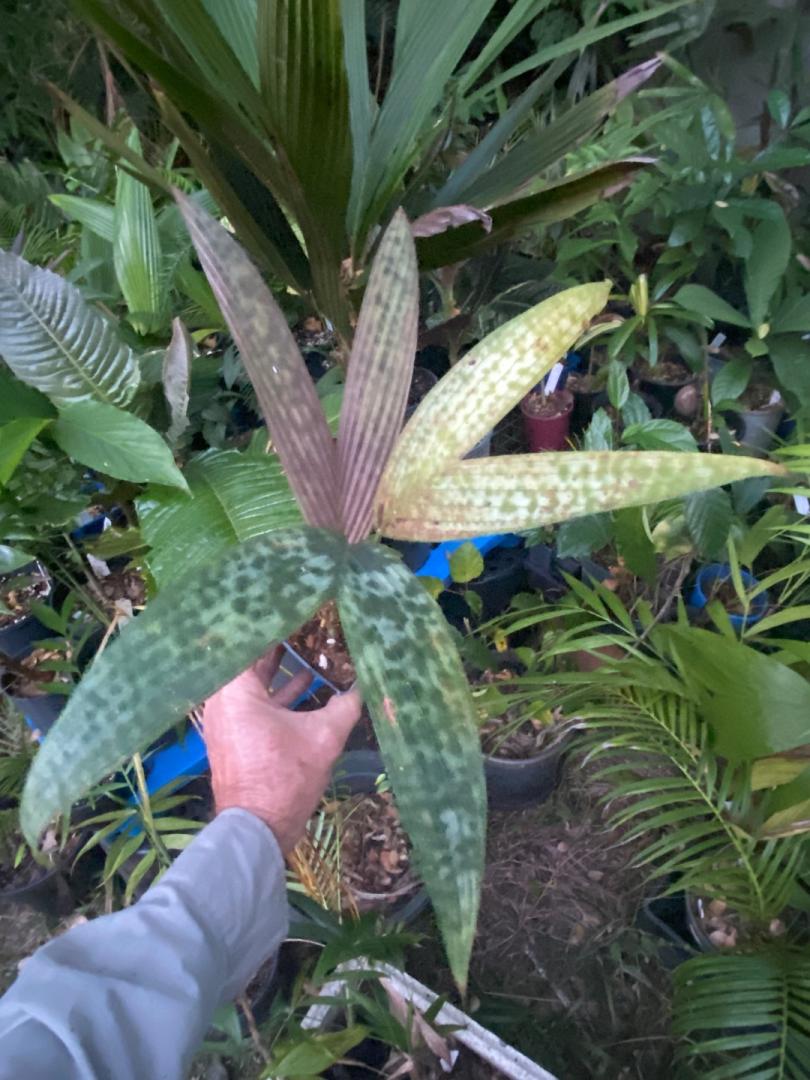
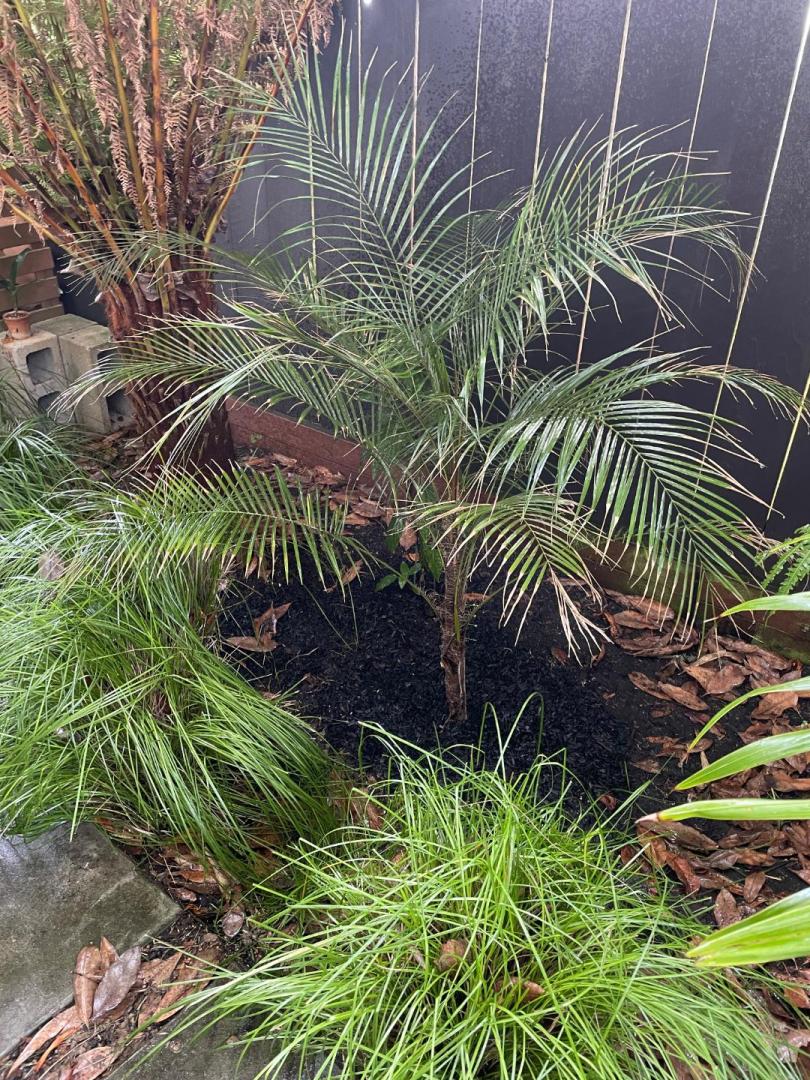
4 pointsI planted out this weddelliana yesterday. The soil in this part of the garden is heavier than the rest (takes about five minutes to drain 2" of water). The area gets consistent summer "rainfall" from fog dripping from the neighbor's Magnolia grandiflora overhead. It also gets almost no sun any time of year and as a result is continuously moist. I know this species is prone to root rot, so I cut off irrigation to the plant. It will be our only palm that isn't irrigated. What does everyone think of this strategy?
 4 points
 -
 3 points
 -
 3 points
 -
3 points
-
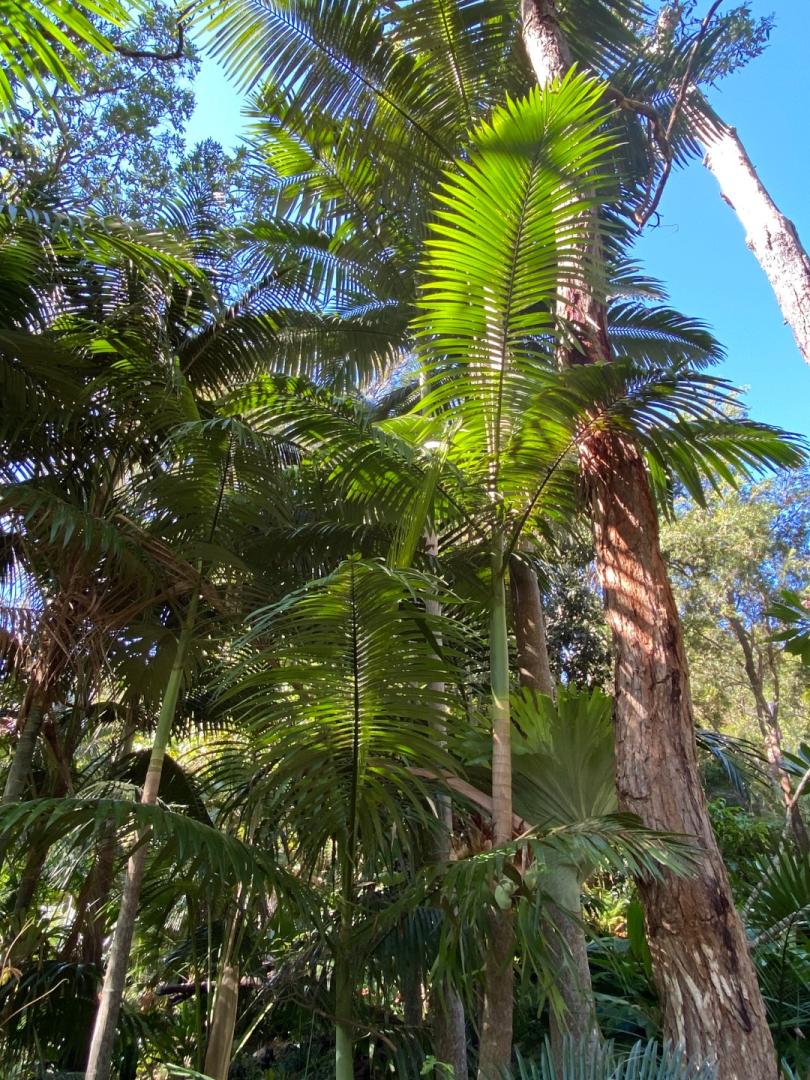
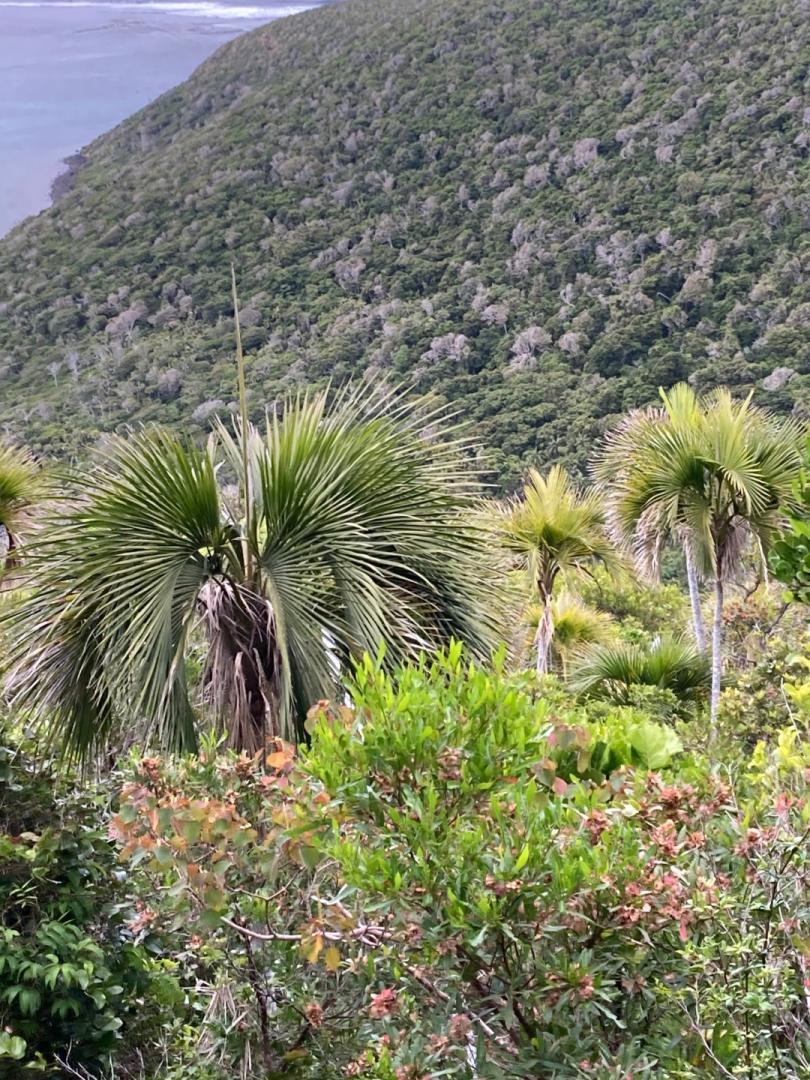
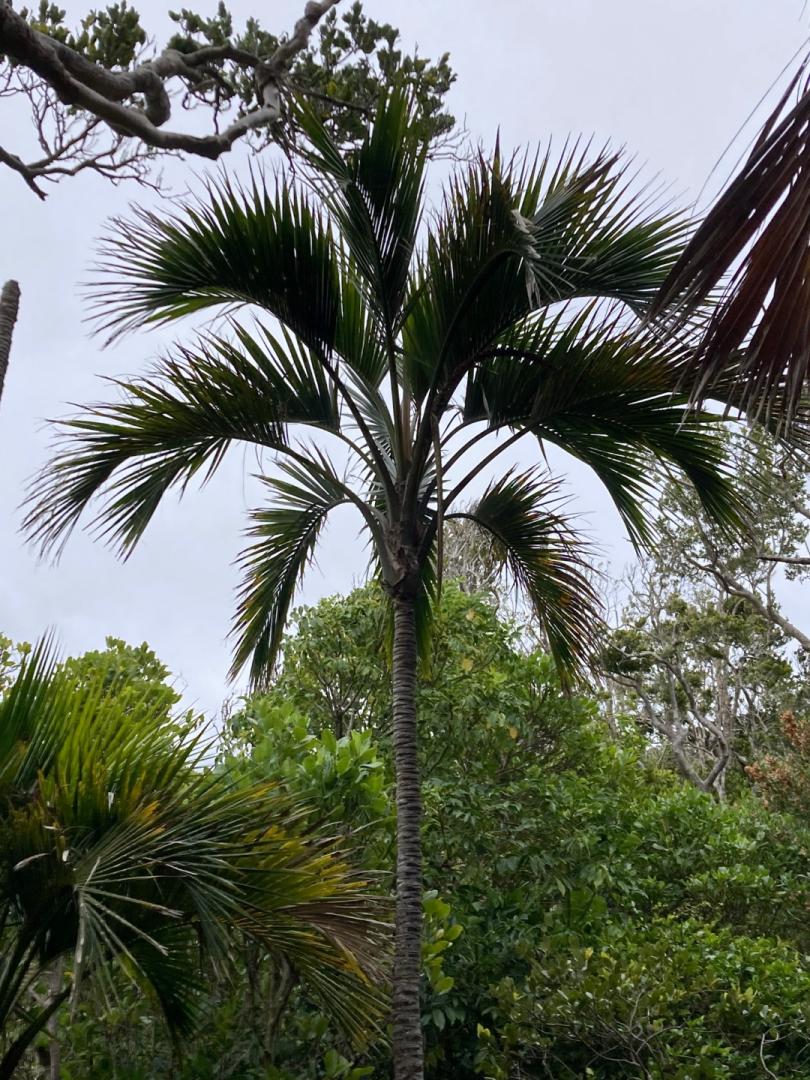
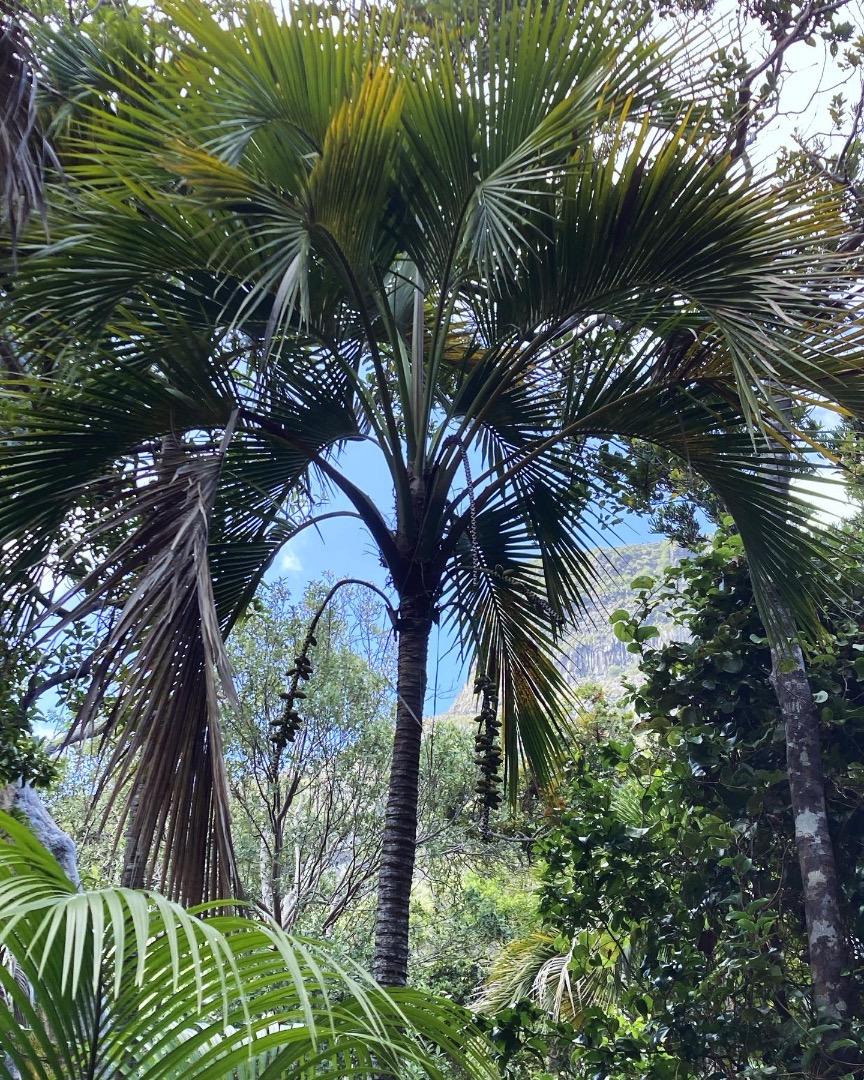
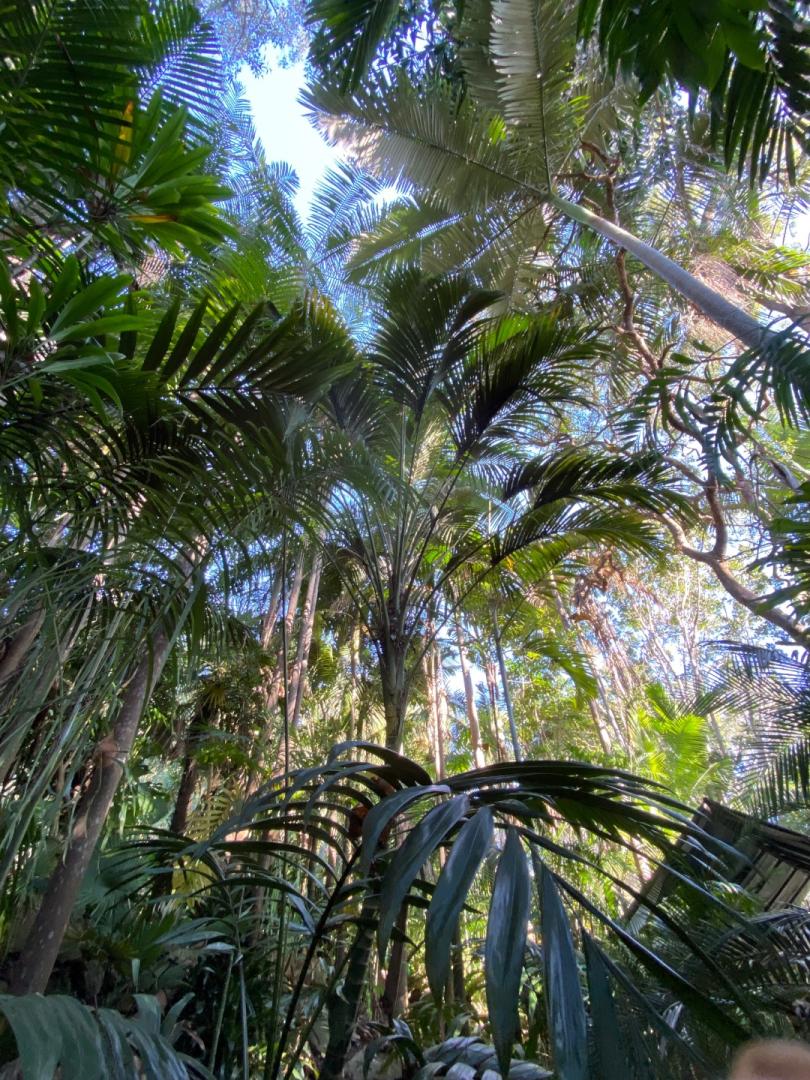
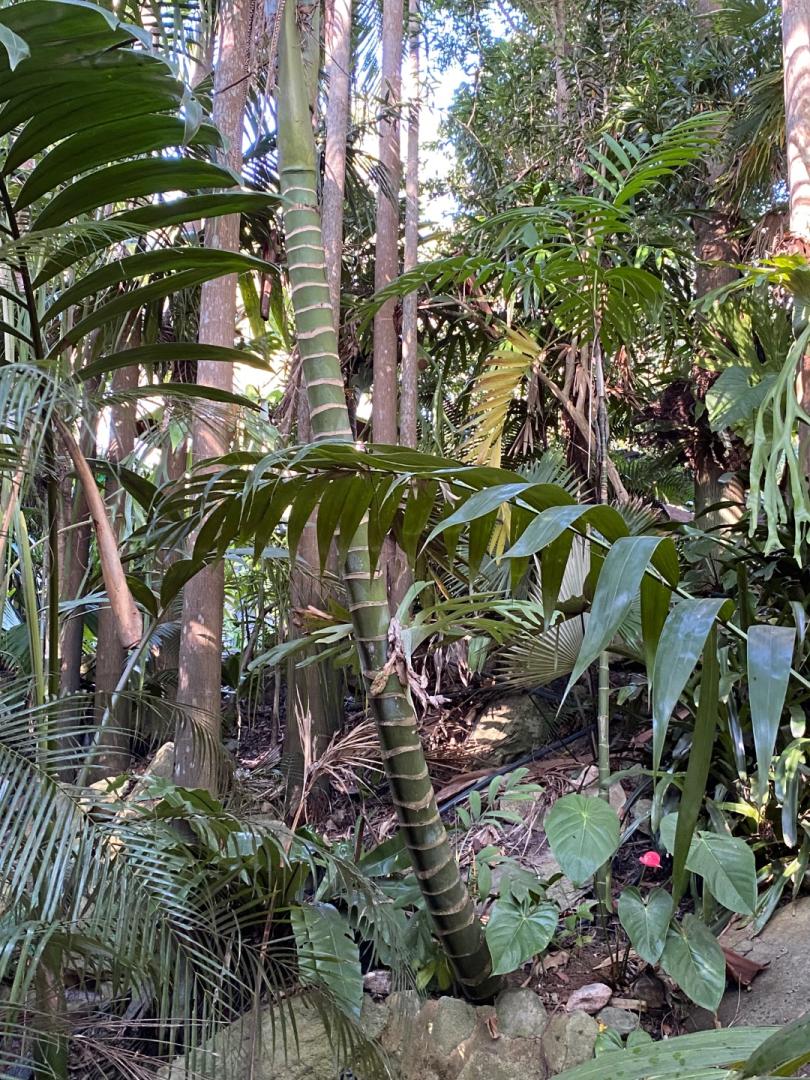
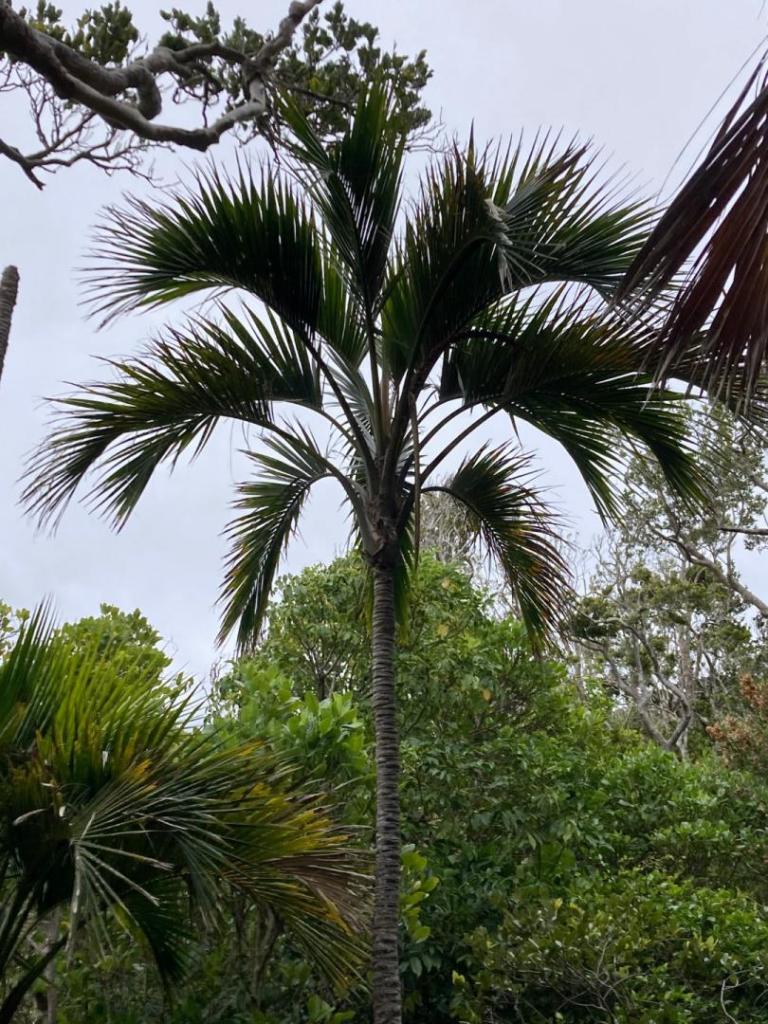
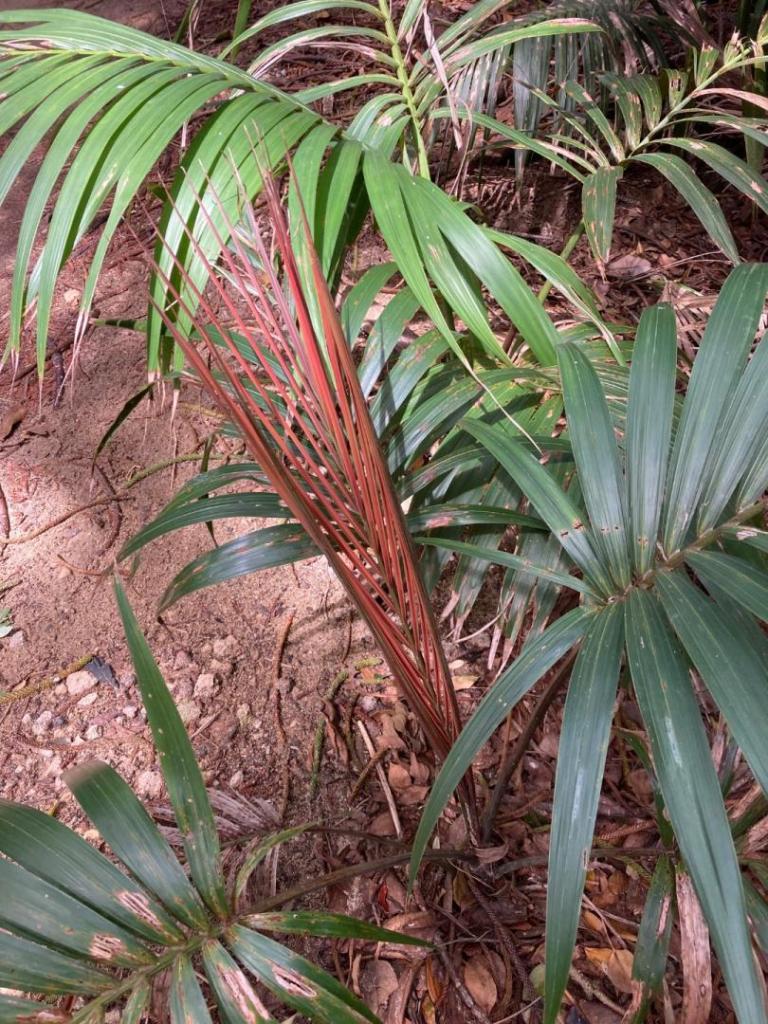
 3 pointsA few from LHI.. Last one is a red leaf emergent fosteriana


 3 points
 -
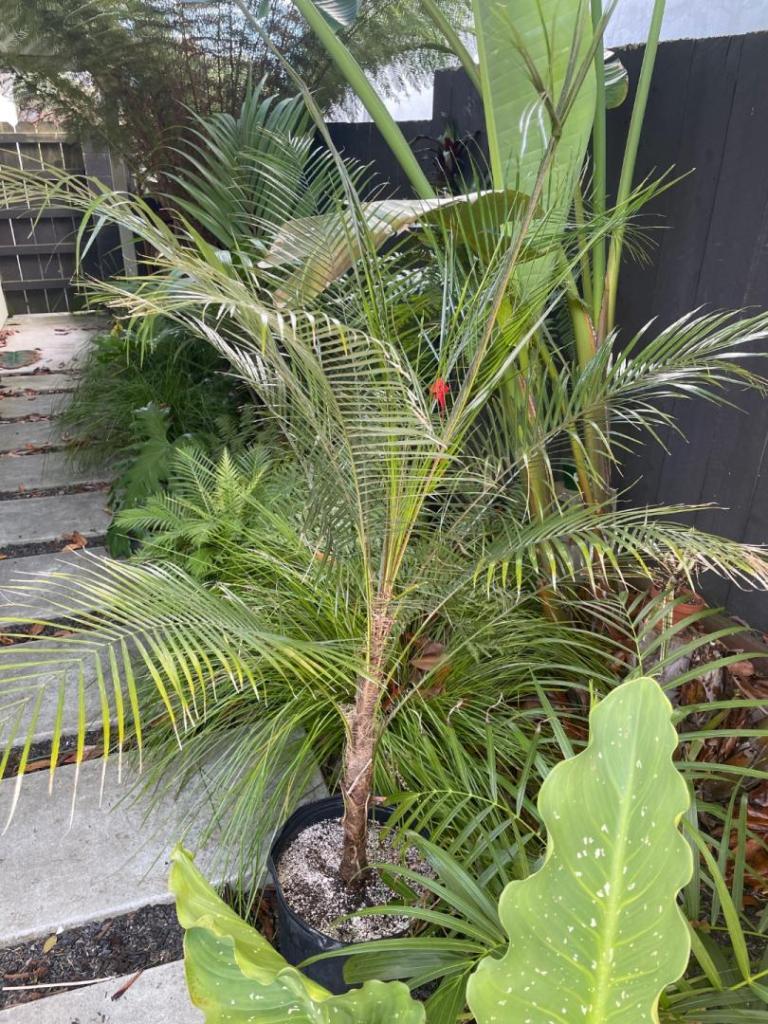
3 pointsI got my weddelliana from JM today. I got permission from the boss to splurge on a 15g since they are so slow 😁 Here it is in its approximate eventual location next spring. I have another tiny one from Jeff Marcus which I’ll plant alongside it…hopefully neither one croaks.
 3 points
 -
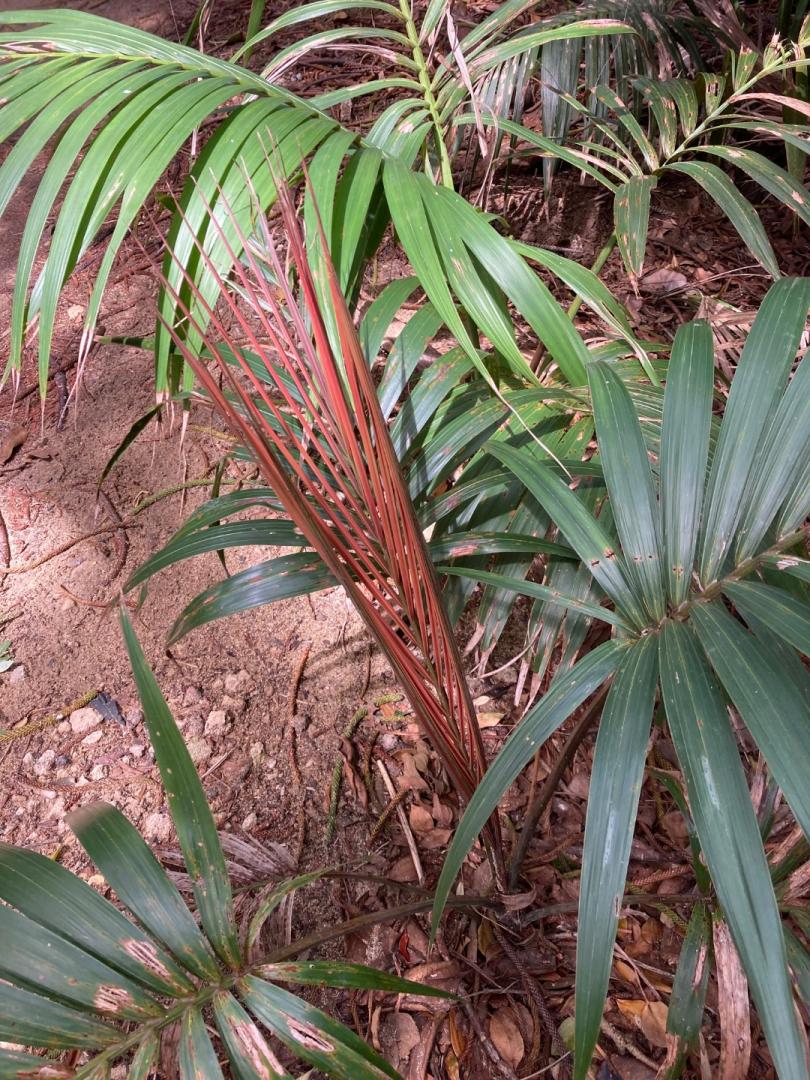
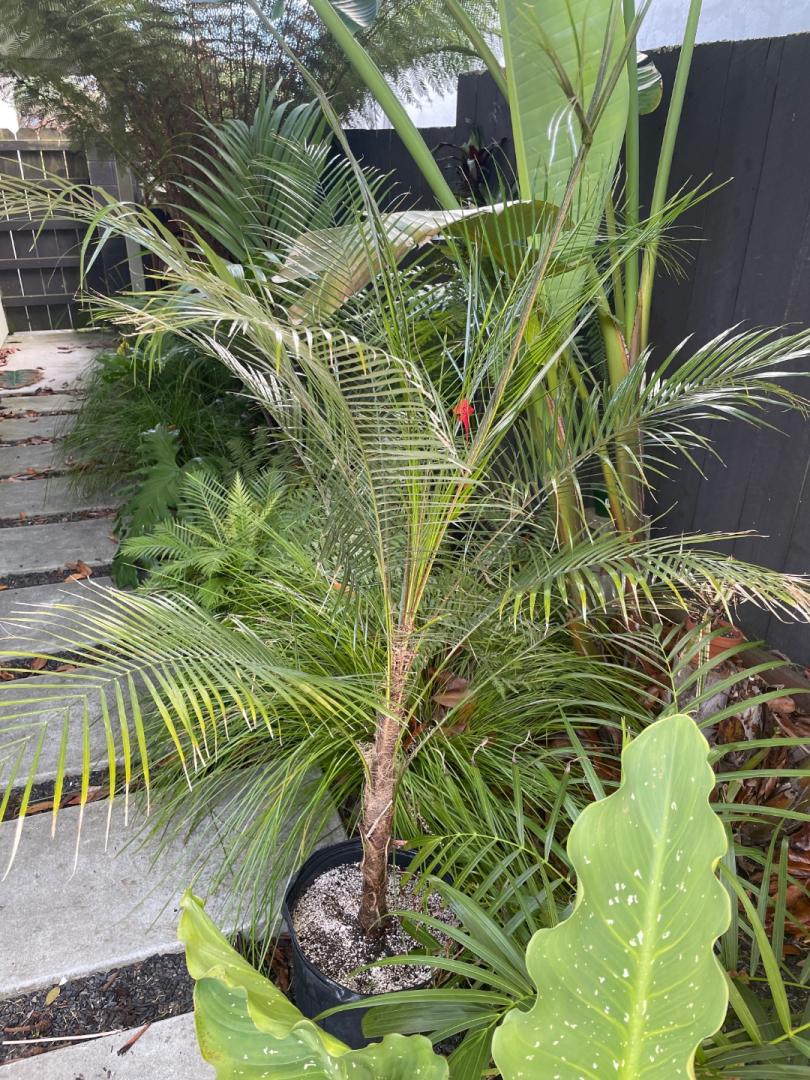
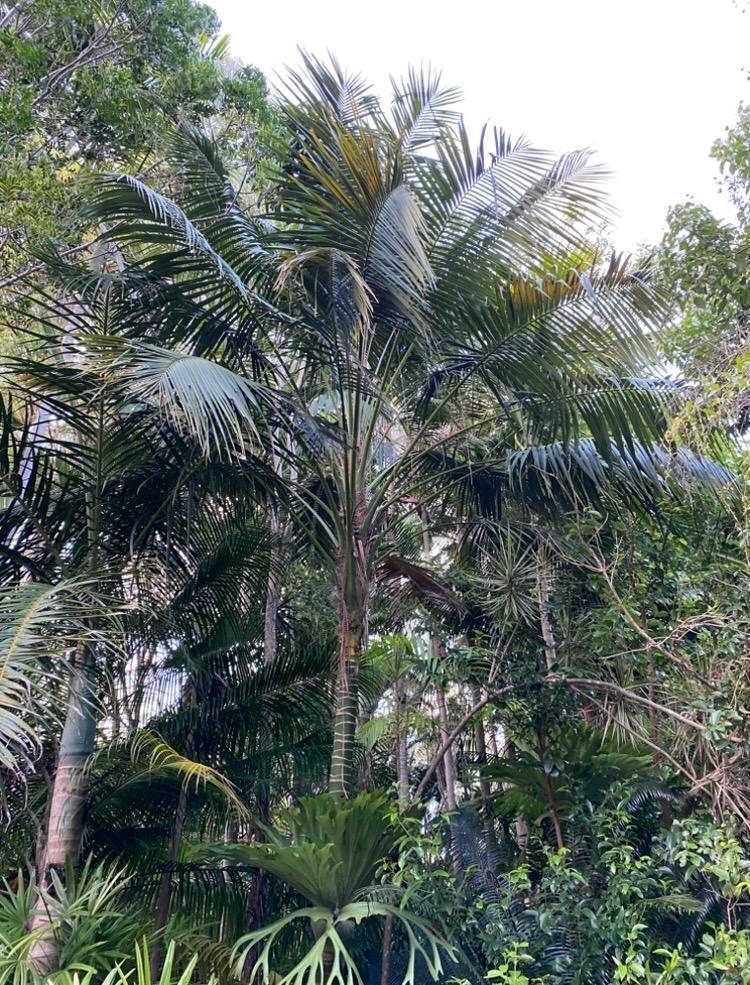
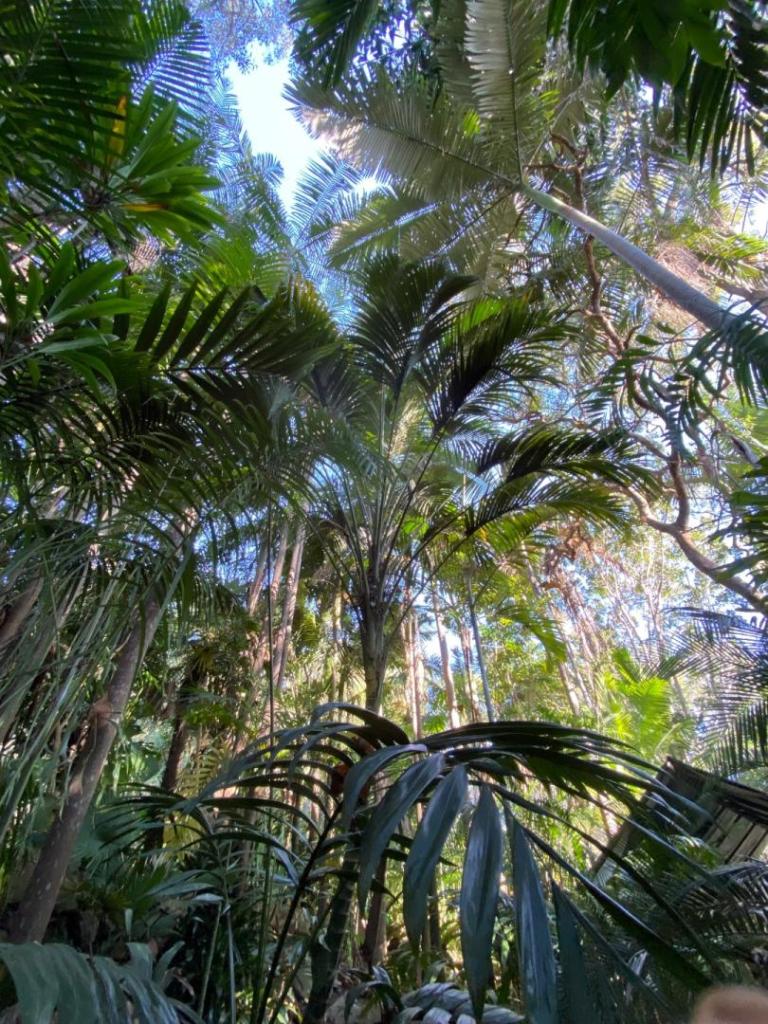
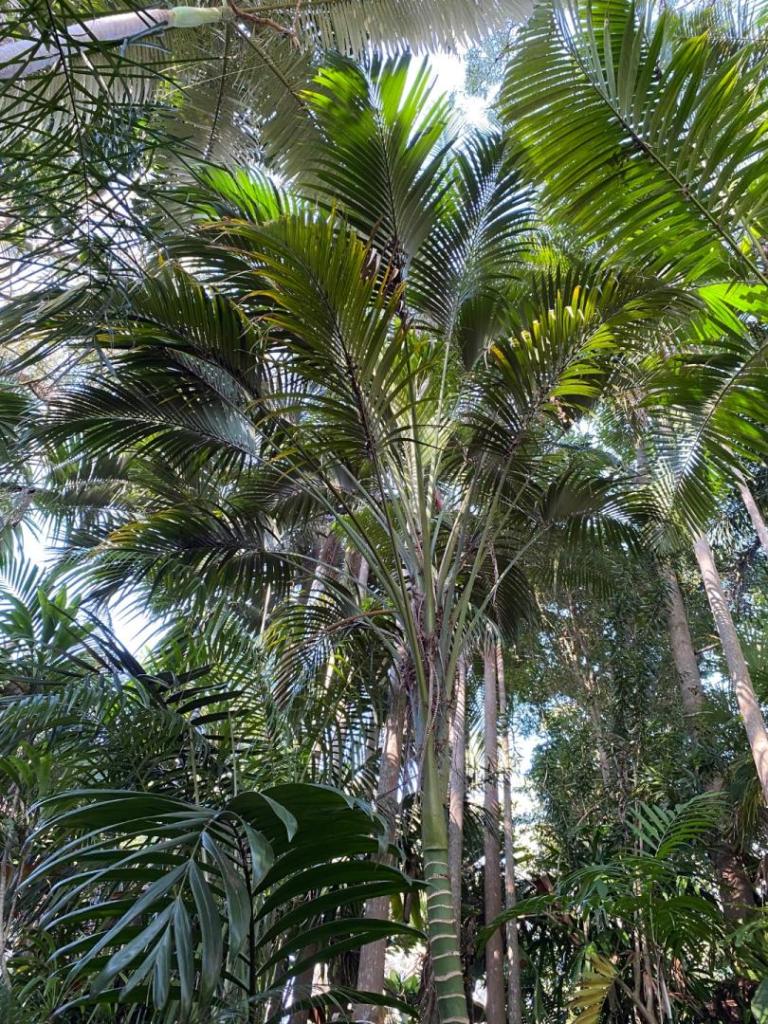
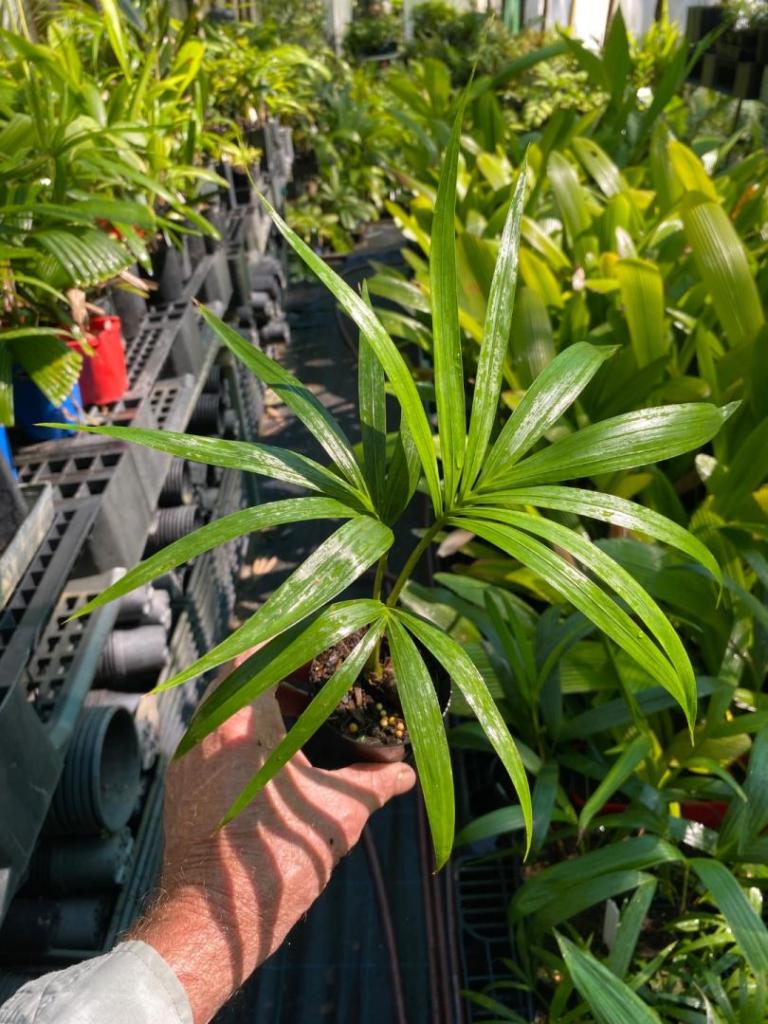
2 pointsA somewhat bit of a rare Howea species, there about the place if you look hard enough. But not that common, the fosteriana got all attention and the bell was left second place. A nice palm with that punk look about it!

 2 points
 -
 2 points
 -
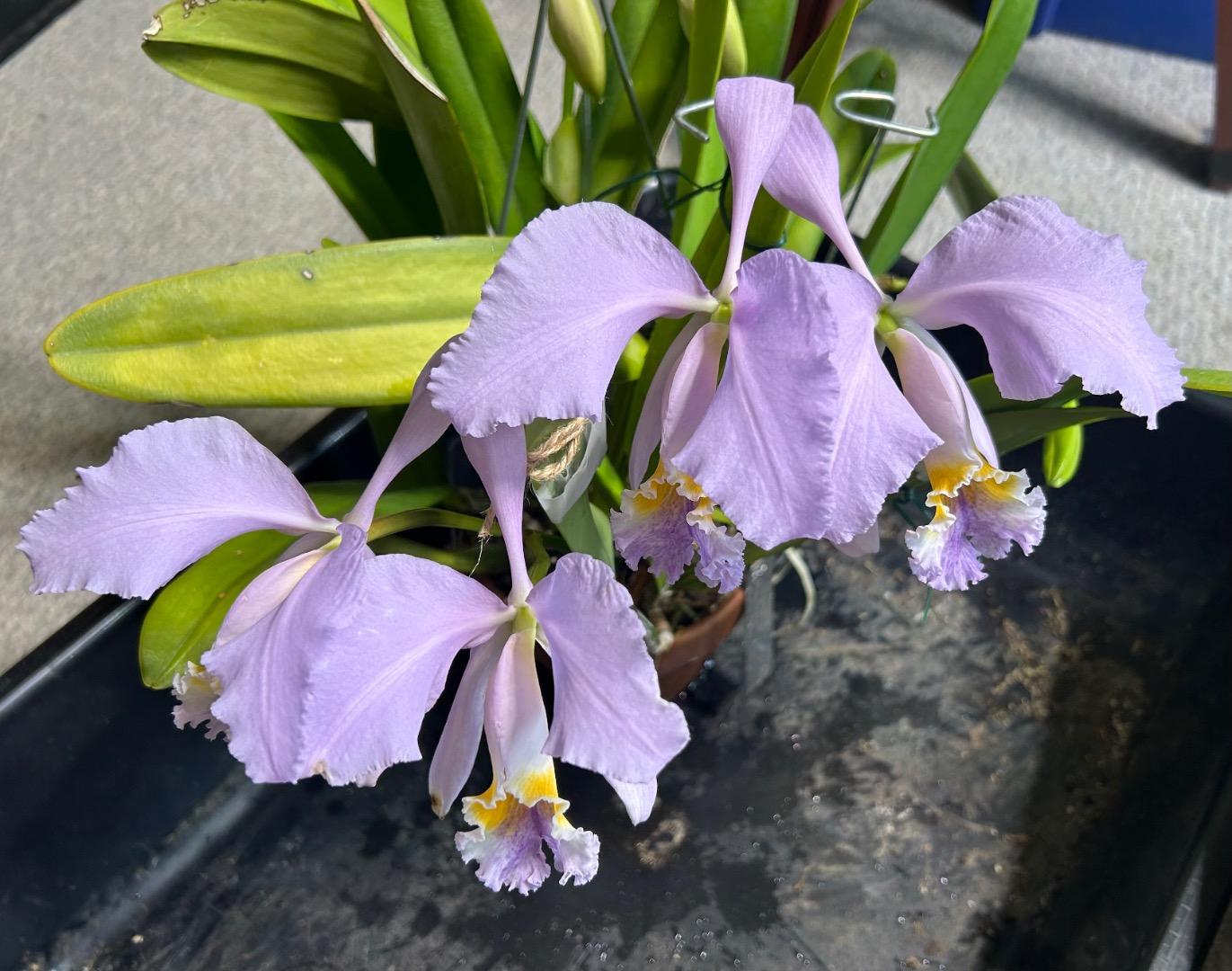
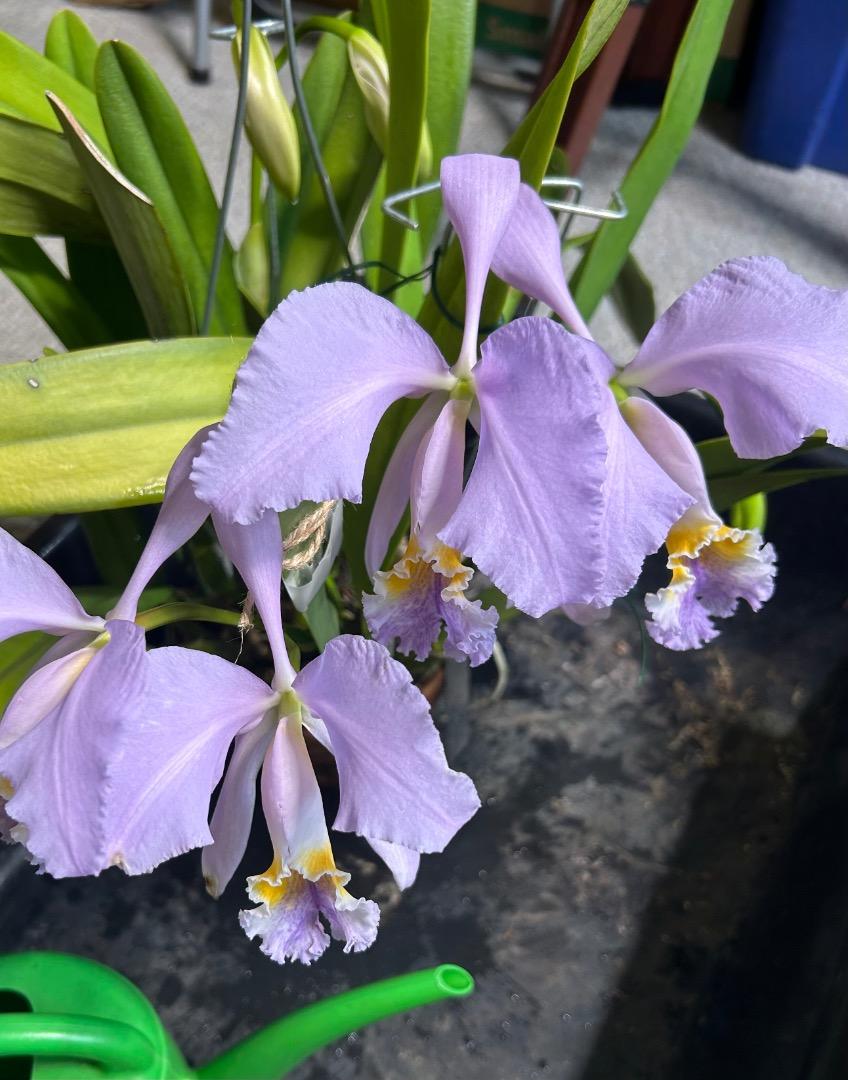
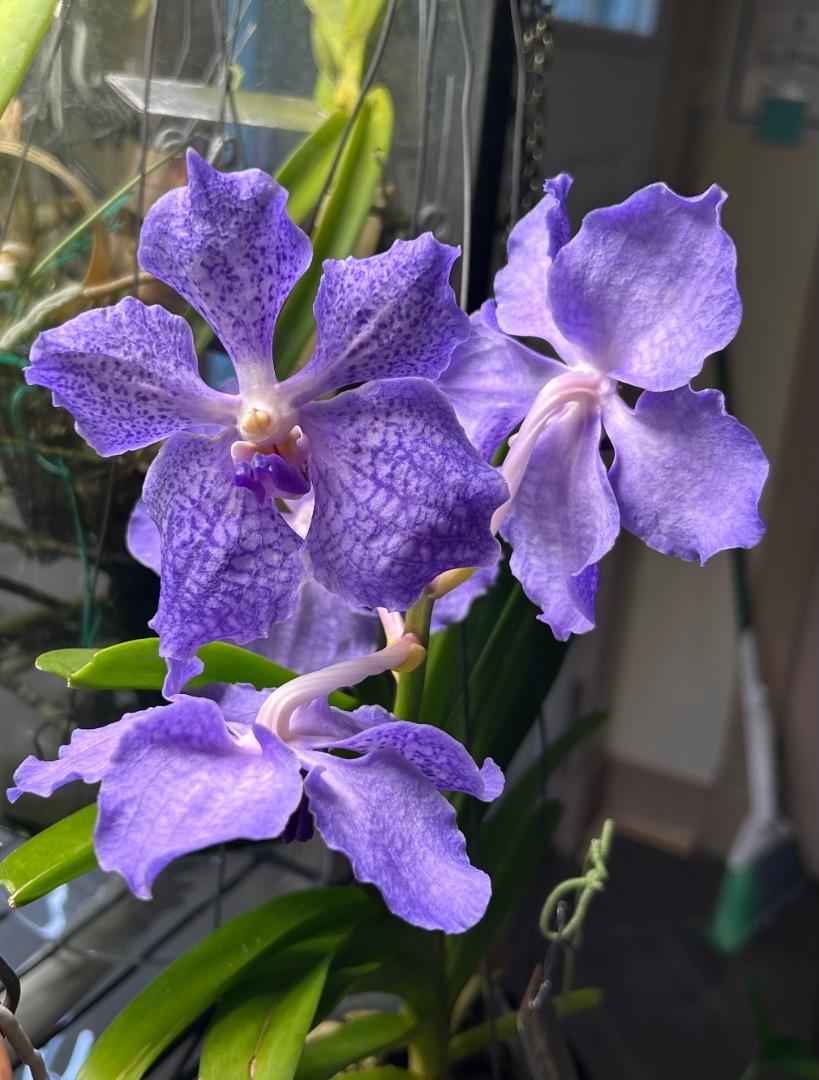
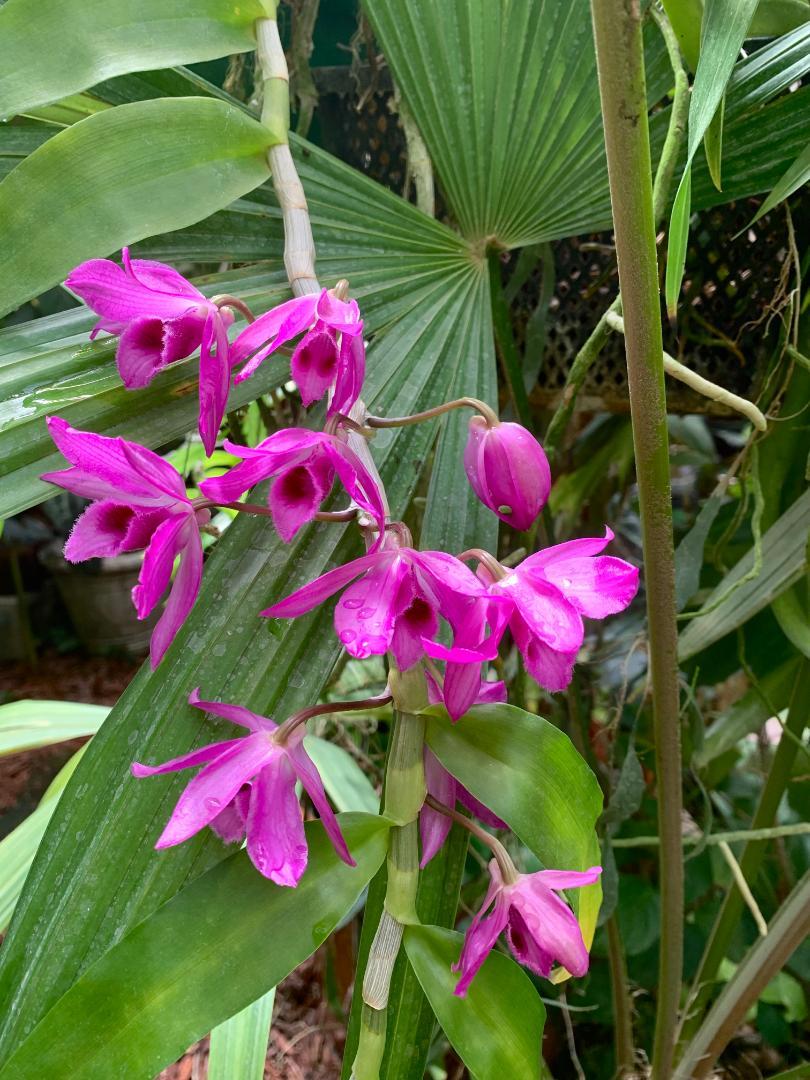
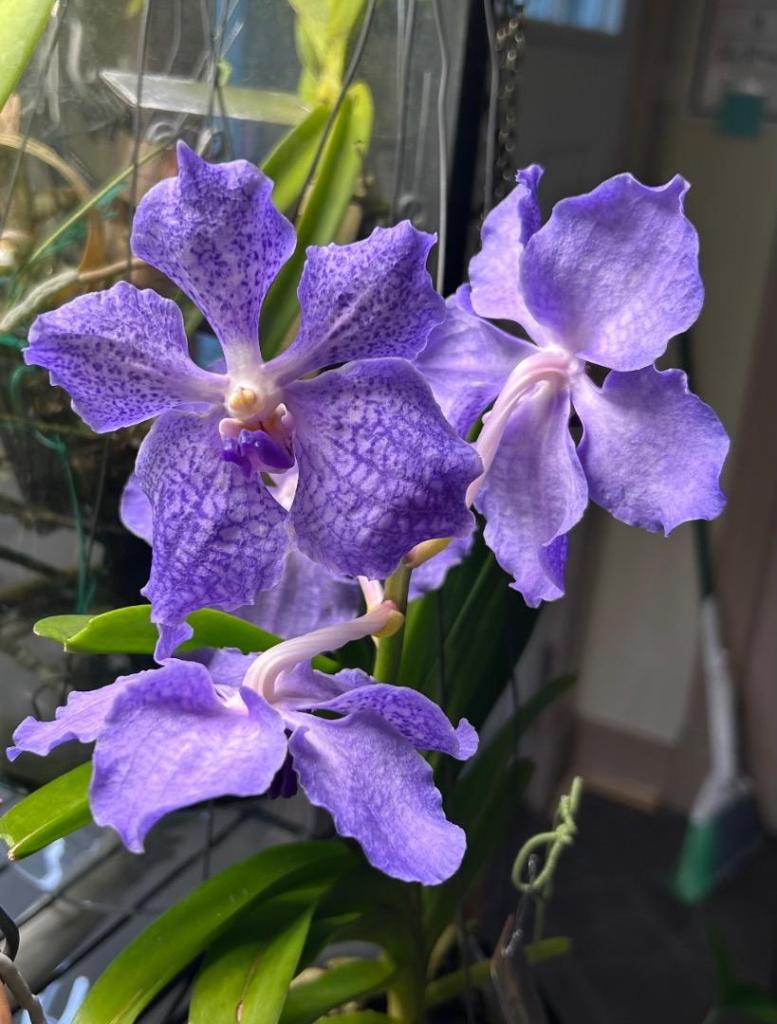
 2 pointsCattleya mossiae coerulea 'Blue Bird' x C. mossiae coerulea 'Herrerae' Watering day in the orchid room, so glad to find this cattleya in bloom: also, the color really intensified on that vanda I posted a few days ago.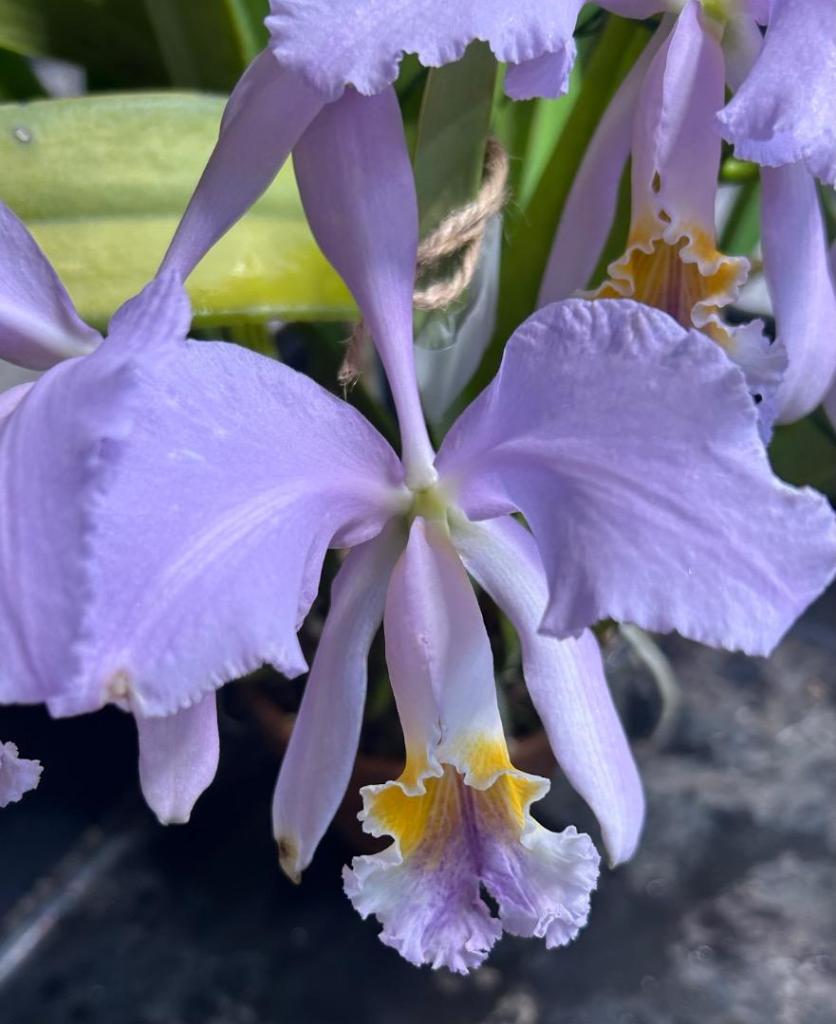


 2 points
 -
2 points
-
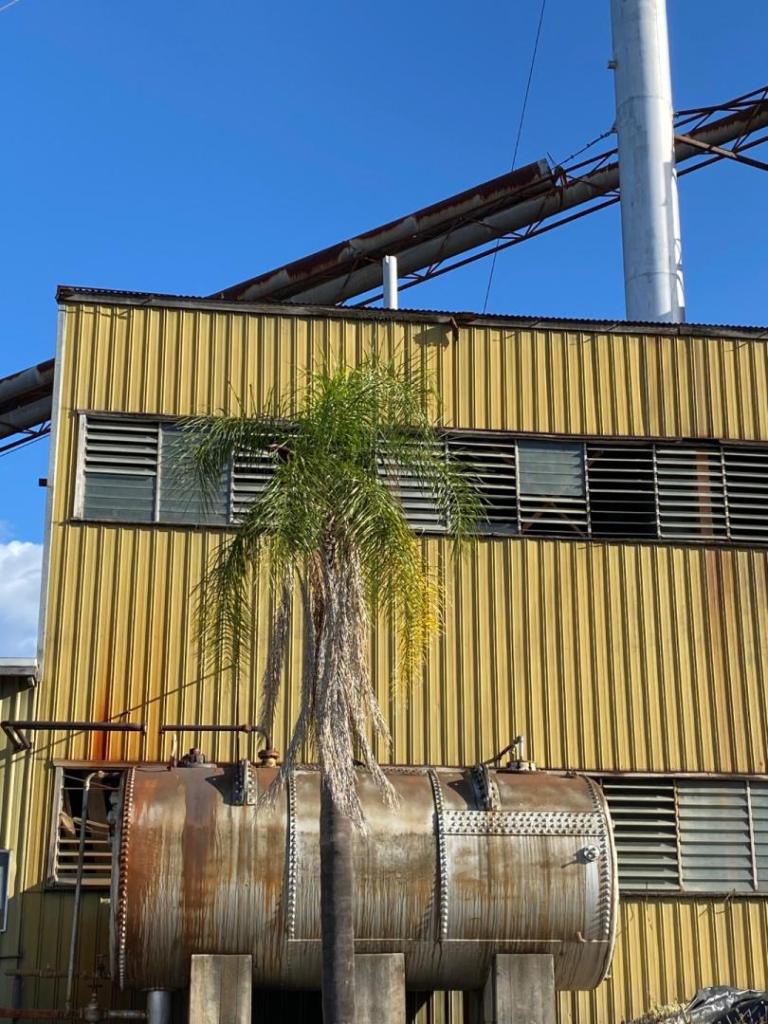
This poor old cocos looks like it has endured many a hard day, but still growing that’s how tough they are. Having seen extreme heat up to 42 degrees Celsius and lows down to -2 it’s, drought conditions I would say it’s one surviving example of a tough palm.
 2 points
 -
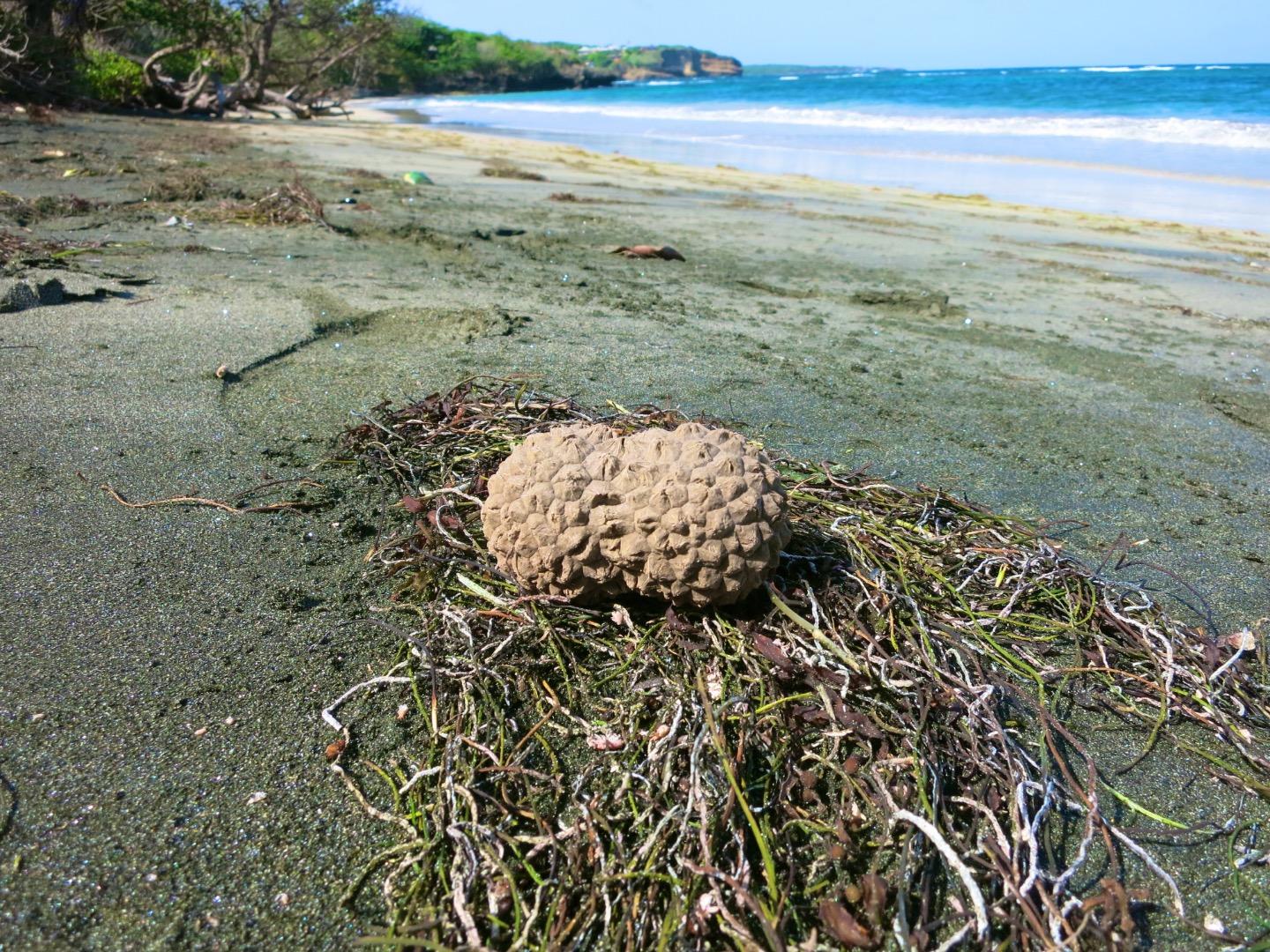
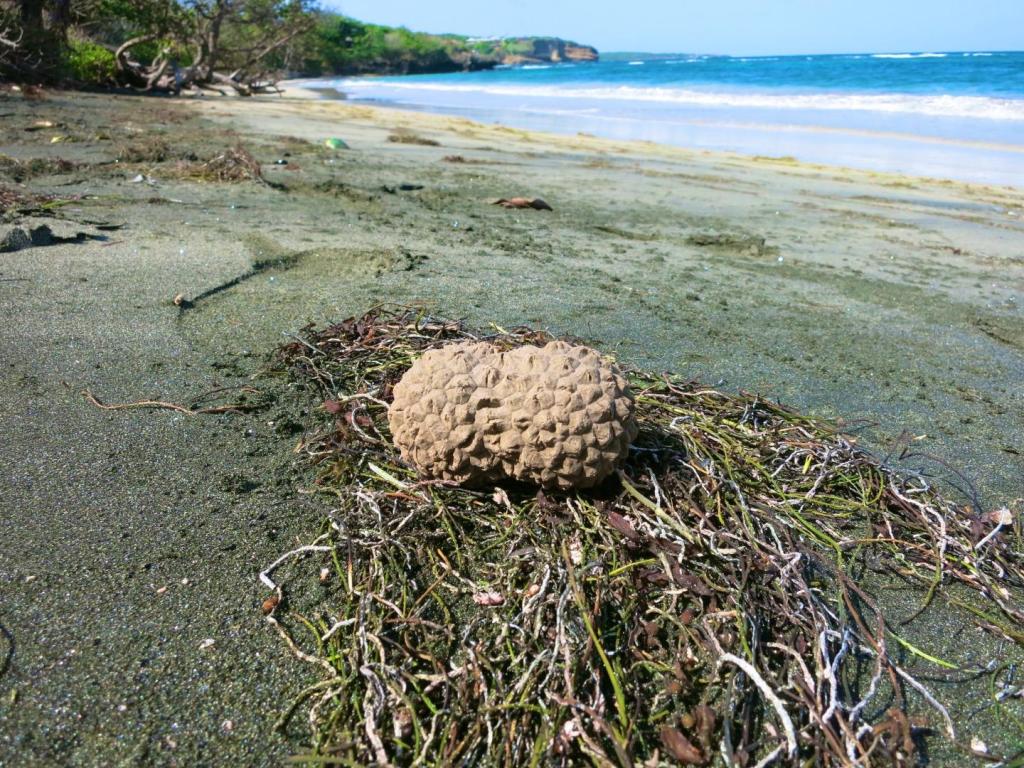
 2 pointsThey used to wash up on south facing beaches in Grenada when I lived there. My friend has a nursery there and collects them and managed to germinate a couple, however none are naturally found there. I'm not 100% sure, but o think the population in Trinidad is a relatively new arrival, or at least the range is expanding there. Here's a pic of took of some seeds in-situ in Grenada on Fort Jeudy Beach, which is where they seemed to end up mostly.
 2 points
 -
 This is in SD area? I think there are a lot more palm enthusiasts in SD. I’ve never seen one in LA county. Im sure there are, but I just haven’t come across one. That’s not really slow growing if that was a 5 gallon. That seems moderate to me.2 points
 -
2 points
-
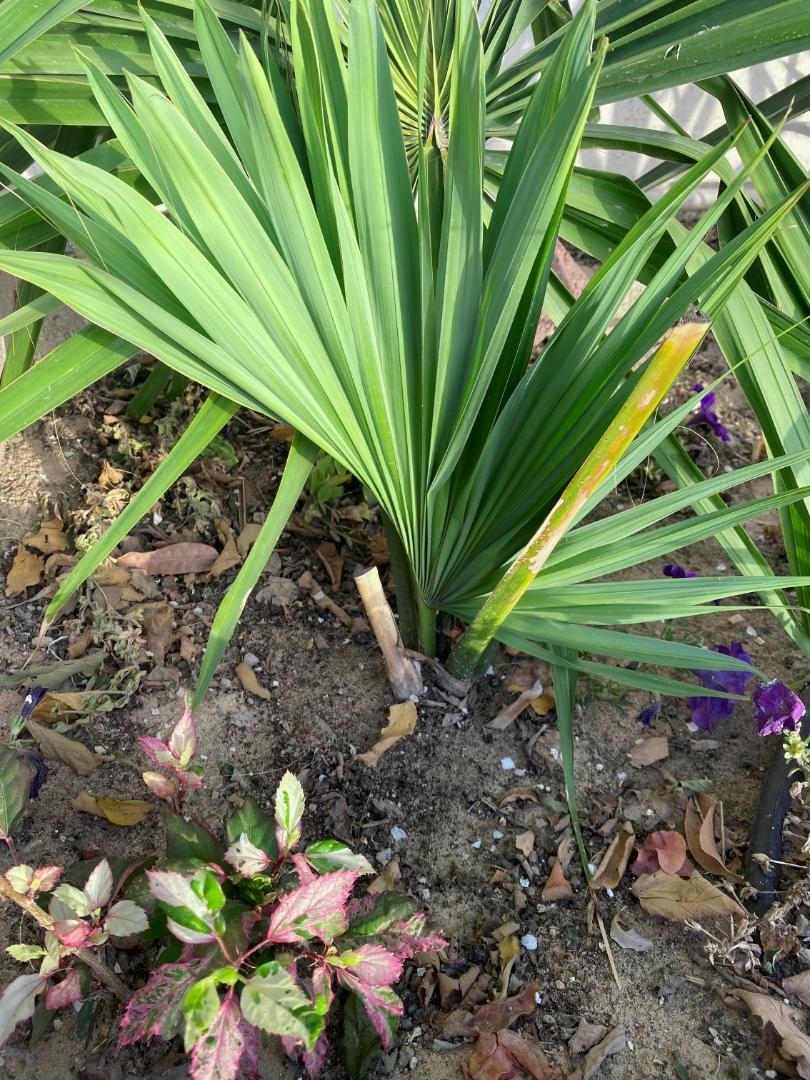
 2 pointsIt’s Nannorrhops. I’d say probably N ritchiana. This trait is consistent with the genus. Think of costapalmate as a subset of palmate; in reality many, many palmate palms are costapalmate. From memory I think Nannorrhops is actually one of the few palm genera with fronds without hastulas.2 points
 -
 Yes, those are Attalea guacuyule in Puerto Vallarta. The species runs in dry coastal forest from Nayarit down through Jalisco, Colima and on down to Guerrero. Significantly smaller than the gargantuan A. cohune (which takes over further down, in Central America) and it is quite coconut-y in appearance because it dispenses with the strict shuttlecock crown and when not overtrimmed has leaves hanging gracefully below the horizontal, as can be seen in the photos above. A splendid thing and you can see it in The Night of the Iguana, which was filmed in Mismaloya in a forest of these palms. This would be a great palm for the low desert of SoCal and Arizona as it loves heat and endures a seven-month dry season in its native habitat. Unfortunately it seems to not be in cultivation in the states and of course difficult to import seed at present. I'm not aware of any specimens in California, and just one that the late Al Bredeson grew from seed he brought back from Puerto Vallarta and planted at his house in Captain Cook, Hawai'i. His property was sold after his death and status of that palm, and any seed that may come from it, is apparently unknown.2 points
 -
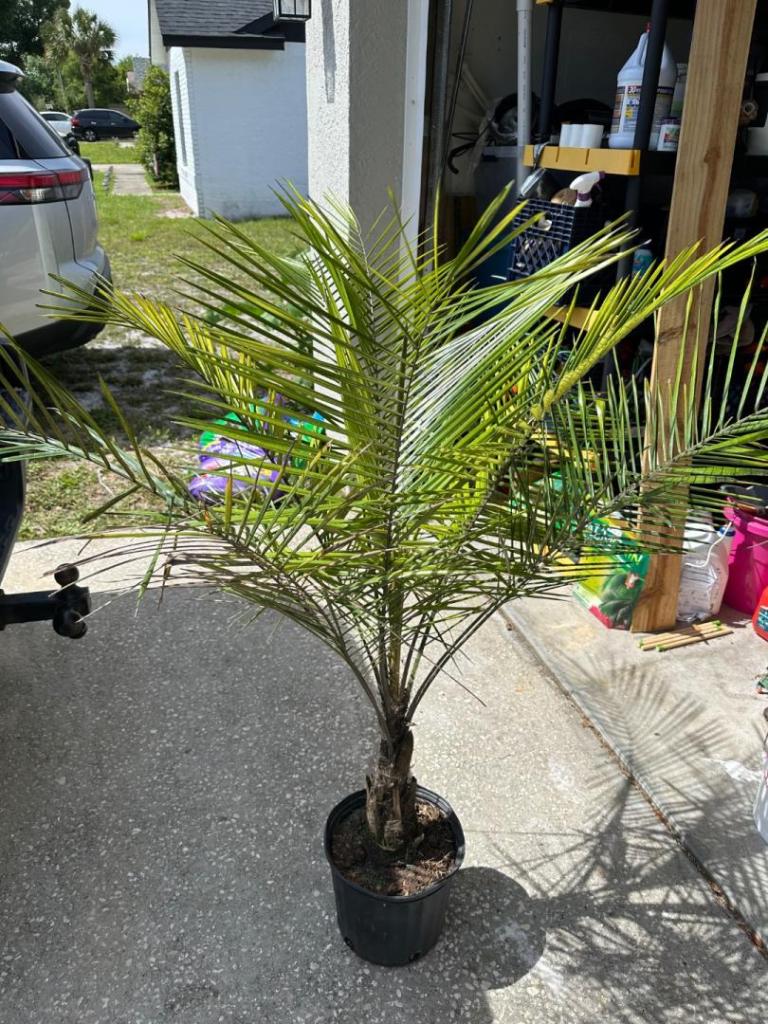
 2 pointsI picked up a large Hoenei and a smaller 3g Wedellianum at the MB Palms open house in Orlando yesterday. How much sun are you giving these guys? Given inland central Florida sun may be a different beast.
 2 points
 -
 2 pointsThis straddles the line. If birds spread seed from native AL populations into TN, wouldn't the TN populations be native? However, if birds spread seed from a cultivated landscape from AL into TN, then neither is native.2 points
 -
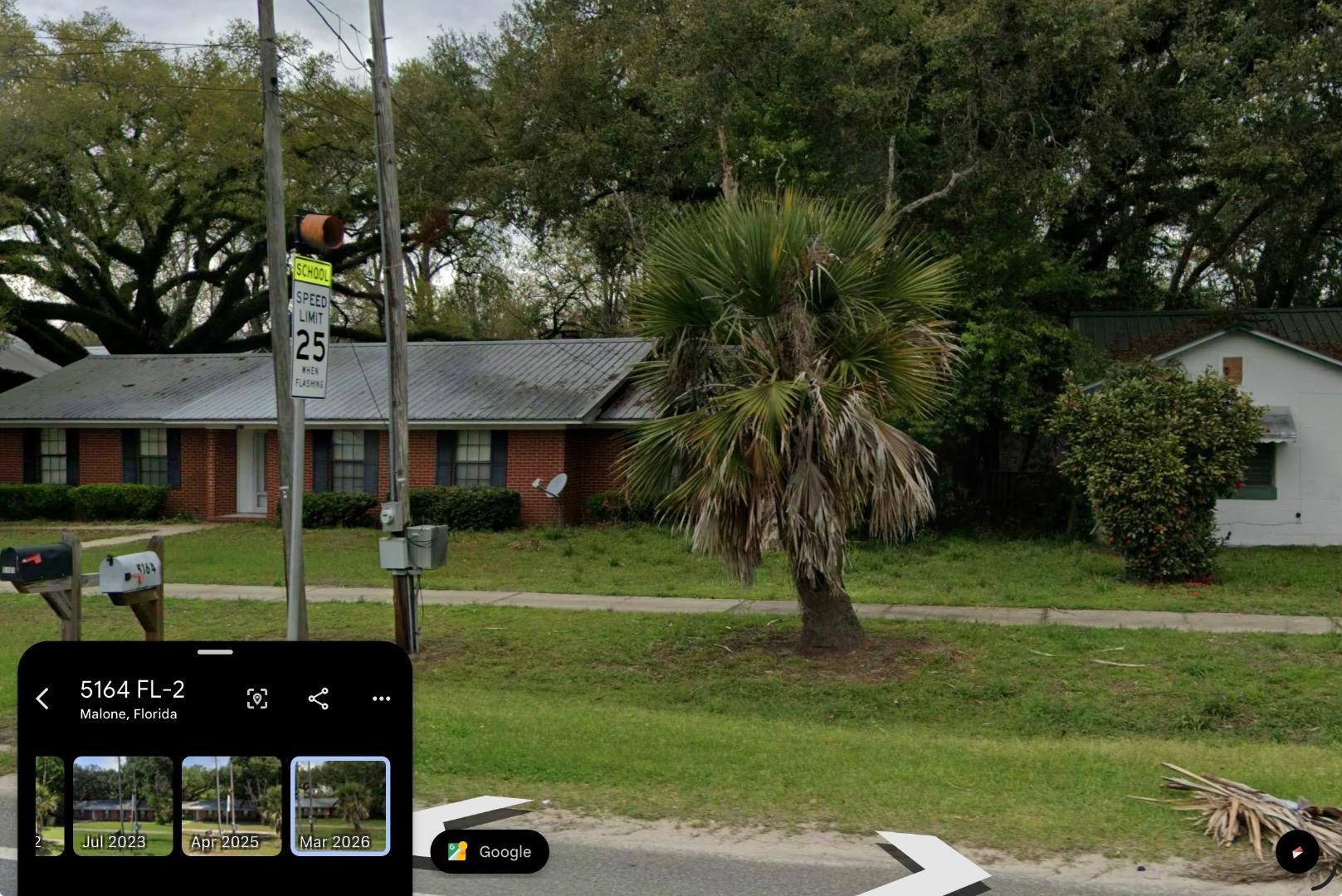
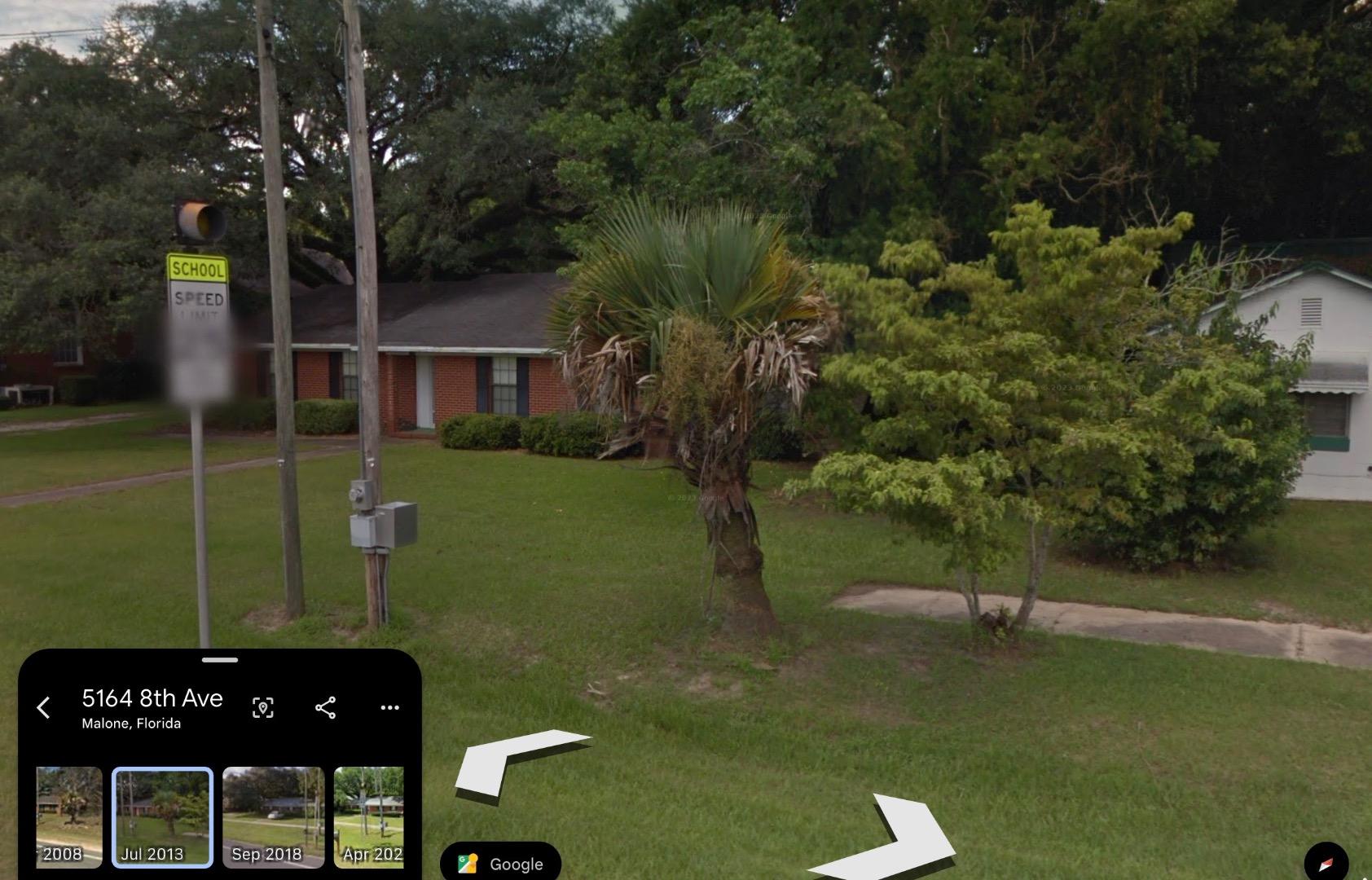
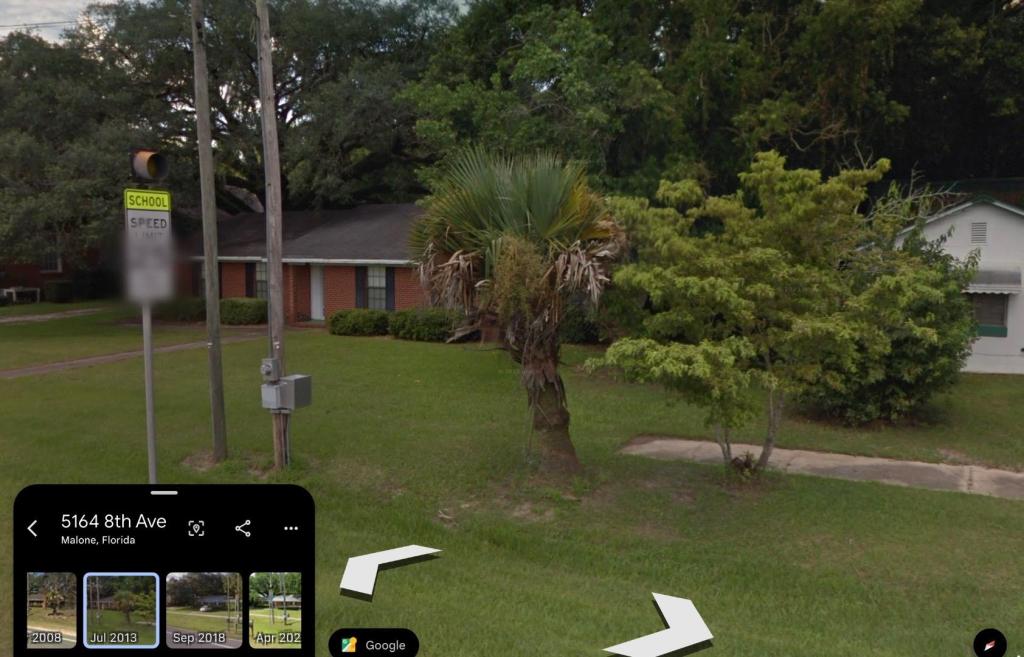
 2 pointsOutside of the Malone United Methodist Church there is another DeFuniak or Brazoria looking palmetto. Malone is about 60 miles from DeFuniak springs. It definitely isn’t a palmetto. Most likely a sabal minor and palmetto hybrid. It could be the same as the DeFuniak palm or a brazoriensis or some other hybrid brought in and planted there.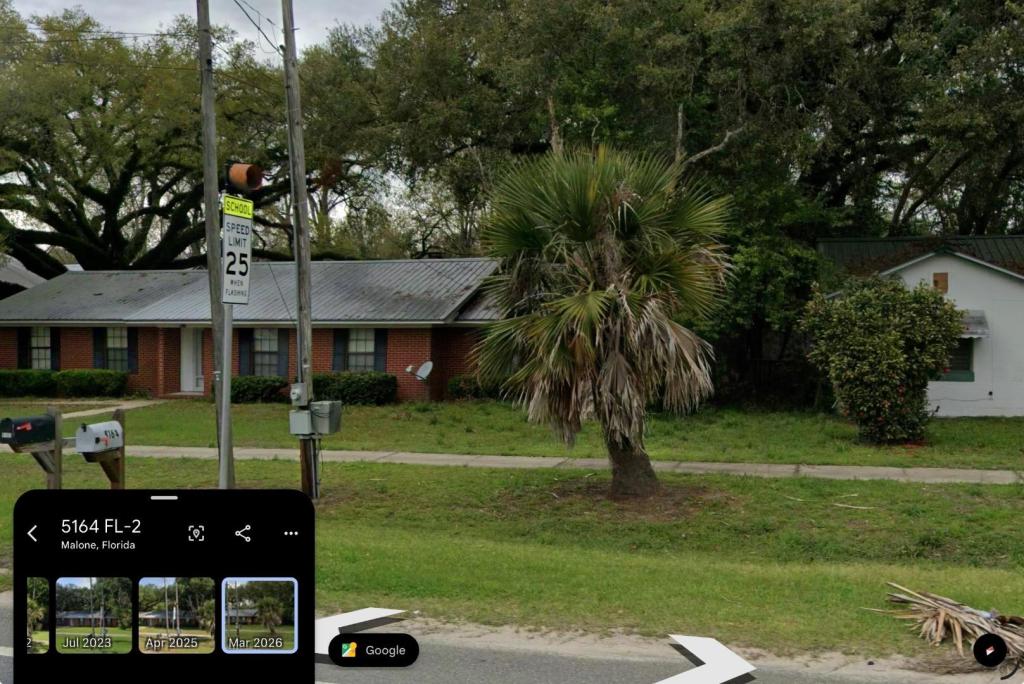
 2 points
 -
 How did they do? I wrapped my robustas, and they have sprung back to life quick. But lost some young filiferas.2 points
 -
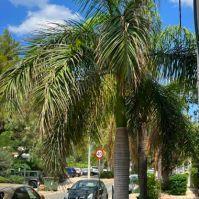 2 pointsHello Gringo! Χαιρετίσματα στην πανέμορφη Πάφο! You hit the nail on the head, and since you brought up the "second desert in Europe" hypothesis, let's look at the hard numbers. The comparison with southeastern Spain (Almería and Cabo de Gata) is inevitable, and mathematically, they are almost twins. Let's do a deep dive into the actual data: Almería and Cabo de Gata are famous for being Europe's reference points for desert climates. Cabo de Gata is historically cited as the driest spot in the Iberian Peninsula, with an average annual precipitation of roughly 150 mm to 170 mm. Almería Airport officially hovers right around 200 mm. With a mean annual temperature of roughly 19°C, their Köppen Hot Desert (BWh) threshold is 190 mm. This means Cabo de Gata is BWh, while Almería city dances right on the BSh/BWh line. However, there is a massive catch with Spain: the official meteorological time series for Cabo de Gata is notoriously plagued with missing data and huge chronological gaps, making absolute long-term climatological normalizations a massive headache. Now look at Xerokampos. Τhe in-situ Davis station (2020–2026) recorded 219.5 mm. But Xerokampos is significantly hotter, with a blistering mean annual temperature of 20.9°C. This pushes its BWh desert threshold up to 209.0 mm. That means Xerokampos is hovering a mere 10 mm above the strict absolute desert line! Basically Xerokampos is at the exact same proportional distance from the BWh climate as Almería, just with a much hotter baseline. We just updated the research with deep ERA5 satellite data, and the findings are absolutely mind-blowing. Here is the exact breakdown of why this place is a structural anomaly: 1. We ran the historical reanalysis (1940–2026), and Xerokampos has seen a 9.5% precipitation drop in the last 30 years. But it gets crazier. For a continuous 15-year period (Feb 2004 to Dec 2018), the Mean Annual Precipitation locked in at exactly 208.02 mm. That means for 15 straight years, Xerokampos operated strictly as a BWh Hot Desert! 2. We finally proved why global models usually miss this micro-desert. Models like ERA5-Land use 9x9 km grid cells. Because the coastal strip is so narrow, the model accidentally averages the beach with the adjacent 753-meter high Ziros mountain, predicting a false 354.3 mm. But when we isolated the pure, undisturbed offshore marine cell right on the coastline (0m elevation), the model returned 212.0 mm! That is a less than 4% deviation from the station (219.5 mm). The coast literally behaves like the open sea. 3. The rain shadow here is brutal. As the air descends the Ziros mountain, it heats up rapidly (dry adiabatic lapse rate of ~9.8°C/km). We calculated that roughly 140.6 mm of rain per year evaporates in mid-air (virga) before it even hits the ground at Xerokampos. 4. To prove the orographic shield, we looked at extreme weather. During the catastrophic Storm Daniel in Sept 2023, the windward Toplou monastery recorded 64.6 mm. Xerokampos? A measly 3.6 mm. It received barely 5.5% of the regional rainfall because the mountain completely cut it off. When you look at these numbers, the conclusion is unavoidable. Xerokampos isn't just dry; it is a topographically isolated, borderline desert microclimate. And it's not just the Ziziphus lotus telling us this. The ecosystem is uniquely adapted, hosting a suite of North African and Saharo-Arabian thermophilic flora, including the desert grass Lygeum spartum and the drought-resistant Periploca Angustifolia. The harsh sandy and saline soils of the local Alatsolimni (salt lake) complete this extreme xerothermic picture. Not to mention the sand dunes immediately west of Xerokampos or the fact that the Sitia UNESCO geopark officially characterizes the climate in Xerokampos as ''semi-desert''. You are totally right, we might get a second hot desert in Europe provided the numbers hold up as the Davis station in Xerokampos expands its operation. Here is the updated paper in English and Greek (I kinda helped methodologically but I chose not to be listed as an author): Xerokampos desert EN.pdf Xerokampos desert GR.pdf2 points
 -
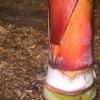 2 pointsI can see how this Cycas Siamensis “Silver form” got its name. I wish the leaves would stay silver like this but they usually start turning green in a few days after this stage.
 2 points
 -
It comes down to money. How much does the nursery invest, how much demand is there, how quick is the turnaround. If the market in California supported Sabals, they would be mass-grown by Monrovia and sold by all the big box retail stores.2 points
-
 We have a young one, it has a lot of burn but growing out.2 points
 -
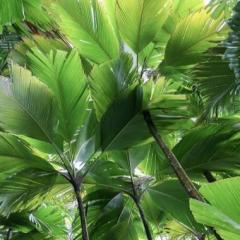 Friends, these palm trees are for palm lovers, for collectors, for people who hold the entire palm kingdom in one place.2 points
 -
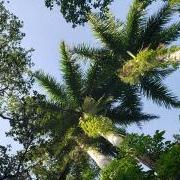 2 pointsIt's Nannorrhops ritchiana, Mazari palm. Not native to Russia, but further south in Asia and the middle east, including Pakistan and Afghanistan. I know some cold hardy palm enthusiasts in the US grow them but they are certainly not common in cultivation. The only place where palms are grown in Russia is along the black sea coast, primarily in Sochi. They plant a lot of Trachycarpus there and probably some others. None are native to the region.2 points
 -
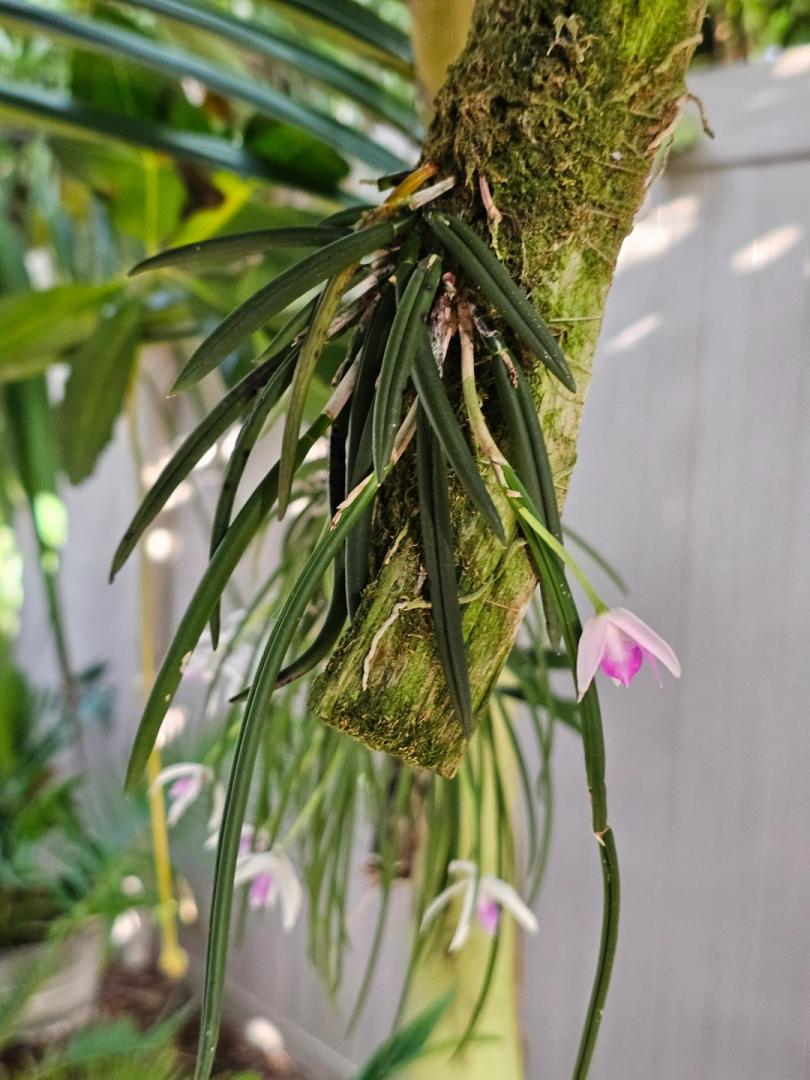
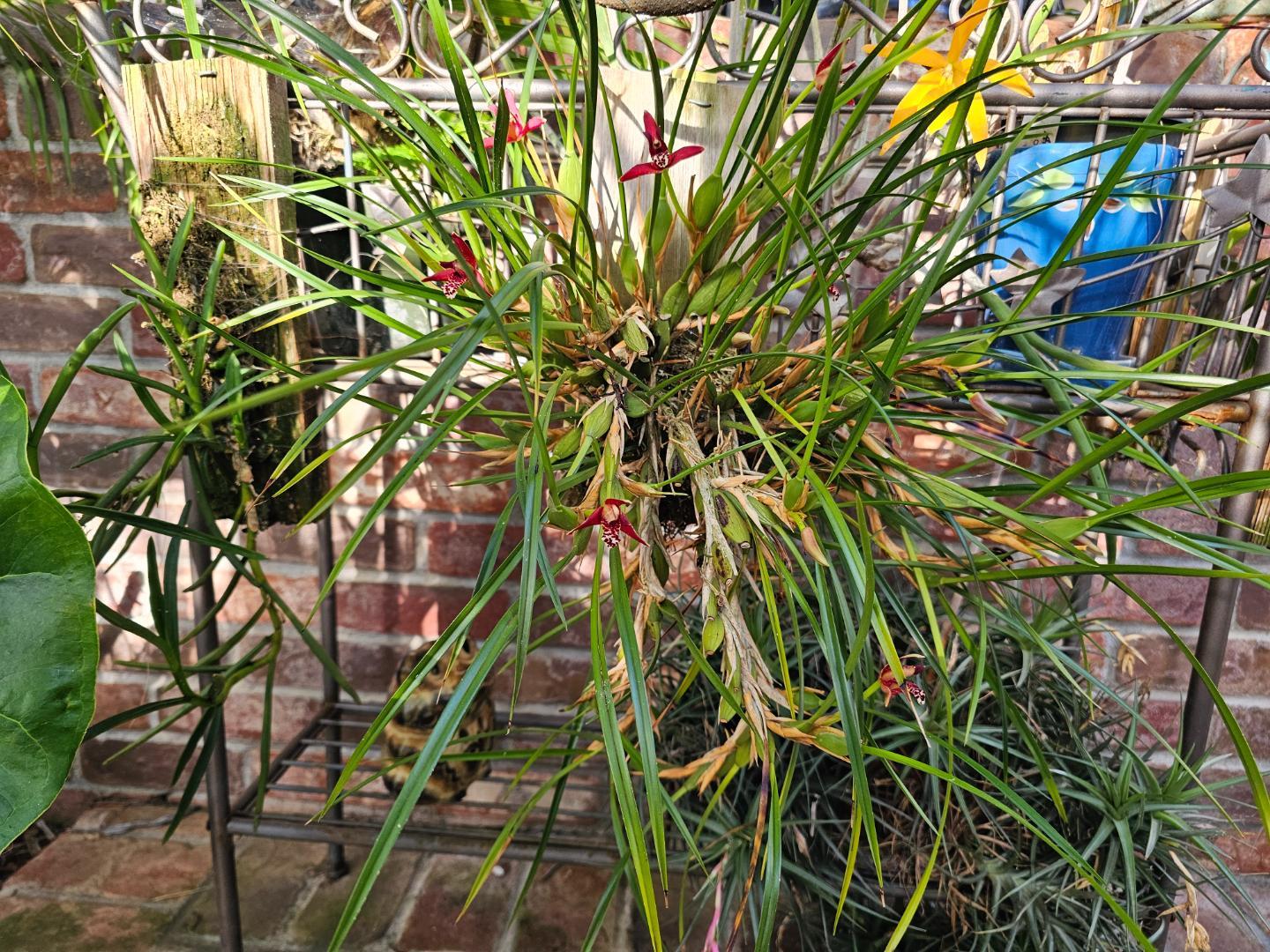
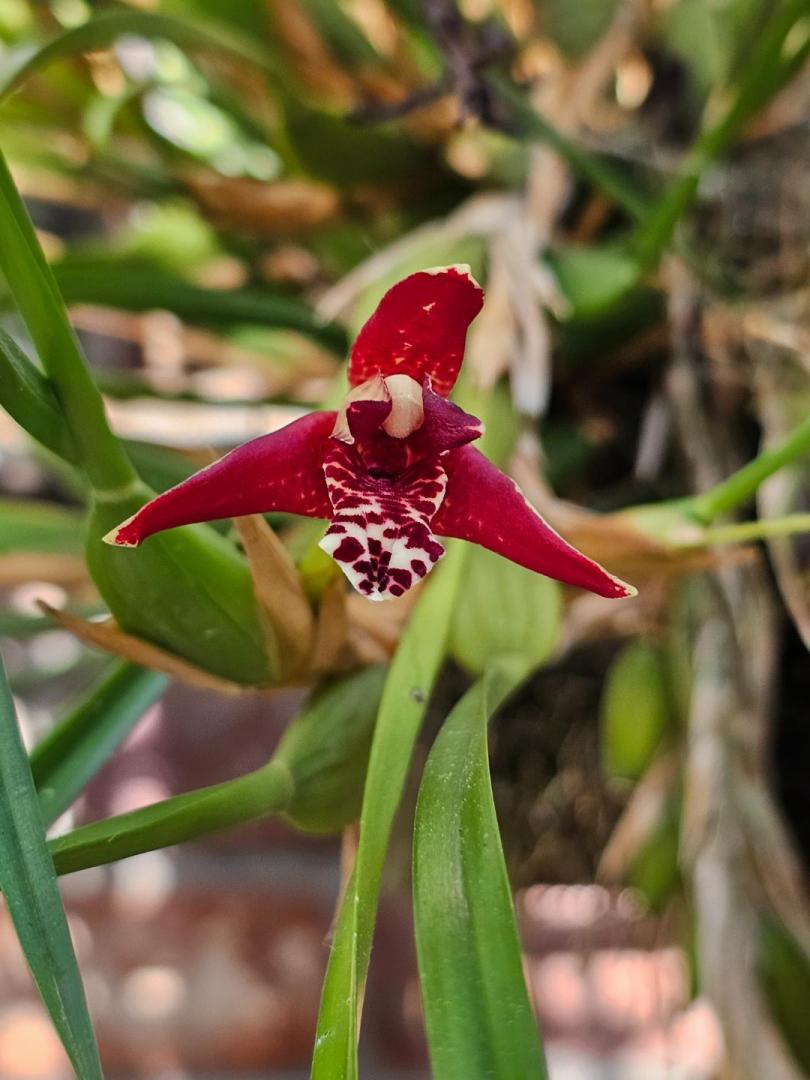
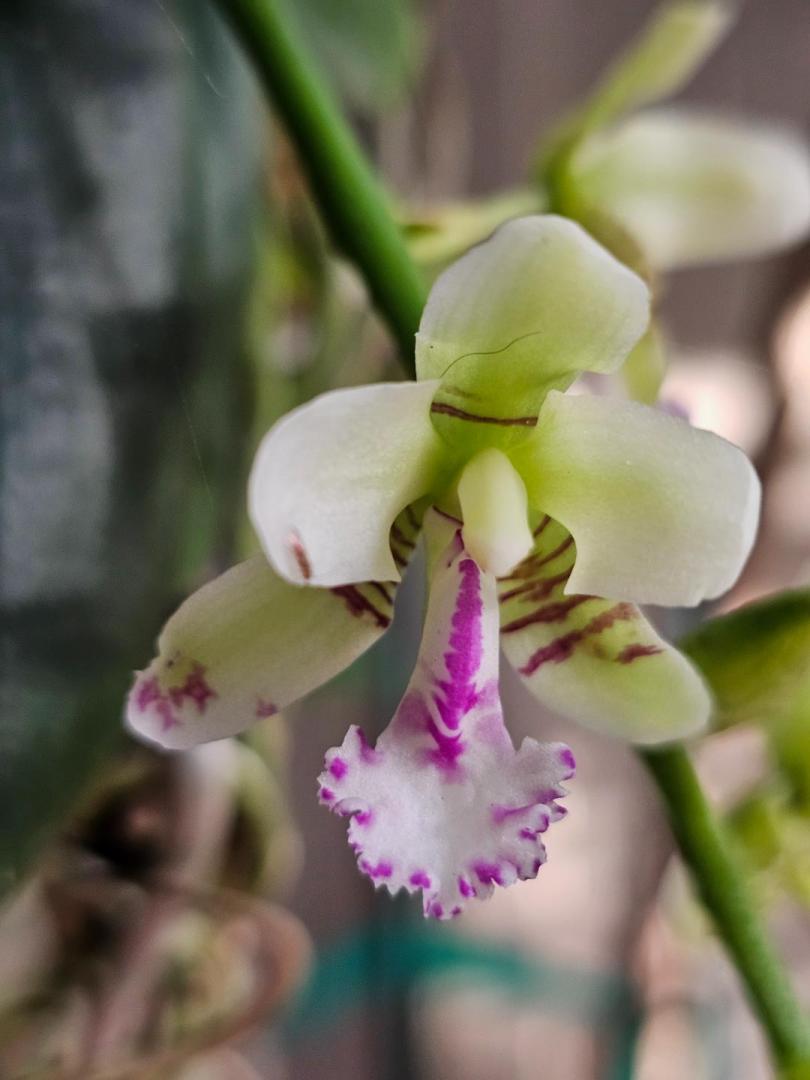
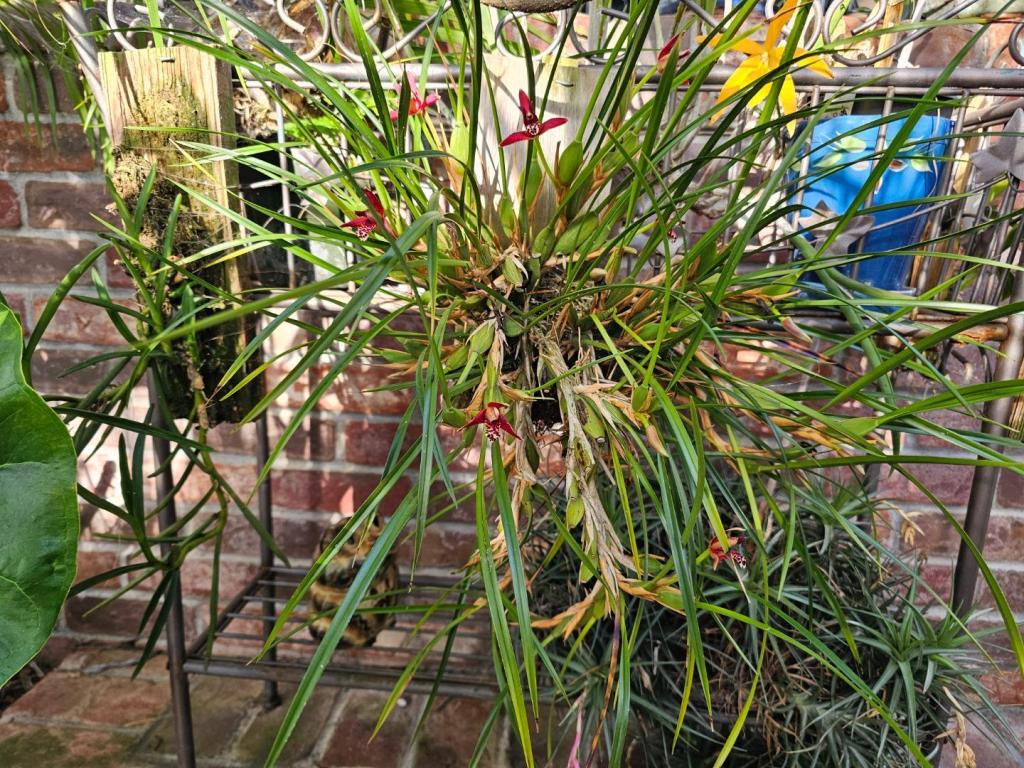
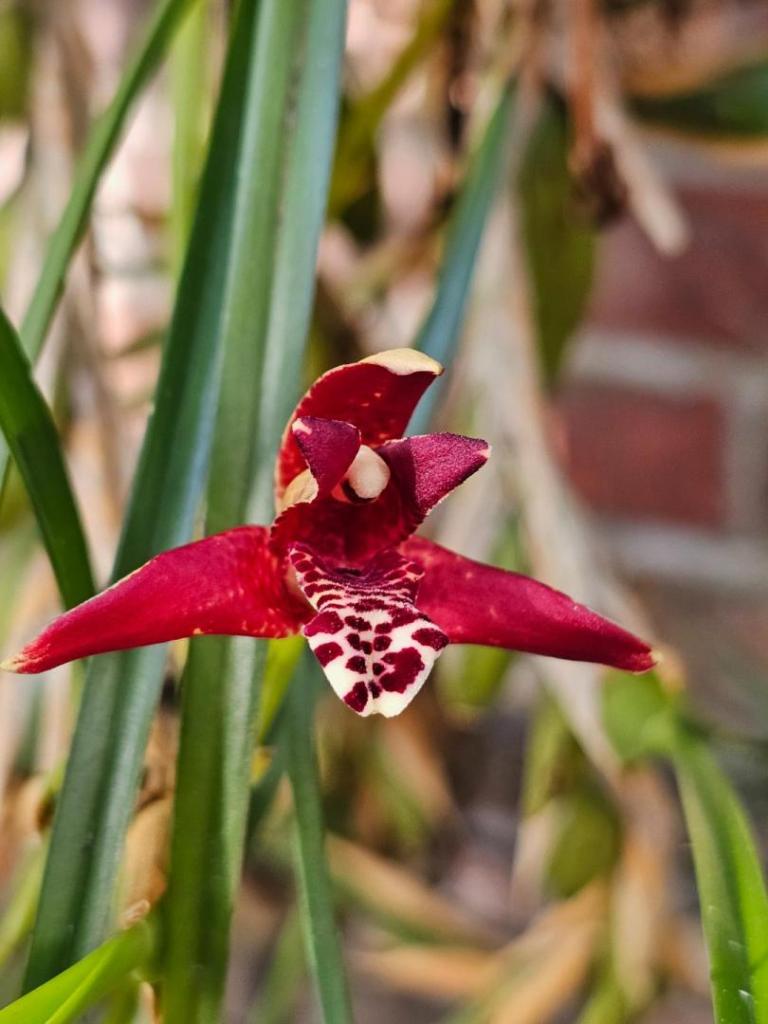
 2 pointsLeptotes pohlitinocoi with its first flower in my garden. It isn't putting on the same display that my Leptotes bicolor are but it is a younger plant. Maxillaria tenufolia is sharing it's fragrant blooms again too.


 2 points
 -
 2 pointsFrom the looks of that building, it’s WAY WAY older than the Queen palm that is about twenty years old. That building certainly wasn’t built in 2006 or later. I’ve seen many cases of palms “hugging” the walls they are right next to.2 points
 -
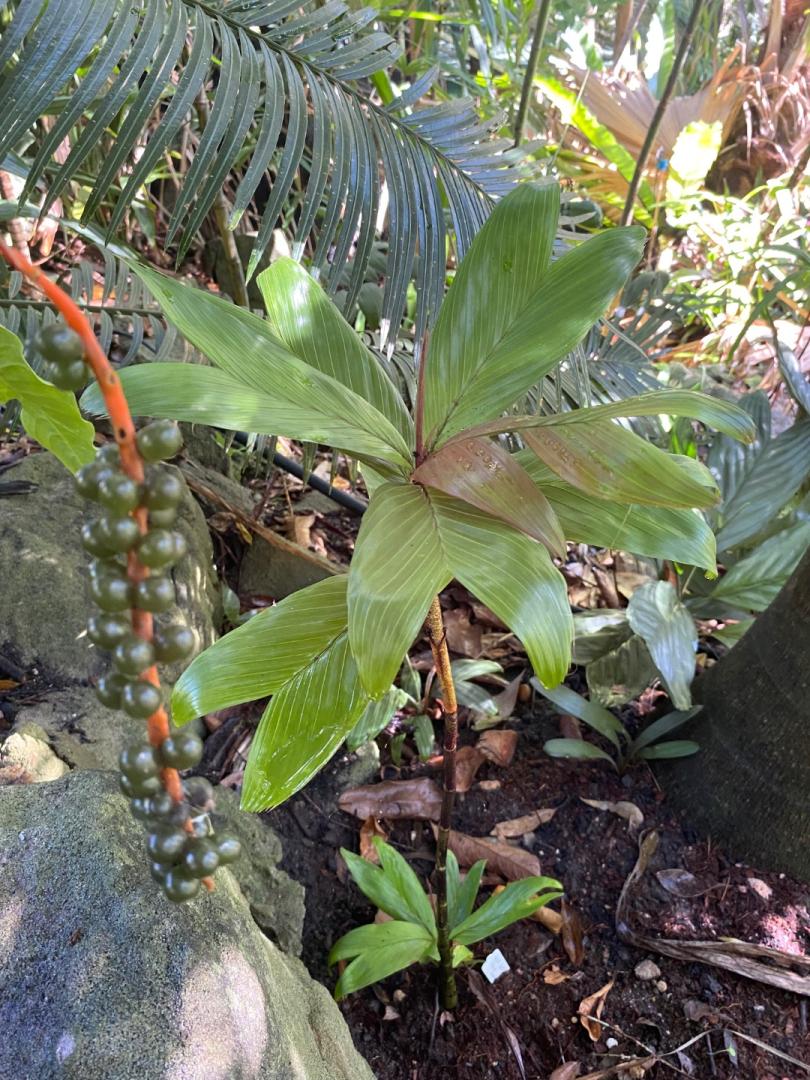
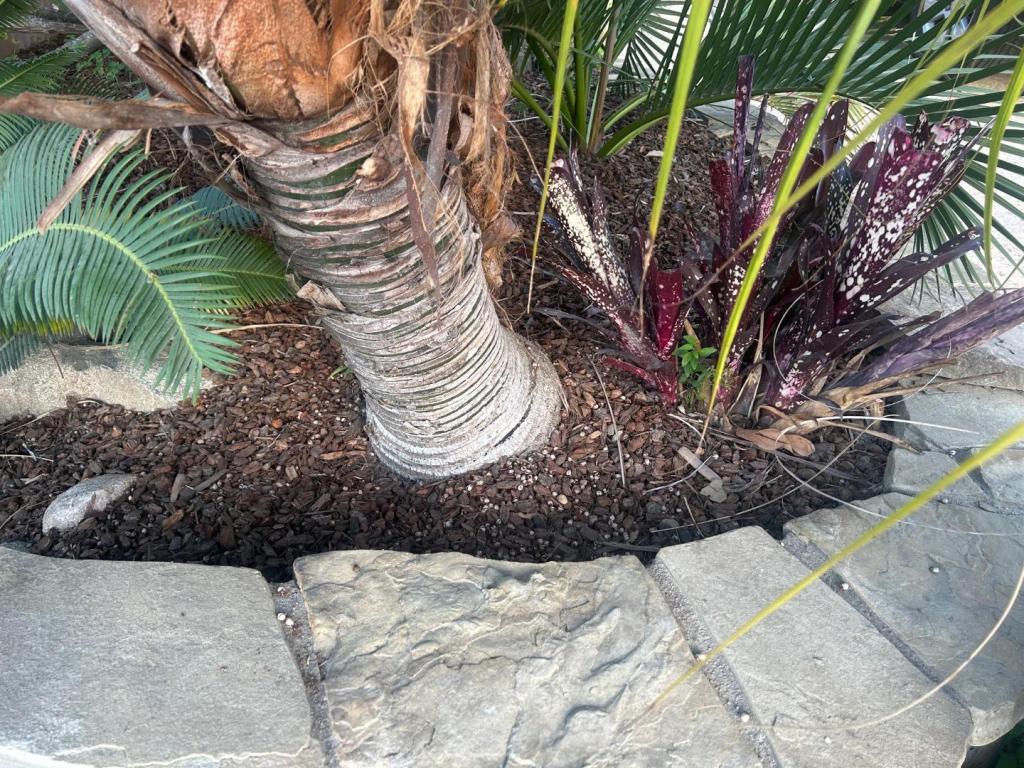
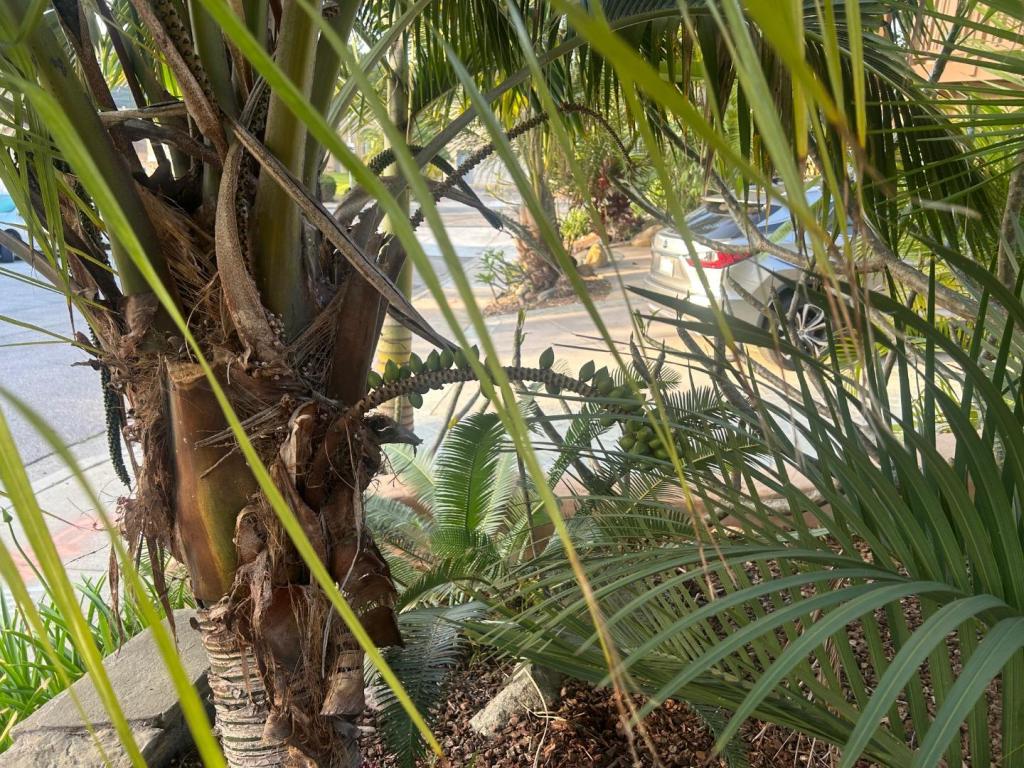
 2 pointsHere’s one I’ve grown from seed. It’s been flowering about four years, and is just now developing seeds. It’s growing away from a big Beccariophoenix, & is surprisingly stout. Nor is it very tall, maybe 2-1/2 meters.
 2 points
 -
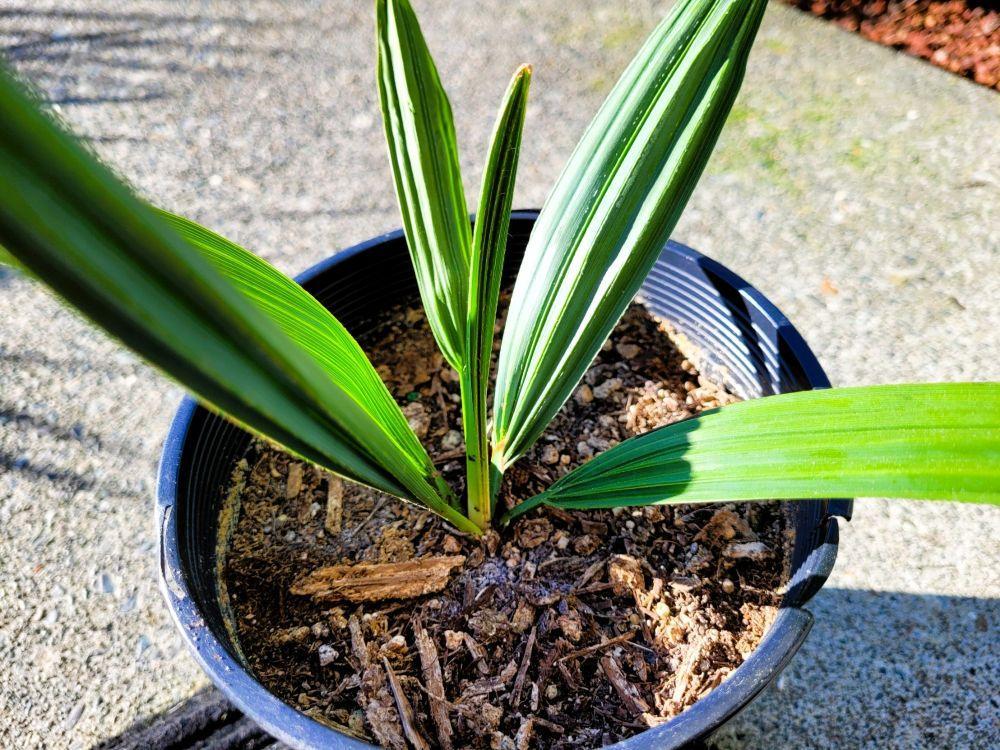
 2 pointsI'm keeping mine in a 50°F - 58°F environment and it has grown another inch though fall to current. None of the other species I have ATM are showing any signs of growth. Started in 2023.
 2 points
 -
 If California just isnt warm enough in winter for Coconut growing, have you ever seen Cocos Nucifera in Northern Baja or Northern Sonora like Tijuana, Ensenada, San Felipe Rosarito, Hermosillo, Guaymas, Santa Rosalia, San Ignacio, Guerrero Negro, Ciudad Obregon, Mulege etc. I know cocos exists in southern baja like Los Cabos and accross the sea in Mazatlan1 point
 -
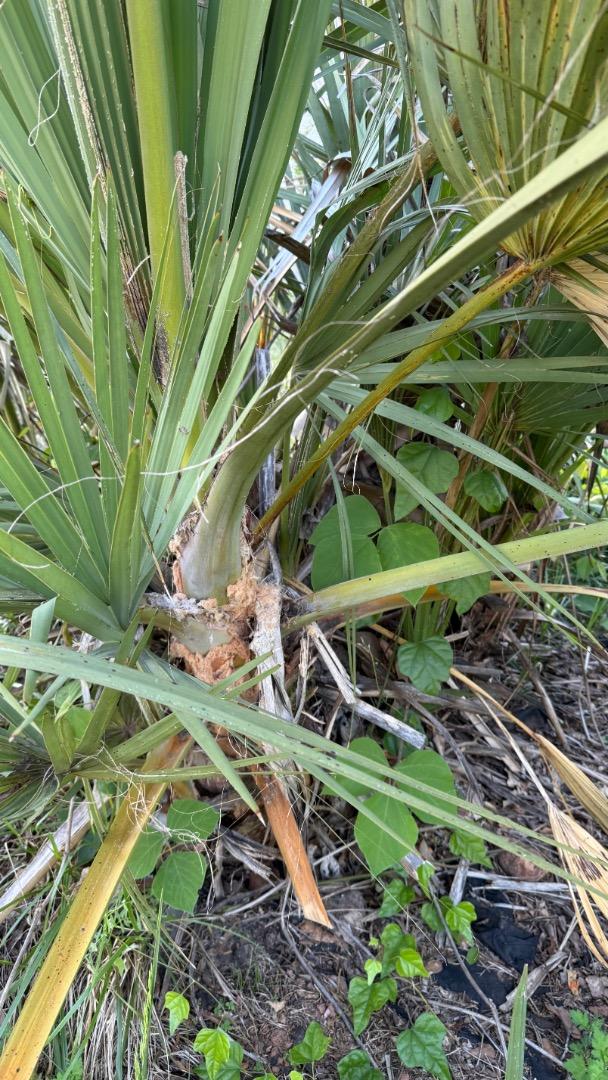
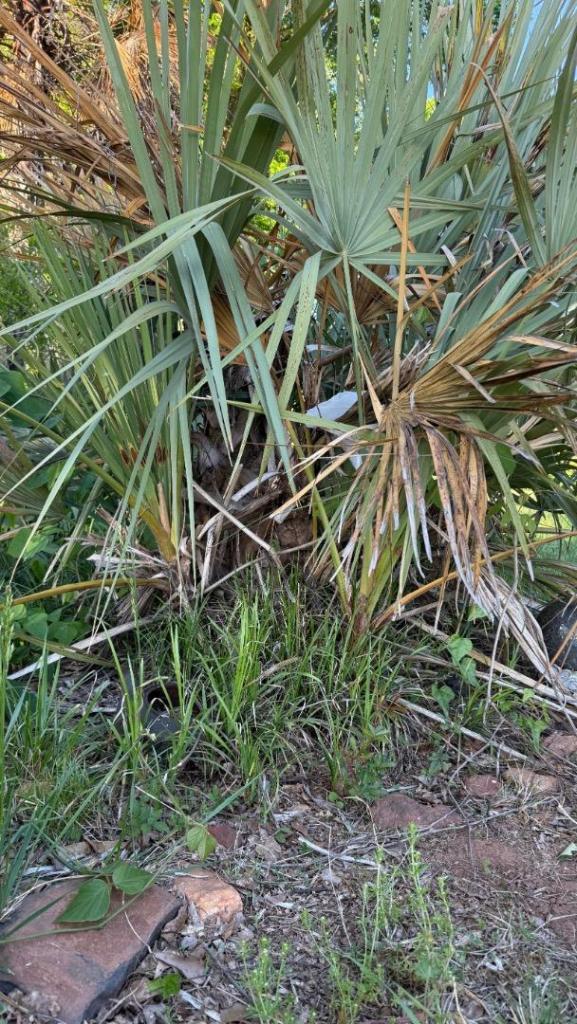
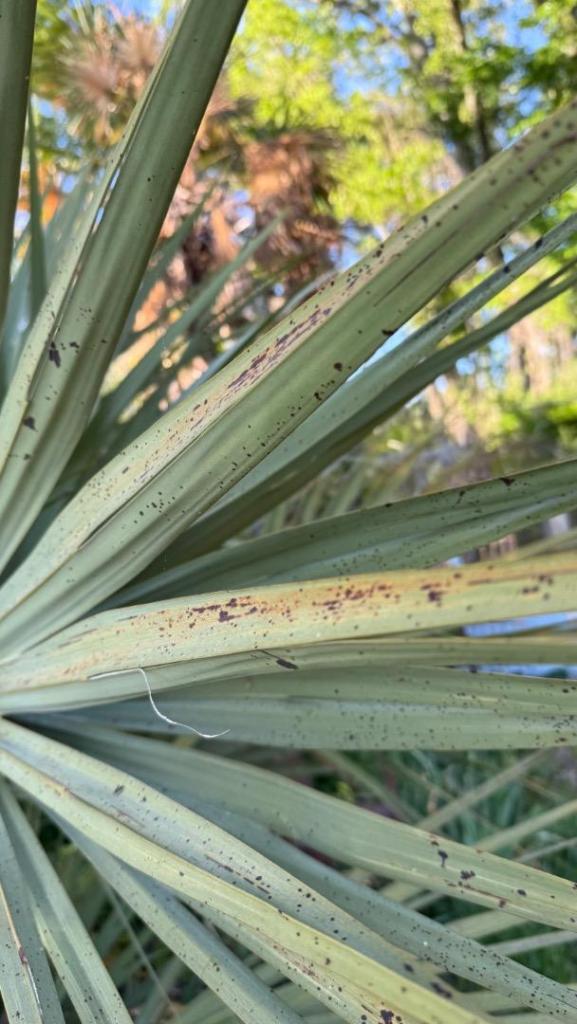
 1 pointNeed some help identifying palms of my late grandpa, my most important one to identify currently I’m afraid may be sick? I recall him saying it was a Russian palm of some kind, that he’d never seen another and could be the only one in America to his knowledge. He has many palms around the property, a few have died over the years and I’d like to replace (jelly palm died while he was still alive from a severe freeze. Since he’s died I’ve lost I think a fishtail? From a rodent chewing off every leaf tot make a nest in the greenhouse) the Russian plan I would like identified and to know if I need to do anything to help it out. Struggling to add photos , I know he said it was Russian, it had abudany fluffy fiver produced in the nooks around the trunk where fronds grow out, fan type leaves. Currently lots of brown dots and yellowing ends of leaves, as well as dead fronds. I know the main plant died a few years ago and the current trees are shoots sent up from her roots. I’m scared to seperate them since I’m not sure how fragile they are to root disturbances1 point
 -
1 pointMy uneducated guess would be that it suffered a bit from this past harsh winter, and that since it comes from such a dry climate it might be vulnerable to fungal attacks in the southern US. From your photos though the damage looks rather cosmetic, and I would not be too concerned. It probably isn't worth trying to spray the leaves with anything as I doubt there is an active pathogen attacking them at this point. As long as the newer leaves are unblemished the palm will replace the damaged older leaves over the course of the hot growing season. A small dose of a good palm fertilizer wouldn't hurt. I would not cut any of the damaged leaves off, only the completely dead brown leaves if you want. The damaged leaves are still contributing to photosynthesis and cutting away the cosmetic damage would do more harm than good. Overall though it seems like it's a survivor and I would bet it will be just fine without any intervention.1 point
-
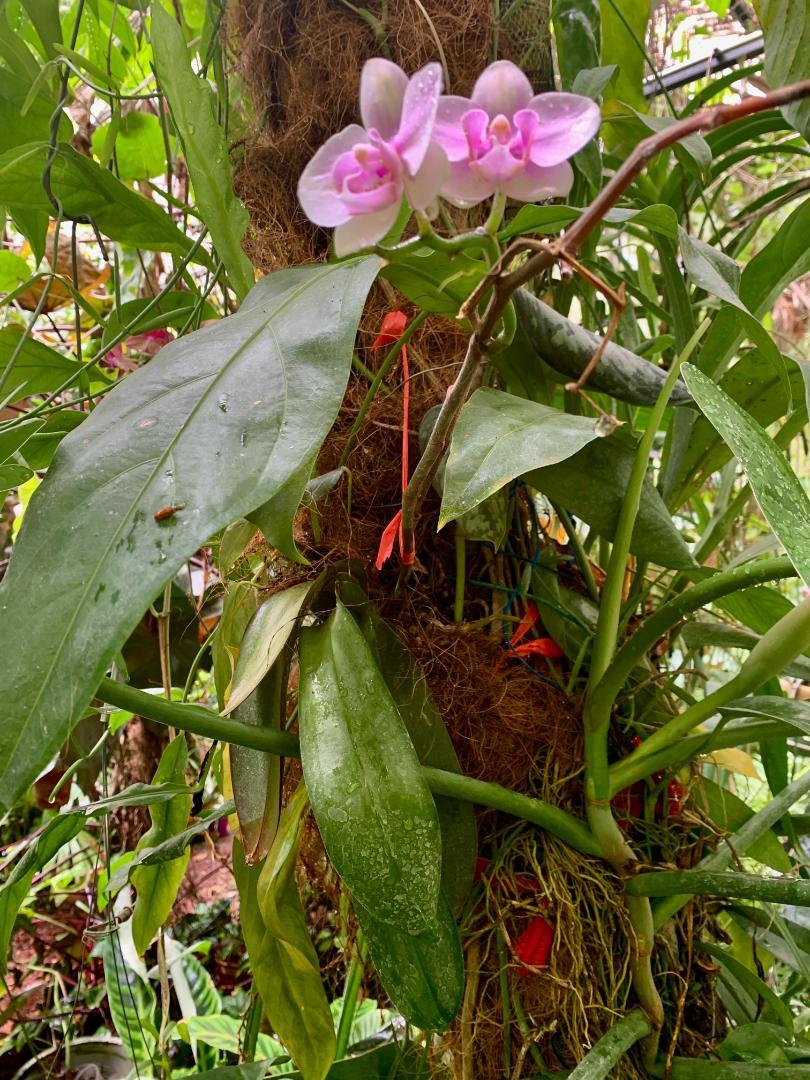
 1 pointThanks! I have a friend in New Jersey who built a greenhouse on a flat roof of her house that she can walk out into from a door in her bedroom. She has been growing orchids for 40+ years and has an extensive collection, and always has at least 10-15 things blooming simultaneously of all different genera. Its kindof a desire of mine to have that....but there are some genera I don;t grow (the Calathea alliance comes to mind) so mine are mostly Vandaceous, Bulbophyllums and some Oncidium alliancne, as well as Phals which I mostly rescued from the Lowes 1/2 price markdown when they stopped blooming and mounted around the place1 point
 -
1 pointGot pictures to load finally! you can see the old stump in the middle, lots of suckers about her here’s how the trunk looks with the fluffy white fibers the speckling I’m worried indicates something is wrong?

 1 point
 -
1 point
-
1 pointIt is such a pleasure to have something much color popping all at once. I enjoy walking around my garden with my granddaughter and showing her the orchids that are both in bloom and yhe ones with flower spikes getting ready for the next display. She really warmed my heart when she said she wants to grow orchids "when she gets big". We wi)l see what a 3 year old considers "big" in the coming years. You have a lot of variety blooming now to enjoy. Hopefully some are also fragrant to appeal to a different sensory mode.1 point
-
1 point
-
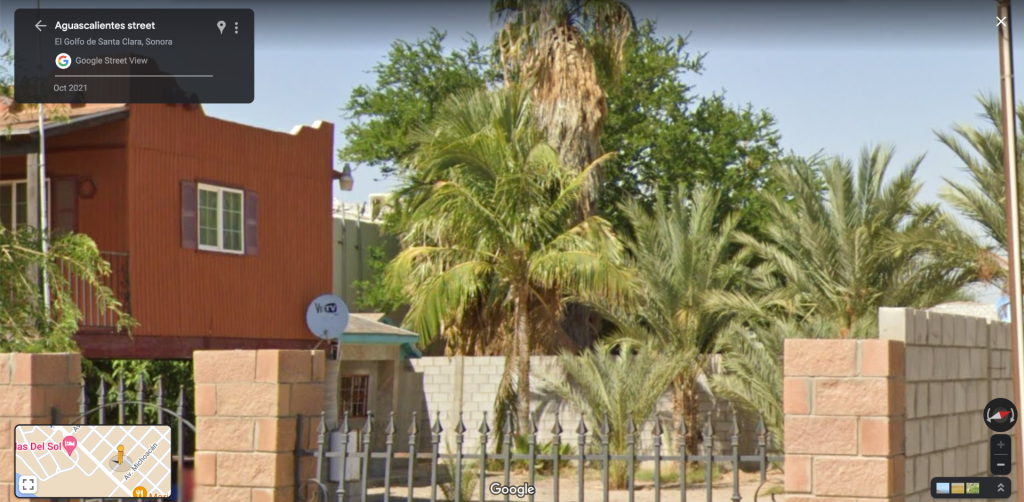
I'd be very surprised to see many decent-sized coconuts growing on the Pacific coast of Baja Sur, due to the influences of the cold Pacific, but I have found Cocos on Google Street View in Hermosillo, also in a couple of places fairly far north on the coast of the Gulf of California, and have posted links/photos of these somewhere in a Cocos thread here. Since we know coconuts can be sometimes coaxed into living a somewhat decent life further north in the Coachella Valley, it just makes sense that the probabilities gradually increase for every mile you move south toward Sonora, Sinaloa, Nayarit, Jalisco... That Cocos in Golfo de Santa Clara looks great!1 point
-
 Check out this beautiful, good sized coconut in El Golfo de Santa Clara, a little over an hour's drive from the Arizona border. Definitely makes Yuma/San Luis, Arizona seem like possible Cocos territory. The town is located at the northern end of the Gulf of California near the Colorado River Delta. There were some other smaller coconuts in front of the Hotel San Antonio that seem to have been removed when it was renovated, but this one is still there as of a year or two ago and looks really nice! https://www.google.com/maps/@31.683575,-114.4937887,3a,15y,288.97h,93.16t/data=!3m6!1e1!3m4!1snXEasyqVGz0kX9fBbWhI7w!2e0!7i16384!8i8192?hl=en
 1 point
 -
I found nice coconuts in Hermosillo using Google Street View, and documented it in another thread...I think Cocos are really a lot stronger than people think, but they can only handle chill for about three months (rather than the six months found in the SoCal coastal areas); and they have to have heat during the growing season to make sure they have a good number of 'solar panels' to keep going. But one thing I have learned is that young Cocos should be protected from the heat of the low desert. I believe the La Quinta coconut, which is now exposed in full sun and looks pretty good, was sheltered under other vegetation (a Plumeria and possibly other plants) while it was getting established. I had young Cocos shrivel up and die in full sun a couple of years ago in Rancho Mirage.1 point
-
 Those are all well below 30° latitude. Alamos climate is warm enough to qualify as tropical Savana winter, and gets almost 700 mm of rain. For all the hot desert Southwest locations, irrigation is a given for Cocos cultivation that otherwise meet the criteria of being Hardy outside and in ground. Unless they could acclimate the finding groundwater in select spots like native washingtonia do.1 point
 -
Yuma AZ has better temperatures than most of northern Mexico other than too hot in the summer (cocos put under high sun canopy) and very low humidity year round, yet they manage to grow so many veggies including cool season annuals there.1 point
-
Less than 200 miles south of Yuma or San Diego latitude! The climate of Puerto penasco compares very favorably to Puerto libertad. In fact it shows the nights in Winter being slightly warmer in the more Northern City, uper vs mid 40s, both near 70 during the day. Both get far too little rain but have decent average humidity.1 point