


Leaderboard
-


bubba
IPS MEMBER18Points8,618Posts -

DoomsDave
IPS MEMBER15Points34,647Posts -

Hu Palmeras
IPS MEMBER12Points1,044Posts -

SeanK
IPS MEMBER10Points3,562Posts
Popular Content
Showing content with the highest reputation on 04/20/2026 in all areas
-
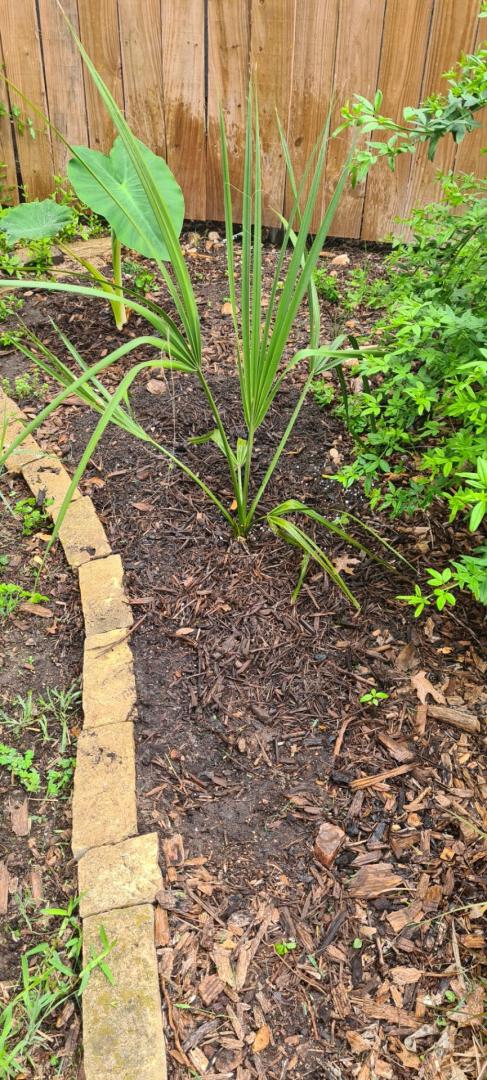
 5 pointsIt's Nannorrhops ritchiana, Mazari palm. Not native to Russia, but further south in Asia and the middle east, including Pakistan and Afghanistan. I know some cold hardy palm enthusiasts in the US grow them but they are certainly not common in cultivation. The only place where palms are grown in Russia is along the black sea coast, primarily in Sochi. They plant a lot of Trachycarpus there and probably some others. None are native to the region.5 points
 -
They sprout easily. The hard part is living long enough to see some semblance of maturity on the babies.5 points
-
 I hate to tell you, but if you think you can transform the nursery industry, you might want to think again. I think what you're calling a "regular nursery" is a "plant retailer." Big Box stores have overtaken the industry and typically employ people with zero-to-scant knowledge of plants and sell rafts of product carefully coordinated with huge grower-corporations (think "Proven Winners" and the like) disseminated through marketing channels and trade-shows to develop a thirst for some new variety or cultivar in a seasonal blitzkrieg. Of course these big retailers will also carry a selection of bread-and-butter landscape palms: queens, kings, Washingtonia, Butia, Trachycarpus, et al depending on the dictated climate zone. They will likely special-order something if it's available from their regular list of suppliers, but the wholesale growers are also tuned in to what sells and grows quickly because they have to stay in business...and real estate, containers, soil and water are expensive when there's little hope for moving the plants out in good time. A production-to-market time of three years vs. seven years makes a huge difference in the profits of a grower, and as others have mentioned above, this is why you will find queens, kings and in particular Washingtonia over Sabal...they grow, and thus move, quickly. And Joe and Mary Homeowner are happy to see a nice fast-growing "palm tree" at their new tract home because they suffer from our modern-day need for instant gratification. In SoCal it's almost a miracle that we now see Bismarckia sold regularly in garden centers; with Ravenea heavily pushed for the houseplant market. Yes, Foxtails, Triangles, and a very few others are occasionally encountered, and it took many years for this latter group to gain any kind of foothold, which is really not even a foothold, they're still oddities to many but they grow at a decent speed and growers can probably make a bit of money on them in certain areas. Sabal is not likely to join even that outlier group, despite its hardiness and other positive qualities, because it is just not a fast-growing palm and has no customer familiarity. It's just an uphill battle for both the grower and the larger retail channel. While the rarer-and-rarer traditional nurseries will most likely order many plants from wholesalers, they are often growers themselves, they may go to great lengths to acquire propagation material of unusual species, nurse them, shift up to saleable sizes all by their own hand. They may buy bud-wood and graft fruit trees using a known rootstock for their area, etc. These are generally multi-generational, dedicated and knowledgeable nursery people whose horticultural and real-world experience in the landscape have gained them a major reputation and make for a completely different experience that appeals to serious gardeners who want to gain horticultural or botanical knowledge. Those nursery-people also gain a lot of satisfaction from interacting with customers and exchanging knowledge and experience. But they are realists, and if you get them into a conversation about something like Sabal, will likely say, "well, we don't get any call for them, so they're just not something we carry, and we can't even special order them without importing them from Florida, because they're just not profitable for growers here. You should go to a specialist palm nursery." And here we lead back to the community of specialty growers, including backyard growers, who offer a wonderful array of plants that was unthinkable even fifty or sixty years ago. It is thanks to these people who have poured their hearts and wallets into a risky business that we have them...so I think the best thing you can do is spread the word to others about the palms you champion and point people in the direction of these knowledgeable and dedicated nurserymen and women who have enriched our personal and, for many, professional lives with a variety of unusual plants that was unthinkable a few decades ago.4 points
 -
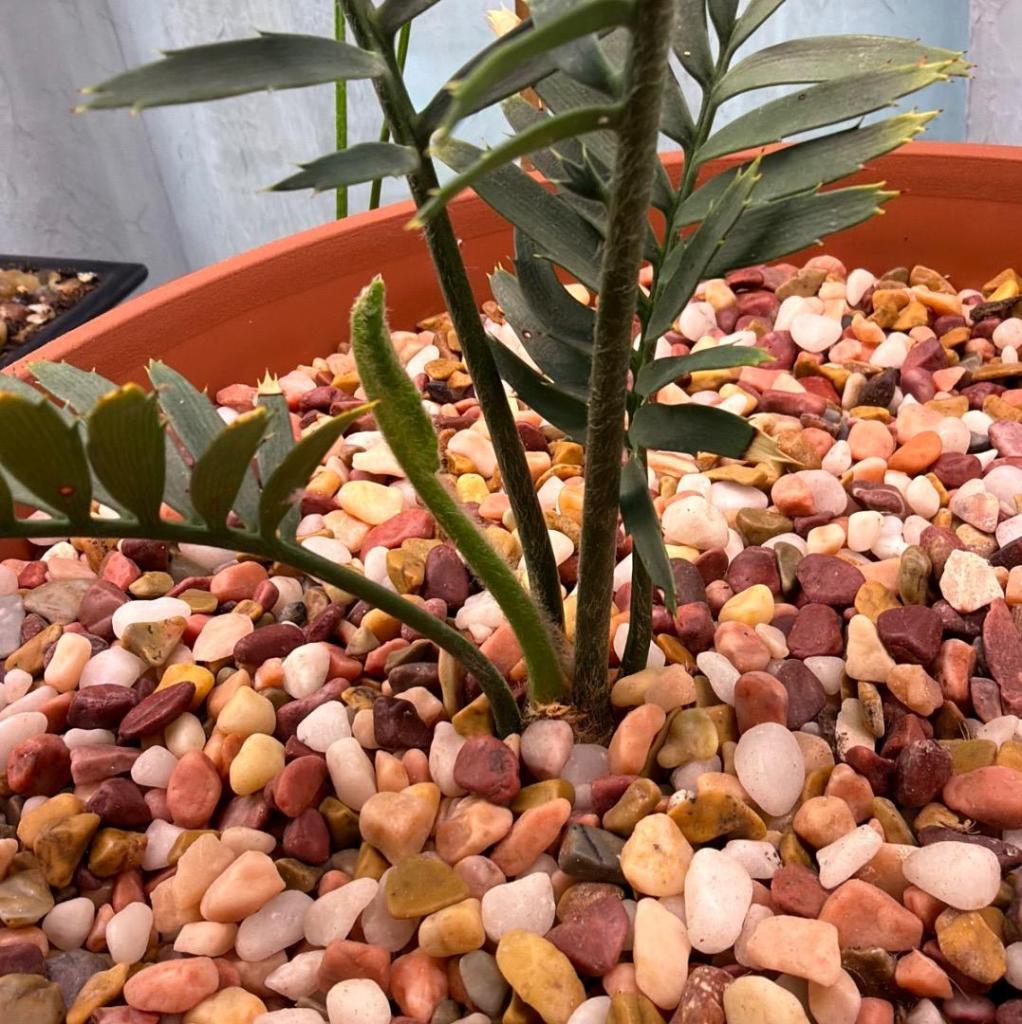
 4 pointsThe offset on the main caudices is flushing. It is like a wort on the otherwise perfectly symmetrical main plant. Perhaps I should see it ss a beauty mark instead? A chunky monkey Encephalartos longifolius male.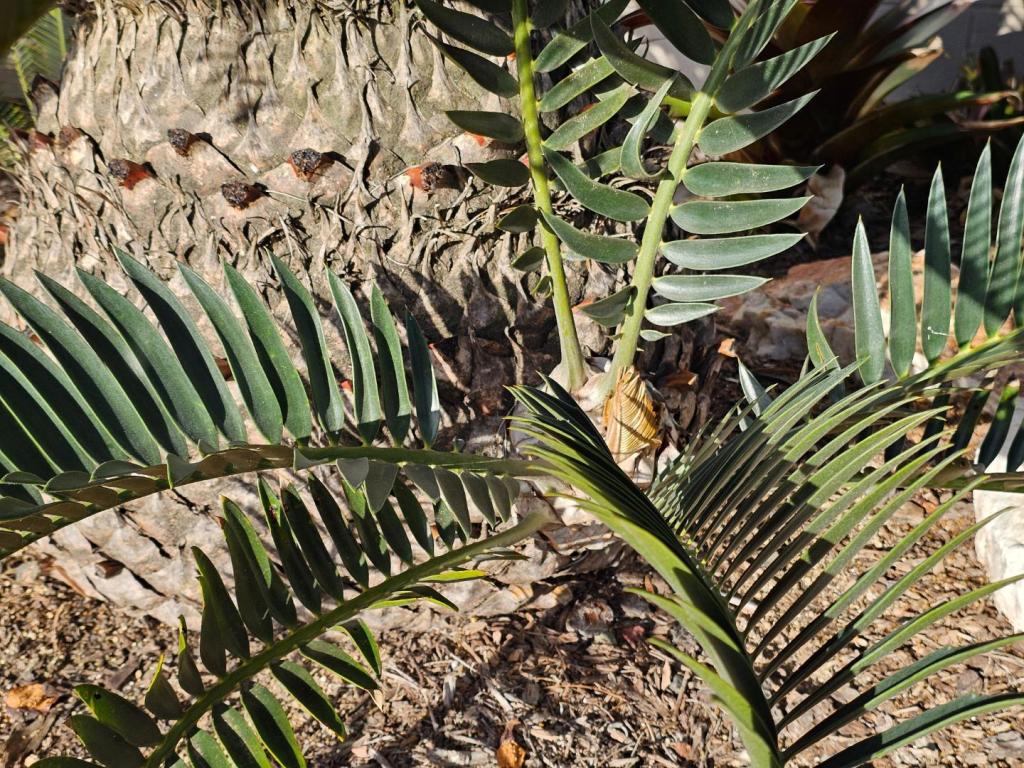
 4 points
 -
Imagine the Pseudophoenix Sargentii Navassana, which is slower. I've managed to germinate many.4 points
-
 I’m more concerned why Coccothrinax and Copernicia aren’t grown more here than “Sablah”. 🤣4 points
 -
.thumb.jpg.304b32ca4398a111edf4ac525048111e.jpg) 3 pointsWell, I added quite a few palms to my yard this year but I also removed some because our squirrels in the backyard kept eating my Chamaedora radicalis @Ben G. They're in a pot for now until they grow bigger . So what's in the ground now? 1xSabal Defuniak @Chester B 2xSabal Palmetto 1xChamaerops humilis
3 pointsWell, I added quite a few palms to my yard this year but I also removed some because our squirrels in the backyard kept eating my Chamaedora radicalis @Ben G. They're in a pot for now until they grow bigger . So what's in the ground now? 1xSabal Defuniak @Chester B 2xSabal Palmetto 1xChamaerops humilis

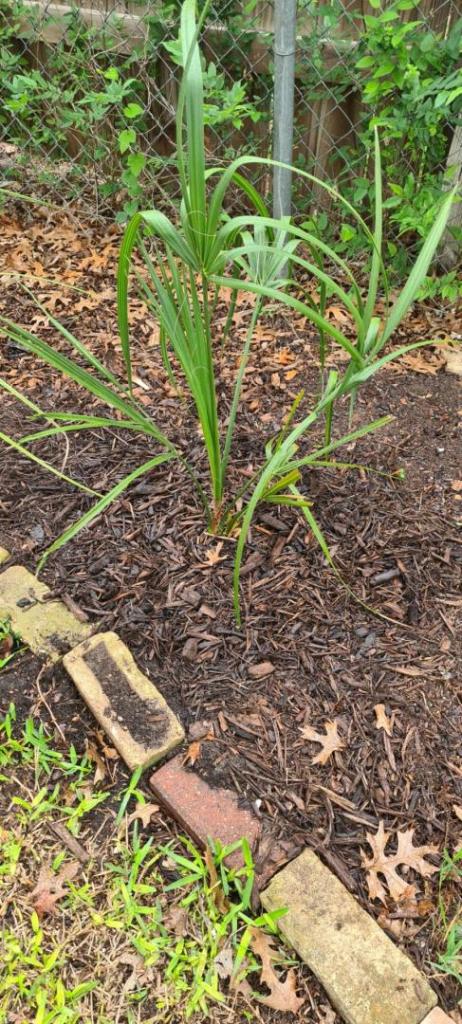
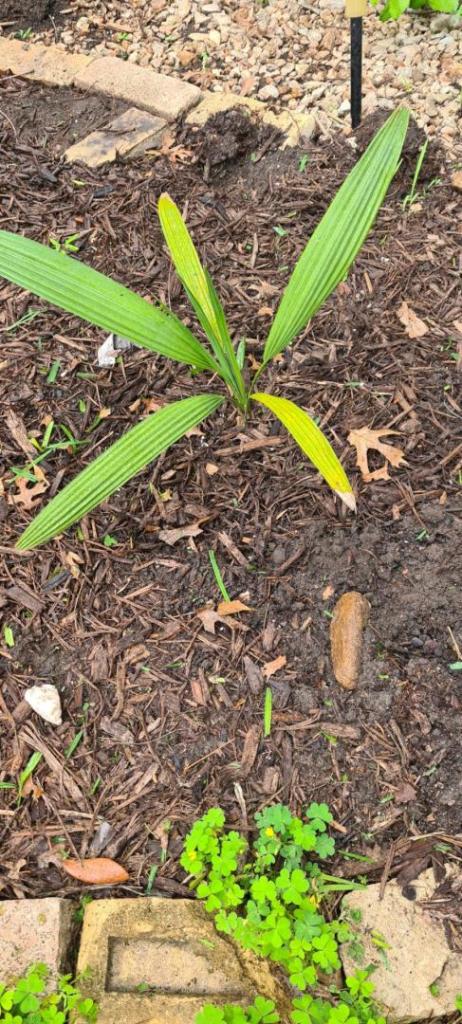 3 points
 -
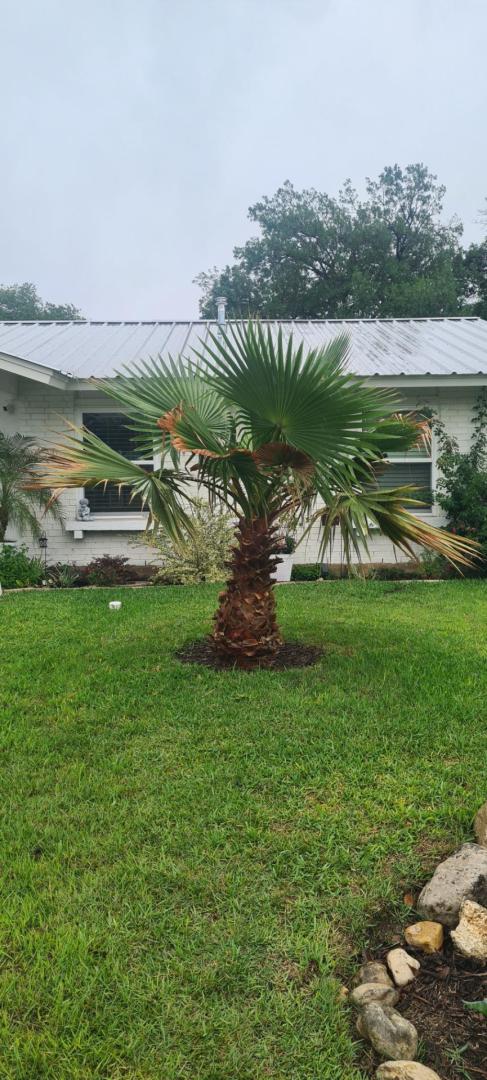
3 pointsMy uneducated guess would be that it suffered a bit from this past harsh winter, and that since it comes from such a dry climate it might be vulnerable to fungal attacks in the southern US. From your photos though the damage looks rather cosmetic, and I would not be too concerned. It probably isn't worth trying to spray the leaves with anything as I doubt there is an active pathogen attacking them at this point. As long as the newer leaves are unblemished the palm will replace the damaged older leaves over the course of the hot growing season. A small dose of a good palm fertilizer wouldn't hurt. I would not cut any of the damaged leaves off, only the completely dead brown leaves if you want. The damaged leaves are still contributing to photosynthesis and cutting away the cosmetic damage would do more harm than good. Overall though it seems like it's a survivor and I would bet it will be just fine without any intervention.3 points
-
It comes down to money. How much does the nursery invest, how much demand is there, how quick is the turnaround. If the market in California supported Sabals, they would be mass-grown by Monrovia and sold by all the big box retail stores.3 points
-
 I made a Ceratozamia zaragozae x hildae hybrid and posted a seedling on eBay for auction. Adult plants are unique-looking--like a compact hildae with very narrow leaflets and upright, twisted rachis. Check it out!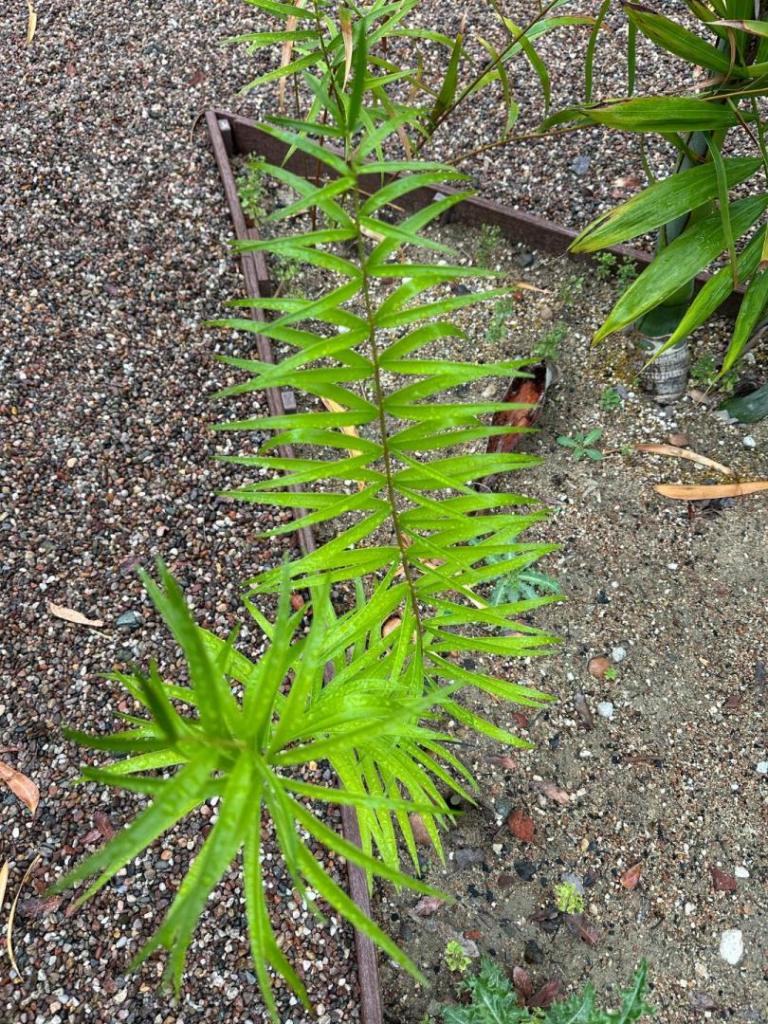
 3 points
 -
 start looking at the competition that sabals have in california to better understand why sabals are not so common there.3 points
 -
 3 points
 -
3 points
-
Look, my great lord and friends. Look at the little Juania Australis. They are like your beautiful palm trees too. But just look at them. You know that every palm tree gladdens the heart of us all. This one, of course, gladdens my heart. The more I search, the louder I will applaud it, the more shouts of joy I will raise, and the more trust I will place in it. This other unique kingdom has been added to my collection.
 3 points
 -
3 points
-
3 points
-
3 points3 points
3 points3 points
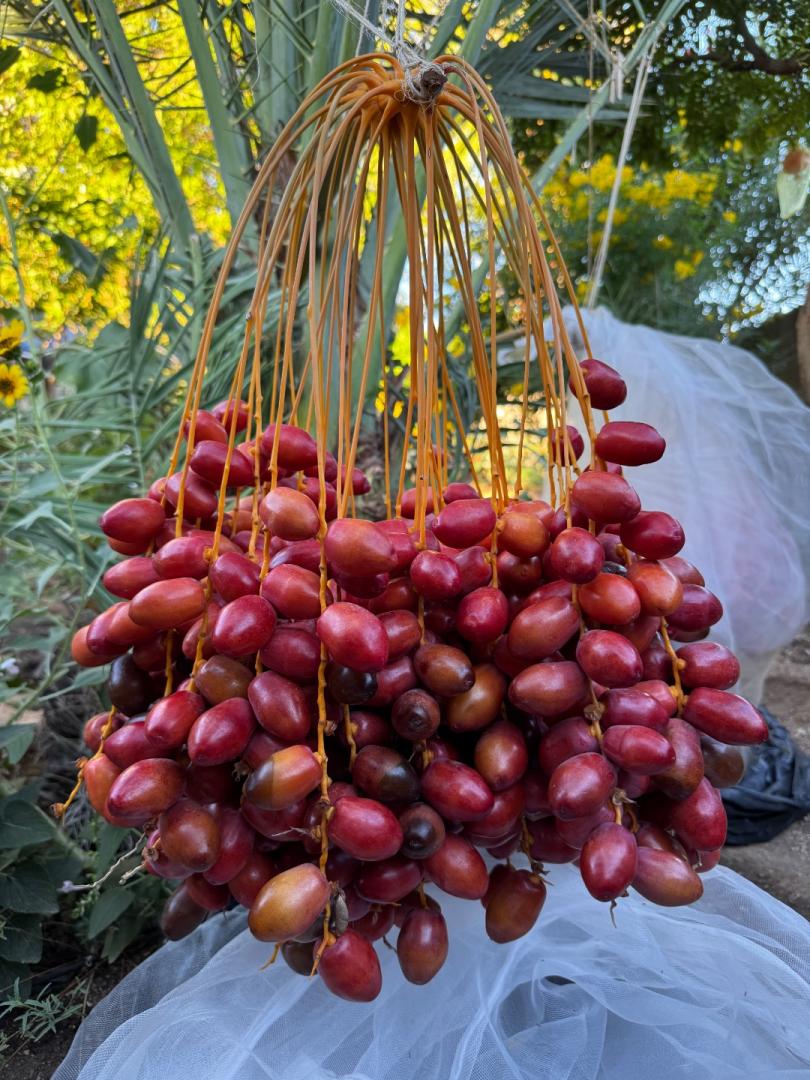
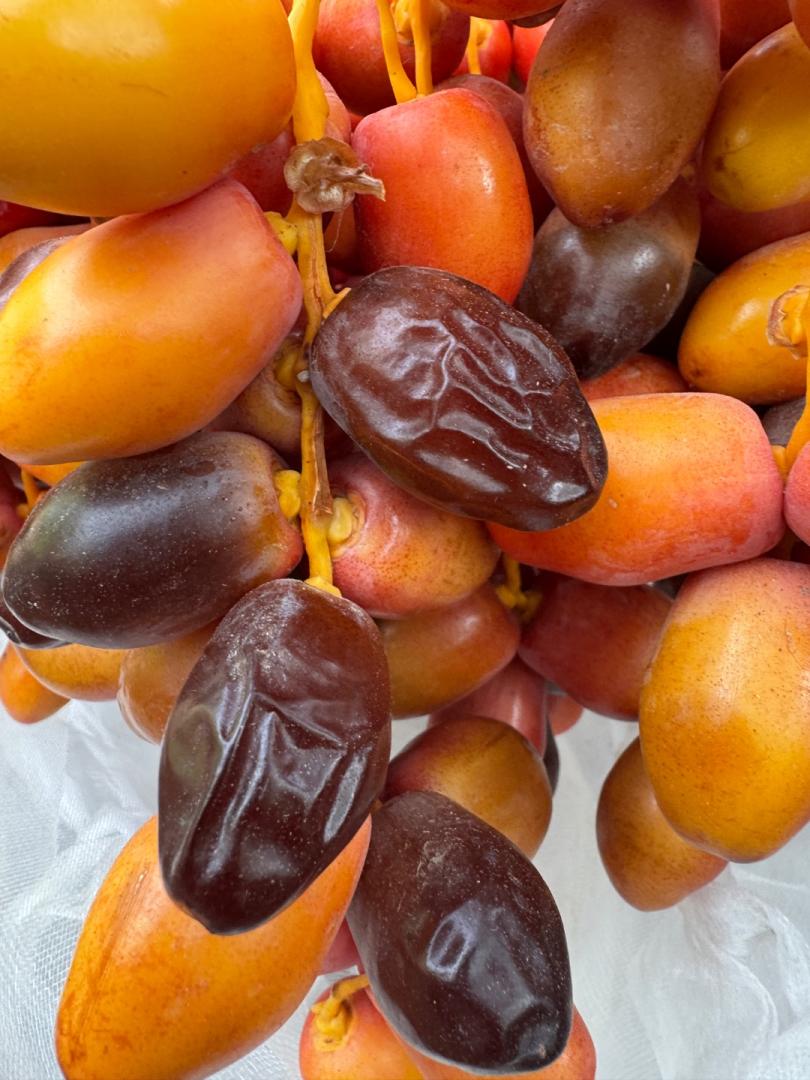
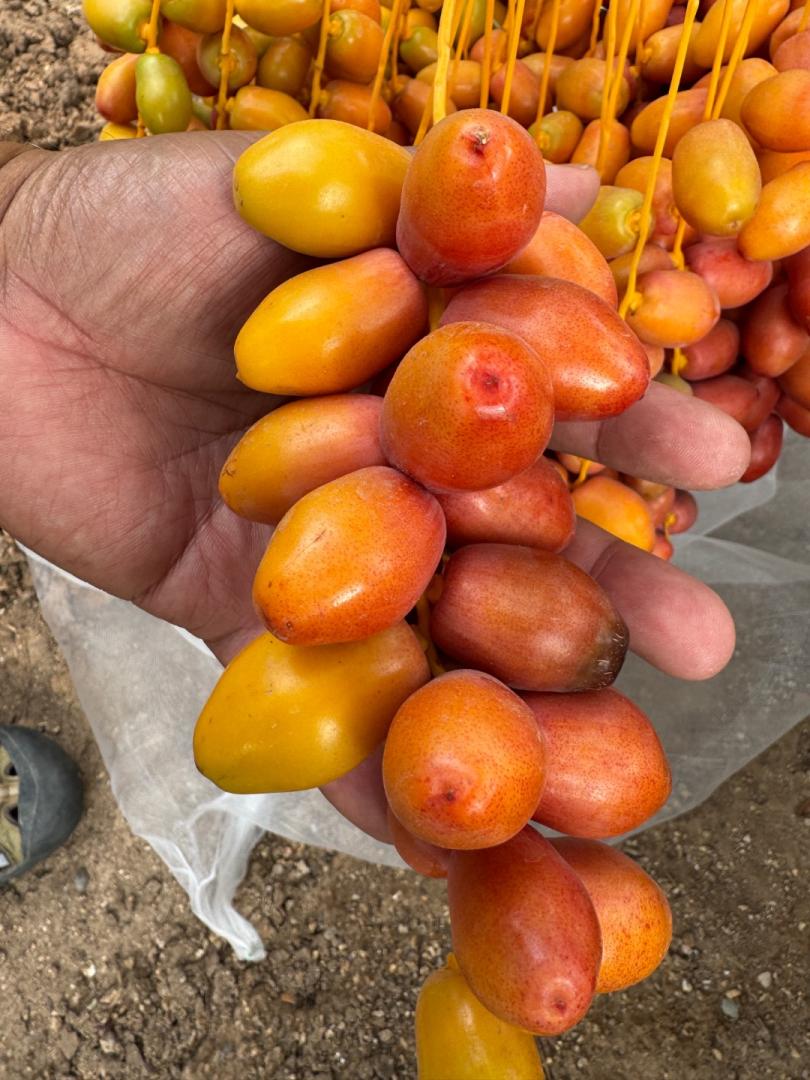
 3 pointsCongratulation on finding that Black Sphinx. I have one in my yard that i planted in 2018. I had my first full harvest in 2025, it took my 7 years to get that harvest. I have sort of a pedigree doc about the trees source dating back to the first one in 1928. Mine hasn't bloomed this year yet but it should push blossoms soon. I had 7 blooms on it last year and pollinated with male pollinator palm i had access to with 100% success. Absolutely love this date, i think its the best tasting palm date out there. Here are some pictures.


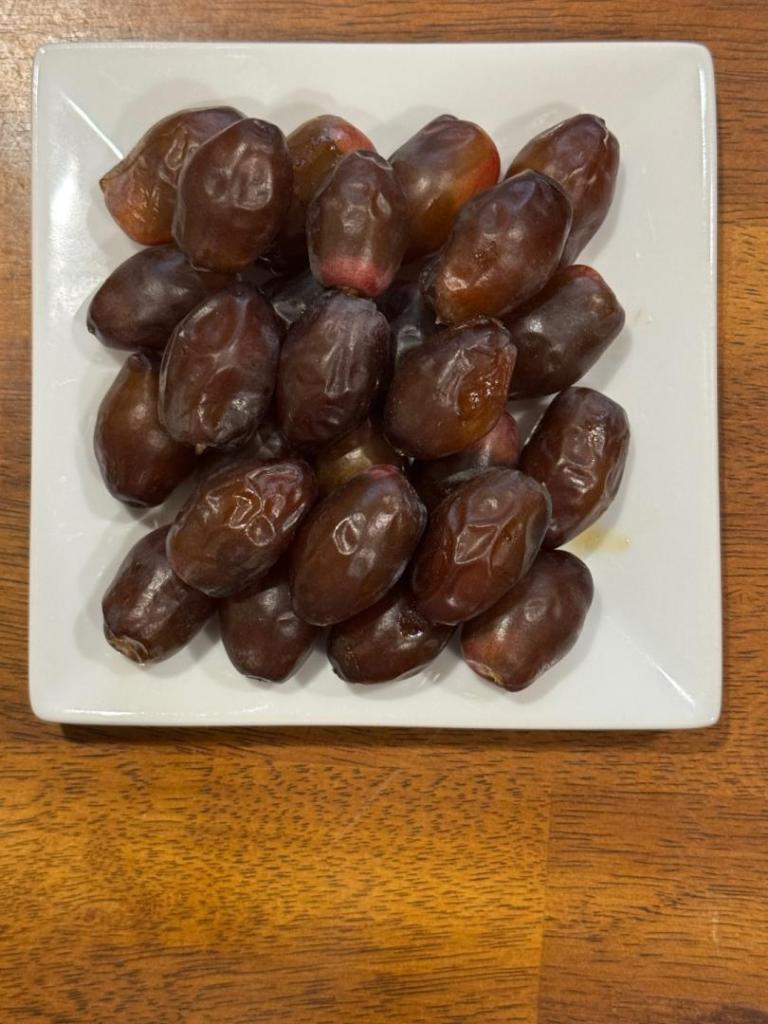

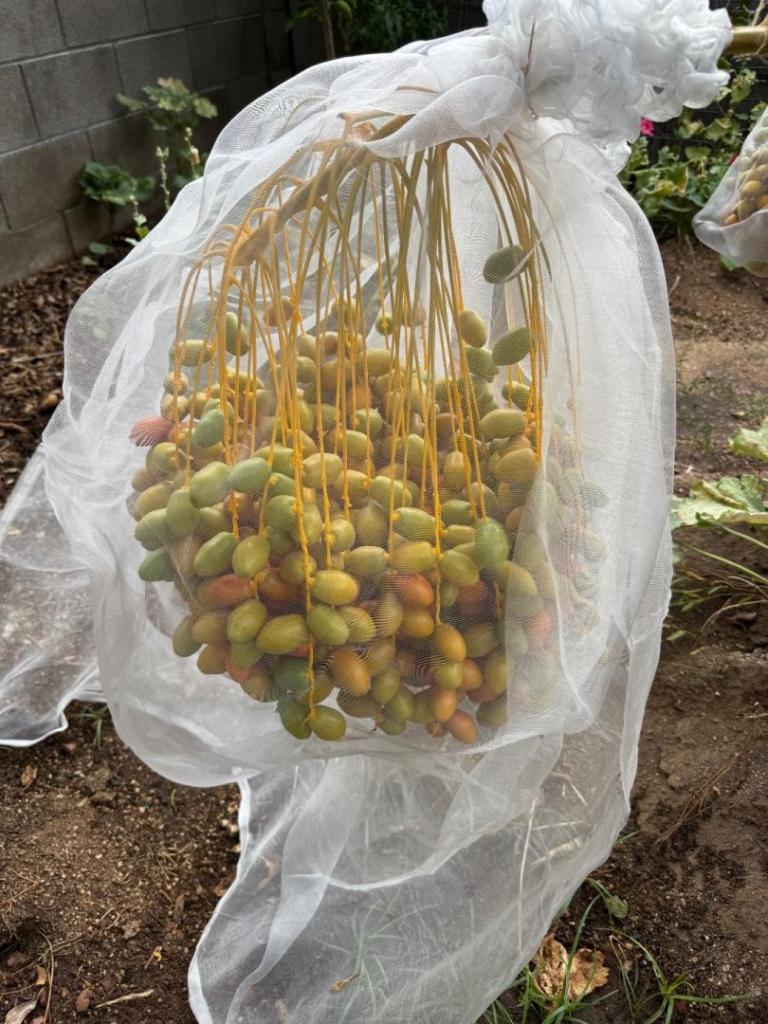
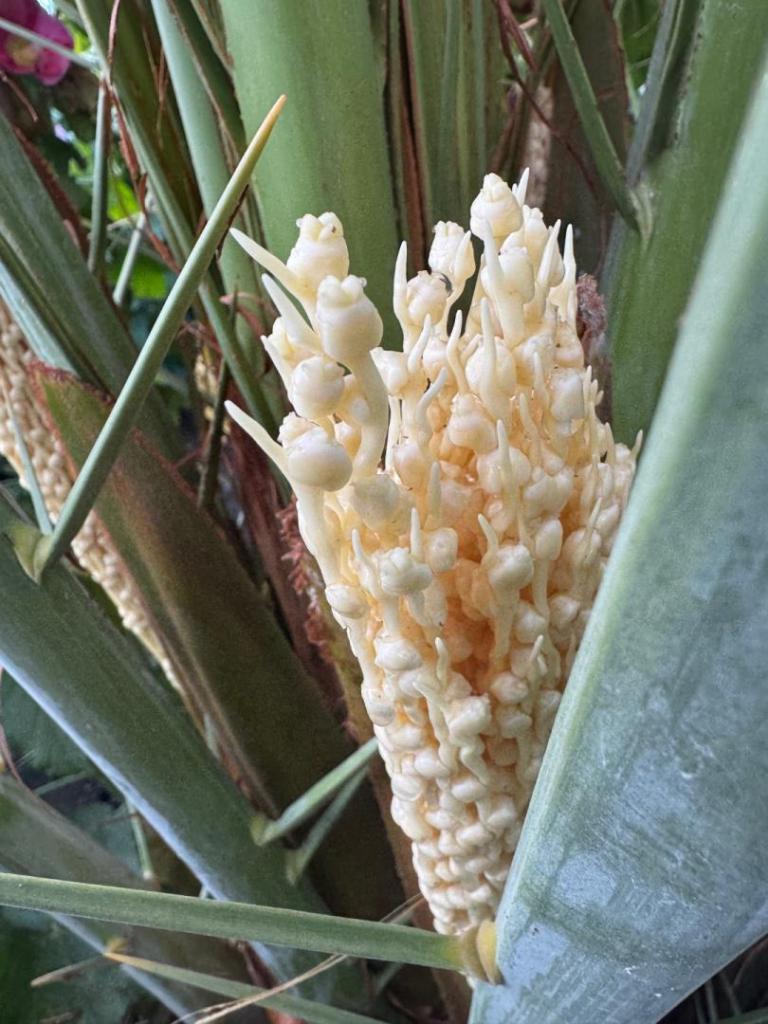 3 points
 2 pointsI have a fair amount of these that are available. My preference would be shipping within the U.S., as international shipping costs have really gone crazy over the past few years. The mother plant is a beauty.2 points
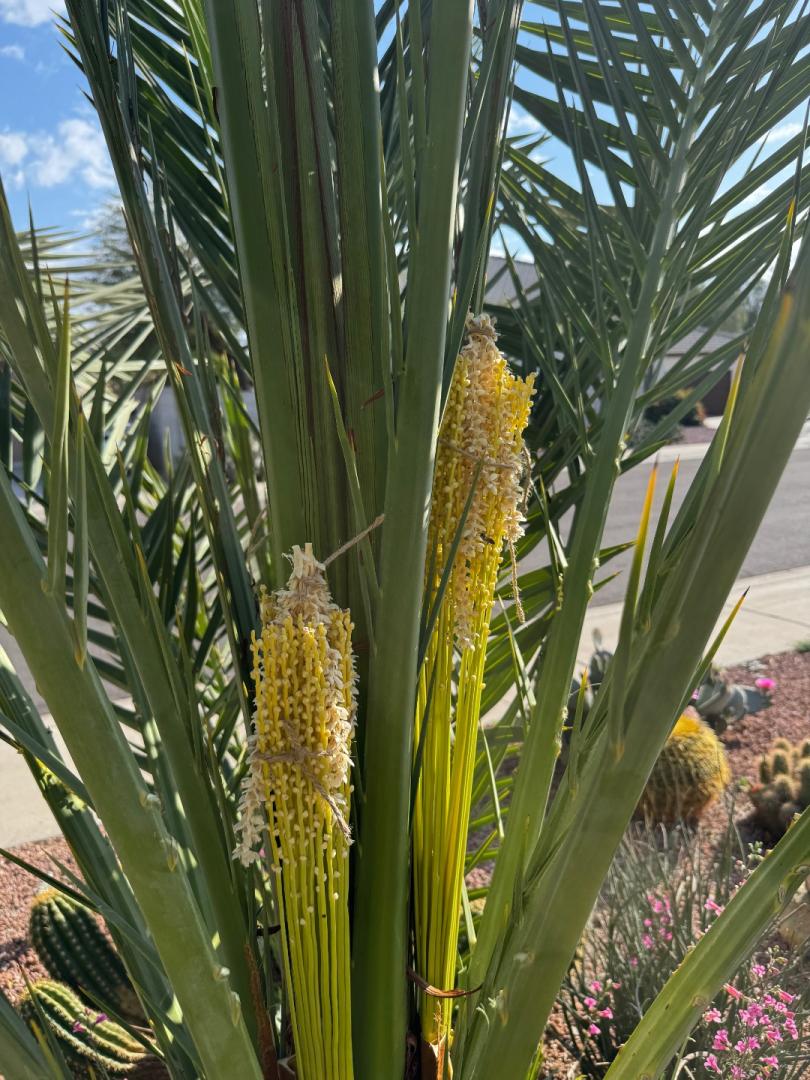
Our cold February has caused questions about the effect of early or later blooming of these beautiful trees. I was very surprised to see an early bloomer:
2 pointsI have a fair amount of these that are available. My preference would be shipping within the U.S., as international shipping costs have really gone crazy over the past few years. The mother plant is a beauty.2 points
Our cold February has caused questions about the effect of early or later blooming of these beautiful trees. I was very surprised to see an early bloomer: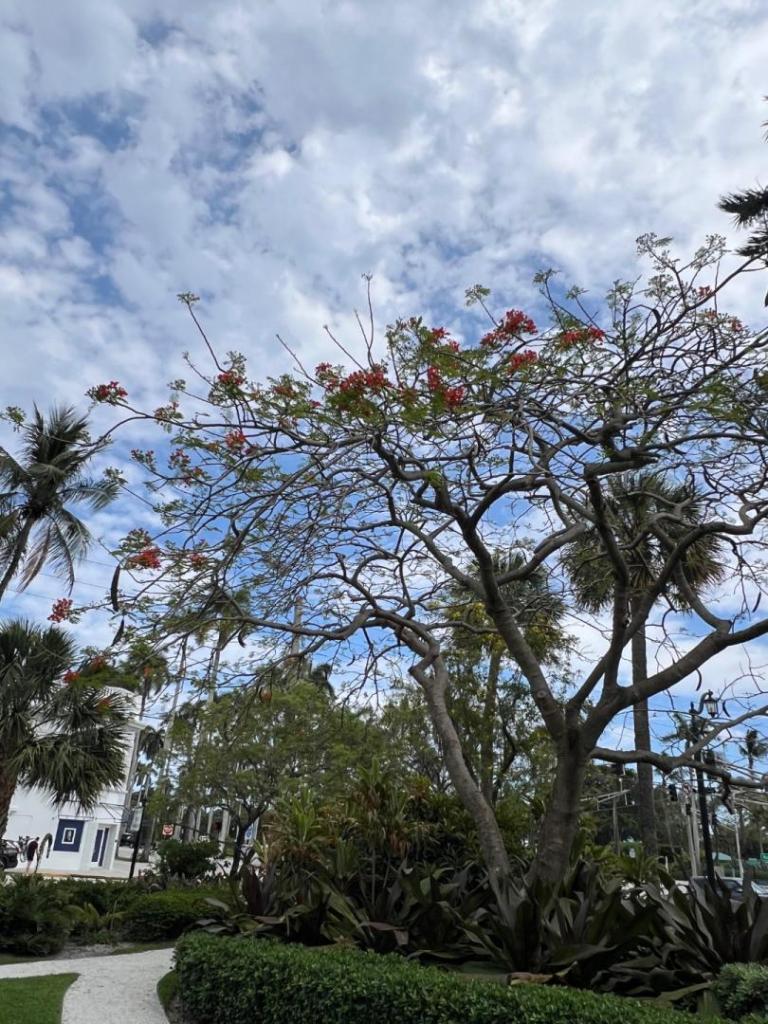 2 points
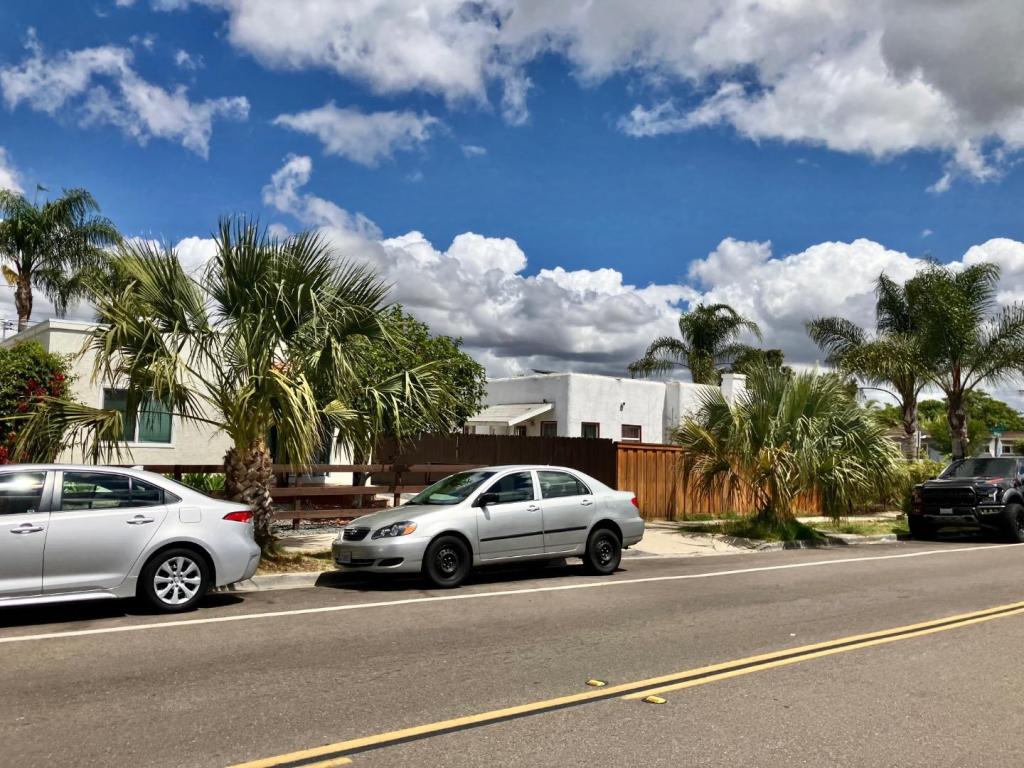
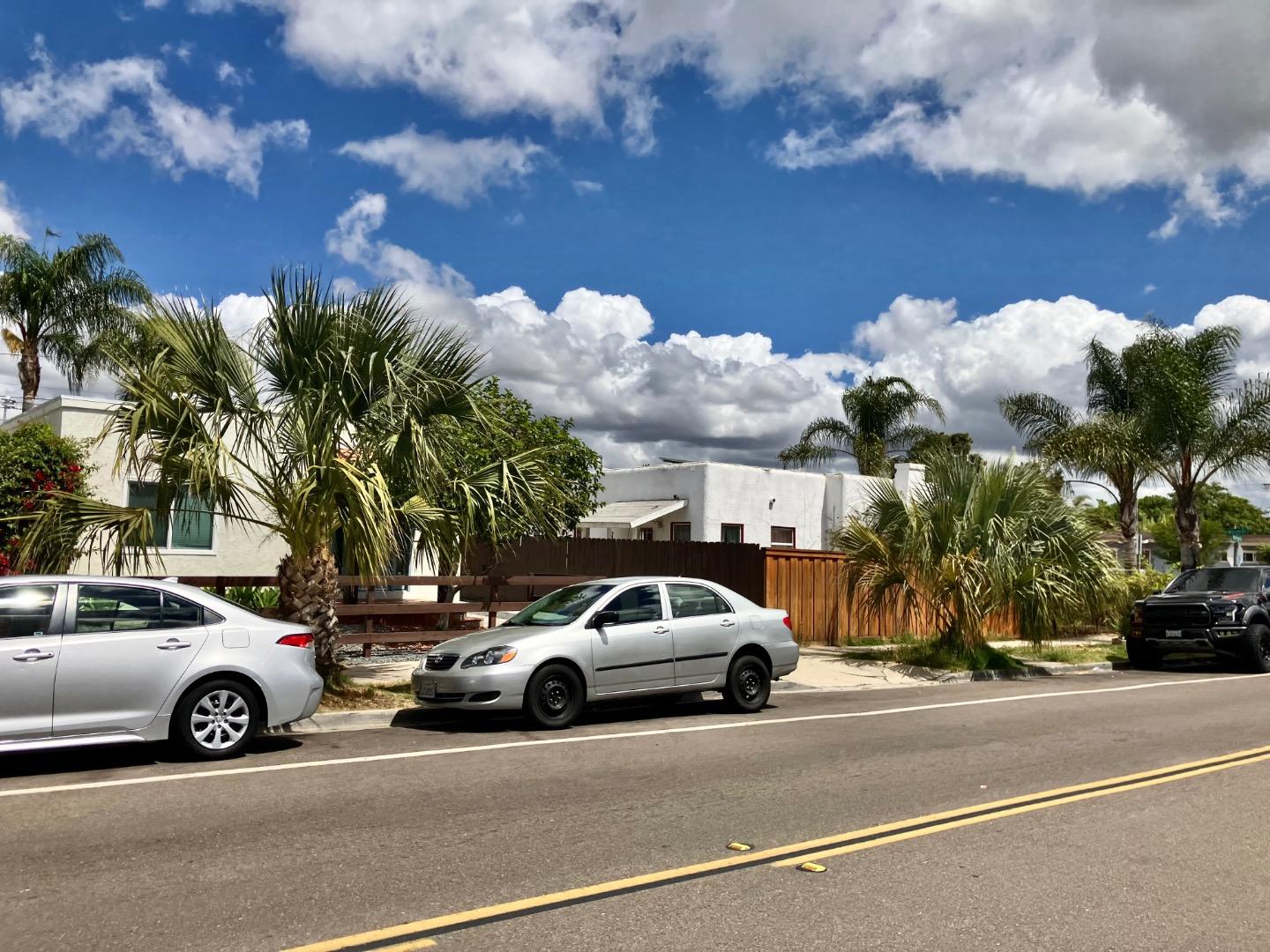
 You’ll see them around in Southern California, though they’re a lot less prevalent than most other fan palms. i used to think that they were slow and that’s not entirely true - though slow is a relative term. They’re definitely sturdy, in Sam Diego, and worth the wait (in my opinion). Shoot me a DM if you’re having trouble finding any. Here’s a link to a thread which documents a lot of my experiences: Not the best picture, but here’s a S. Uresana and a S. Mexicana type, from the other day. I’d estimate that they are around 10years old, from a 5 gallon. They’ve been on their own, without any care, and are self sufficient where I’m at 10a (maybe even 10b). 92104 zip code. There’s also a S. Bermudana (maybe) and a S. Causarium further to the right, which can’t be seen. Those are also living on their own, with no help. These are growing with a lot of other palms in the 3500-3600 block of Wightman St, and there’s a Livistona Chinensis, Arenga Engleri, and a big Sabal Mauritiiformis two houses south, on Wilson Ave, if you were in the area.
 2 points
Update. It's been a little over two months since my palm was completely defoliated. Spear was damaged on top only. This picture is from today
2 points
Update. It's been a little over two months since my palm was completely defoliated. Spear was damaged on top only. This picture is from today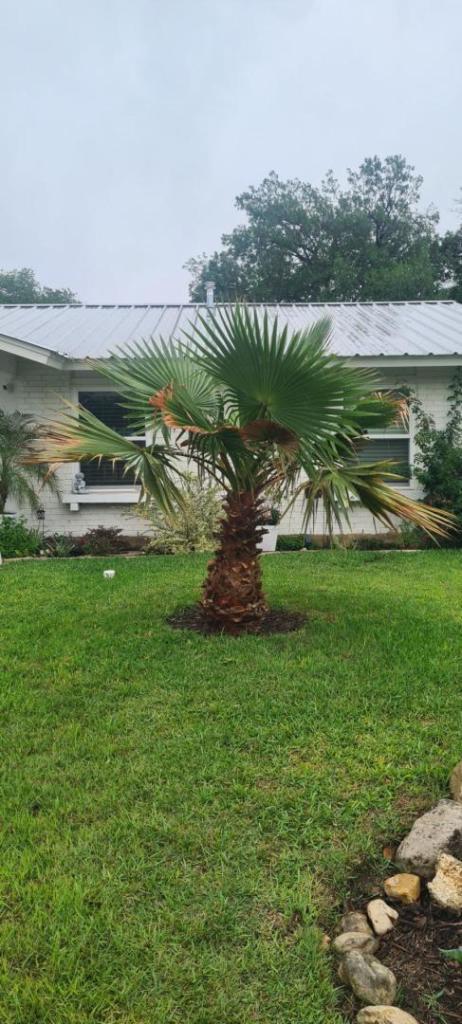
 2 points
I have never met anyone at our two major big box chains that know anything about plants, let alone palms. The garden center is staffed with cashiers.2 points
I'll tell you why, big box stores and general nurseries sell lots of different plant and business person on a computer tells them the same things a car dealer must know. How much does it cost(seed, fertilizer, time), how fast does it sell, and what can you sell it for over your cost. Sabals are a loser in california for one or more of those reasons. Seed is cheap, time is long so fertilizer and upkeep labor is more, and they dont sell for as much as some other palms. Put all the local species in profit order and pick 6 or 8 or 10 whatever the limited sized lineup you want. With hundreds of species possible, sabal falls down the list a ways and the less palm centric sellers don't carry them. And then you consider that its likely big box stores sell more palms than specialty nurseries. Southern California had a ton of specialty nurseries 10 years ago when I lived there, I think the business is well understood.2 points
2 points
I have never met anyone at our two major big box chains that know anything about plants, let alone palms. The garden center is staffed with cashiers.2 points
I'll tell you why, big box stores and general nurseries sell lots of different plant and business person on a computer tells them the same things a car dealer must know. How much does it cost(seed, fertilizer, time), how fast does it sell, and what can you sell it for over your cost. Sabals are a loser in california for one or more of those reasons. Seed is cheap, time is long so fertilizer and upkeep labor is more, and they dont sell for as much as some other palms. Put all the local species in profit order and pick 6 or 8 or 10 whatever the limited sized lineup you want. With hundreds of species possible, sabal falls down the list a ways and the less palm centric sellers don't carry them. And then you consider that its likely big box stores sell more palms than specialty nurseries. Southern California had a ton of specialty nurseries 10 years ago when I lived there, I think the business is well understood.2 points I know, palm plantation is where I got my palms, Mike and Elsa are great. But they also cater to palm enthusiasts. They have a variety of exotic palms. They’re not a regular nursery, they’re like jungle music. Thats my point exactly, you have to go to exotic palm nurseries to buy a very common and native palm.2 points
 2 pointsThe Vietnamese variety looks a lot better the the thai variety,nice palm.2 points
It's not like you can't find them in SoCal if you look in the right places...Palm Plantation in Riverside currently (price-list updated Feb 2026) shows availability on S. minor, S. palmetto, S. 'Riverside' S. uresana. Fairview Nursery (I think in Vista, owned by "Josh O" on this forum) shows availability (not sure how current on the website) on S. etonia, S. palmetto 'Lisa,' S. pumos, S. uresana. Usually Phil Bergman (Jungle Music, Encinitas) has a selection of various Sabal species for sale as well. There are some other sources mostly run by folks on this forum who may also have them. You should also check mail-order sources like Etsy, eBay, and Plant Delights. Sabal King of Texas ("Sabal King" on this forum, he also sells on Etsy "SabalKingofTexas") specializes in mail-order Sabal species and has gobs and gobs of unusual Sabal palms available on his Etsy store right now. Good luck in your searching!2 points
But it makes sense in your case, a blizzard killed the palms. Therefore, they’re not viable to sell. In California, palms are super popular and most importantly they survive. Slow growth is not a bad thing. Plenty of people buy palms specifically for slow growth. Phoenix roebellinis are one of the most popular slow growing palms here. I live in HOA valley, they have no rules against slow growth. Even if growth was an issue hypothetically. Okay, then you just buy the palm mature. There’s a Pheonix roebellini I can buy down the street with 5 feet of trunk. Its not cheap, but the option is available. There are plenty of commercial nurseries that specialize in selling mature palms like the date, canary date, Mediterranean, and robustas for commercial use.2 points
2 points
Thank you Michael! The early blooming RP is a real conundrum. With our cold event in early February, I never suspected an early bloom. They must be really confused. Plenty of barren RP's all over. It will be interesting to see what happens with them!2 points
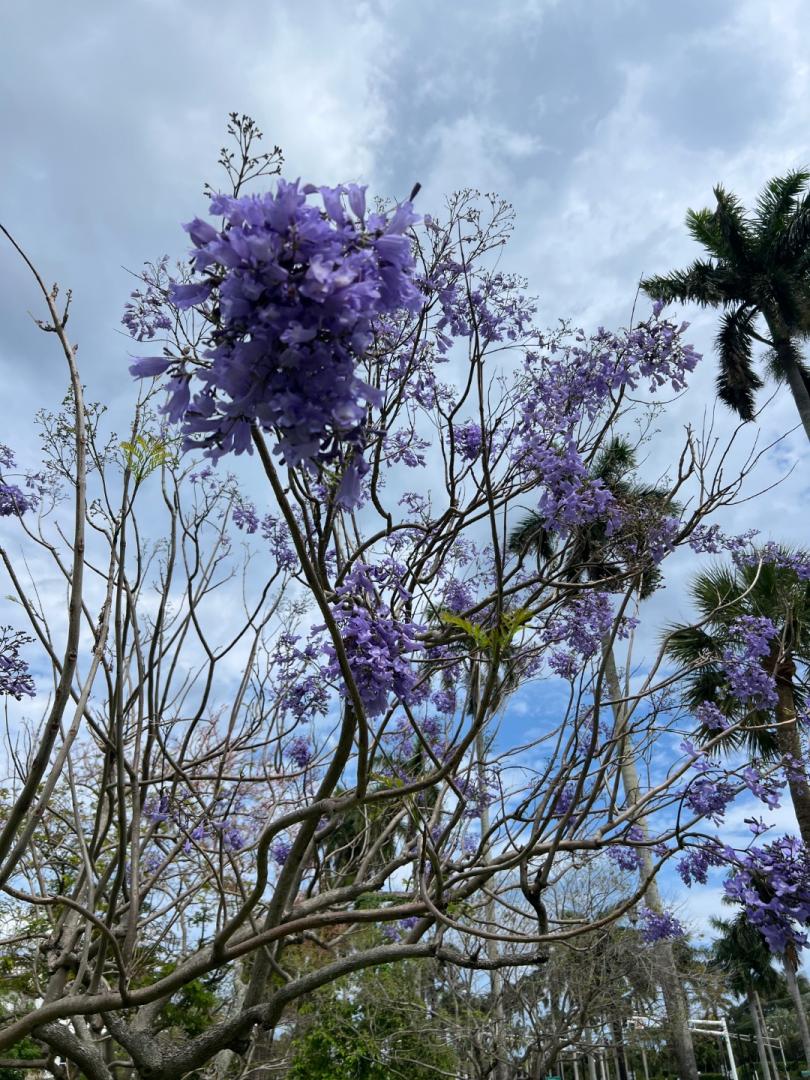
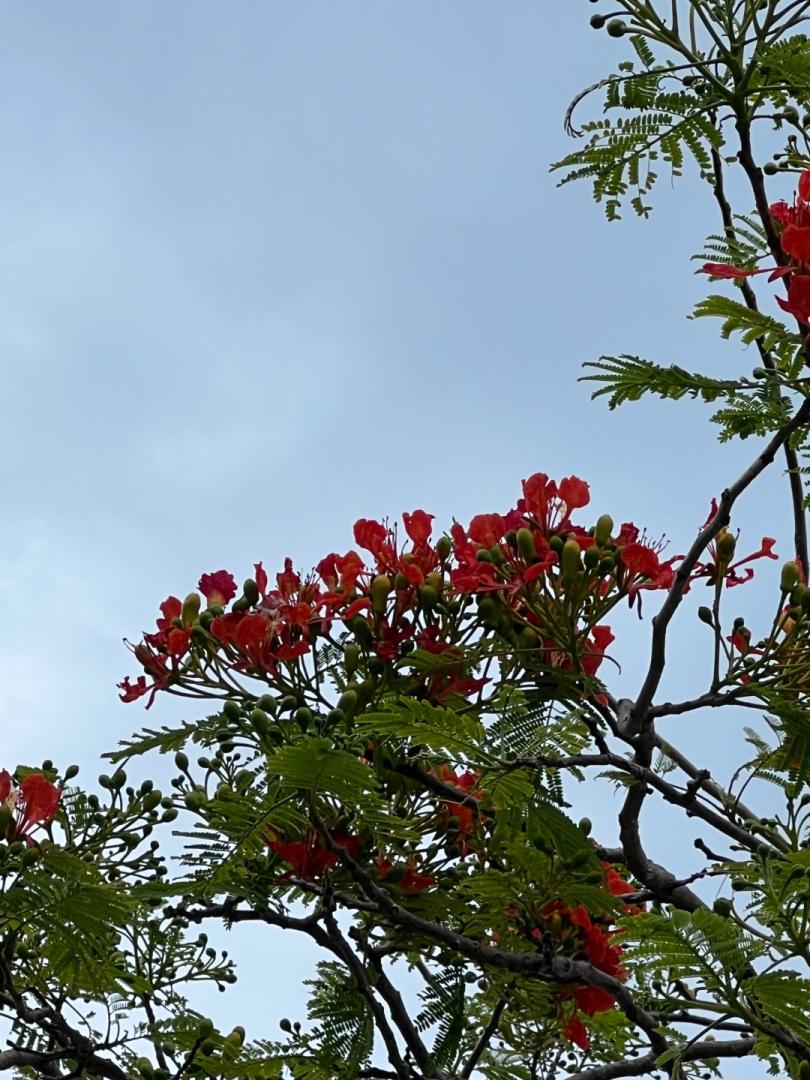
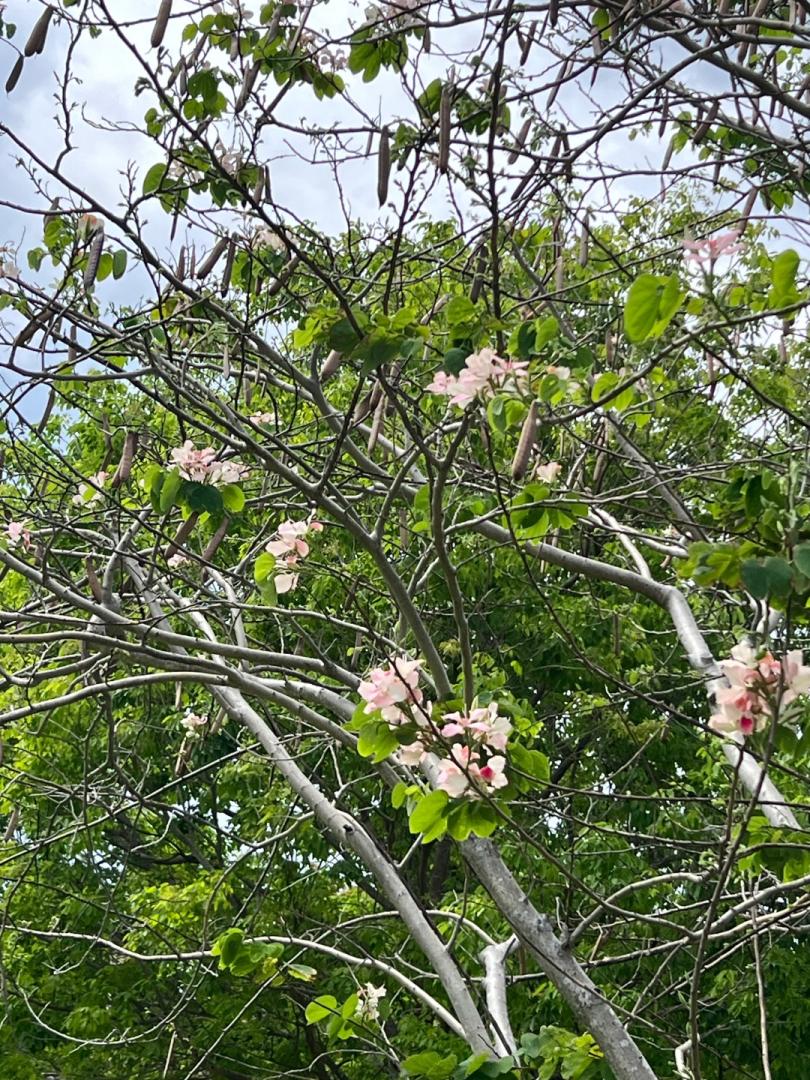
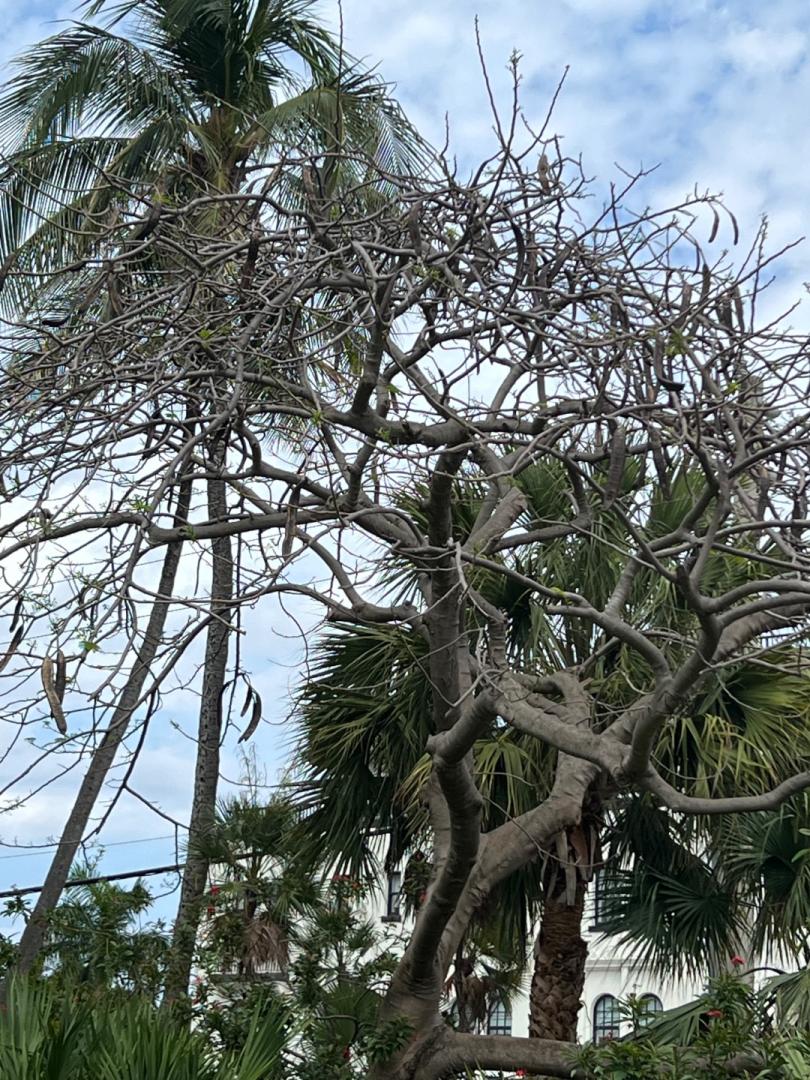
Bubba, your first "unknown" photo is the lovely Bauhinia monandra, a very underutilized tree in SoFla. The second one is harder to tell exactly which species, but likely a Cassia. The paleness of the flowers makes me think it is probably Cassia bakeriana, which has become somewhat popular in SoFla in the last 20 years or so. If not that, it could be a pale form of the Cassia javanica/nodosa/renigera complex. Or possibly a pale form of the hybrid Cassia x nealiae, the 'Rainbow Shower,' which has been a popular tree particularly in Hawai'i, where it was hybridized in the mid/late 1910s by David Haughs. (And it is a hybrid of Cassia javanica x Cassia fistula.)2 points
2 points2 points
2 points
90%+ of S.palmetto sold east of the MS River is sold as field dug. There are some seed-grown ones near me planted a dozen or so years ago. They have one to two feet of trunk. A W.robusta at the same age would have 10 feet of trunk. As I said, people want fast, cheap landscapes. Many have HOA rules. That influences people's buying. Ask the local nurseries. Where I live (Atlanta), palms disappeared completely after the 2014 blizzard. Only a niche nursery will carry them - at that, only Trachycarpus.2 points
2 pointsThe Vietnamese variety looks a lot better the the thai variety,nice palm.2 points
It's not like you can't find them in SoCal if you look in the right places...Palm Plantation in Riverside currently (price-list updated Feb 2026) shows availability on S. minor, S. palmetto, S. 'Riverside' S. uresana. Fairview Nursery (I think in Vista, owned by "Josh O" on this forum) shows availability (not sure how current on the website) on S. etonia, S. palmetto 'Lisa,' S. pumos, S. uresana. Usually Phil Bergman (Jungle Music, Encinitas) has a selection of various Sabal species for sale as well. There are some other sources mostly run by folks on this forum who may also have them. You should also check mail-order sources like Etsy, eBay, and Plant Delights. Sabal King of Texas ("Sabal King" on this forum, he also sells on Etsy "SabalKingofTexas") specializes in mail-order Sabal species and has gobs and gobs of unusual Sabal palms available on his Etsy store right now. Good luck in your searching!2 points
But it makes sense in your case, a blizzard killed the palms. Therefore, they’re not viable to sell. In California, palms are super popular and most importantly they survive. Slow growth is not a bad thing. Plenty of people buy palms specifically for slow growth. Phoenix roebellinis are one of the most popular slow growing palms here. I live in HOA valley, they have no rules against slow growth. Even if growth was an issue hypothetically. Okay, then you just buy the palm mature. There’s a Pheonix roebellini I can buy down the street with 5 feet of trunk. Its not cheap, but the option is available. There are plenty of commercial nurseries that specialize in selling mature palms like the date, canary date, Mediterranean, and robustas for commercial use.2 points
2 points
Thank you Michael! The early blooming RP is a real conundrum. With our cold event in early February, I never suspected an early bloom. They must be really confused. Plenty of barren RP's all over. It will be interesting to see what happens with them!2 points
Bubba, your first "unknown" photo is the lovely Bauhinia monandra, a very underutilized tree in SoFla. The second one is harder to tell exactly which species, but likely a Cassia. The paleness of the flowers makes me think it is probably Cassia bakeriana, which has become somewhat popular in SoFla in the last 20 years or so. If not that, it could be a pale form of the Cassia javanica/nodosa/renigera complex. Or possibly a pale form of the hybrid Cassia x nealiae, the 'Rainbow Shower,' which has been a popular tree particularly in Hawai'i, where it was hybridized in the mid/late 1910s by David Haughs. (And it is a hybrid of Cassia javanica x Cassia fistula.)2 points
2 points2 points
2 points
90%+ of S.palmetto sold east of the MS River is sold as field dug. There are some seed-grown ones near me planted a dozen or so years ago. They have one to two feet of trunk. A W.robusta at the same age would have 10 feet of trunk. As I said, people want fast, cheap landscapes. Many have HOA rules. That influences people's buying. Ask the local nurseries. Where I live (Atlanta), palms disappeared completely after the 2014 blizzard. Only a niche nursery will carry them - at that, only Trachycarpus.2 points 2 points2 points
 2 pointsNice B. Eriospatha. I've heard they are more cold hardy than B. capitata.2 points
2 pointsHere are more tall Pindo Palms (Butia) in Jacksonville, Florida. Enjoy !!!
2 pointsNice B. Eriospatha. I've heard they are more cold hardy than B. capitata.2 points
2 pointsHere are more tall Pindo Palms (Butia) in Jacksonville, Florida. Enjoy !!!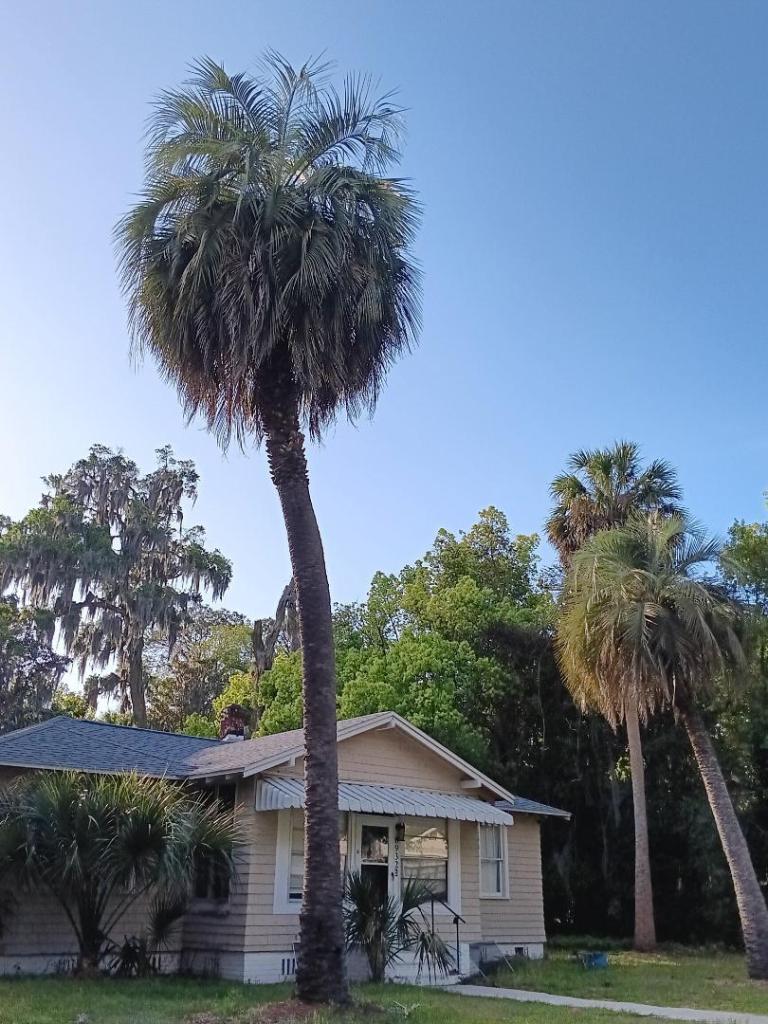
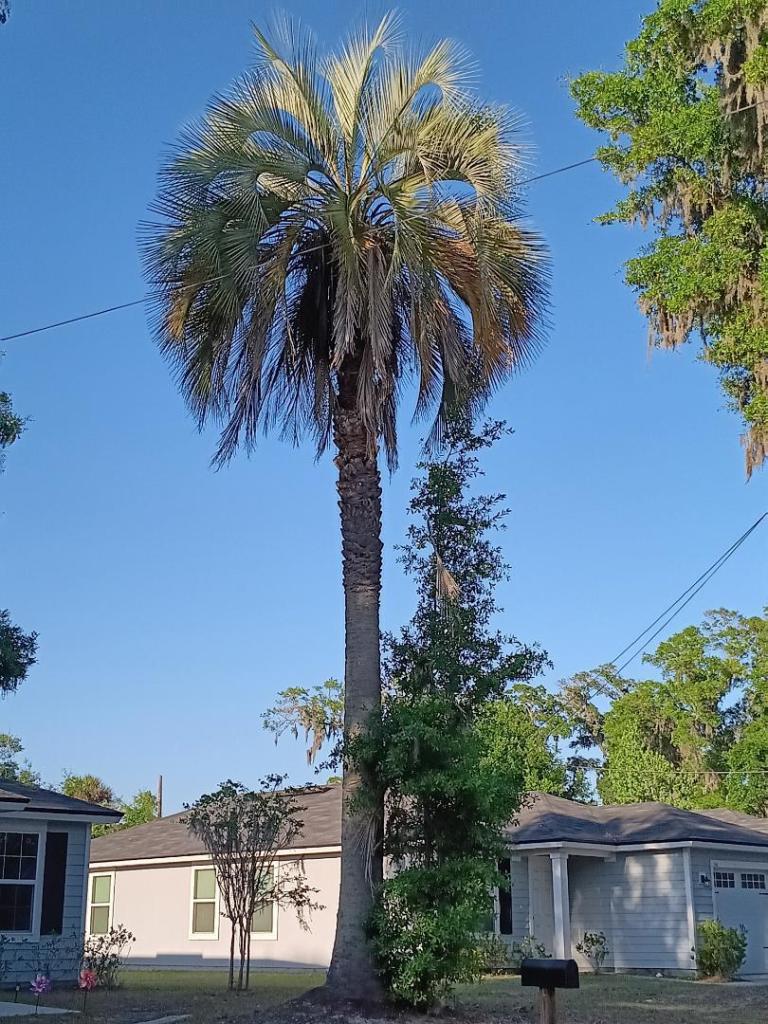
 2 points
 I have had palm trees in the yard since I have lived in Texas. However, over the past 6 years or so. We have had 2 major freezes including the 2021 disaster that decimated the palms around my property. We have decided this year to replace the Pindo's and Texas sables in the back yard. My usual practice over the years was to wrap the trunks for winter but after the last 2 big freezes. This was not enough. So with all new trees in the back yard now. I need to step up my game in palm protection since the DFW area has now changed with regular freezes. I would like to wrap the trees like i saw in TN Tropics video. They had a light weight round enclosure that would work nice to keep some incandescent lights under. My new plan for winter is to tie up the fronds. Then put some type of plastic chicken wire around them. Then wrap the tree with incandescent mini lights. Then wrap the trunk and fronds with planket from home depot. Next I will put tarp over the fronds and top of plam and secure. I have remote temerature gauge to know when to turn on the lights. Next i would like to cover the whole thing with the round wrap enclosure I seen from TN Tropics video. Can someone tell me where I can get this cover? It looks light weight and easy to maintain, rather than building a box out of pvc and putting tarp over it. Looks easy to store.
 1 point
 1 point
Ahh ok. I see how you have it wrapped. That was my original thoughts of how to wrap. They have to be wrapped now due to the cold weather we get here now. I have an eight foot ladder and I was out today to see how I would even attempt such a thing. I think the ladder in your video is a must. It will be a tuff job for one person, but looks it can be done. The pole trick to get the topper on and the poles on the blanket so you can walk around are brilliant. Makes me think I can accomplish the job. Thanks again. I have called around and got one quote for wrapping at $250/palm so I'm eager to learn to see if I can do it myself. I may need that big ladder you have I'm thinking as long as I can hang it on the wall in the garage. Thanks again1 point
1 point
Some other bloomers. I am not certain what they are and any assistance would be greatly appreciated:
1 point
Ahh ok. I see how you have it wrapped. That was my original thoughts of how to wrap. They have to be wrapped now due to the cold weather we get here now. I have an eight foot ladder and I was out today to see how I would even attempt such a thing. I think the ladder in your video is a must. It will be a tuff job for one person, but looks it can be done. The pole trick to get the topper on and the poles on the blanket so you can walk around are brilliant. Makes me think I can accomplish the job. Thanks again. I have called around and got one quote for wrapping at $250/palm so I'm eager to learn to see if I can do it myself. I may need that big ladder you have I'm thinking as long as I can hang it on the wall in the garage. Thanks again1 point
1 point
Some other bloomers. I am not certain what they are and any assistance would be greatly appreciated: 1 point
This blooming RP is in juxtaposition to it's close neighbor, which is still barren
1 point
This blooming RP is in juxtaposition to it's close neighbor, which is still barren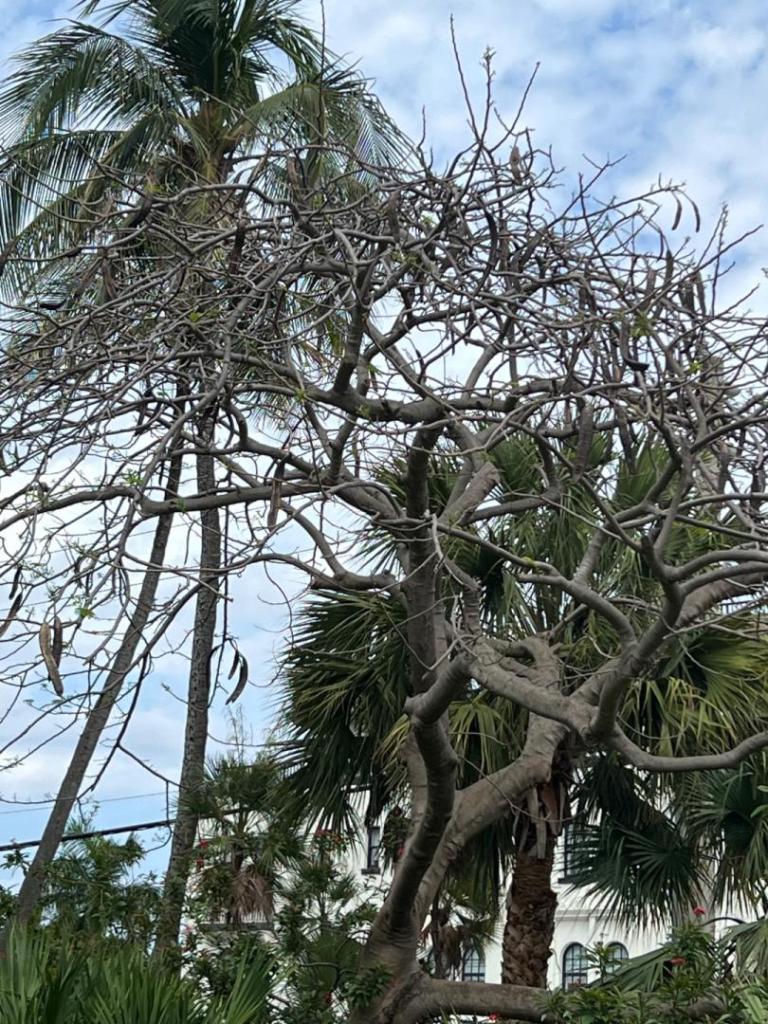 1 point
 Those are too big for the cage. They can be wrapped if needed but you need a big ladder, tie them similar to what they are now then mummy wrap. Mule Palm 2024 Unwrap. Butia X Syagrus https://youtu.be/BBT0GgkDJQY1 point
 1 pointHere is a really big adult female at Mounts Botanical Garden in West Palm Beach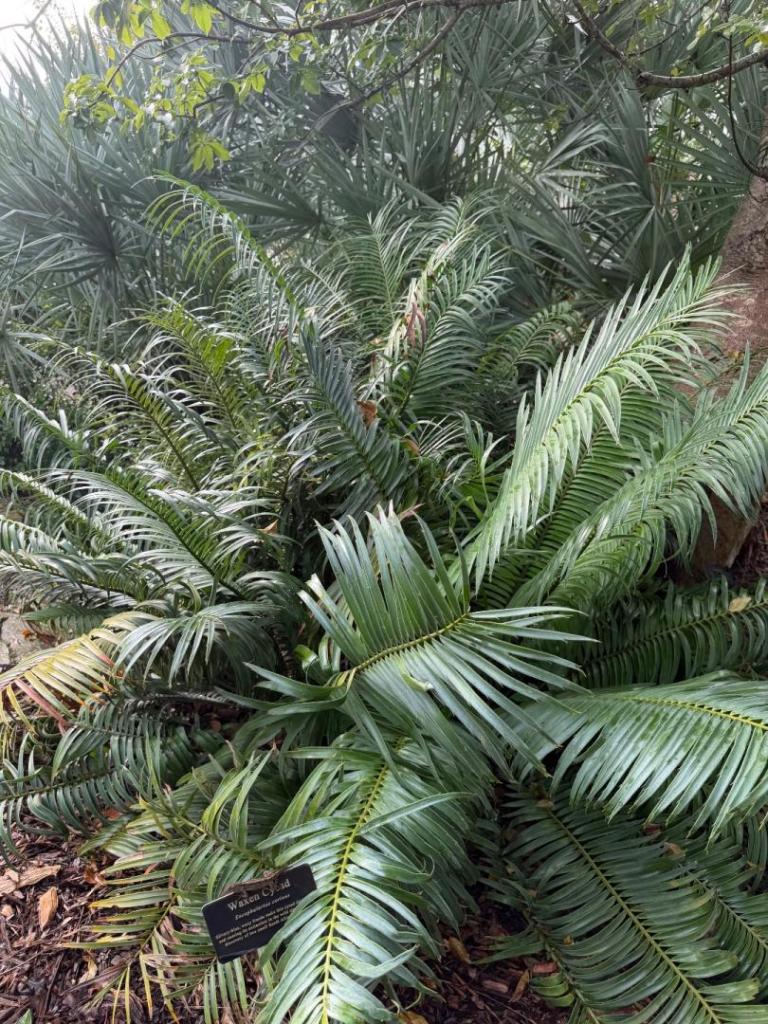
 1 point
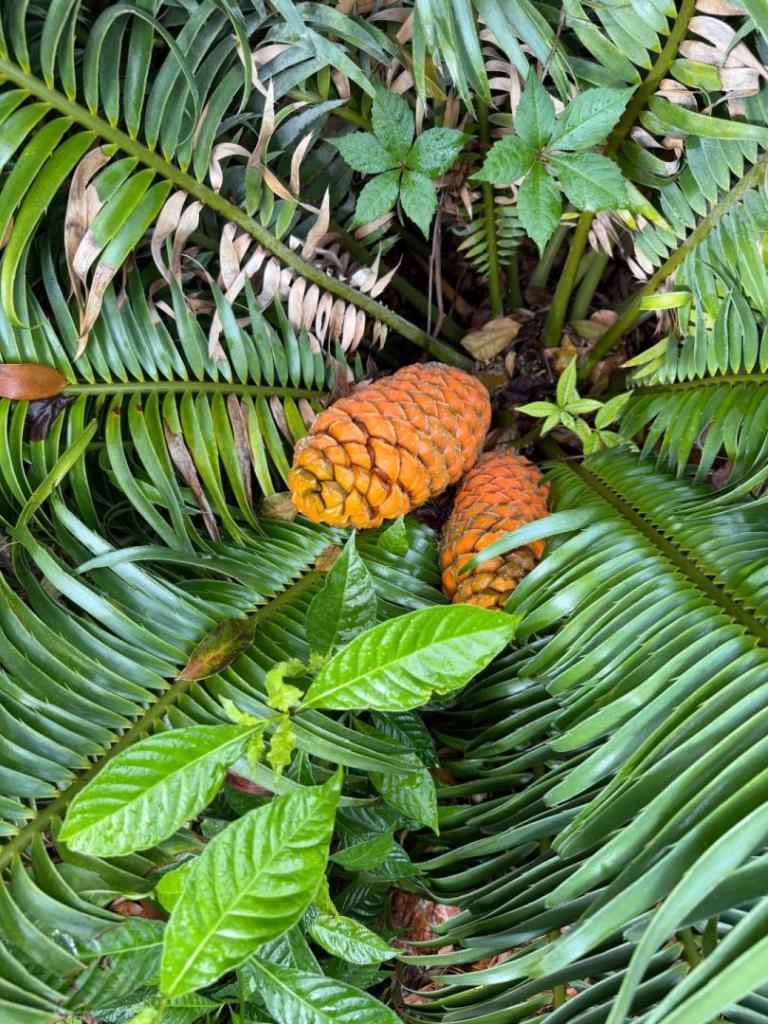
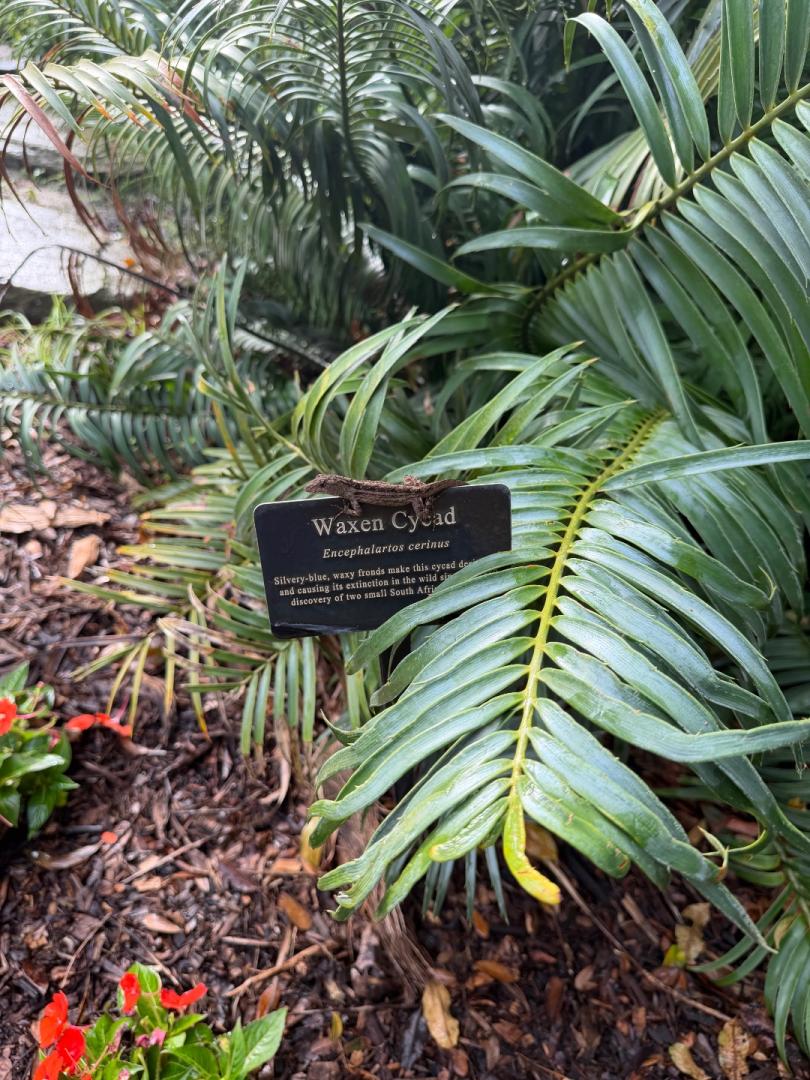
I am a little suspicious about the identity of your Encephalartos cerinus based on the relative width to length of the leaflets. I don't recall mine at that age and whether wider leaflets are just a juvenile trait, so I could be wrong. My boy has had a little green tip poking out, threatening to flush for about a month. No changes thus far though. You can see the leaflets are relatively narrow in the leaf photo.
1 point
1 pointI am a little suspicious about the identity of your Encephalartos cerinus based on the relative width to length of the leaflets. I don't recall mine at that age and whether wider leaflets are just a juvenile trait, so I could be wrong. My boy has had a little green tip poking out, threatening to flush for about a month. No changes thus far though. You can see the leaflets are relatively narrow in the leaf photo.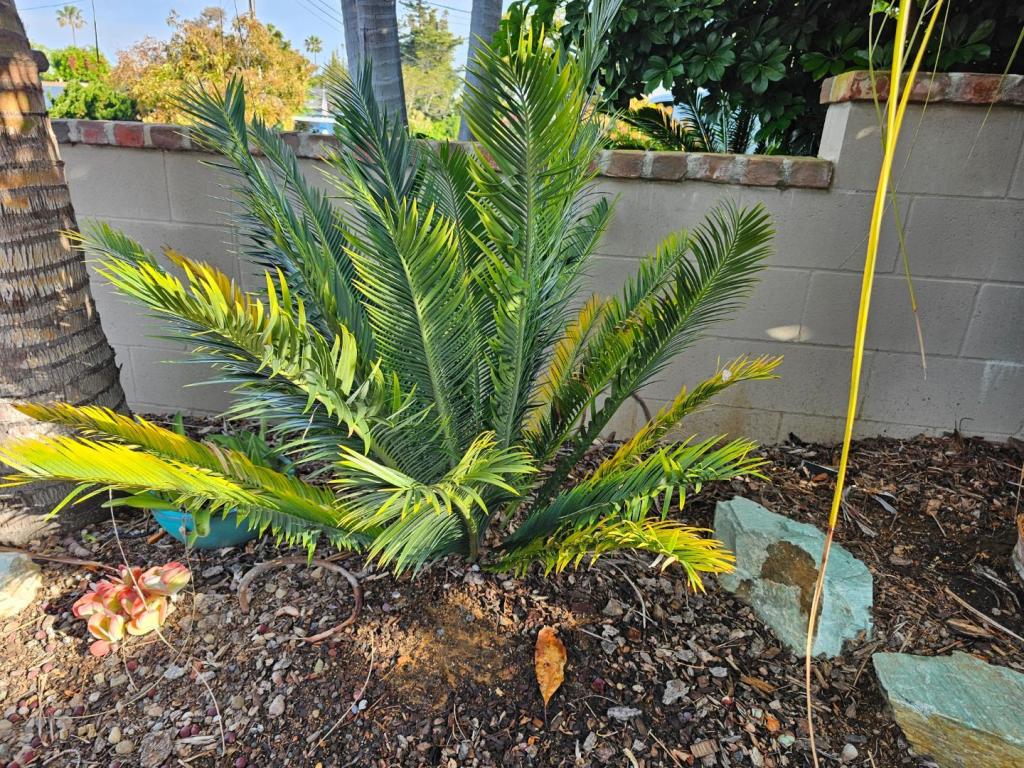

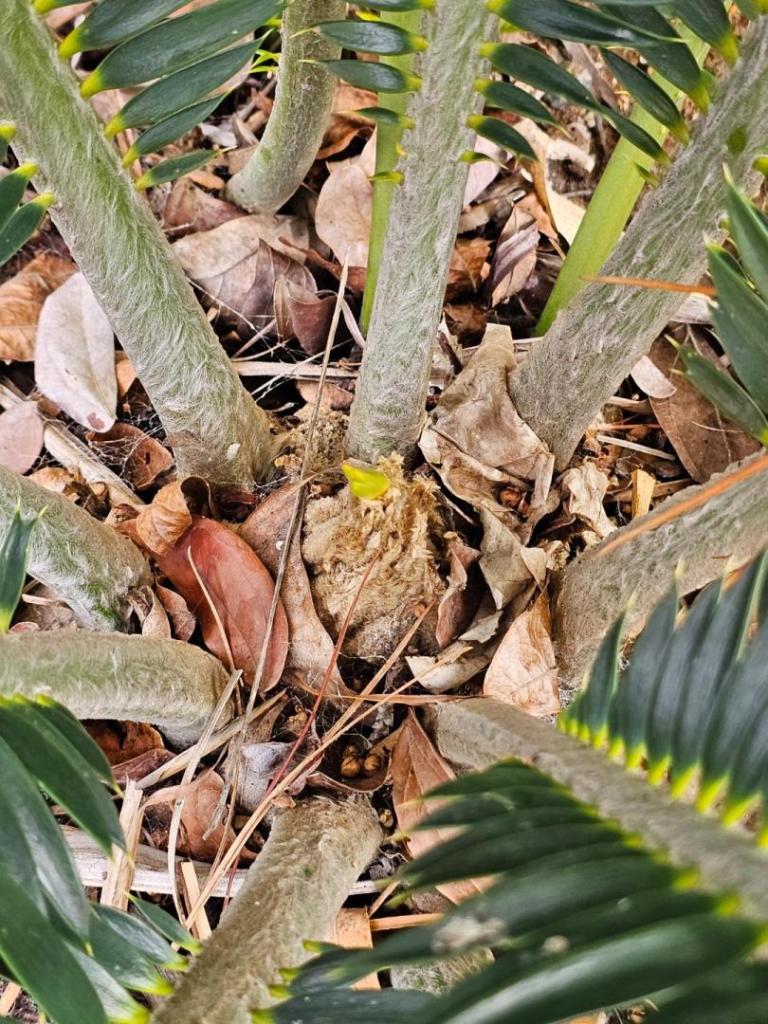 1 point
You have to make it--- For short term under 2 weeks just mummy wrap like you describe above and use possibly a pole to support top with this waterproof cover https://amazon.com/dp/B07N5H1K7M You may need something on end of pole to support cover without puncturing Palm protection for zones 6-8. Use for adding 1-2 zones of protection for any palm up to 6' tall. These Trachycarpus fortunei palms can be wrapped like this for 3 months. Outside shell is more for precipitation protection and a little insulation. The heat comes from inside wrapped frost cloth over mini incandescent Christmas lights. Items needed: 6' cattle fence (Lowes, HD or Amazon or local farm supply) https://www.homedepot.com/p/Fencer-Wire-6-ft-x-50-ft-14-Gauge-Welded-Wire-Fence-with-Mesh-2-in-x-4-in-WB14-6X50M24/309603859 6' frost cloth roll (Amazon) Pick white or green https://www.homedepot.com/p/Planket-6-ft-x-50-ft-Frost-Cover-Roll-11300/306165164 https://amazon.com/dp/B005CERIZE wrap 2 layers if you want extra protection Small or medium binder clips (Office supply or Amazon)https://www.amazon.com/dp/B074XTSCWK?th=1 Tent tie downs and stakes (Amazon) https://amazon.com/dp/B08F7G5Z41 https://amazon.com/dp/B07FC3X6XG 21" or so diameter lid (Amazon planter drip pan or water heater drain pan at Hardware store) https://amazon.com/dp/B0CBBRWZ1T incandescent Christmas mini lights (Lowes in Fall) https://amazon.com/dp/B07H7D8YH3 Use mini lights if mummy wrapping palm inside structure, use C9 lights if not wrapping over palm in structure 35-45 degree thermocube (Amazon) https://amazon.com/dp/B0006U2HD2 For extra protection over top of palm inside structure https://amazon.com/dp/B002XZLH5C This can be further raised to 9' by adding a 4ft fence and overlapping 1ft and tying together with hog nose pliers/metal clips1 point
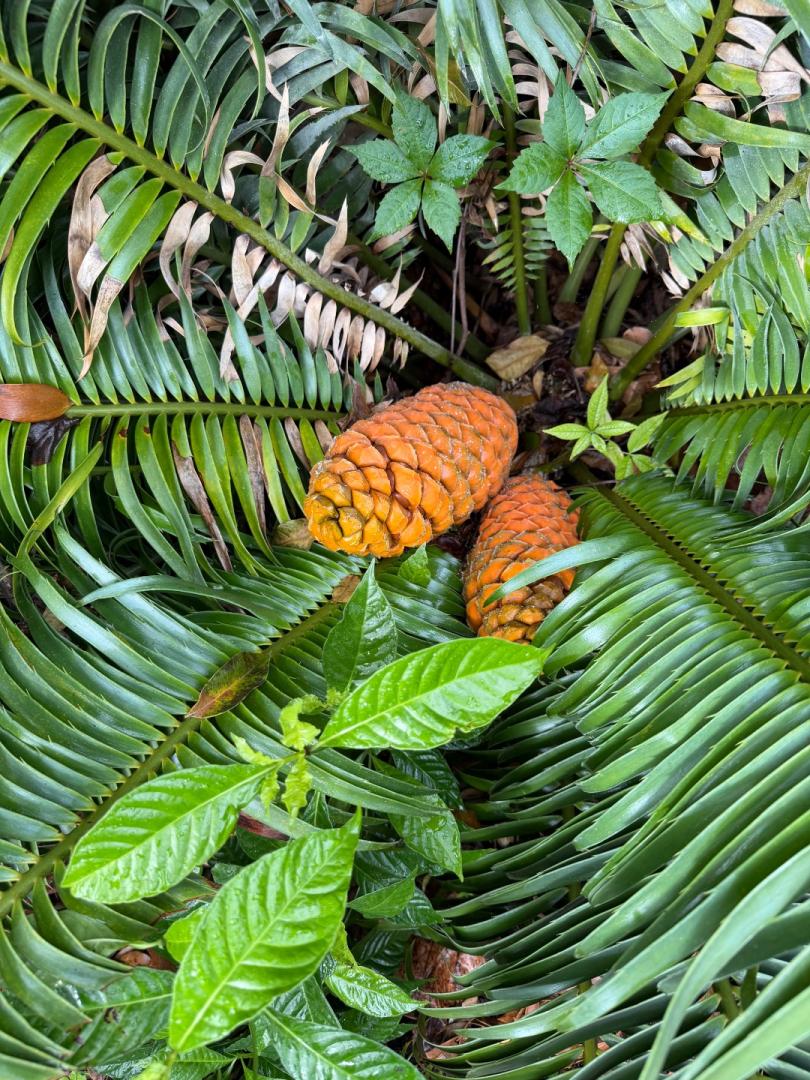
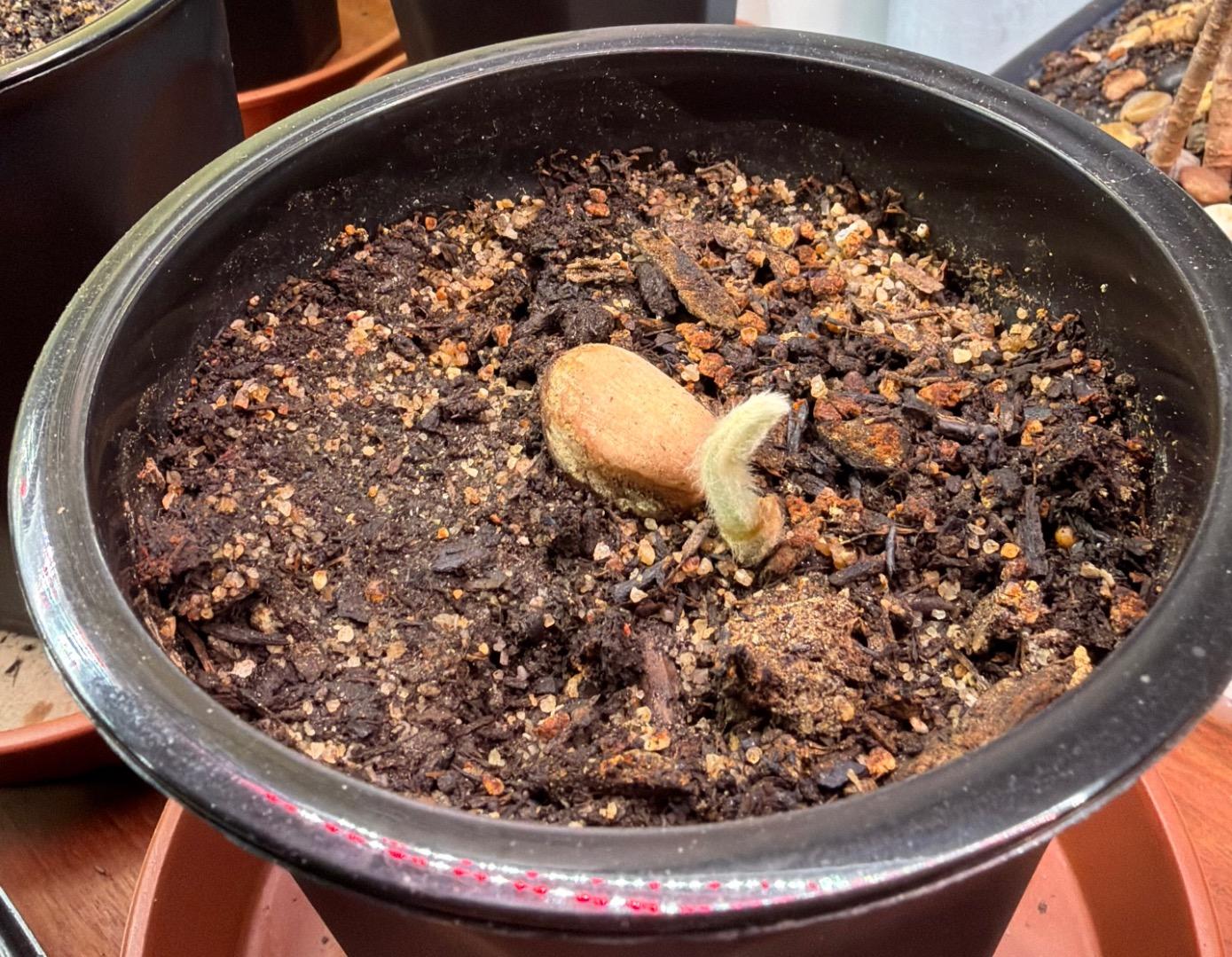
1 pointDioon edule, “Palma Sola” pushing up its first Encephalartos cerinus with a new frond
1 point
You have to make it--- For short term under 2 weeks just mummy wrap like you describe above and use possibly a pole to support top with this waterproof cover https://amazon.com/dp/B07N5H1K7M You may need something on end of pole to support cover without puncturing Palm protection for zones 6-8. Use for adding 1-2 zones of protection for any palm up to 6' tall. These Trachycarpus fortunei palms can be wrapped like this for 3 months. Outside shell is more for precipitation protection and a little insulation. The heat comes from inside wrapped frost cloth over mini incandescent Christmas lights. Items needed: 6' cattle fence (Lowes, HD or Amazon or local farm supply) https://www.homedepot.com/p/Fencer-Wire-6-ft-x-50-ft-14-Gauge-Welded-Wire-Fence-with-Mesh-2-in-x-4-in-WB14-6X50M24/309603859 6' frost cloth roll (Amazon) Pick white or green https://www.homedepot.com/p/Planket-6-ft-x-50-ft-Frost-Cover-Roll-11300/306165164 https://amazon.com/dp/B005CERIZE wrap 2 layers if you want extra protection Small or medium binder clips (Office supply or Amazon)https://www.amazon.com/dp/B074XTSCWK?th=1 Tent tie downs and stakes (Amazon) https://amazon.com/dp/B08F7G5Z41 https://amazon.com/dp/B07FC3X6XG 21" or so diameter lid (Amazon planter drip pan or water heater drain pan at Hardware store) https://amazon.com/dp/B0CBBRWZ1T incandescent Christmas mini lights (Lowes in Fall) https://amazon.com/dp/B07H7D8YH3 Use mini lights if mummy wrapping palm inside structure, use C9 lights if not wrapping over palm in structure 35-45 degree thermocube (Amazon) https://amazon.com/dp/B0006U2HD2 For extra protection over top of palm inside structure https://amazon.com/dp/B002XZLH5C This can be further raised to 9' by adding a 4ft fence and overlapping 1ft and tying together with hog nose pliers/metal clips1 point
1 pointDioon edule, “Palma Sola” pushing up its first Encephalartos cerinus with a new frond
 1 point
1 point
1 point















Account
Navigation
Configure browser push notifications
Chrome (Android)
- Tap the lock icon next to the address bar.
- Tap Permissions → Notifications.
- Adjust your preference.
Chrome (Desktop)
- Click the padlock icon in the address bar.
- Select Site settings.
- Find Notifications and adjust your preference.
Safari (iOS 16.4+)
- Ensure the site is installed via Add to Home Screen.
- Open Settings App → Notifications.
- Find your app name and adjust your preference.
Safari (macOS)
- Go to Safari → Preferences.
- Click the Websites tab.
- Select Notifications in the sidebar.
- Find this website and adjust your preference.
Edge (Android)
- Tap the lock icon next to the address bar.
- Tap Permissions.
- Find Notifications and adjust your preference.
Edge (Desktop)
- Click the padlock icon in the address bar.
- Click Permissions for this site.
- Find Notifications and adjust your preference.
Firefox (Android)
- Go to Settings → Site permissions.
- Tap Notifications.
- Find this site in the list and adjust your preference.
Firefox (Desktop)
- Open Firefox Settings.
- Search for Notifications.
- Find this site in the list and adjust your preference.