


Leaderboard
-


bubba
IPS MEMBER26Points8,618Posts -
happypalms
IPS MEMBER26Points13,334Posts -
realarch
IPS MEMBER10Points7,184Posts -

Tracy
IPS MEMBER10Points6,560Posts
Popular Content
Showing content with the highest reputation on 04/17/2026 in all areas
-
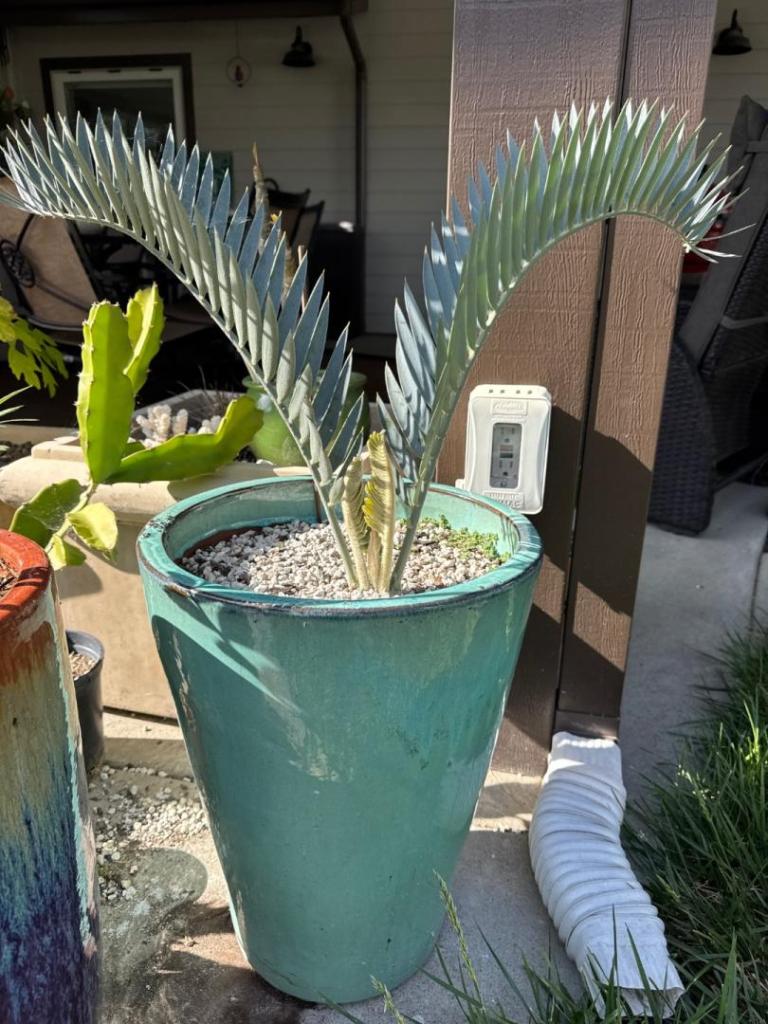
 5 pointsBunch of stuff coming alive in the garden. I’ll post quite a few times here in the coming weeks/months. Love this time of year. Admittedly I don’t know the cross but I believe it’s Longifolius x Princeps. Could be Lehmannii x Princeps as it’s very blue. Who knows….its happy tho. Last year was a 2 Leafer, this year it’s 4. -dale
 5 points
 -
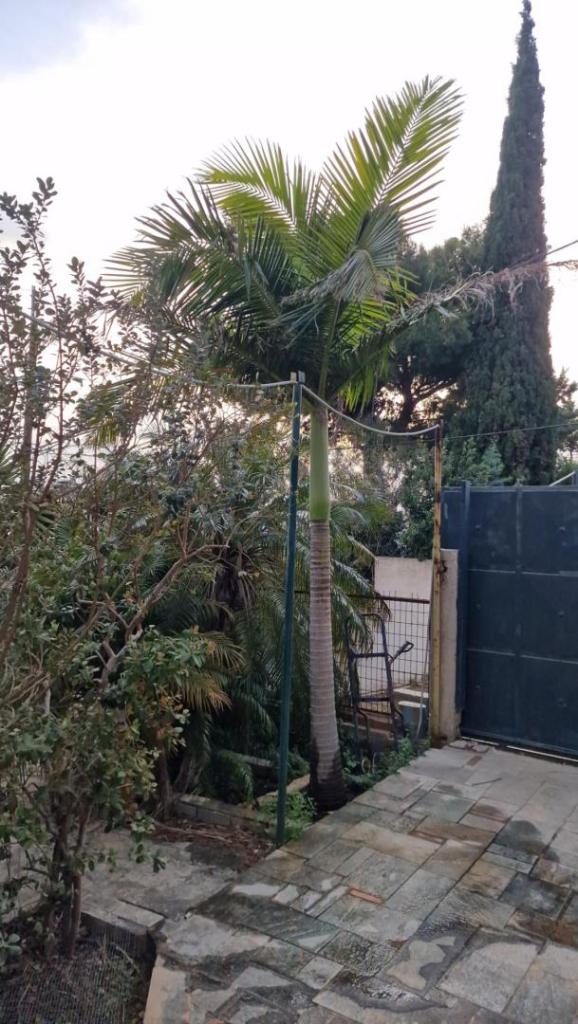
 @Than this is my Albang entering warm season after a comparatively rainy winter. I think, given my xerothermic summer and water cost, is the best result I can achieve regarding its appearance. I expect from now on a progressive deterioration.
 4 points
 -
 3 pointsWith the introduction of the CRB I'm not buying any more palms. It's enough of a battle to keep the one's I have alive. As they die I think I'm gonna replace w/some native plant. Sad day on the West Side of O'ahu.3 points
 -
 Speed of growth is important to those who think they may not be in their permanent home. Sabals like heat so they will grow fastest in inland CA. Sabal palmettos are painfully slow even in their native habitat with plenty of fertilizer and water. Nurseries dont want to keep a palm for 5 years so they can sell it. 5 yrs from seed for some sabals is a 10 gallon size. 5 years of care including fertilization means a higher price, less profit, and less sales throughput for a fixed size nursery. If I had a nursery I probably wouldnt offer any sabals aside causiarum, which is very fast. I grew what was called "sabal blackburniana"(bigger than palmetto) in arizona and saw the mother tree, it was not as big as a causiarum but the petioles were 2-3x thicker than palmetto. With 8" rain a year and super hot temps they did well. Sabals are a loser for nurseries unless they are selling in zone 8-9b where just 2-3 percent of all palm species can grow.3 points
 -
Most sabals are slow compared to the alternatives for most people. Washingtonia robusta or filifera are popular widely out west and are fast growers. Among many palms enthusiasts I think fan palms in general are not what they are looking for. Feather palms are more popular in general. There are many choices in california, and some members do have sabals and they look very happy so its not the weather. I think sabals are most popular in colder zones, 9B and lower. They do grow a bit faster than CA sabals but "sabal steve" has shown that S causiarum grows fast in california, he has a monster. If you go to a palm nursery in california you might see 100 species available and the vast number are pinnate palms. I'd say the choices there are vast and if you are unlimited by weather few will be sabals are hundreds of species are available and pinnate palms look more tropical in general. Sabal palmettos and some other sabals are slow in florida to so they plant them with 10' of trunk. I have grown my sabals(uresana, causiarum) from strap leaf seedlings. But in my yard they represent only 2/65 palms, a small percentage.3 points
-
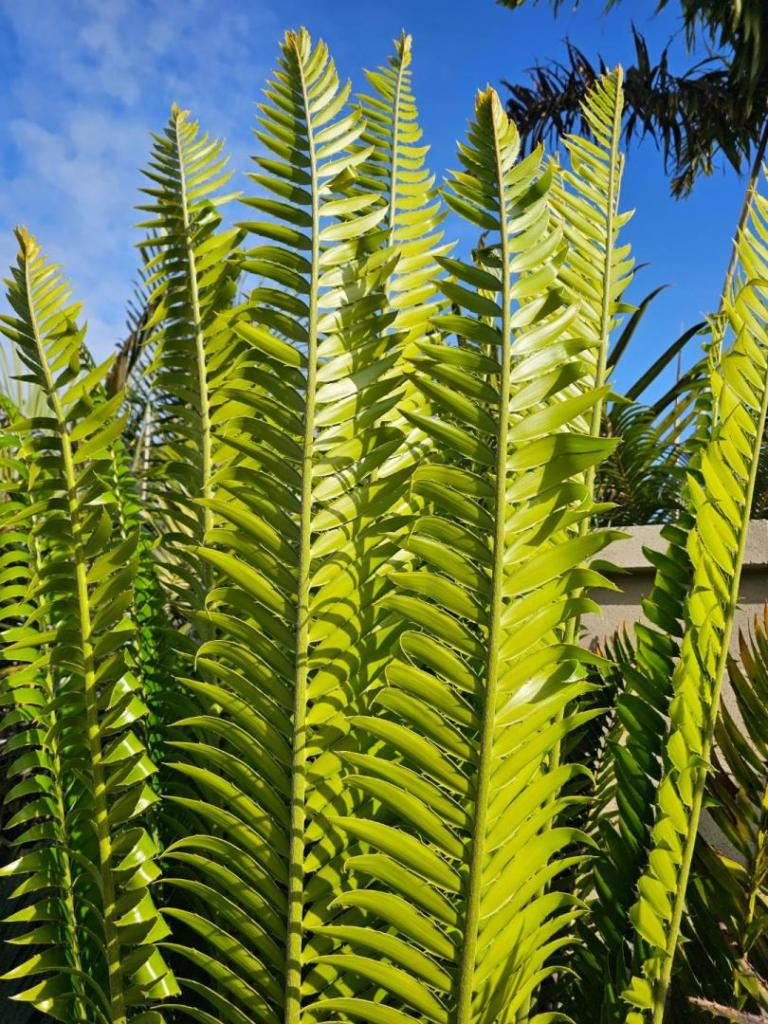
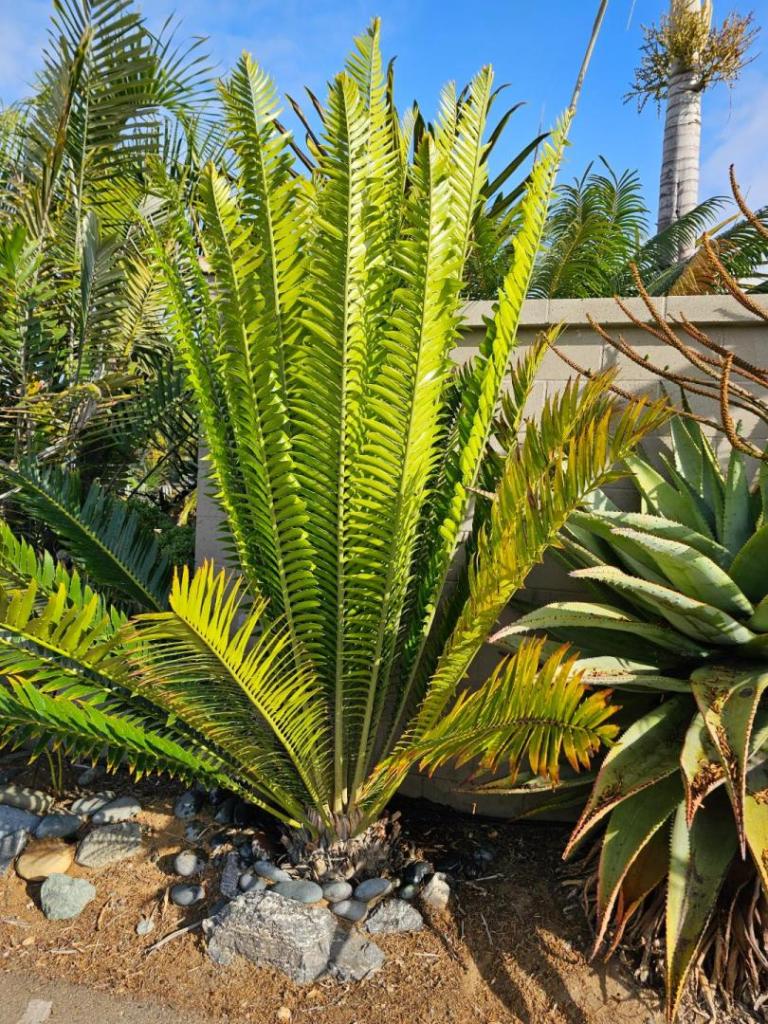
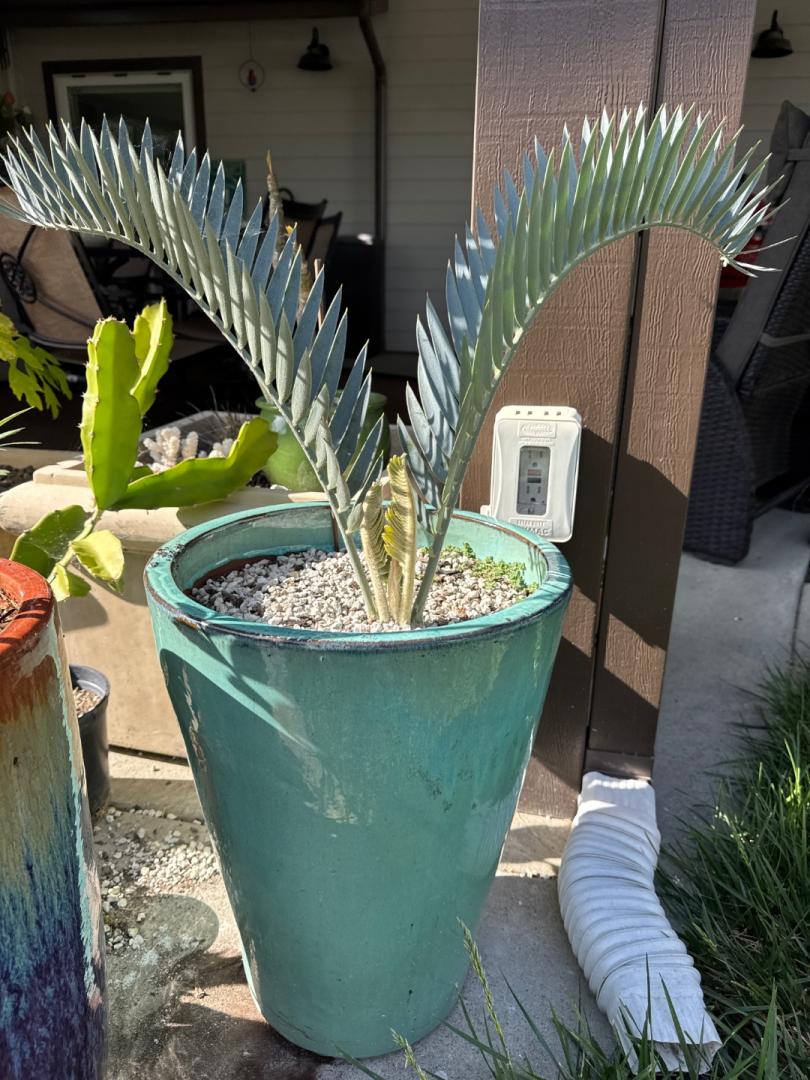
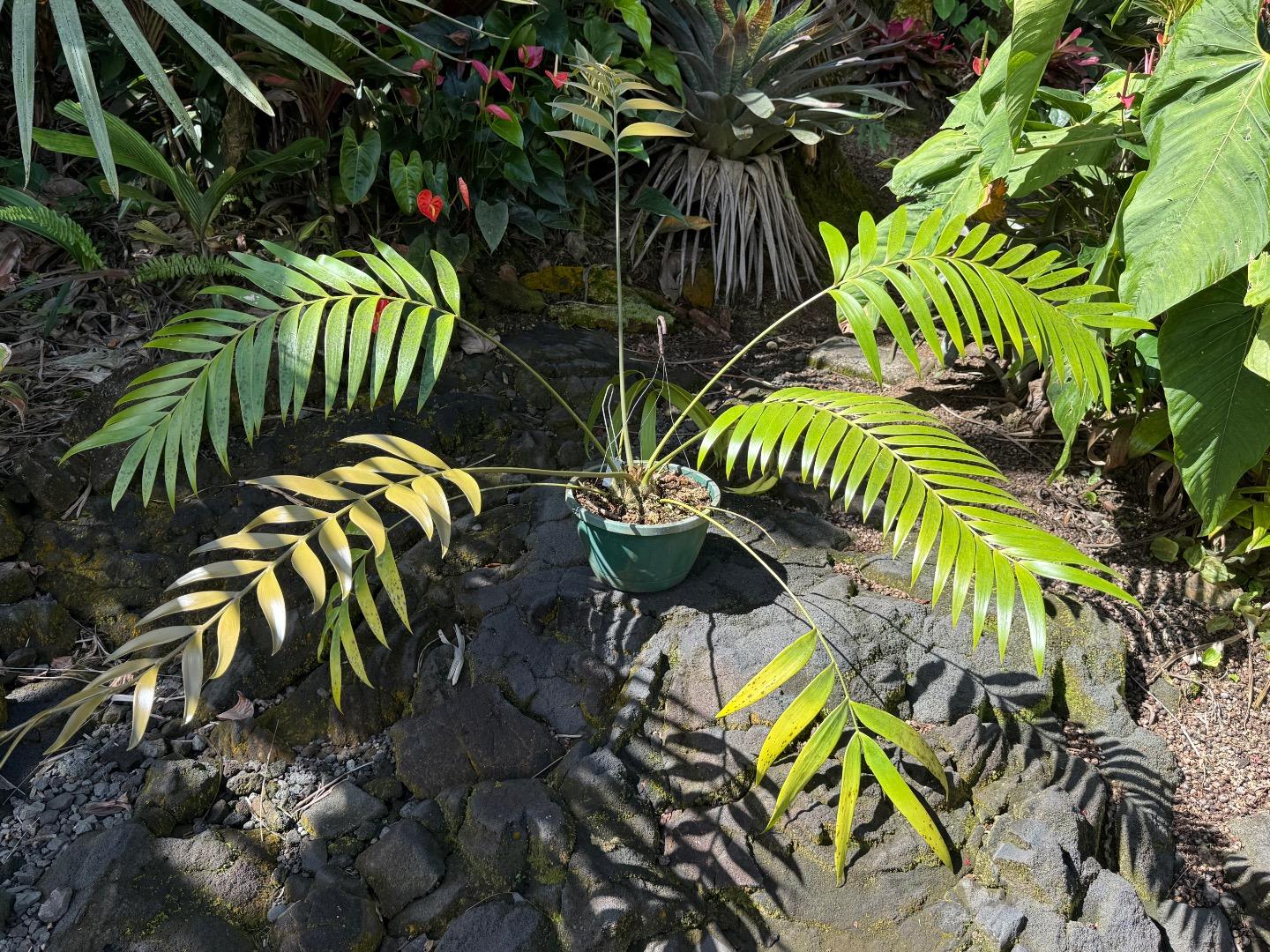
3 pointsThe Encephalartos ituriensis flush is progressing nicely and yes it will be big.

 3 points
 -
3 pointsRepost of the tallest Thrinax radiata's I have seen in a local residence
 3 points
 -
 3 points
 -
 3 points@DoomsDave missed his calling as a chef. That said, there's nothing like a rack of ribs under the coconut canopy.3 points
 -
3 points
-
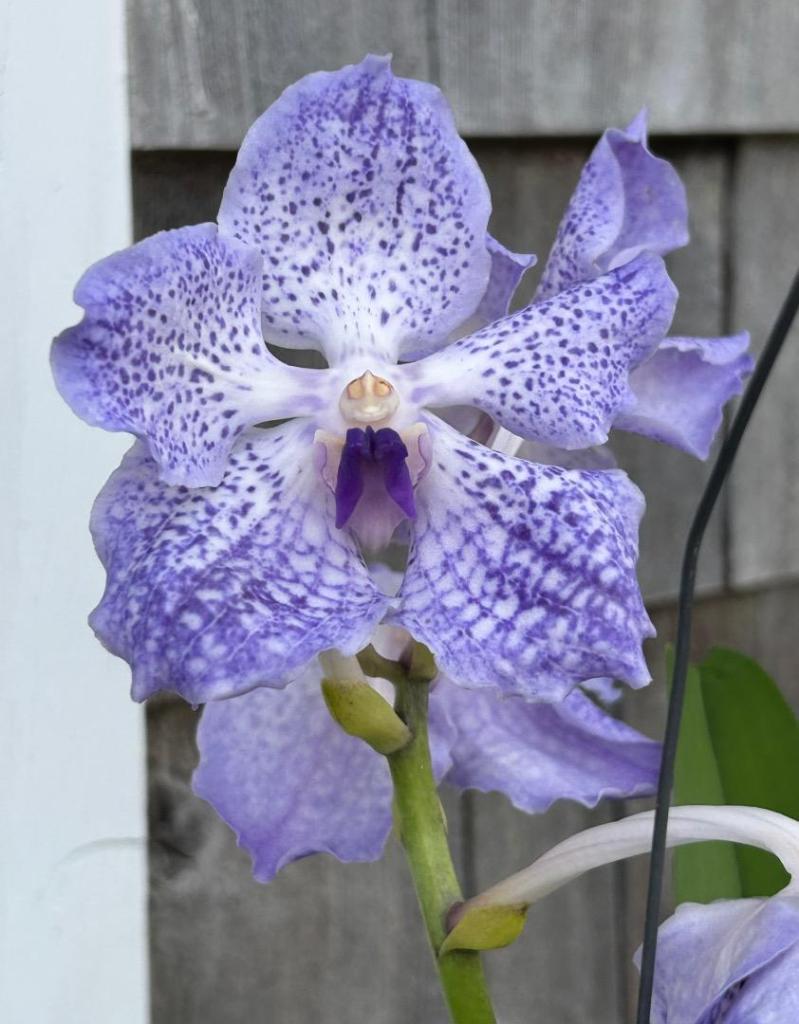
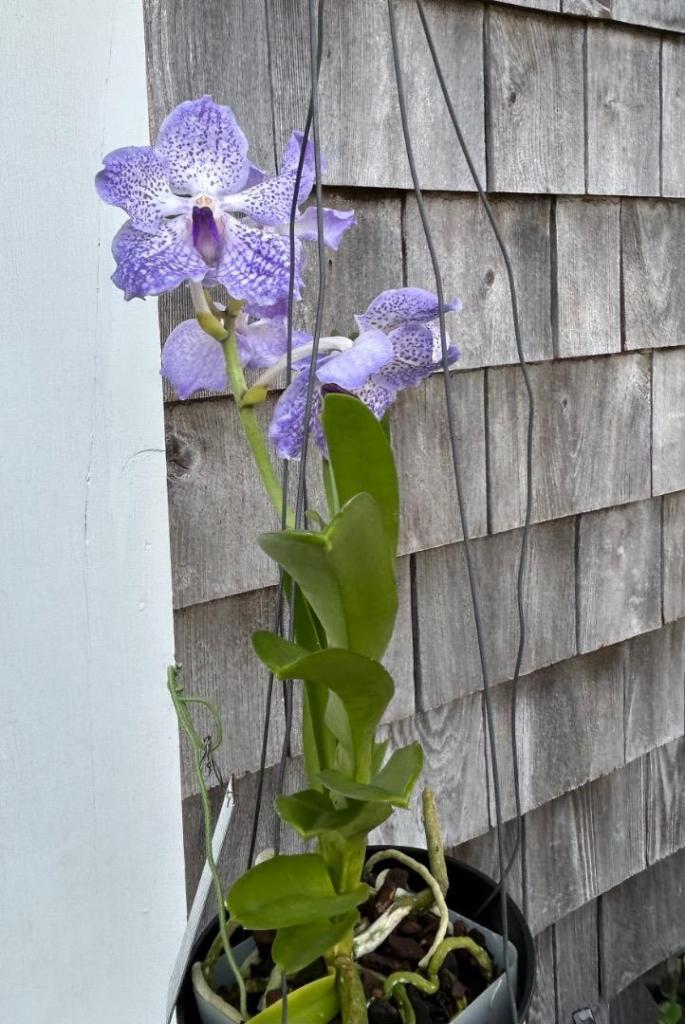
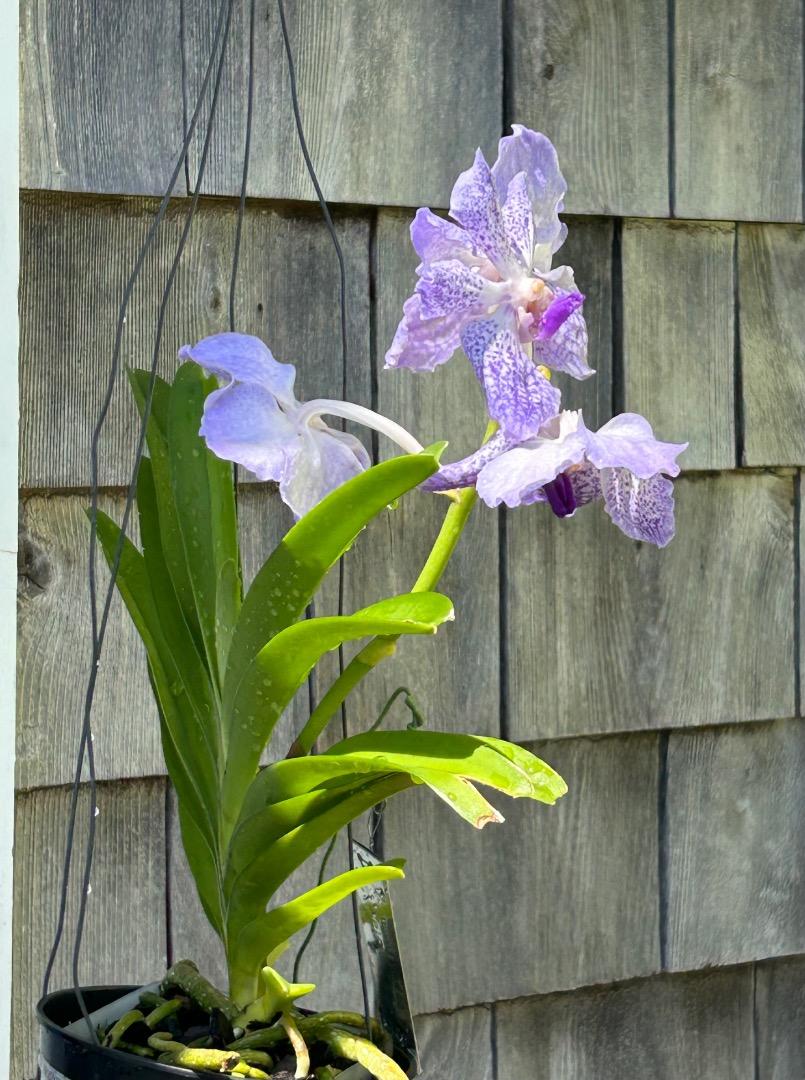
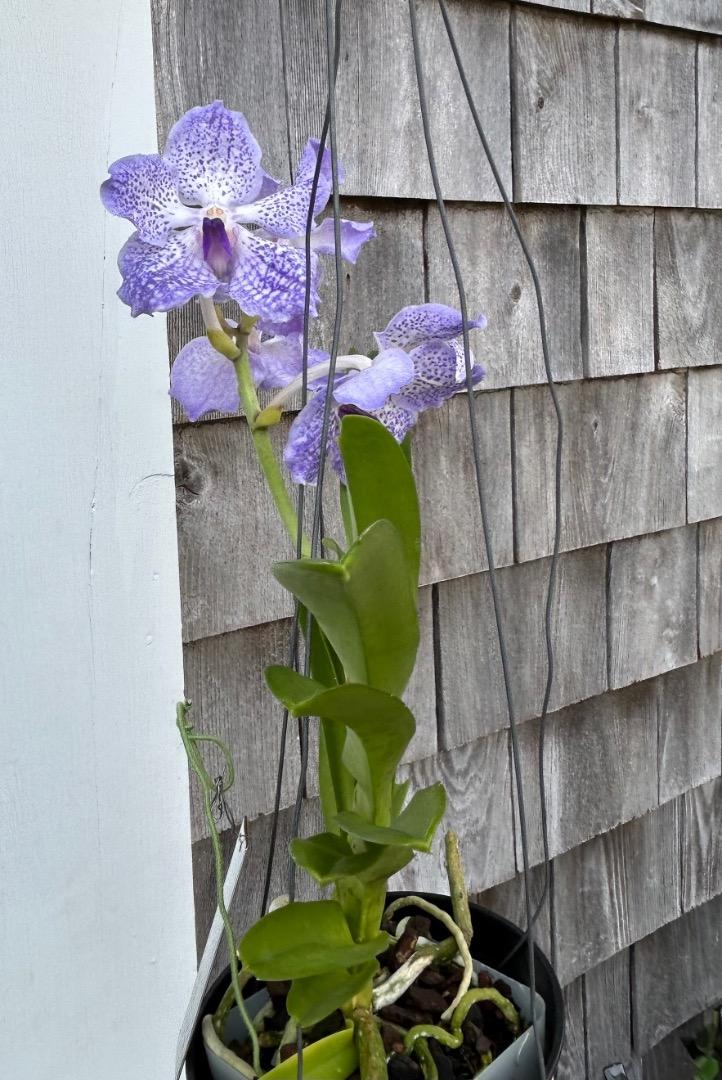
 3 pointsV. Manuvadee. A favorite blue. been looking for this one for years to replace the one I lost to cold one autumn. Just shipped from a wonderful grower in HI.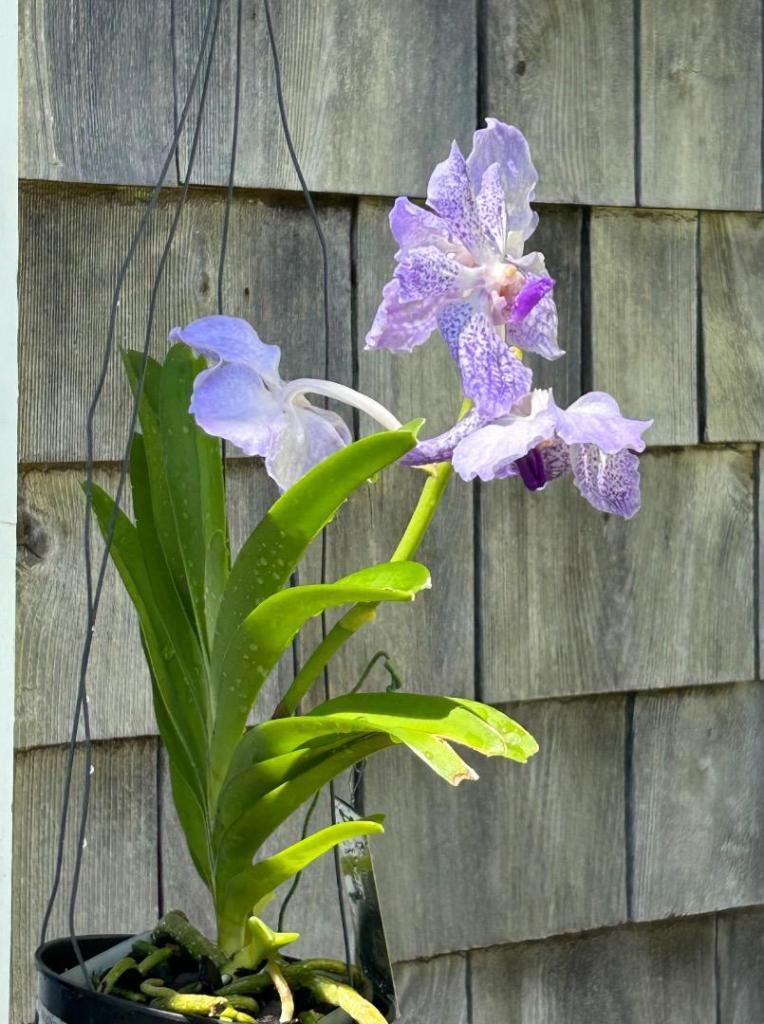
 3 points
 -
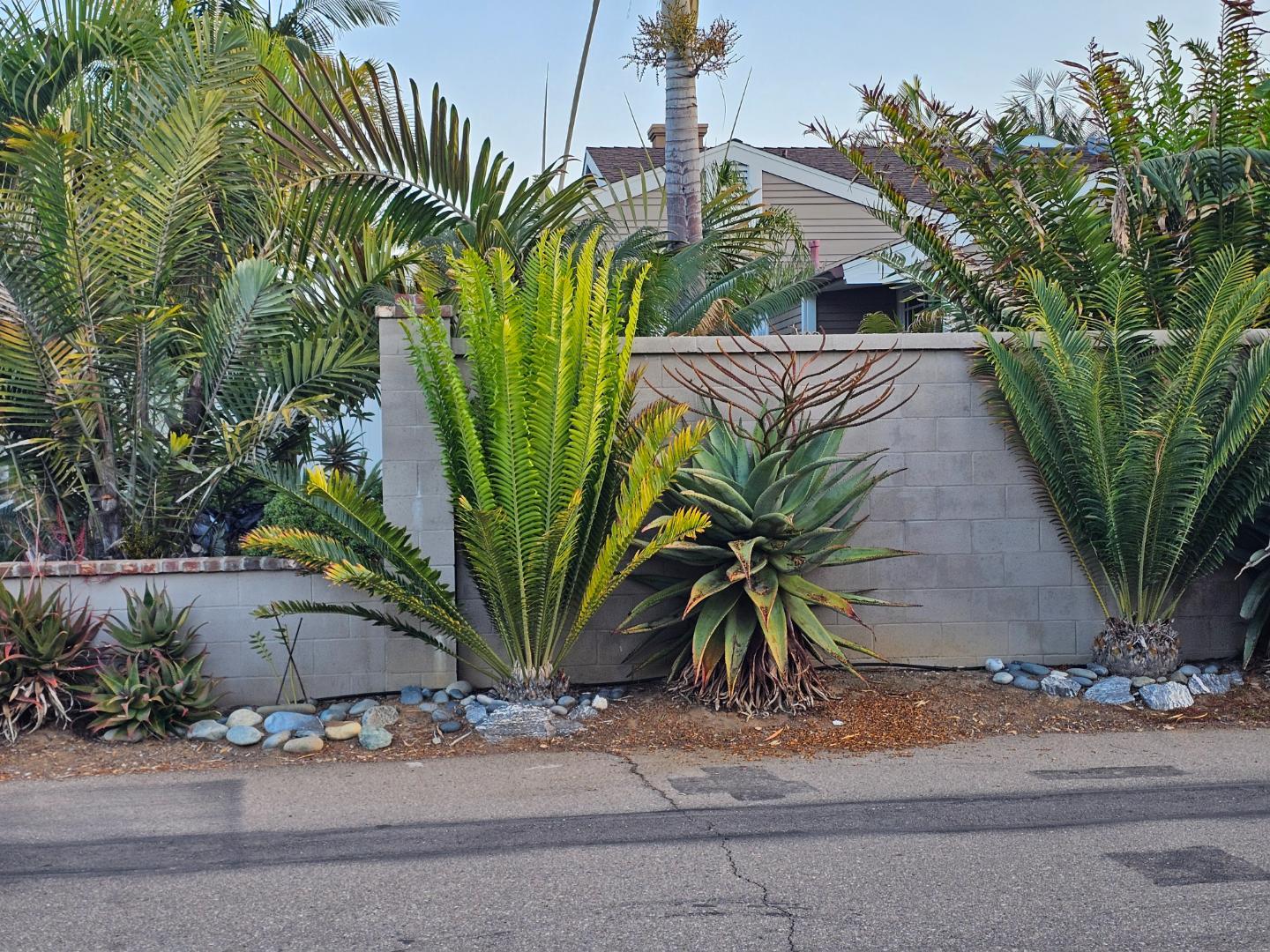
3 pointsThe Encephalartos laurentianus flush is progressing better for this time of year than normal. The mild weather has allowed the flush to emerge without wind and rain damage. Sometimes the portion of the leaves above the adjacent 6' block wall succumb to wind shear, but not yet at least on this flush.

 3 points
 -
 2 pointsHello everyone, I would love some of the communities advice and thoughts on this newly transplanted Butiagrus (Mule) transplanted 2 weeks ago on April 2nd. It was from a large 25 gallon with about 5 foot of trunk and another 5 or 6 feet of fronds. Arrived with what appeared to be a mild nutrient deficiency showing on lowest fronds, but otherwise all fronds were green enough, with the core inner fronds being deep green. It was planted on a 4 inch mound, soil is kept moist but not soaked, I amended my socal clay soil with a bit of Pummice and a small amount of organic compost, though not much. The weather has been anywhere from highs in the low 80s these past 2 weeks, to highs in the low 60s, with the average being about a high of 75f. I'd say. Winds have been more frequent and stronger than ideal these 2 weeks, with some days being up to 20 to 30 mph, but not every day. This is normal for out here in spring. It is planted near a wall and home for some protection. Now, that I have gotten all of that out of the way, my butiagrus looks quite rough from the combination of these winds and the temperature swings combined with the expected transplant shock. Anyone have experience with these and transplanting medium to large sized potted specimens? It's turgor is good, it's holdong shape fine, inner 3 fronds are still 95% deep green with some dessication on tips, but the rest of it is beginning to look quite rough, especially the mid and lowest layer of fronds. It has 2 spears which seem strong and unaffected. I'm just getting a bit of anxiety seeing that yellowing and dessication/crisping beginning to creep into the mid layer of fronds as next is the 3 inner/top fronds and spears. Is this normal for butiagrus transplants of this size? I am trying to postpone hitting the panic button, but this has been quite stressful for me. I expected transplant shock, but I've never had a palm shock this bad. Even my large coconut I planted when I was in Florida and not California didn't shock nearly this bad and it was a similar gallon size, granted, different palm, different state, different conditions, etc, but it's my only closest reference. Any advice or encouragement would be really welcomed as the wife and I were starting to feel a bit defeated tonight. I keep holding onto the fact that at least the spears look great. Thank you all for your opinions, suggestions or encouragement.

 2 points
 -
 2 pointsThis just in from IPS President Andy Hurwitz! Help Celebrate 70 years of the International Palm Society2 points
 -
 I don’t think I have ever seen a sabal in private or commercial landscaping. I haven’t seen them at ant box stores. Only place Ive ever seen one is at a specialty exotic palm nursery. Why is that? Im sure they grow just fine in California.2 points
 -
2 pointsA somewhat bit of a rare Howea species, there about the place if you look hard enough. But not that common, the fosteriana got all attention and the bell was left second place. A nice palm with that punk look about it!
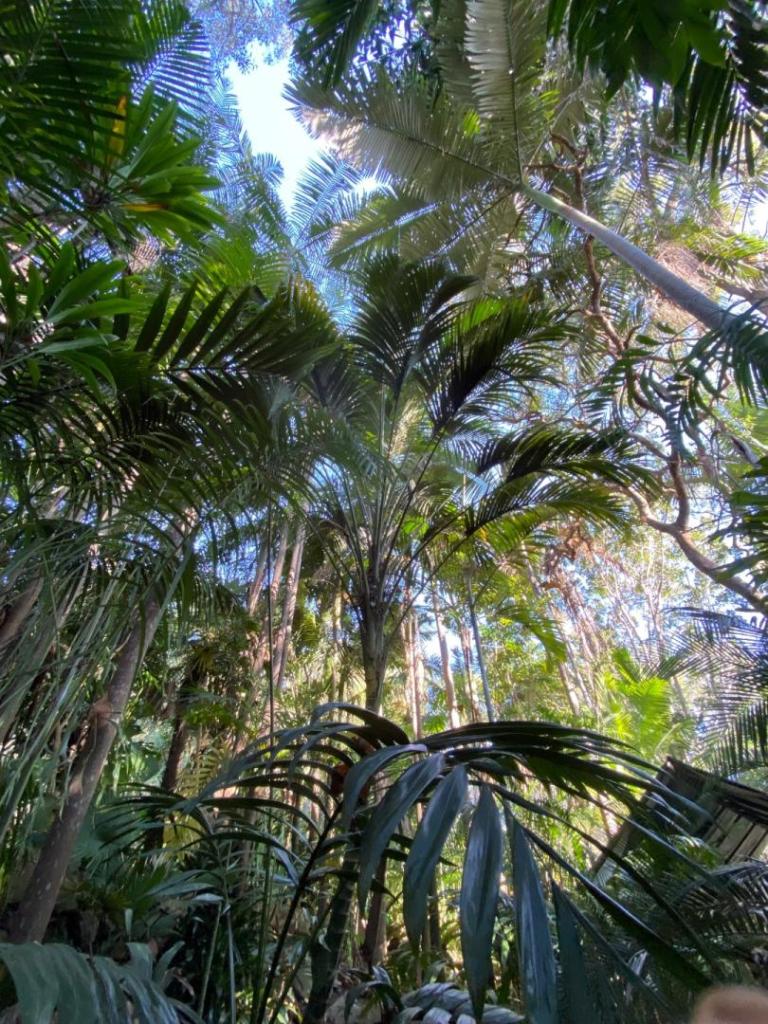
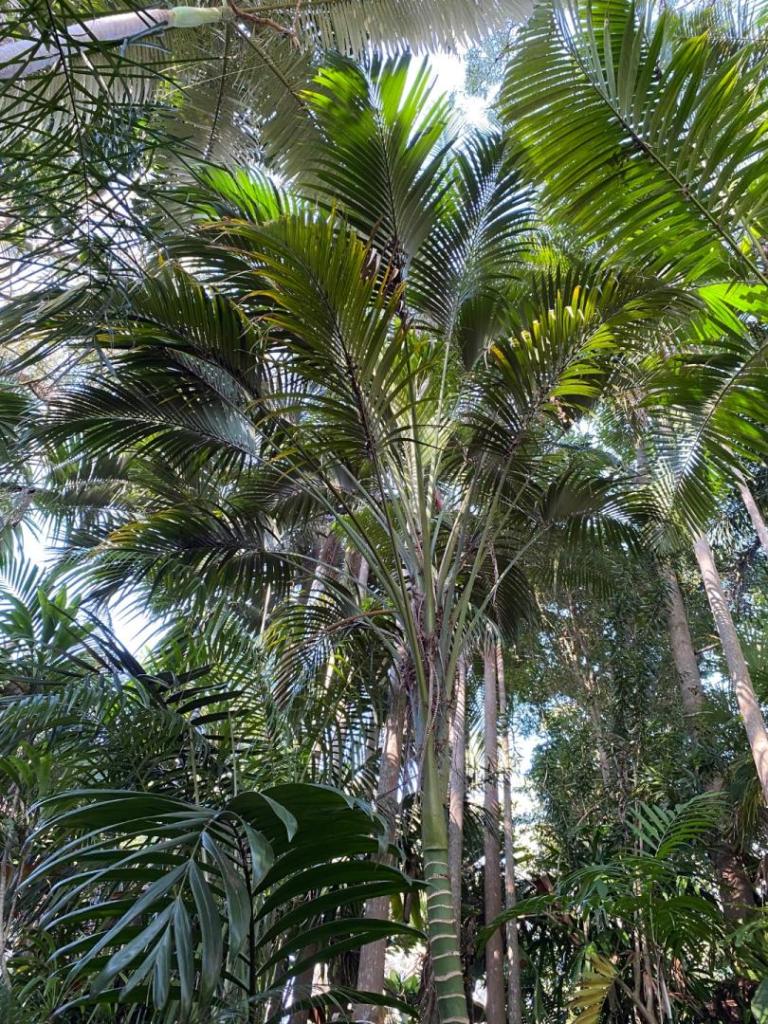

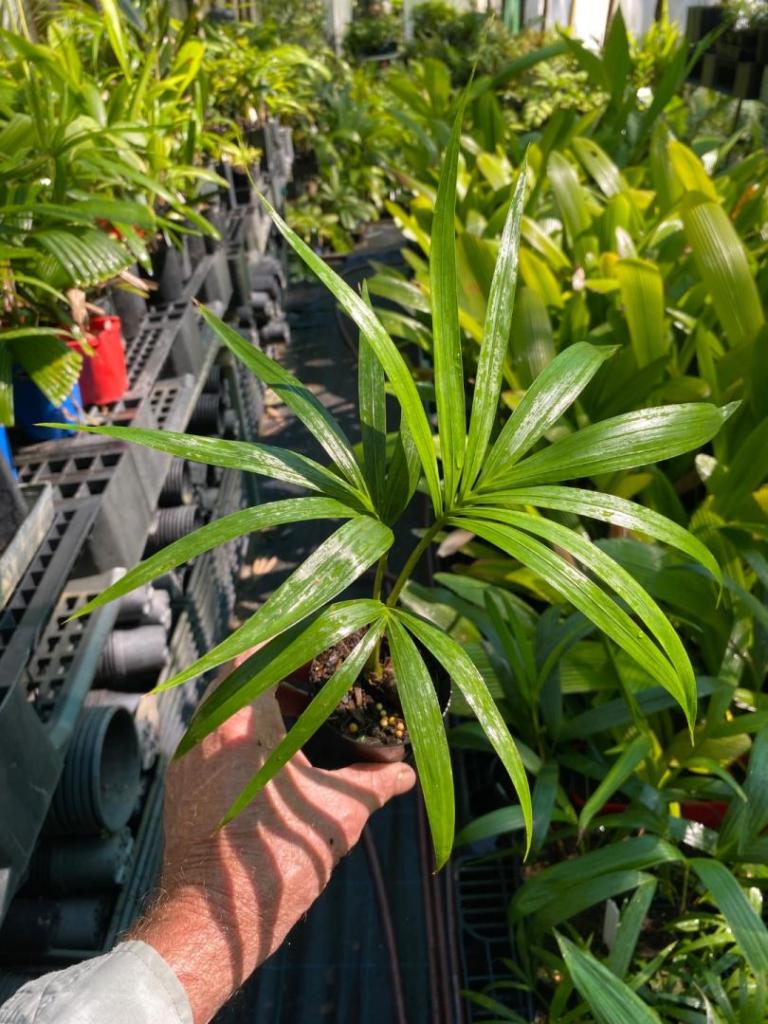
 2 points
 -
 2 points
 -
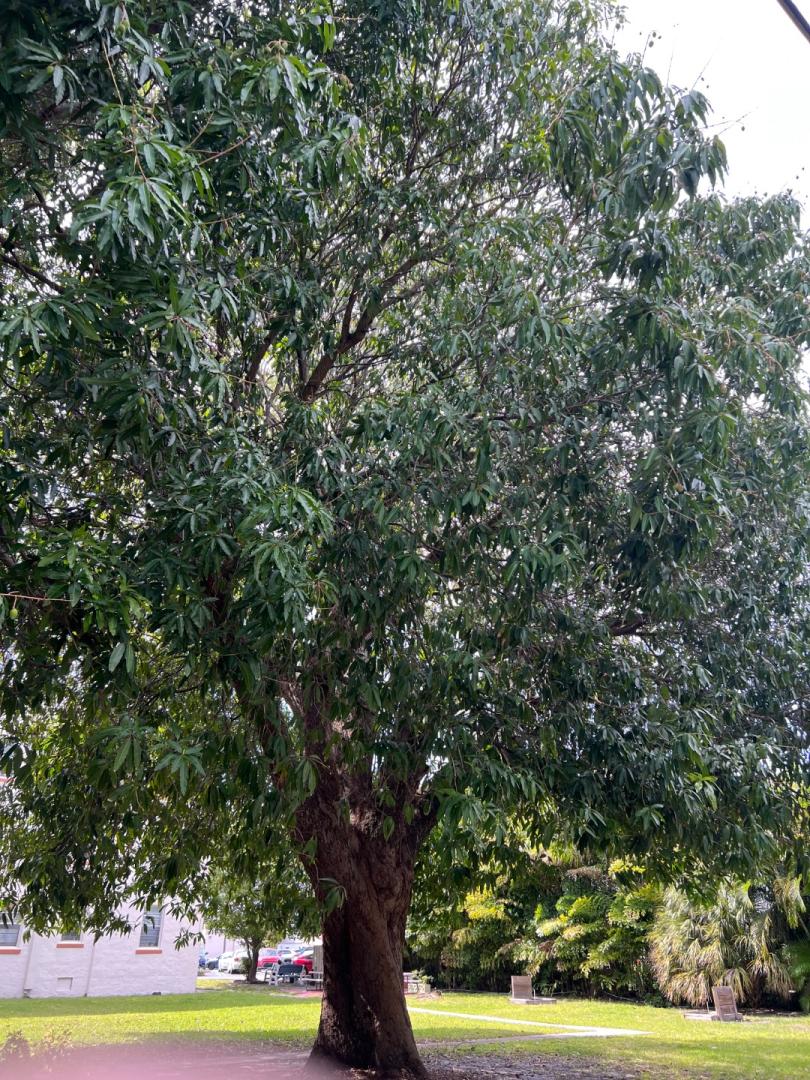
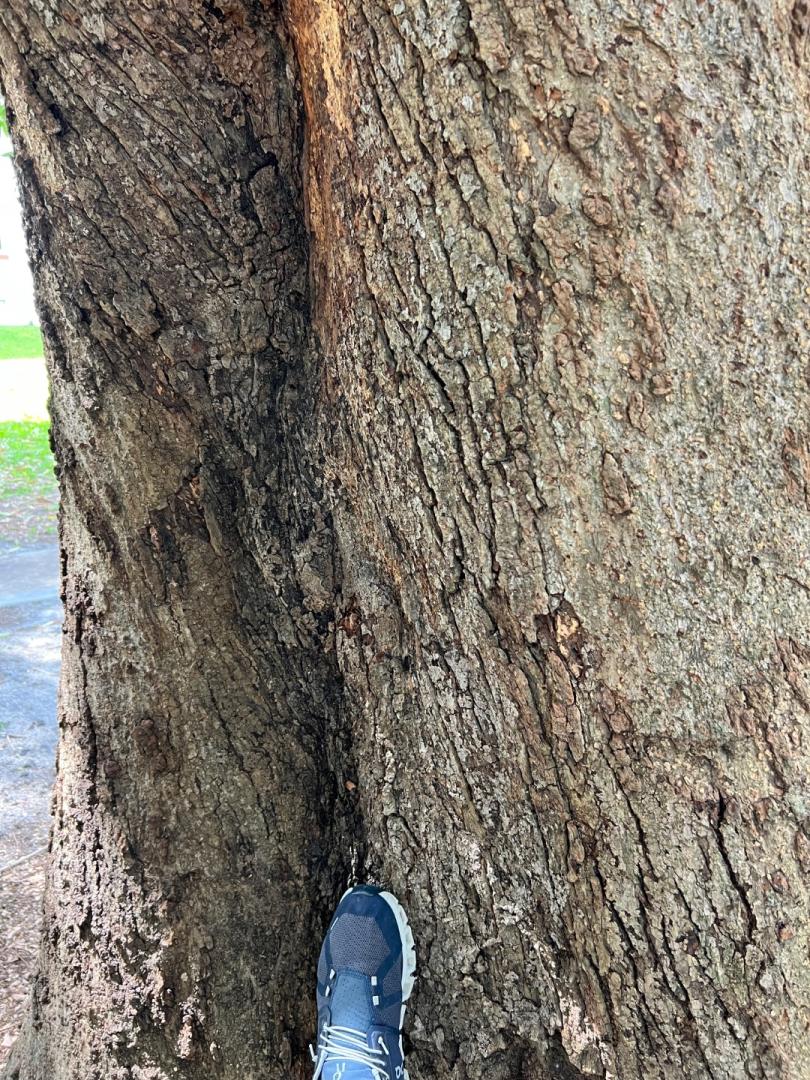
2 pointsThese two side by side mango trees are the largest I have seen:
 2 points
 -
 Lots of commonly planted palms in CA need extra water to survive. Syagrus, Archontophoenix, Howea, etc. They all need more water than most Sabal species. By the way, I have a humongous Sabal bermudana on my side yard.2 points
 -
2 points2 points
2 points2 points
CIDP is not nearly as slow as sabal palmetto, and they are one of the few choices for a really cold hardy pinnate palm. ANd people like the pineapple look architecturally. Most of the CIDP I saw in CA were public plantings and you can grow a phoenix in the heat with much less maintenance than any sabal. They are tough in the desert too, less needy of water than any sabal. Water is expensive out west in my recollection.2 points
 CIDP is attractive and useful as a landscaping palm before it even starts trunking. I wouldn't say that's true for any Sabal except for S. minor. There's also a logistical problem of not being able to grow Sabal in a field and transplant them up until a certain size without killing them. I agree with a lot of what you're saying, but the thing is, you are a self described "palm enthusiast". Your opinions and mine aren't relevant to how most people think about palms. (Which is to say, they haven't put much thought into them at all and are just doing what's easy and cheap)2 points
If that were true, why is the slow growing Pheonix Canariensis the second most popular palm? @Silas_Sancona makes a point about it being here via the Spanish, so I guess that makes sense. But if people are against slow growing palms you would think it wouldn’t be as popular. I don’t think speed growth has anything to do with it. In many scenarios, slow growing is better. I much prefer a slow growing palms that will be eye view, rather than a Washingtonia which is what I call a “skyline” palm. It brings macro aesthetic, but they don’t do much for your personal garden in my opinion.2 points
Sabal palmetto has always been the go-to landscaping palm in the southeast because we already had millions of them available to dig up and move around. Some people appreciate them as a valuable native species but to most people a palm is a palm and the cheapest, readily available option is the best option. Even here in Florida, Washingtonia are much faster than Sabal, and I can't imagine they are very profitable for any of the nurseries out there to grow compared to other fan palms. So yes, California's climate is great for growing Sabal, especially some of the Mexican species, but there isn't much supply or demand. Same as it is here, there's hundreds of palms that grow well in south Florida but you'll have a hard time finding more than five or six different species at a big box store. Most people are happy with a triple Adonidia in front of their house and hedge of "Areca" palms around the back. Best to fit in with the neighbors, not stand out. It's very rare to see big Cuban Copernicia around here, as another example. Commercial nurseries would be insane to invest in growing them when Bismarckia are an option.2 points
CIDP is attractive and useful as a landscaping palm before it even starts trunking. I wouldn't say that's true for any Sabal except for S. minor. There's also a logistical problem of not being able to grow Sabal in a field and transplant them up until a certain size without killing them. I agree with a lot of what you're saying, but the thing is, you are a self described "palm enthusiast". Your opinions and mine aren't relevant to how most people think about palms. (Which is to say, they haven't put much thought into them at all and are just doing what's easy and cheap)2 points
If that were true, why is the slow growing Pheonix Canariensis the second most popular palm? @Silas_Sancona makes a point about it being here via the Spanish, so I guess that makes sense. But if people are against slow growing palms you would think it wouldn’t be as popular. I don’t think speed growth has anything to do with it. In many scenarios, slow growing is better. I much prefer a slow growing palms that will be eye view, rather than a Washingtonia which is what I call a “skyline” palm. It brings macro aesthetic, but they don’t do much for your personal garden in my opinion.2 points
Sabal palmetto has always been the go-to landscaping palm in the southeast because we already had millions of them available to dig up and move around. Some people appreciate them as a valuable native species but to most people a palm is a palm and the cheapest, readily available option is the best option. Even here in Florida, Washingtonia are much faster than Sabal, and I can't imagine they are very profitable for any of the nurseries out there to grow compared to other fan palms. So yes, California's climate is great for growing Sabal, especially some of the Mexican species, but there isn't much supply or demand. Same as it is here, there's hundreds of palms that grow well in south Florida but you'll have a hard time finding more than five or six different species at a big box store. Most people are happy with a triple Adonidia in front of their house and hedge of "Areca" palms around the back. Best to fit in with the neighbors, not stand out. It's very rare to see big Cuban Copernicia around here, as another example. Commercial nurseries would be insane to invest in growing them when Bismarckia are an option.2 points I must agree with @sonoranfans; folks want quick results. They want the landscape to look mature in 3 years, if not 3 months. That's why W.robusta is everywhere, moreso than W.filifera. Rare to see Braheas in Cali landscapes. Money, size, and speed.2 points
I genuinely don’t think it has any thing to do with climate. I have seen Sabals as far as Virginia. A much colder climate than what they’re native to, if water were the issue there would be no palms in San Diego. It’s the most temperate coast, but one of the driest with only 10-12 inches of rain a year on average. Yet, most of the exotic palm nurseries are located in SD. I guess we do have the west coast alternative in the Washingtonia, but still it’s weird that no big box stores ever sell a native palm. Sabals like Washingtonias are hardy. I see trachycarpus everywhere, yet no sabals. It’s just odd.2 points
I must agree with @sonoranfans; folks want quick results. They want the landscape to look mature in 3 years, if not 3 months. That's why W.robusta is everywhere, moreso than W.filifera. Rare to see Braheas in Cali landscapes. Money, size, and speed.2 points
I genuinely don’t think it has any thing to do with climate. I have seen Sabals as far as Virginia. A much colder climate than what they’re native to, if water were the issue there would be no palms in San Diego. It’s the most temperate coast, but one of the driest with only 10-12 inches of rain a year on average. Yet, most of the exotic palm nurseries are located in SD. I guess we do have the west coast alternative in the Washingtonia, but still it’s weird that no big box stores ever sell a native palm. Sabals like Washingtonias are hardy. I see trachycarpus everywhere, yet no sabals. It’s just odd.2 points 2 pointsDoesn't look too bad to me! You obviously know more about caring for palms than I do, so all I can offer is support. Hang tight!2 points
(173x200).thumb.jpg.87642ce613f801fde119db608b8aeb96.jpg) This isn't completely correct.. While not " Humid " when compared to S.E.'rn US standards, typical, annual humidity levels in much of CA are more than adequate for most ...if not all... the Sabal sps.. Heat is good enough as well, except maybe in a few spots like San Francisco < though i'm sure the commonest sps would do < are doing?? > fine there > and always chilly areas along the north coast, north of San Fran. Even here in the ...much drier.. / Quite a bit hotter low desert section of AZ there are folks growing perfect looking " Eastern " Sabals ..If they will grow well here, no doubt, they'll do fine in CA. ...more parts of the state than not at least. BIG part of the reason Washingtonia could be considered the most common fan palm in this part of the world, compared to Sabal sps. comes down to which was introduced here, first.. ..To that end, everyone can thank the Spanish explorers for bringing W. robusta w/ them from Mexico ..On a much more visible - to -all scale than probably had been seen at the time, even if the species / form of Washingtonia itself were already present in specific spots in say AZ or areas of CA closest to the Gulf of CA / Sea of Cortez.. Canary Island Palms, and Schinus molle, aka " CA " Pepper Tree were additional " Spanish Settler imports " brought into CA ( and AZ ) when they settled missions and larger homesteads / Ranchos. They probably liked W. filifera so much when they saw it that it too became a popular thing to plant on their ranches / within Mission gardens.. After that? newer settlers in CA " caught the bug " ..so to say, and sealed the " iconic status " fate of both Washingtonia and Phoenix canariensis.. Pretty sure you can toss in Jubea as well, though i think it was a later import that didn't garner quite the same level of popularity compared to Canaries at that time.. Could be wrong ofcourse.. No one ( that we know of ) brought Sabal -anything- species with them when they headed west from the eastern US, so... It is only now that people in the west are being introduced to that Genus of Palms. In time, if promoted, they'll probably take their place in " Palm Star Status " in CA landscapes.. ....Reverse is a big reason why Sabal ..palmetto in particular.. is the eastern / southeastern US equivalent " Washingtonia " ..It is what was around, well known, and easy to access.. ..Folks there didn't know what a " Washingtonia " was until much later in time.. As far as Sabal uresana, carefully study the climate where it grows in Mexico, both forms of it.. ...somewhat Southeastern US -ish, minus the constant Arctic Invasion threats during the winters, esp. along the coastal plain.. Not quite the same as what people associate with California ..For the moment at least. It is however the Saba sp.l i myself would widely promote out there, before all others except species within " Caribbean " group. " Slow " is a word used only by the " i want instant gratification clan " To the rest of us, Sabal do, what they do after planting.. Treated well, they'll get to where we hope they do, when they do.. See the above..2 points
This isn't completely correct.. While not " Humid " when compared to S.E.'rn US standards, typical, annual humidity levels in much of CA are more than adequate for most ...if not all... the Sabal sps.. Heat is good enough as well, except maybe in a few spots like San Francisco < though i'm sure the commonest sps would do < are doing?? > fine there > and always chilly areas along the north coast, north of San Fran. Even here in the ...much drier.. / Quite a bit hotter low desert section of AZ there are folks growing perfect looking " Eastern " Sabals ..If they will grow well here, no doubt, they'll do fine in CA. ...more parts of the state than not at least. BIG part of the reason Washingtonia could be considered the most common fan palm in this part of the world, compared to Sabal sps. comes down to which was introduced here, first.. ..To that end, everyone can thank the Spanish explorers for bringing W. robusta w/ them from Mexico ..On a much more visible - to -all scale than probably had been seen at the time, even if the species / form of Washingtonia itself were already present in specific spots in say AZ or areas of CA closest to the Gulf of CA / Sea of Cortez.. Canary Island Palms, and Schinus molle, aka " CA " Pepper Tree were additional " Spanish Settler imports " brought into CA ( and AZ ) when they settled missions and larger homesteads / Ranchos. They probably liked W. filifera so much when they saw it that it too became a popular thing to plant on their ranches / within Mission gardens.. After that? newer settlers in CA " caught the bug " ..so to say, and sealed the " iconic status " fate of both Washingtonia and Phoenix canariensis.. Pretty sure you can toss in Jubea as well, though i think it was a later import that didn't garner quite the same level of popularity compared to Canaries at that time.. Could be wrong ofcourse.. No one ( that we know of ) brought Sabal -anything- species with them when they headed west from the eastern US, so... It is only now that people in the west are being introduced to that Genus of Palms. In time, if promoted, they'll probably take their place in " Palm Star Status " in CA landscapes.. ....Reverse is a big reason why Sabal ..palmetto in particular.. is the eastern / southeastern US equivalent " Washingtonia " ..It is what was around, well known, and easy to access.. ..Folks there didn't know what a " Washingtonia " was until much later in time.. As far as Sabal uresana, carefully study the climate where it grows in Mexico, both forms of it.. ...somewhat Southeastern US -ish, minus the constant Arctic Invasion threats during the winters, esp. along the coastal plain.. Not quite the same as what people associate with California ..For the moment at least. It is however the Saba sp.l i myself would widely promote out there, before all others except species within " Caribbean " group. " Slow " is a word used only by the " i want instant gratification clan " To the rest of us, Sabal do, what they do after planting.. Treated well, they'll get to where we hope they do, when they do.. See the above..2 points 2 pointsSometimes a good threat is all you need to jumpstart a plant.2 points
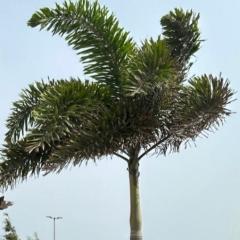 I think people will say climate as the reason. Most sabals like humidity and ample rainfall with hot summers. They’d need to be irrigated heavily in many areas. Other areas may not give them the summer heat. Also there are other species like Washingtonia that enjoy the climate better, grow faster, and looks similar to sabal. I think uresana would be a good sabal for California but it’s mostly going to be enthusiasts like us that grow them.2 points
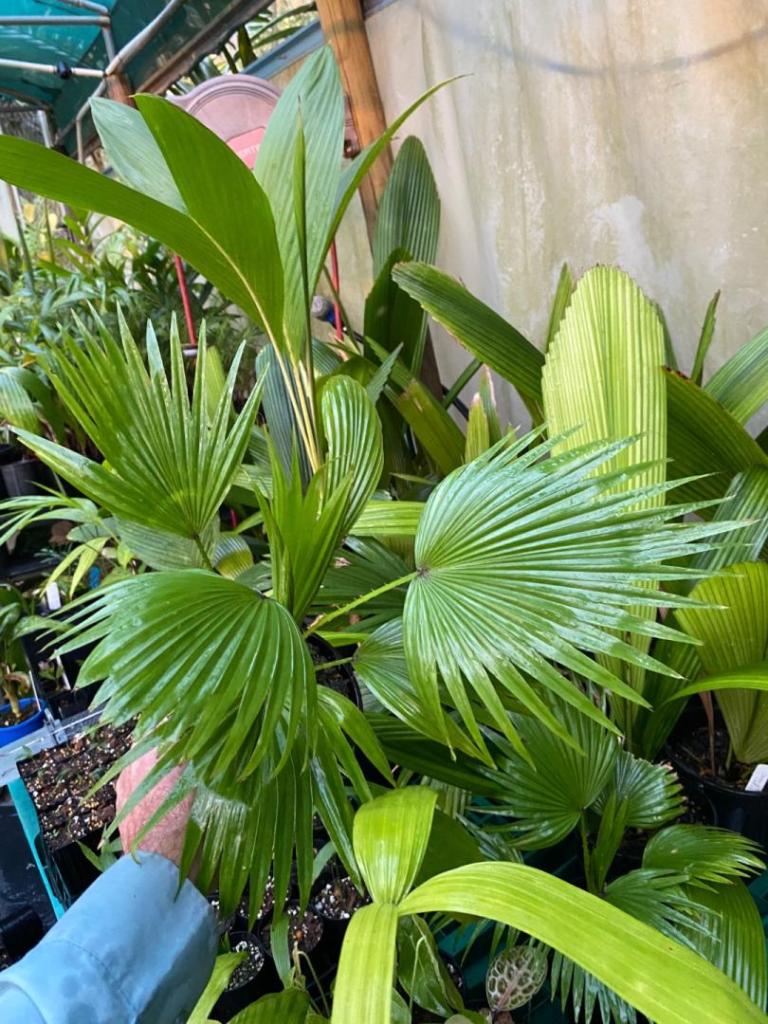
2 pointsThree easy growing palms. That get attention Chambeyronia macrocarpa linospadix monostachya Livistona rotundifolia
I think people will say climate as the reason. Most sabals like humidity and ample rainfall with hot summers. They’d need to be irrigated heavily in many areas. Other areas may not give them the summer heat. Also there are other species like Washingtonia that enjoy the climate better, grow faster, and looks similar to sabal. I think uresana would be a good sabal for California but it’s mostly going to be enthusiasts like us that grow them.2 points
2 pointsThree easy growing palms. That get attention Chambeyronia macrocarpa linospadix monostachya Livistona rotundifolia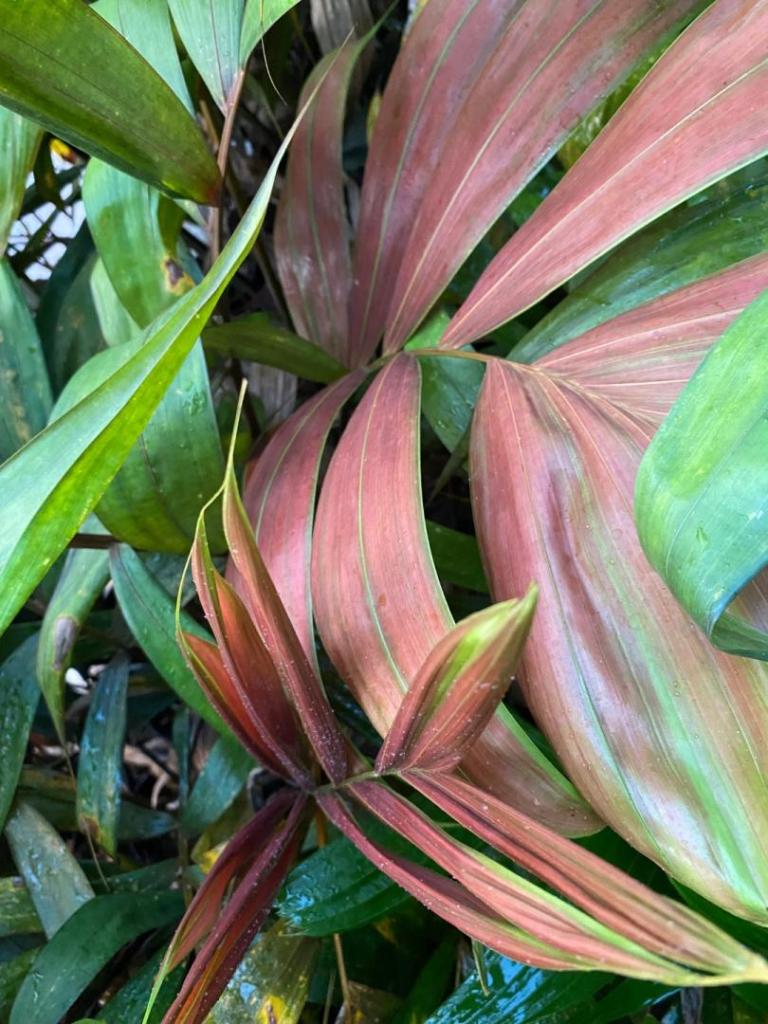

 2 points
Being Australian any excuse is a good excuse for a party, so happy birthday IPS!2 points
2 pointsI have visited quite a few private gardens and even those gardens didn’t have them. They are more common in suburban yards, not really gardens but planted as palm for a house. There was a large Howea nursery in my area many years ago and I see those bellmoreana that got sold from that nursery in suburbia. So it’s somewhat of a rare palm available but only with specialty nursery growers! If you can find them.2 points
2 points
2 pointsBeing Australian any excuse is a good excuse for a party, so happy birthday IPS!2 points
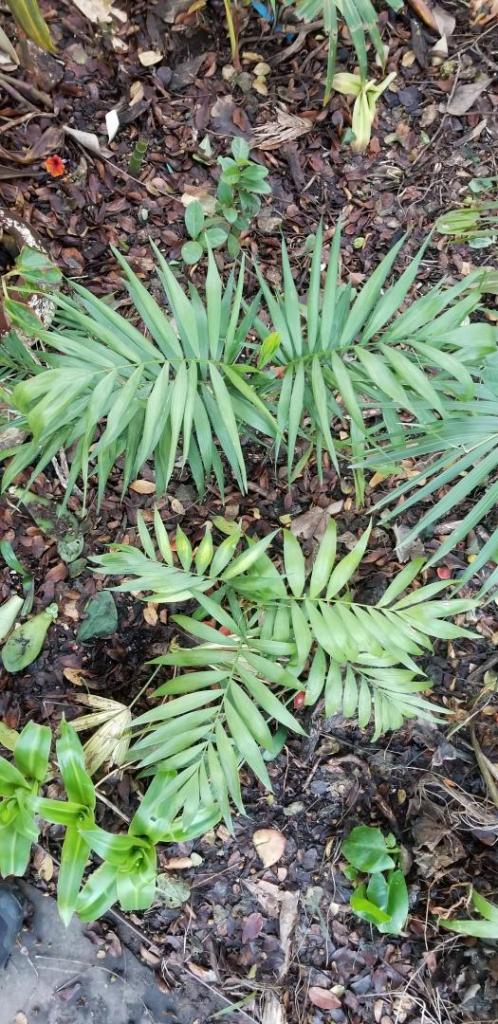
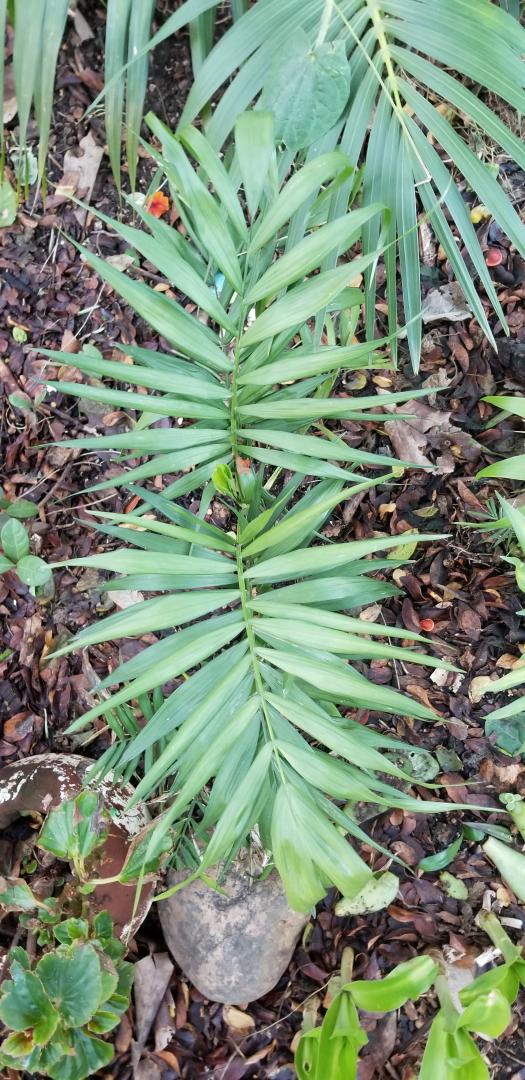
2 pointsI have visited quite a few private gardens and even those gardens didn’t have them. They are more common in suburban yards, not really gardens but planted as palm for a house. There was a large Howea nursery in my area many years ago and I see those bellmoreana that got sold from that nursery in suburbia. So it’s somewhat of a rare palm available but only with specialty nursery growers! If you can find them.2 points 2 pointsOne of my chamaedorea elegans has turned out to be distichous Curious little palm. Just thought I'd share. The second picture shows it next to a normal C. elegans.
 2 points
The Atlantic Tall officially has a shot as it is putting out its first full-sized frond
2 points
The Atlantic Tall officially has a shot as it is putting out its first full-sized frond 2 points
Oh I have met peachy in person and her wit and humour is as sharp as tack and spot on, you won’t fool her in a hurry!2 points
2 pointsNot sure if they'd go after them if nothing else around. Maybe in a year or two things will settle down. At 83 I'm beyond major landscaping changes or adjustments to the physical area.2 points
2 points
Oh I have met peachy in person and her wit and humour is as sharp as tack and spot on, you won’t fool her in a hurry!2 points
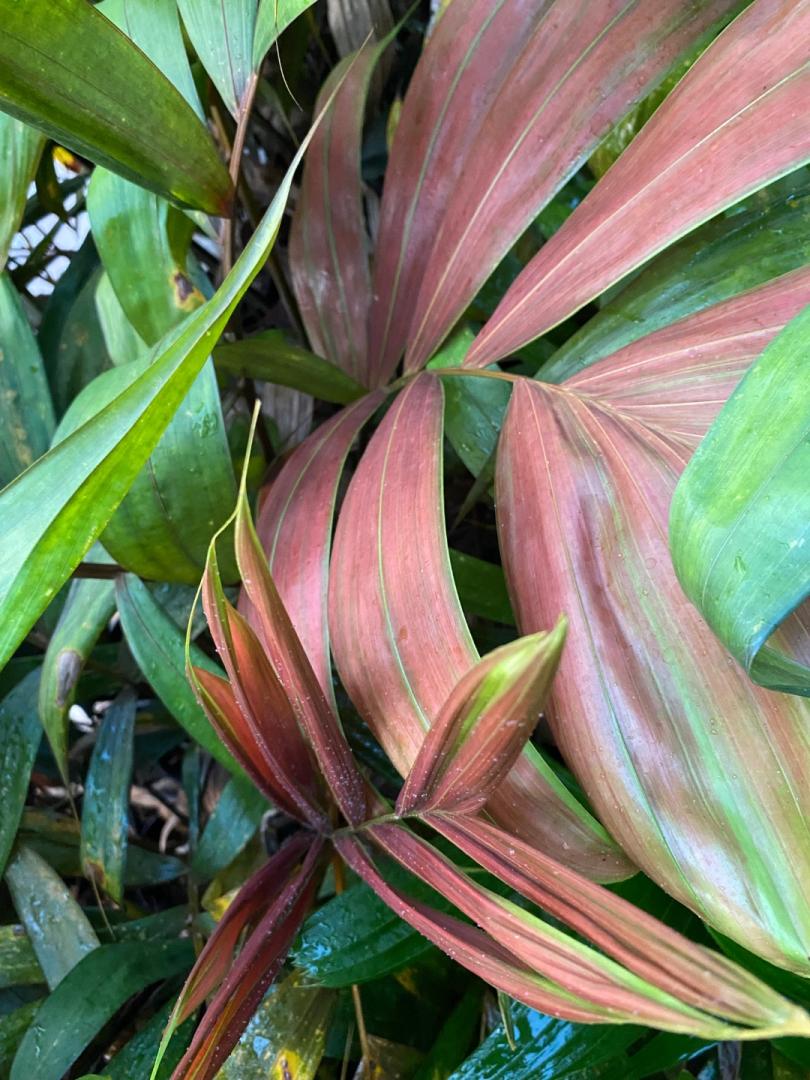
2 pointsNot sure if they'd go after them if nothing else around. Maybe in a year or two things will settle down. At 83 I'm beyond major landscaping changes or adjustments to the physical area.2 points 2 pointsIt's curious to see how much the Alexandra palms have grown in 8 years, while the Purpurea palm is much smaller in 7 years, even though they're the same species! I didn't know that the Purpurea palm loses some of its color in the crown when exposed to sunlight. Yes, I need to look into the climate here more closely. In winter, I notice they stop growing; we even get down to almost 0 degrees Celsius on some days... and in the middle of summer, being near the sea with the humidity, I notice they grow quickly, even on hot, humid nights. What fertilizer do you use on your Archontophoenix palms? I've heard about Osmocote. Now I use this
 2 points
2 points
2 points2 points
2 points
2 points
2 points
2 points2 points 2 pointsA little update on one of my 2 Medemia Arguns. First inflos! Only one of the 2 plants is blooming so still have my fingers crossed for a male and female.
 2 points
You won’t really know until she flowers for sure, but she does look pregnant, never tell a lady she looks fat or ask are pregnant if she’s really not. So for now Jim just tell she looks good!2 points
2 points
You won’t really know until she flowers for sure, but she does look pregnant, never tell a lady she looks fat or ask are pregnant if she’s really not. So for now Jim just tell she looks good!2 points 2 pointsWe missed the Easter freeze by a few degrees in this area, but the valley areas got zapped. It looks like a similar cold front is headed this way later this week.2 points
2 points
2 points
2 points
2 pointsWe missed the Easter freeze by a few degrees in this area, but the valley areas got zapped. It looks like a similar cold front is headed this way later this week.2 points
2 points
2 points
2 points 2 pointsHave met his nephew and wife who are in Bochum in his apartment right now ... his last words were for his Lytos and me ... And now? Have loaded 3 larger and one really large L. weddelianum + 2 L. itapebiense (one mid-sized, 1 seedling) and a L. hoehnei into my car ... this was the last promise I gave him; to take care on his "babies", as long as I am alive. Heaven was crying on my way back, much of rain came down ... 😪2 points
.jpg.0cf735c7525858af1582442942bc68e8.thumb.jpg.894f59a749fff01eb286c1fe4a50ab62.jpg) First you should ask which pronoun they prefer and which gender they identify as. Get with the times kiddo Peachy (Cisgender female)2 points
First you should ask which pronoun they prefer and which gender they identify as. Get with the times kiddo Peachy (Cisgender female)2 points














Account
Navigation
Configure browser push notifications
Chrome (Android)
- Tap the lock icon next to the address bar.
- Tap Permissions → Notifications.
- Adjust your preference.
Chrome (Desktop)
- Click the padlock icon in the address bar.
- Select Site settings.
- Find Notifications and adjust your preference.
Safari (iOS 16.4+)
- Ensure the site is installed via Add to Home Screen.
- Open Settings App → Notifications.
- Find your app name and adjust your preference.
Safari (macOS)
- Go to Safari → Preferences.
- Click the Websites tab.
- Select Notifications in the sidebar.
- Find this website and adjust your preference.
Edge (Android)
- Tap the lock icon next to the address bar.
- Tap Permissions.
- Find Notifications and adjust your preference.
Edge (Desktop)
- Click the padlock icon in the address bar.
- Click Permissions for this site.
- Find Notifications and adjust your preference.
Firefox (Android)
- Go to Settings → Site permissions.
- Tap Notifications.
- Find this site in the list and adjust your preference.
Firefox (Desktop)
- Open Firefox Settings.
- Search for Notifications.
- Find this site in the list and adjust your preference.