


Leaderboard
-

happypalms
IPS MEMBER15Points13,238Posts -


Josue Diaz
IPS MEMBER8Points1,949Posts -


bubba
IPS MEMBER8Points8,618Posts -

sonoranfans
IPS MEMBER5Points6,229Posts
Popular Content
Showing content with the highest reputation on 04/02/2026 in all areas
-
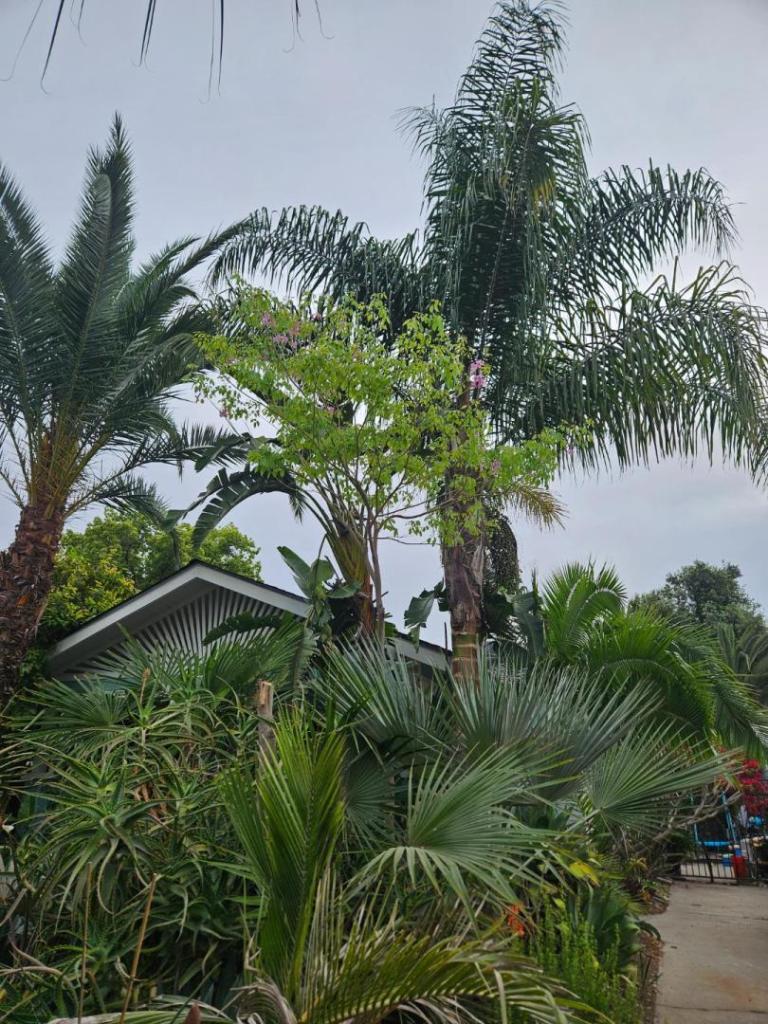
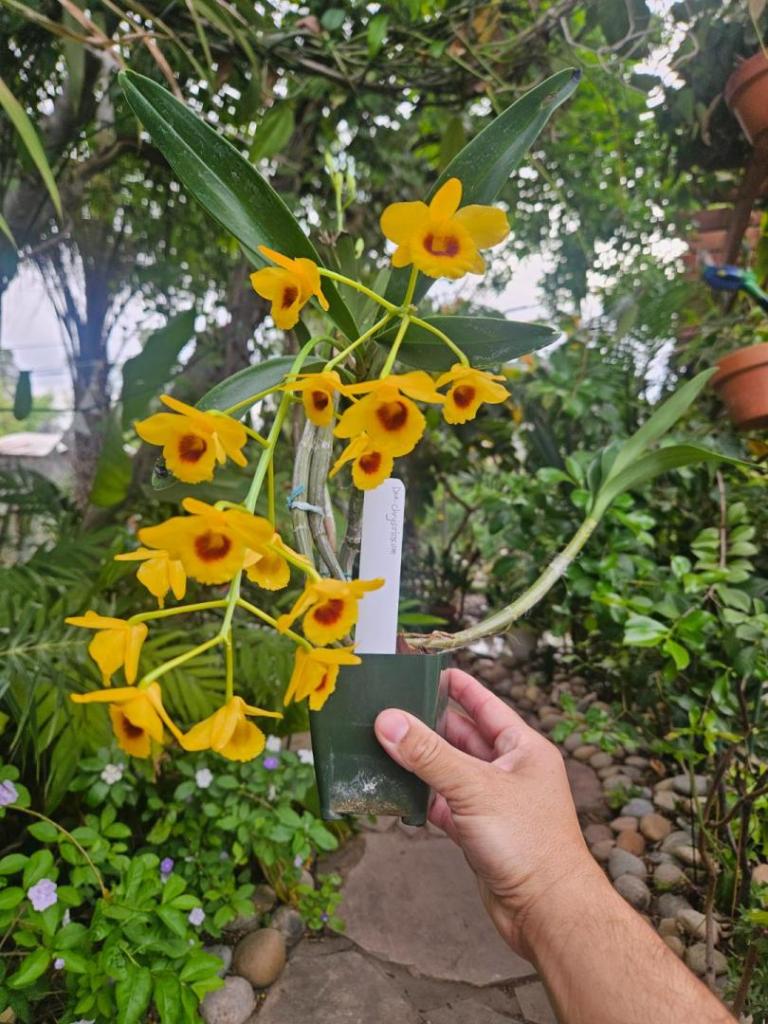
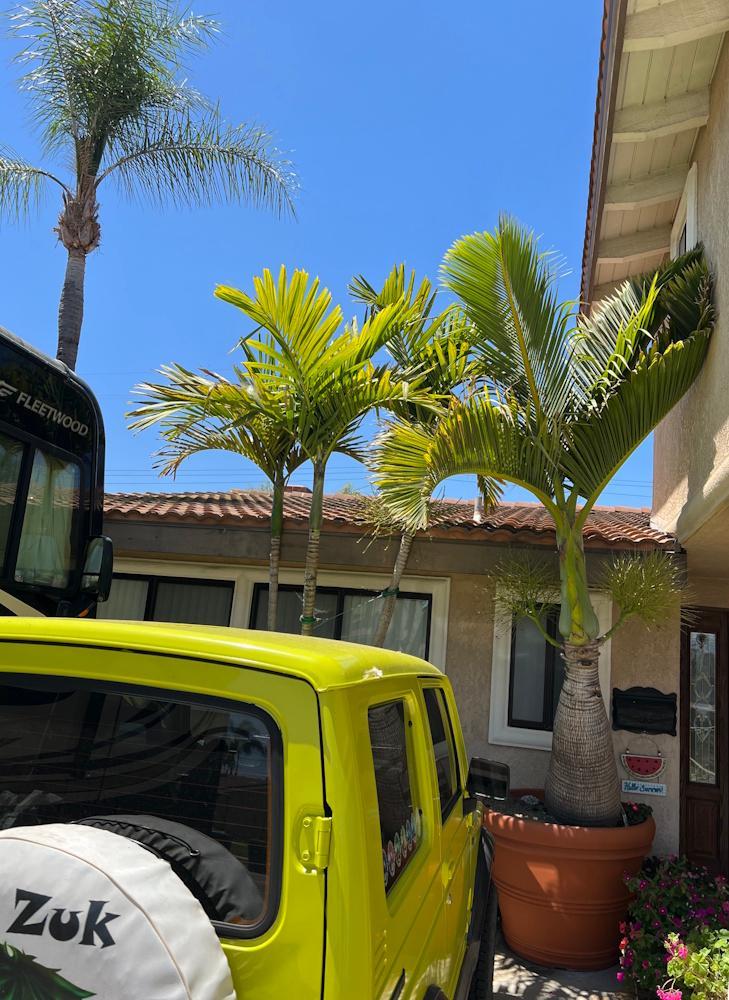
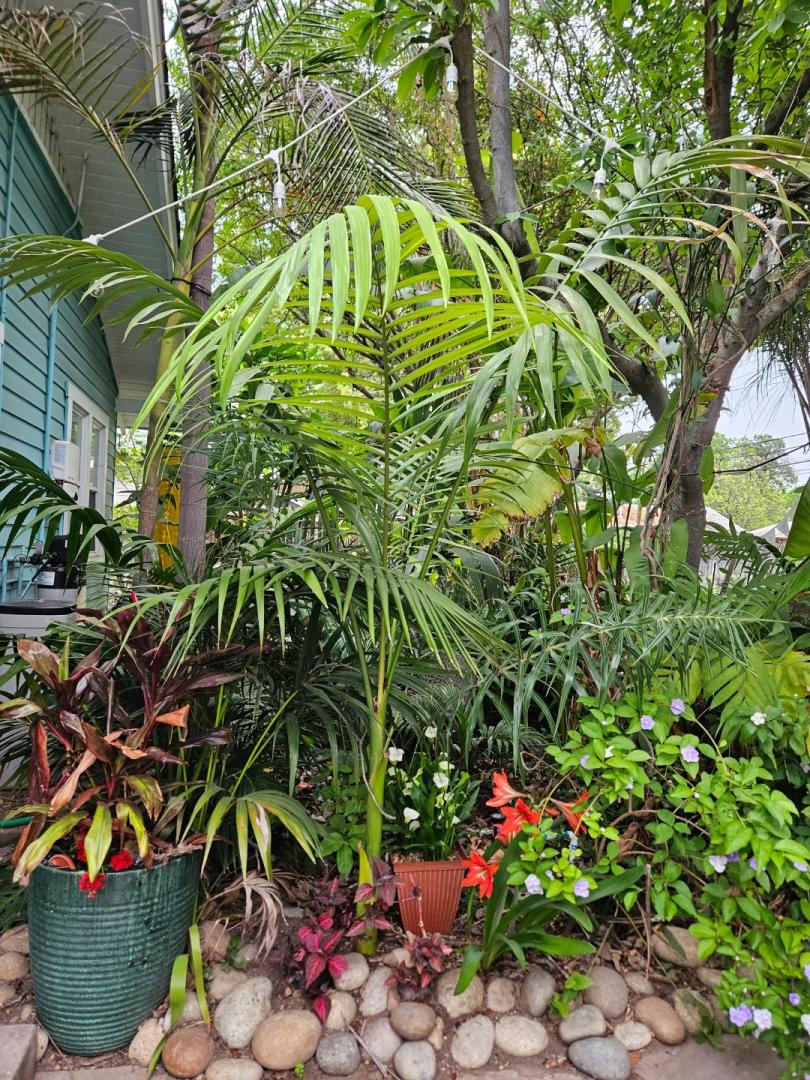
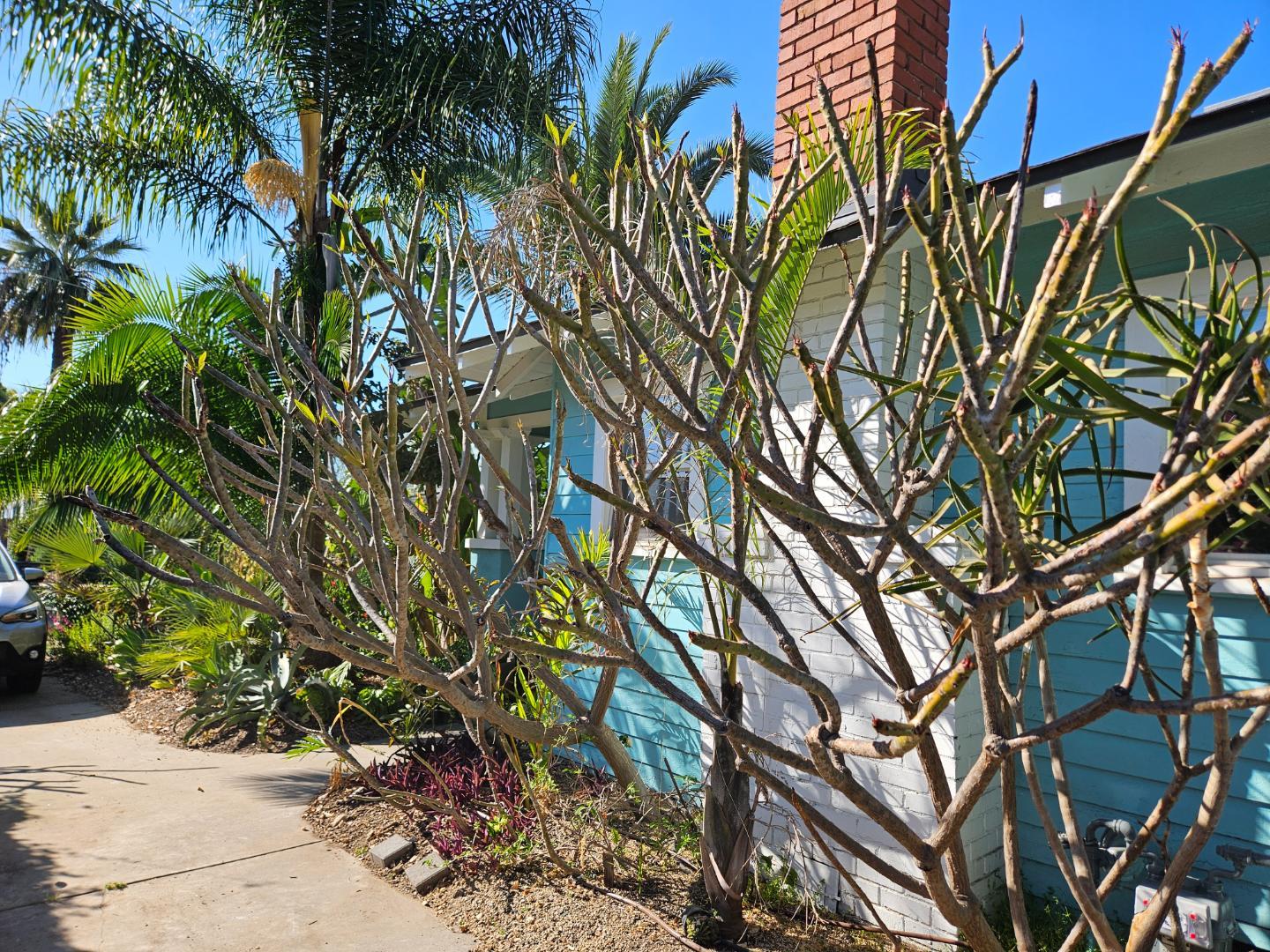
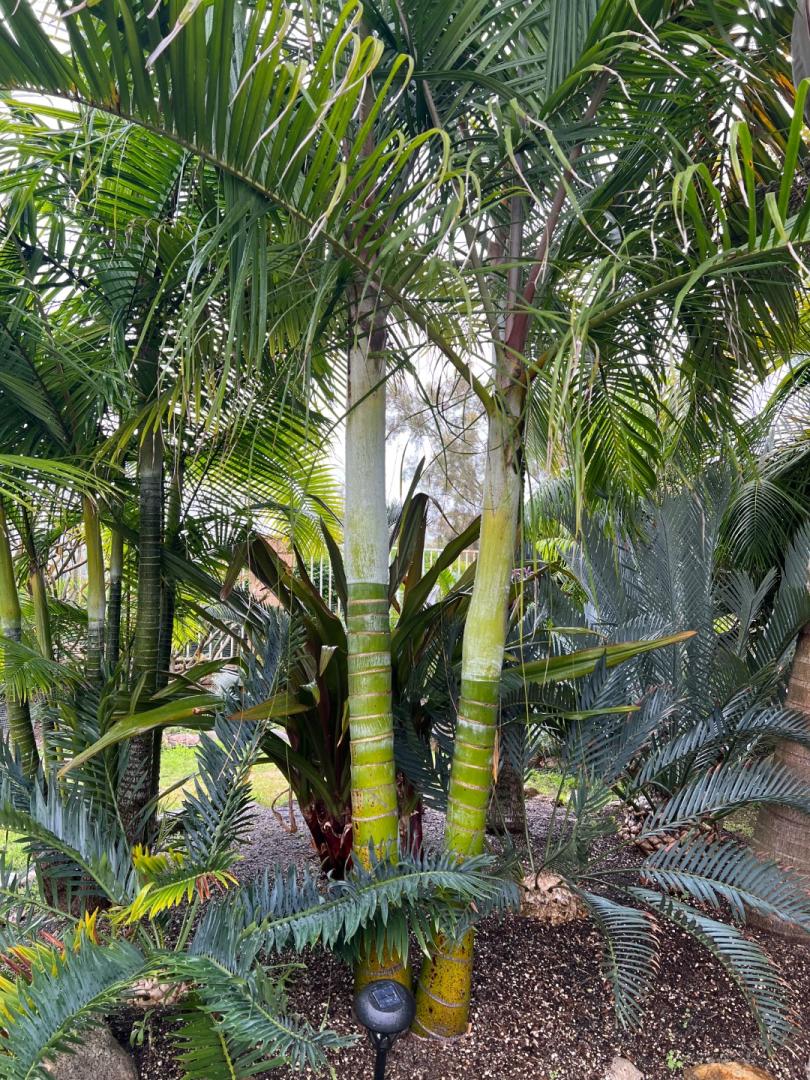
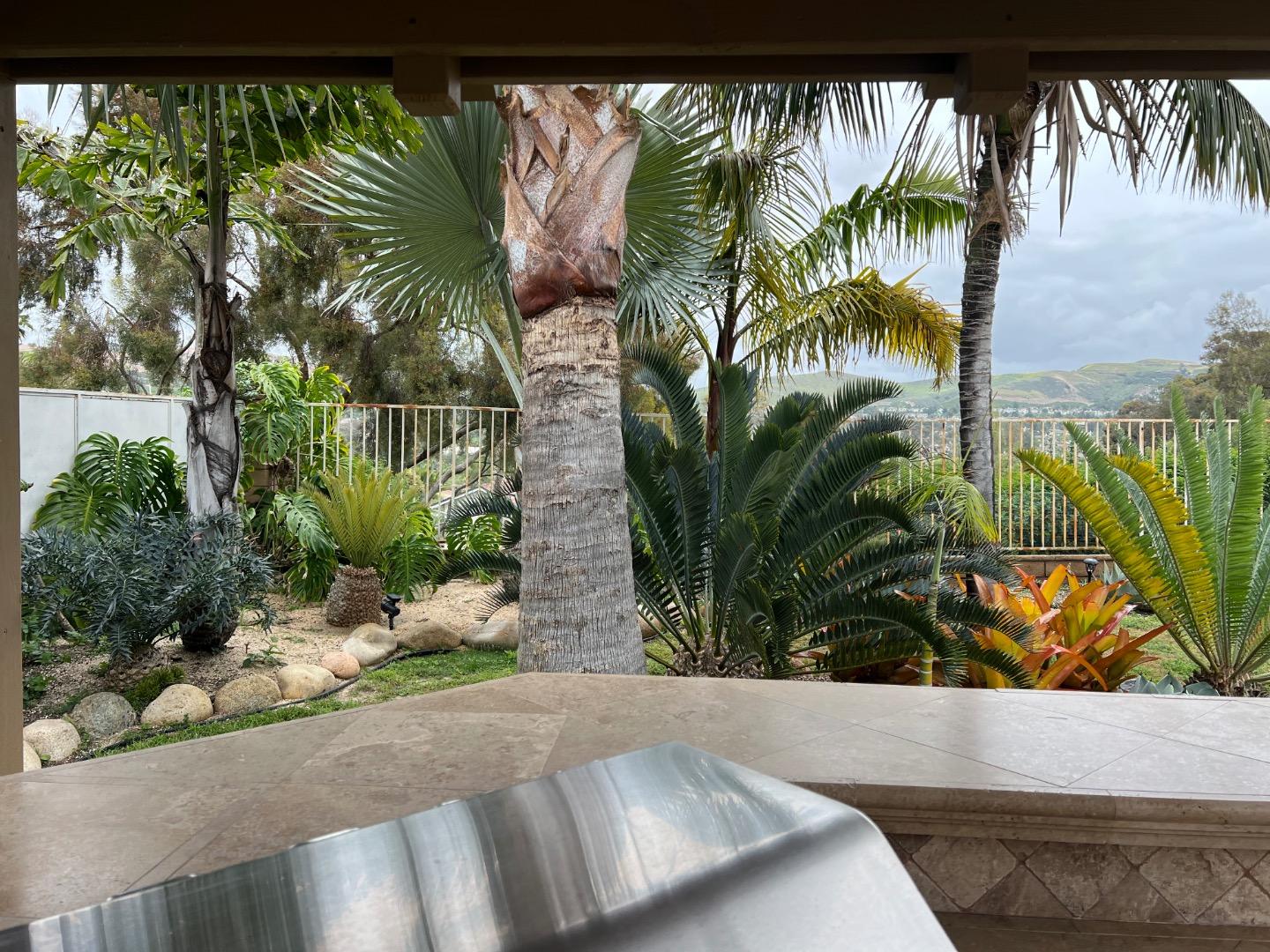
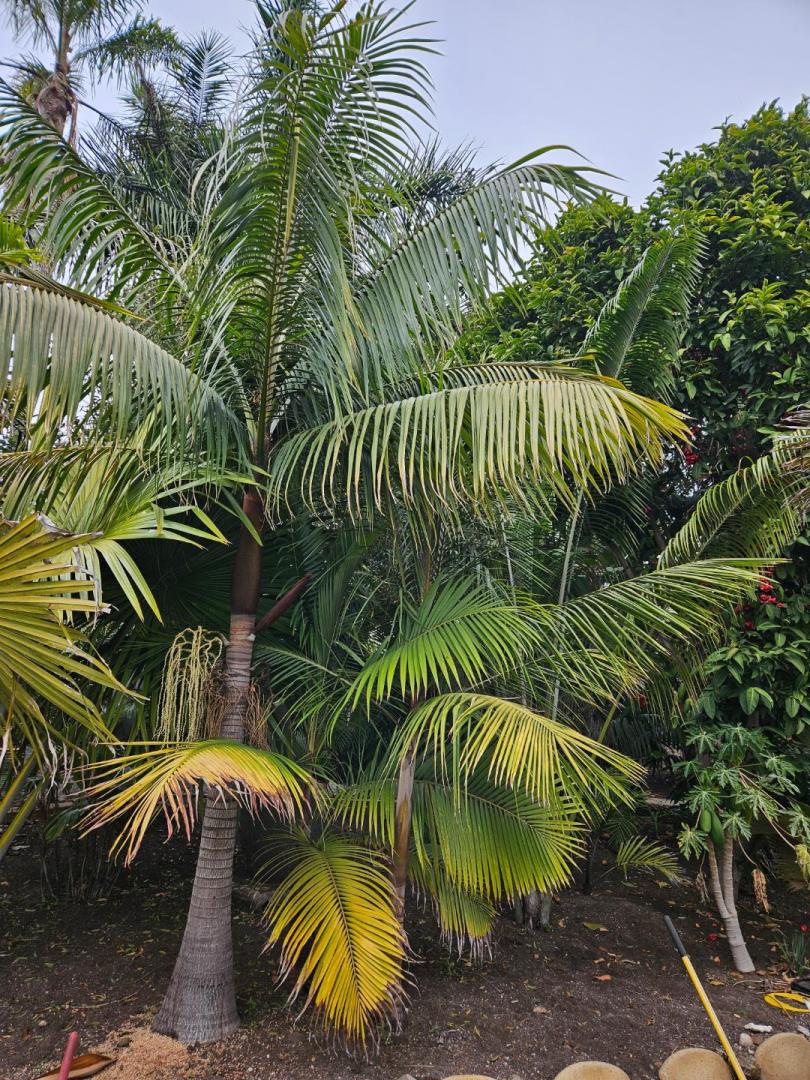
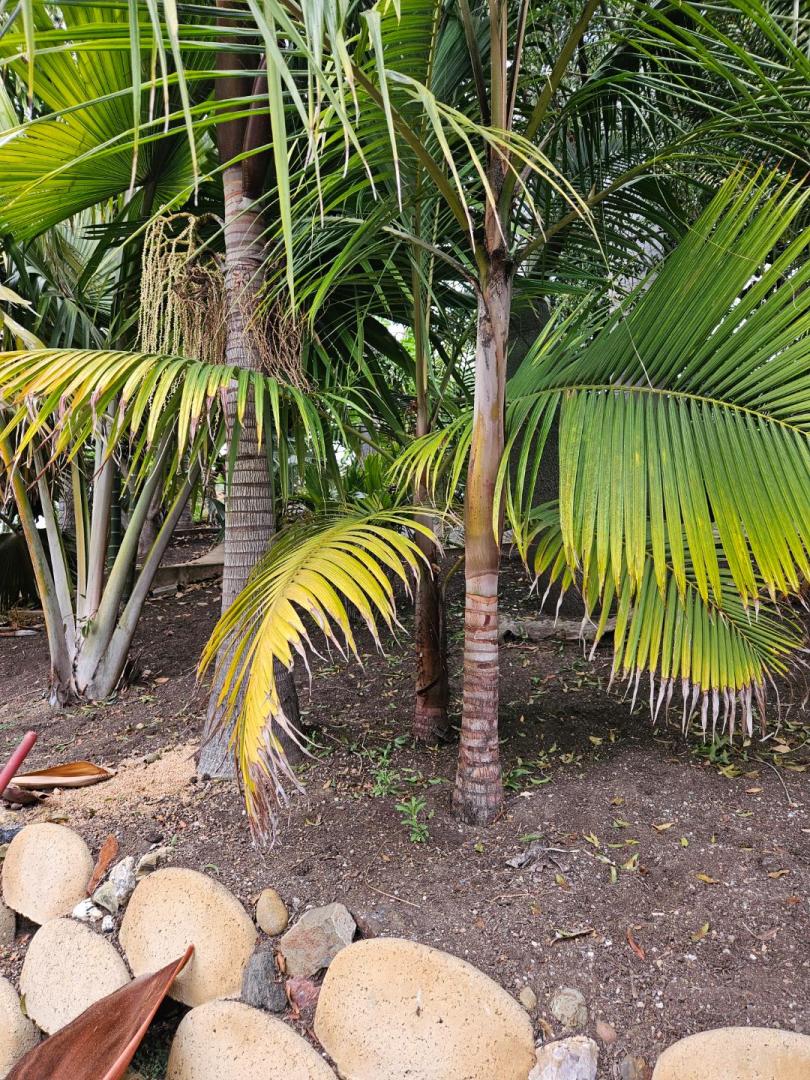
6 pointsThought I'd share a few pics from my yard after a rather chilly winter - the Central Valley of California had a record-breaking fog event from late November through about the end of 2025. Temps stayed in the 40s for 360+ consecutive hours - no freezing, no frosts, just consistently cold and wet with next to no sunshine for nearly a month. Most palms grew right through it, but a few of the more tropical species really hated this - I rehomed a few to warmer (drier/sunnier) climates down south. Here are a few shots from today - everything in growth mode as we're getting 80s and 90s consistently - racing toward the 100s too! In just a matter of weeks winter will be a far memory as we bake in the 100s until we cool again in October. Archontophoenix tuckeri - grown from seed from @DoomsDave. I'm pretty sure you threw a handful of seeds at me during one of my visits to your place. Trunking archontophoenix cunninghamia in the back. Seed-grown howea forsteriana & allagoptera peeking in behind tuckeri. Syagrus rommanzoffiana - nothing special, but I recently did clean up the trunk, which makes it look 10x nicer. A shot of my front yard - the pink Handroanthus is just about done blooming. Below it I have Brahea Super Silver, Brahea Pimo, and closest to the bottom is a Jubaeopsis affra, recoving from an irrigation mishap in summer of 2024. The irrigation timer went offline mid June while we were out of the country traveling, and this whole area went without water for 2 weeks. Jubaeopsis took that personally. It's been slowly recovering from that 'drought' event. Handroanthus umbellatus was in bloom just a few weeks ago. This is Livistona speciosa. I grew this from seed, and gave the rest to folks in Southern California. Does anyone have any still growing? I think some of them may have gone at palm society auctions. Chamaedorea hooperiana - The ficus roxburghii looks so pretttyyyyy in the back with all that new growth Sabal uresana - looking stretched. This thing is slowwwwwwww This is the view out our back door. Arcontophoenix tuckeri on the left. The red amaryllis is an heirloom passed down from a neighbor before she passed. Phoenix rupicola. You can spot the Brahea Super Silver in the background. The silver-ish palm below it is Chamaerops humilis var. argentea. There's a Cycas deboaensis on the bottom right that will need to find a permanent spot. I have a habit of putting plants in temporary spots, then moving them when I decide on a permanent spot. I feel like plants develop much better in the ground than in pots. They also benefit from regular irrigation being in the ground, and I don't have to worry about forgetting to water them in pots. This little corner area is filling in so nicely, and will become very thick with vegetation as plants keep growing. Beccariophoenix alfredii is in the far back. Ravenea glauca is center toward the left. Sabal mauritiformis is off to the right. Cycas revoluta x deboaensis is front and center. Lastly, a shot of a Clytostoma callistegioides flower, and a Dendrobium chrysotoxum which I have in bloom. The Dendrobium is grown inside a greenhouse. The last photo is of my plumerias waking up after a chilly nap. I had lots of rot to deal with this winter. BONUS - see if you can spot the Chrysalidocarps prestonianus... It went into the ground directly as a 4-inch plant from Floribunda some 5 or 6 years ago. Almost forgot the Chrysalidocarpus decaryi as well. Decaryi doesn't like the prolonged cold/wet conditions, but it grows out of damage fairly quickly - and we don't always get those particularly cold/wet winters. Some years we are dry and sunny like the rest of Southern CA.





 6 points
 -
 I have finally been able to bring the three main species of Beccariophoenix together in my Oakland CA garden. B. Alfredii has been growing well from 1 gallon and has really picked up speed this past year (prob close to 4 ft or so of frond length. B. fenestralis has been slow but solid from a 1 gallon as well for the past 3 years (hard to see this palm as its protected and covered by other plants). B. madagascariensis has proven to be very hard for me to track down until this past week in San Clemente! I was able to get a masterfully grown 15 gallon and drove it back to Oakland in my car with palm fronds slapping my son in the face in the passenger seat! B. fenestralis with nice windows! 3 years in the ground. B. madagascariensis with Acanthophoenix rubra in the ground for 2 days lol. Looking good with the recent rains! B. alfredii with beautiful purple petioles and fast growth.
.thumb.jpeg.98fc322c18b299c987bf2194b3d8b507.jpeg)

 3 points
 -
In dry climates irrigation is number 1 issue for many palms(non desert palms). If things are not growing fast for you irrigation is the most likely suspect holding things back. The difference between the dry hot spring and the hot rainy season is quite dramatic, no marking of spears needed just count new leaves per month. When palms are dry they go into stress and that stagnates growth as they try to find water by growing new roots when all they need is to be watered. In high drainage soil this issue is magnified in a big way. When I lived in arizona I saw lots of people kill palms with frequent shallow(short duration) water schedules in clay soil, moisture at depth is not achieved as soil evaporation and runoff(in clay) dominate ground penetration. In our florida drought we are only allowed to irrigate once a week. This years growth could be seriously stunted as drought stress signs are everywhere. Did you know that palms cant feed on nutrients in dry soil? You can throw down plenty of fertilizer and still palms can be nutrient deficient if the soil depth where roots feed is dry. Moisture is required to enable the transport processes of nutrient uptake. If your palms are growing too fast and you want to slow them down, cut watering down in the hot season, it will do the trick.3 points
-
2 points
-
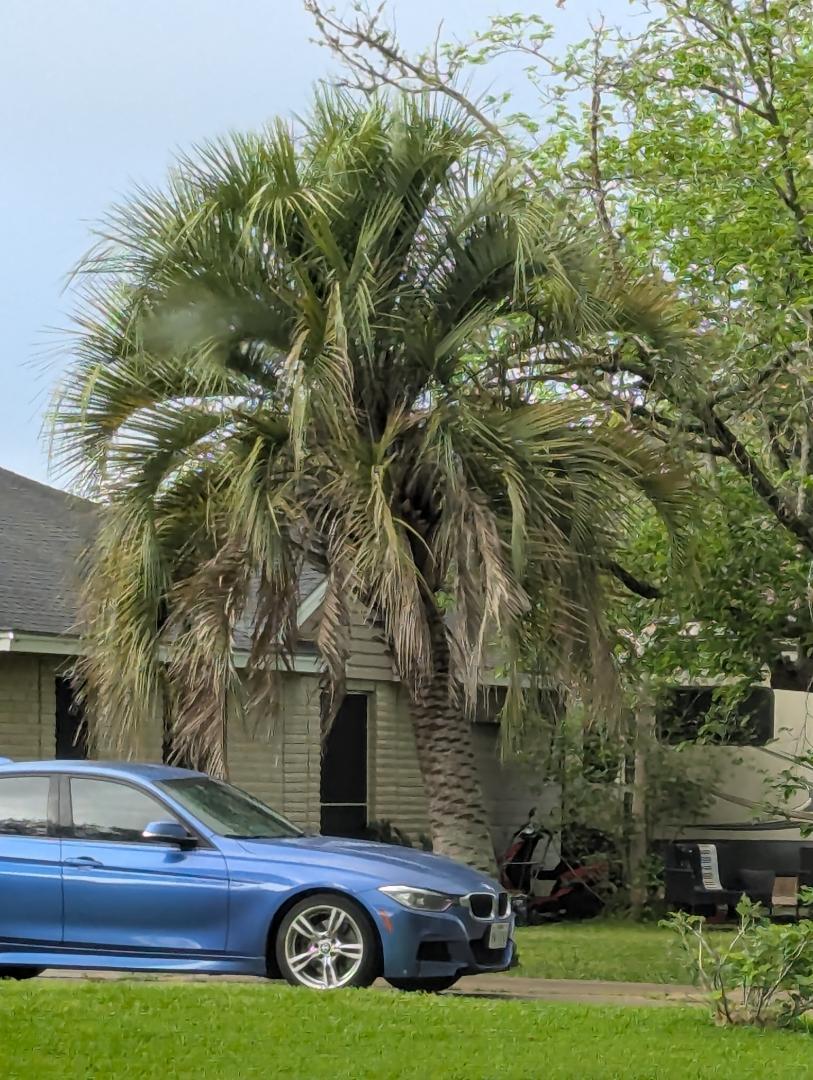
 2 pointsThat Butia is nice. It does have some tattered older fronds, but I really like that large crown. I wish it was possible to know which Butias would get that large when buying smaller potted plants.2 points
 -
 I hand water everything but my hill . The gardens around the house are manageable but it still takes the better part of an hour to do it right. The hill gets irrigation a few times a week . Harry2 points
 -
2 pointsReally like this one ! Probably hard to find stateside. Harry2 points
-
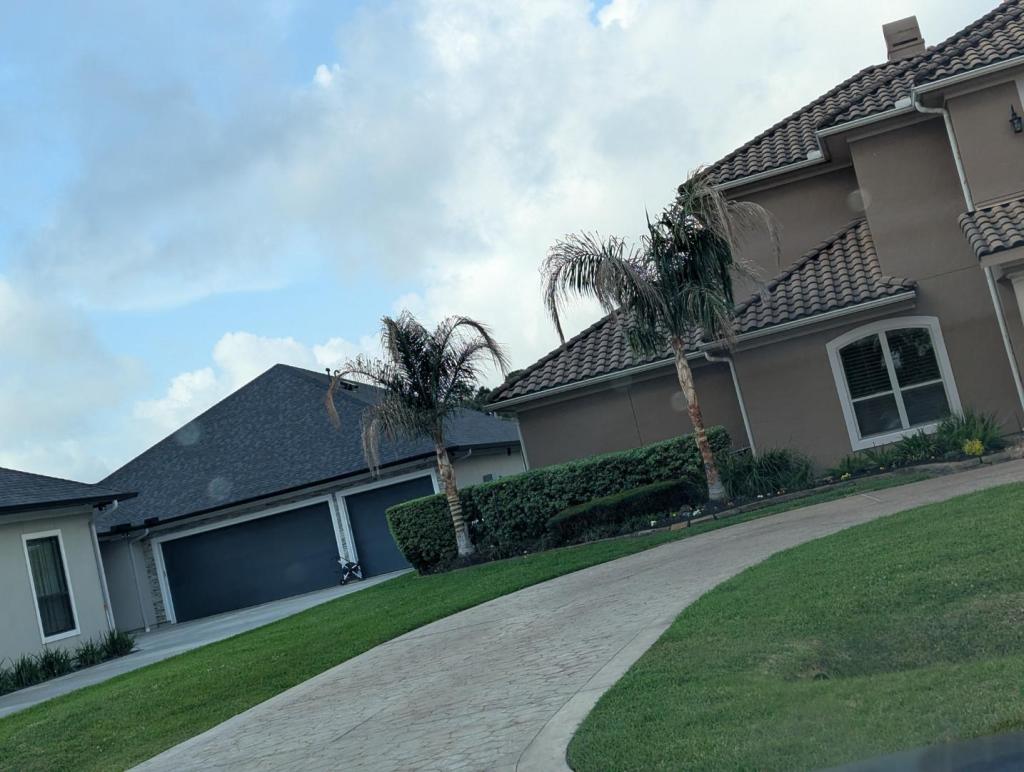
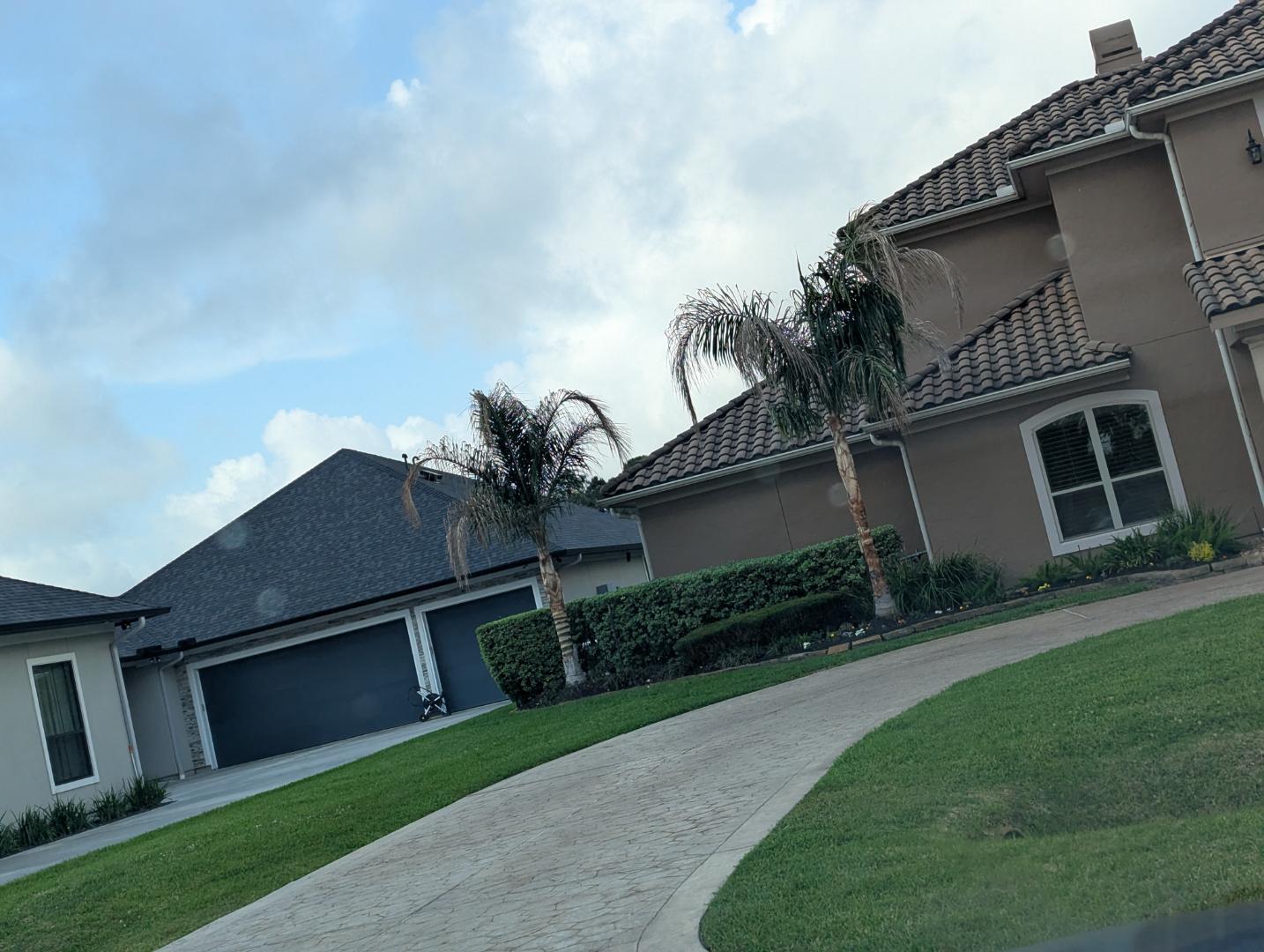
 2 pointsFriendswood/SE Pearland today The pre-2021 Bismarckia start appearing here The queens around here are more green than not. Fat Butia
 2 points
 -
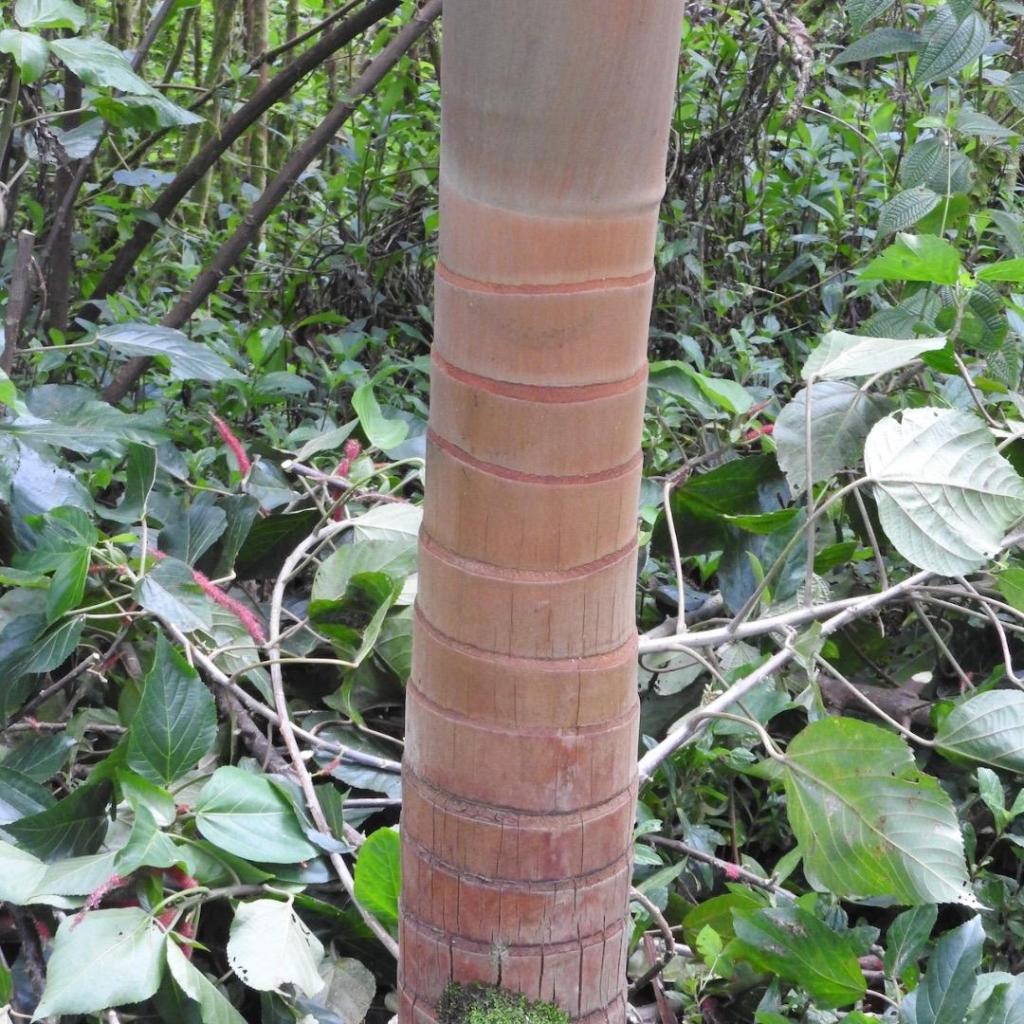
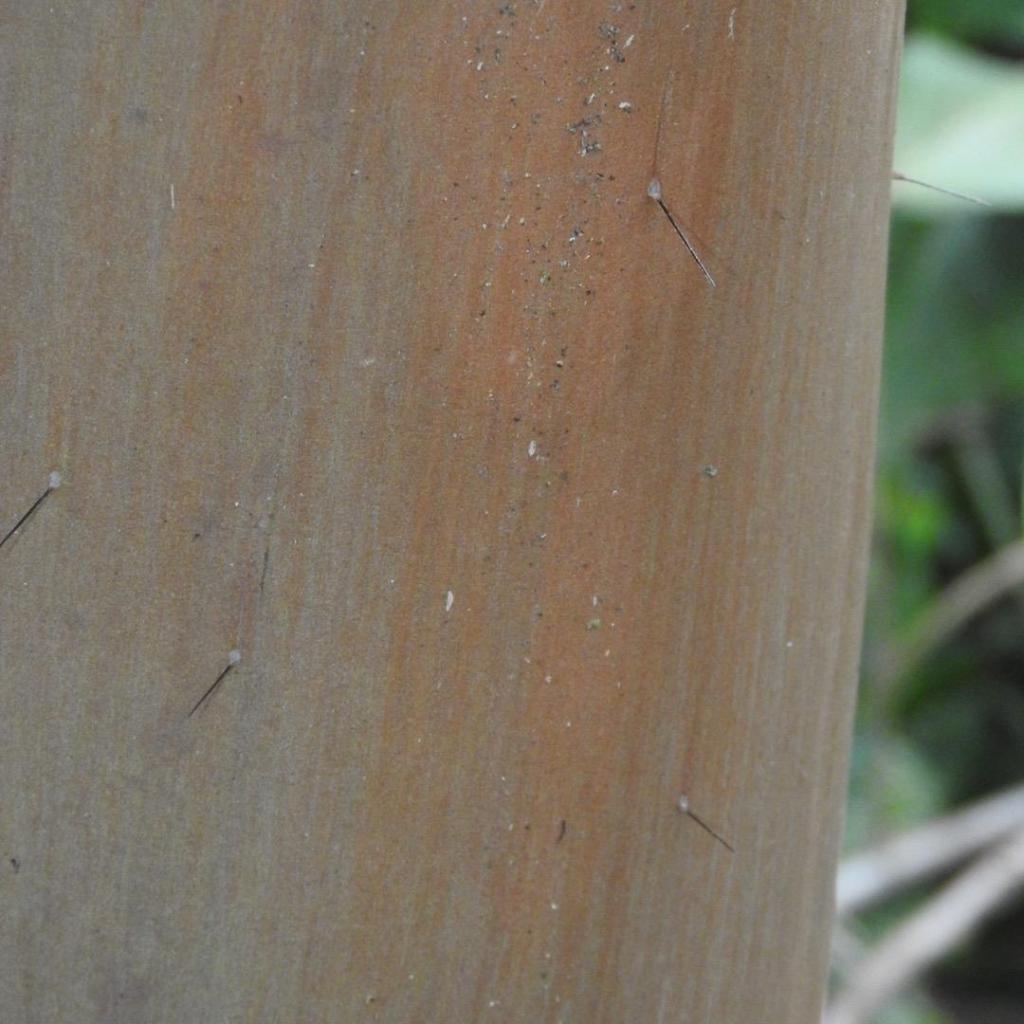
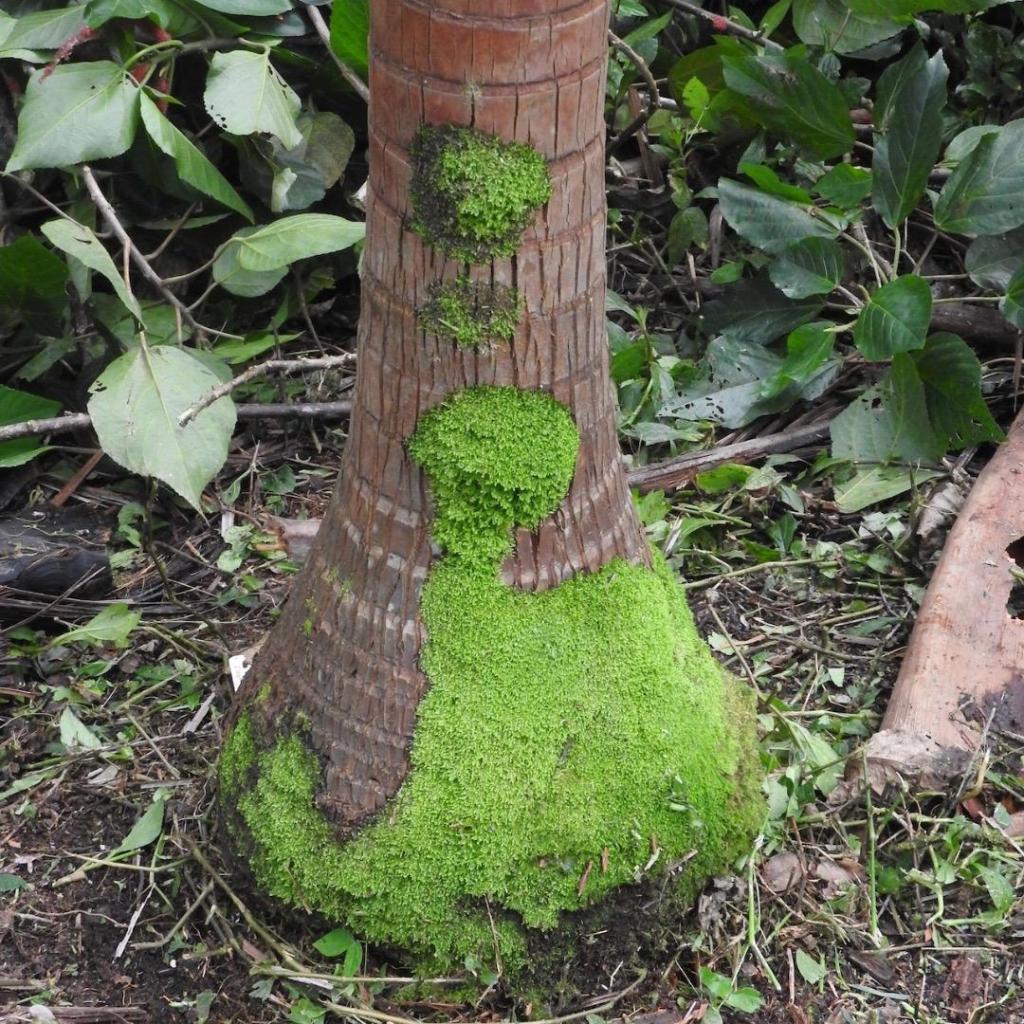
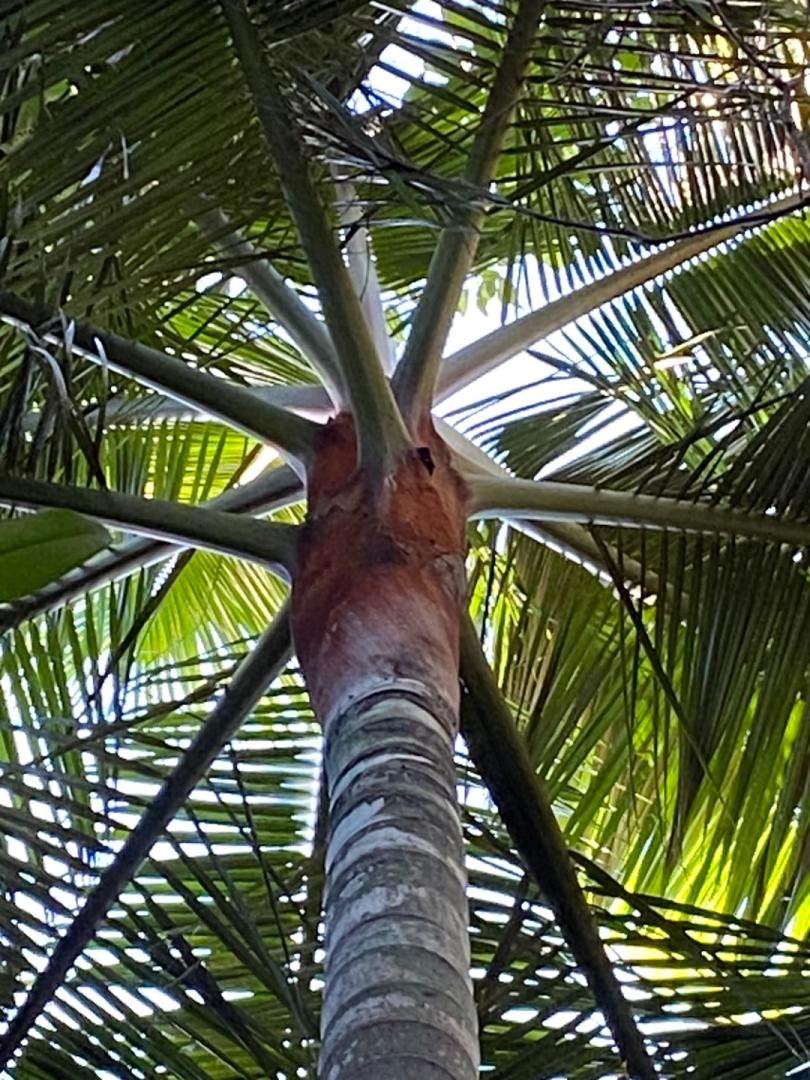
 2 pointsMine came from the same FB batch as Kim's. It went into the ground in March 2019 from a 1 gallon pot. After seven years, it is now about 15 ft (4 m) tall overall with about 4 ft of bare trunk. The color of the trunk is a dull red-orange. Totally carefree. I had never noticed any spines on the crownshaft, but when I looked closely today, I do see very widely separated short spines about a half inch (1 cm) long. Much more conspicuous are the white hairs on the leaflets. I have not noticed these on any other palm species growing in the garden. Could this be a reliable diagnostic character in addition to the coloration? Mine has developed a swollen base.

 2 points
 -
2 points
-
2 points2 points
 2 points2 points
 2 pointsAnd here's a trio, rousselii is the big one, crinita front right, and rubra in back
 2 points
 Richard the water is very good for the plants,d summer I have to water every day,d summer it never rains here,they call it the long Mediterranean summer2 points
@peachy I was not going to let this one pass this time, I regretted not purchasing it last year, well this year it was up for grabs and grab I did! It was even in flower so there may be hope a seed or two if the palm gods are watching!
Richard the water is very good for the plants,d summer I have to water every day,d summer it never rains here,they call it the long Mediterranean summer2 points
@peachy I was not going to let this one pass this time, I regretted not purchasing it last year, well this year it was up for grabs and grab I did! It was even in flower so there may be hope a seed or two if the palm gods are watching!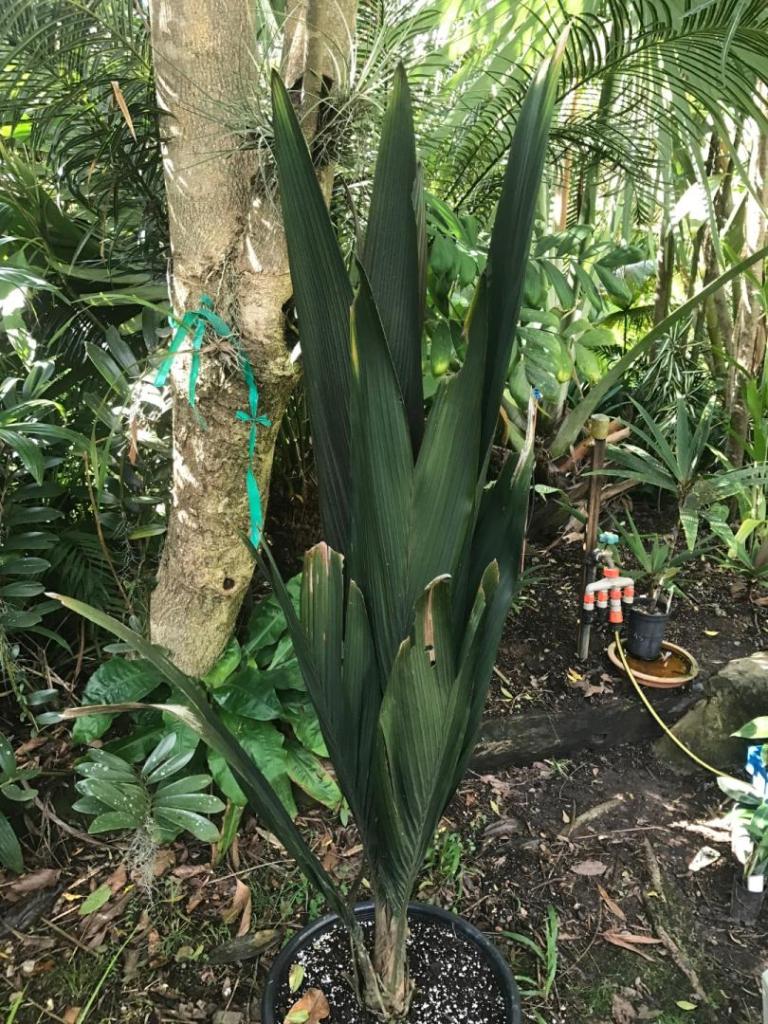
 2 points
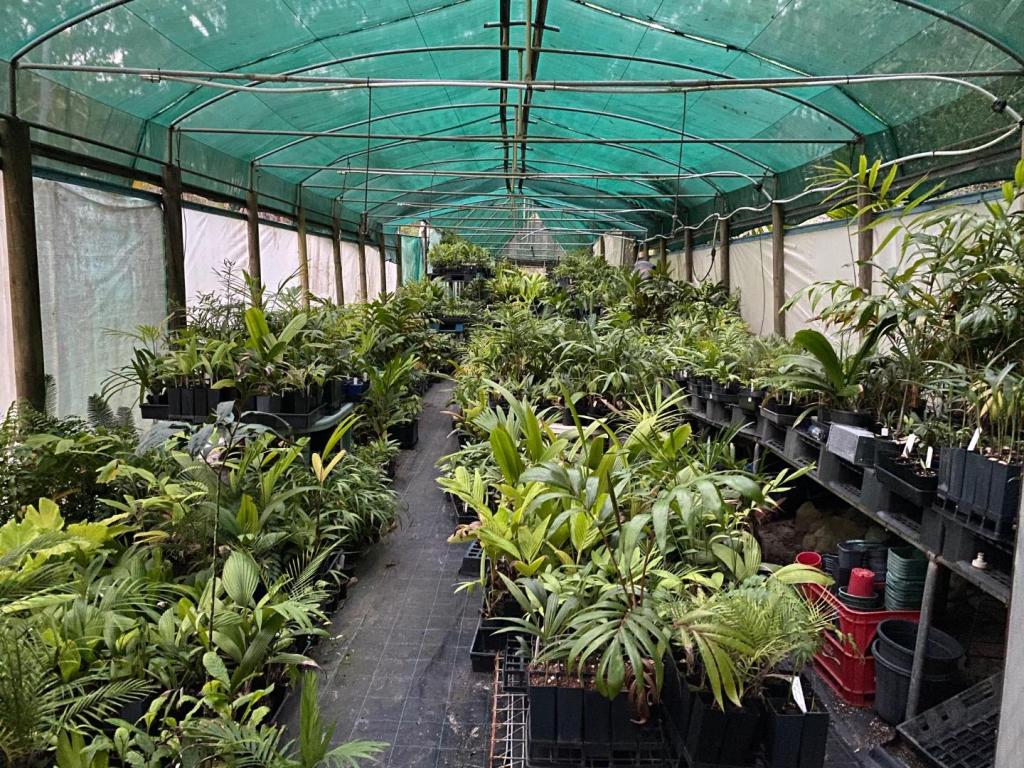
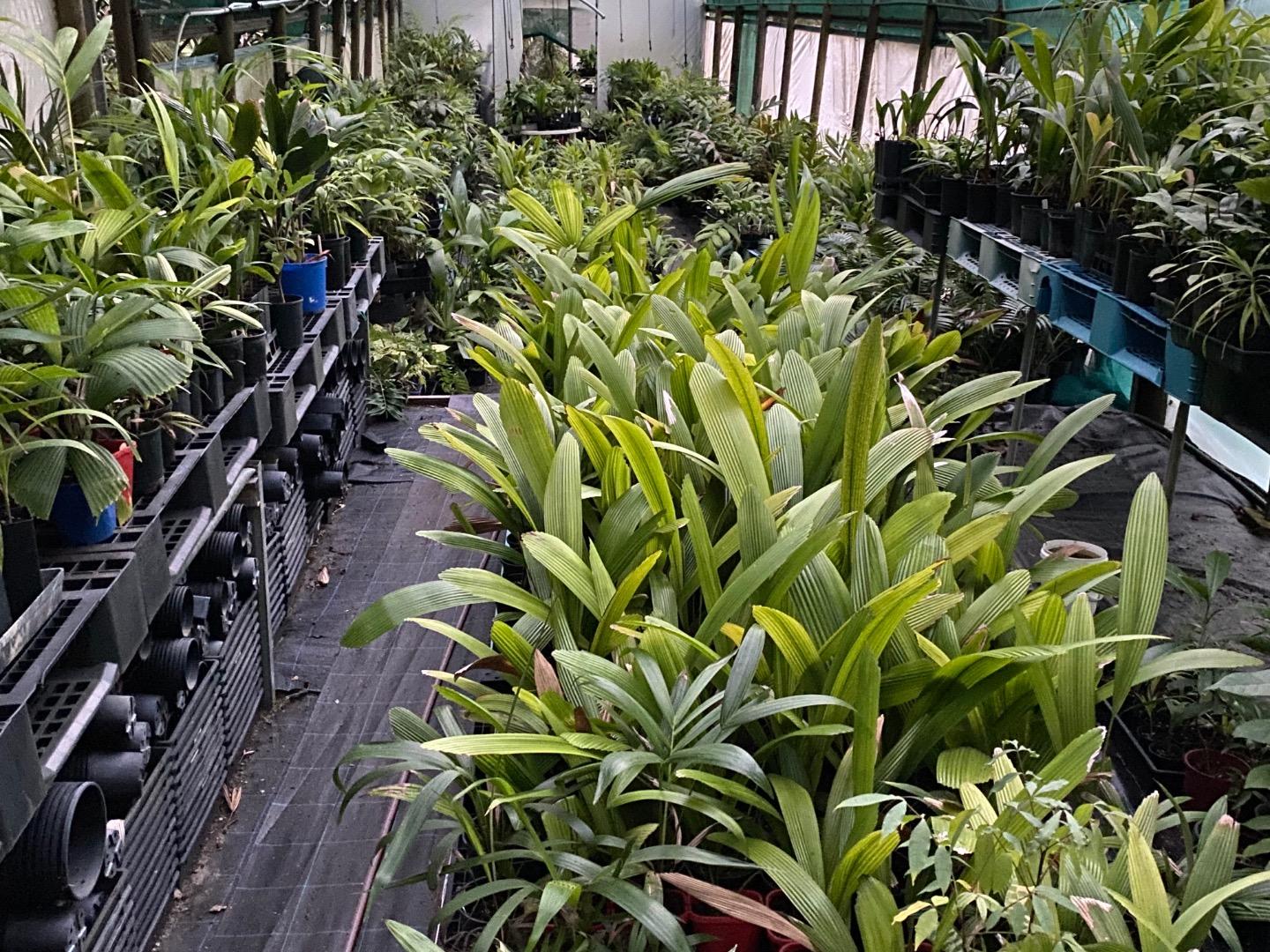
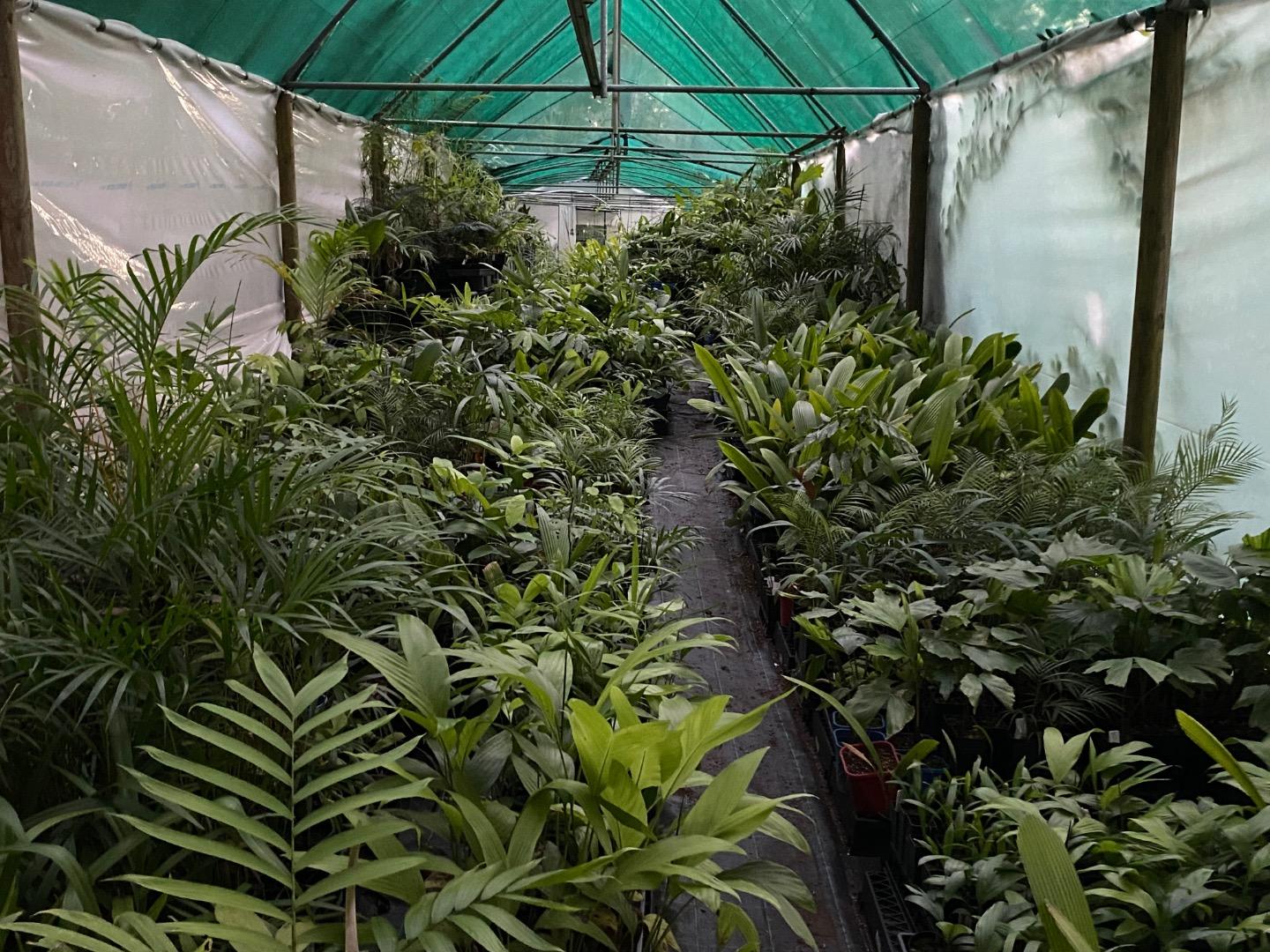
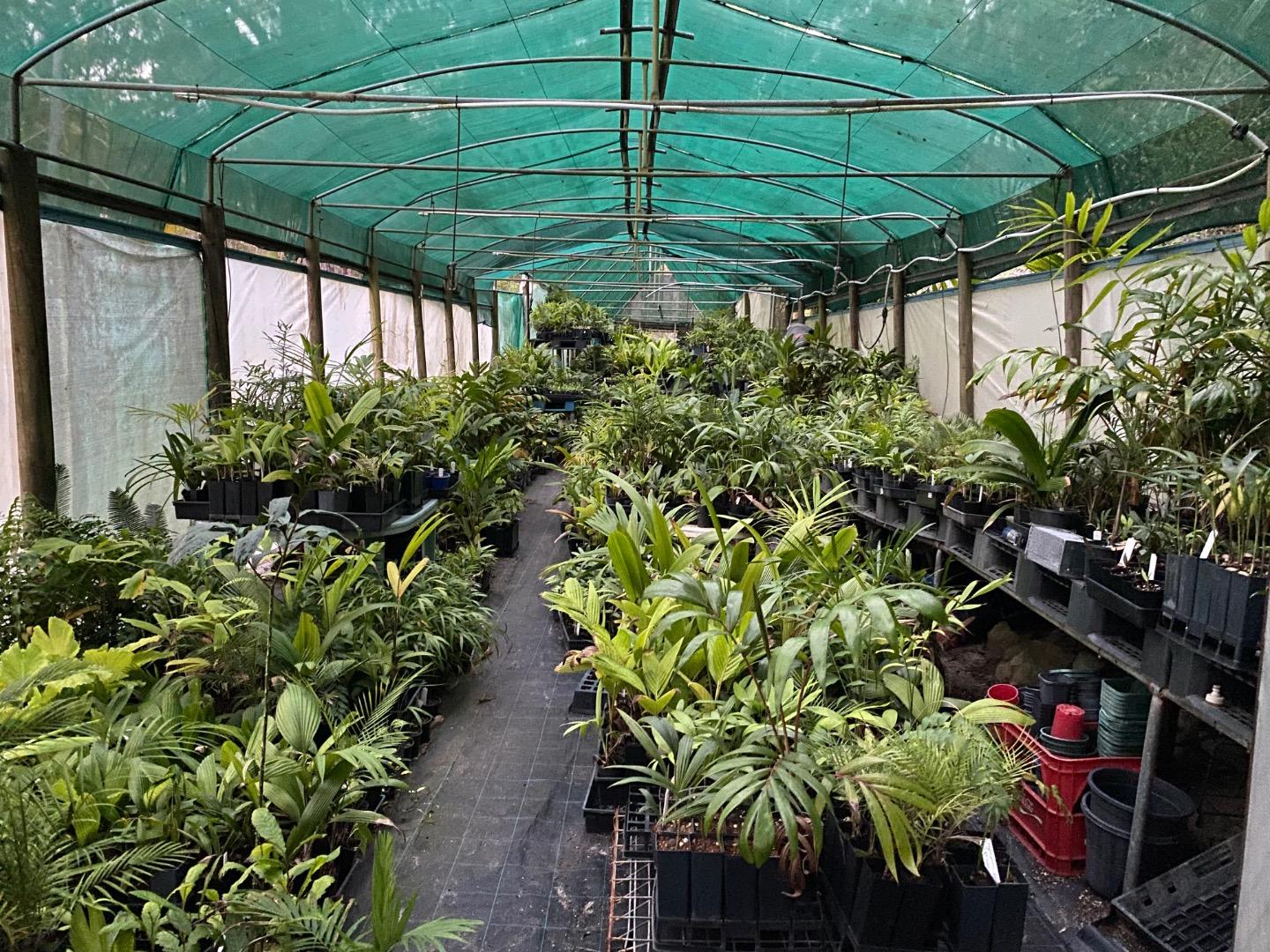
After 5 years of starting up my nursery, iam finally starting to see the results. Both in quality of the stock and growth, also in a few sales, moving a bit here and there with sizeable stock to sell after 5 years. I knew it would take 5 years to start a nursery, and as I also know it’s 10 years before you really get into the good stuff. From there on it’s up and working for the long run. And that’s the plan. Living the dream!
2 points
After 5 years of starting up my nursery, iam finally starting to see the results. Both in quality of the stock and growth, also in a few sales, moving a bit here and there with sizeable stock to sell after 5 years. I knew it would take 5 years to start a nursery, and as I also know it’s 10 years before you really get into the good stuff. From there on it’s up and working for the long run. And that’s the plan. Living the dream!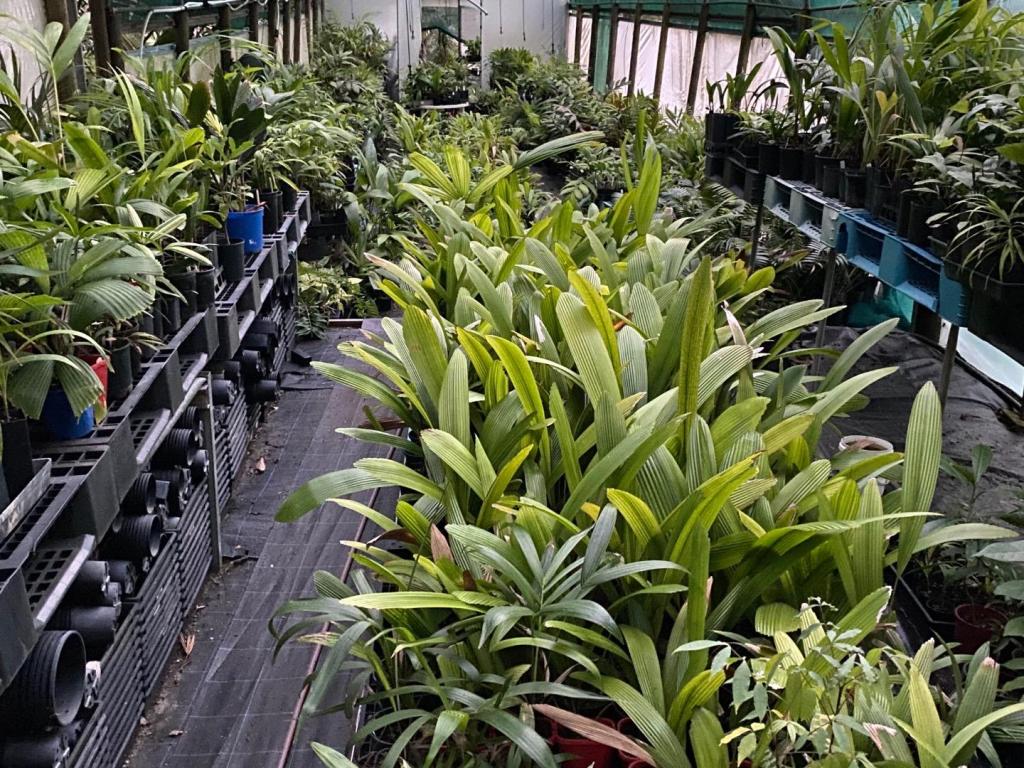

 1 point
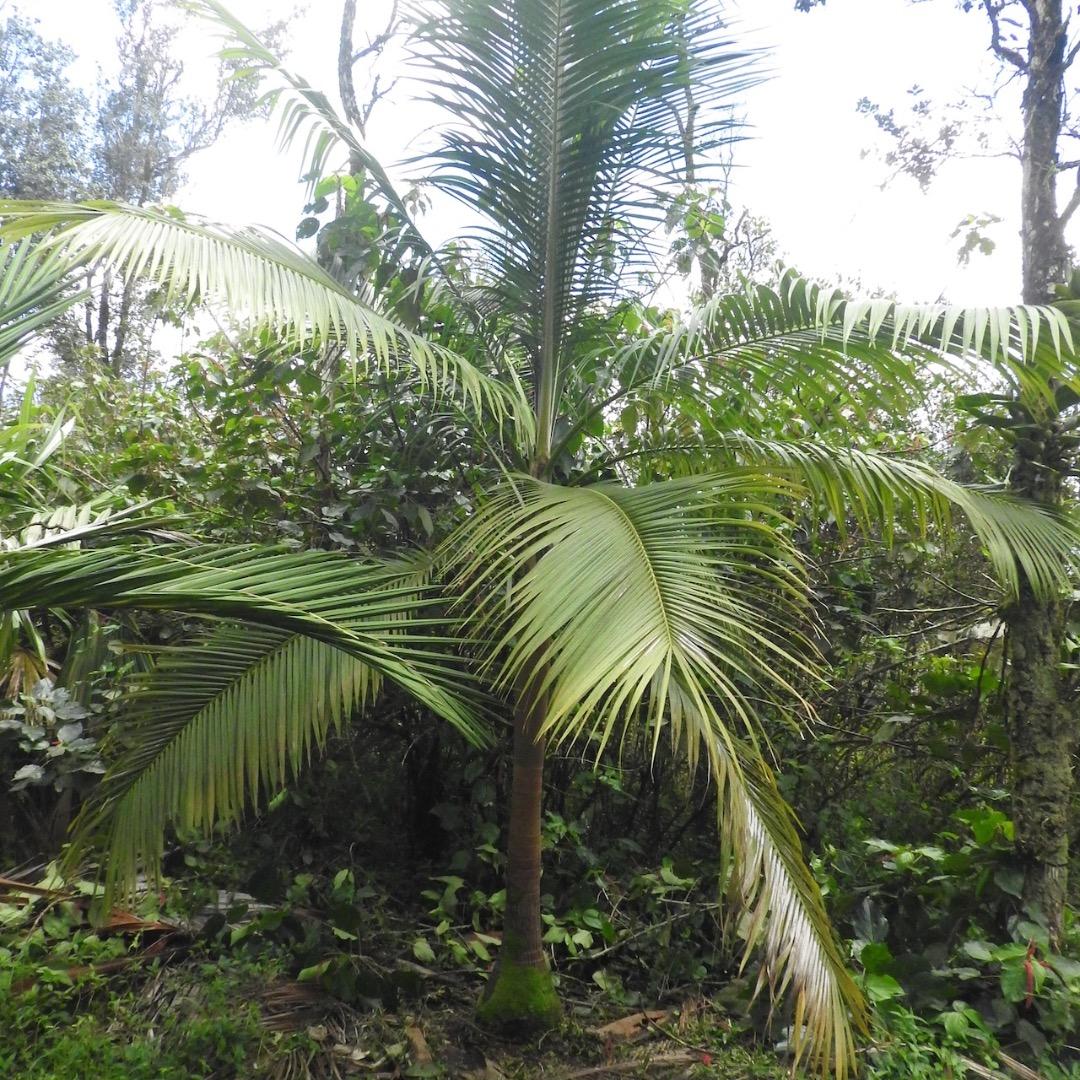
 Hi everybody I was just browsing googlemaps to have a look at places, that I know are interesting for palm enthusiasts in Greece. In this case, there is a very nice private property with lots of palms. Just next to it, I discovered that particular specimen (see link below), that looks a bit like a Cocos, but I think it is a Beccariophoenix. I would rule out Cocos Nucifera, because I don´t think the climate in Katakolo would support a Cocos in long term. Can anyone confirm this? Other suggestions? Λεωφ.Ομήρου - Google Maps1 point
1 pointIt’s a beauty this Livistona, I remember buying it at the markets, even the guy selling it said mate that’s a rare one, I said I know and you’re doing well selling me a palm! Richard1 point
1 point1 point
1 point1 point
Hi everybody I was just browsing googlemaps to have a look at places, that I know are interesting for palm enthusiasts in Greece. In this case, there is a very nice private property with lots of palms. Just next to it, I discovered that particular specimen (see link below), that looks a bit like a Cocos, but I think it is a Beccariophoenix. I would rule out Cocos Nucifera, because I don´t think the climate in Katakolo would support a Cocos in long term. Can anyone confirm this? Other suggestions? Λεωφ.Ομήρου - Google Maps1 point
1 pointIt’s a beauty this Livistona, I remember buying it at the markets, even the guy selling it said mate that’s a rare one, I said I know and you’re doing well selling me a palm! Richard1 point
1 point1 point
1 point1 point 1 point
 This has proven the most efficient way for me, in order to watch the hardiest Phoenix spp in my garden producing a trunk and a canopy!1 point
What is the tariff for utility water there? Or is there an option for impure irrigation water?1 point
This has proven the most efficient way for me, in order to watch the hardiest Phoenix spp in my garden producing a trunk and a canopy!1 point
What is the tariff for utility water there? Or is there an option for impure irrigation water?1 point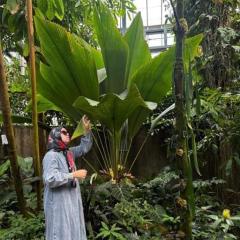 I have sandy soil here in SoCal, so I always amend with compost & a thick layer of mulch. When I water my non desert palms, I set my timer for 45 mins, & let her rip (the drip line that is !). I have a tree soaker ring on my bismarckia, & then 2 other separate drip lines on the other palms that are elsehwhere on my property. If it's in the 90's (which we had a VERY hot spell a couple weeks back, I would do this every day). However now it's about 1-2 times a week. Here in SoCal, it NEVER rains. Last year, we went 9 months without rain !! I have a section of the garden that are understory palms, so trying to imitate rainforest conditions with faking humidity.1 point
 1 point
 1 point
 1 point
(173x200).thumb.jpg.87642ce613f801fde119db608b8aeb96.jpg) 1 point...At the old house.. Sidewalk Shorty.. Remember, Desert is a dry, boring place with nothing interesting to see or grow.. ...So don't move here 🤣
1 point...At the old house.. Sidewalk Shorty.. Remember, Desert is a dry, boring place with nothing interesting to see or grow.. ...So don't move here 🤣


 1 point
 I want irrigation for my palms so bad, hand watering sucks because it takes so long to make sure each palm is getting what it needs. I would to encourage more growth especially before winter to make sure they have a lot of leaves ready to go1 point
1 point
I want irrigation for my palms so bad, hand watering sucks because it takes so long to make sure each palm is getting what it needs. I would to encourage more growth especially before winter to make sure they have a lot of leaves ready to go1 point
1 point 1 point
 1 pointI have been overseas for a bit so here is mine. Hard to get a good shot of it as I tend to plant everything too close.

 1 point
Could be palms compete, especially if your watering is not even over a large area/ volume. Irrigation wet spots will create more competition by increased root density with multiple palms in proximity. A well developed palm has high root density, palms starting out are going to compete for nutrients in the wet volume of shared soil. If the wet volume is large, less competition then if it is "spotty". I think drought resistant species will outcompete wet loving species if water is constrained. If you overwater, the dry loving species they will likely get some rot and the wet lovers will have an edge. Palms may be just fine competing to a point, they will probably grow more slowly as they share water and nutrients in a shared soil volume. The nutrients per soil volume is limited by root burn potential of fertilizer added. More roots means greater nutrient uptake so recent plantings will be root disadvantaged in nutrient uptake with well established root systems already there. You can dig bigger holes and cut out competitive roots. If I find root density high when I dig, I double the hole size for a new planting to help mitigate competition. Again if speed of growth is not of high interest, the bigger hole is not necessary. In some cases like oak tree roots I have dug even bigger holes and used a removable barrier to give the new planting a better head start.1 point
1 pointThis Epidendrum lacustre hasn't opened the flowers quite yet but I enjoy the colorful leaflets on this variety from Panama. The other varieties apparently have green leaflets, but all have fragrant blossoms.
1 point
Could be palms compete, especially if your watering is not even over a large area/ volume. Irrigation wet spots will create more competition by increased root density with multiple palms in proximity. A well developed palm has high root density, palms starting out are going to compete for nutrients in the wet volume of shared soil. If the wet volume is large, less competition then if it is "spotty". I think drought resistant species will outcompete wet loving species if water is constrained. If you overwater, the dry loving species they will likely get some rot and the wet lovers will have an edge. Palms may be just fine competing to a point, they will probably grow more slowly as they share water and nutrients in a shared soil volume. The nutrients per soil volume is limited by root burn potential of fertilizer added. More roots means greater nutrient uptake so recent plantings will be root disadvantaged in nutrient uptake with well established root systems already there. You can dig bigger holes and cut out competitive roots. If I find root density high when I dig, I double the hole size for a new planting to help mitigate competition. Again if speed of growth is not of high interest, the bigger hole is not necessary. In some cases like oak tree roots I have dug even bigger holes and used a removable barrier to give the new planting a better head start.1 point
1 pointThis Epidendrum lacustre hasn't opened the flowers quite yet but I enjoy the colorful leaflets on this variety from Panama. The other varieties apparently have green leaflets, but all have fragrant blossoms.
 1 point
For those of you who got the onilihanses seeds here’s the parent tree, a nice looking girl if I do say so myself!
1 point
1 pointFor those of you who got the onilihanses seeds here’s the parent tree, a nice looking girl if I do say so myself!
 1 point
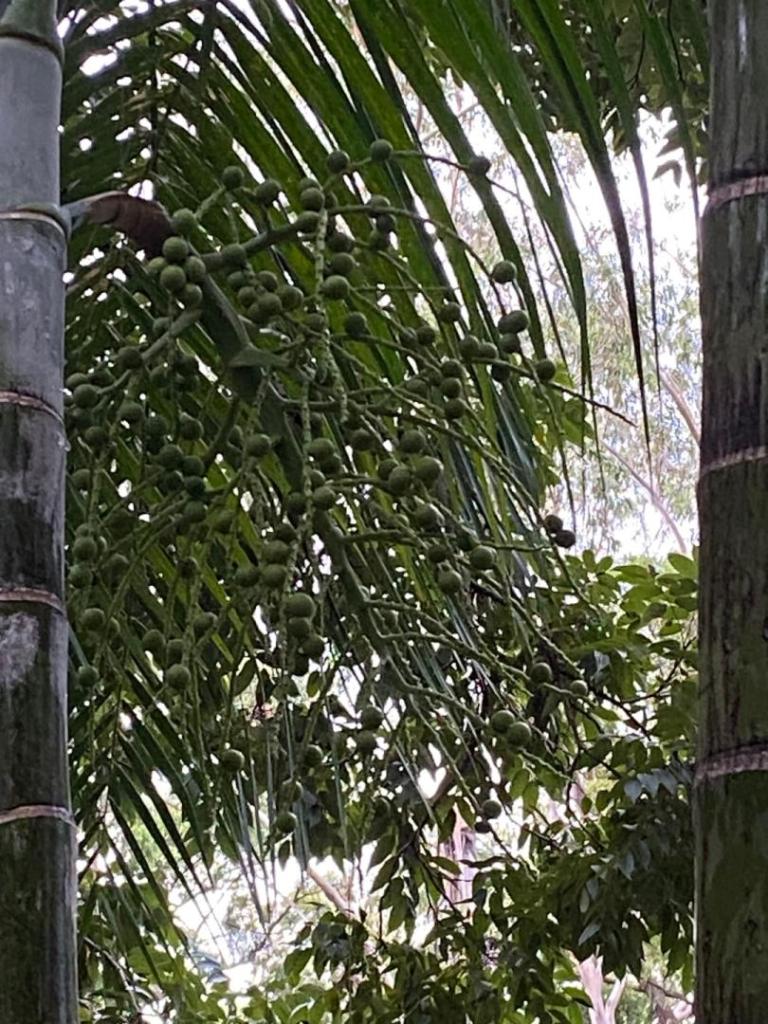
Two beautiful dypsis species growing nicely!dypsis roseadypsis saintlucei
1 point
1 pointTwo beautiful dypsis species growing nicely!dypsis roseadypsis saintlucei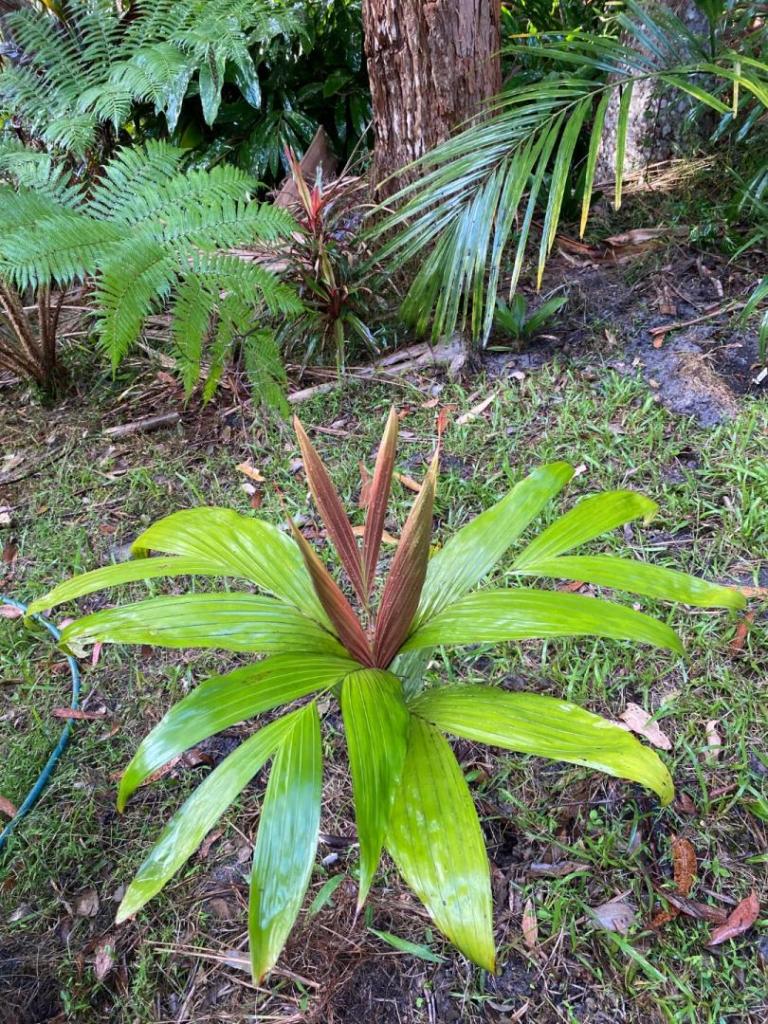
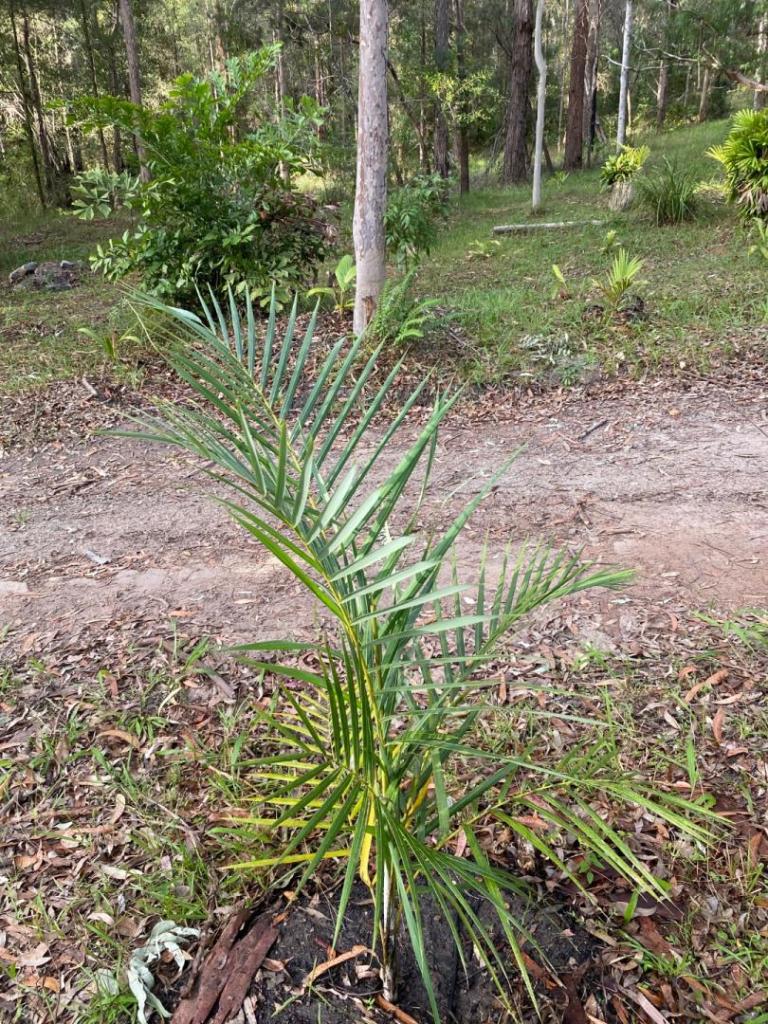 1 point
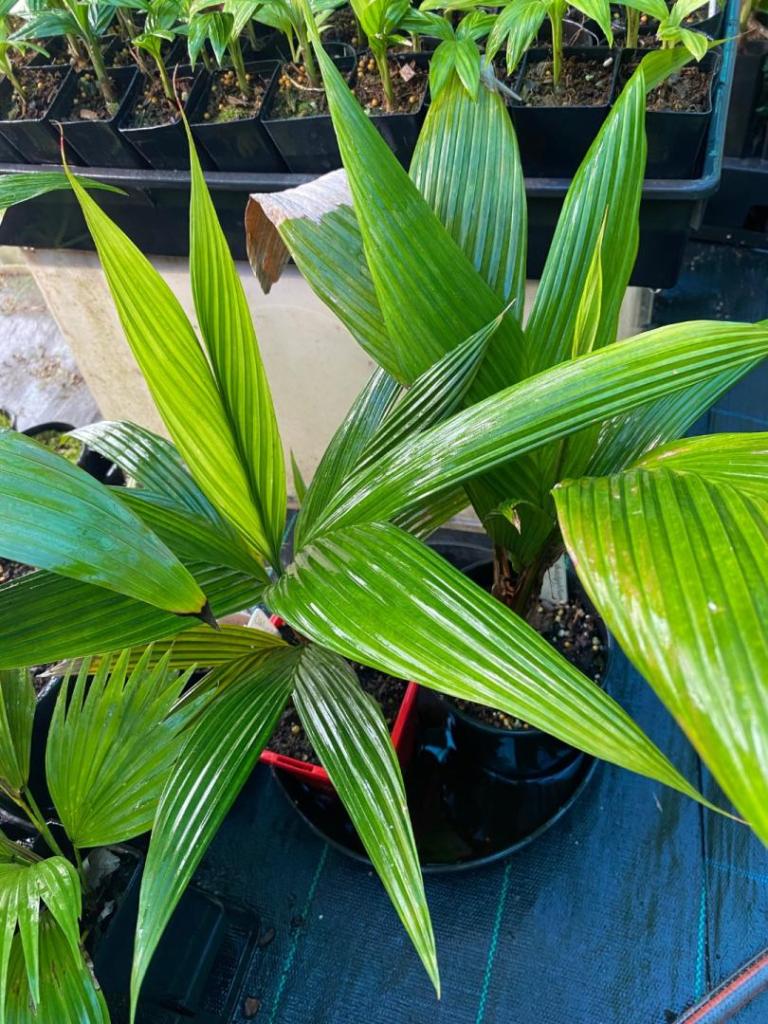
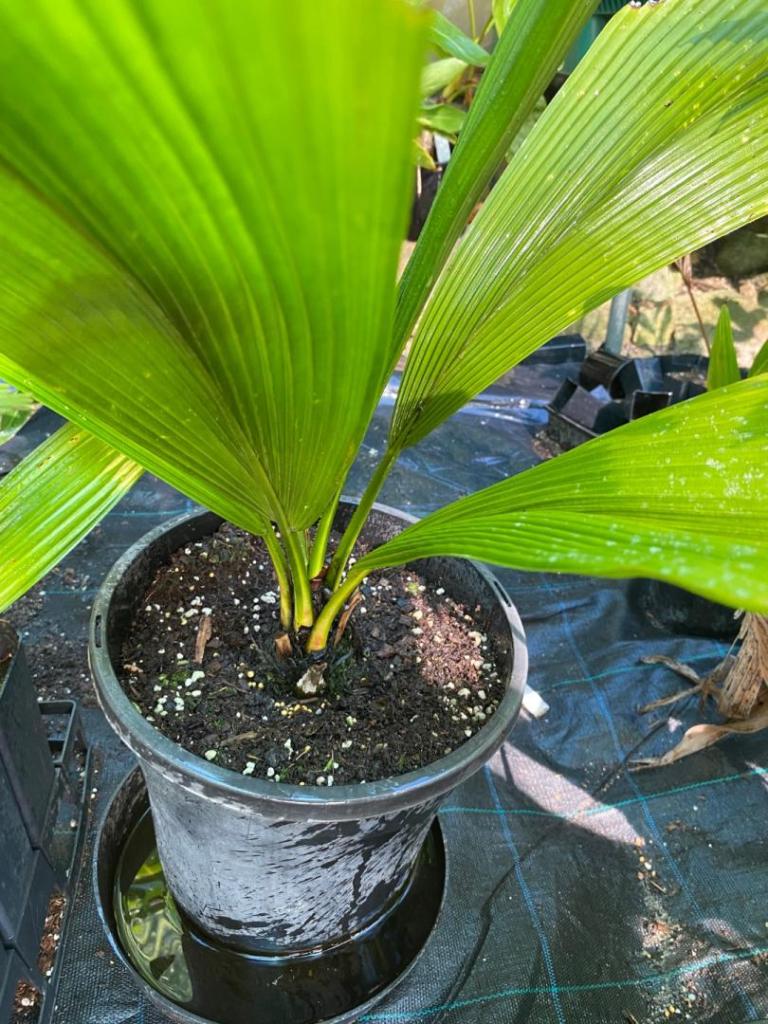
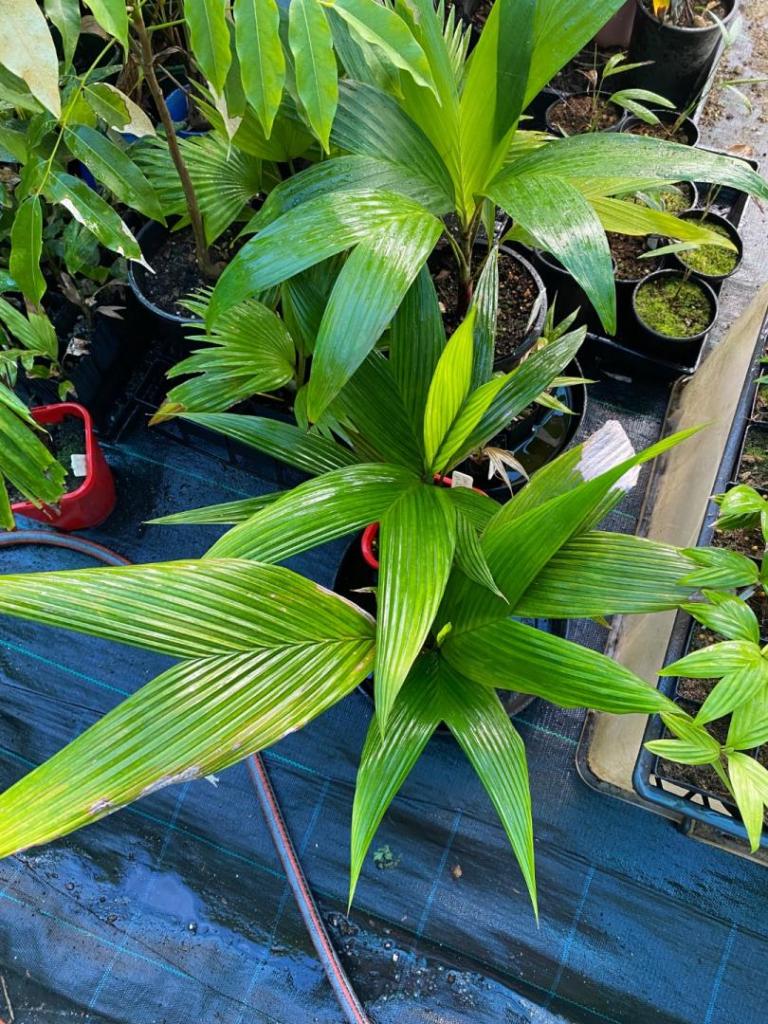
A nice bit of red and green getting around in the pots! Chambeyronia macrocapa Calyptrogyne ghiesbreghtiana Johannesteijsmannia Altifrons
1 point
1 pointA nice bit of red and green getting around in the pots! Chambeyronia macrocapa Calyptrogyne ghiesbreghtiana Johannesteijsmannia Altifrons
 1 point
 You’ve got a lot of free mulch at least 🙃. Once everything picks up the pace your garden will start to feel a lot more lively. It’s disheartening to see everything so brown but live moves forward, which i’m sure you already know.1 point
1 point
I had a row of foxtails and with the large recent rain event leached them of nutrients, to a very noticeable yellow. I also had a perfectly green Joey palm I planted next to a spring and within a month it went yellow due to leaching. Phosphorus is about the only real issue if your garden is in the bush with native plants not really wanting a lot of it, a good indicator that our soils in Australia are generally low in it. But apart from that the garden creates its own mulch and withe gum tree mulch from the bark and leaves small amounts of micro and macro nutrients are available enough to sustain good health. Chamaedoreas, New Caledonian and Madagascar palms all do well in my soil and climate. But the irrigation is the key to success for me.
You’ve got a lot of free mulch at least 🙃. Once everything picks up the pace your garden will start to feel a lot more lively. It’s disheartening to see everything so brown but live moves forward, which i’m sure you already know.1 point
1 point
I had a row of foxtails and with the large recent rain event leached them of nutrients, to a very noticeable yellow. I also had a perfectly green Joey palm I planted next to a spring and within a month it went yellow due to leaching. Phosphorus is about the only real issue if your garden is in the bush with native plants not really wanting a lot of it, a good indicator that our soils in Australia are generally low in it. But apart from that the garden creates its own mulch and withe gum tree mulch from the bark and leaves small amounts of micro and macro nutrients are available enough to sustain good health. Chamaedoreas, New Caledonian and Madagascar palms all do well in my soil and climate. But the irrigation is the key to success for me. 1 point
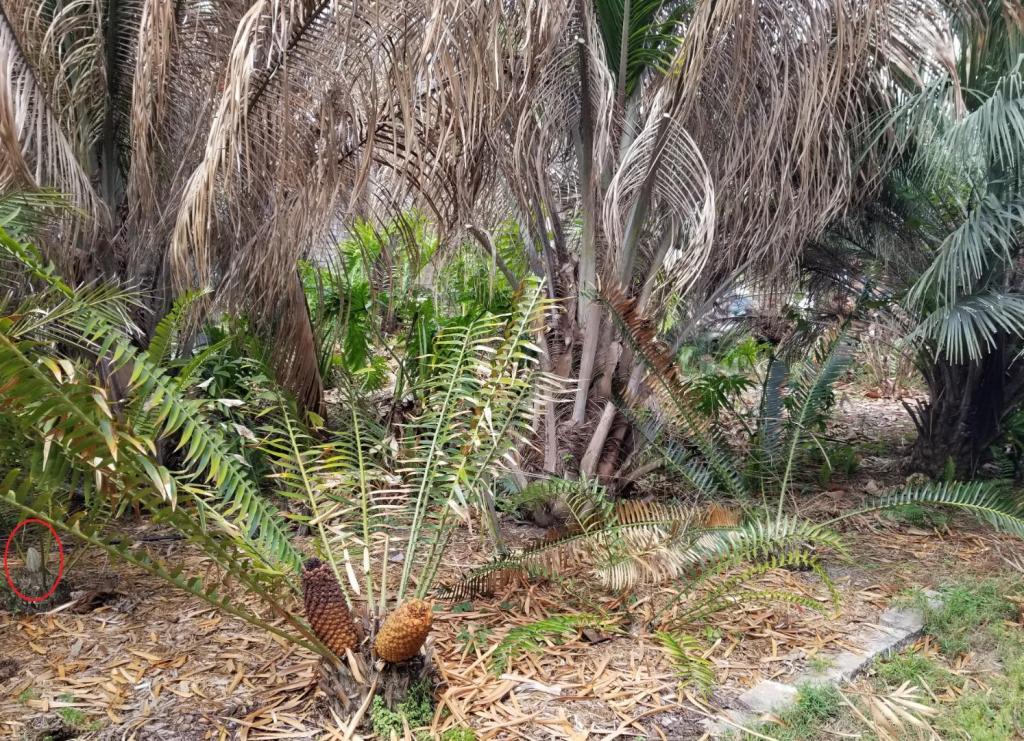
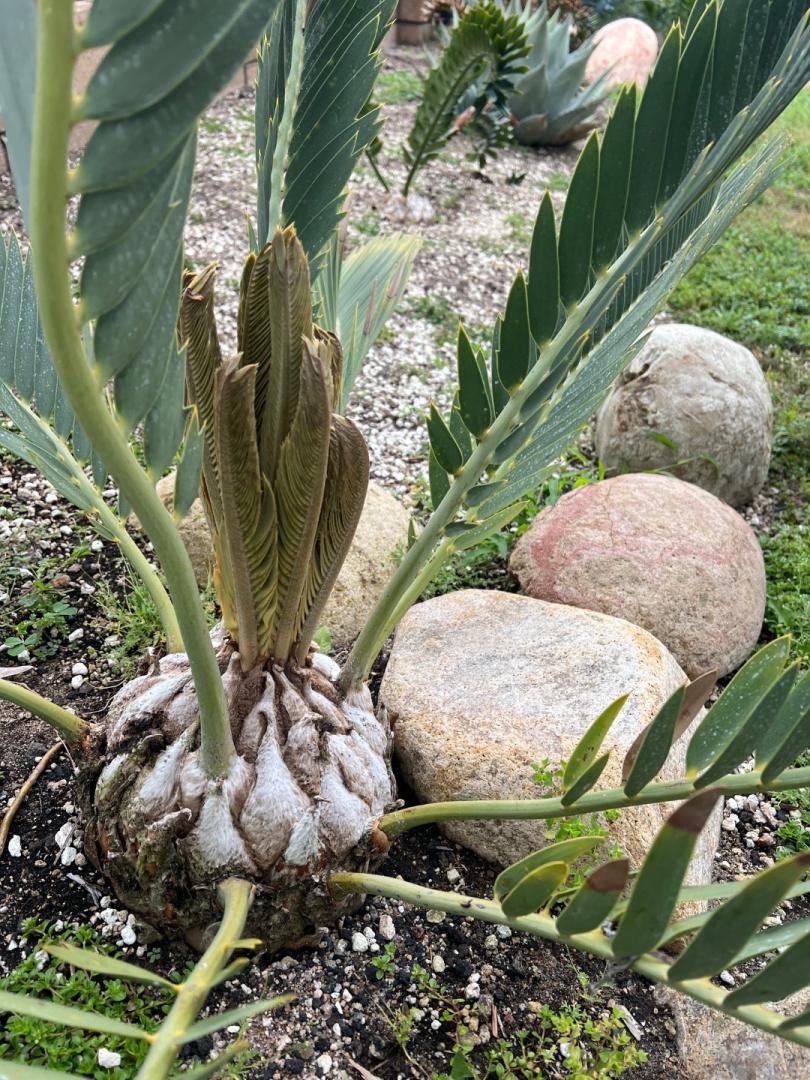
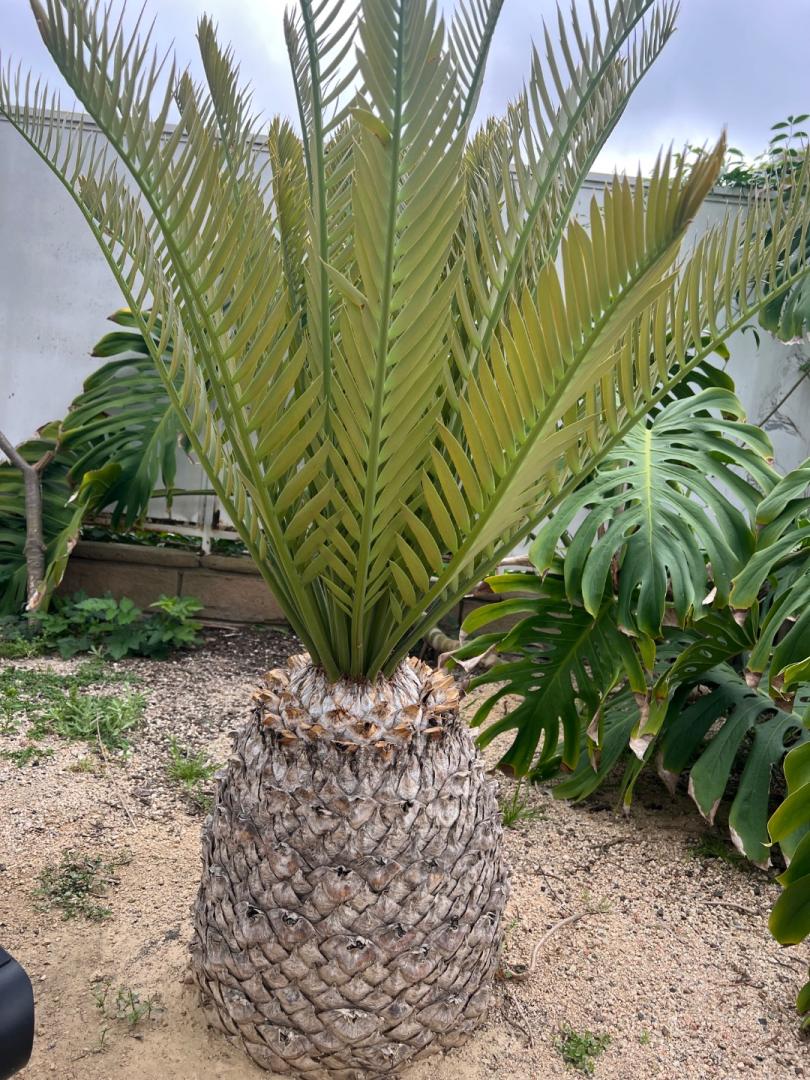
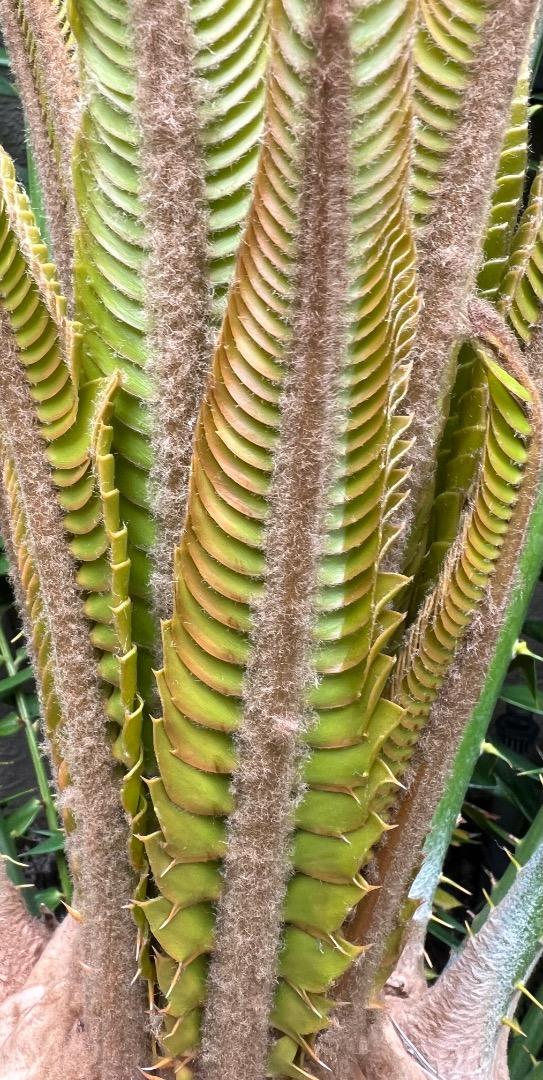
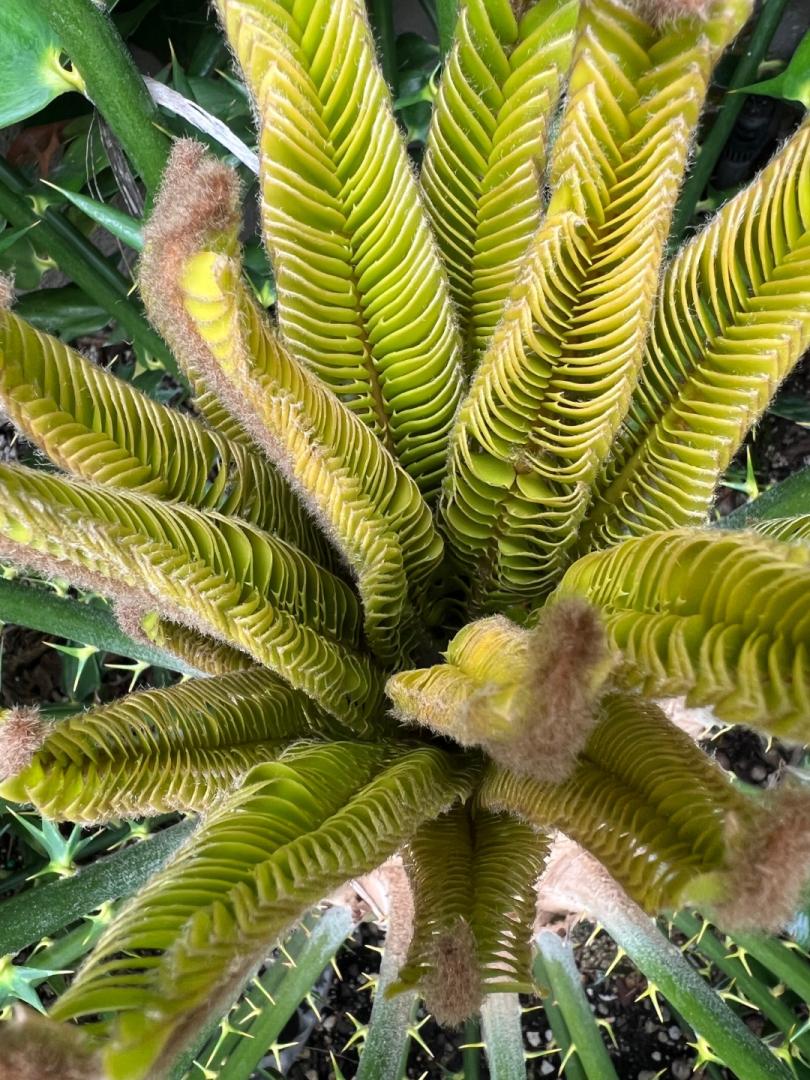
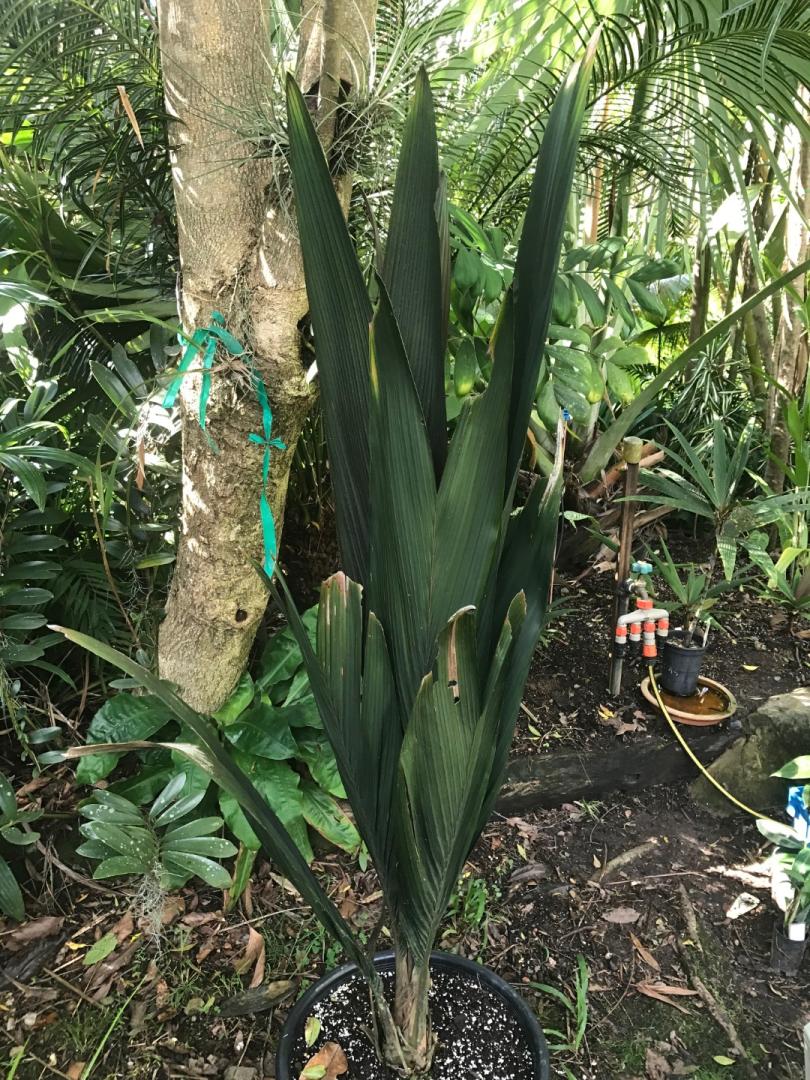
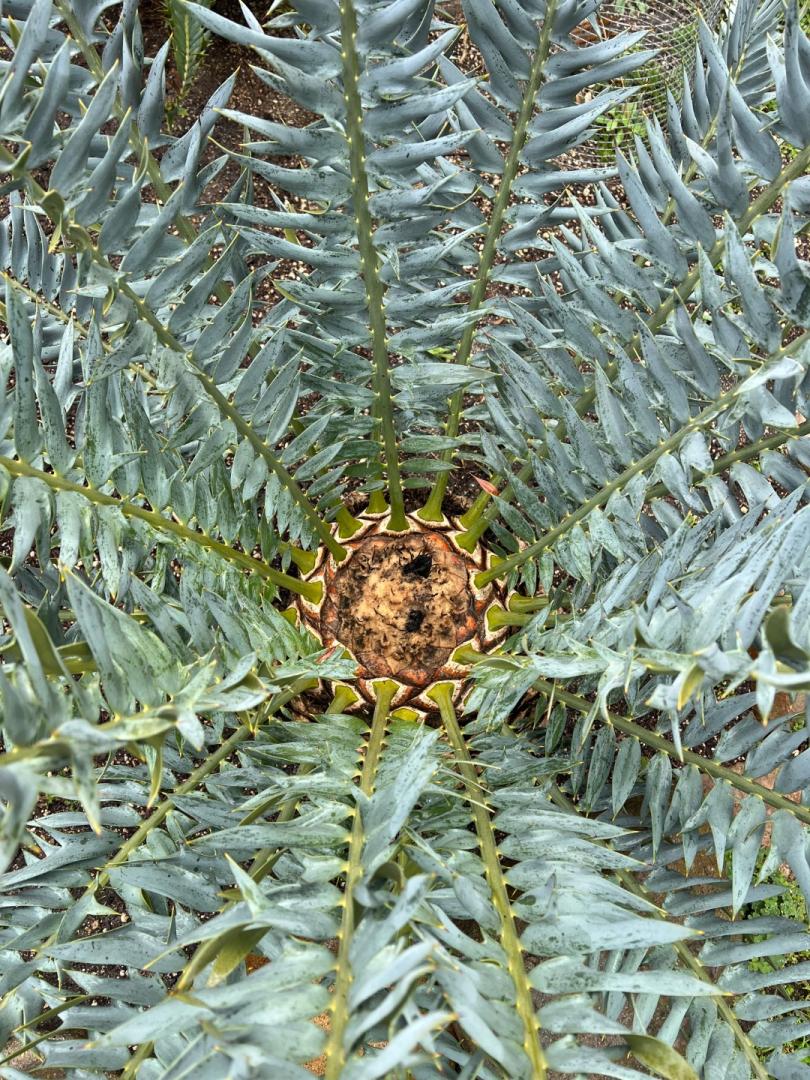
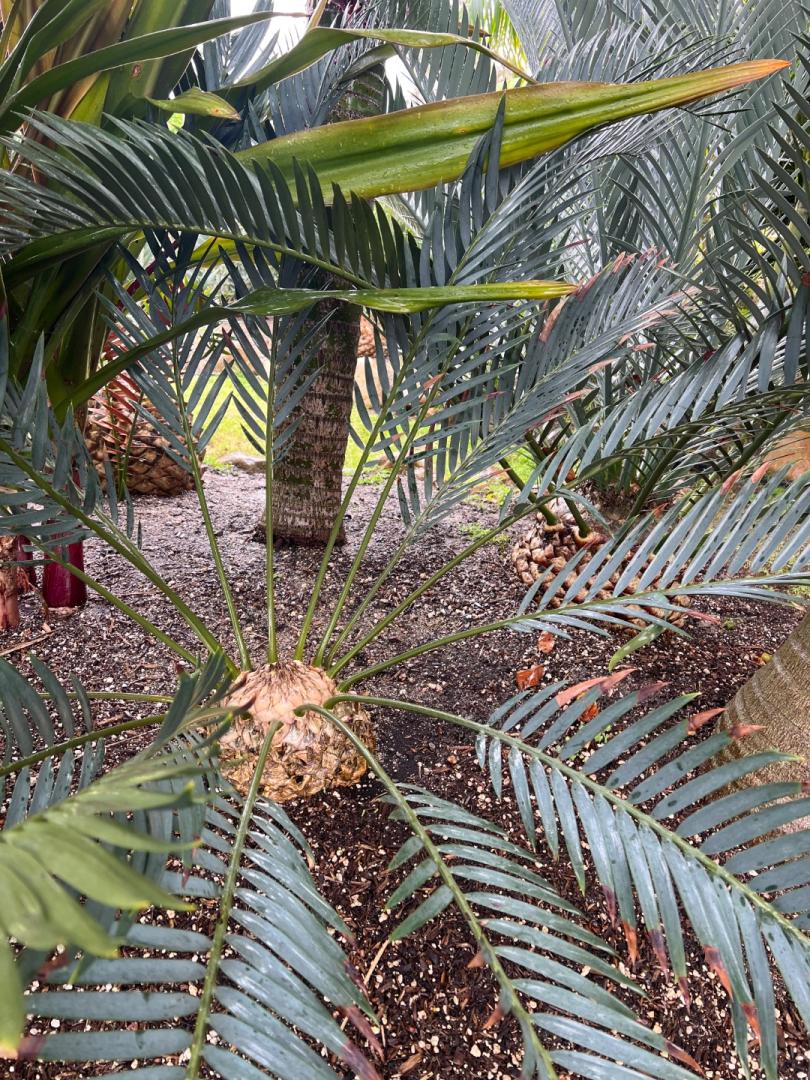
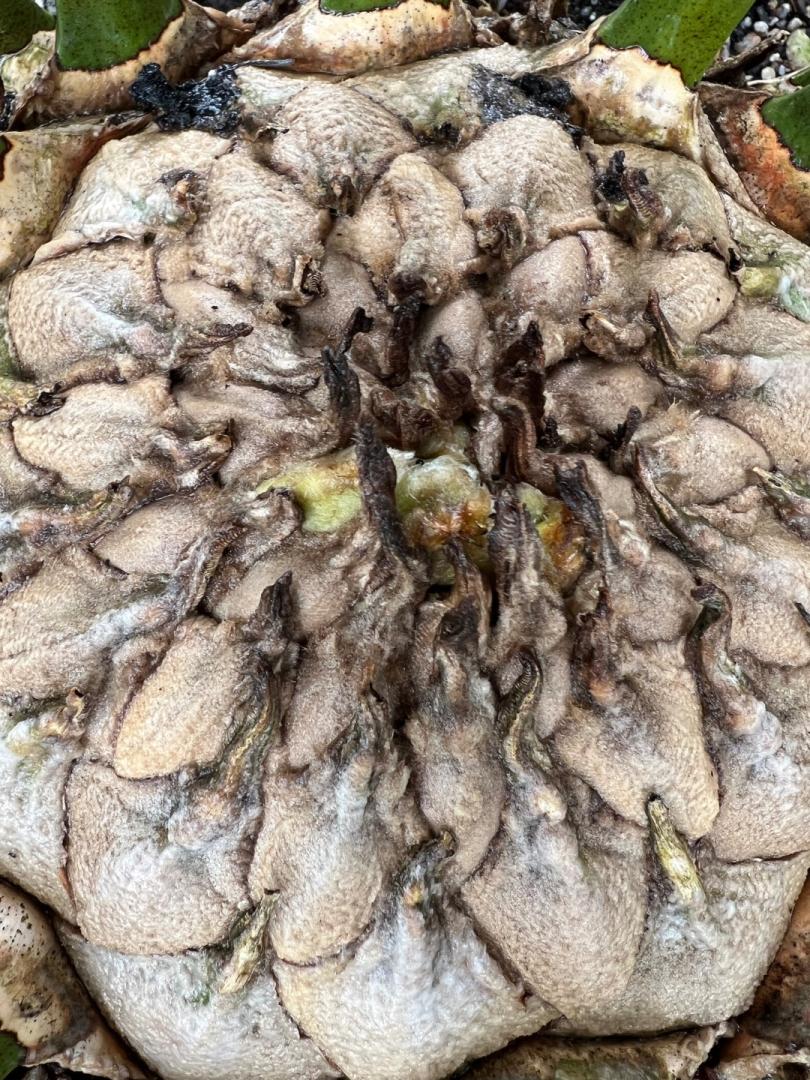
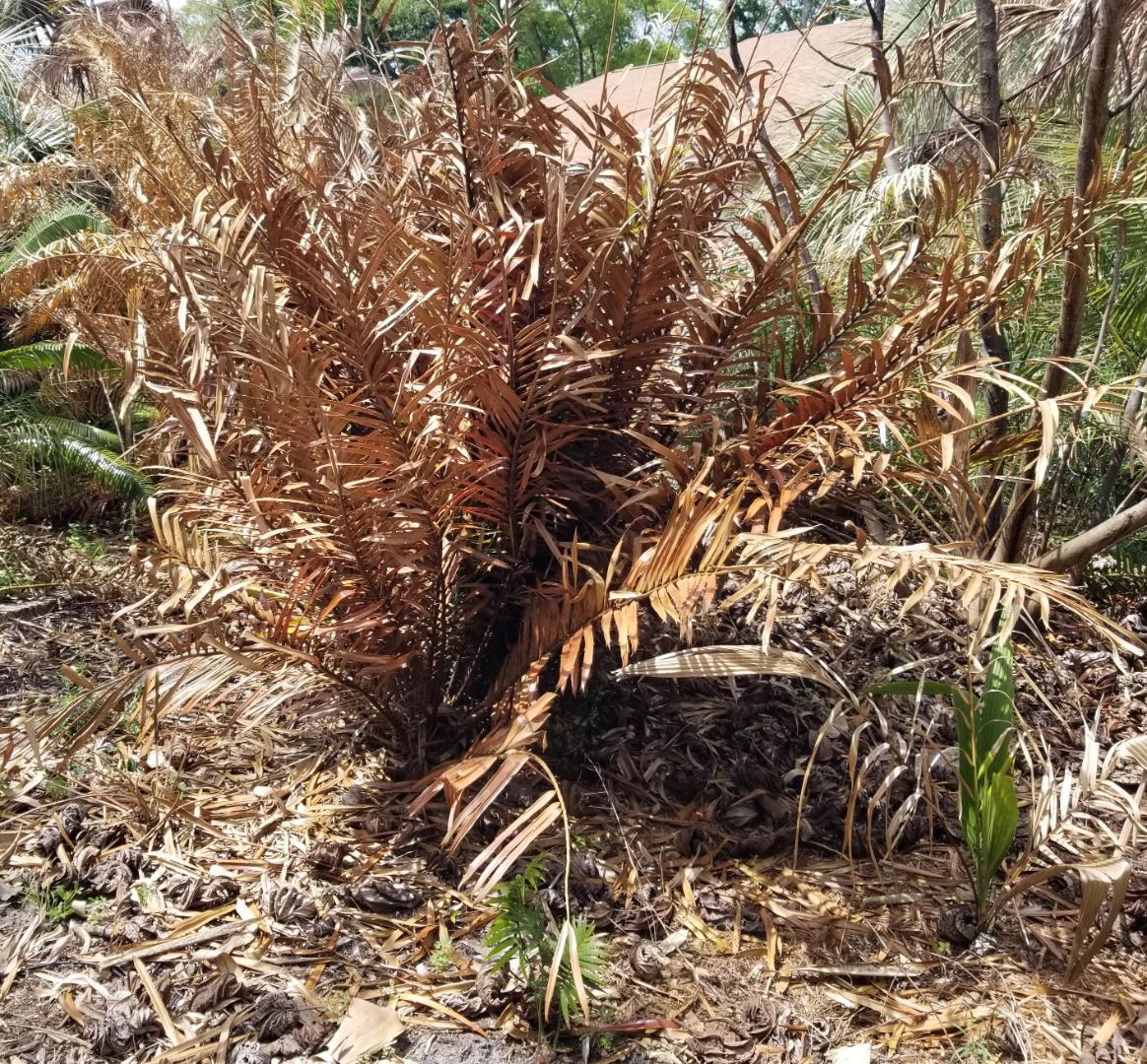
 This big Encephalartos Hildebrandtii also got completely burned. But the Dioon Rzedowskii in the bottom right looks like nothing happened! The Attalea Butyracea on the right side took about 50% damage but should pull through. And after pruning it has about 6 great looking fronds, and a new flush starting on the offset. They flush bronze, so it it hard to spot. Just around the corner one of my big Beccariophoenix Alfredii just opened up a new frond! The tips of the new frond are a touch burnt, but otherwise it looks great! Below it from left to right are an Encephalartos Kisambo with 2 or 3 short fronds in good shape, a Natalensis "Oribi Gorge" with no damage, and a Turneri "Boila" that took about 75% burn. These are the Encephalartos after pruning, with a new flush in an Encephalartos Chimanimaniensis "Choala" circled in the lower left: And this is what it looked like before, with the photo taken from the right side of the above one: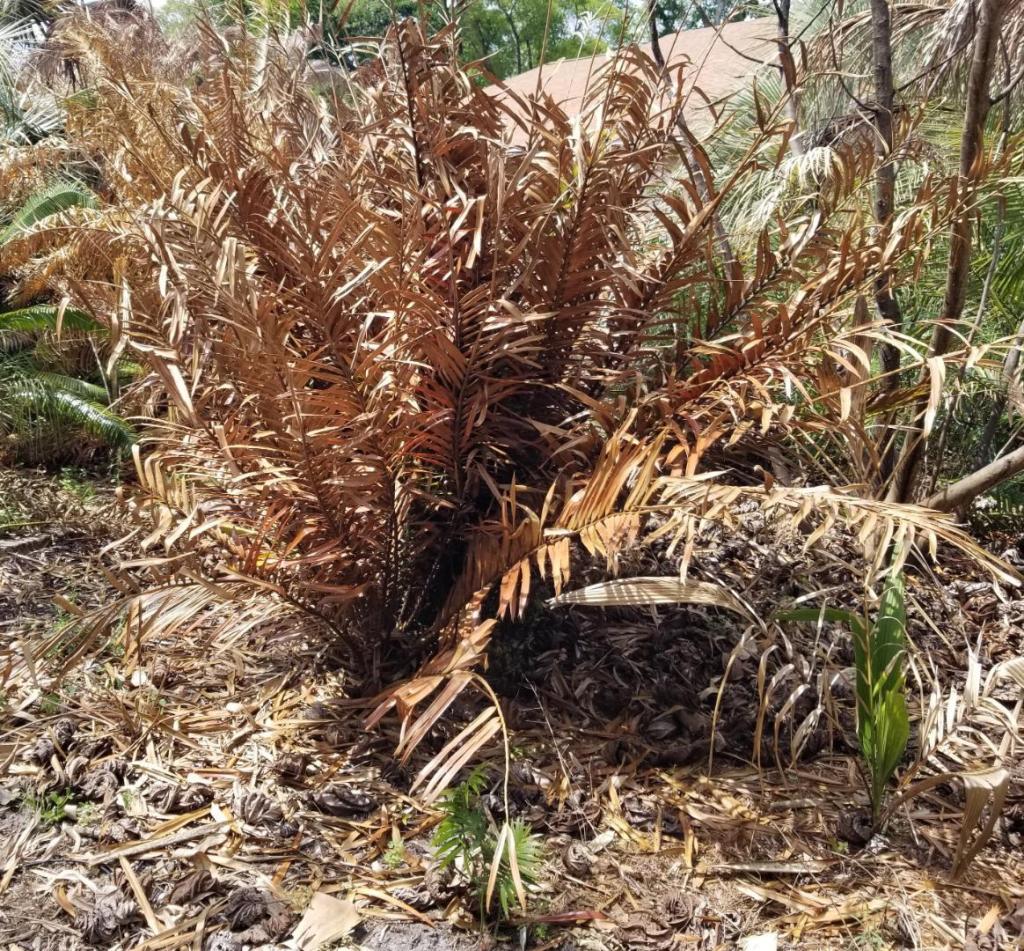


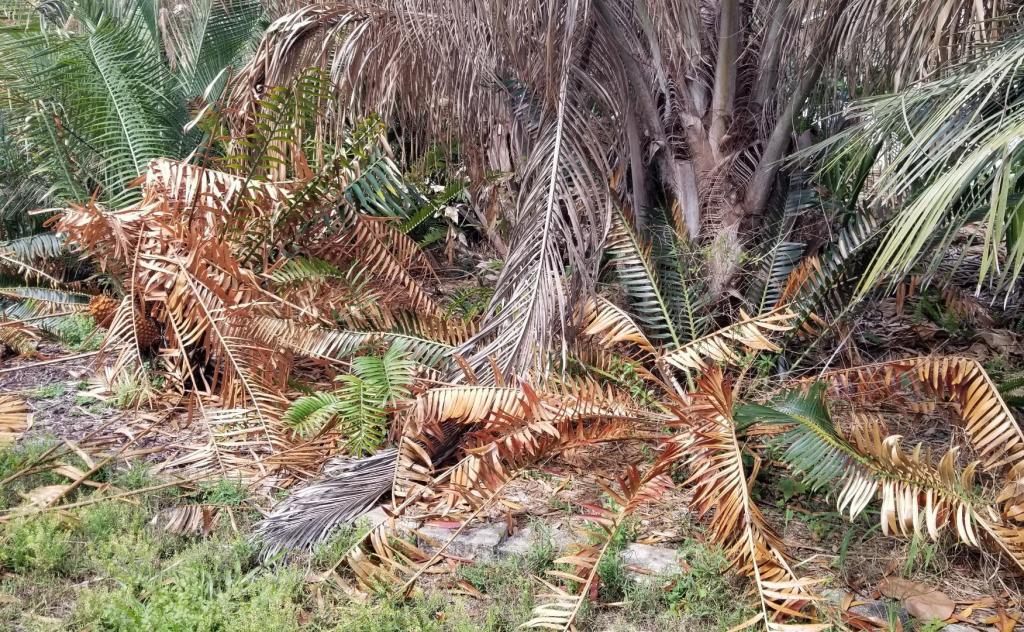 1 point
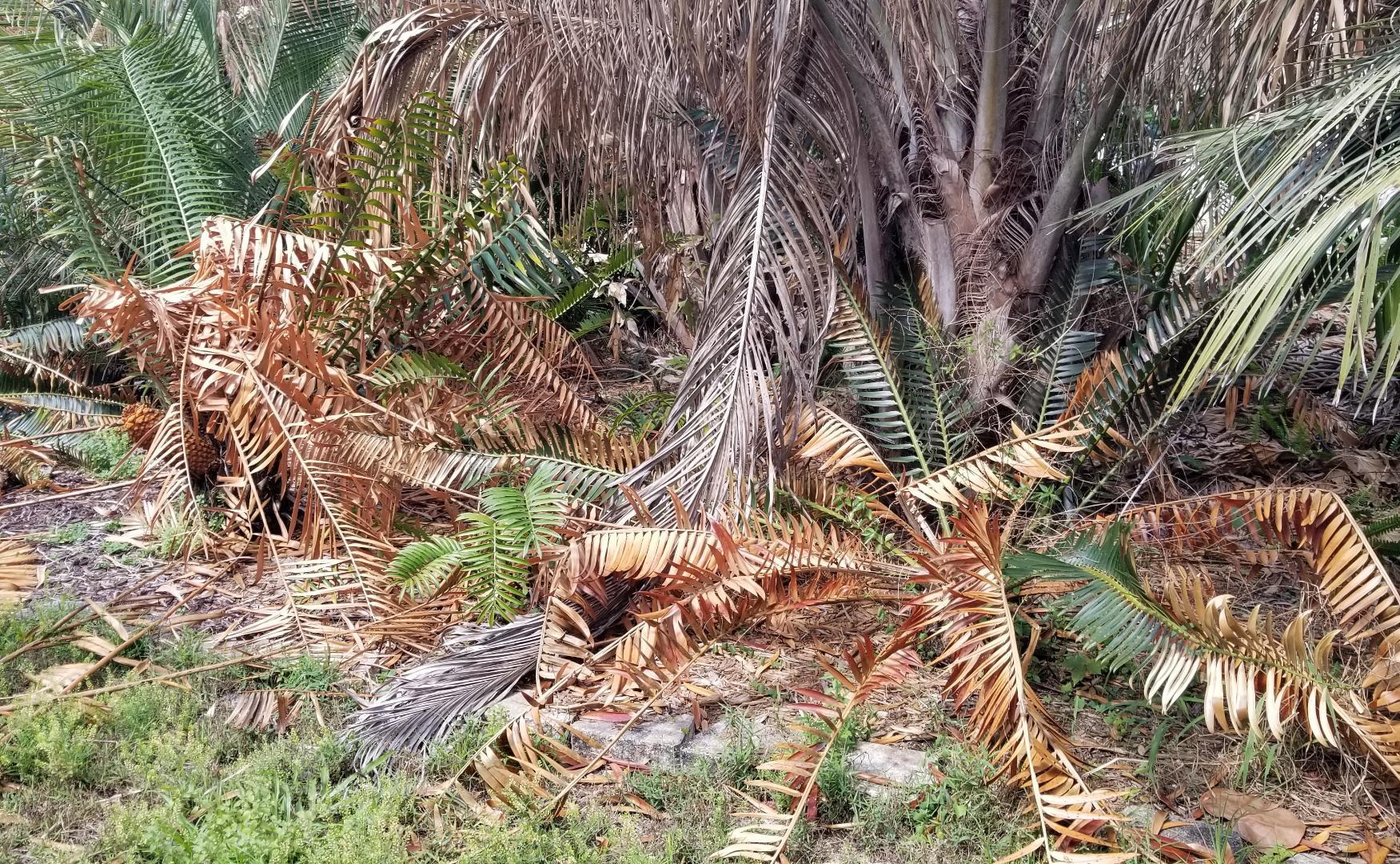
Here's one of those really weird cycad things...90% of the fronds on the Encephalartos Whitelockii (right) and Cycas Diannanensis (left) are burnt to a crisp. I pruned off all the D-E-D stuff, and found two completely pristine fronds...not a hint of even leaf damage! These aren't the only cycads I've seen do this. It's like they decided that this ONE FROND was going to survive!
1 point
1 point
Here's one of those really weird cycad things...90% of the fronds on the Encephalartos Whitelockii (right) and Cycas Diannanensis (left) are burnt to a crisp. I pruned off all the D-E-D stuff, and found two completely pristine fronds...not a hint of even leaf damage! These aren't the only cycads I've seen do this. It's like they decided that this ONE FROND was going to survive!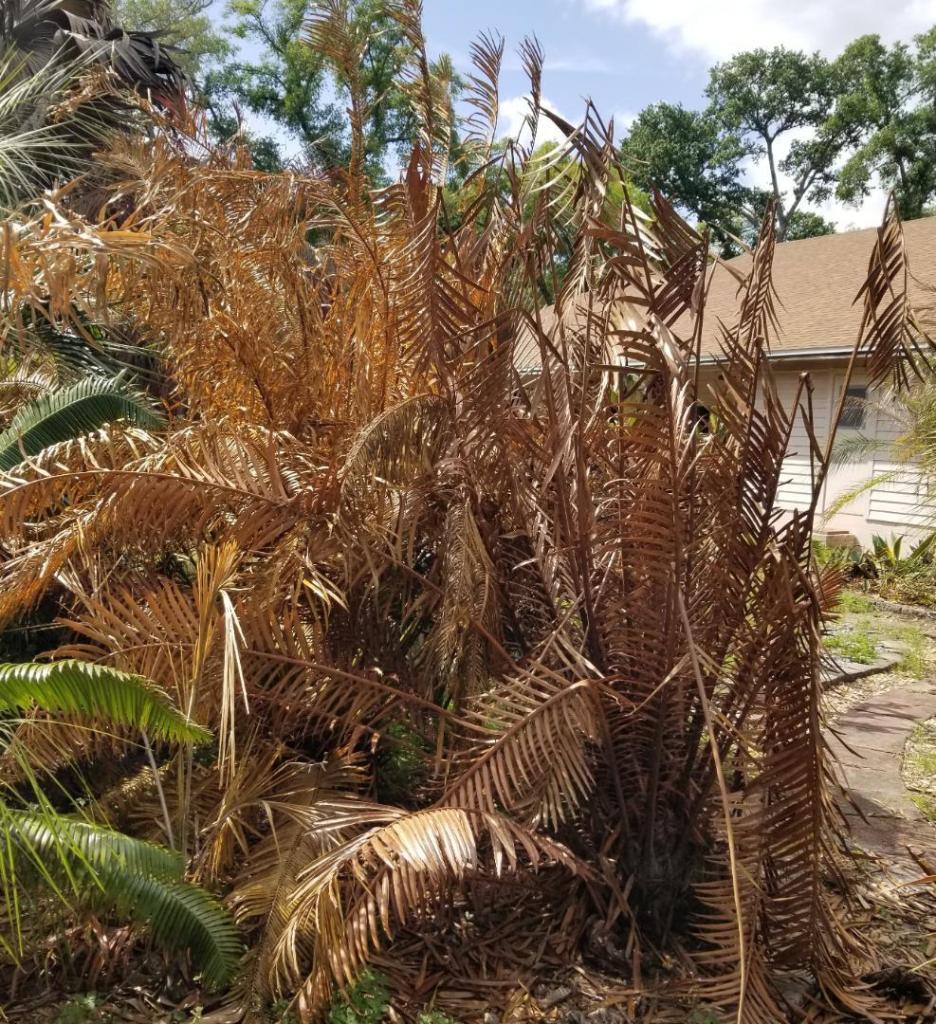
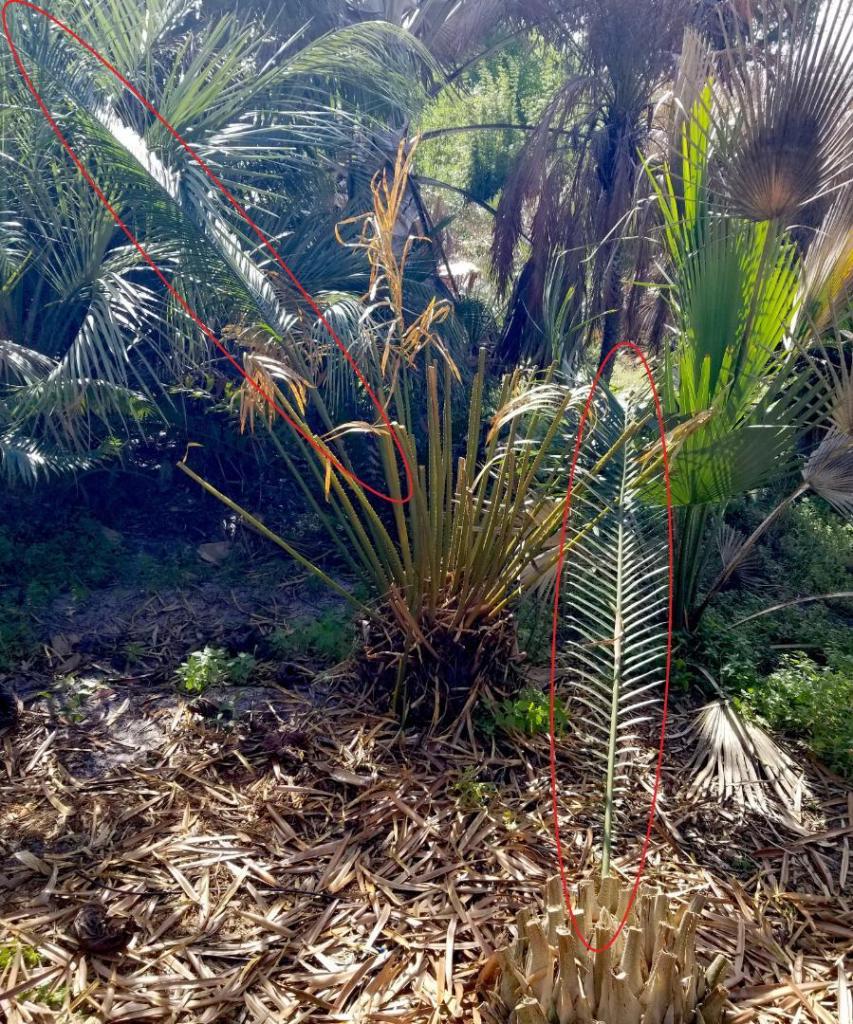 1 point
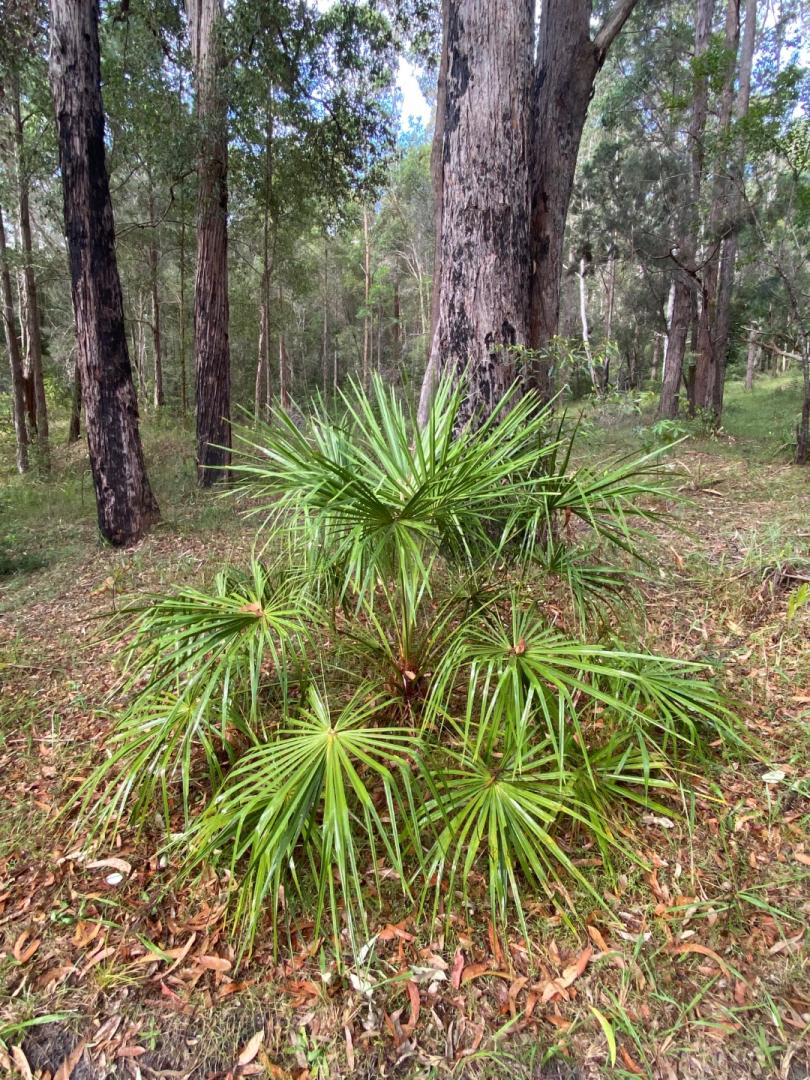
This is in the coldest and most exposed part of my garden
1 point
This is in the coldest and most exposed part of my garden 1 point
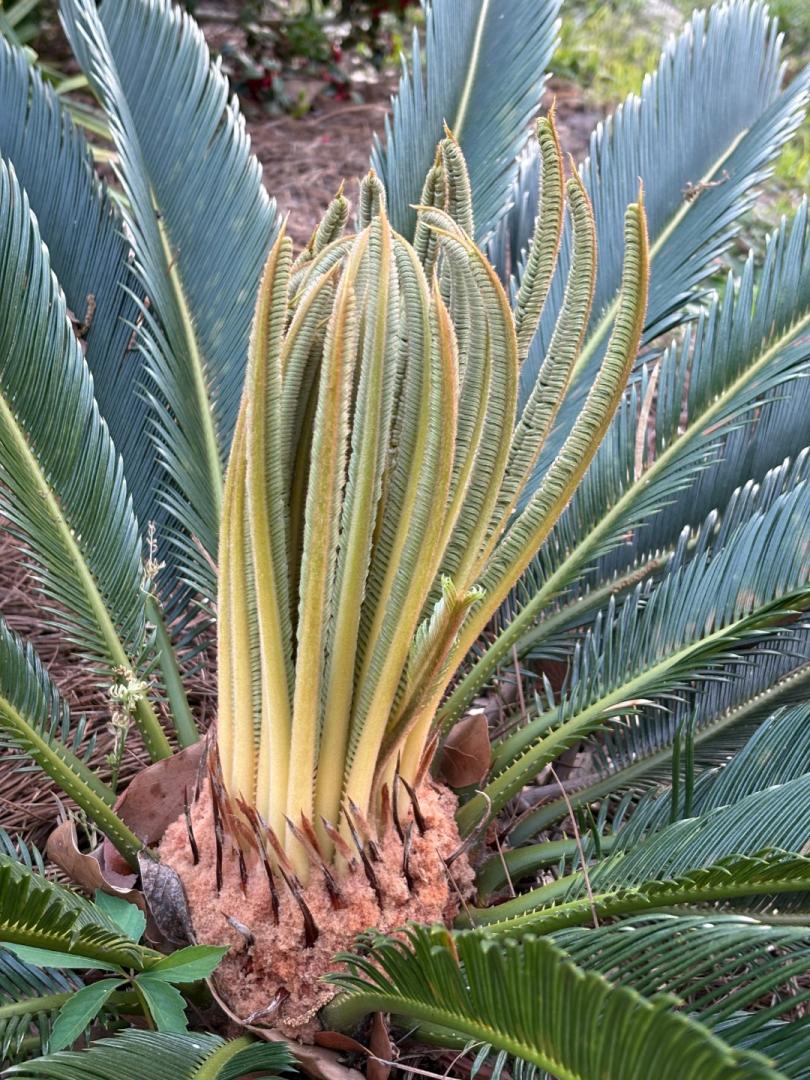
This one is in a prime spot. Trunk is almost a foot across at the base, much more robust than the others, but hard to tell in photos.
1 point
This one is in a prime spot. Trunk is almost a foot across at the base, much more robust than the others, but hard to tell in photos.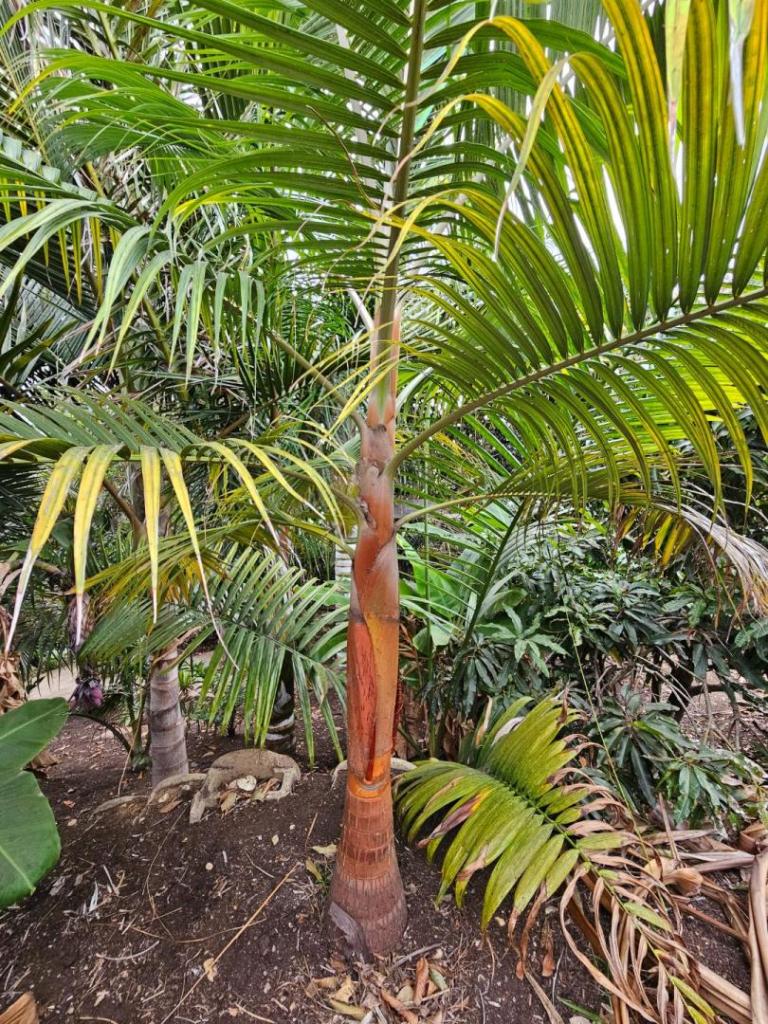
 1 point
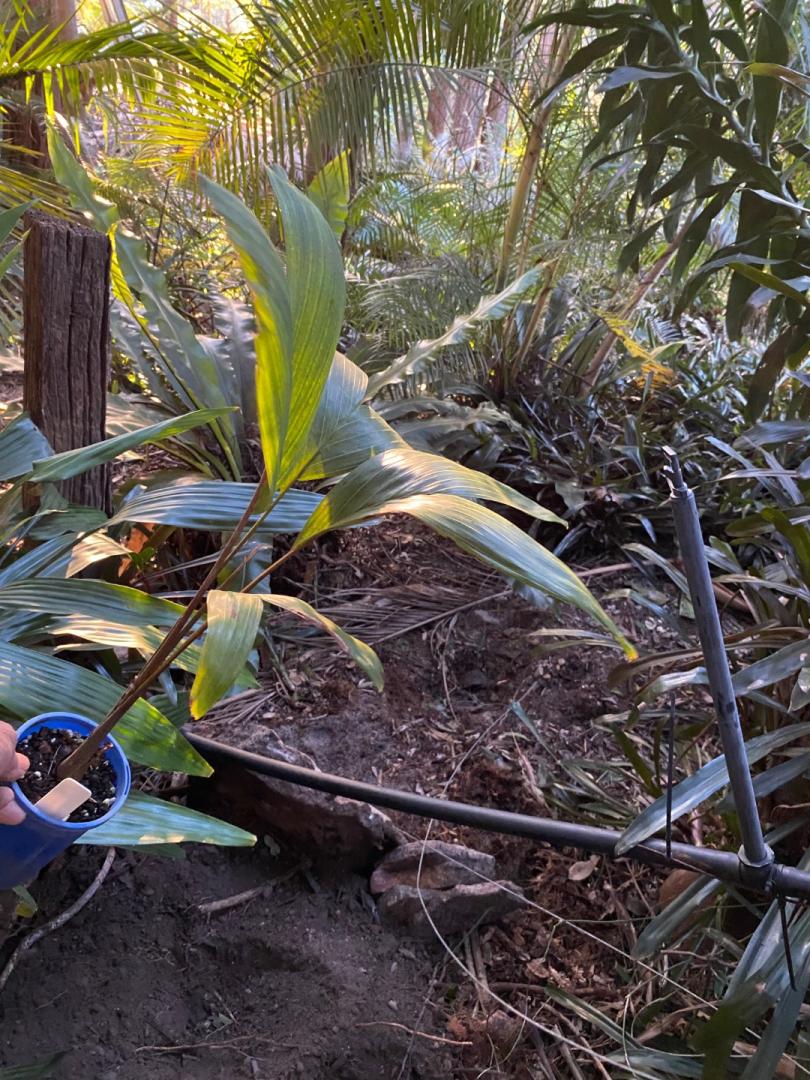
 I'm giving them and A. crinita a try in my greenhouse for now, but understand that they are not long term (maybe the crinita if it handles summer🤞). The rubra are very spiny and red now, but are only 4 inch pots still and I have had them less than a week lol. No idea how they will do, but who knows🤷?1 point
 1 pointOh, and I forgot to mrntion... This 42" pot isn't too heavy on it's own, when full of potting soil and a decent palm tree, I wouldn't try to move it... It's very heavy and awkward... Butch
 1 point
 1 pointThis is my favorite thread. So many beauties! Here’s one that needs no introduction:
 1 point
Greetings do you have an update on your atrovirens. Thanks1 point
1 point
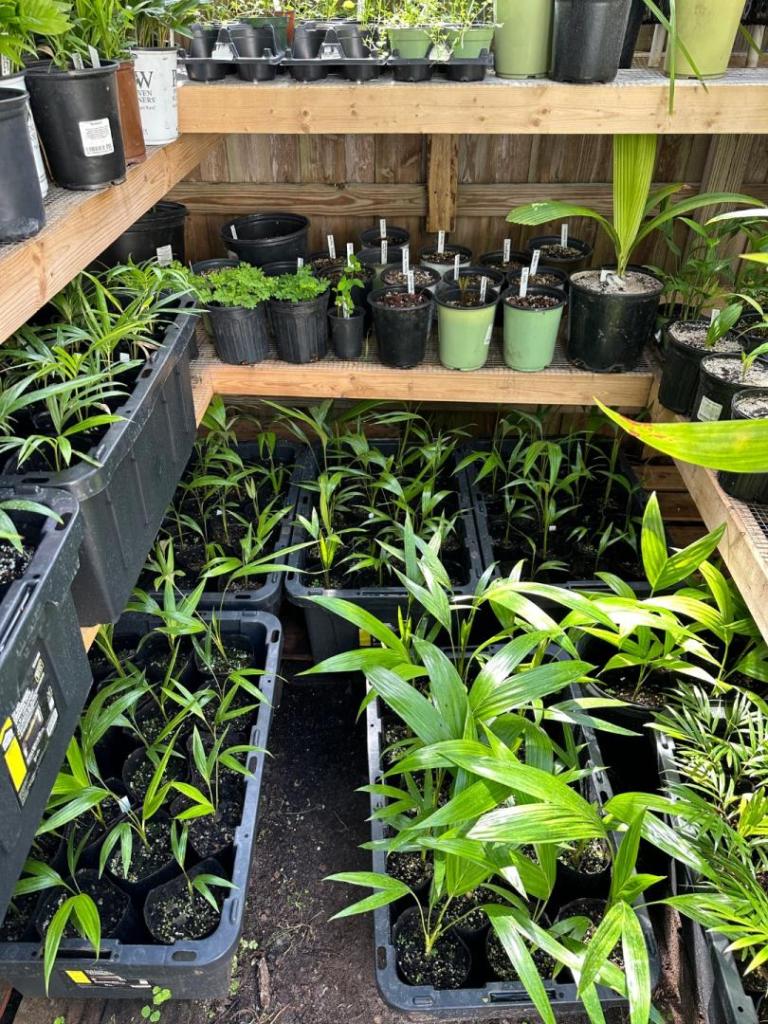
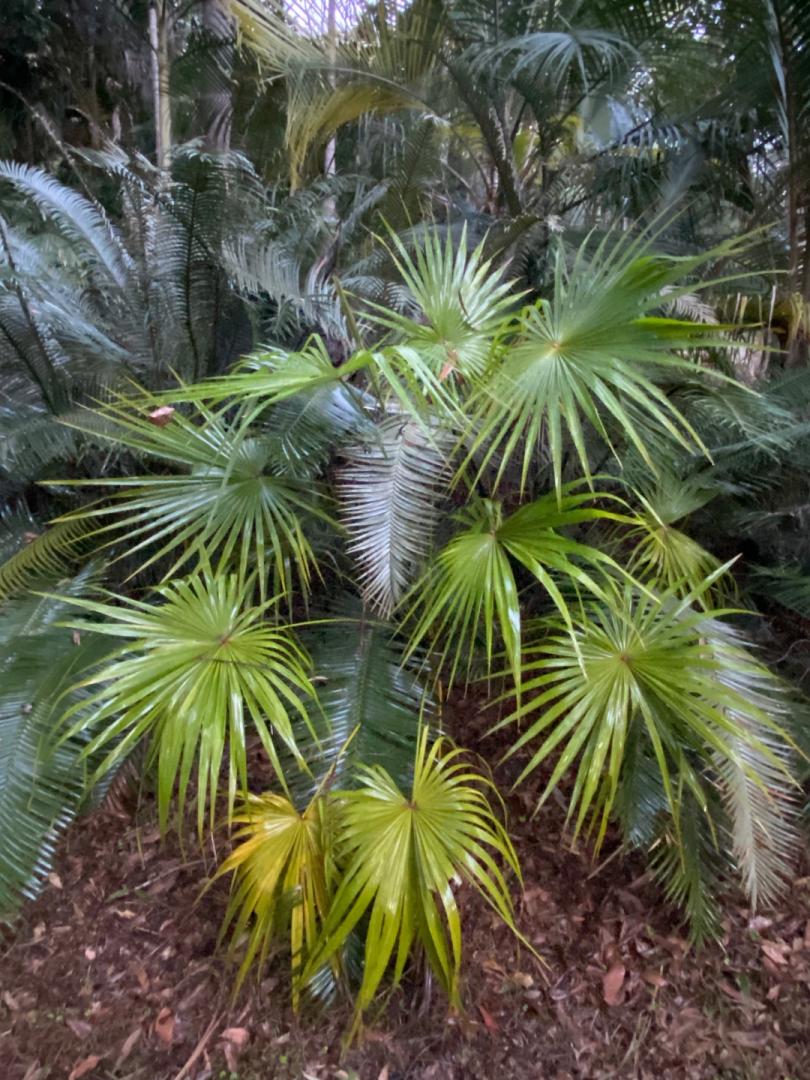
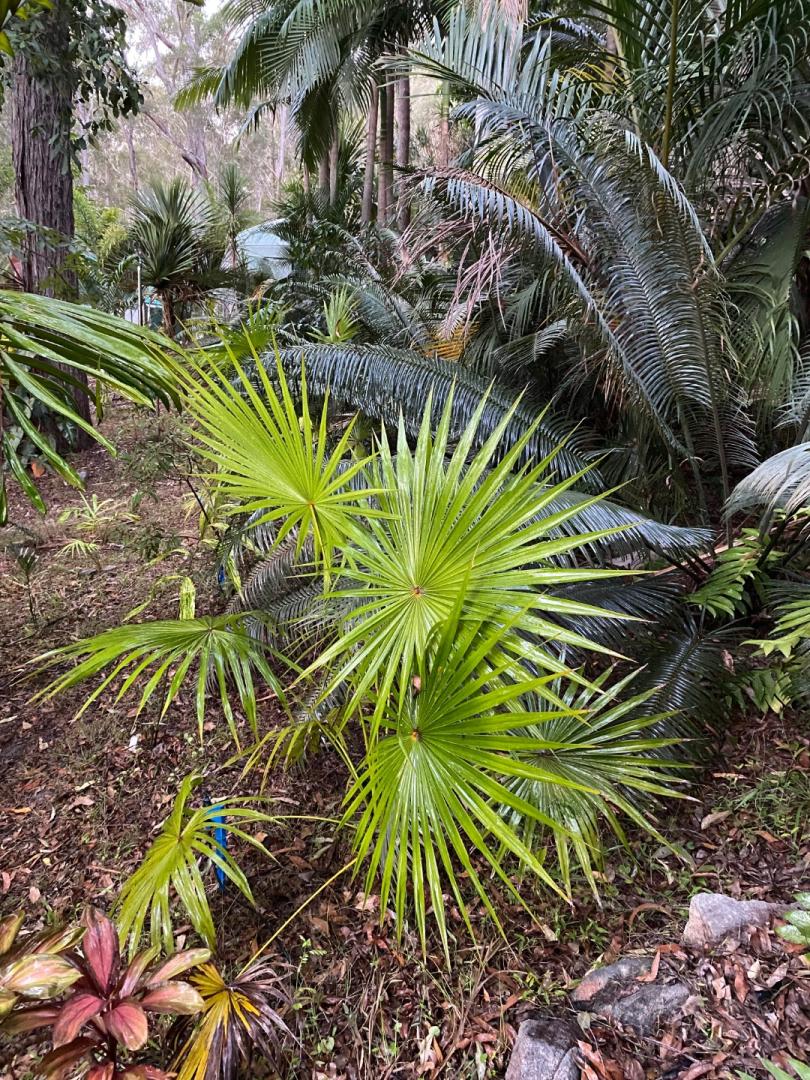
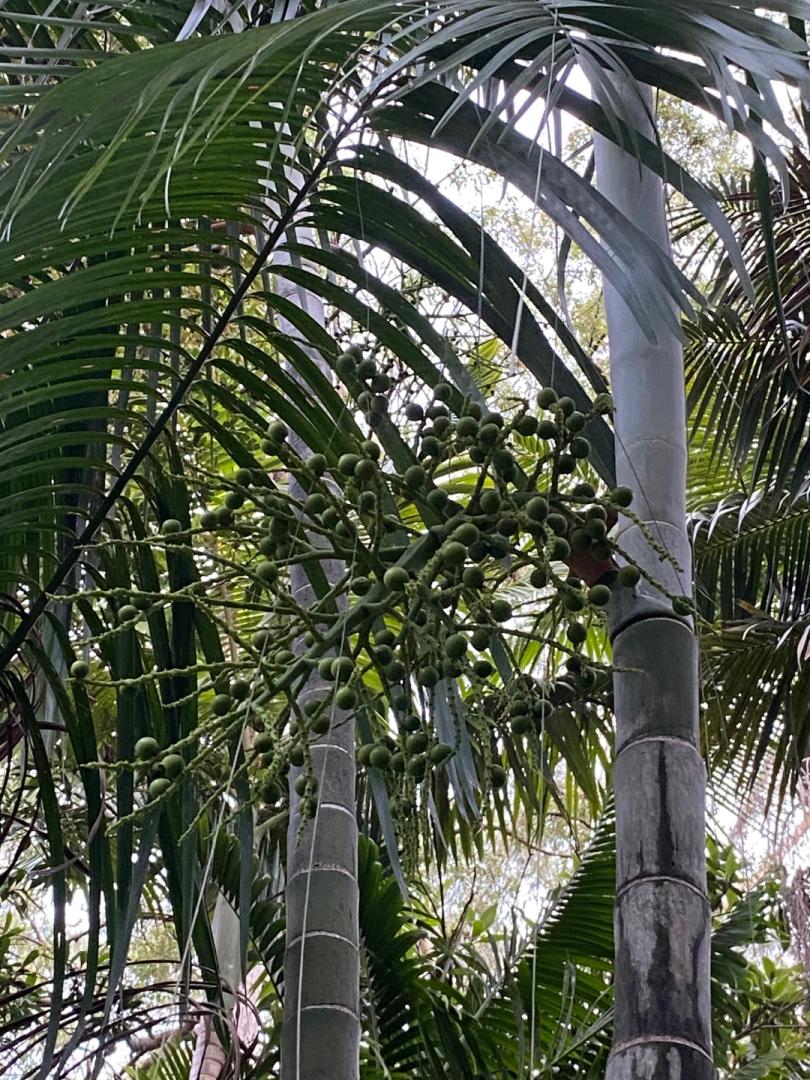
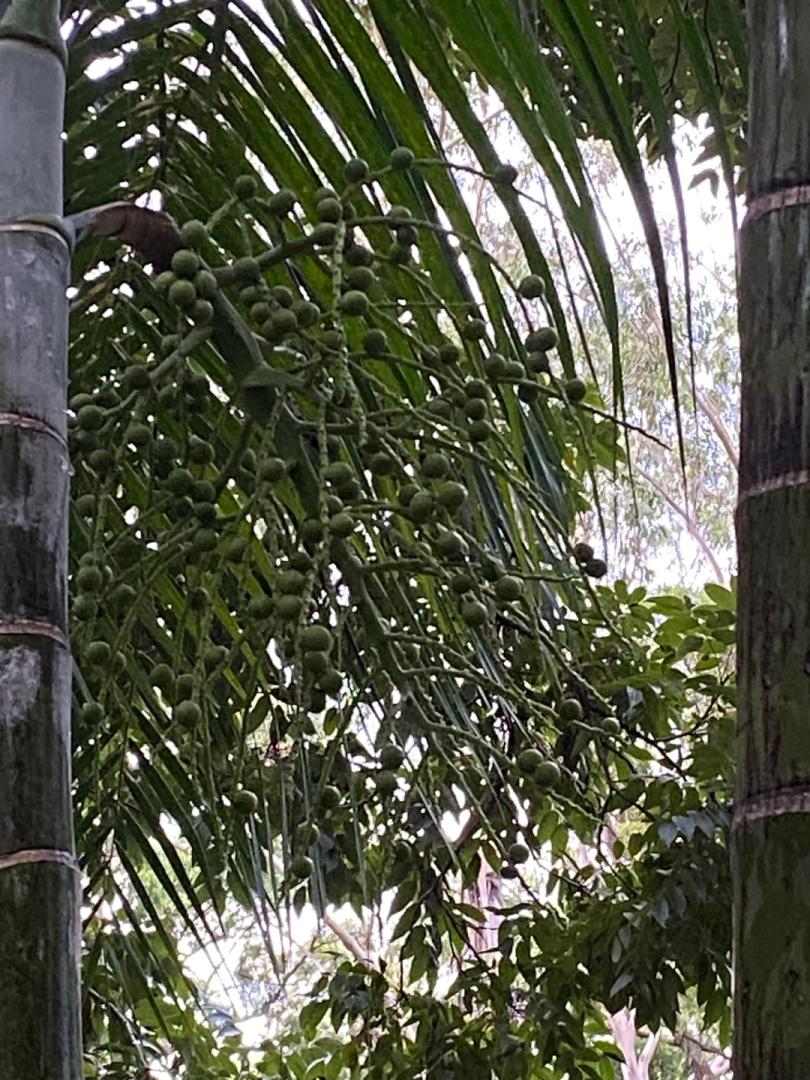
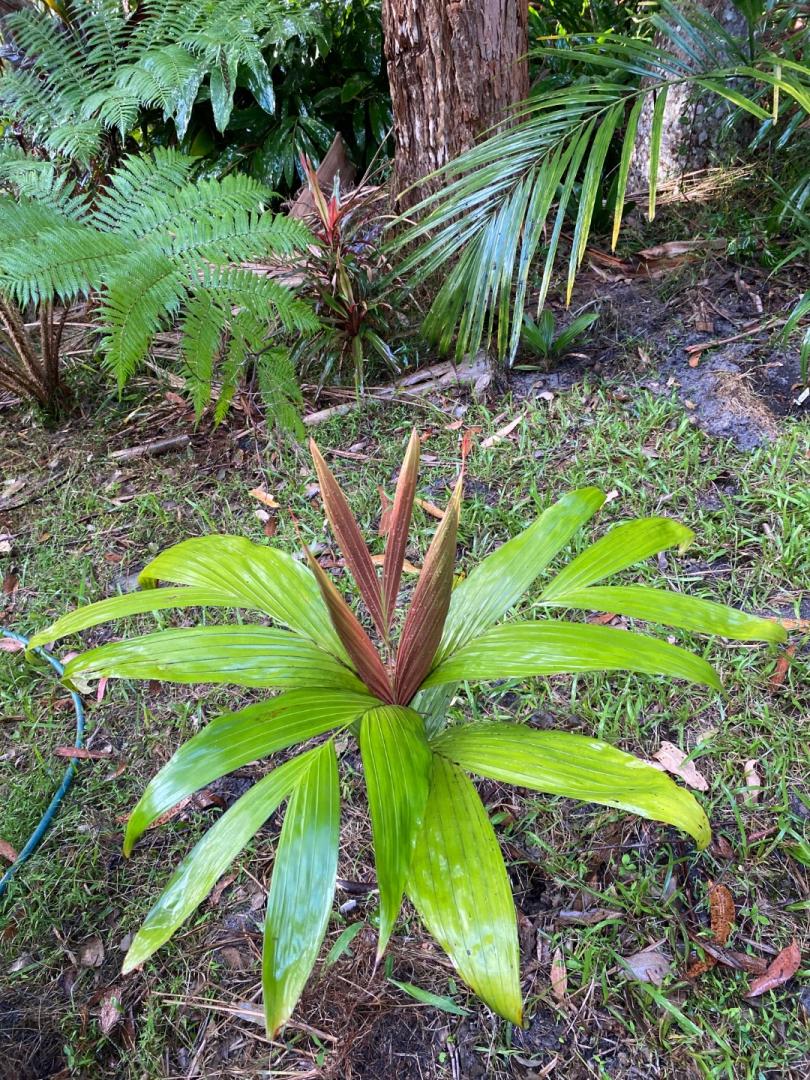
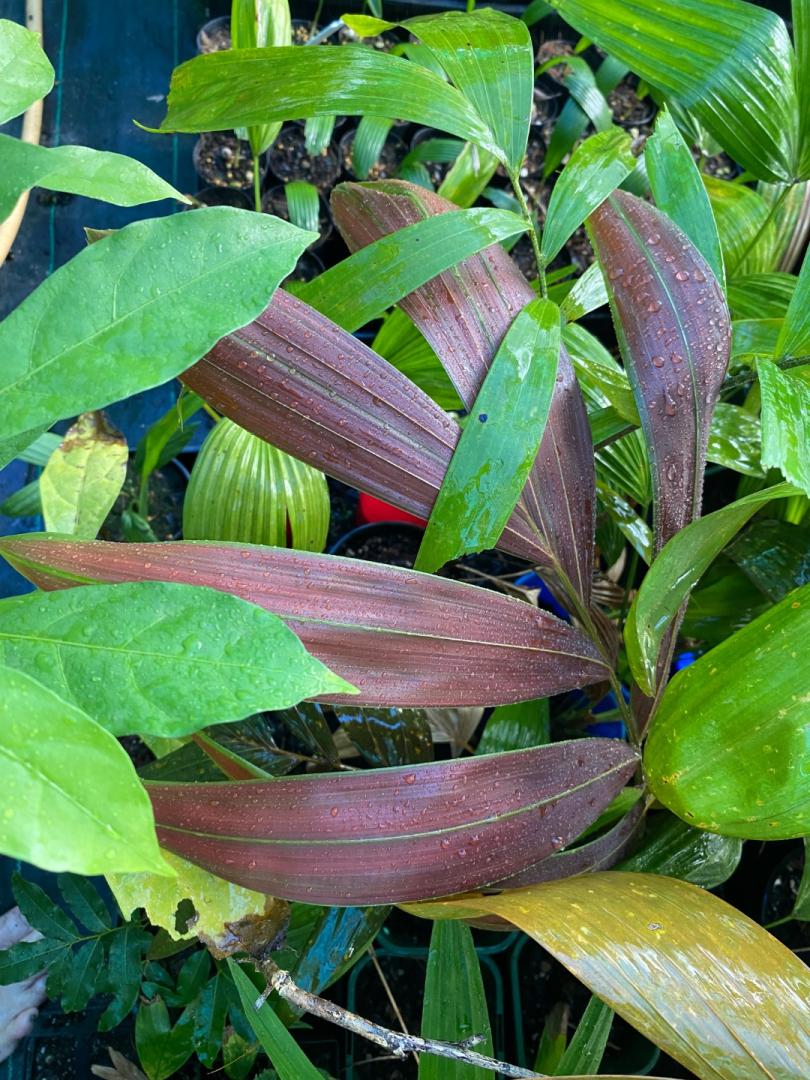
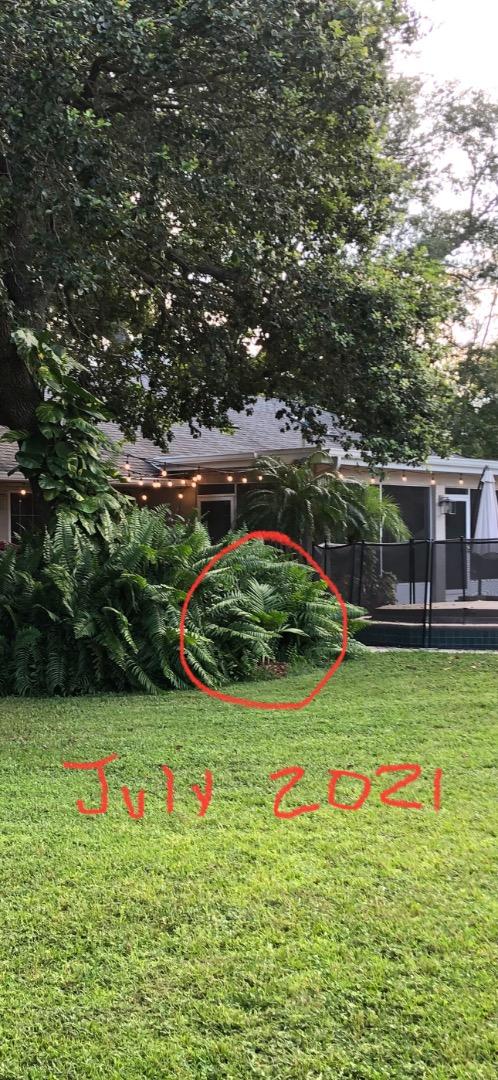
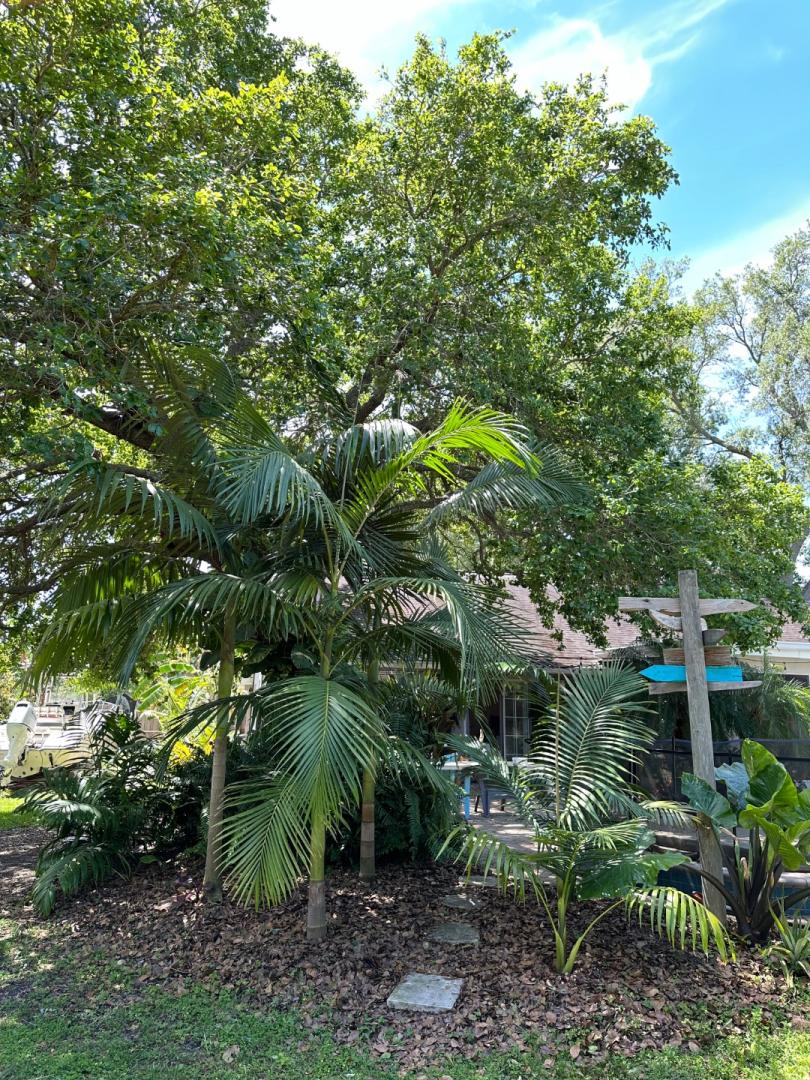
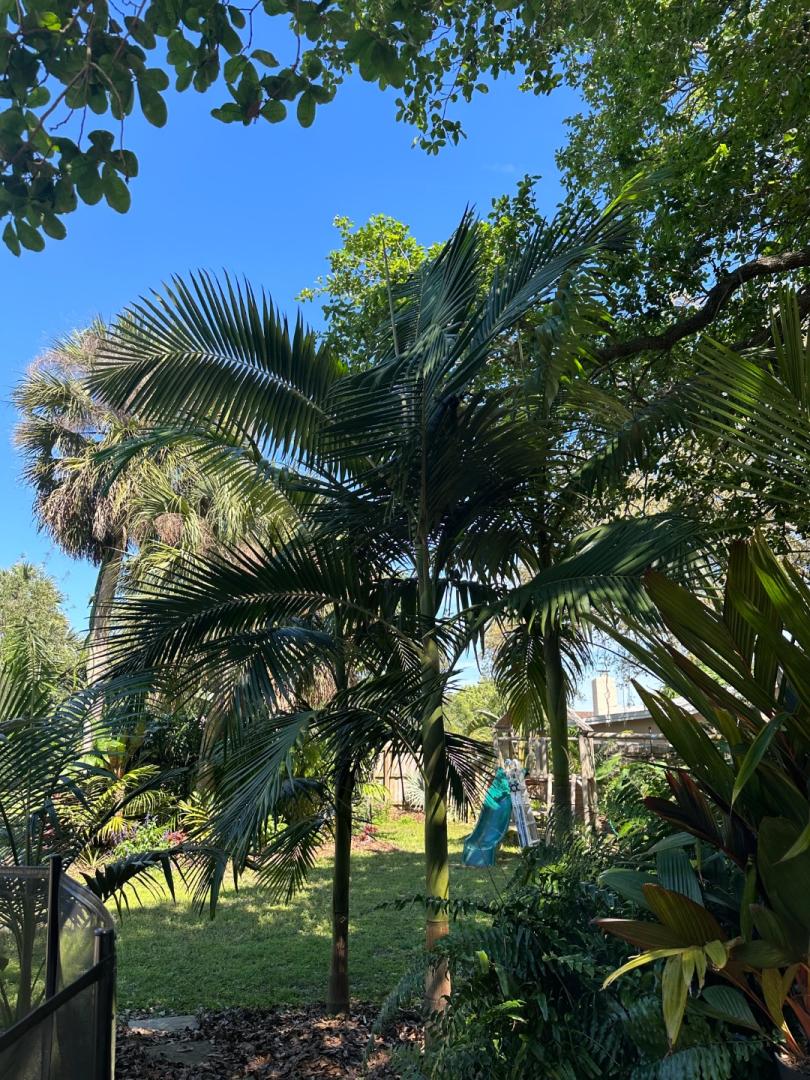
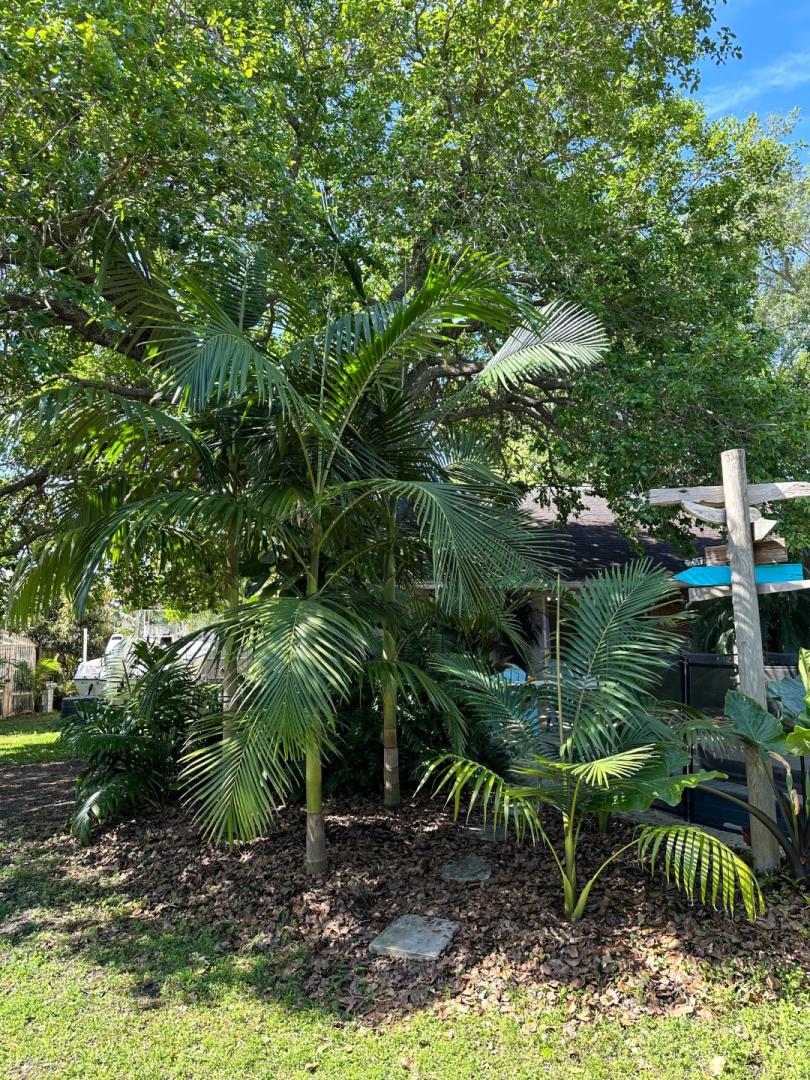
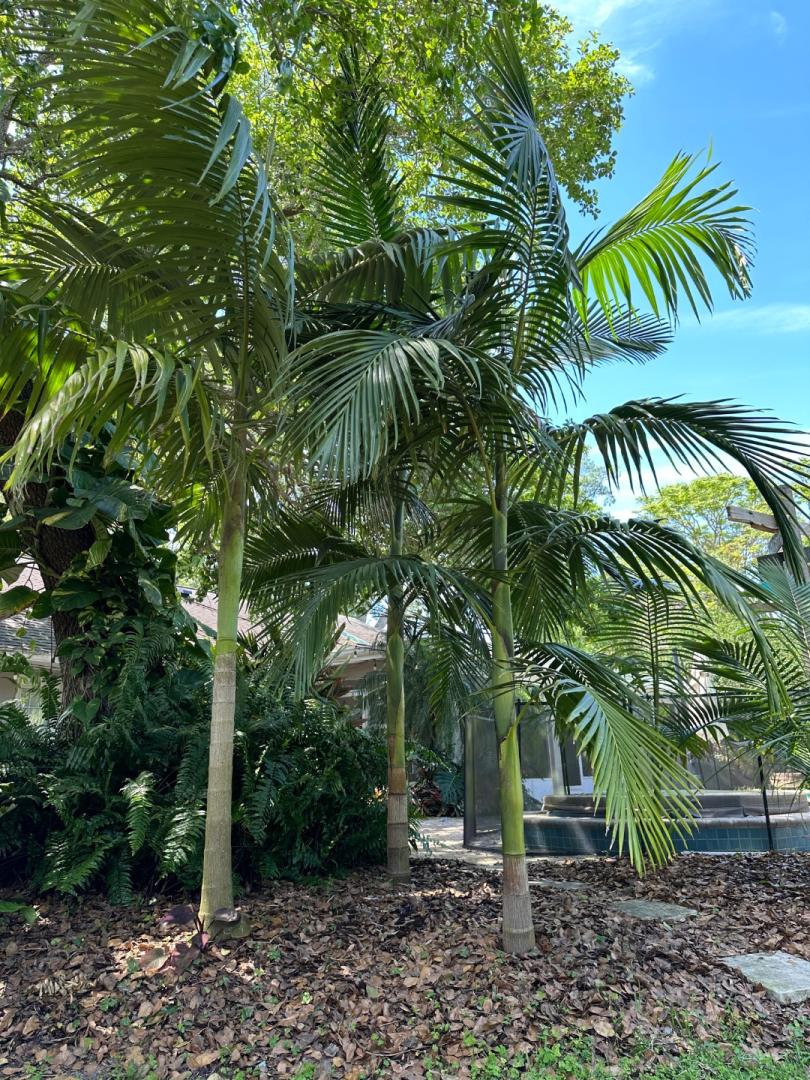
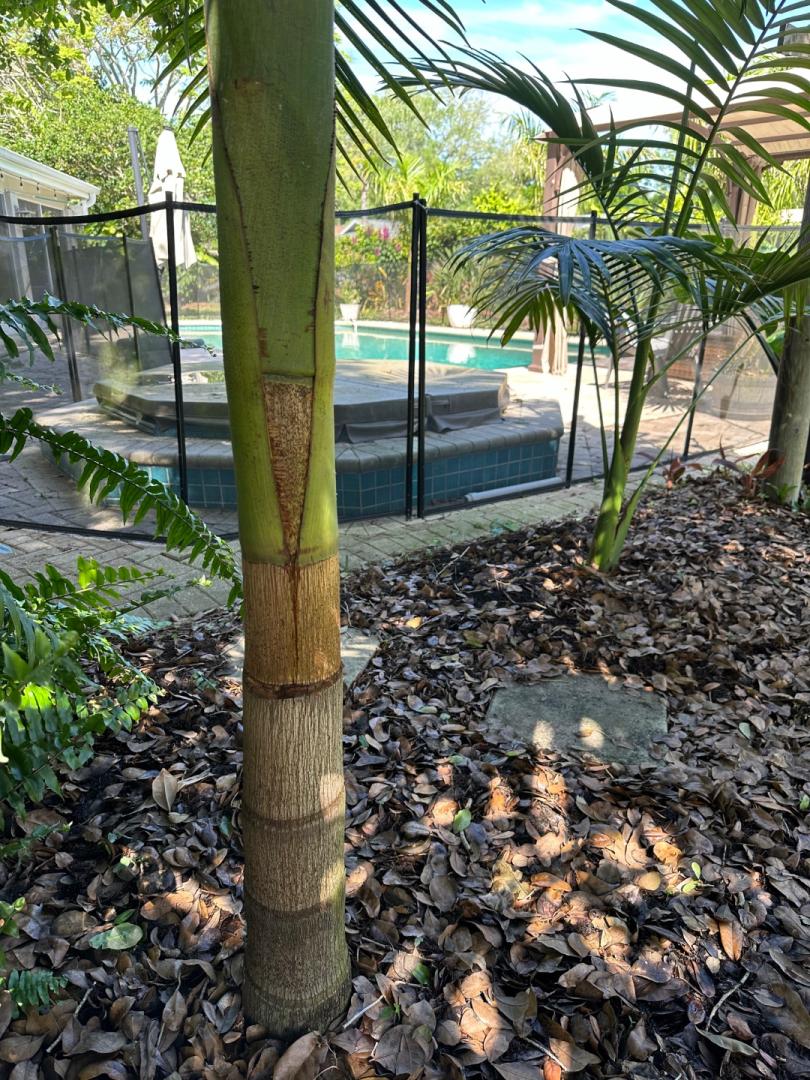
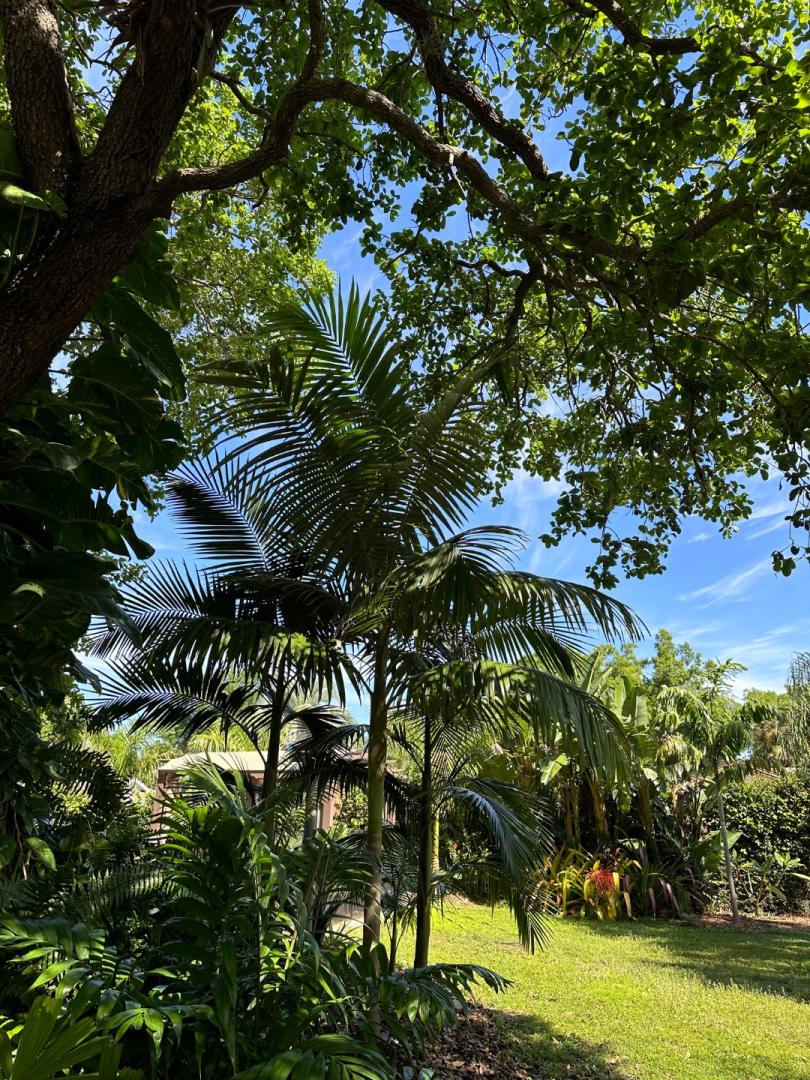
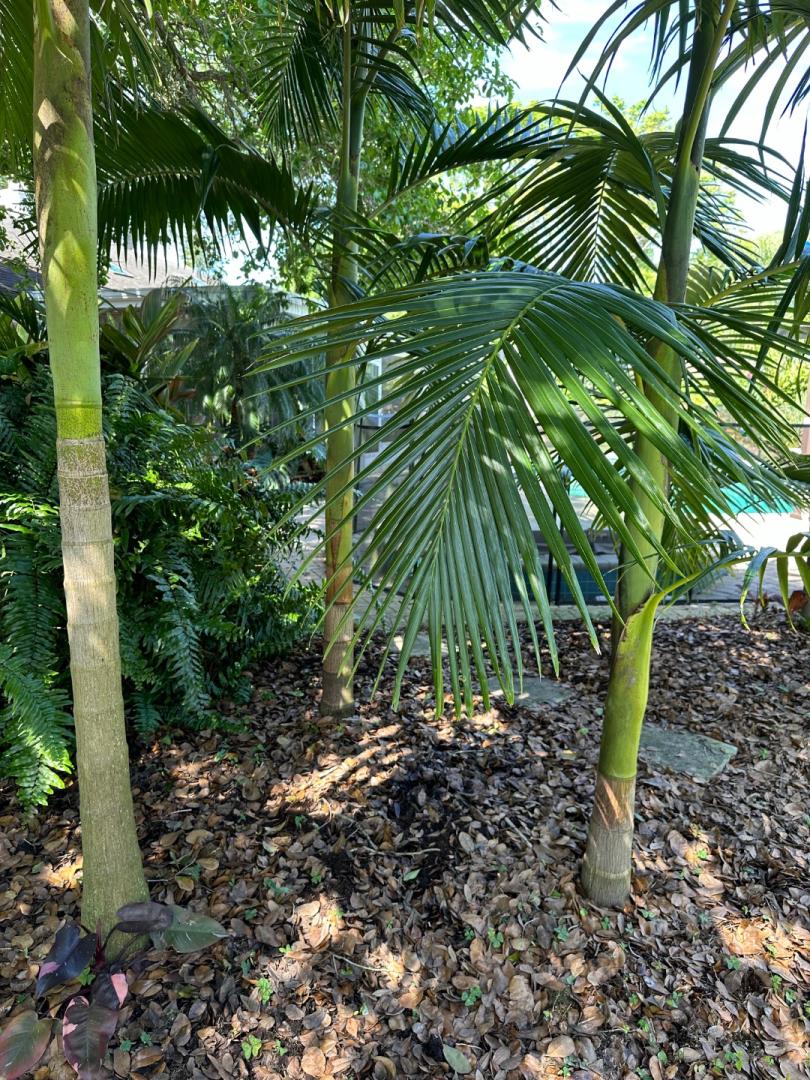
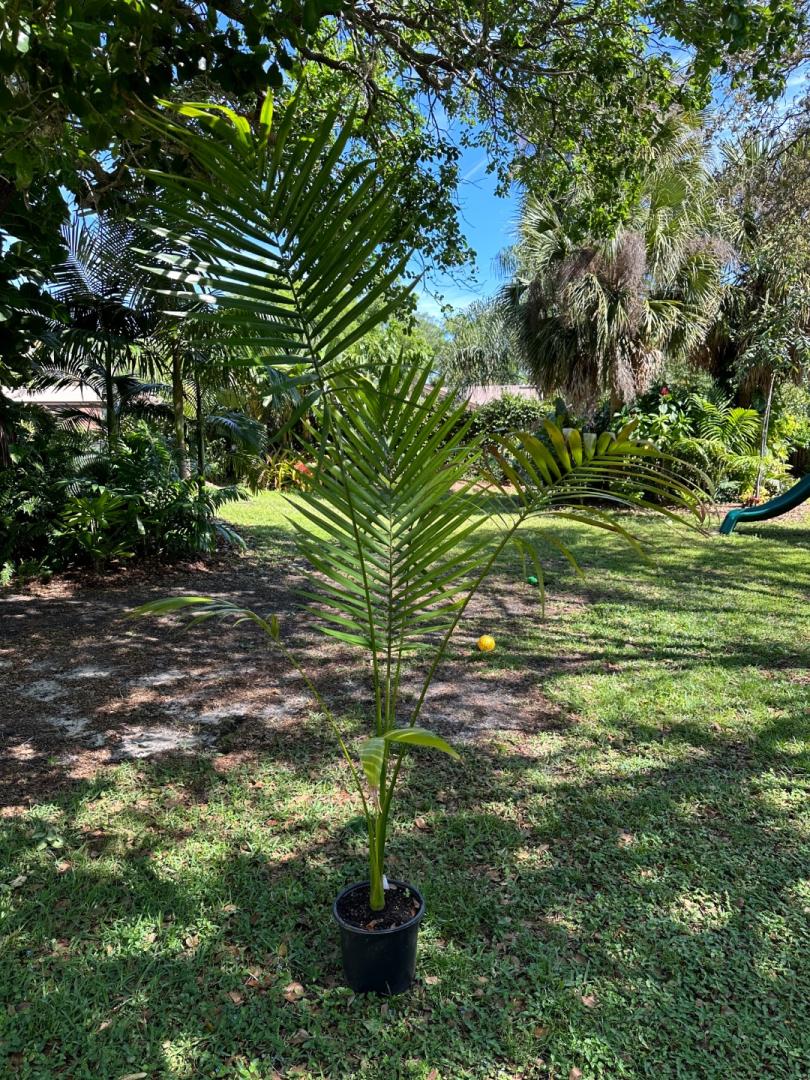
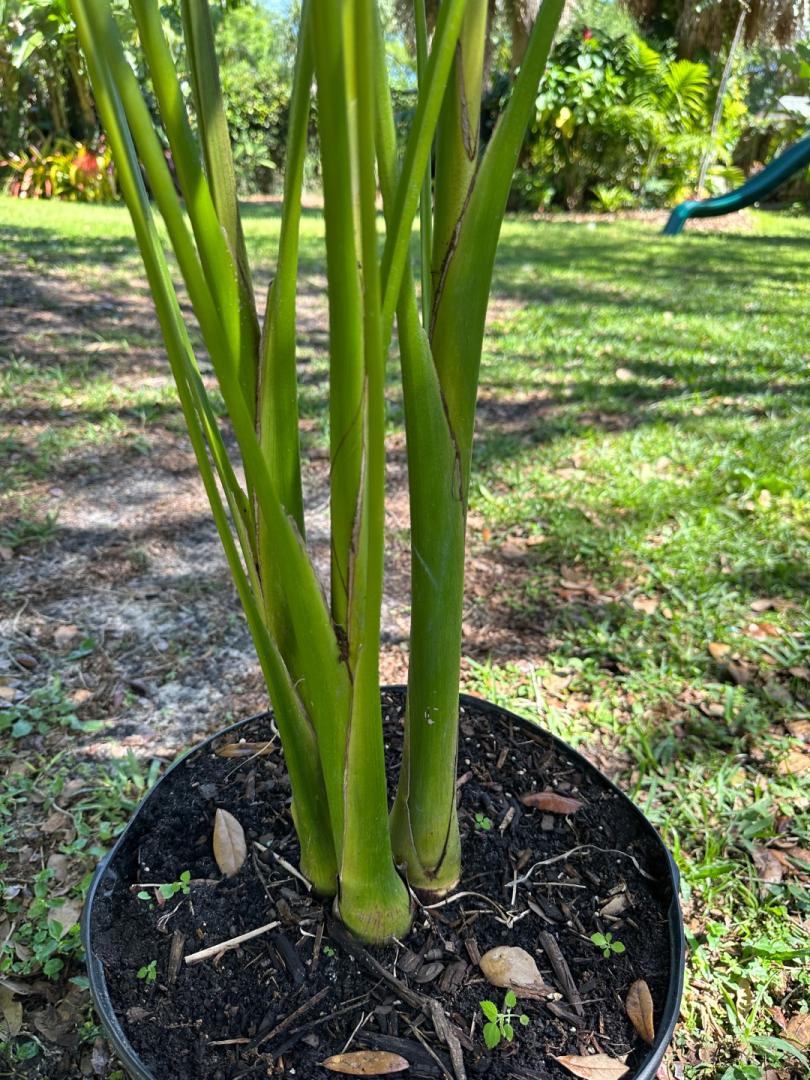
Greetings do you have an update on your atrovirens. Thanks1 point 1 pointI live about 1 mile south of Wekiwa Springs, in Longwood FL still in zone 9b and have a group of 5 Archontophoenix (2 cunninghamiana, 1 alexandrae, 1 myolensis, and 1 mystery Leu gardens seed) by my pool that seem to be doing well in this particular spot under the edge of a heavy shaded live oak tree. The palms are positioned on the north side of the oak, resulting in mostly shade all day. Also, I keep this mulch bed heavily mulched (about 8” deep, also contacting the low trunks) throughout the year with extra wood chips and oak leaves. I hand water a little extra on dry days in between the 2x week irrigation schedule. As for fertilizer, I am also throwing small handfuls of palmgain or other granular palm fertilizers in the mulch bed throughout the year for micro feedings between the normal 2-3x year fert schedule. This first cunninghamiana was planted here in July 2021 as a small 3gal, and now it reaches close to 15’ tall with several feet of trunk. The elongated trunk-ring spacing also tells me they are happy here. I did protect these with wrapping the leaves up during the few 27-29 degree nights in 2021 and again in 2022 just as an attempt to get them to trunking stage for long term hardiness (hopefully). Now trunking, I think I will let them ride out future winters without protection. One day they will poke up above the oak canopy and they will be all on their own during frost events. For now, they will stay huddled up in the oak canopy and I will prune as needed to allow for future tall growth. I also believe that the best size for planting Archontophoenix is either from 1 or 3 gallon sizes, allowing the roots to establish before trunking size. Over the last year and half I’ve added about a dozen more different Archies around my yard in different sunlight and moisture positions to see how well they grow. Pics show first one planted in 2021, and the other pics from today. I definitely think these should be planted more in shaded gardens around central florida. If anyone is interested, I am selling a few dozen 1-3 gallon A. maxima, A. tuckeri, and A. Cunninghamiana for local pickup. PM me if interested.
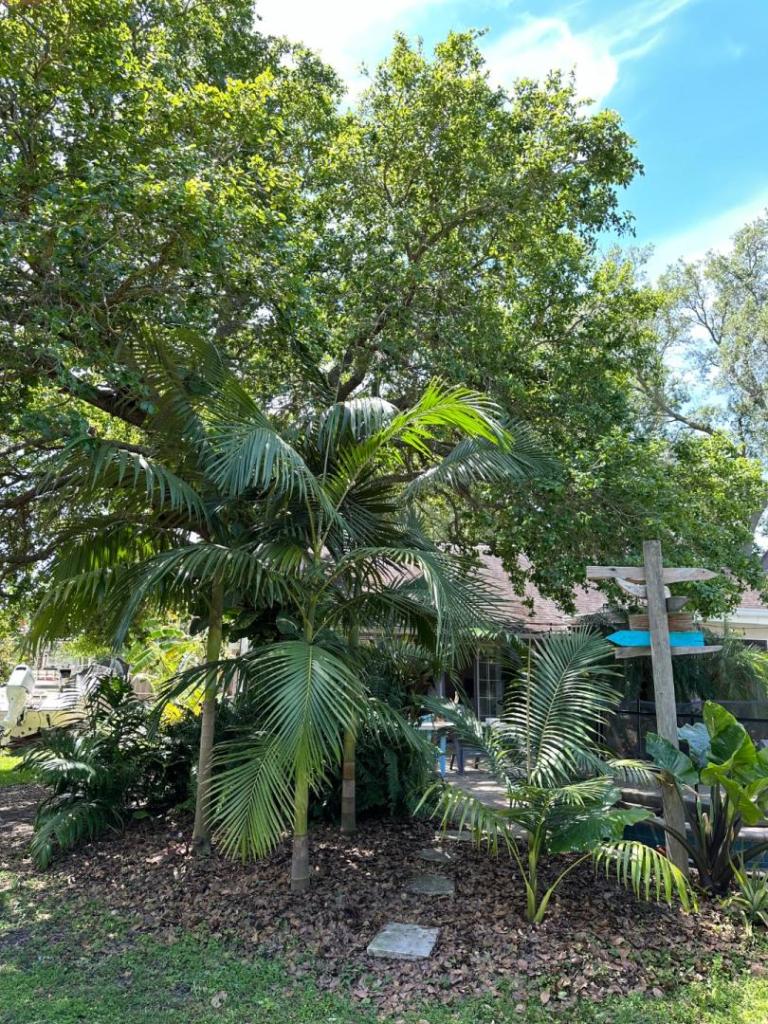

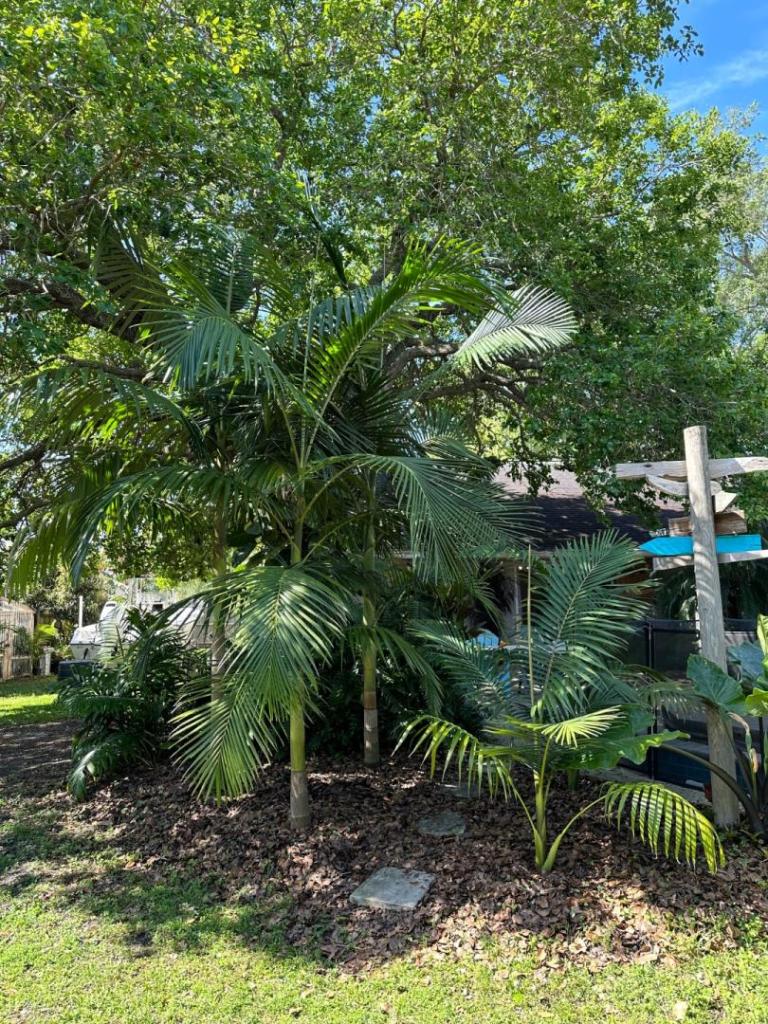

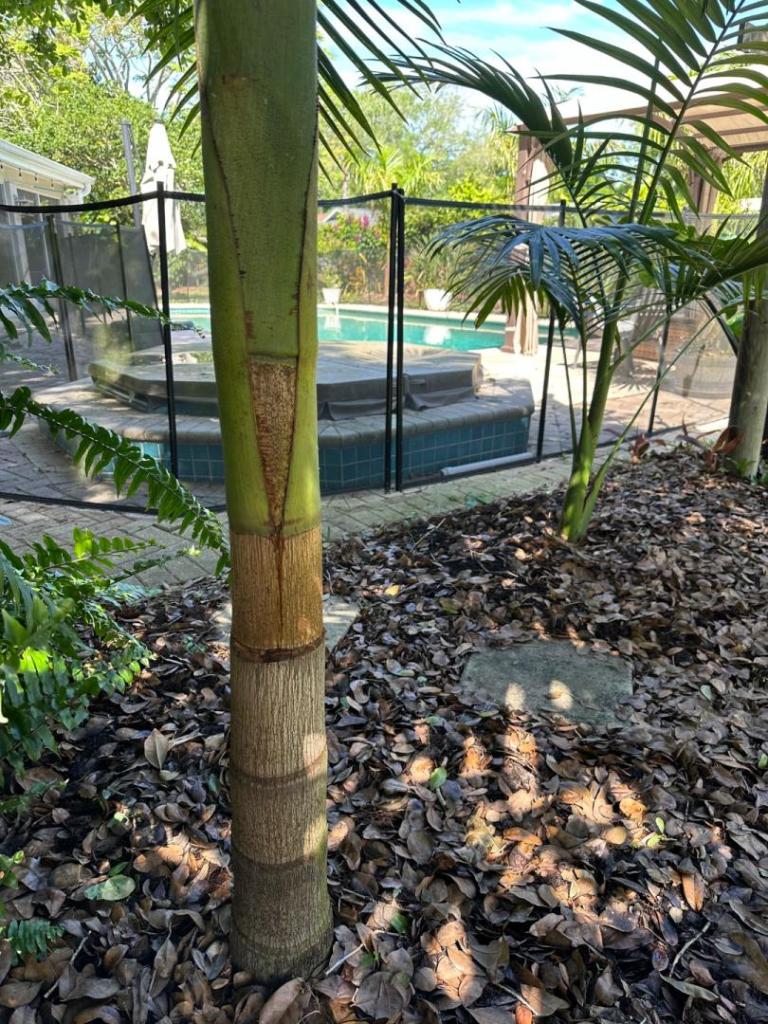


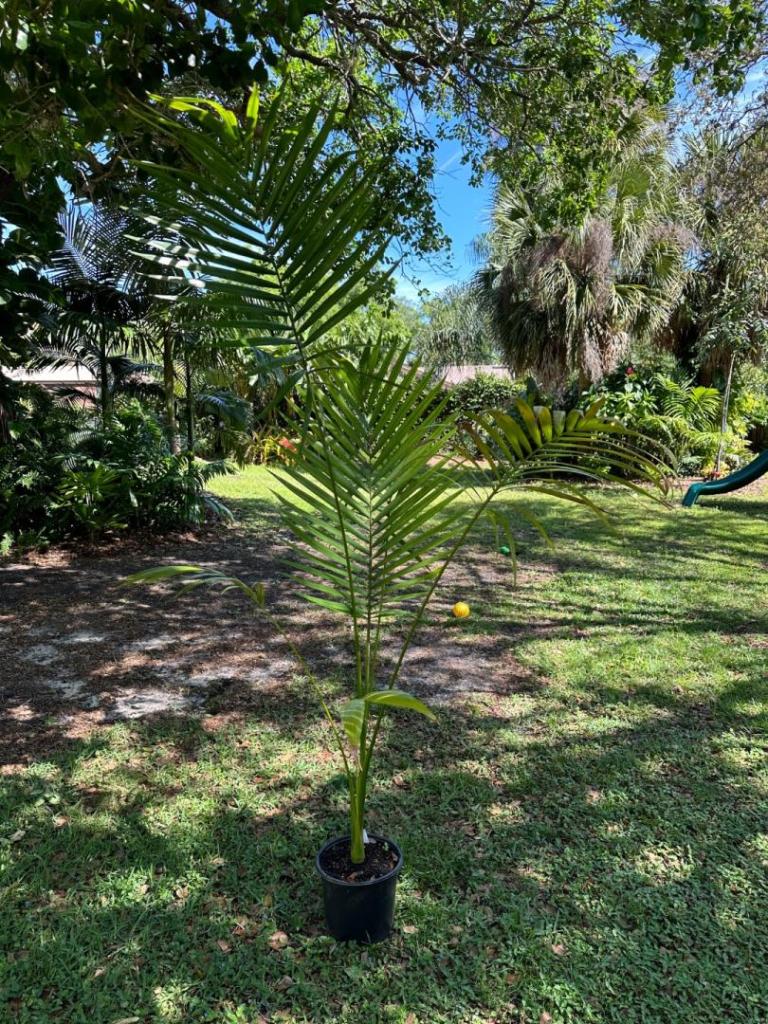
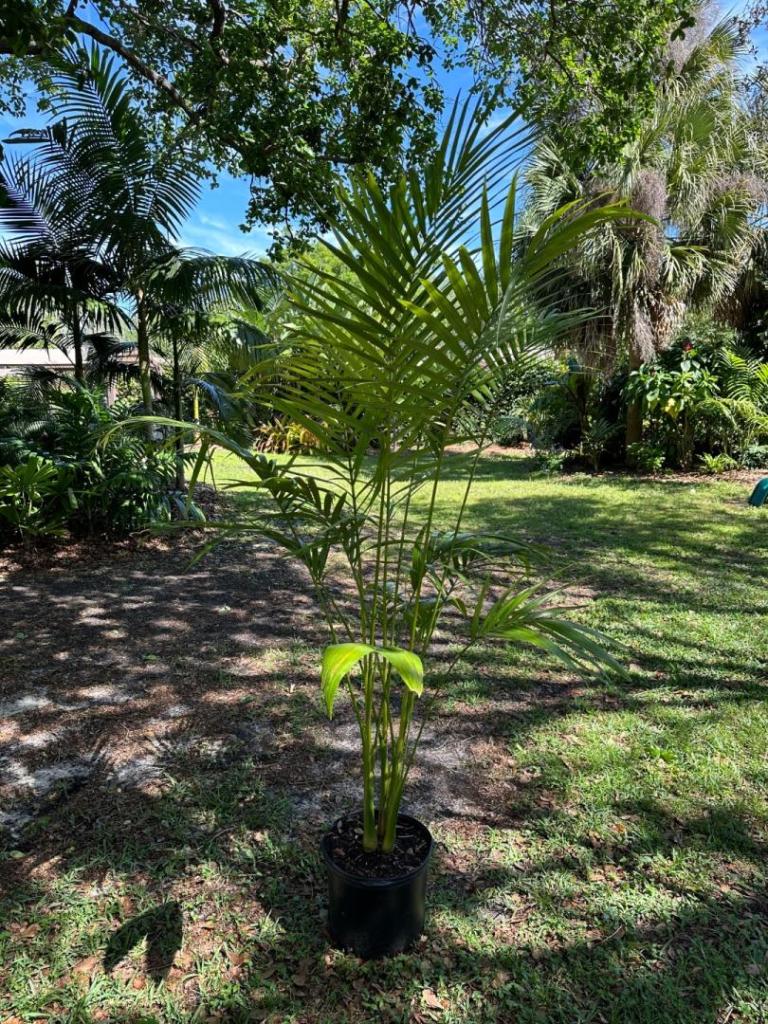
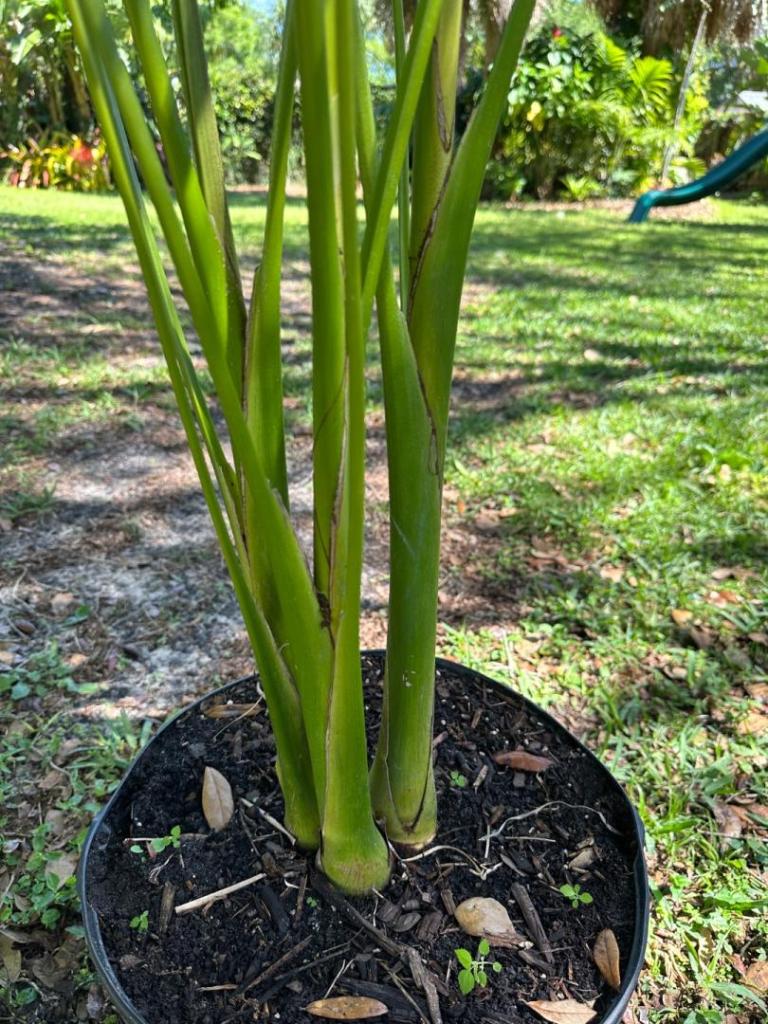 1 point


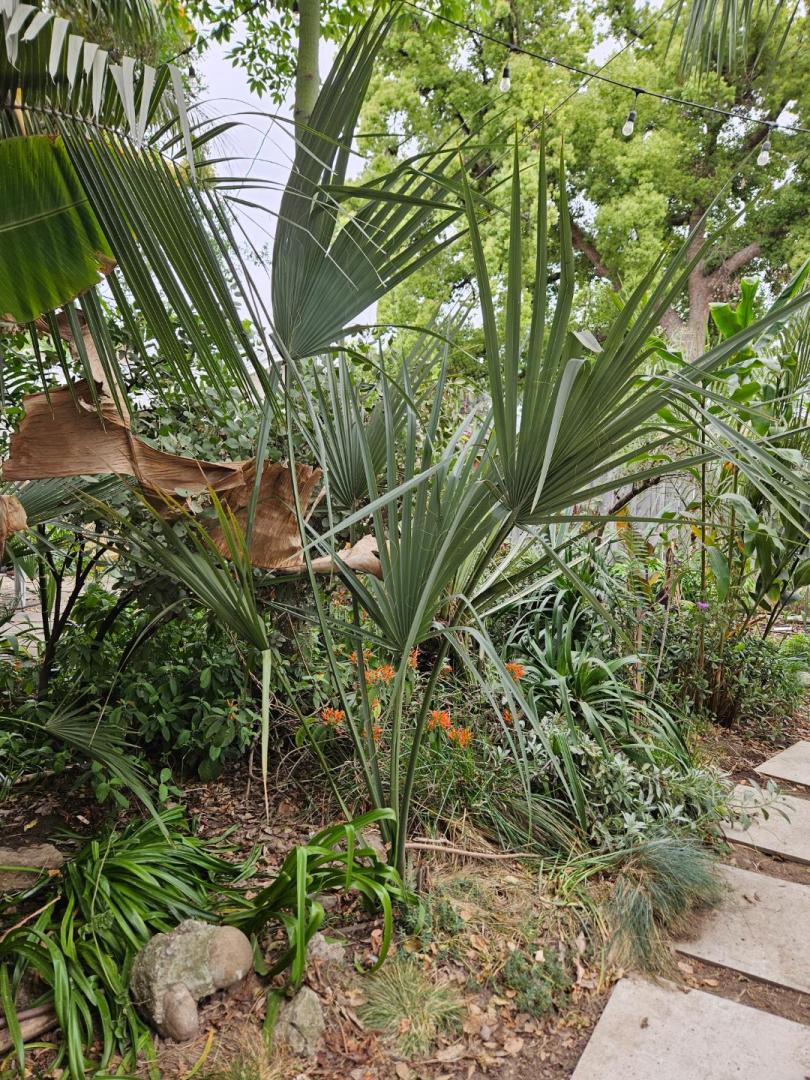




.jpeg.f3c095b7929c355a85349779f31bef7e.jpeg)















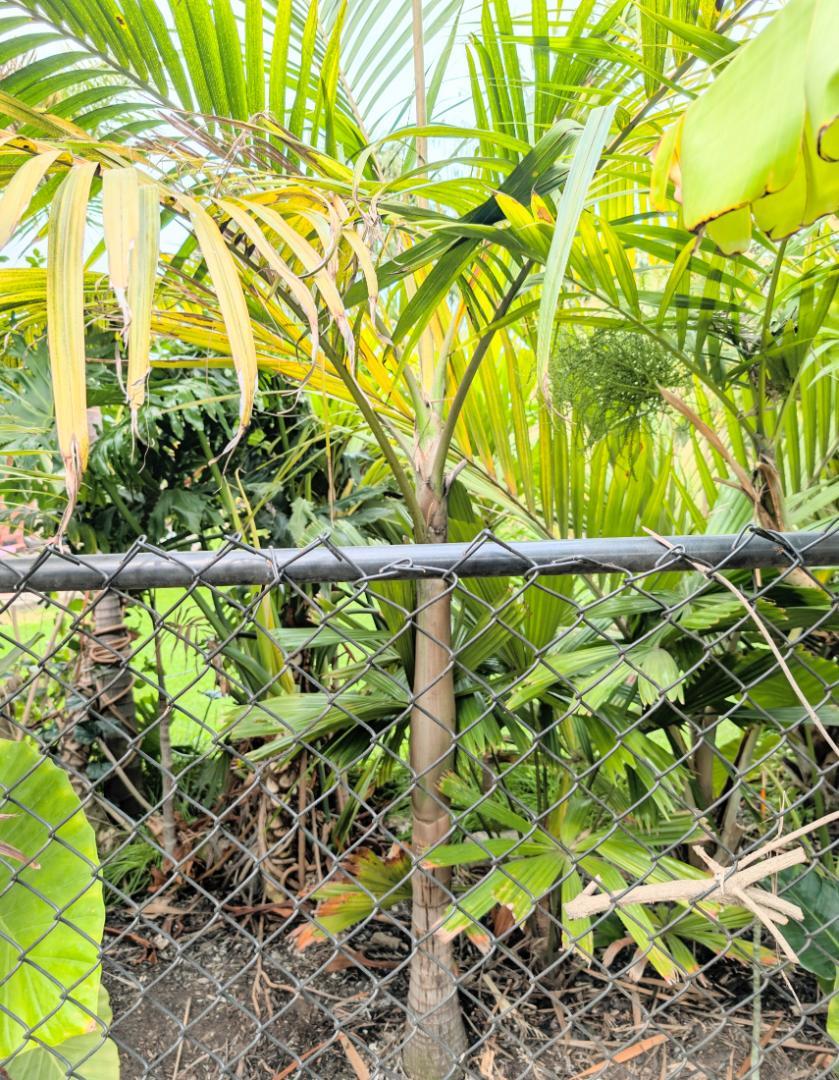
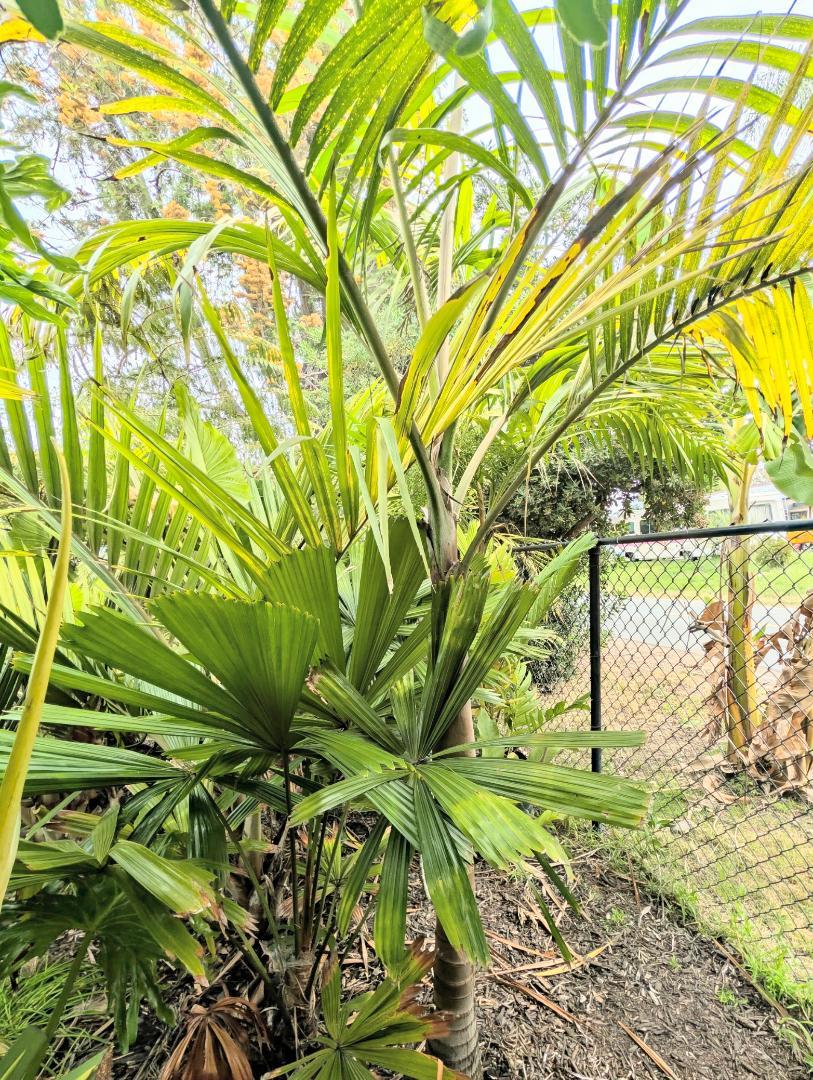












Account
Navigation
Configure browser push notifications
Chrome (Android)
- Tap the lock icon next to the address bar.
- Tap Permissions → Notifications.
- Adjust your preference.
Chrome (Desktop)
- Click the padlock icon in the address bar.
- Select Site settings.
- Find Notifications and adjust your preference.
Safari (iOS 16.4+)
- Ensure the site is installed via Add to Home Screen.
- Open Settings App → Notifications.
- Find your app name and adjust your preference.
Safari (macOS)
- Go to Safari → Preferences.
- Click the Websites tab.
- Select Notifications in the sidebar.
- Find this website and adjust your preference.
Edge (Android)
- Tap the lock icon next to the address bar.
- Tap Permissions.
- Find Notifications and adjust your preference.
Edge (Desktop)
- Click the padlock icon in the address bar.
- Click Permissions for this site.
- Find Notifications and adjust your preference.
Firefox (Android)
- Go to Settings → Site permissions.
- Tap Notifications.
- Find this site in the list and adjust your preference.
Firefox (Desktop)
- Open Firefox Settings.
- Search for Notifications.
- Find this site in the list and adjust your preference.