

Leaderboard
-

Mazat
IPS MEMBER22Points1,949Posts -

happypalms
IPS MEMBER11Points13,283Posts -


DoomsDave
IPS MEMBER8Points34,656Posts -

SeanK
IPS MEMBER8Points3,566Posts
Popular Content
Showing content with the highest reputation on 03/08/2026 in all areas
-
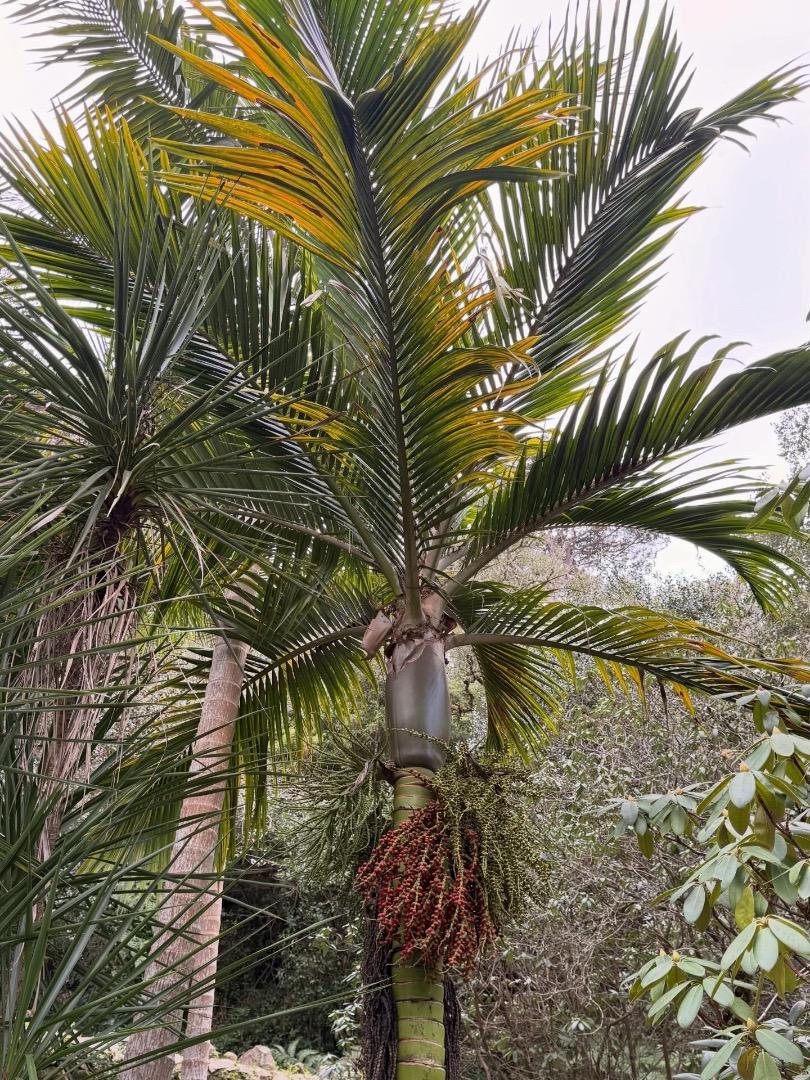
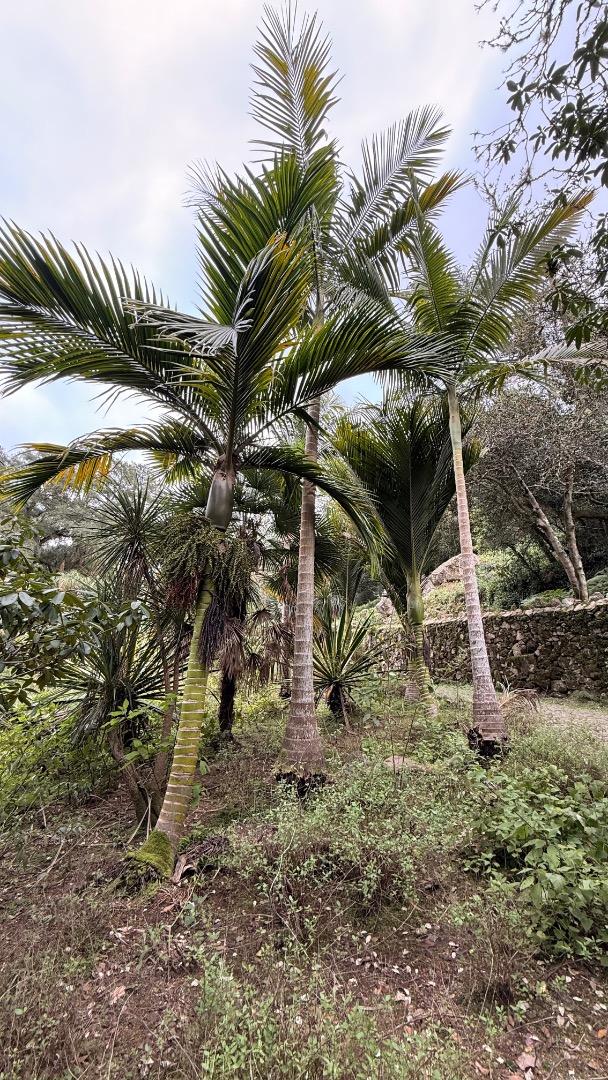
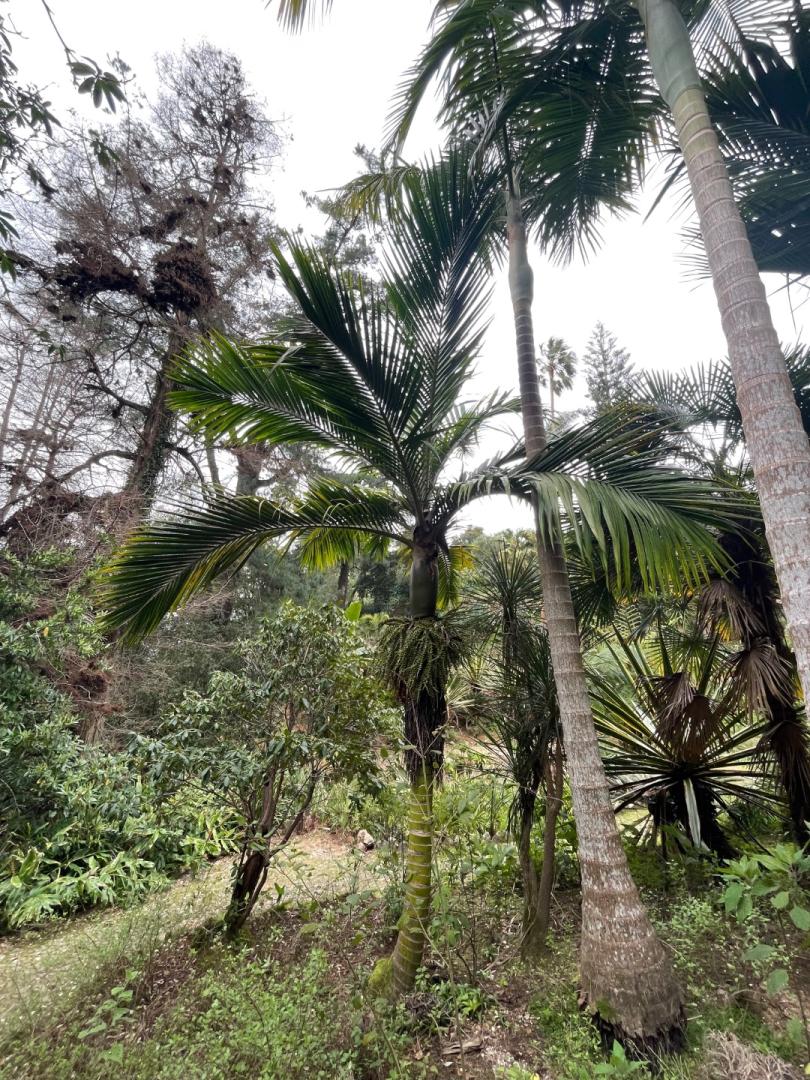
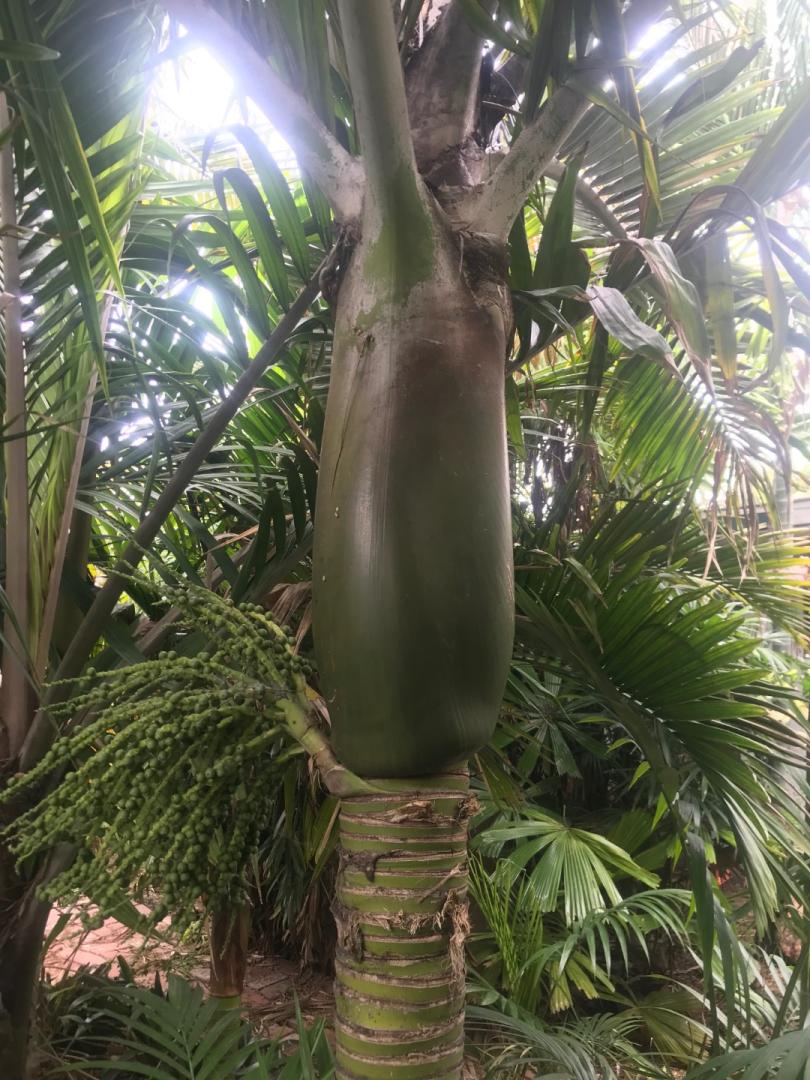
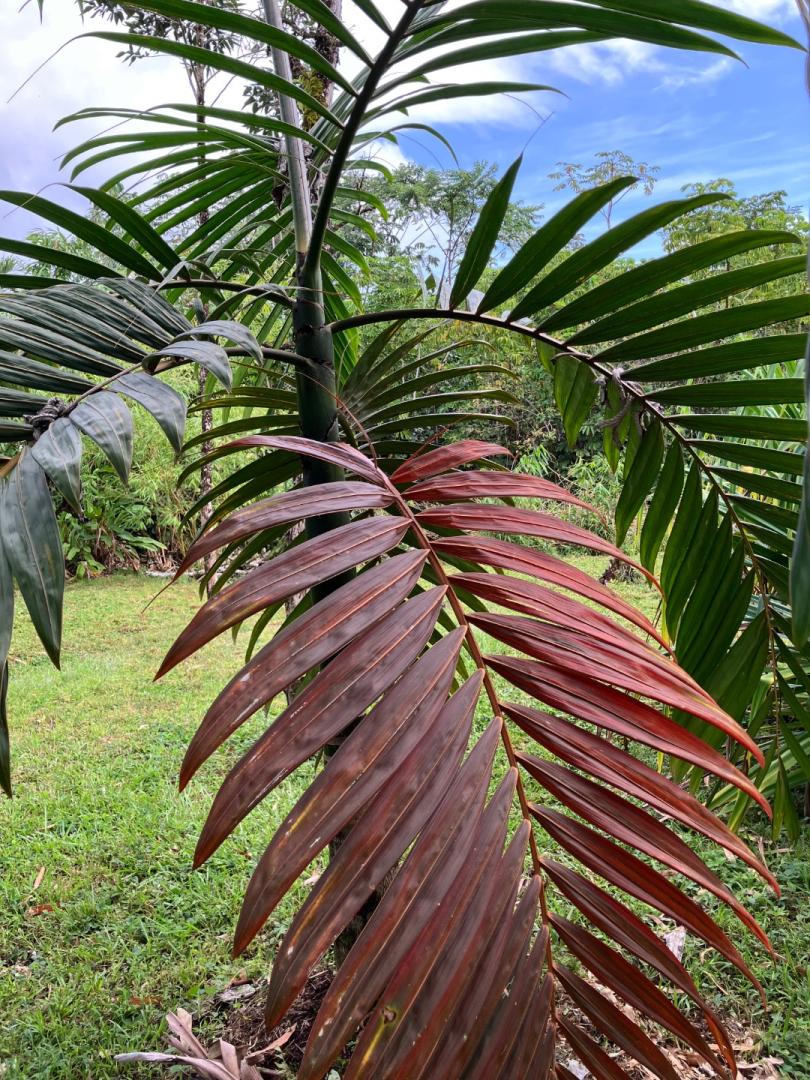
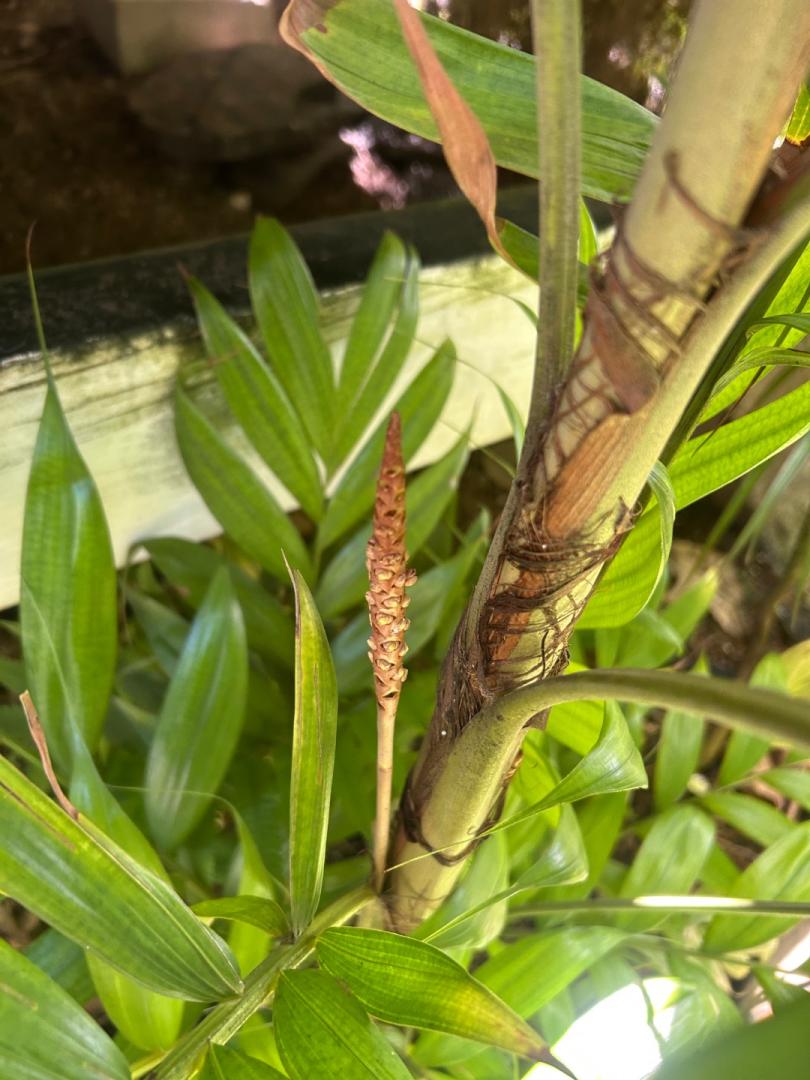
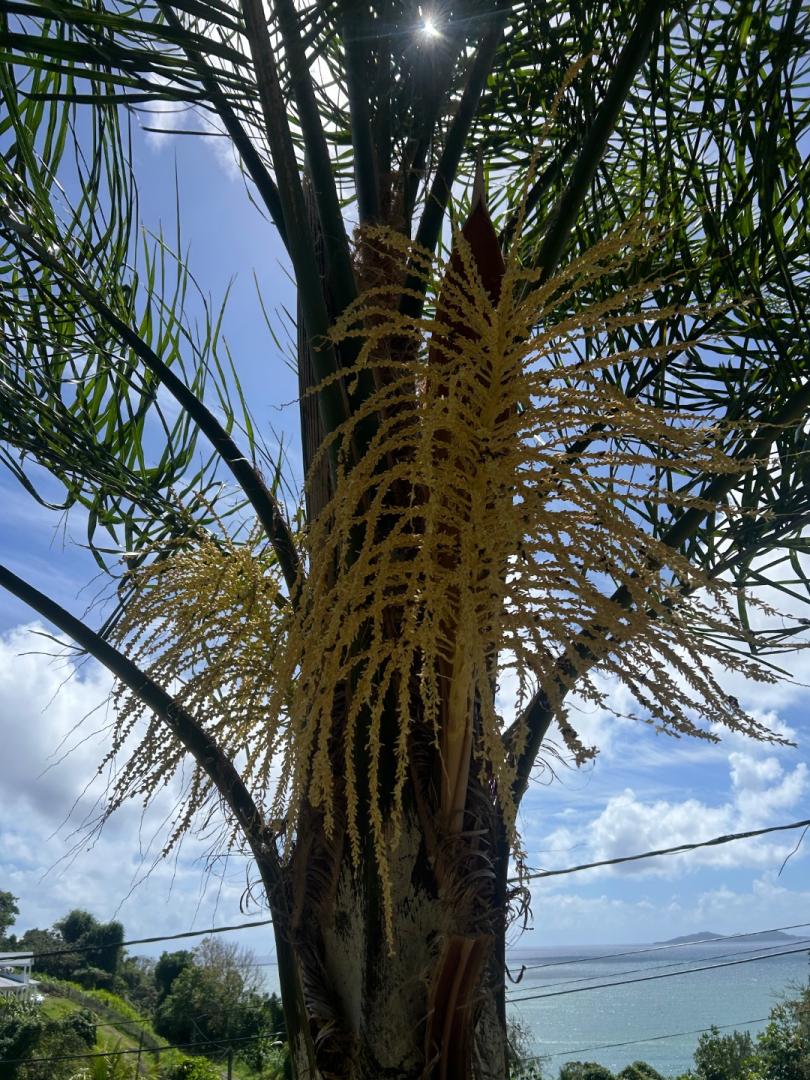
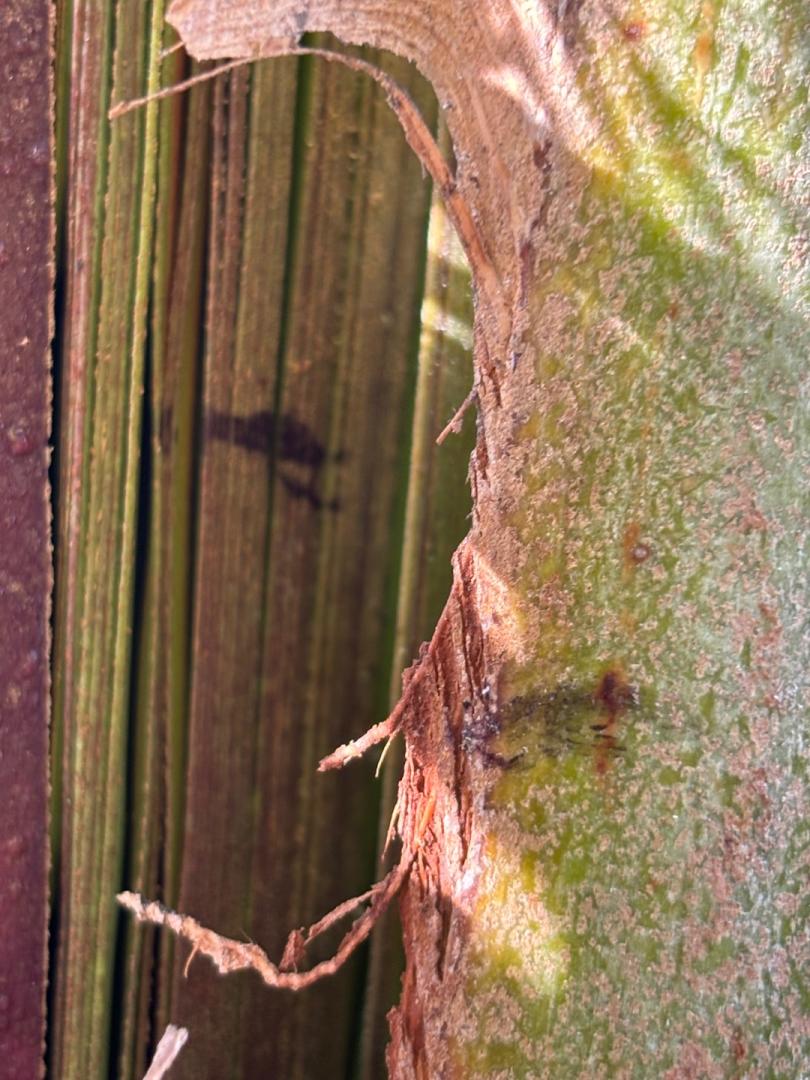
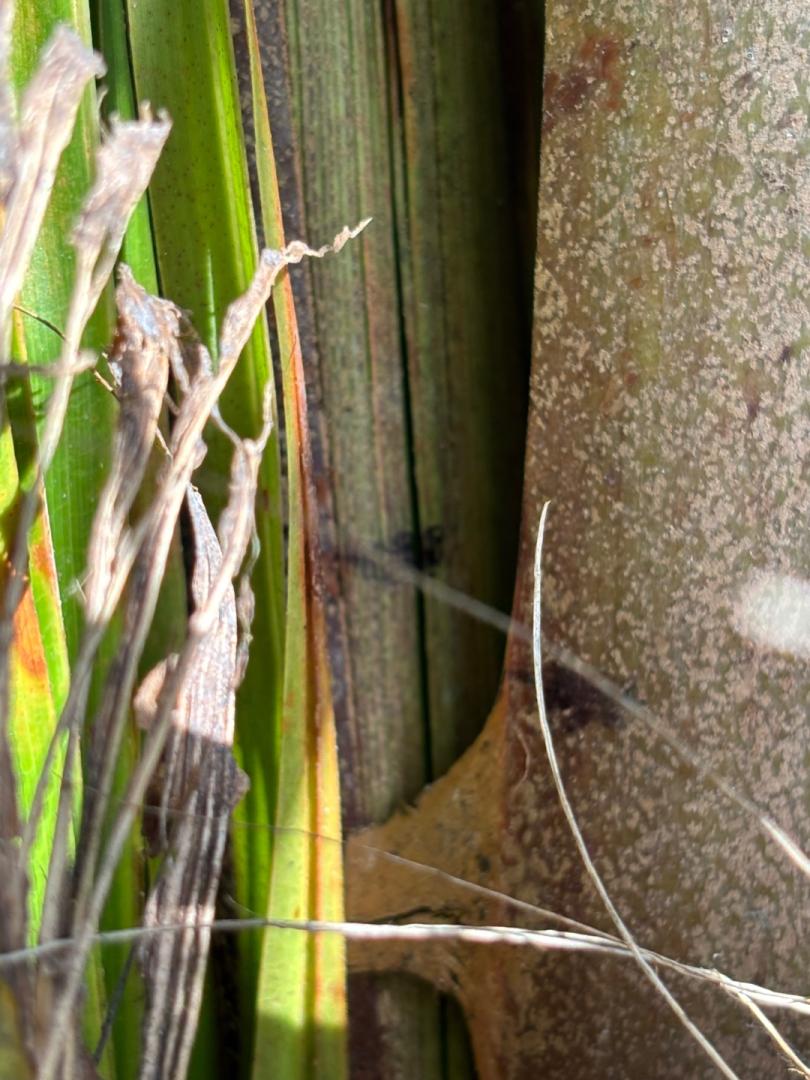
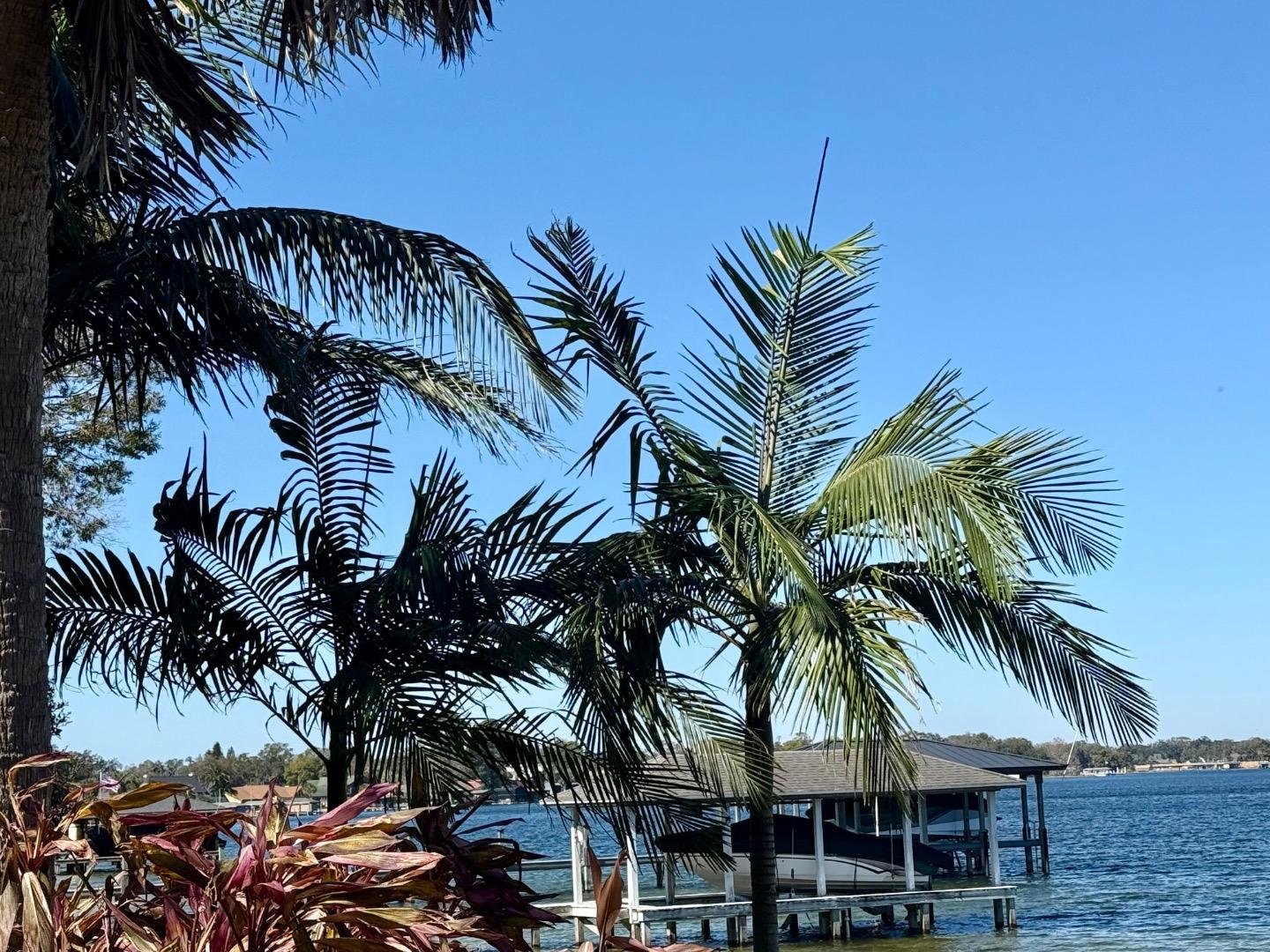
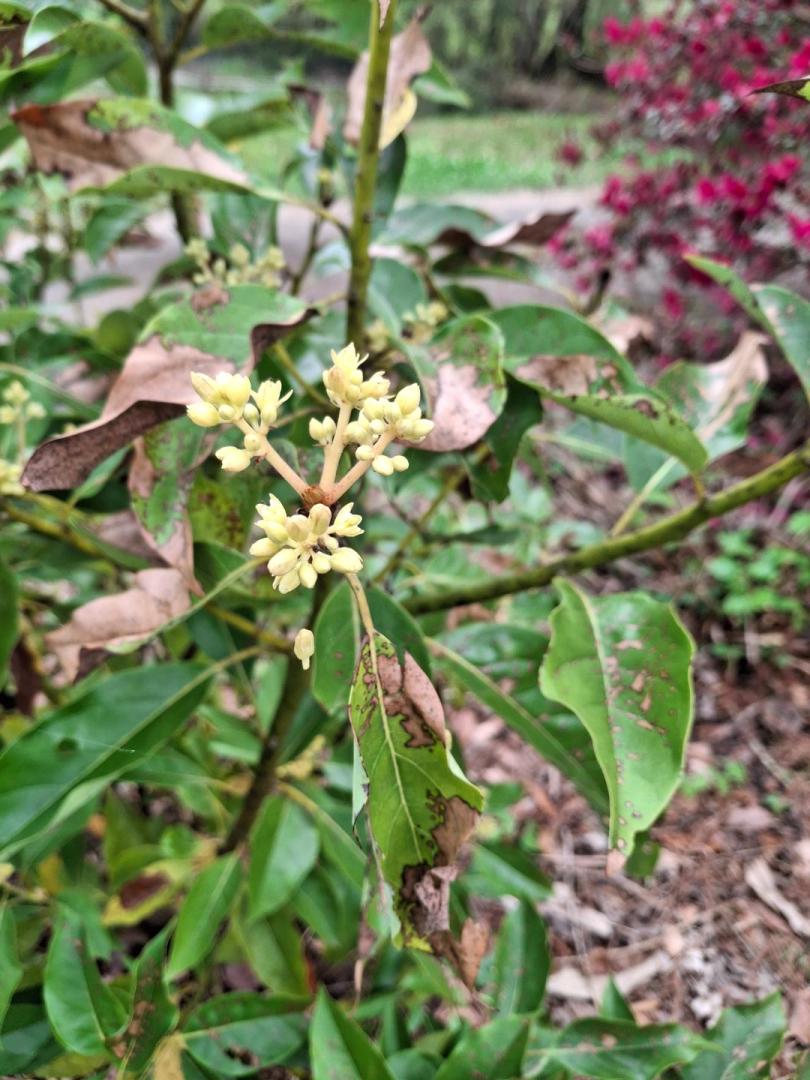
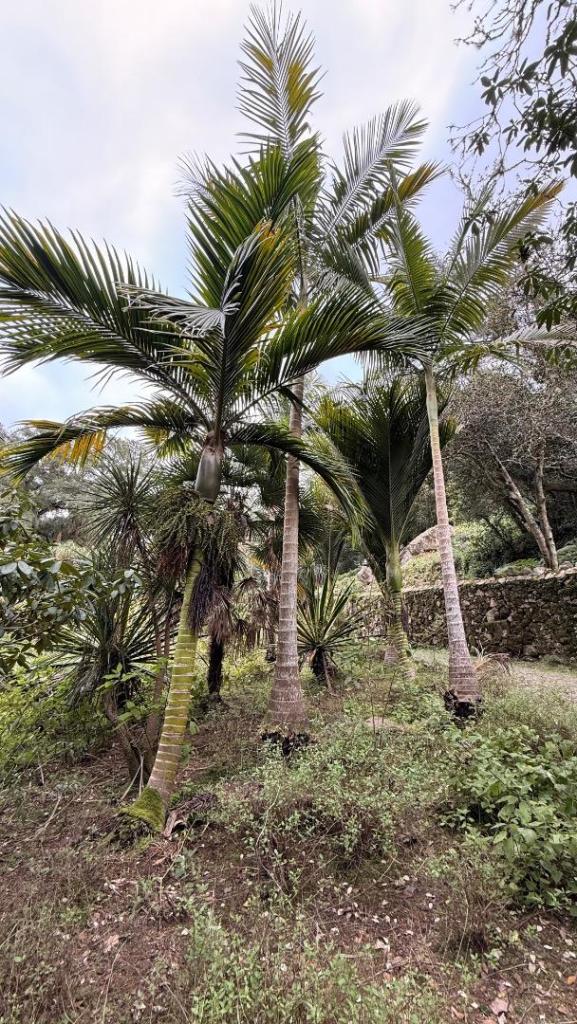
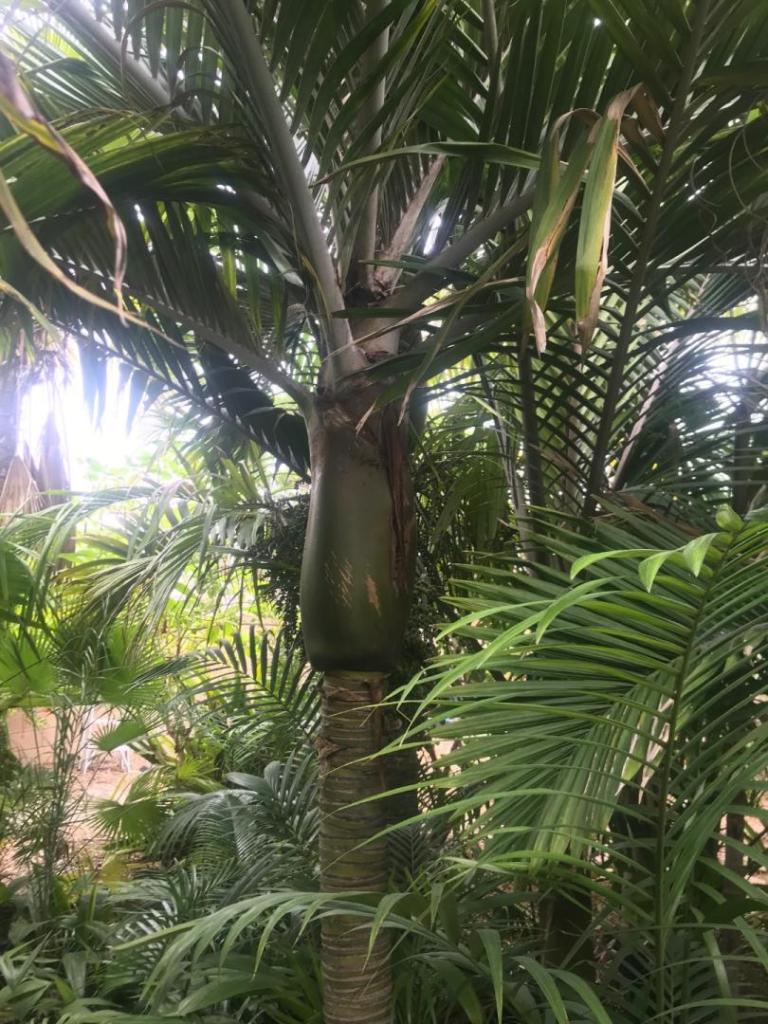
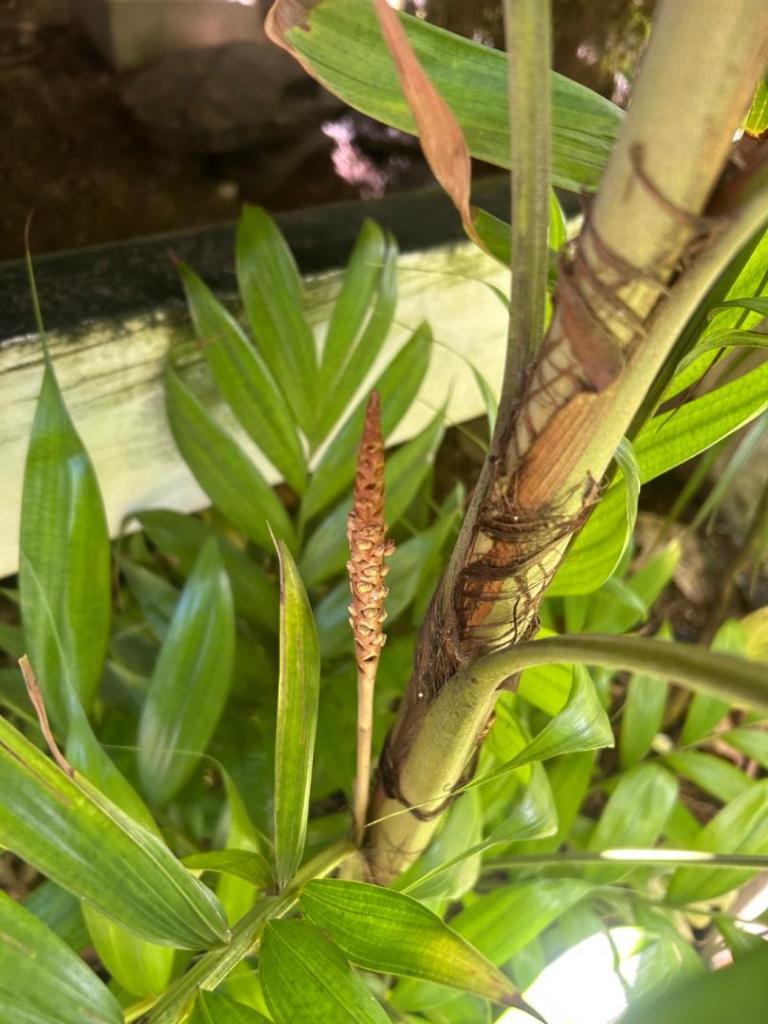
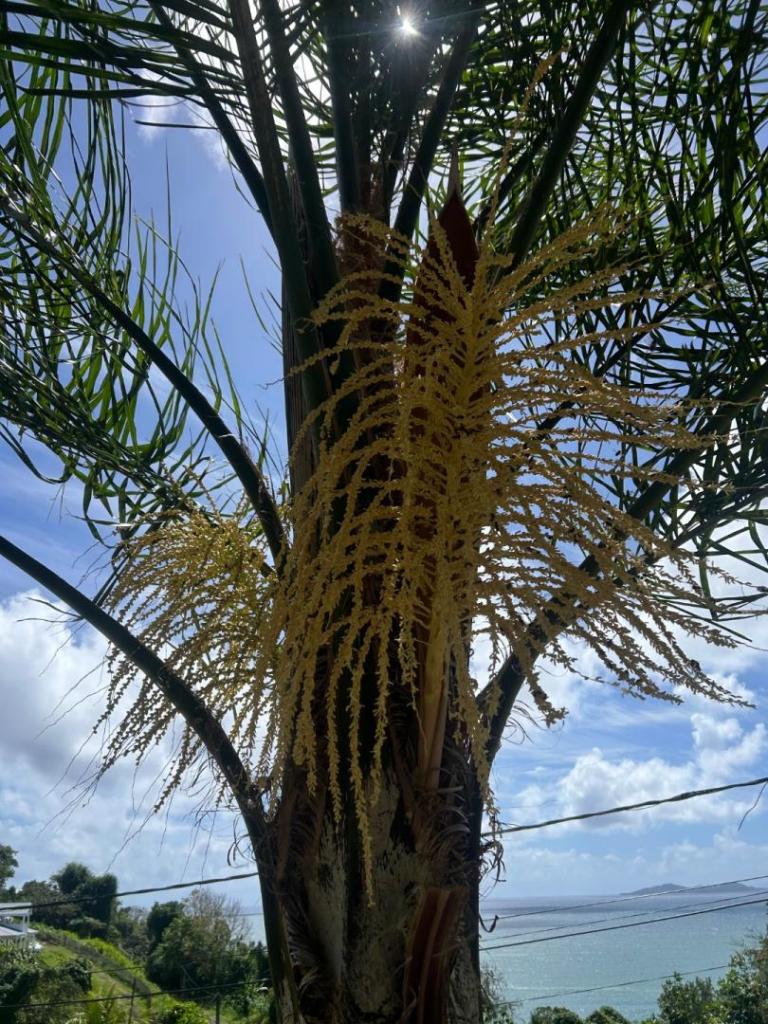
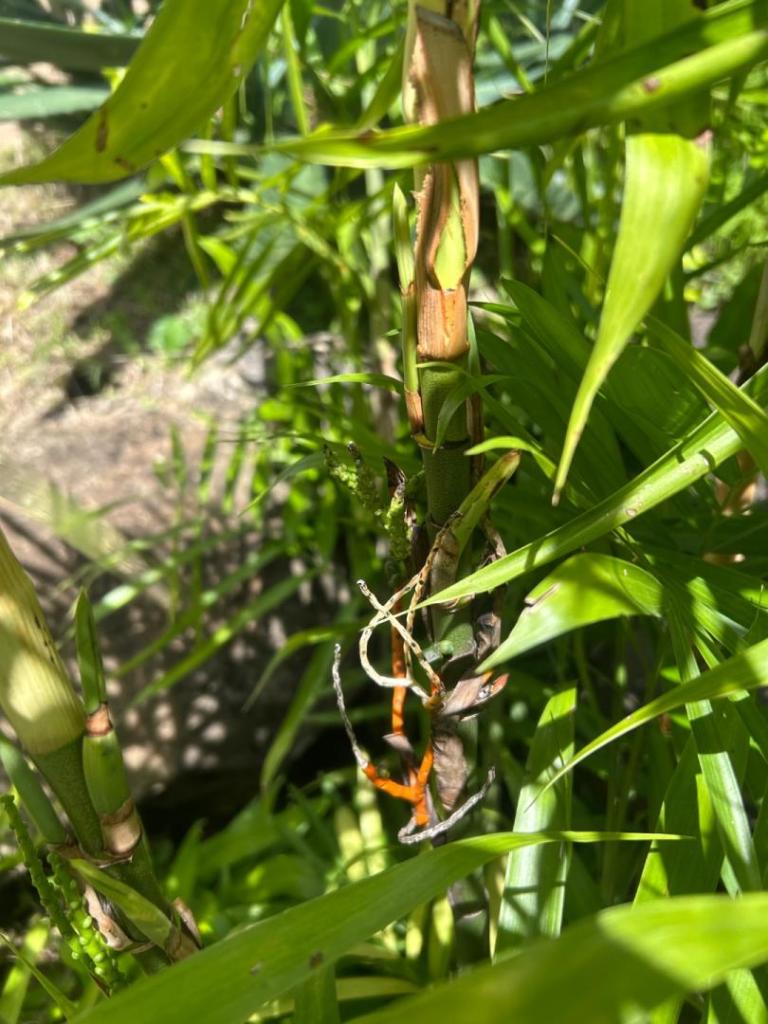
 5 pointsHas anyone seen anything like this before? I can’t help but wonder which Rhopalostylis variety it might be. My first thought was Chatham Islands, but I’m starting to doubt that. It could possibly be a Great Barrier Island form instead. Or even a naturally occurring hybrid with archontophoenix cunninghamiana? It’s surrounded by them.. Anyway what caught my attention is the very open crown and the extremely dark crownshaft color. I was also looking through some older Rhopalostylis photos and I think Geoff Stein used to have a few similar plants in cultivation. Curious to hear what others think on the variety — what are your bets?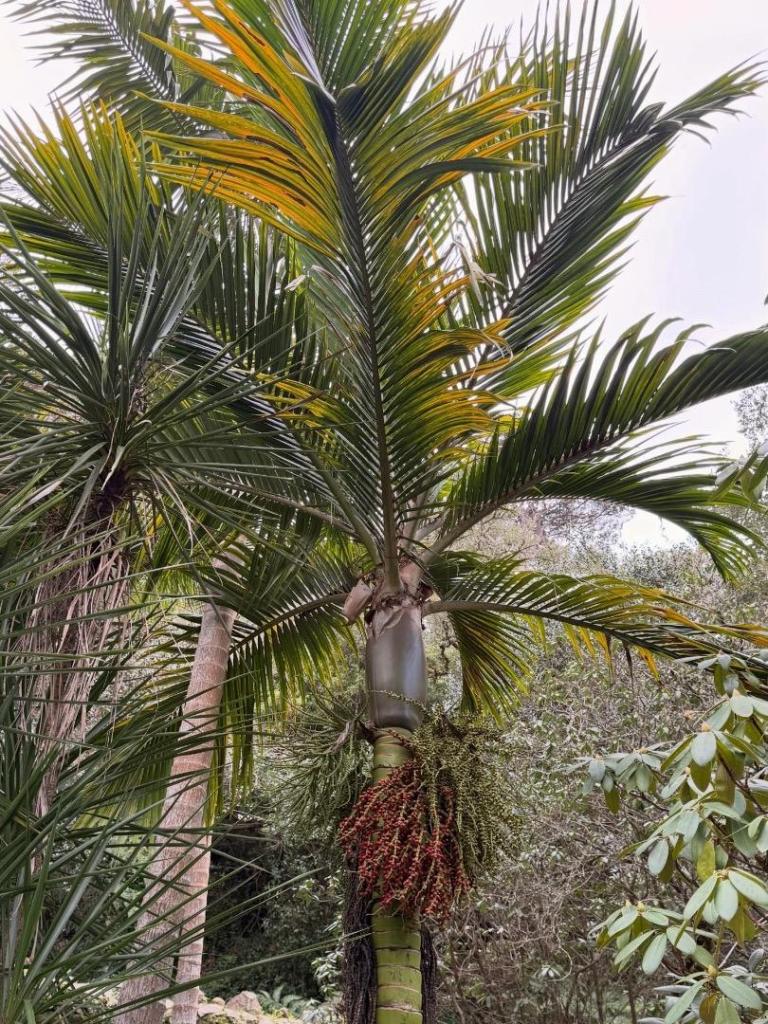
 5 points
 -
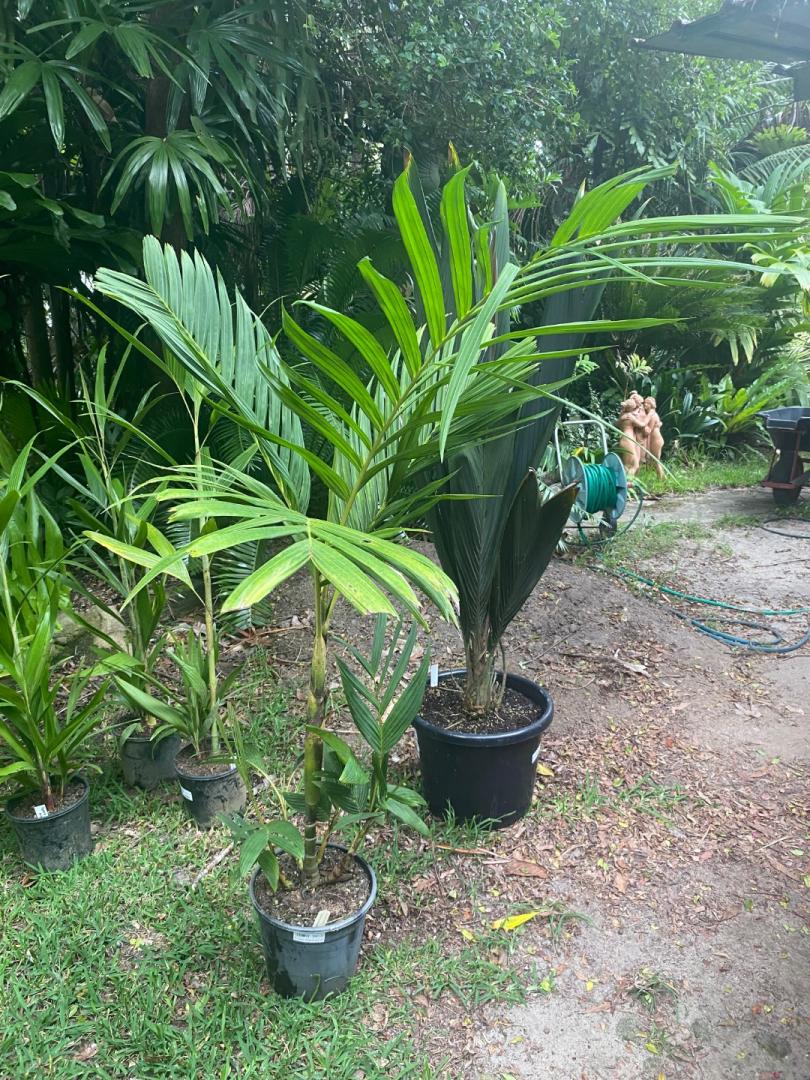
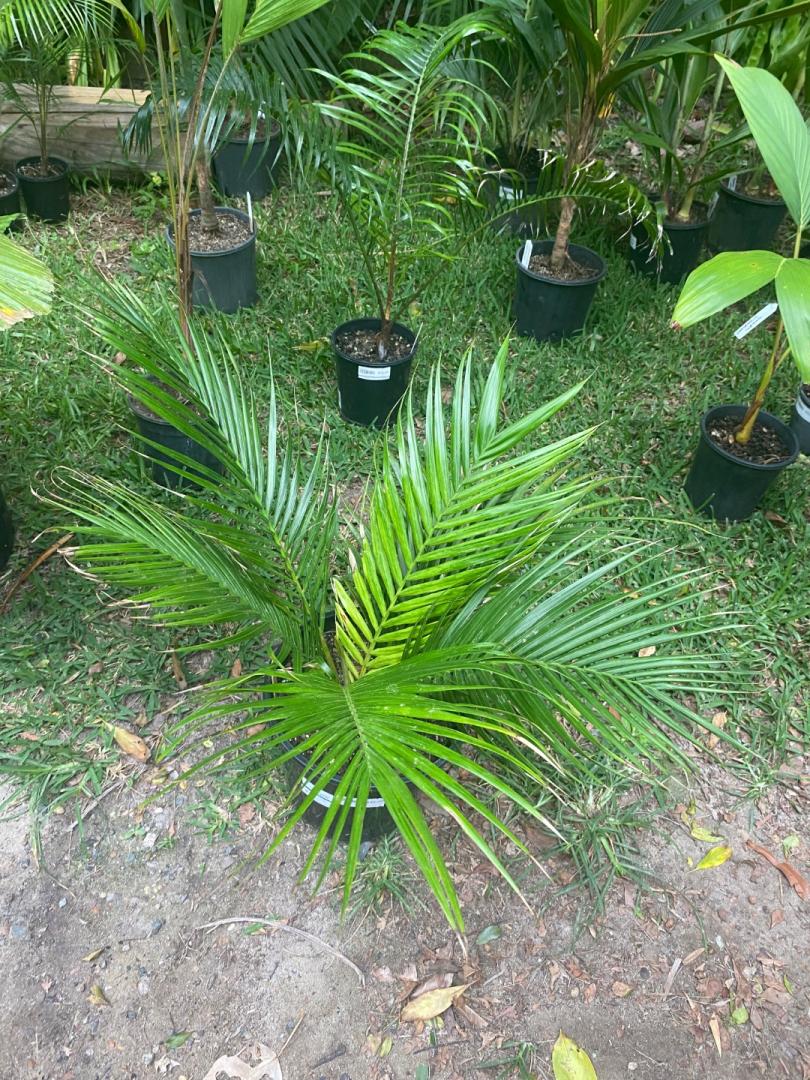
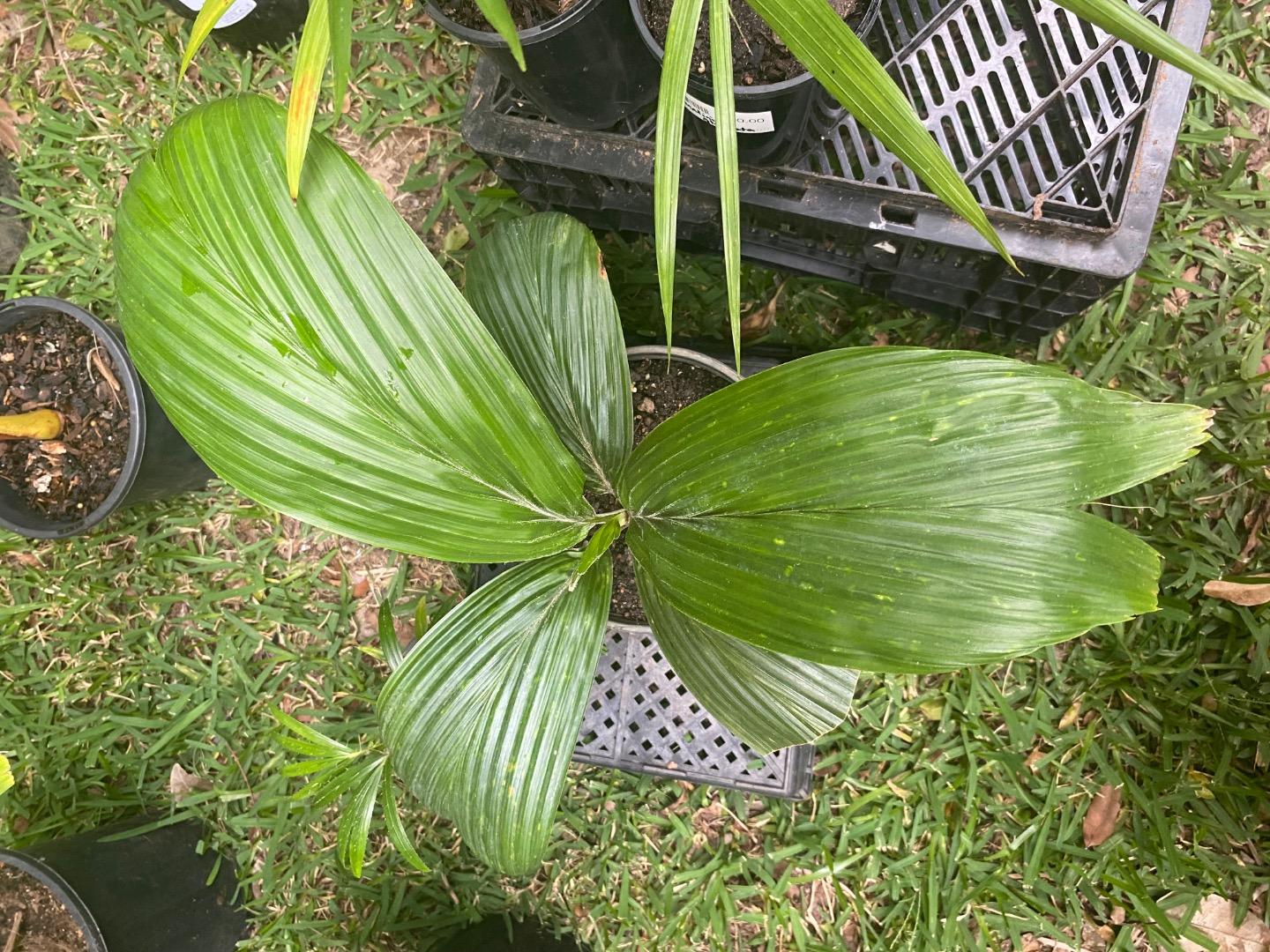
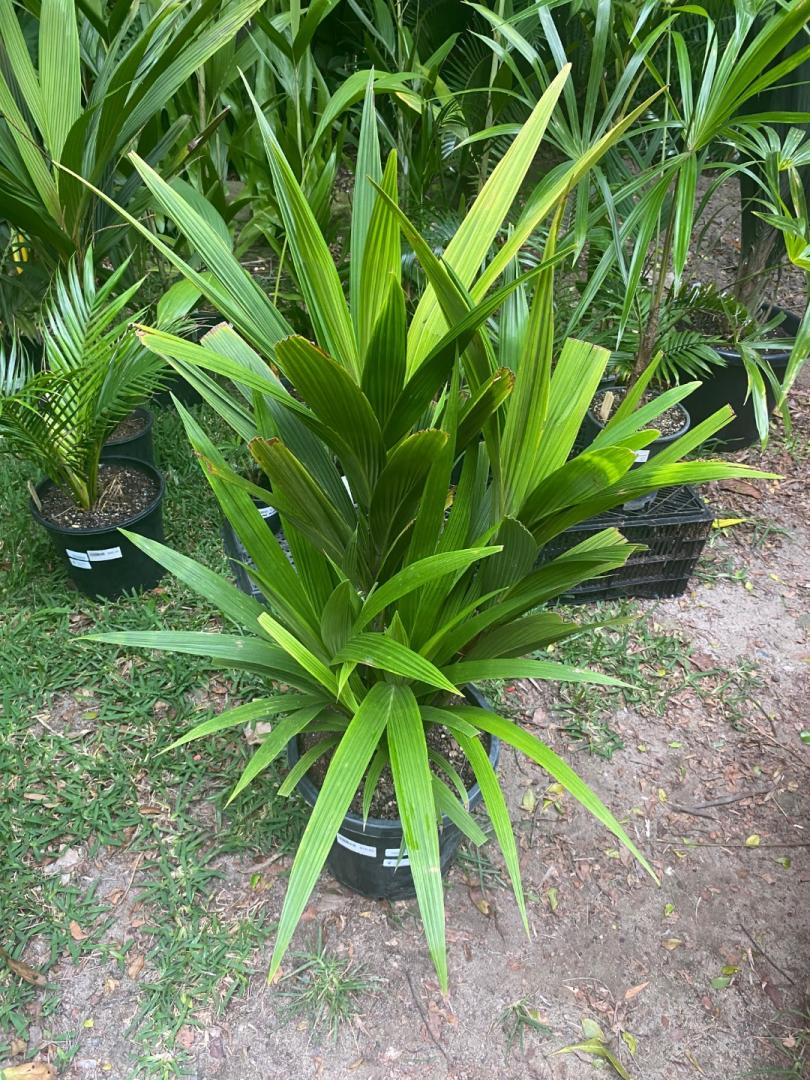
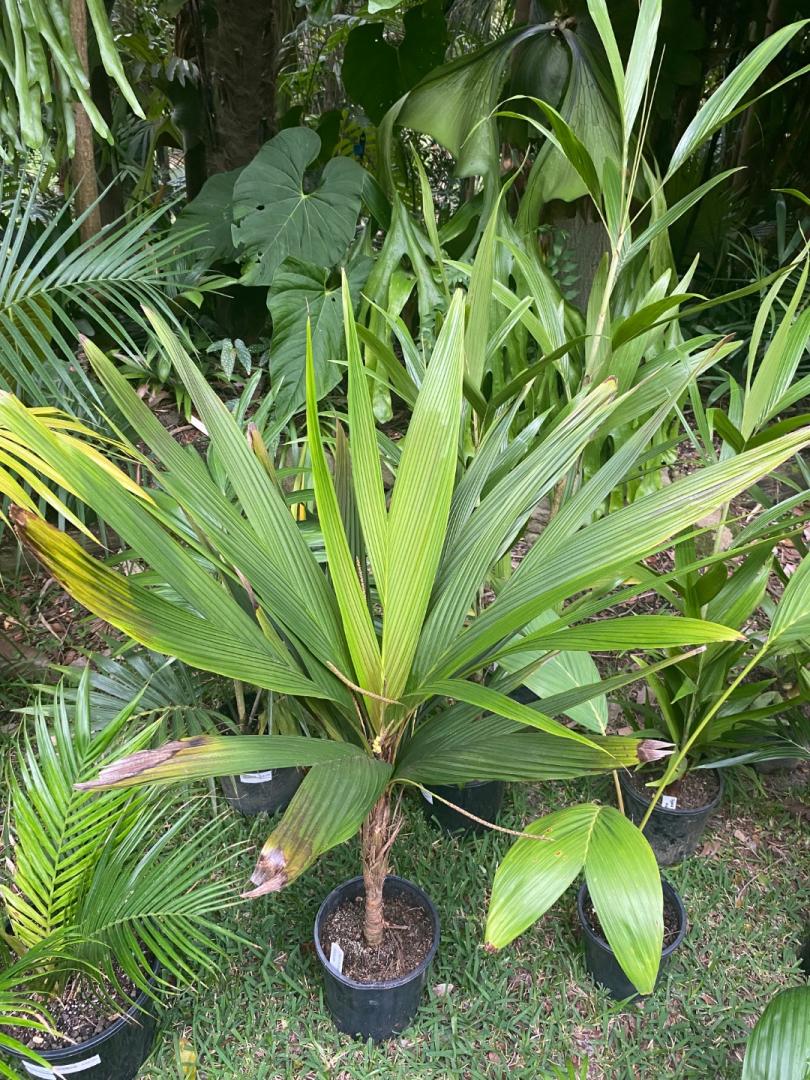
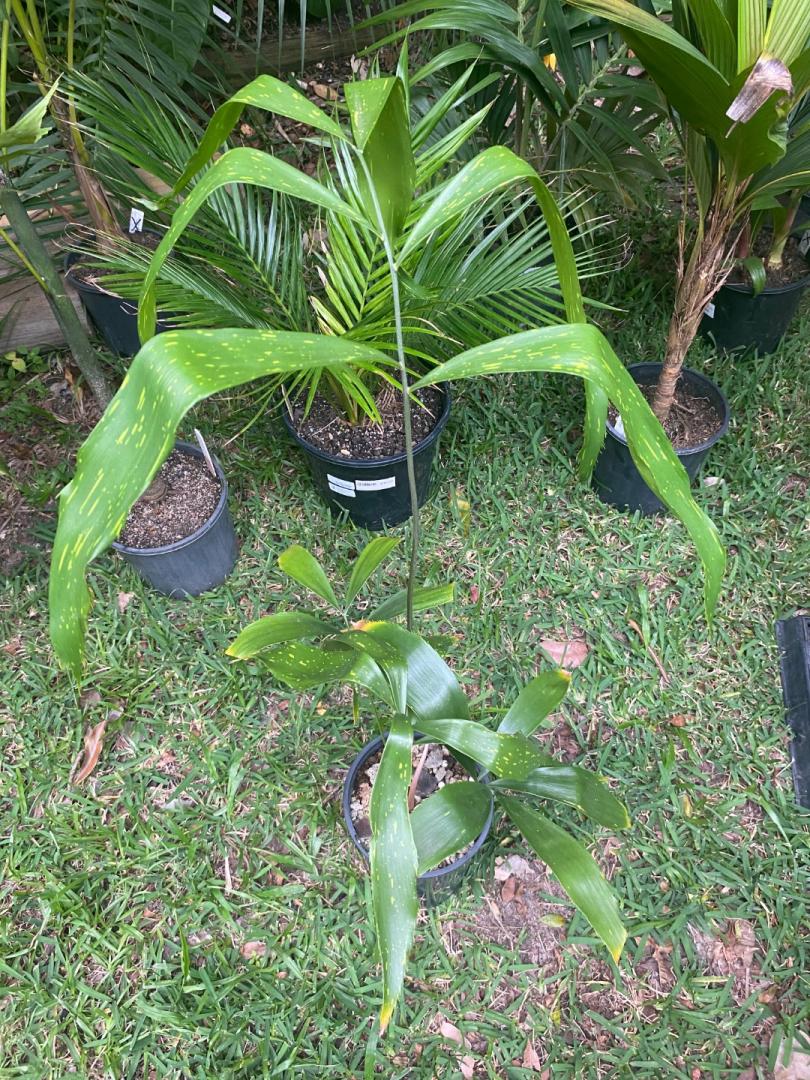
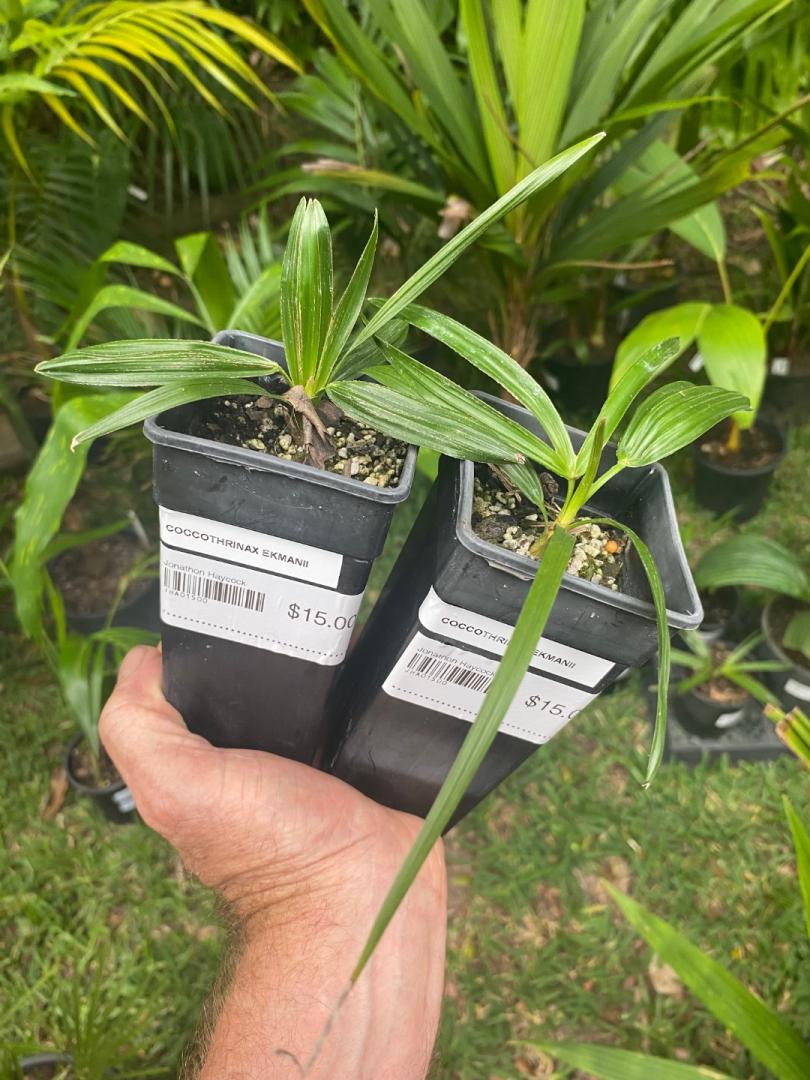
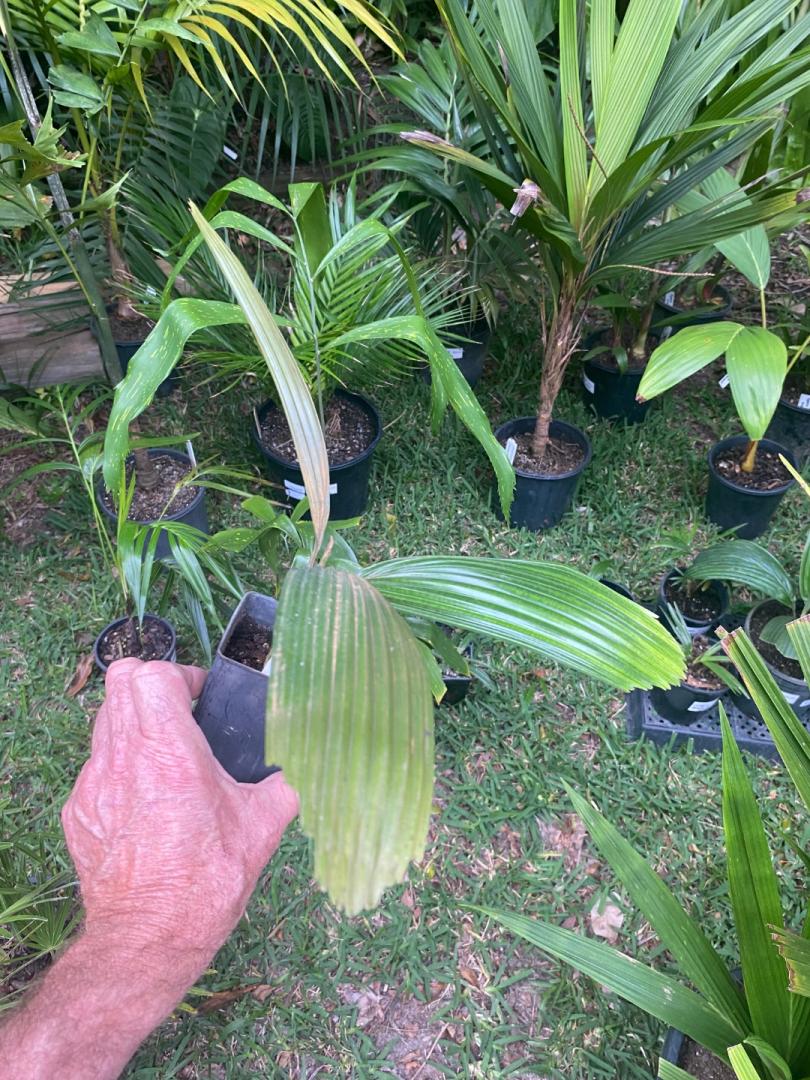
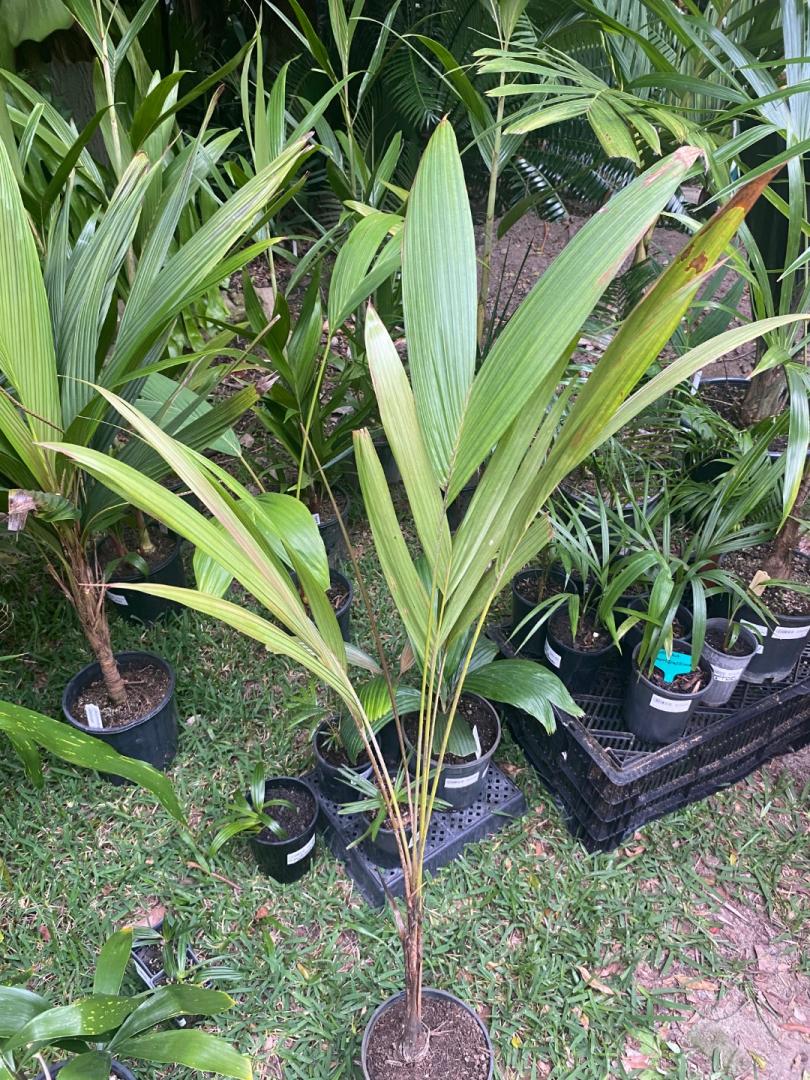
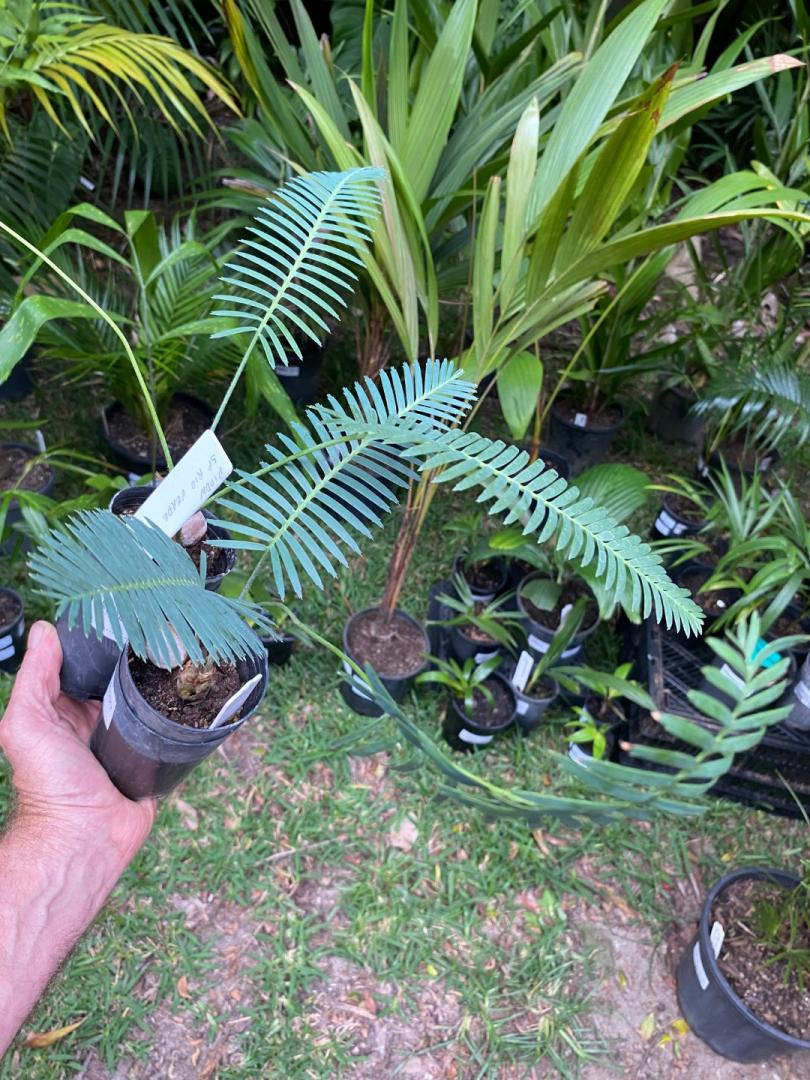
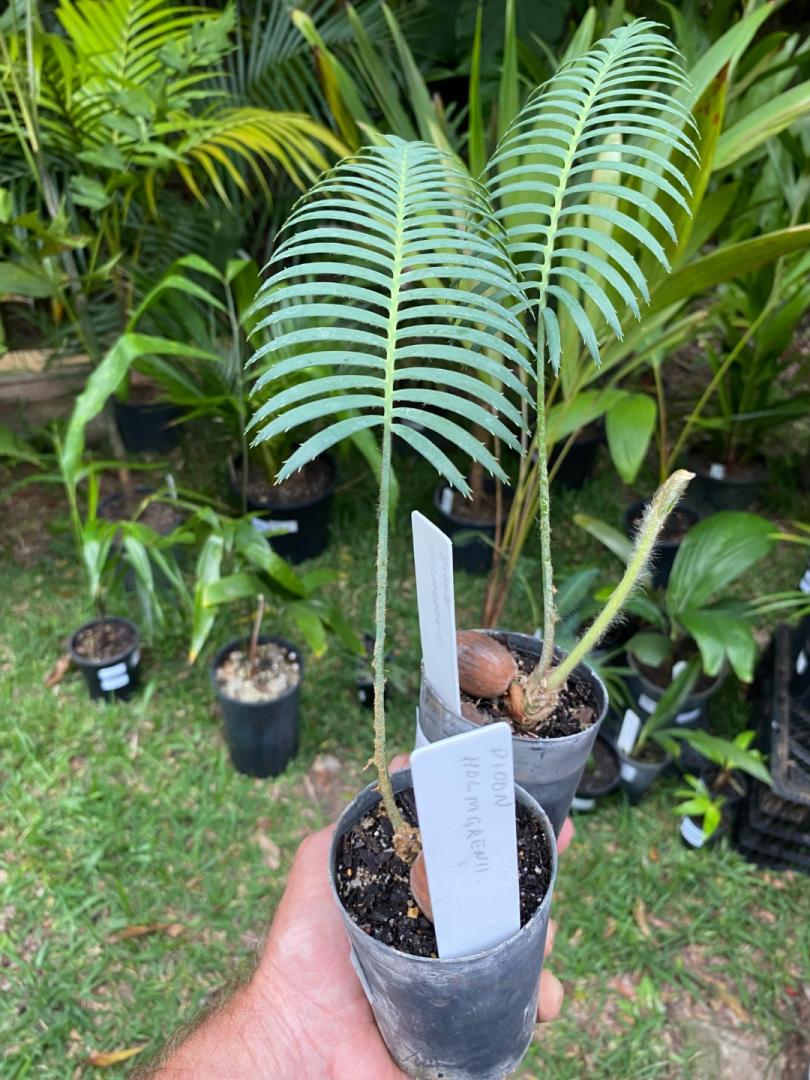
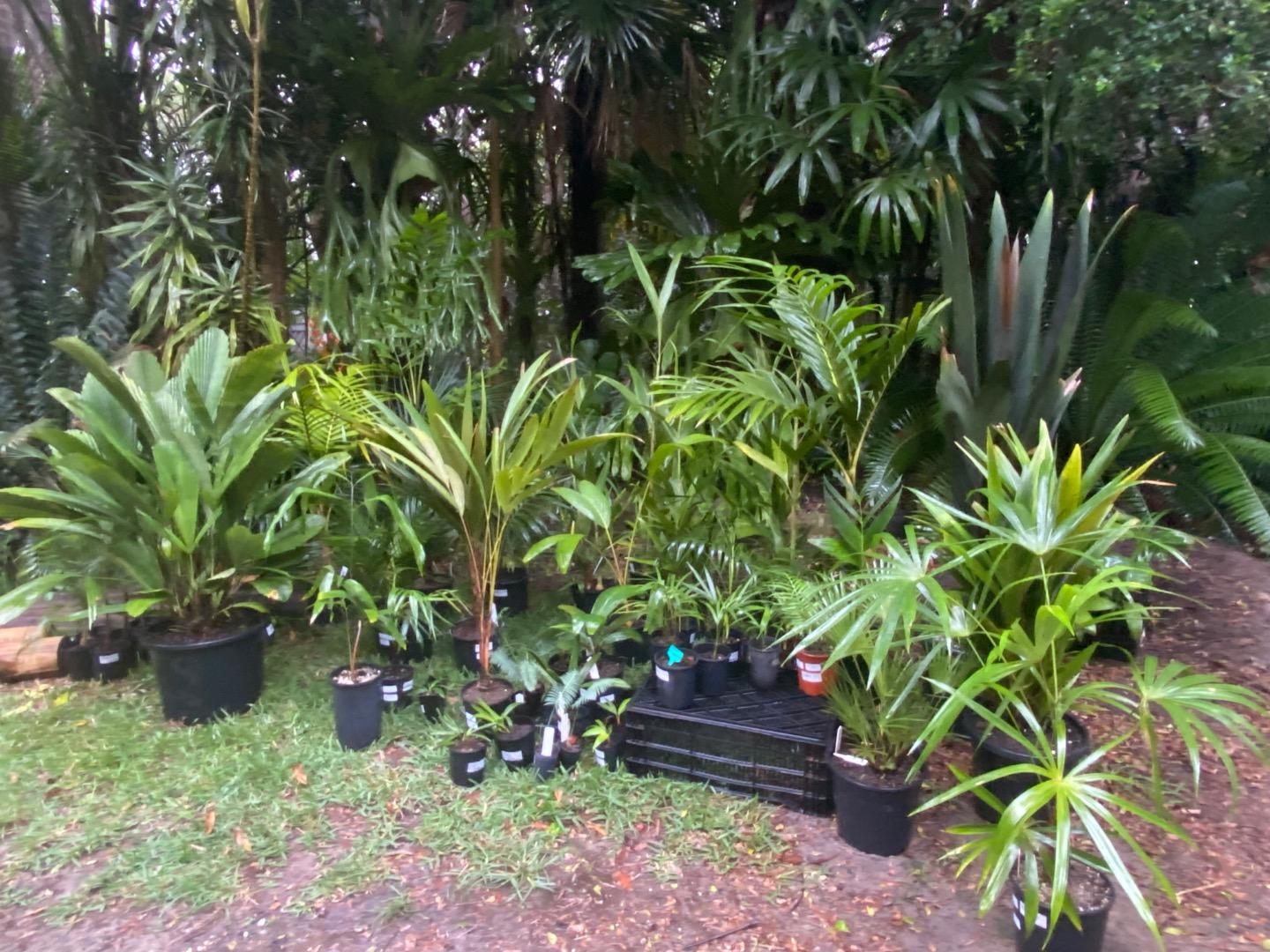
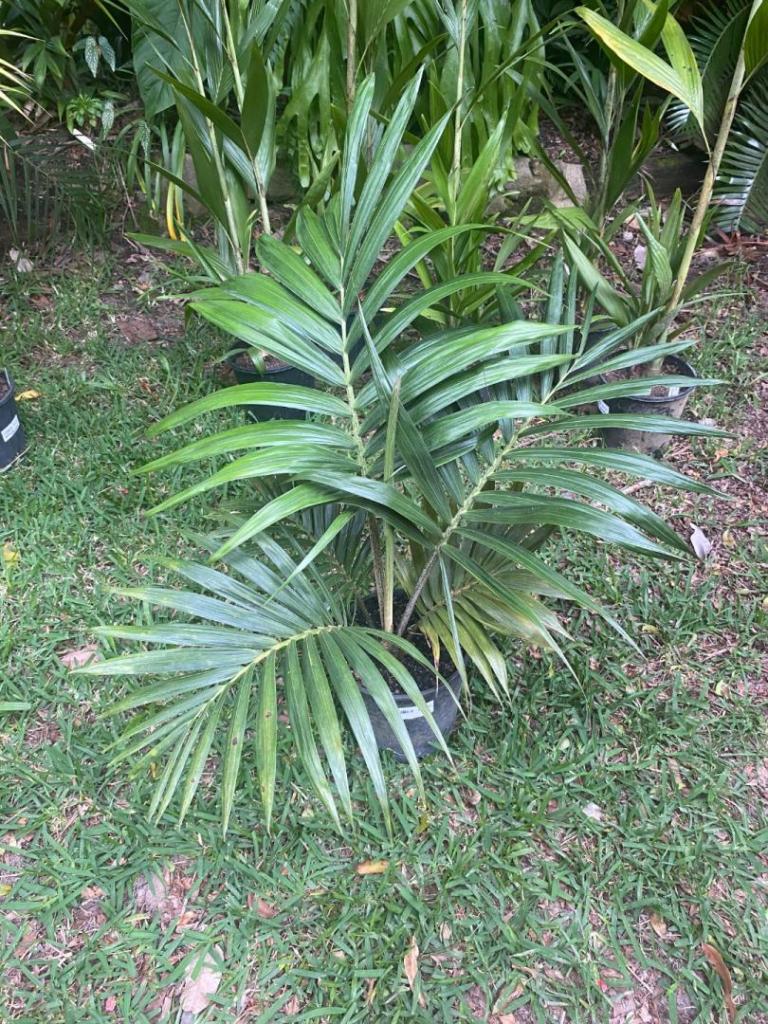
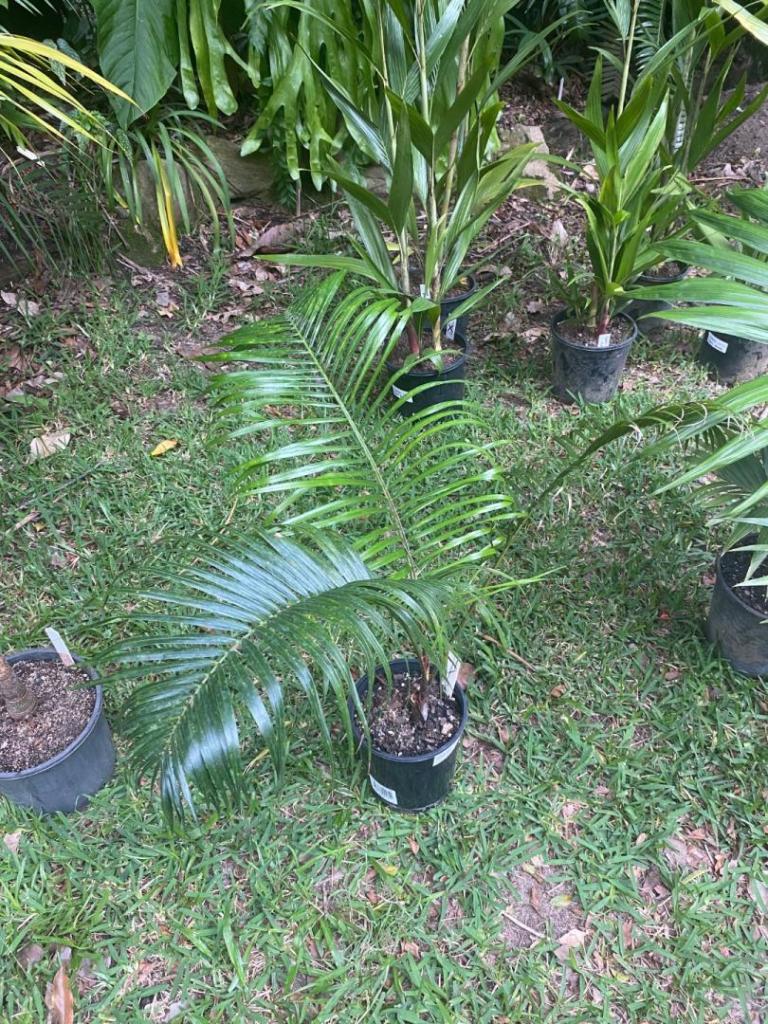
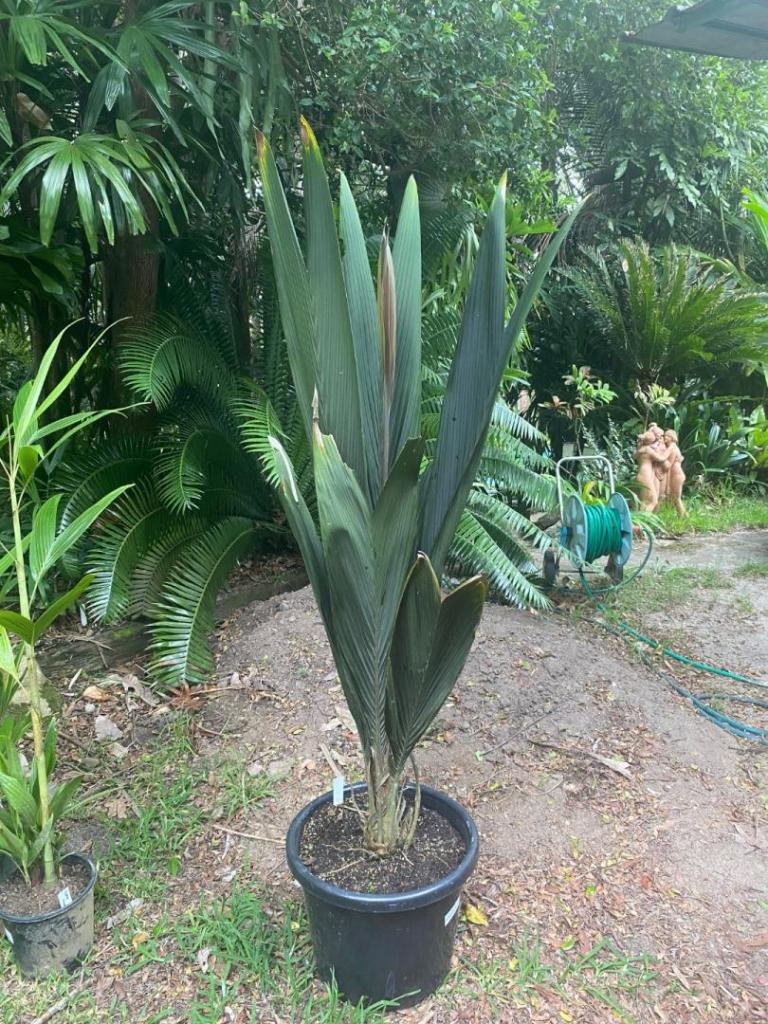
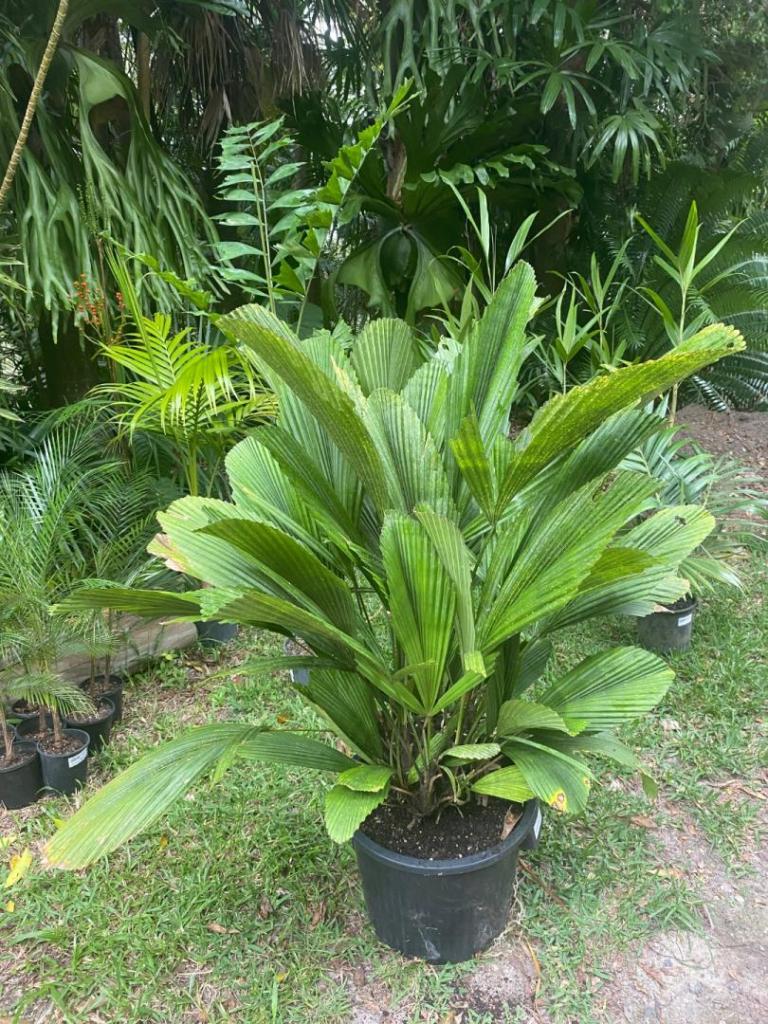
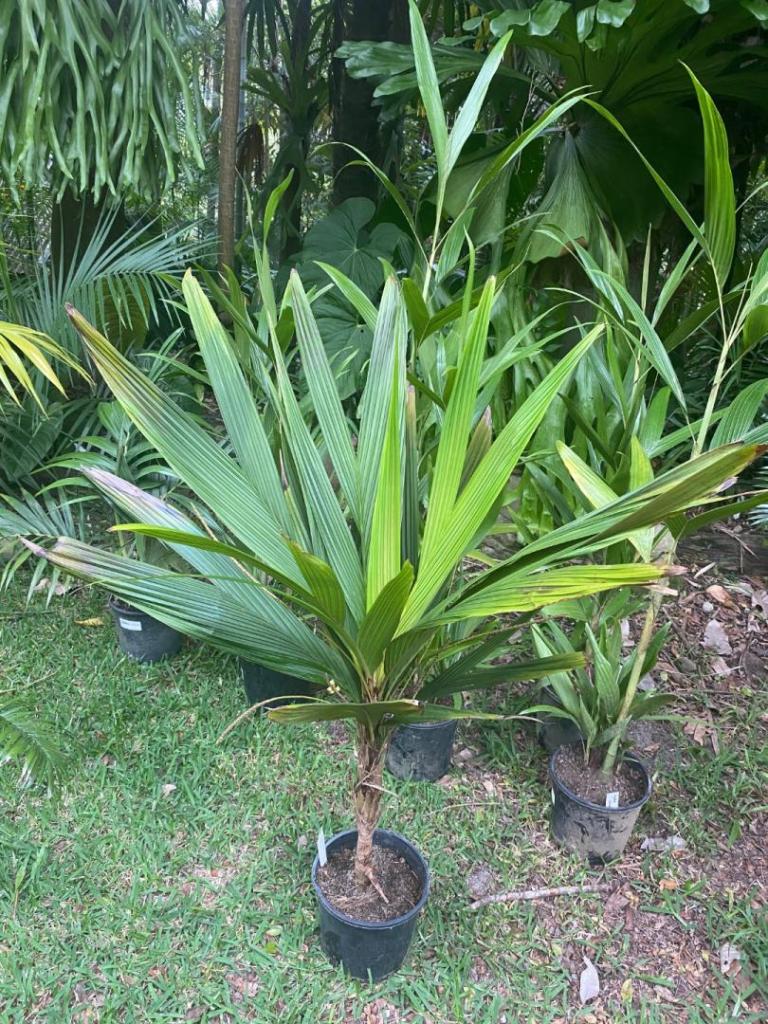
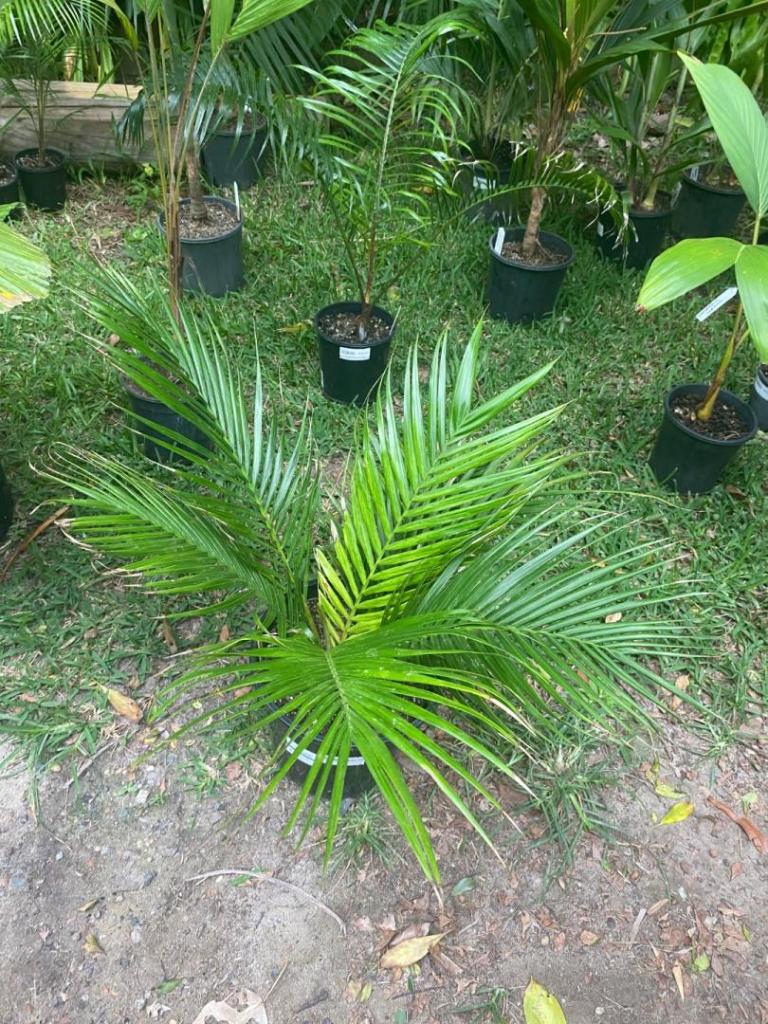
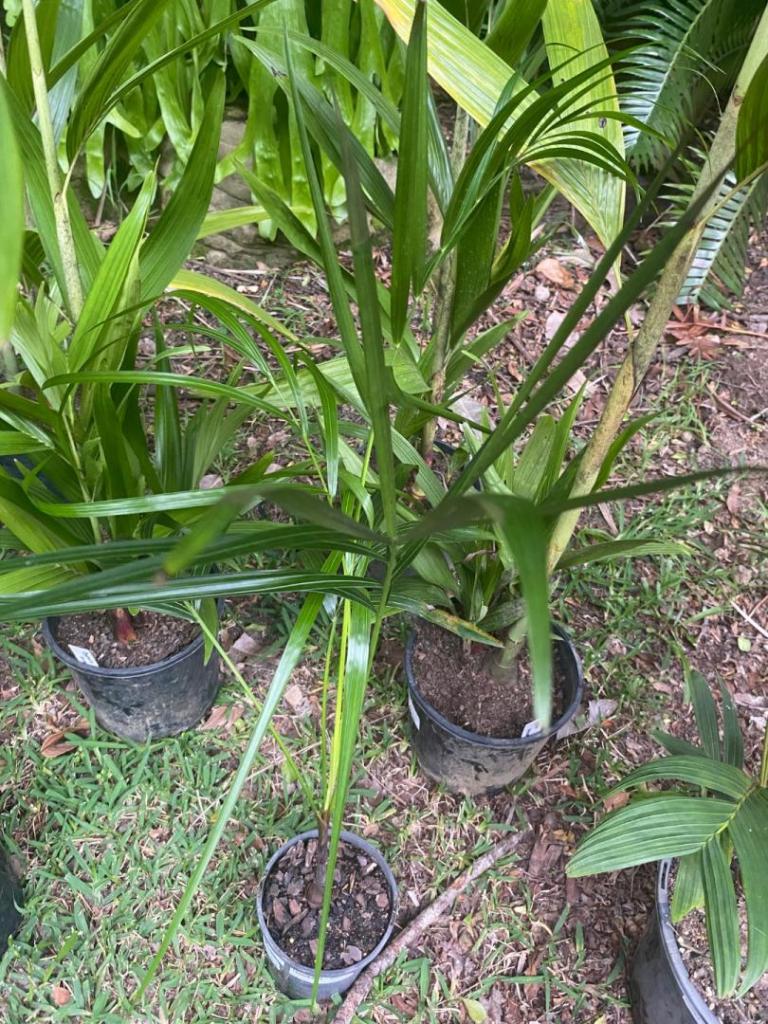
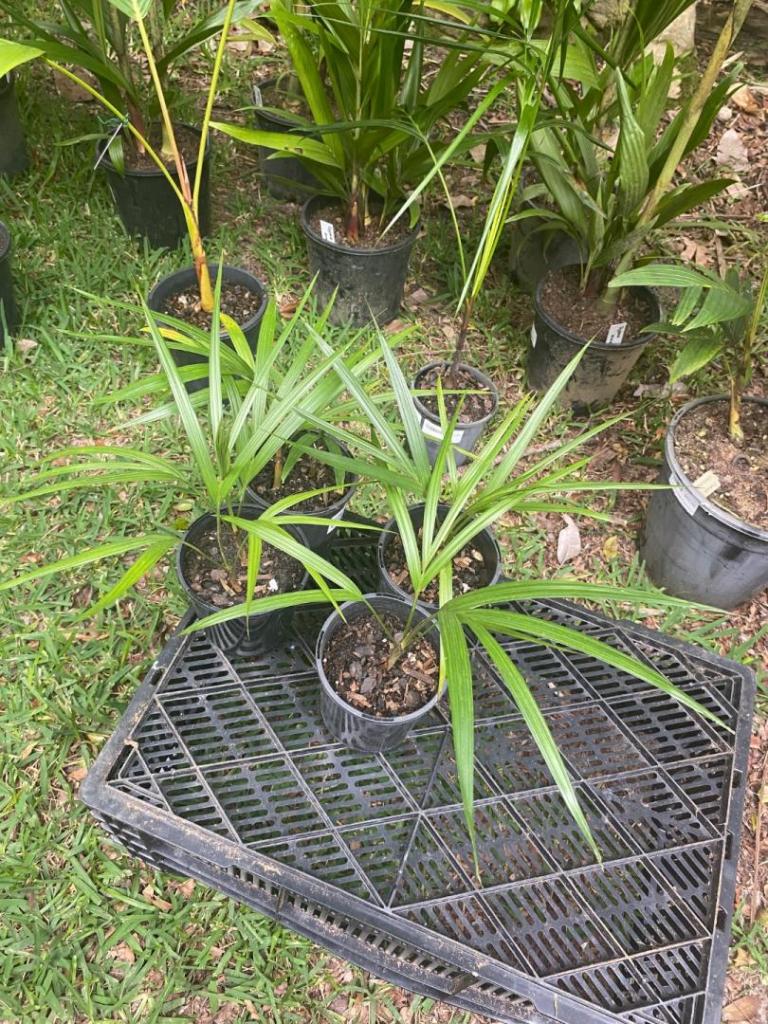
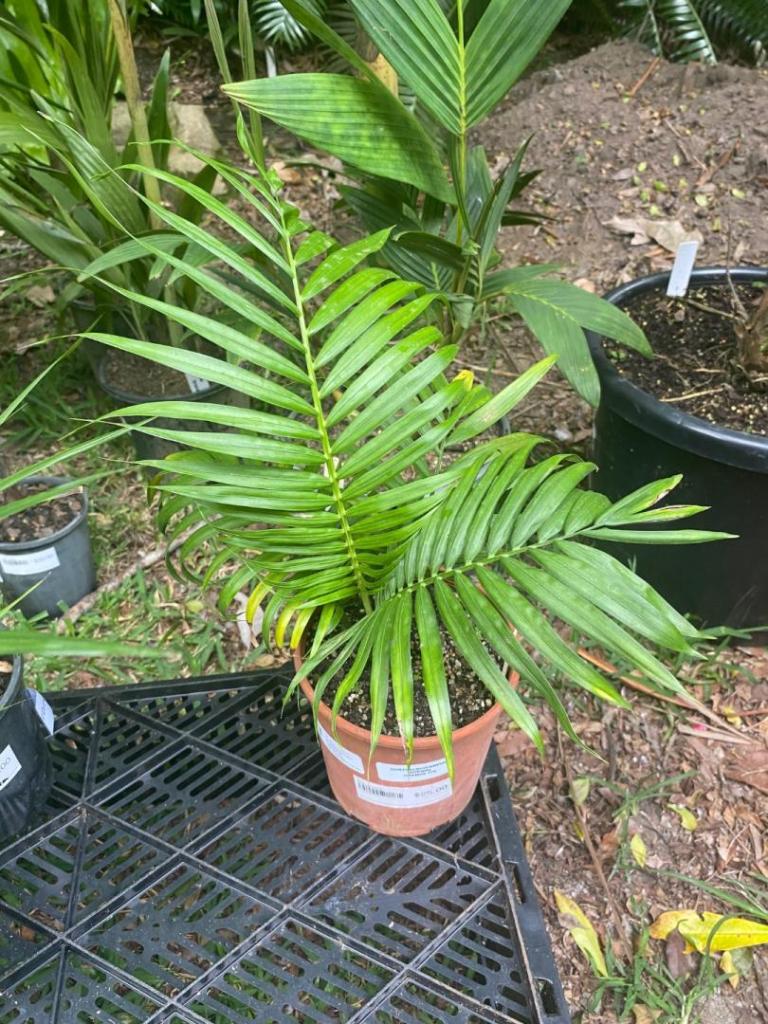
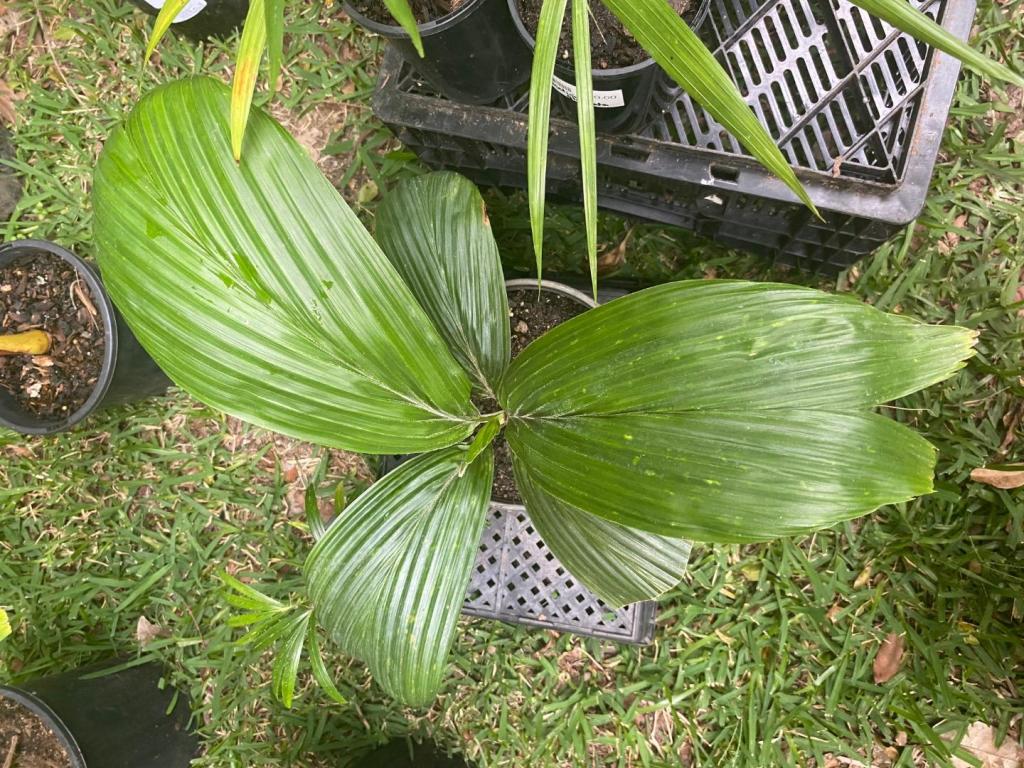
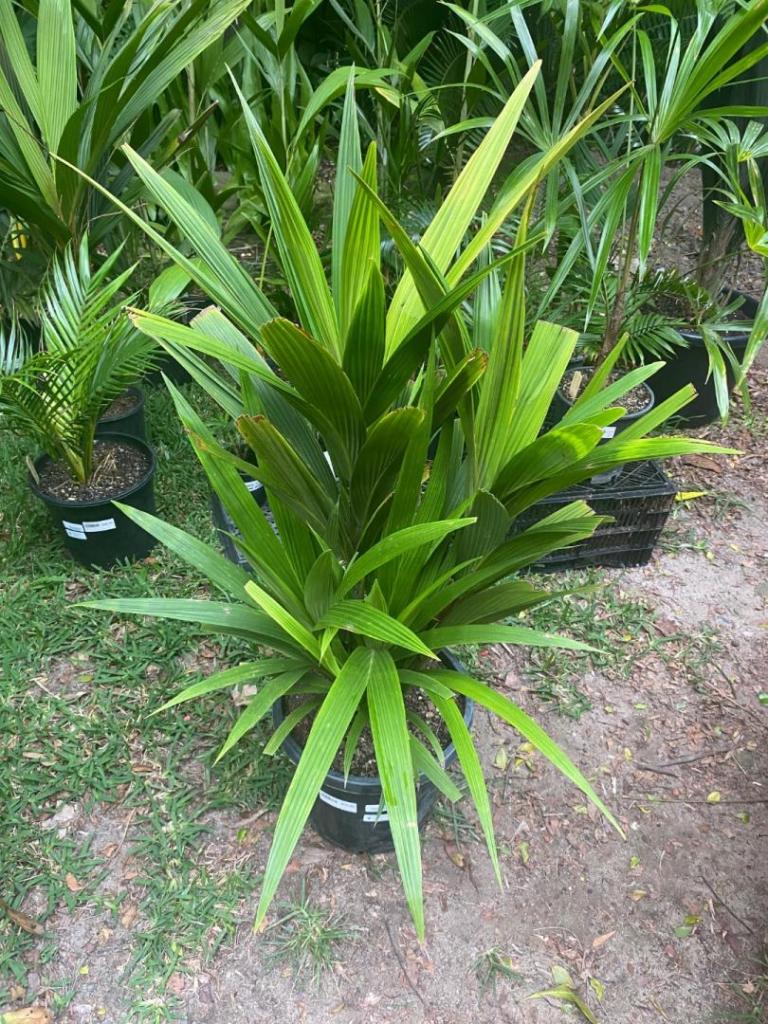
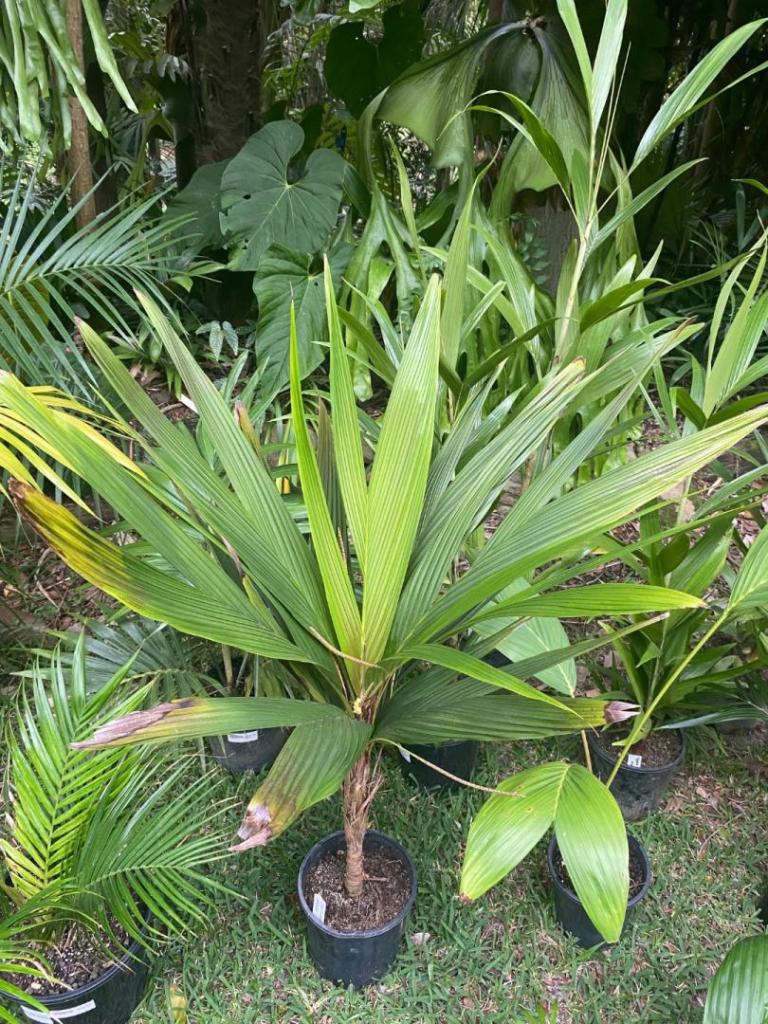
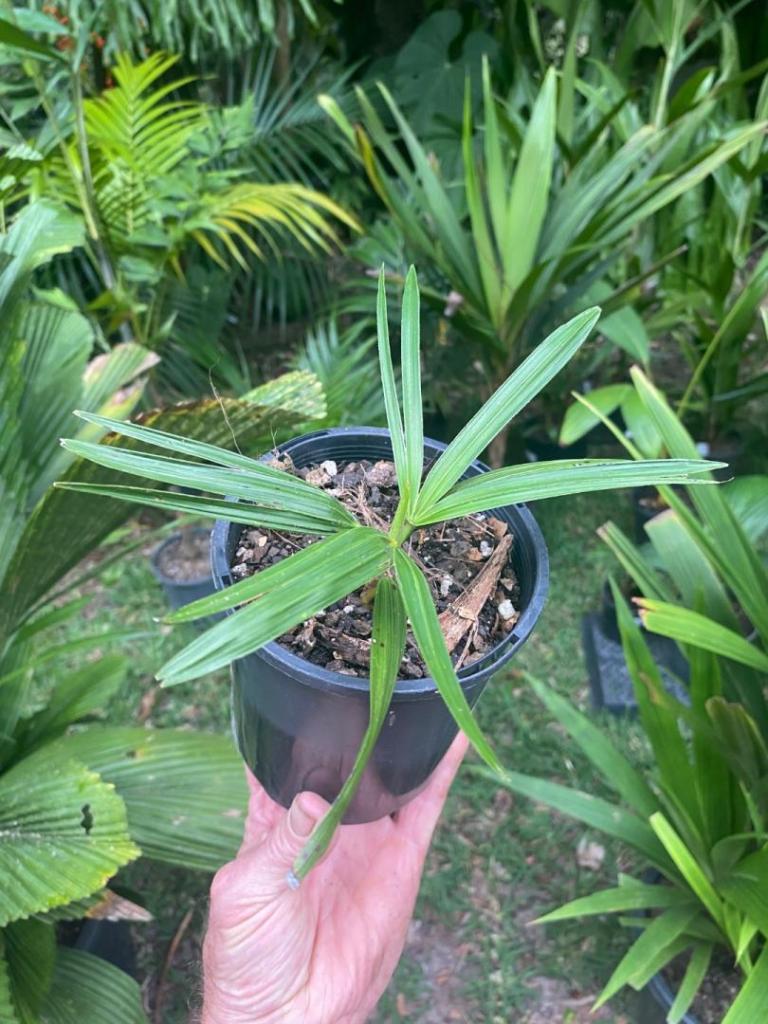
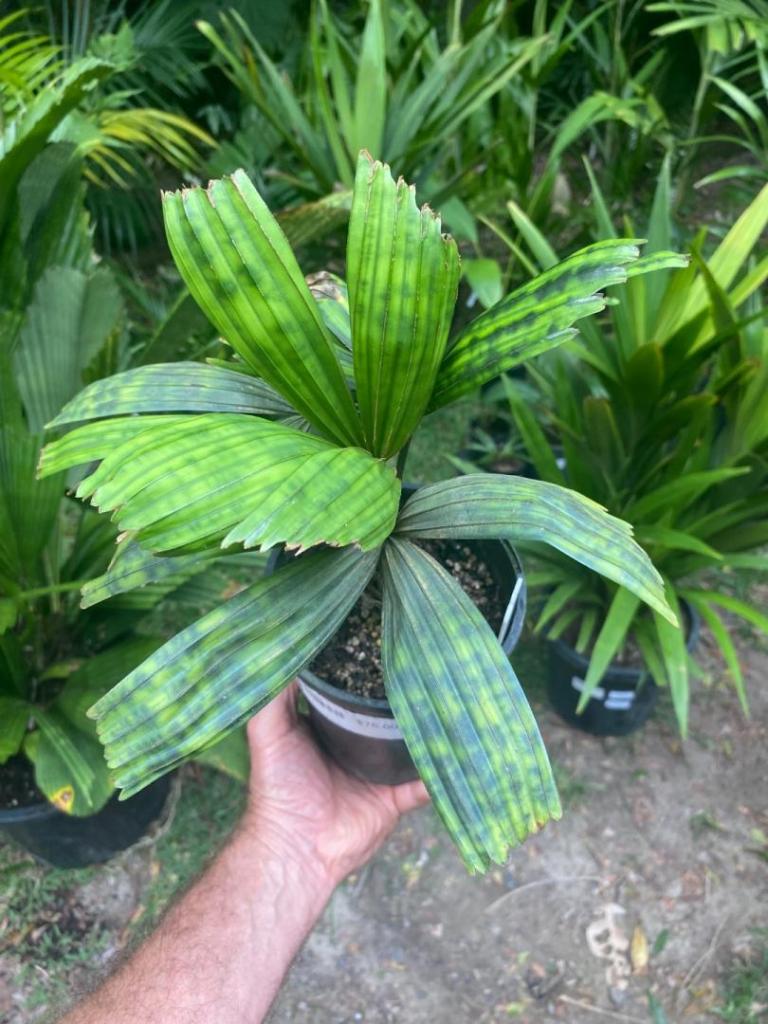
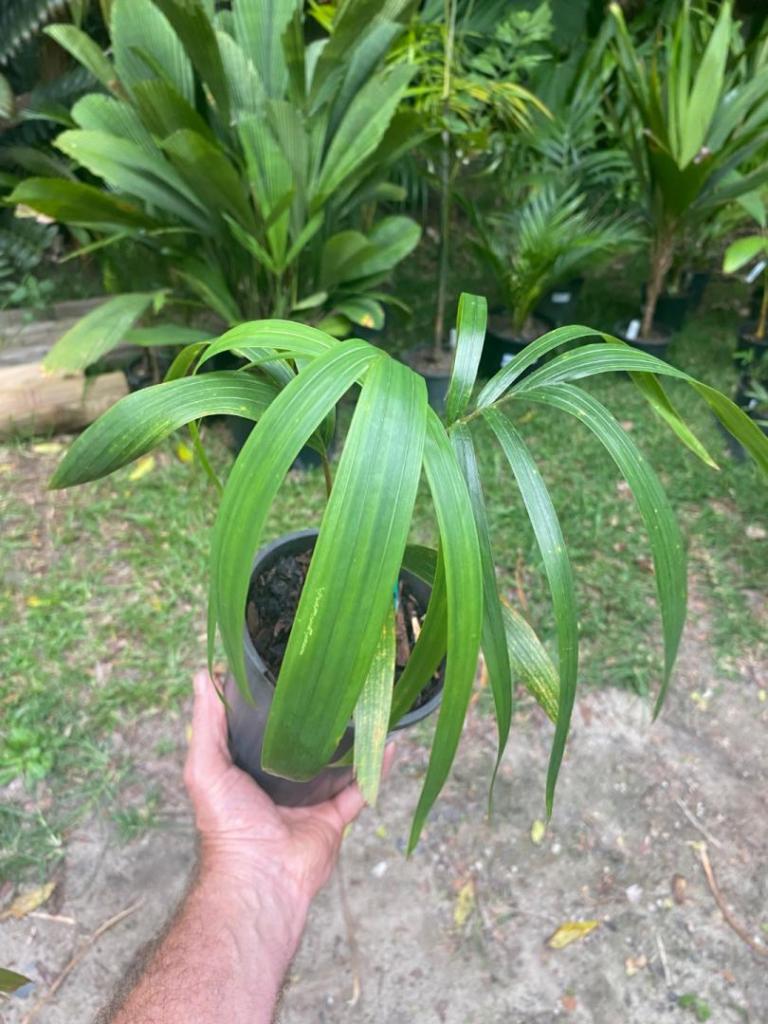
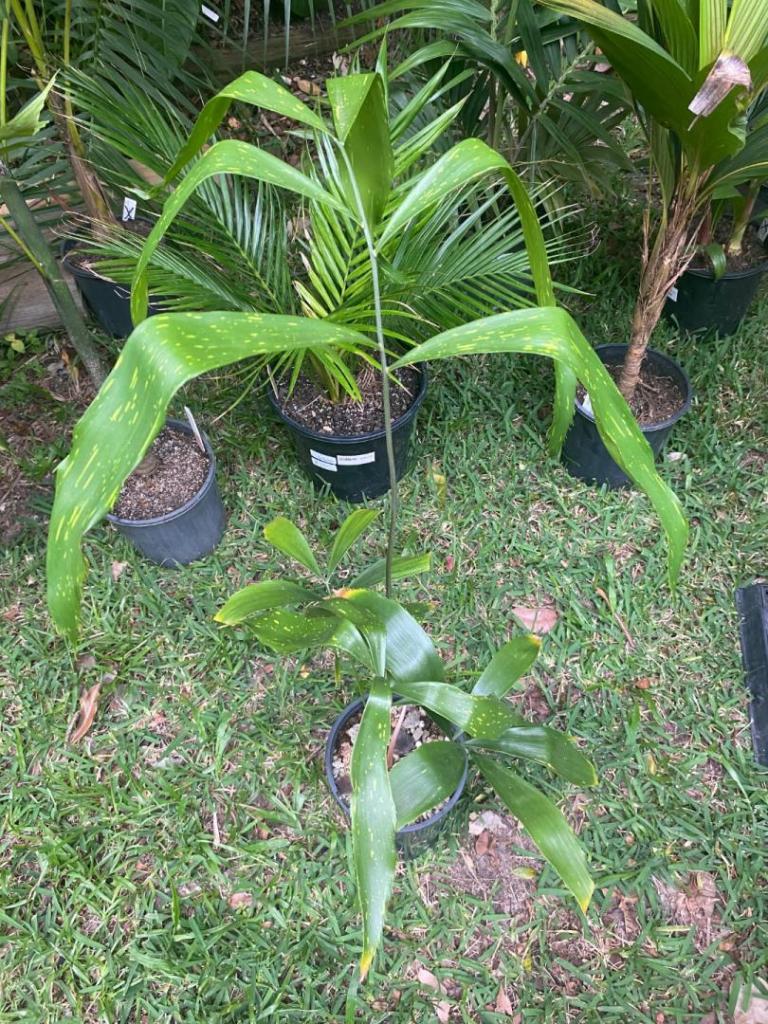
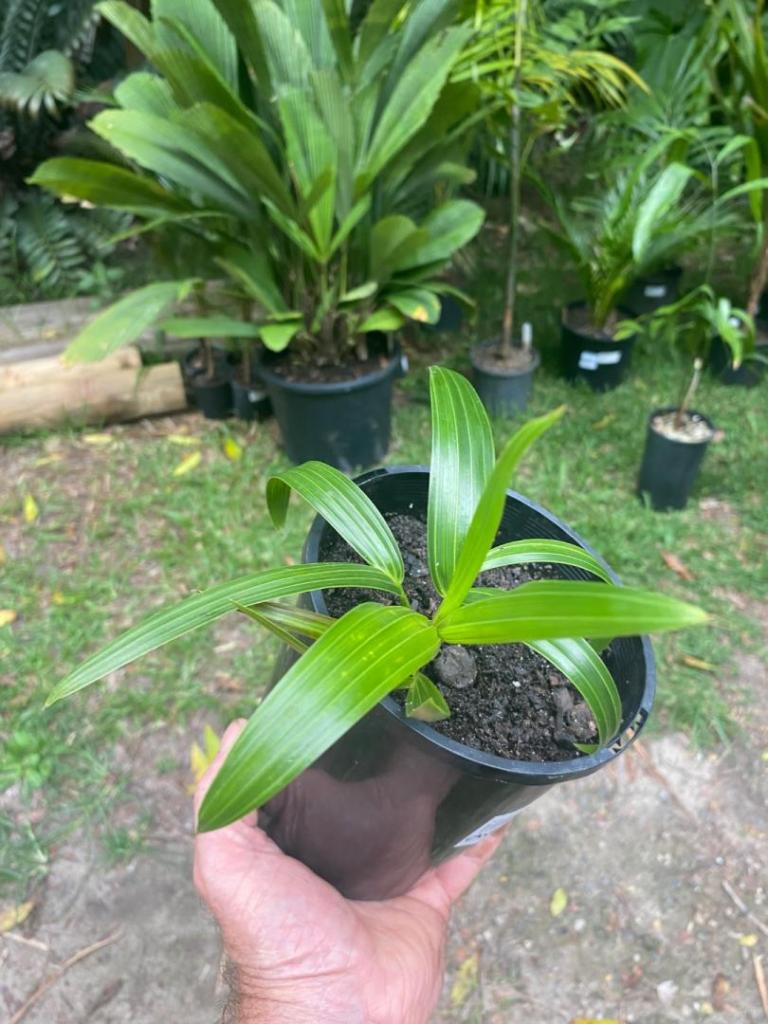
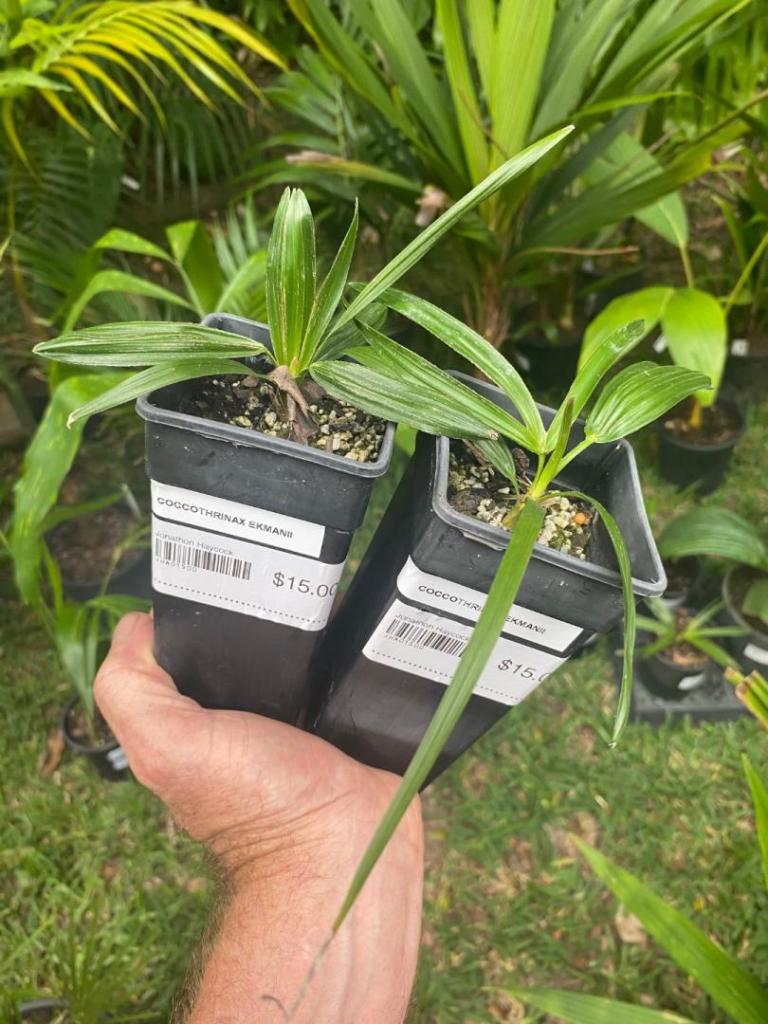
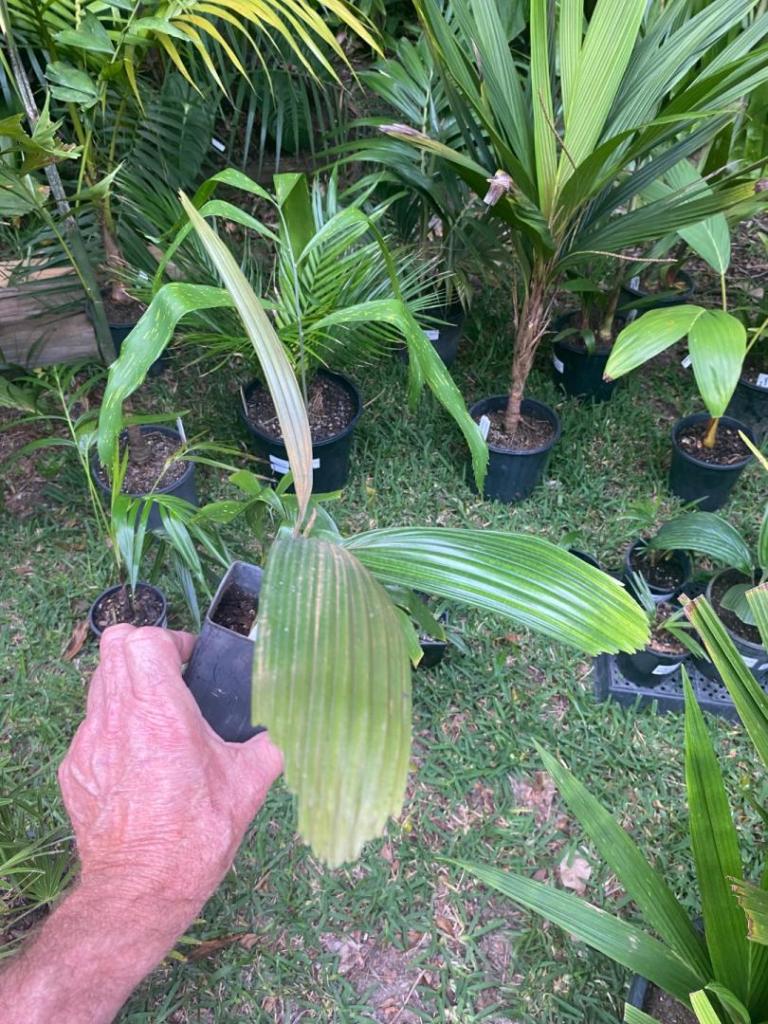
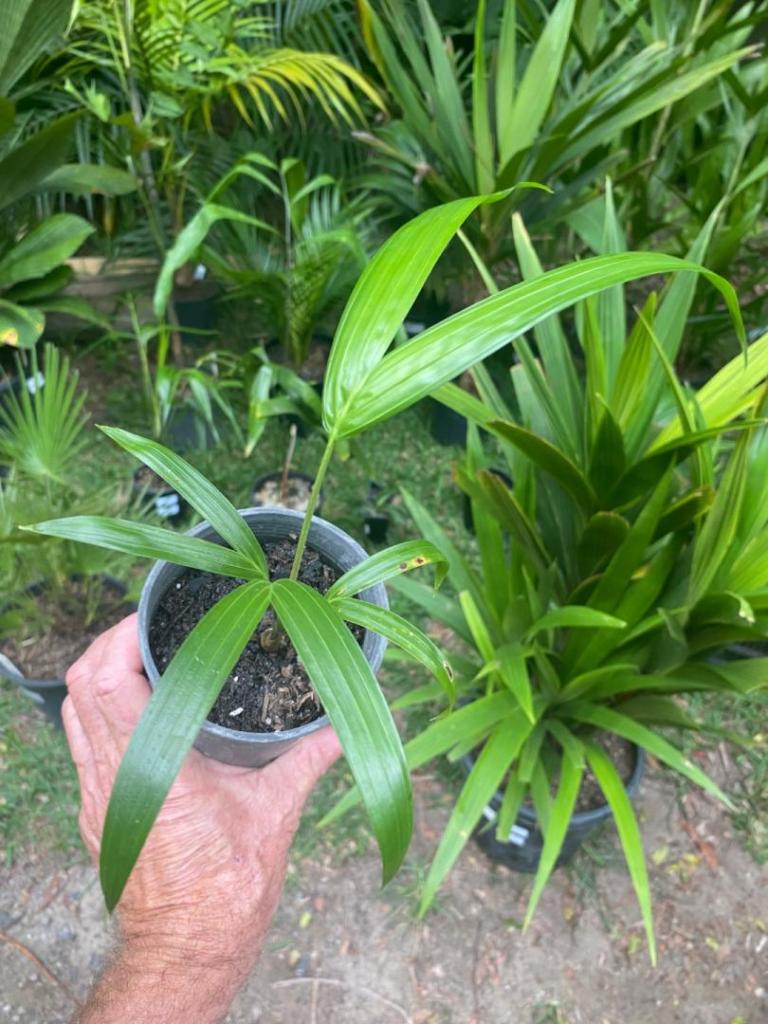
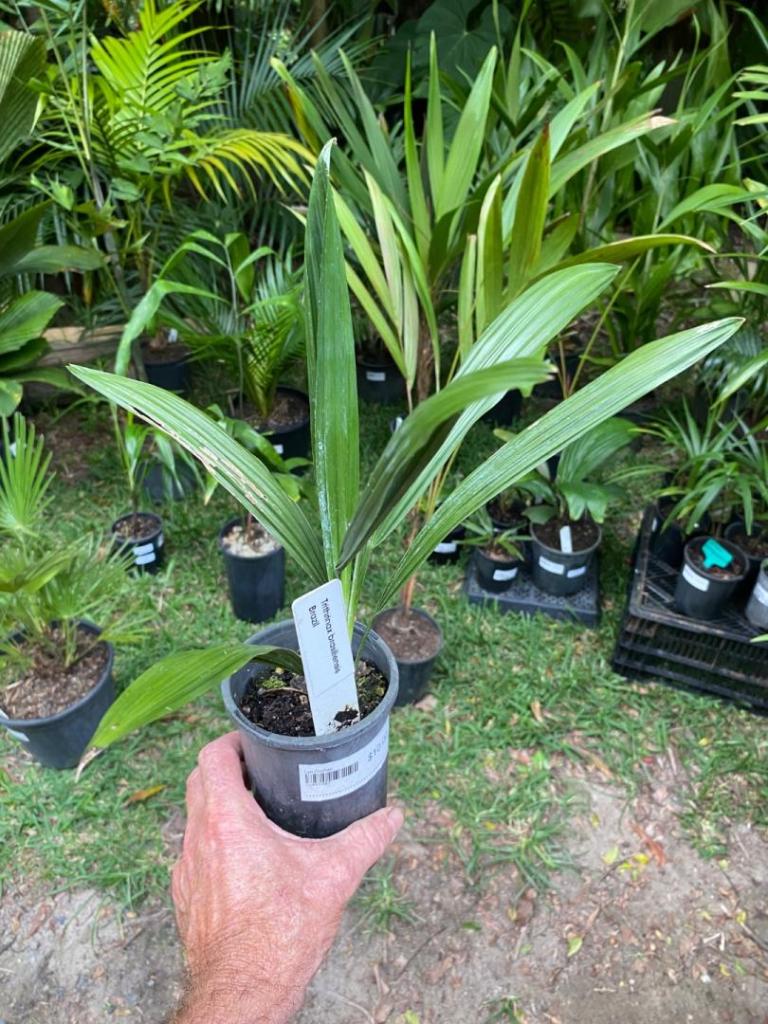
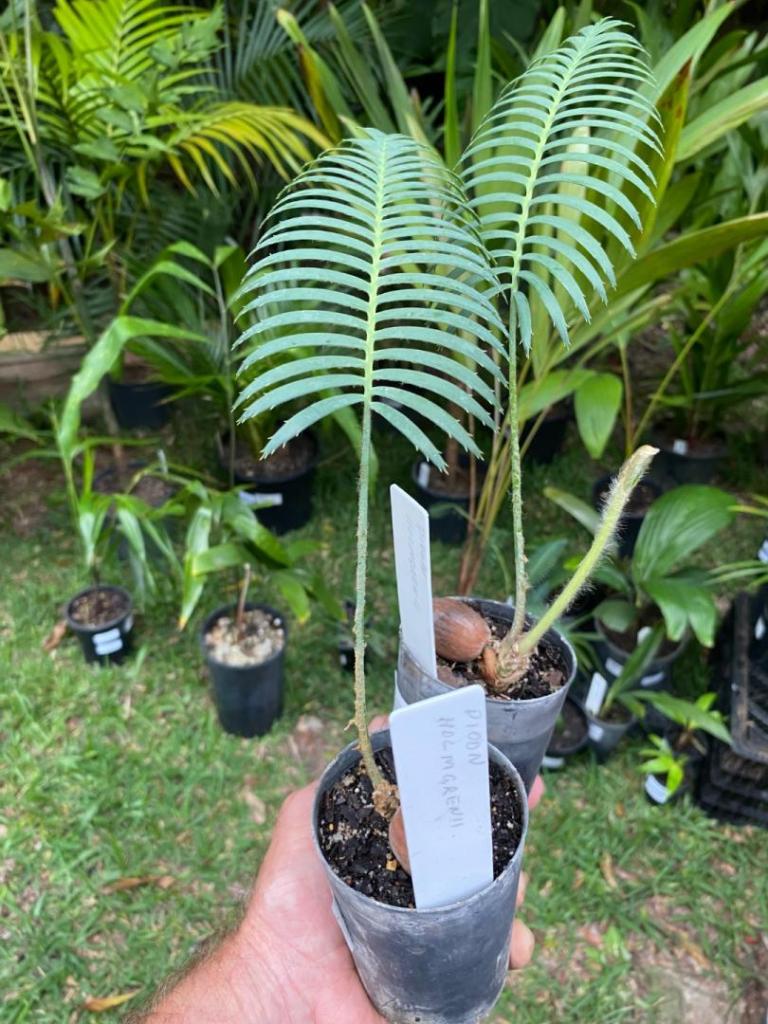
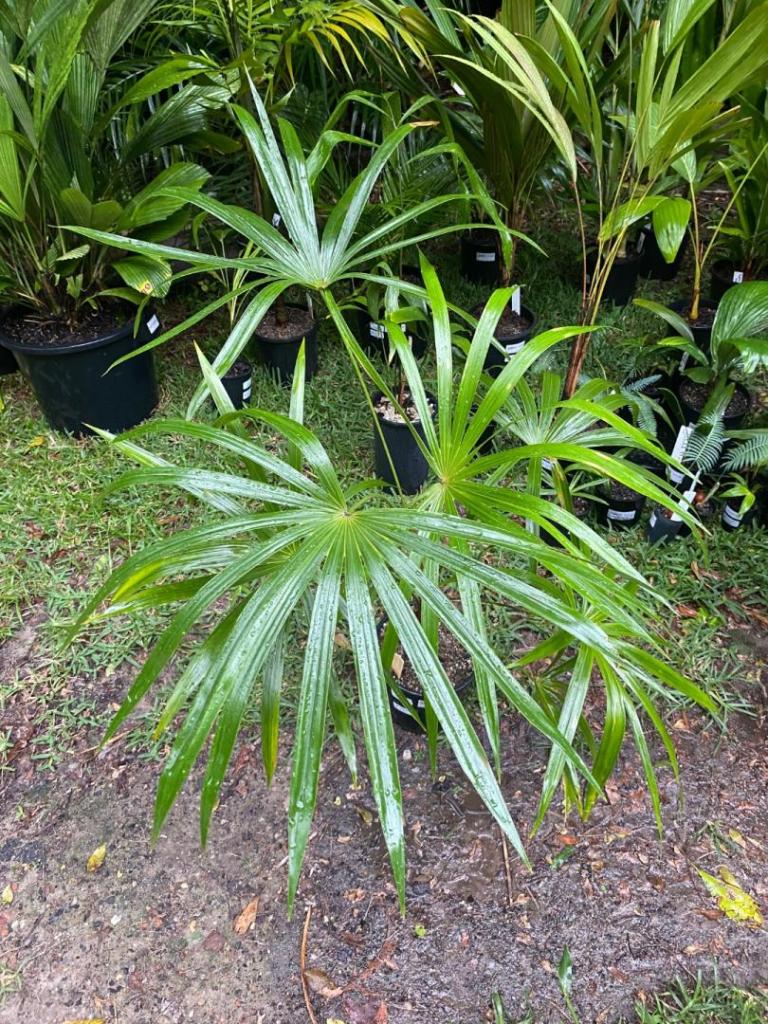
I just couldn’t pass up on some of the plants on offer at the pacsoa show this weekend. Just a couple more for the collection! satakentia liukiuensis kentiopsis oliviformis Dypsis ambositrae Geonoma atrovirens licuala sallehana Calyptrocalyx flabellata pinanga sarawakensis loxococcus rupicola calyptronoma occidentalisDypsis sp Bill Beattie Basselina glabrata Dypsis orange crush calmus muelleri polyandrococus caudescens Calyptrocalyx yummutumecalyptrocalyx flabellata cocothrinax guargruana Mapu for the wife you know how it is fellas you gotta get the wife a gift when you spend up! Zamia pictaDypsis hetromorphusDypsis avisonii Dypsis DrannsfieldiiDioon Rio verdeDioon holmgreniiSchippia concolor All set to go in the garden for a bit more of that tropical look chamearops humillis cocothrinax eckmanii licuala fractiflexavietcha montgomerianadypsis procera








 5 points
 -
 5 pointsLooks like Rhopalostylis baueri. Could be R baueri var cheesmanii which I’ve seen can have a purple tinge to the crownshaft but I’m not sure if that’s formally diagnostic.5 points
 -
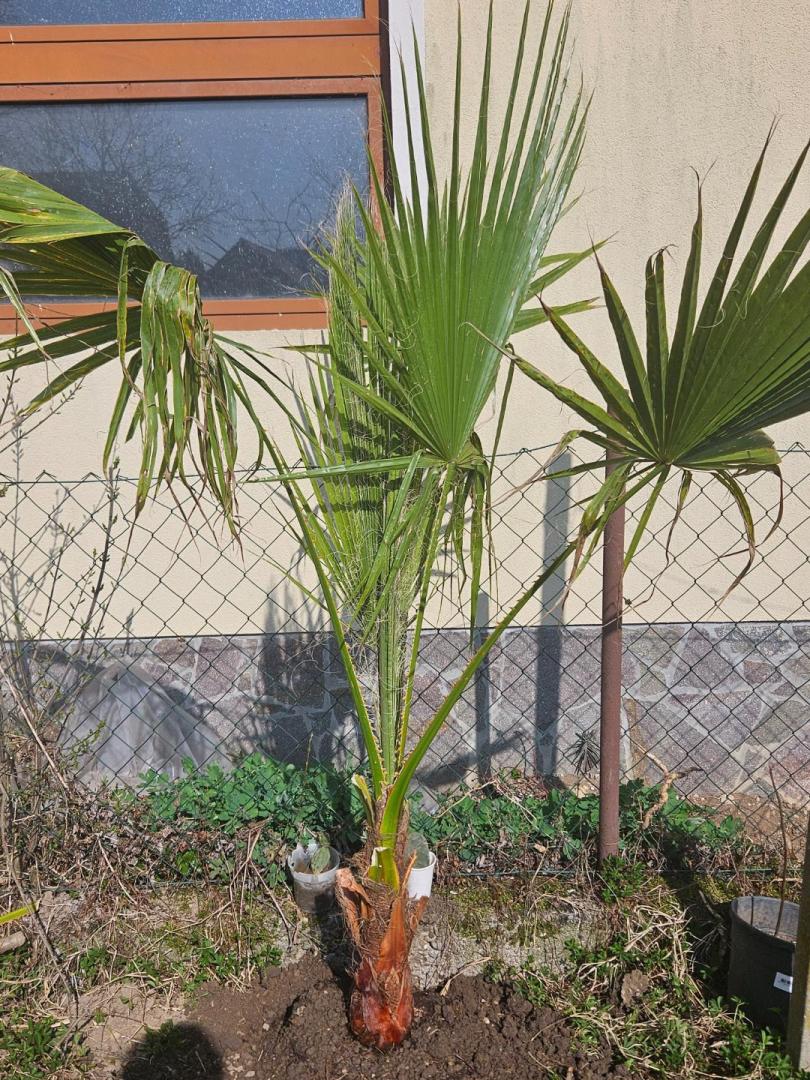
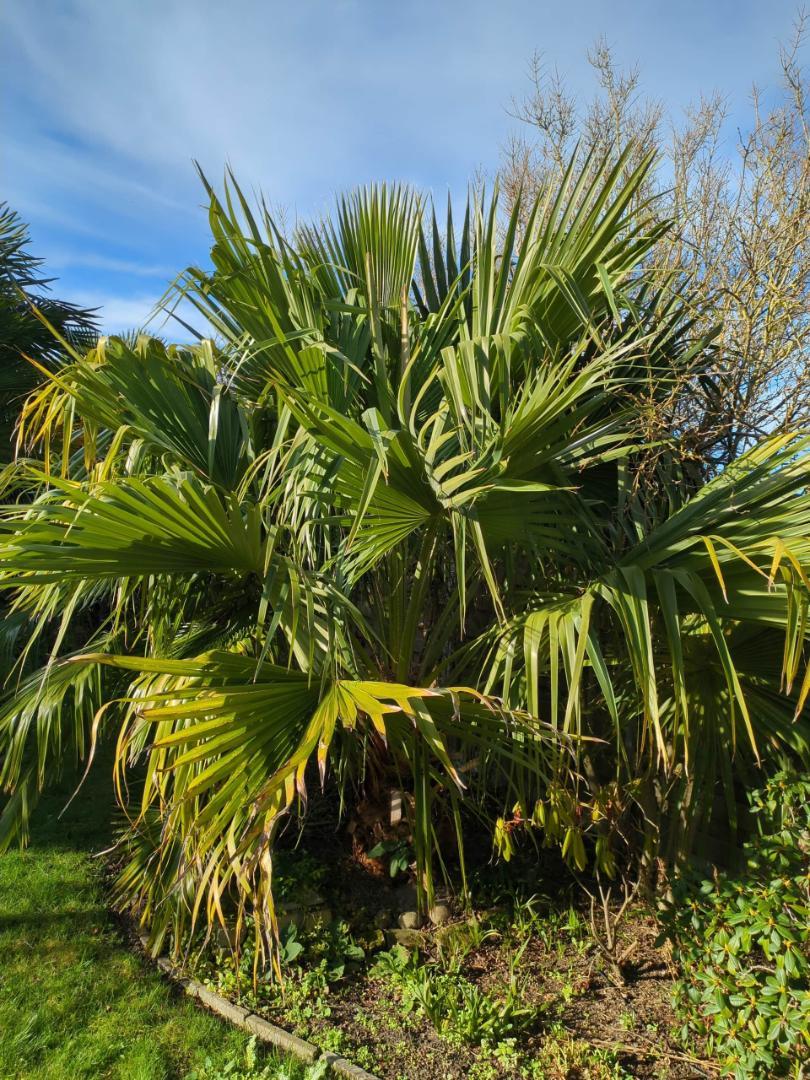
 4 pointsHello there! I planted the palm in ground as today, march 8th. Since mid february, we only had sun, highs of 15-20C and no frost, this should be going on for another two weeks or maybe its gonna only get warmer, the south wall where i planted it gets above 25C everyday and is pretty warmer than much of the garden during the night.
 4 points
 -
4 points@guillerman looks like you’ve got a really REALLY nice Rhop. baueri purple crownshaft just like mine!

 4 points
 -
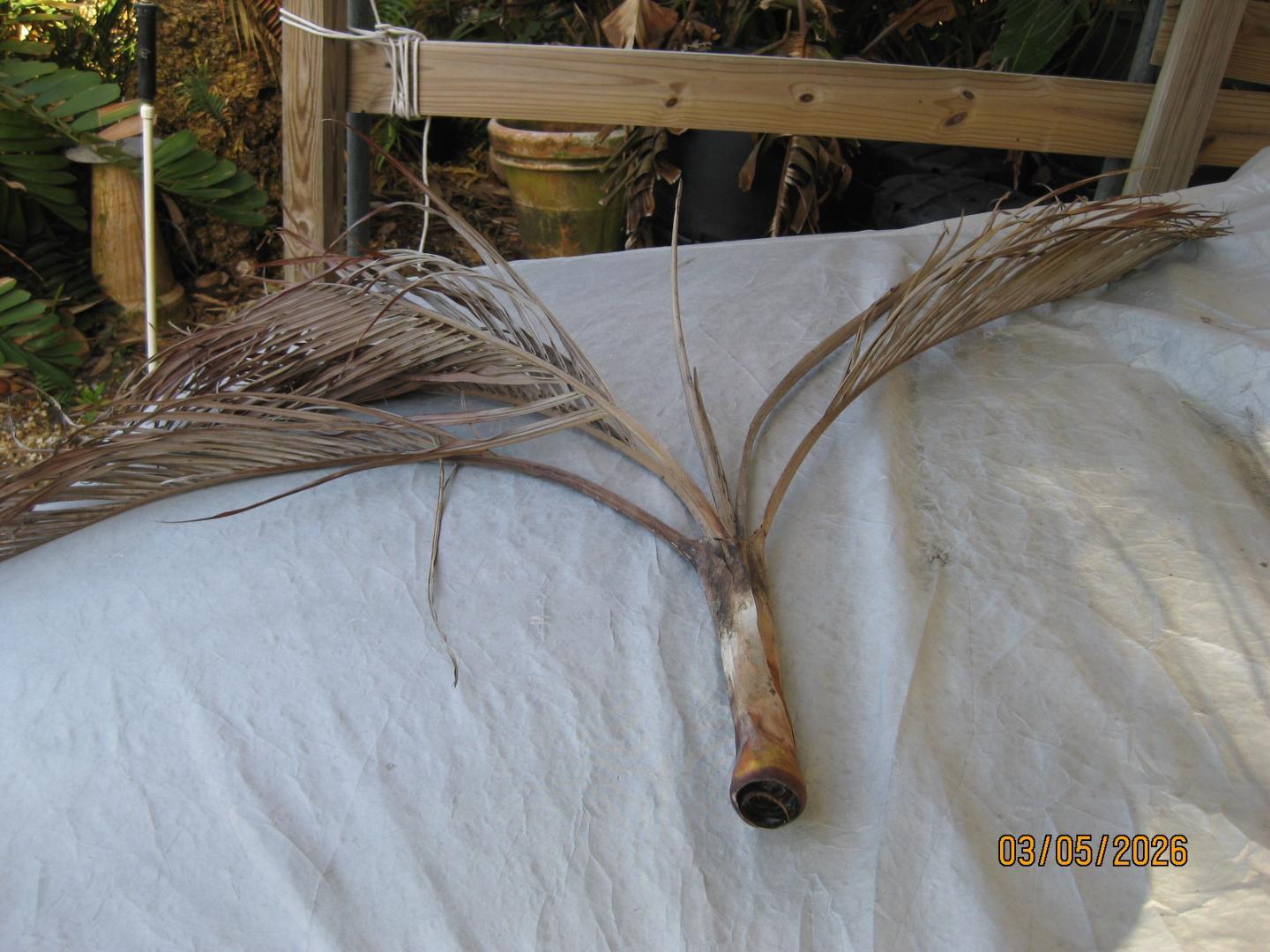
 4 pointsIt was a flamethrower when it came into this world and it’s going out as a flamethrower as well.
 4 points
 -
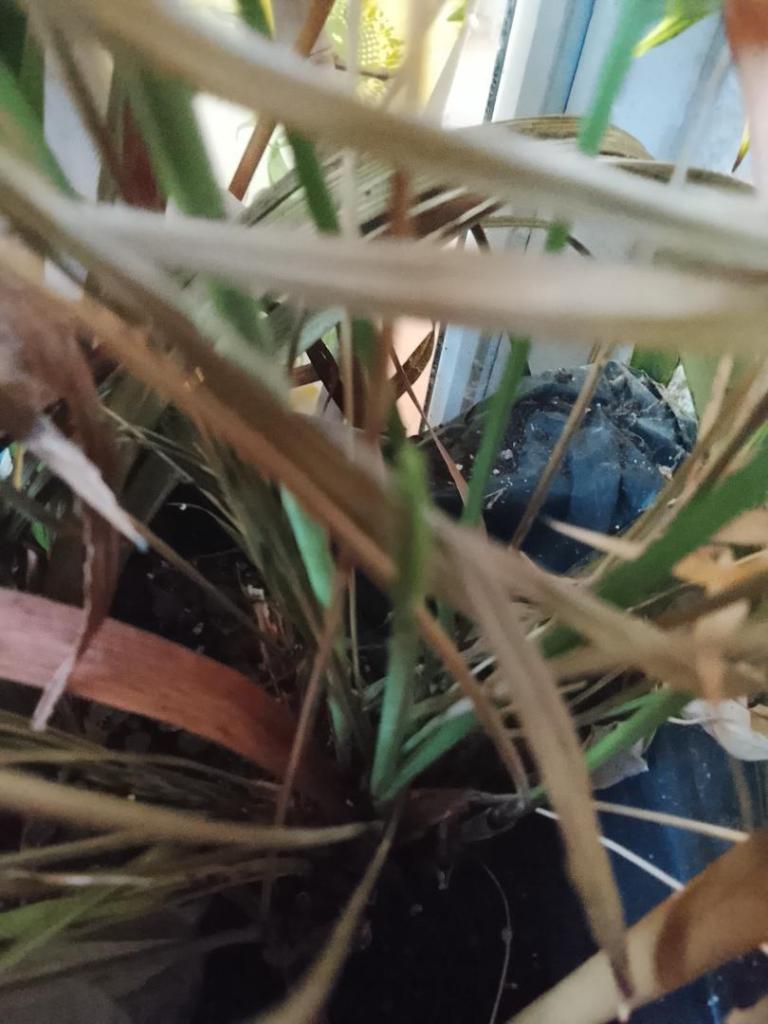
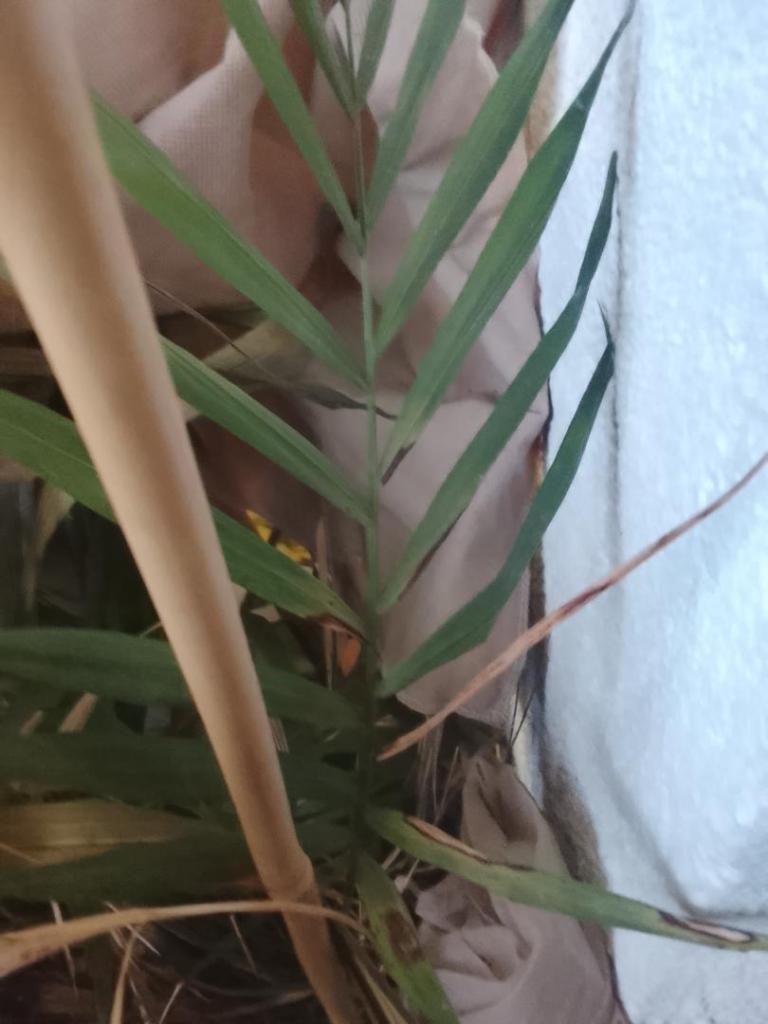
Our bigger Chamaedorea elegans has been living on my 4th-floor balcony since March 2025. She just survived her first full winter outside in Arbon/Stachen! ❄️🛡️ While she shows some winter wear, the statics are undeniable: She is pushing a fresh, green spear right now! (See my close-up photo). 🌿🔥 Maintaining this indoor-palm outside for a whole year is a true testament to the unique microclimate of our fortress. The 4th-floor thermal statics are pulverizing the botanical limits! 🌬️💎


 3 points
 -
 3 pointsEven if my garden is young, for some palms The circle is complete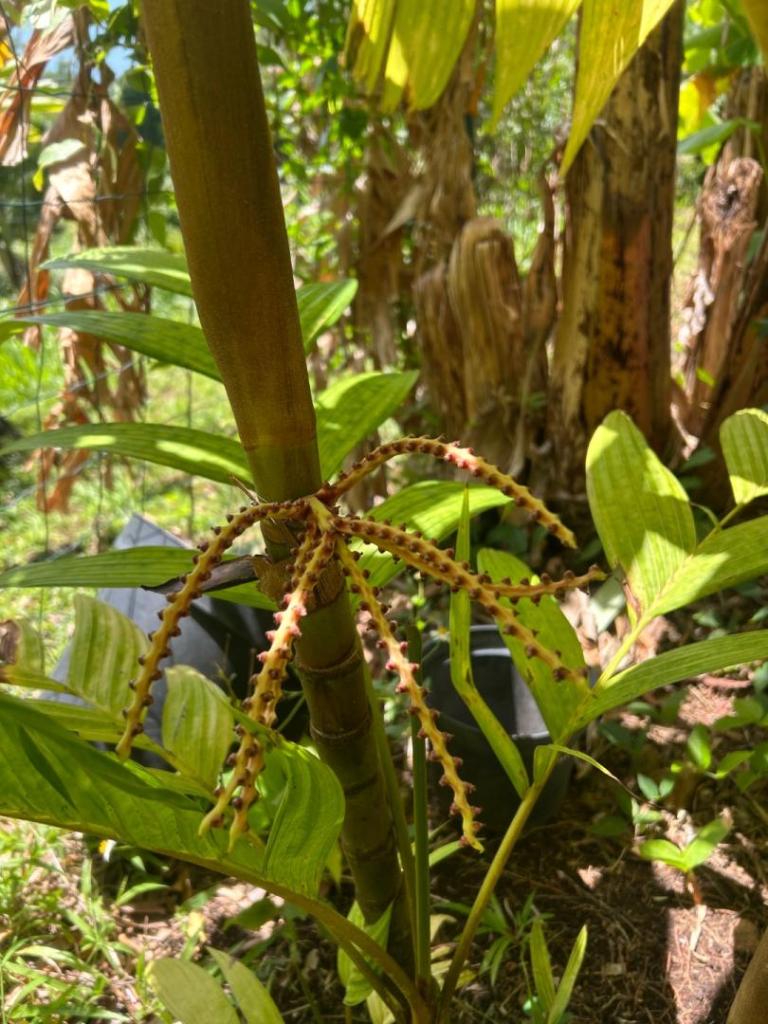
 3 points
 -
 3 pointsI agree with the others that you’ve got an R. baueri. Incidentally, Rhopalostylis and Archontophoenix DNA is not similar and, therefore, cannot hybridize with each other.3 points
 -
 3 points@Ben G. that looks bad. I’ve never had a Sabal recover from a spear pull. You know what to do, and give it all summer and if it continues to go down hill or doesn’t push it’s time to call It. Here in Houston we had the one night at 23F with no freezing precipitation and daytime highs above freezing. This past week is when I started to see a lot of damage. Needle palms. 2/4 of damaged, one spear pulled the other cosmetic. Last year 3/4 were damaged. I’ll never understand why these keep getting called the most cold hardy palm. Sabal causiarum 2/2 damaged with over 50% burn Mule palm - 1/2 damaged. Some older fronds growing off and spear broke off but is pushing new growth BxJ - 1/2 damaged - cosmetic damage to spear Butia 2/3 damaged - cosmetic damage to spear Chamaerops humilis - bad spear pull, I ripped it out of the ground in disgust. CIDP - cosmetic damage to spear Livistona nitida- 2/2 have very bad damage and fungus on about 2 fronds plus emerging spear. No spear pull and new growth is healthy. The density of the growing point makes it impossible to see down in there. So 12 palms so far that show damage out of around 40. Better than last year where it was 30/36. Houston must be the hardest zone 9B in the world for growing cold hardy palms. Both of my mexicana look flawless. Sourced from the palms at the John Fairey Garden.3 points
 -
 It sure didn’t like the cold! Hopefully have time to recover before next winter . They are pretty slow at that age. Harry3 points
 -
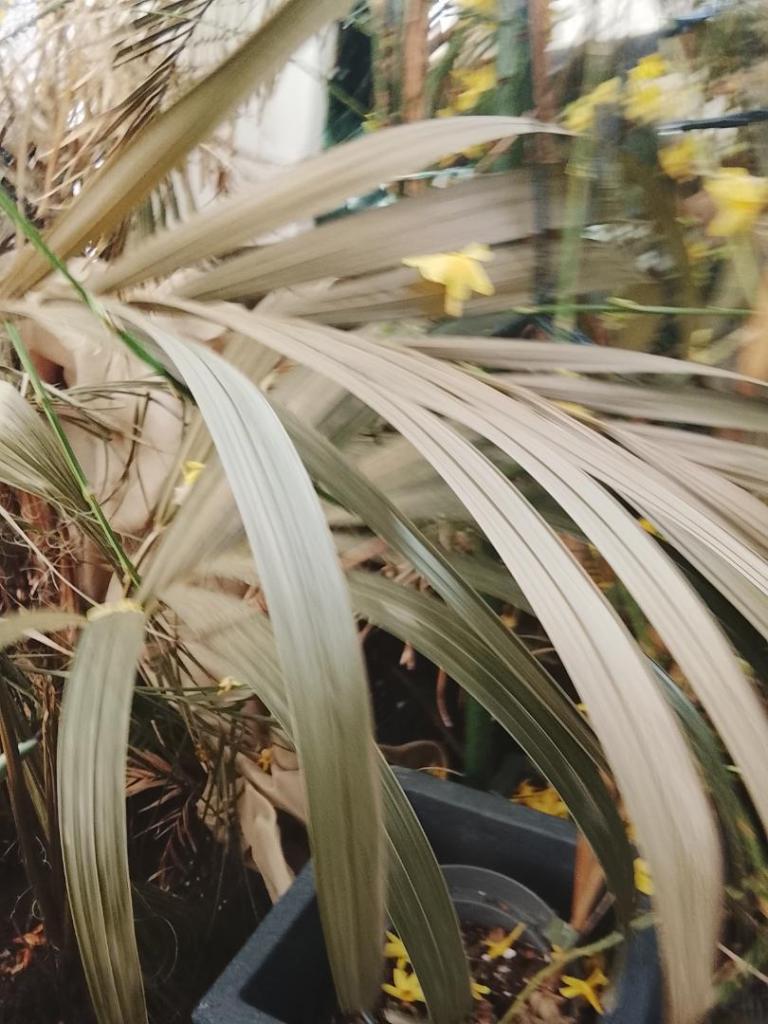
We wanted to share a true 'Pura Perfezione' moment from our balcony fortress on the 4th floor in Stachen, Lake Constance. My Howea forsteriana (Kentia) survived this very cold winter outside with solid professional protection! ❄️🛡️ We used multiple layers of heavy fleece combined with Sagex (Styrofoam) for thermal statics. The result: She is pushing a new spear right now! 🌿🔥 Today we are basking in a phenomenal (20.2 C / 68.4 F) in the shade, with a stable pressure of 1021 hPa. 🌬️💎


 2 points
 -
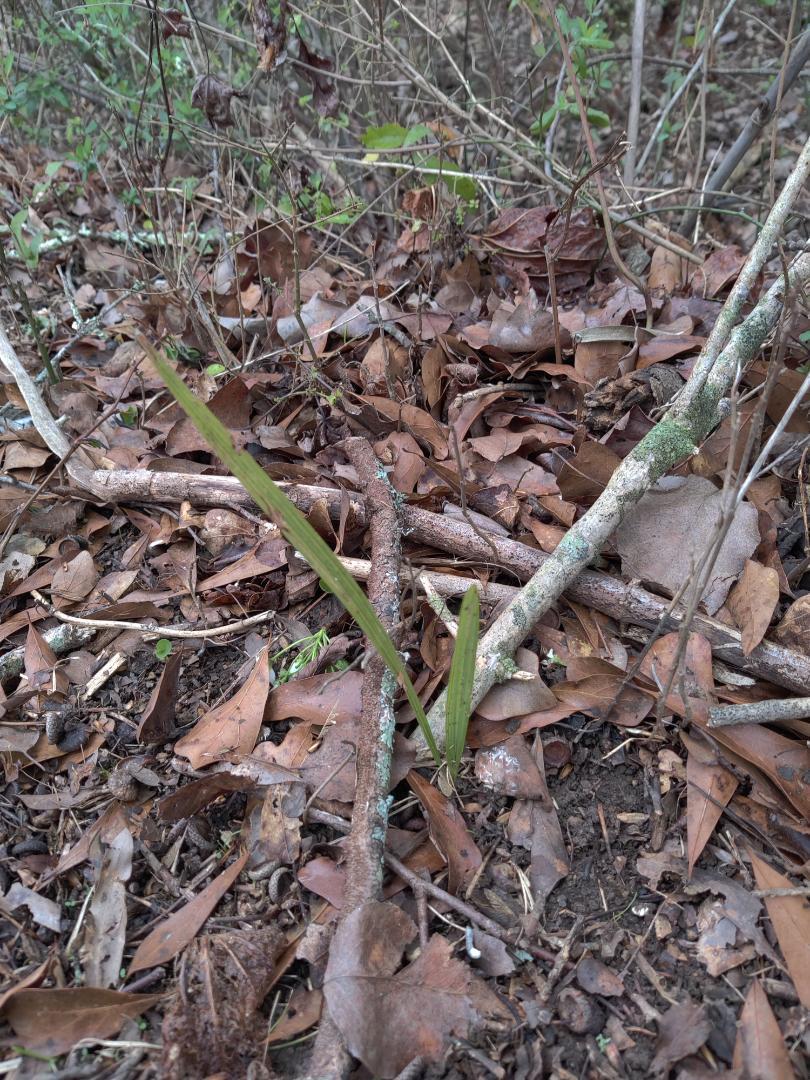
2 pointsI was walking the dog at Suwanee Creek Park this morning. She stopped multiple times and at one spot I found this.
 2 points
 -
Thanks, DoomsDave! I really appreciate your support. As you said, they are surprisingly tough. Even with -10.3°C (13.5°F) at ground level, my 4th-floor 'fortress' had zero ice days, and the sun did the rest. The spears are rock solid! Cheers from Switzerland.2 points
-
To those skeptical about the Phoenix roebbelinii: The trunk and spear are 100% firm. My ground-level station hit -10.3°C, but due to the elevation on the 4th floor, we didn't experience a single ice day up here. The daily 'thermal recharge' from the sun and the house walls kept the meristem safe within my passive fleece and Sagex layers. 10 years of experience in this 'subtropical microzone' confirms: she is alive and ready for spring!2 points
-
Thanks, DoomsDave! I really appreciate your support. As you said, they are surprisingly tough. Even with -10.3°C (13.5°F) at ground level, my 4th-floor 'fortress' had zero ice days, and the sun did the rest. The spears are rock solid! Cheers from Switzerland.2 points
-
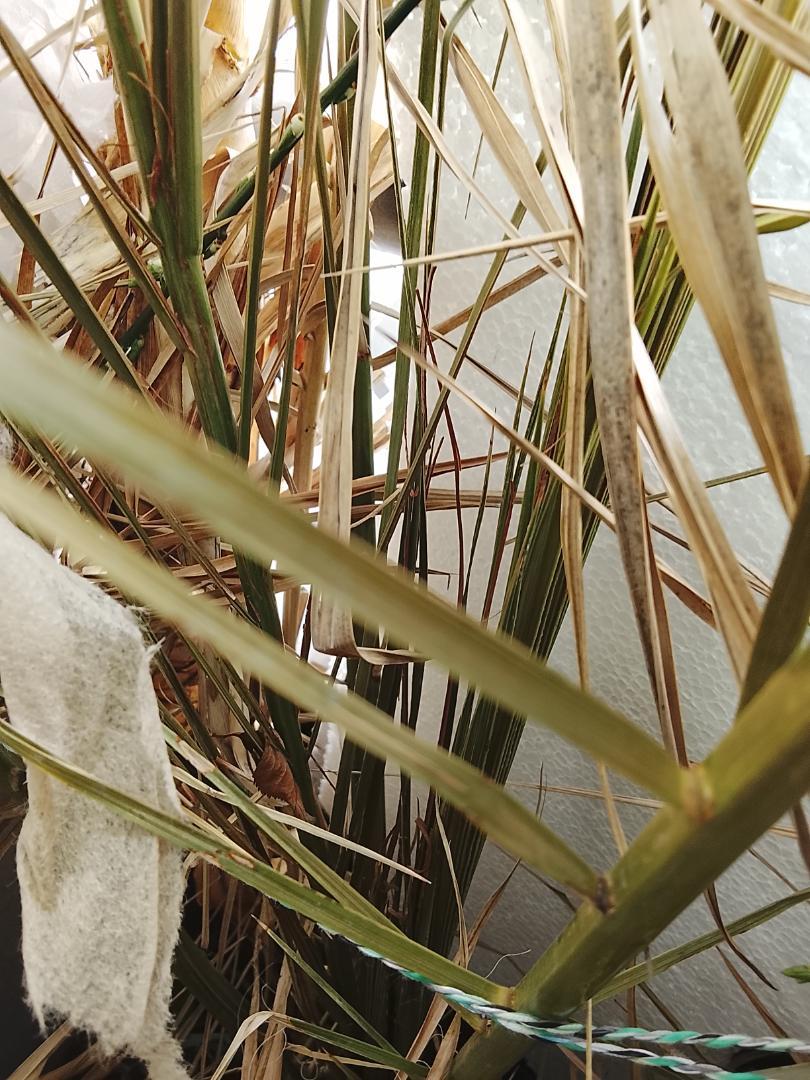
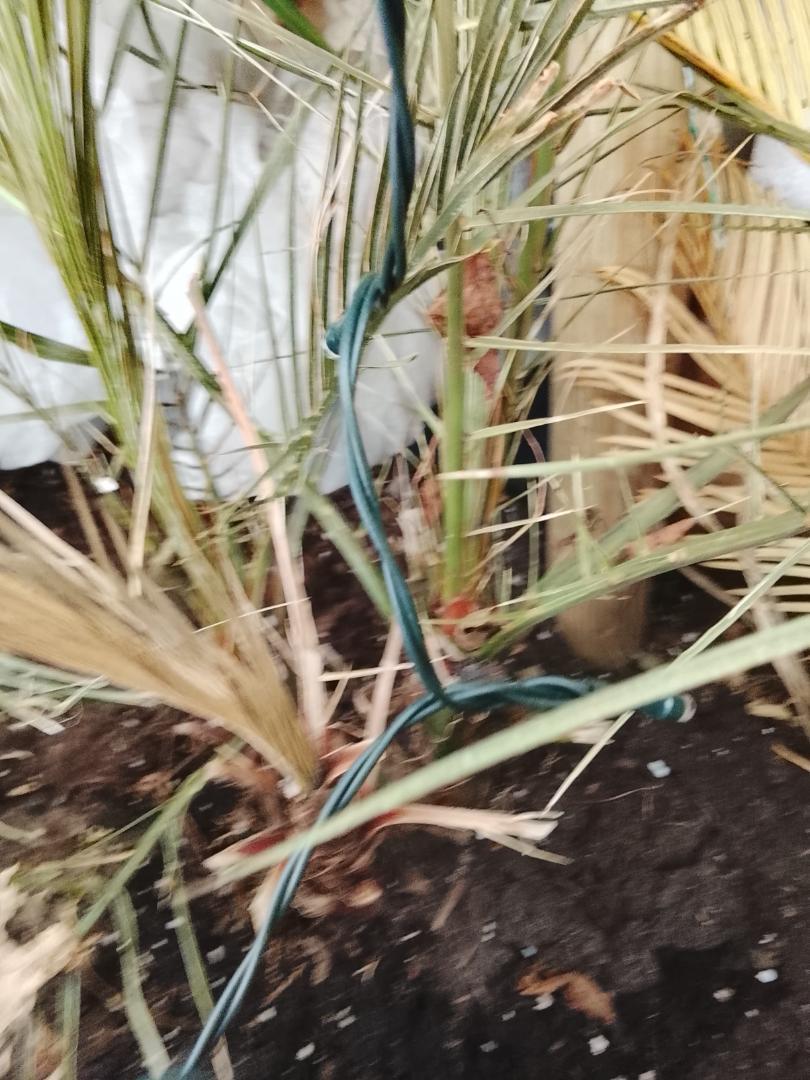
Update on the technical data: While my solar-ventilated Bresser weather station at ground level (425m) recorded a minimum of -10.3°C (13.5°F), we only had 3 ice days in the valley. Up on my 4th-floor balcony, there were no ice days at all. Thanks to the thermal mass of the building and my 100% passive Sagex (EPS) insulation, the temperature rose above freezing every single day. This is why the Chamaedorea have solid spears and are already pushing new growth. Passive protection works if you understand your microclimate!2 points
-
 2 pointsBrahea edulis is surprisingly hardy in my wet and cool climate. I have not protected this B. edulis since around 2013. Planted as a small seedling in 2008 it has grown quite a lot since then. It is faster growing then B. armata in our climate. After the unusually cold winters of 2018 and 2021 it almost completely defoliated but the spears did never pull and recovery was fast. It sustains little to no damage during our more normal winters. If temperatures start to drop to around -6°C/-7 (+/-20°F) for some duration you do start to see some leafdamage. I live at 50°N in Belgium, Z9a. Low this year was around -3.5°C(-25°F) on Christmas eve and a few nights just below zero at the beginning of januari. While much of Europe experienced a very cold winter our little region bordering the south north sea escaped the worst of it.
 2 points
 -
@Mazat be patient and wait on both. You have nothing to lose, though I understand @Phoenikakias’s concerns. Let us know in a few weeks!2 points
-
@Mazat SIE GEHEN! (YOU GO!) Chamadorea elegans are startlingly tough; they don’t look it.2 points
-
 2 points@JeanB a "rachis blight" is not too unusual after cold fronts, and is generally cosmetic. If it looks like it is quickly getting worse you could try a systemic antifungal like any "aluminum tris" (Fosetyl-Al, Aliette, etc), Banrot, Clearys 3336, or others. I'd avoid watering by overhead spray, as this can cause or make fungal problems worse. Just water directly into the pot instead. I'd plant it anyway, they grow 2x faster in ground...or more. Don't mess with the roots. It's best to just slice the pot off (if rootbound) and plant directly as is. Wait at least aa month to fertilize, and don't mix any fertilizer into the planting hole.2 points
 -
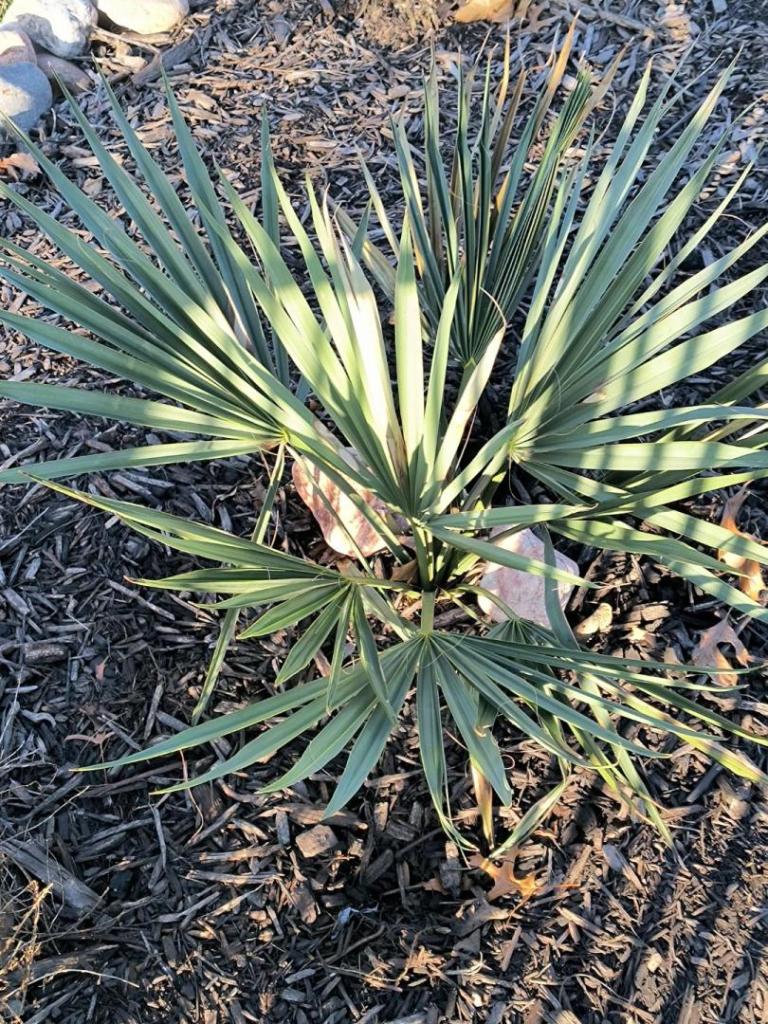
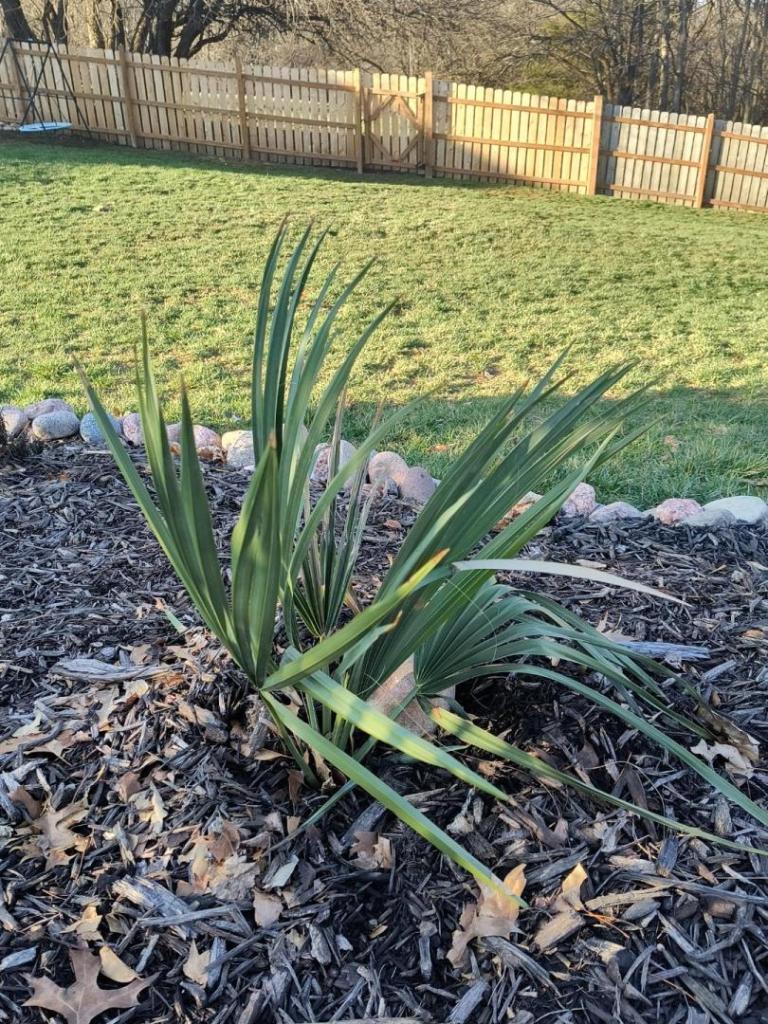
 2 pointsHere's mine. Needle looks great. Little frost cloth and heat cable at the base. Next my Bulgaria x Nanital. Took a bit of damage but overall looks good. It had frost cloth,heat cable and mini lights on a thermocube. Onto my Louisiana, looks fantastic honestly. Same treatment as the needle. Last is my McCurtain , looks as one would expect. Same protection as the needle and Louisiana. Our winter was relatively mild. ( I had a zone 7winter in zone 6) But I feel that even though the needle and McCurtain should be fine. If I protect they will look nice not just survive Anyways

 2 points
 -
 2 pointshopefully it will come back, today I decided to cut the trunks of the 3 of my potentially dead palms and found out they were all actually dead. Potted washingtonia, third in ground washingtonia, and spear pulled windmill all dead. Also had a sooty mold problem on a lot of my palms and decided to trim off all of the sago fronds. Really hoping my sagos come back, will be planting my windmill replacements. There were ants all under the soil of the third washingtonia that were working with the sooty mold bugs. Sagos were covered in mold too. Really hoping the sooty mold problem goes away and the rest of my palms including sagos have a smooth recovery.2 points
 -
Konstantinos, the fronds are firm and cannot be pulled out; the heart appears intact and seems to be able to make it.2 points
-
2 pointsYou will be pleased to know I purchased the flowering Geonoma atrovirens, so you don’t have to be ashamed anymore!
 2 points
 -
 Well I suppose it’s a good sign. Spear and new leaf appear to have moved about an inch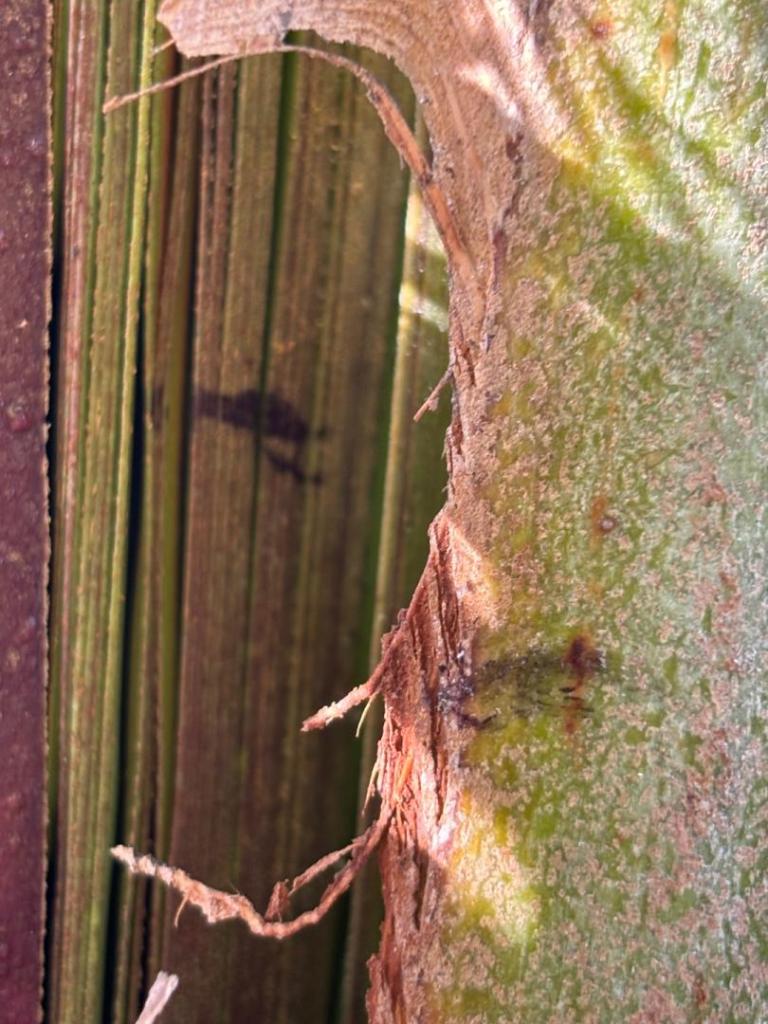
 2 points
 -
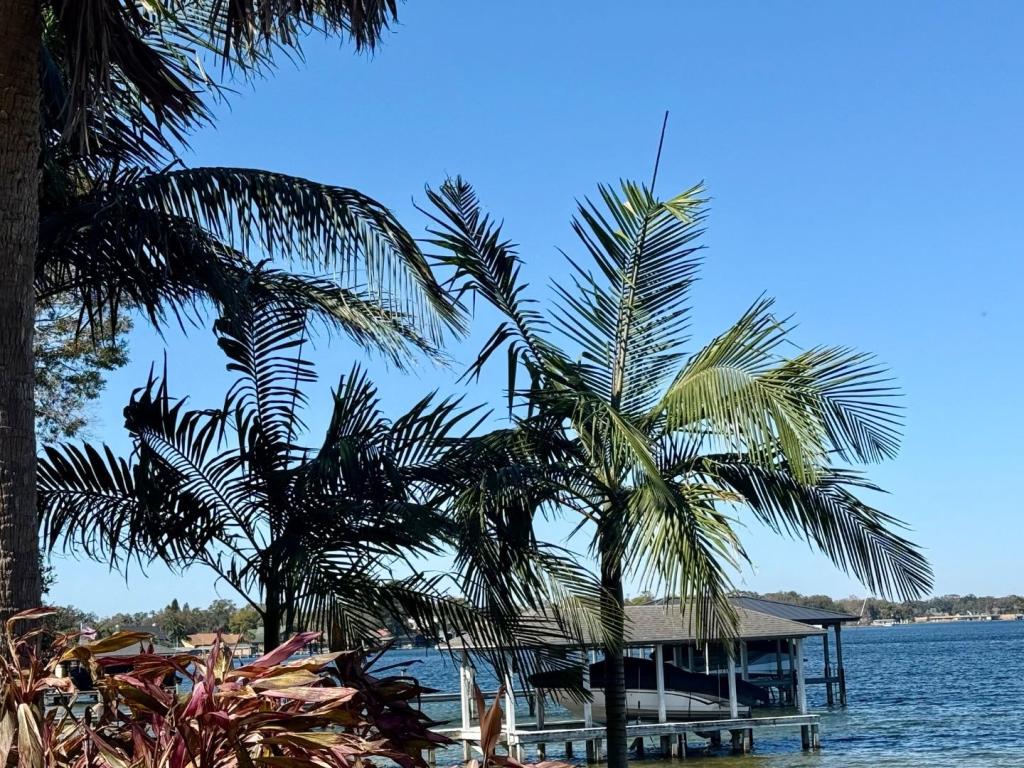
 Update: it’s early still and too soon to determine full survival, but quick update. Archontophoenix Alexandreana are showing green now from the emerging spears and one has flowered. Still waiting to see any sign of life from the Adonidias. To reiterate, we recorded a low of 28 here on the southernmost side of the Conway Lakes with Schefelera showing no damage and White bird of paradise showing almost no damage. I know it was much colder elsewhere and even our front yard (farthest from the lake showed a bit more damage).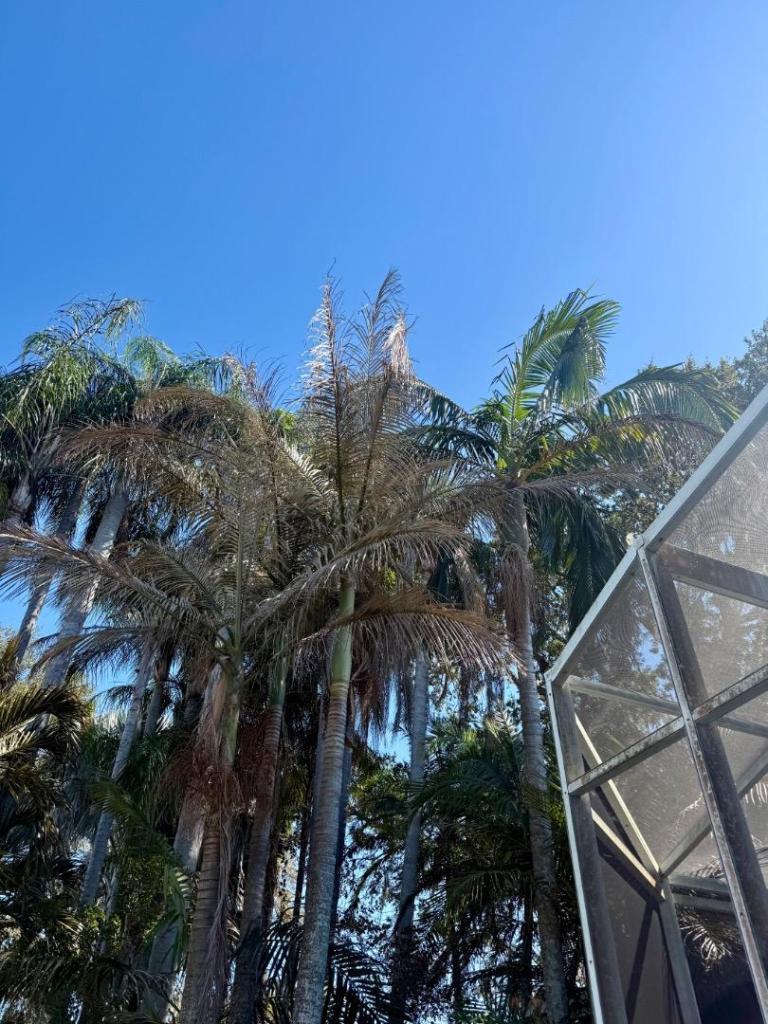
 2 points
 -
Winters can be brutal to our plants . Phoenix Roebelini are pretty hardy and should come back once the weather warms up . Watch for new growth , I wouldn’t add any fertilizer at this point and keep them moist . Harry2 points
-
 1 pointThats what I'll probably snd up doing. Ill send updates this summer. They're one of the coolest palnts. Yeah I dont know why they sent it here either? Maybe it was just that they had too much. I was hoping thay were worth money but not really hahaha. I was going to tear them off and sell them 😂 i guess it's just a cool story!1 point
 -
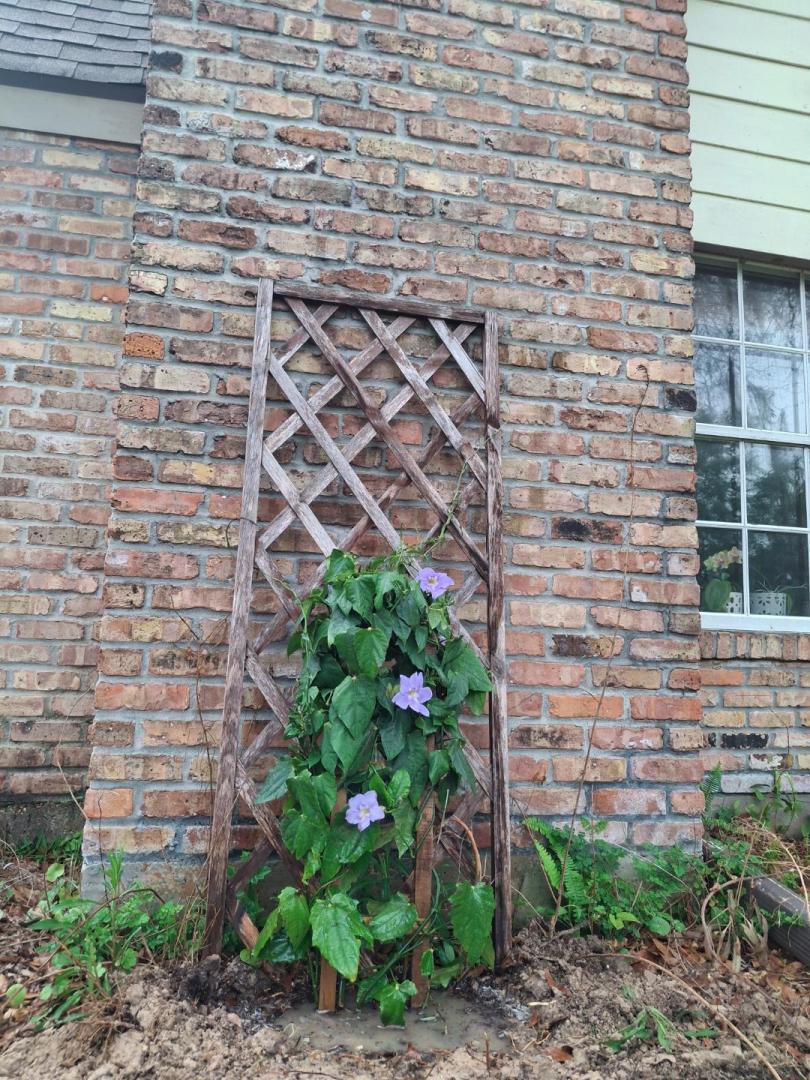
1 pointI did it....I might add more trellis later to go up the chimney. I could go 20 feet up and that would look pretty cool i think. And yes, everything here decays or gets eaten by termites. It's not where I grew up so it's a shock. Fun fact, I found out the house is made of Chicago brick from the fires back in the 1800s. I guess they shipped it down to the southern states. I think the blue flowers will definitely look good on there
 1 point
 -
 1 point
 -
1 pointI have been trying to find that sago and that Sabal minor for idk 8 months now I can’t find it 😔 I remember seeing it and it was like.. huge. Like Sabal Louisiana size up against a building HUGE I can’t believe I didn’t find the route also bruh. Like ima head down to Kingsport and js live there to find that Sabal minor I want seed so bad it was z7b z7a I WANT IT1 point
-
(173x200).thumb.jpg.87642ce613f801fde119db608b8aeb96.jpg) 1 pointIt will climb the trellis in view, if that is what you were thinking of using but, since these twine, vs producing tendrils or sucker pad - like appendages, not sure it would be able to climb any higher up the brick work. You could add more trellis to get it up ( metal, preferably since i'd imagine wood -anything- rots away pretty easily down there ) of course. Might use the gutter to gain more height though on that side of the chimney, though that could cause weight issues later. Whichever the case, blue flowers will definitely complement the brick itself. ..Is one of a couple blue flowered vine choices i've considered for an ugly wall i'd like to cover here. Not sure it would handle our summer sun / heat though.1 point
1 pointIt will climb the trellis in view, if that is what you were thinking of using but, since these twine, vs producing tendrils or sucker pad - like appendages, not sure it would be able to climb any higher up the brick work. You could add more trellis to get it up ( metal, preferably since i'd imagine wood -anything- rots away pretty easily down there ) of course. Might use the gutter to gain more height though on that side of the chimney, though that could cause weight issues later. Whichever the case, blue flowers will definitely complement the brick itself. ..Is one of a couple blue flowered vine choices i've considered for an ugly wall i'd like to cover here. Not sure it would handle our summer sun / heat though.1 point -
 @KsLouisiana I am glad your Lila is doing well. I hope that the addition of the Joey will give you good cross pollination. I may try another avocado this year, as I know a good local nursery that seems to have good cold hardy varieties on hand most of the time. If I do buy another though. I am going to keep it in a pot for at least a year to put size on it before I turn it loose in the full sum again.1 point
 -
 Good grief, nice haul Richard but there can't be anything left to buy now! I do like the look of those D procera.1 point
 -
 1 pointUniversity of Houston had many on campus when I was there so it grows fine here, should be no different than the common Japanese yew (Podocarpus macrophylla). I suspect both were once common landscape plants as see you them more often in older neighborhoods (especially the tree form Podocarpus).1 point
 -
Hey there! So I have a Lila avocado tree that has been in the ground for about 3 years. Full of flowers this year so I'm hoping to get some fruit this year. Haven't had any stay on the tree yet. It was seen 23° with no protection and just a few burned leaves on the tips. I bought a "joey" avocado today so im hoping they help each other with the pollination. I didn't know these things were that tough! Did you ever get another?


 1 point
 -
1 pointhttps://tropical.theferns.info/viewtropical.php?id=Nageia+nagi The site says hardy to z4, but another site from UFL said z9a. I wonder if it would be invasive. I know Mahonia bealei and Nandina domestica produce a lot of berries per plant and can take over a garden in five years.1 point
-
This winter was indeed very very cold. Our Phönix Canariensis are in better shape then thought. Subtropical microzone on the balcony.


 1 point
 -
The smallest Canariensis is the best proof: Zero ice days on the balcony made all the difference. Even with night lows hitting -10.3°C nearby at ground level, the passive insulation combined with the daily rise above 0°C (32°F) protected the hearts perfectly. All my Phoenix plants are vital and showing deep green centers. No active heating was needed—just strategic passive protection.1 point
-
Our Phönix reclinata after a very very cold Winter .... Subtropical microzone on the balcony


 1 point
 -
To those skeptical about the Phoenix reclinata: The trunk and spear are 100% firm. My ground-level station hit -10.3°C, but due to the elevation on the 4th floor, we didn't experience a single ice day up here. The daily 'thermal recharge' from the sun and the house walls kept the meristem safe within my passive fleece and Sagex layers. 10 years of experience in this 'subtropical microzone' confirms: she is alive and ready for spring!1 point
-
Update on the technical data: While my solar-ventilated Bresser weather station at ground level (425m) recorded a minimum of -10.3°C (13.5°F), we only had 3 ice days in the valley. Up on my 4th-floor balcony, there were no ice days at all. Thanks to the thermal mass of the building and my 100% passive Sagex (EPS) insulation, the temperature rose above freezing every single day. This is why the Howea have solid spears and are already pushing new growth. Passive protection works if you understand your microclimate!1 point
-
 Similar to King Pyhrrus saying, another such survival and the plant will be ruined.1 point
 -
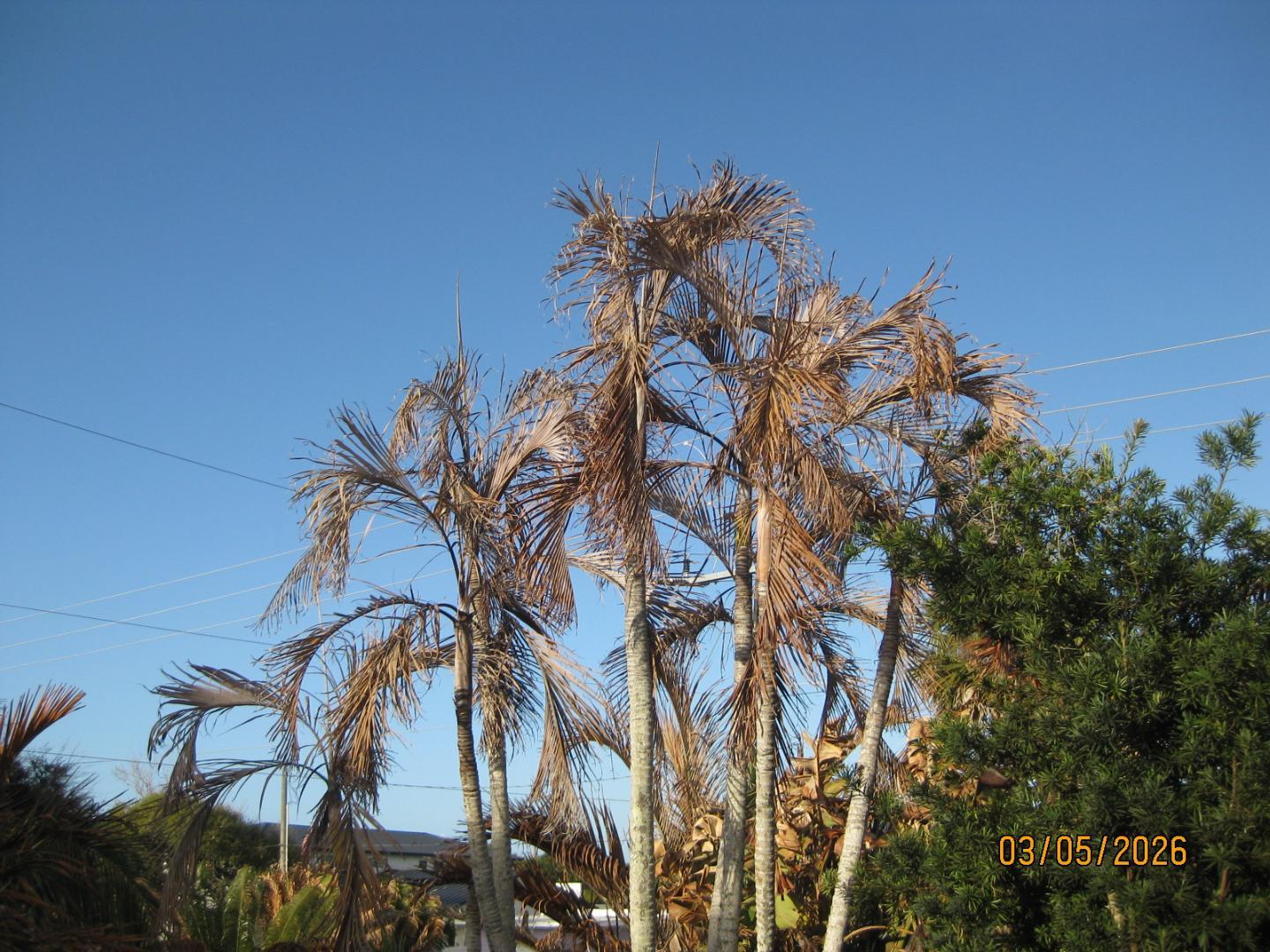
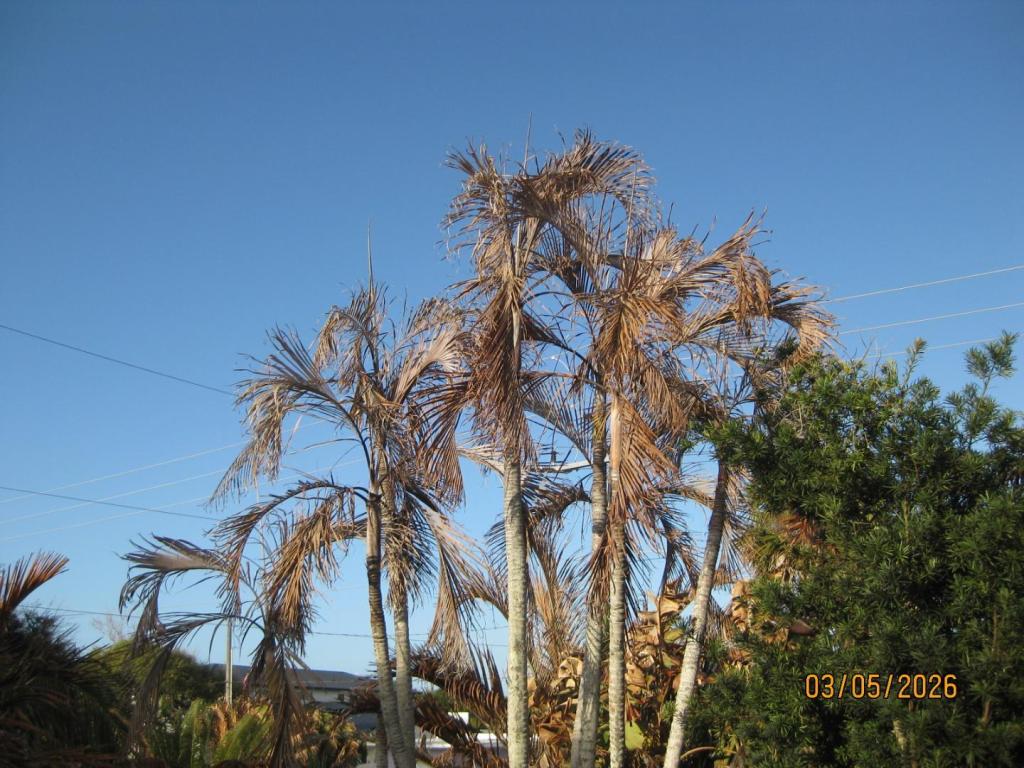
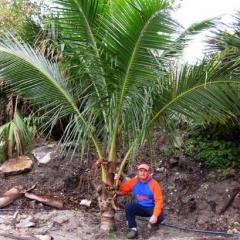 More carnage. This time from the Areca Palm that was here when I bought the house 30 years ago. Has plenty of suckers underneath so not dead but those nice lofty swaying trunks look like they are a goner......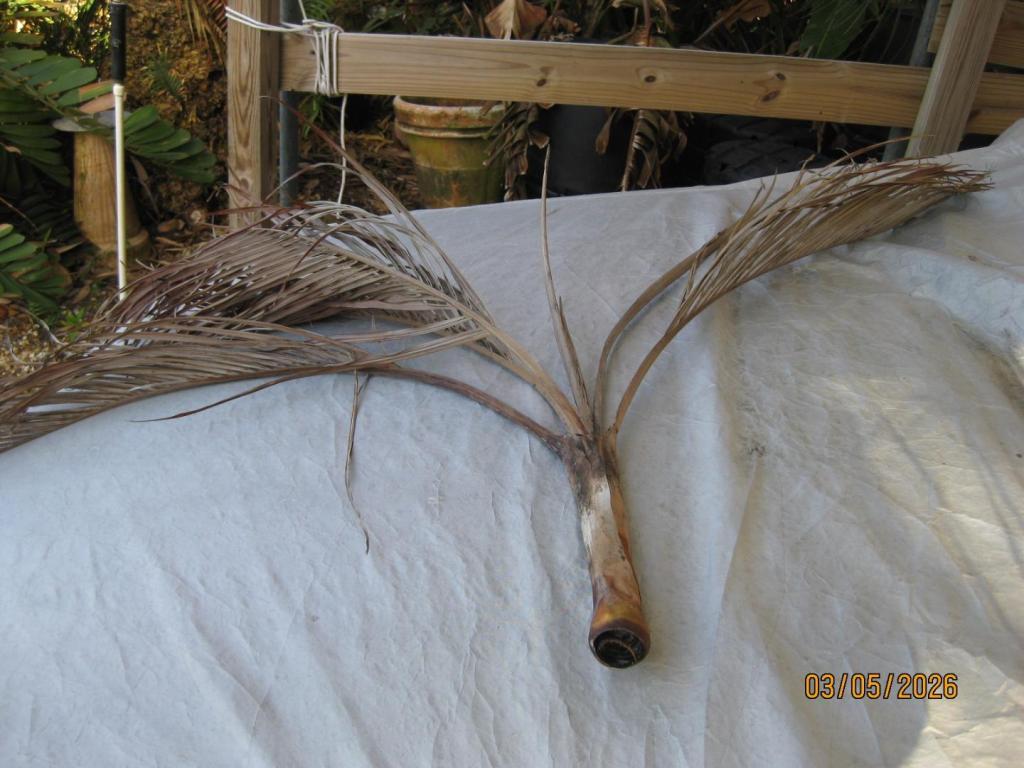
 1 point
 -
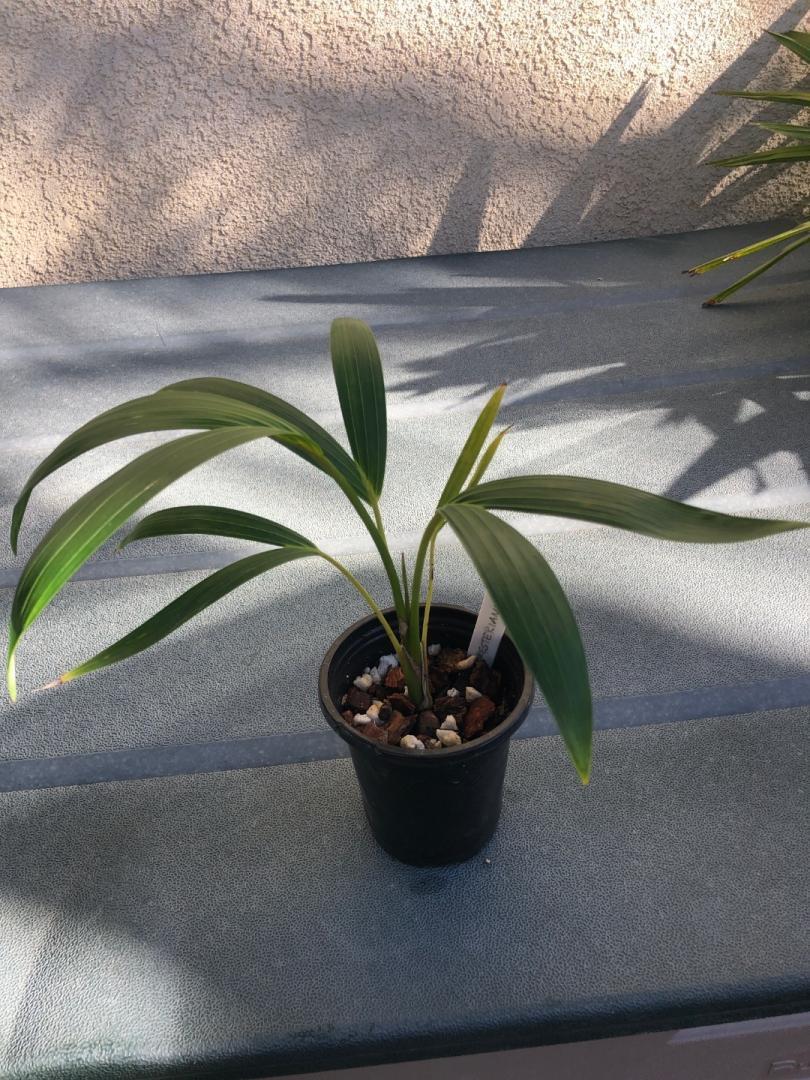
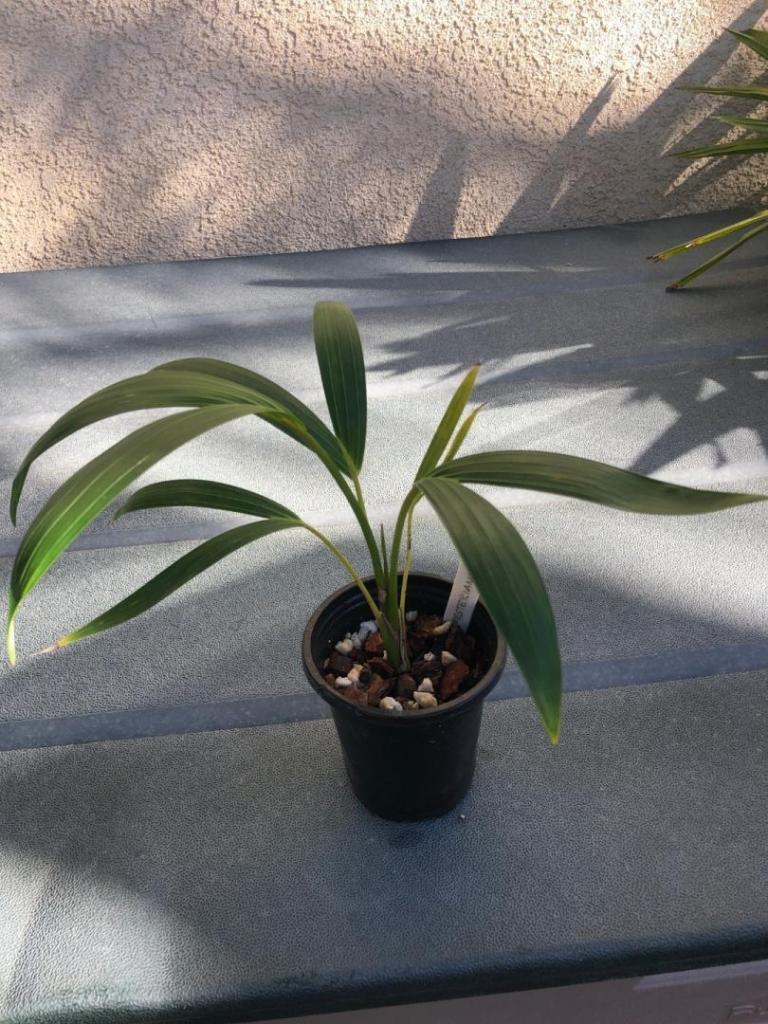
1 pointMost probably overwatering . In the ground , it is nearly impossible to overwater a Howea F. , but potted palms can get waterlogged easily. I usually let the top 1” or so of the soil dry out before I water my potted plants . I also put Orchid mix and perlite in the soil to encourage faster drainage . Also , I put a 1-2” layer of smooth beach pebbles in the bottom of the pot before putting the soil mix in. Drainage is critical! Harry the soil in this young Kentia is very coarse and it drains very well . It has been grown from seed here and gets watered a lot but the drainage is rapid. Orchid mix has chunks of crushed lava and other media and the perlite keeps the circulation of moisture from stagnating. The larger palms are a bit more soil to orchid mix for more moisture retention . As they get bigger they will need more available water . The pot should start drying out after a few days , if not it is getting too much water or it has a drainage problem. Also , if weather permits , put it outside in a shady position with a light breeze ….they love it.
 1 point
 -
 1 point
 -
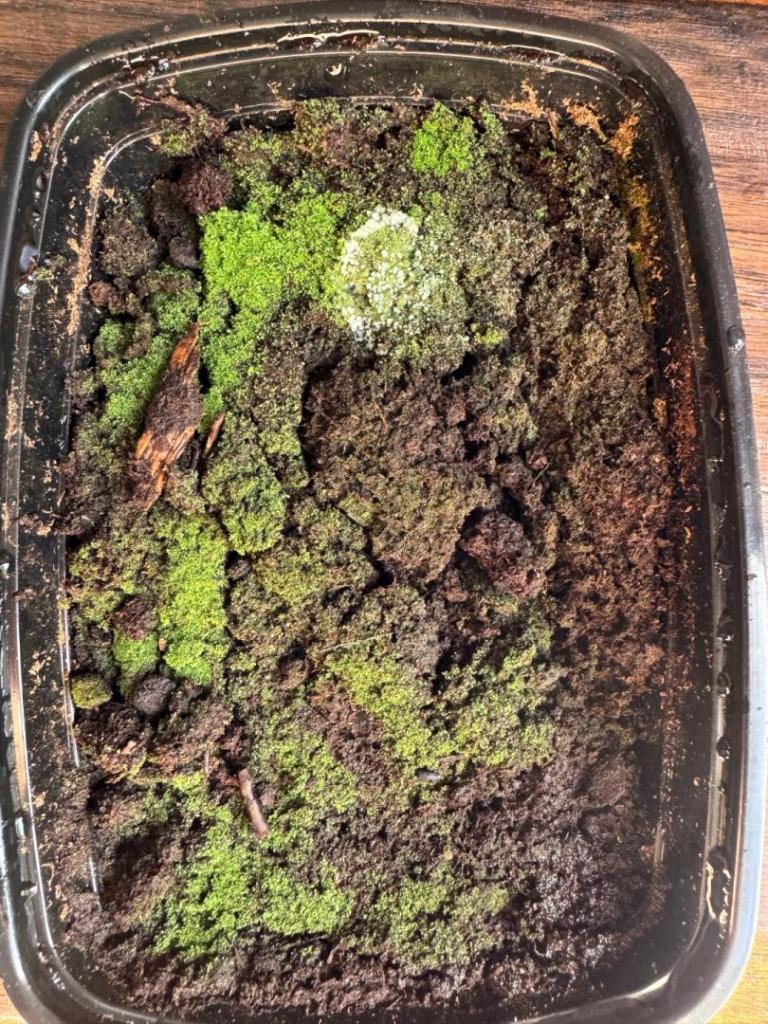
 Update: clearing a bit of mold in one of my containers. This is why sterilization is important.
 1 point
 -
 1 point
 -
Good job ! Didn’t even have to wait for decomposing. Harry1 point