

Leaderboard
-

happypalms
IPS MEMBER26Points13,427Posts -

Mazat
IPS MEMBER13Points1,949Posts -


Harry’s Palms
IPS MEMBER11Points4,506Posts -


JohnAndSancho
IPS MEMBER6Points5,585Posts
Popular Content
Showing content with the highest reputation on 03/04/2026 in all areas
-
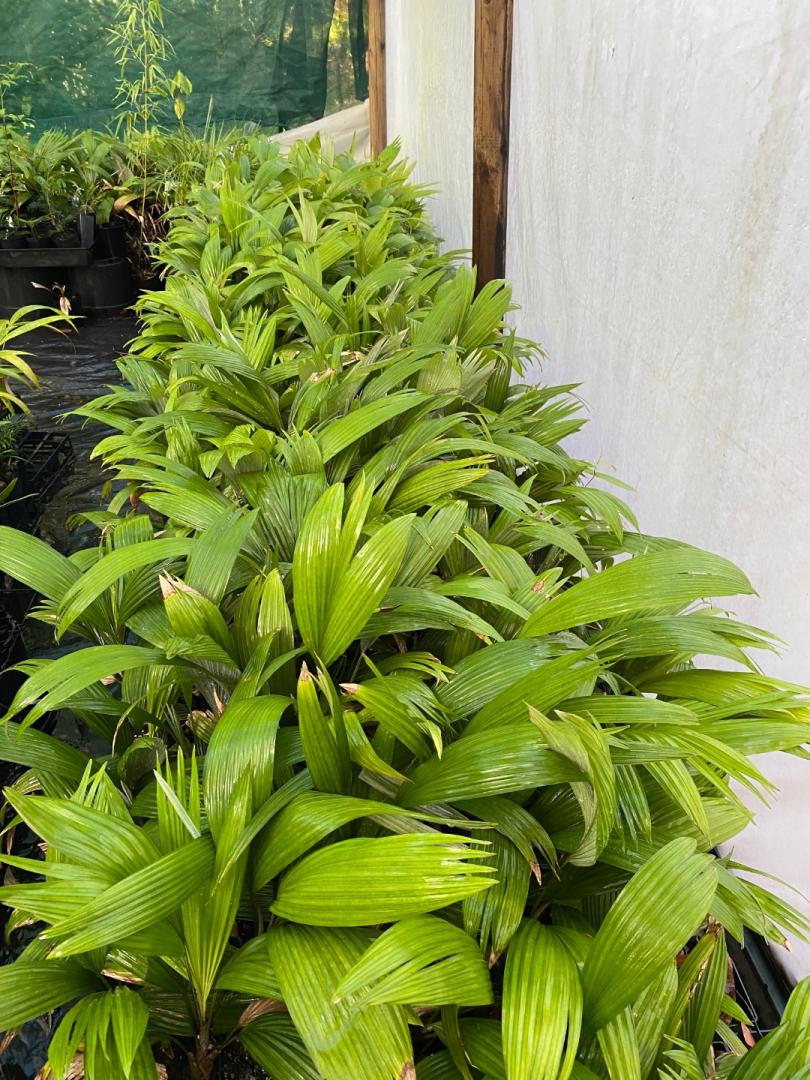
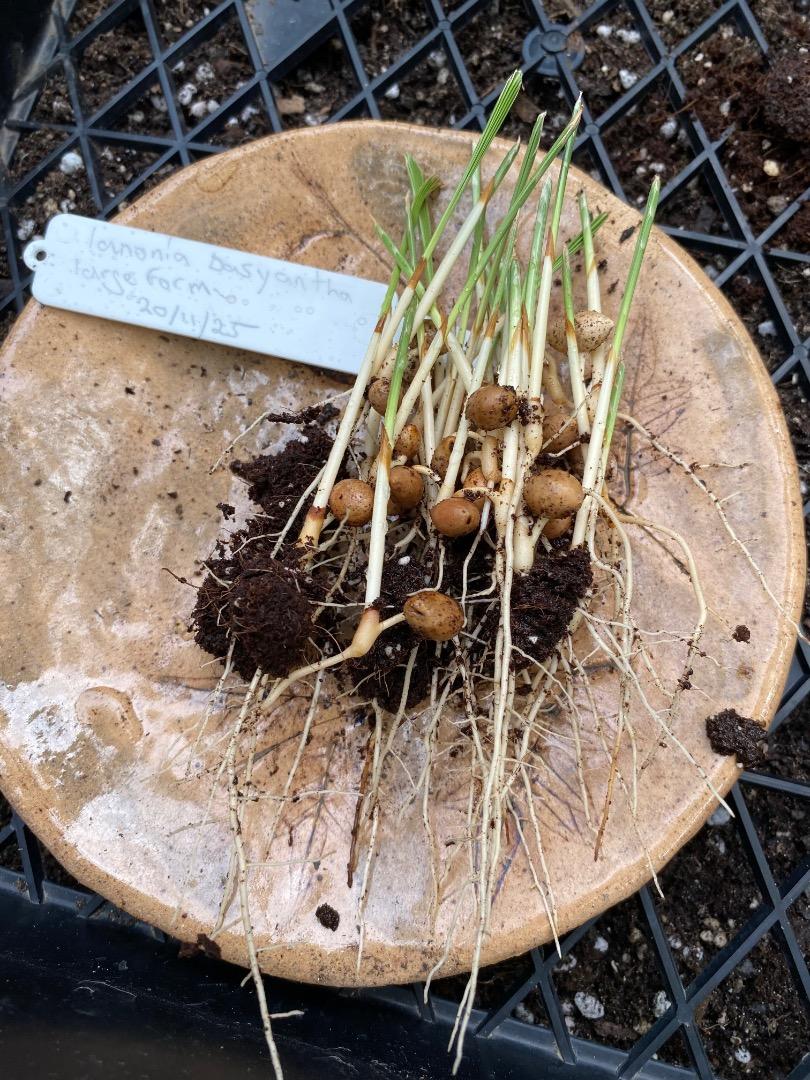
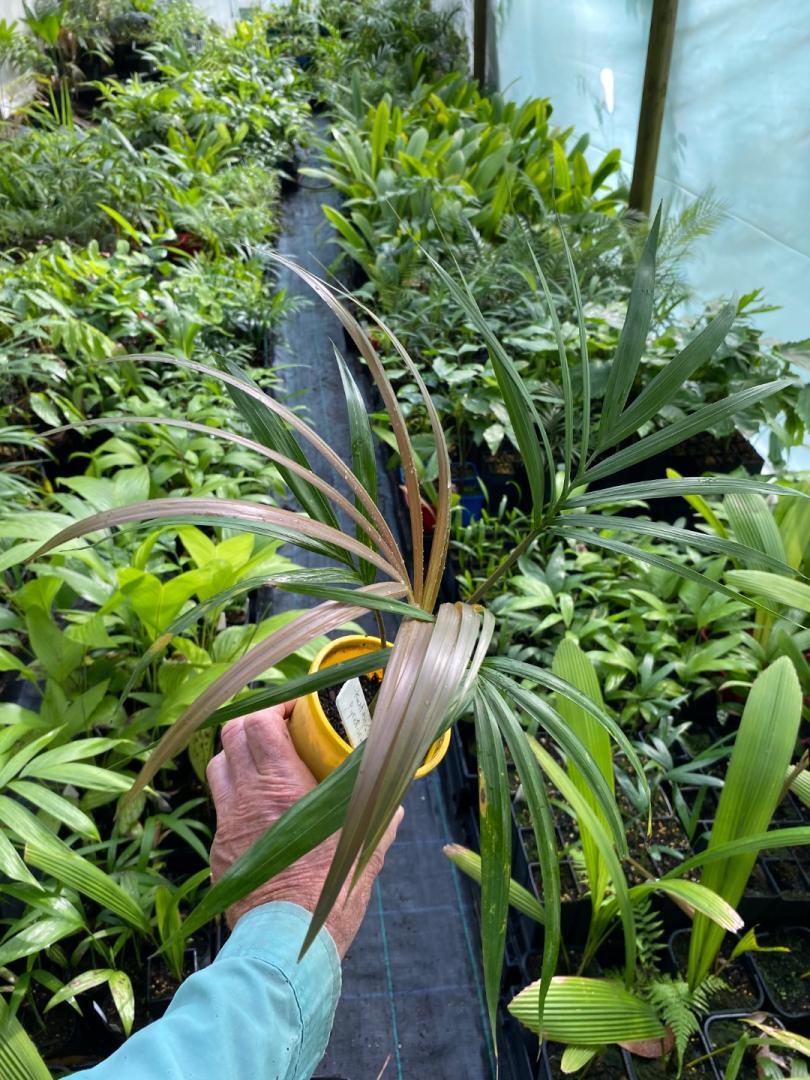
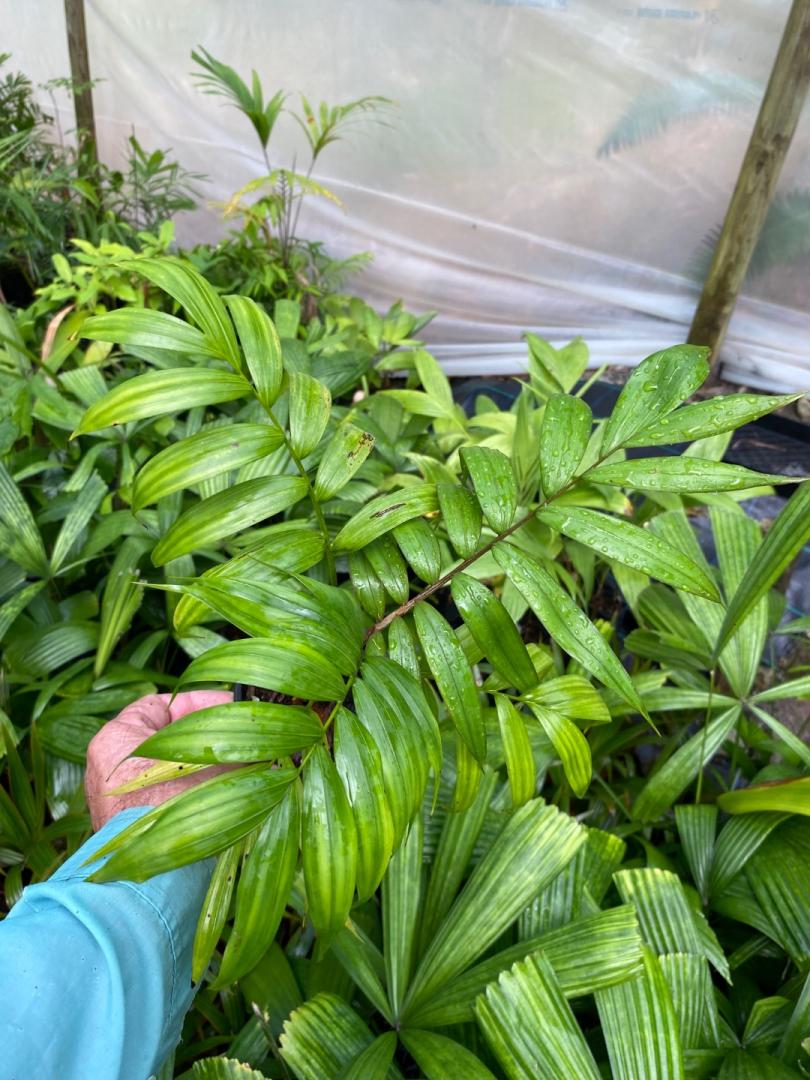
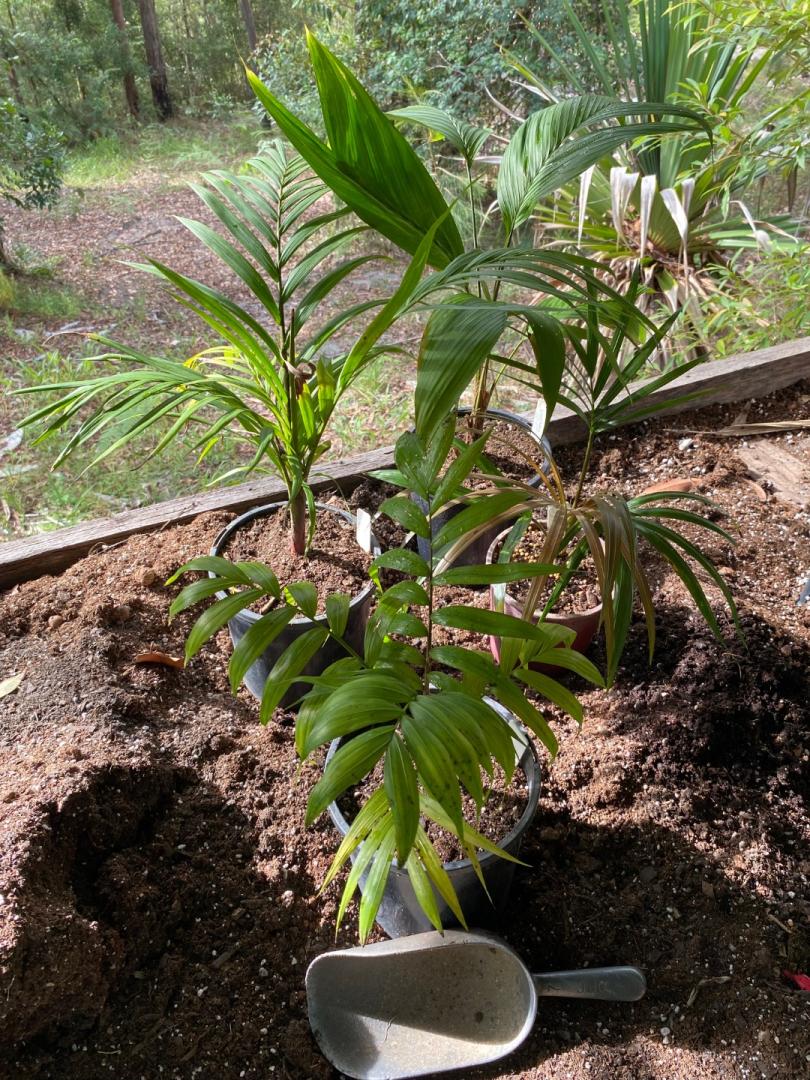
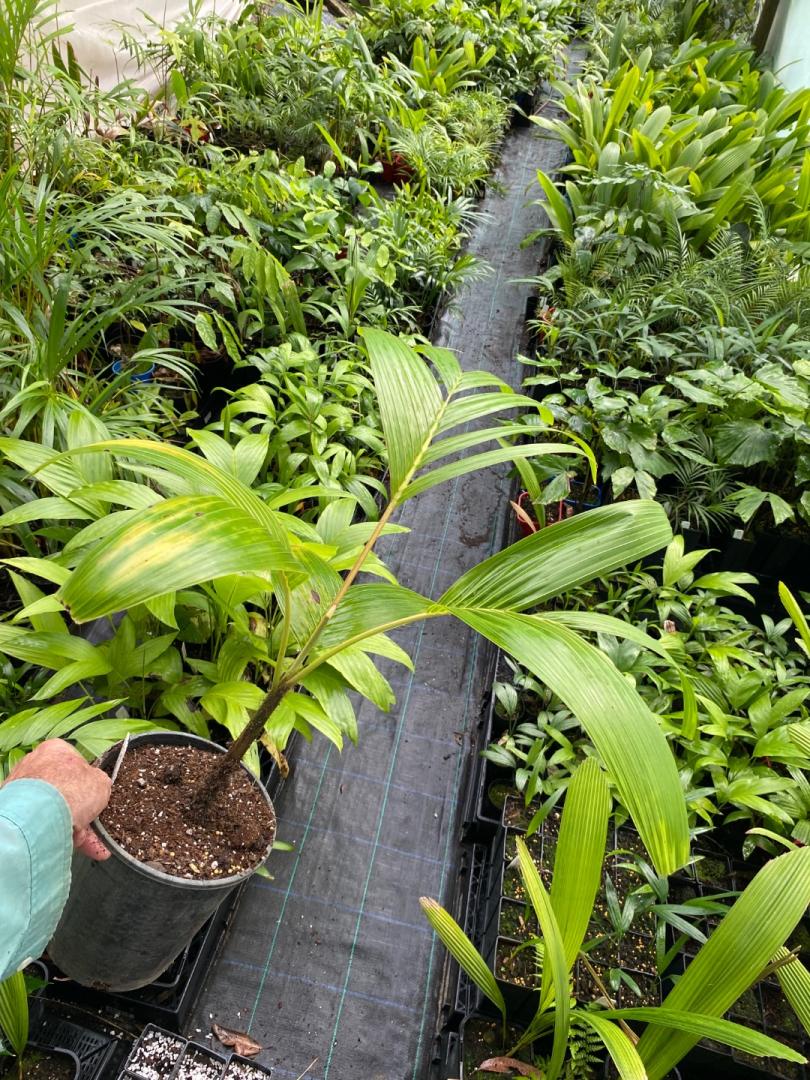
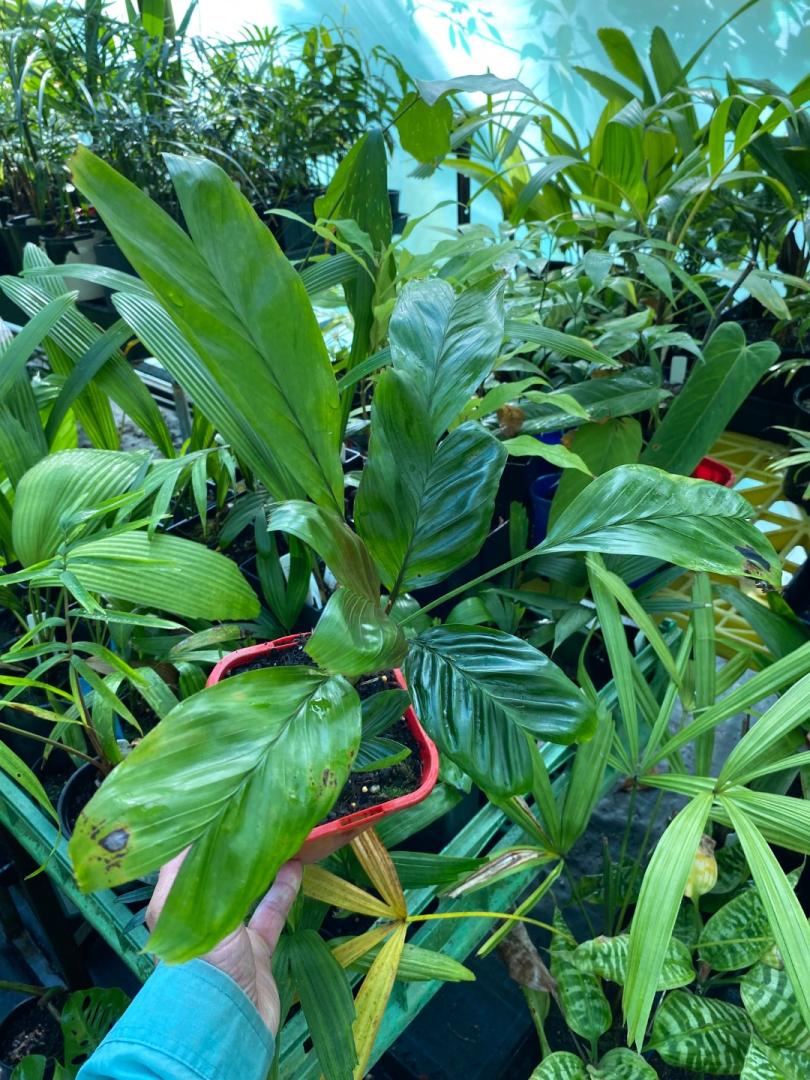
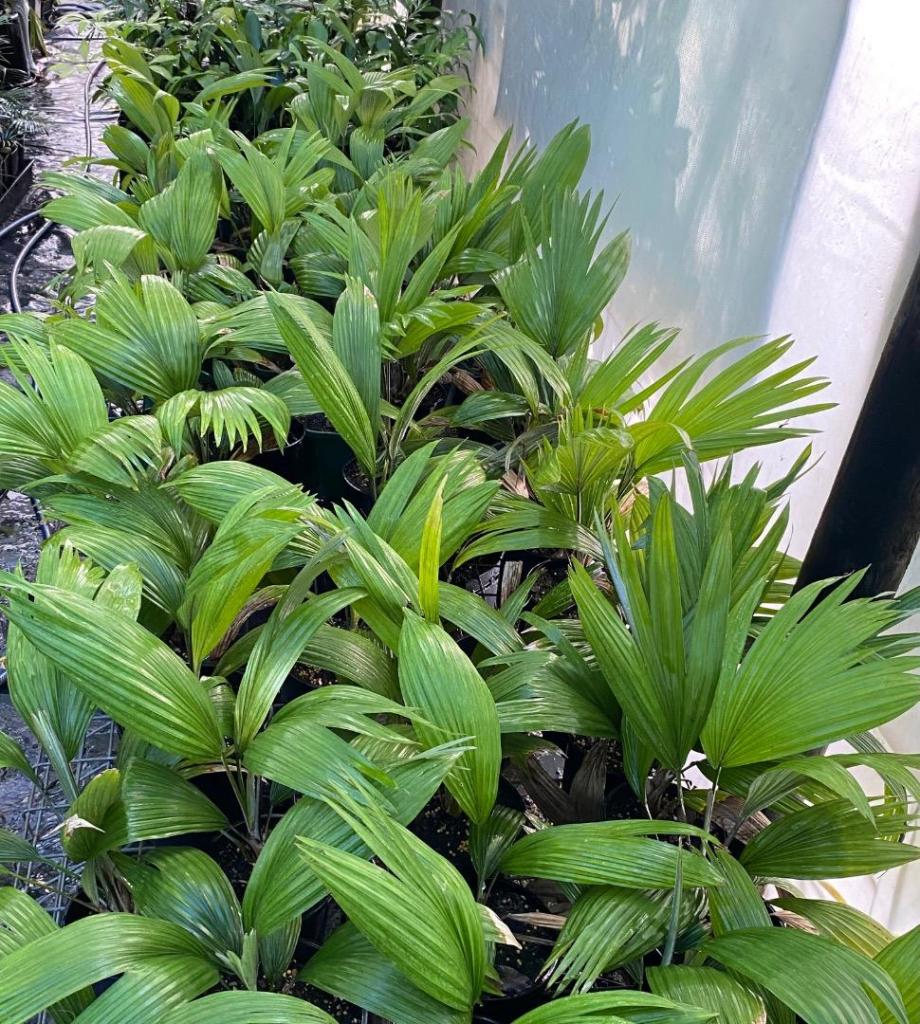
4 pointsWhat caught my eye today was a whole stack of kerriodoxas looking pretty good!

 4 points
 -
3 points
-
 3 pointsIn general plants spread their range of environments by being the ones that survived under conditions where their siblings did not and it "can" help but usually does not mean a batch of seedlings from one plant will all be more cold hardy unless that batch of seeds has come from a group or swarm of plants that have survived for years under more stressful conditions. It is usually a small percentage of seedlings that carry on a more favorable trait and then that trait can increase over more generations of seedlings from the original survivor but there are limits. Cross breeding of more northern populations can increase the chances of survival to certain conditions. Also if the seedlings just get a cold hardiness gene passed on, then it would be a great step towards a better plant for a colder environment but if it also gets another trait, like hopefully the ability to use sun more efficiently at a more northern latitude then you really have a much better survivor. All plant people want to find those survivors though because it is certainly a way to increase a plants survivability. So yea collect those seeds and give it a try and stay tuned to this forum to buy seeds from people who have already located those desirable plants and sell the seeds.3 points
 -
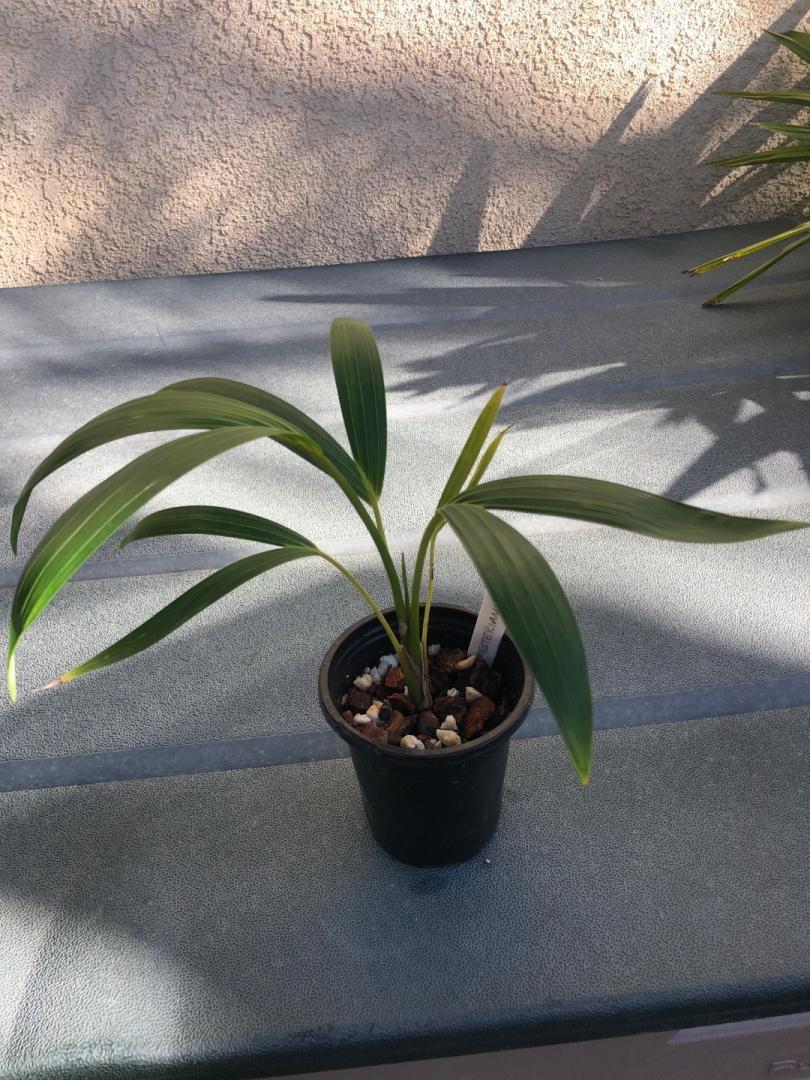
3 pointsArchontophoenix as well as others are very slow to start . Many times the first few years can be a lot of work with very little reward . Replacing a tree with something grown from seed takes many years . A greenhouse can speed things up . King palms are fairly common here in Southern California and I bought a one gallon palm for$12 a year ago . I have many seedlings that I grew when one of my mature A. Cunninghamiana dropped a bunch of seeds . The seedlings need constant watering and shade and are very slow growing . I also grew some Howea F. from seed and they are actually passing up the Archontophoenix! It is a great hobby but it takes many years and a lot of patience to grow palms from seed. The exception is the Chamaedorea palms , much faster to gain size and quicker germination rate. Harry This Howea F. Is almost 3 years old and just started speeding up….a bit! A community pot of Chamaedorea Radicalis Tree Form is less than 2 years from seed . I don’t discourage folks from growing from seed , it can be rewarding . It just takes a few years to get rolling . Once you get about 5-6 years worth of seedlings moving along , you will have palms that may be ready to plant in the garden. ‘This Chamaedorea Radicalis ( middle of pic) was a volounteer from one of many Tree Form Radicalis I have around our house . About 5 years old when this was taken a year ago. It is forming a trunk already . Have fun with it and be patient. Harry


 3 points
 -
 3 points
 -
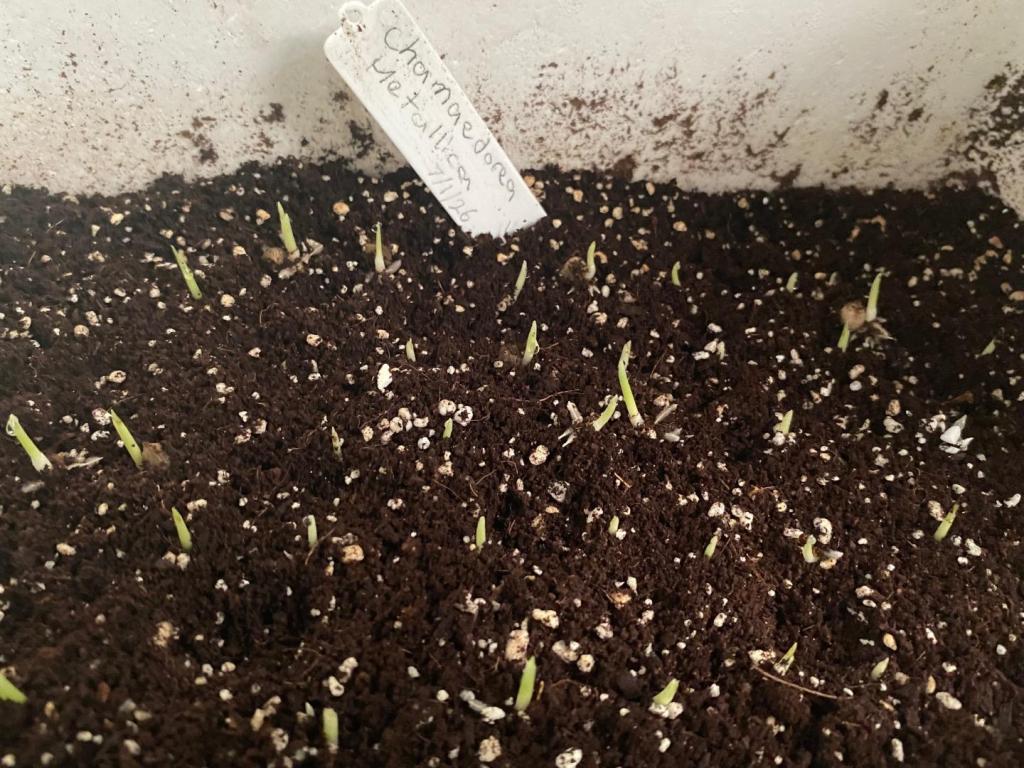
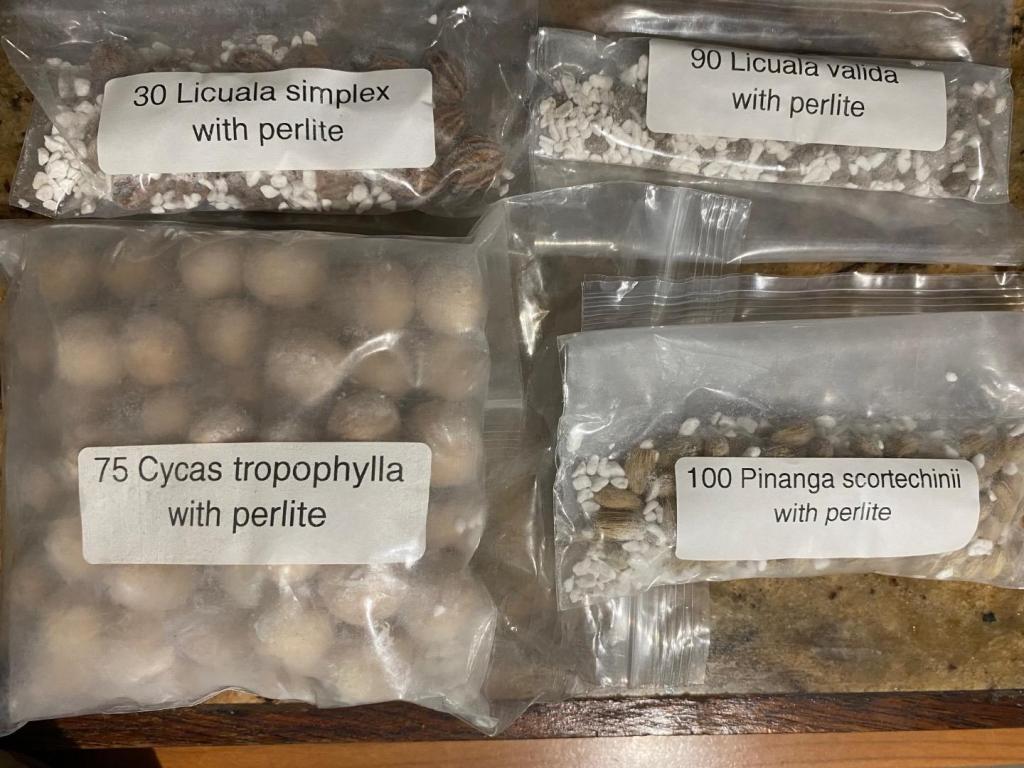
3 pointsWell actually I grow a lot of palms from seeds as it happens, and I mean a lot of seeds. The archontophoenix is an easy palm to propagate so much so there a weed in my garden and many other gardens. Just keep your seeds in a warm place, put a plastic bag over them to create humidity and iam quite confident you will have archontophoenix to grow! And all fails PM me and I will see what I can do about getting some seeds to you, good luck!

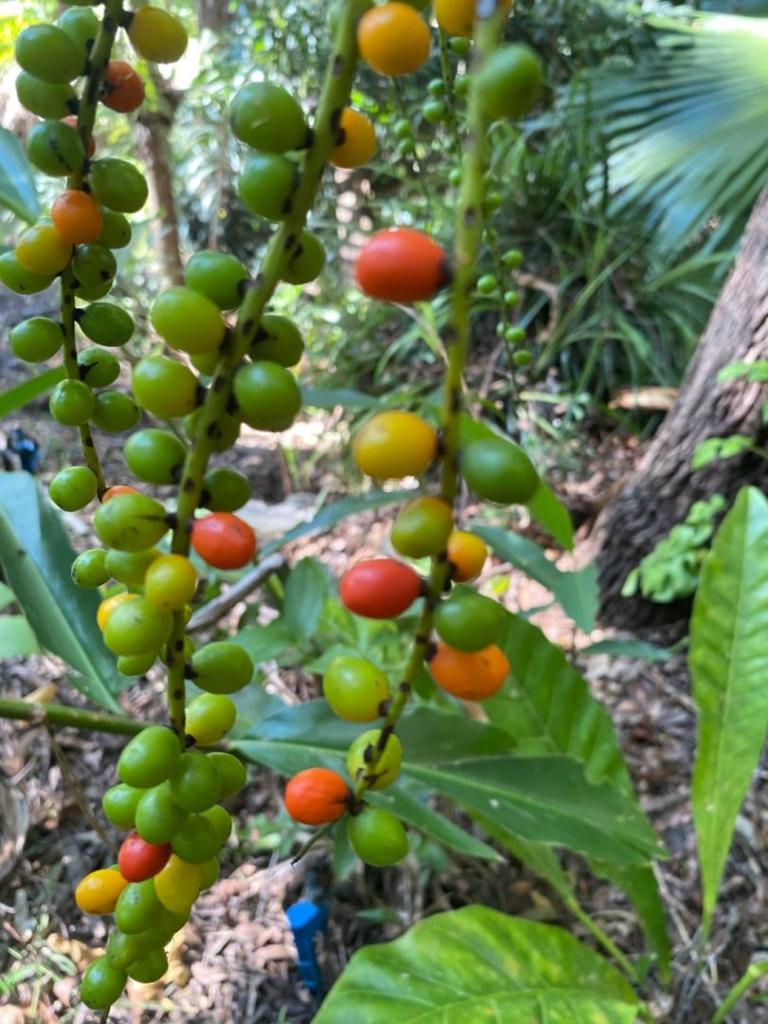
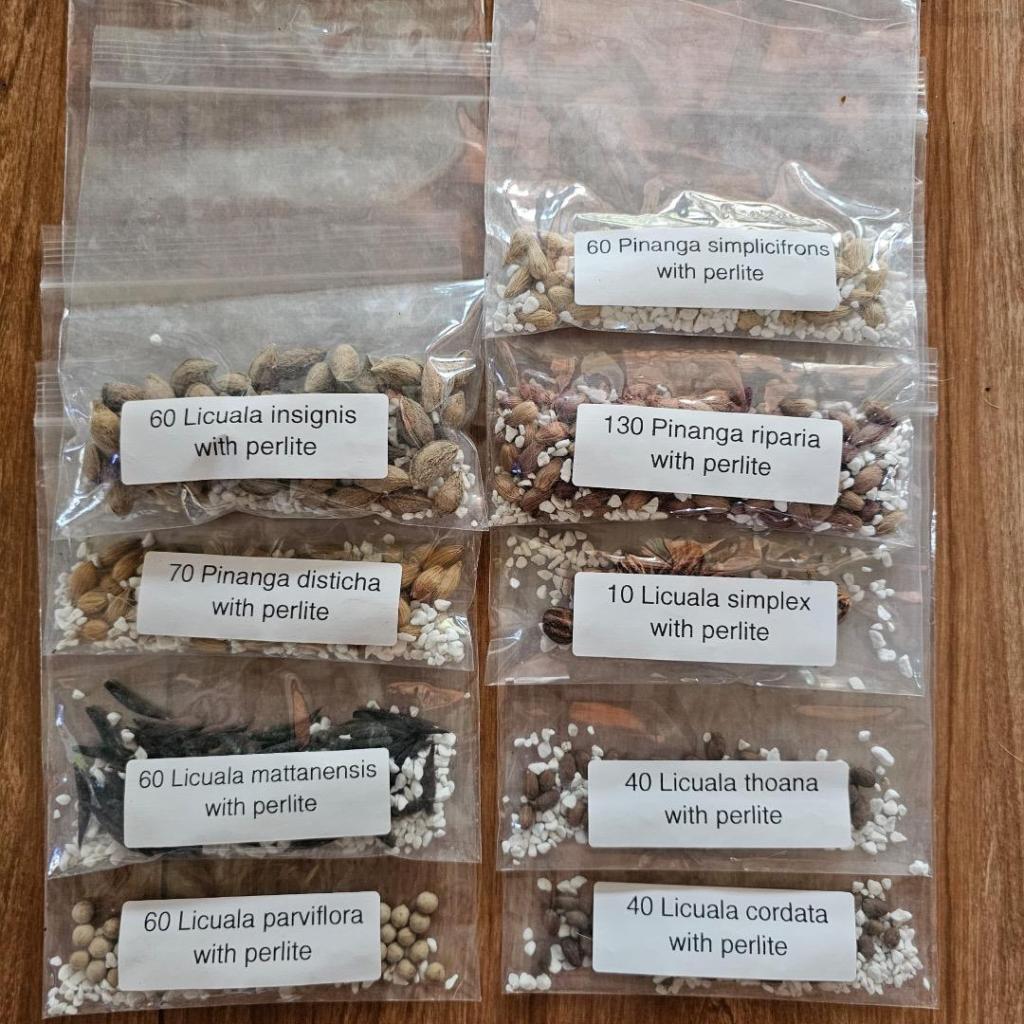
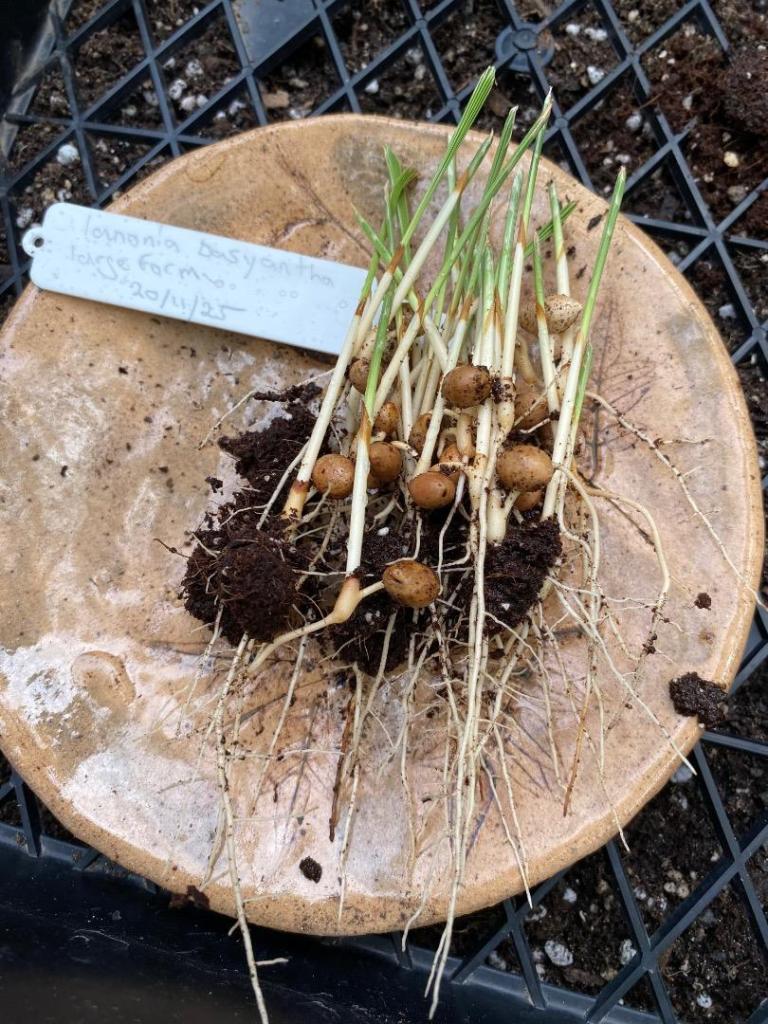
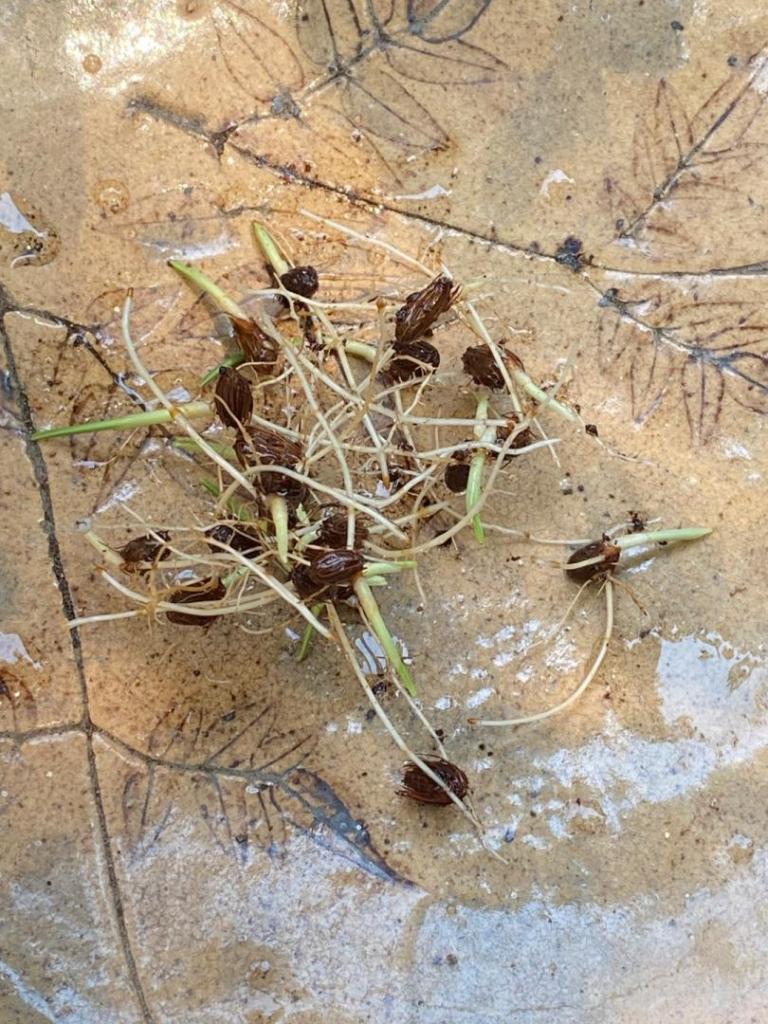
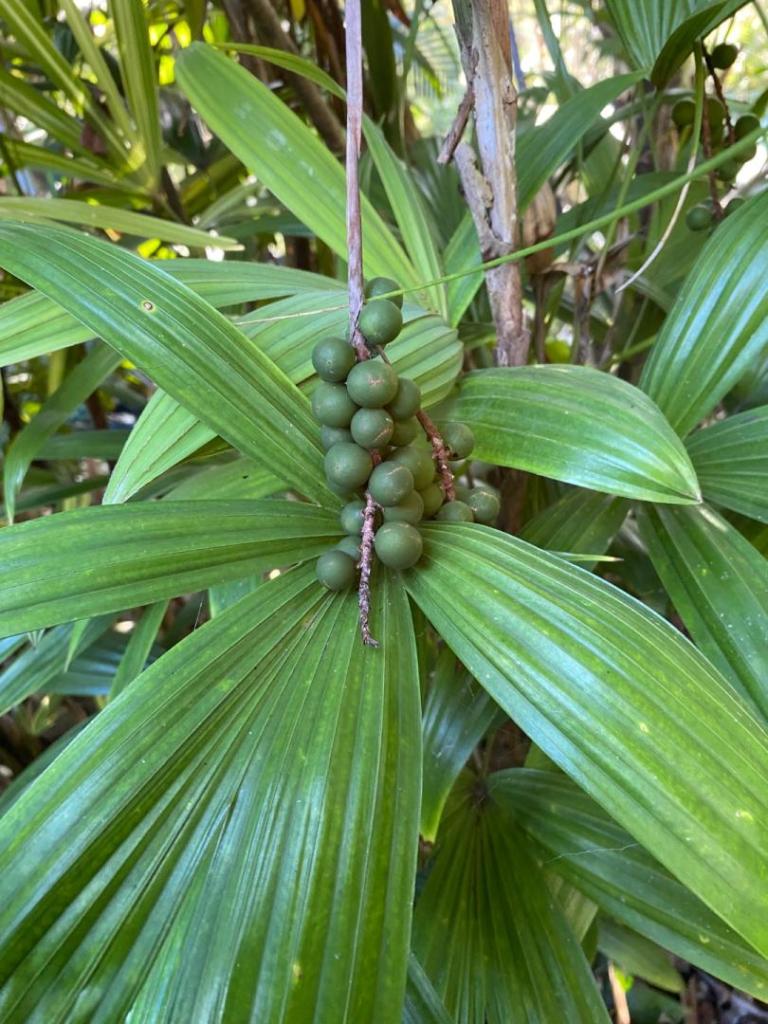
 3 points
 -
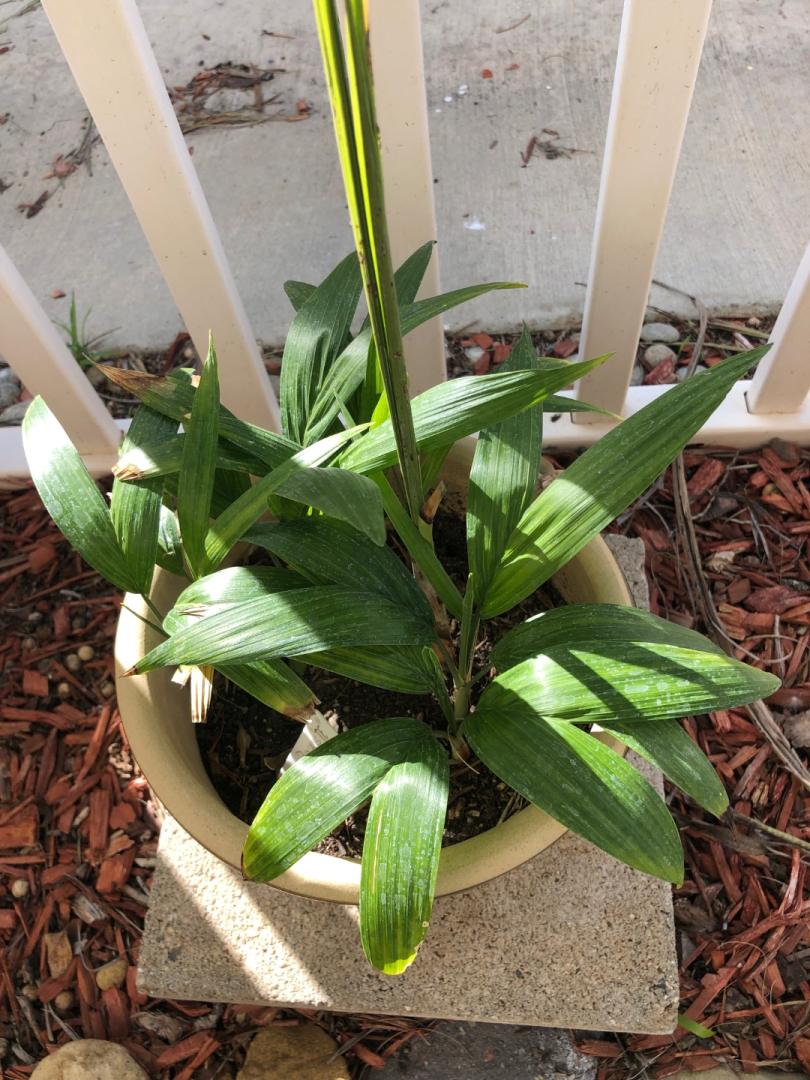
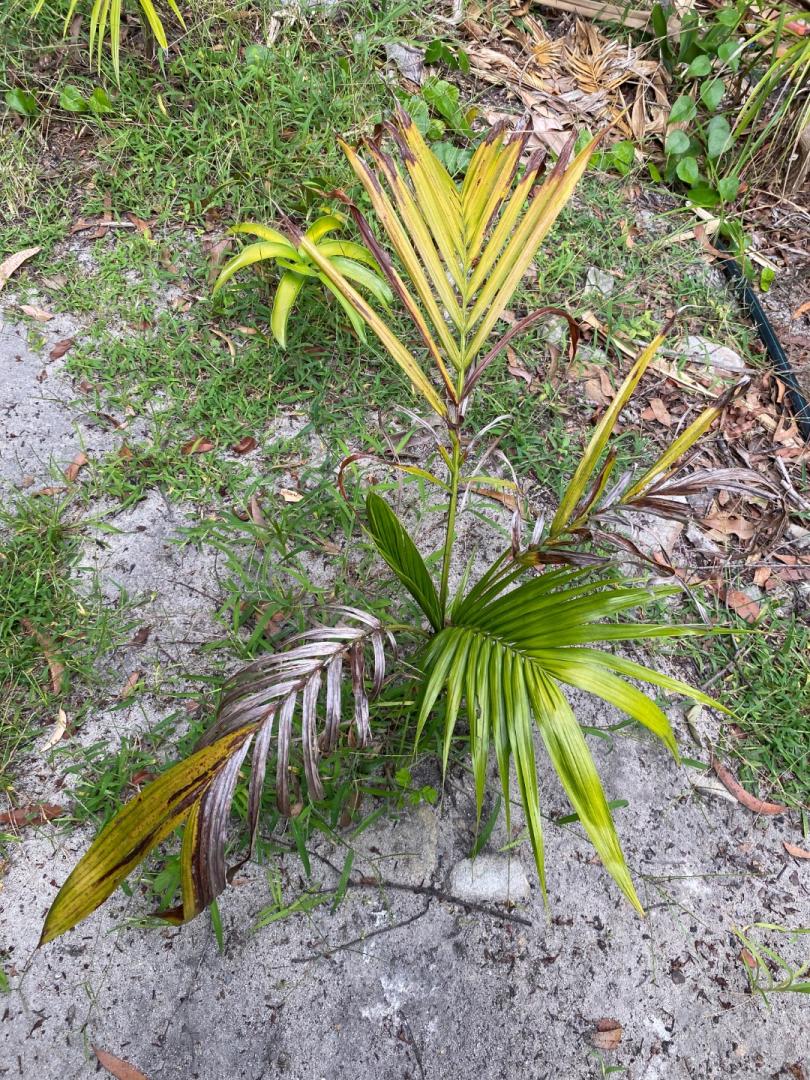
It’s about 4 years old, I got from the great germinater Merc psillakis. So he must have had it for about a year. They do like warm temperatures I get about 2 too 3 leaves a season, but definitely slow as a seedling. Most likely you’re palm went into sulk mode after planting it’s a natural thing for a lot of newly planted palms, they lose a lot of lower leaves and they get a bit tatty looking sometimes with only one leaf and a spear. Hears a couple of satakentia that went into sulk mode after planting they are on the road to recovery now, planted about 6 months ago. Richard

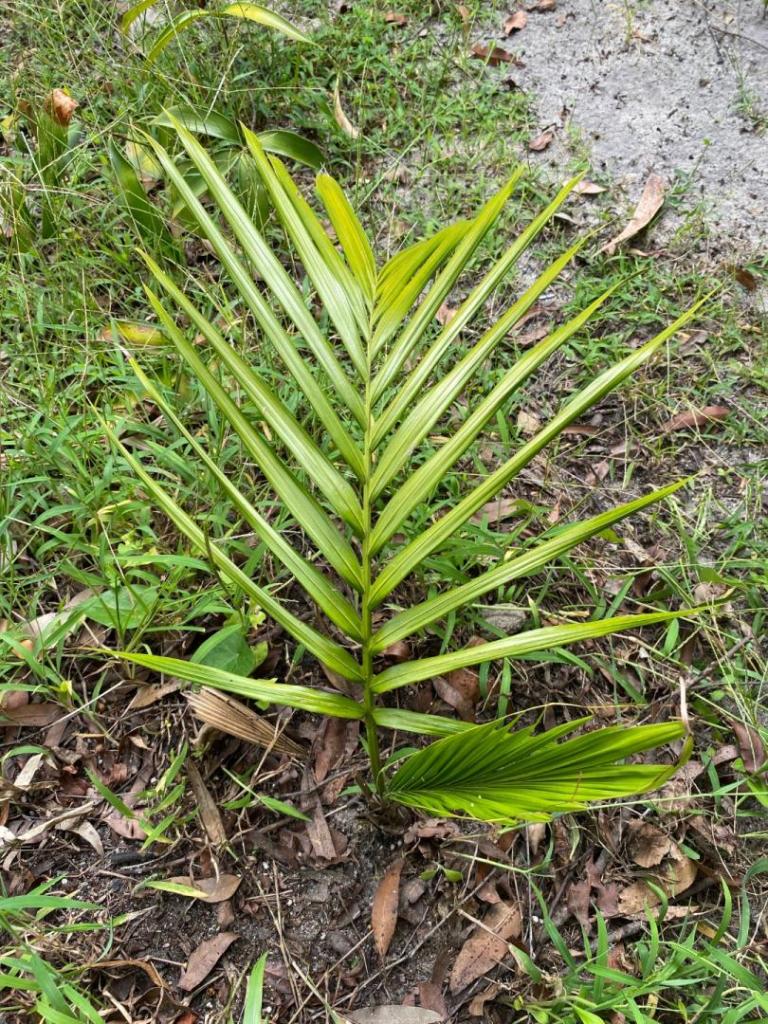 3 points
 -
Our Phönix roebellinii after a very very cold Winter are looking like this ... Subtropical microzone on the balcony.

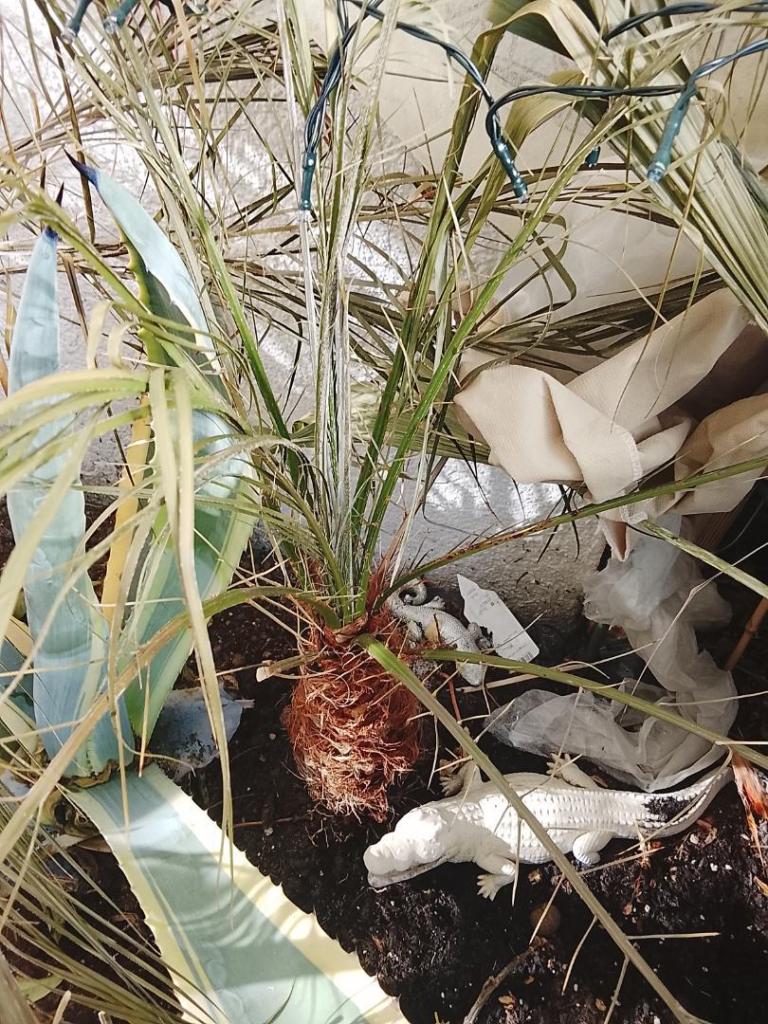
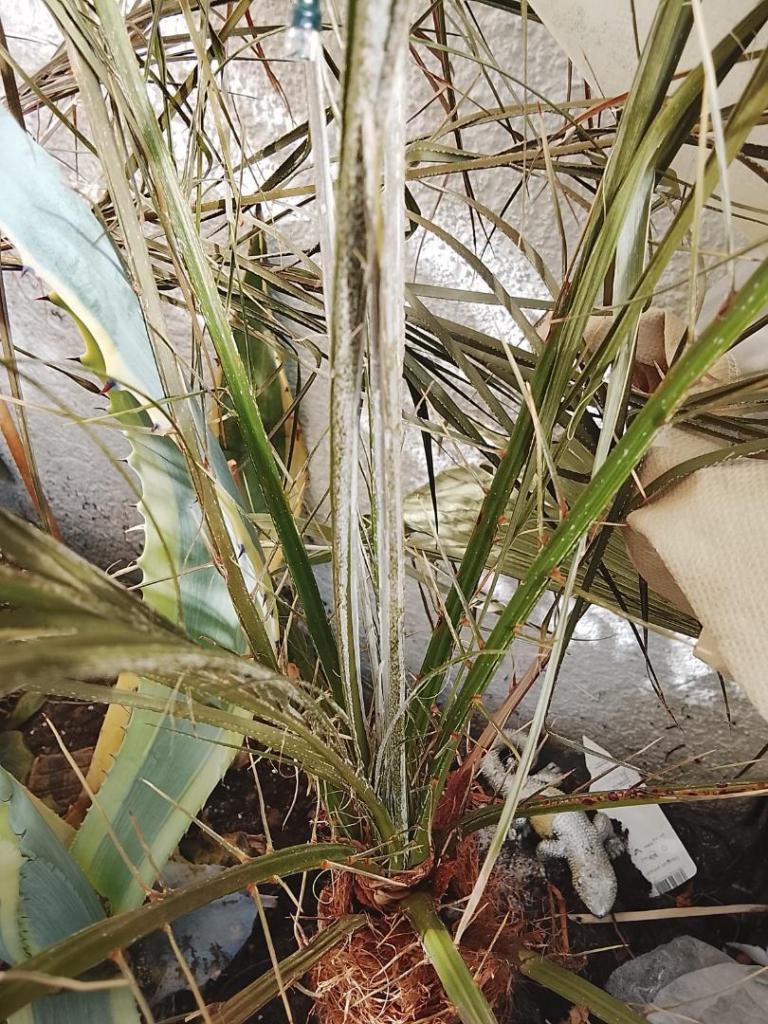


 2 points
 -
2 pointsI can't believe this album is 40 years old. Sirius XM has been playing tracks from it all day on channel 42 and despite taking my meds I'm entirely too hyped up right now to relax. Such an amazing album. I've talked a lot of smack after how they changed after the Black album but just to think this metal masterpiece is 40 years old is kinda throwing me off. I'm definitely overdue for a prostate check and colon screening, but damn. Damage Inc just goes so hard, the whole album from start to finish is just amazing.2 points
-
 2 pointsDo you think where palms seeds are harvested ( northern soarced) will be more cold hardy ?2 points
 -
 2 pointsVery nice palms! It's too bad that they're so hard to find in your area @bubba! 😆2 points
 -
 2 pointsI think anyone would even the most rudimentary understanding of genetics would know that a tropical species transplanted into a marginal subtropic environment isn’t going to automatically produce offspring that are more cold hardy than it would if it had remained in the tropics. Could the question be how many generations would it require for a species in a marginal environment to develop higher cold tolerance than its forbears in a milder climate?2 points
 -
2 points
-
Winters can be brutal to our plants . Phoenix Roebelini are pretty hardy and should come back once the weather warms up . Watch for new growth , I wouldn’t add any fertilizer at this point and keep them moist . Harry2 points
-
 2 pointsGood Question. Problem is, a palm produces hundreds of seeds in a season so, there is still randomness in the genetics they carry. After many generations, yes it plays out. Like isolated populations of Washingtonia filifera in the California desert. Other factors affect a Palm's cold-hardiness. Was it seed-planted? Planted from a 10-in pot? Was it planted bare-root with 10-ft of trunk? In marginal areas the results are different. I know that Needle palms from Monrovia are not as cold-hardy as those grown east of the MS river. I can't say why. Maybe their herd isn't culled because they grow in warm weather. Local ones come from the Gulf Coast where cold winters occur yearly.2 points
 -
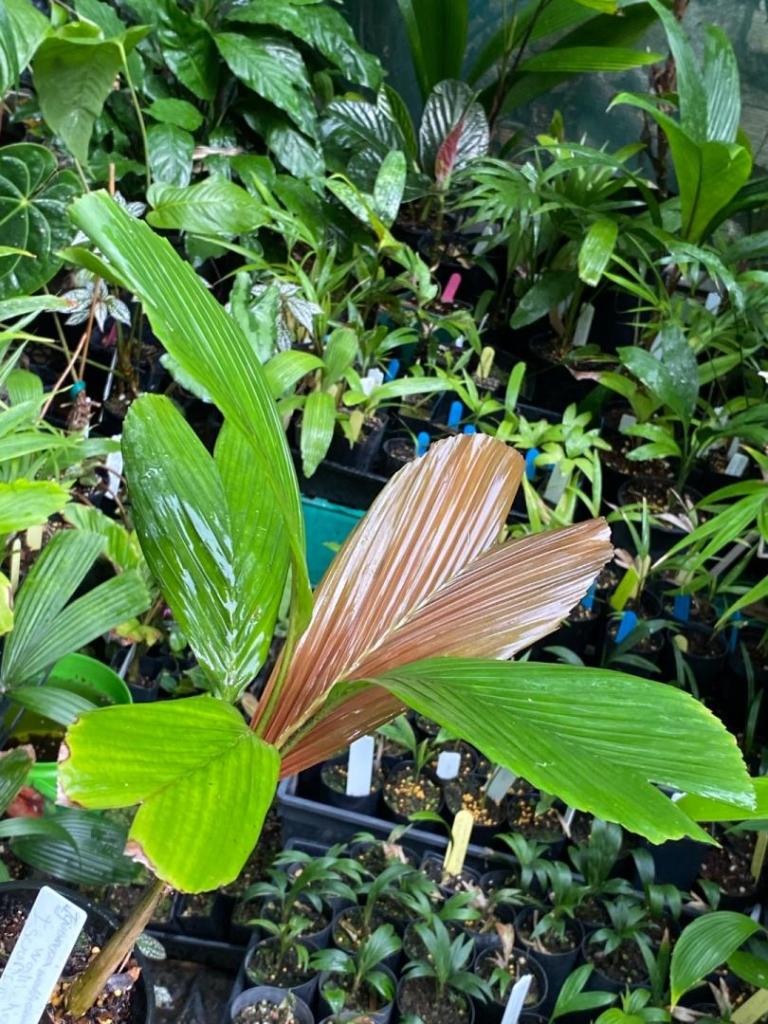
2 pointsTime to move to the tropics and forget about the darn cold weather holding you back, I could lease you a greenhouse, but then I will be in the same boat as you!
 2 points
 -
They are slow in the first place, cool soil won’t help much either. Try a rock mulch for a bit of thermal mass! Richard2 points
-
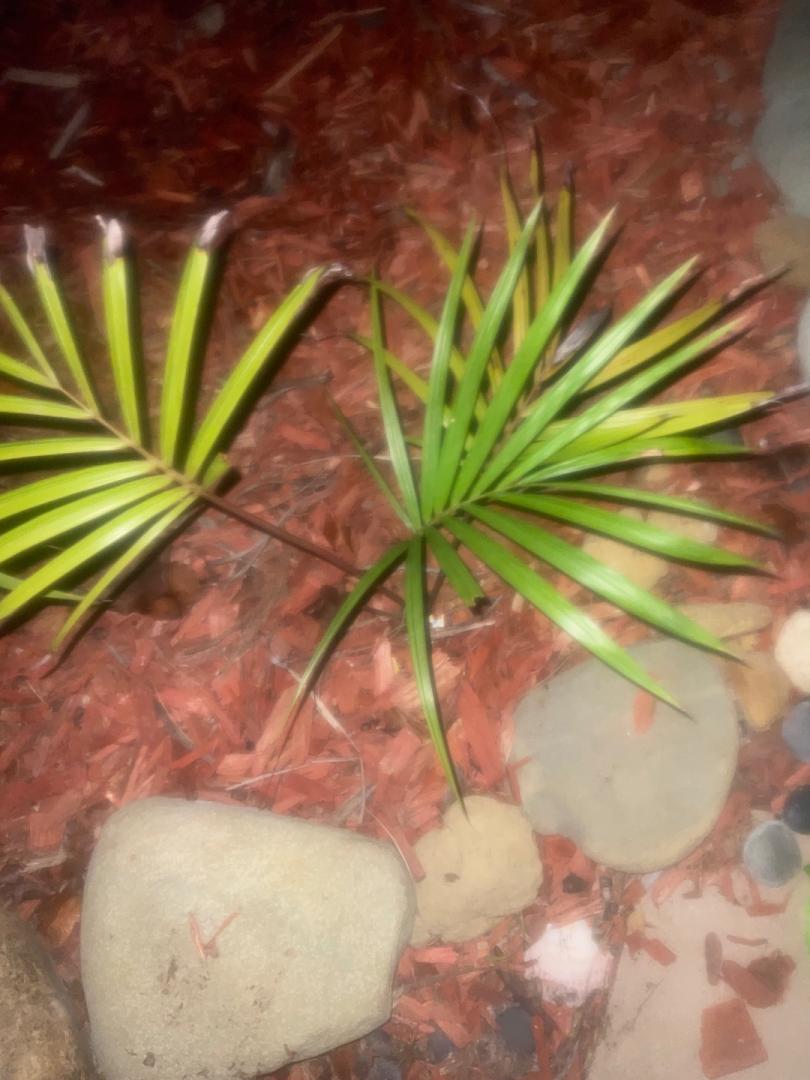
Thanks Richard. Here’s my little guy. Harry It looks healthy , it’s just so s l o w ! The very windy conditions we’ve had probably hasn’t helped the appearance. Harry
 2 points
 -
Plants are an amazing gift, there beauty is one of the things given to us by Mother Nature.2 points
-
 2 pointsWhat a beautiful palm! I'd be interested in some seeds if you get any, and decide to sell off any in the future. I'm not sure how well julietiae would do in the Central Valley, but glauca will take our heat and cold with no problems. Sometimes the more tropical species absolutely hate the prolonged cool, wet period between Dec and January, even if we have no frost. A hybrid of the two might prove to be a great grower up here with our long, hot summers.2 points
 -
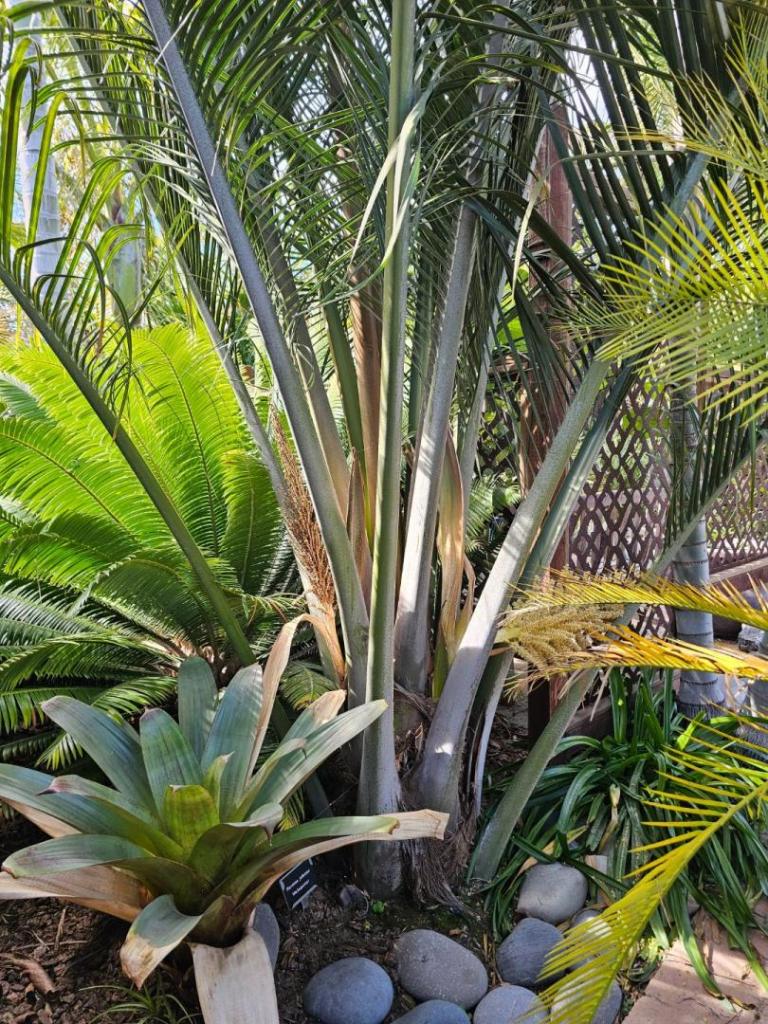
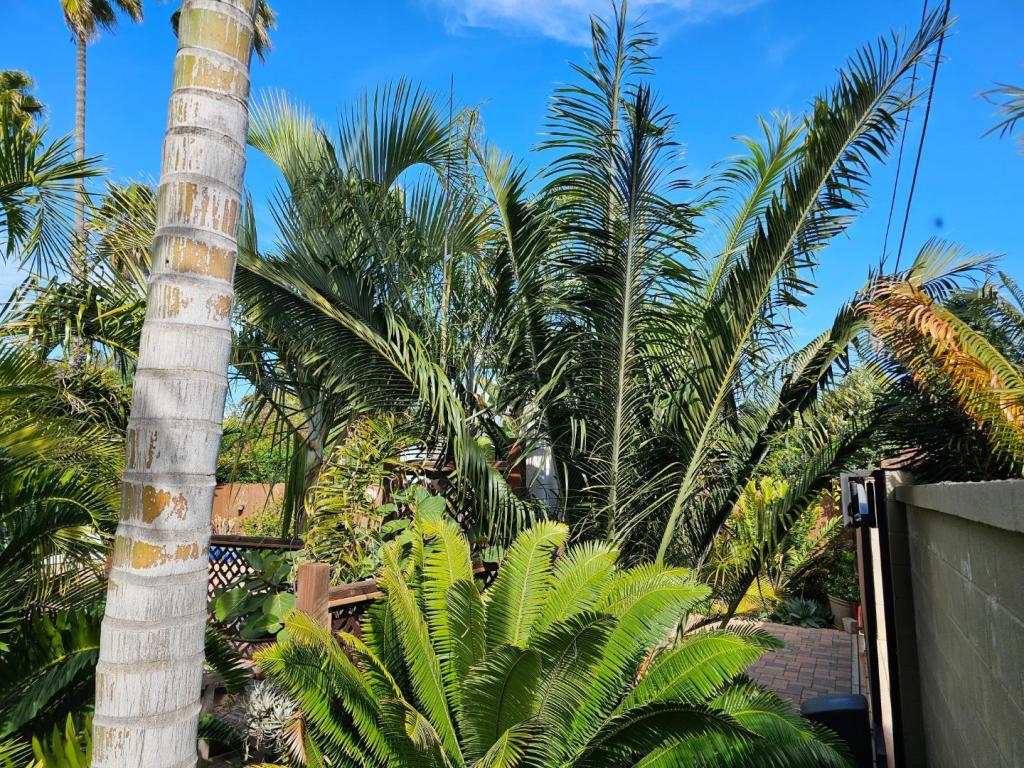
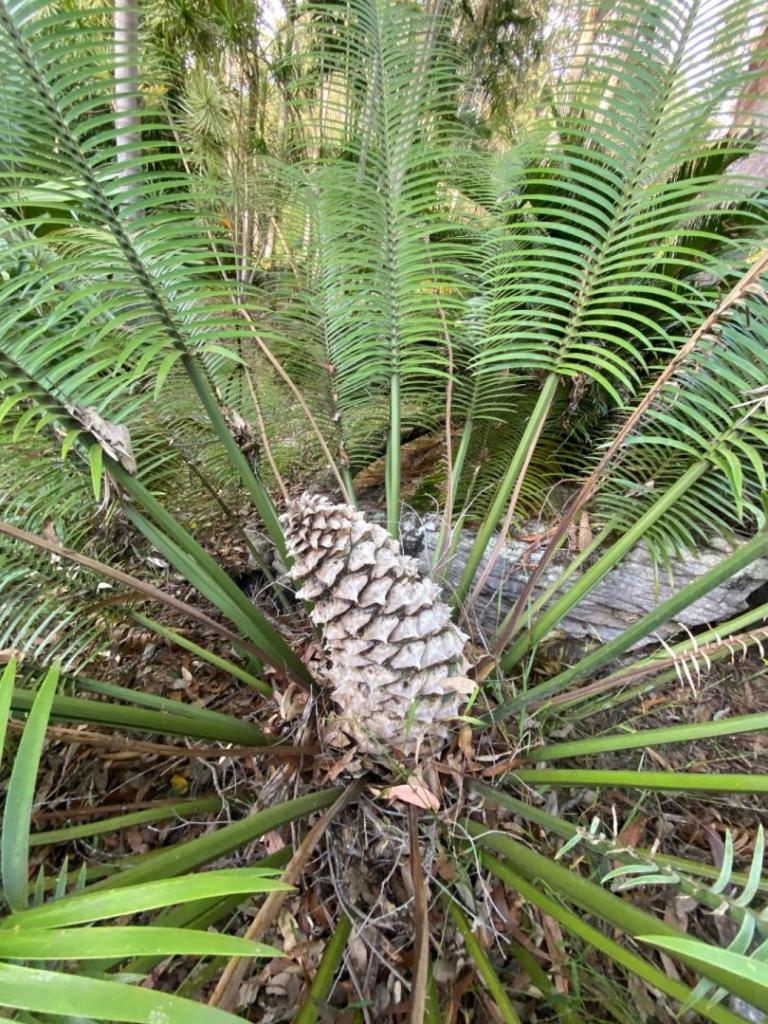
 2 pointsJosue first up is my younger Ravenea julietiae followed by 3 shots of the one in bloom right now. I have the potted Macrozamia on one side and Dioon mejiae on the other making it challenging to get the entire palm in one photo.

 2 points
 -
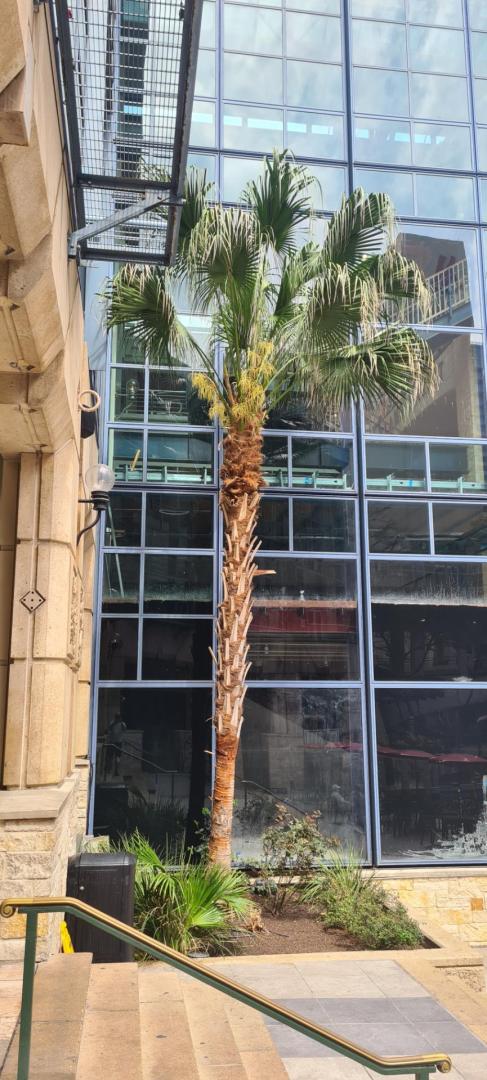
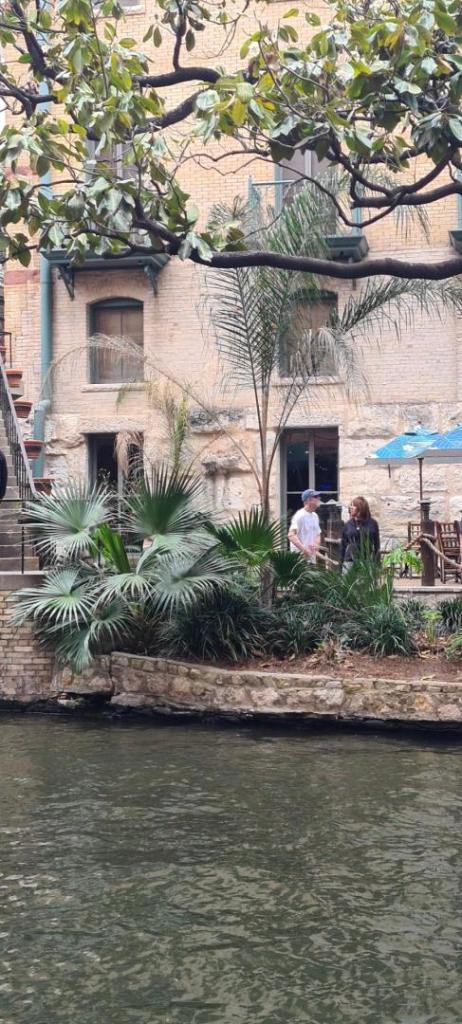
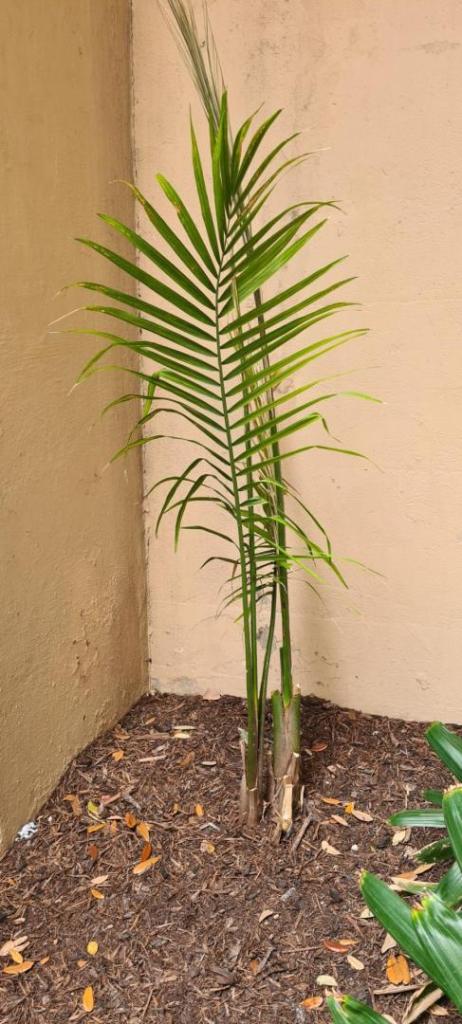
.thumb.jpg.304b32ca4398a111edf4ac525048111e.jpg) 2 pointsThe return of the Queen palm in San Antonio. The outcome of this is clear. Won't see a bright future for those that made it through the last couple of winters. I decided to remove my Queen a few weeks back . Obviously it survived, no spear pull , just ugly brown all over. Bought it last year in hope it would push out a few fronds but unfortunately , that hasn't been the case. It slowly grew one long spear. So I thought I would remove it because there's no point at looking at something that doesn't even look nice. The Queens at the Riveralk seem to do well and grow quite fast after being in the ground for 2.5 years. I also took some pictures of a few Livistona Chinensis . Also new rows of Sabal Palmettos have been planted around downtown. Here's one of it. Best choice of palms in our area. Surprisingly the few Ravenea Rivularis have survived near the Riverwalk. Seems to be a great microclimate for a lot of exotics.
2 pointsThe return of the Queen palm in San Antonio. The outcome of this is clear. Won't see a bright future for those that made it through the last couple of winters. I decided to remove my Queen a few weeks back . Obviously it survived, no spear pull , just ugly brown all over. Bought it last year in hope it would push out a few fronds but unfortunately , that hasn't been the case. It slowly grew one long spear. So I thought I would remove it because there's no point at looking at something that doesn't even look nice. The Queens at the Riveralk seem to do well and grow quite fast after being in the ground for 2.5 years. I also took some pictures of a few Livistona Chinensis . Also new rows of Sabal Palmettos have been planted around downtown. Here's one of it. Best choice of palms in our area. Surprisingly the few Ravenea Rivularis have survived near the Riverwalk. Seems to be a great microclimate for a lot of exotics.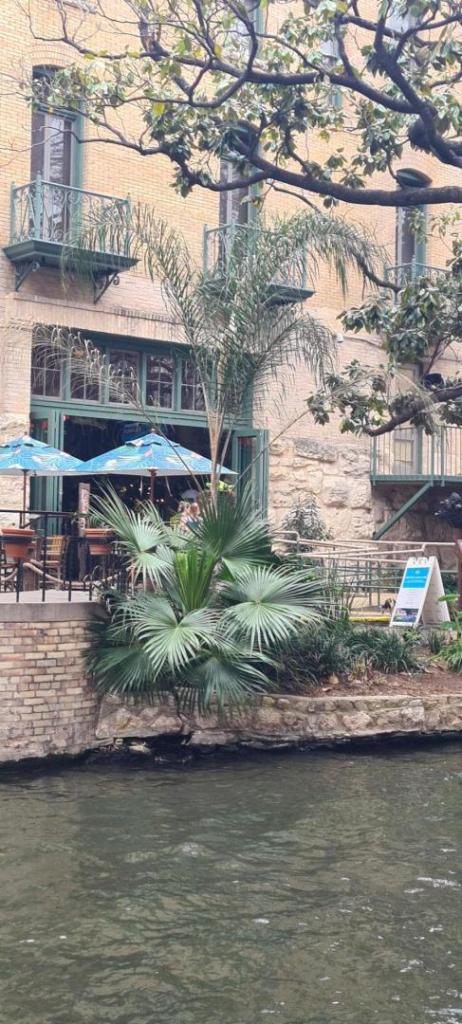


 2 points
 -
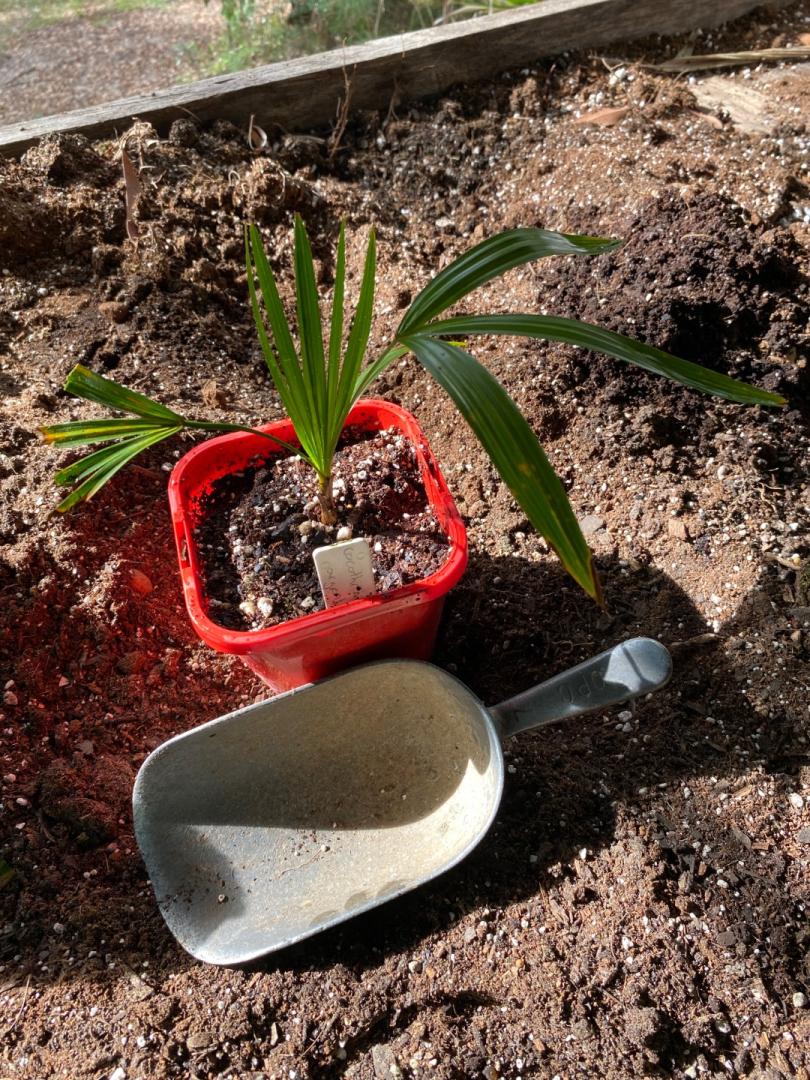
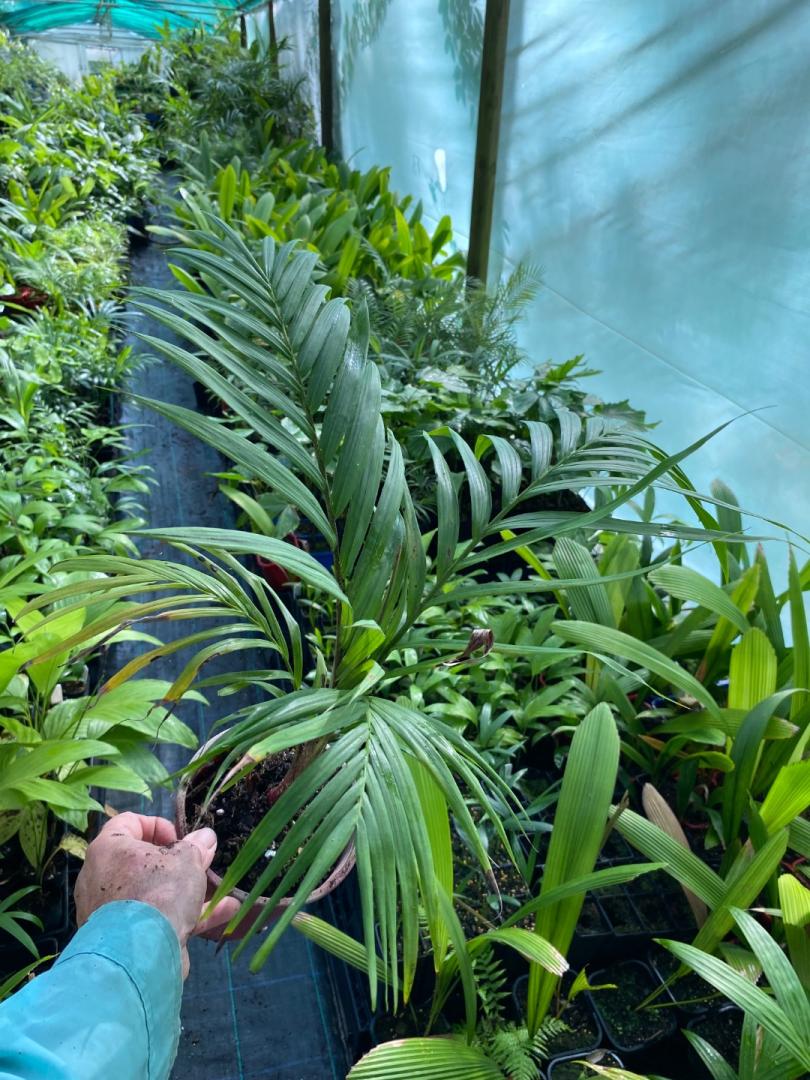
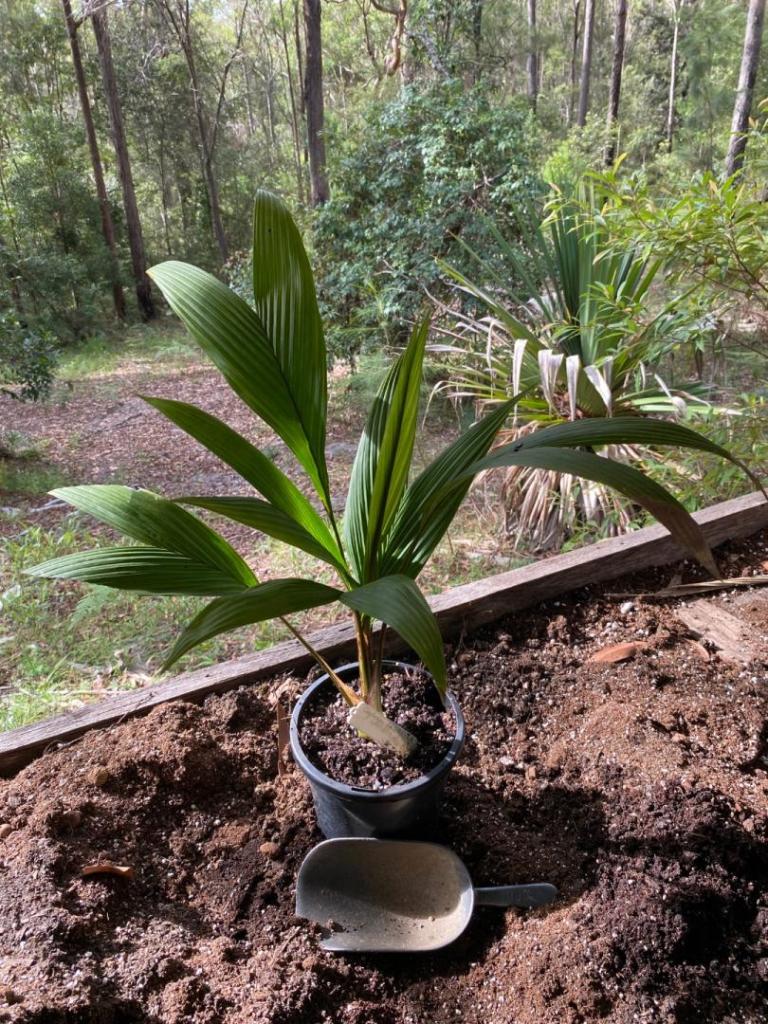
On the potting bench today with some of the personal palms for the garden. calyptrogyne ghiesbreghtiana cocothrinax argentatadypsis rivularis kentiopsis pyriformis dypsis faneva roscheria melonochaetes Nicely done with the Geonoma Panama at the back! A few more for the garden later on.
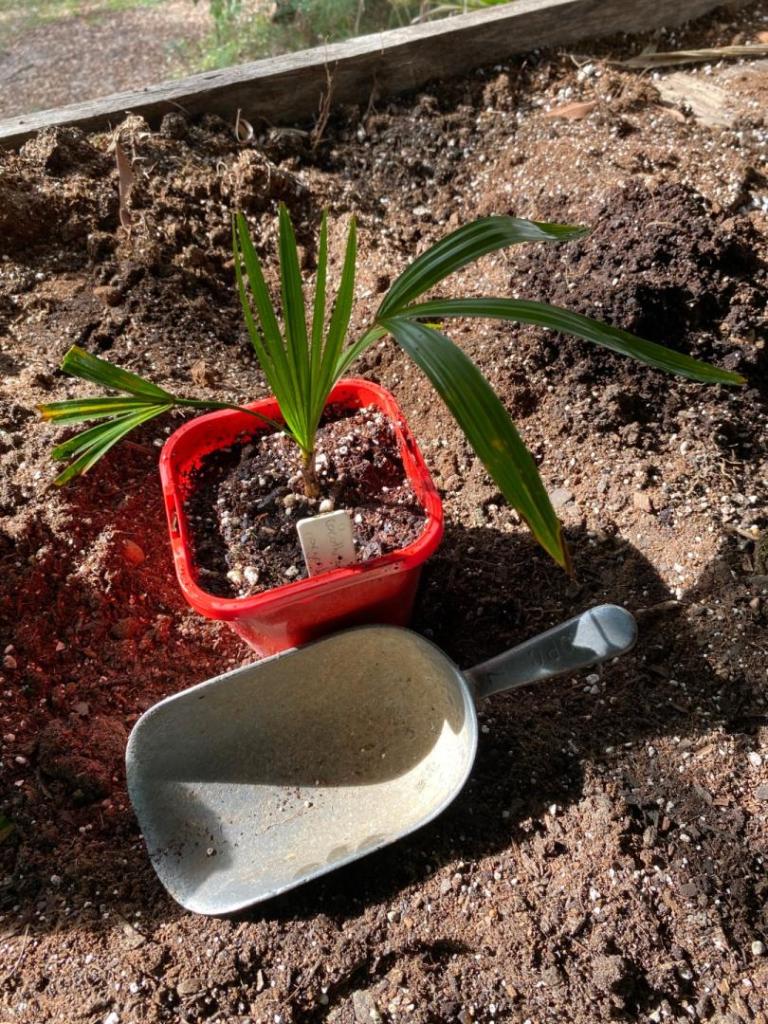

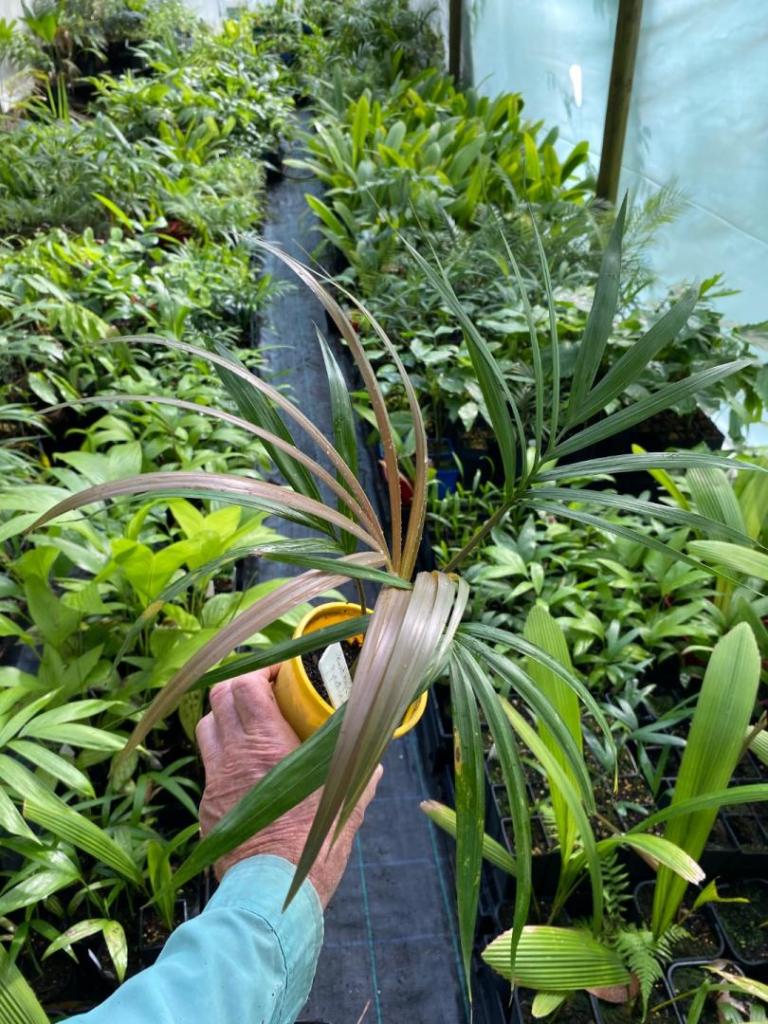
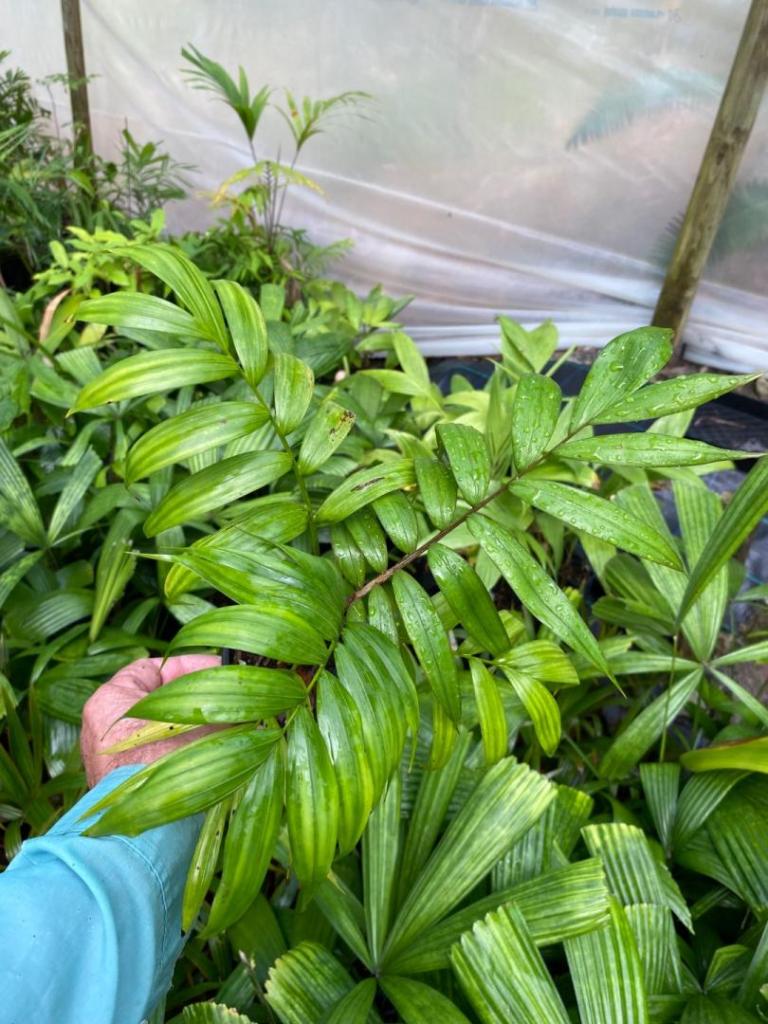
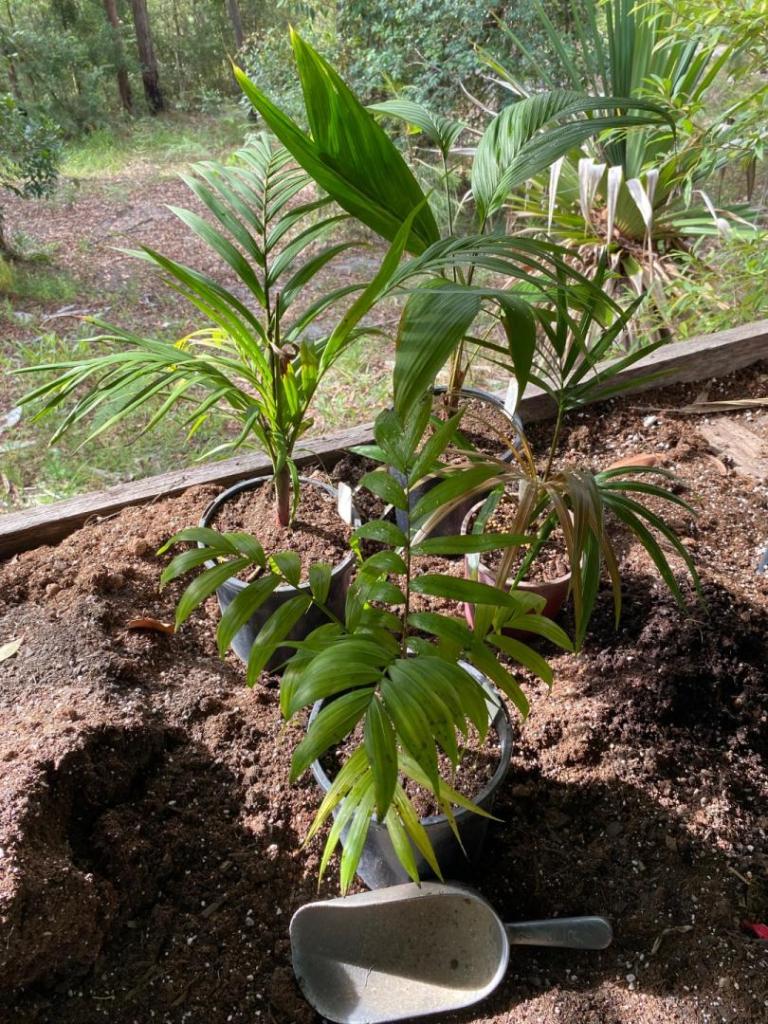
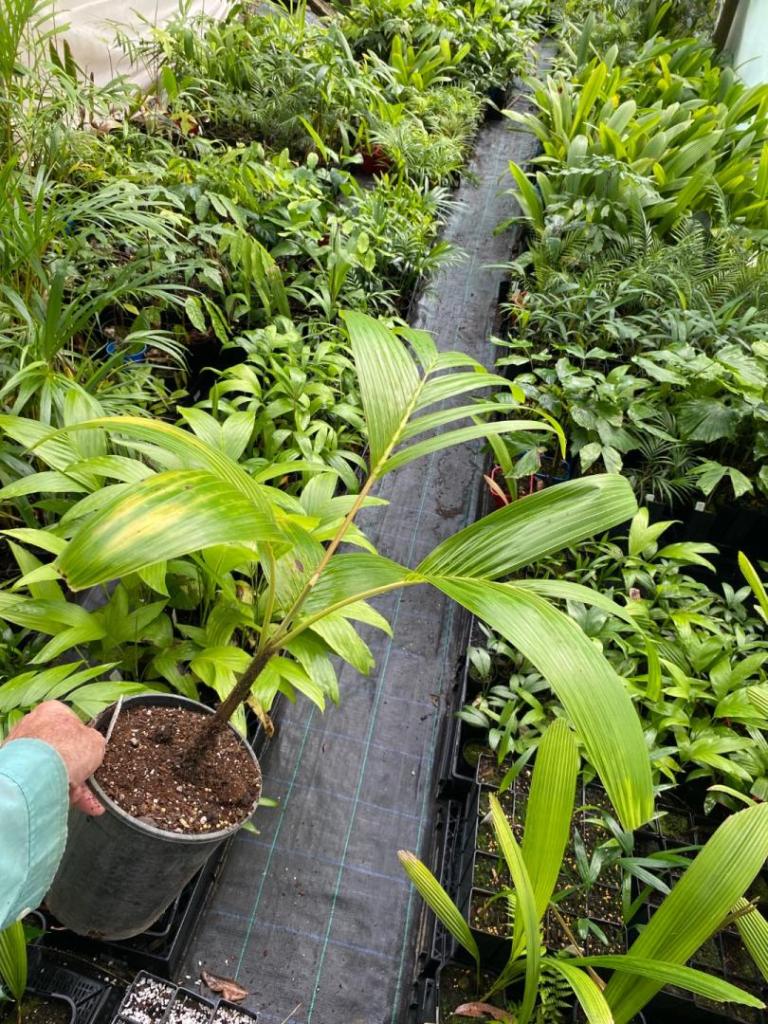 2 points
 -
2 pointsMarojejya darinii and a nice little dypsis lantzeana seemed to have liked the summer we just had!
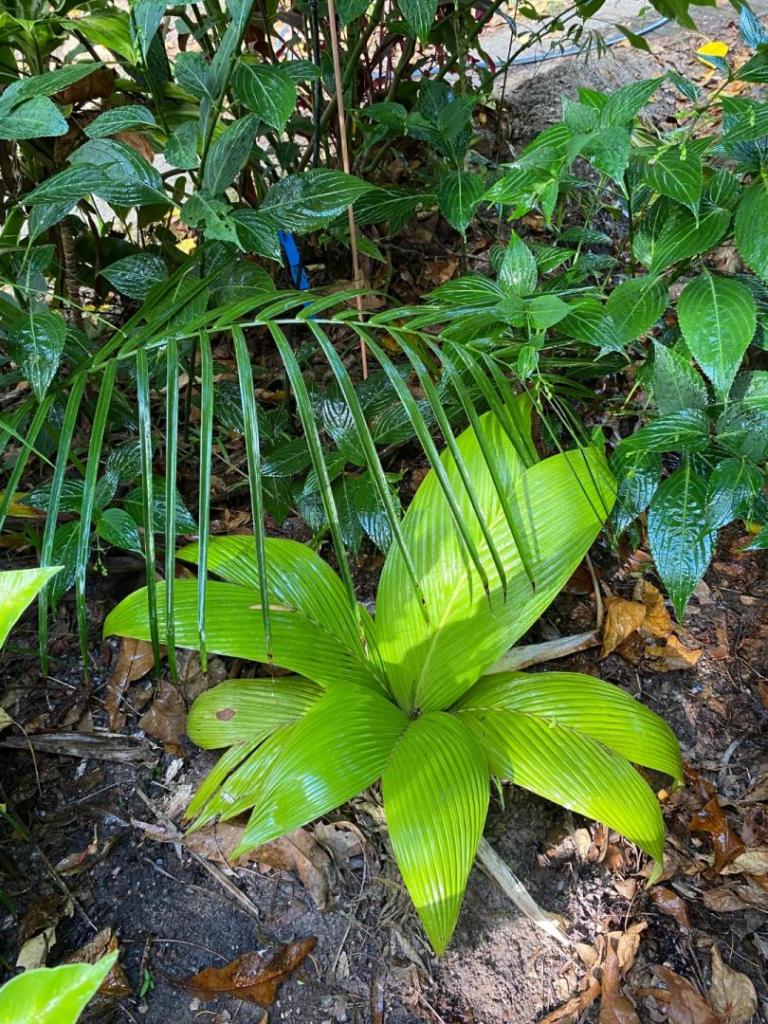
 2 points
 -
 2 pointsHere’s a better photo to illustrate the watering bulbs. You can control watering speed by plugging the bottom of the tube with sphagnum. This helps the water slowly absorb into the medium rather than spilling down your wall.
 2 points
 -
I think it’s about 4 years old, they grow fast. It’s a Ghiesbreghtiana.1 point
-
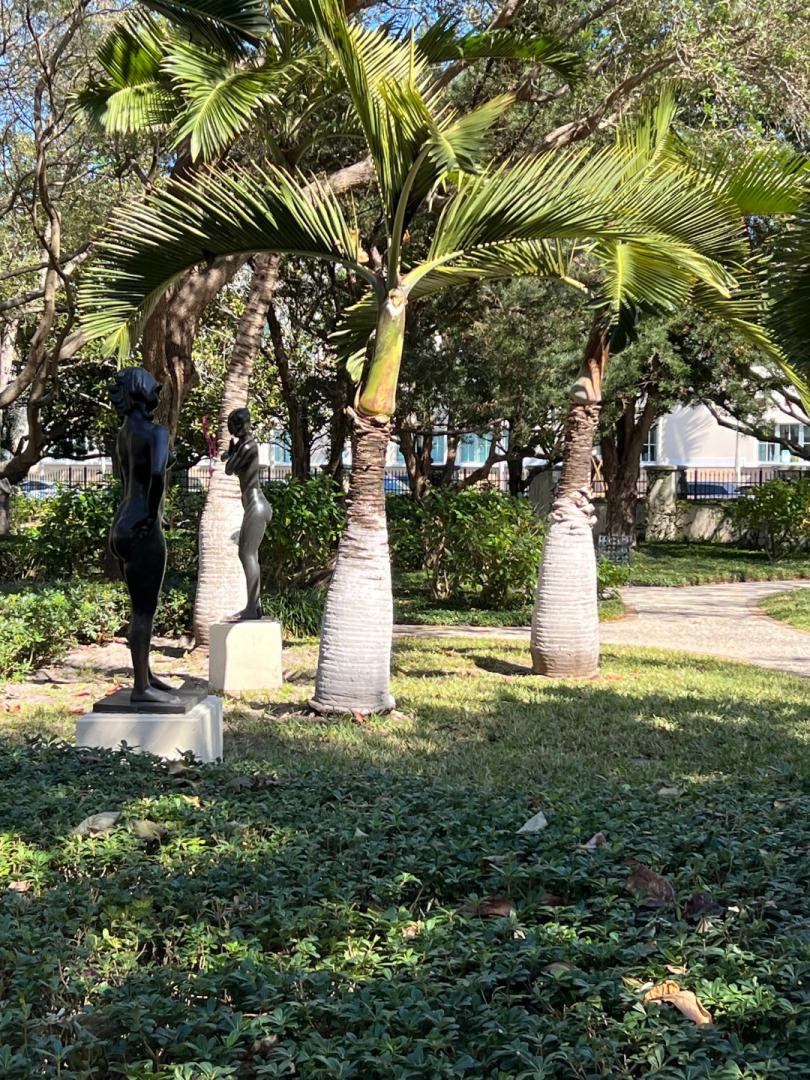
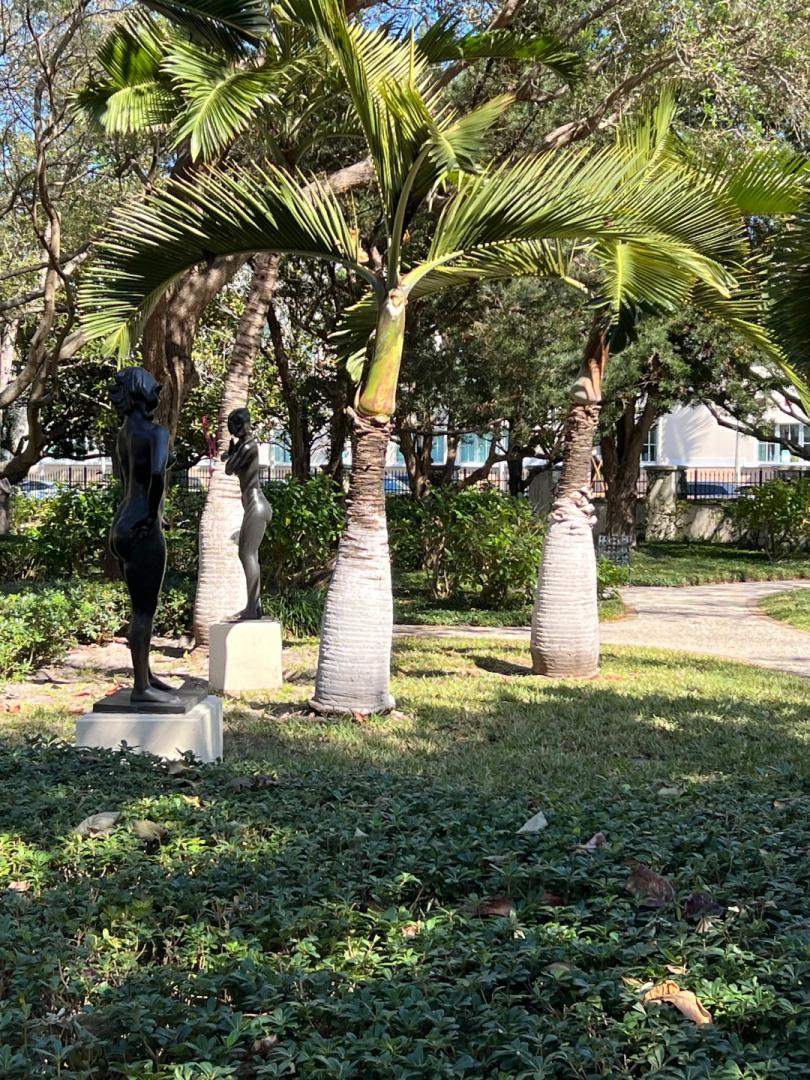
 Some additional shots around and about, L grandis at Four Arts: Bottles at Four Arts: Other things: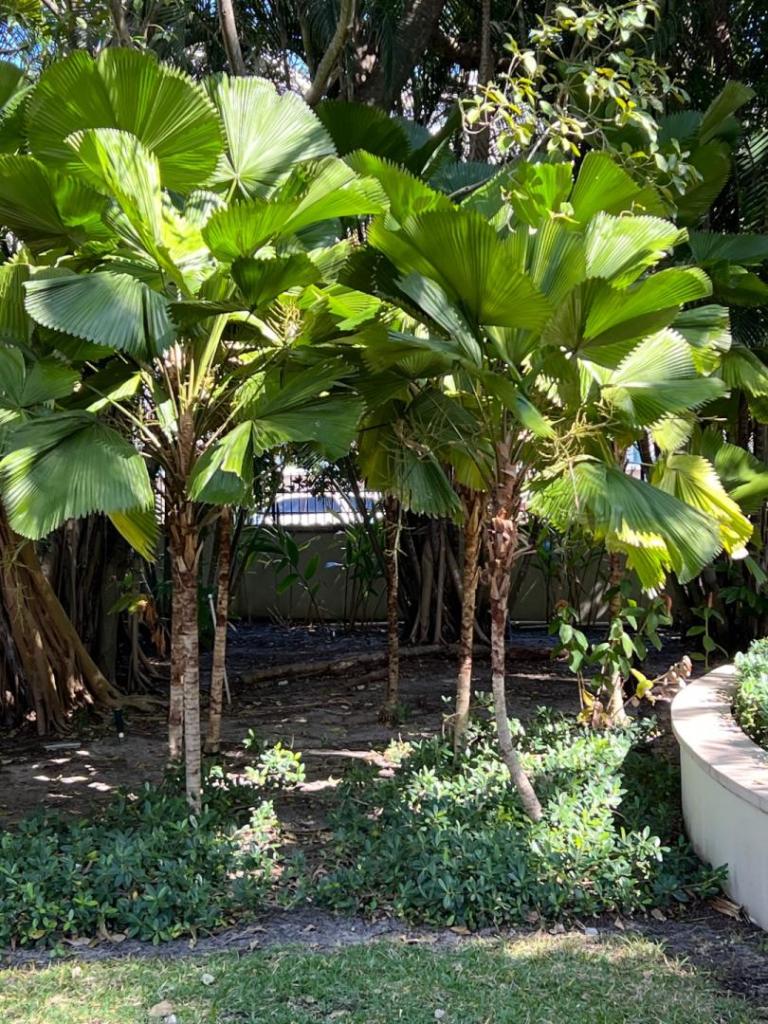
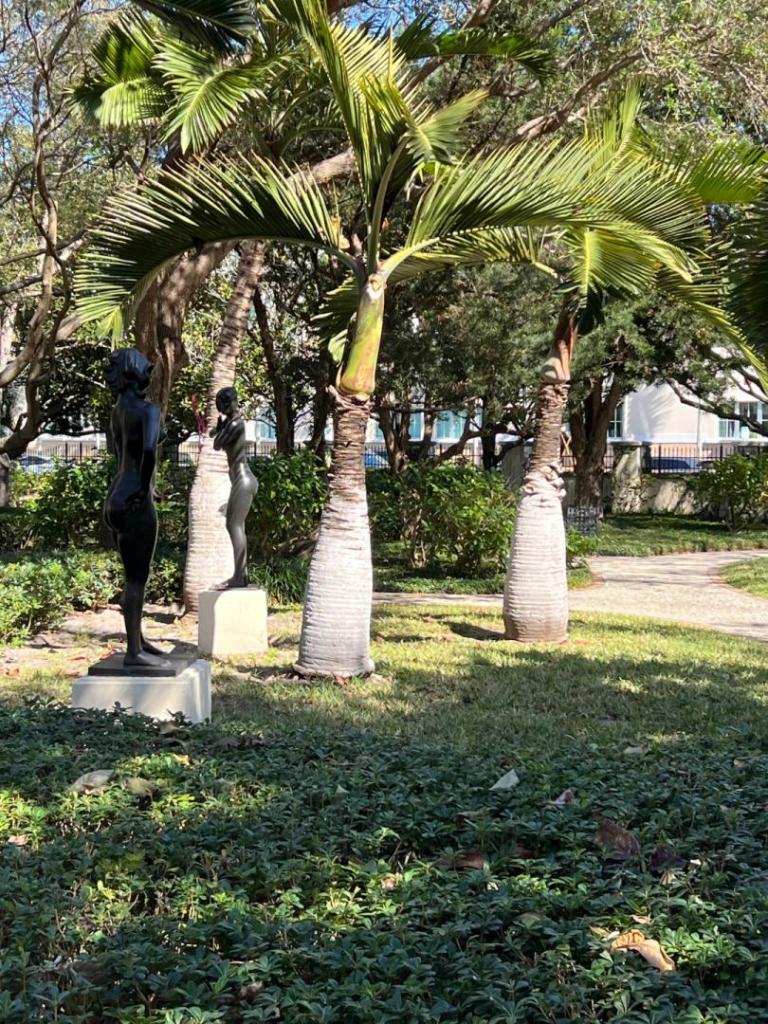


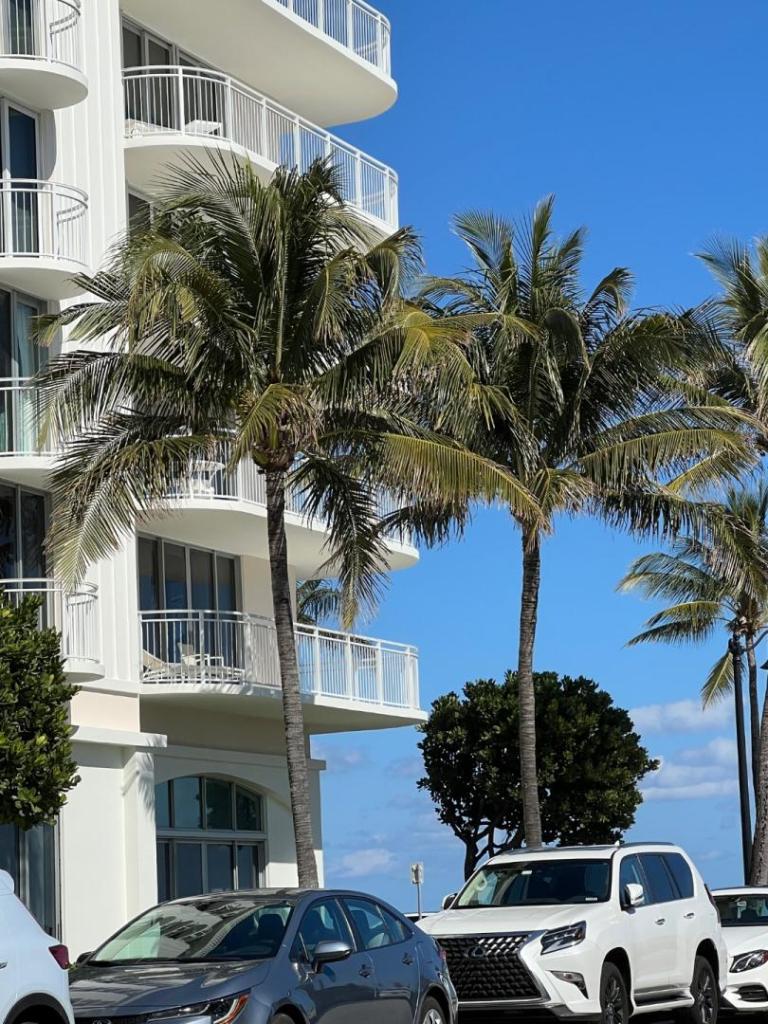

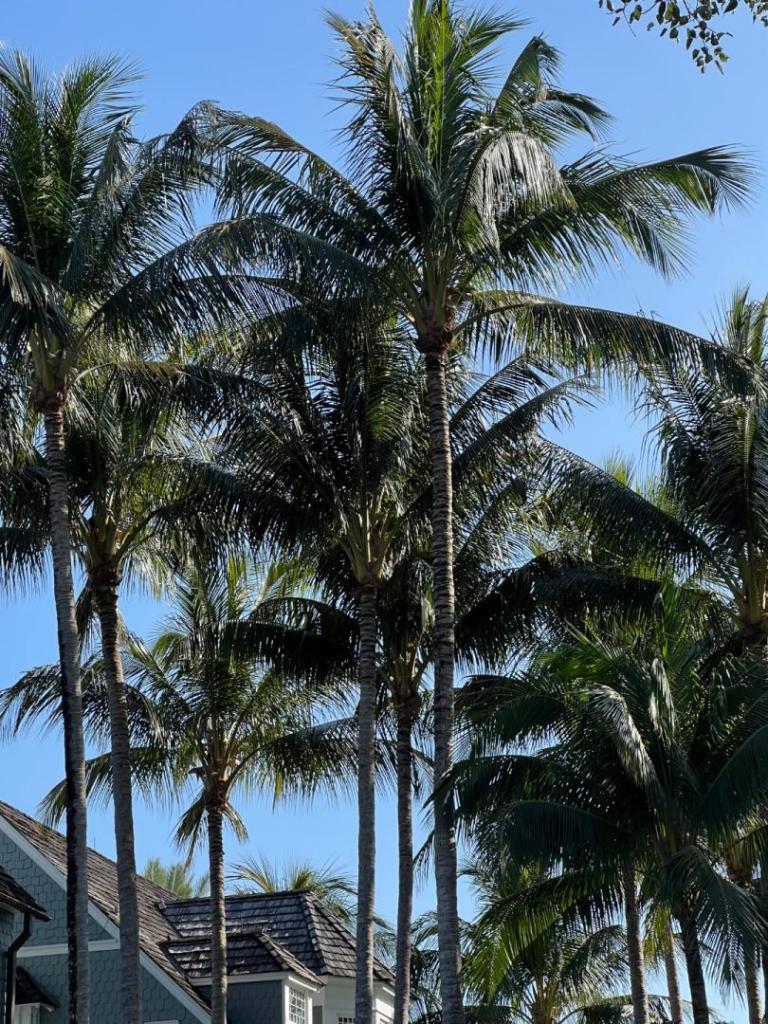 1 point
 -
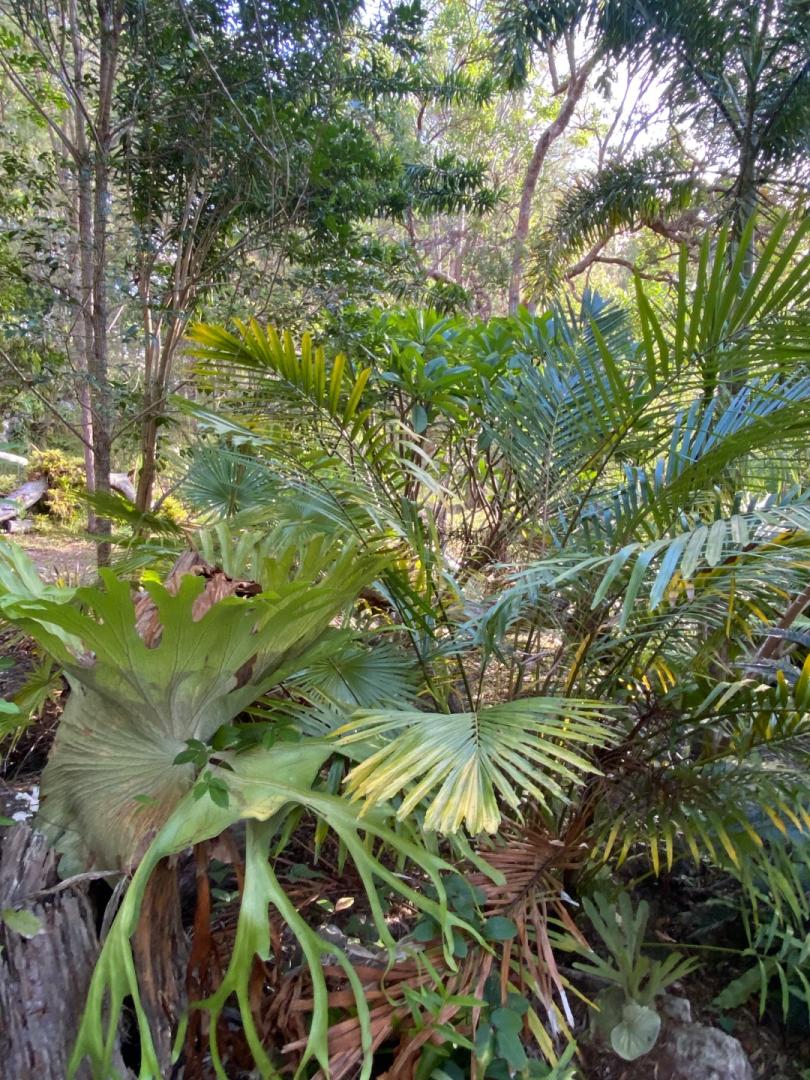
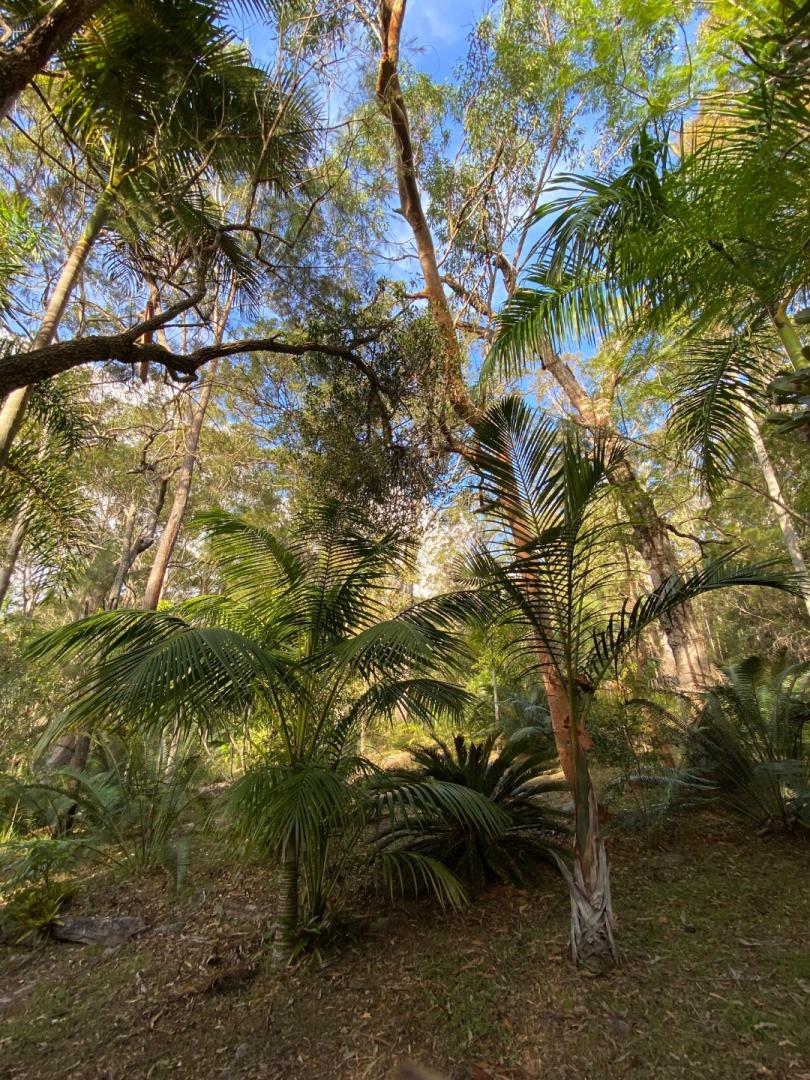
As I sit on rock in the garden looking at what I have created iam amazed. The garden goes from a jungle canopy understory to a very dry hot intolerable in summer heat garden. Yet it all seems to work and grow in harmony with Mother Nature. You can create a garden of your taste to reflect your personality, it just takes time. All you see was basically carved out of the Australian bush, and we’re not talking about tropical cairns or Hawaii where you throw a plant over your shoulder and grows by just looking at them. Its hard country to garden in just add water! IMG_9785.mov
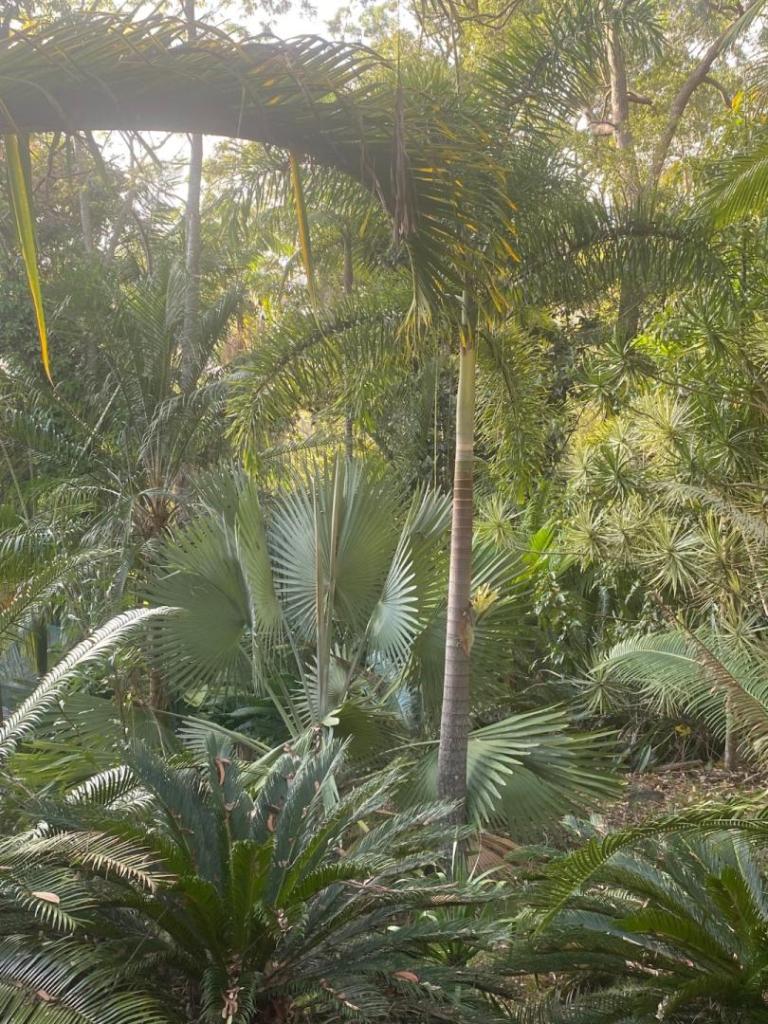
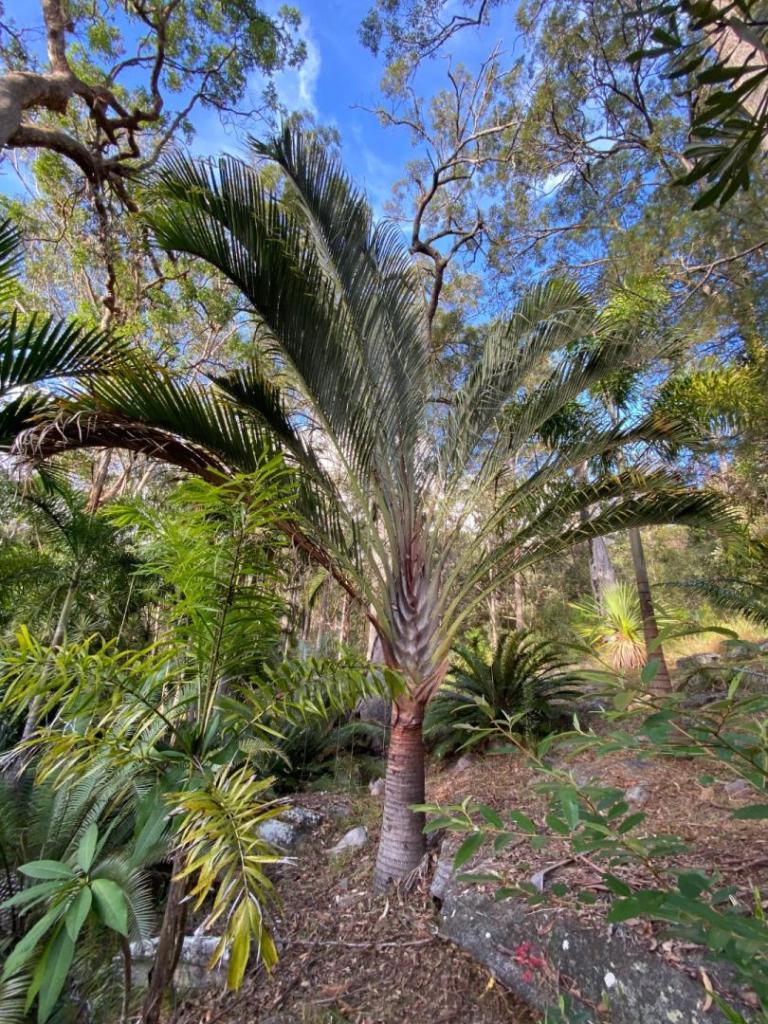


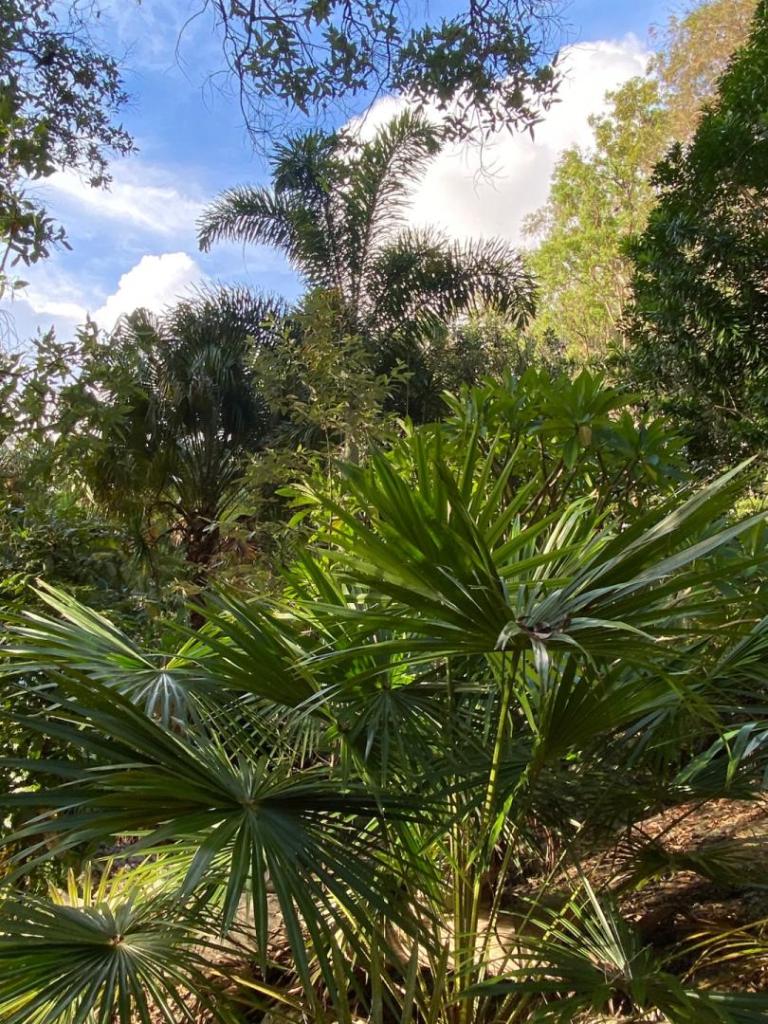
 1 point
 -
1 pointI had to ship some plants off today and I figured into going to the little town to drop it off, I'd head to the nearest city and swing by our blue big box store. I needed some more big totes, and I've been pondering getting some lumber to add shelving to a bench. With my health issues I'm not gonna lie, I've been a little overwhelmed as of late, but most of you know I'm also incredibly stubborn and kinda dumb. I've got a tote with 2 dozen bulbs I need to split up and pot, I've got another dozen bulbs to start, and the weather here is what we call "fake spring" in the south - it's warm but we're GONNA get another cold blast. It happens every year around Easter. I'm running out of space and been out of energy. Welp the big box store was out of the cheap totes, out of the precut lumber, and the last couple times I've needed 2x4s cut I waited so long I've got gift cards. This is a sign that I've got enough going on right now. I got a tote at Walmart and some dirt and no more plants and no lumber (other than the 3 plants that came in the mail and the other 5 I ordered last night).1 point
-
 this thread has alfredii's and pics through time for growth rate.1 point
 -
Thank you for the update. I'm glad the Queens are doing well . It seems to be that they're pretty cold hardy in the Jacksonville area.1 point
-
 Here in Florida, Butia sp. (Pindo) are everywhere. My issue with them is that they are so variable in appearance. Frankly, well grown specimens are the exception and not the rule. In my opinion, attractive specimens are also the exception and not the rule. Perhaps in California this is not the case... On the other hand, Becarriophoenix alfredi, while by no means common, are beginning to be seen. If you haven't seen one in person I would encourage you to look into it further. This is truly a spectacular palm. And, I am not one to exaggerate. They don't seem prone to the variability seen in Pindos. If you are looking for a statement palm, I would strongly advise you to consider the Becarriophoenix alfredi. While it will cost you more to acquire, it will prove to be worth it. People are constantly asking me what kind of palm I have growing right in the center of my yard. And, as I stated previously, mine was completely unaffected by the cold event we experienced recently. These palms get to be incredible monsters with time. In my opinion, you can't go wrong with a Becarriophoenix alfredi...1 point
 -
1 point
-
Very sad, I feel sorry for you and for everyone who has been affected this winter, no matter where.1 point
-
 @kinzyjr after a couple of weeks it's clear that some palms just won't bounce back. Yesterday I cleaned up one section of the front yard. I'm calling this the "Corypha bed" because I planted a small Corypha Lecomtei in the middle. It was remarkably undamaged, but I also put a cardboard box over it on all the frosts and any night under ~35F. Here's the before: The bulk of the dead vegetation here are cycads. The bottom of the fronds were still green, so most likely they'll flush out this spring. There's Encephalartos Laurentianus, Bandula, Gratus, and Gratus x Laurentianus. Cycas Thouarsii and some Zamia Furfuracea were also torched. Cycas Debaoensis (hybrid) and several Zamia "Coonties" were fine, along with a hybrid Encephalartos Transvenosus x (Trans x Woodii). Dypsis/Chrysalidocarpus Lanceolata and Pembana were killed, along with a Syagrus Schizophylla, Archontophoenix Purpurea, and Satakentia Liukiuensis double. Most likely D-E-D are a Syagrus Amara, Bottle, and Gaussia Princeps double. Even the two Allagoptera Arenaria were damaged, but surprisingly the Licuala Sumawongii looks nearly perfect! I'd had some Sumawongii die after upper 20s frosts, so this one (and a couple of others in the yard) are a surprising success! Here's the after: @TropicsEnjoyer you can see the above Angustifolia looks like nothing happened. But there are three others in the yard (all from the same original plant) that are melted to 95% mush. I can't explain it...so weird! This particular bed has an average of 64% leaf burn and 18% mortality, yikes! @kinzyjr I'll collect all the data in a sheet later this spring.
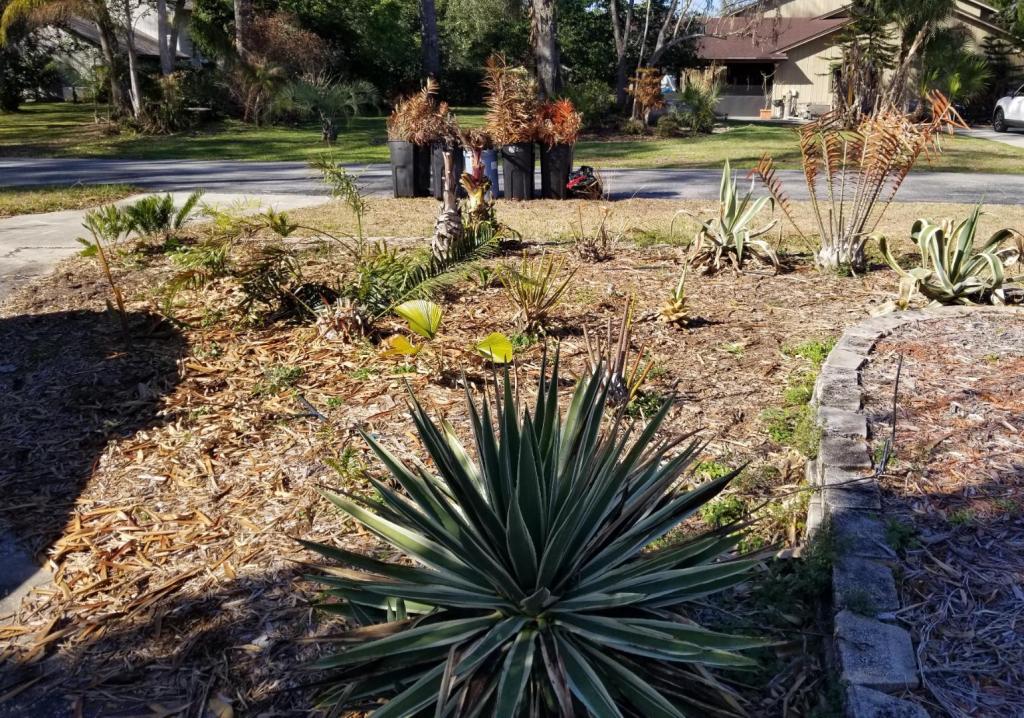 1 point
 -
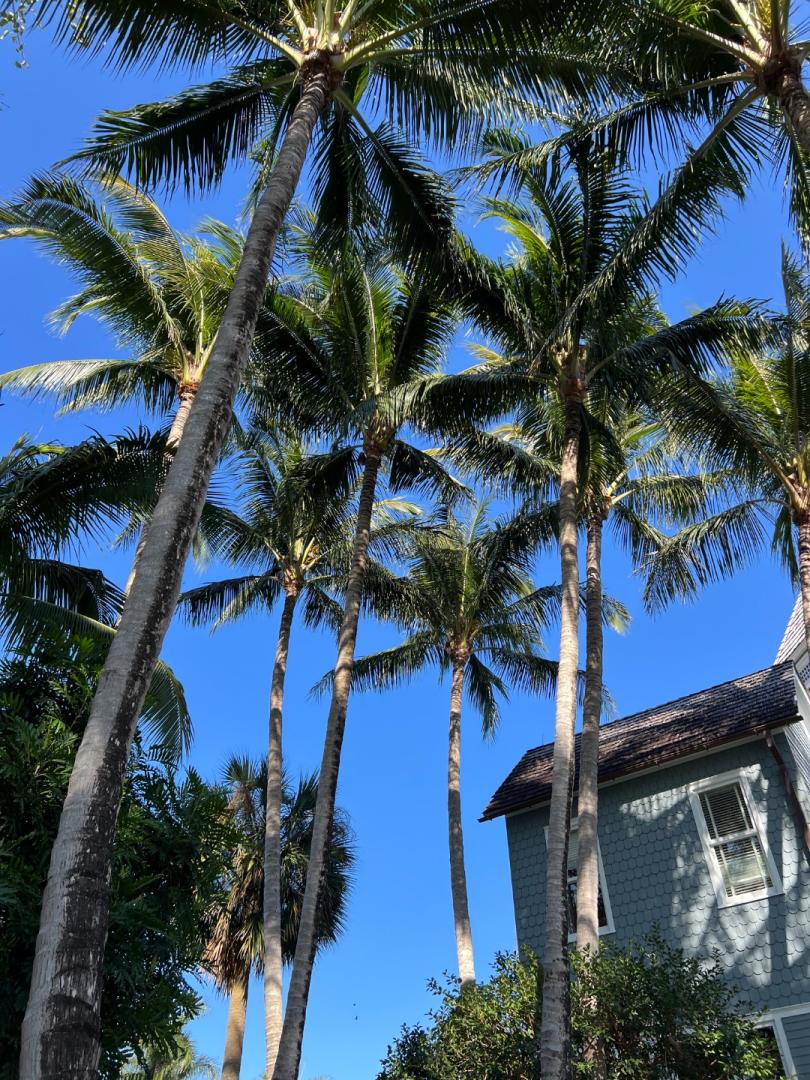
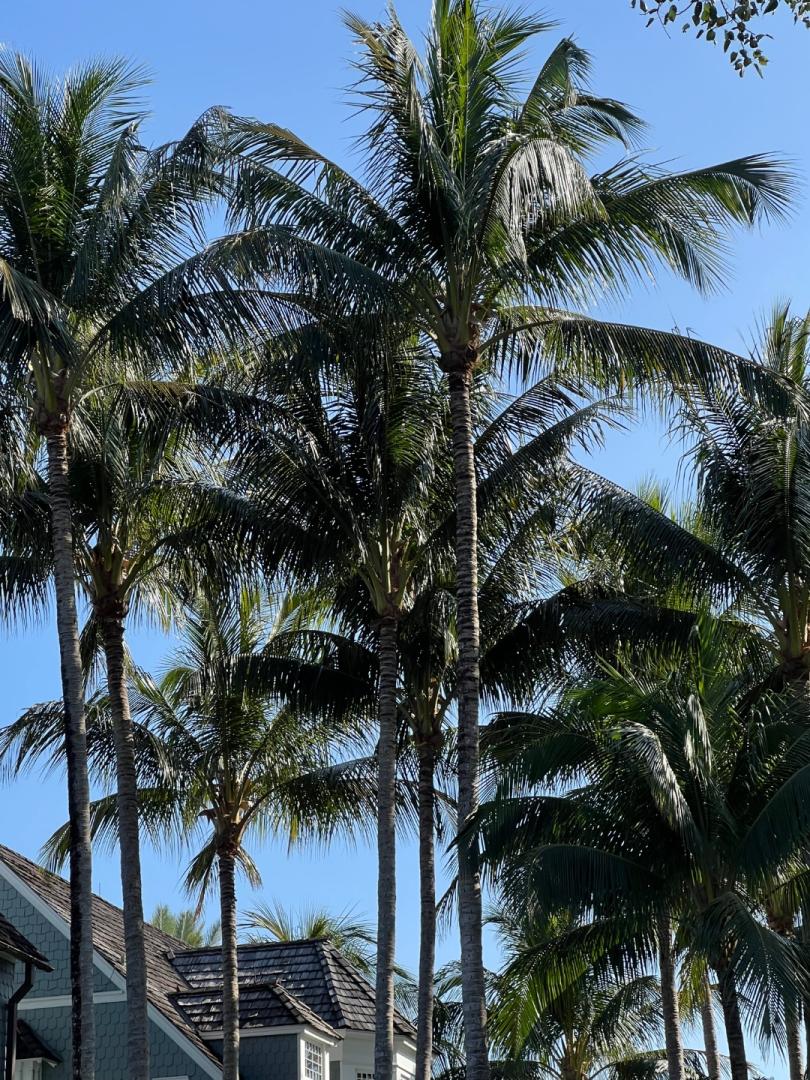
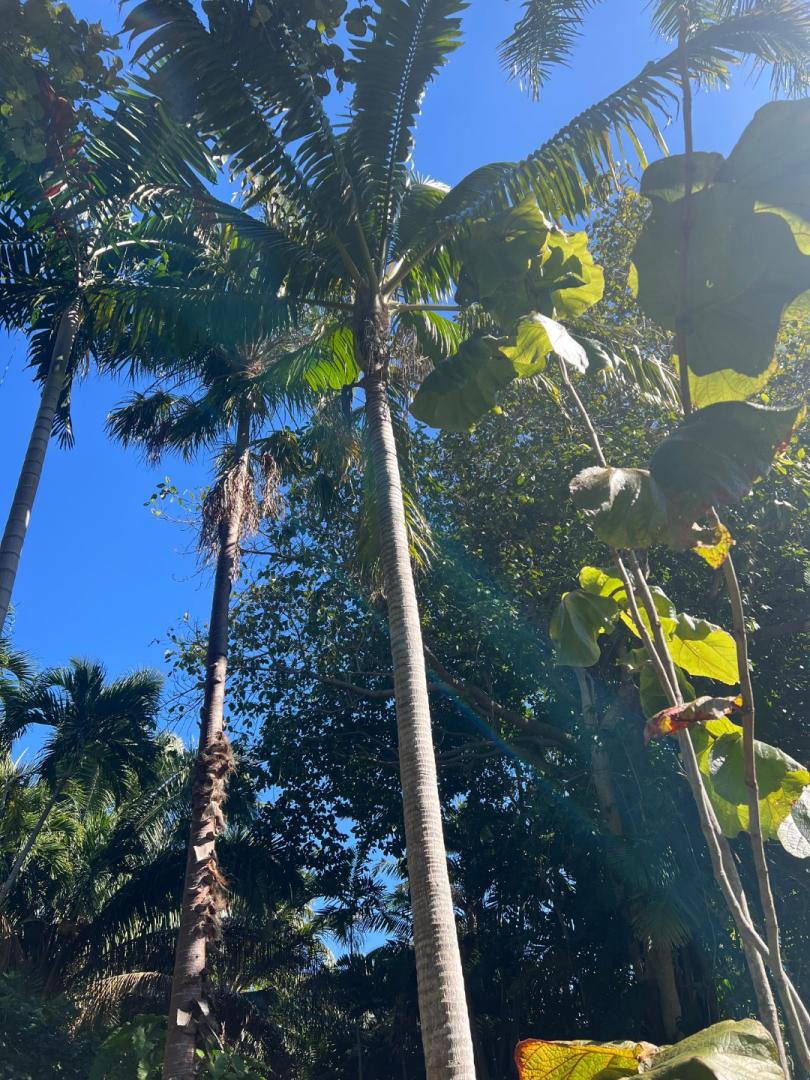
 Here's the Coconut Palms and Royals on Jasmine Blvd, Port Richey, Florida taken March 1st 2026
 1 point
 -
 The best of luck to you with the new Coconut palm! I think you meant 3 feet in circumference as far as the trunk base is concerned, rather than diameter. It’s a very nice specimen.1 point
 -
1 point
-
 My Uruguay queen was not damaged by the 20F we had.1 point
 -
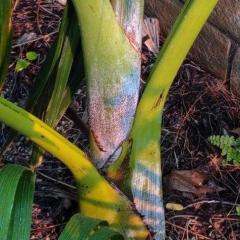 Unfortunately, I live in the high desert where my relative humidity is usually 25-30% and scorching hot during summers. Not anything like the climate you are in but then there in lies the challenge. I can only dream of having a lush humid climate outside like you do but we work with what we have and I guess zone pushing is part of the fun. I am sure your climate presents a whole new set of challenges as well. At least inside, I can actually control the climate to an extent. Cheers Tin1 point
 -
Australia is a beautiful country. Such a clean environment in my area.1 point
-
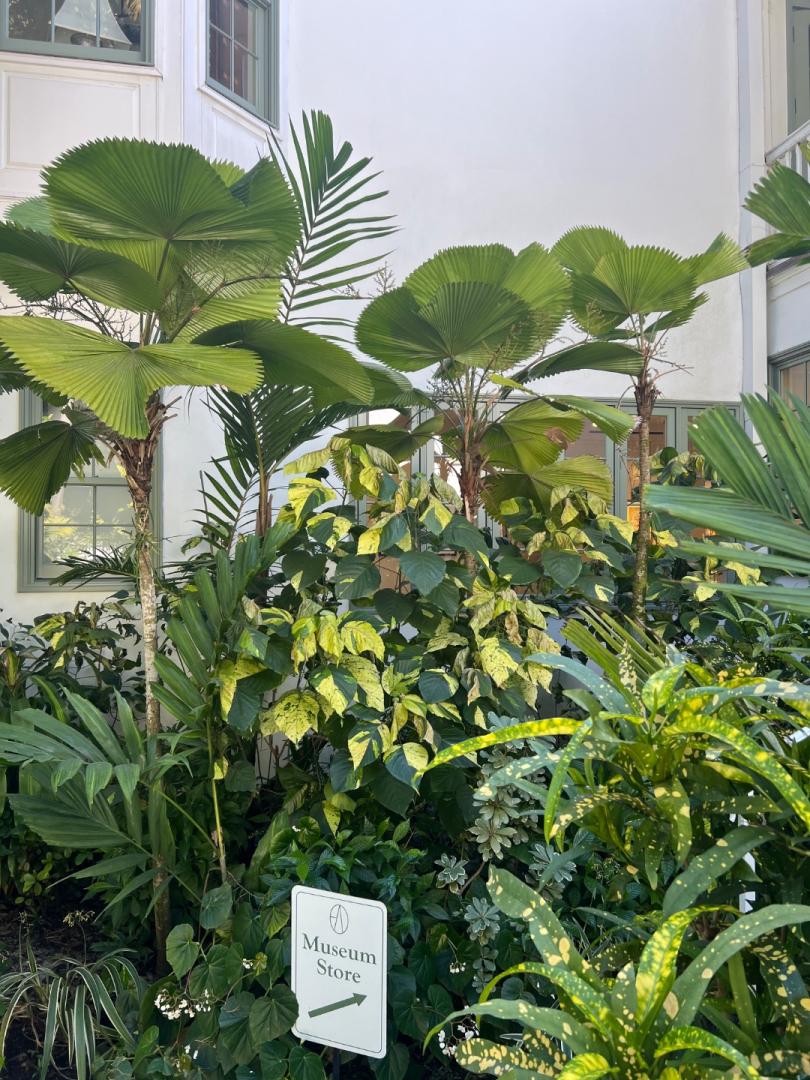
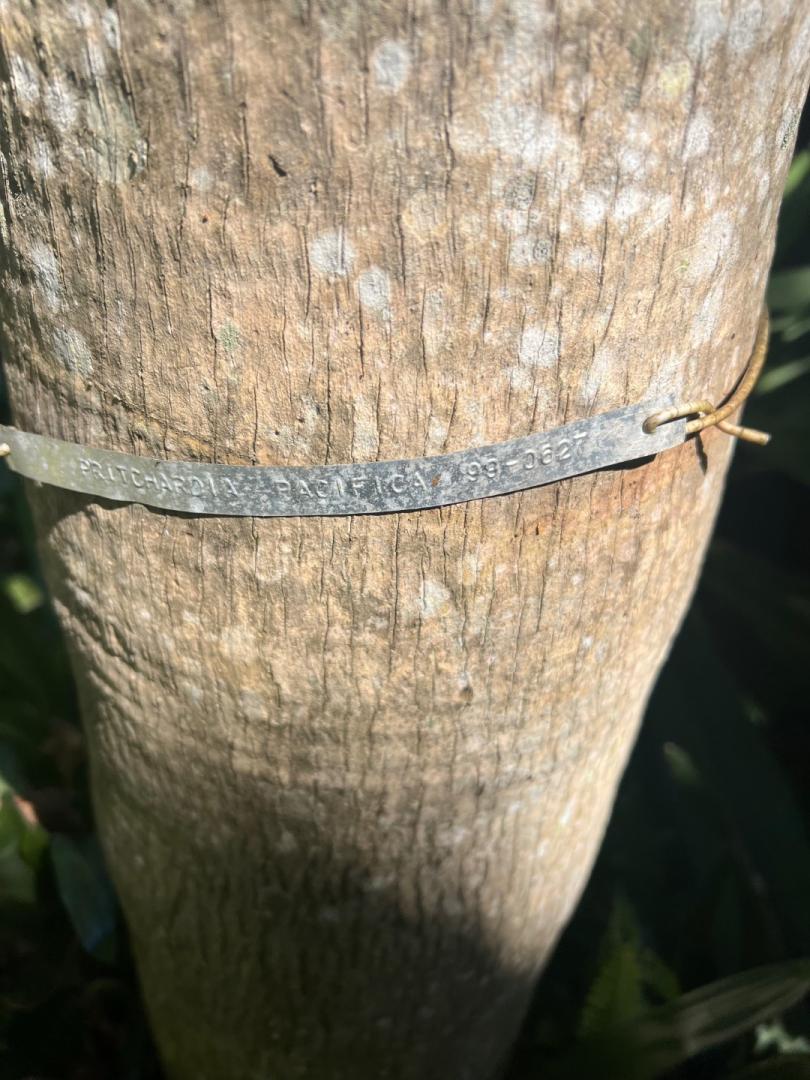
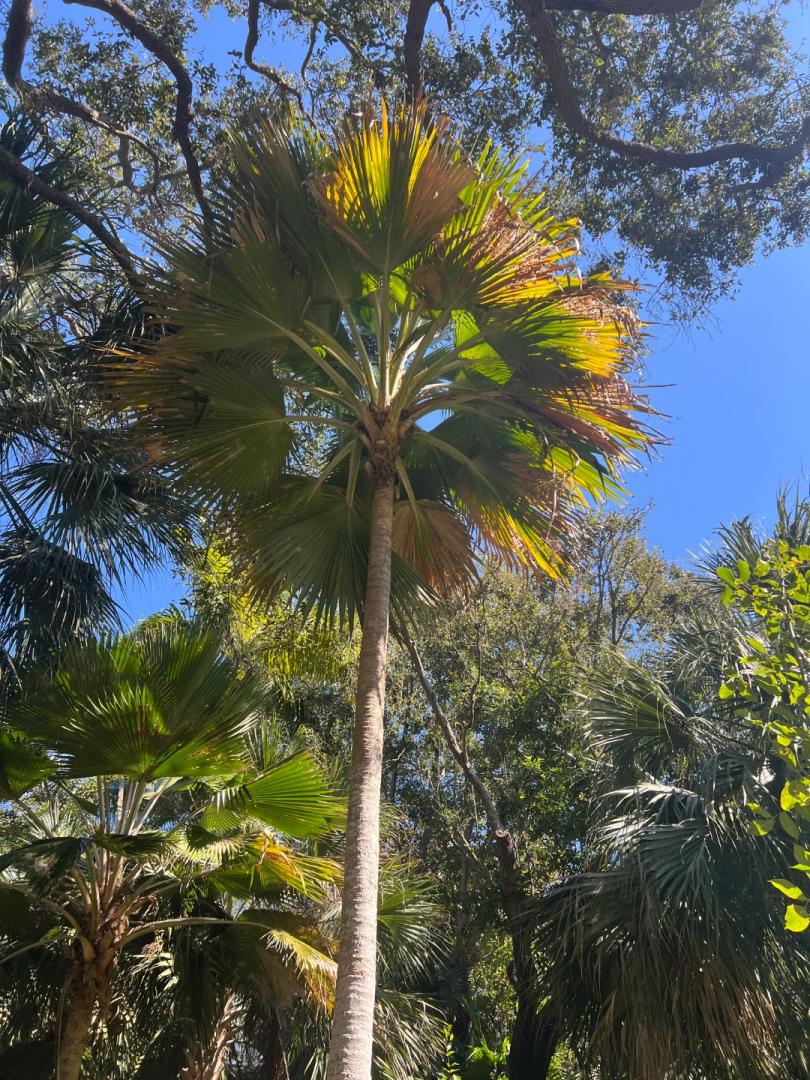
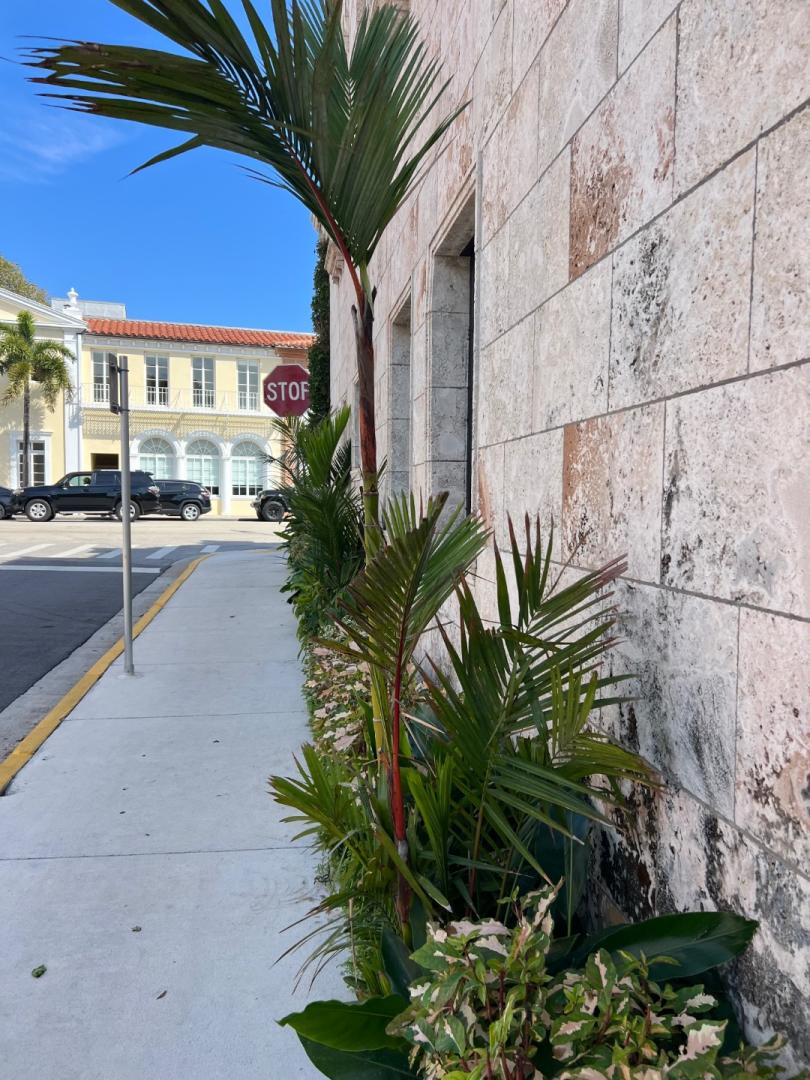
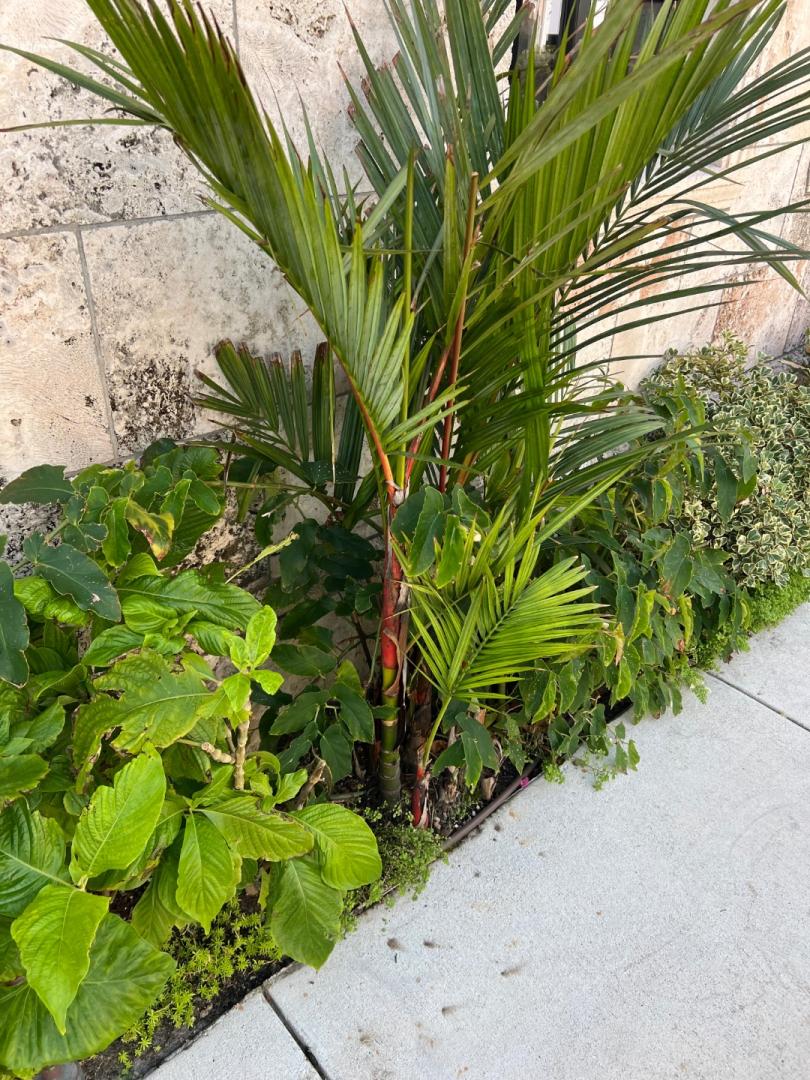
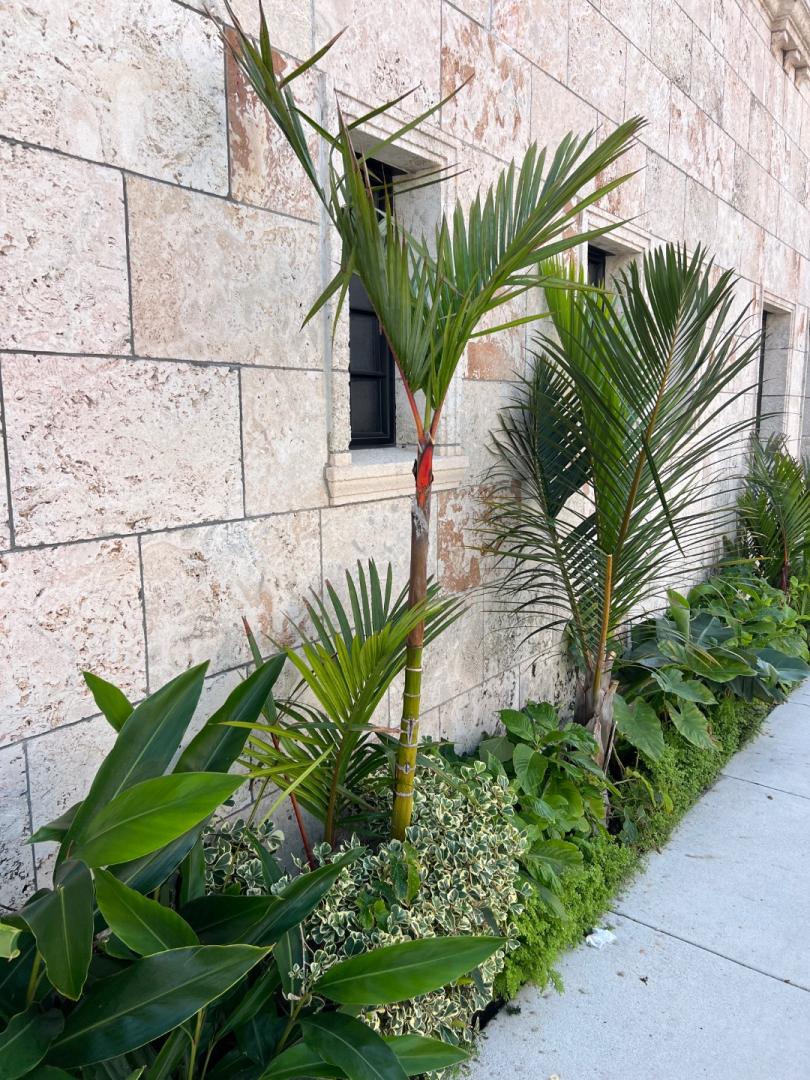
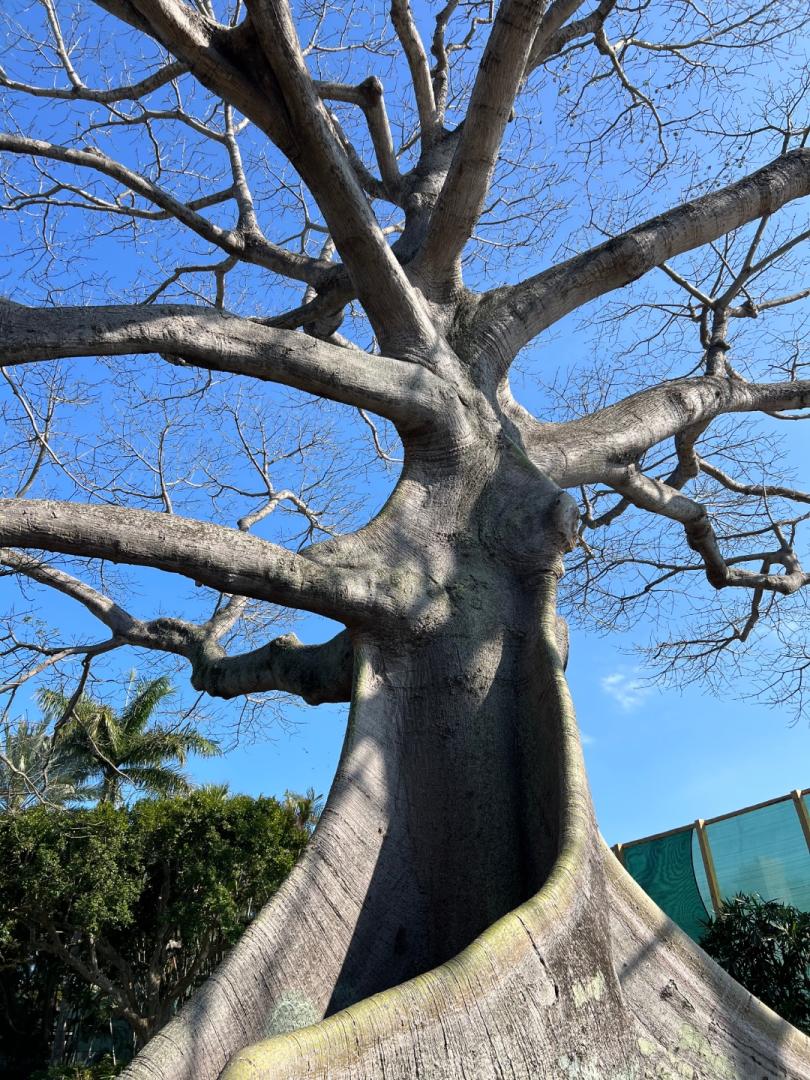
This is a perfect time at latitude 26.71°(north of the Old Monkey Jungle) to chime in on this subject! This area of SE Florida is definitely not within the tropics (23° latitude) and we just experienced a cold event that it is necessary to travel back thirty-seven (37) years to find a cold event more severe. However, I would argue from the perspective of what grows and the overall warmth of the climate, that in many manners, it can be considered tropical-like. I detailed at the very bottom of the thread titled "Historic East Florida Freeze, February Screenshots" the climate data experienced during this cold event. At PBIA, on February 1, and February 2 of this month, low temperatures of 31°F were recorded for a total of three hours below freezing. This certainly does not dovetail into an easy discussion of a tropical like climate. That stated, I also detailed how the end of the month tally for the month of February 2026 at PBIA was a cumulative median temperature of 64.84°F. This eclipses the 64.4°F required in all months for a technical tropical connotation under Koeppen/Trewarthia. January 2026 had a cumulative median temperature of 67.01°F.. December 2025 had a cumulative median temperature of 71.84°F. All of these temperatures were recorded at PBIA. Parenthetically, even in our coldest event in 37 years, we met the tropical criteria for Koeppen/Trewartha. That was not the case during the December 1989 freeze. During that cold event, the cumulative median temperature for December 1989 was 57.48°F. The cumulative median temperature for January 1990 was 66.37°F. The cumulative median temperature for February 1990 was 70.04°F. All of these temperatures were recorded at. PBIA. In my other post above described, I detailed with specificity the weather underground station in Palm Beach referred to as Device One-KFLPALMB 251. During the February 2026 cold event, this device recorded an ultimate low temperature of 38.3°F with a cumulative median temperature of 67.8°F. That taps into another theory that I have based upon observations regarding a micro climate experienced in this area because of proximity to the.Gulfstream/Florida Current. I will not open that door in this conversation. More to the point, the obvious question becomes what grows? I have posted pictures in various threads of the tropical vegetation and palms in this area and how they have been affected. Ultimately, what can be grown in an area, particularly after a cold event, should lend some perspective regarding the tropical character of a place. Anne Norton Sculpture Gardens is adjacent to the Intracoastal and my knowledgeable friend Felix, who is the real man on the ground taking care of the palms, testified to me that AN did not experience a freeze. Please find some recently photographed specimens at AN: Neoveitchia storkii, which is indigenous to the Fiji Islands: Licuala grandis-over ten feet tall and indigenous to the Solomon Islands. These specimens are likely over 70 years old.: Hydriastele beguinii-Indigenous to the Maluku Islands and likely over 70 years old: Pritchardia pacifica-indigenous to Fiji and Tonga and must be over 50 years old: Pritchardia thurstonii-indigenous to Fiji and Tonga and likely over 50 years old: Cocos nucifera-PB/ indigenous to Southeast Asia, or the islands of the Pacific. Ubiquitous and not threatened: Cyrtostachys renda-indigenous to Sumatra and Borneo. These specimens are approximately three years old: These are located at Phipps Park in PB: Ceiba pentandra-PB-Kapok tree indigenous to Central America. This specimen is the Florida champion and most certainly the largest in the 48 states. It is briefly deciduous and loses its leaves at the commencement of the dry season. This specimen was nearly removed arbitrarily by Henry Flagler's wife because it repeated her view. Fortunately, she met with opposition. It was planted in the 1890s so it must be approaching 135 years old: In conclusion, my belief is that what is tropical is determined by what grows!
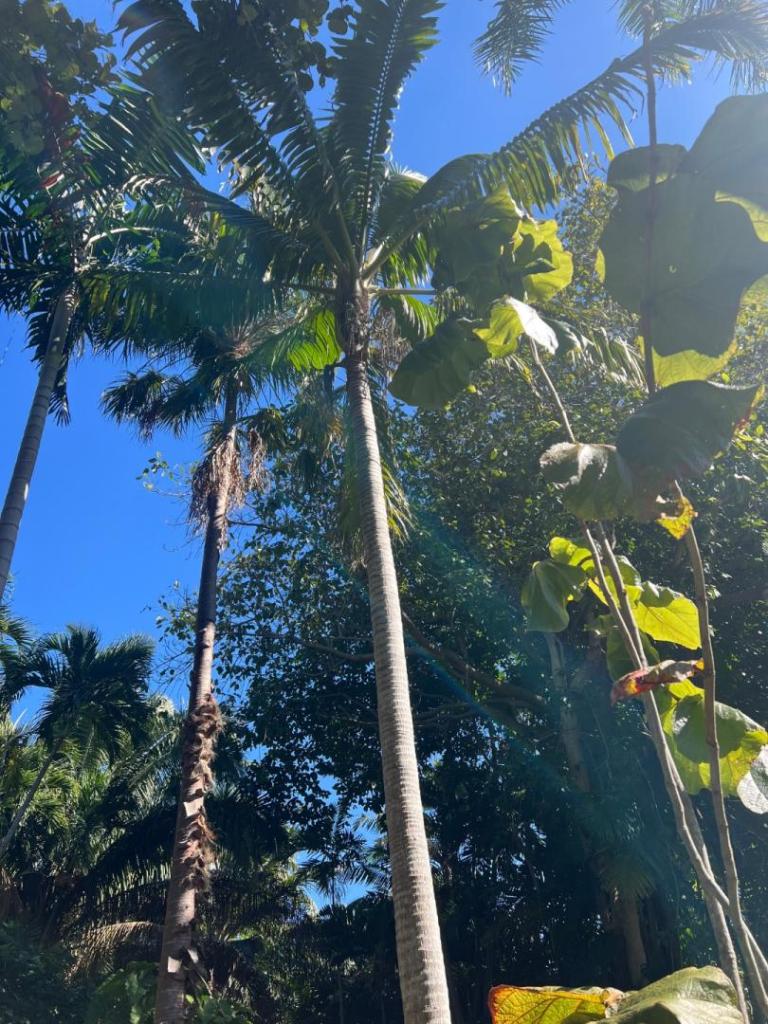

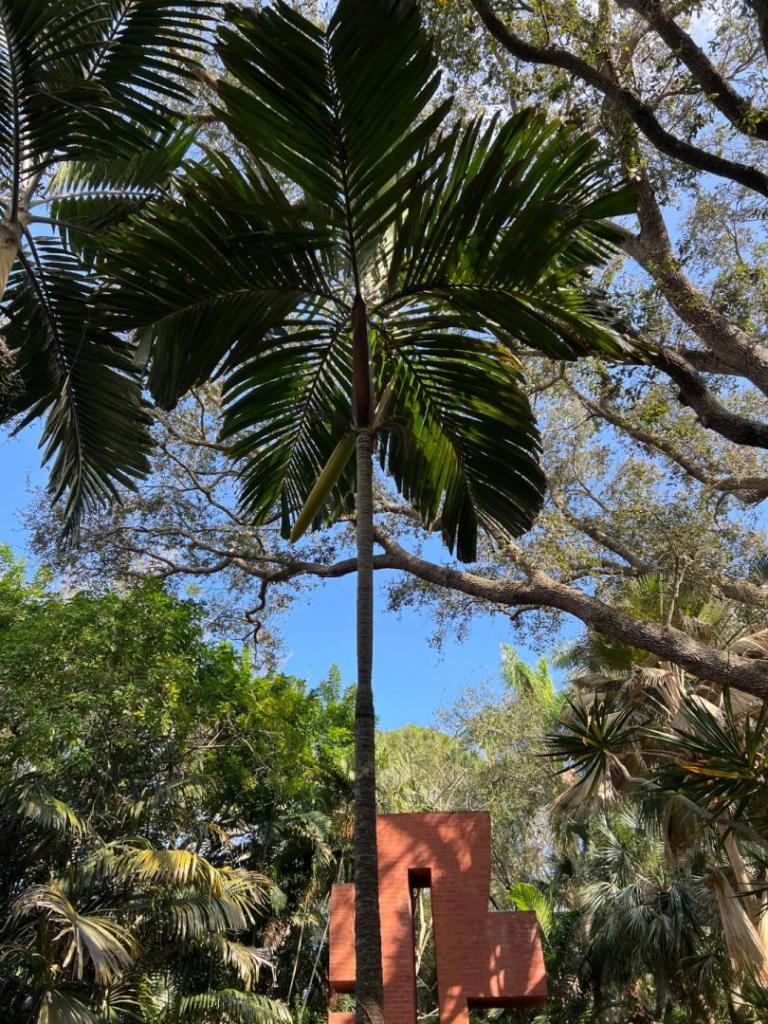


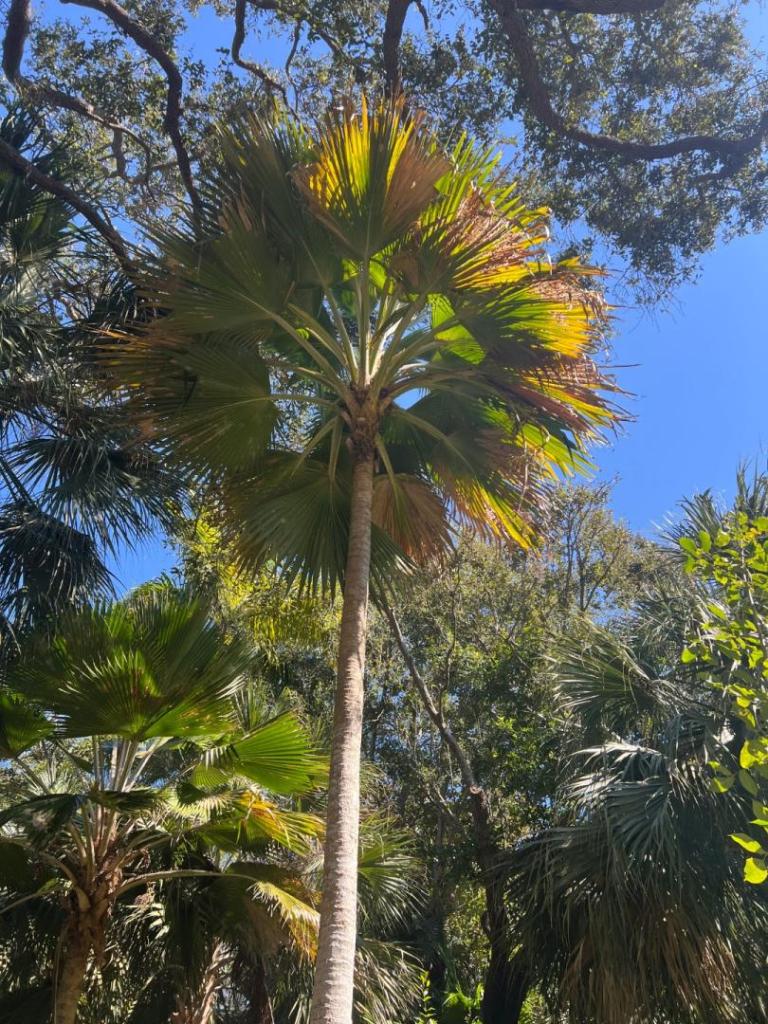

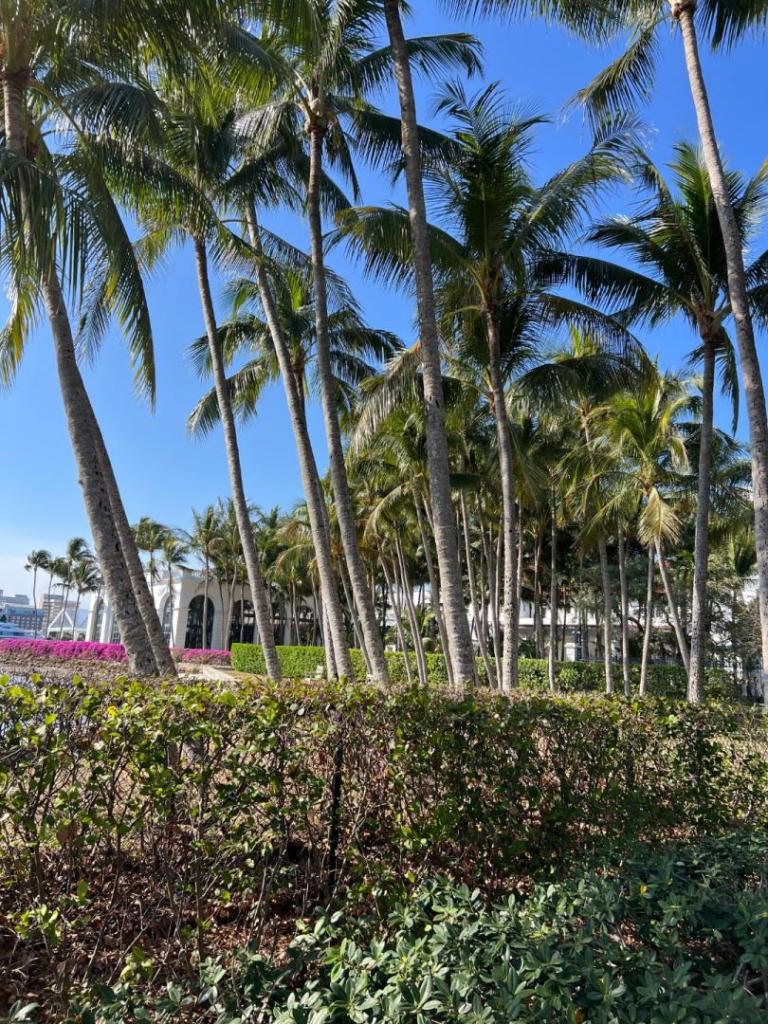
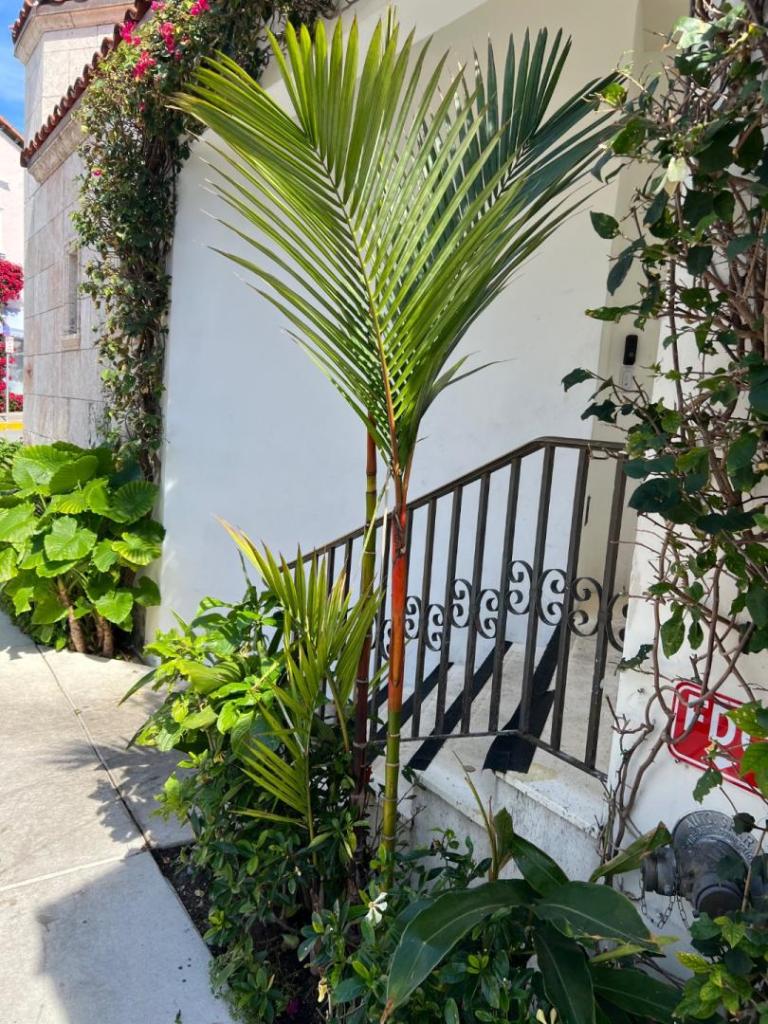

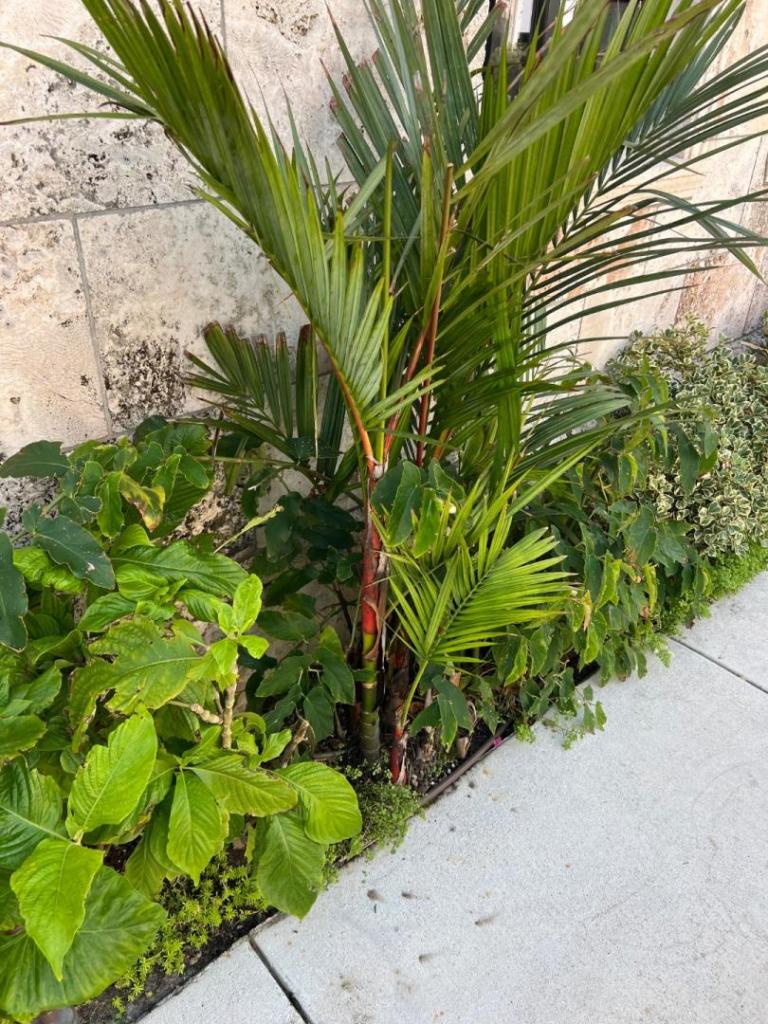

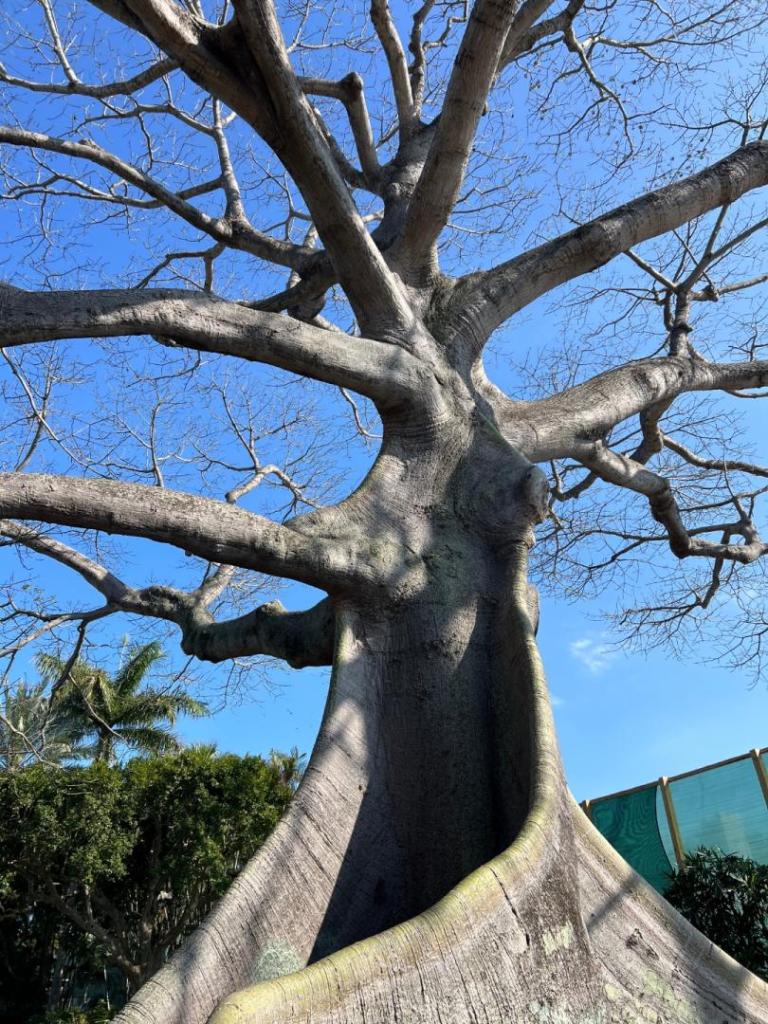 1 point
 -
 1 point
 -
An interesting challenging plant you have chosen to grow indoors. Never tried them indoors, but they grow very easily outdoors.
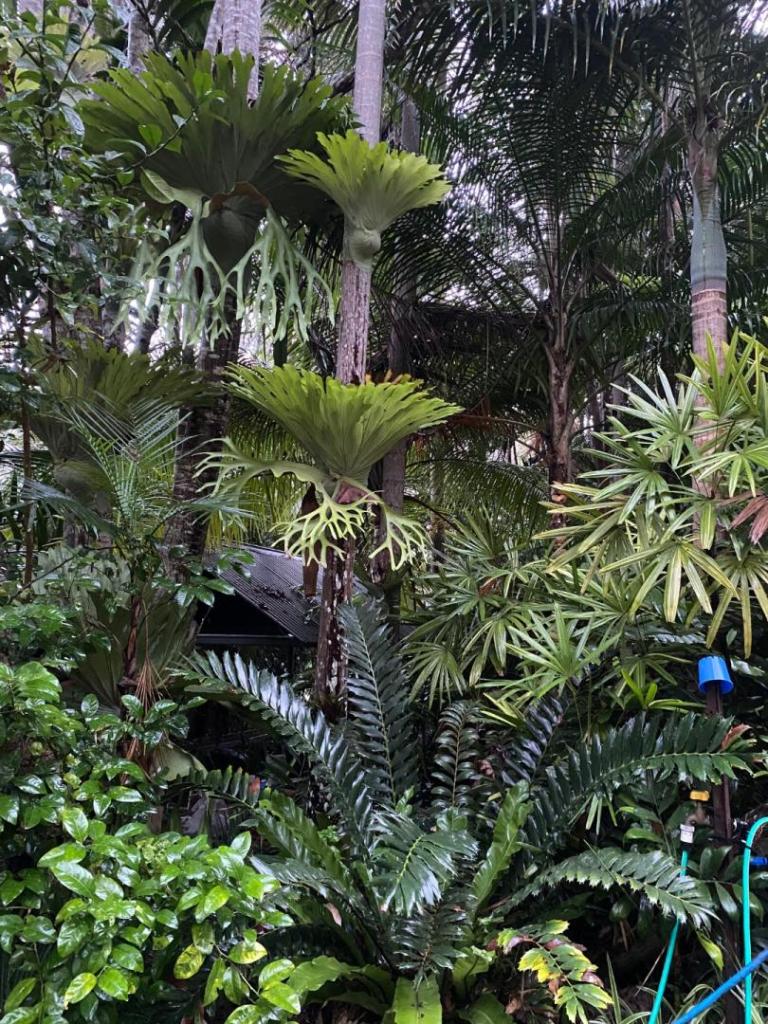
 1 point
 -
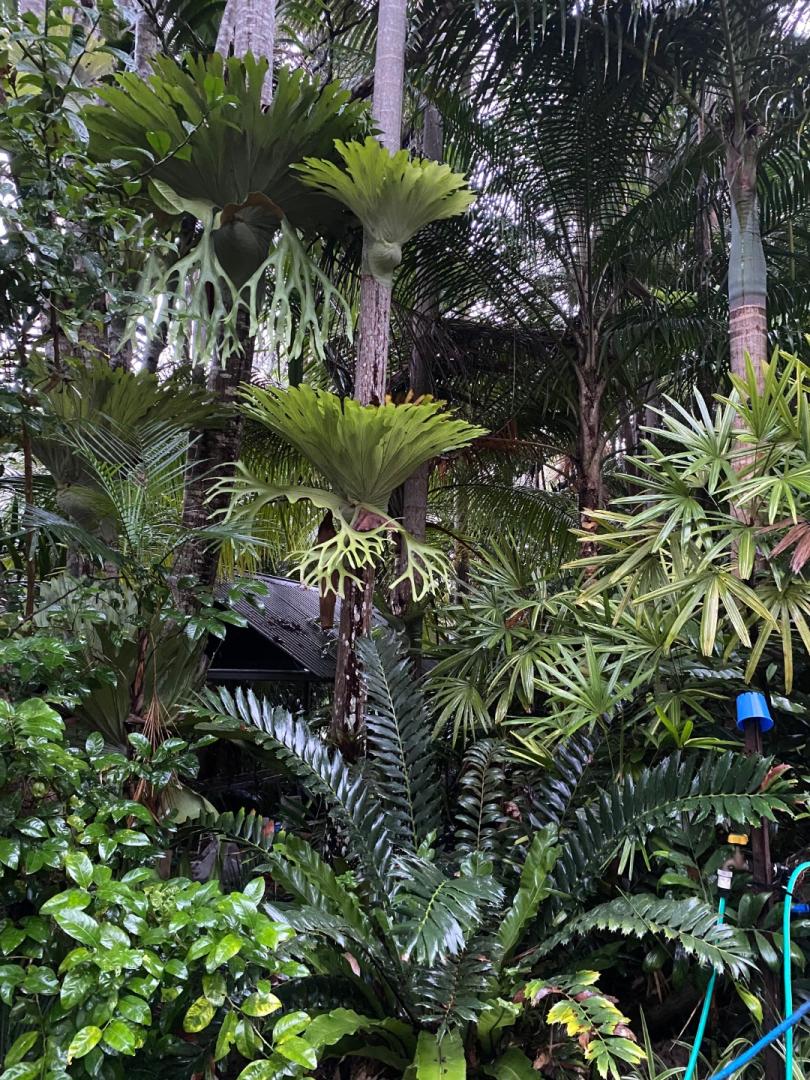
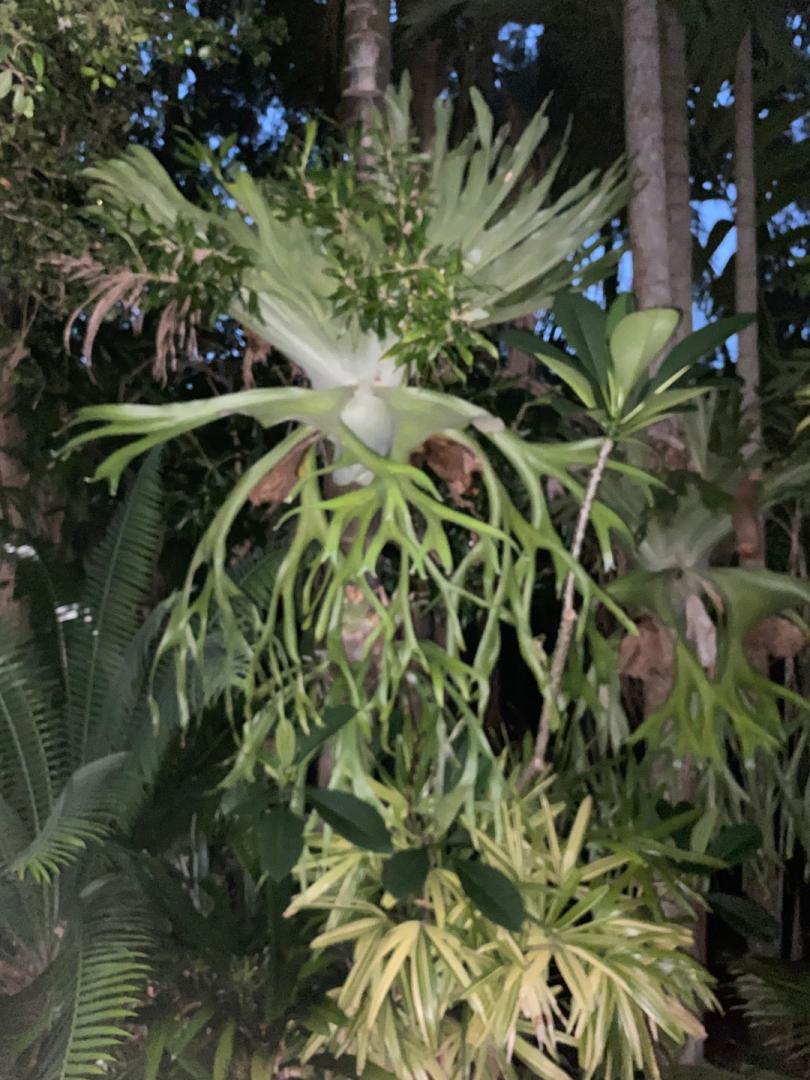
Here is a closer look at my setup indoors for the more sensitive Platyceriums:

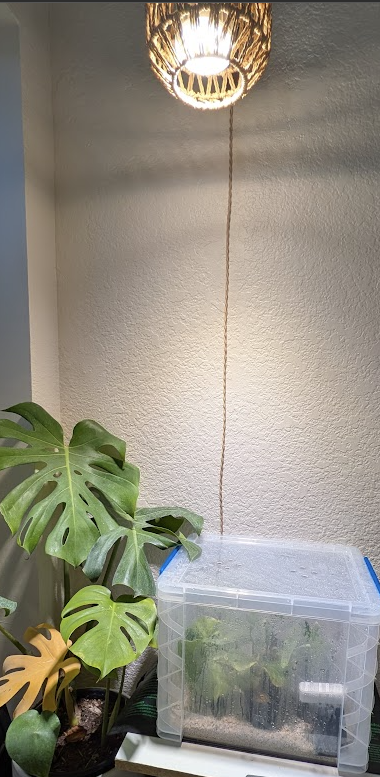 1 point
 -
So ... I have been growing these indoors and what that eventually means during fall and winter is they do not stop growing. I did not realize how fast they would grow or maybe I'm just fertilizing them too much ... although I have tapered off with rain water for the past month and a half since we've been getting ample rain. My Superbum has thrown out 3 new leaves and of course, each one progressively larger than the next so now the leaves are completely engulfing the mount. I will need to remount this onto a larger plank. I have also started growing the rarer species in a regulated indoor setting. These are grown in a heat dome with a heated mat underneath. Inside I have placed a hygrometer and with my Home Assistant Automation Server, I created a virtual thermostat with a smart plug for the heating mat to have the temperature stabilize at 74F. Unfortunately, I am not able to regulate the humidity so it stays at a constant 80-95% but that doesn't seem to affect the growth. They sit about 24" below a grow light that is set for 15 hrs/day. It's been doing extremely well and now I am starting to see the first fertile fronds emerging from my Ridleyii. One thing I have learned is that Platyceriums really do like to be almost bone dry before the next watering schedule, especially the Ridleyii's. In fact, you would rather err to the drier side if possible. Below species are 2 Ridleyii's, Vietchii, Bifurcatum sp. White, Wilinckii sp. Manda, and Elephantotis. I will start to taper them off the humidity dome as Spring is closely approaching and then mount them on their own Sphagnum Moss planks. I had this amazing idea to expand my indoor Platycerium wall but the wife has axed that idea. Now I have to figure out how to maximize the space above and below. Stay tuned ...

 1 point
 -
 1 point
 -
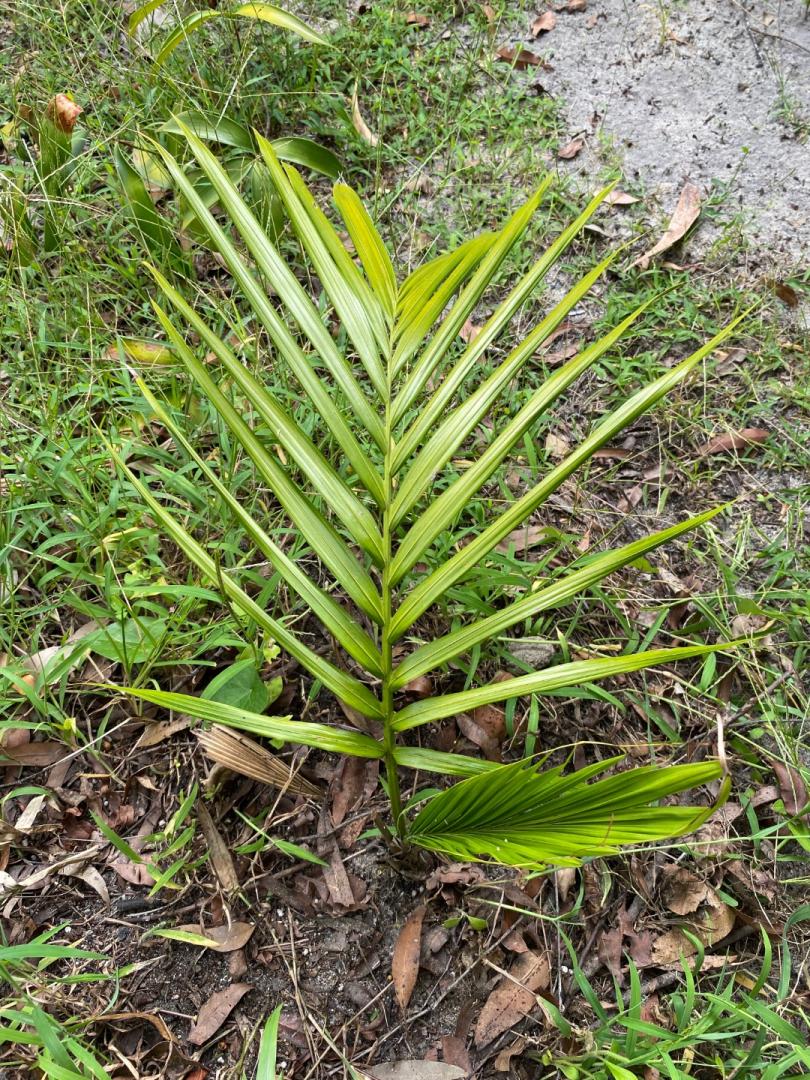
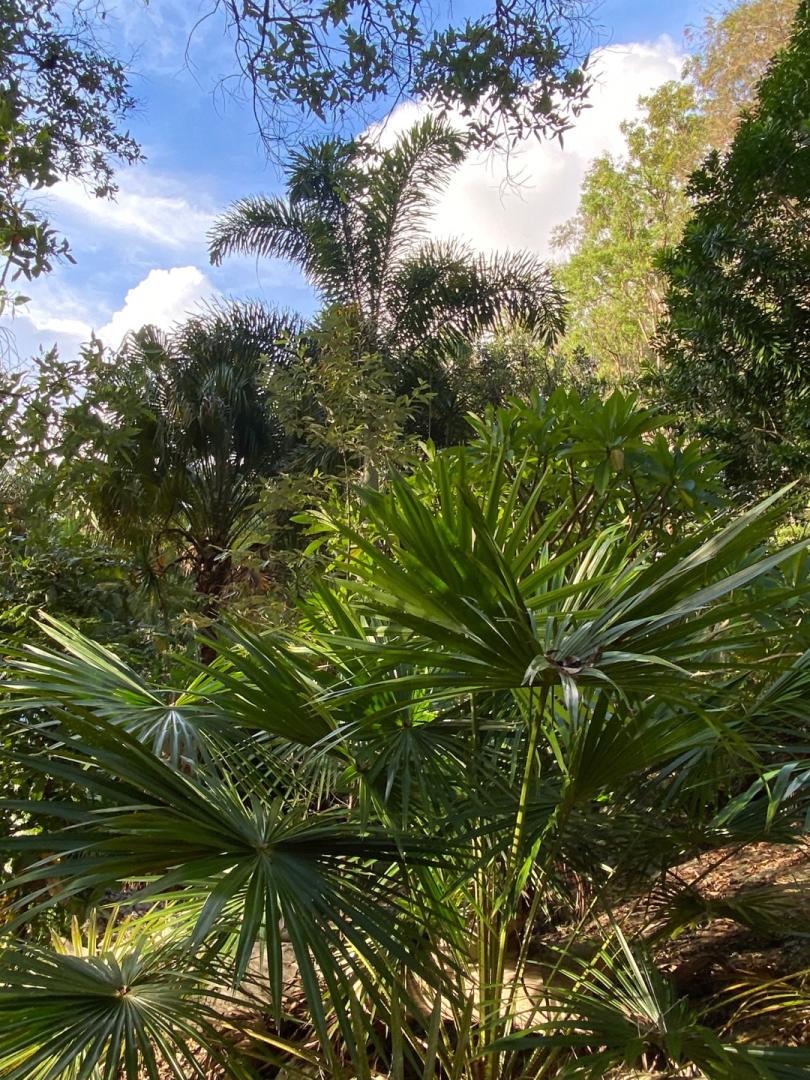
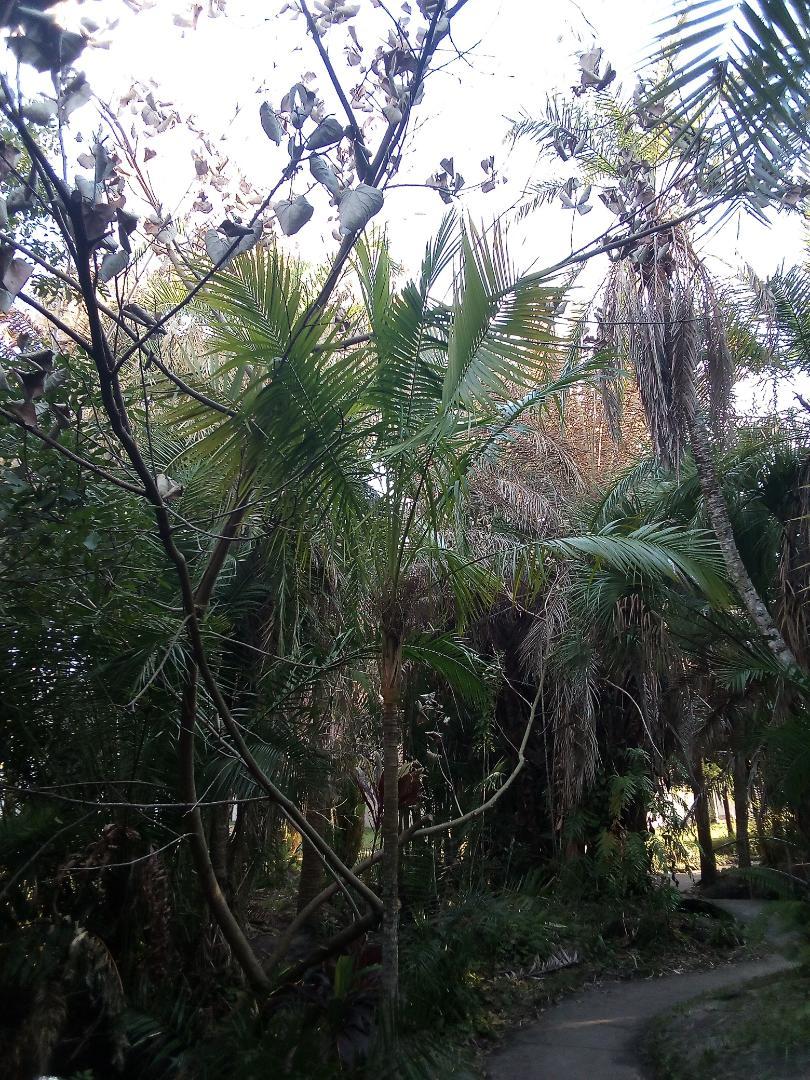
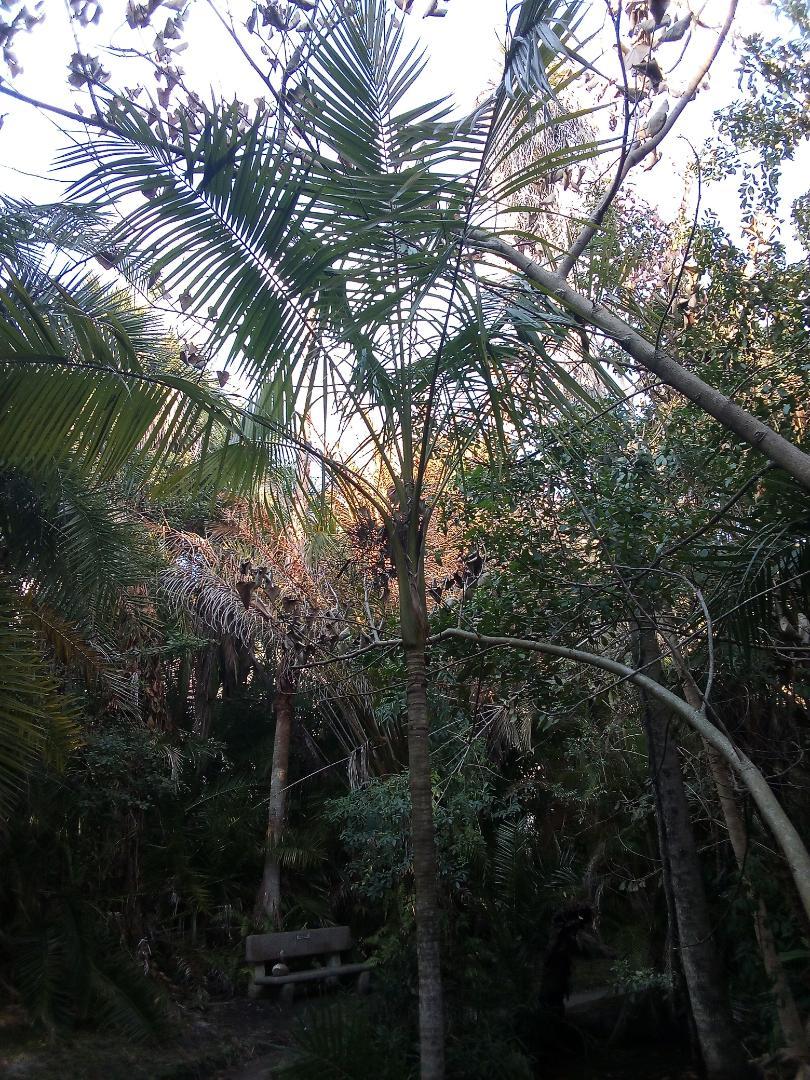
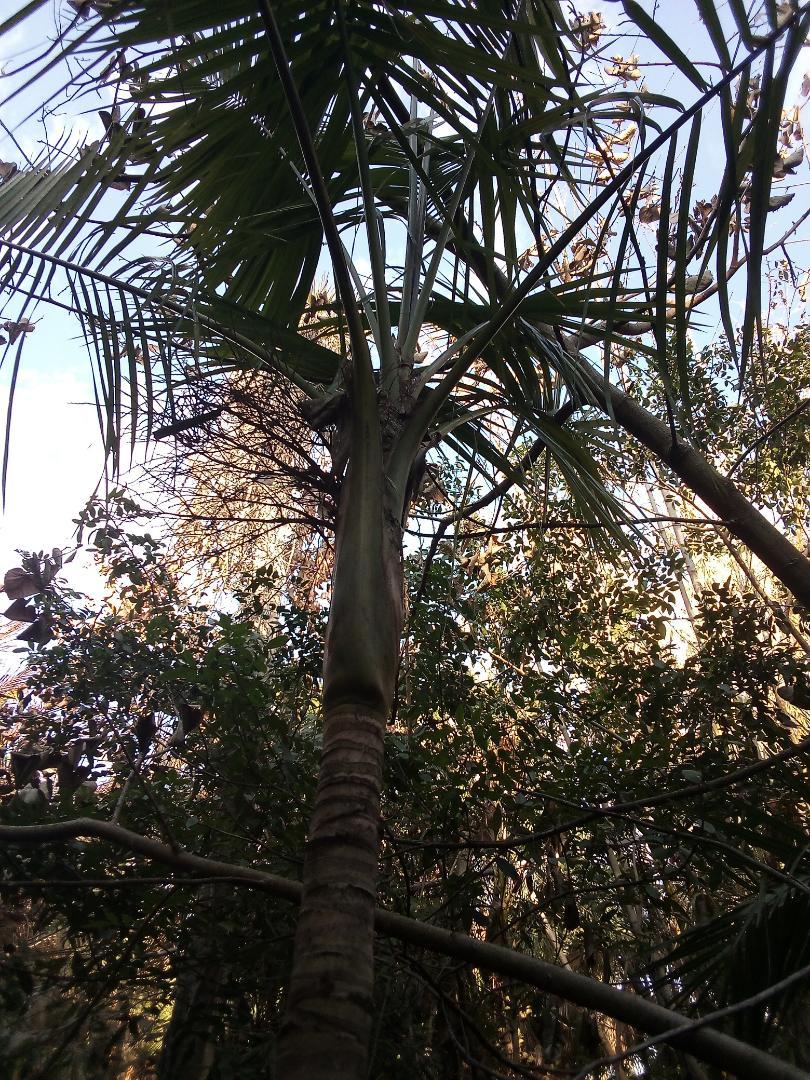
 Mystery palms. That last one (last three photos) is a crownshaft palm that took no damage with what looks like minimal protection from a canopy.
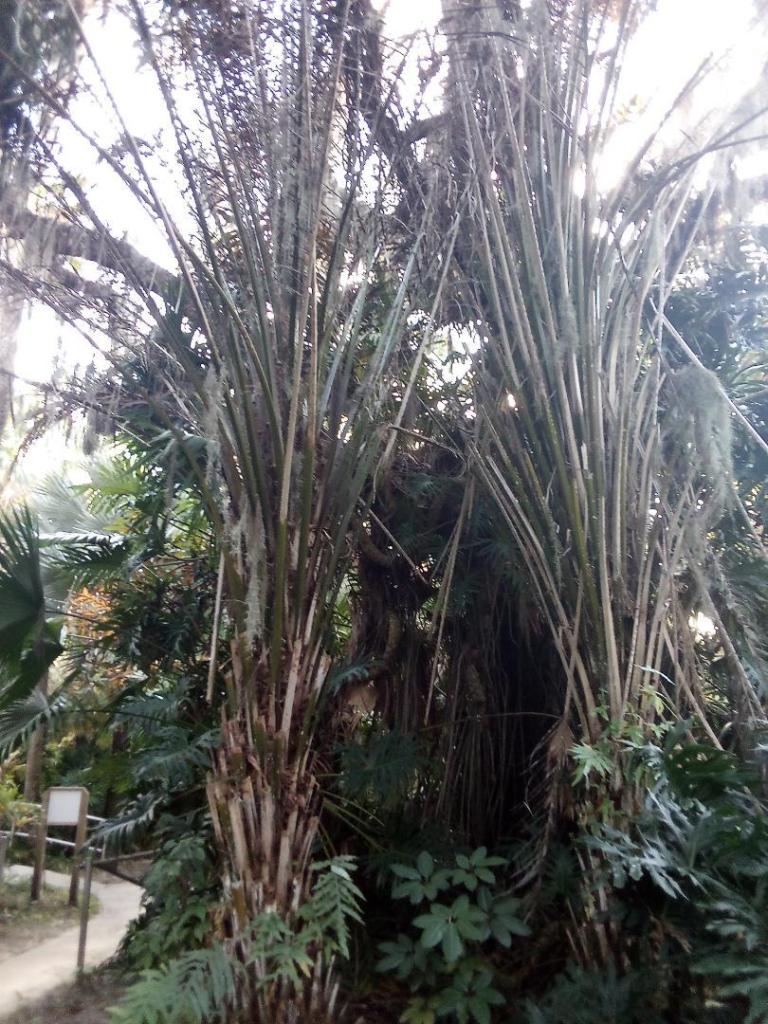


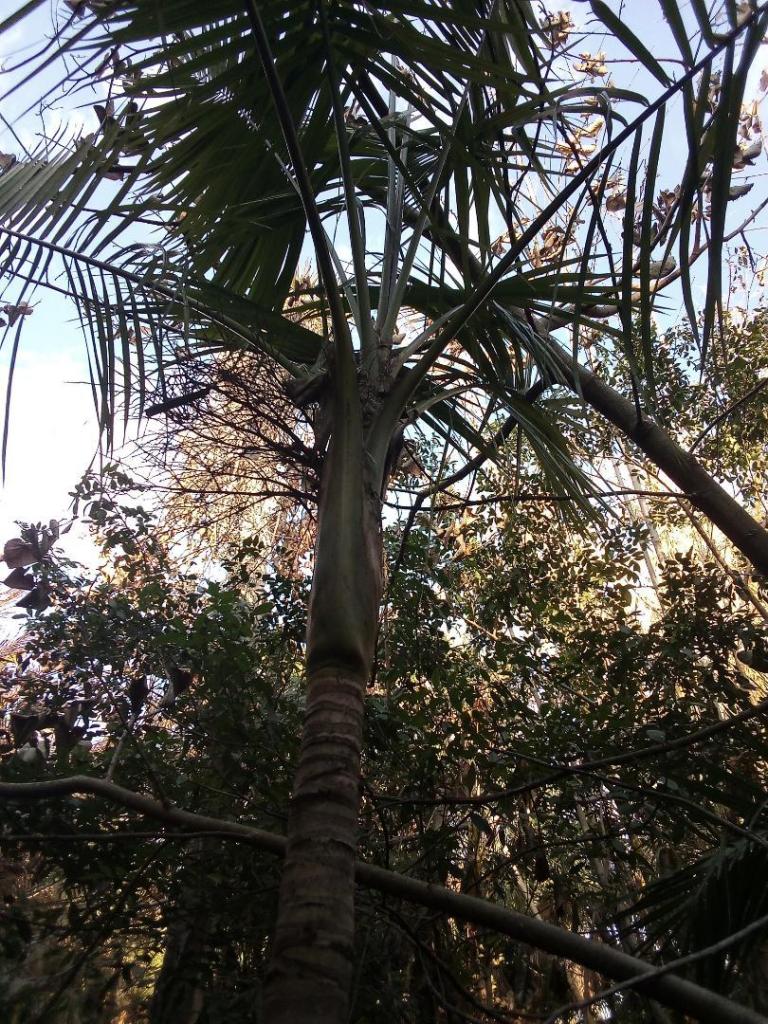 1 point
 -
Currently : Lake Constance 7.7 degrees Celsius / 45.86 degrees Fahrenheit Lake Walen 8.3 degrees Celsius / 46.94 degrees Fahrenheit, https://www.google.com/maps/place/Walensee/@47.1255692,9.2003974,12z/data=!3m1!4b1!4m6!3m5!1s0x479ad5ac5164db07:0xbbac9756d0fa37c9!8m2!3d47.1233017!4d9.2021972!16zL20vMDJ4ajlt?entry=ttu&g_ep=EgoyMDI1MTIwOC4wIKXMDSoASAFQAw%3D%3D1 point
-
Very cool post ... Thanks for the link to the photos. I've been to Loran's garden back in the days but was more into cycads back then and did not notice all the beautiful Platys he had. What a treasure and so sad there will never be another garden like that again. Well, if you are ever in Santa Clarita, feel free to drop me a line if you want to visit a my garden. I love talking plants and see you are into many different types of genus. Do you grow any in your Glendale garden? I would love to see pictures. I dare not grow them permanently outside in SCV yet but perhaps a much hardy bifurcatum or vietchii once I feel comfortable and more canopy is developed. That's amazing that you grew Ridleyii to a sporing size. I currently purchased two small 3" pots and growing them under heat dome at 85-90% humidty and 65-75F. They seem to be doing fine so far although I have only had them a week. I hope to post in years to come on this thread if they successfully grow and mounted and hung onto my interior wall. Cheers Tin1 point