

Leaderboard
-

happypalms
IPS MEMBER109Points13,427Posts -


Harry’s Palms
IPS MEMBER13Points4,502Posts -
realarch
IPS MEMBER11Points7,189Posts -


Josue Diaz
IPS MEMBER9Points1,952Posts
Popular Content
Showing content with the highest reputation on 02/16/2026 in all areas
-
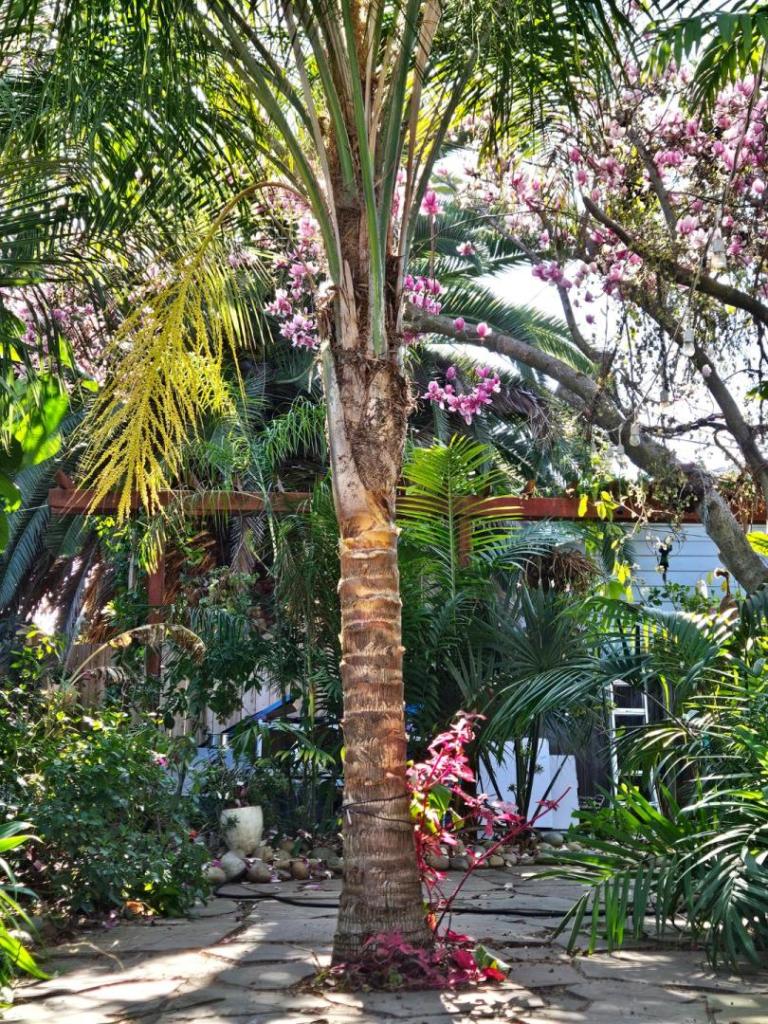
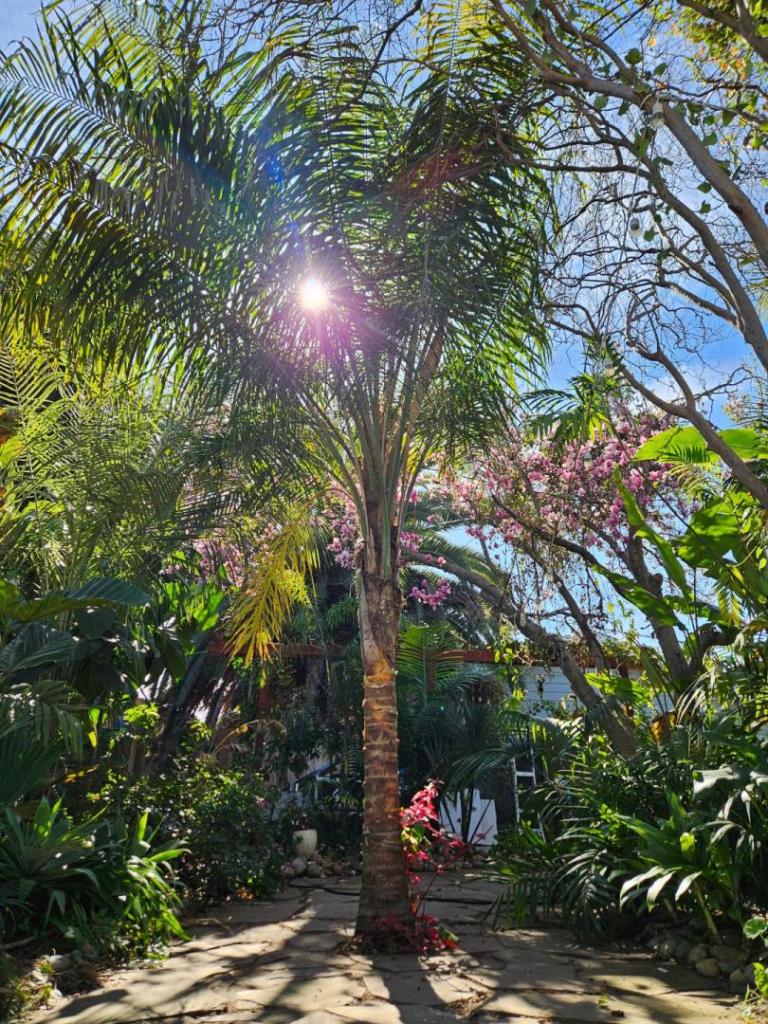
7 pointsI gave this palm a fresh haircut and trim - i have to say that it looks amazing that way
 7 points
 -
 6 points
 -
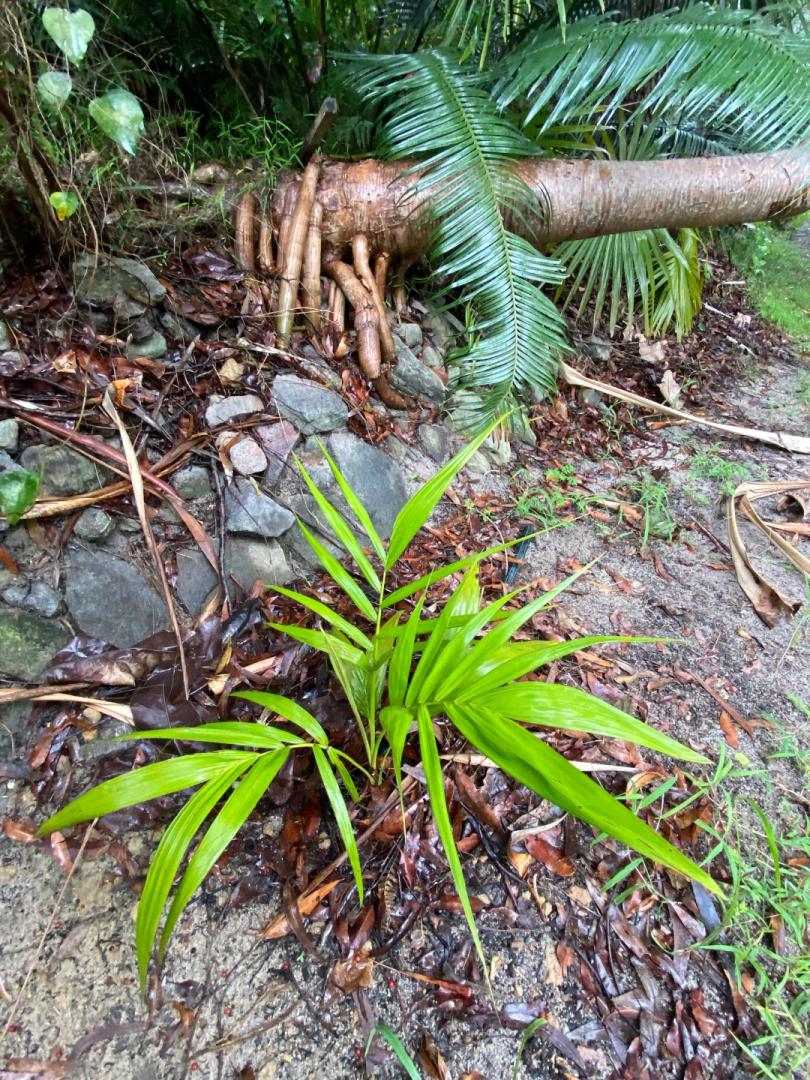
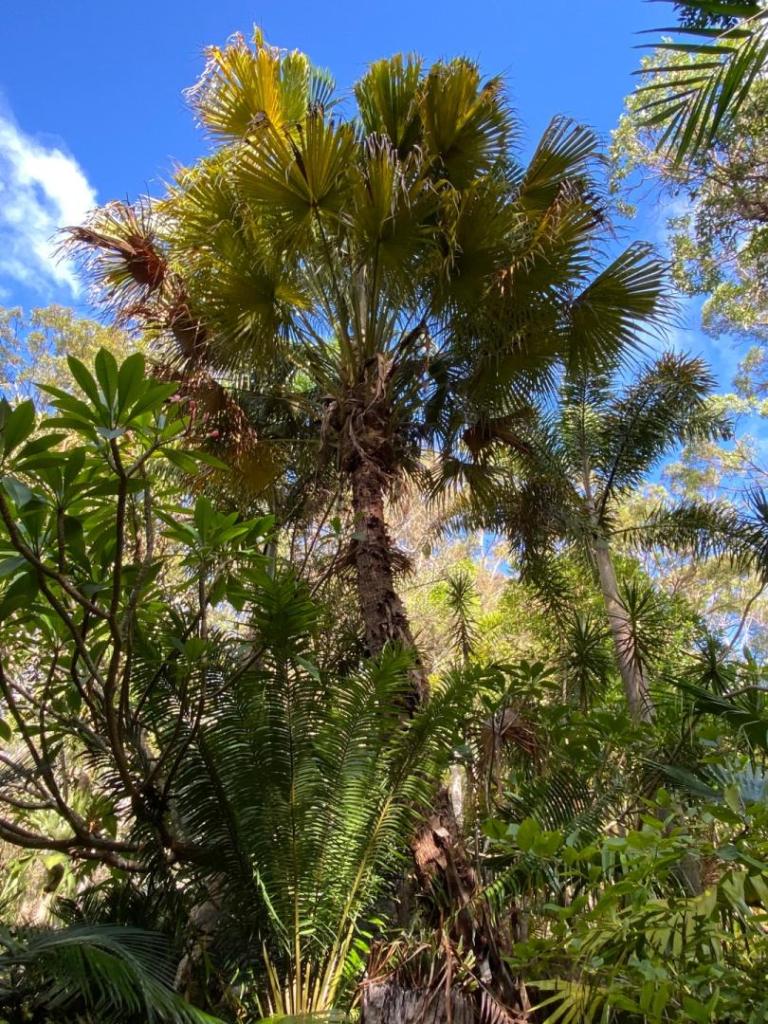
Beautiful palm they are, iam fortunate enough to live in there native habitat, just a short dirt bike ride over the hill and they are everywhere. They survive fire drought and flood super tough palm. Be kind to the one you have and it will reward you well! Richard

 4 points
 -
 4 points
 -
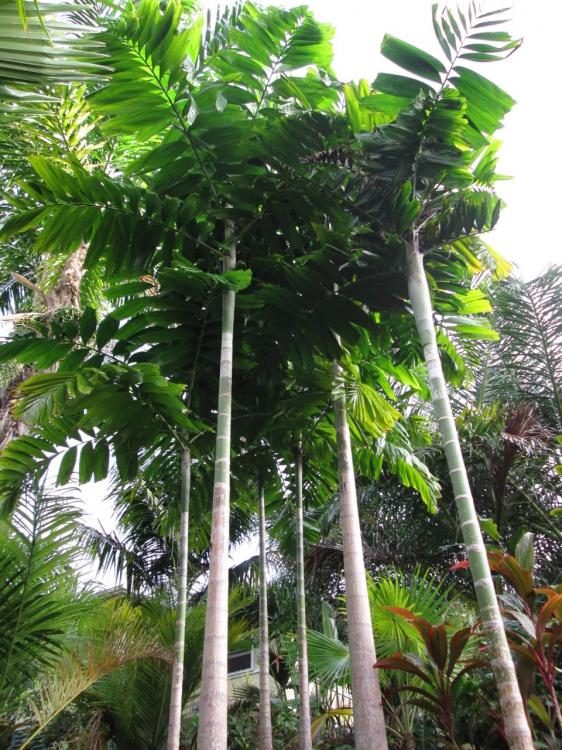
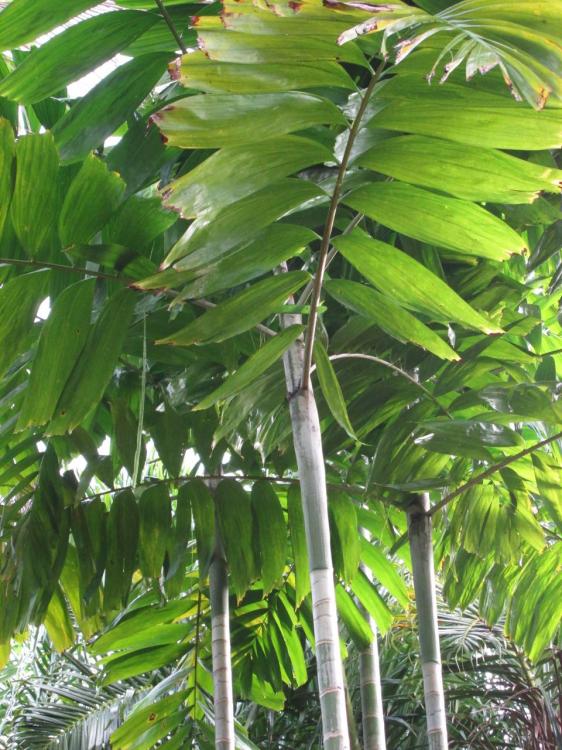
3 pointsSo, I was going to say......this is my favorite genus, but it seems almost every genus is my favorite. Ok, I really like this genus and it contains some wonderful species. Here are a few from the garden, from medium large to rather diminutive. Great leaf color and some interesting trunk/crownshaft marking. Easy grow, relatively pest and disease free and not fertilizer hogs. Veitchia subdisticha, a small grove of seven, full sun, and on a steep slope. They love the extra good drainage.
 3 points
 -
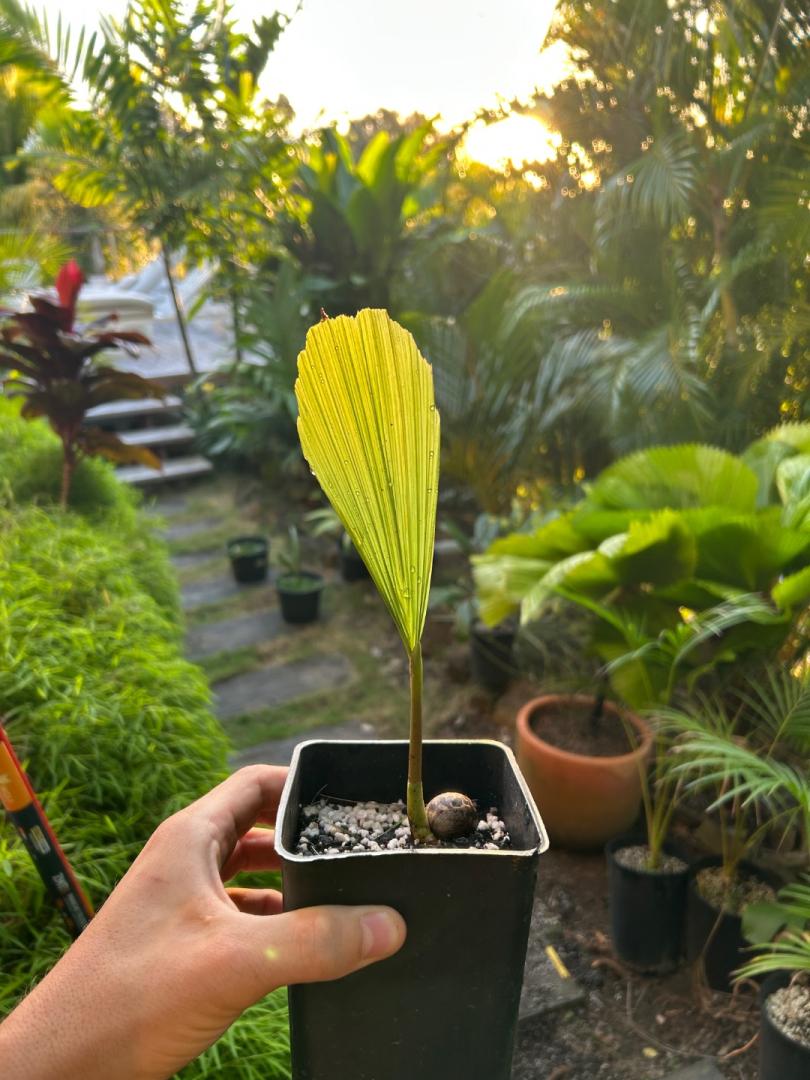
 3 pointsAmazing to get such great germination with a rare and exciting palm like this.
 3 points
 -
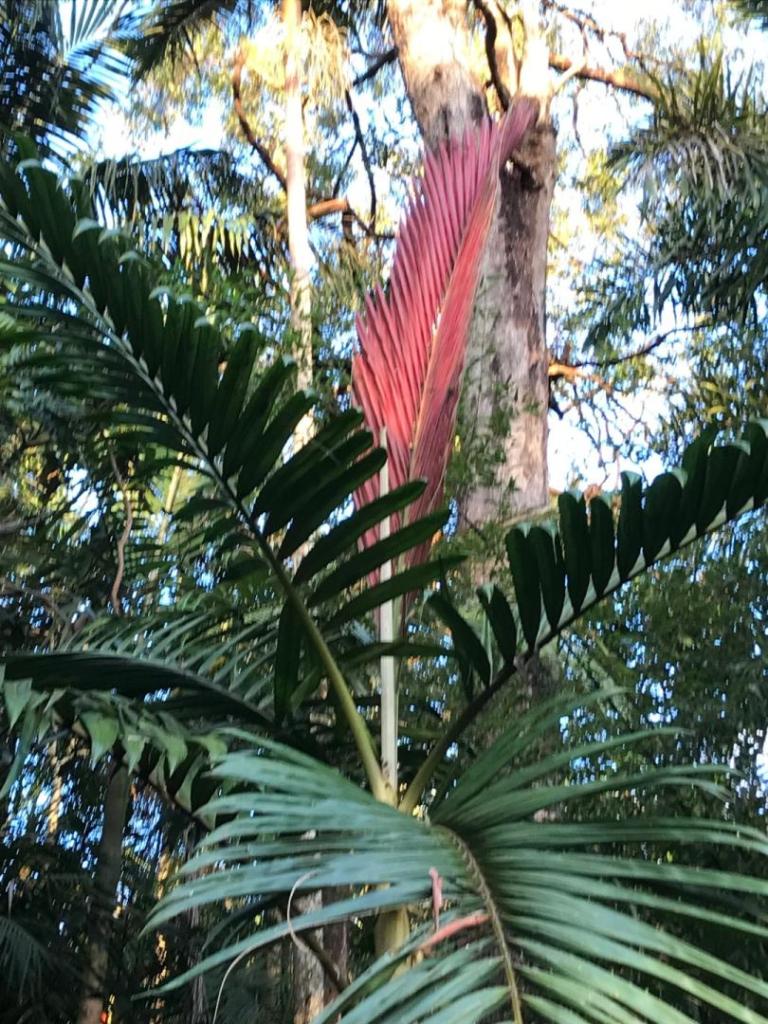
3 pointsThey are more solid and robust looking and a different colour new leaf in comparison to macrocarpa, a good healthy macrocarpa you can’t go past though for the glory they are known for! Here’s a nice pic of a macrocarpa. Richard
 3 points
 -
3 points
-
 They are water hogs and love almost swampy conditions. The ones in metropolitan garden in Athens are huge, because they are benefited by the replaced water of the nearby duck pond.


 3 points
 -
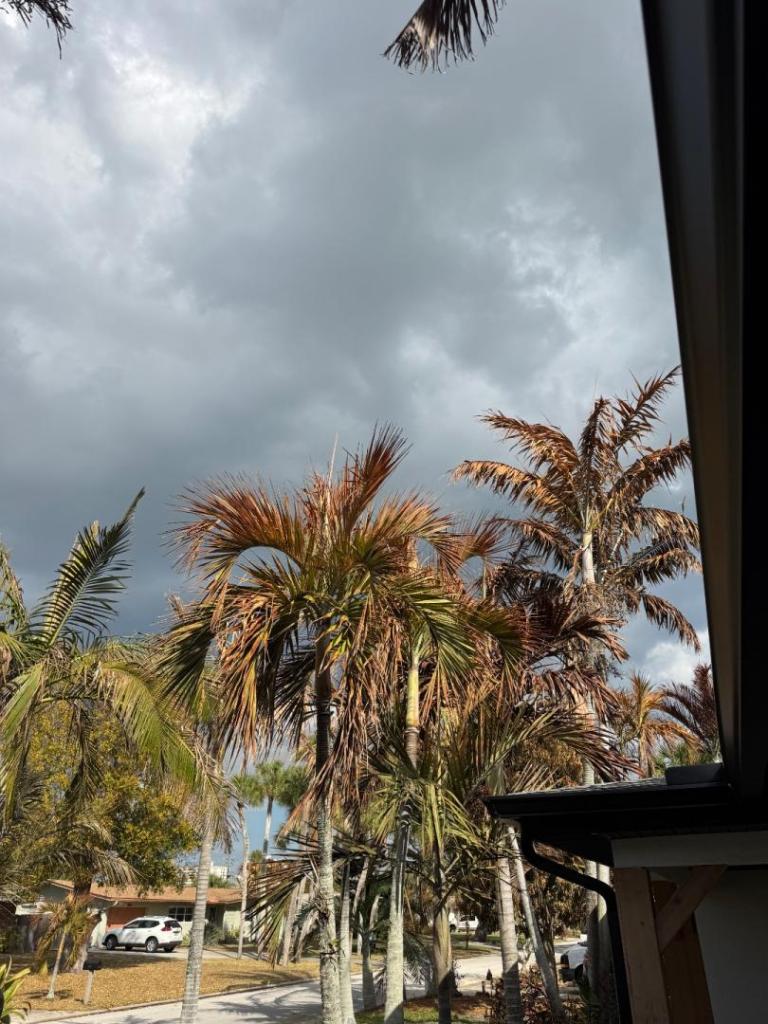
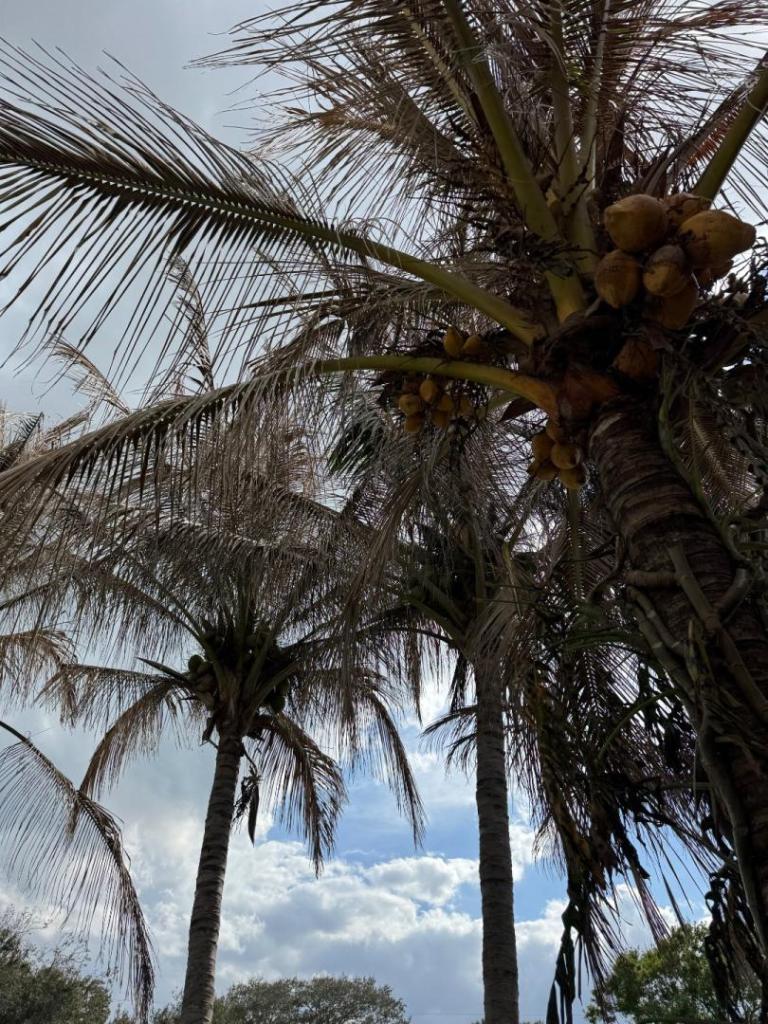
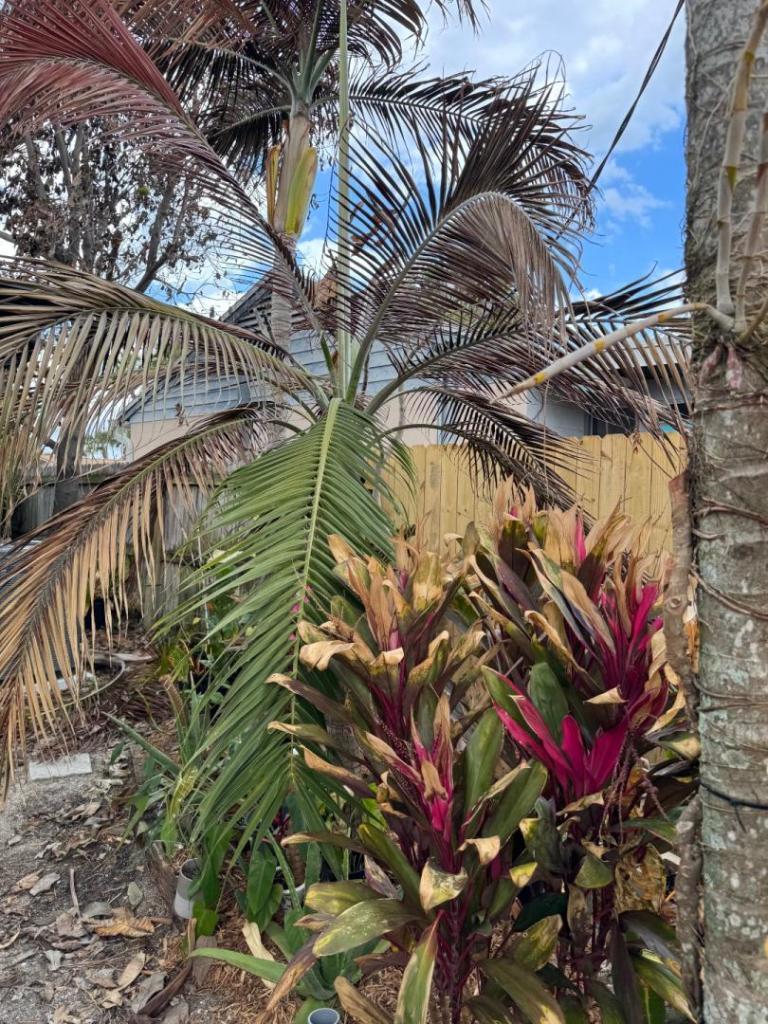
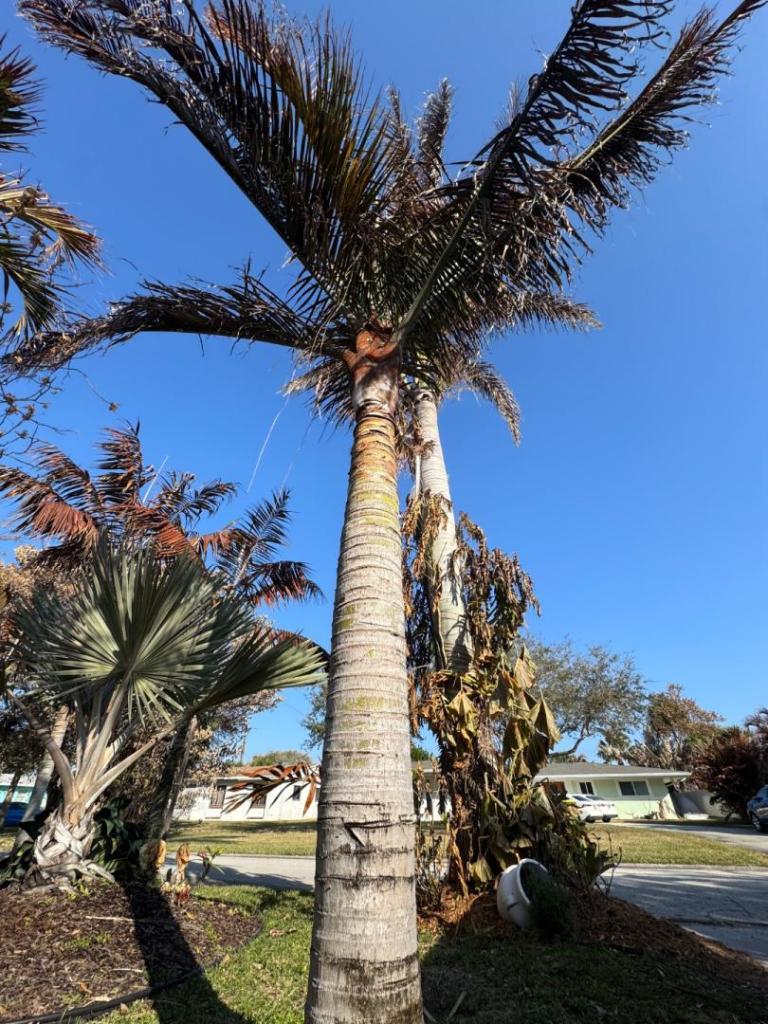
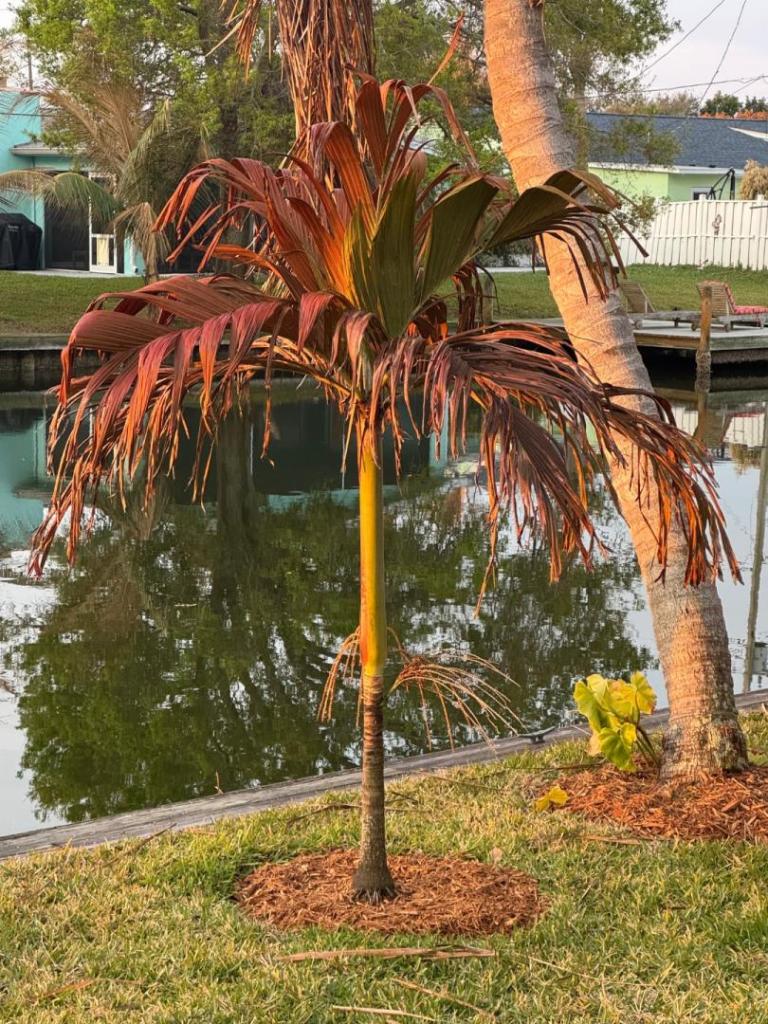
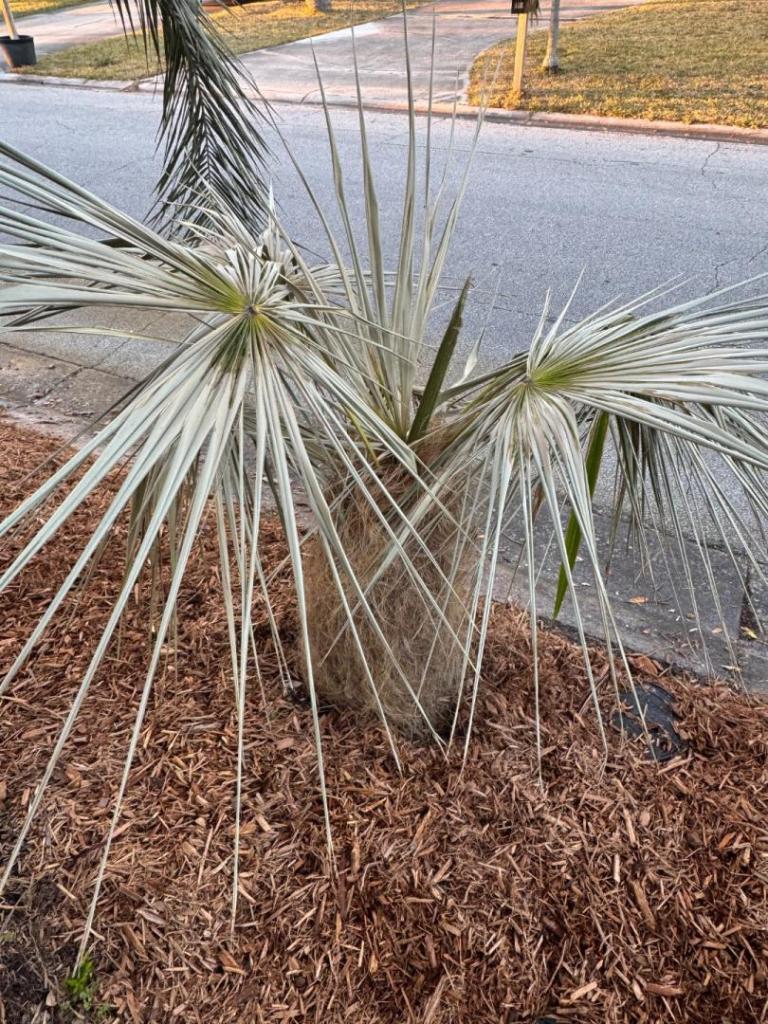
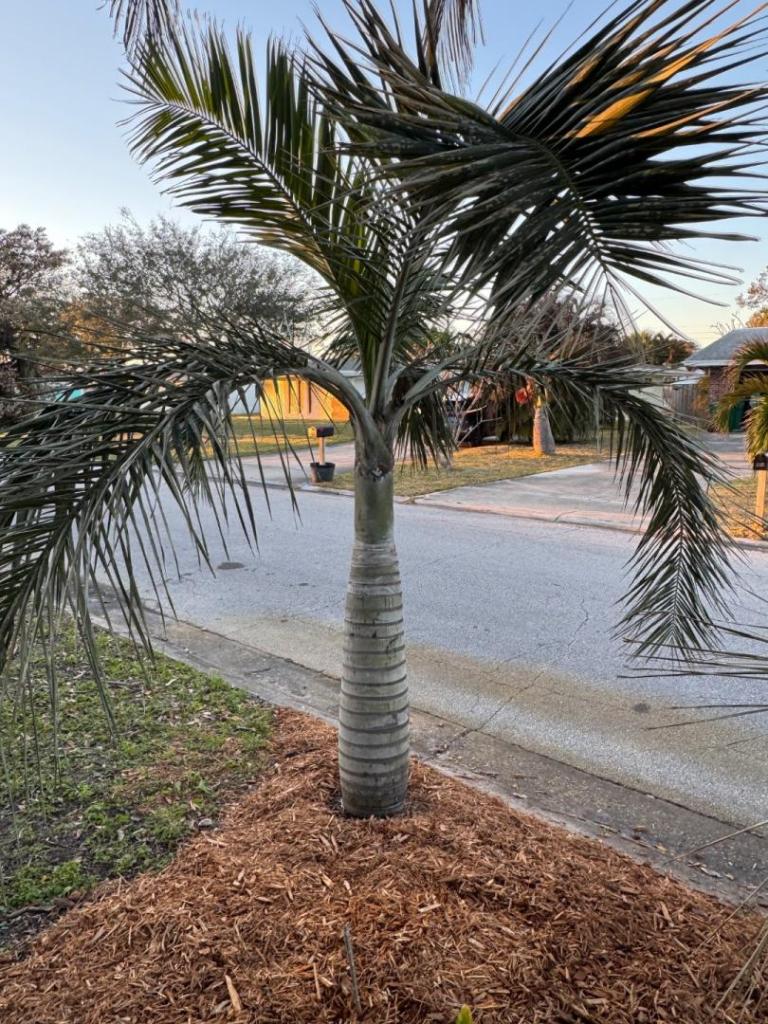
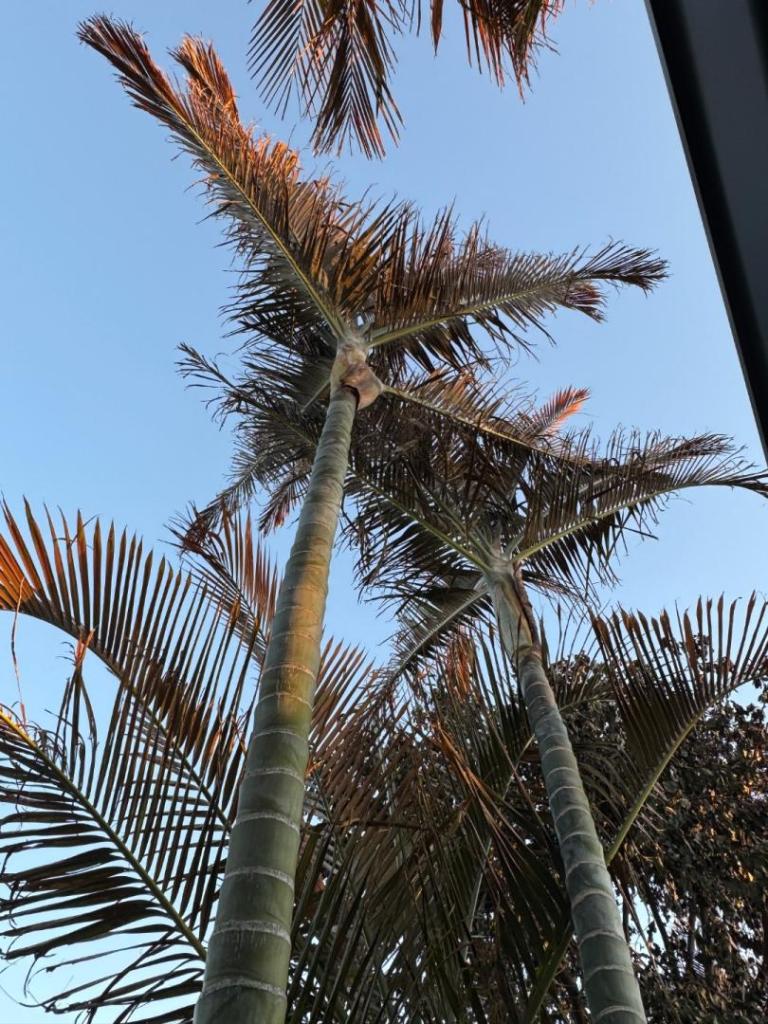
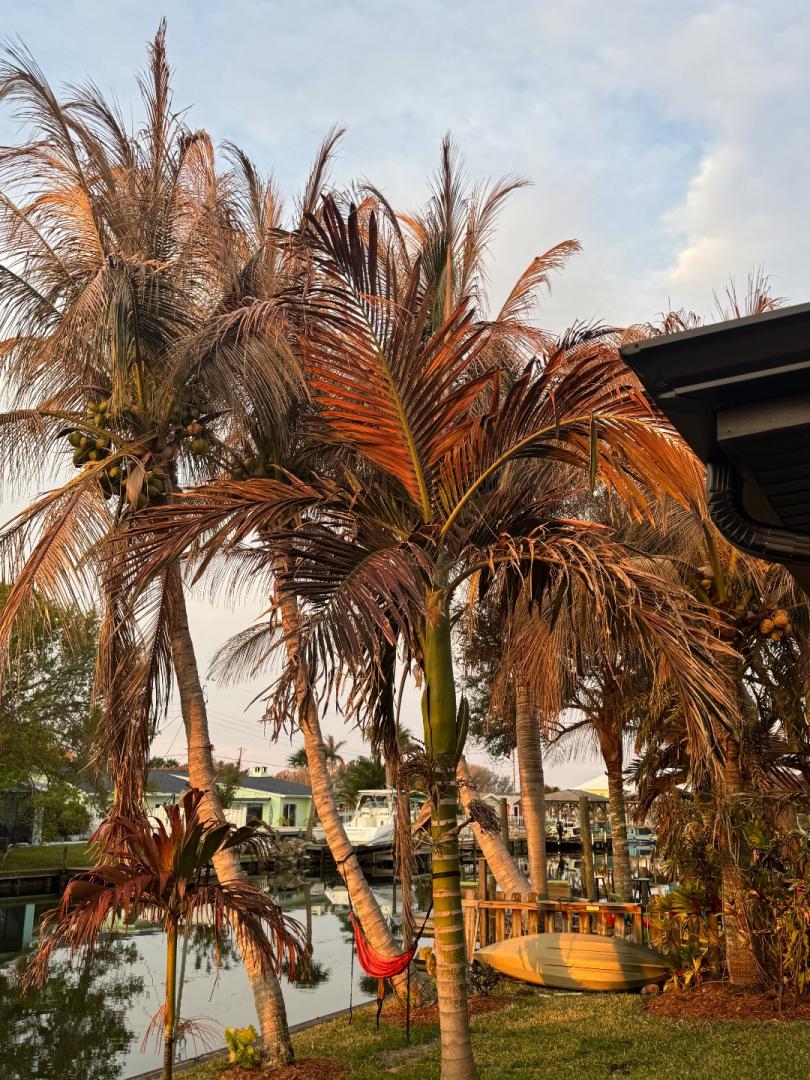
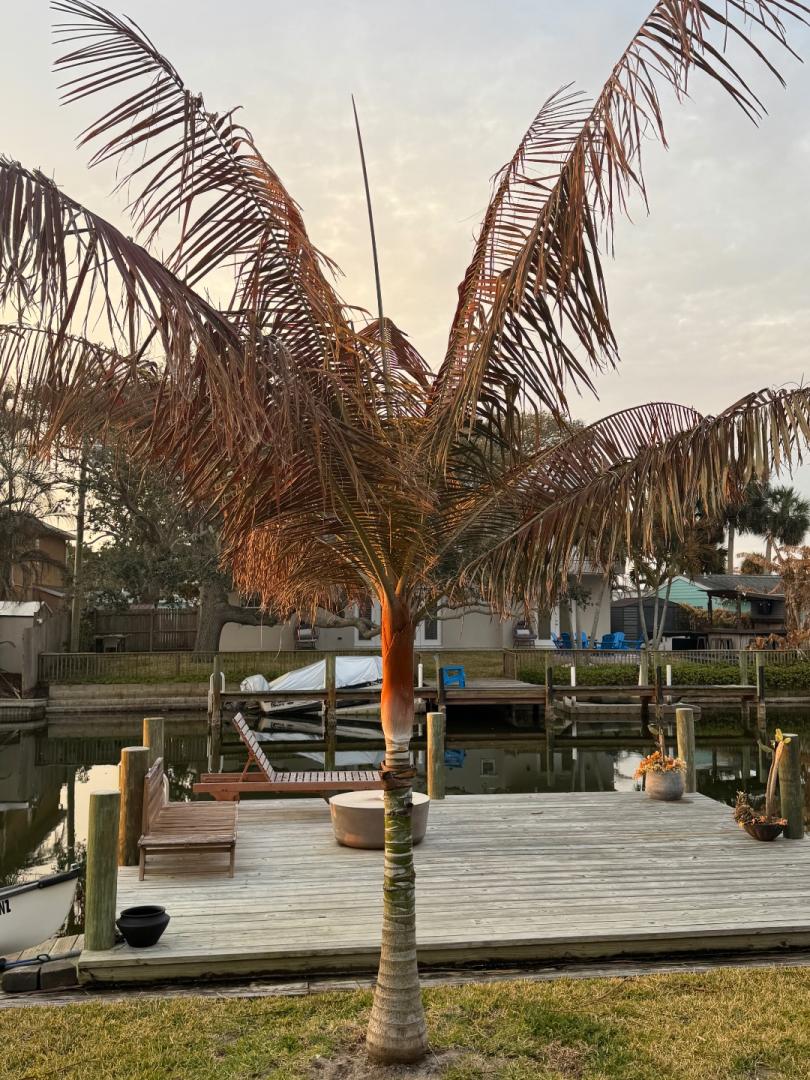
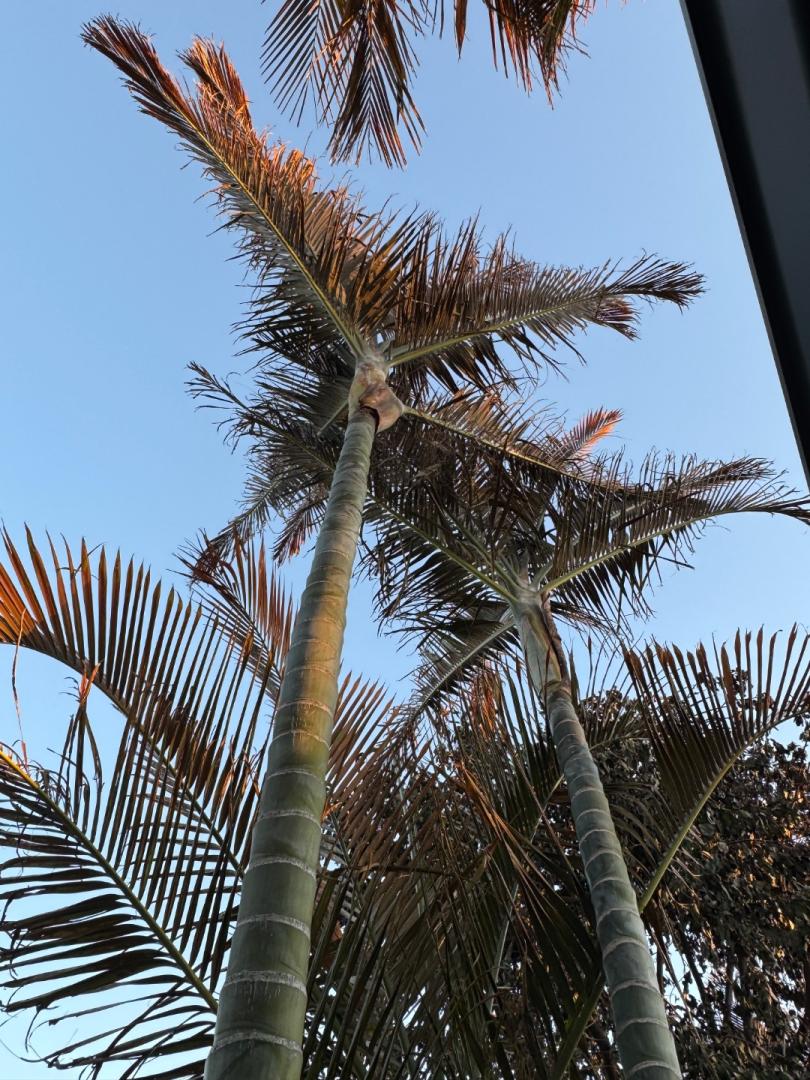
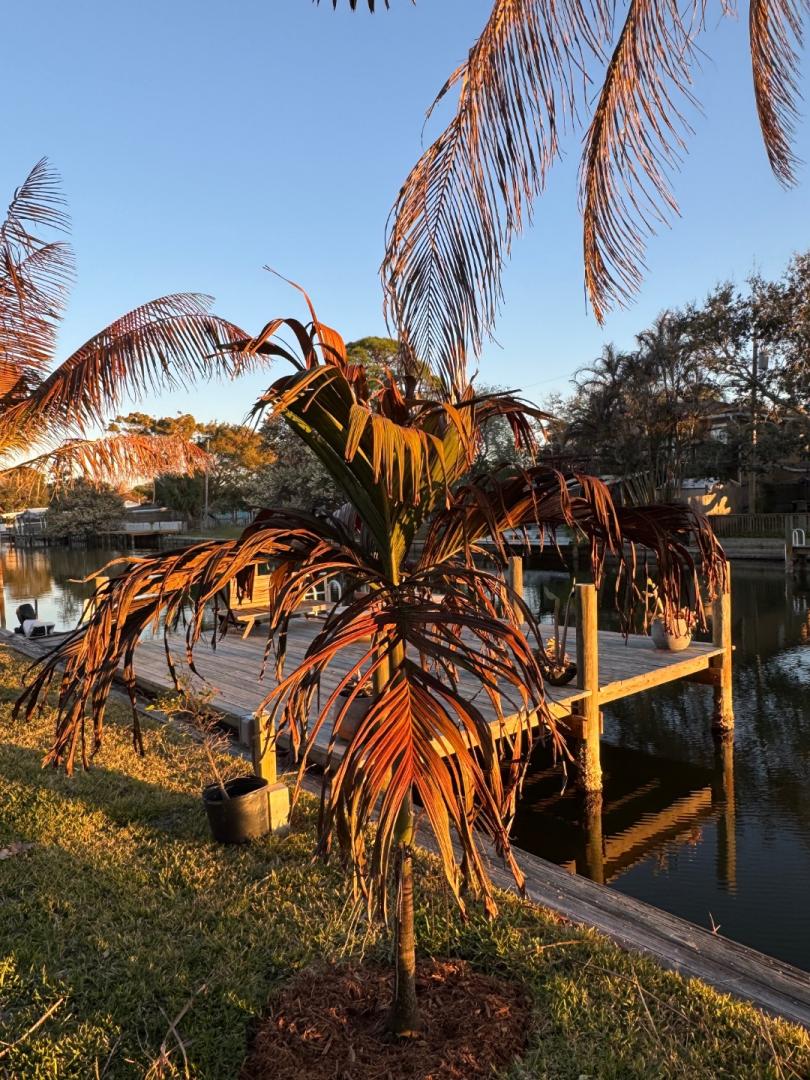
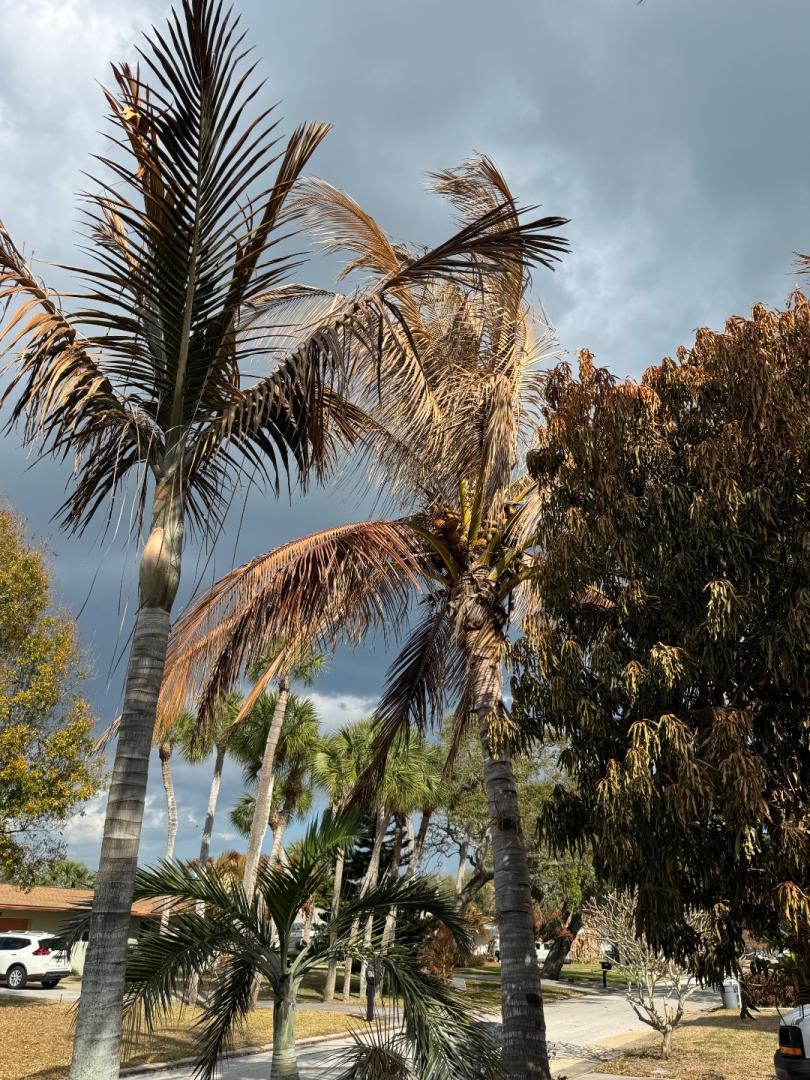
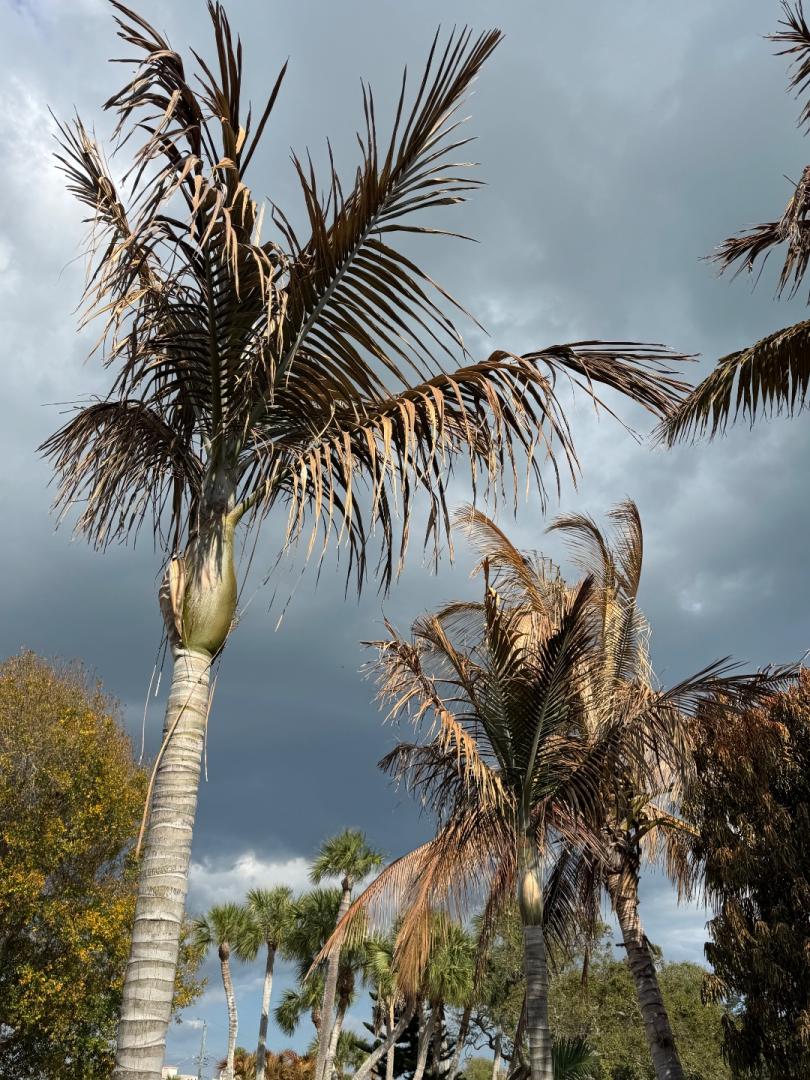
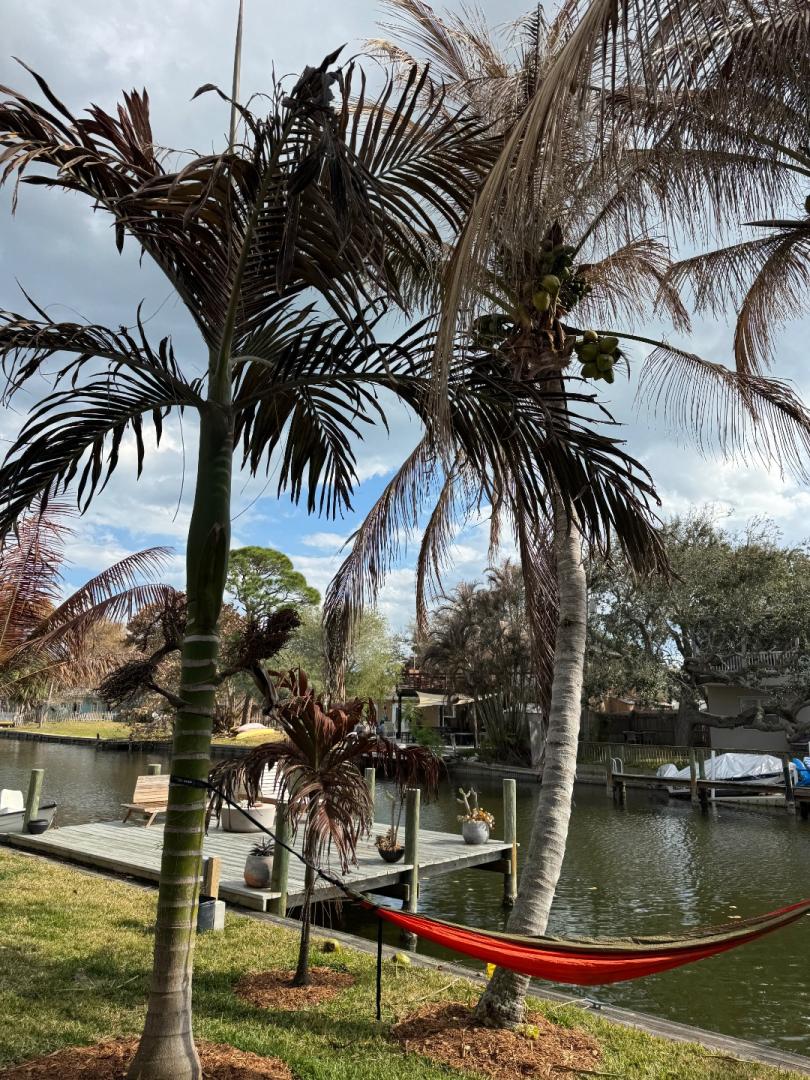
 3 pointsFrom did the best to did the worst: tier 1 rhapis buccaneer palms dyspis cabadae baby in semi protected spot tier 2 cyphophoenix elegans pembanas kentiopsis oliviformis (very exposed) triangle triangle teddy bear hybrid tier 3 flamethrowers florida thatch unknown clumping dypis tier 4 hurricane palms ( montgomery palms (tall and exposed) royal palm (most exposed spot) tier 5 coconut (these look real bad, crown too high to see in there) licuala grandis obi island I can’t tell yet: old man palm (somewhere between 2-3) bottle palm (probably a 4)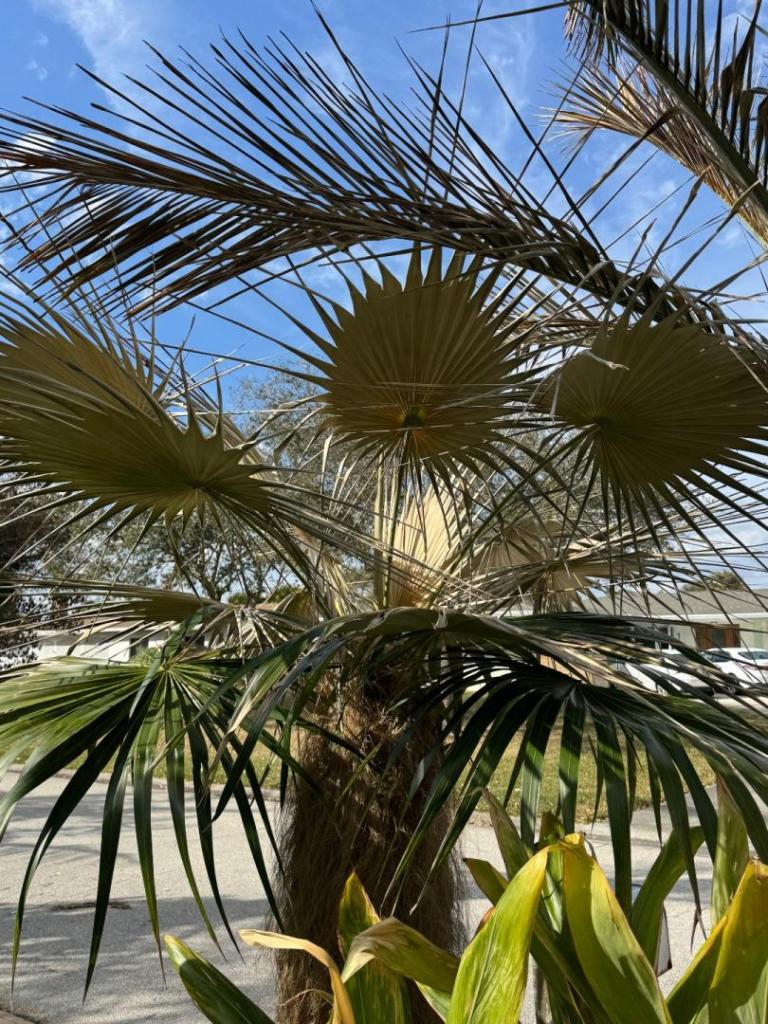






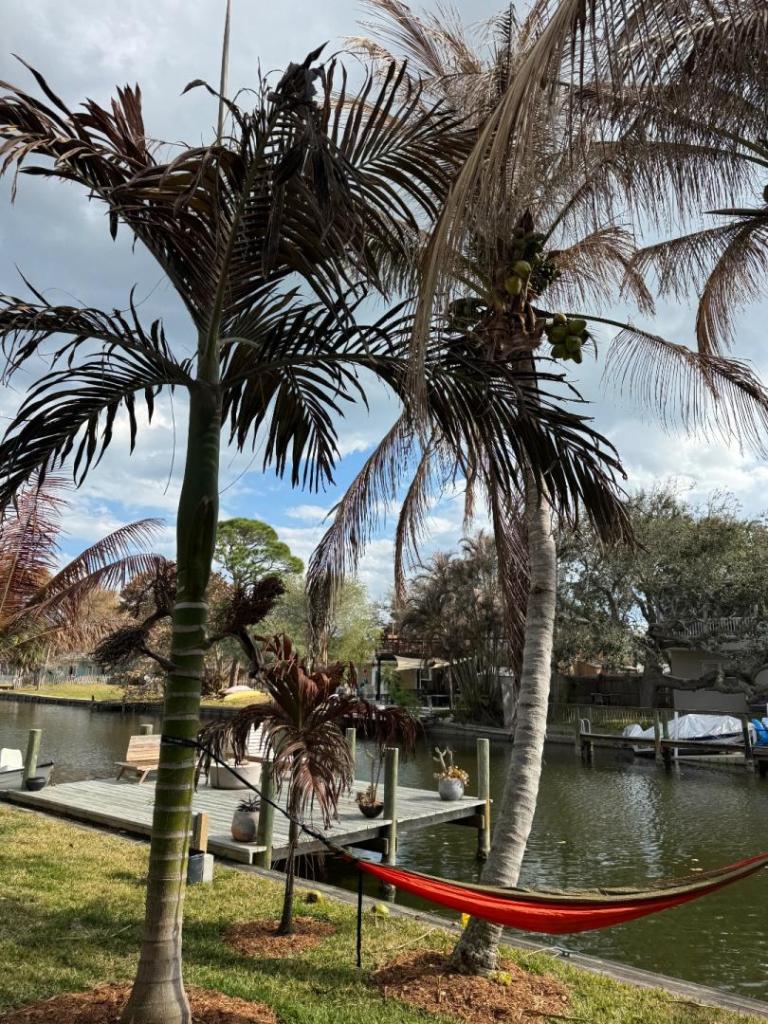
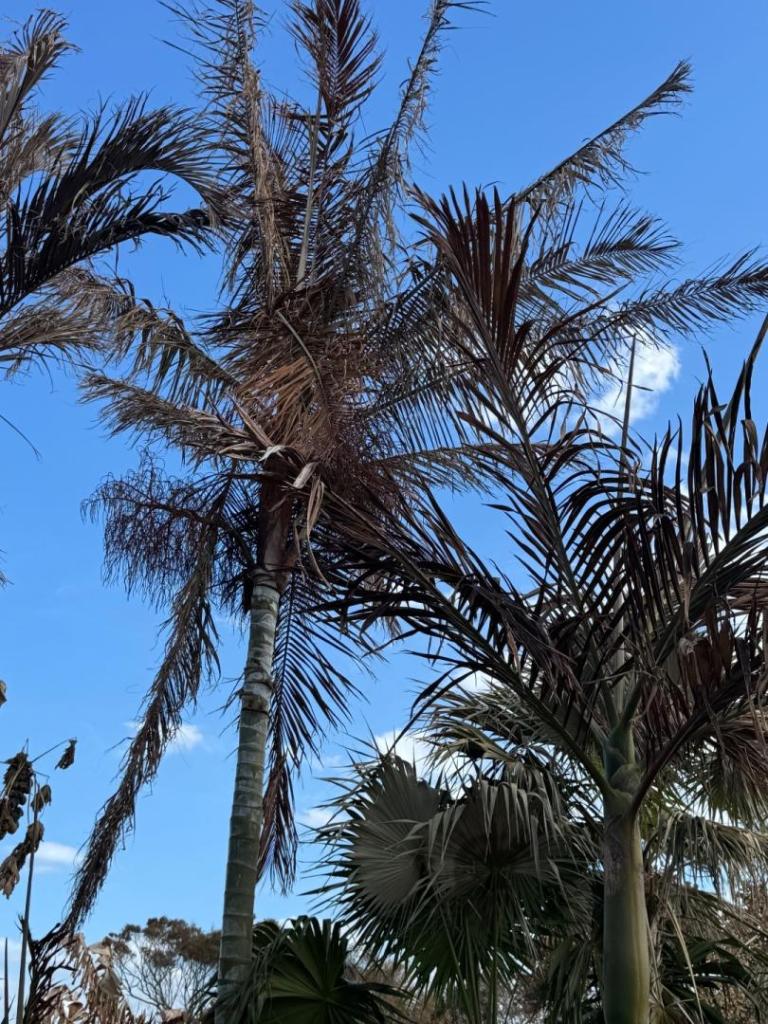
 3 points
 -
 3 pointsWonderful thread, Tim, not sure how I missed it the first time around. Hey, what’s 11 years? One of my favorite, most tropical looking group of palms. I’m in a pretty marginal area for them, but I keep trying. Arecina and spiralis grow reasonably well with no protection. After a couple failed attempts, I figured out that joannis will do fine with some canopy as a youngster. Vitiensis and sessefolia are just impossible for me. Having said that, any thoughts on the following? Purchased from a backyard grower 10+ years ago as petiolata. Which seems to be a synonym for filifera. Anyway, it’s a small palm that has been flowering for years, although no seeds are set yet for some reason. And it flowers a lot.
 3 points
 -
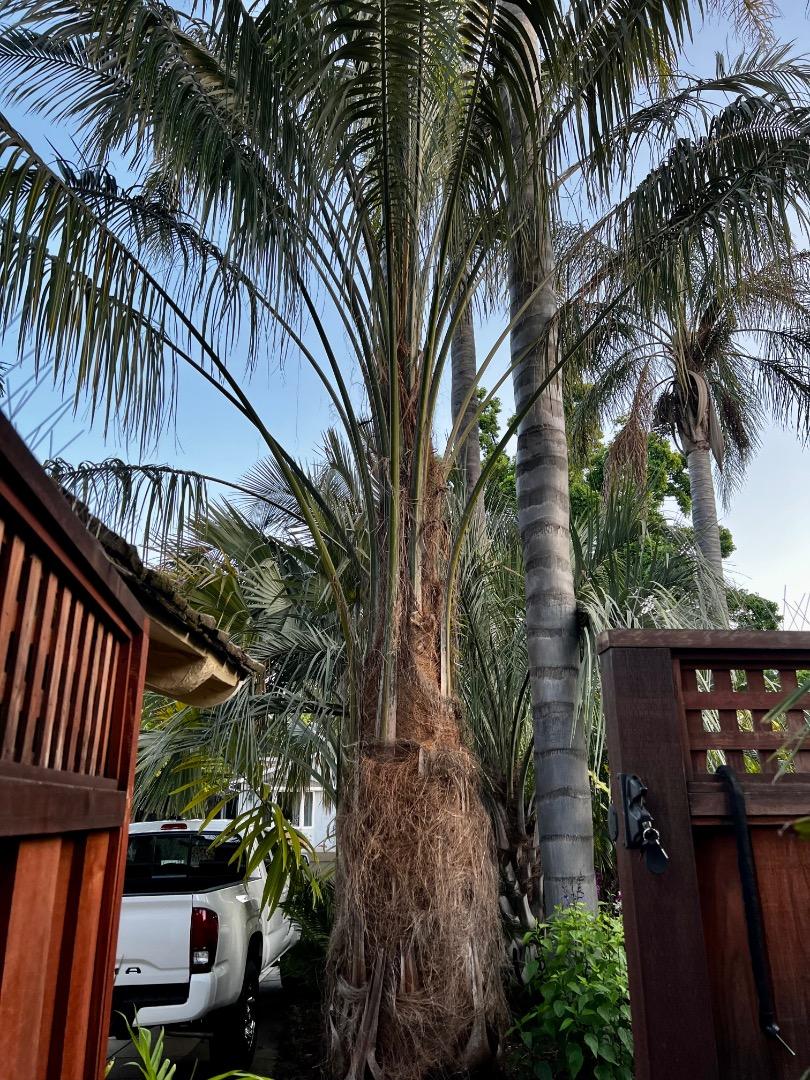
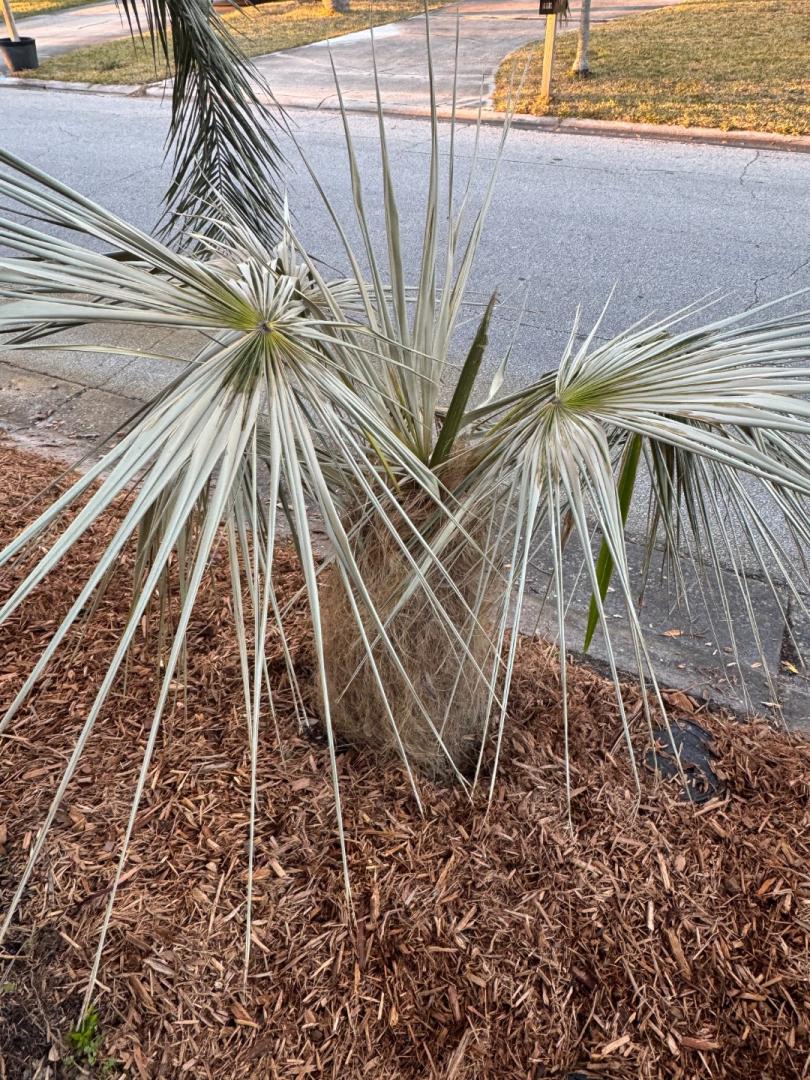
 3 pointsBruce, That’s just my method. There are other Parajubaea in my neighborhood and the ones with very little summer irrigation are WAY smaller than the ones that get ample water. I’ve watered mine in 100° plus degree heat. One is growing right at the street where the asphalt get super hot at times. All of mine were planted as single leaf seedlings. Rarely a car parked there but here’s a photo of the palm. Neighbor’s irrigation would flood my Parajubaea’s area daily in summer. That went on for a few years until it was repaired.
 3 points
 -
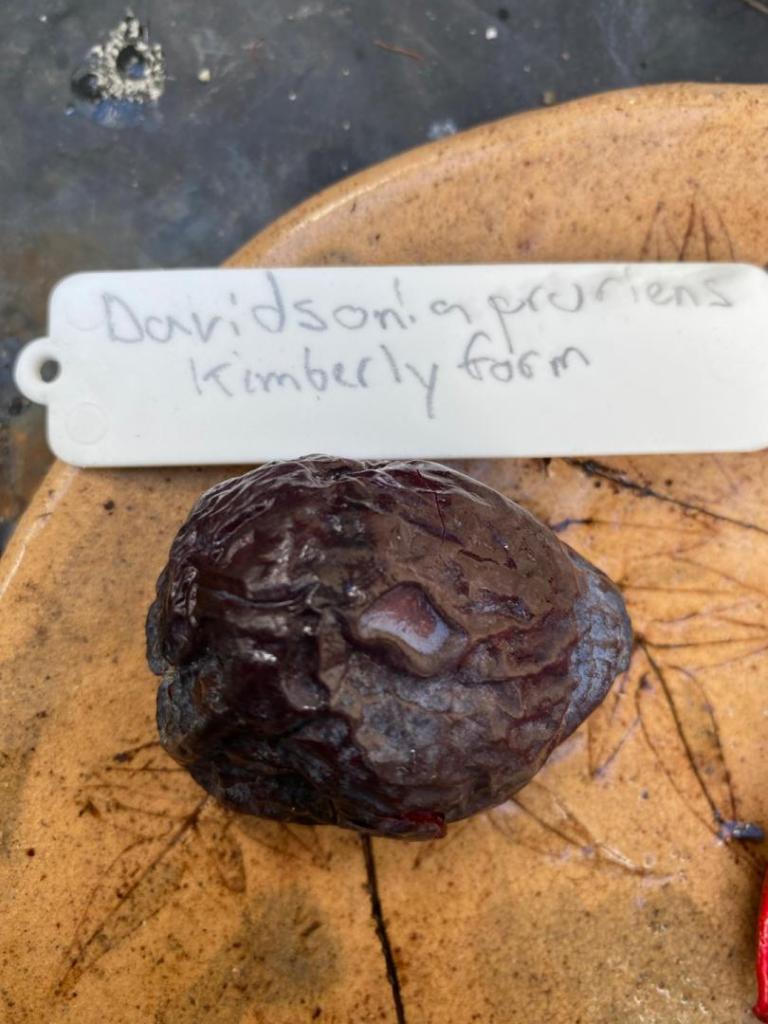
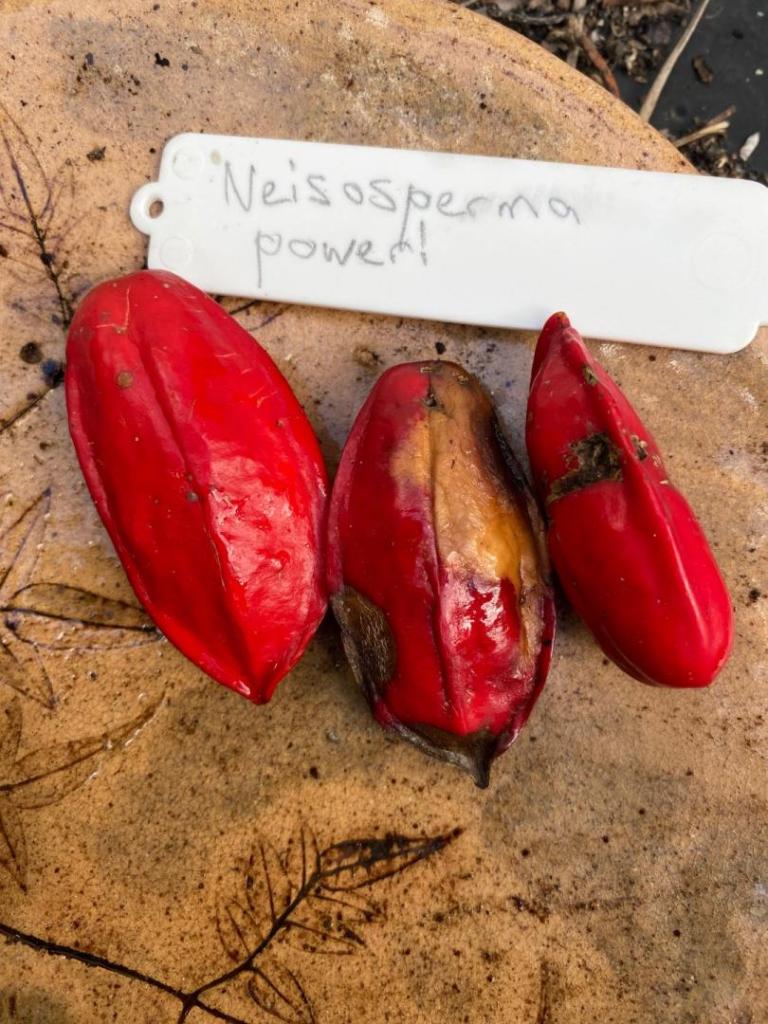
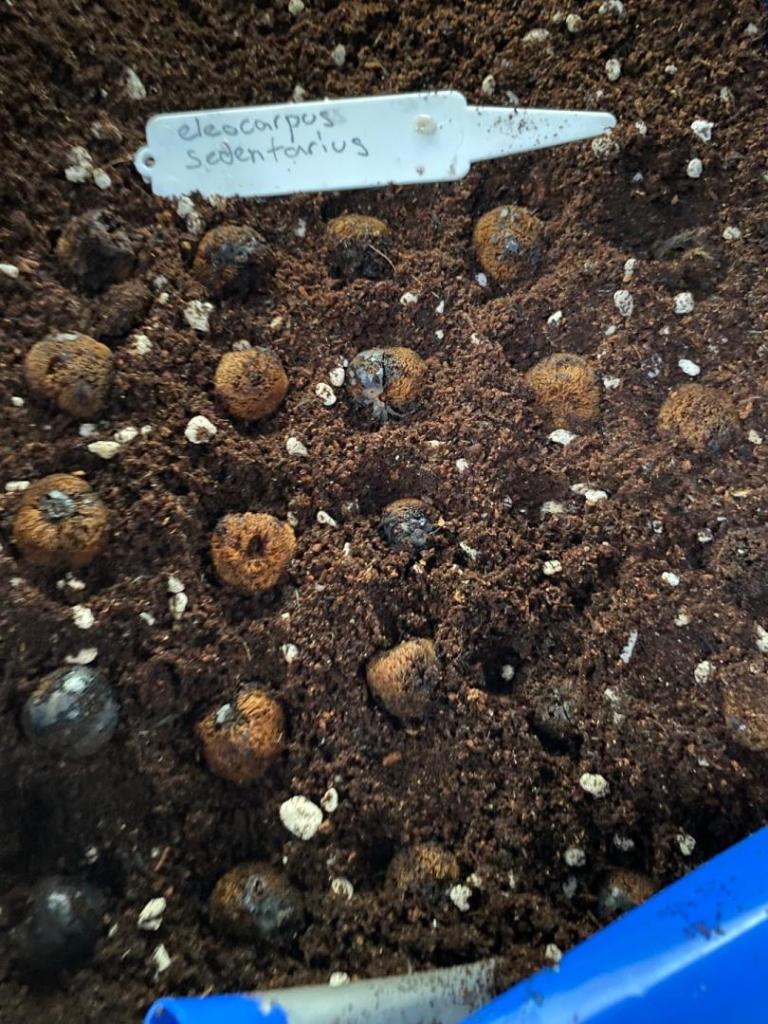
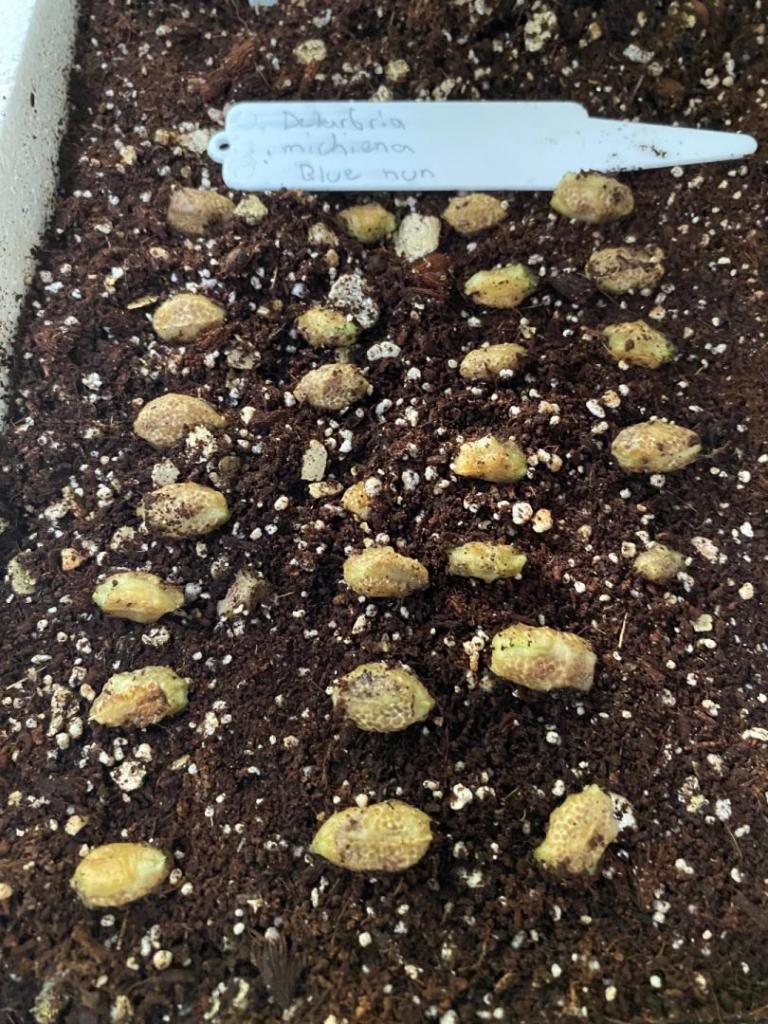
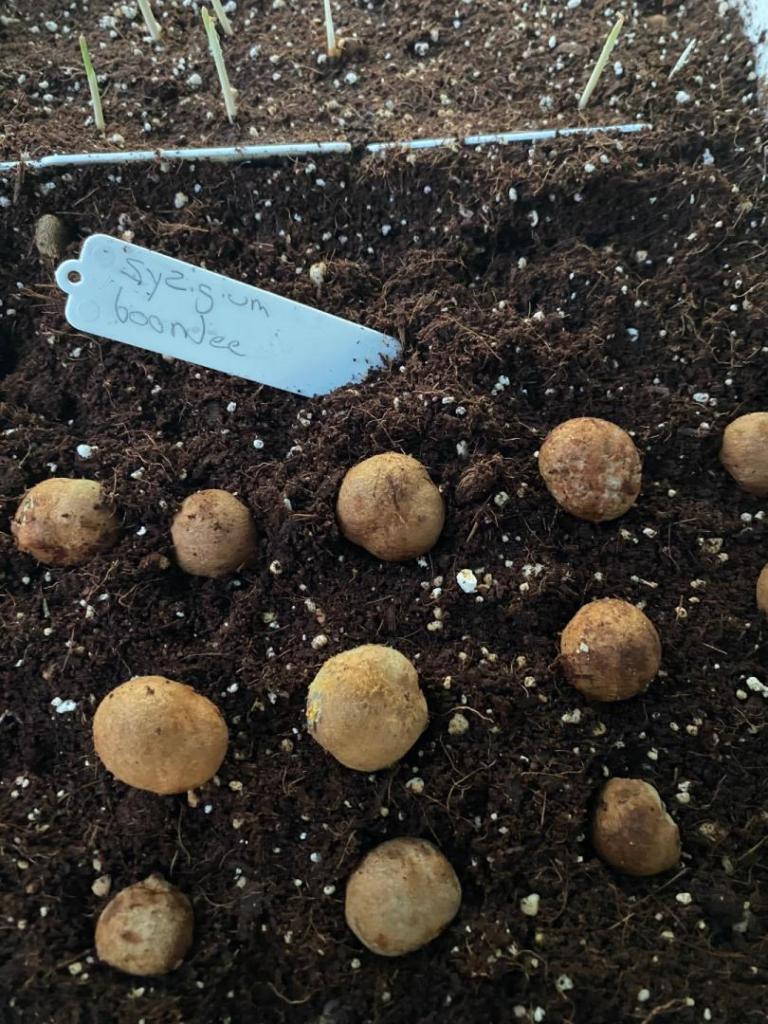
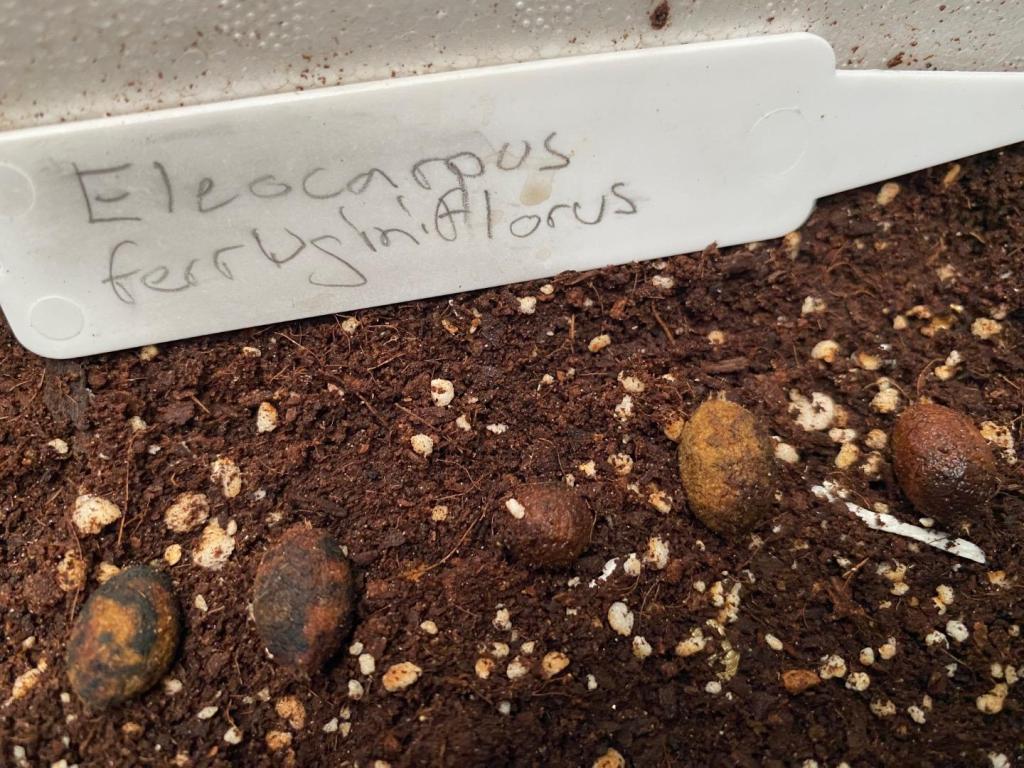
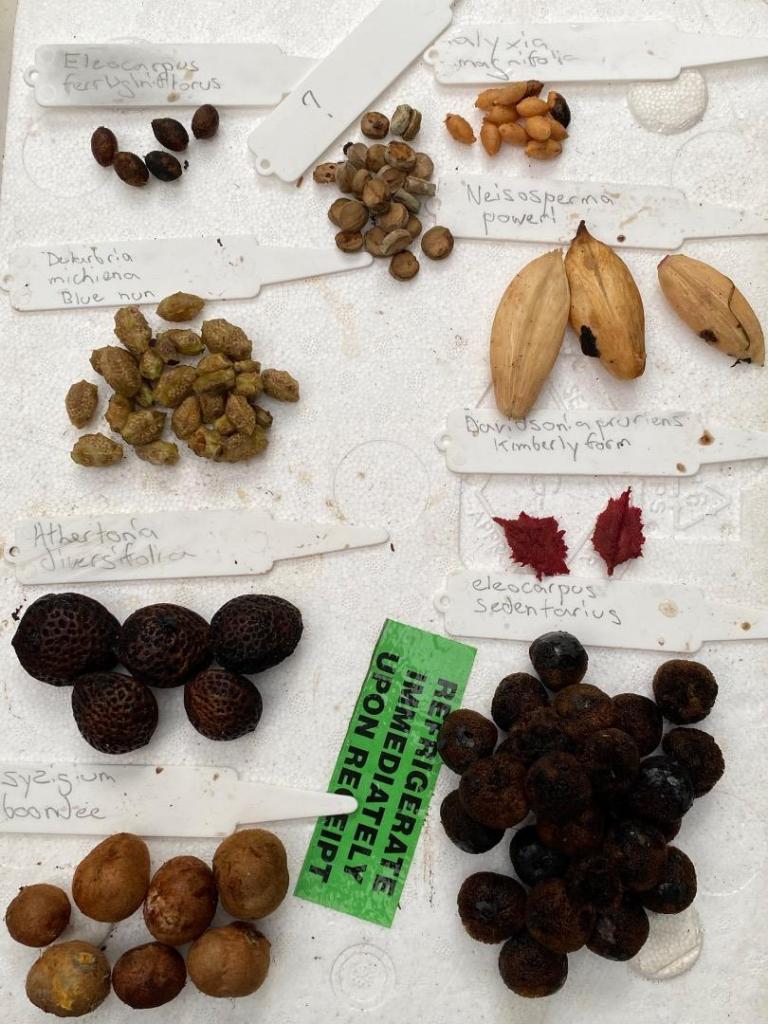
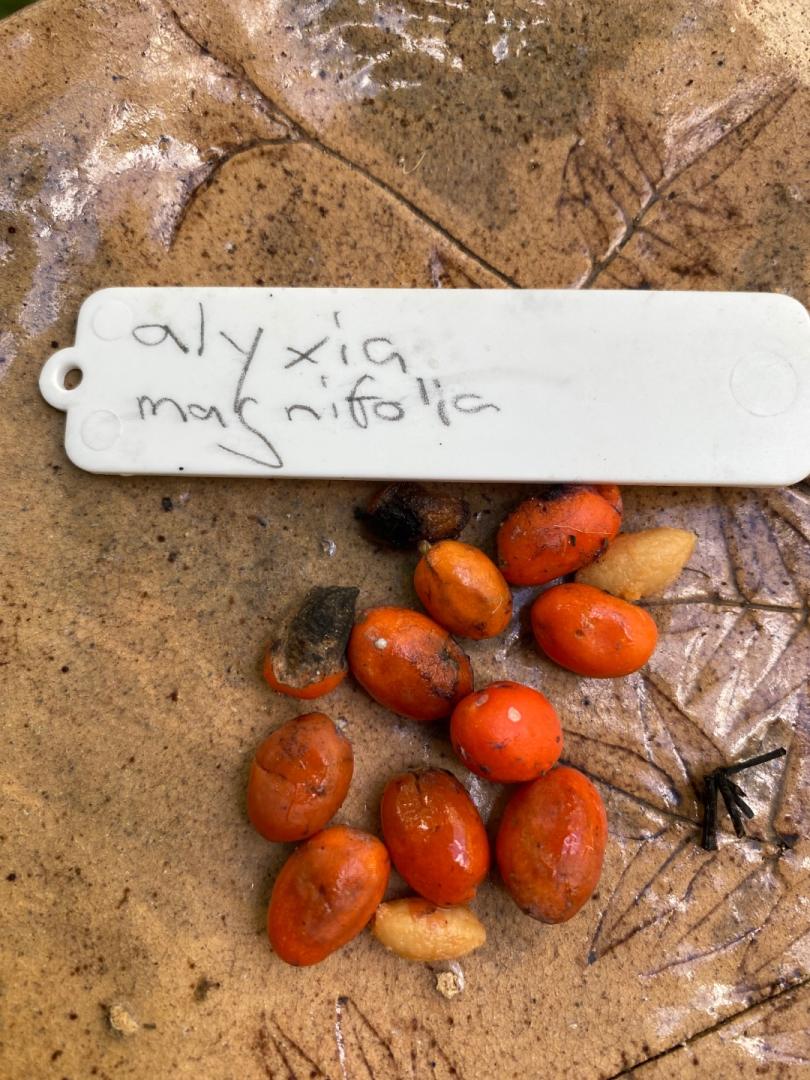
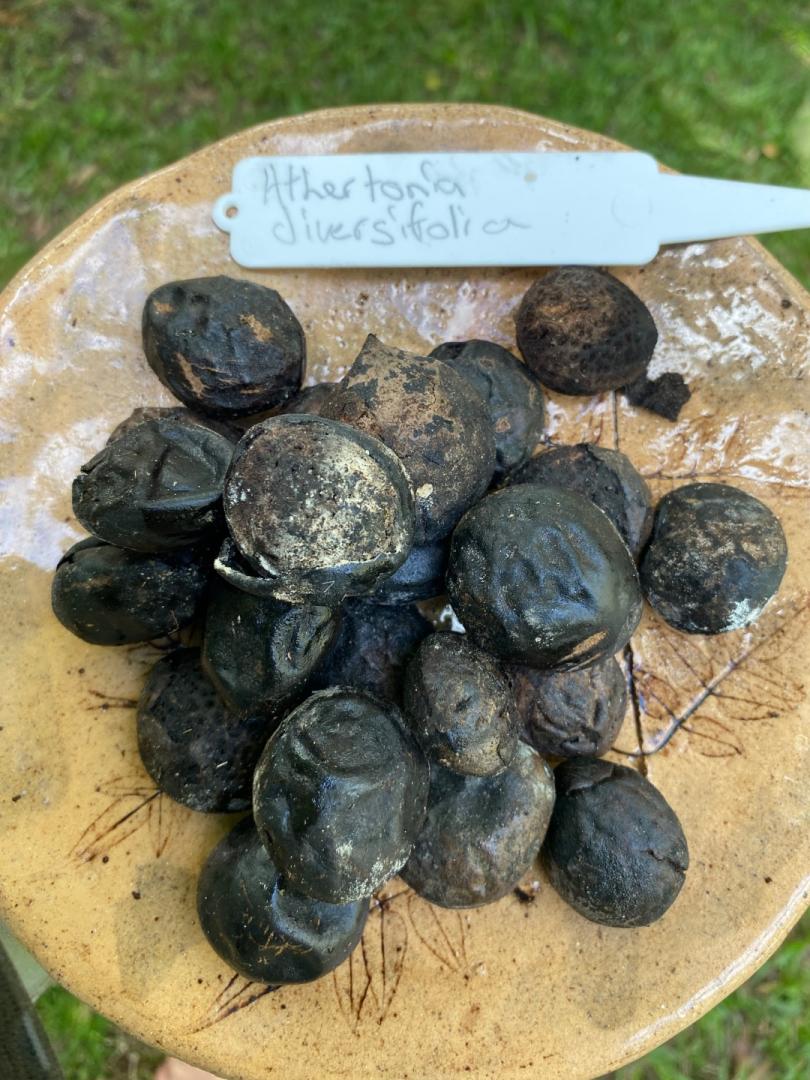
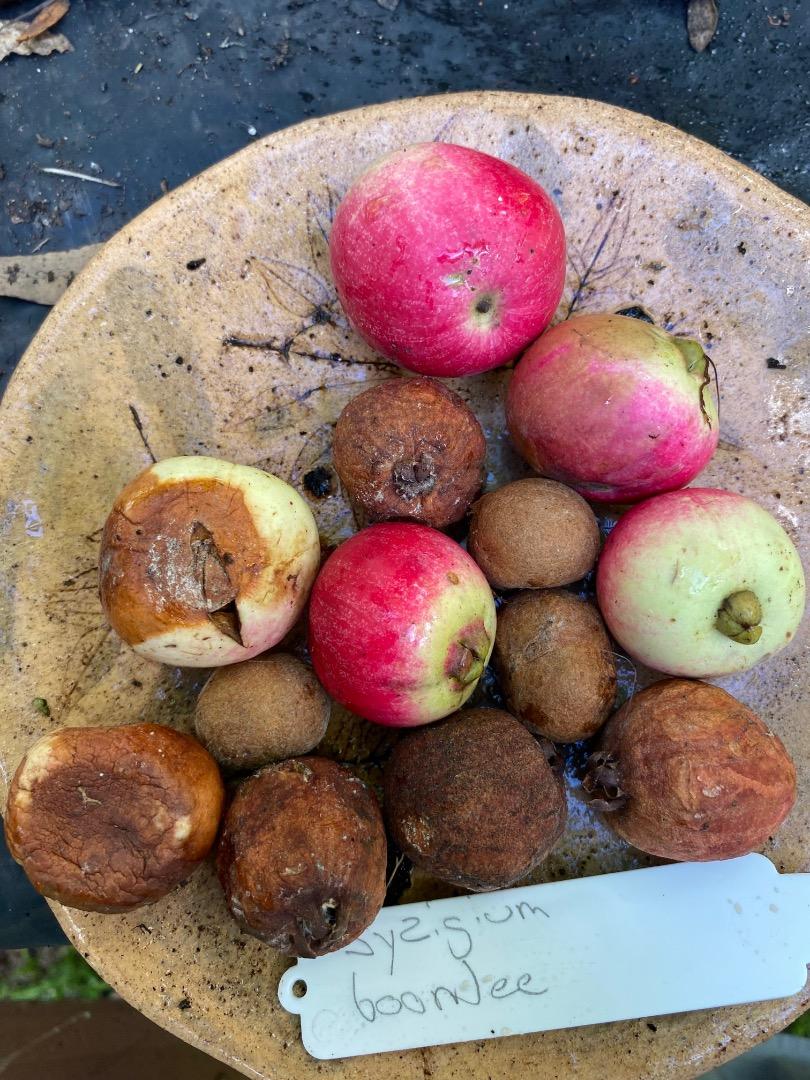
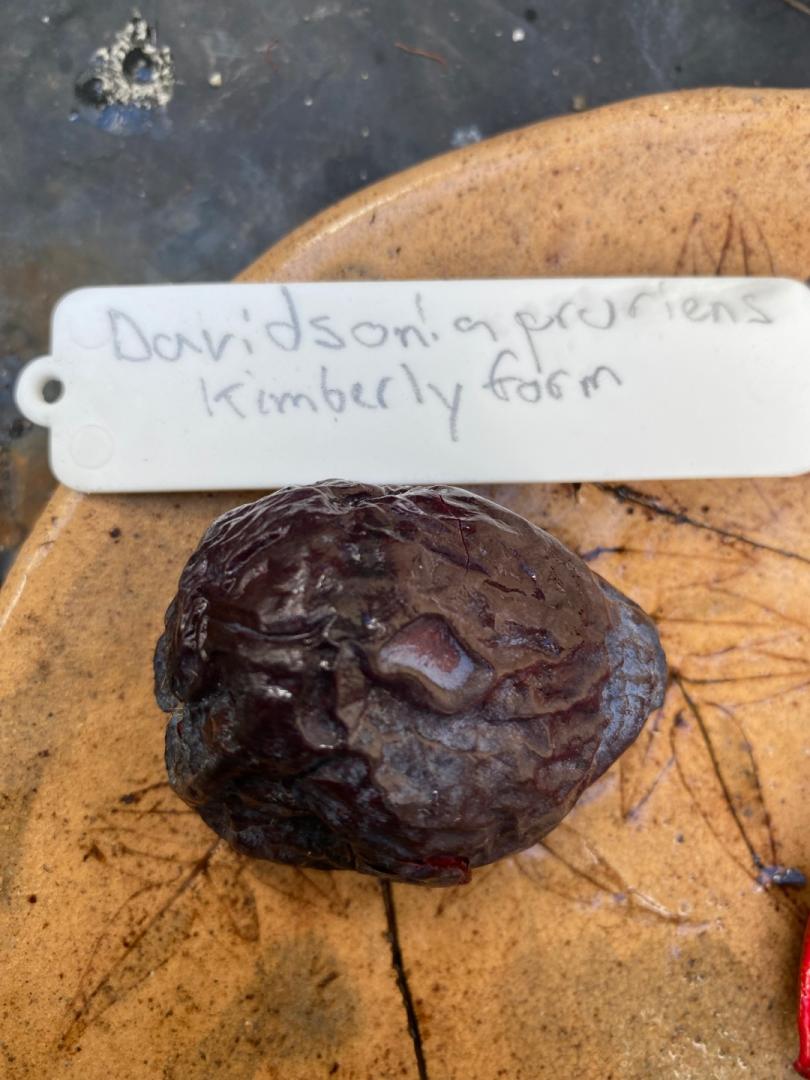
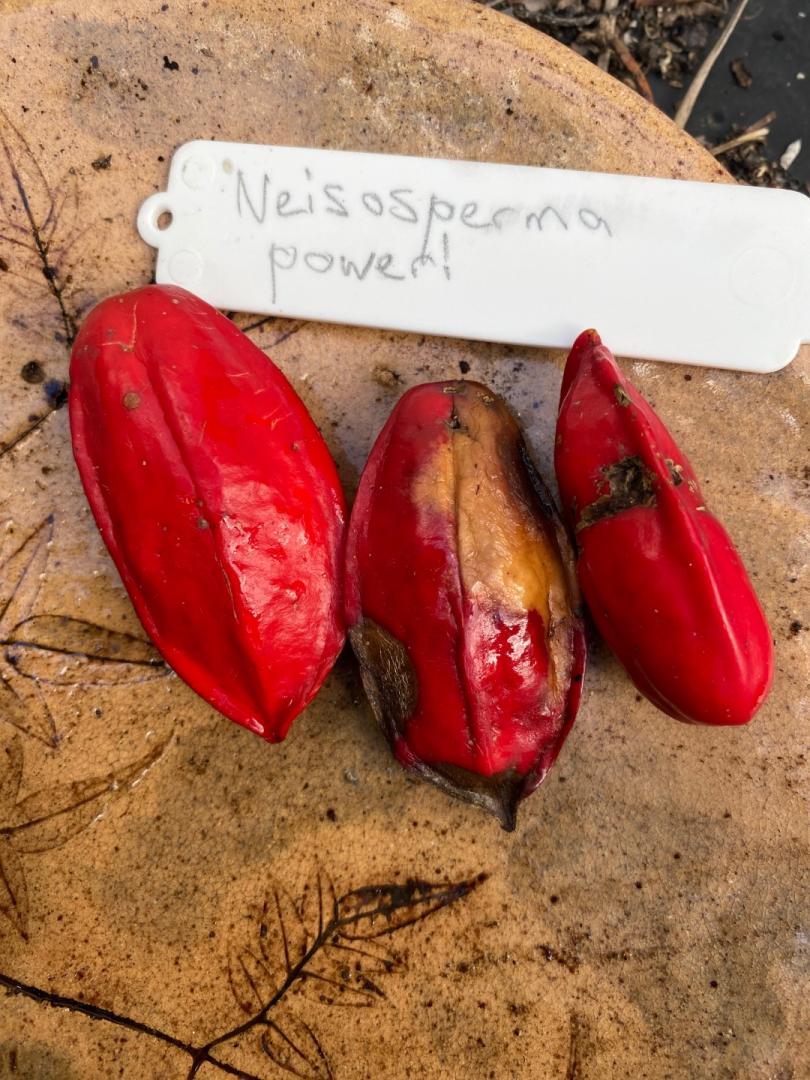
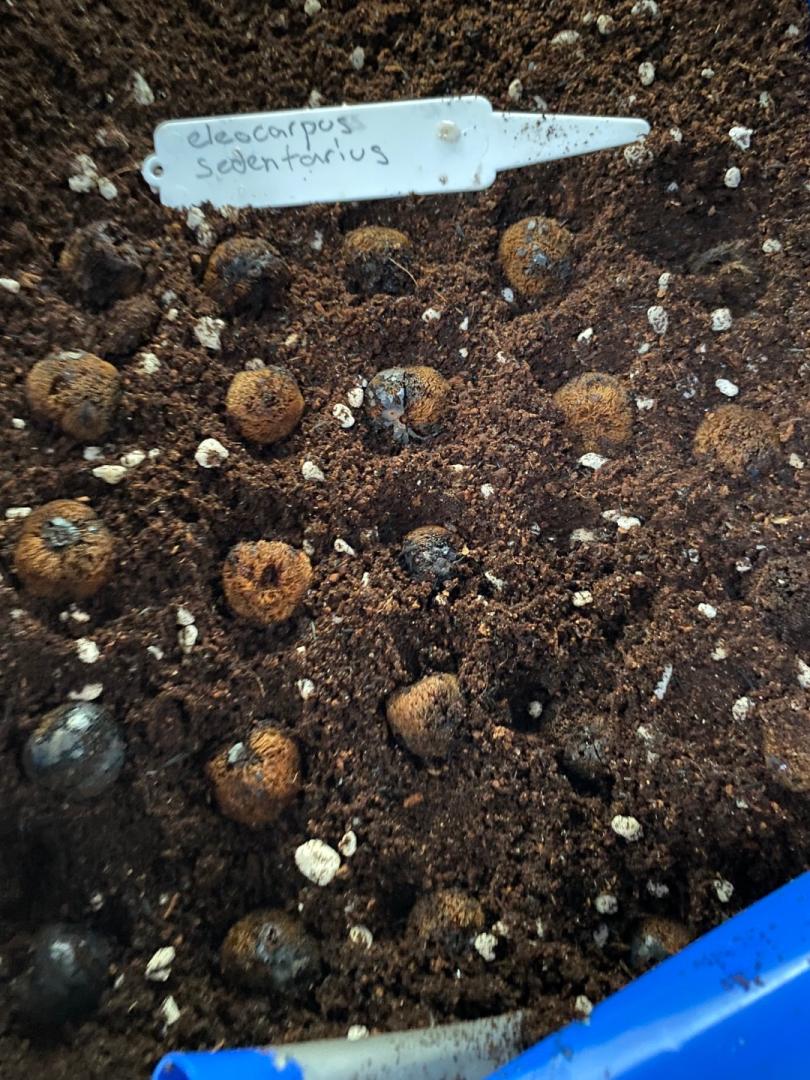
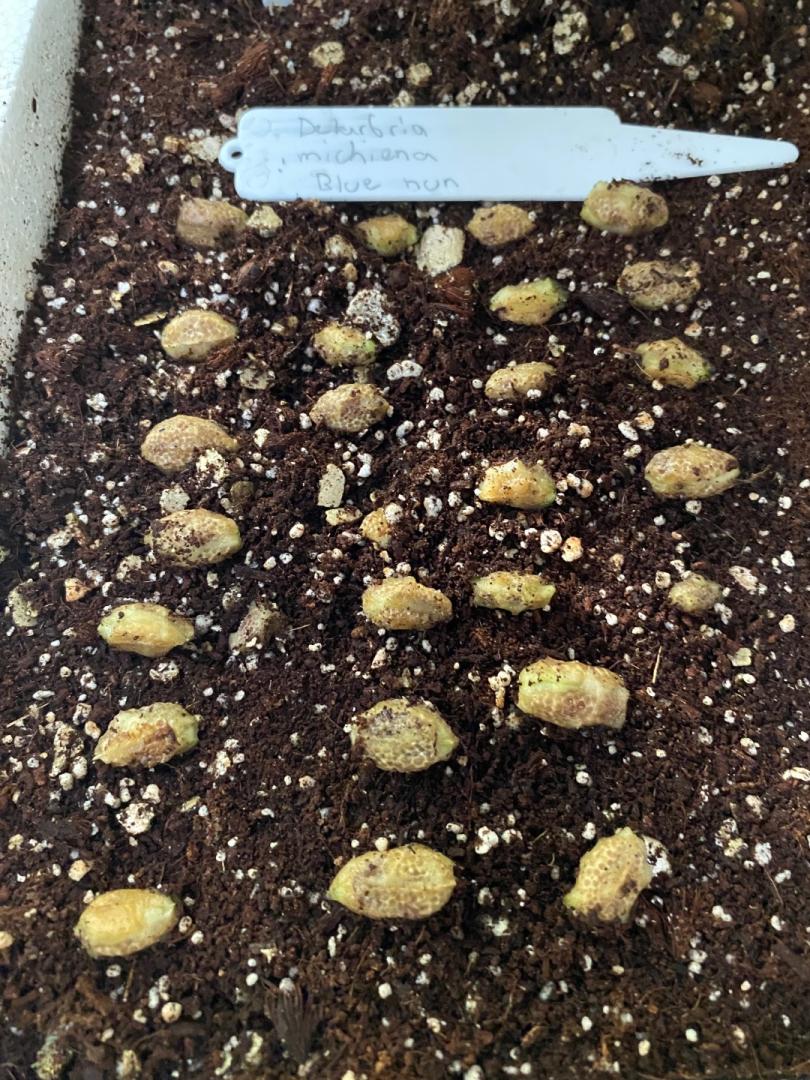
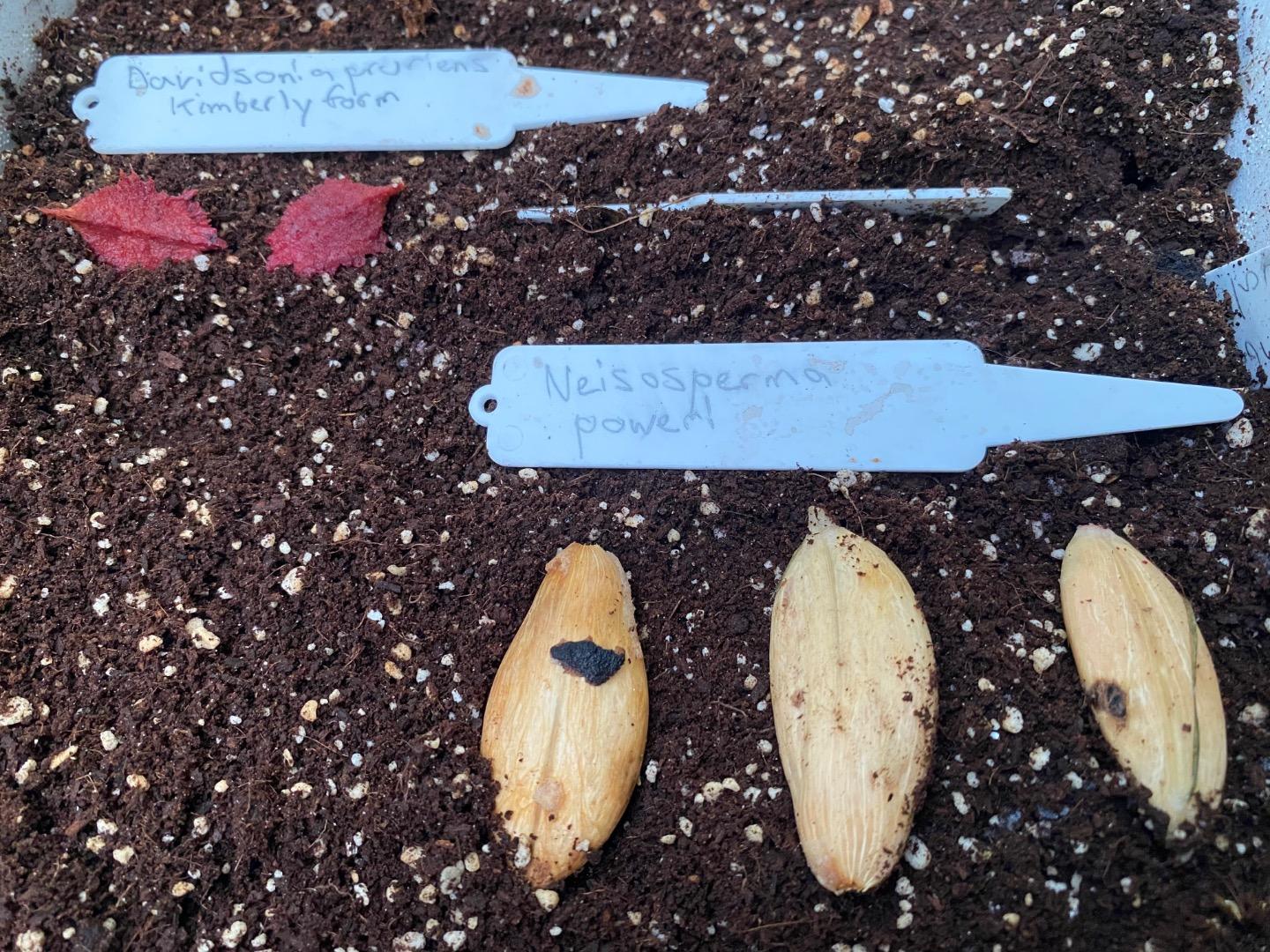
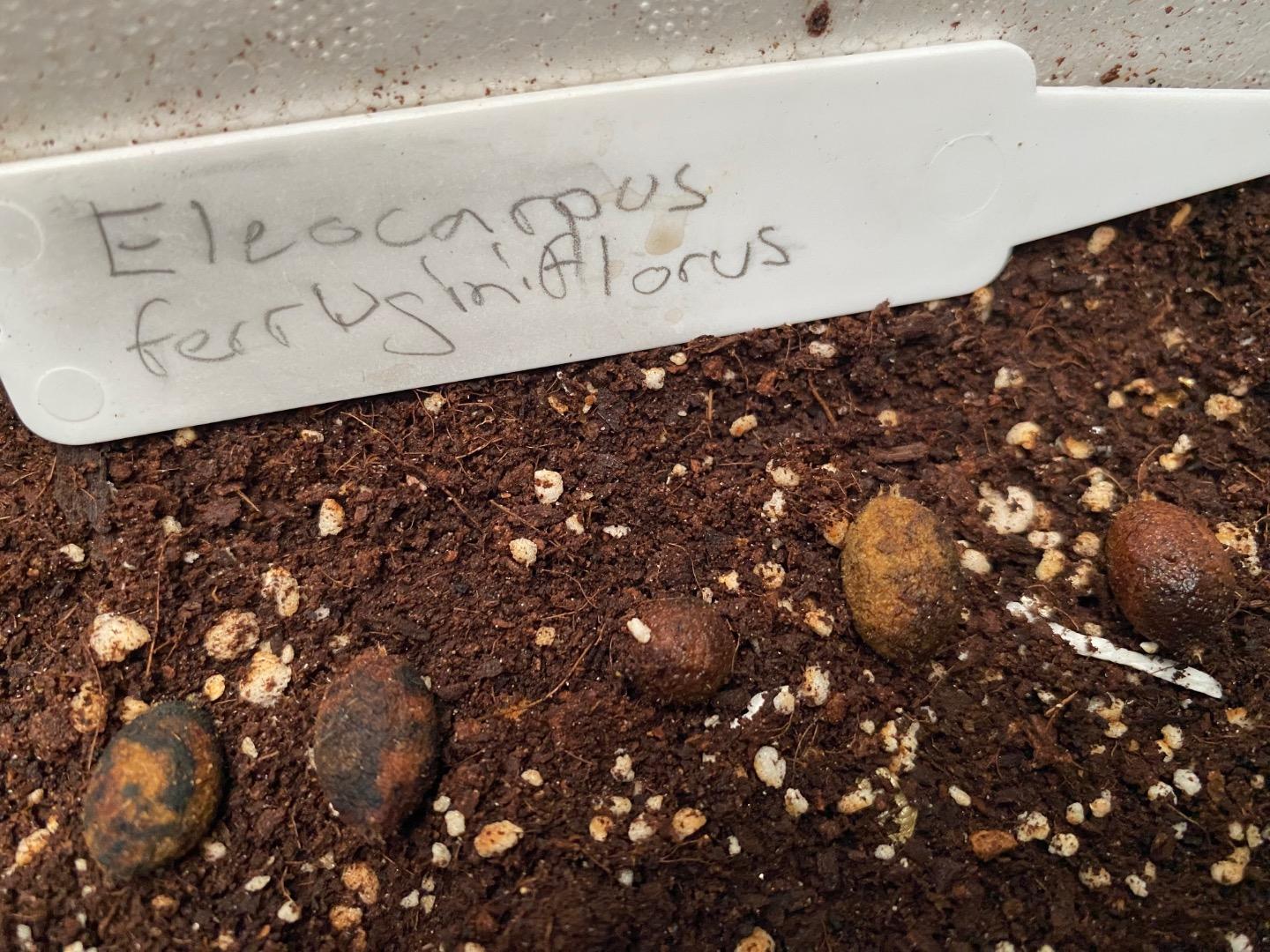
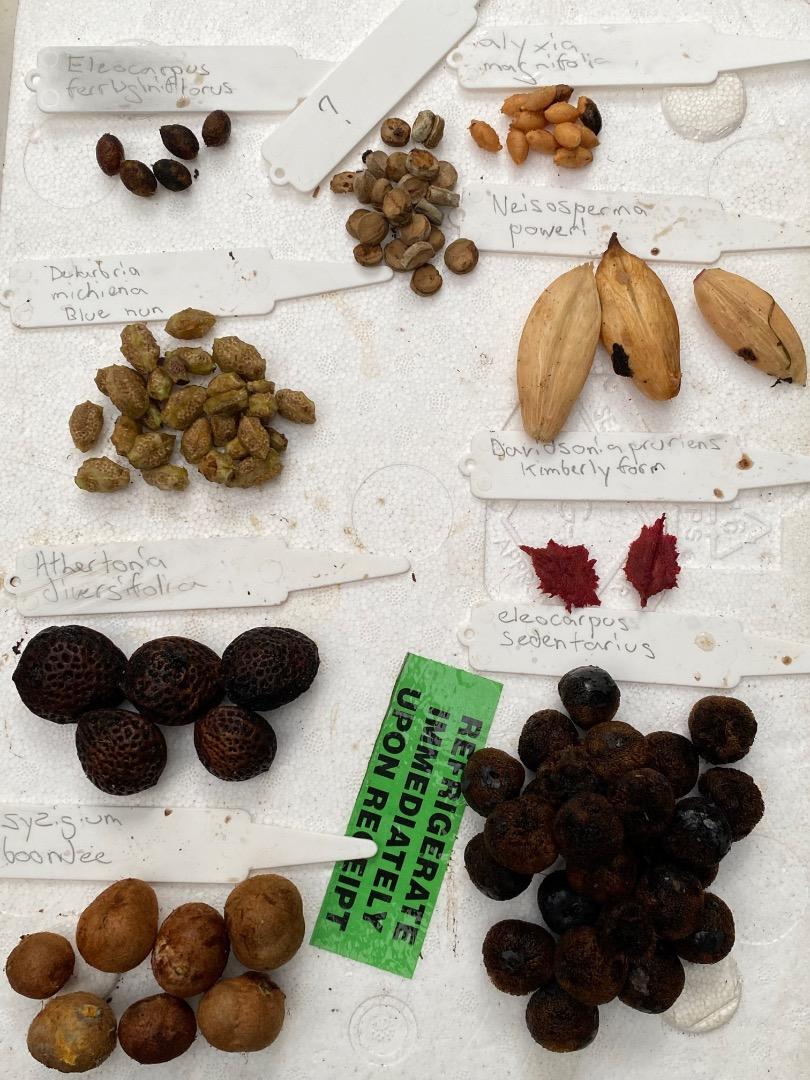
2 pointsSome unusual and rare species of rainforest trees. The Eleocarpus no one has managed to propagate seeds in cultivation, so that one will be interesting to give a go and if I can propagate them it will be a first. And iam sure they will be asking how I did that! Some nice looking seeds and unusual shapes and colour. Palm seeds are just as unique but for now rainforest seeds are a welcome change. It will be an interesting science project this one set to challenge my horticultural skills!





 2 points
 -
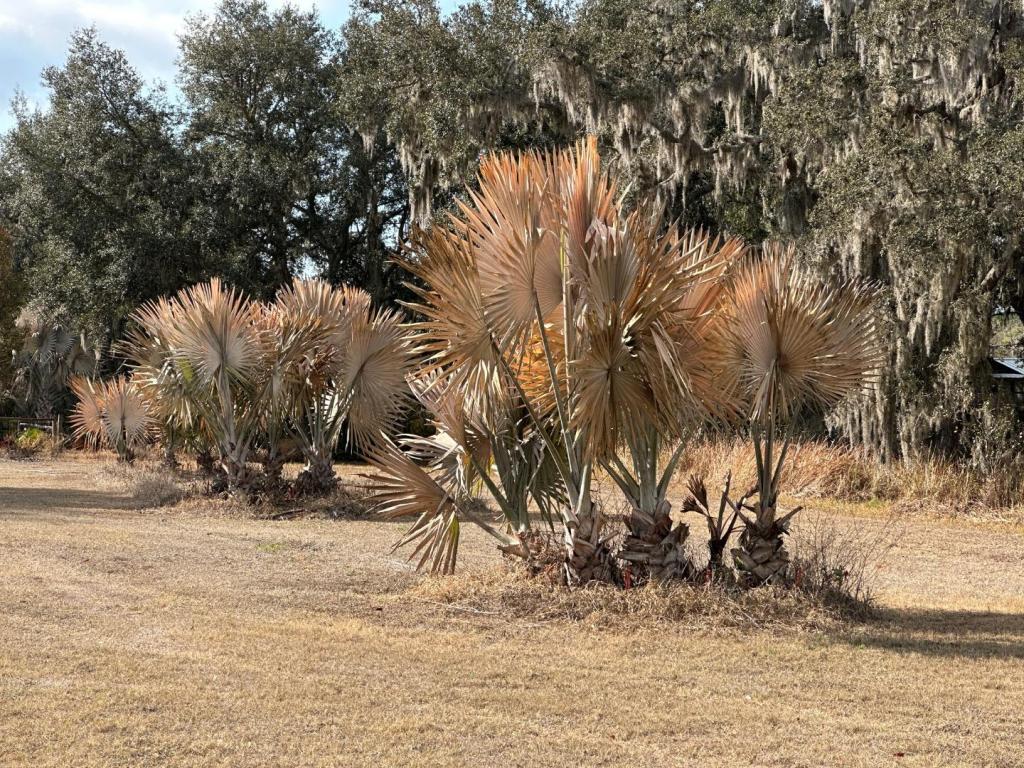
 2 pointsI was able to force this color with 23 degrees but i don't think I’ll be able to maintain this look.
 2 points
 -
 You should consider driving down to VA Beach area, or around Lake Gaston, and buying some potted palms with size. Trachycarpus and Butias for sure. I sacrificed a day to go to the NC coast to get some nicer palms for less $ than inland. And didn’t regret it. good luck!2 points
 -
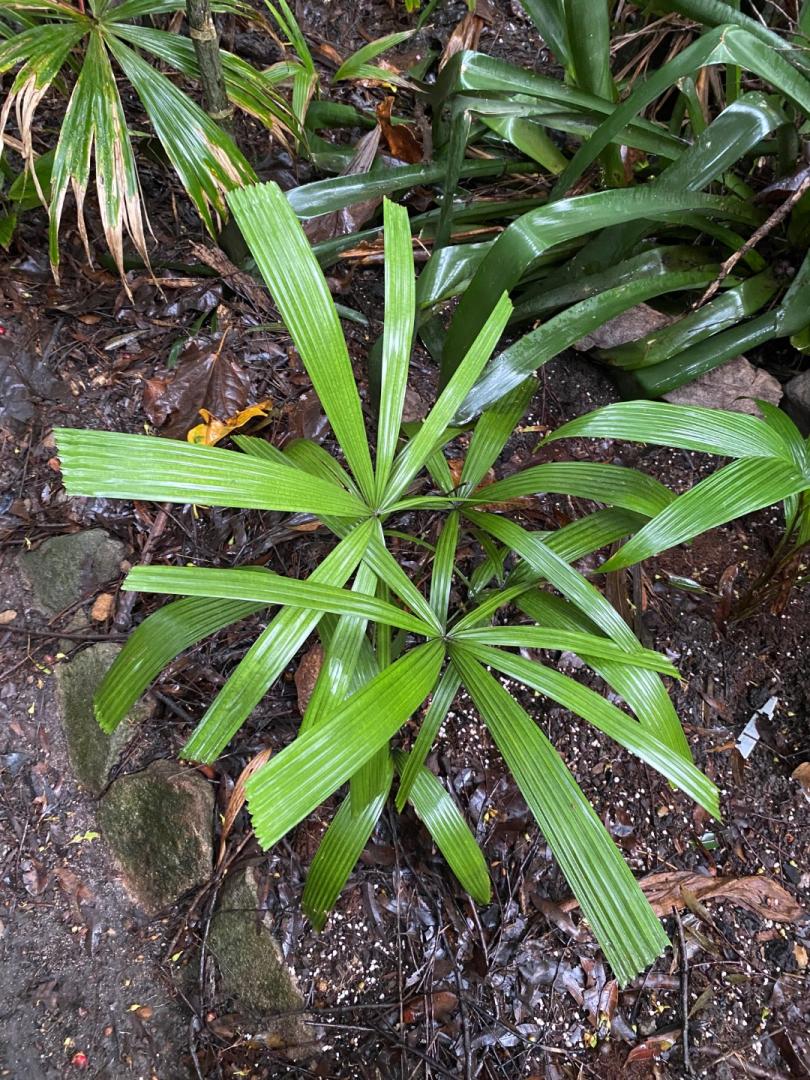
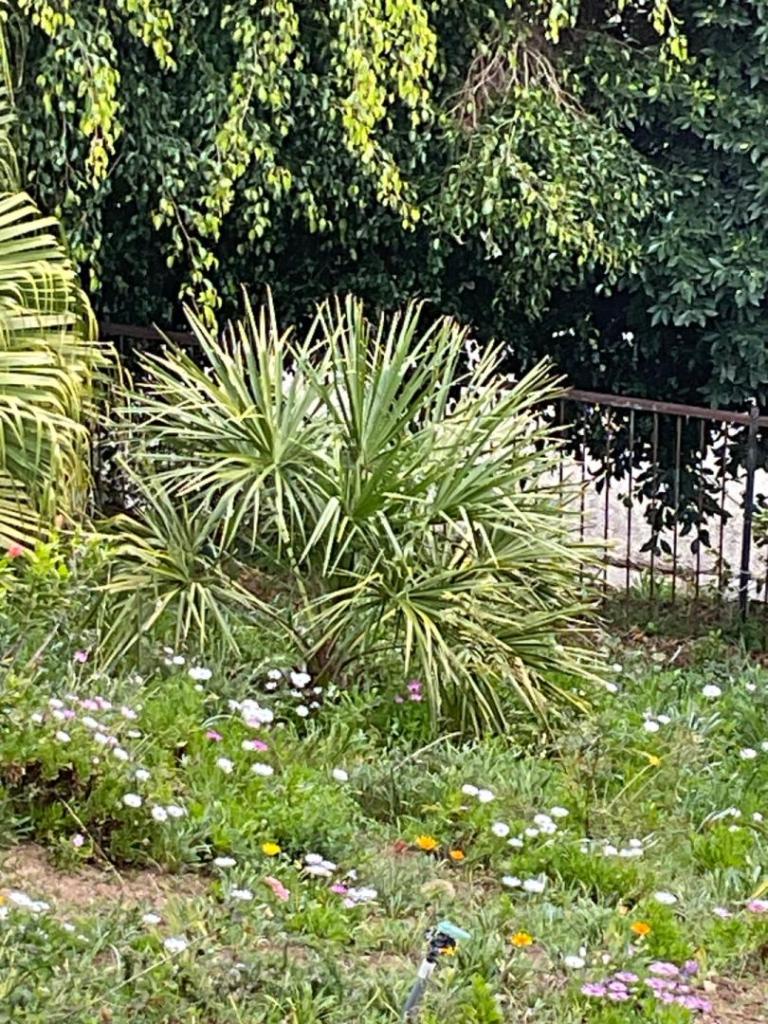
About 2-3 years ago while poking around one of my favorite nurseries in Ventura , I found a neglected palm that looked different than anything I had in my collection . It had a healthy spear growth and one , that’s right , just one nice frond that had just opened . The others were brown and tattered. It was in a fairly large container and I could tell by the base of the palm it had a bit of age to it . Priced at $150 , it was a good solid deal…..IF it was healthy . But it was clear that this guy was less than healthy . After getting an employee to help me with ID , I asked “ how much ?” I told him I would be interested if he marked it down a bit. He went and checked with his boss and said “ how about$100?” SOLD!! Fast forward a couple of years and I am so glad I got it. They aren’t as common as they should be around my area . Easy to grow , unique costapalmate fronds , deeply divided. I was surprised at how quickly it came around . The growth rate is much faster than the L. Chinensis that was planted near it some 25years ago. This one willpass it up within 5 years I think. Just lots of water and sun is all it wants! Harry I am not walking down there to get a better pick so excuse the poor quality. You can see the Chinensis to the left . Such a beautiful , easy to grow palm with a very interesting frond.
 2 points
 -
Thank you for all the great pics! I’m glad to see others with the same attraction to this palm. I hope to see more grown in my area. A hospital in Ventura installed some mature specimens a few years ago . Harry2 points
-
 2 pointsI covered it with a sled while it rained yesterday hopefully that will help a bit. Thank you everyone.2 points
 -
Few nice kentias there, another bonus of sandy soil it warms up quicker in winter, the real disadvantage is moisture retention and nutrient leaching, but hey just add mulch and irrigation and a bit of organic matter and we have palm heaven again!
 2 points
 -
 2 points2 points
2 points
2 points2 points
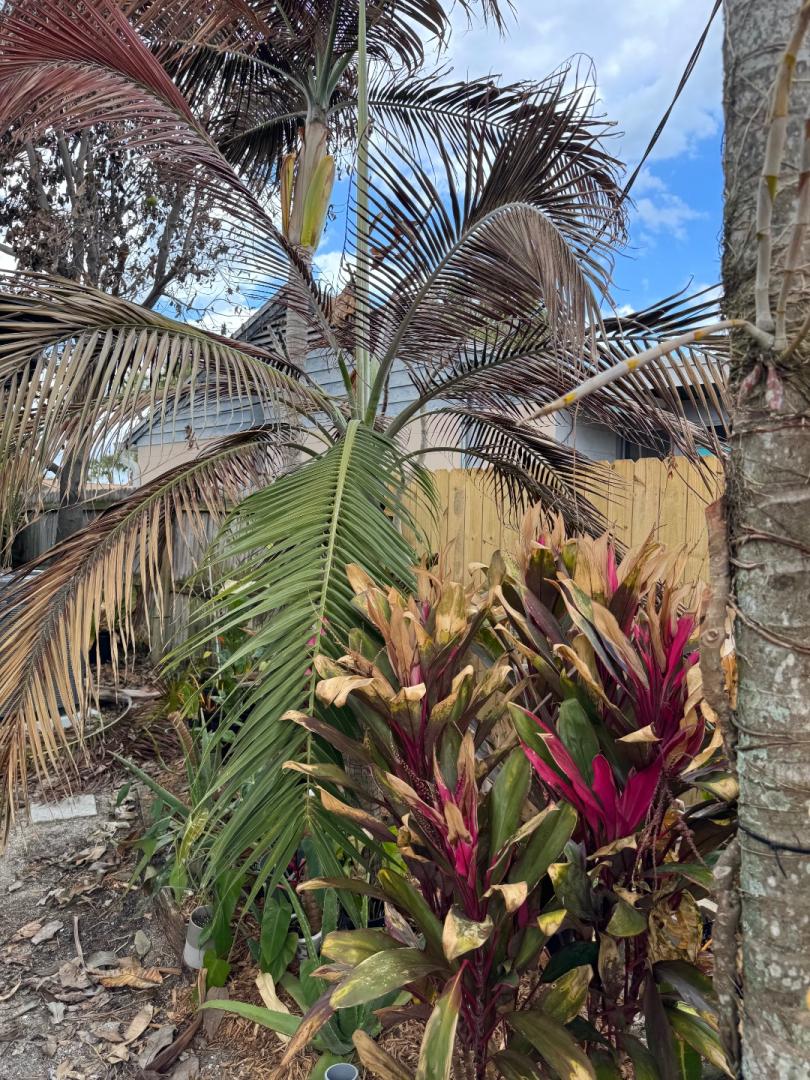
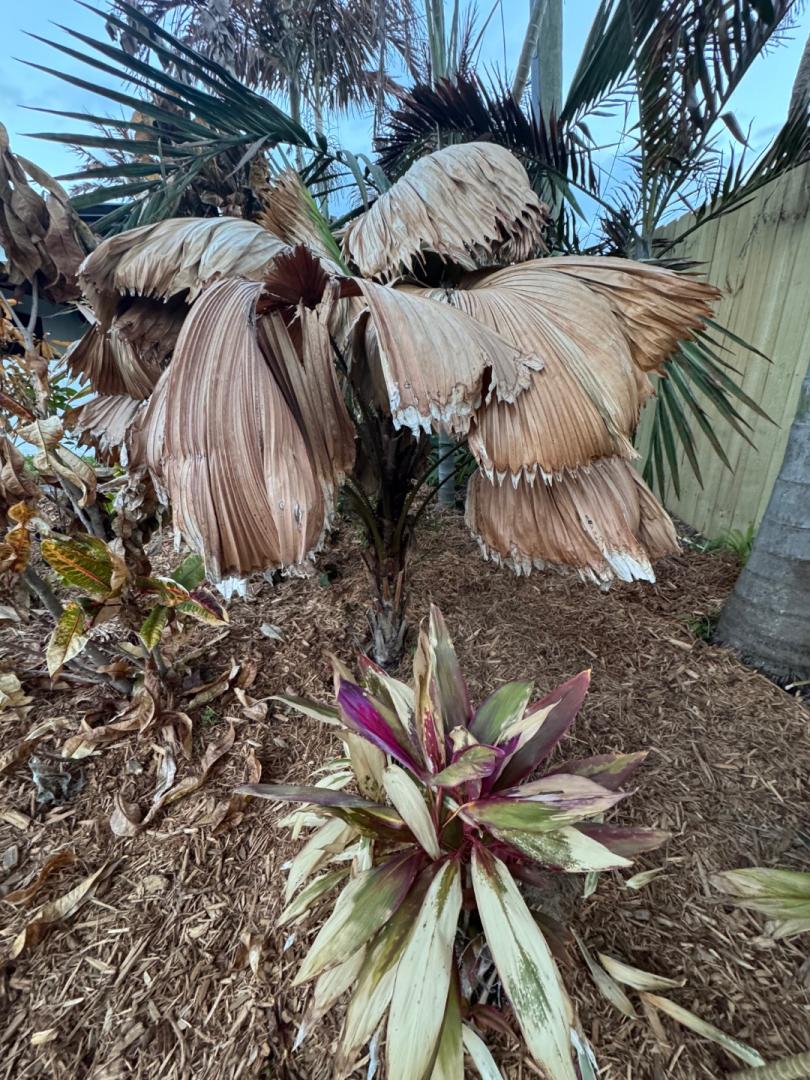
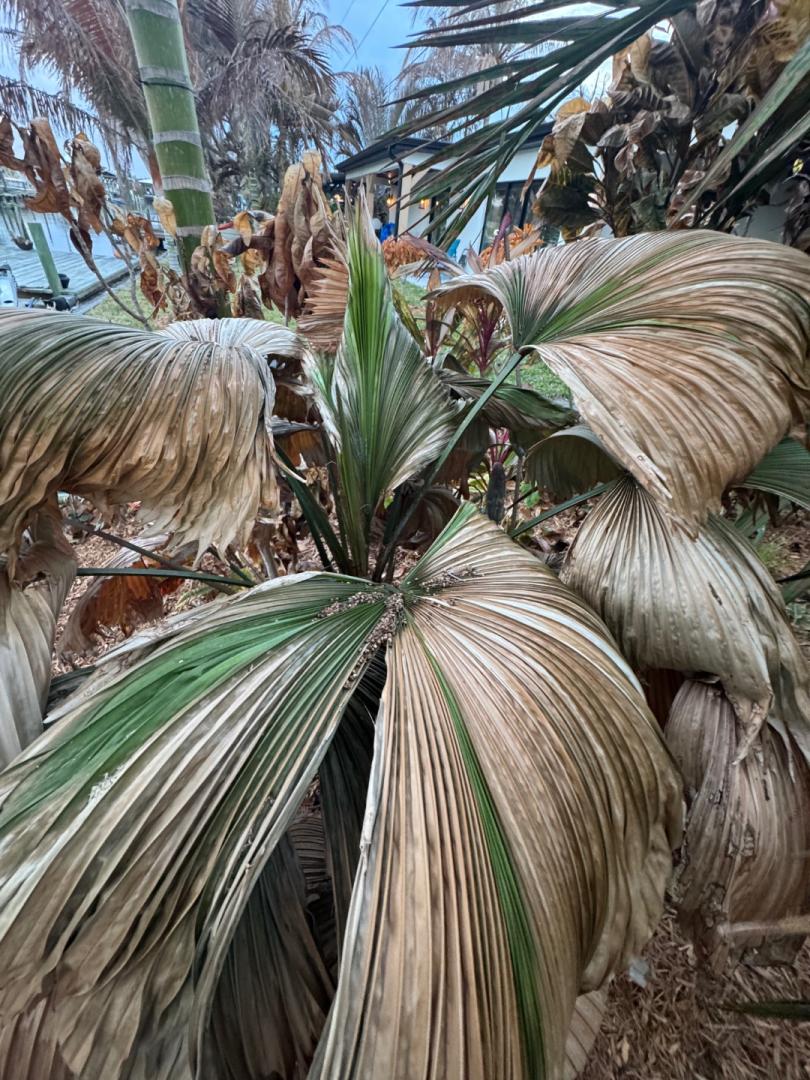
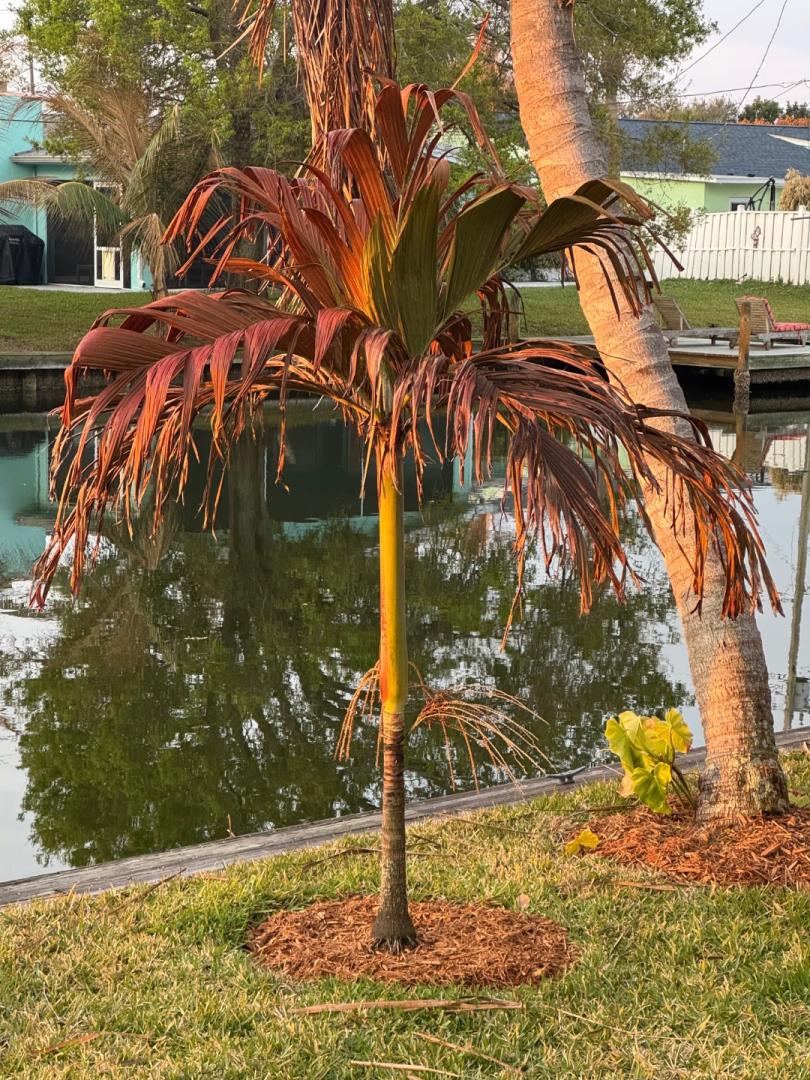
2 points @FlaPalmLover I recognize the Foxtails, but haven't been through the area recently. On my last bike ride I took some "after" photos of a batch of Royals, Foxtails, and Christmas Palms at 3 houses in a row. In the last big freeze the Royals grew back fast, one of the row of Foxtails died (maybe 2? I can't remember) and the Christmas batch are all new. I plan to watch these to see what happens. @kinzyjr my Reclinata (which *looks* reasonably pure) didn't burn at all with 22.5F and direct wind exposure. I thought they were all pretty tough, so the burn photos seem pretty wild! I did a hydrogen peroxide pour on almost every palm in the yard, about 5 and a bit 32oz bottles worth. I then went back with Daconil in a sprayer and did a stream of it into almost every plant in the yard (palms and cycads). I did about 2.5 gallons total. I then fertilized everything with my normal spring dose. I used about 40lb of Sunniland 8-0-10. It's pretty warm, in the 60s to 80s...I can't think of a scientific reason to avoid fertilizing. It's warm enough with plenty of sunlight, and damaged palms need nutrients to grow. Why wait?2 points
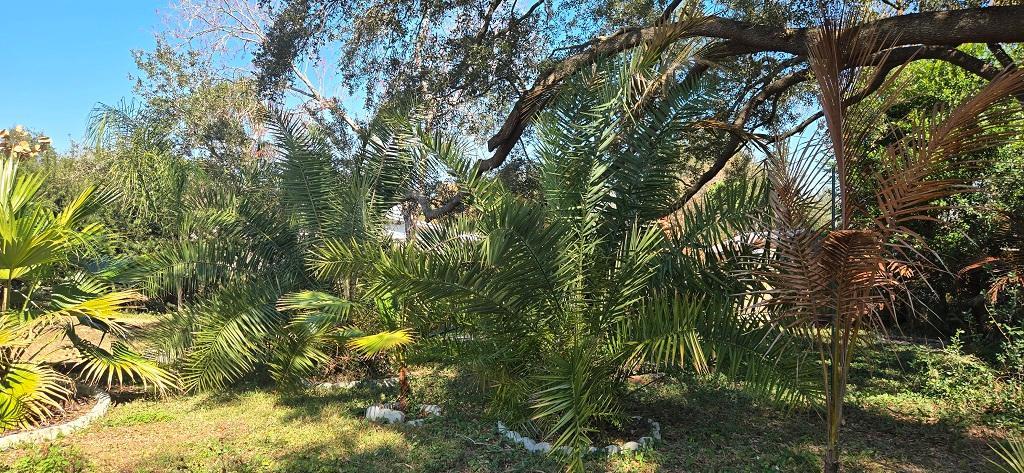
 @pj_orlando_z9b + @Kiplin + @PalmBossTampa + @gyuseppe These are my Phoenix reclinata hybrids with a juvenile coconut that got 100% defoliated for comparison. My best guess is that they are crossed with Phoenix canariensis since that was the closest other species, but they don't have enough trunk to say for sure. Guest appearances from Livistona chinensis, Syagrus romanzoffiana, and Washingtonia robusta as well.
 2 points
 2 pointsAllen, my Louisiana has been very Hardy for me we were below freezing for 9 days And had a couple lows in the negatives and mine had very minimum damage I did protect it with a bucket i'm sure that did not do much. I know most palms species take a couple weeks for the damage to show up but the past week we have been consistently in the high-50s and most of the damage has shown up, its very minimum2 points
2 points
2 pointsAllen, my Louisiana has been very Hardy for me we were below freezing for 9 days And had a couple lows in the negatives and mine had very minimum damage I did protect it with a bucket i'm sure that did not do much. I know most palms species take a couple weeks for the damage to show up but the past week we have been consistently in the high-50s and most of the damage has shown up, its very minimum2 points
2 points 2 pointsI'm near Atlanta. I've never lost one in March or later. When they spear pull over the winter, they send up a new one by June. If yours did this in warmer weather and didn't recover last year, I'd exercise the warranty ASAP.2 points
 I love them too Harry, I've got a dozen or so in the ground in a big group, which should look pretty cool in a few years. I collected the seeds from a little patch of bush in Southern NSW, which is pretty close to their southern native limit, and I've got another batch from Eungella in Nth Qld, 1600km further north near their northern limit. Both lots grow equally happily here, so they’re clearly very adaptable palms! They love water!!2 points
2 pointsIt looks great ! I think it favors the Romanzoffiana side with that trunk. Harry2 points
It’s just unique microclimate I have that helps a lot, plus all the new palm varieties available now. Deep sandy Liam soil is what palms love with good drainage, the ocean air influence a large canopy cover with the Australian bush. These factors alone help the garden immensely. I have a few drawbacks in the fact the gum trees and some very large ones on my property drink all water available and store that water if there is excess for future dry times and a tad cool in winter. But apart from that it’s a palm growers paradise and if you add a bit of garden cultivation with water iam in a palm growers heaven. Richard2 points
Well , that’s one way to look at it. You certainly have a wonderful collection and the palms you have are thriving . If it were more tropical some of the temperate region palms would not thrive . I learned a lot from my trips to Maui. Palms that I have here don’t make it very long over there , Chrysalidiocarpus Decaryi , Howea Foresteriana and others are temporary , often succumbing to the warm night time temps or high humidity. But that three to one growth ratio…..what’s not to love! Harry2 points
I love them too Harry, I've got a dozen or so in the ground in a big group, which should look pretty cool in a few years. I collected the seeds from a little patch of bush in Southern NSW, which is pretty close to their southern native limit, and I've got another batch from Eungella in Nth Qld, 1600km further north near their northern limit. Both lots grow equally happily here, so they’re clearly very adaptable palms! They love water!!2 points
2 pointsIt looks great ! I think it favors the Romanzoffiana side with that trunk. Harry2 points
It’s just unique microclimate I have that helps a lot, plus all the new palm varieties available now. Deep sandy Liam soil is what palms love with good drainage, the ocean air influence a large canopy cover with the Australian bush. These factors alone help the garden immensely. I have a few drawbacks in the fact the gum trees and some very large ones on my property drink all water available and store that water if there is excess for future dry times and a tad cool in winter. But apart from that it’s a palm growers paradise and if you add a bit of garden cultivation with water iam in a palm growers heaven. Richard2 points
Well , that’s one way to look at it. You certainly have a wonderful collection and the palms you have are thriving . If it were more tropical some of the temperate region palms would not thrive . I learned a lot from my trips to Maui. Palms that I have here don’t make it very long over there , Chrysalidiocarpus Decaryi , Howea Foresteriana and others are temporary , often succumbing to the warm night time temps or high humidity. But that three to one growth ratio…..what’s not to love! Harry2 points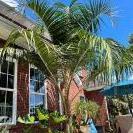 2 points
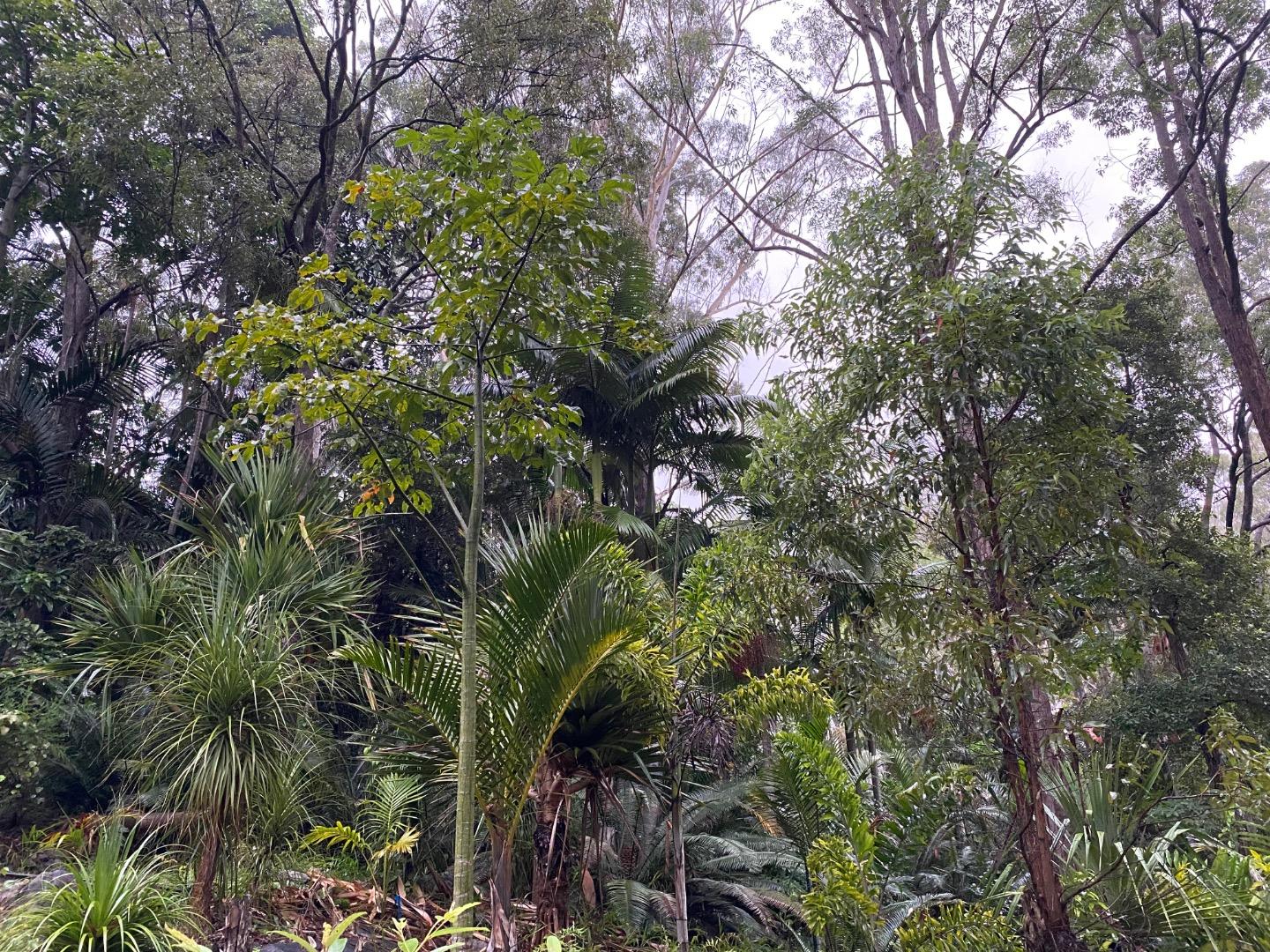
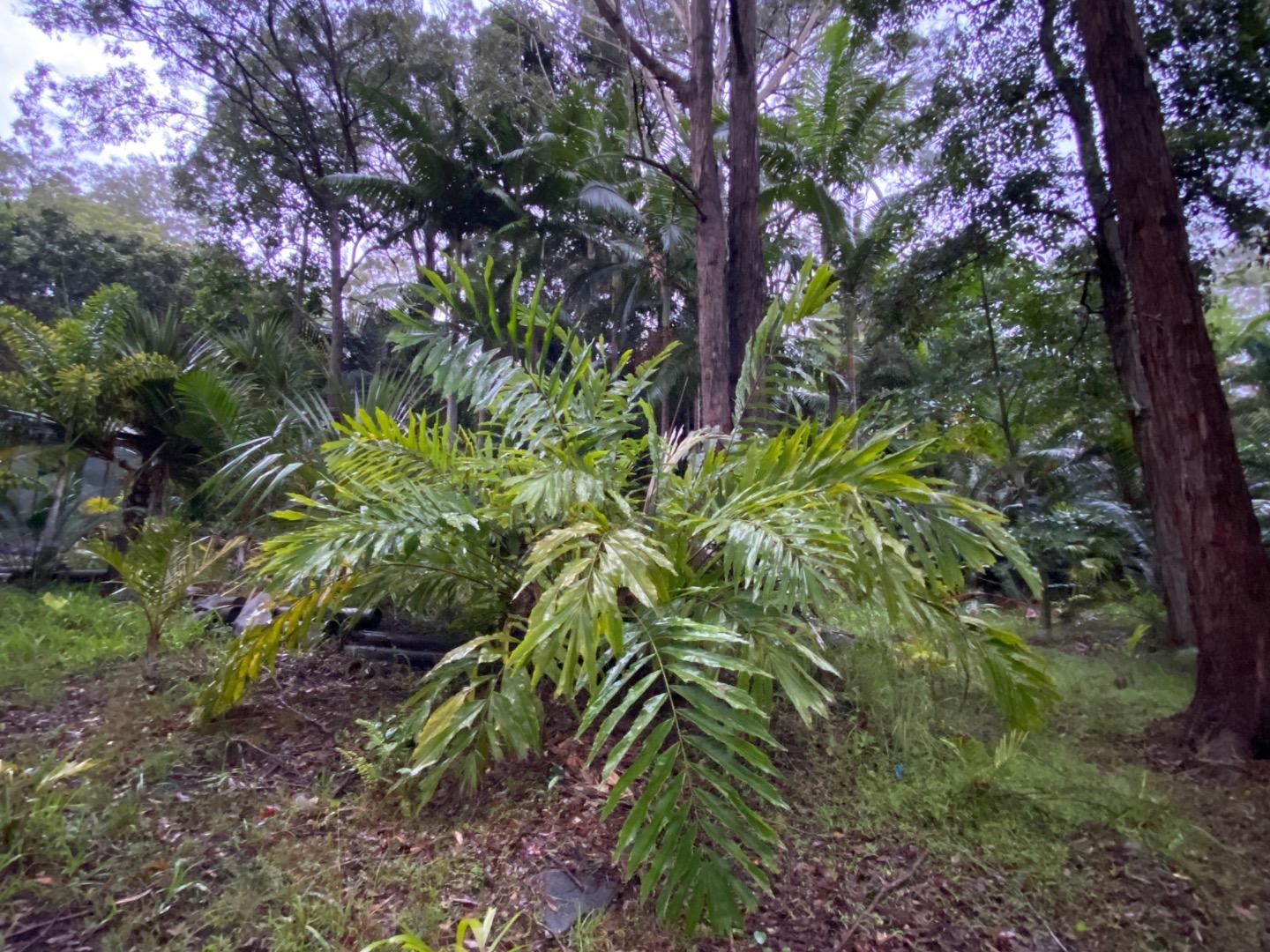
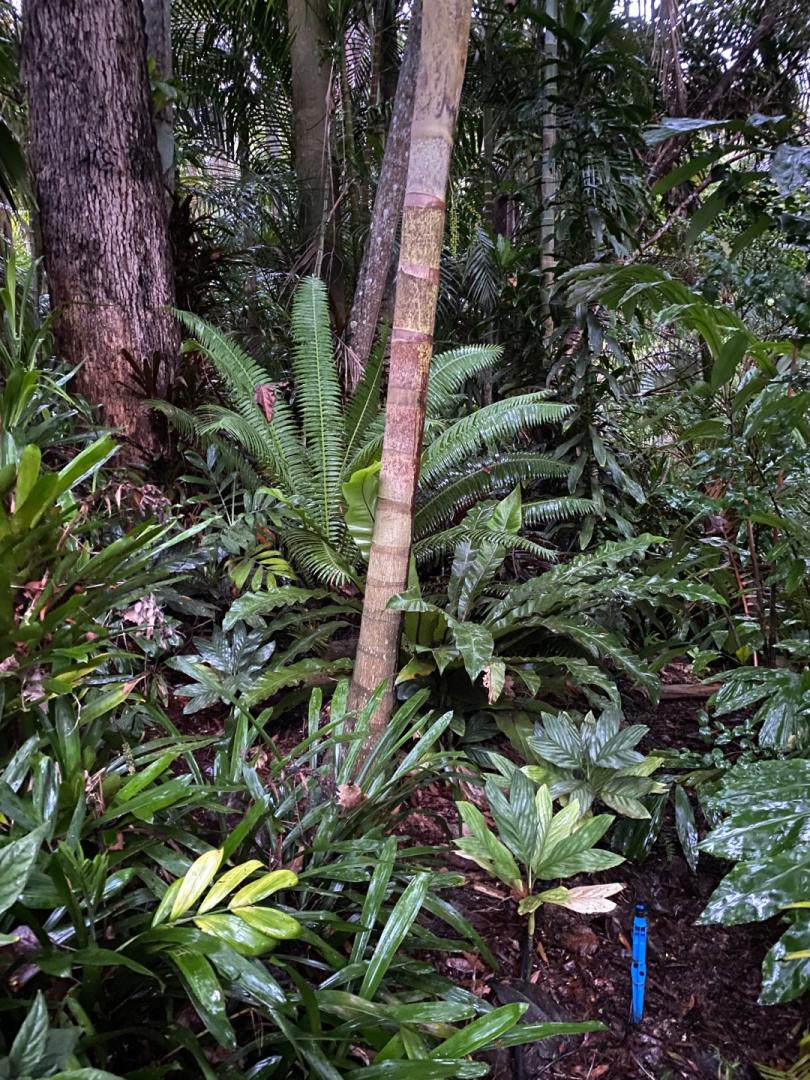
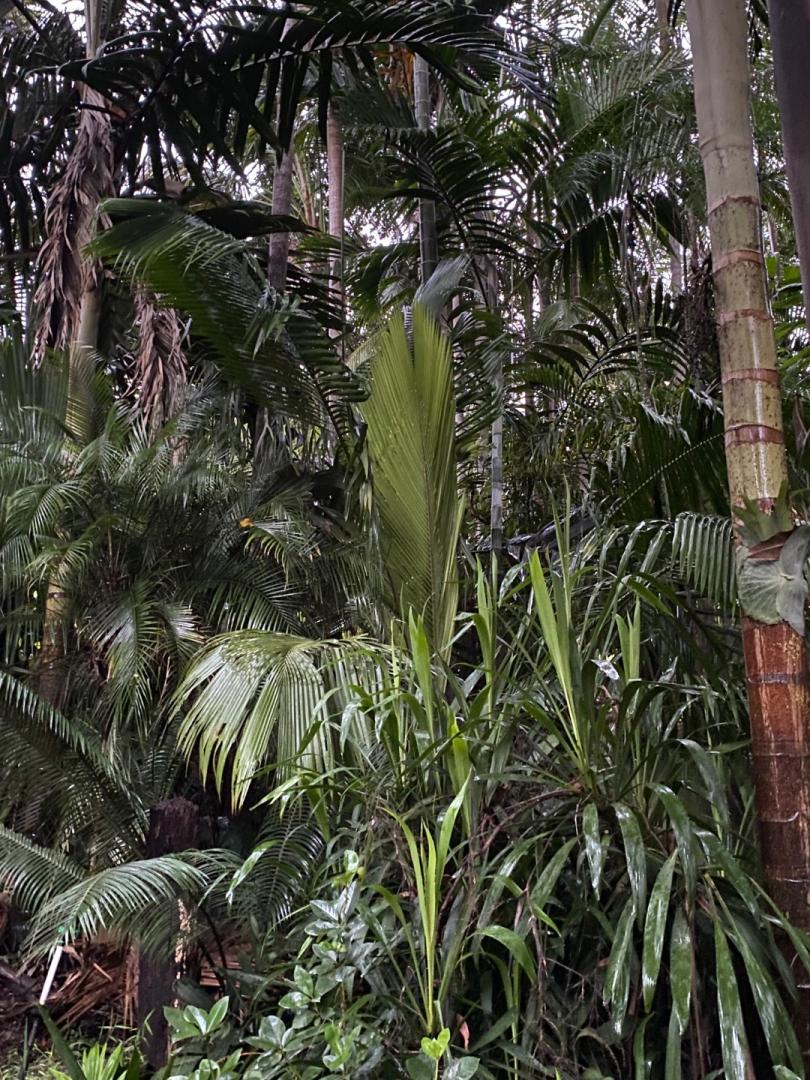
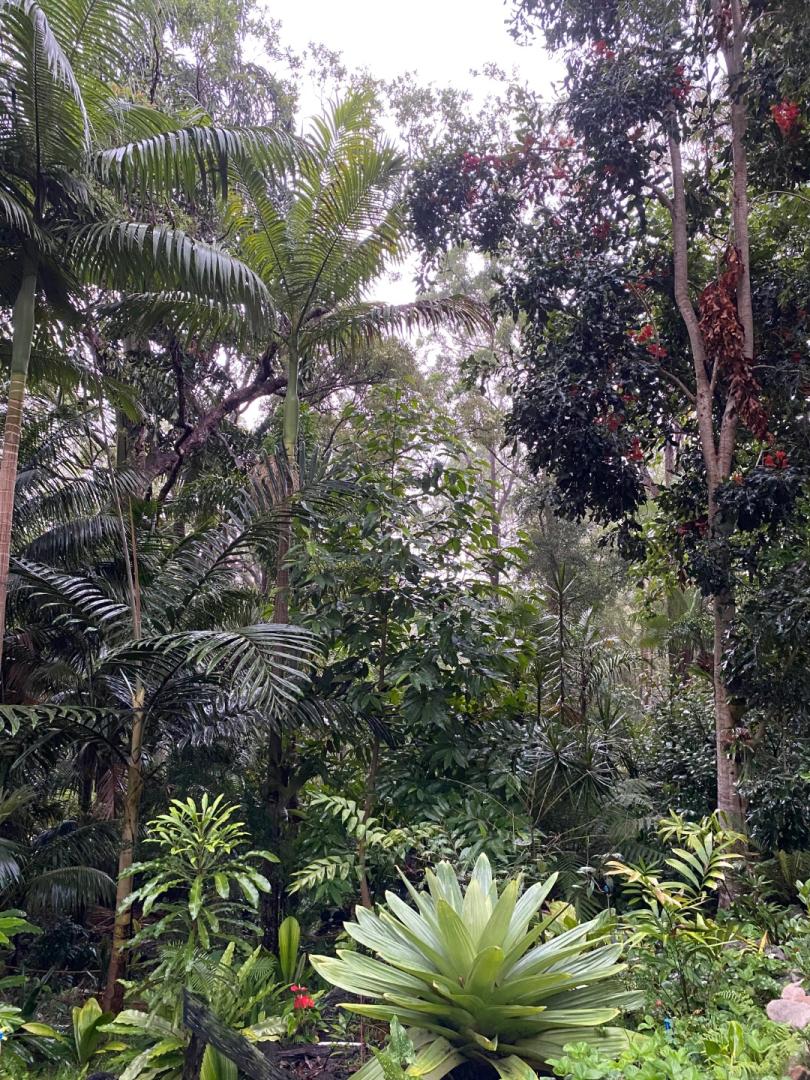
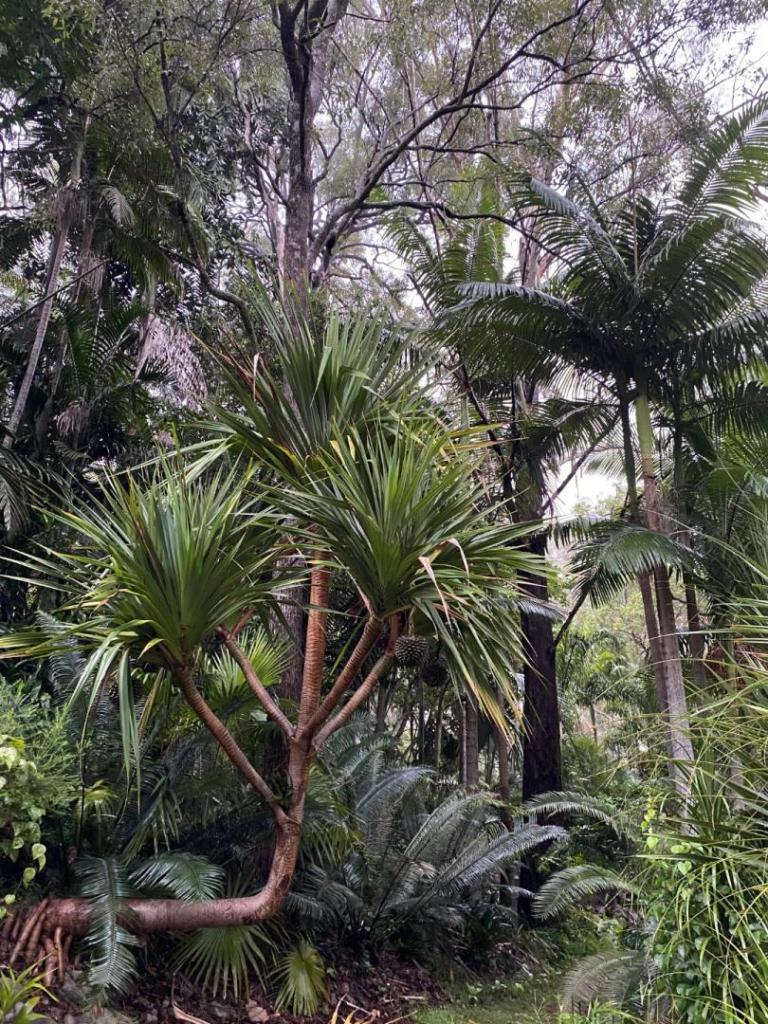
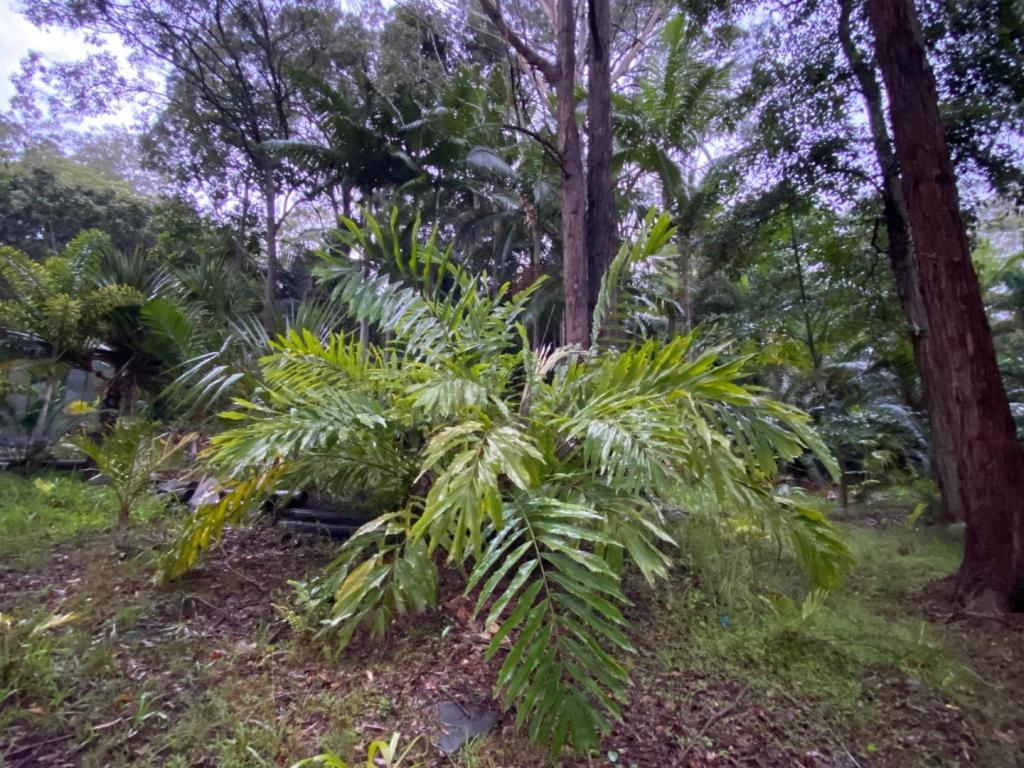
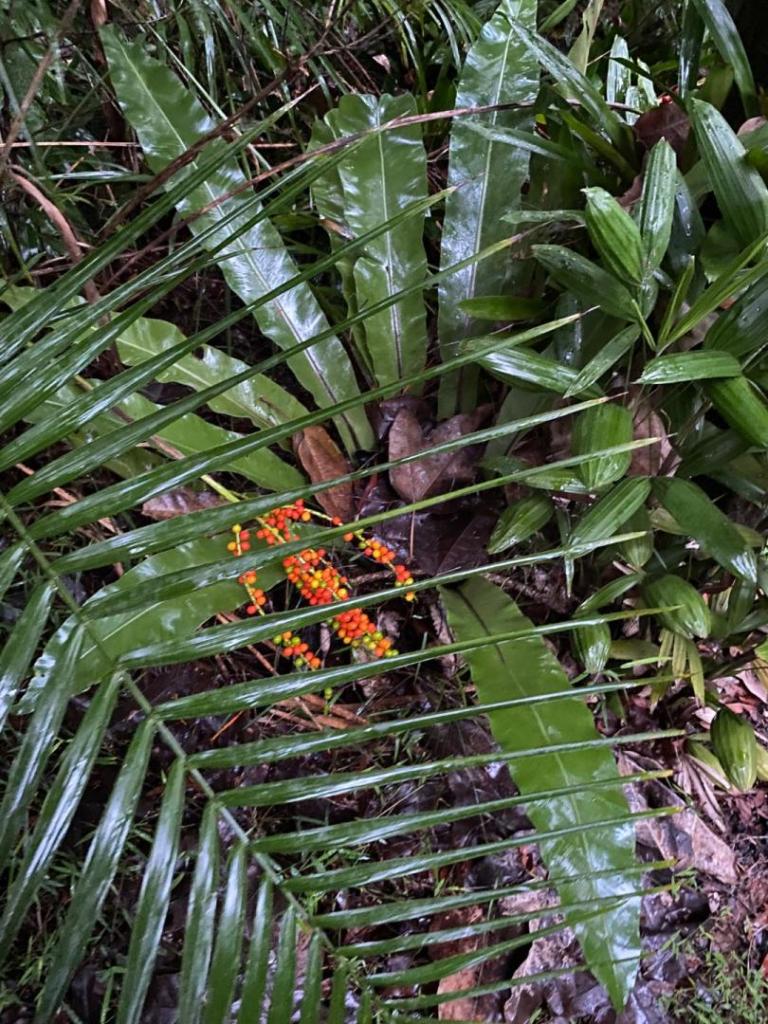
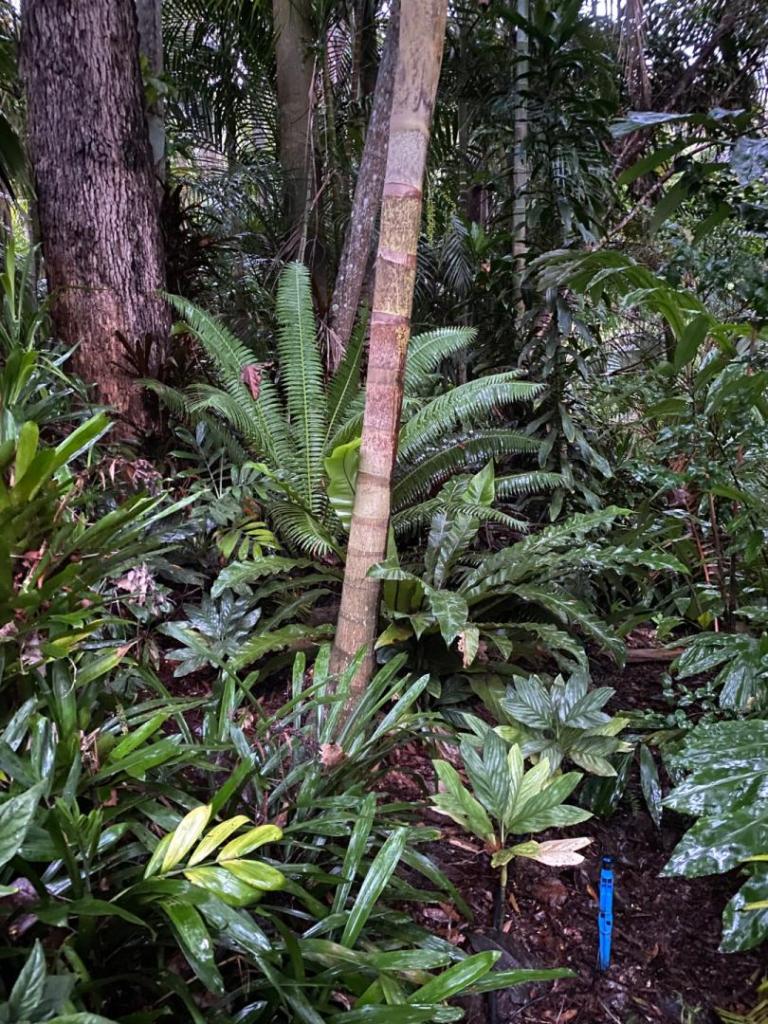
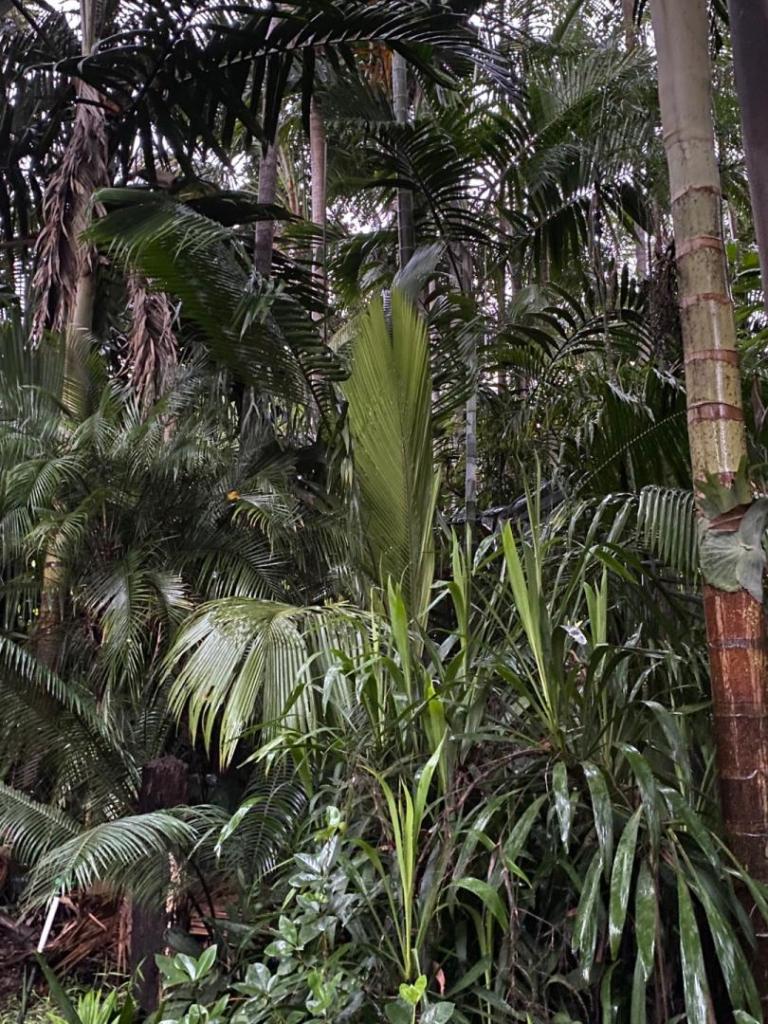
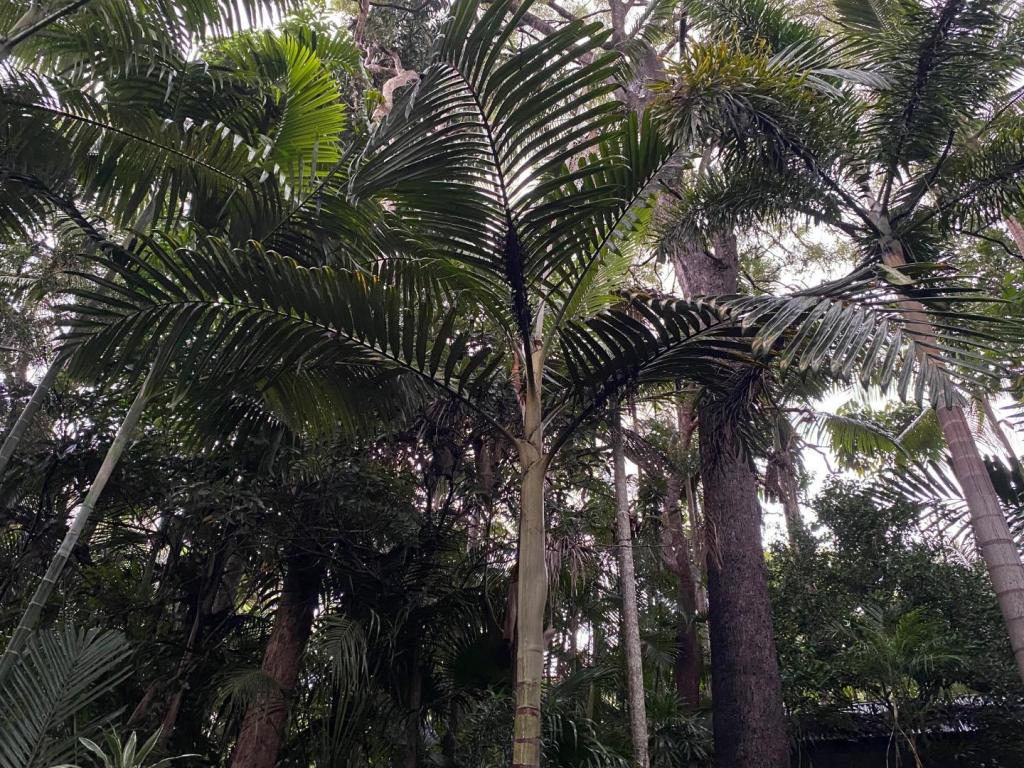
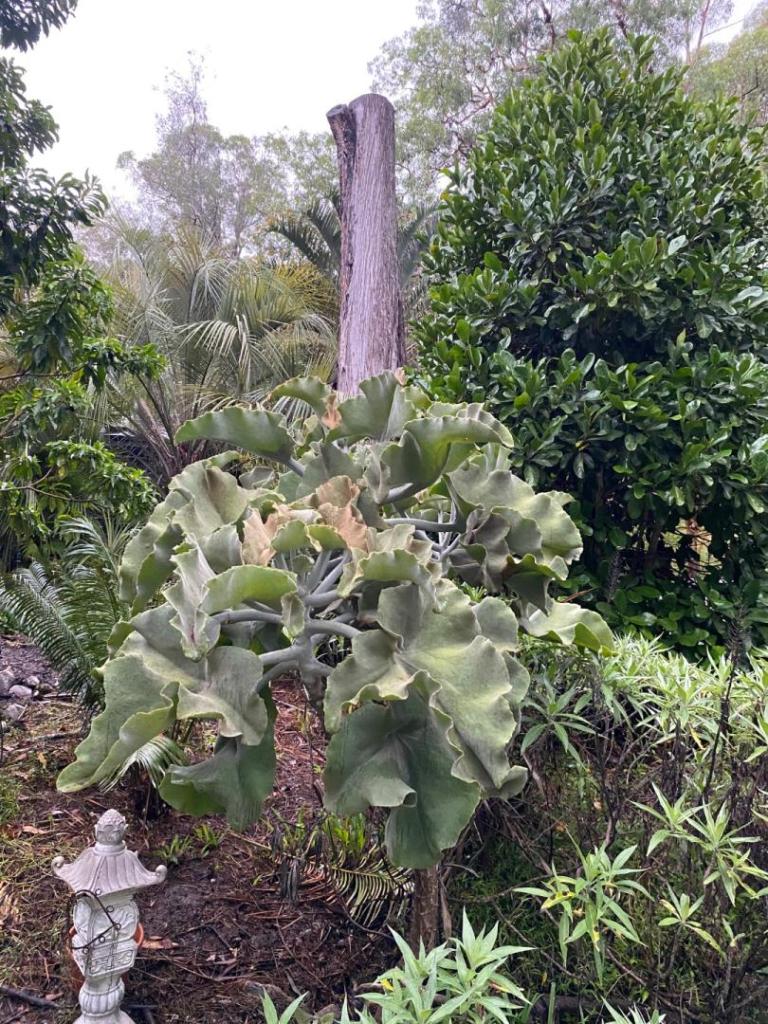
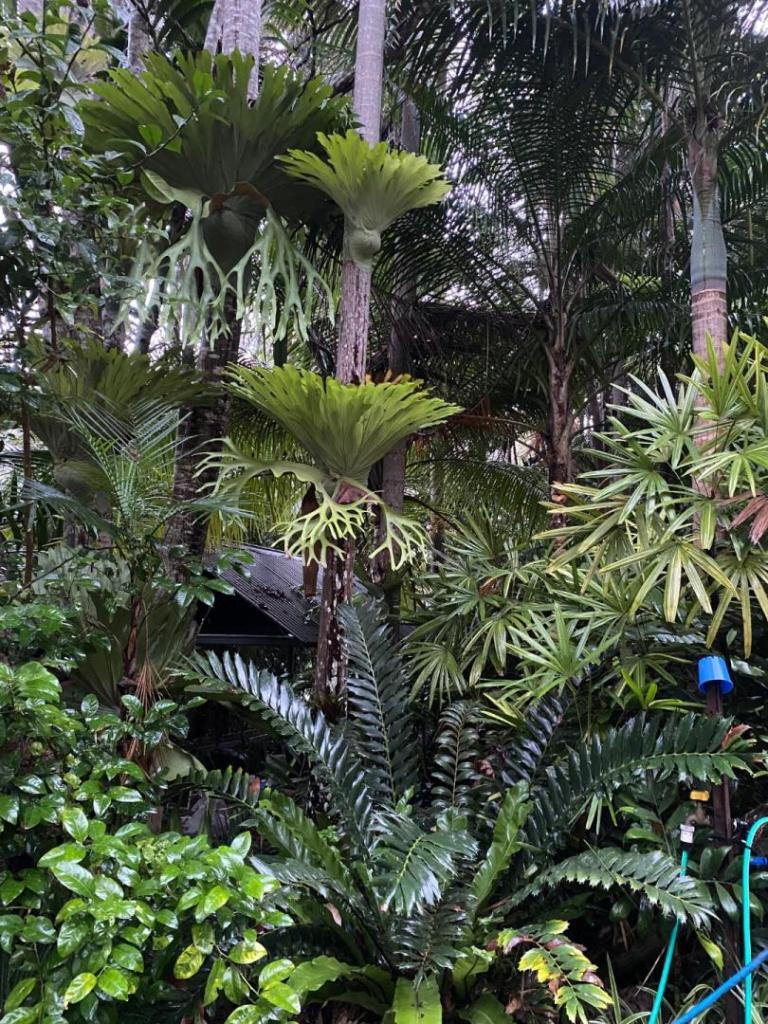
Another wander in the garden during the rain. I can see the garden growing now that iam putting more time into the garden, creating and growing the garden!
2 points
2 pointsAnother wander in the garden during the rain. I can see the garden growing now that iam putting more time into the garden, creating and growing the garden!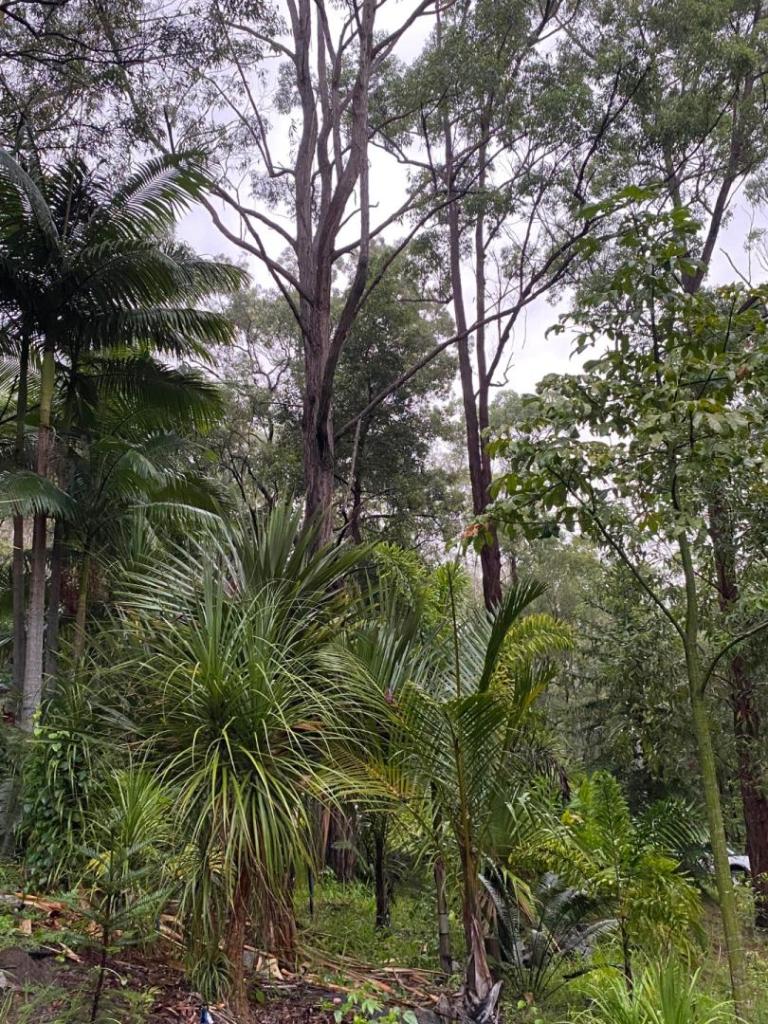





 2 points
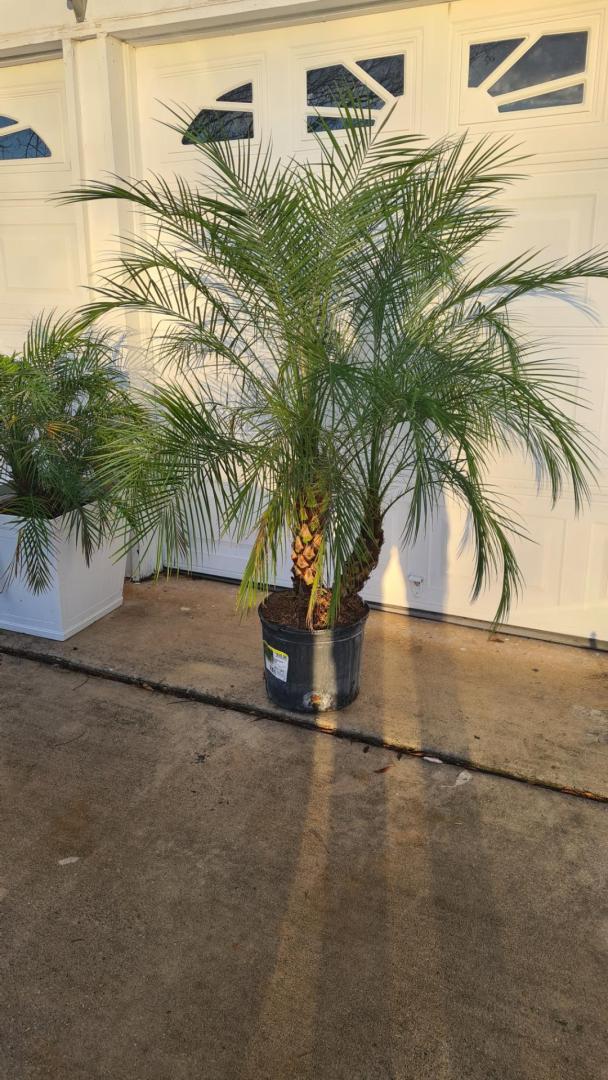
.thumb.jpg.304b32ca4398a111edf4ac525048111e.jpg) 2 pointsCouldn't resist . Another pigym for the big container. What I like about those is they're low maintenance and don't mind being outside in the 30s at all.
2 pointsCouldn't resist . Another pigym for the big container. What I like about those is they're low maintenance and don't mind being outside in the 30s at all. 2 points
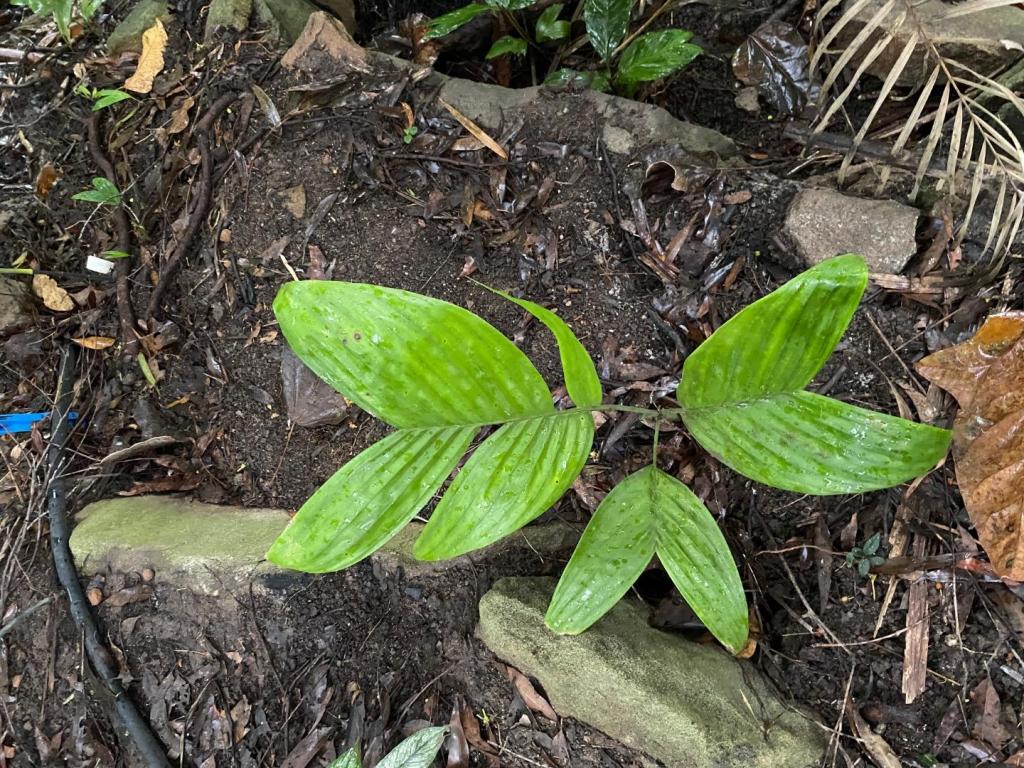
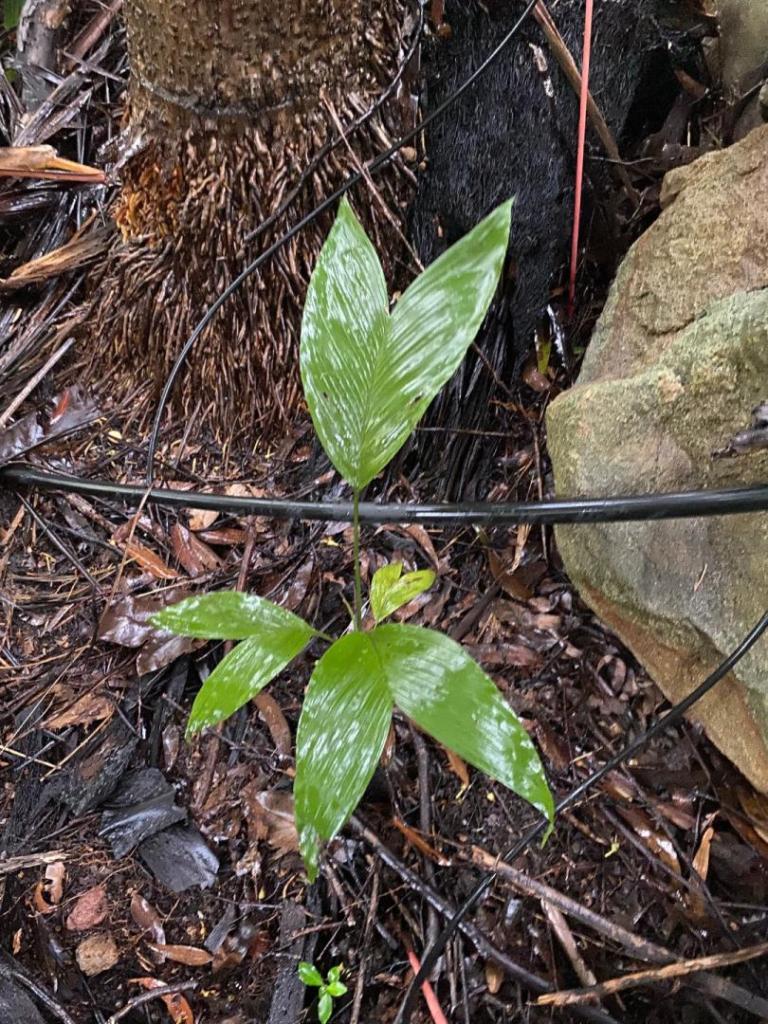
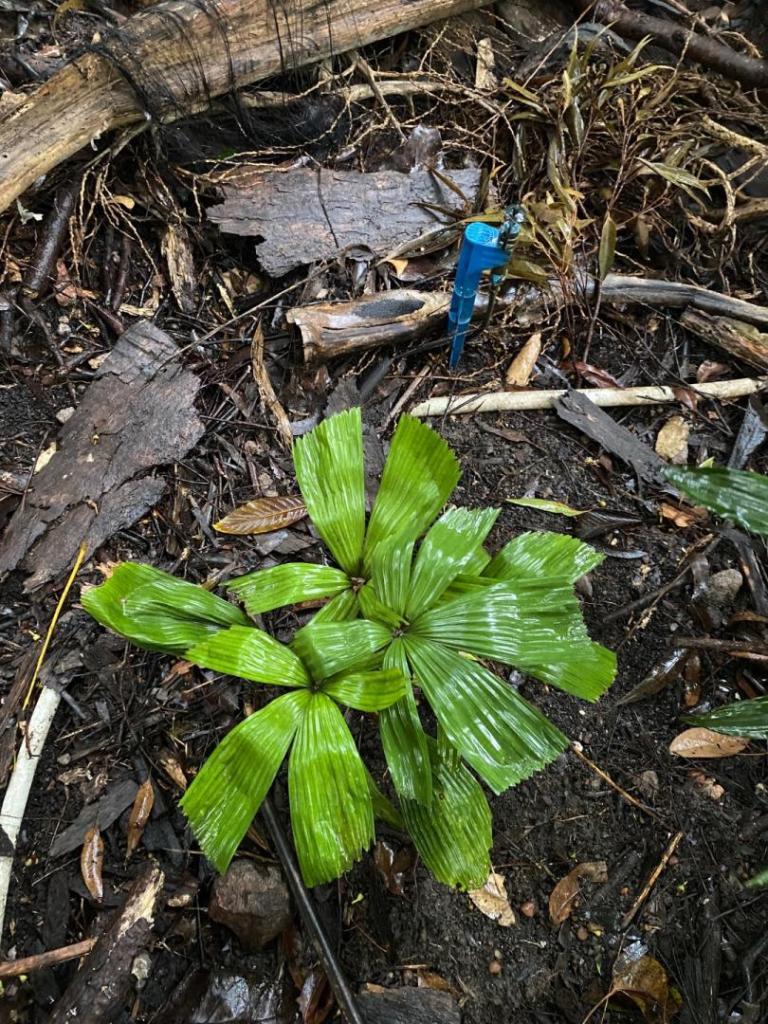
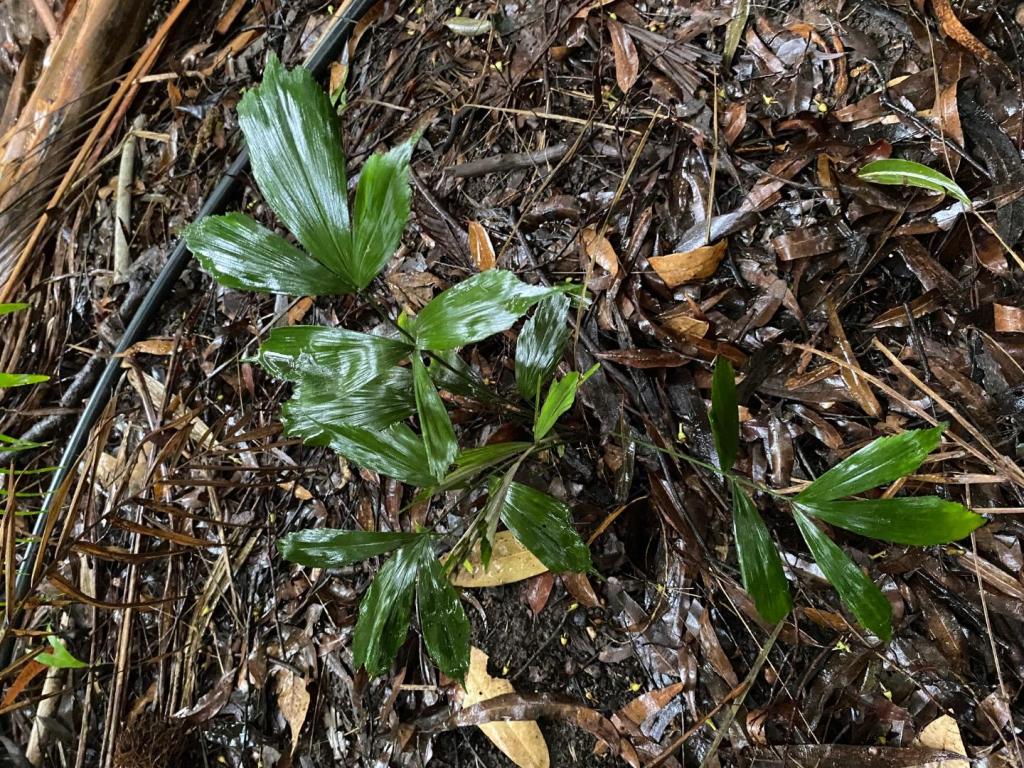
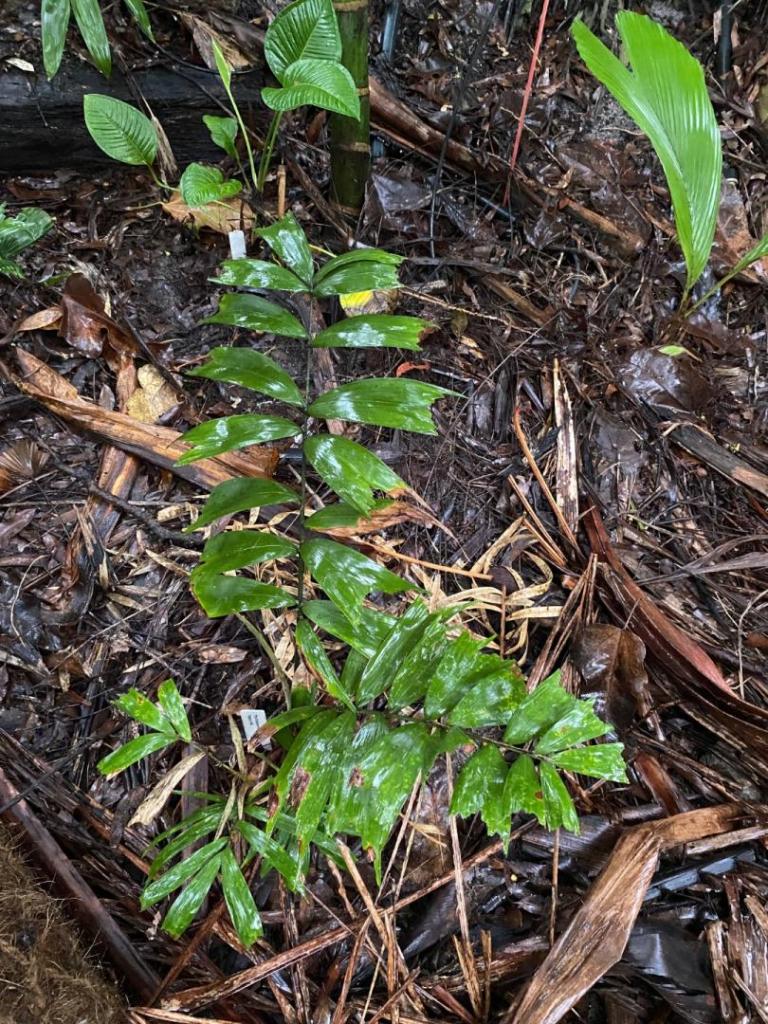
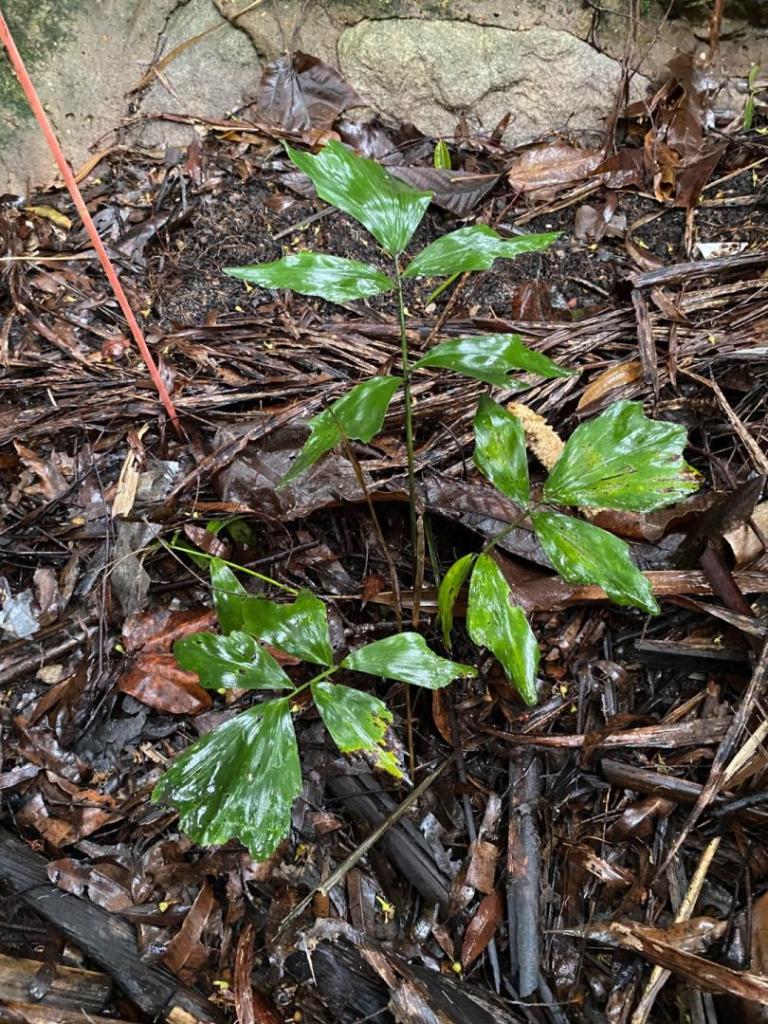
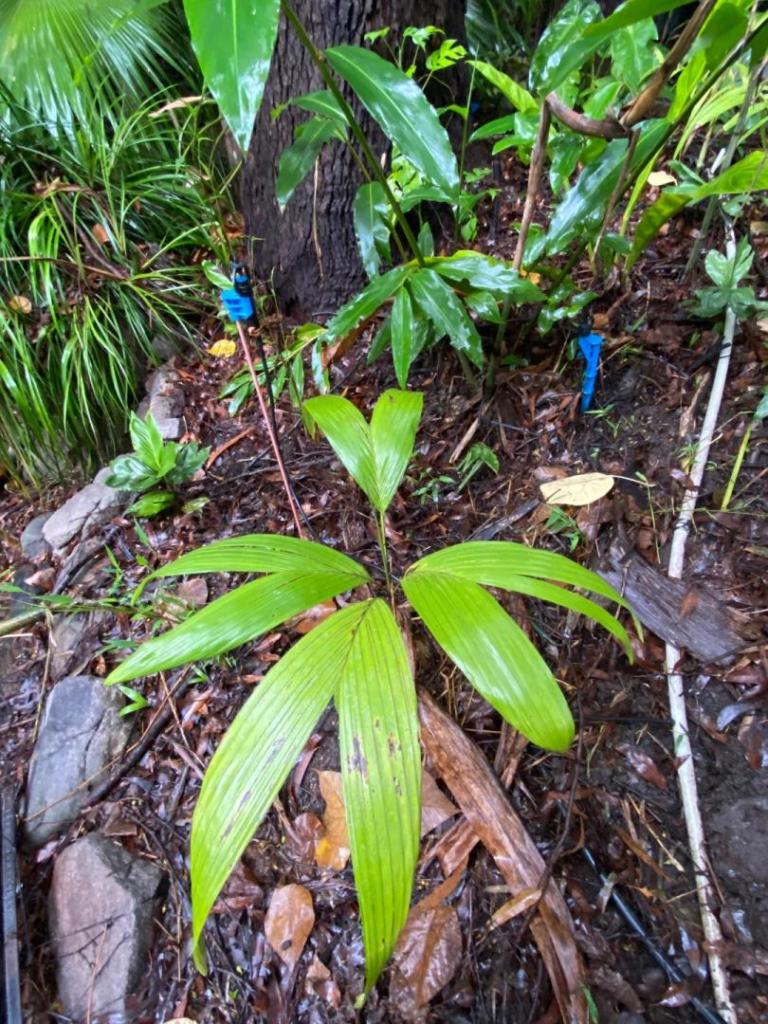
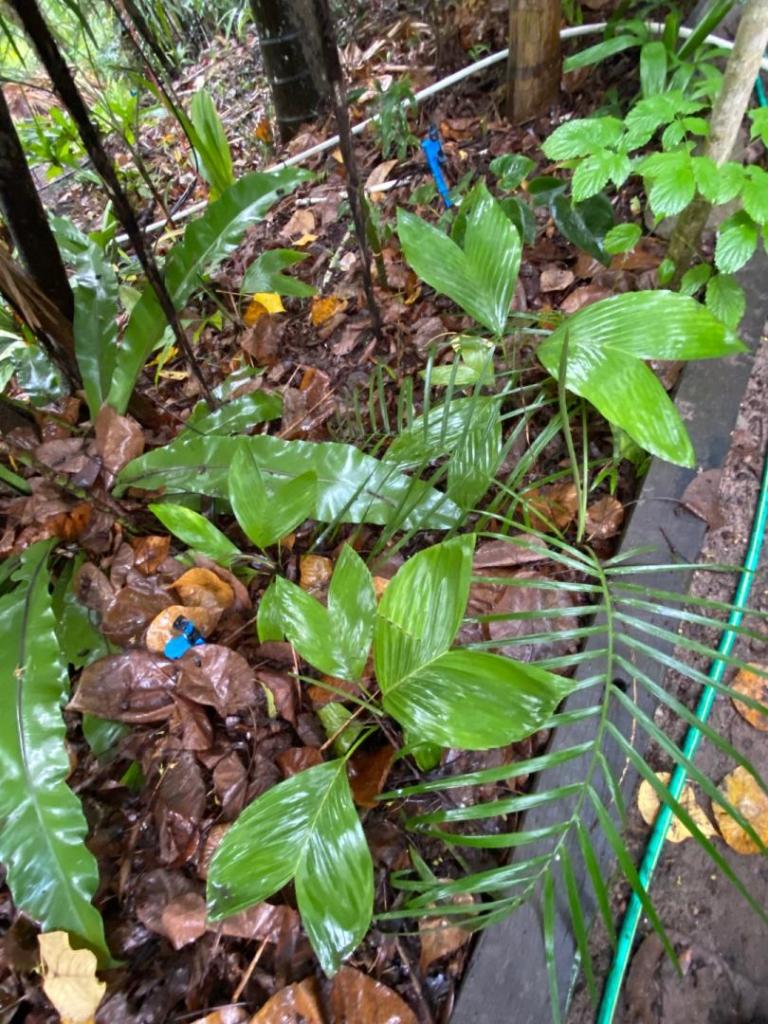
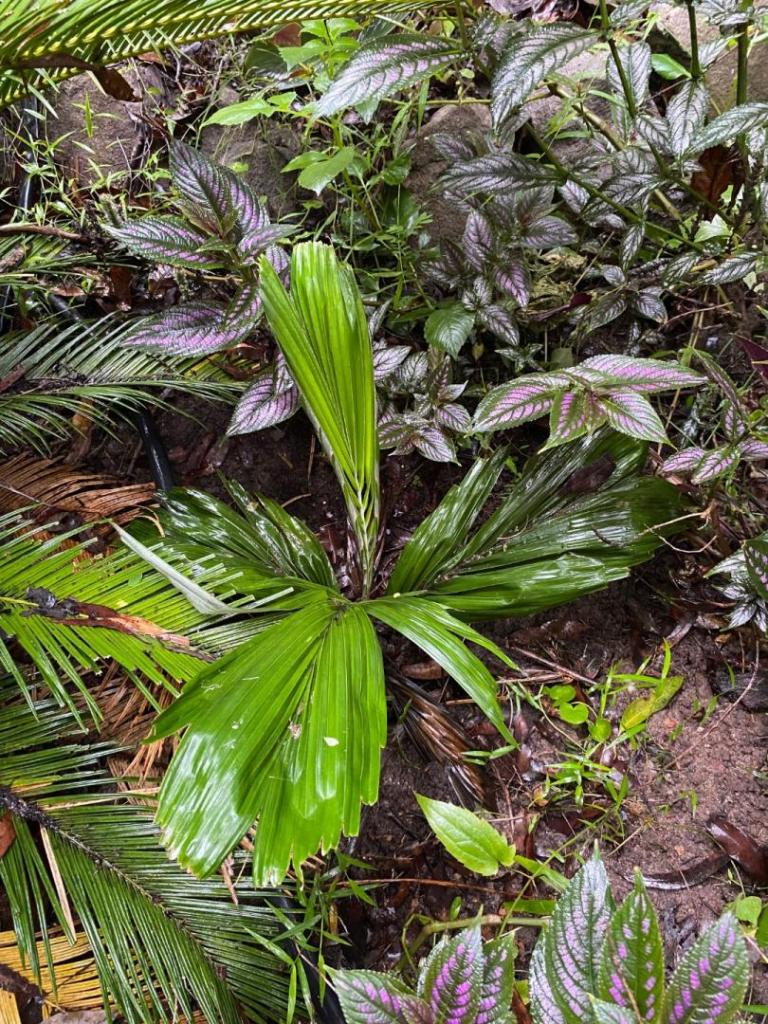
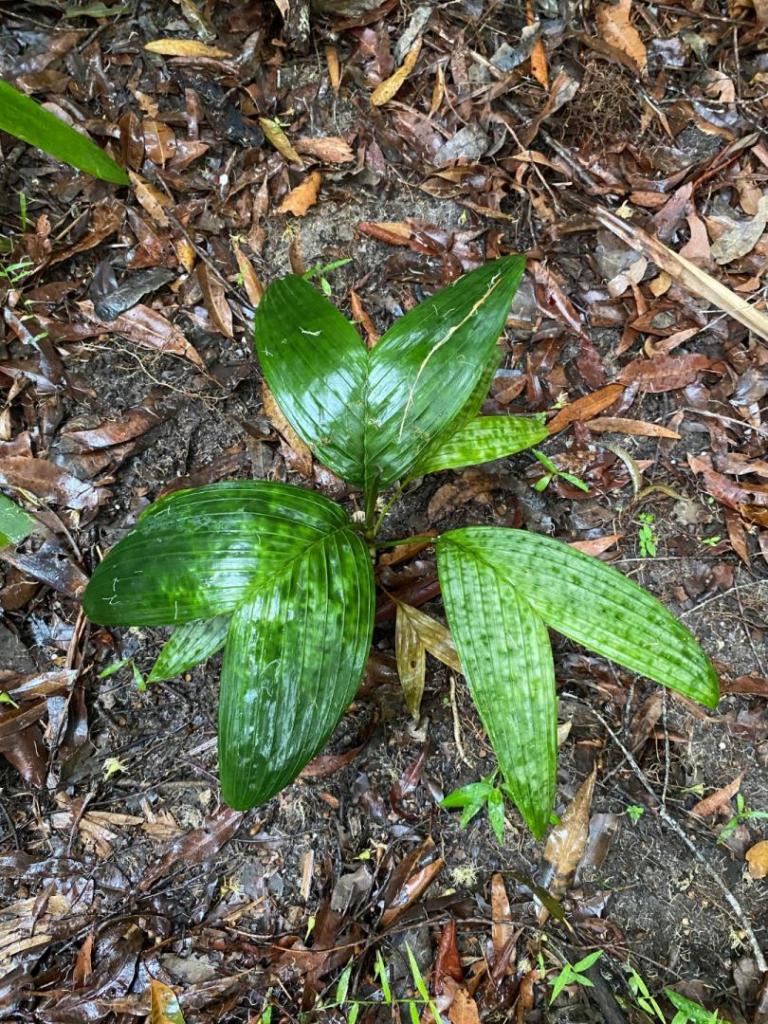
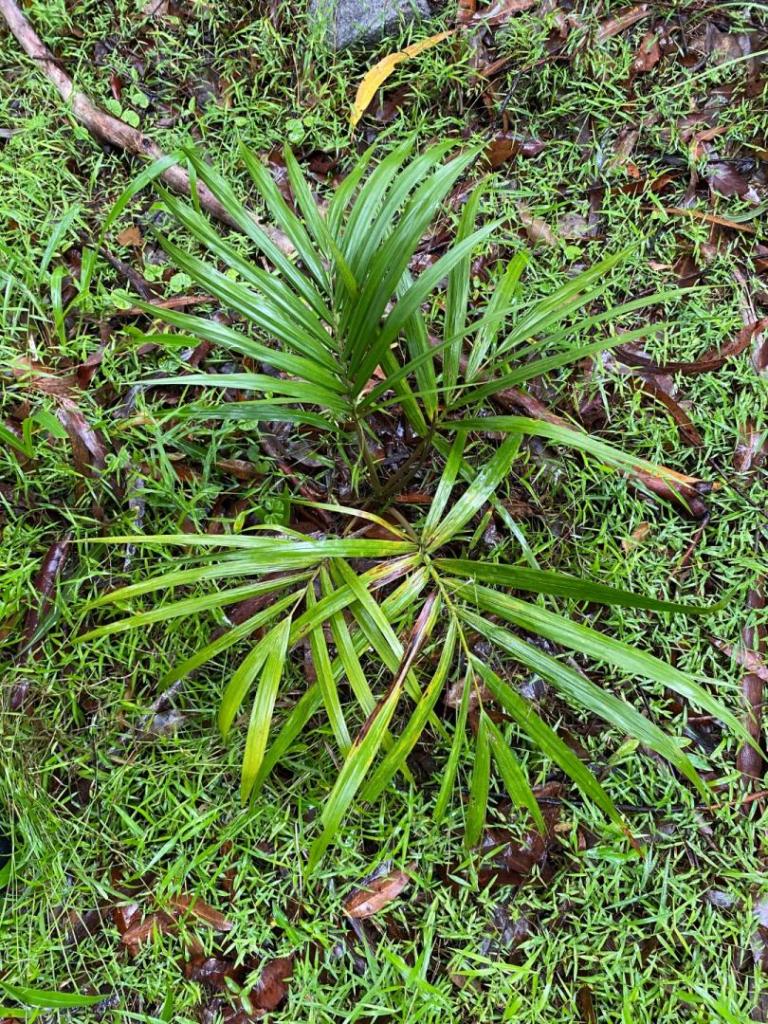
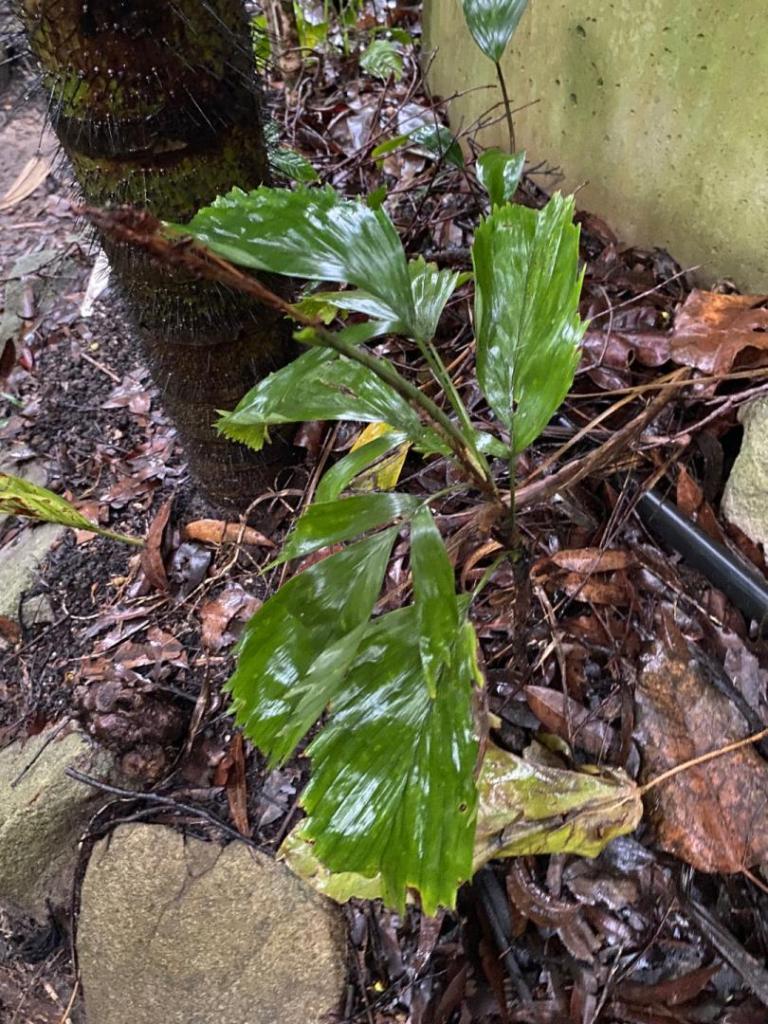
The collection certainly increased last winter and spring, with a lot of new varieties going into the ground. And with the temperature the other day 38 degrees and somewhat hot and dry they faired up nicely. And with some great rainfall in the last couple of days and more on the way things are rather growing well. So if your in the zone push market for some new varieties these ones are tried and tested for cool conditions down to 2 degrees Celsius! lanonia centralisCalyptrogyne ghiesbreghtiana Calyptrocalyx yummutumunedypsis spArenga hookeriana Areca songthanhensischamaedorea nubium lanonia calciphilla arenga caudata Wallichia marianneaedypsis spchamaedorea Ernest augustii Johannesteijannia altifrons heterospathe barfordi polyandrococus caudescens synecanthus warscewiczianus Pinanga sarawakensis Chambeyronia pyriformis reindhardtia simplex ptychosperma cunneatumdypsis scottiana
2 points
The collection certainly increased last winter and spring, with a lot of new varieties going into the ground. And with the temperature the other day 38 degrees and somewhat hot and dry they faired up nicely. And with some great rainfall in the last couple of days and more on the way things are rather growing well. So if your in the zone push market for some new varieties these ones are tried and tested for cool conditions down to 2 degrees Celsius! lanonia centralisCalyptrogyne ghiesbreghtiana Calyptrocalyx yummutumunedypsis spArenga hookeriana Areca songthanhensischamaedorea nubium lanonia calciphilla arenga caudata Wallichia marianneaedypsis spchamaedorea Ernest augustii Johannesteijannia altifrons heterospathe barfordi polyandrococus caudescens synecanthus warscewiczianus Pinanga sarawakensis Chambeyronia pyriformis reindhardtia simplex ptychosperma cunneatumdypsis scottiana

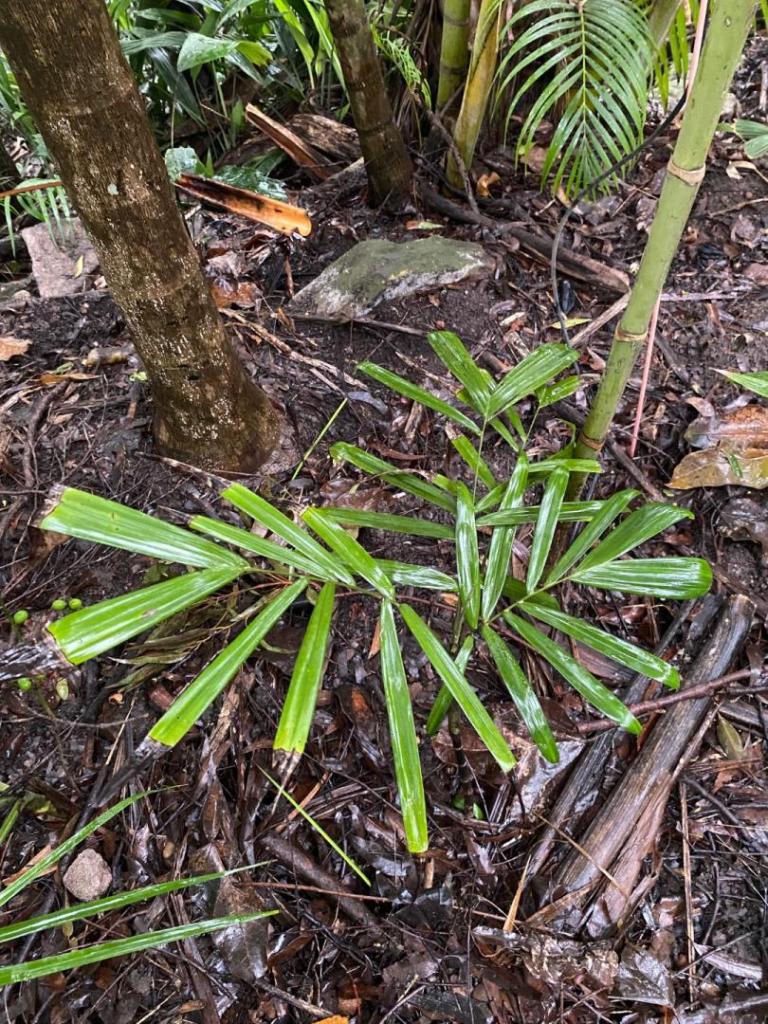
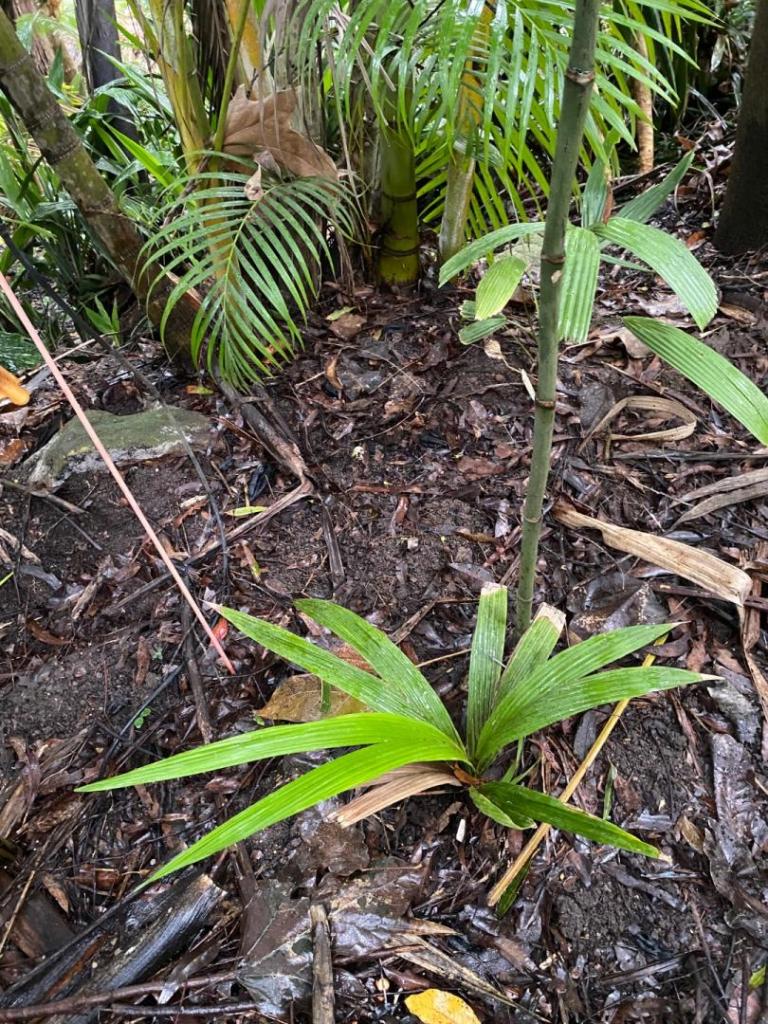
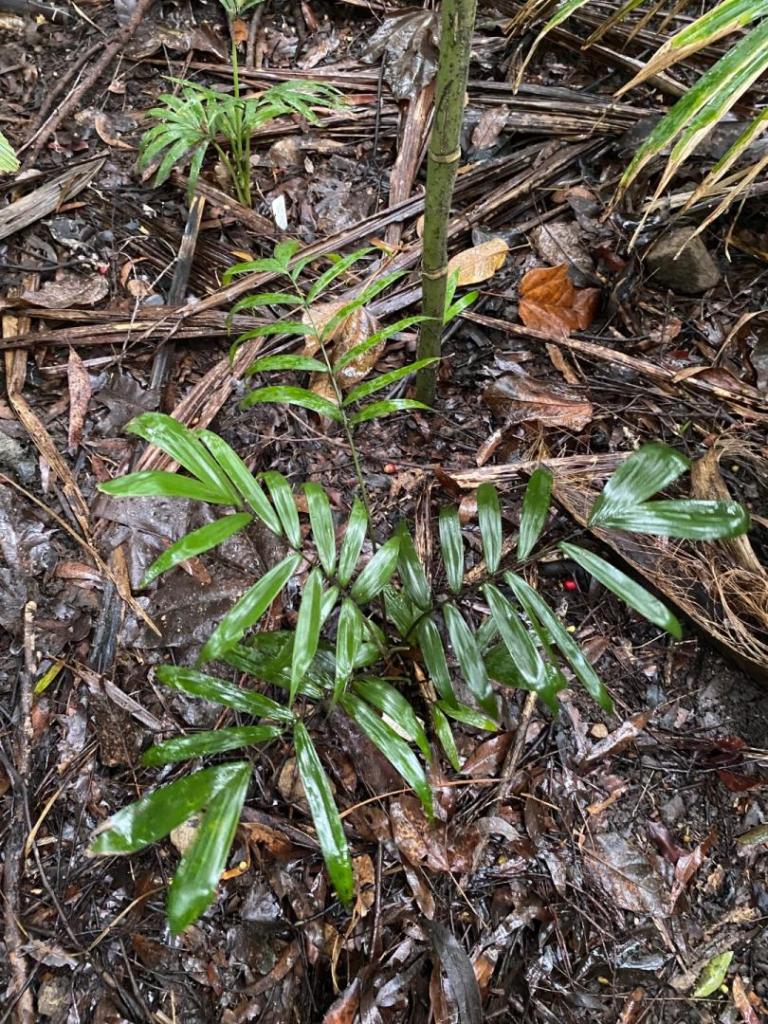
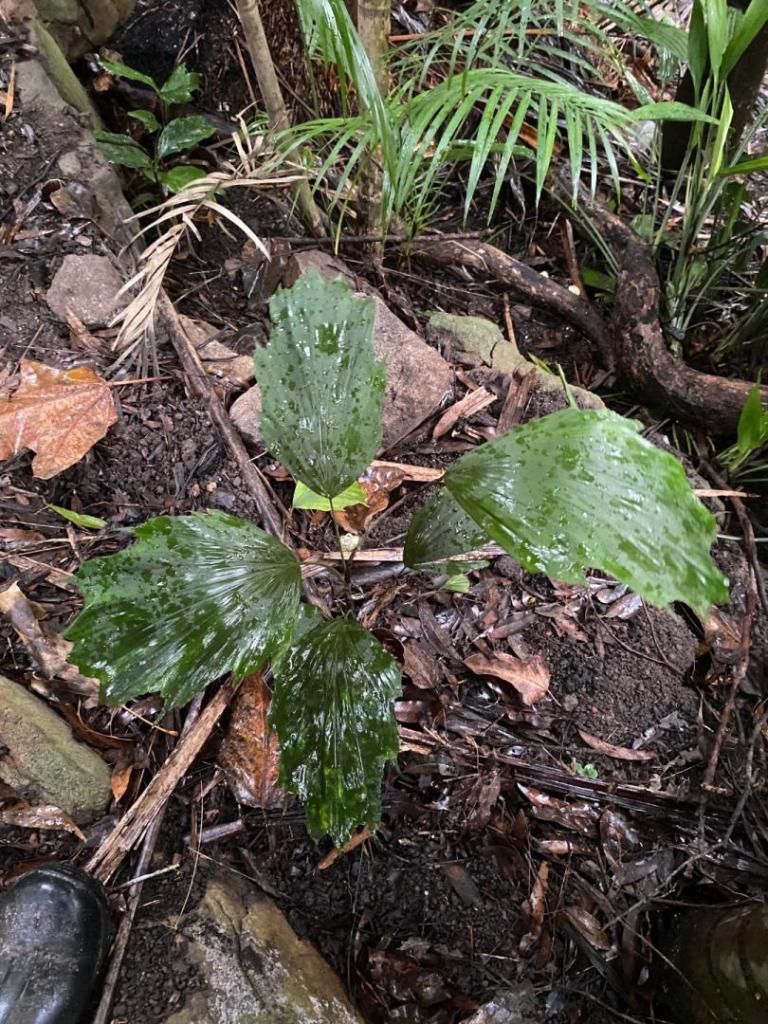



 2 points
 2 points
My verschaffeltia splendida gaining size and opening a new leaf. and my Areca macrocalyx starting to show some nice colour.
2 points
2 pointsMy verschaffeltia splendida gaining size and opening a new leaf. and my Areca macrocalyx starting to show some nice colour.

 2 points
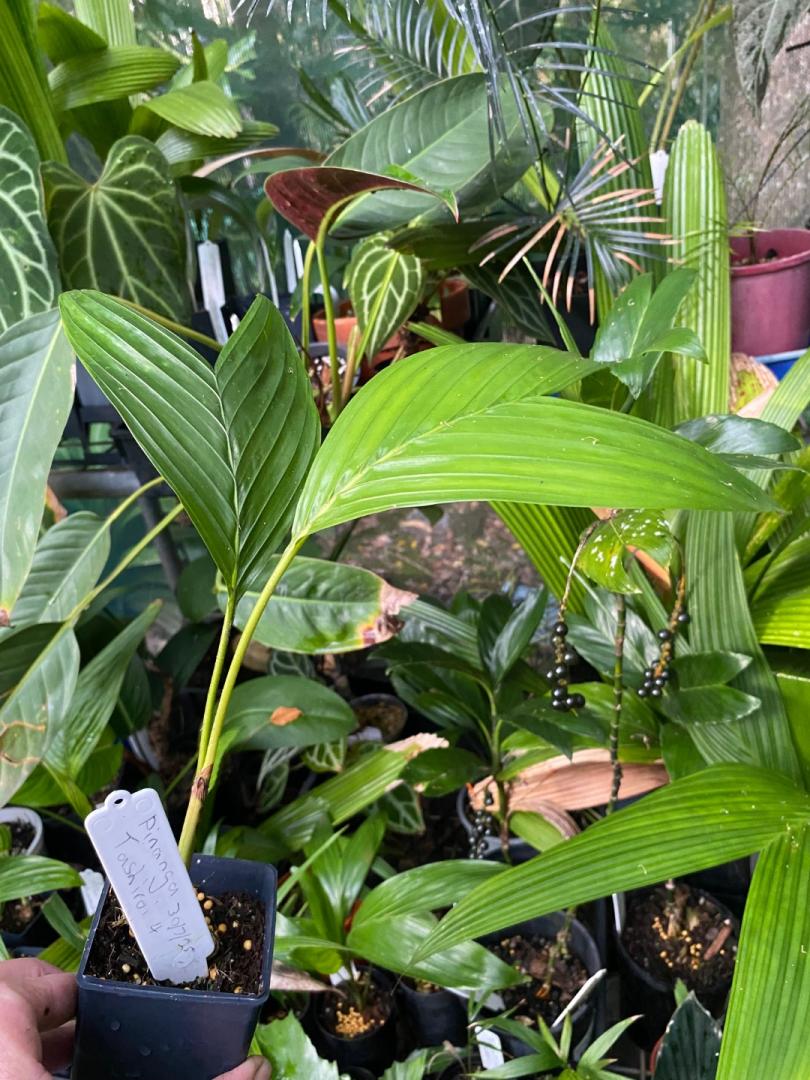
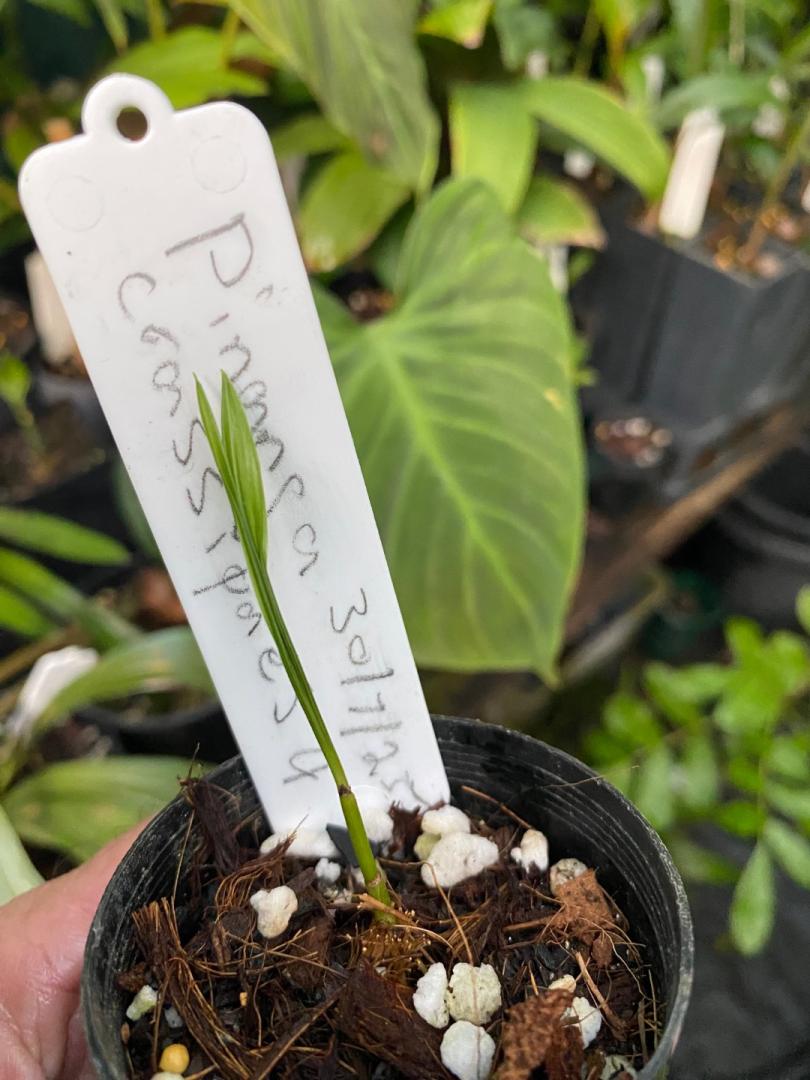
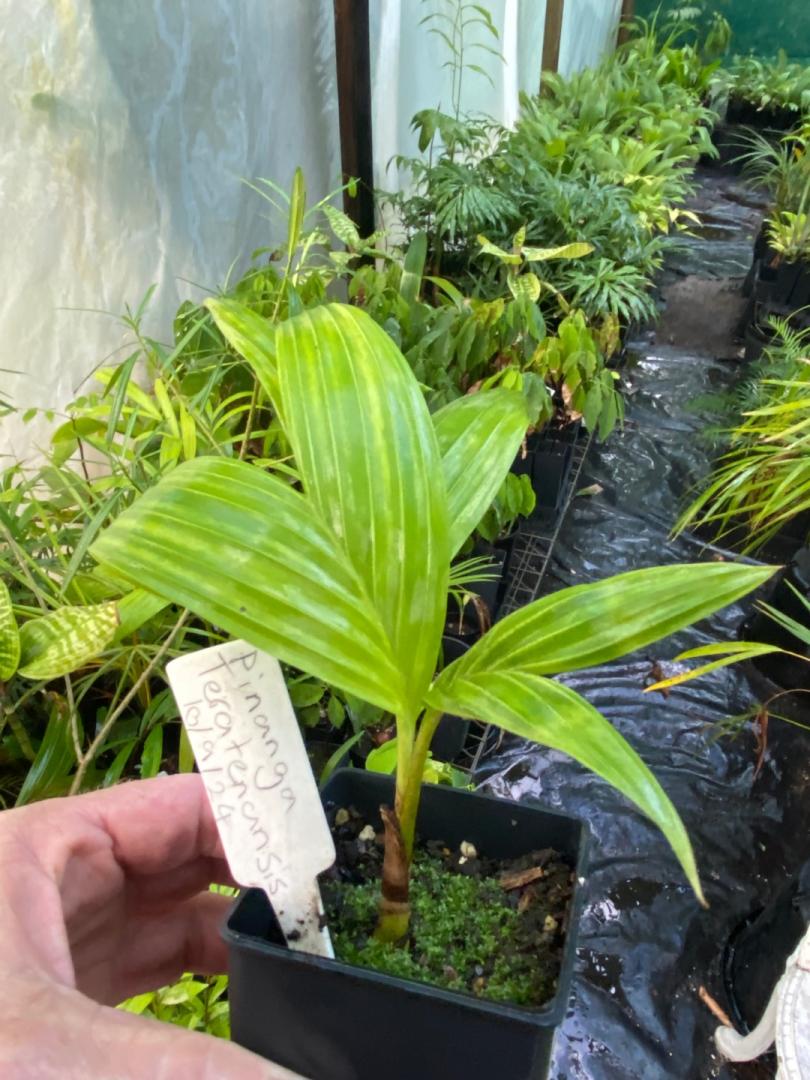
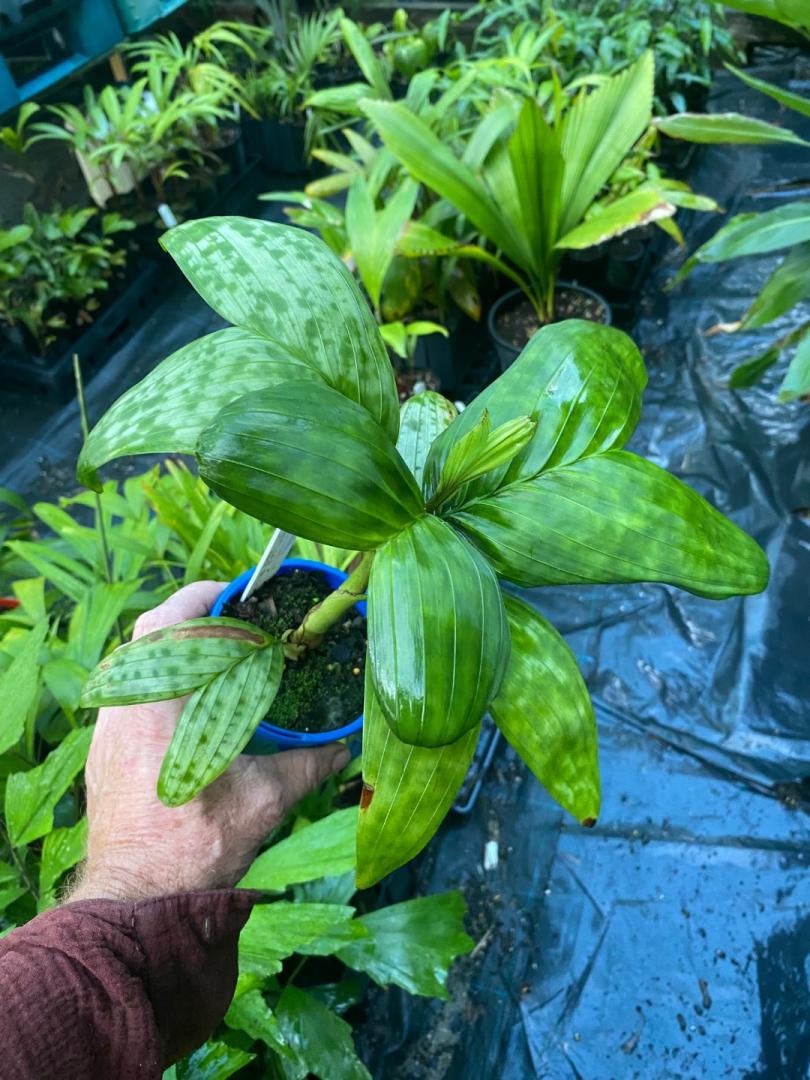
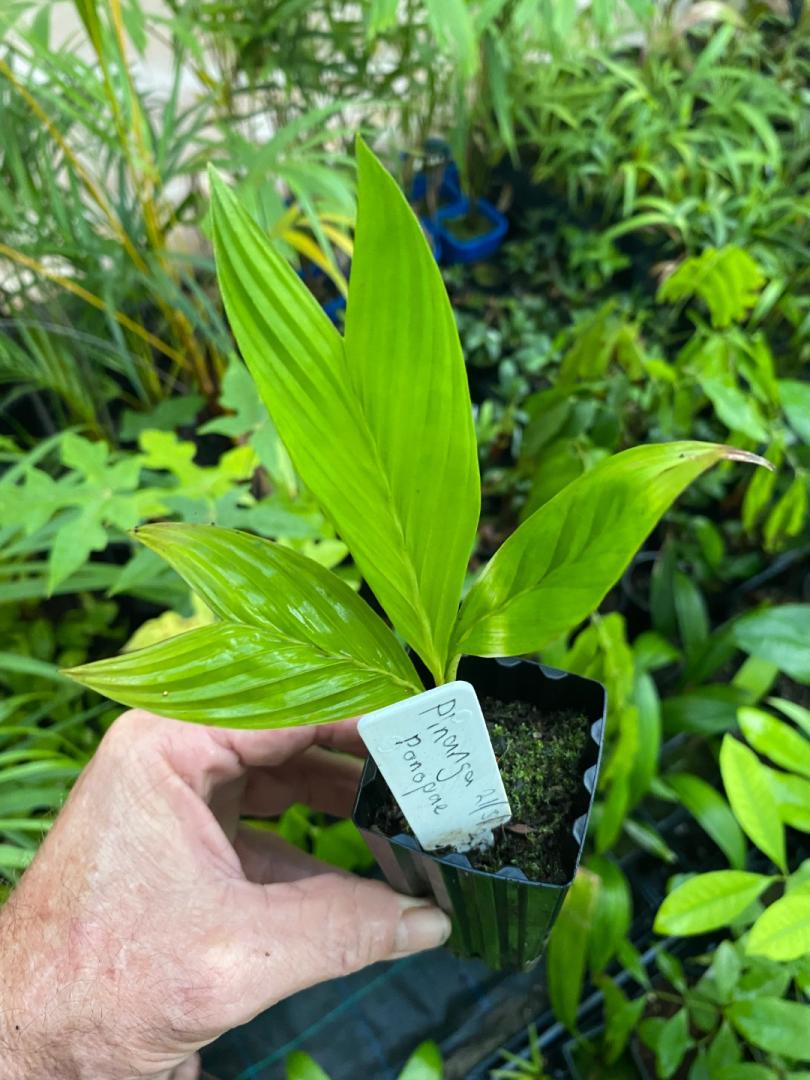
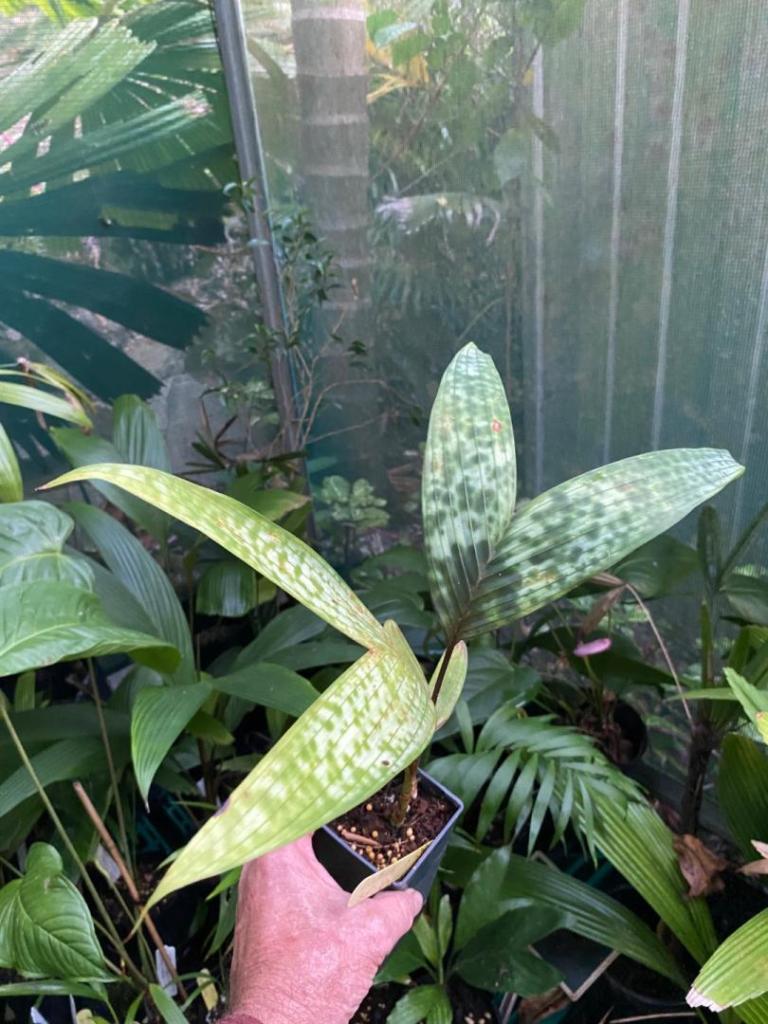
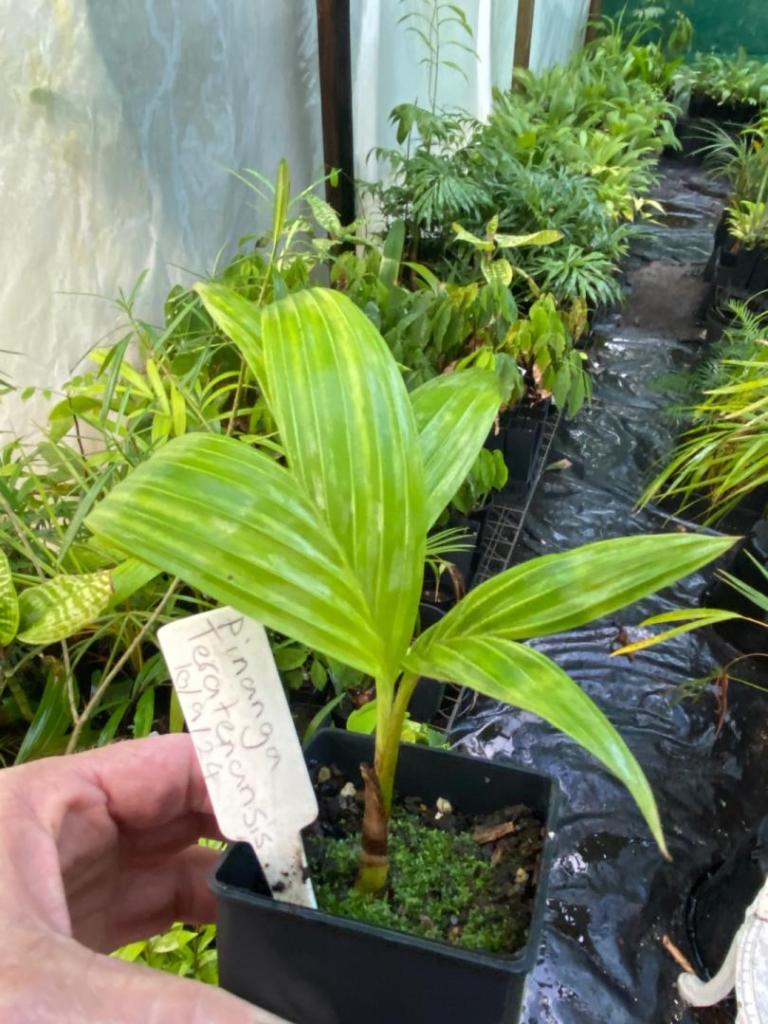
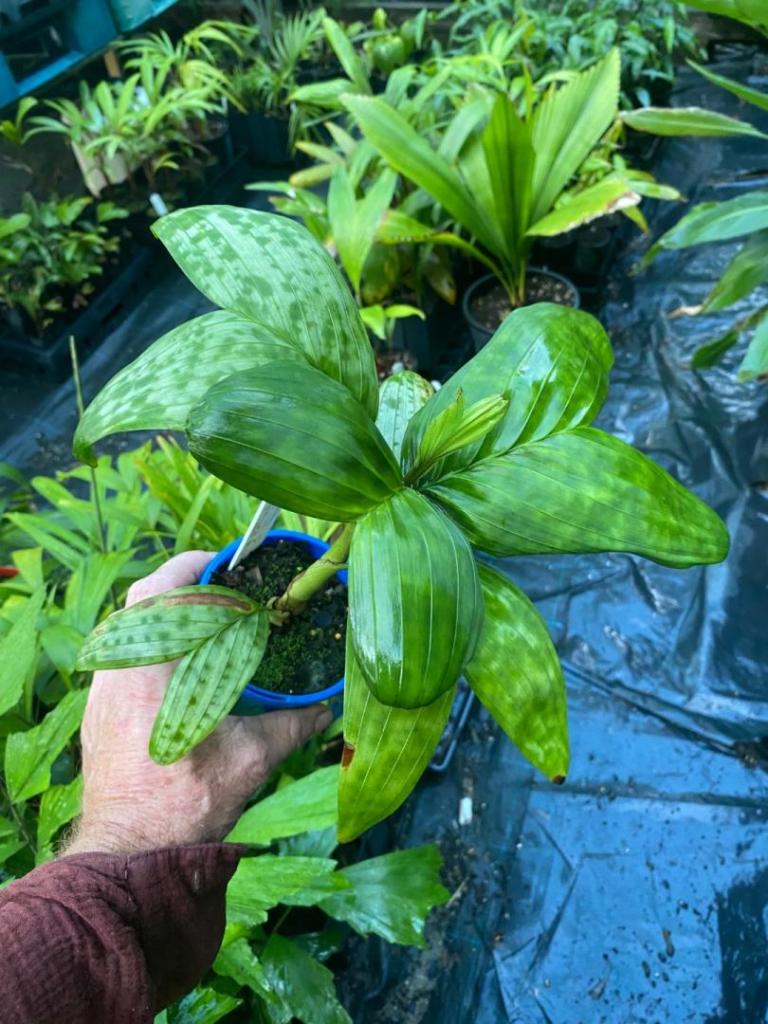
Nothing like having a collection of pinangas in a few containers! Pinanga sarawakensis Pinanga Pinanga crassipaes Pinanga disticha complete leaf Pinanga rumphianaPinanga densifloraPinanga coronata Pinanga ponapaepinanga Borneo sp
2 points
Nothing like having a collection of pinangas in a few containers! Pinanga sarawakensis Pinanga Pinanga crassipaes Pinanga disticha complete leaf Pinanga rumphianaPinanga densifloraPinanga coronata Pinanga ponapaepinanga Borneo sp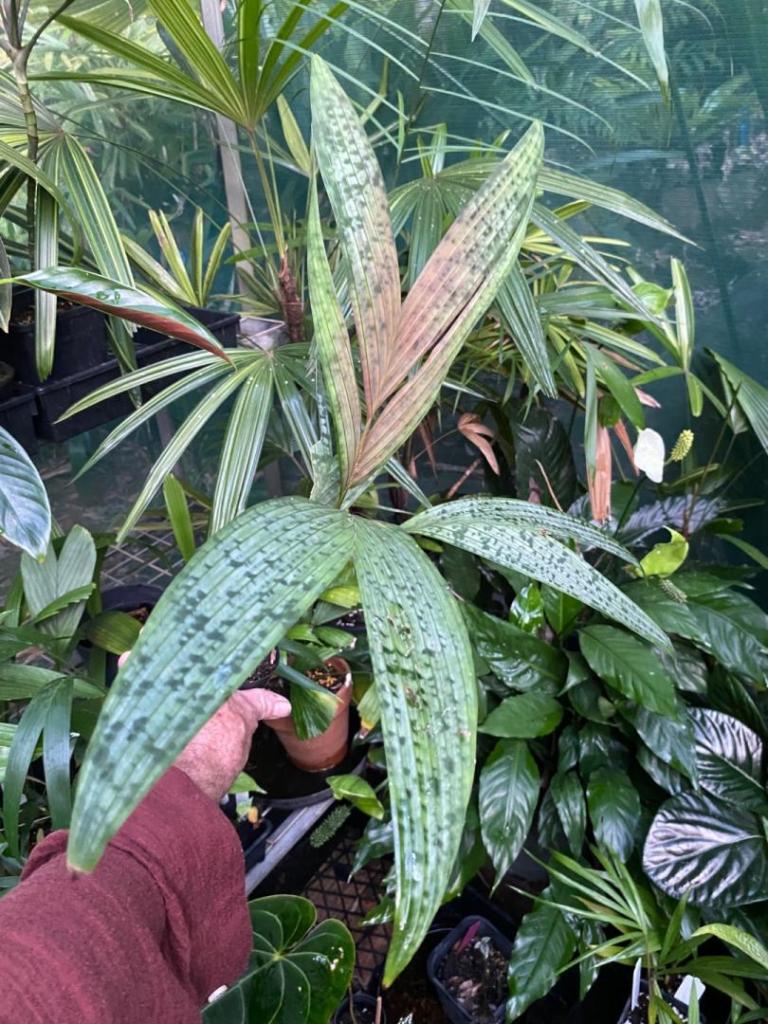


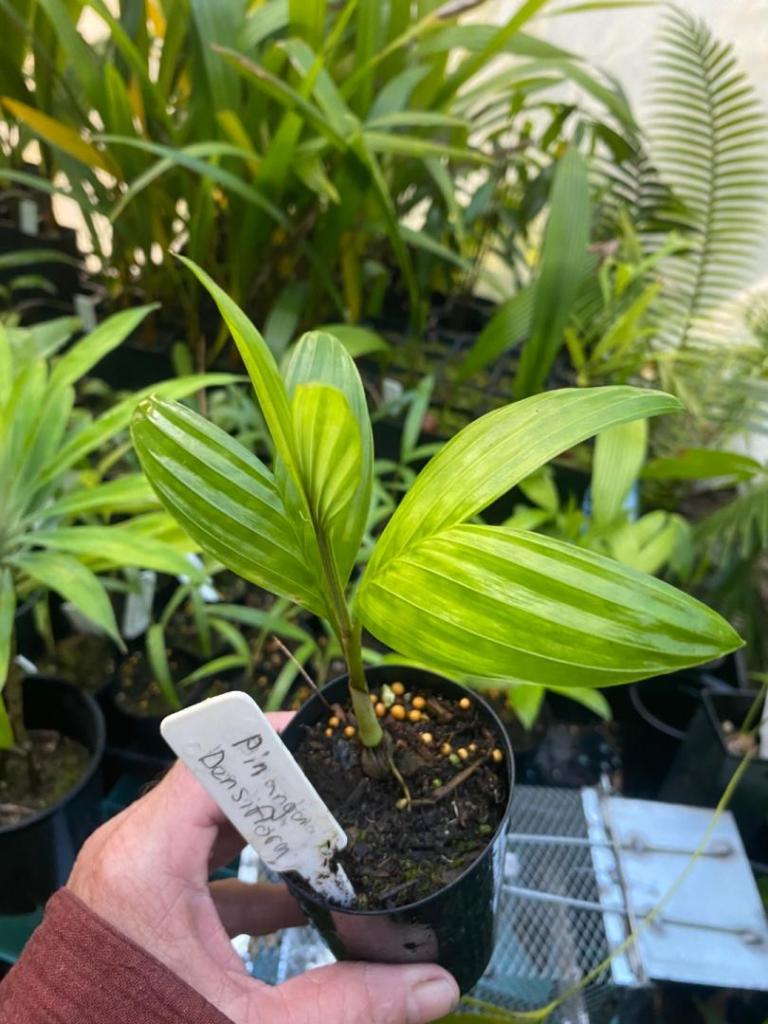
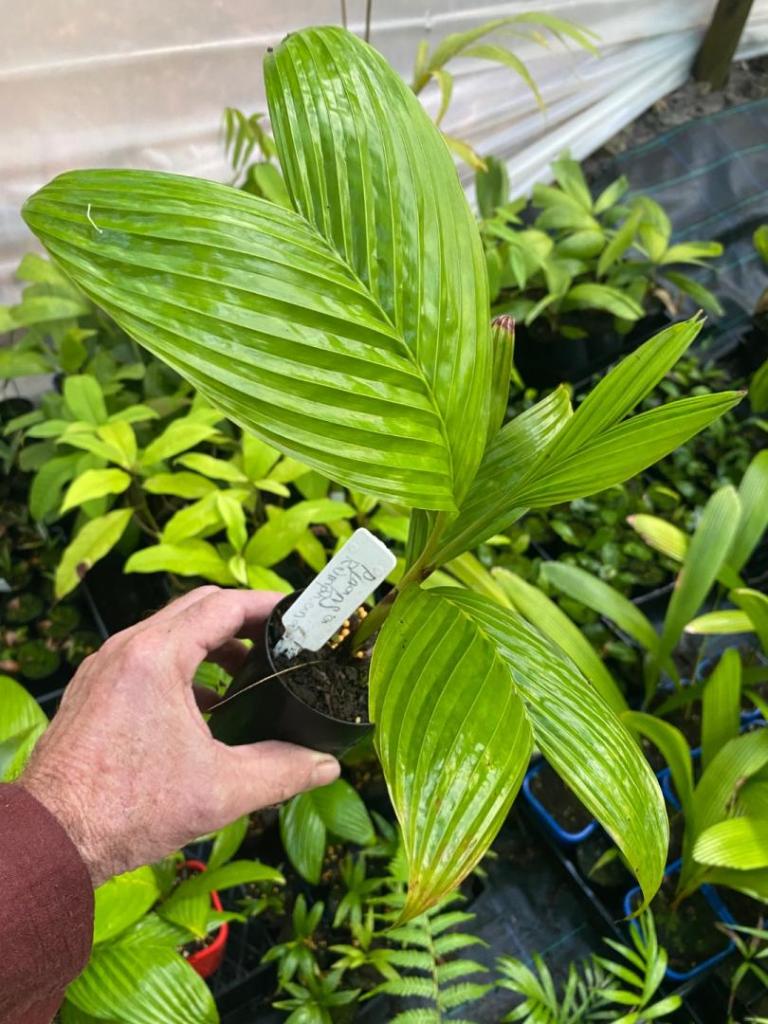

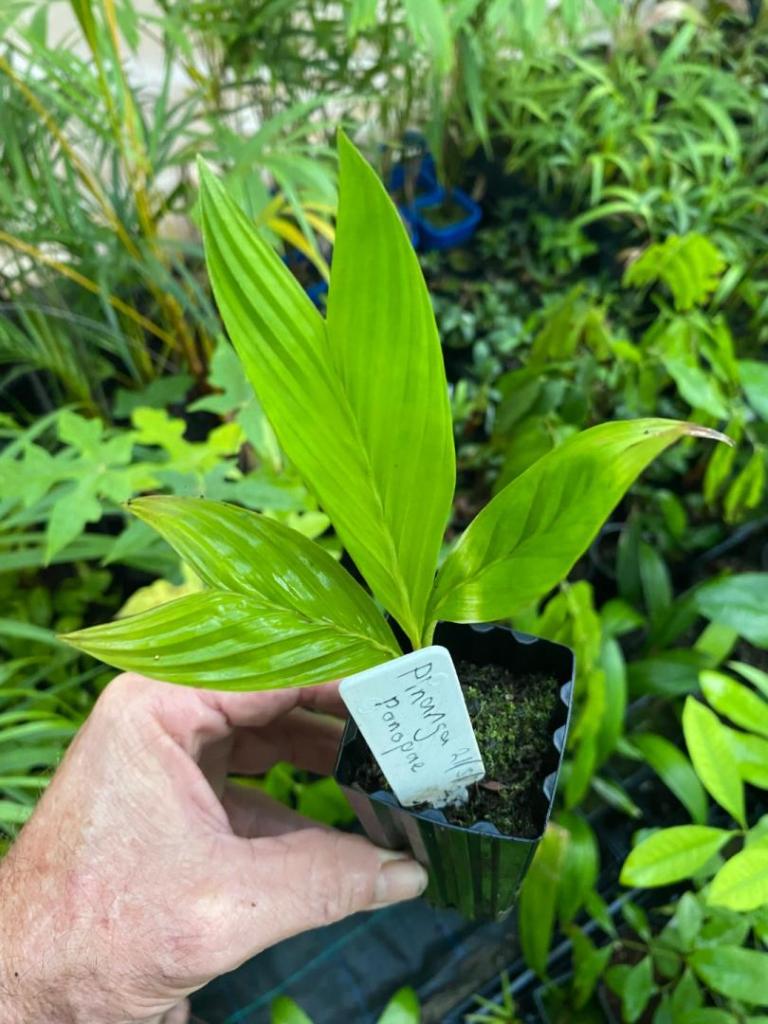 2 points
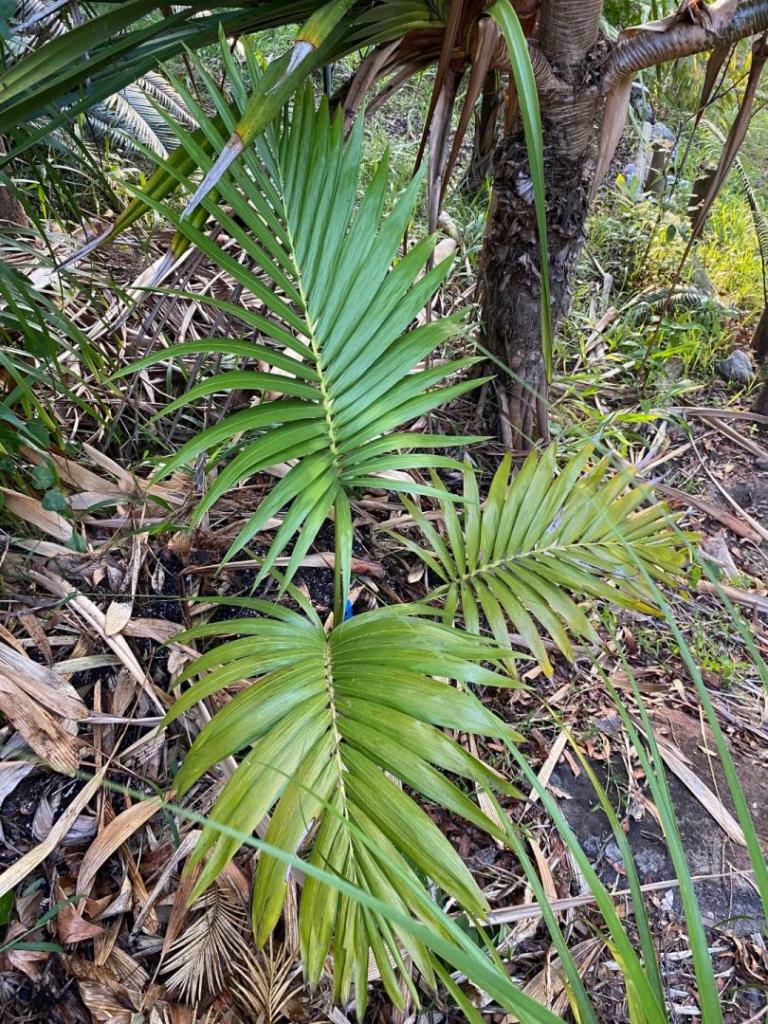
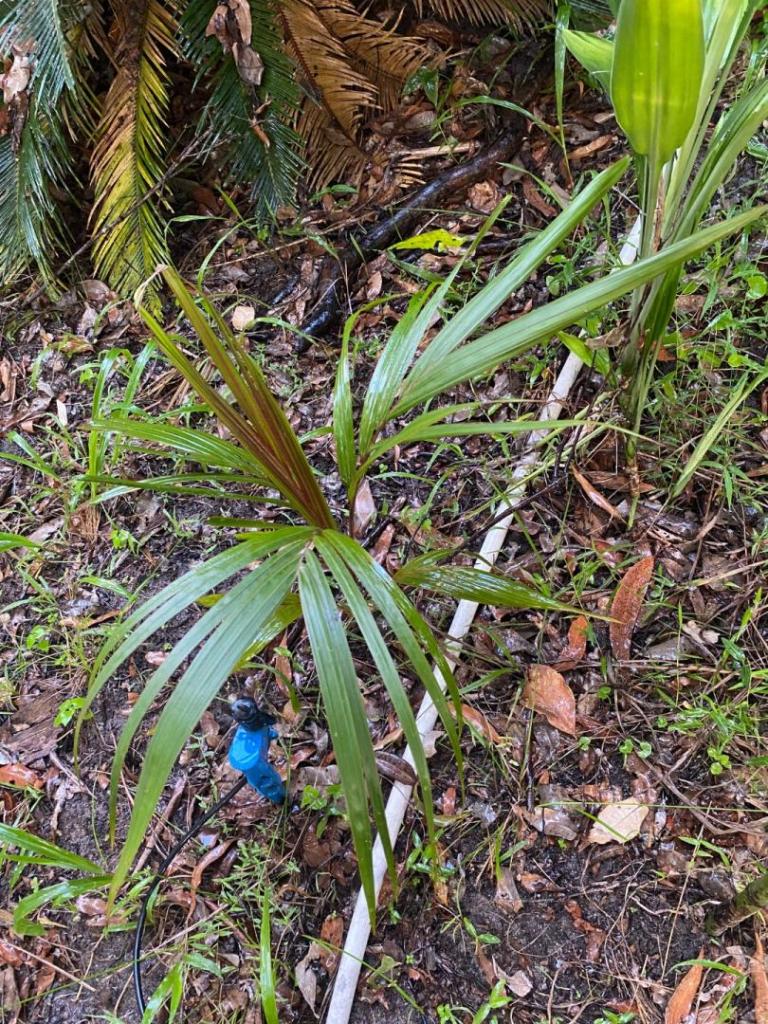
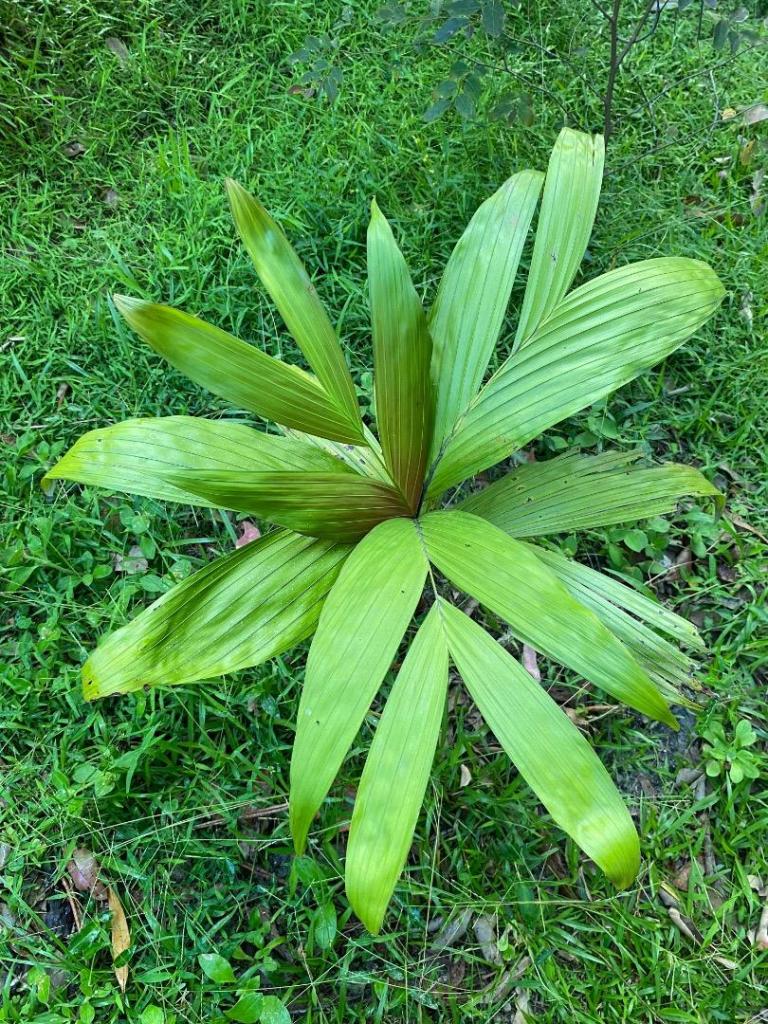
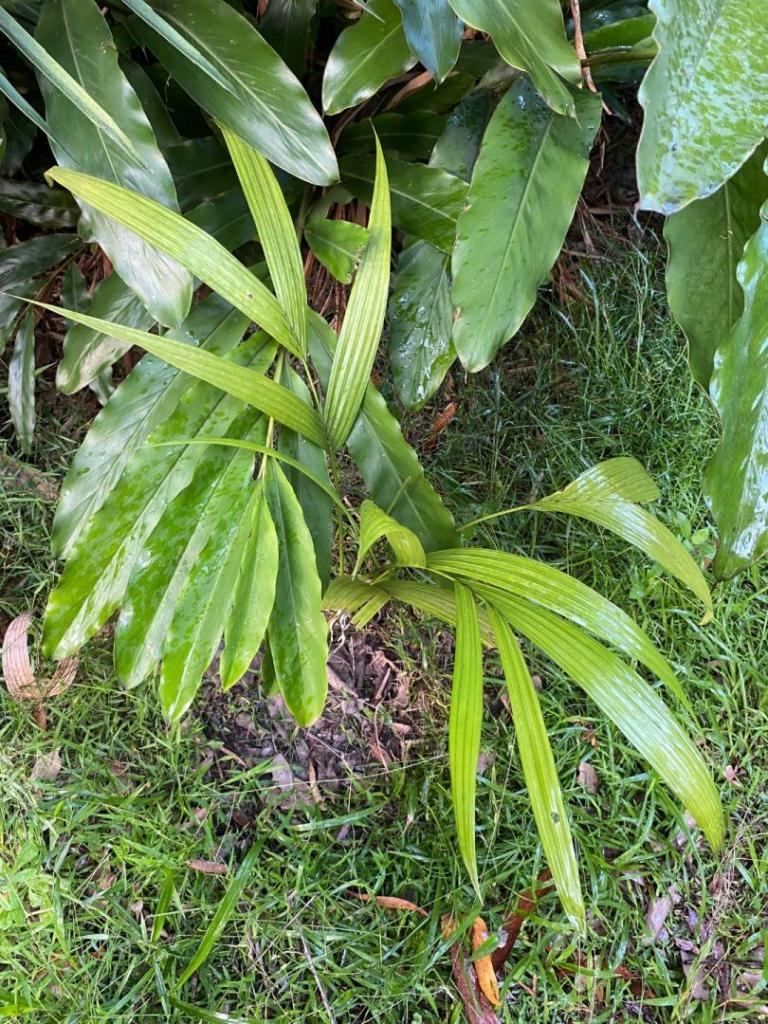
Some of the recent winter plantings are loving the summer heat, just add water! Wallichia disticha Carpoxylon macrospermum Dictyosperma album conjugatum Dypsis rosea Areca Laos dwarfChelyocarpus spVariegated lanonia dasyantha Marojejya darinii Nenga banaensisDypsis lantzeana Dypsis basilonga Dypsis spChambeyronia houalouensis Dypsis utilis Dypsis baby red stem Another couple of years and the garden will definitely have that tropical look!
2 points
Some of the recent winter plantings are loving the summer heat, just add water! Wallichia disticha Carpoxylon macrospermum Dictyosperma album conjugatum Dypsis rosea Areca Laos dwarfChelyocarpus spVariegated lanonia dasyantha Marojejya darinii Nenga banaensisDypsis lantzeana Dypsis basilonga Dypsis spChambeyronia houalouensis Dypsis utilis Dypsis baby red stem Another couple of years and the garden will definitely have that tropical look!
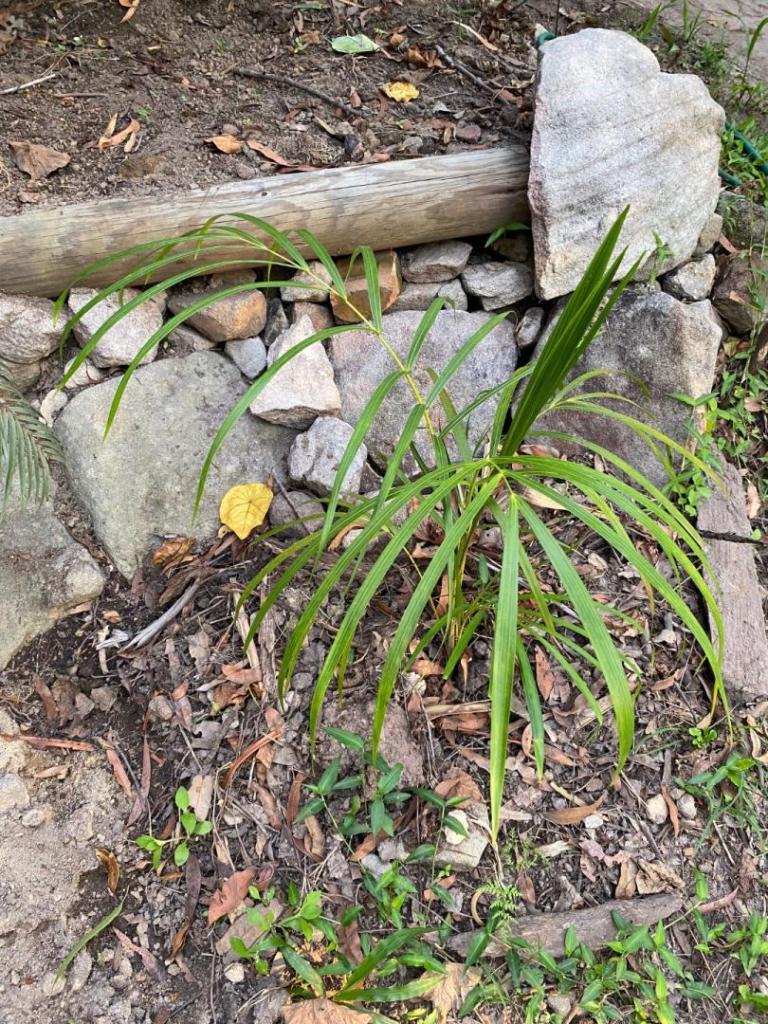
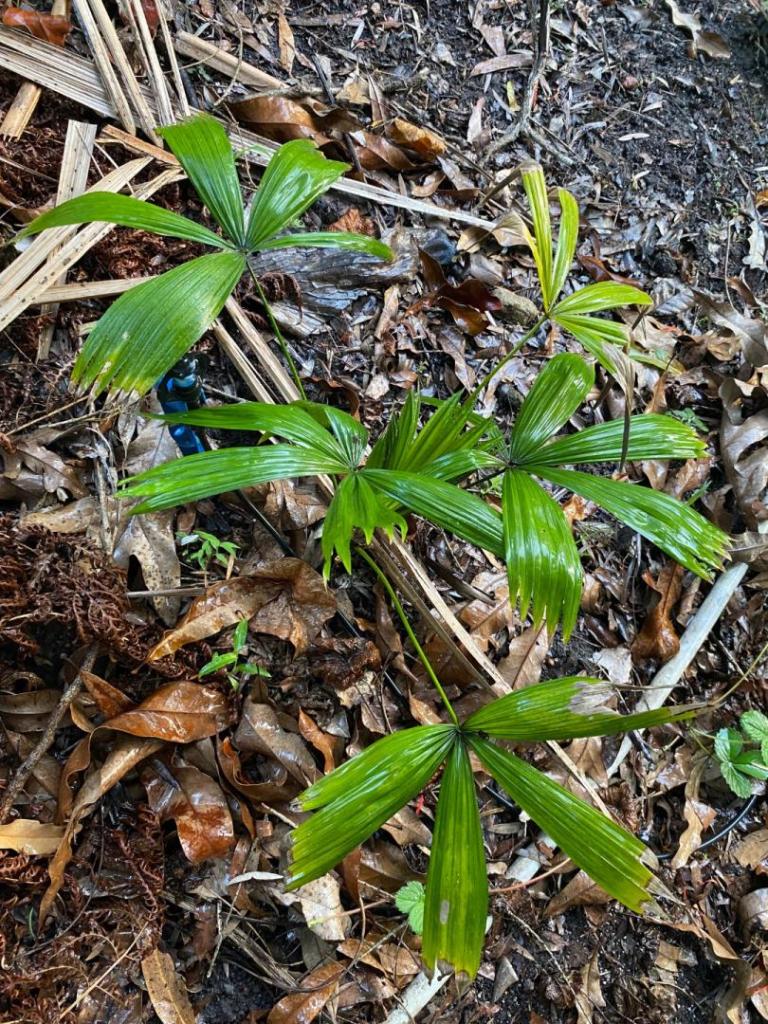
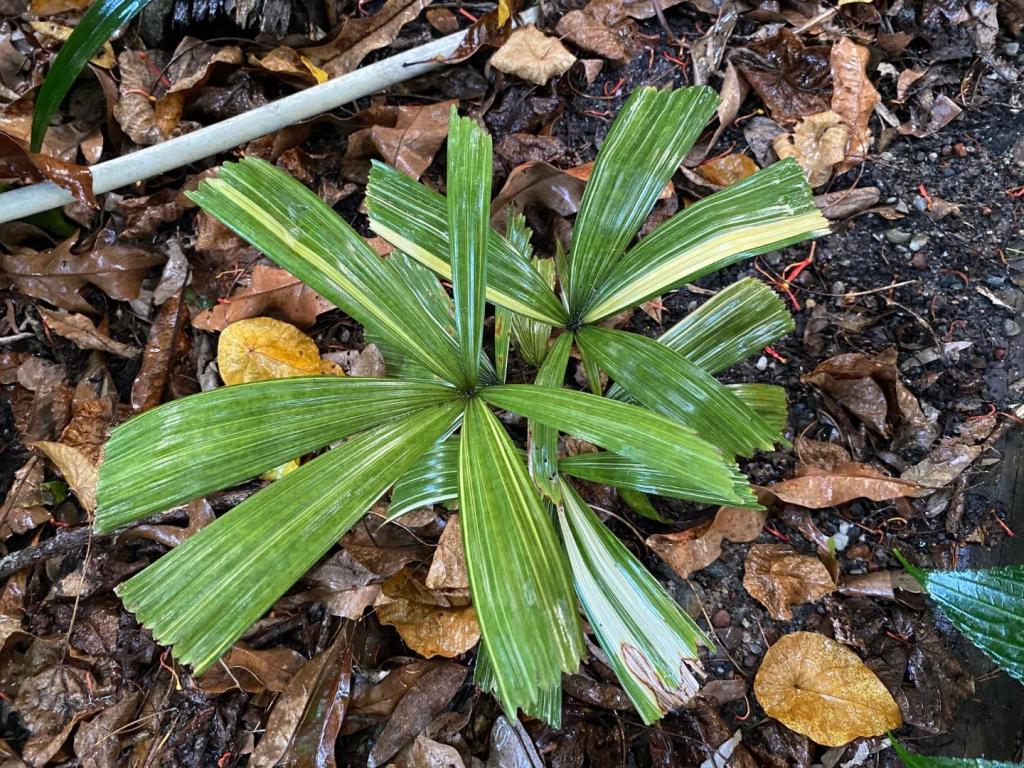


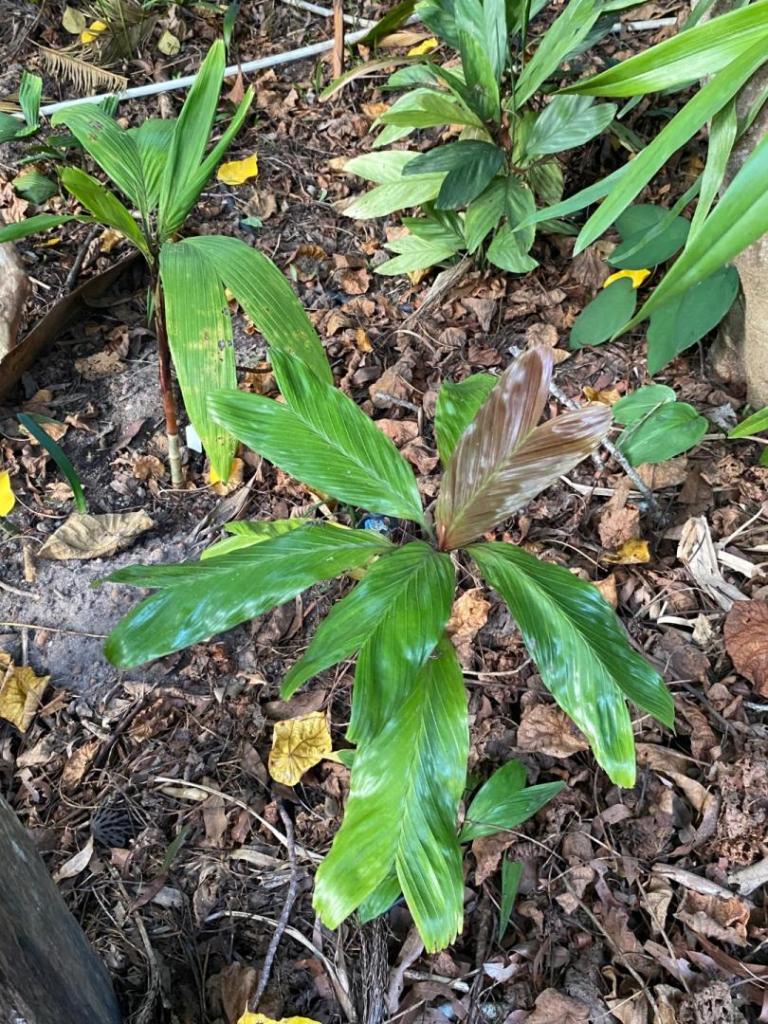
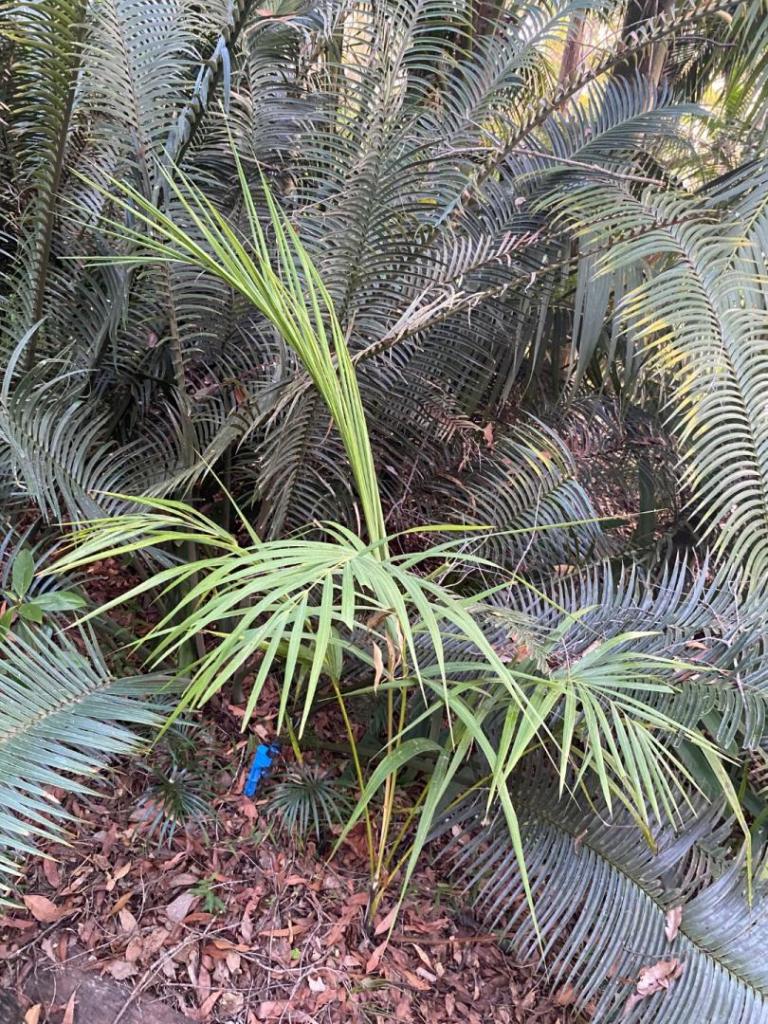

 2 points
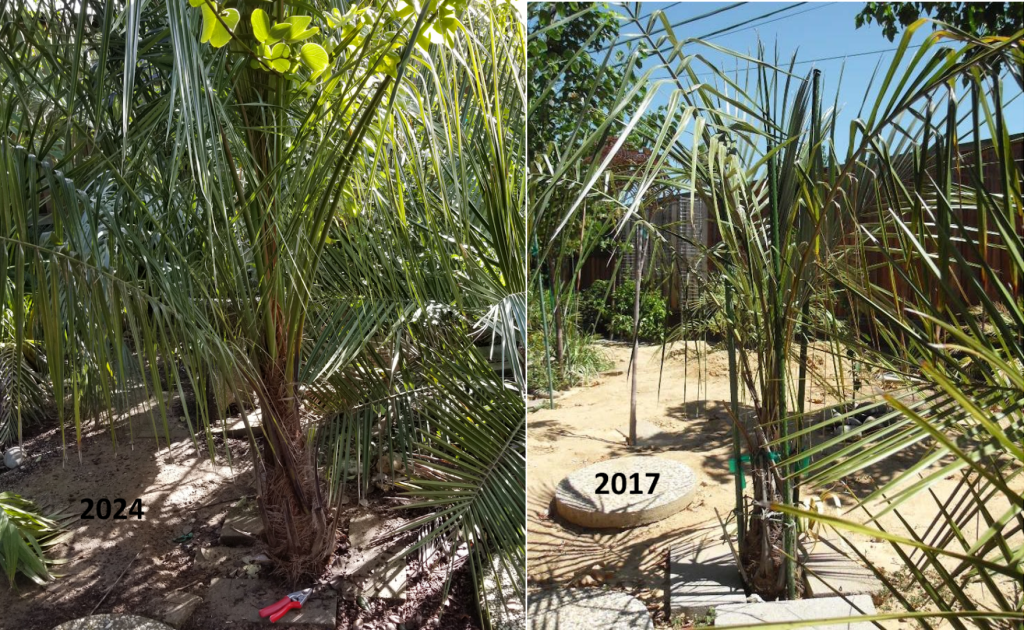
 2 pointsHere's a growth comparison of what I believe to be P. microcarpa (lost the label on it years ago) from 2017 to 2024. Hasn't been as vigorous as P. torallyi torallyi, but the leaves appear to stay greener during the summer. It's planted in unamended clay soil at ground level (not on a berm). By the way, a horticulturist at the San Francisco arboretum told me that even though their garden is uniformly cool and moist, they water their Parajubaea palms throughout the year and their growth rate is excellent.
 2 points
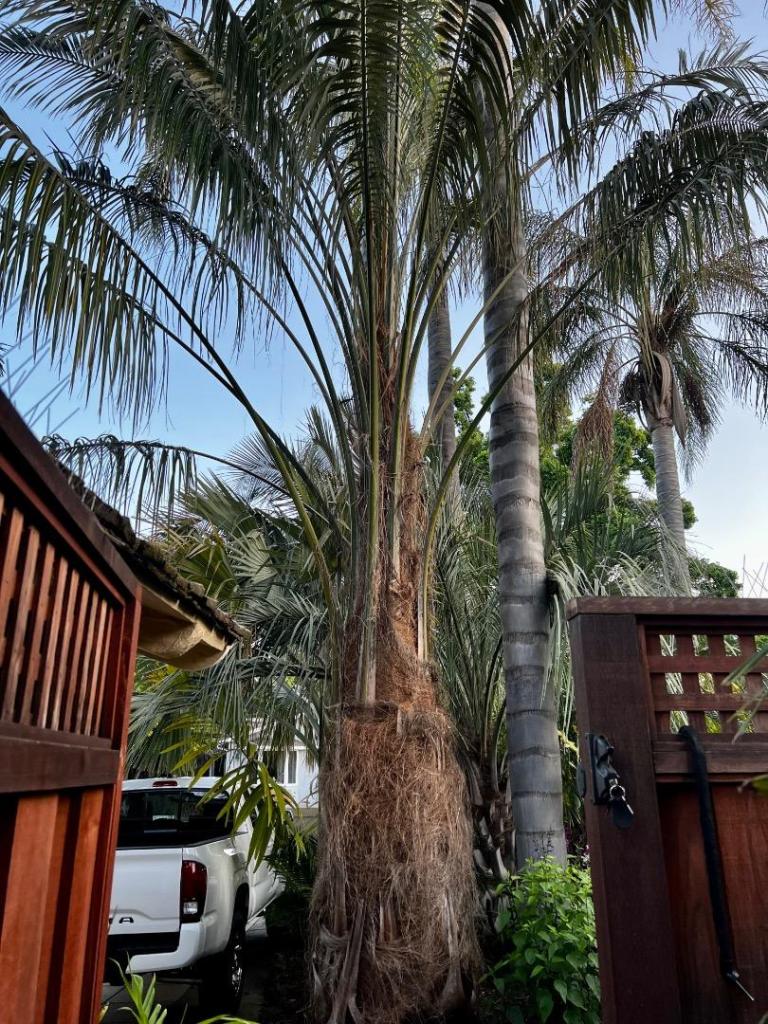
I keep all of mine well watered in the summer including during hot weather. Soil is always moist. They’ve grown to huge proportions as a result.
2 points
2 pointsI keep all of mine well watered in the summer including during hot weather. Soil is always moist. They’ve grown to huge proportions as a result.
 2 points
 2 points
 2 pointsYep. Plant it and step back. These get big quick. Great purchase. A tough palm too for areas that can get cool in winter. They do like a night cool down being from the Andes and all. If you stay above 20C (68F) at night for extended periods these can get upset and prone to rot away unexpectedly after doing great for so long. BTW, welcome to Palmtalk and our palmy craziness here.2 points
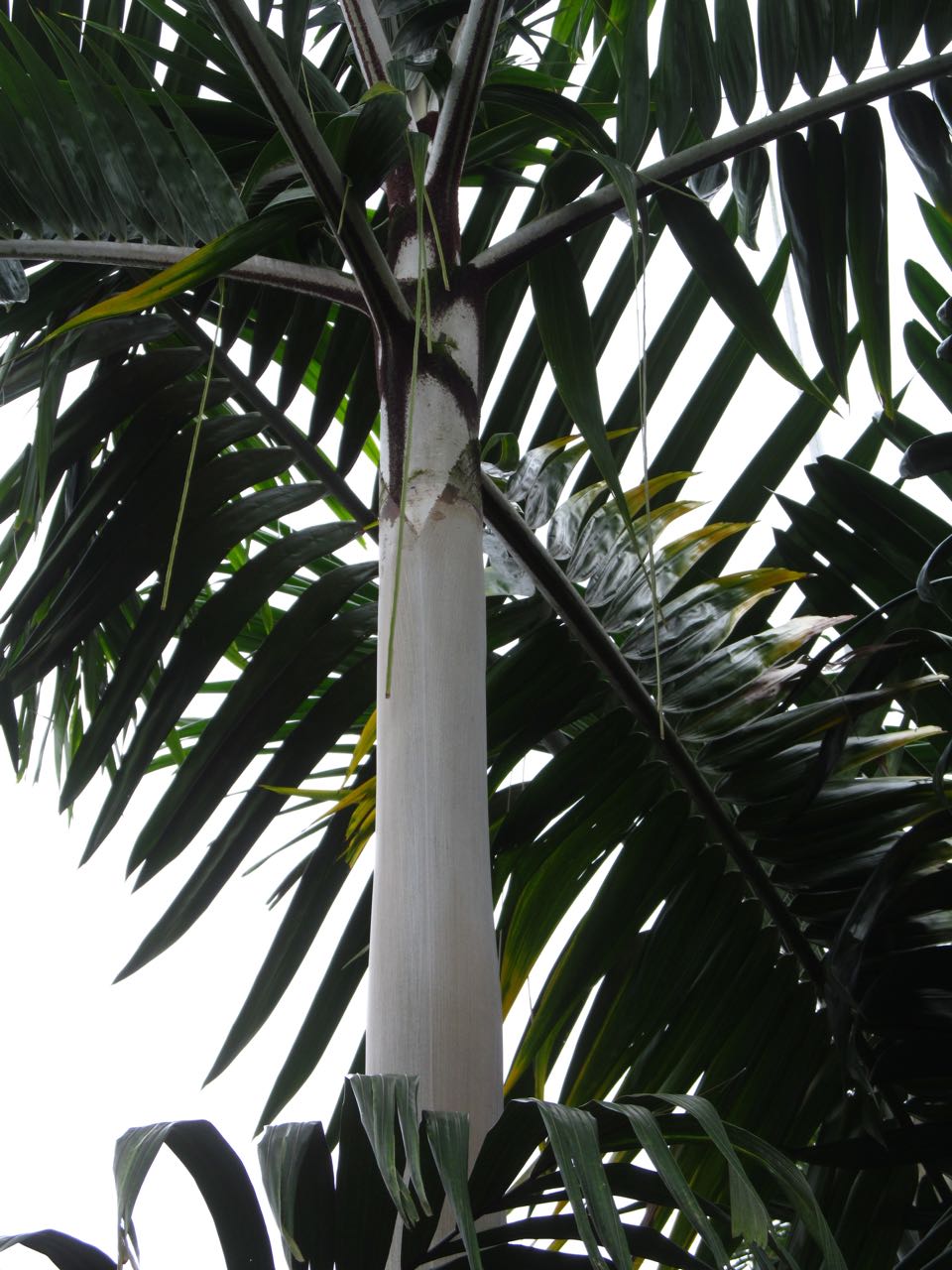
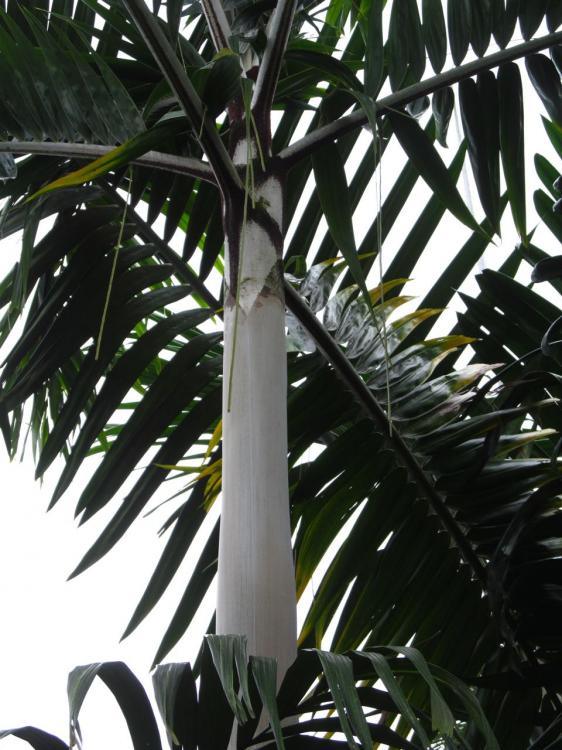
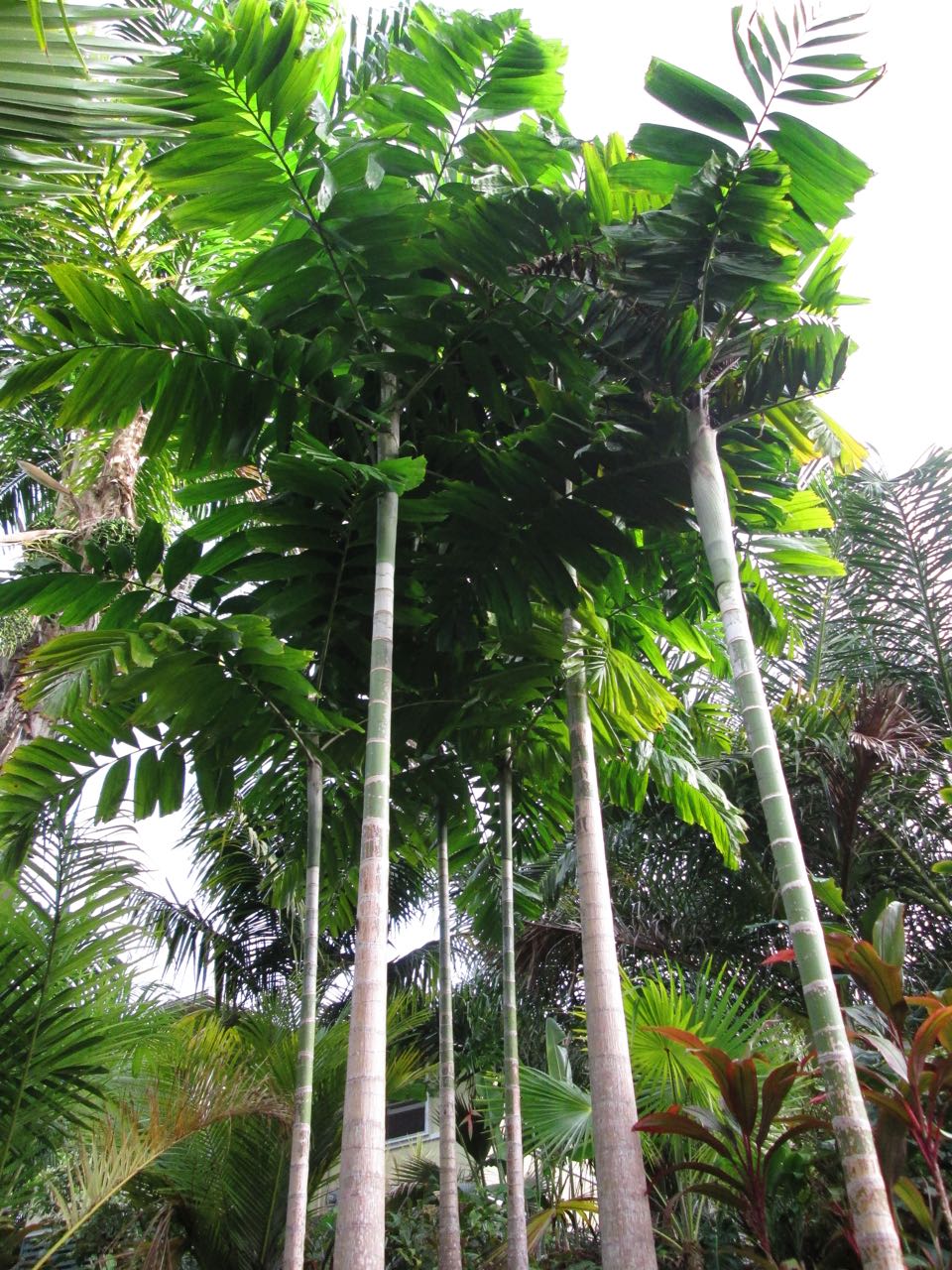
2 pointsV. arecina. Great palm and some of the first palms I planted back in late 2008. Spectacular as a small palm and just as nice as a large specimen. The white crownshaft and those black markings at the base of the petiole are so distinctive. Never regretted planting what could be called a common palm. Fast, beautiful, and never a PIA.
2 pointsYep. Plant it and step back. These get big quick. Great purchase. A tough palm too for areas that can get cool in winter. They do like a night cool down being from the Andes and all. If you stay above 20C (68F) at night for extended periods these can get upset and prone to rot away unexpectedly after doing great for so long. BTW, welcome to Palmtalk and our palmy craziness here.2 points
2 pointsV. arecina. Great palm and some of the first palms I planted back in late 2008. Spectacular as a small palm and just as nice as a large specimen. The white crownshaft and those black markings at the base of the petiole are so distinctive. Never regretted planting what could be called a common palm. Fast, beautiful, and never a PIA.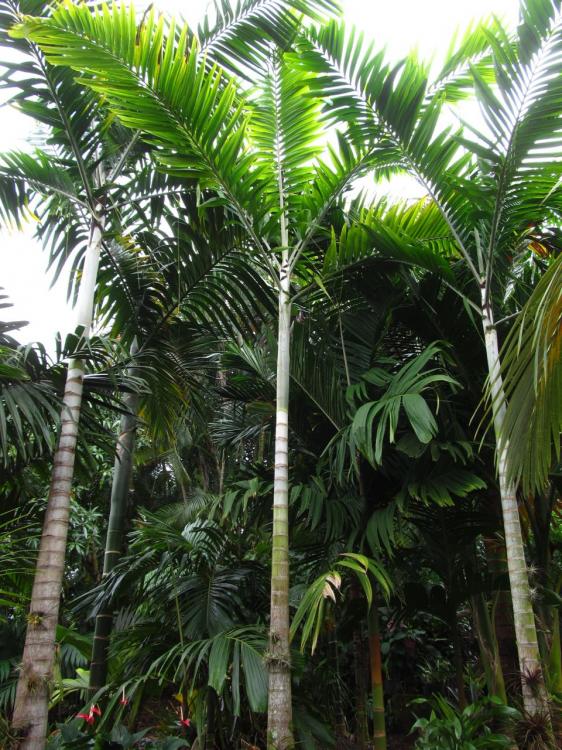
 2 points
1 pointThey don't care much for sandy soils as micronutrients are quickly leached out. Clay helps to hold in the minerals and Butias look better. HHI South to I10, across the Gulf they flourish.1 point
2 points
1 pointThey don't care much for sandy soils as micronutrients are quickly leached out. Clay helps to hold in the minerals and Butias look better. HHI South to I10, across the Gulf they flourish.1 point I've looked into the possibility of Sabal minor being "native" to southeastern VA for a long time and still don't know for sure if they are there or not naturally. I came across a Facebook post about a year ago of someone claiming they've seen them growing in marshland in the Back Bay on the Virginia side and how they've been boating there for years, but there was no photos or confirmation. One thing is for sure, the climate definitely can support them growing on their own and the Currituck Sound (with Monkey Island) is connected via land and waterways to southeastern Virginia. It wouldn't surprise me if someone one day posted a stand of them growing out in a marsh that has been overlooked, as most people are not looking out for them like we are lol. There are so many planted now that we may never know for certain after a few decades once they start spreading from those plantings.1 point
.jpg.7d1f41d4957e93b292325a80d7ced4f4.thumb.jpg.b19fa775c567e2deb70d86fcfc938ce0.jpg) No, it’s very relevant. This whole argument is confusion over the ambiguity between tropical as a climate designation and tropical as a physical, geographical designation. The reason for the confusion lies in the reality that a truly tropical location, when it happens to have what we would term tropical flora, is always going to be different from what we find outside of the tropics, including in South Florida, where we do have tropical vegetation and, in general, a tropical climate. In the case of Bogota, there is just gonna be more winter sunshine than you’ll have outside of the tropics. I’m pretty sure most of us here understand all of this. Yes, South Florida has a broadly tropical climate, and supported a subset of tropical Laura natively, and now a huge number of tropical plants have been brought in successfully. No, no part of Florida is within the tropics, and this partly explains why every single corner of the state gets colder than it would were it in the tropics. Yes, there are places within the true tropics that are at the same elevation as Florida that can get colder than Florida, but there is no peninsula or island in the true tropics of which I am aware they can get as cold as Florida does as regularly as it does. This is where Florida’s physical location outside of the tropics matters: there’s a natural limit to how far you can push things over the course of a century because it’s tropical climate is not in the true tropics. were Florida more temperate and in the tropics, we wouldn’t have these long discussions because we’d all be like people who live in Puerto Rico and it would be nothing to plant all these plants and there wouldn’t be an annual white-knuckle terror about this or that freeze.1 point
And yet, Bogota IS tropical! And S. FL’s climate—however “tropical” it may be—will never be as tropical as even a cool montane climate within the true tropics. I lived in Australia’s Wet Tropics for over seven years. Our house had an unprotected lipstick palm out front as standard landscaping. Before that, I lived in Florida. Both places had hot, humid summers. Both had dry, cool winters. 90% of the landscaping plants were shared. But only FL has its tropical gardeners worry almost every year about possible cold snaps. Not once in seven years was there a low in Cairns that threatened my plants. I now live in Tasmania, the coldest state in Australia. We’re at the equivalent latitude of Chicago. There’s a huge bougainvillea on our street (never protected), fruiting passion fruit in the city centre, queen palms, and even a few king palms! None is protected during winter. In other words, the lowlands of Australia’s coldest state is more temperate than north FL, and whatever you can grow in Key West may be grown in parts of temperate Australia well outside the tropics, yet few (if any) of such areas would be argued to be truly tropical. I love Florida, and, yes, S. Florida has a broadly tropical climate, but unlike such climates within the true tropics, palm enthusiasts are in for long-term stress and heartache because it’s not truly a tropical location.1 point
This is a reasonable statement, but “tropics” in English means between the Tropics of Cancer and Capricorn; “equatorial” means at or near the equator. One could not call the Bahamas an “equatorial nation,” nor would anyone say that Townsville, Australia is “equatorial.” However, “tropical” Australia is only so referenced when it is within the tropics. The problem is climate types, which are a mix of flora, temperature, and rainfall, include the term “tropical,” and a such, S. Florida is a tropical climate, but it is not within the tropics and can never have the same minutes of winter sunshine as anywhere in the true tropics. From that perspective, even Key West is subtropical, despite its being more temperate in winter that high-altitude, inland parts of tropical Queensland.1 point
No, it’s very relevant. This whole argument is confusion over the ambiguity between tropical as a climate designation and tropical as a physical, geographical designation. The reason for the confusion lies in the reality that a truly tropical location, when it happens to have what we would term tropical flora, is always going to be different from what we find outside of the tropics, including in South Florida, where we do have tropical vegetation and, in general, a tropical climate. In the case of Bogota, there is just gonna be more winter sunshine than you’ll have outside of the tropics. I’m pretty sure most of us here understand all of this. Yes, South Florida has a broadly tropical climate, and supported a subset of tropical Laura natively, and now a huge number of tropical plants have been brought in successfully. No, no part of Florida is within the tropics, and this partly explains why every single corner of the state gets colder than it would were it in the tropics. Yes, there are places within the true tropics that are at the same elevation as Florida that can get colder than Florida, but there is no peninsula or island in the true tropics of which I am aware they can get as cold as Florida does as regularly as it does. This is where Florida’s physical location outside of the tropics matters: there’s a natural limit to how far you can push things over the course of a century because it’s tropical climate is not in the true tropics. were Florida more temperate and in the tropics, we wouldn’t have these long discussions because we’d all be like people who live in Puerto Rico and it would be nothing to plant all these plants and there wouldn’t be an annual white-knuckle terror about this or that freeze.1 point
And yet, Bogota IS tropical! And S. FL’s climate—however “tropical” it may be—will never be as tropical as even a cool montane climate within the true tropics. I lived in Australia’s Wet Tropics for over seven years. Our house had an unprotected lipstick palm out front as standard landscaping. Before that, I lived in Florida. Both places had hot, humid summers. Both had dry, cool winters. 90% of the landscaping plants were shared. But only FL has its tropical gardeners worry almost every year about possible cold snaps. Not once in seven years was there a low in Cairns that threatened my plants. I now live in Tasmania, the coldest state in Australia. We’re at the equivalent latitude of Chicago. There’s a huge bougainvillea on our street (never protected), fruiting passion fruit in the city centre, queen palms, and even a few king palms! None is protected during winter. In other words, the lowlands of Australia’s coldest state is more temperate than north FL, and whatever you can grow in Key West may be grown in parts of temperate Australia well outside the tropics, yet few (if any) of such areas would be argued to be truly tropical. I love Florida, and, yes, S. Florida has a broadly tropical climate, but unlike such climates within the true tropics, palm enthusiasts are in for long-term stress and heartache because it’s not truly a tropical location.1 point
This is a reasonable statement, but “tropics” in English means between the Tropics of Cancer and Capricorn; “equatorial” means at or near the equator. One could not call the Bahamas an “equatorial nation,” nor would anyone say that Townsville, Australia is “equatorial.” However, “tropical” Australia is only so referenced when it is within the tropics. The problem is climate types, which are a mix of flora, temperature, and rainfall, include the term “tropical,” and a such, S. Florida is a tropical climate, but it is not within the tropics and can never have the same minutes of winter sunshine as anywhere in the true tropics. From that perspective, even Key West is subtropical, despite its being more temperate in winter that high-altitude, inland parts of tropical Queensland.1 point 1 point
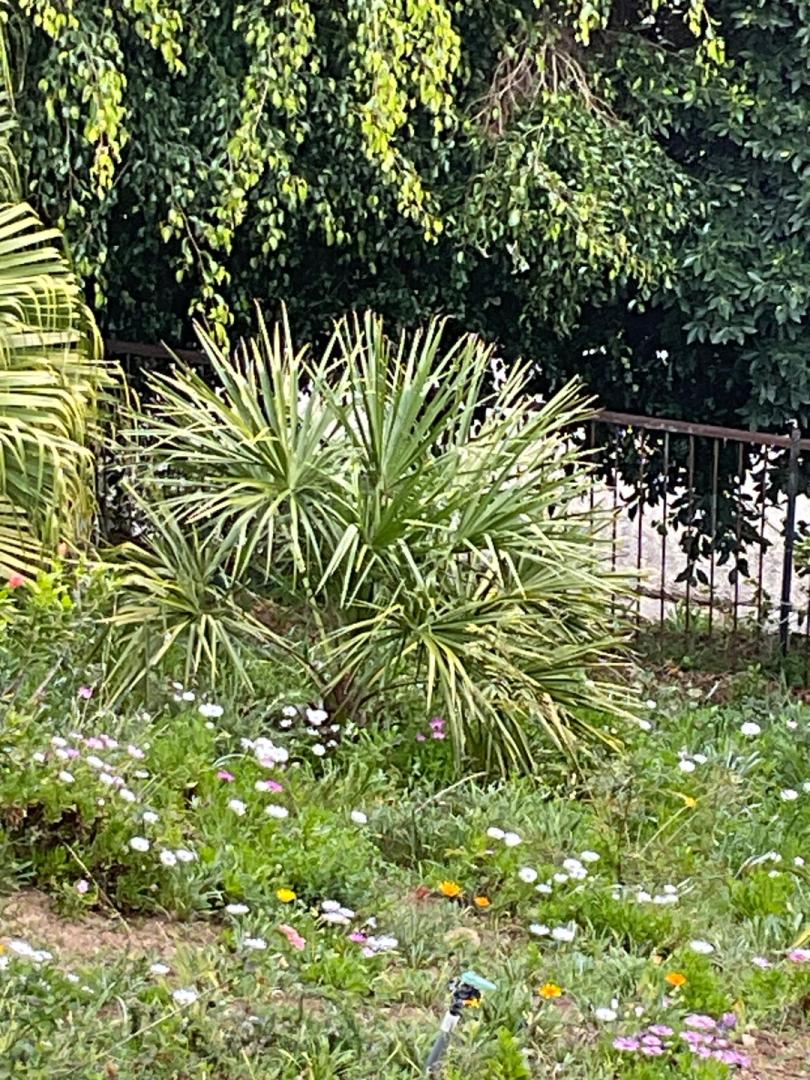
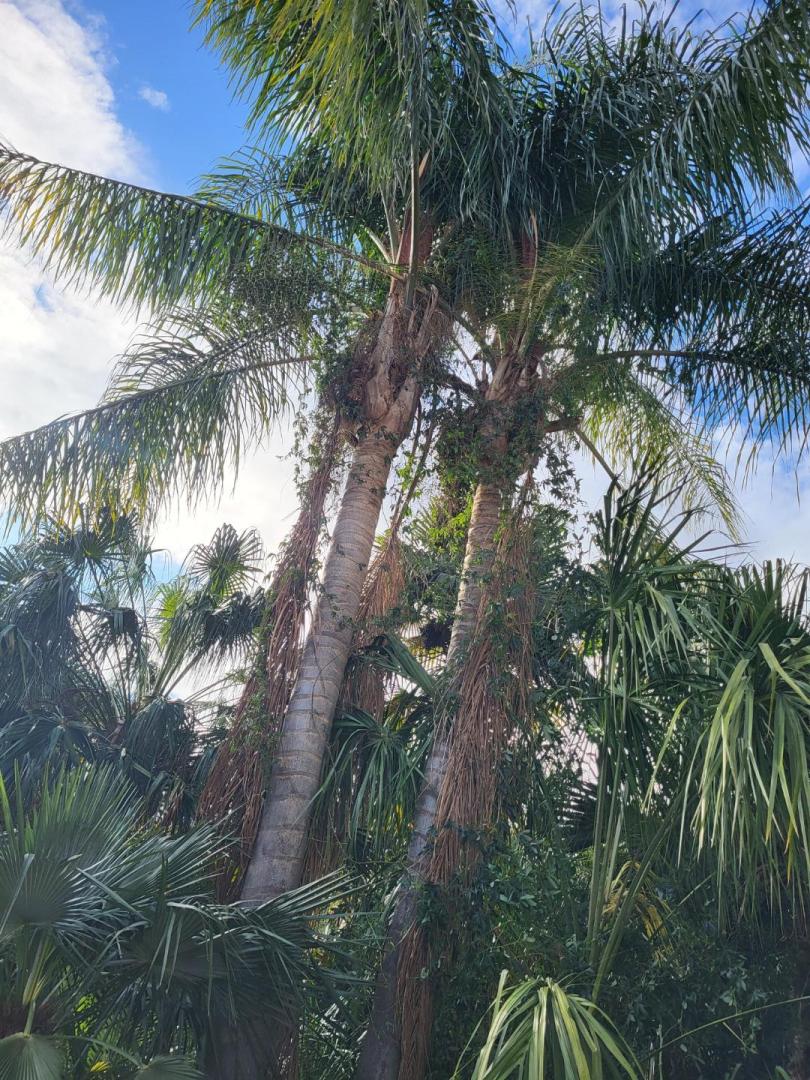
 1 pointThis is killer . Nothing better than a trunkless sabal that’s nice and fat with Corypha ish petioles just gorgeous . And not to mention the parajubaea 😍1 point





















.jpg.83435f9bfc75af10944954ec9be233d2.jpg)