

All Activity
- Past hour
-
 happypalms replied to Palmerr's topic in DISCUSSING PALM TREES WORLDWIDENothing beats a nice stroll in a garden and even better if it’s got palms. Some good pictures thanks.
 -
happypalms replied to The Gerg's topic in DISCUSSING PALM TREES WORLDWIDEDypsis basilonga and a couple of chamaedorea tenella, a bit of eye candy!


-
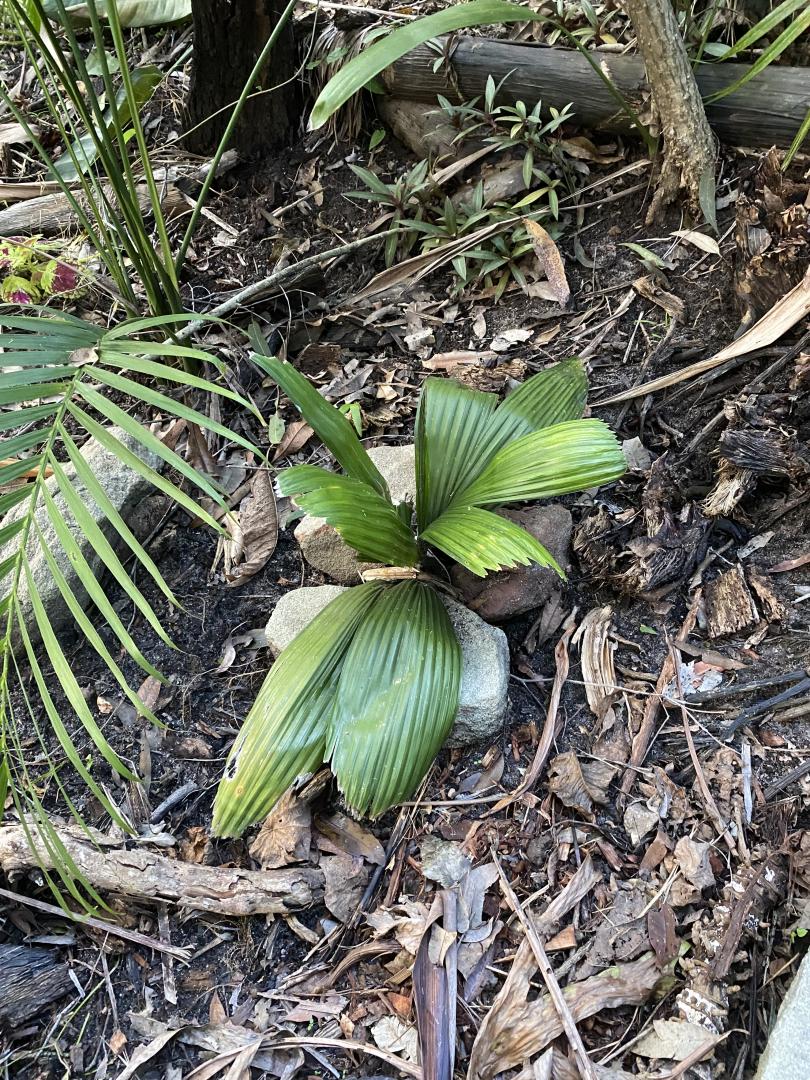
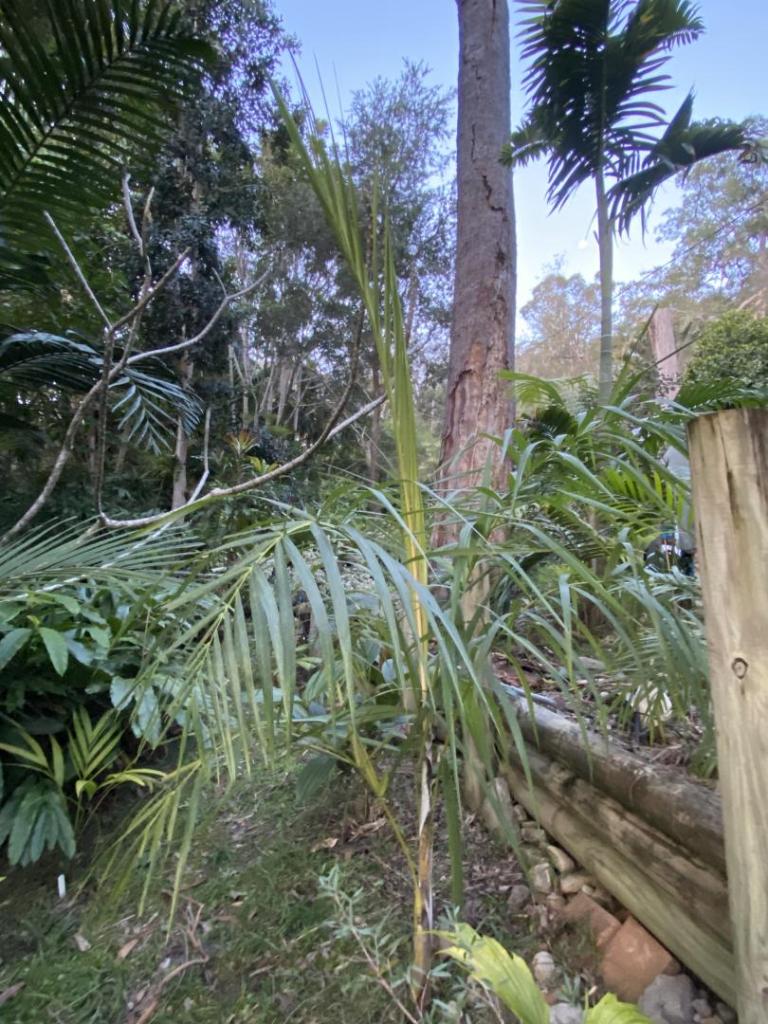
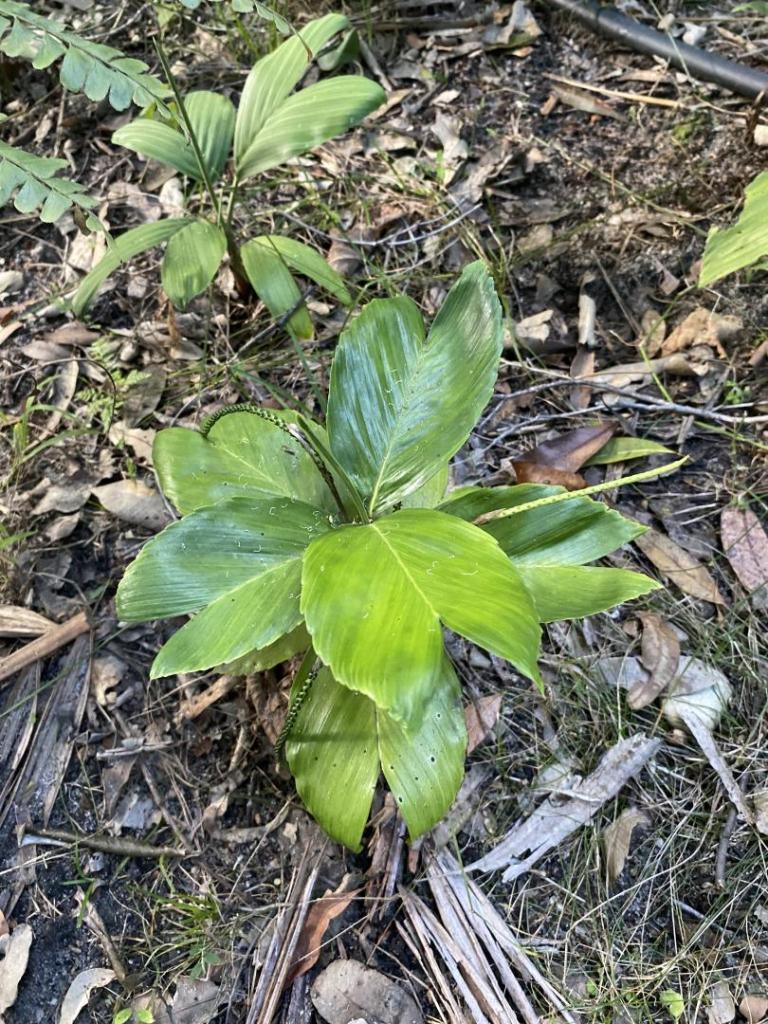
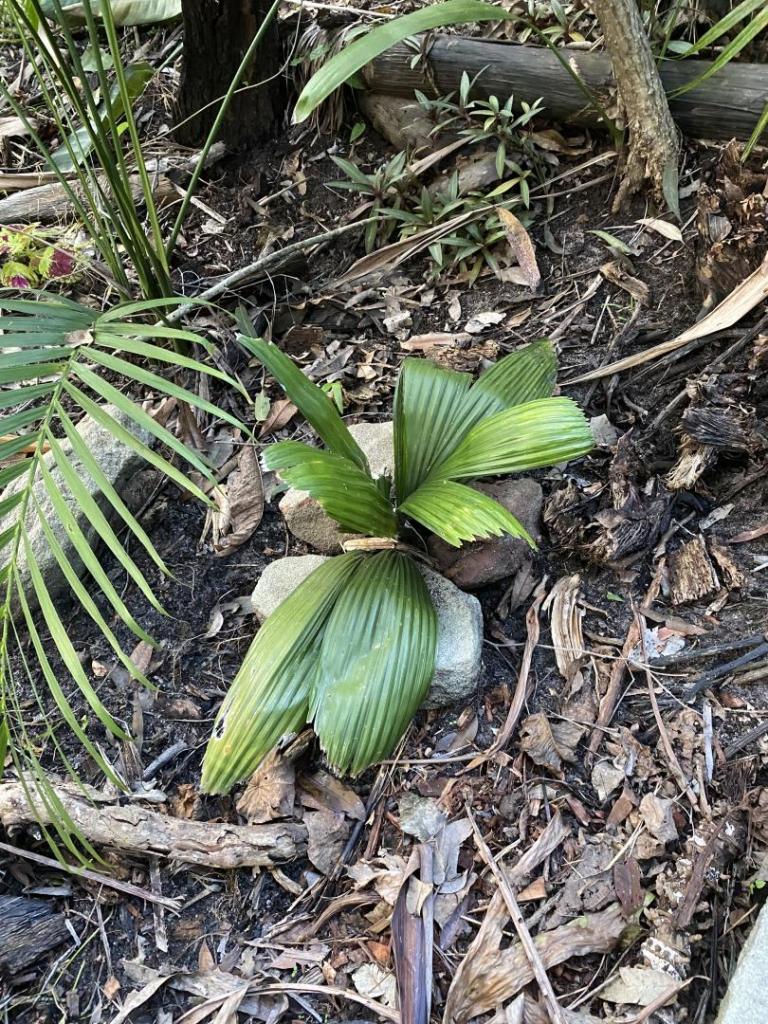
happypalms posted a topic in DISCUSSING PALM TREES WORLDWIDEGood news for this duo of rare palms surviving winter in the ground. Both planted mid summer and they both survived temperatures down to 2 degrees celcius in cold wet conditions. We have two great zone push winners!

-
happypalms replied to Norcal Palms's topic in DISCUSSING PALM TREES WORLDWIDEIt should be fine, just let it get used to its new home. It does look like a couple of leaves have a little sunburn. It will sulk a little but it should be fine and in a year or so you won’t even notice it had sulked. You may lose the odd lower leaf. From what I can see is that the top crown of growth and new leaf is ok.
-
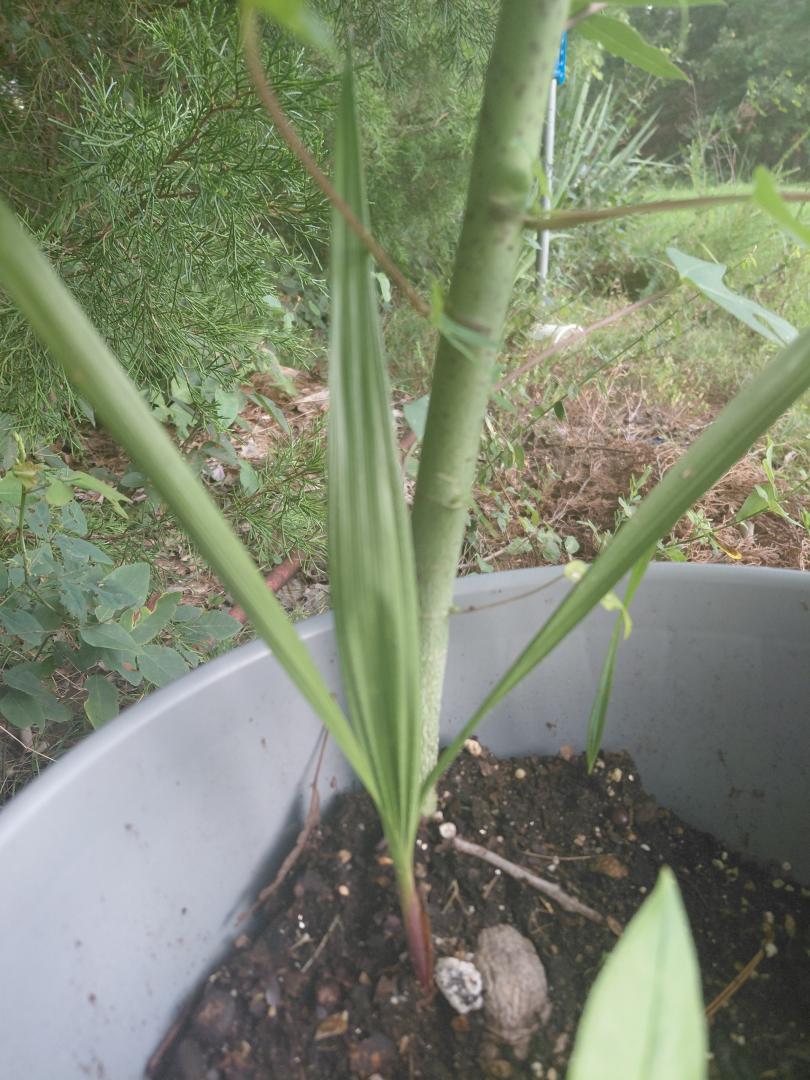
 PalmNation USA posted a topic in COLD HARDY PALMSI thought I'd share this because it's pretty bizarre. The soil in the pot was from compost that was made on the property. Here in McNairy County Tennessee. The only washingtonia seeds I've had recently were Filifera Seeds from Midland TX that I decided to experiment with. But I didn't spread them around anywhere. The only seeds I've spread on our property were Sabal minor seeds and Sabal Palmetto seeds. And I can't for the life of me figure out where in the world would a Washingtonia robusta come from. The closest Washingtonia Robustas that I know of are over 300 miles away. You can see A sabal palmetto coming in that pot too but like I said I've been spreading sabal palmetto around.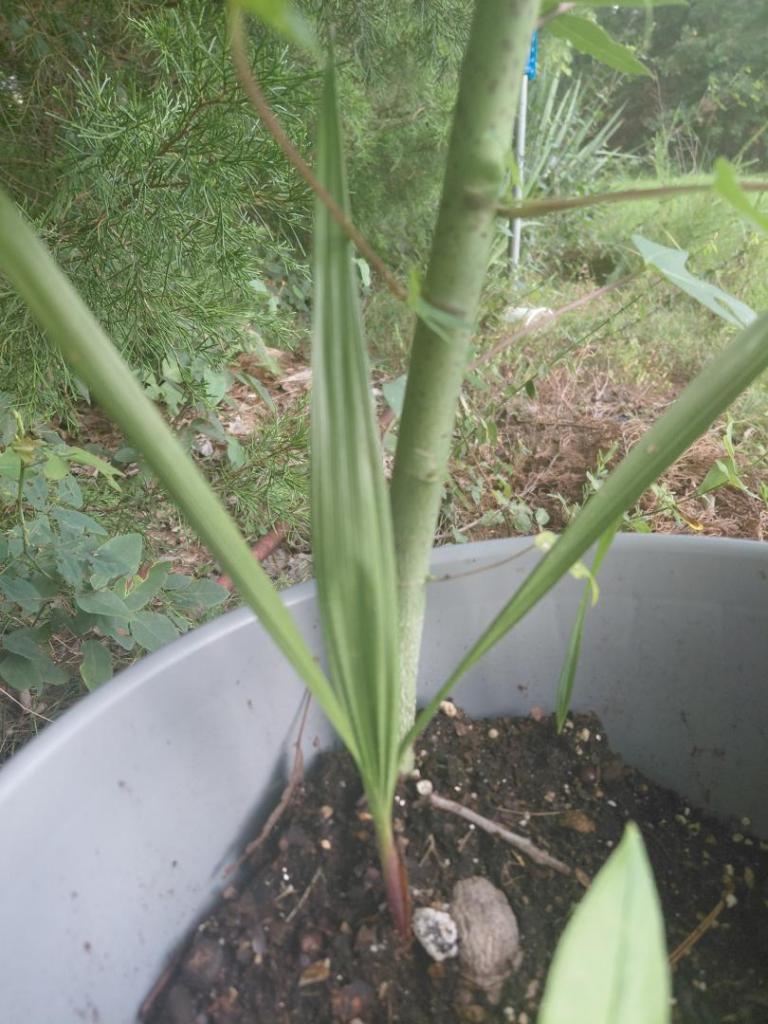
-
 Mauna Kea Cloudforest replied to Mauna Kea Cloudforest's topic in DISCUSSING PALM TREES WORLDWIDEHonestly, most of the damage was with inga trees. I won’t be planting anymore of that species on my farm.
 -
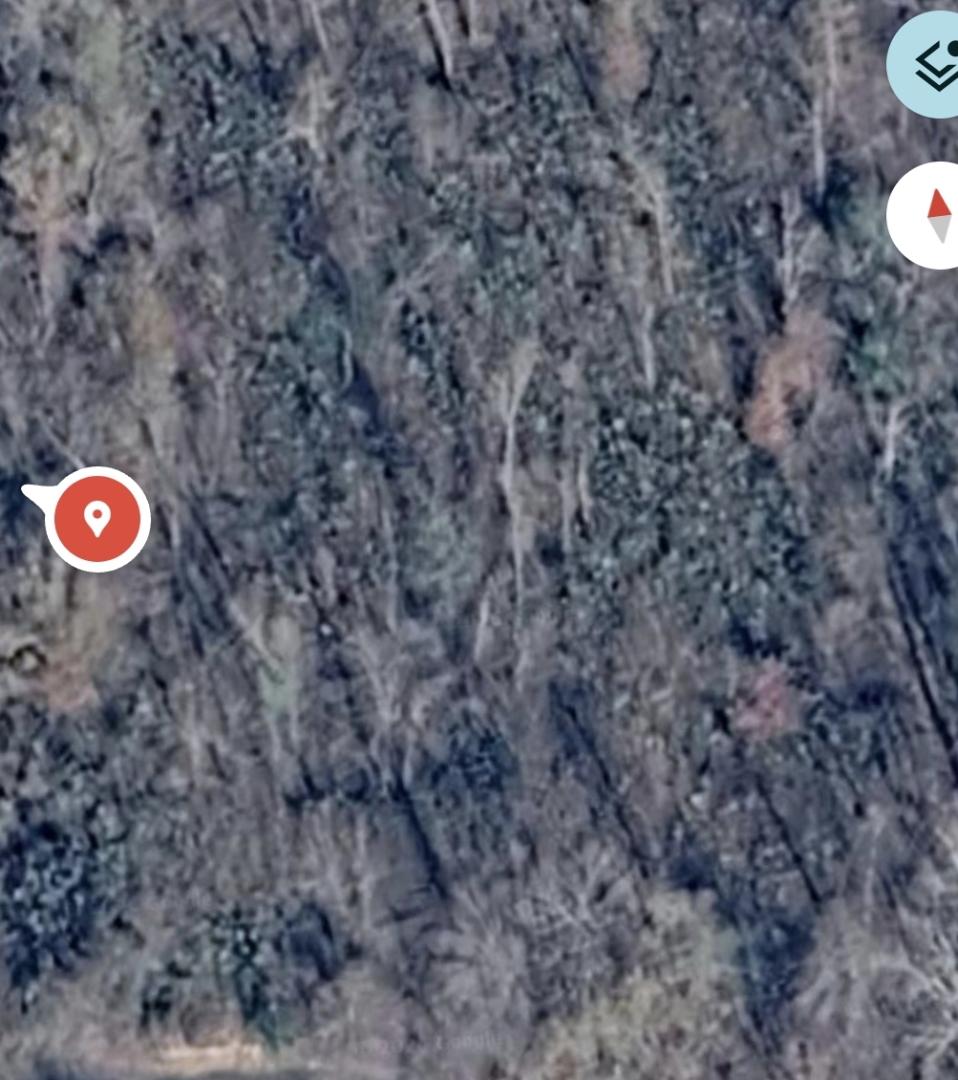
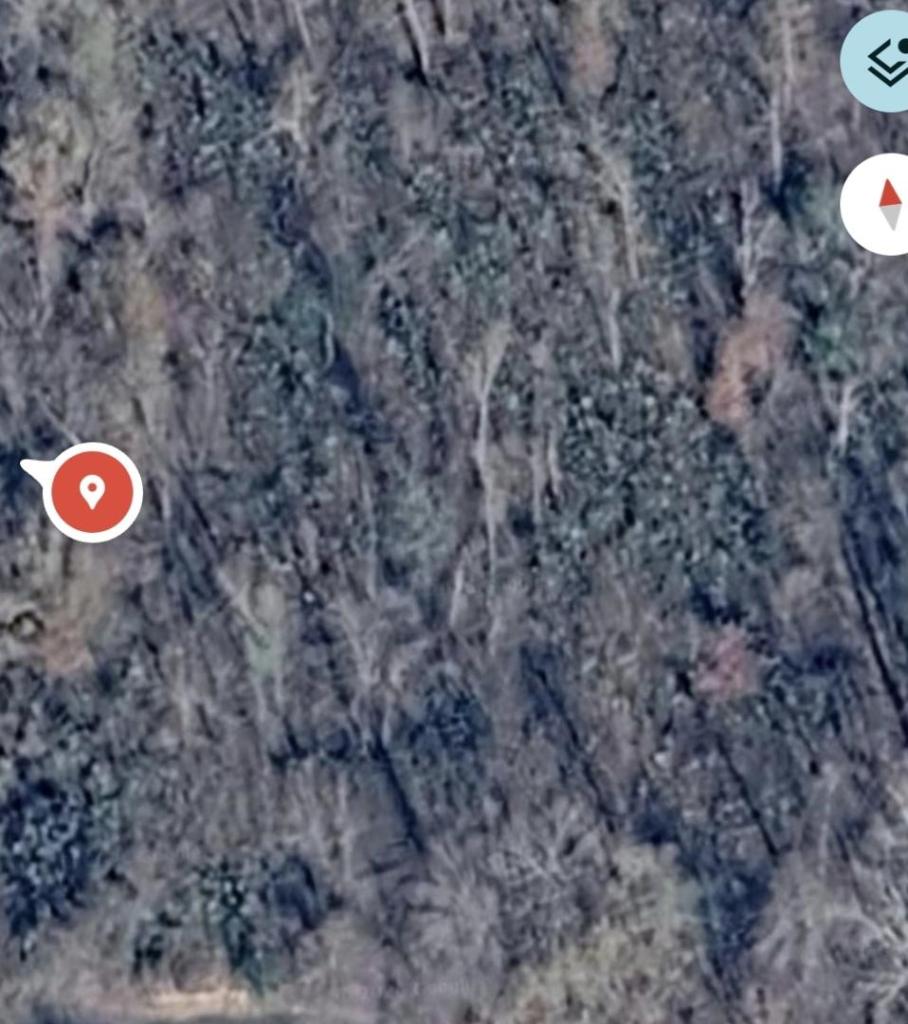
PalmNation USA replied to PalmNation USA's topic in COLD HARDY PALMSHere's another interesting thing around Hornsby, I have absolutely no idea how to even get to this. It's so remote and there isn't a single road that goes anywhere near it. It's like maybe 2 or 3 miles away from a road. It's Directly on the Hatchie River. I may boat down to this spot and some point to look and see if this is sabal minor. But it could also literally be anything
- Today
-
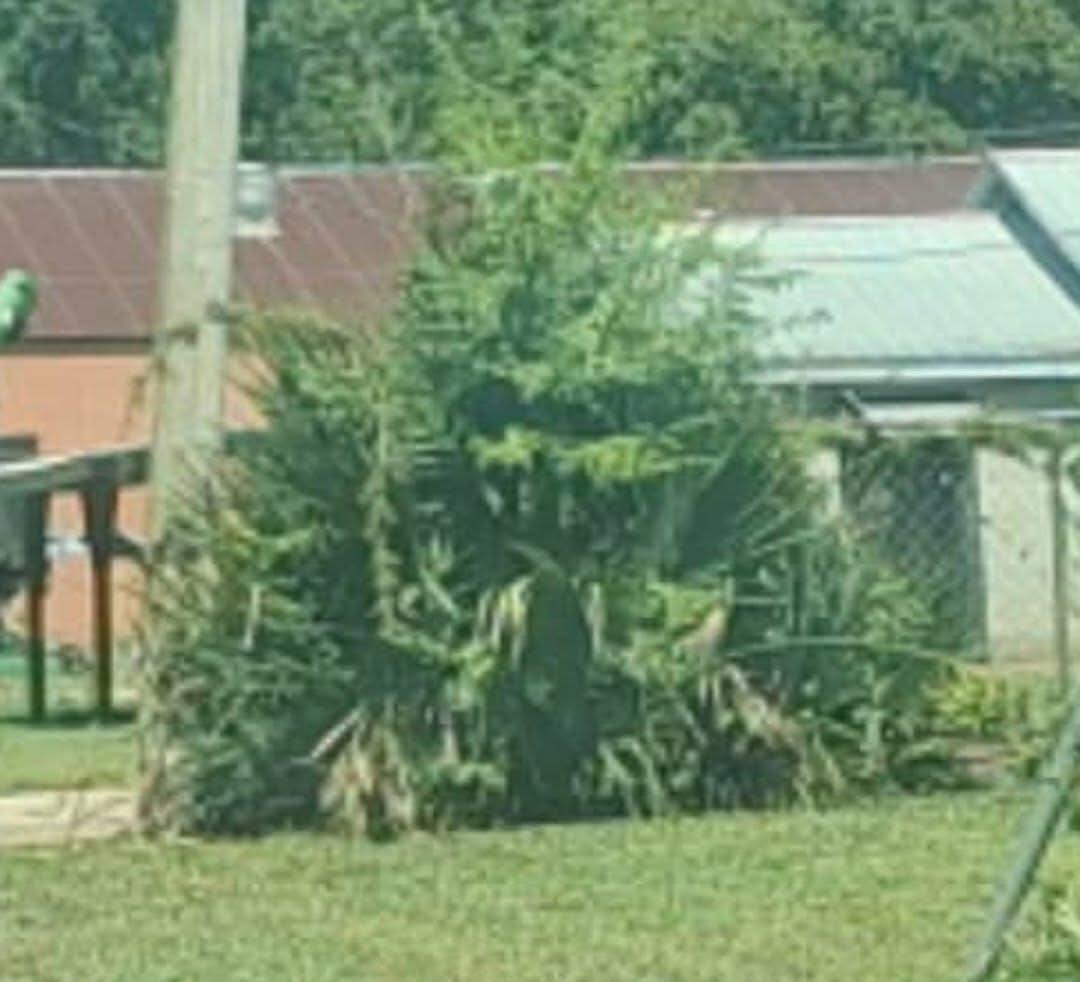
PalmNation USA replied to PalmNation USA's topic in COLD HARDY PALMSI would definitely say this area is 8a, as a matter of fact it's safe to assume all of the counties including the one i live in 15 minutes to the East are 8a. Something id like to point out here is this ridiculous beast. This is a cropped image so the quality is kinda bad. But is it just me or is that fullest, most Globular, stickless lollipop, of a sabal minor ever? this is one of the larger ones in Hornsby. I don't think I've ever seen a sabal minor anywhere that looked like that.

-
happypalms replied to ZPalms's topic in TROPICAL LOOKING PLANTS - Other Than PalmsI know my climate is a lot more milder than yours, but iam also planting out tropicals. I pretty well much planted the whole winter in my garden. Except for a couple of super special one offs which I only planted out mid last week. Plant what you have and hope for the best ifbit has already lived in a container in your collection plant away. Some areas in garden can get hydrophobic with the sand I have. You can get a wetting agent or a little detergent helps with hydrophobic soil.
-
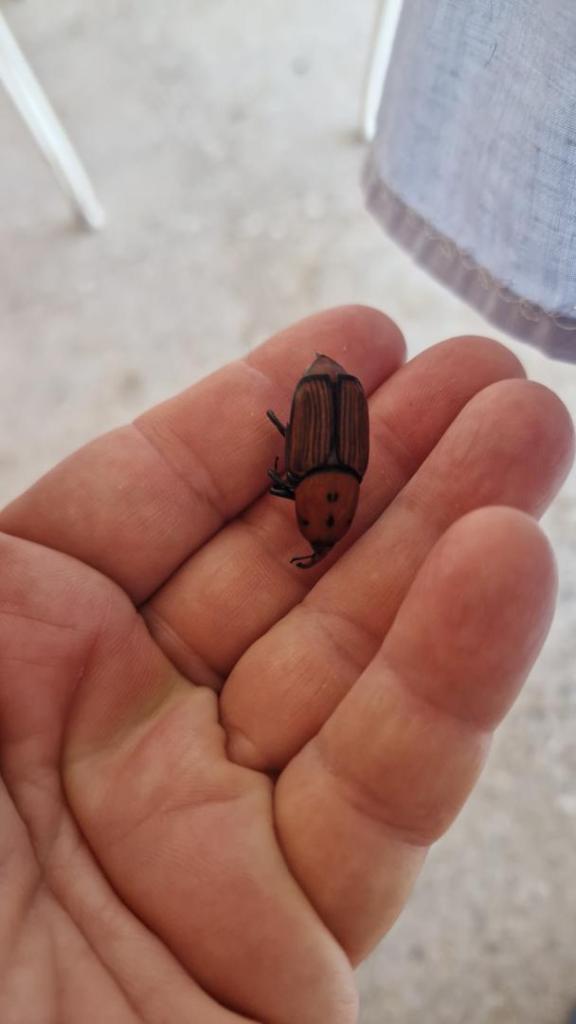
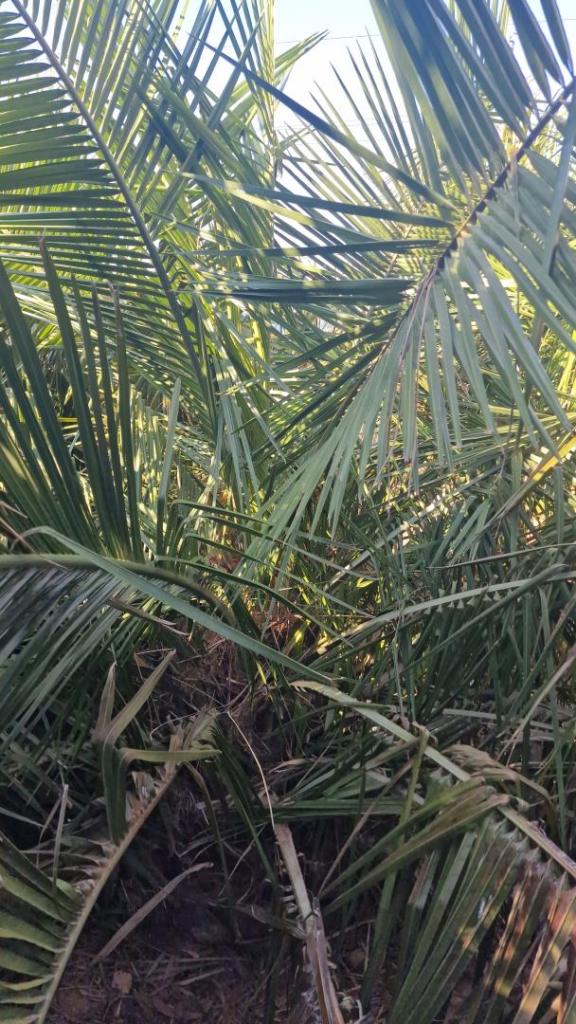
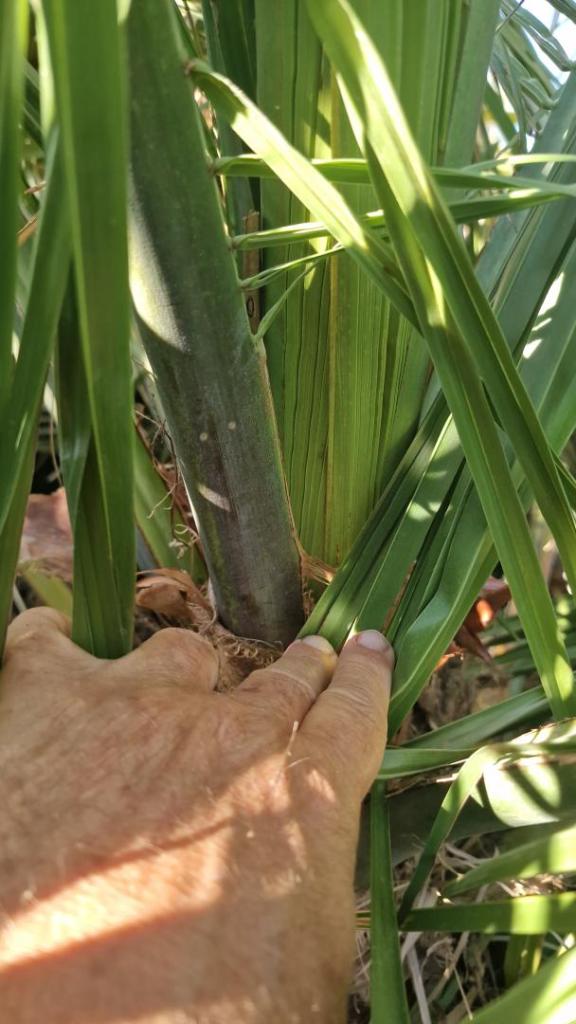
 Phoenikakias replied to Tracy's topic in DISCUSSING PALM TREES WORLDWIDEWhether SAPW over there or RPW here, they have arrived to stay. Terribly sorry saying it, but you are bound to spray preemptively monthly in order to prevent or minimize effects of infestation. I have been following this practice since two decades. That said spraying is not a heavy task, provided you are properly equipped. A high pressure oil motored pump and a telescopic cane are indispensable. You do not have to spray the whole crown, just few liters directly in to the growing point and the immediately surrounding it leaf bases. I use a solution one sachet (not the whole content of the bag) of Merit and 15 mm of a contact insecticide in 100 lt water. I sprayed yesterday and today I have found a dead bug below my Livistona mariae Like I written in the beginning, regular, monthly spraying does not guarantee 100% prevention of infestation but it certainly prevents a severe infestation by the time first signs of latter become visible. Here is a recent example in my juvenile Jubaea. Initial infestation did not progress deeper in to the growing point and as new leaves and spears were emerging signs became visible on certain spot of the leaves but newest spear is absolutely free of any marks. Newest spear is absolutely healthy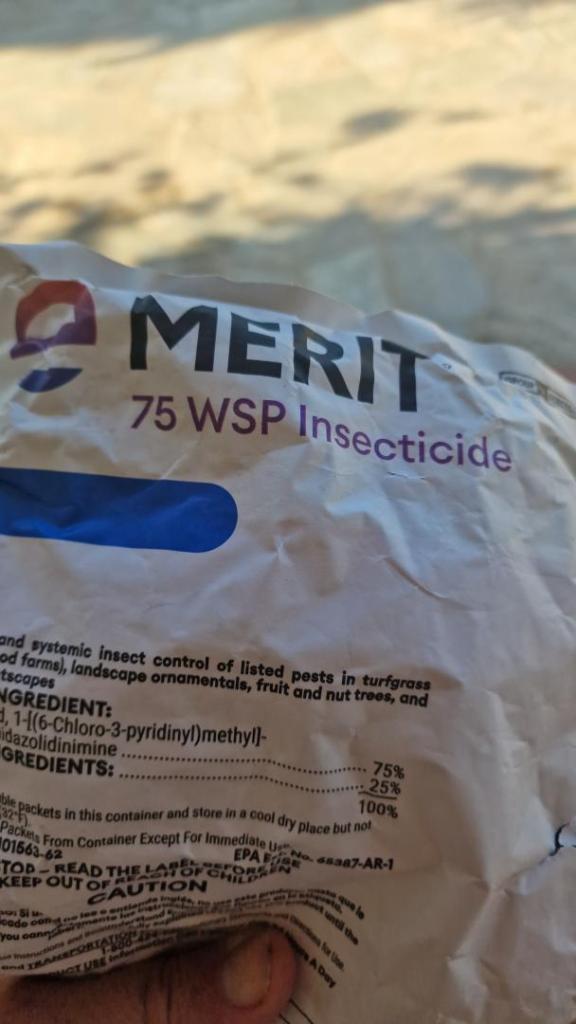




-
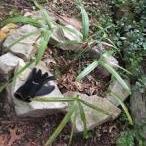 PalmTreesAreCoolYes replied to PalmNation USA's topic in COLD HARDY PALMSI've done some research on this and if I recall right, I think someone online said that someone went on a trip down south so many decades ago (maybe the 1960's) maybe to Florida or somewhere like that and brought some sabal minor back with them and then they have spread and naturalized all over that little Tennessee town since then. So they are most likely naturalized in this area rather than native but it is still very impressive. They certainly seem to thrive there. There are a few other areas where sabal minor has naturalized in Tennessee. One area I know of in zone 7b Tennessee is where the owner of a property planted some sabal minor in the 1960's and there are now dozens of them all over his property and some even across the road by a fence. I'm guessing birds carried the seeds and perched on the fence and dropped them there. But the thing about sabal minor is it may produce many seeds but most of the seedlings usually are going to end up in one small area even over the span of decades. I'm guessing this is due to their seeds being relatively heavy and many of them probably just dropping right by the parent plant. They seem to expand there native range extremely slowly. Birds seem to really like sabal minor seeds but they seem to digest them very quickly and drop them very quickly a short distance away from the parent plants. Since the last ice age, it has taken them a very long time just to get up to their known native range. Another problem is humans keep destroying the environment so there is less and less favorable habitat for sabal minor to expand into as time goes on. So since the 1960's, that area that I was talking about in Tennessee, the sabal minor reproduced and spread a lot but only in a relatively small area, only reaching to barely across the road by a fence. I'm guessing Hornsby, Tennessee is zone 8a? The area I am talking about is in zone 7b. Back in the 1960's, I'm not sure what the cold hardiness zone for each place was. It's very interesting to think of what kinds of winters all these sabal minor in Tennessee have endured over all these decades. The problem is sabal minor just spreads so slowly northward or in any direction (unless I'm guessing if water is involved like a creek or something to help move seeds). If sabal minor spread faster, I'm sure they would probably already be proven native in Tennessee and all over most of Tennessee. Sabal minor don't have feet like animals and people do and cannot simply walk to where they want.
 -
 cagary replied to Mauna Kea Cloudforest's topic in DISCUSSING PALM TREES WORLDWIDEI was at Jeff's place a few days before the storm, buying some palms. He seemed pretty concerned. I spoke to him a few days ago on the phone. He said he had one large palm blow down, but that he had others of the same variety come through intact. Flooding was the worst problem he faced. Too many neighbors above him had cleared their land bare, which let the rainwater flow over the properties and into Jeff's place. He said the nursery sections were fine. My place on the east coast north of Hilo came through the storm fine. No palms lost, only a couple of bananas blown down.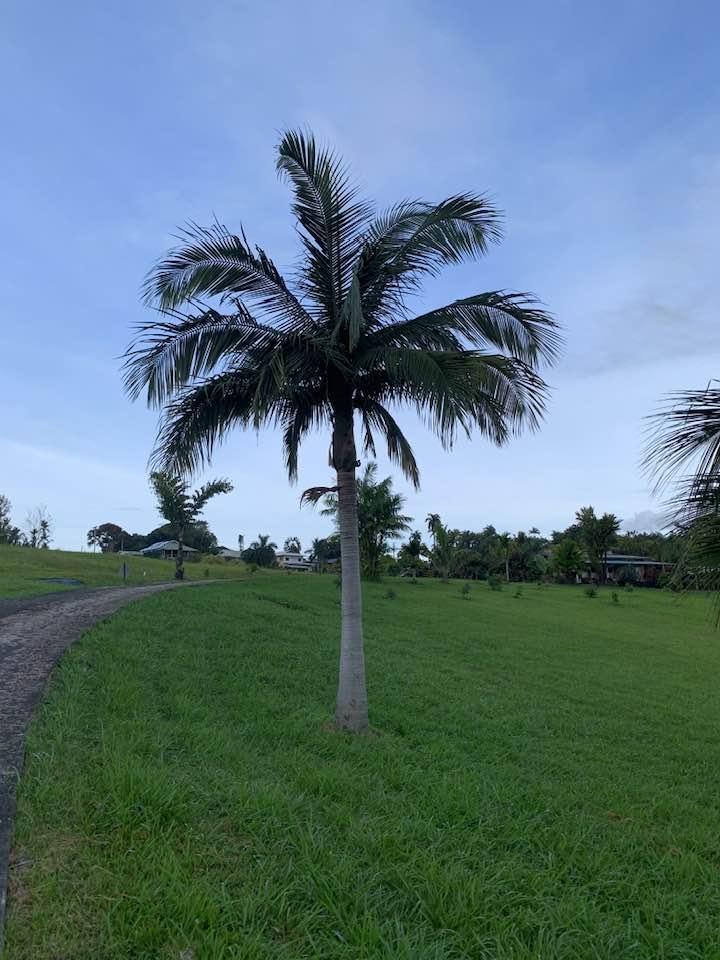
-
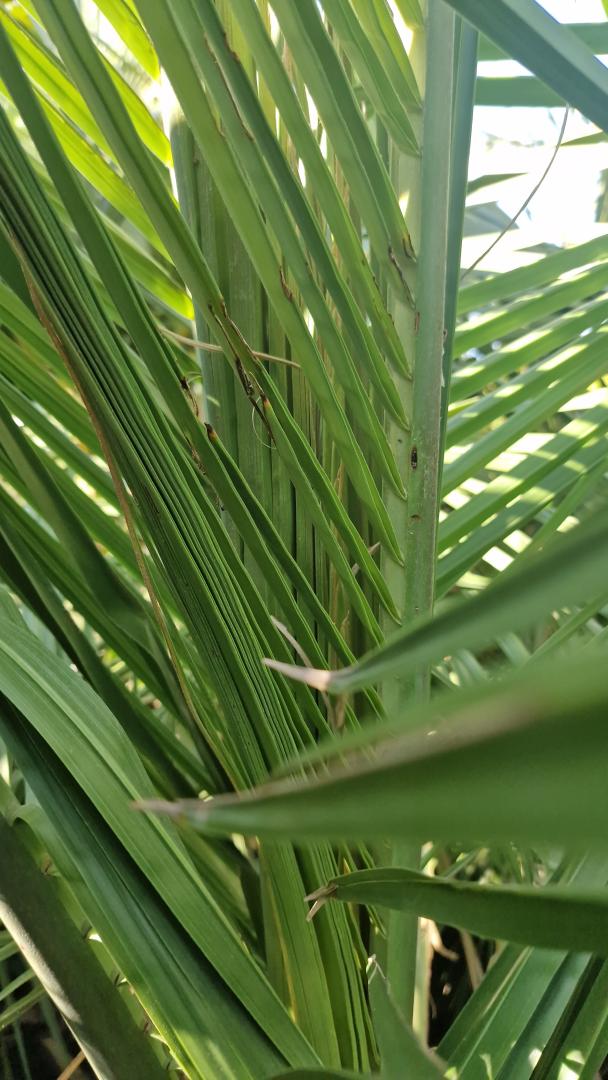
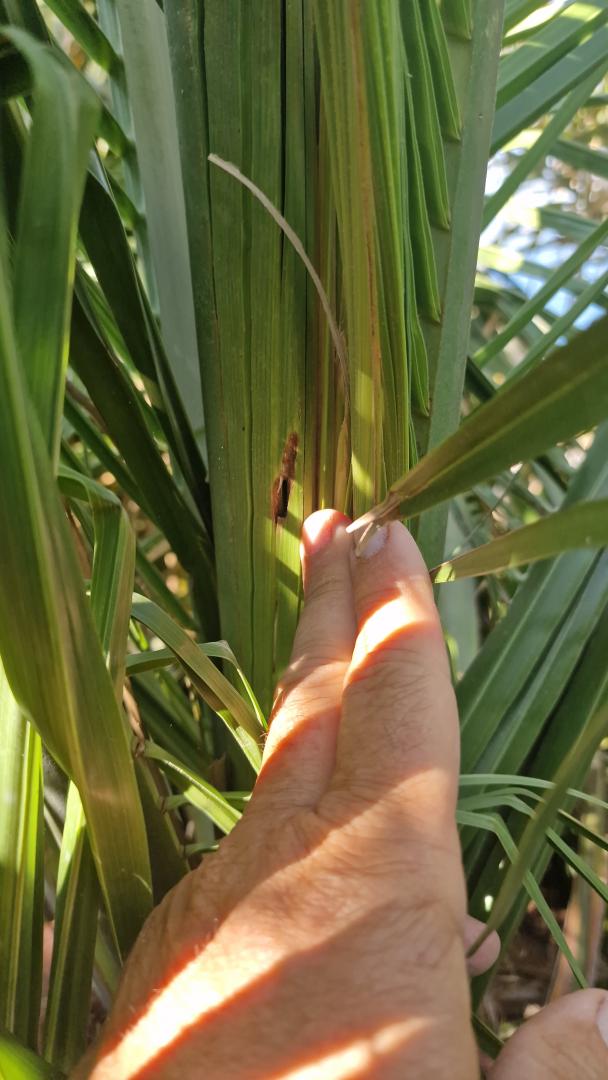
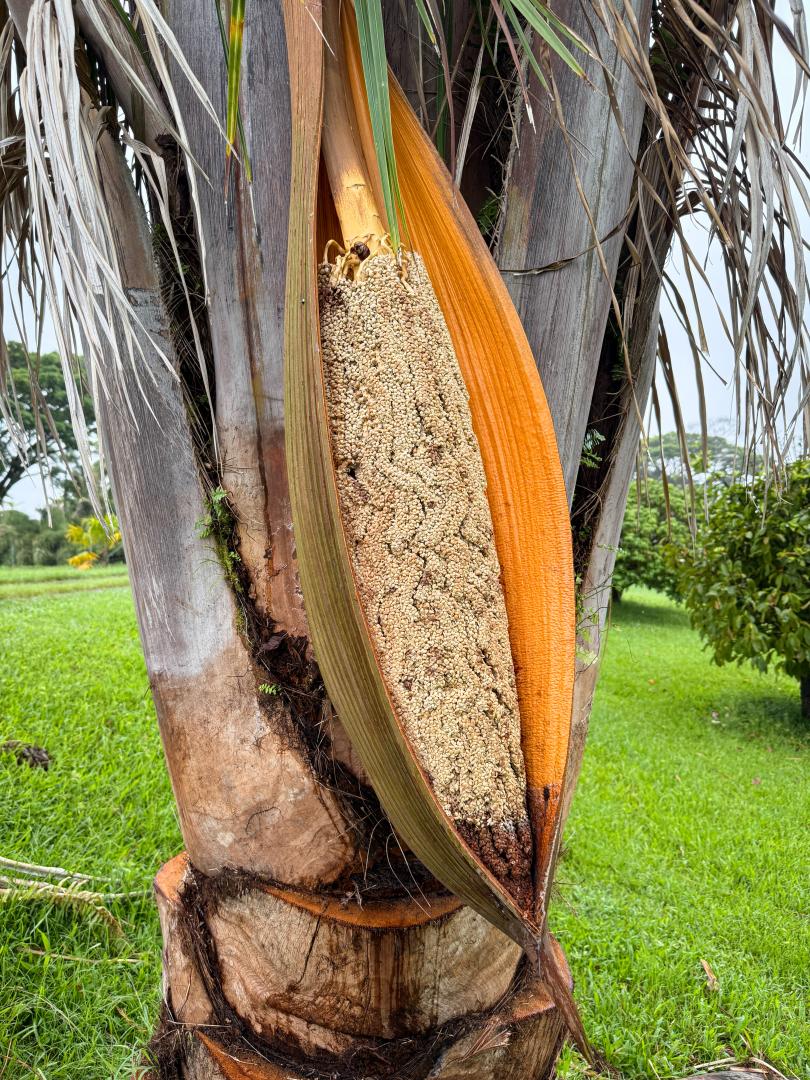
 Patch posted a topic in DISCUSSING PALM TREES WORLDWIDEThis pod split open today, which is always amazing. I'm having trouble understanding the difference between the butyracea and cohune. The fruits seem a little different but to my eye not by a lot. What should I look for to figure out which of the two I have here? Many thanks in advance.

-
 SCVpalmenthusiast replied to SCVpalmenthusiast's topic in DISCUSSING PALM TREES WORLDWIDEIt was a 36 inch box. No chance I could do that, it weighed around 1000 lbs. I couldn’t even get it in the backyard without a crew of men or bobcat. I’ve already had a funeral for it in my mind. I will never buy a large specimen again. Better to buy 15-25 gallon palms.
 -
SCVpalmenthusiast replied to SCVpalmenthusiast's topic in DISCUSSING PALM TREES WORLDWIDEIt doesn’t smell but every spear that emerges immediately desiccates as soon as it opens. I would probably try if it were in my backyard but this was my flagship palm. It’s coming down. I decided to replace it with 15-25 gallon alexander king palms.
-
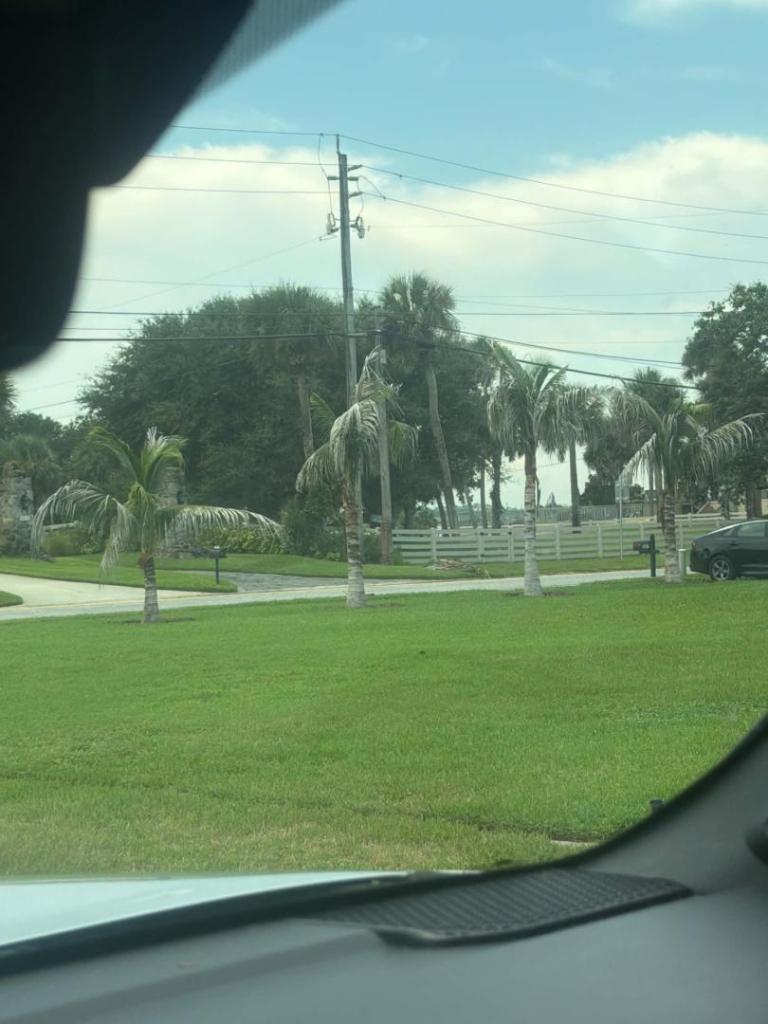
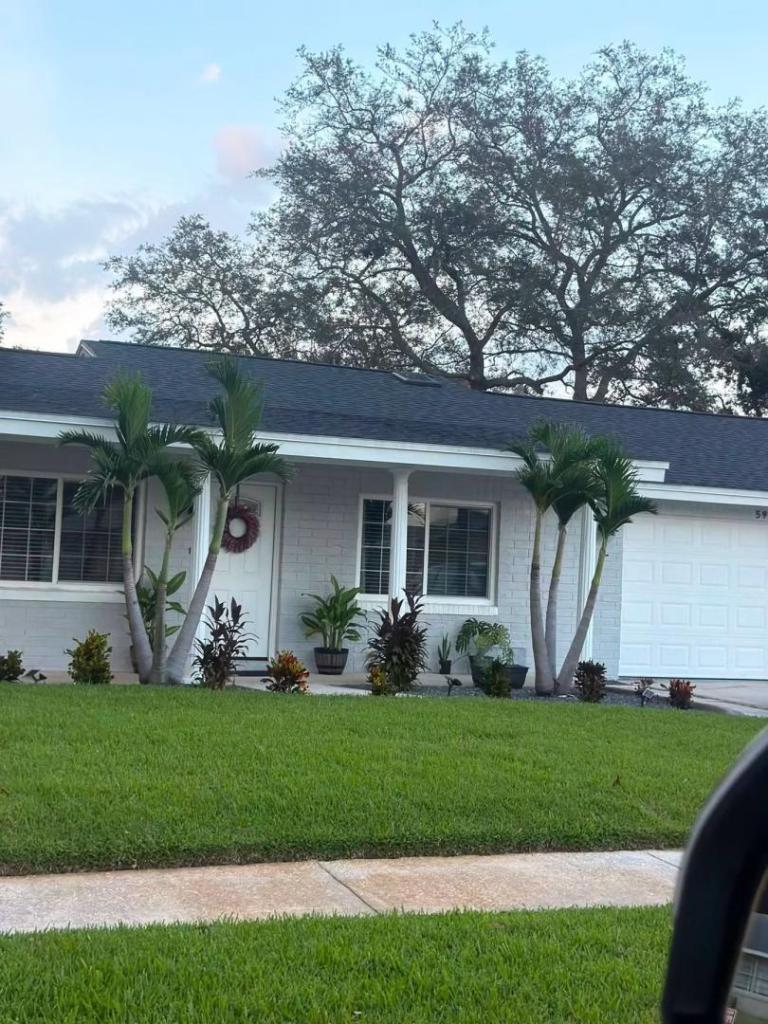
 Robert Cade Ross replied to idontknowhatnametuse's topic in FREEZE DAMAGE DATAVolusia County coconuts coming back from 23/24°F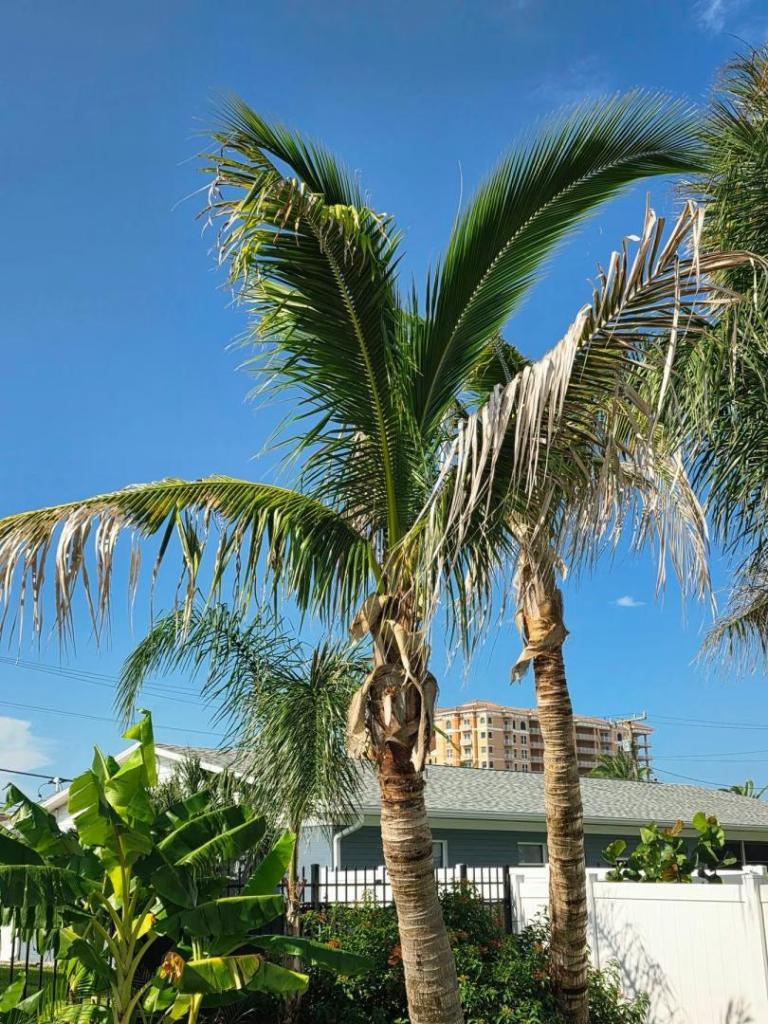

-
 rprimbs replied to SCVpalmenthusiast's topic in DISCUSSING PALM TREES WORLDWIDESomething just dawned on me. I did lose one years ago. Gophers chewed off all of the roots. Do you have gophers?
 -
 bruce Steele replied to Pacific's topic in DISCUSSING PALM TREES WORLDWIDEI collect from several different Jubaea palms around Santa Barbara . Most adult Jubaea have rare or no twins but one tree I collect from has ~ 25% of its seed crop with twins. It is a relatively young Jubaea maybe half its adult size. I will check future seed sets and see if every year it throws twins. Seed size is also small on the young Jubaea compared to the Mission palms or the one at the lawn bowling park.
 -
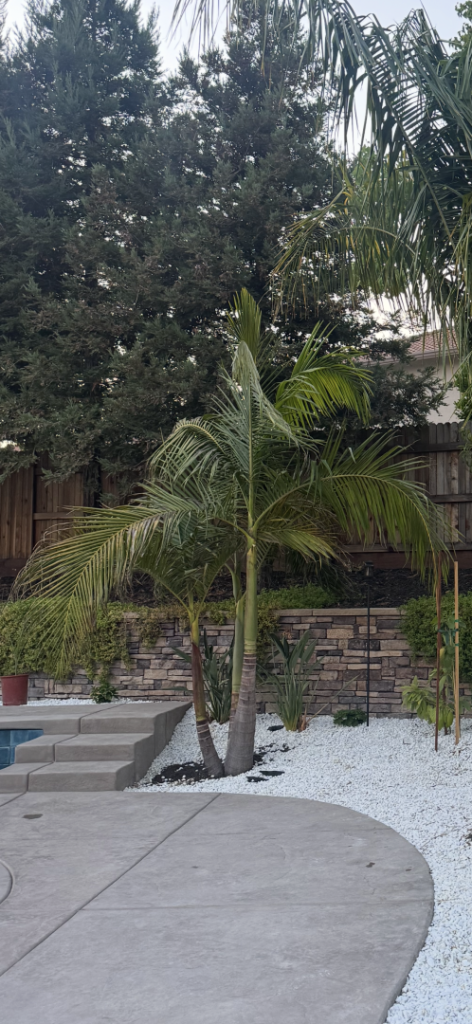
 Norcal Palms posted a topic in DISCUSSING PALM TREES WORLDWIDEHi guys I’m in the Sacramento, CA area and recently got my king palm planted on Friday. Looks like it is experiencing some transplant shock, and I just wanted to see if this amount is to be expected. Palm was in 30” box and transported from San Diego last Tuesday and planted in the ground on Friday. It’s been hot (90-100) here and during the open air trailering from San Diego. First picture is how it looks today, second yesterday, third on Saturday, and fourth on Friday. Current watering schedule is Monday, Wednesday, Friday with 90 minutes on 5 gph worth of drippers. On Friday and Saturday I also manually gave the tree bigger waterings. Tree was planted in a 36x36x30 hole with Kellogg palm mix soil and a light application of Sunniland slow release fertilizer. I also planted an 18’ coconut queen hybrid the same day with the same setup. It doesn’t look like it’s affected by transplant stress as much as the king palm. I’d like to know if this is normal or if I should adjust anything to help out the king.


-
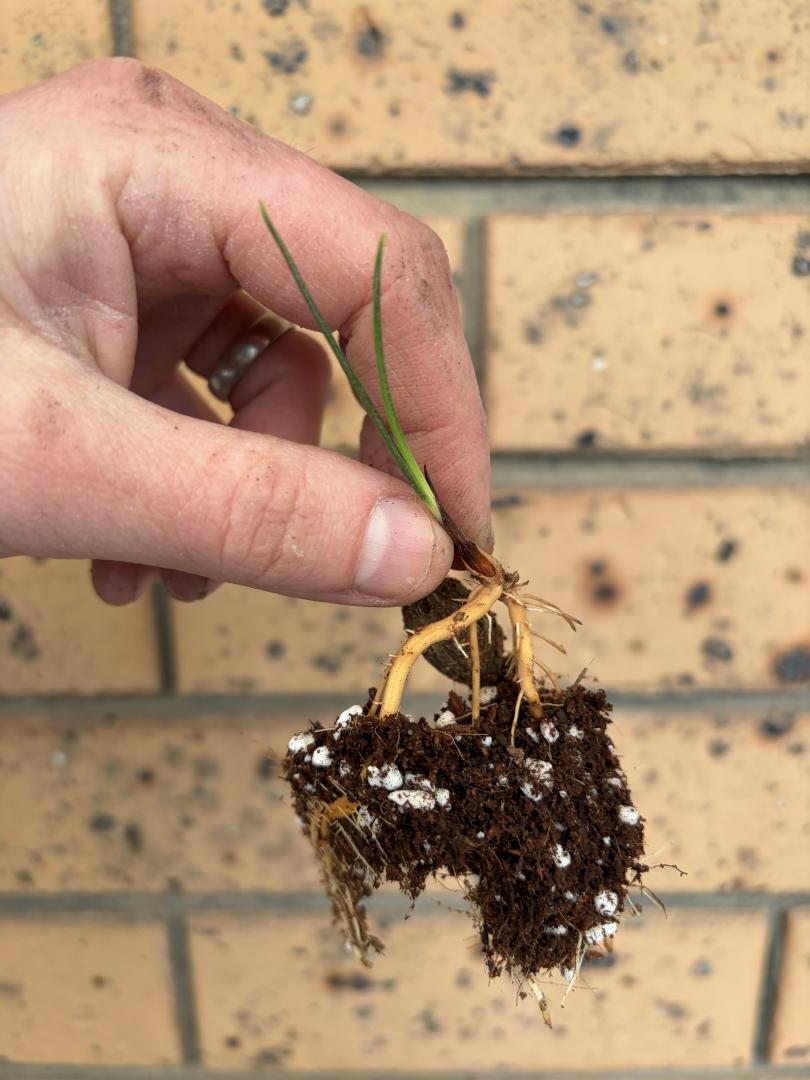
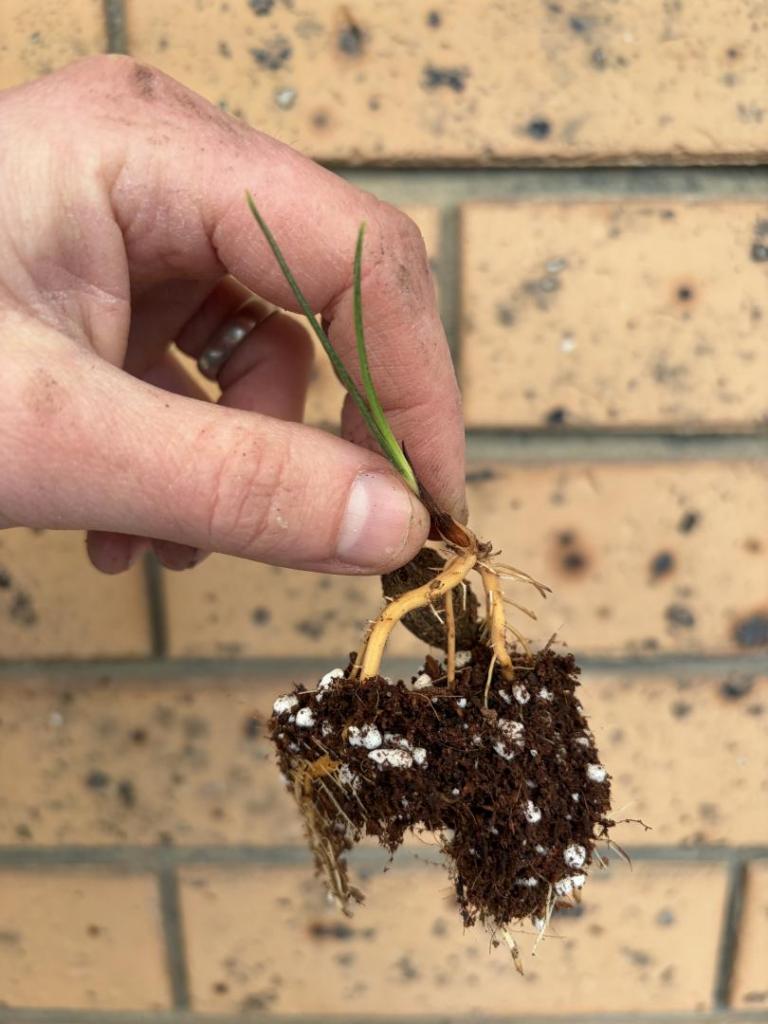
 tim_brissy_13 replied to Pacific's topic in DISCUSSING PALM TREES WORLDWIDEI’ve had this occur relatively commonly in a few of Juvaea’s relatives (Parajubaea sp, Butia sp, Syagrus sp). I’ve never germinated Jubaea in any great quantity but I’d expect it’s not all that uncommon in Jubaea too based on its closest relatives. Here’s some interesting ones from a recent batch of Syagrus campestris. A twin with 2 seed petioles (middle of the photo of the container), but then also a split twin from one seed petiole which I can’t say I’ve seen before.

-
 Jim in Los Altos replied to SCVpalmenthusiast's topic in DISCUSSING PALM TREES WORLDWIDEIn my experience, B. alfredii needs well draining soil. Their requirements are very different than those for Archontophoenix. B. alfredii, in their habitat, are subjected to fairly long seasonal dry periods. Archontophoenix are typically growing in areas that are very wet most of the year. I water my Beccariophoenix well but its soil drains fast.
 - Yesterday
-
 Enar replied to Sias's topic in COLD HARDY PALMSNice haul! I notice your pindo seeds have those very defined three spines on the back of it. Mine are lacking those.
 -
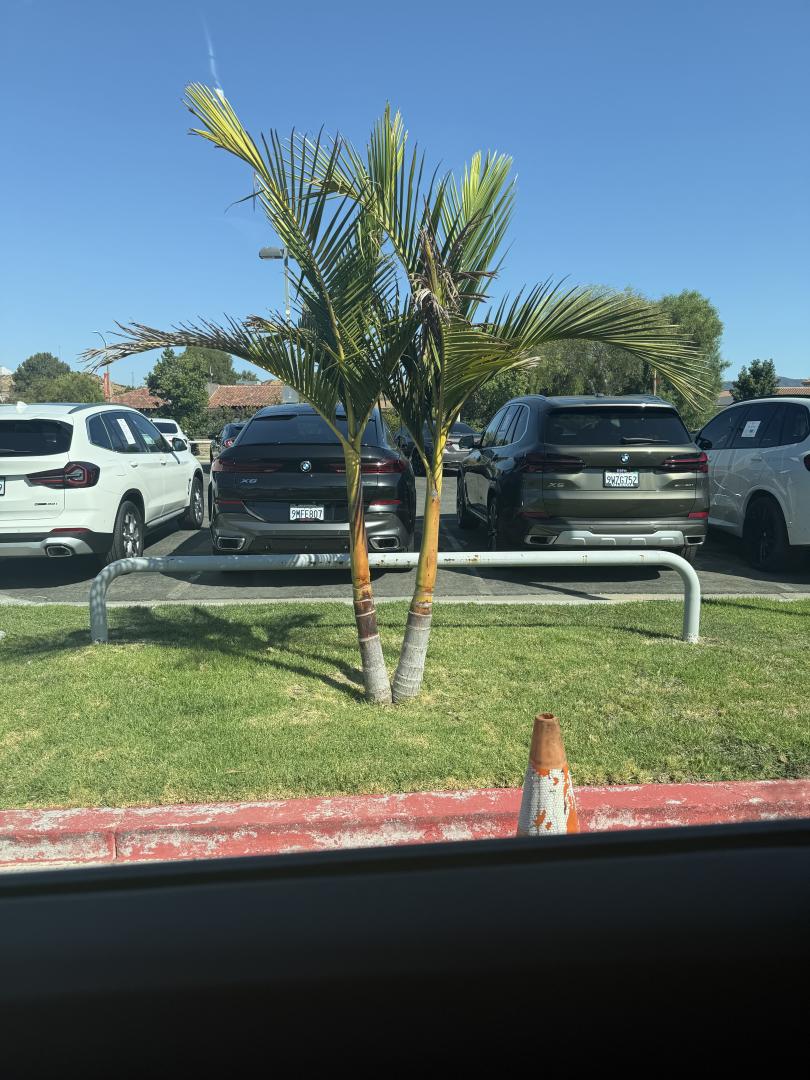
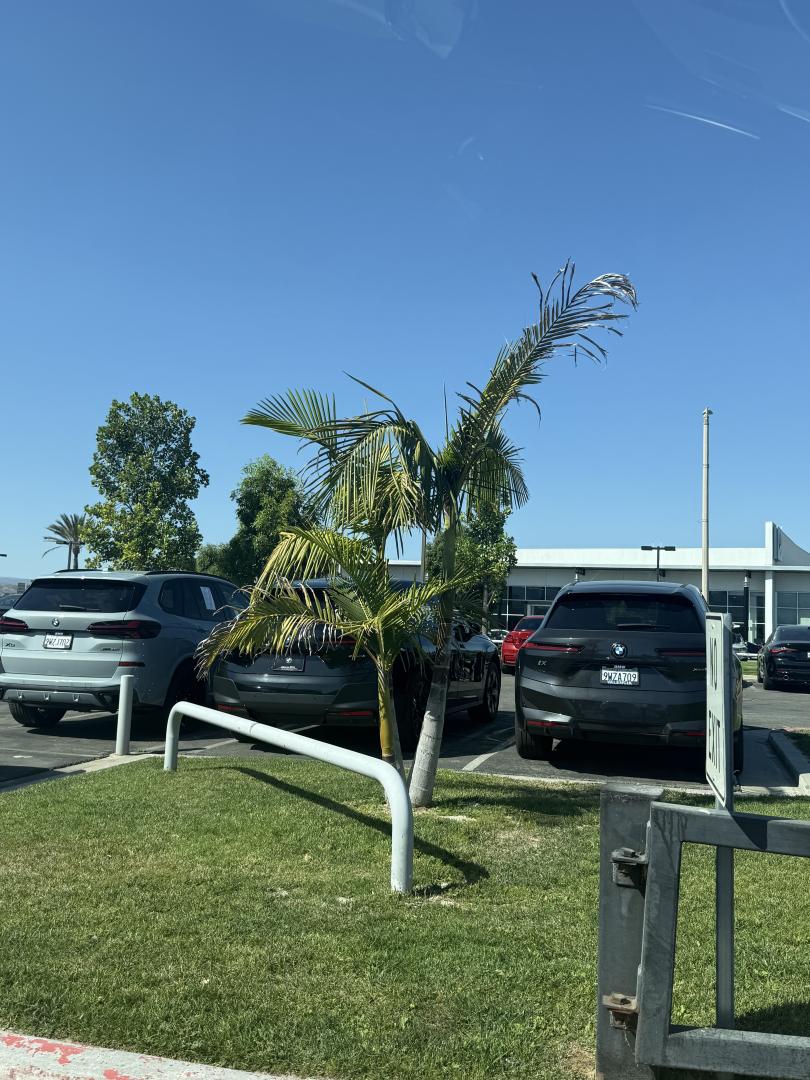
SCVpalmenthusiast replied to SCVpalmenthusiast's topic in DISCUSSING PALM TREES WORLDWIDEI drove by to see the state of these palms. Based on google these must’ve been planted about a year ago. The crown shaft is a little fried and the edges look somewhat cooked. But honestly not bad considering this is the worst heatwave of the year. These definitely look like alexander kings. Im certain the nursery potentially moon valley recommended these instead of the cunninghamianas.


-
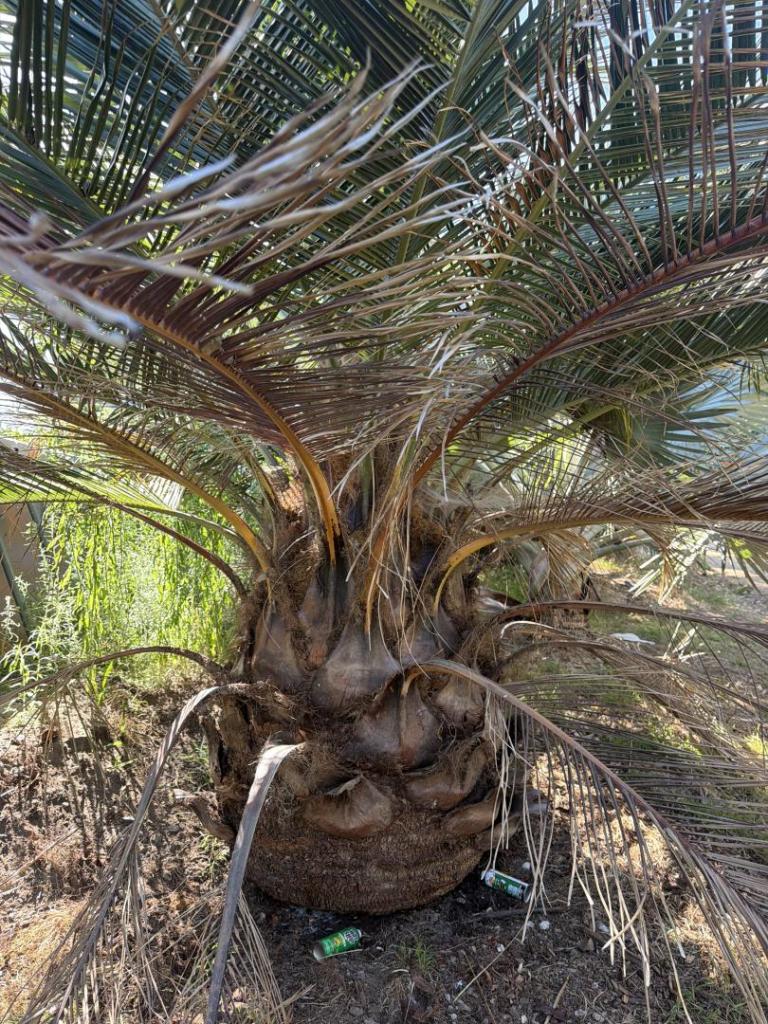
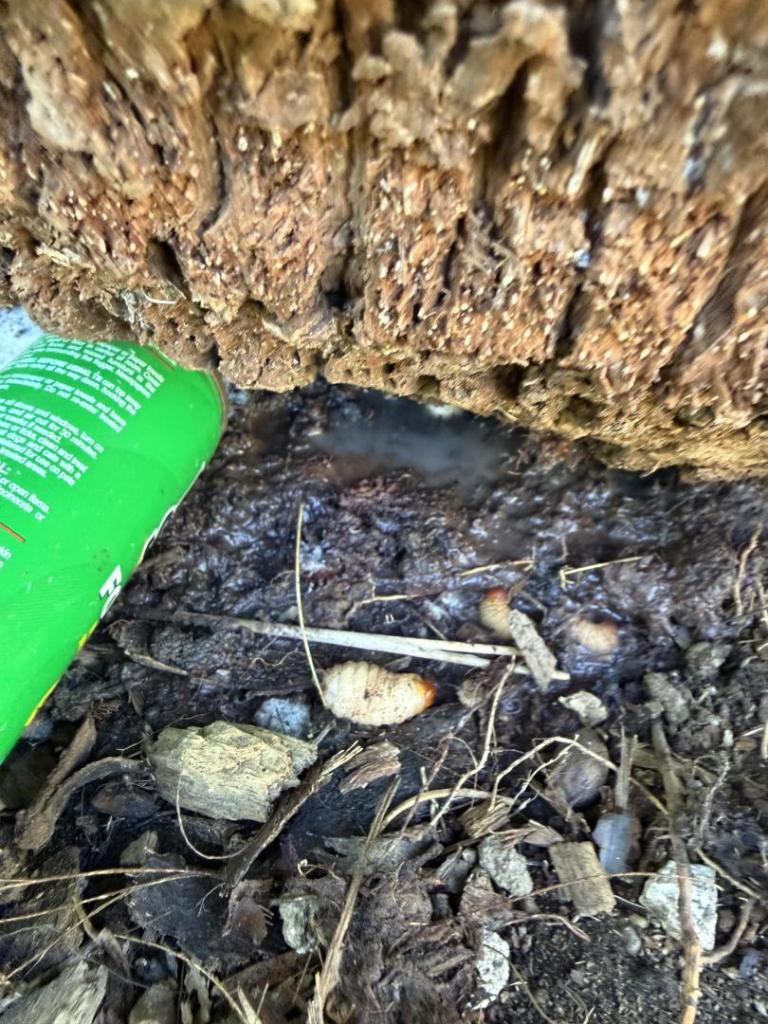
 QUINNPALMS replied to Tracy's topic in DISCUSSING PALM TREES WORLDWIDESAPW infestation on my jubaea seems they entered down low as opposed to in the crown /growing point . I’m fighting them with imadacloprid and foggers! IMG_2337.mov IMG_2338.mov

-
tim_brissy_13 replied to happypalms's topic in DISCUSSING PALM TREES WORLDWIDEAs you say, it’s supply and demand. The only thing I’d add is that to an extent it doesn’t matter what it costs you to buy and grow, if that sets the price too high people won’t buy. Over the course of a couple of years I spent hundreds on rare Syagrus seed from RPS to end up with 1 S harleyi and 1 S cataphracta. That doesn’t mean they are both worth $300-500 on the open market. If I set that price just trying to recover my cost I know no one will buy. On the flip side, as a collector, there’s species that I might be willing to pay a significant amount for and likely much more than cost price because there may not be other alternatives. Again, all comes down to supply and demand.