All Activity
- Past hour
-

Preliminary cold damage to my palms after 23F, Central Florida
Johnny Palmseed replied to Eric in Orlando's topic in DISCUSSING PALM TREES WORLDWIDE
@Eric in Orlando I’m curious as to your ratings of severe vs 100%. Is severe less than 100%? -
Now 18.2°C / 64.76°F in the community garden, 19°C / 66.2°F max today.
-

What is the current water temperature in your waters, lakes, sea, rivers?
Mazat replied to Mazat's topic in WEATHER / CLIMATE
Currently 6.6°C / 43.88°F, so very, very cold ... -

Pindo, Mule or Alfredii for front yard?
Harry’s Palms replied to SCVpalmenthusiast's topic in DISCUSSING PALM TREES WORLDWIDE
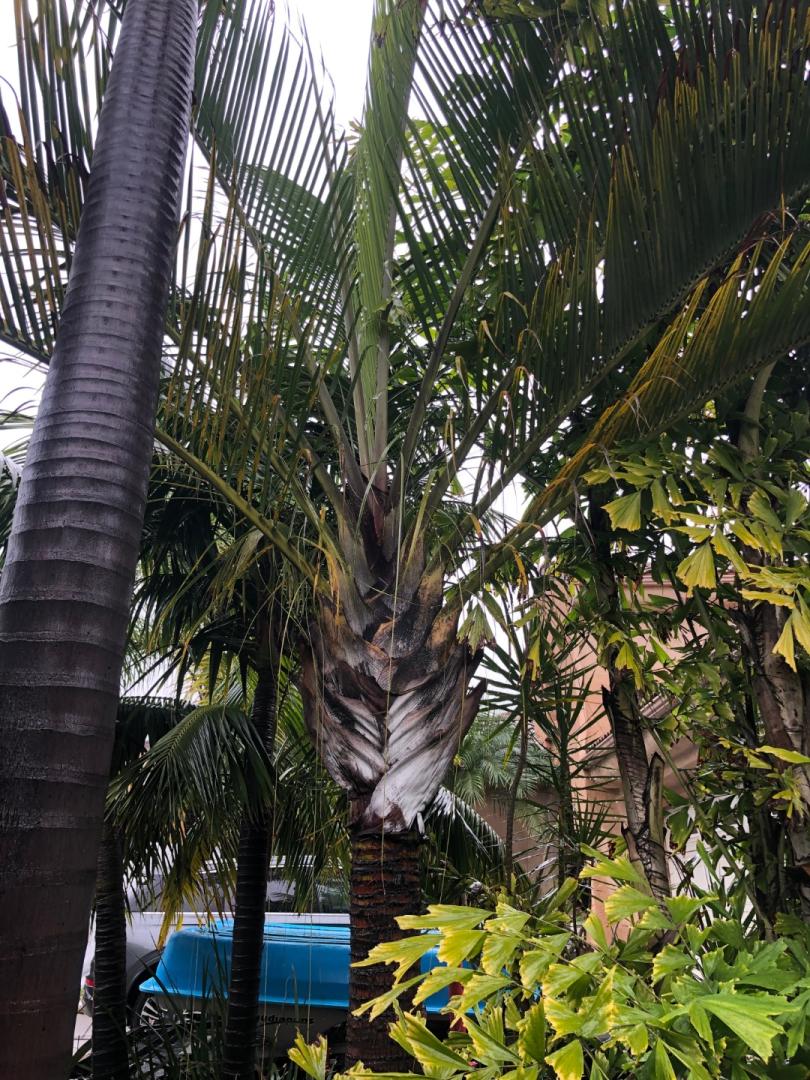
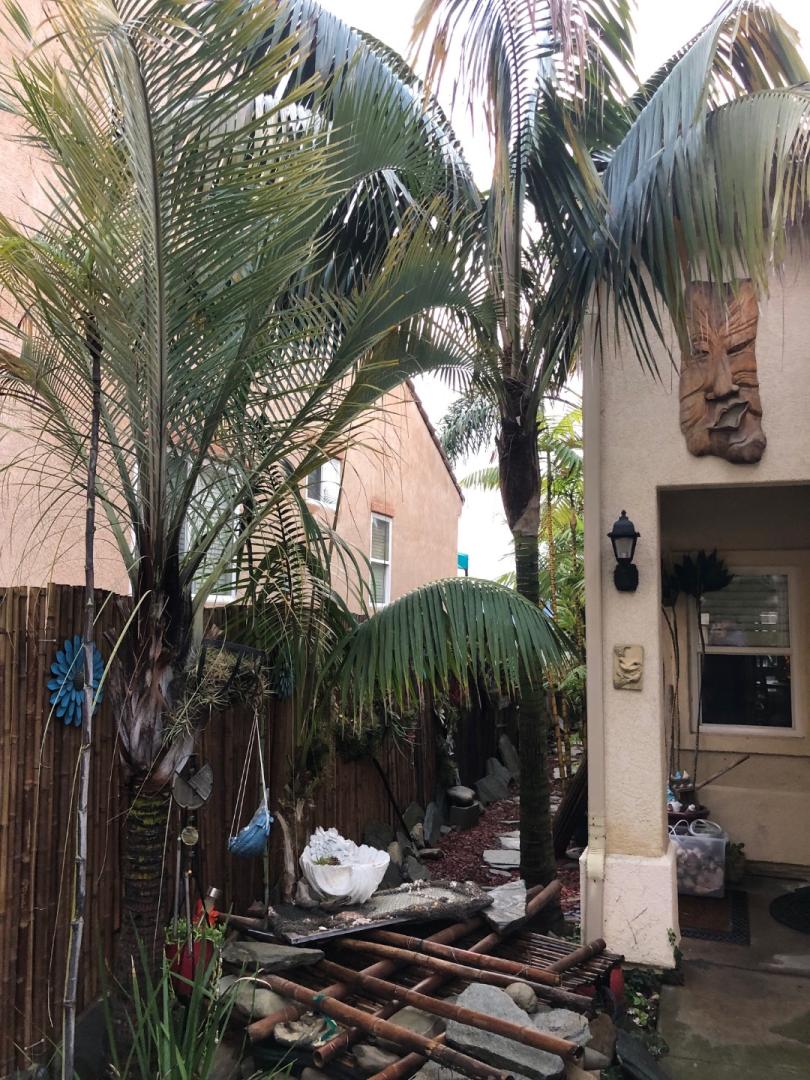
If it were me ( it isn’t ) I wouldn’t gamble . Go with something that can handle the environment . A lot less stressful planting something that will survive easily. There are palms you can plant that will thrive there and look stunning and even tolerate less humidity and water. I have planted small palms that were borderline but I had a canopy and a much more forgiving climate. We get coastal , onshore breezes almost every day in the summer and I have a south facing hill for cold air drainage . The land between our home and the beach is flat so the coastal influences are great. Another 10 miles east on the 126 , Fillmore , is 10 degrees warmer and the air feels much different. Harry These , for example , can tolerate arid climate . This was taken right after a rain event in November. I have two Chrysalidiocarpus Decaryi . This one gets a bit of shade from the Roystonia Oleracae (on the left) and a Syagrus out by the street. The other one is in my courtyard and gets full sun! Both have done great for over 25 years . They were just babies when I planted them. One of them would make a statement in your yard. They actually don’t like high humidity but do like fast draining soil with regular watering and some heat. Just a suggestion , Harry Again , a rainy day pic. On sunny days this one basks in full sun. A bit smaller , it is 3-4 years younger than the other one. A great palm to hang a hammock for the Gnome!

-

Preliminary cold damage to my palms after 23F, Central Florida
Hurricanepalms replied to Eric in Orlando's topic in DISCUSSING PALM TREES WORLDWIDE
@Eric in Orlando, I sincerely appreciate the time you have taken to document and share your observations! -
Hints of Spring ..Part 2?..
Mazat replied to Silas_Sancona's topic in TROPICAL LOOKING PLANTS - Other Than Palms
Wonderful pictures, as always, Nathan. -
😁
-

For some, Florida drought is getting very "extreme"
Hombre de Palmas replied to SubTropicRay's topic in WEATHER / CLIMATE
I steer clear of the politics of climate. This is my "safe place". -
For some, Florida drought is getting very "extreme"
Hombre de Palmas replied to SubTropicRay's topic in WEATHER / CLIMATE
I have decided to give up on the lawn. It's too expensive, and it's galling to have to water even in the so-called rainy season. It will be expensive enough to establish the new garden as a result of the freez,e but once that is accomplished I will have a relatively hands-off xeriscape. I just have zero confidence that this year is a one-off and it will mean peace of mind. Not what I had in mind but my new mantra is "whaddya gonna do"? Over the past 10 years we have spent over $30,000 putting in, and maintaining our tropical landscape. It was gone in a matter of hours. Going forward, it will be an uphill battle even without an extreme freeze, further extreme drought or a direct or near-miss hurricane. I will opt for a decent compromise and never worry about another drought or freeze again...but about those hurricanes! -

For some, Florida drought is getting very "extreme"
Looking Glass replied to SubTropicRay's topic in WEATHER / CLIMATE
I say this all the time. Most of the rain totals for the year come from just a small number of very heavy rain days and tropical events. Other than that it’s hot, sunny and dry. Half of the “rainy seasons” are very dry with little rain during that season. When you look at Florida (and Cuban/Carribean) Palms, most of them have evolved to be very drought tolerant due to these natural climate characteristics. Some are even naturally fire-tolerant. Without multiple tropical storms and hurricanes during the year, the drought conditions overall dominate, and push us into drought, and trigger wildfires.. Last year, there was none. These are often huge systems effecting most of the state, and dousing us with a week of heavy precipitation, with only small areas being subject to the storm force winds. I don’t understand the debate about global warming sometimes. It’s pretty obvious, as we don’t see woolly mammoths, wooly rhinoceros, and saber tooth tigers and dire wolves, running around North America these days. Huge glaciers have carved mountains and lakes in the US, and receded. Climate change defines the planet over millions of years. I find it amusing though, that every drought, every flood, every hot day, every cold day, every blizzard, every tropical storm and lack of tropical storm, on a momentary scale, is used as evidence of a political crisis by the National News and the Weather Channel. -
We are officially official!
Mazat replied to JohnAndSancho's topic in DISCUSSING PALM TREES WORLDWIDE
Sabine and I are very happy for you, congratulations, John. -
What’s been germinating @happypalms
Mazat replied to happypalms's topic in DISCUSSING PALM TREES WORLDWIDE
🤗, Richard -
Yes, that`s great, Dimitri 🤗
-
Weevils got into most of them, @tarnado got the rest of them 😬
-
so beautiful, Richard.
-
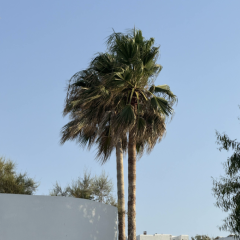
Palm seeds arrived
dimitriskedikogloy replied to dimitriskedikogloy's topic in DISCUSSING PALM TREES WORLDWIDE
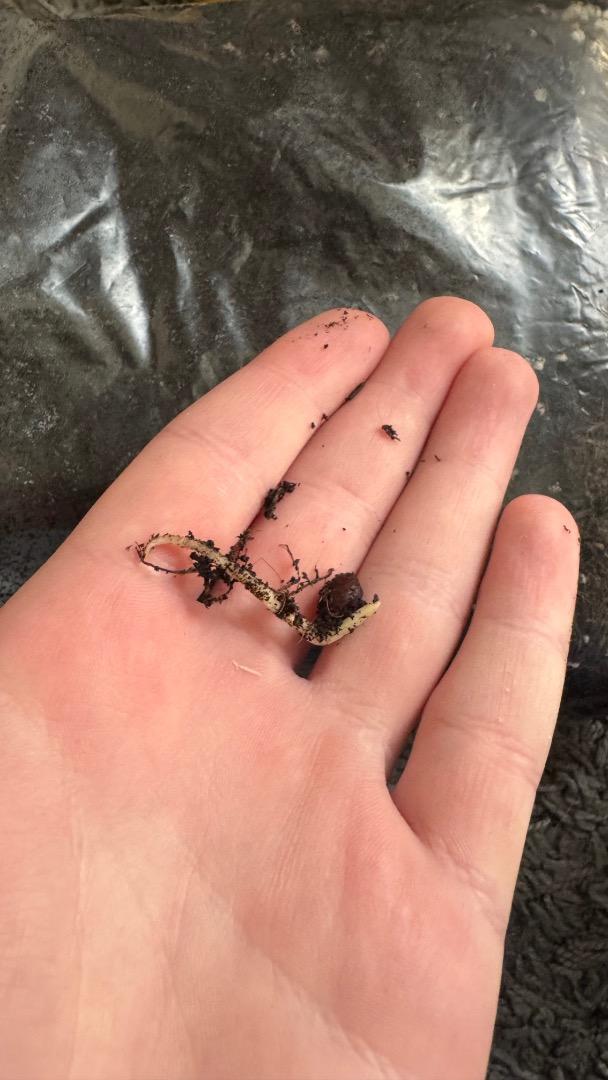
Little update washingtonias are starting to pop like crazy but nothing from the rest of the species yet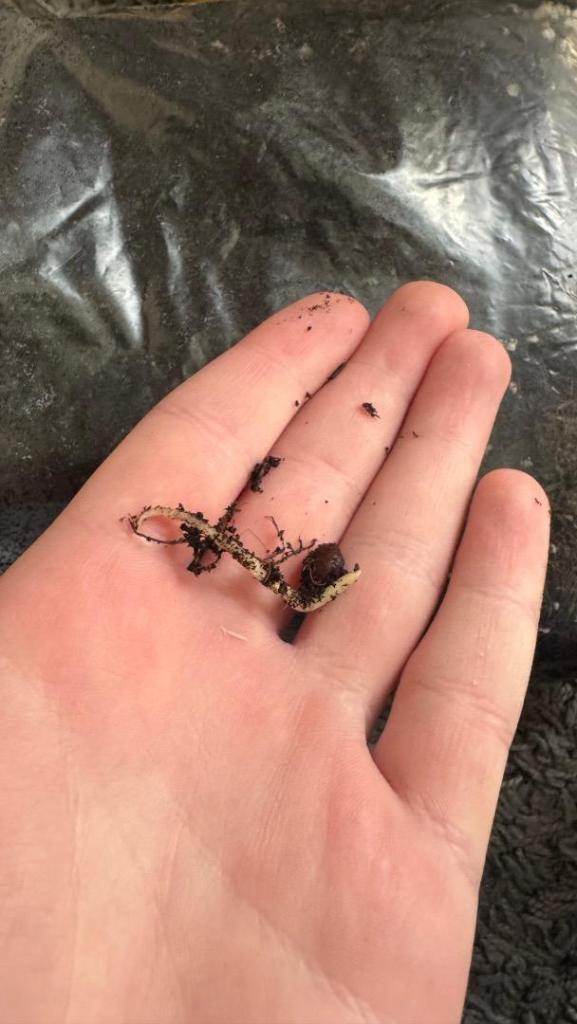
-
Long live the germinater Merc psillakis
Mazat replied to happypalms's topic in DISCUSSING PALM TREES WORLDWIDE
wonderful, Richard. -

For some, Florida drought is getting very "extreme"
MarkC replied to SubTropicRay's topic in WEATHER / CLIMATE
It’s definitely a greater challenge keeping the garden and grass looking lush. We were under the impression that there are ample rains and nature would for the most part, take care of it. Boy was that wrong. Our water bill is in the hundreds, and it barely makes a dent in keeping the lawn green. One thing I do miss(there’s actually many non-gardening related things I miss) after moving down here are “normal” rains. That’s also another reason, at least around Naples, that being just a little too far from the coast leaves you stricken with far more consistent rains and cloudiness in the wet season where just several hundred yards closer to the gulf, the skies are clearer much longer. But since the rains are so jarring, the preference tends to be living in that rain shadow. -
How pure is this p.Reclinata
Mazat replied to dimitriskedikogloy's topic in DISCUSSING PALM TREES WORLDWIDE
Yes, it's not good that they tip over in strong winds. Can't you plant them somewhere sheltered or put them in a larger pot in a wind-protected spot? They are stronger now, in any case, ours survived and it was very, very cold. Good luck, Dimitri. - Today
-
Preliminary cold damage to my palms after 23F, Central Florida
Mazat replied to Eric in Orlando's topic in DISCUSSING PALM TREES WORLDWIDE
I hope all the plants that still have a chance recover. I'm keeping my fingers crossed for you, Eric. It was an extremely cold winter here too, one of the coldest. It was tough. -

How bad was the freeze in Florida?
ruskinPalms replied to rprimbs's topic in DISCUSSING PALM TREES WORLDWIDE
Got to the low 30s here a few nights, and several mid to upper 30s nights as well. More frost this year than I have seen since moving to Parrish in 2015. First time frost has been more than just a few rooftops here and there. Most of the winters here I don’t see frost at all (although I’m sure there is a little I have missed because I’m not up checking every morning). Definitely has been the coolest winter I’ve had here since 2015. I was living in Bradenton in 2010. The coldest I’ve seen at my current house was a night at 27 or 28 when an advective freeze blew in from the north northeast in January 2018. Where I’m at is fairly well protected from advective freezes coming from the northwest or even from due north due to my proximity to the gulf and Tampa bay. Damage this year has been slow to materialize. Everything looked ok after her first week from the major cold event. I think my damage has come from frost. Most of my stuff should live, even my 80% burned coconut and C. macrocarpa. My yard has zero canopy other than foxtails, royal and Bismarckia. My royal palm took maybe 10 to 20 percent burn. My foxtails and Bismarckia look no different than any other winter so far. I have 1 Adonidia, it looked diseased heading into this winter so I’m sure it will die which is totally ok. Overall, my area made out well compared to a lot of Florida this winter. -
For some, Florida drought is getting very "extreme"
Hombre de Palmas replied to SubTropicRay's topic in WEATHER / CLIMATE
Even in the so-called "rainy season" here there can be periods of mini-drought. I once did some calculations and determined that a disturbingly high proportion of the yearly rainfall fell over a very restricted number of calendar days. I suppose that is true for many locations, but here it seems to be somewhat more amplified. In the extreme heat of summer, a relatively short period without precipitation can become problematic very quickly. Nothing lasts forever though, and this cycle will modify...eventually. I do not claim to fully understand the nature of climate change and how it contributes to this current pattern, but there is very compelling macro data that suggests the globe is warming overall, and rainfall patterns are being disrupted. Global warming does not occur in a linear fashion though. It is punctuated by extremes in the opposite direction. It has been almost surreal to be at the epicenter of these extremes. Drought, extreme wind and extreme temperatures this winter. Don't know why it is for sure, and don't know when, or if, it will return to "normal". Whatever it is, I hate it. -

Preliminary cold damage to my palms after 23F, Central Florida
Eric in Orlando posted a topic in DISCUSSING PALM TREES WORLDWIDE
Here is a preliminary cold damage to my personal palm collection. I live in Altamonte Springs, about 14 miles north of Orlando. Its a little colder than the metro Orlando area. My yard does have some good tree canopy in the back but this didn't make much difference with the winds. The first night of the freeze was 23F with 20-30mph winds all night and it was below 32F for over 10 hours. The 2nd night dropped to 28F but it was still with frost. This was the coldest freeze since the record Christmas 1989 freeze. It was also the first hard freeze with high winds the entire night. PALMS Acoelorrhaphe wrightii (4’)- no damage Aiphanes horrida x minima (6’) -100% burn, already had about 25% burn from earlier cold, it always showed damage below about 35F every year but always quickly recovered, not sure this time Archontophoenix cunninghamiana (20’) -major burn Archontophoenix purpurea (7’)- 100% burn Areca triandra (3’) -100% burn Arenga engleri (7’)- surprisingly burn on one leaf Arenga hookeriana (5’)- all tall stems 100% burned, shorter suckers green Beccariophoenix alfredii (15’, 10’)- both have severe burn but green in center Borassodendron machodonis (3’)- COVERED, no damage Brassiophoenix drymophoeoides (5’)- 100% burn Carpentaria acuminata x Adonidia merrillii (25’)- 100% burn Caryota mitis ‘Variegata’ (3’)- severe burn Chamaedorea elegans (2’)-100% burn Chamaedorea ernestii-augustii (3’)- 100% burn Chamaedorea metallica (2’)- 100% burn Chamaedorea microspadix (6’)- no damage Chambeyronia macrocarpa (3’)- all leaves burned except newest Chelyocarpus chuco (4’)- COVERED no damage Chrysalidocarpus leptocheilos (3’)- 100% burn Chrysalidocarpus lutescens ‘Nana’ (3’)- COVERED but partially blew off, 50% burn Chrysalidocarpus madagascariensis (Mahajanga form) (6’)- 100% burn Chrysalidocarous onilahensis (3’)- light burn Chrysalidocarpus pembanus (15’)- 100% burn on the 2 tall trunks, suckers have some green leaves Chrysalidocarpus psammophilus (3’)- 100% burn Chuniophoenix hainanensis (3’)- no damage Clinostigma savoryanum (4’)- 2 newest leaves have no damage, others burned Coccothrinax barbadensis (3’)- light burn Coccothrinax crinita (3’) – severe burn Coccothrinax spissa (3’)- severe burn Cocos nucifera ‘Green Malayan’ (10’, 3’ trunk)- almost 100% burn but a few green leaflets and petioles still green, already push new growth, it already had about 20% burn from frost a couple weeks prior Copernicia alba (6’)- no damage Cryosophila stauracantha (4’)- 100% burn Cyrtostachys elegans x renda (3’)- COVERED no damage Dictyosperma album (furfuraceum) (3’)- 100% burn Euterpe edulis (10’, 5’)- both have 100% burn Gaussia attenuata (7’)- 100% burn, new spear opening Gaussia maya (5’)- 100% burn Heterospathe negrosensis (4’)- light burn Howea belmoreana (3’)- severe burn Howea forsteriana (7’)- severe burn Hyophorbe verschaffeltii (6’)- 100% burn Lanonia dasyantha (2’, 3’)- no damage on either Leucothrinax morrissii (5’)- no damage Licuala kunstleri (2’)- light damage Licuala peltata (3’)- light burn Licuala ramsayi (6’)- slight damage on 1 leaf, very delayed reaction Livistona decora (10’)- no damage Livistona muelleri (4’)- moderate burn Livistona saribus (15’)- no damage Normanbya normanbyi (8’)- 100% burn Phoenix acaulis (3’)- no damage Phoenix loureiroi (Kashmir) (8’)- no damage Pinanga coronata (4’)- 100% burn Pinanga gracilis (3’)- 2 stems, 1 no damage, other 100% burn Pritchardia hillebrandii (3’)- moderate burn, still lots of green Pseudophoenix sargentii (4’)- severe burn Ptychococcus lepidotus (5’)- 100% burn Ptychococcus paradoxus (6’)- 100% burn Ptychosperma elegans (10’)- 100% burn Ptychosperma propinquum (macarthurii) (12’)- main stem 100% burn, suckers mostly brown but some green Ravenea glauca (3’)- light burn Ravenea hildebrandtii (5’)- 100% burn Ravenea rivularis (6’)- 100% burn Reinhardtia latisecta (2’)- no damage Rhapis excelsa ‘Zuiko Nishiki’ (5’)- no damage Rhapis humilis (8’)- no damage Sabal etonia x palmetto (2’)- no damage Sabal mauritiiformis (5’)- very minor burn Sabal miamiensis x maritima (6’)- no damage Sabal palmetto (10’)- no damage Sabal palmetto (Miami Rockridge form) (2’)- no damage Sabinaria magnifica (3’)- COVERED, cover partially blew off, light burn on a couple leaves, very delayed damage Schippia concolor (3’)- moderate burn Serenoa repens, silver (3’)- no damage Syagrus romanzoffiana (20’)- light burn Syagrus sancona (7’)- severe burn Syagrus weddelliana (6’)- severe burn Veitchia arecina (3’)- moderate burn Wodhyethia bifurcata (4’)- 100% burn CYCADS Bowenia spectabilis- no damage Ceratozamia hildae- no damage Cycas debaoenis- no damage Cycas thouarsii- 100% burn Encephalartos ferox- 100% burn Stangeria eriopus- light burn Zamia furfuracea – no damage, in pot and taken in Zamia integrifolia (narrow leaflet form)- no damage Zamia integrifolia (Palatka Giant)- no damage Zamia integrifolia (wide leaflet form)- no damage Zamia nesmophila- moderate burn Zamia sp. “Spots”- severe burn PANDANS Freycinetia cumingiana (4’)- main stems dead, some green shorter stems/leaves Pandanus furcatus (15’)- 100% burn but green already pushing out Pandanus letocartiorum (decumbens) (2’)- 100% burn Pandanus penangensis (monotheca) (5’)- 100% burn Pandanus polycephalus (3’)- severe burn Pandanus pygmaeus ‘Variegatus’ (2’)- moderate burn Pandanus tectorius (spineless form) (3’)- 100% burn Pandanus tectorius, dwarf spineless variegated form)- 100% burn PALM-LIKE PLANTS Cyclanthus bipartitus (4’)- 100% burn, this is root hardy, foliage dies every year as it declines around 35F but rapidly regrows in spring Dracaena arborea (4’)- severe burn Ravenala madagascariensis (15’)- 100% burn Ravenala menahirana (Honkondambo) (3’)- 100% burn, new leaf emerging Sphaeropteris cooperi (Cyathea) (10’)- 100% burn Strelitzia nicolai (10’)- 100% burn -
For some, Florida drought is getting very "extreme"
MarkC replied to SubTropicRay's topic in WEATHER / CLIMATE
It’s amazing how dry it can be here in the winter months and then the Waterworld-like rains that come in rainy season. Looking at the yearly totals is definitely misleading as it doesn’t tell the story. -
I tried a butia a few years ago and covered it on cold nights. It died but my pot grown palmetto survives to this day. I wish butia were equally as cold hardy as sabal palmetto but it hasn't been my experience. I've killed two butias and pretty much have given up on them. I may try one again. 🤔