All Activity
- Past hour
-

How to kill a palm to more easily edit it
Phoenikakias replied to DoomsDave's topic in DISCUSSING PALM TREES WORLDWIDE
How tall was the Archontophoenix? Was it difficult for you to behead it? In such case you would remove as many as possible of the fronds and the cut off the part right below the crownshaft. -
New posting - Syagrus glaucescens - They go fast. https://ebay.us/m/k9Bs23
-
 GMboxSMG3 joined the community
 - Today
-
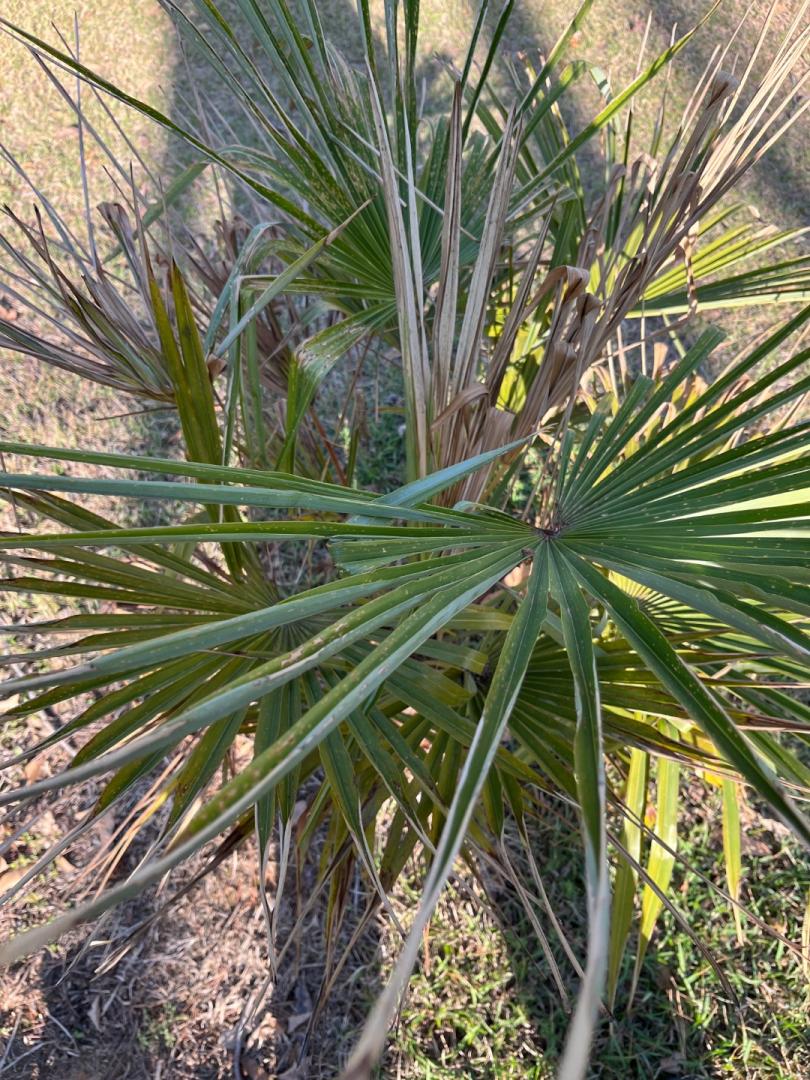
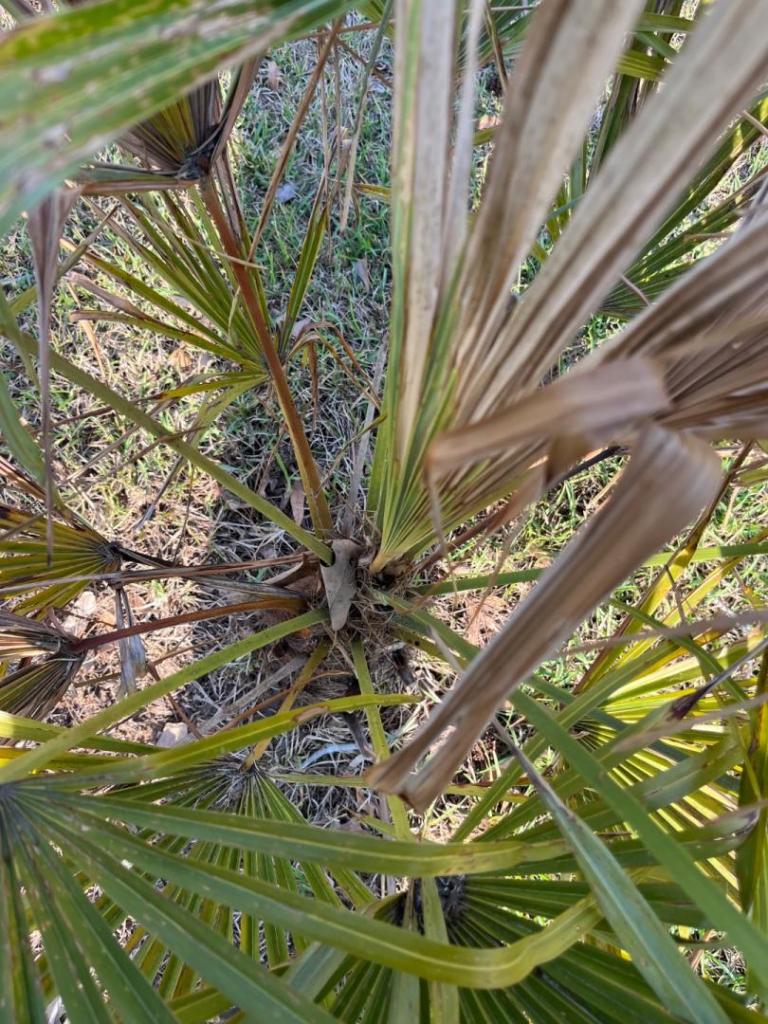
Windmill palm. Is this cold damage and underwater there is no spear pull on the leaves currently.

-
Copernicia baileyana 10 years later
Cape Garrett replied to Cape Garrett's topic in DISCUSSING PALM TREES WORLDWIDE
That's great growth really. Maybe if we stop getting hurricanes they will grow even faster for us. Hoping in the next 10 years mine may get that tall. Will see. Base is definitely thickening up for me now. -

How to kill a palm to more easily edit it
DoomsDave replied to DoomsDave's topic in DISCUSSING PALM TREES WORLDWIDE
It’s important to note that palms vary a lot in wood weight and density. Some, like Syagrus and Caryota have heavy hard wood. Others, like royals and Archontophoenix have very light, spongy wood. I had three royals die at my place when they were mature size, about 30-40 feet (10-13 M) tall. All were left standing and only felled after they were thoroughly dried out months later. They were relatively easy to handle; the wood was very light covered with hard but not impenetrable “bark.” None had fallen over of their own accord by the time they were felled. I would say they weighed about 10% of their live weight; certainly no more than 25%. HUGE difference in handling. -
Jubaea. Pretty much all the butia species. If it doesn't get too hot during your summer then the various parajubaea should also do well. Arenga, engleri, micrantha and rykenensis. Syagrus hoenhei and insignis. Various cocoid hybrids. Most phoenix species. A few Chrysalidocarpus (dypsis) species should be alright.
-

Feather palm in 9b that can survive snow
Chester B replied to Darthrabbi's topic in COLD HARDY PALMS
Snow is not really the issue, its the cold. I'm in zone 9B which won't be the same as your 9B, but this is what I am growing in the ground: Butia odorata Phoenix canariensis Phoenix sylvestris Butia yatay x Jubaea chilensis Butia odorata x Jubaea chilensis Chamaedorea radicalis Chanaedorea microspadix Mule Palm - Butia odorata x Syagrus romanzoffiana Here is what I see growing in my area: Phoenix theophrasti Phoenix dactylifera My zone 9B has been erratic since 2021 and we have experienced below zonal temps in 5 of the last 6 years which killed many palms that were hardy for decades here. So if your area is more stable there are more species that you should be able to grow like Syagrus romanzoffiana, Arenga engleri, etc. -
I was in Central Florida last week 9B/10A and due to the cold last winter many less hardy palms were damaged. What I did see was that that the pygmy's had varying amounts of cosmetic damage (nothing too bad), and the handful of reclinata I saw all looked fine. So they might have a slight edge in hardiness
-
Jubaea chilensis Zone 11A
aztropic replied to mydateplams's topic in DISCUSSING PALM TREES WORLDWIDE
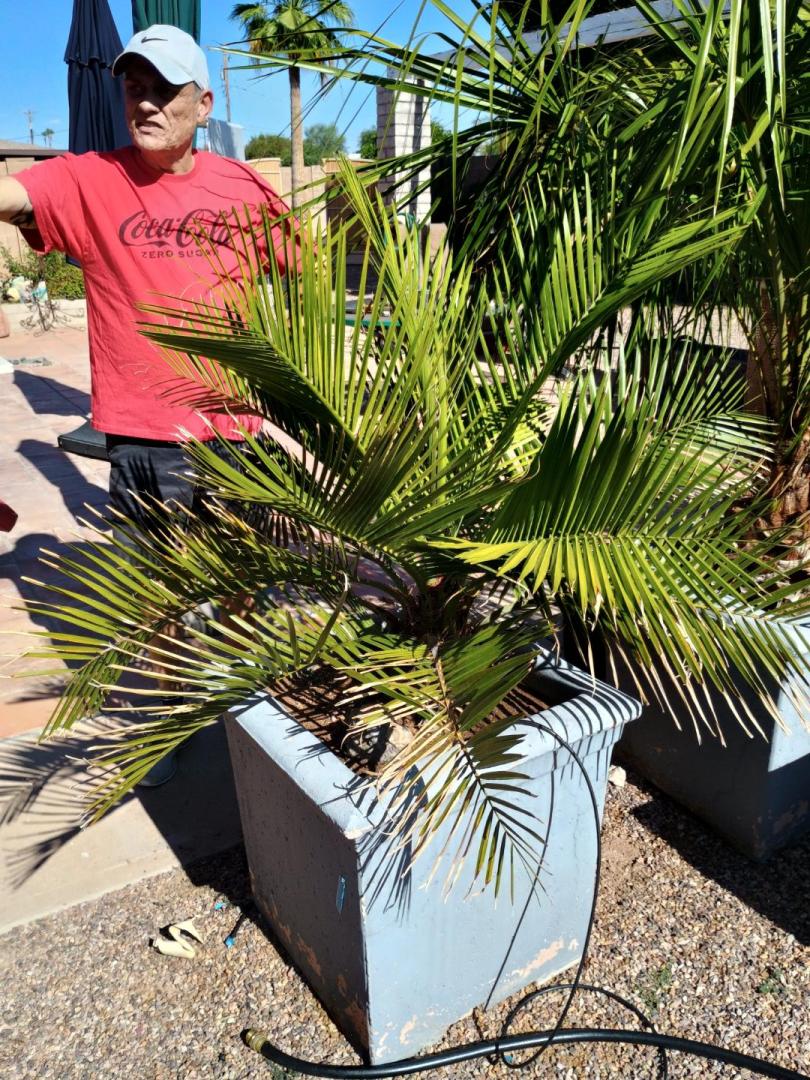
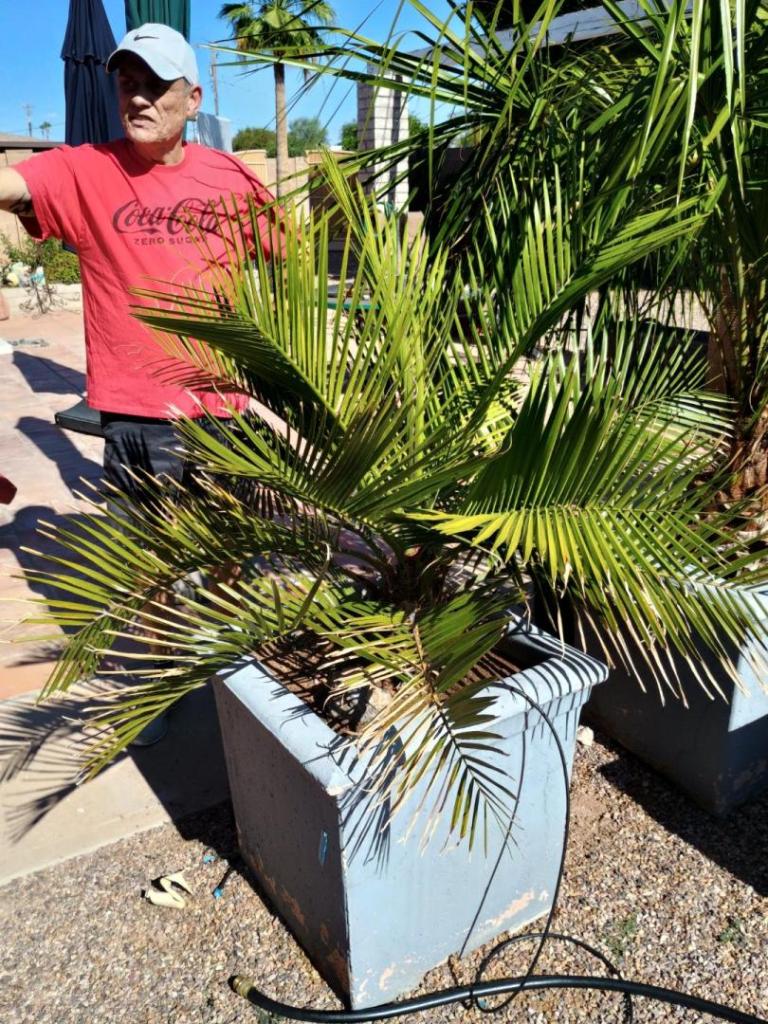
Here's an update on growth speed from my neighbor, Ray, who bought one of my 5 gallon jubaeas just 4 years ago. Full, blasting, all day Arizona desert sun, planted in a 24" box equivalent cement planter. Tree grows like a weed with little to no burning, even after experiencing occasional 120F daytime summer temperatures. I'm super impressed with his growing skills. I think consistent moisture has mainly been the key to his success. Jubaea chilensis is definitely a viable species for a low desert growing environment. Congratulations Ray!👍 aztropic Mesa, Arizona
-

How to kill a palm to more easily edit it
sonoranfans replied to DoomsDave's topic in DISCUSSING PALM TREES WORLDWIDE
Those are massive and pretty close to the house! I had a thought that you could pre drill a few holes and put copper nails in the trunks. I have killed a ficus benjamina stump that wouldn't die with stump rot etc this way. It kept coming back till I put the copper nails in. It took a few months to kill it, now Im waiting for the rot to set in. The Cu nails themselves will need a hole drilled as they are mostly copper and not stout like iron nails. I purchased them on amazon. Dave, I remember your archies from 15 years ago, I didnt realize they got this big! I will cut back fertilizer and irrigation water on mine. I see royals come down here after drying out, seems like they dont topple but just waste away. A dry palm is likely less than 1/3rd the weight of a live one. Might be better to let them dry out before felling them. It does prevent a garden redo for years I expect. After seeing these pics I am looking around my yard at what will one day come down. I used to think I wanted fast growing big tall palms, at some point my view changed due to aesthetics, but now safety and removal are looming larger. -


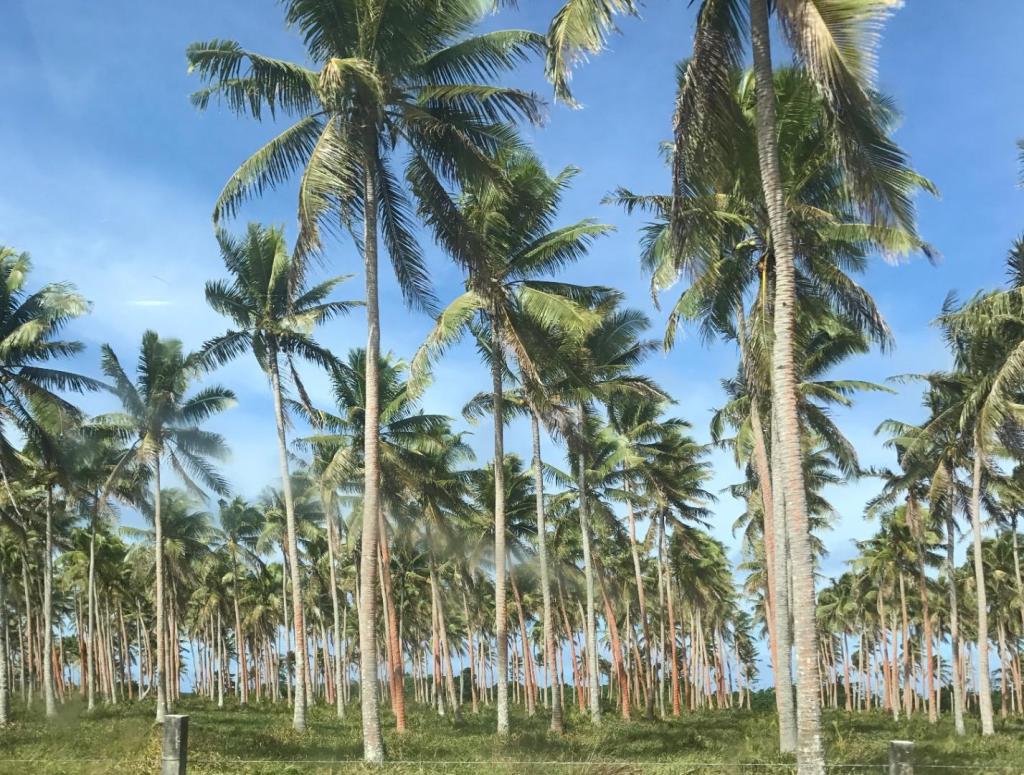
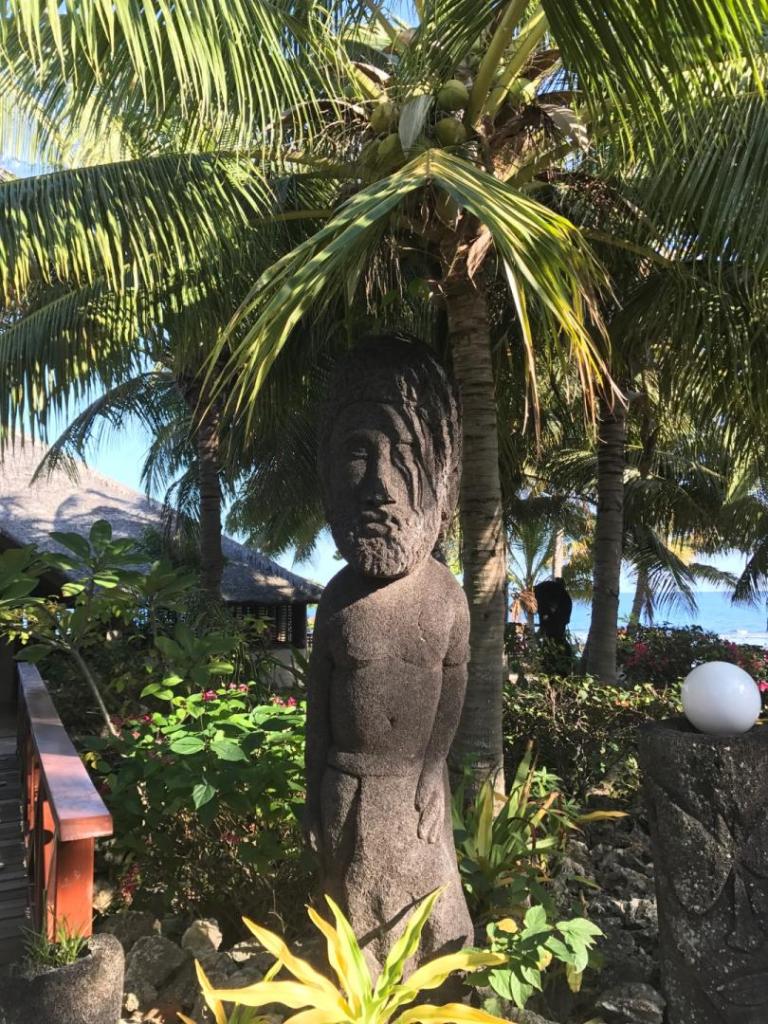

-
Blue Chrysalidocarpus decipiens from Floribunda
Jonathan replied to tinman10101's topic in DISCUSSING PALM TREES WORLDWIDE
Ditto to that sentiment! I'm surprised they're not here already...but there's a few gaps in Australia that are a bit inexplicable. -


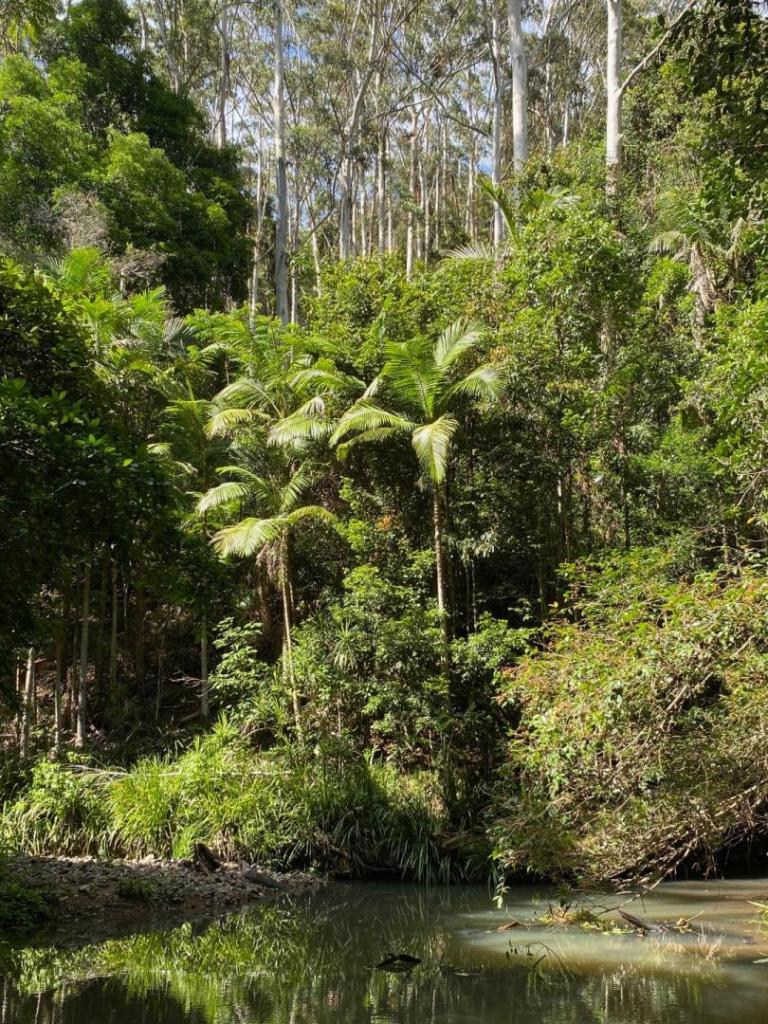


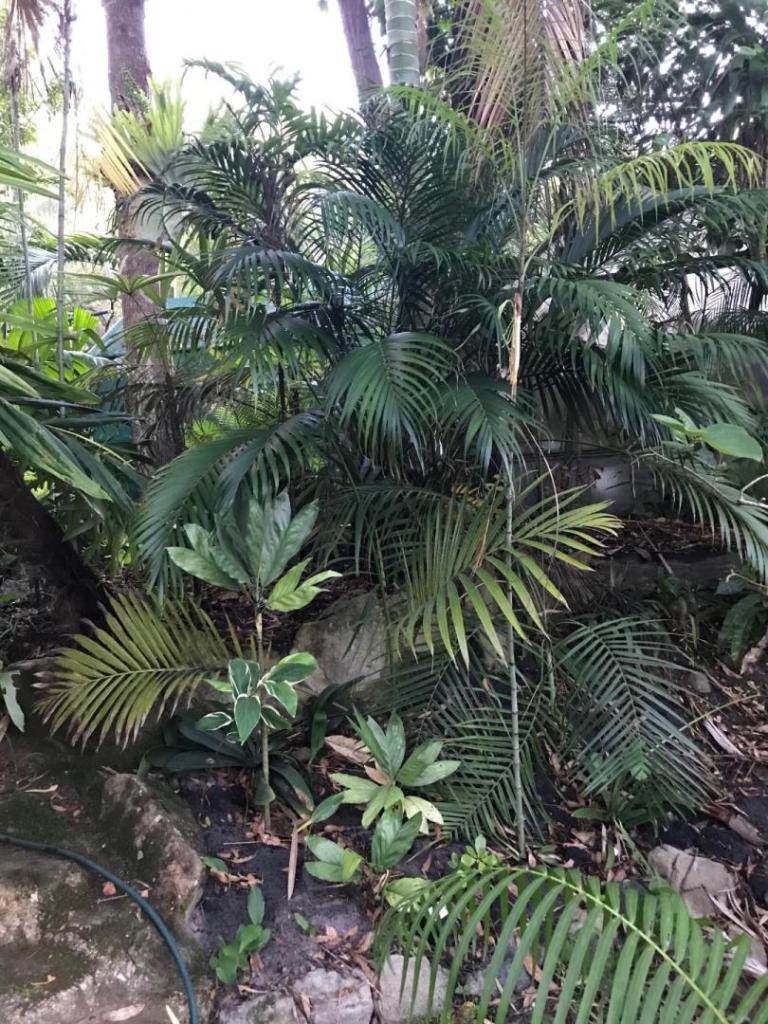

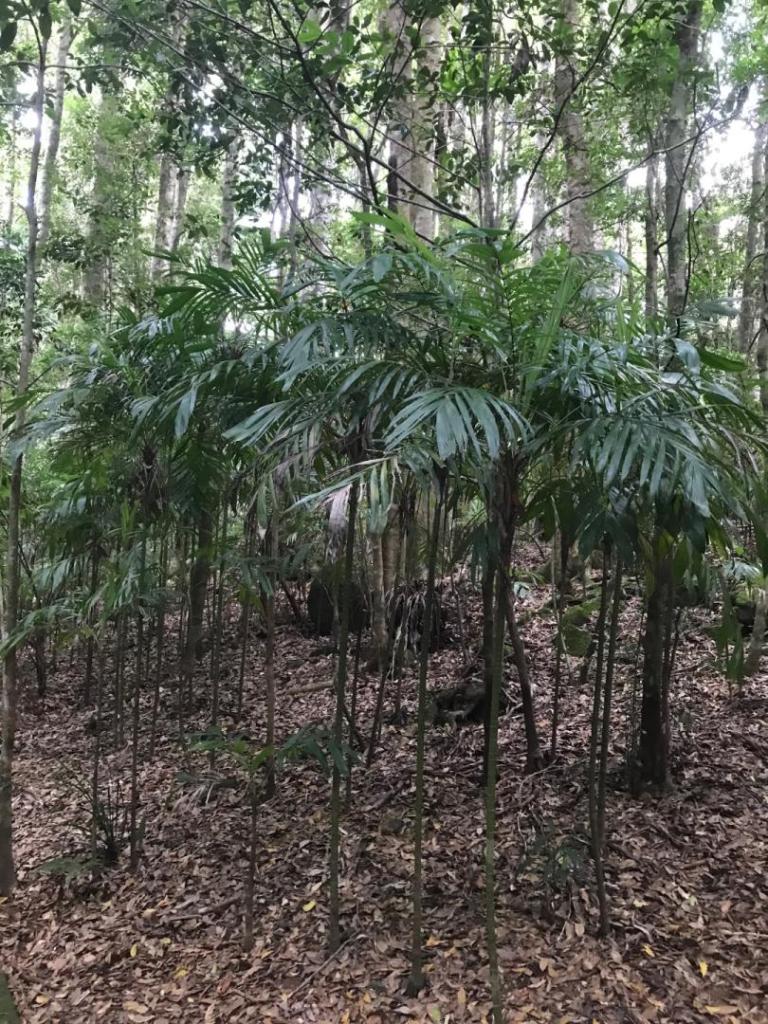

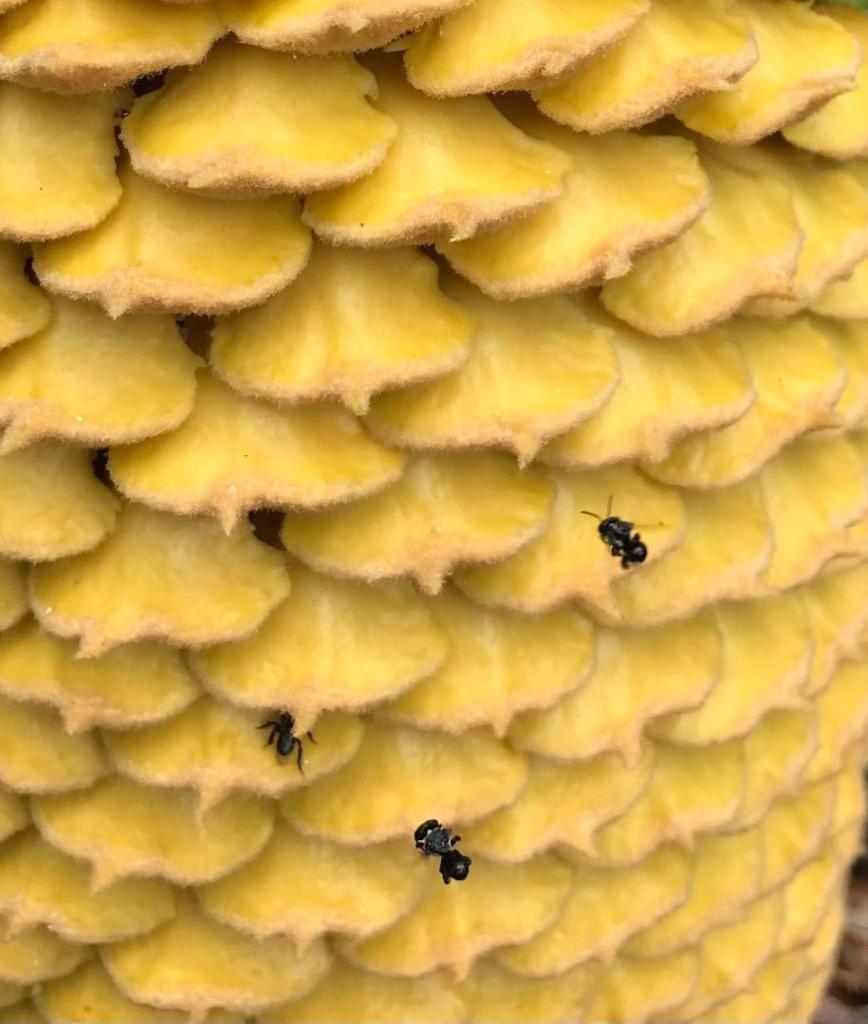

-
Some from the vault, how the garden has grown!


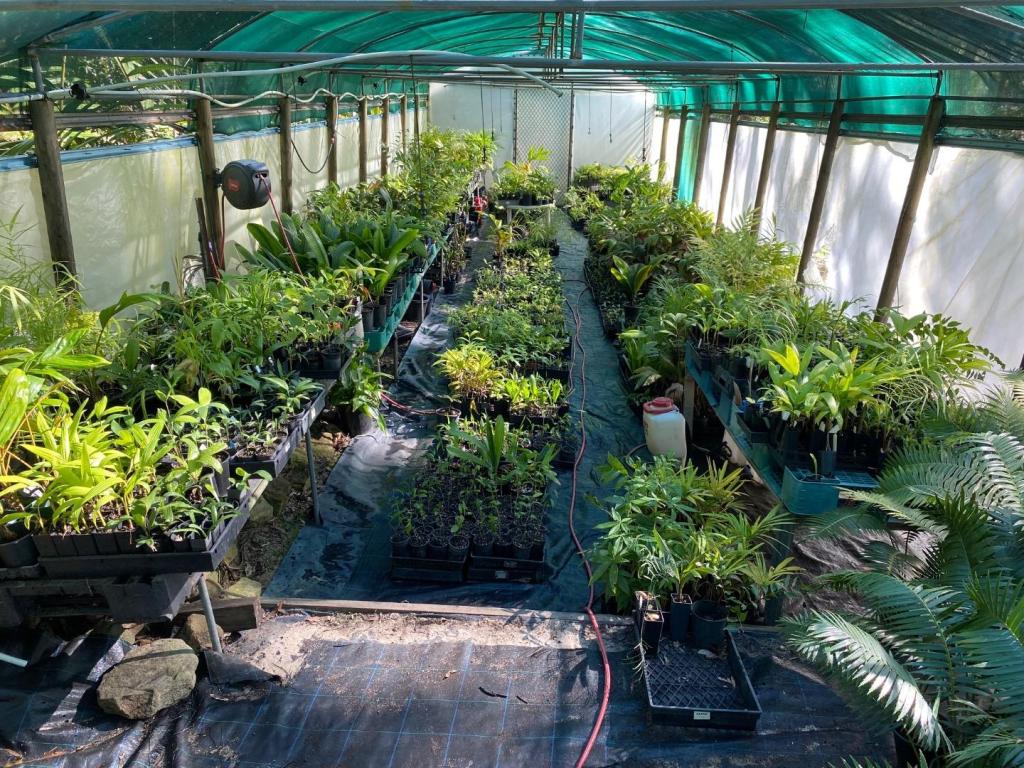


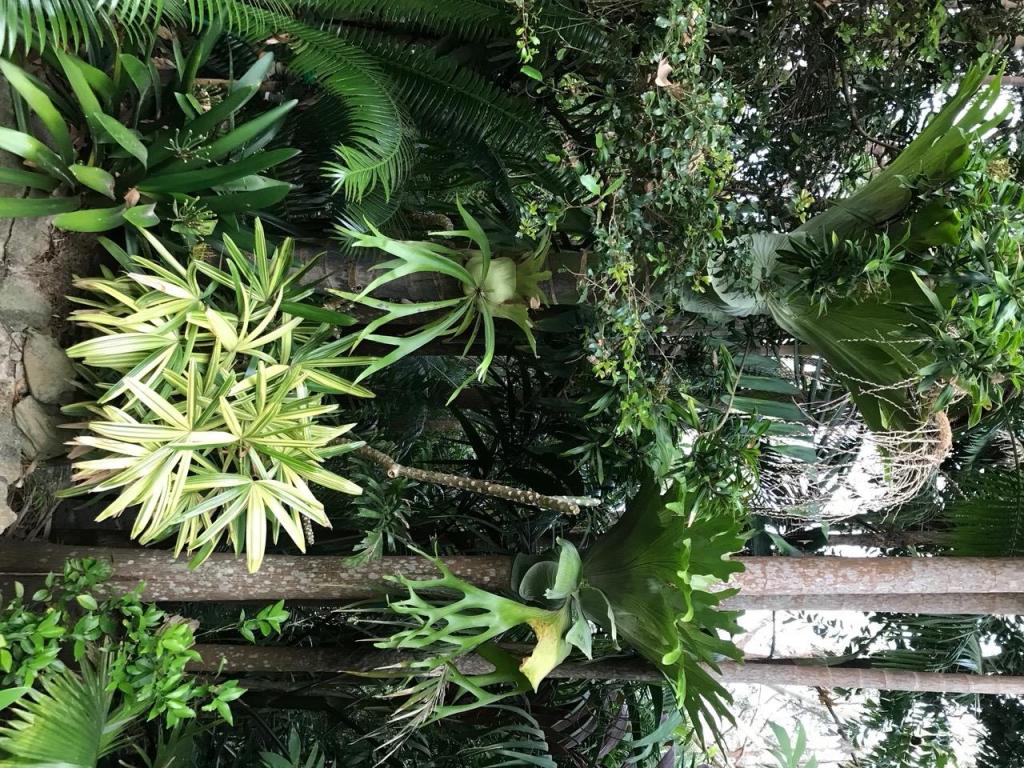

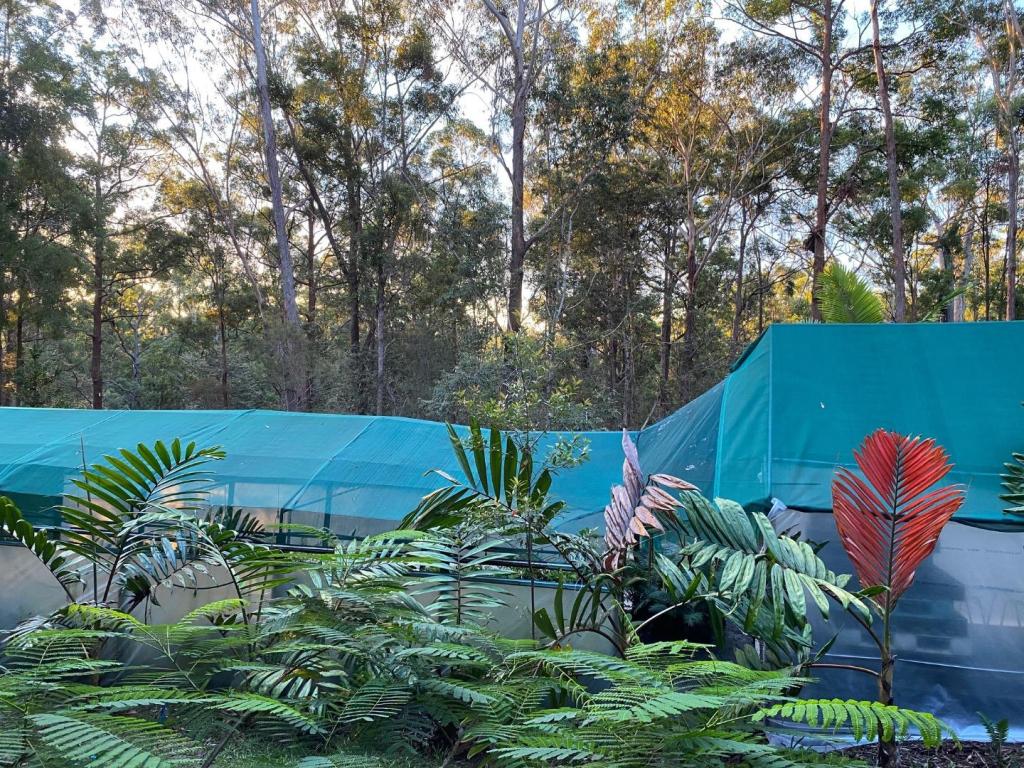

-

Blue Chrysalidocarpus decipiens from Floribunda
tim_brissy_13 replied to tinman10101's topic in DISCUSSING PALM TREES WORLDWIDE
Would love to grow this. The ABG one above and a few others I saw at Landsendt and in Kerikeri were absolute beasts. Photos don’t do them justice. If you look closely at my photo above, you can see how small it makes the nearby Sabal look. Really the only reason we’re not growing it is lack of seed I guess. I can’t say I’ve seen a single specimen in Aus although I’m sure they must be around. @richnorm if there’s any access to seed over there we’d certainly love there over this side of the ditch! -
Blue Chrysalidocarpus decipiens from Floribunda
Jonathan replied to tinman10101's topic in DISCUSSING PALM TREES WORLDWIDE
Huh! Who knew...why aren't we growing this one @tim_brissy_13? Thanks for the information guys. -
It’s actually one hybrid that I like the look of. Alas iam not a fan of hybrids. But I can see why a lot of growers like them. Just giving you seeds is a great joy, to see seeds from my garden grow overseas is a great joy. I ask for nothing in return. But iam sure we could trade palms if we were neighbours!
-

SUPER IMPORTANT - MAJOR IMPROVEMENTS TO PALMTALK
ZPalms replied to PALM MOD's topic in DISCUSSING PALM TREES WORLDWIDE
Dark mode! -
Any information on Arenga nana out there?
happypalms replied to happypalms's topic in DISCUSSING PALM TREES WORLDWIDE
Nice one gyuseppe! -
How to kill a palm to more easily edit it
happypalms replied to DoomsDave's topic in DISCUSSING PALM TREES WORLDWIDE
Tricky an organic method to kill a palm. High salt solution is one way! I trust you want to keep your soil organic and not use a herbicide. I do know with bananas they use diesel injected into the suckers to kill them. But I don’t think this is the sort of thing you’d want in your soil. Just overfertilise it with some prilled urea!!! -
(200x197).thumb.jpg.fca9b396a7de9e73bf3a08217336d9b1.jpg) Silas_Sancona changed their profile photo
Silas_Sancona changed their profile photo -

So What Caught Your Eye Today?
gyuseppe replied to The Gerg's topic in DISCUSSING PALM TREES WORLDWIDE


-
My Brahea Armata to bloom for the first time!
DoomsDave replied to Neel's topic in DISCUSSING PALM TREES WORLDWIDE
Damn; not fast! But worth the wait! -
How to kill a palm to more easily edit it
DoomsDave replied to DoomsDave's topic in DISCUSSING PALM TREES WORLDWIDE
Well it’s a lot more than it used to be and I want to DIY this. -
How to kill a palm to more easily edit it
richnorm replied to DoomsDave's topic in DISCUSSING PALM TREES WORLDWIDE
Yikes! They're so much bigger on the ground! I have an 8 metre pole saw, long ladders and climbing ropes to deal with trees without branches crashing down onto plantings below. I tie off (which sometimes requires climbing) then cut and lower in manageable sections. I don't think killing the palm would save much weight. If in doubt just write the cheque! -
Growing Washingtonia filifera in Phoenix.
Silas_Sancona replied to tmiller0421's topic in DISCUSSING PALM TREES WORLDWIDE
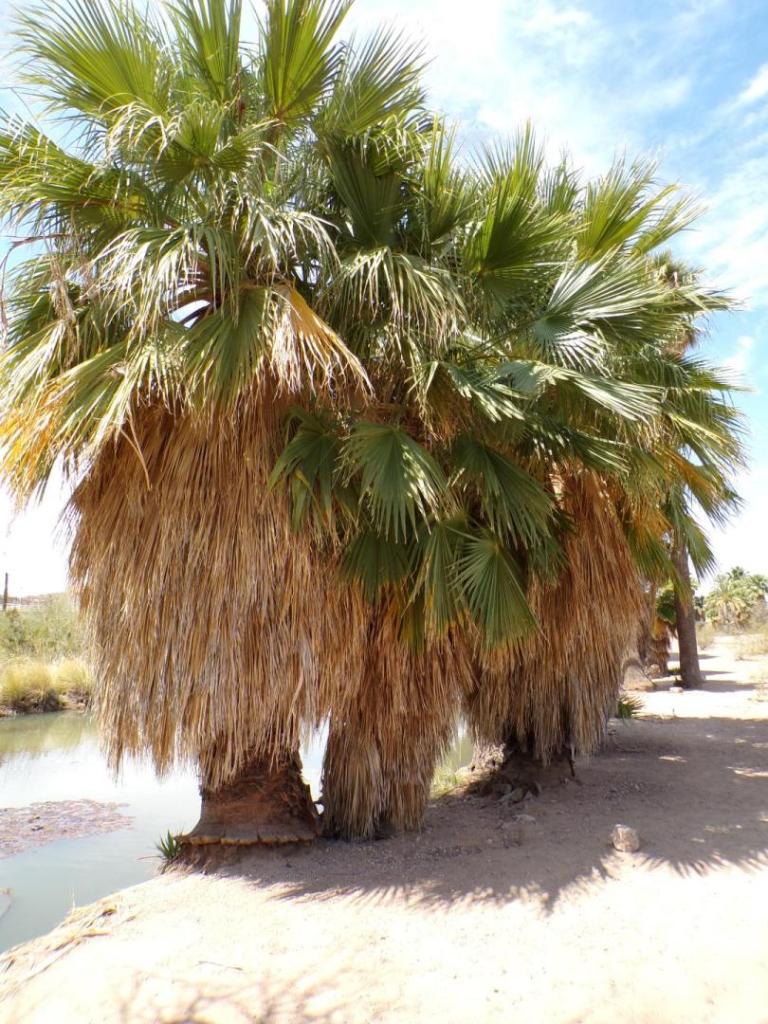
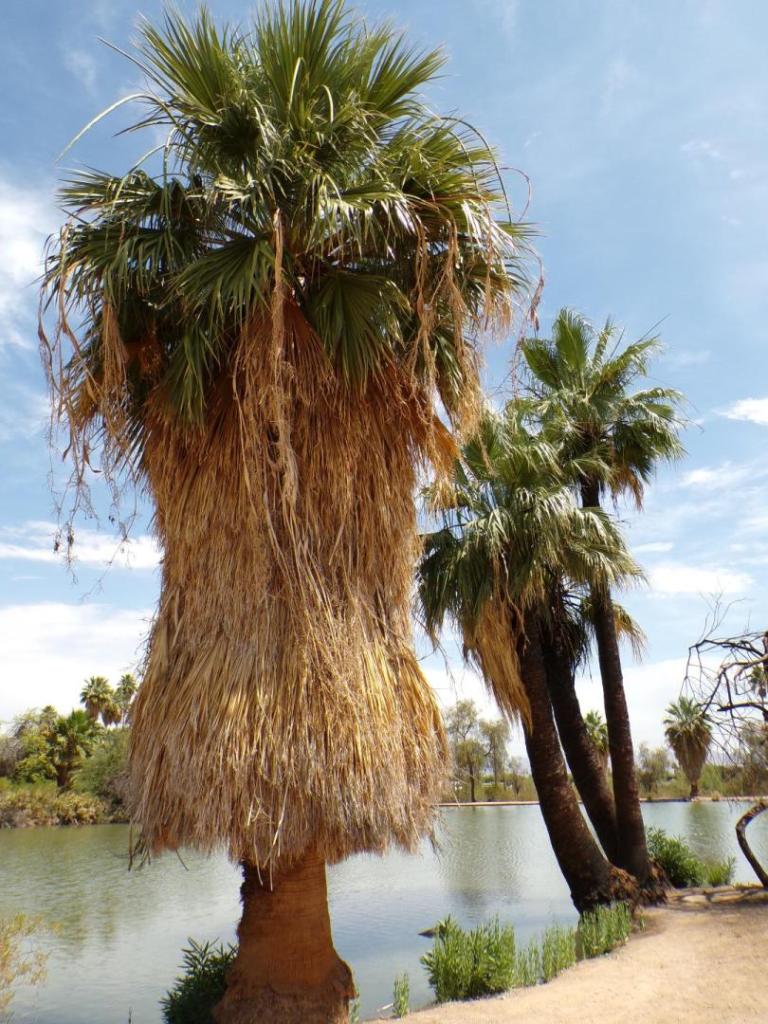
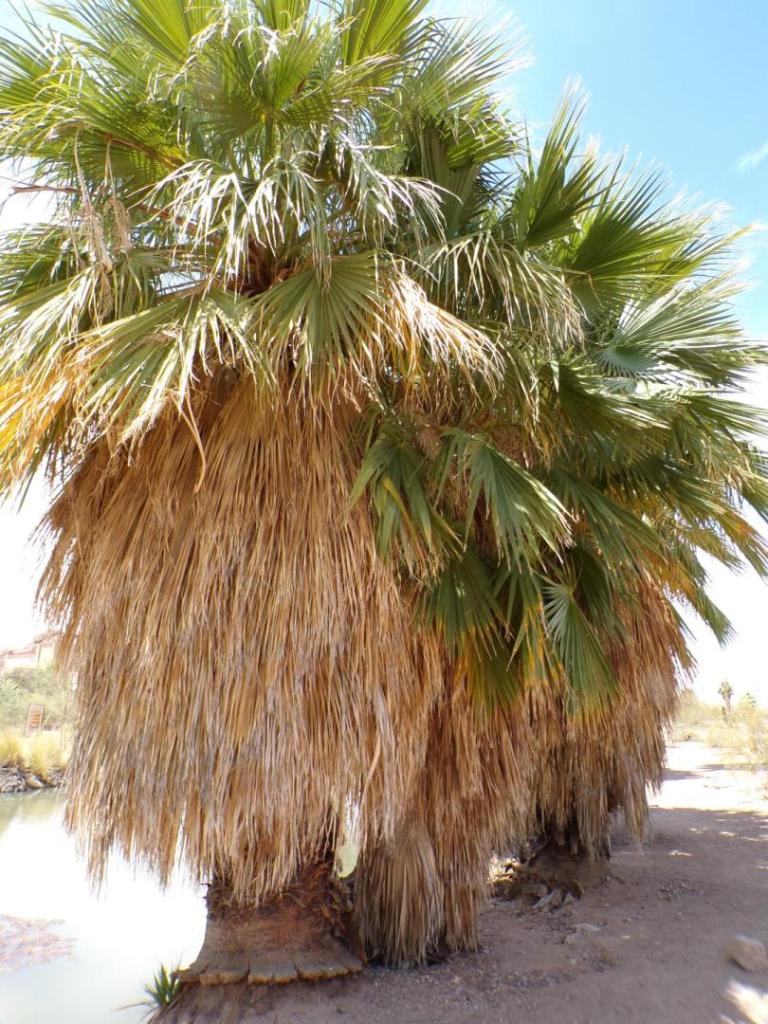
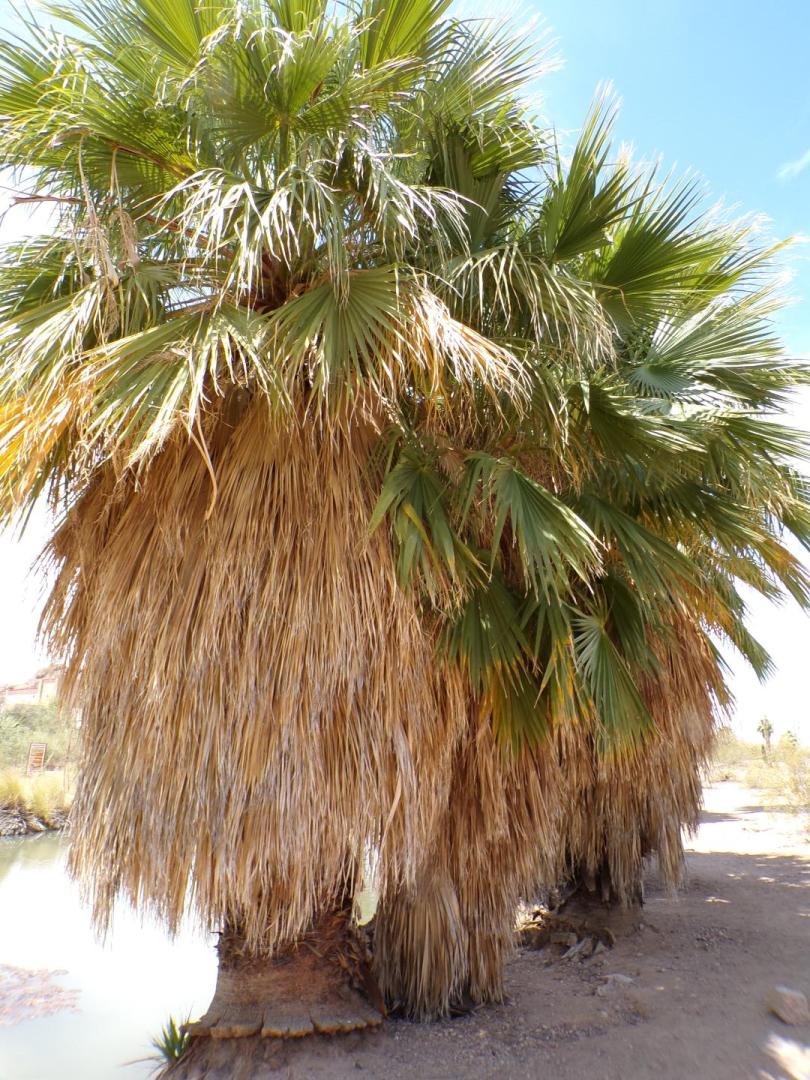
Can vary specimen to specimen, but, ..what i've noticed at least, trunks thicken as they gain height.. Have many in my neighborhood here in Chandler and even the younger / smaller - sized specimens have a very obvious thick trunk compared to Mex Fans. Absolutely no issues in 9b.. Many people here on the forum from New Mexico ..and some cooler ..like 9a.. areas in other parts of the country grow them w/ out too much trouble. FYI, if looking at other palm options in addition to the filifera ..in the future? Brahea sp. ...and Sabal uresana, our regionally native Palmetto sp. laugh at any cold they might see in 9b areas of the valley /nearby. Boyce Thompson Arboretum, if you haven't been up there, Tohono Chul Park, and the UofA Campus Arboretum in Tucson have plenty of those to check out in person, to get an idea of what they look like / size/ etc.. if they interest you. Like most things, given more water as they grow, the faster they will grow.. That said, even the smaller specimens in my neighborhood grow at a decent pace w/ out any extra water ..and look good. Honestly, have never estimated how much height the ones in my neighborhood have grown in the 10 years here, but, ..definitely noticeable. As mentioned above, more water you provide, even after they're well established, quicker they'll gain height. ..And yes, lol.. they can take a good amount of water, esp. this time of year. Some really nice specimens worth checking out whose roots are literally in water are located in a park, up near N/ Tempe / S.W. Scottsdale. ..A couple shot of some of them. ...Another great place to check out, if you're ever in the area? Agua Caliente Park, located in the Tanque Verde area east of downtown Tucson.. Lots of Mex Fans, and crosses between it and filifera, but some good looking, pure filifera there too.