

Leaderboard
-

happypalms
IPS MEMBER55Points13,266Posts -


Harry’s Palms
IPS MEMBER16Points4,450Posts -

Mazat
IPS MEMBER14Points1,949Posts -

tim_brissy_13
IPS MEMBER10Points2,561Posts
Popular Content
Showing content with the highest reputation on 03/21/2026 in all areas
-
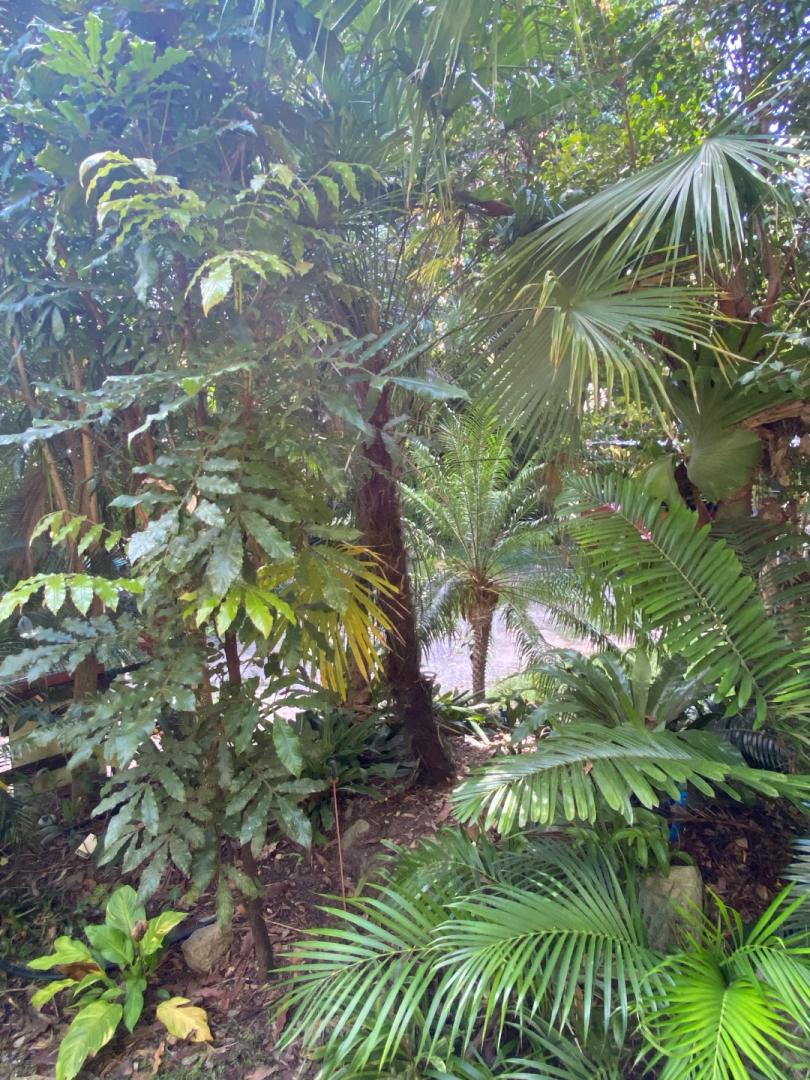
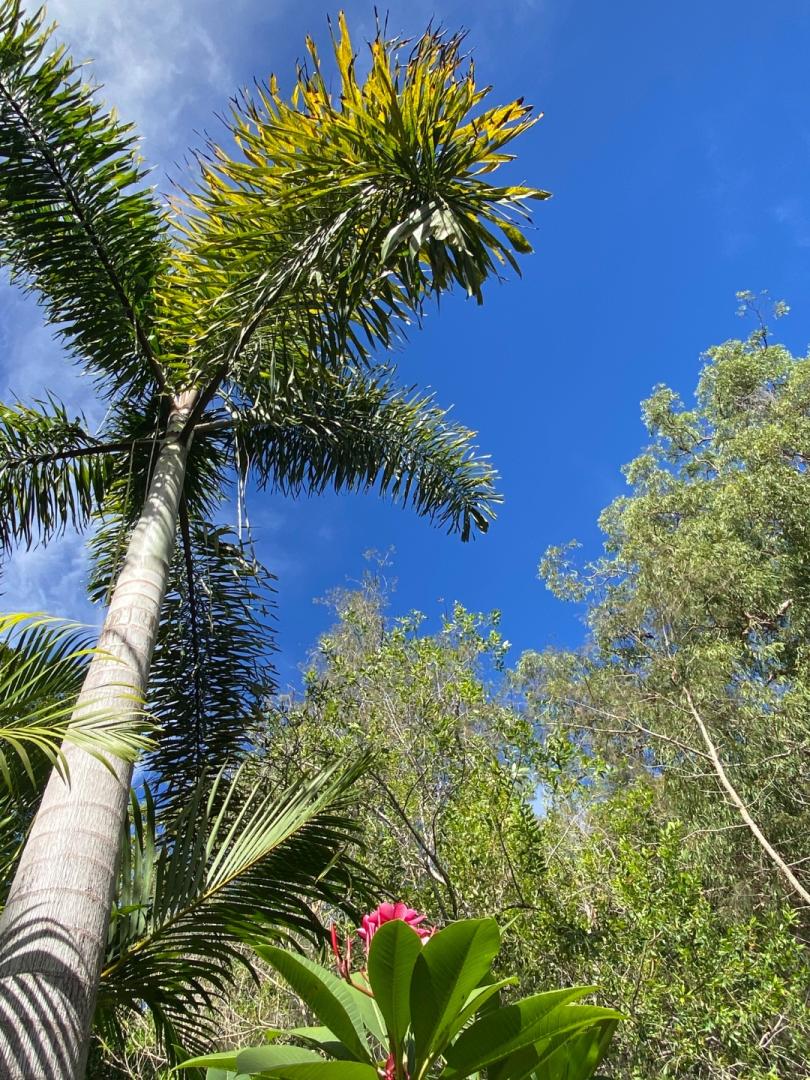
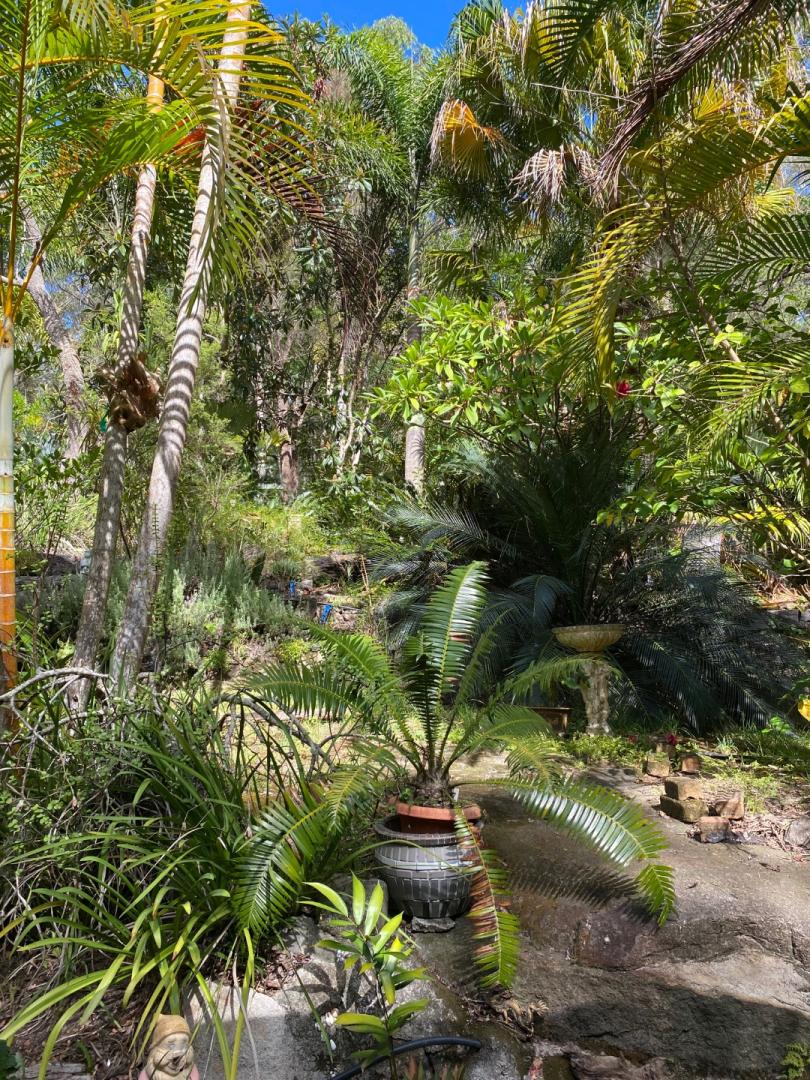
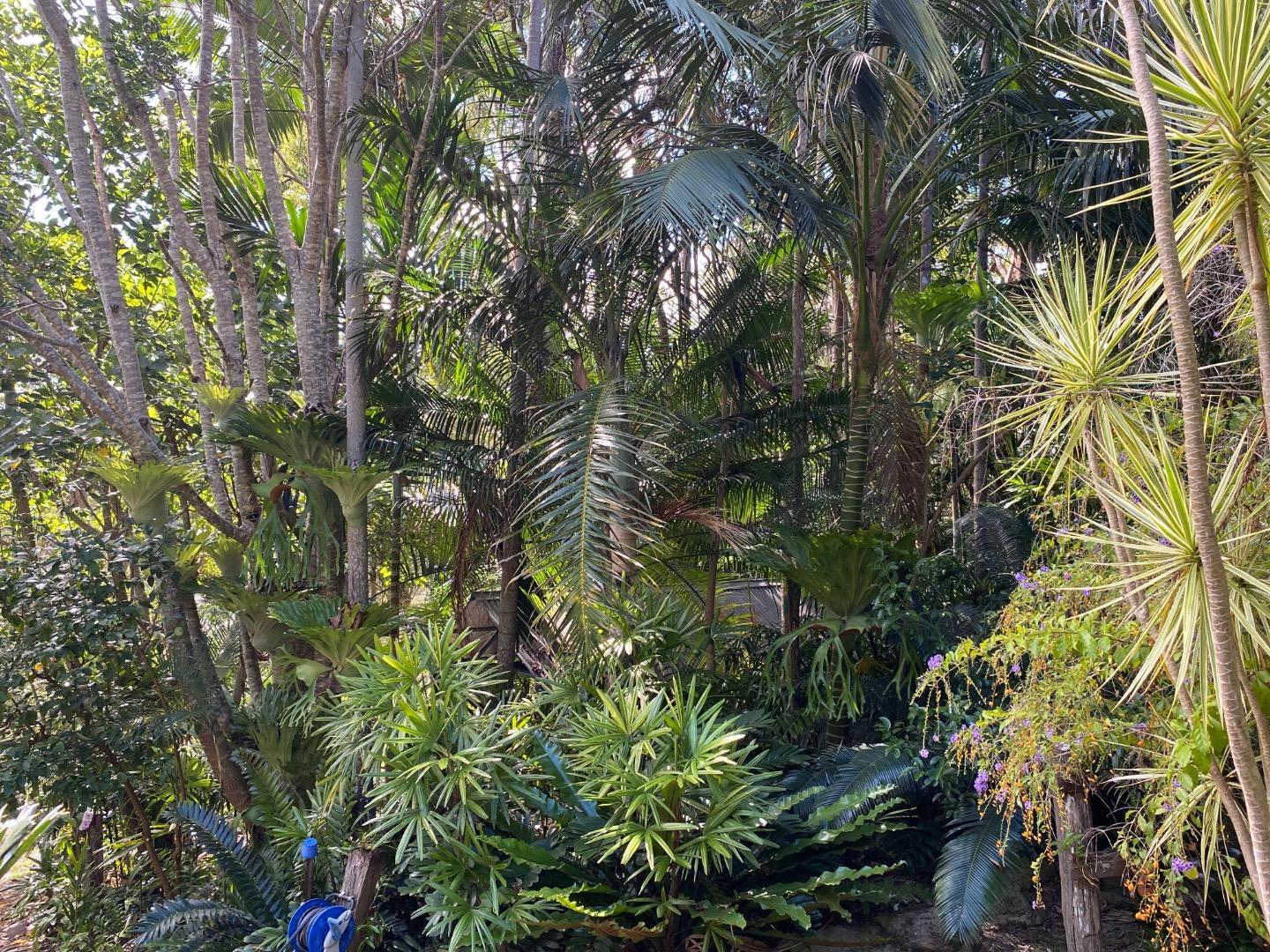
6 pointsYou learn to know you’re garden, and you’re garden knows who you are!


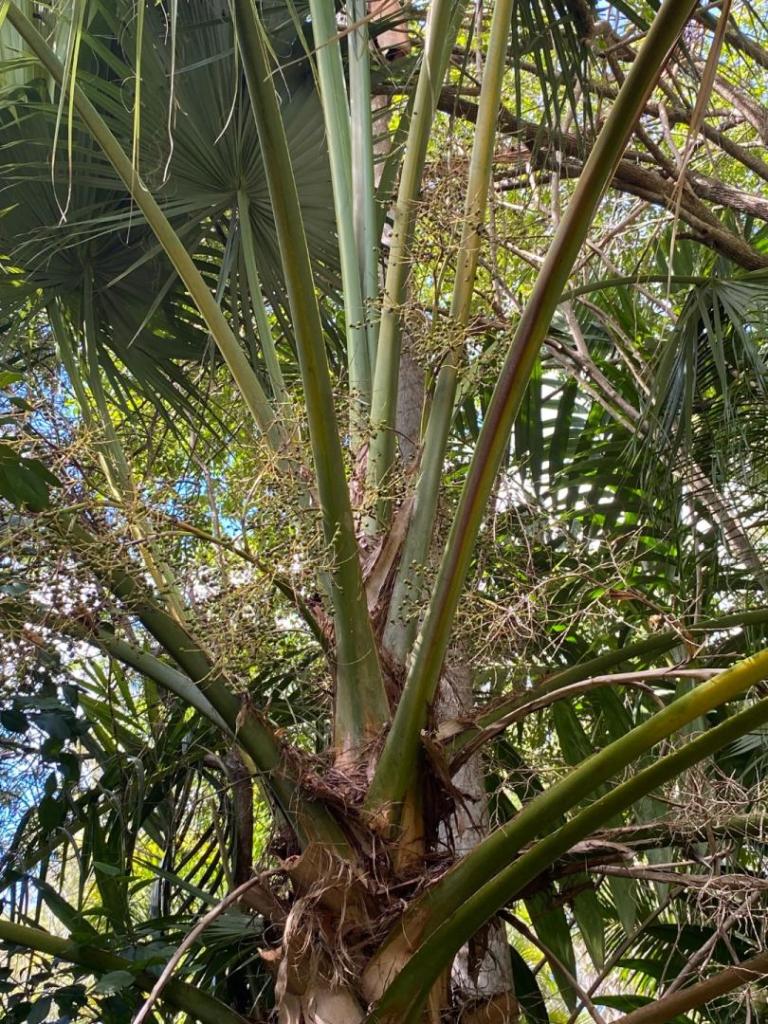
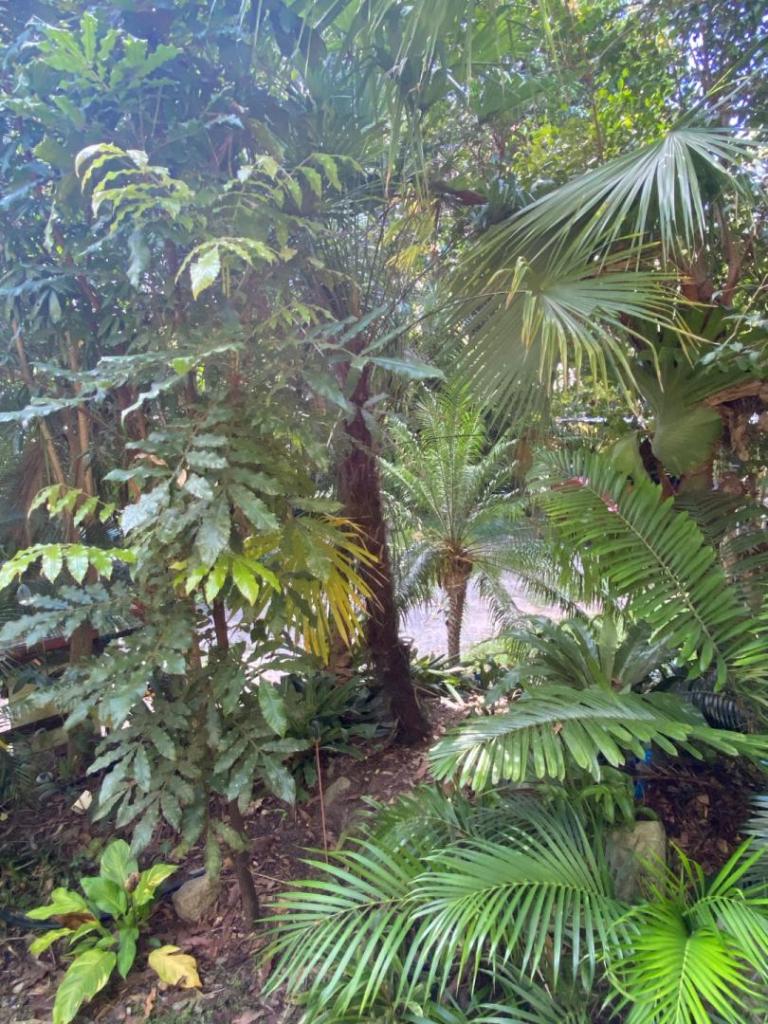
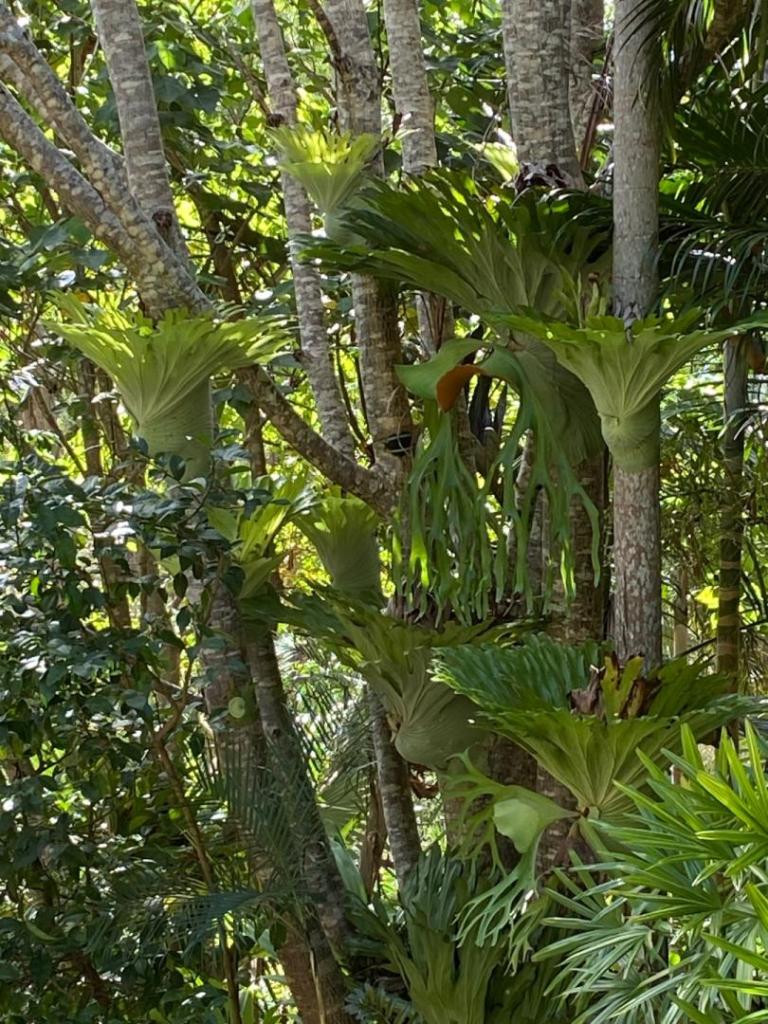
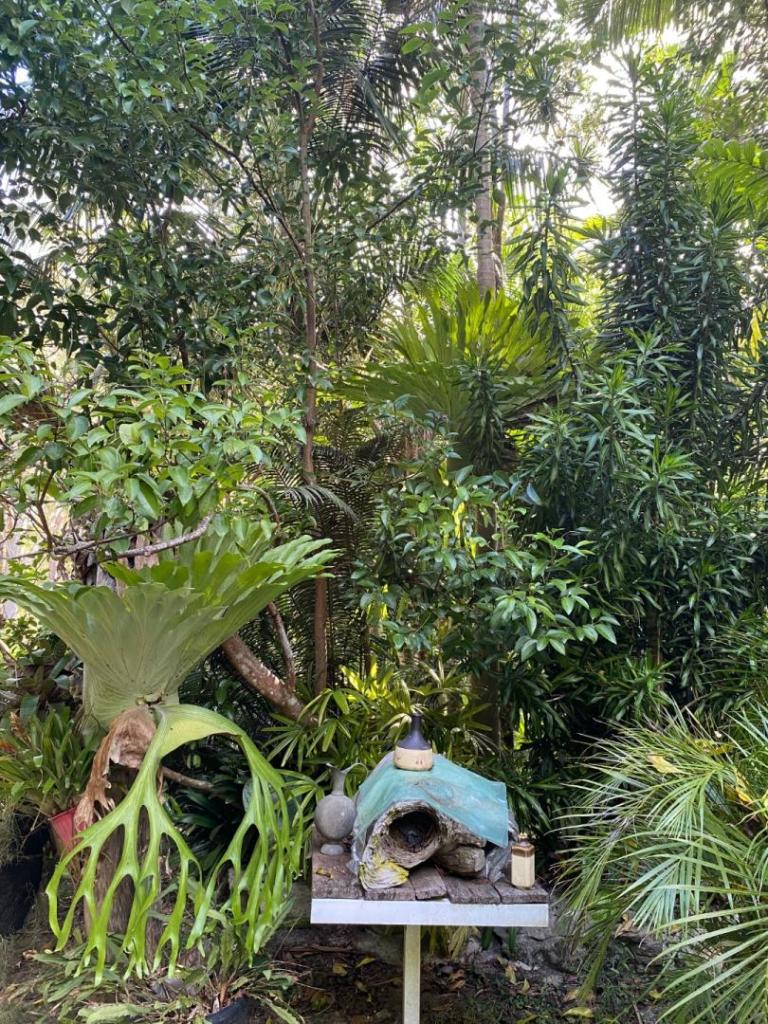


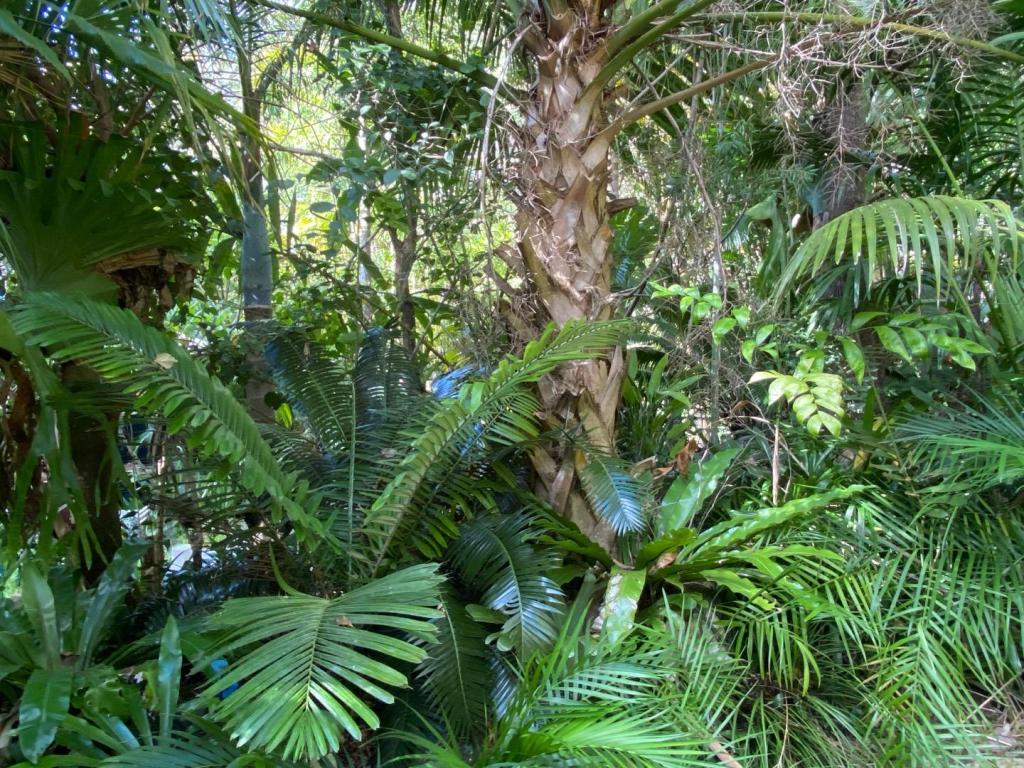
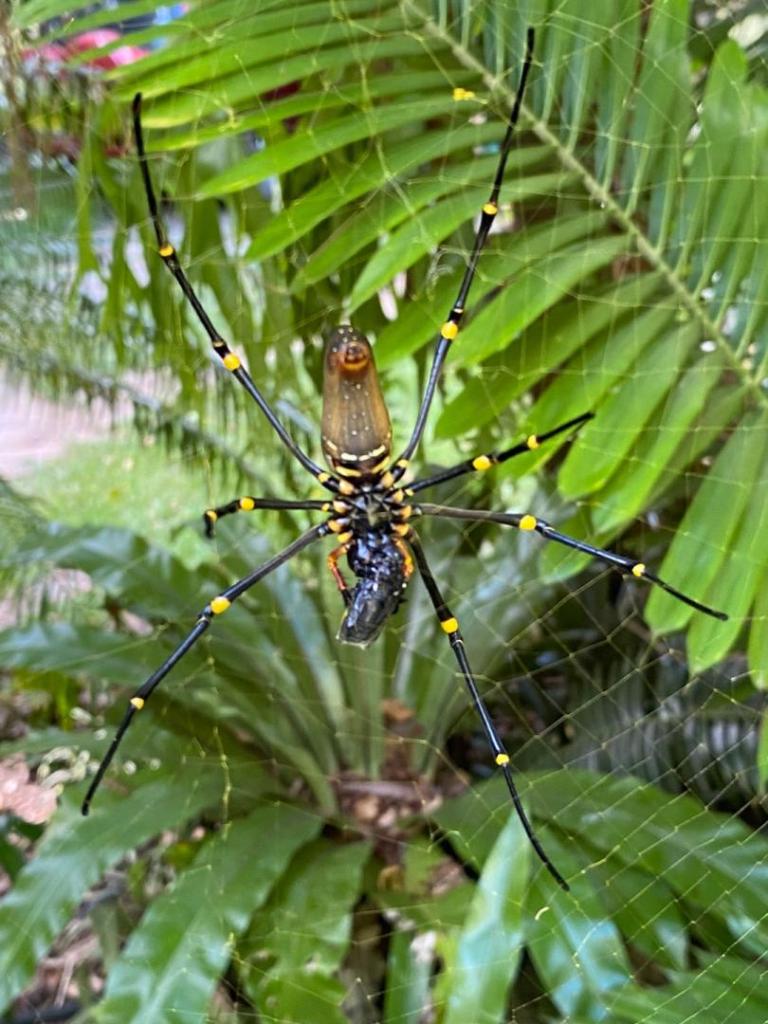
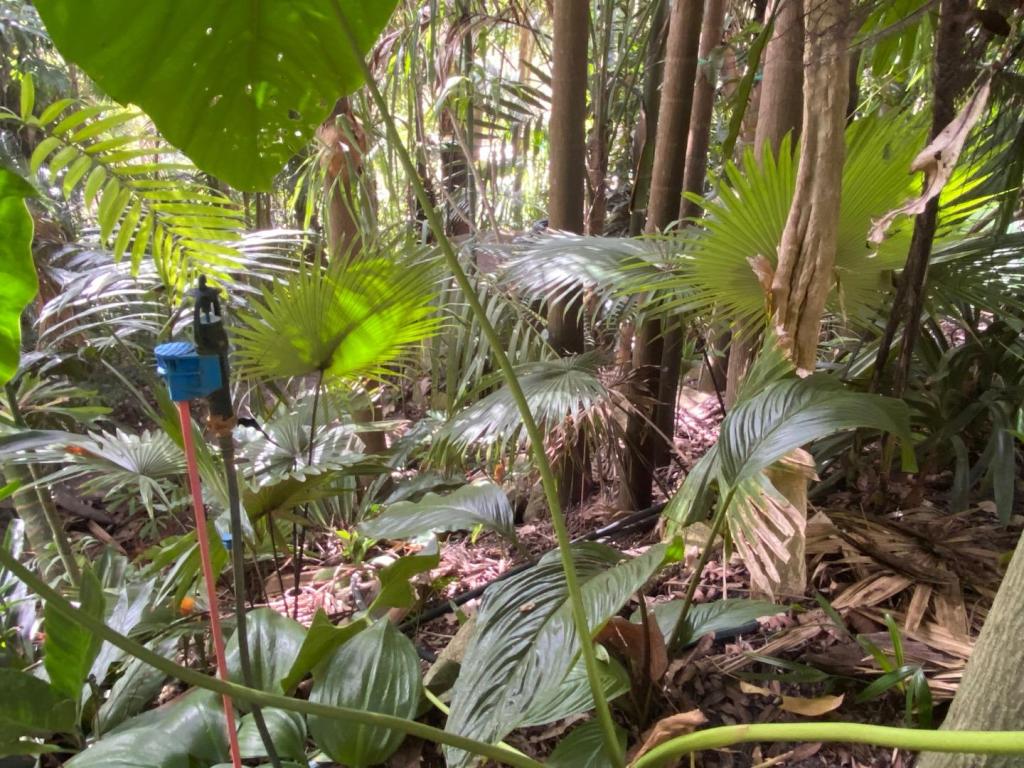



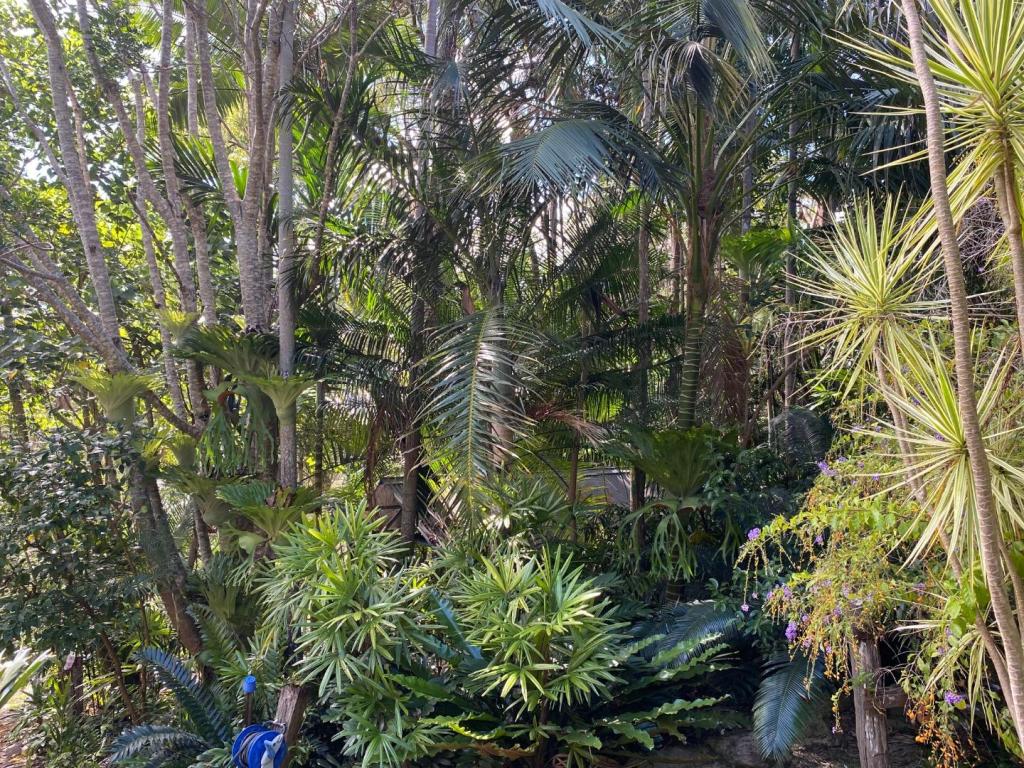

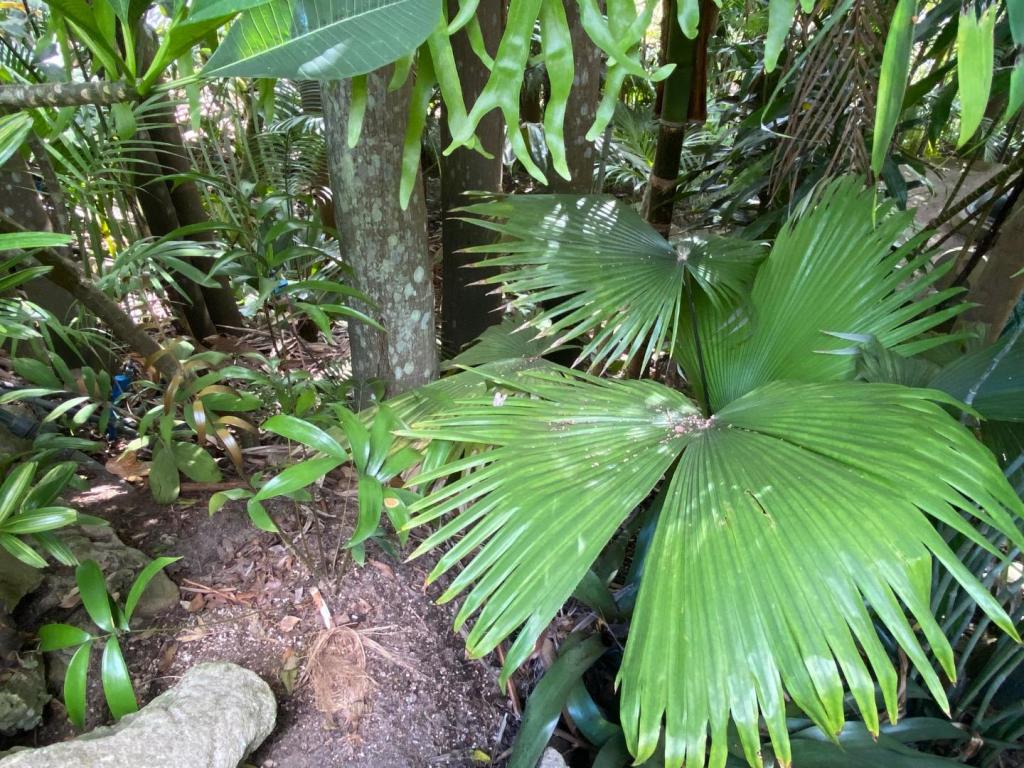 6 points
 -
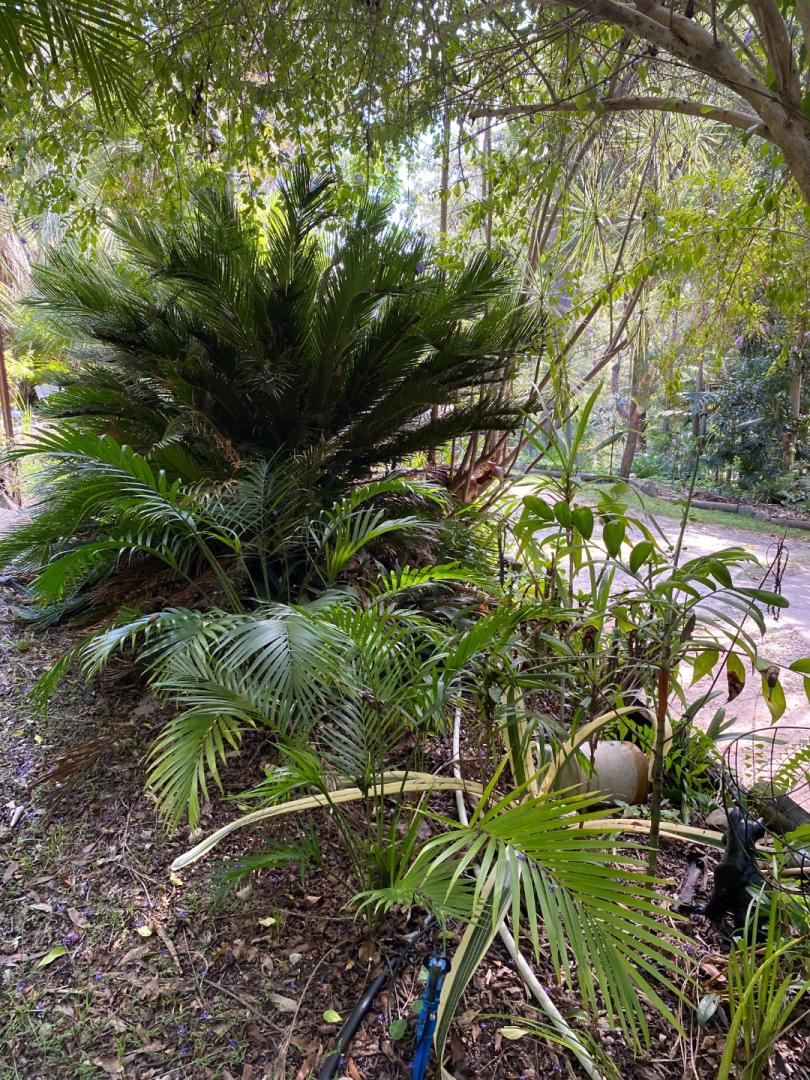
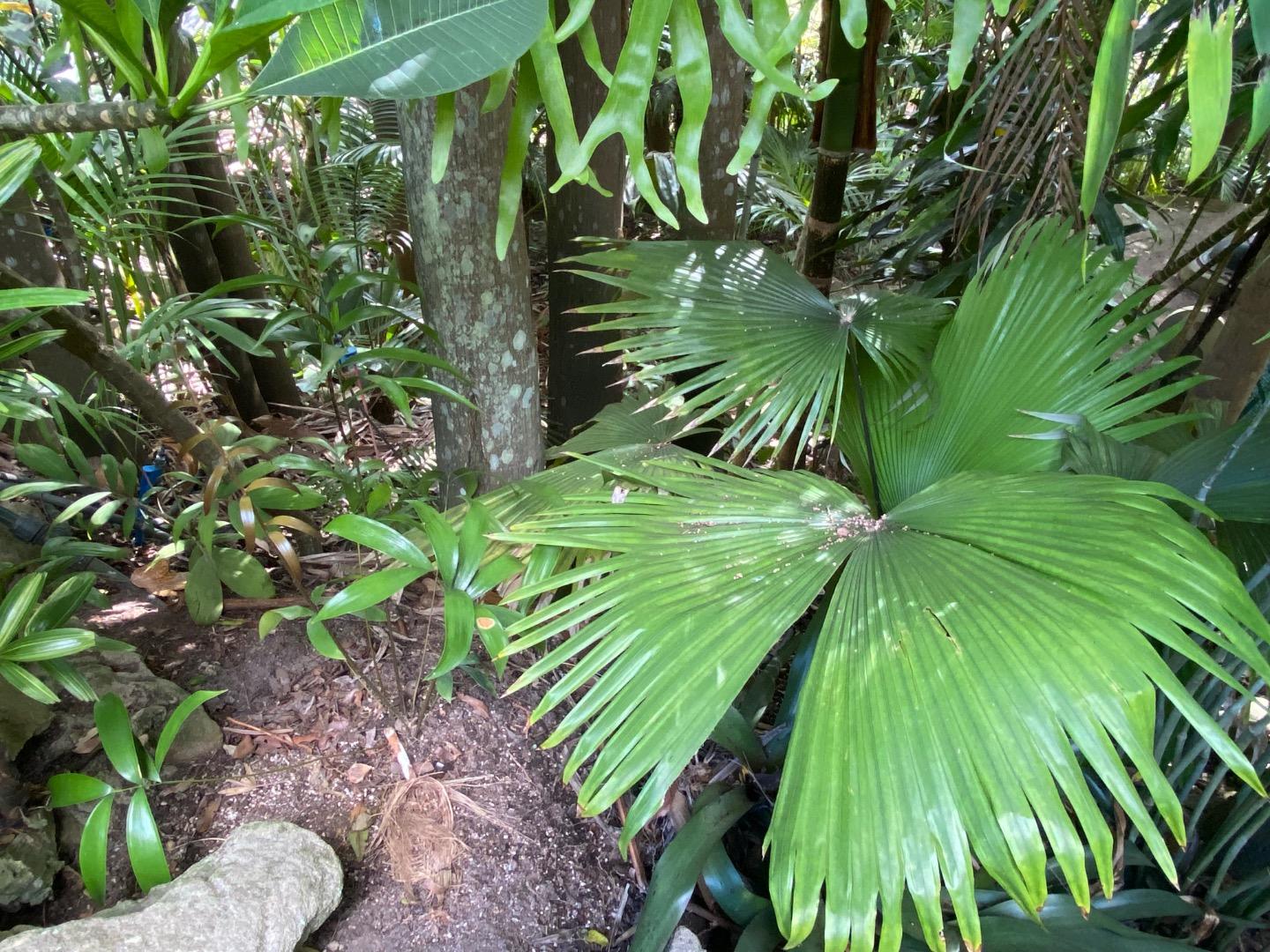
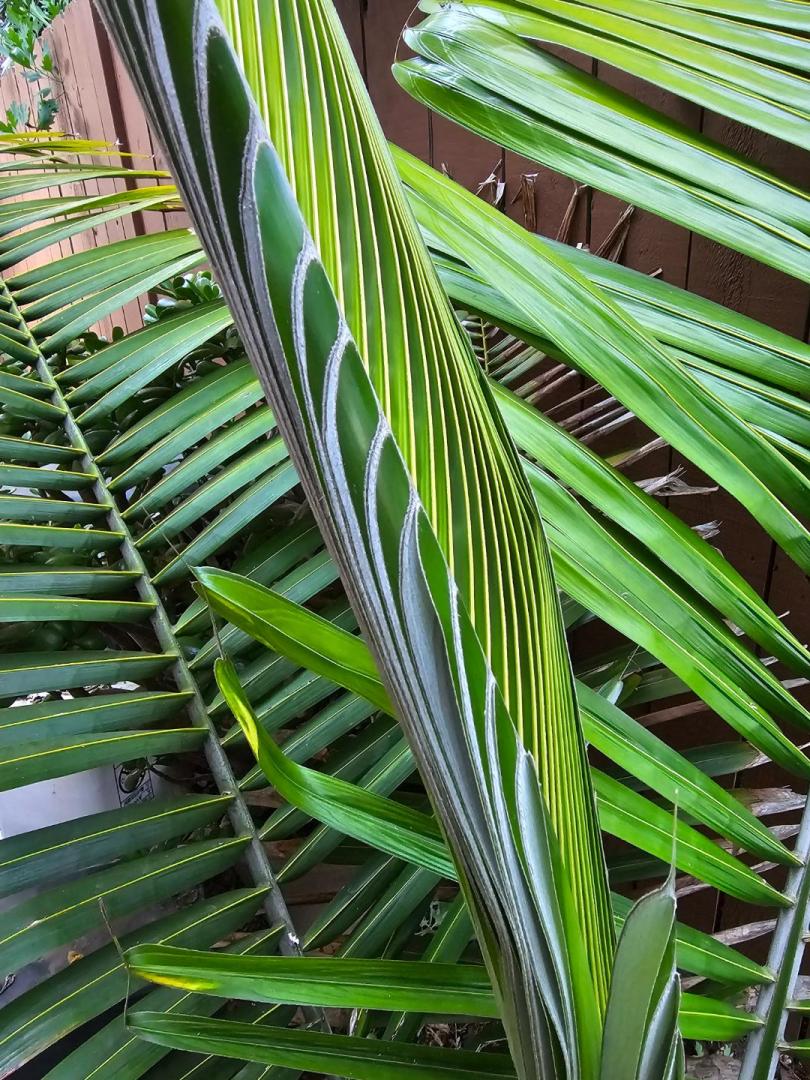
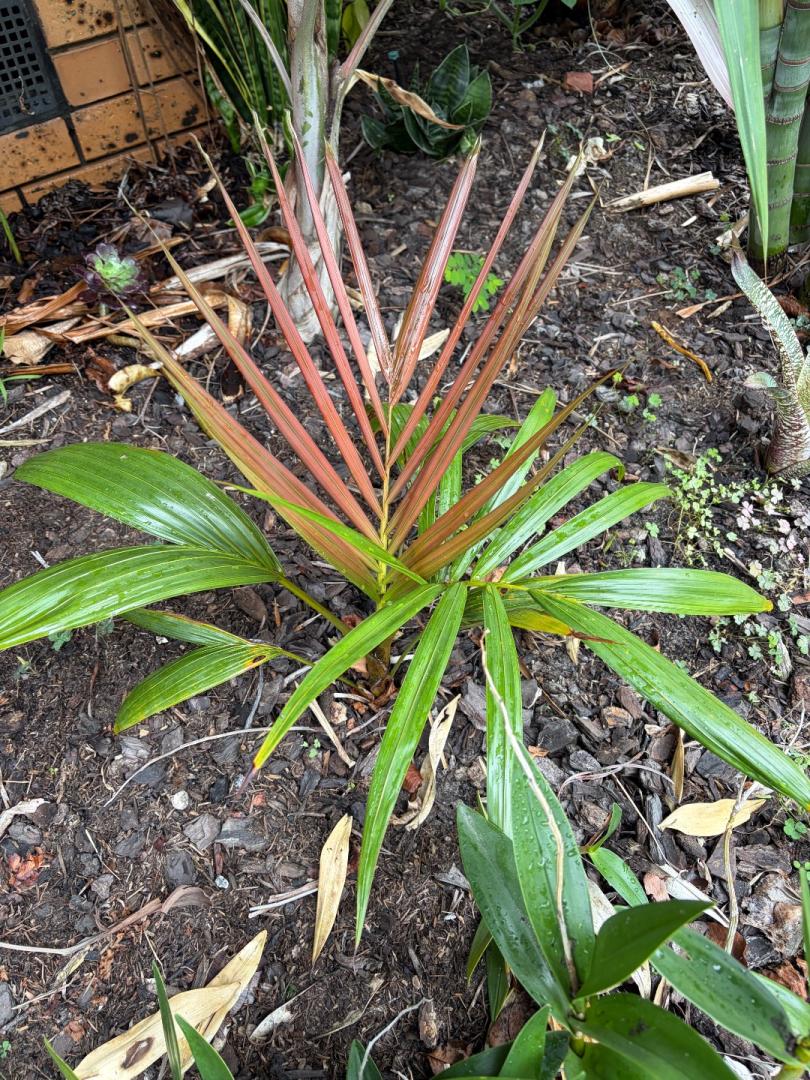
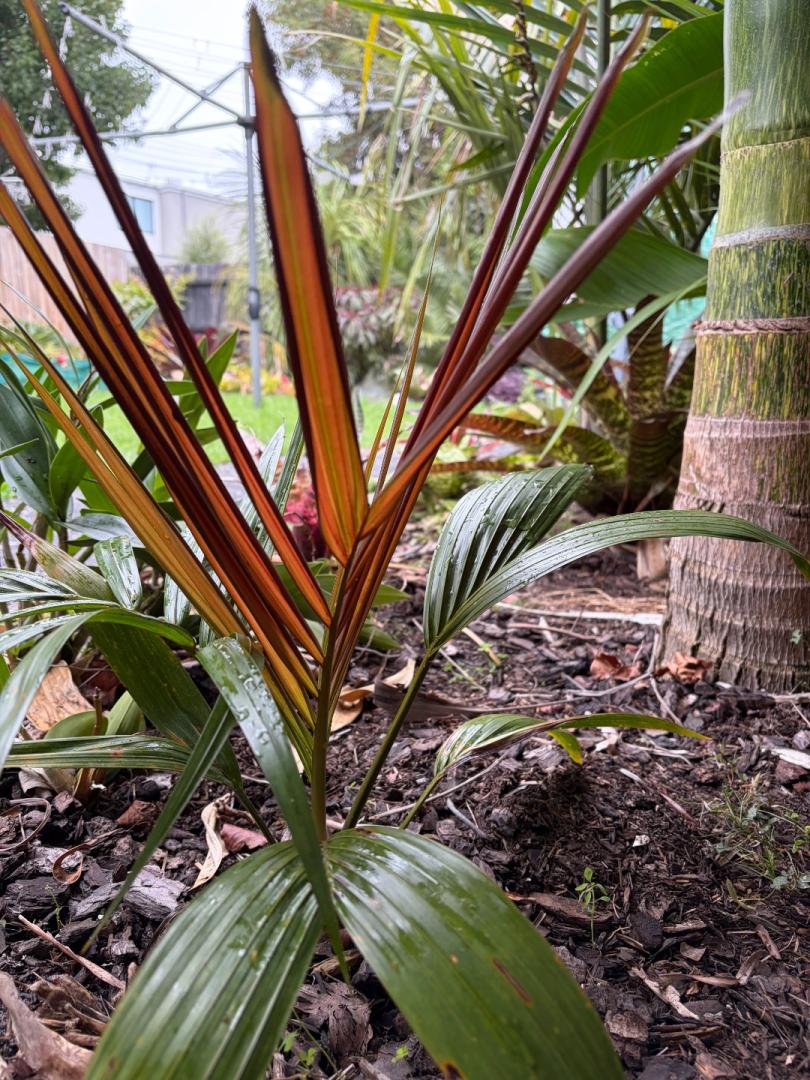
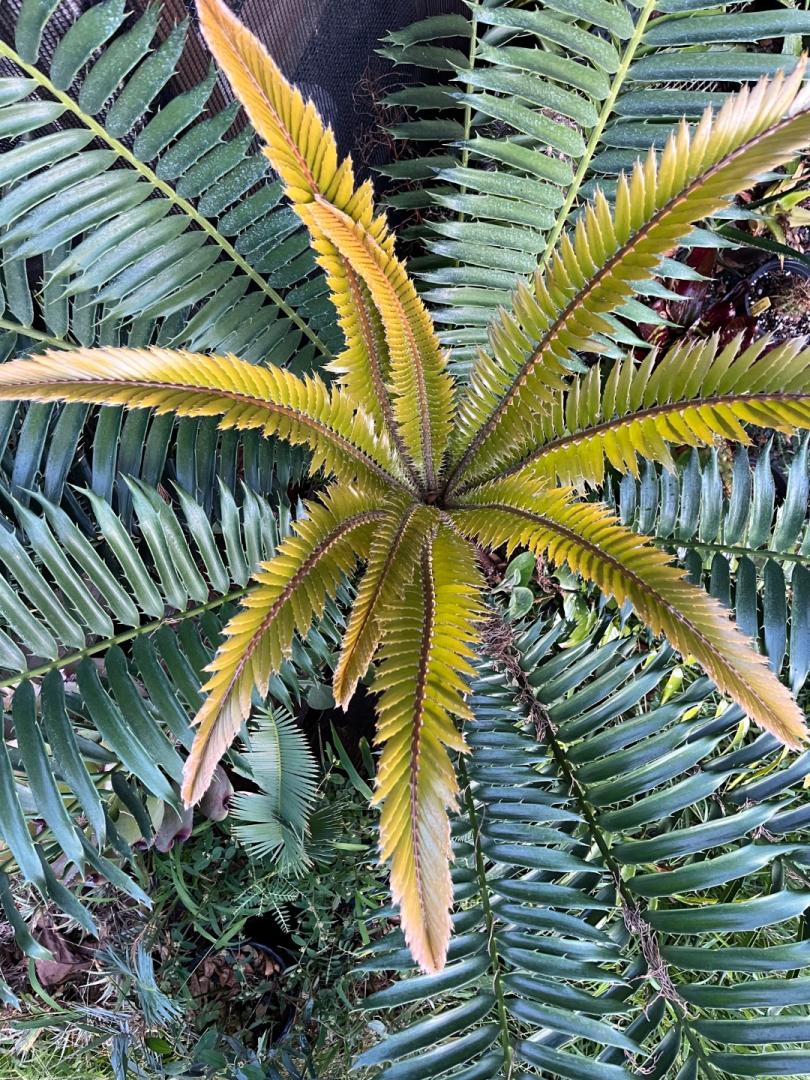
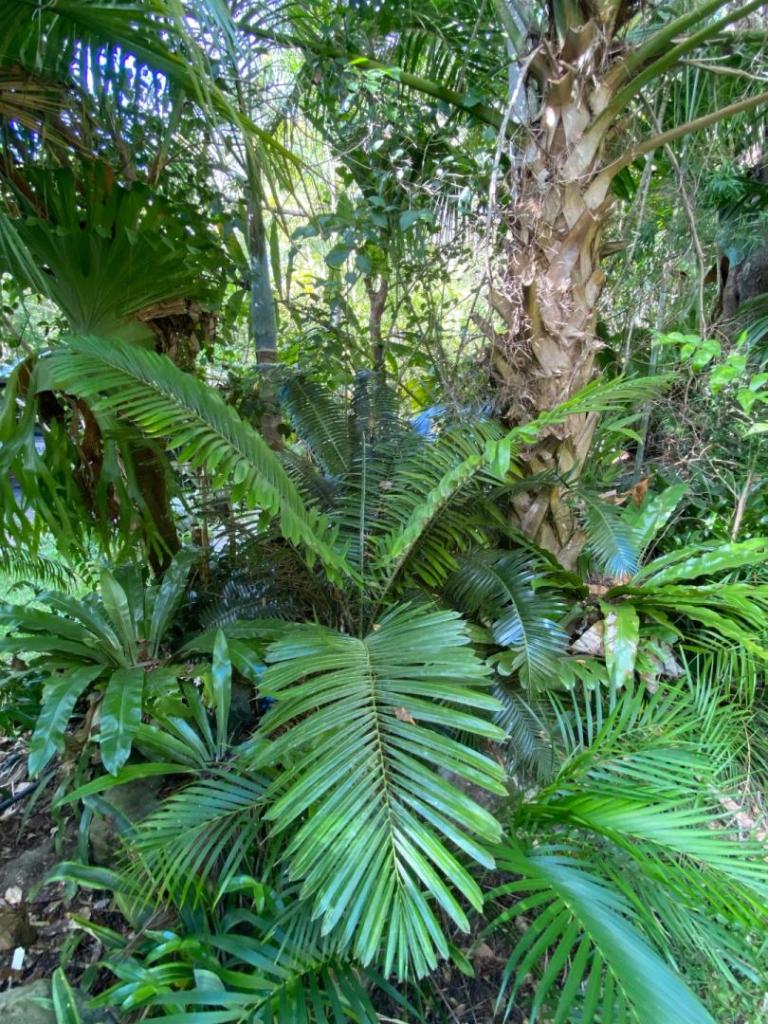
 6 pointsAllogoptera caudescens opening a new leaf is such an attractive sight.

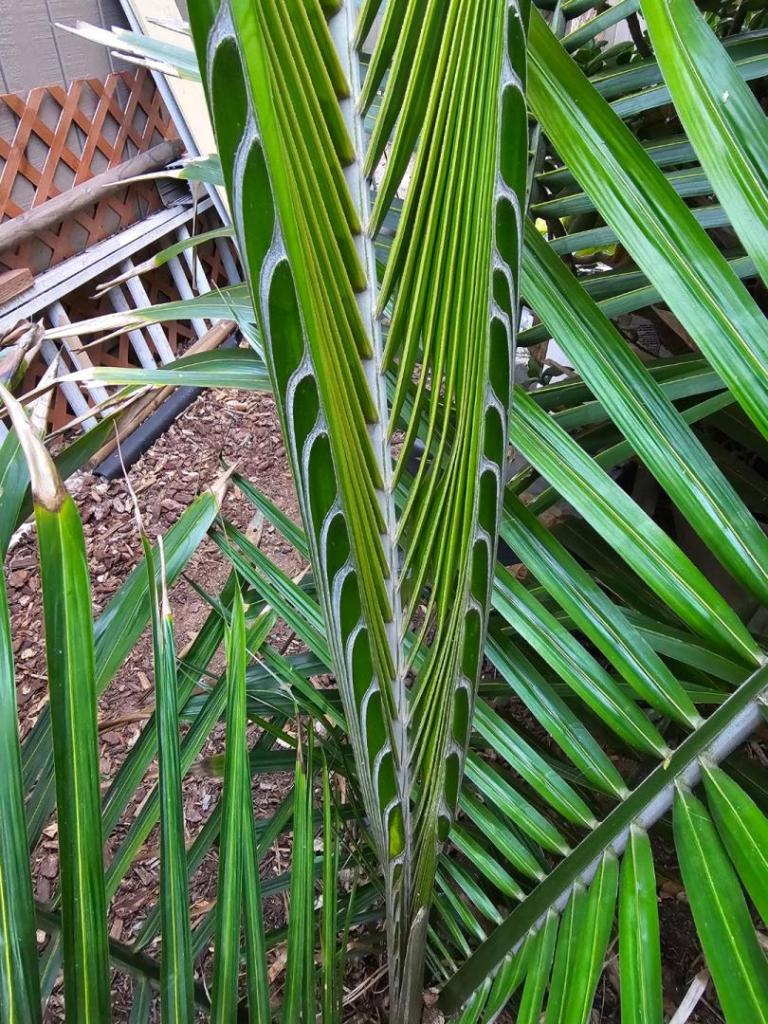 6 points
 -
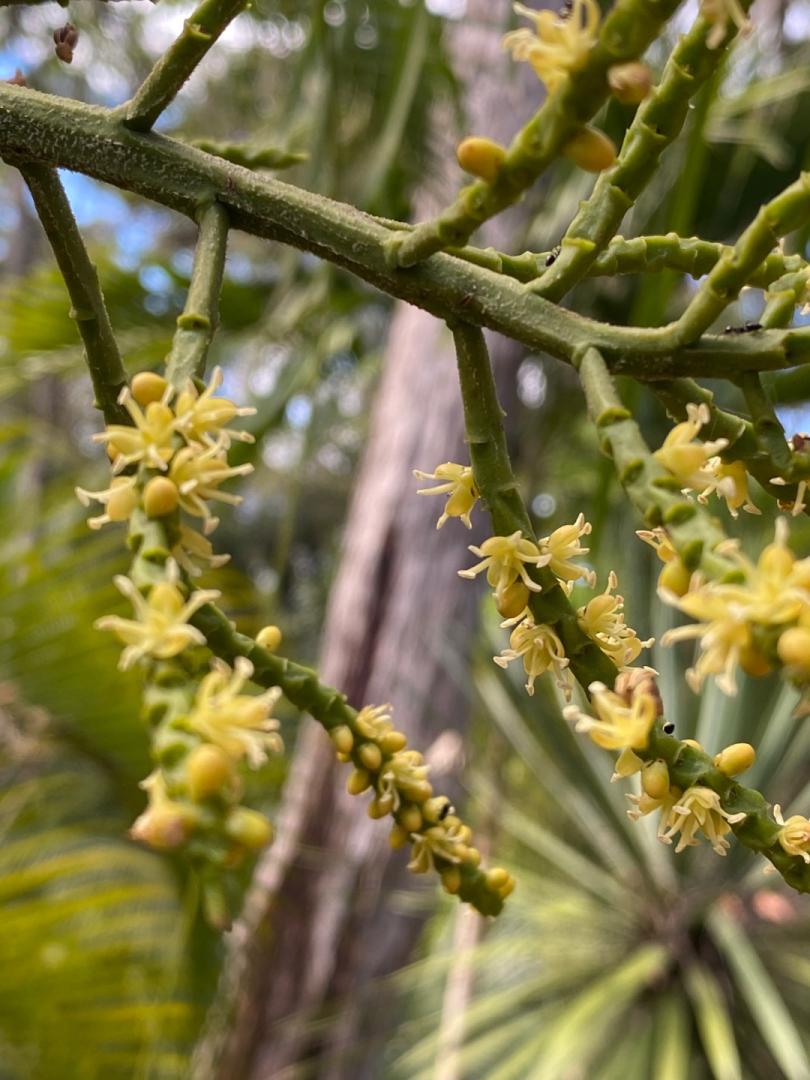
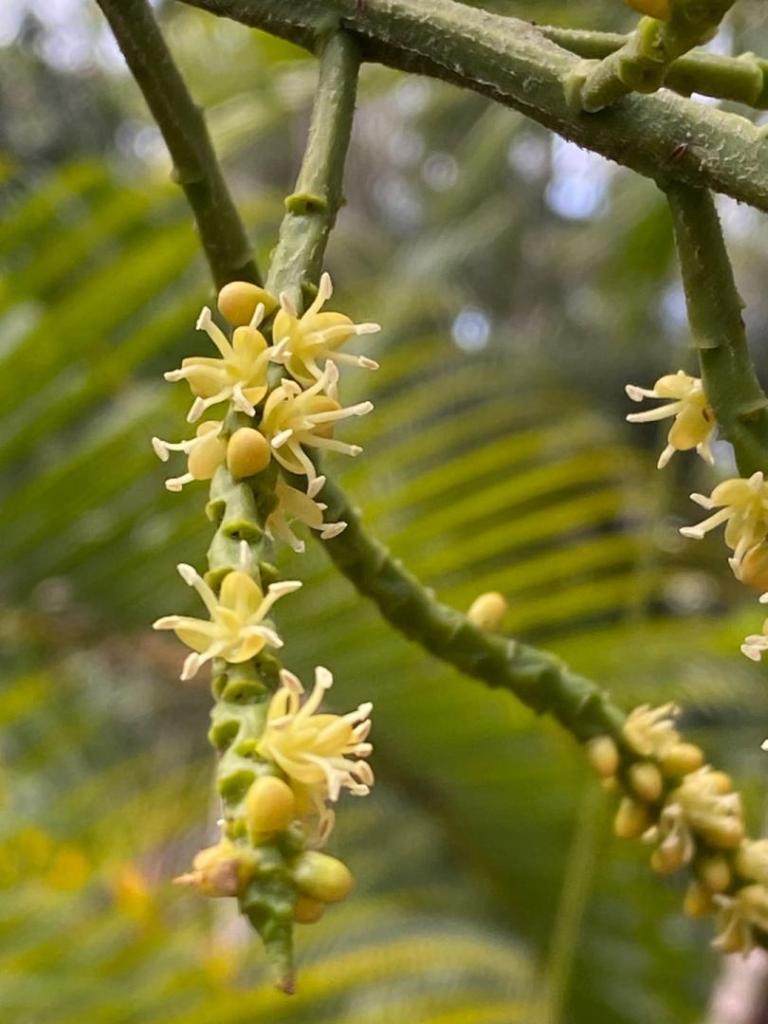
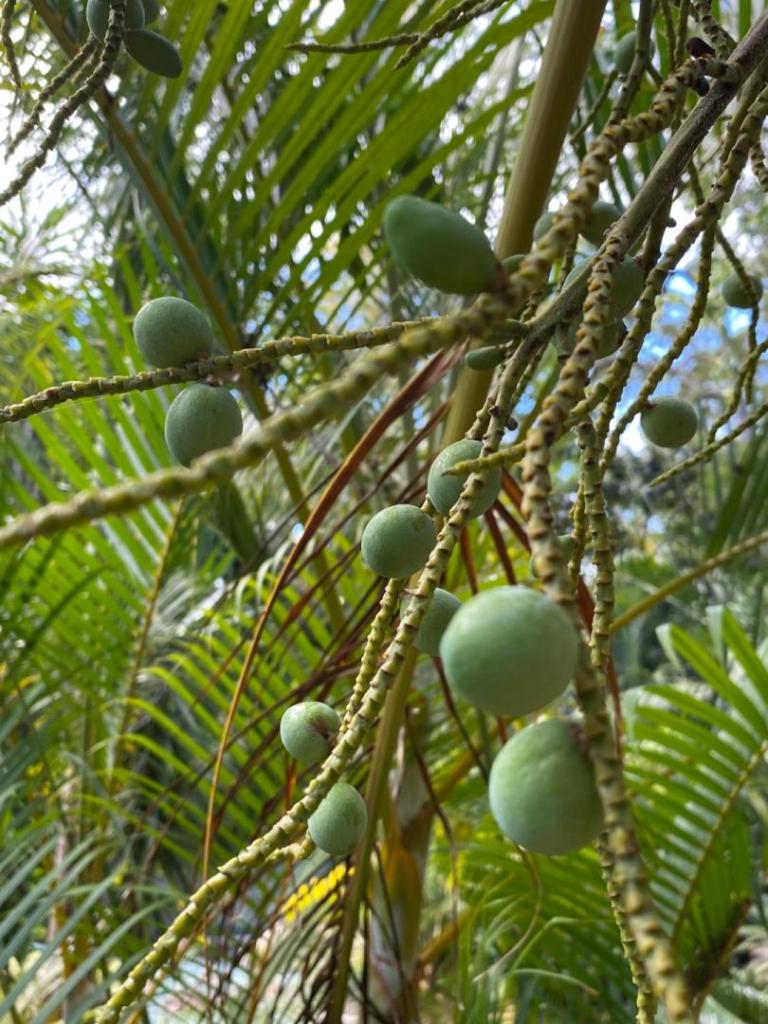
6 pointsIam lucky enough to have small plumosa in flower at eye height, making for a few close ups normally done a ladder.
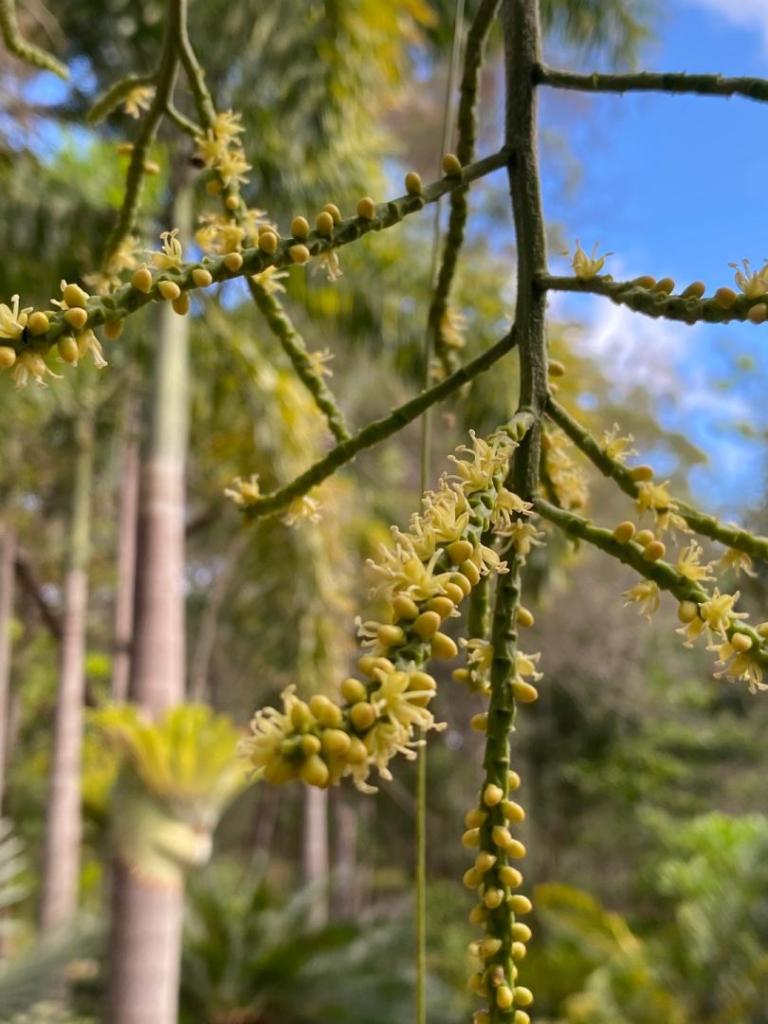


 6 points
 -
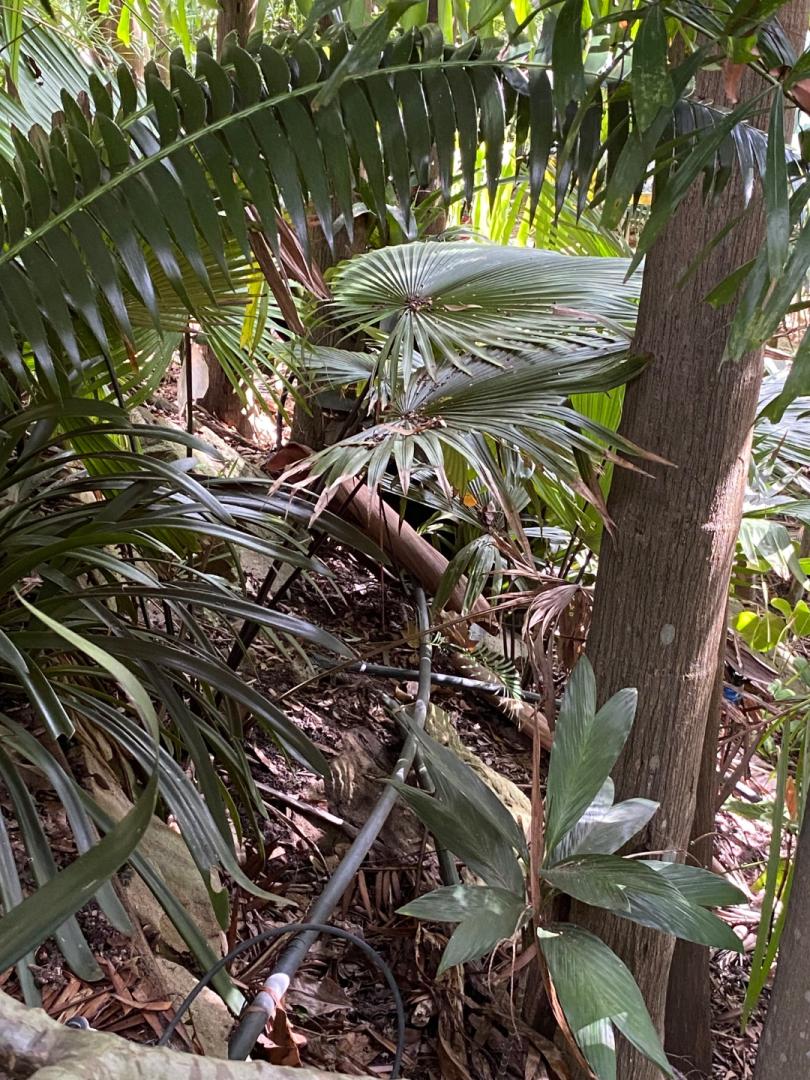
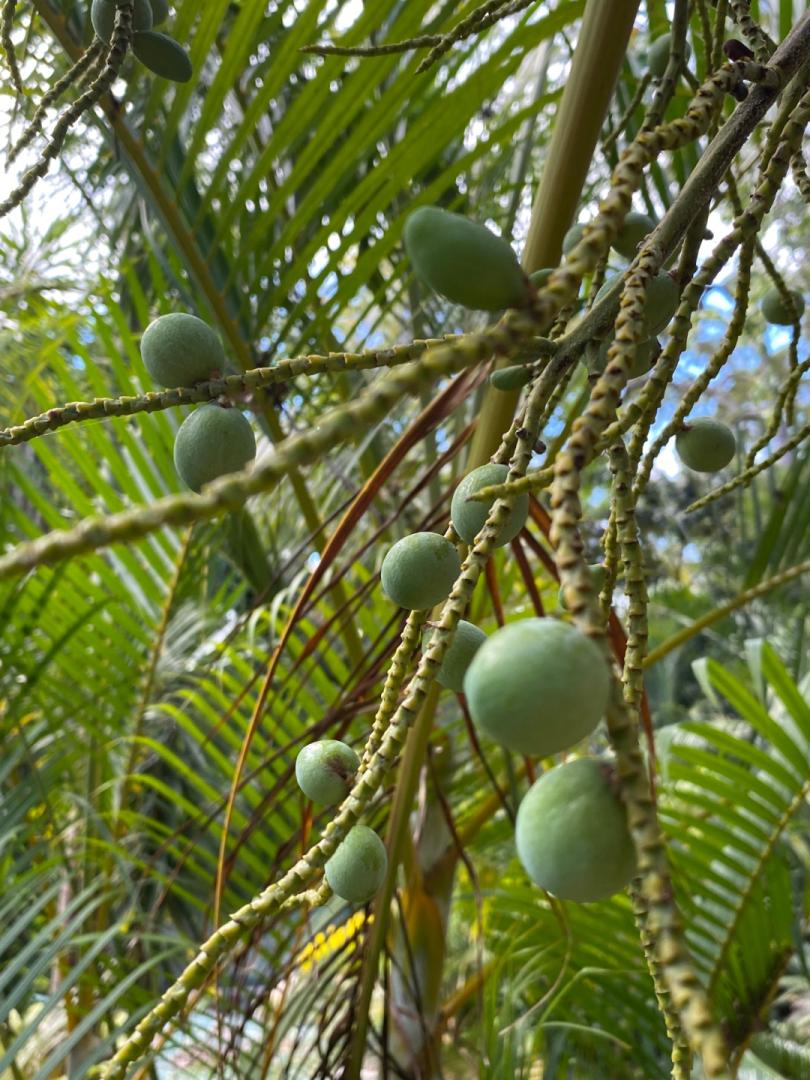
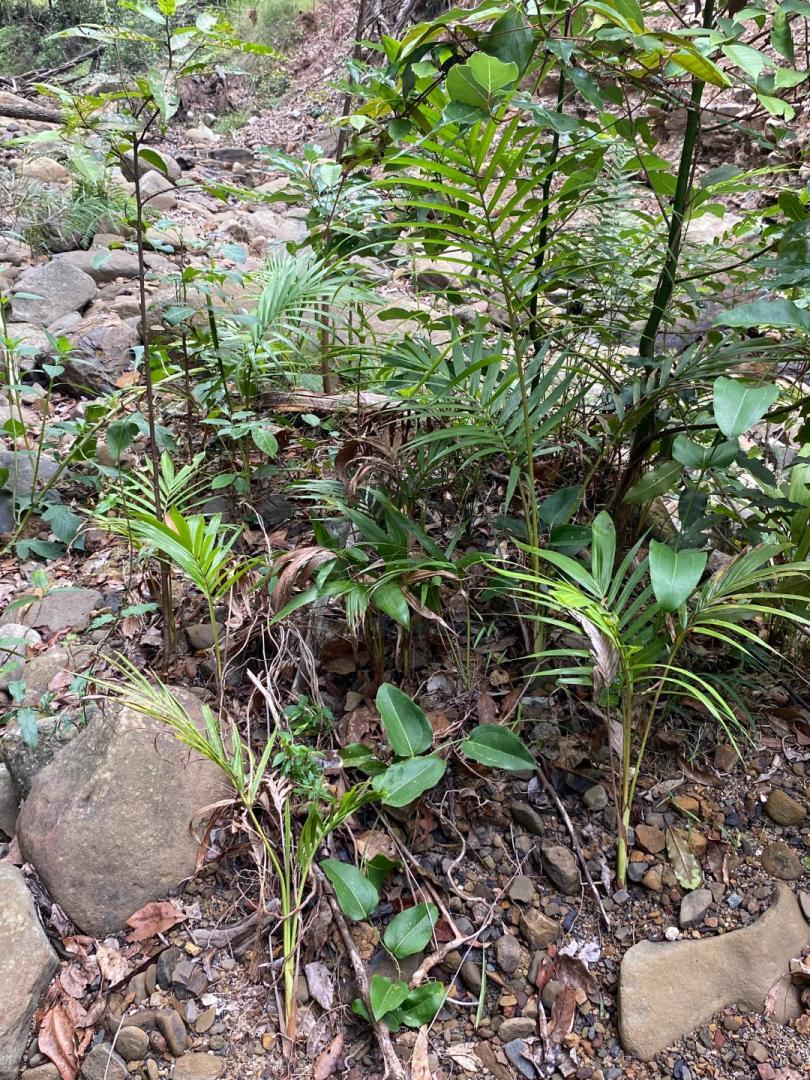
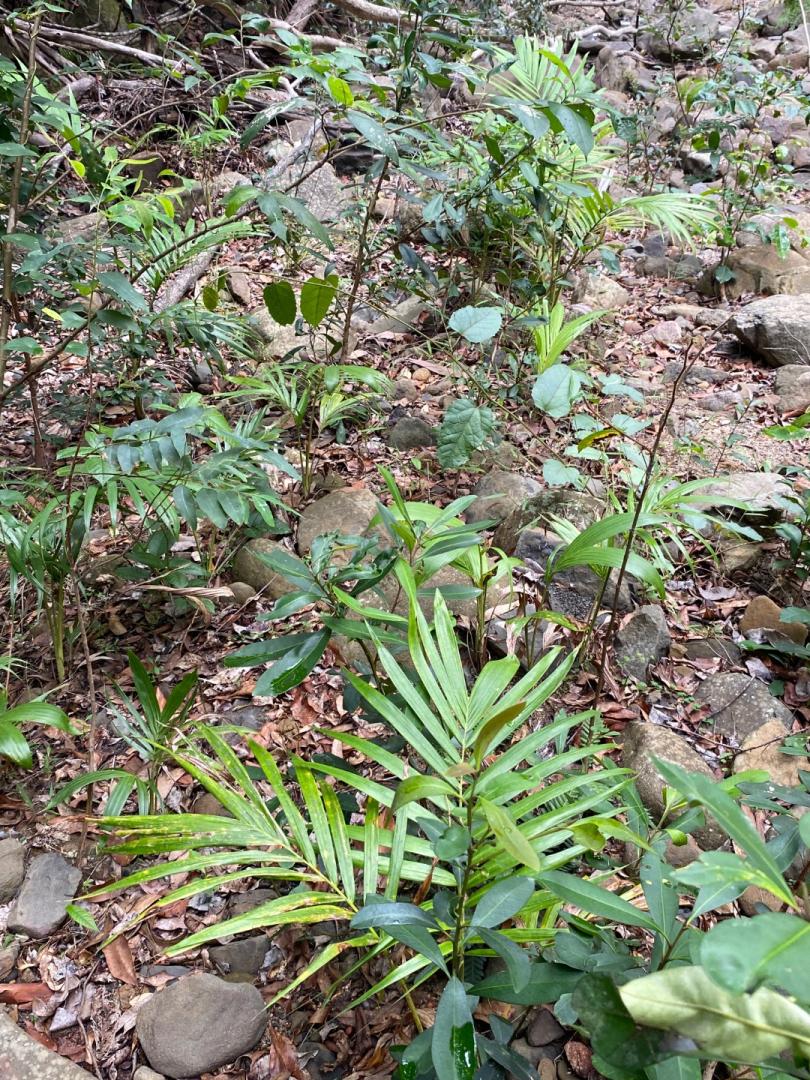
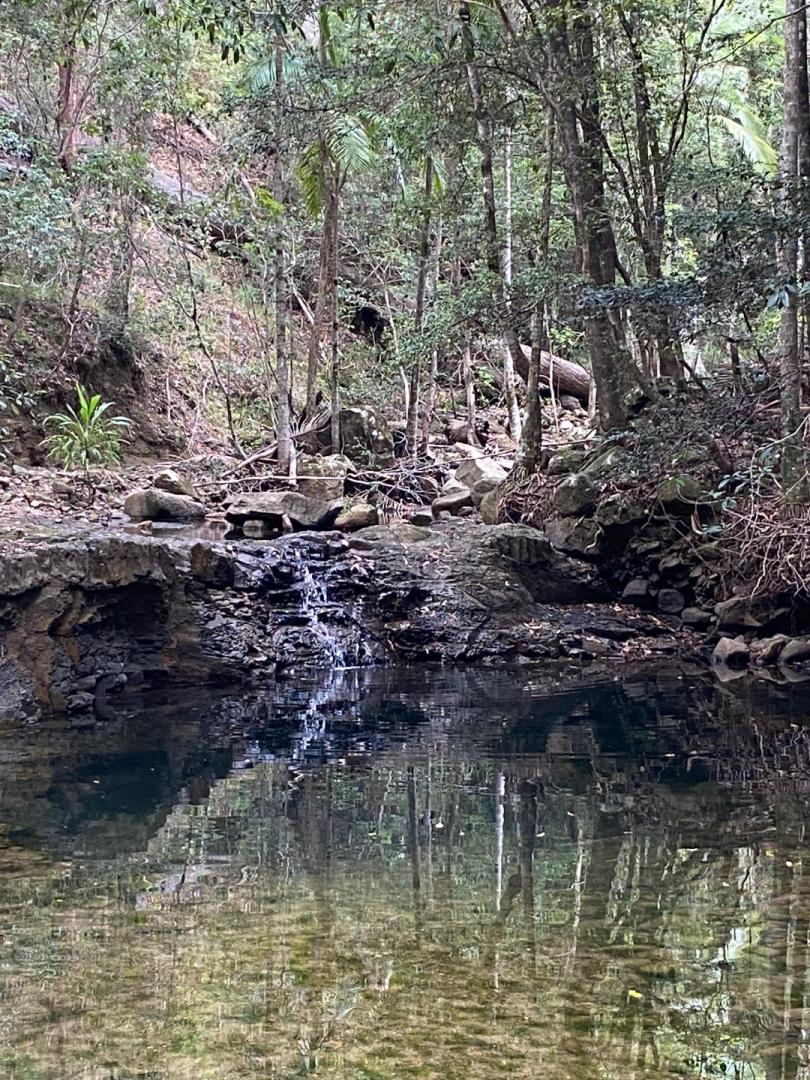
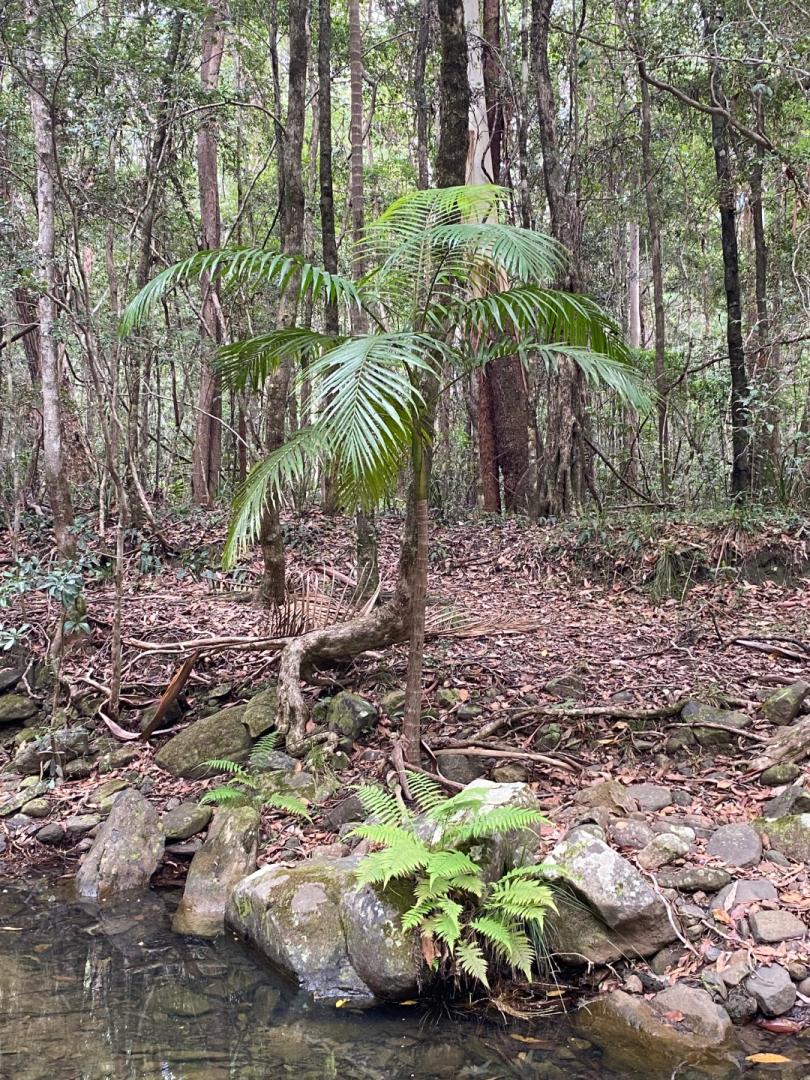
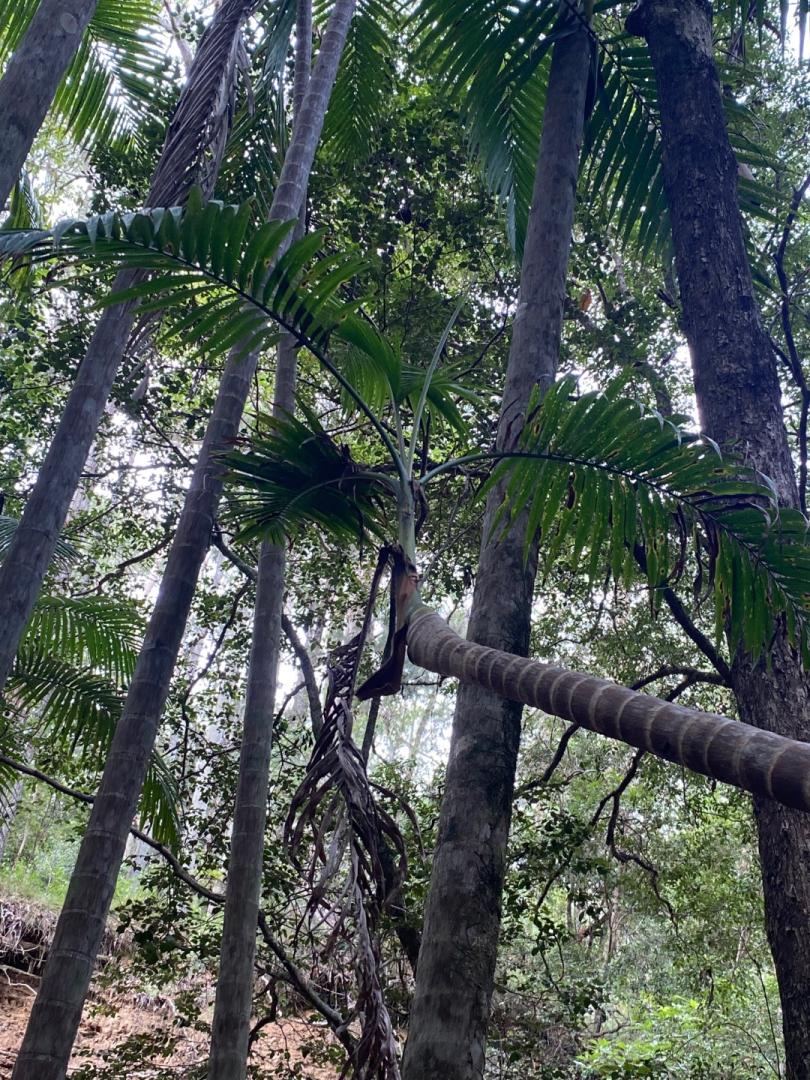
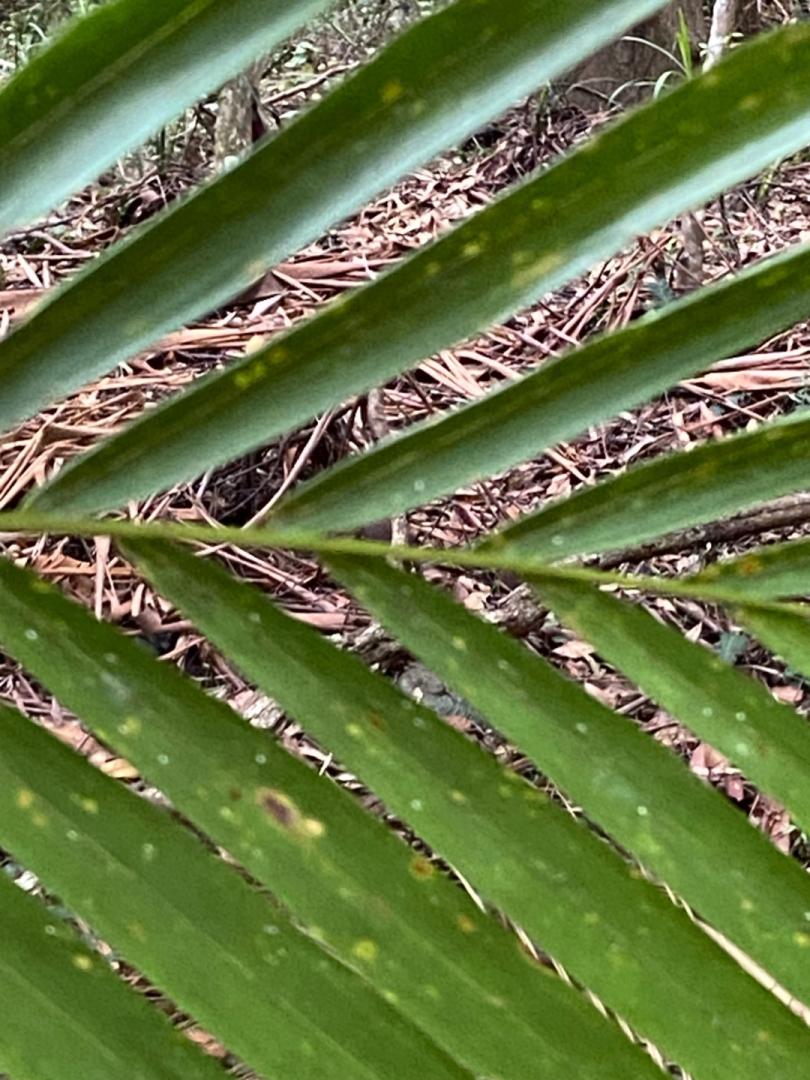
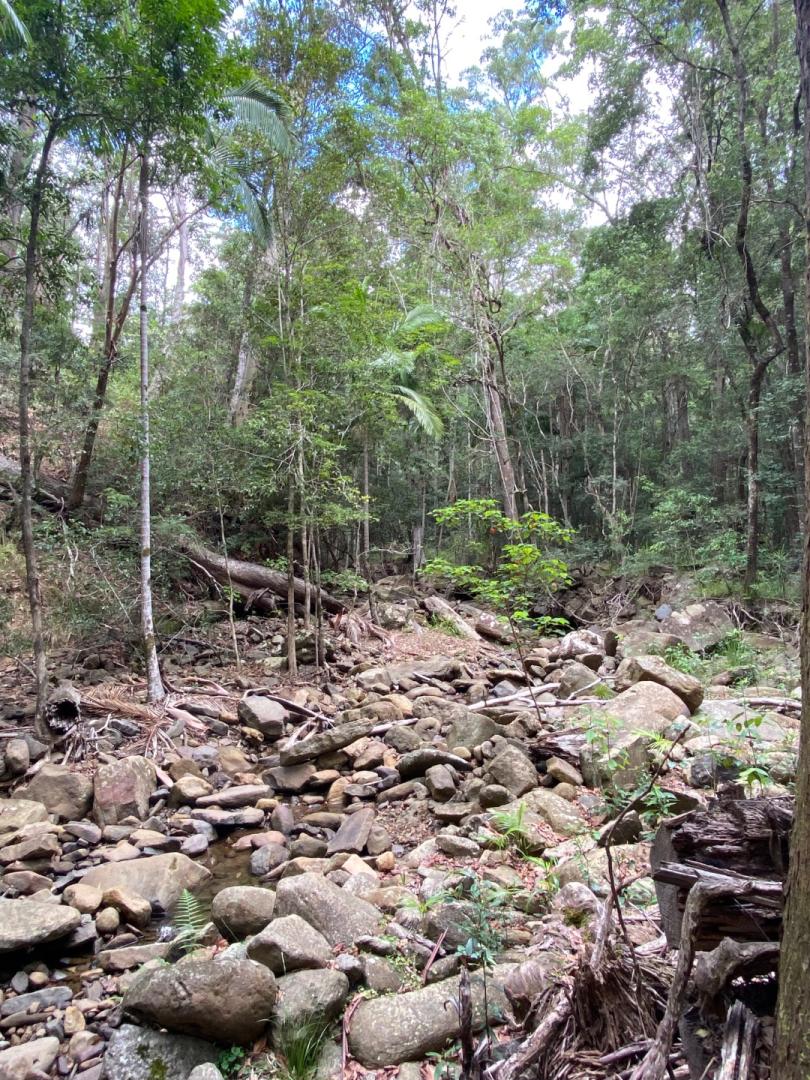
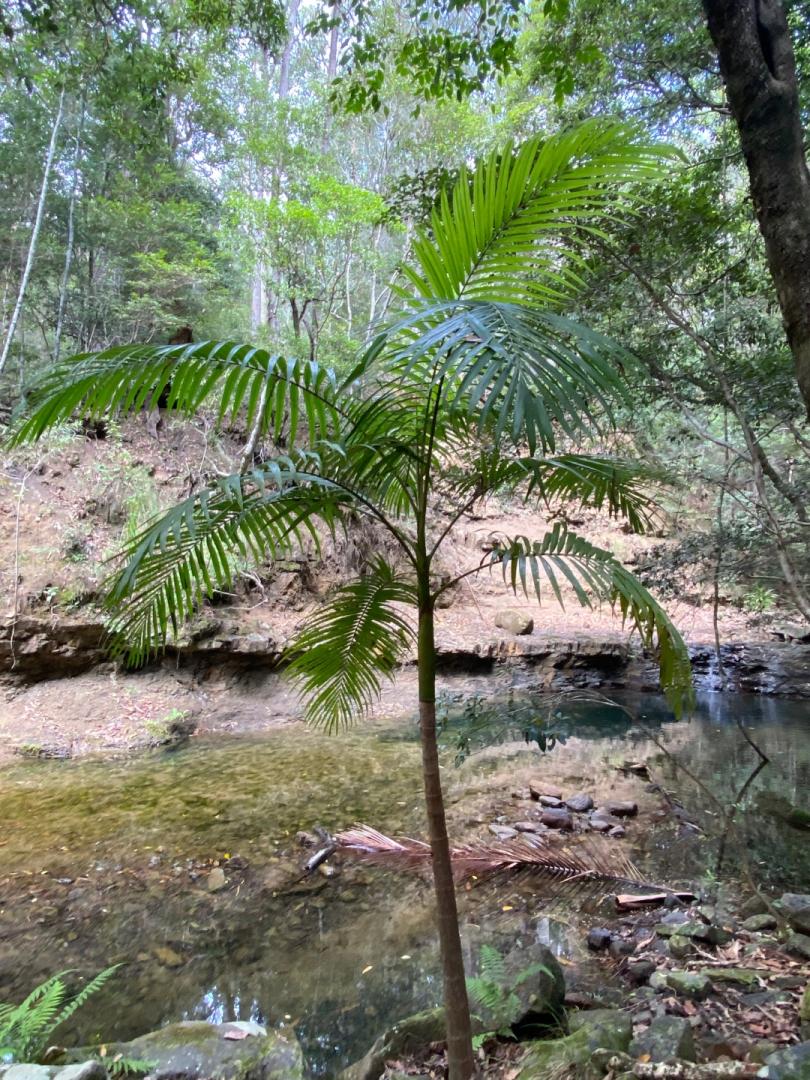
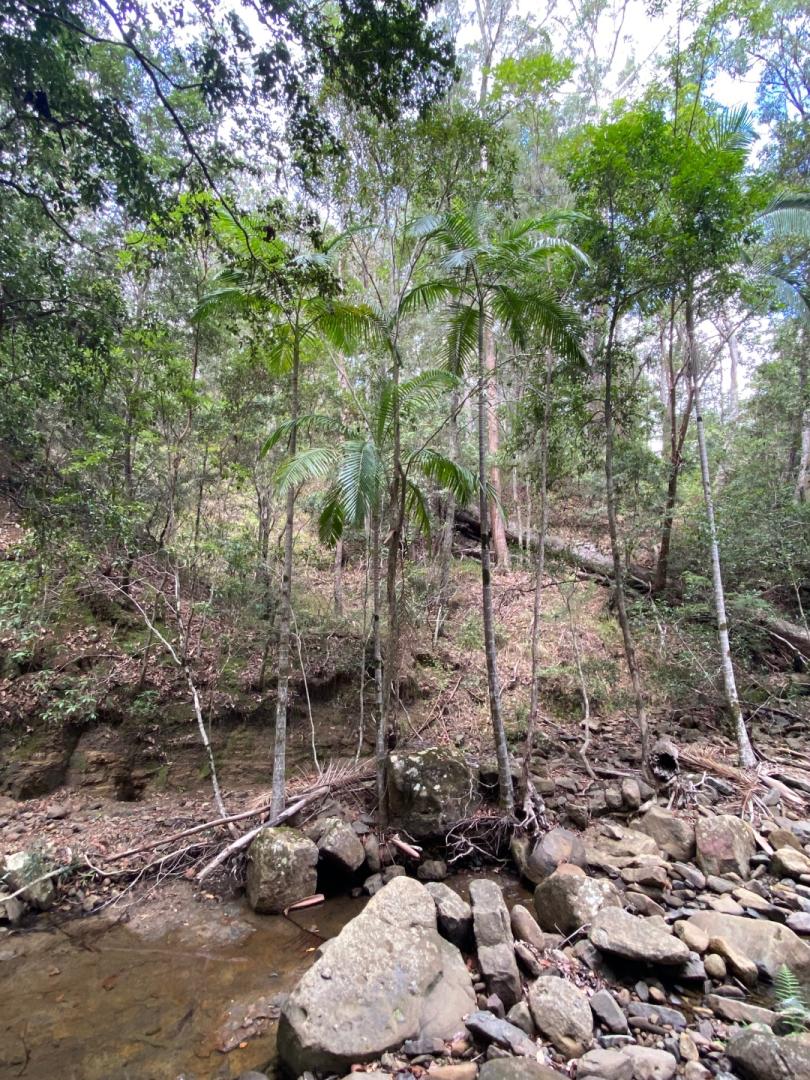
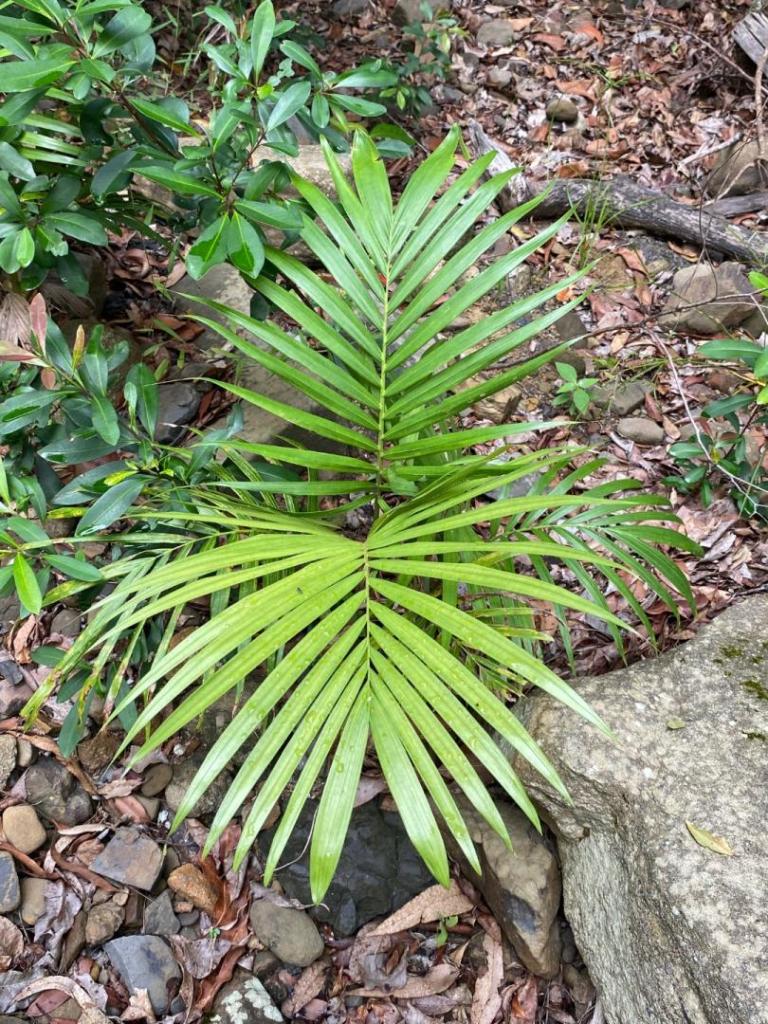
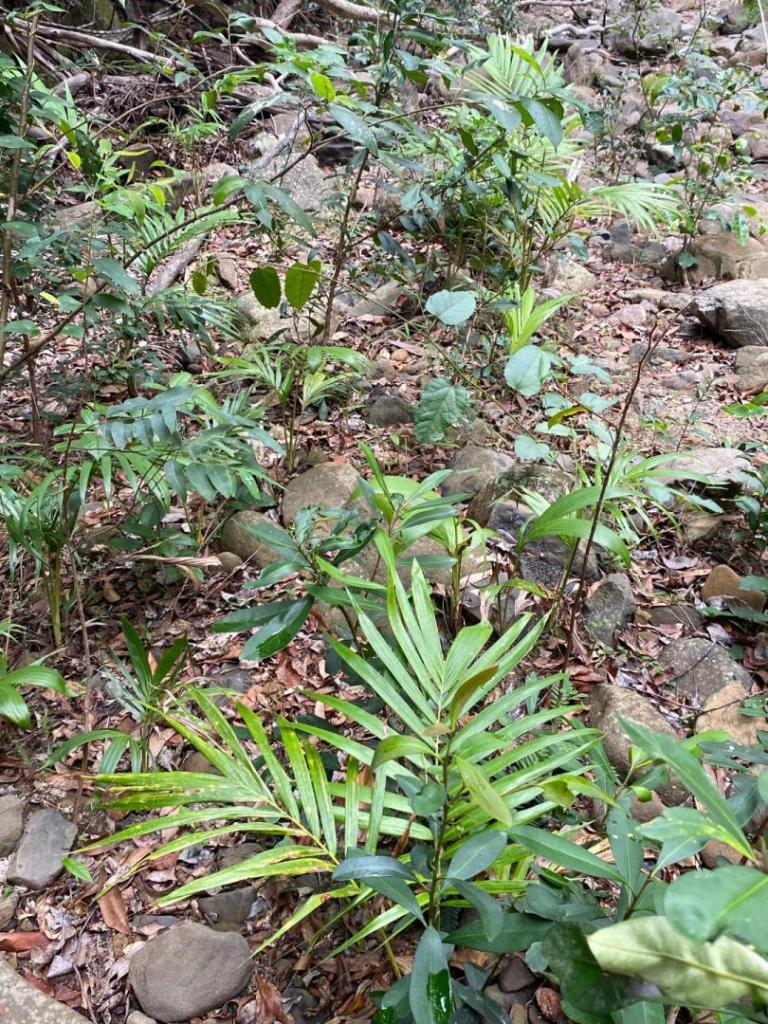
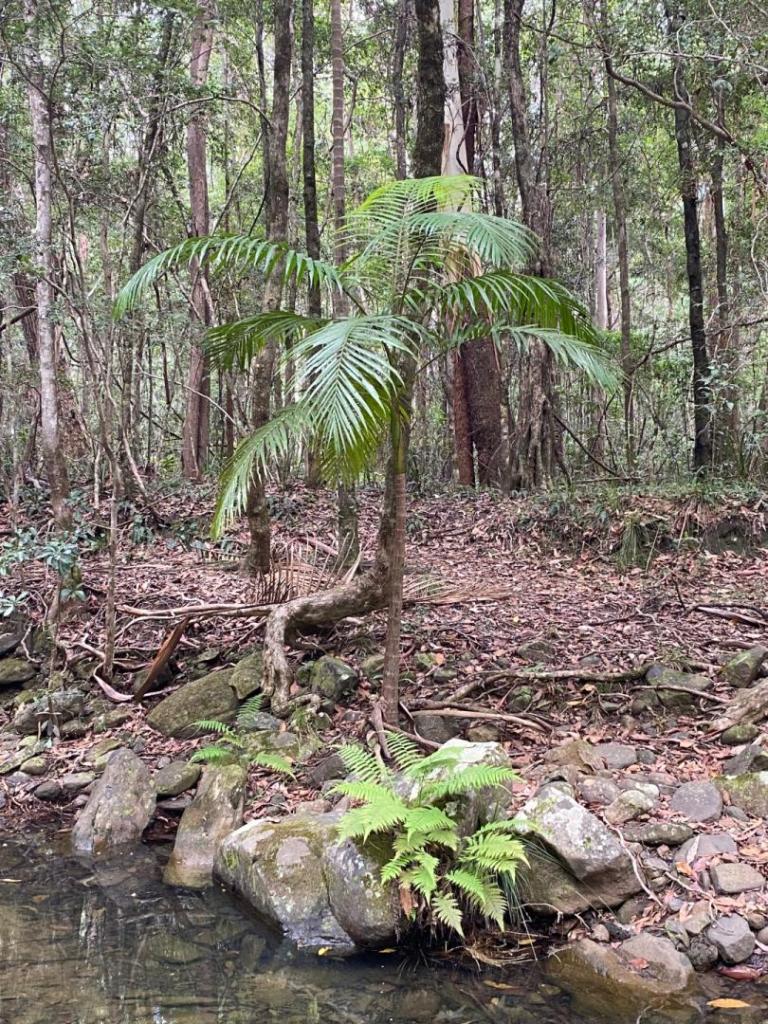
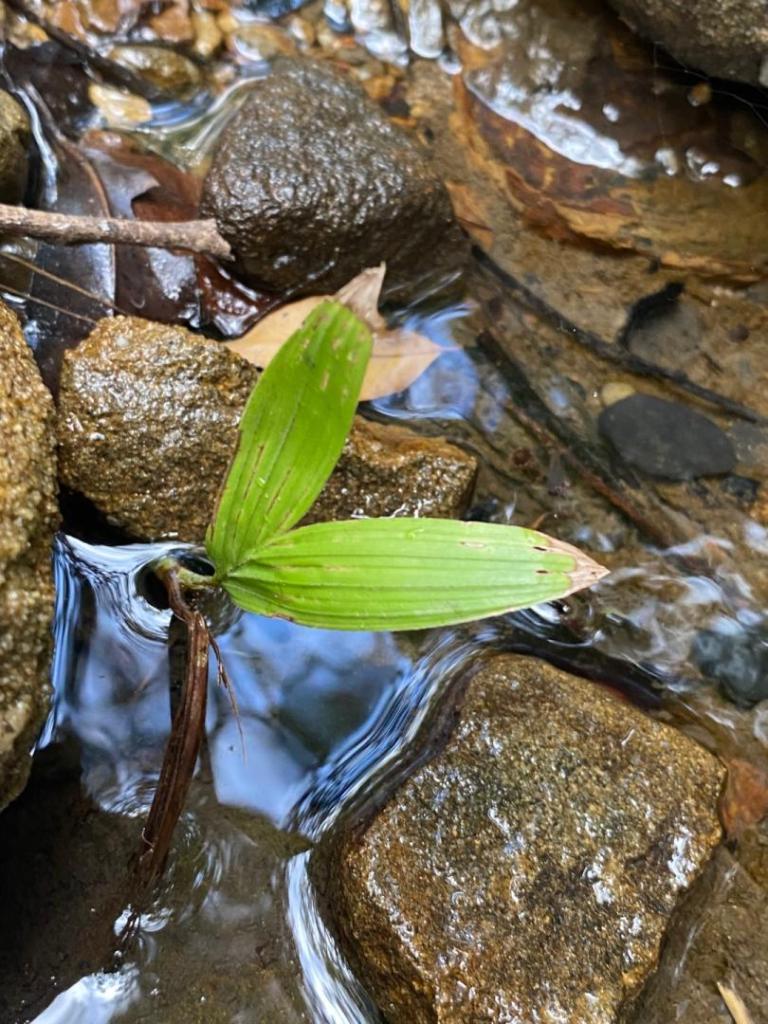
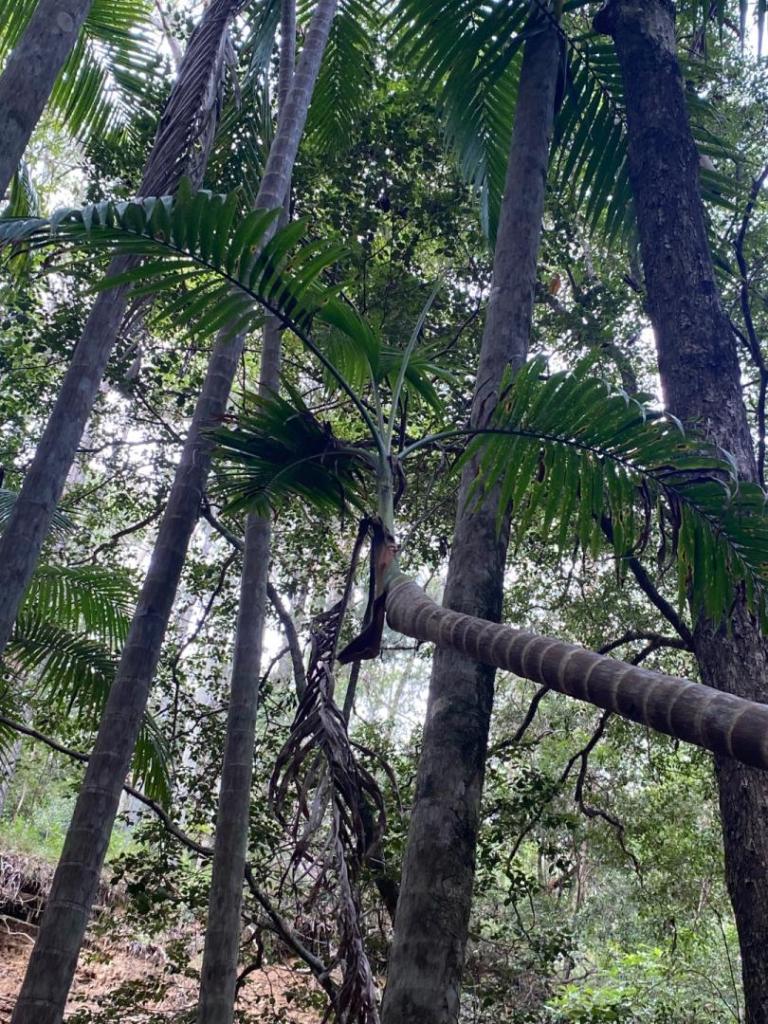
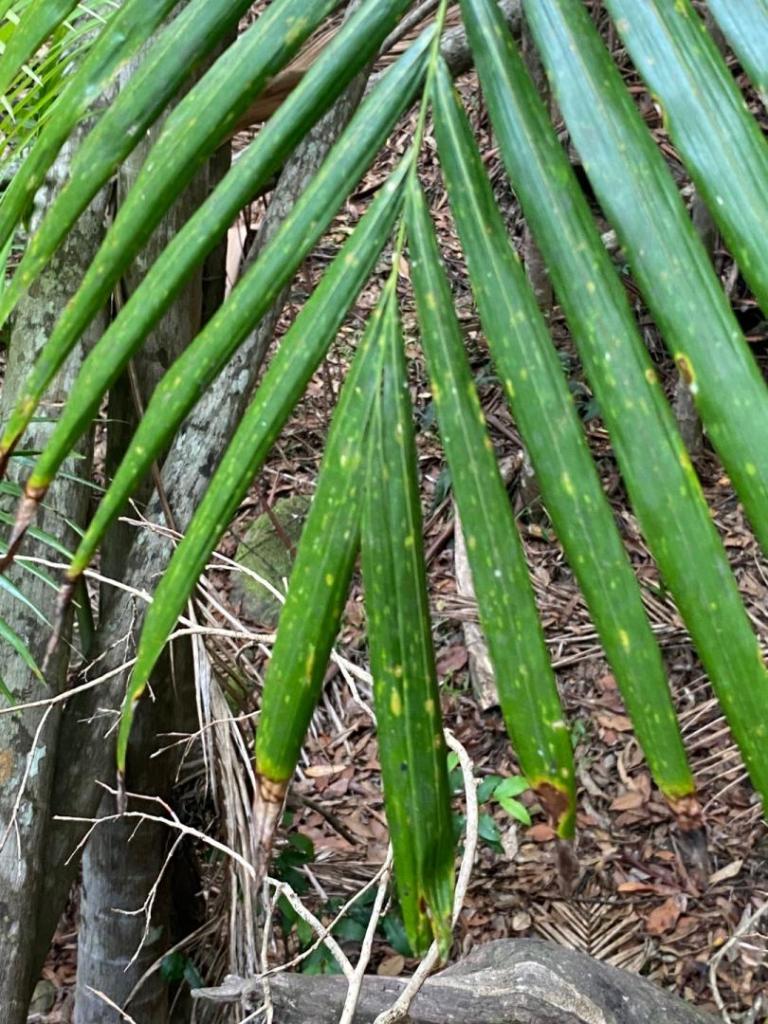
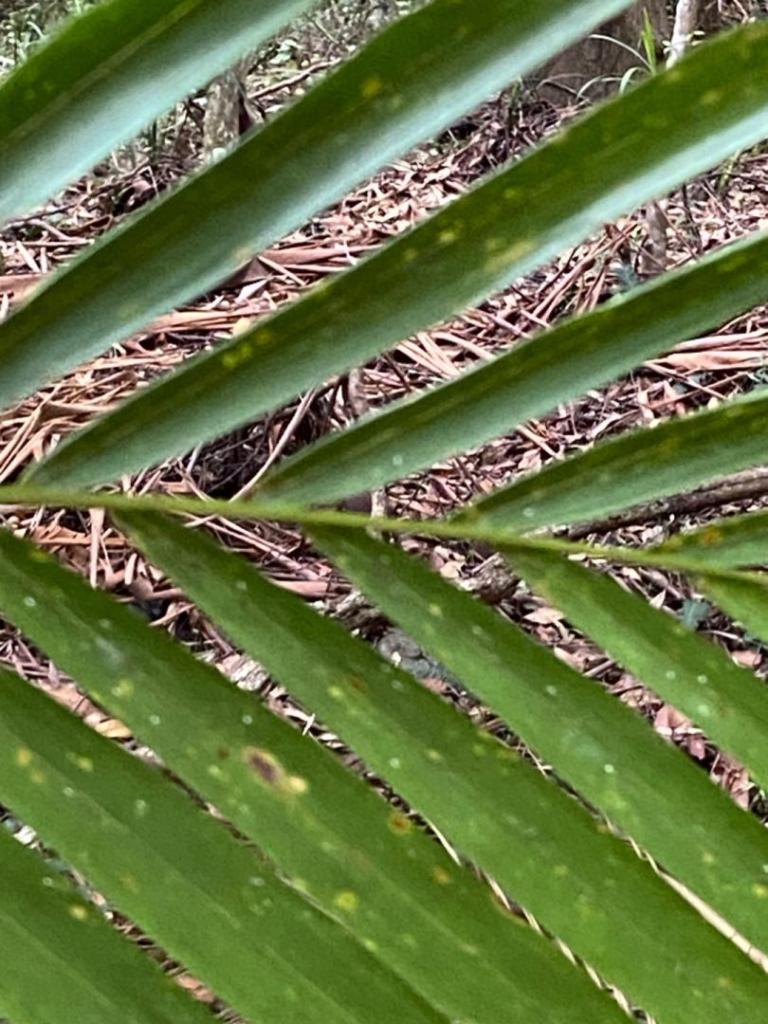
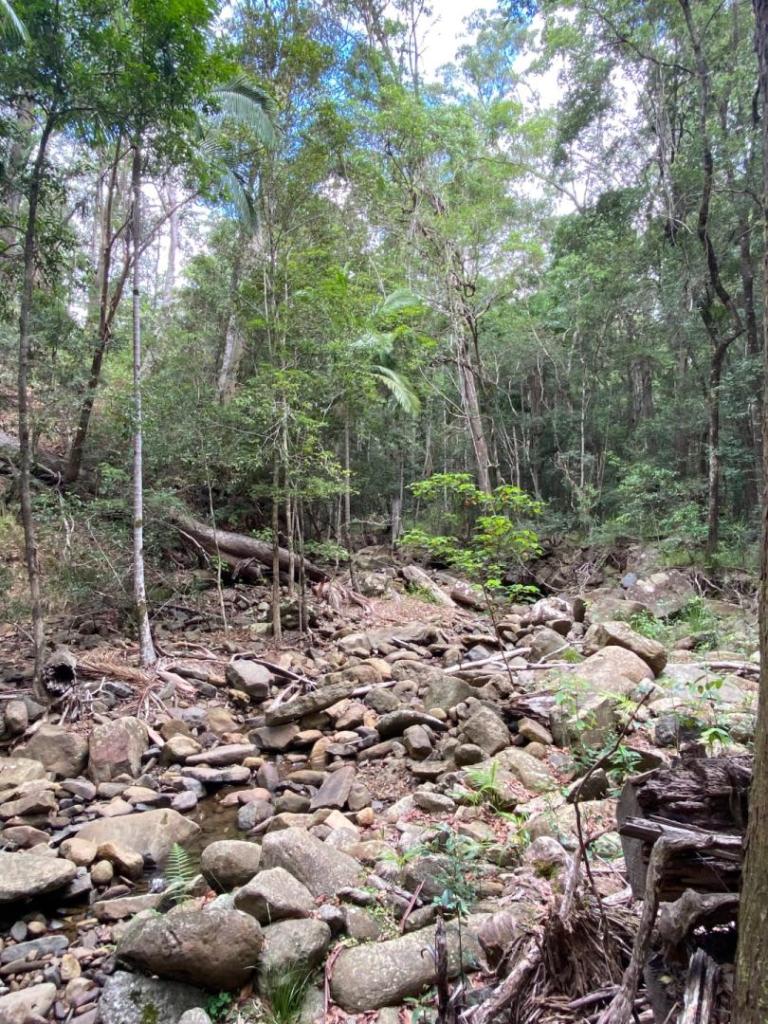
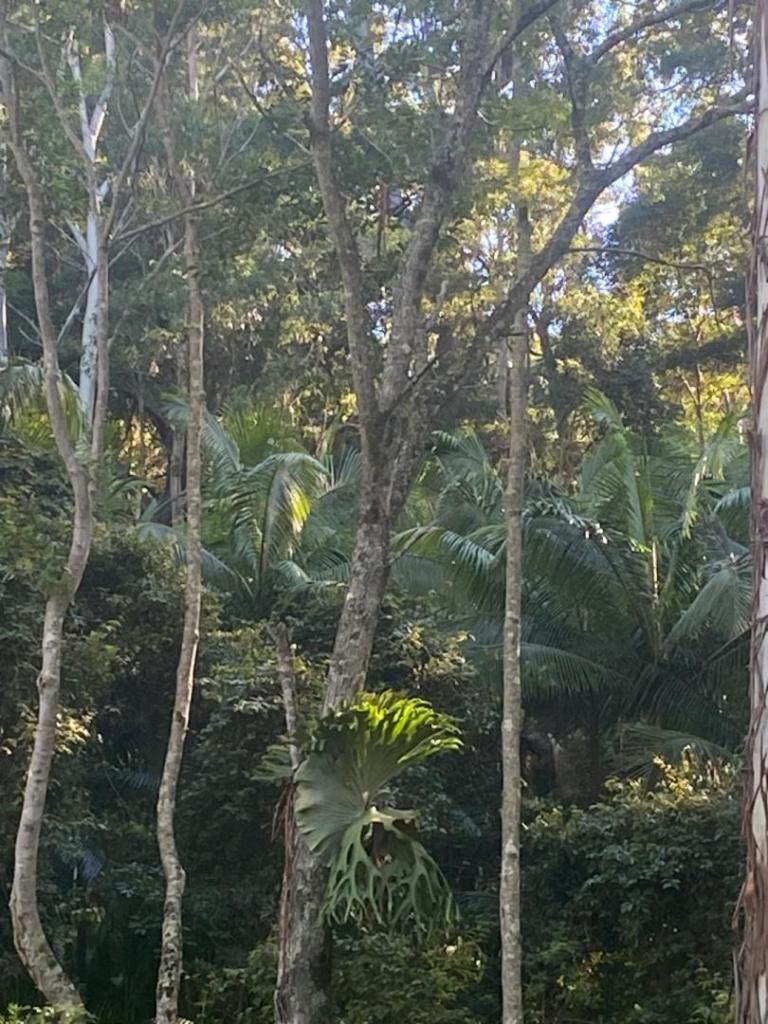
Out in the scrub again running around. Getting in a swim before winter gets here, and as usual bangalows in the wet areas and creek beds. Such a tough palm, but they do like moisture. Even there native habitat some of the leaves can look a bit tatty. So if your plants need is not perfect fear not even in habitat they can appear a bit tatty.





 5 points
 -
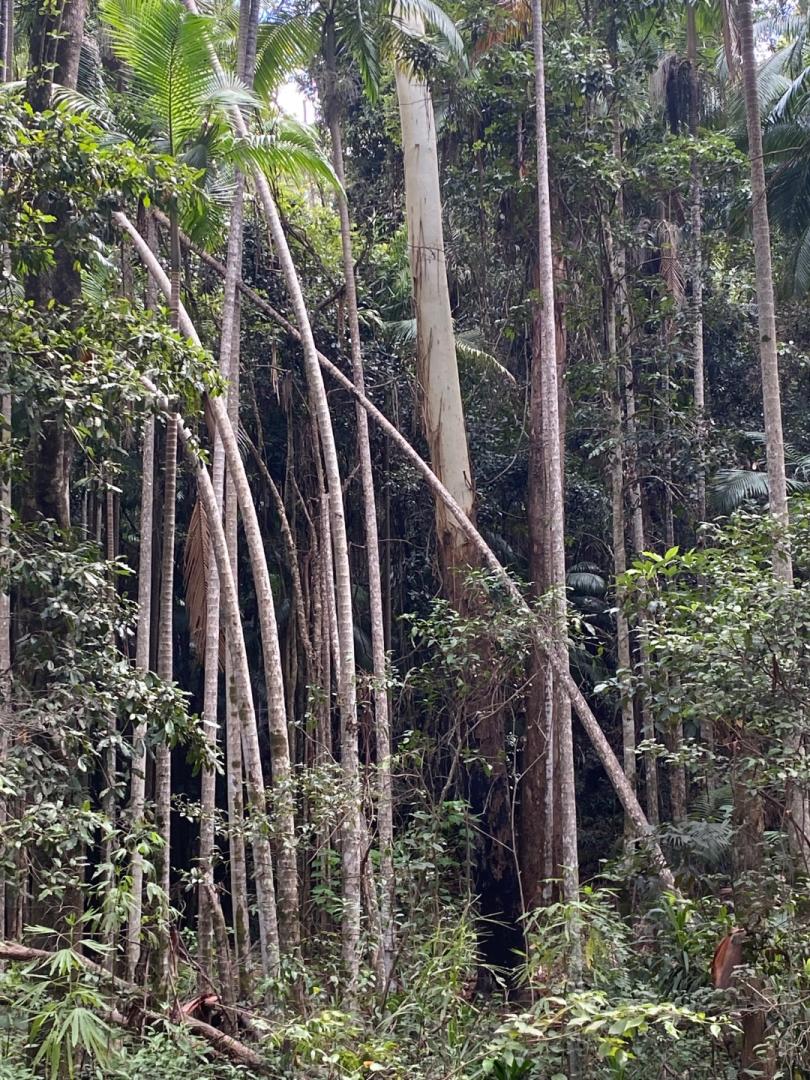
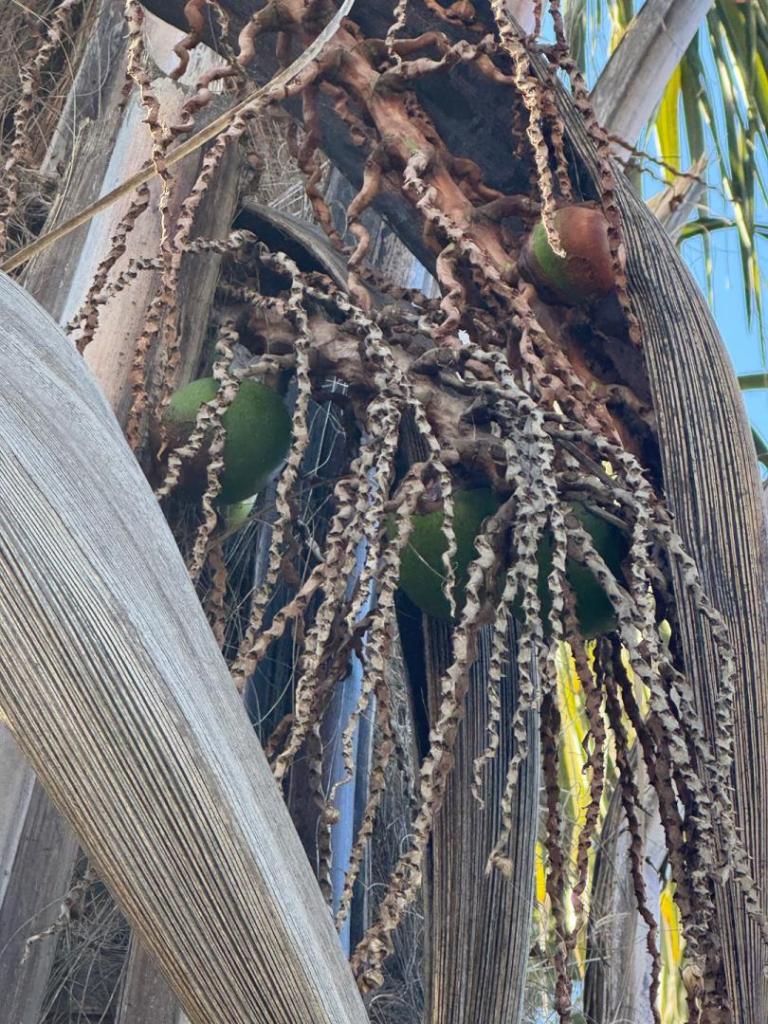
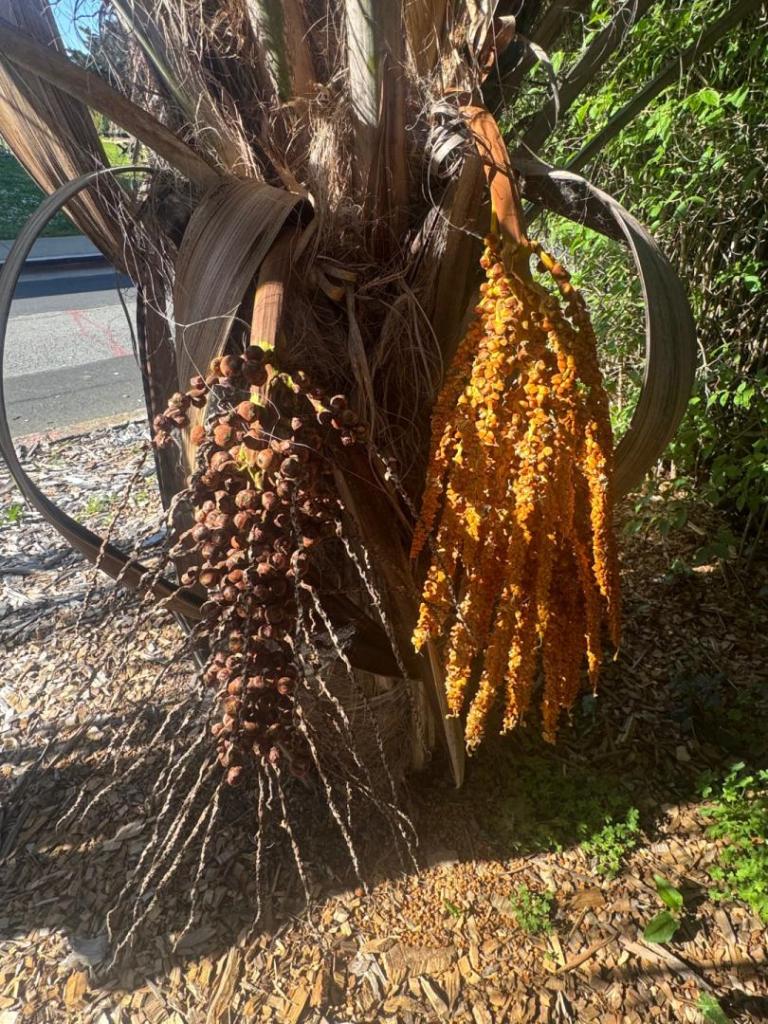
 Rolled past these beauties again over the weekend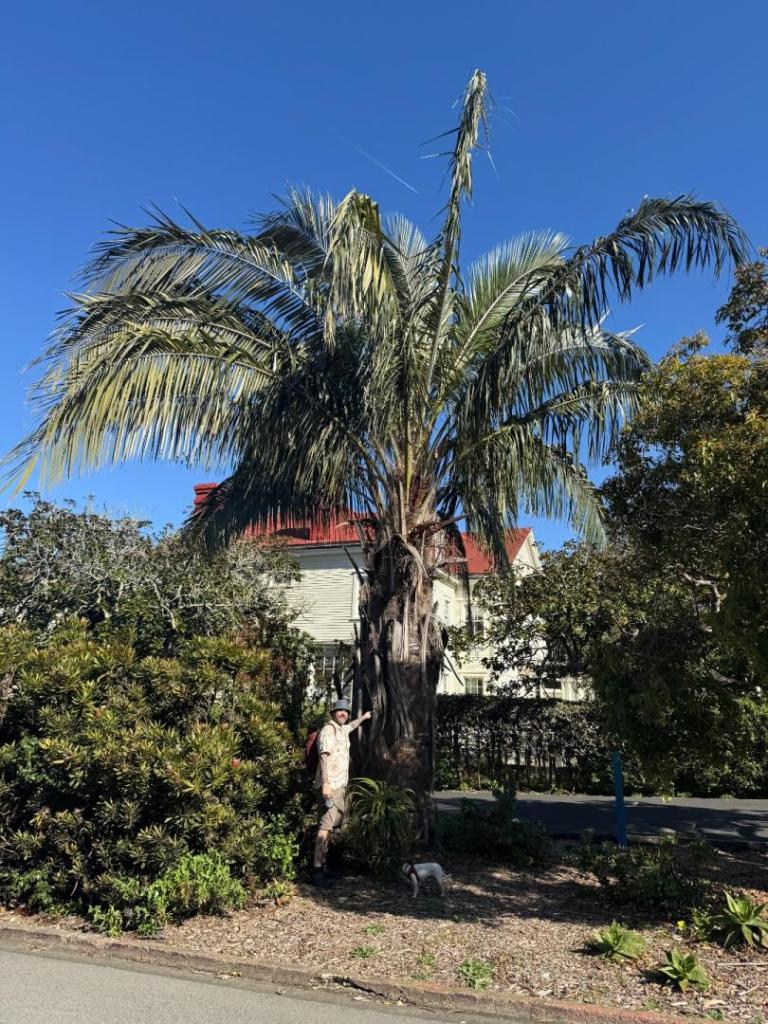


 5 points
 -
Very rocky gravel base they are growing in, but moisture underneath is all they need. They withstand great flood events, getting pushed over. Richard4 points
-
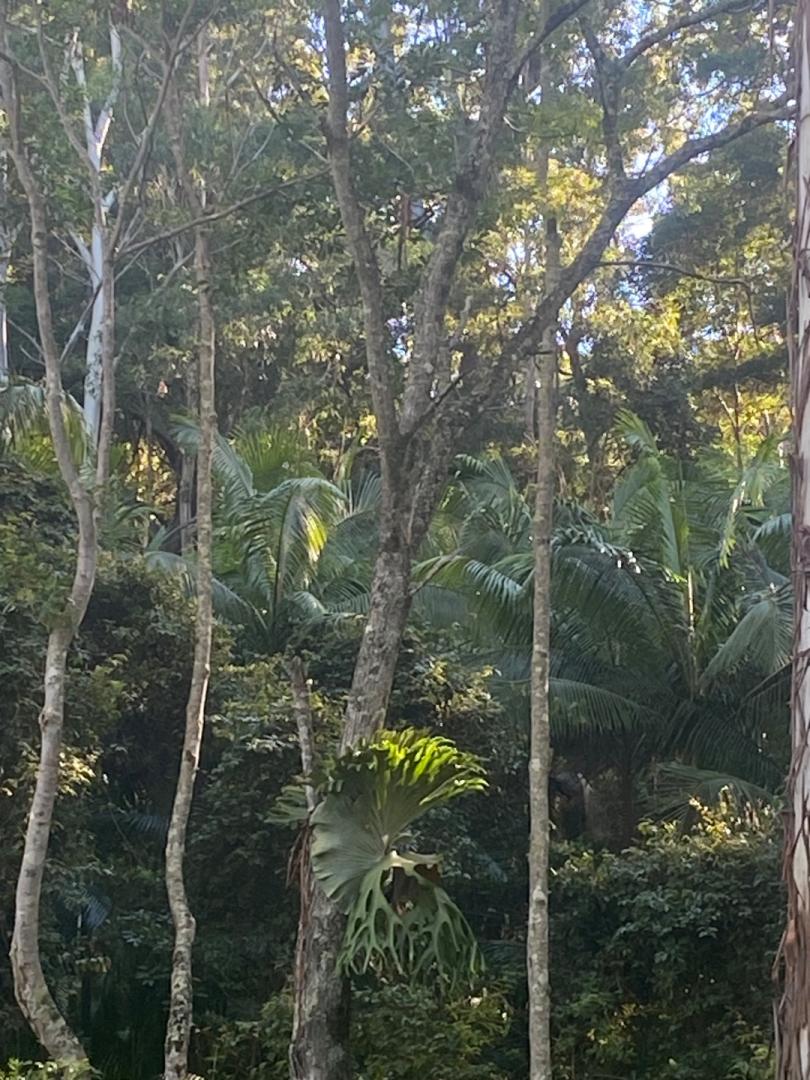
They are quite prolific with all that available water. Harry4 points
-
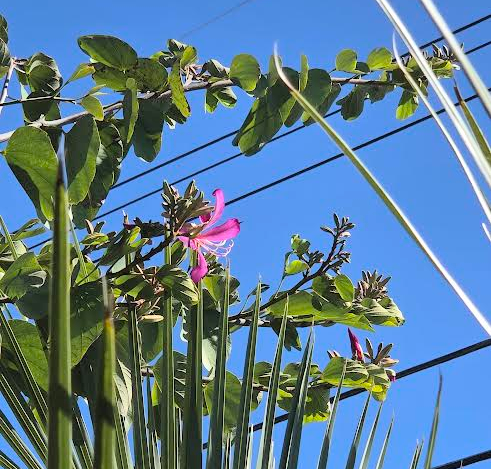
 Finally seeing some early signs of spring blooms on my Handroanthus (aka Tabebuia), both the dark pink heptaphyllus and the lighter pink impetiginosus.) Even my previously shy blooming Bauhinia x blakeana now has clusters of buds on many of its branch tips. Despite what the winter was like on East Coast of the U.S., here in the West we experienced "relatively" mild temps. It's so dry I've had to start handwatering again! Palms in the top image are Parajubaea (l) and Jubaea (R).


 3 points
 -
 3 points
 -
3 pointsIt’s interesting , we were just rewatching a program from years ago “ The Power of Myth” with Joseph Campbell. He was talking about levels of consciousness. He gave an example of a vine that was growing up a Cocconut Palm and how the vine would open these huge leaves only on the sun side of the trunk it was attached to. The plant had a level of consciousness to know where the sun is , not the level we know as humans , but still… I am that guy who feels a certain amount of energy from our garden and other gardens . Like meditation , it is deeply personal but it gives me a certain peace . I am convinced that you have that connection with your garden as well. Lovely pictures of your garden . As always , thank you for sharing with the rest of us. Not that I need validation or anything , but at least I’m not the only one who “ communicates “ with nature. Harry3 points
-
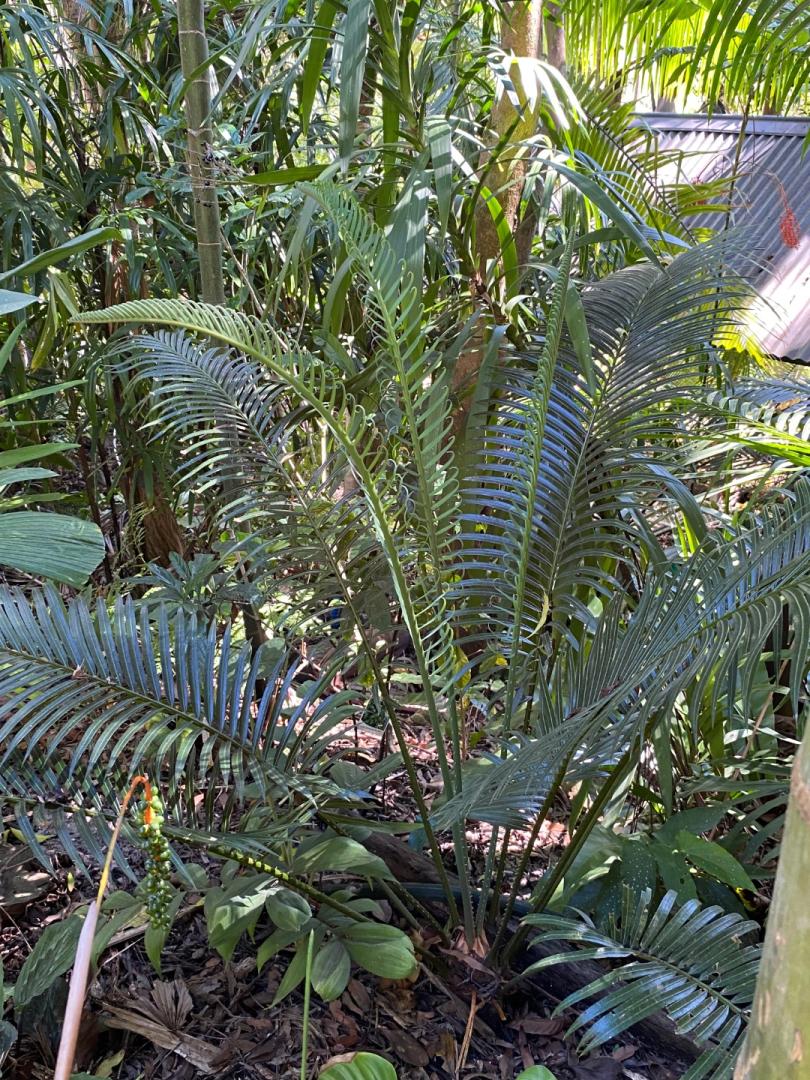
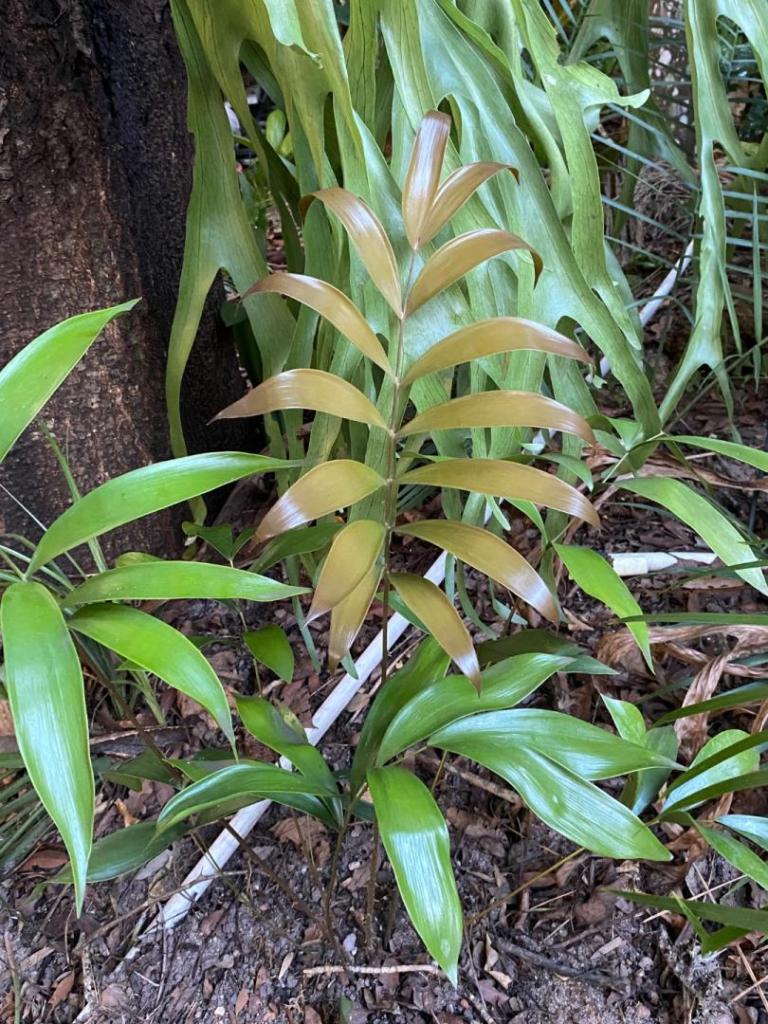
3 pointsA few nice flush’Cerotazamia subrosephylla encephalartos ferox cycas thourasii Cerotazamia subrosephylla
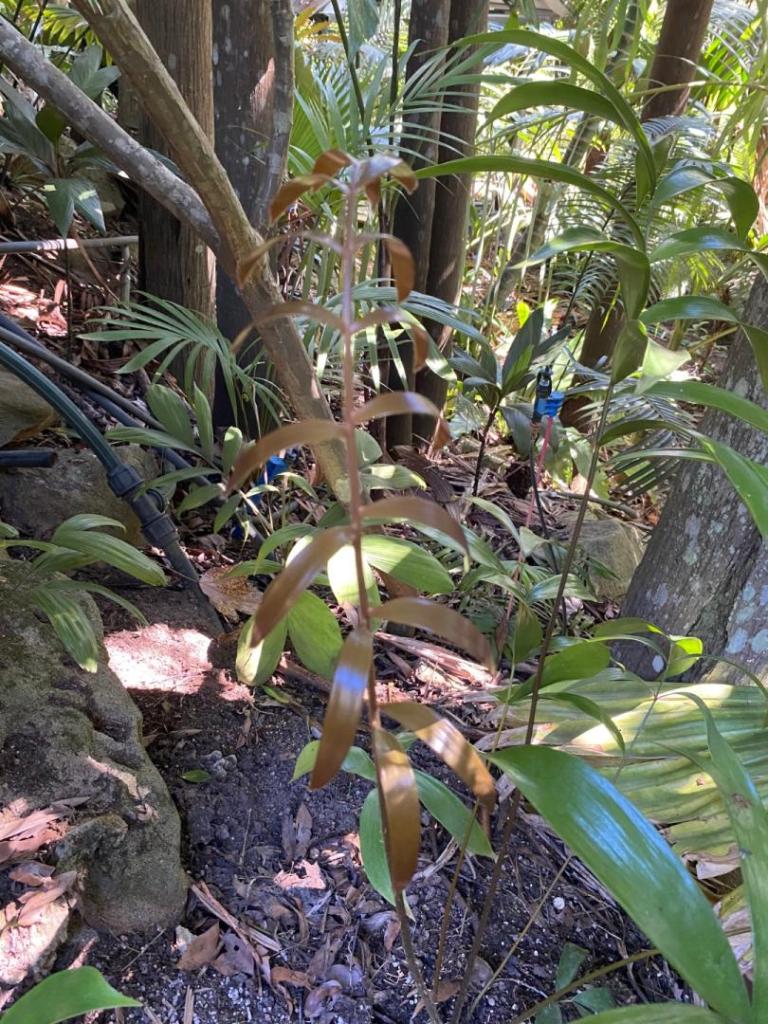
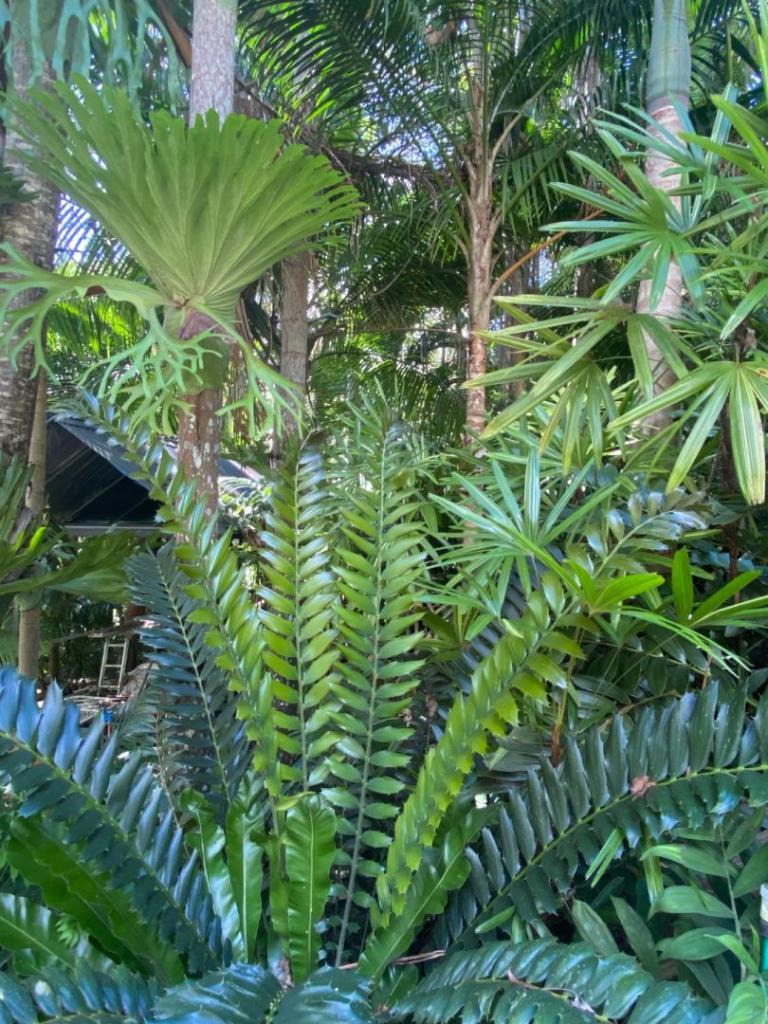
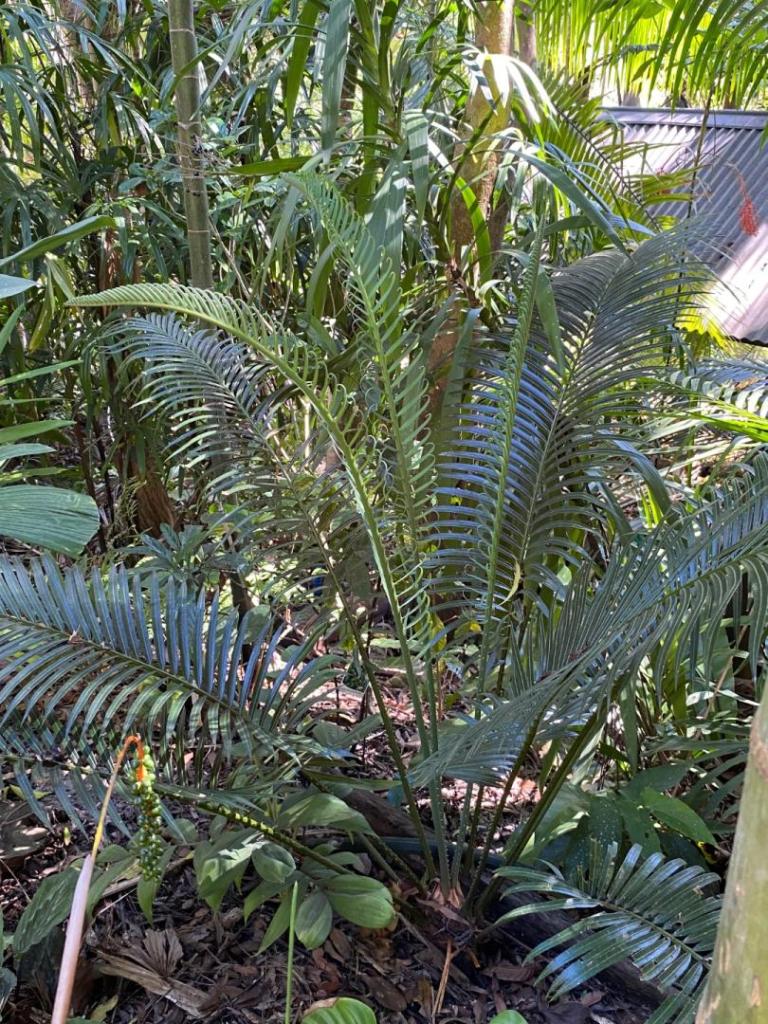
 3 points
 -
 3 pointsPensacola would like a word... Image from google maps streetview as of late 2025.
 3 points
 -
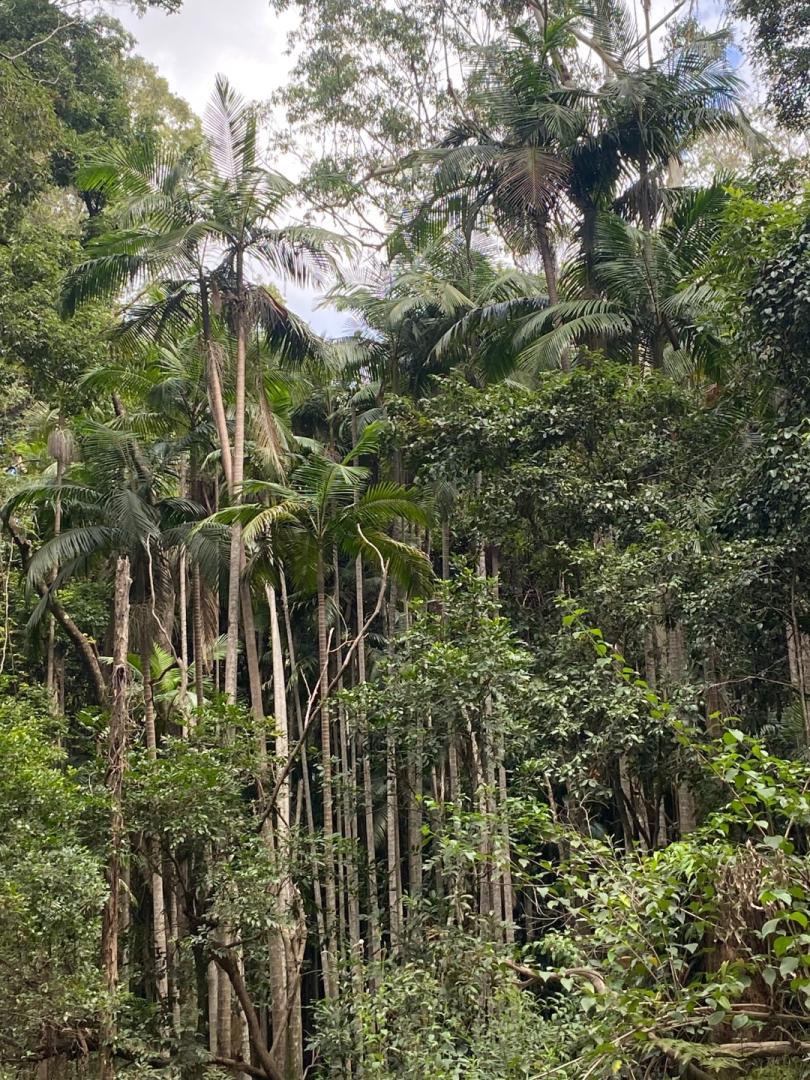
I know you like your bangalows Jim, when you see acres upon acres of them in habitat there quite impressive!3 points
-
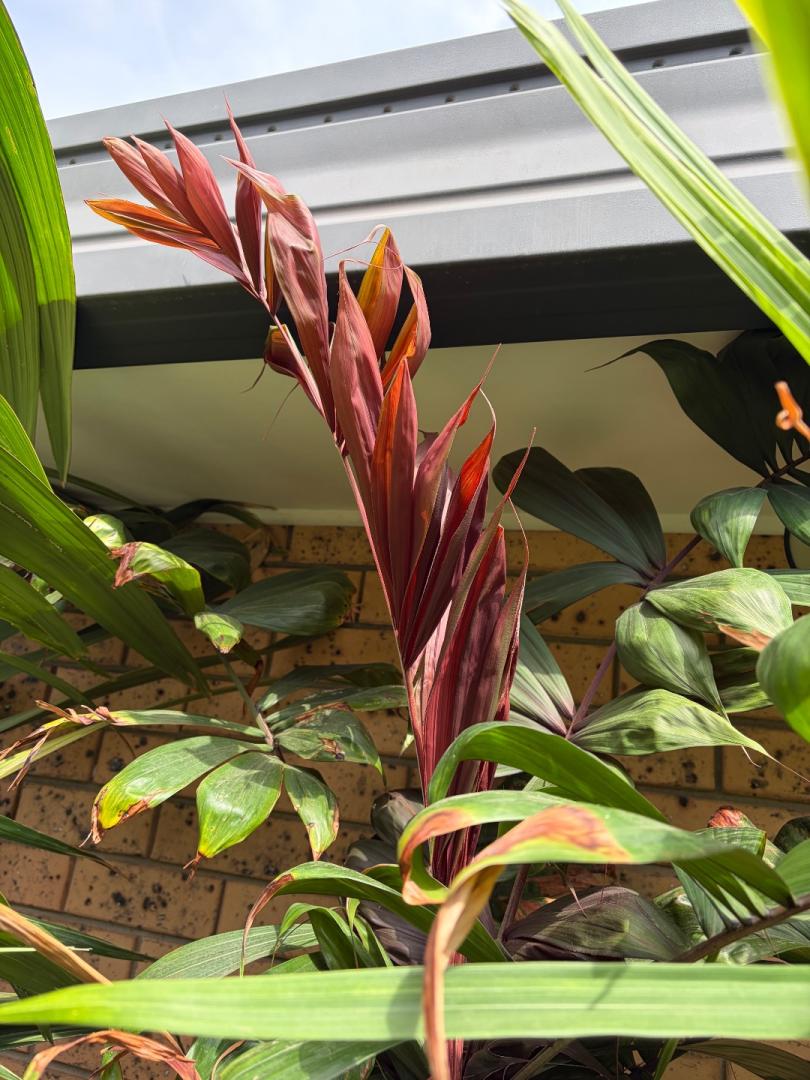
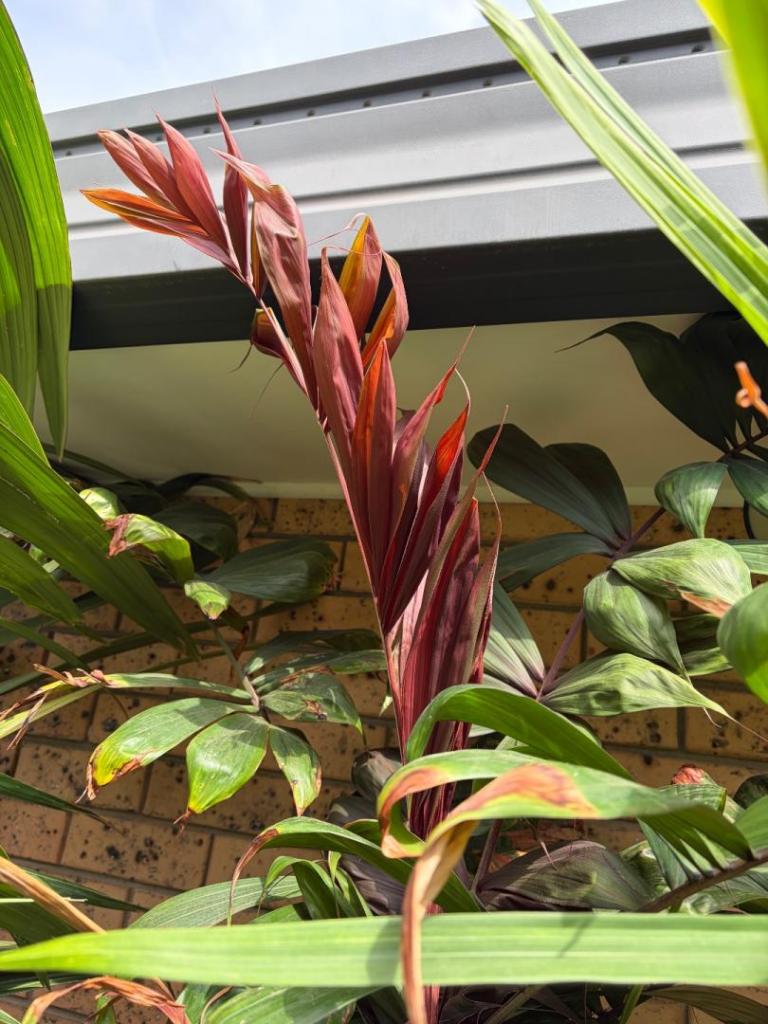
3 pointsSome 🔥 in the garden recently. Dypsis rosea Chambeyronia divaricata

 3 points
 -
 3 points
 -
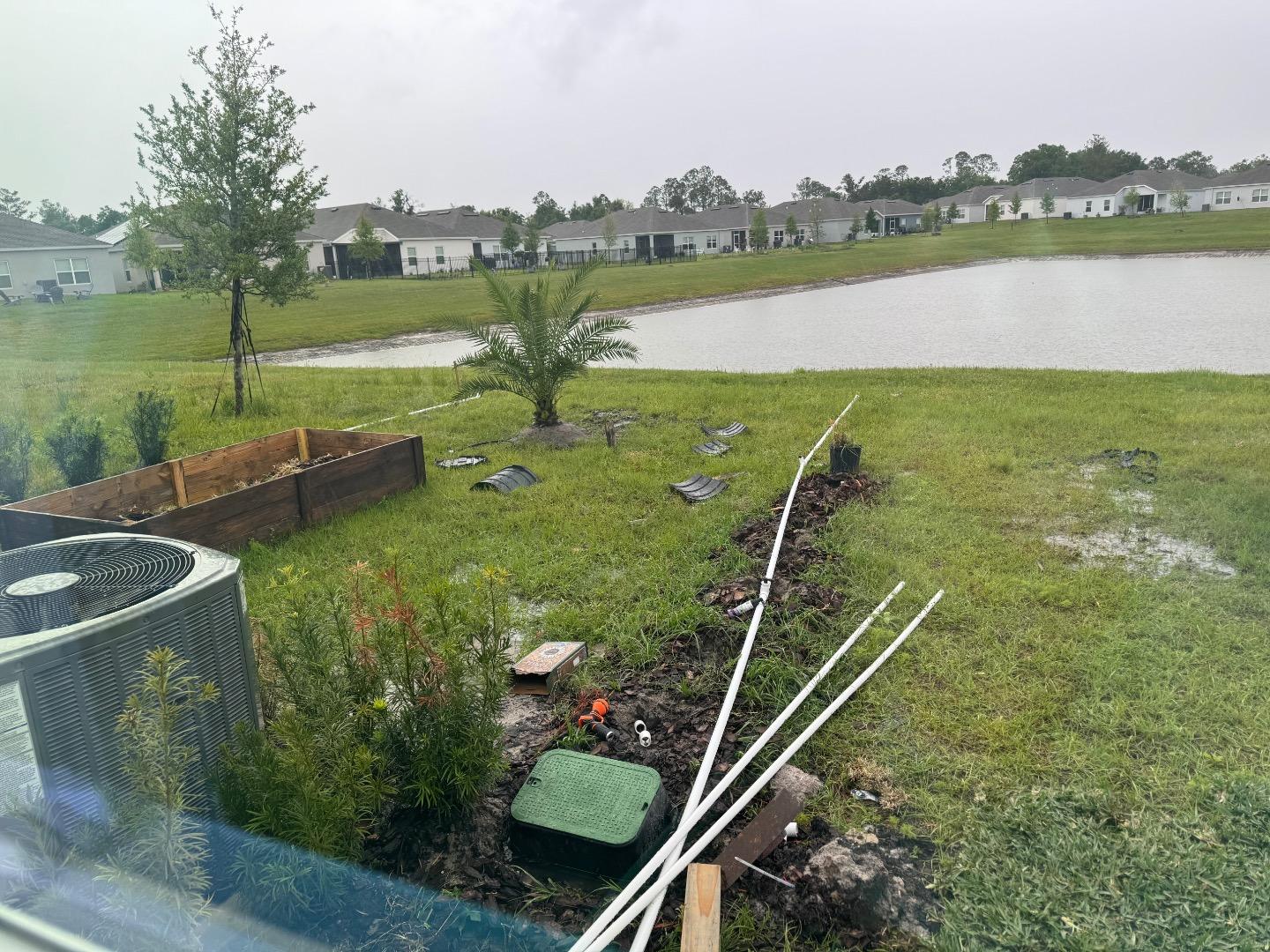
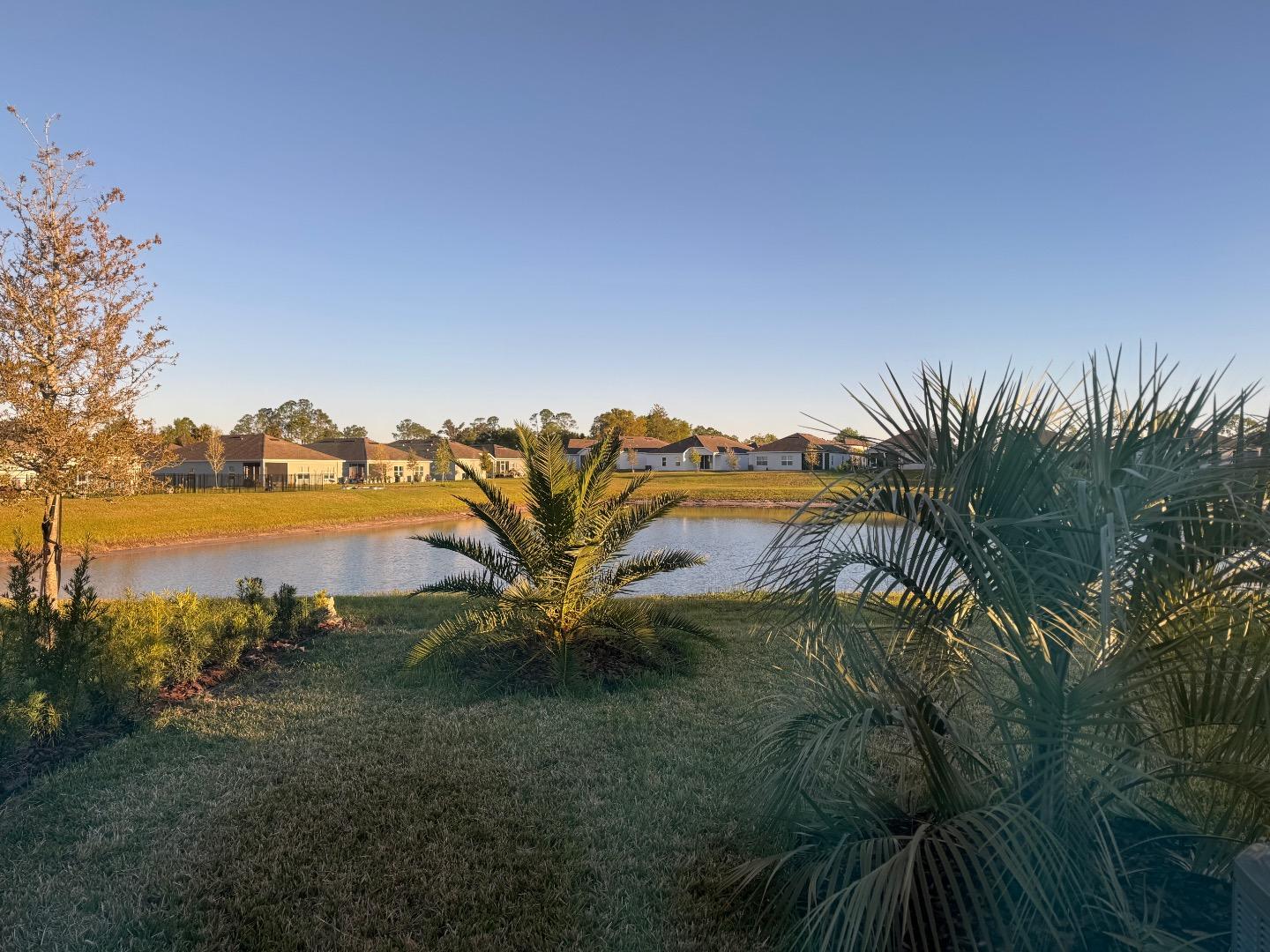
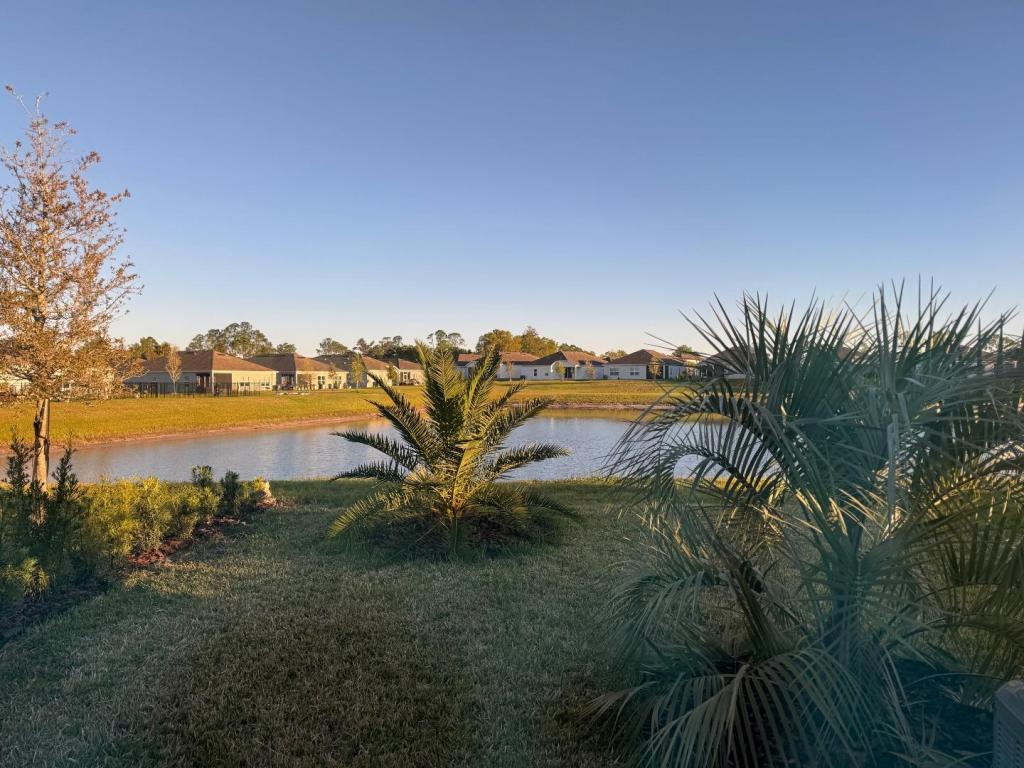
 Just planted - 4/3/2024 ~1 year - 3/18/2025 8 AM ~2 years - 3/20/2026 8 AM
 2 points
 -
 2 pointsDefinitely not Lisa this is a picture of my Lisa!!! Not variegation I would definitely say something environmental sun burn, water problem cold damage herbicide or fertilizer damage!!!
 2 points
 -
2 pointsI really have to smile—we should definitely have a Sabal lisa here. First of all, it’s a wonderful palm tree, and second, my twin sister has the same name, so it’s a perfect fit 😁🤗🤭2 points
-
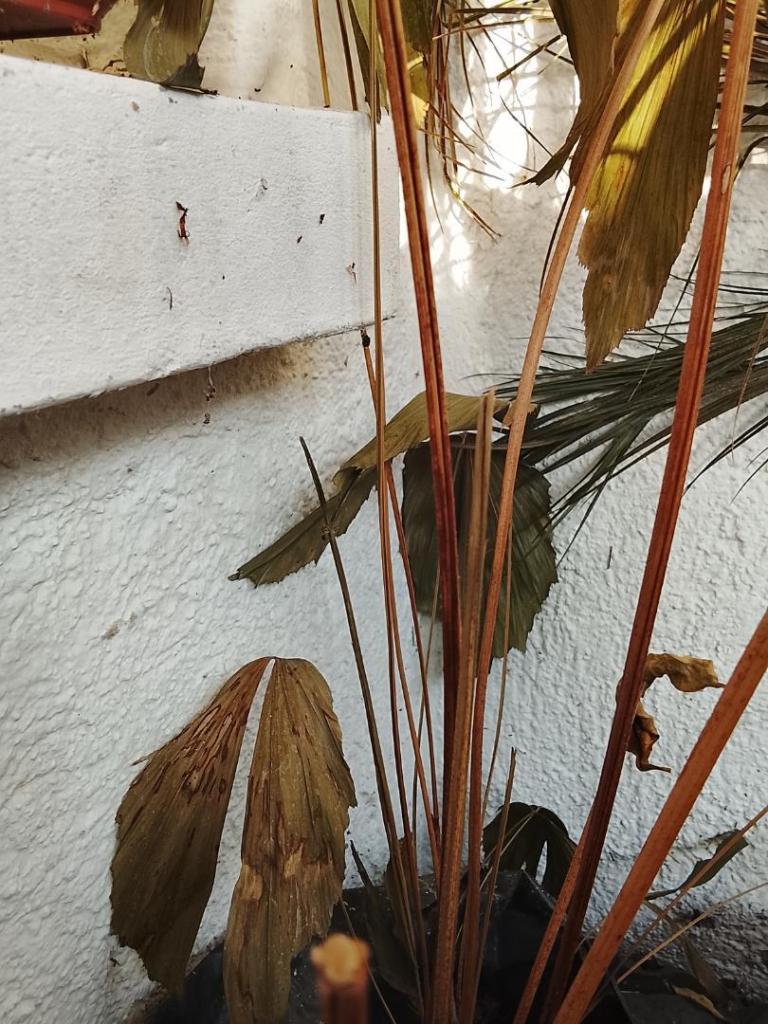
2 pointsThe ultimate Hattrick! 3 out of 3 Caryota mitis are erupting! The second and the third are now pushing pushing strong, healthy new spears simultaneously. We are very very happy about that🤗
 2 points
 -
2 pointsThank you very much, Harry. Wow, amazing, Harry. What a beauty 🤗2 points
-
 2 pointsIt's a rare ability to be able to "listen" to your garden with more than ears and eyes. There is a feel to it that is its own thing, almost like you can feel the entire "wood wide web" and your place in it. And the more you do for the garden, the more integrated you are into the symbiosis of that garden; it comes to need and love you same as you it, just not in such a direct, aware way. I too am glad that others can feel that connection, it's powerful and gives perspective on our place in the world and our purpose. Even the native plants and animals here seem to know that they have their space that's just for them, and I have my spot that's mine, and they mostly behave lol. Nothing better in life than feeling that connection2 points
 -
 2 points
 -
 2 pointsTyrone you are my friend, but also Richard with his behavior (he has already sent me seeds 3 times) is my friend!2 points
 -
2 pointsKeep an eye out when they are ready for you, all I know is Rich trapnell introduced them to start with in Australia, and we have all heard many tales as to what got collected and named just as something to send seeds out of Madagascar!2 points
-
I would go so far as to replace the word "relatively " with "extremely " when describing how mild this winter was in the far west and south of the US. Deespite a few major storms delivering snow to the southern Sierra Nevada range, there have been extended periods of warmer than normal weather between them. My son lives in the Eastern Sierra town of Mammoth Lakes and advised they are expecting temps to rise to 75 in town on Monday, which is crazy warm for this time of year there. The storms that delivered rain to San Diego this winter were mostly accompanied by warmer temperatures this winter too, with heat waves between storms. I have posted about plants blooming earlier than usual since late Autumn beginning with winter blooming Laelia orchids. I am not alone in noticing this as a recent post from Phoenix about early Plumeria flowering pointed out. All through winter my wetsuit selection has been confirming the warm Pacific ocean temperatures. I only wore my thickest wetsuit a couple of days this winter because the coastal ocean temps only dropped below 60 degrees here for short periods instead of several weeks. As winter ended, several records for highest high and highest low temperature were broken for the month of March in places like Palm Springs and in some cities in San Diego & Riverside county mountains and and inland valleys. Bottom line, I think saying it was an extremely mild winter in the southwest is justified. Spring is starting with over 20 record highs broken on March 20th from Santa Ana to Big Bear and down to Palm Springs, and from Chula Vista up to Alpine and over to Borrego Springs further south. So we begin with extreme weather if record breaking conditions qualify as extreme.2 points
-
They are a tough palm they just need moisture in the medium they are in. Garden escape plants can fit into the landscape well, unfortunately they become a weed, in some cases benefiting the local ecosystem. But in the wrong place and wrong type of plants it can be an evironmetal disaster. Richard2 points
-
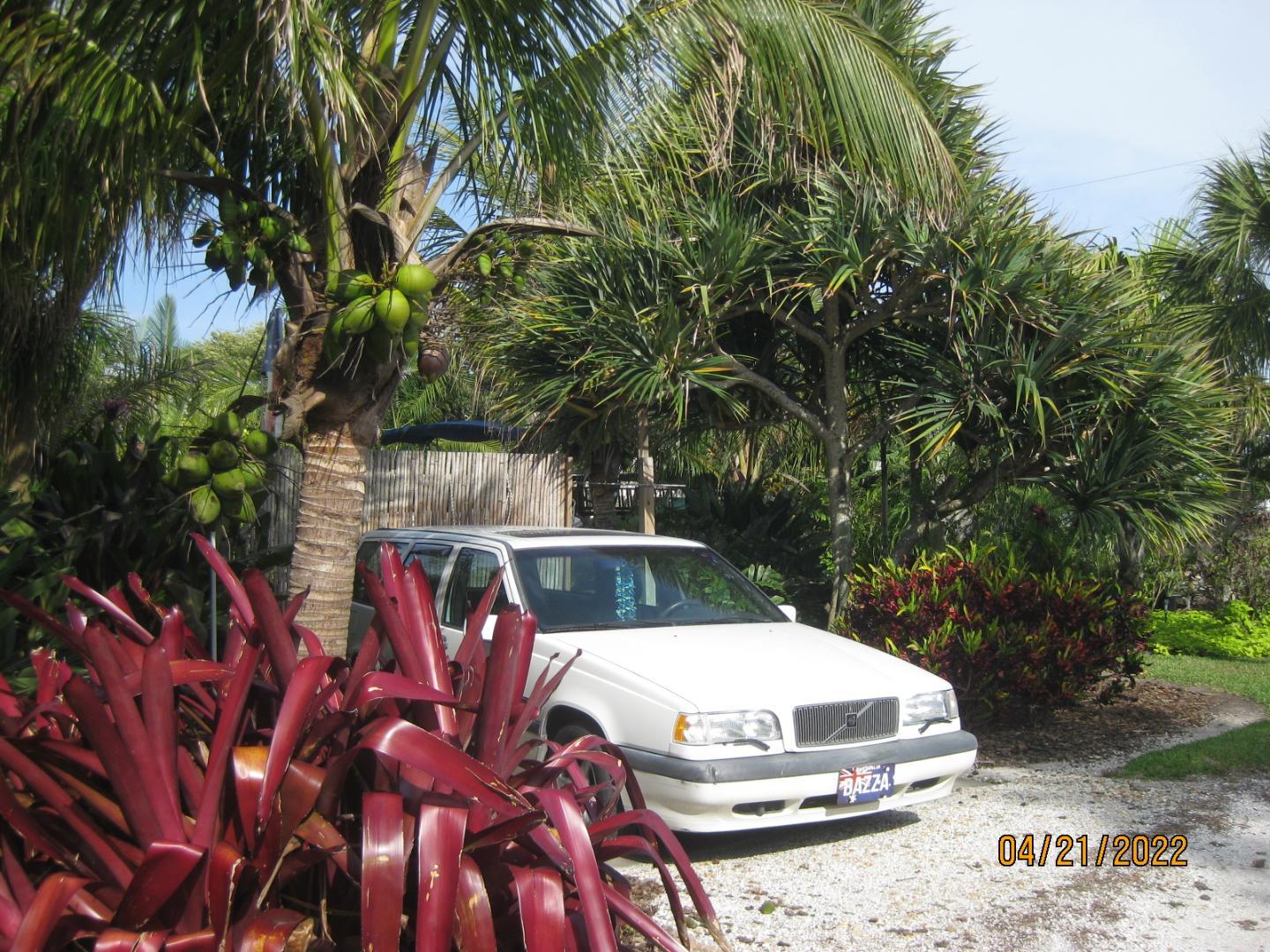
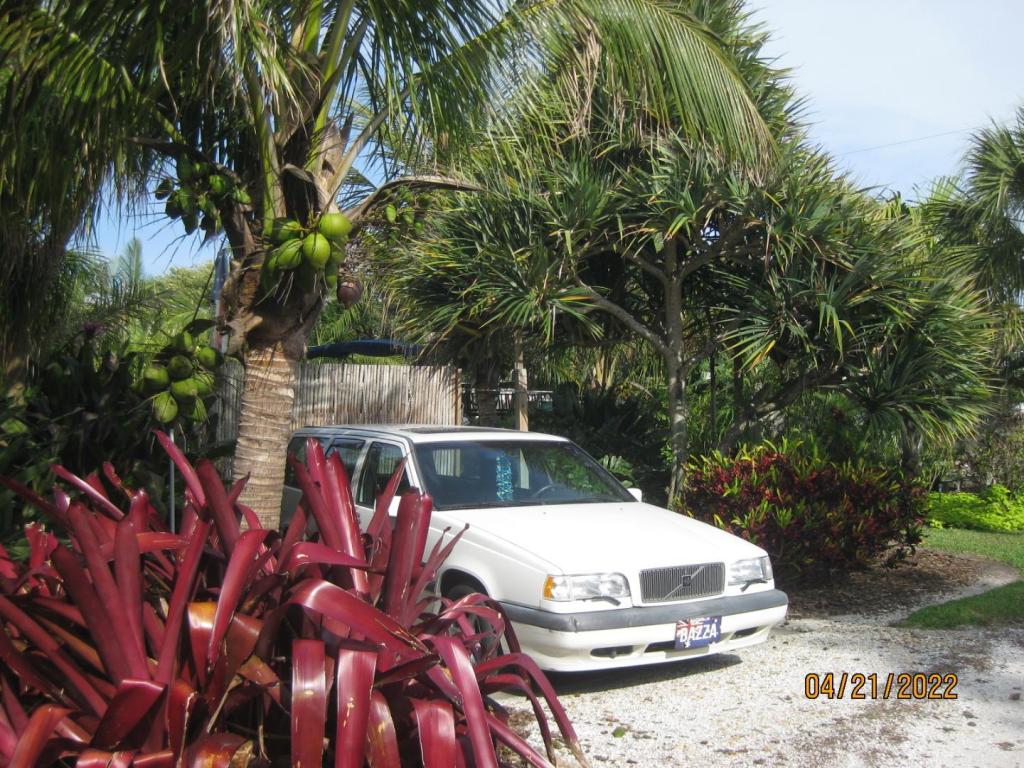
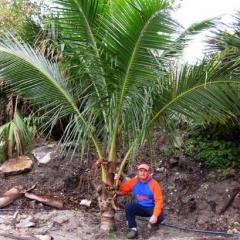 Good to see some of your Coconuts are showing some green & signs of life. I'm still looking at my 3, and while I see a little green in the spear area, I'm remaining cautiously optimistic. In the meantime I am giving them some liquid feedings through my hose end Miracle-Gro feeder with a 28-8-16 analysis. They all received dry fertilizer a few weeks ago....8-10-10 from Lesco. I also plan to do another Banrot soil drench. I've already shot liquid copper fungicide up into the crown and spear areas two times and don't want to overdo it with the Copper. I was going through a folder of older pics and ran across this one from 4 years ago. All plants in full glory...Pandanus, Mammy Crotons, Coconut, and 'Pinot Noir' Aechmea.......those were the good old days before hurricanes and then this year's freeze came in and wrecked havoc!
 2 points
 -
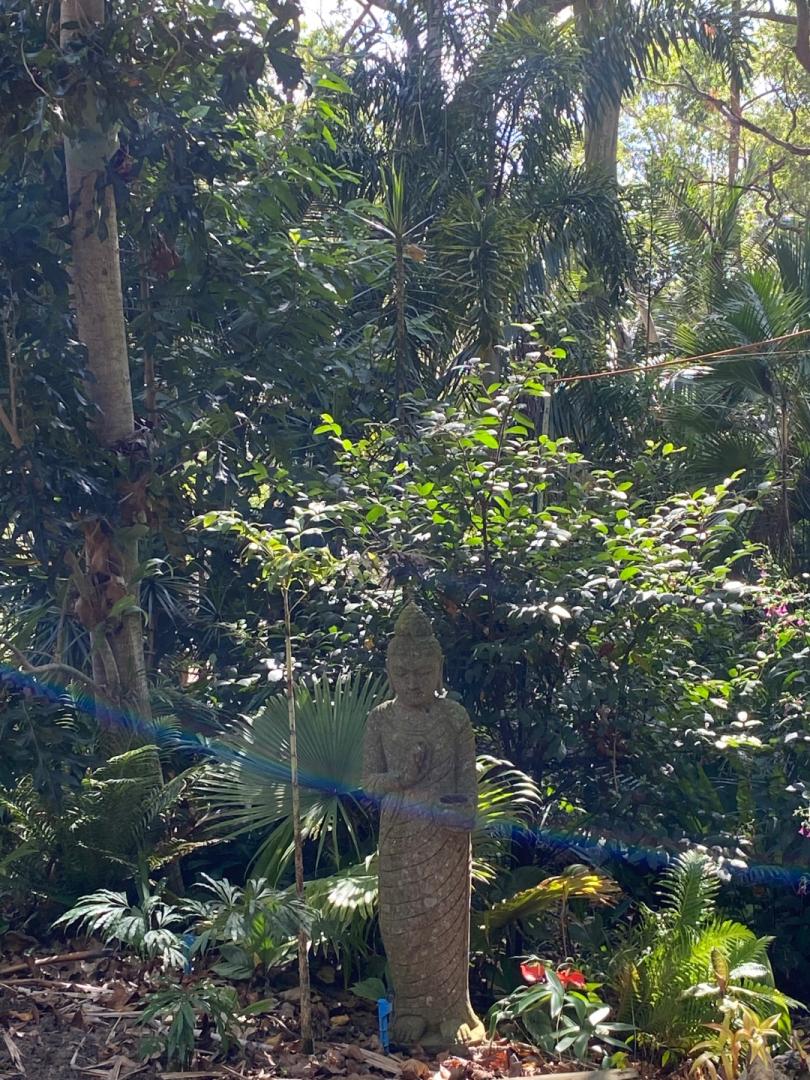
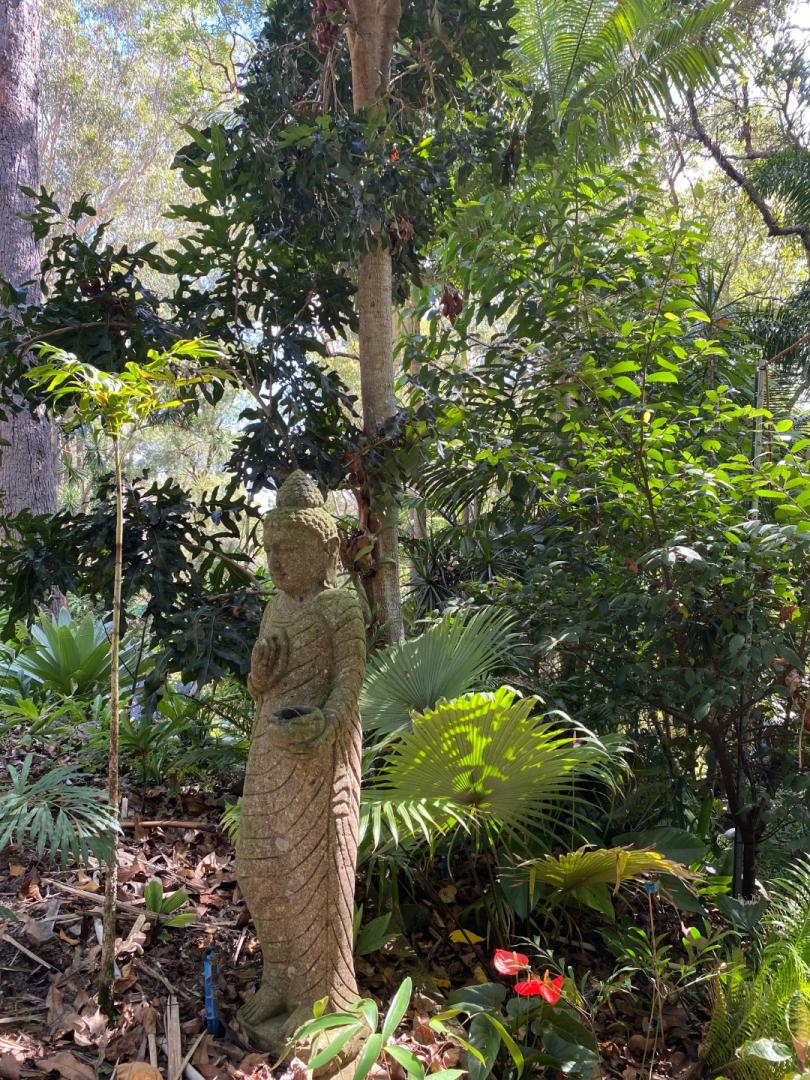
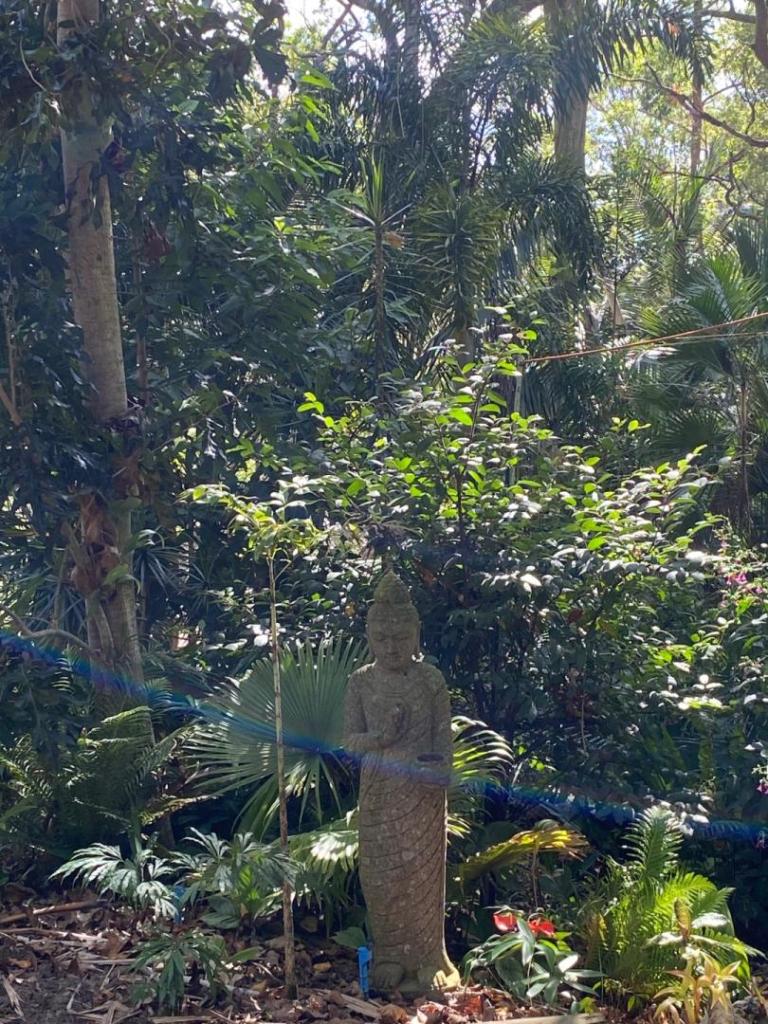
2 pointsJust admiring my Buddha statue and for all the peace and harmony related to Buddhism, the world needs a bit of piece and quite in the garden now and then!
 2 points
 -
That’s pretty telling of the resilience of these palms . There’s a reason palms have been on this planet for so long. Here , in this area , there are Washingtonia and Phoenix Canariensis that have naturalized . Although not native like your Archontophoenix , they have become very hardy and grow in fields with no irrigation. Harry2 points
-
2 pointsThat’s the go taking your daughter around the garden, they learn a lot as children and the earlier the better, drop in next time you’re down under. Together we can all save one species at a time.2 points
-
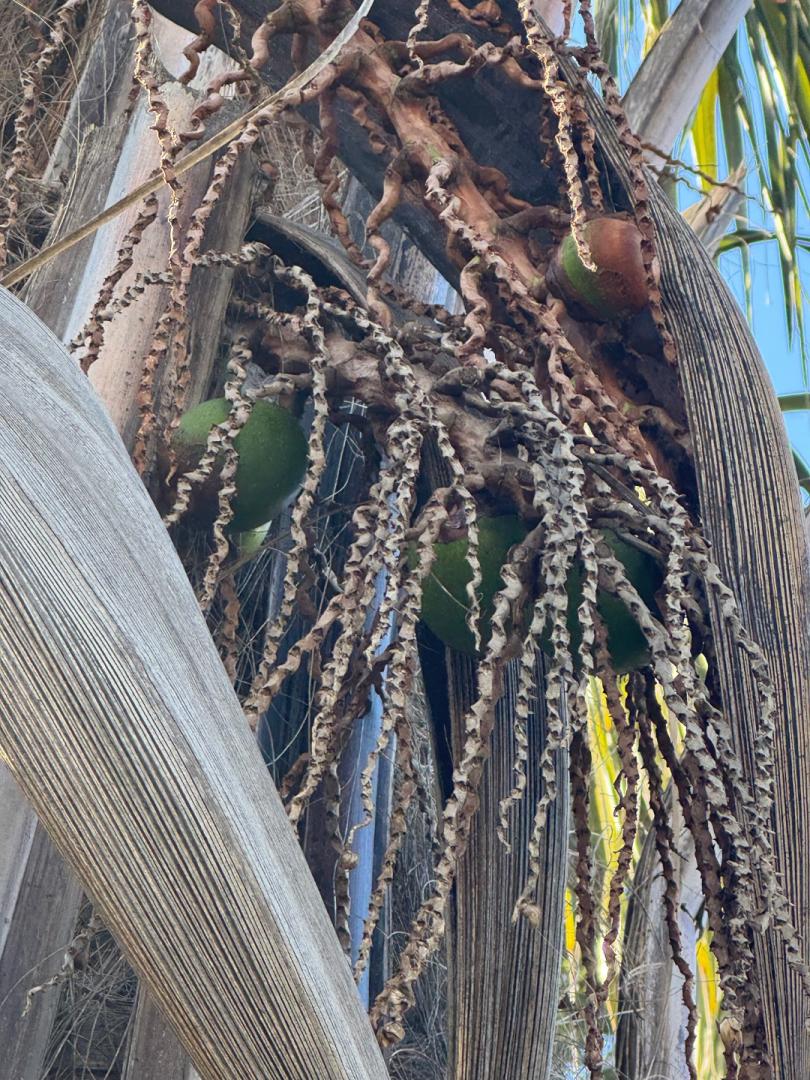
 2 pointsI've watched this coconut and posted about it over the years. About a half mile from me by way the crow flies. One of best microclimates on the S side of the lake and sort of protected by large oaks. Snapped this pic today and was surprised the petioles are still green and it's holding some coconuts. Mine all dropped. They never have protected. I think this will make a full recovery.
 2 points
 -
 2 points
 -
2 pointsI wouldn’t rule out cold damage based on how long it has shown it. To me, the lower frond damage looks like it could be from previous winters; if it were all from this winter the damage pattern would look different with surfaces currently exposed to the sky being worst hit. My limited understanding is that Borassodendron is uber tropical, so it may just get a bit damaged most winters in climates that aren’t tropical all year round.2 points
-
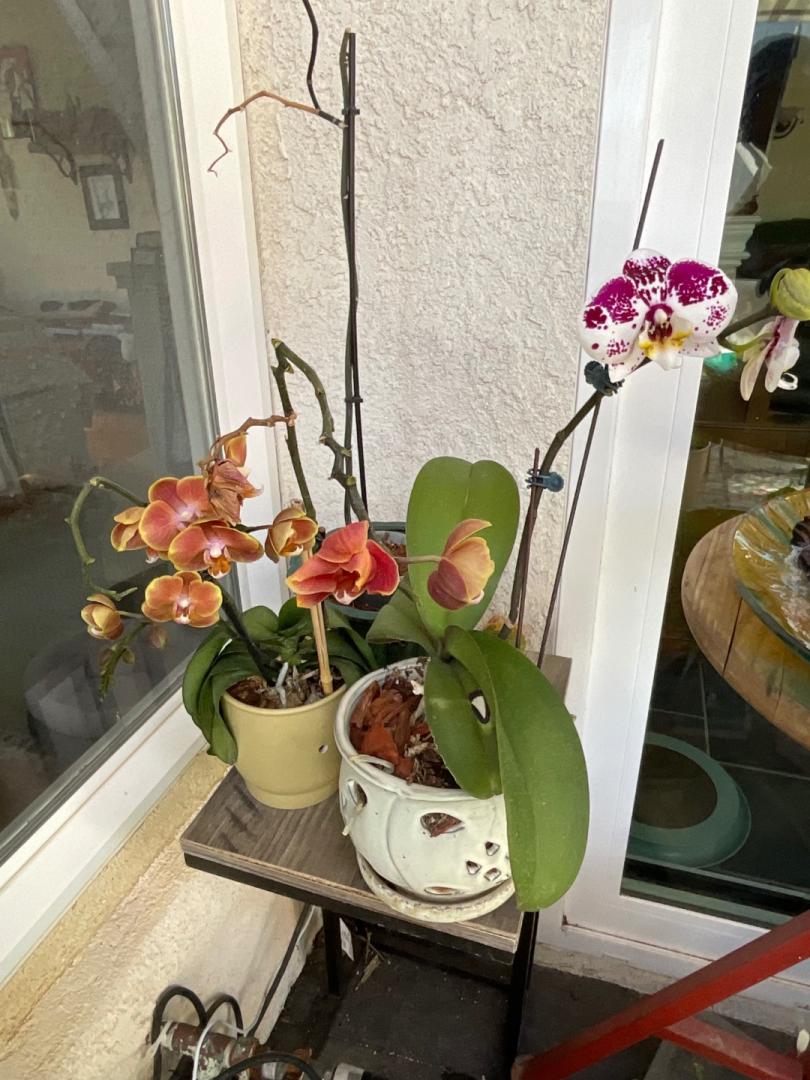
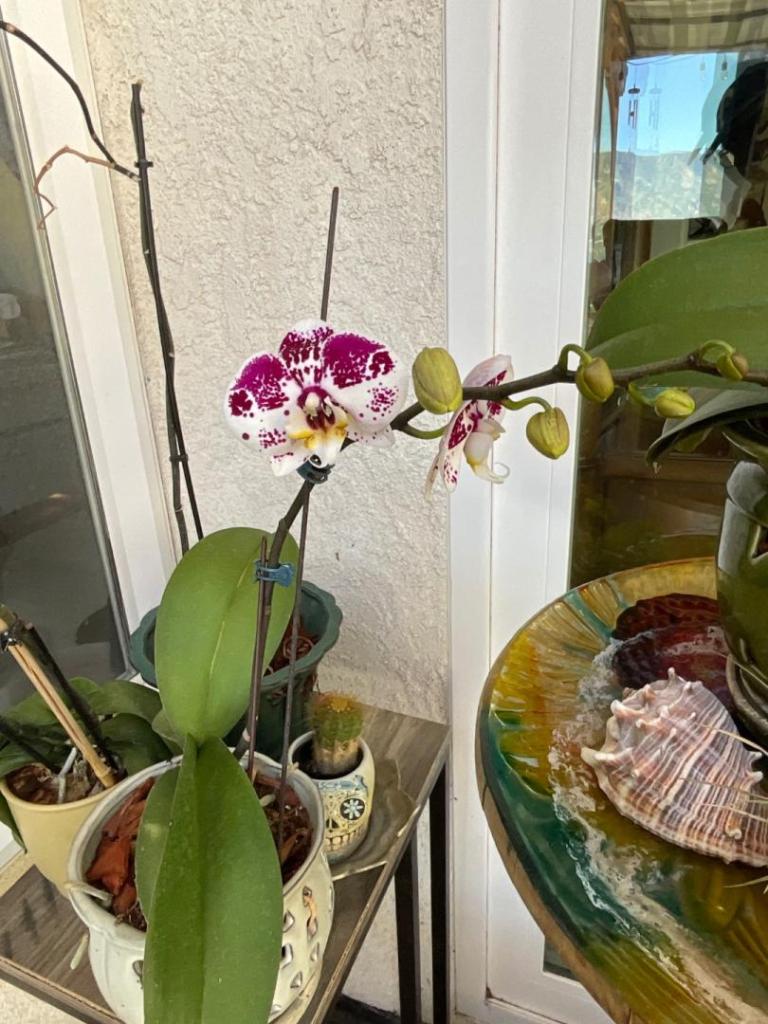
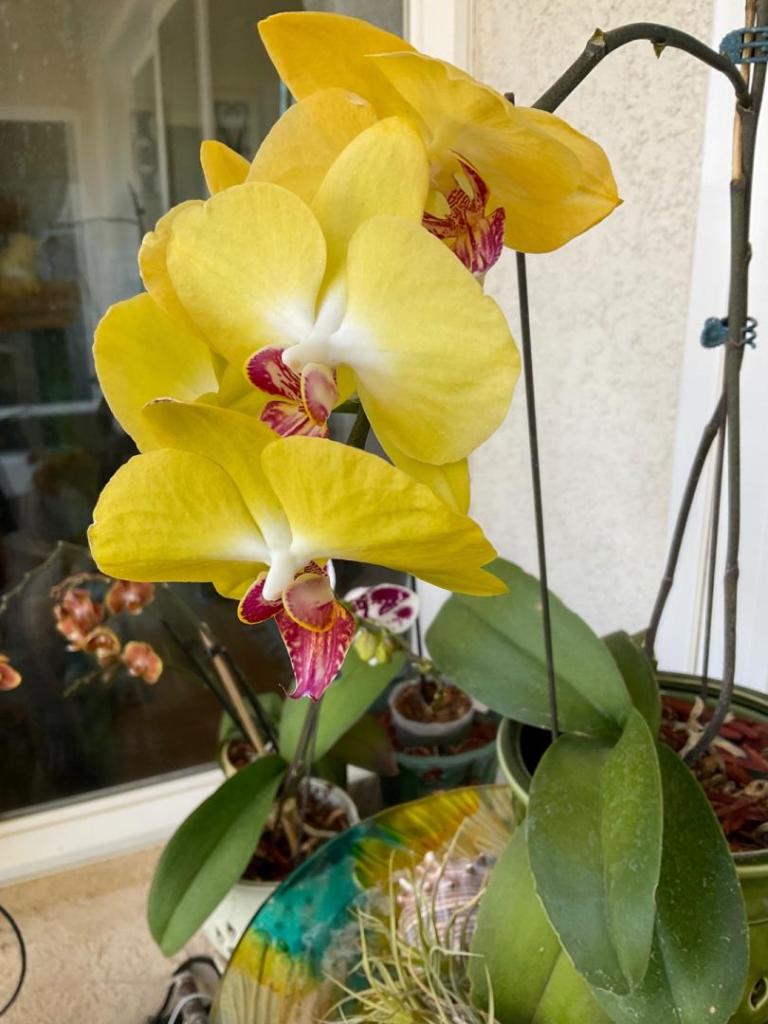
2 pointsSome orchids are blooming! Even with an extended , unseasonal heat wave they are doing good so far . They have been outdoors , next to the house for a couple of years now . They only get a couple of hours of early morning sun. Harry

 2 points
 -
 Nice, I am trying to germinate seeds of the yellow type. Saw this tree the other day in Harlingen, Texas.
 2 points
 -
 2 points
 -
 Lol I already am a palm hybridizer, it's why I want the pollen. I have one of the only known live Jubaea growing in ground here in NE Florida, but as most know, historically they do not live or survive to maturity here. Hence the need for pollen, as the hybrids do. If you are willing to send some pollen we can talk more in private about the process. Thanks for the consideration.2 points
 -
2 pointsMyself personally bottom heating set at 30 degrees, coco coir perlite mix just slightly damp, using etoliation to help things along. If the seed is 5mm in size you bury it 5mm if 10mm you bury 10mm and so on. Oh and patience.
 2 points
 -
 2 pointsDon't instantly move them to direct all-day sun. Only morning exposure for maybe 2-4 hours to start. See how they do. Gradually shift them to more sun if they are responding positively.2 points
 -
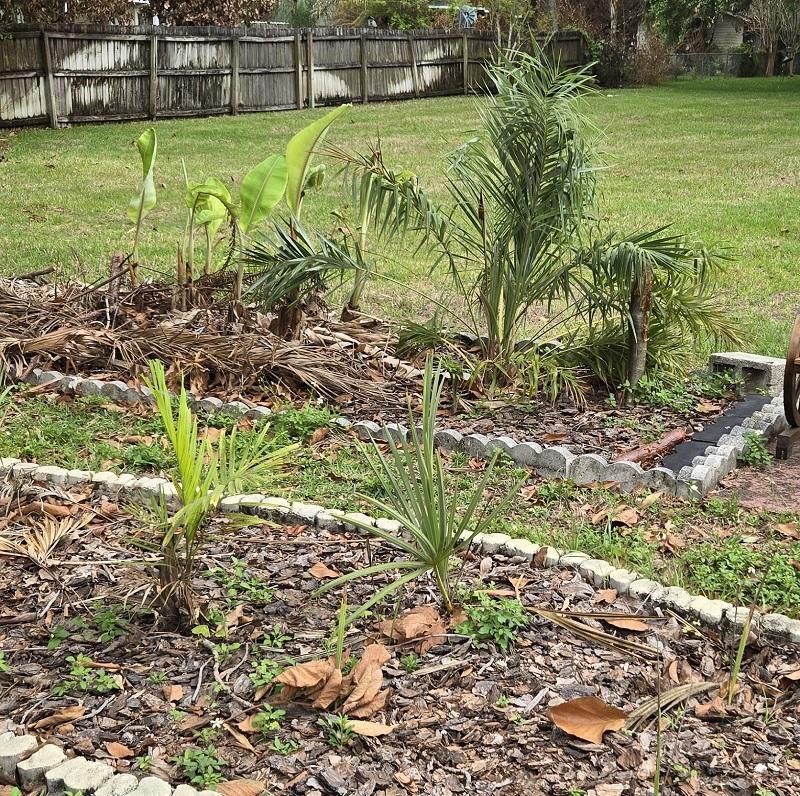
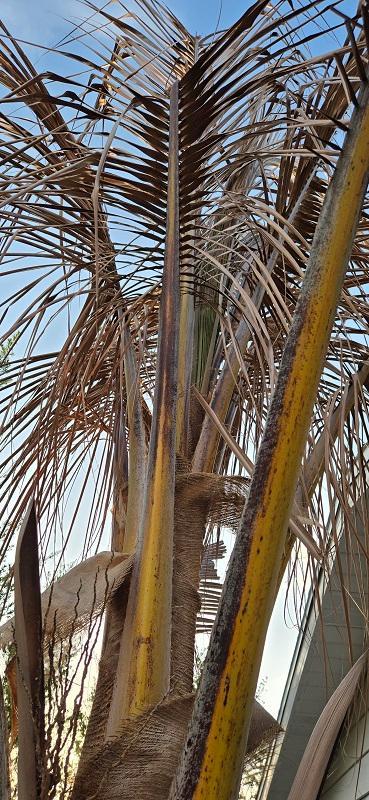
 A quick and mostly positive update. Hope those who have had their spirits dashed will find some ideas from the short post below for potential paths forward that doesn't involve only planting a dozen species of plants. The pineapples didn't seem to notice we had a freeze since they were near a concrete block wall. They're getting ready to produce fruit this year. : If you're looking for safer options, but don't want to crimp your planting selections too much, branching and clustering palms like Hyphaene coriacea, Ptychosperma macarthurii, and Allagoptera arenaria are good options that give you more than one shot at coming back. There should be Hyphaene seeds available at the 2026 CFPACS Spring Meeting this weekend: Chrysalidocarpus lutescens comes back even when young. This one is coming back and is not long from seed. Coconuts are on the comeback trail, but aren't out of the woods yet as @pj_orlando_z9b mentioned. Even in the better microclimates in our respective cities, they took a major hit. The stores are running out of Copper fungicide here, so probably good to go get a few bottles of it before gas catches up to it in price. You can see some white fungal growth on the dead tissue. Now that the (hopefully) last cool-off is in the rearview mirror, it's probably best for me to just to remove anything damaged so it doesn't provide a breeding ground for fungus and attract white flies and other bugs. There is another frond behind the one partially visible in the photo that has green on it as well. The Maypan is in similar condition.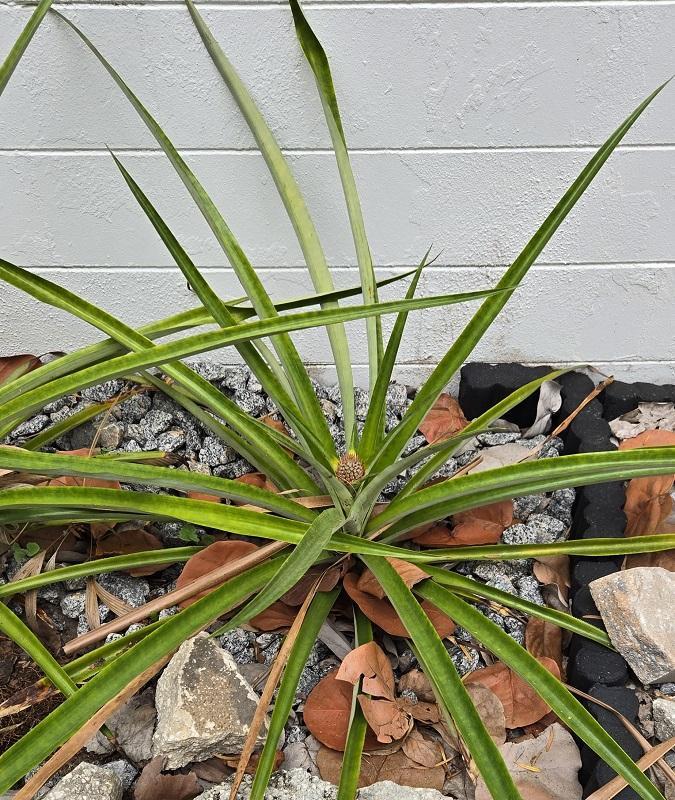

 2 points
 -
Please do nothing. They'll become palm hybridizers. These Jubaea are breathtakingly majestic. And you haven't even seen their full splendor yet.2 points
-
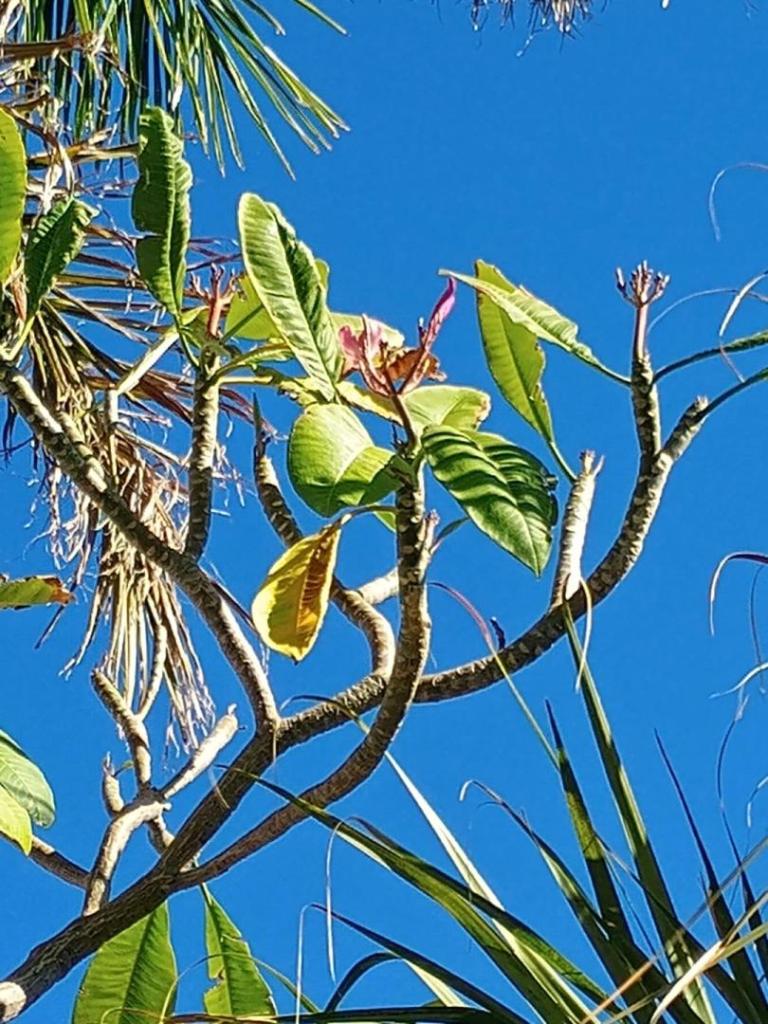
 1 pointDue to our unusually warm Arizona winter, my plumeria trees are already blooming. 🤯 Unfortunately, it seems to have had the opposite effect on our stone fruits which all appear to be giving up flowering entirely for this year...🤷♂️ aztropic Mesa, Arizona
 1 point
 -
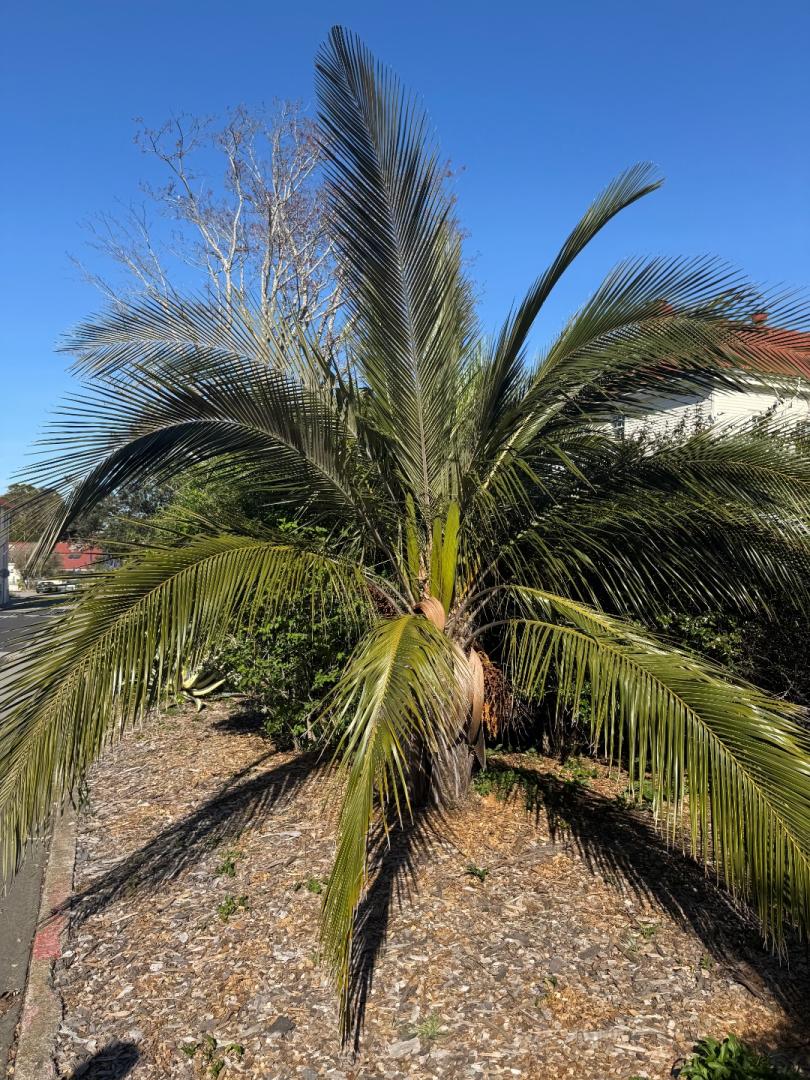
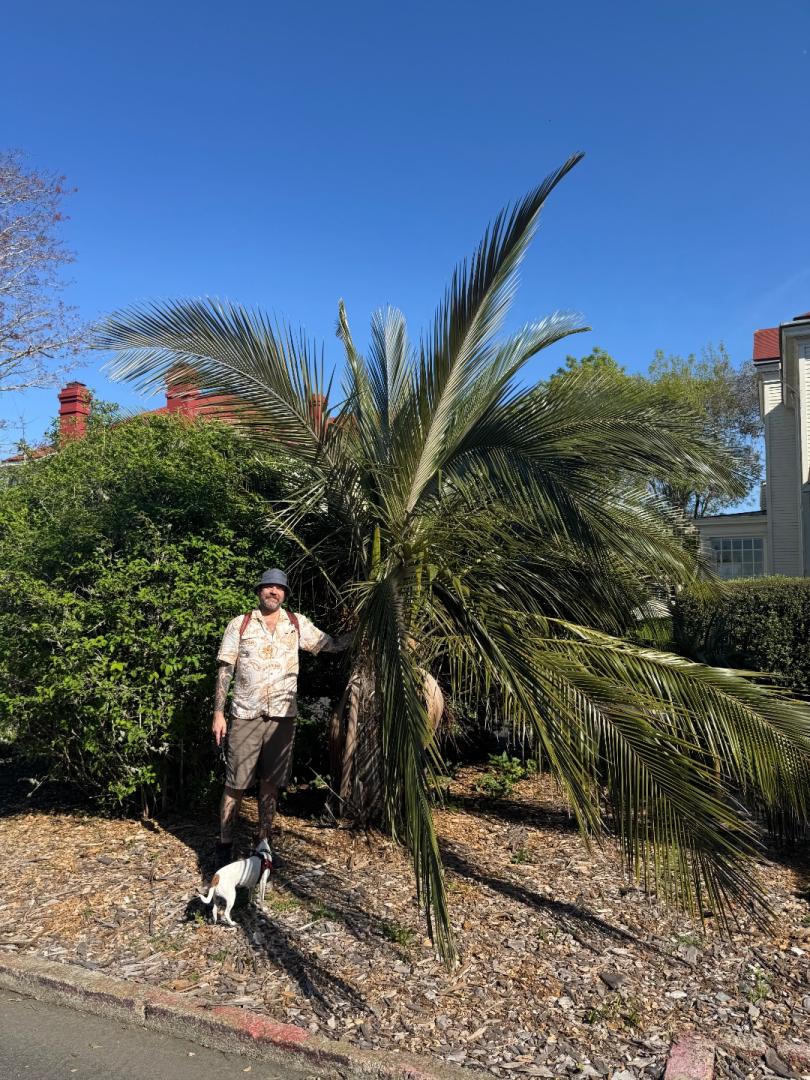
 They get huge and do trunk here down south. Growth that takes decades in the wild shady forest can be achieved in years in gardens with full sun, irrigation, and no root competition. And males often tend to put all energy into one trunk. Still I would not skin their trunk—it’s just not right1 point
 -
 1 pointOn those I'd guess you could just snip off the top 6 to 24 inches or so, in the photo it looks like the tip is dead anyway. My foxtails are 20+ feet tall and I can't even reach them with my 12' A-frame ladder. So I'm just leaving them alone for now. I've decided I'm not a big fan of rapid growing "telephone pole" palms anyway.1 point
 -
1 point
-
 1 pointOur kings burned when planted and that was in typical west side SF weather, no heat waves as I recall. They are slowly growing out of it. This is their second year in the ground so I hope they pick up speed.1 point
 -
 1 pointDo not ferilize. If its getting enough water it will shoot out nice new spears soon due to the heat. The transition from shade grown nursery palms to sun is rough at first om many palms but notoriously the Kings.. The old leaves will go ragged. Unfortunately March is breaking all time record high temps and low humidity across Southern California, in what would normally be an ideal time to plant a King palm. Once temps get over 90, the palm's capacity to pull in water fast enough through the roots is diminished. Plus the roots are not yet in the. native soil. It may look rough for awhile but it will eventually take off if you soak it daily when highs are above 85. At least its March with less UV and daylight hours, so it will help transition better1 point
 -
I've done 5 or 6 orders from Floribunda. Typical overnight UPS charges have been $50-75 to Florida. There's also a flat packing charge, the last order it was $30. For example, the last order I did 5 gallon sized, a bunch of seedlings and 4x 4" pots. The shipping was $54 in a moderate sized box, maybe 3' x 1.5' x 1'. Jeff's palms are all HUGE for the size of pot. If you distribute the S&H charges over the number of palms it's fairly low. Springtime is a good time for a "bulk order"!!!1 point
-
 1 point
 -
 1 pointI have seen adult, trunked Howea palms removed for trivial and incorrect reasons. In my neighborhood there once was a home for sale, featuring two Howea forsteriana palms perfectly sited at the home entrance, one on each side of the foyer. After the house was sold, they were cut down immediately. My palm mentor, the late Garrin Fullington, rang the doorbell and inquired "What happened to those palms ? I was going to offer you $2000 for each one." At a church on Guerrero street there was a planter bed about 5 x25 feet. It has a H. forsteriana, about 8 or 10 feet of trunk, at one end. Some plant on the far end was diseased, and the gardener recommended that all the plants be cut down. ( I know this story because I asked the sisters myself.)1 point