Leaderboard
-

happypalms
IPS MEMBER39Points13,271Posts -

tim_brissy_13
IPS MEMBER16Points2,561Posts -


kinzyjr
IPS MEMBER6Points6,876Posts -
(1600x718).jpg.489f0676b133a93002d2fc86d3d6dfe3.jpg)
(173x200).thumb.jpg.87642ce613f801fde119db608b8aeb96.jpg)
Silas_Sancona
IPS MEMBER6Points12,502Posts
Popular Content
Showing content with the highest reputation on 03/20/2026 in all areas
-
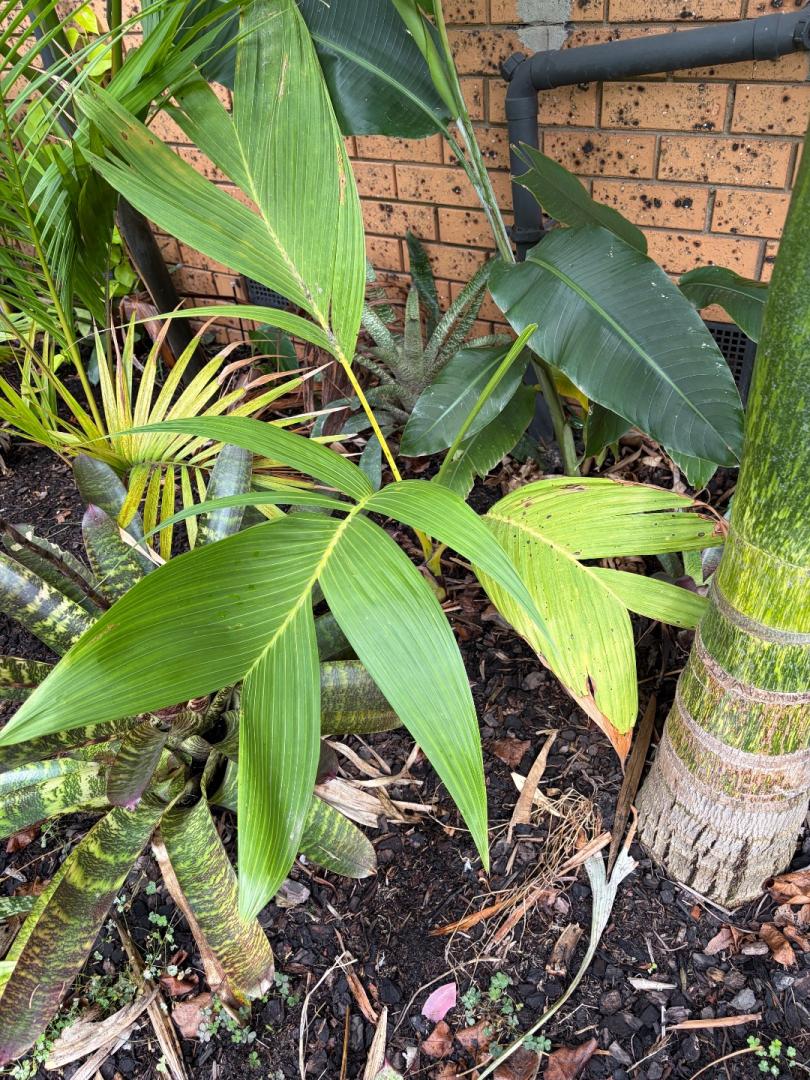
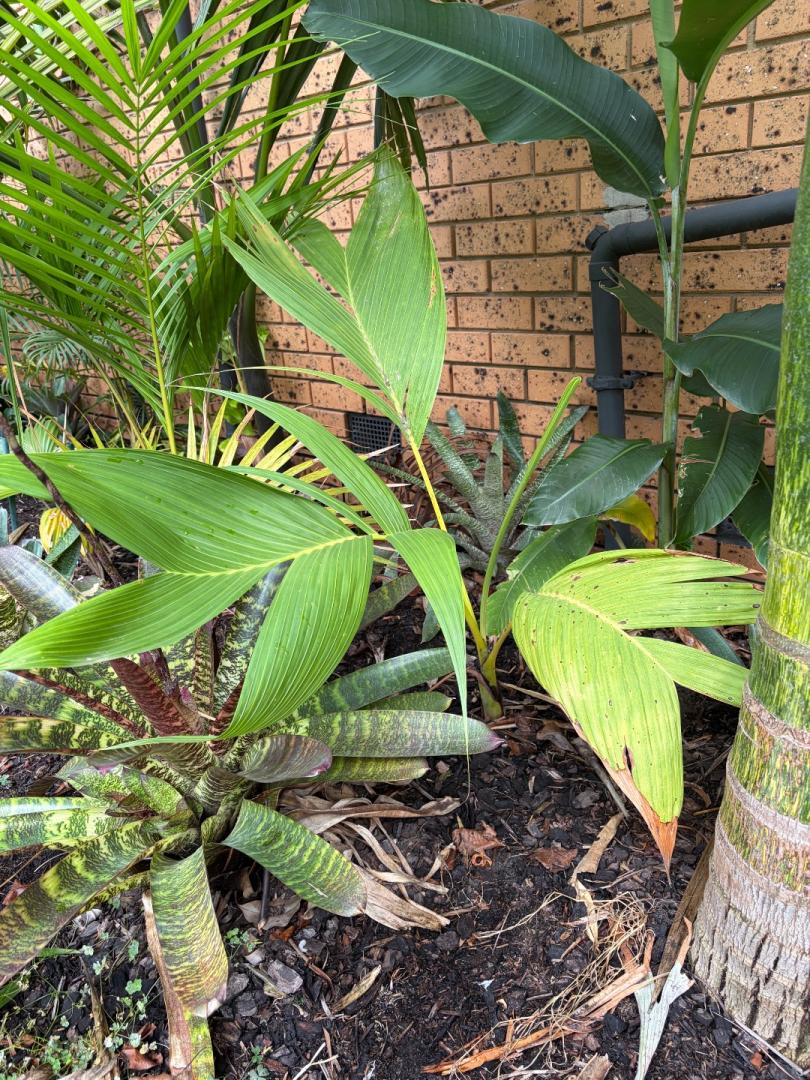
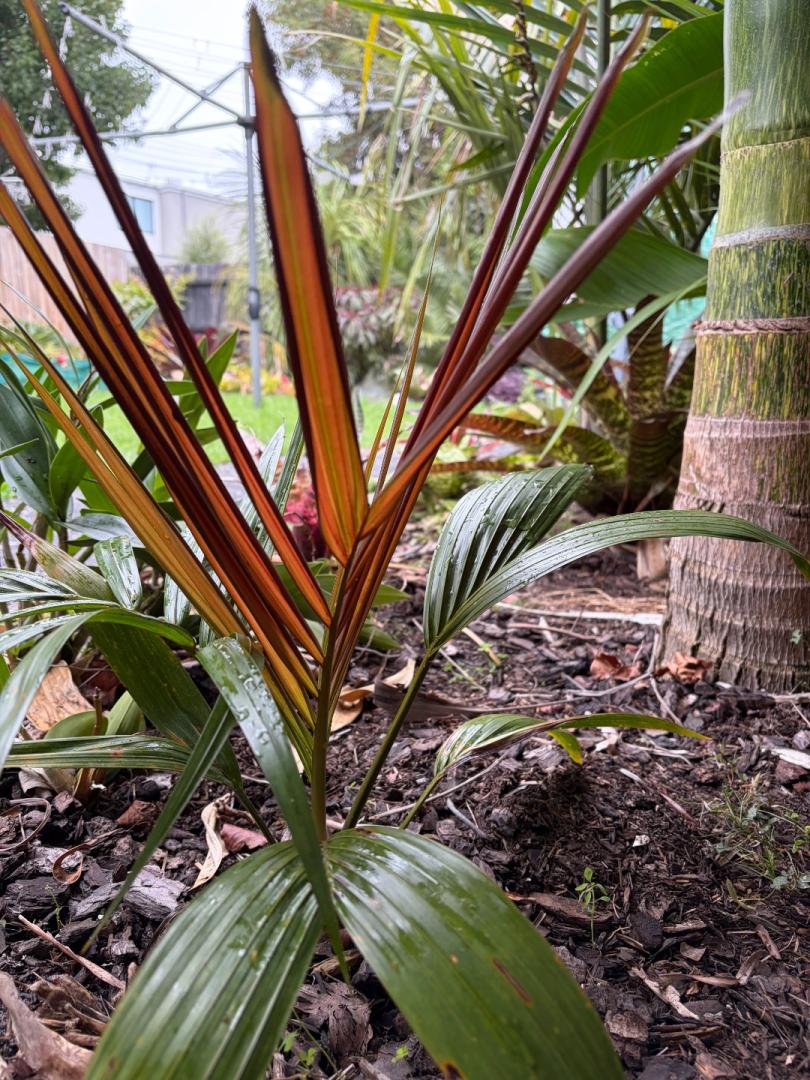
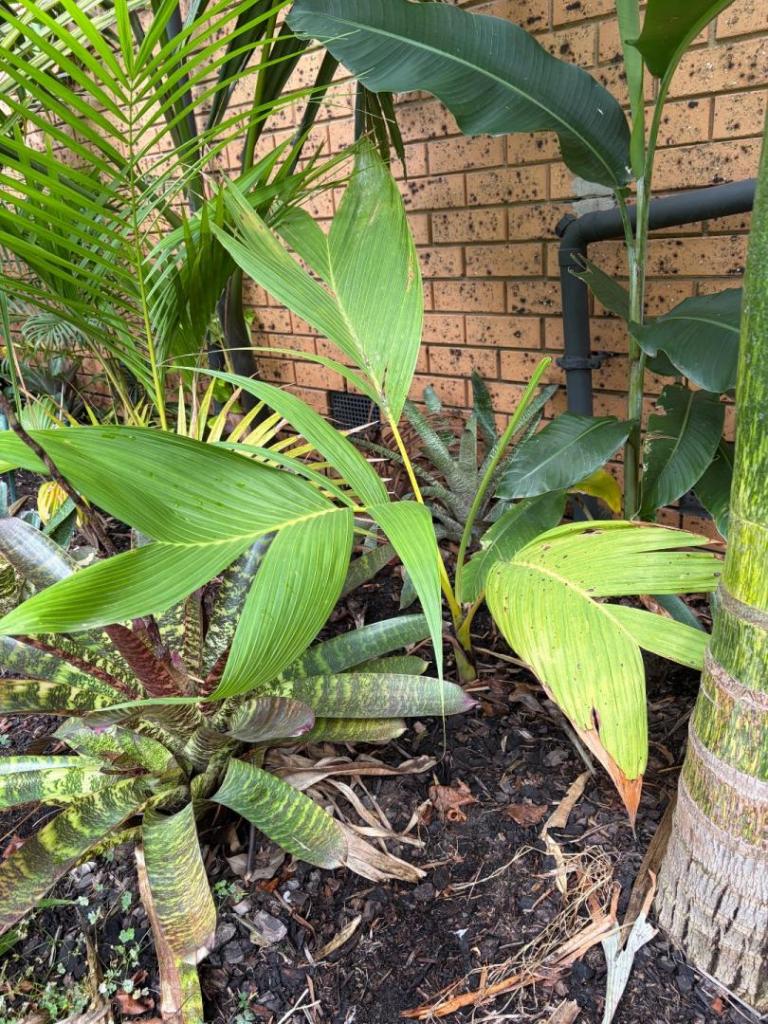
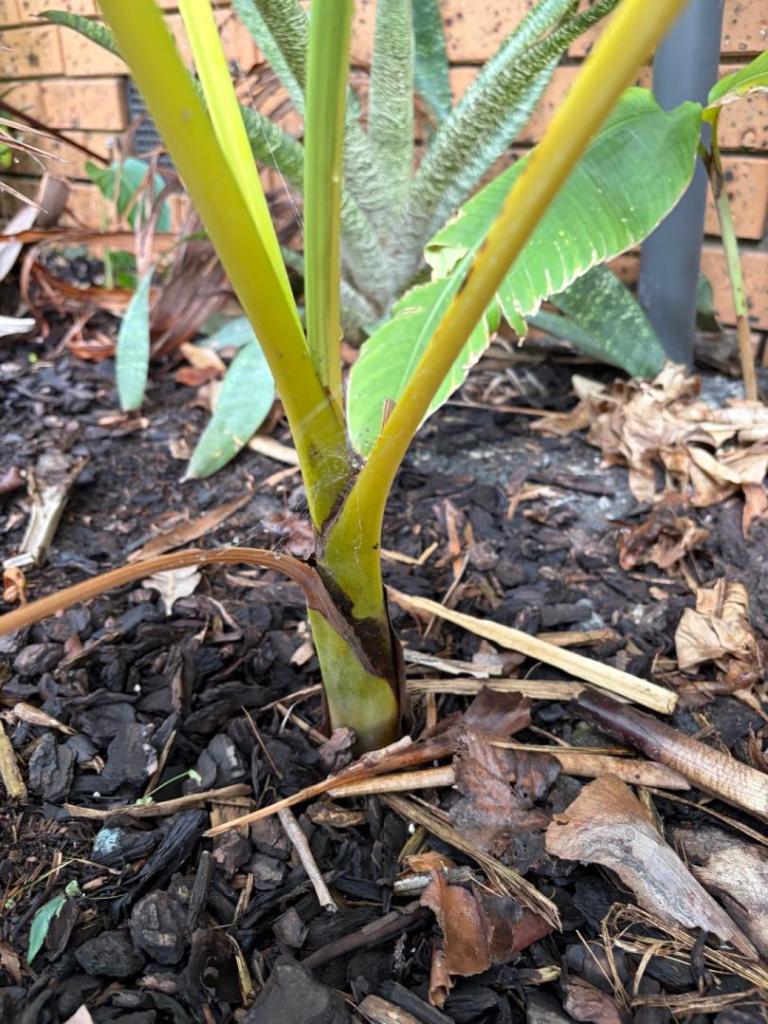
8 pointsJust my self indulgent contribution to this thread - I’m pretty proud of this one. Comments above are correct. These are tolerant of cool and even occasional cold nights. Mind in Melb, Aus occasionally has frost settle on the fronds with temps down to -1.5C /29F. Last winter we had about 10 frosts with temps at or below 2C/36F and the monthly average minimum temperature during the coldest month was barely above 5C/41F. Only minor cold spotting as a result. It’s also seen a few days up around 44C / 111F with very low humidity this summer and shown no ill effects to occasional exposure to these conditions. Our night times nearly always cool down significantly which may help. For reference, this one is in an east facing garden. It gets filtered morning sun until about midday. Happy to have this one growing here. There aren’t many palms that can grow here with those huge pinnate leaflets divided at random which just appears so tropical like in many Pinanga and Areca sp.

 8 points
 -
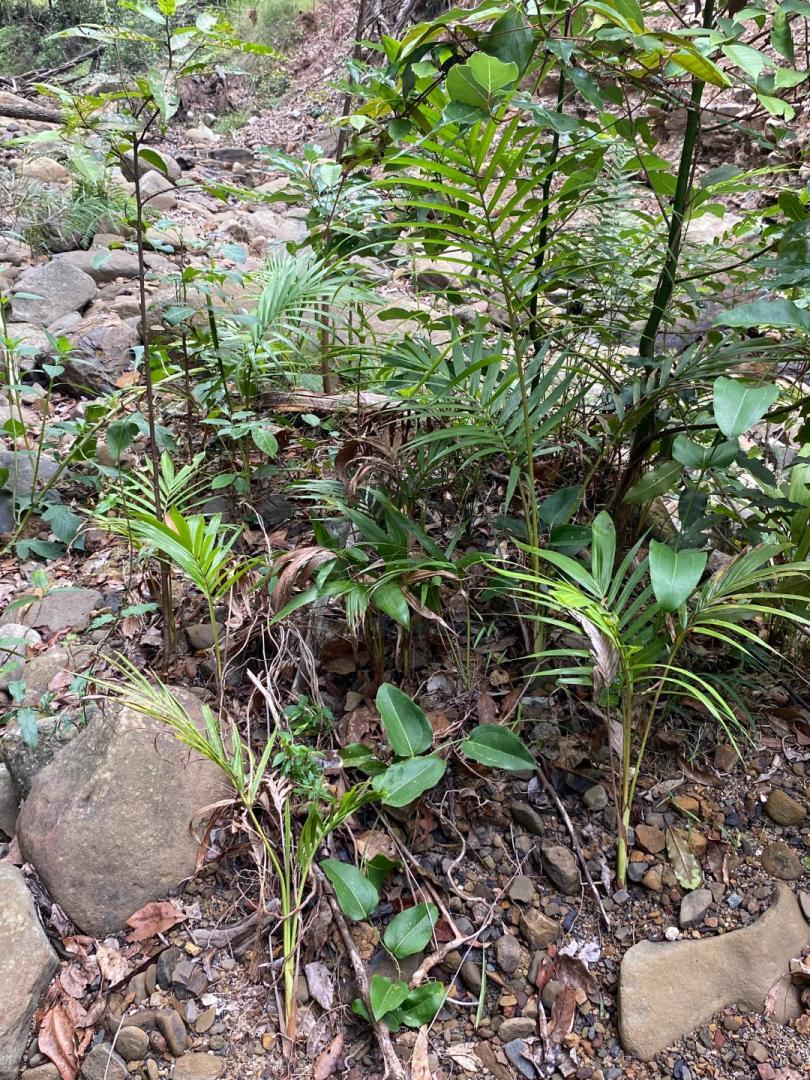
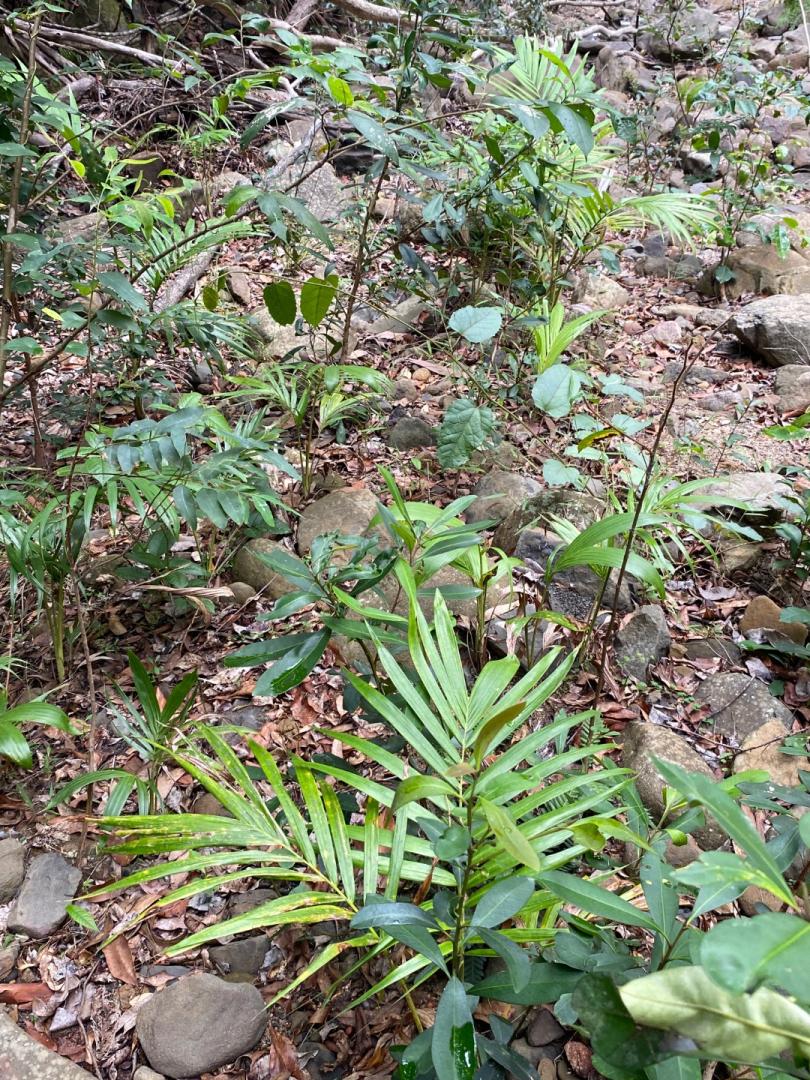
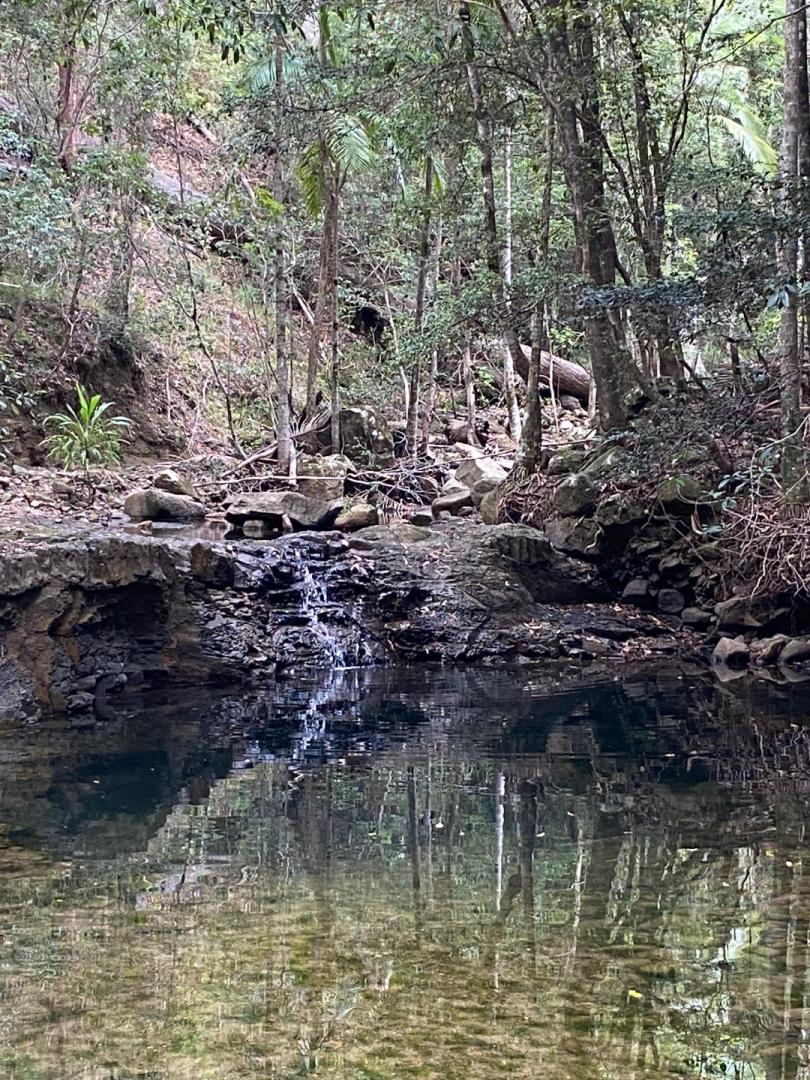
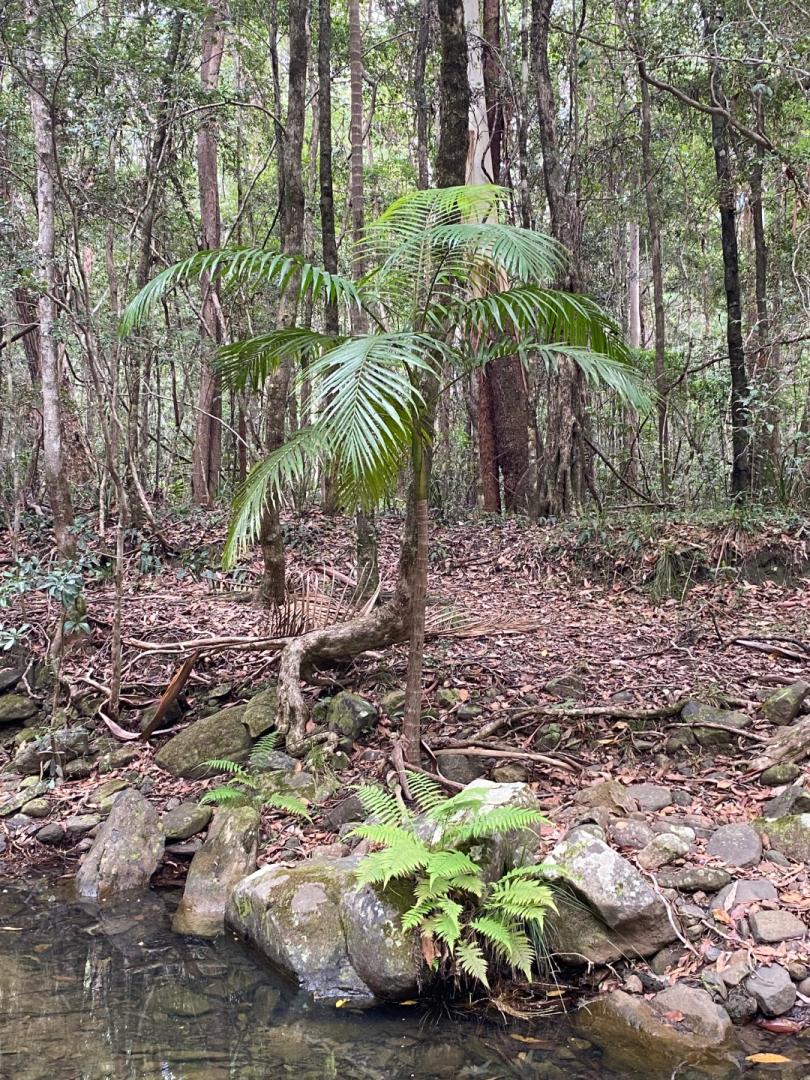
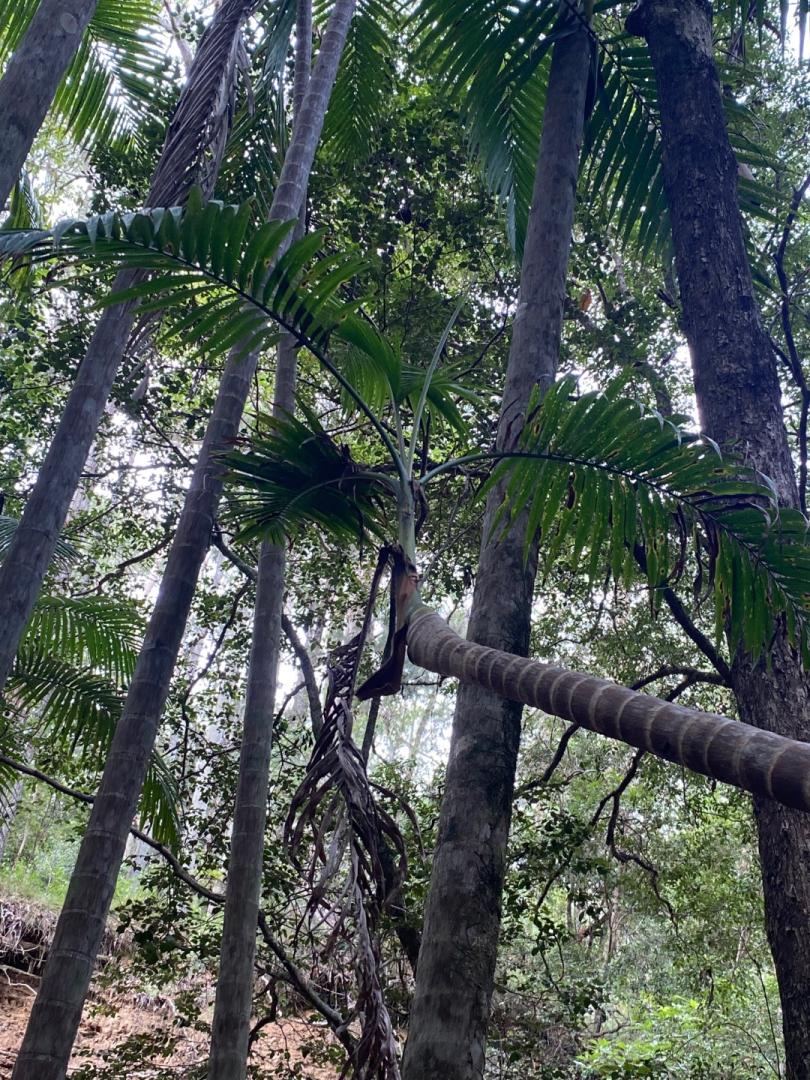
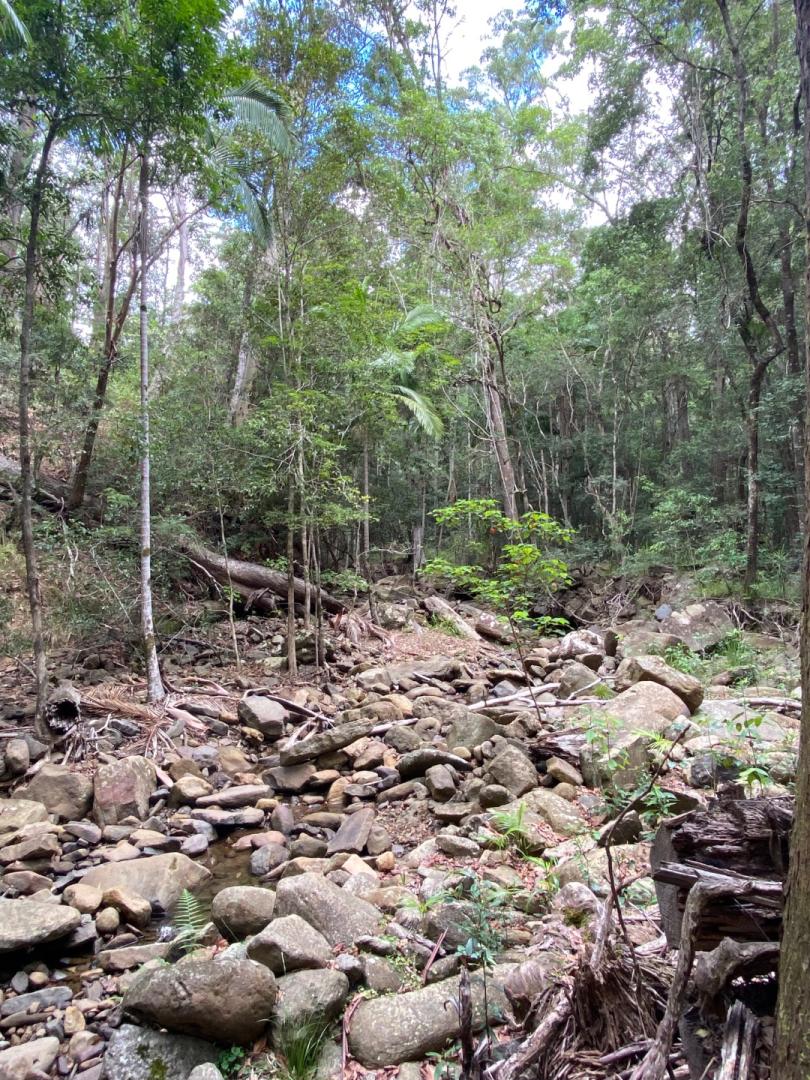
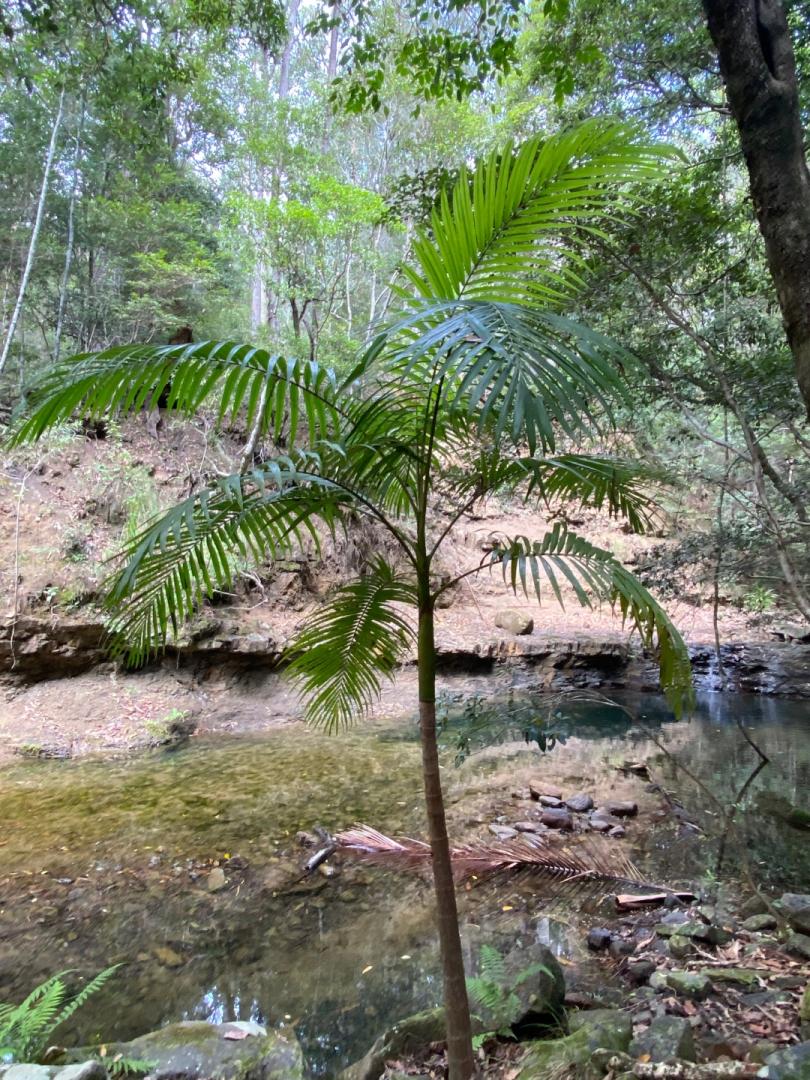
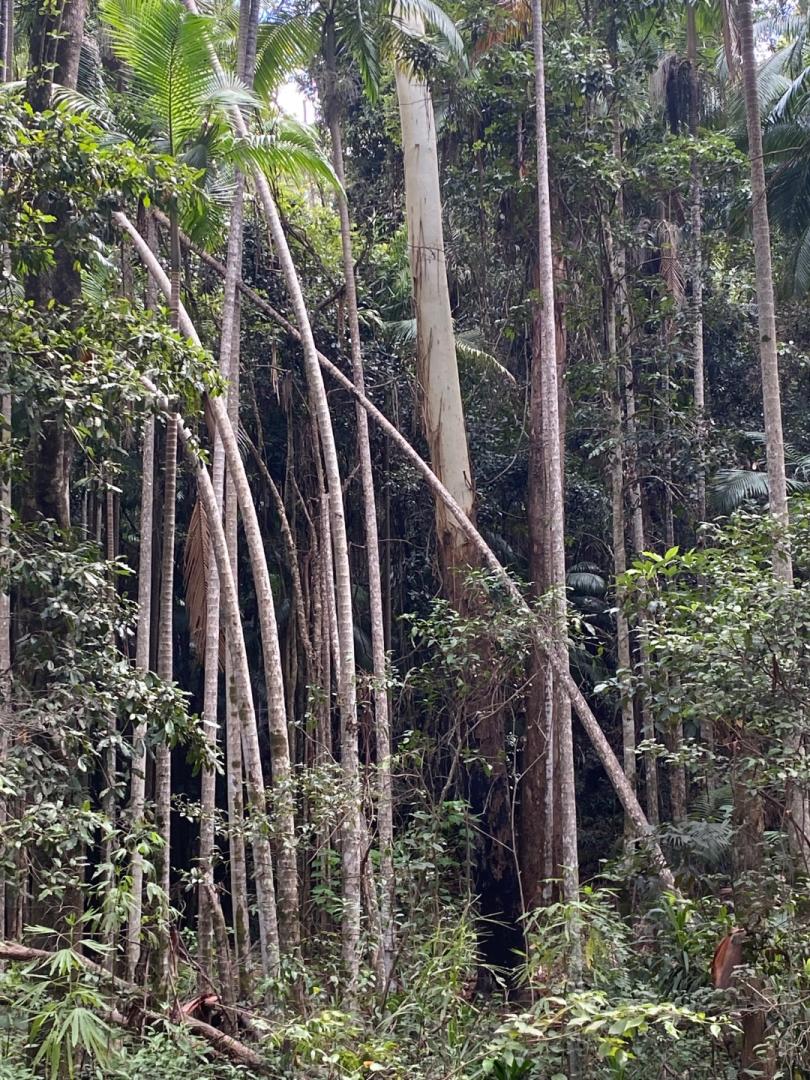
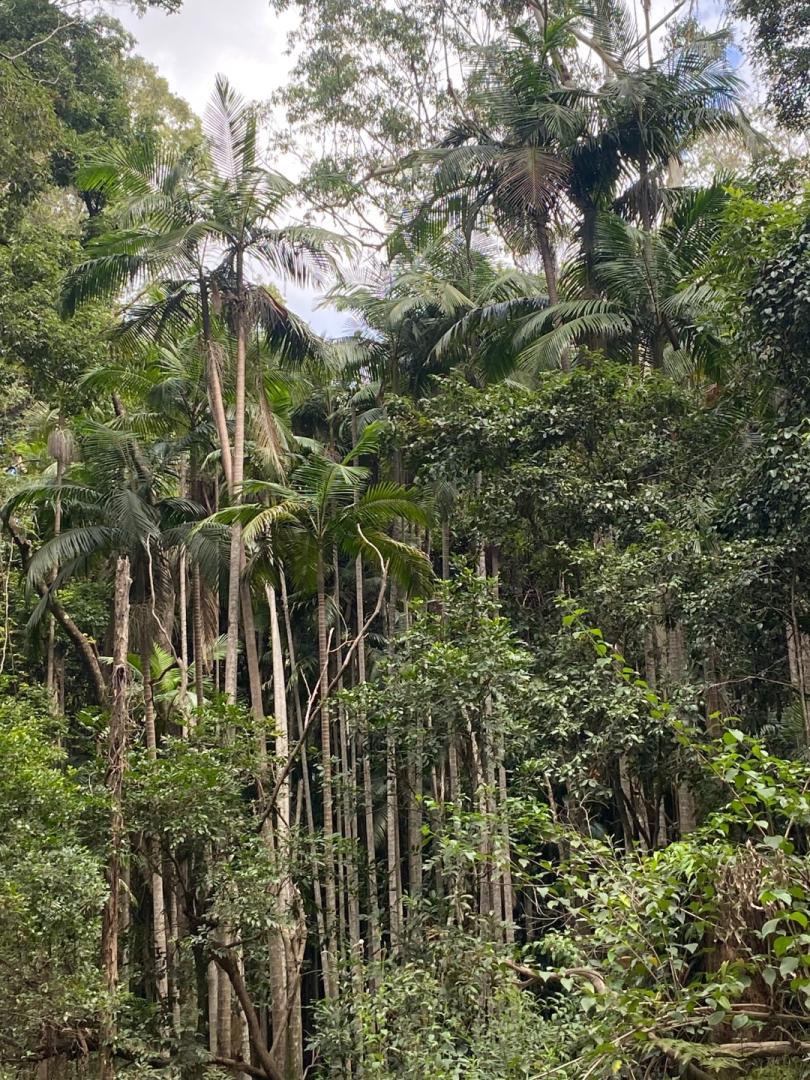
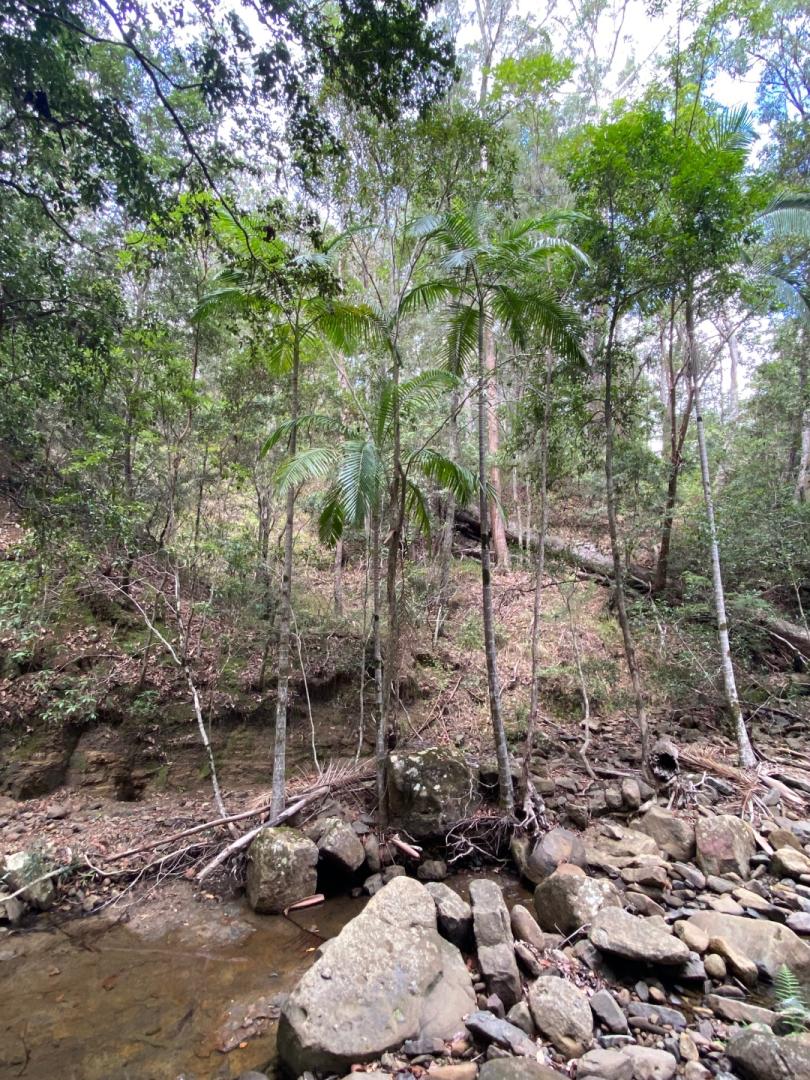
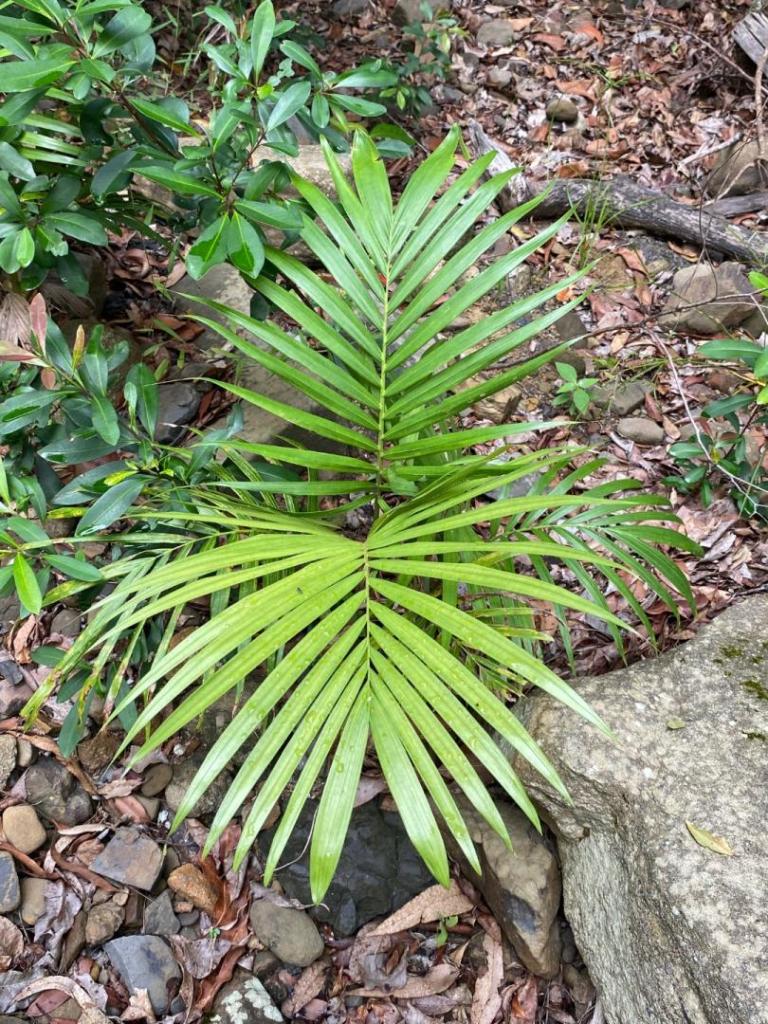
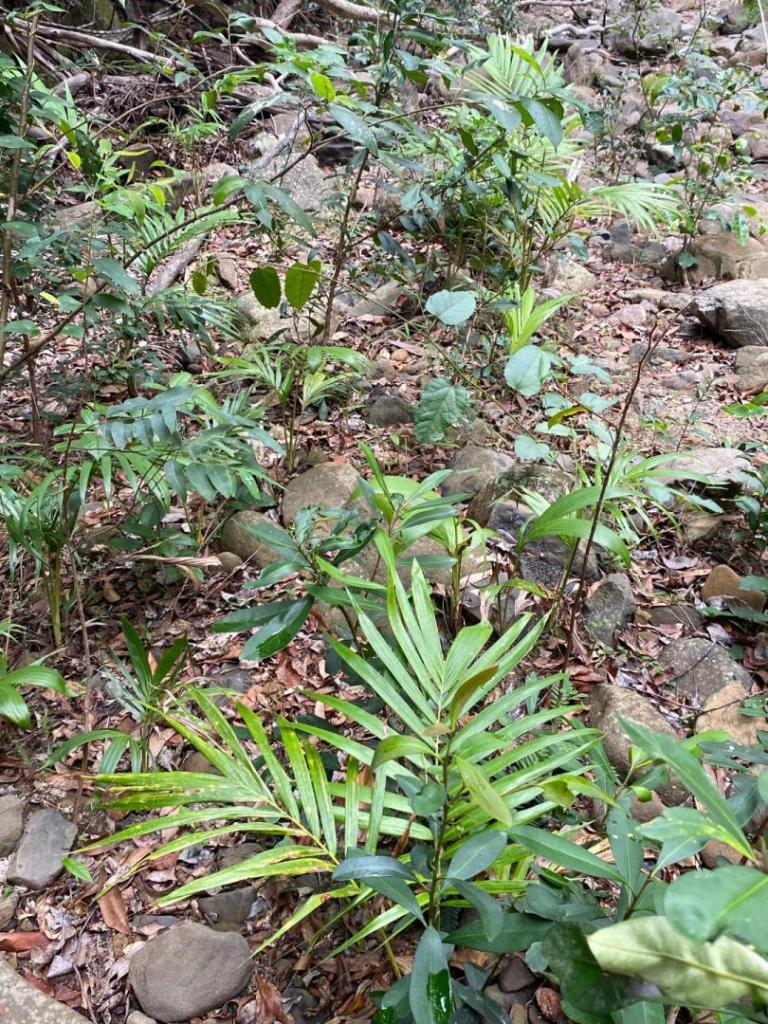
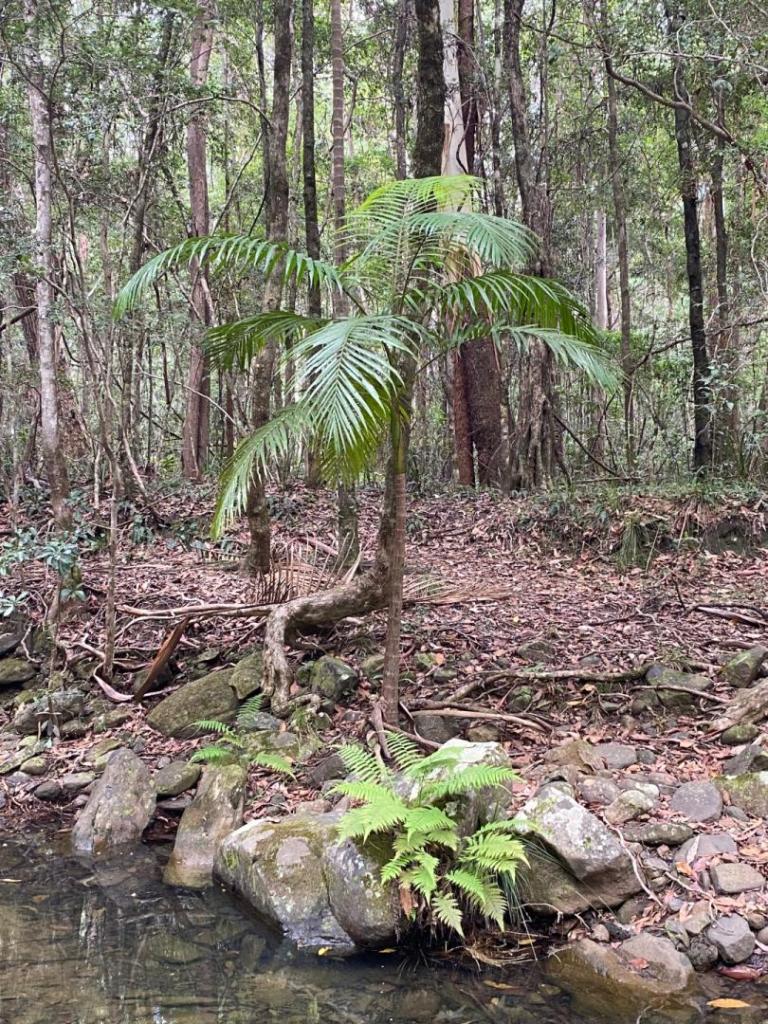
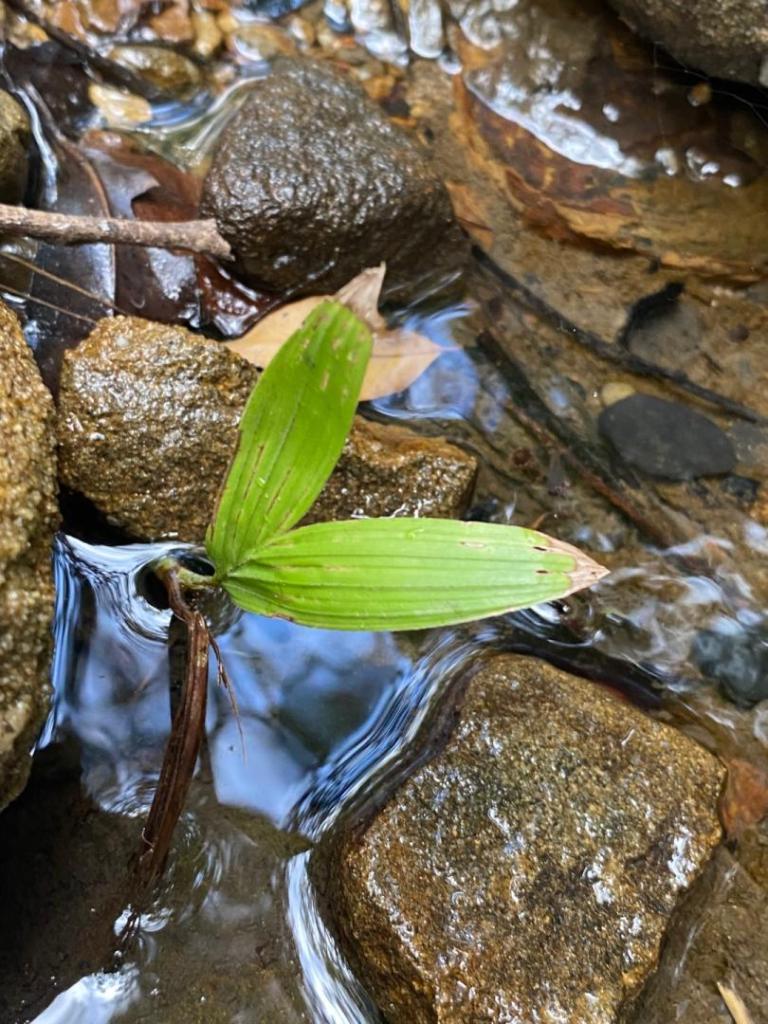
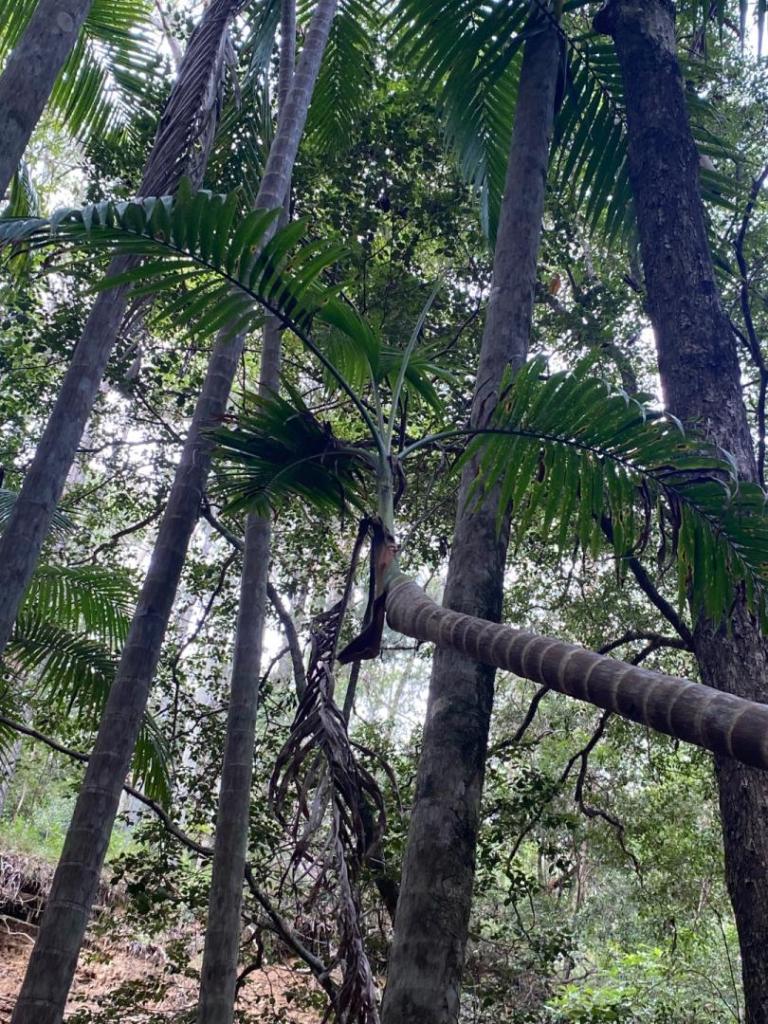
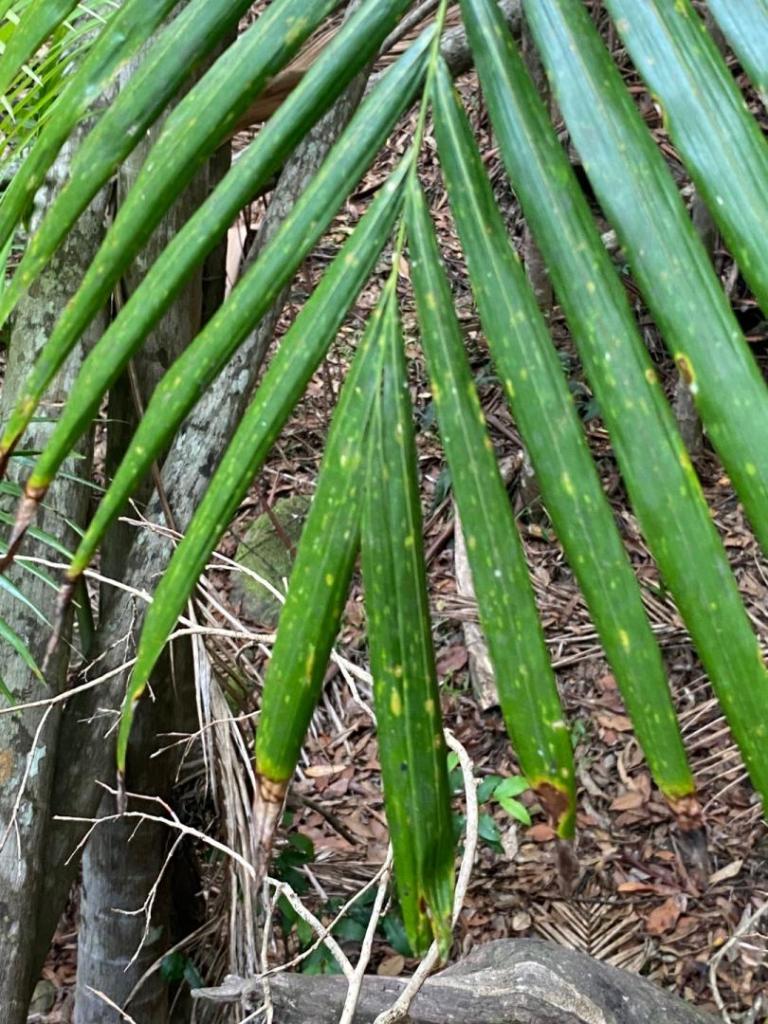
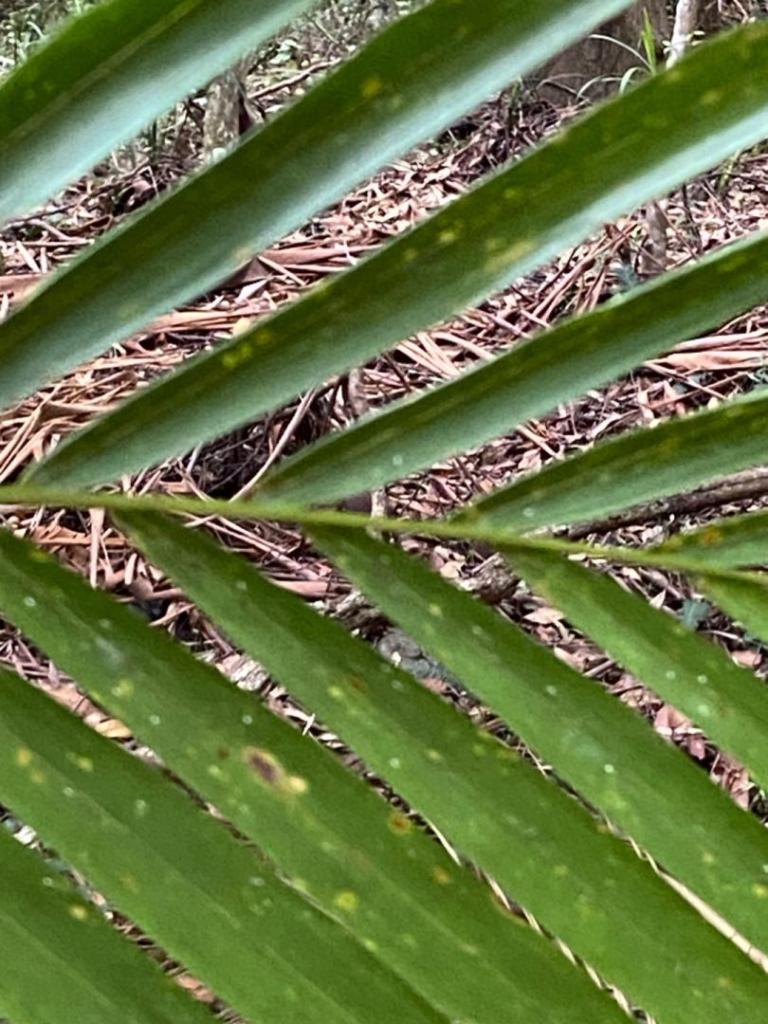
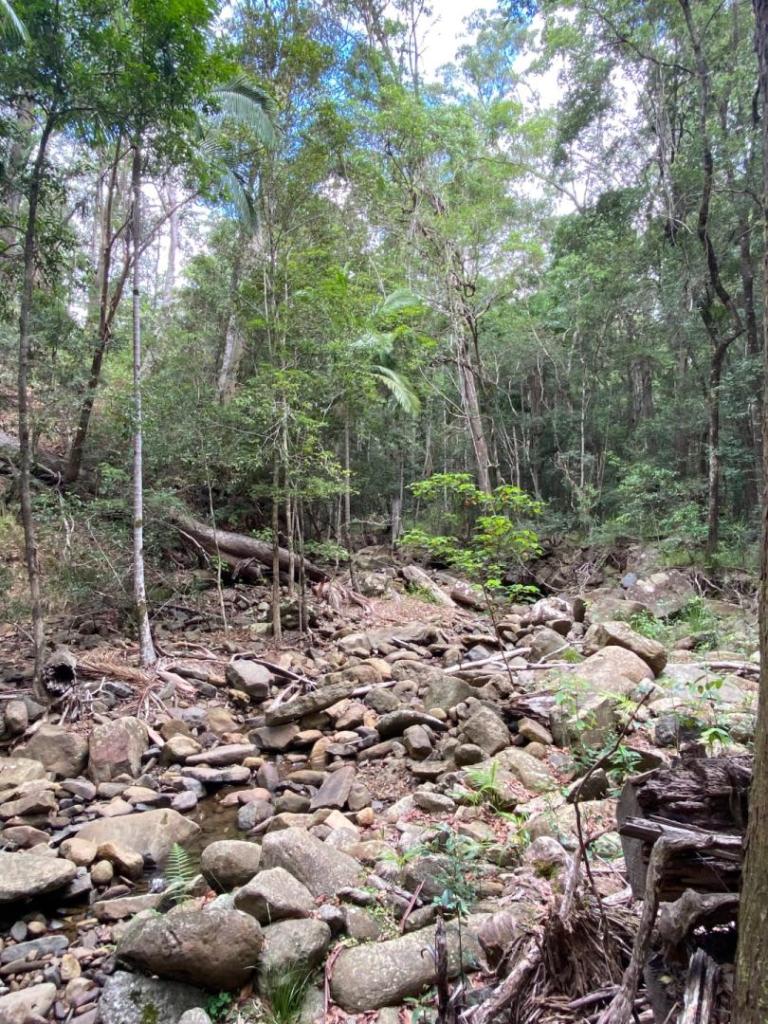
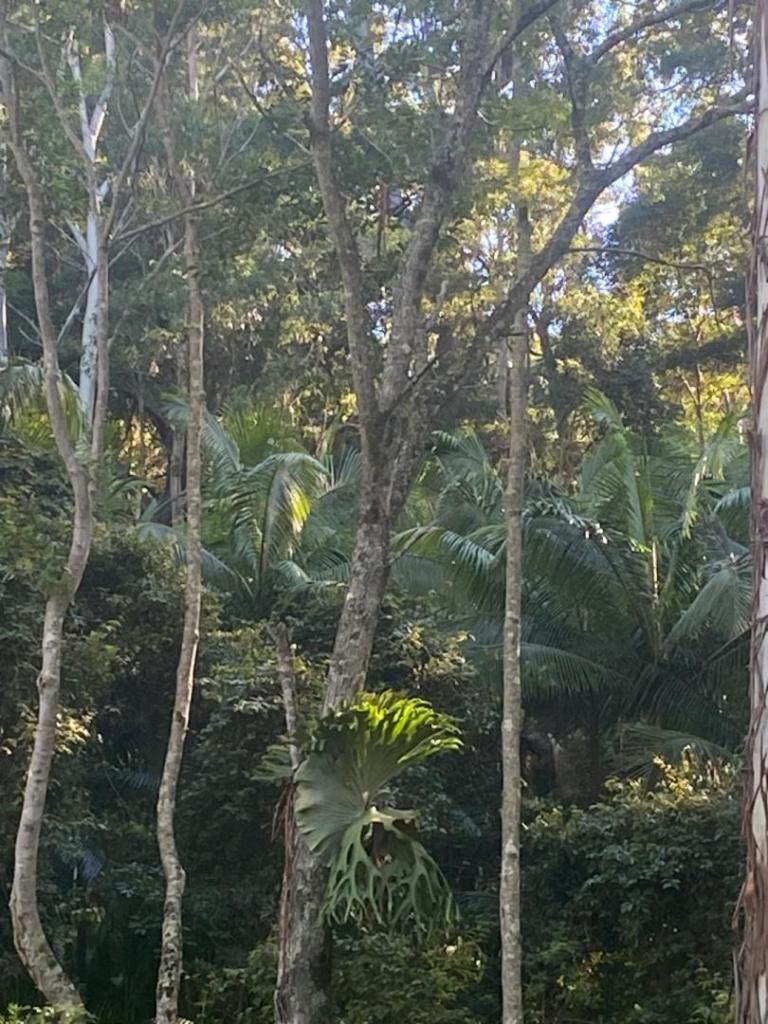
Out in the scrub again running around. Getting in a swim before winter gets here, and as usual bangalows in the wet areas and creek beds. Such a tough palm, but they do like moisture. Even there native habitat some of the leaves can look a bit tatty. So if your plants need is not perfect fear not even in habitat they can appear a bit tatty.





 7 points
 -
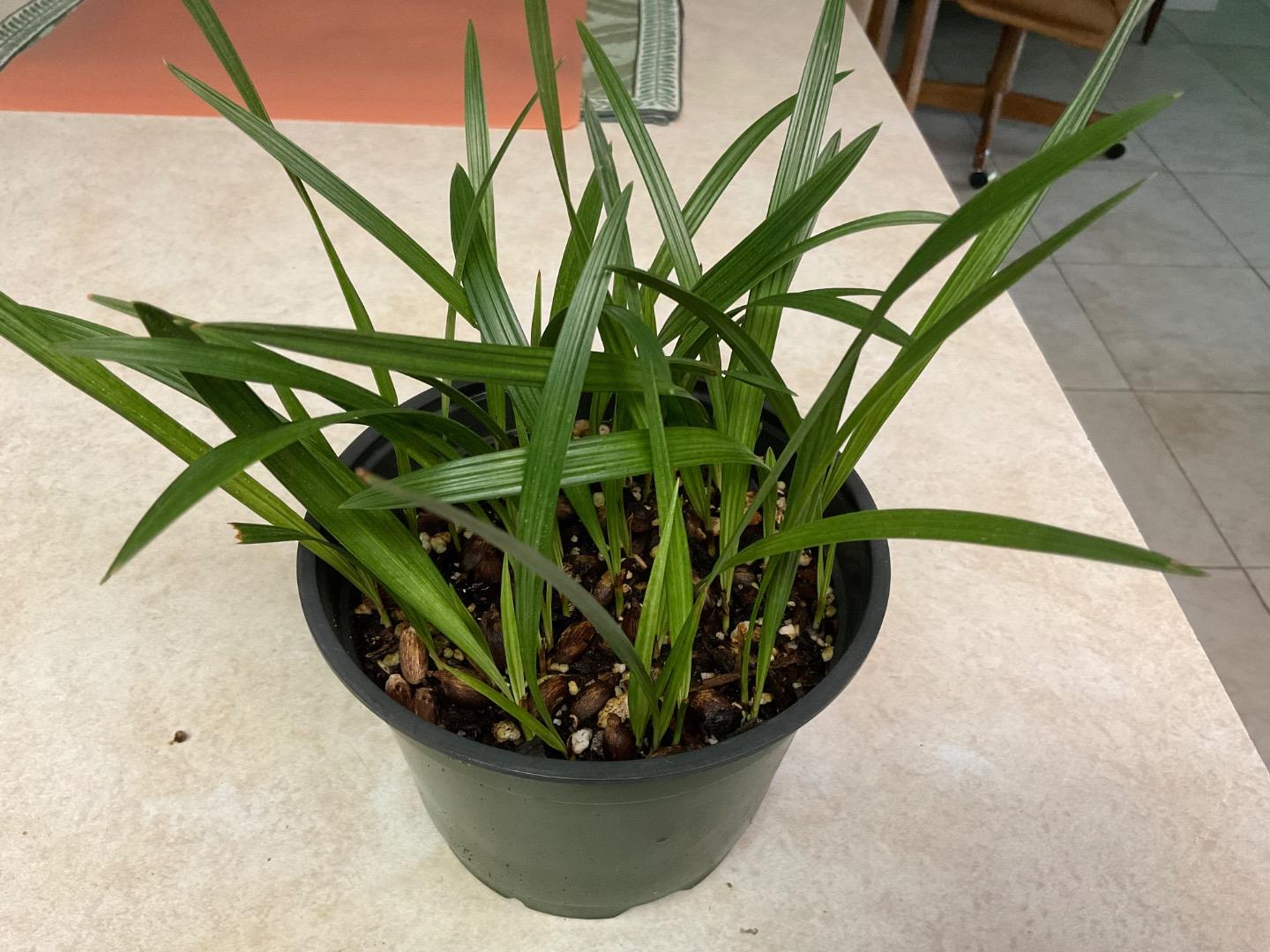
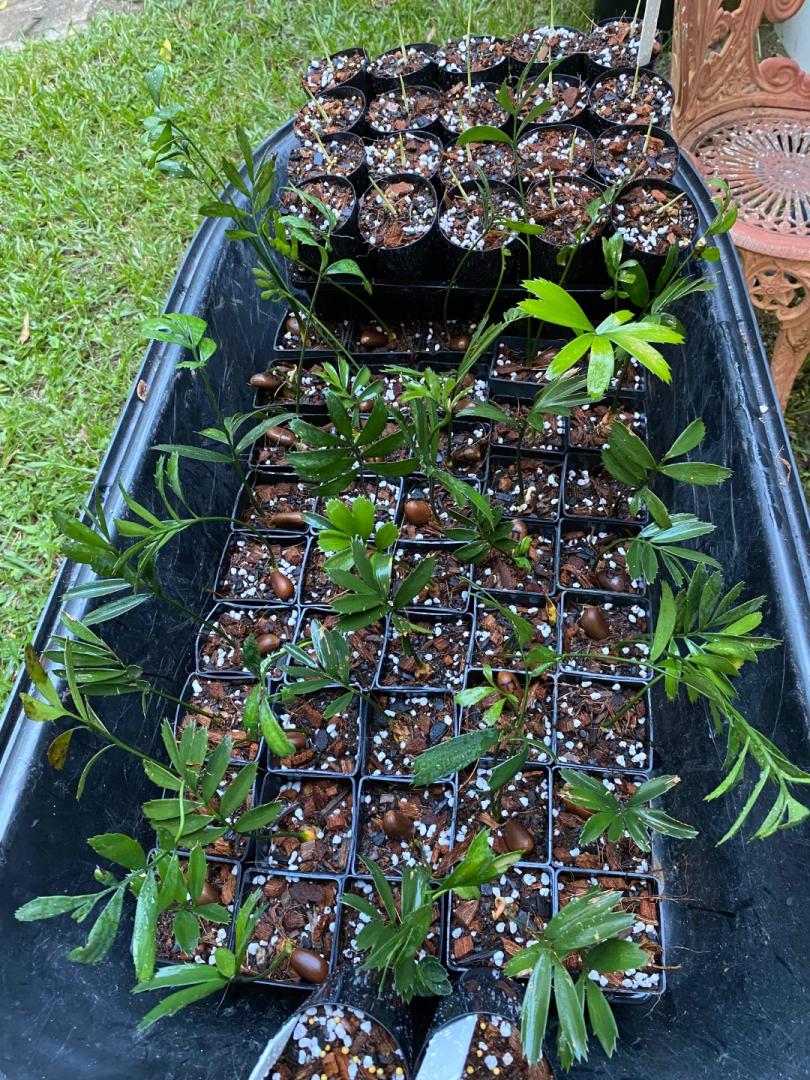
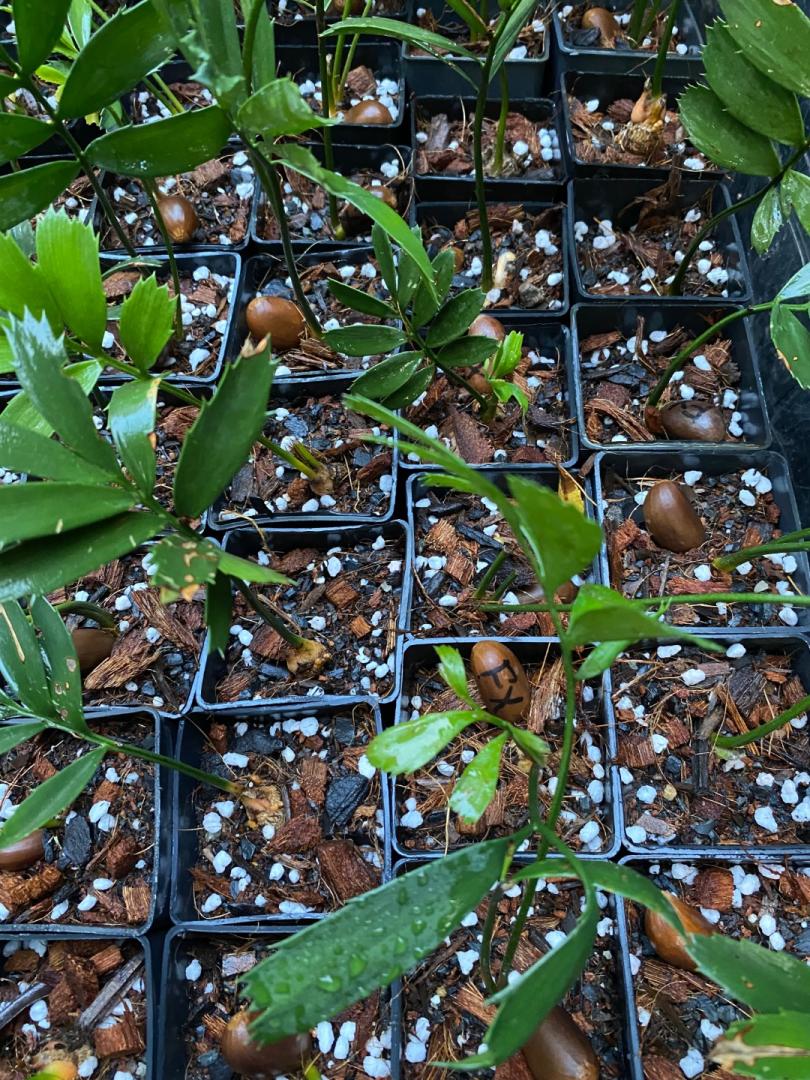
 Need some Cold Hardy seedlings after the Freezing weather? My large palms in yard took 27F with ease, no damage. I counted about 37 seedlings in this pot, most have 2 leaves. $30 plus Shipping, Spaghum, Box, etc. Beachpalms@cfl.rr.com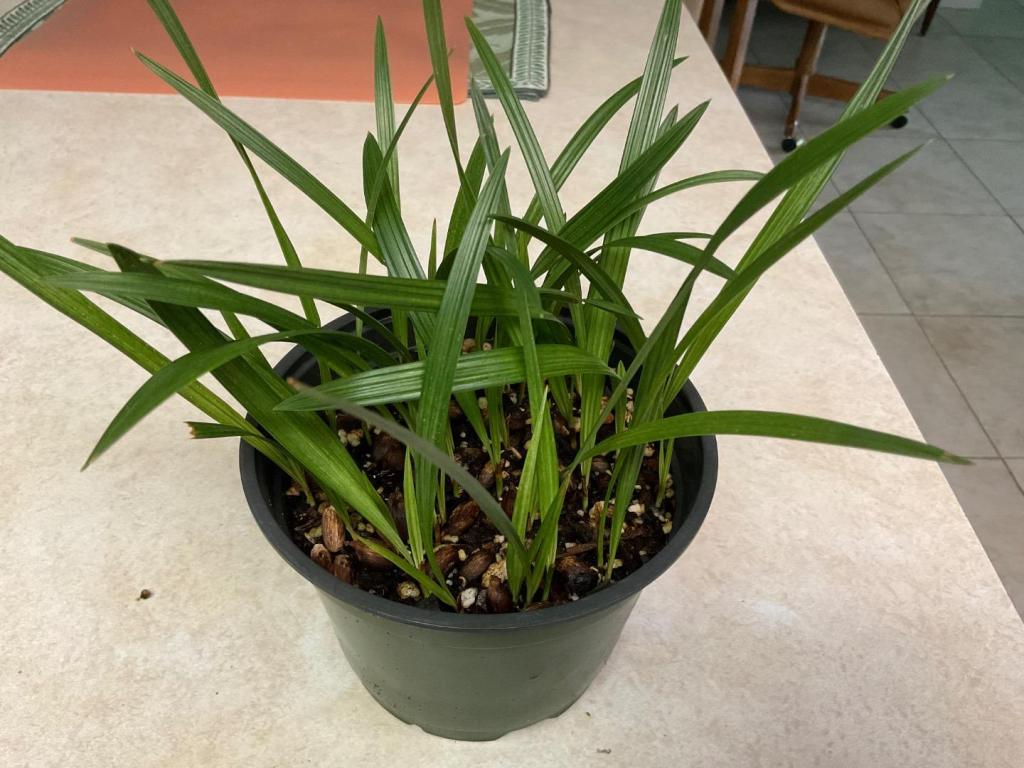
 4 points
 -
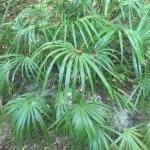 4 pointsThat definitely doesn’t have fused leaflets, like Sabal ‘Lisa’ does. As for any variegation, I only see necrotic leaf tissue, and no variegation. Not sure if it’s just my phone or if I’m missing something here, but I see no yellow/white sections in the leaves at all. Can you please point exactly to what you’re looking at?4 points
 -
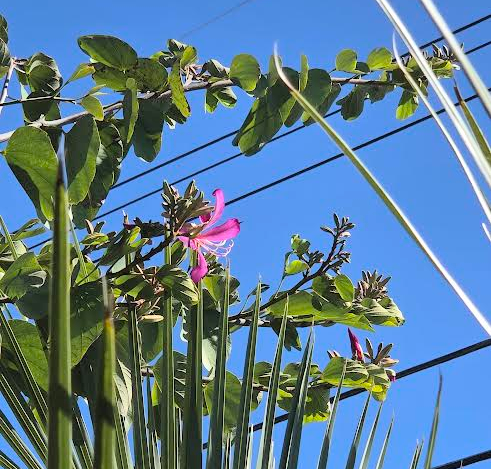
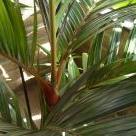 Finally seeing some early signs of spring blooms on my Handroanthus (aka Tabebuia), both the dark pink heptaphyllus and the lighter pink impetiginosus.) Even my previously shy blooming Bauhinia x blakeana now has clusters of buds on many of its branch tips. Despite what the winter was like on East Coast of the U.S., here in the West we experienced "relatively" mild temps. It's so dry I've had to start handwatering again! Palms in the top image are Parajubaea (l) and Jubaea (R).


 3 points
 -
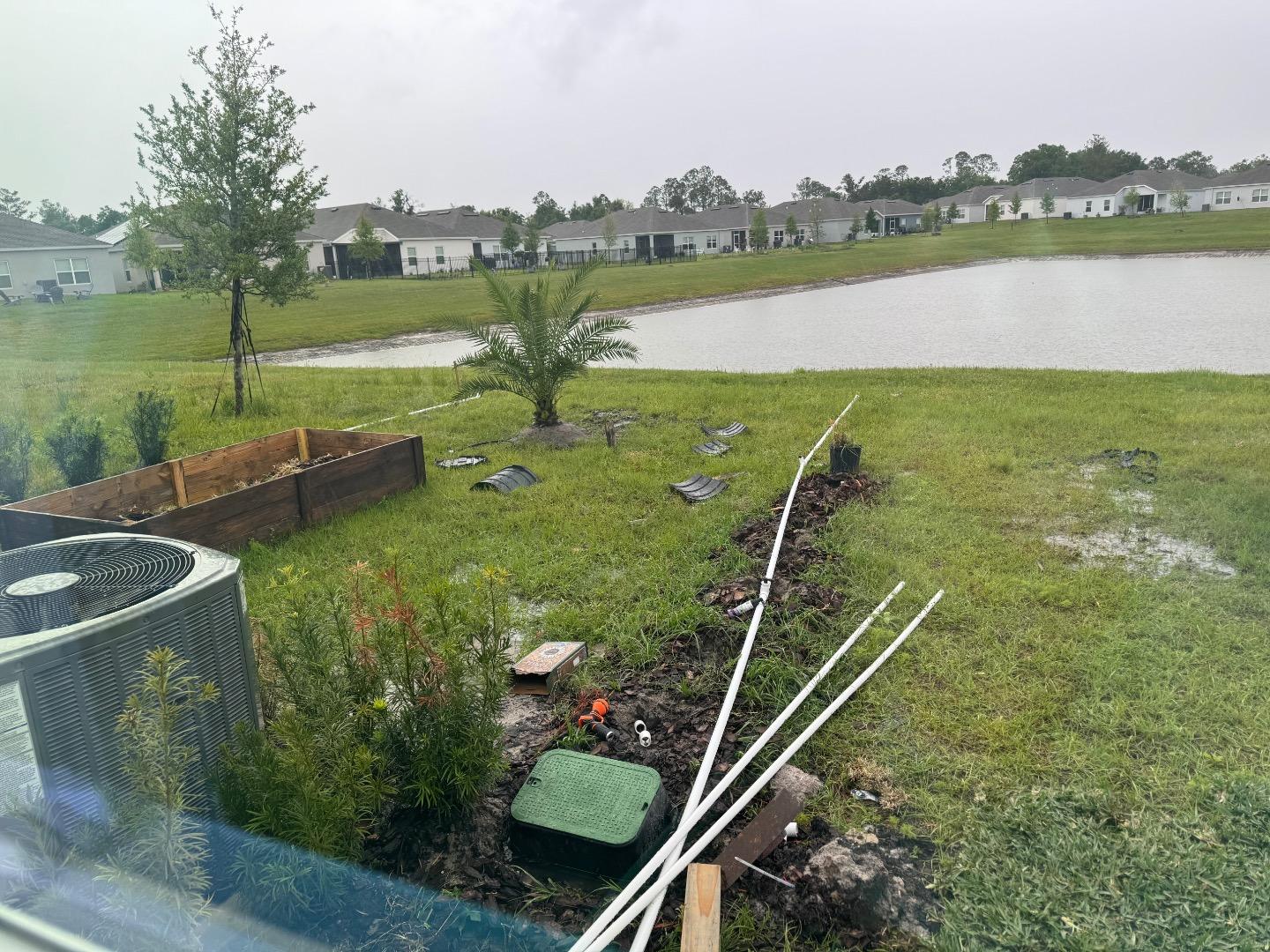
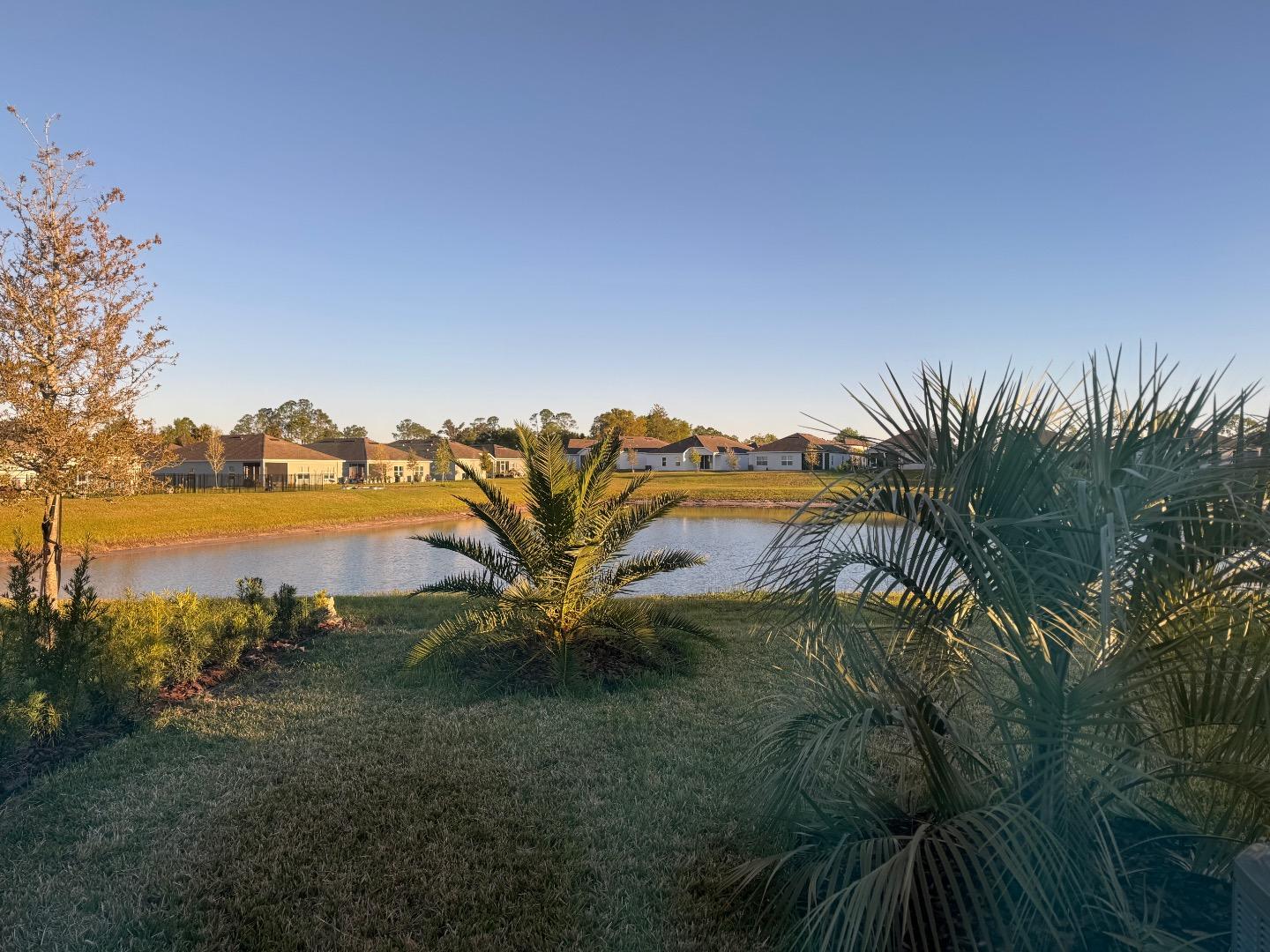
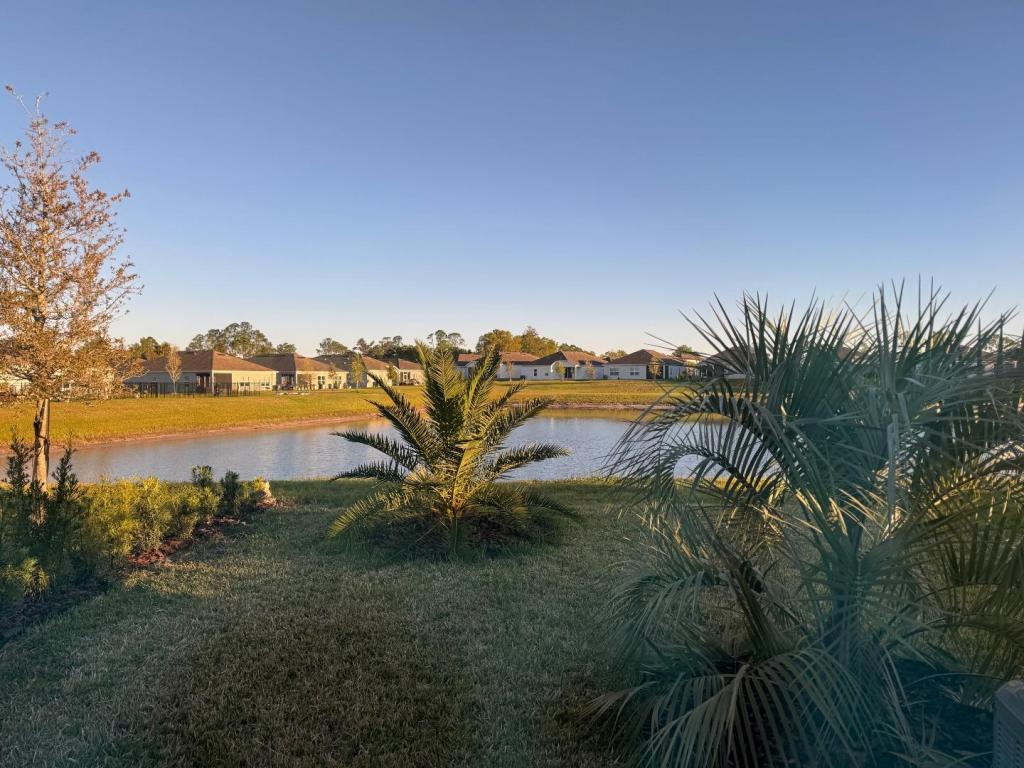
 Just planted - 4/3/2024 ~1 year - 3/18/2025 8 AM ~2 years - 3/20/2026 8 AM
 3 points
 -
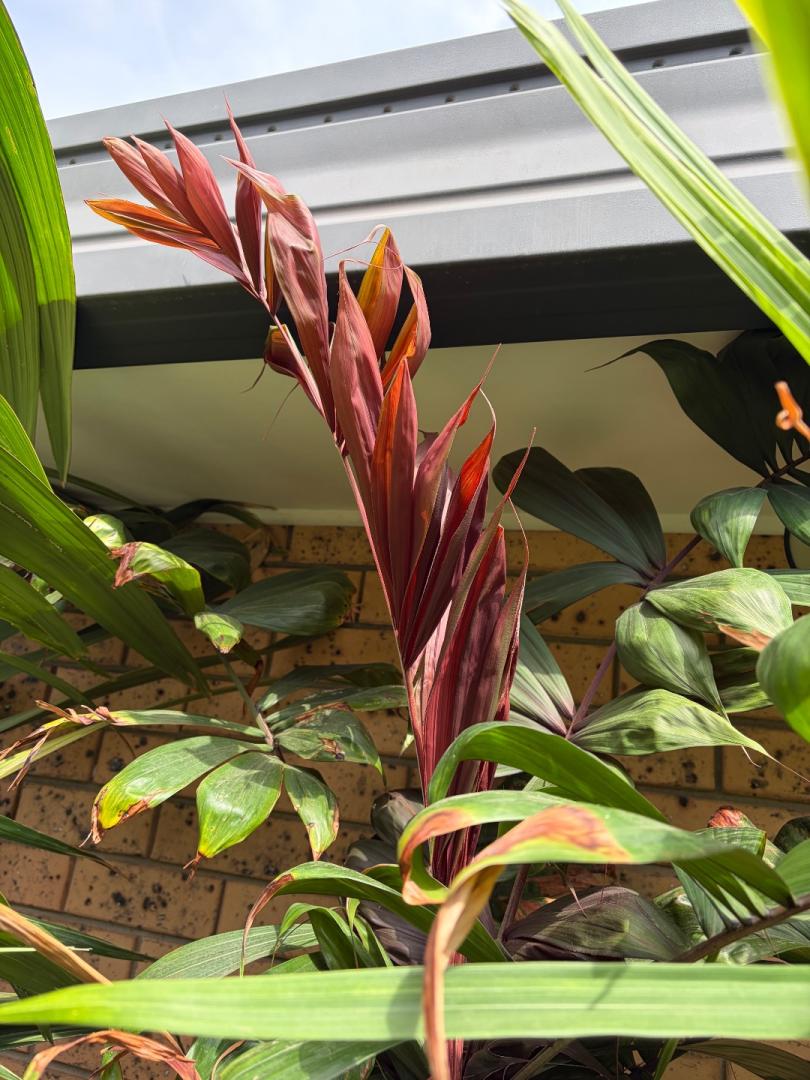
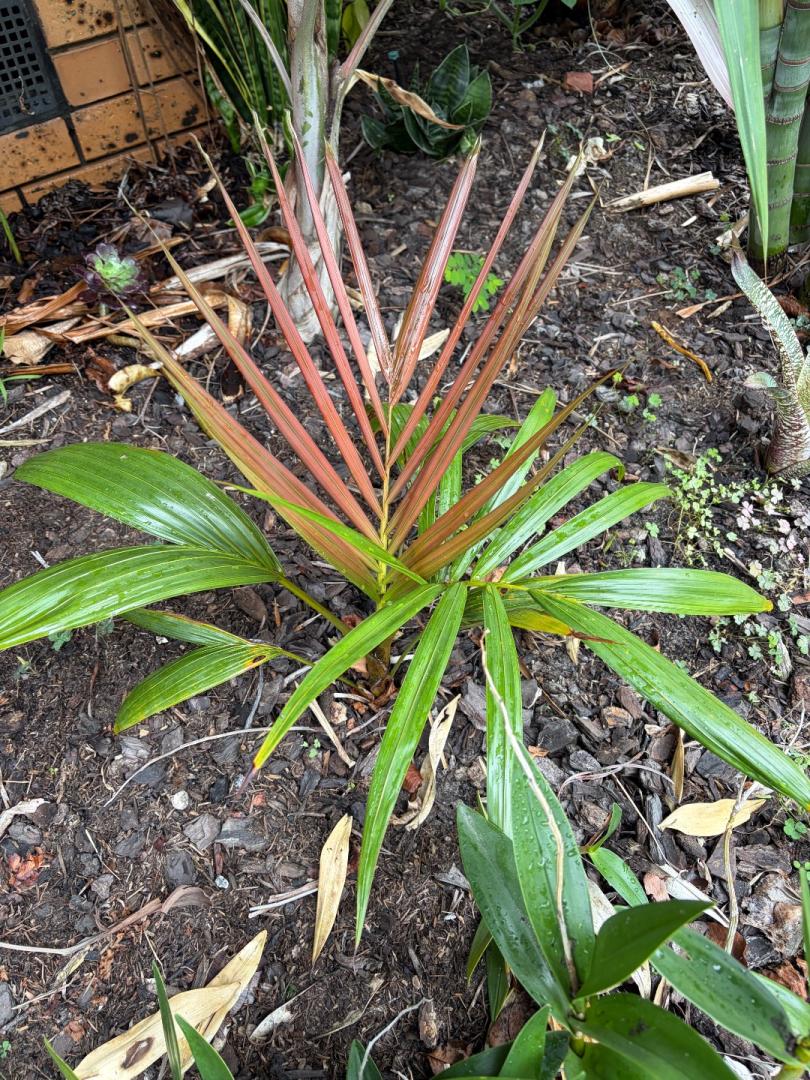
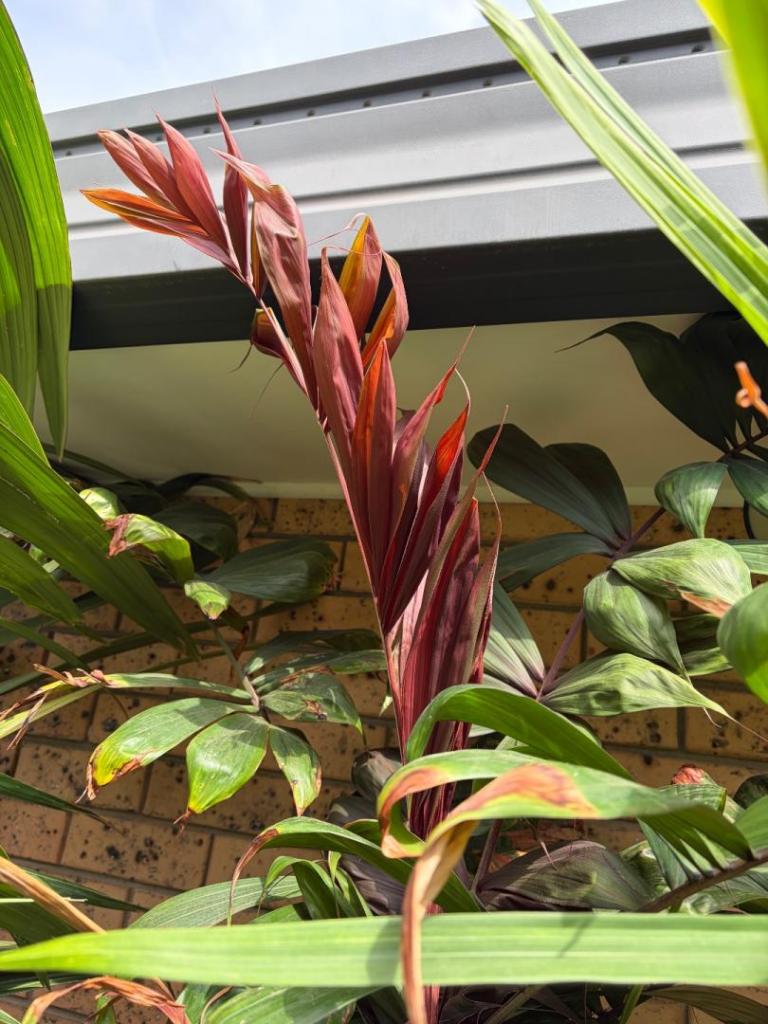
3 pointsSome 🔥 in the garden recently. Dypsis rosea Chambeyronia divaricata

 3 points
 -
 3 pointsIt ain’t dead 🤷♂️😂. It lost its leaves during the cold this year but apparently lived. Had a lot, lot more fruit on it but they ripened up quick after cold and the local squirrels just love these. It’s kinda high up these days for me to want to get on a ladder to get them down. It seems to be seedless for the record and the fruit is actually really good on this one.
 3 points
 -
 They get huge and do trunk here down south. Growth that takes decades in the wild shady forest can be achieved in years in gardens with full sun, irrigation, and no root competition. And males often tend to put all energy into one trunk. Still I would not skin their trunk—it’s just not right3 points
 -
 3 points
 -
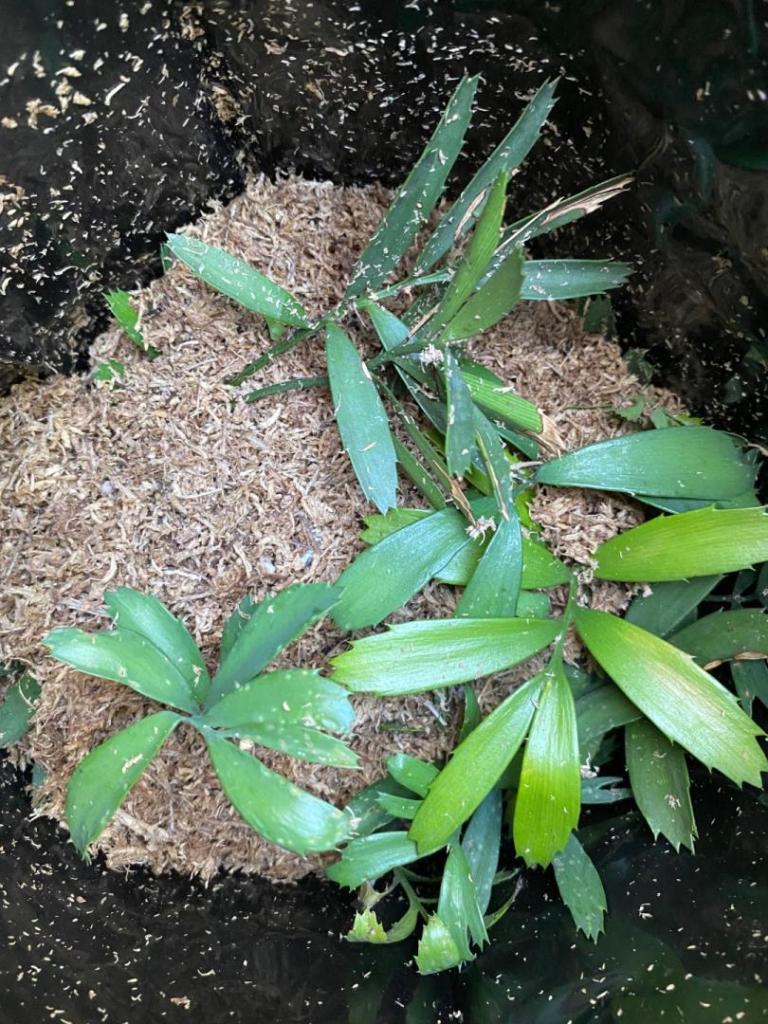
A wonderful gift of some Ferox seedlings sent to me by a PACSOA member. They shall be greatly treasured and grown with love. If iam gifted a plant I never forget that gift and will always remember who gifted me that plant, always with great remembrance. Thanks Gary


 3 points
 -
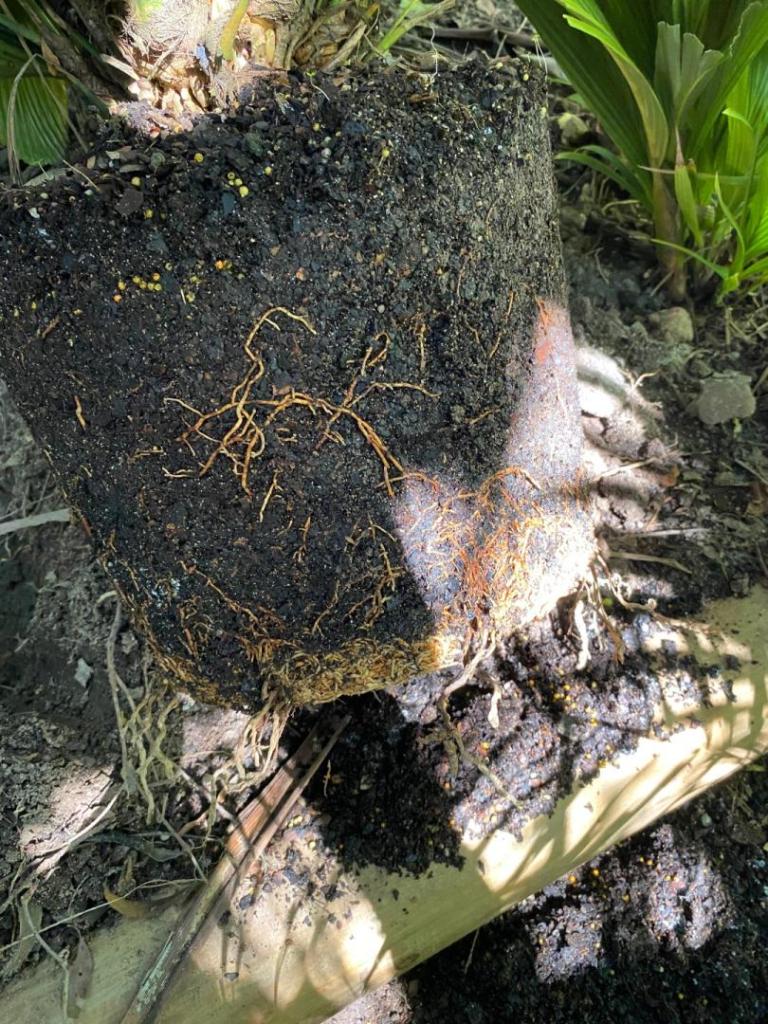
Today the big sallehana I purchased at the recent pacsoa show went in the ground, I have others in my garden so iam confident it will live they are quite tough, there only weakness is lack of water!


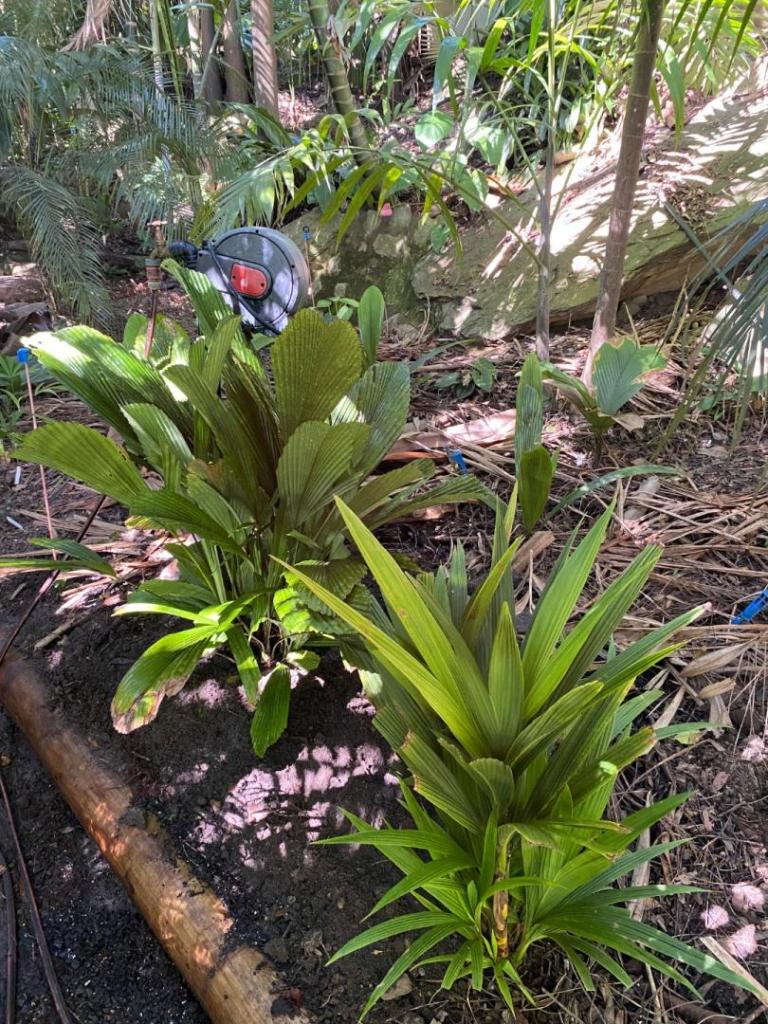
 3 points
 -
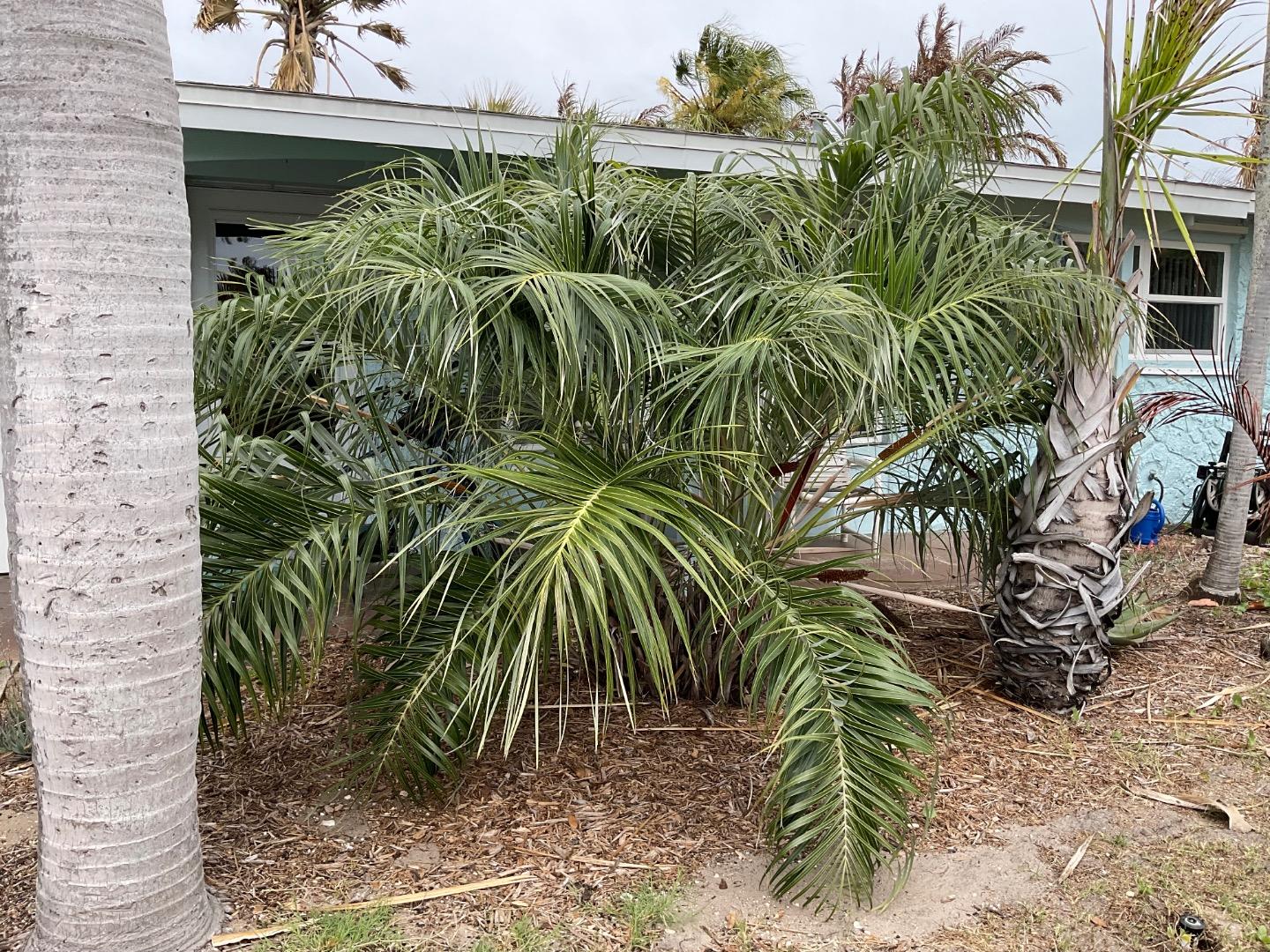
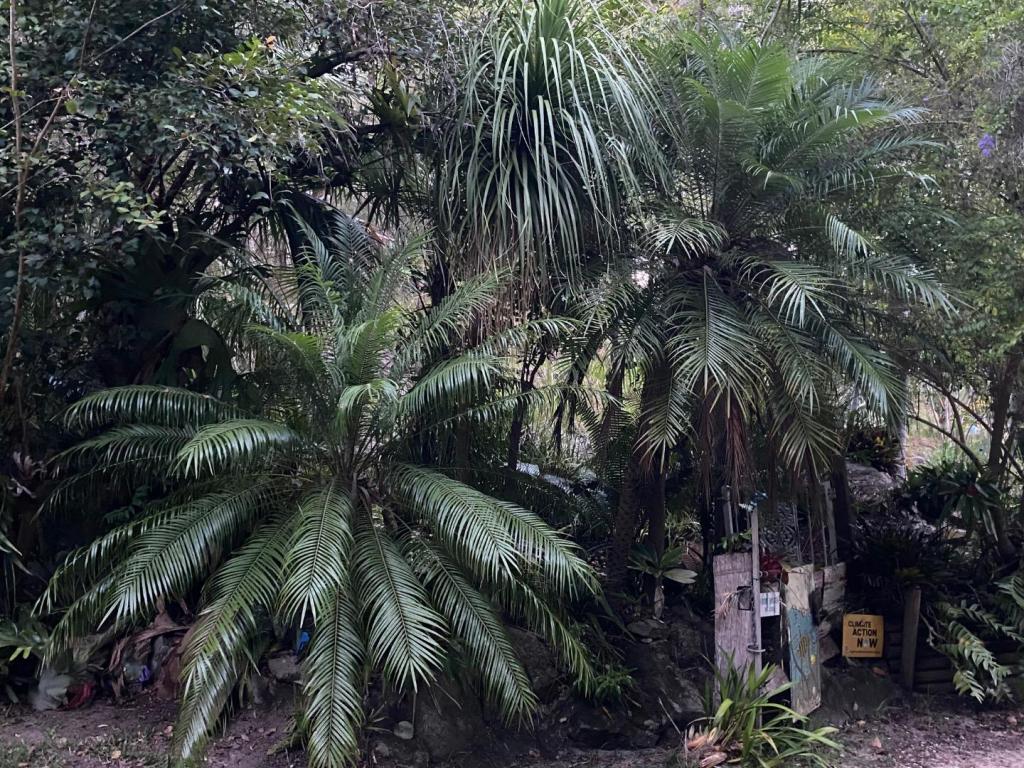
3 pointsToday the good old phoenix robellenii got my attention, fitting in so well as a landscape plant. They may be common but they have that tropical landscape feel about them!
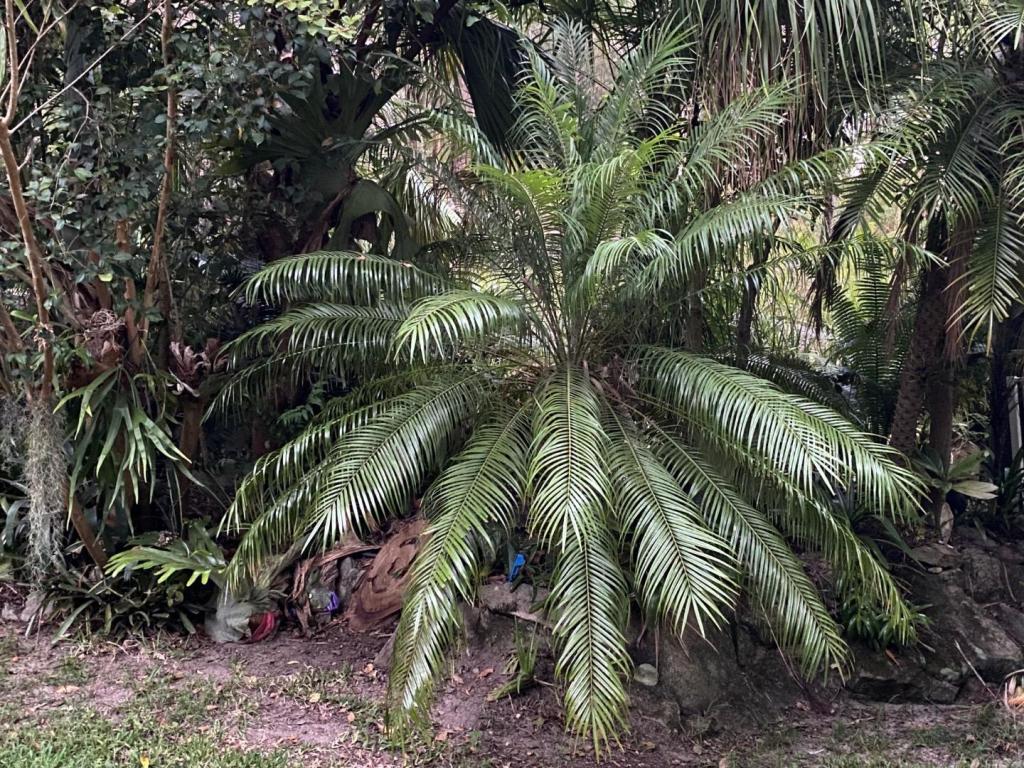
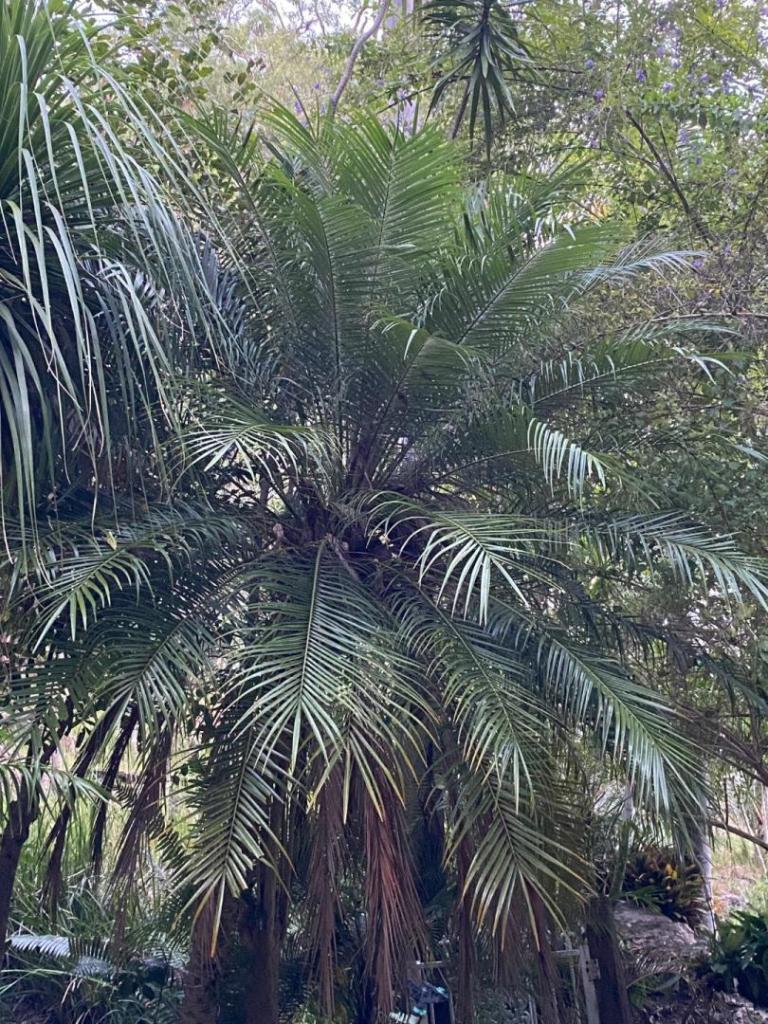
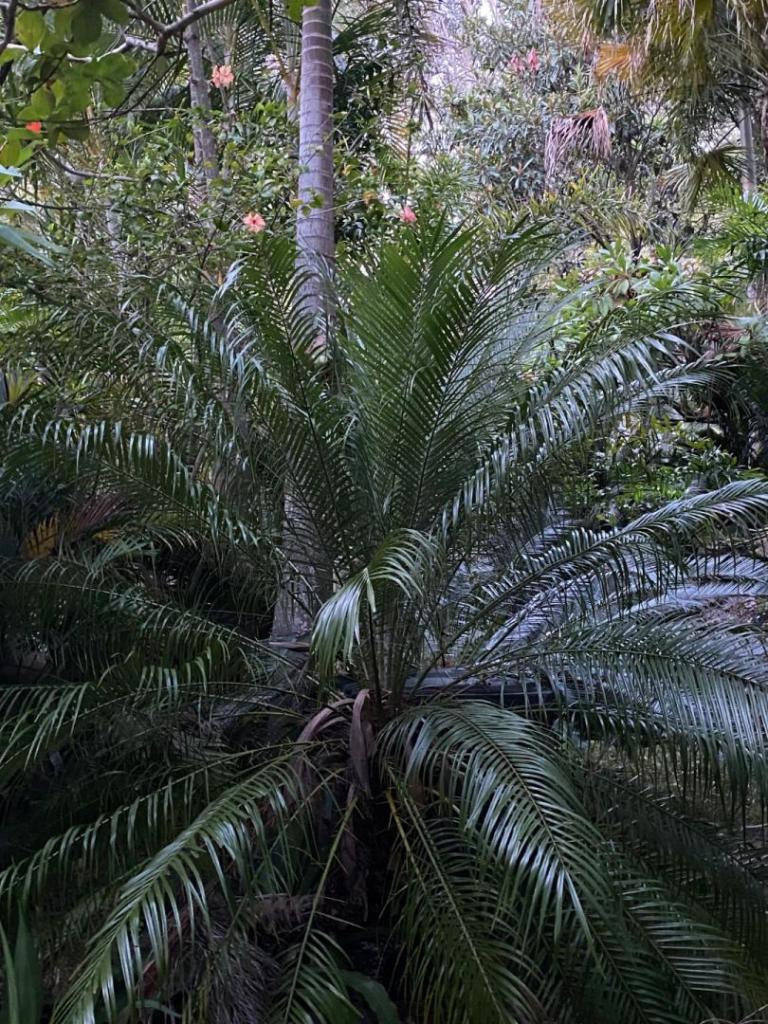
 3 points
 -
3 pointsFirst up sack the gardener for cutting of a bit of garden eye candy, they said it years the younger generation are not interested in things like gardening, pidgeon racing or anything outdoors. Heaven forbid nowadays they are only interested in a google pixel addiction, what will our palms become in the future. There will come a day when they will look at botanical gardens and go what are those things growing, that’s if botanical gardens exist in 200 years. Seeds are the future generations and without people germinating them a lot will be lost. Richard3 points
-
 2 points
 -
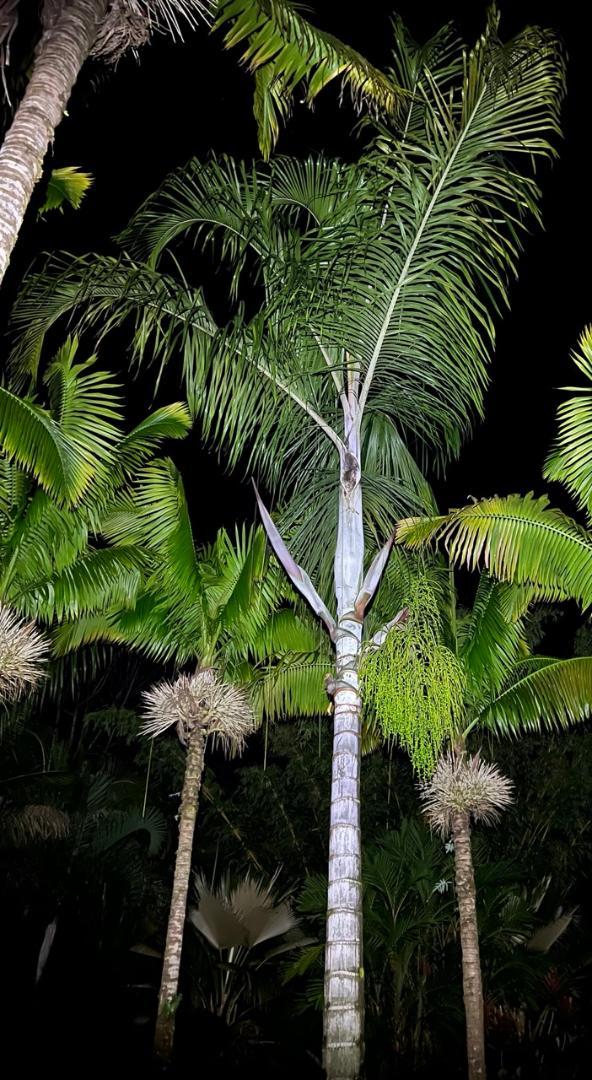
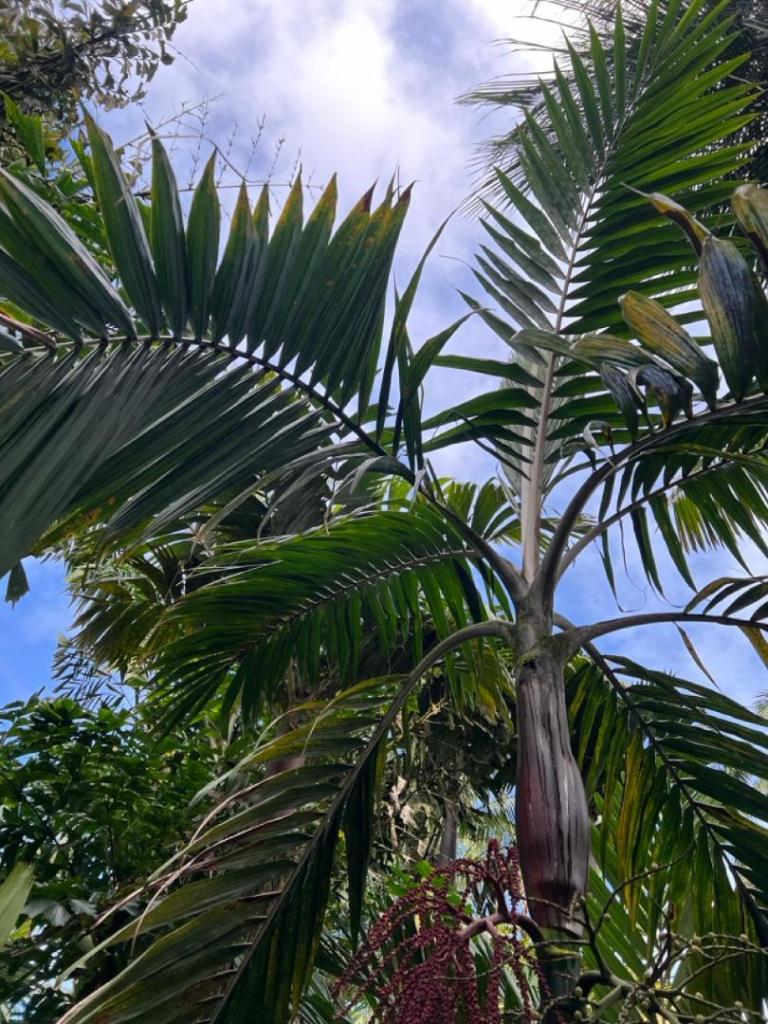
 Exciting New Additions We are very grateful for the continued support through 2025 and into 2026, and are thrilled to announce our updated price list to kick off the growing season. This includes some exciting new additions and old favorites, see the preview below for some highlights: Chrysalidocarpus aff. ovobontsira One of the most exciting new palms, a large Chrysalidocarpus species that came in under the name ovobontsira, but ended up being something more exciting, a palm that doesn't fit neatly into any description and is apparently new to science. It is a gorgeous, moderately fast growing palm with a striking white pruinose crownshaft, upper trunk, petioles, and spadices. Finally available for your own garden/nursery! Orania disticha Hailing from Papua New Guinea, this amazing palm is one of the select set of species that carries its leaves on a single plane, giving the crown a distinctive 'flat' appearance. A great talking point for the tropical / semi-tropical garden. Physokentia petiolata This exceedingly rare Fijian palm has been an extended labor of love to bring into cultivation. The purple crownshaft, bright red inflorescence, and stilt roots make this a unique showstopper palm that inspires and delights. Geonoma oldemanii A clustering Geonoma from Brazil / French Guiana with beautiful large bifid leaves, the newest ones showing a splash of red. A great 'eye level' palm that adds an interesting accent to well planned gardens. Zamia elegantissima A new cycad for the spring list - a stunning landscape specimen with petioles that are relatively spineless compared to others in the genus. All this and many more, available now on our price list! Visit https://floribunda.xyz/pricelist Lemurophoenix halleuxii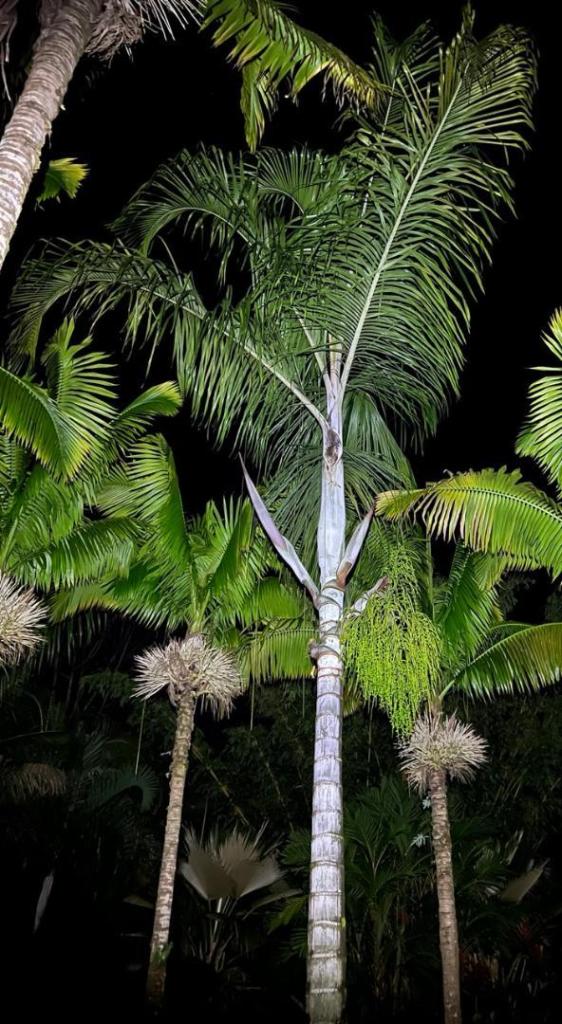



 2 points
 -
 2 points
 -
 2 pointsThis Dendrobium nobile var. Cooksonianum didn't bloom for me last year. One stem decided to cooperate this year, providing a few beautiful flowers.
 2 points
 -
Nice, I am trying to germinate seeds of the yellow type. Saw this tree the other day in Harlingen, Texas.
 2 points
 -
Welcome back from hibernation.. Your buddies hanging out on the walls here all winter this year have missed you2 points
-
 Lol I already am a palm hybridizer, it's why I want the pollen. I have one of the only known live Jubaea growing in ground here in NE Florida, but as most know, historically they do not live or survive to maturity here. Hence the need for pollen, as the hybrids do. If you are willing to send some pollen we can talk more in private about the process. Thanks for the consideration.2 points
 -
 2 pointsI'm seeing this on most of my palms too. The next one ironically is pushing and the tips are already separating while it's pushing so I thought probably more cold damage related. I'll try the twist.
 2 points
 -
2 pointsMyself personally bottom heating set at 30 degrees, coco coir perlite mix just slightly damp, using etoliation to help things along. If the seed is 5mm in size you bury it 5mm if 10mm you bury 10mm and so on. Oh and patience.
 2 points
 -
 2 pointsIt is interesting to look at , to say the least . Maybe sick or just a genetic anomaly. As long as it is growing and not a fungal infection in the root ball or something , I would leave it be. It seems that is what the staff has decided to do. Harry2 points
 -
2 points
-
2 pointsAgree with the above. I don’t see variegation or fused leaflets. Looks like Borrasodendron.2 points
-
@Merlyn Good luck on the palm recovery. Some stuff seems to respond, and others are past the pale. Now we have multiple gardens that are Darwinian in nature 😁2 points
-
 2 points
 -
 I lost my bet, dang. Just for s..ts n giggles, I'd like to see it. 😂2 points
 -
There is some good stuff in here, iam even starting to look at this thread and say oh that’s where I planted that palm, I better get back and water it after I forget where I planted them! Richard2 points
-
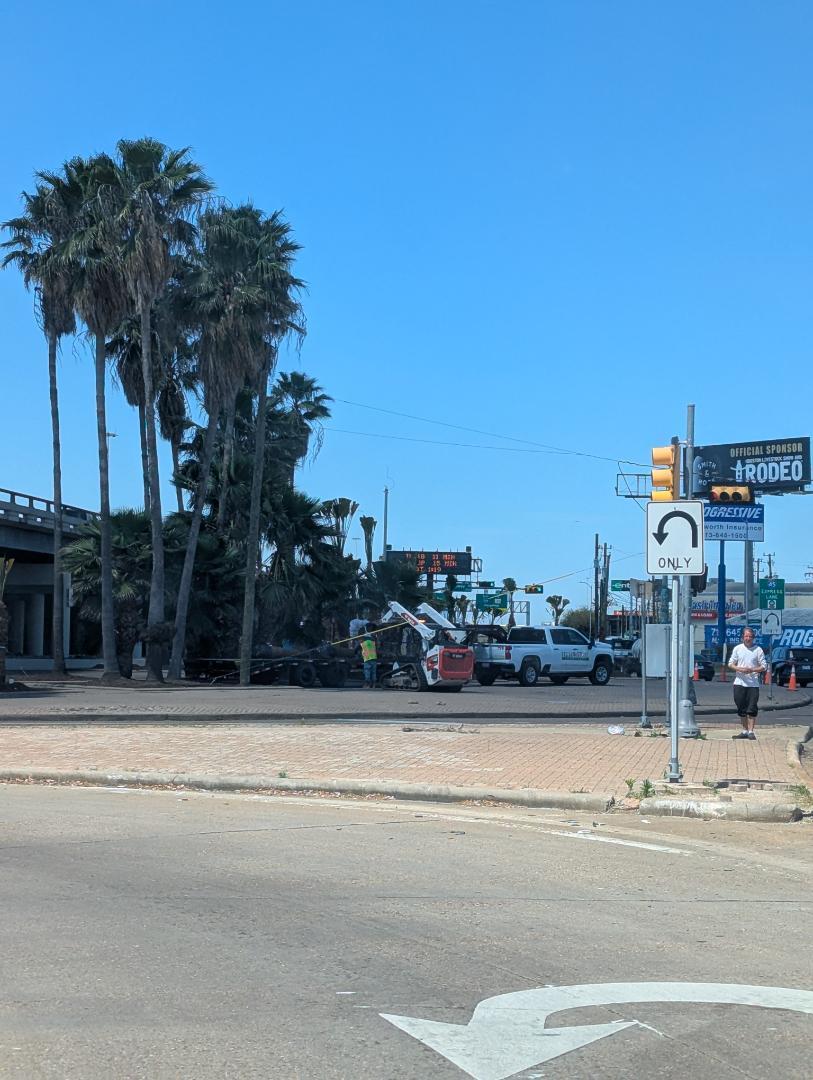
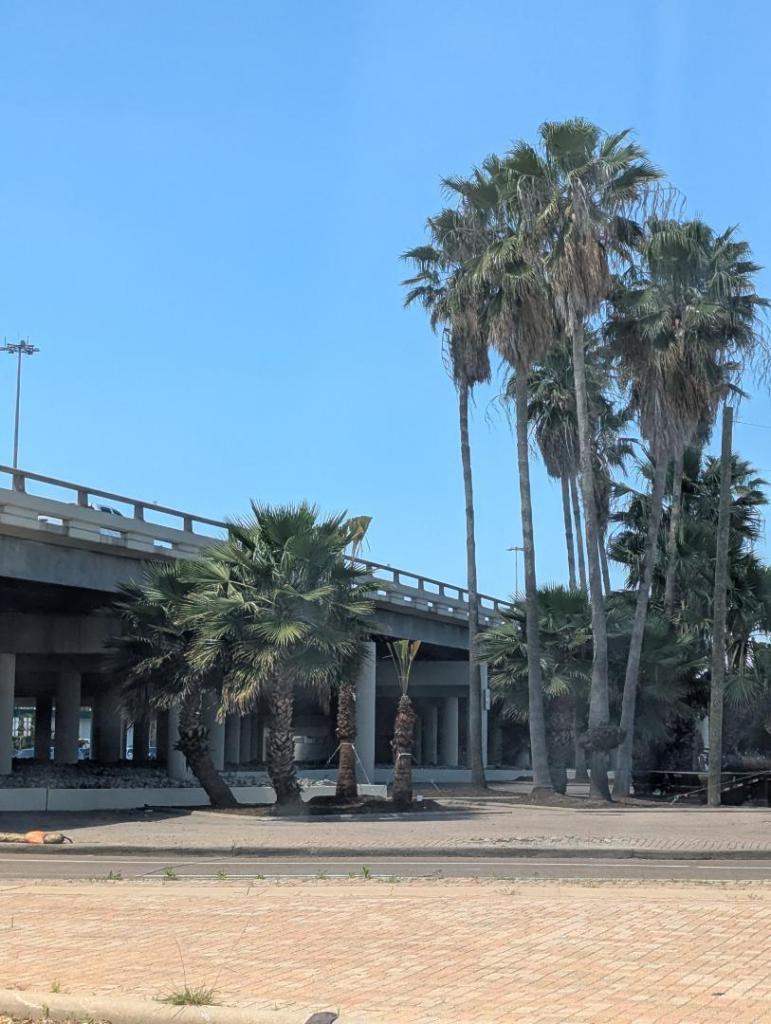
 2 pointsAnyone wanna understand the logic of the city planting more palms here? Are there not enough already?? 🤷♂️🤦♂️ Make it make sense 🤣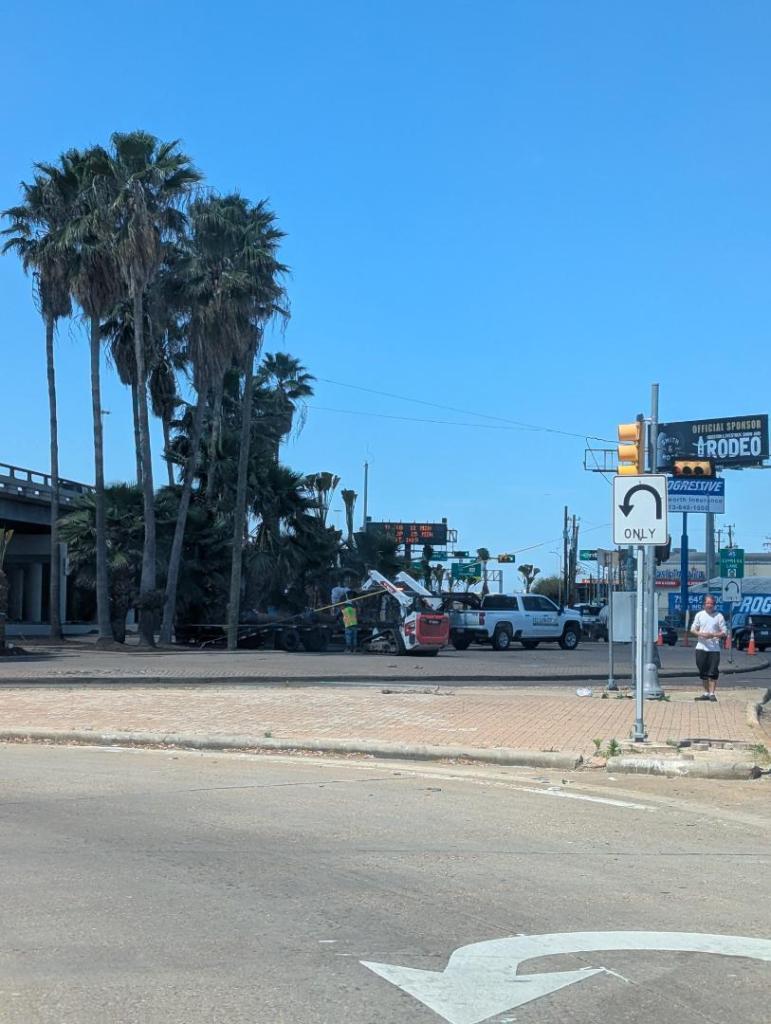
 2 points
 -
2 pointsI have a photo of the local mature specimen setting fruit, but it's difficult to make out the exact color of the petioles in the photo. There are some better photos on Palmpedia: https://palmpedia.net/wiki/Saribus_rotundifolia They tend to agree that the inflorescence should eventually turn brown. The fruit is a very striking red before it gets totally ripe and black.
 2 points
 -
1 pointI have seen the same palm a year ago in the summer and it was the same color. It does have a large look to it.(Borass...) but it definitely is not cold related. The leaves are similar to pictures of Sable Lisa that I have seen, but I can't understand the variegated color.1 point
-
B. macrantha ( and lunaroides ) are great ..and stay on the smaller side. B. forficata is another good option too. B. purpurata might suffer some cold damage during any colder winters, but typically bounces back. If it succeeds, Hong Kong Orchid ( B x blakeana ) should be trial- able. Have seen pictures of Desert Willow growing in Colorado ..so cold shouldn't be an issue.. Wonder why Eric had issues w/ any he'd tried.. While you usually find them growing along seasonally flowing washes, plenty of specimens growing next to permanent ponds / lakes in neighborhood parks here that i've never seen being effected by such a " wet " placement. Cultivar you mention is nice ..and stays at a reasonable size.. ..and doesn't set tons of seed like others can. Type in Desert Willow Palmtalk " nd you'll find tons of shots i've posted through the years regarding the various color forms seen ...everywhere.. here. Agree, don't see why x Chitalpa should have any issues there. Texas Ebony is fantastic. . Big, woody pods it can drop aside, I really can't find a fault w/ that tree. While it might get nipped during your cooler winters, esp. when younger, imagine it should push out of any damage quickly w/ any heat afterward. ...If it is still there, there is a HUGE specimen growing ..very close.. to the shoreline of Sarasota Bay at Selby Botanical in Sarasota. No doubt it probably taps somewhat salty water from the bay yet doesn't seem to mind that one bit. Was a little surprised myself when i first observed that. One of the greenest trees in view, even when it is 105++ here for ..months.. While it can take plenty of drought and ..practically now extra water, once established, Calliandra eriophylla ..and californica, our red - flowered sp. , can get HUGE if provided deep but regular water ..which, to me, suggests they should be able to tolerate wetter areas.. Trial -worthy there ..at least.. True, ..both of these do want organic - rich soil conditions, which is why ..if you have the space, you could dedicate a small bed for such plants.. Say a bed near a house, where runoff accumulates, and where it is easy to dump leaves / other yard cleanup debris in to help keep the soil in such a spot enriched. ..An idea at least..1 point
-
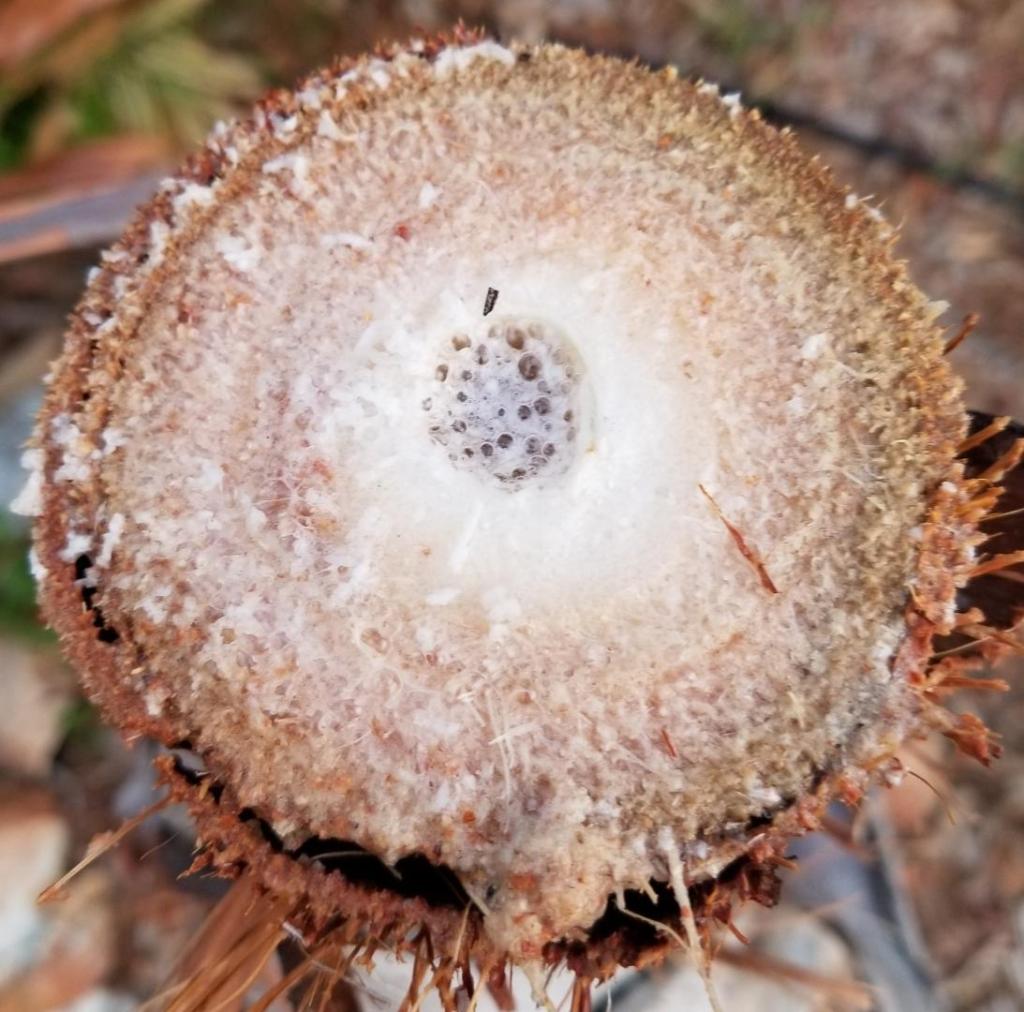
 Here's a Bottle palm experiment with trunk cutting. These two have been in the ground since February 2019, and survived a bunch of freezes and defoliations along the way. But they always had Queen canopy before, so this is the first serious cold front since I cut down all the Queen telephone poles. Both of them spear pulled yesterday with a white bottom, but horrendously stinky. The East side one (closest to the camera) I think is pretty much a goner. The fibers around the heart are still white, but seem to be partially disintegrated. It bubbled up a LOT with hydrogen peroxide. I may cut this a bit lower tomorrow, to see if I can get closer to the palm heart: The one on the West has a better chance...maybe. I filled it up with hydrogen peroxide and it also bubbled and spit at me. But on this one the fibers near the heart are fairly firm. I put a random stick down in the center and it only went down about 3 inches or so. I'm guessing my cut was just a few inches above the palm heart:

 1 point
 -
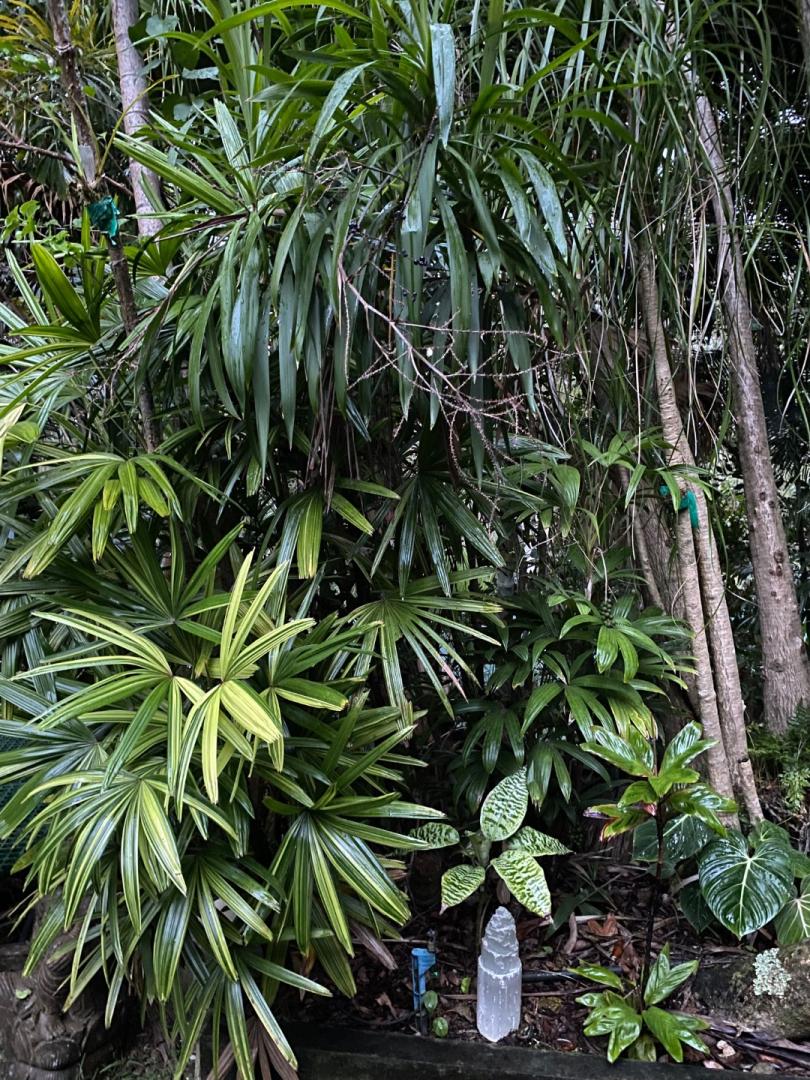
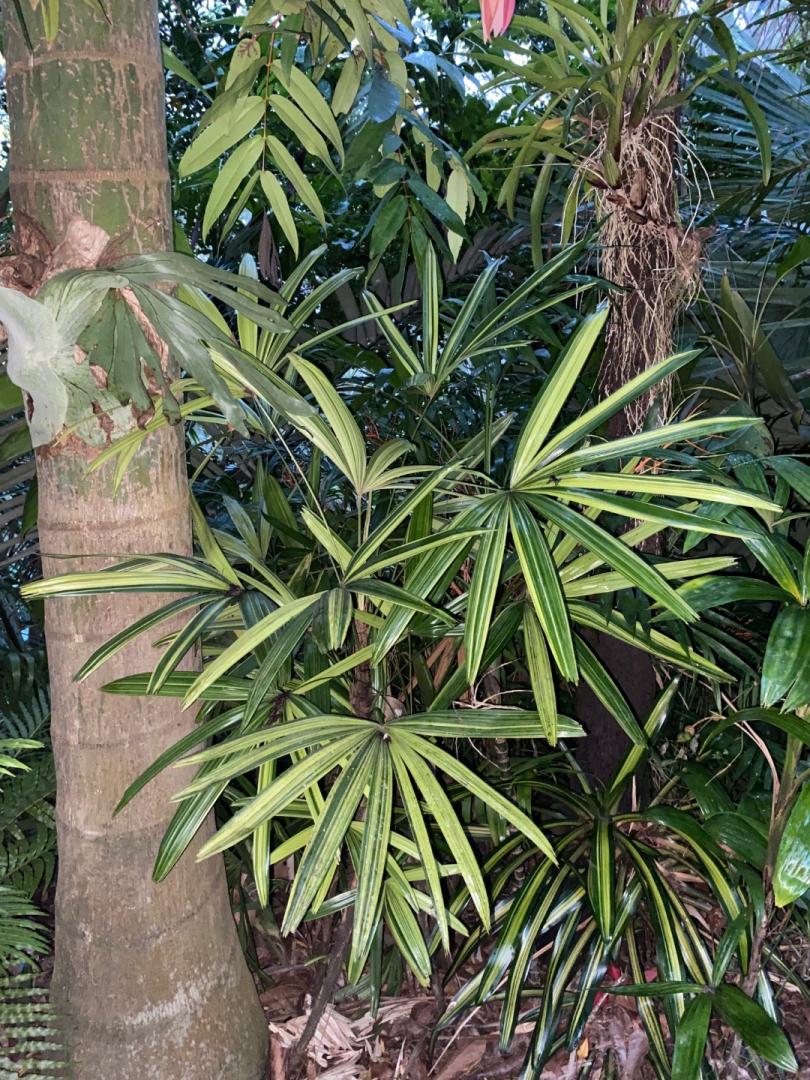
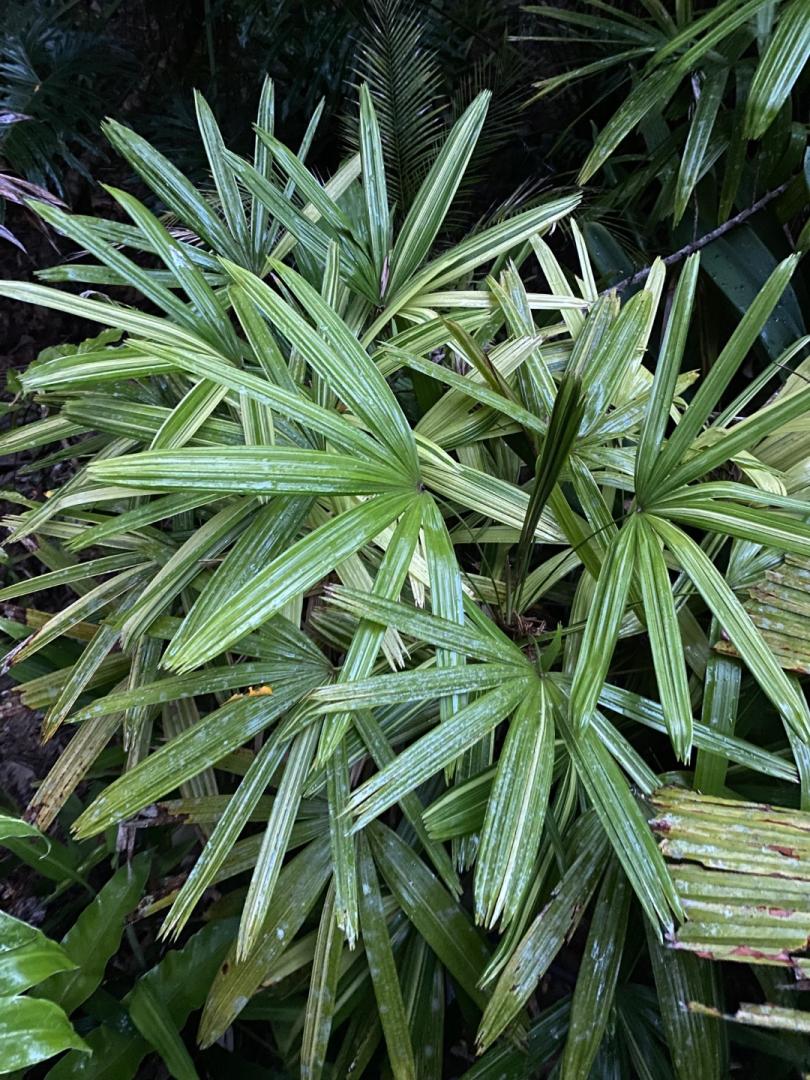
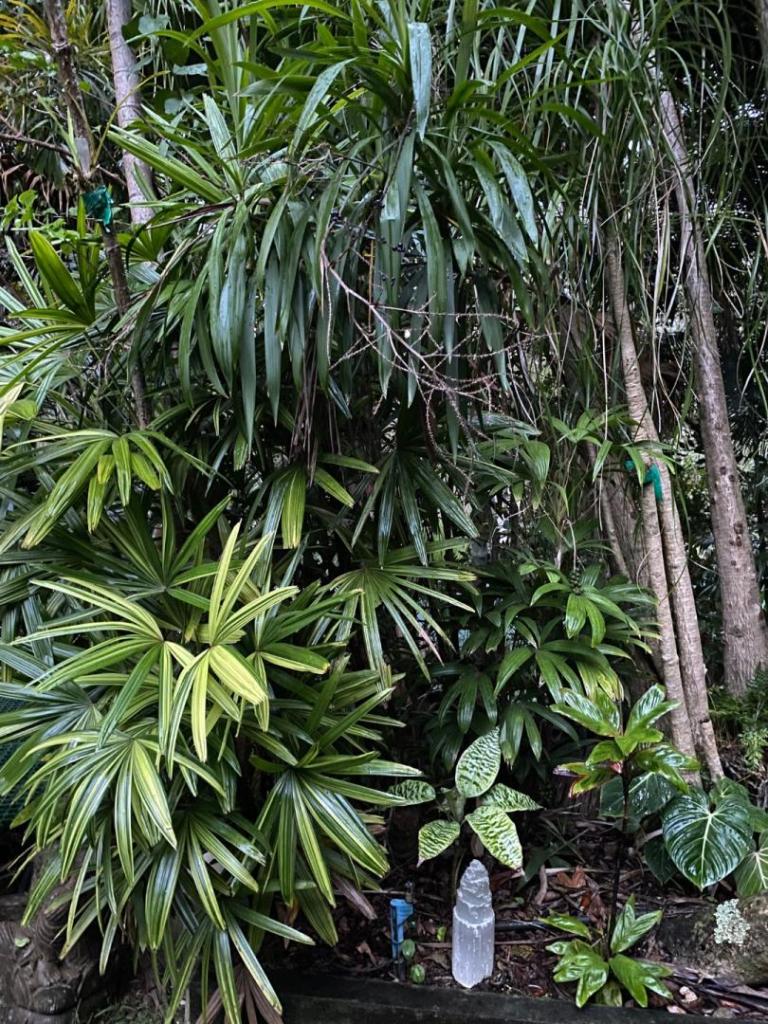
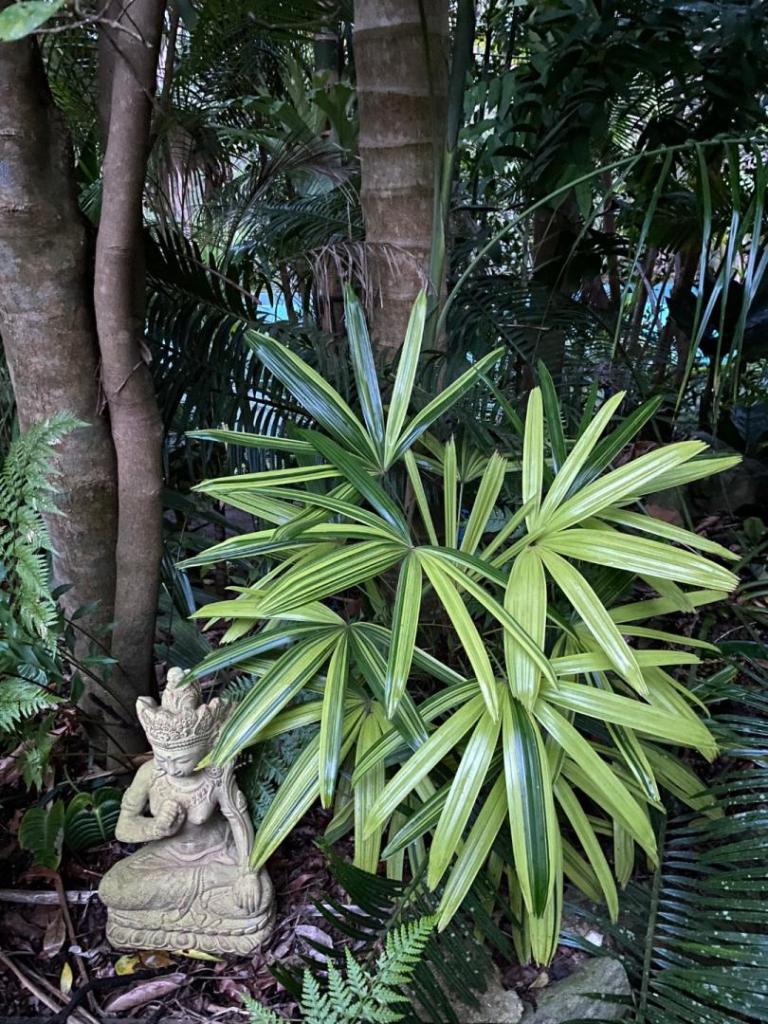
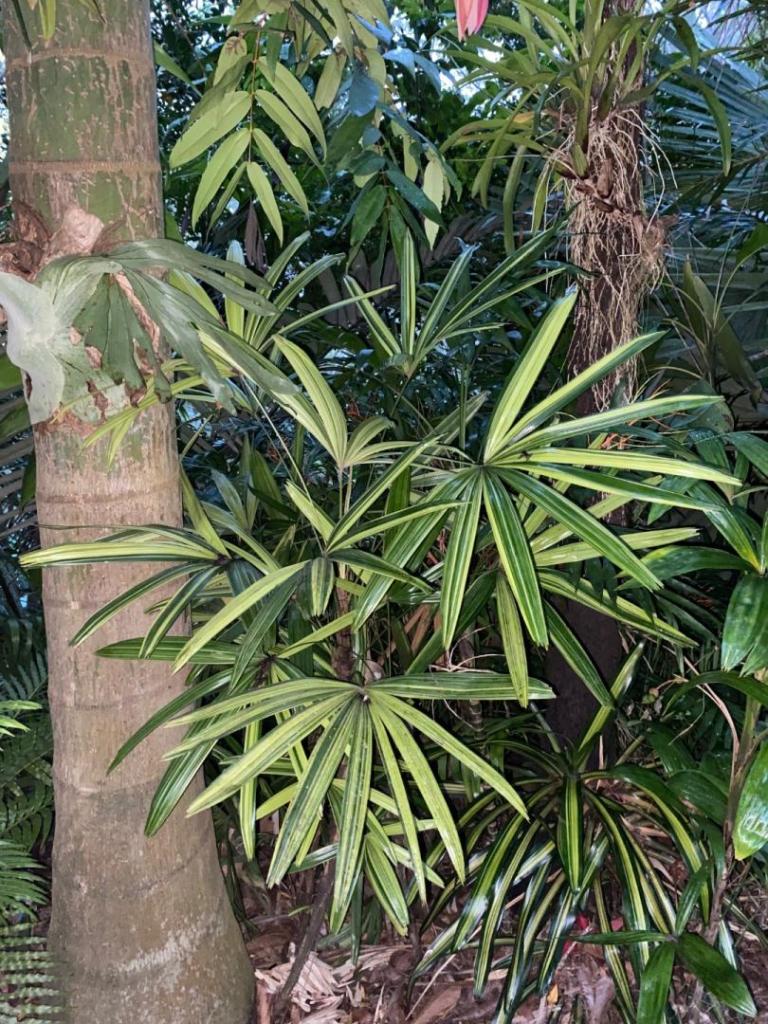
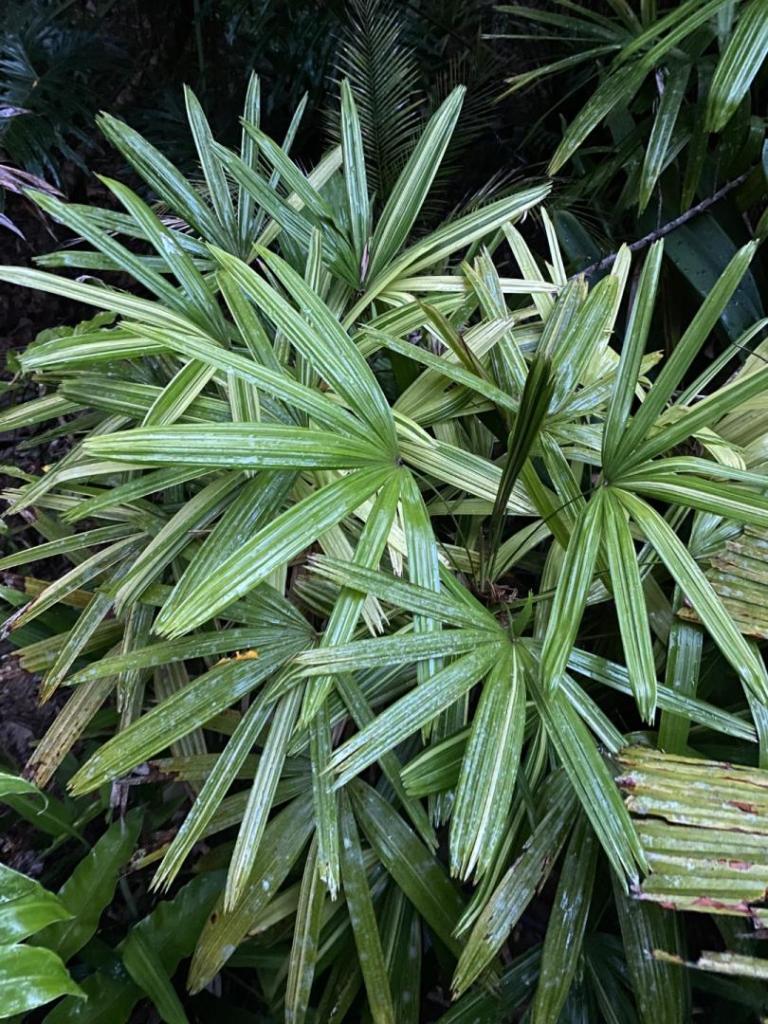
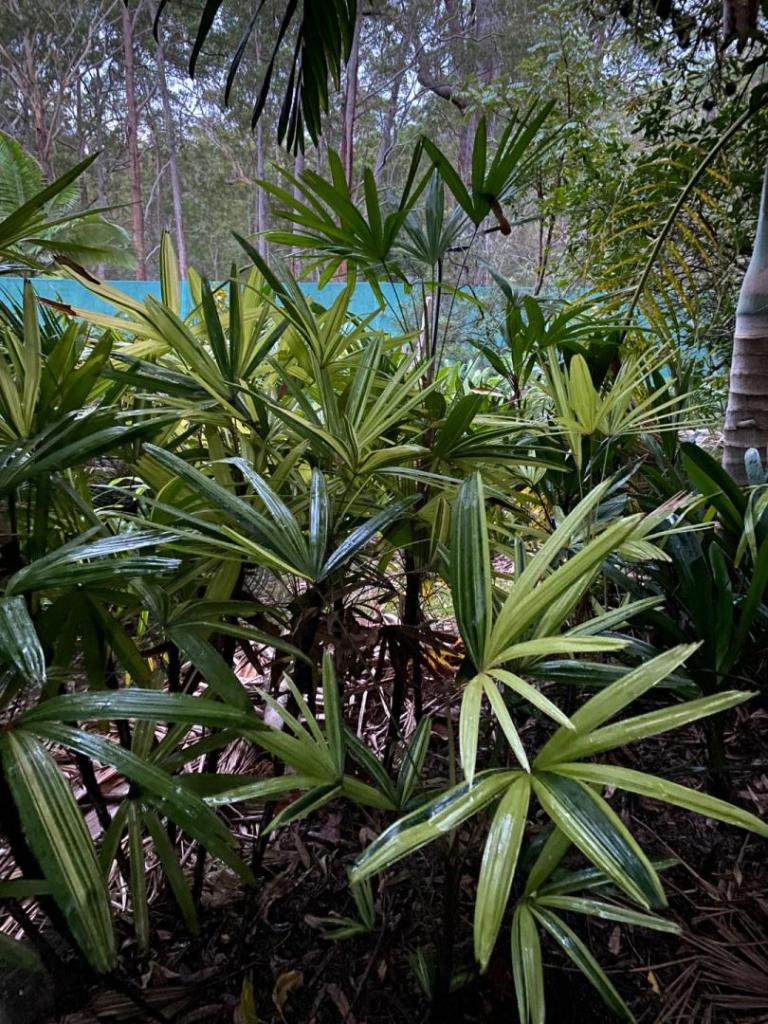
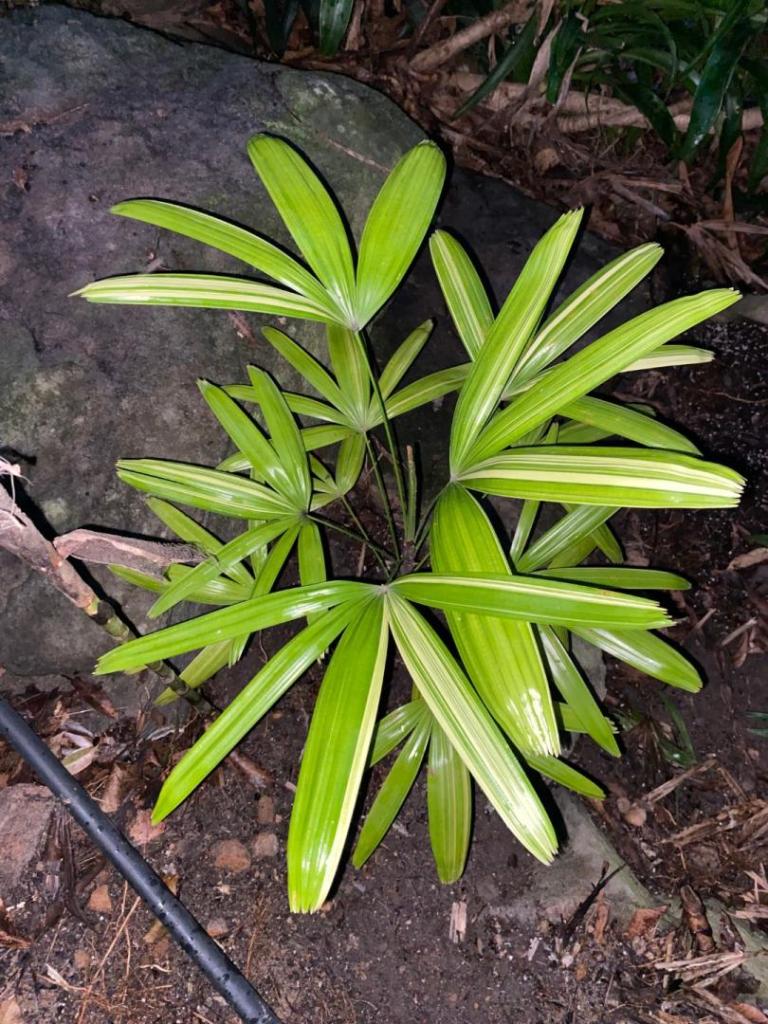
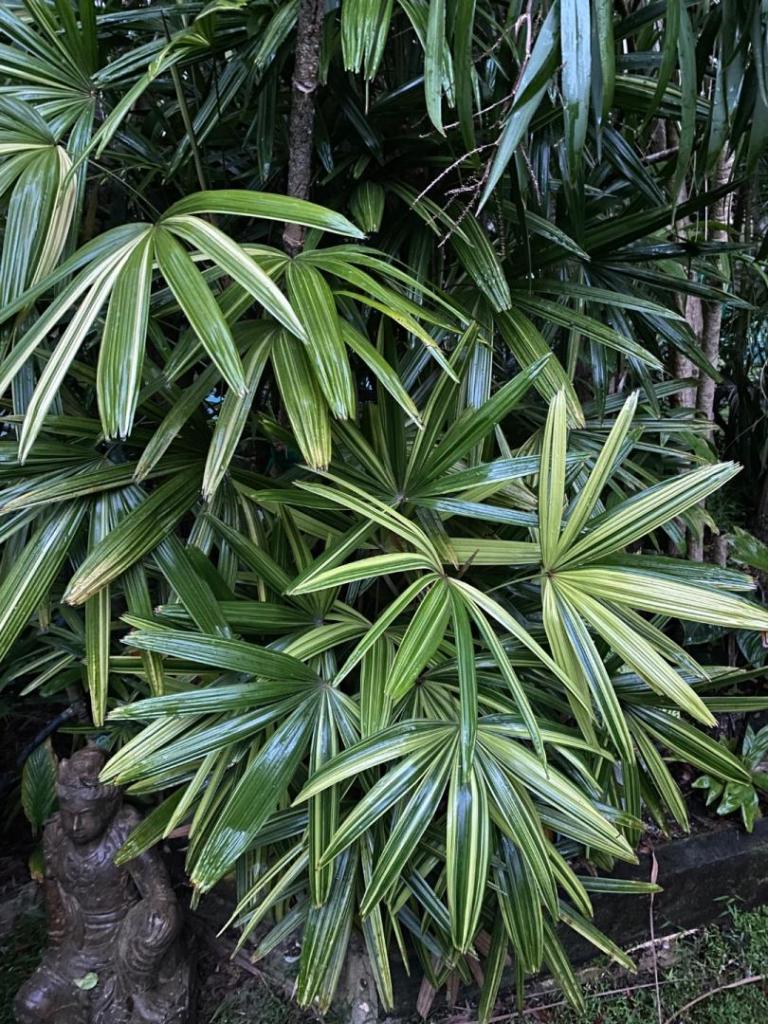
1 pointVariegated palms you either like them or you don’t like them. I myself like them, not as uncontrollable like its green cousin. Slow growing, most of these ones are all around 30 years old in my garden. Easy to care for and grow, just add water, perfect for rocky soil helping to bonsai them. Iam slowly removing all my green excelsia varieties and are replacing them with more variegated ones. A great tropical look palm either in the ground or in a container on a balcony!

 1 point
 -
 1 pointDo not ferilize. If its getting enough water it will shoot out nice new spears soon due to the heat. The transition from shade grown nursery palms to sun is rough at first om many palms but notoriously the Kings.. The old leaves will go ragged. Unfortunately March is breaking all time record high temps and low humidity across Southern California, in what would normally be an ideal time to plant a King palm. Once temps get over 90, the palm's capacity to pull in water fast enough through the roots is diminished. Plus the roots are not yet in the. native soil. It may look rough for awhile but it will eventually take off if you soak it daily when highs are above 85. At least its March with less UV and daylight hours, so it will help transition better1 point
 -
 1 pointThanks Harry, this is how it looked last week The juvenile kings seem to be sensitive. I will keep watering a bit more than sprinklers.
 1 point
 -
 From my experiences... Acacia stenophylla- only lives 1-3 years here then croaks, COOL TREE Brachychiton rupestris - seems hardy, our mature specimen defoliated at24F but branch tips seem ok, no leafing out yet Ceiba insignis- seems similar to C. speciosa Chilopsis lineararis- never made it through a summer here Eriobotrya deflexa- GREAT TREE but very susceptible to fireblight Leucaena pulverulenta- ours has grown great, planted in 2013 and is over 30ft, defoliated at 24F this year but already leafed out Osmanthus americanus- now Cartrema americana, though its native I have tried over a dozen specimens and never got one to establish Neolitsea sericea- SUPERB TREE for central FL Pittosporum undulatum- tried several times, no luck Xylosma congestum- AWESOME as a tree! Albizia chinensis-24F defoliated it this year, waiting for it to leaf out to see if any damage Cordia boissieri- good tree here, probably has damage below 18-20F Elaeocarpus sylvestris- had a small one growing well for a couple years then lost it under falling trees in a hurricane a few years ago. But E. decipiens is an awesome tree Michelia x alba - now Magnolia x alba, it and M. champaca get damaged below 28F and need evenly moist soil Photinia serrulata (possibly serratifolia?)- grown ok here but more of a shrub Phytolacca dioica - specimen here planted a few years ago, about 10ft tall, defoliated at 24F this year, looks to be resprout at tips or near1 point
 -
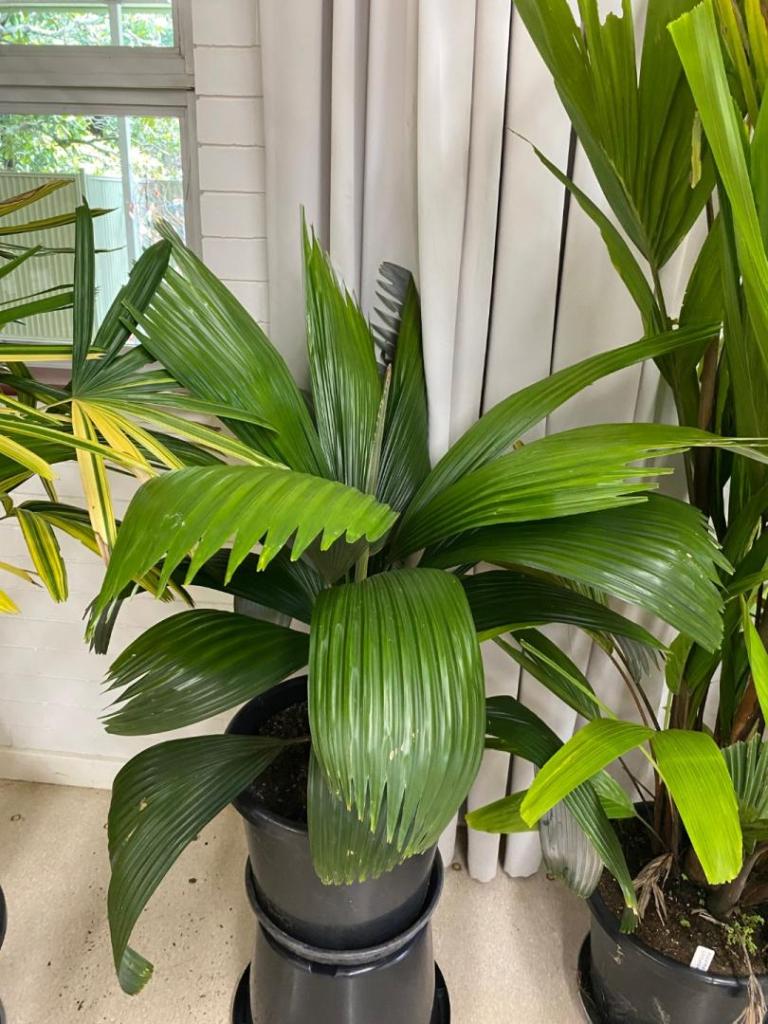
Doesnt Jonathan have easy warm weather for growing his sabinara, I hear it’s a growers tropical paradise @Jonathan. I gave him two calmus varieties I got from last years show, so I hope this large one fits in his mailbox, I had to buy it for you Jonathan, hope you don’t mind.🤣
 1 point
 -
 1 pointMy first C. baileyana arrived from I don't remember where in a long skinny box that once held a baseball bat. When I opened the box I almost had heart failure. The seller had unpotted it, hosed it off then tossed it into the box - no padding, wrappings, nada. Just a 6-8" baileyana with 18" of bifurcated root rattling around its cardboard shipping container. I gave him what-for and detailed instructions on packing/shipping. He immediately went ballistic and reported me to eBay for having the nerve to diss him. Upshot to this kerfuffle: I potted my Copernicia, then held my breath. In 2 months it sent roots out of the drain holes. I planted it on our unirrigated Garden Lot. It's trunking now. This is a tough palm.1 point
 -
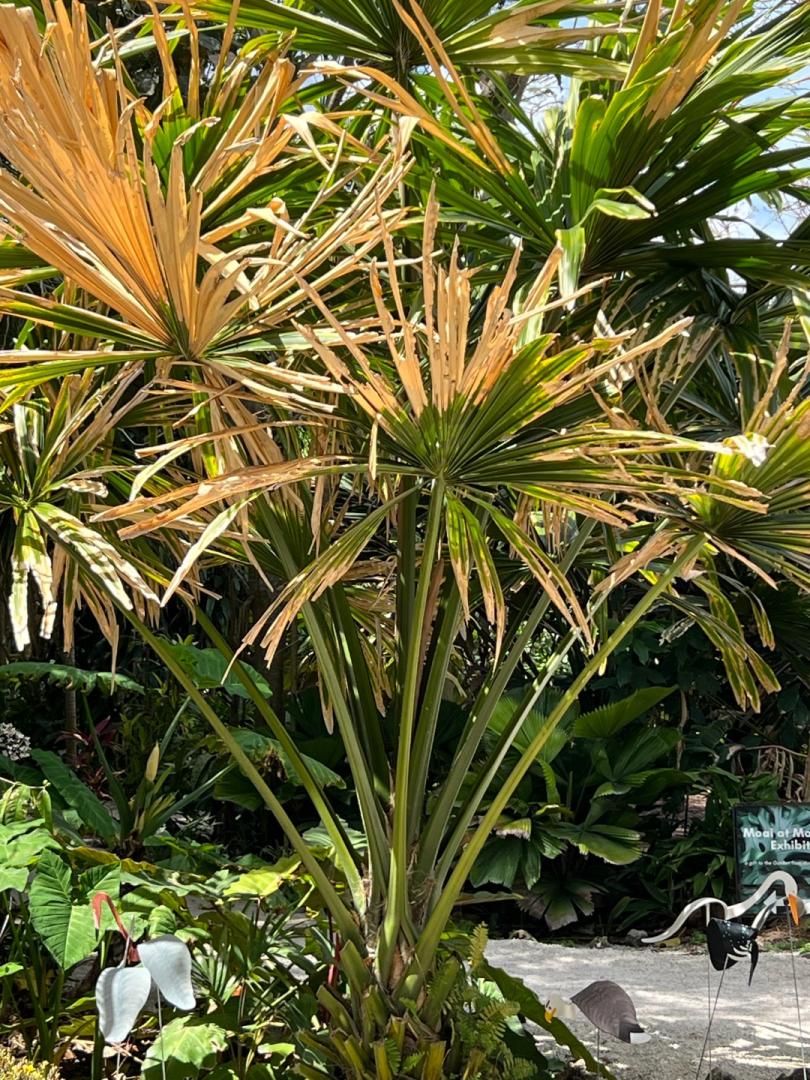
 1 pointUpdate 03.15.26 Older fronds show sun acclimation stress, but not surprised since this palm was basically living in filtered light before. I'm ok with it looking a bit ugly for now. Newest frond appears healthy. Growth does seem to be faster in the sun, as indicated by the distance between the two sharpie marks.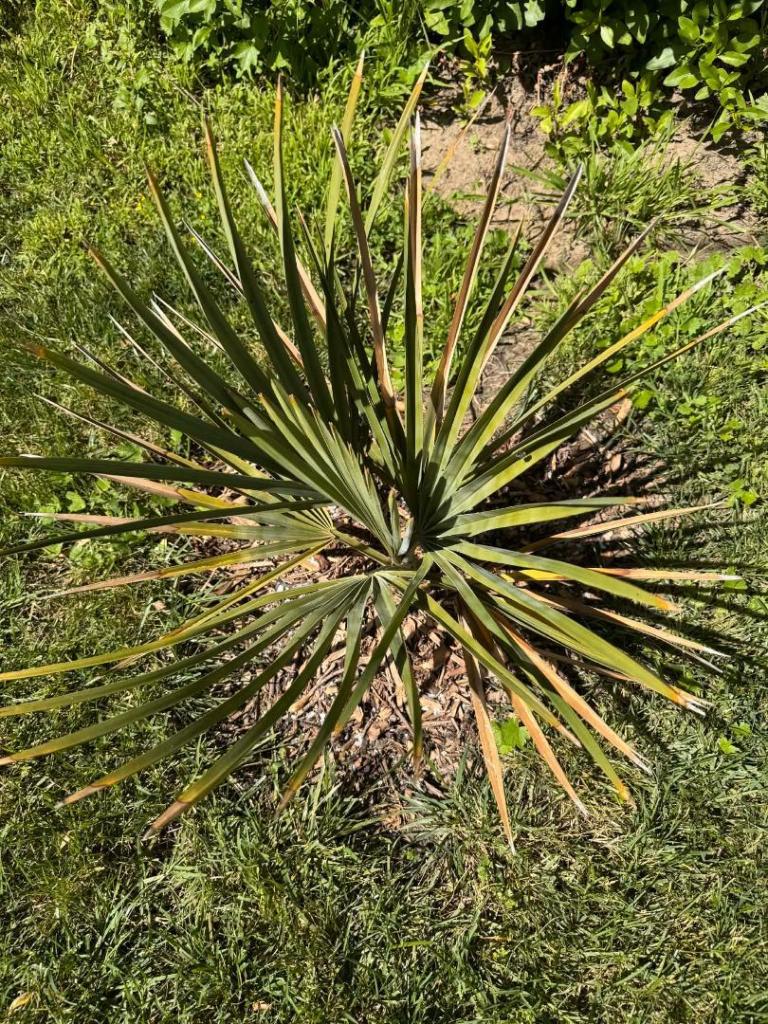

 1 point
 -
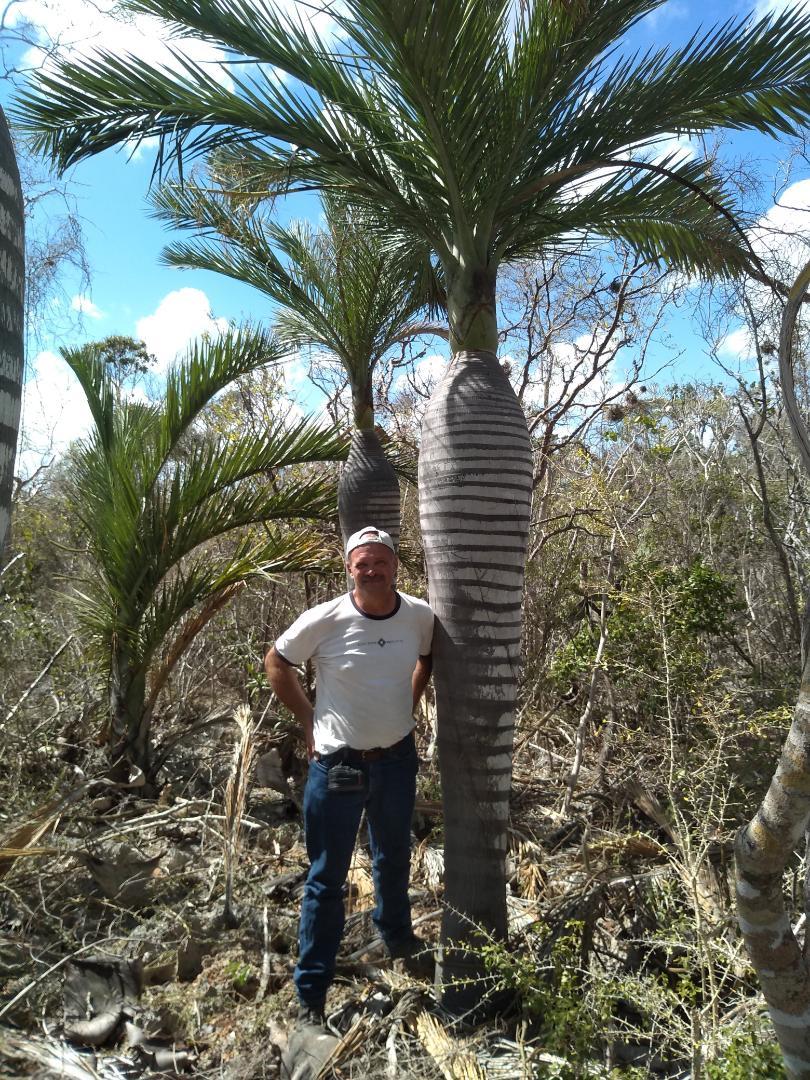
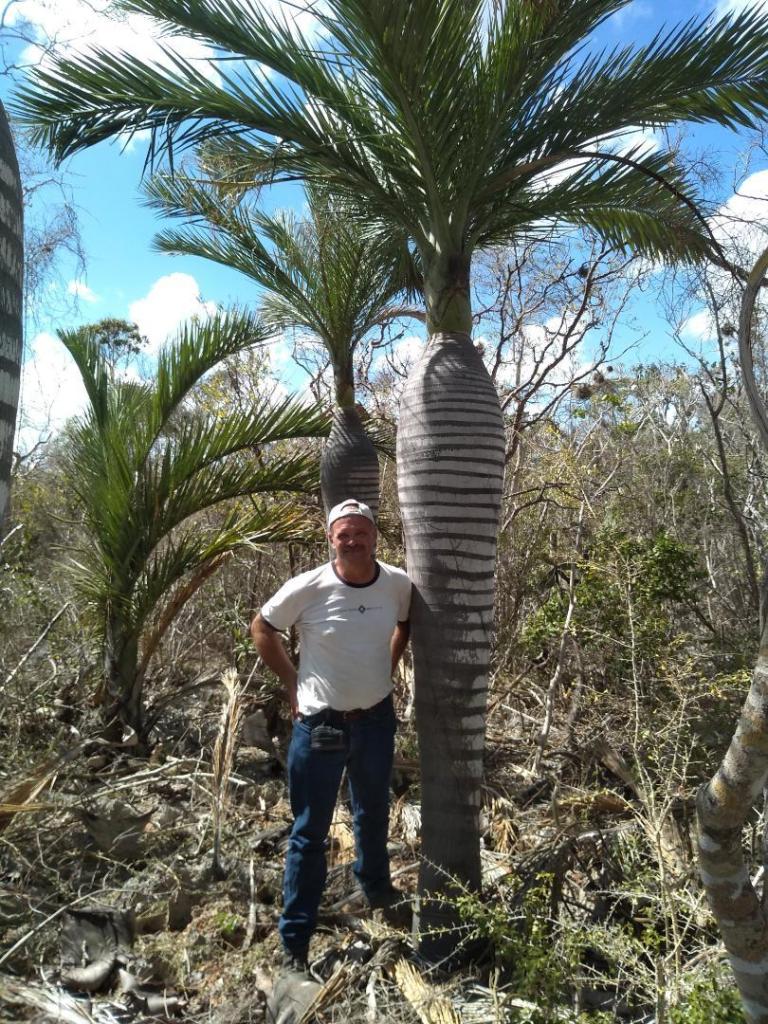
 1 pointYes, those are Pseudophoenix vinifera. Pseudophoenix ekmanii is more carrot shaped; very thin proportionally at the base, and thick at the top when mature - then reverting to a very thin crown shaft area. Fairchild planted out about 25 ekmanii years ago at 3 gallon size and may only have 4 or 5 survivors at this point. They just do not seem to do well anywhere outside of habitat. Here's the ones left at Fairchild with a pic of a habitat specimen next to me to compare. aztropic Mesa, Arizona

 1 point
 -
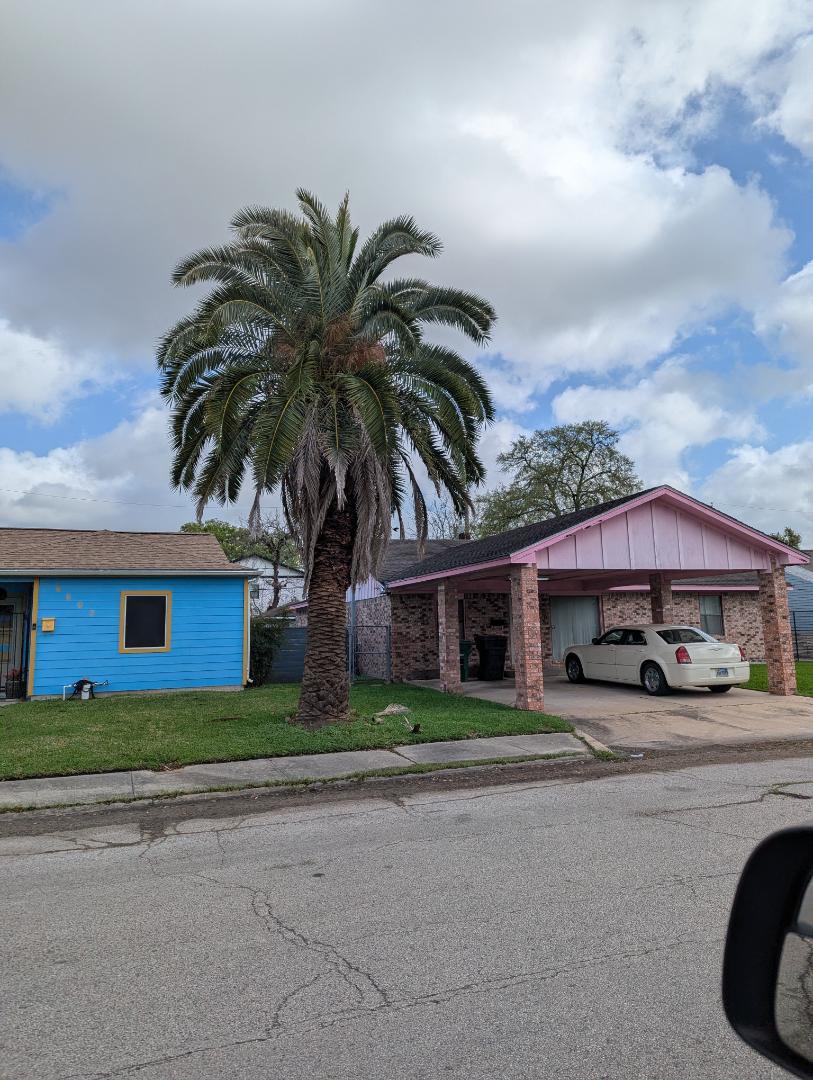
1 pointThe best Phoenix in Houston imo are in the gritty neighborhoods where the pruners don't come. These are actually within "the Loop" but far far to the east haha

 1 point
 -
1 pointpretty things can start out ugly 😄. I think they will look quite ok in a few months if the rainy season cooperates. There's probably a lot of natural fertilizer aka industrial waste in the soil lol1 point
-
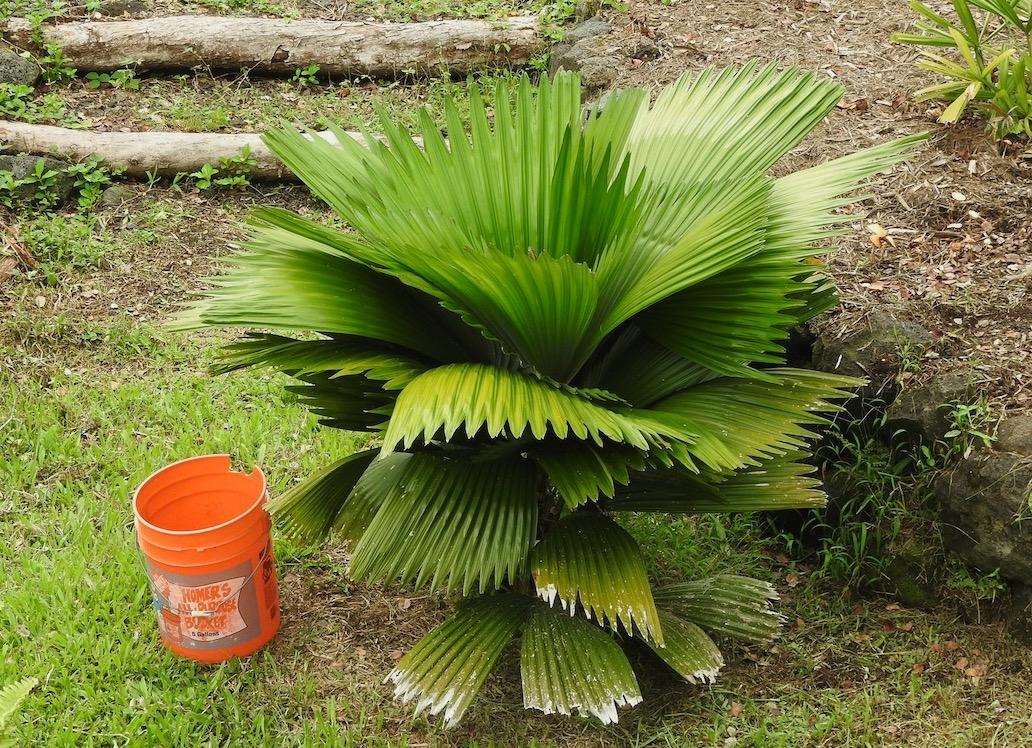
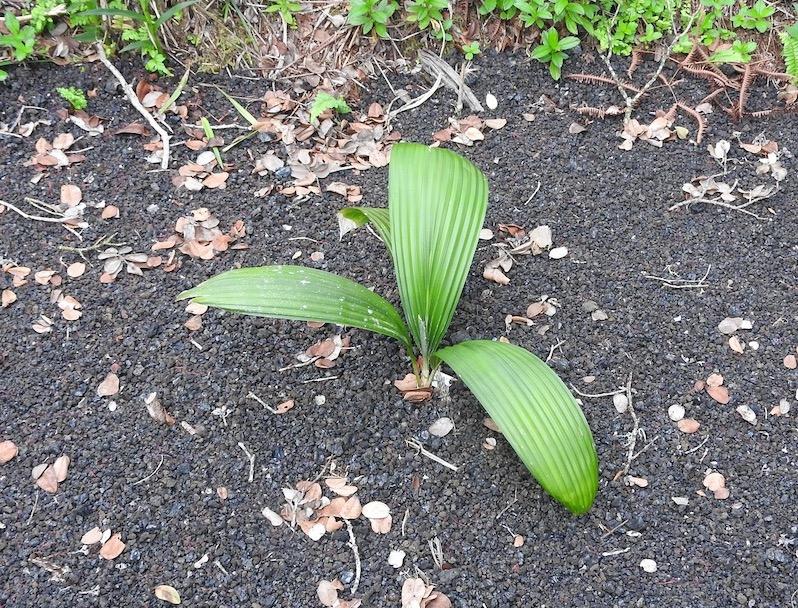
 I think this plant is from the initial batch of seeds distributed to nurseries around the world shortly after the discovery. It went into the ground from a 2 gallon pot almost five years ago. January 2018 Today it is about 3.5 ft (1 M) tall. Sorta slow by my standards, but keeps chugging along. Temperature range about 60-83 degrees F. Rain about 130" per year with supplemental irrigation during dry spells. Dappled light morning and afternoon with direct sun overhead at mid-day. Growing in black volcanic cinder with generous mulching. Starting to resemble a Kerridoxa with fronds split down the middle. I have high hopes for the next five years.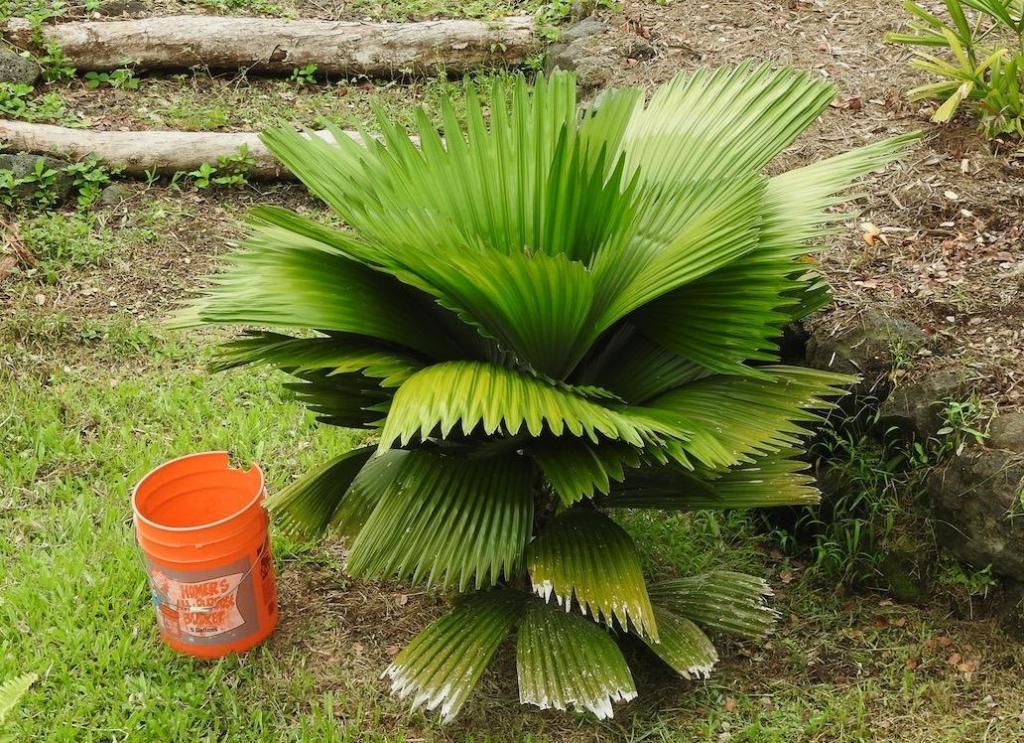
 1 point
 -
 I live in Miami Beach and grow Sabinaria in pots, just to be able to move them inside if temps go down under 50F.
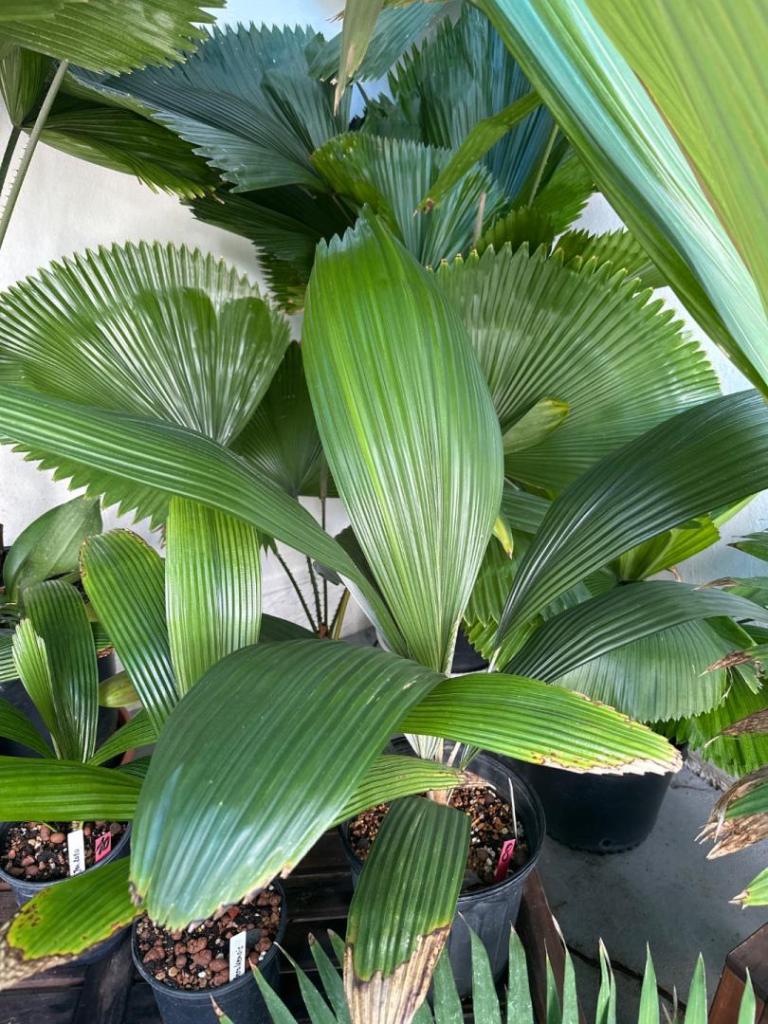 1 point
 -
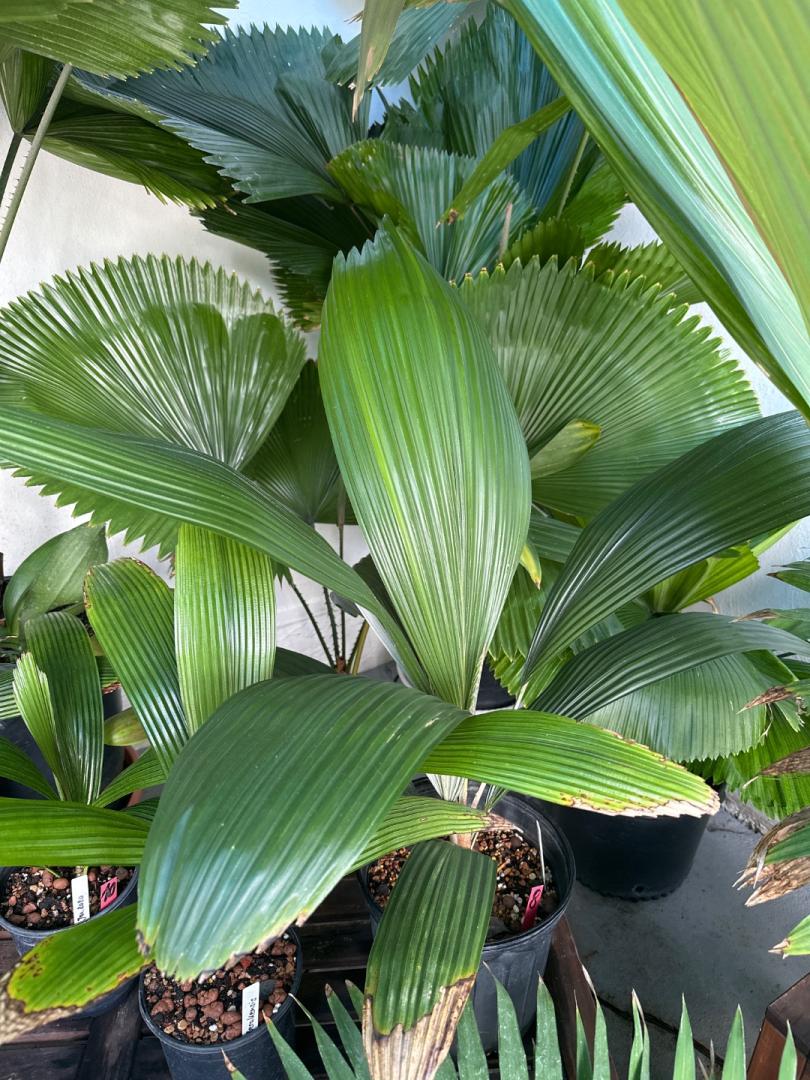
I certainly hope the sabinara has some cold tolerance it’s such a spectacular palm the ones I have survived in hothouse with temperatures getting down to almost 3 degrees with the calyptrocalyx pachystachys (noda noda) Johannesteijannia Altifrons but being so rare time will tell if iam game enough to plant outside in the ground temperatures on the mid north coast in Australia can get Cold with black frost the unique microclimate I have with black sandy soil and sandstone is a help as it warms up a lot faster in winter but the cold wet weather will be a test for the sabinara
 1 point
 -
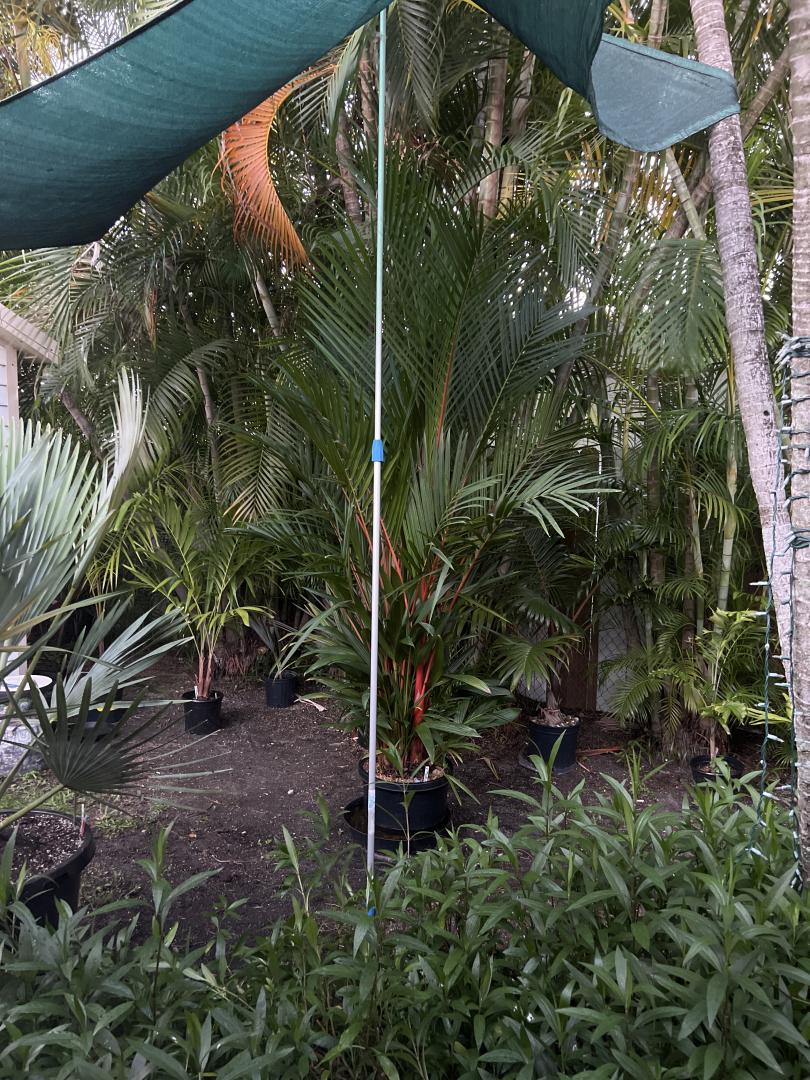
I have the same problem with my lipstick palm. She is growing like crazy to a stunning 9ft plus. She can’t stay anymore under the shade and I have no other shade anywhere. So I had to be creative and attached a shade cloth to 2 palms and pushed it up with a long mango grabber to keep the shade cloth higher. It’s not perfect but she is under shade. You can create the same oblique so the Sabinaria is protected. See pic. Hope that helps. I have 2 Sabinaria happy in the shade, nice dark green. They need shade and lots humidity !
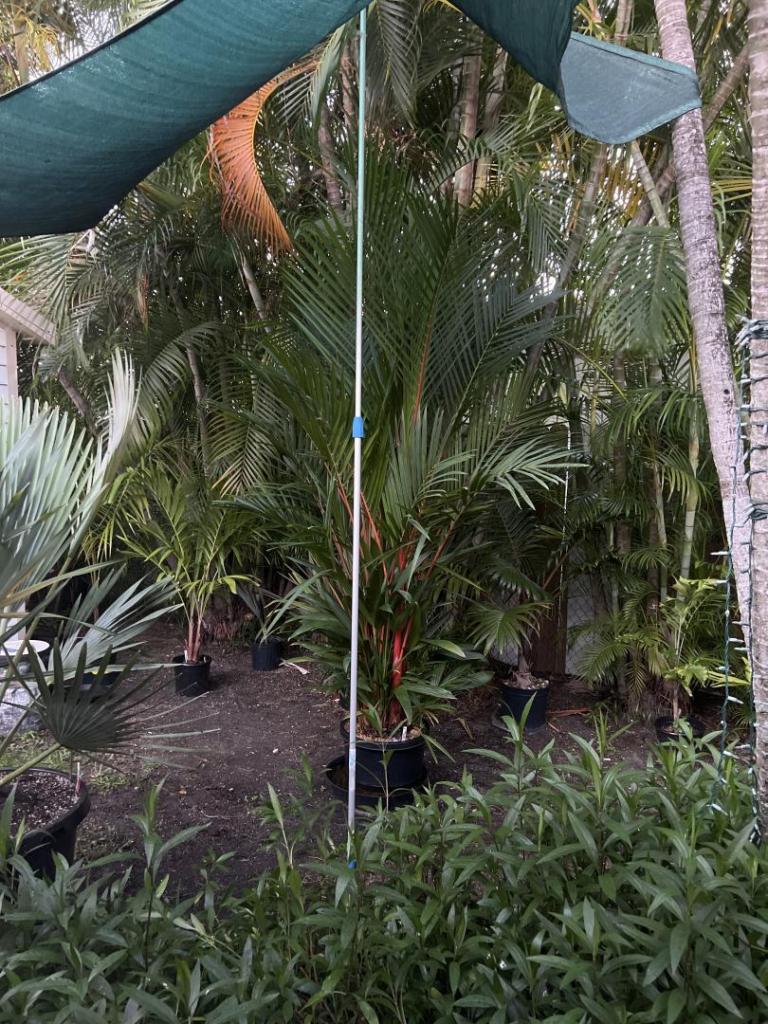
 1 point
 -
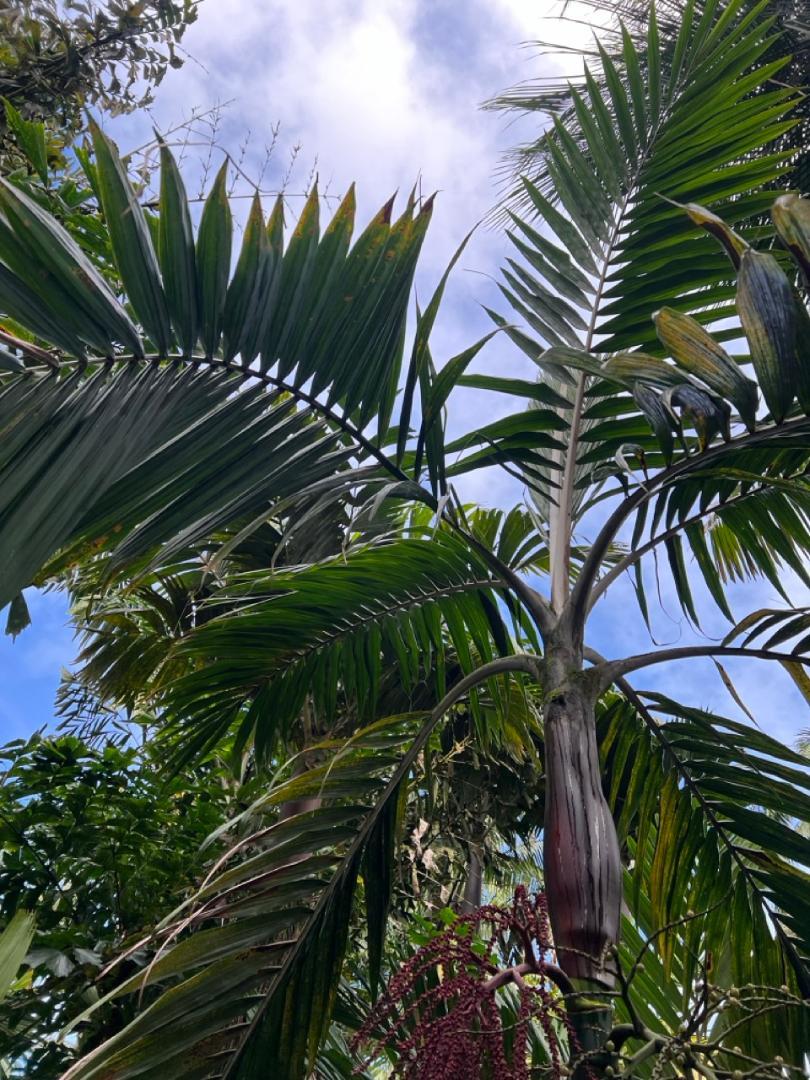
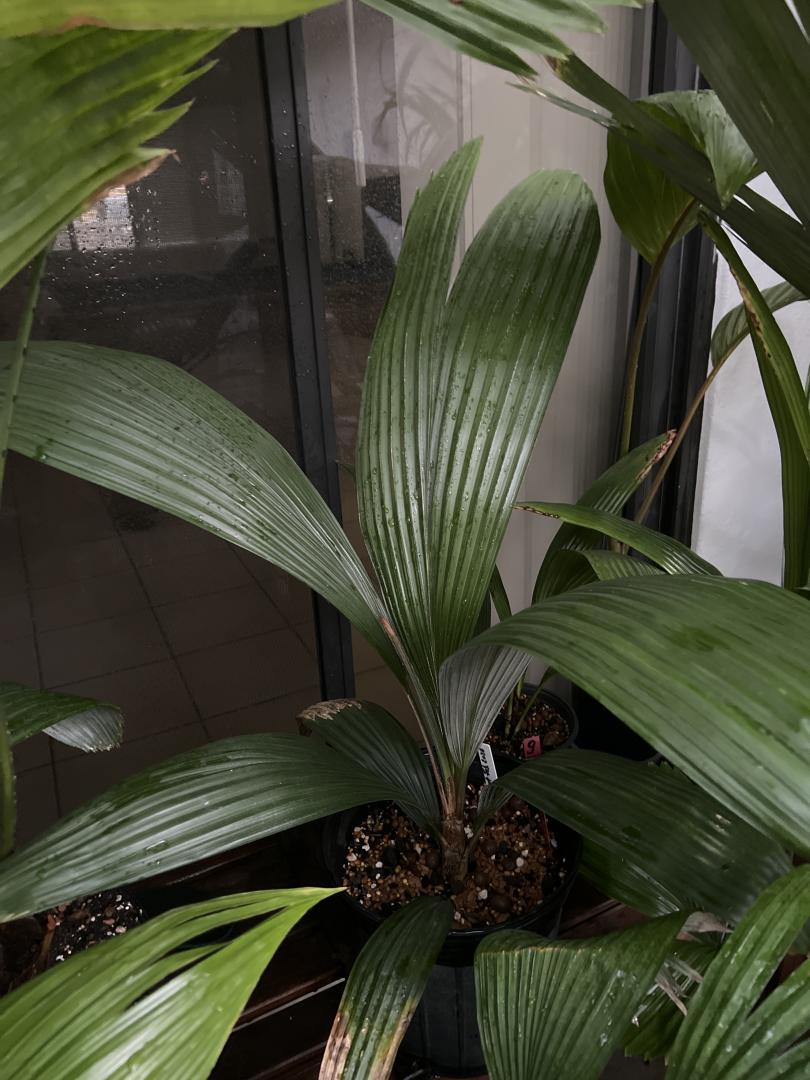
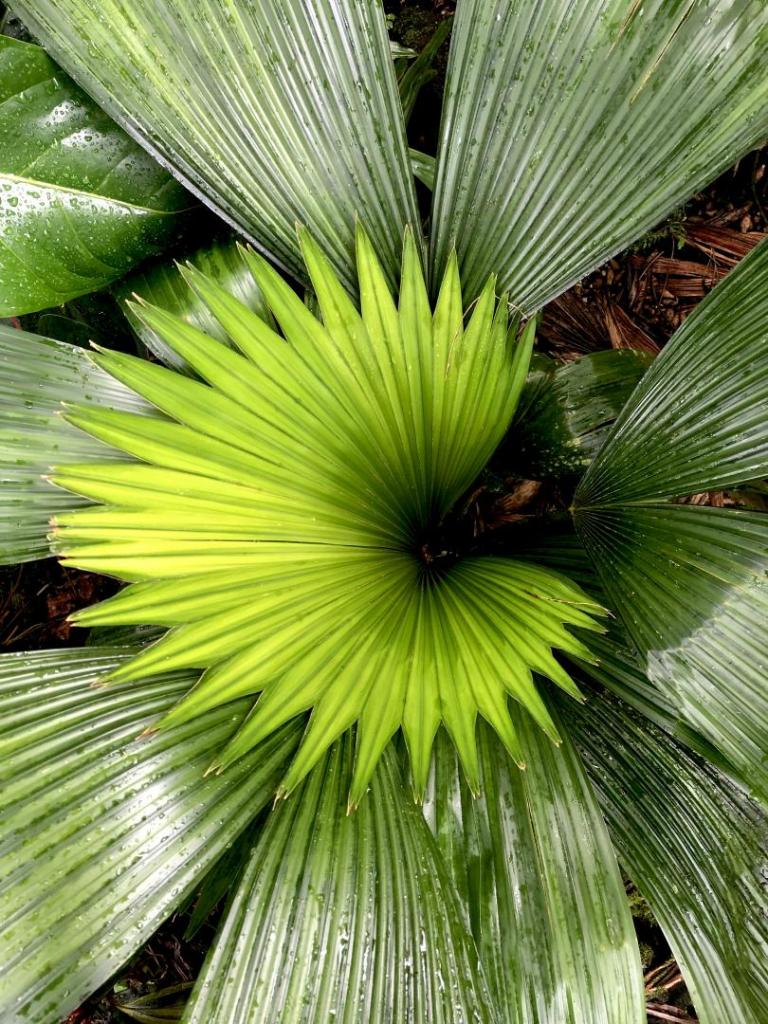
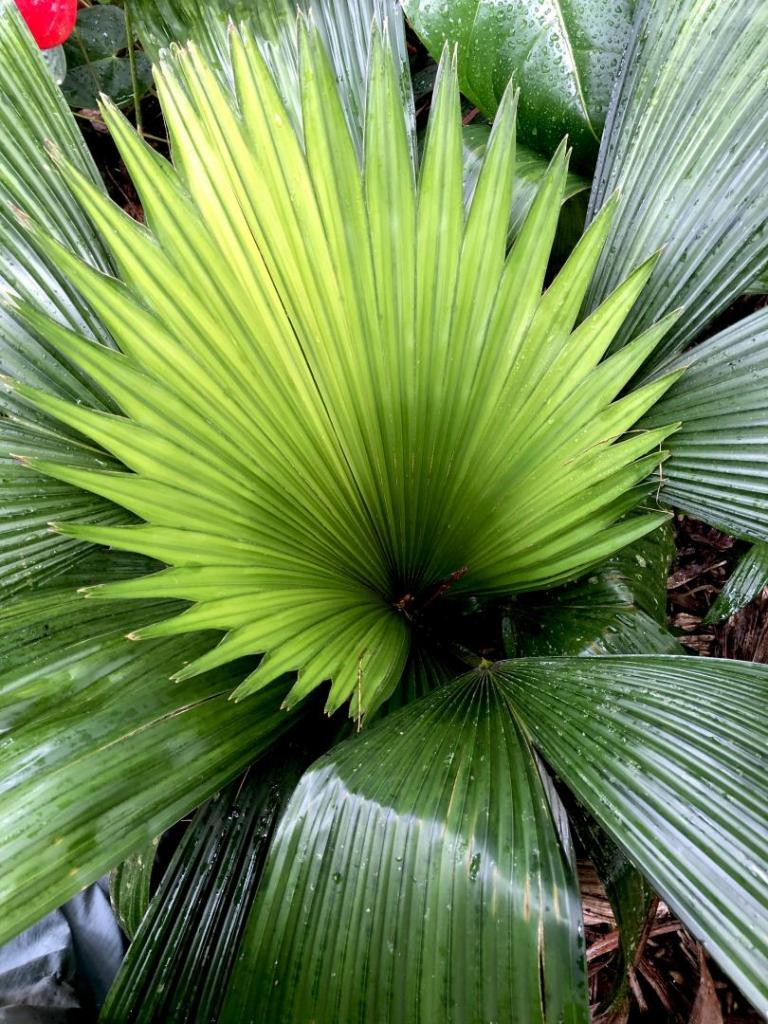
 Still growing and speeding up a bit. This one is in a shady spot, maybe the reason for slower growth, but doing well. The new leaf caught my eye. Tim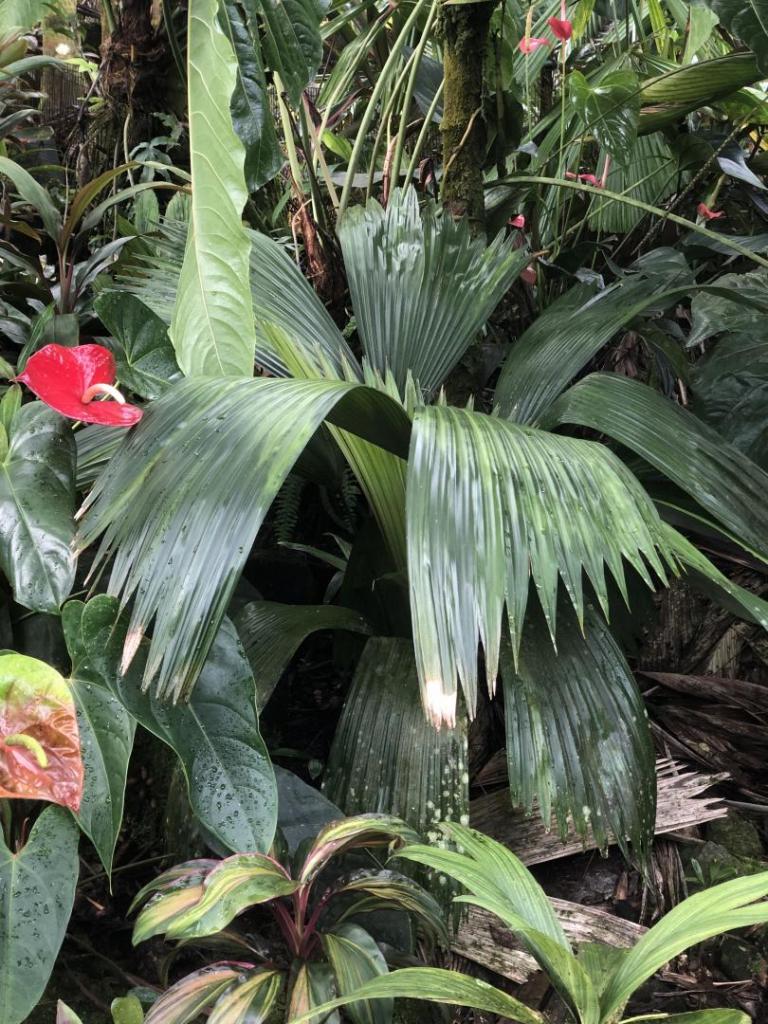
 1 point