

Leaderboard
-

happypalms
IPS MEMBER18Points13,296Posts -

Eric in Orlando
IPS MEMBER11Points7,571Posts -


kinzyjr
IPS MEMBER8Points6,877Posts -
aztropic
IPS MEMBER6Points3,693Posts
Popular Content
Showing content with the highest reputation on 03/18/2026 in all areas
-
4 pointsThough this Feb freeze was the coldest around Orlando since the 12/89 freeze it was no where near as bad. For those who weren't here or forgot, some examples of what happened to "hardy" palms in 12/89...(2 nights at 19-20F, the hi in between barely reaching 32F so duration was extreme and 1-2 nights after in the upper 20s) Acrocomia aculeata- killed Acrocomia totai- severe burn Arenga engleri (a few around)- severe foliage damage, some stems killed back X Butyagrus nabonnandii- varied from no damage to severe burn Chamaedorea microspadix- some leaf burn Livistona chinensis- had burned foliage Livistona australis- some foliage burn Livistona decora ( a few were around)- severe foliage burn Phoenix canariensis- some foliage burn on some specimens Phoenix sylvestris- some burned leaves Phoenix reclinata (non hybrid)- dead or killed to the roots Phoenix roebelenii- almost were killed (many had perished in 83 and 85) Phoenix rupicola- most had died in 83 or 85, if not 89 killed them (one survived in Epcot , planted in 1984 and some by Pirates of the Caribbean planted back in the 70s, but very protected microclimates, the Epcot specimen is still there with a constriction in the trunk marking 89) Rhapis excelsa- most killed to the roots Syagrus romanzoffiana- most were killed if they had survived 83 and 85, the robust/southern Brazil forms survived Washingtonia robusta- burned foliage tropical palms like Chrysalidocarpus lutescens and Caryota urens killed back to the roots, many died outright, a few surprisingly came up in 1990 after being knocked back in 83,85 and 89 Everything else tender, Archontophoenix, Howea, Cocos, Adonidia, Ptychosperma, Roystonea, Hyophorbe, Latania, Licuala, Coccothrinax, Thrinax, all killed A few surprises around; Attalea rostrata and Arenga pinnata at Leu Gardens survived all 3 80s freezes (defoliated in all 3), both planted in 1973 A juvenile Copernicia macroglossa defoliated but survived in Maitland and the collector had Livistona australis die, he recorded 17F on the north side of Lake Maitland A mature Roystonea regia at an appx 15 story building downtown growing in a U shaped courtyard facing south survived 83 and 85, it had major burn but grew out but died around 1987(unknown reason), also Syagrus romanzoffiana and Phoenix reclinata survived the same freezes there with only moderate burn and mature Heptapleurum actinophyllum (Schefflera) only had partial dieback4 points
-
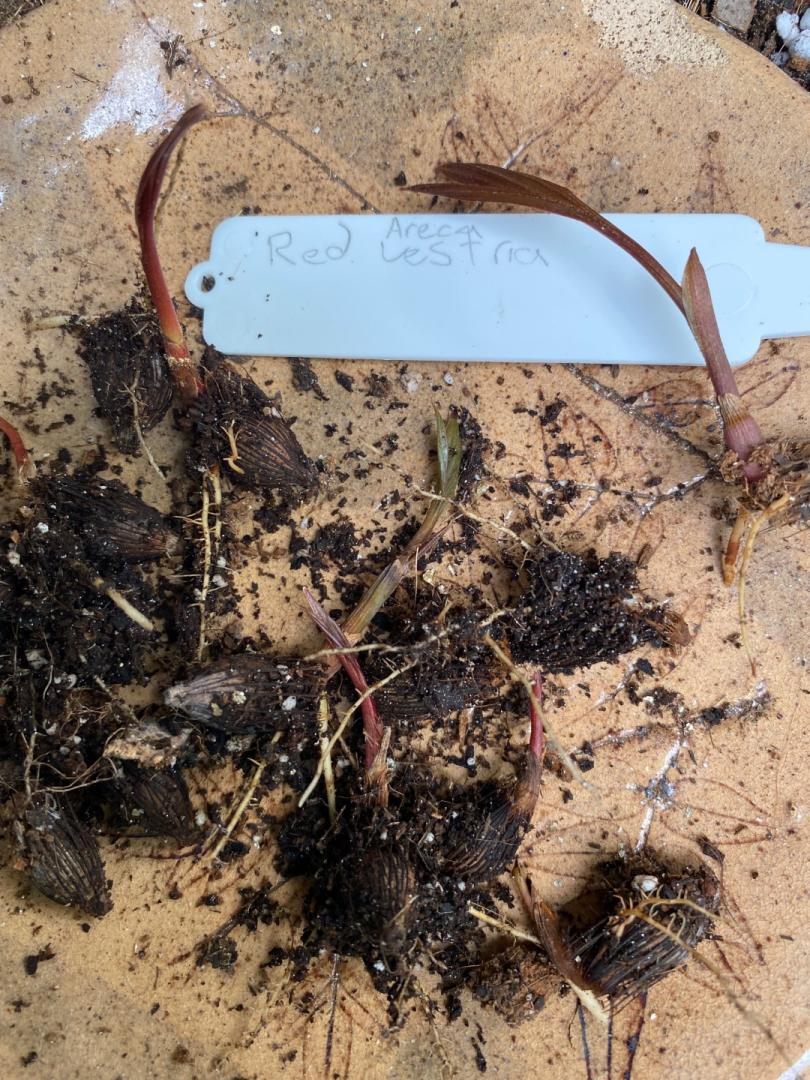
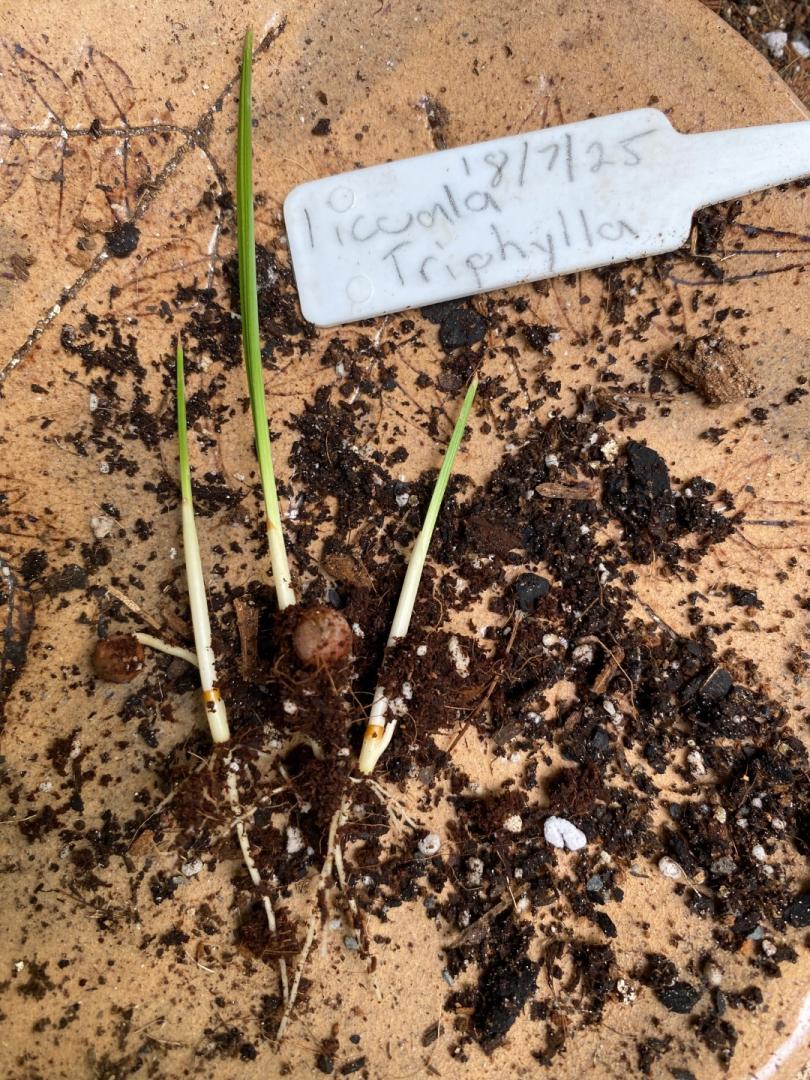
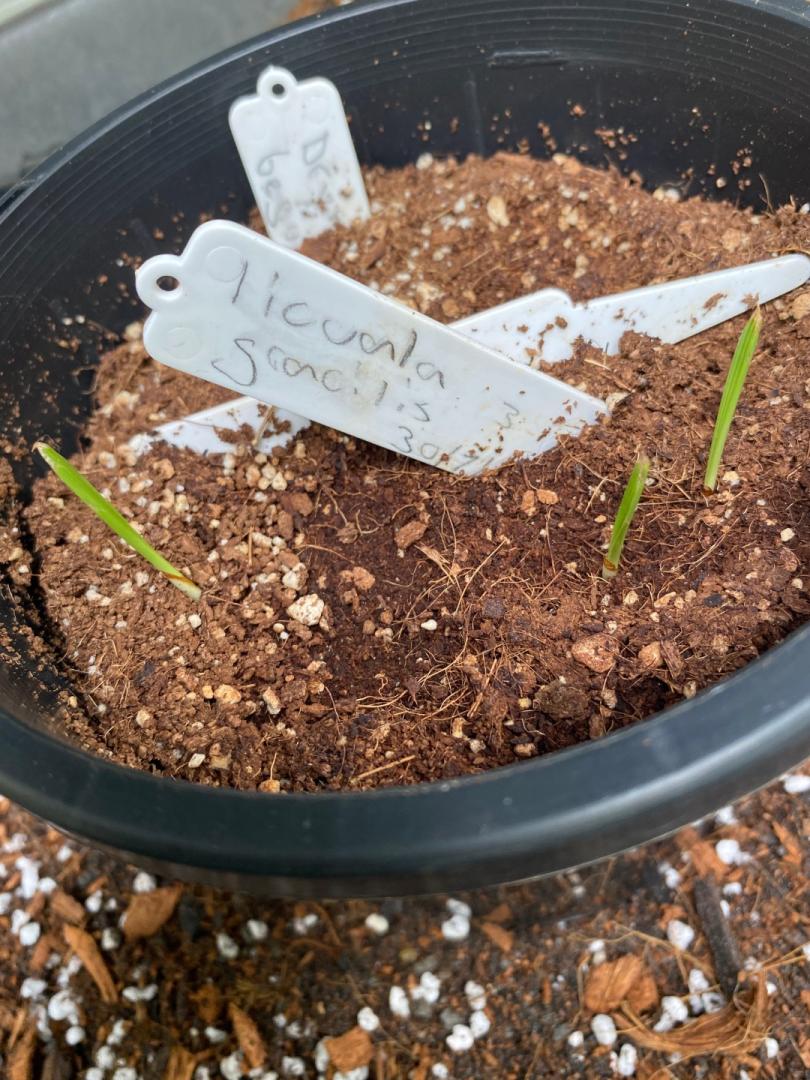
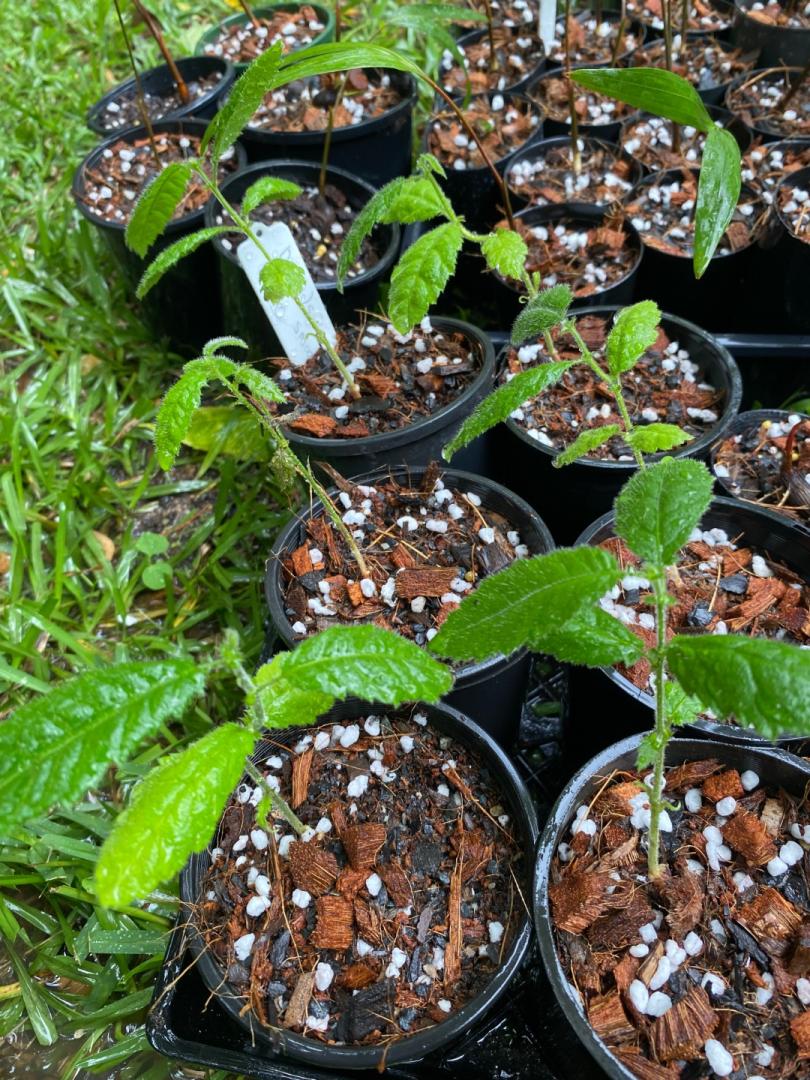
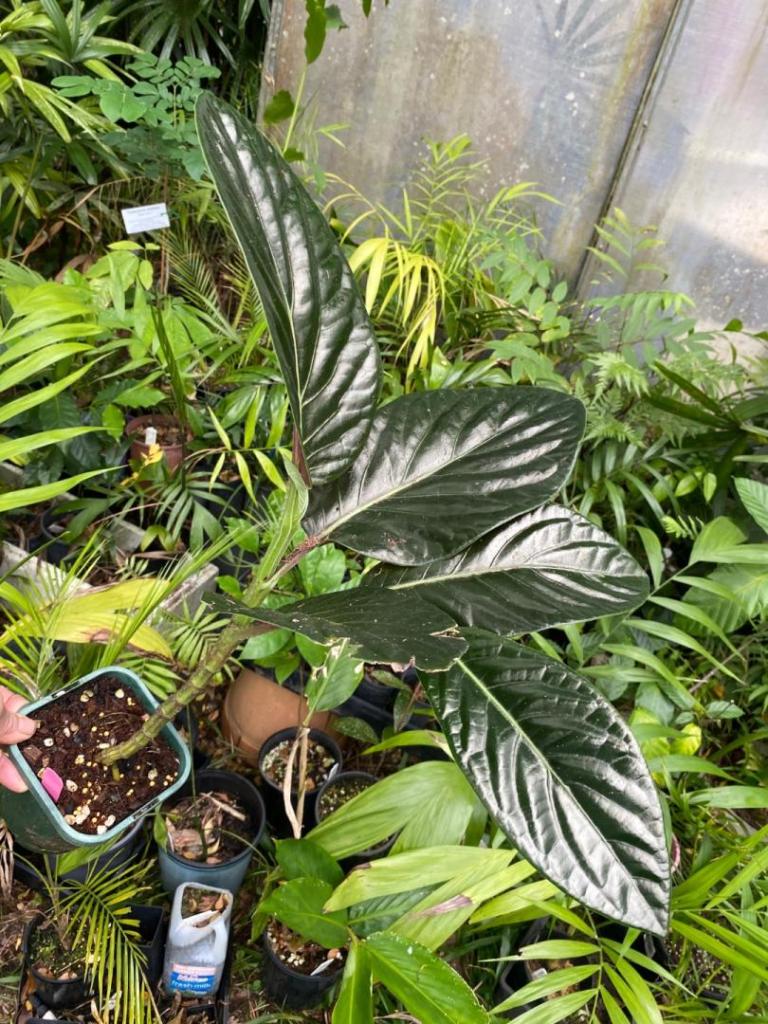
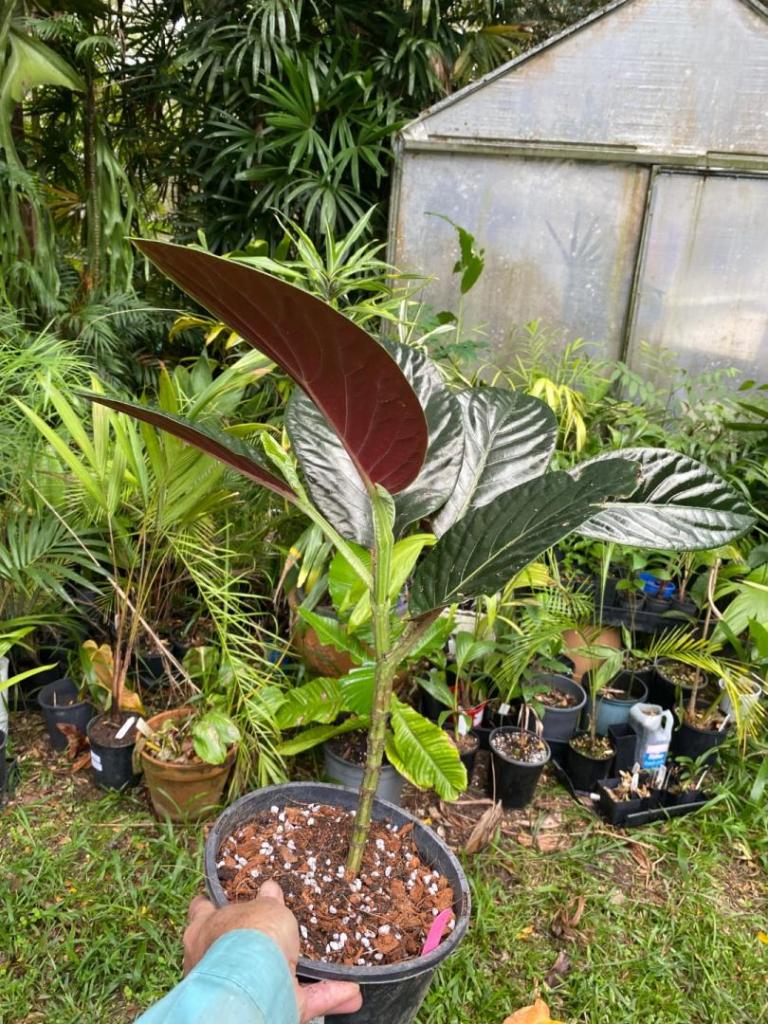
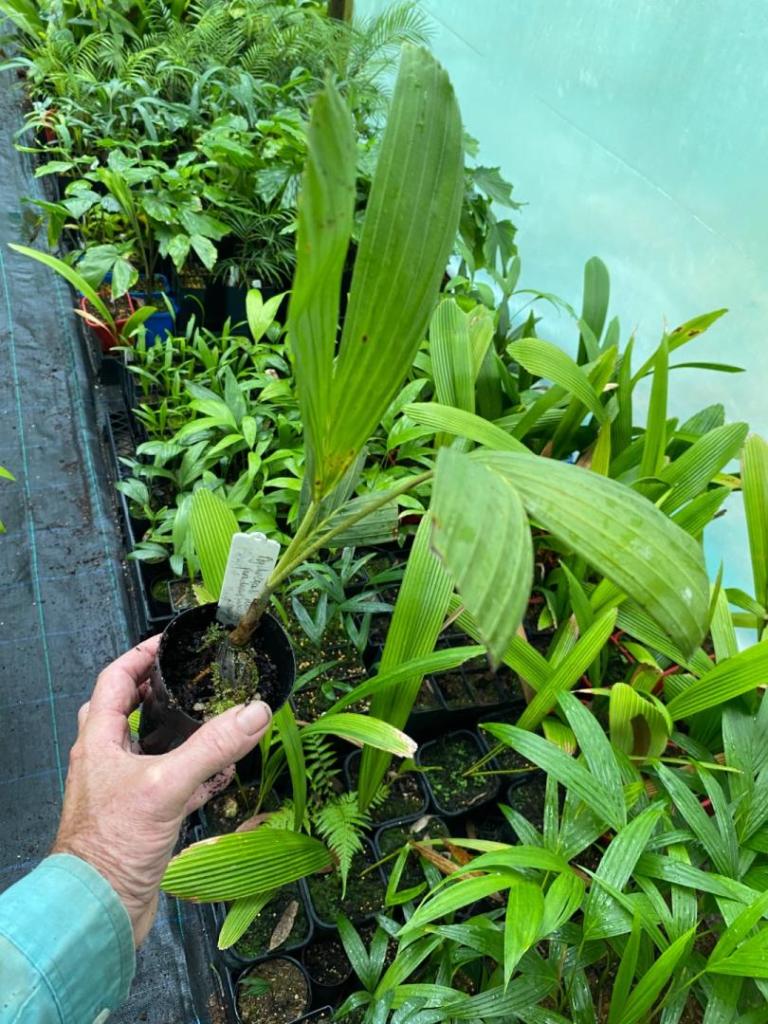
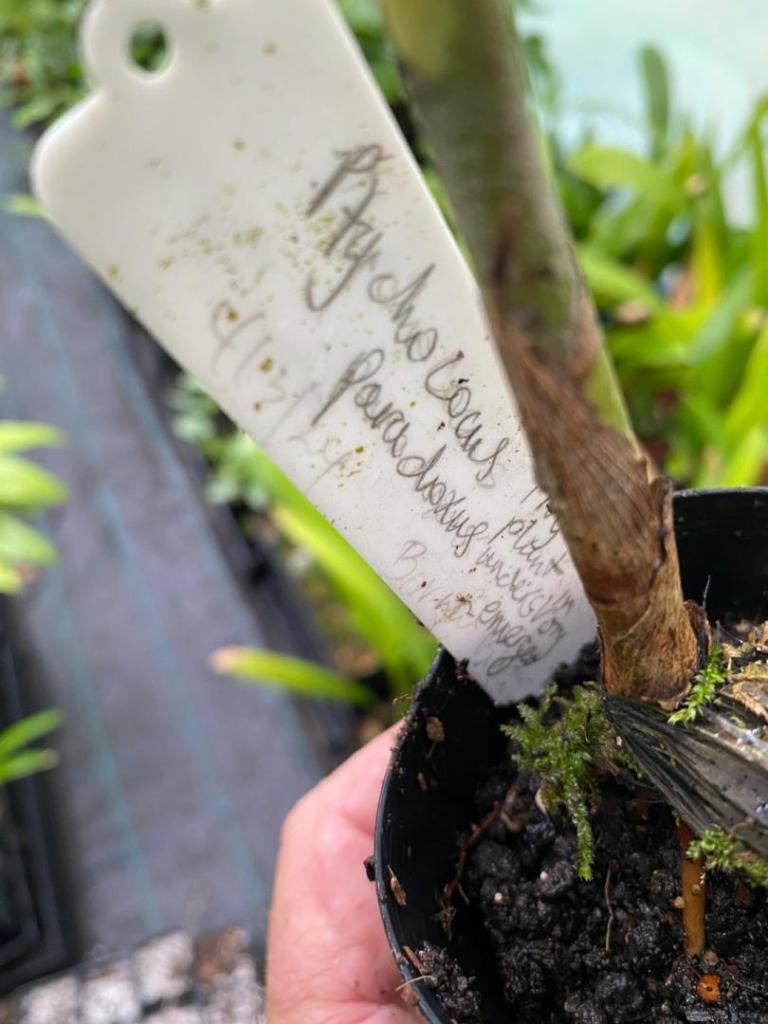
A couple of nice plants for the garden, potting up in stages is the key to growing!

 4 points
 -
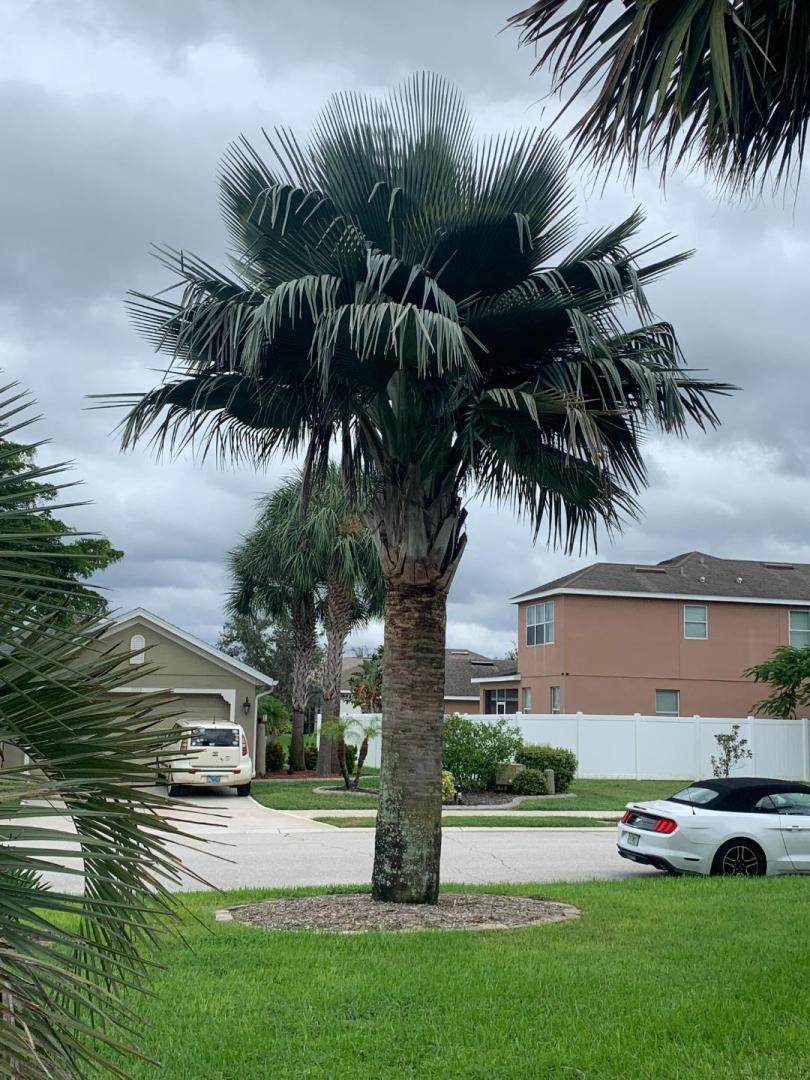
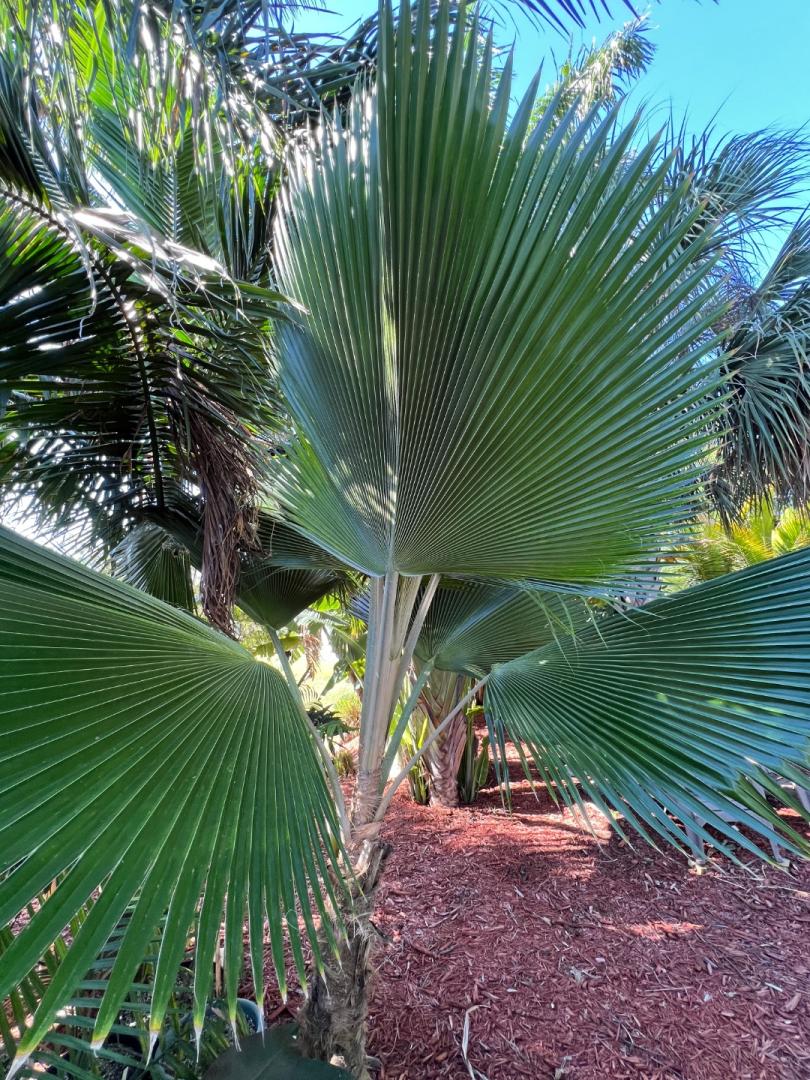
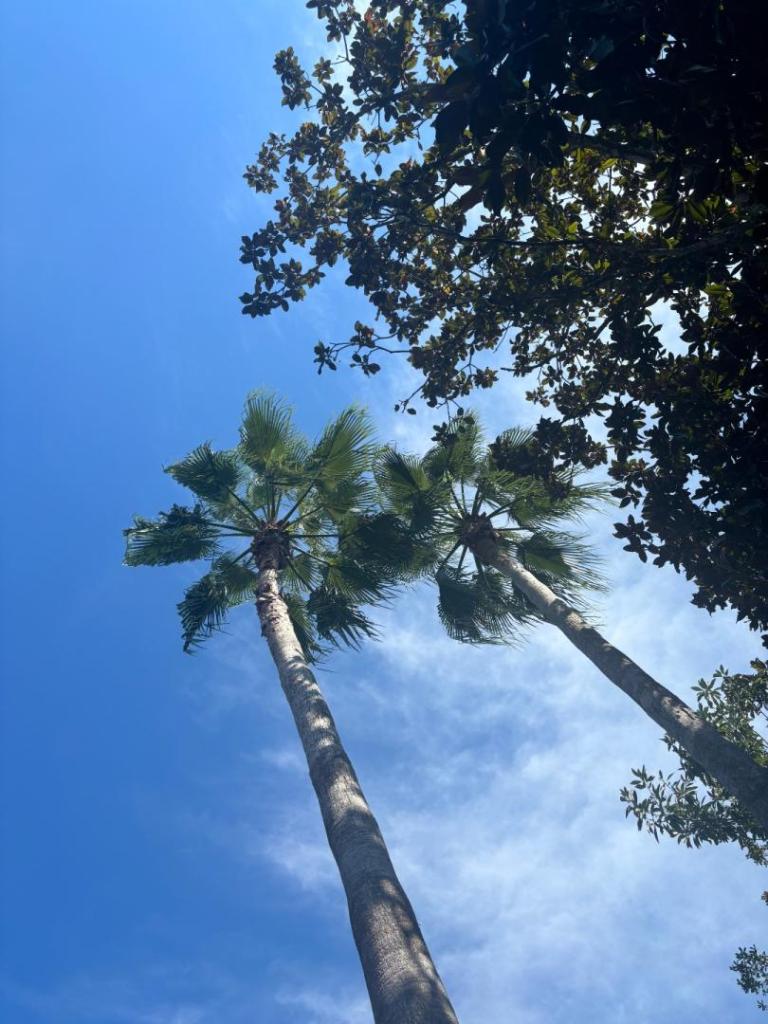
 3 pointsSpotted these two nice Filifera examples in Picayune, Mississippi. A place with wet weather year round.
 3 points
 -
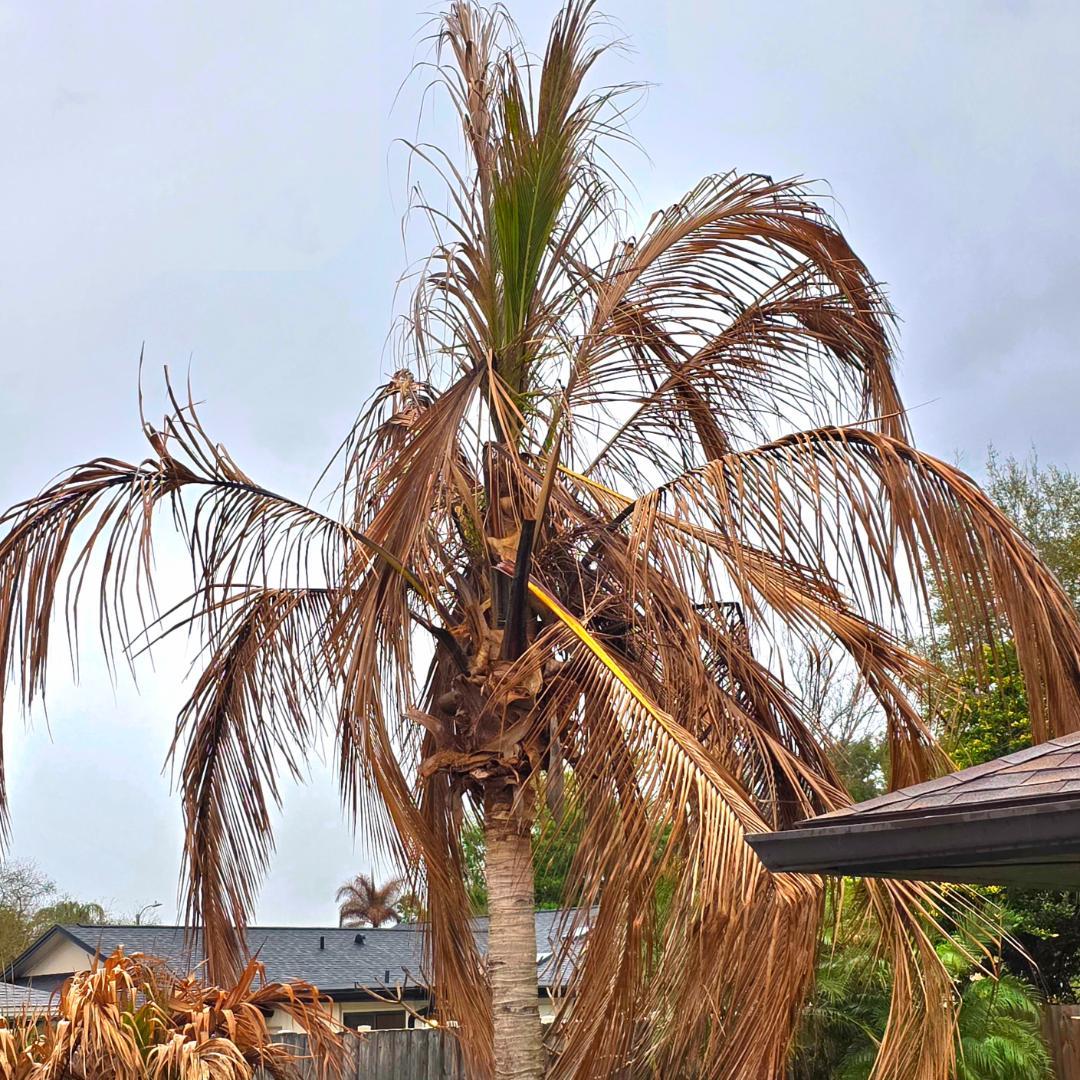
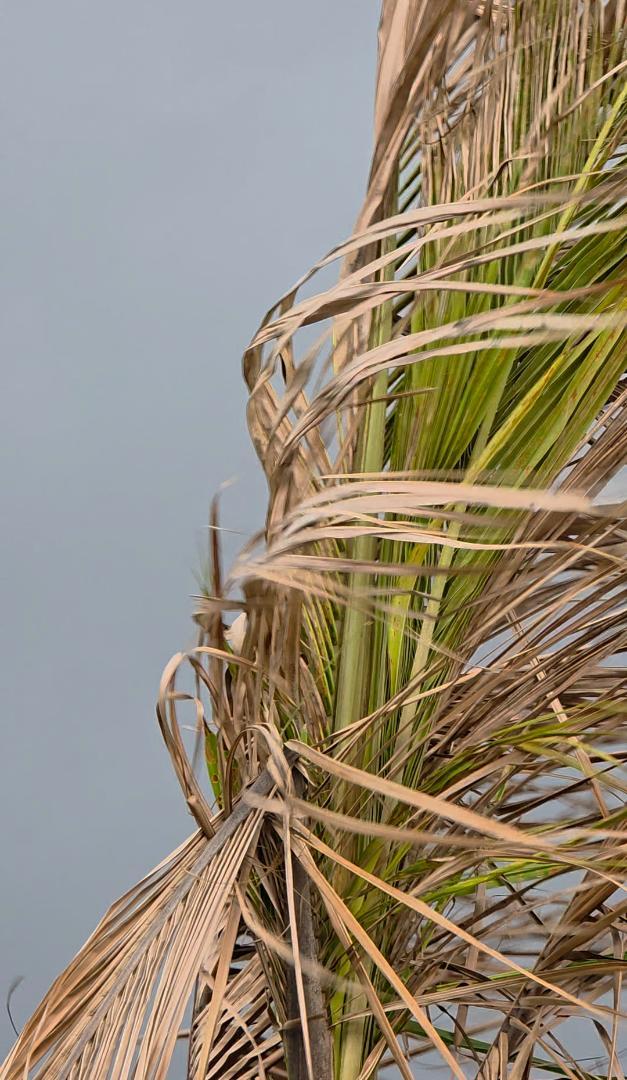
 The back to back days of big wind storms did a number on my coconut burned fronds. Almost all snapped! Revealed lots of promise as new green showing. You can see the newest spear on the left side is mostly green. I can see some brown mixed in which hopefully will work itself out. Still hard to look at.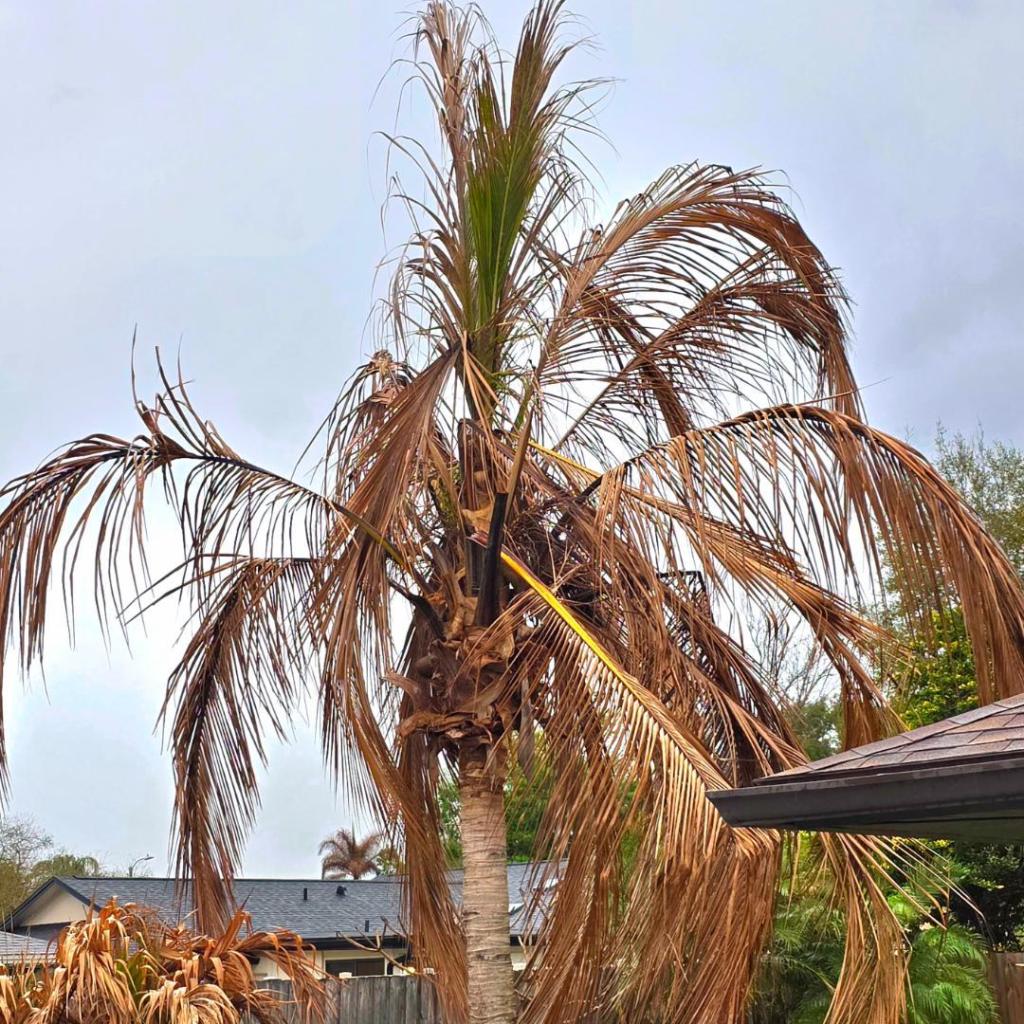
 3 points
 -
3 points
-
3 points
-
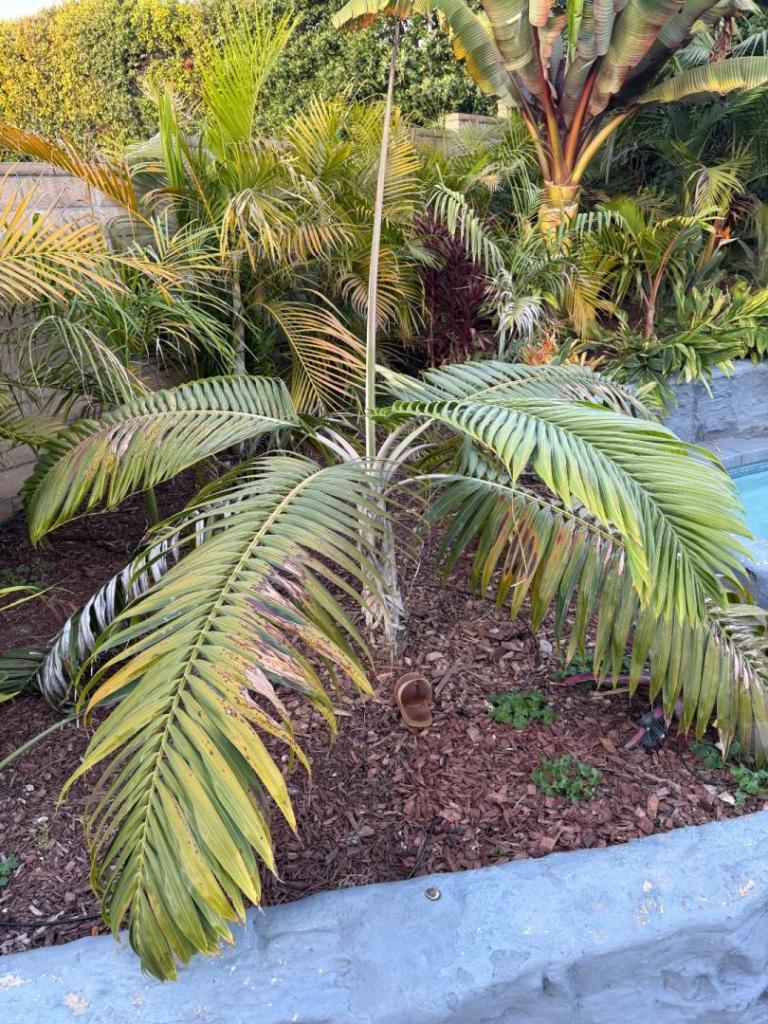
 3 pointsHere’s mine after its first winter season. The burn on the leaves is mostly from 1 or 2 nights of frost but it was initially the fastest large plant I put in the ground (compared to a. Cunninghamiana, parajubea torallyi, Bismarckia, Roystonea regia). It’s in full sun but it was planted as a 25g so that has probably helped it survive here next to the foothills.
 3 points
 -
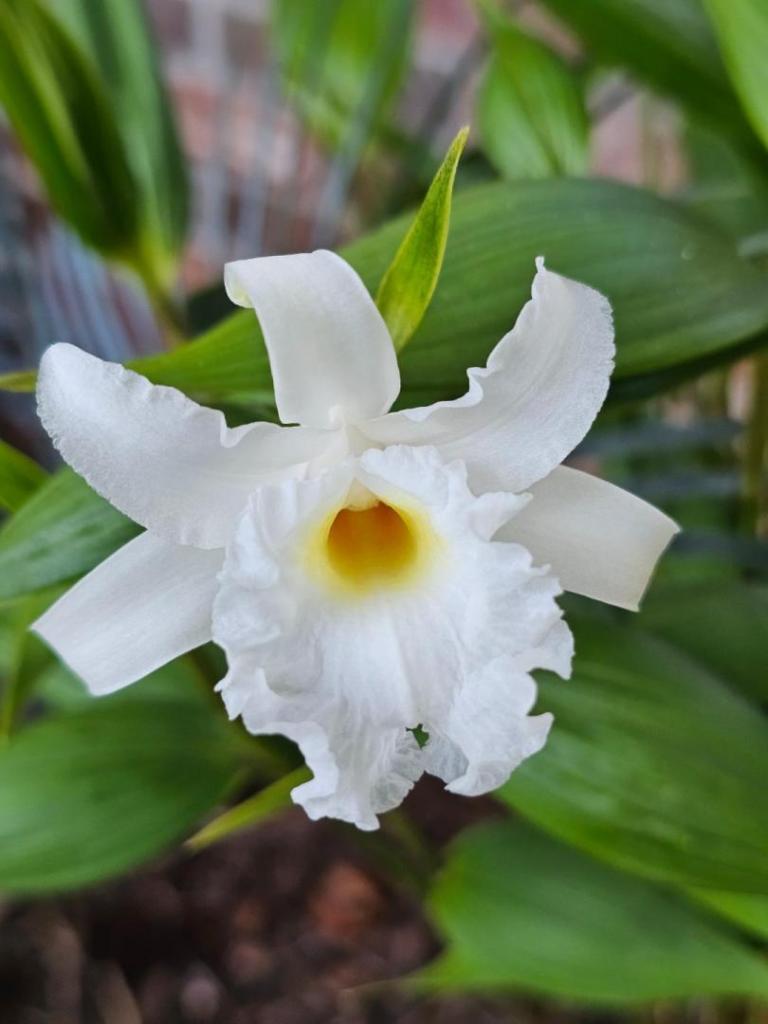
 2 pointsSobralia kruskayae opened it's first two flowers overnight. It seems early for Sobralias to be opening here but I only got this species last year, so don't know if this is just an early bloomer or if the warm winter has it confused. I am curious if anyone else has experience with growing this species of Sobralia and if blooming now matches their history with it?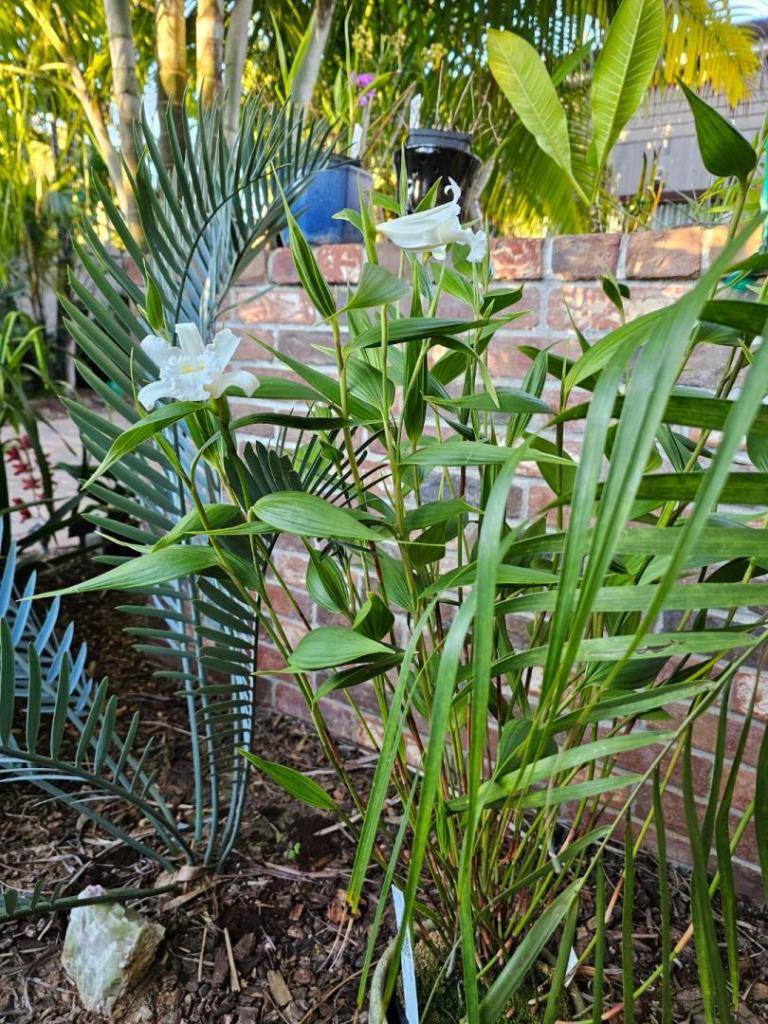
 2 points
 -
 2 pointsThis is what I do for my in ground seedlings for defense (pun intended!) against those wascally wabbits!2 points
 -
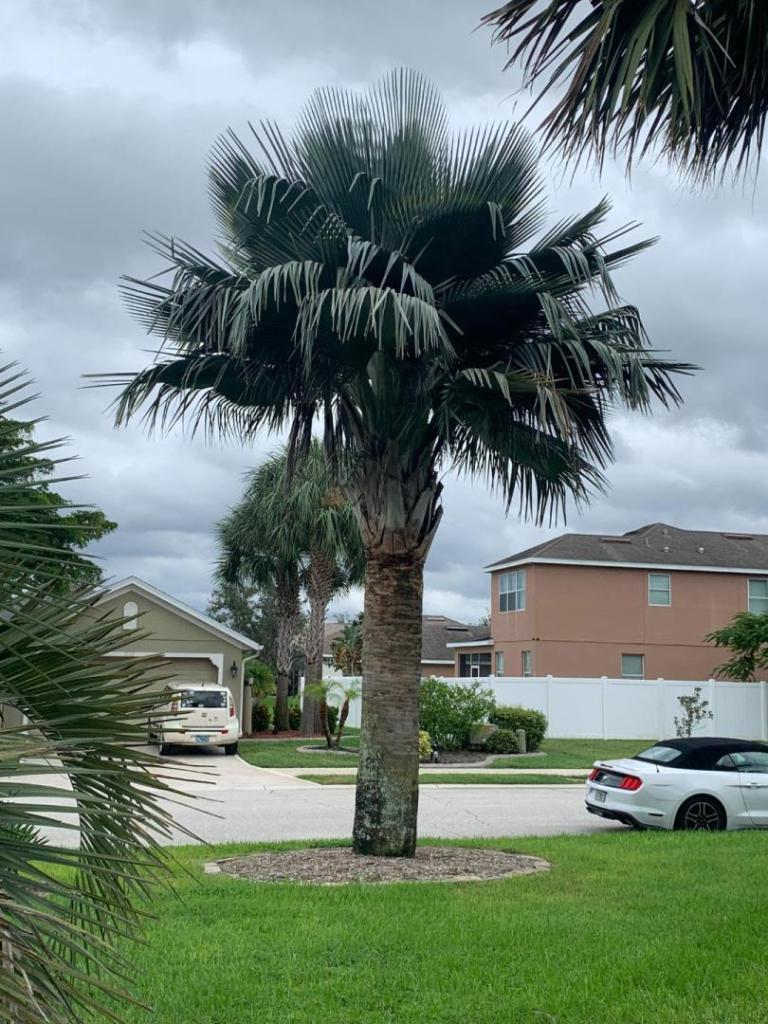
 2 pointsI had a 9 footer transplanted from a shady lot in homestead and planted in full sun in 2011 at my place. Ken johnson took 5-6 months to prune it and deliver. Any time you cut roots in a transplant the palm will give up some leaves. Many nurseries will do that for you, cut off a few extra before they deliver a recently dug palm. This is because after transplanting the palm has less roots, some were cut. And there is not enough water uptake capacity in the remaining roots to supply the leaves which continuously transpire water. So the palm sacrificially drops older leaves. Looks like you did a painstaking job there Toni, only the lowest leaves browned, and it is growing. Keep it moist in the heat, and get a good palm fertilizer recommended by locals. I have brought (2)fallaensis, (3)hospita, (2)macrofglossa, and (1)baileyana out from heavy shade to full sun in pots( not a transplant, a plant) with zero leaf burning from sun exposure. My bigger problem is they tend to get fungal attack here in the shade, maybe too much dew for shade here. Roots are easier to handle on a small copernicia than a big one as the mass of the rootball can bend/sever the roots at the trunk during handling. I have found all the cubans copernicias want plenty of water or rain in the heat, though they be can be drought tolerant(florida drought tolerant). Good you got it in the right spot Toni. Maybe some humic acid a few times a year and some dolomite around the root area along with a good palm fertilizer. Enjoy the view from above, one day you may have to walk away a bit to get a better view. Here is my large fallaensis still recovering from a hurricane hit.
 2 points
 -
 @Silas_Sancona bahama strongbark usually defoliates every winter due to prolonged 40s, and this year it took a beating for me at 25, a lot of dead wood(barely saw any last year), i caught a new bud popping out of the trunk 2.5ft up, so it is alive, little more cold sensitive than a mango. myrsine did very well for me this winter as well. i assumed you were in okaloosa county, didn't realize spring hill was much further south. with that being said, i think you can definitely try south florida tropical looking natives. my lignum vitae was unbothered this winter, dropped 25% leaves and just reflushed with many new leaves. joewood was another excellent performer.2 points
 -
I forgot to add Trithrinax brasiliensis, T. brasiliensis var. acanthocoma and T. campestris.2 points
-
Other smaller trees to conside for Spring Hill... 3 smaller native Oaks, very drought tolerant; Quercus geminata- Sand Live Oak Quercus incana- Bluejack Oak Quercus myrtifolia- Myrtle Oak a couple other natives; Ilex vomitoria- great small tree, not grown as much as the weeping form, 'Pendula' Pinus densa- South Florida Slash Pine (30-50ft) Some Asian evergreen Maples and Oaks; Acer coriaceifolium Acer fabri Acer oblongum Quercus acuta Quercus glauca Quercus myrsinifolia And the others; Acer buergerianum- does well here if irrigated Araucaria angustifolia Bauhinia forficata Ebenopsis ebano Ehretia anacua Erythrostemon mexicanus (Caesalpinia)- not sure how low it goes but at 24F only light burn but quickly releafed and flowering again Feijoa sellowiana (Acca) Lagerstroemia fauriei- almost never seen in central FL, superb tree Melaleuca viminalis 'Boyette' (Callistemon)- awesome strongly weeping cultivar Nageia nagi Olea europaea Pachygone laurifolia (Cocculus)- makes an incredible picturesque small tree with character Parrotia subaequalis- Chinese Ironwood, small hardy tree, several specimens thriving here, deciduous, foliage drops in Dec. with good red/orange/yellow coloring Podocarpus macrophylla (30-40ft) Podocarpus macrophylla 'Maki' (10-15ft) Viburnum awabuki- makes an AWESOME TREE 15-20ft Viburnum odoratissimum2 points
-
Heres a good list of hardy and semi hardy palms for that area. I didn't include any Trachycarpus since they are so nematode sensitive on our poor sandy soil. If you have better soil in partial or light shade you could try them with evenly moist soil. Hardy; Acoelorrhaphe wrightii Acrocomia totai Arenga ryukyuensis Brahea armata Brahea brandegeei Brahea clara Brahea decumbens Brahea moorei Butia eriospatha Butia odorata (capitata) Butia paraguayensis Butia purpurescens Butia yatay X Butyagrus nabonnandii Chamaedorea microspadix Chamaedorea radicalis Chamaerops humilis Chamaerops humilis var. argentea Copernicia alba Livistona australis Livistona chinensis Livistona decora Livistona mariae Livistona nitida Livistona saribus Phoenix canariensis Phoenix dactylifera Phoenix loureiroi Phoenix reclinata (hybrids) Phoenix sylvestris Phoenix theophrastii Rhapidophyllum hystrix Rhapis excelsa Rhapis humilis Sabal bermudana Sabal x brazoriensis Sabal causiarum Sabal domingensis Sabal etonia Sabal maritima Sabal mexicana Sabal miamiensis Sabal minor Sabal palmetto Sabal palmetto Sabal rosei Sabal tamaulipensis Sabal uresana Serenoa repens Syagrus romanzoffiana (the robust southern Brazil/Uruguay form) Washingtonia filifera Washingtonia robusta Semi Tender; Acrocomia aculeata Acrocomia mexicana Allagoptera arenaria Arenga caudata Arenga engleri Beccariophoenix alfredii Bismarckia nobilis Caryota monostachya Chuniophoenix hainanensis Chuniophoenix nana Lanonia dasyantha Licuala fordiana Livistona drudei Livistona fulva Livistona jenkinsiana Livistona lanuginosa Livistona nasmophila Livistona rigida Livistona speciosa Phoenix reclinata (pure form) Phoenix roebelenii Phoenix rupicola Rhapis multifida Wallichia oblongifolia (densiflora)2 points
-
 2 points@SailorBold Your pic deserves another reposting as "miracles never cease in these parts"! Coming out of winter in zone 7b unprotected!!!!! AMAZING!!!!
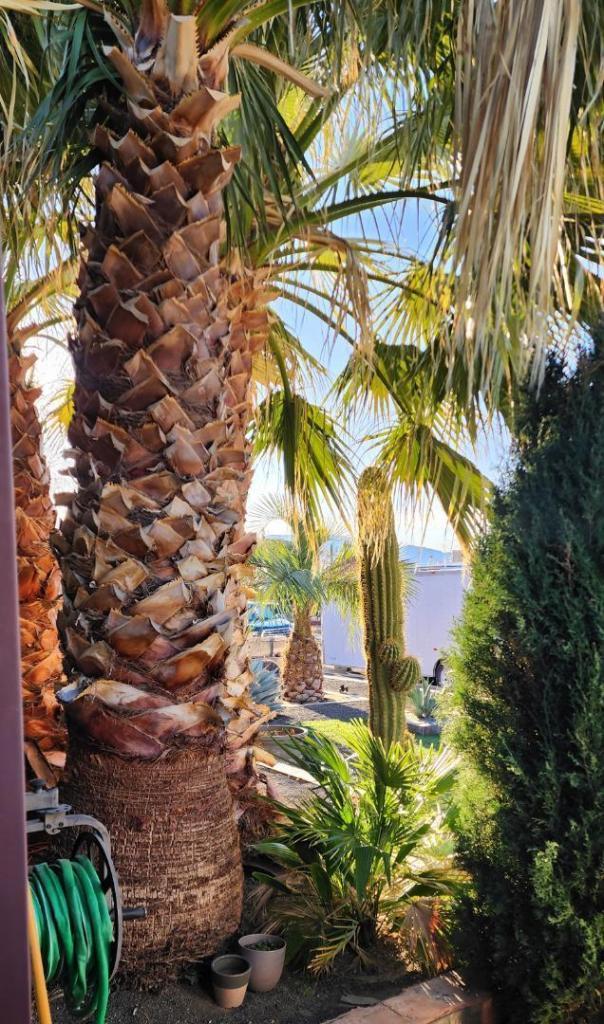 2 points
 -
 I've done 5 or 6 orders from Floribunda. Typical overnight UPS charges have been $50-75 to Florida. There's also a flat packing charge, the last order it was $30. For example, the last order I did 5 gallon sized, a bunch of seedlings and 4x 4" pots. The shipping was $54 in a moderate sized box, maybe 3' x 1.5' x 1'. Jeff's palms are all HUGE for the size of pot. If you distribute the S&H charges over the number of palms it's fairly low. Springtime is a good time for a "bulk order"!!!2 points
 -
 My plan for layers for my windbreak is a row of stoppers (yay free plants!) then a row of native sabals (literally seedlings from the yard from my beefiest one) and then oaks and hollies and other evergreen trees after. I have to avoid the drain field so it will have two separate green walls, with the second being more sabals and some low shrubs that like shade, then giant bird of paradise/clumping hardy palms, THEN my sensitive stuff under the oak canopy. Multiple native layers first to shelter what's not, and heavy canopy plus denser planting of the tropical stuff. The density seems to be the most important part I have found, so I'll leave it all to get thick and trim only what I have to since it's strategic for what I love more. Much of the stuff there is also die back zone 10 perrennials also outside of the palms, like sanchezia, passion vine, and monstera. They are all growing again now too.2 points
 -
i'd say stick with your natives an try some further south natives to see how they handle your weather. you wont have an empty hedge if you mix and match your areas natives. Florida Native Plant Society | Conserve, Preserve & Restore Florida's Native Plants good starting point. i like to layer and tier my hedge line. been finding out what i can push from s.FL and what i can't, stoppers have performed, along with jamaican caper, pineland strongbark, wild cinnamon, wild lime, necklacepod, lyonia, marlberry. For you, perhaps pushing central florida natives may be an option to see what they can bare. looks like some native to your area are allspice, buttonbush, gallberry, anise, saw palmetto, and some others. i believe we have a better chance at growing exotics or zone pushers if we have a solid native base to start with, may or may not be the case, i'll stick with it until proven otherwise2 points
-
2 points
-
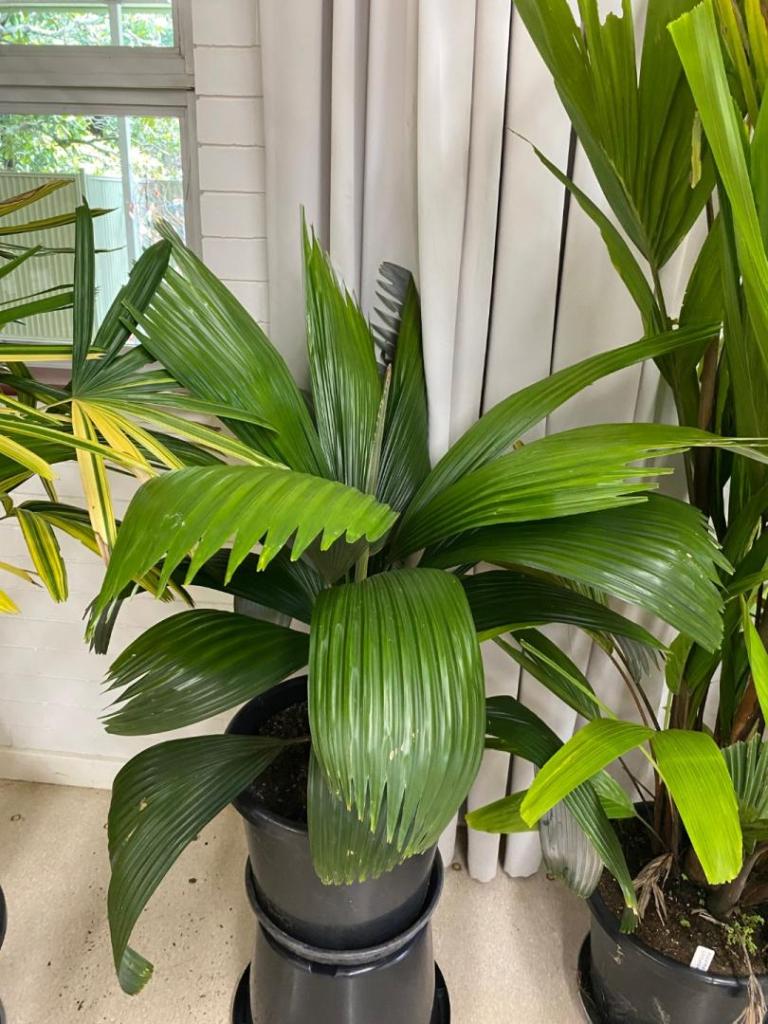
Doesnt Jonathan have easy warm weather for growing his sabinara, I hear it’s a growers tropical paradise @Jonathan. I gave him two calmus varieties I got from last years show, so I hope this large one fits in his mailbox, I had to buy it for you Jonathan, hope you don’t mind.🤣
 2 points
 -
 2 points
 -
 I'm making a separate thread to discuss the non-palms for climate/conditions such as Spring Hill, FL to keep this thread focused on palms (I realized I might want to post more about them than originally thought)2 points
 -
Will be interested to see what percentage of foxtails die or survive in the Orlando area. Regarding how surprisingly some of the coconuts and foxtails are recovering: my theory has been that since these palms have had 15 years of warm winters (sans Jan 2018 which wasn't technically a hard freeze even), they are more resilient/have better recovery than if there had been more periodic cold events leading up. I don't think this will be the case with your palms @pj_orlando_z9b since you're in one of the warmest microclimates in Orlando: but as I'm sure many know,, damaged palms that push out green growth can still succumb later. Latent damage can show up, and while the bud may recover, areas of trunk damage can occur (I've seen this with queens in Northwest FL) and the small area of damage will grow over time/erode until the trunk is compromised. I would see this happen with queens with freezes below around 22 degrees. Since foxtails are already more tender, I wonder at what temps trunk damage occurs with them. Even if most foxtails/coconuts recover in the warmer parts of Orlando, it'll be interesting to see how the same species do in the colder parts or north towards Sanford like what @Merlyn 's experienced.2 points
-
 2 points
 -
2 pointsWelcome to PalmTalk. It has the trademark symptoms of Lethal Bronzing. If the arborist injects the affected palm with antibiotics and it the symptoms go into remission, it would all but confirm the test results were incorrect.2 points
-
 2 points
 -
2 points
-
2 points
-
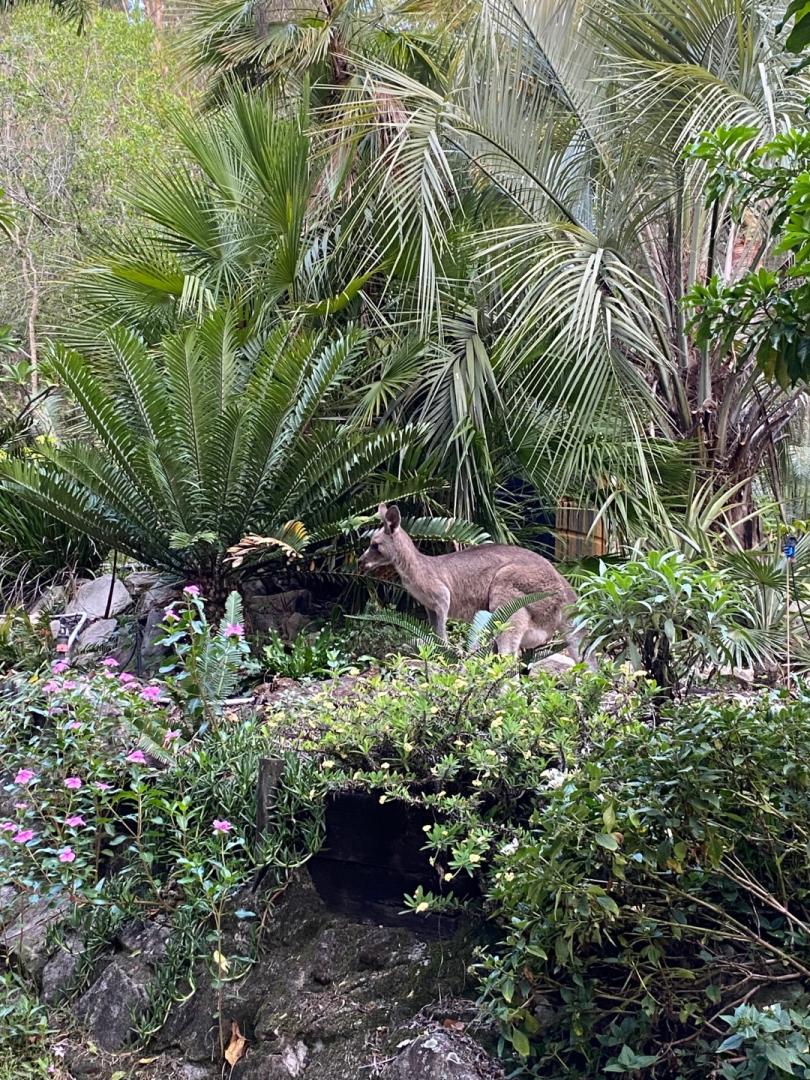
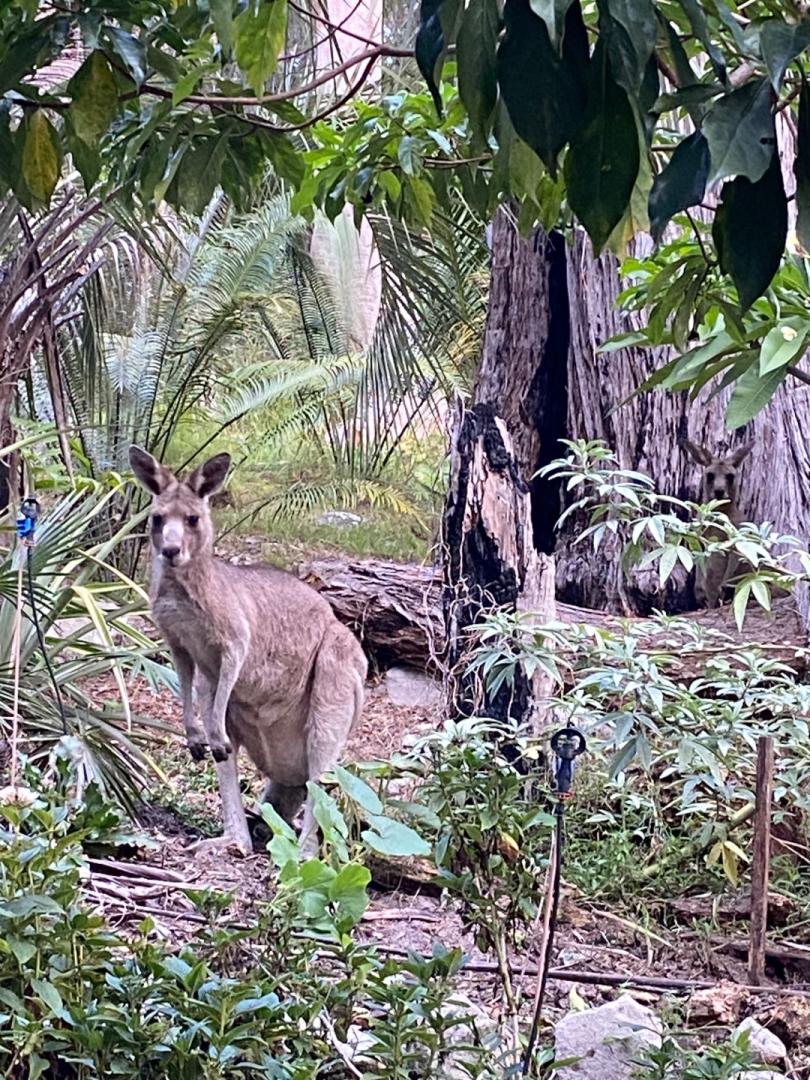
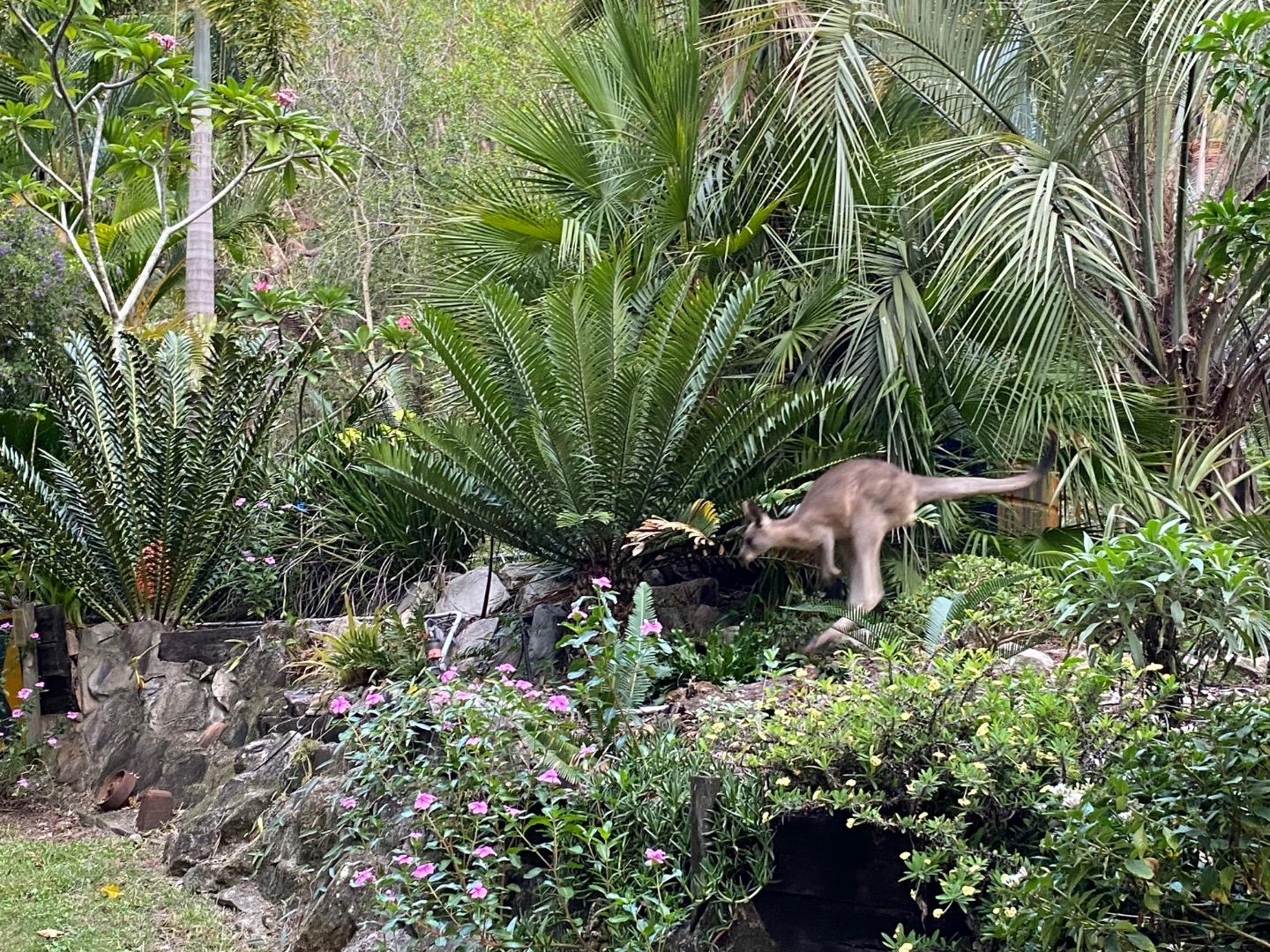
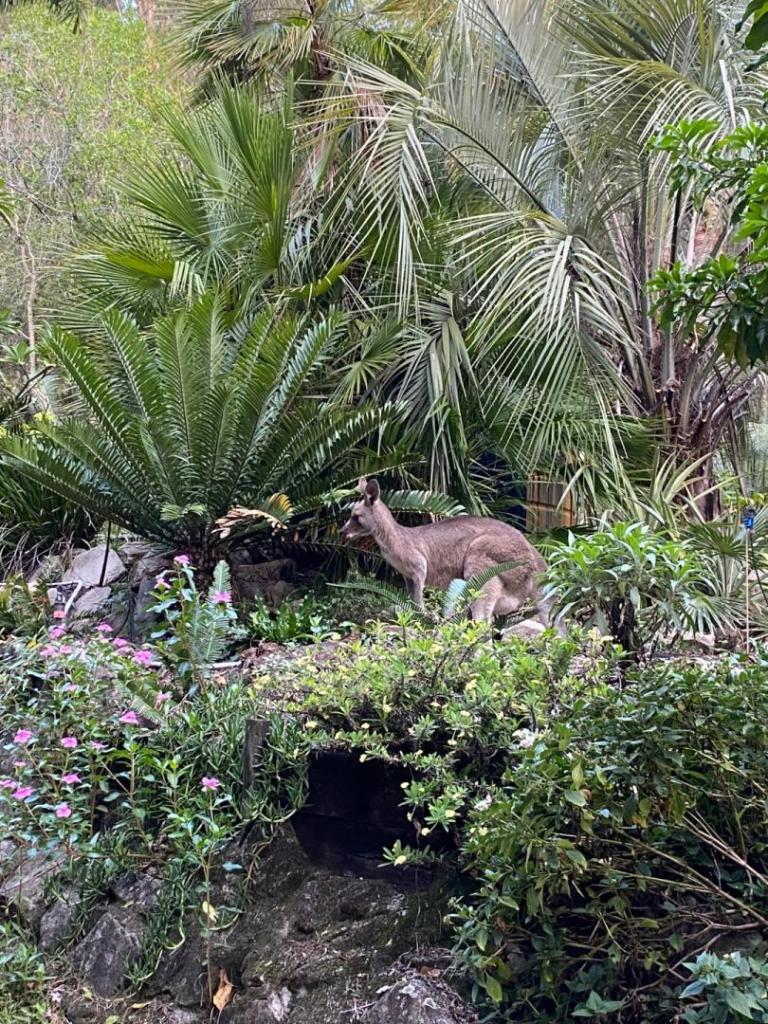
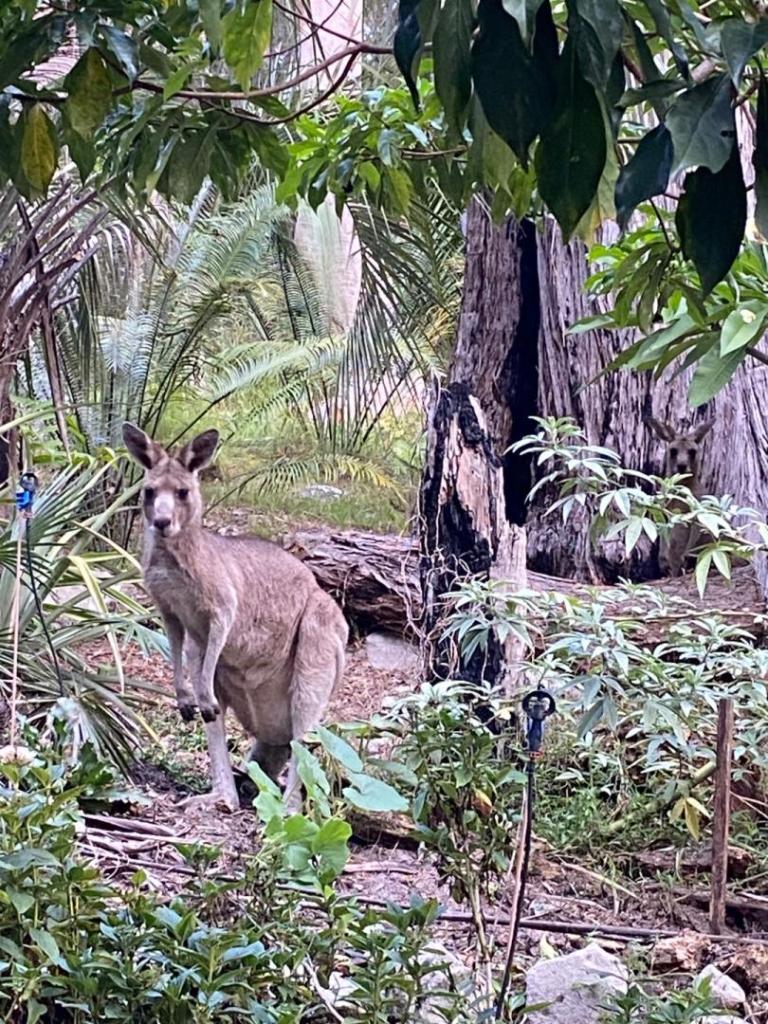
2 pointsTucked the atrovirens away for winter, see how she goes, we will see how cool tolerant they are. And the old kangaroo hopping around the garden!
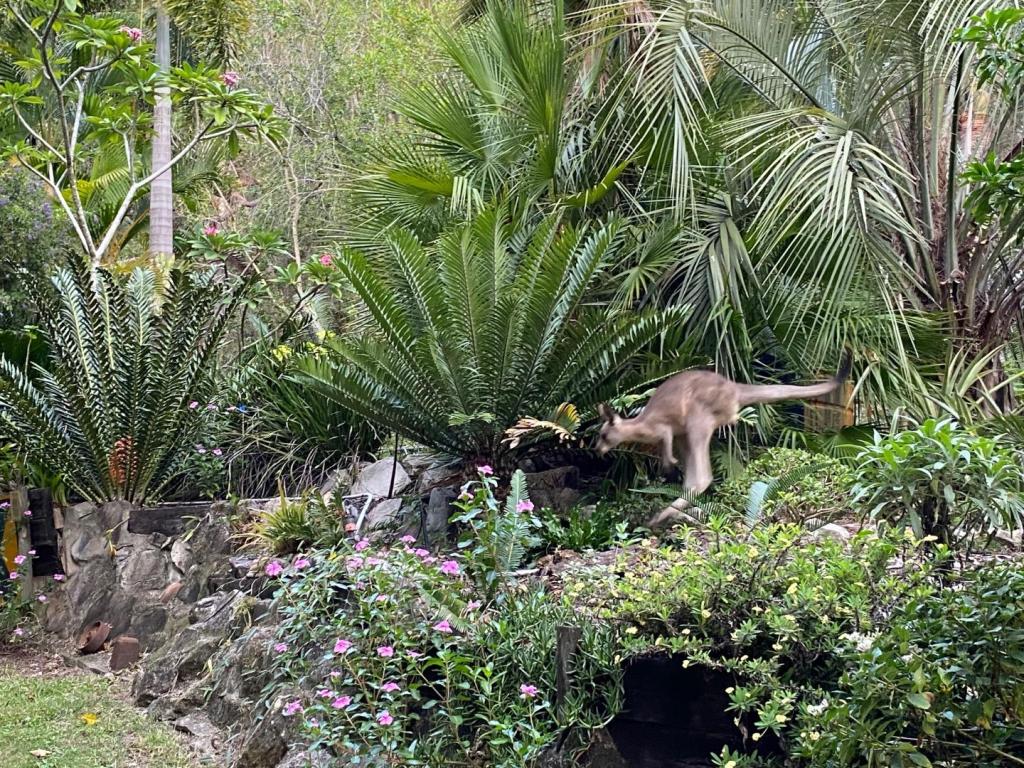
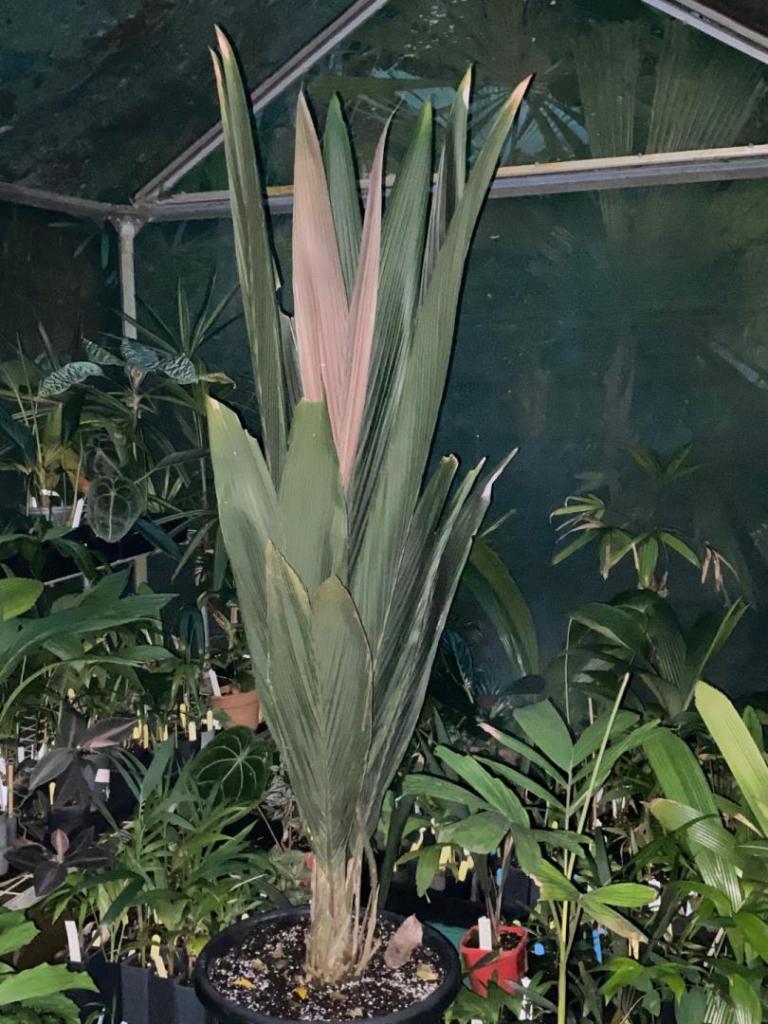 2 points
 -
2 points
-
 It’s pretty common here. I’ve got about 20 different kinds of sucking insects on everything in the yard. They will kill small palms and crotons, and damage larger plants severely if not kept in check. Good news is they die easily, but always come back given enough time. Blast that fuzzy away with a hose or wipe it off. It acts like a waterproof fuzzy covering.1 point
 -
 It is bad, though. Drenched roots with imidacloprid yesterday, will start spraying today.
 1 point
 -
 99F high for me today (almost!) and it only gets hotter as the week progresses.1 point
 -
1 pointMy first C. baileyana arrived from I don't remember where in a long skinny box that once held a baseball bat. When I opened the box I almost had heart failure. The seller had unpotted it, hosed it off then tossed it into the box - no padding, wrappings, nada. Just a 6-8" baileyana with 18" of bifurcated root rattling around its cardboard shipping container. I gave him what-for and detailed instructions on packing/shipping. He immediately went ballistic and reported me to eBay for having the nerve to diss him. Upshot to this kerfuffle: I potted my Copernicia, then held my breath. In 2 months it sent roots out of the drain holes. I planted it on our unirrigated Garden Lot. It's trunking now. This is a tough palm.1 point
-
 1 point1 point
1 pointDown in Key Largo for Spring Break with family and grandchildren. These are all over
1 point1 point
1 pointDown in Key Largo for Spring Break with family and grandchildren. These are all over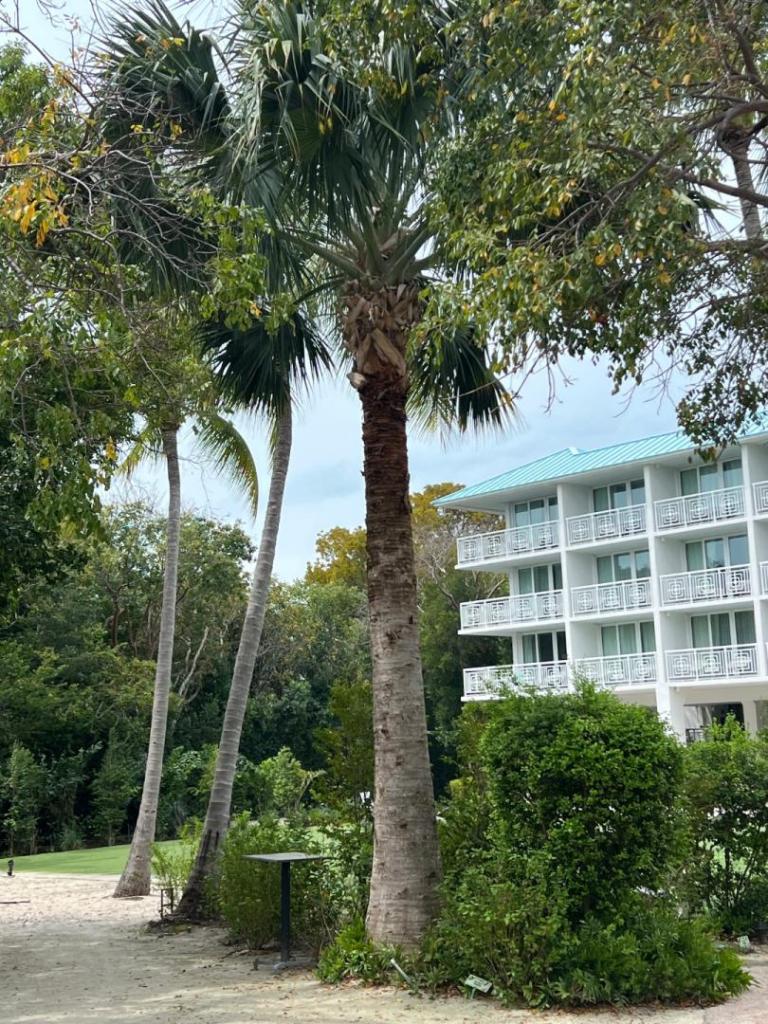 1 point
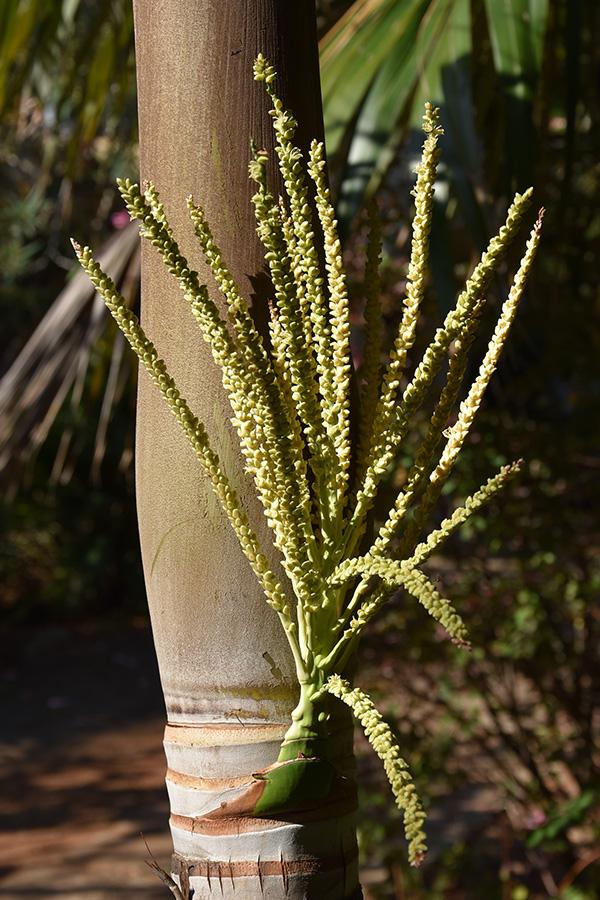
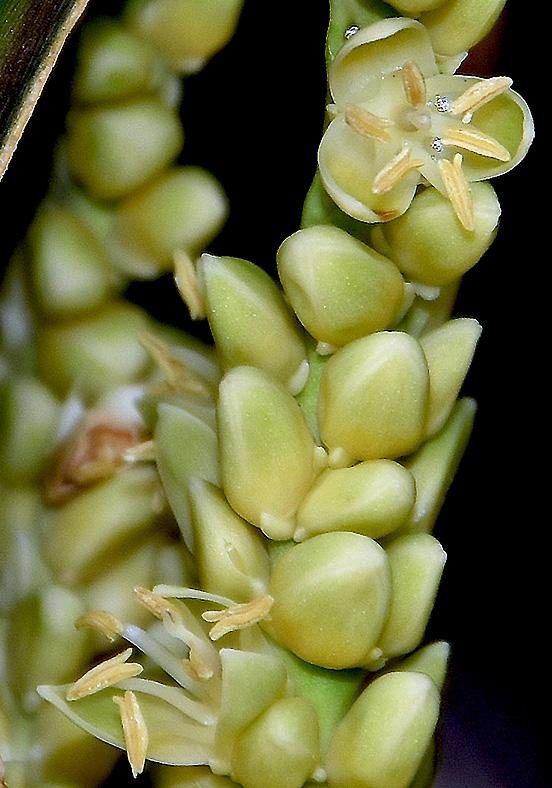
 Dictyosperma album first flowering: Only male flowers in the inflorescence, this can happen at the first flowering. For other information on this species: https://www.monaconatureencyclopedia.com/dictyosperma-album/?lang=en
 1 point
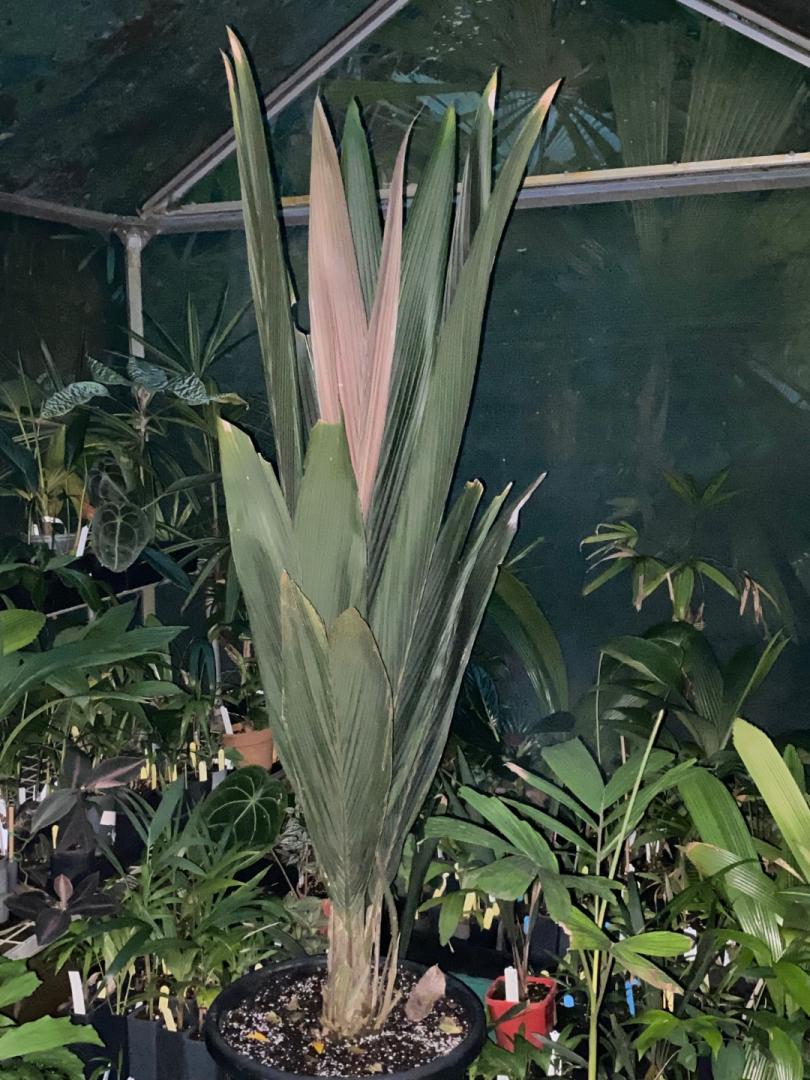
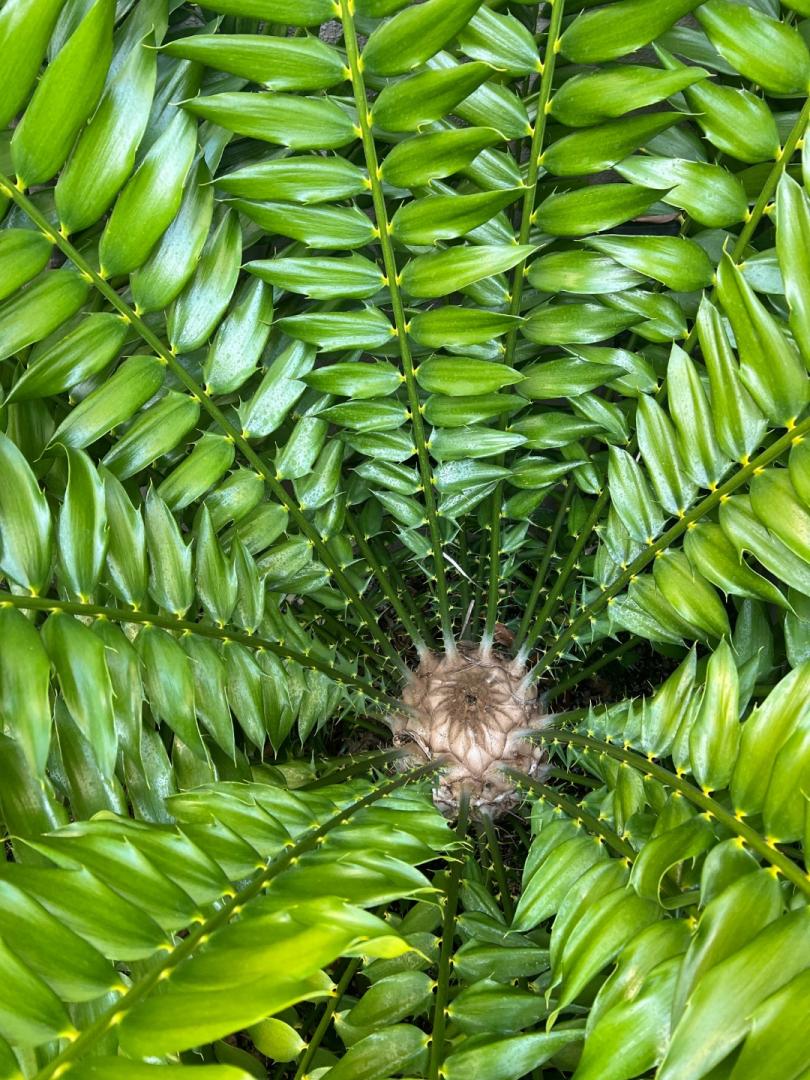
 1 pointWe got a F2 natwood to ground control… please prepare for take off! Could it be the first cone of the specie?!!!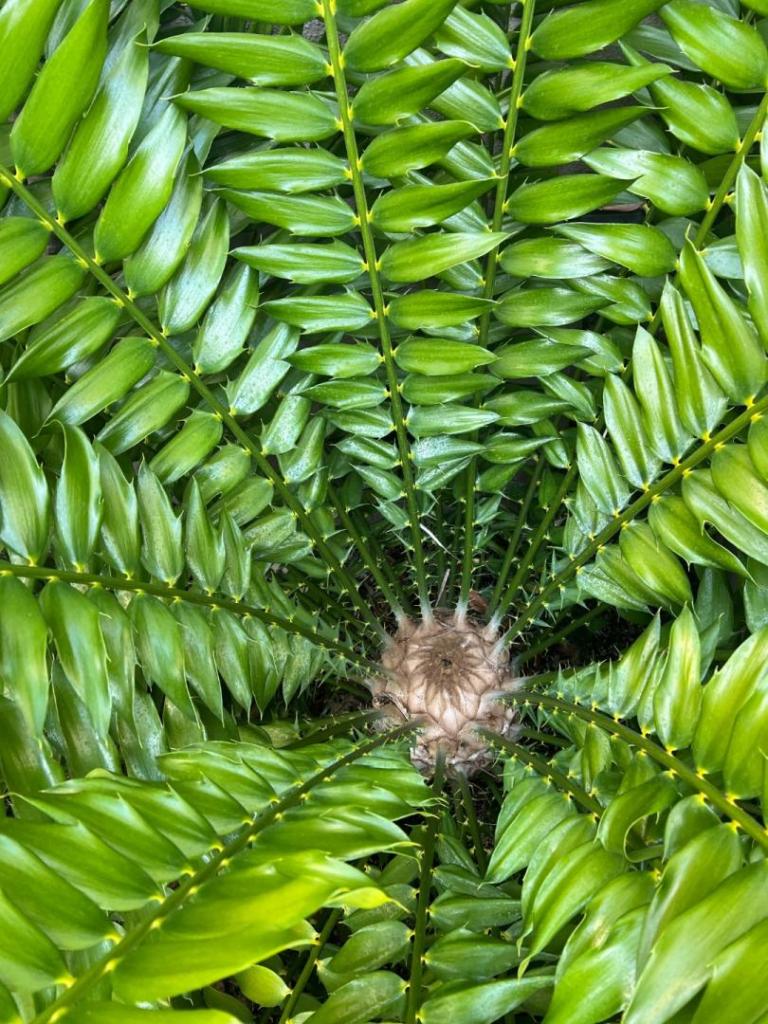
 1 point
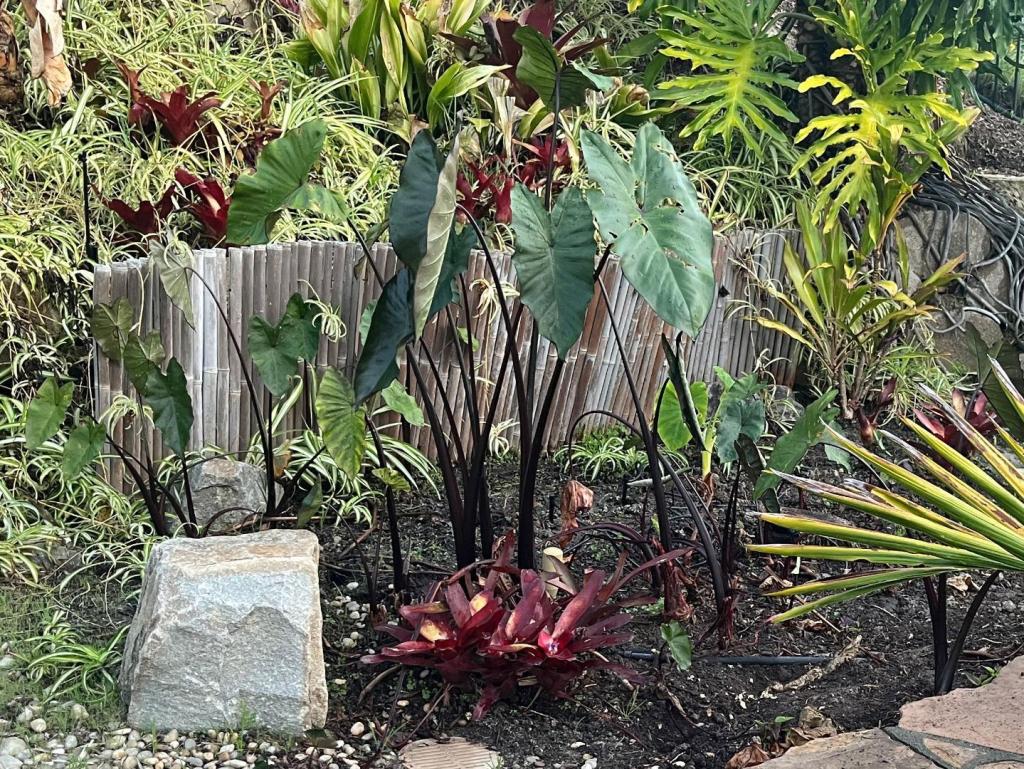
 1 pointI don't have any to spare yet (still populating areas of the yard with it)... but I can offer a data point that "colocasia fontanesii" might be a good variety to try in your Muck Hole®. I haven't had the best luck with colocasia generally - but of the ones I've tried, "fontanesii" has been the most successful, even spreading into the lawn at times (which is easy to fix by re-routing the runner). Most of the other colocasia types I've tried have done okay for a season, but not returned the next (or come back at a laughably small size). I recently took a clump of "fontanesii" from another area of the yard, and stuck it in a spot that has terrible drainage (and where several other plants have already died). And it seems really happy there. There's a thin layer of mulch on top, but underneath is 100% icky, gooey, muddy, mud. Here's a quick snap of the muddy clump this morning...
 1 point
 1 point
Blast off on a nice Princeps and the blue munchii slowly turning blue. This heat wave should help all!
1 point
1 pointBlast off on a nice Princeps and the blue munchii slowly turning blue. This heat wave should help all!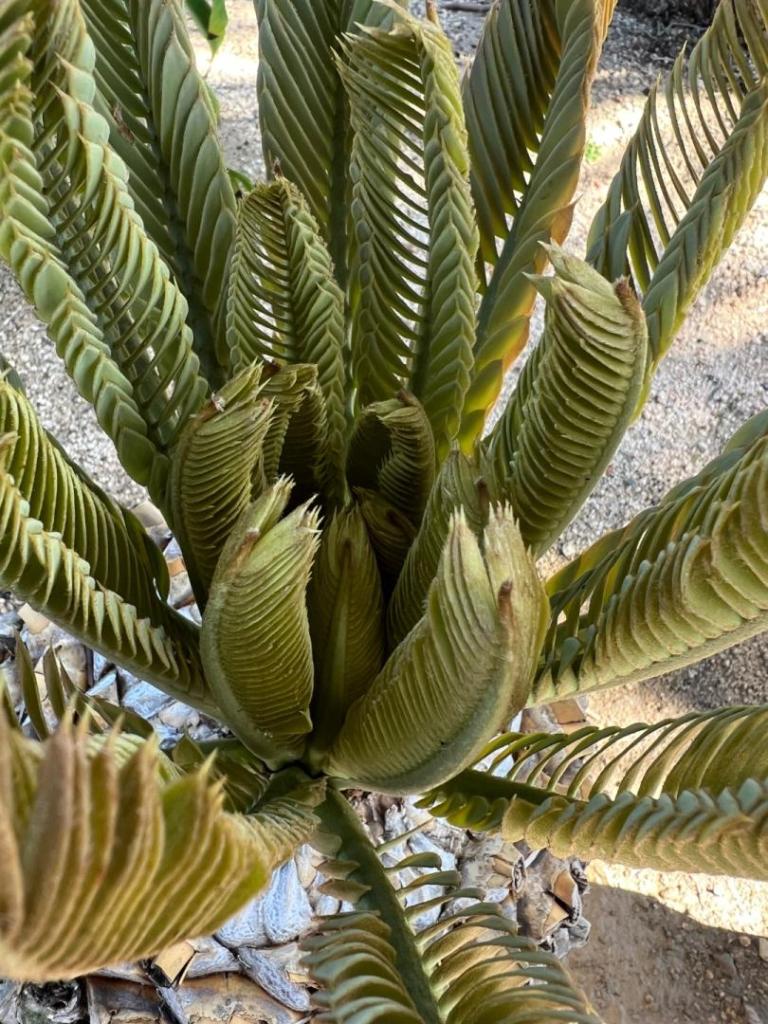
 1 point
 1 pointHere's some of my Licualas after the long freeze and 21° F Licuala dasylantha--- Licuala peltata var. sumawongii,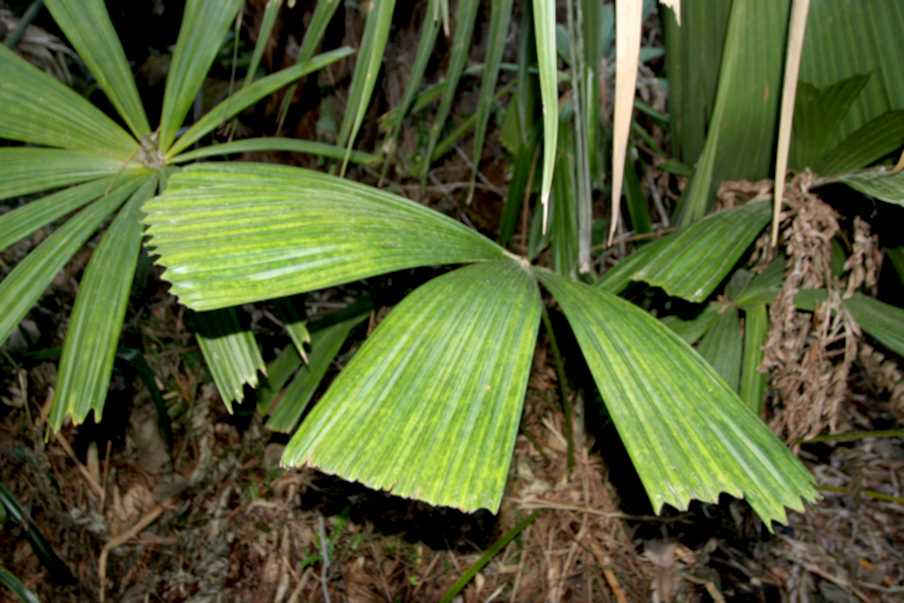

 1 point
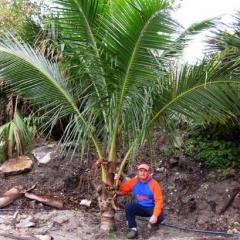 Starting to get a better feel for things now that some time and warmer weather has gone by. This rain we are getting will also help give a push. Everything already got a dose of granular fertilizer plus some liquid feeds here and there. Now it's mostly a waiting game. Of my 3 big Coconuts, I'm seeing some green on at least one of them which is encouraging. Satakentia is still an unknown. Royals seem to be putting some green out and same with my 3 big Foxtails, thank goodness. Archies are all doing well with a couple exceptions that are in limbo. Still not sure of my twin trunk Hurricane palm....and the single Adonidia next to it. My big Bottle might make it. My Pandamus is now done. Entire tip clusters just dropping right off. Riding it out....1 point
1 point1 point
You can get away with zone ten plants only south of SR52 and west of little Rd in denser developments. Past that it's a solid zone 9 for long term stuff, especially in the open. Low spots are disasters in radiational freezes, which are more frequent than anywhere else in the area and see thick frost. Once you go northeast of 52 and Little the area is more 9a, but missing a lot of 9a chill hours (still some though) with temps of 19 happening every few years (lowest spots are far worse). Frost and hard freezes are a certainty in the area of north Pasco away from any wetlands or moisture, the Sandy soil is very dry, depleted of nutrients, and heats rapidly afterwards. It's a challenge to grow much and keep it happy, but legumes and drought/frost/cold tolerant palms do well if they like humidity. If you move to hernando pick a spot high on a hill and closer to the Aripeka area (or on water of course) and you can do more under canopy. From 52 to Chrystal River near the coast is a more reliable 9b with few 9a or 10a winters. Inland spring Hill and shady hills would be good for lower chill panhandle stuff. If you really want warmer and can go a bit further south, aim for the elfers area just east of 19 on SR54. Adonidias there were burned but alive this winter, and archontophoenix are easy. My winter lows near Aripeka Sandhills preserve were: 2022-2023: Christmas freeze 2 nights 27-30, January 16 31.8 with a 32.2 the day before. 2023-24: 32.2 advective, rest 10b (El nino) 2024-25: 33 in early December and frost, 26 or 28 January 25 after multiple days at 33 2025-26: 12 freezes (first 2 in mid November), 2 at 29 advective, many 30 to 32 radiational, and the big one was a radiational 24.6 after the second advective 29 (it was 22 inland at st Leo the same night with wind, so there is some water influence just not nearly as much as a bit south) Hopefully that info helps, just a stone throw away from me (almost literally, I'm in an odd spot) inland hitting 19 to 22 radiational is a regular occurrence and there are few queens or pygmy dates, and I've seen one small Bismarck. That area people don't garden at all or use greenhouses for things. I'm using one for most of my plantings and am transitioning to mostly desert plants in the front yard thats open, they do better (and natives). A drive down 19 a short distance and most years mangos and similar are fine, this year and 2018 fried the nothernmost openly planted one. If I had known all this detail before I likely would have pushed for a smaller lot in southwest Pasco to avoid the major dips, but I like my space here too.1 point
Starting to get a better feel for things now that some time and warmer weather has gone by. This rain we are getting will also help give a push. Everything already got a dose of granular fertilizer plus some liquid feeds here and there. Now it's mostly a waiting game. Of my 3 big Coconuts, I'm seeing some green on at least one of them which is encouraging. Satakentia is still an unknown. Royals seem to be putting some green out and same with my 3 big Foxtails, thank goodness. Archies are all doing well with a couple exceptions that are in limbo. Still not sure of my twin trunk Hurricane palm....and the single Adonidia next to it. My big Bottle might make it. My Pandamus is now done. Entire tip clusters just dropping right off. Riding it out....1 point
1 point1 point
You can get away with zone ten plants only south of SR52 and west of little Rd in denser developments. Past that it's a solid zone 9 for long term stuff, especially in the open. Low spots are disasters in radiational freezes, which are more frequent than anywhere else in the area and see thick frost. Once you go northeast of 52 and Little the area is more 9a, but missing a lot of 9a chill hours (still some though) with temps of 19 happening every few years (lowest spots are far worse). Frost and hard freezes are a certainty in the area of north Pasco away from any wetlands or moisture, the Sandy soil is very dry, depleted of nutrients, and heats rapidly afterwards. It's a challenge to grow much and keep it happy, but legumes and drought/frost/cold tolerant palms do well if they like humidity. If you move to hernando pick a spot high on a hill and closer to the Aripeka area (or on water of course) and you can do more under canopy. From 52 to Chrystal River near the coast is a more reliable 9b with few 9a or 10a winters. Inland spring Hill and shady hills would be good for lower chill panhandle stuff. If you really want warmer and can go a bit further south, aim for the elfers area just east of 19 on SR54. Adonidias there were burned but alive this winter, and archontophoenix are easy. My winter lows near Aripeka Sandhills preserve were: 2022-2023: Christmas freeze 2 nights 27-30, January 16 31.8 with a 32.2 the day before. 2023-24: 32.2 advective, rest 10b (El nino) 2024-25: 33 in early December and frost, 26 or 28 January 25 after multiple days at 33 2025-26: 12 freezes (first 2 in mid November), 2 at 29 advective, many 30 to 32 radiational, and the big one was a radiational 24.6 after the second advective 29 (it was 22 inland at st Leo the same night with wind, so there is some water influence just not nearly as much as a bit south) Hopefully that info helps, just a stone throw away from me (almost literally, I'm in an odd spot) inland hitting 19 to 22 radiational is a regular occurrence and there are few queens or pygmy dates, and I've seen one small Bismarck. That area people don't garden at all or use greenhouses for things. I'm using one for most of my plantings and am transitioning to mostly desert plants in the front yard thats open, they do better (and natives). A drive down 19 a short distance and most years mangos and similar are fine, this year and 2018 fried the nothernmost openly planted one. If I had known all this detail before I likely would have pushed for a smaller lot in southwest Pasco to avoid the major dips, but I like my space here too.1 point Update almost a year later! They recovered beautifully. Hoping for another recovery after the freeze expected this weekend. Good luck to all bracing for the storm!! 🌴❤️
 1 point
 1 pointMoon Valley Nursery made up name I'm willing to bet. Piru King Palm® Syagrus romanzoffiana 'piru' x Butia Capitata ‘King' Cold and Heat Tolerant Easy to Grow Low maintenance and little pruning Exclusively available at Moon Valley Nurseries For the price the OP likely paid for it, I would be calling them and telling them to get a replacement in the ground ASAP.1 point
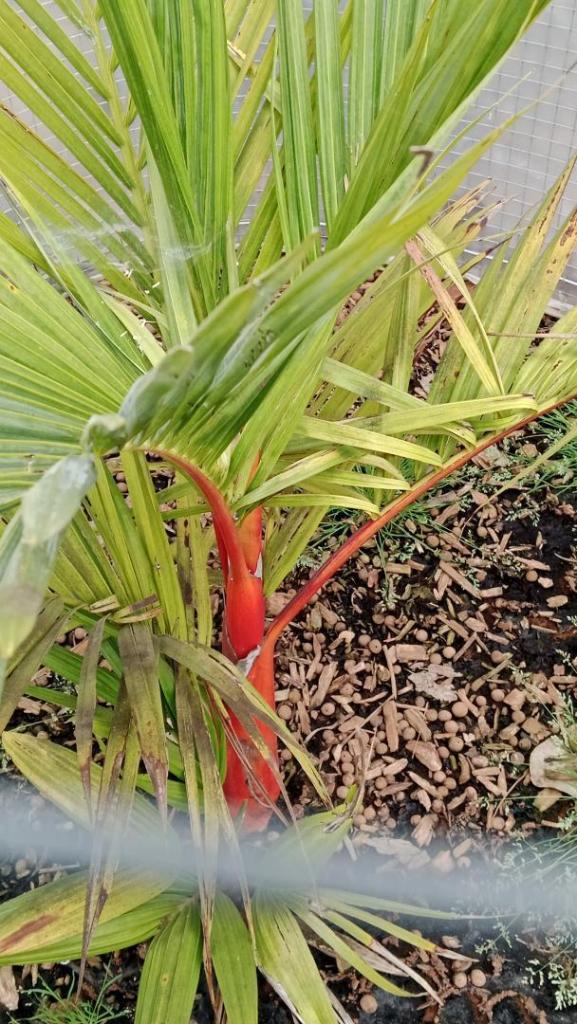
 1 pointHello all. I post an update from last week about our C. renda which is still in its little house that we built around new years day. That thing builds up so much heat that It Is hard to believe that It likes it. This march and april we have been almost 1 C below thé historical average, so thé protection is still on. ... Until Monday I suppose. Carlo VID-20250405-WA0010.mp4
 1 point
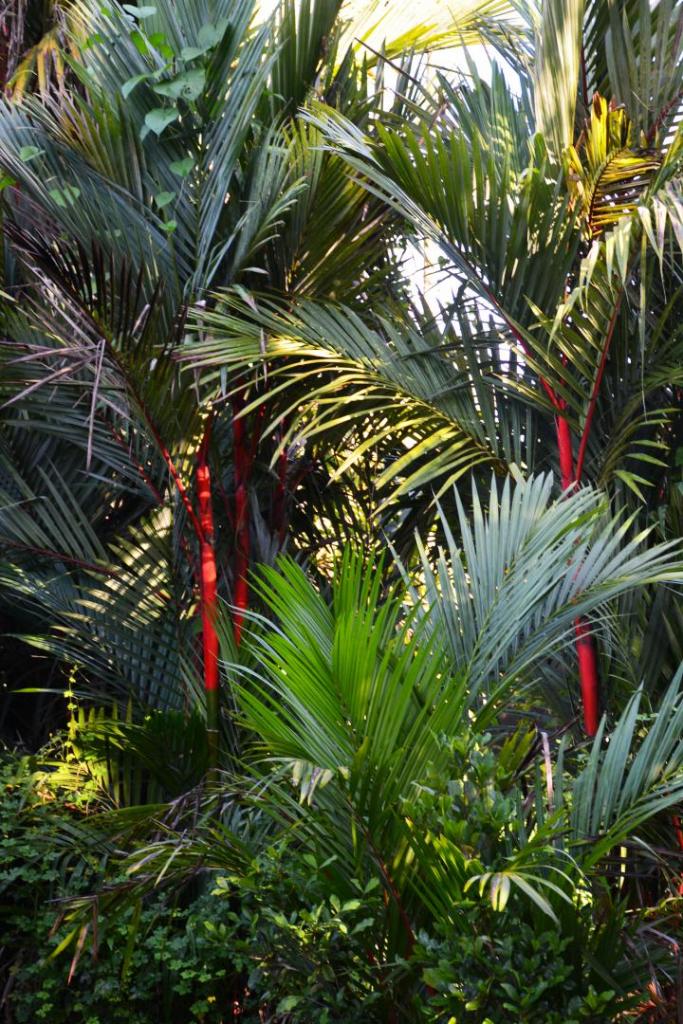
 1 pointNot my palms but planted out in my vicinity in front of a farm. It doesn't look like the farmer really takes care of it but they are nevertheless big clumps covering the whole length of the farm, about 100 meter. You see those here only planted out in the south, up to the middle of the country really. these here are easily 6/8 meter tall.
 1 point
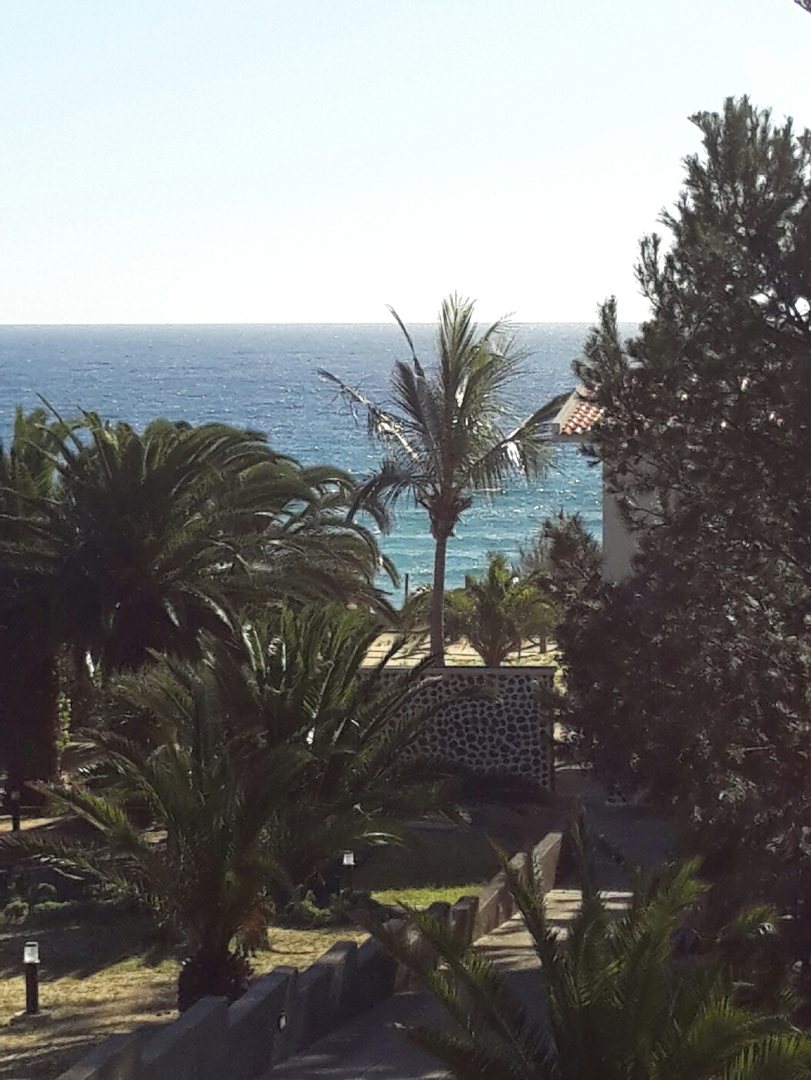
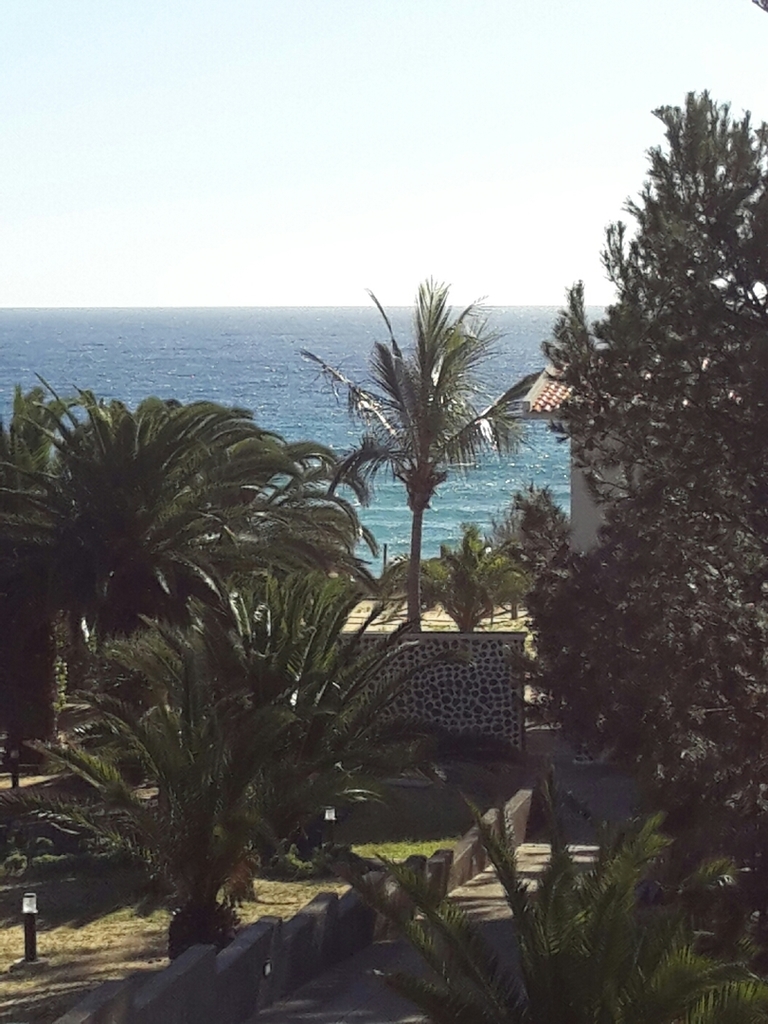
 1 pointOn our trip to Porto Santo island today, I took a photo of this coconut just out of the center of the Porto Santo town. Even though is more north than Madeira at 33.5 degrees north, it seems they can grow nice coconuts there.
 1 point