


Leaderboard
-

happypalms
IPS MEMBER24Points13,427Posts -

Phoenikakias
IPS MEMBER9Points6,703Posts -

Tracy
IPS MEMBER9Points6,572Posts -

Jonathan
IPS MEMBER6Points2,620Posts
Popular Content
Showing content with the highest reputation on 03/03/2026 in all areas
-
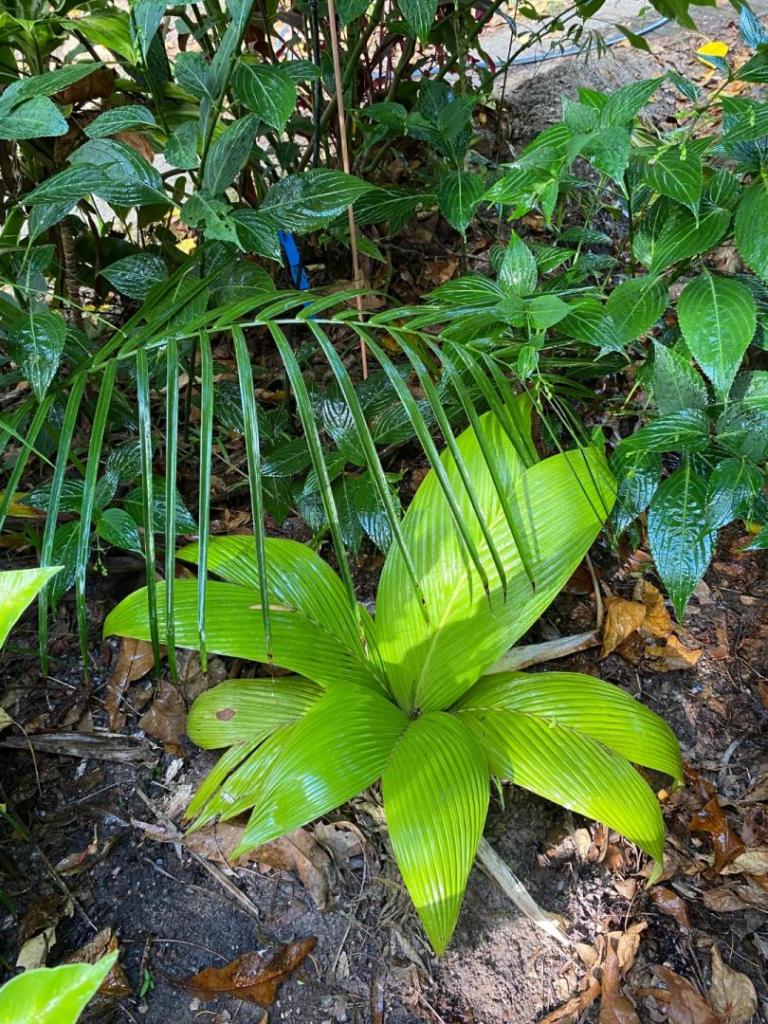
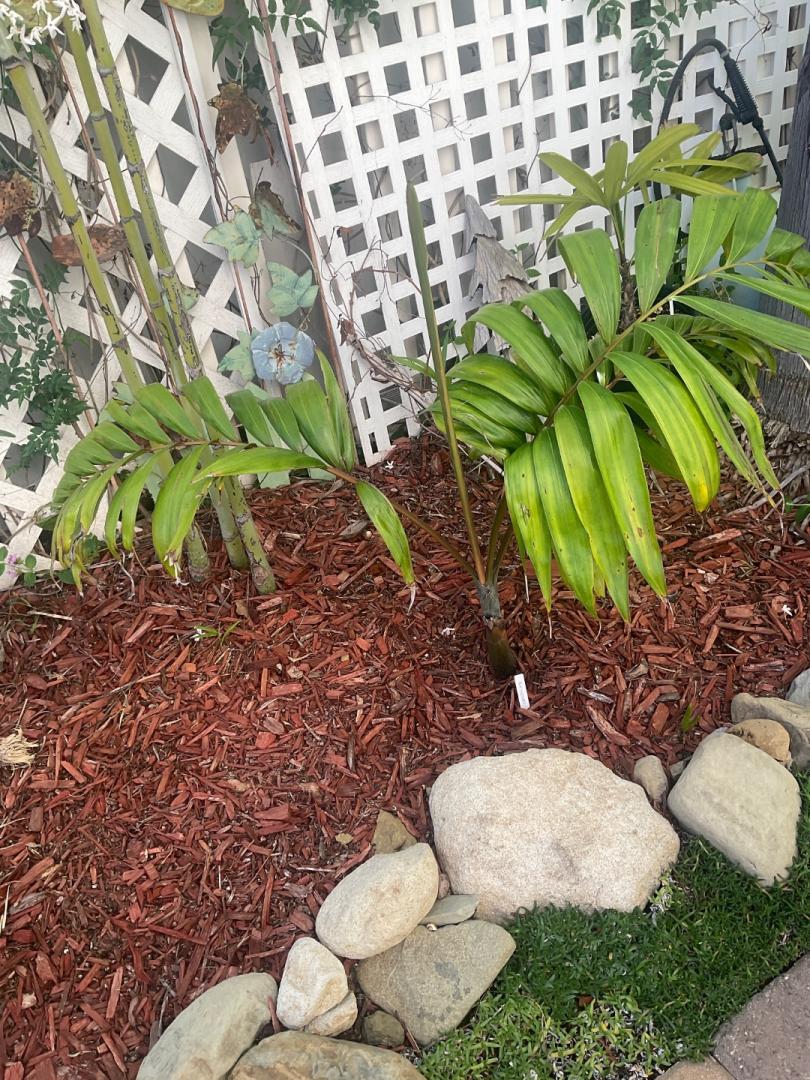
4 pointsMarojejya darinii and a nice little dypsis lantzeana seemed to have liked the summer we just had!
 4 points
 -
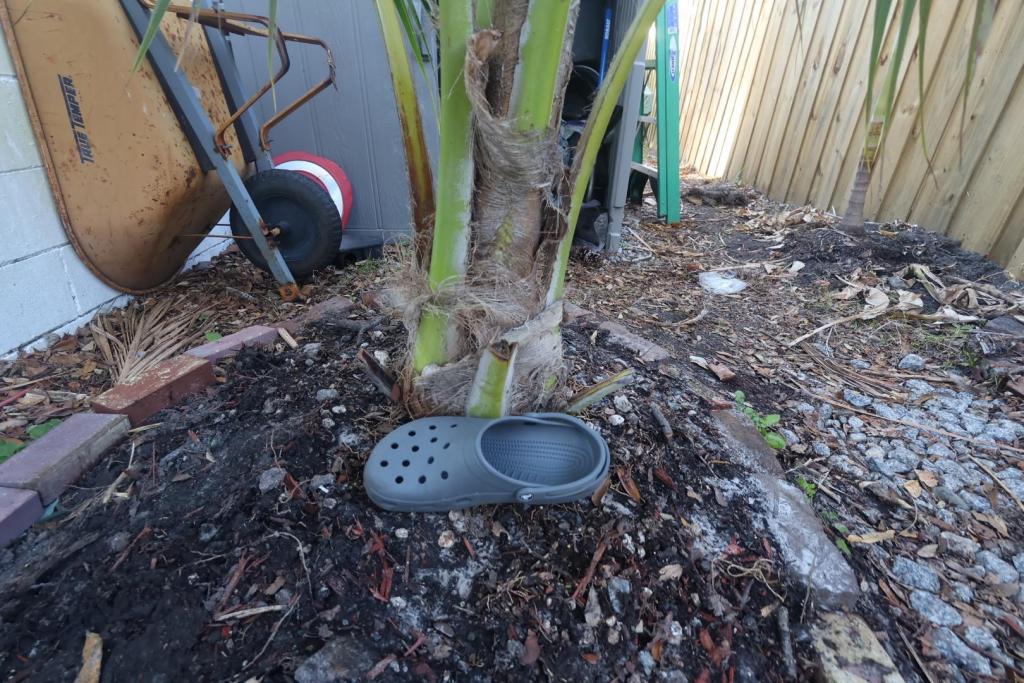
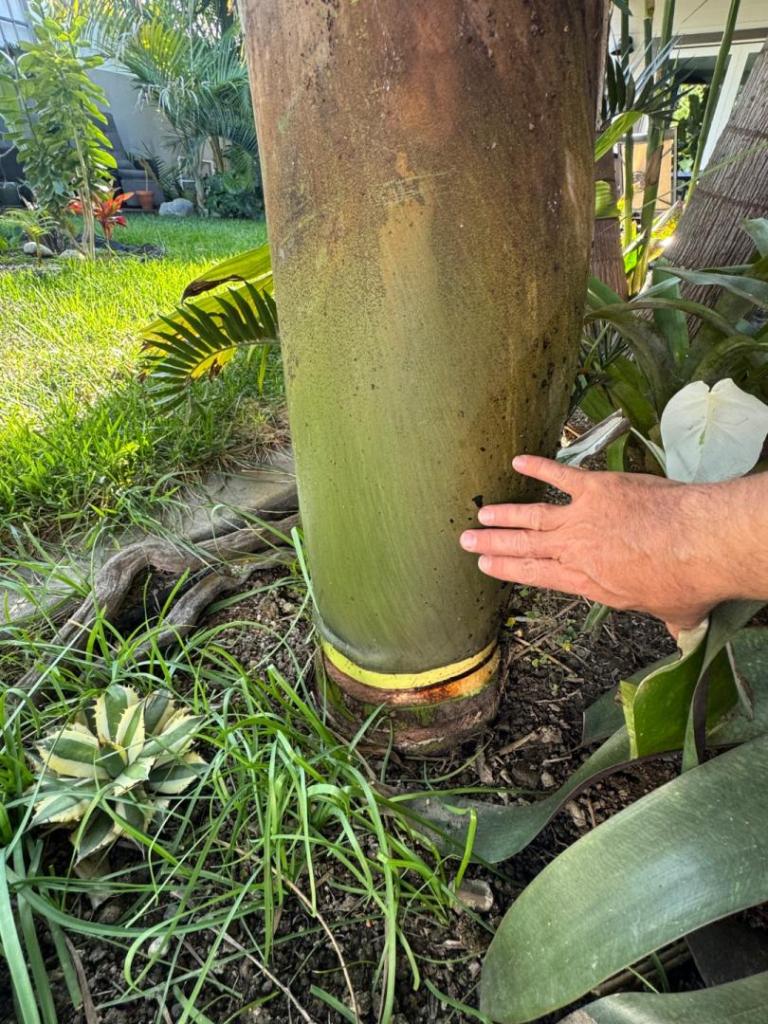
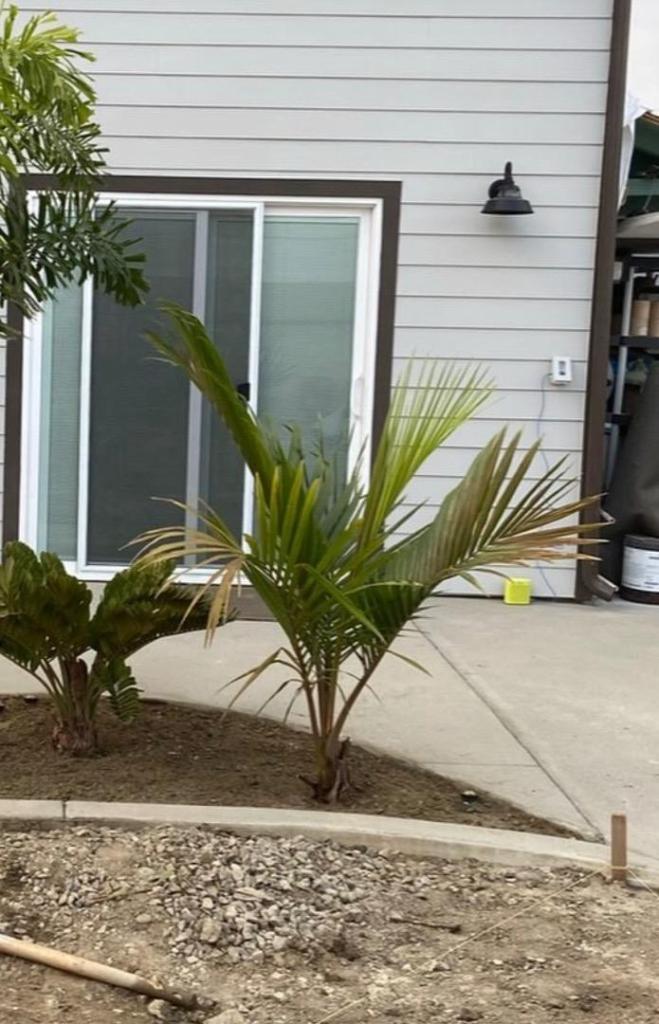
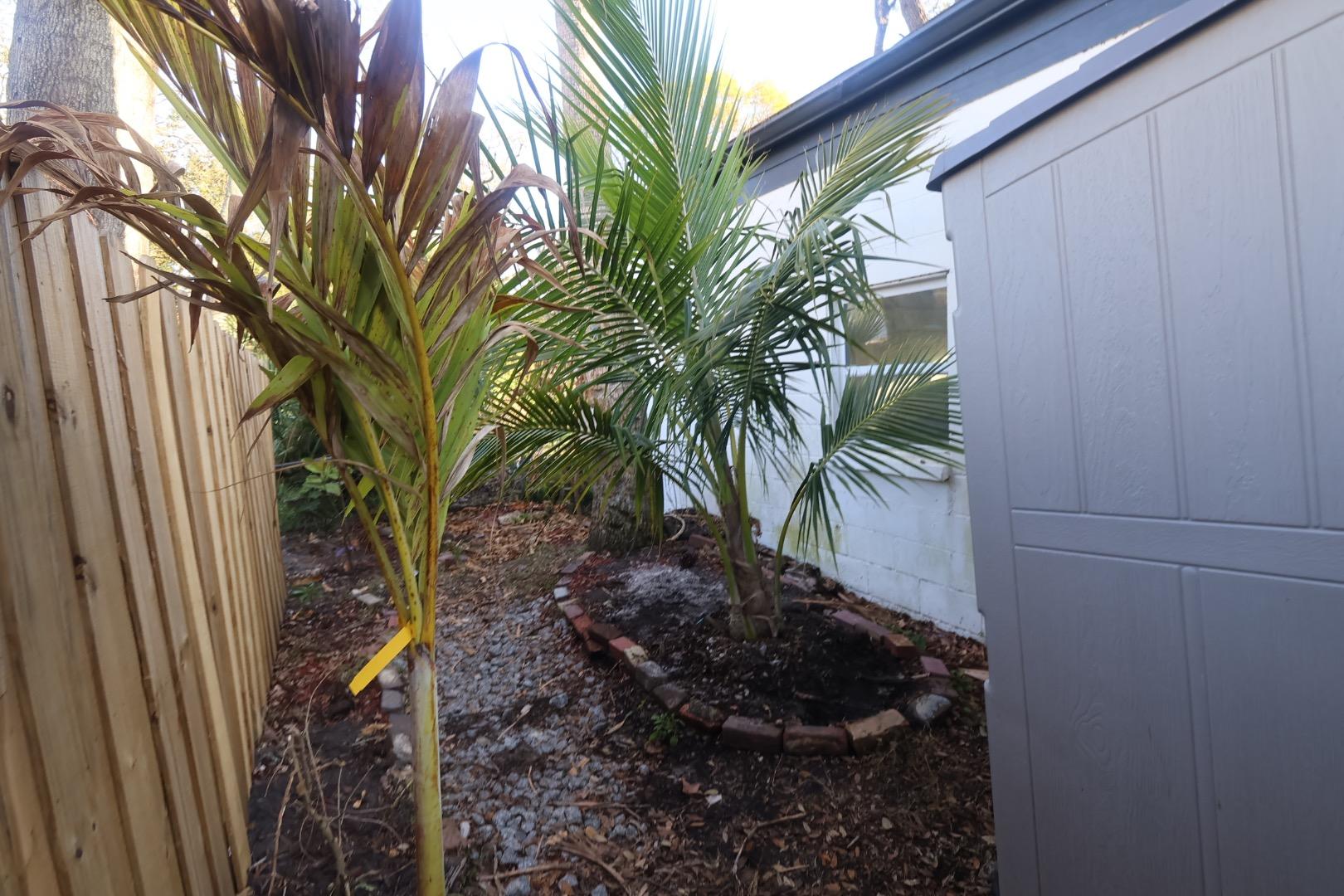
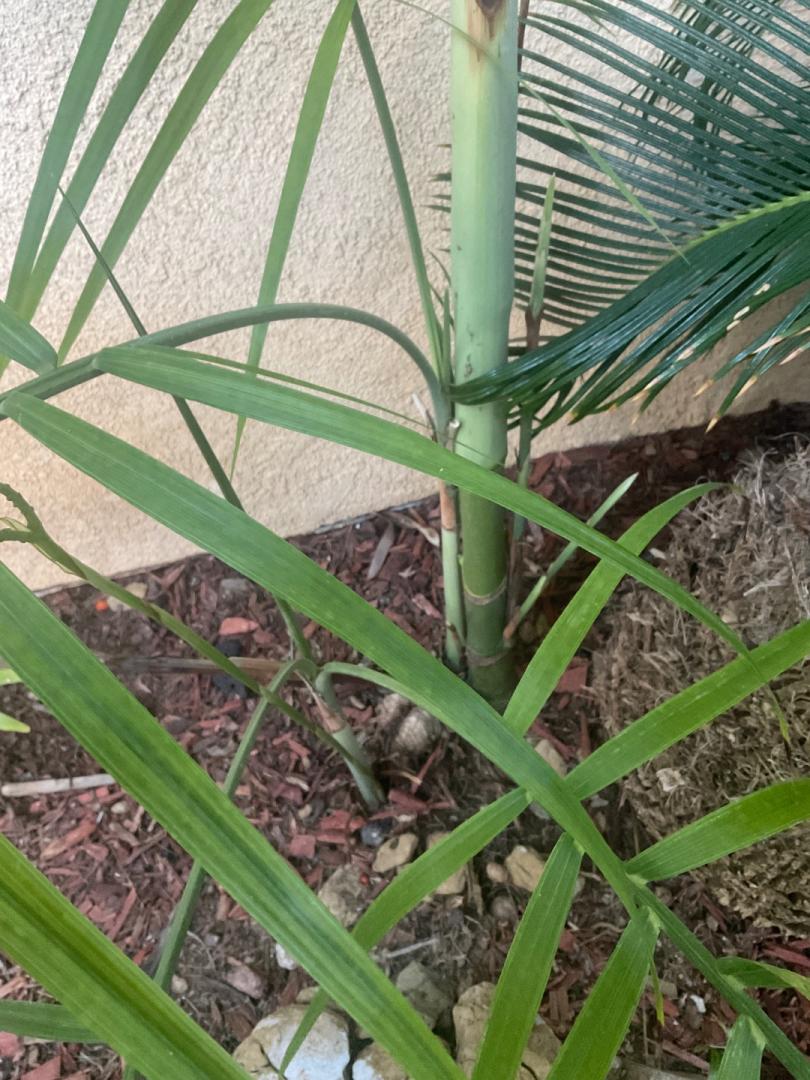
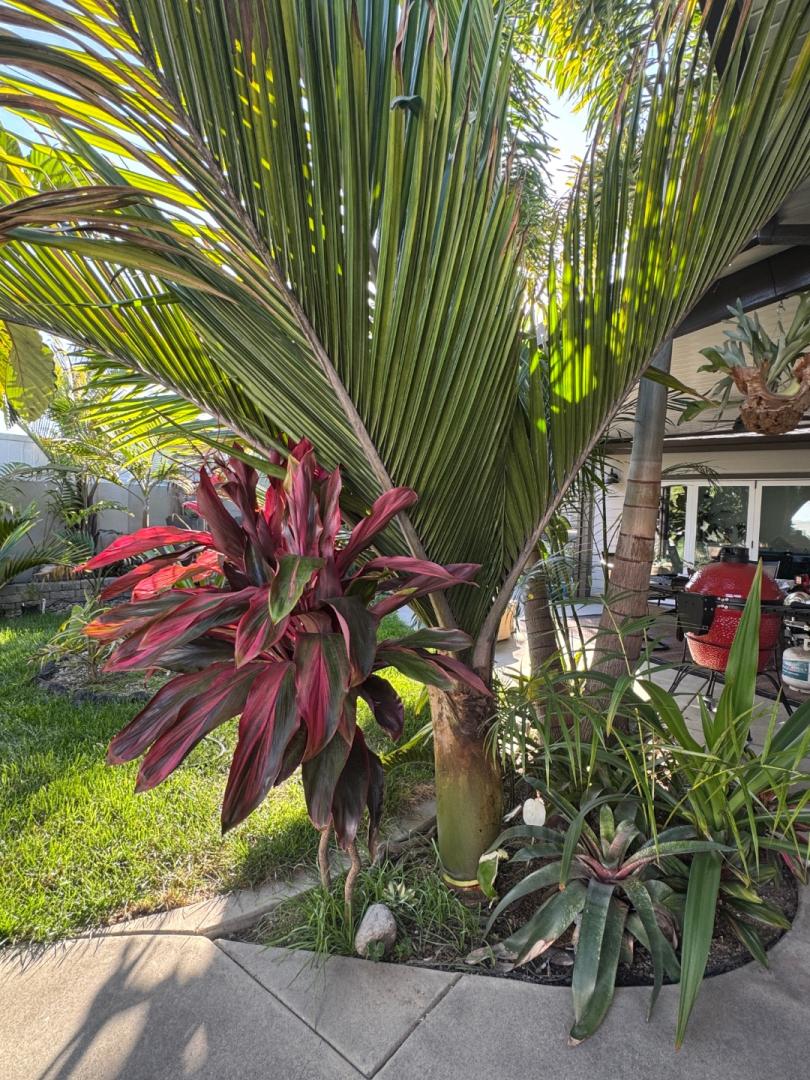
 I got a 15 gallon coconut tree and it has 10 fronds and a base about 3 feet or so in diameter, one picture is a size 13 croc next to it, I also elevated the bed, planted away from the huge 30 foot sable, and got a much healthier tree in general. When I ripped out the old coconut the roots had barely grown and it looked pretty sad. And I won’t rip off and old boots this time. I’m only living here 4 more years so my goal is for it to live 4 years. It’s about 11 feet tall.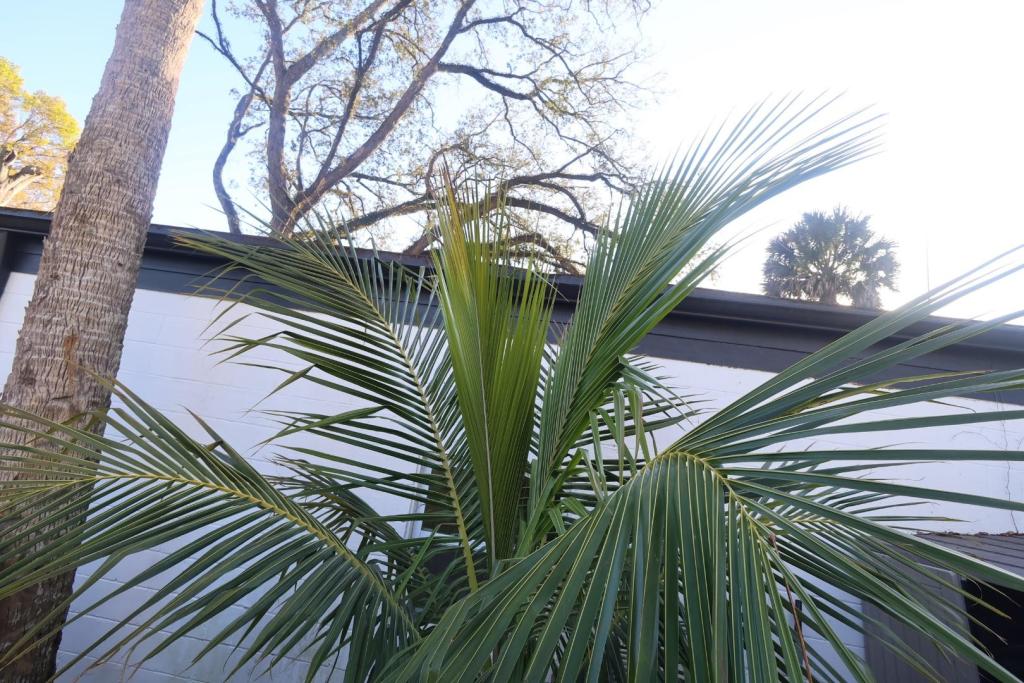
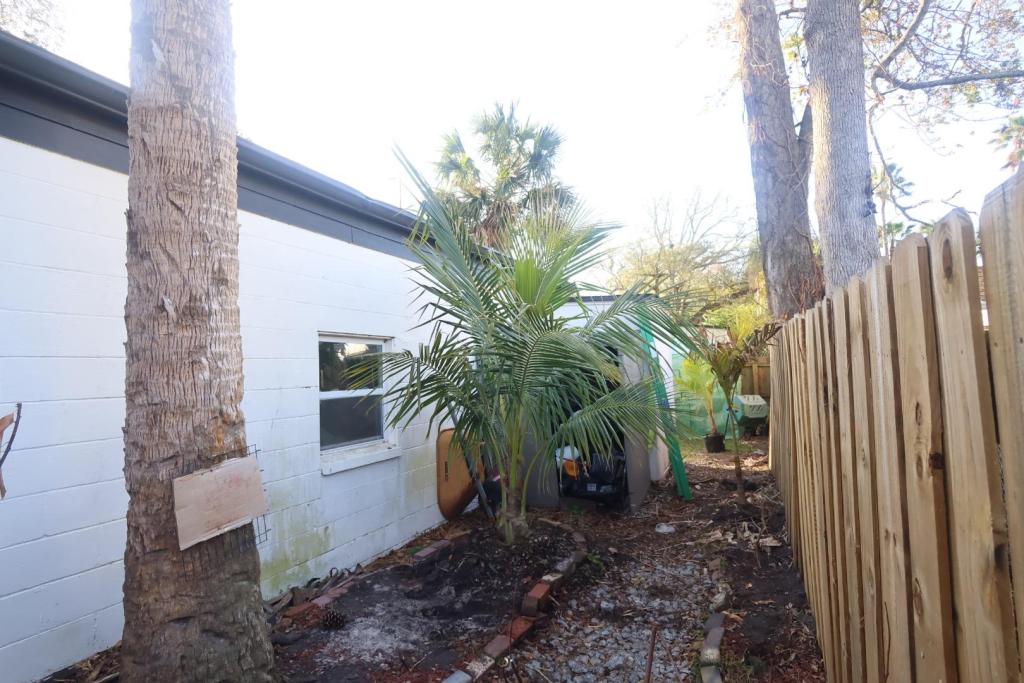
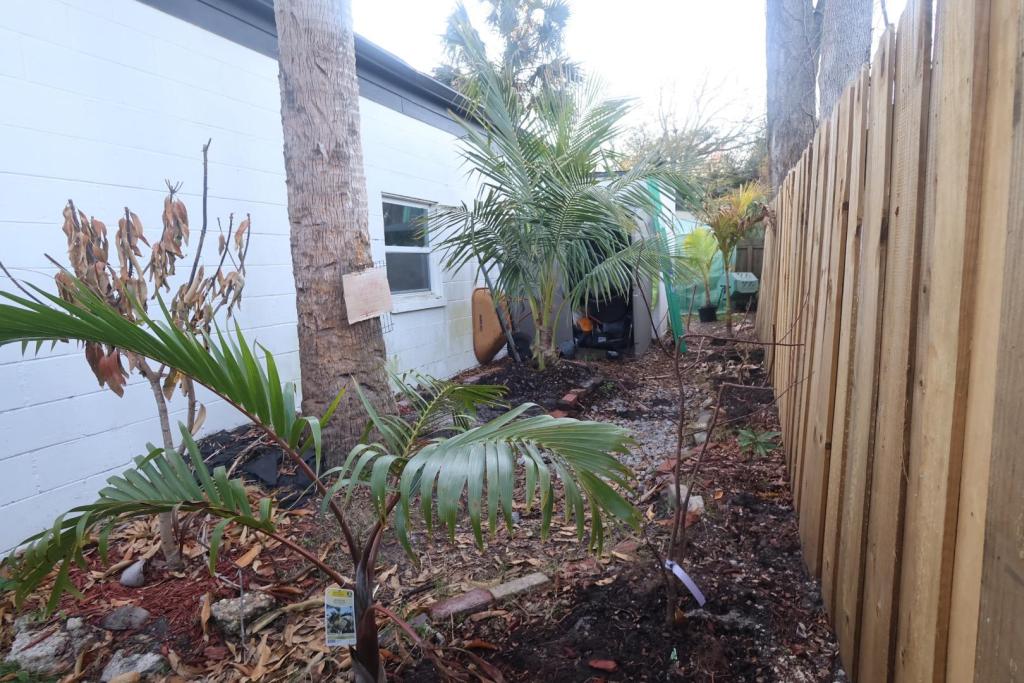
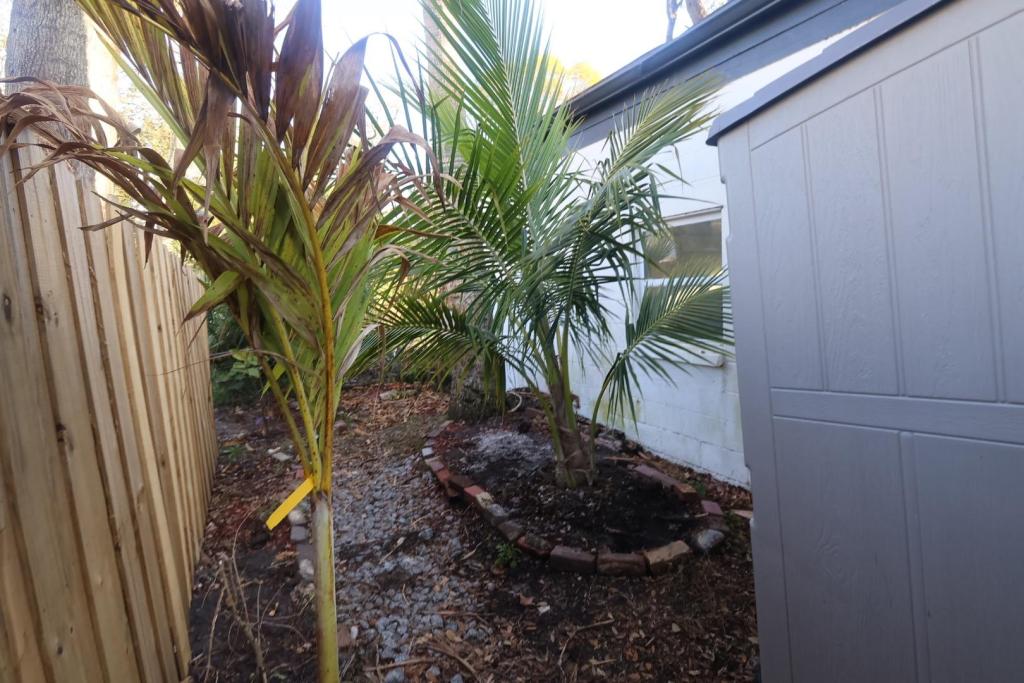 3 points
 -
 3 points3 points
3 points
3 points
3 points
3 pointsJust to clarify, the female is the rather commonly grown Ravenea glauca. The uncommon plants is the male, Ravenea julietiae. I have seedlings of Ravenea glauca from past years because I have both male and female of that species. Today I collected a little pollen from the Ravenea julietiae and tried dusting some flowers on the Ravenea glauca female. It won't develop full fruits with seeds unless the flowers are successfully pollinated in my experience. So I will collect more pollen and try dusting again over the next few days. We will see if the glauca develops fruit.3 points
The most beautiful thing is that vision I had when I first started the garden is now visible. Time is an amazing gift. Richard3 points
3 points3 points
3 points
3 points
3 points
3 pointsJust to clarify, the female is the rather commonly grown Ravenea glauca. The uncommon plants is the male, Ravenea julietiae. I have seedlings of Ravenea glauca from past years because I have both male and female of that species. Today I collected a little pollen from the Ravenea julietiae and tried dusting some flowers on the Ravenea glauca female. It won't develop full fruits with seeds unless the flowers are successfully pollinated in my experience. So I will collect more pollen and try dusting again over the next few days. We will see if the glauca develops fruit.3 points
The most beautiful thing is that vision I had when I first started the garden is now visible. Time is an amazing gift. Richard3 points 3 pointsEncountered a bunch of big old-ish CIDP in Houston today that somehow have escaped lethal bronzing. MacGregor/Old Spanish Trail near UofH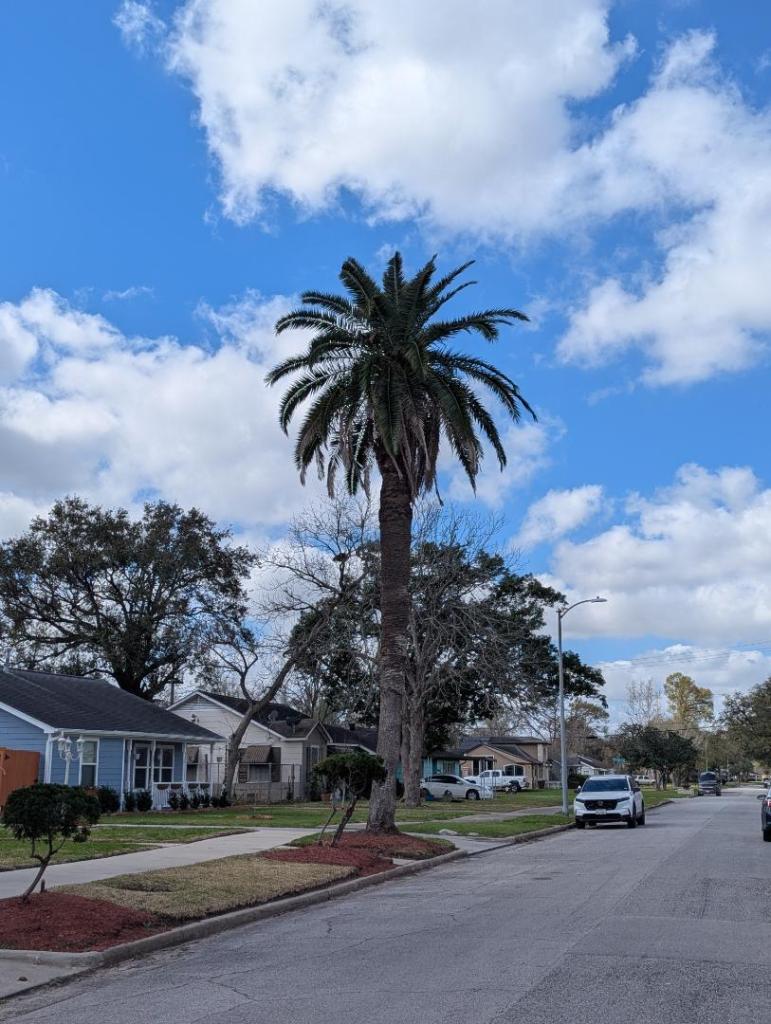


 3 points
.thumb.png.04b3487b96ff29c55b8a8994b91f62b2.png) 3 points
3 points After several revisions, I’m excited to share my ongoing PDF guide to cold hardy palms. This has been a long-term project and will continue to evolve as I learn more and gather new experiences. Feel free to share it anywhere by posting the link to the document — that will always point to the latest version for when I update. I am still working on some more pages in time. I truly appreciate all the support, knowledge, and friendships from this forum over the years. My goal has always been simple, help others enjoy and succeed in this hobby as much as I have. Hopefully this information will especially help others new to the hobby. While the design is AI assisted, all photos and text dictation are from my experiences. While I am aware there are a few errors still, let me know what you think TNTropics Cold Hardy Palm Guide https://drive.google.com/file/d/1w9-43MjGhgyQyqgVeQoWXU69GvRGLpdU/view?usp=sharing
 2 points
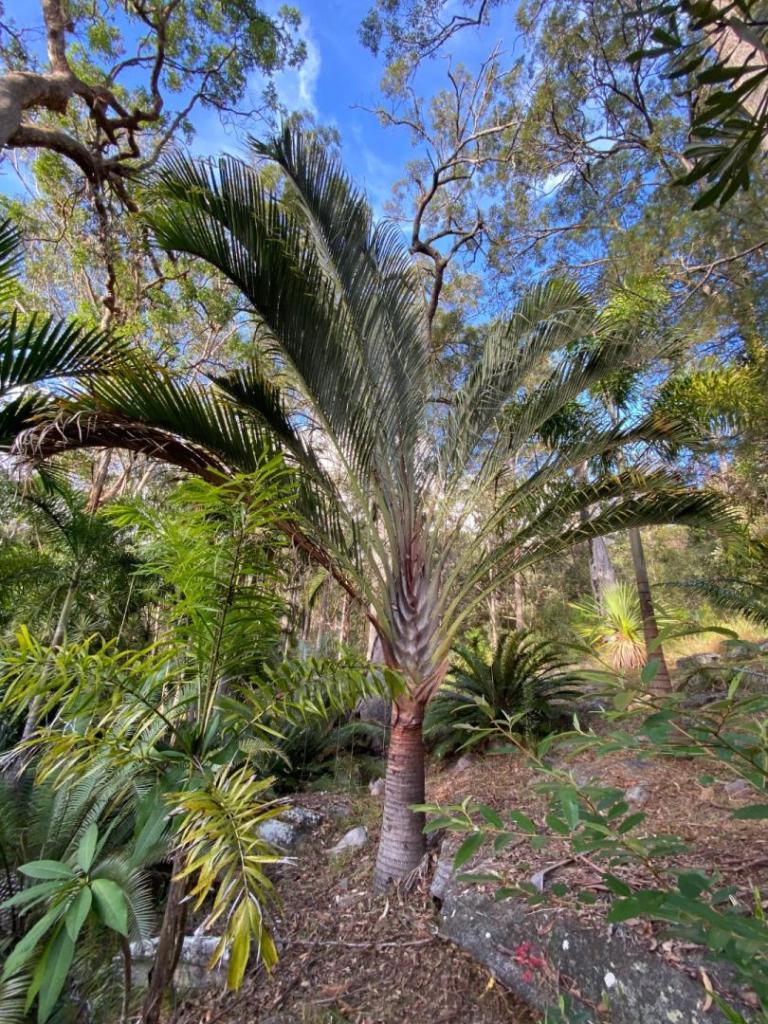
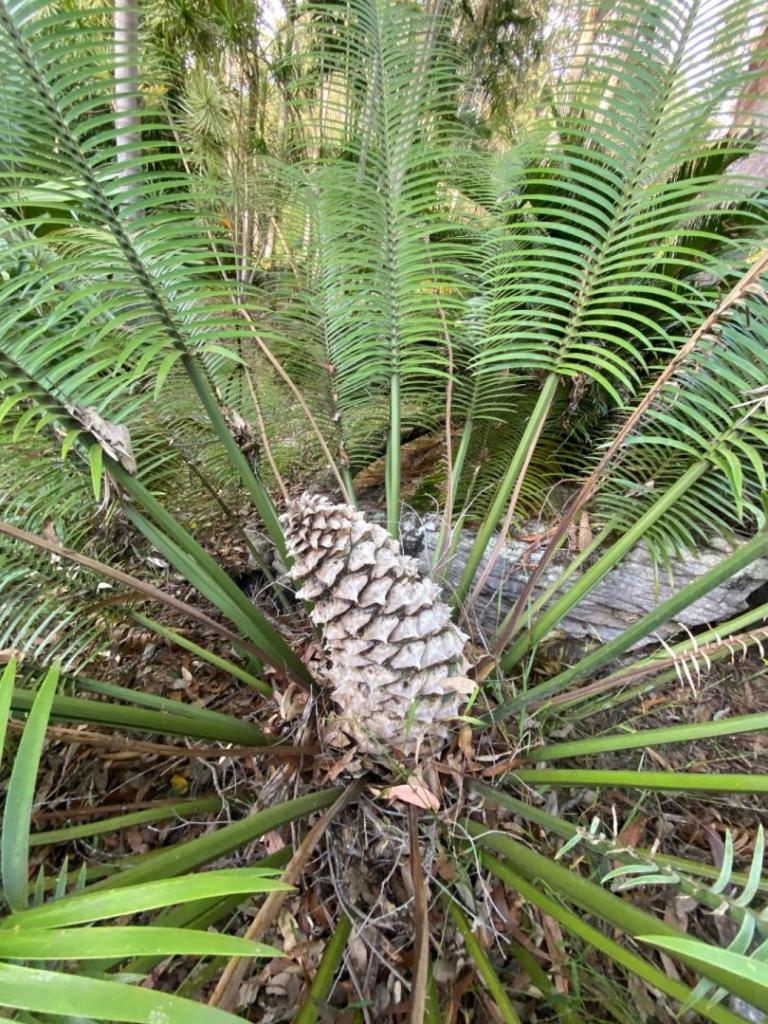
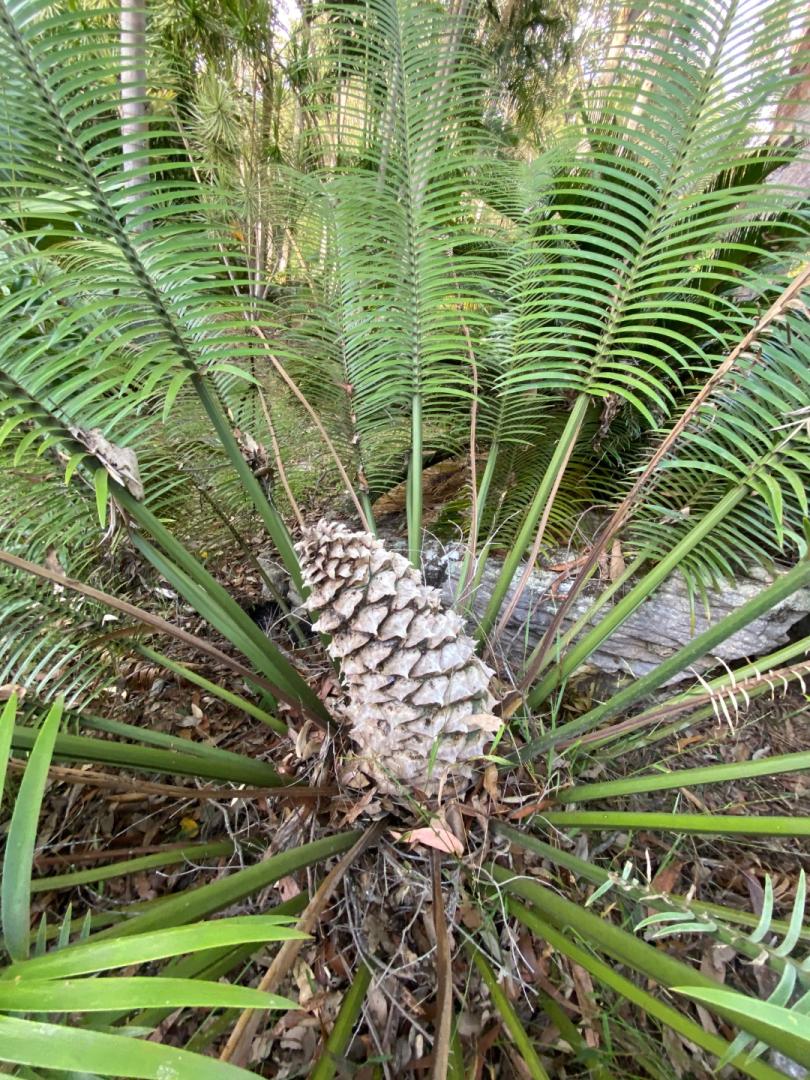
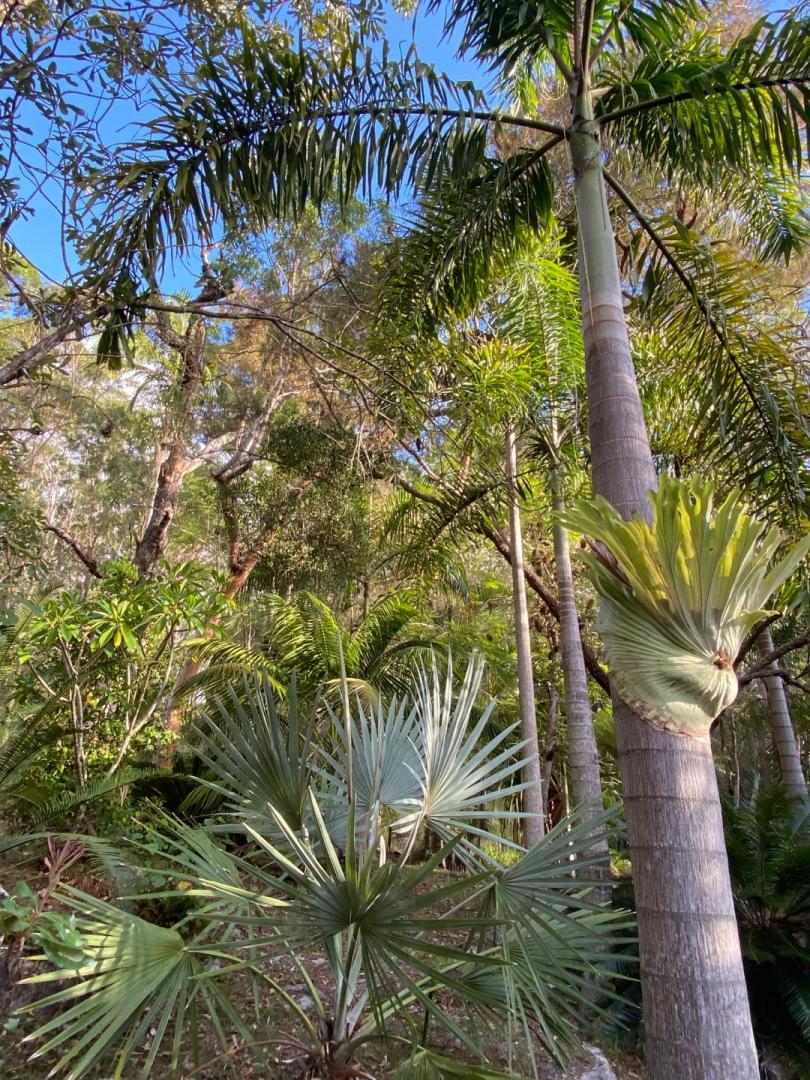
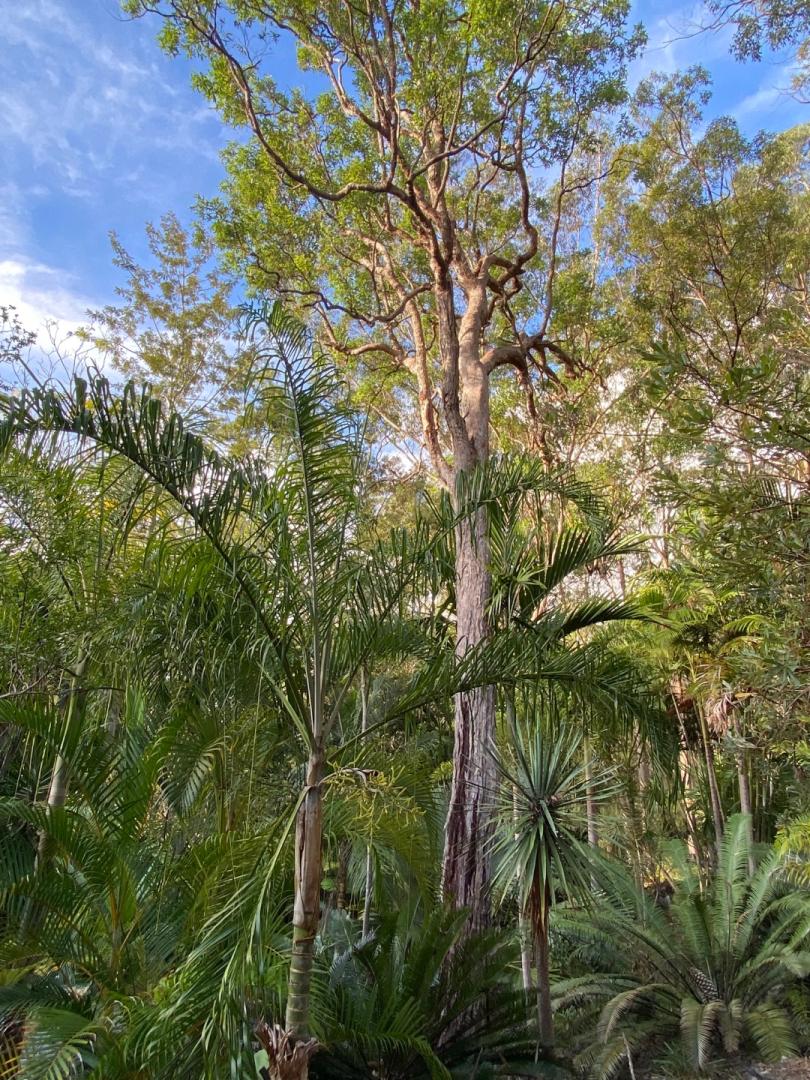
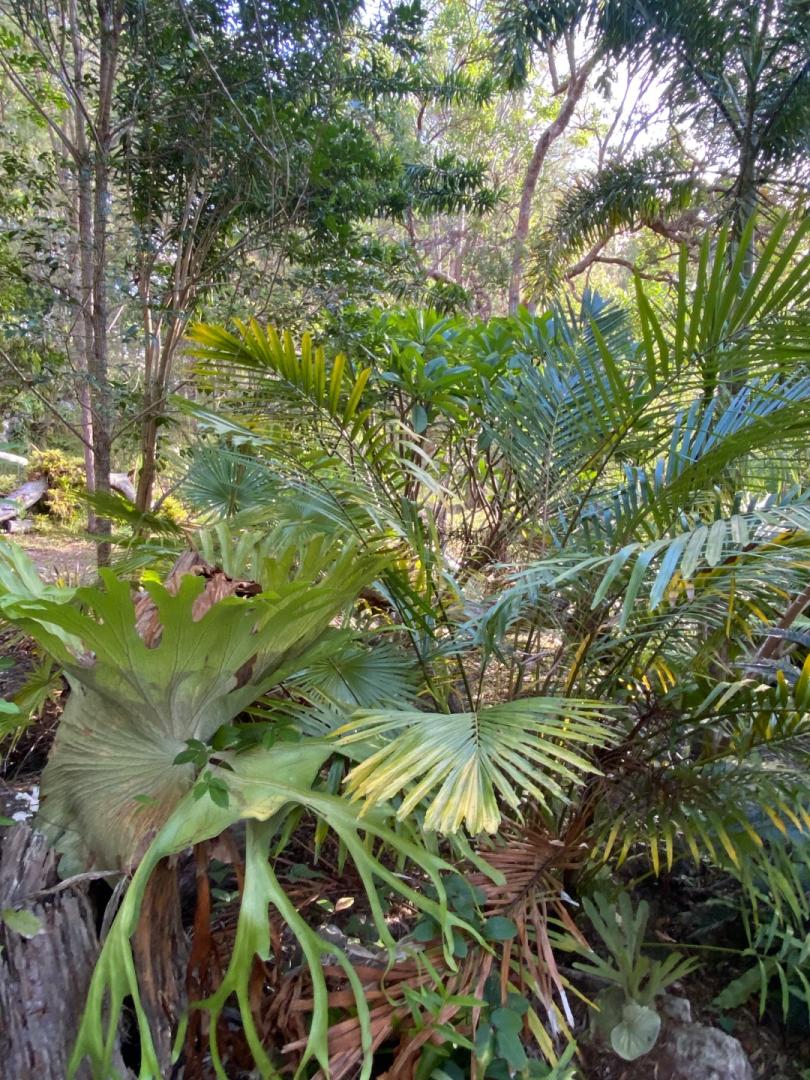
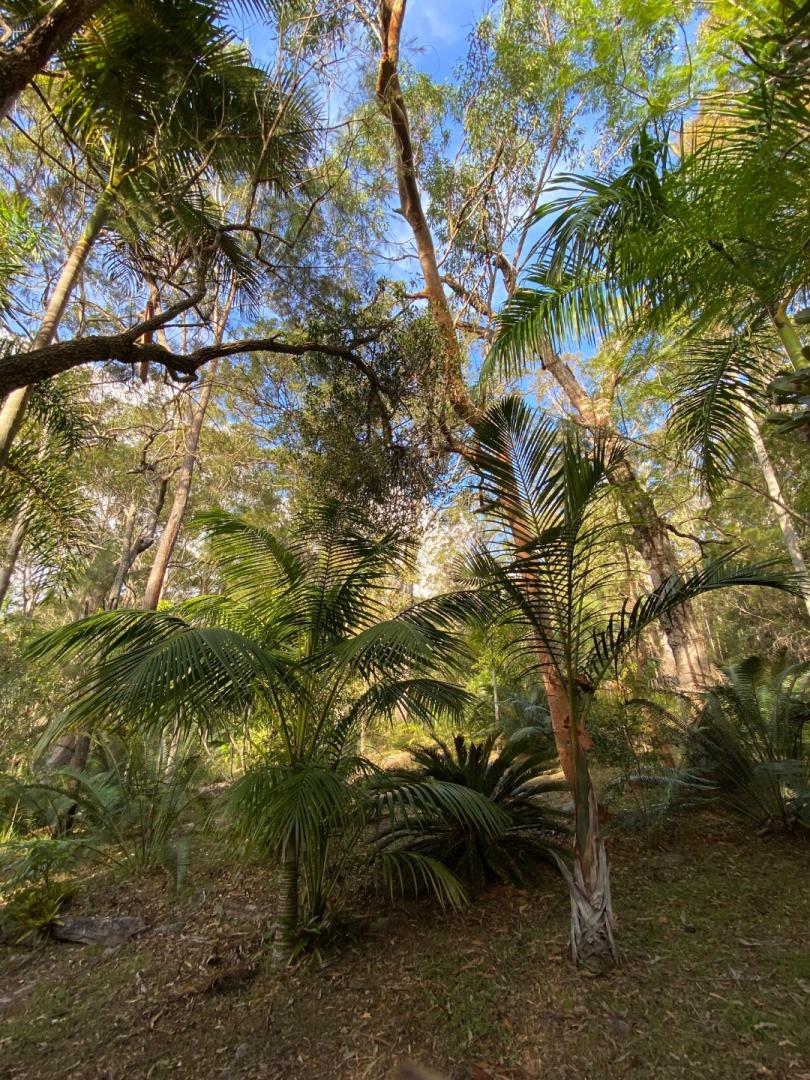
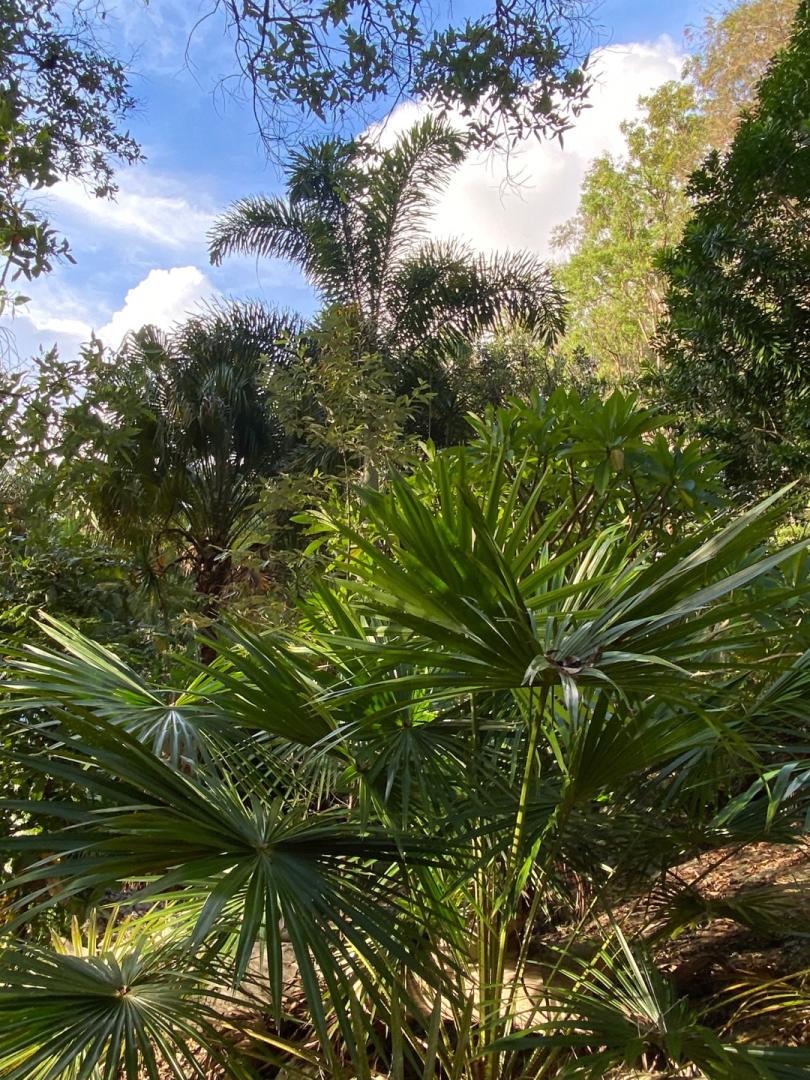
As I sit on rock in the garden looking at what I have created iam amazed. The garden goes from a jungle canopy understory to a very dry hot intolerable in summer heat garden. Yet it all seems to work and grow in harmony with Mother Nature. You can create a garden of your taste to reflect your personality, it just takes time. All you see was basically carved out of the Australian bush, and we’re not talking about tropical cairns or Hawaii where you throw a plant over your shoulder and grows by just looking at them. Its hard country to garden in just add water! IMG_9785.mov
2 points
As I sit on rock in the garden looking at what I have created iam amazed. The garden goes from a jungle canopy understory to a very dry hot intolerable in summer heat garden. Yet it all seems to work and grow in harmony with Mother Nature. You can create a garden of your taste to reflect your personality, it just takes time. All you see was basically carved out of the Australian bush, and we’re not talking about tropical cairns or Hawaii where you throw a plant over your shoulder and grows by just looking at them. Its hard country to garden in just add water! IMG_9785.mov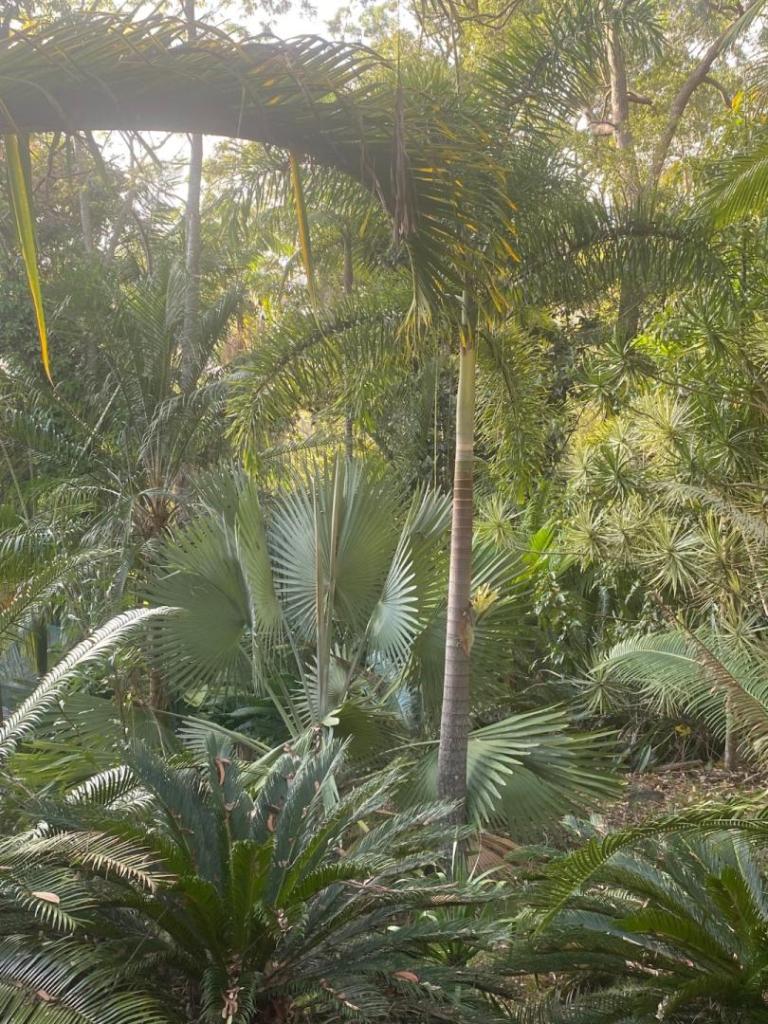


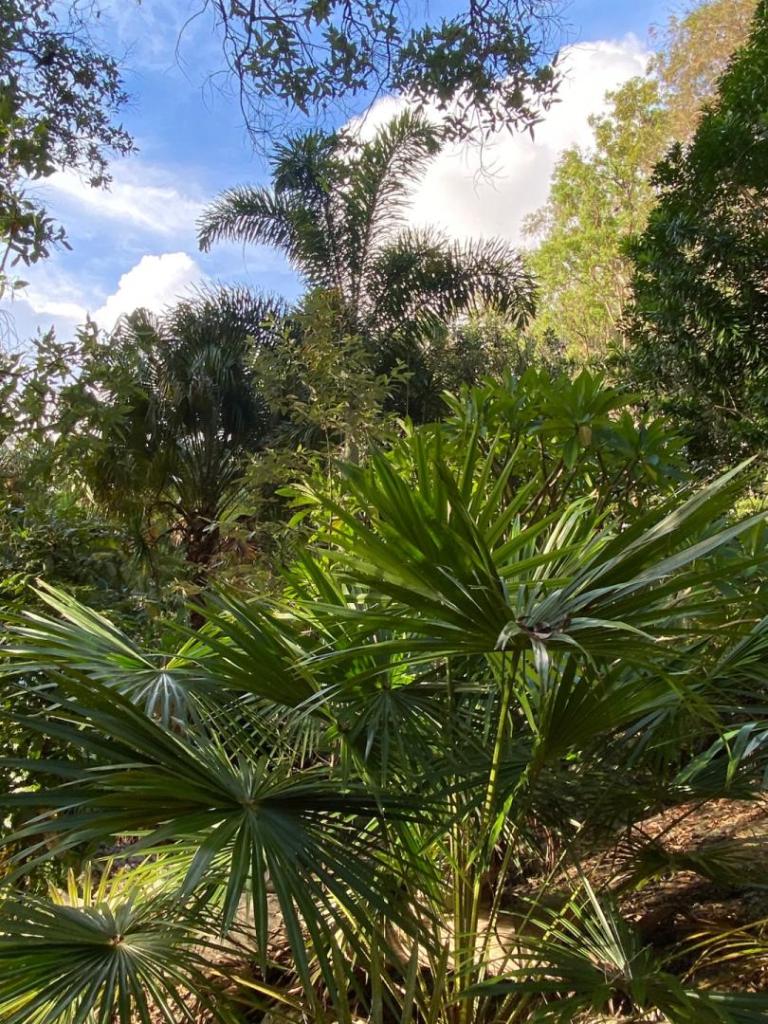
 2 points
Josue first up is my younger Ravenea julietiae followed by 3 shots of the one in bloom right now. I have the potted Macrozamia on one side and Dioon mejiae on the other making it challenging to get the entire palm in one photo.
2 points
2 pointsJosue first up is my younger Ravenea julietiae followed by 3 shots of the one in bloom right now. I have the potted Macrozamia on one side and Dioon mejiae on the other making it challenging to get the entire palm in one photo.

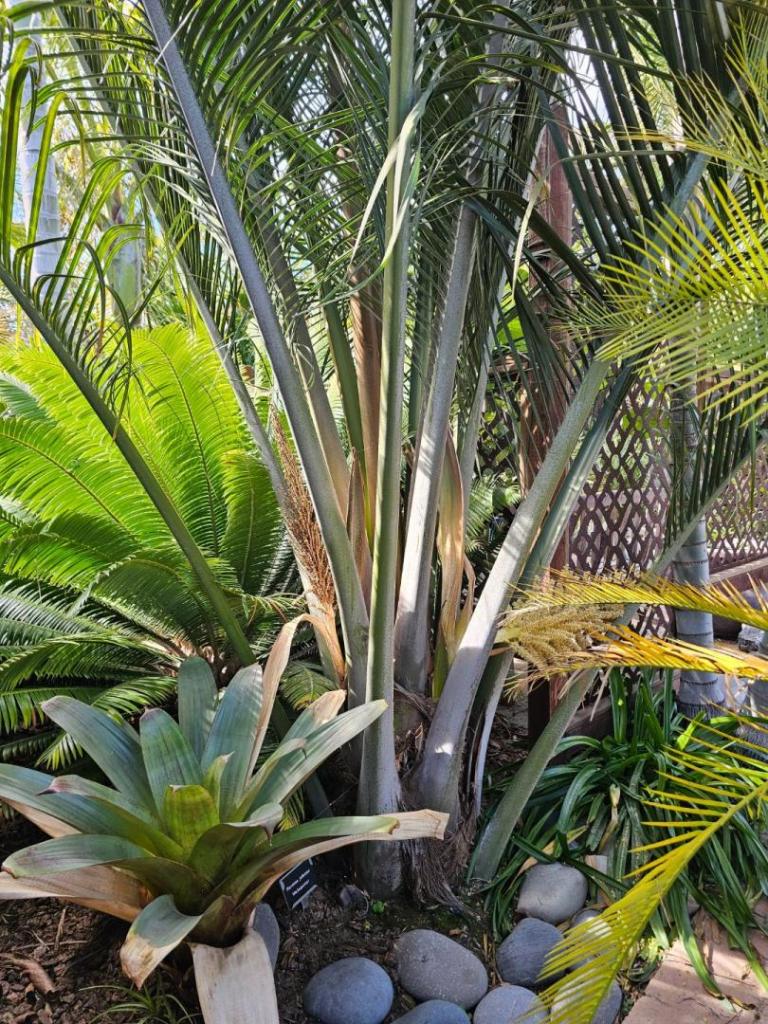
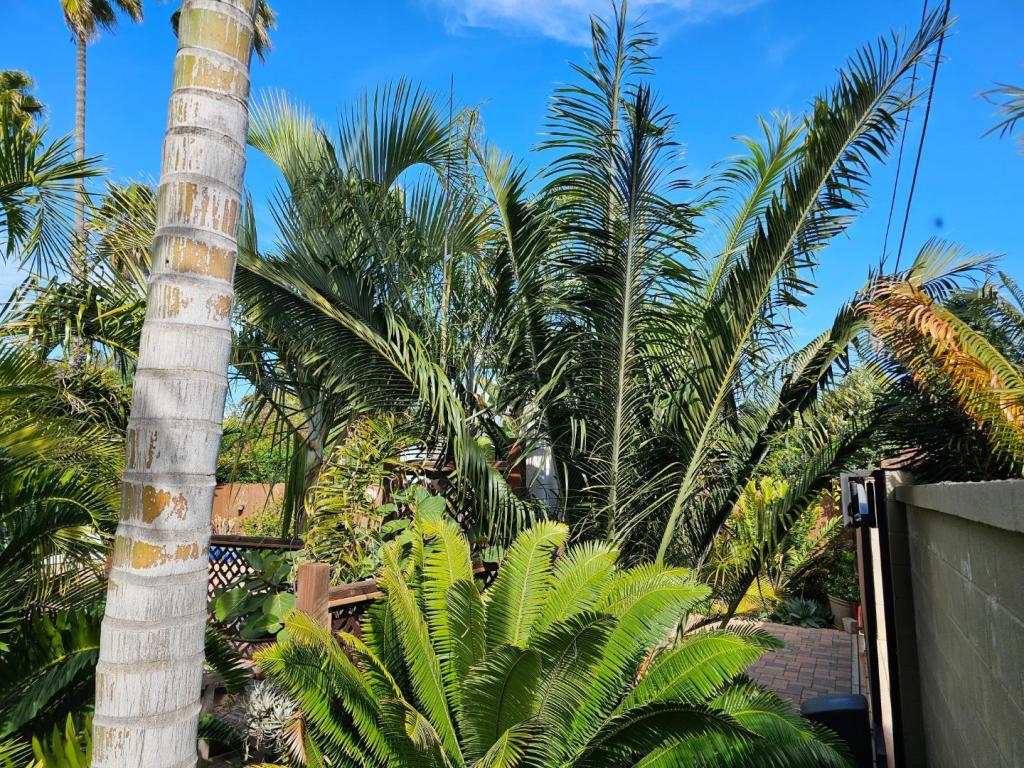 2 points
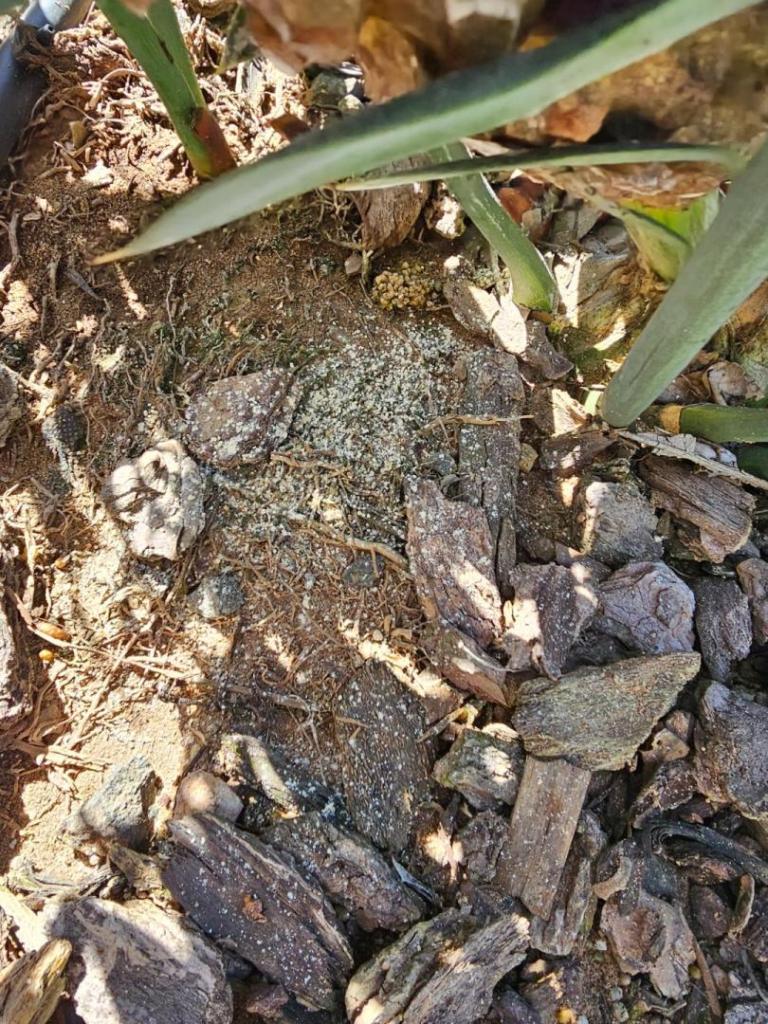
With the male Encephalartos cone, it will elongate before it begins shedding pollen. A light tap on the cone will show it shedding pollen. I did this with the Encephalartos horridus cone below and you can see pollen which dropped to the ground after tapping it lightly. It is an older cone so has already shed most of its pollen. Cycad pollen is not something safe to inhale or have on your hands so safety is always a priority. I use a kn95 mask and gloves. You can collect pollen by putting something below the cone and tapping it or by removing the cone. I have seen the cone removed and put on a glass table and tapped. The pollen collection off the table resembles a scene from Al Pachino in Scarface. Female cones crack open a little and the megasporaphll scales become a little loose. You can check them for looseness just by pinching a couple to see if they wiggle or remain tight.
2 points
With the male Encephalartos cone, it will elongate before it begins shedding pollen. A light tap on the cone will show it shedding pollen. I did this with the Encephalartos horridus cone below and you can see pollen which dropped to the ground after tapping it lightly. It is an older cone so has already shed most of its pollen. Cycad pollen is not something safe to inhale or have on your hands so safety is always a priority. I use a kn95 mask and gloves. You can collect pollen by putting something below the cone and tapping it or by removing the cone. I have seen the cone removed and put on a glass table and tapped. The pollen collection off the table resembles a scene from Al Pachino in Scarface. Female cones crack open a little and the megasporaphll scales become a little loose. You can check them for looseness just by pinching a couple to see if they wiggle or remain tight.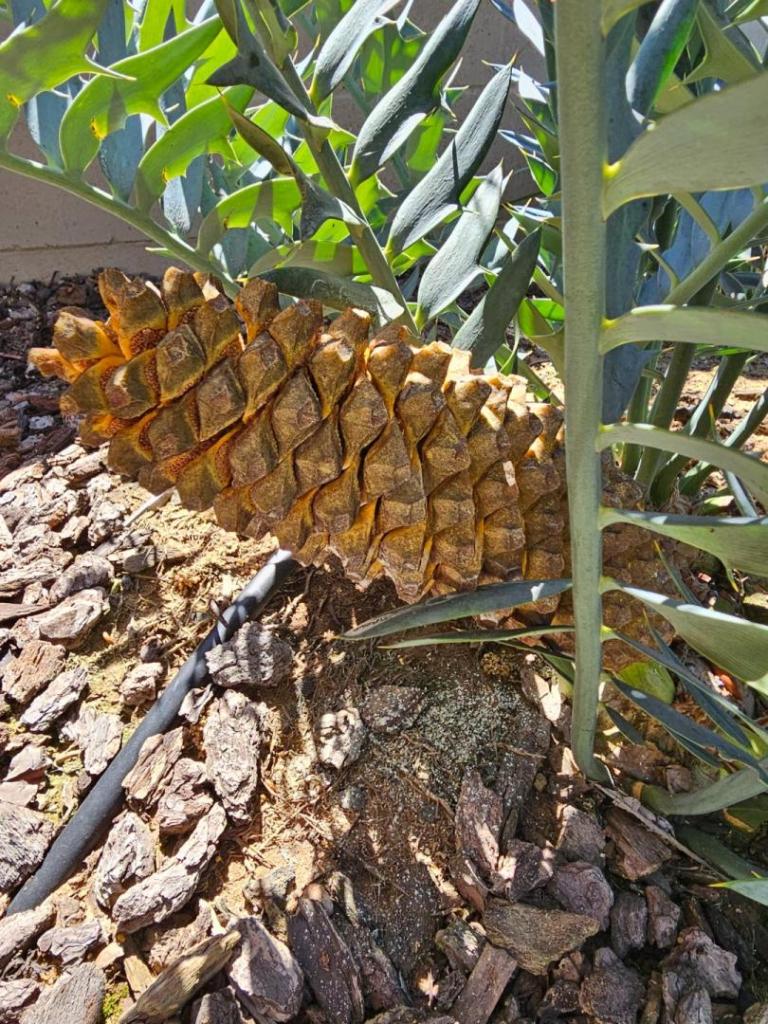
 2 points
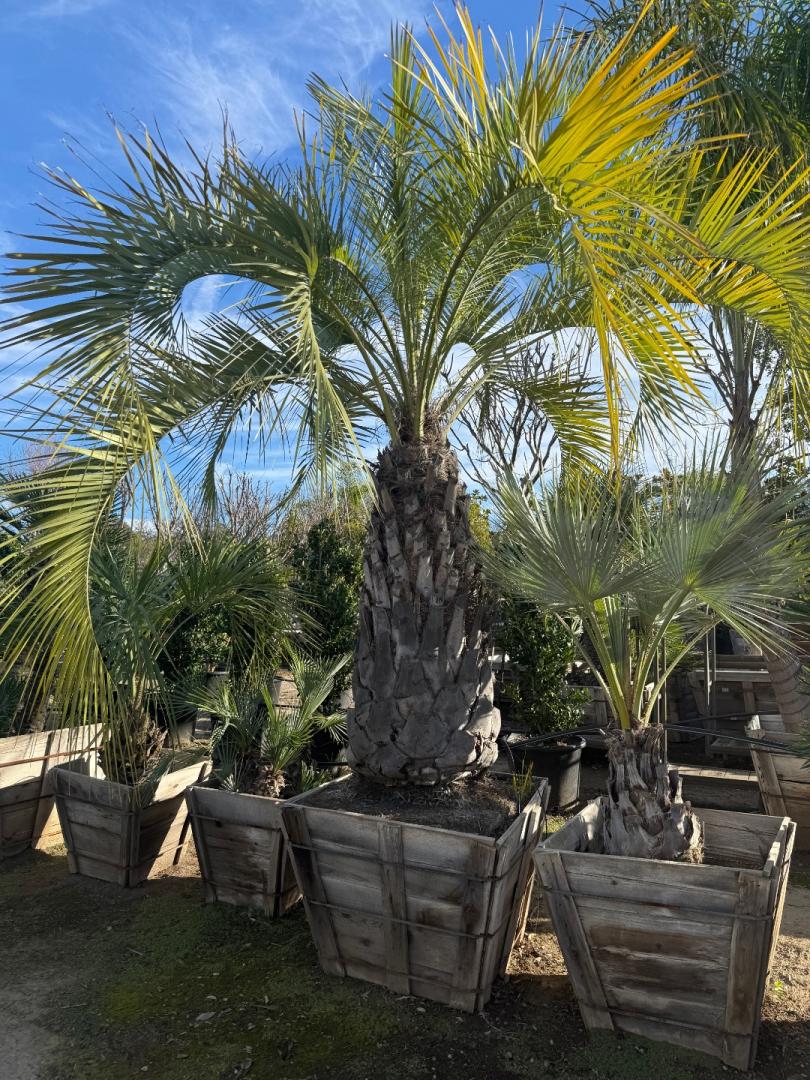
 Haven’t made a choice yet, but 95% the pindo it has the trunk size, the frond spread and is a nice specimen. But still getting photos of palms.
 2 points
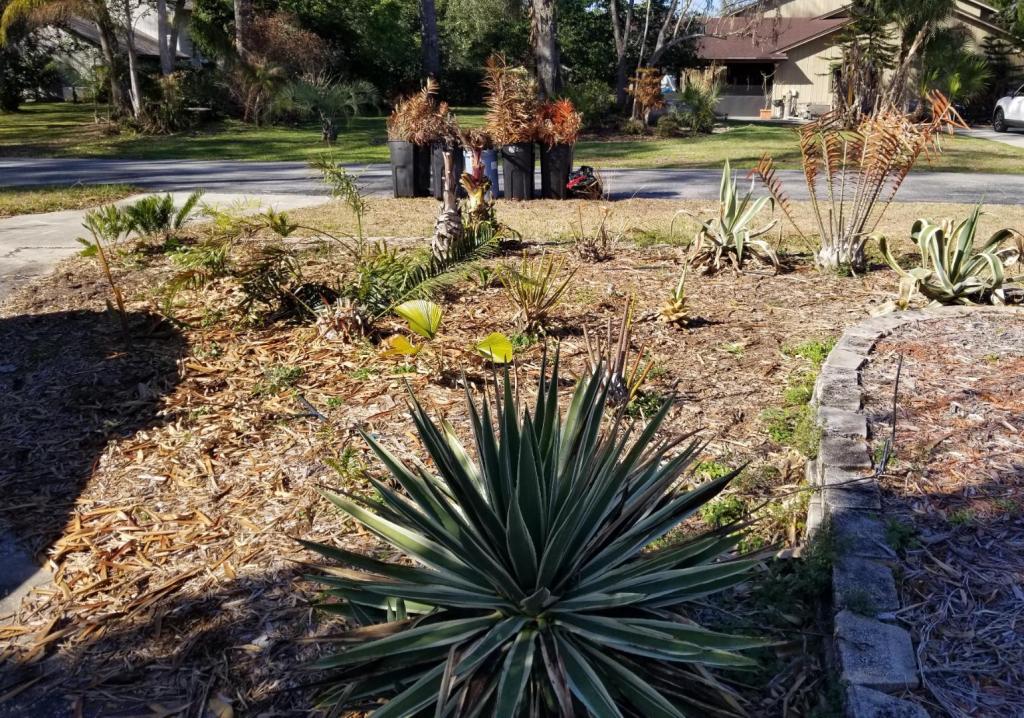
 @kinzyjr after a couple of weeks it's clear that some palms just won't bounce back. Yesterday I cleaned up one section of the front yard. I'm calling this the "Corypha bed" because I planted a small Corypha Lecomtei in the middle. It was remarkably undamaged, but I also put a cardboard box over it on all the frosts and any night under ~35F. Here's the before: The bulk of the dead vegetation here are cycads. The bottom of the fronds were still green, so most likely they'll flush out this spring. There's Encephalartos Laurentianus, Bandula, Gratus, and Gratus x Laurentianus. Cycas Thouarsii and some Zamia Furfuracea were also torched. Cycas Debaoensis (hybrid) and several Zamia "Coonties" were fine, along with a hybrid Encephalartos Transvenosus x (Trans x Woodii). Dypsis/Chrysalidocarpus Lanceolata and Pembana were killed, along with a Syagrus Schizophylla, Archontophoenix Purpurea, and Satakentia Liukiuensis double. Most likely D-E-D are a Syagrus Amara, Bottle, and Gaussia Princeps double. Even the two Allagoptera Arenaria were damaged, but surprisingly the Licuala Sumawongii looks nearly perfect! I'd had some Sumawongii die after upper 20s frosts, so this one (and a couple of others in the yard) are a surprising success! Here's the after: @TropicsEnjoyer you can see the above Angustifolia looks like nothing happened. But there are three others in the yard (all from the same original plant) that are melted to 95% mush. I can't explain it...so weird! This particular bed has an average of 64% leaf burn and 18% mortality, yikes! @kinzyjr I'll collect all the data in a sheet later this spring.
 2 points
 2 points2 points
It’s amazing to have a plant for 25 years and you finally find that right spot in the garden for it. I still have empty places in my garden that I landscaped 30 years ago knowing I will have the right plant one day for that special spot. Slowly iam filling those gaps it seems iam in no hurry that’s for sure!
2 points2 points
It’s amazing to have a plant for 25 years and you finally find that right spot in the garden for it. I still have empty places in my garden that I landscaped 30 years ago knowing I will have the right plant one day for that special spot. Slowly iam filling those gaps it seems iam in no hurry that’s for sure!

 2 points
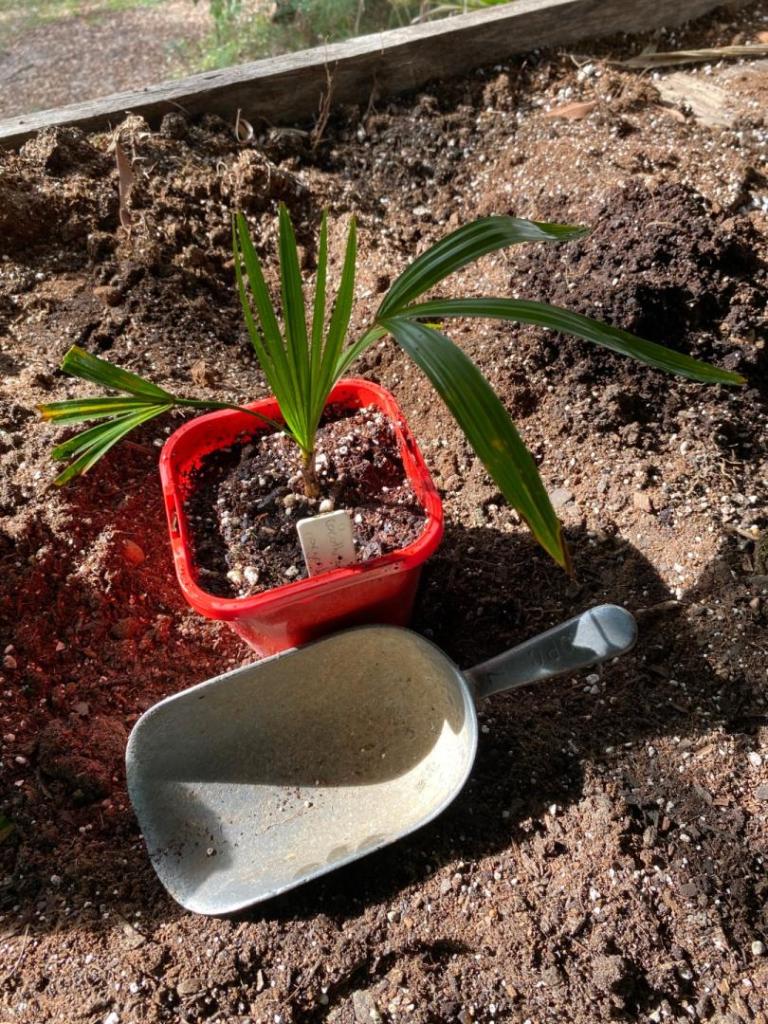
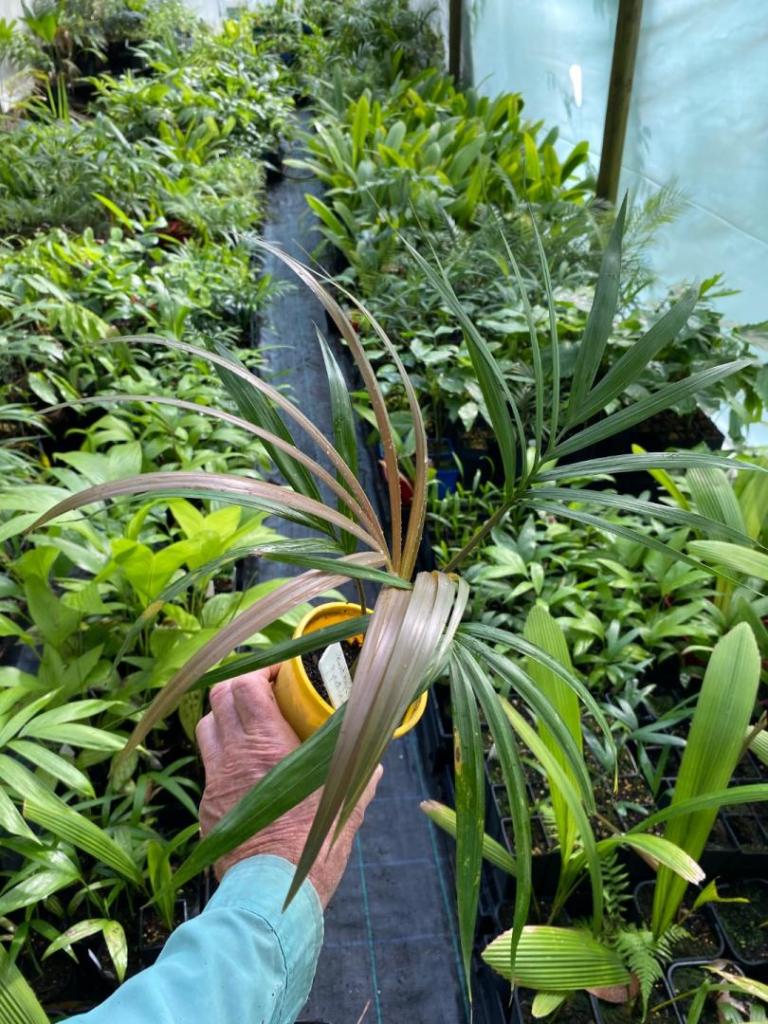
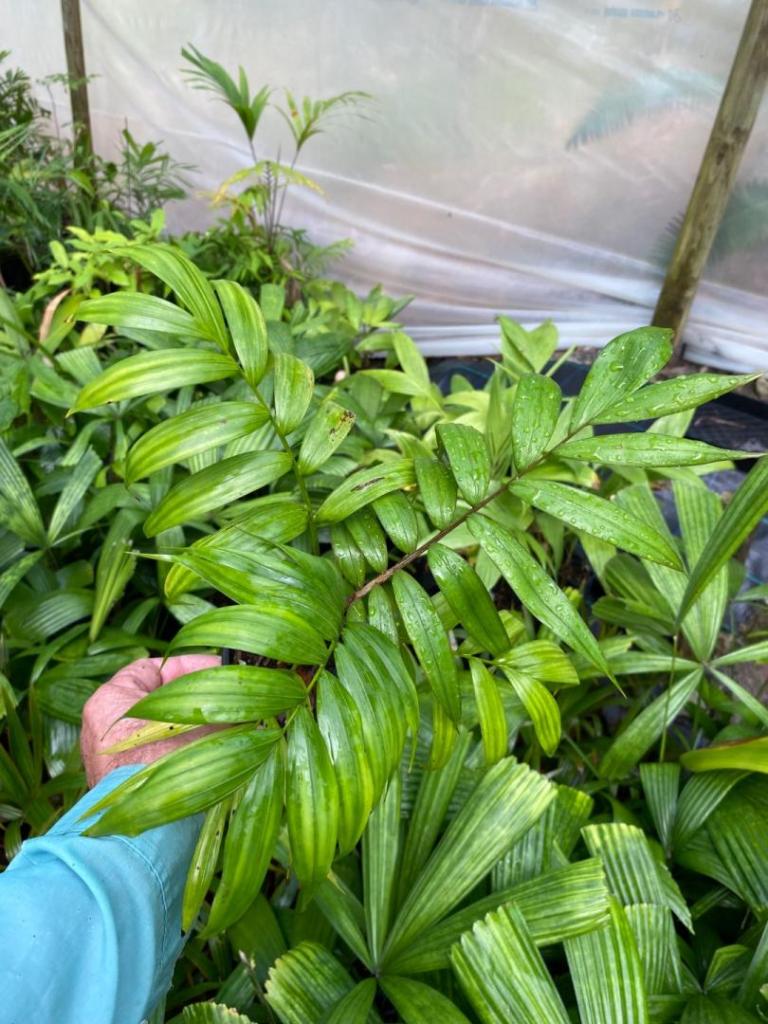
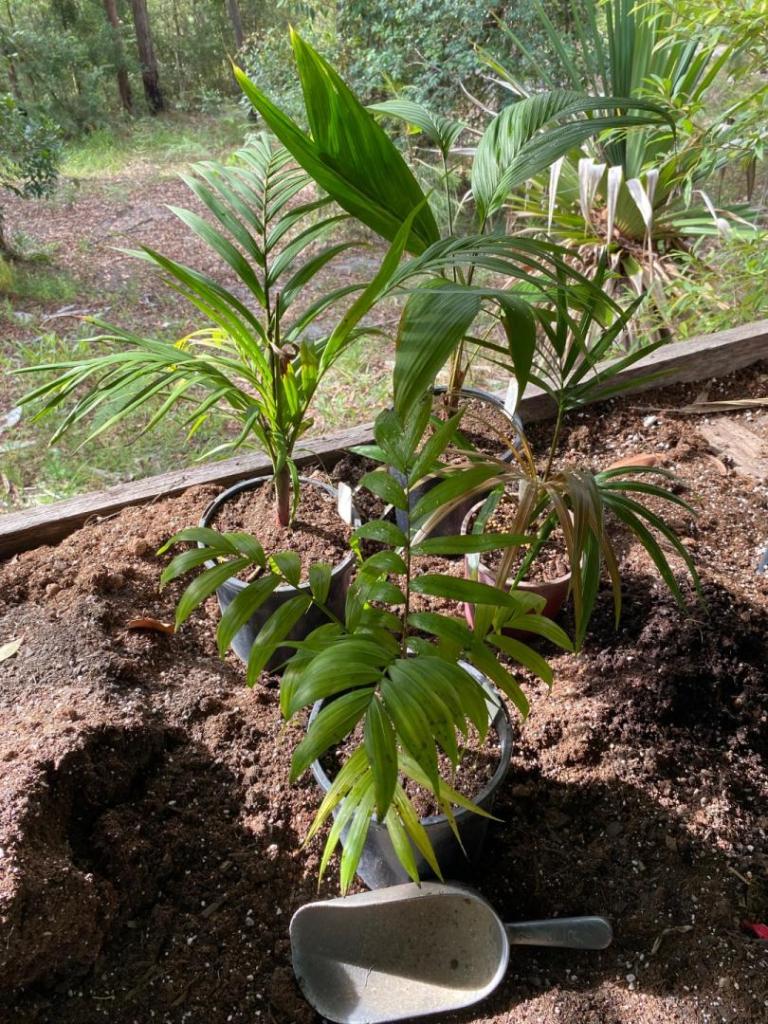
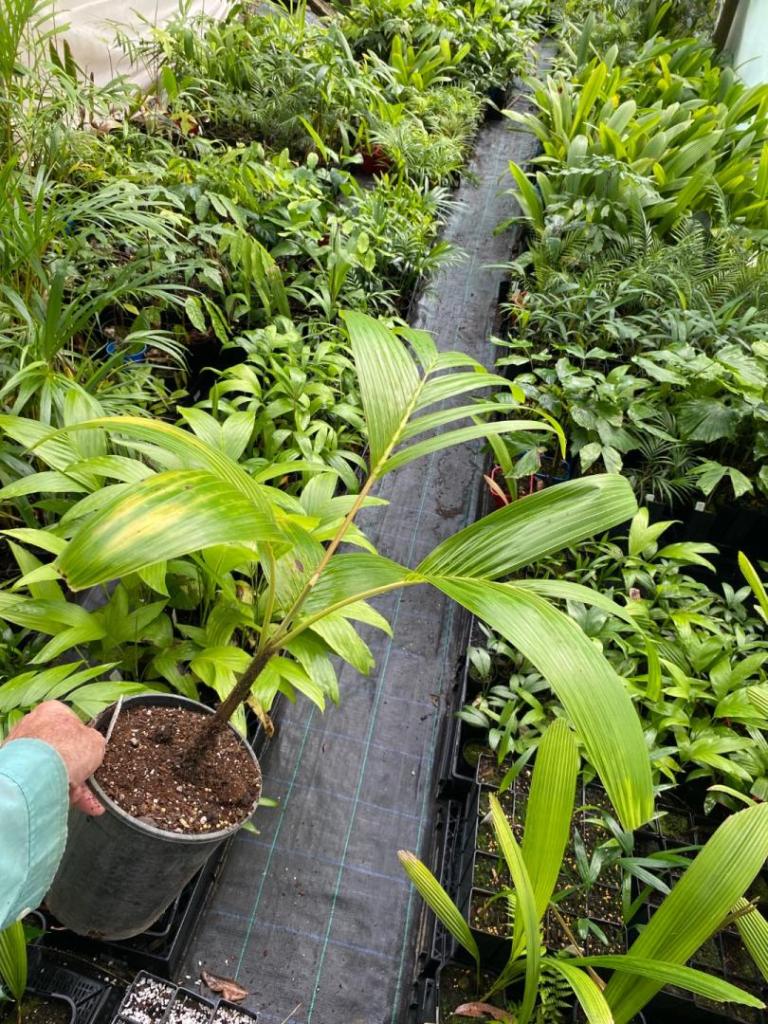
On the potting bench today with some of the personal palms for the garden. calyptrogyne ghiesbreghtiana cocothrinax argentatadypsis rivularis kentiopsis pyriformis dypsis faneva roscheria melonochaetes Nicely done with the Geonoma Panama at the back! A few more for the garden later on.
2 points
2 points
On the potting bench today with some of the personal palms for the garden. calyptrogyne ghiesbreghtiana cocothrinax argentatadypsis rivularis kentiopsis pyriformis dypsis faneva roscheria melonochaetes Nicely done with the Geonoma Panama at the back! A few more for the garden later on.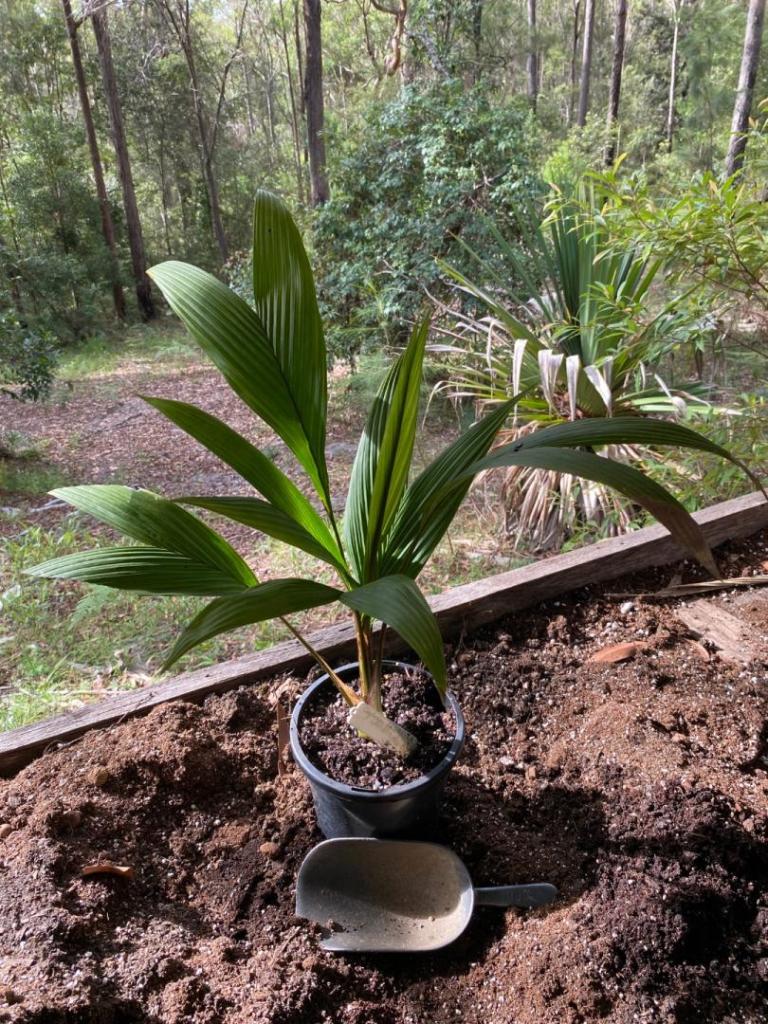

 2 points
For me basically anytime is a good time, with the exception of mid summer, unless iam planting in raised beds with irrigation all summer, otherwise summer can get unpredictable in my climate and you can go 6 weeks or more without any rainfall, and when the temperatures are above 35 degrees Celsius for most of that 6 weeks it spells disaster for water loving palms. Ernies are top little palms, just check and make sure you don’t have earthworms in the container that can be problematic, underneath my benches in the nursery there is always soil there from the container plants either from plants falling over, the hose washing soil out or just bits that’s fall out of the bottom of the container. And iam pretty sure you have a male Ernie there. Richard2 points
2 points
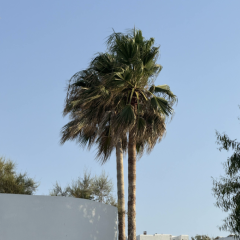
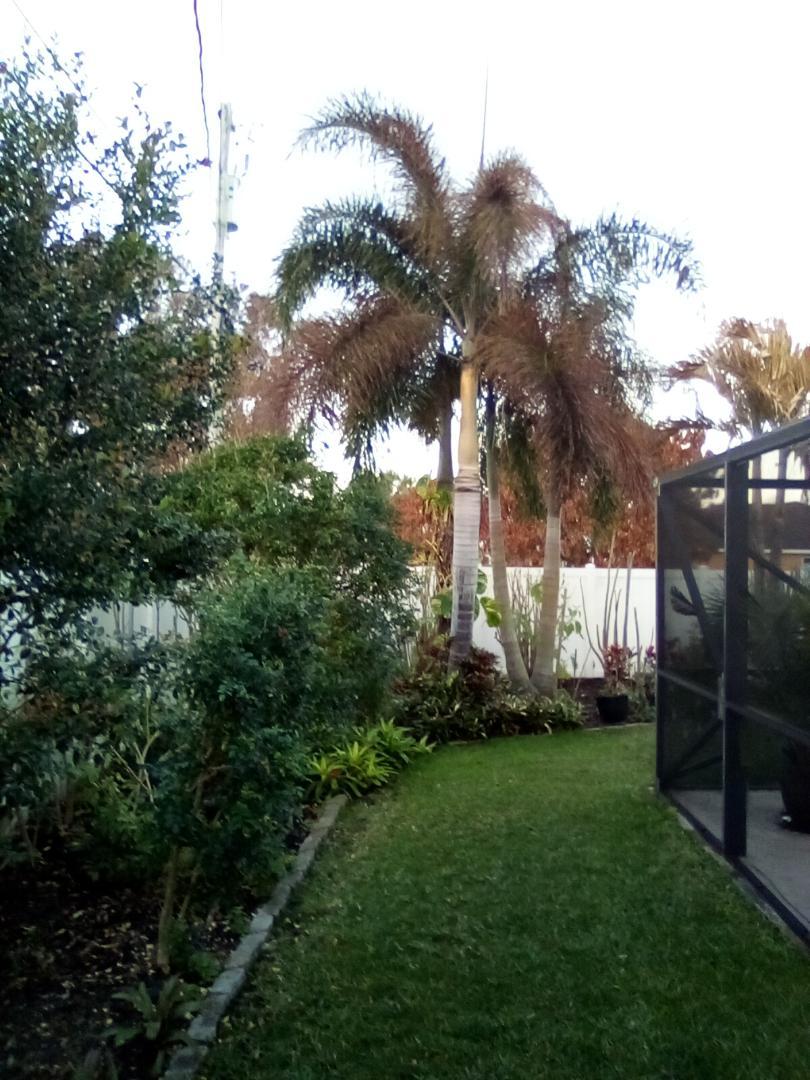
For me basically anytime is a good time, with the exception of mid summer, unless iam planting in raised beds with irrigation all summer, otherwise summer can get unpredictable in my climate and you can go 6 weeks or more without any rainfall, and when the temperatures are above 35 degrees Celsius for most of that 6 weeks it spells disaster for water loving palms. Ernies are top little palms, just check and make sure you don’t have earthworms in the container that can be problematic, underneath my benches in the nursery there is always soil there from the container plants either from plants falling over, the hose washing soil out or just bits that’s fall out of the bottom of the container. And iam pretty sure you have a male Ernie there. Richard2 points Here's the Coconut Palms and Royals on Jasmine Blvd, Port Richey, Florida taken March 1st 2026
 2 points
For an indoor plant it looks way to wet and boggy looking, but it definitely has problems.2 points
2 pointsAnother Cymbidium hybrid in bloom. I don't recall the name of this one.
2 points
2 pointsFor an indoor plant it looks way to wet and boggy looking, but it definitely has problems.2 points
2 pointsAnother Cymbidium hybrid in bloom. I don't recall the name of this one. 2 points
 Great job! I learned a lot about the more heroic techniques people use with winter heat sources.2 points
2 points
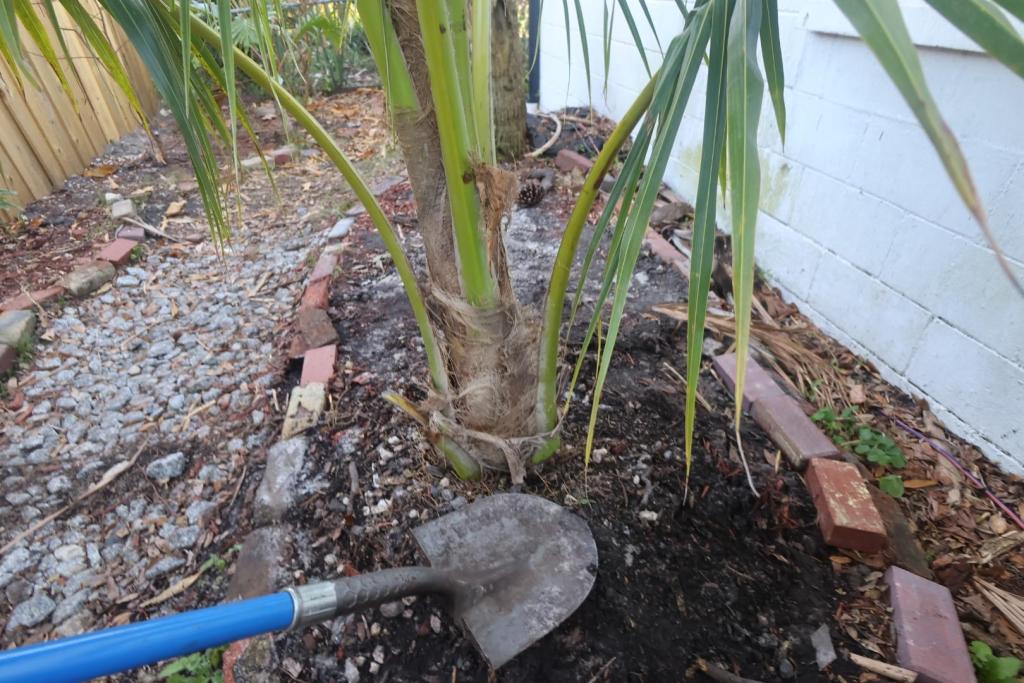
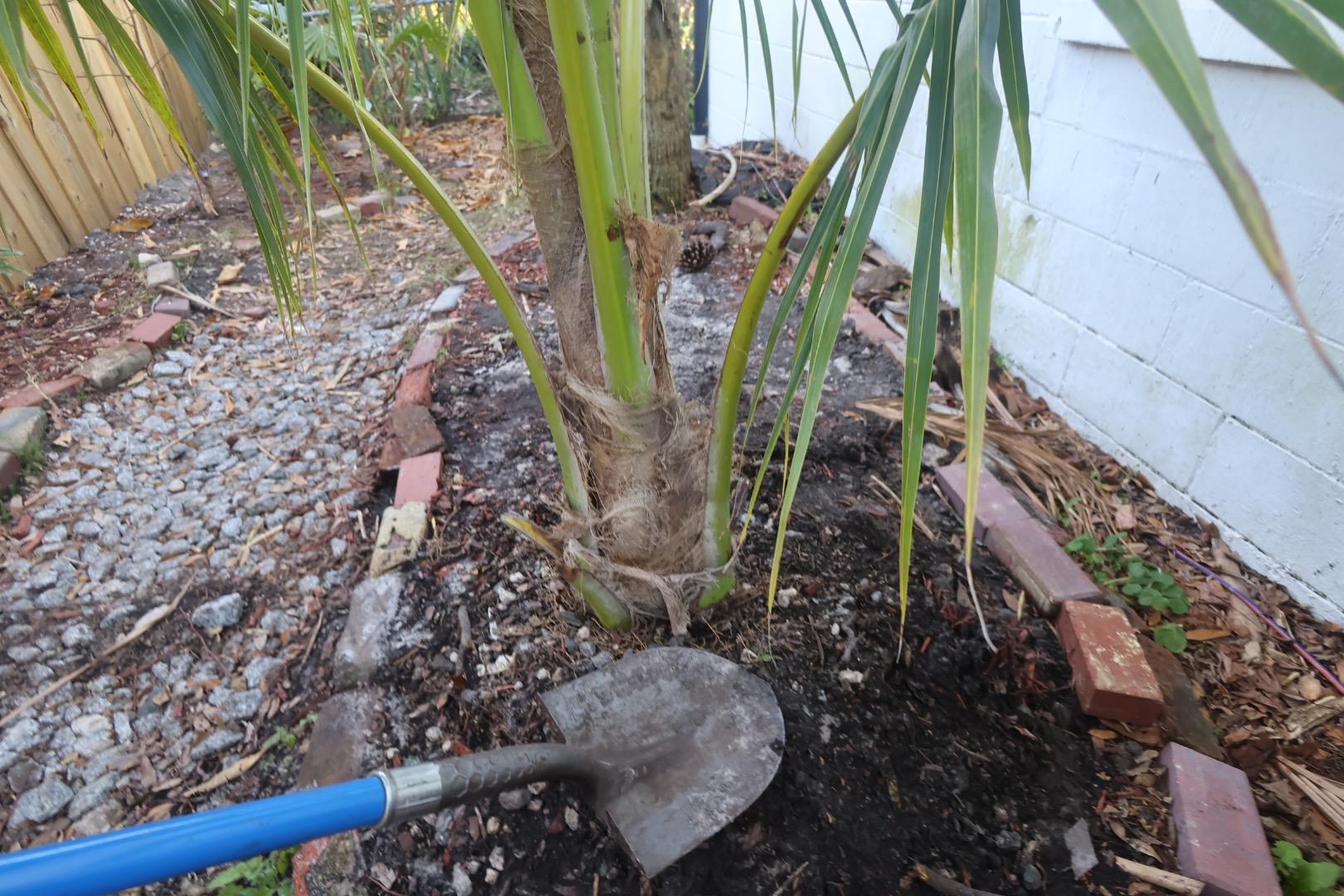
The camera does not do justice of how huge the trunk is. But here is a big ol shovel
Great job! I learned a lot about the more heroic techniques people use with winter heat sources.2 points
2 points
The camera does not do justice of how huge the trunk is. But here is a big ol shovel
 2 points
 2 points
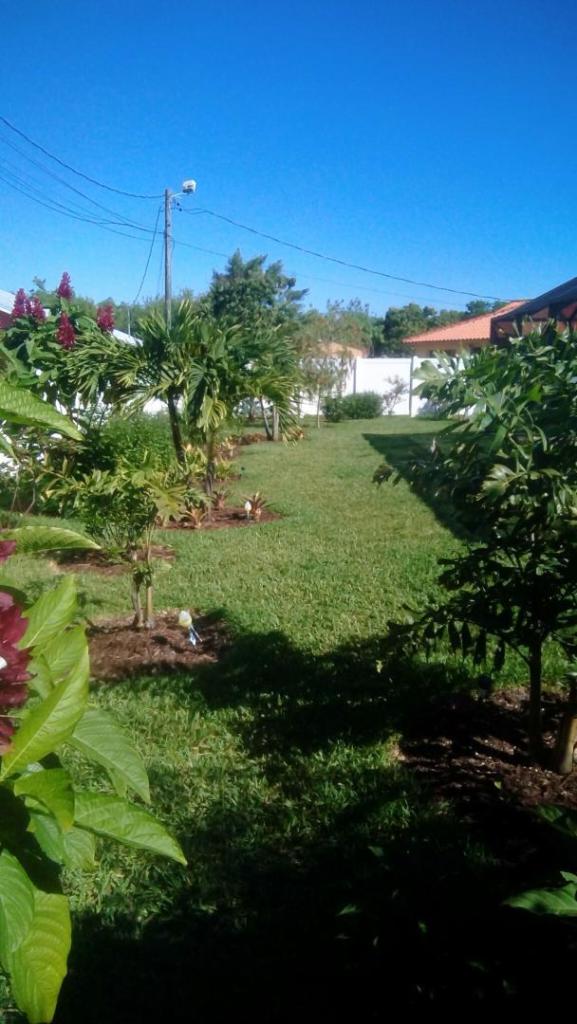
 Couple more photos from my garden. This one is taken the day before the catastrophe. Similar photo below taken today, 3-2-26 The brown tree in the background is a Mango. I am increasingly optimistic that the Wodyetias will pull through. As an aside, all of the Earleaf Acacias around here (they are everywhere) are defoliated and/or burned. Not sure if they will recover, but most likely will. I was going to post more photos but my camera skills pale in comparison to my wife's abilities. She took photo #1 on her phone, I took #2 this morning on my kindle so you can see why I choose to regroup. She has graciously agreed to document the carnage with me tomorrow morning. Once they are downloaded, I will continue the documentation. Here are some photos of our garden starting with a blank canvas in November of 2017. We had relocated back to the states from Central America because of our parents bad health. We had originally planned to settle around Cape Coral but our dog Lucie, who we found abandoned in the rain forest, and returned with us as a souvenir discovered PSL and that was that! She has since become a real saint and is in heaven now! October 2017 November 2017 pretty bedraggled garden going in. Couple Years later... Couple more again... I will post recent photos and additional photos of the aftermath of the "Fatal Florida Freeze" in the next day or two.
.jpg.550419766295c6288e23b9e3955db158.jpg)


 2 points
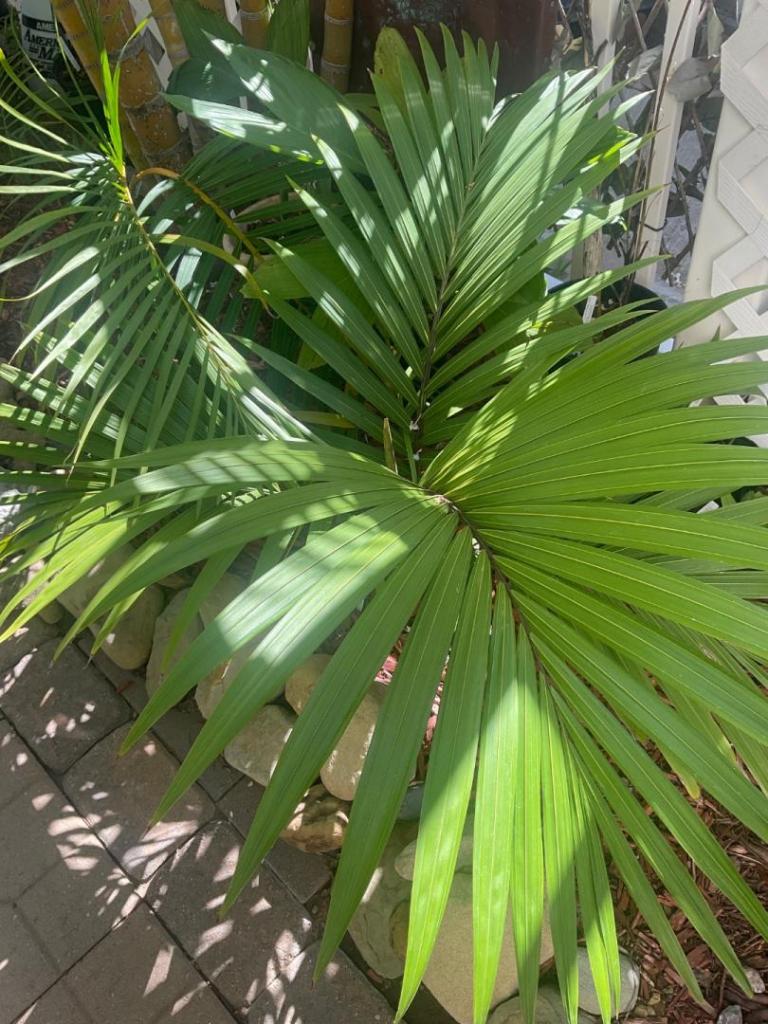
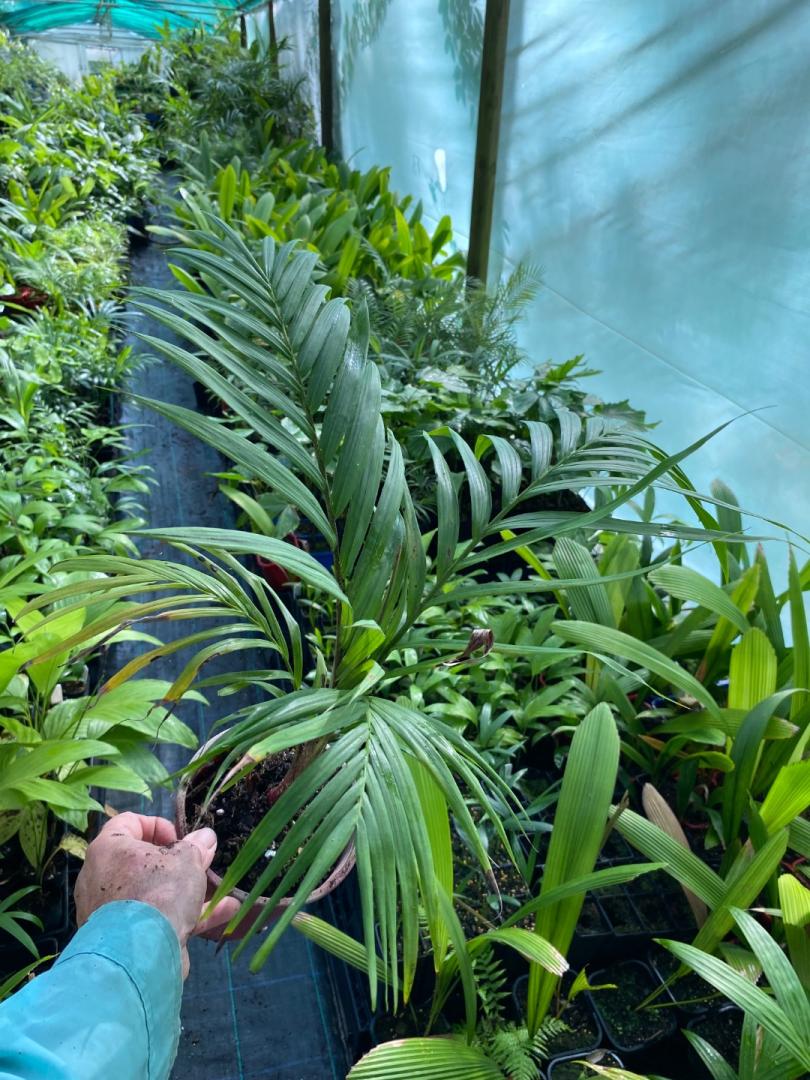
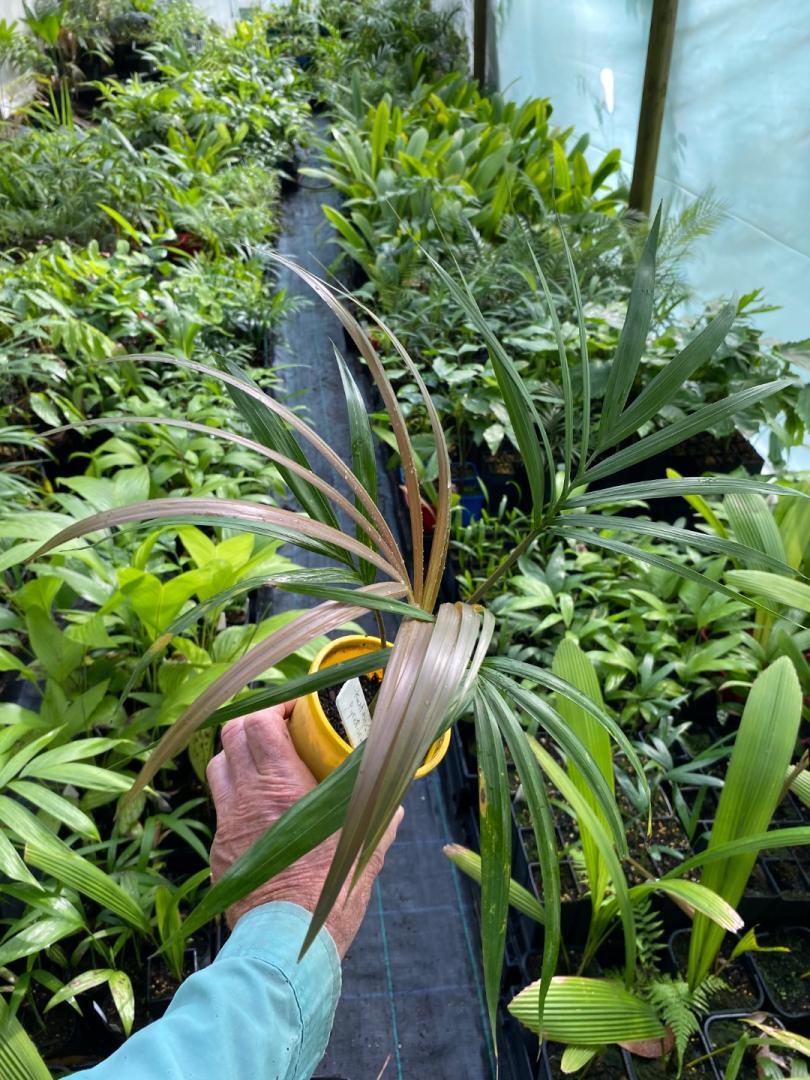
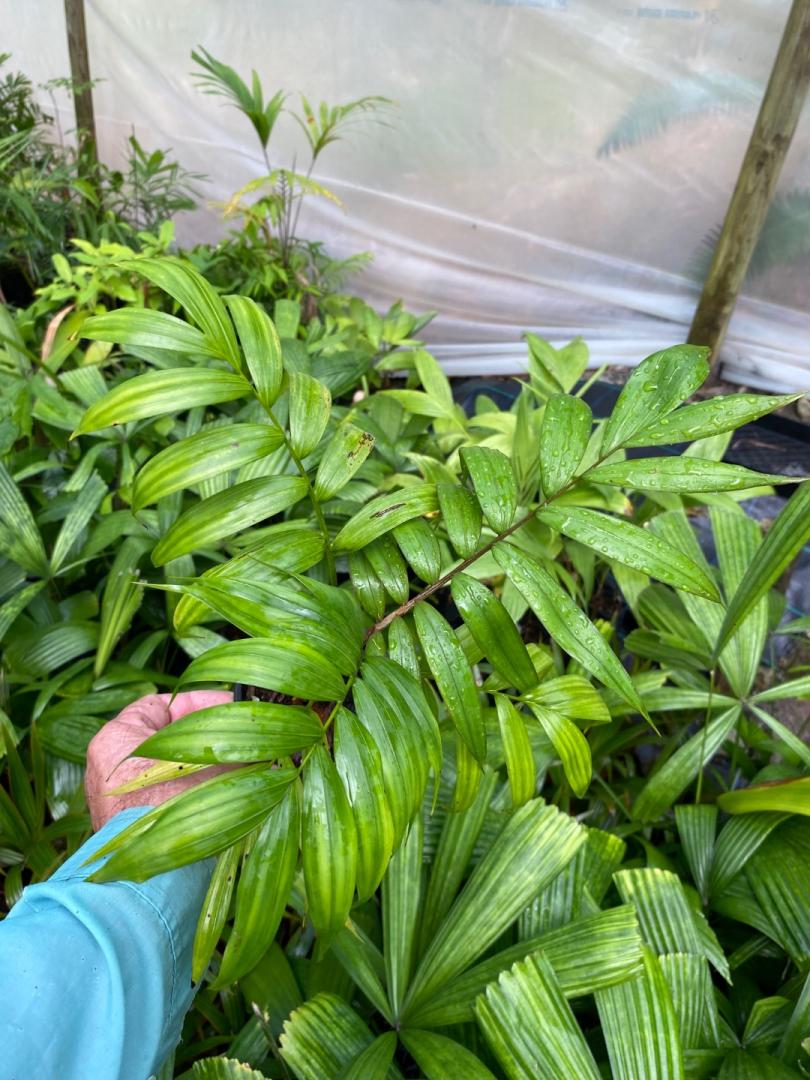
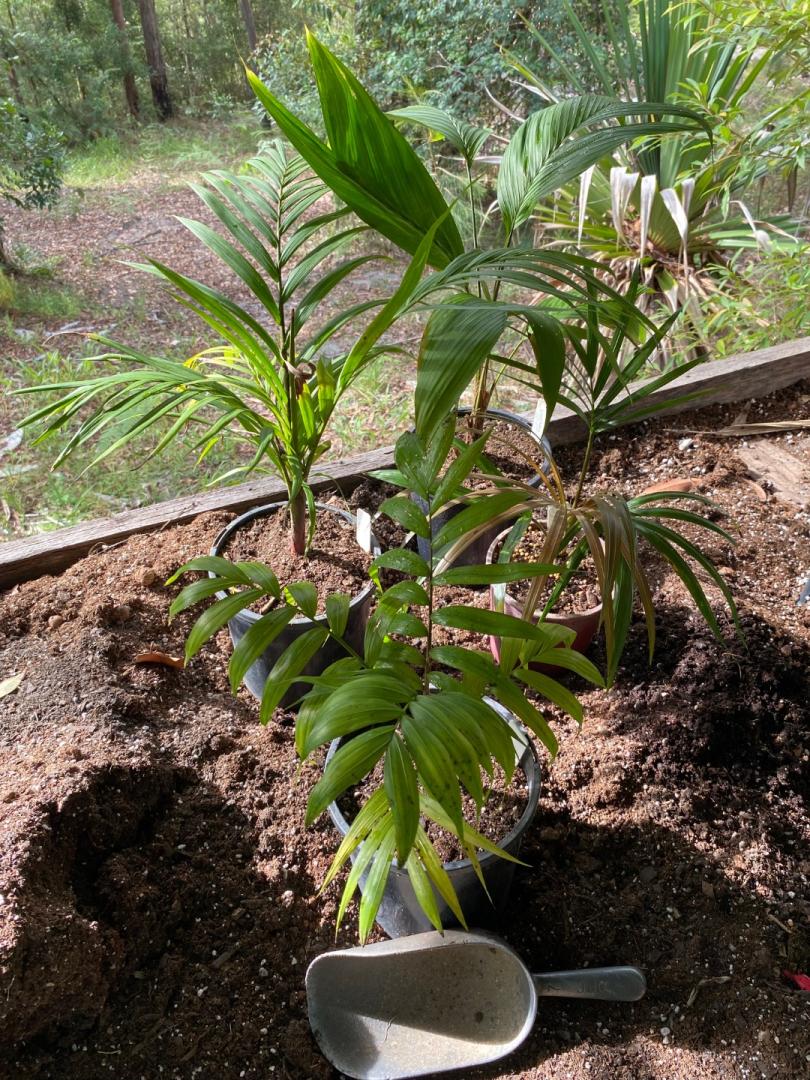
 There are private growers that can help you . I have met them here on Palm Talk. You may have to drive an hour or so but the experience is priceless. I met @DoomsDave here a couple years ago ( has it really been that long?) and made a couple trips to his jungle . He has very good knowledge and experience to share , not to mention some very friendly kitty cats that patrol his garden. Not like going to a nursery , or buying on line( not for me) . He has introduced me to some palms that I would not have thought about on my own . All of them are growing very well . The bonus is spending time with Dave , never disappointing. A few “gems” that came home with me. Harry Cyphophoenix Nucele ‘Dypsis Lanceolata ( now Chrysalidiocarpus) Rohpalostylus Bauri Cheesemania I have 5 or so Chamaedorea Ernesti Augusti that came home Dypsis Basilonga on the left and Chamaedorea Plumosa on the right.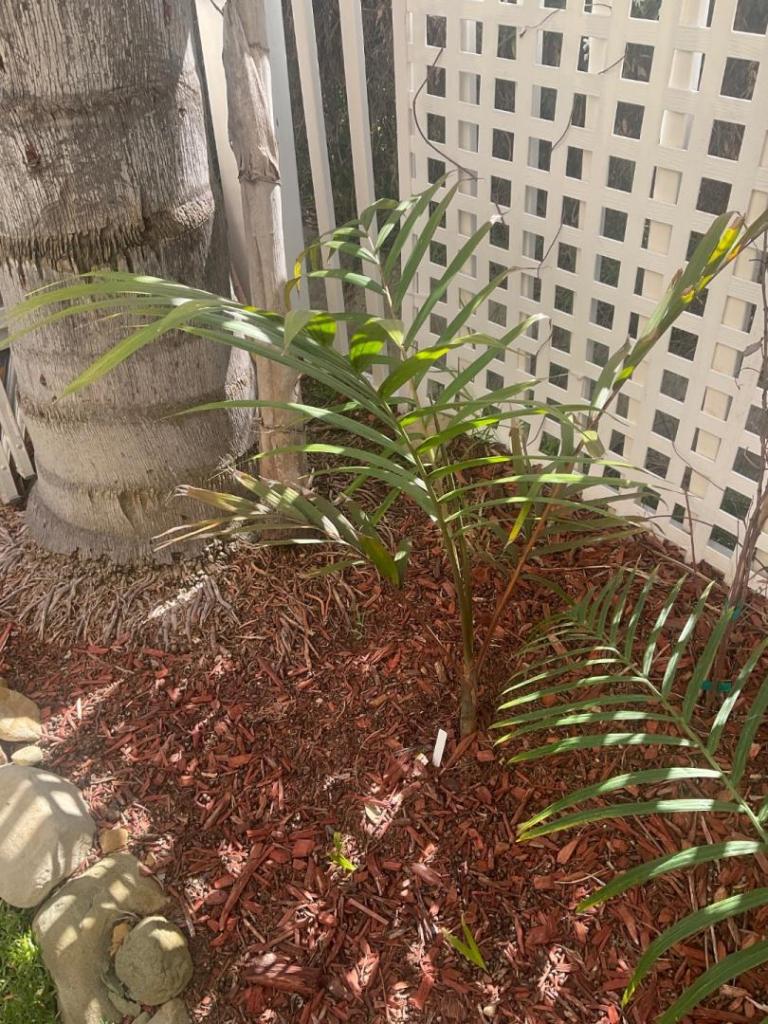


 2 points
 2 points
 2 points
 Well I have been meaning for a long time to do this project! Check the link below for climate data of 623 present and past meteorological stations of the National Observatory of Athens Enjoy! https://noastats.netlify.app/1 point
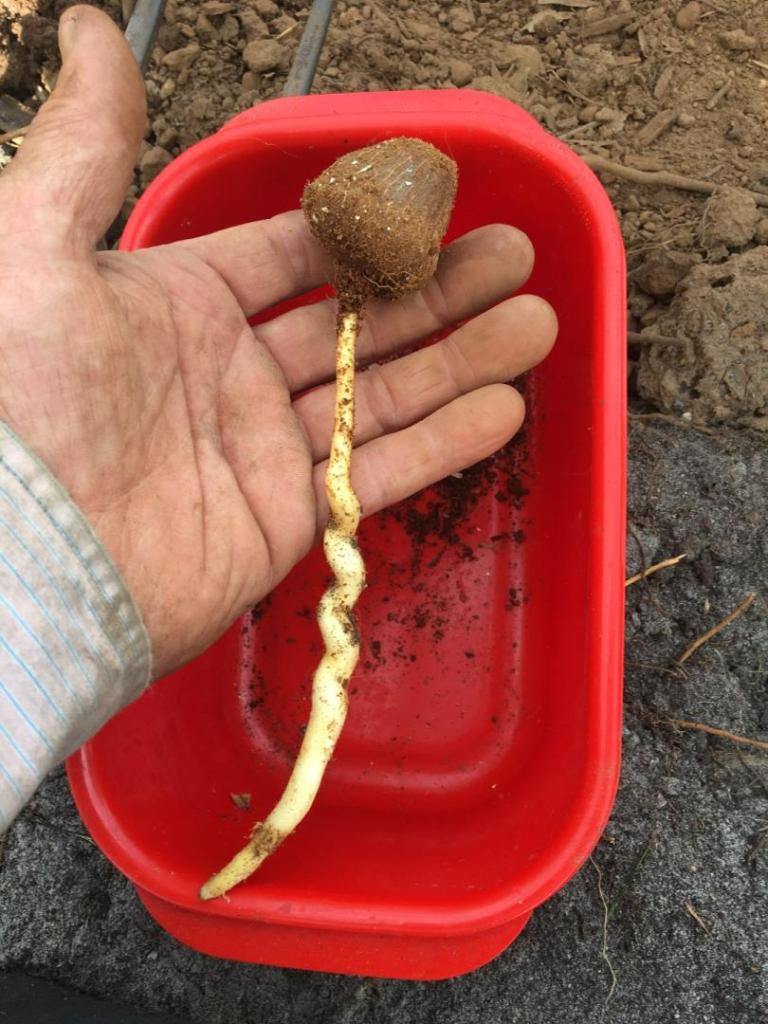
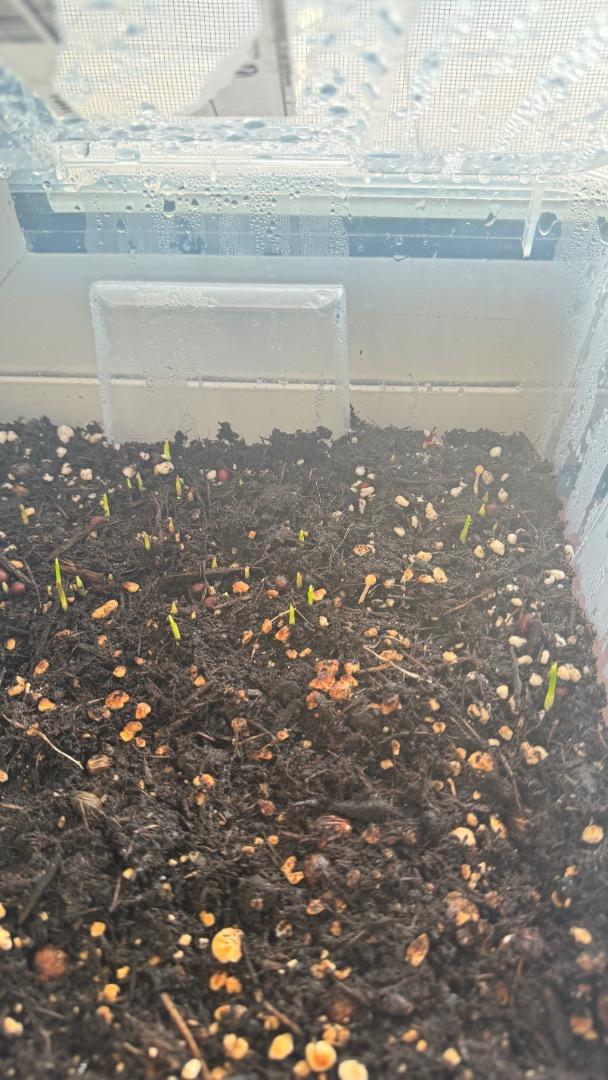
 1 pointHad a great germination of H. coriacea over the last couple months. I’d read they can be difficult to germinate but this lot did a great +/-90% germination of a selection of 100 seeds, over about a three month period of warmish treatment. I’m doing a bit of a trial to see how many I can get through the first winter. Same with the medemia (100) to see if I can lure out a couple survivors which are a bit more cold and wet tolerant. Interesting ‘corkscrew’ root on some of the hyphaene. Who’s had success in cooler climes with hyphaene?
 1 point
(173x200).thumb.jpg.87642ce613f801fde119db608b8aeb96.jpg) Since every living thing has something that might parasitize it, there are likely a few out there. Issue is, it takes time conducting enough research to be sure any such organism released to target them only targets SAPW and not other beetles ..or other insects in general. Worst outcome in such situations is releasing something into a new environment that ends up causing bigger issues later.1 point
Since every living thing has something that might parasitize it, there are likely a few out there. Issue is, it takes time conducting enough research to be sure any such organism released to target them only targets SAPW and not other beetles ..or other insects in general. Worst outcome in such situations is releasing something into a new environment that ends up causing bigger issues later.1 point There needs to be found a natural enemy like the various parasites that afflict other monster bugs, including Eugenia psyllid, and wooly whitefly.1 point
 Today was the start of removing plants that were dead or so close they had little chance of recovering. Thus far, the attached sheet is where things stand. The plants marked in Dark Blue were removed today. The plants marked in light blue are others I anticipate removing at some point. There are enough plants in the garage to fill empty spaces (and then some), but I do plan on keeping a lot of the space open. My intent is to hold off until at least fall to start treating these as actual observations for the Cold Hardiness Observation Master Data because things will inevitably change. The Atlantic Tall is recovering about as quick as @pj_orlando_z9b's coconut. The Maypan is a little slower. The photo is of the Atlantic Tall from the ladder today. 20260302_TentativeGardenDamageReport.xlsx
 1 point
 1 pointSome of you have seen my threads where I shared my constant struggles with a giant Ficus benjamina next to my house. The struggles are on the surface, up in the air, and even down in the crawlspaces, including a monthly inspection of all my potted plants to ensure no ficus roots makes it up through the pots' drain holes, but this is not about that. This time I am a visitor, so a completely different perspective, because it's not my sidewalk, not my driveway and not my house foundation, I actually found it kind of "cool" 😁. I was recently in Hong Kong, and I have never seen so many Ficus trees, it's everywhere - along the streets, in the parks (tiny parks with hardly any space), grown in giant raised planters that couldn't contain the roots so cracks everywhere, and many as bonsai. Here are a few Ficus benjamina along a street with clay brick sidewalks, see how the surface roots spread following the grout joints.

 1 point
I often walk up the back part of the garden, it was one of the first places in the garden I started to plant out. A very special part of the garden for me. As it grows it always changes with the seasons.1 point
1 point
I often walk up the back part of the garden, it was one of the first places in the garden I started to plant out. A very special part of the garden for me. As it grows it always changes with the seasons.1 point I am not a californian, so better information would come from DoomsDave or someone more familiar wiht that looks happiest and suits the traits you most desire. Looks like a real sunny spot in an inland desert area, the most survivable pinnate palms would be phoenix species, palmate palms that I like are bismarckia, brahea armata and brahea clara, sabal uresana (blue form). I am not confident I could pick the best pinnate palm for you there. I like a bismarckia for that spot myself or a double brahea clara(blue form), but they are both palmate palms of white, grey, powder blue color. bismarckia
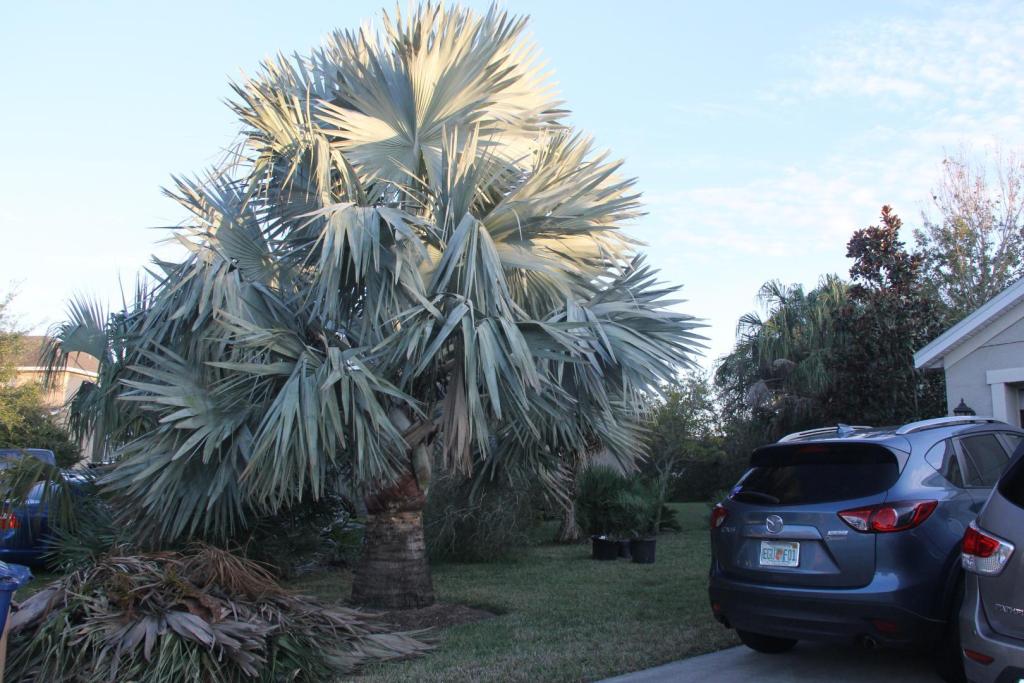 1 point
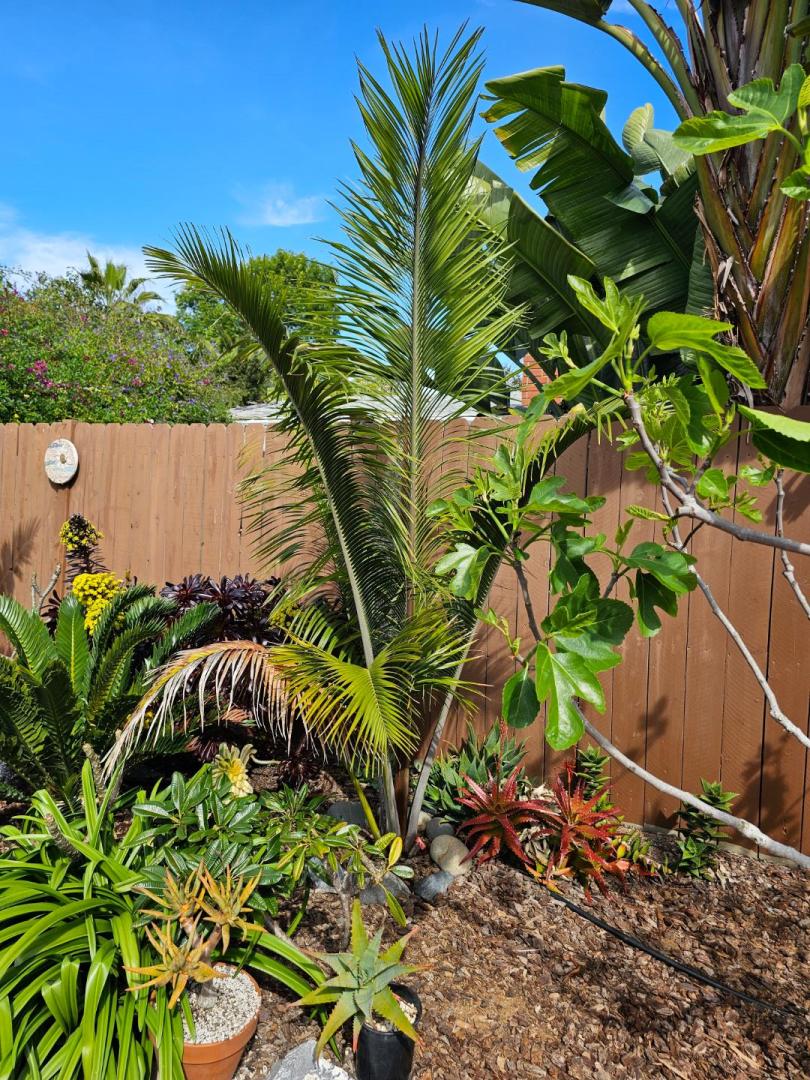
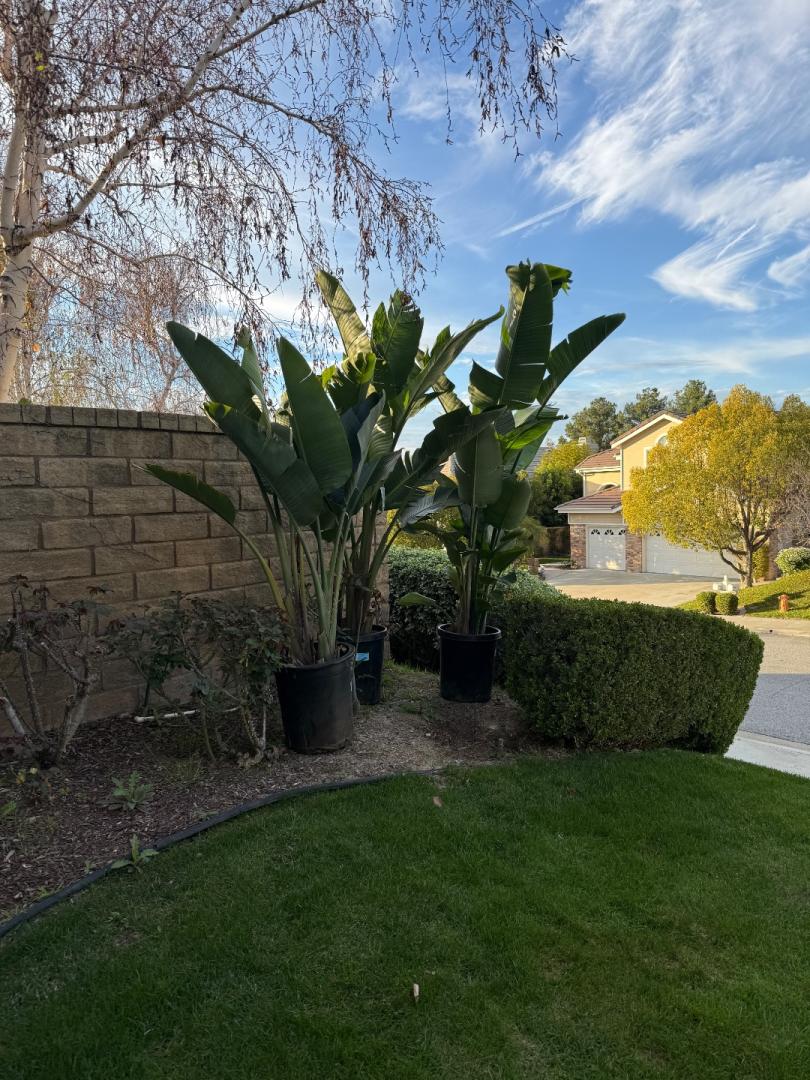
Do you think I can get away with planting a royal palm here? im removing the rose bushes and using the giant birds of paradise for screening.
1 point
Do you think I can get away with planting a royal palm here? im removing the rose bushes and using the giant birds of paradise for screening.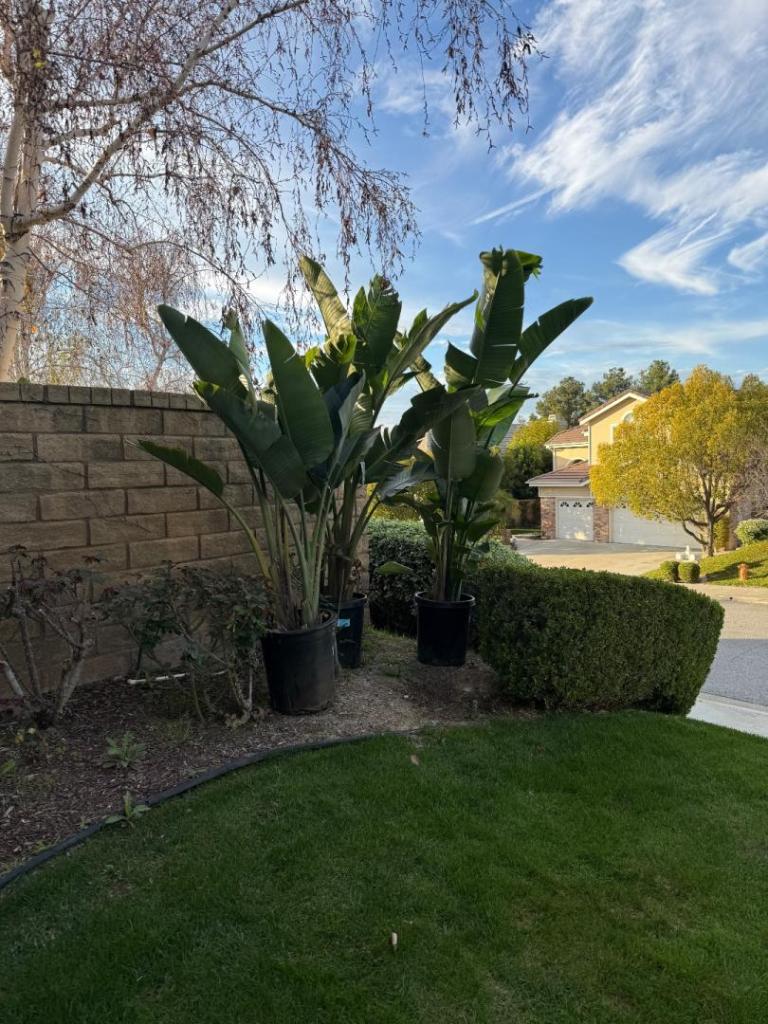 1 point
I bought (3) P. rupicola palms and planted it as a triple about 3-4' apart. The rupicola is about 10-12' wide in crown, a bigger palm than roebelinii. As a triple its kind of big(20'+ wide) THey appear more lush than roebeliniis as well, and the thorns are bendy at the base so stabbing injury can be easily avoided when trimming. My (9) roebeliniis(in AZ) stabbed me just about every time I trimmed them, and they put out 2-3 x more leaves a year than rupicola, so trimming is much more work. The palm behind them is an adult beccariophoenix alfredii, about 30' tall, 15 years in the ground from a 3 gallon. That BA was hit by a hurricane milton -up to 110 mph winds- 18 months ago and hasn't recovered to full crown. B. Affredii is a large palm, not for small yard spaces. Here is that BA before the hurricane.
1 point
I bought (3) P. rupicola palms and planted it as a triple about 3-4' apart. The rupicola is about 10-12' wide in crown, a bigger palm than roebelinii. As a triple its kind of big(20'+ wide) THey appear more lush than roebeliniis as well, and the thorns are bendy at the base so stabbing injury can be easily avoided when trimming. My (9) roebeliniis(in AZ) stabbed me just about every time I trimmed them, and they put out 2-3 x more leaves a year than rupicola, so trimming is much more work. The palm behind them is an adult beccariophoenix alfredii, about 30' tall, 15 years in the ground from a 3 gallon. That BA was hit by a hurricane milton -up to 110 mph winds- 18 months ago and hasn't recovered to full crown. B. Affredii is a large palm, not for small yard spaces. Here is that BA before the hurricane. 1 point
That same area today. I just haven't had the heart to post photos before now. I haven't looked at the "before" photos until today. I will work on a more comprehensive photo documentation of the wreckage of our garden in the coming days. I apologize for the quality of the photos. That is not my strong suit but it certainly gets the point across.
1 point
That same area today. I just haven't had the heart to post photos before now. I haven't looked at the "before" photos until today. I will work on a more comprehensive photo documentation of the wreckage of our garden in the coming days. I apologize for the quality of the photos. That is not my strong suit but it certainly gets the point across. 1 point
 Thank you to everyone who made this event another resounding success! We'd like to give a quick shout-out to some of our members and friends who attended from PalmTalk: @kinzyjr @PalmBossTampa @Jdash @TroyM @Plantking165 @MinoFL @flplantguy @Fishinsteeg234 @Maddox Gardening-youtube and @cycadjungle If we missed anyone, don't be afraid to post and let us know you stopped by. We just announced the details for our 2026 Spring Meeting and look forward to seeing everyone there! A quick recap of the event is available here: 20260228_PlantaepaloozaRecap.pdf Photos from the event: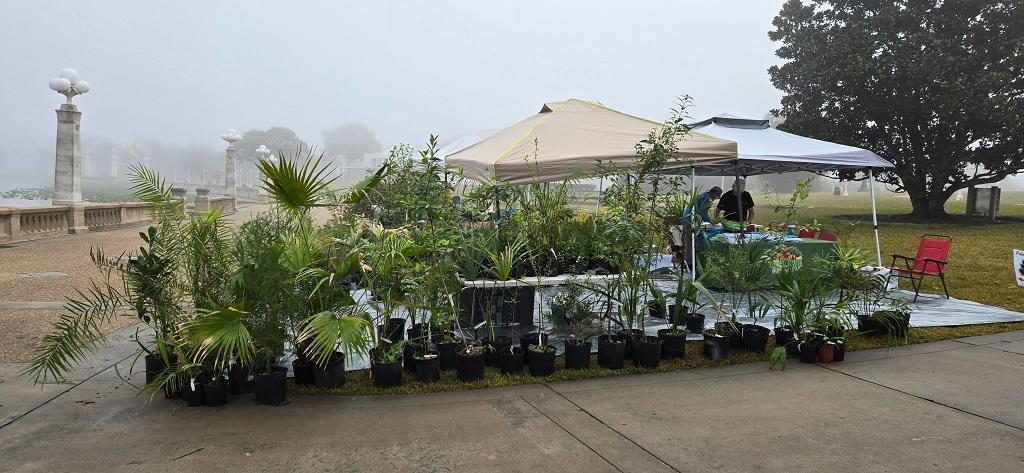


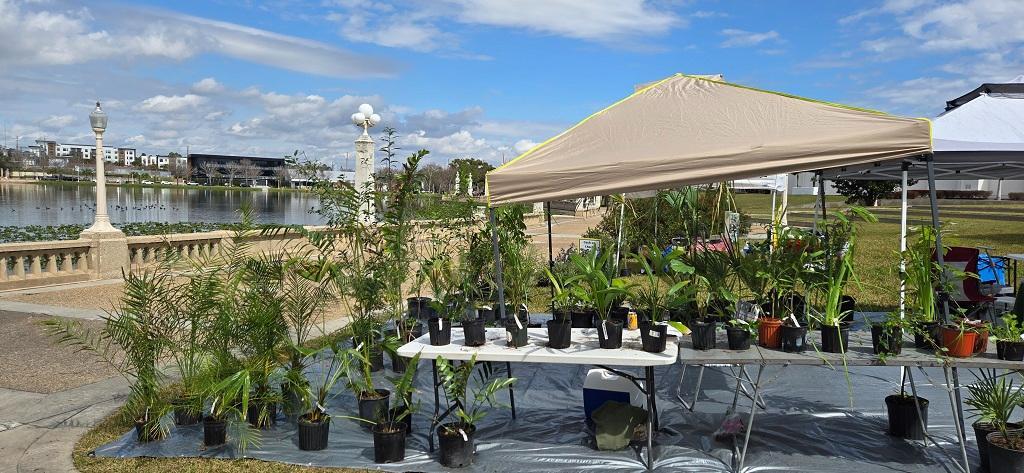


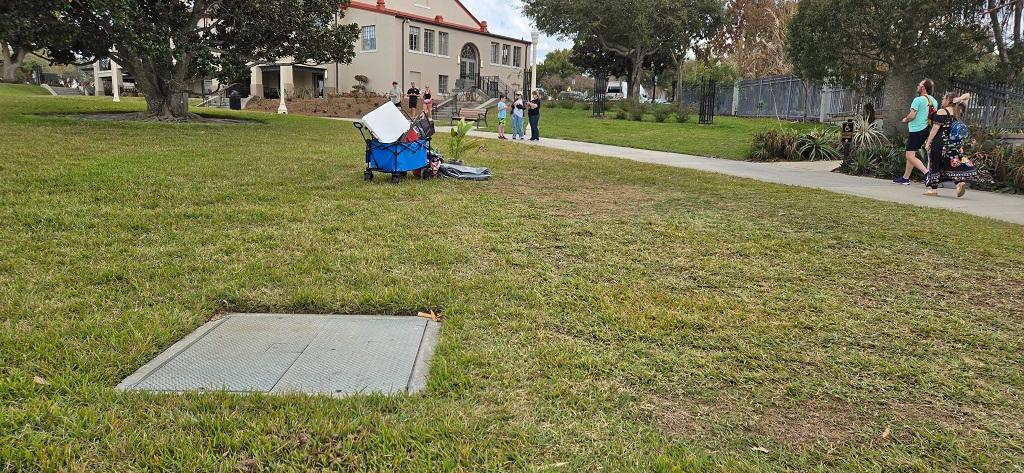
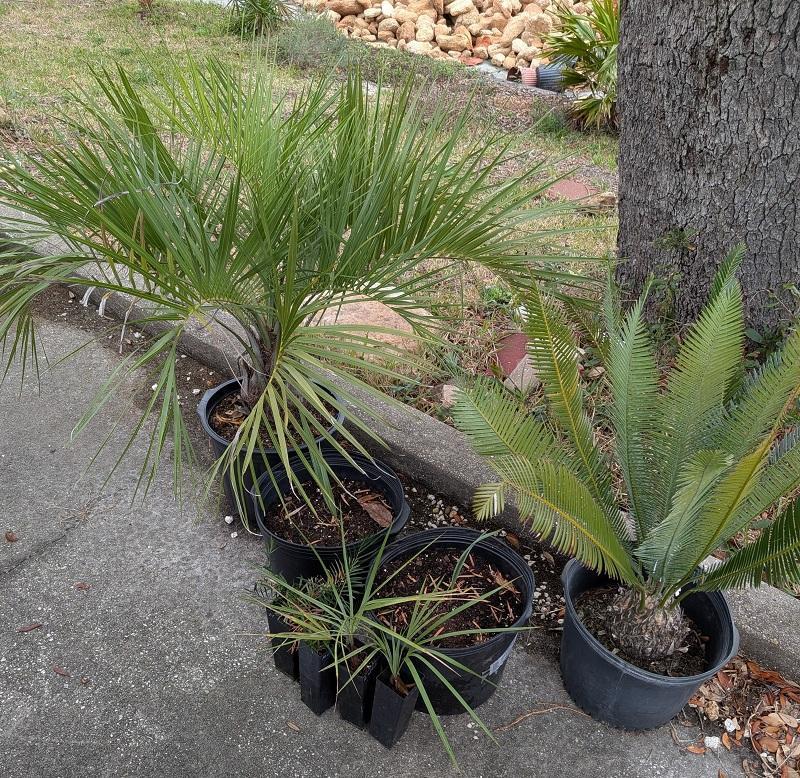 1 point
 Welcome to the International Palm Society’s 34th biennial and our first in Vietnam. Later this month we will experience an itinerary created by Dr. Andrew Henderson, author of The palms of Vietnam. Although we are three weeks away from embarking, I am creating this page now in hopes that many of our travelers will post pictures here. Licuala bachmaensis in Bach Ma village. Photo by Dr. Andrew Henderson.
 1 point
A couple of Chamaedorea have gotten the ring. ‘This C. Radicalis tree form volunteer has a couple of rings . Chamaedorea Plumosa getting its rings . This palm grows every bit as fast as the fast growing Radicalis in my garden , it is already chest high . Harry
1 point
1 pointA couple of Chamaedorea have gotten the ring. ‘This C. Radicalis tree form volunteer has a couple of rings . Chamaedorea Plumosa getting its rings . This palm grows every bit as fast as the fast growing Radicalis in my garden , it is already chest high . Harry
 1 point
 1 pointRhopalastylis Baueri getting the ring. Planted out as a small 15G in the winter of 2020 it’s grown way more than my other Rhopalastylis. This one is happy. -dale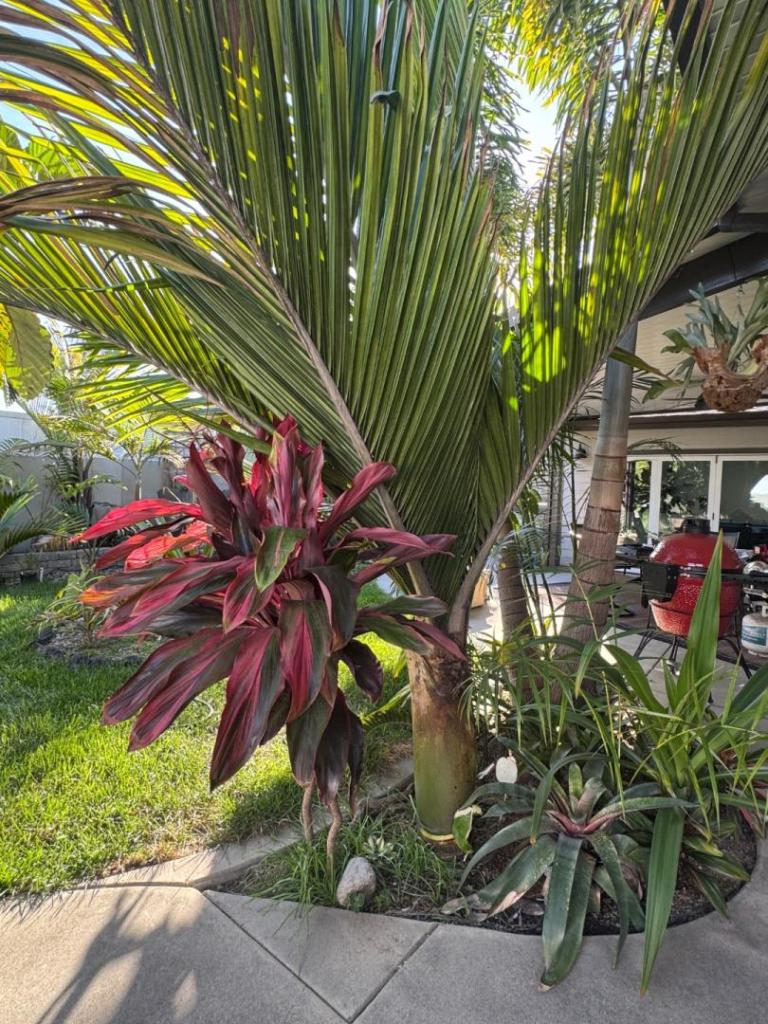
 1 point
 Hi guys! It's been many years since I last posted on this forum. Sorry! Just thought I'd mention my upcoming Taiwan expedition (Fri 26 Apr - Wed 08 May 2019) (13 days) https://www.nature-expeditions.co.uk/tours/taiwan-birds-botany-expedition.php I know it says "Birds & Botany" and we will be going to good birding places and seeing birds, but everyone who has already signed up so far are coming for the botany, so the whole expedition will be focused on the botany. I still have a couple of places left so if any of you are interested in joining me you'd be most welcome. I've been visiting Taiwan for about 24 years, I know the islands exceptionally well, I will be taking you to all the native palms in their natural environments, and I obviously speak Chinese. Like I said, you'll get a unique opportunity to see the 9 (5 endemic) native palms of Taiwan and Lanyu in their natural environments. But you'll also see many (100s) of other palm species in cultivation, many of which were planted long ago by the Japanese during their occupation of Taiwan. I also specialize in Cycads, bananas and ferns, plus others so if you're also interested in those you're in for a treat! So the native palms of Taiwan are: Pinanga tashiroi - Few people ever get to see this gorgeous tall Pinanga. It is endemic to the highest forests of Lanyu island. Areca catechu Taiwan has two forms of Areca catechu - the common tall form that was introduced to the main island by the Dutch, and this form (pictured) which is a small or dwarf form, formally called Areca catechu var. batanensis, which is actually native to Lanyu island of Taiwan and the Batanes islands of the Philippines. Arenga engleri - We'll see these all over Taiwan. There are some varying forms. Calamus formosanus - These are quite common all over Taiwan. Calamus beccarii - This is rare and only found in one small, remote location. Calamus siphonospathus var. sublaevis - occurs only on Lanyu island. Phoenix loureiroi var. loureiroi - This small date occurs in several isolated populations in Taiwan. It used to be called Phoenix hanceana. Livistona chinensis - This is the form with more round-shaped seeds (Livistona chinensis var. subglobosa). There is a population on one of the Taiwan islands that is considered native, but on the whole most of the many groves of this palm on Taiwan are not original. The last Taiwan palm on this list is the Coconut Cocos nucifera. I'll not bother posting a picture of that! Like I said, there are many many other palms cultivated in Taiwan, and on this tour you'll get special access to some important collections. I welcome any questions, you can ask them here or contact me directly via the website, which I'll post again here: https://www.nature-expeditions.co.uk/tours/taiwan-birds-botany-expedition.php Do hope you can join us! Should be great fun! Cheers! Phil1 point
There must be some virus or fungus that kills them. If we could find one and infect some of them and release them to spread the disease it would be awesome. Or perhaps some mutation that makes them unable to dig, dunno... God I hate them so much!1 point
Hi guys! It's been many years since I last posted on this forum. Sorry! Just thought I'd mention my upcoming Taiwan expedition (Fri 26 Apr - Wed 08 May 2019) (13 days) https://www.nature-expeditions.co.uk/tours/taiwan-birds-botany-expedition.php I know it says "Birds & Botany" and we will be going to good birding places and seeing birds, but everyone who has already signed up so far are coming for the botany, so the whole expedition will be focused on the botany. I still have a couple of places left so if any of you are interested in joining me you'd be most welcome. I've been visiting Taiwan for about 24 years, I know the islands exceptionally well, I will be taking you to all the native palms in their natural environments, and I obviously speak Chinese. Like I said, you'll get a unique opportunity to see the 9 (5 endemic) native palms of Taiwan and Lanyu in their natural environments. But you'll also see many (100s) of other palm species in cultivation, many of which were planted long ago by the Japanese during their occupation of Taiwan. I also specialize in Cycads, bananas and ferns, plus others so if you're also interested in those you're in for a treat! So the native palms of Taiwan are: Pinanga tashiroi - Few people ever get to see this gorgeous tall Pinanga. It is endemic to the highest forests of Lanyu island. Areca catechu Taiwan has two forms of Areca catechu - the common tall form that was introduced to the main island by the Dutch, and this form (pictured) which is a small or dwarf form, formally called Areca catechu var. batanensis, which is actually native to Lanyu island of Taiwan and the Batanes islands of the Philippines. Arenga engleri - We'll see these all over Taiwan. There are some varying forms. Calamus formosanus - These are quite common all over Taiwan. Calamus beccarii - This is rare and only found in one small, remote location. Calamus siphonospathus var. sublaevis - occurs only on Lanyu island. Phoenix loureiroi var. loureiroi - This small date occurs in several isolated populations in Taiwan. It used to be called Phoenix hanceana. Livistona chinensis - This is the form with more round-shaped seeds (Livistona chinensis var. subglobosa). There is a population on one of the Taiwan islands that is considered native, but on the whole most of the many groves of this palm on Taiwan are not original. The last Taiwan palm on this list is the Coconut Cocos nucifera. I'll not bother posting a picture of that! Like I said, there are many many other palms cultivated in Taiwan, and on this tour you'll get special access to some important collections. I welcome any questions, you can ask them here or contact me directly via the website, which I'll post again here: https://www.nature-expeditions.co.uk/tours/taiwan-birds-botany-expedition.php Do hope you can join us! Should be great fun! Cheers! Phil1 point
There must be some virus or fungus that kills them. If we could find one and infect some of them and release them to spread the disease it would be awesome. Or perhaps some mutation that makes them unable to dig, dunno... God I hate them so much!1 point Things are ridiculously resilient. In some of my traps, then I forget to put a killing agent in the water they swim for seven plus days before finally dying and drowning.1 point




(1).jpg.be07bac4e4fe812e4240b9dad2267dd4.jpg)
(1).jpg.19629bbd521bf11c8b4e5f67094a8ce7.jpg)
(1).jpg.bea55b17b456b51b6119f3106c16a2f2.jpg)
.jpg.9492eebd3e00c6de9dca930929909f8a.jpg)
.jpg.c2a19f8dfc2a6cf971e089c21ff3bb34.jpg)
(1).jpg.3e95b2254b690673eba3f214df1d5d4f.jpg)
.jpg.afe0d49dbfbe657f28c66ae73846e4fb.jpg)
(1).jpg.7b05c71032337b1593fd6b3048357d6d.jpg)























Account
Navigation
Configure browser push notifications
Chrome (Android)
- Tap the lock icon next to the address bar.
- Tap Permissions → Notifications.
- Adjust your preference.
Chrome (Desktop)
- Click the padlock icon in the address bar.
- Select Site settings.
- Find Notifications and adjust your preference.
Safari (iOS 16.4+)
- Ensure the site is installed via Add to Home Screen.
- Open Settings App → Notifications.
- Find your app name and adjust your preference.
Safari (macOS)
- Go to Safari → Preferences.
- Click the Websites tab.
- Select Notifications in the sidebar.
- Find this website and adjust your preference.
Edge (Android)
- Tap the lock icon next to the address bar.
- Tap Permissions.
- Find Notifications and adjust your preference.
Edge (Desktop)
- Click the padlock icon in the address bar.
- Click Permissions for this site.
- Find Notifications and adjust your preference.
Firefox (Android)
- Go to Settings → Site permissions.
- Tap Notifications.
- Find this site in the list and adjust your preference.
Firefox (Desktop)
- Open Firefox Settings.
- Search for Notifications.
- Find this site in the list and adjust your preference.