Leaderboard


Popular Content
Showing content with the highest reputation on 02/18/2026 in all areas
-
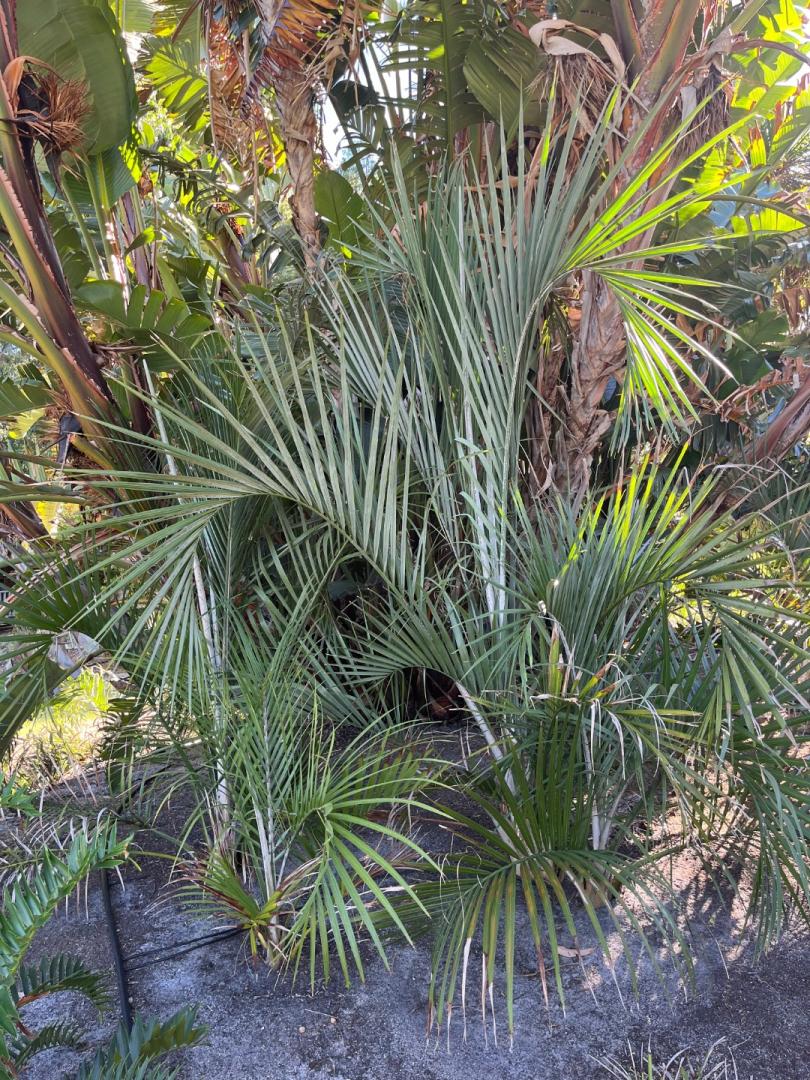
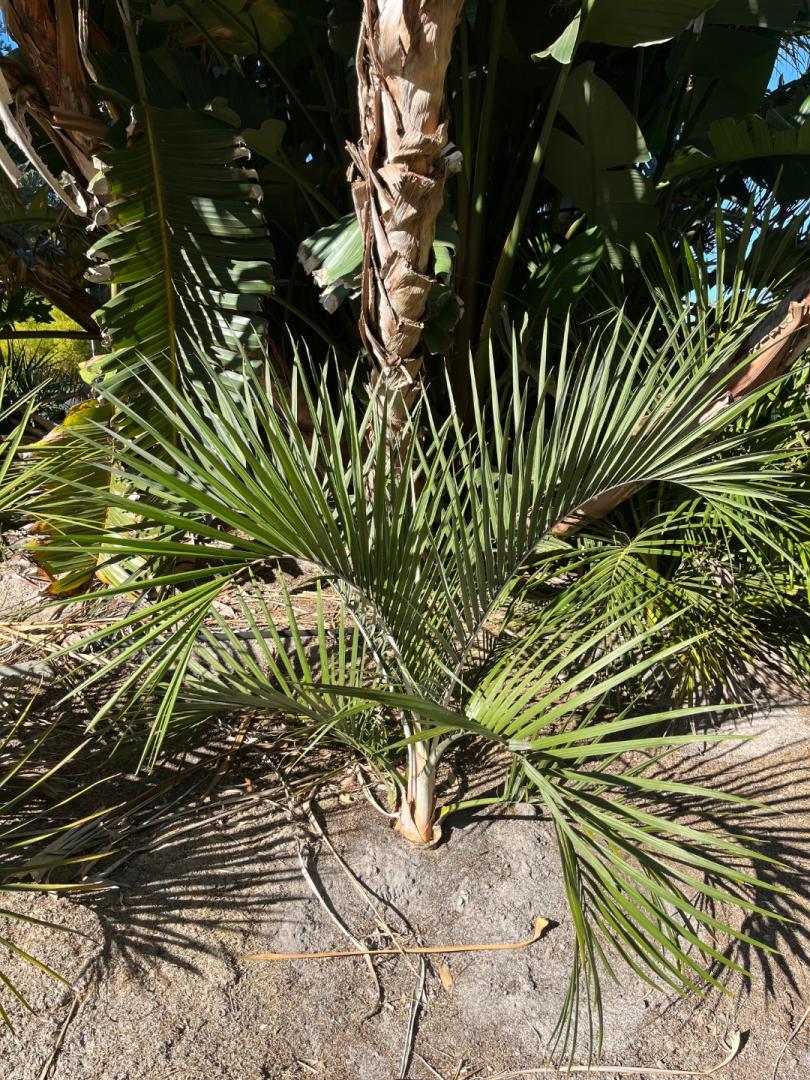
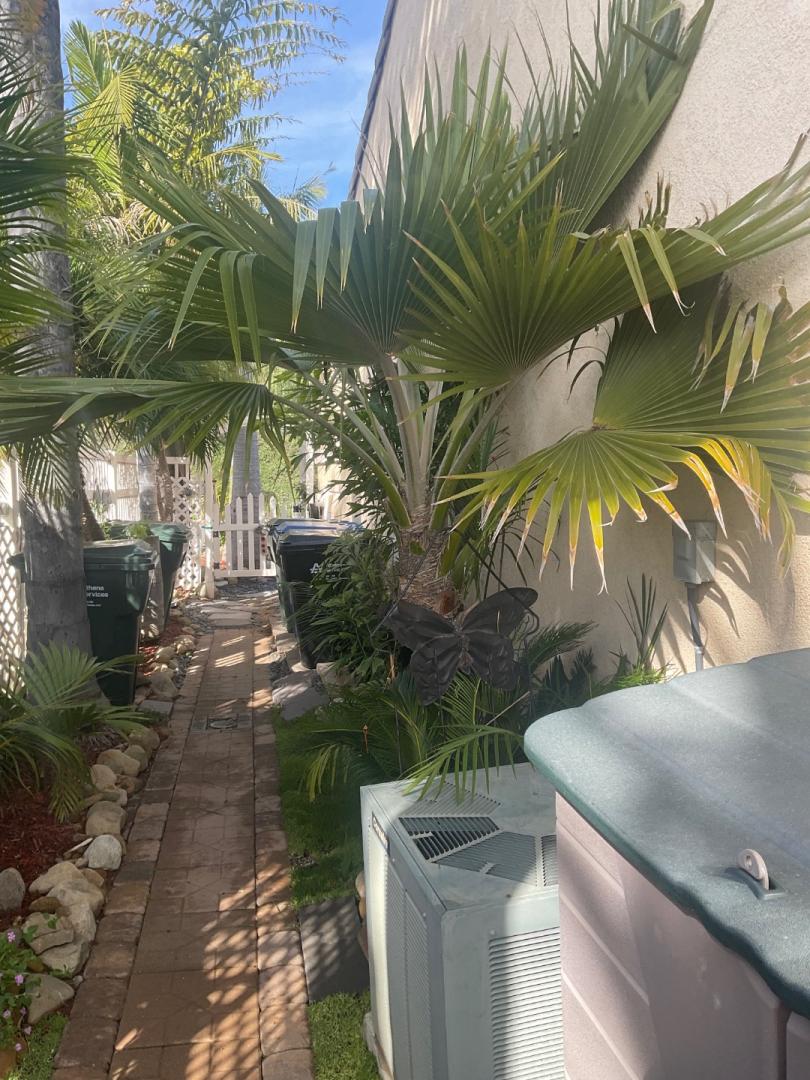
Guidance has trended colder in the past 36 hours or so. This is shaping up to be a freeze for the Panhandle. NWS currently forecasting a low of 33F for Monday night. Looks like it may warm up pretty quickly after that before getting cool again to start the month of March. Being cold in Florida multiple times during the winter season is not a new thing. Y'all have gotten lucky more than anything in the past decade down south. I would be grateful to live in the areas of central Florida thats been trashed on so much in this thread. I am still thankful to be located in NW FL, where many palms can be grown. Sometimes it pays to just be thankful for what you have instead of being upset about what you cant have. My Queens are fried, my bizzy might not make it, my lady palm spear pulled, my washies are burnt, but... here is my super mule, looking like winter never happened: For that, I am thankful.
 8 points
 -
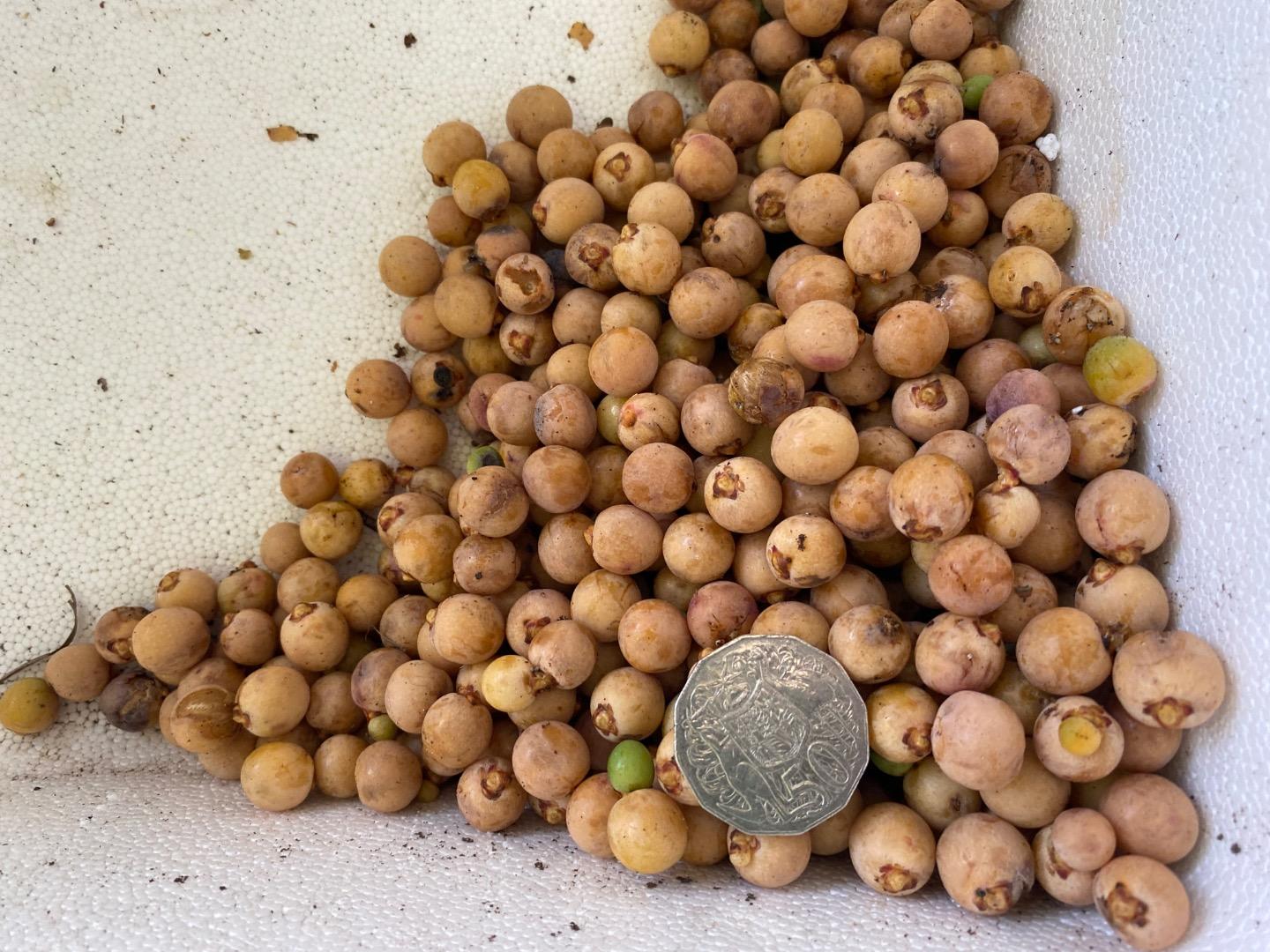
I get them sprouting in my yard every year. Most years, I collect hundreds of seeds from a big (100+ year old) blue jubaea at a park nearby. I try to germinate and pot up seedlings which I then mostly give away - my contribution to keeping Jubaeas alive in my area for the next 100 years. The local squirrels inevitably get into my seed stash and bury seeds all throughout my yard. I have identified 5 seedlings in my yard which are a result of squirrels planting and forgetting about the seeds. I also have two jubaeopsis and one Syagrus kellyana that all began the same way.6 points
-
Here are the 2 mature Coconuts growing across from Fashion Square Mall at the former smashburger restaurant. The one on the left is totally brown but the petioles are still green. The one on the right actually has a couple leaves in the center with green. These palms are less than a mile from the Executive Airport which has an official NWS station and recorded 24F. If both or one survives it will be the new I Drive coconut.

 5 points
 -
Thank you, friend, for contributing seeds and sharing the love through these beautiful palm trees. In Chile, CITES has already been issued, prohibiting the sale of seeds, seedlings, and palm trees of Juabaea chilensis abroad. The world will still obtain supplies, but not from Chile. RPS in Germany managed to make the last purchase and shipment to replenish their stock.4 points
-
There is A LOT to do on O'ahu in the world of horticulture and landscape...pardon my very long post here but Honolulu is a big city, O'ahu is a good-sized island, with several diverse climate-types, and this is just some of what is there for your botanical enjoyment... The single most important place for you to go is Lyon Arboretum, part of the University of Hawai'i, at the top of Manoa Road. Truly spectacular and you'll probably want to go up there more than once. The late great Ray Baker along with Bob Hirano were the driving forces there in the latter 20th century, establishing amazing collections of palms, Heliconia and many other plants in this perfect, rainy greenhouse of a place. You can really wander into the deep tropical forest there, and you can see things like Amherstia nobilis and lots of other rarities thriving. There are also a lot of plantings on the UH campus further down the valley toward town. For a flip-side experience, you should go to Koko Head Crater and botanical garden...this fascinating crater has a semi-desert climate with one of the best collections of Plumeria on the planet. Also many other tropical plants that thrive in such a dry, hot environment (Madagascar, etc.). Very useful to inspire you for your Arizona garden. Very importantly, remember to bring water with you if you go there...water/beverages are not available, and the dehydration factor may remind you of Arizona! Foster is important because it's a very old botanical garden and thus has some very large specimens of many tropical palms and other plants that represent early introductions. I lived in Honolulu in '88-'89 and would often visit Foster Gardens, it was the first place I ever saw the beautiful Satakentia liukiuensis...I was really transfixed by those palms and I'll bet they are really something after all these years. You might also look into Wahiawa Botanical Garden...interesting because it is located upland, in the middle of the island (near the Dole Plantation). Also Waimea Botanical Garden on the windward side of the island, I remember that being a very nice walk up into that valley...but not sure if it's worth the ticket price considering how many other options you have. To me some of the best experiences are to be found just wandering in town and through some of the old parks like Ala Moana, and Kapi'olani. If you walk down along Kapi'olani Park (on Kalakaua Avenue) by the Aquarium and toward Diamond head it's a really pleasant experience parallel to the beach and it's fun just to explore the neighborhoods flanking Diamond Head, just to look at the residential landscapes. More Singapore Plumeria and Tahitian Gardenia than you can shake a stick at, and lots of beautiful uses of lava-stone walls and other Hawai'i-style landscaping elements that may give you inspiration for your own landscape back at home. Other well-heeled areas that feature very nice landscaping and good for an easy driving tour include Kahala (on the other side of Diamond Head, this is where Magnum P.I. was largely shot), and up on Tantalus and Makiki Heights (Round Top Drive, Makiki Heights Drive), very jungly area with large estates hiding behind some wonderful plantings, you can work that area in with a trip to Manoa. Through this area and going up to the Pali, you'll see gigantic pothos and Cup of Gold vines snaking through the trees that will blow your mind. There is also a botanical garden at Tantalus but I haven't ever been there. As far as public-facing landscaping palms are concerned, Pritchardia pacifica in particular is used all over the place, particularly in commercial and hotel settings, and seems to reach its visual zenith in Honolulu's climate, and you may really fall under the spell of that palm. Honolulu is famous for its huge banyan trees and you will also see incredible Monkeypod (Samanea saman) trees wherever there is room for them, along parkways, especially Moanalua Road/Hwy and at the Moanalua Gardens. If you have time, try to include the historic areas of downtown. Fort Street Mall, University Avenue, King Street all have wonderful old plantings around the historic buildings, lots of mature Pritchardia pacifica and Ptychosperma, et al. in random plantings in the commercial center. Also lots of beautiful red and pink ginger and Heliconia all over the place around Honolulu. I assume since my last visit (I think 2008) many new tropical palm and other plant introductions have arrived and thrived in landscapes around the city as well, especially in hotel landscapes. I remember noticing during my last visit that in particular Areca vestiaria had become more common in landscapes there. In Waikiki proper, you must wander, wander, wander, especially through the larger hotel properties, and go to the Royal Hawaiian Hotel and see the Banyan filled with its crowd of garrulous Mynah birds and some really magnificent old plantings of Ptychosperma macarthurii up against the hotel walls. The landscaping there epitomizes old gracious Hawai'ian landscaping of the early 20th century, and everything is very well maintained in the "Hawai'i style." Keep in mind that Honolulu enjoys a really interesting convergence of mostly Pacific/Asiatic cultures, Polynesian, Japanese, Chinese, Filipino and others, and so there is some real landscape diversity based on those cultural traditions. The East-West Center Japanese Garden next to UH is well known, and the Hawai'i Int'l Airport's cultural garden (yes, in the middle of the airport!) was designed in the early '60s by famed Landscape Architect and author Richard C. Tongg and hopefully you can work that in with your arrival or departure. And for just the natural beauty of the island, don't forget to drive out along the Kalaniana'ole Hwy to Makapu'u Beach (famous for the sand that will be deposited in your swimsuit, and you can see Maui!) and further along, the view of the Ko'olau Mountains in Waimanalo is truly spectacular and should not be missed. If you take that trip (which could include Koko Head), you might also visit some of the nurseries along that route. Just a few I remember are nurseries like Ni'i Nurseries (Charles Ni'i Nursery and also R&S Ni'i Nursery, there are two of these) above Hawai'i Kai near Koko Head. Frankie's Nursery (mostly tropical fruit trees but also some ornamentals) in Waimanalo is very well known, and may be worth visiting for a wander. If you're interested in Plumeria there are some major nurseries like Jim Little Plumeria Farms. Many of these nurseries will ship to the mainland as well. There used to be quite a few well-known mom-and-pop nurseries specializing in orchids, anthuriums, etc. around the island and I'm not sure how many of these are still around. But you might just google nurseries and call around, and I'm sure there will be a good selection to choose from. While many people associate Honolulu with coconuts, banyans, breadfruit, monkeypods, Plumeria, Anthurium, orchids, gingers, Cordyline, et al., Honolulu is also famous for its flowering trees, and you will likely see some nice ones in bloom in April, including Pink-and-white Shower (Cassia javanica), Rainbow Shower (Cassia x nealeae), Silver Trumpet Tree (Tabebuia aurea) and the Primavera (Tabebuia/Cybistax/Roseodendron donnell-smithii). If you can't tell from my verbose listing, there's a lot to see pretty much everywhere you go!4 points
-
I have for free dypsis baronii seeds. Limited numbers!
 3 points
 -
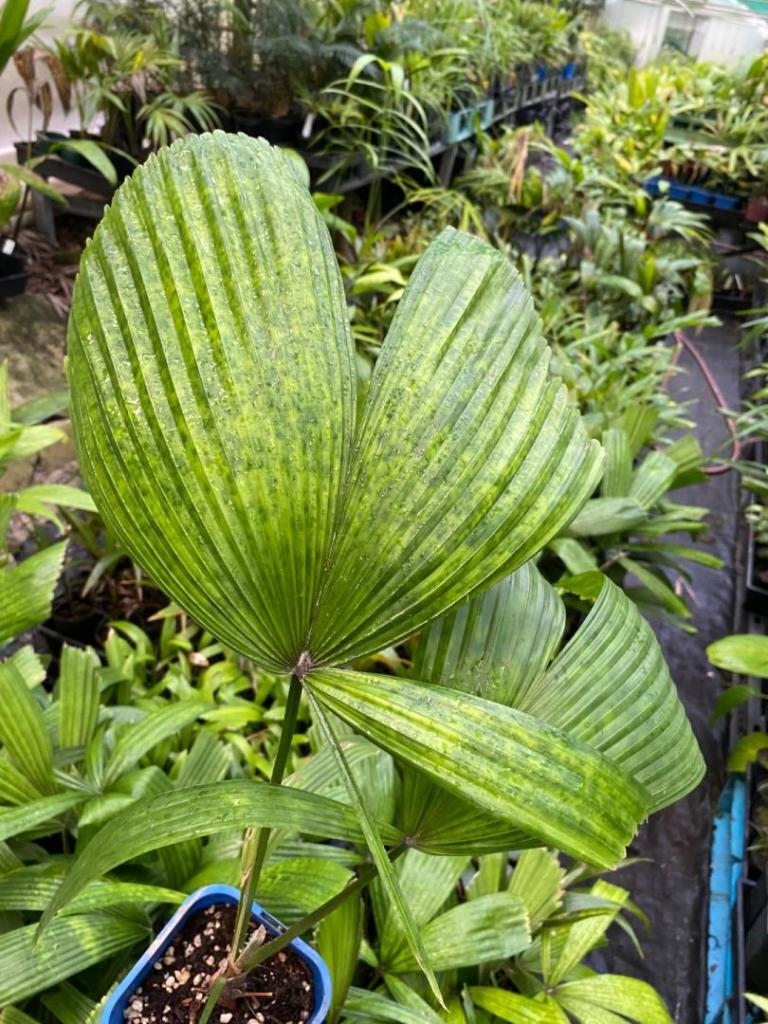
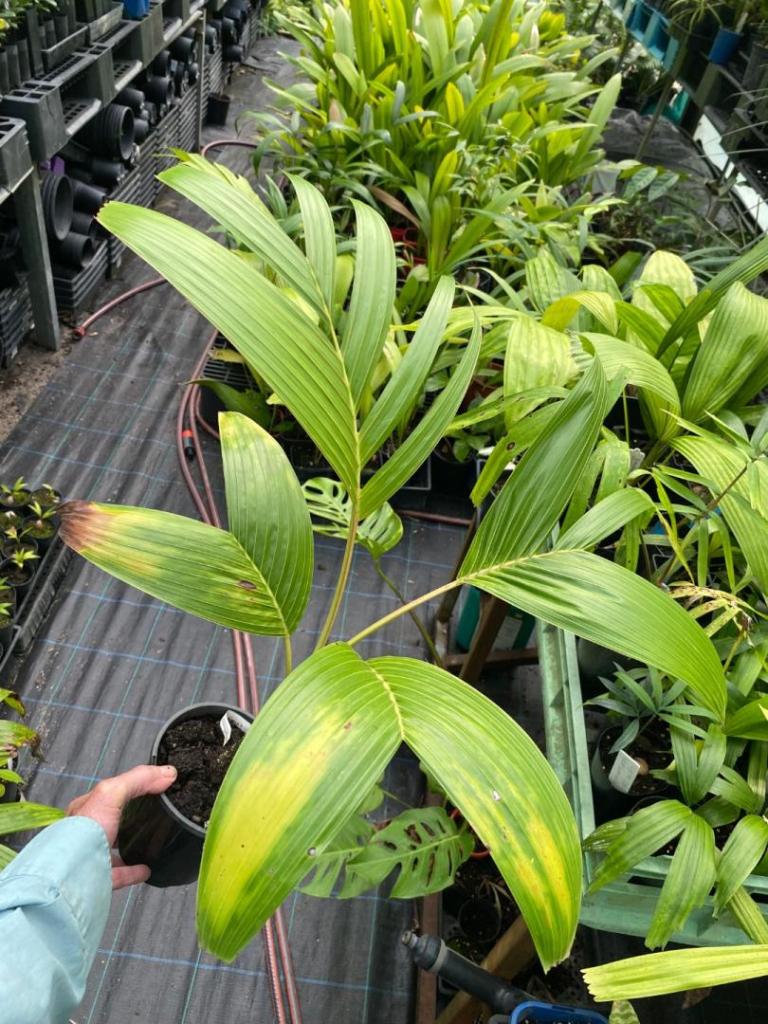
A couple of winners! lanonia dasyanthaGeonoma PanamaRoscheria melanochaetes

 3 points
 -
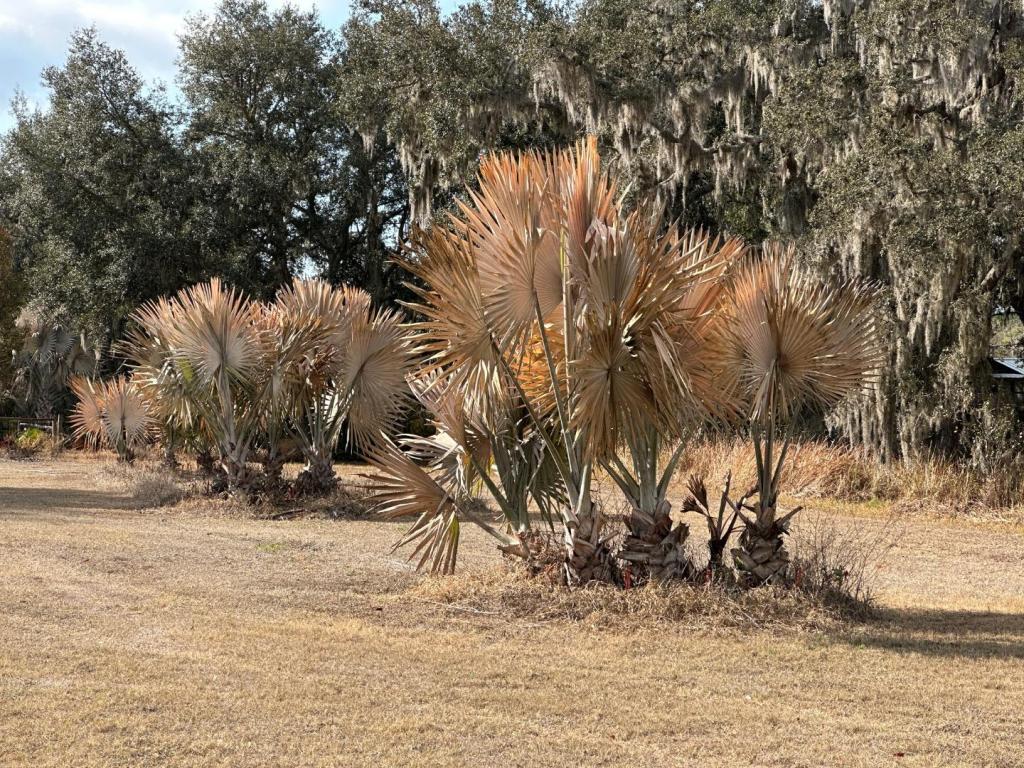
I was able to force this color with 23 degrees but i don't think I’ll be able to maintain this look.
 2 points
 -
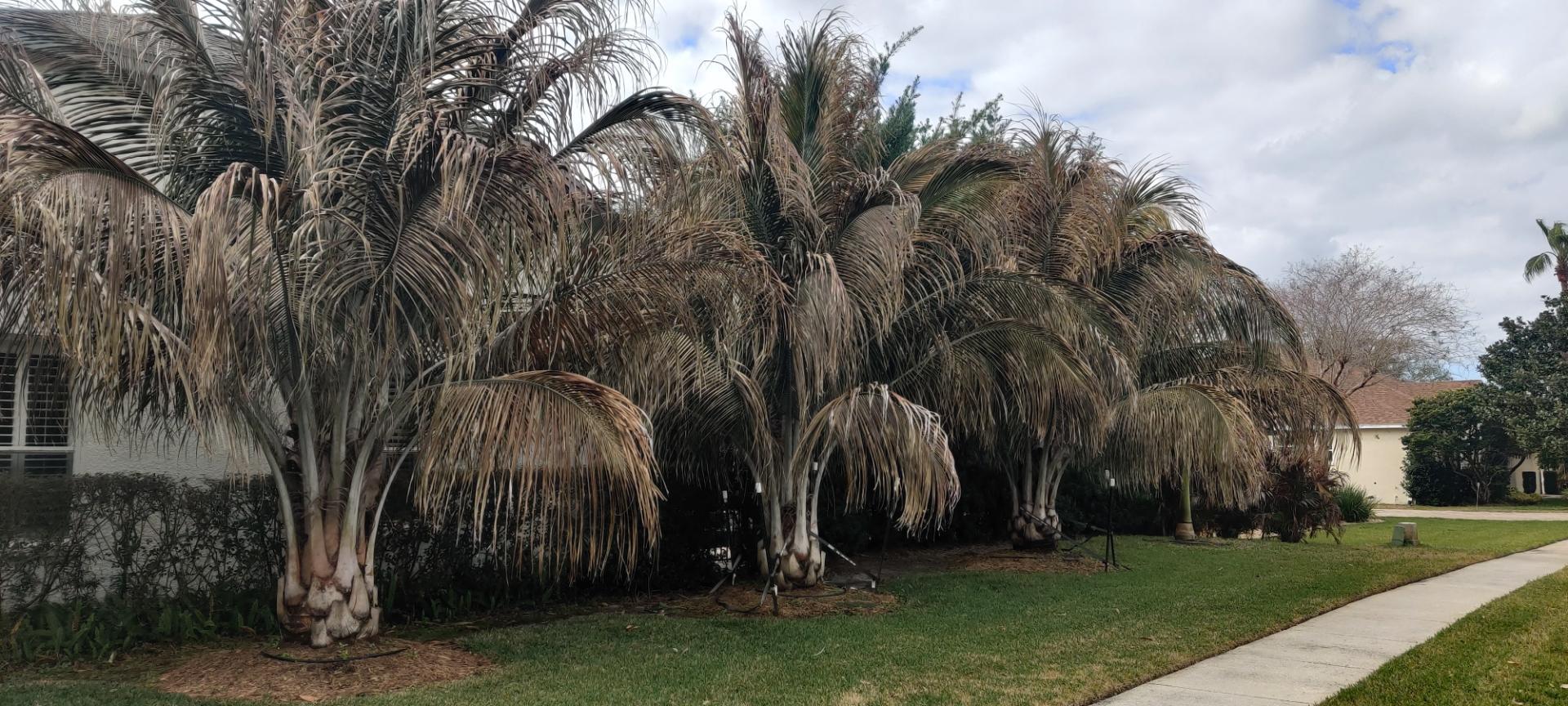
My B. Alfredii palms after the recent florida freeze. I'm in Orlando. Had these in the ground for about 9 years. Not very cold hardy if you ask me. I went to lucas nursery and they have several that seemed burned as well. They trimmed all of theirs fairly aggressively after the storm. Most of them have 4 or so fronds on them now. Anyways, I sprayed copper fungicide on the center spear more so into the center of the crown. Hoping that helps. Most worried about appearance since these have been sloooooow growing so will take forever to replace these crowns.
 2 points
 -
From the looks of the picture, it just looks like foliage burn, I do see a green leaf in the middle. They should recover and as you say they are slow growing so expect a few years of something a bit unsightly. After your winter trim of any obviously dead leaves, apply a good fertiliser and sit back and wait for the recovery. It’s heartbreaking to see a plant you love and have been growing for some years take a beating. It must have been cold, during that freeze it even made the news in Australia.2 points
-
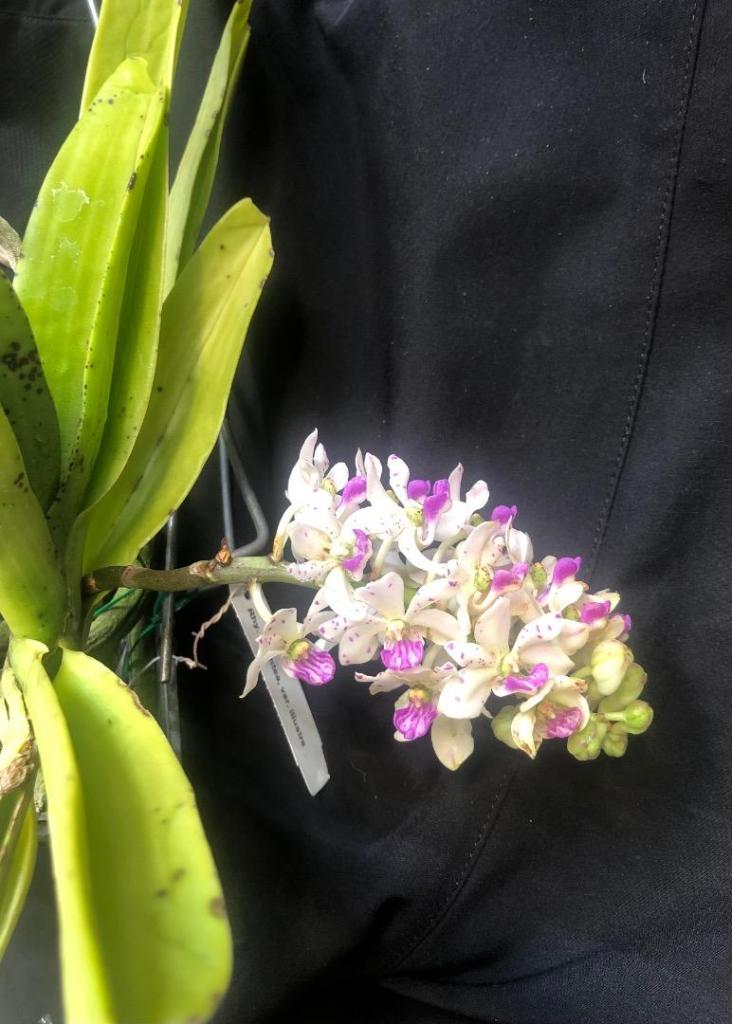
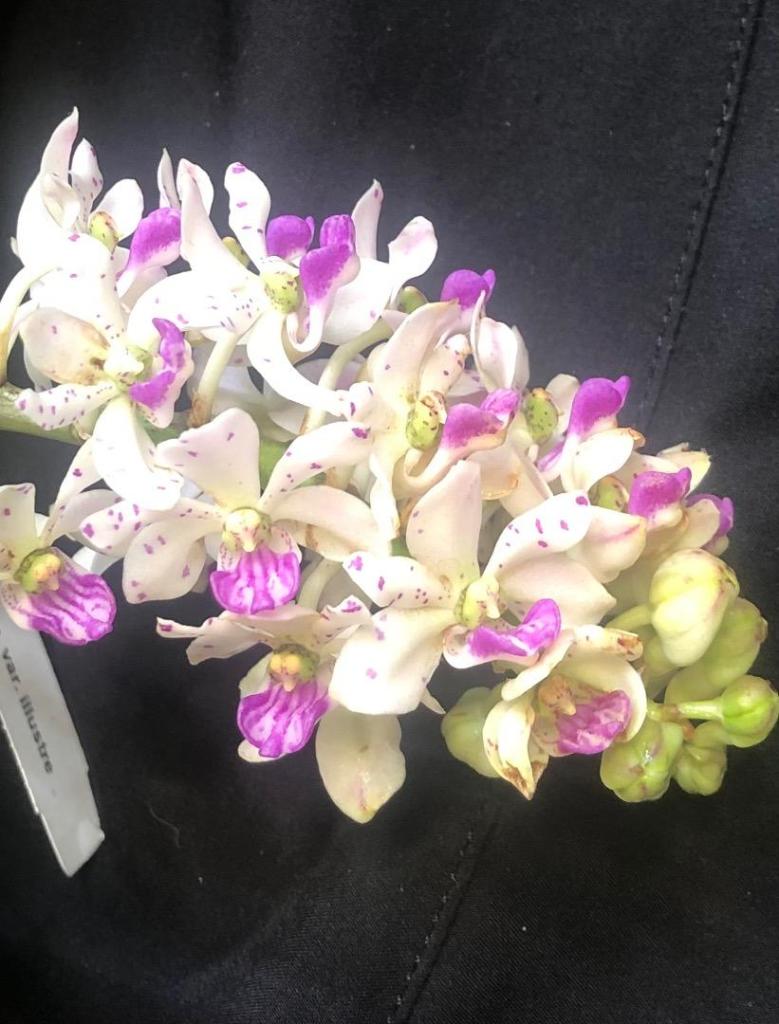
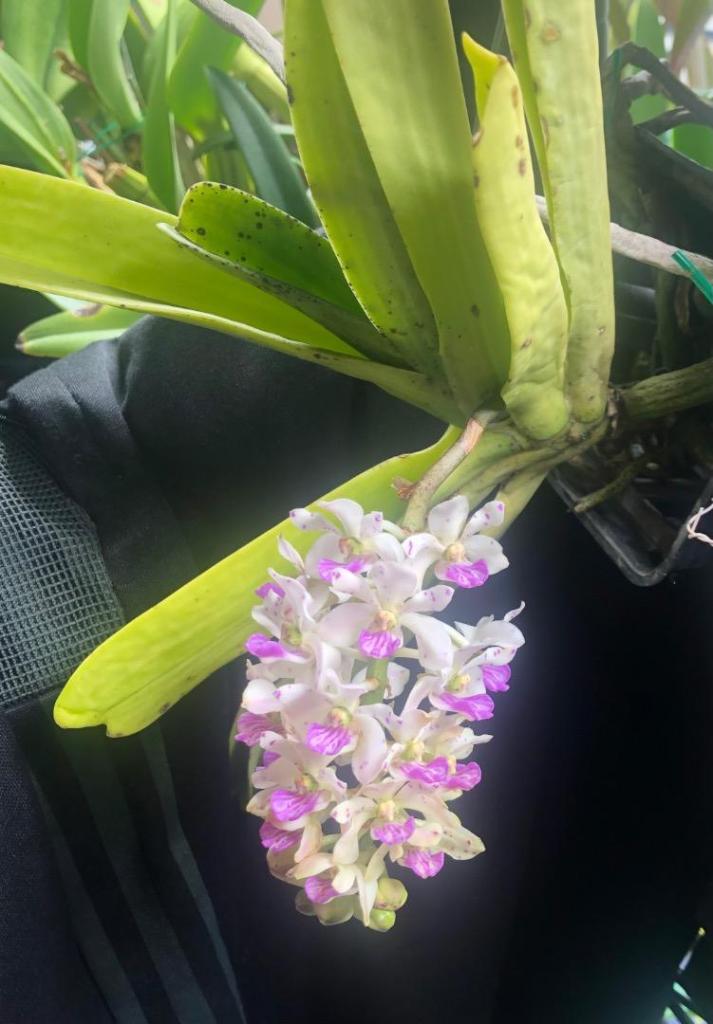
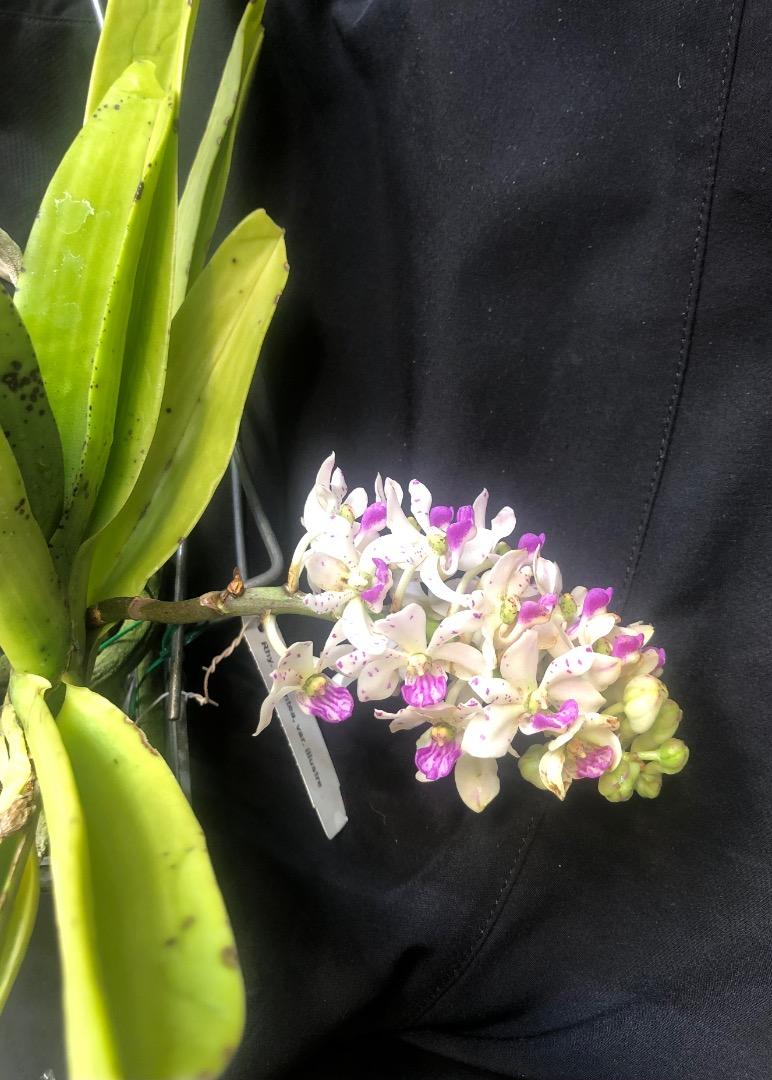
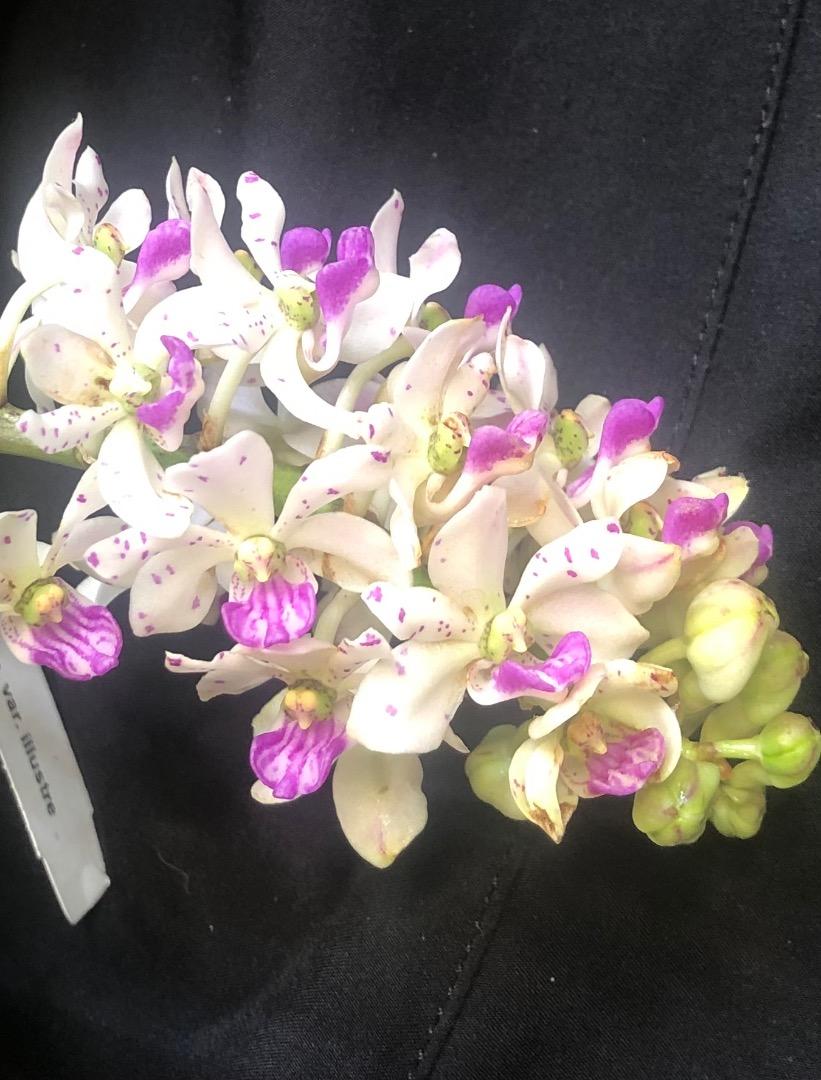
Rhy. gigantea, var. illustre. A rescue from one of Home Depot’s 1/2 dead 1/2 price shelves. Purchased in FL 2 years ago. Been a long, slow nurturing process. First time blooming for me. Humidity in the house is very low in winter and am surprised it bloomed. Life is better for this orchid in the summertime, where it can luxuriate outdoors, in all the humidity and balmy air.
 2 points
 -
In certain spots it's more dependable than the panhandle I think, so has its own unique opportunities, but once your north of SR 52 in Pasco it's a different world and look than to the south. Inland is variable of course as you know. My yard has a mix of northern trees like hickory and cedar, and stuff like Encyclia tampensis that won't survive in the panhandle. If you tolerate winter damage and summer issues there are some cool things that do well like triangle palms, but the soil is sand and better matches what is seen in desert climates at the same latitude. I could imagine some humidity tolerant xeriscapes there that look more like Phoenix AZ, with some plants off the list due to invasive status. Rock yards with weedmat and cacti are not the image that the tourism and home industry groups want though, and the experience of local "landscaping" companies is minimal and reflective of the wishes of a tropical paradise. My hope is this commentary ends up in internet searches about the area, and people see that where you are here is almost as important as the microclimates in California. We have such great opportunities as well as challenges, but a holistic approach is missing for most so here we are.2 points
-
Turkey Creek: Ardisia elliptica Psychotria nervosa Ximenia americana Erythrina herbacea Coastal Melbourne: Ficus microcarpa Annona glabra Allagoptera arenaria West Melbourne Swietenia mahagoni


 2 points
 -
It seems to work for me I like it, a free potting bench, let me look into my crystal ball, I see bigger and better things to come, you will need a bigger potting bench.🔮 Richard2 points
-
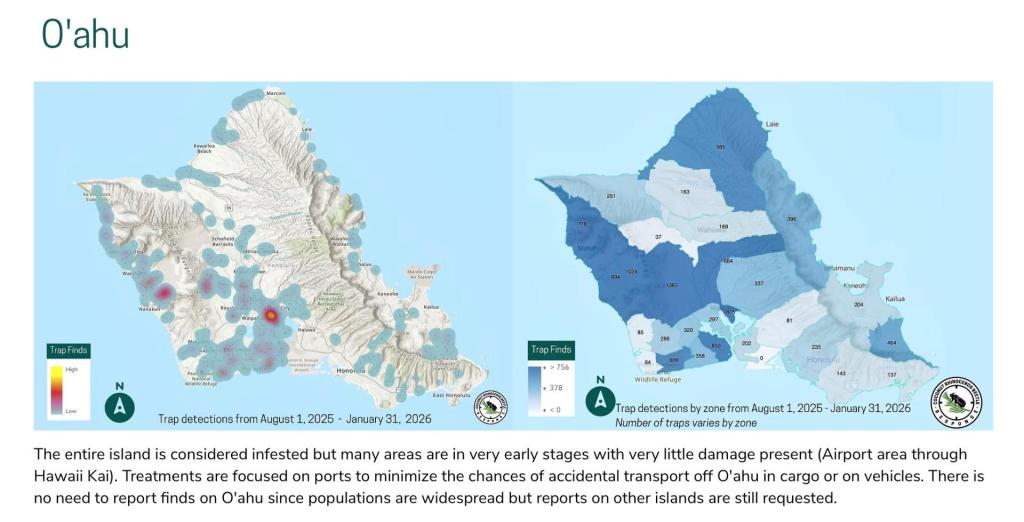
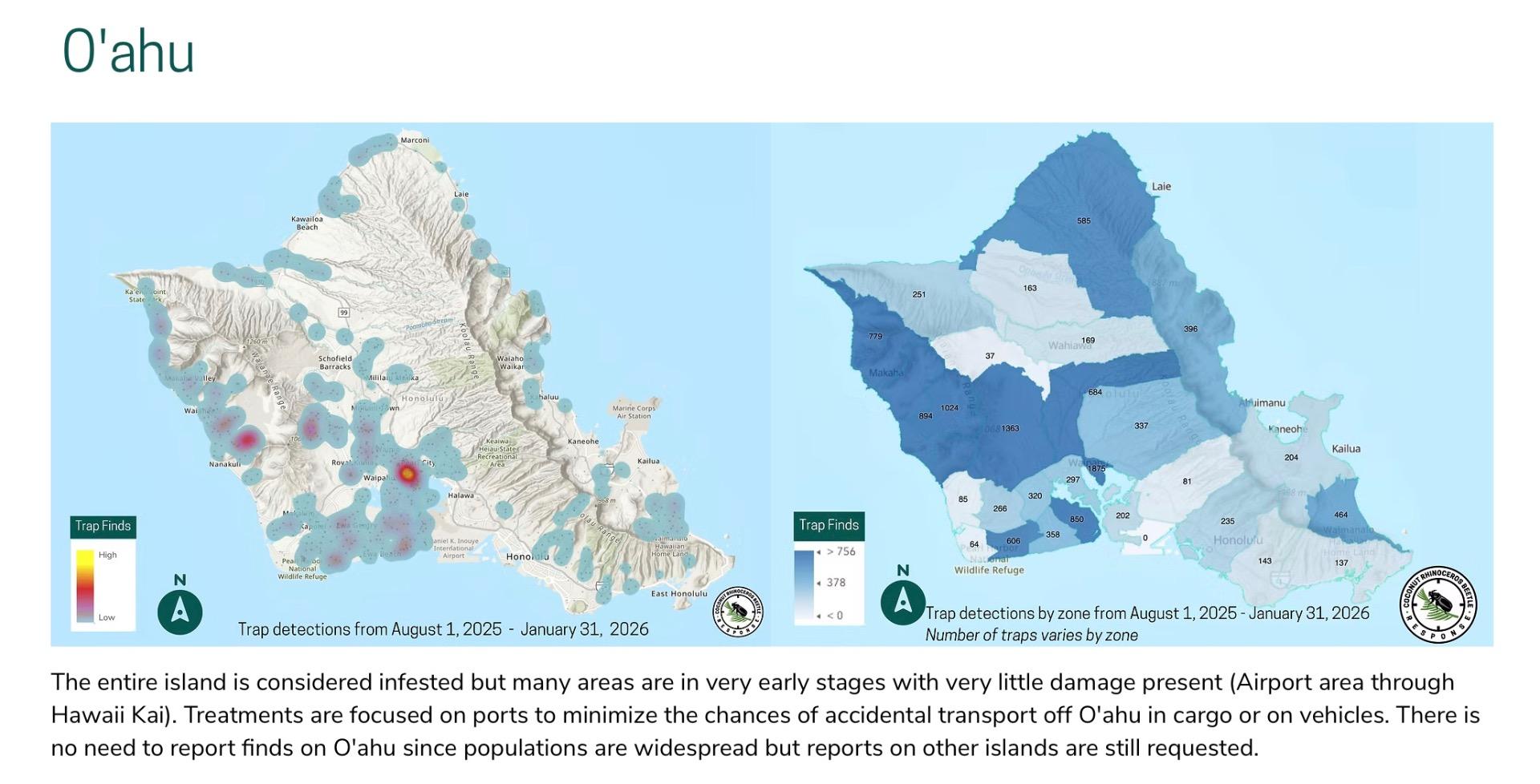
I'm sure you will have a great visit and see plenty of beautiful palm species on Oahu. But just to inject a pinch of wretched reality, Oahu is being attacked by swarms of coconut rhinoceros beetles. They were introduced around 14 years ago, but the state's response has been pathetic. 'Too little, too late' does not begin to describe the bungled half measures taken. Large beetle populations are firmly established across Oahu and there is no realistic strategy to eradicate them. The department of Ag has stopped monitoring surveillance traps around the island because every region is now infested. Hundreds of large coconut palms growing in beach parks have been cut down to prevent the towering dead trunks from falling on people as well as to destroy any larvae that might be developing inside the rotting trunks. Driving around you will notice the characteristic V-shaped cuts to palm fronds that signal that the end is near. I think the public botanical gardens have not been hit hard, yet. But the outlook is pretty bleak. Good that you are visiting now. In five years there might be many fewer palms to see. Here is a map showing the latest infestation data. The map on the left shows no detections along the mountain chain, but that is only because nobody placed or monitored traps in this very steep terrain. The right panel shows color coded population densities with darker blue being worse, but the data are pretty incomplete. The beetles are pretty much everywhere. If you can possibly arrange a free day on your trip, I recommend a quick hop over to the Big Island. Depart Honolulu on the first flight of the morning, arrive in Hilo before 9, then hit four or five private palm gardens you see on PT, plus Hawaii Tropical Botanical Garden 10 miles north of Hilo, fly back to Honolulu by 7. You will be very tired, but you will see great palm collections. CRB arrived on the dry Kona side of the island two years ago, but so far has not been sighted on the wet east side of the island.
 2 points
 -
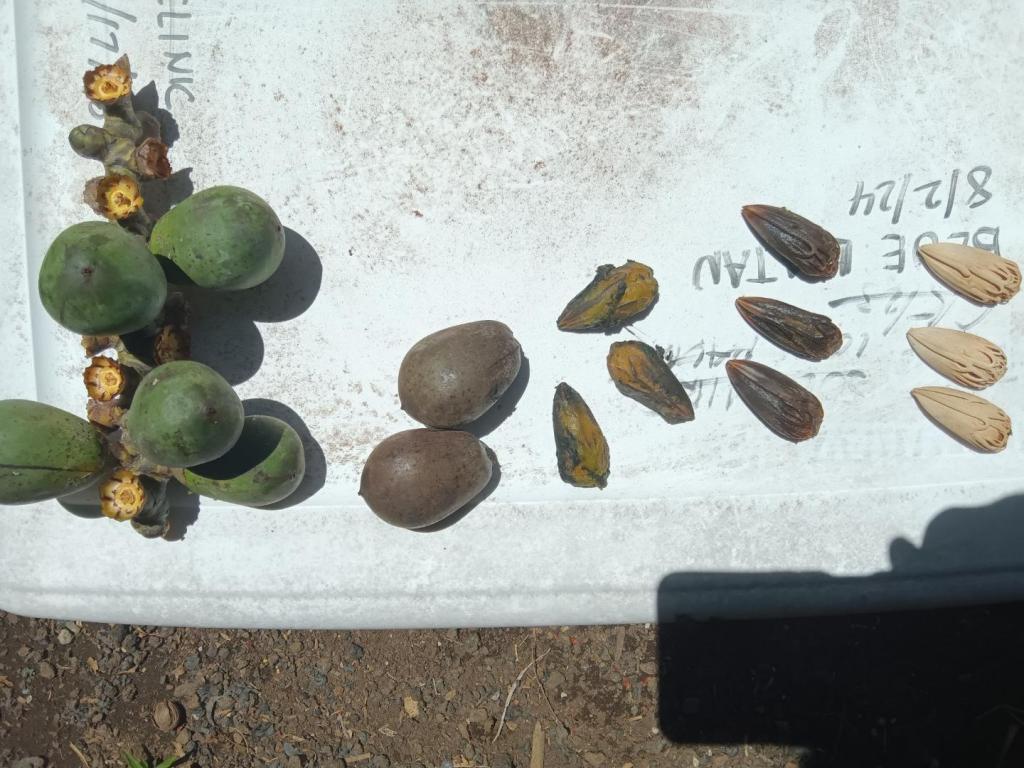
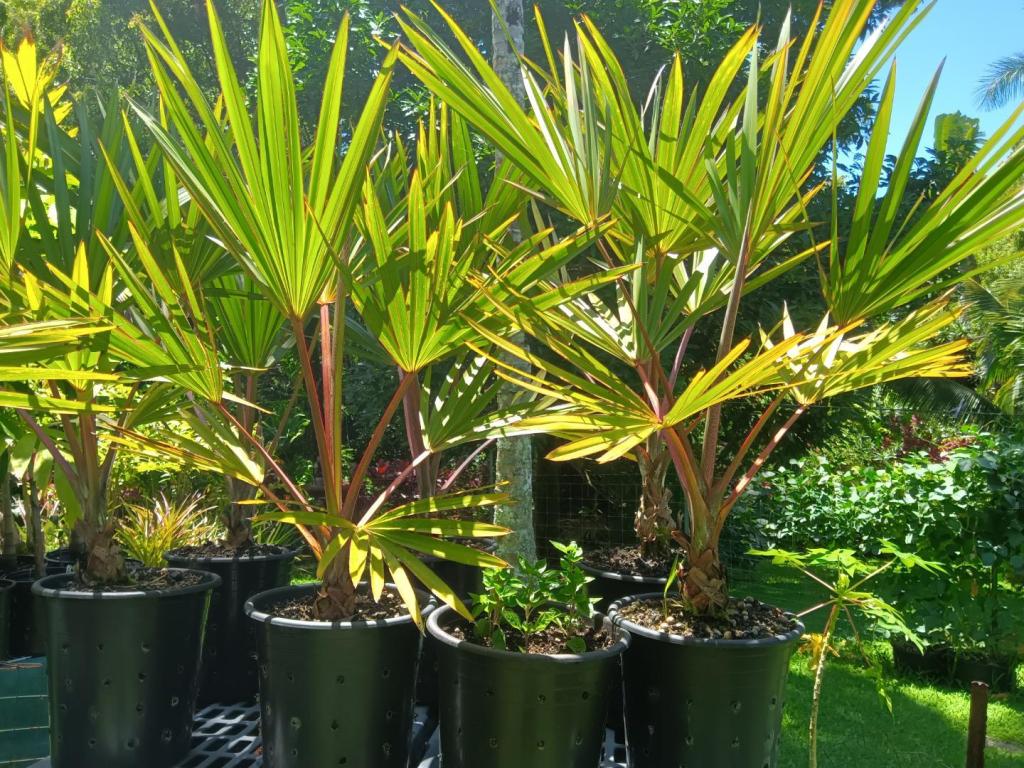
GTClover, I think you have blue latan, these are my seeds and plants

 2 points
 -
Gophers annihilate Bizzies.2 points
-
The same place. Patric S in California2 points
-
Hmm. Looks like a paler version of freeze damaged Caryota obtusa at the Huntington botanic garden’s after the big freeze of January 2007. 15-17 degrees FF.2 points
-
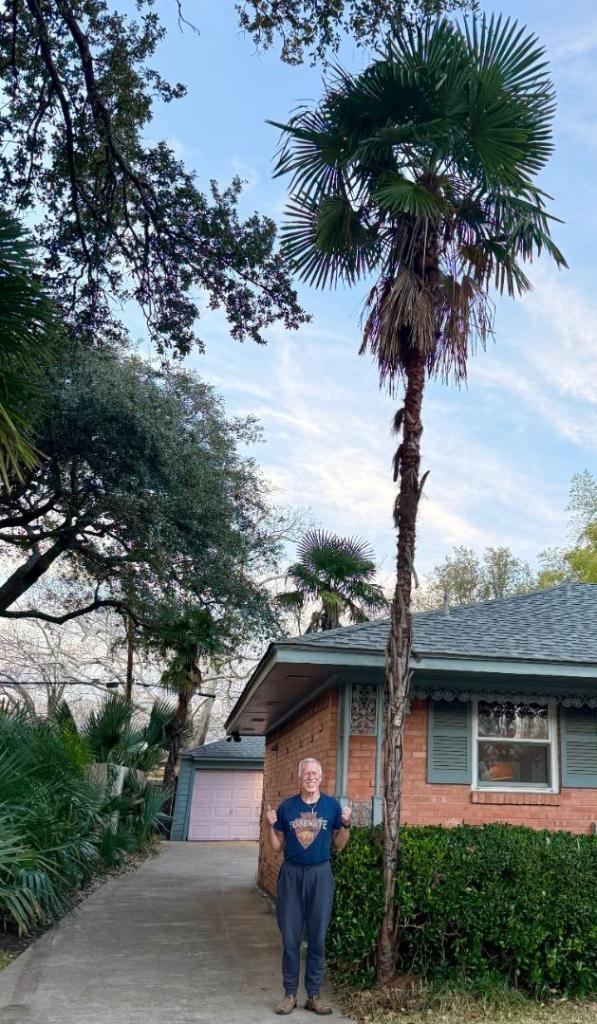
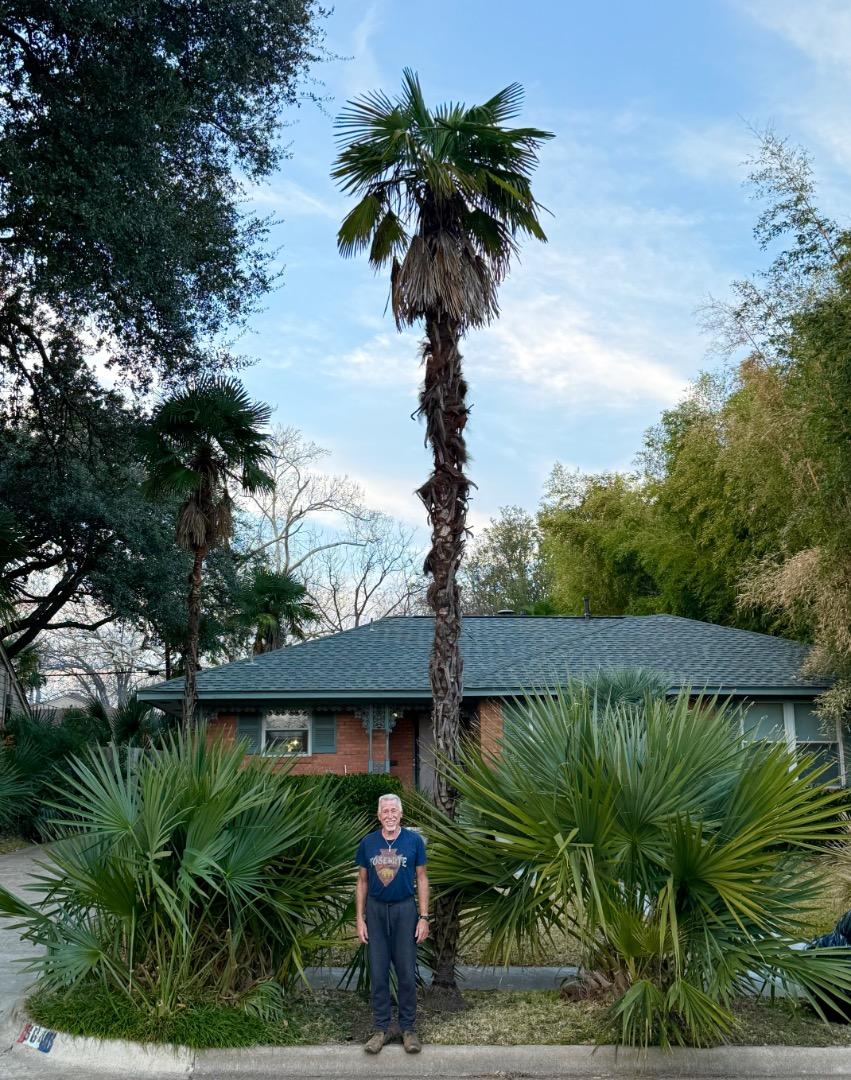
2 twenty foot, seedling grown, Trachycarpus fortunei in Dallas zone 8a

 2 points
 -
Ngl I'm scared to go to Lowes right now. I'm gonna walk out with something I don't have room for. I'm already eyeballing my benches seeing how I can stack them into shelves to free up more space, so I can build more. Spring can't get here soon enough for me, man.2 points
-
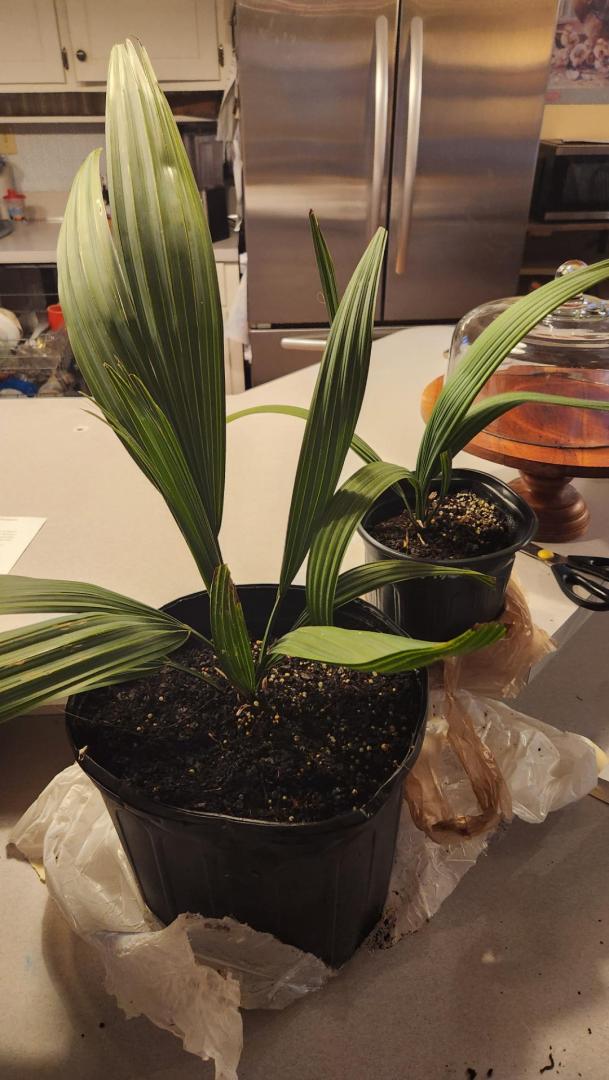
Thanks! This palm was in a 1.75 gallon pot at Lowe's. Repotted to a 10 gallon this morning.2 points
-
Are you selling any?2 points
-
plus, you can tell the bougainvillea in the background is alive and well. Cold would affect bougainvillea way before it affects a queen palm.2 points
-
Is it just me or does the central spear look discolored? Seems an unusual dull green/grey with the black spots and white mold?2 points
-
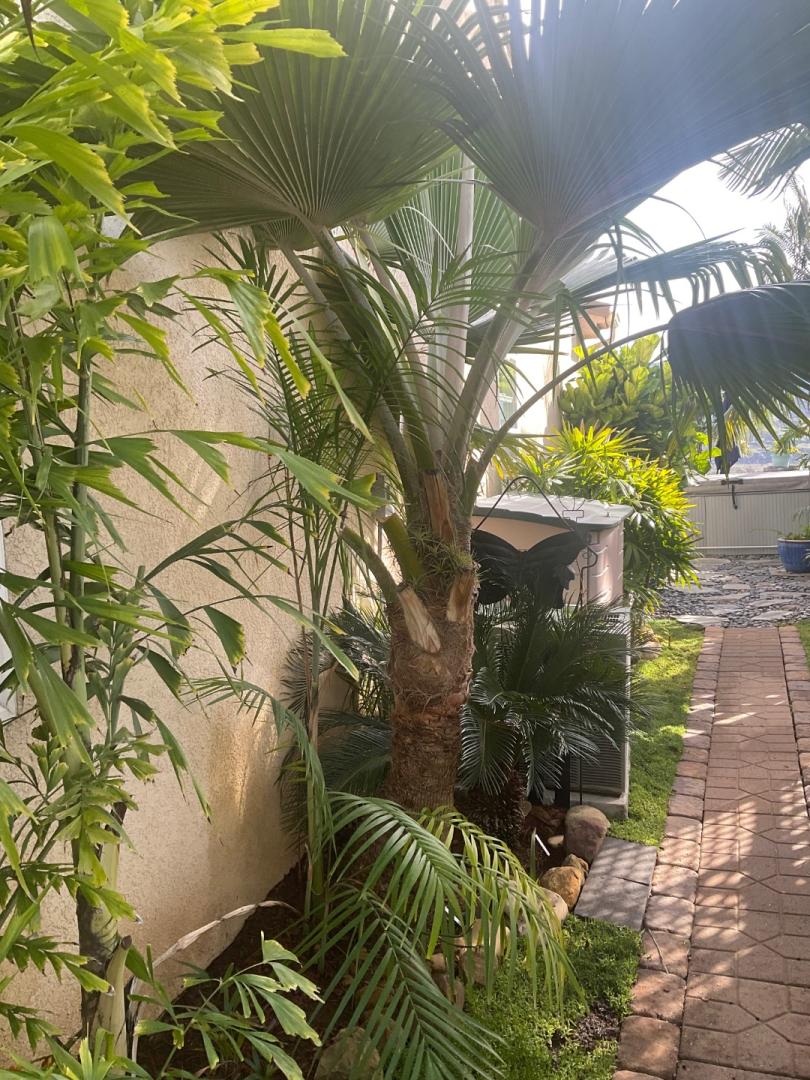
Pretty much most of what you see , botanically speaking , is going to be things that won’t grow in the desert . The islands I have visited do have some desert areas but most areas are high humidity and warm trade winds bringing tropical rains . The growth rate of tropical or some temperate plants is about 3x the growth rate even here in Southern California . I have never been to Oahu , other than a stop over , so I can’t recommend any specific gardens . I am sure you will see plenty of palms and tropicals . Some nurseries will sell orchids and small palms , with certs, that you can bring home . The palms I brought home from Maui were growing in shredded paper and came with import certificates . They are still living in my garden 25 years later. Enjoy your trip! Harry This Pritchardia was a seedling that I carried home in my back pack! Not pictured is the Chambeyronia I brought home that is now flowering . I think I paid less than $5 for each seedling in 2002. Harry

 2 points
 -
Foster BG should definitely be on your list. Paradise in the middle of a concrete jungle! Lots of Lodoicia (double coconut) trees to see. aztropic Mesa, Arizona2 points
-
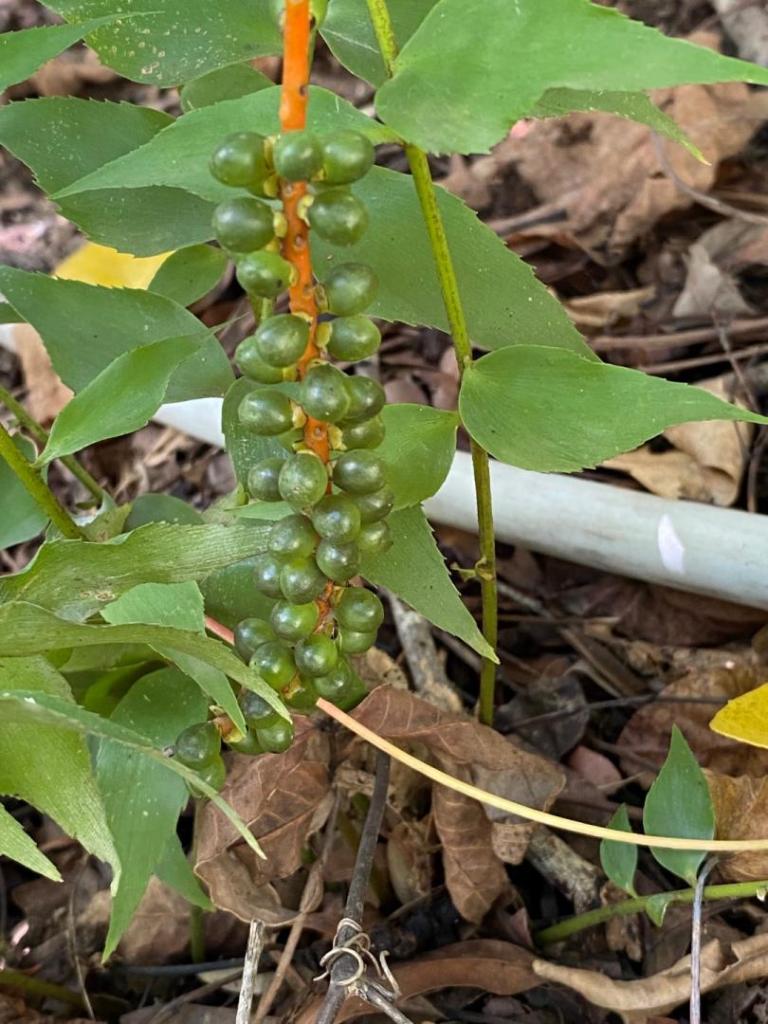
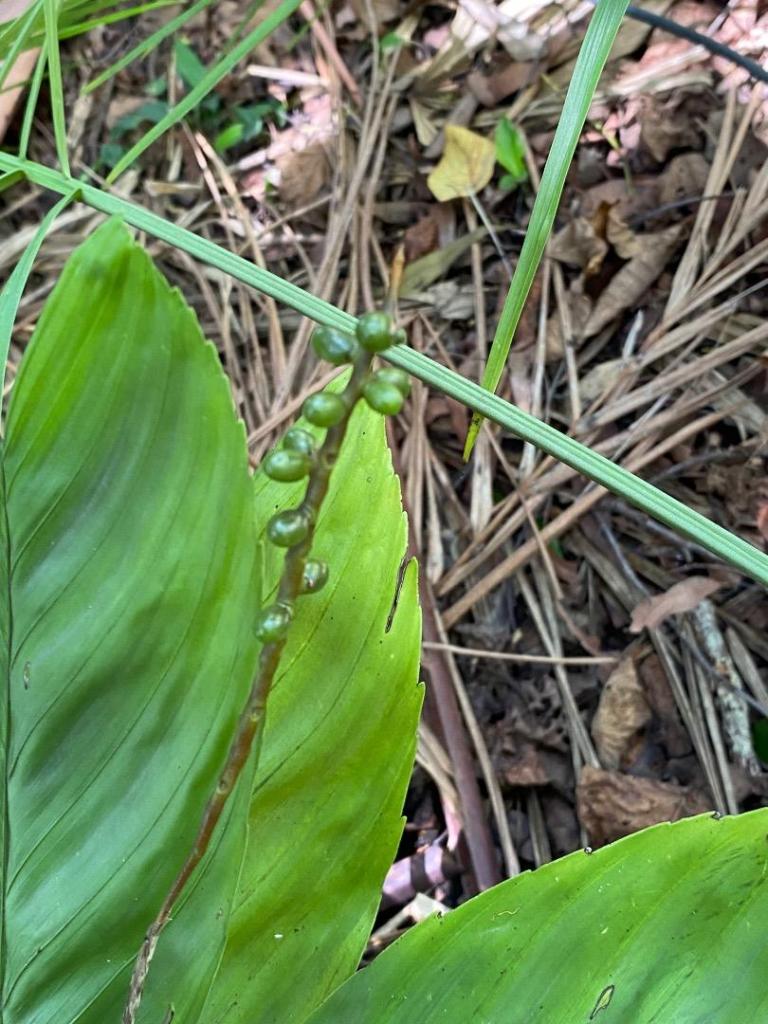
A few chamaedorea seeds on there way!chamaedorea plumosa chamaedorea adscendens chamaedorea metallica

 2 points
 -
I actually got rain! I bet it was close to an inch. It looks like that’s all we will be getting for some time though.2 points
-
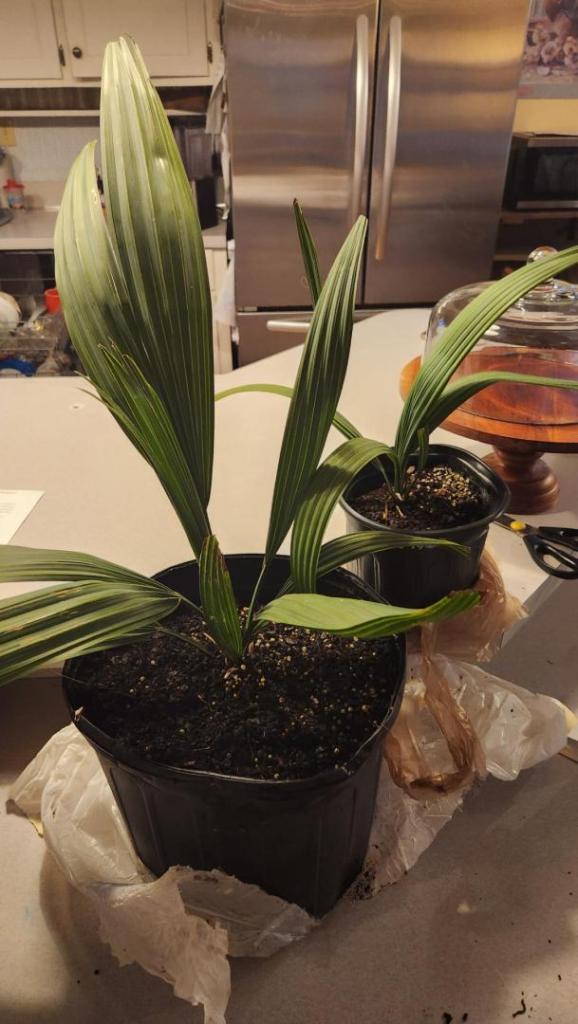
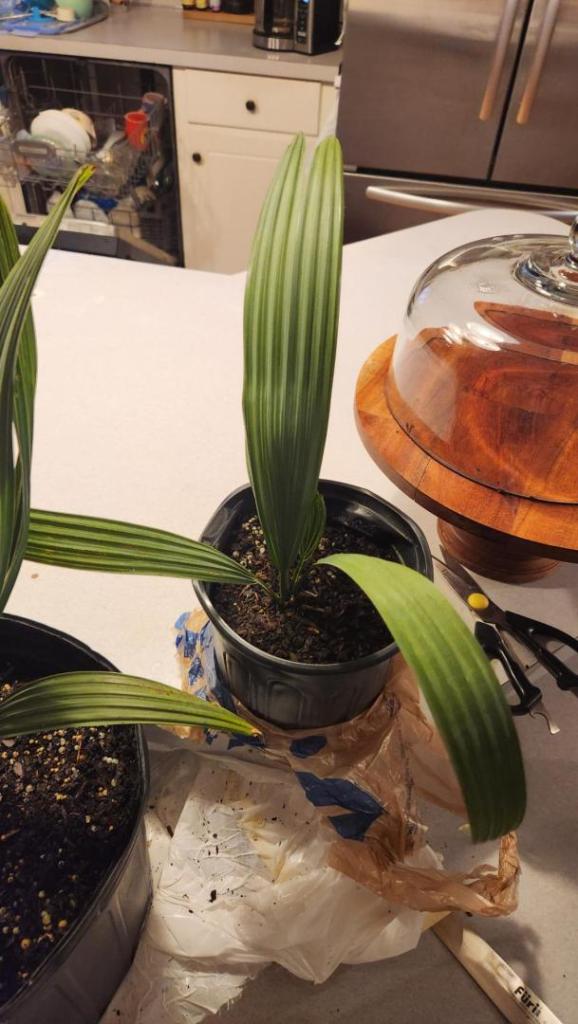
Palms from @teddytn arrived today and they look amazing!


 1 point
 -
@Golden10 I like the idea of the hydrogen peroxide and Daconil crown treatments too. A simple squirt from a $2 bottle of H2O2 could prevent [or cure] aa crown fungal infection. Since the crown is only a foot off the ground, it's easy to reach. I'd also mark the new spear horizontally with a sharpie, across it and the fronds next to it. That way you can easily see if it is growing. It may not move much for several moree weeks, but generally should be steadily growing. Even if it is only 1/16th of an inch per week, some steady movement is a good sign.1 point
-
Excited to be flying toward South Padre Island/Brownsville for the first International Palm Society Weekend Biennial. The event is sold-out and I hope many of the participants post here.
 1 point
 -
I also had a couple copernicia that were potted and infected, one fallaensis and one hospita had spear infections. They were fine till I put them in a shady spot. Dew is everywhere here for a good part of the year. Sun burns the dew off, if its direct for several hours. I treated them and moved all my potted copernicias into direct sunlight and they responded with good healthy growth. I have one cuban copernicia in mostly shade, a macroglossa and it just sits there barely grew in 4-5 years. A second same sized one I put in direct sun 8 hrs and it is 3x the size. My experiences with the cuban copernicias( I have eight) is they hate shade plus being frequently wet with dew. Wet soil, they are fine, wet leaves/bud is a no in shade. Some of mine near irrigation sprinklers have mold spotted on oldest leaves. They love rain but they also want the crown to dry out. Once they get some size up off the ground, dew is less an issue, and they may be fine. But overhead water, lack of sun and incessant dew in florida has led to spear pull on mine. Overhead water is not a problem when in full sun, as the bud consistently dries out.1 point
-
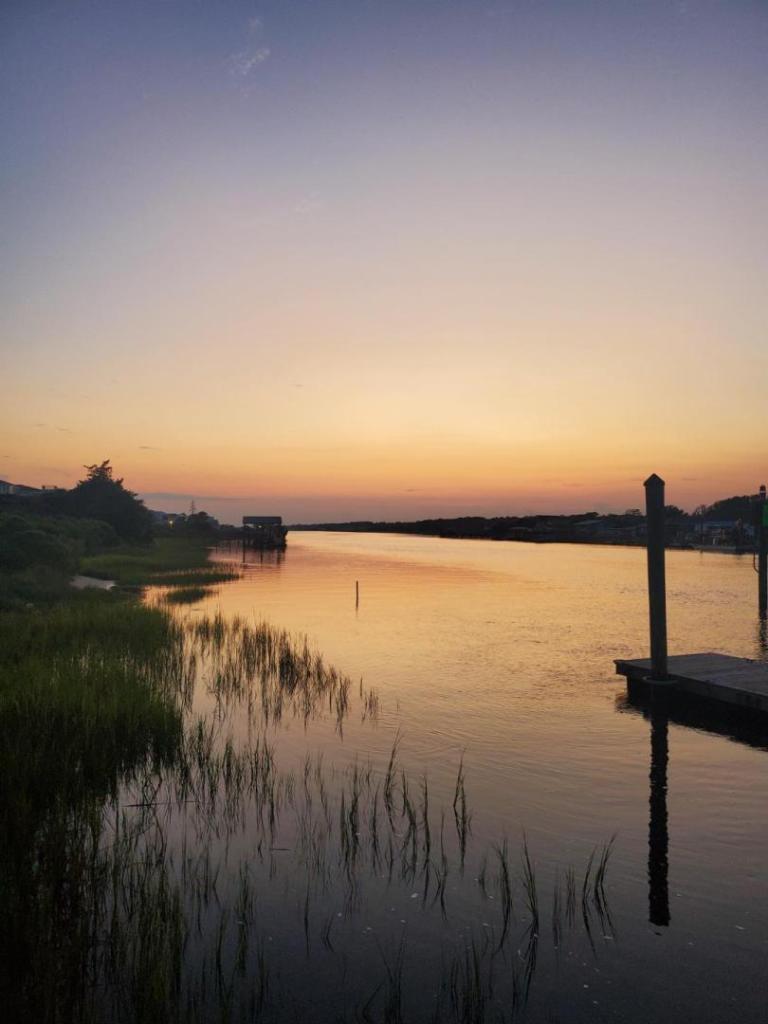
I took this picture of this beautiful sunset in Holden Beach NC last August
 1 point
 -
You gotta appease the palm gods!1 point
-
That’s a task that will never end, trying to find space for more palms!!!1 point
-
Tracking them down would be the hard part for you. Seeds are available at certain times but have to be viable to start with. Definitely worth growing!1 point
-
Where did the one on right come from?1 point
-
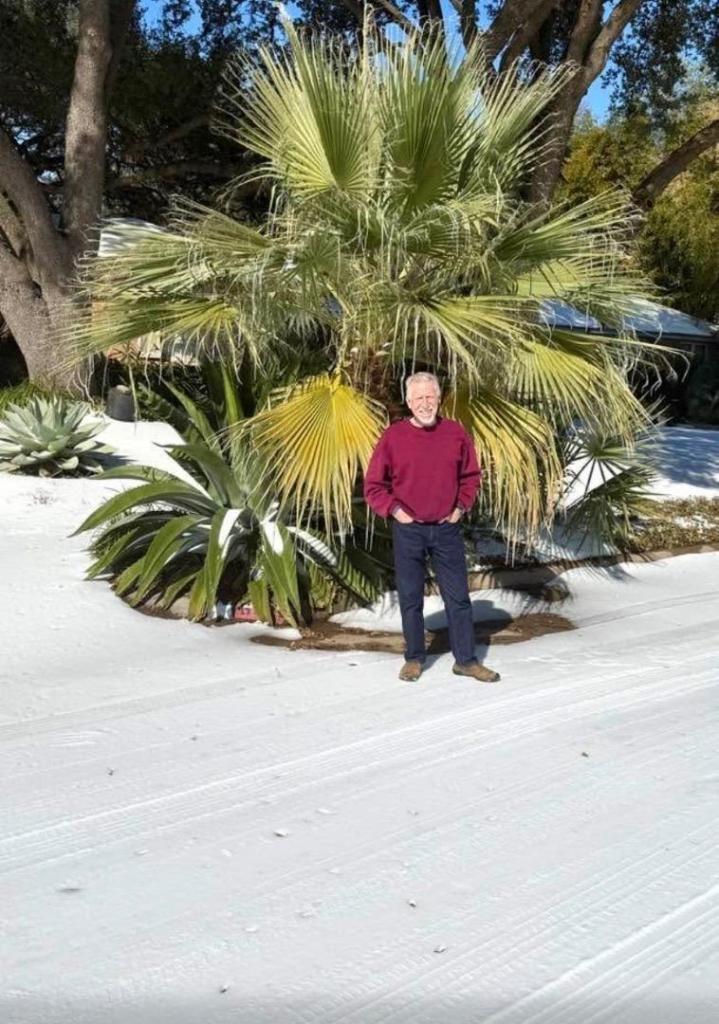
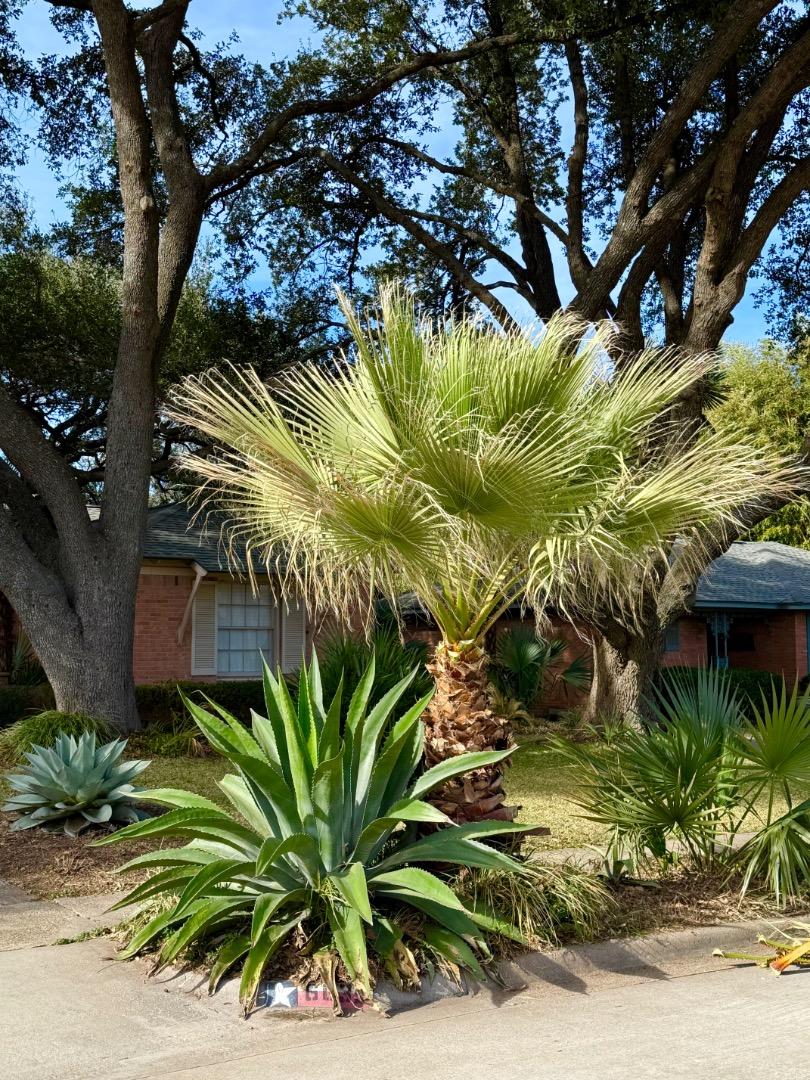
Unprotected Washingtonia filifera after 15F and 50 consecutive hours below freezing in Dallas zone 8a
 1 point
 -
New spear starting to open on my Hyophorbe lagenicaulis. Not bad for mid February
 1 point
 -
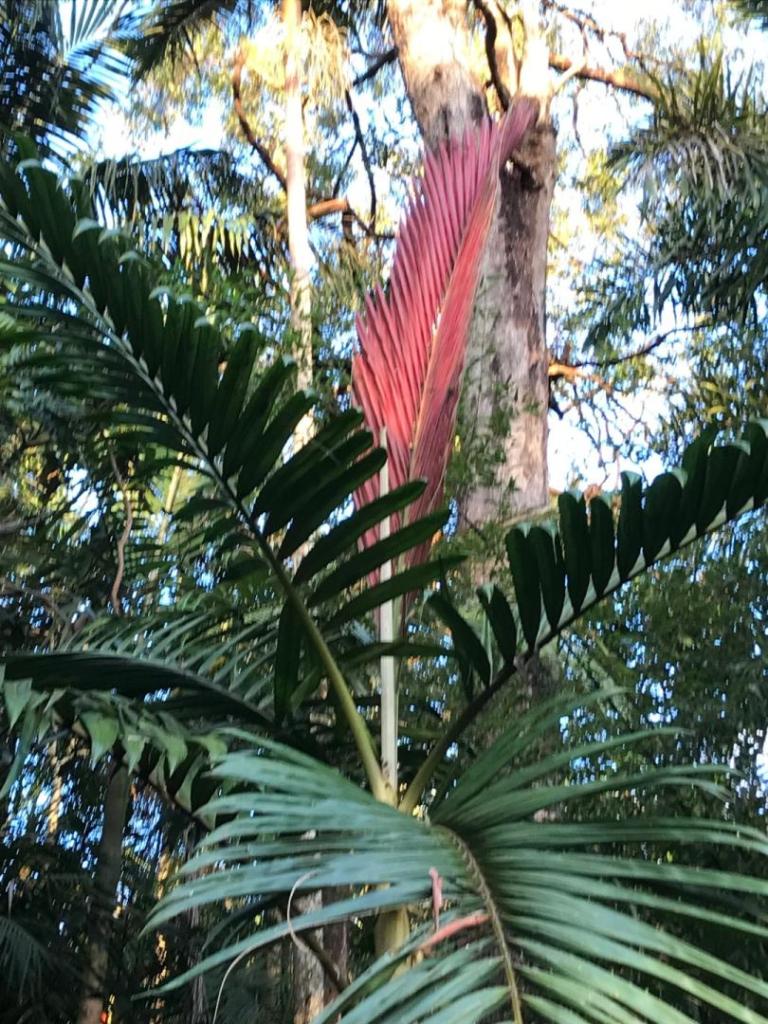
They are more solid and robust looking and a different colour new leaf in comparison to macrocarpa, a good healthy macrocarpa you can’t go past though for the glory they are known for! Here’s a nice pic of a macrocarpa. Richard
 1 point
 -
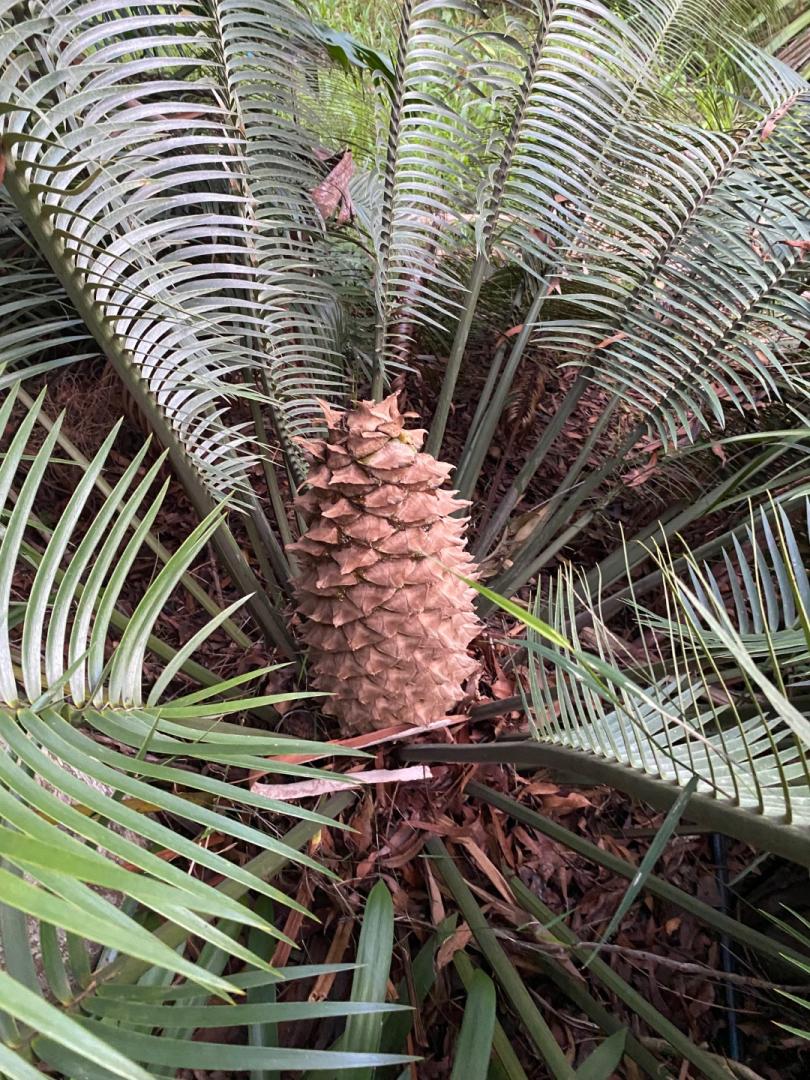
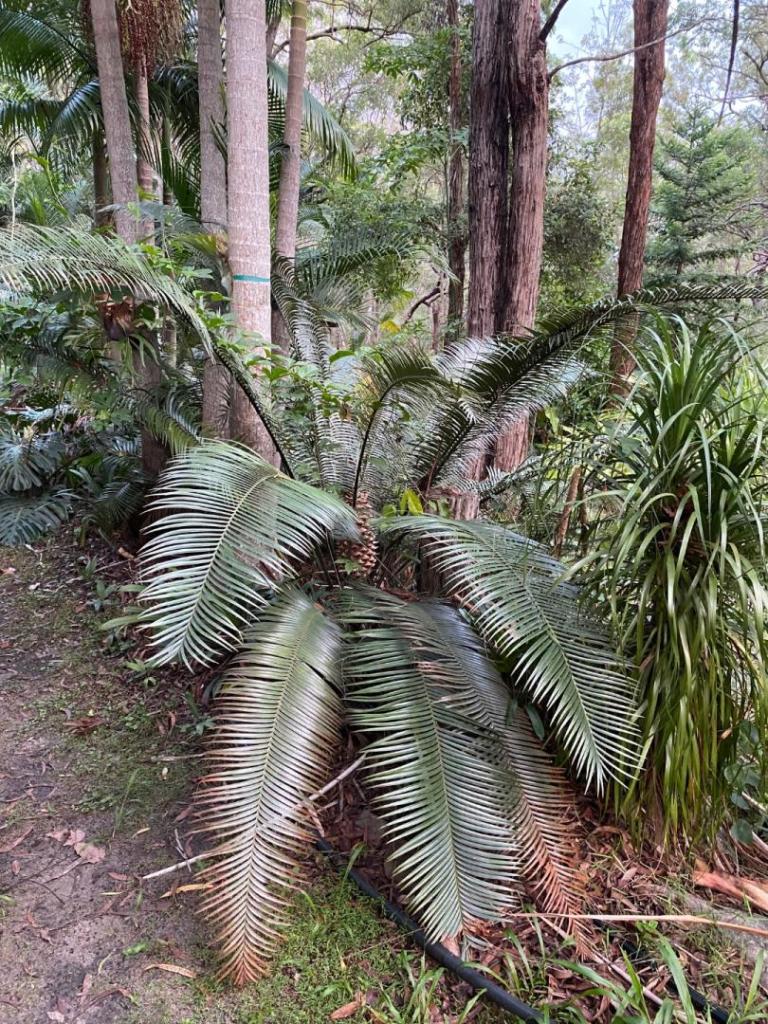
Lepidozamia peroffskyana has grown a bit, going to be a lot of seeds of this one!


 1 point
 -
Link to a video on them this morning1 point
-
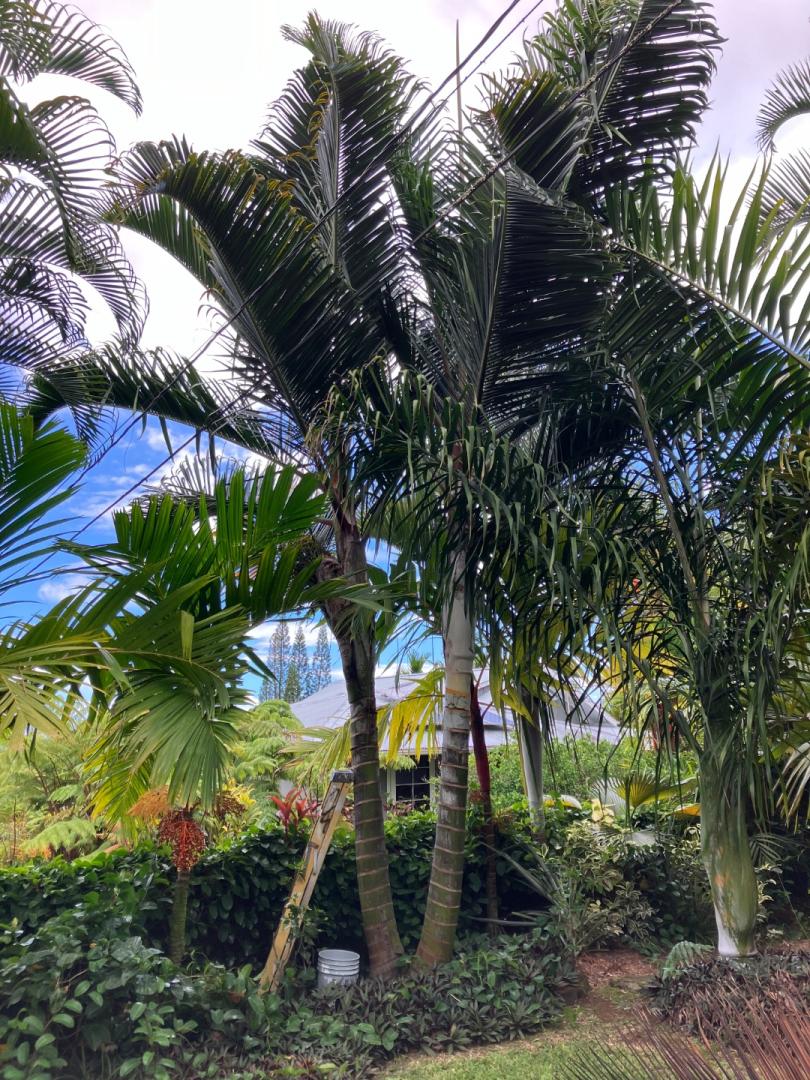
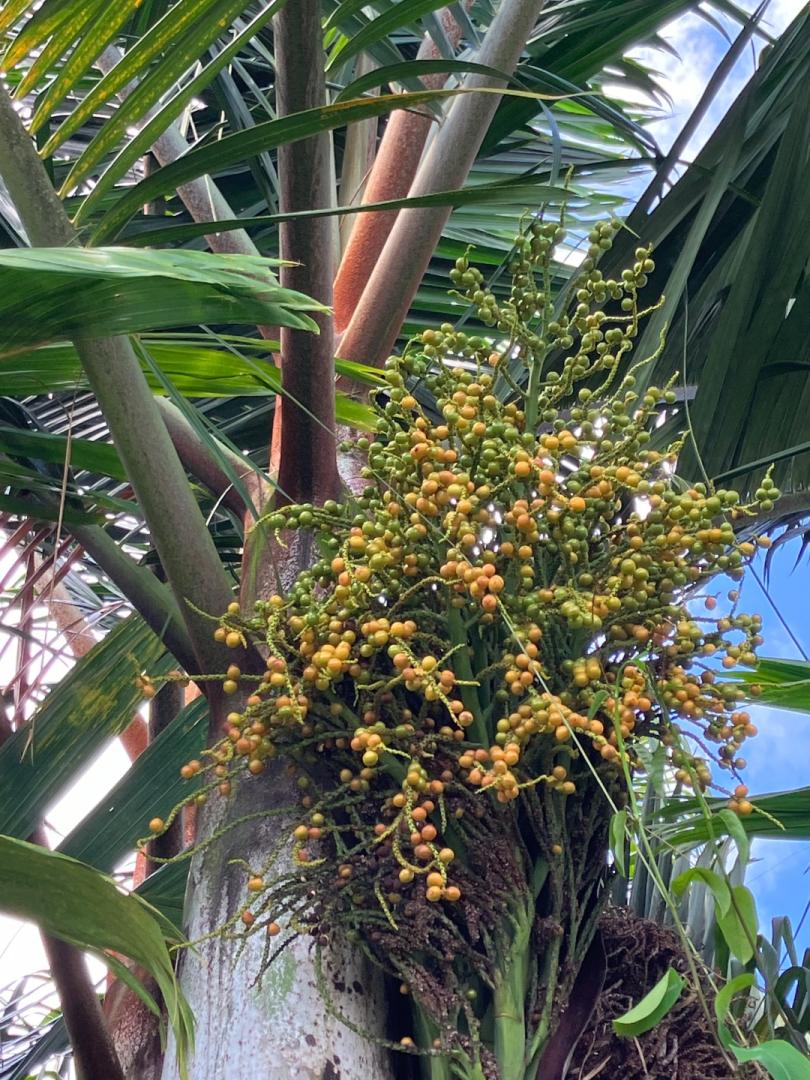
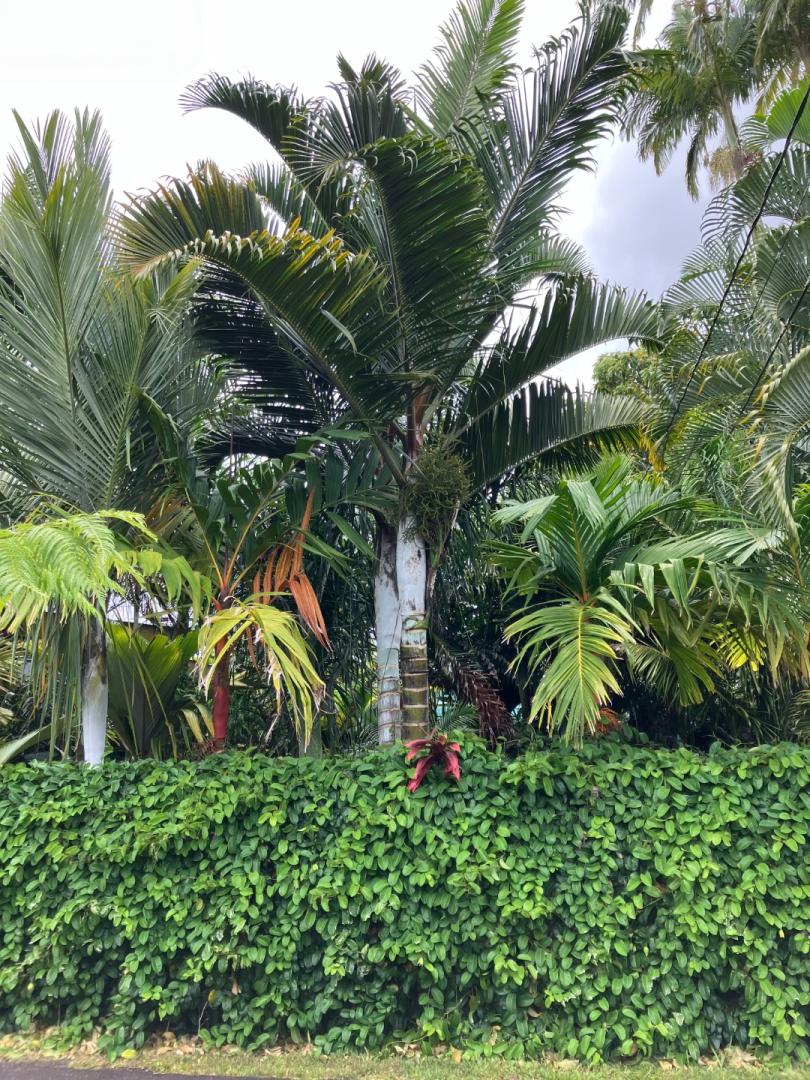
This big mystery Chrysalidocarpus in my Hilo garden has set seed and I am offering it for sale just this one time! Reason being is I am selling this house and closing escrow this Friday, so this will be the only time I can offer this seed for sale. I am thankful the seed was ripe in time to pick it, and am happy about the idea of this palm getting out into more gardens. This palm has been posted a lot here on palmtalk and it’s always a favorite when people visit the garden. It has been an extremely fast grower, going from a 4” pot to what you see below in under 7 years. If I had to describe it, I would say it’s like a Chrysalidocarpus Ambositrae on steroids and much more colorful. Seed is $0.75 each with a minimum of 50. Shipping will be an additional $10 for flat rate priority mail. US only. Direct message me for orders and payment info. Some more info / fine print: There has been talk of this palm being a hybrid and it very well could be. This is the second batch of seed and I waited to offer these to check germination on the first batch. Germination rates were very high on my first batch and I even ended up with volunteers sprouting at the base of the palm. That said, I cannot guarantee that these seeds will grow into an identical match of this parent plant. There are many mysteries with Chrysalidocarpus (formerly Dypsis) and this is one of them. All I know is that this seed does indeed sprout and seems to grow fairly quickly once sprouted. I’m sure these will produce incredible plants regardless of what they end up looking like so take a chance and get in on this one time offering.

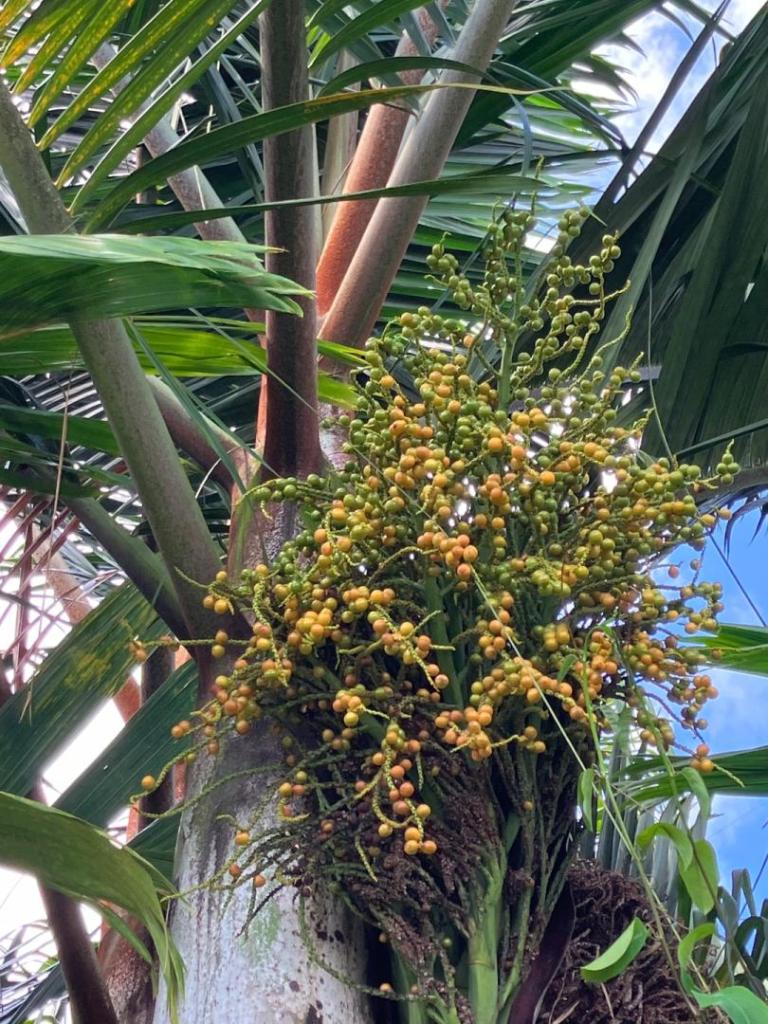

 1 point
 -
Some pictures from today mid summer. Going for 32C today and forecast overnight thunderstorms. It doesn’t get better than this.


 1 point
 -
Get the 50 pound palmgain one on seedworldusa dot com1 point
-
1 point
-
I'm still here but not as much. Mainly post on the Cold hardy Forum.1 point
-
These pictures are the plant i received! So not quite I think the one you have a bit different.
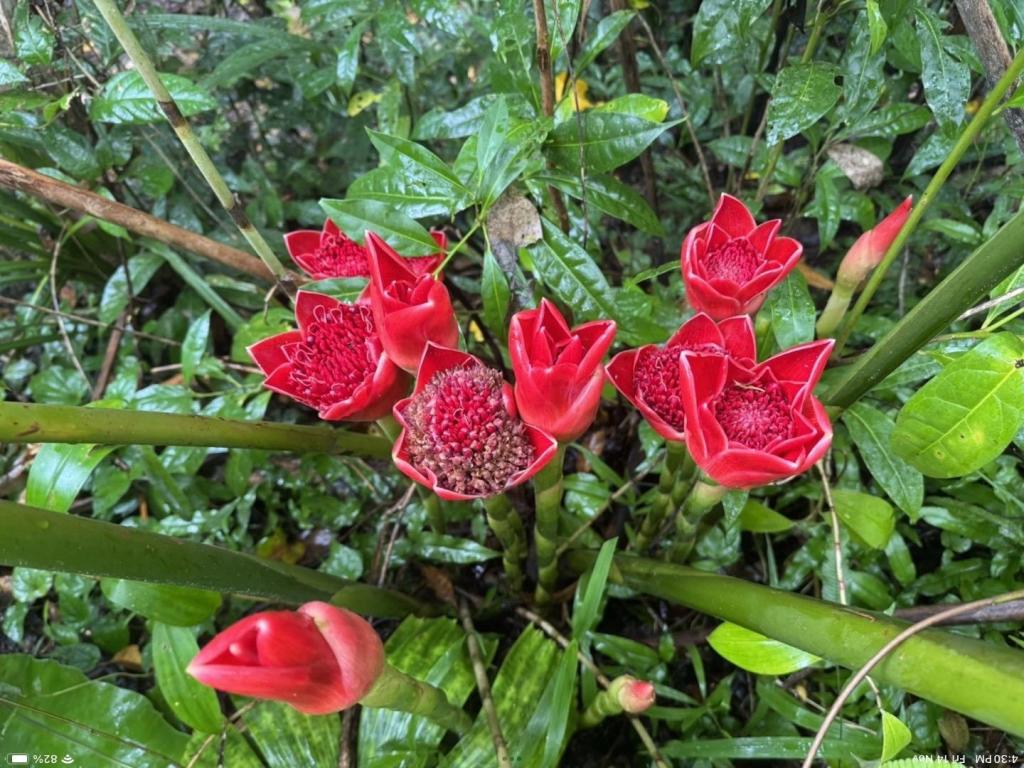
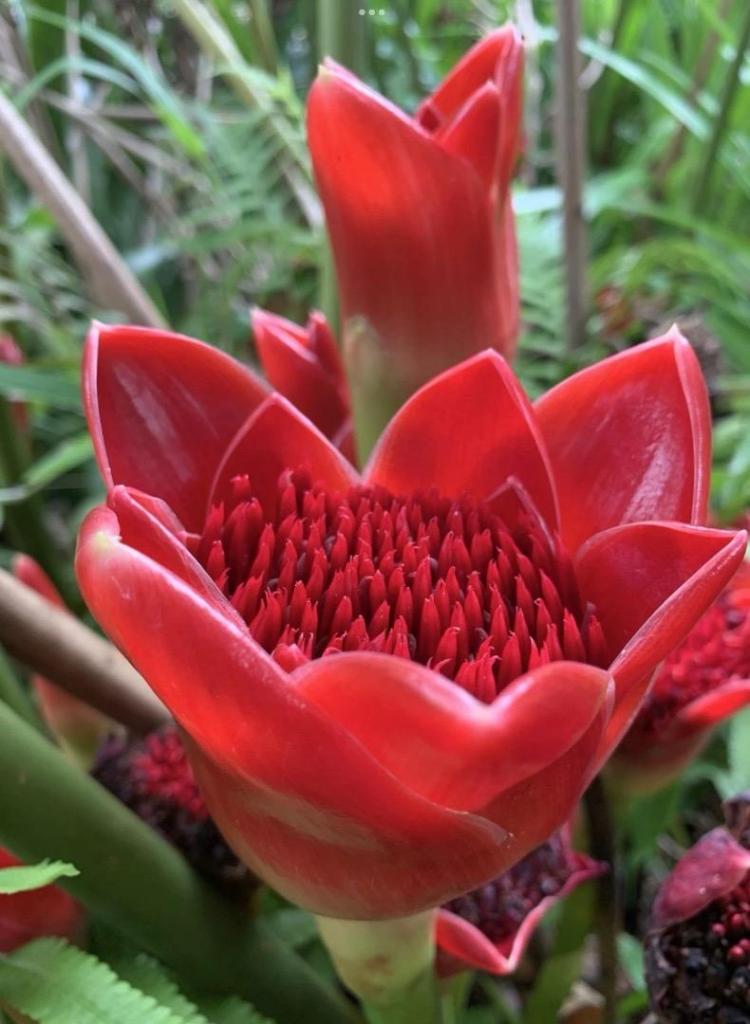 1 point
 -
Bruce, That’s just my method. There are other Parajubaea in my neighborhood and the ones with very little summer irrigation are WAY smaller than the ones that get ample water. I’ve watered mine in 100° plus degree heat. One is growing right at the street where the asphalt get super hot at times. All of mine were planted as single leaf seedlings. Rarely a car parked there but here’s a photo of the palm. Neighbor’s irrigation would flood my Parajubaea’s area daily in summer. That went on for a few years until it was repaired.
 1 point




























.thumb.jpg.a2fa04a61a4980e663c424f5c0b9b6af.jpg)