

Leaderboard
-

happypalms
IPS MEMBER27Points13,369Posts -


Harry’s Palms
IPS MEMBER14Points4,489Posts -
realarch
IPS MEMBER13Points7,184Posts -

PalmBossTampa
IPS MEMBER12Points190Posts
Popular Content
Showing content with the highest reputation on 02/15/2026 in all areas
-
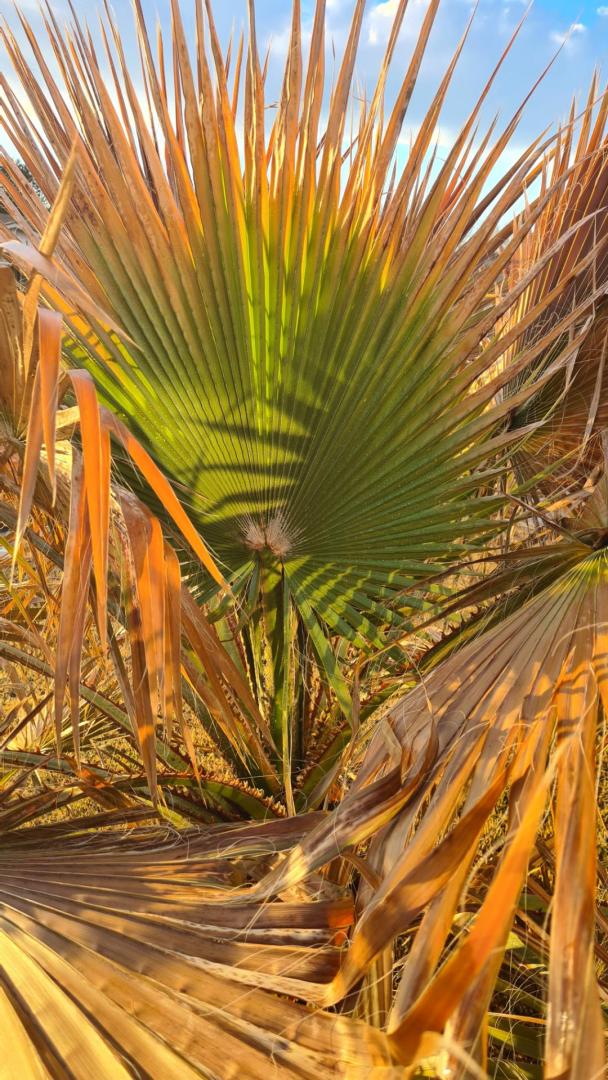
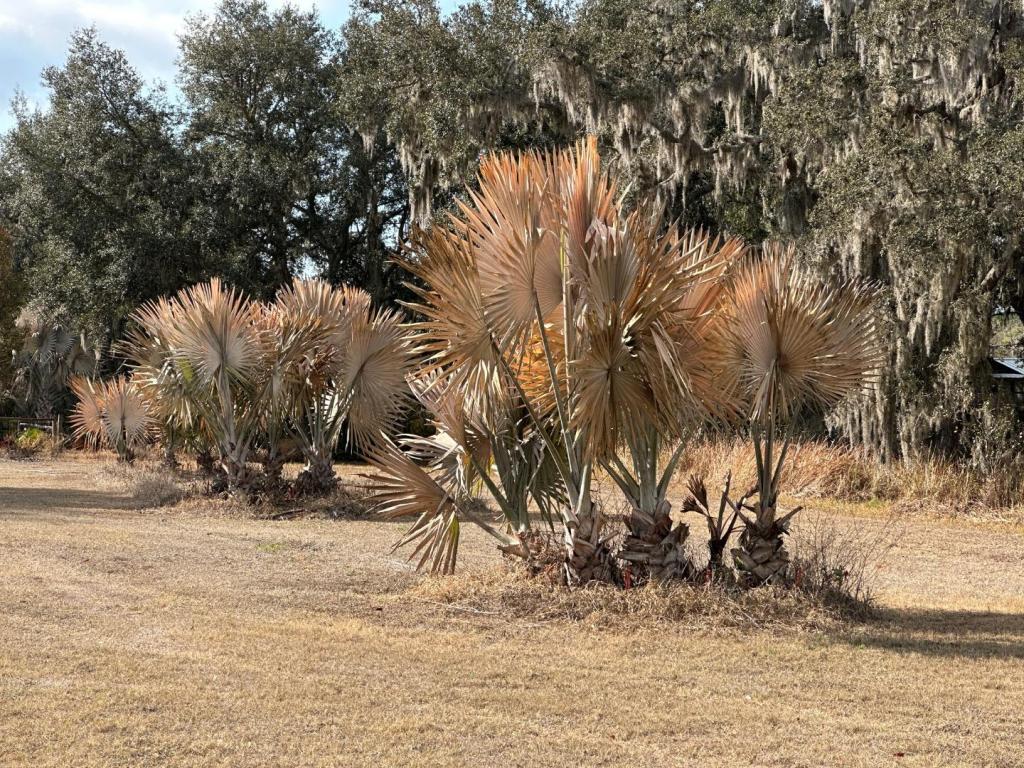
6 pointsI was able to force this color with 23 degrees but i don't think I’ll be able to maintain this look.
 6 points
 -
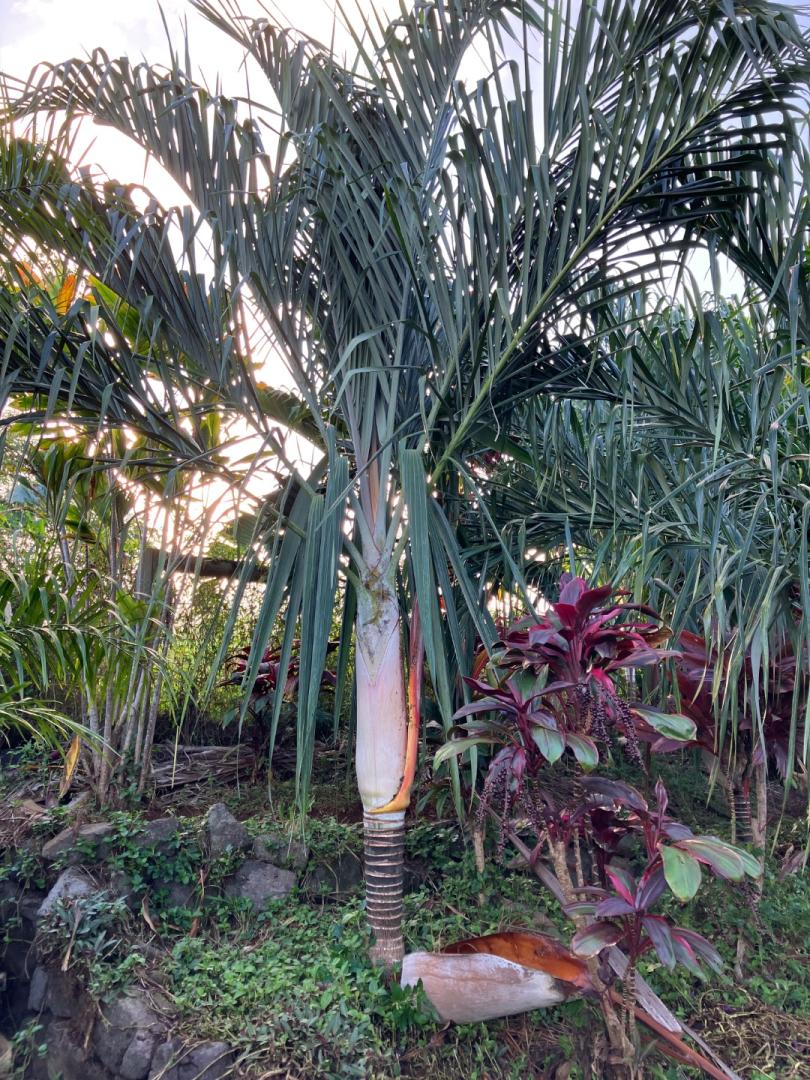
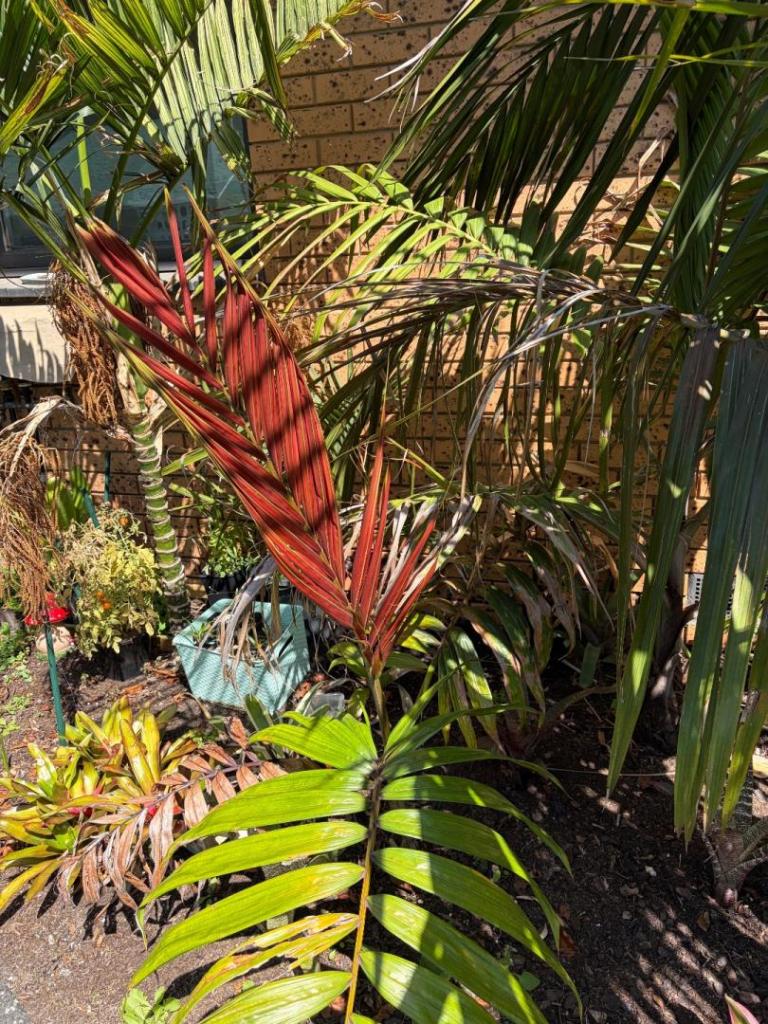
 6 pointsNever get tired of Chambeyronia macrocarpa var hookeri new growth.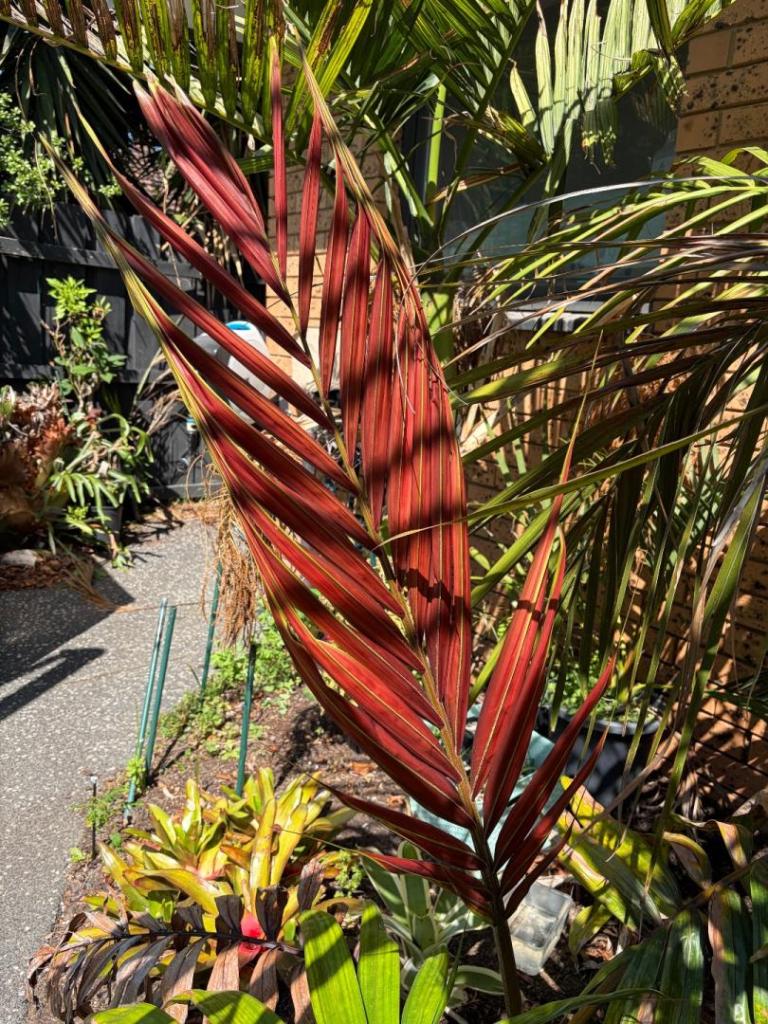
 6 points
 -
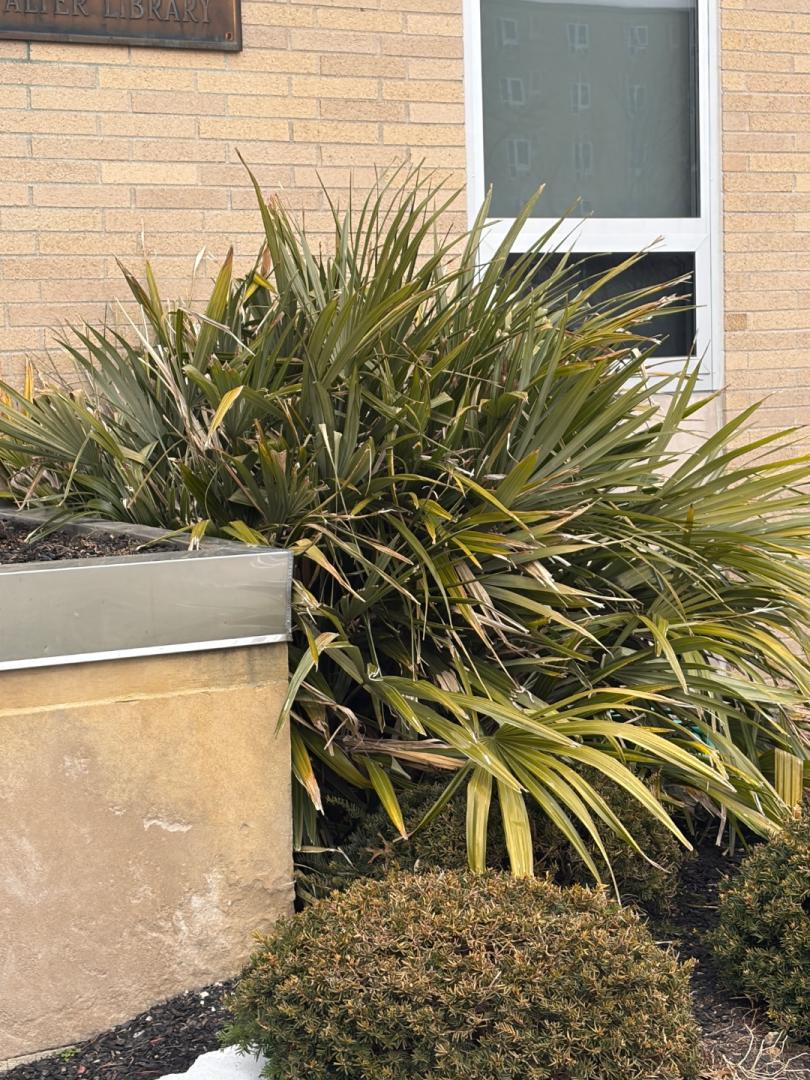
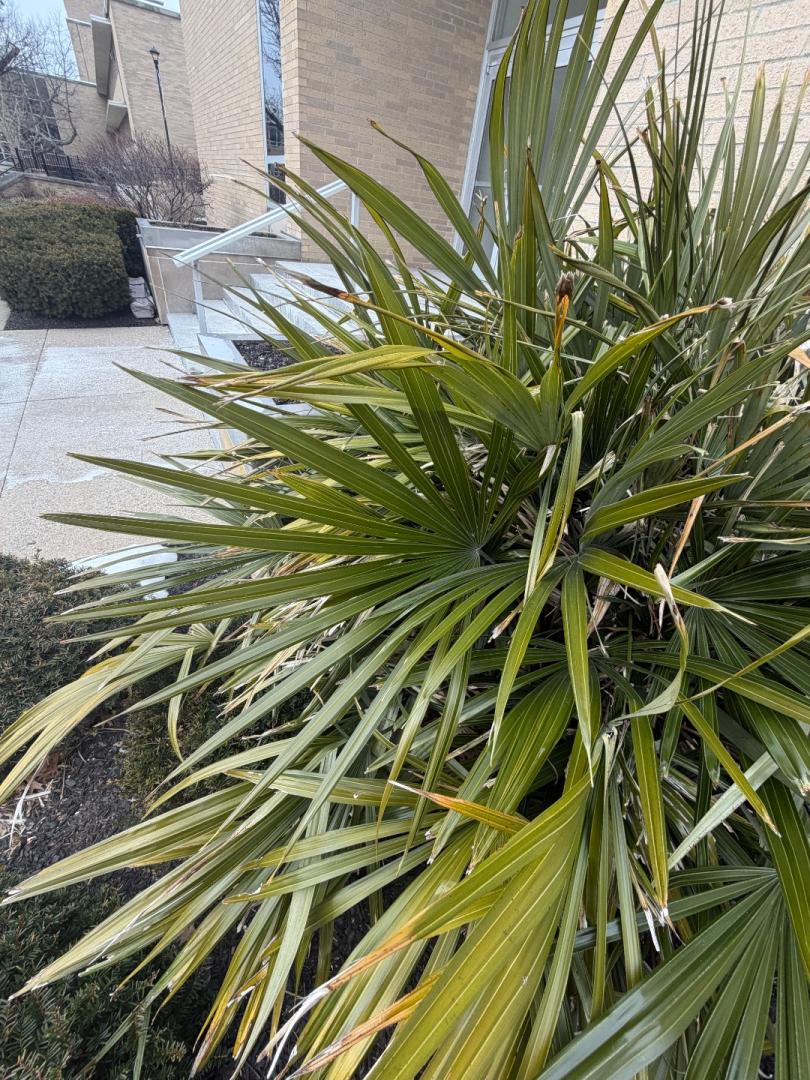
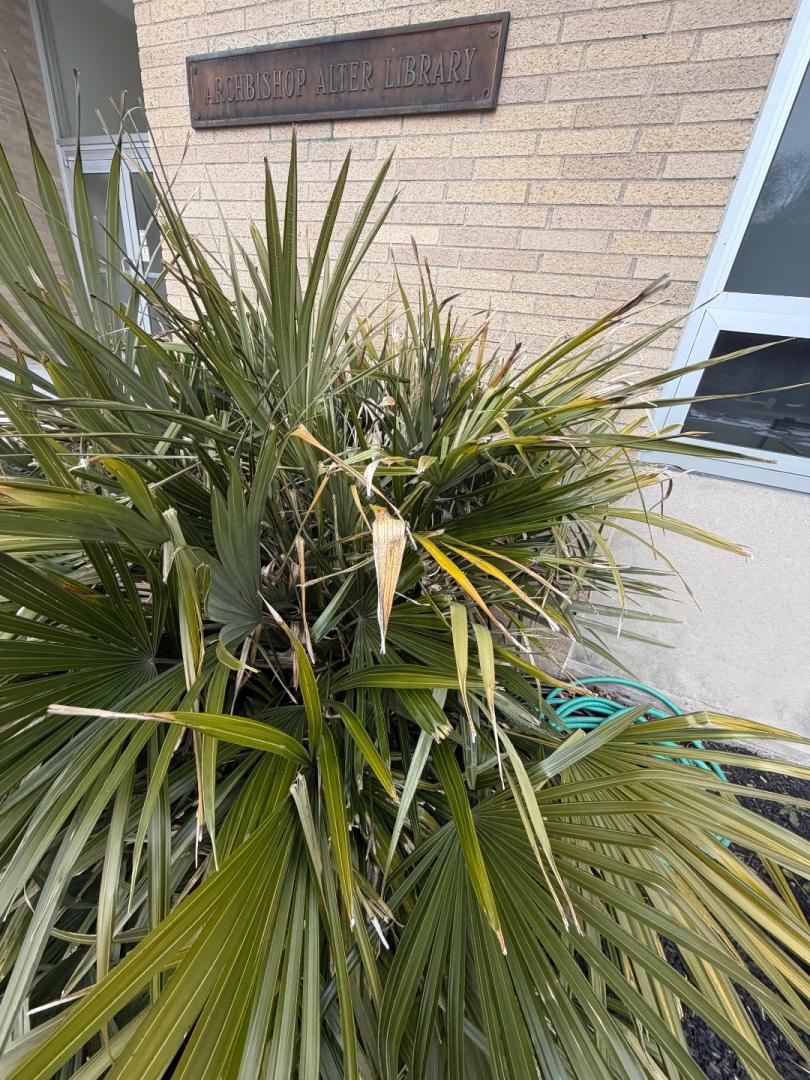
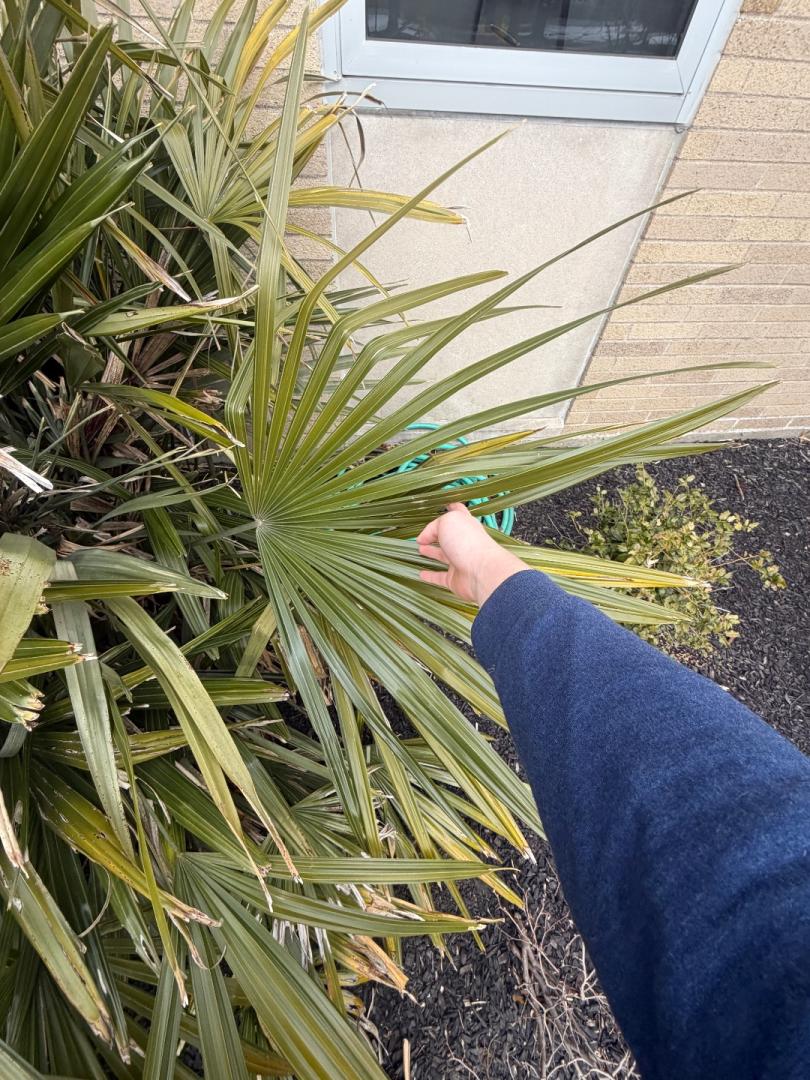
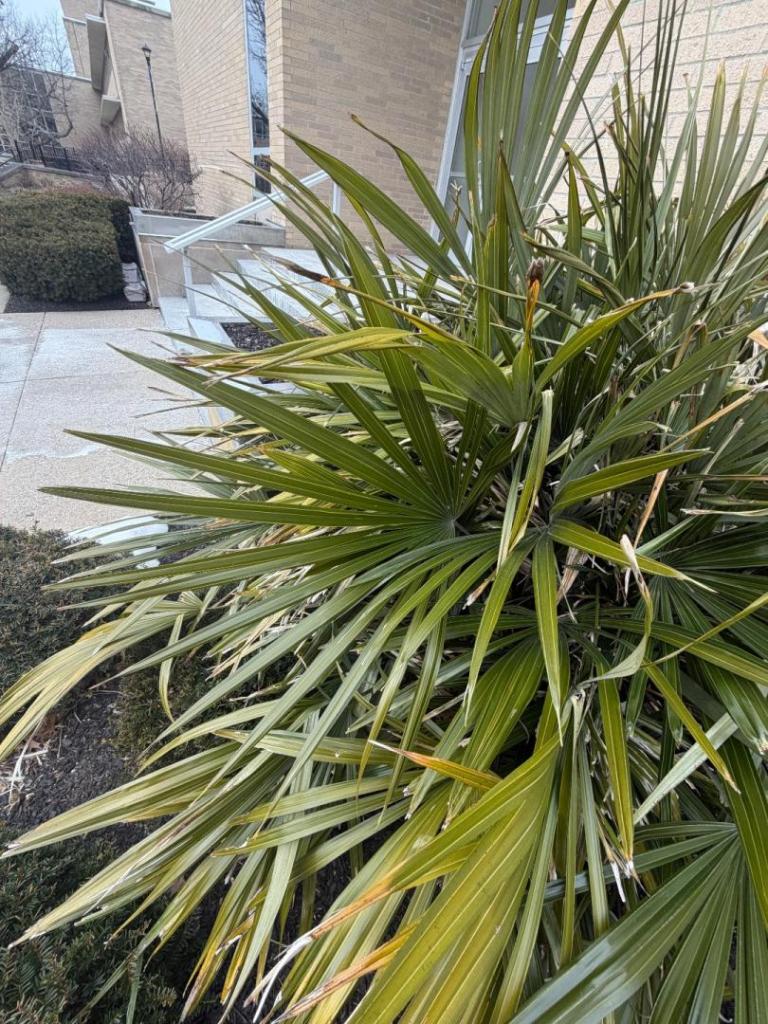
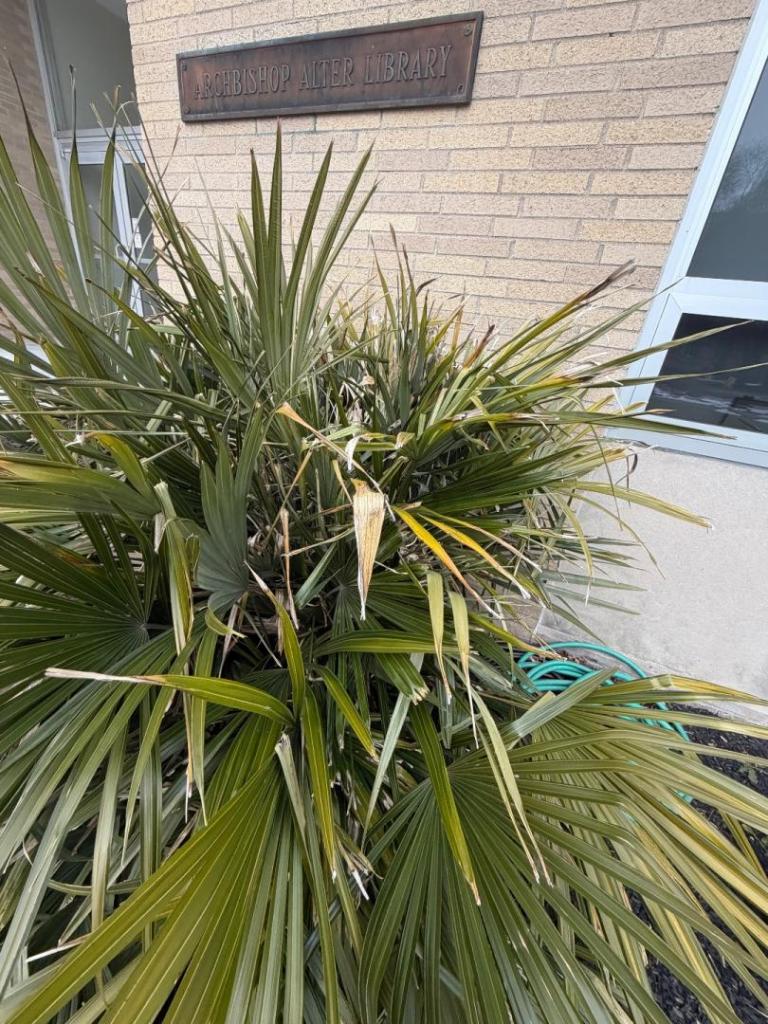
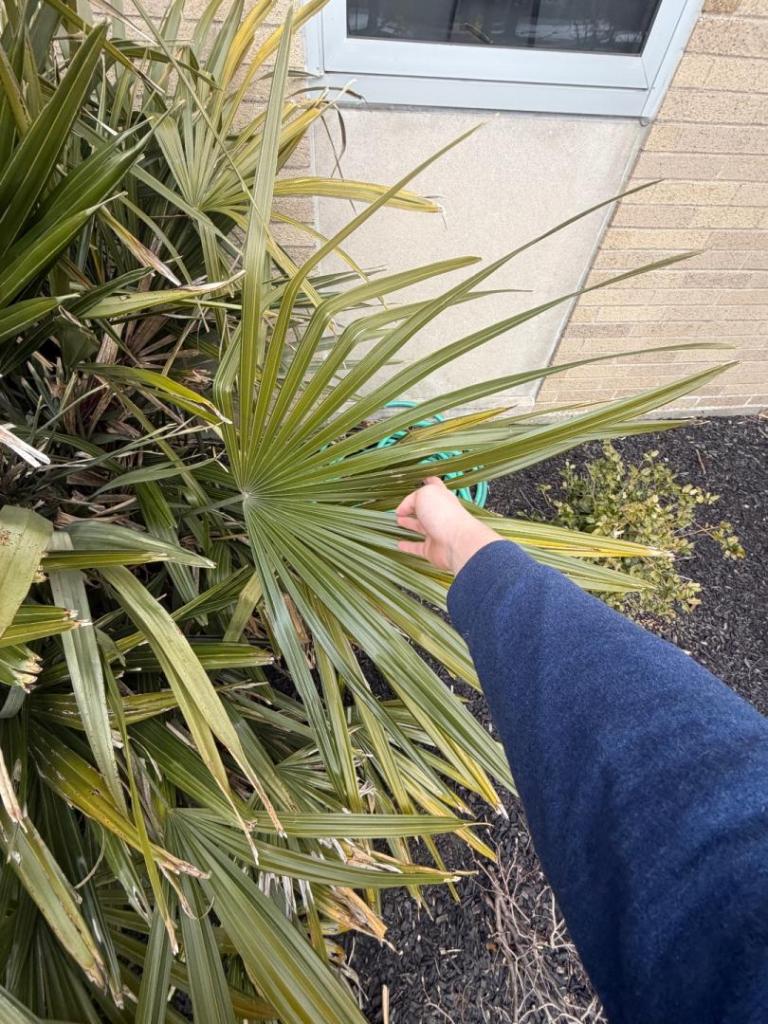
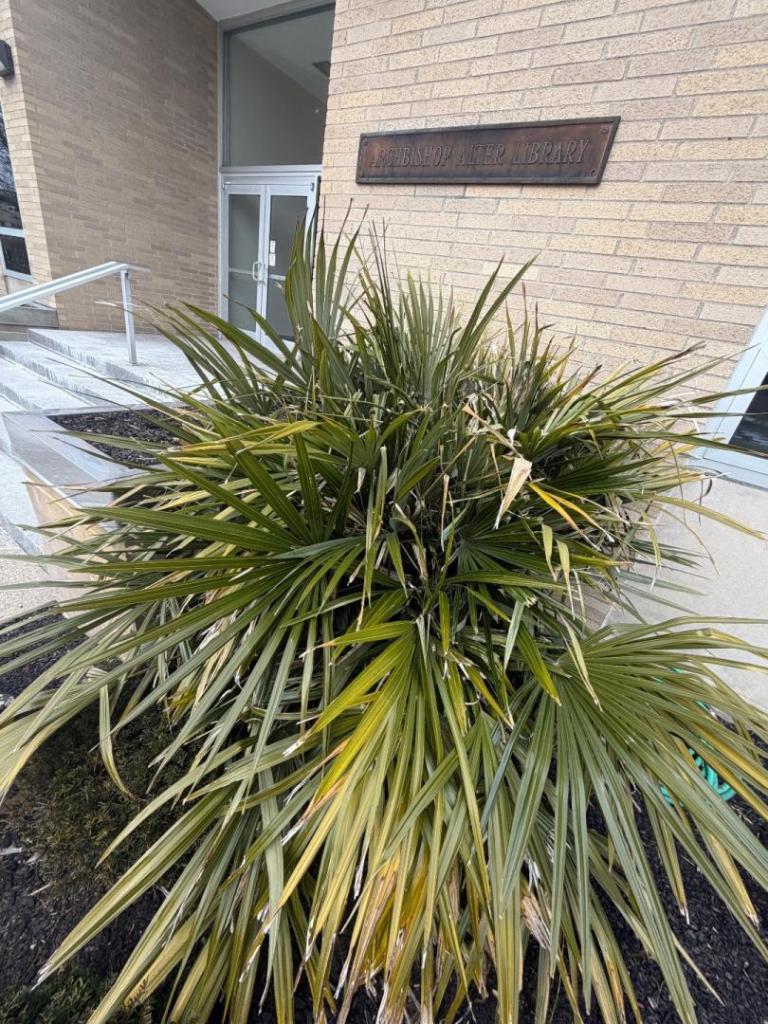
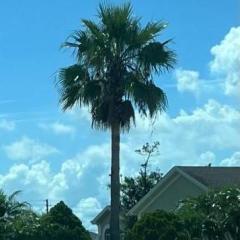 5 pointsHere’s the one in Mt Joseph University Cincinnati, OH This was planted in 2000 it was cut down for unknown reasons by the Landscapers around 2020~ and yeah came back strong! Somerset opens at 2PM so we will check that out later!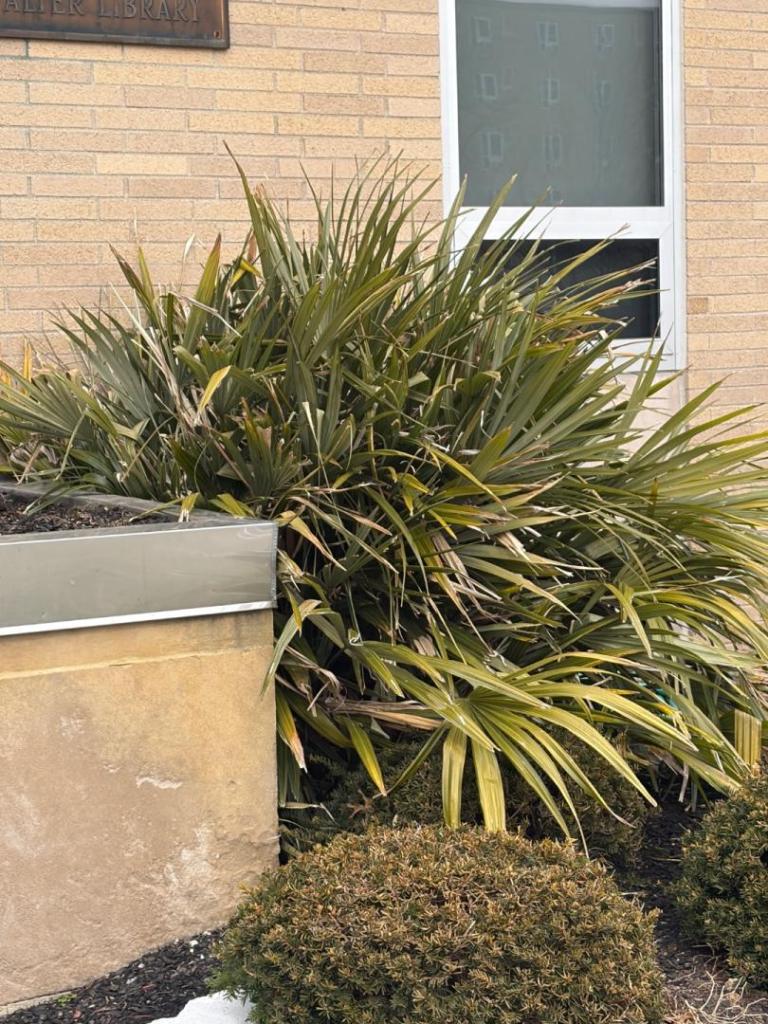

 5 points
 -
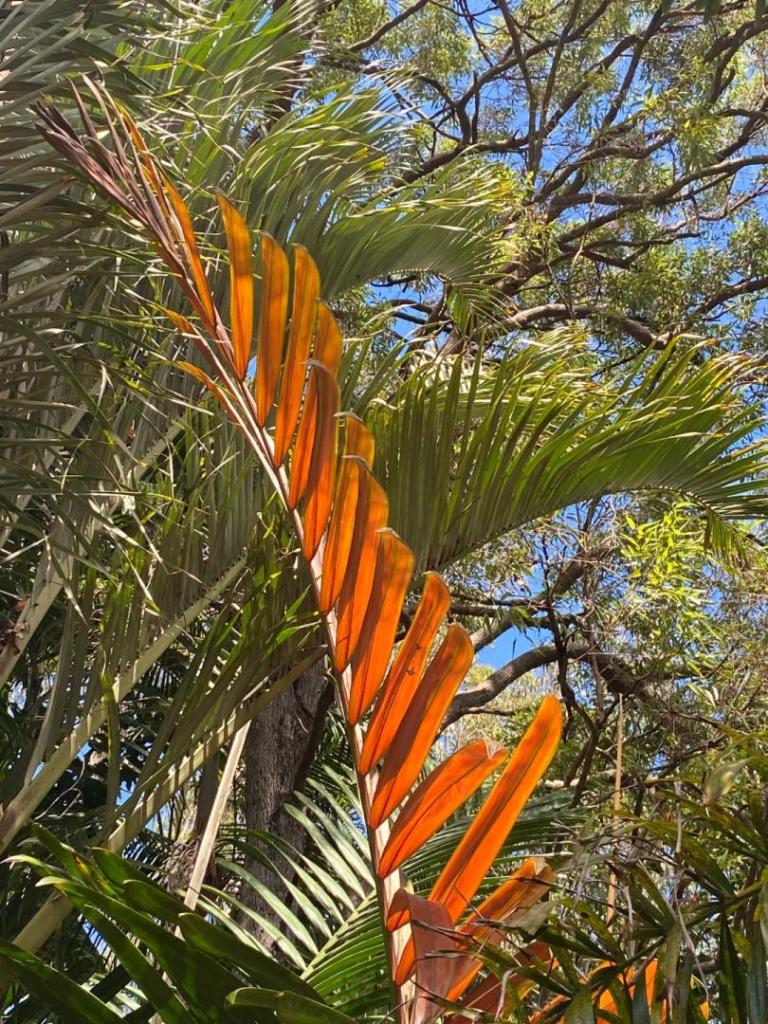
4 pointsI have a lot of hookeri in my garden so iam expecting a bit of pop this season! You’re looking pretty good though in sunny warm Melbourne!
 4 points
 -
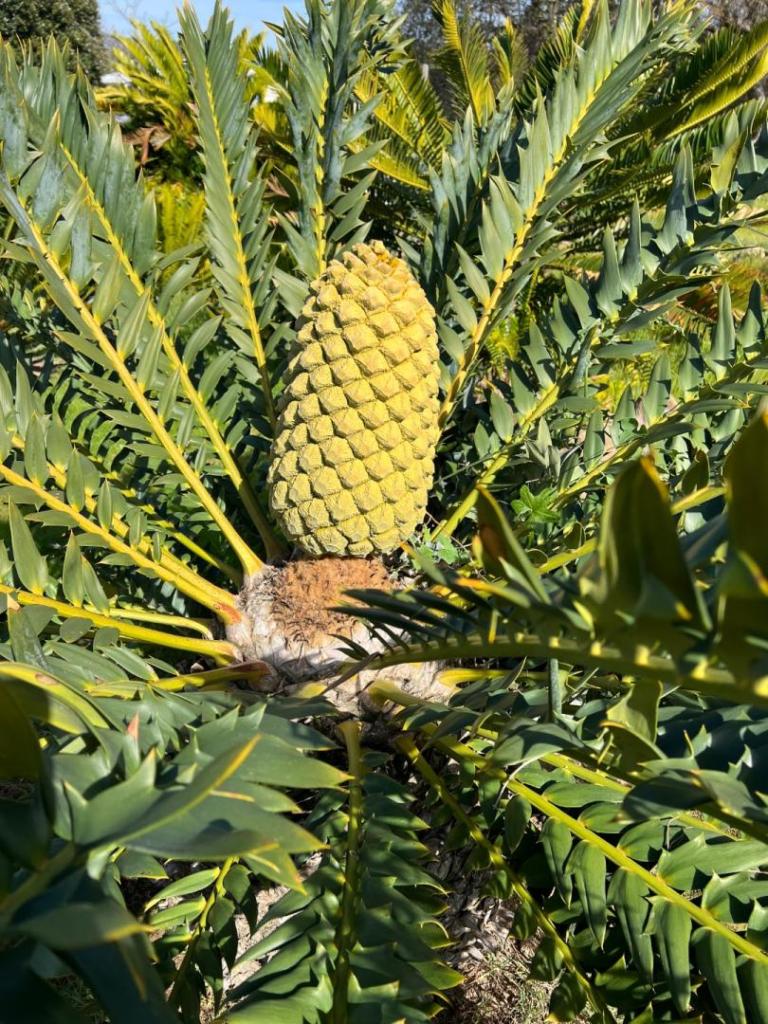
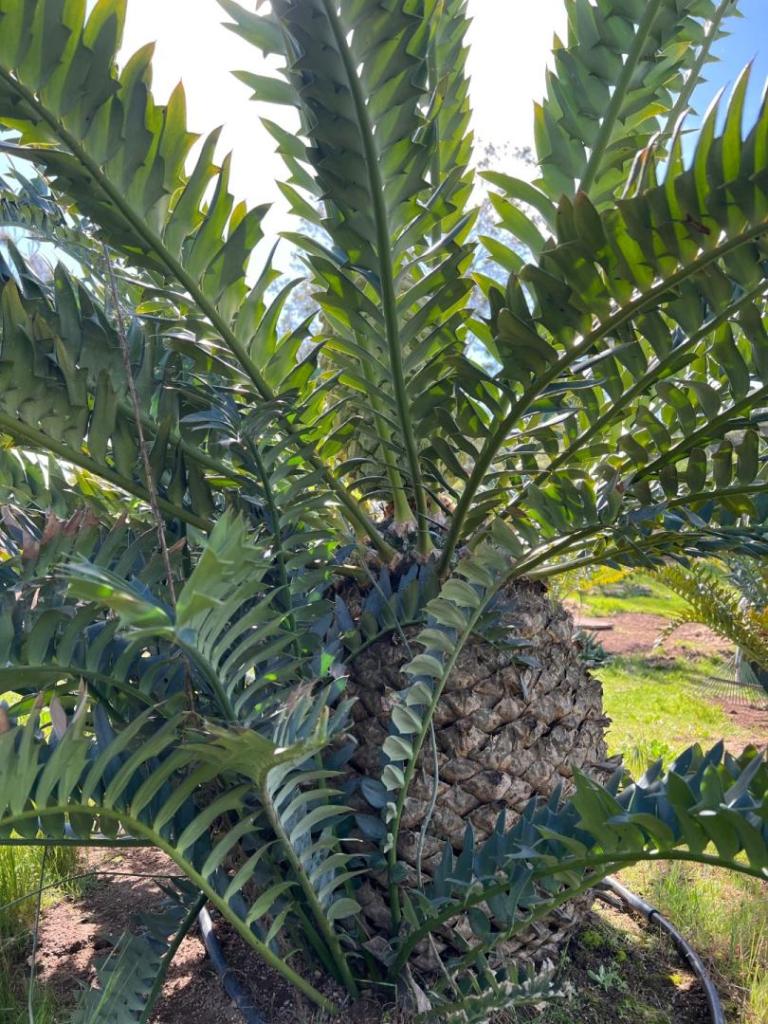
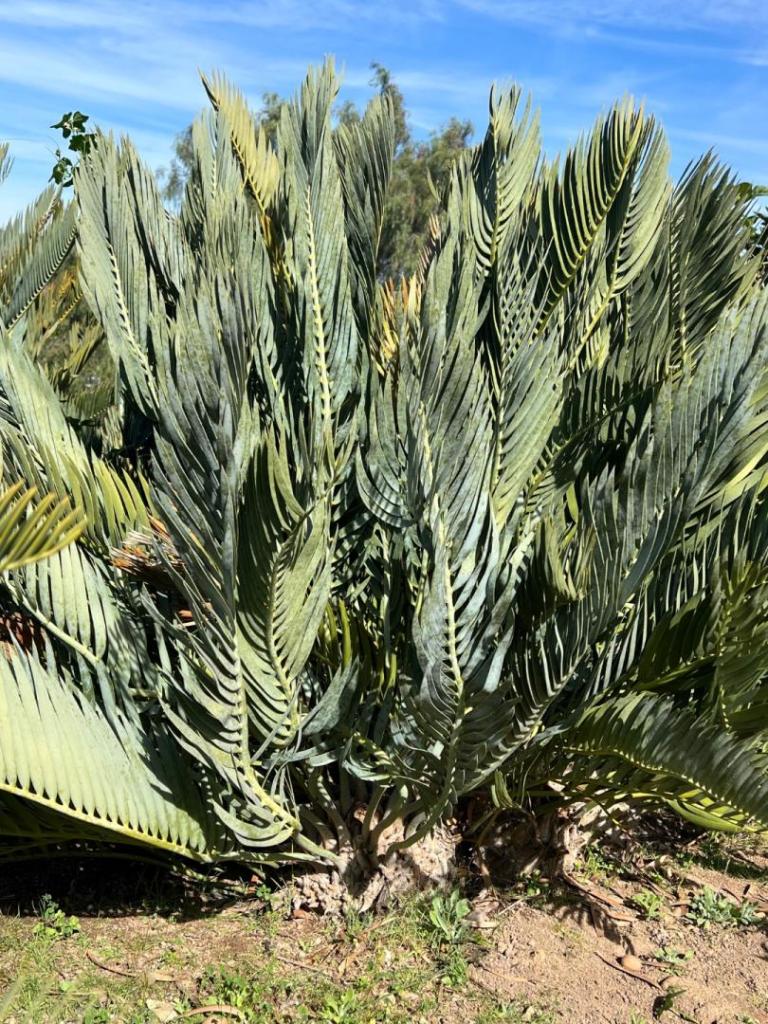
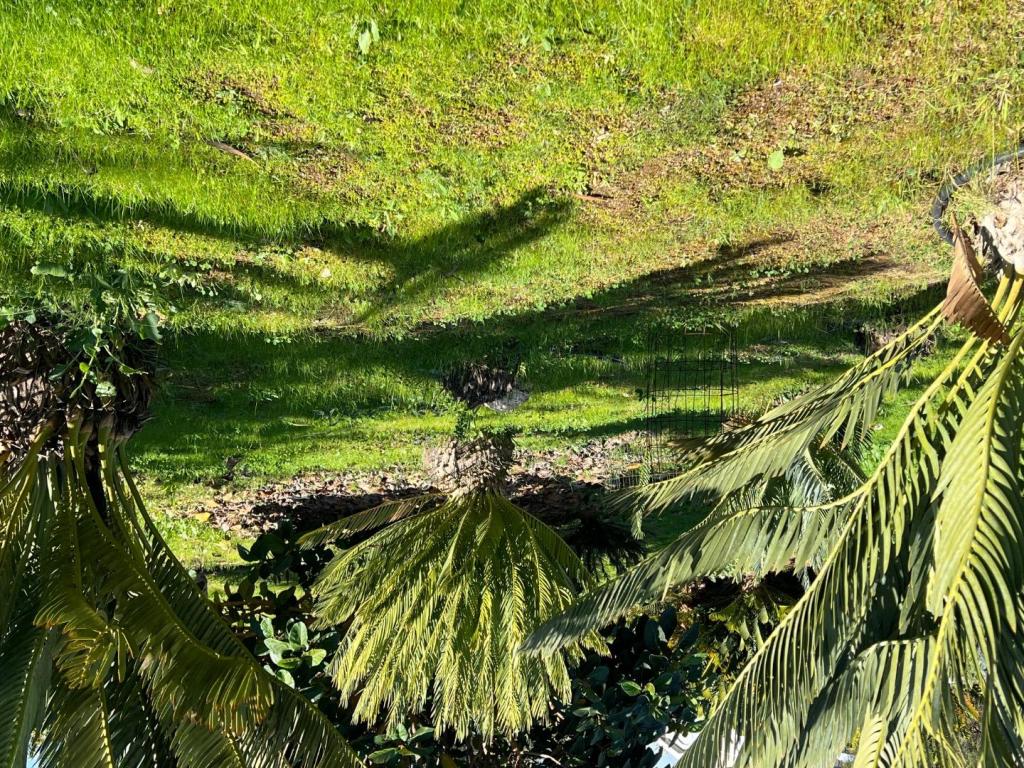
 4 pointsA stroll around the slope today… mild winter and warm days between drizzle never hurt anyone…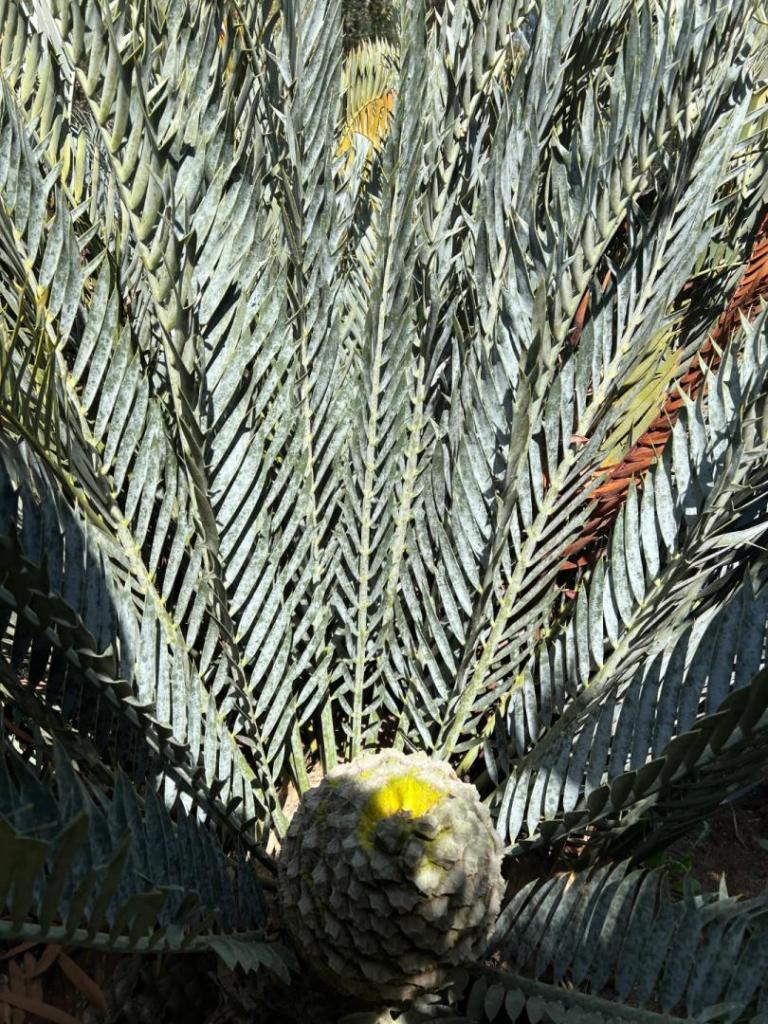






 4 points
 -
 4 points
 -
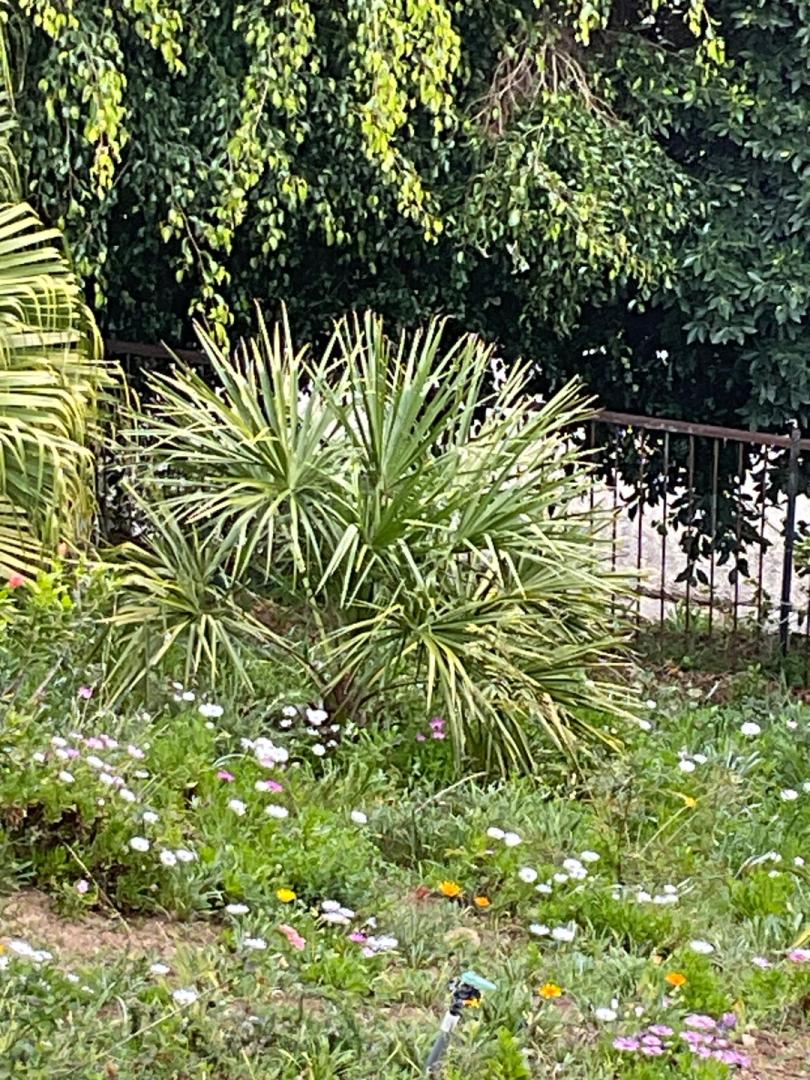
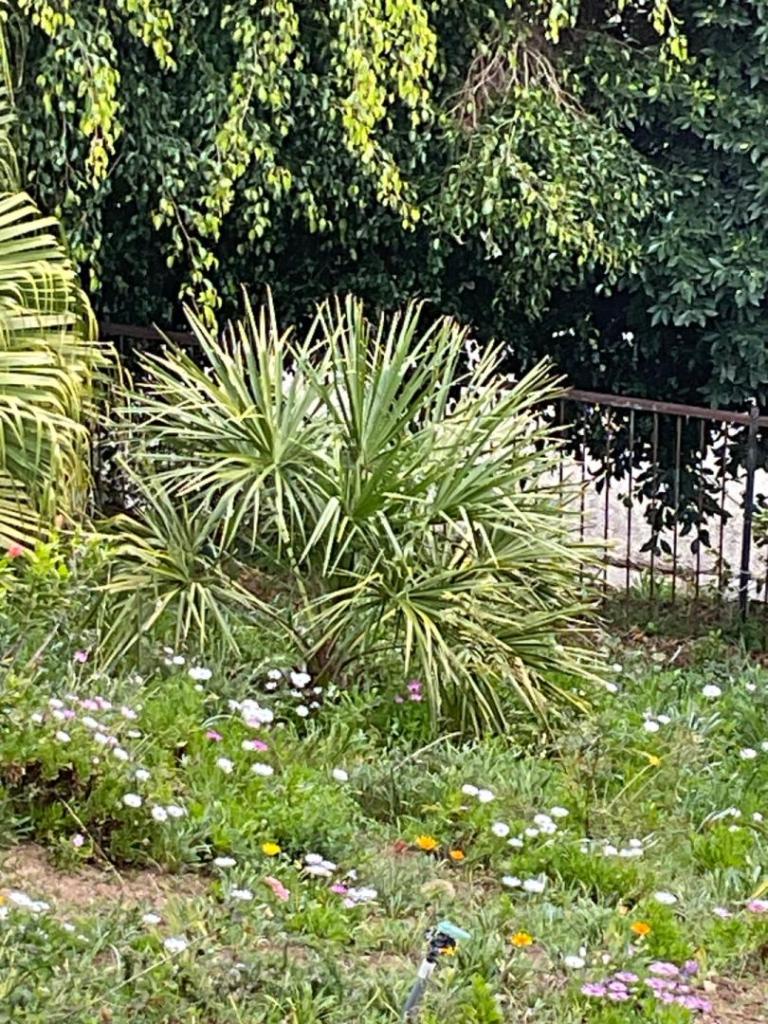
About 2-3 years ago while poking around one of my favorite nurseries in Ventura , I found a neglected palm that looked different than anything I had in my collection . It had a healthy spear growth and one , that’s right , just one nice frond that had just opened . The others were brown and tattered. It was in a fairly large container and I could tell by the base of the palm it had a bit of age to it . Priced at $150 , it was a good solid deal…..IF it was healthy . But it was clear that this guy was less than healthy . After getting an employee to help me with ID , I asked “ how much ?” I told him I would be interested if he marked it down a bit. He went and checked with his boss and said “ how about$100?” SOLD!! Fast forward a couple of years and I am so glad I got it. They aren’t as common as they should be around my area . Easy to grow , unique costapalmate fronds , deeply divided. I was surprised at how quickly it came around . The growth rate is much faster than the L. Chinensis that was planted near it some 25years ago. This one willpass it up within 5 years I think. Just lots of water and sun is all it wants! Harry I am not walking down there to get a better pick so excuse the poor quality. You can see the Chinensis to the left . Such a beautiful , easy to grow palm with a very interesting frond.
 3 points
 -
 3 pointsI find it difficult to imagine a guarantee on plants when a living thing can be subject to countless events, weather or human related. Get your refund or exchange while you can.3 points
 -
Looking beautiful, so I might have the real deal?3 points
-
 This is a common drive through South Orlando post-freeze
 3 points
 -
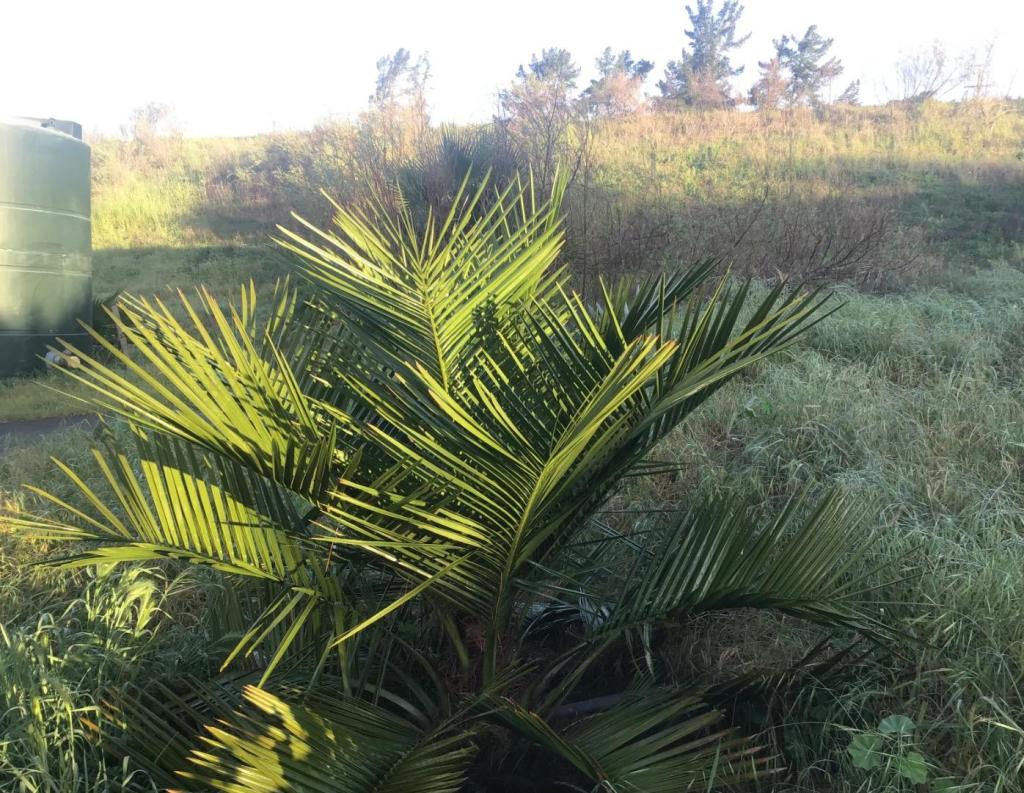
 3 pointsThis is the Jubaea you can see behind the little trailer in picture from last year. We have been having an unusually warm winter with plenty of rain. I have two Jubaea at 5’ one at 3’ and two others at 1’ . I messed up last winter and left my potted palms out for a freeze . I lost several and set most of the survivors back a year.
 3 points
 -
 3 points
 -
 3 pointsMore trees flowering around here, maples are looking good and red. Pollen is starting to accumulate on surfaces. I can confidently say we are now in Spring in the FL Panhandle. I also still think we get another freeze before the end of March. For now though, highs in the 70s approaching the low 80s at the end of the 7 day period will certainly get all the tropicals going again, especially with the lows only being in the 50s and 60s.3 points
 -
 3 pointsI reckon those odds are pretty good! Would be super keen to give them a go, that's for sure. Great idea to put in mass plantings for seed production...that was also the idea behind my little Lepidorrachis plantation. I'm surprised that these haven't been split from the Isalo form yet, clearly a very different beast.3 points
 -
 3 pointsSome pictures from today mid summer. Going for 32C today and forecast overnight thunderstorms. It doesn’t get better than this.

 3 points
 -
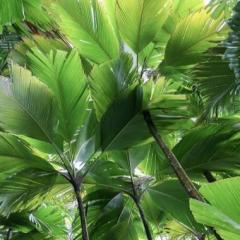 3 pointsIn Chile, they can withstand sub-zero temperatures. But they must be large. Michael Lancel's Belgian friend sells them to Europe at very high prices. He lives in Chile and ships them in containers.3 points
 -
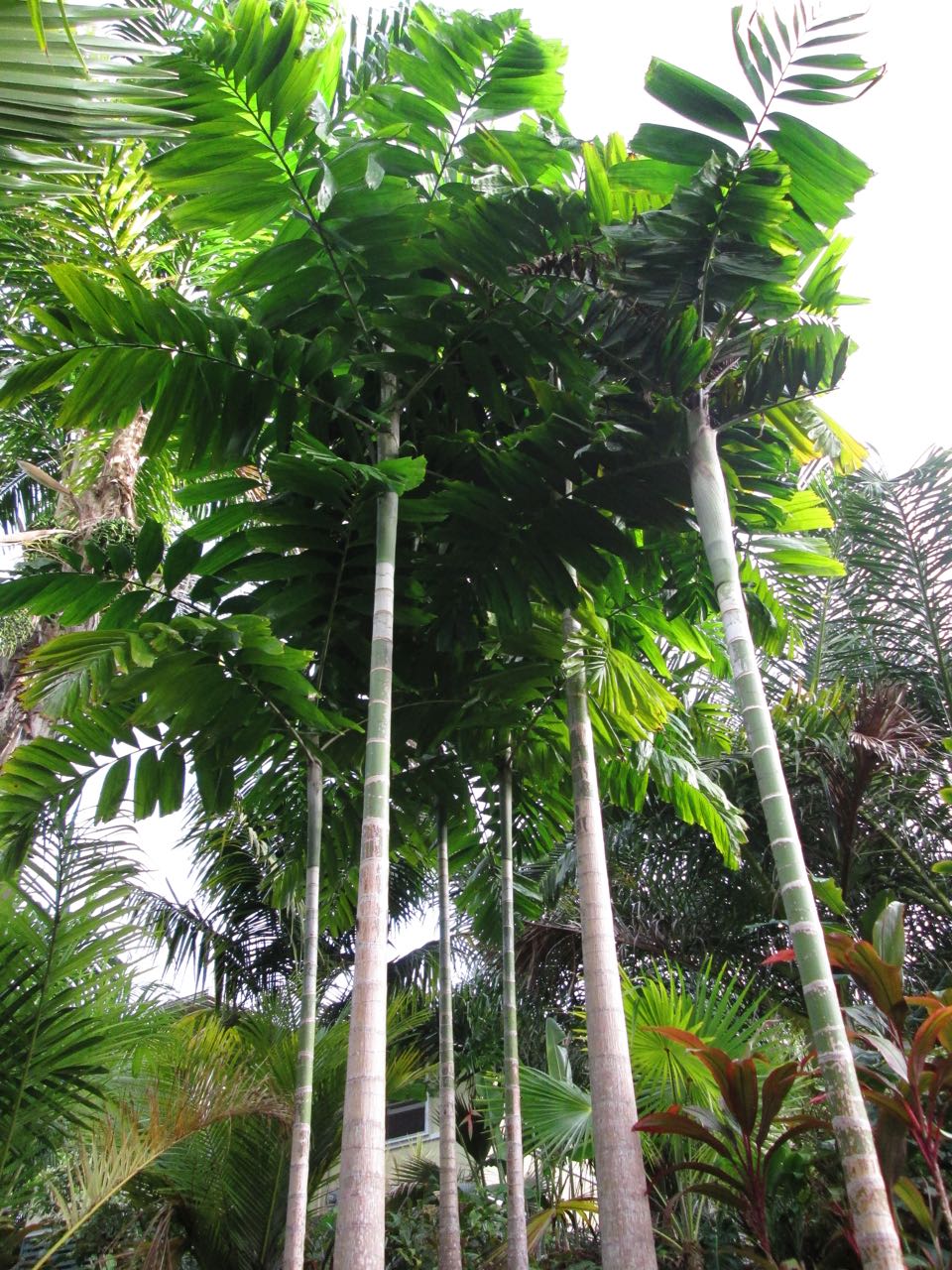
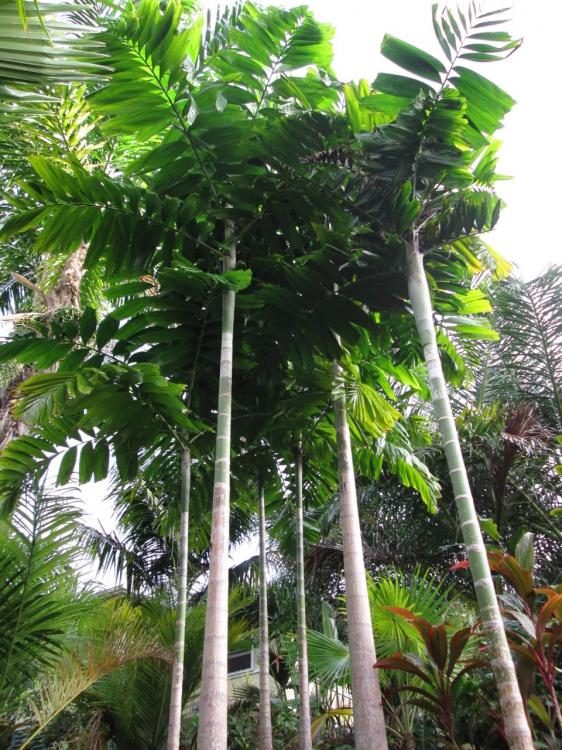
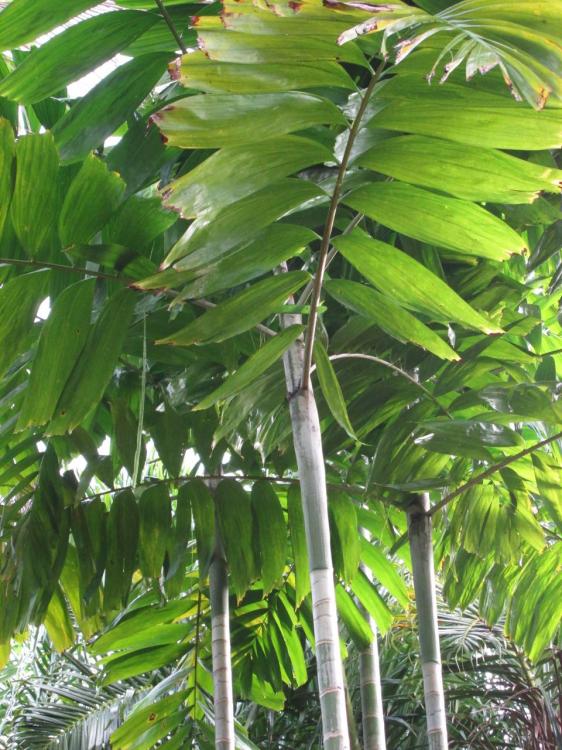
2 pointsSo, I was going to say......this is my favorite genus, but it seems almost every genus is my favorite. Ok, I really like this genus and it contains some wonderful species. Here are a few from the garden, from medium large to rather diminutive. Great leaf color and some interesting trunk/crownshaft marking. Easy grow, relatively pest and disease free and not fertilizer hogs. Veitchia subdisticha, a small grove of seven, full sun, and on a steep slope. They love the extra good drainage.
 2 points
 -
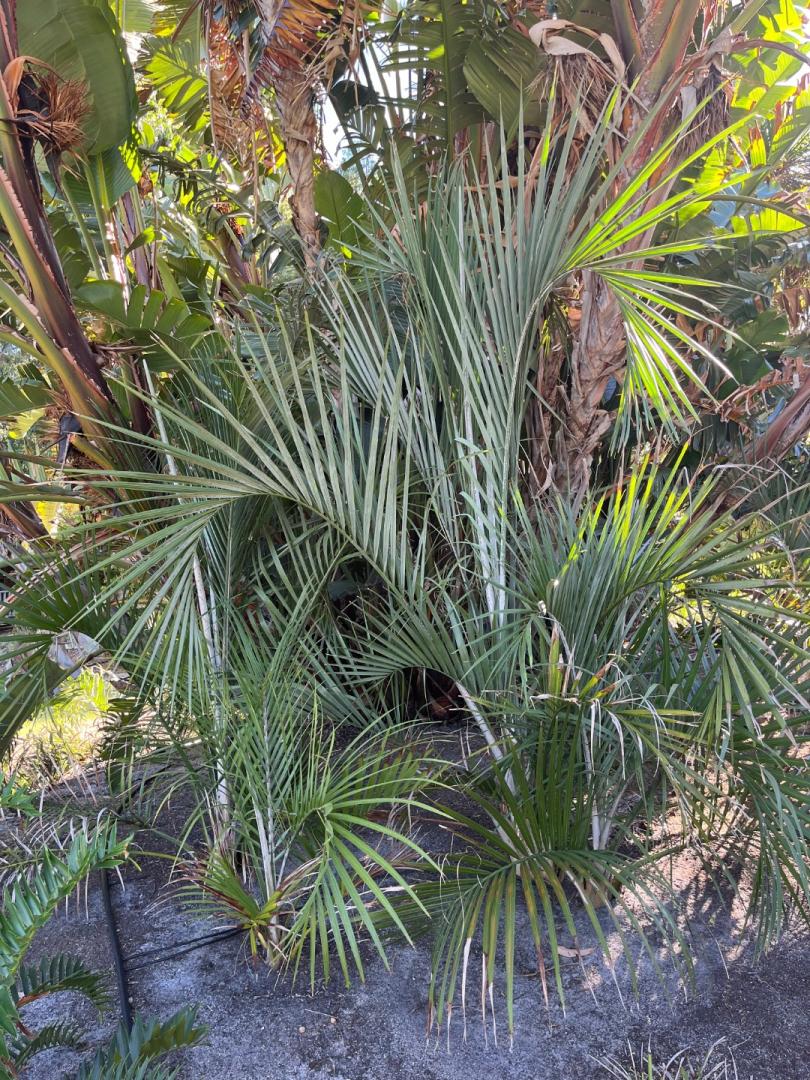
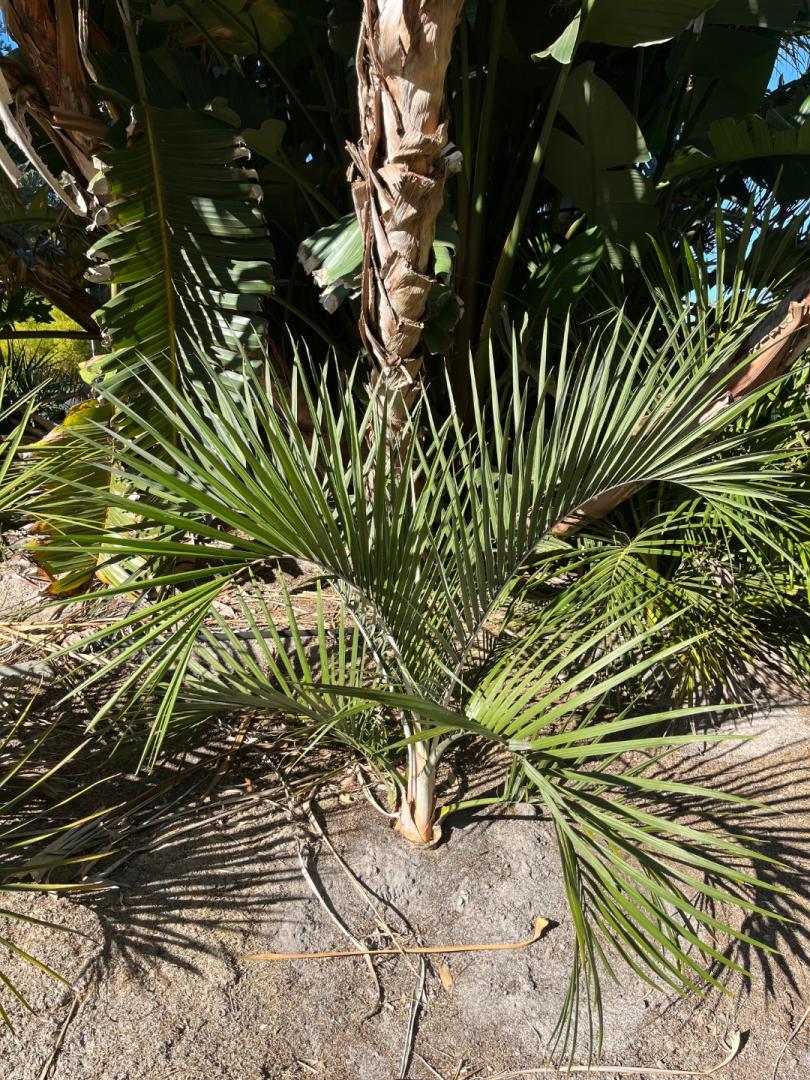
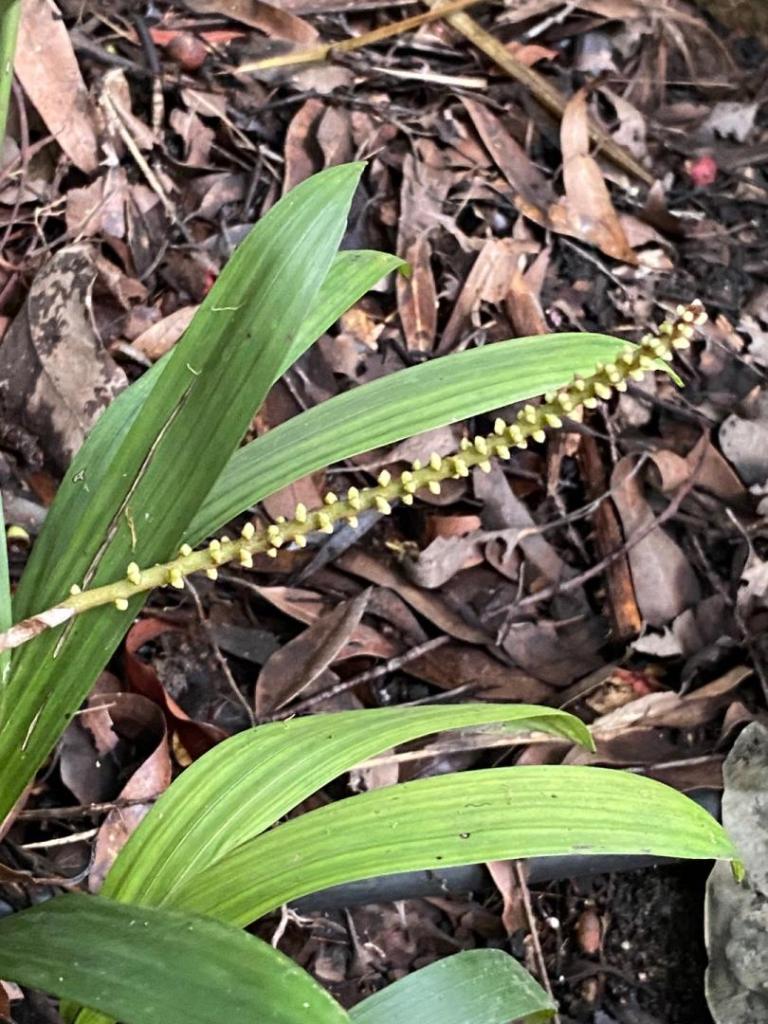
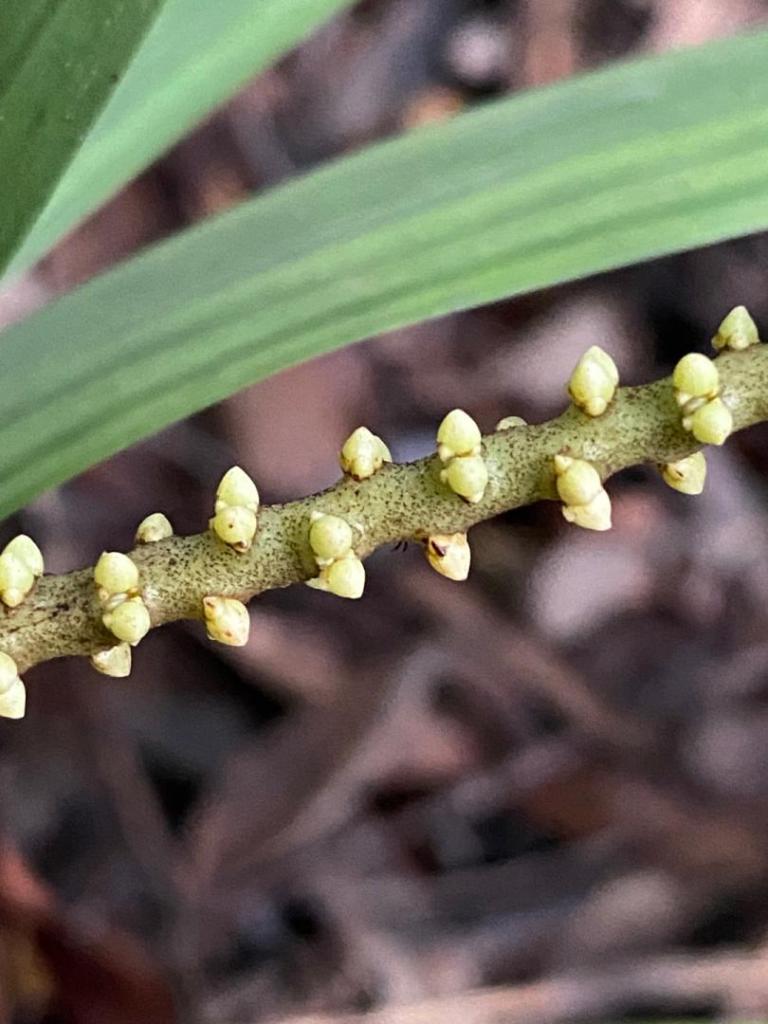
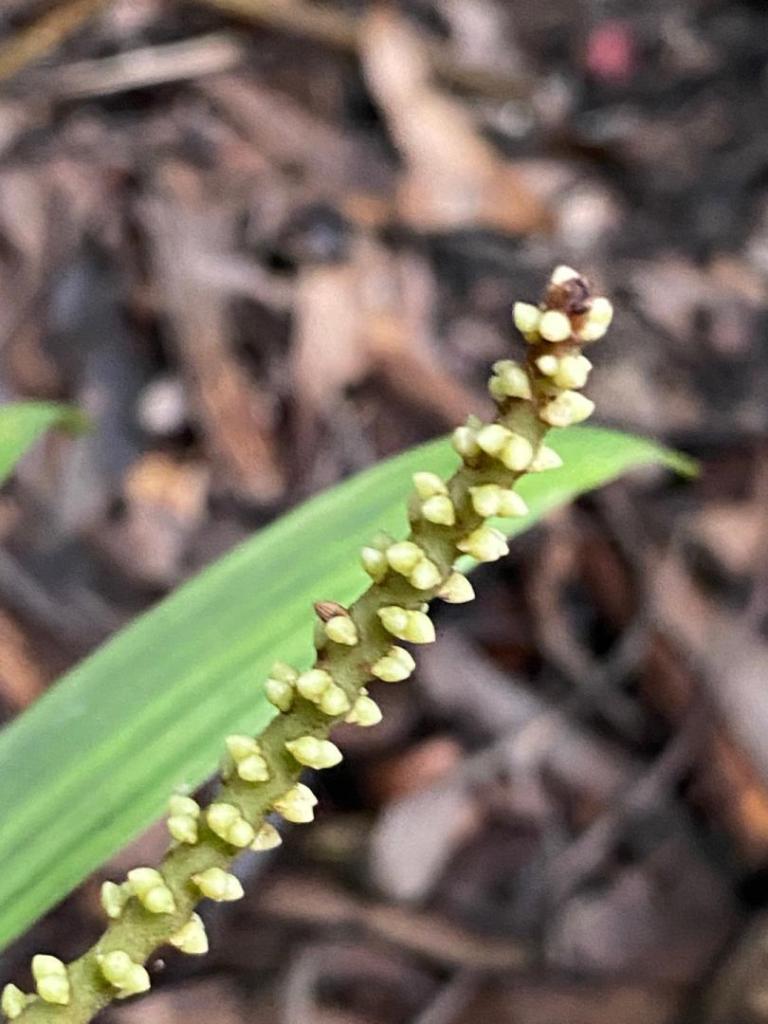
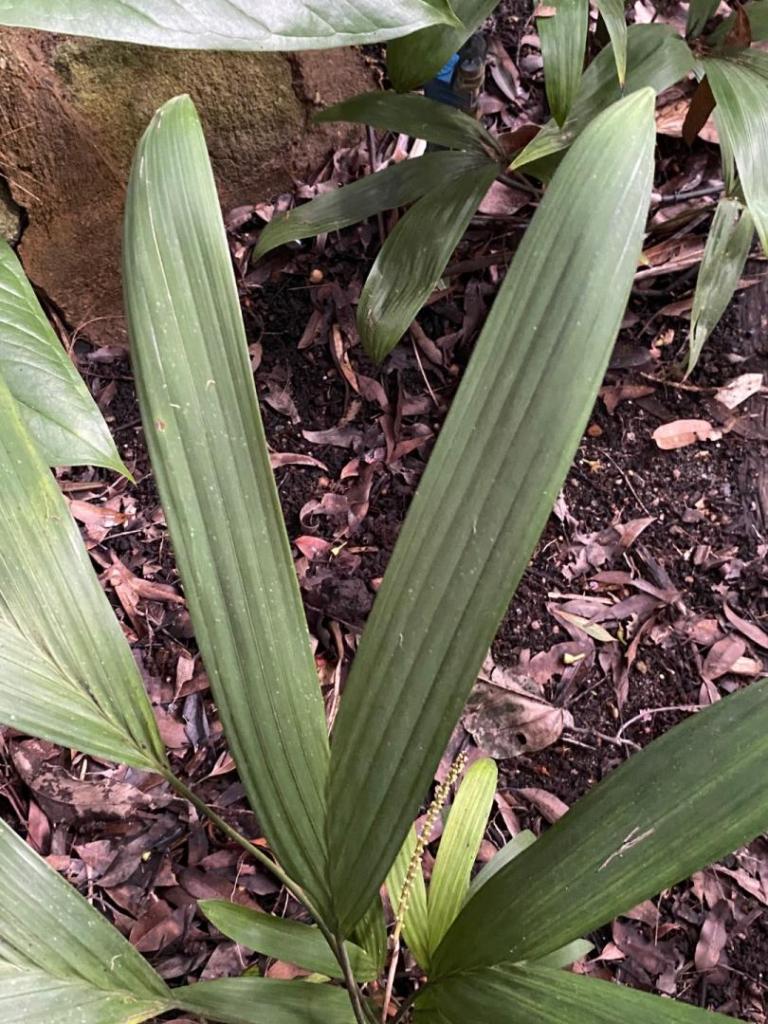
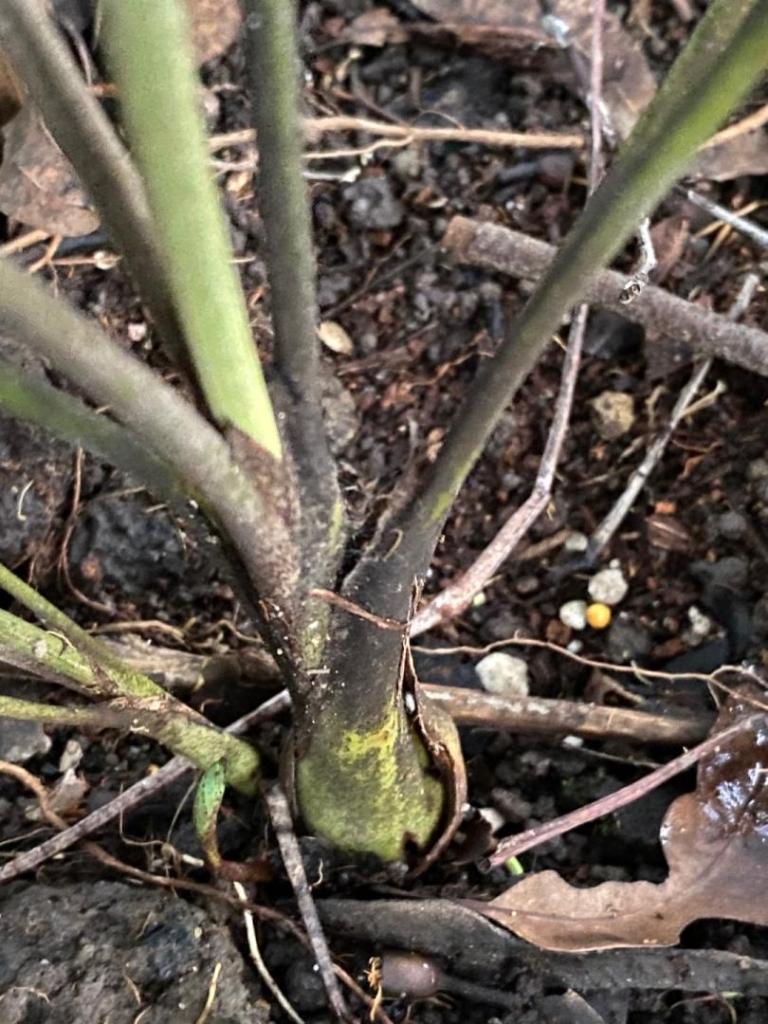
I purchased these ones as poiveana, but again palmpedia says they are solitary palms. Most of these ones are suckering except for a couple of them. So what variety are they, one is flowering but not open so I might have to wait until they open for a proper identification perhaps.


 2 points
 -
 2 pointsI'm near Atlanta. I've never lost one in March or later. When they spear pull over the winter, they send up a new one by June. If yours did this in warmer weather and didn't recover last year, I'd exercise the warranty ASAP.2 points
 -
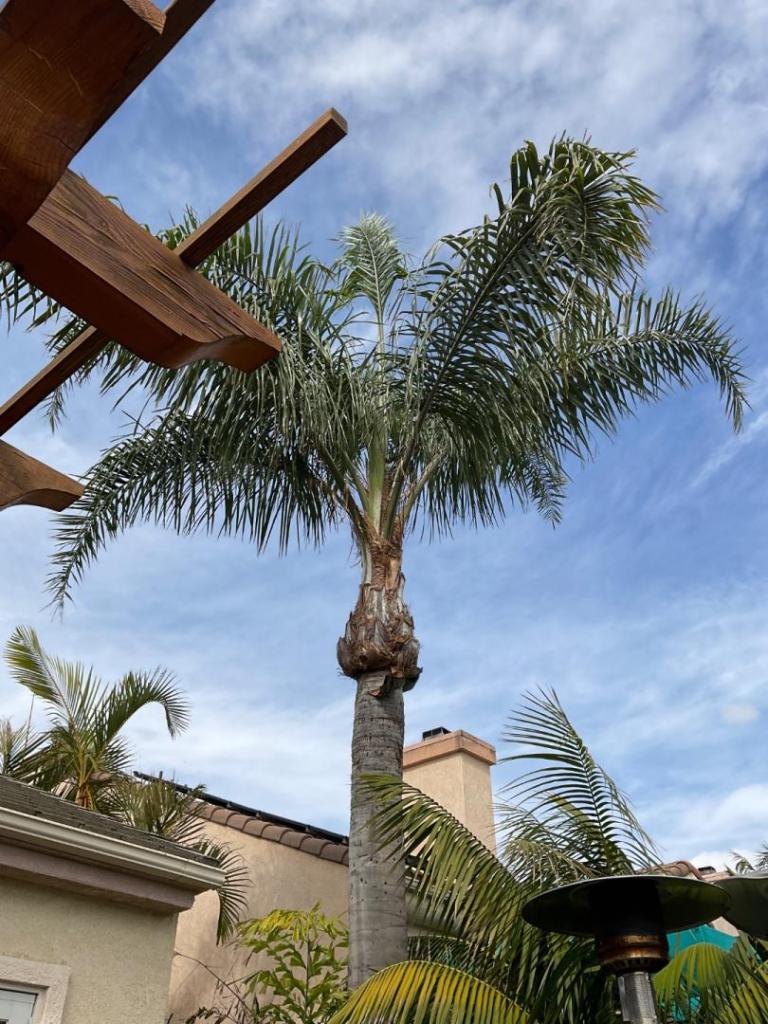
2 pointsI agree with @Jim in Los Altos. You are in Murrieta where summer and fall temps can be hot. Lots of water on that thing and it should come around. I never fertilize my Queen palms. We have a pretty nice storm coming so that will take care of watering for now . When the temps start climbing , just be sure it stays well watered . Harry ‘This was trimmed pretty severely due to our Santa Ana winds we get. This was planted in the wettest part of the yard . It was going to the dumpster at a big box store ,it looked much worse than yours in a 24” box . I gave the guy $25 for it . This area always had standing water ….until I planted the Queen Palm! It took care of that problem soon after planting. Harry
 2 points
 -
It’s just unique microclimate I have that helps a lot, plus all the new palm varieties available now. Deep sandy Liam soil is what palms love with good drainage, the ocean air influence a large canopy cover with the Australian bush. These factors alone help the garden immensely. I have a few drawbacks in the fact the gum trees and some very large ones on my property drink all water available and store that water if there is excess for future dry times and a tad cool in winter. But apart from that it’s a palm growers paradise and if you add a bit of garden cultivation with water iam in a palm growers heaven. Richard2 points
-
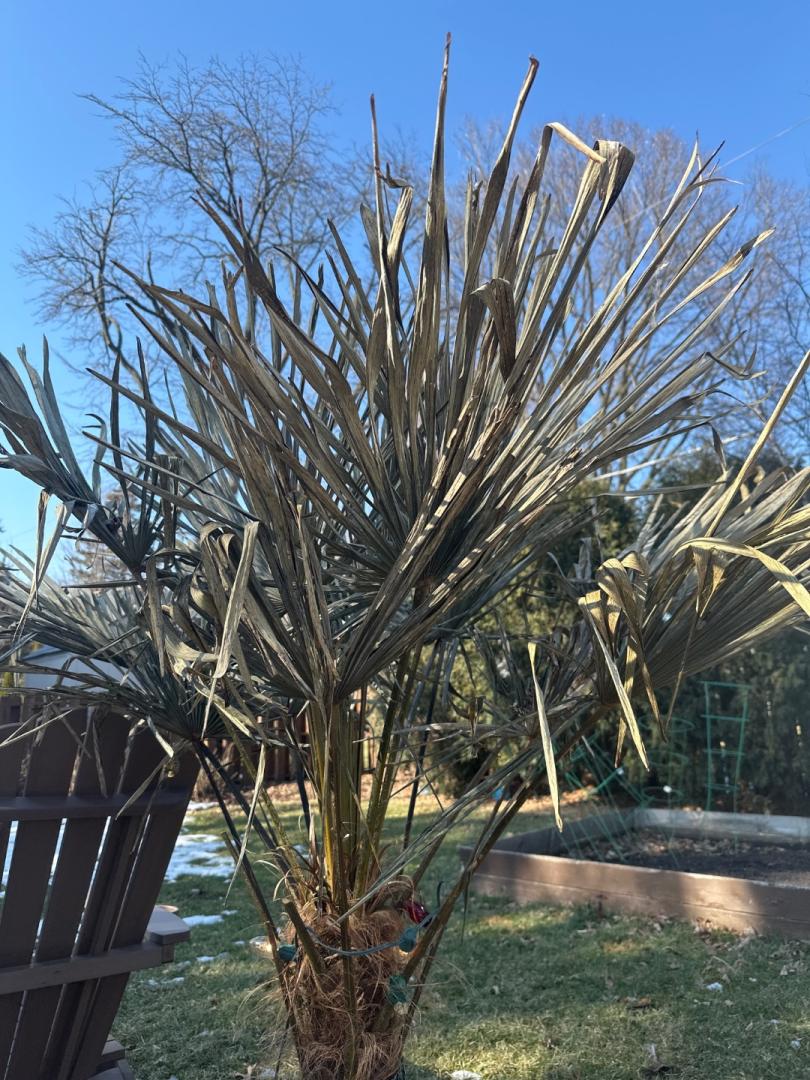
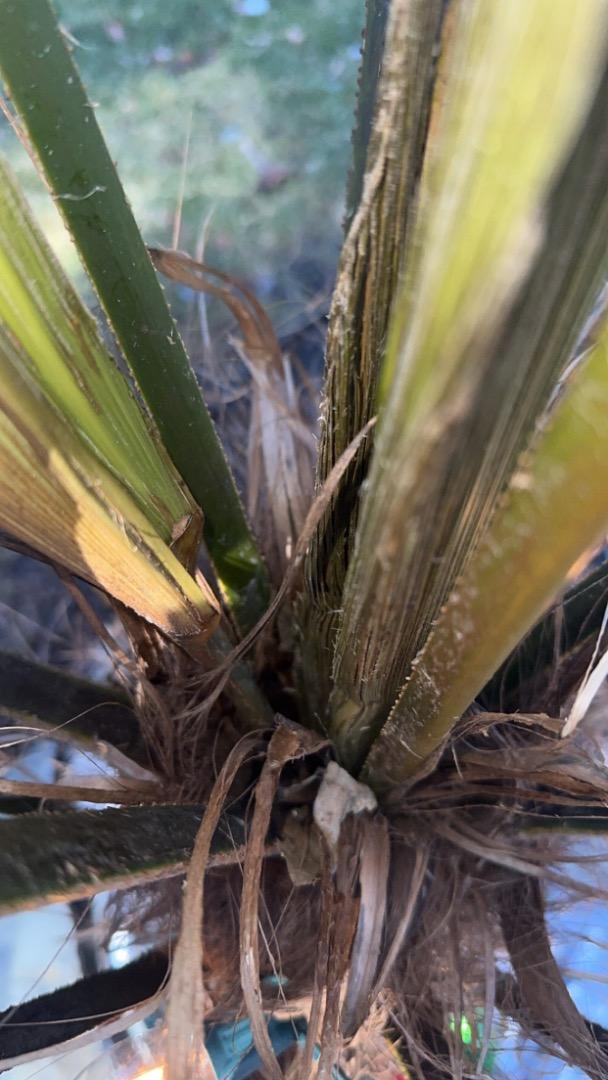
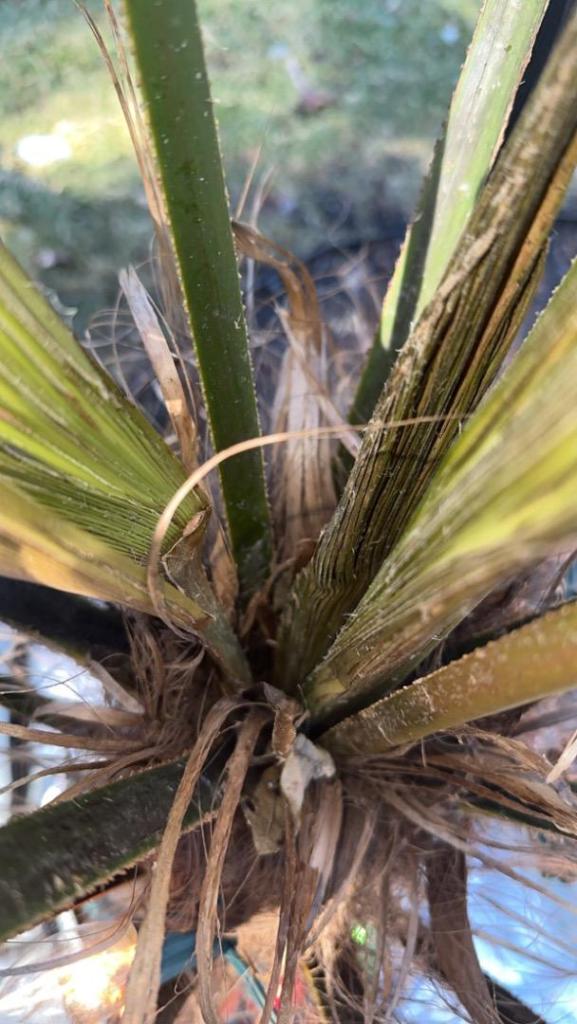
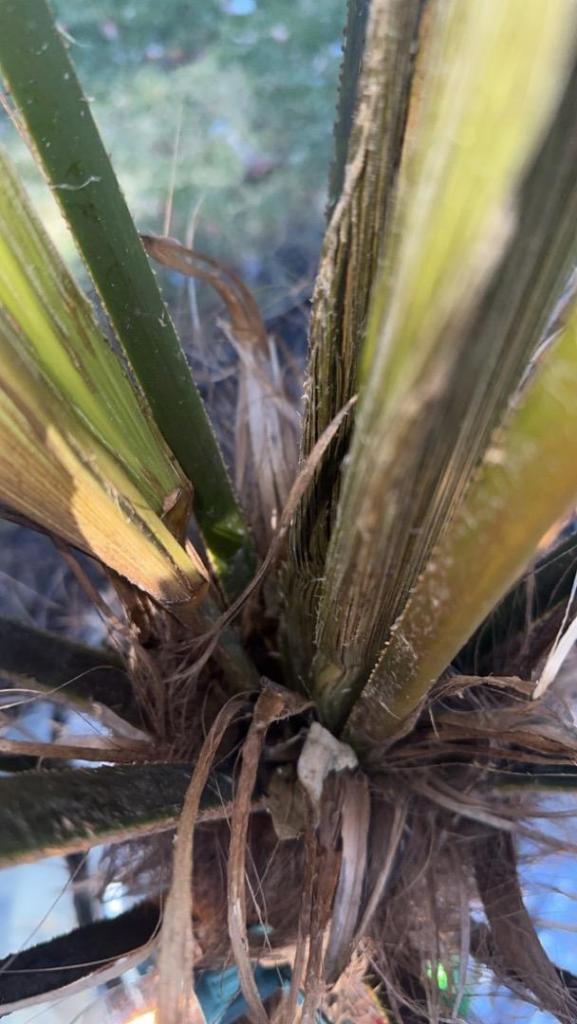
 2 pointsLittle update, I figured out that the string lights weren’t working. Thank god I had the c9 bulbs around the trunk and spear, as the string lights were around the fronds. I also sprayed the tree with a lot of hydrogen peroxide and copper fungicide so most of the mold should be dead by now. It seems that most of the damage is by the fronds.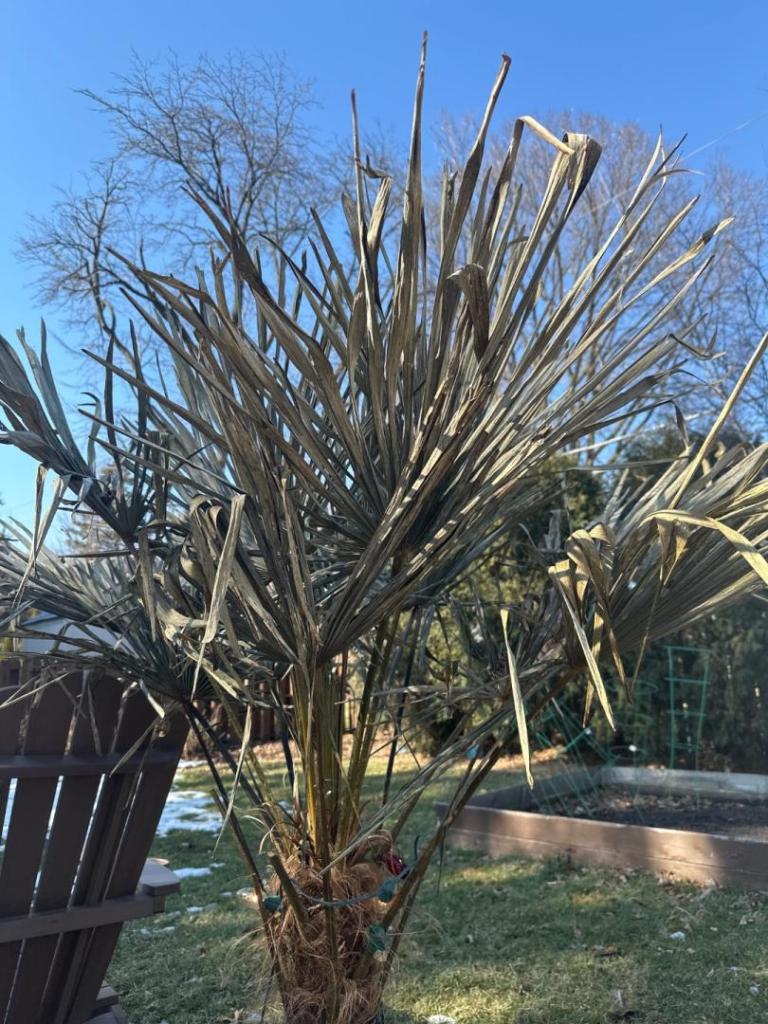

 2 points
 -
2 pointsThe chances of recovery at that age is marginal. That one looks too far gone to me. To push the limits on a palm , it has to have a bit more size to it and even then it will be set back in winter. Building a box with a few light bulbs for heat would keep it alive in the coldest weather. Harry2 points
-
Cute little guys , suckering or not. Could be like my C. Tepejelote . I got two single stem seedlings from a trusted IPS member over 30 years ago. One single stem , the other formed suckers as soon as it was planted about 3-4 years after I bought them . My mentor confirmed that , although rare , suckering ones exist ….certainly in my garden it does. Then there is the single stem Chamerops Humilus . Over 25 years , never sent out pups , just grew straight up . Enjoy those little palms , they are super cute! Harry2 points
-
I could see them as far north as Chesapeake Bay, maybe in 75 years with some help. Even birds could do that much. The bay is a pretty large barrier.2 points
-
2 pointsThey take a fair bit of cold, you might just be borderline in getting away with it in a protected area. I have seen them take 0 degrees Celsius.2 points
-
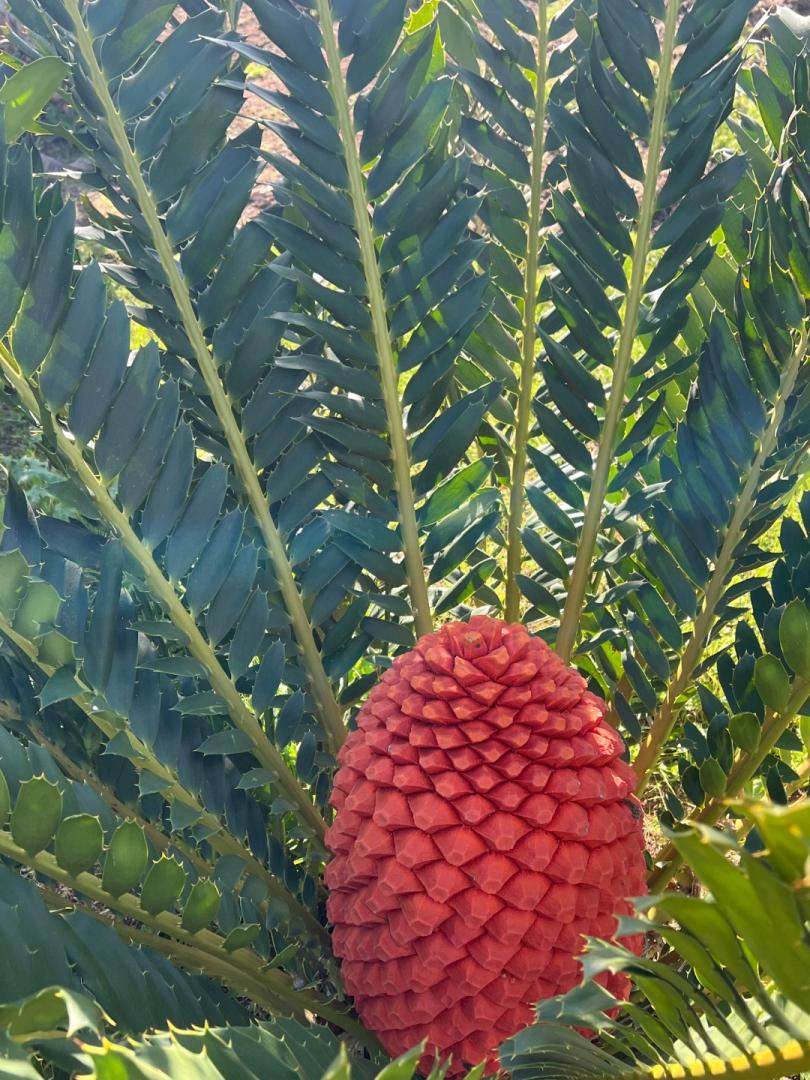
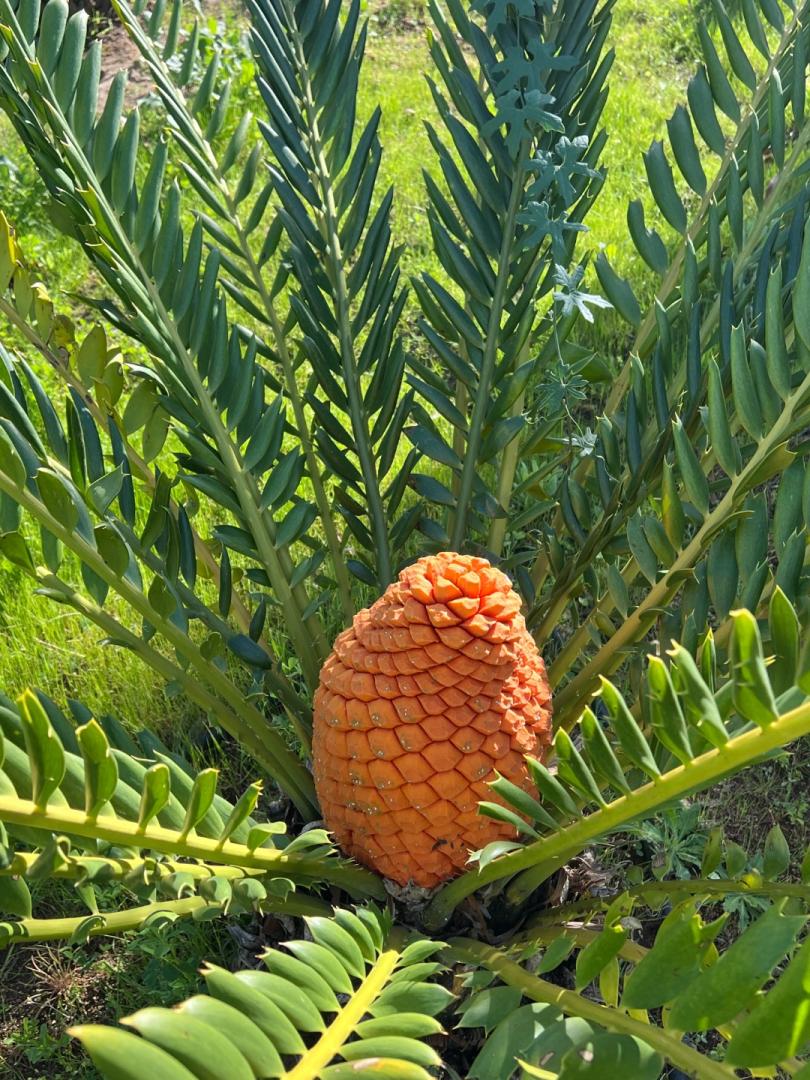
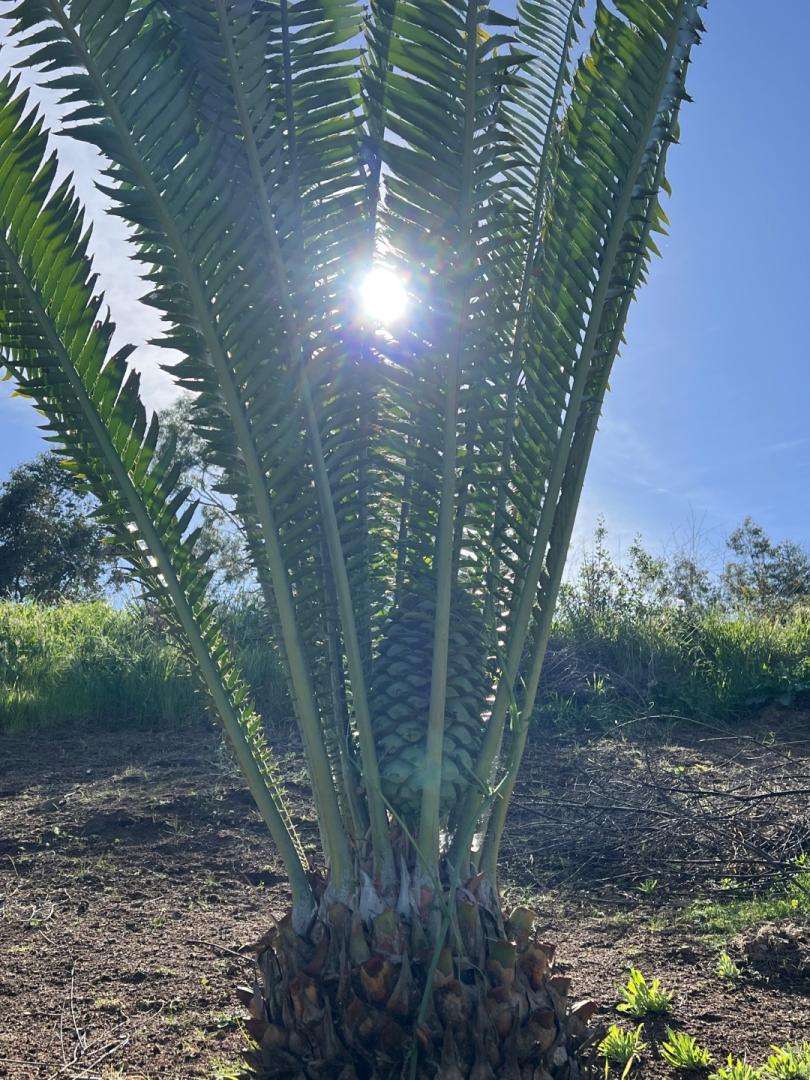
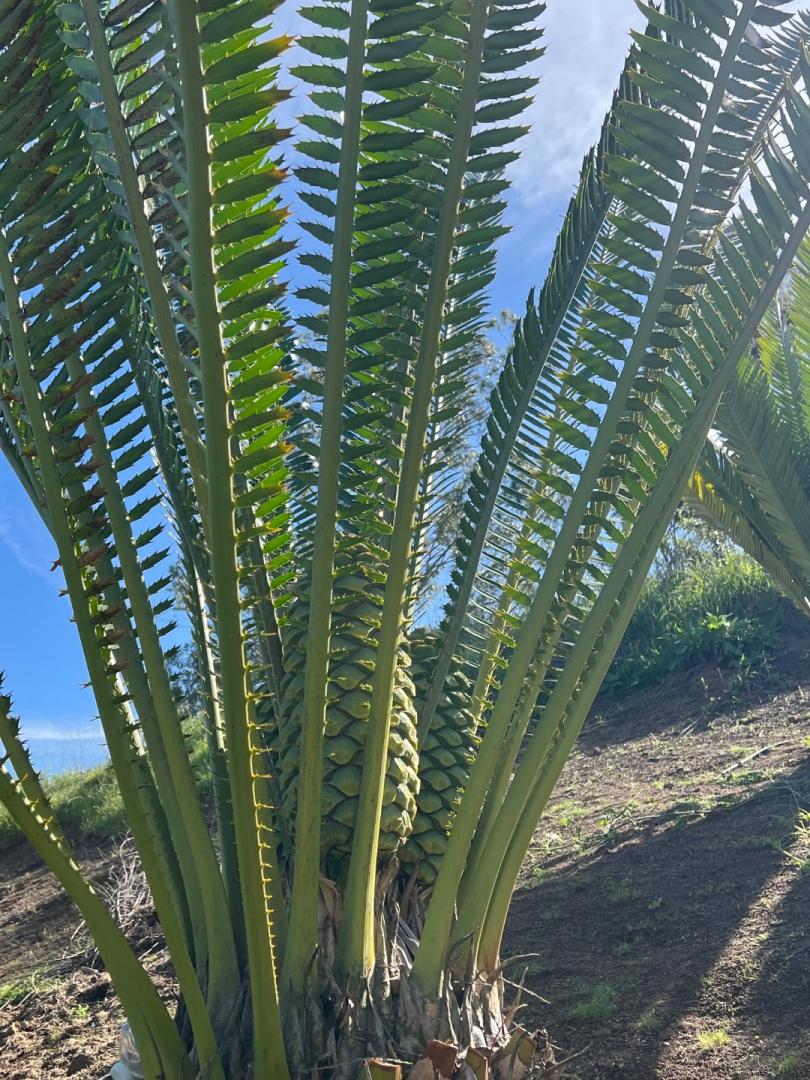
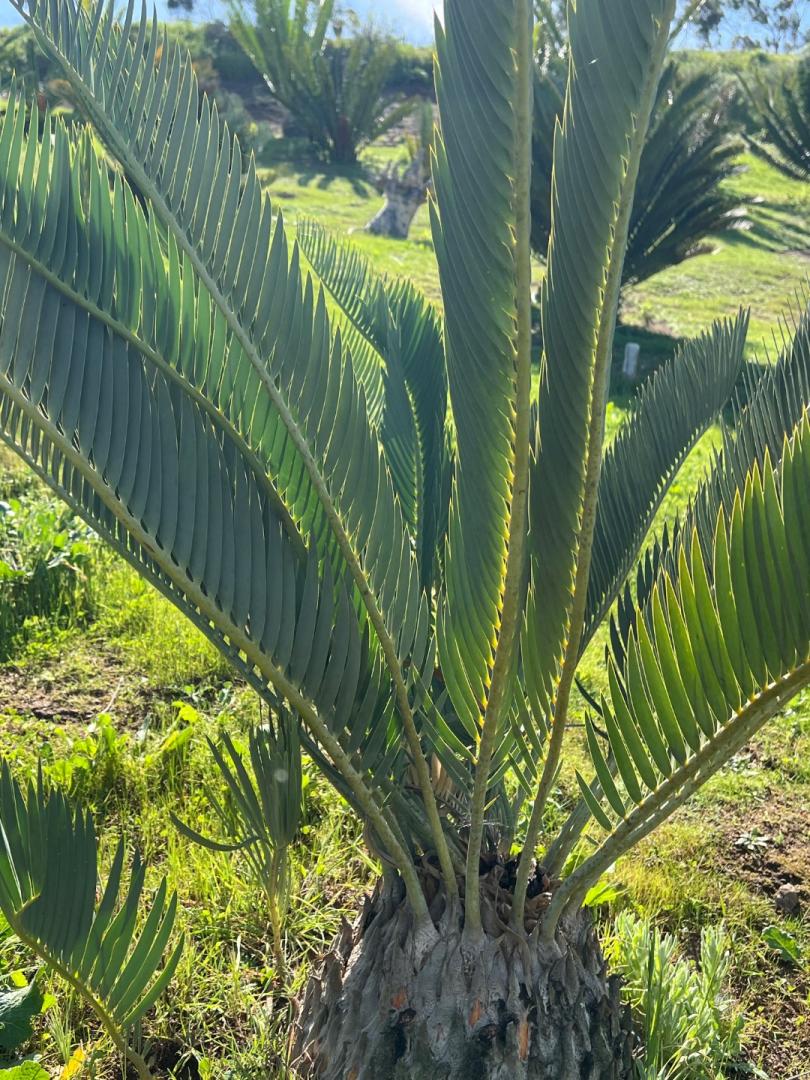
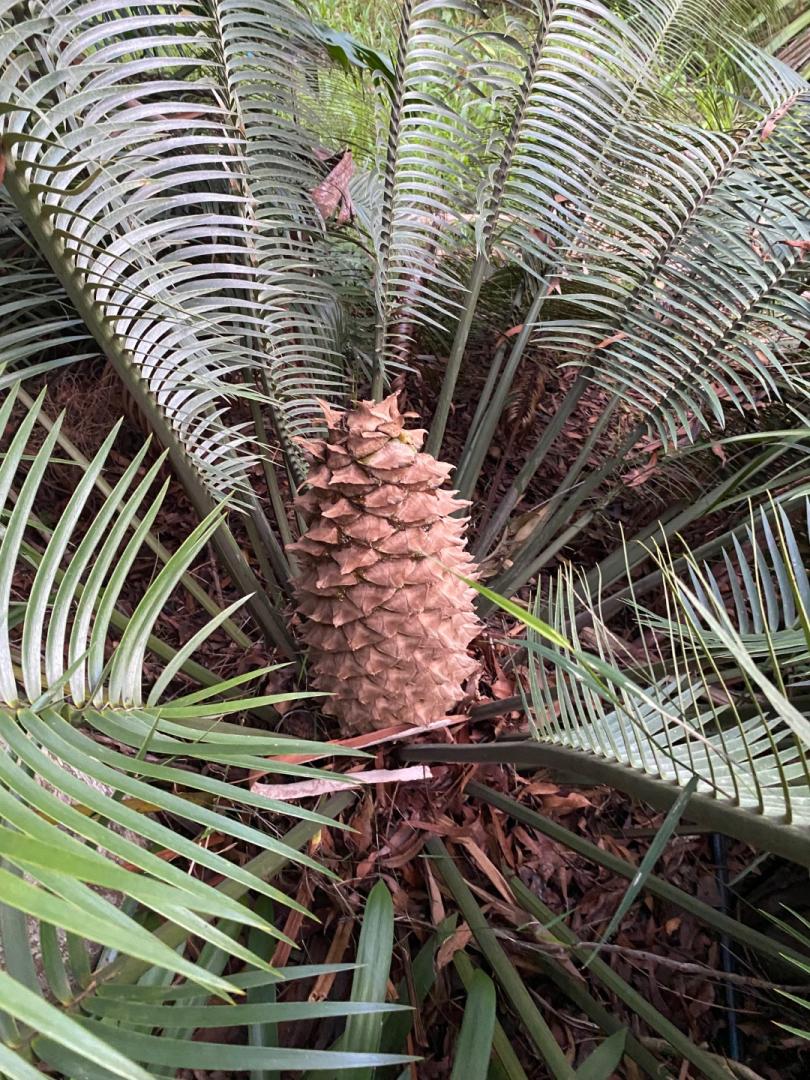
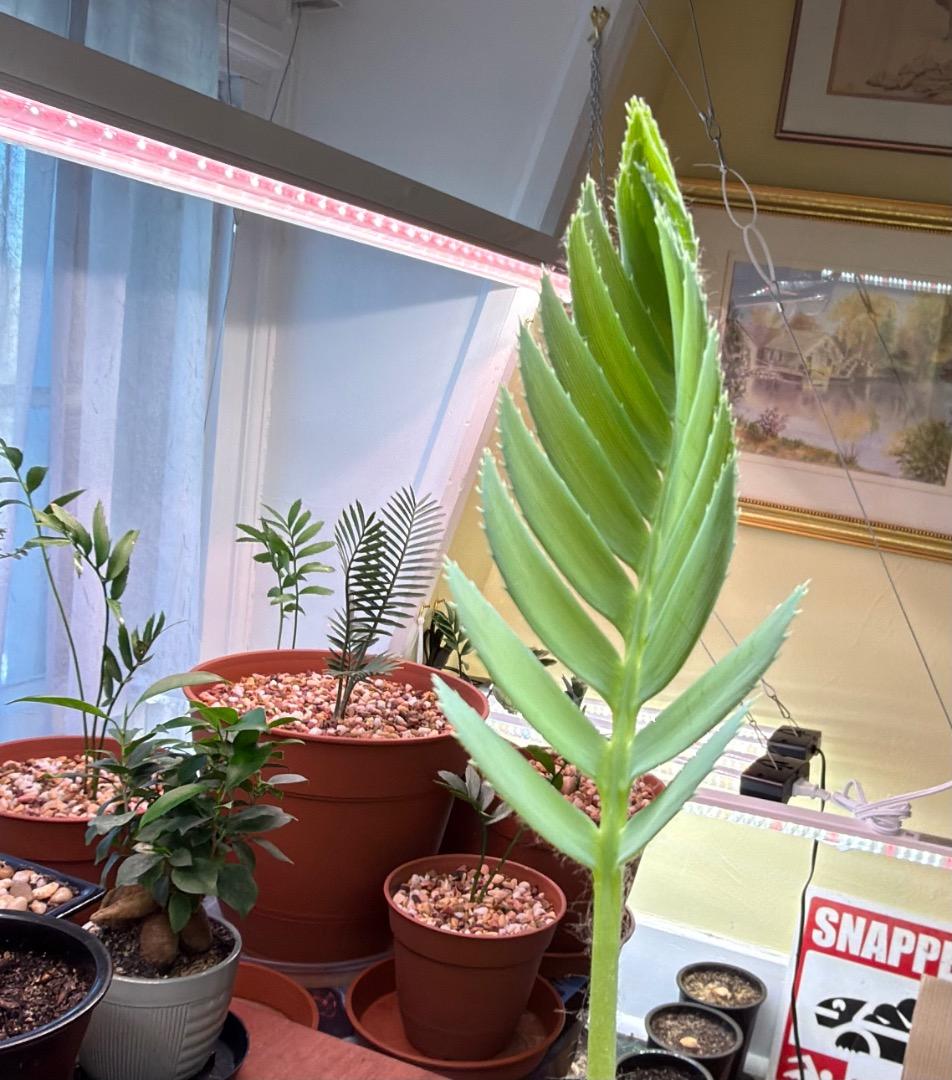
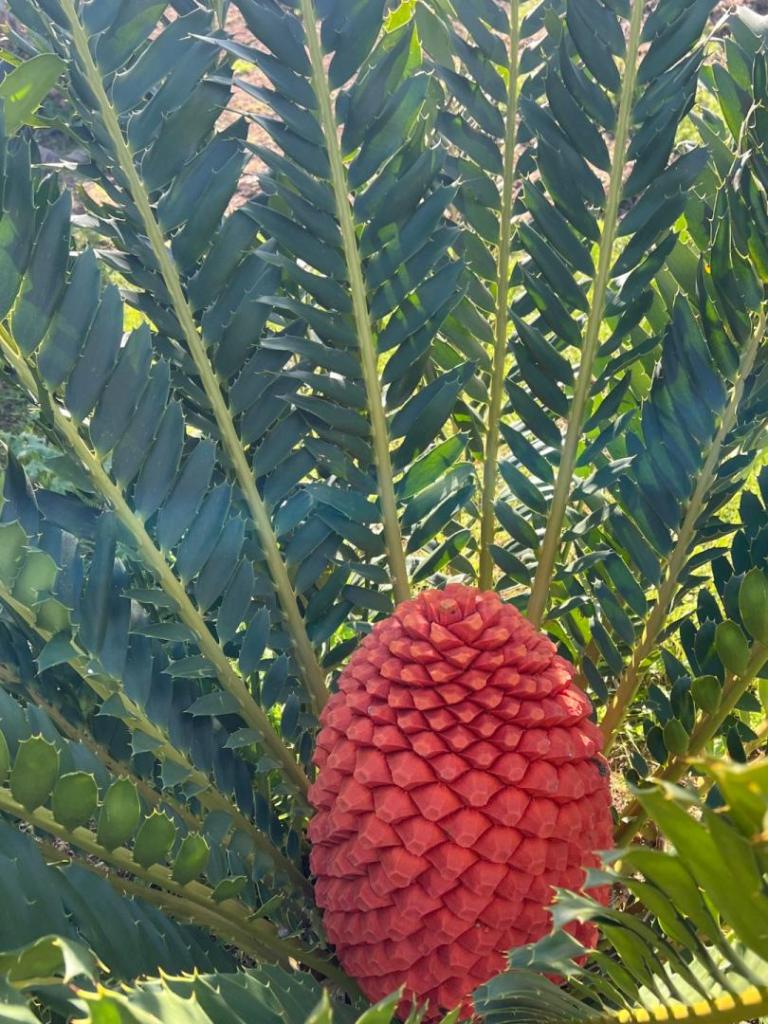
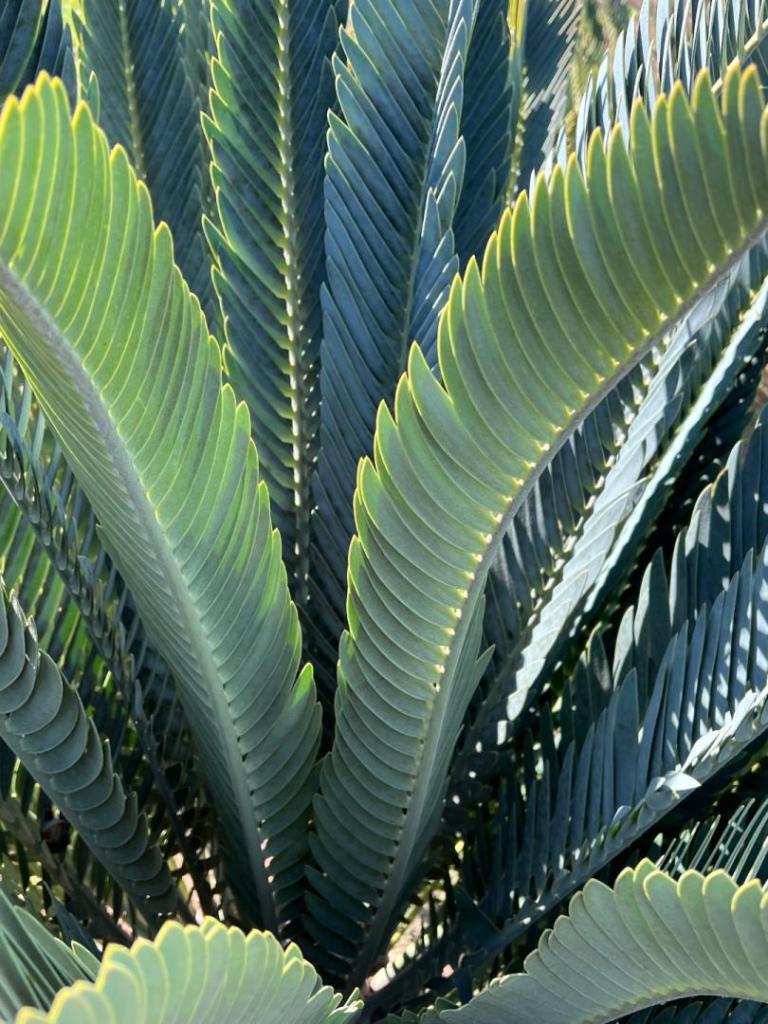
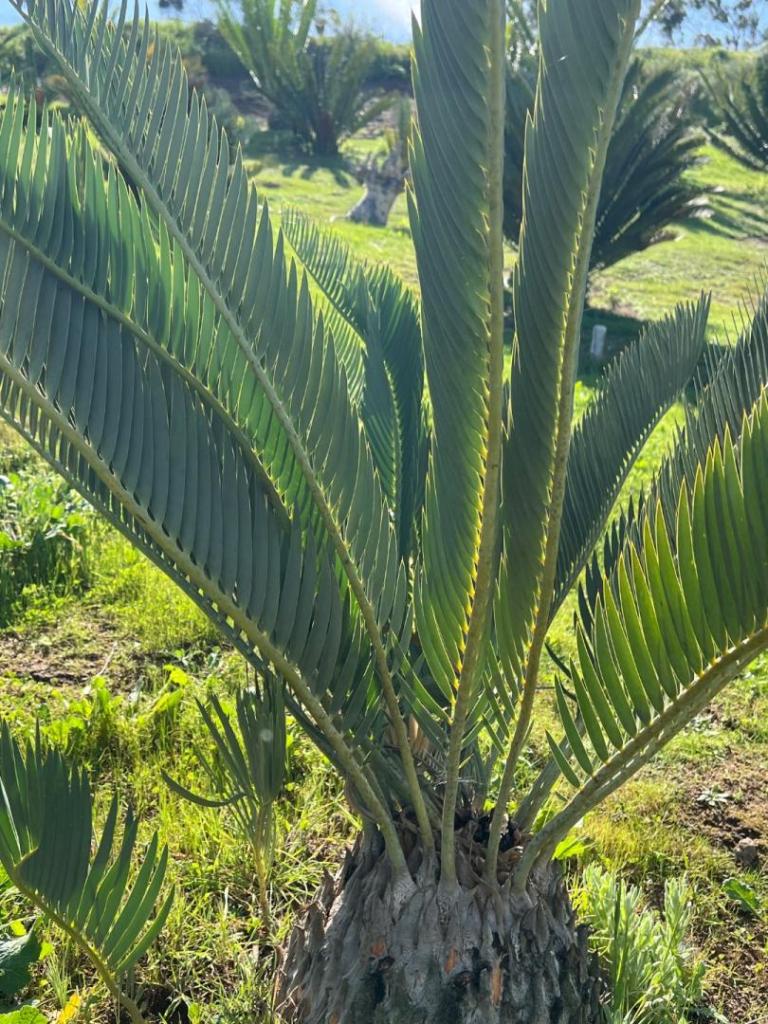
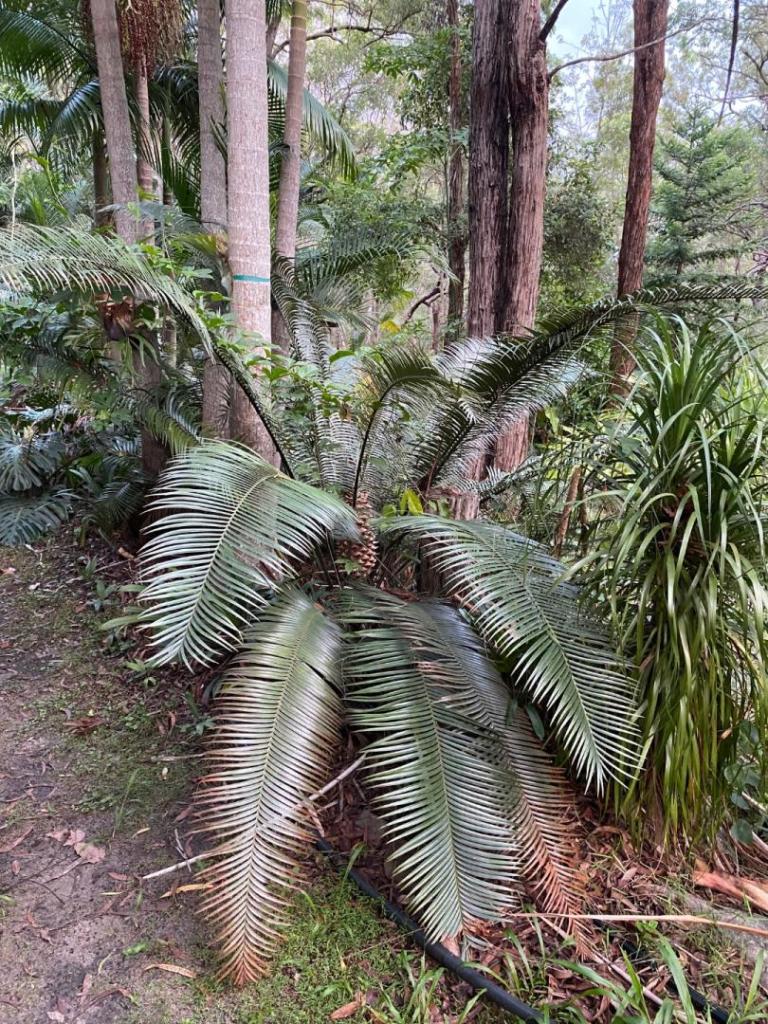
2 pointsLepidozamia peroffskyana has grown a bit, going to be a lot of seeds of this one!


 2 points
 -
 2 pointsI really wanna know what was going through the landscapers mind to decide to randomly cut it down2 points
 -
2 pointsI think it is just wait and see at this point. I am sorry to see this but , hopefully , by Spring you will see new life. Harry2 points
-
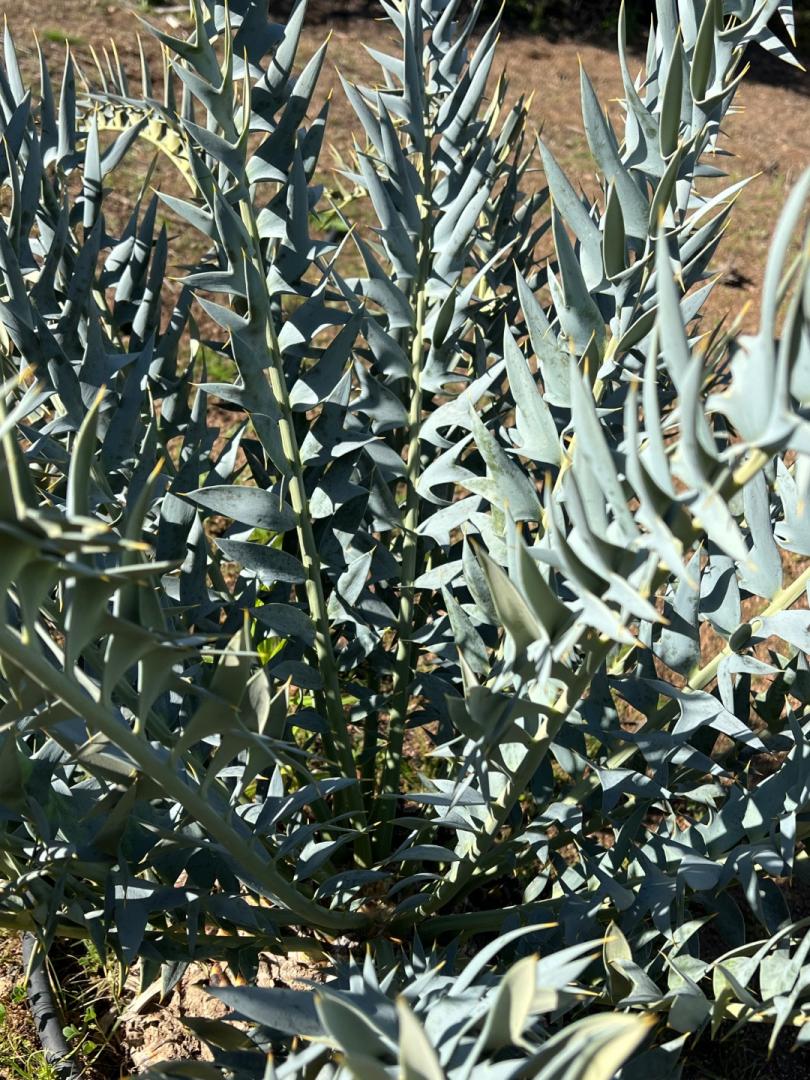
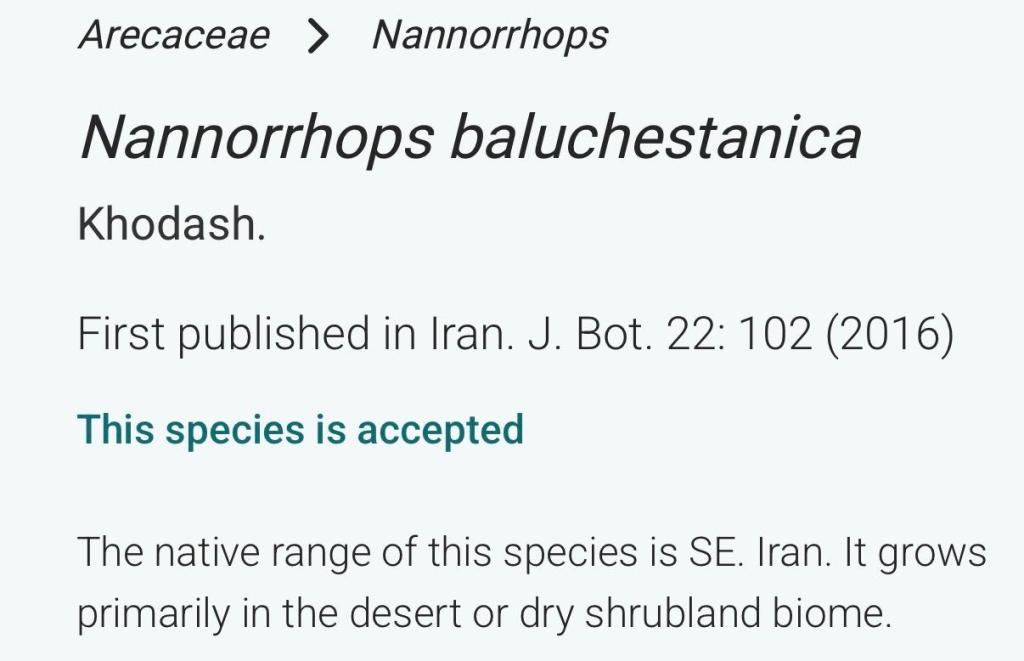
There are two species; N ritchiana and N baluchestanica which is the blue/silver one from Iran. My understanding is that N ritchiana is still variable from green to bluish, but never as silvery as N baluchestanica. I feel like the one pictured in this thread is likely N ritchiana. Photos are N baluchestanica I’ve seen seem to show them being ghostly white/silver from the first frond.
 2 points
 -
 Very similar temperatures and observations here in Fort Myers (in town, with a combined urban heat island and some protection from the river.) Overall this event was comparable to Christmas 2022, the only two times I've seen evidence of frost, both times in a small dip in the lawn where the weeds turned black. Only thing I'll add is I have a small Areca catechu, regular form, which has grown quickly and beautifully up until now but every day since the cold looks progressively worse, leaves are now all completely covered in spots and it will probably end up mostly defoliated. Not surprised at all but I'd say this species is worse with cool weather than even Pritchardia pacifica. Overall I feel like I dodged a bullet, not much permanent damage to speak of, just lots of slightly yellow leaves and several long months of hand watering ahead of me.2 points
 -
.thumb.jpg.304b32ca4398a111edf4ac525048111e.jpg) 2 pointsMy Robusta isn't very leaf hardy. Low 20s , the fronds will turn brown, all of them. I see some they look exactly like mine but seem to handle the cold better. At least mine is pretty bud hardy and recovers fast. I leave the fronds on until they're crispy but the new frond that is currently seeking daylight doesn't look bad at all.
2 pointsMy Robusta isn't very leaf hardy. Low 20s , the fronds will turn brown, all of them. I see some they look exactly like mine but seem to handle the cold better. At least mine is pretty bud hardy and recovers fast. I leave the fronds on until they're crispy but the new frond that is currently seeking daylight doesn't look bad at all.

 2 points
 -
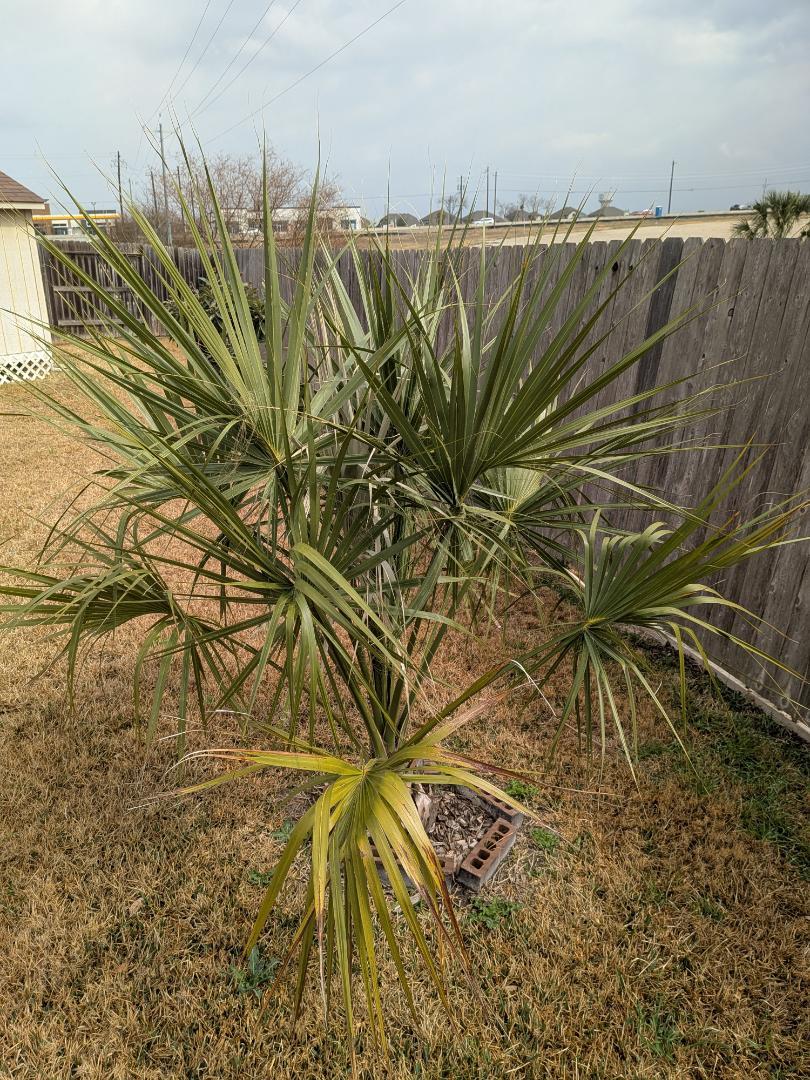
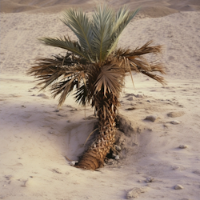 2 pointsI'm in zone 8a/b and I just planted some Sabal species seeds (Caribbean giant and Miamiensis x maritima) in the backyard. Hopefull I'll have a couple of sprouts this summer or spring.2 points
 -
 2 pointsCibolo TX Post Winter storm report: Temps in my neck of the woods hit 19F or 20F, with some freezing rain. As usual, I think the freezing precipitation was the bigger problem. C. radicalis with East Northeast exposure and partial overhead protection from the eave of the house. P. dactylifera was almost immediately dead. It was about 3 ft in overall height and very healthy going into this event. I covered it, but not until it was already wet. So it's spear pulled almost immediately after the freeze. It's leaves were brown within a few days. I cut the trunk down and there was no living tissue left, despite treating it with hydrogen peroxide within a couple of days of the ice. Butia took a little longer to show damage. It was covered with a large patio umbrella, but it blew off during the storm. It was a couple of weeks before the newest leaves started losing color. Spear pulled, and I have been treating it with H2O2 as well. No signs of a new spear yet. Even my S. mexicanas (No protection) have a leaf or two that have lost their color. This surprised me: My Washingtonia that grows like a weed looks pretty much perfect with no protection: Not all Washingtonians are created equal though. This is what another one just a couple of houses down from mine looks like: Small trachycarpus F x Ws took no damage with a bucket to cover them: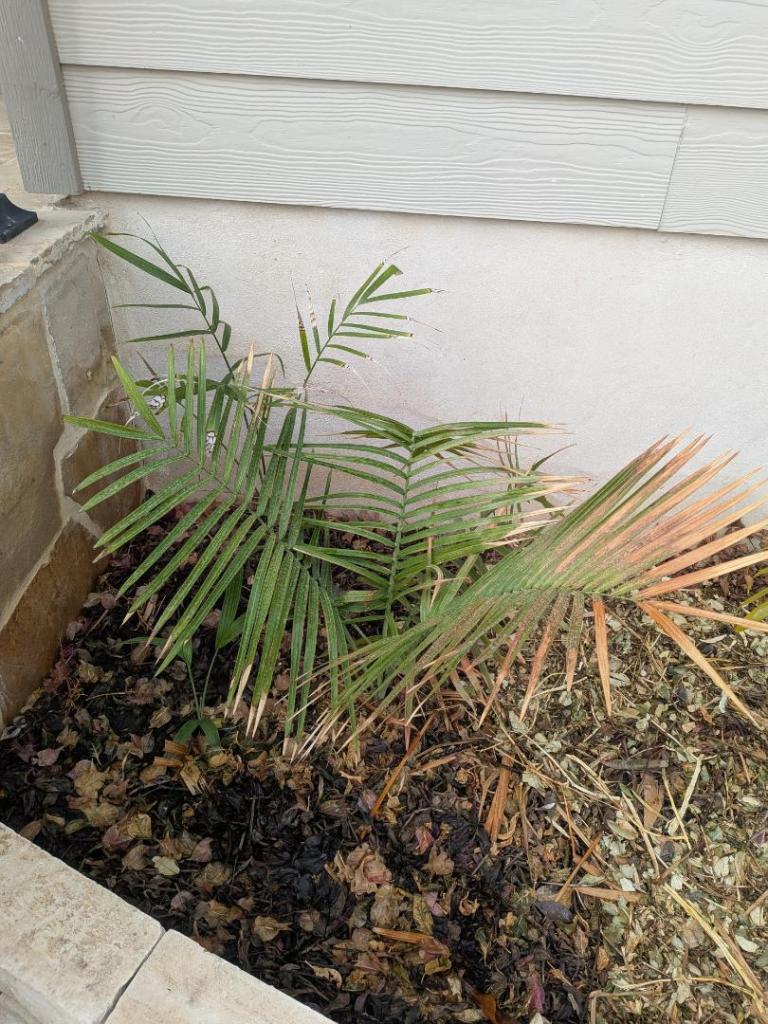


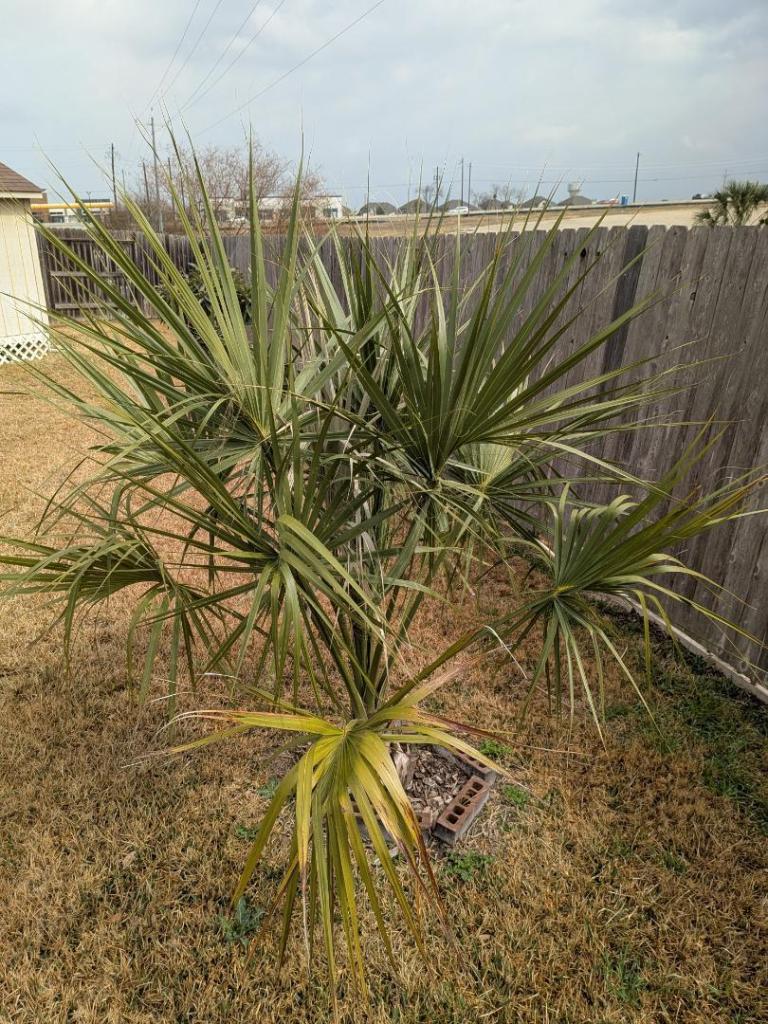


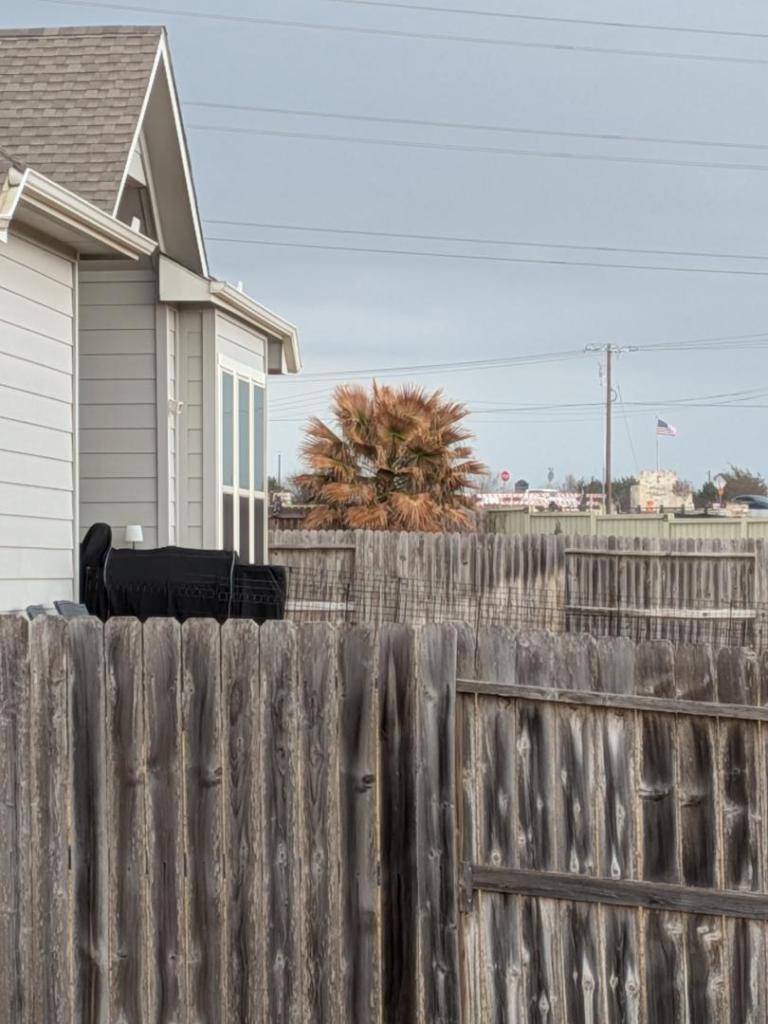 2 points
 -
 2 pointsYeah Cincinnati! The palm bug has arrived! Siting and microclimates are your friend. Also, bricks as thermal mass!2 points
 -
 2 points
 -
 2 pointsThey look like my deceased Ravenea xerophila. Tyrone, they're a real beauty! God willing, I know where to get the seeds from a very trusted friend. I'd call him more of a brother than a friend.👌2 points
 -
2 pointsDypsis basilonga seedlings looking good, somewhat a few years behind @Hilo Jason but they will get there.
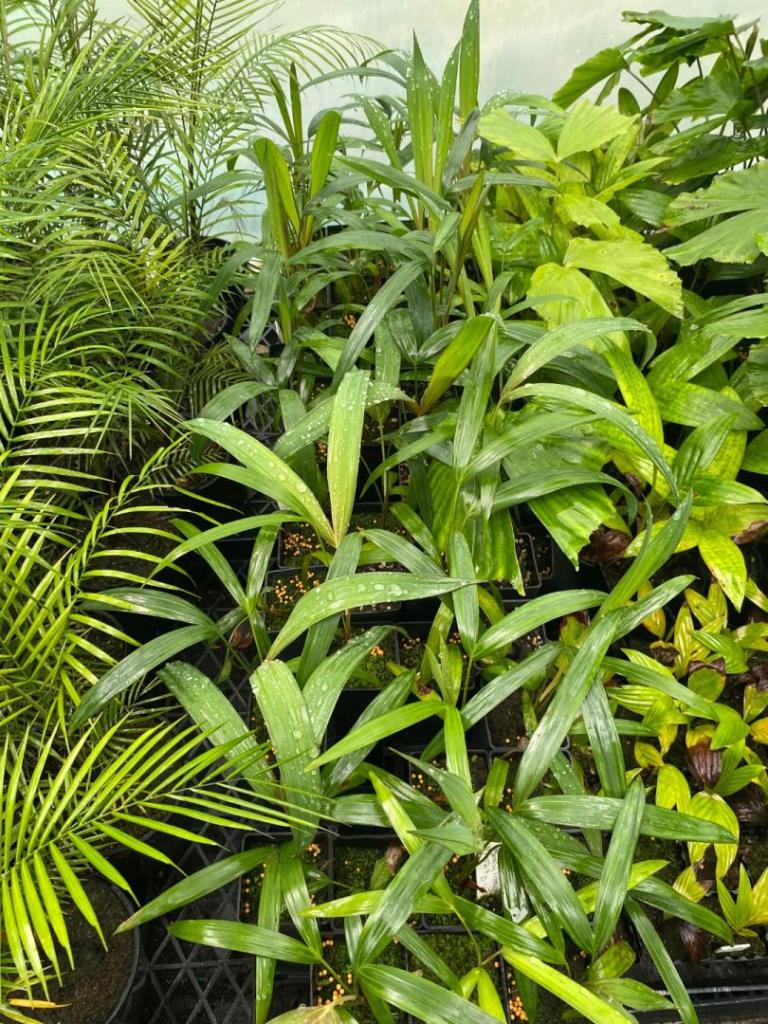

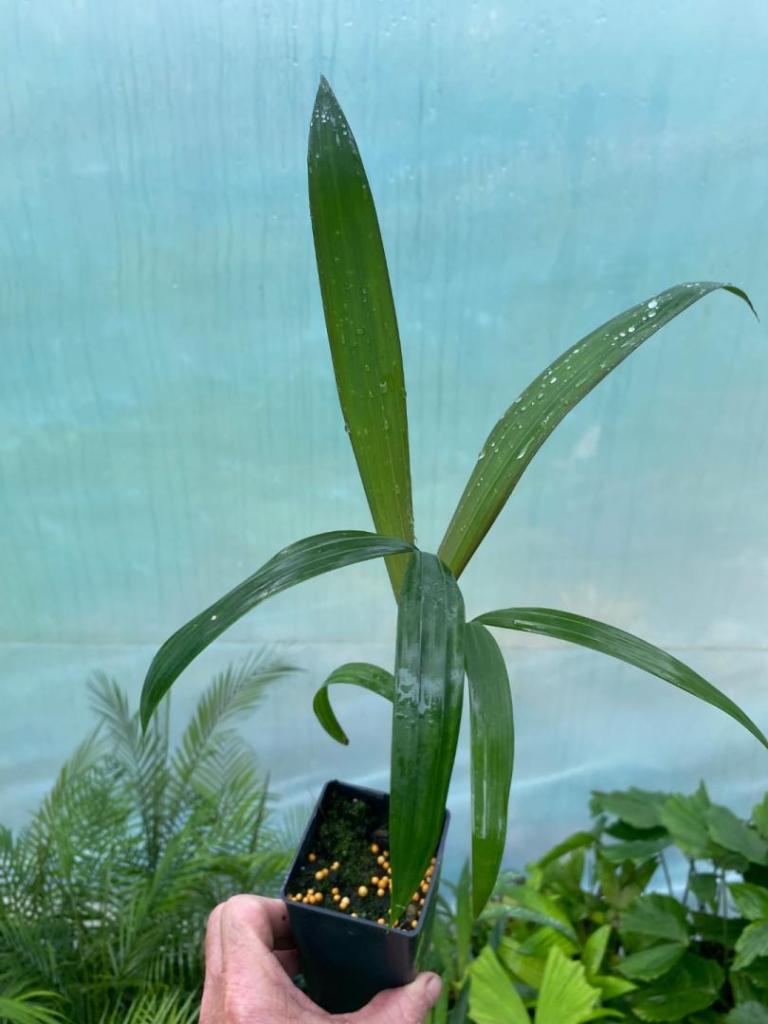 2 points
 -
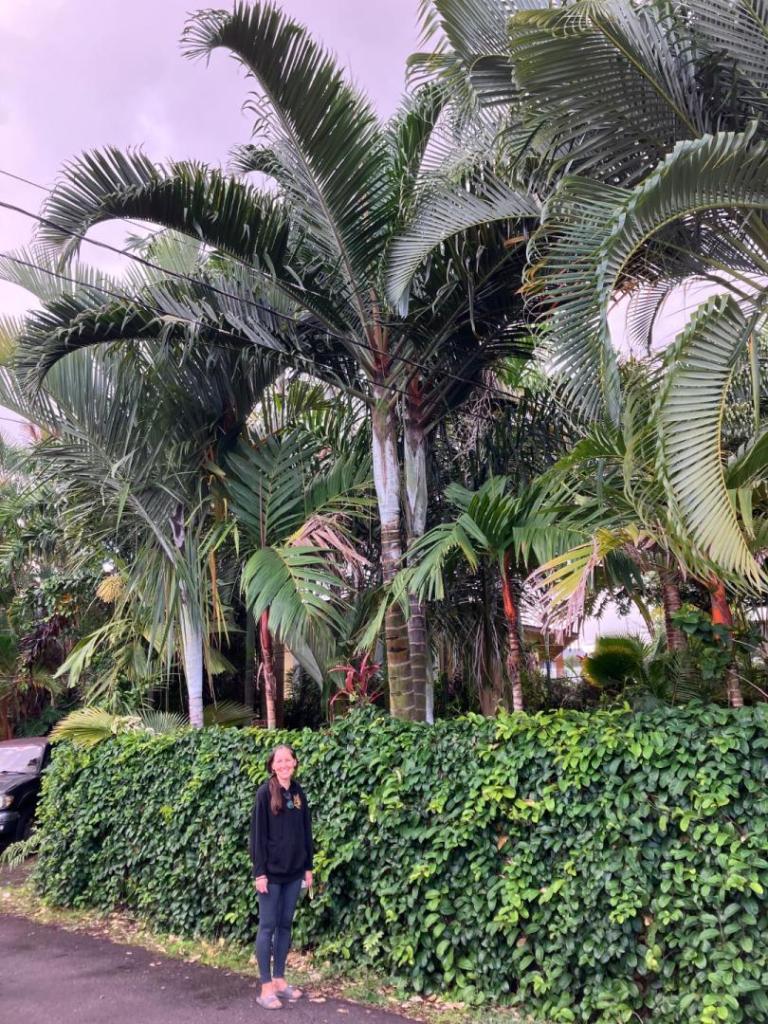
I was able to stop by my old garden today and got these pictures of the parent plant. Much taller than it was about 18 months ago.
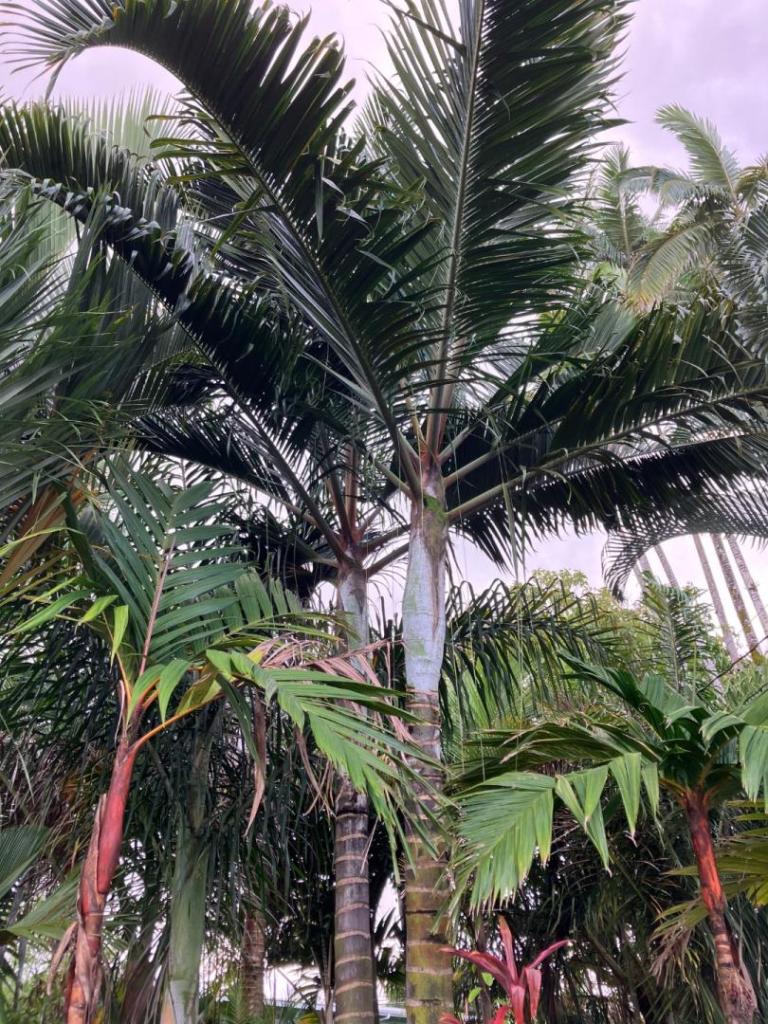

 2 points
 -
 2 points
 -
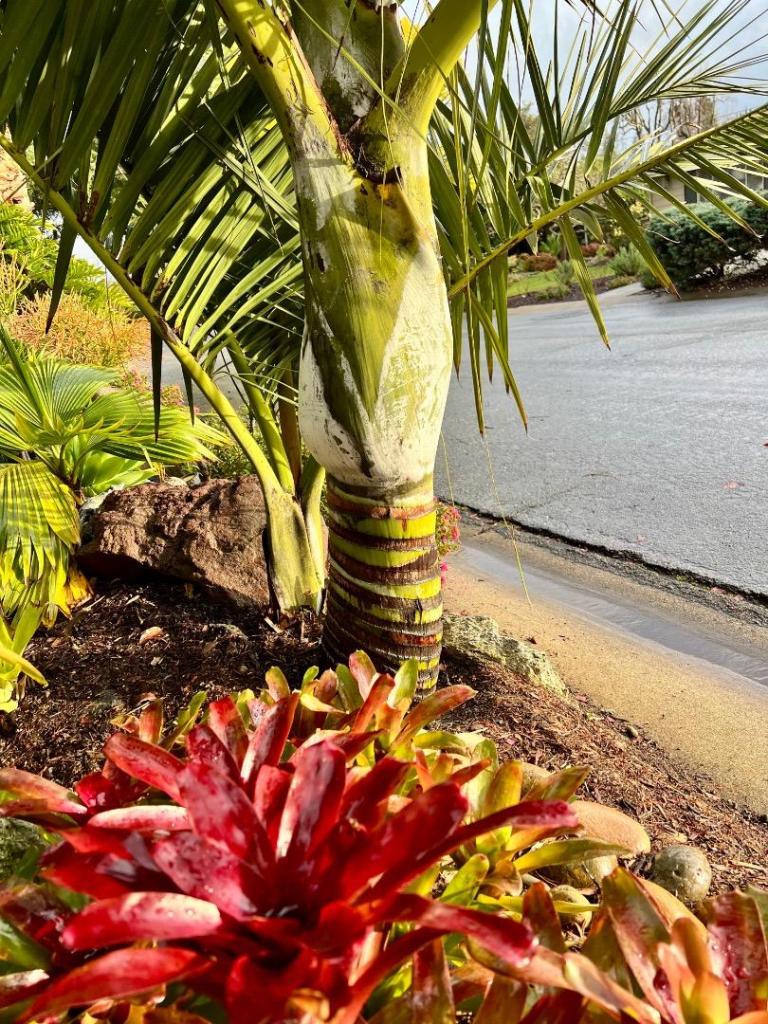
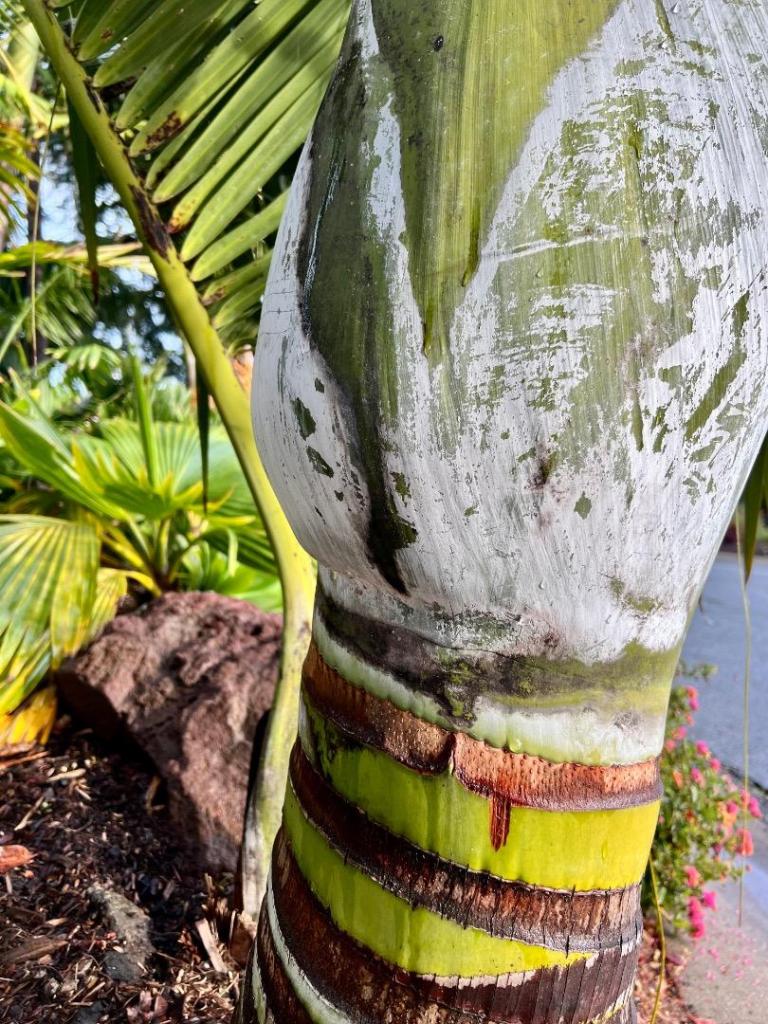
 2 pointsThe bulging crownshaft on this almost twenty year old Chrysalidocarpus decipiens makes me think there’s something good lurking underneath it. Could it be about to produce an inflorescence? Will have to wait ‘til the attached frond dies and falls off.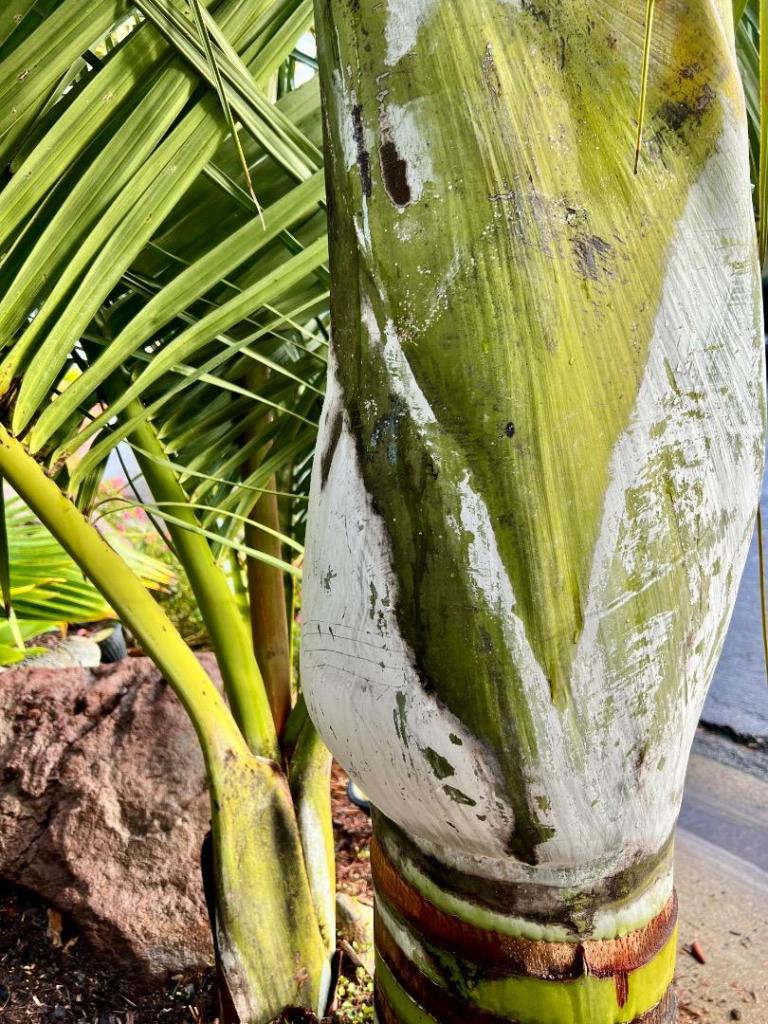
 2 points
 -
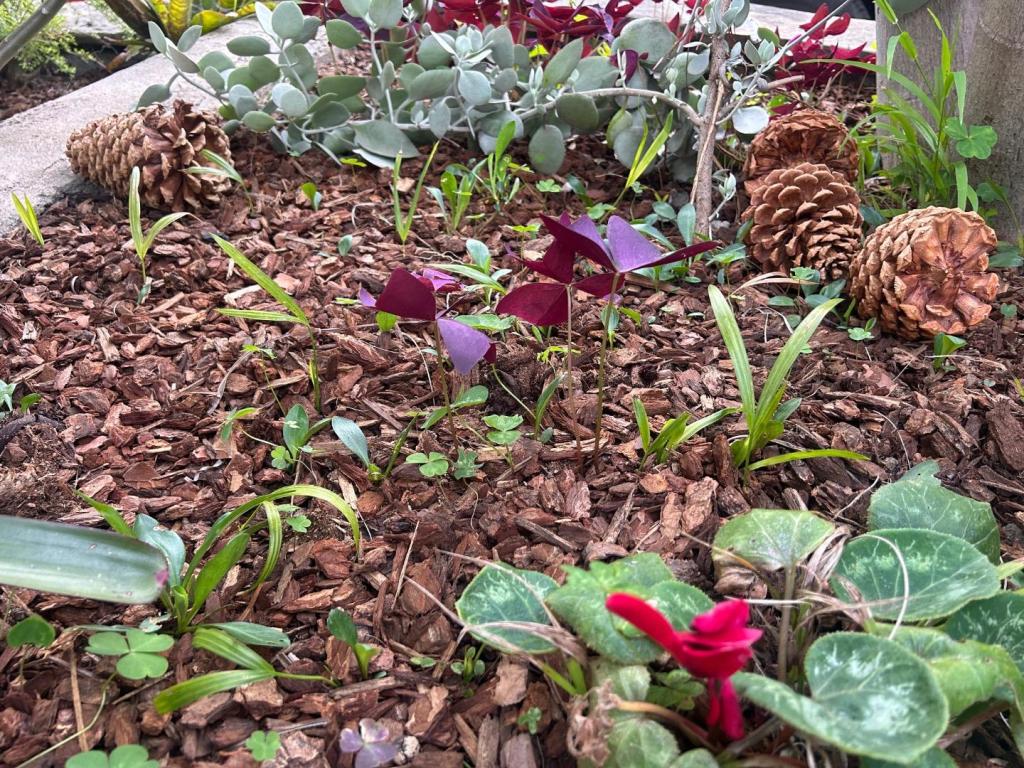
 2 pointsThe sign of a mature garden: Crysalidiocarpus onilihensis and/or Burretiokentia dumasii; both seeding profusely overhead.
 2 points
 -
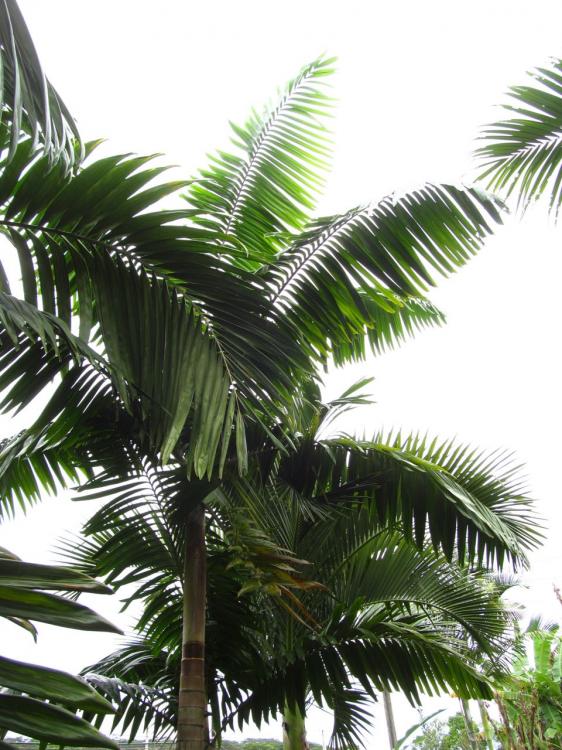
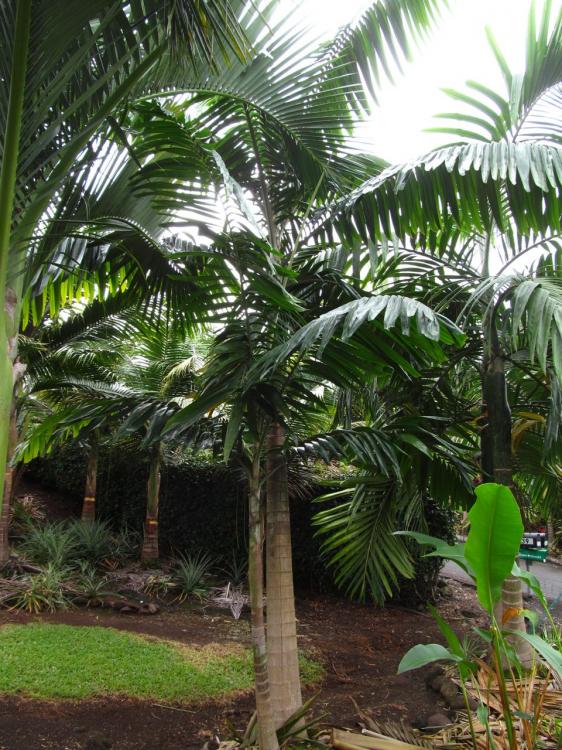
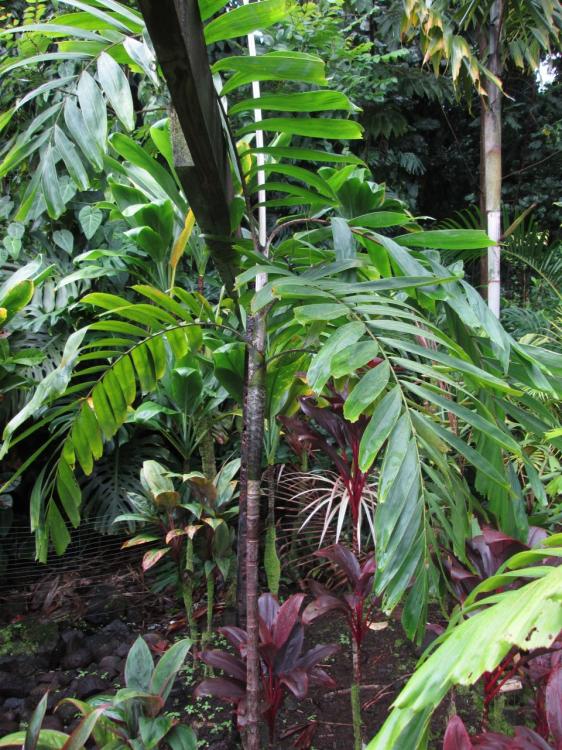
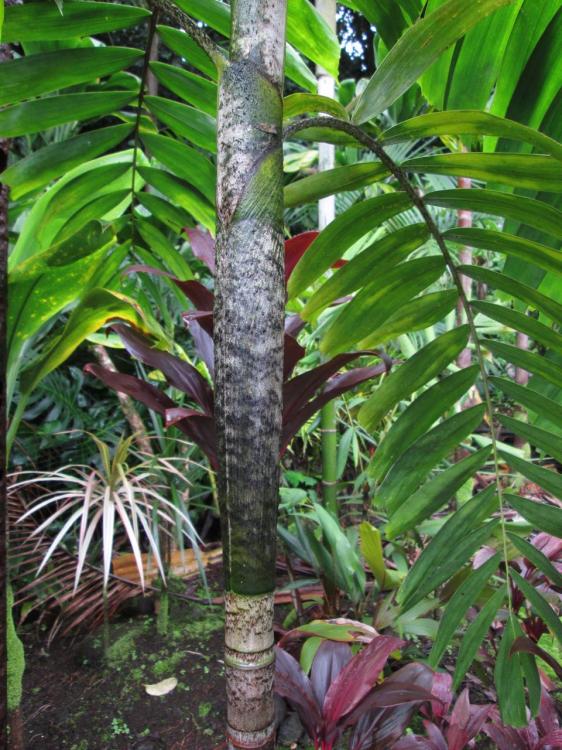
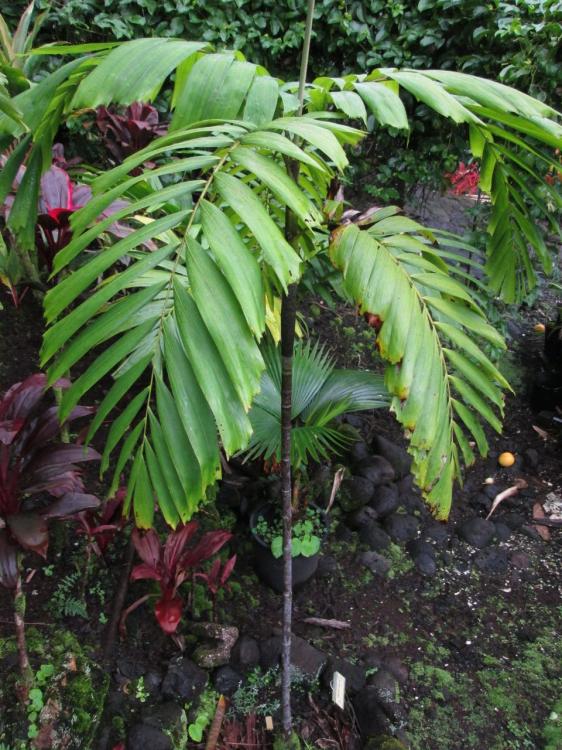
2 pointsLast one. V. joannis. Another beautiful species, pendant leaves are the feature. The crownshaft not near as nice as V. arecina in my opinion. Growth pretty much the same as V. arecina. (this spell check is driving me nuts, gonna have to check into that) Hard to get a good photo of this one, but it's finally starting to have a presence. Tim
 2 points
 -
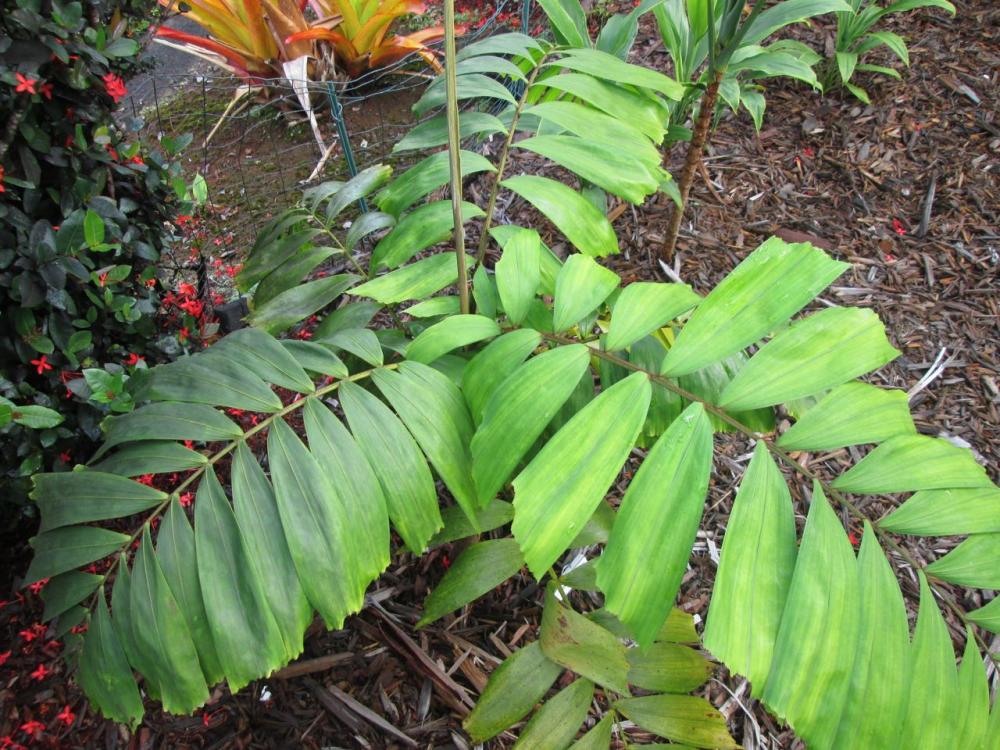
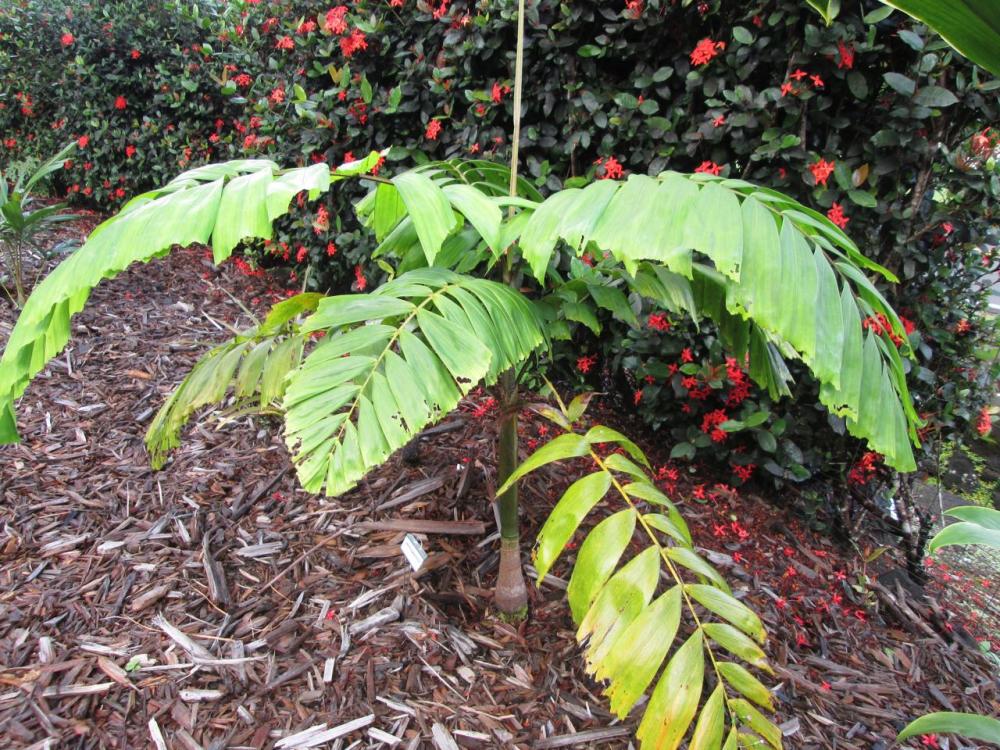
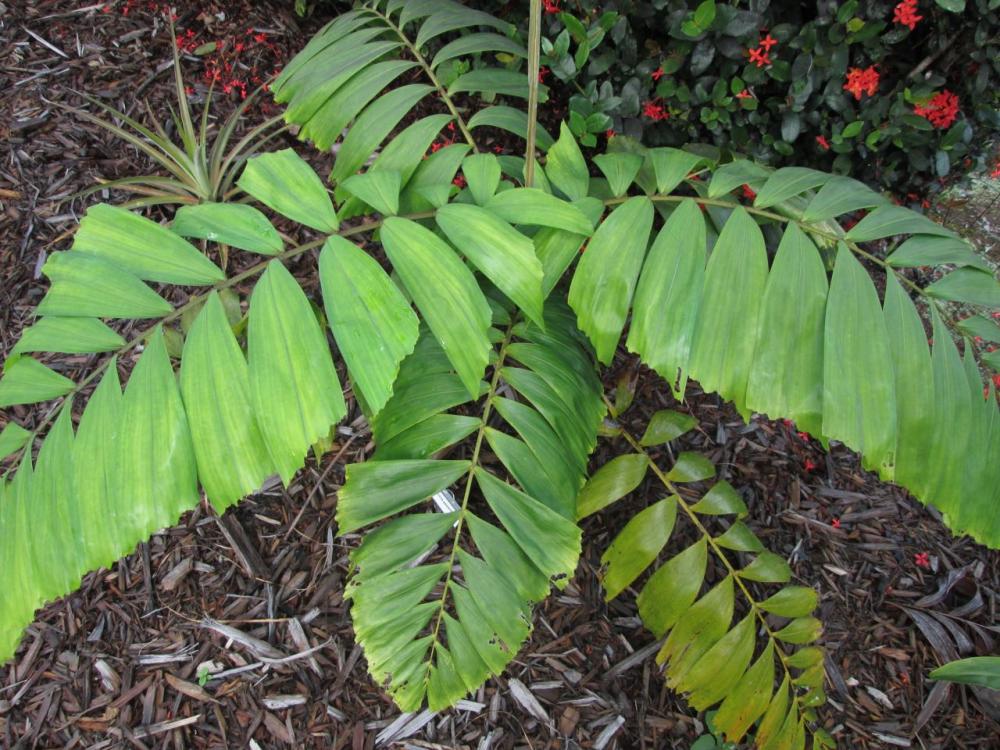
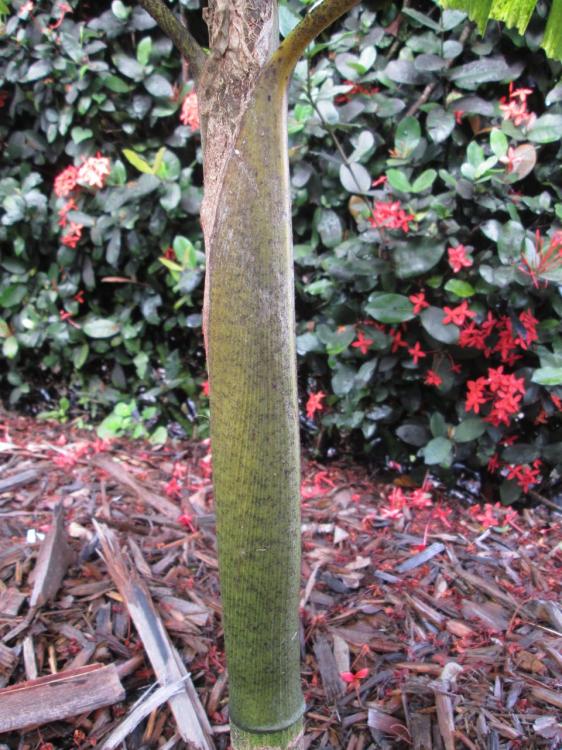
2 pointsV. sessifolia. Another small palm and looks similar to V. vitiensis. Even slower and more fragile than V. vitiensis. I think I had six and managed to lose five of them. This one pulled through and seems happy. Crownshaft not quite as nice as the others.
 2 points
 -
2 pointsV. vitiensis. Great little palm with a nice droopy habit. Good crownshaft color too. Got these back in 2011 as seedlings......somewhat of a slow grow and seemed a bit fragile in the beginning. I should probably get some more and fill out the grouping. Great leaf color. Small palm, good scale.
 2 points
 -
 So we all went through a cold snap throughout the entire state. I just thought I would share my observations of palm damage here in SWFL. Cape Coral zone 10b. I will only include my own palms and only the ones that are considered zone 10 palms. Two different temperature readings for the 3 days. One was found on line for Cape Coral recorded: Feb. 1st- low 36 high 52 Feb. 2nd- low 36 high 59 Feb. 3rd- low 36 high 70 This is Fort Myers recorded at Page Field, about 4 miles inland from me: Feb. 1st- low 34 high 51 Feb. 2nd- low 35 high 60 Feb. 3rd- low 35 high 70 First time I've seen frost since 2010. Feb. 1st frost spotty on roofs. Feb. 2nd spotty on roofs and on neighbor's car. Feb. 3rd saw it on the grass as well. Quickly melted all 3 days. On the 3rd, I saw the most frost. The only day I saw it on the lawn. I checked all 3 mornings. Both recordings are cold and we all had crazy windchills. So first a list of palms with no damage as of today, almost 2 weeks later. I did zero protection. No particular order: Chambeyronia houailou, Chambeyronia macrocarpa var. hookeri, Archontophoenix alexandrae, Dypsis lanceolata, Dypsis pembana, Ptychosperma schefferi, Ptychosperma elegans var. paddle leaf, Satakentia liukiuensis, Kentiopsis oliviformis, Pseudophoenix sargentii, Tri-bear, Hyophorbe lagenicaulis, Hyophorbe verschaffeltii. Chamaedorea cataractum, Leucothrinax morrisii, Thrinax radiata, Copernicia baileyana, Pritchardia hillebrandii, and a potted but rooted in the ground Licuala ramsayi. All of these palms as of today show no damage. These show some form of damage: Adonidia merrillii- premature leaf drop. Crownshaft color turns bronze, leaf still green but falls off. Seems to be just the oldest leaf or two. Other than that, they look great. Ptychosperma macarthurii- same type of premature leaf drop but also looks great. Premature fruit falling. Veitchia joannis- has some leaf tip browning from cold, dry winds and not a vibrant green. More yellowish green color. Looks good. Holding all leaves. Cocos nucifera maypan x dwarf green- lower and some mid level leaves show some brown tipping. More browning on the lower and oldest fronds. Looks good. No fruit drop as of yet. Cocos nucifera red spicata- just some lower leaf tip browning on oldest fronds. Looks great. Looks better than the other coconut. No fruit drop so far. And lastly which was expected. My Pritchardia pacifica aka fiji fan. All leaves burned but the youngest 4 or 5. Was expected. Will be fine. No spear damage. This should be listed as a zone 12a palm as it really doesn't like to go under 50*. Every year gets some lower leaf burn. All palms but the Chambeyronia houailou are mature. Even the fiji fan is sending up it's first inflourescen. Nothing was protected. Even palms on the south side of the house were hit with those winds. So just thought I'd share my observations in my own yard. I've also noticed the foxtails and carpentarias throughout town look fine, as well as the royals. One other thing. I DID NOT water for over 1 week before the cold spell. I turn my sprinklers off if the temperatures may fall near 40 in case of a frost. Can't keep them on all the time during the cold, so I play it safe. Always did this. My grass looks amazing too. 😄 Sorry for the long read if you made it this far. G1 point
 -
 Such an amazing palm! Thanks for sharing pics and distributing seeds a while back 🙏1 point
 -
1 pointThese should do fine in New Zealand. I barely water these and the top layer is sand overlaying peat. Absolutely easy care. They’re not slow when they’re happy.1 point
-
1 pointWell I’ve got about 15 in the ground so if there all one sex I’d be totally miffed. I planted them so they’d be good for seed production and at the rate they’re growing it won’t be decades away. When they do I will be sending you seeds. They will grow for you and you must have them.1 point
-
 Did you see the YouTube video where the guy tried to grow in pure Osmocote? I mean, I don't think I need to give you any spoilers here but his theory is that it failed because there was nothing to retain moisture and so much of it just fell out the bottom of the pot. I've always gone with the "less is more" theory - you're right on the watering. I mean, if you've had a plant long enough you can basically tell if it's dry by how much it weighs when you pick it up. Osmocote is popular because it's a slow release and it's almost impossible to overuse. There's also the Jobes plant food spikes. They just break down into the soil over a few months and they tell you how many to use by pot size. Adding some fish emulsion and/or liquid kelp or liquid seaweed every other watering isn't a terrible idea - stuff like this activates the bacteria that allow the palms to absorb the fert more effectively. I do not reccomend you use it at full strength indoors, unless you don't have a nose or buy Febreeze by the case. The soil you use plays a role, too. Lots of soils have fert and food built in, and you don't wanna overdo it and most peat based soil just turns into worthless dried out crap over time, and palms are so stupid about not telling you there's a problem until it's too late..... I can't really tell you what's gonna work best for you. I've used Carl Pool, the Jobes spikes, liquid fert, Jobes palm food (the pelletized 🐔 💩 kind, my dog found it delicious), now I'm using some Dr Earth stuff in some plants and I'm just using some cheap 4-4-4 slow release in others, I keep forgetting I've got Osmocote. I mean, there really isn't a one size fits all with pots. I personally disagree with the idea that more nutrients get leached out of pots, I might be wrong here - but it seems to me and my simple mind that more of the nutrients would stay in the pot unless you're just flooding them regularly. However, this ain't my background and I'm - there's no manual for this, all we can do is ask the people that have been doing it longer than us, because we learn how to grow stuff by killing stuff. At least now I'm down to killing stuff I grew from seed while it's still small instead of killing $150 plants. So basically I just wrote 8 pages to not give you an answer to your question.1 point