Leaderboard

Popular Content
Showing content with the highest reputation on 02/13/2026 in all areas
-
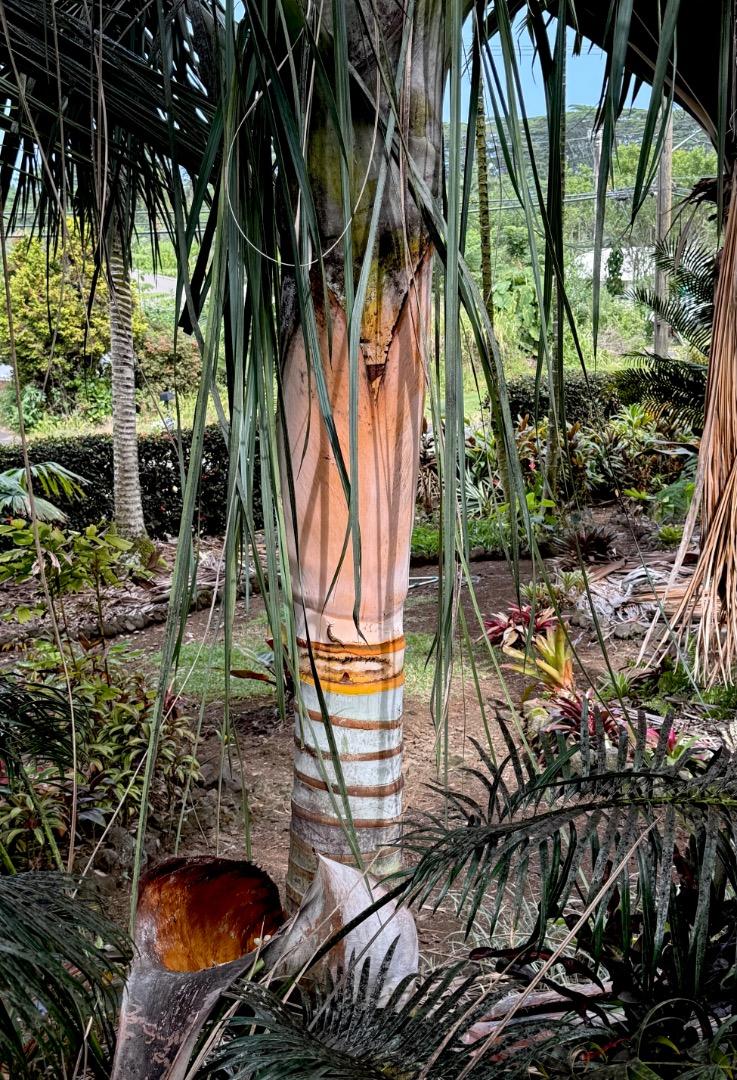
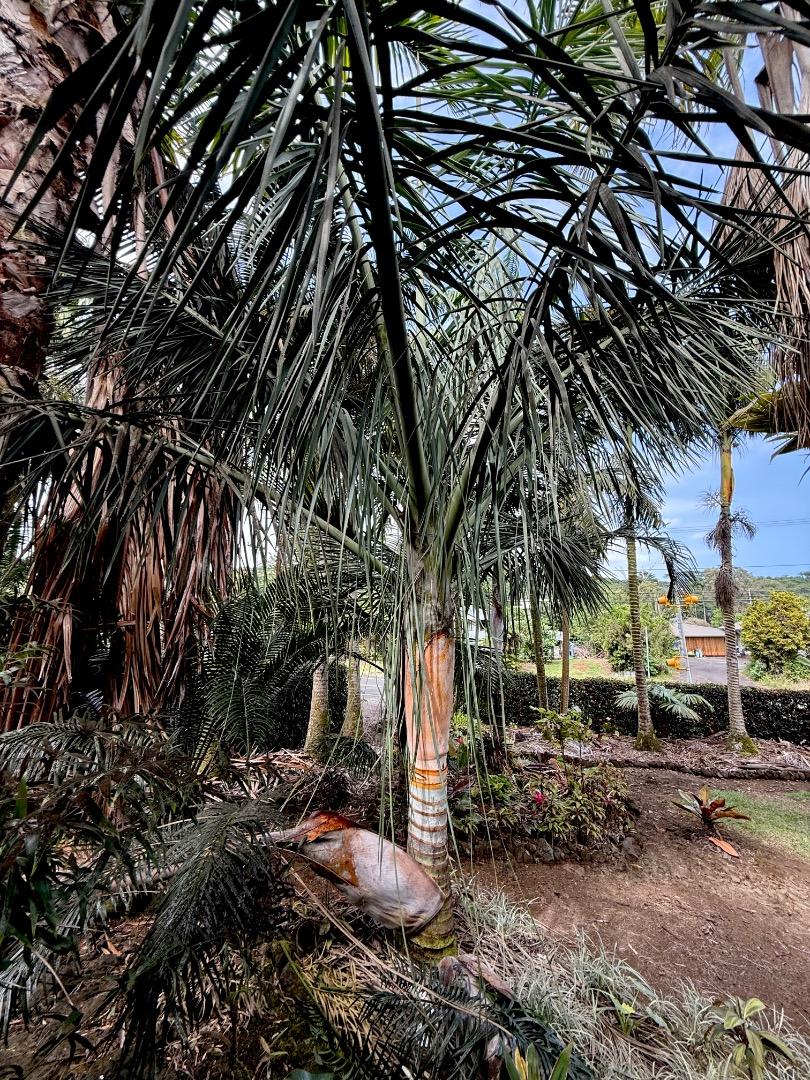
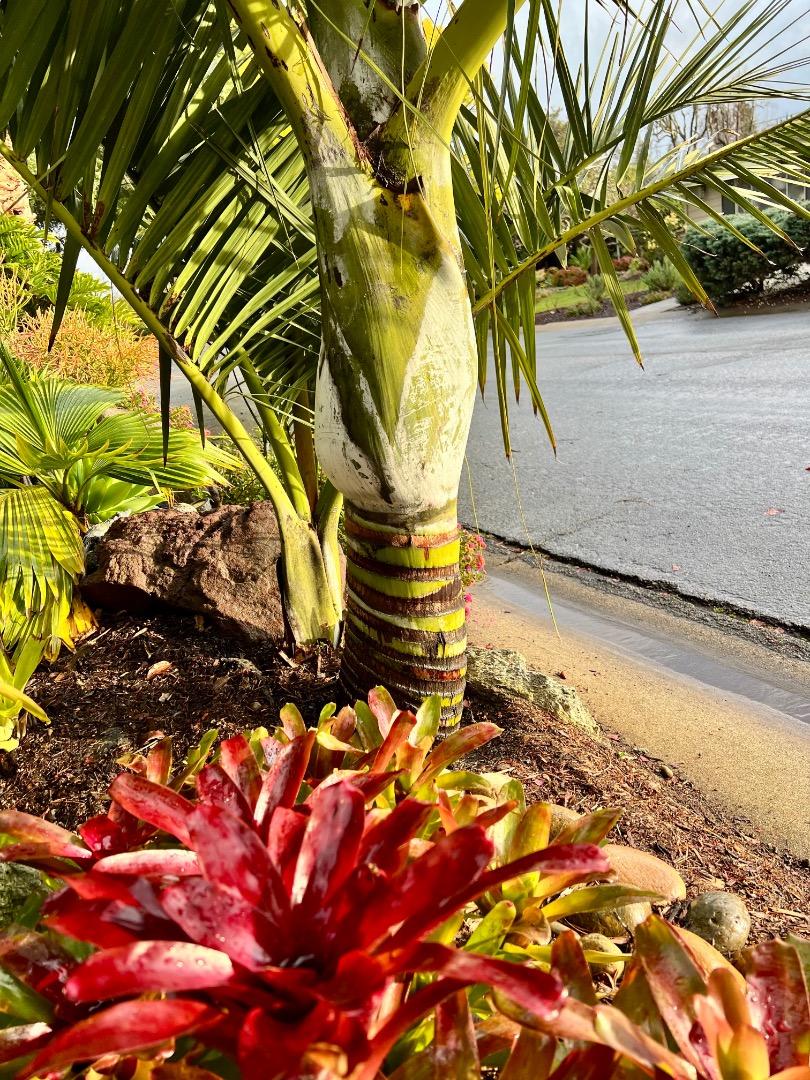
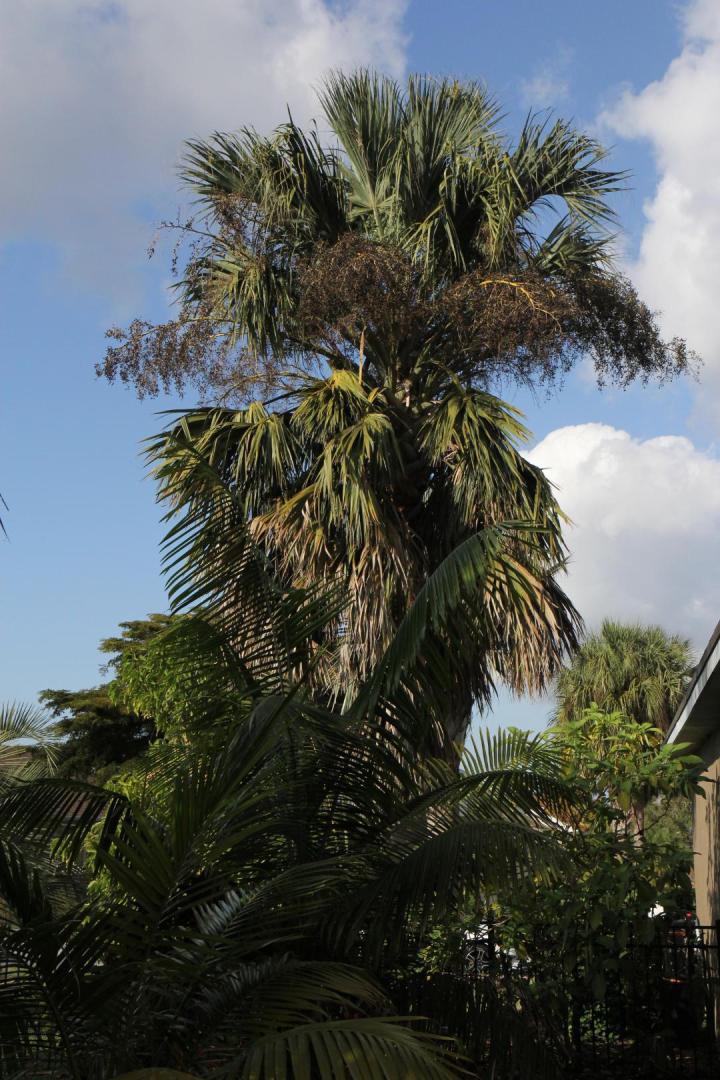
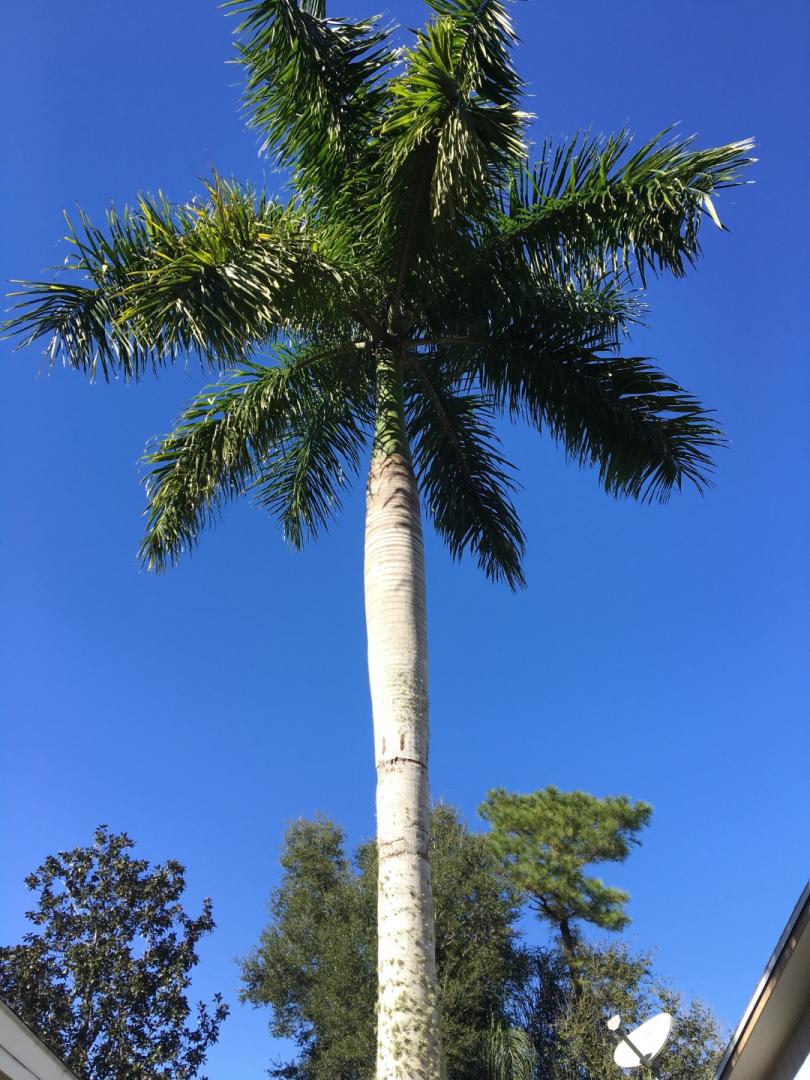
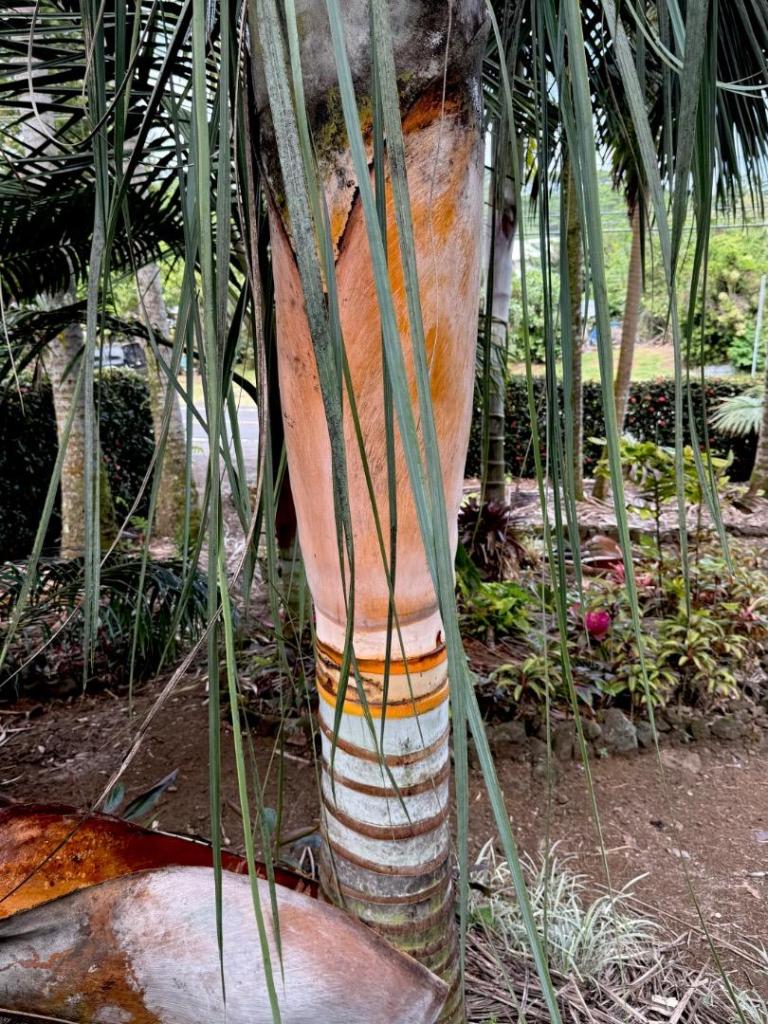
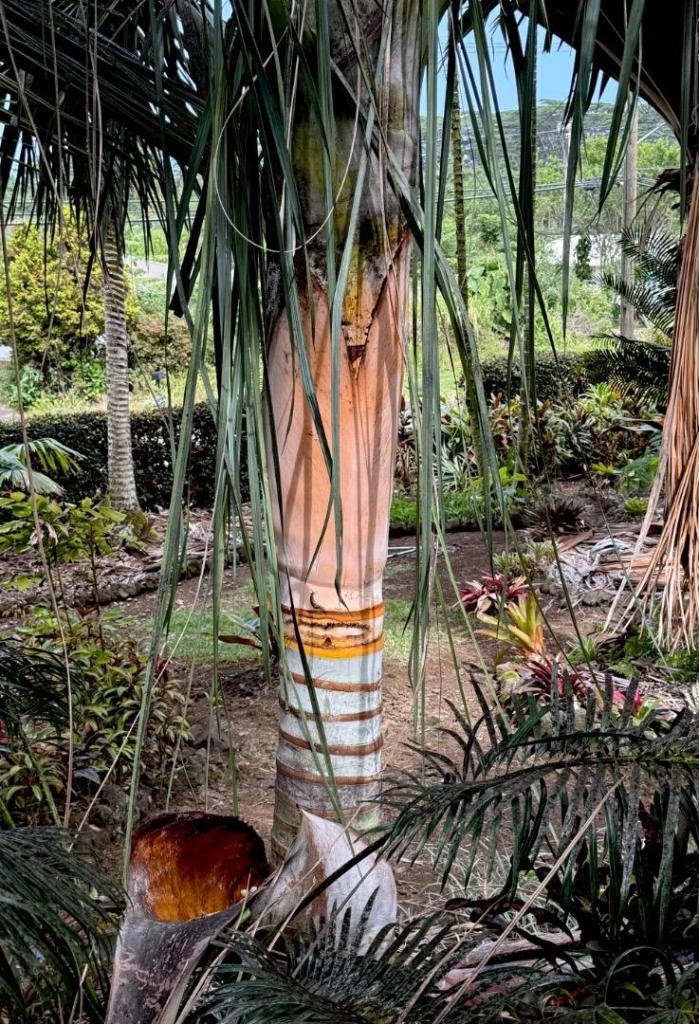
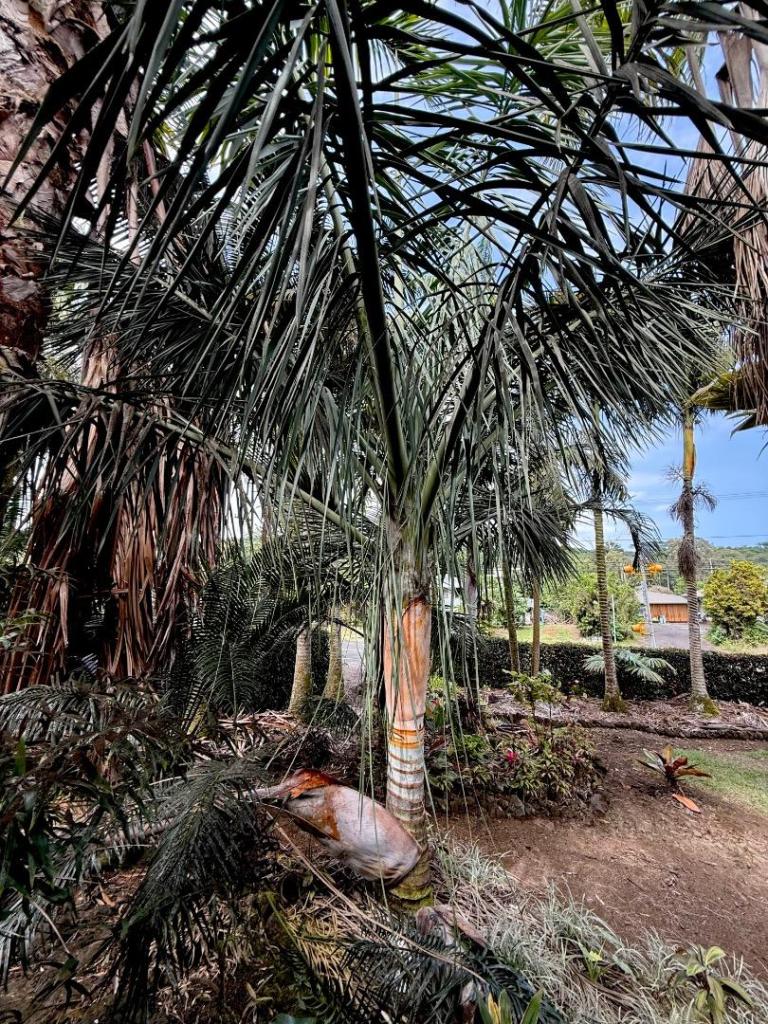
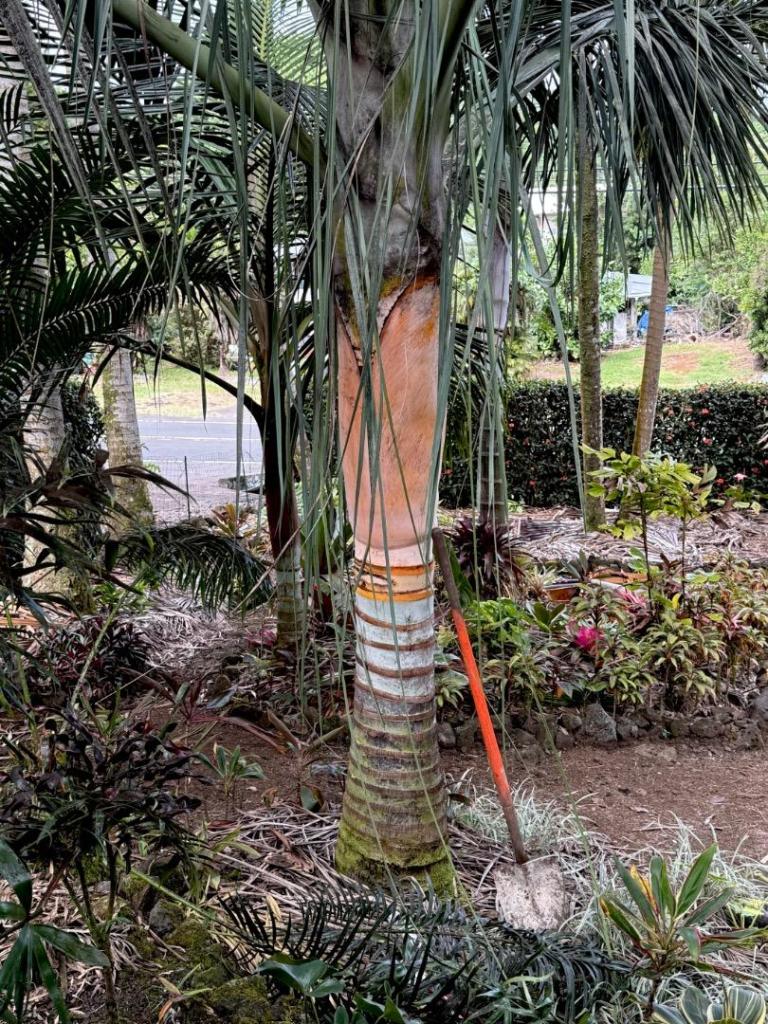
Really a magnificent palm. Stout, but not overly large, moderate grower, and good color especially after losing a leaf sheath. Prominent basal leaves on extraordinary long fronds add to the picture. Planted early 2012 from a 1 gallon. Tim
 9 points
 -
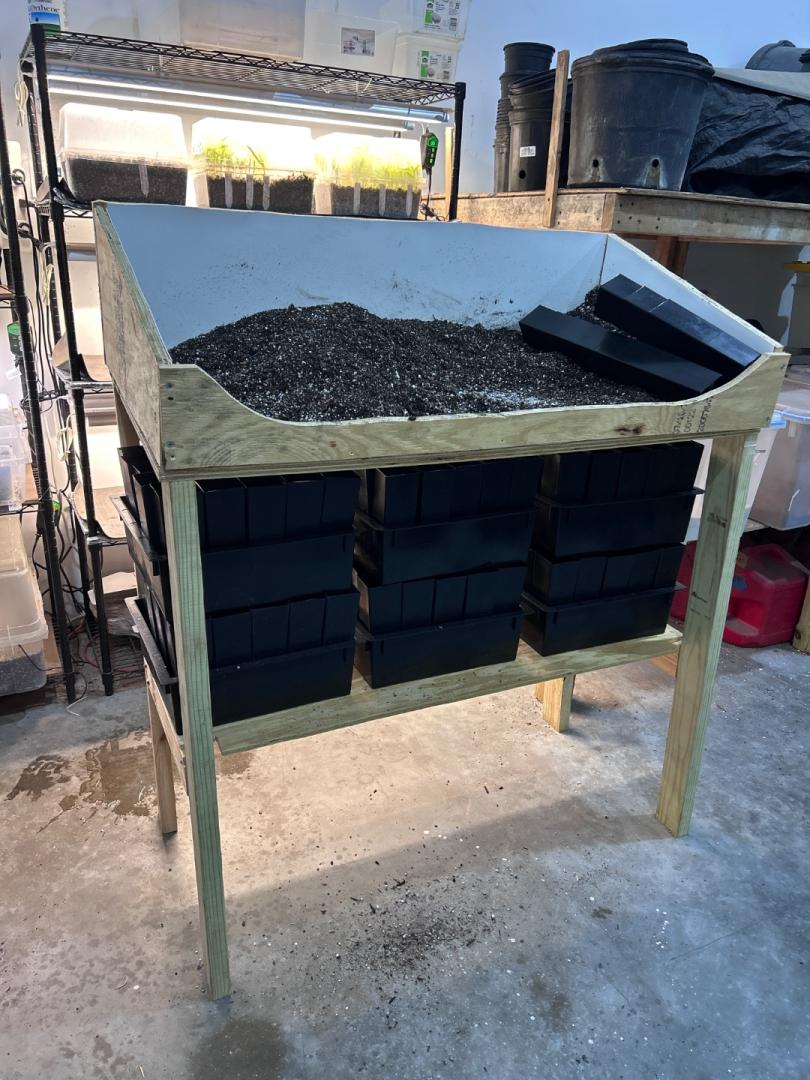
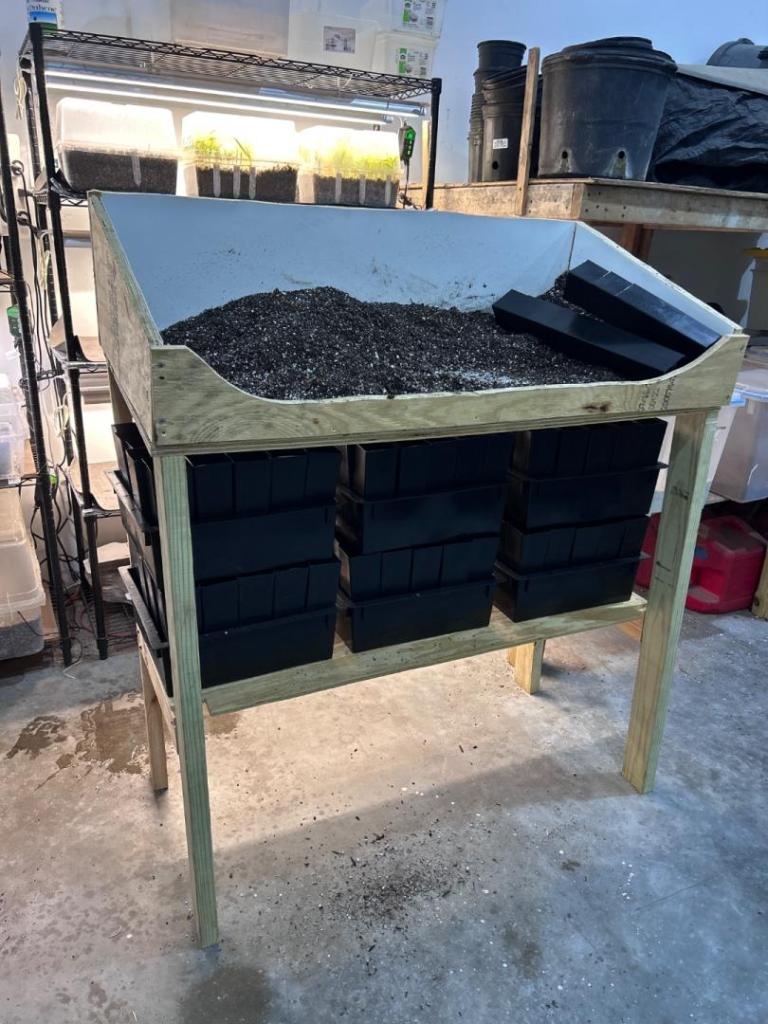
spent the last couple days building a new potting bench. Long overdue! I can sit on a lab stool and pot up now; much nicer on my back and neck. 😎
 4 points
 -
Planted in 2015 as a 5 gallon
 4 points
 -
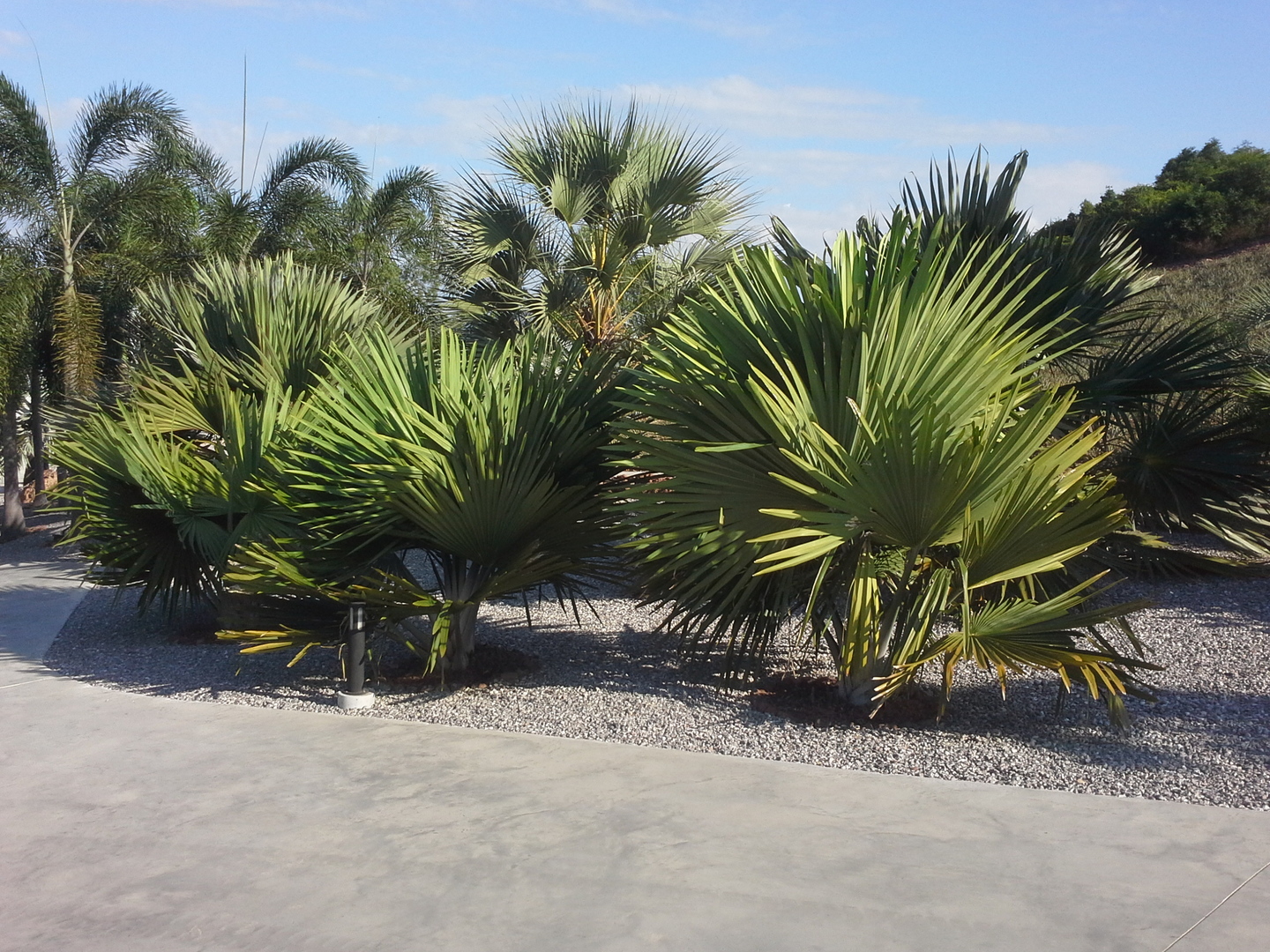
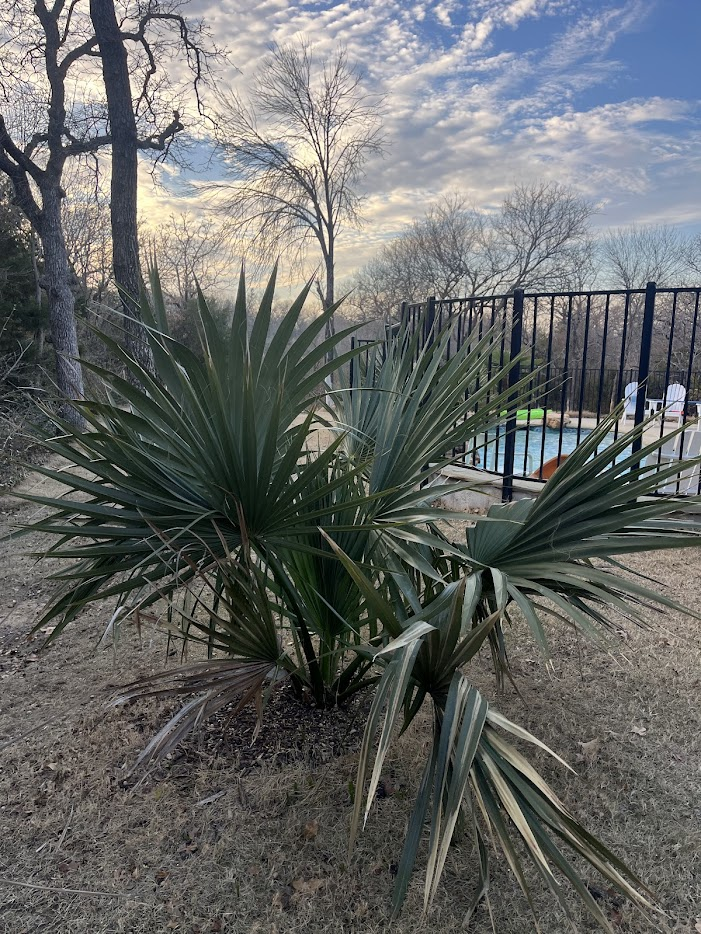
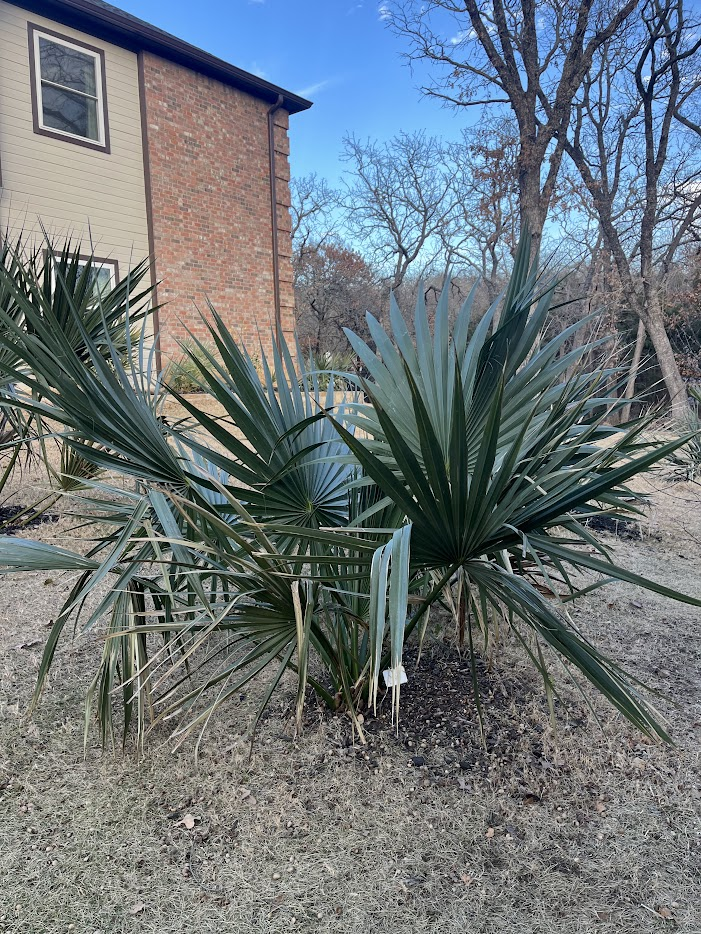
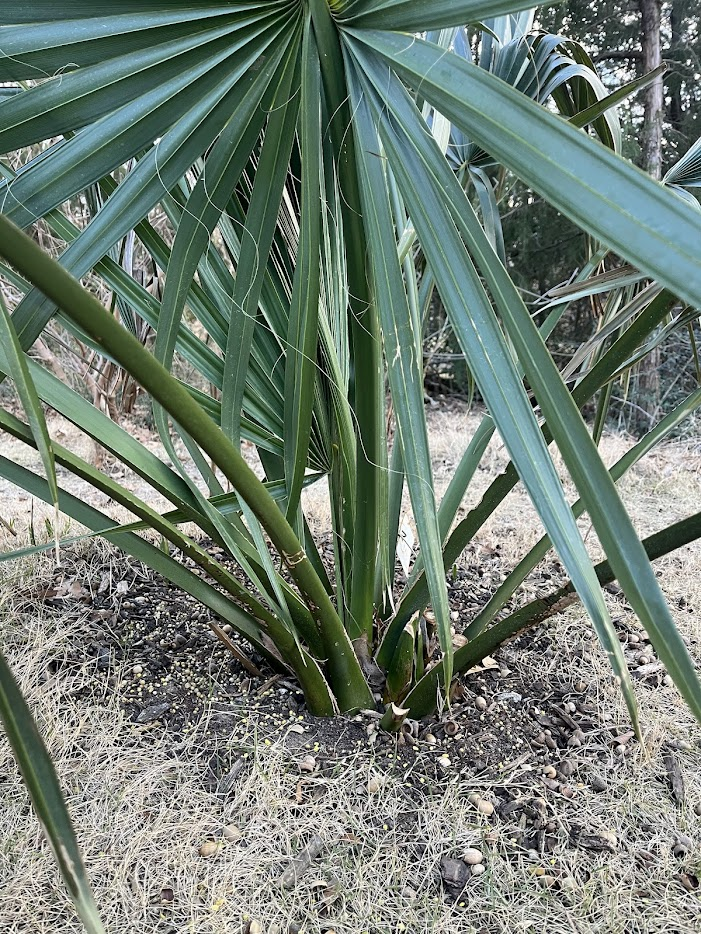
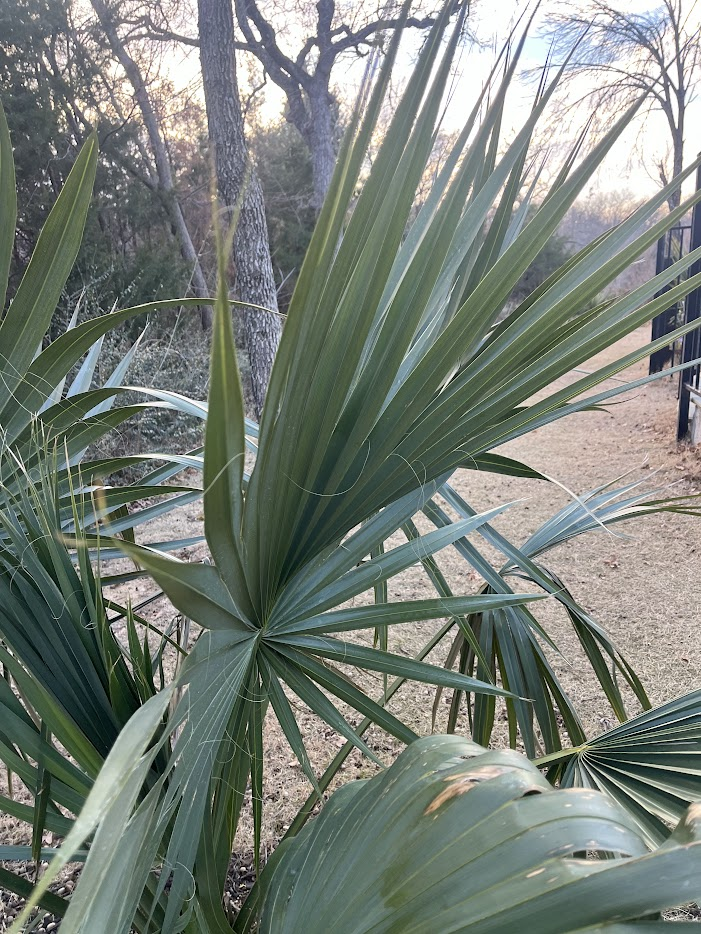
It's been a few years so figured I would update on our Sabal rosei. It handles cold extremely well and looks like it will start getting ready to push a trunk soon

 4 points
 -
If you have an hour or two of free time coupled with a chainsaw and a ladder I don’t see why you couldn’t just do it yourself and save a 2,3,400+$. I think a chainsaw would cut it up decently quick as long as the trunks aren’t thicker than average. You could always just keep the trunk chunks, dry them out, and burn them as firewood later on. Also personally I wouldn’t bother digging up the stump/root zone if you don’t have to. A lot of extraneous labor for something that can easily be covered up with a few flowering bushes and mulch. Unless you plan to plant a new palm in the exact same spot I would just let nature do the decomposition for you.3 points
-
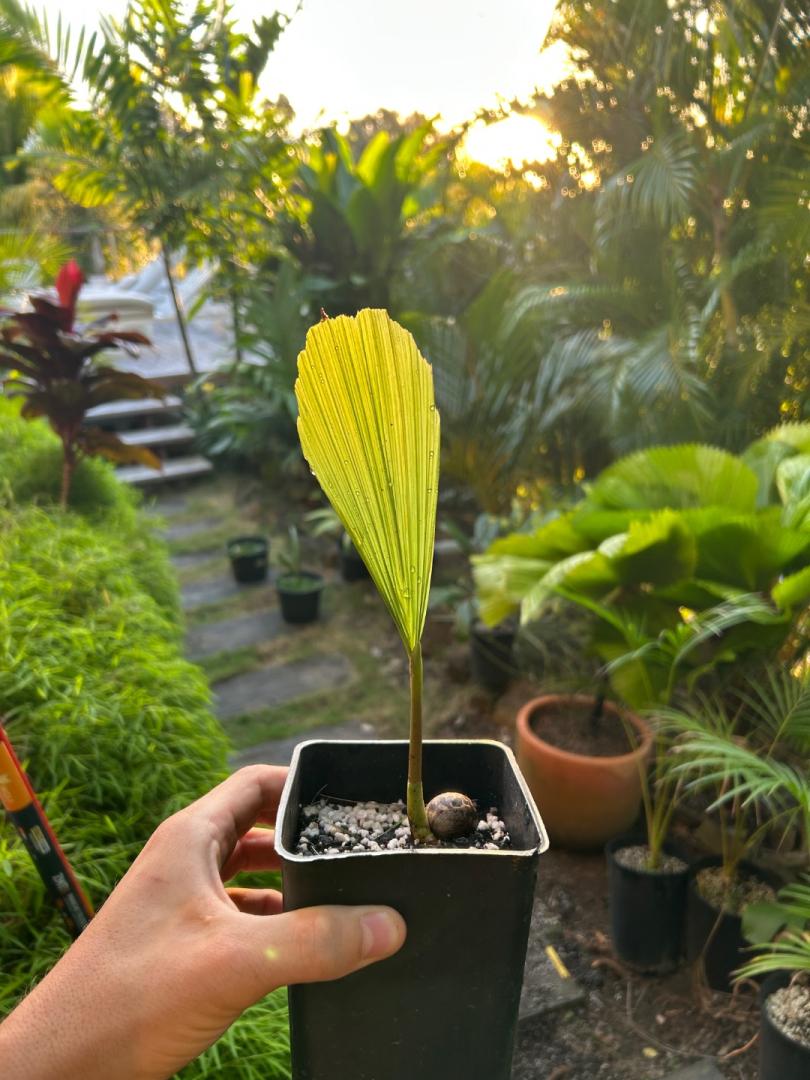
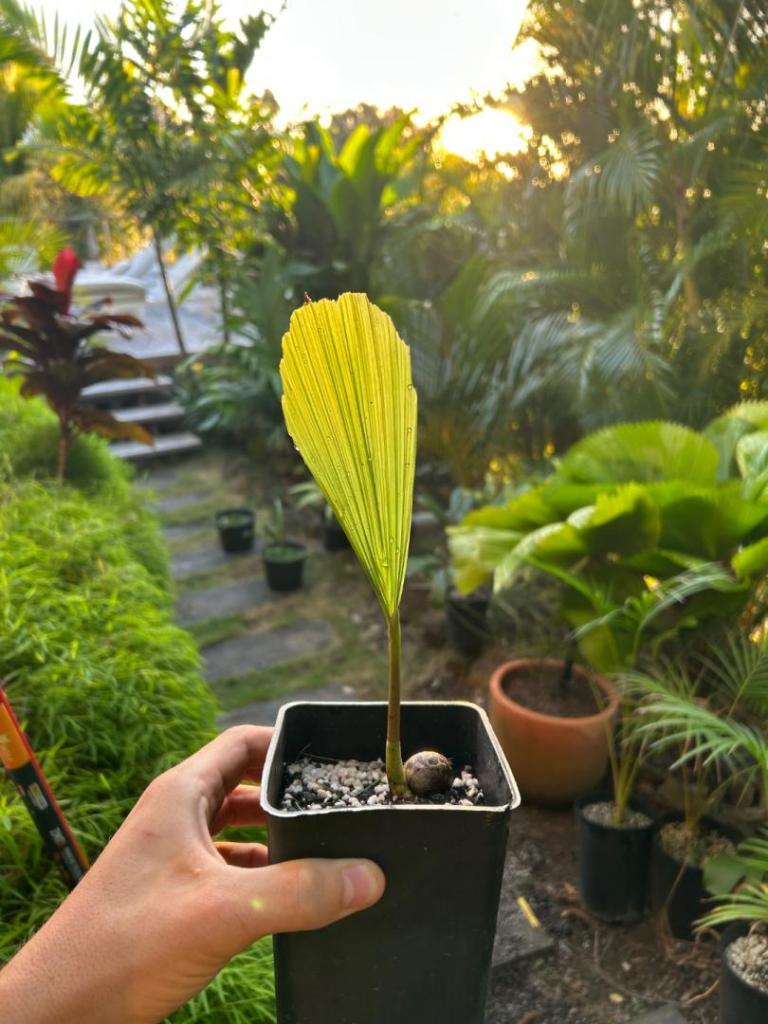
After a few months : dictyocarium lamarkianum first leaf !
 3 points
 -
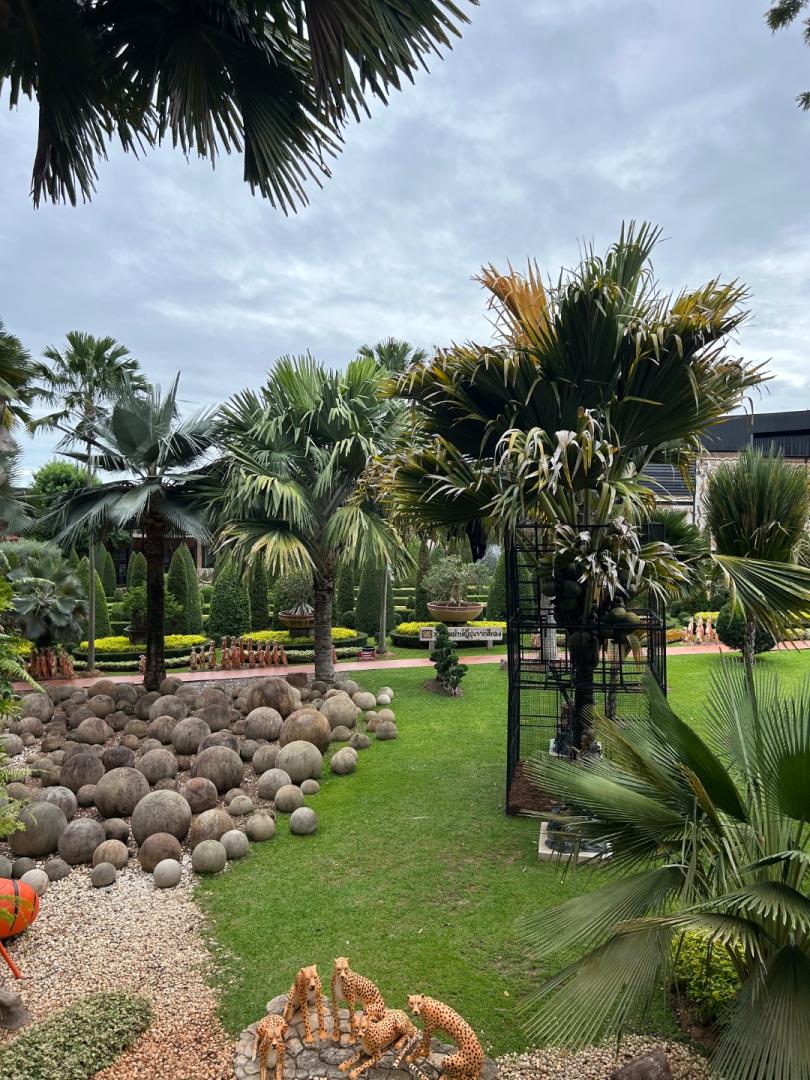
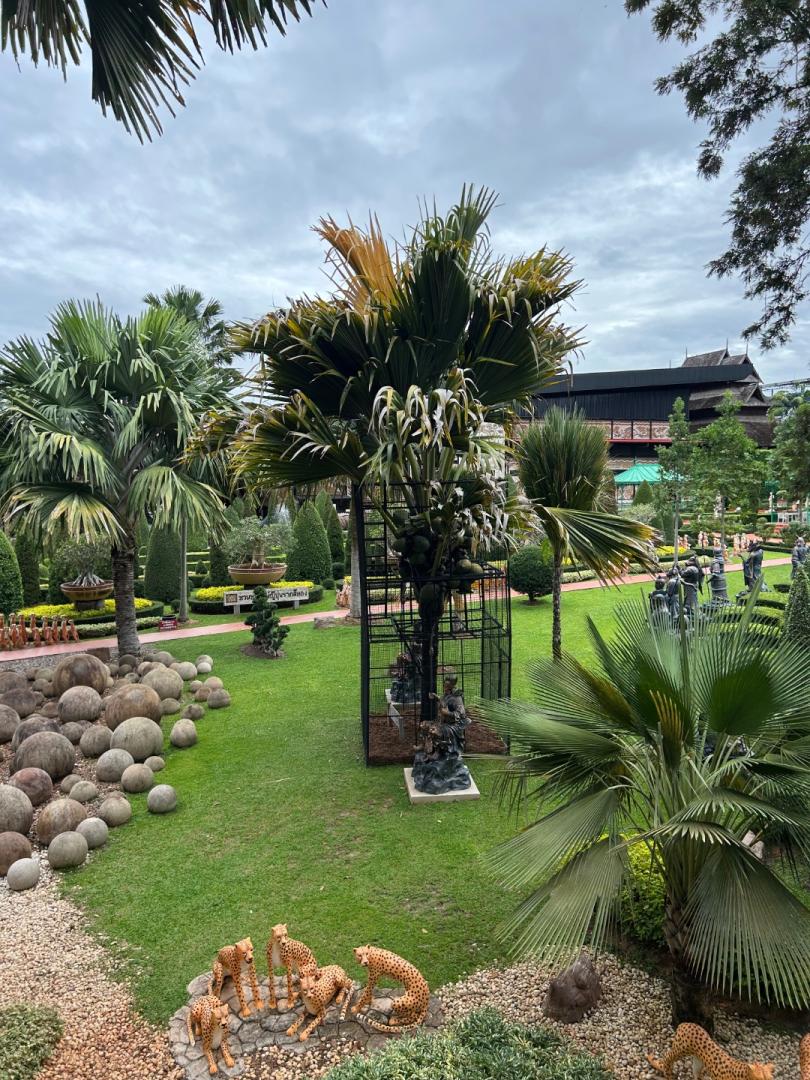
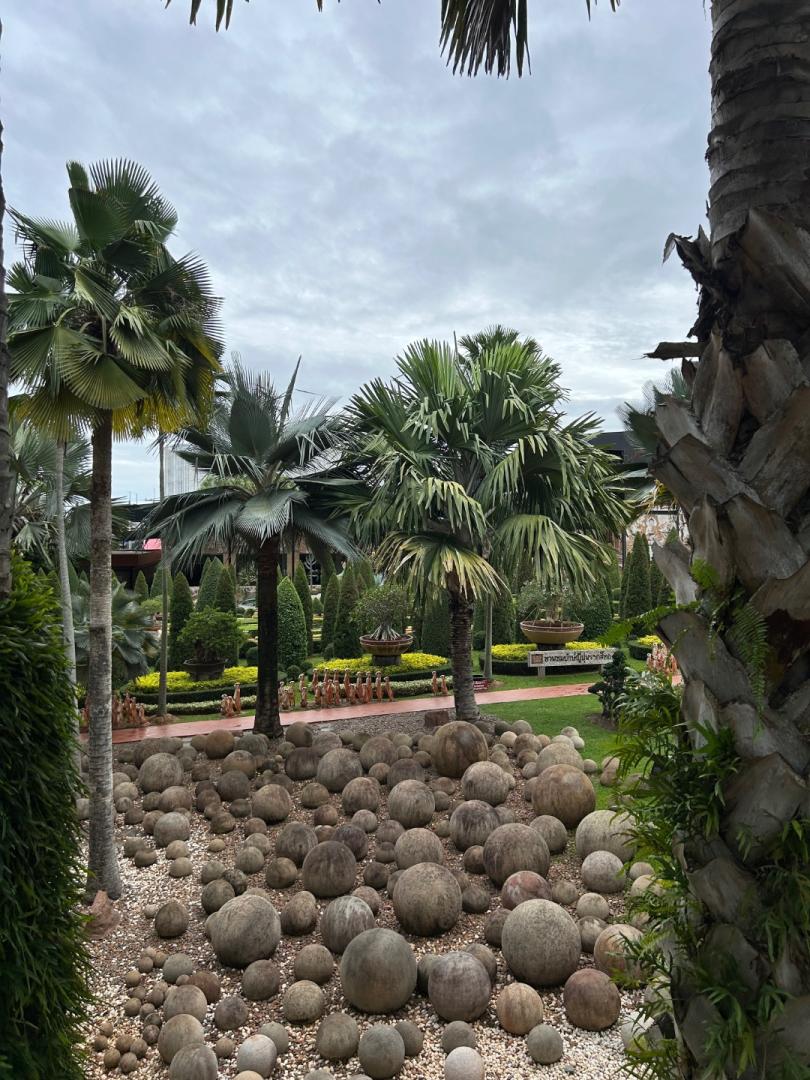
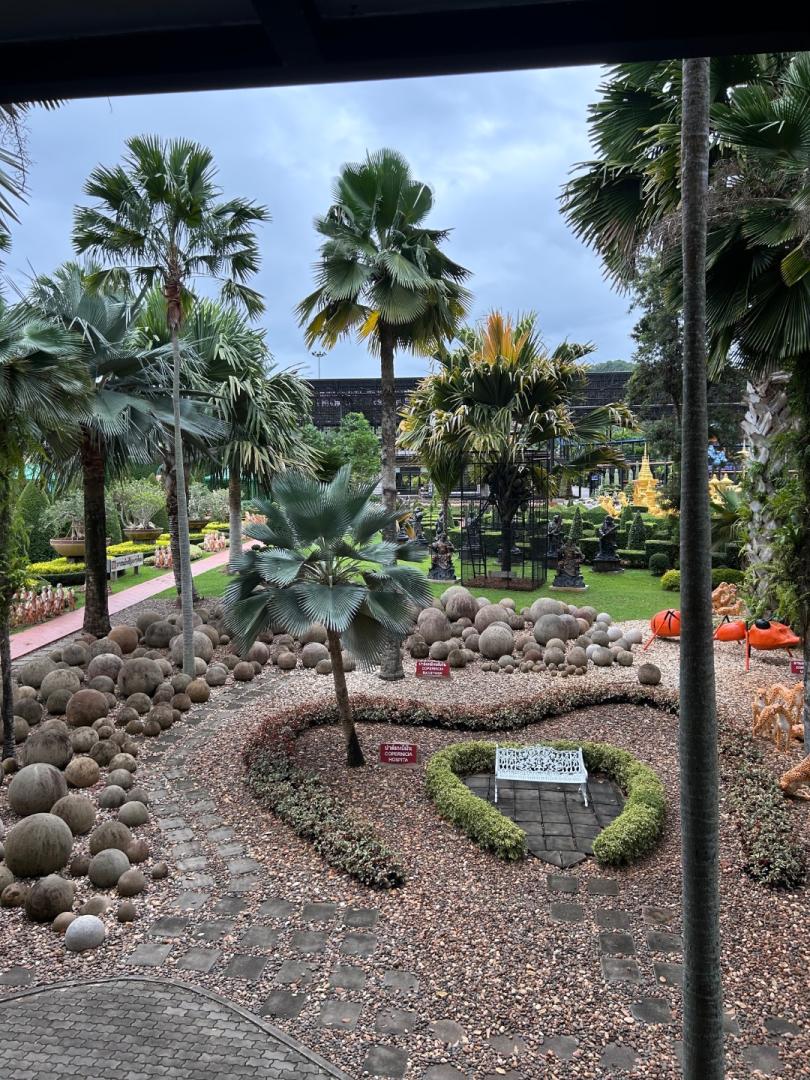
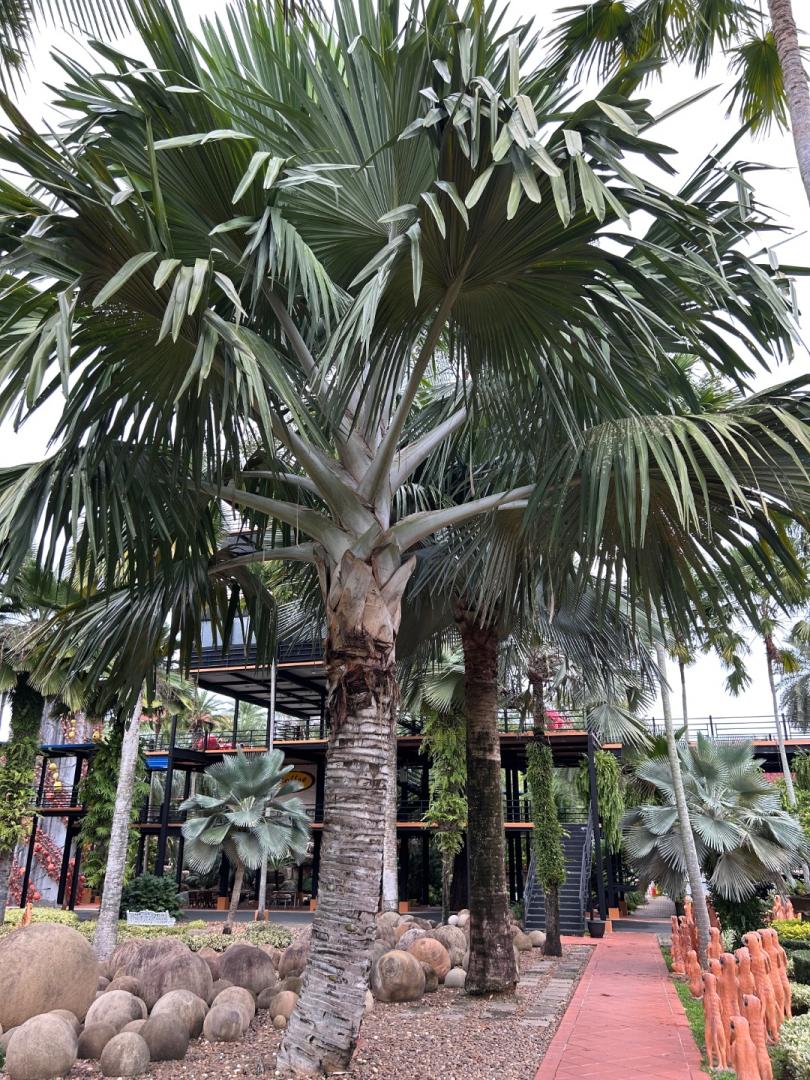
Maybe this is a useful addition to this thread… I recently visited Nong Nooch gardens in Pattaya Thailand. I was lucky enough to see all of Tahina, Lodoicea, Corypha utan, C umbraculifera, C lecomtei, Borassus flabellifer, aethiopum, Bismarckia and many Copernicia species all at their ultimate girth and crown size. Of course there will be variation between specimens, but it seems like Tahina fits in with some of the Borassus sp and Lodoicea just behind Corypha umbraculifera in terms of crown size, maybe 90% of a healthy C umbraculifera. Tahina ends up a LOT bigger than any Copernicia or Bismarckia. All are so huge they kind of detract from the scale of each other, but these photos show the relative size of the specimens in this garden.


 3 points
 -
Next week, our hardy palm enthusiasts head for Vietnam. I can't make it this year but it doesn't keep me from learning more about the critically endangered palms in Vietnam. Vietnam’s vegetative biodiversity has been severely impacted by decades of war, rapid industrialization, and illegal logging. While the country has successfully increased its total “forest cover”, much of this is compromised, consisting of monoculture plantations (like acacia or rubber) rather than rich, biodiverse natural forests. The damage” in Vietnam is no longer just about the quantity of vegetation, but the quality of the ecosystem as well. Current problems include:· Fragmentation and “Empty Forest” Syndrome: While green cover exists, many forests are fragmented. Intense snaring and hunting have removed seed-dispersing animals (monkeys, birds, small carnivores) leading to “empty forests” (where trees and palms cannot naturally reproduce or move seeds across the landscape. · The Rise of Monocultures: Large areas have been replanted with exotic species like Acacia and Casuarina. These grow fast and provide timber but offer almost no habitat for native wildlife and fail to support the complex undergrowth found in primary jungles. · Endangered Flora: According to the 2024 Vietnam Red List the number of threatened plant species in general has risen to 656. · Soil Degradation: In areas like the Central Highlands and Coastal Dunes, the loss of original vegetation has led to severe soil erosion and a loss of the “seed bank”,…the natural store of seeds in the soil that allows a forest to bounce back… Vietnam is a biodiversity hotspot for palms, but many species are restricted to small “refugia”. The most critical locations for endangered palms include: Region Notable Endangered Palms Key Habitats Central Vietnam (Quảng Ngãi, Thừa Thiên Huế) Truongsonia lecongkietii, various Licuala species Steep, moist slopes in the Truong Son (Annamite) Range. Northern Limestone Karsts (Hạ Long Bay, Ninh Bình) Guihaia grossifibrosa (Dragon Scale Palm) Clinging to the sheer cliffs of ancient limestone "towers." Southern Highlands (Đà Lạt, Lâm Đồng) Pinanga and Calamus species Subtropical montane forests often threatened by coffee plantations. National Parks (Cúc Phương, Bạch Mã, Phong Nha-Kẻ Bàng) Multiple endemic rattan (climbing palms) Dense, undisturbed primary rainforests. You cannot rebuild without the original genetic material. Locating and protecting the remaining “mother trees and palms” is a top priority as they are sources for indigenous seeds. There needs to be a move away from commercial nurseries that foster monocultures. Local nurseries would focus on Framework Species by growing off a mix of indigenous trees and palms that grow fast and have big crowns to shade out weeds, nurture seedlings and attract seed-dispersing wildlife. Connecting fragmented patches of forest will also allow wildlife to move about dispersing seeds. This gives you a quick overview of how Vietnam is working to bring back ecosystems that were lost due mostly to human excess and war. Those of you going to the Vietnam biennial are taking a trip of a lifetime!2 points
-
I suspect in the coming months, I'll be counting the handful of 2026 survivors. Volusia didn't actually get that much colder than we did. Considering that it got down to 38f in Key Largo, 30F in West Palm Beach (with a good number of 28/29F readings from independent stations in that area), 26F in Port St. Lucie, 25F in Melbourne, and 24F in Merritt Island, you would have expected probably 19-21F range for Daytona beach, 17-20F for St. Augustine, and 15F or so in Jacksonville. However northeast Florida fared comparatively well. If that same air mass blew in more directly from the north, you would have seen the same mid 20's from Tampa down to Cape Coral, and probably 28/29F in Naples, single digits in the panhandle and low teens on the coastal bend. This topic I think could very well go into the "Freeze Damage Data" section.2 points
-
Before I ever saw the decora along IH-45 there was one along the feeder road of US-59 north of Porter not far from my sister's place. I collected seeds from it (around 2015) and looked for it many times after but it must have been taken out with the development in the area.2 points
-
Thanks! Every Sabal is different. Sabal maritima struggle even in 8b so they are not all tough as nails, but by and large as a genus they are. Another example of this whole story is look at the sabal antillensis and lougheediana. No one had any clue these were two wildly distinct species and they are but one island a part. Research is always changing, and what we find/understand is always changing so to just go by what was originally proposed or discovered without an understanding of things always changing is ludicrous.2 points
-
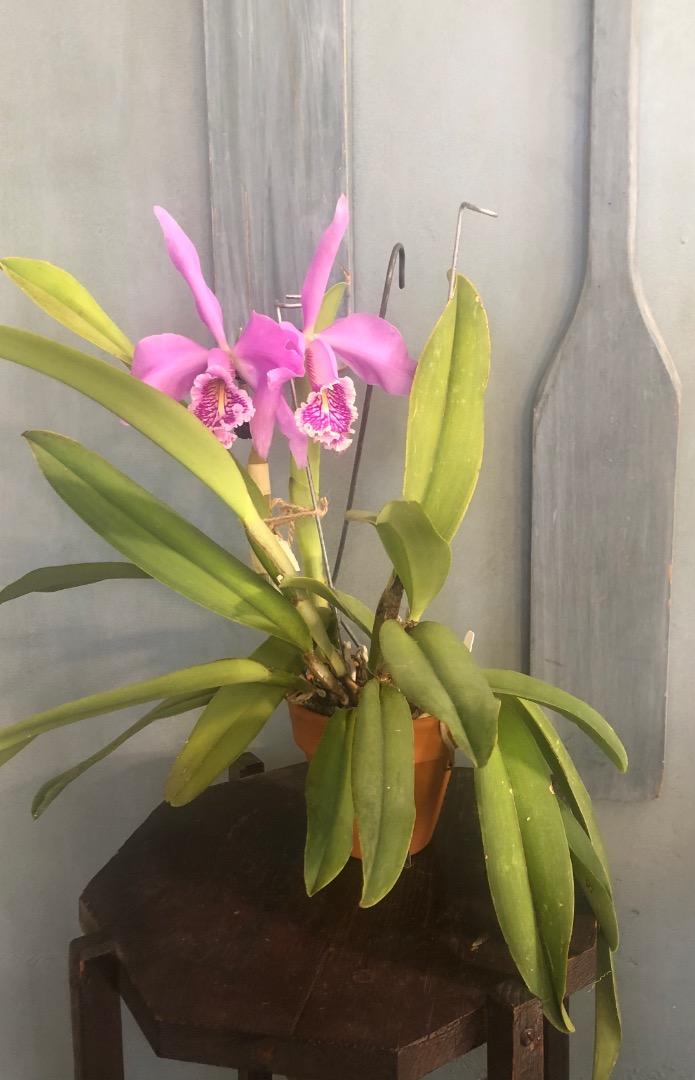
C. maxima x 'La Churonita.’ My first experience getting a maxima to bloom. One of the baggy babies I picked up from ecuagenera at the Cape Cod orchid show last year.
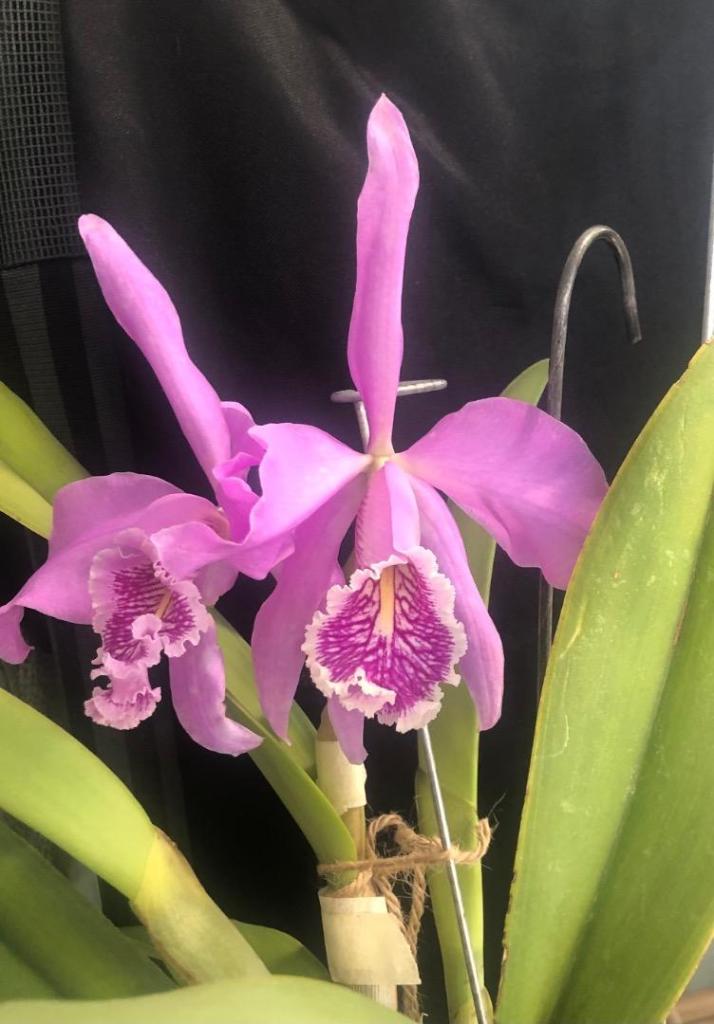
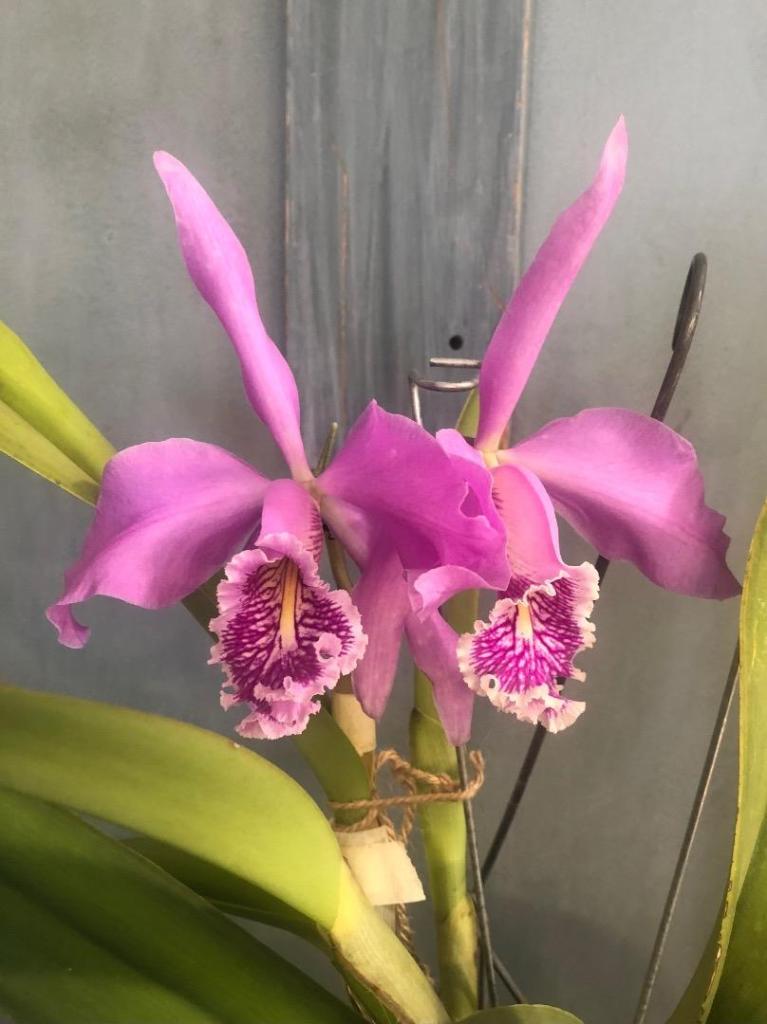
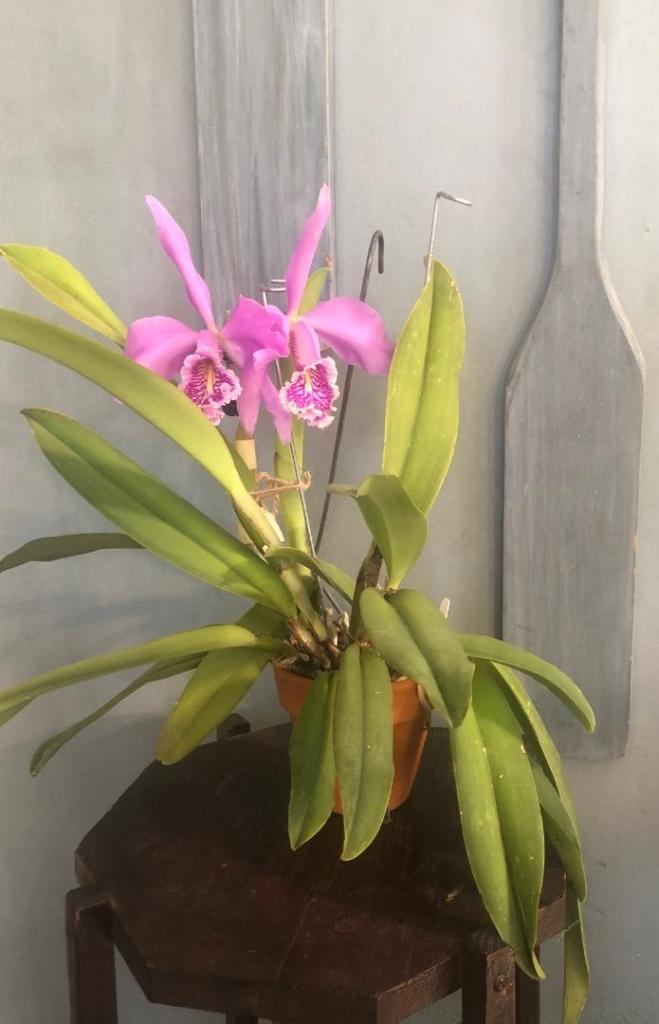 2 points
 -
Tim, Paul Latzias sent me those pictures above along with an C. ovobontsira sp. metallic the other week. I guessed they'd come from Hawaii, but had no idea they were yours. Really lovely palms. Paul also sent me this image the other day, which made me chuckle. From left to right, Michael Smith, Harry Edwards, Ben Allgood, Josh Sullivan, Bruce Lowe, and finally Paul.
 2 points
 -
It was so weird flying into Orlando on Monday after the cold front and just seeing brown everywhere from the plane. It felt like we were flying into Denver. It definitely looks like winter around here. I'll certainly be very glad to see some green soon! I'm surprised that those reclinata fronds burned so hard. I had always thought they were hardy but then again, the combination of winds and cold were awfully tough for these palms.2 points
-
At work near I-Drive, I was surprised a large group of reclinata are all yellow and brown. It is in an open field. It will be fine but wouldn't think 25ish would fry the fronds. As it warms, so much has browned around town. Looks so odd around Orlando.2 points
-
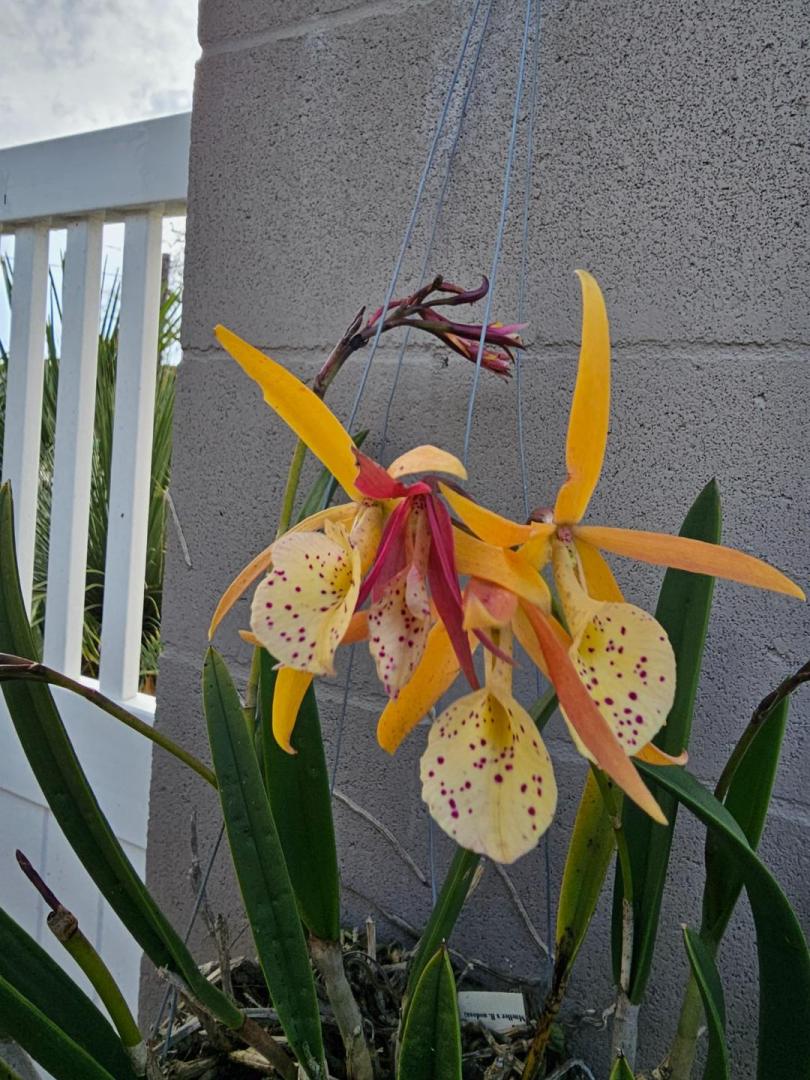
Brassavola mueller × nodosa is blooming again. It is interesting how the color changes from pink to yellow as the flowers mature.

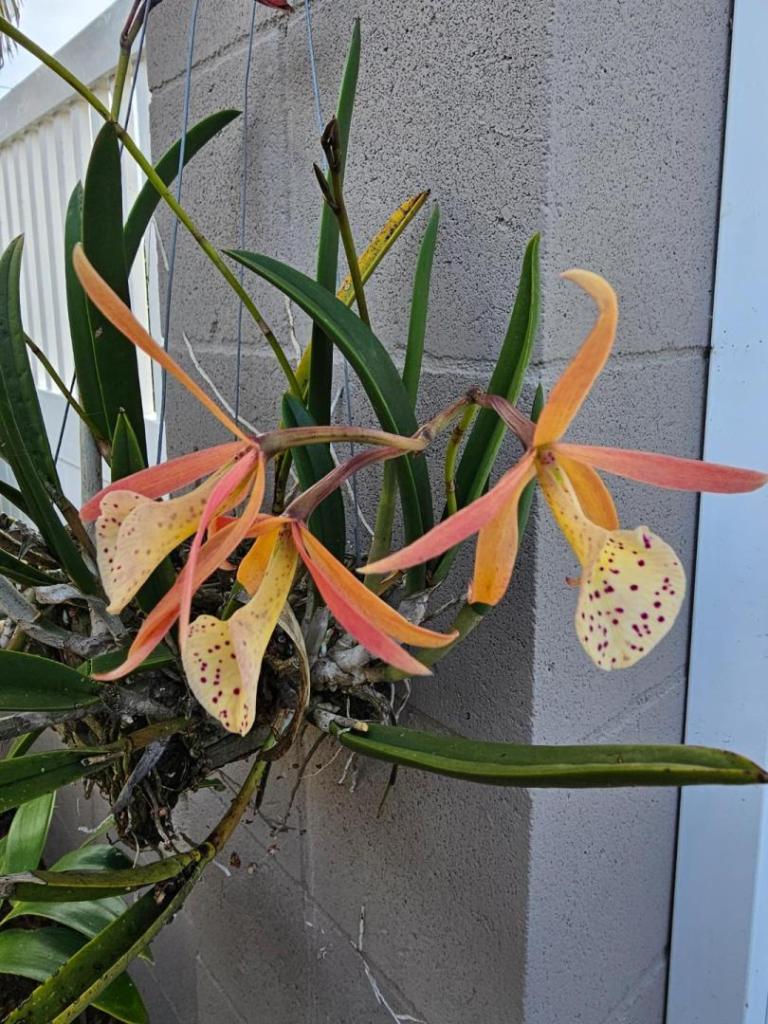
 2 points
 -
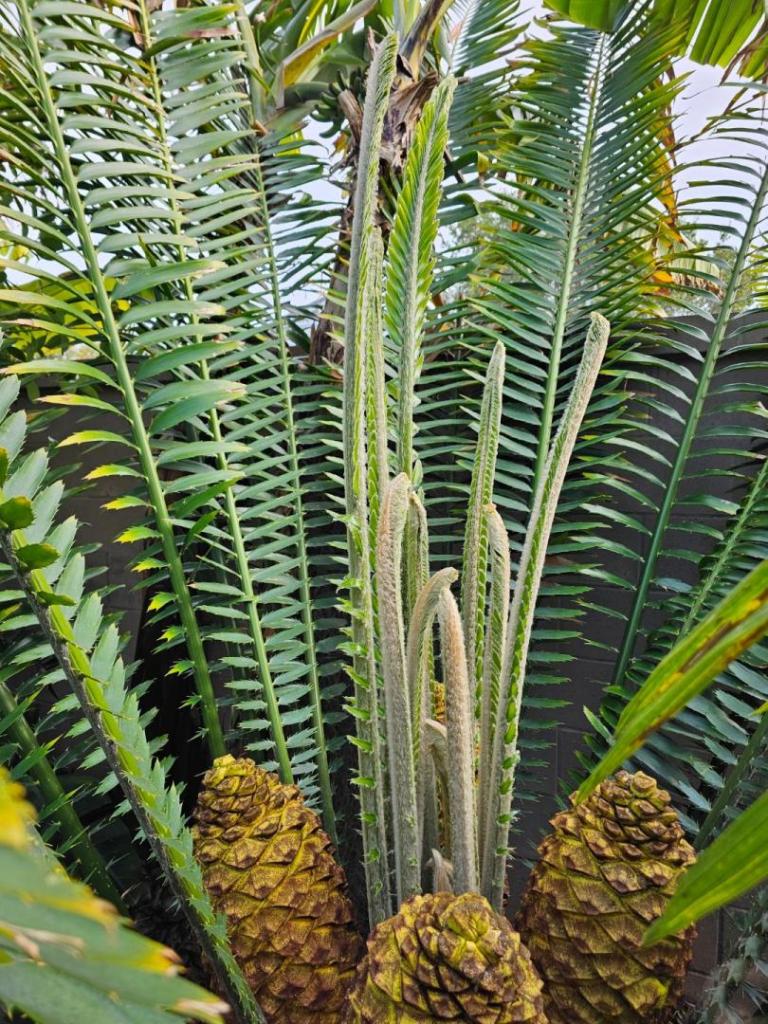
These mid winter flushes are so slow on Encephalartos genus. Rain and wind next week could wreak havoc on soft leaflets mid flush. Encephalartos laurentianus in my case.
 2 points
 -
Hope it makes it. We're all in wait-and-see mode.2 points
-
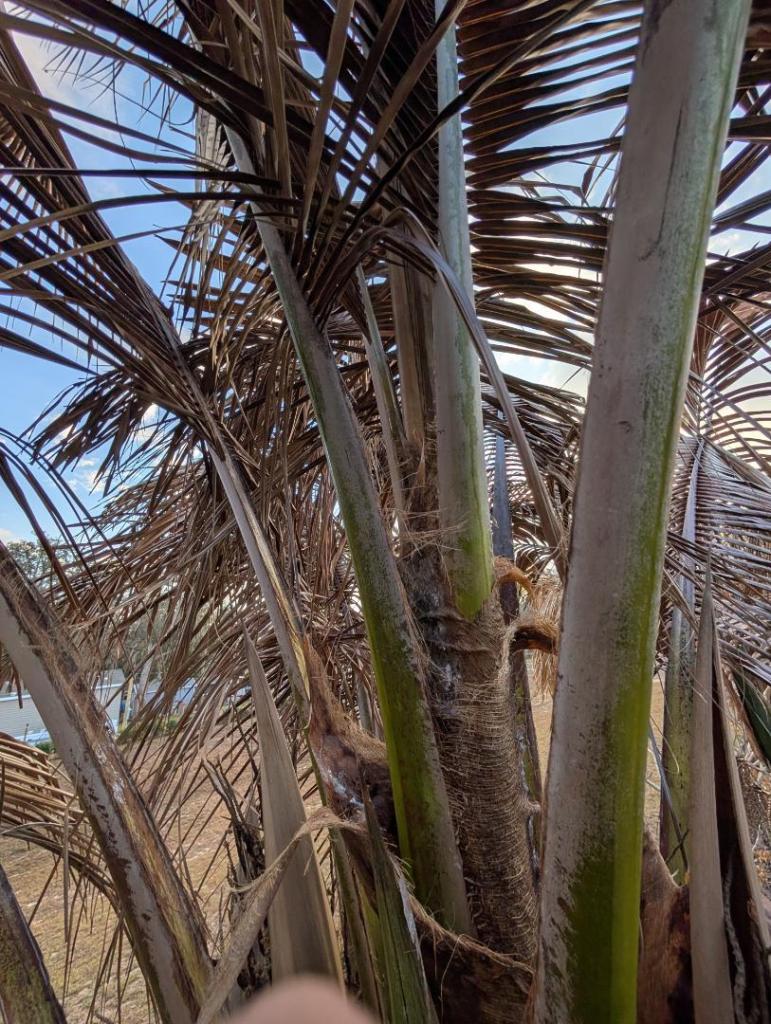
Still have plenty of green on this coconut. Trying to mark the spear to get an official read. Buccaneer is browning, starting to get a bit worried. I keep applying hydrogen peroxide and there's a minimal amount of bubbling. Everything else seems to be trying to push through. Just gave the plumeria a good prune to get off the squishy tips. I'd be surprised if it made it but honestly the wood looks pretty good so we'll see!
 2 points
 -
Here is the Live Update Link to the Vietnam Itinerary Brochure: https://drive.google.com/file/d/1lJnpjq_TKqmPs2liuA1zNABhWAXLJorU/view?usp=sharing2 points
-
It adds a nice color backdrop. Dave you saw this at Dorian's house when the Pam Society last visited his garden here in Leucadia.
 2 points
 -
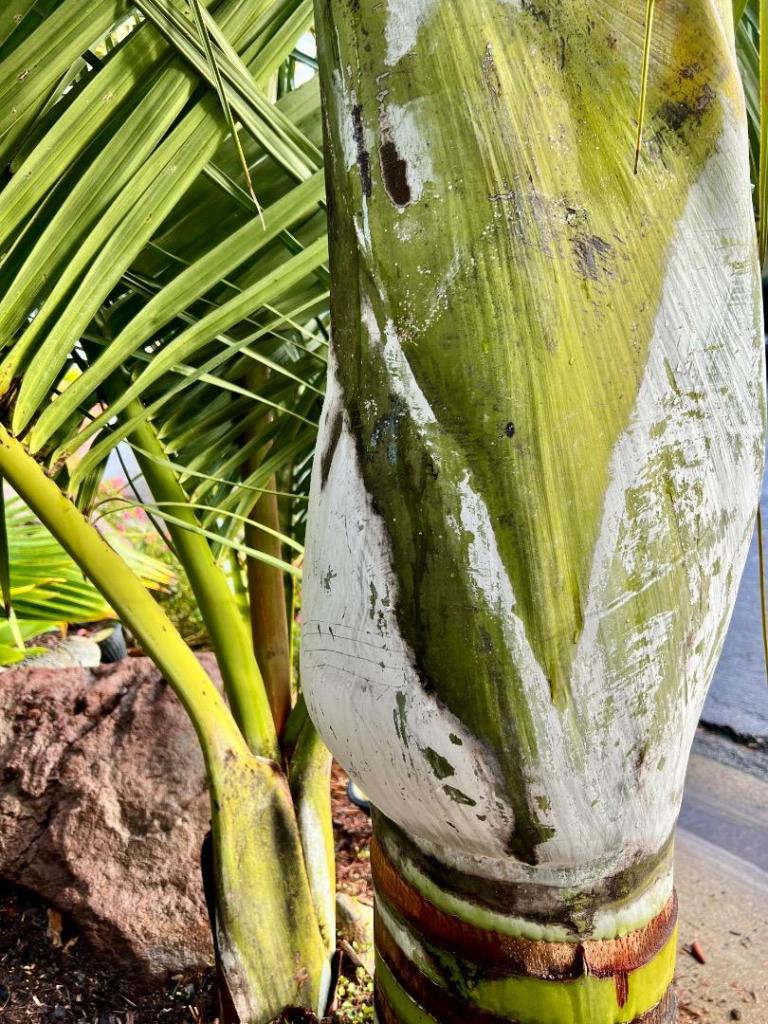
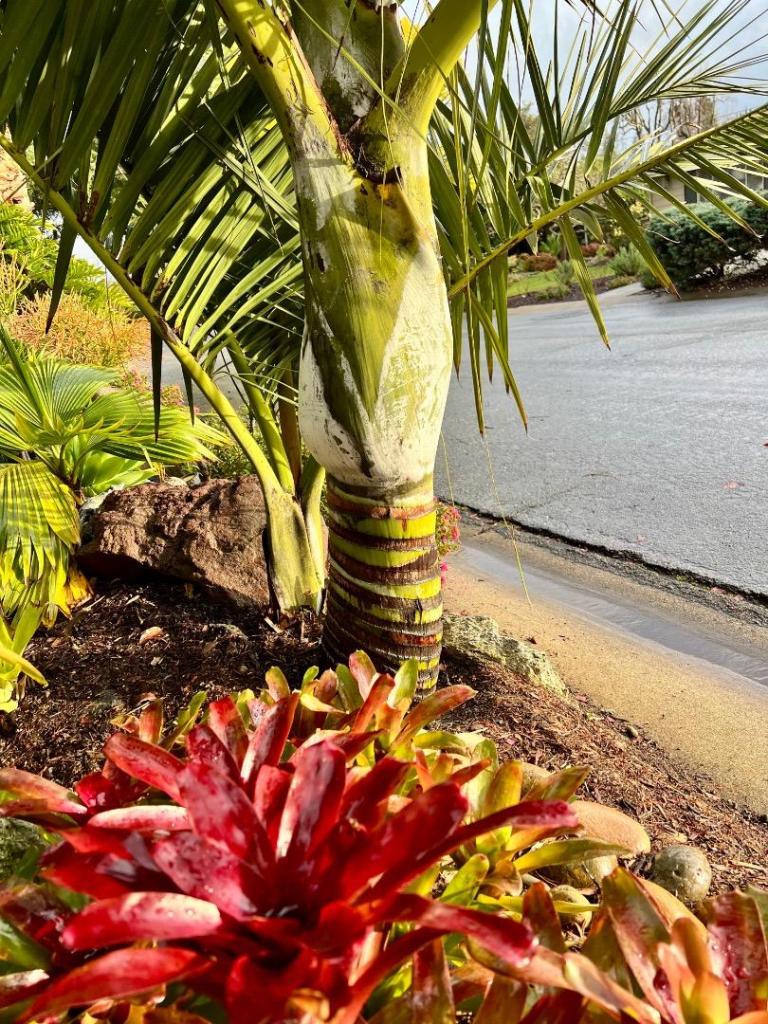
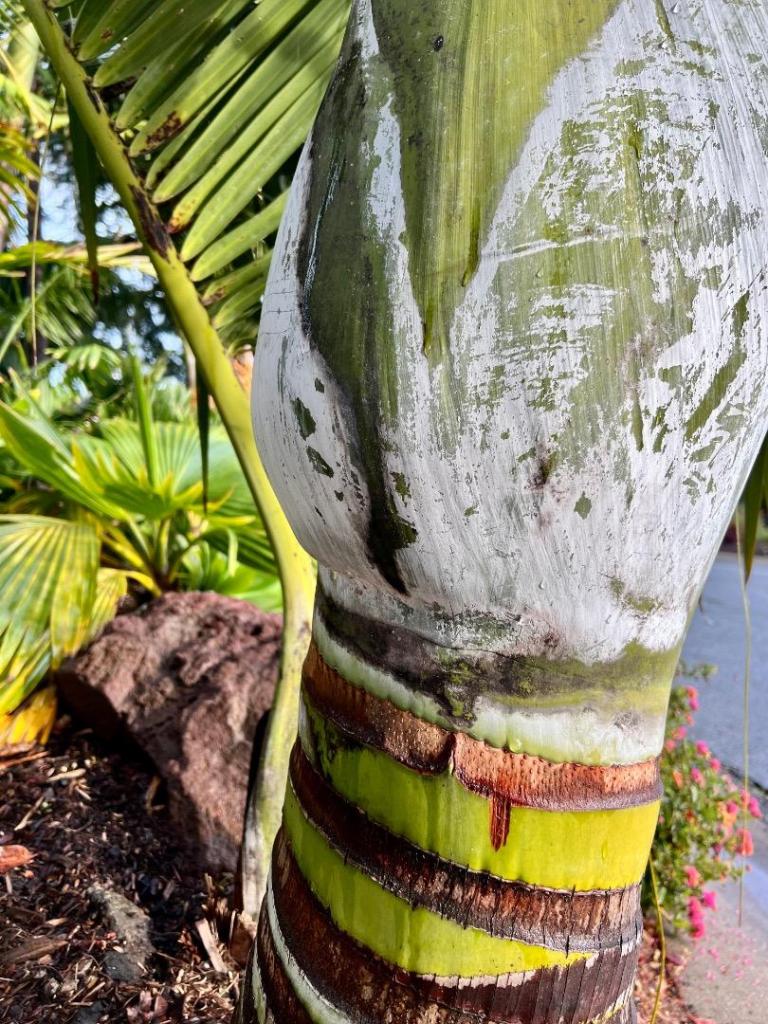
The bulging crownshaft on this almost twenty year old Chrysalidocarpus decipiens makes me think there’s something good lurking underneath it. Could it be about to produce an inflorescence? Will have to wait ‘til the attached frond dies and falls off.
 2 points
 -
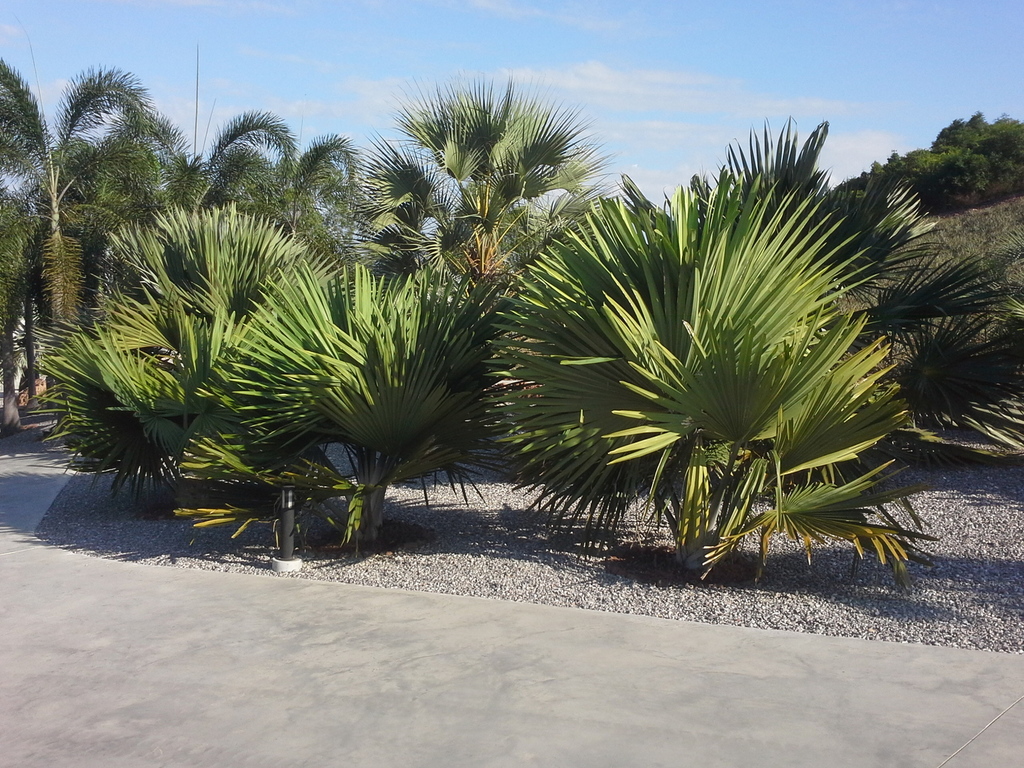
Only ONE, pah u folks must try harder, mine were in pots for years but were from the original batch of seed, only went in the ground couple of years back hence smaller size, my friends which went straight in the ground is bigger than that 20 footer. Medemia behind
 2 points
 -
Btw, When I said I didn't know of any in So Cal doing well, I forgot Matt Pettrocelli has a good sized one going.. probably a 1/4 the size of Jeffs, but doing well!2 points
-
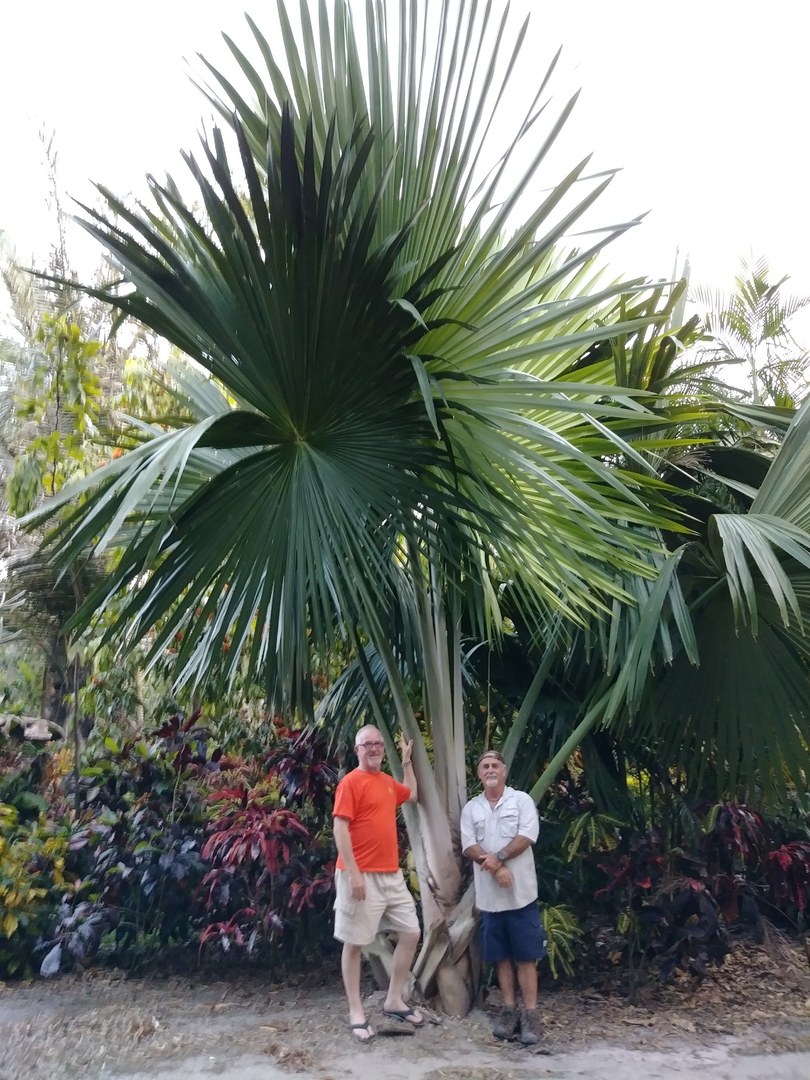
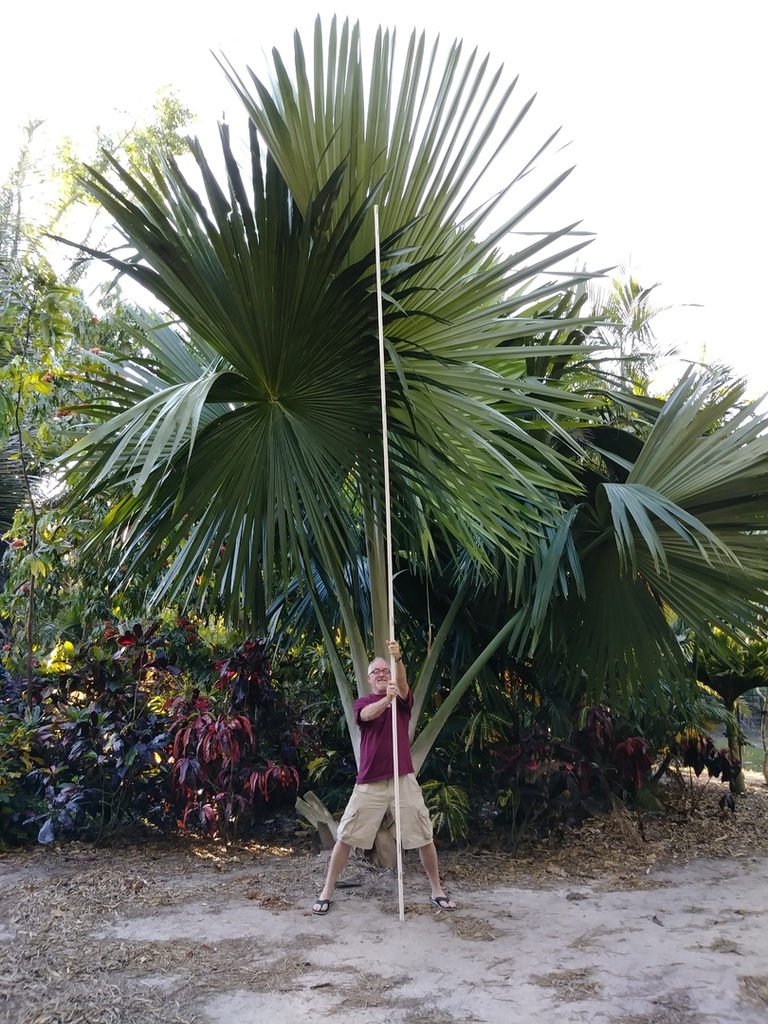
For some accuracy, we decided to see how tall the Tahina stood next to this length of PVC pipe. The pipe measured at 16 ft., 5 in. That would make this Tahina a solid 20 ft. Thanks for the pose Bill!
 2 points
 -
Taken today at the Searle Botanical Garden
 2 points
 -
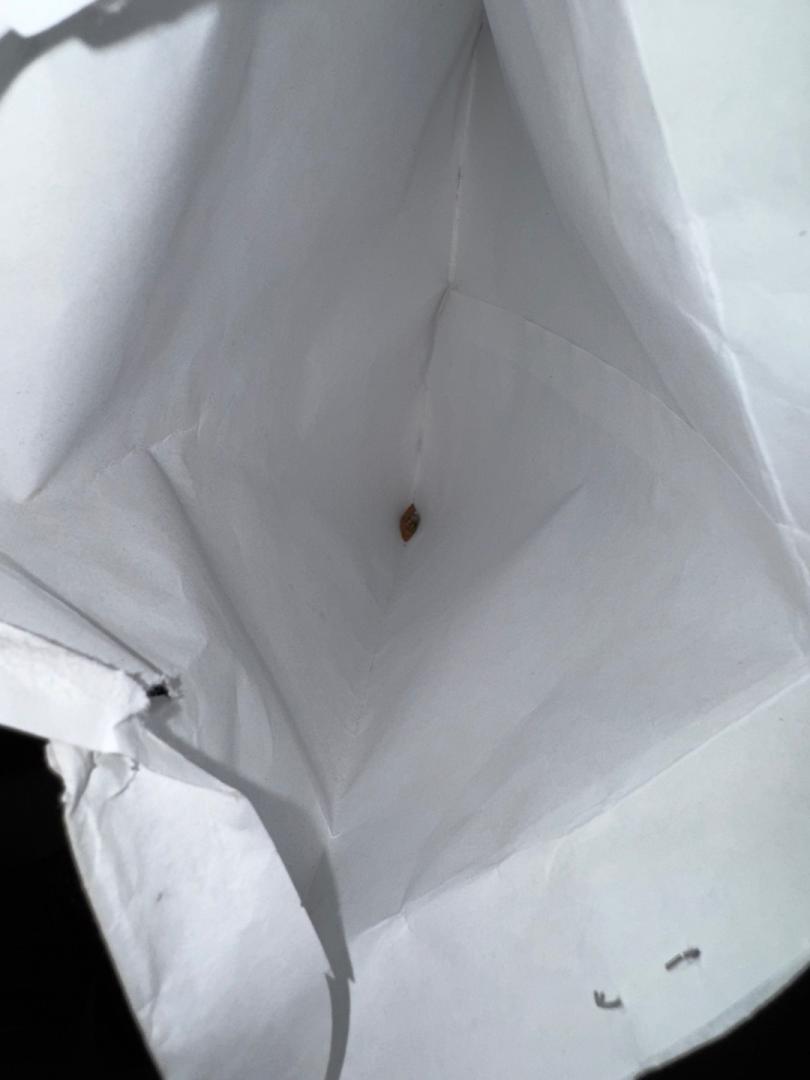
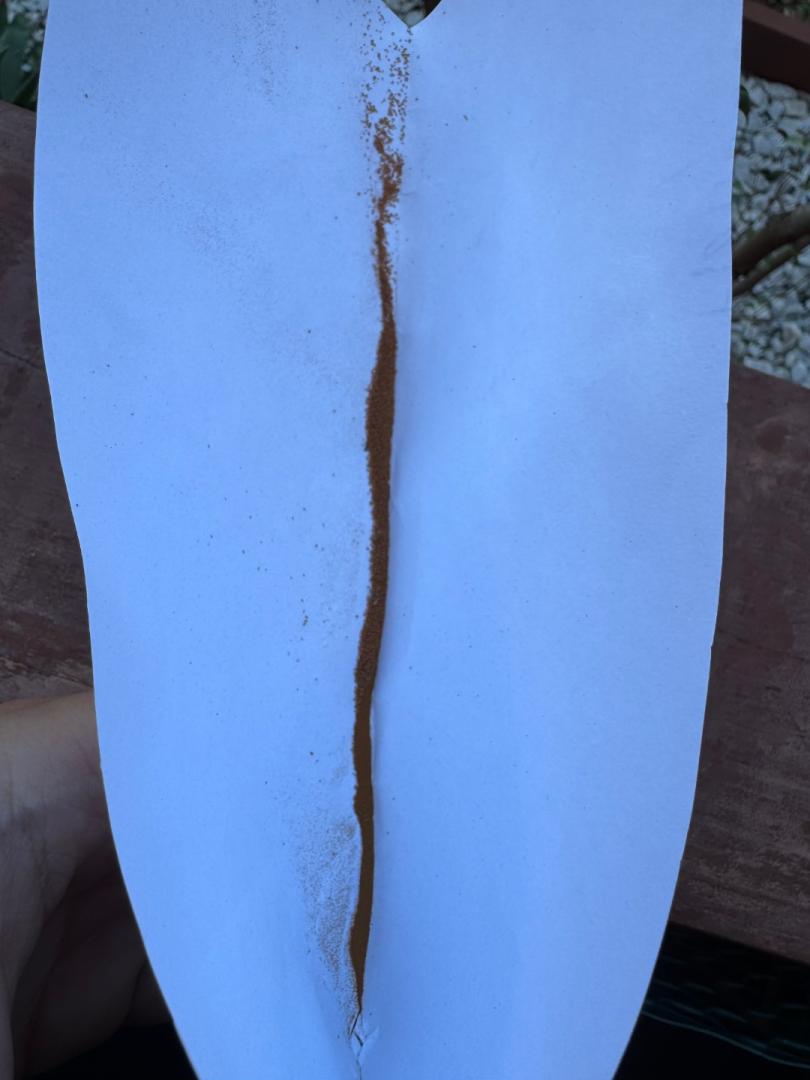
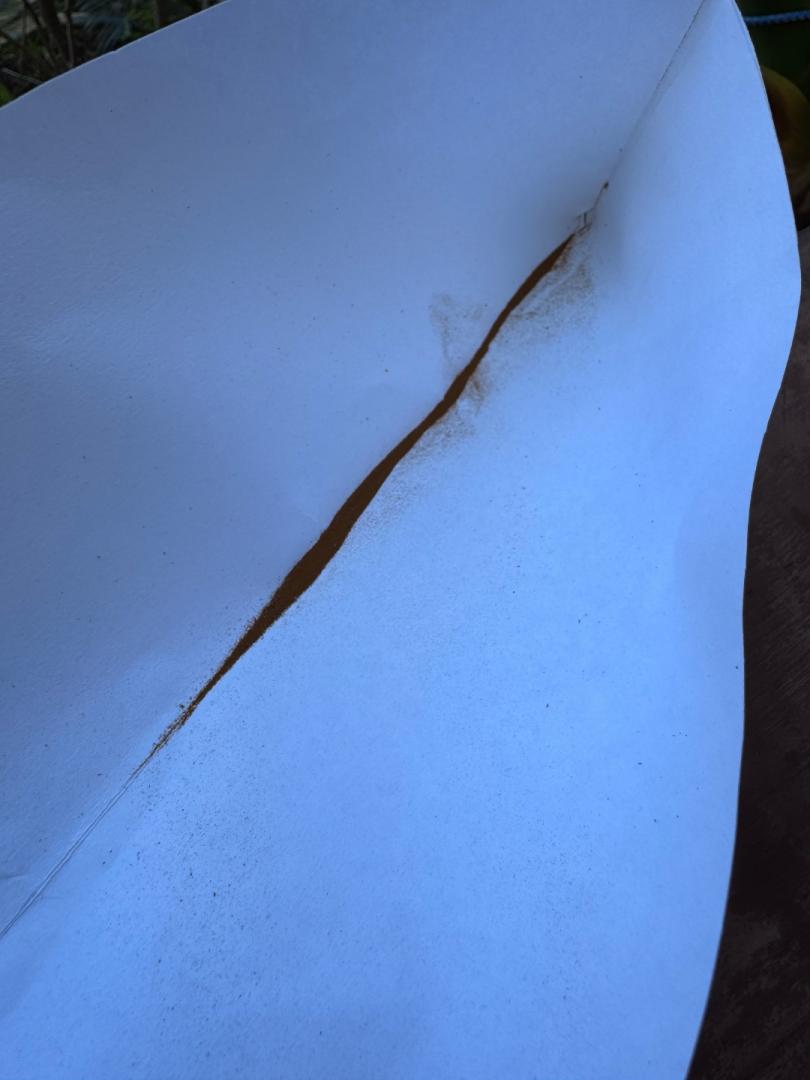
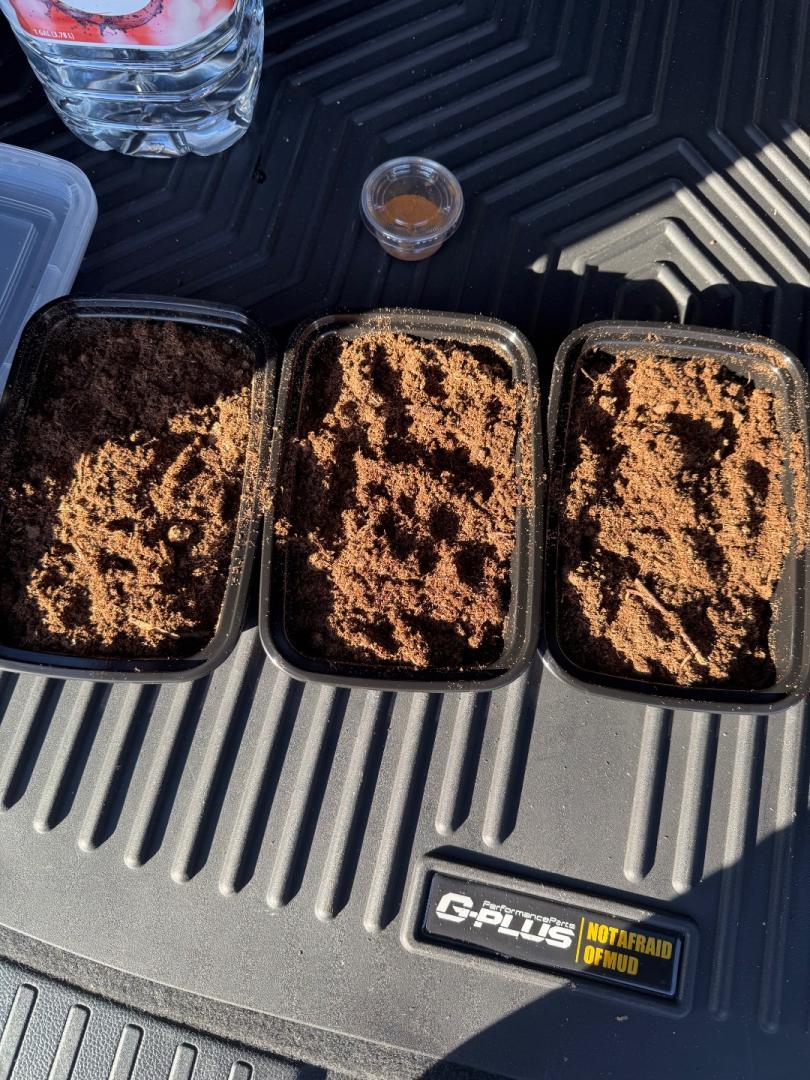
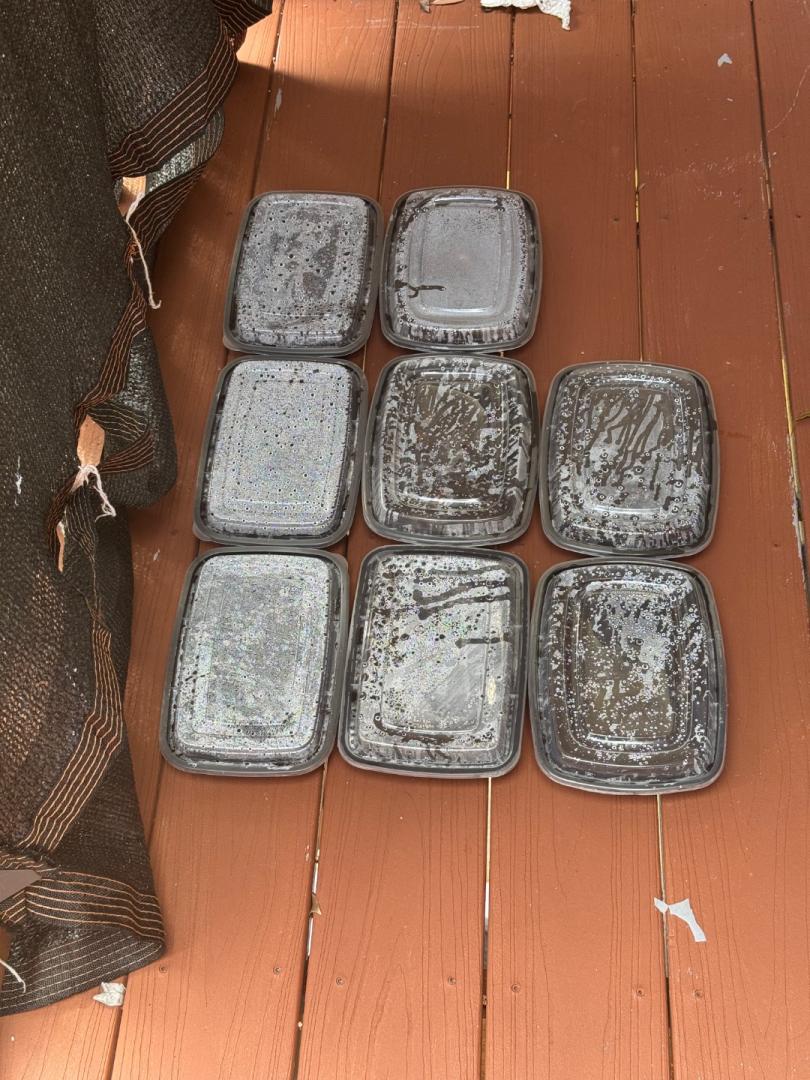
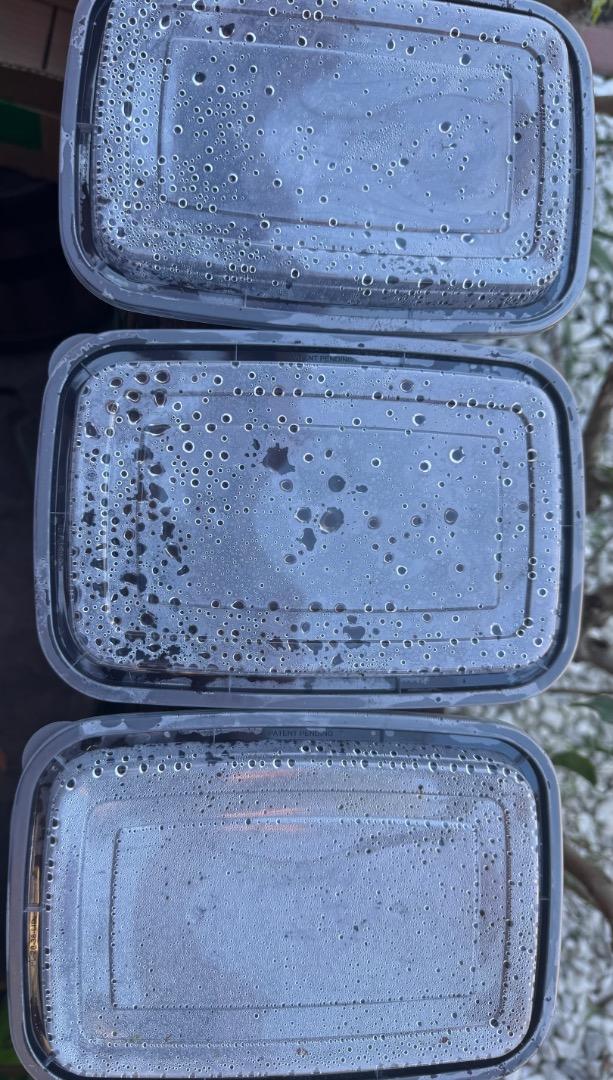
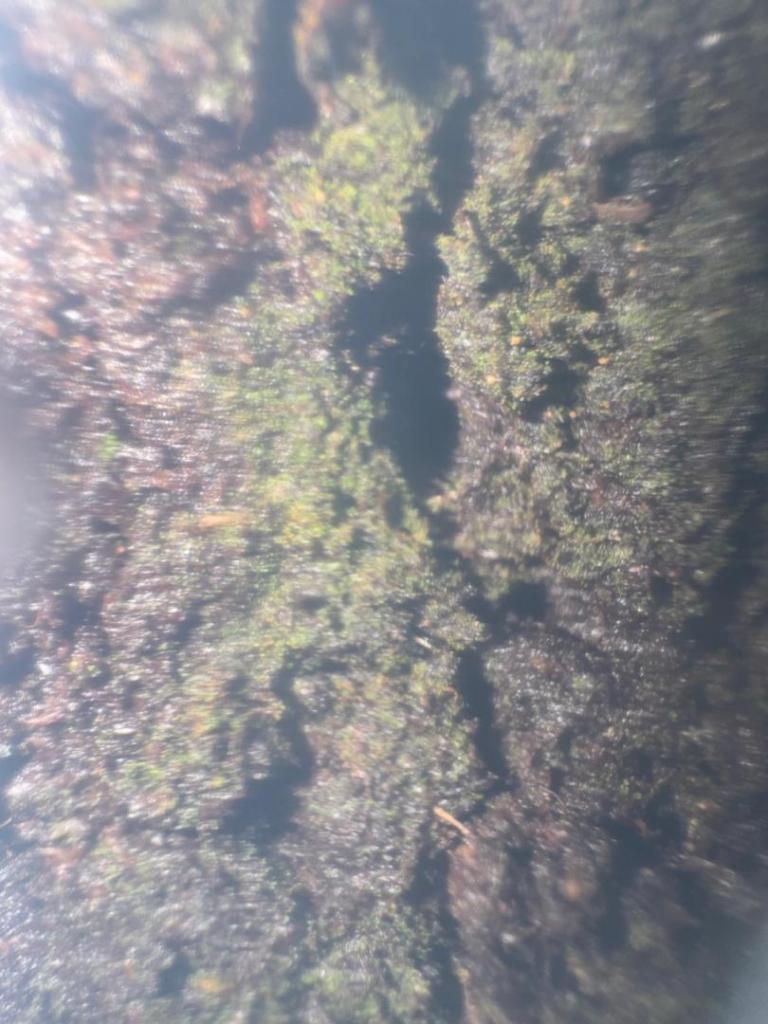
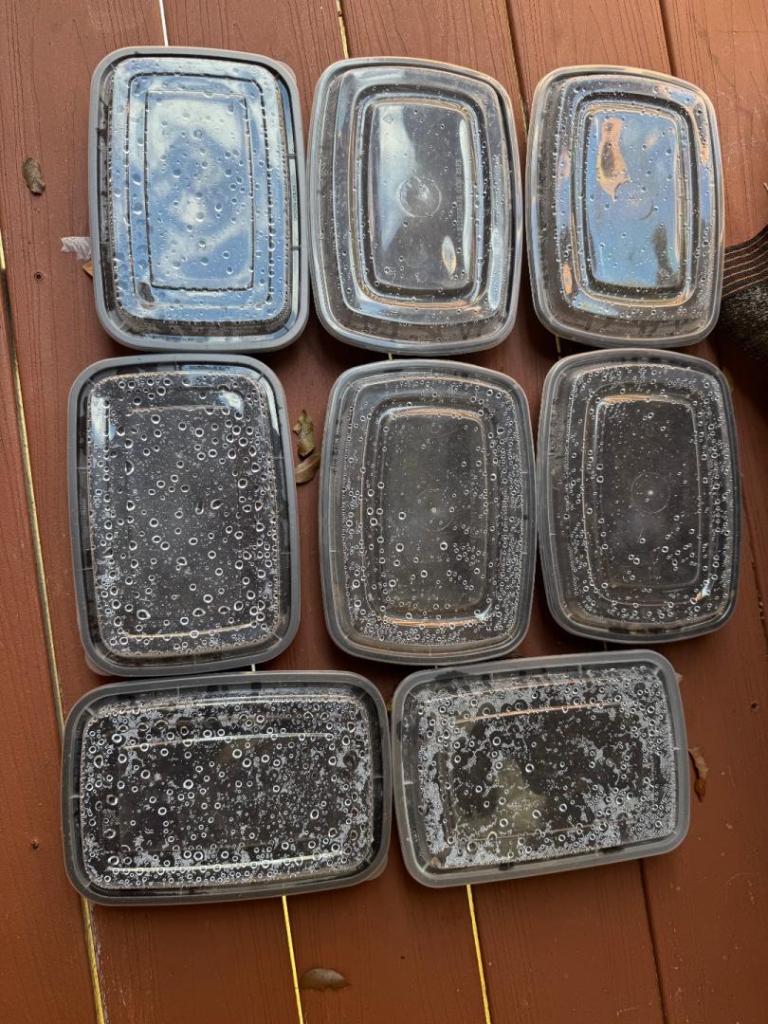
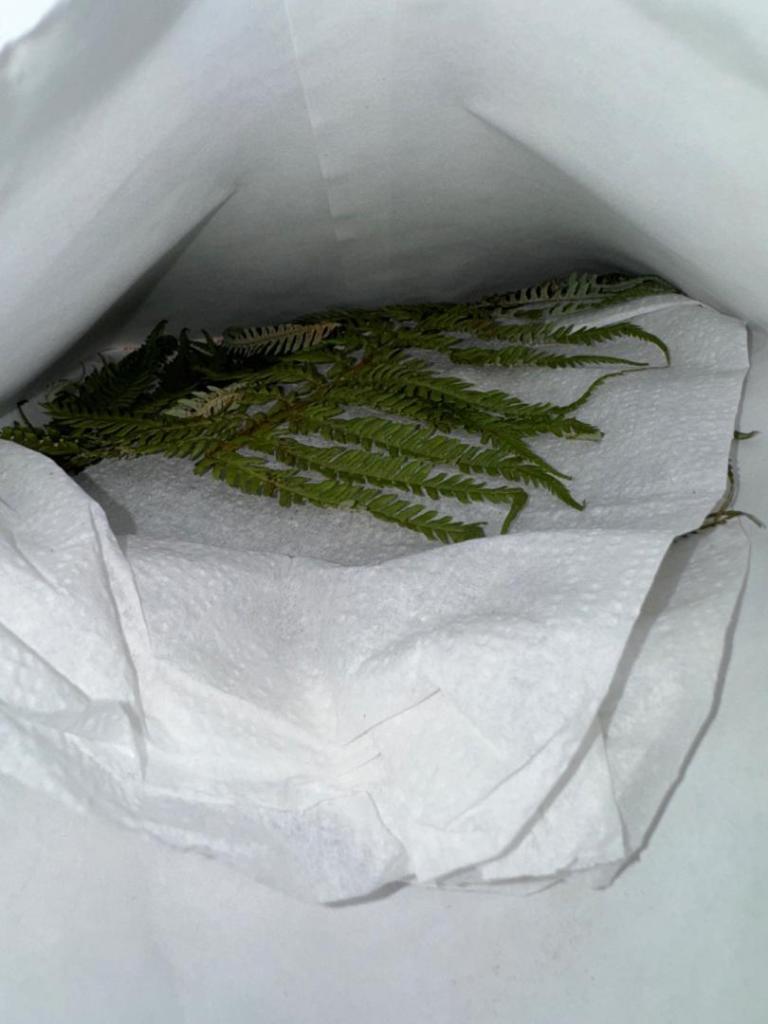
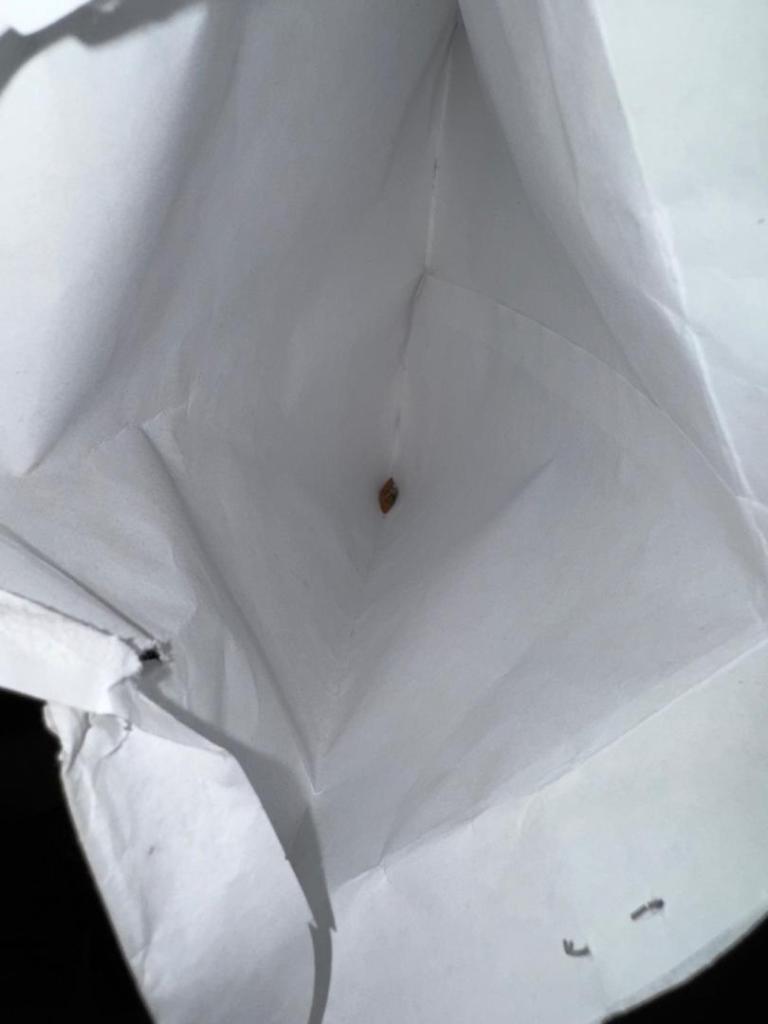
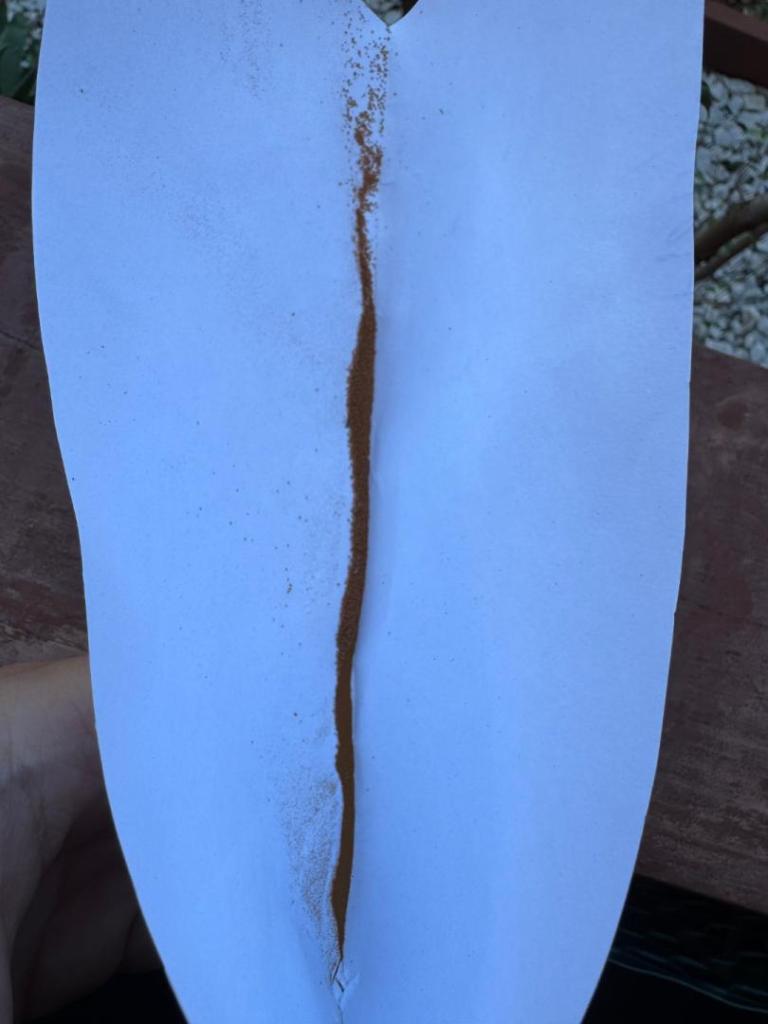
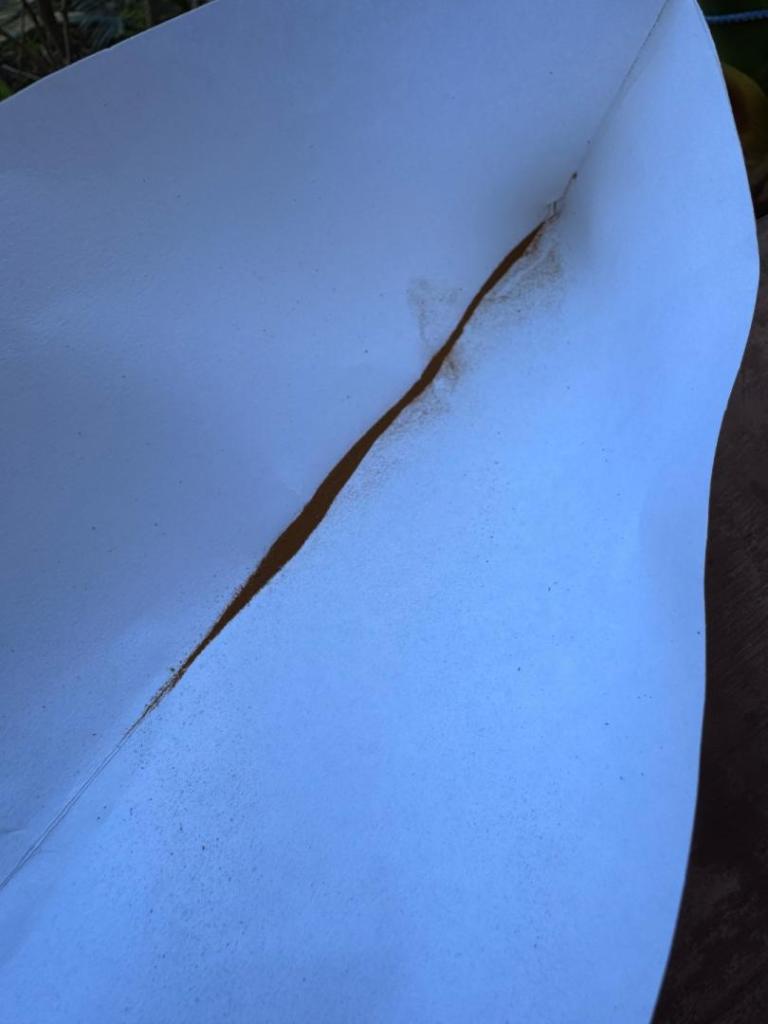
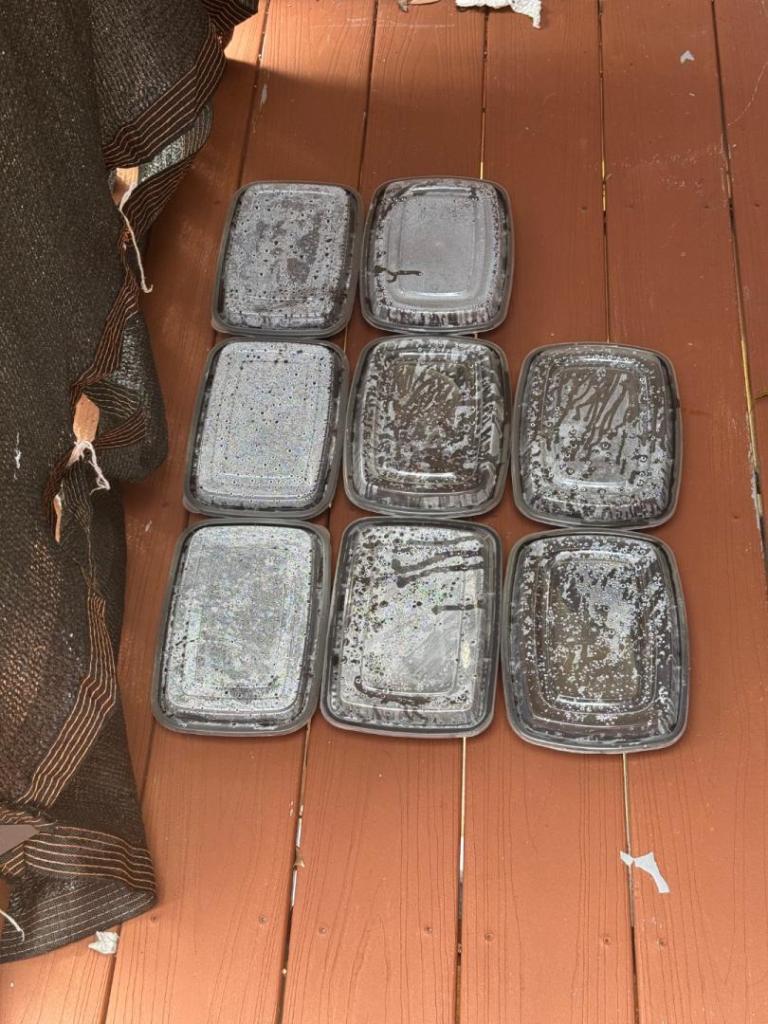
Hello everyone, I received some spores a month ago from @quaman58 and @realarch. This is my process of sowing these spores. First, I put one frond on a piece of paper with the spore side down. I continued this with the other fronds. I left it in a cool, dark place until the spores release from the fronds. Second, I separated the spore casings from the spores with a folded piece of paper. I gently tap the paper until the casing fall off. The spores should have a dust-like appearance. Third, I used a microwaveable food container and filled it with pure peat. I didn’t add drainage holes or ventilation holes to prevent contamination. I moistened the peat with distilled water and microwaved for 5 minutes or whenever it steams to sterilize the media. The peat should be moist to the touch and not sopping. Let the peat cool overnight with the lid on. Fourth, I sprinkled the spores evenly on the surface making sure to not to sow too much or too little. You should be able to barely see a faint of orange on surface. I then placed the containers in a shaded location with temps ranging from 70f to 80f. Around a month later every container started showing signs of mossy growth. These are the gametophytes, which is the first stage of growth. That’s all for now, will update until more happens.

 1 point
 -
Maybe it's me, maybe this is common knowledge. Twice now I've collected huge inflourecenses of tightly packed Sabals and twice they've been full of weevils. If I find a solitary tree, or trees with some space between them, no issues. Anyway, after freezing and soaking both these and a few pounds of palmetto seeds, I end up left with maybe a dozen or 2 sinkers and lots of stinkers. The palmettos, ironically the ones I wanted more, after freezing, soaking, and peroxide I just said the hell with it and sprinkled them around the tree line and in the woods. It's not like they're hard to come by or expensive. And it's not like I don't have a couple dozen seedlings already, and they're not big sellers anyway. These minors got the same process albeit a much shorter time in the freezer and a much smaller inflourecense. I think I ended up with 20 of those that are soaking again and I got maybe 10 palmettos before I got tired of squeezing them and getting stink on my hands. There was a clean batch of Minor seeds I found between the library and a food bank, and those are on their way to Washington State right now. Again, much smaller batch from a couple solitary trees. For future reference if I do decide to grab a huge pile, is there a treatment process? Like straight to the fridge, fill a bucket with water and peroxide, or is this just something that happens when there's massive plantings all flowering and seeding together?
 1 point
 -
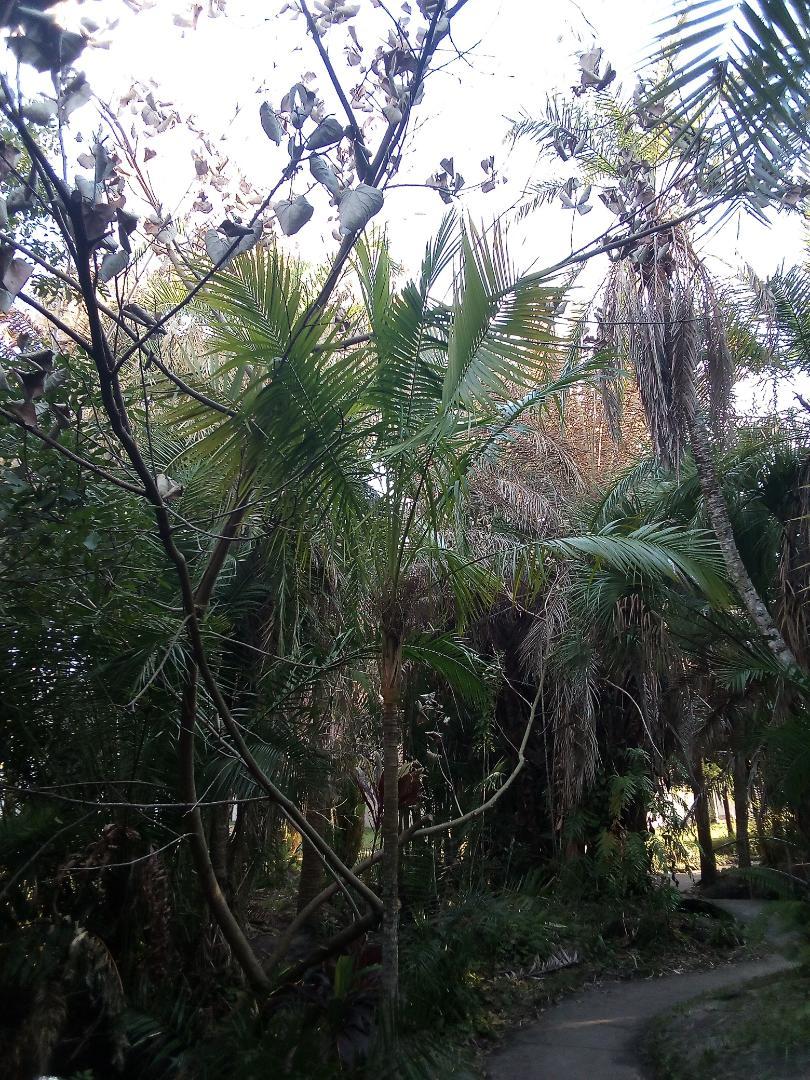
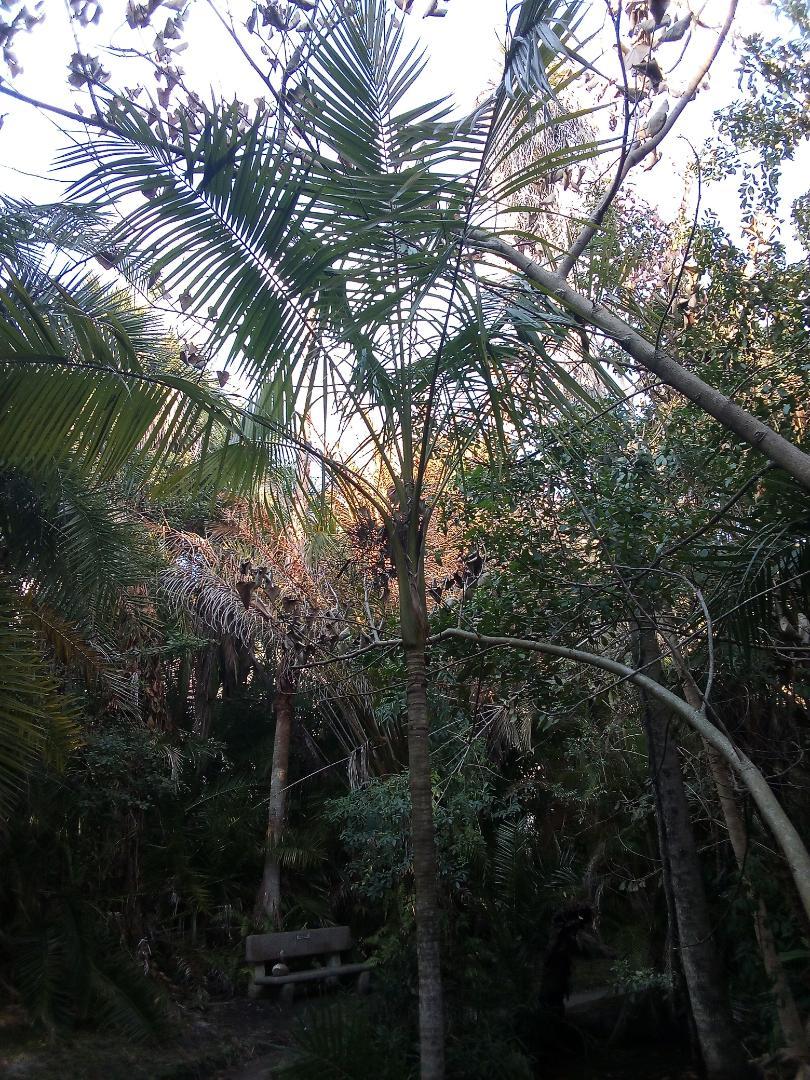
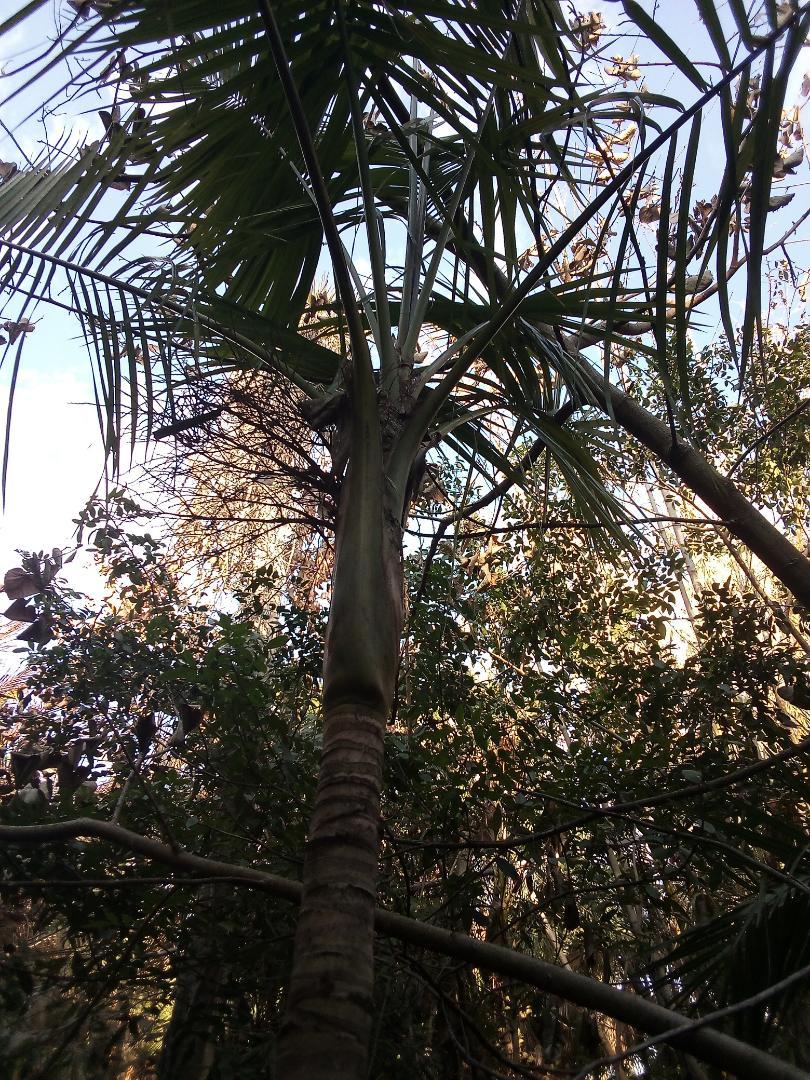
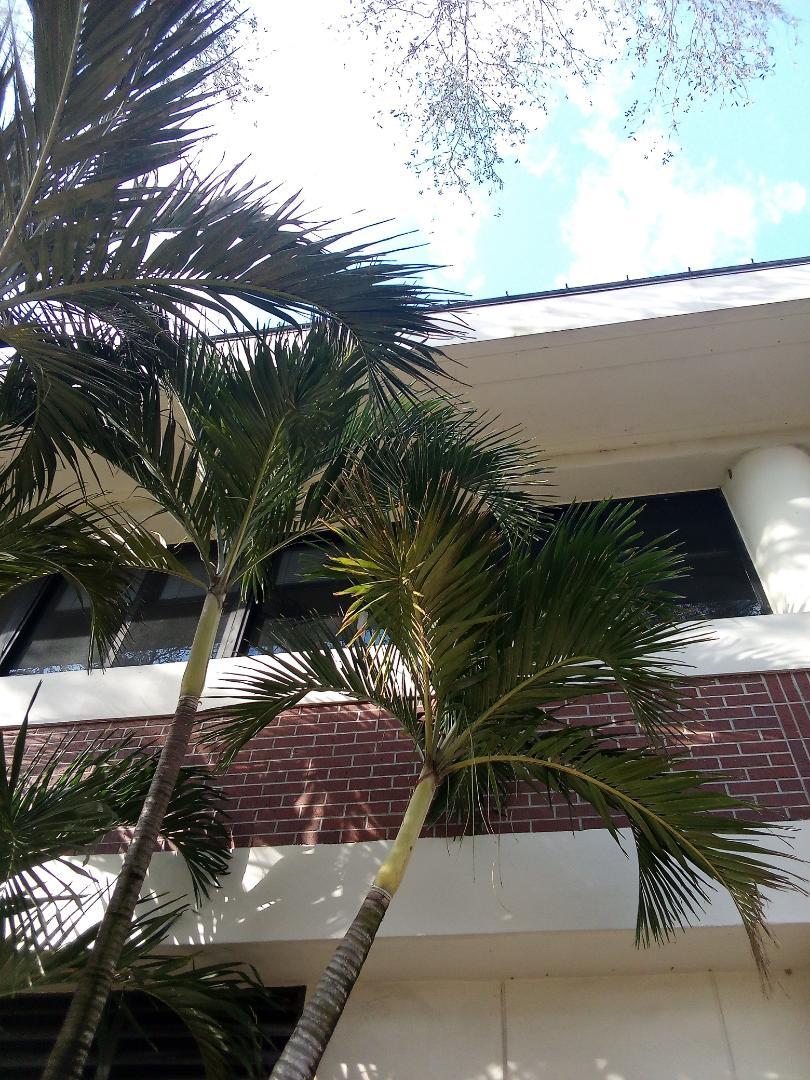
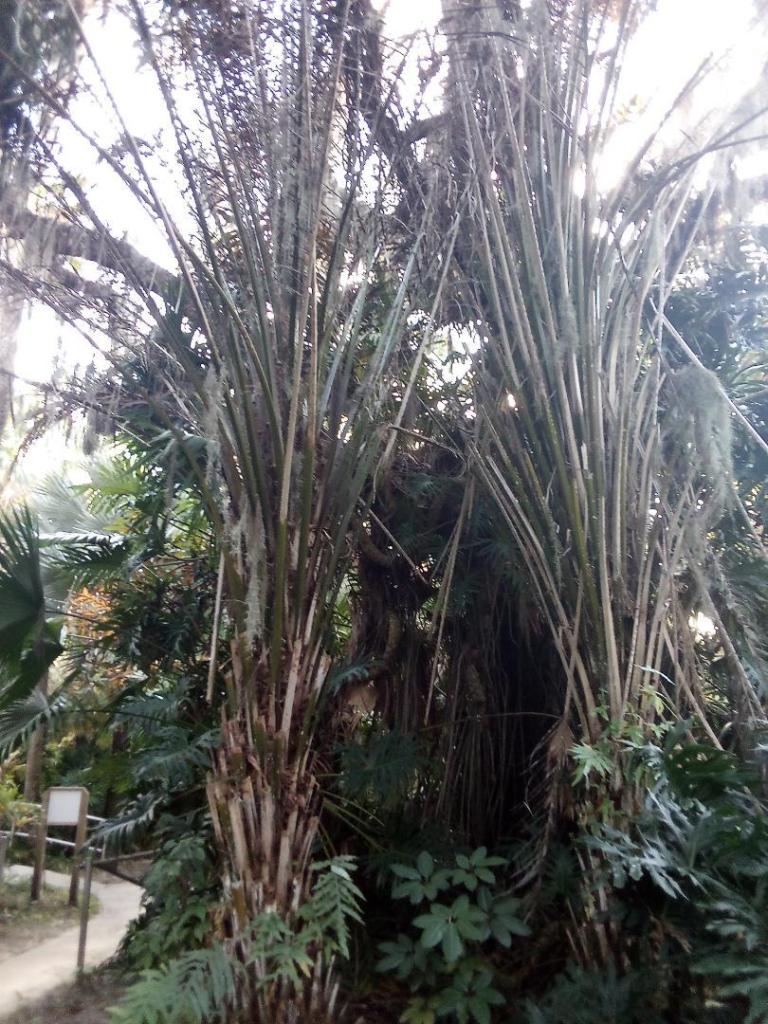
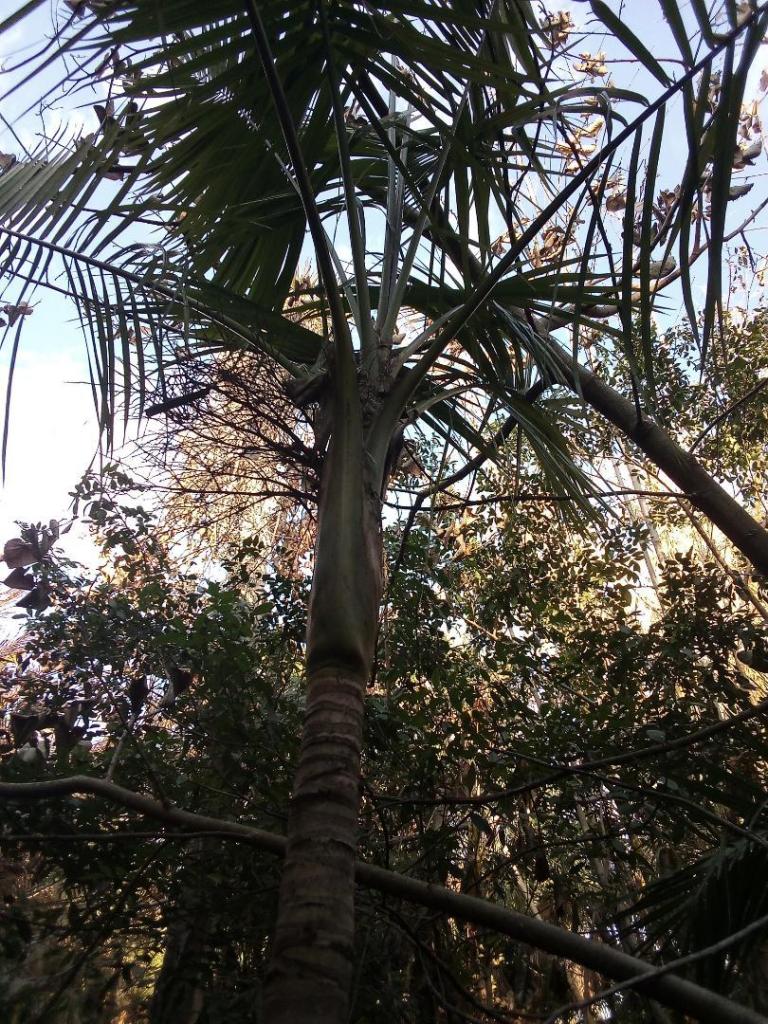
Mystery palms. That last one (last three photos) is a crownshaft palm that took no damage with what looks like minimal protection from a canopy.



 1 point
 -
Once again, south facing of the building. These were in much better shape than the ones anywhere else. This is further evidence that being on the south facing side of a building is an effective strategy against advective freezing events.
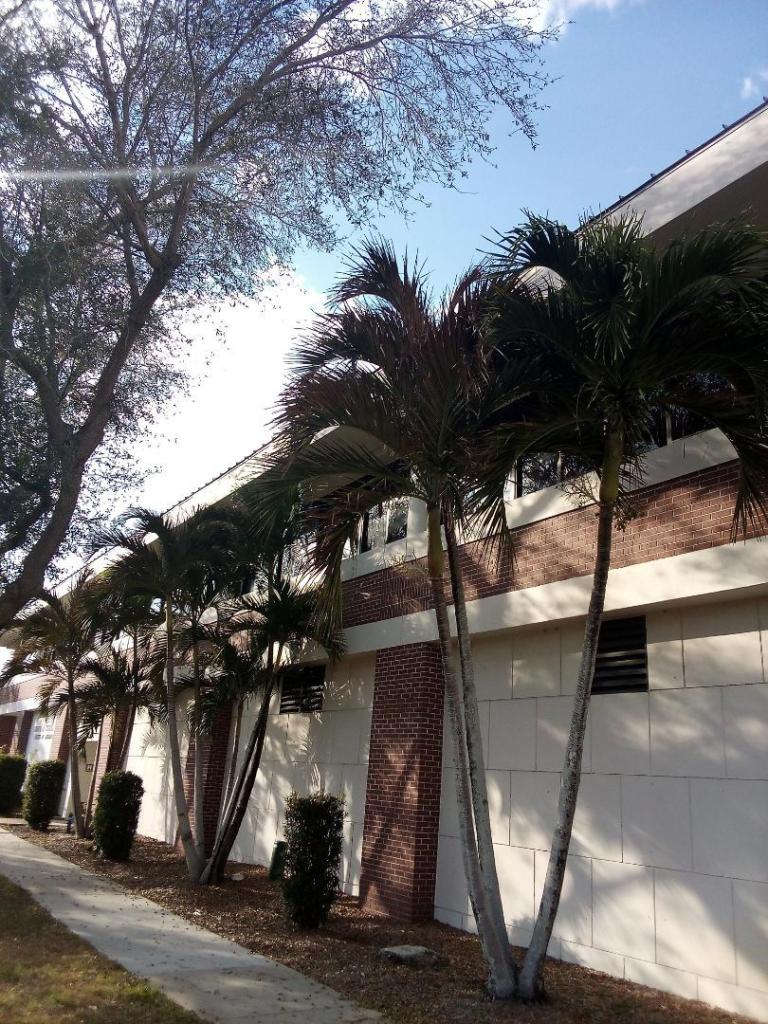
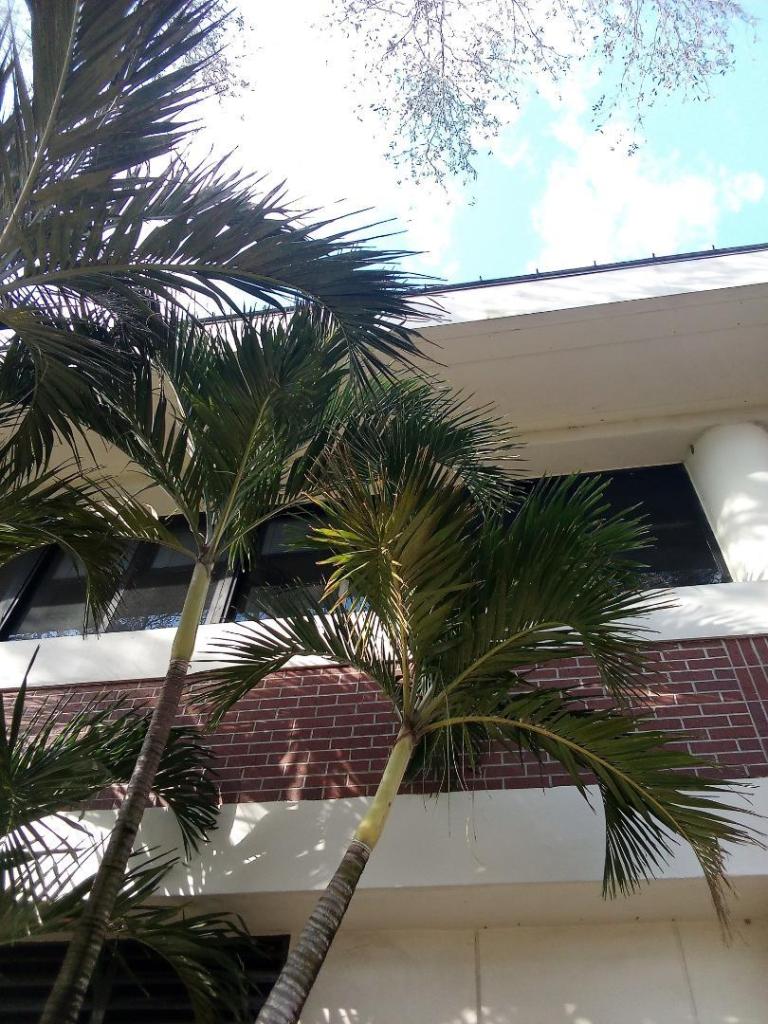
 1 point
 -
Livistona saribus?


 1 point
 -
Licuala spinosa

 1 point
 -
Wow very nice! I actually think a lot of palms are at their most attractive around this stage, when they are trunking but not yet tall. Not sure if it's just an illusion because of the proportions but the crown often looks bigger and fuller than once the trunk gets very tall.1 point
-
Sure looks like it (not going to walk over and find out). The palms were regularly setting seed and flowering profusely. The flowers are quite showy/conspicuous for a palm, much more so than Washingtonia1 point
-
That is a great looking palm. Can you post some fruit sizes of this palm? I know many people have looked at whether this is a rosei and that would help clear that issue up. From the fronds and other pics you have shared this palm resembles something more like a minor x palmetto hybrid like brazoriensis and would have the resulting fruit size similar to brazoriensis in the <10mm range and not in the 15mm+ range of rosei. The leaf segments also do not seem small enough diameter to be rosei that has the more delicate wispy look1 point
-
The growing medium was/is "mineral soil with neutral pH" and a little organic(a bit of leaf mold). Please realize those roots are "constrained". I actually prefer to direct seed my filifera right in the ground. As to my full sun trachy, my -10f unprotected survivor seems to like a touch of coffee grounds percolating into my sandy alkaline soil. I believe they prefer a neutral to slightly acidic soil, at least in my climate/soil. Someone in acidic conditions, may actually find it beneficial to raise the ph more towards neutral. I do have an ongoing discussion/report out concerning my filifera. A couple years old, real time discussion, concerning filifera. In it are my thoughts, beliefs, and findings related to this species, and how I grow this species in a 7b climate, with nothing other than passive protection.1 point
-
Still waiting for more seeds!!! Ugh...1 point
-
I agree, i Was hoping for some pictures1 point
-
Uncovered my bxj last weekend. I kept it covered for all of December and January thought the coldest lows and ice. Really glad I did. But I purposely uncovered it early enough to still see some temps in the teens this past week. Any discoloration was there prior to being wrapped up.
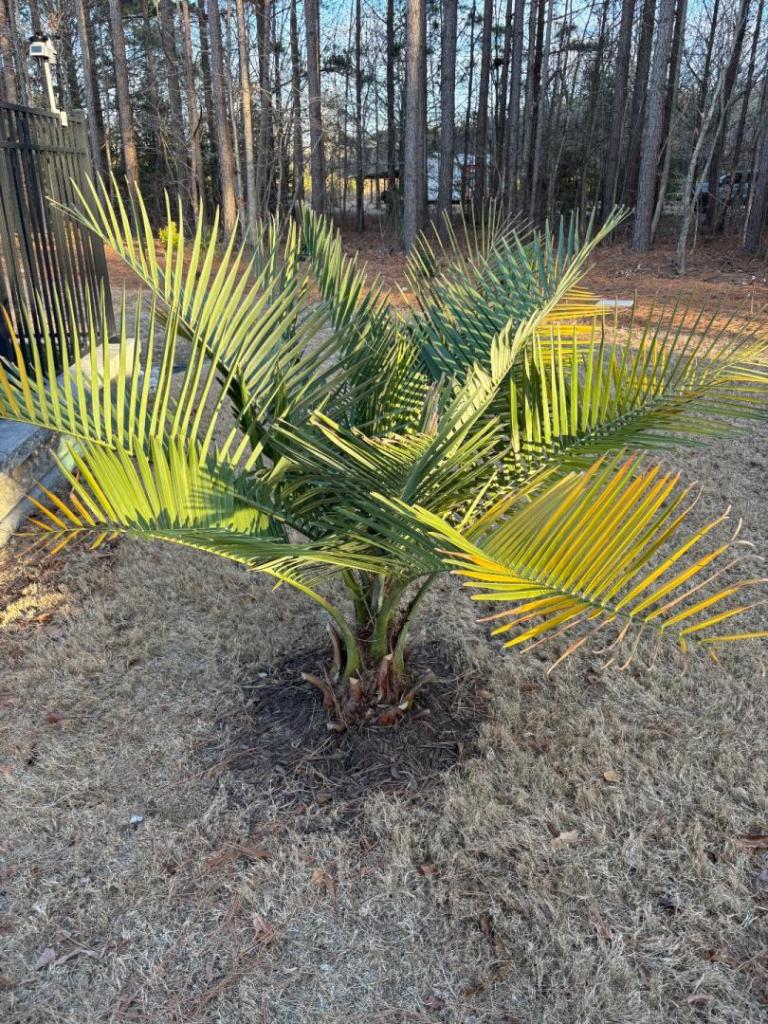
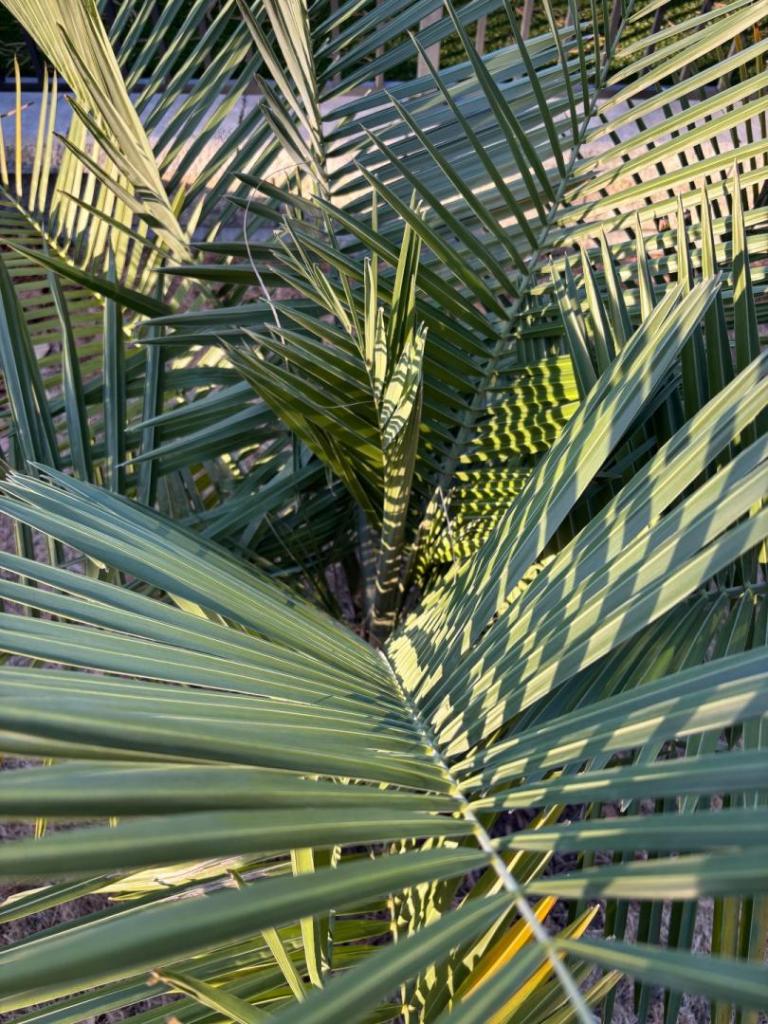 1 point
 -
So I have a stupid question: it looks like moss at the moment. When do individual plants start emerging? Does a bunch of them coalesce into a single organism?1 point
-
Master gardeners I've known for many years always warned me against overwatering cold damaged plants. The plants ability to uptake water is greatly compromised because of the damaged tissue. With the extended drought this year, I'm not sure that's good advice. I believe the drought conditions leading up the freeze exacerbated the extent of damage the plants sustained across the state. The plants were already stressed before being blasted by cold air. You're hobbling around on one leg and someone comes up from behind and pushes you down. It's no wonder you fell and got a concussion.1 point
-
That’s a beauty. Harry1 point
-
Billy, I can revisit this post and say hurricane milton at 110mph didnt budge my alfredii one cm. Half the the older leaves bend down and will brown prematurely because of it. But 17 months later it has recovered almost as fast as my 35-40' sabal causiarum. Interestingly my 35' bismarckia has had a rapid recovery after every open leaf was made limp in the wind. MY best advice for BA is to water consistently as wide as the crown and even a bit wider. THis encourages root growth which stabilizes the palm in wind. All 3 of my BA's took leaf damage, the one in most shade had the most damage, but zero tilting, NADA. Remember that taller palms see the worst damage in a hurricane as the most leverage is exerted on the roots by wind blowing ont he crown. The other thing I love about my alfredii is trimming dead leaves it is a breeze. Though they clean their own trunks, no trimming could mean 3-4 brown leaves on the palm most of the year. If you want a strong palm in wind, consistent watering of ground at least to the drip line(crown ends) will push root growth laterally. Roots running straight down are not as effective in spreading roots in resisting leverage created by wind. Just basic physics. for your hurricane question here is the result for BA. You can see the royal nearly stripped int he back ground and second pic is sabal causiarum, crown 90% snapped leaves or bent down and doomed to premature browning. BA/Royal sabal causiarum before milton the day after milton close up causiarum looking up just after milton Causiarum as of 1-24-2026, first thing it did is set seed as you can see. Then 10-12 leaves in one grow season. Its now closer to 40' as new leaves mean new trunk growth Alfredii has also done well, it lost ~10 leaves prematurely and is regrowing the crown, but its encouraging. I expect this grow season the recovery will be complete. .
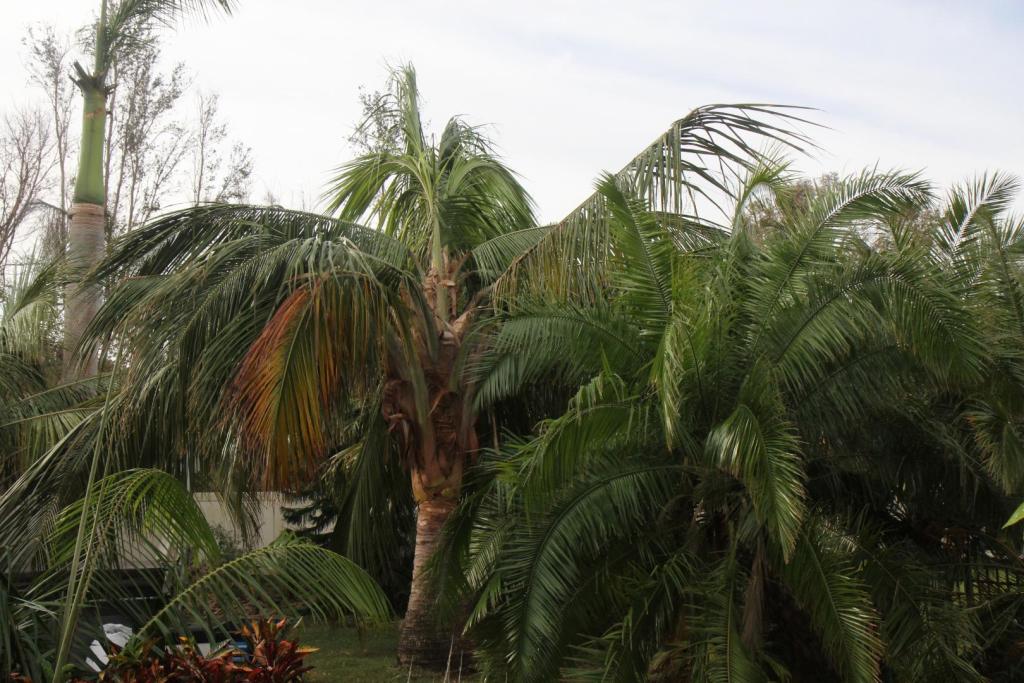

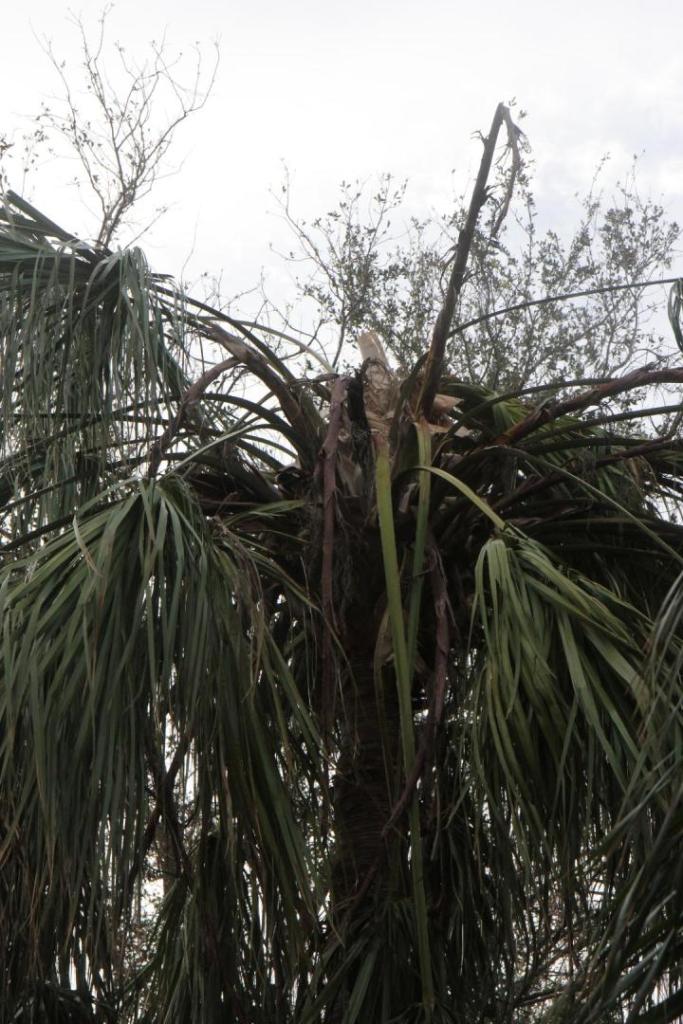
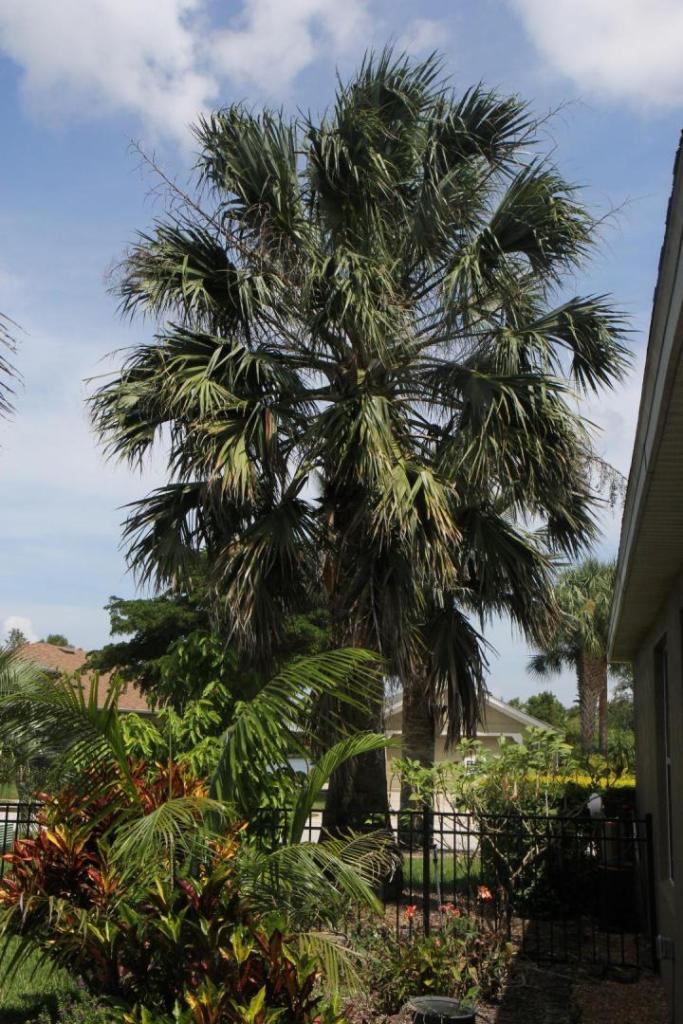
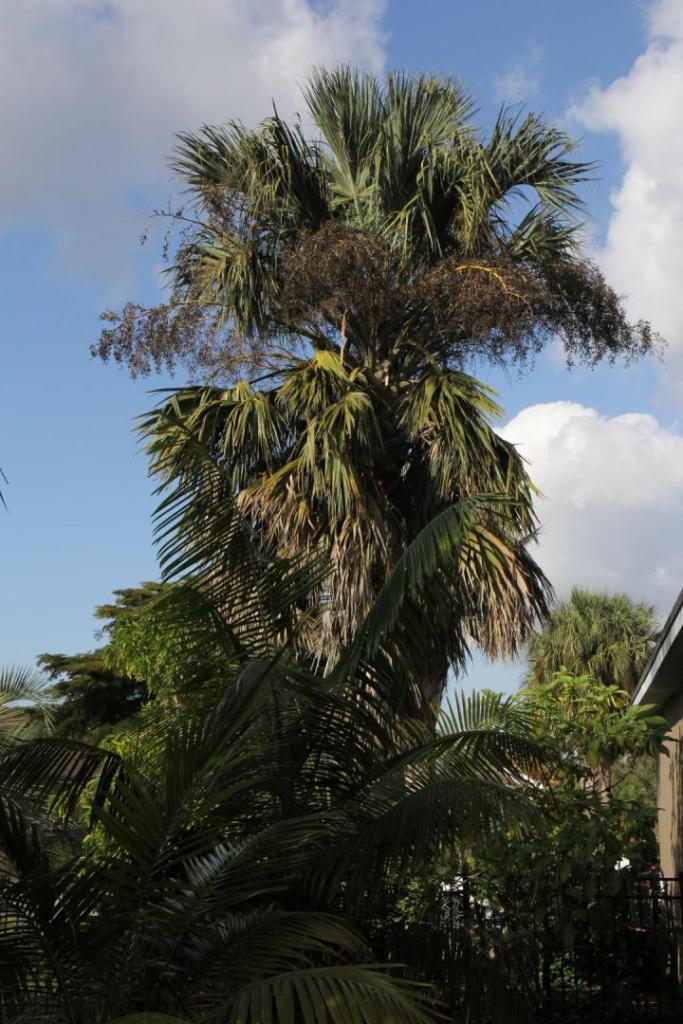
 1 point
 -
Those are some astounding roots. What was the rooting media, when you say 'neutral soil so you mean a mineral soil with neutral pH or? Also - as someone with a background in soil science, I really appreciate your interest in how soil interacts with Washingtonia growth. I'm working an an experiment with Trachycarpus (often from limestone-based soil areas) and raising pH and adding Calcium to see what differences might occur.1 point
-
Thank you very much for this great information, greatly appreciated. As a lifelong lover of all palm trees, and especially Coconut Palms, I was very curious to see how they held up. I was down in Orlando for a couple of days during the freeze, and I couldn't believe what I saw in the area! I am looking to make a move to the Space Coast next year, and am very curious how you all think Coconut Palms will recover (or if they will) from this. As much as I love them, my knowledge is limited, so I'm curious if these trees will ever have a chance to fruit again? Any information would be helpful, as I would love to harvest some coconuts from a tree in my future life as a Floridian! Thanks!!1 point
-
I came to that conclusion too; from size and shape of seeds and configuration of leaves. Thanks mate!1 point
-
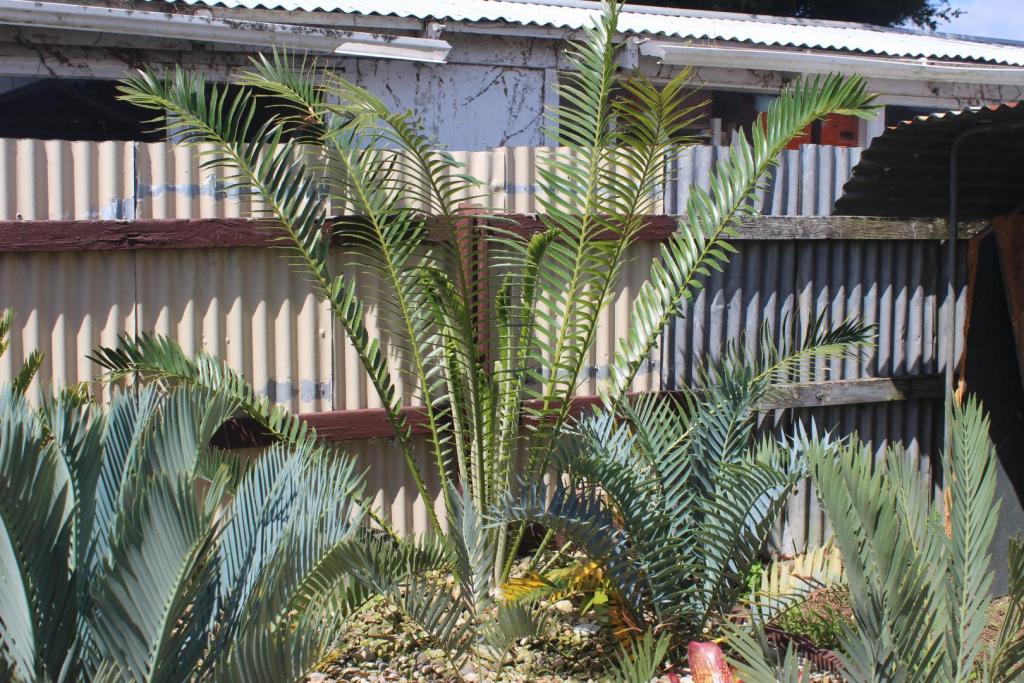
Just passed the space station and heading out 🙂

 1 point
 -
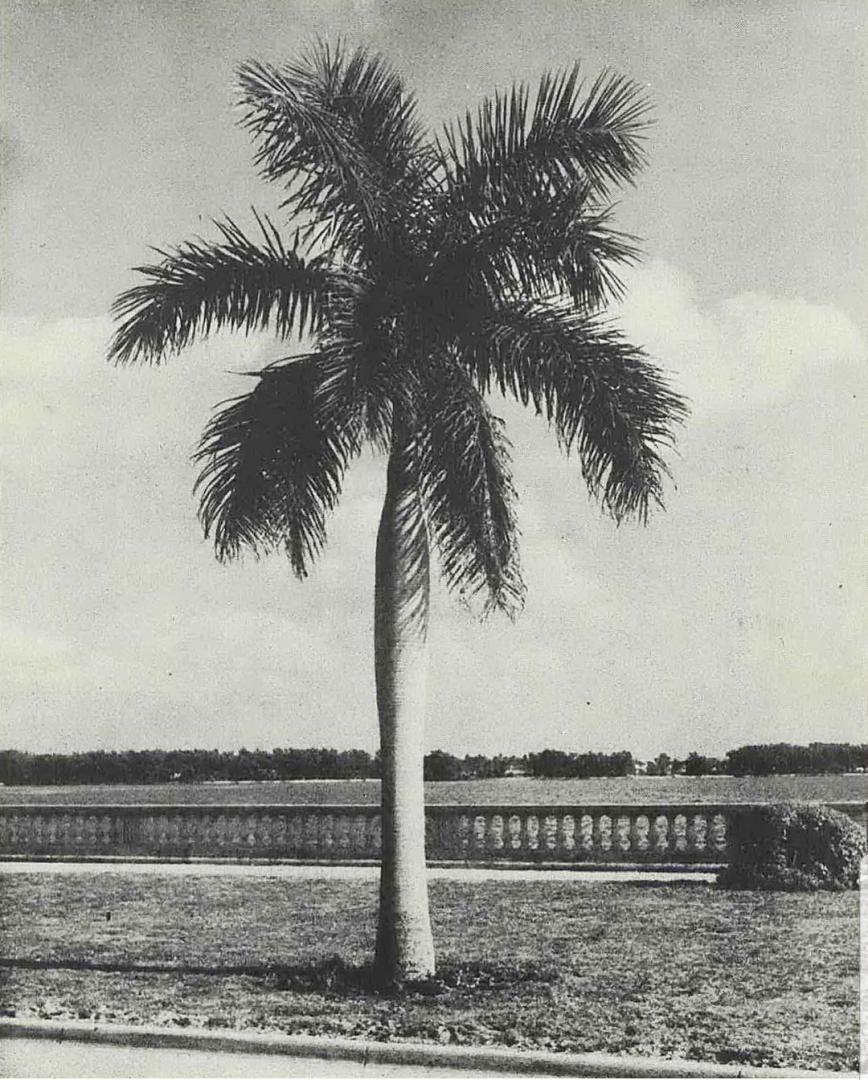
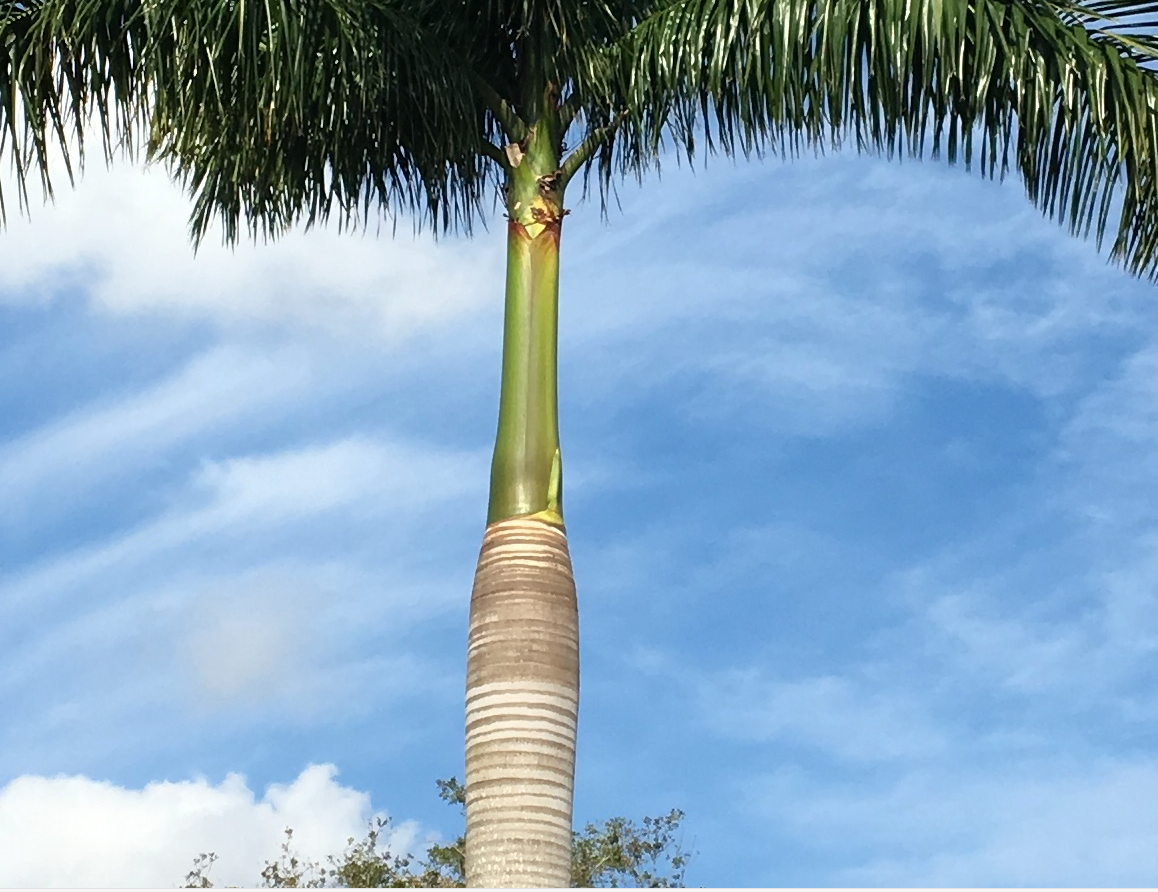
I have told this story a number of times on this forum... Back in 1999, I received an email from a gentleman Christopher Carley. He had seen some of my posts detailing my zone pushing efforts here at my Orlando area home. He explained that he had collected seed from the few remaining Royal palms along Bayshore Blvd. in Tampa. He told me that originally, the street was lined completely with Royal palms. Over the years, cold had killed off most of them. His idea was that the remaining Royal palms might be more cold resistant. So, he collected seed and sprouted them. When he reached out to me he had lots of seedlings and wanted to place them around Central Florida with people who would give them special attention while they were small and vulnerable. He said he would bring them to me. Well, one day I came home from work and my wife said that "some guy came by an dropped off some trees for me". I walked out to the covered entry by my front door and there were three Royal palm seedlings each in 1 gallon pots. They were each about 3 feet tall. Since it was late fall, I kept them in the pots and brought them into my garage when it got cold. There were only 2 or 3 cold snaps that winter. In the Spring I planted them on the side of my house (between my house and the house next to me). Over the years I babied these trees. Each time it got cold I would build a mini greenhouse over each tree and place an incandescent spot light in it to keep the tree warm. I did this until the trees were just too large to protect. All three of these trees thrived. But once they were too large to protect, I did lose the two trees on the ends. But, the middle tree thrived. If you look at my avatar, you can see the original three trees. I have attached some additional images of the surviving tree which is now more than 40 feet tall. It has bloomed many times but has never set any fruit. I suppose the reason for this is that there are no other Royal palms close enough to allow the insects to pollinate the open flowers. One of the problems when you have the only Royal palm in the area. I have tried to contact Mr. Carley over the years but have been unable to find him. I'm sure he would find the results of his testing to be interesting.
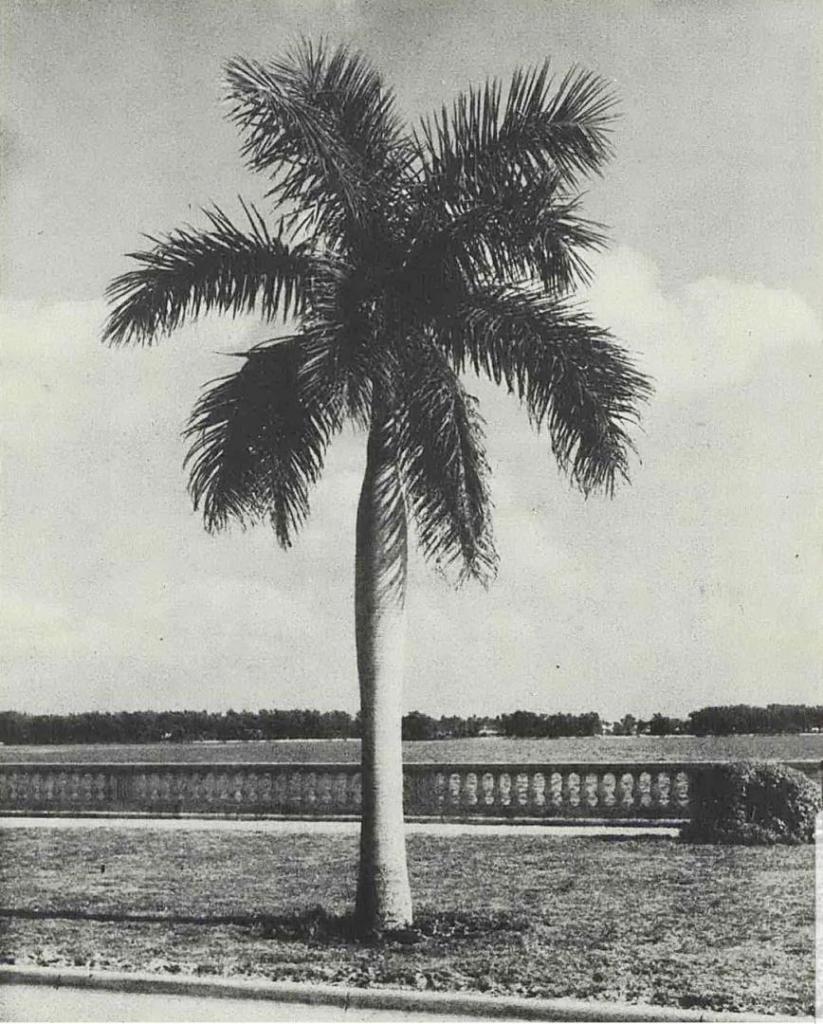
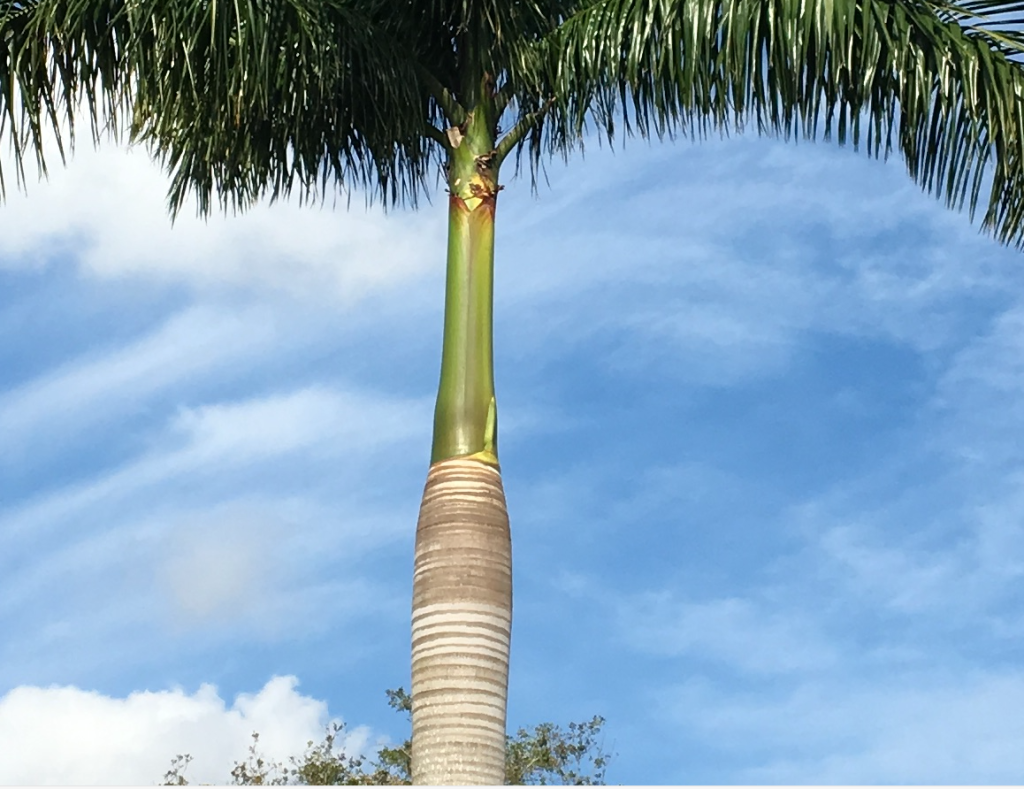
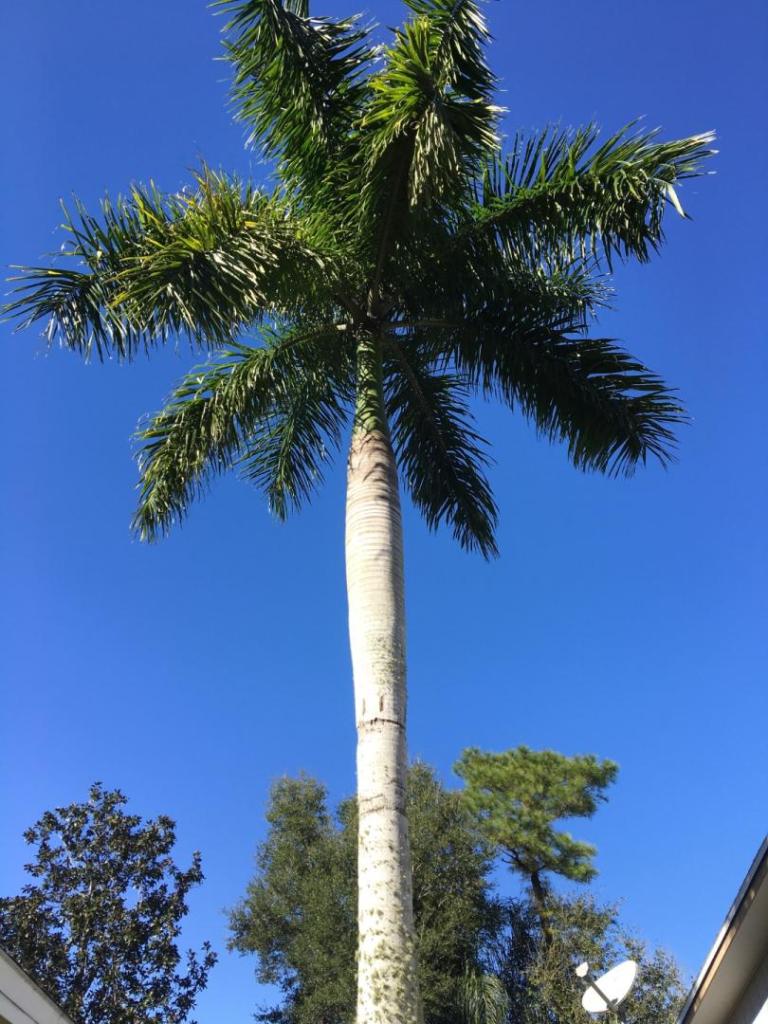
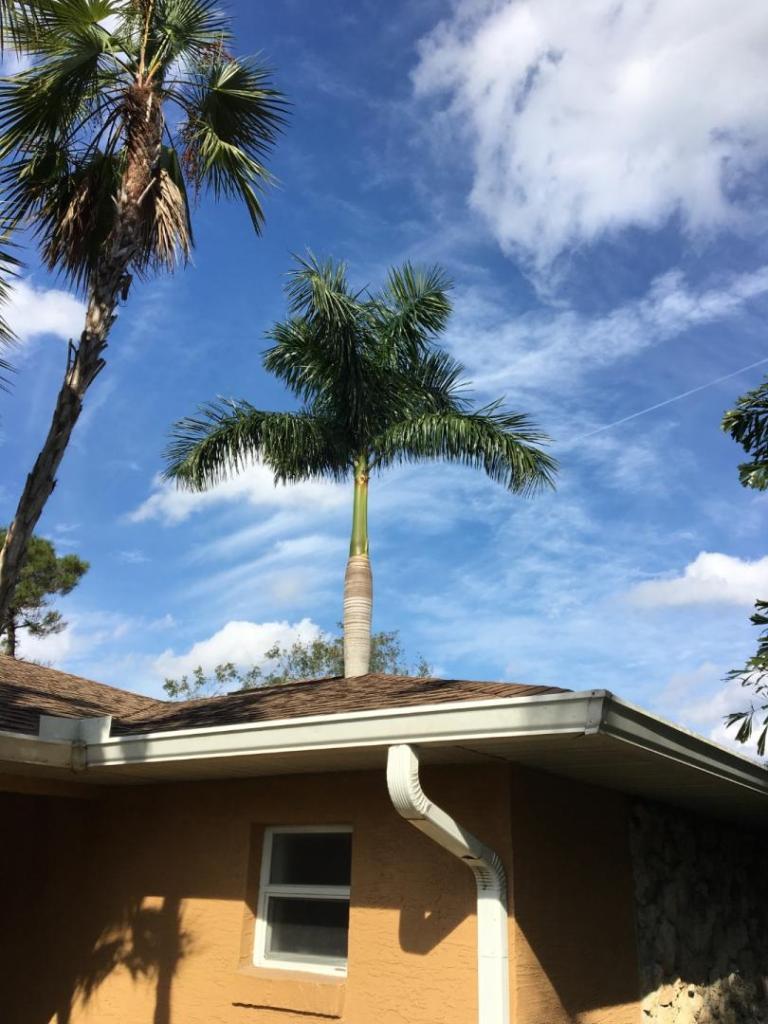 1 point
 -
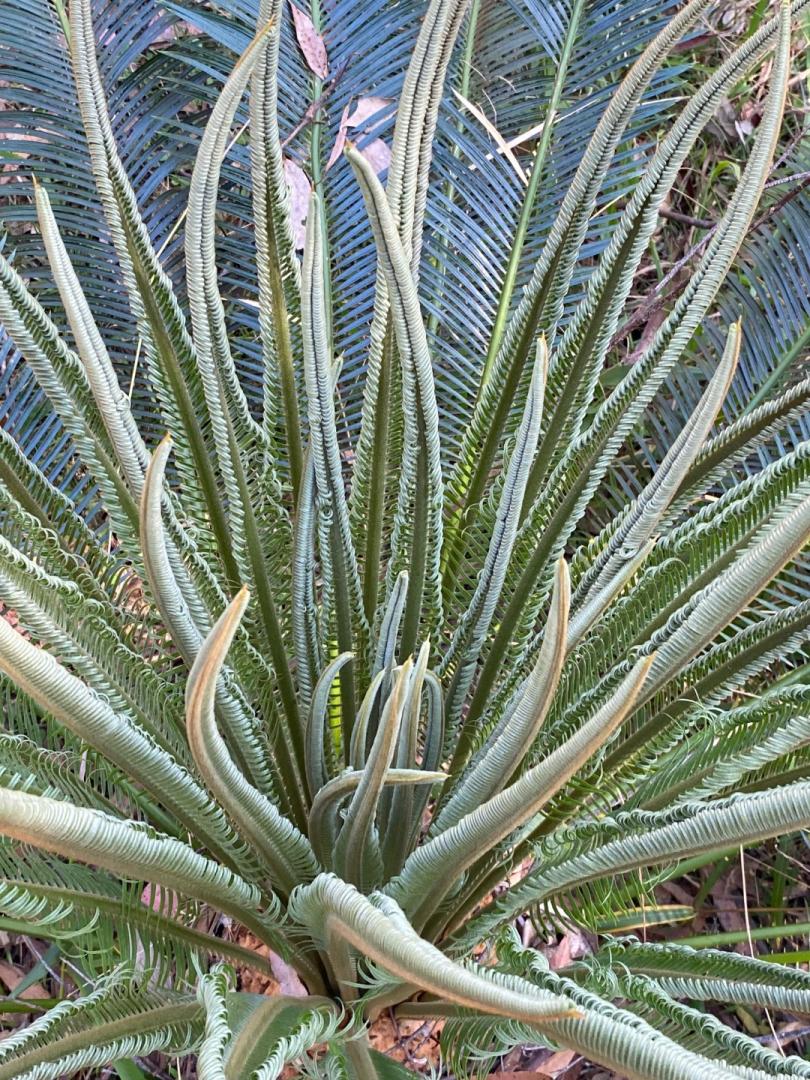
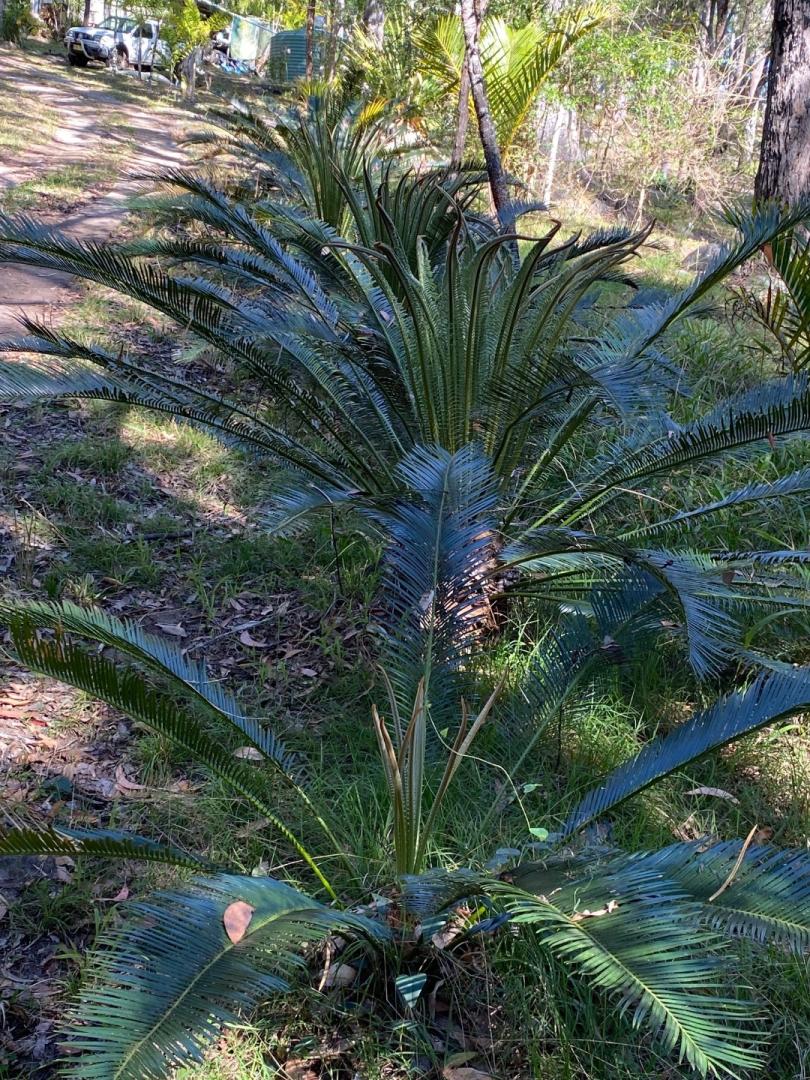
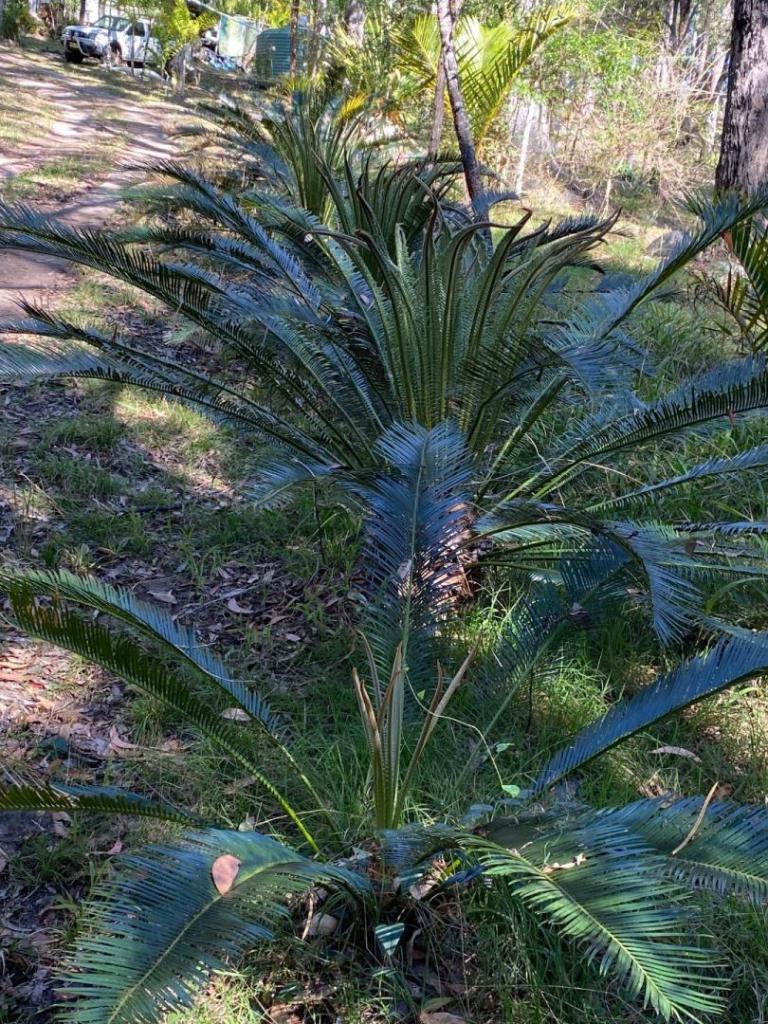
I have a nice row of cycas taitungensis that are planted along the driveway and they are flushing new growth at the end of winter in some warm weather I get good viable seeds from there easy to propagate there kind alien like new growth is a nice feature.
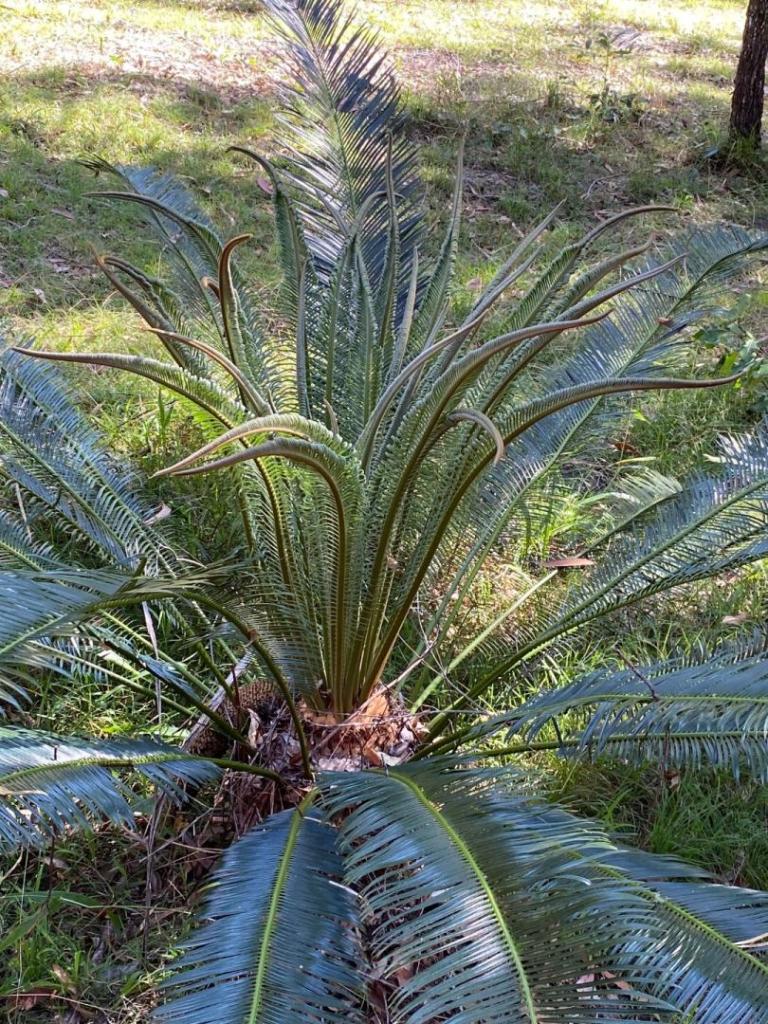
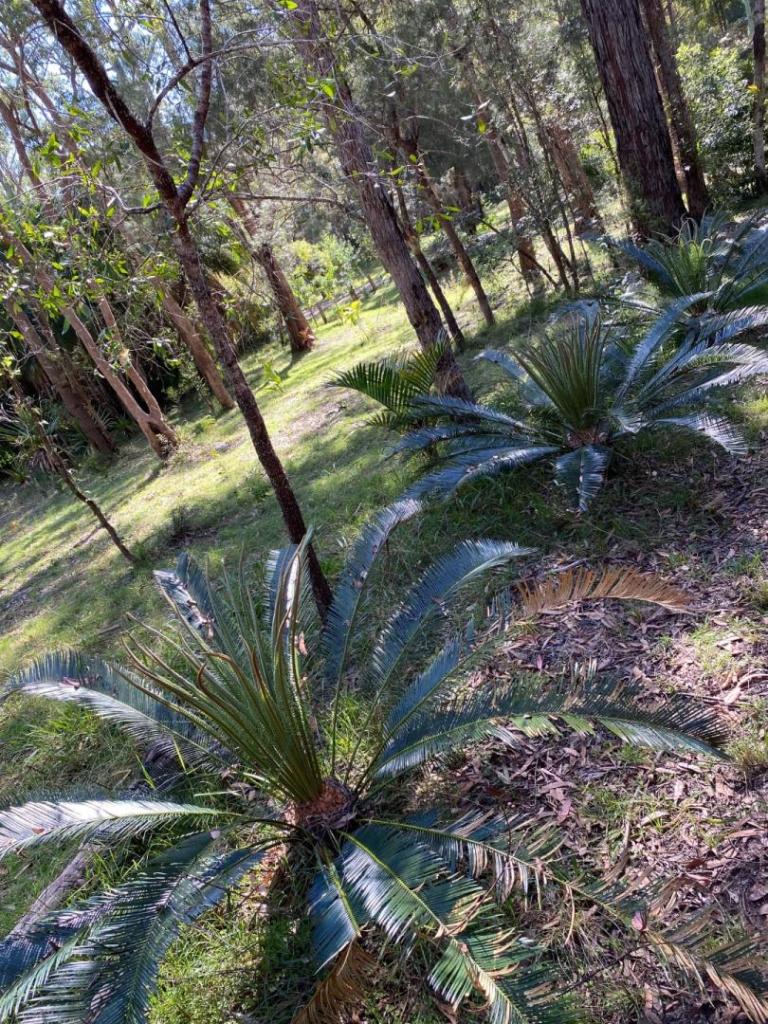

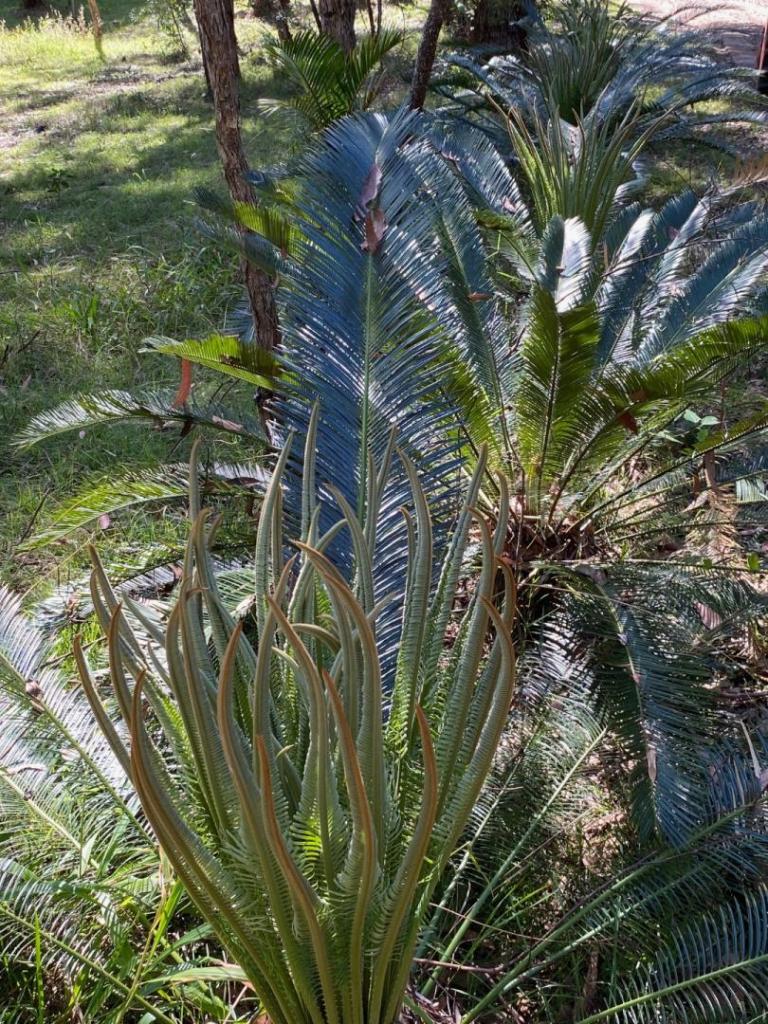
 1 point
 -
I think the size of an alfredii will depend more on sun exposure and soil. Obviously getting knocked down just destroys roots, retarding growth. My full sun one is around 28-30' overall and it was spread out from its shuttlecock shape by IAN where we had gusts to 97 mph. I have two others in part shade(20-24') that took more damage in bent and fractured petioles. I agree ALfredii or any beccariophoenix is not a coconut substitute. Mine has a 36" thick clear trunk bulging at the base of 8' of trunk and is about 35' wide leaf tip toi tip. I think planting in sandy or rocky soil only exacerbates the wind issues which are due to a much bigger crown than roots can stabilize early in life. I guess I got lucky, only one of mine had a mild tilt in IRMA, nothing from IAN but bent and fractured petioles. The leaflets on all of mine are over 50" long, its a different "jurassic" look than a coconut. No one guesses it to be a coconut as those are notably smaller in crown with fewer leaves and more yellowish in this area. The good side is trimming is much more safe, LOL! I think I will be able to trim mine for another 20 years from the ground with my 18' pole saw.1 point