

Leaderboard
-

Jimbean
IPS MEMBER22Points2,243Posts -

happypalms
IPS MEMBER20Points13,415Posts -


Jim in Los Altos
IPS MEMBER17Points5,606Posts -
realarch
IPS MEMBER14Points7,189Posts
Popular Content
Showing content with the highest reputation on 02/12/2026 in all areas
-
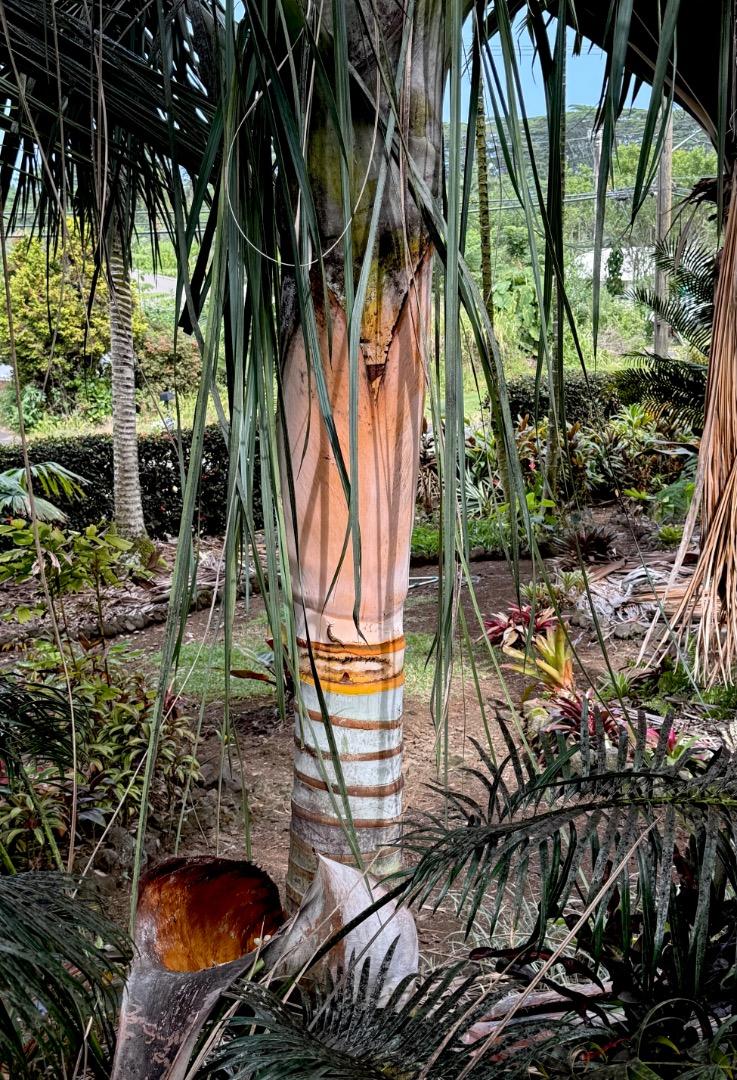
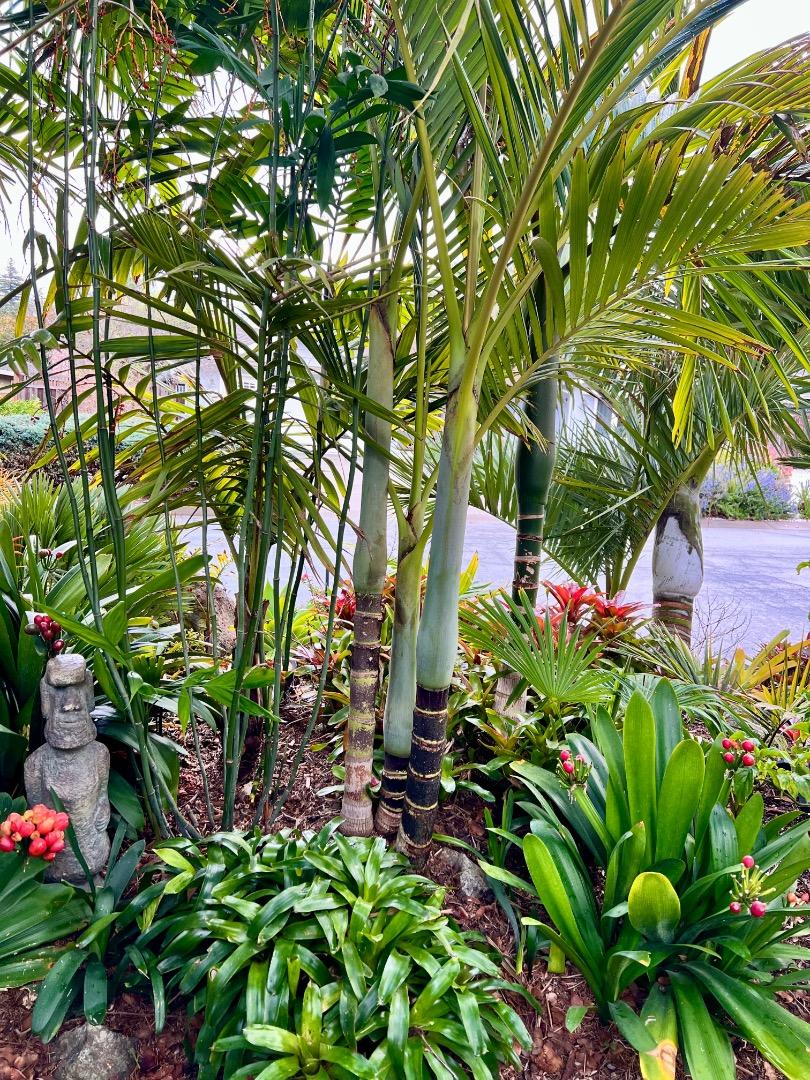
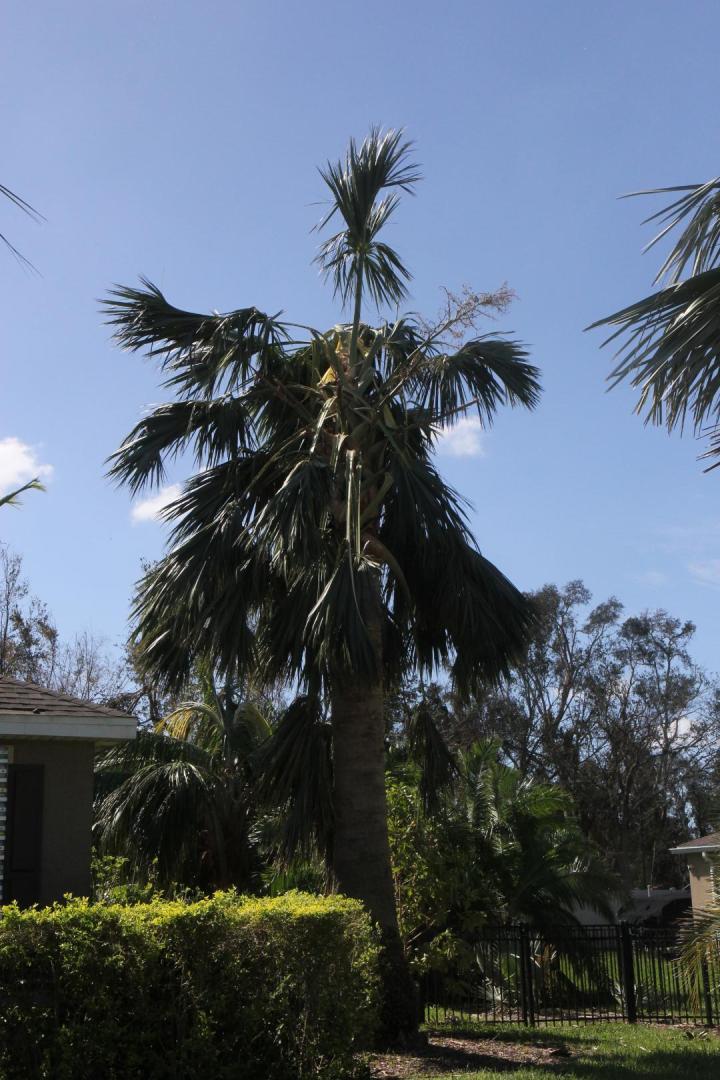
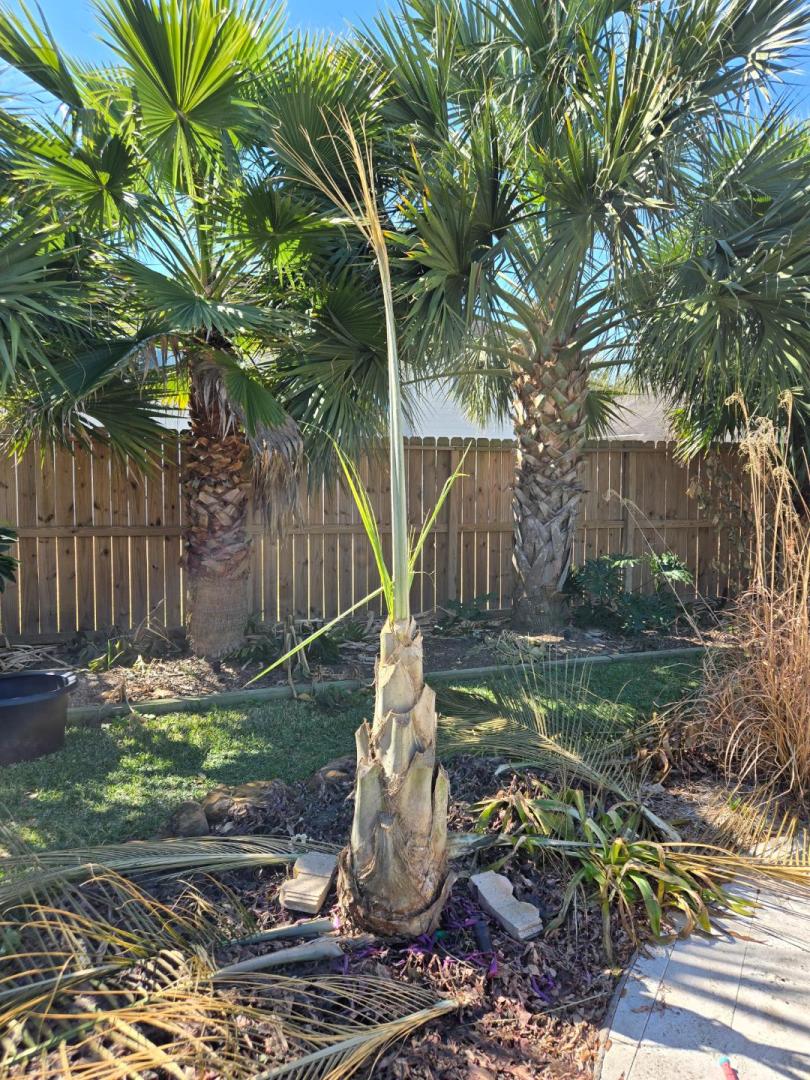
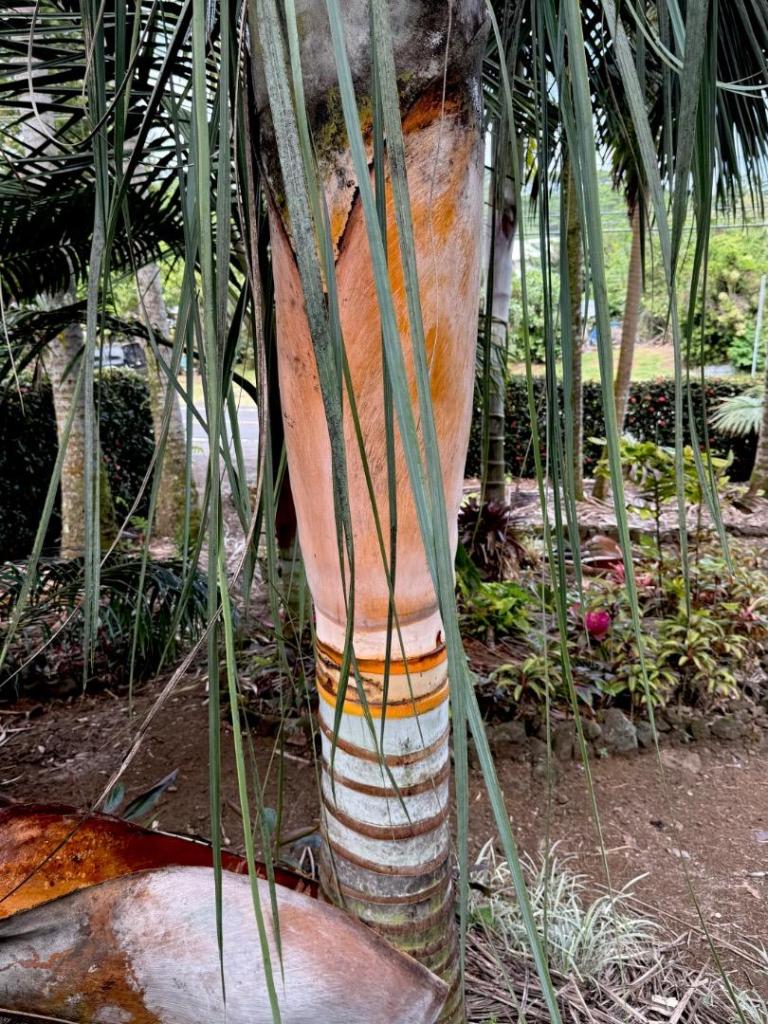
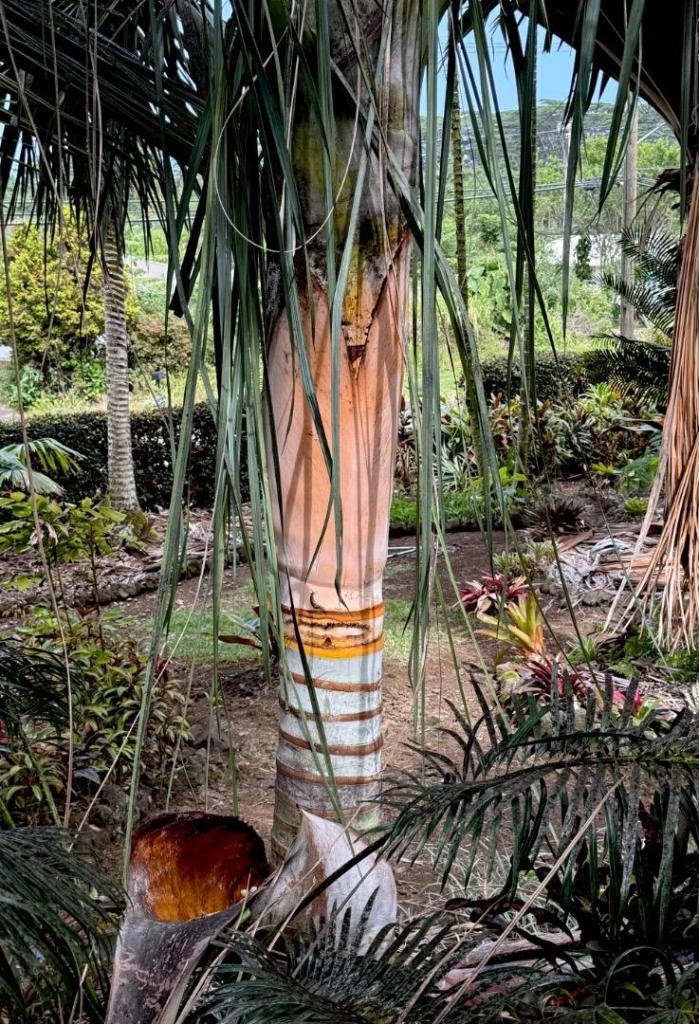
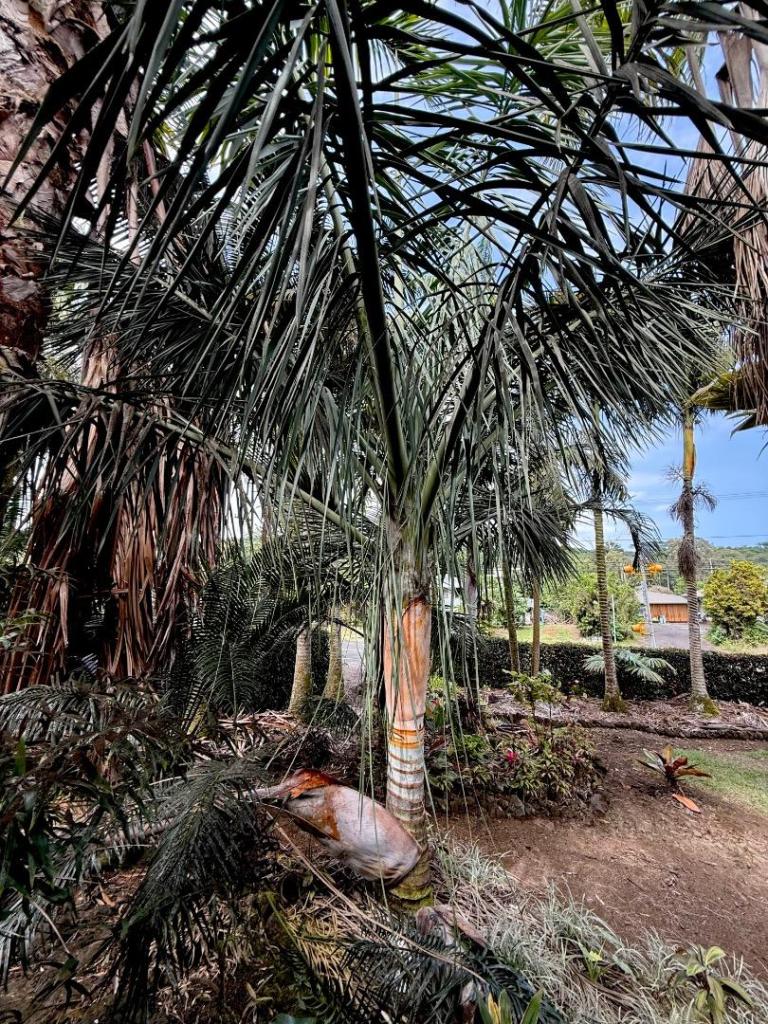
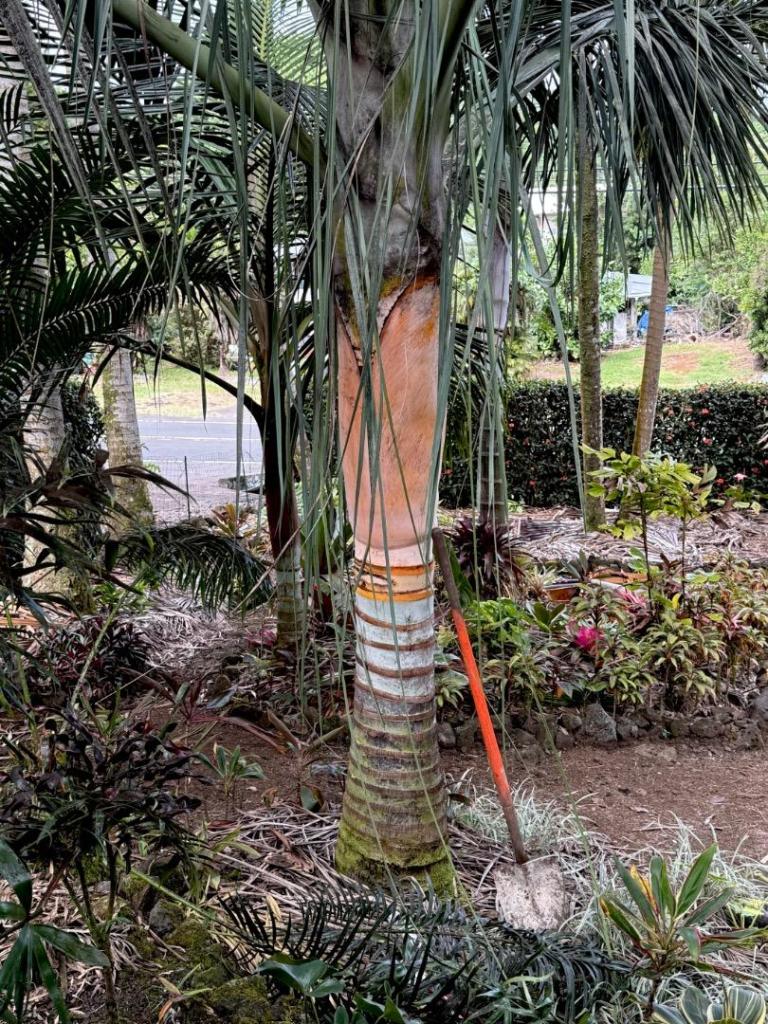
13 pointsReally a magnificent palm. Stout, but not overly large, moderate grower, and good color especially after losing a leaf sheath. Prominent basal leaves on extraordinary long fronds add to the picture. Planted early 2012 from a 1 gallon. Tim
 13 points
 -
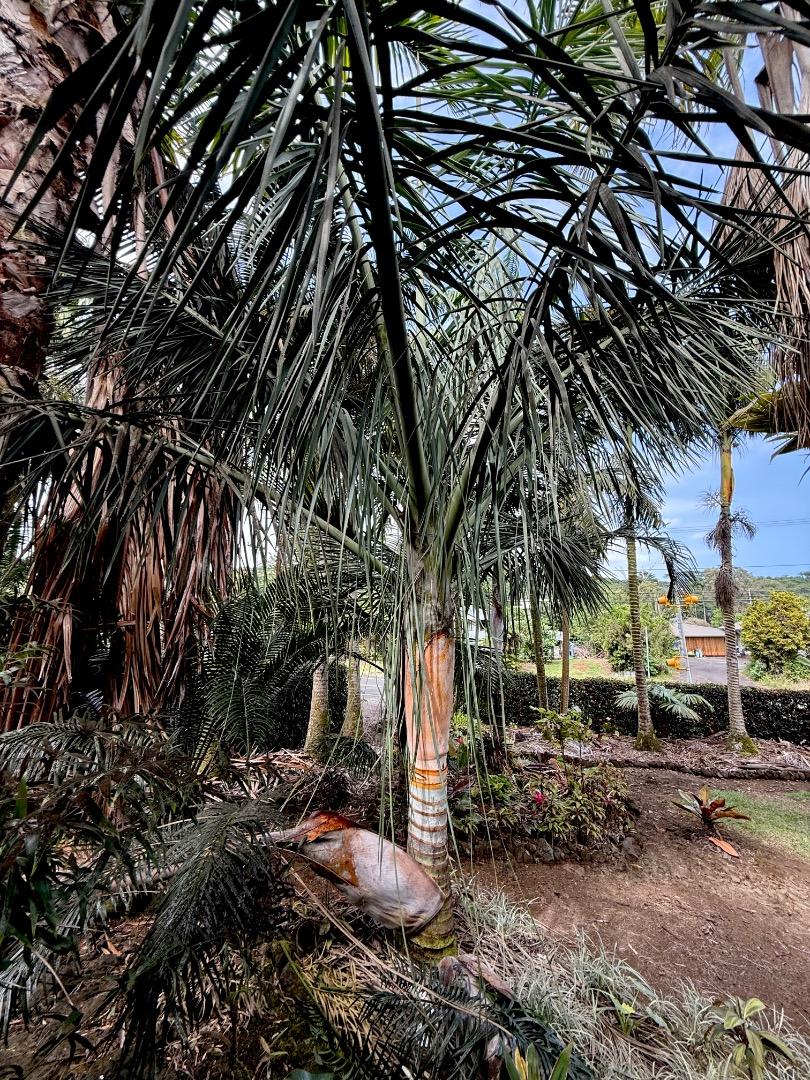
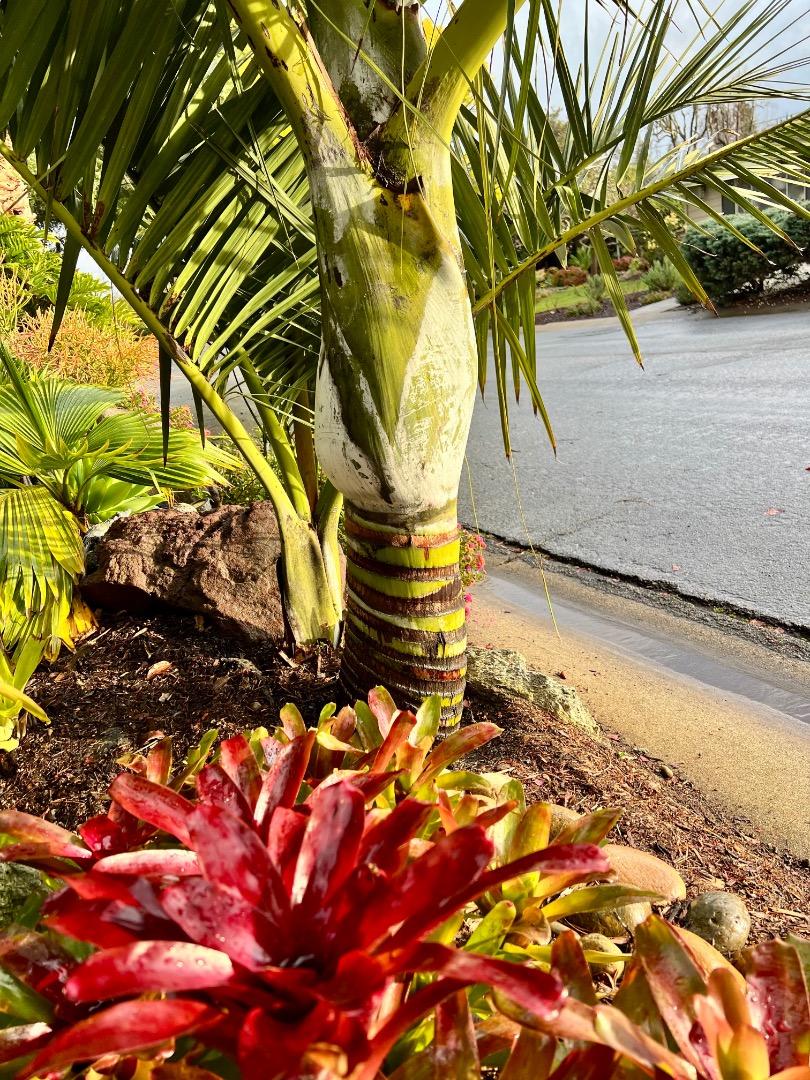
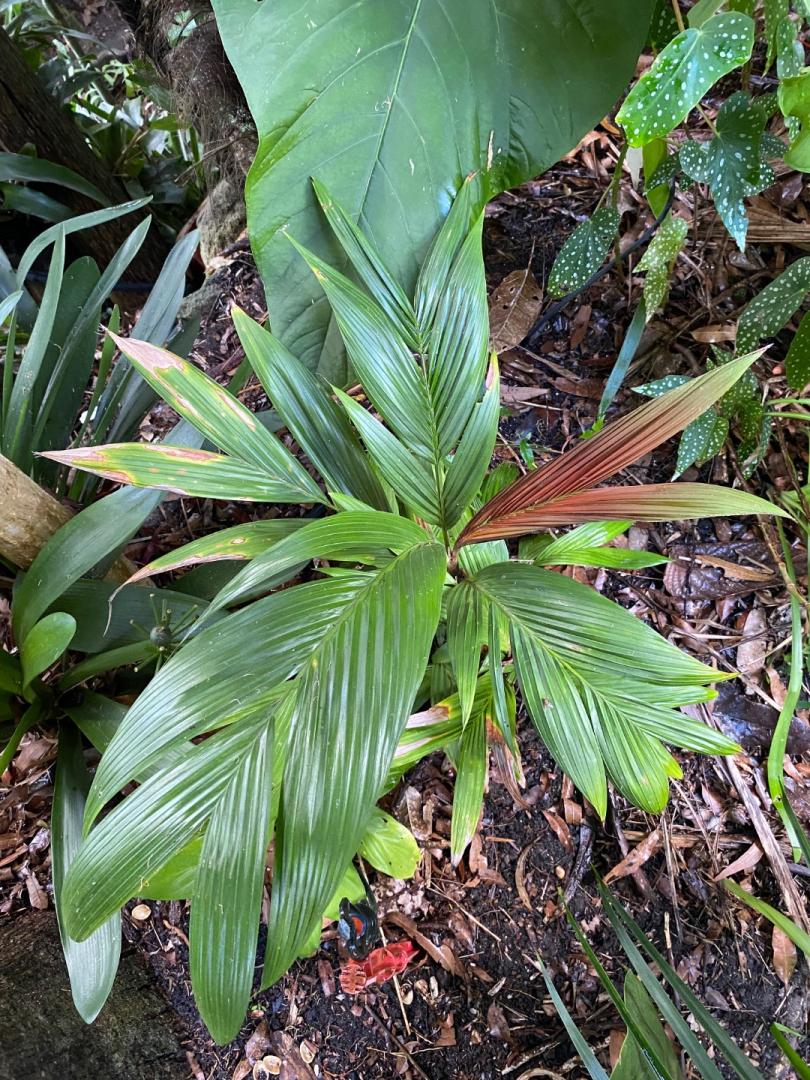
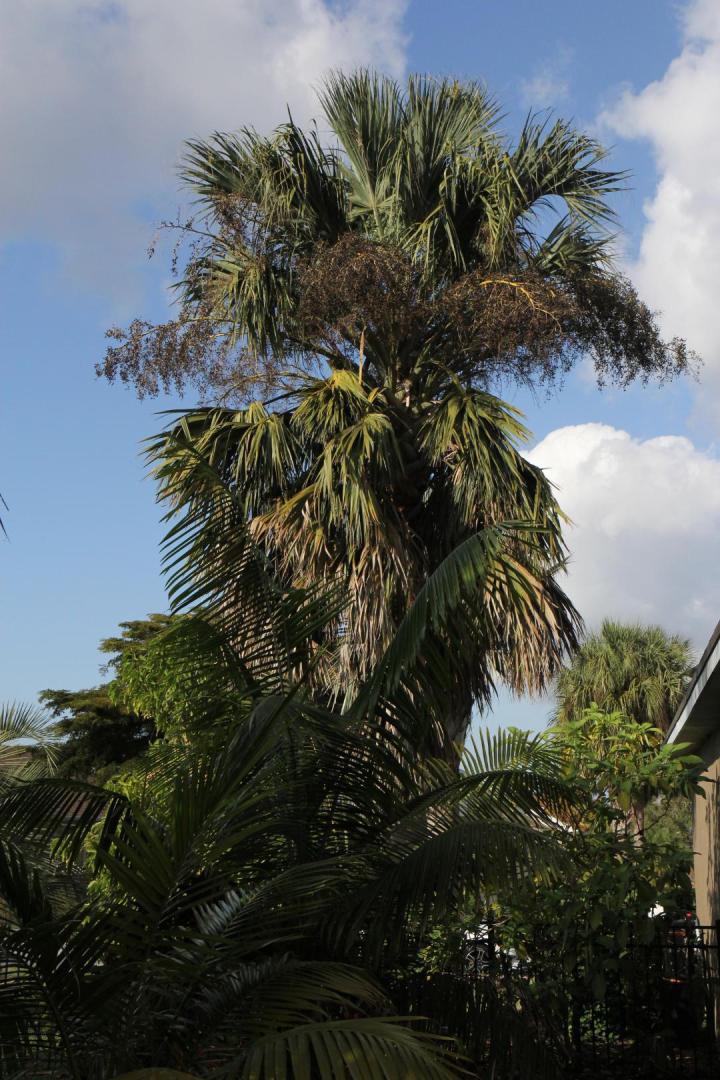
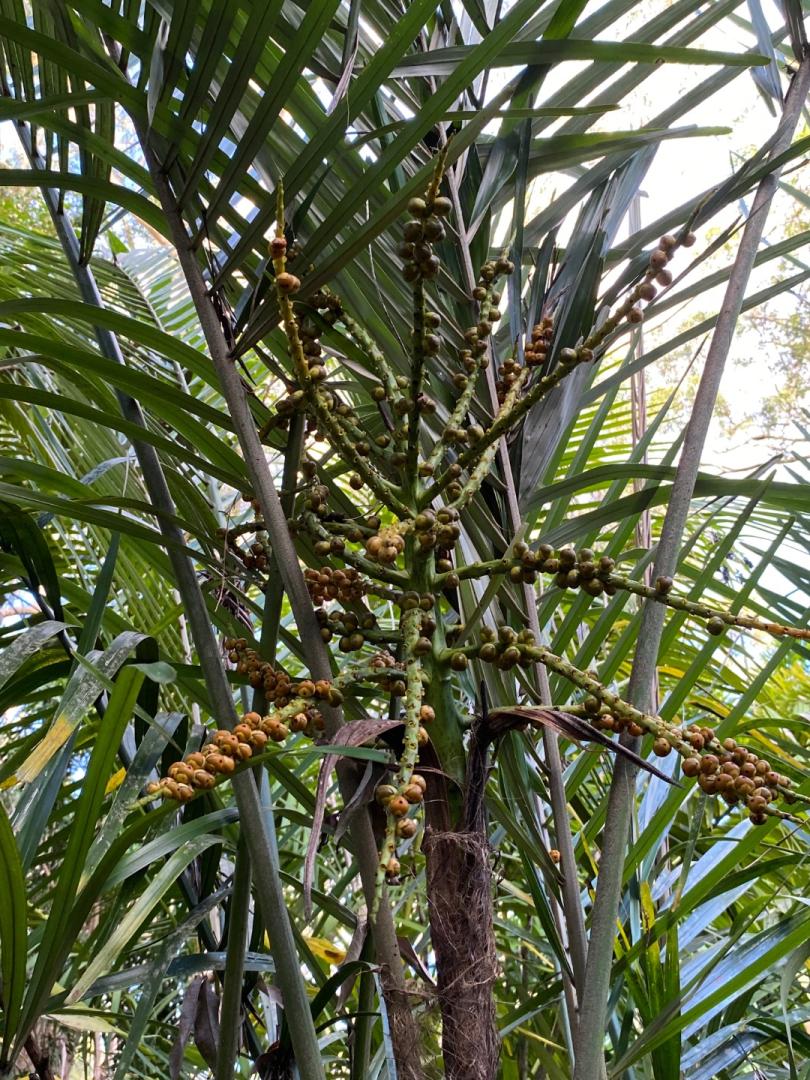
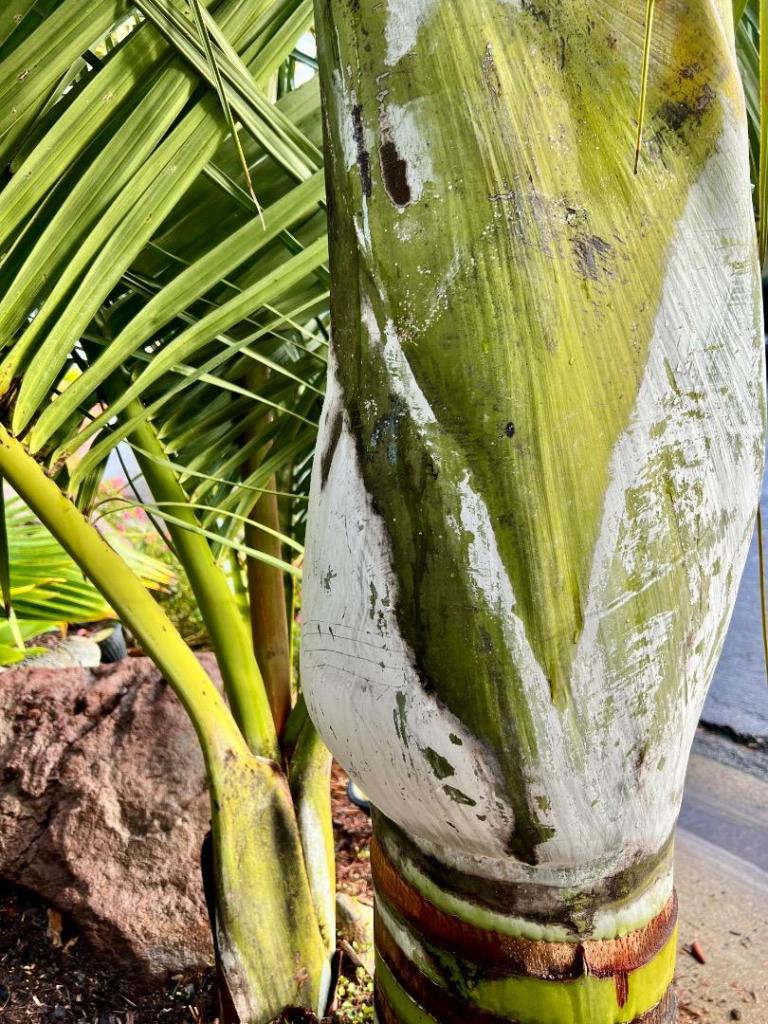
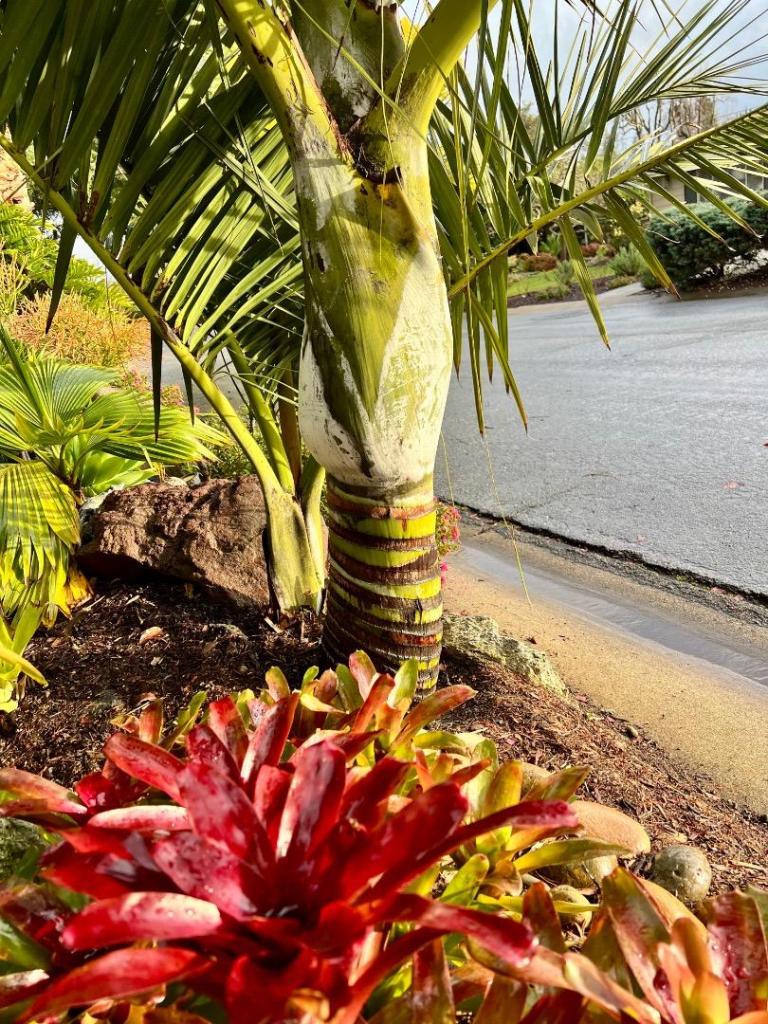
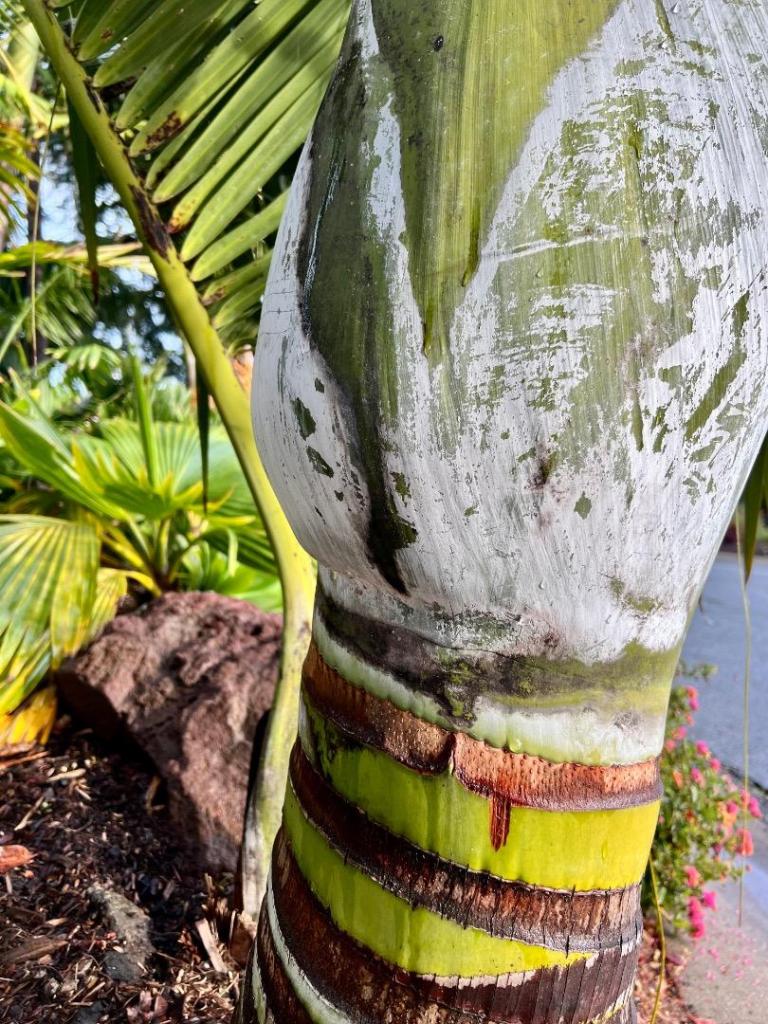
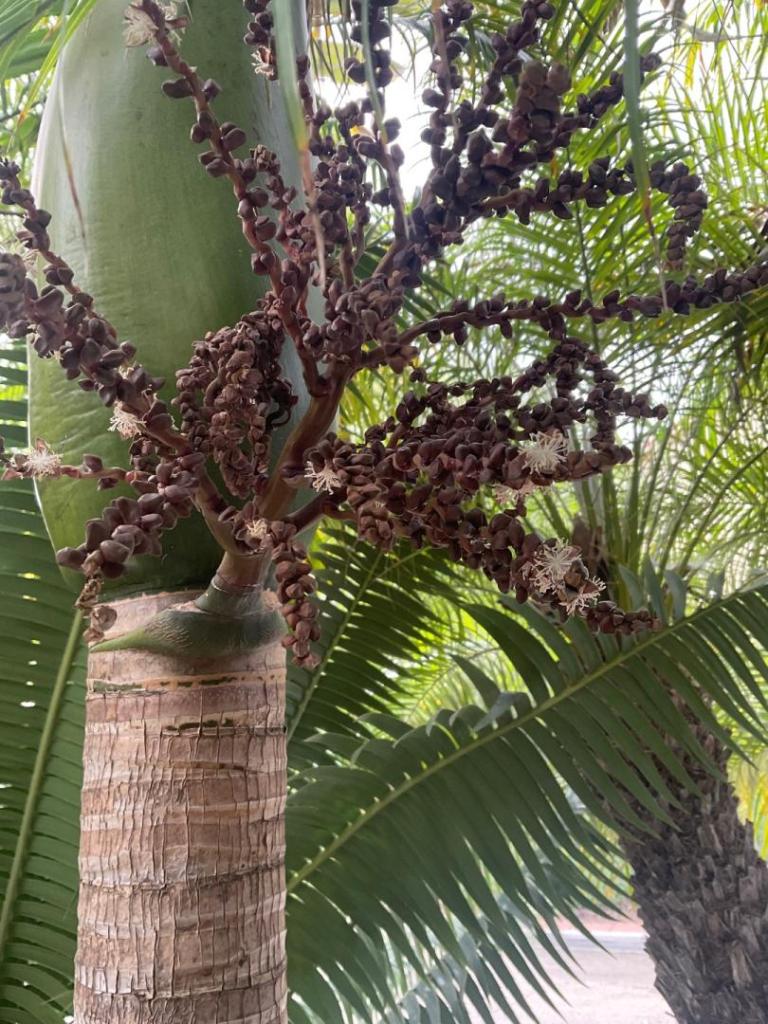
10 pointsThe bulging crownshaft on this almost twenty year old Chrysalidocarpus decipiens makes me think there’s something good lurking underneath it. Could it be about to produce an inflorescence? Will have to wait ‘til the attached frond dies and falls off.
 10 points
 -
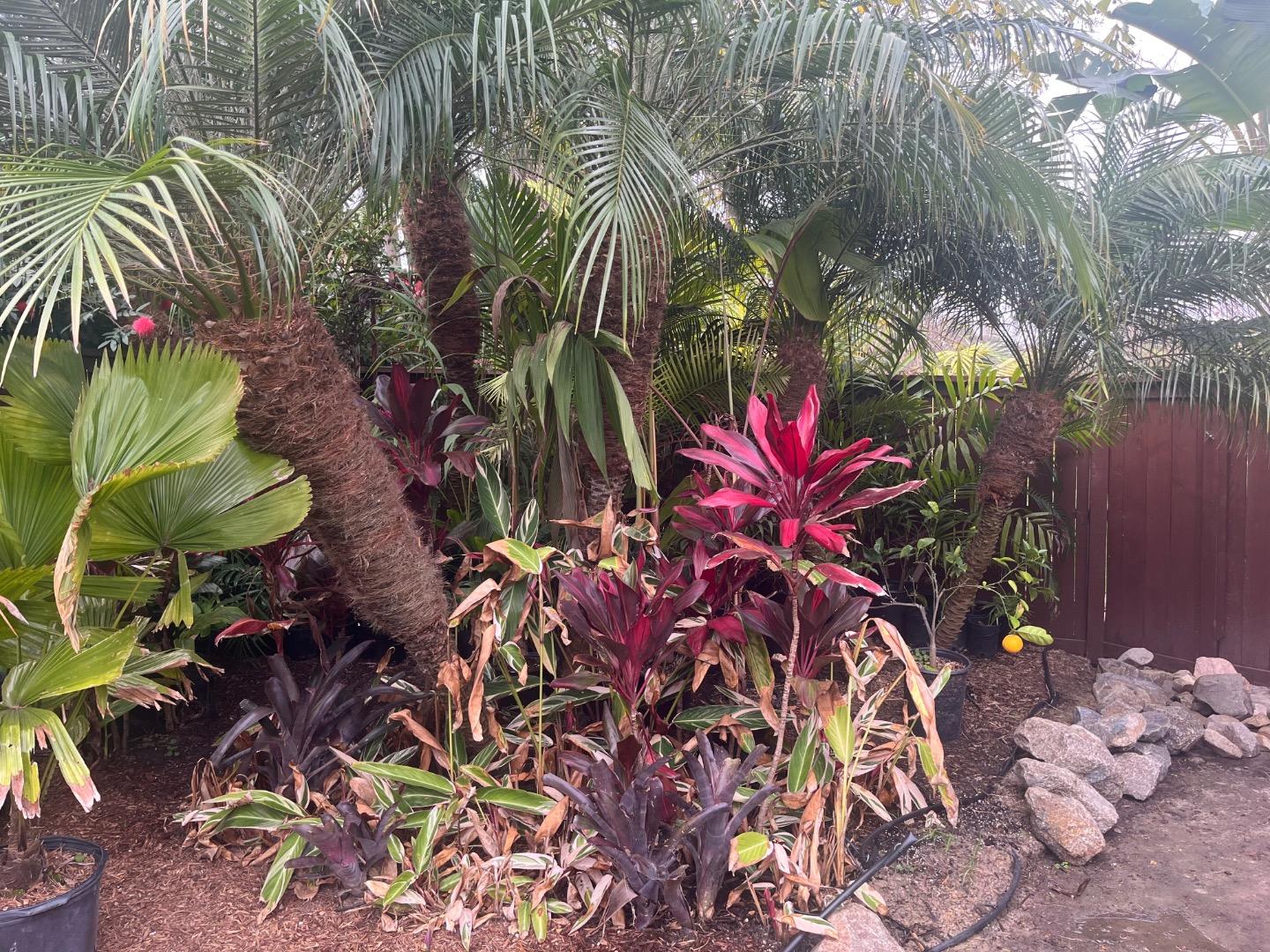
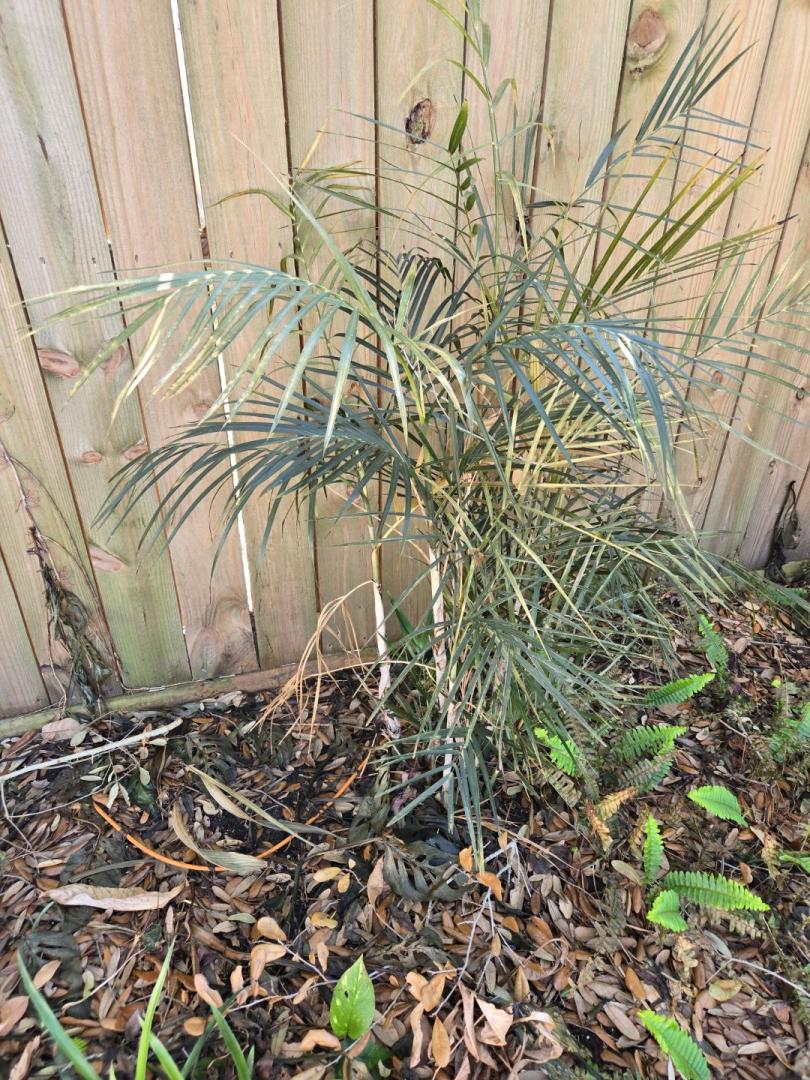
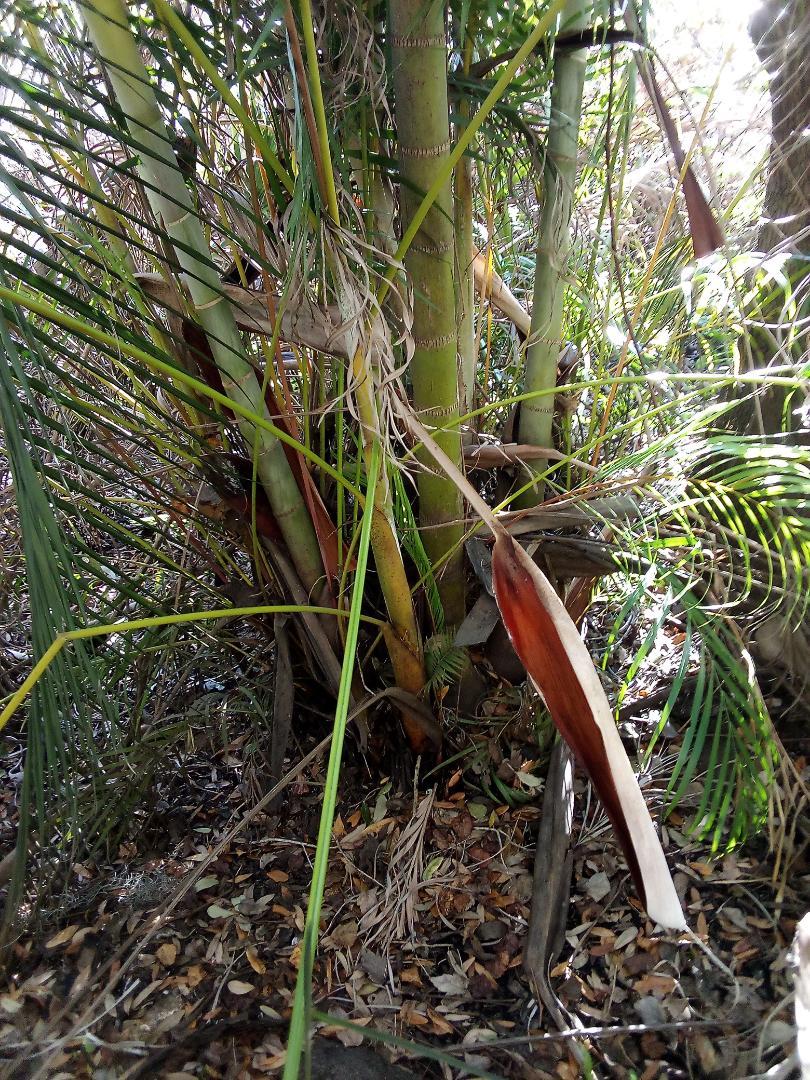
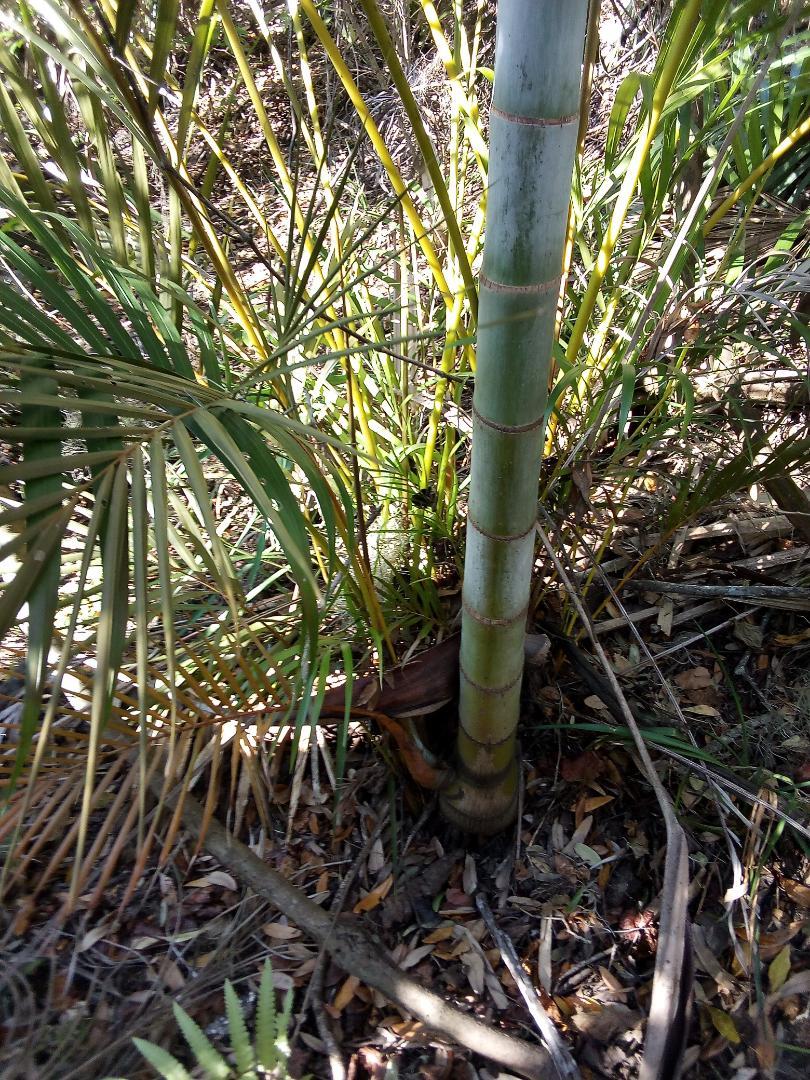
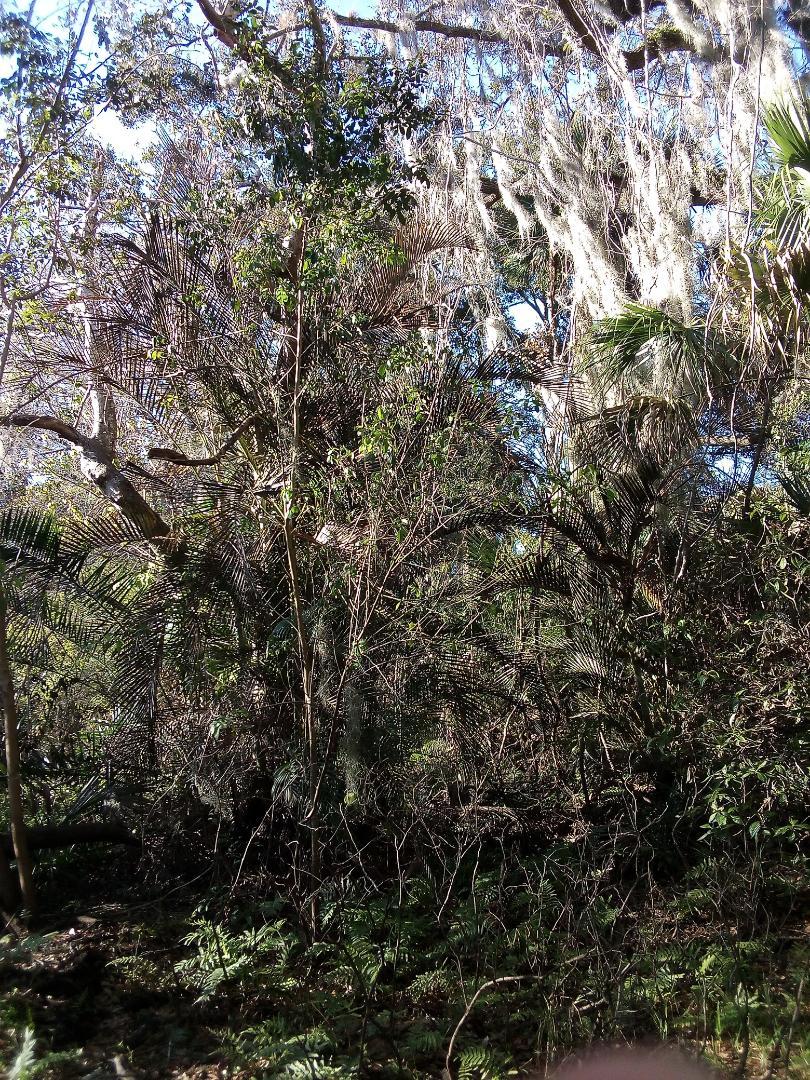
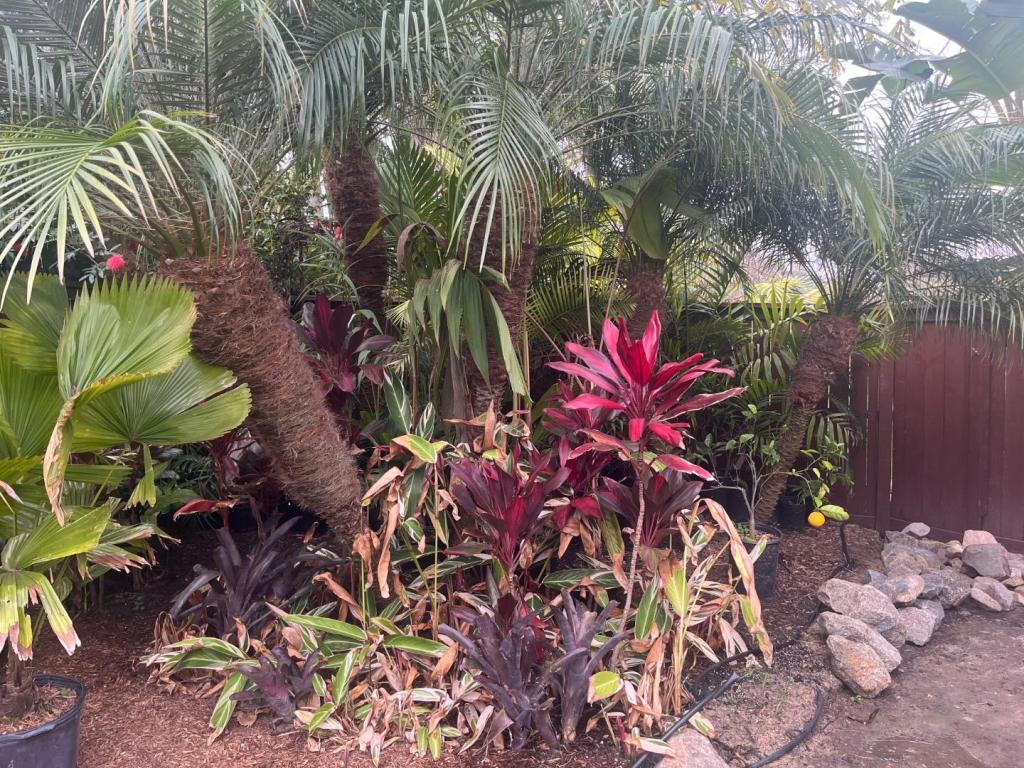
 Four pairs of healthy Phoenix roebellini / Pygmy Date palms (8 palms total) currently have a date with a chainsaw. 😢 Thought I’d offer them here in case someone wants to rescue them. I’m in Carlsbad (North San Diego County). Another palmtalker was interested, but the logistics didn’t work out. These are mature palms, already planted when we bought the house in 2007. They were transplanted once many years ago (from backyard to front), so digging *might* be a little easier than if they’d never been moved—but they’ve been in place for a while, so not sure on that one. The deal: You do the digging. My husband can help move them to your truck, and the smaller plants around them would be removed in advance for easier access. Hard to get a good pic, but here’s a few of them. There are 8 total, in pairs of 2… And here’s a ChatGPT interpretation of them in early March if no interest… It’s a bit sad to cut healthy palms, but something’s got to give to make room for the more exotic stuff. PM if interested in them.
 3 points
 -
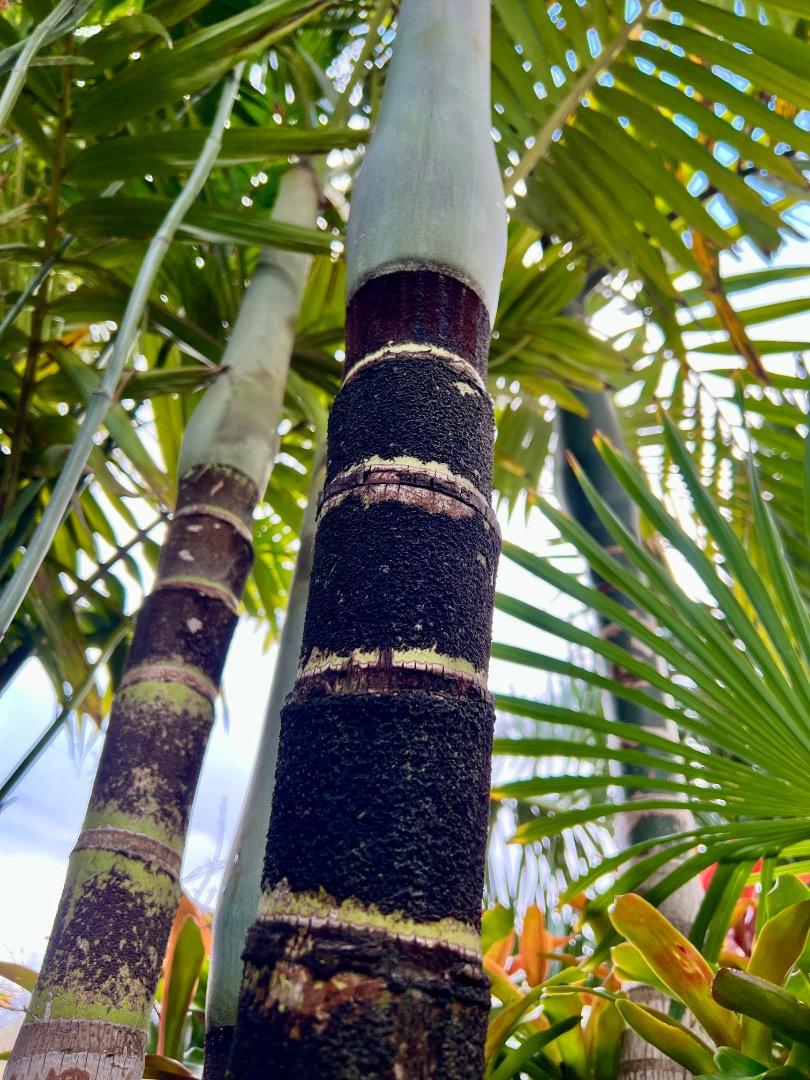
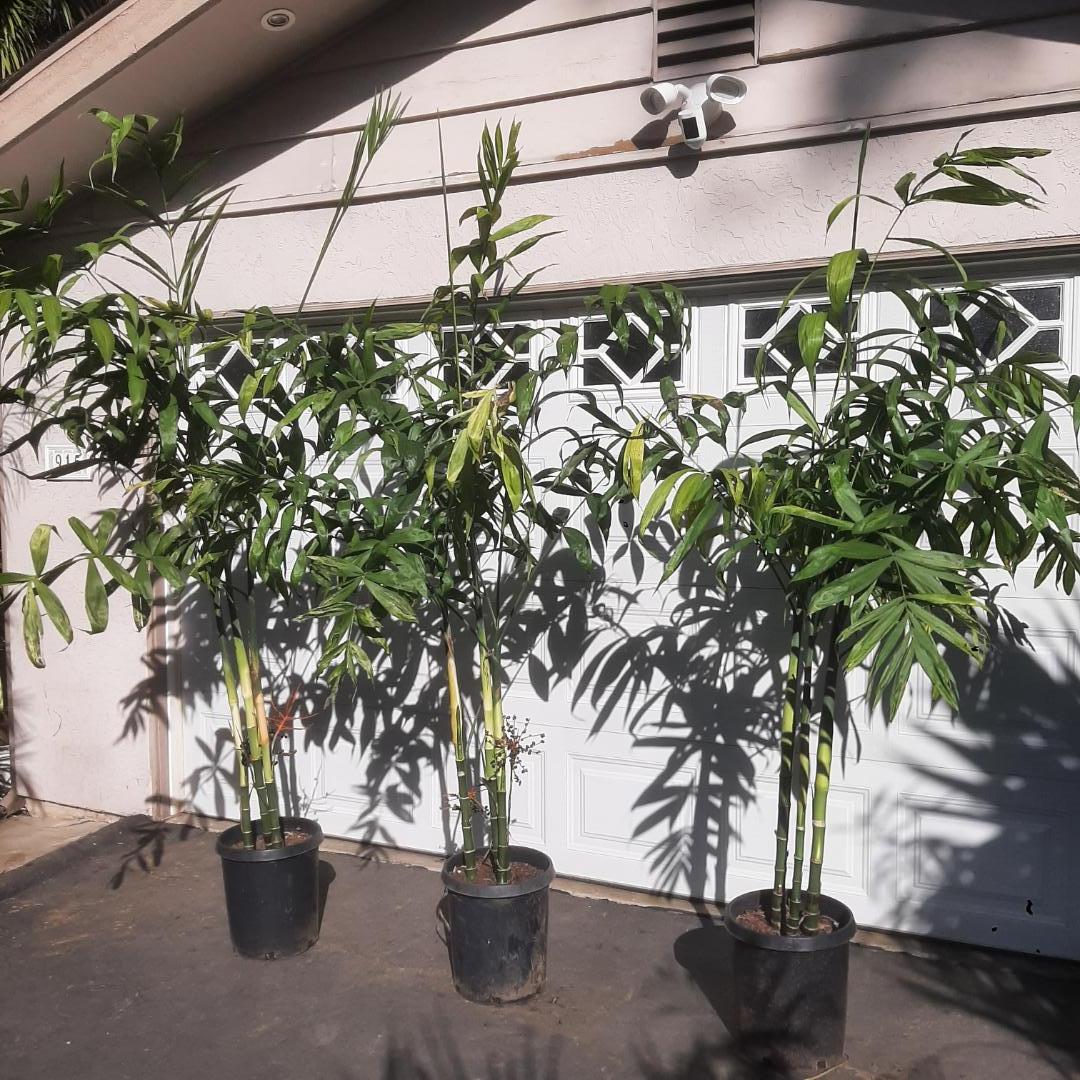
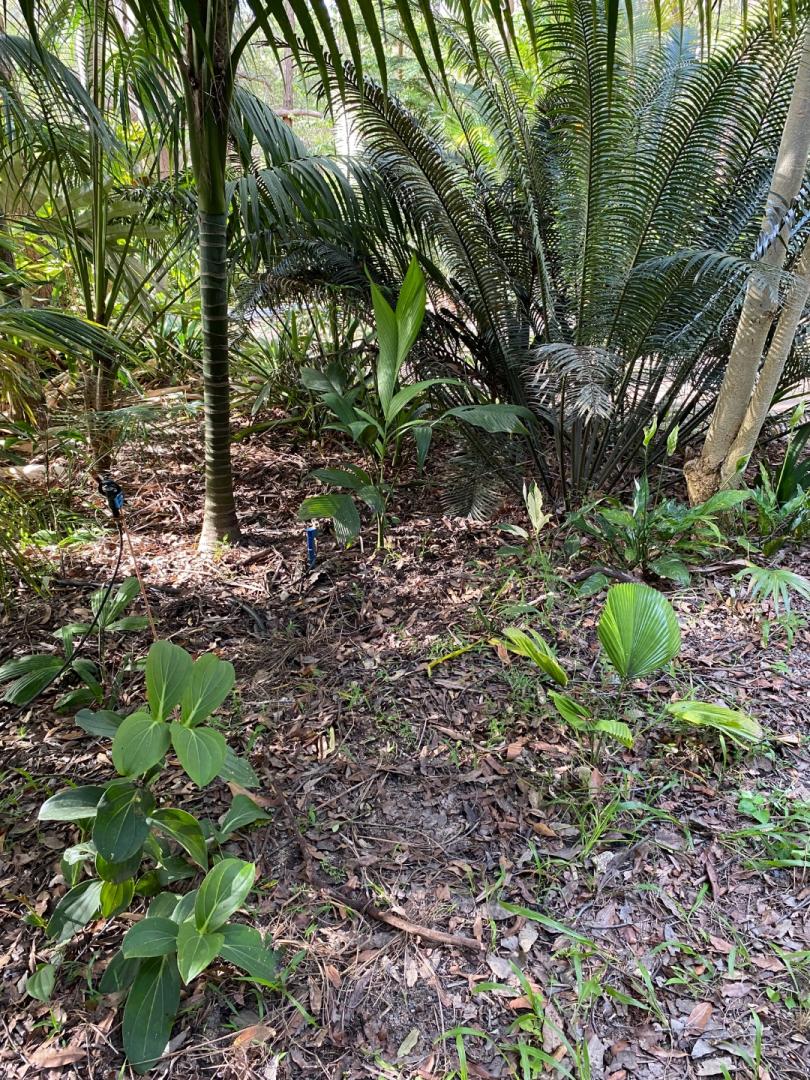
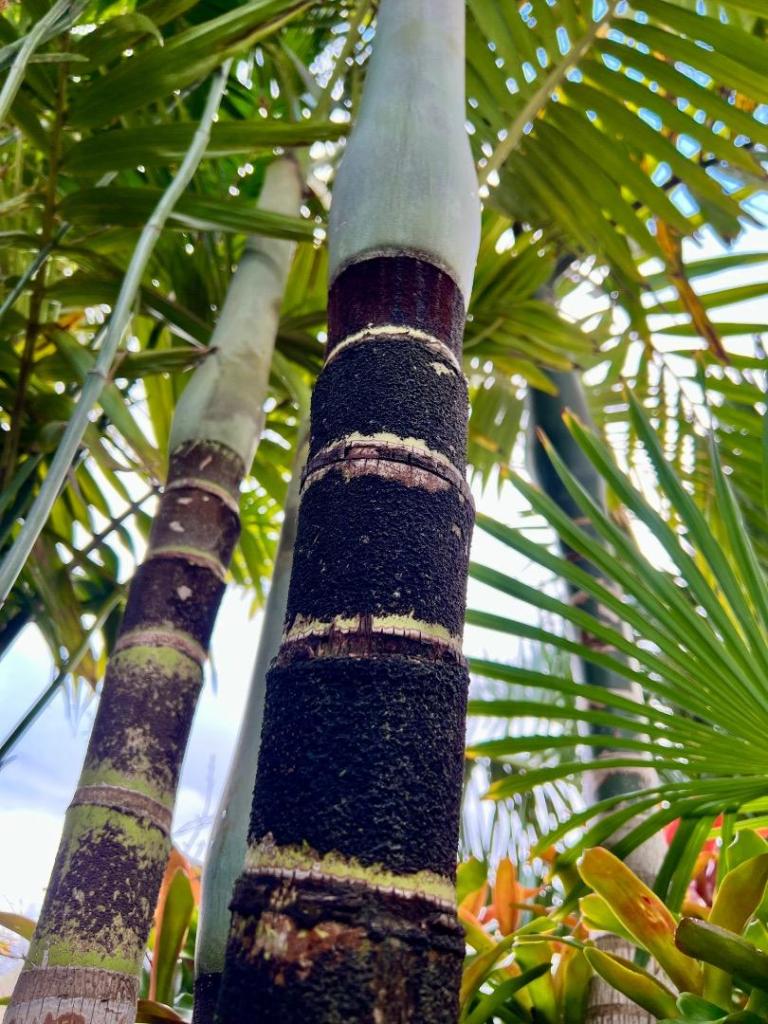
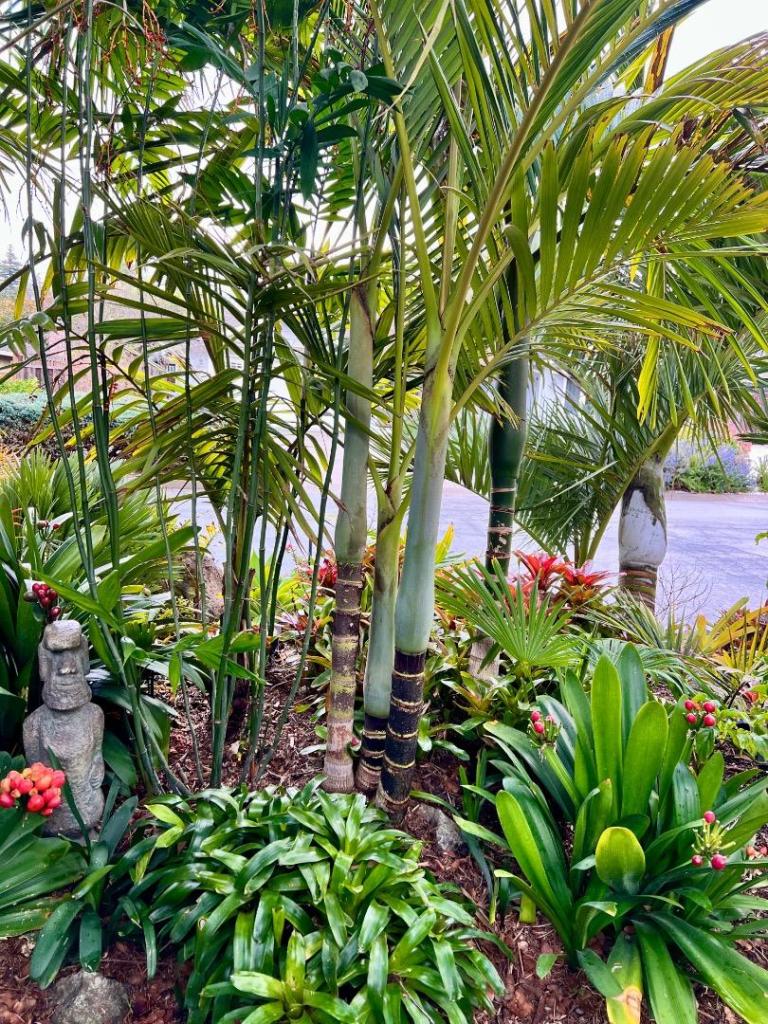
These three are my only Archontophoenix purpurea and I’m just wondering if the heavy black tomentum on their trunks is unusual or typical. Whichever it is, I like it. These were purchased as seedlings from Floribunda a few years ago.

 3 points
 -
 3 pointsFor removal , I would hire a tree service to take them down . Get quotes from different ones . After my huge Caryota fell down , I was quoted $1700 to remove and dispose of the tree by my regular trimmers. It was laying across my neighbors driveway so I didn’t have time to source it out . I had two friends with chainsaws ready to help but a landscape company was working across the street and offered to do it for $250! They had it cut up in less than an hour. After the work was complete , they hauled it off. Then I got a text from my regular trimmers saying they would do it for $700 …..as a favor. “ No thank you “ was my response. Harry3 points
 -
 3 points
 -
3 pointsNothing prettier than fronds moving in the breeze! 35 mpg sustained winds would be considered very high here too but are pretty “gentle” compared to Hurricane/Cyclone winds!3 points
-
3 points
-
3 pointsEither that or someone has been eating too many chocolates! Wanted seeds those one Jim!3 points
-
 Whoa @Jim in Los Altos that’s freaky! Maybe call them Johnny Cash Palms?3 points
 -
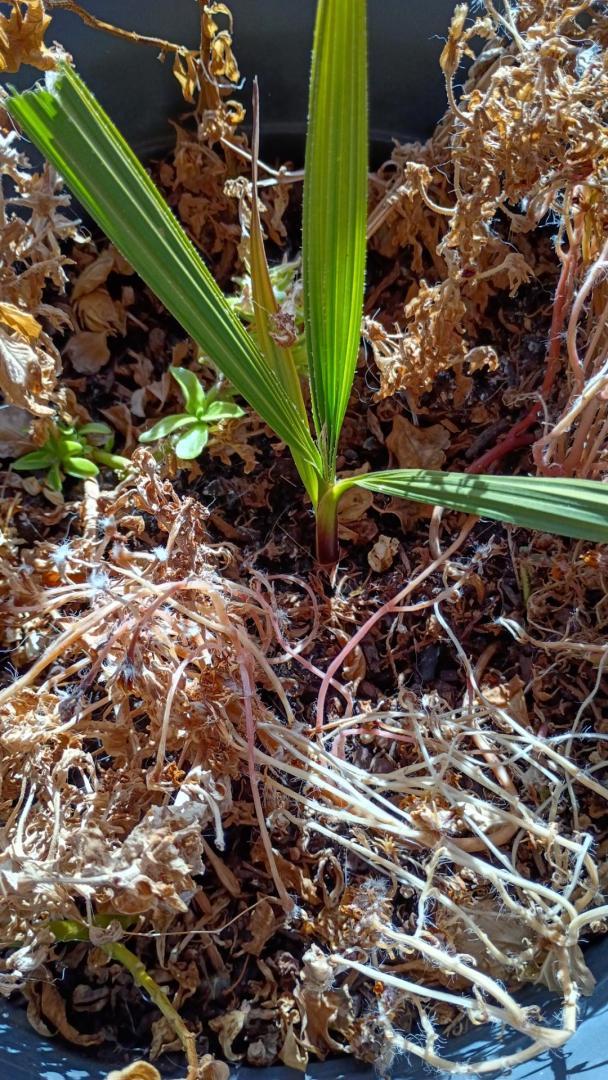
 3 pointsI am not in the league of 1000's of seedlings, but up there. Close. What I can say is many traits of filifera/robusta can be turned off/on with soil acidity/alkalinity. It is readily apparent in Maui where filifera have naturalized in alkaline areas and morphed into something not filifera with known soil differences I have proven the same thing in my backyard. Suffice to say I can turn off/on red petiole streaking on trunking and seedling filifera with the use of highly acidic fish emulsion. On and off. When you realize filifera have been in cultivation for only half of of it's lifespan(250 years), we may not know really much about it's true characteristics. I believe people confuse wet/dry and overlook soil ph. Never once "heard" anyone try to grow one with the use of baking soda...........never! But they sure try to grow this swamp and water pumper in "dry" desert conditions. But they are not found in the open desert. If filifera grew in the open desert, they would be all over like prickly pear, creosote, mesquite. They grow in highly alkaline swamps found in the desert. I've reported my findings on this forum before with little interest Here is a 5 month old seedling grown from seed from a filifera palm preserve. In acidic soil. Nuttin but red..... Maybe even some "stretching" at the base
 3 points
 -
 3 pointsThese winds are really dangerous. Here, they are becoming increasingly violent and should not be underestimated. Even large trees that appear strong can be seen lying on the ground afterwards. It's terrible. A friend of mine had a fir tree that had been described as healthy and stable a few months earlier, but it recently fell directly onto the house of a colleague near the Austrian border. There was enormous damage, but he was away and has no children, and his neighbors are further away...3 points
 -
 Next week, our hardy palm enthusiasts head for Vietnam. I can't make it this year but it doesn't keep me from learning more about the critically endangered palms in Vietnam. Vietnam’s vegetative biodiversity has been severely impacted by decades of war, rapid industrialization, and illegal logging. While the country has successfully increased its total “forest cover”, much of this is compromised, consisting of monoculture plantations (like acacia or rubber) rather than rich, biodiverse natural forests. The damage” in Vietnam is no longer just about the quantity of vegetation, but the quality of the ecosystem as well. Current problems include:· Fragmentation and “Empty Forest” Syndrome: While green cover exists, many forests are fragmented. Intense snaring and hunting have removed seed-dispersing animals (monkeys, birds, small carnivores) leading to “empty forests” (where trees and palms cannot naturally reproduce or move seeds across the landscape. · The Rise of Monocultures: Large areas have been replanted with exotic species like Acacia and Casuarina. These grow fast and provide timber but offer almost no habitat for native wildlife and fail to support the complex undergrowth found in primary jungles. · Endangered Flora: According to the 2024 Vietnam Red List the number of threatened plant species in general has risen to 656. · Soil Degradation: In areas like the Central Highlands and Coastal Dunes, the loss of original vegetation has led to severe soil erosion and a loss of the “seed bank”,…the natural store of seeds in the soil that allows a forest to bounce back… Vietnam is a biodiversity hotspot for palms, but many species are restricted to small “refugia”. The most critical locations for endangered palms include: Region Notable Endangered Palms Key Habitats Central Vietnam (Quảng Ngãi, Thừa Thiên Huế) Truongsonia lecongkietii, various Licuala species Steep, moist slopes in the Truong Son (Annamite) Range. Northern Limestone Karsts (Hạ Long Bay, Ninh Bình) Guihaia grossifibrosa (Dragon Scale Palm) Clinging to the sheer cliffs of ancient limestone "towers." Southern Highlands (Đà Lạt, Lâm Đồng) Pinanga and Calamus species Subtropical montane forests often threatened by coffee plantations. National Parks (Cúc Phương, Bạch Mã, Phong Nha-Kẻ Bàng) Multiple endemic rattan (climbing palms) Dense, undisturbed primary rainforests. You cannot rebuild without the original genetic material. Locating and protecting the remaining “mother trees and palms” is a top priority as they are sources for indigenous seeds. There needs to be a move away from commercial nurseries that foster monocultures. Local nurseries would focus on Framework Species by growing off a mix of indigenous trees and palms that grow fast and have big crowns to shade out weeds, nurture seedlings and attract seed-dispersing wildlife. Connecting fragmented patches of forest will also allow wildlife to move about dispersing seeds. This gives you a quick overview of how Vietnam is working to bring back ecosystems that were lost due mostly to human excess and war. Those of you going to the Vietnam biennial are taking a trip of a lifetime!2 points
 -
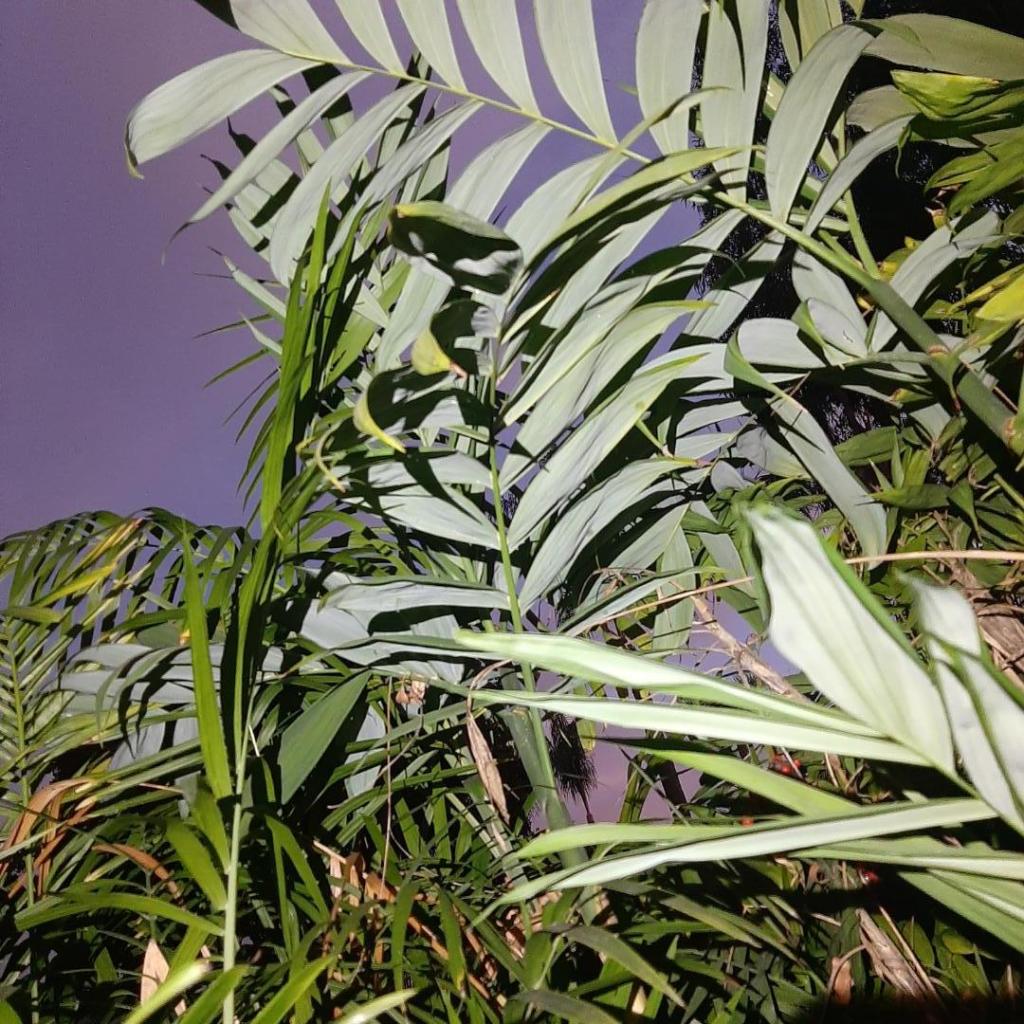
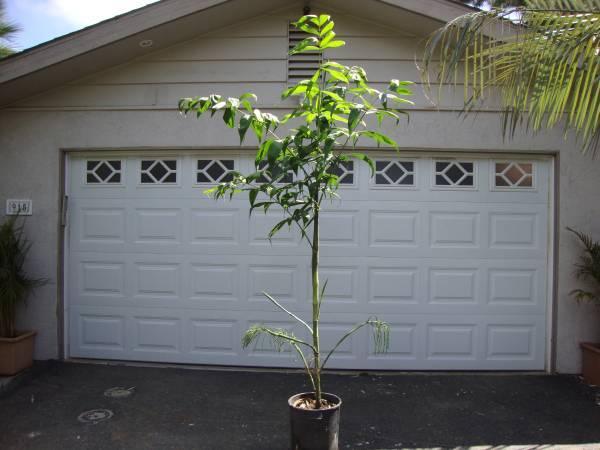
 Have a bunch of these microspadix w/ the white underside to leaflets. When Don Hodel stopped by a few months ago he mentioned that these grow way better than the regular microspadix and I completely agree. They are less likely to get leaf tip necrosis and handle different soils much better. Slightly larger leaflets and a bit neater looking as well. This 5 gallon one pictured $85 (some 5s are less and some more) Also 7 gallon $100 and 15 gallon $200+ As well, I have tons of the regular microspadix w/ big 15 gallon on sale $100. Also have 5 and 7 gallon $50-85 Pickup only in San Marcos, CA Thx -Joe 760-300-7339

 2 points
 -
2 pointsIt has been so sad to see the cold damage people suffered south of me. We get these zone changes as the weather gets warmer and we think we can grow one more exotic palm. Then every 1-15 years there is a bad one and so many palms either die or are so damaged it takes years to recover. At one time or another, I've had the heads come off my Windmill palms. But you never know when that new spear will finally emerge so don't chop it down anytime soon!. Night temps down to 9 degrees, days below 32 and they all sailed right through it. The ice and packed snow are still in 4' piles around our little post office. I have 18' T. fortunei palms, Sabal minors and Rathidophylum palms in the ground. Still you hold your breath and pray! They were supposed to handle the cold and they did.....not one brown frond. As always the potted Chamaerops came inside. I also lost it several years ago, even covered with Christmas tree lights.2 points
-
 If he digs it, he will kill it. Better to leave it and let it seed.2 points
 -
 2 pointsLook what is rising from the ashes !!! A volunteer ribbon palm Livistona decora. Legacy of all the beautiful ribbon palms that once graced these roads The young queen palms starting to pop up are looking good overall. Here is one at the work office that is definitely not protected

 2 points
 -
2 points
-
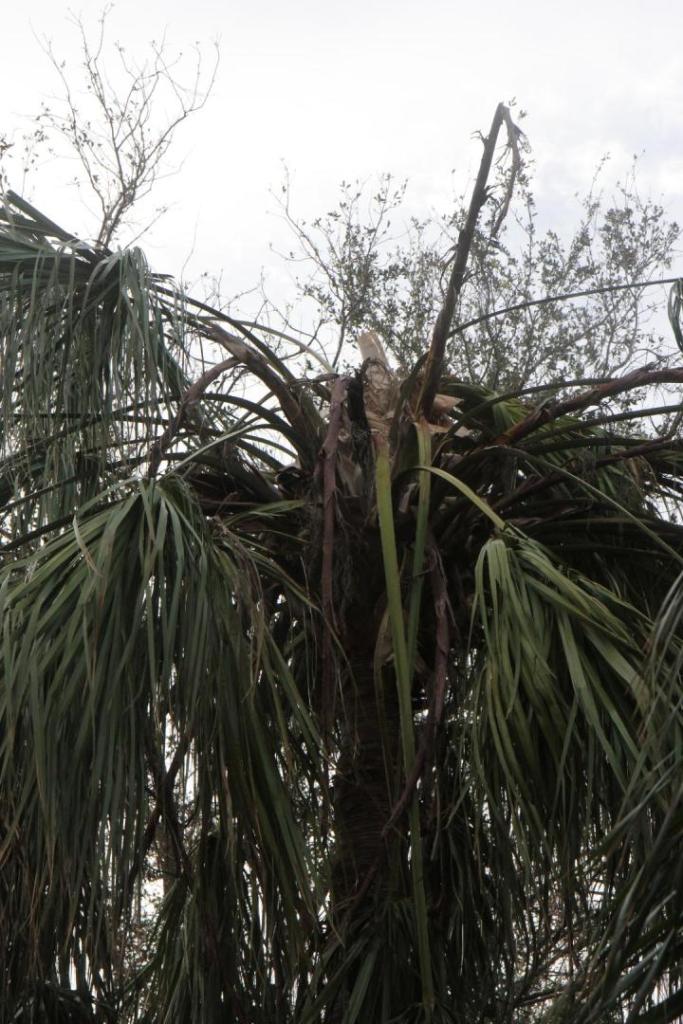
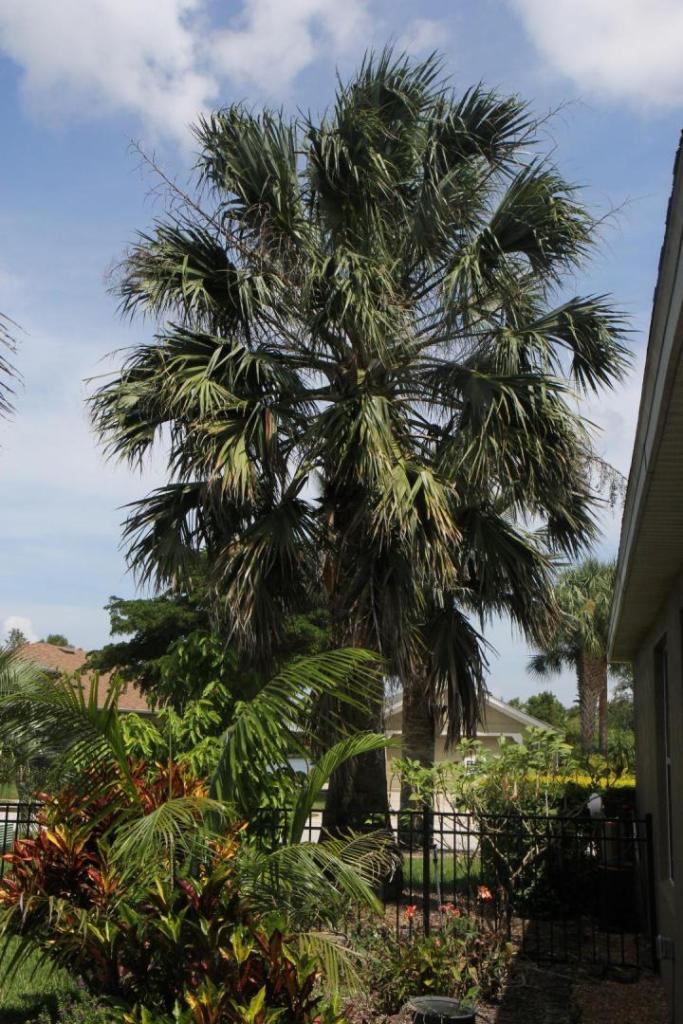
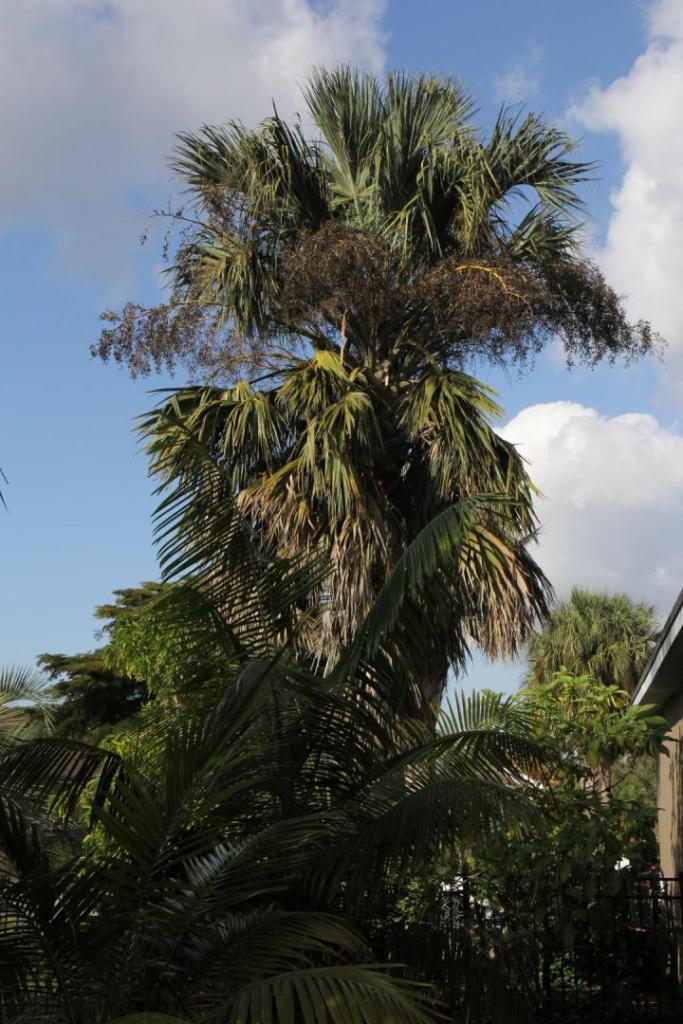
 Billy, I can revisit this post and say hurricane milton at 110mph didnt budge my alfredii one cm. Half the the older leaves bend down and will brown prematurely because of it. But 17 months later it has recovered almost as fast as my 35-40' sabal causiarum. Interestingly my 35' bismarckia has had a rapid recovery after every open leaf was made limp in the wind. MY best advice for BA is to water consistently as wide as the crown and even a bit wider. THis encourages root growth which stabilizes the palm in wind. All 3 of my BA's took leaf damage, the one in most shade had the most damage, but zero tilting, NADA. Remember that taller palms see the worst damage in a hurricane as the most leverage is exerted on the roots by wind blowing ont he crown. The other thing I love about my alfredii is trimming dead leaves it is a breeze. Though they clean their own trunks, no trimming could mean 3-4 brown leaves on the palm most of the year. If you want a strong palm in wind, consistent watering of ground at least to the drip line(crown ends) will push root growth laterally. Roots running straight down are not as effective in spreading roots in resisting leverage created by wind. Just basic physics. for your hurricane question here is the result for BA. You can see the royal nearly stripped int he back ground and second pic is sabal causiarum, crown 90% snapped leaves or bent down and doomed to premature browning. BA/Royal sabal causiarum before milton the day after milton close up causiarum looking up just after milton Causiarum as of 1-24-2026, first thing it did is set seed as you can see. Then 10-12 leaves in one grow season. Its now closer to 40' as new leaves mean new trunk growth Alfredii has also done well, it lost ~10 leaves prematurely and is regrowing the crown, but its encouraging. I expect this grow season the recovery will be complete. .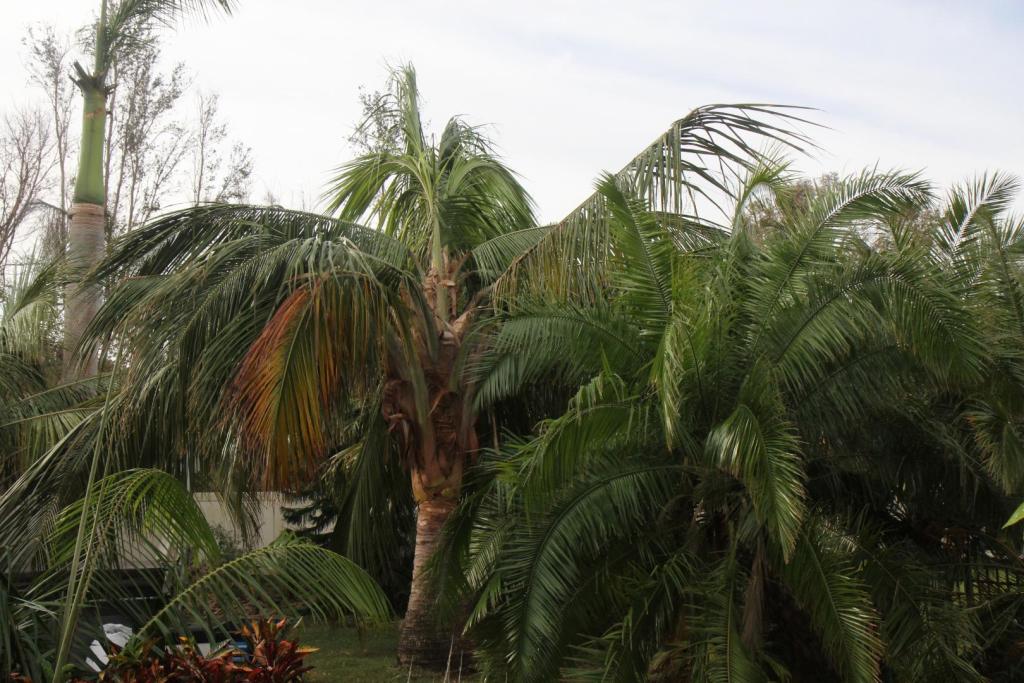

 2 points
 -
 Lots of the Coconuts will perish. There were larger ones in the Tampa area that had been growing well for 20 years or more. The 2010 freeze took care of 75% of those. Hope it turns out better there.2 points
 -
2 pointsCould be that it will flower , which would be great . The first few spathes that my Chambeyronia had just fell off but this year actually flowered . I’m not sure fruit will materialize but so cool. Now the crownshaft looks pregnant even after flowering , more on the way ? Who knows. The ultimate would be to have seeds from your Decipiens , as @happypalms says , they are sought after . Harry i posted this on an other thread . You can see the swelling crown shaft even after flowering.
 2 points
 -
 2 pointsThose are some astounding roots. What was the rooting media, when you say 'neutral soil so you mean a mineral soil with neutral pH or? Also - as someone with a background in soil science, I really appreciate your interest in how soil interacts with Washingtonia growth. I'm working an an experiment with Trachycarpus (often from limestone-based soil areas) and raising pH and adding Calcium to see what differences might occur.2 points
 -
2 pointsStart work at 6.30, up at the crack of dawn with the kookaburras, 25 years at the same job I don’t even set the alarm clock anymore. And the kookaburras eat a few small snakes apart from that they a close to top of the food chain around here! And I don’t think there are many mongoose getting around to get as pets unfortunately!2 points
-
 2 pointsThis sounds awfully familiar 😂 I still can't believe I started with the idea of overwintering literally a handful of plants. Thankfully I don't have an HOA to worry about. My closest neighbors are 1/4 mile away, I've got a lot of land to play with out here and we're so deep in the country they have to pipe in sunshine. I think the cats would shred a greenhouse or a shadehouse unless I used the panels. I've got a plan, I know what'll sell locally and I know what'll go on Etsy or whatever. If I have a good summer and get good news from SSDI I want to start growing from tissue culture - Plants Without Borders has some rad stuff but shipping comes from China and Hong Kong, and they've got a $450 minimum order. And the plants are dirt cheap for the most part - the good news is the $140 shipping is part of that $450 and it covers phyto, customs, all that jazz. It's where most of the sellers on Palmstreet seem to order from.2 points
 -
2 pointsI also like the growing of filifera seedlings in a community pot or 4"pot with "cactus" soil. I am joking...... Maybe this 5.5 month old pure filifera seedling grown in "neutral soil" deep liner, would be "different " in a 4" pot.
 2 points
 -
2 pointsAnd I would like to add another little tidbit. The use of fertilizer by many. That fertilizer is most often itself buffered. Leaning away from alkalinity. If you can grow azalea, gardenia, and such in your soil, I do not believe filifera will be happy.2 points
-
Couple of classics for sure, tashiroi are fast and I had a good germination rate, see how they go this winter as a test! Iam sure you will be interested in one or two👍2 points
-
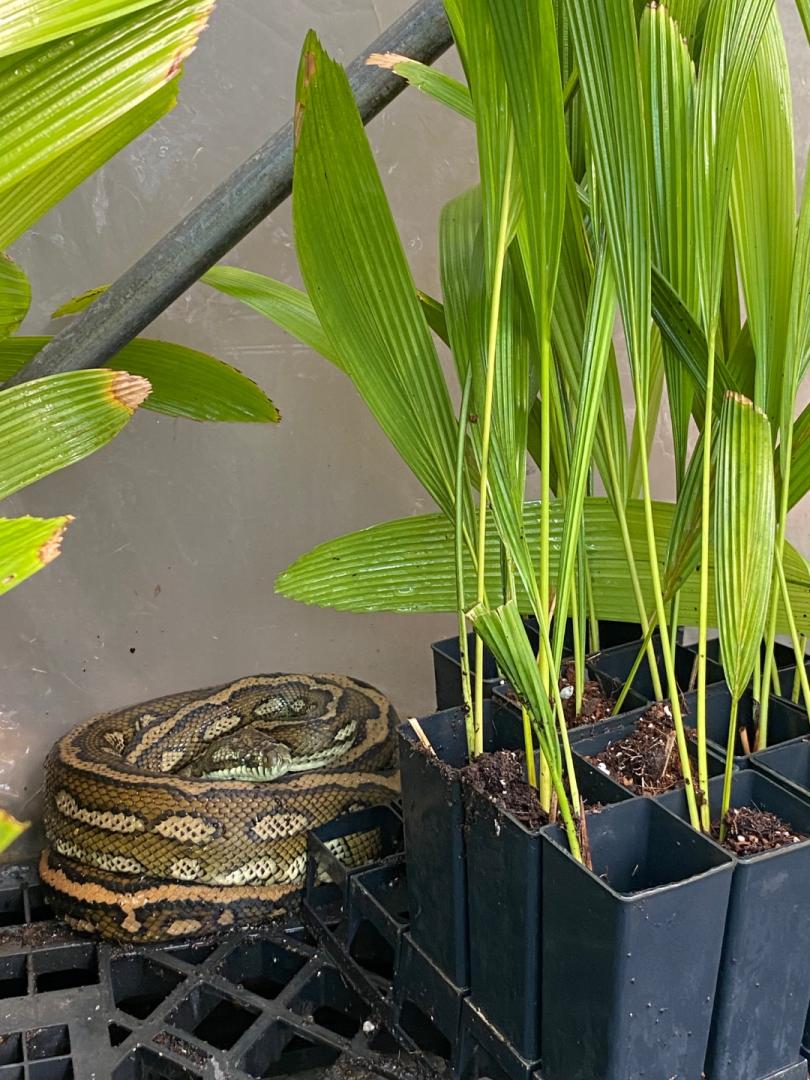
2 pointsIf it bites and stings we have it in Australia. There are two ends to a snake the right end and the wrong end, they are very intelligent animals that think snakes, and the one you lived with would have been just as intelligent! I only handle the carpet pythons and black snakes the rest are to dangerous or are not a problem to me. A wild snake is best left alone, if it comes inside then I have to do something about it. I love all the creatures we have in my area so many birds to reptiles, marsupials, spiders, I live on the border of a very large National park and the amount of animals in this area is incredible, some dangerous snakes but that’s about it, the rest are harmless (mostly)!2 points
-
2 points
-
Also have a bunch of singles in 5, 7 and 15 gallon. $50+ I'll take some more pics of these
 2 points
 -
.thumb.jpg.304b32ca4398a111edf4ac525048111e.jpg) 2 pointsGood ole times , right ? Looks like there's nothing concerning in the forecast. All I see are warm temperatures throughout February. I might just going to get my palms out of dormancy by nuking the soil with some palmgain on Saturday lol also going to increase watering a bit. We should be out of the woods now.2 points
2 pointsGood ole times , right ? Looks like there's nothing concerning in the forecast. All I see are warm temperatures throughout February. I might just going to get my palms out of dormancy by nuking the soil with some palmgain on Saturday lol also going to increase watering a bit. We should be out of the woods now.2 points -
 2 points
 -
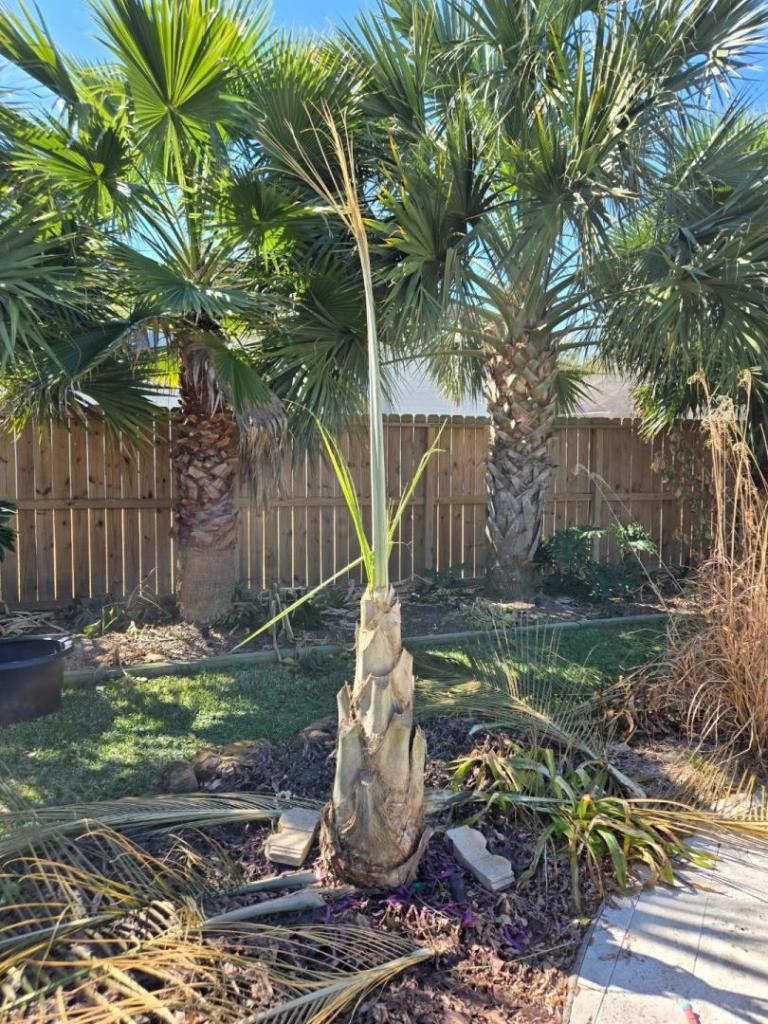
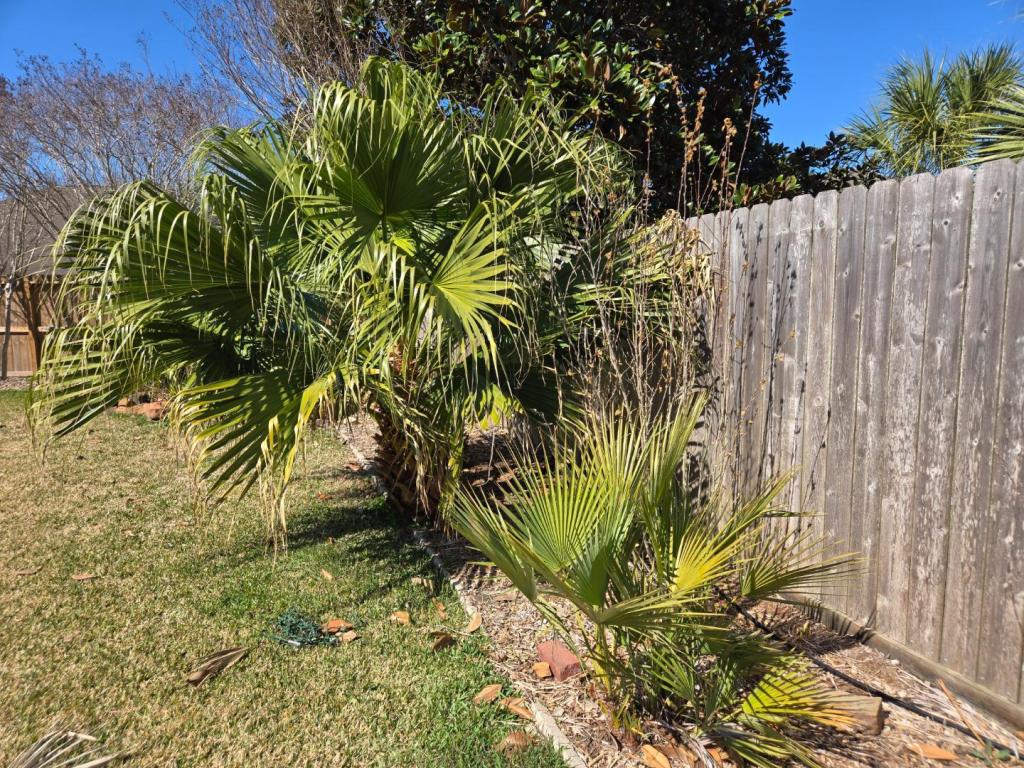
 In League City TX, just south of Houston. We had one night at 25 and the next bottomed out at at 23.5. It did get above freezing in between. Mule unprotected Majesty that I defoliated and wrapped with blankets and heat. Too easy to protect to risk losing it. L. Chinensis (unprotected) and Acoelorrhaphe Wrightii (blanket and Xmas lights) C. Alba just got a blanket (had lights on it but they didn't work!) and the Arenga Englerii had no protection. Another Chinensis behind that. Decora unprotected Bizzy unprotected Chamadorea Hooperiana (I think?) just had a pot flipped over it What I thought was Seifrizii but got absolutely toasted with canopy Cham Costaricana that just got a blanket. I may have overestimated it's cold tolerance Licuala Spinosa strap leaf just got a pot flipped over it A small Cham Radicalis and some transplant Rhapis did fine Chuniopheonix Nana had a pot flipped over it with a string of Xmas lights laying next to it Licuala Fordiana? Lanonia? I have to keep better records. Had a pot with some Xmas lights next to it. Cham Elegans unprotected A Cham Tepejilote that I decided would be easier to just dig up and replant after the freeze. Doesn't seem to have missed a beat. And last but not least, a potted Ptychosperma Elegans that I somehow missed when I loaded up the greenhouse. May he rest in peace.
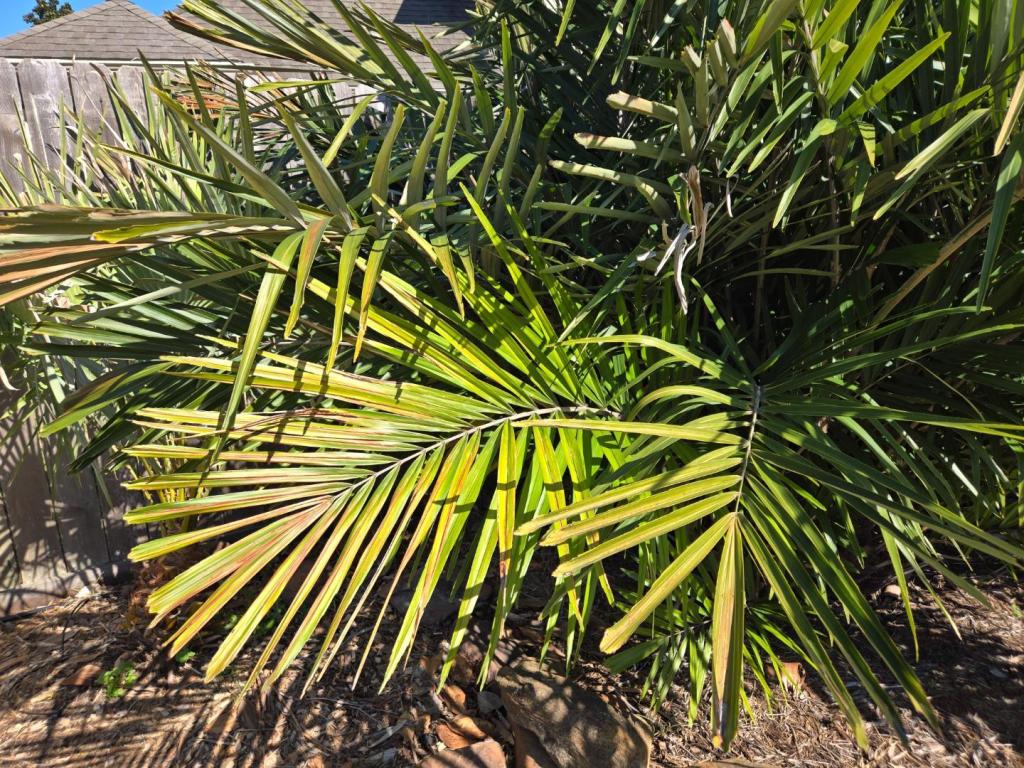
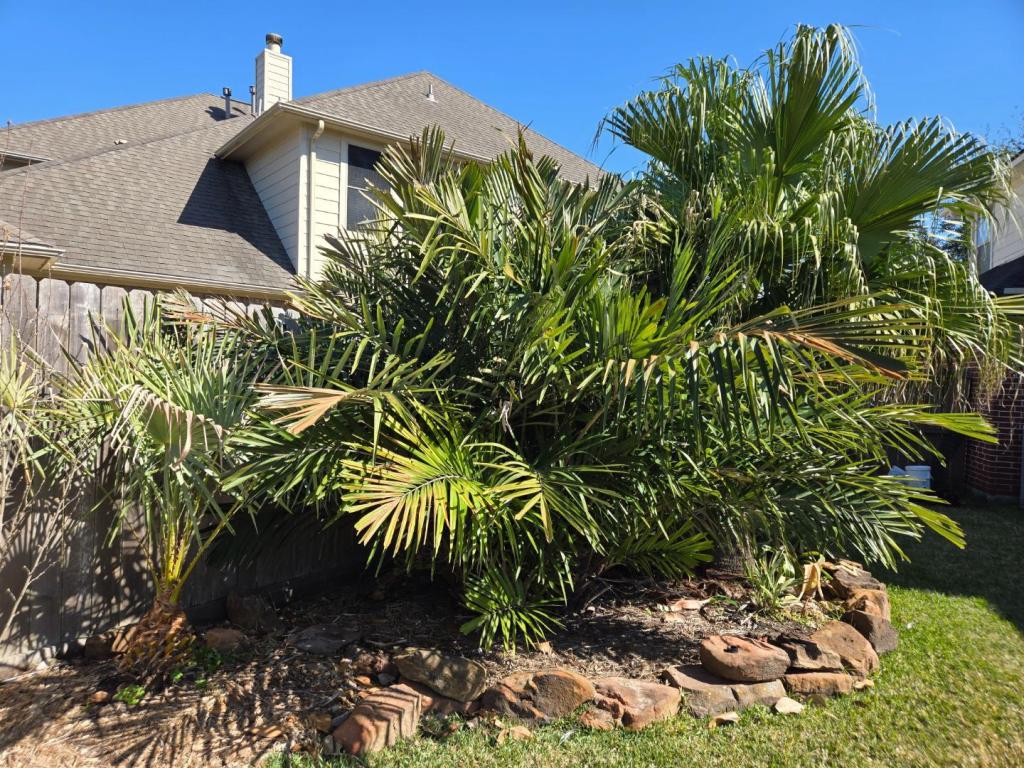


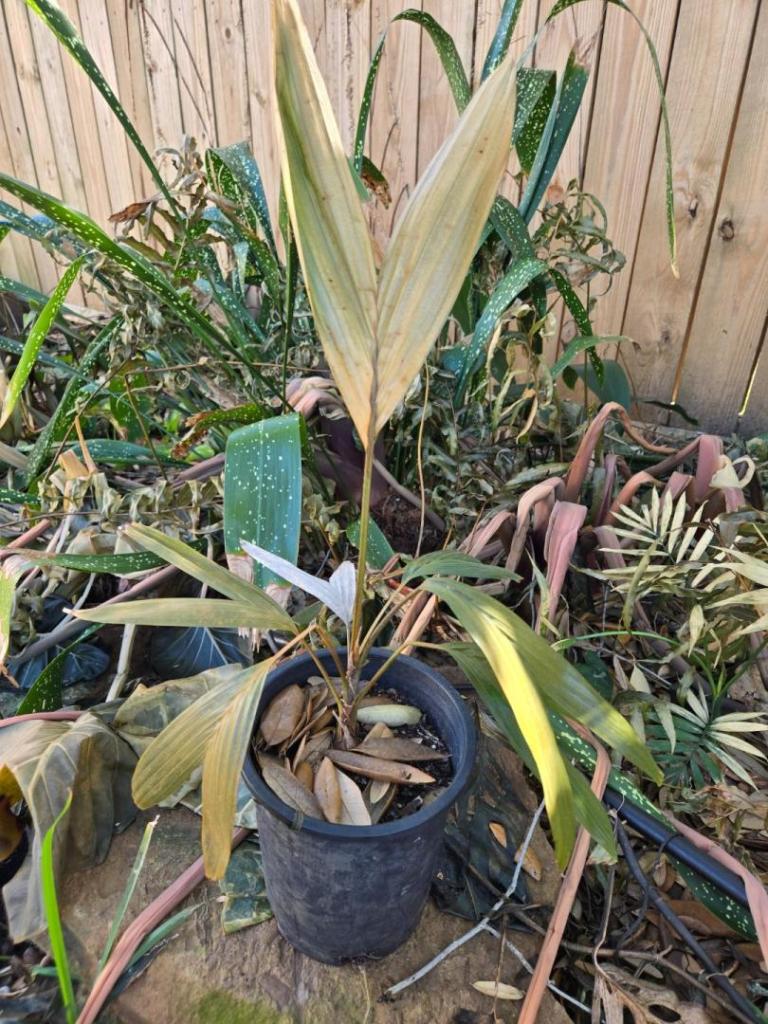


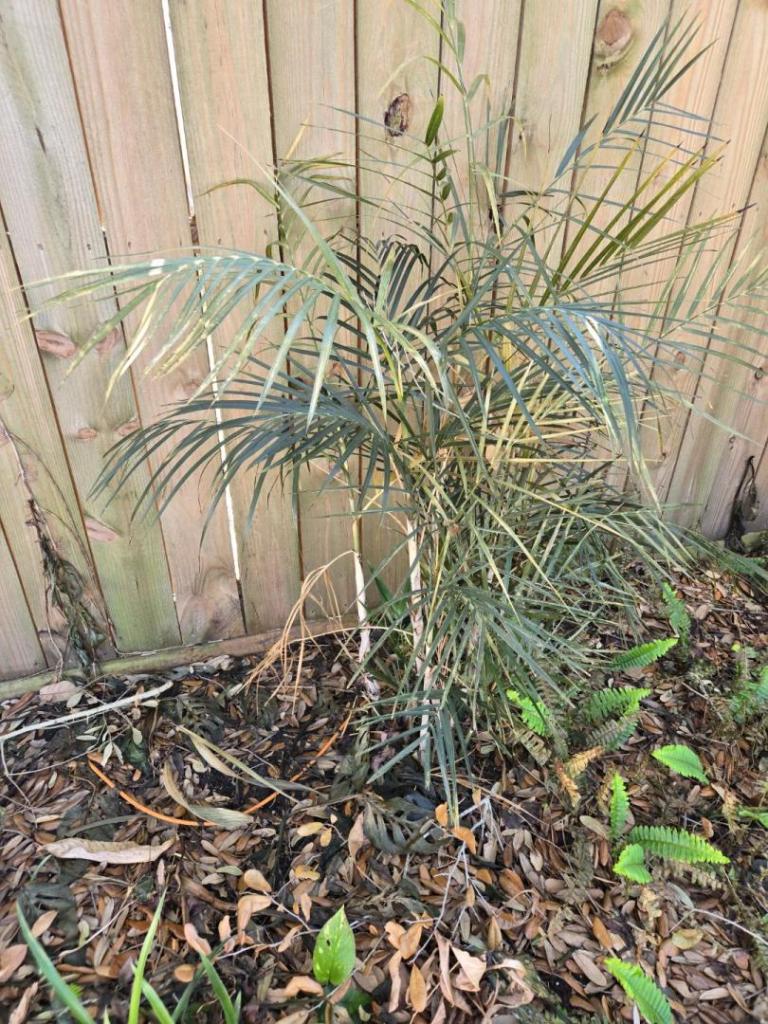
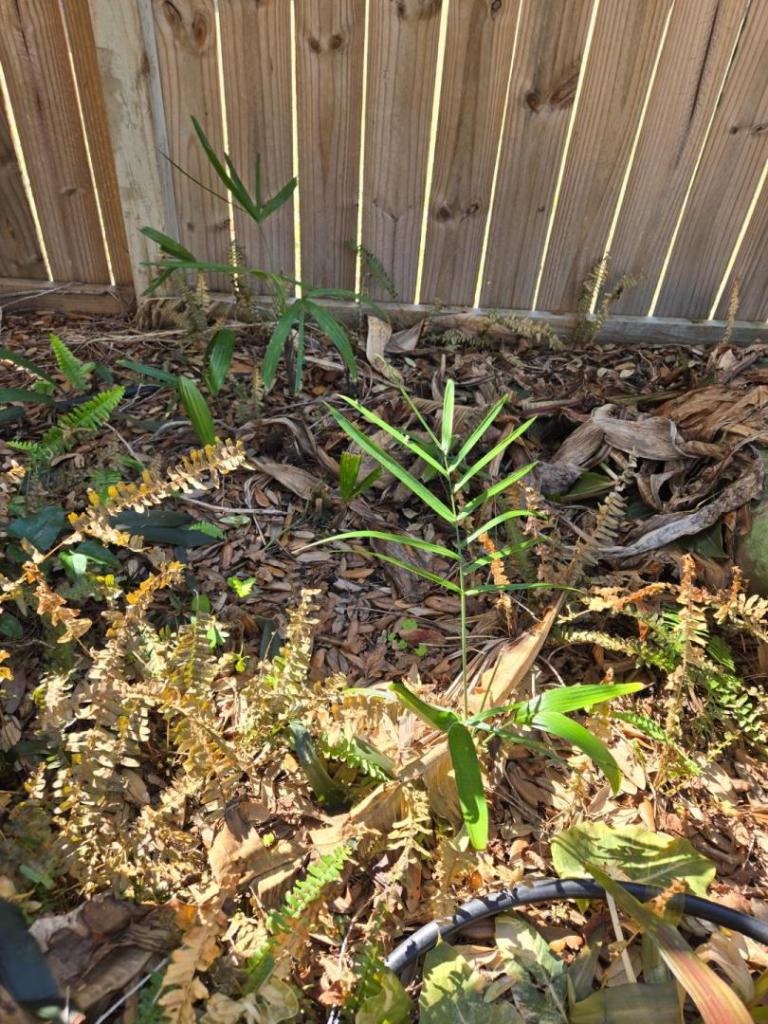


 2 points
 -
2 pointsA nice bit of summer heat and sunshine along with a lot of irrigation has the garden holding up pretty fair. All the critters are out waiting to bite or sting or whatever they do, just waiting to get a hold of you!
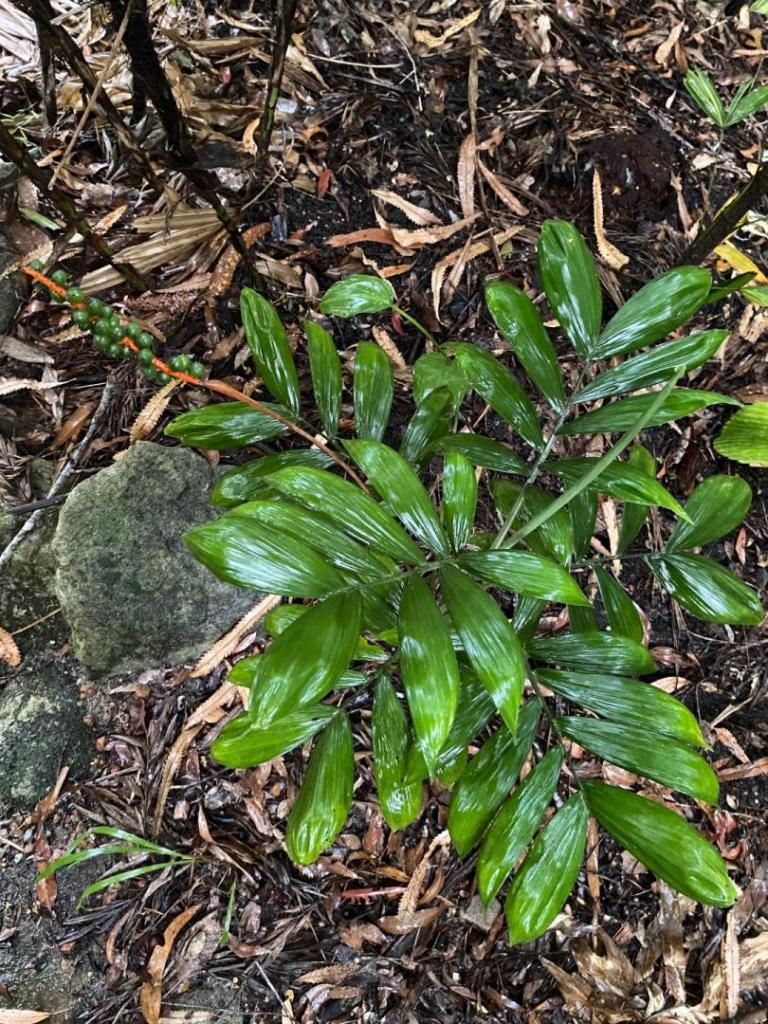
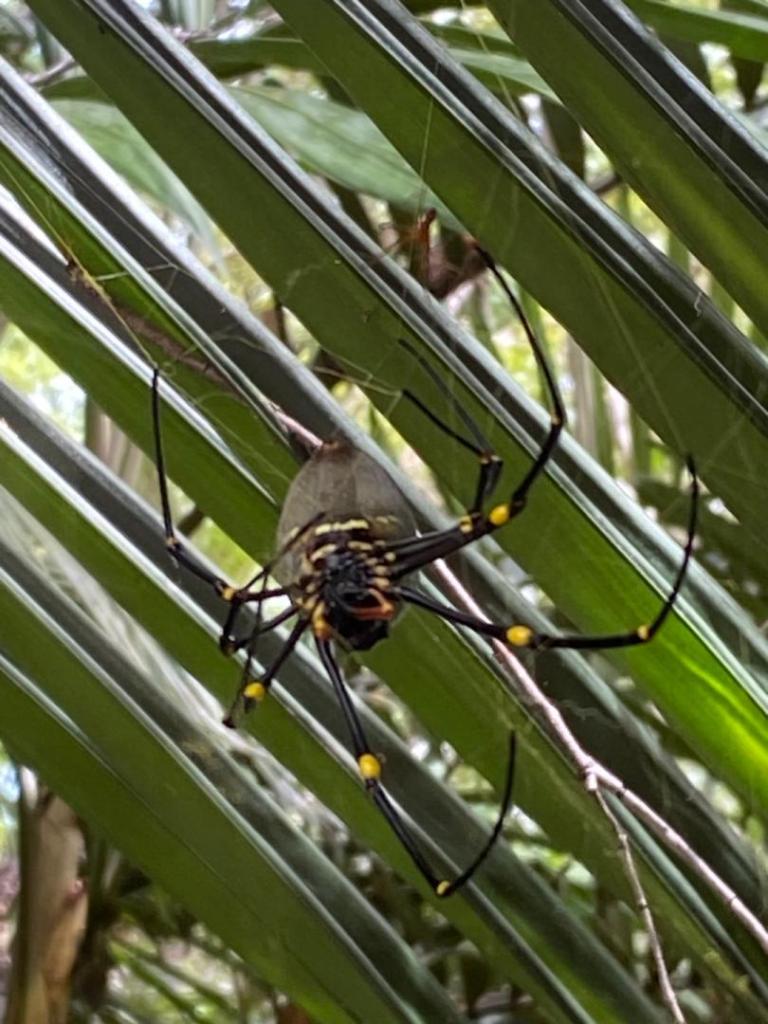


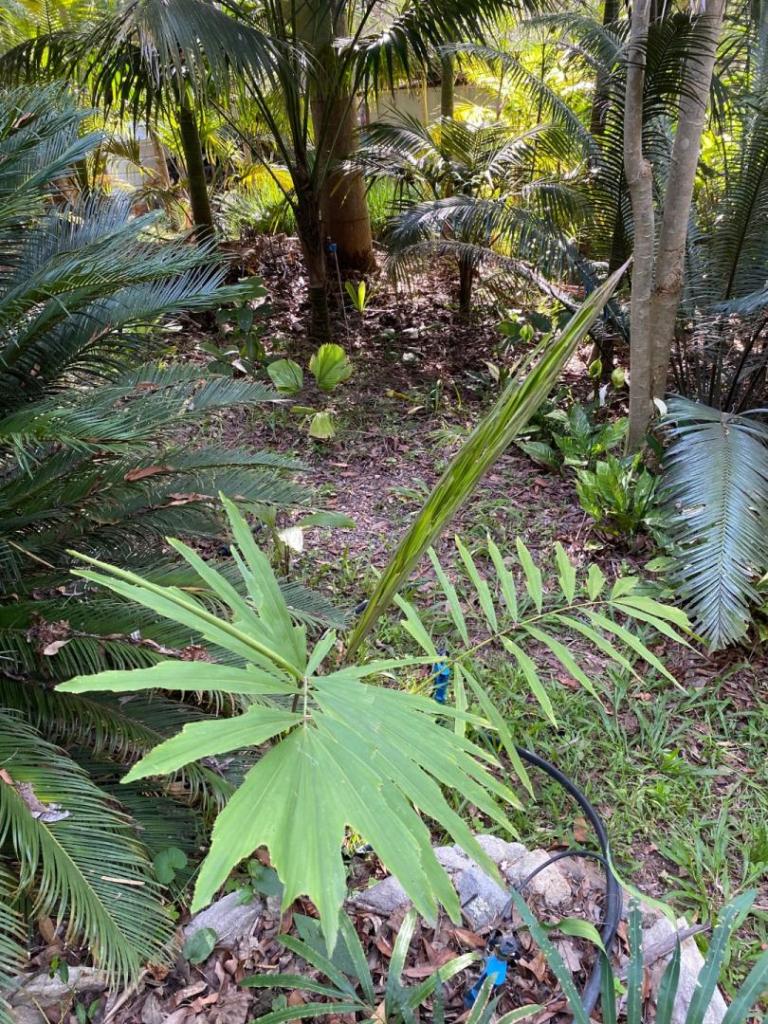

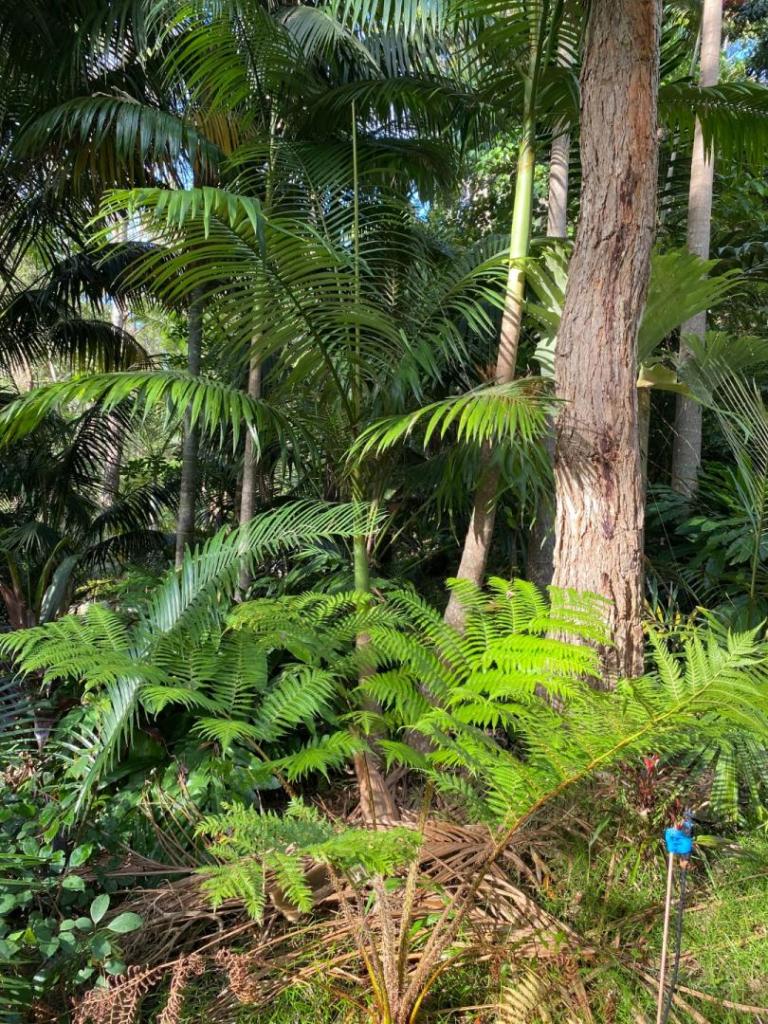


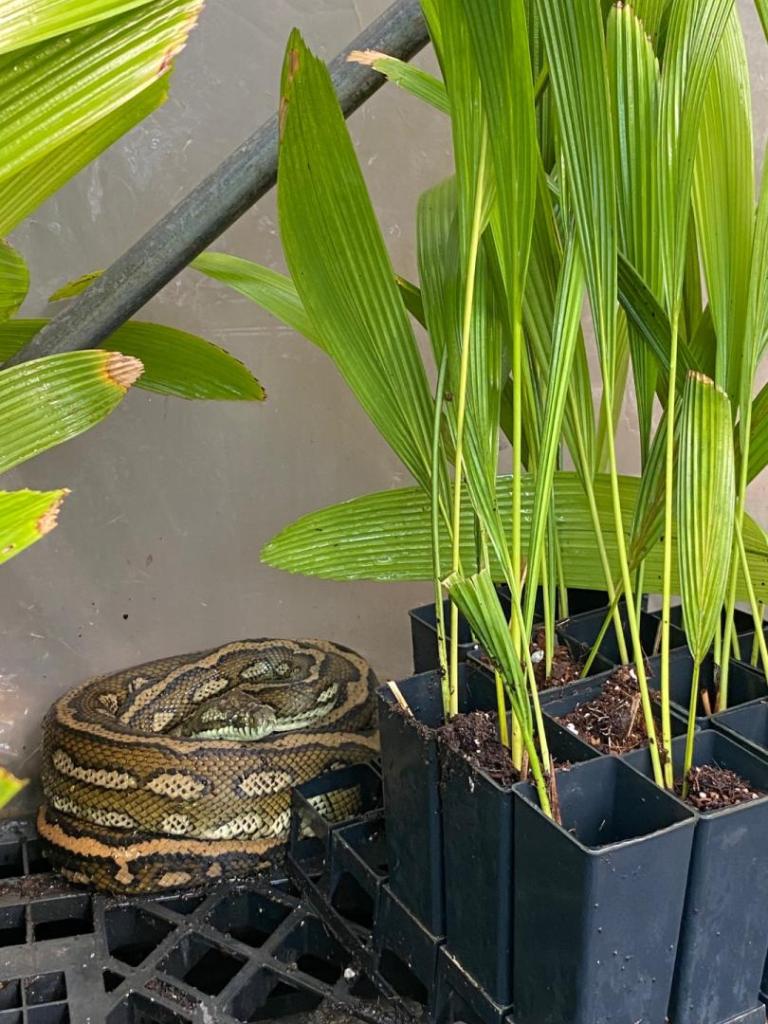
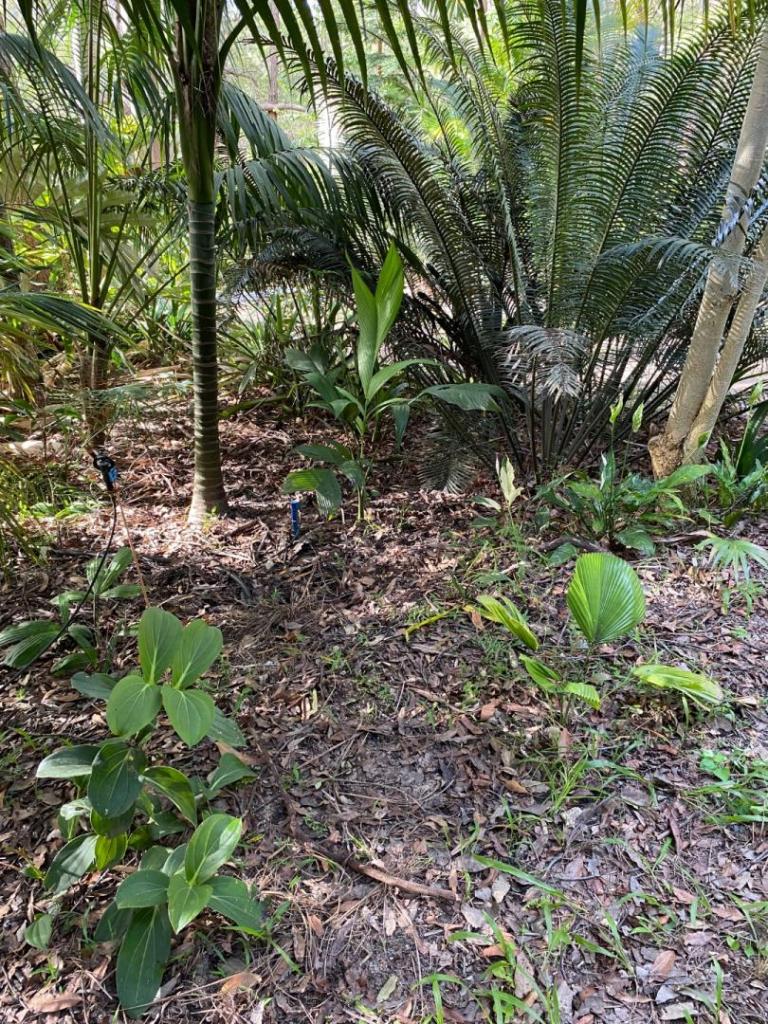
 2 points
 -
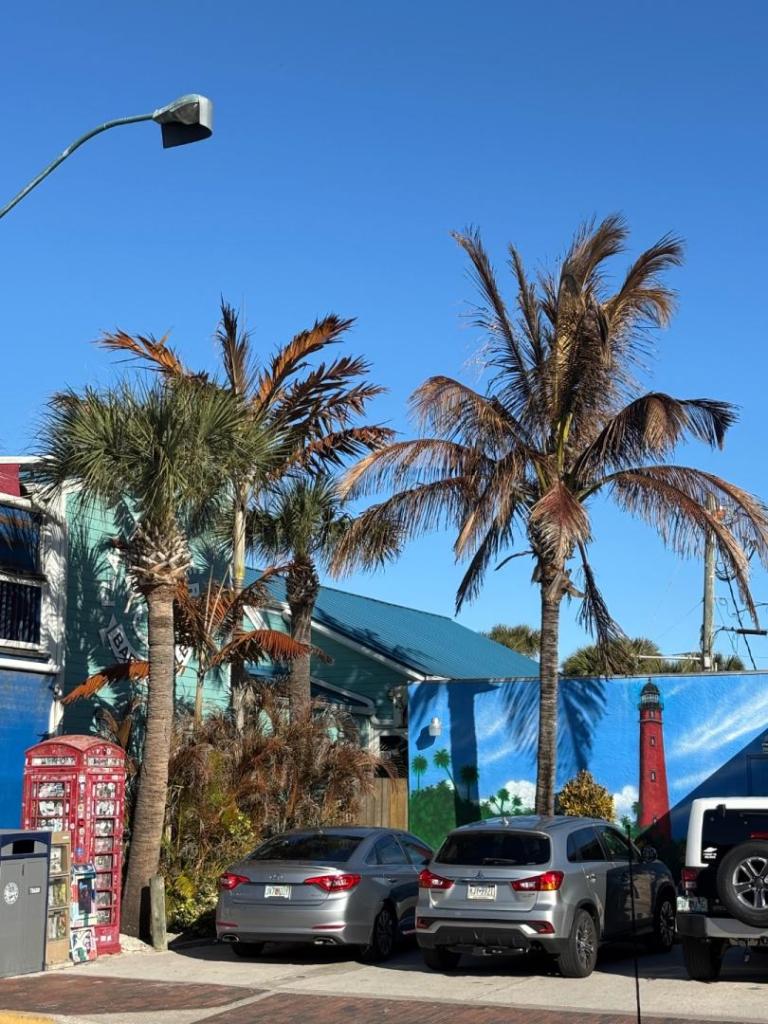
 I have some bad news. No surprise these palms I previously posted suffered from the freeze. See updated photos from today, all of the tropicals in the nearby neighborhoods are fried
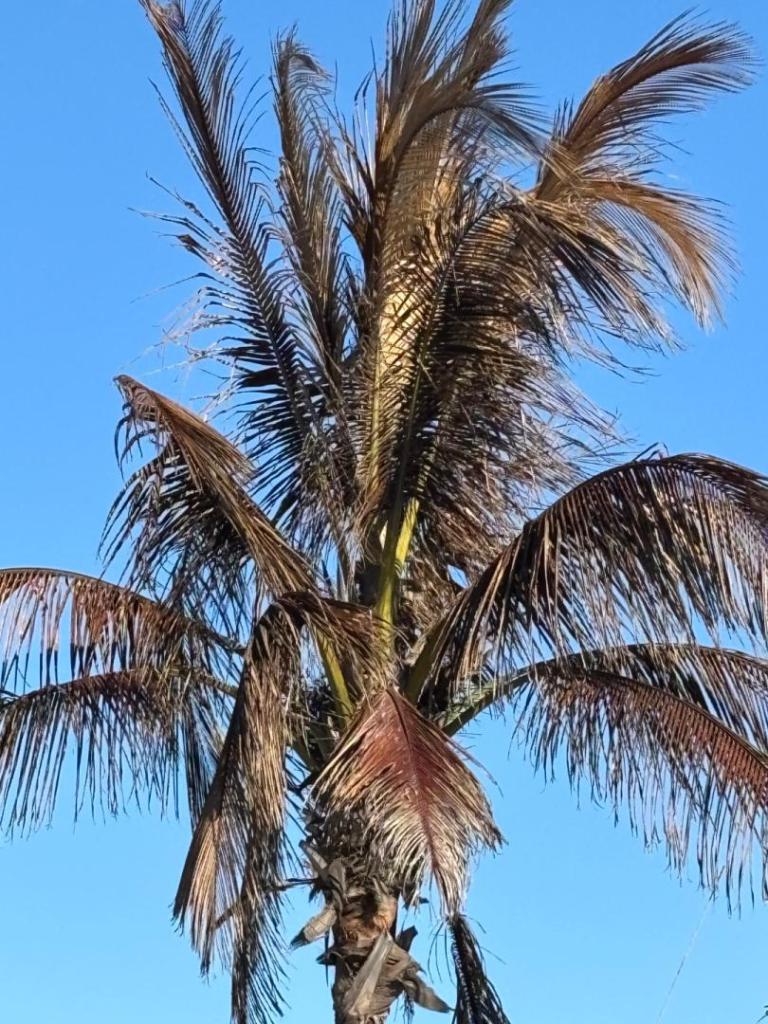
 2 points
 -
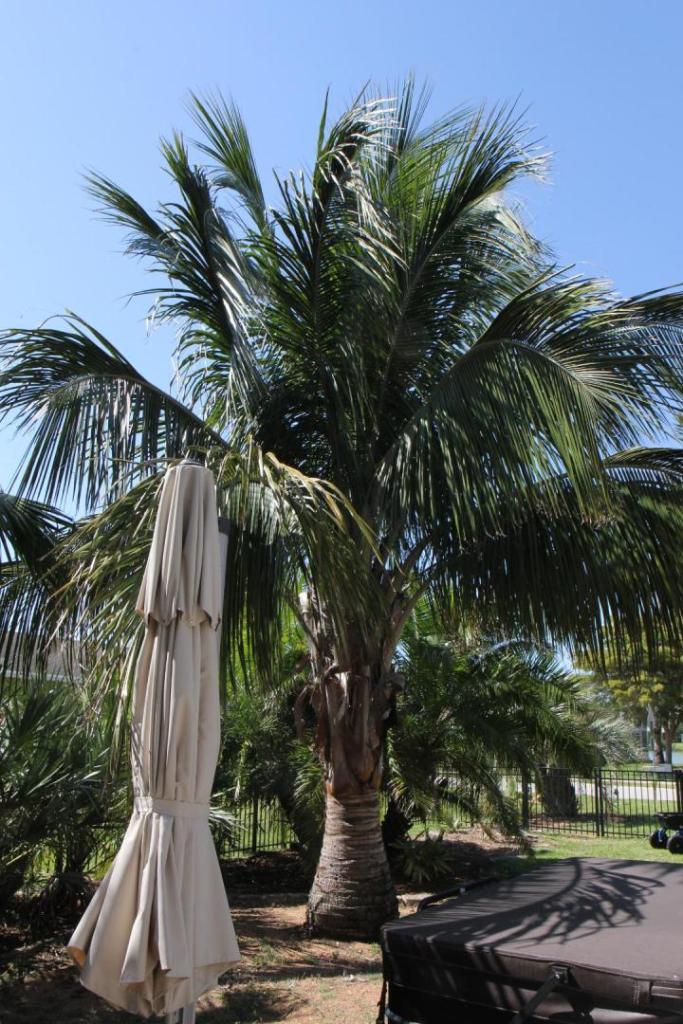
yeah I dont have an unobstructed view far enough from the palm to get it all in a frame without distortion. The crown is a lot wider than I expected, between 30-35 feet is a guess. Id estimate its about 30' tall.

 2 points
 -
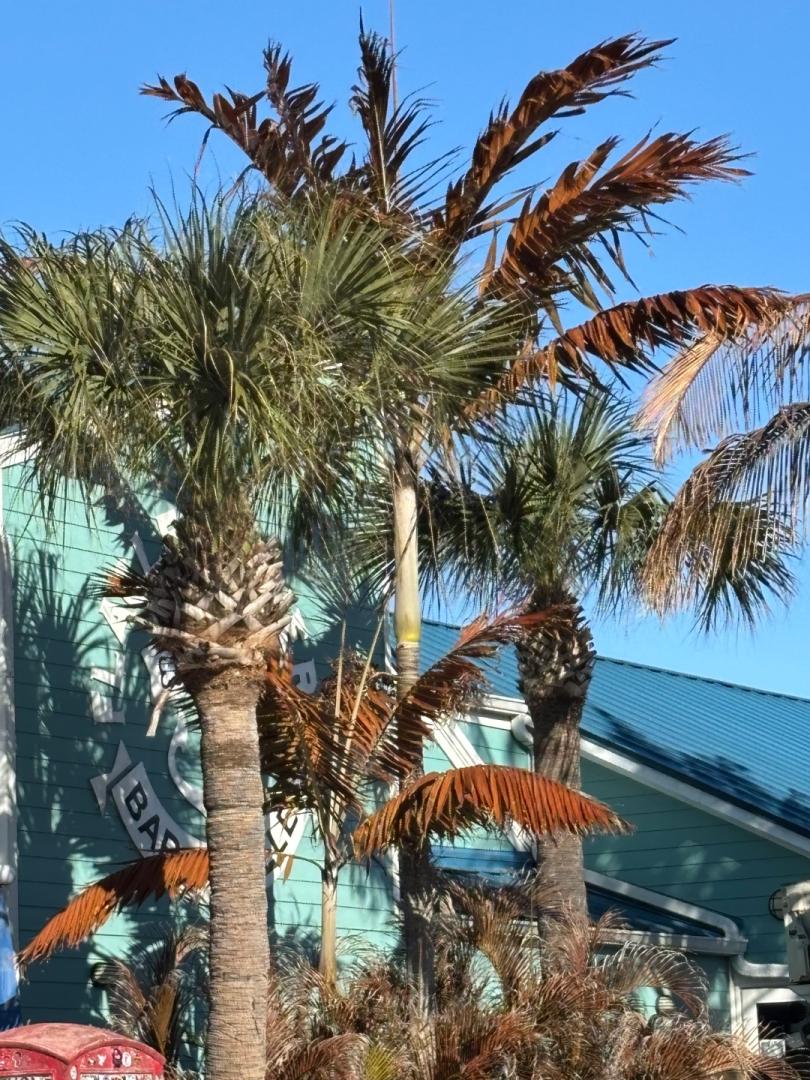
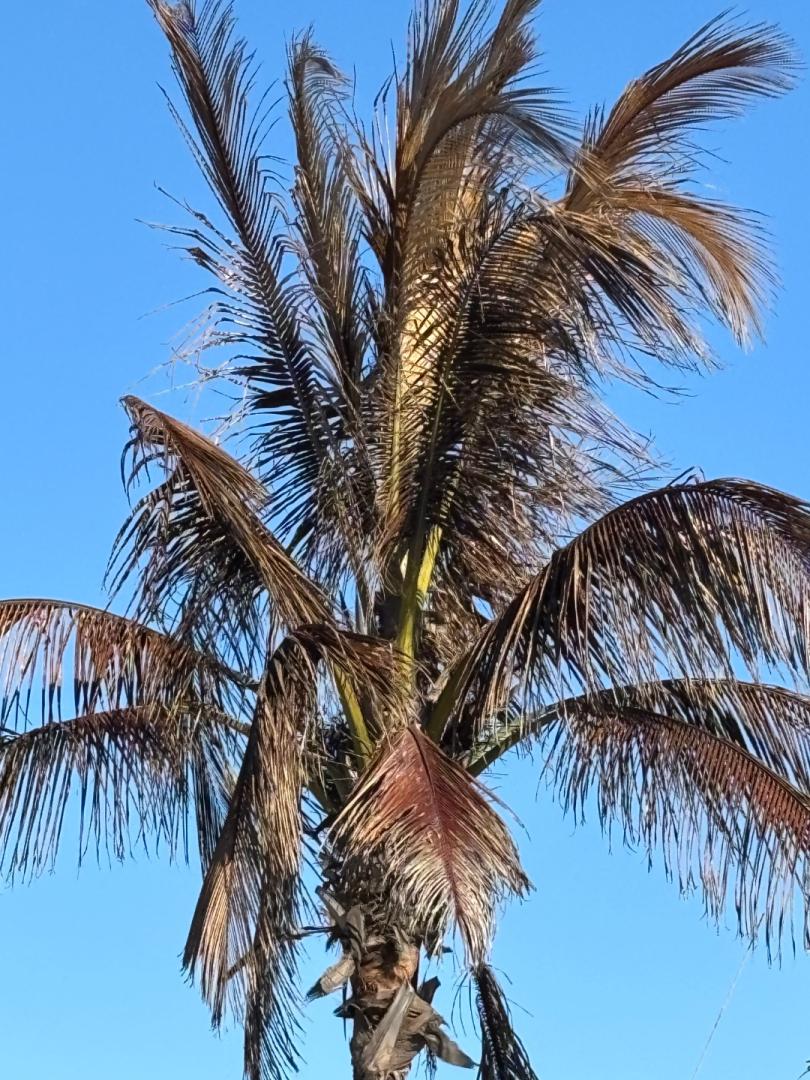
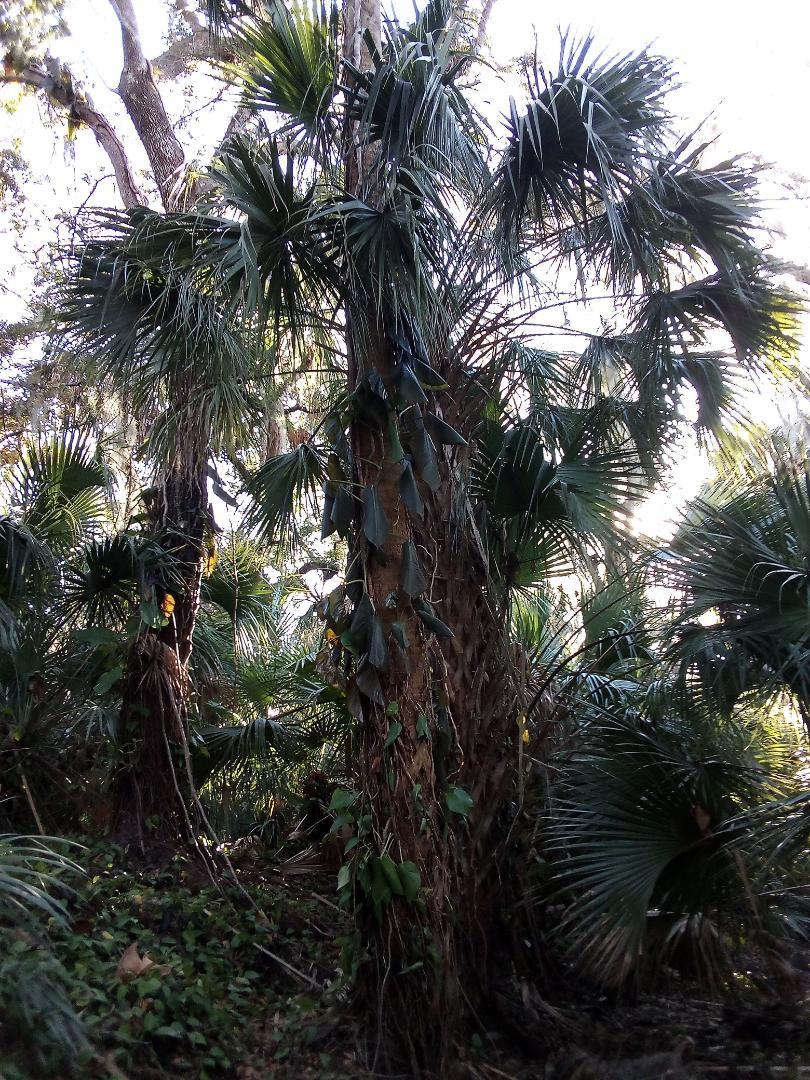
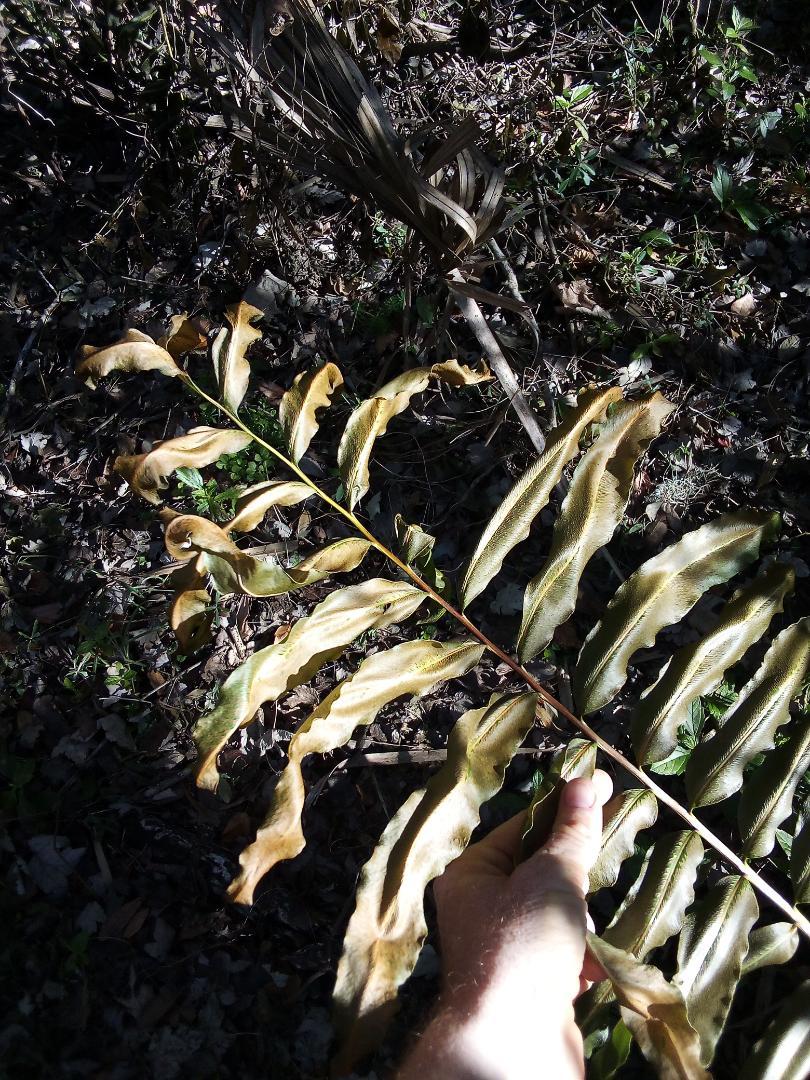
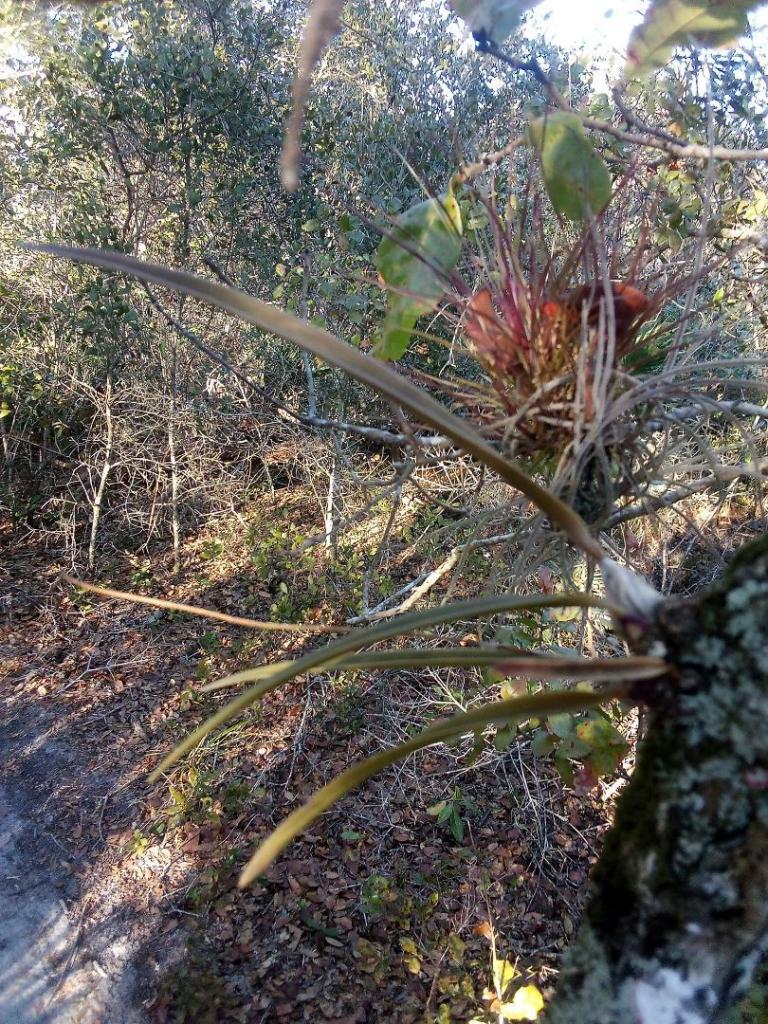
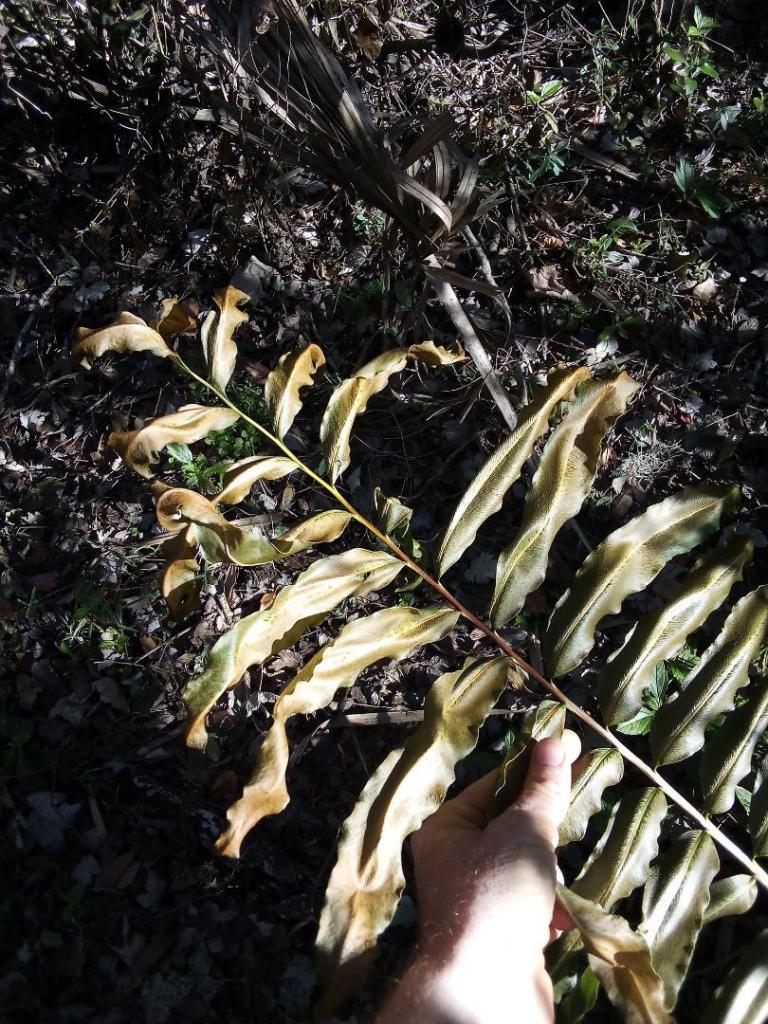
Generally the area hit 25F on day 2 and 29F on day 3. The coconuts are completely roasted. About half of the palms cultivated in the area are defoliated. The first batch of pictures is from roaming around Turkey Creek in Palm Bay, of damaged plants that grow wild. Here are freeze damaged giant leather fern (Acrostichum danaeifolium), Florida Butterfly Orchid (Encyclia tampensis), and Golden Pothos (Epipremnum aureum)



 1 point
 -
 1 point
 -
 Thank you very much for this great information, greatly appreciated. As a lifelong lover of all palm trees, and especially Coconut Palms, I was very curious to see how they held up. I was down in Orlando for a couple of days during the freeze, and I couldn't believe what I saw in the area! I am looking to make a move to the Space Coast next year, and am very curious how you all think Coconut Palms will recover (or if they will) from this. As much as I love them, my knowledge is limited, so I'm curious if these trees will ever have a chance to fruit again? Any information would be helpful, as I would love to harvest some coconuts from a tree in my future life as a Floridian! Thanks!!1 point
 -
 While I plan on giving the coconuts here time to recover or check out on their own, there's a lot of other stuff I'm considering removing just because I'm tired of looking at it. Plantae-palooza is coming in less than 3 weeks, and that will be my best chance to get plants hardy to 20oF at cost. Then there's the whole pen full of Livistona and Brahea species I ordered from RPS last year that need a spot in the garden and a tray of silver Serenoa repens from @PalmBossTampa. It's tough to put off instant gratification.1 point
 -
 I'm near you in Jacksonville and this freeze really bummed me out. I'm taking a (small) step back from palms this growing season to focus on some bulletproof natives trees for canopy and microclimate creation. I'm hoping it gives me some quality conditions to try a few more potential/marginal palms in upcoming seasons. At the end of the day it's all personal preference, but if your coco is still alive, consider keeping it around, waiting and seeing what happens vs. just replace it. It may take a while to come back, and may get hit hard again next year, but it's already adjusted and stronger for what it's been through!1 point
 -
Thanks! At this point if we got 2 consecutive years without a hard freeze or drought I'd be thrilled.1 point
-
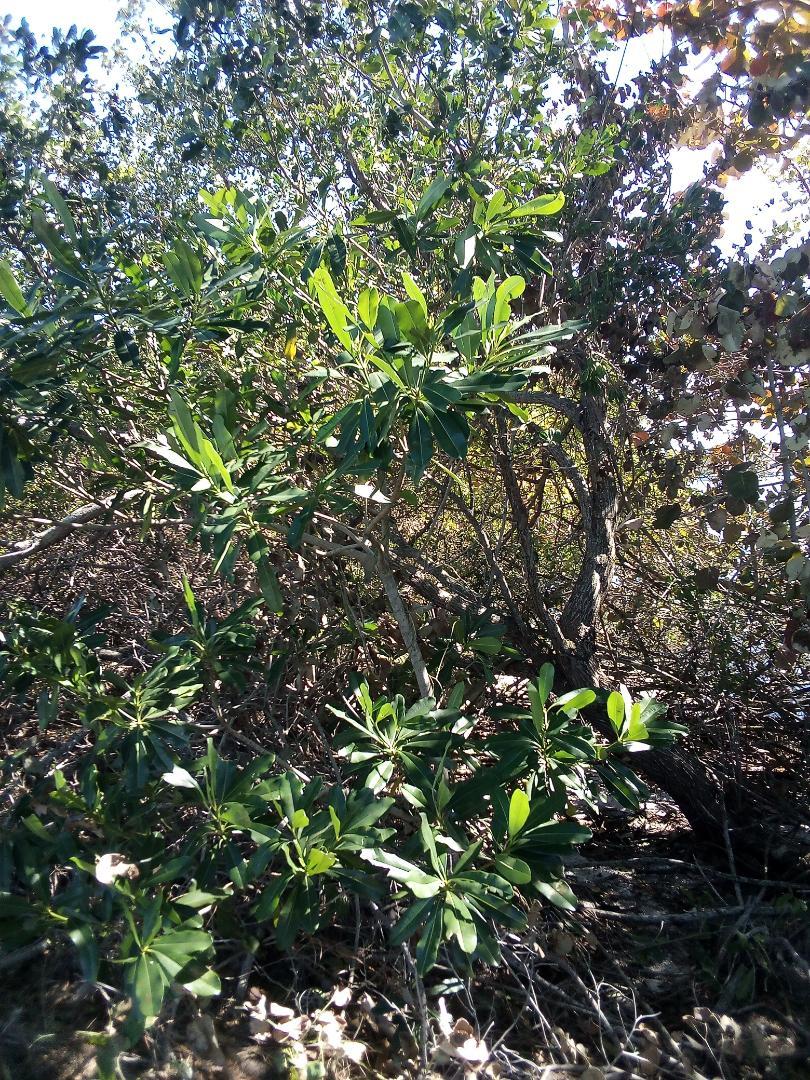
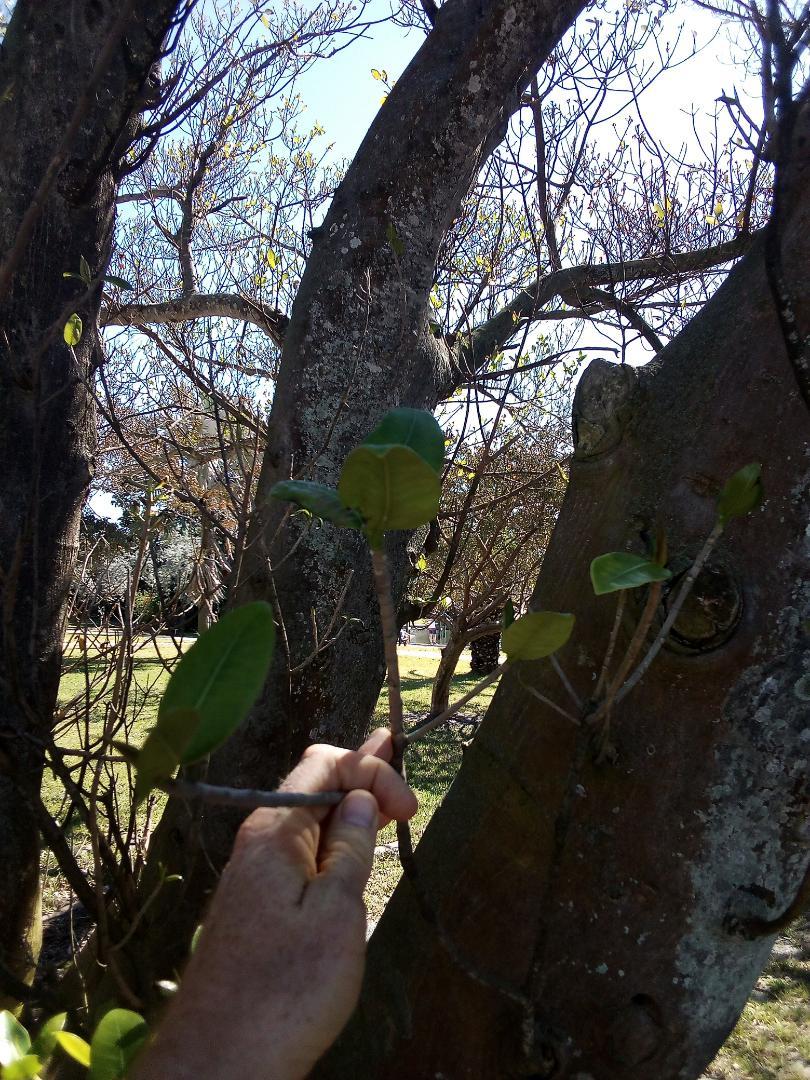
False mastic (Sideroxylon foetidissimum) These were more cold hardy than I thought, apparently more than gumbo limbo, seagrape, or ficus.
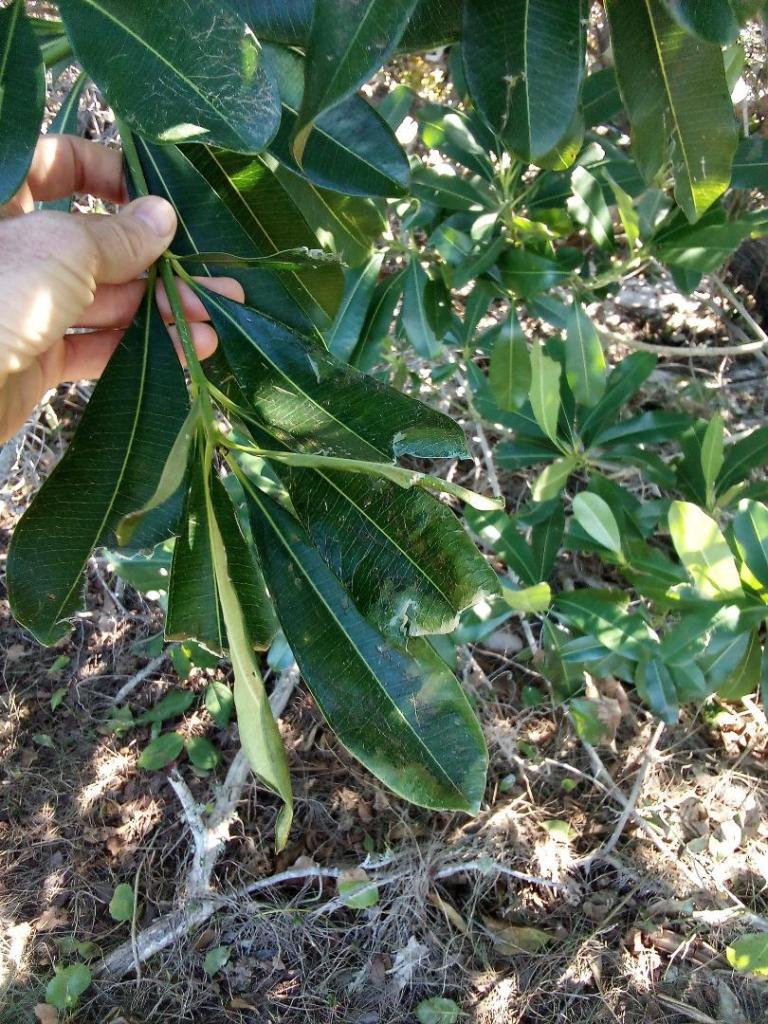
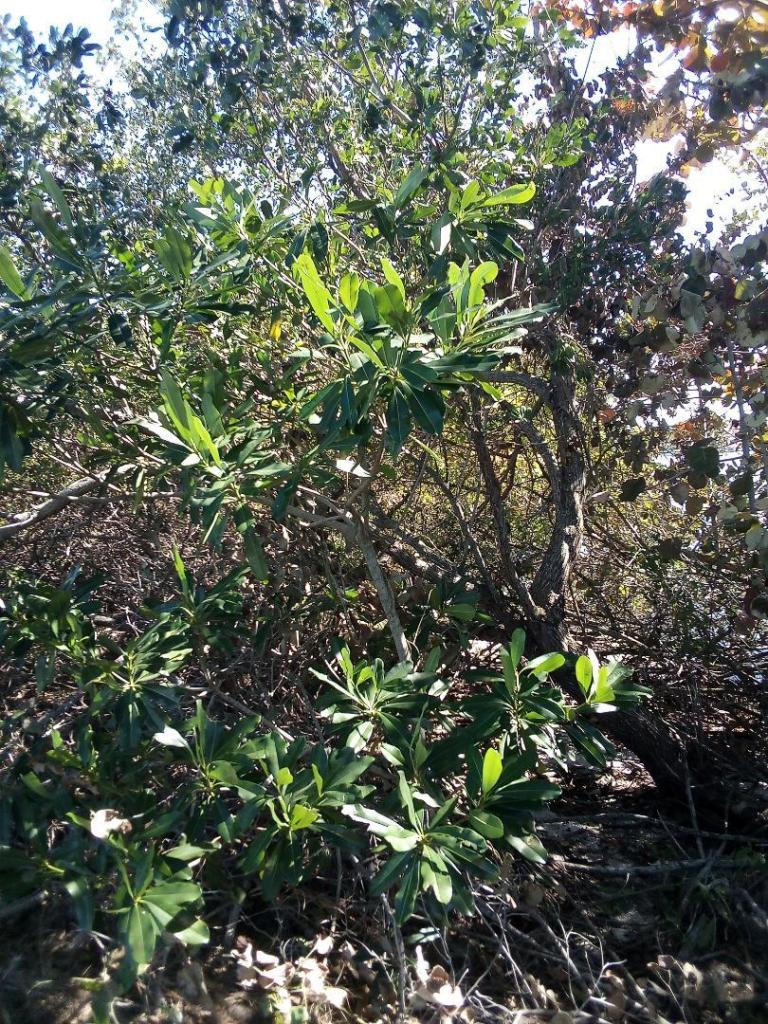
 1 point
 -
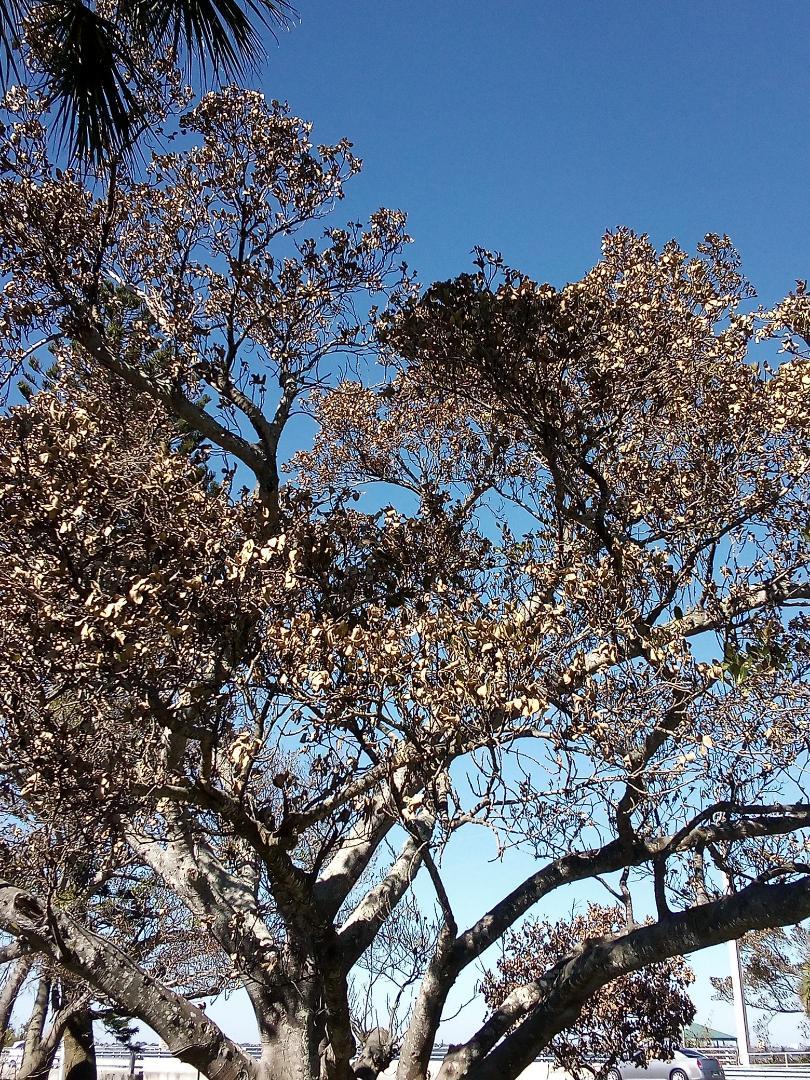
Gumbo limbo (Bursera simaruba) 100% defoliation

 1 point
 -
Bismarckia nobilis I suspect that the wind had a lot to do with this damage.

 1 point
 -
Mexican plumaria (Plumeria rubra) All of these trees got knocked back at least year, maybe more. Some were in better condition, some worse.
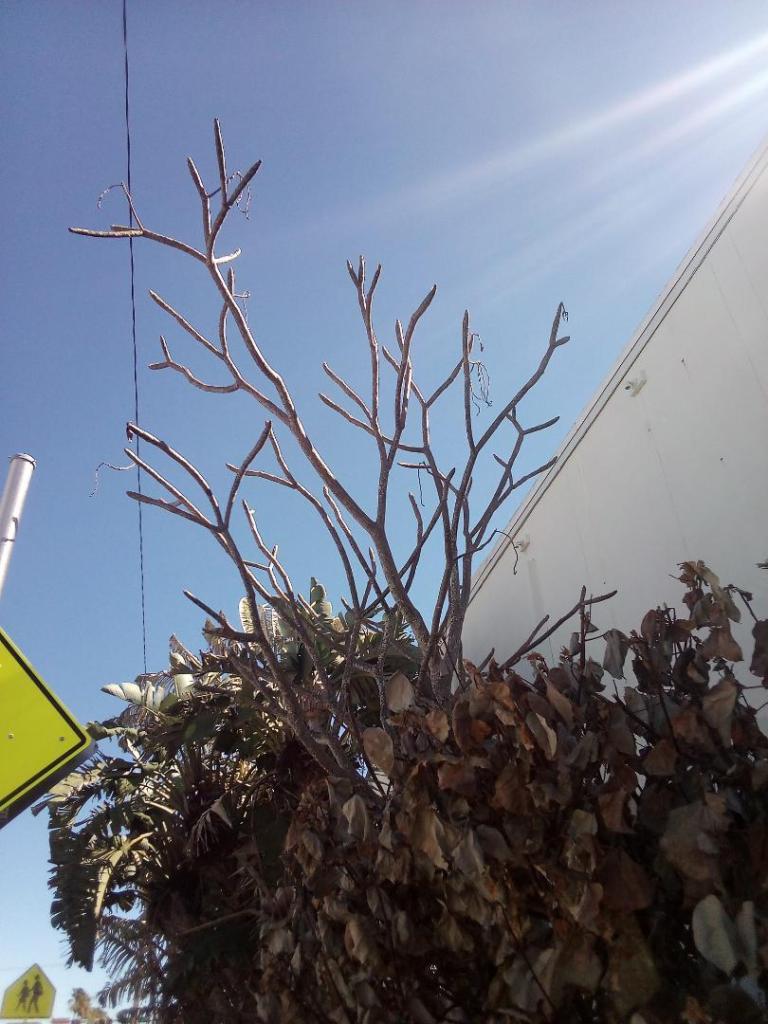
 1 point
 -
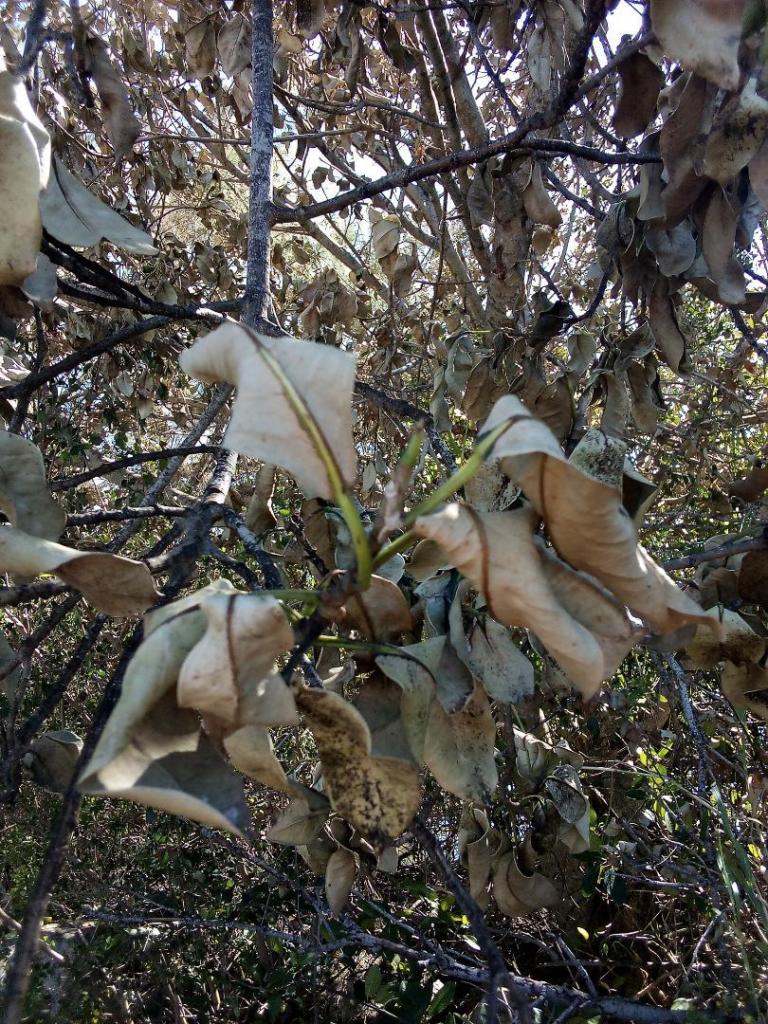
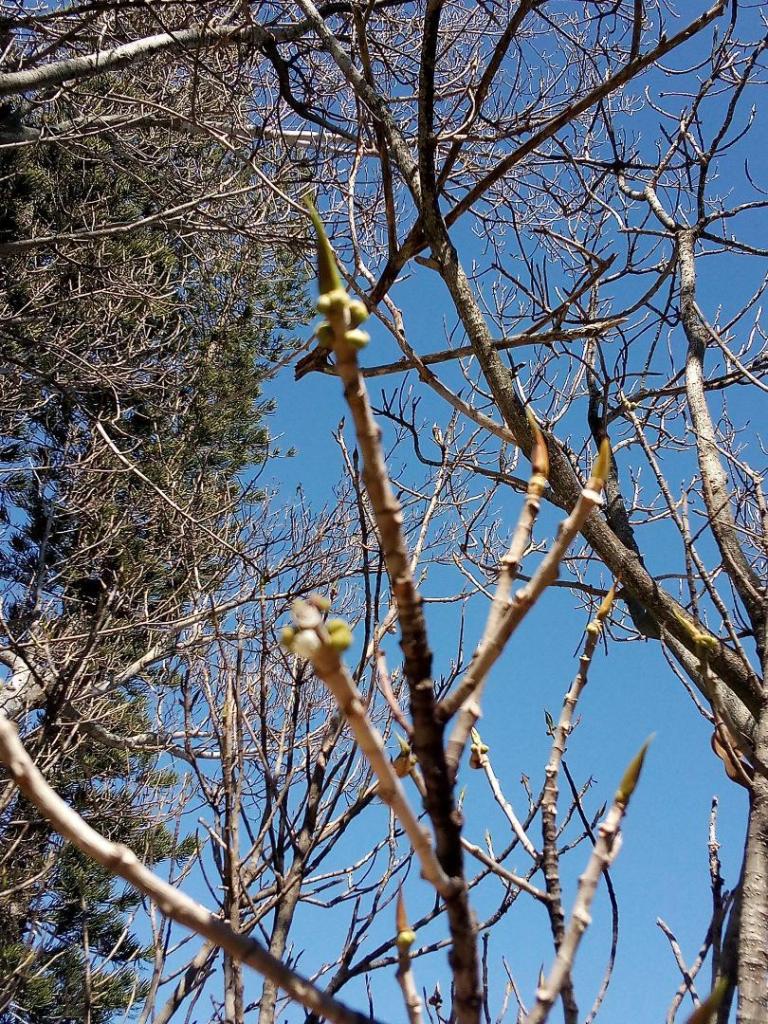
Ficus aurea Not completely dead. Looks like they will make a recovery here at least.



 1 point
 -
Next stop, Indialantic: closest weather station here https://www.wunderground.com/dashboard/pws/KFLINDIA359/graph/2026-02-2/2026-02-2/daily 1/31 34.9 2/1 26.8 2/2 31.8 2/3 40.1 Coconuts


 1 point
 -
I'll check that out soon. I'm going to post a lot more to here. The coconuts look cooked west of US1 and I'm not sure the royals make it either, even the pre-1989 royals. I suppose if they survived 1989 then there's hope, but they look like they will take time to recover.1 point
-
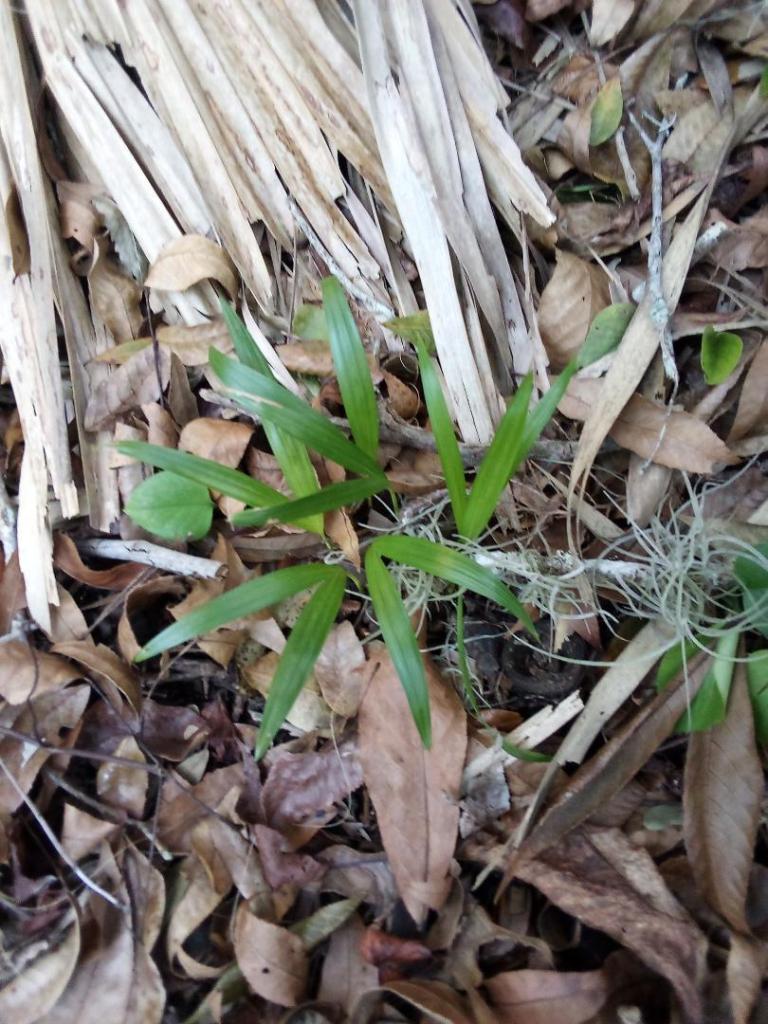
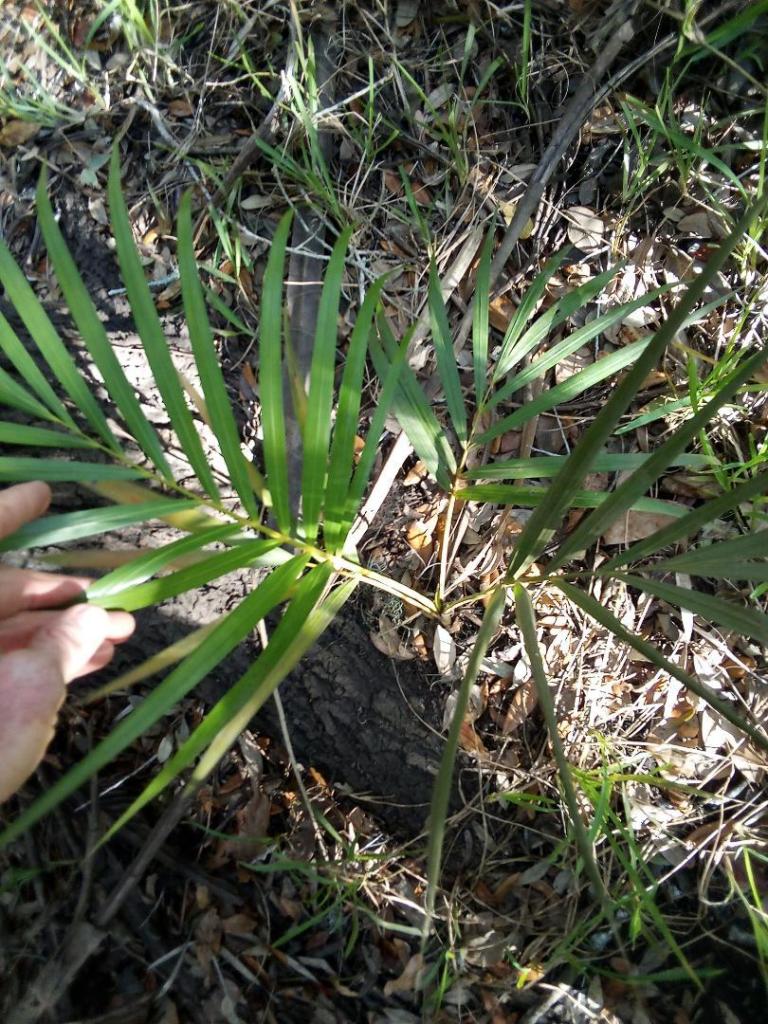
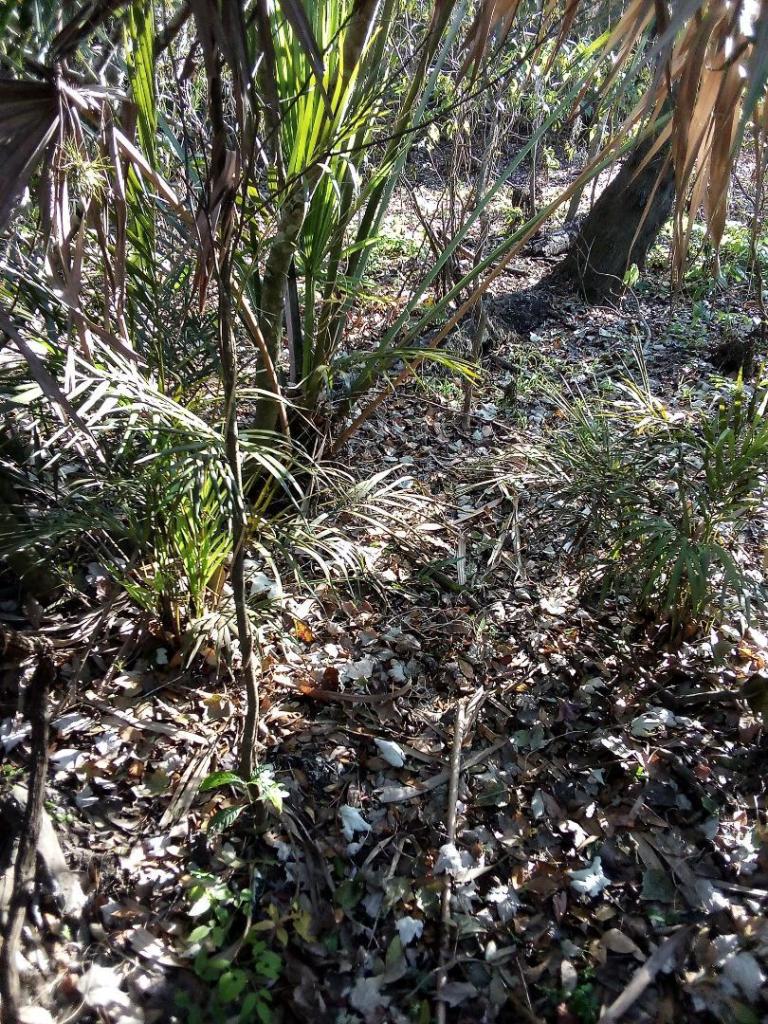
Here's the freeze damaged palms that have naturalized in Palm Bay, which includes Areca Palm (Chrysalidocarpus lutescens), Royal Palm (Roystonea regia), Alexandra Palm (Archontophoenix alexandrae), and Burmese Fishtail-Palm (Caryota mitis). There's a photo of C. lutescens seedlings and Phoenix roebelenii that took no damage. None of the naturalized Phoenix reclinata or Syagrus romanzoffiana took any damage either.






 1 point