Leaderboard
-

happypalms
IPS MEMBER32Points13,350Posts -

PalmBossTampa
IPS MEMBER18Points190Posts -
Jimbean
IPS MEMBER17Points2,243Posts -

pj_orlando_z9b
IPS MEMBER16Points708Posts
Popular Content
Showing content with the highest reputation on 02/08/2026 in all areas
-
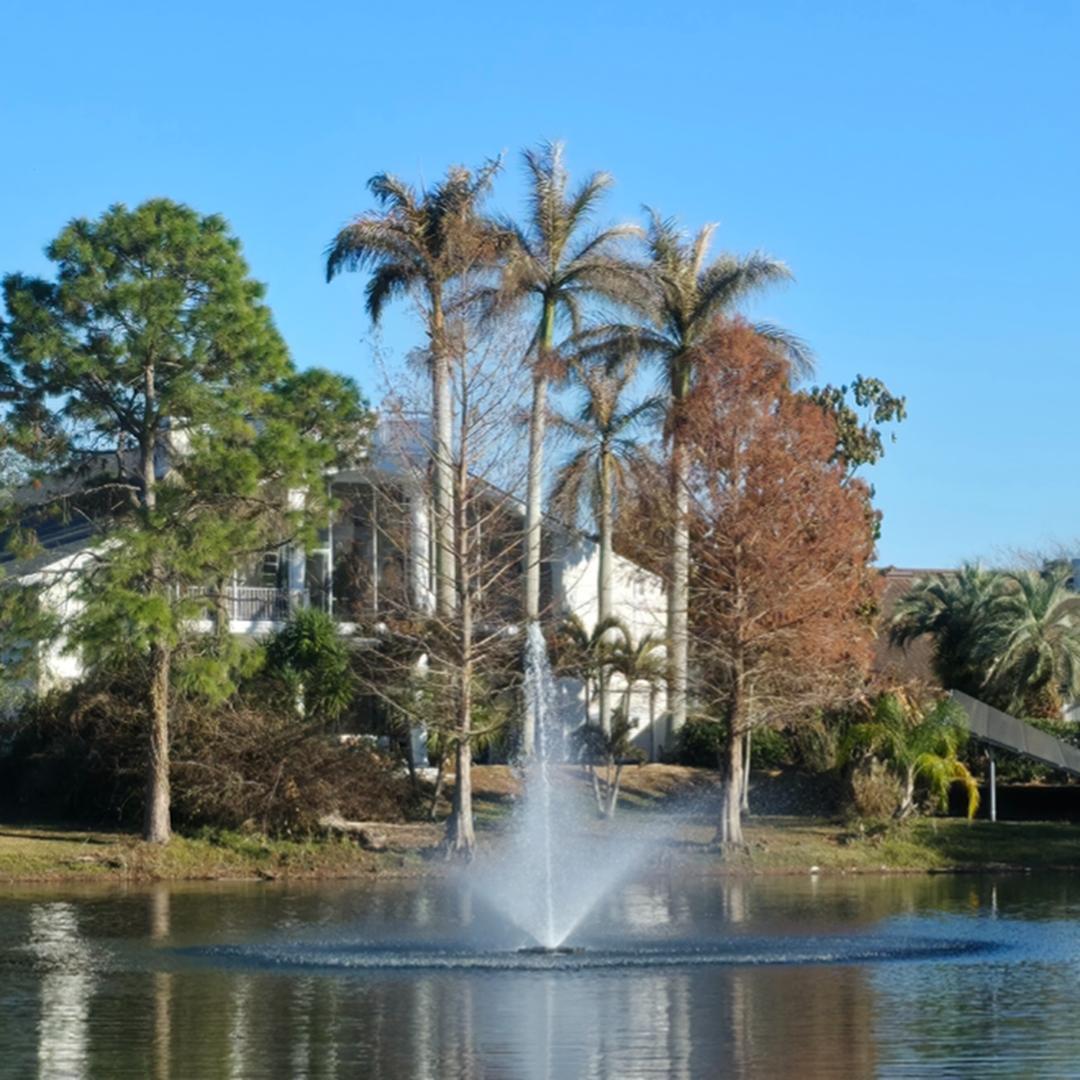
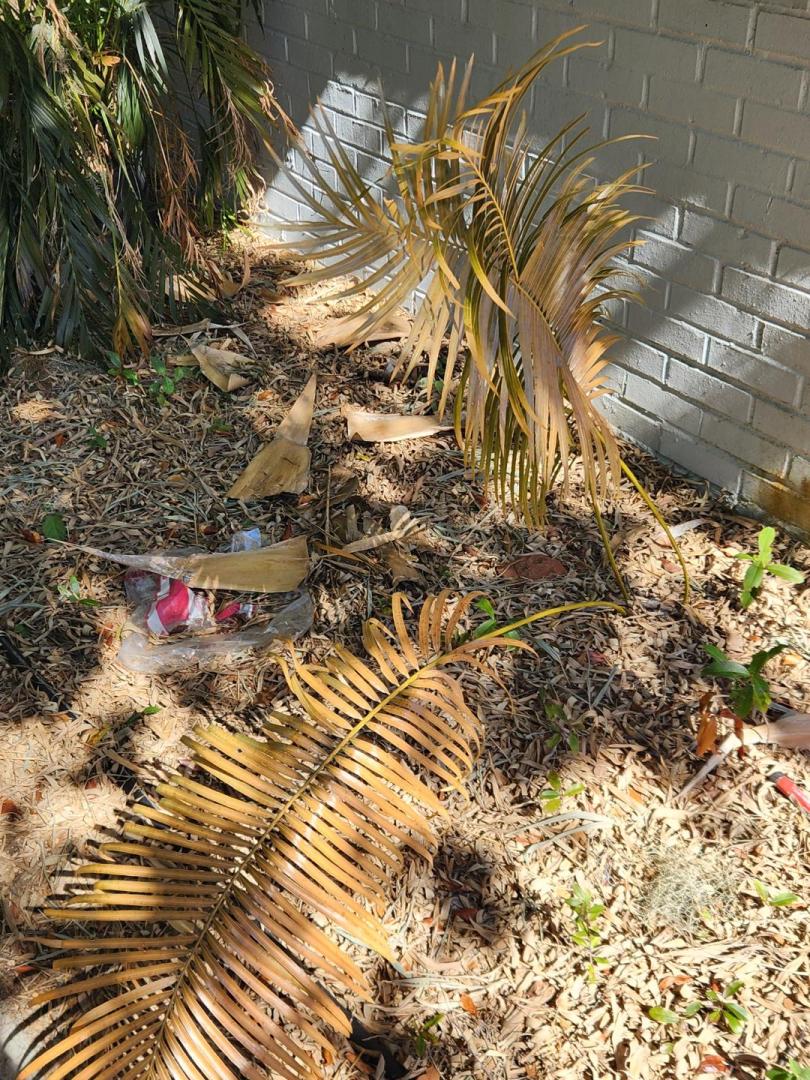
Drove around my neighborhood and the other coconut I follow in Belle Isle. Royals and Arecas got hit hard. Homes nearest the water and maybe a more South explore have light damage to Adonidia and Foxtails. Majesty palm looks good too. The coconut looks like mine but has 1 fully green frond. Interesting.


 7 points
 -
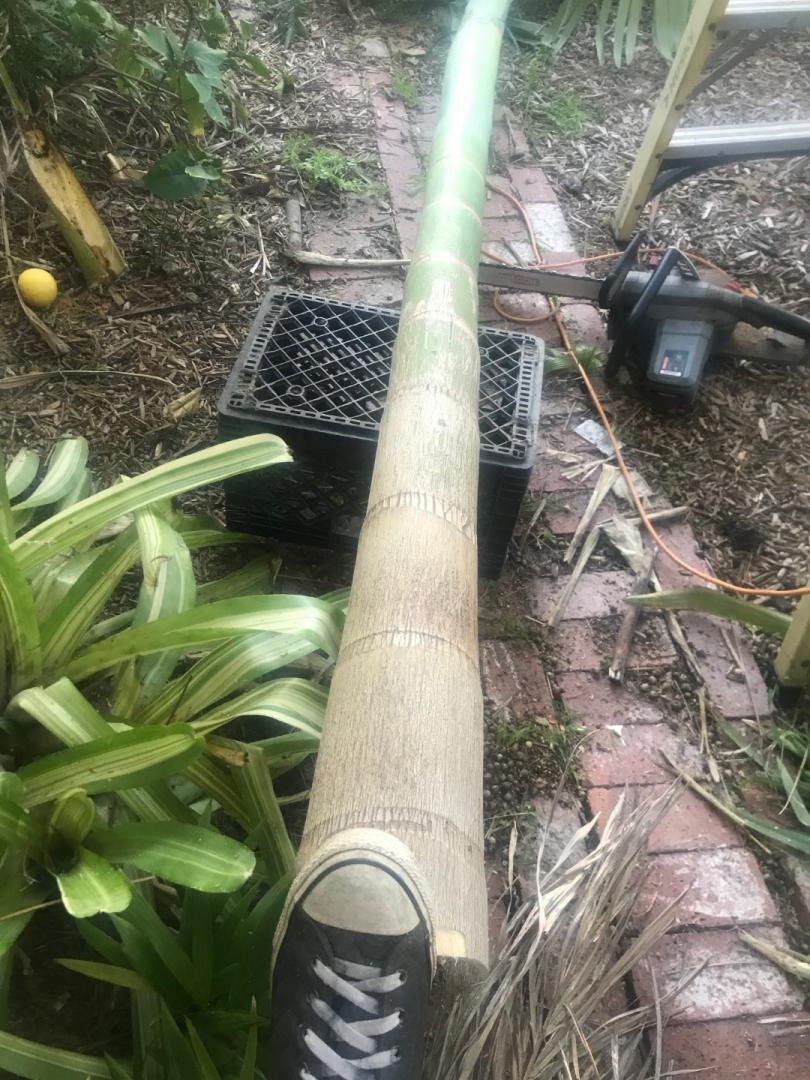
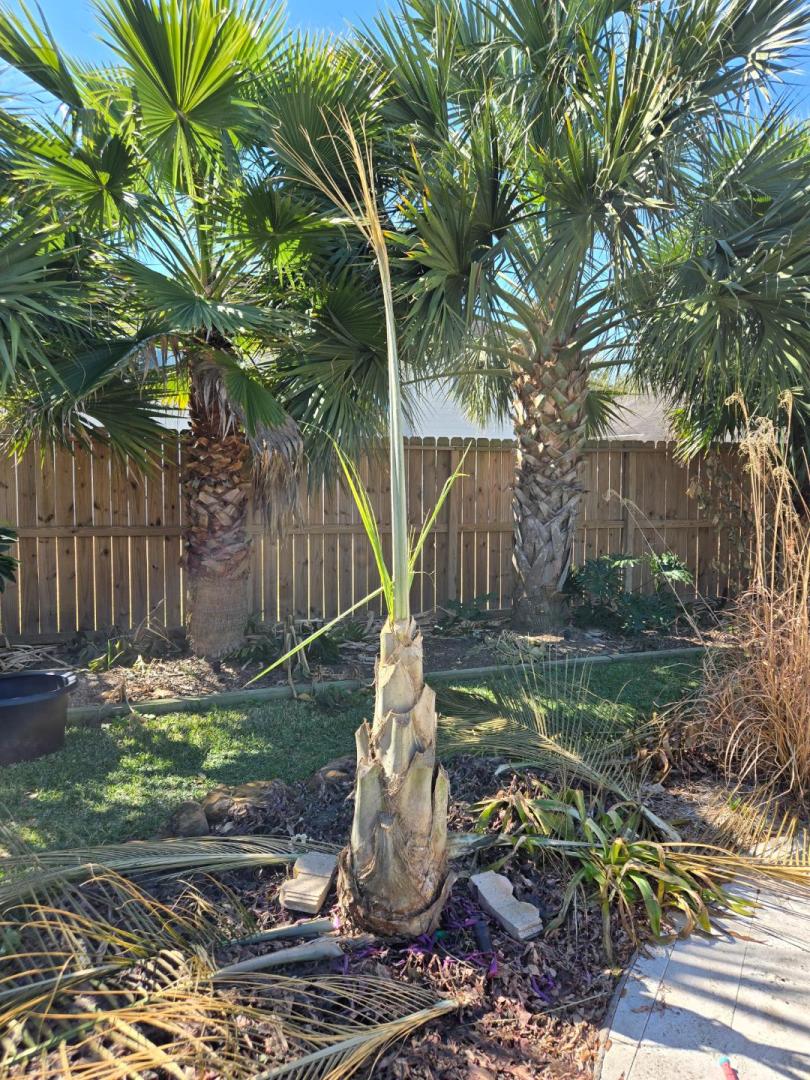
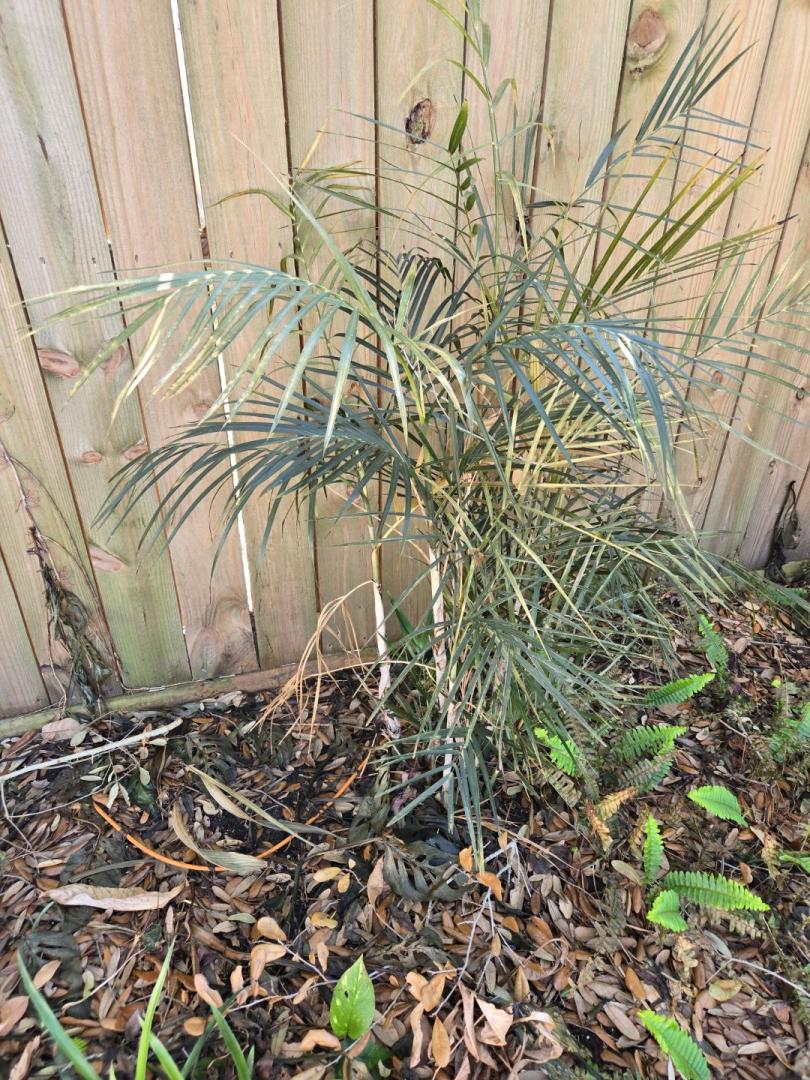
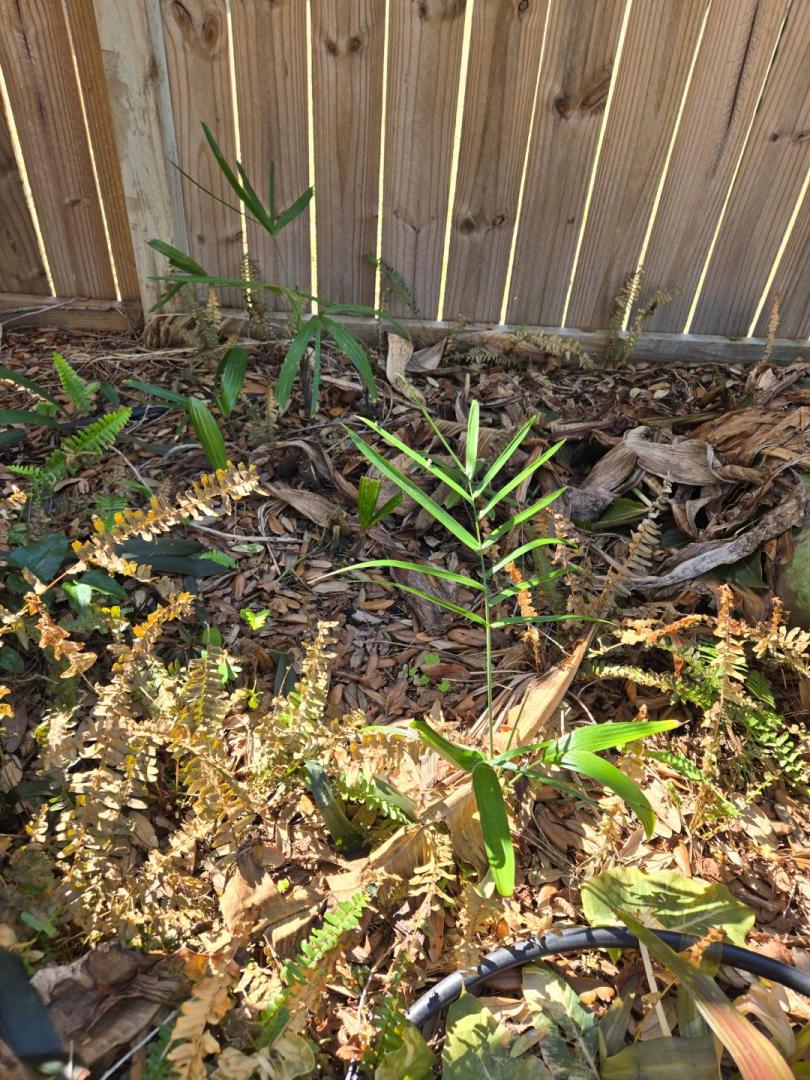
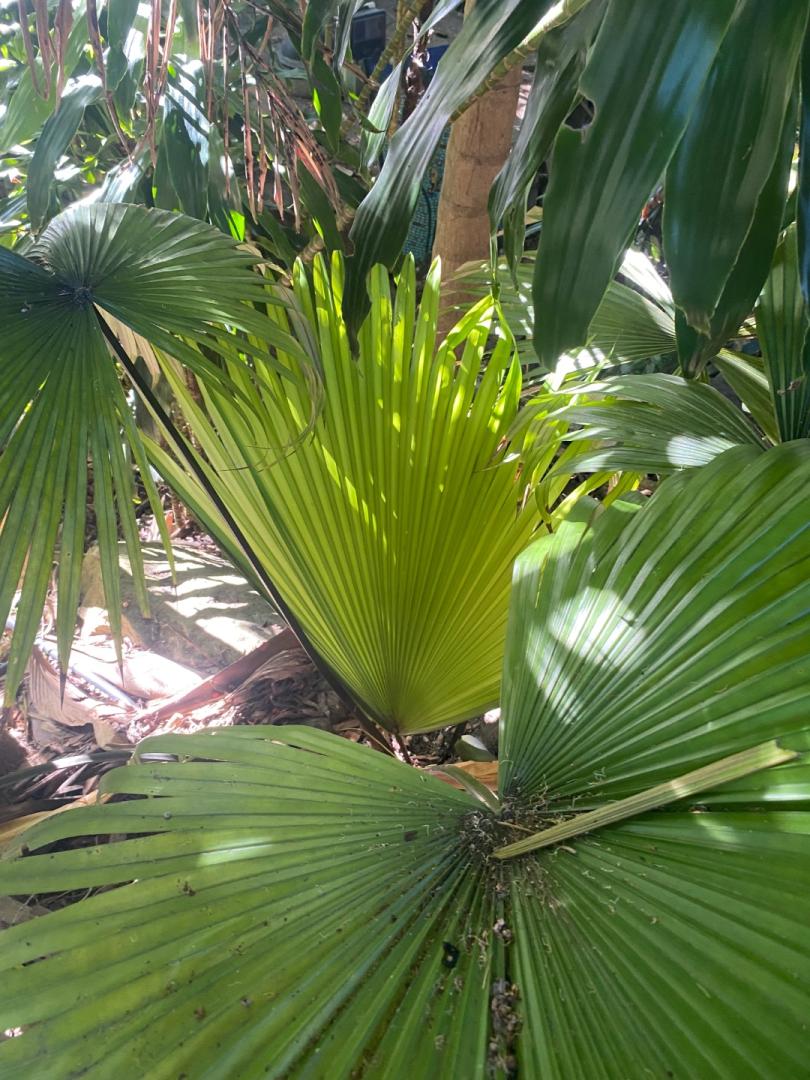
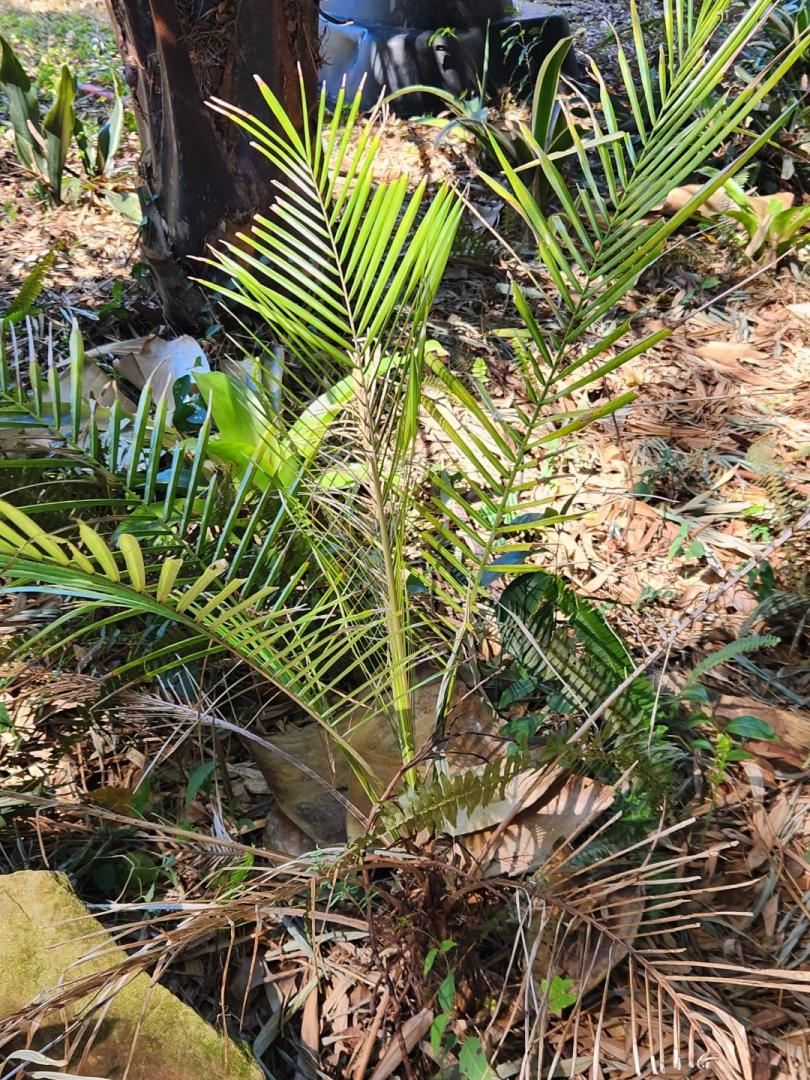
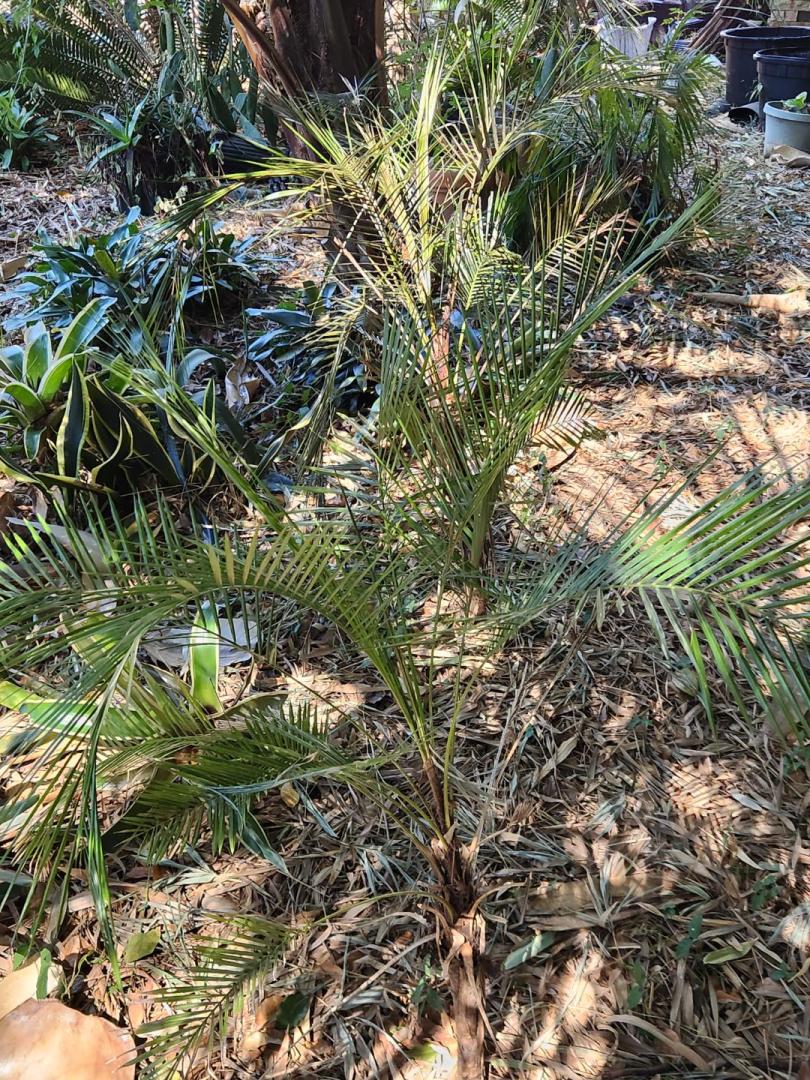
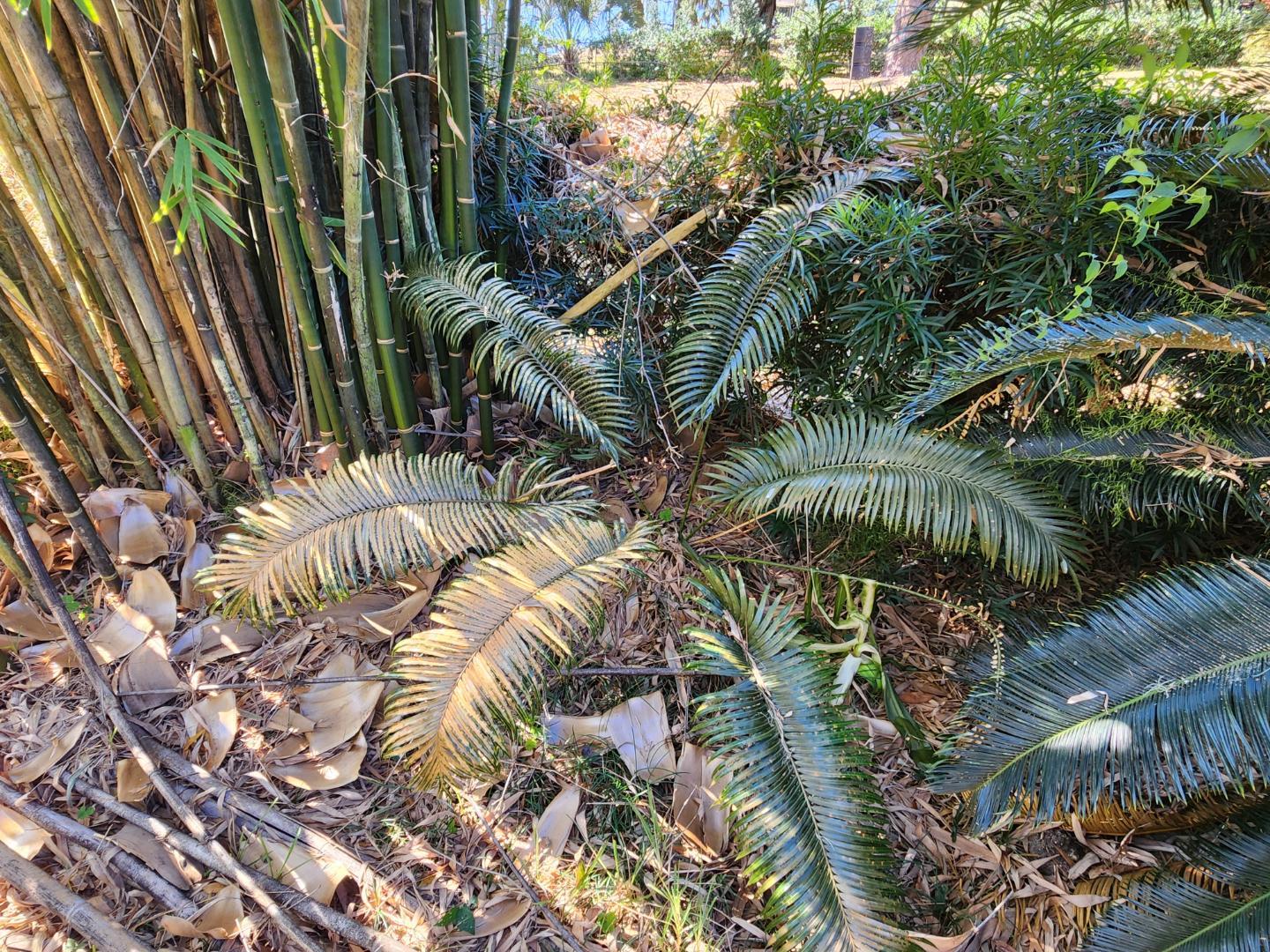
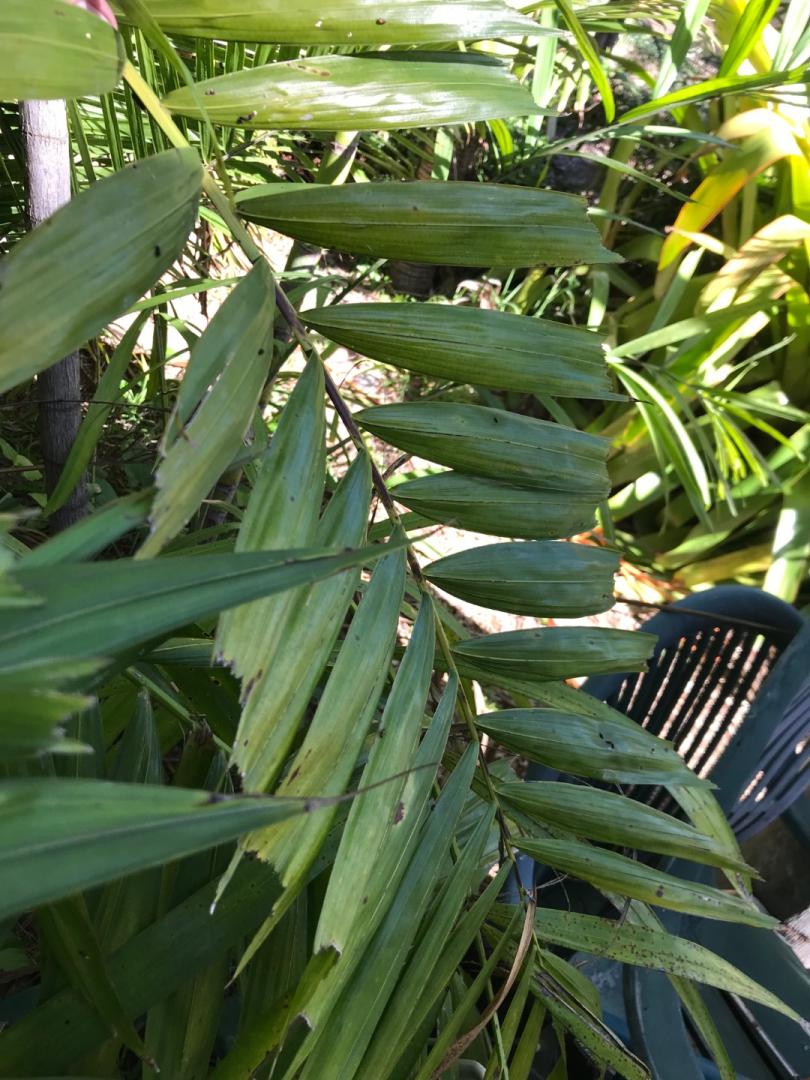
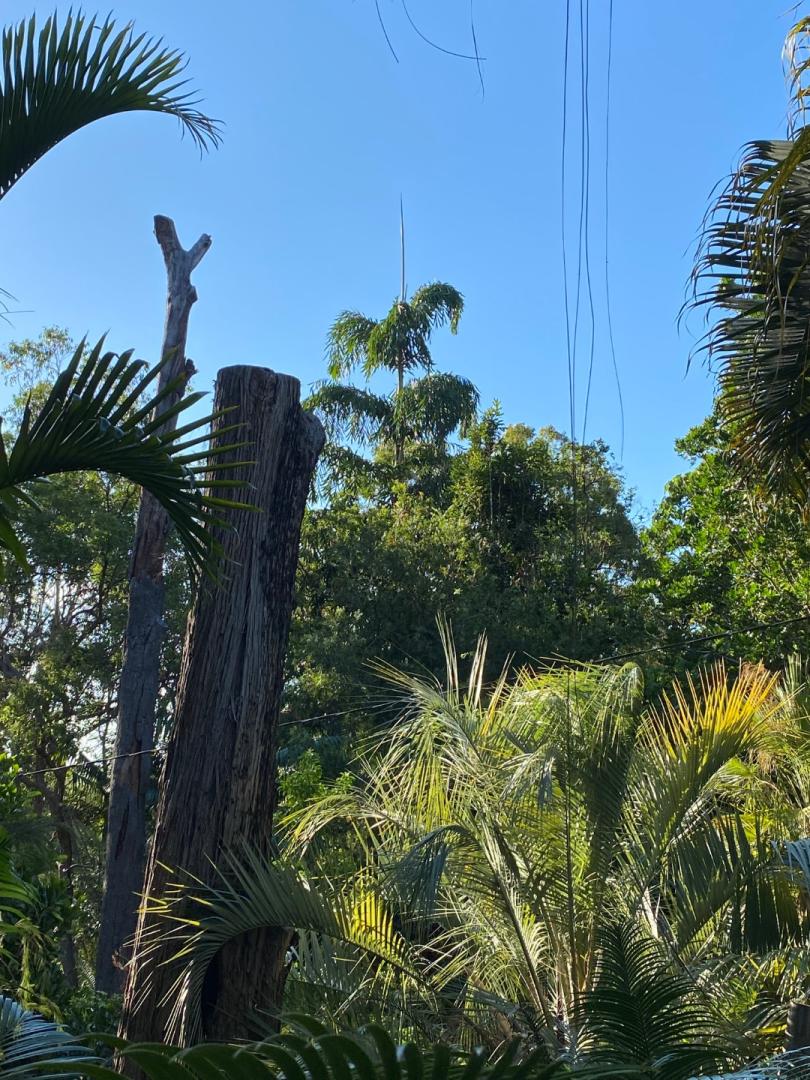
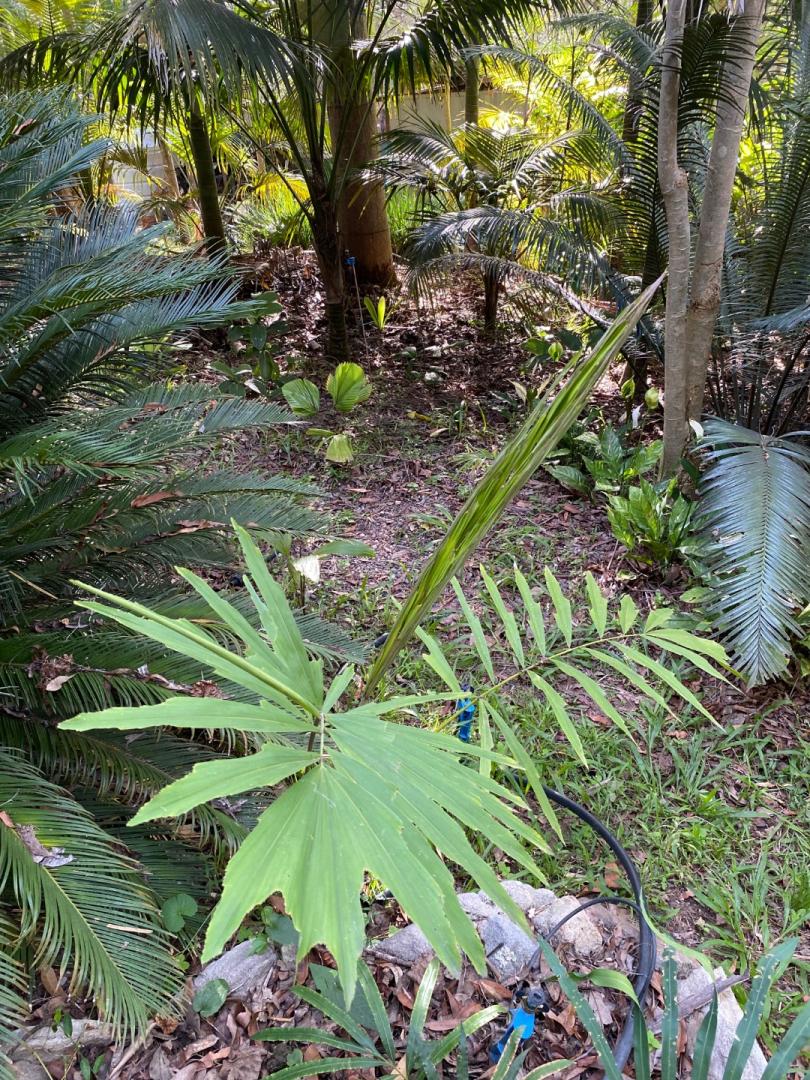
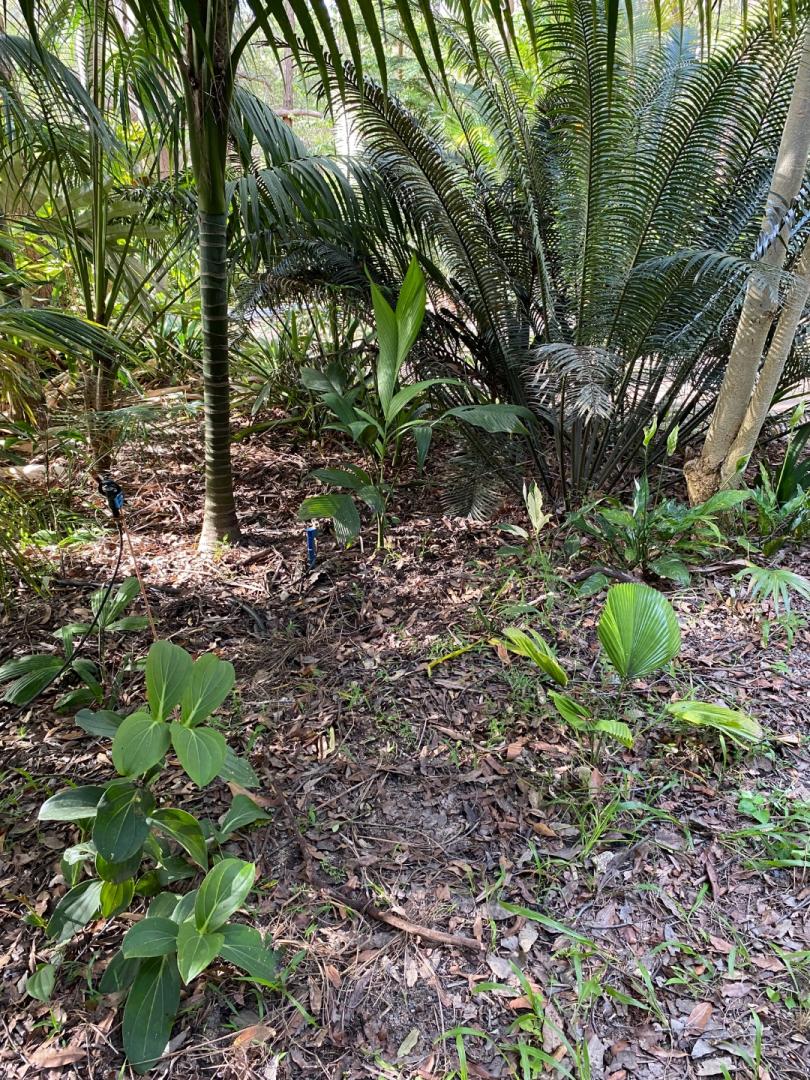
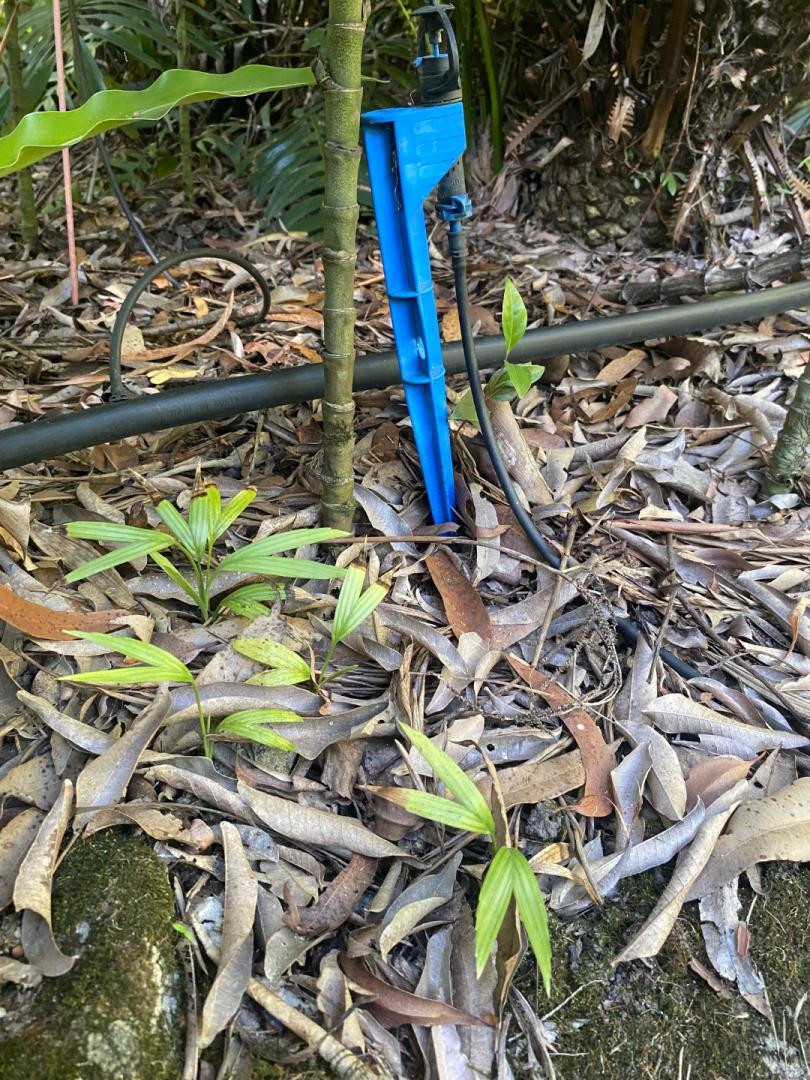
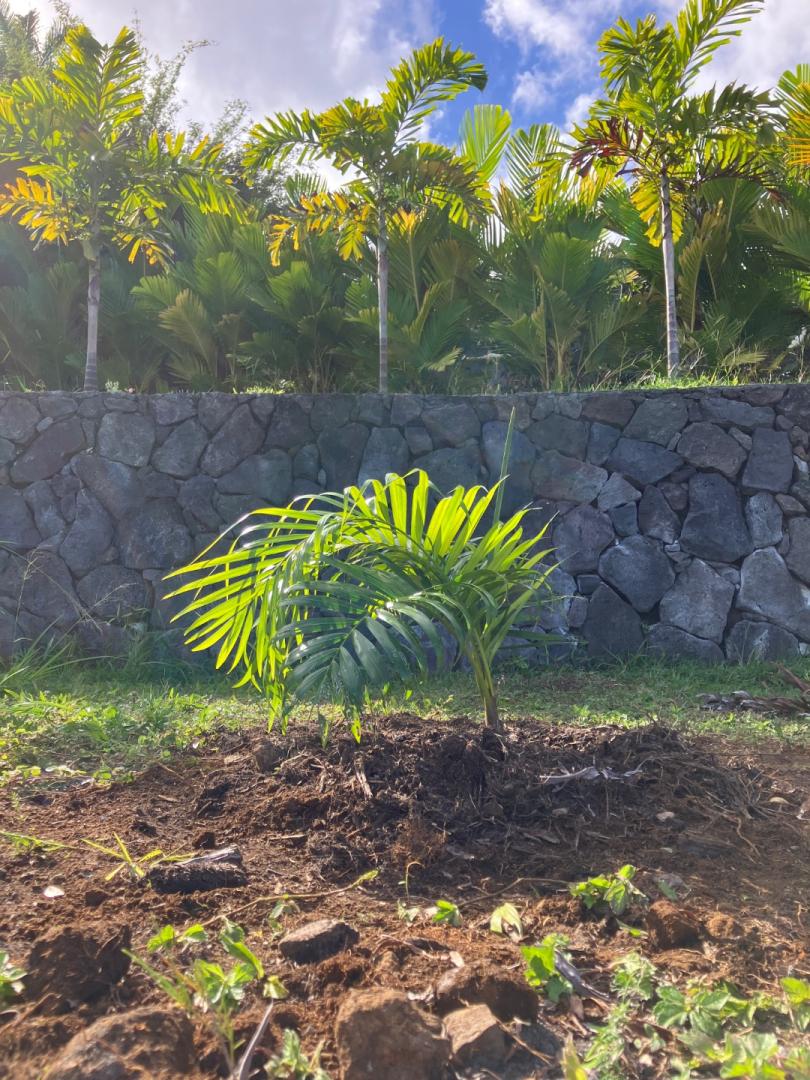
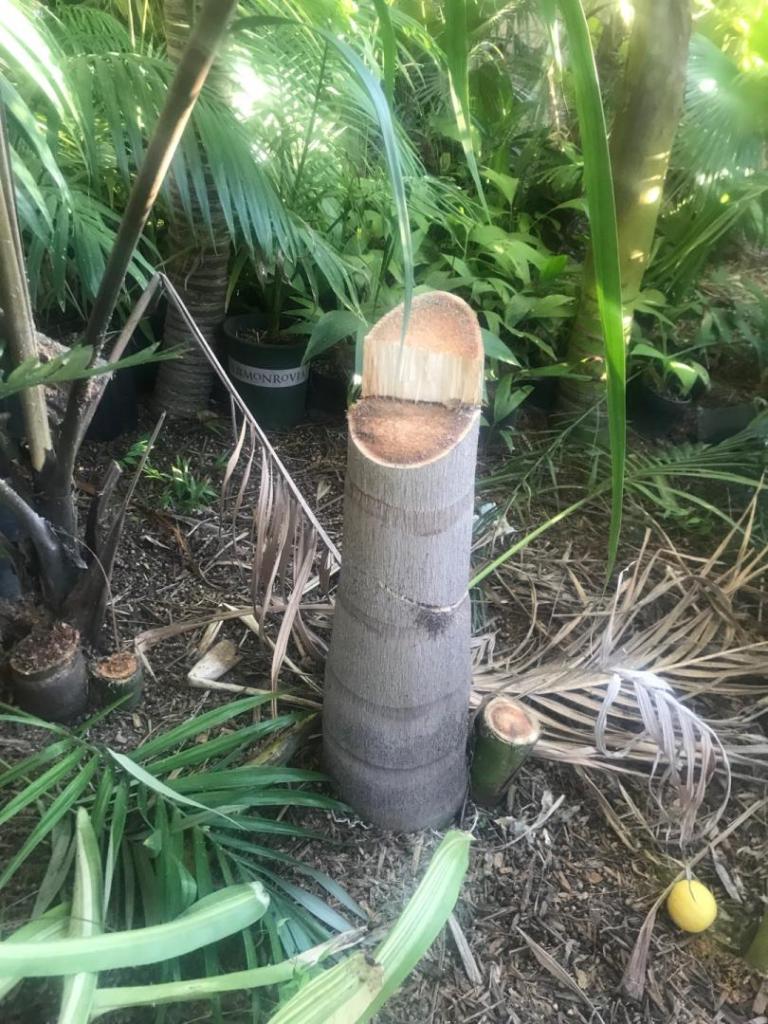
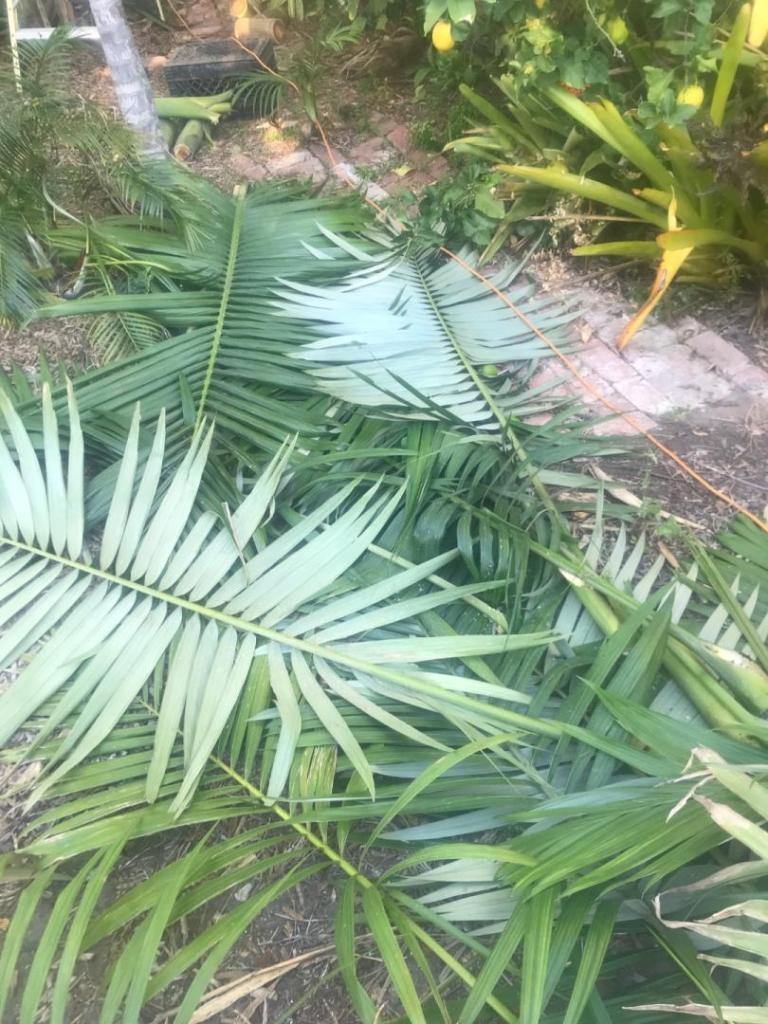
 6 pointsIt’s such lovely day already, work haddabe done so I did it. Removed and cut up some volunteer Archontophoenix tuckeri, one of which was about 20 feet (6.6 M) tall. Bummer but it had to be done.

 6 points
 -
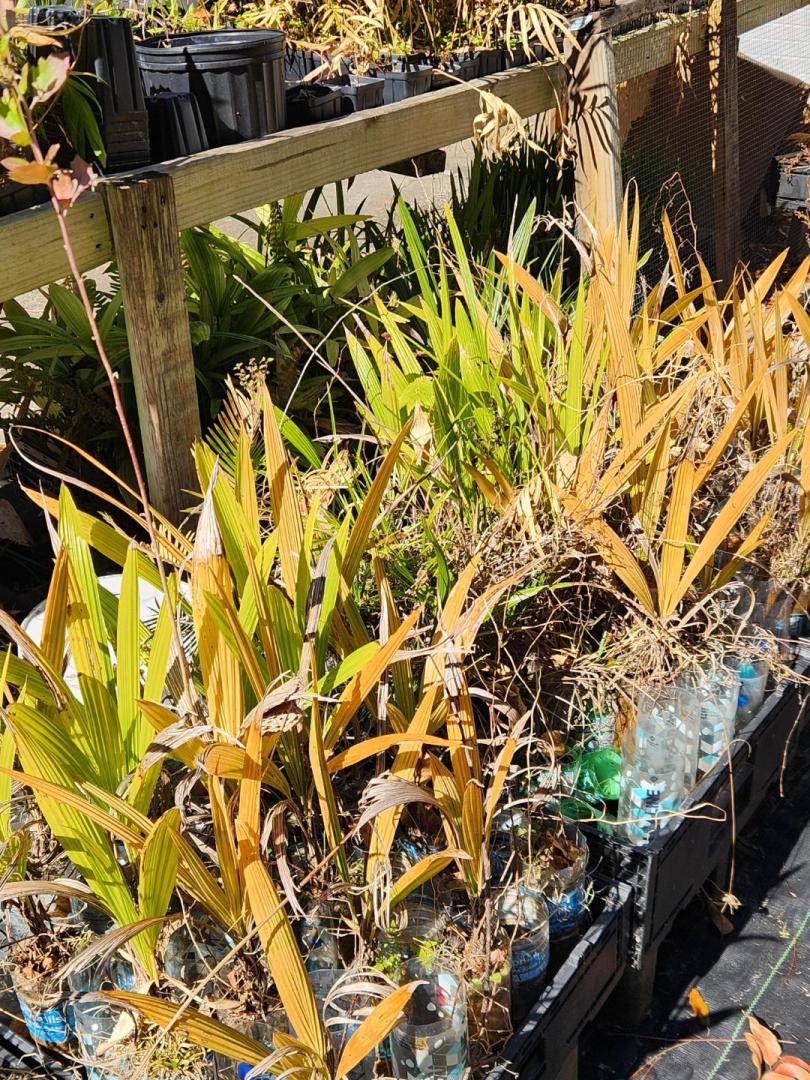
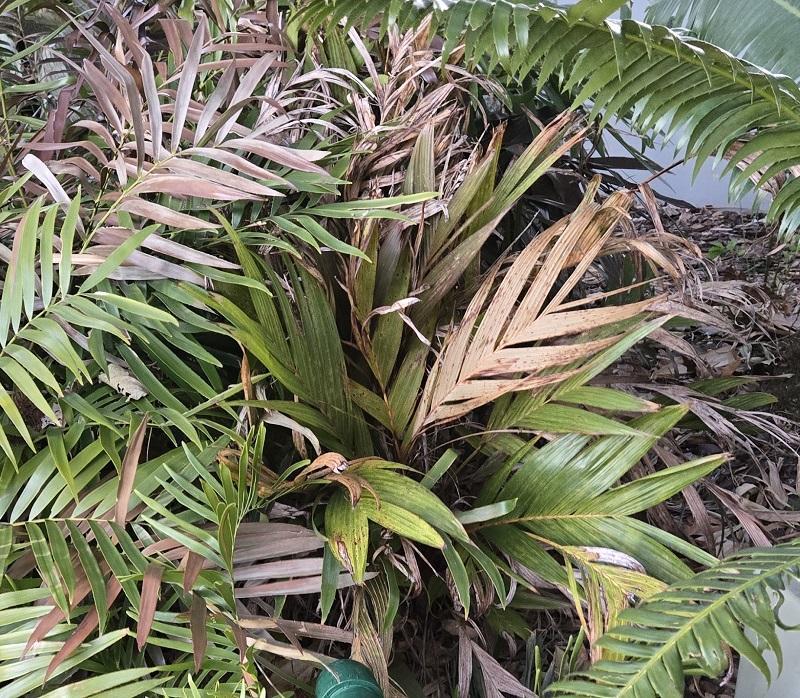
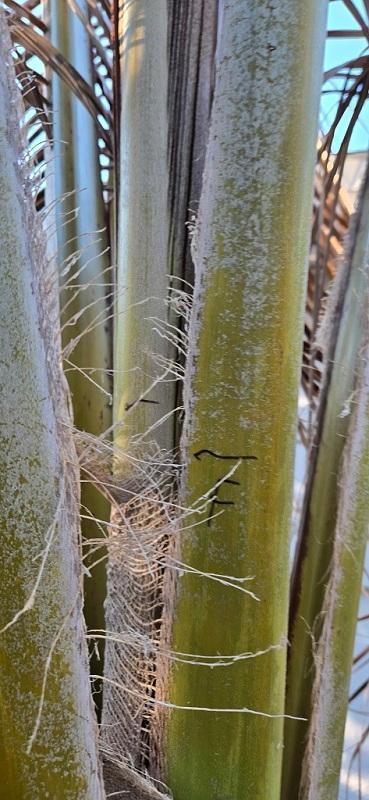
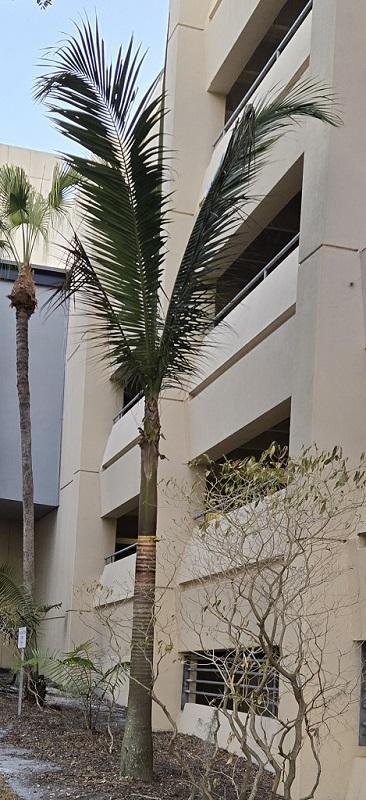
 NOTE: In the temperature ranges below, the lower temperature in ranges typically comes from an Ambient Weather model and the higher temperatures come from a fan-aspirated Davis Vantage Pro 2. If there is no range, both stations were within a degree of each other. If you own an Ambient Weather station, know that the low temperature will be slightly depressed most nights compared to the DVP2. For a full write-up on the comparisons between these models: https://www.palmtalk.org/forum/topic/76970-weather-station-experiments-and-brand-comparisons/ Overall Winter Synopsis (thus far): This cold season started early and didn't disappoint people who love cold snaps. The first cold snap on 11/11/2025 brought the yard almost uniformly down to 36F. This was a full 8F lower than the previous daily record low of 44F here. 11/12/2025 followed with 38F-39F here. December 31st finished off 2025 with a bang as the temperature dropped to 34F-36F in various areas of the yard. Most of January was up and down, with cold events within typical norms frequently interrupting warm periods. The low for the month in the garden was 31F on 01/16/2026. The garden recorded a daily record high of 86F on 01/25/2026, while the airport crushed the previous record high by recording 88F on the same day. The cool-off came swiftly, with multiple nights in the 30s leading up to the February cold blast on 02/01/2026 that brought 24F with 13MPH wind gusts. This event was followed with consecutive nights of 26F-28F, 30F-31F, 38F-39F, 42F-43F, 34F-35F in the garden. The stats below summarize this section, using the DVP2 numbers for the garden temperature: Thus far, most coconuts and crownshaft palms look like they were hit with a blowtorch. Especially affected have been Archontophoenix alexandrae and Dictyosperma album 'conjugatum'. Most Adonidia merrillii, Wodyetia bifurcata, various species of Veitchia (arecina, joannis, winin), Beccariophoenix fenestralis, Roystonea regia, Ptychosperma elegans, Pritchardia thurstonii, Chrysalidocarpus prestonianus, Carpoxylon macrospermum, Hyophorbe (Bottle + Spindle), Caryota mitis, Chambeyronia (macrocarpa, oliviformis, various forms) and Satakentia liukiuensis are heavily damaged to defoliated (80%-100%). It's likely that any Adenium (Desert Rose) left outdoors is dead. More moderate damage (40%-60%) has appeared on Phoenix roebelenii, Beccariophoenix alfredii (some are undamaged), Latania lontaroides, Carpentaria acuminata, various former Dypsis (Chrysalidocarpus decaryi, lutescens, lanceolata, cabadae, pembanus, letptocheilos), Ptychosperma macarthurii, Syagrus schizophylla, Saribus rotundifolius, Cryosophila warscewiczii, Encephalartos ferox, and 2 x Thrinax radiata where the fans face the wind. Light damage has shown up on Howea forsteriana and Hyphaene coriacea in a few spots. No damage has appeared thus far on Coccothrinax argentata, Leucothrinax morrisii, Pseudophoenix sargentii (some in town do show damage), 1 x Thrinax radiata with fronds parallel to the wind, Chrysalidocarpus decipiens, Kerriodoxa elegans, Zamia furfuracea, Zamia integrifolia, any Livistona (decora, chinensis, saribus, muelleri, australis), Arenga engleri, Copernicia (alba or fallaensis) or pineapples. Medemia argun has no cold damage in the ground or in a pot, but they have other issues here. The typical bulletproof palm genera ( Sabal, Serenoa, Acoelorraphe, Chamaedorea, Chamaerops, Butia, Brahea, Syagrus, Phoenix, Rhapis, Rhapidophyllum, and Washingtonia) had no issues, either. This is why many of these were the backbone of gardens before Lethal Bronzing. Silver Buttonwood appears unaffected at this point. Trachycarpus is fine through this event, but is difficult for most areas to grow. My potted plants were placed in a cage near the Atlantic tall coconut bed and suffered no cold losses as they were completely shielded from wind by a cement wall and plants in all directions. As far as hardwoods, it looks like all of my tropical hardwoods will defoliate, but the branches feel solid. This includes: Ficus aurea, Delonix regia, Bursera simaruba, Mange (Glen), Avocado (Choquette), Coccoloba uvifera (Sea Grape). Philodendrons were laying flat on the coldest morning, but perked back up in front of the house. A few neighbors weren't so lucky. Their plants look like spinach. Crotons and Ti will likely defoliate, minus a few branches that were low enough to stay safe from wind. This cannot be considered a final report. The full extent of the damage won't be known for a significant amount of time. My hope is that everyone's favorites will recover and the rest of this winter won't be as terrible. That said, I have heard rumor that another similar outbreak is expected sometime in late February or early March. For now, a few positive photos: Areca vestiaria survived at Hollis since it is small and surrounded by really tough cycads. The former Lytocarium - now Syagrus weddelliana - did really well If the tree trimmers let it alone, the Satakentia near the parking garage should make it. A few of my coconuts show growth for now.

 6 points
 -
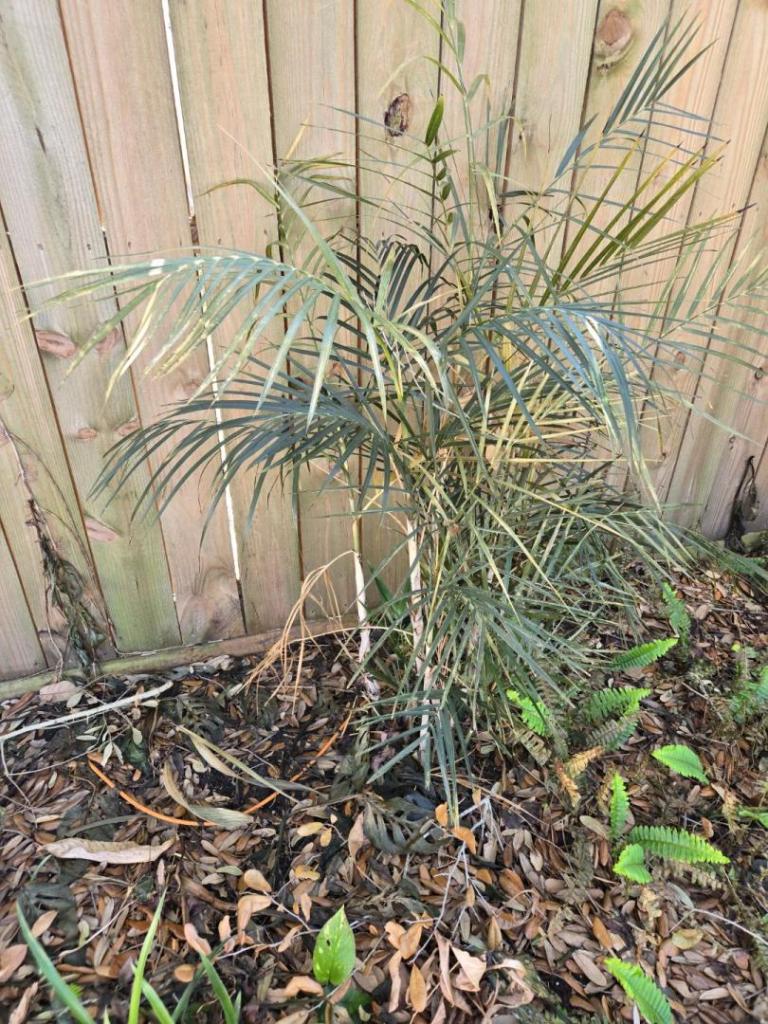
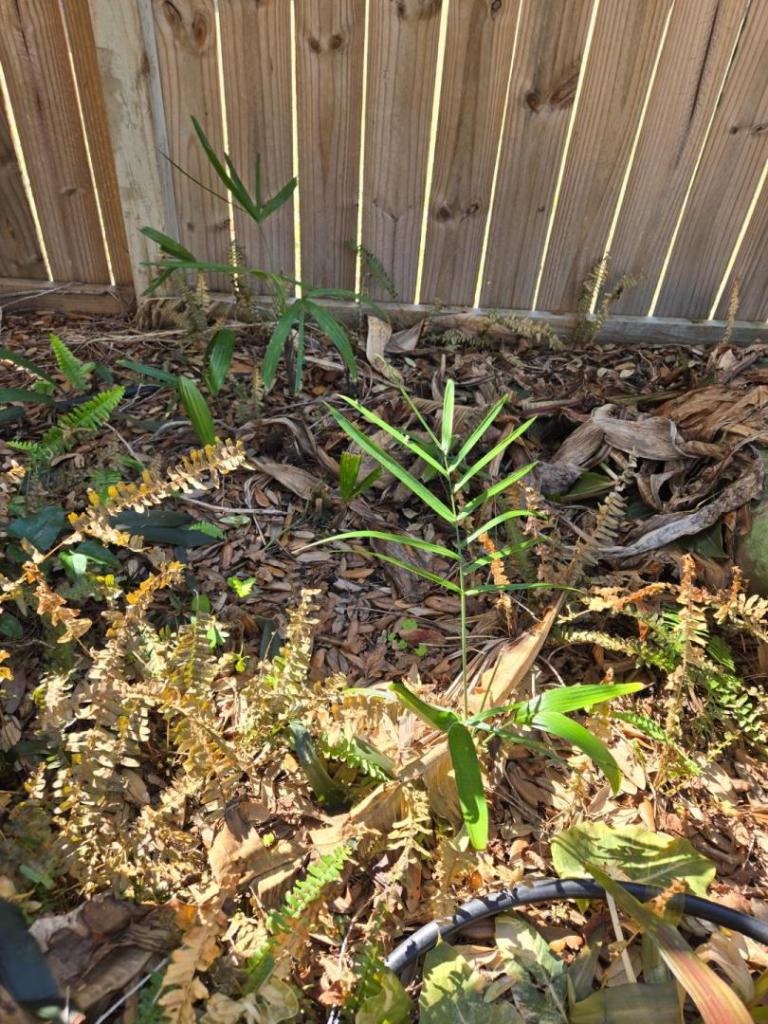
 In League City TX, just south of Houston. We had one night at 25 and the next bottomed out at at 23.5. It did get above freezing in between. Mule unprotected Majesty that I defoliated and wrapped with blankets and heat. Too easy to protect to risk losing it. L. Chinensis (unprotected) and Acoelorrhaphe Wrightii (blanket and Xmas lights) C. Alba just got a blanket (had lights on it but they didn't work!) and the Arenga Englerii had no protection. Another Chinensis behind that. Decora unprotected Bizzy unprotected Chamadorea Hooperiana (I think?) just had a pot flipped over it What I thought was Seifrizii but got absolutely toasted with canopy Cham Costaricana that just got a blanket. I may have overestimated it's cold tolerance Licuala Spinosa strap leaf just got a pot flipped over it A small Cham Radicalis and some transplant Rhapis did fine Chuniopheonix Nana had a pot flipped over it with a string of Xmas lights laying next to it Licuala Fordiana? Lanonia? I have to keep better records. Had a pot with some Xmas lights next to it. Cham Elegans unprotected A Cham Tepejilote that I decided would be easier to just dig up and replant after the freeze. Doesn't seem to have missed a beat. And last but not least, a potted Ptychosperma Elegans that I somehow missed when I loaded up the greenhouse. May he rest in peace.
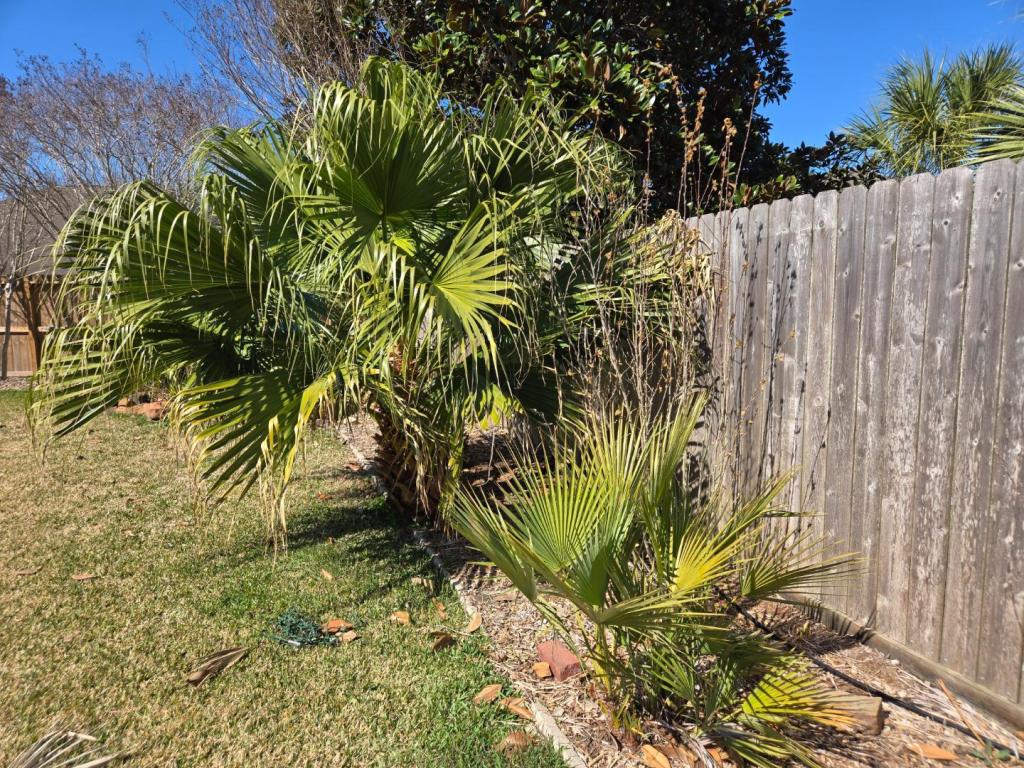
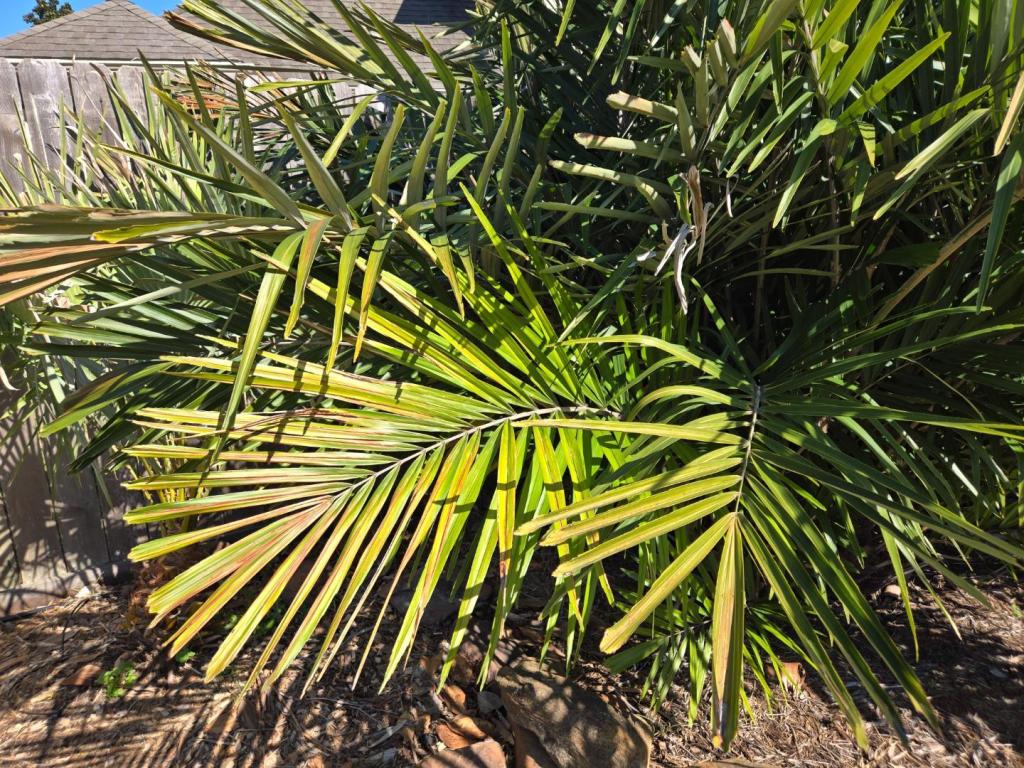
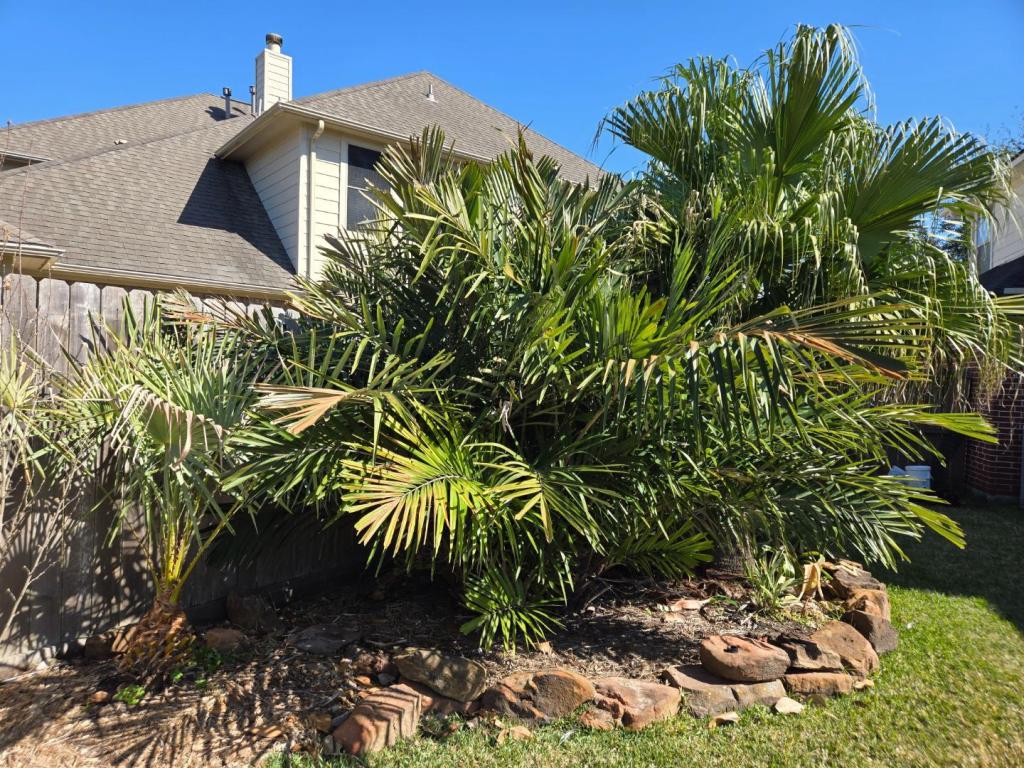


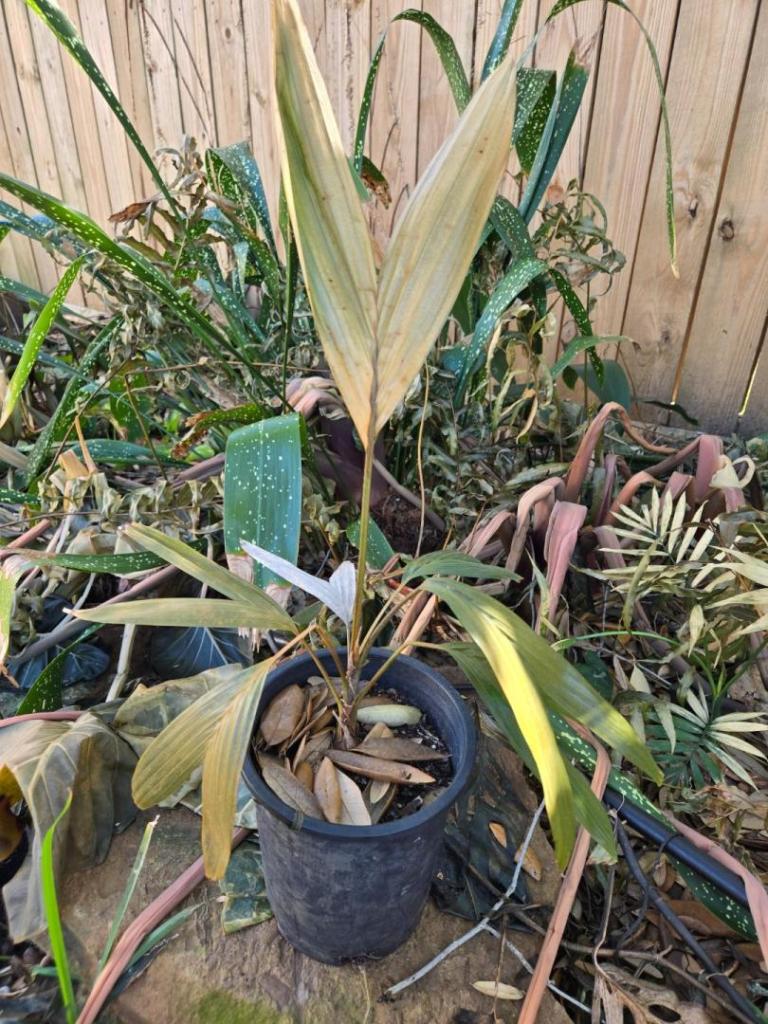




 5 points
 -
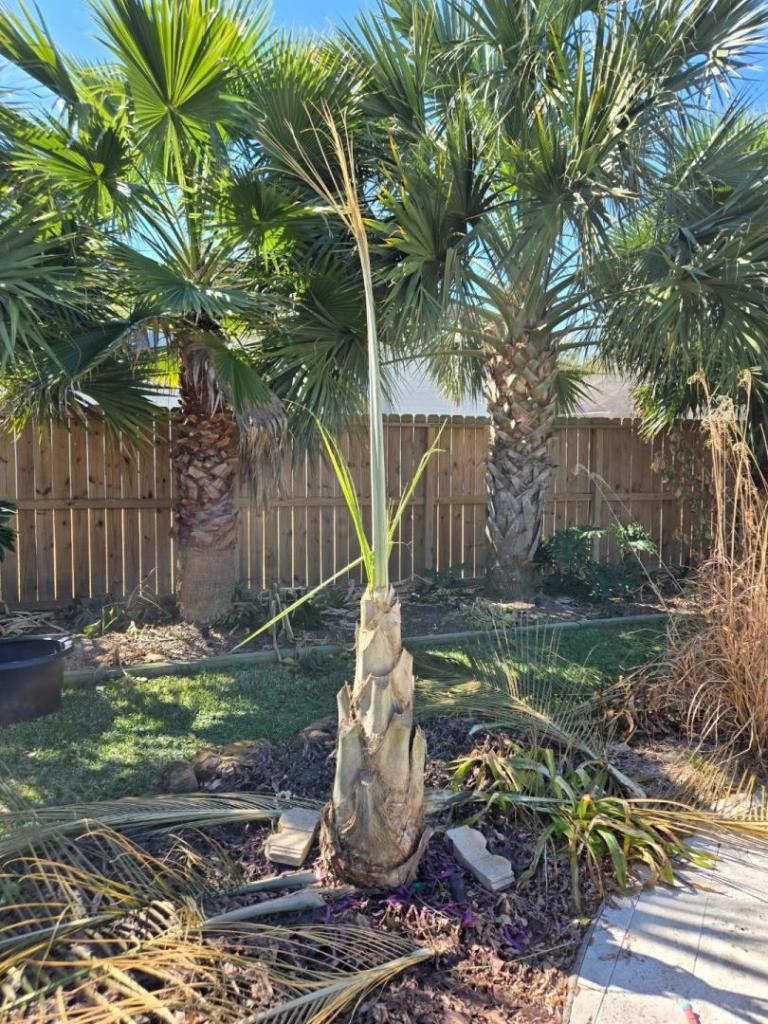
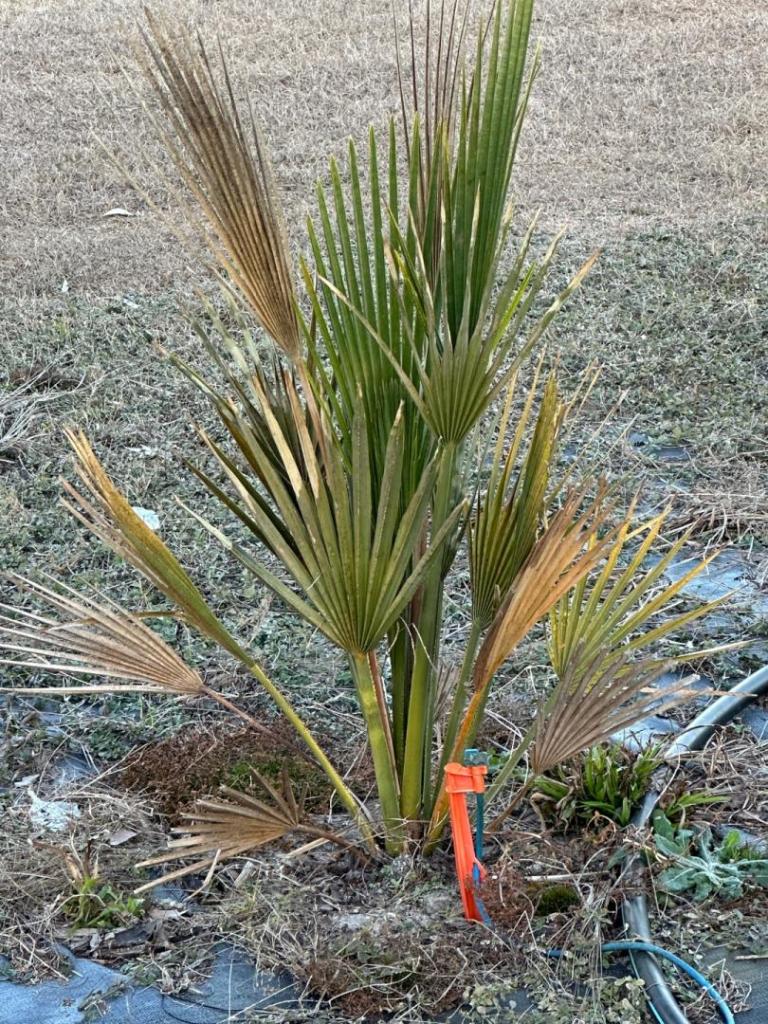
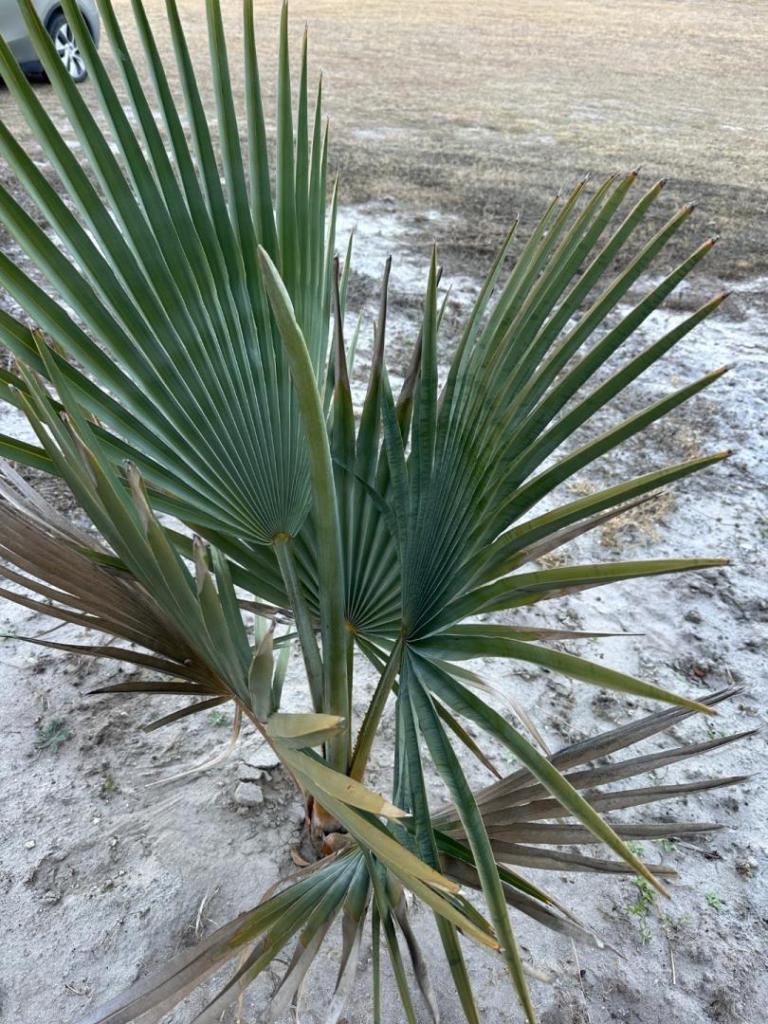
So i do believe the fallensis and gigas WILL recover from 29,25,23 uncovered. Heres yesterdays pics
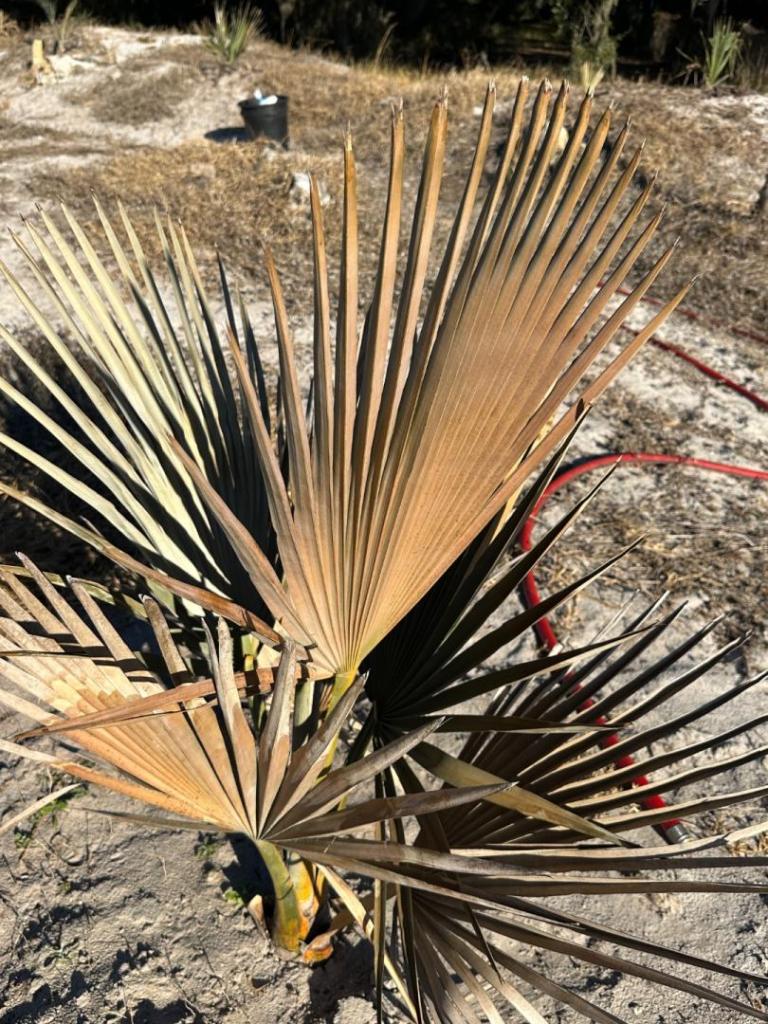

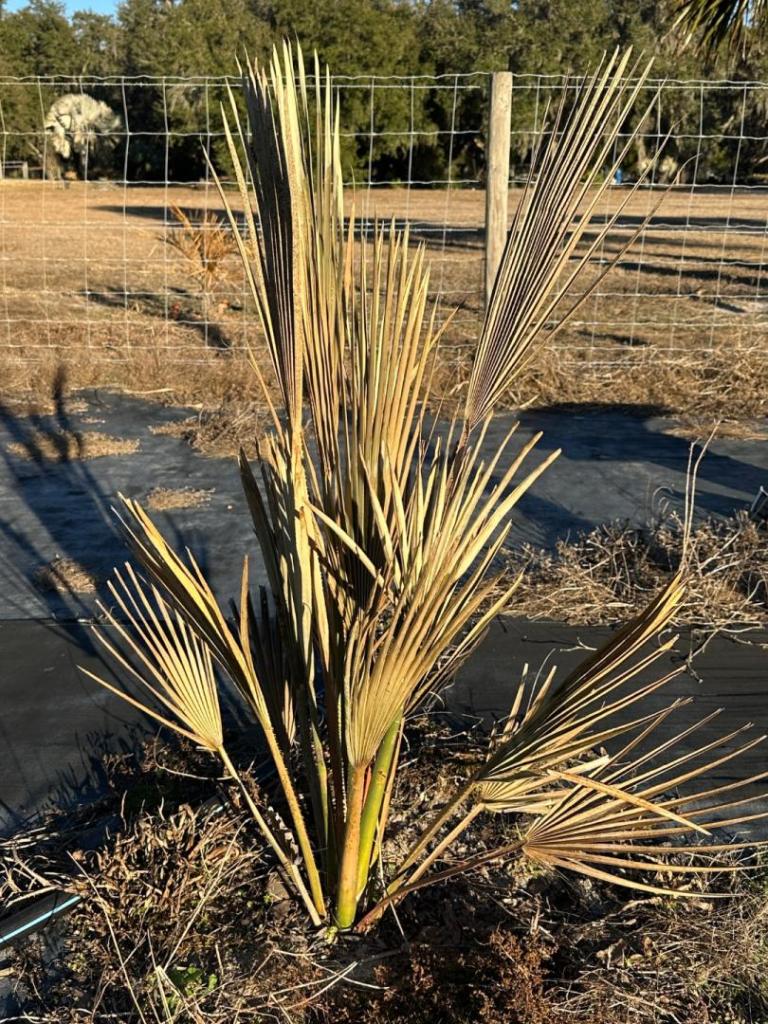
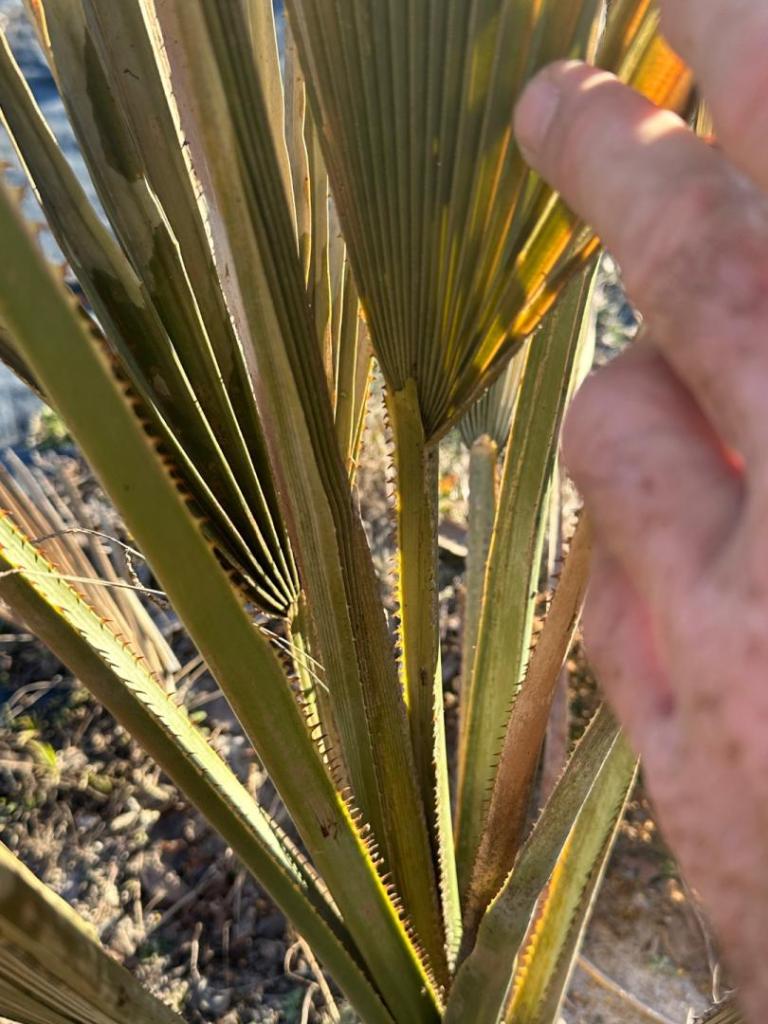 5 points
 -
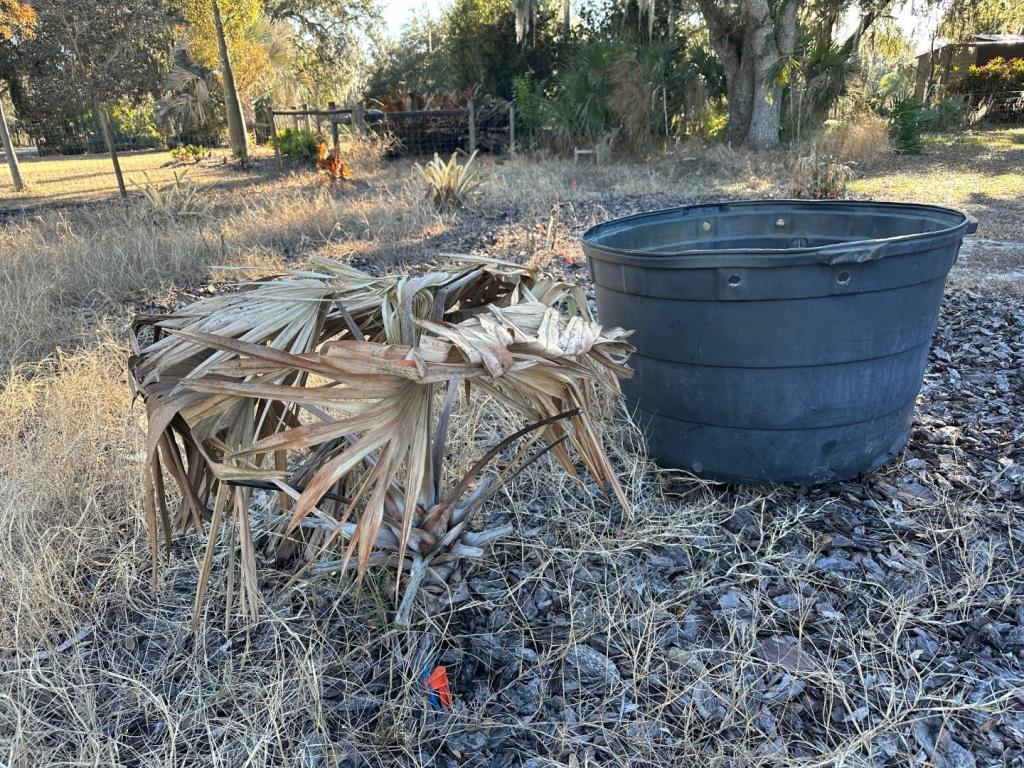
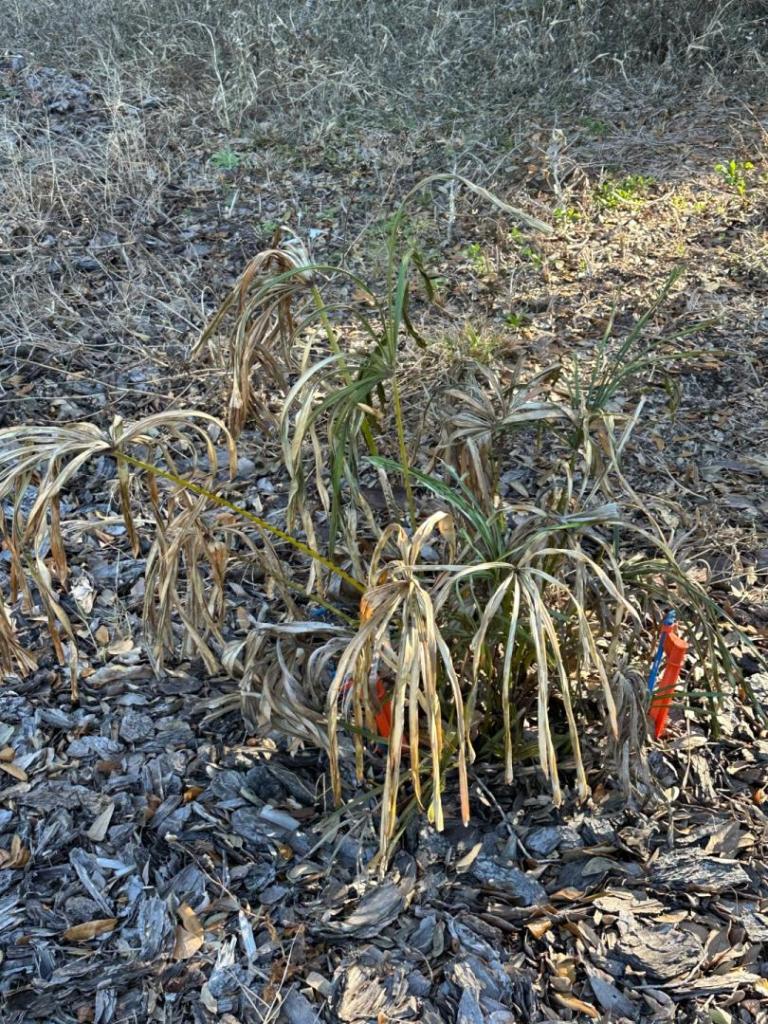
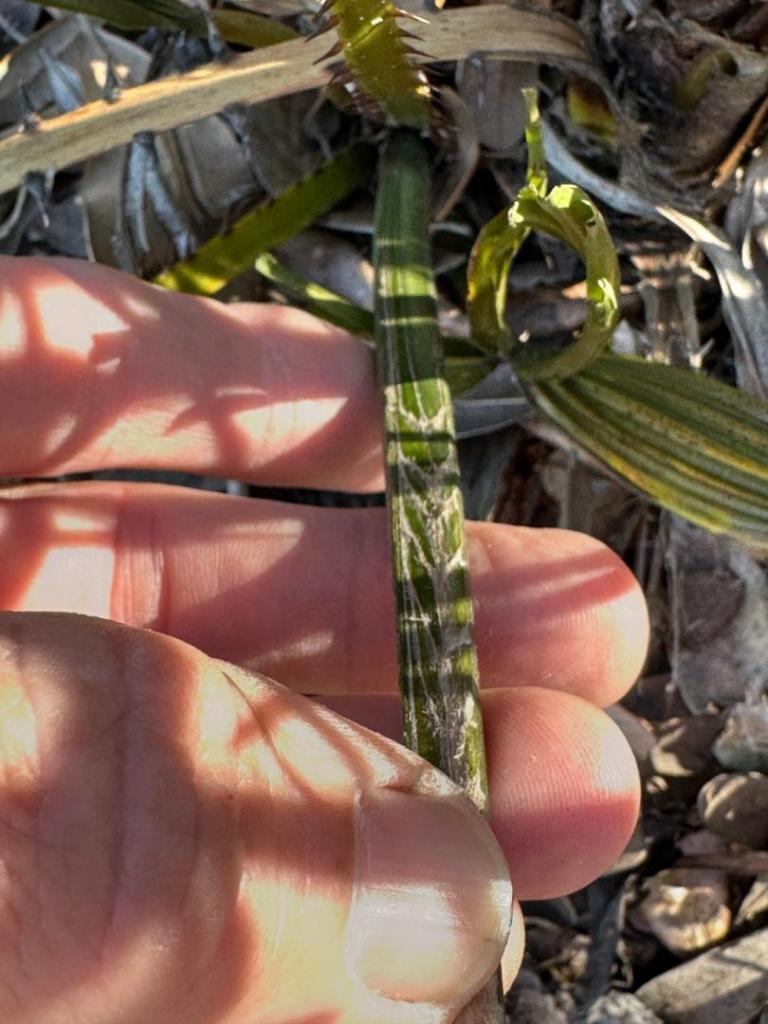
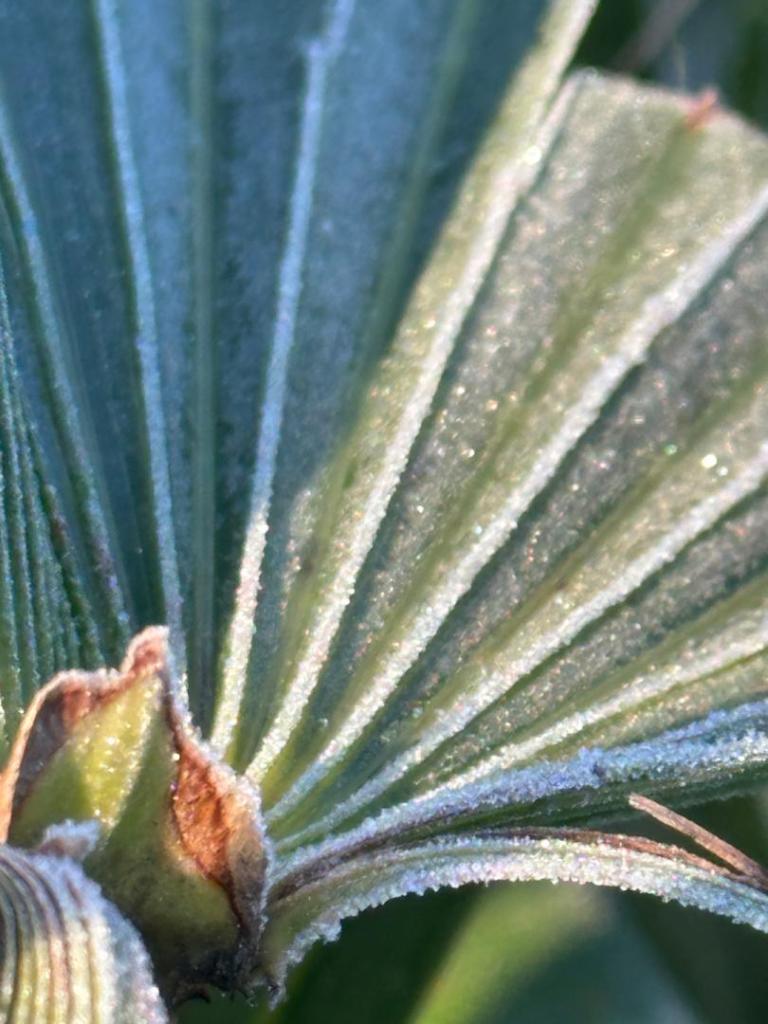
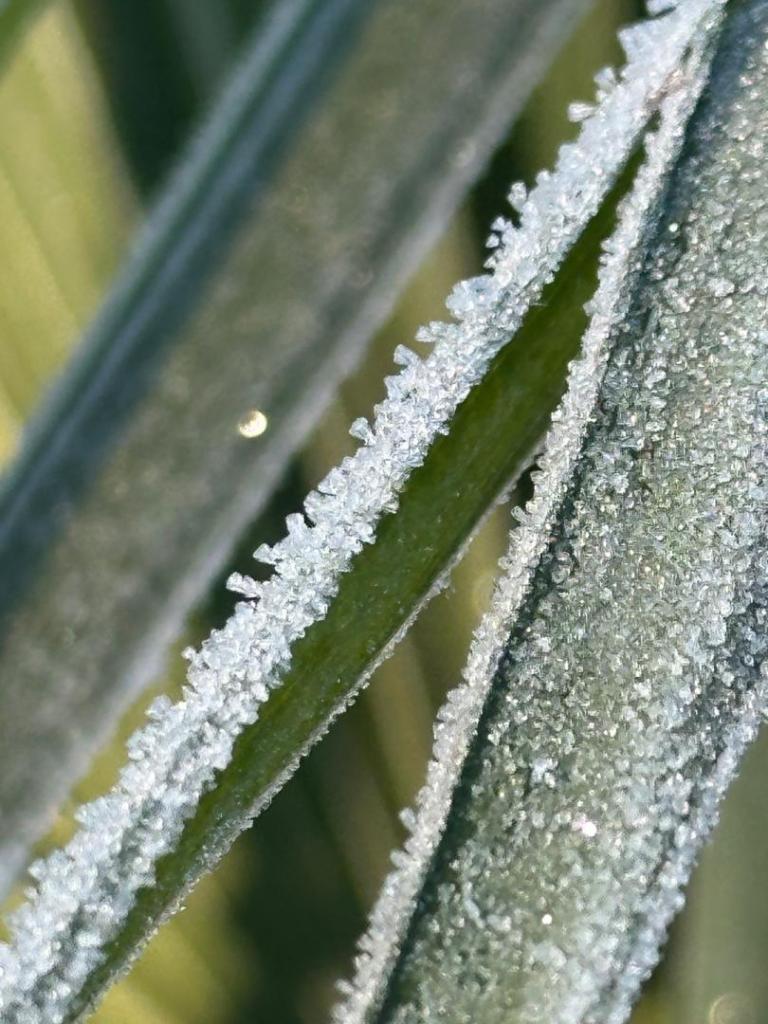
Heres an assortment of species that took 29,25,23 without protection. I thought the Copernicia i bought as bertroana was actually an alba BUT it got toasted so maybe it was in fact bertroana! Beccariophoenix alfredii got blown over last year by hurricane so its had a tough life . Bismarcks are really exposed but certainly will be fine. The green Bismarck I was covered with the 100gal bucket after the 29 degree night . Small Licuala spinosa is surprising survivor with live spears. Livistona nitida had heavy frost at 25 but fine

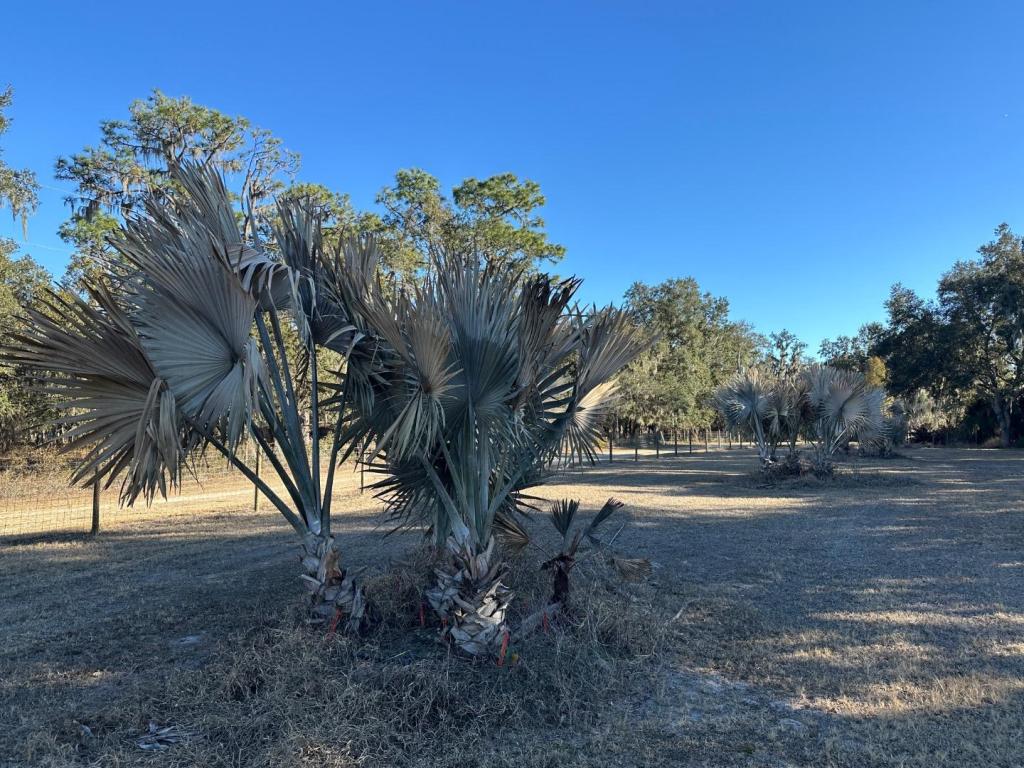

 4 points
 -
 4 points
 -
 3 pointsNice video on a proper Texas jungle. It’s only the first 9 minutes. It doesn’t focus as much on the Sabals but they are shown.3 points
 -
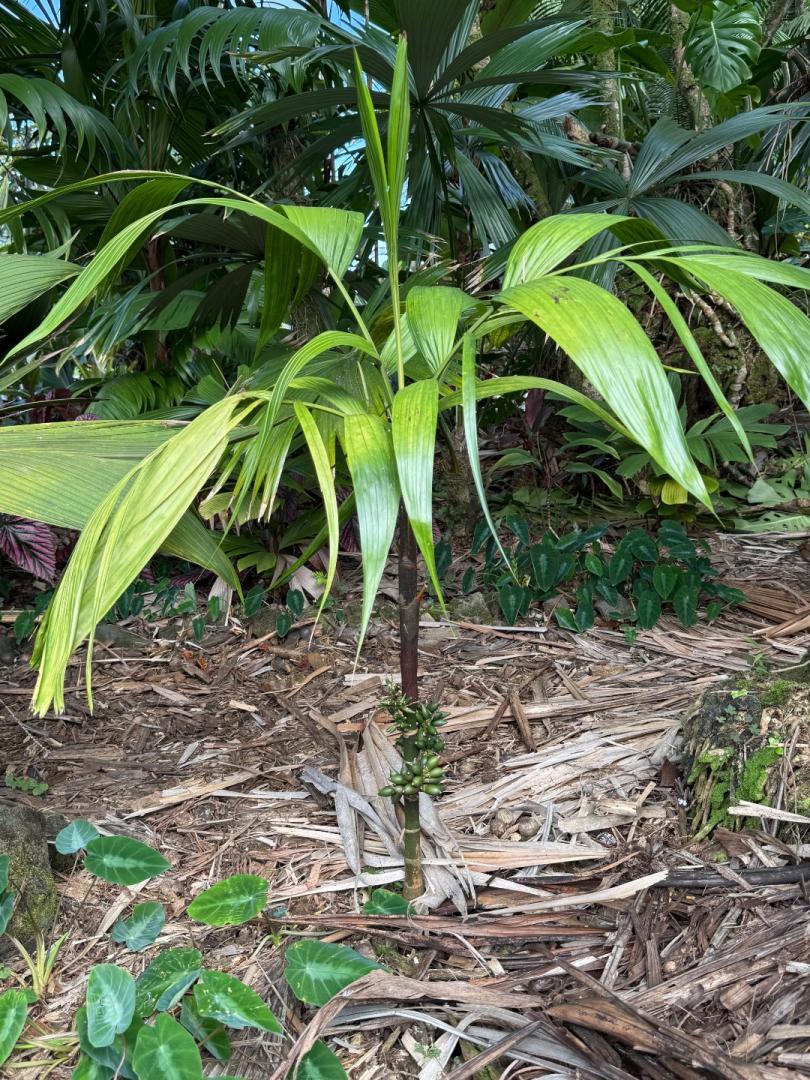
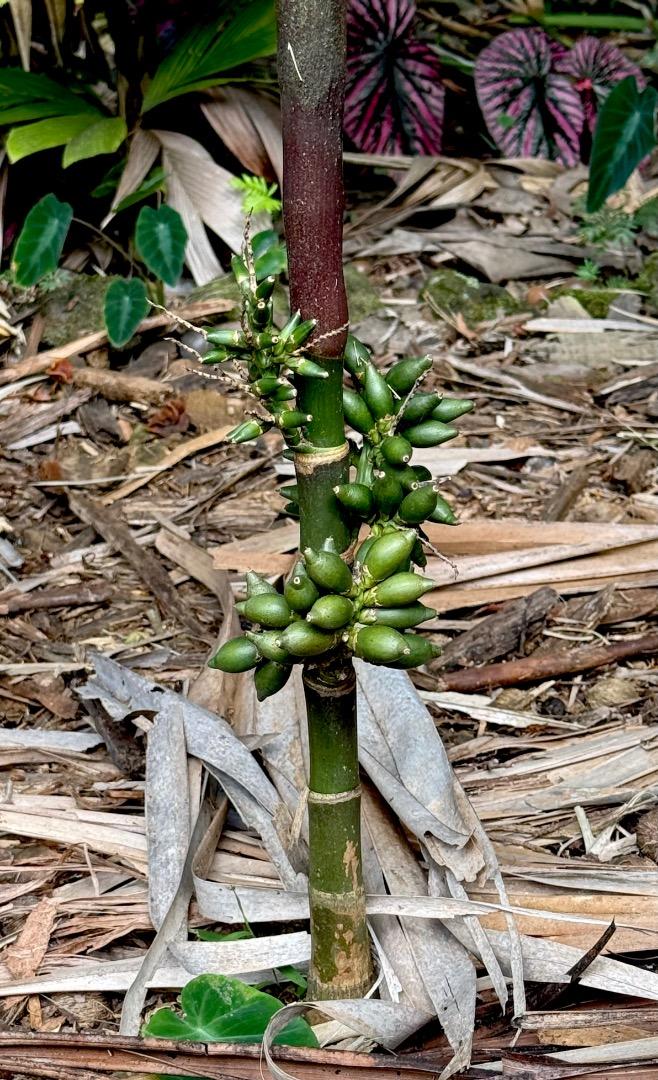
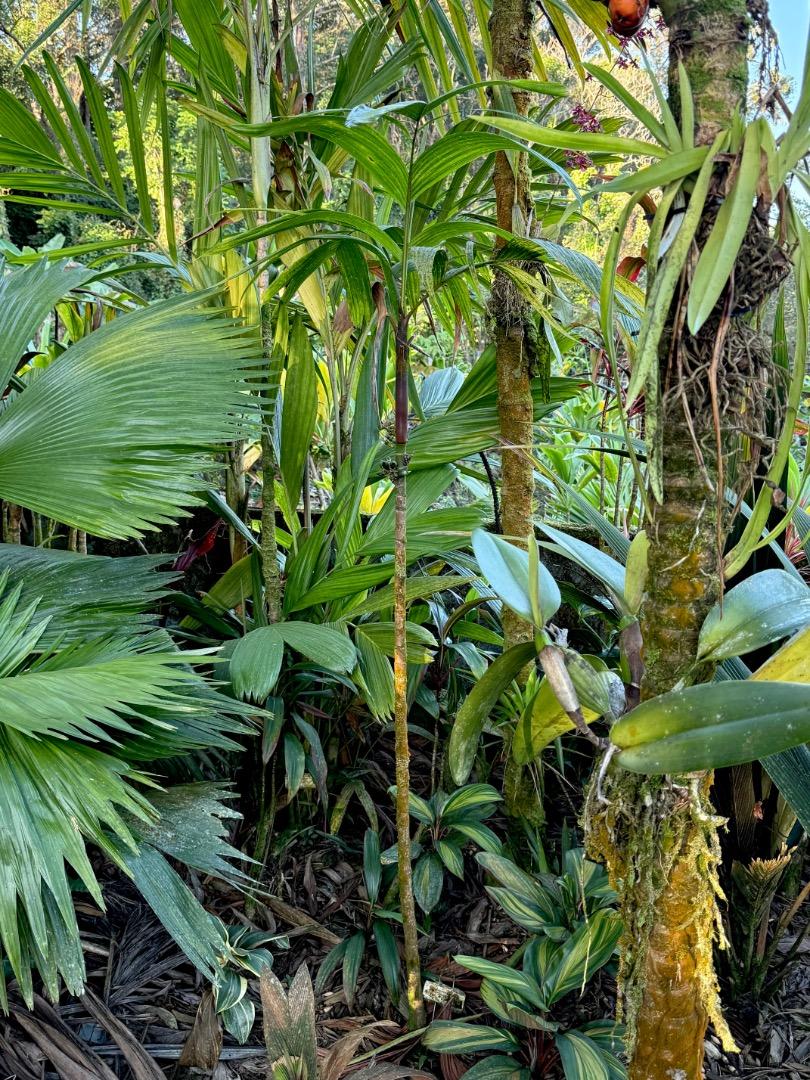
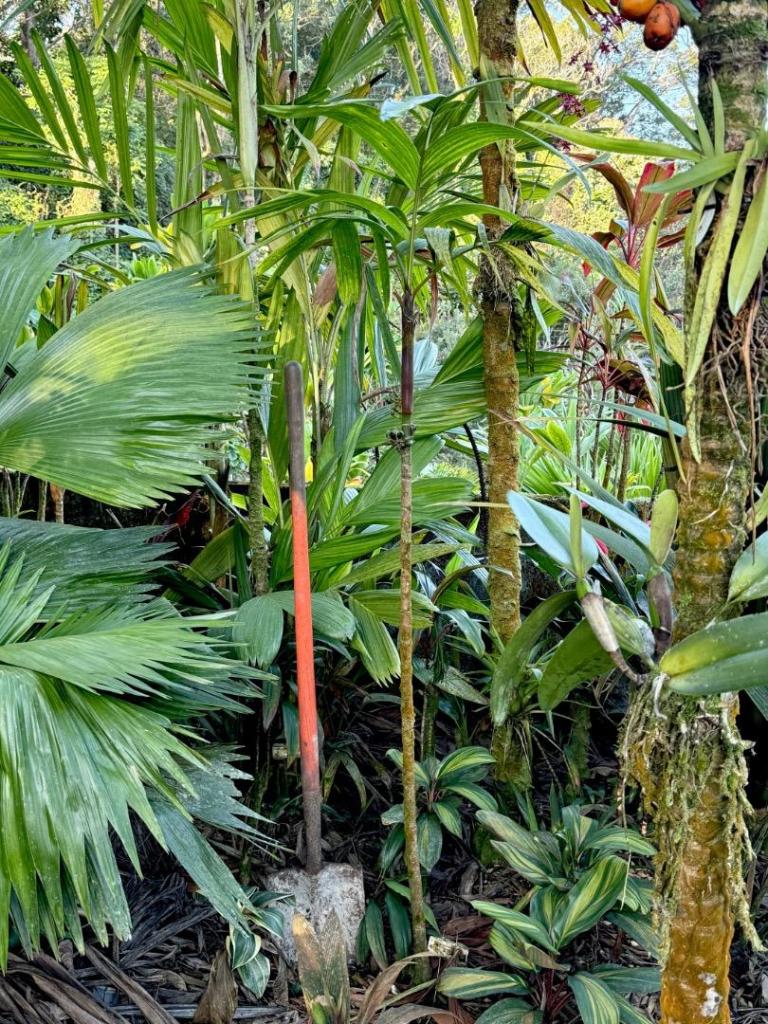
 3 pointsKind of a nifty diminutive palm, although I don’t think it’s particularly cold hardy. Nice deep red crown shaft and colorful seeds. The mother plant is posing with the shovel, while the offspring are growing nearby. Tim


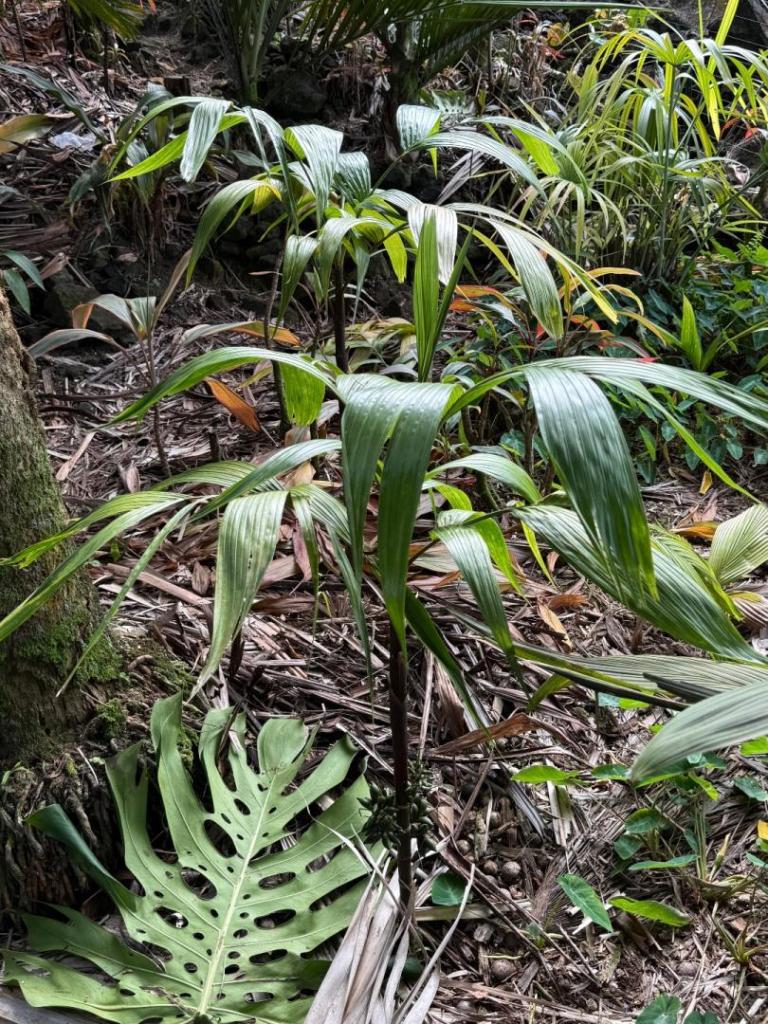 3 points
 -
 3 pointsIf anyone's looking for a good Youtube video to watch here's one. I really enjoyed this one! there's great scenery of palms in the video3 points
 -
Thank you! There was a lot of back-and-forth in my mind before I got the DVP2, but in the end, it was something that I thought was worth it to get more accurate assessments of the actual high and low temperatures experienced. The Ambient Weather stations do a good job for their price point, but they tend to read ~3%-5% high during the day and about 2%-3% low at night. In my own case, the Adeniums probably would have been fine if they weren't elevated at or above the fence line. That's 100% on me for not remembering to put them down on the ground between the bricks or bring them in. My curiosity got the best of me today, so I took a ride around town and realized there weren't any real microclimates where plants had no damage or minimal effects, other than areas where the wind couldn't blow full-force. It didn't appear that Lake Parker helped all that much since the area around it is so flat. The wind could just race across it and damage everything. My take on pushing the envelope was always that I'd do it once while the milder winters persisted, but as as soon as we got the next bad one, I'd revert back to everything being hardy to 20F or below. That's the direction going forward. My decision to order all of the Brahea and Livistona species available on RPS last spring is looking pretty good as far as having replacements ready if they are needed. Hopefully at least a few of the coconuts survive in everyone's gardens. There is hope for yours and the one on I-Drive due to the microclimate keeping them otherwise healthy right up to the major freeze.3 points
-
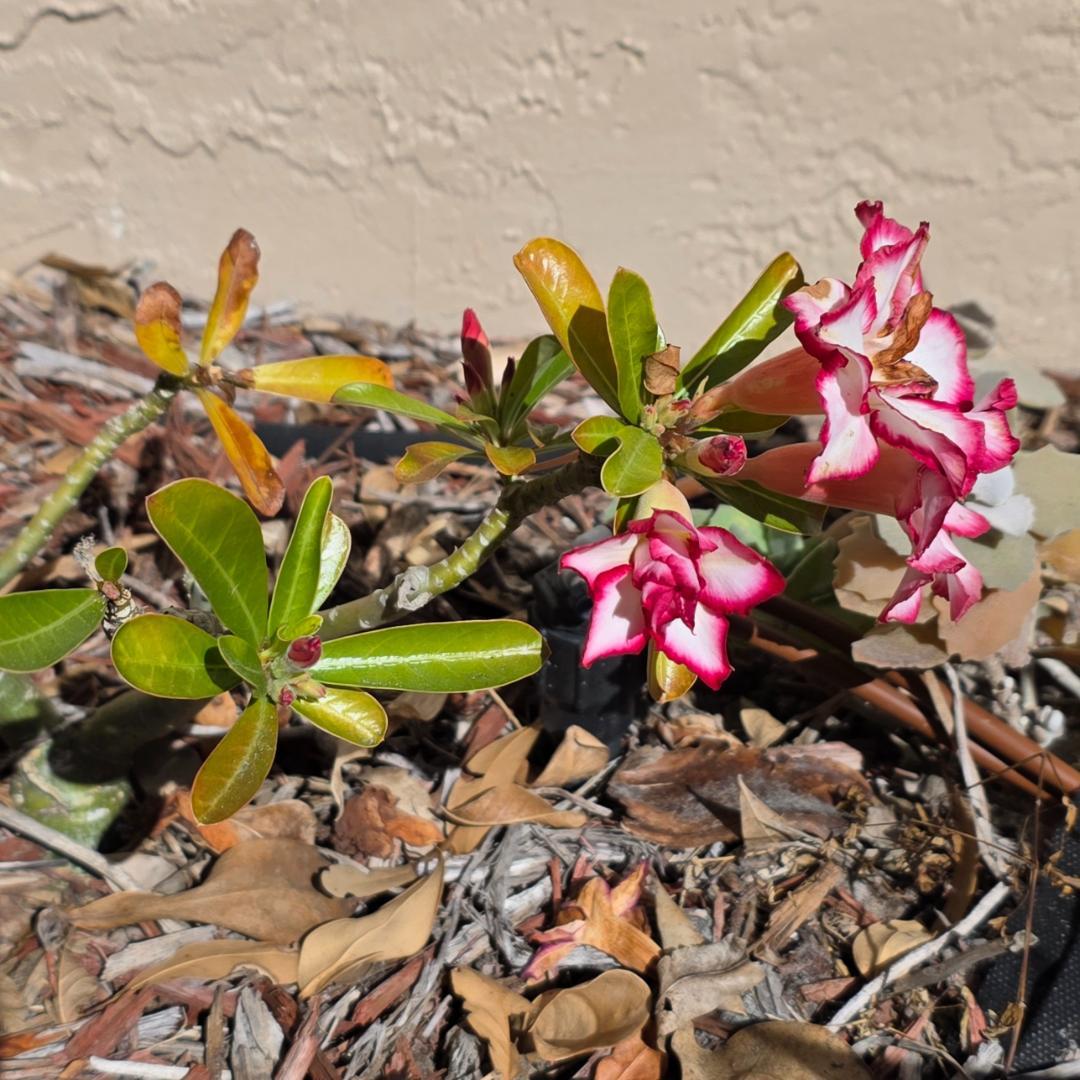
Great report @kinzyjr. I also have the fan aspirated Davis station. Well worth the cost. I did have one desert rose die but another hardly even showed damage to flowers. Nature is amazing.
 3 points
 -
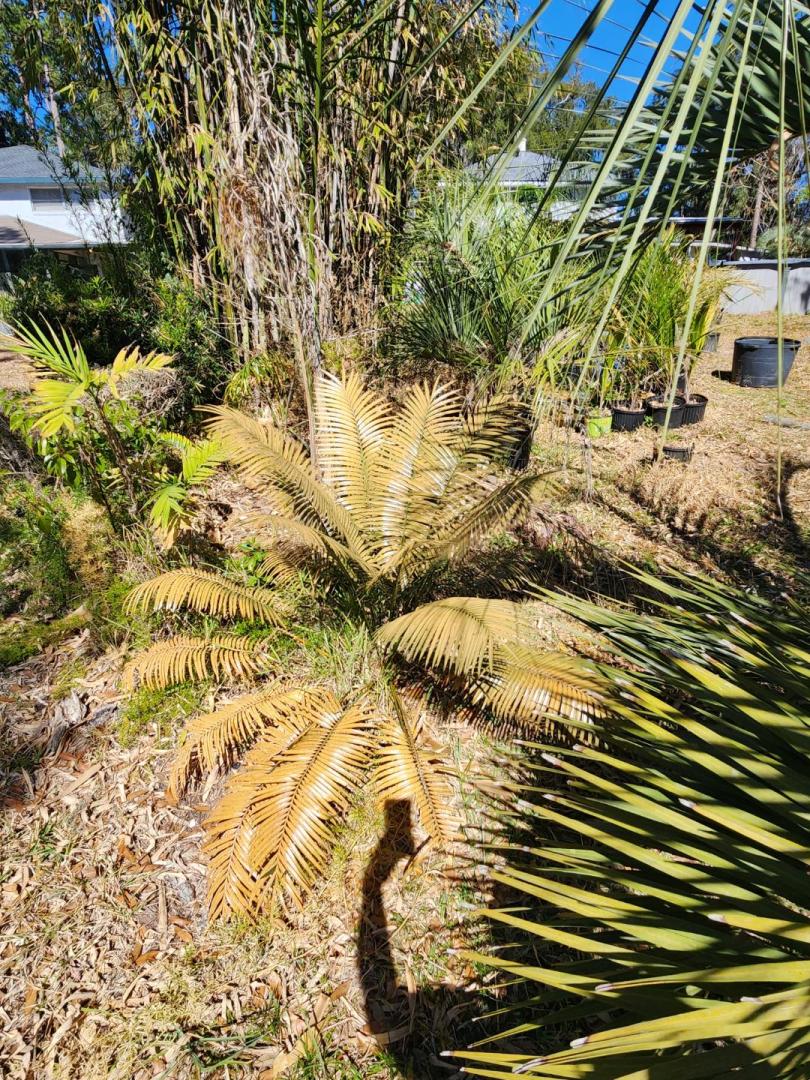
Heres the ‘frozen coconut ‘
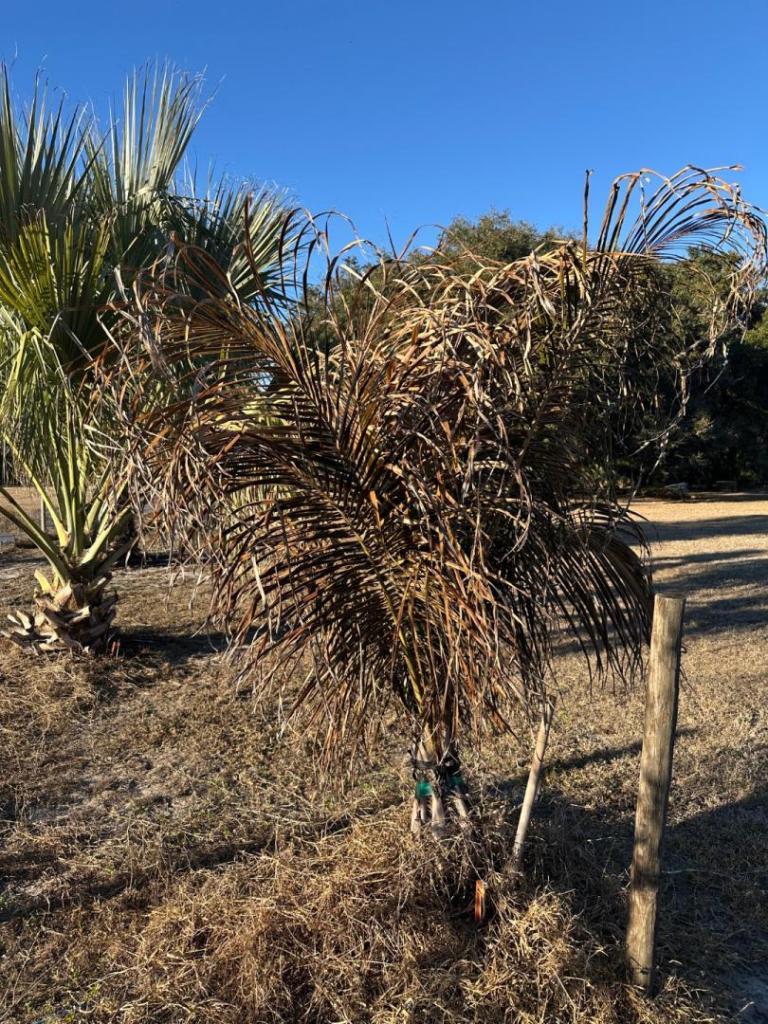 3 points
 -
 One week later: very sad state over here...
 3 points
 -
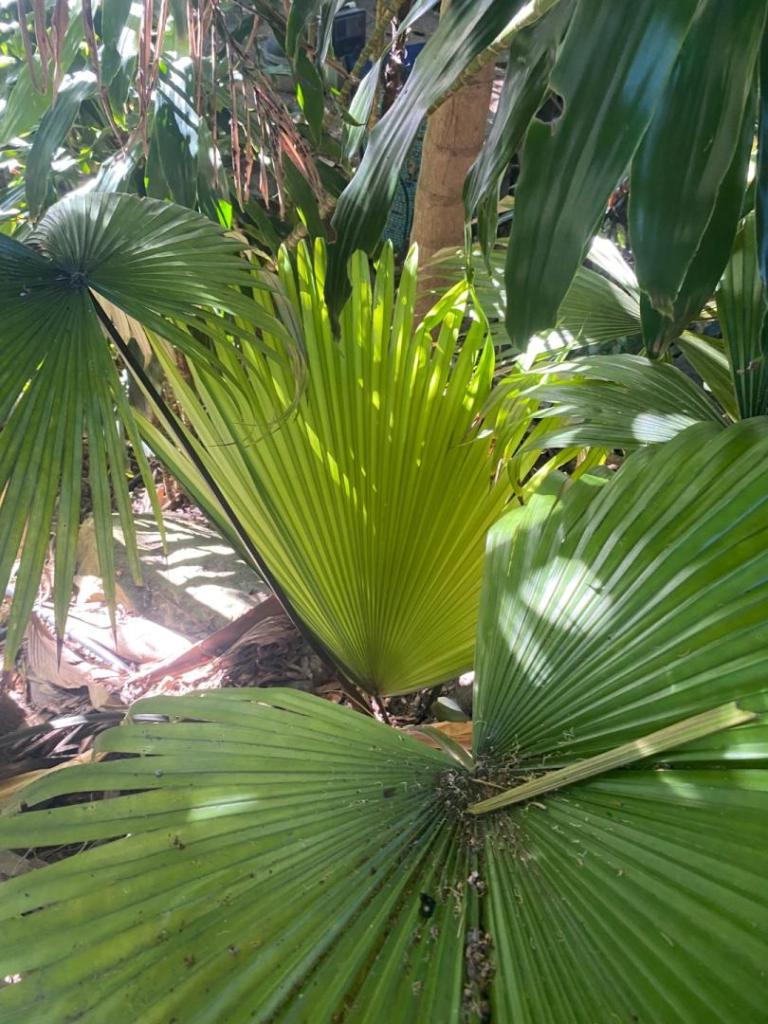
3 pointsAnother flower coming on my dypsis saintlucei, and the kerriodoxas are loving the heat!
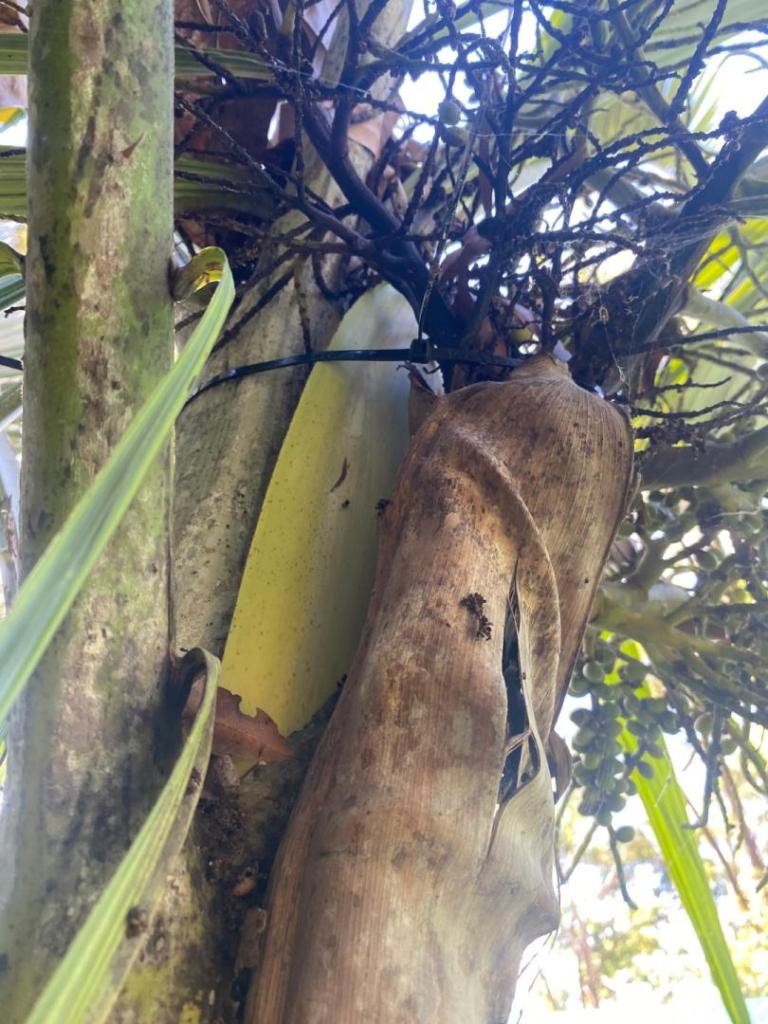
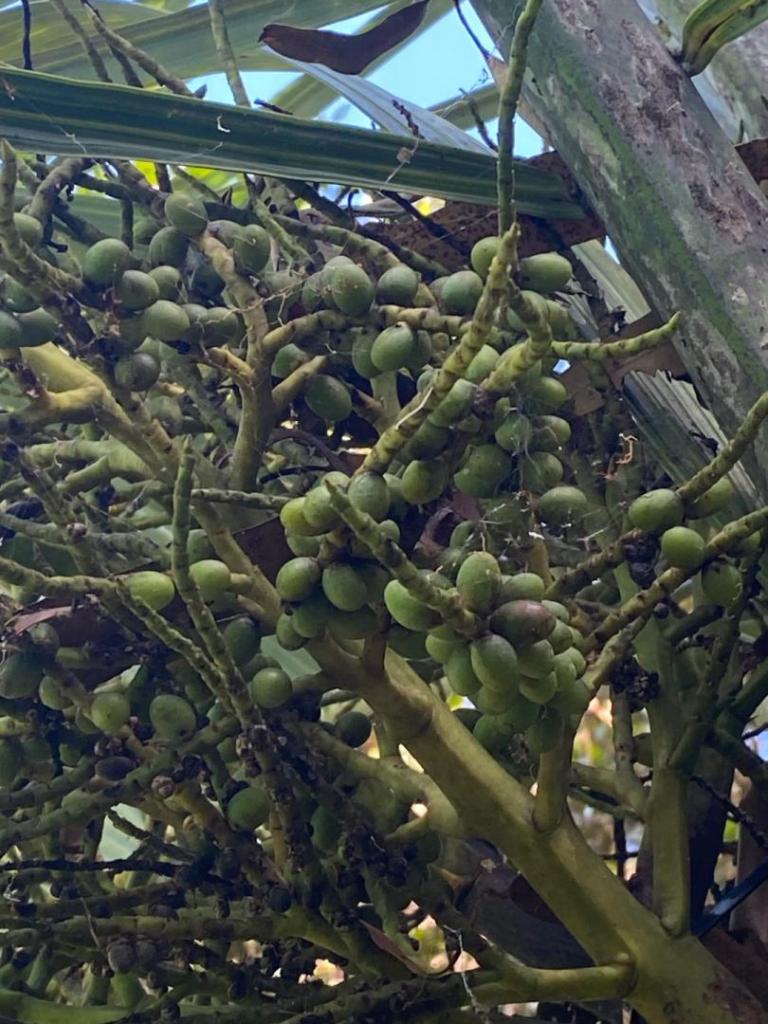

 3 points
 -
Such a shame. One night. Hard to tell in this photo but it all looks brown. The only thing giving me hope is the base of my fronds are still green 1 week later.
 3 points
 -
 3 points
It can be salvaged, a smaller pot as Jonathan suggested, to do that tip the palm on the ground, hose the soil away, trim dead leaves off, repot with a good quality potting mix. Place your palm in a place out of sun in a nice quiet corner of your garden. Dont fertiliser the palm, it looks like you have over fertilised your palm along with overwatering. Ending up with a heap of soil problems locking up your soil with no air in it has not helped your palm. Phoenix palms are quite tough I suggest set and forget your palm in that nice spot in the garden keep an eye on it for a little bit of water in summer and in about a years time you’ll see some recovery in your palm!3 points
3 points
It can be salvaged, a smaller pot as Jonathan suggested, to do that tip the palm on the ground, hose the soil away, trim dead leaves off, repot with a good quality potting mix. Place your palm in a place out of sun in a nice quiet corner of your garden. Dont fertiliser the palm, it looks like you have over fertilised your palm along with overwatering. Ending up with a heap of soil problems locking up your soil with no air in it has not helped your palm. Phoenix palms are quite tough I suggest set and forget your palm in that nice spot in the garden keep an eye on it for a little bit of water in summer and in about a years time you’ll see some recovery in your palm!3 points My guess is it's water logged - looks to be in a pretty big pot for a smallish palm, and the leaf browning looks like water damage. I'd probably down size the pot and hope for the best.3 points
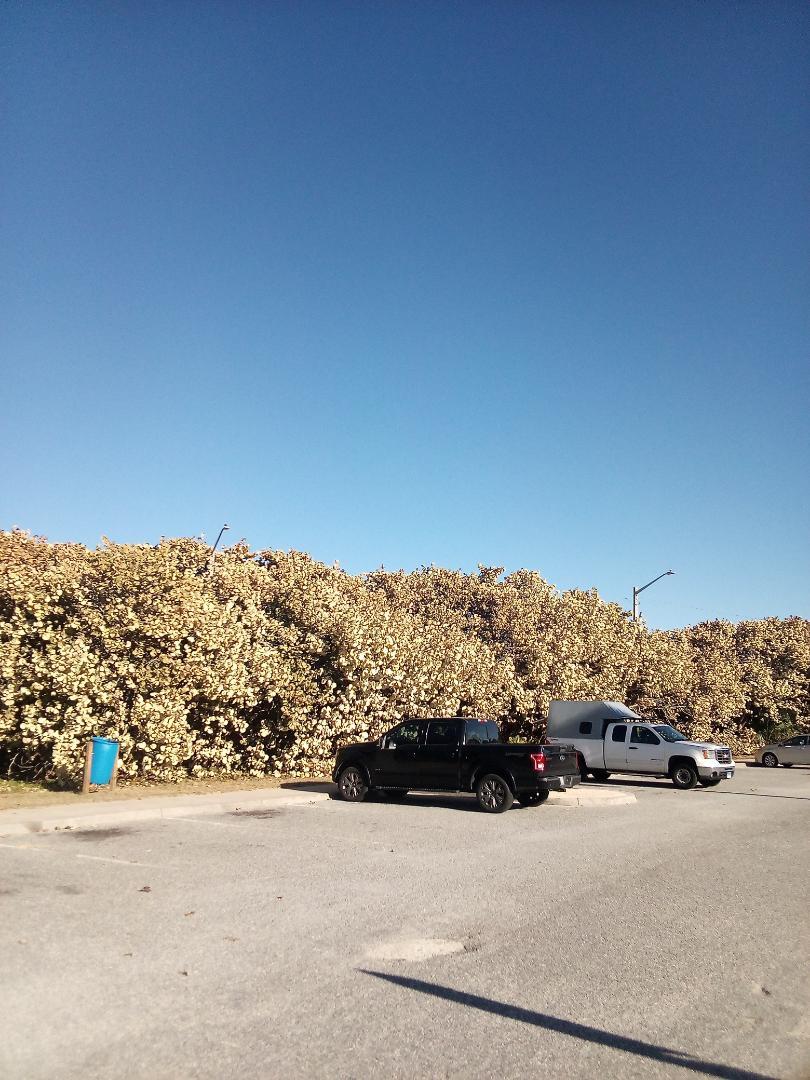
Further up A1A, Paradise Beach park https://www.wunderground.com/dashboard/pws/KFLINDIA326/graph/2026-02-2/2026-02-2/daily 1/31 34.3 2/1 26.2 2/2 32.7 2/3 35.4 Sea Hibiscus (Hibiscus tiliaceus) Coconuts are cooked, even on the beach Sea Grape (Coccoloba uvifera), I never thought I'd see them like that on our beaches. Spiny Fiddlewood (Citharexylum spinosum) last picture are sea grapes facing the beach
My guess is it's water logged - looks to be in a pretty big pot for a smallish palm, and the leaf browning looks like water damage. I'd probably down size the pot and hope for the best.3 points
Further up A1A, Paradise Beach park https://www.wunderground.com/dashboard/pws/KFLINDIA326/graph/2026-02-2/2026-02-2/daily 1/31 34.3 2/1 26.2 2/2 32.7 2/3 35.4 Sea Hibiscus (Hibiscus tiliaceus) Coconuts are cooked, even on the beach Sea Grape (Coccoloba uvifera), I never thought I'd see them like that on our beaches. Spiny Fiddlewood (Citharexylum spinosum) last picture are sea grapes facing the beach


 3 points
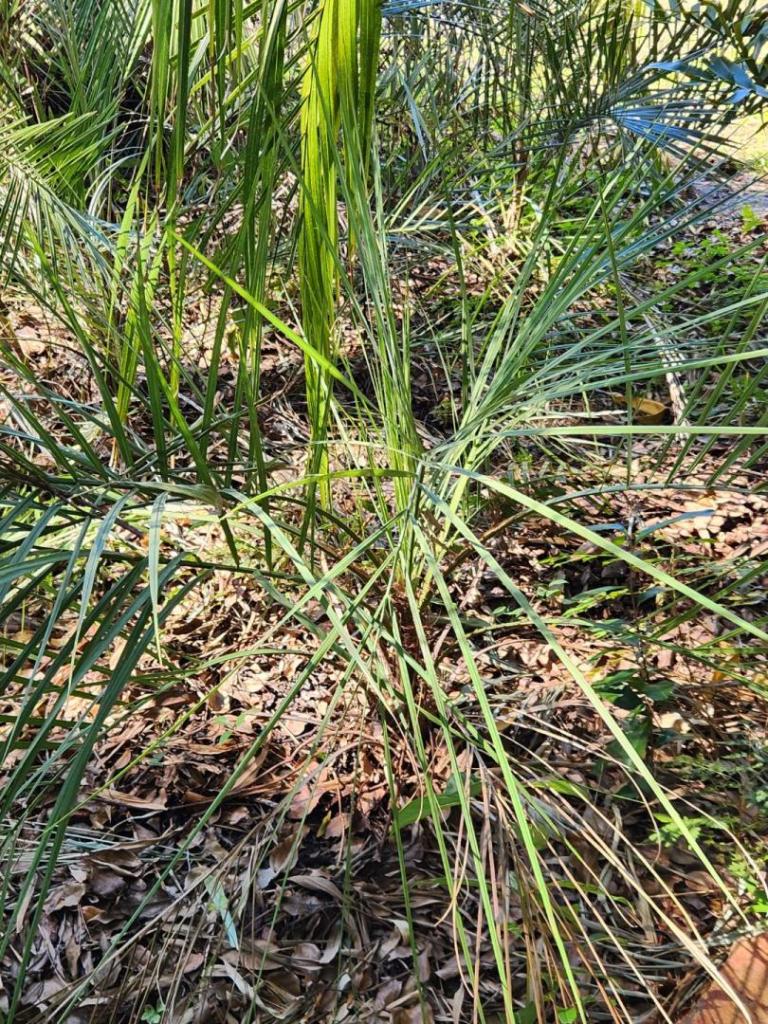
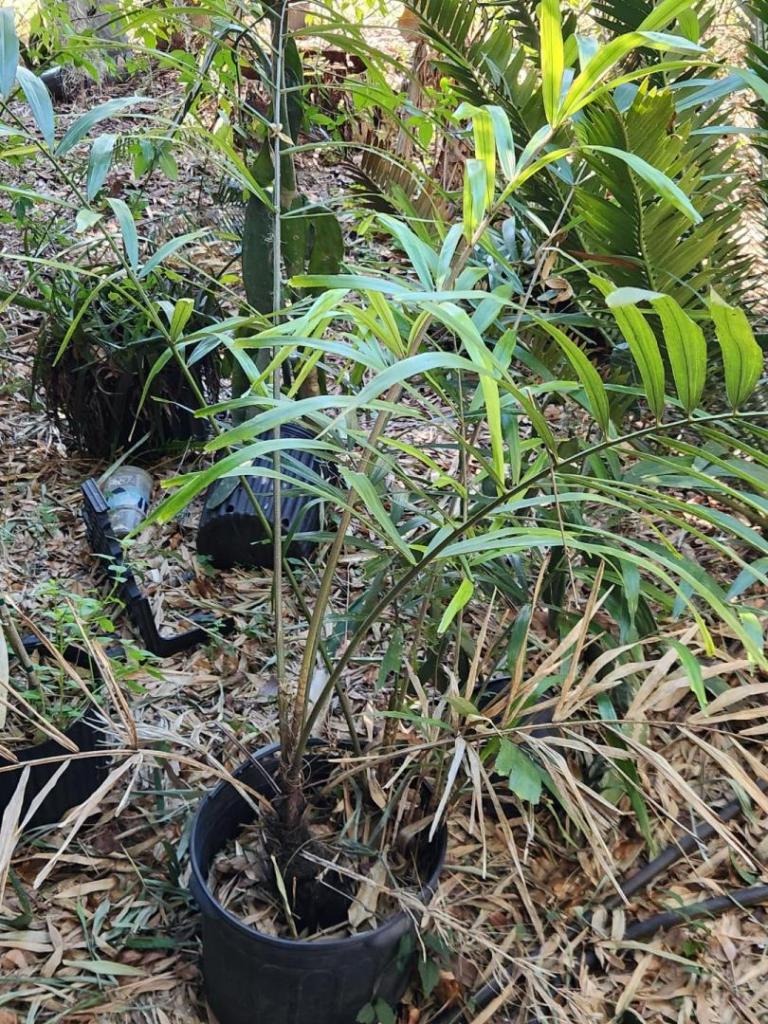
 Well thankfully most of my current collection fared quite nicely. After the last freeze a couple years ago I decided to move more towards what I knew would survive. Some were still questionable, and the ones I could get in the greenhouse went in there and the others were left to elements with little to no protection. Recorded low was 23F for my location in Jacksonville. Beccariophoenix alfredii inground and potted bronzed Cycas chamaoensis, balansae, petrae and sp. Wiliwiak bronzed Syagrus cearensis (was actually hit when we had 30f a few weeks ago) these were in greenhouse Syagrus schizophylla slightly bronzed. These were covered but no heat. Caryota maxima Himalaya bronzed Butia archerii, both potted and in ground, no damage Syagrus weddellianum no damage, planted under the canopy of a mule Syagrus campylospatha in ground, no damage Mule seedlings no damage Parajubaea torallyii no damage What eas given to me as Arenga Engleri no damage, under canopy of a Queen, mule and some bamboo Syagrus hoehnei no damage




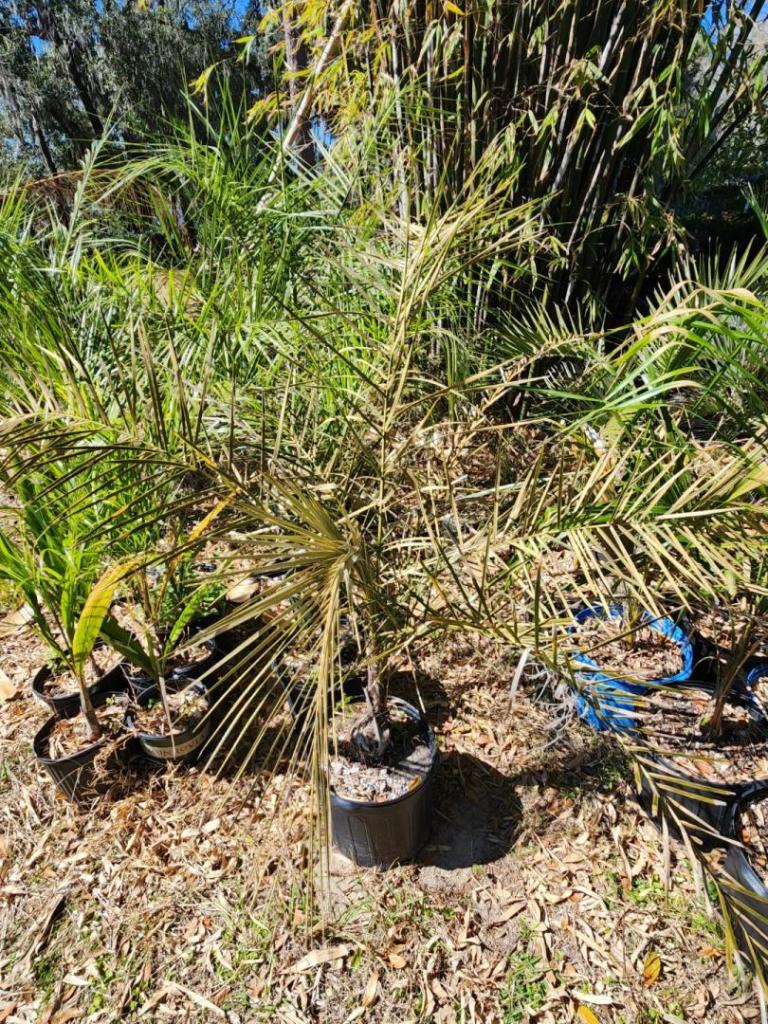


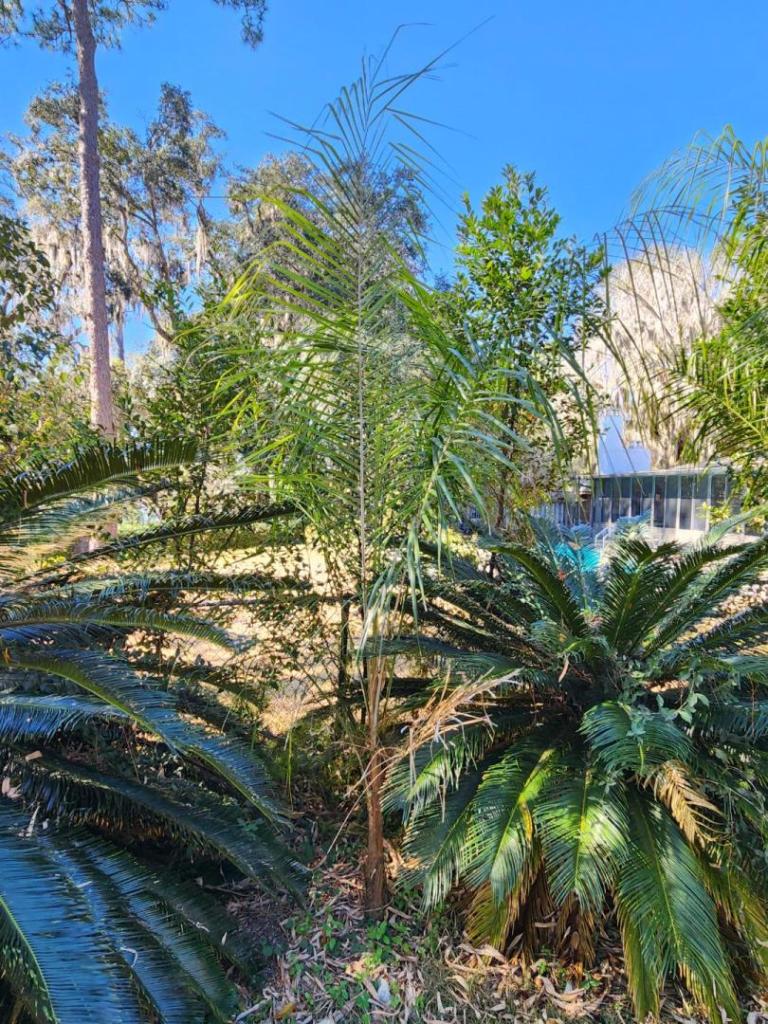

 3 points
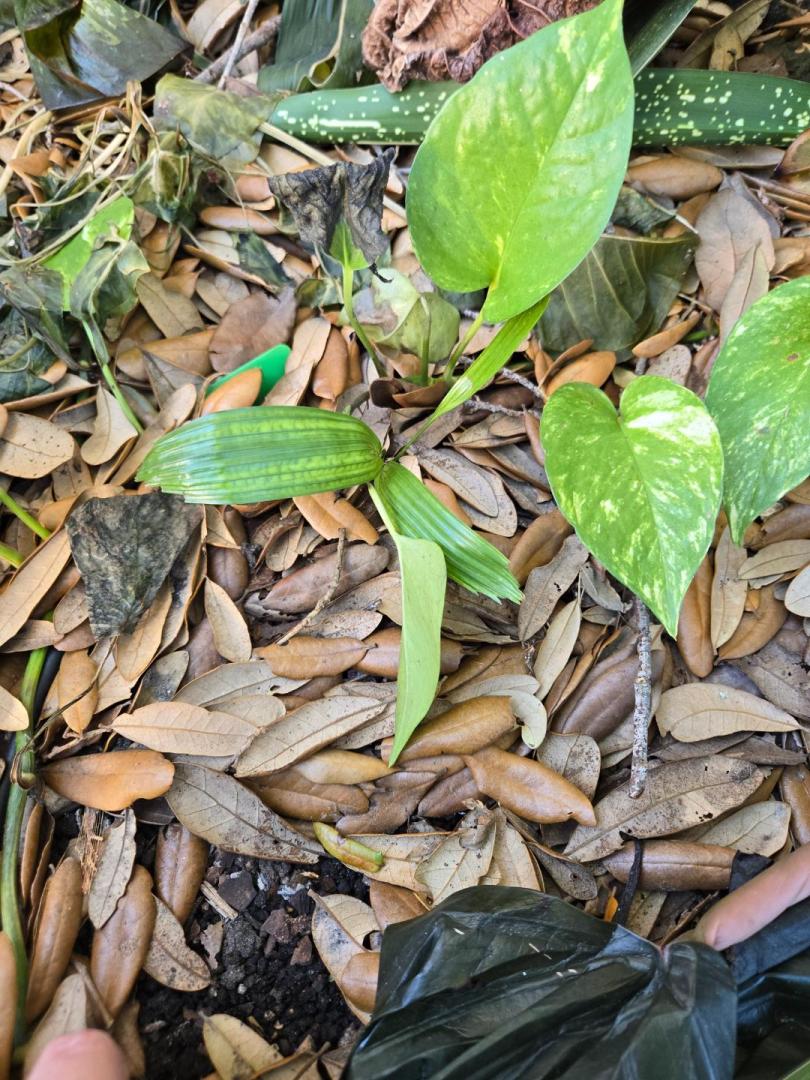
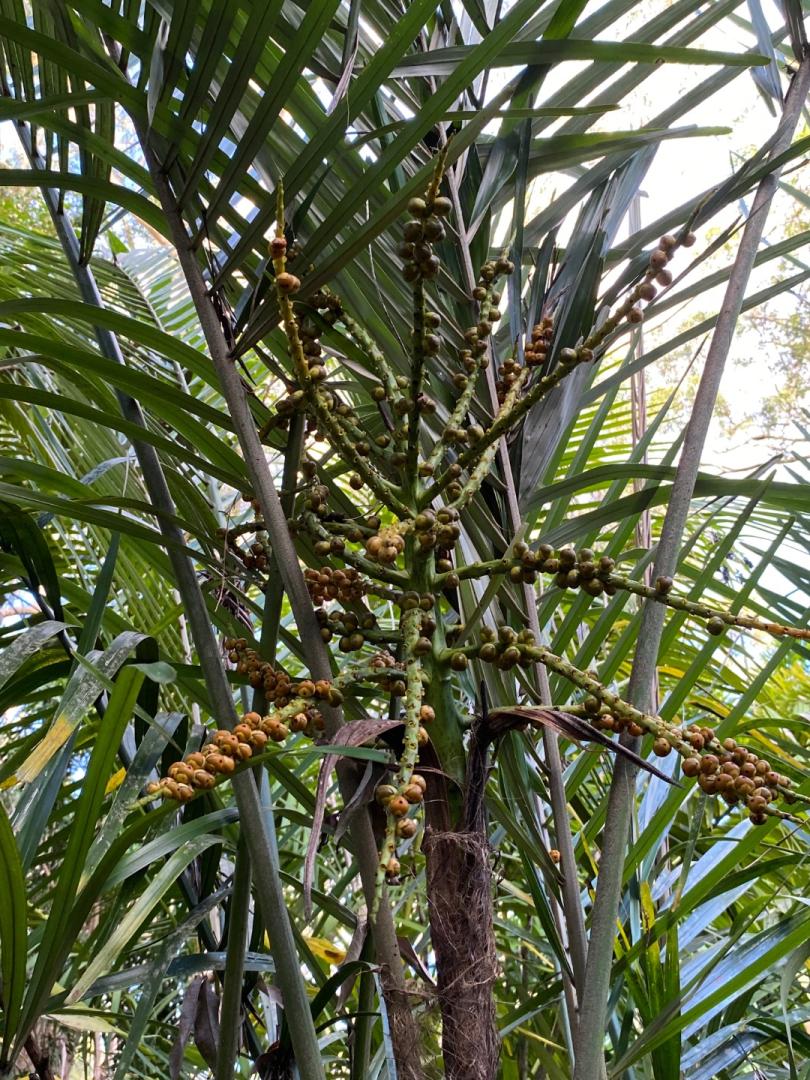
2 pointsJust harvested some seeds gonna plant all of them whatever they turn out to be. Any thoughts?
3 points
2 pointsJust harvested some seeds gonna plant all of them whatever they turn out to be. Any thoughts?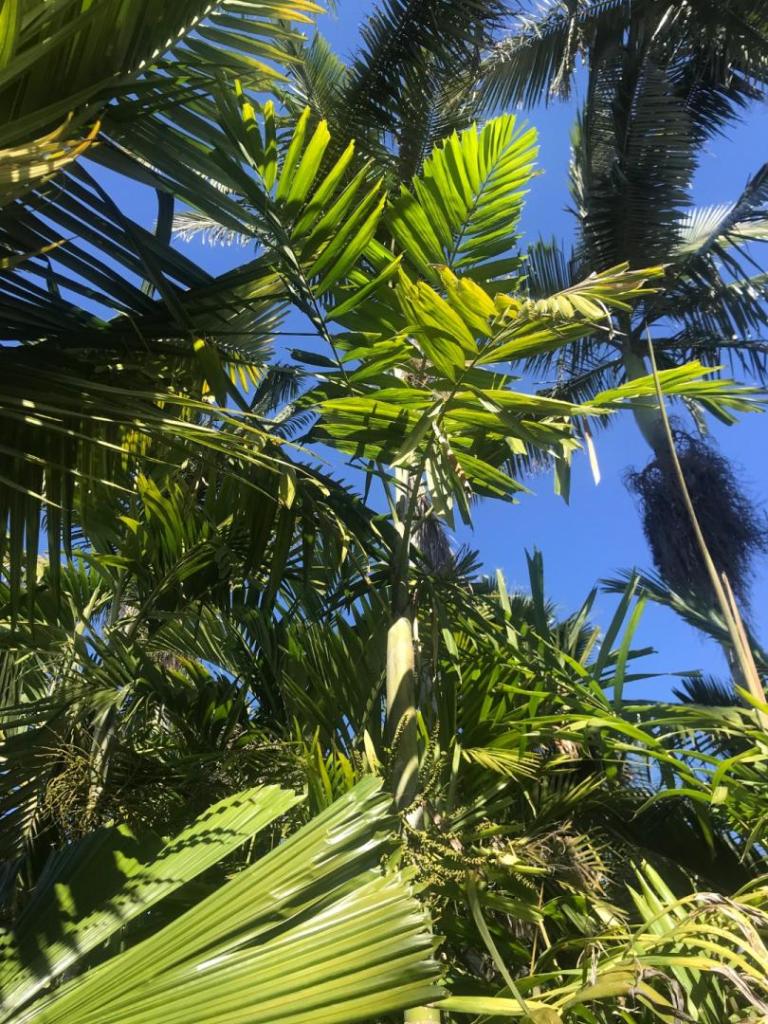


 2 points
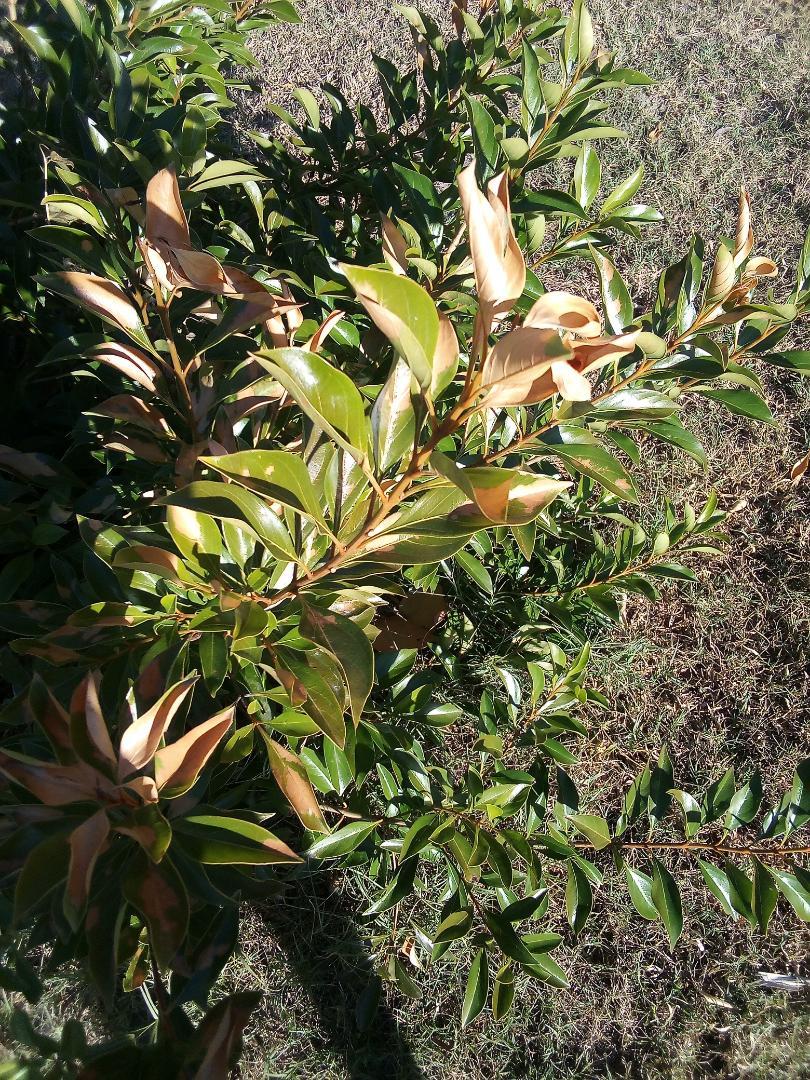
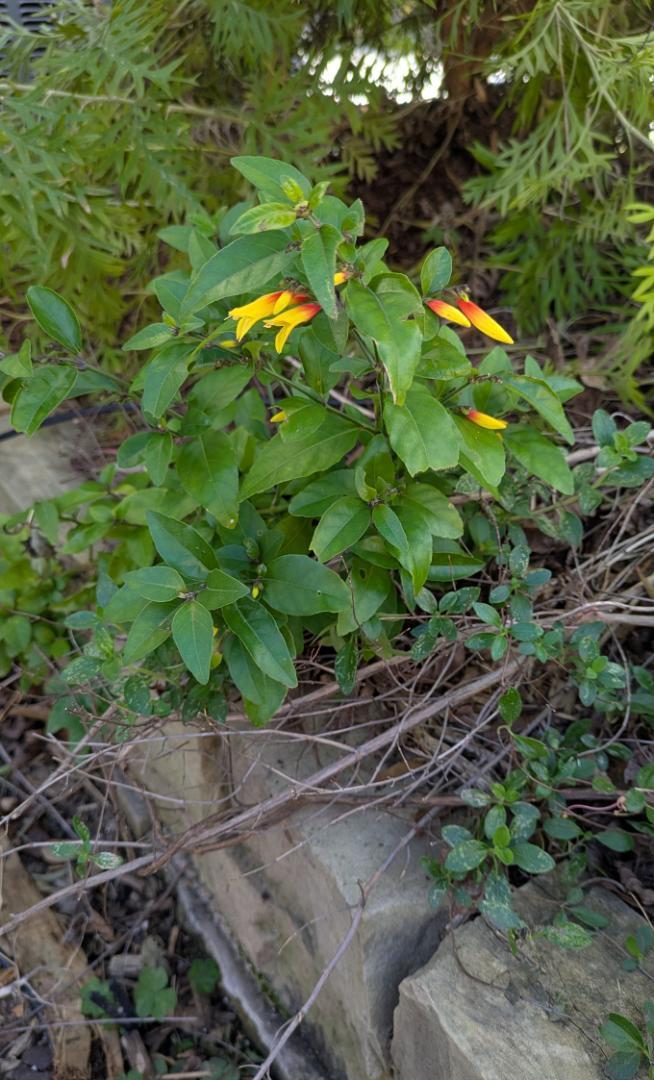
 2 pointsNot a particularly exciting freeze update. After several winters with hard freezes there aren't many surprises and I've generally shifted towards adding duplicates/new colours of whatever is doing well for the various tropical perennials. Palms - Winners: Cham. radicalis (acaulescent form): ~20 plants, no damage, some of the more protected ones look to have kept their fruit too. Cham. microspadix: ~20 plants, no damage, under high canopy. My one large plant that I bought with several ~1 m tall canes and have complained about after the previous freezes seems to have finally toughened up. I think all the original canes have died and the new growth from the base is better adapted to the conditions. Rhapis excelsa: the most exposed leaves are fried, but otherwise fine. Palms - Neutral/Losers Cham cataractum (neutral): covered and protected with Xmas lights. Had to be severely pruned due to its size and now looks ugly. The only damage is what I did to it. Arenga sp. (loser?): ~10 plants. They made it through last winter without losing any leaves and finally put on some size this year, and one made its first offset. However, they were now too large to get buckets over them. I doubt any will die, but they are going to lose all their leaves which is a pain because they are slow. Tropical Perennials - Winners Justicia rizzinii: might have finally found a tropical plant which can shrug off a hard freeze and continue flowering. Going to be propagating a lot of this one. Callistemon phoeniceus: freeze didn't even damage the tender new growth, these have definitely toughened up. Tropical Perennials - Neutral/Losers Lobelia sp. 'Candy Corn' (loser): from Northern Mexico, was hoping this wouldn't get torched by the freeze. I assume it will regrow. Halleria lucida (loser): was in flower and just isn't getting the chance to form any solid wood with the annual freezes. Calamondin (loser): now have two of these and both sustained heavy damage. Everything else gets a 'neutral' rating: I expected them all to freeze back to the roots and I assume they will regrow in the spring. The various firebushes (Hamelia patens) are being watched. Several are going through their first winter and I have found these harder to overwinter than expected, especially the smaller ones. I regularly saw these in Austin pre-2021 (not sure whether they are still around) and they returned fine after normal winters there. Cham. radicalis. North facing and had to deal with all the wind. Cham. micrspadix. All the surrounding tropicals are completely torched. Arenga sp. The ones over the back with a bit more overhead canopy might keep some leaves. Justicia rizzinii. Have several in various locations and all are undamaged. They have had mild damage in previous years. Callistemon phoeniceus. Didn't even lose the new growth. Still no flowers though. I don't think they get enough sun.


 2 points
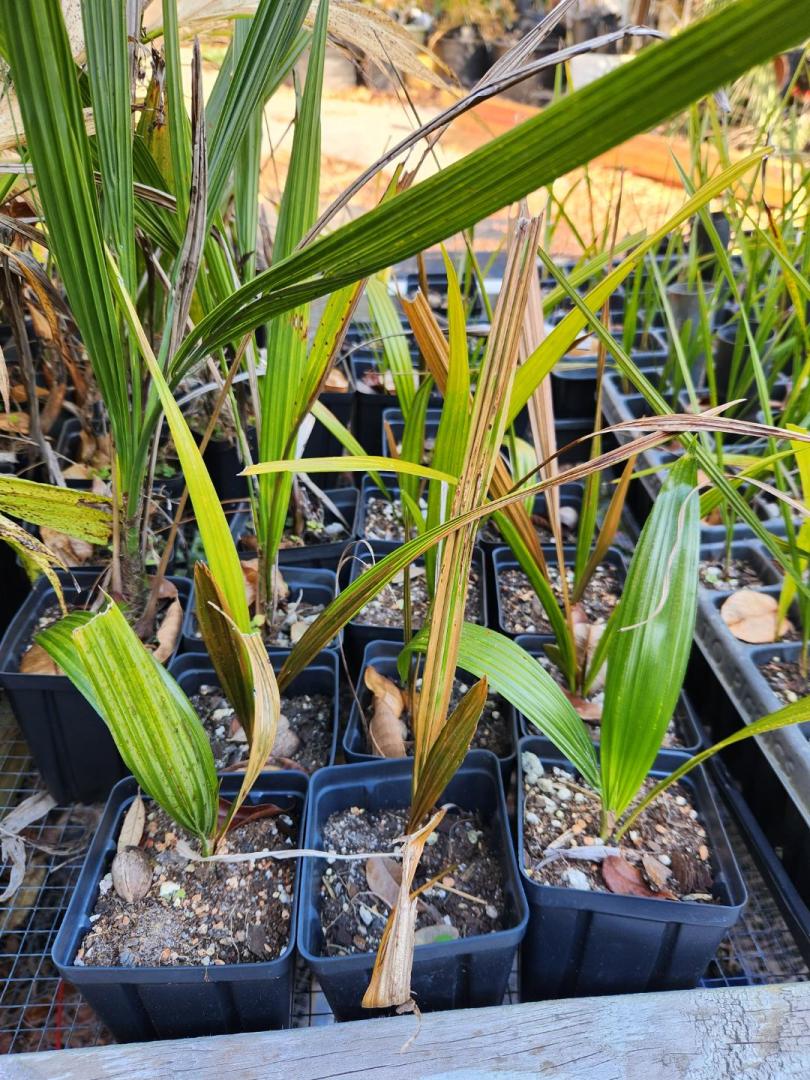
Interesting....Syagrus schizophylla seedlings, some bronzed, some green as grass, all right next to each other. And a potted Copernicia baileyana only slight bronzing
2 points
Interesting....Syagrus schizophylla seedlings, some bronzed, some green as grass, all right next to each other. And a potted Copernicia baileyana only slight bronzing
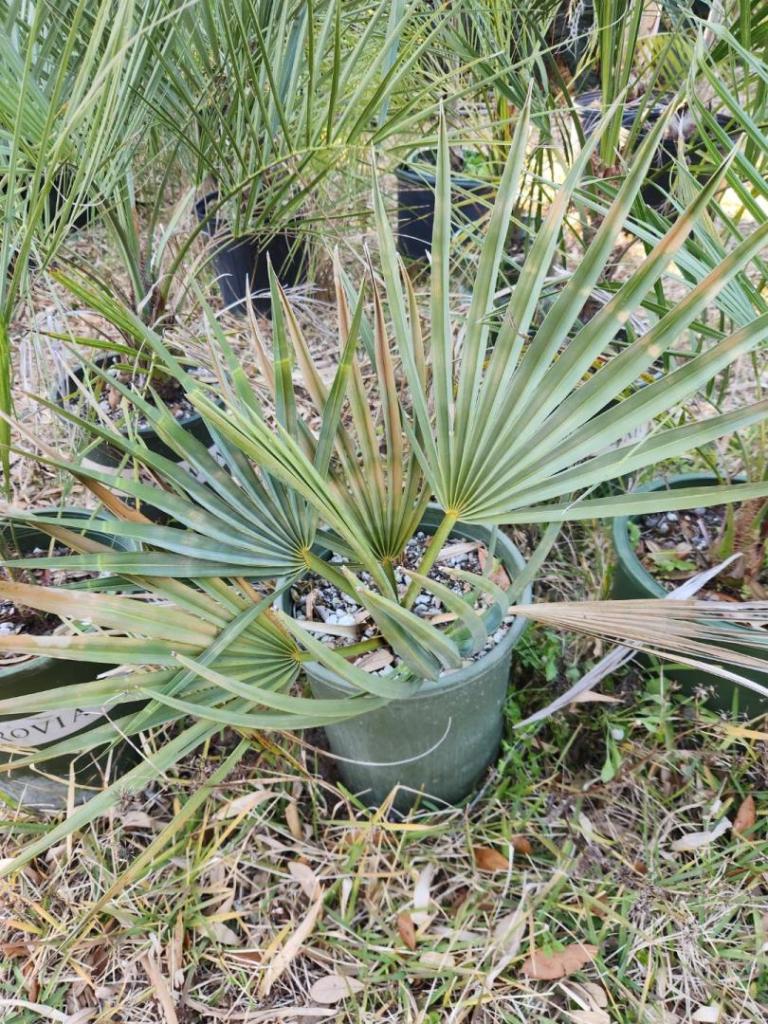 2 points
Nothing like that this time, gonna dig and pot a couple Hedyscepes at some point.2 points
2 points
2 pointsNothing like that this time, gonna dig and pot a couple Hedyscepes at some point.2 points 2 pointsToo bad on the removal but I understand . It sounds like you are getting stuff cleared out for other plantings? I spent the entire day yesterday just in the front yard, cleaning up. Harry2 points
2 points@Husain Quite lovely ! I saw a few varieties of the Latania Palm when I was in Hawaii , even gathered seeds while I was there but they never germinated. Harry2 points
There’s a lot of valuable nutrients in those burnt fronds with green rhachis. Leave some substantial ‘stubs’ 2-3’ if you do remove the burnt foliage. They’ll also protect spear from wind events2 points
I grew mine from seed so I have a lot of extras in pots. I've killed MANY in ground. I haven't found much evidence in my experience that they have any real cold tolerance. I had 2 other smaller ones in ground for this freeze that look dead, I'll add pics later today. I've tried to protect some in the past but that didn't go well either. I tried a box around one a few winters back but I think I cooked it with lights. Low 30's, maybe 28-29 they seem to be fine, but lower than that they drop quick. It seems to have a really small root structure and I was able to crudely pull it out with 1 scoop of the shovel and stuffed it in a garbage bag. If it recovers from that relatively easily that will be my plan moving forward with these. Much easier than trying to protect.2 points
2 pointsA nice bit of summer heat and sunshine along with a lot of irrigation has the garden holding up pretty fair. All the critters are out waiting to bite or sting or whatever they do, just waiting to get a hold of you!
2 pointsToo bad on the removal but I understand . It sounds like you are getting stuff cleared out for other plantings? I spent the entire day yesterday just in the front yard, cleaning up. Harry2 points
2 points@Husain Quite lovely ! I saw a few varieties of the Latania Palm when I was in Hawaii , even gathered seeds while I was there but they never germinated. Harry2 points
There’s a lot of valuable nutrients in those burnt fronds with green rhachis. Leave some substantial ‘stubs’ 2-3’ if you do remove the burnt foliage. They’ll also protect spear from wind events2 points
I grew mine from seed so I have a lot of extras in pots. I've killed MANY in ground. I haven't found much evidence in my experience that they have any real cold tolerance. I had 2 other smaller ones in ground for this freeze that look dead, I'll add pics later today. I've tried to protect some in the past but that didn't go well either. I tried a box around one a few winters back but I think I cooked it with lights. Low 30's, maybe 28-29 they seem to be fine, but lower than that they drop quick. It seems to have a really small root structure and I was able to crudely pull it out with 1 scoop of the shovel and stuffed it in a garbage bag. If it recovers from that relatively easily that will be my plan moving forward with these. Much easier than trying to protect.2 points
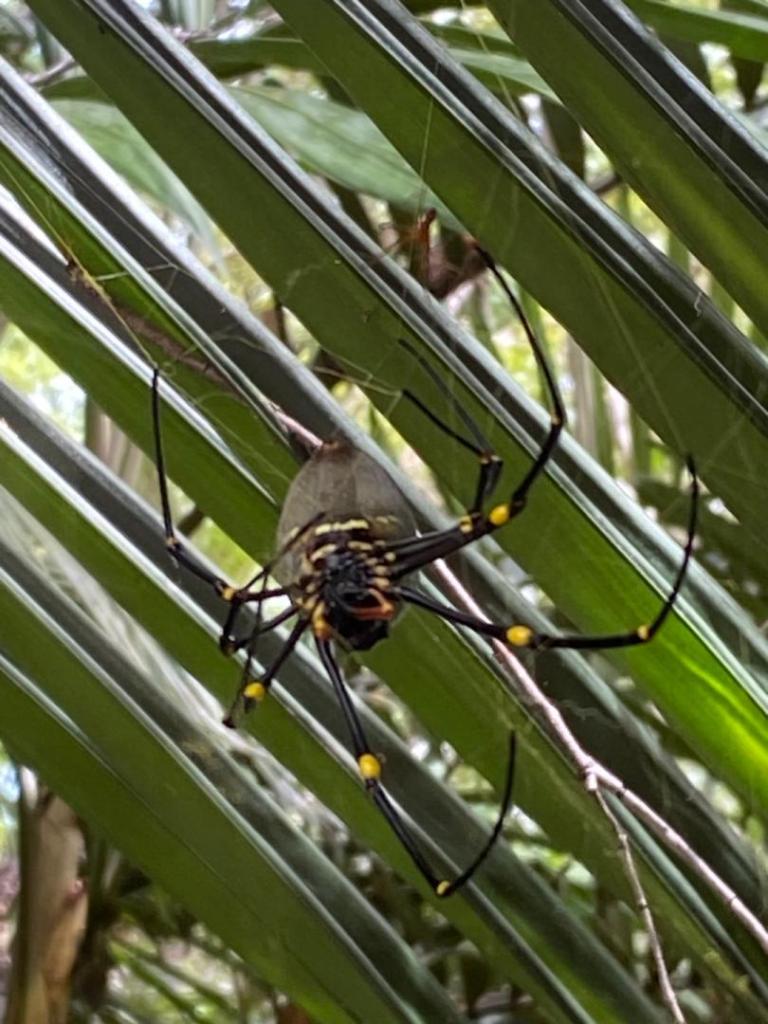
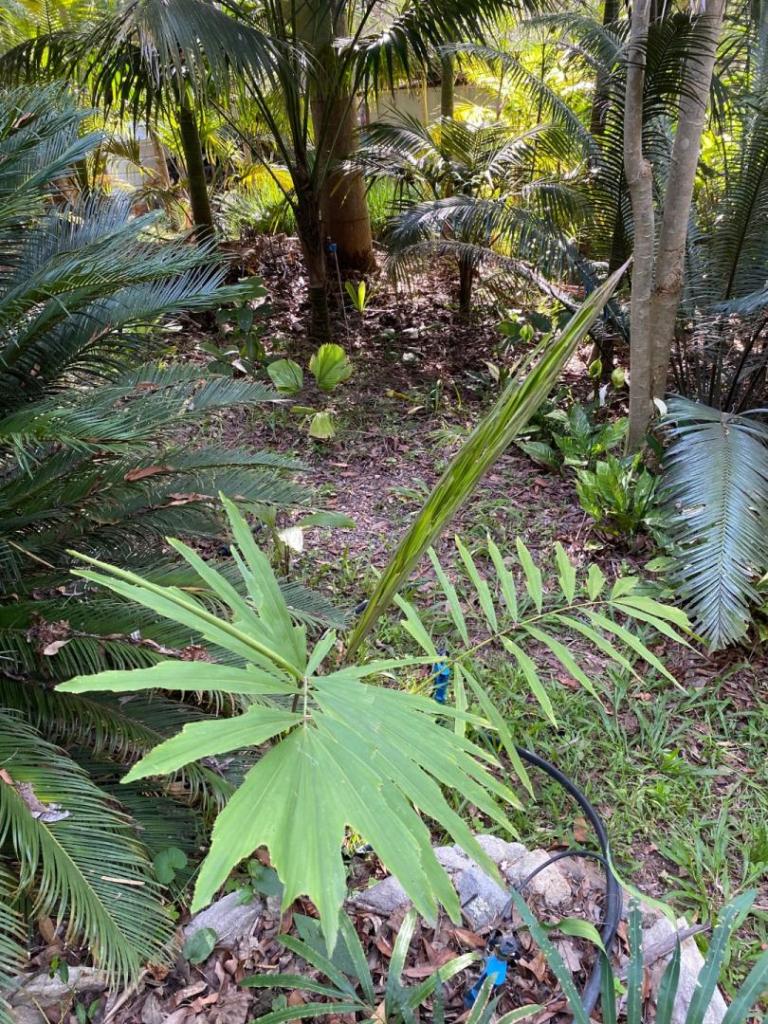
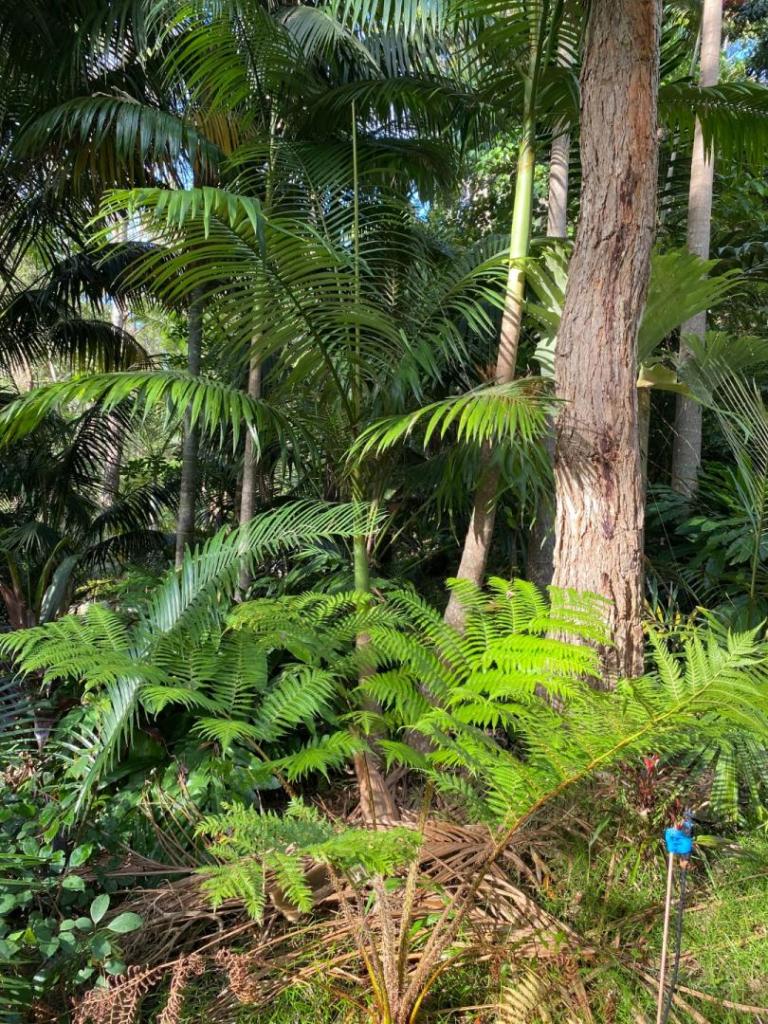
2 pointsA nice bit of summer heat and sunshine along with a lot of irrigation has the garden holding up pretty fair. All the critters are out waiting to bite or sting or whatever they do, just waiting to get a hold of you!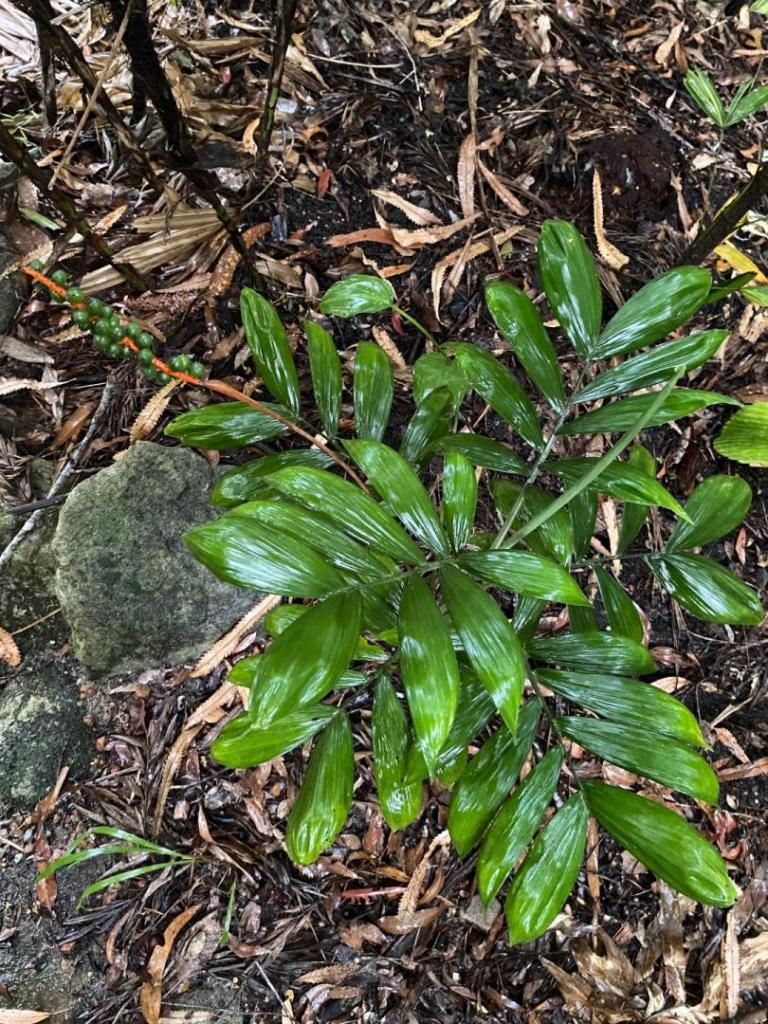





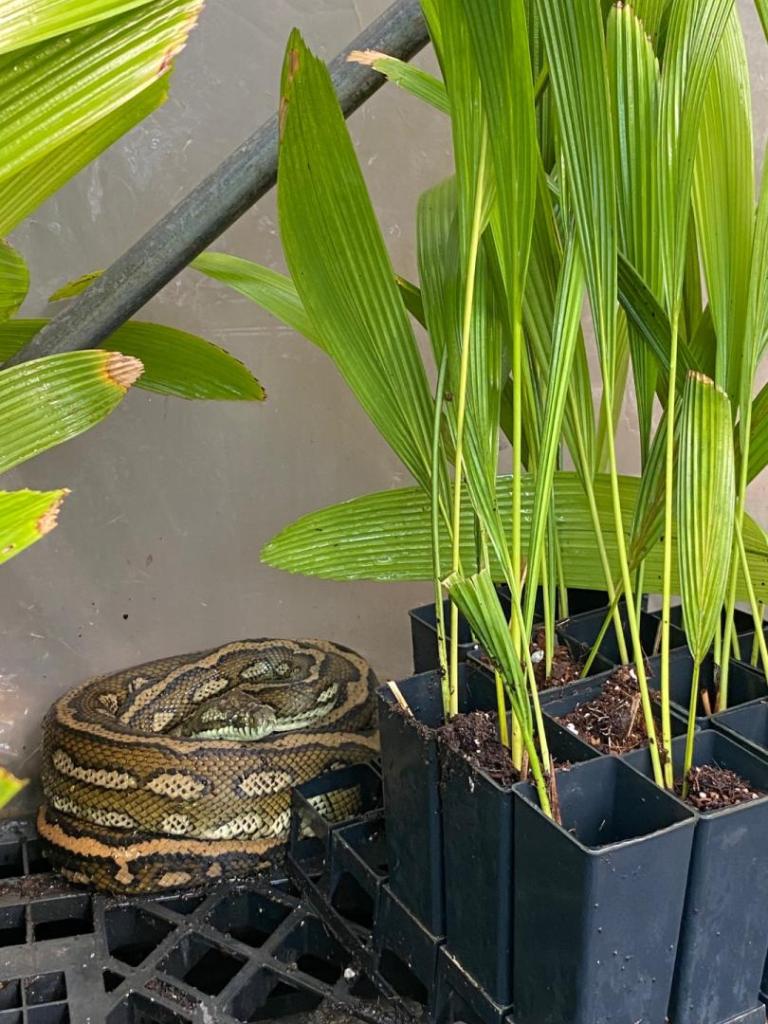
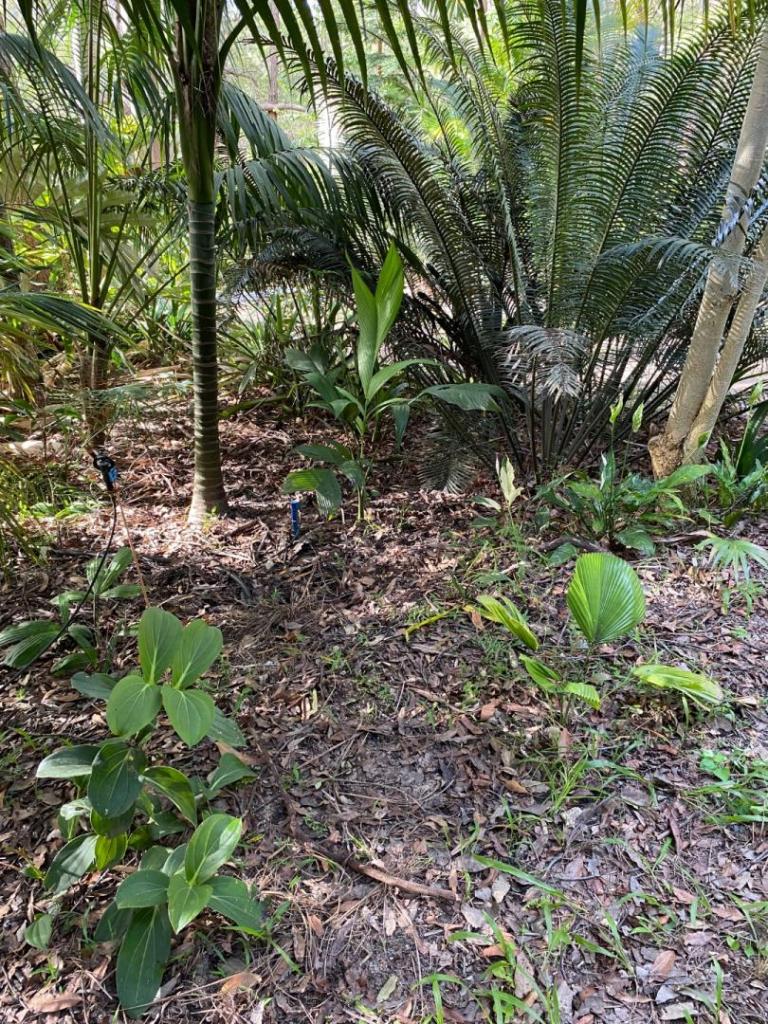
 2 points
 Like Richard has suggested, Phoenix rupicola is barely tolerant of chemical fertilizers and saturated soil. Imagine a mountain Phoenix growing in acidic soil and receiving seasonal rainfall. How easy is the replication of such conditions in cultivation? In current case changing the soil is the only solution.2 points
2 pointsPerhaps i should pick those chamaedorea seeds and truck them of too zones 8 and 9?2 points
2 pointsWell they can come and weed out my archontophoenix palms on there way to Nimbin (an old hippie town that started from the Aquarius festival back in the 70s) if they like, next time there on holidays from the good old US of A. I don’t mind some volunteers, I have a lot of rocks I can’t plant in and the volunteers pop up in the rock cracks they are welcome to stay there.2 points
Once the canopy is up there that’s when the fun begins, good to see a man with his priorities in the right order, palms first👍2 points
Like Richard has suggested, Phoenix rupicola is barely tolerant of chemical fertilizers and saturated soil. Imagine a mountain Phoenix growing in acidic soil and receiving seasonal rainfall. How easy is the replication of such conditions in cultivation? In current case changing the soil is the only solution.2 points
2 pointsPerhaps i should pick those chamaedorea seeds and truck them of too zones 8 and 9?2 points
2 pointsWell they can come and weed out my archontophoenix palms on there way to Nimbin (an old hippie town that started from the Aquarius festival back in the 70s) if they like, next time there on holidays from the good old US of A. I don’t mind some volunteers, I have a lot of rocks I can’t plant in and the volunteers pop up in the rock cracks they are welcome to stay there.2 points
Once the canopy is up there that’s when the fun begins, good to see a man with his priorities in the right order, palms first👍2 points 2 pointsThat was a pretty cool story. So is extreme southeast Texas more desert-like? I wonder what the tallest palms were in the video, washies?2 points
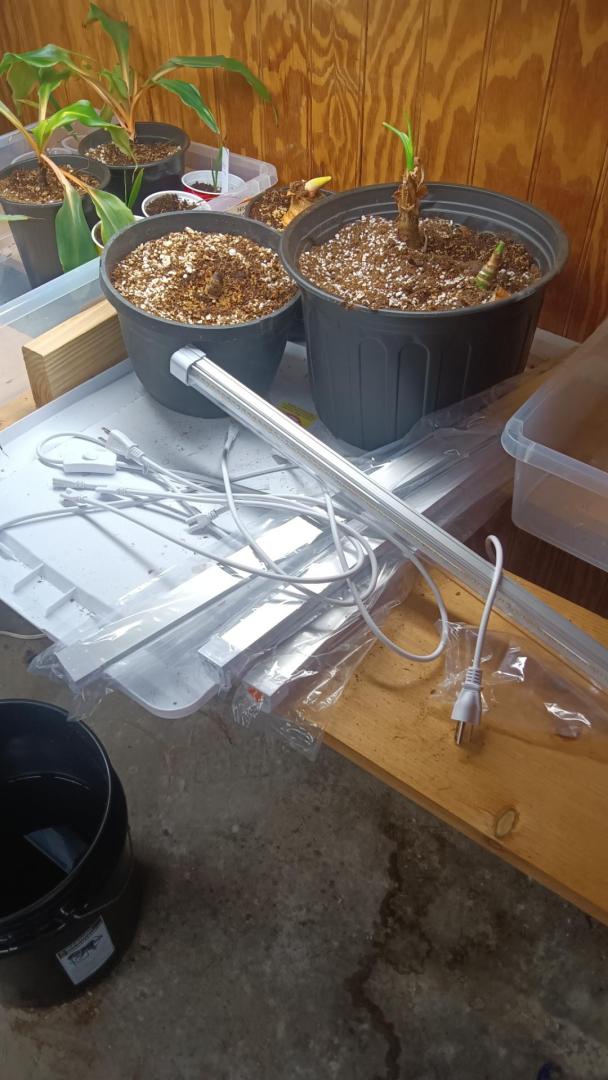
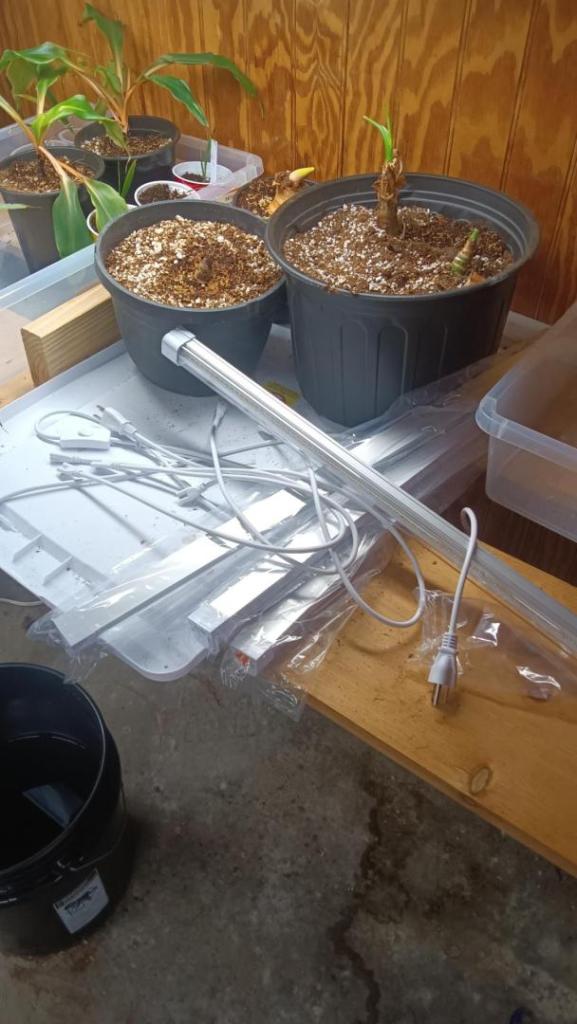
 2 pointsHey I was supposed to do this 3 months ago. The 2 foot Boost Lighting $25 deals on eBay KILL the 4 footers. The Wal Mart shop lights are actually wonderful. After doubling up my Barrina tubes I must have done something right because the bananas are gonna hit the ceiling, I just kinda hung them in a V pattern - I zip tied them in pairs and hung them from S hooks and chains. Mentioning this again, especially for the price point, the Wal Mart shop lights are wonderful - if you're not looking to fruit or flower, grab them. I also just snagged these. First and foremost, I want to say I do not like The Millennial Gardener. Something about him just... Just stop pretending you're poor and on a budget. You're not bootstrapping anything. Anyway, he was right about these lights. https://a.co/d/0gVKcpKn I wanted something to fill out my new bench, it's 87.5"w (I'm using repurposed shelving so I get weird sizes) and I already hung a Wal Mart shop light dead center so a couple of 2 footers on either side of that should do great. Then I busted out the Photone app and holy poop on a stick From 6" I got like 500ppfd. The 4 pack is $30 if you have Prime, I didn't need the timer since I bought smart outlets for all my lights. 500 ppfd for under $8 is insane. That's the same number I get from my doubled up Barrina with the shower curtain reflector (which believe it or not made a HUGE difference) - and the 6 pack of those is typically $130. The power cords are a little short but I'll just Mississippi something together. I'm gonna have some very happy plants over here.
 2 points
2 points
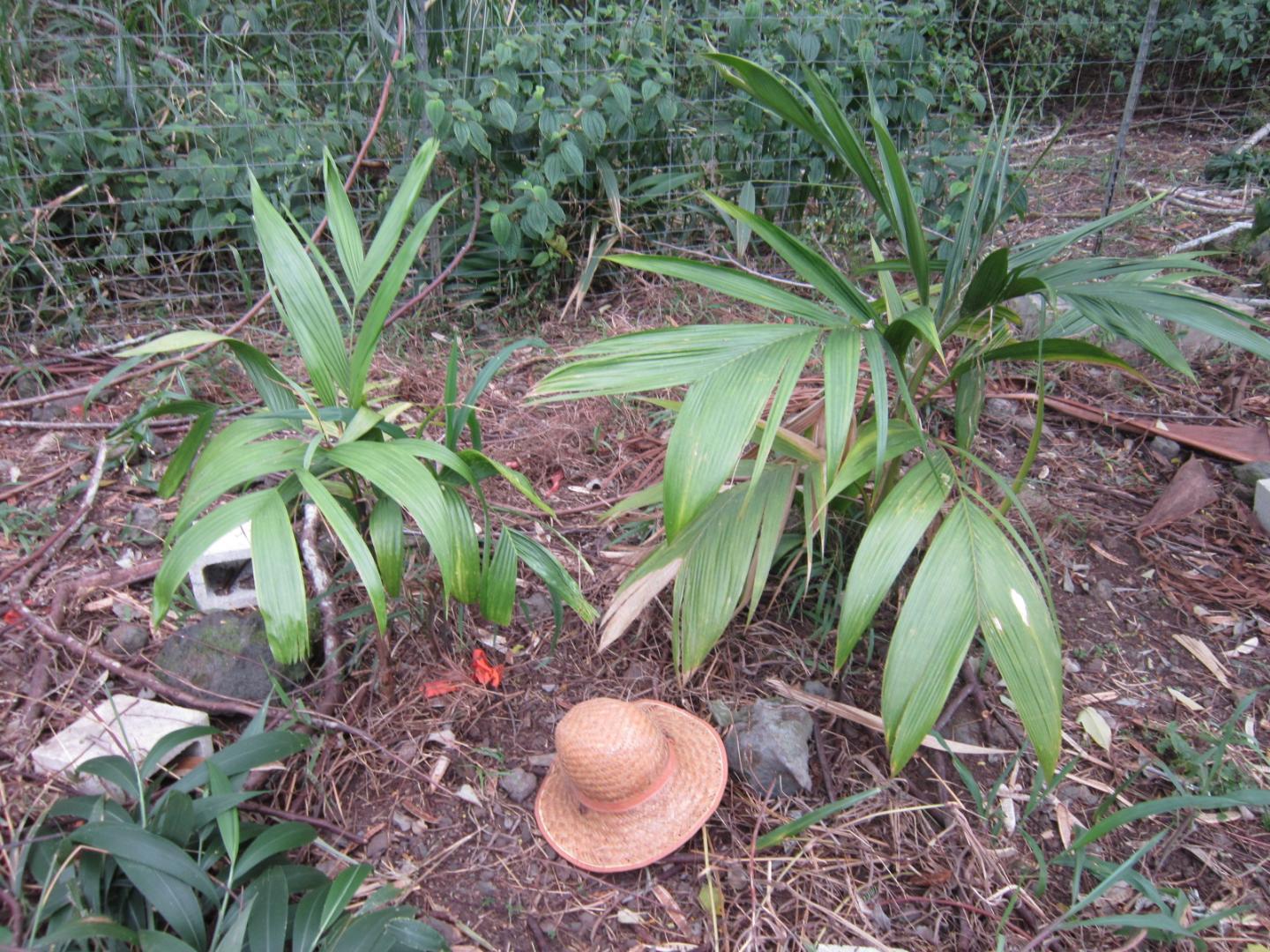
2 points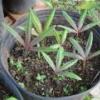 2 pointsThere's a little story behind mine. I obtained a seedling in a 1-gal pot. It sat in my shadehouse for a couple years and grew a stem about a foot long. Then it amazed me by flowering. After a while it grew three fruits that gradually enlarged and ripened, assumed because of their color change. I cleaned the seeds and germinated them. After another year or so, they had grow pretty well in 2-gal pots, so, in April 2022, I decided to plant them and the mother plant out in a new semi-shaded area that I had developed. After a short time, one of the seedlings died, followed soon by the mother plant. The remaining two looked fine, so I left them in place. The attached pic shows them almost four years later. Scale provided by the hat and two 8-in blocks.
 2 points
 I suspected this would be the case... I'm in the Orlando area and we haven't seen temperatures like this in at least 40 years. I wonder if any of the coconut palms further South on A-1-A directly on the ocean survived. I was over there back in August and we drove down to JB's Fish Camp. And on the drive down there I saw lots of coconut palms, many looked like they had been there for a number of years. So, perhaps some of them directly on the ocean survived.2 points
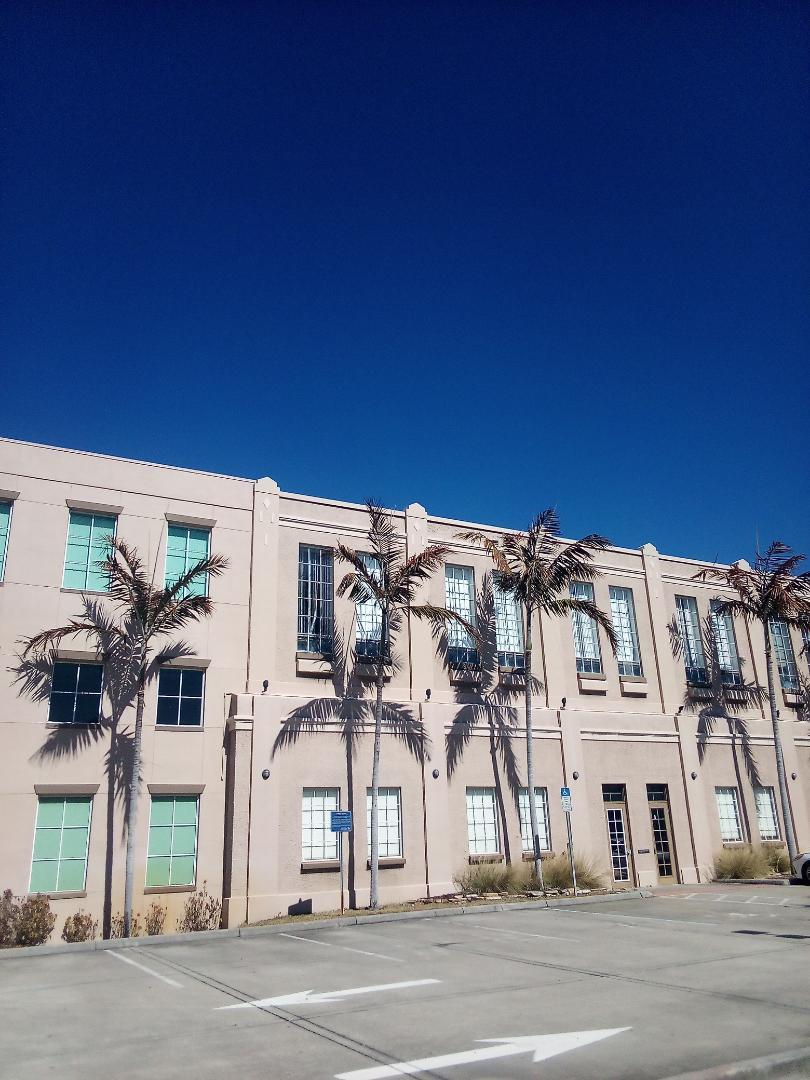
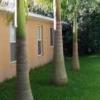
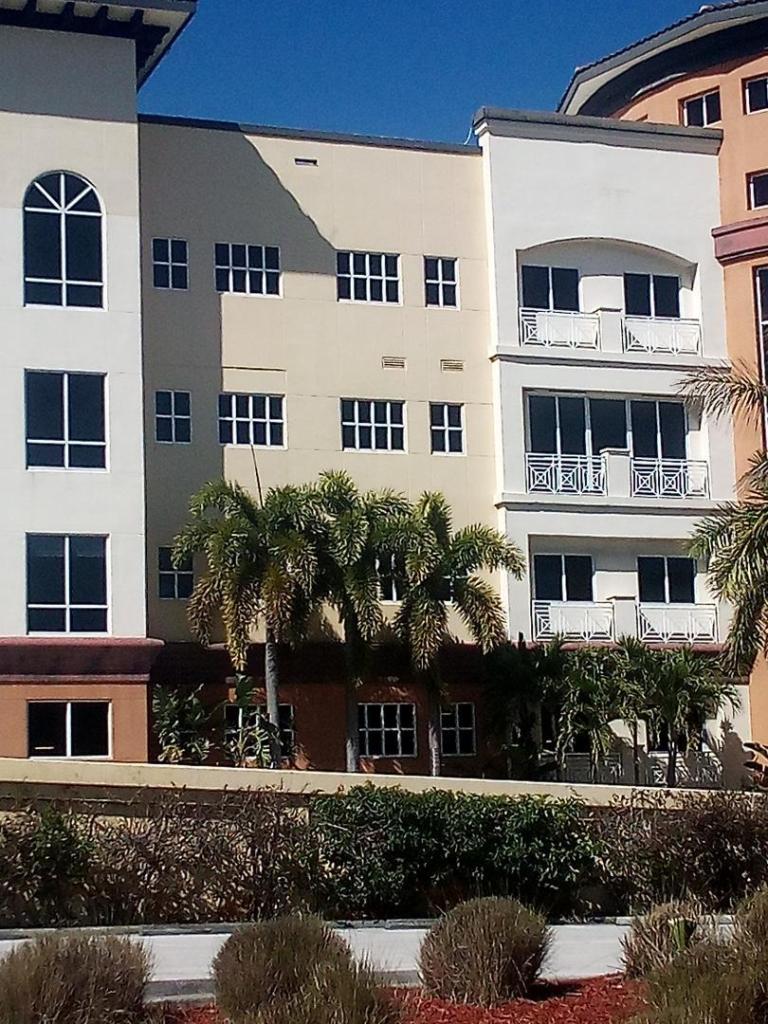
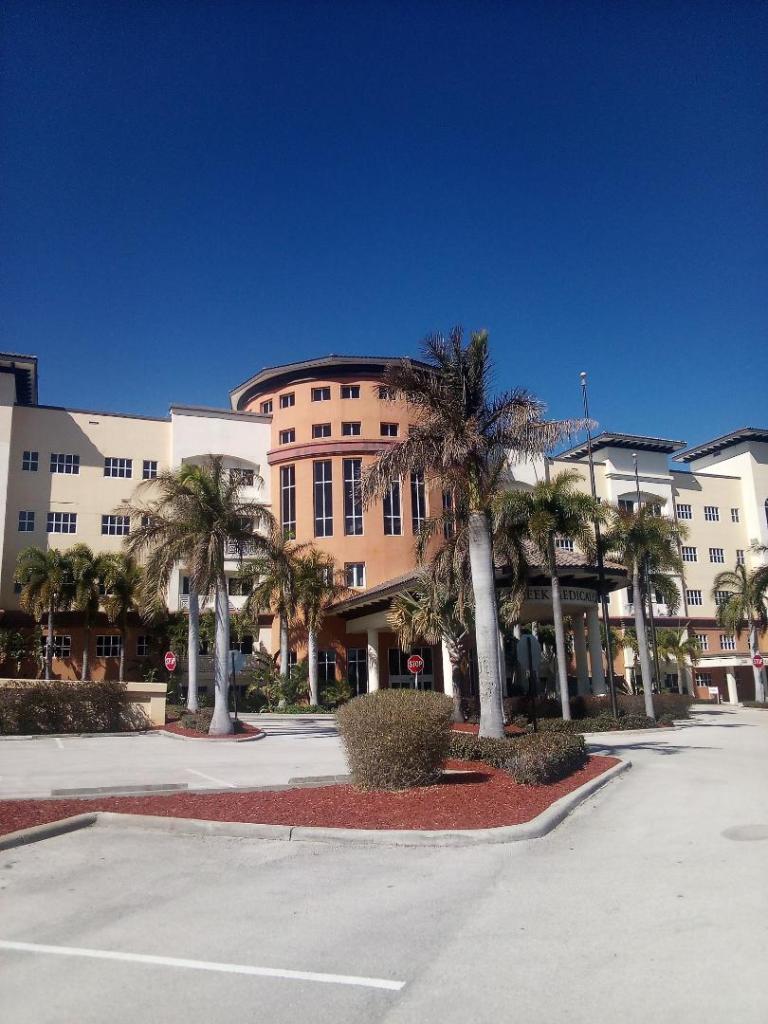
Here's empirical evidence that shows planting on the south facing side of a large building, blocking the cold winds of an advective freeze event, is a sound strategy. These palms were much less damaged then their nearby counterparts. In the second photo with the Flamboyant (Delonix regia), at the bottom right, is a volunteer royal with no damage at all, and that wall protected it from those freezing winds.
I suspected this would be the case... I'm in the Orlando area and we haven't seen temperatures like this in at least 40 years. I wonder if any of the coconut palms further South on A-1-A directly on the ocean survived. I was over there back in August and we drove down to JB's Fish Camp. And on the drive down there I saw lots of coconut palms, many looked like they had been there for a number of years. So, perhaps some of them directly on the ocean survived.2 points
Here's empirical evidence that shows planting on the south facing side of a large building, blocking the cold winds of an advective freeze event, is a sound strategy. These palms were much less damaged then their nearby counterparts. In the second photo with the Flamboyant (Delonix regia), at the bottom right, is a volunteer royal with no damage at all, and that wall protected it from those freezing winds.


 2 points
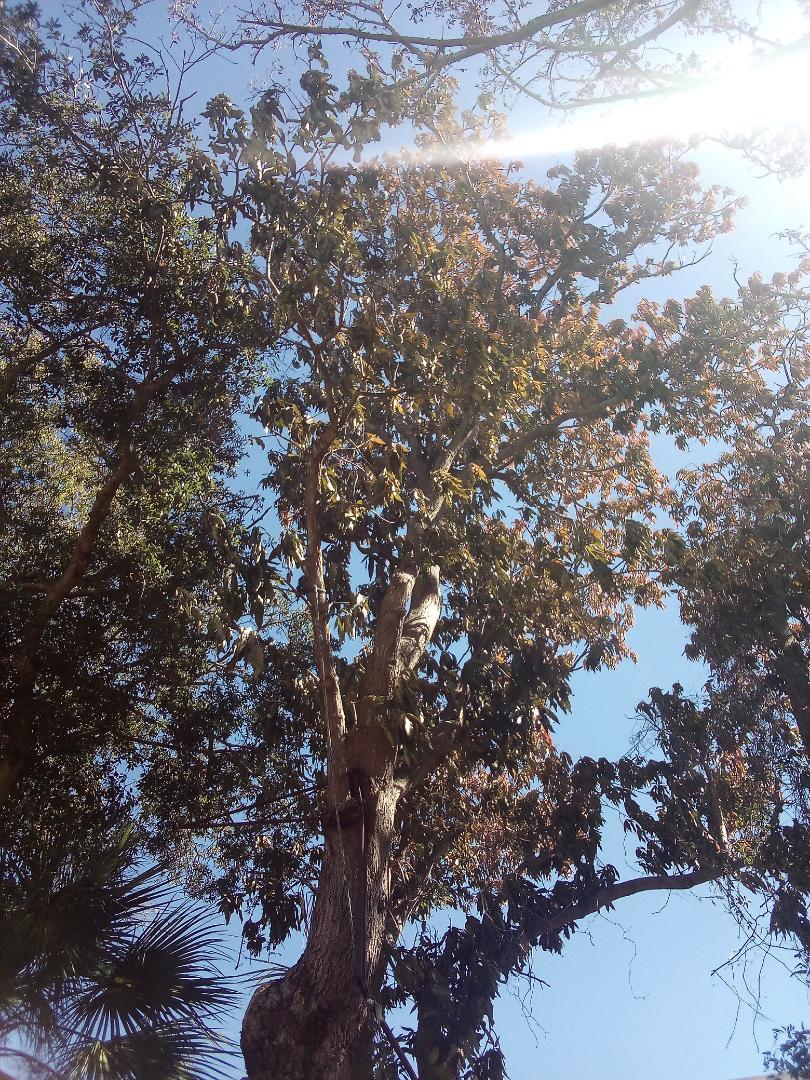
The mango trees are defoliated. I don't know how bad these are set back. Some of these trees in the old downtown part are pretty old, like the size of laurel oaks. In residential areas where the trees might be around 30 years old, are in the same damaged condition.
2 points
The mango trees are defoliated. I don't know how bad these are set back. Some of these trees in the old downtown part are pretty old, like the size of laurel oaks. In residential areas where the trees might be around 30 years old, are in the same damaged condition.

 2 points
Next stop, downtown Melbourne. Closest weather station reported the following: 1/31 33.3 2/1 26.0 2/2 28.3 2/3 32.6 2010 coconut survivors. I'm not sure if they will pull through this time.
2 points
Next stop, downtown Melbourne. Closest weather station reported the following: 1/31 33.3 2/1 26.0 2/2 28.3 2/3 32.6 2010 coconut survivors. I'm not sure if they will pull through this time.
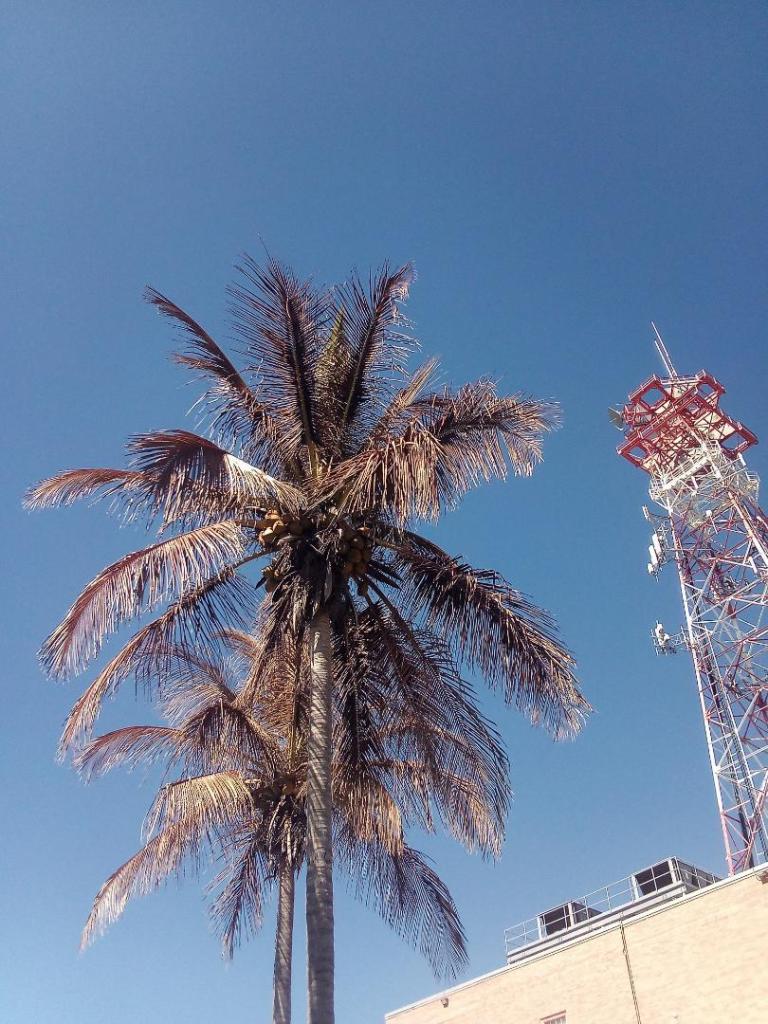 2 points
Theres even chamaedorea adscendens and metallica seeds popping up!
2 points
2 pointsTheres even chamaedorea adscendens and metallica seeds popping up!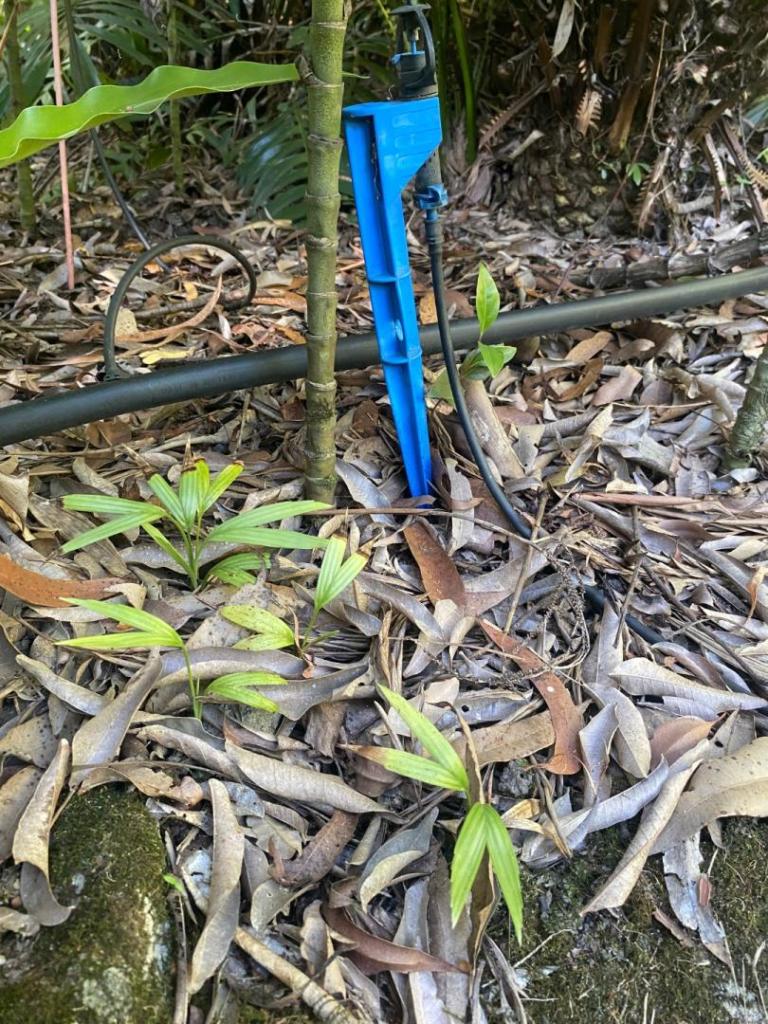
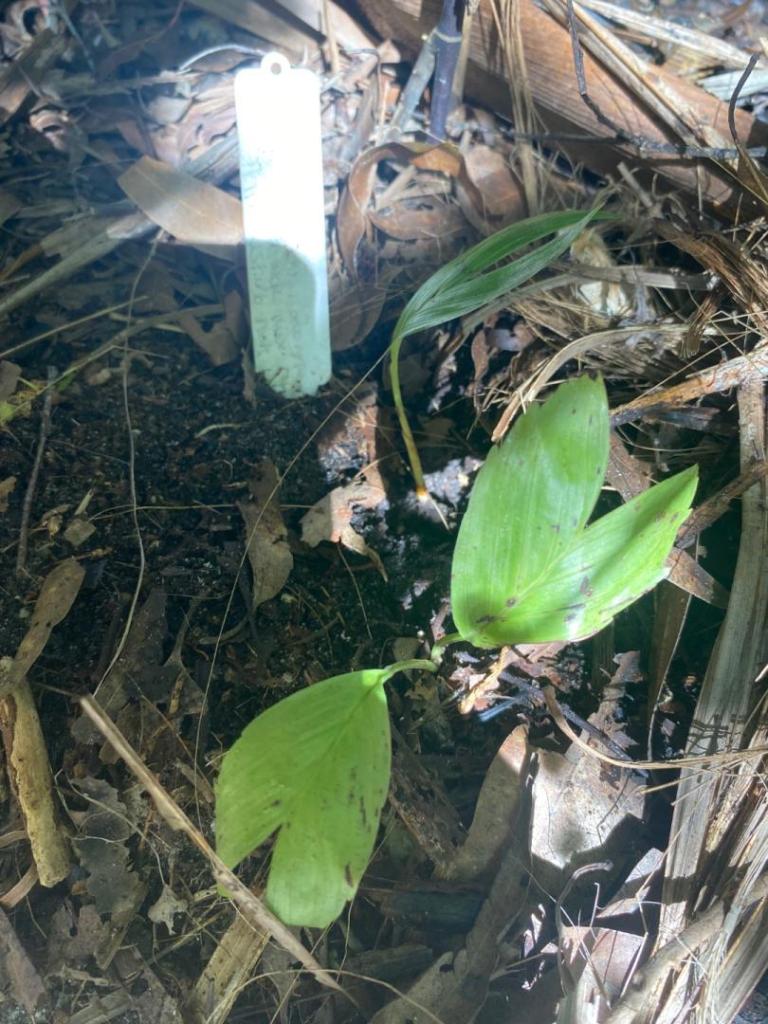 2 points
 In regards to archontophoenix alexandrae vs Cunninghamiana, I had the same experience. Cunninghamiana looks like it has almost no damage, while alexandrae are 100% fried and brown.2 points
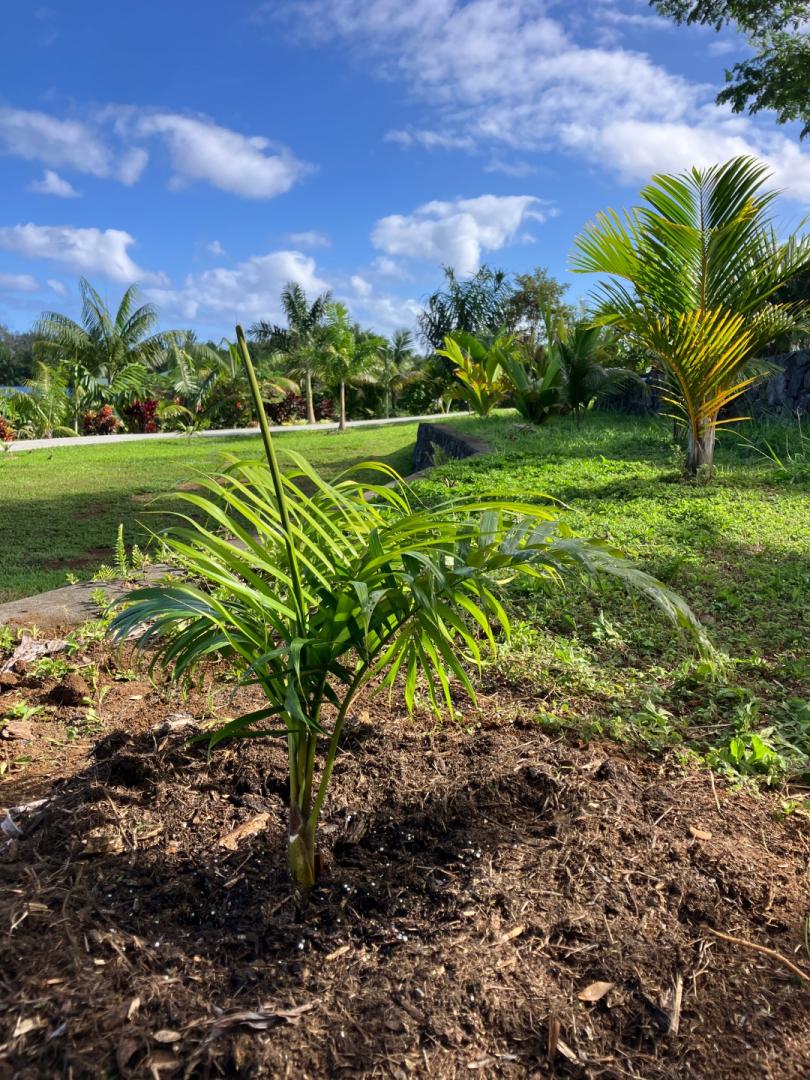
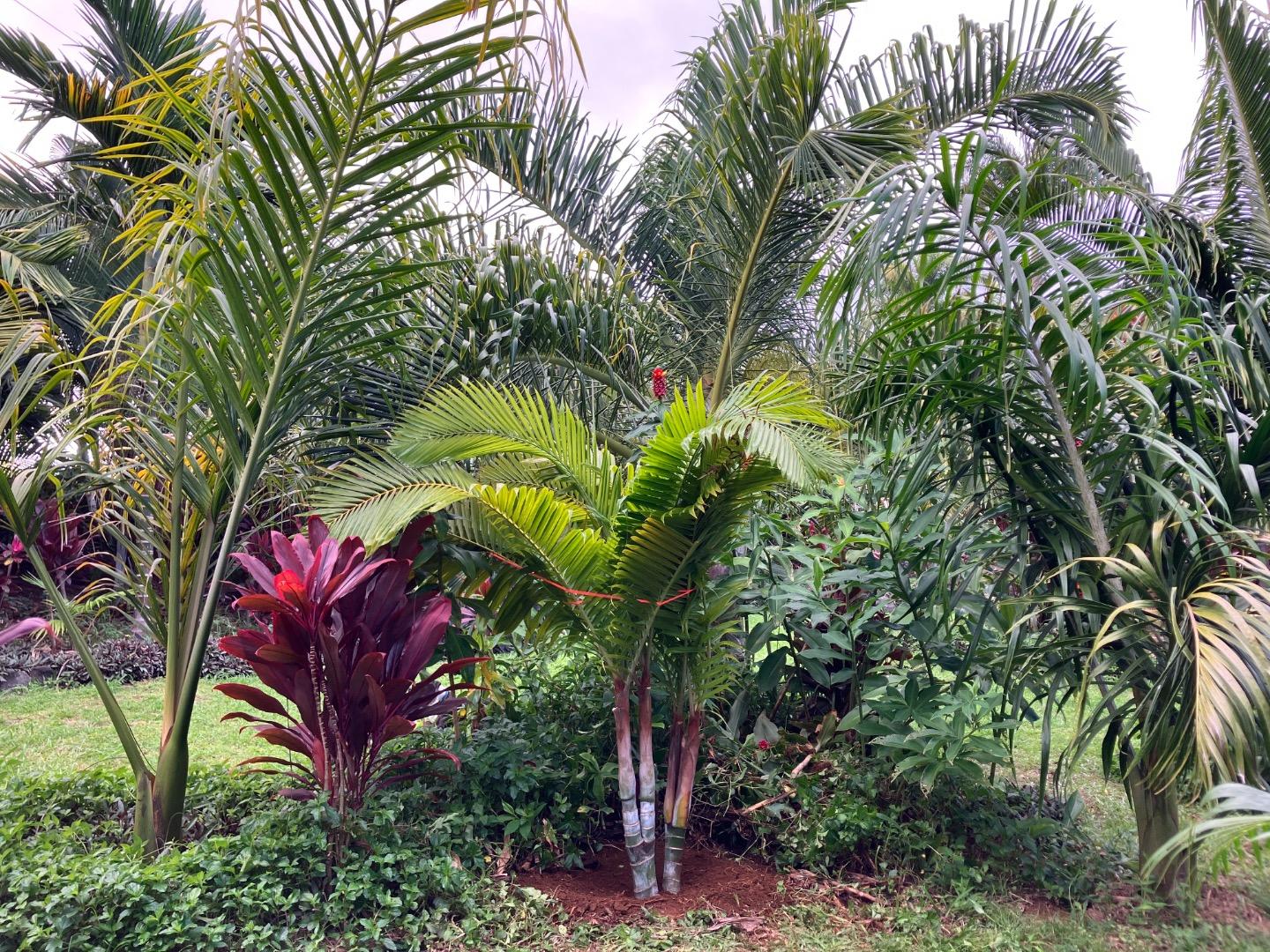
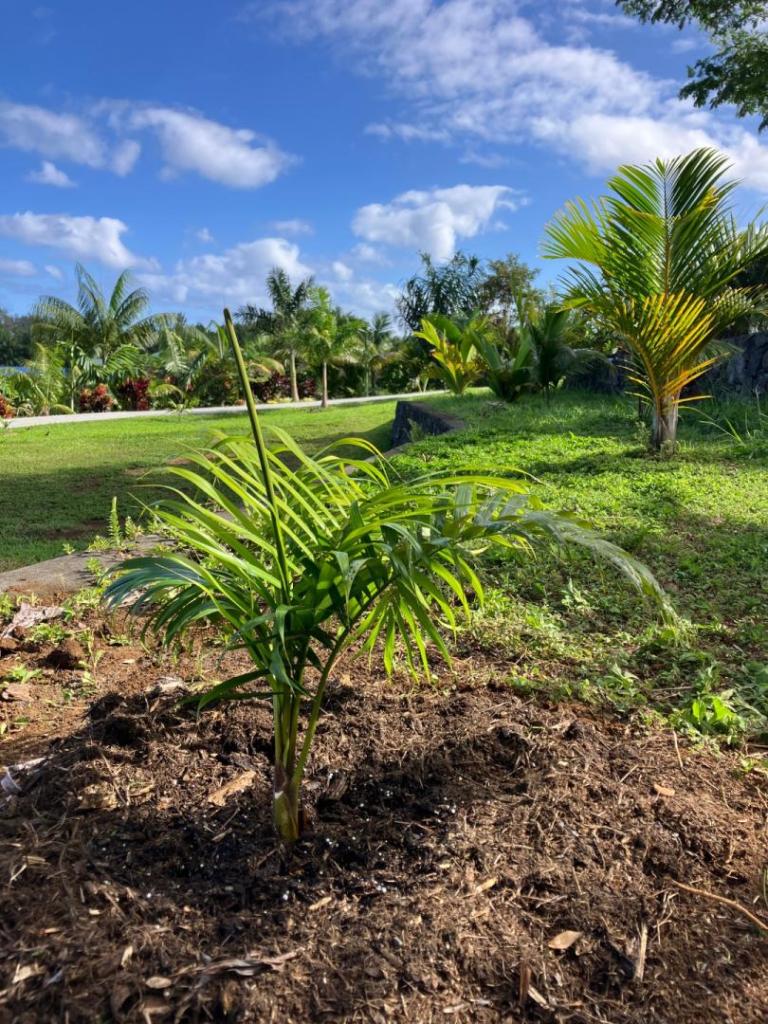
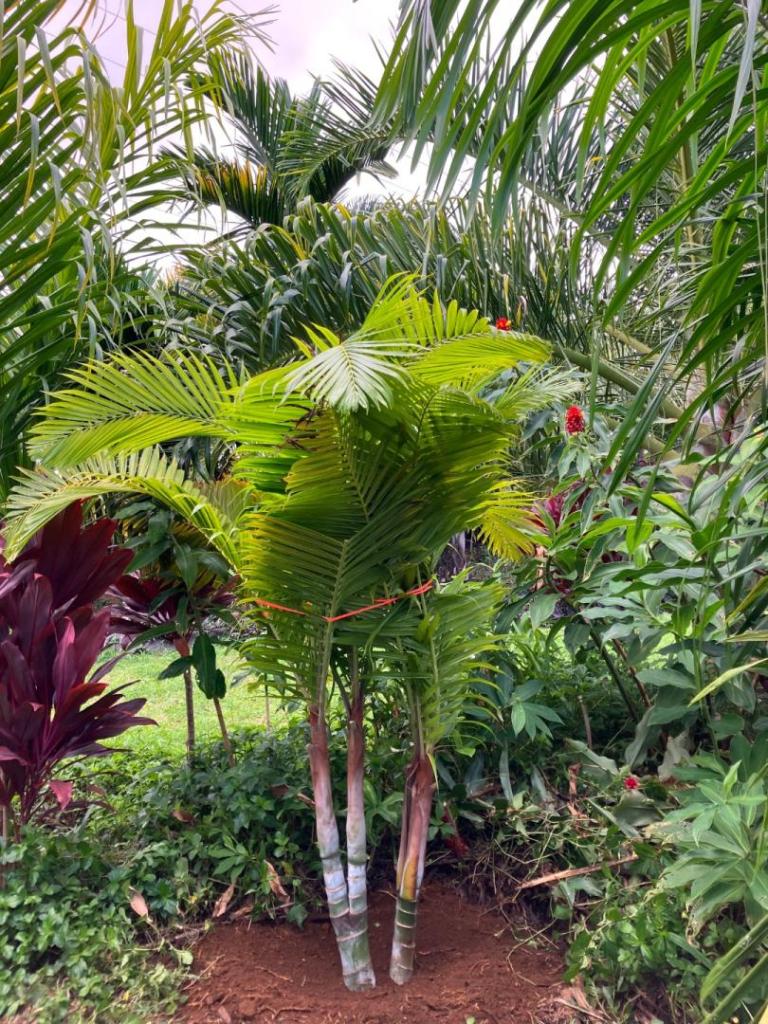
 I have a Chrysalidocarpus Leptocheillos hybrid that was just never real happy and it was in a prime spot. So I decided to dig it up and move it to a more sheltered area in my Madagascar planter. I replaced it with a Chrysalidocarpus Prestonianus hybrid that was recently made available on the Floribunda price list. These are fast palms and will quickly fill in this area: And here’s the Leptocheillos hybrid in its new spot. Fingers crossed it survives the move:
 2 points
1 point
2 points
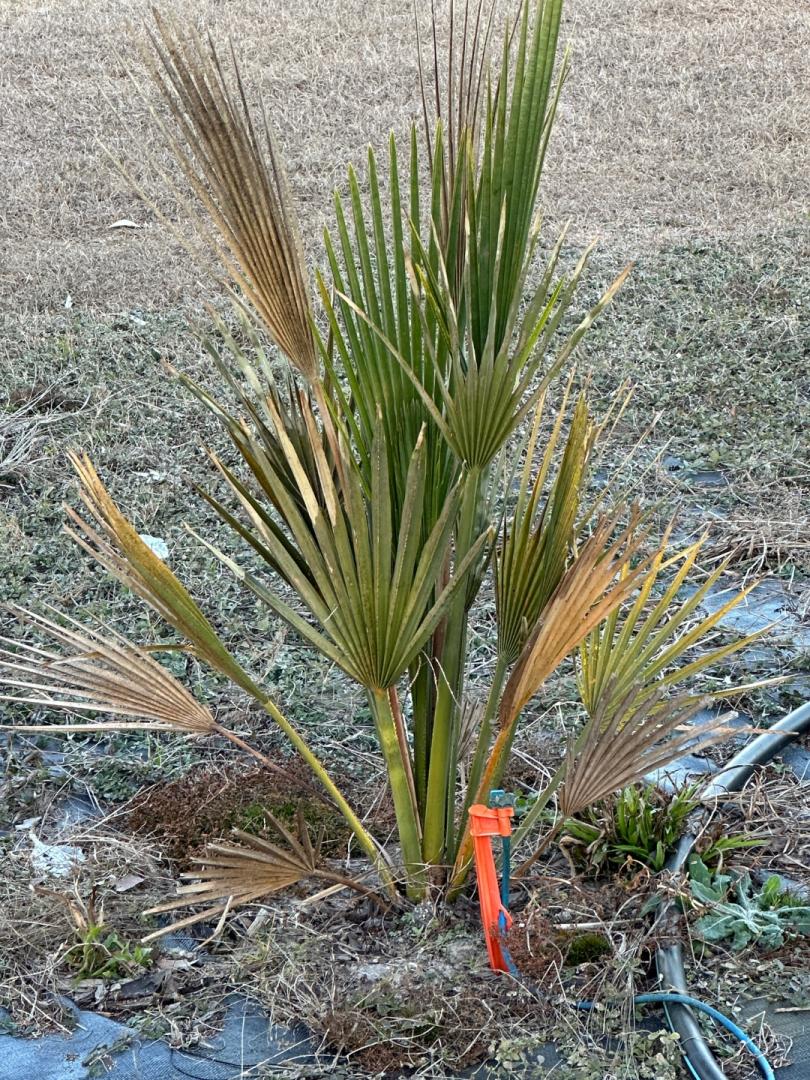
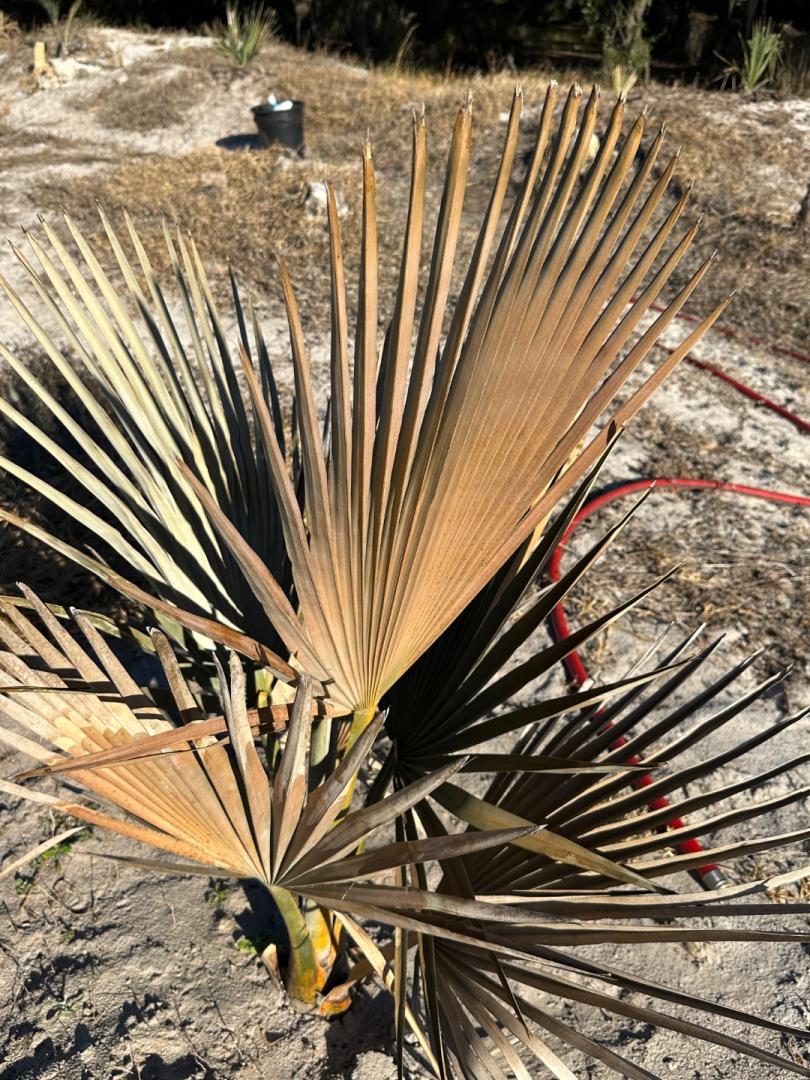
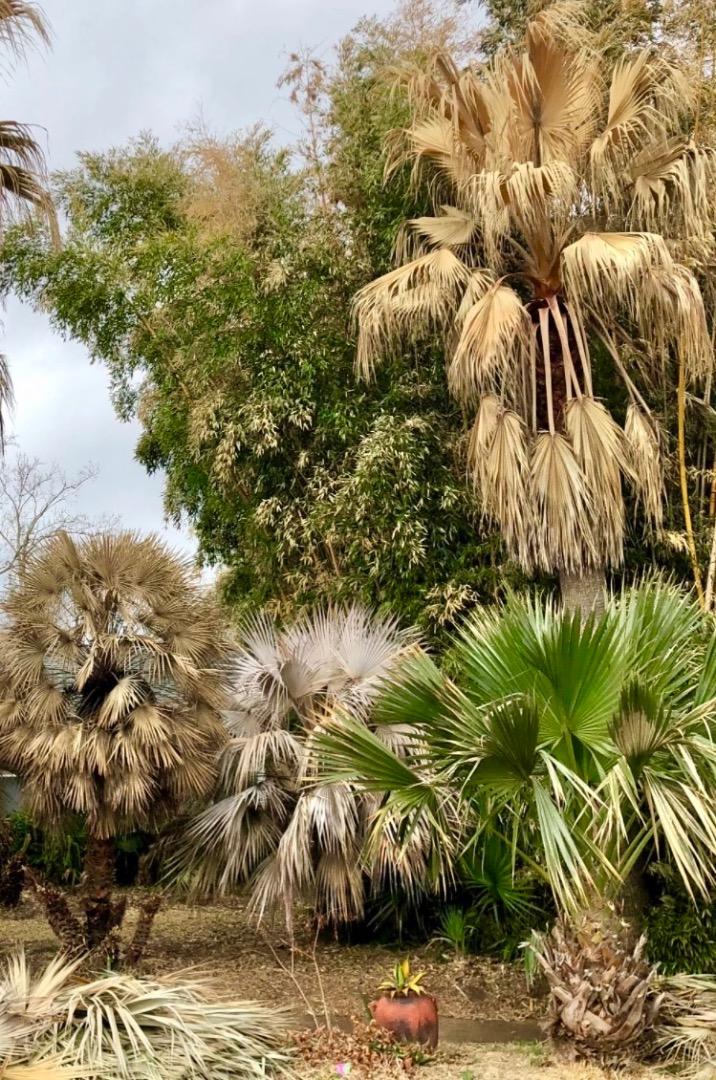
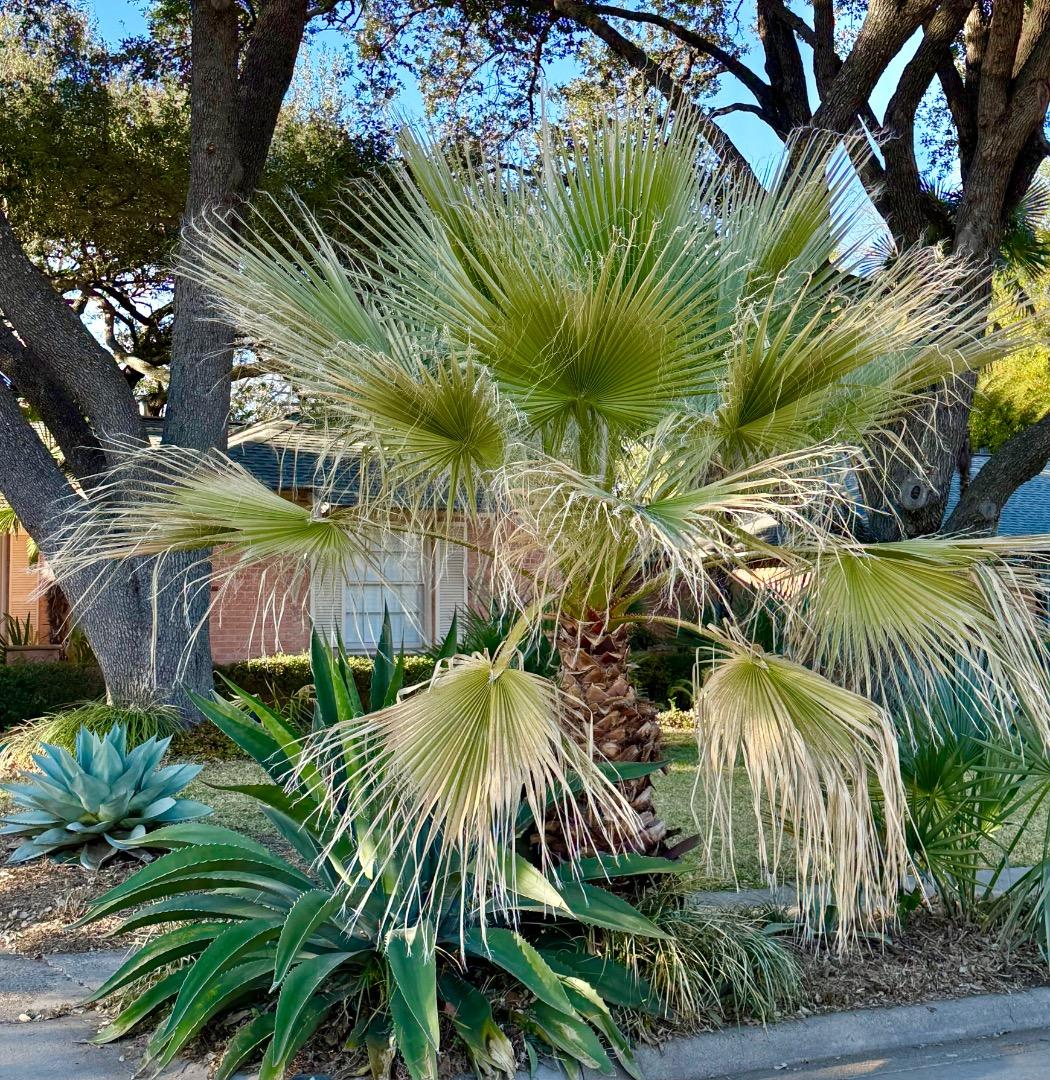
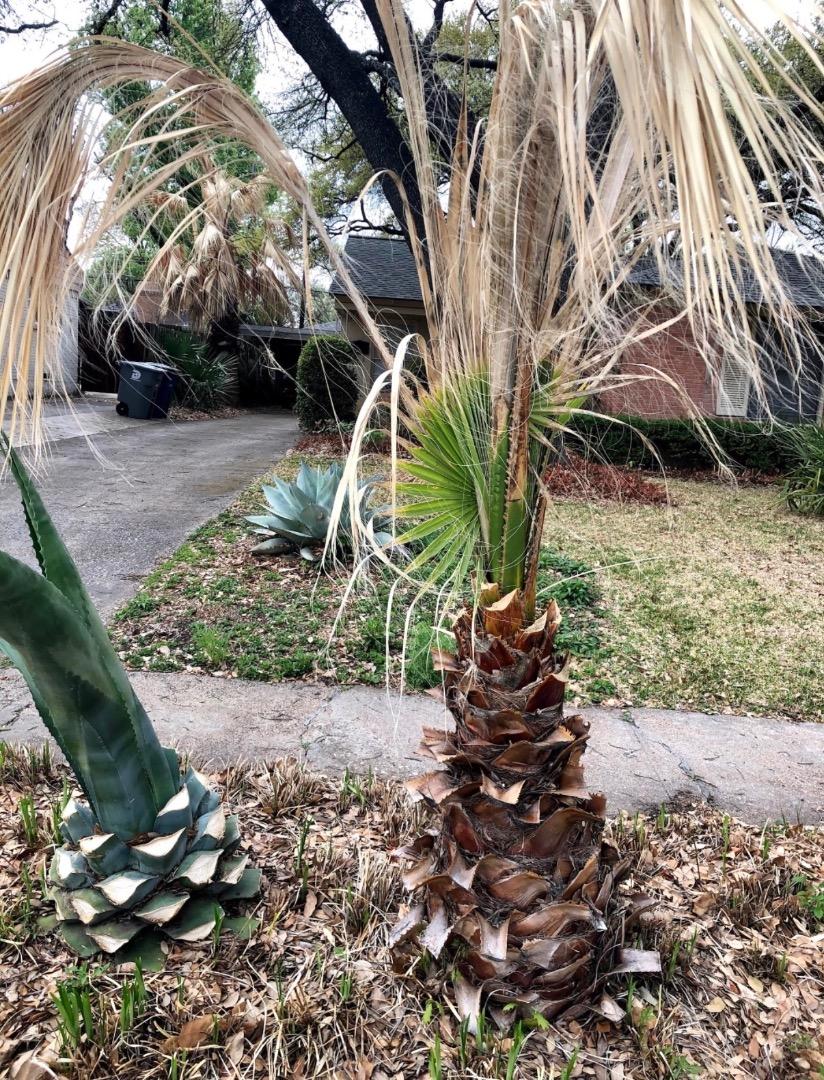
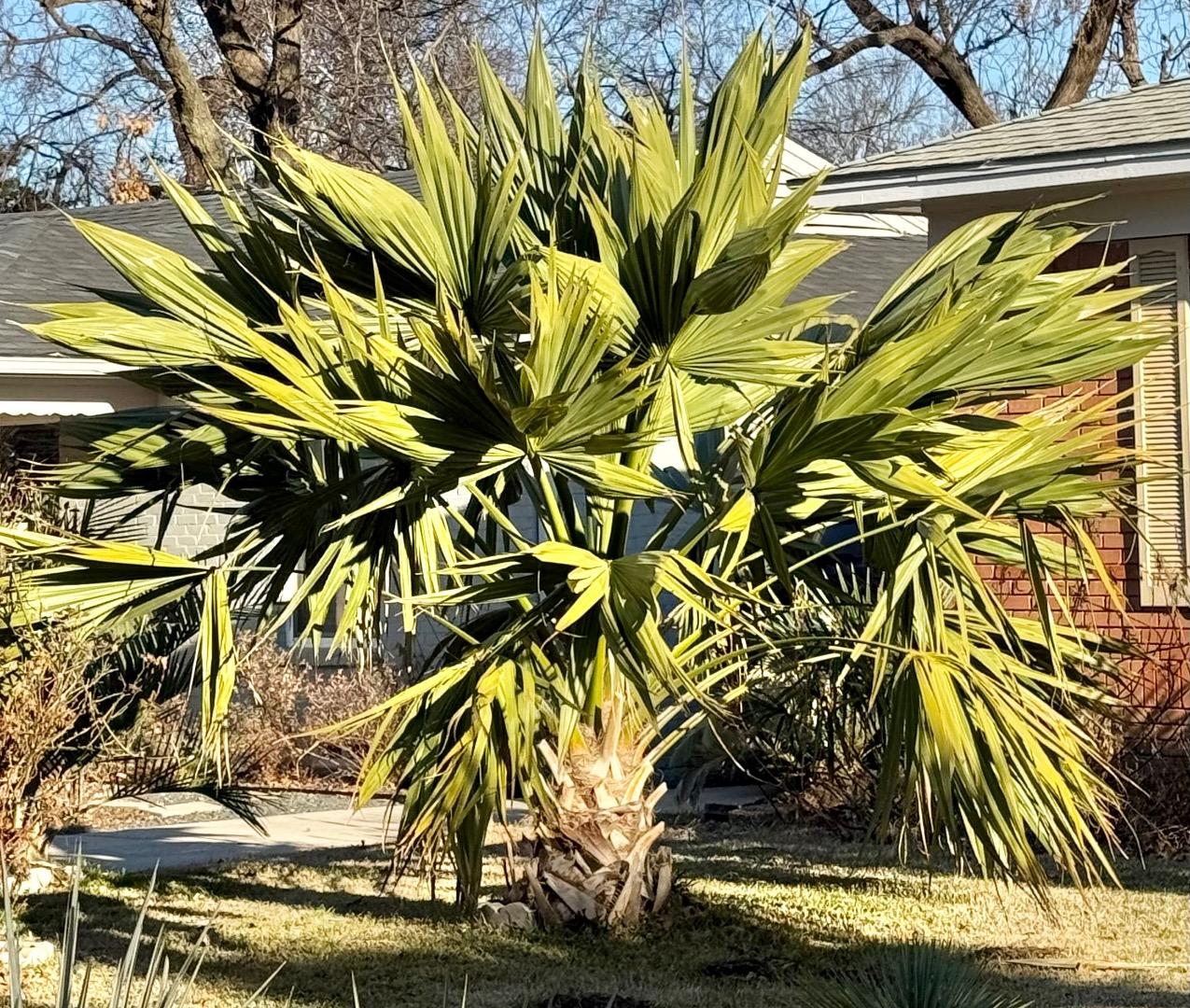
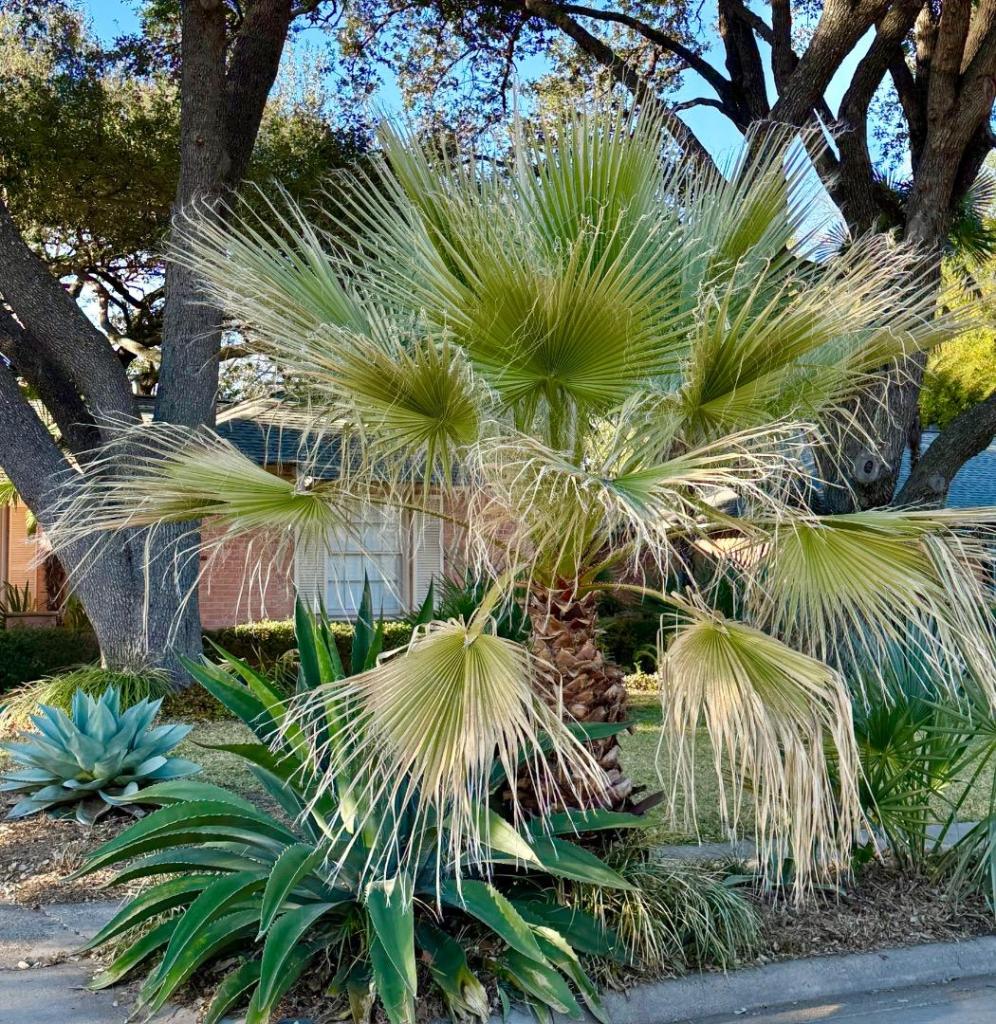
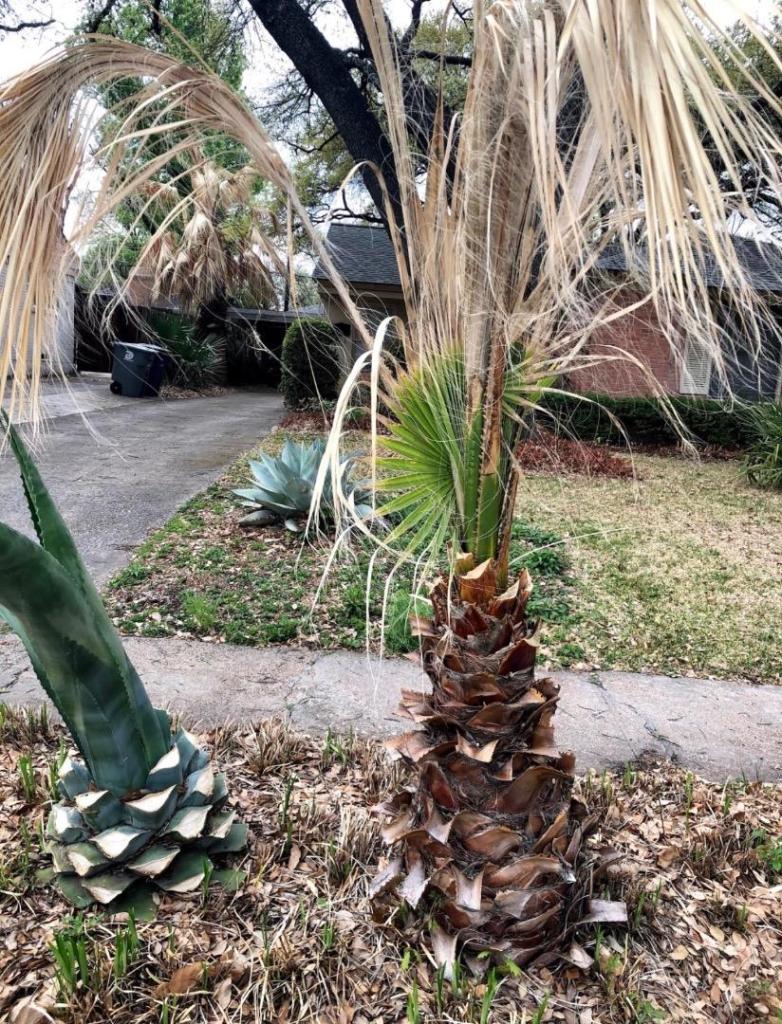
1 point 1 pointImages of Dallas zone 8a, unprotected palms in 2021 with a winter low of 3F and in 2026 when the low was 15°F sabal palmetto Lisa sabal Louisiana Washingtonia filifera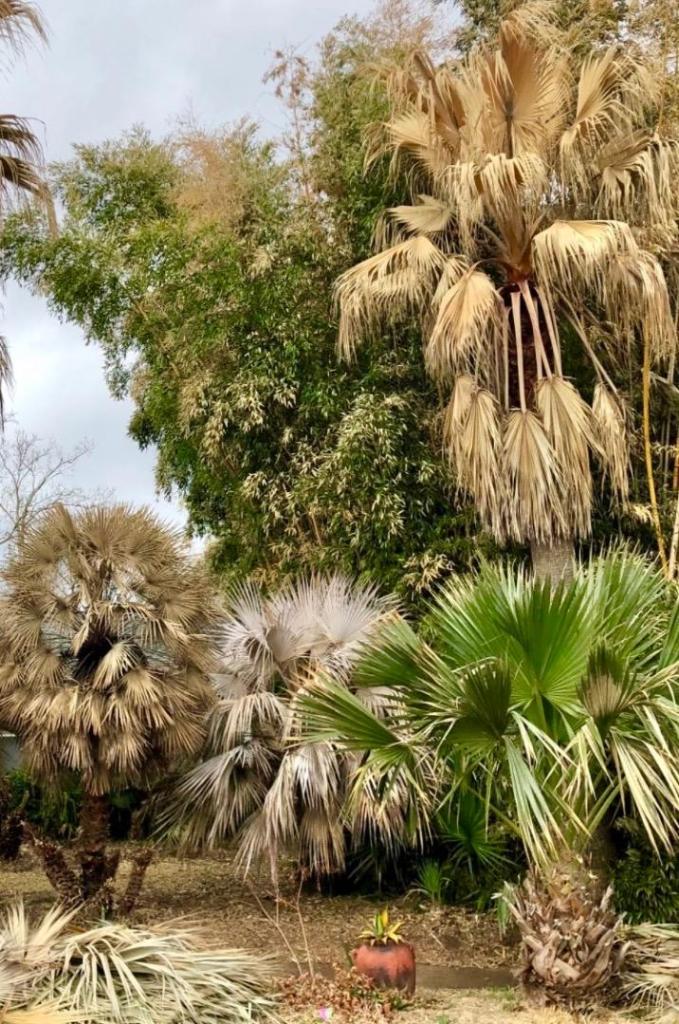

 1 point
 1 pointOne would need a place to store said dug up Ensete. I have enough potted things taking up valuable space. Personally, I don't find it to be any bother at all.1 point
1 point
1 pointOne would need a place to store said dug up Ensete. I have enough potted things taking up valuable space. Personally, I don't find it to be any bother at all.1 point
1 point 1 pointI thought it survived if I mber correctly. Mine is in absolute beast mode right now. Mine did well in a pot but grew out of pot sizes pretty quick. T J
 1 point