Leaderboard


Popular Content
Showing content with the highest reputation on 02/03/2026 in all areas
-
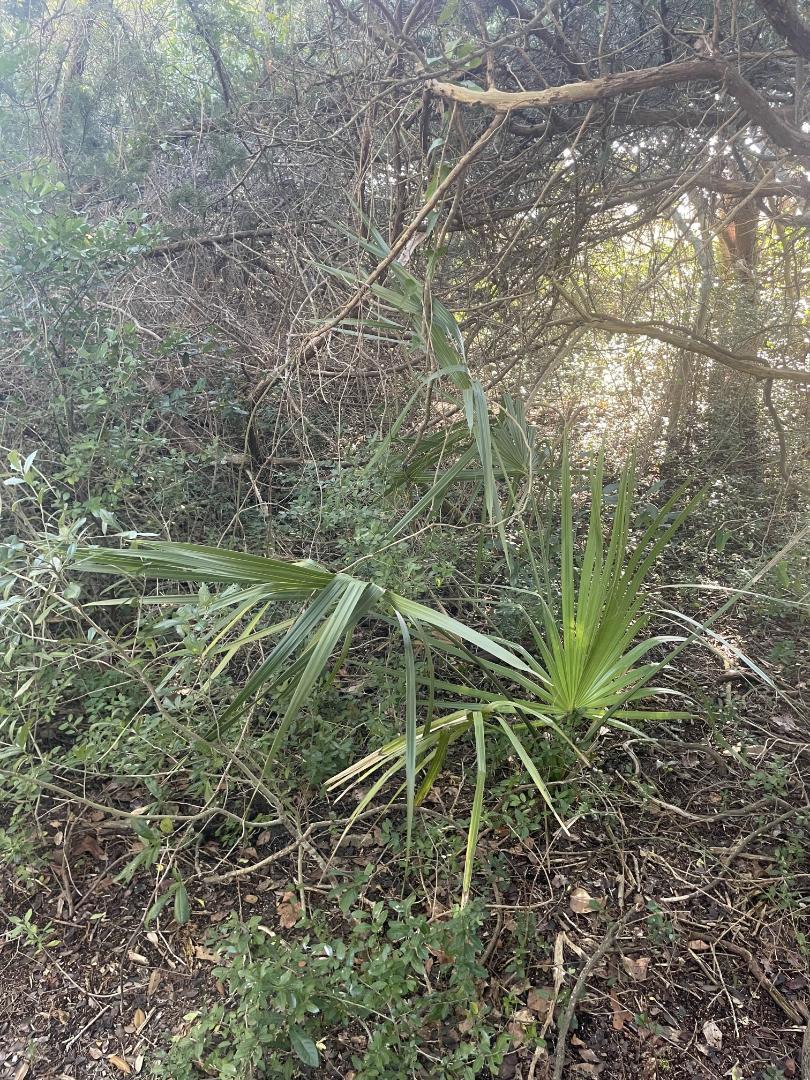
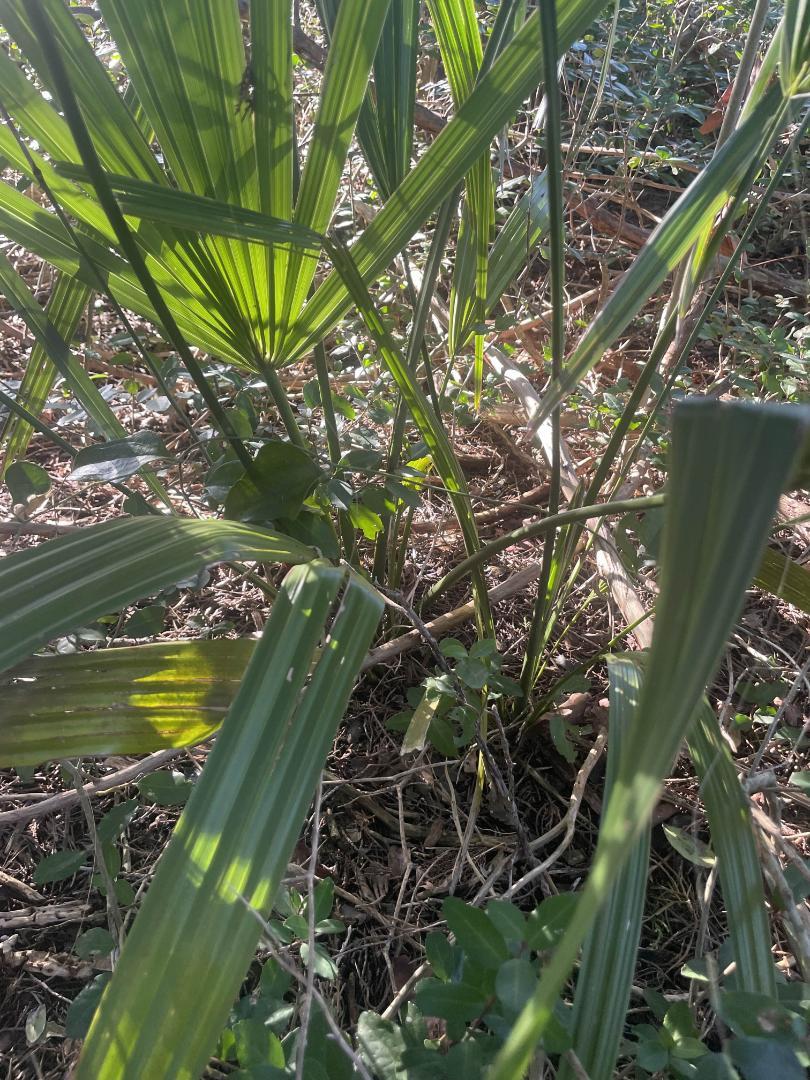
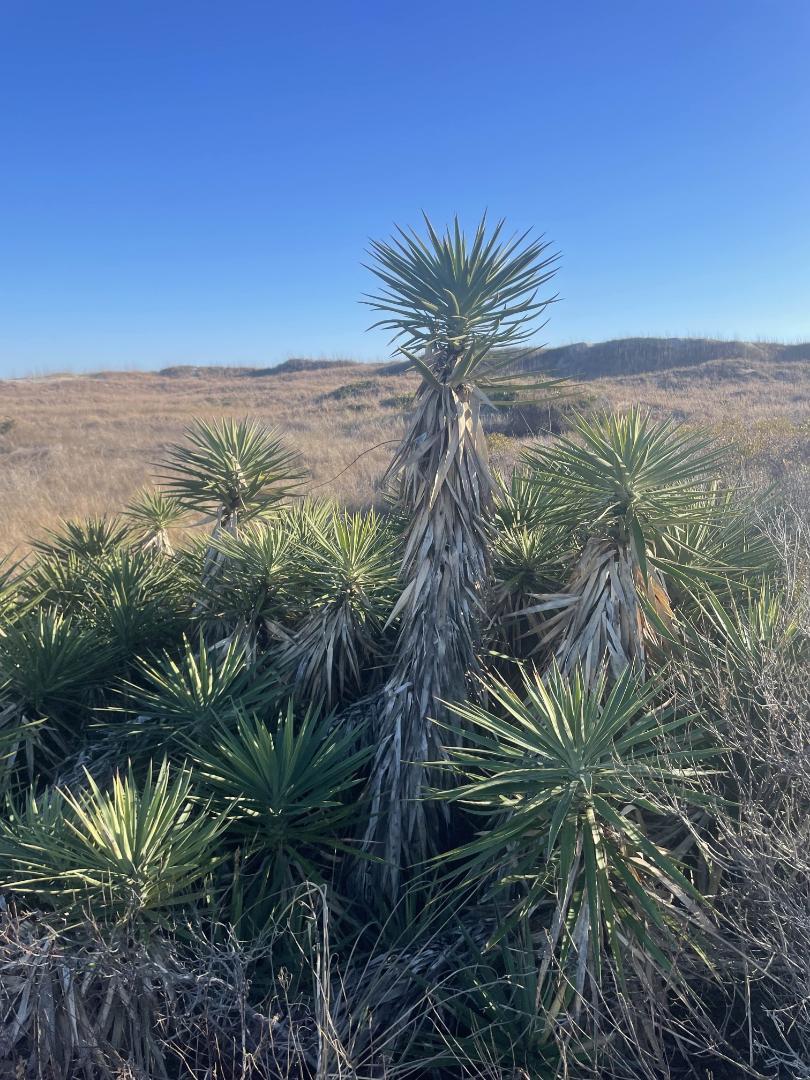
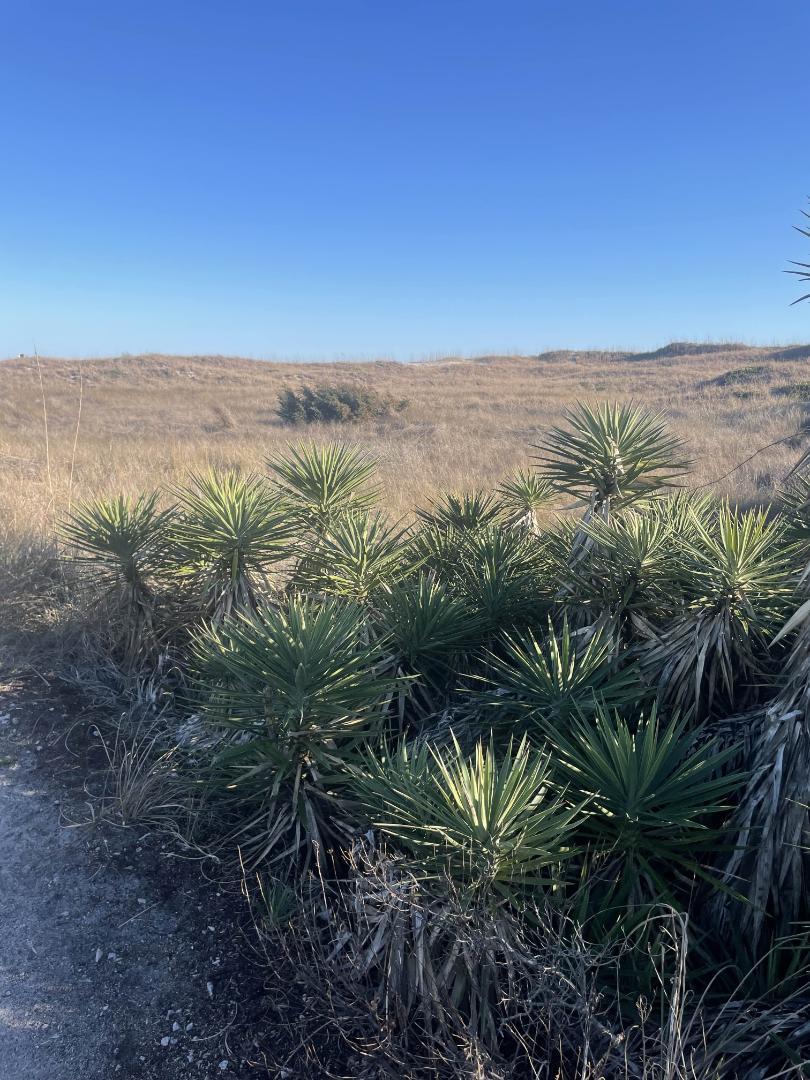
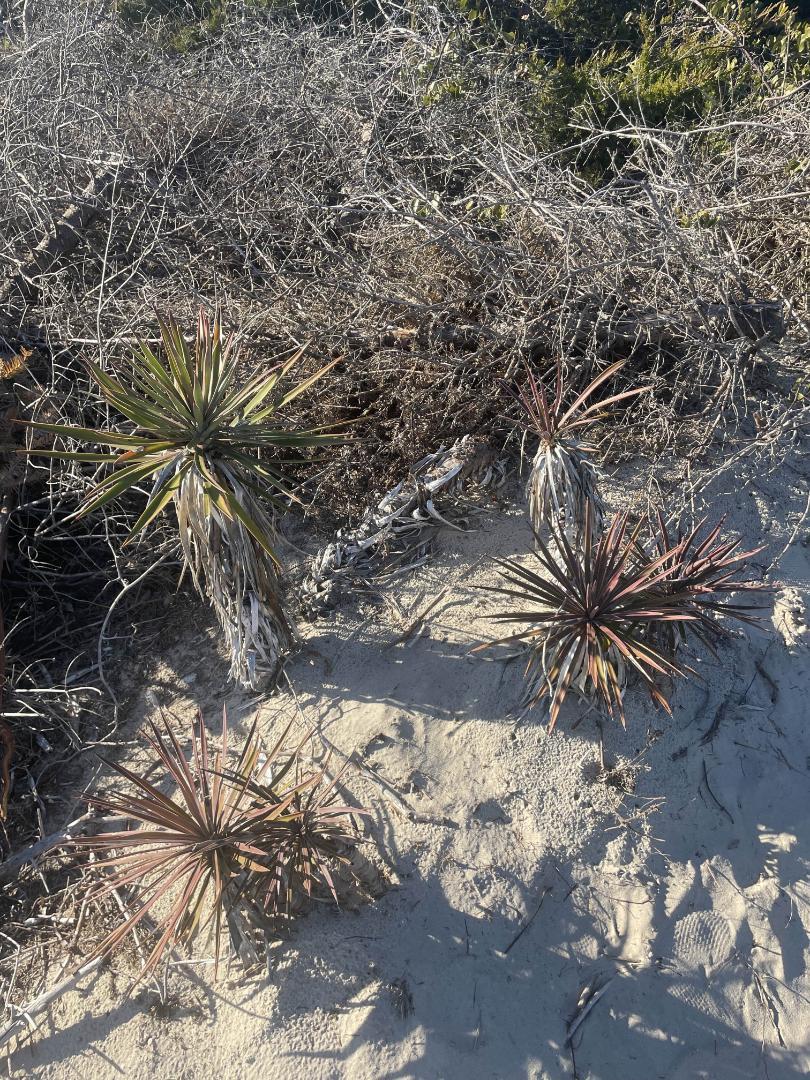
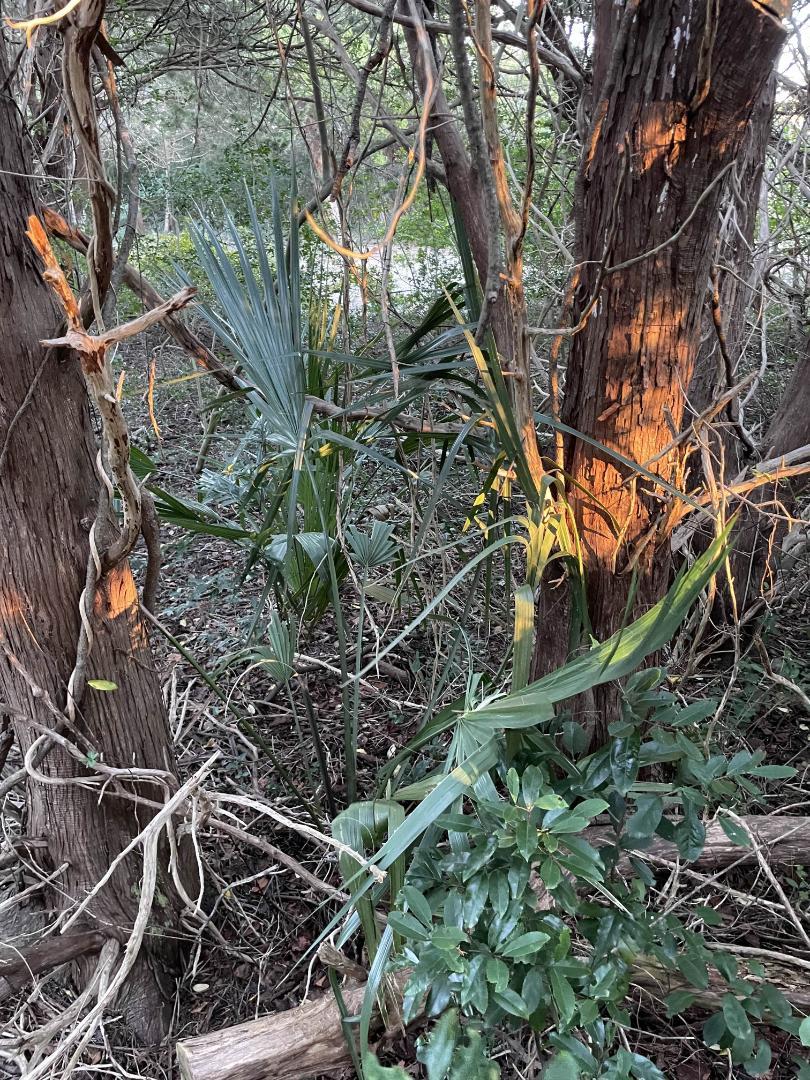
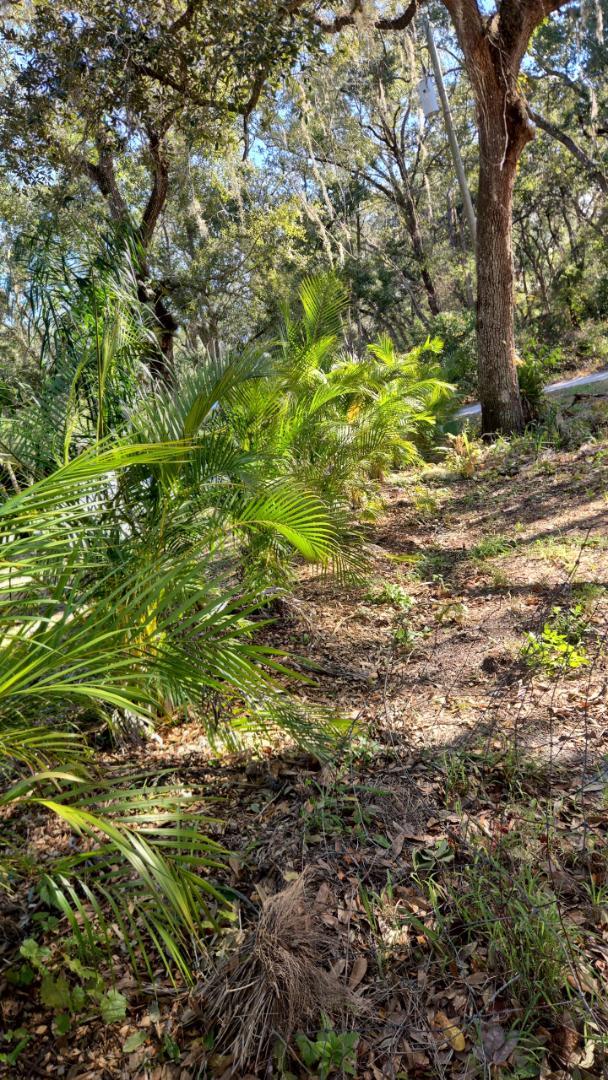
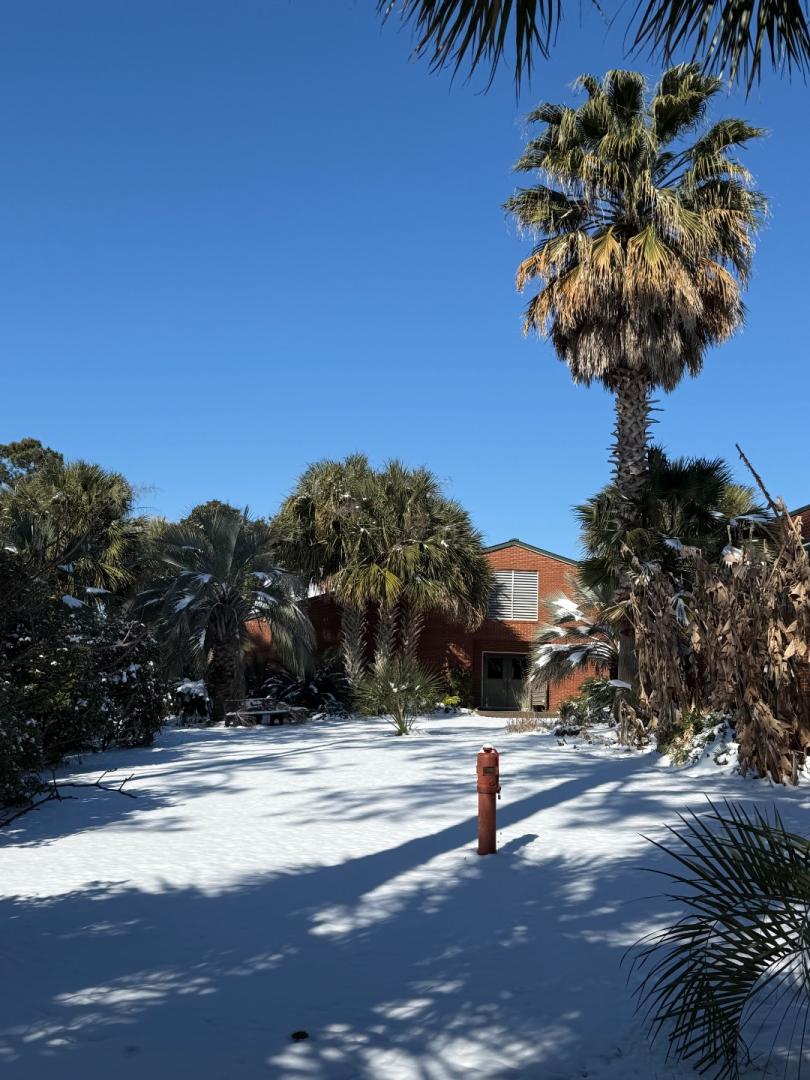
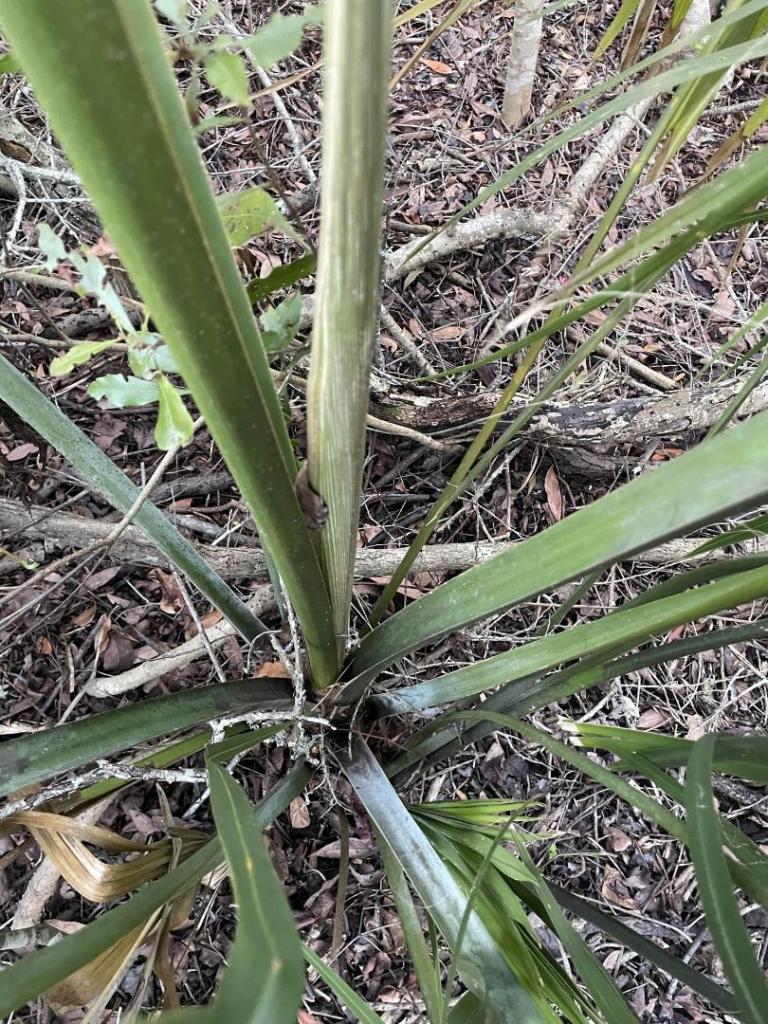
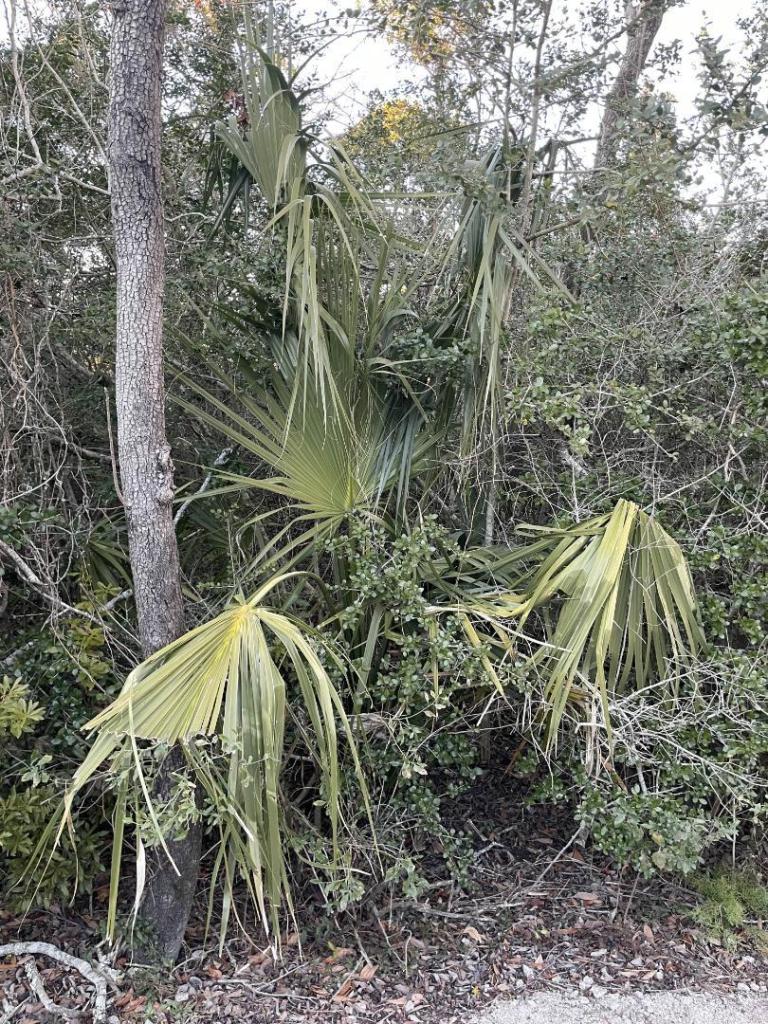
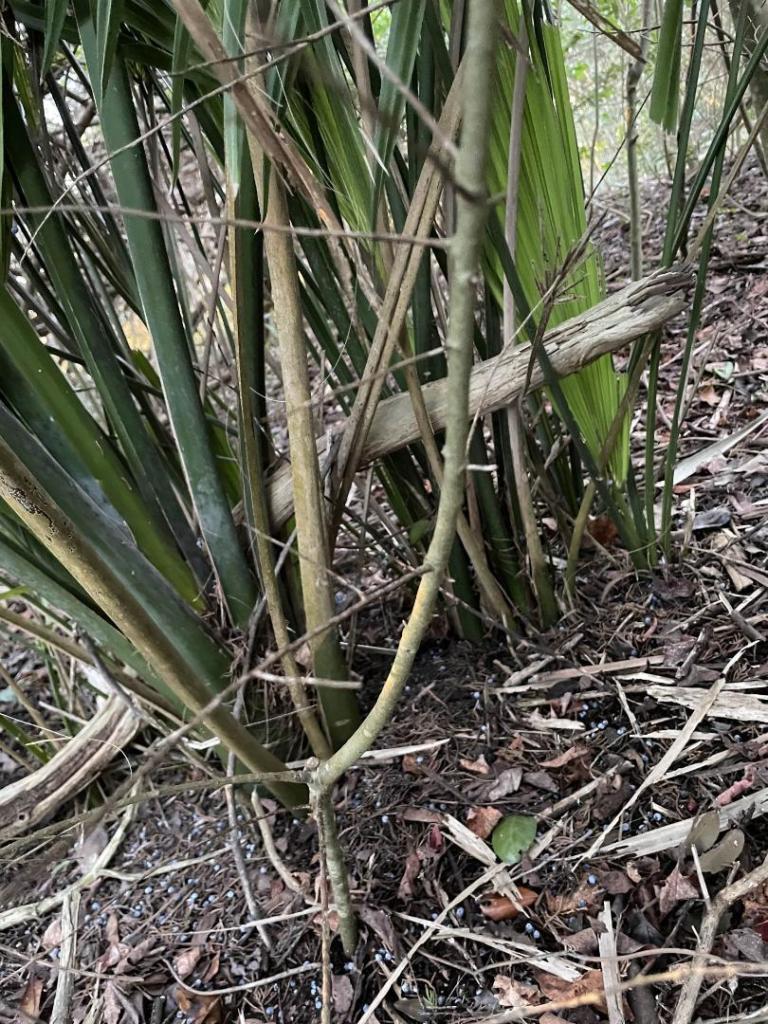
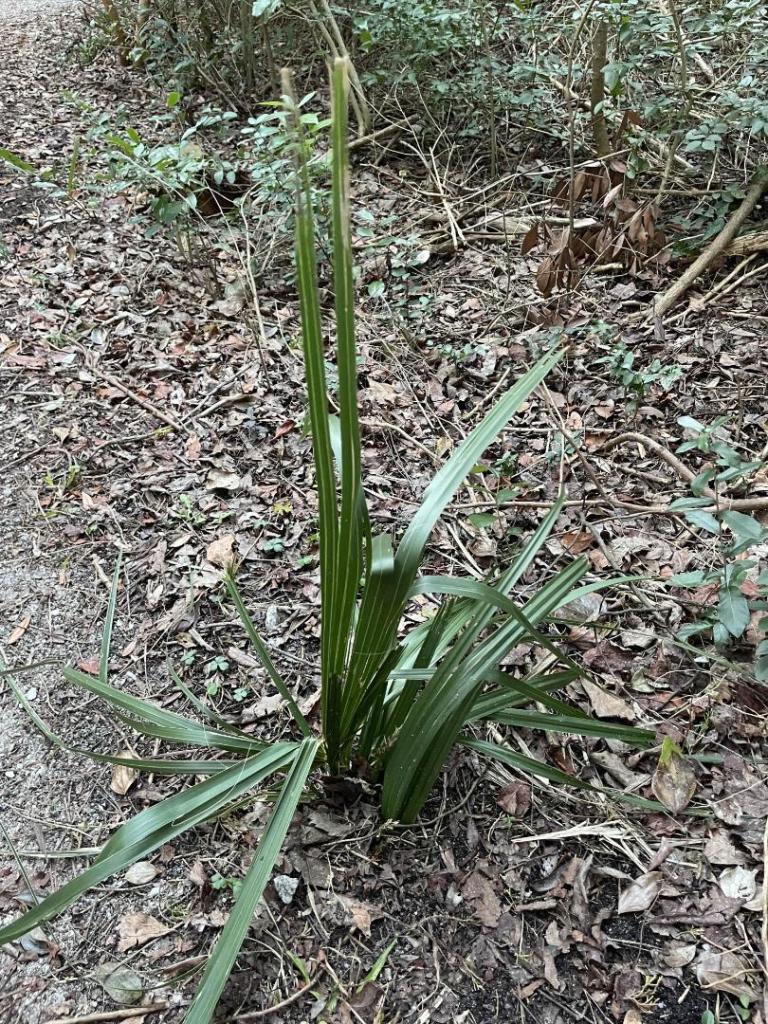
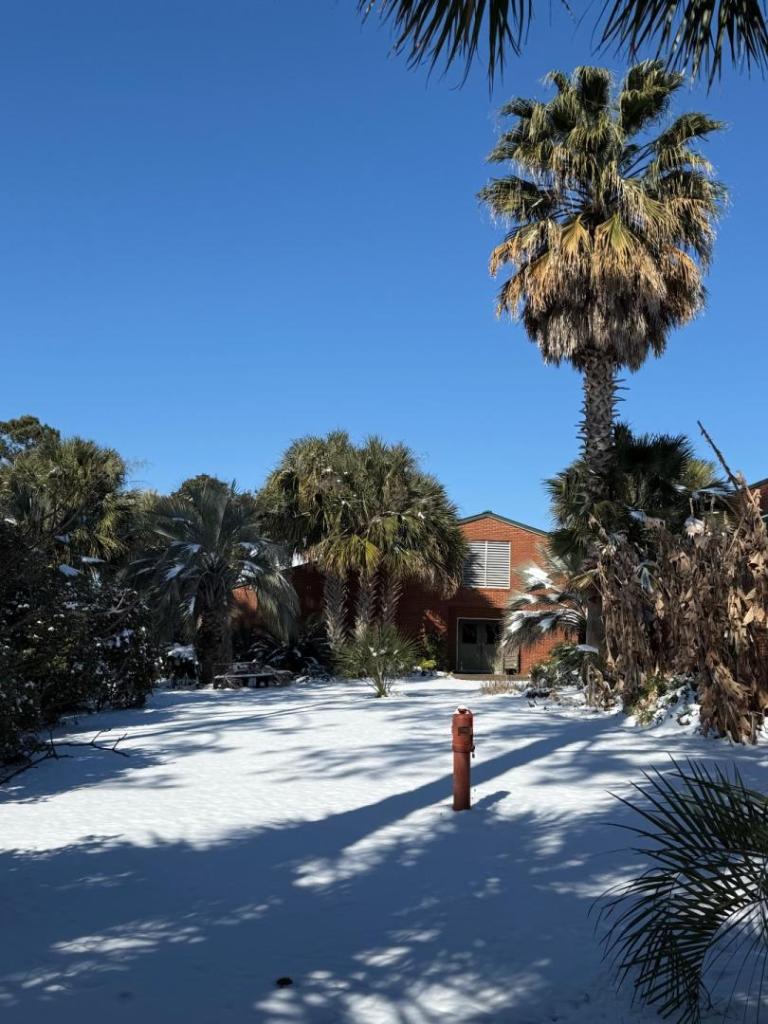
Photos from January 2026 along the Elliott Coues Nature Trail at Fort Macon State Park (Atlantic Beach, North Carolina)
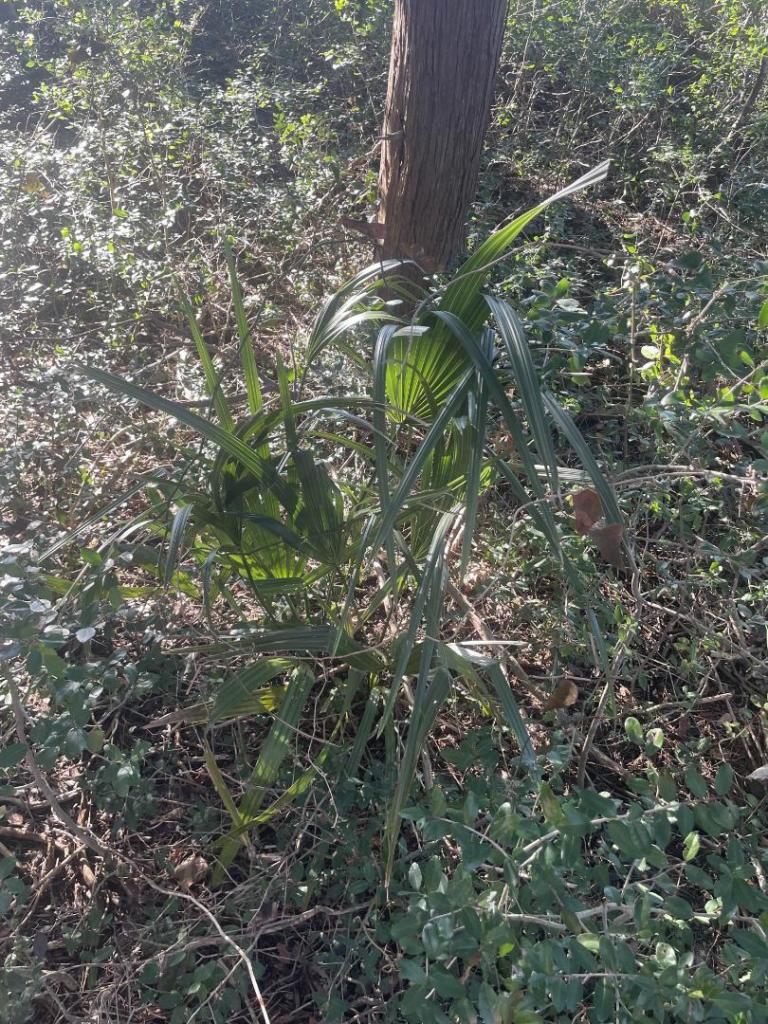

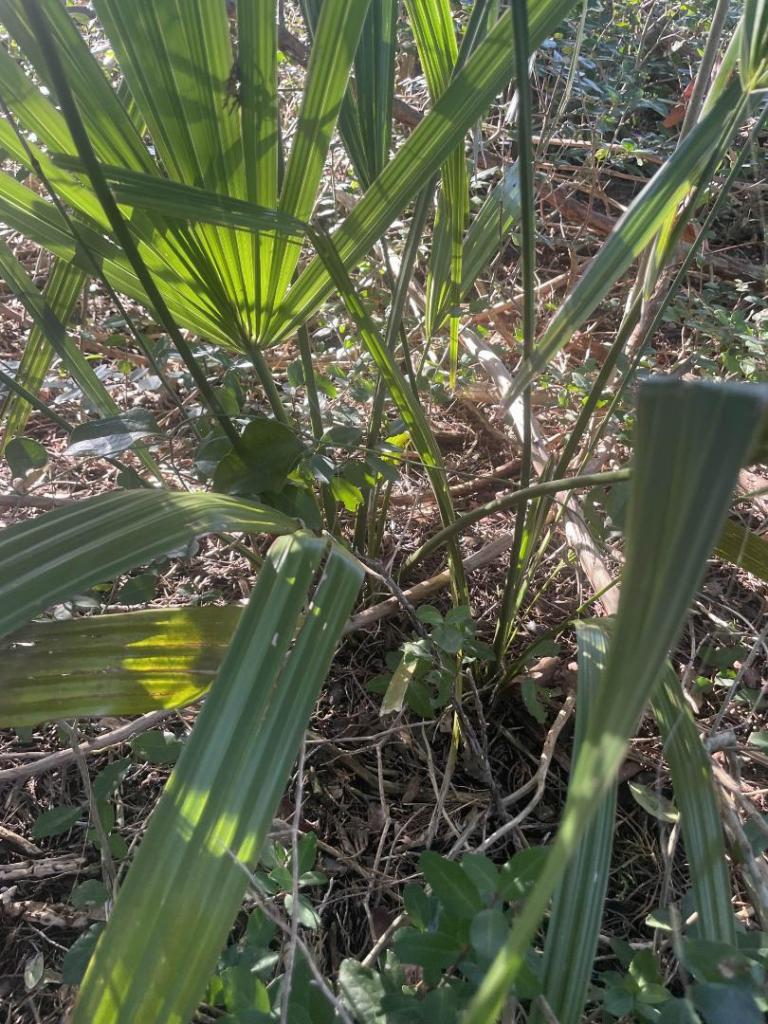
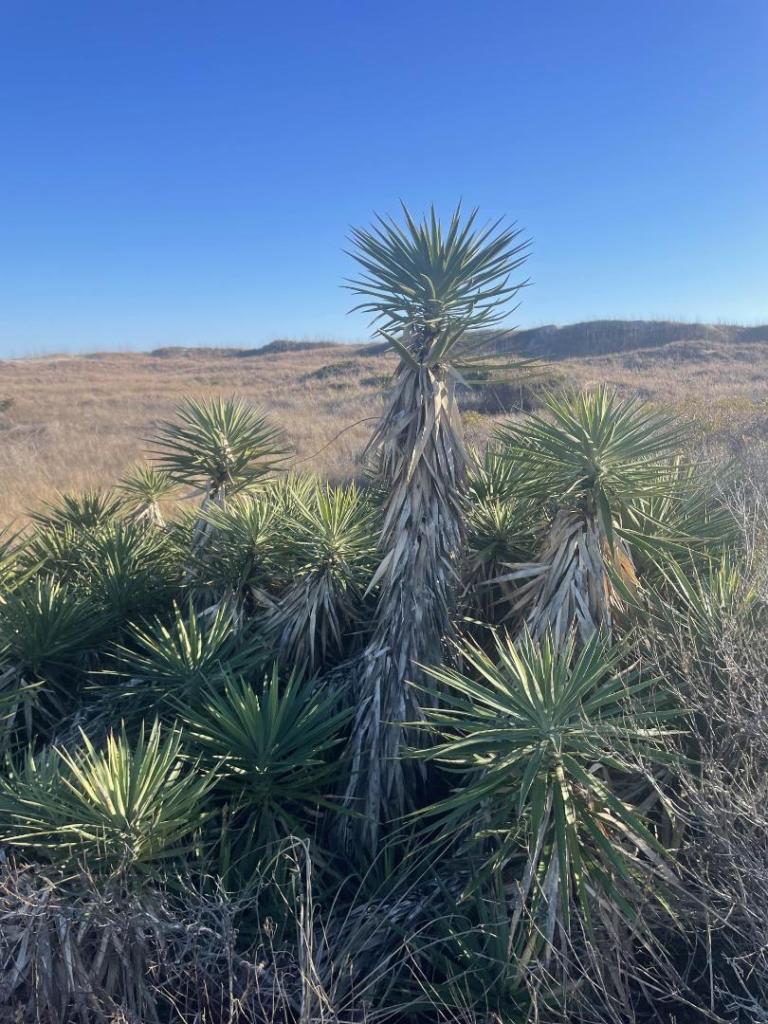






 7 points
 -
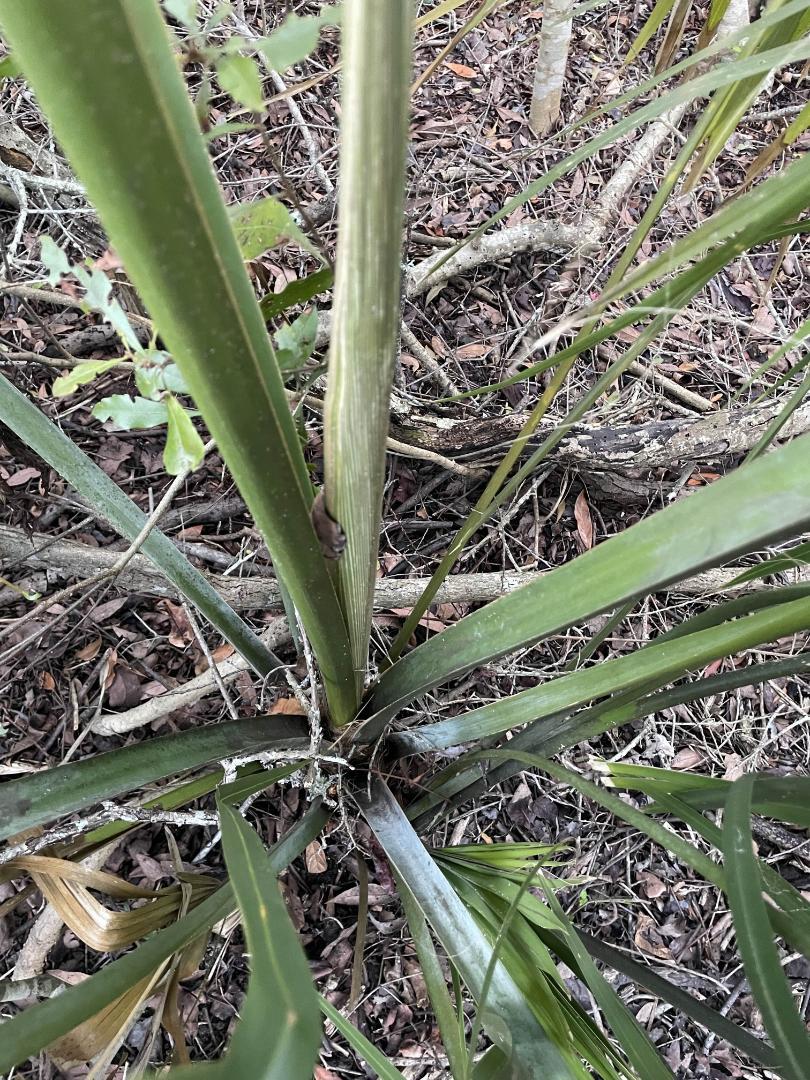
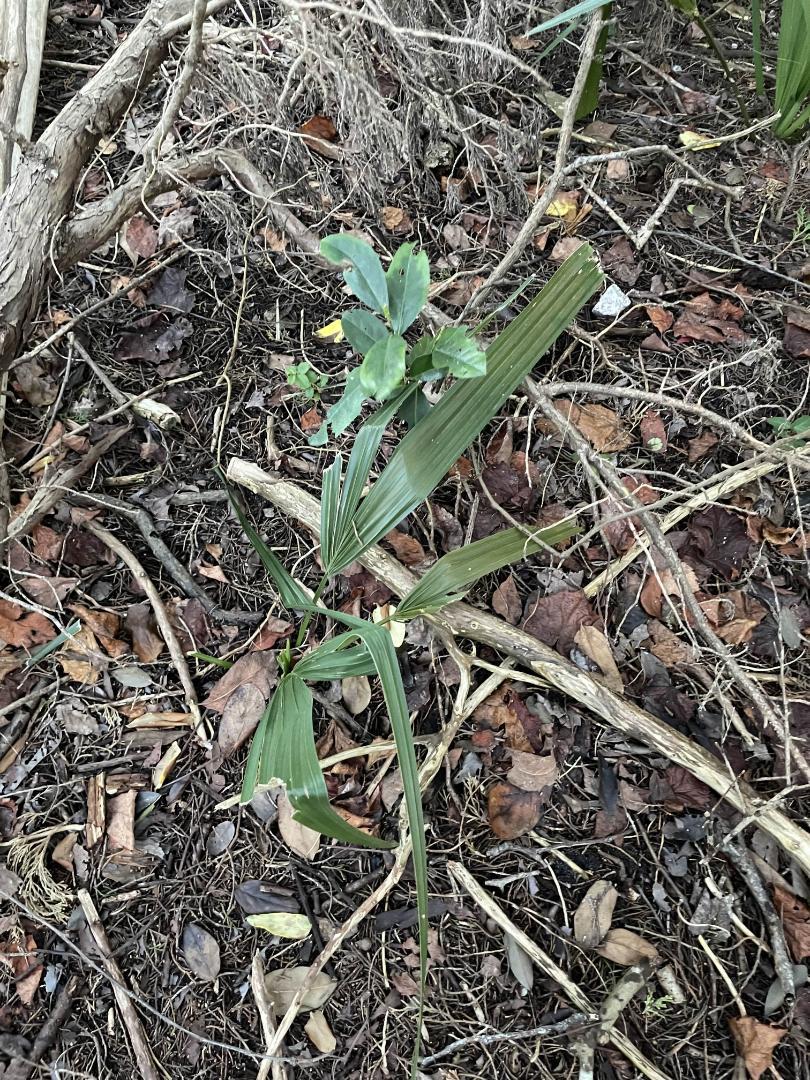
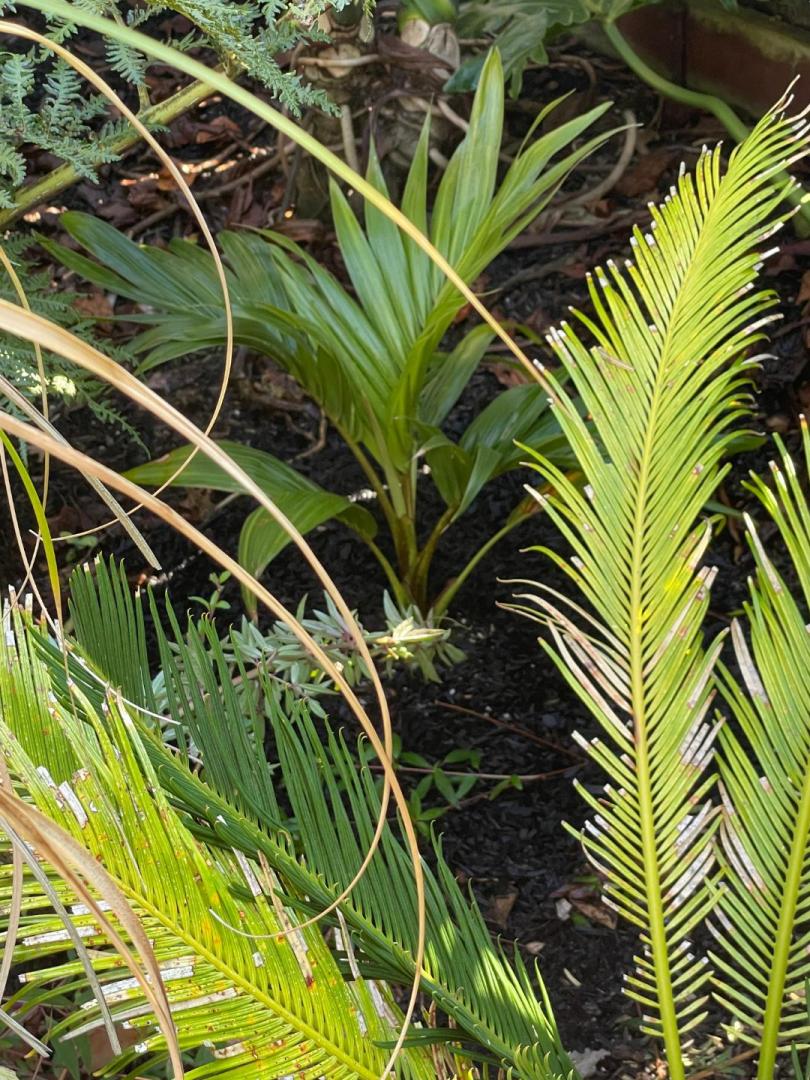
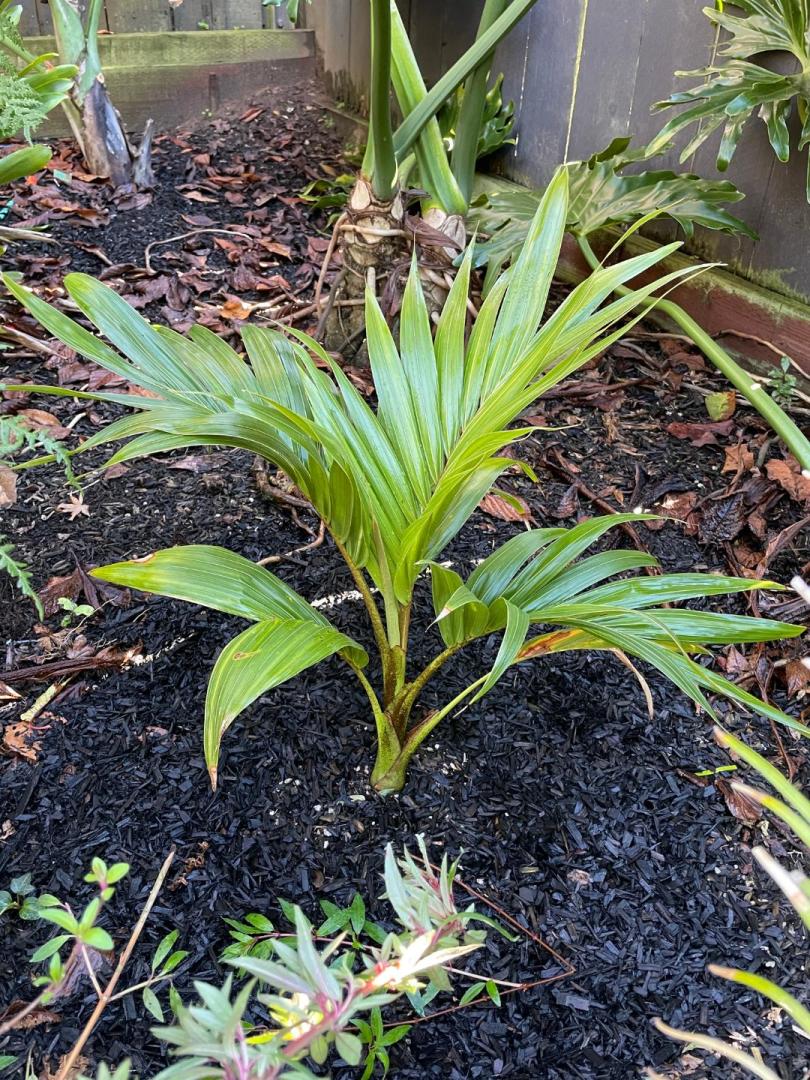
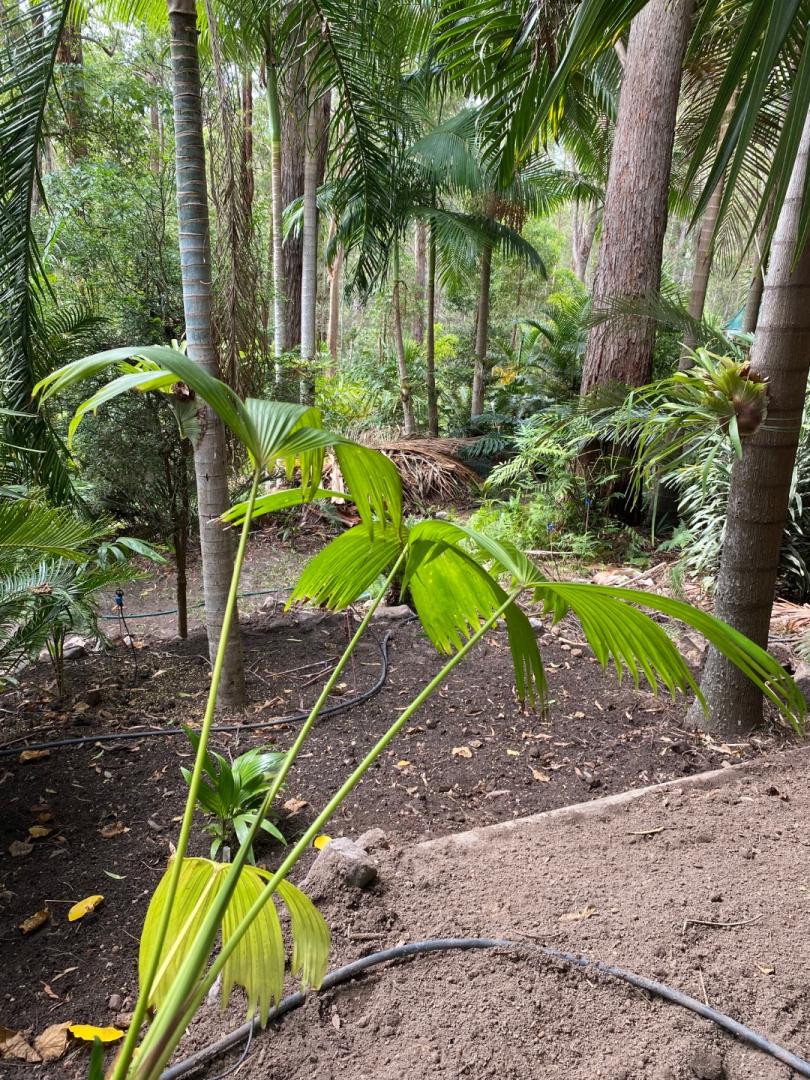
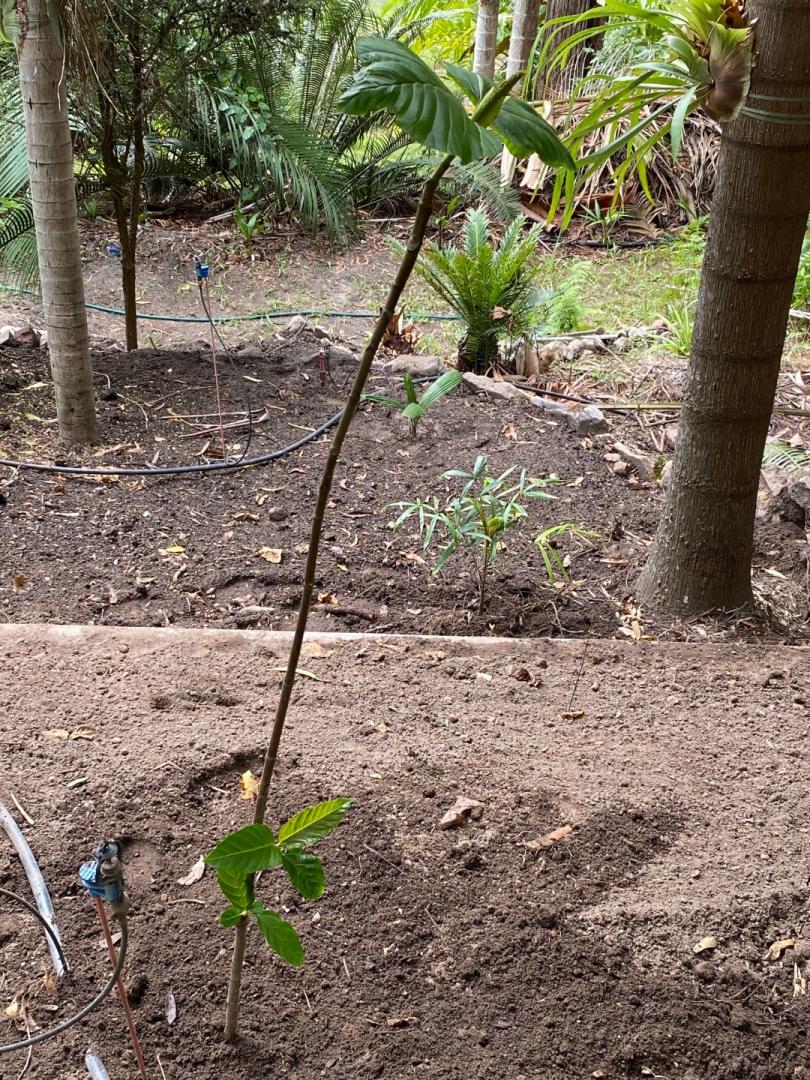
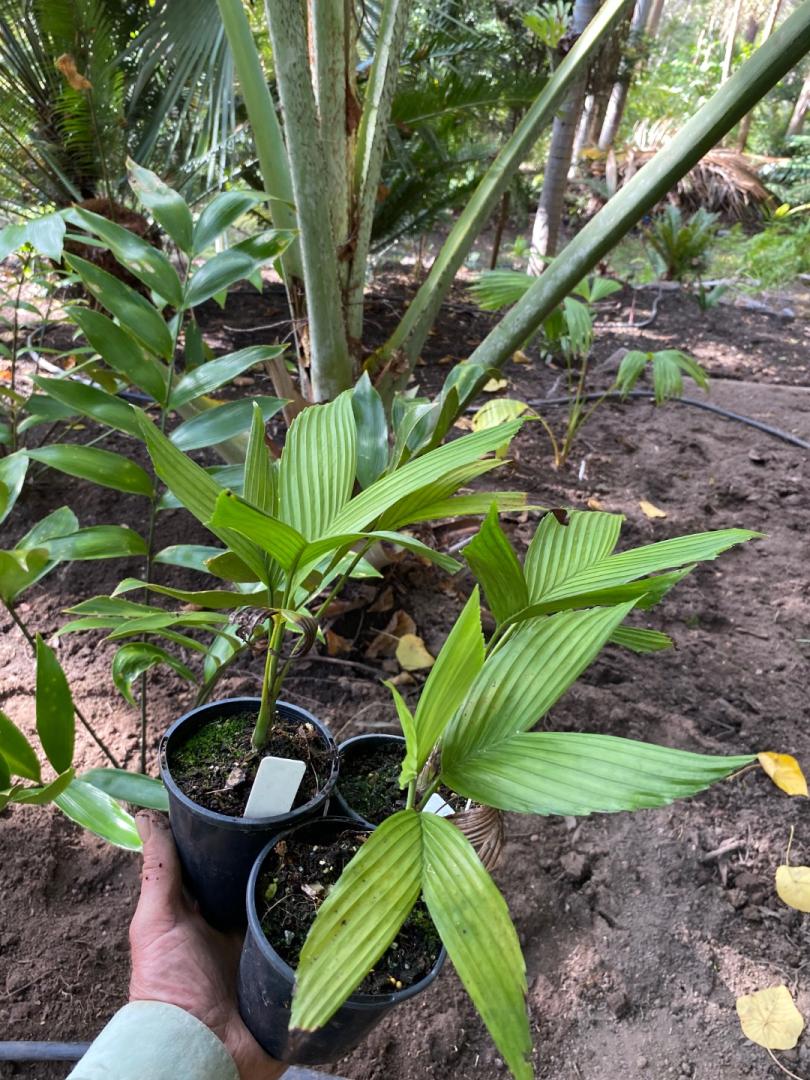
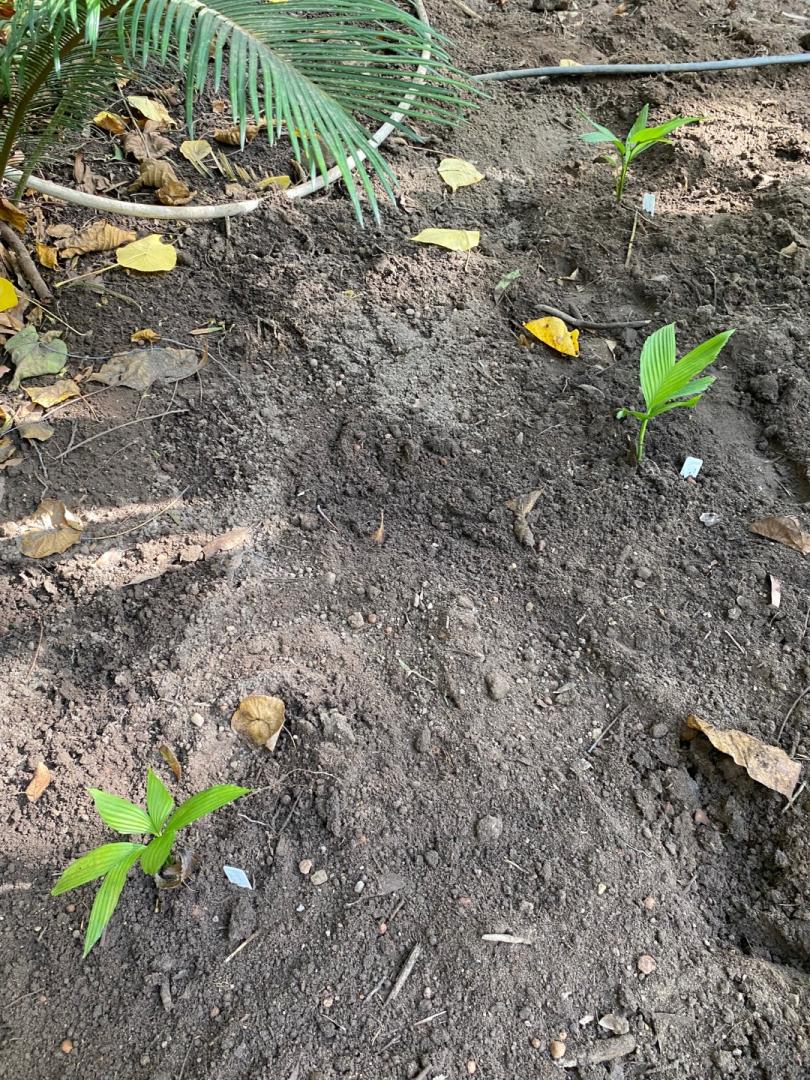
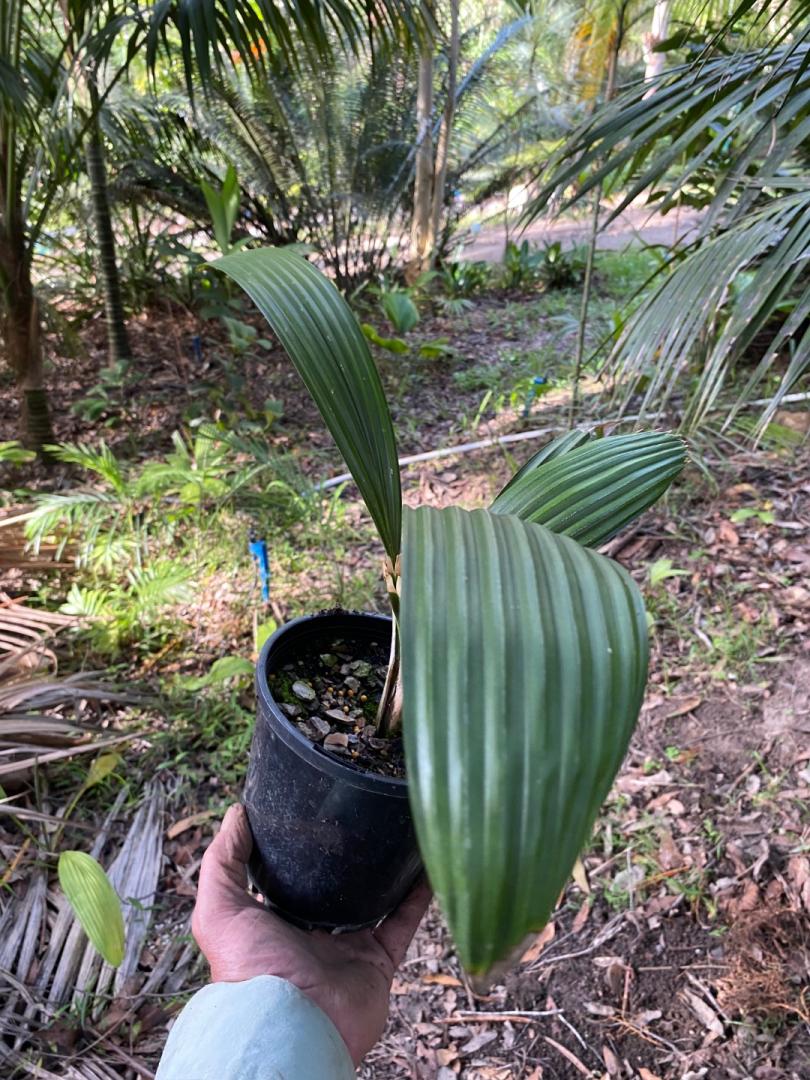
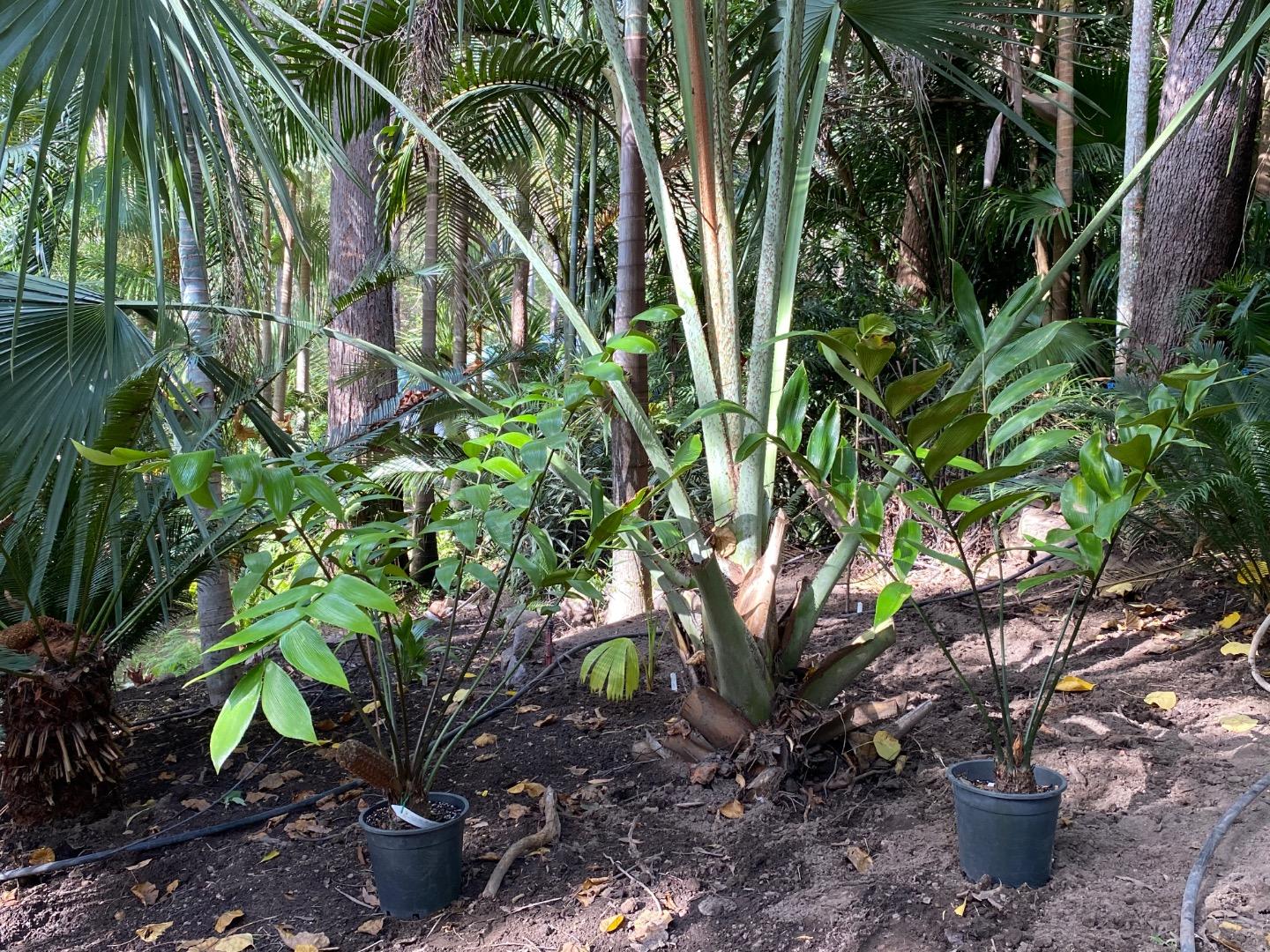
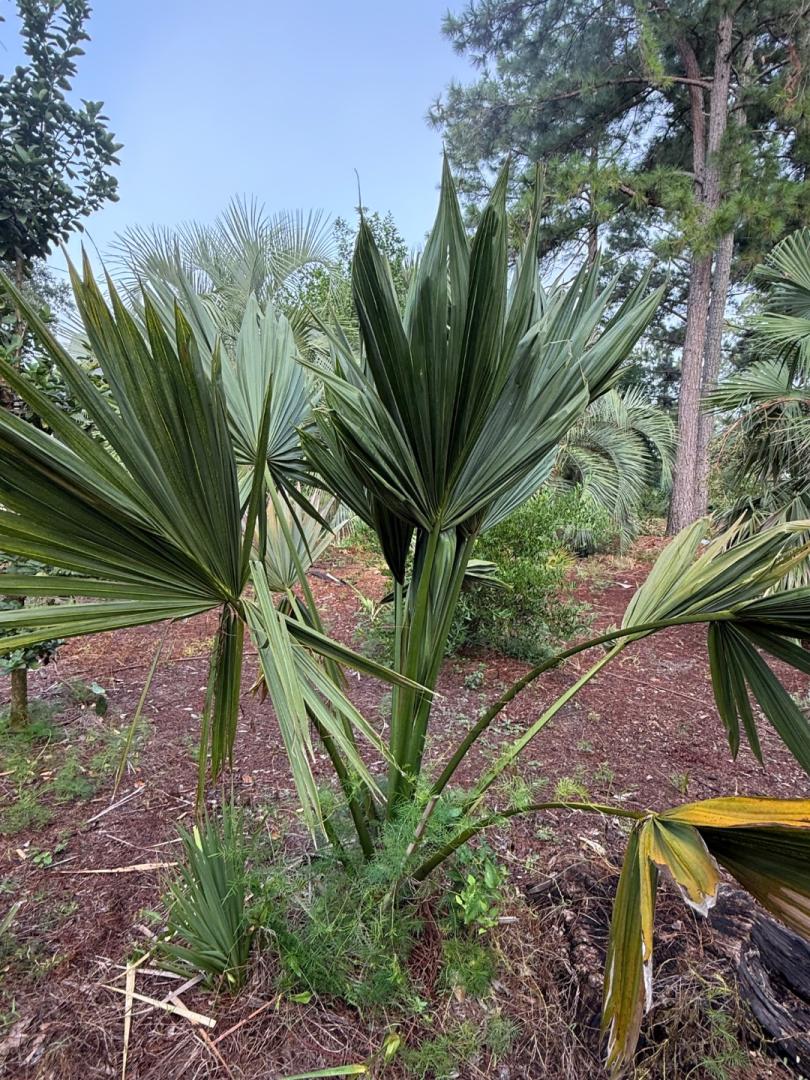
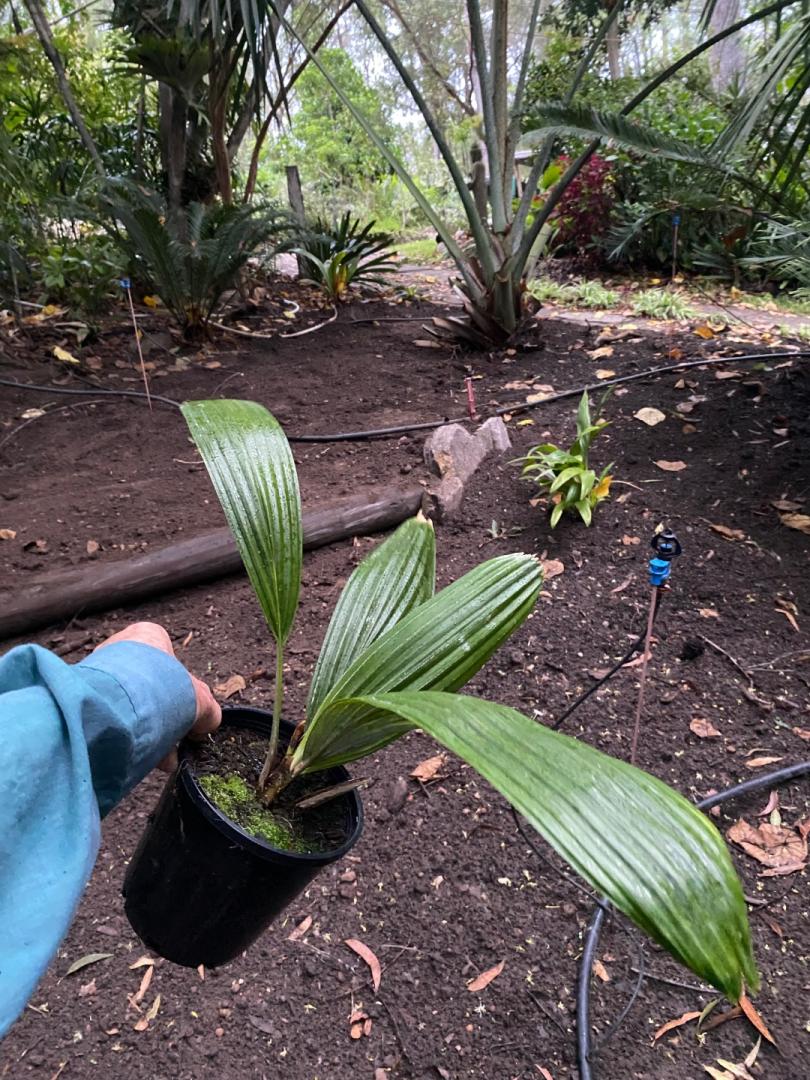
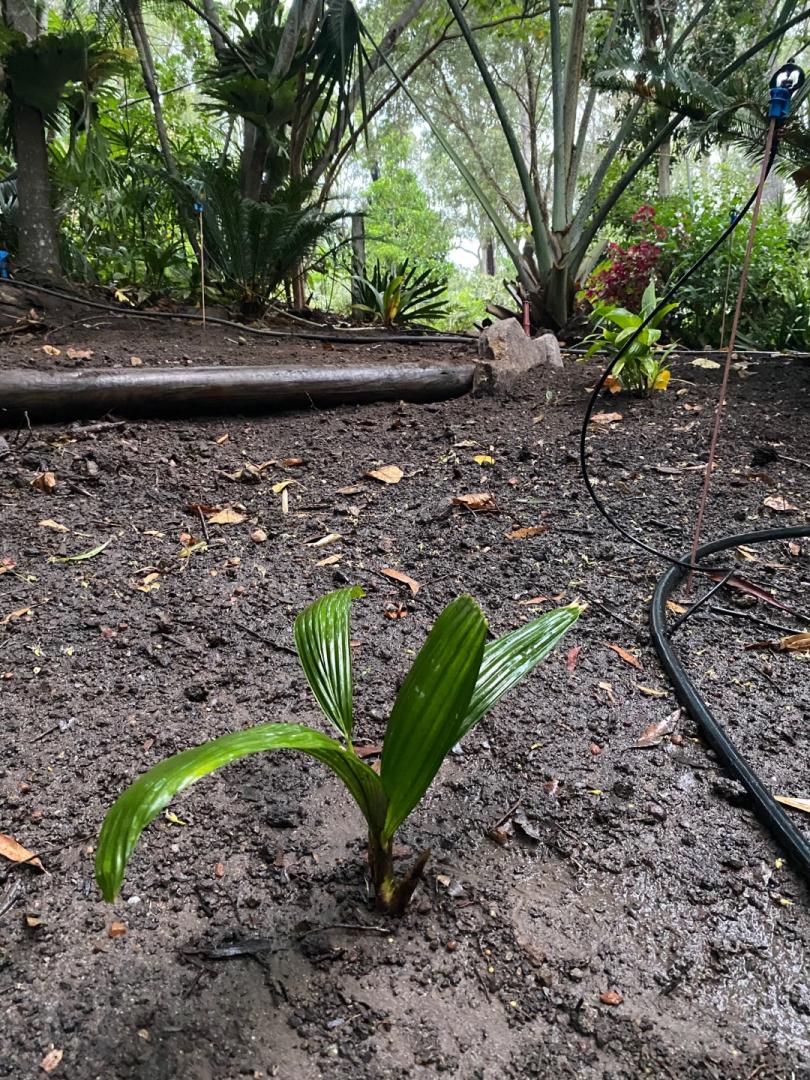
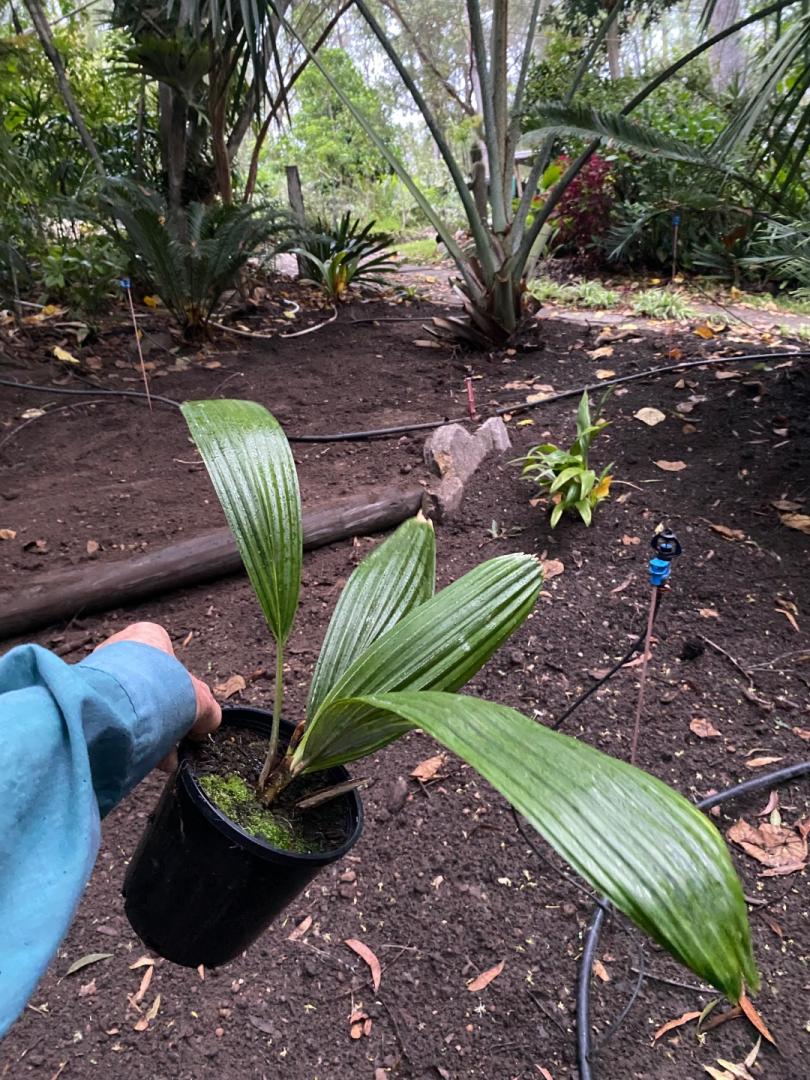
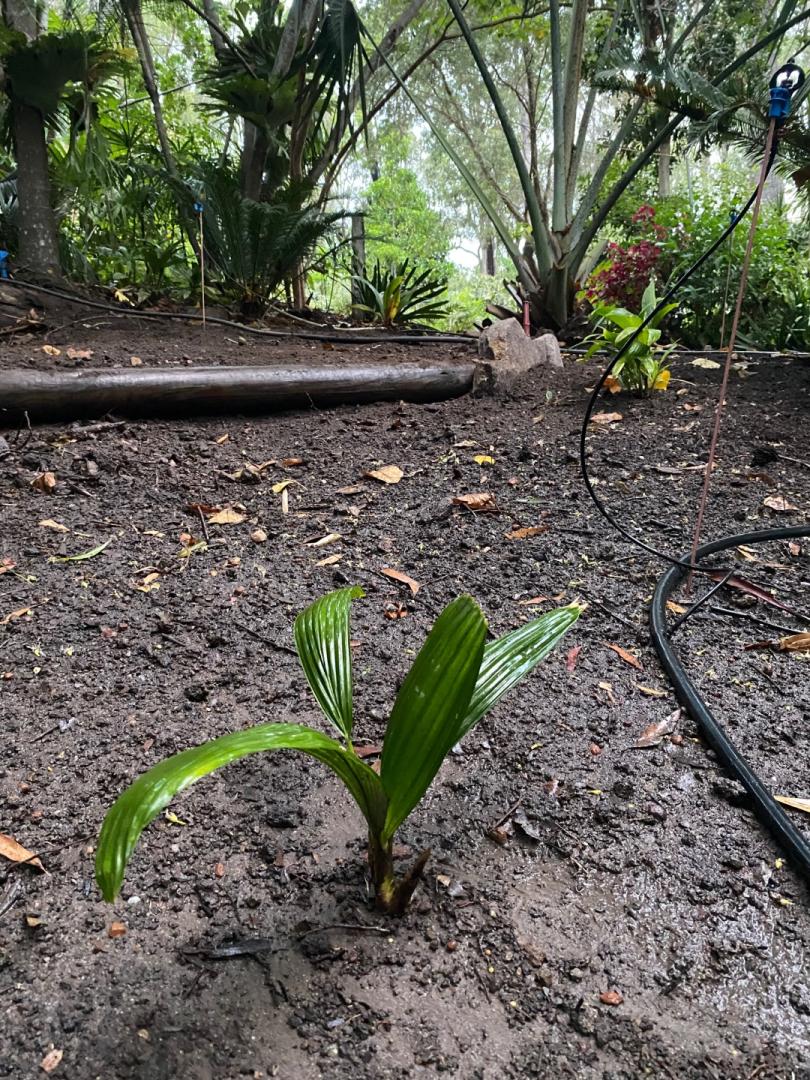
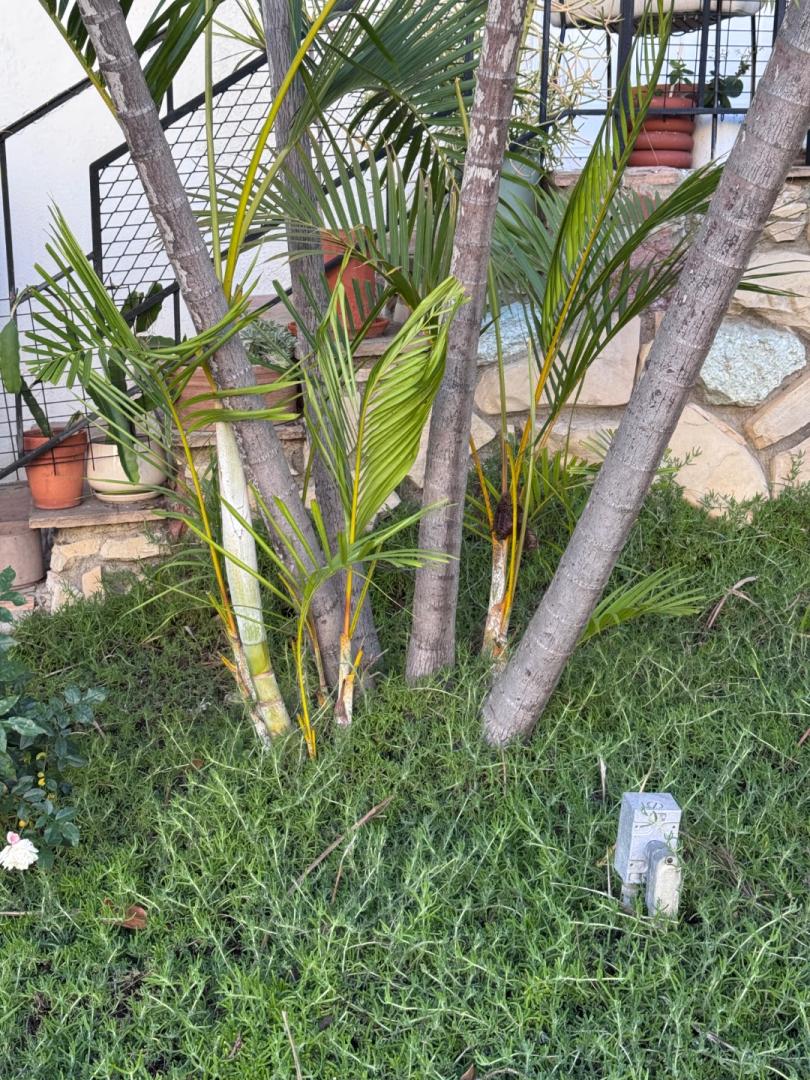
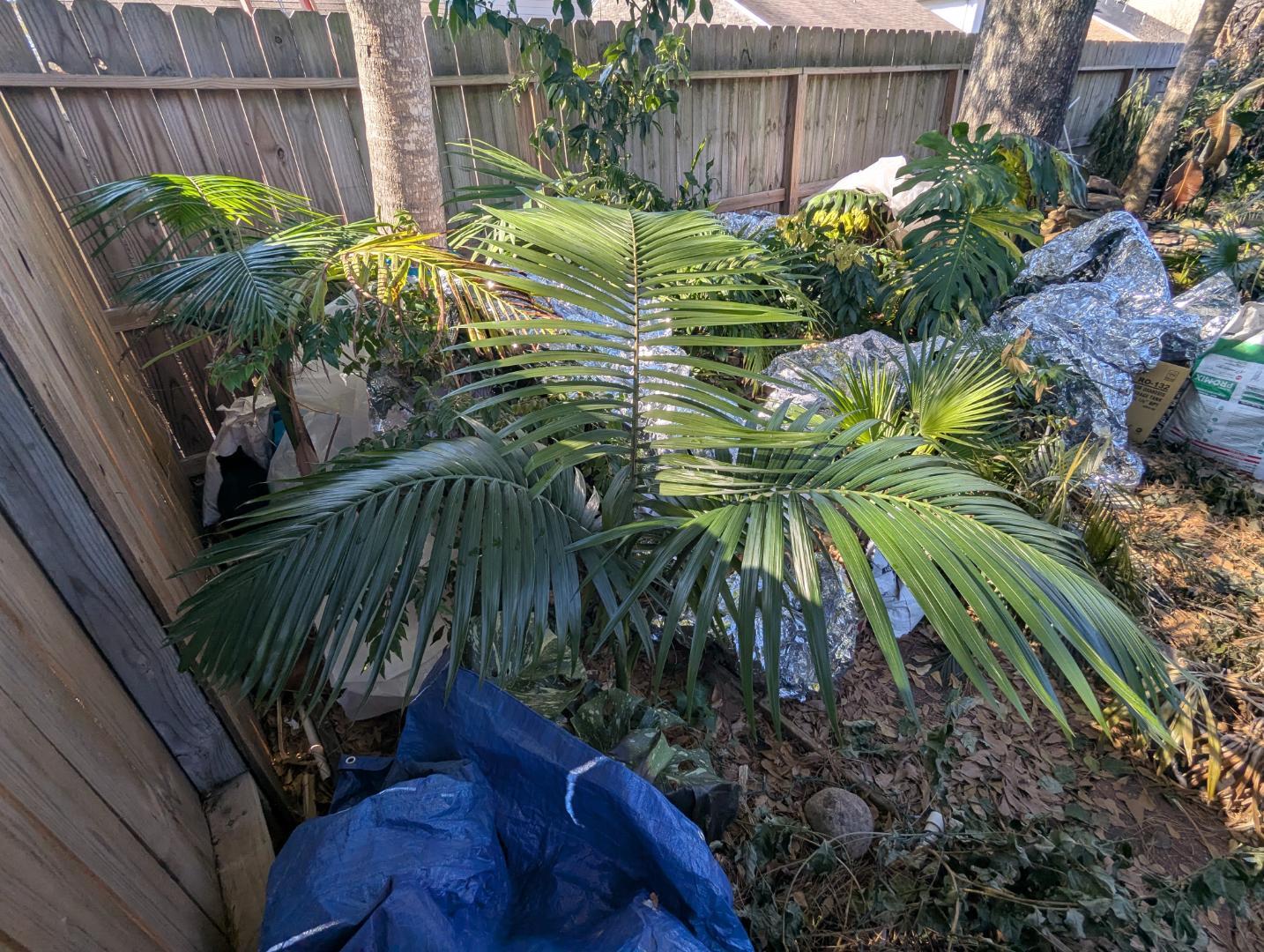
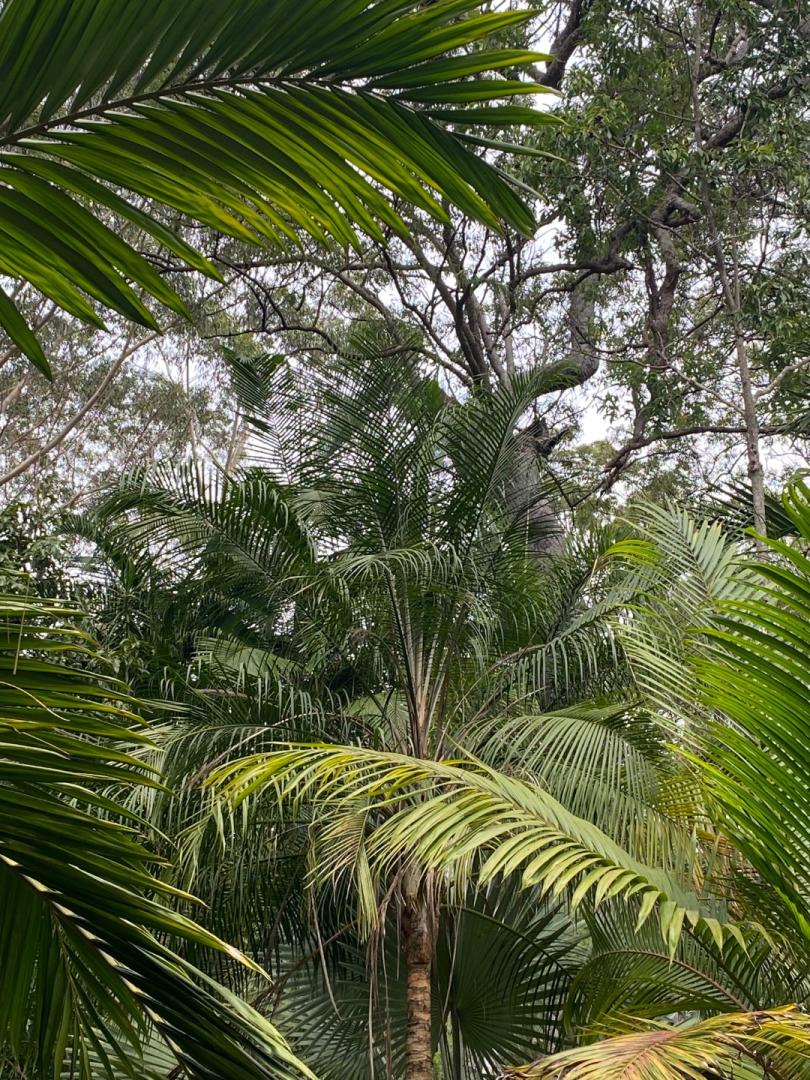
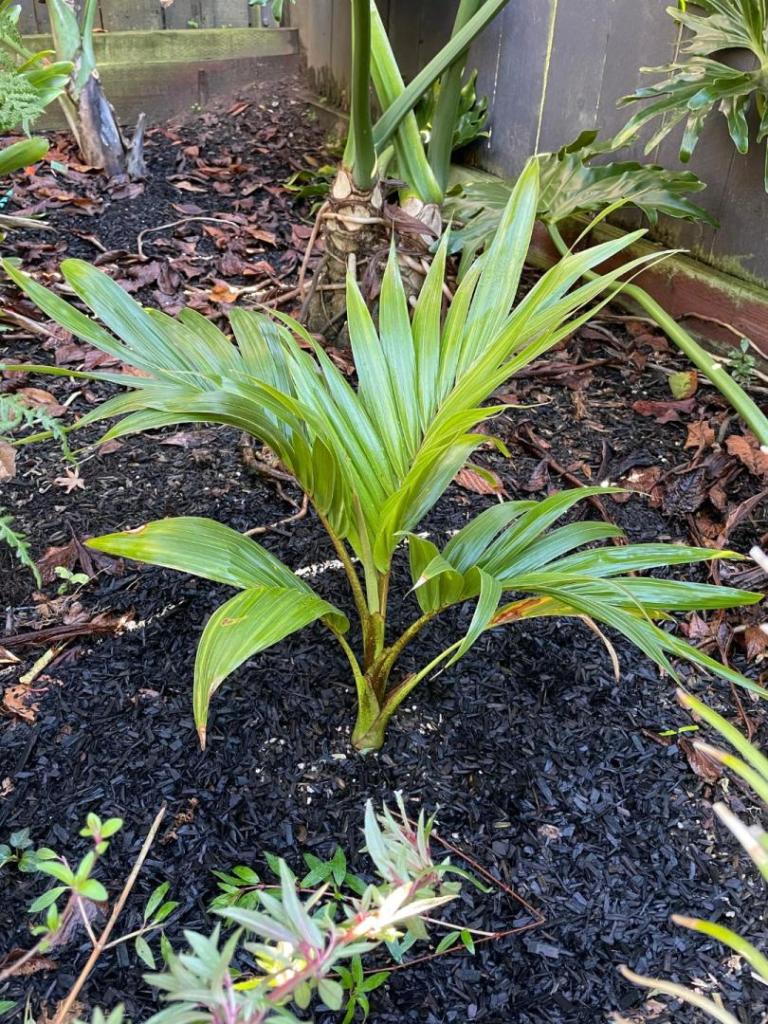
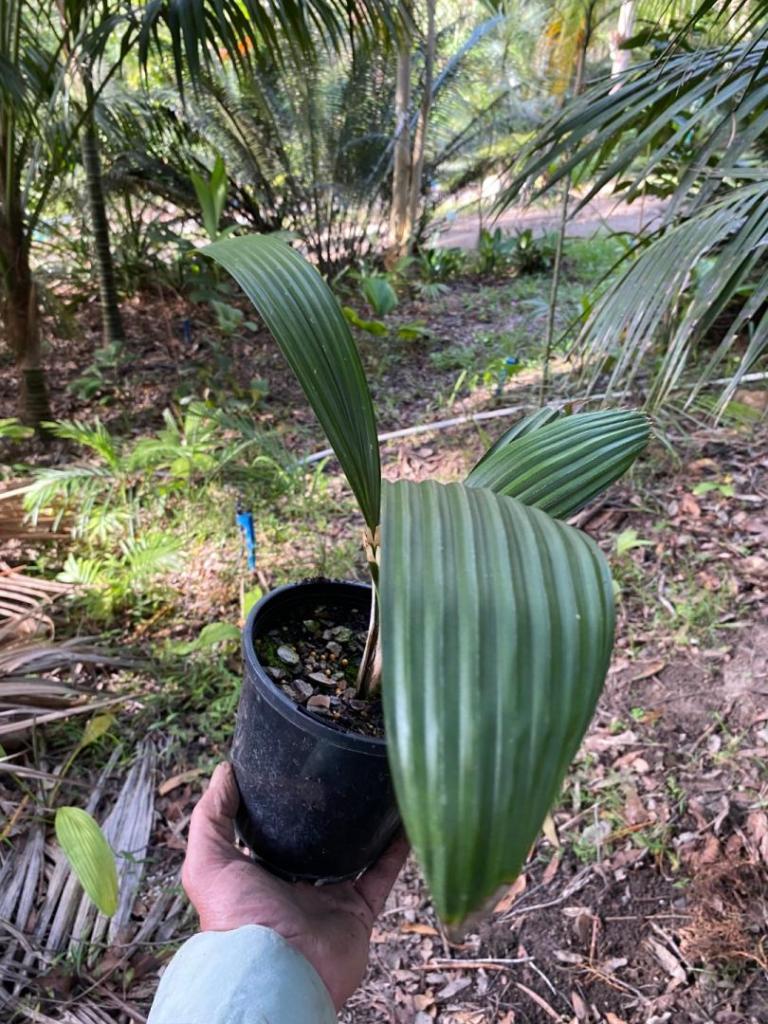
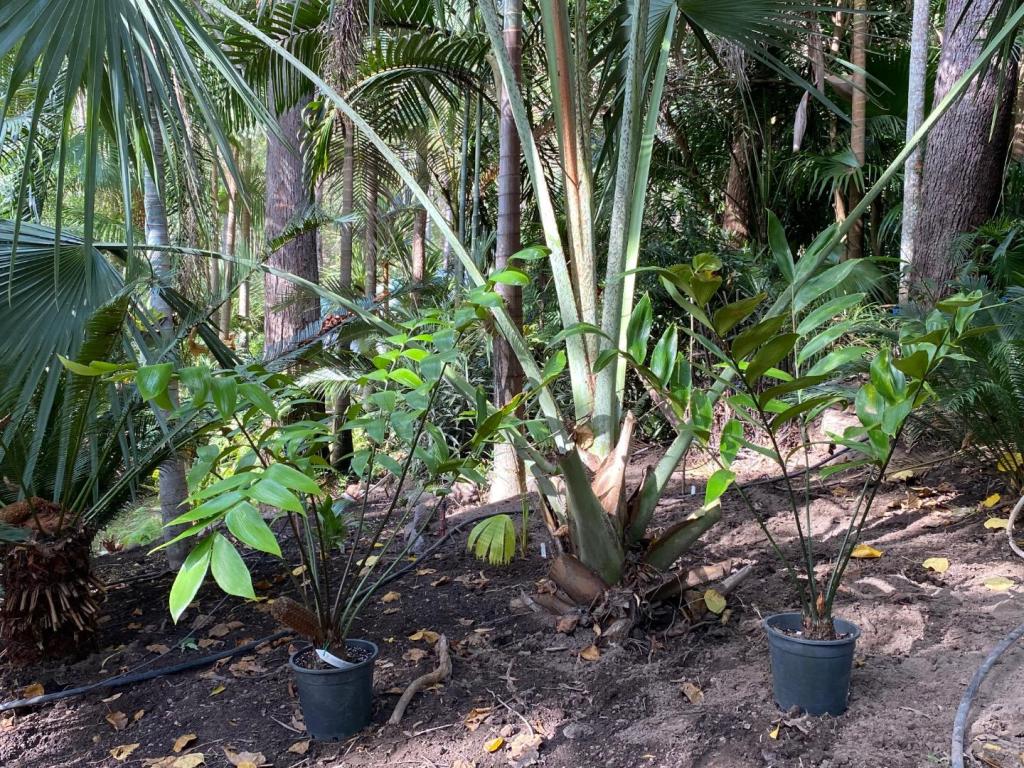
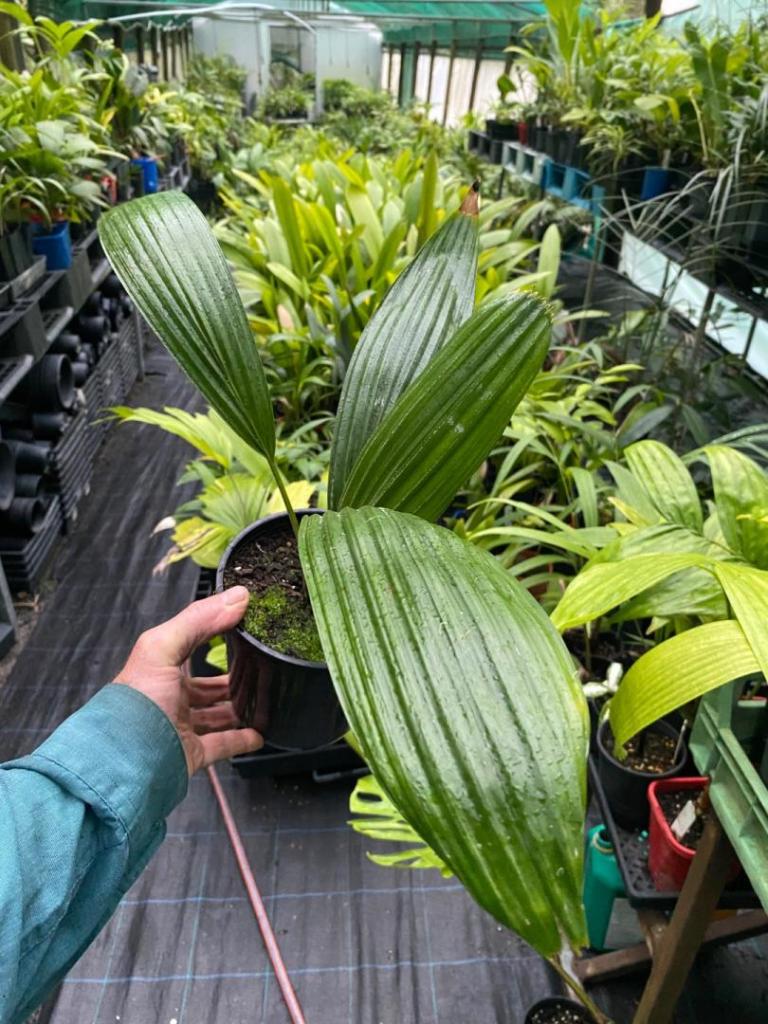
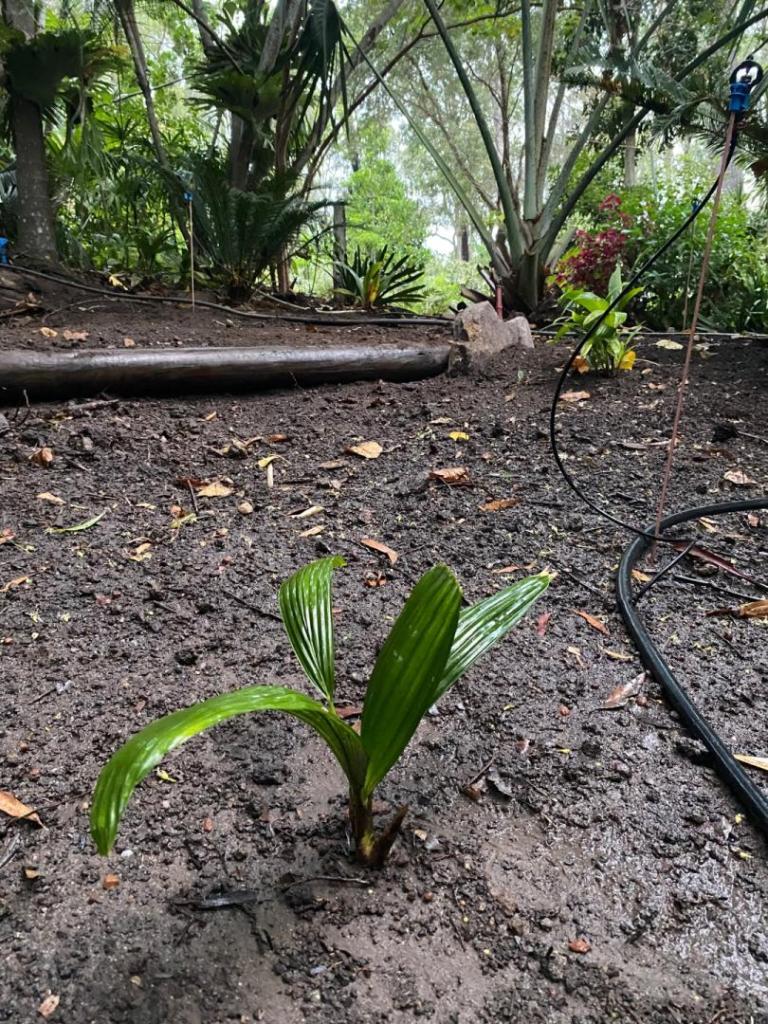
I went ahead and put the Lepidorrachis in the ground today, since the weather dial in CA seems to be permanently set to "warm/sunny". I chose the more sheltered spot. It'll remain in good shade throughout the year and I hope it will do well. The trunk at the top left of the second photo is cousin Hedy.

 7 points
 -
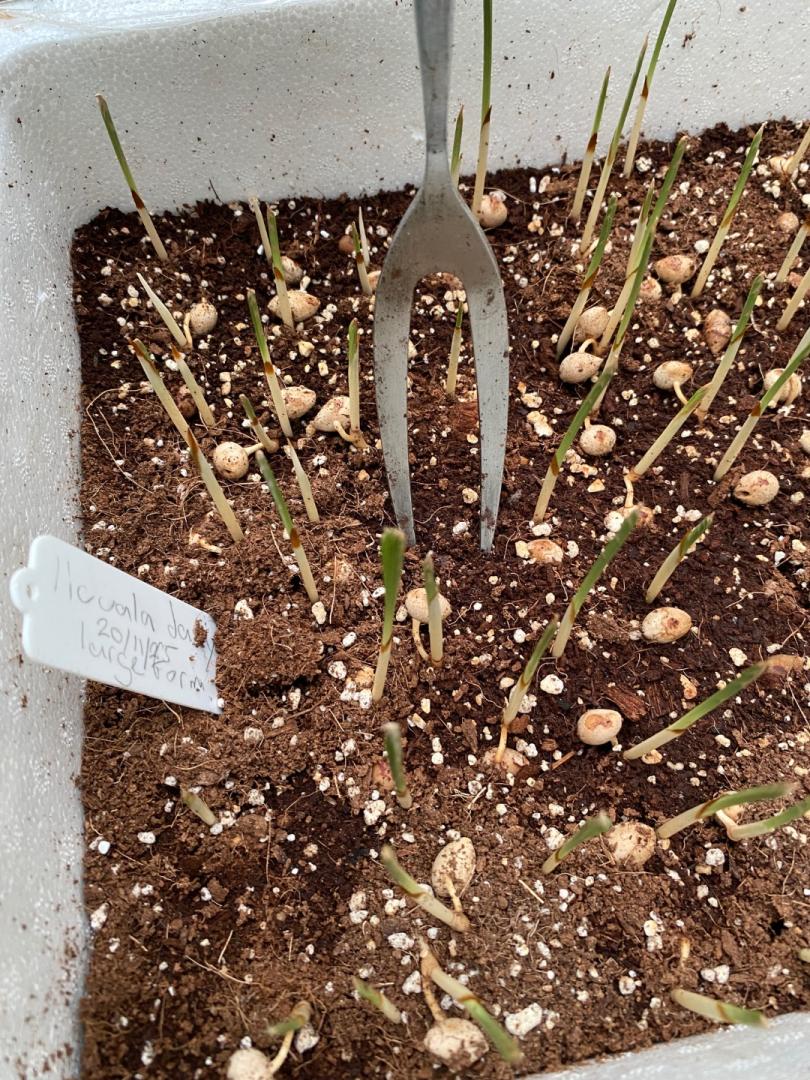
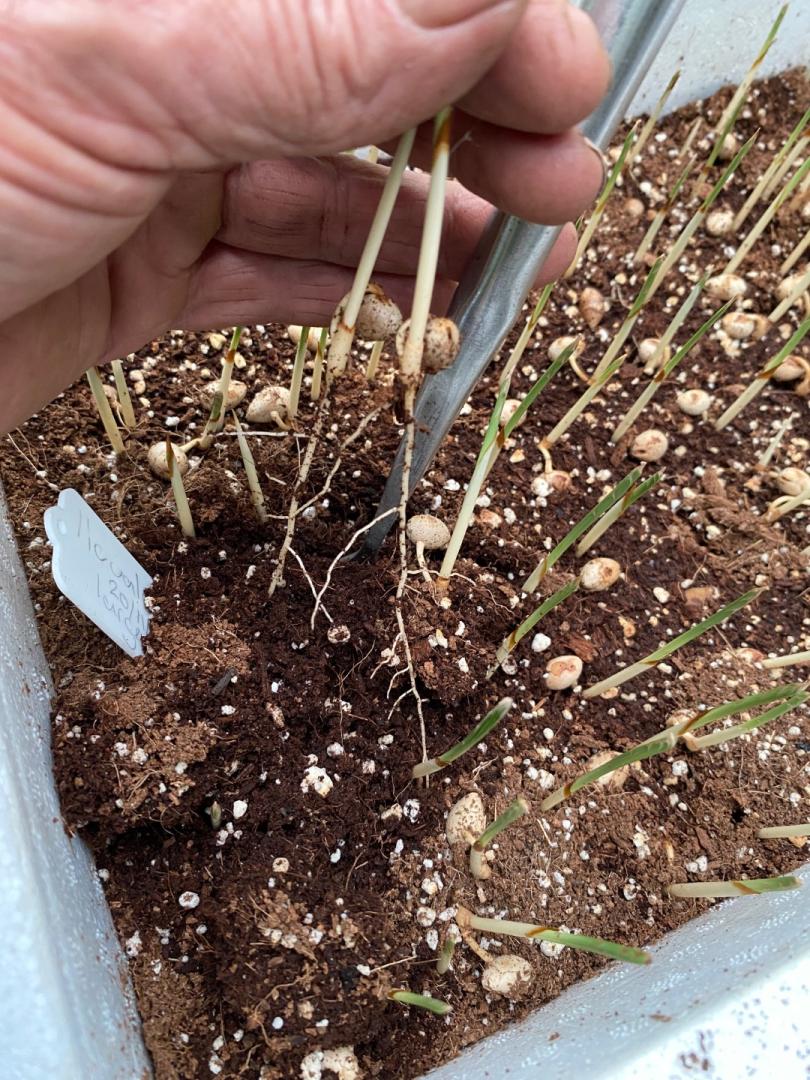
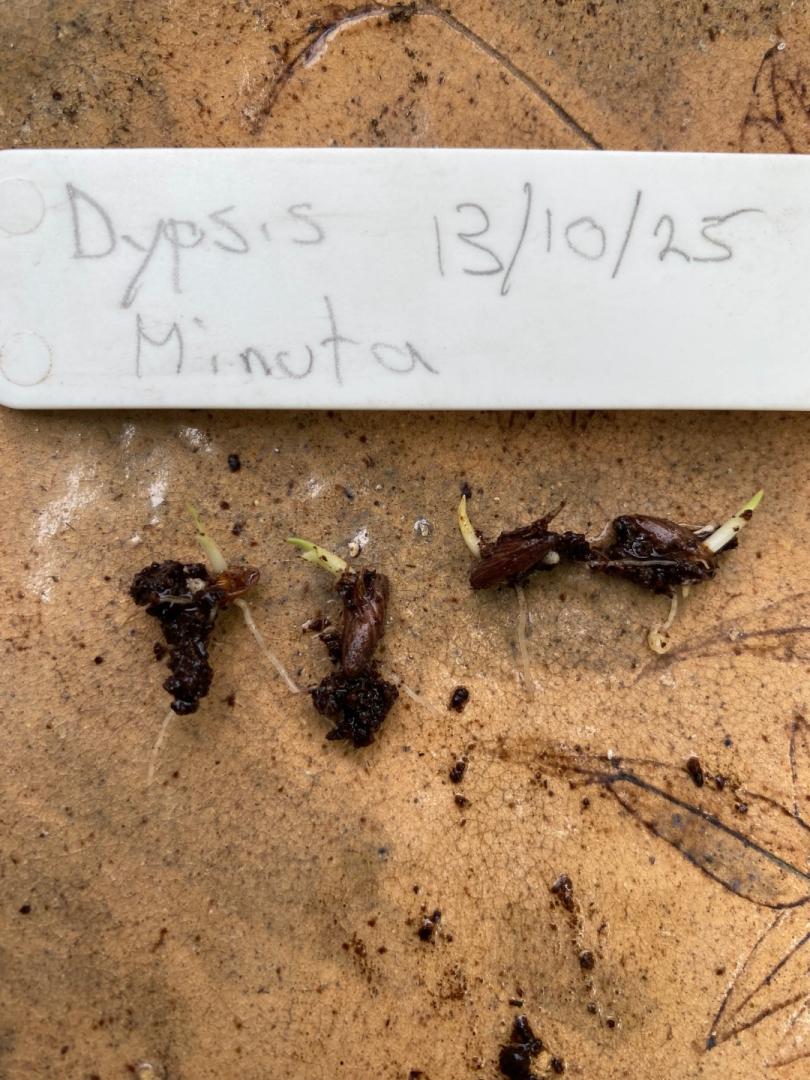
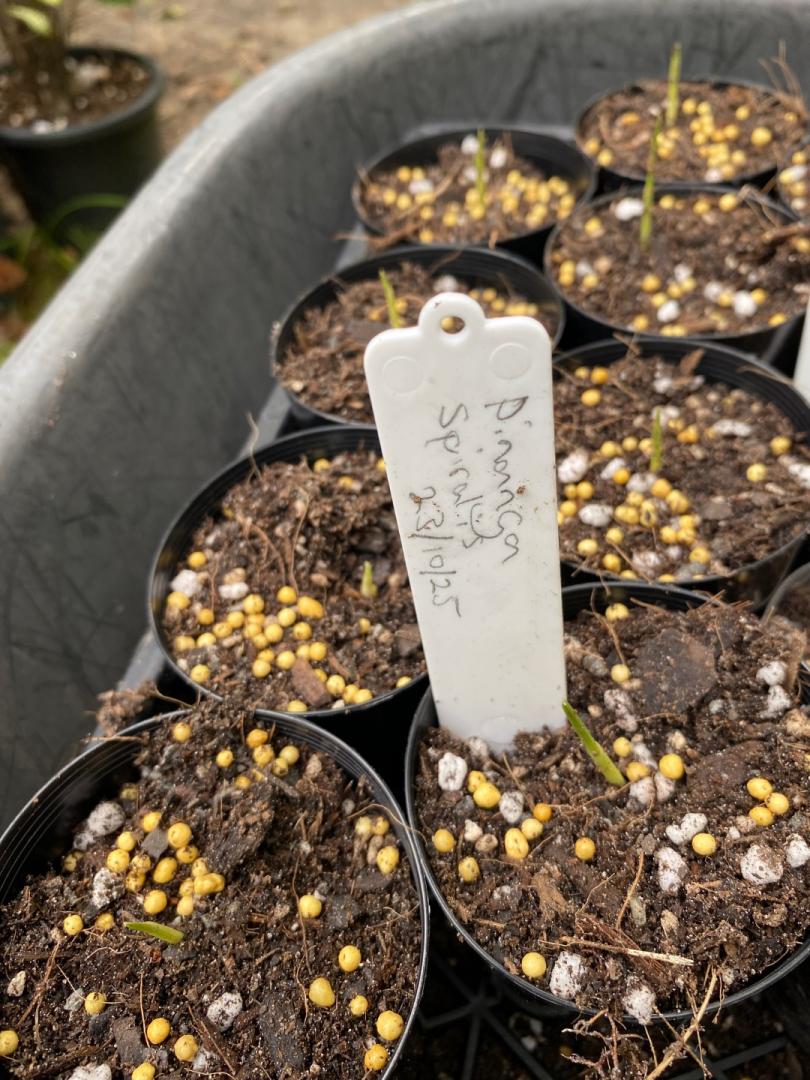
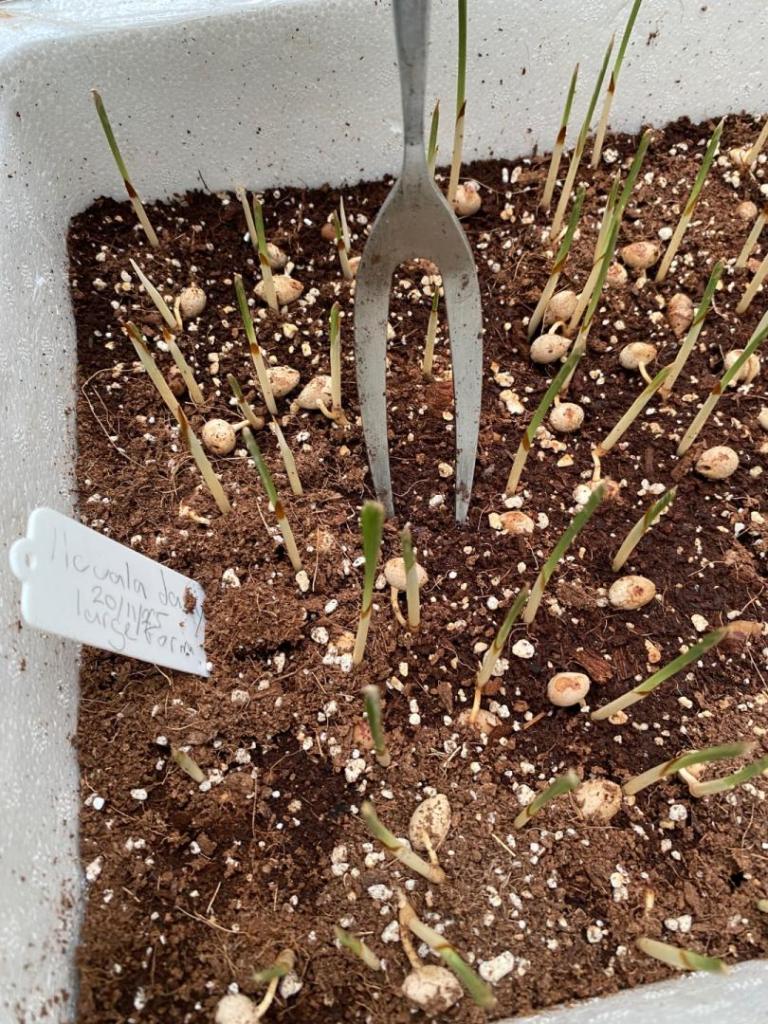
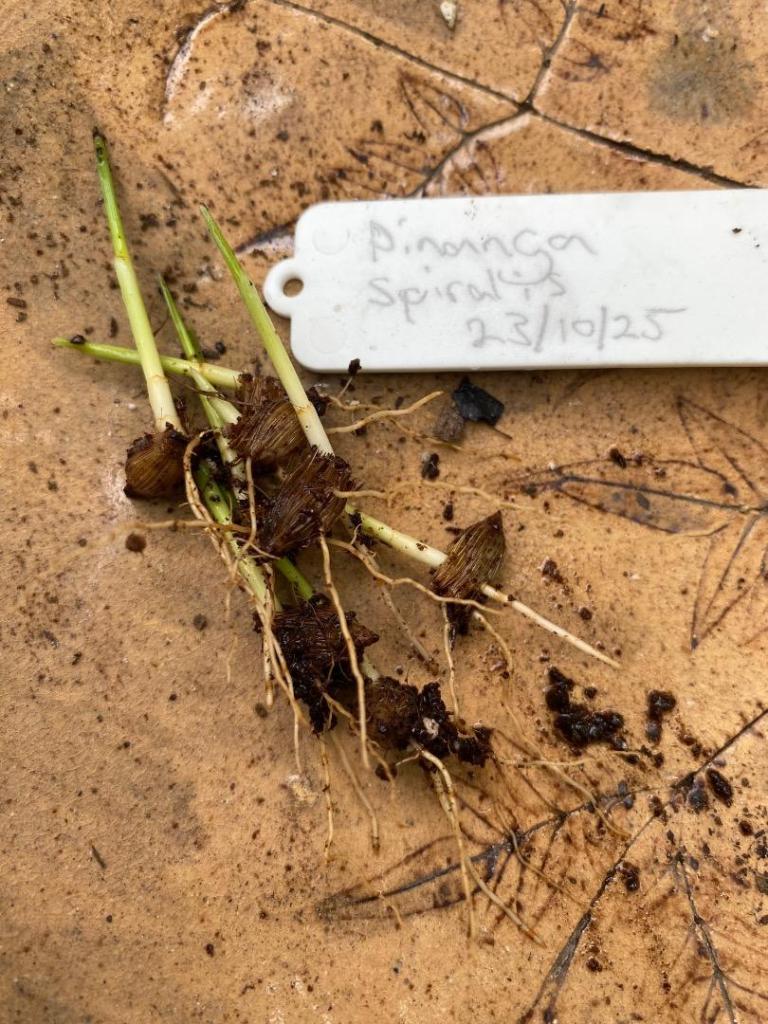
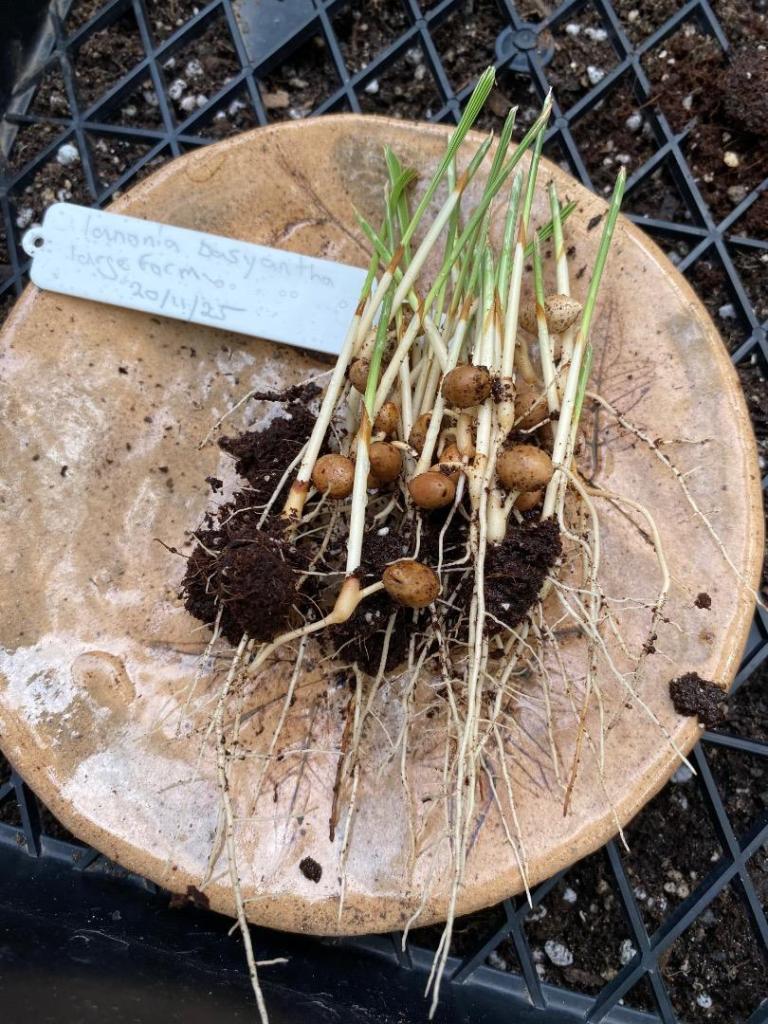
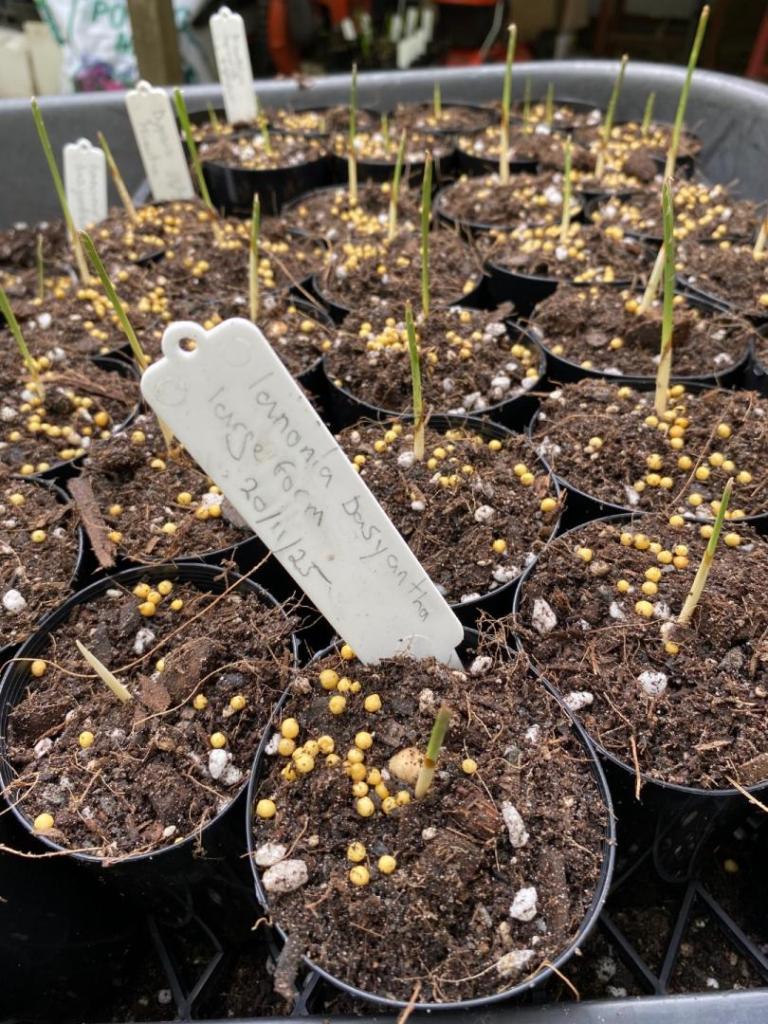
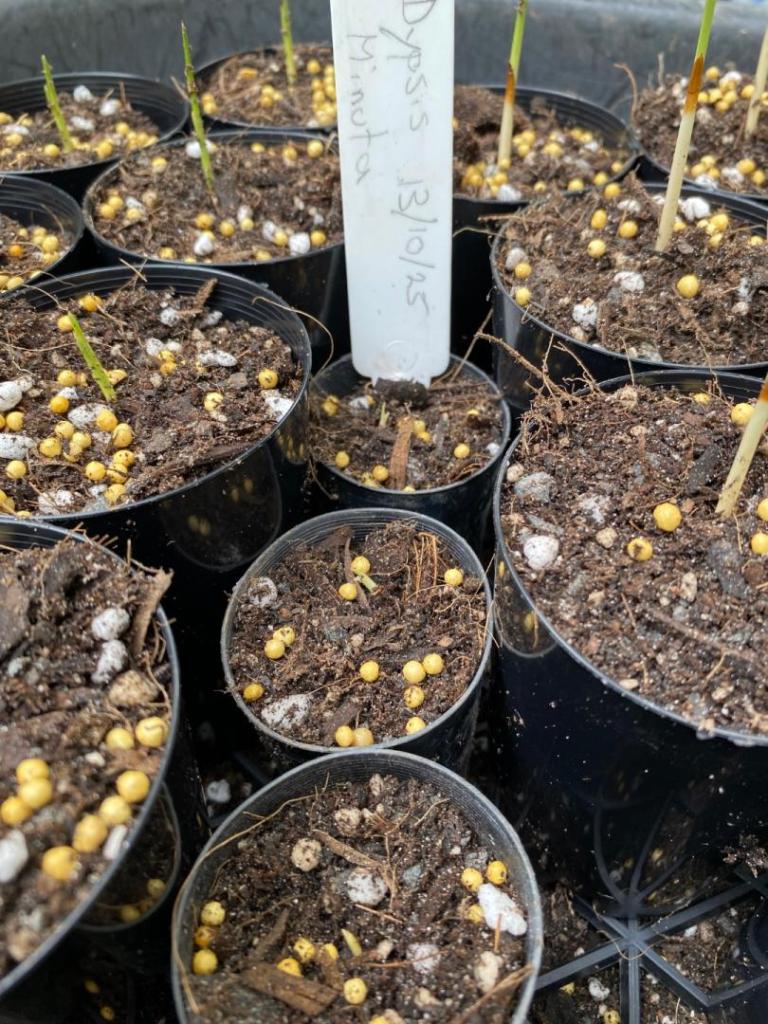
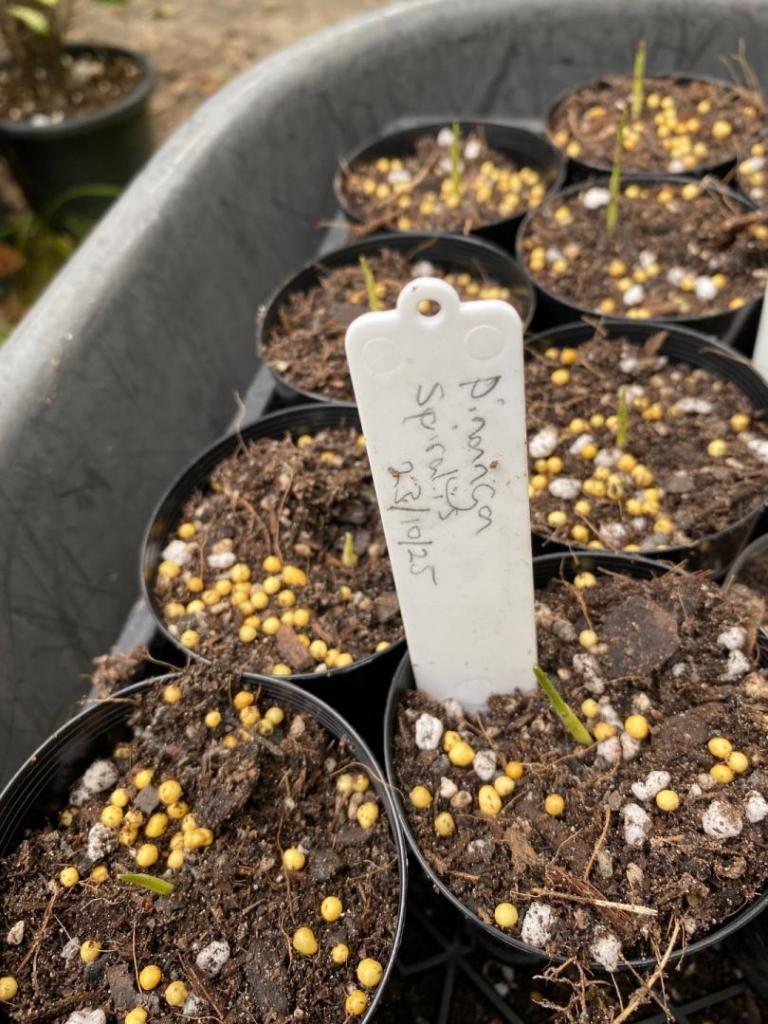
A few more germinated seeds that need to be potted up. Lucked up with a few more dypsis minuta popping up. A good germination rate on the large form dasyantha and a few Pinanga spiralis. I used a fork to tease the seedlings out and will repot the rest the next chance I get, I hope this helps @Than it’s an easy process just don’t fuss over them.


 6 points
 -
Houston isn't anywhere near the latitude of central Florida or Orlando. It falls right around St Augustine and long term is pretty analogous to that region of northeastern Florida. All time record lows in the 1980s and 1890s are very similar in Houston-Galveston and Jacksonville-St Augustine. A 2021 event in Florida would have snow on the ground in Jacksonville for days with consecutive freezing hours numbering in the days, not hours. With a low somewhere in the low-mid teens. The January 2025 snowstorm that nuked Louisiana through to the western FL Panhandle was pretty similar. Florida really starts to diverge temp-wise relative to latitude deeper in the peninsula with increasing water moderation. Roughly around a line from Daytona to Ocala to the Gulf +/-. All places south of there are warmer or much warmer than the equivalent latitude in TX. Nothing to debate there. Extreme southern Texas might draw comparisons to central Florida, not Miami. Miami/southeast Florida especially is crazy crazy warm, one of the most anomalously warm places on earth. It's warmer there than 21-22 degrees latitude in Mexico along the Gulf, coastal Vietnam at 18 degrees latitude, etc. A continental location at 25-26 degrees latitude with a nearly 70 degree average mean temp in January is absolutely bonkers. Some winters don't even drop below 50F. Don't want to detail this thread into some climate debate comparison. Hopefully winter is over for all of us!6 points
-
For the overnight of Feb 1st: South Florida is protected by a lot of nearby water and the Gulf Stream. The all time record low for Brownsville TX is 12F and for Miami and Fort Lauderdale is 28F, both records in the distant past. We bottomed out at 35F, or so, for maybe an hour in the AM here this time. The predominant plants are quite tropical here, and at those temps, some did take damage, though not severe. (Jensen Beach, FL hit 29F for this event)6 points
-
So it looks like I took a severe hit. Just got home and of course it's dark out, but overall, it doesn't look good from a first inspection. So we hit 26f for around an hour and were under 32 for about 11 hours. The second night, we dropped to 31 for maybe 30 minutes. So here are some data points for anyone curious: The coconut looks like it just took a severe beating. Still has green ribs on the fronds but the leaflets are mostly browned out. Certainly losing all the fronds. Can't tell what the spear looks like at this point. Hate that I have to ask, does any green on the palm mean it's heart is still beating? Maybe there's a chance??? Archontopheonix Alexandrae: this is a small palm, maybe 2 ft of trunk. Totally browned out. Archontopheonix Tuckeri: these were next to a big boulder wall but without much of a canopy. 2ft of trunk. They look great, very little yellowing. Buccaneer palm: this guy was out in the open and took this like a champ. Looks great. We'll see how it looks in the daylight but I'm seeing very little bronzing. One of the top performers for sure. Dypsis pembanas: I have a lot of these. Some bronzed a bit but doesn't look bad. Most of them look really good. I think the clumping ones handle these cold spells the best since the sheer volume of tightly packed fronds help protect each other. They handled this probably the second best to the Buccaneer. Dypsis lutescens: I have a lot of these as well. They did well, also heavily clumped so they managed things just fine. Some bronzing to the exterior fronds that were exposed the most. Some variety of a Christmas palm: didn't do very well, think I Iost these (2). 8ft trunk and 3ft trunk. Keptiosis olivformis: these are big specimens, trunk at least 15 ft. I have 5 of them. One was heavily exposed to the wind and looks really beat up. Lots of bronzing but still plenty of green. 2 that are protected by some bamboo and the side of the house look unscathed. 2 more that were not as well protected but not totally exposed look to be bronzed but ok. They should be able to push through. Areca vestiaria: this little palm doesn't do much growing for me but it didn't skip a beat. I was very surprised to see it not browned out completely. But it looks just as good now as it did before the storm. Roystonea regia: this one is a big tree with plenty of grey wood, at least 15 ft. Its hard to tell how it did. I can see green ribs but can't get a good view on the frond leaflets. At first impression, it seemed like it was ok but now I'm thinking there's a lot of brown. This one was out in the open and was totally exposed. I'll have to report back. Chambeyronia macrocarpa: got blasted. Green ribs and crownshafts look good but the leaflets are browned out. I had 3 healthy ones and 2 that were struggling from the hurricanes over the last couple years. The 2 that were struggling I think got wiped out. The other 3, maybe a chance. It'll take a really long time though to see this recovery since I only get 3 new fronds a year if I'm lucky. Very sad to see all the years of work wiped out so quickly. But that's the game we play up here in Central FL.6 points
-
Satakentia, trunk is clean, smooth, and straight as an arrow. Looking good in the afternoon sun. Tim
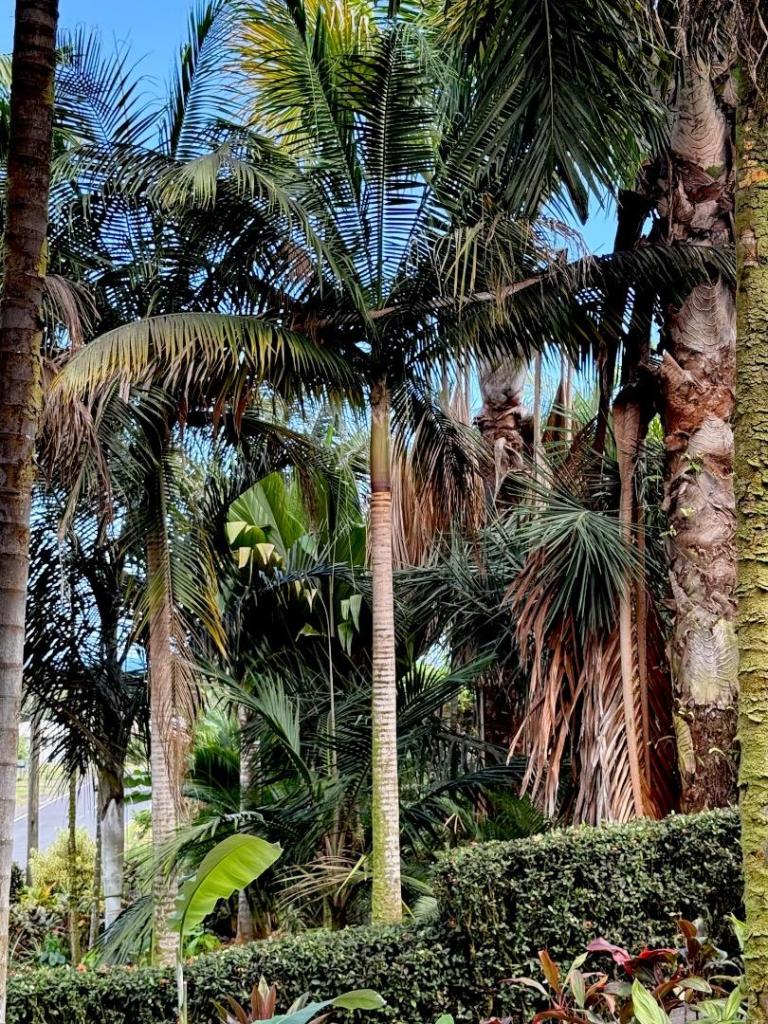 6 points
 -
Throwing em in the ground while the summer heat and rain is about. With so many good plants to choose from and only wanting the best ones for the driveway garden! And i finally got a spot the newly acquired Zamia skinneri. 5 years time should see all the new plants fitting into the garden well. carlucdova palmatadypsis pinnatafrons ficus damearopsis draceana goldieana sabinara magnifica chamaedorea deckeriana


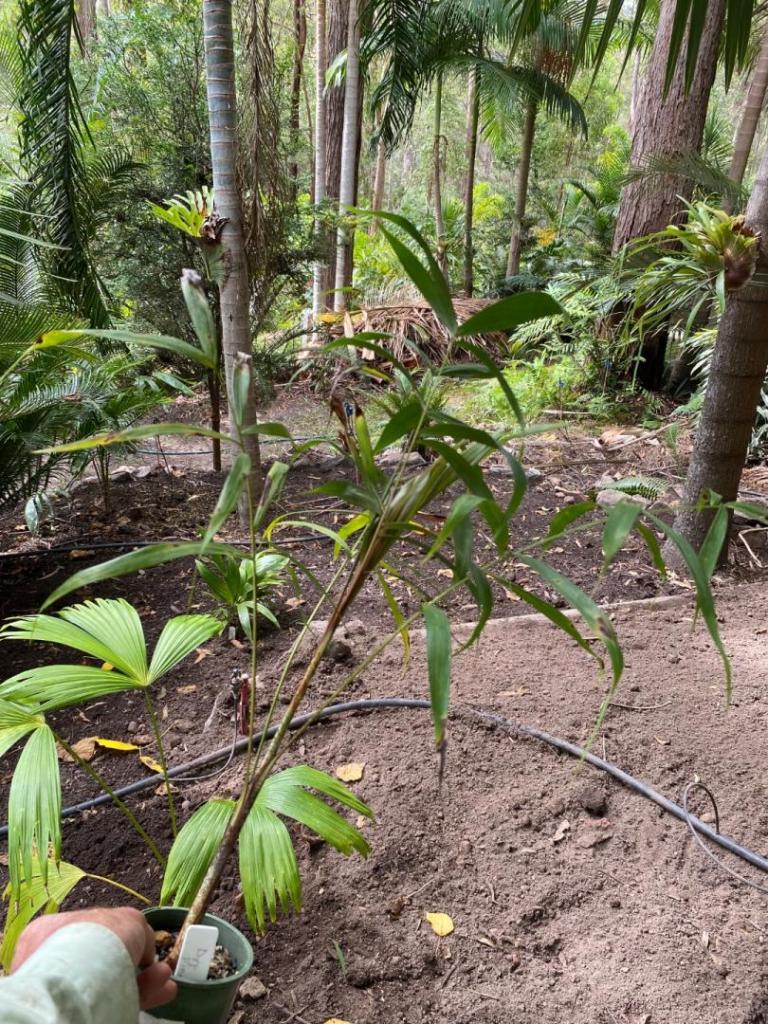
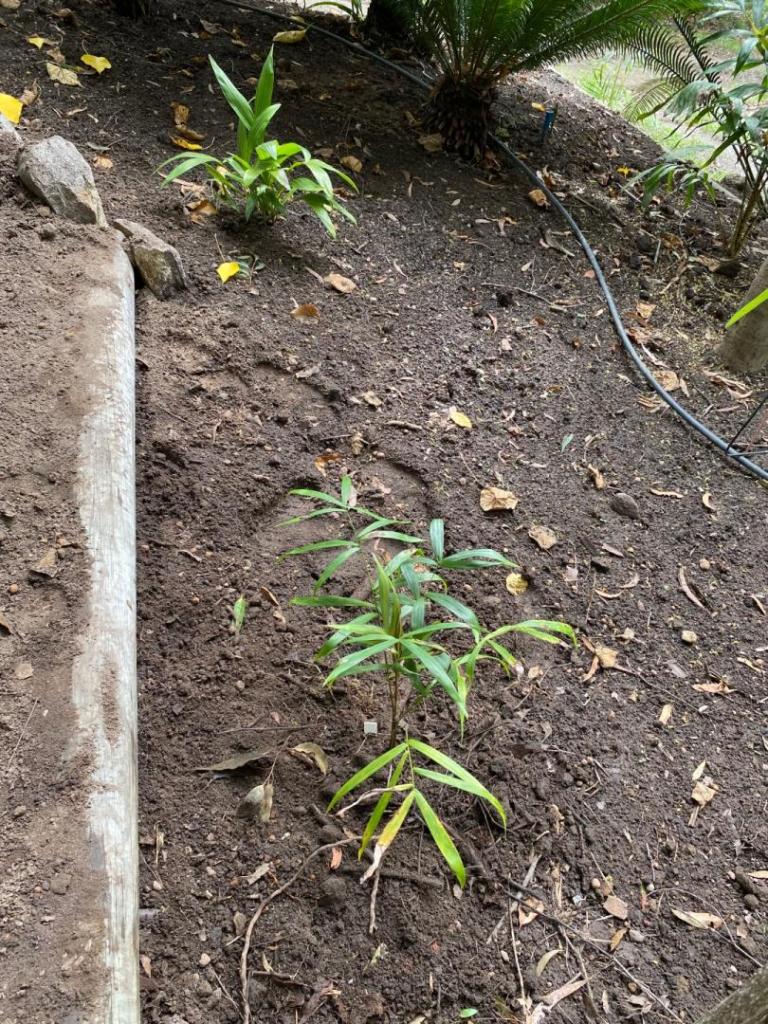
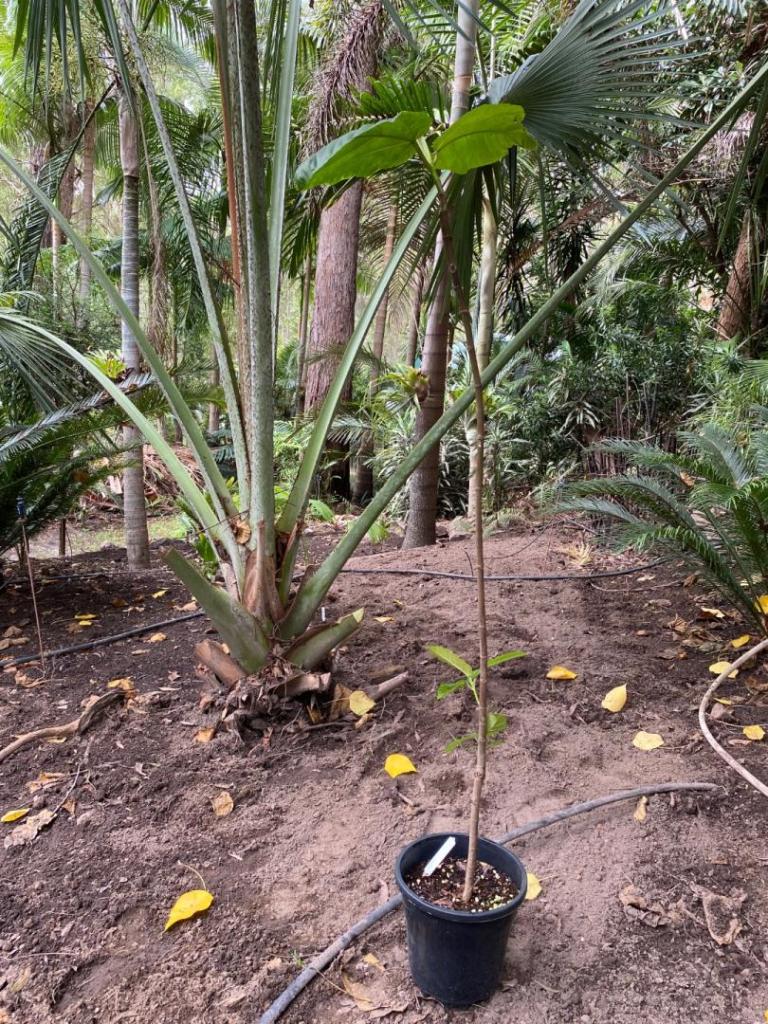
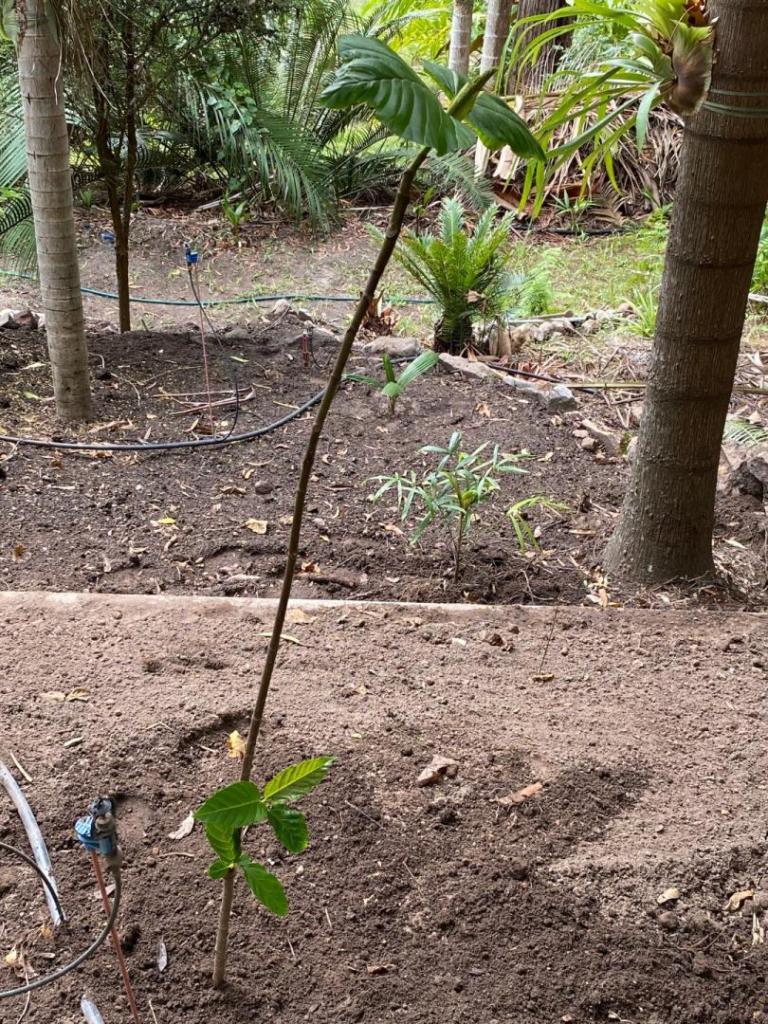
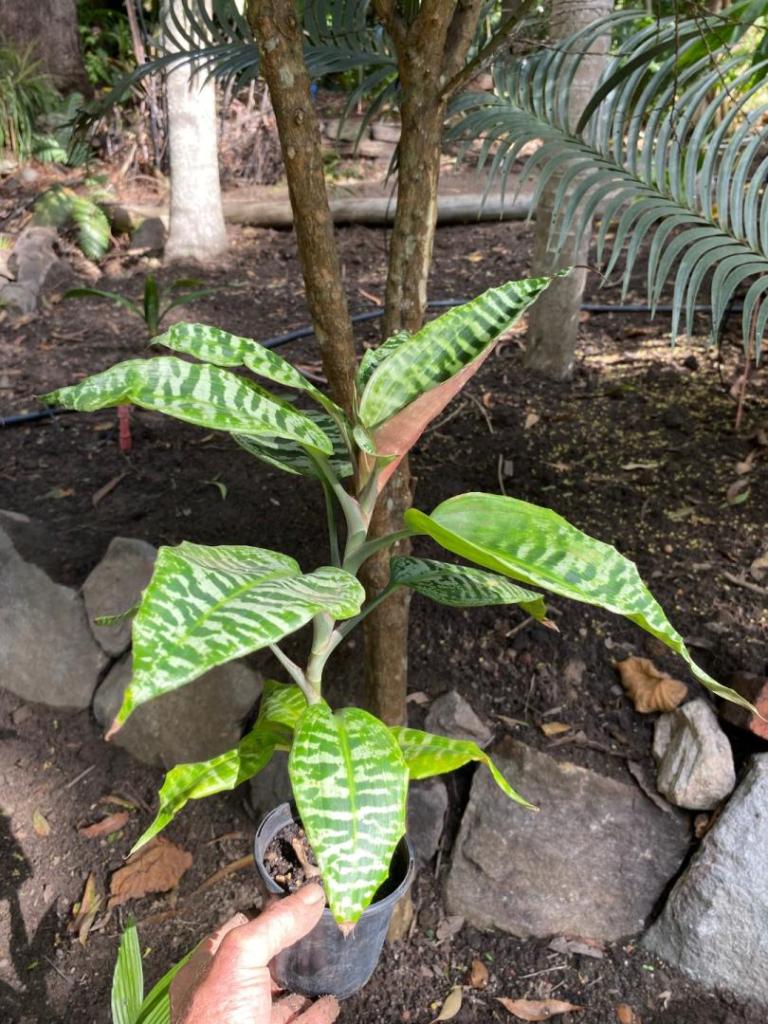
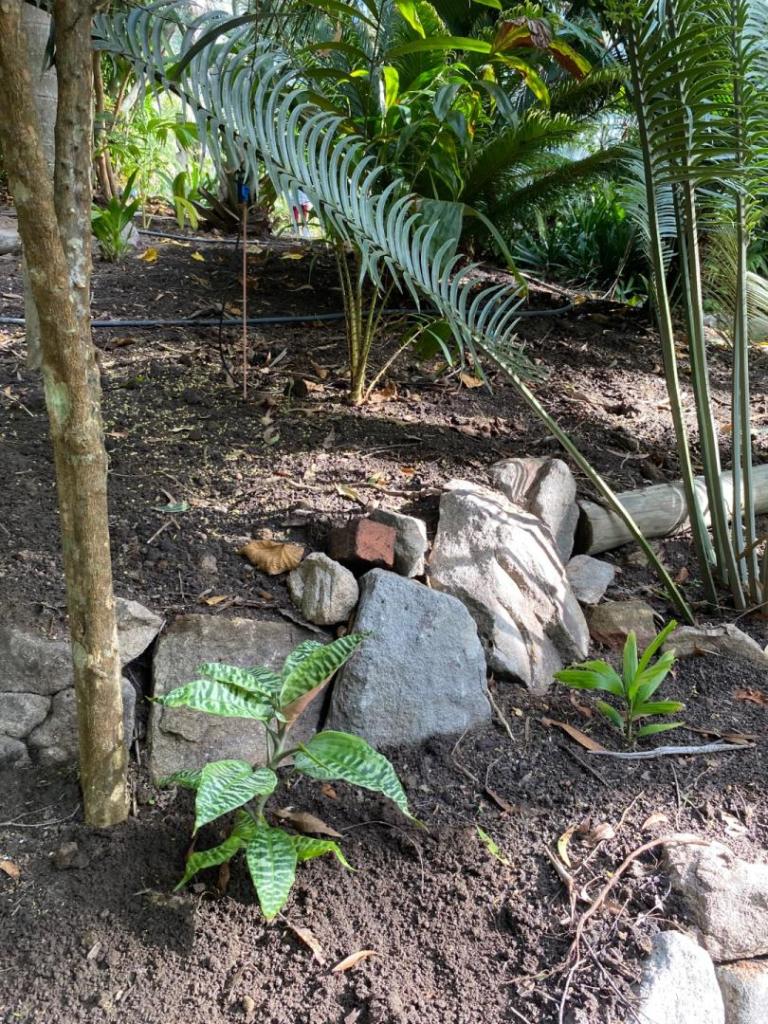

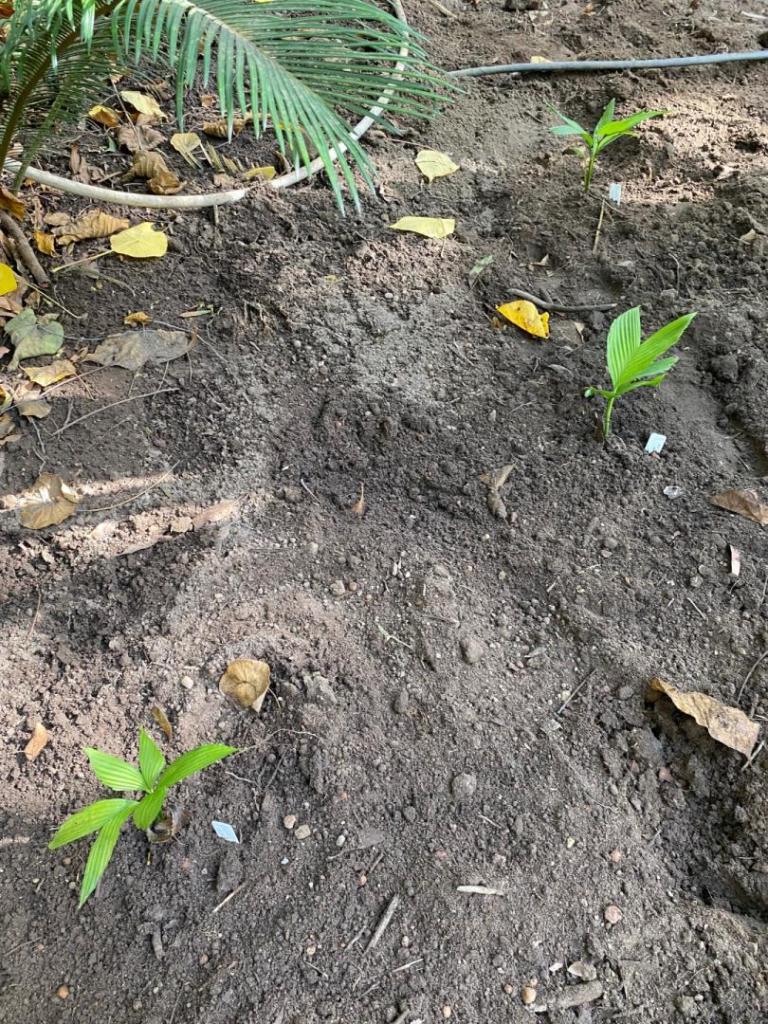

 5 points
 -
In our last significant freeze in 2010, Adonidia took a few weeks to show damage. We probably won't know full extent of cold damage until March.5 points
-
Alfredii looks like a winner here! Those coconuts in Satellite Beach…. Ouch.5 points
-
If the bud is still alive it'll start pushing the "dead" spear further up to "normal" length anyway. If the bud is ok the biggest risk is a fungal infection. For anything within reach I'll be doing a hydrogen peroxide pour and follow up with Daconil. Hopefully that'll be a good preventative for things that don't have a D-E-D bud or trunk daamage. I will probably do a soil drench of Banrot or Alliette on many palms and cycads, starting tomorrow. I am not planning on cutting any fronds or chopping anything down until March, except in cases where it's blatantly obvious. There are some small seedlings that are obviously burnt to a crisp and have no chance. I'll be marking a lot of spears horizontally with a sharpie to check for movement.5 points
-
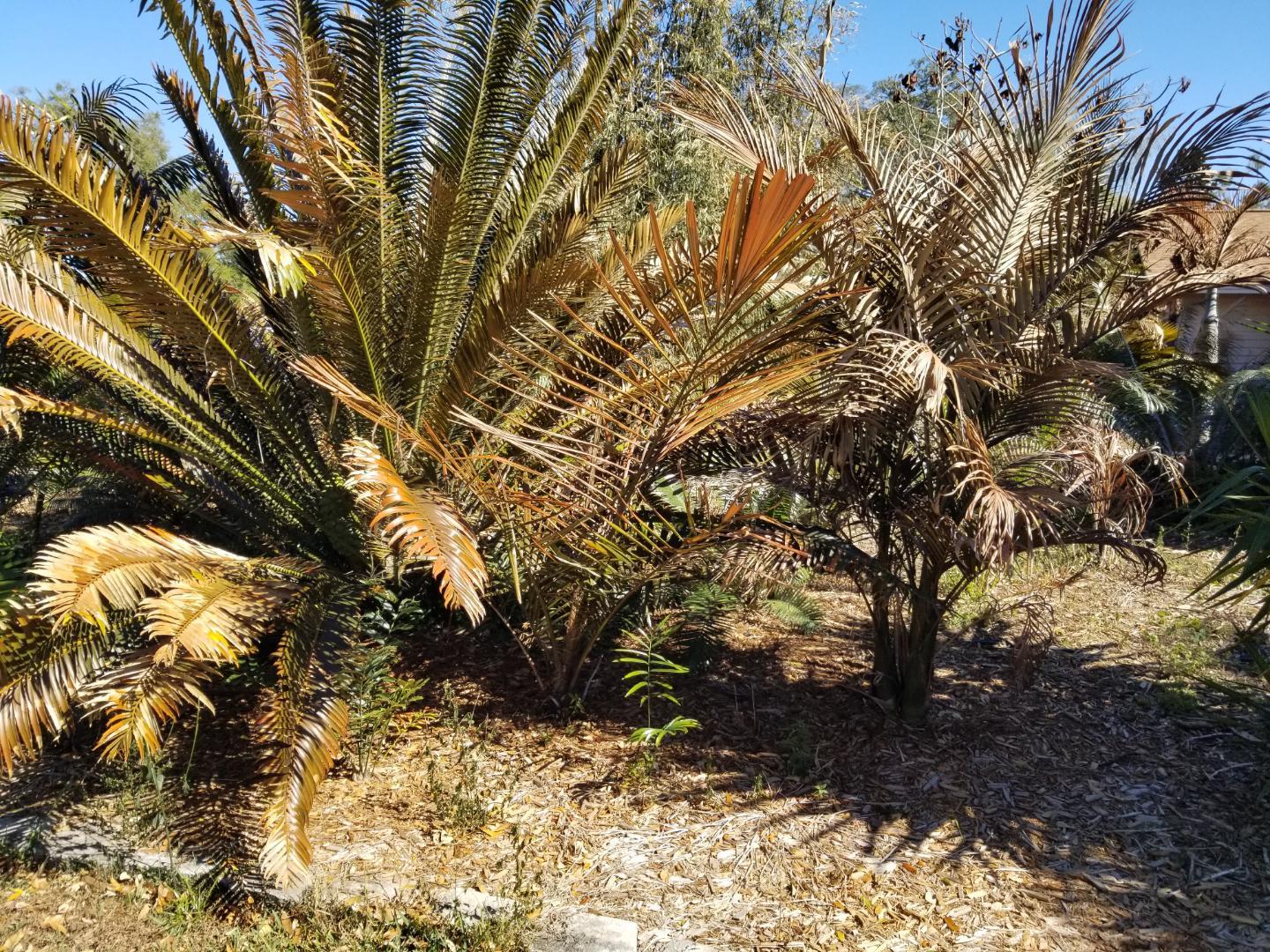
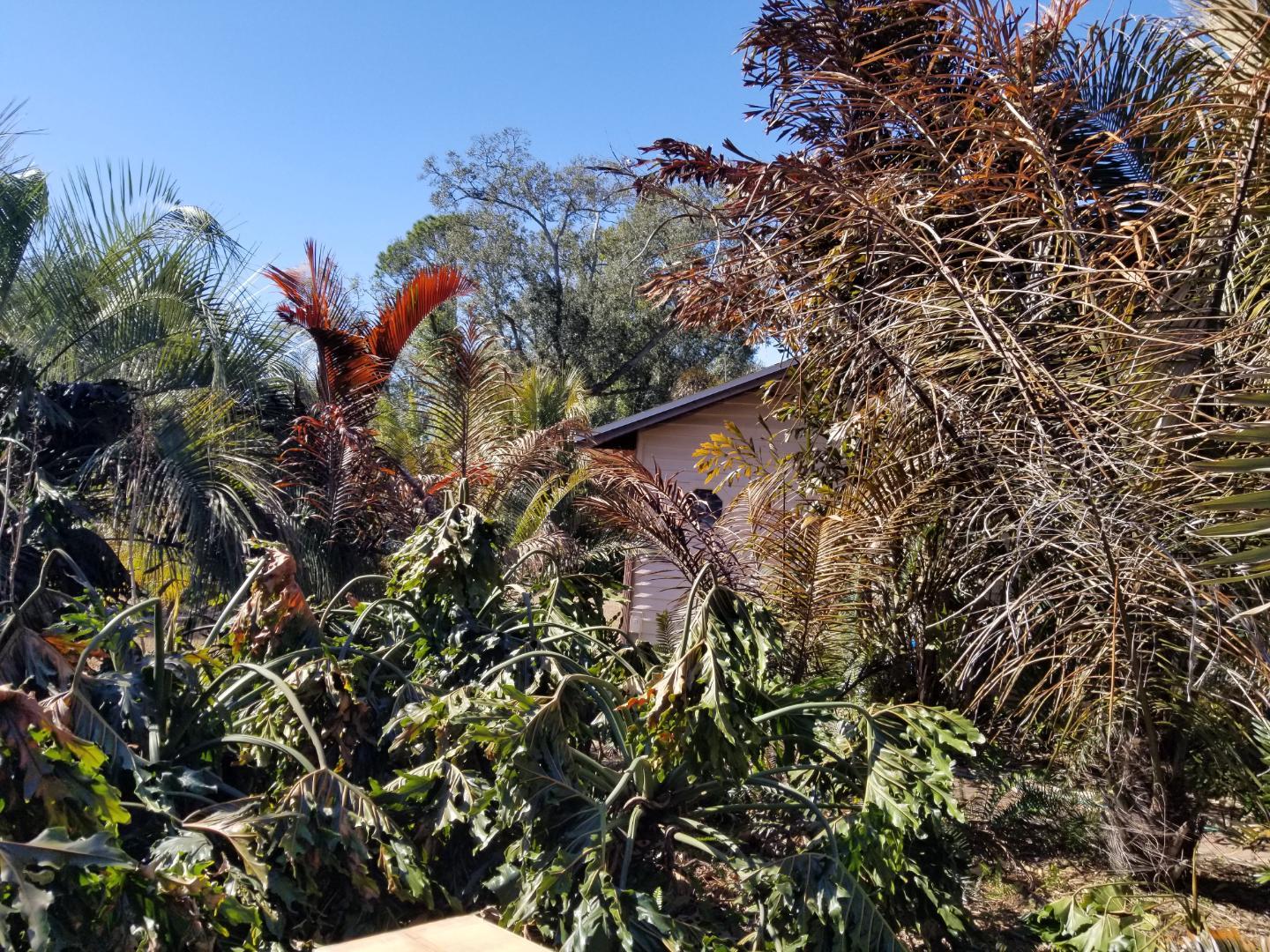
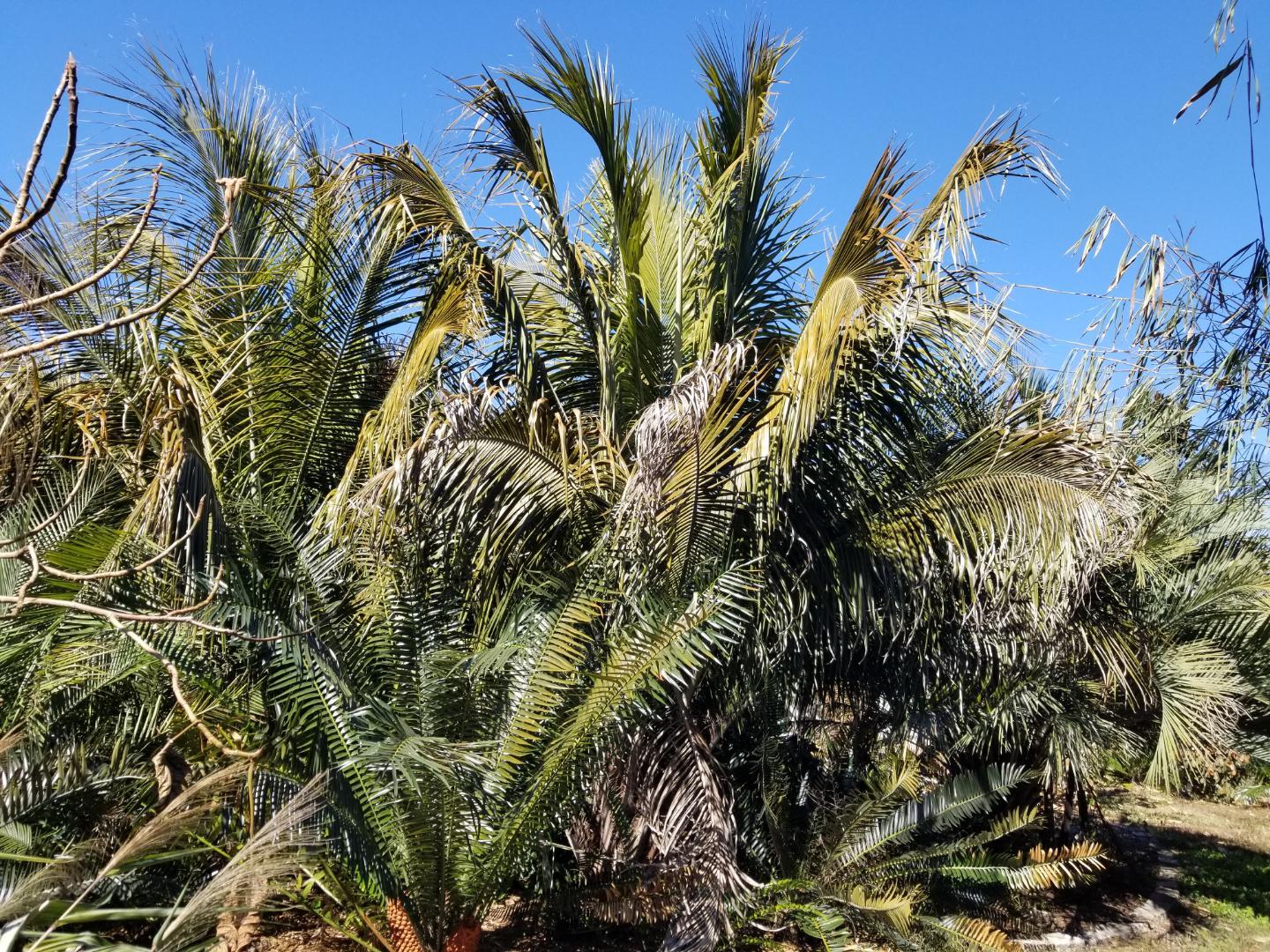
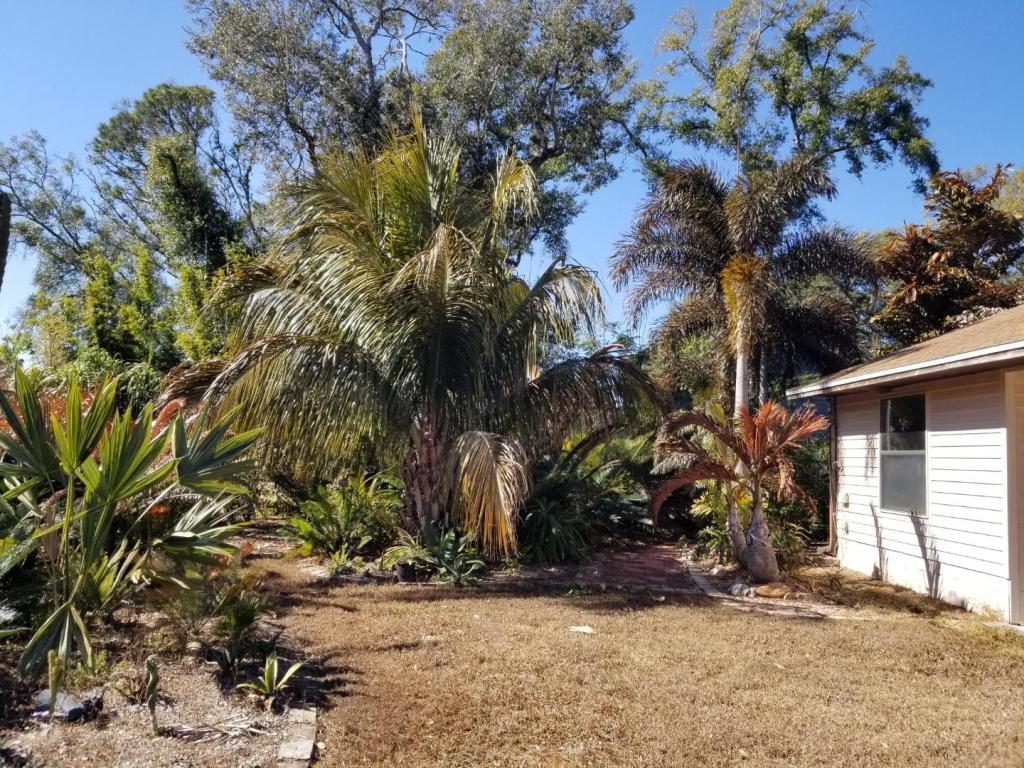
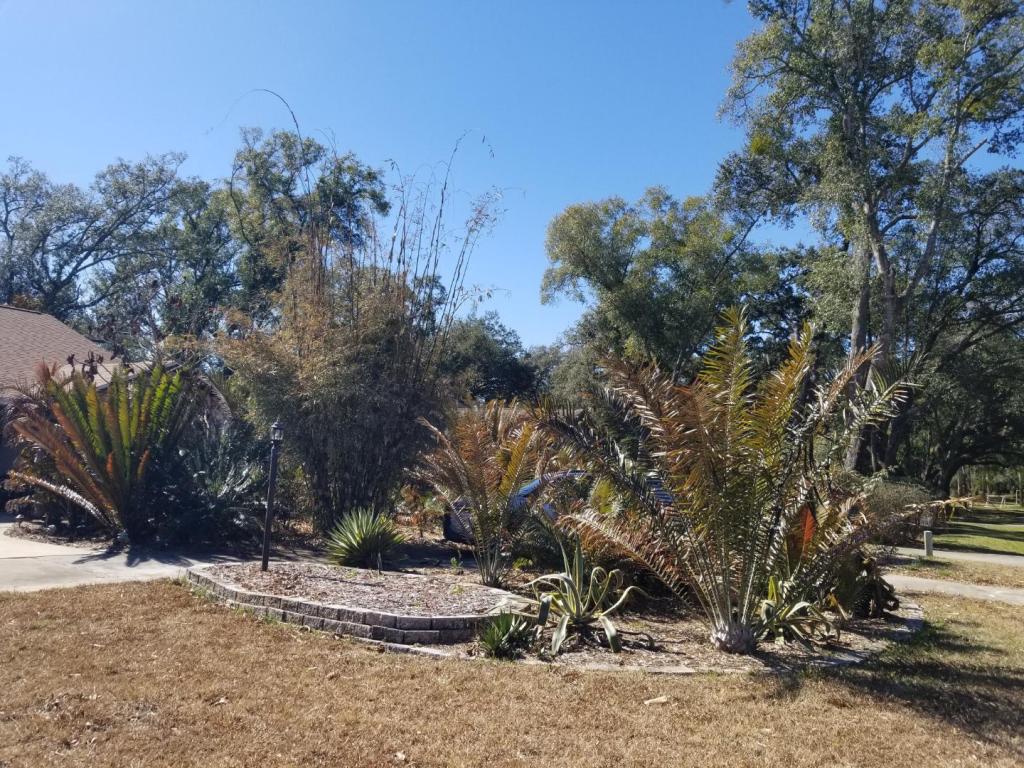
Here's a view of the windy 22.6F and then 24.4F with light frost does to the backyard: The two Bottles on the right were already badly damaged from previous upper 20s frosts. The foxtails and fishtails on the right are almost completely brown. Oddly enough the Ptychosperma Schefferi just behind the Bottles looks discolored but maybe ok? I really thought that one was a wimp? The Alfredii looks much worse today than yesterday, and has turned a sickly olive. To the right of the Alfredii a Cryosophila Warscewiczii looks really good, but Cyphophoenix Nucele and Elaeis Guineensis "Whole Leaf" mutant are torched. On the left a Dioon Spinulosum and Dypsis/Chrysalidocarpus Lanceolata are torched. Elsewhere Lutescens and Pembana are equally burnt. Not quite visible is a badly burned Attalea Brejinhoensis, and of course on the far left a Sabal "Lisa" looks like nothing happened. Up front I had more tender species, since it's usually a few degrees warmer in the front yard: The 3 Kings on the right are likely dead, the Arenga Pinnata hard to say, and the giant Encephalartos Ituriensis is defoliated. Around the front a bunch of Encephalartos are also badly burned, with Ituriensis, Laurentianus and Gratus x Laurentianus at least partially defoliated. The "Jesse Durko" bamboo is rapidly becoming a mass of sticks: On the East side the Philodendron Selloum turned to stinky mush the first night. On the far left a Butia shrugged it off, but a pair of Kings are scarlet red. Just below the octagon window another Elaeis Guineensis is torched just as bad as the background fishtail and right foreground Arenga Pinnata. The box in the bottom foreground covered a Corypha Umbraculifera. With the box as protection the fans were burnt off but the petioles and new spear still look ok: Just to the left of the above photo a pair of 20+ foot Alfredii still look tattered but reasonably decent. The Encephalartos Kisambo shrugged it off:


 5 points
 -
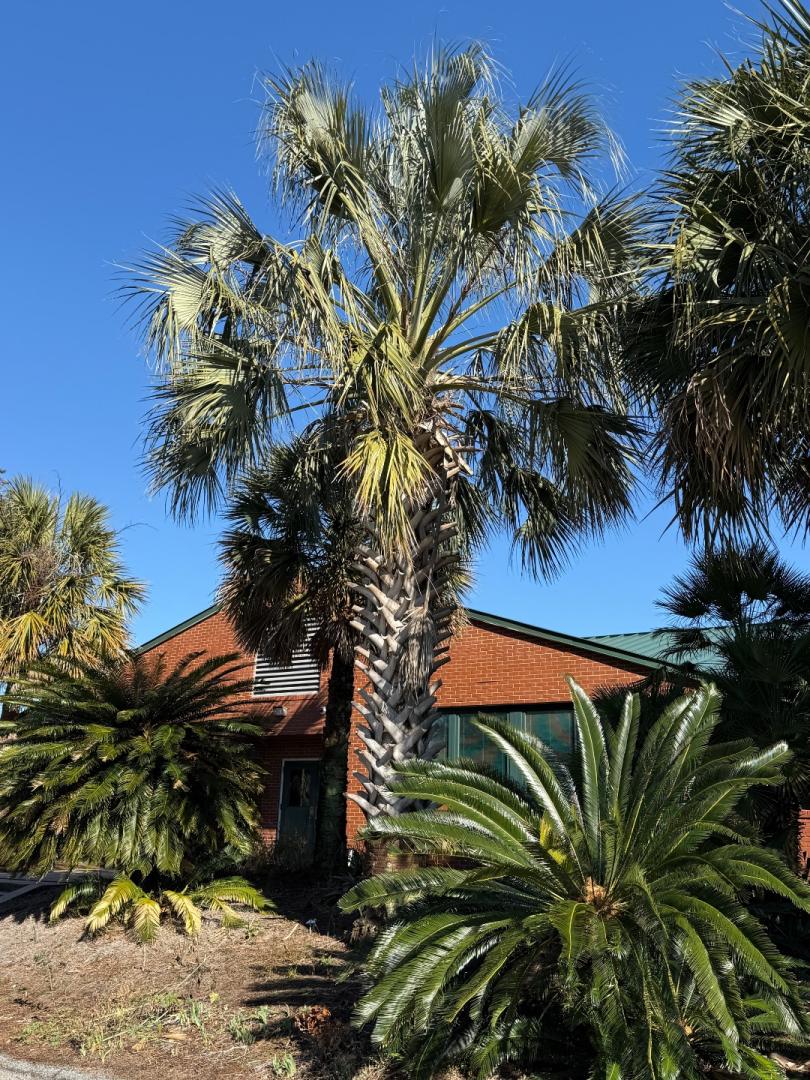
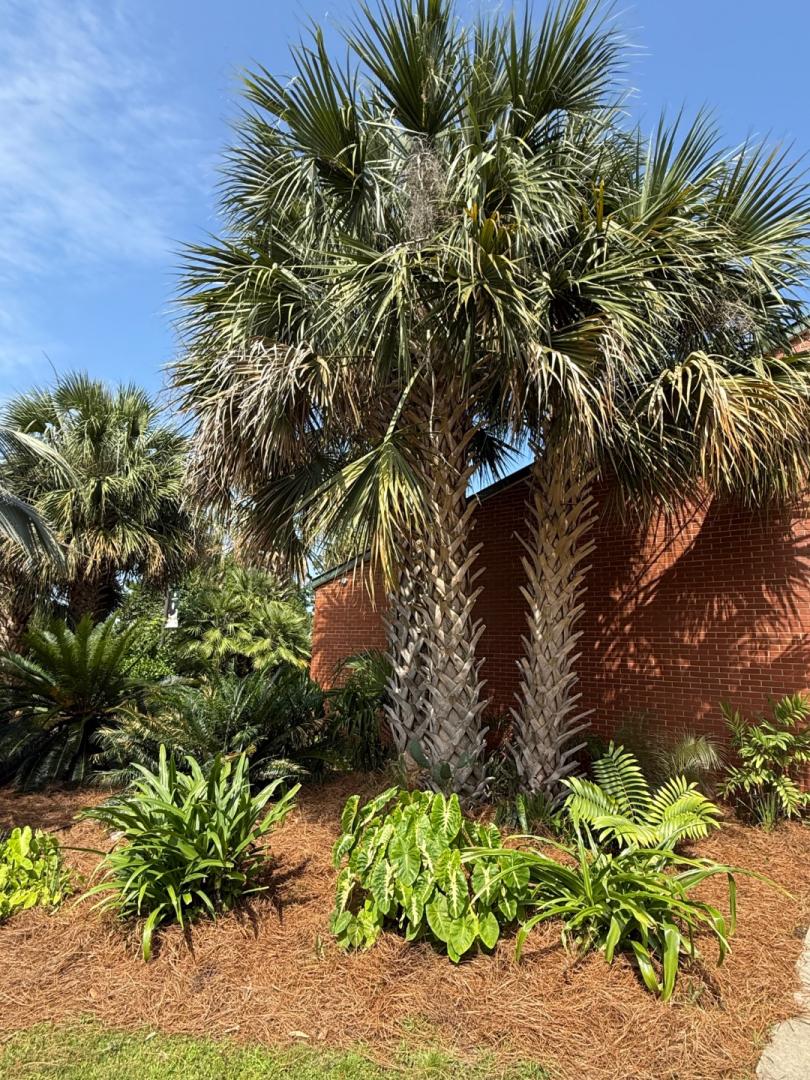
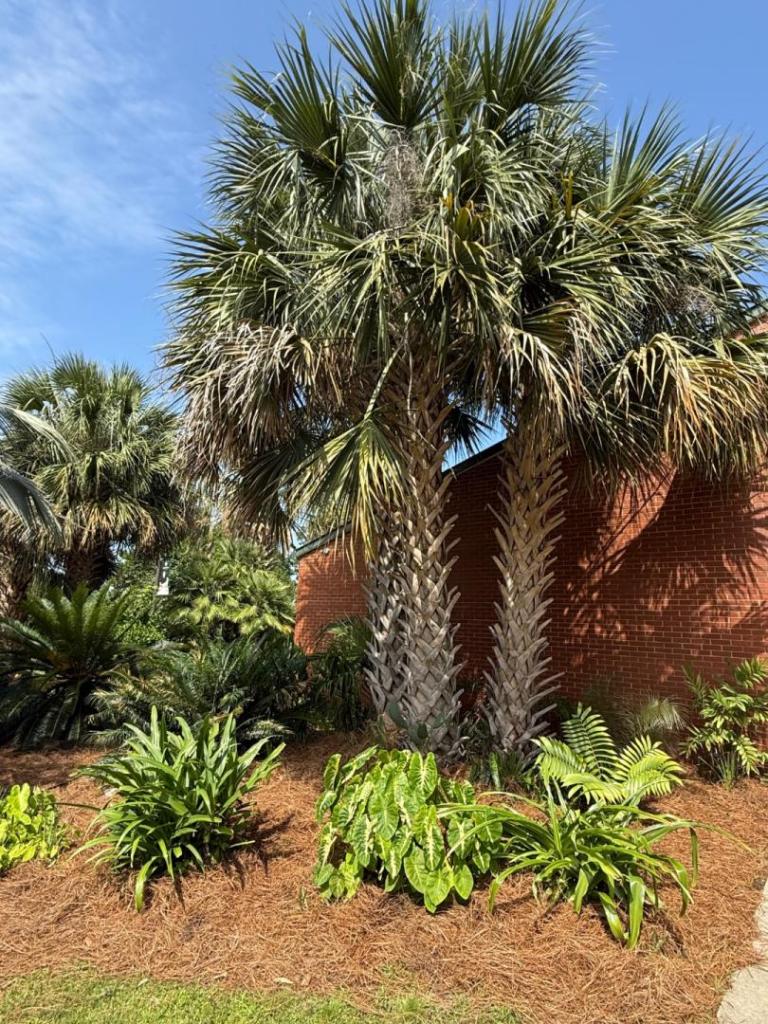
My students and I have been landscaping our school for 40 years and we have a long-tested collection of Sabal palms. I thought that people in zone 8* would be interested in what can be grown long term. The coldest temps these palms have experienced is low teens. I will add more pics if people are interested. The list: S. causiarum, S. minor, S. tamaulipensis, S. rosei, S. x texensis, S. uresana (green and silver), S. pumos, S. bermudana, S. mexicana, S. etonia, S. palmetto Lisa. (4 years old). Added last summer: S. blackburniana, S. miamiensis. In our area, S. palmetto reseeds like crazy. S. minor is native and common in low lying areas. Rhapidophyllum and Serenoa are native about 1 hour south of town. Pictures in order top to bottom: S. causiarum, S. uresana (silver), S. tamaulipensis, S. Lisa, S. Riverside, S. palmetto
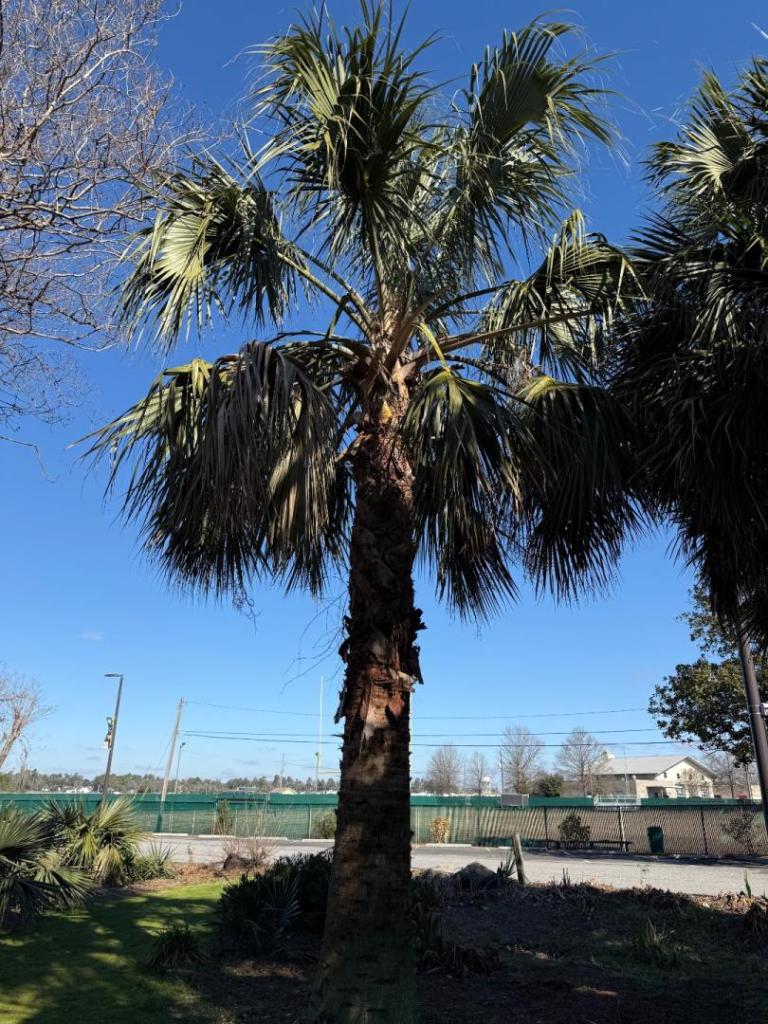
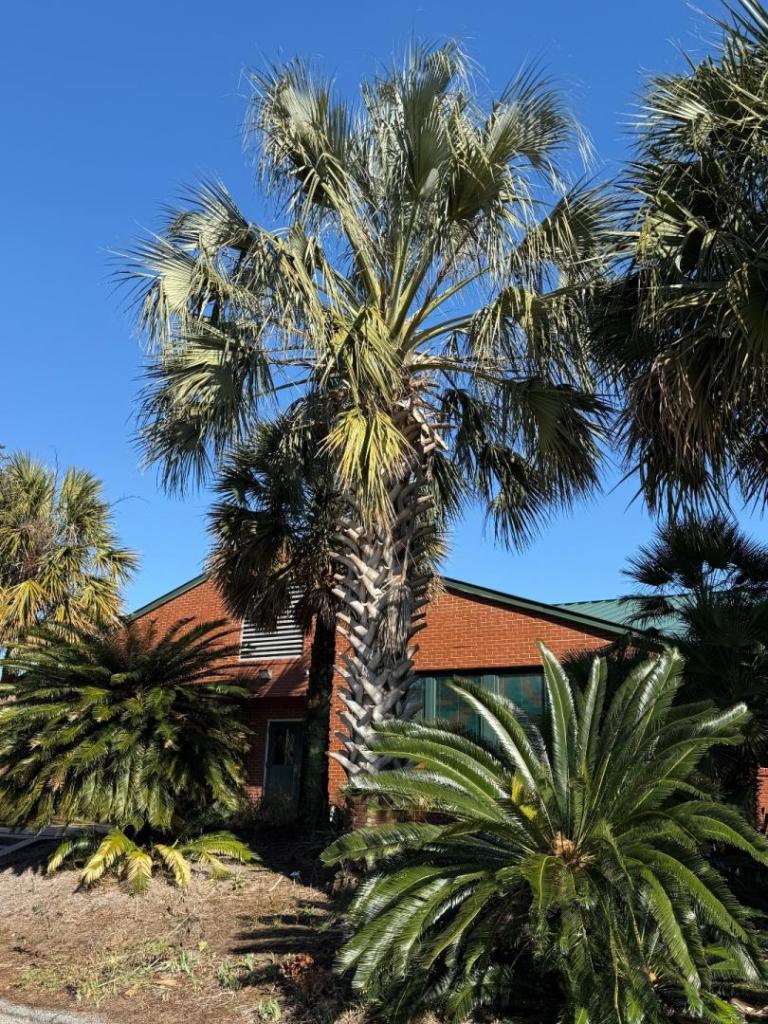

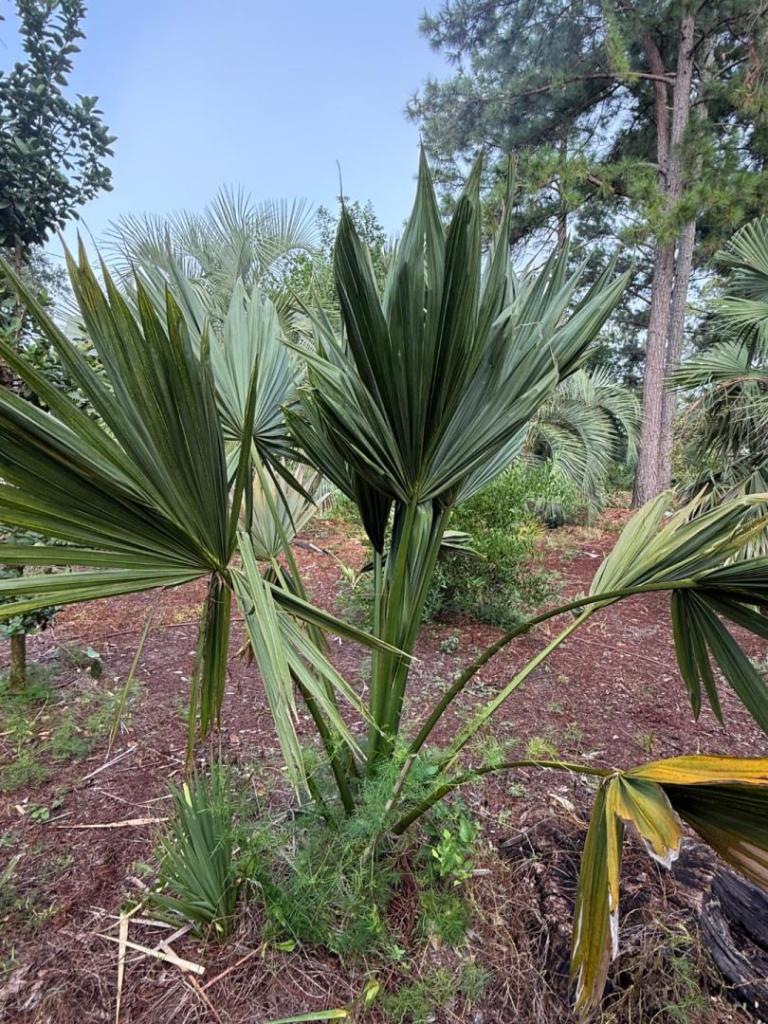
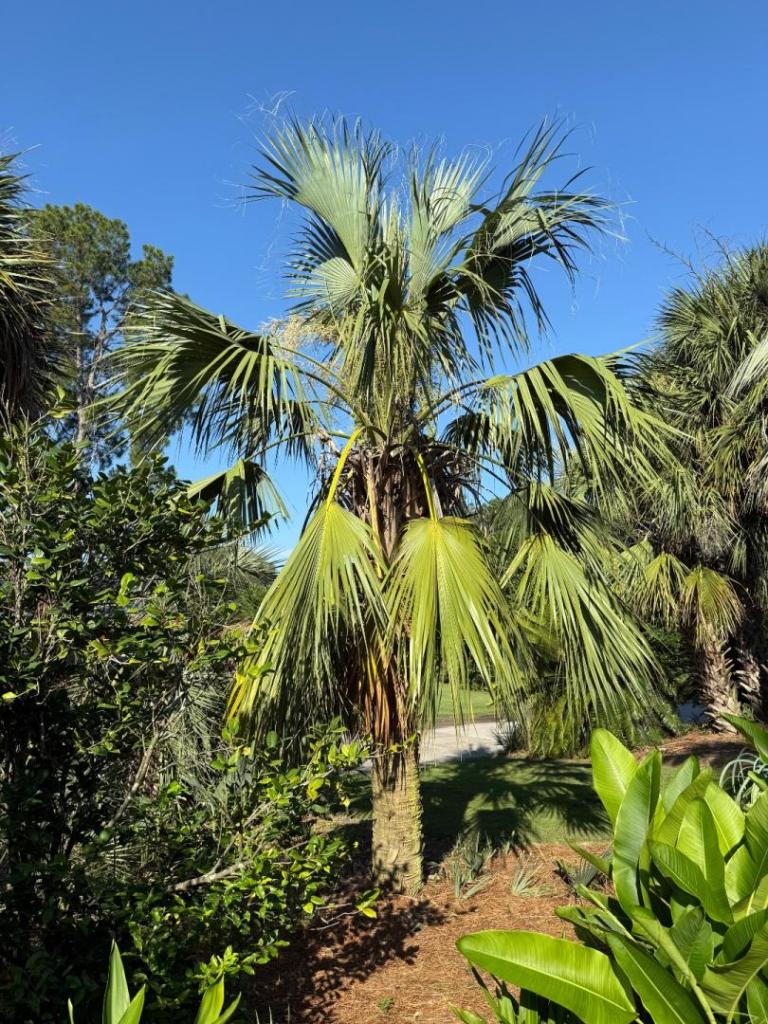
 4 points
 -
After the 2018 hard freeze, there were good discussions about talls vs Malayan Dwarf hardiness. In Orlando, talls aren't common but the I-Drive coconut is one. Will try to take a pic today. In 2018, the I-Drive coconut showed a little less damage than the Malayans but recovered much faster.4 points
-
Given that the arctic high was centered over the Peninsula this morning, it's no surprise that portions of Central America and the Greater Antilles experienced some cooler temperatures as well. However, I'm not sure anybody expected a site in Cuba to set a new all time record low for the country. Indio Hatuey, Cuba had a low temperature of 0C/32F this morning. A true testament to how potent this airmass is.4 points
-
Some surprises in the yard. My cheapo vevor weather station recorded 26, 24 and 28 the last 3 days now my area is cold a lot compared to other parts of fl I have already seen 27 and 28 degrees a handful of times this year and freezing temps to many to count lol. The biggest winner in my yard to me is arecas. Under canopy they are completely untouched in the open tops are scorched. coconut palm it was defoliated last winter at 27 it looks better after this than 1 night of 27 last year. Foxtail did worse than last year but not much same with royal


 4 points
 -
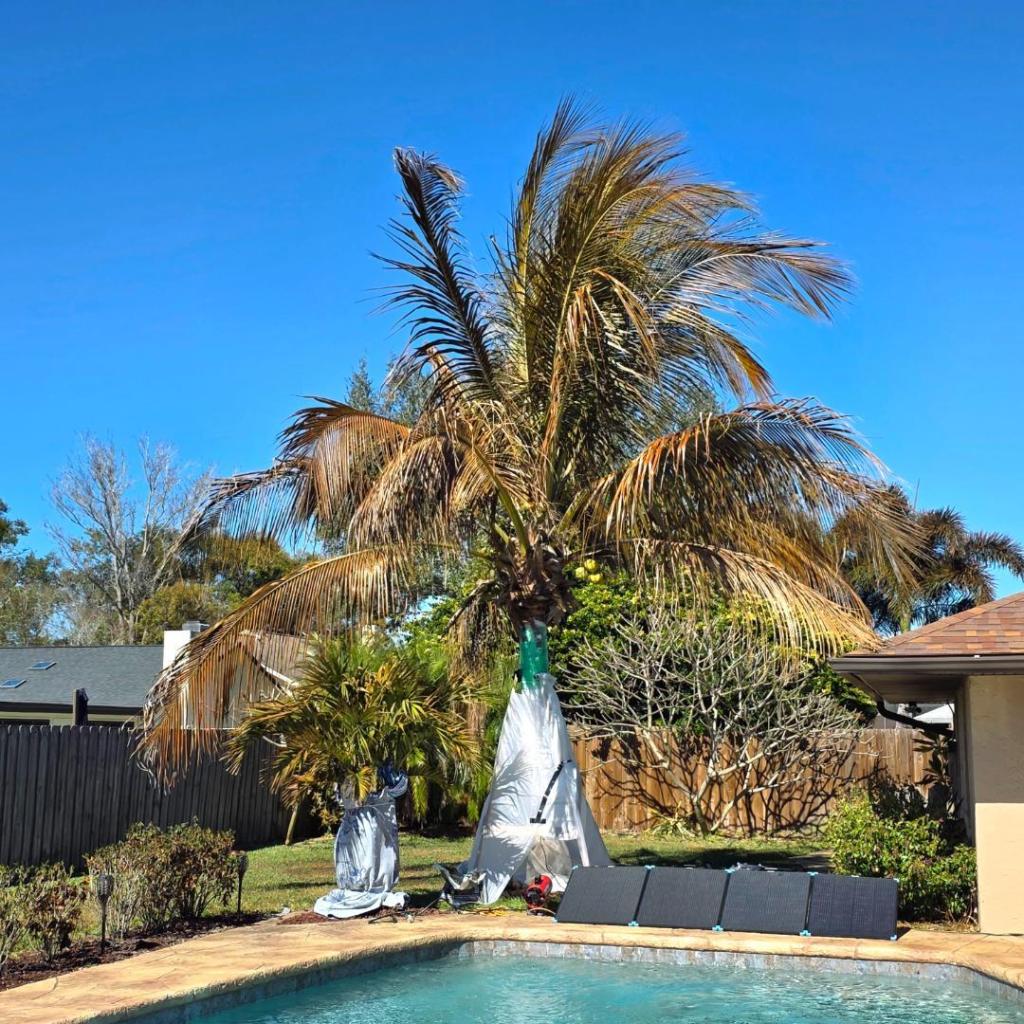
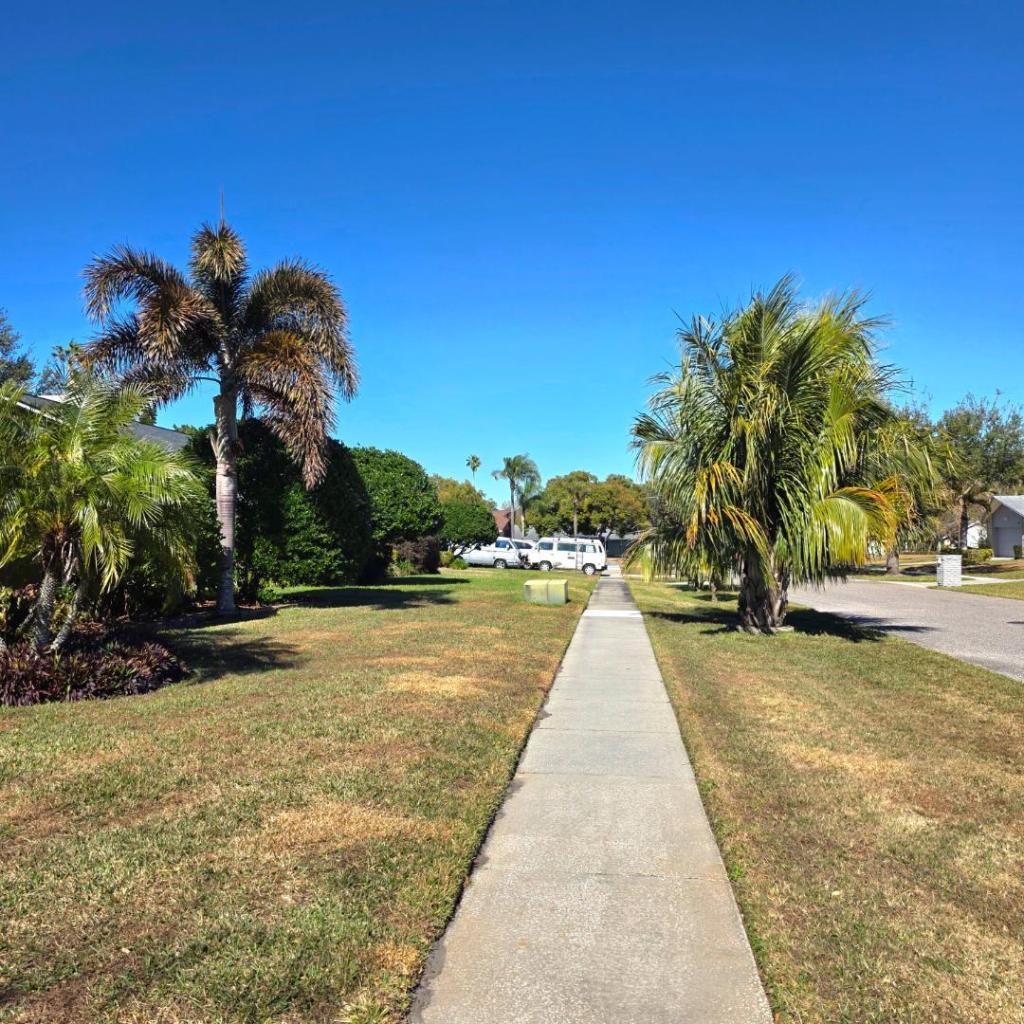
Iin Belle Isle, here is my summary for 2/1: 10.5 hrs 32.0 or lower 6.5 hrs 28-32 4 hrs 25.7 - 28 For 2/2: bottomed at 34.5 as light west winds off the lake gave me protection from radiational cooling. Winds were relentless. 50 mph gusts destroyed my coco frame and even started unraveling wraps. Coco and foxtail: protected but heavily bronzed with a smidge of green on some fronds near the top. Foxtail same. Christmas palms: protected. As of now, more green than i expected. But I assume all will brown over next couple weeks. Beccariophoenix in pic below looks good. A few bronzed tips. I'll give other updates soon but these are my priorities. One observation...there js a new 2 story home in Belle Isle that has foxtails on the east side, wind protected. Brown but the one against the house looked as I drove by today, to be completely green. I had to do a double take but was driving by. I will.go verify this week and take a picture if I saw correctly.


 4 points
 -
Common but colourful Radicalis.
 4 points
 -
My alfreddii in Orlando taken this morning. Unprotected, it experienced 25.7F. I soaked the soil the morning before the freeze.
 3 points
 -
thank you for posting all of this. I'm very curious to see what survives. I live in Houston TX where temps get to 20s every winter now and some winters even lower. So whatever survives in your yard could be a good zone pushing option for me. I'm impressed at Alfrediis. I really hope they make it.3 points
-
@Kiplin if the lower part of the spear is still green I'd mark it horizontally against a nearby frond with a sharpie. That way you can see if it's pushing growth next week. As long as it keeps moving then the bud is alive. Don't cut anything off or give up until it's stationary for several weeks straight. Some stuff might not really grow until well into March. Likewise if the leaflets are dead but the frond stem (rachis and/or petiole) is still green then don't cut it off. For recovery any palm will need nutrients, and anything green still provides nutrients. My treatment for bud rot is a big squirt of hydrogen peroxide, followed up later with Daconil. I got that from other people on PalmTalk and it's been pretty effective. Another PT'er said to use Mancozeb on crown rots. Halley said this was very effective on his Alfredii seedlings. I've bought some but haven't tried it yet. For some of your palms, this is my experience from repeated 27-30F frosts and one night at 24.4F with frost: Pembana, Lutescens, Christmas, Macrocarpa and K.O. (now changed to C.O.) - all had problems with crown/bud rot after cold fronts. They did ok with defoliation and recovery, but some caught a bud rot and died. Pembana and Lutescens I lost trunks out of the cluster but most of the time they grew back. I did lose one big Pembana cluster from upper trunk rot (likely Thielaviopsis). Archontophoenix - Most grew back from defoliation in the upper 20s, with one Tuckeri surviving 24.4F + frost and still growing fine. Hopefully these are "bud hardy" even if they get defoliated. Royal - I've seen these get torched in Lake Mary/Sanford and grow a new frond a few weeks later. Maybe these are "leaf wimpy" but "bud hardy?" Buccaneer - very tough. I lost a small one to a random summer bud rot, unrelated to cold. Otherwise tough to 20? Areca Vestiaria - now that's unusual. Most Areca are absolute wimps to cold. If that survives 26F at your place I need to plant one here!!! Some stuff that was a sickly olive green has turned crispy brown today. For sure it'll be bonfire time in a few weeks...3 points
-
Nice! Hopefully many happy years of growing ahead. They're pretty distant cousins as it turns out. Lepidorrachis is subtribe Basseliniinae, so related to Basselinia, Cyphophoenix, etc, and Hedyscepe is with Rhopalostylis in subtribe Rhopalostylidinae, which was previously included in Archontophoenicinae (what a mouthful!). Fascinating how such a small island can have four endemic palms and only two are closely related!3 points
-
Sabal minor? And is the spikey guy some sort of yucca?? Not a family associated with the US east coast in my mind for some reason, more the south west...very interesting!3 points
-
Pictures from yesterday of nearby damage. Next-door Across the street looking south Across the street looking north Driving around the neighborhood, there are several dozen scenes like these.


 3 points
 -
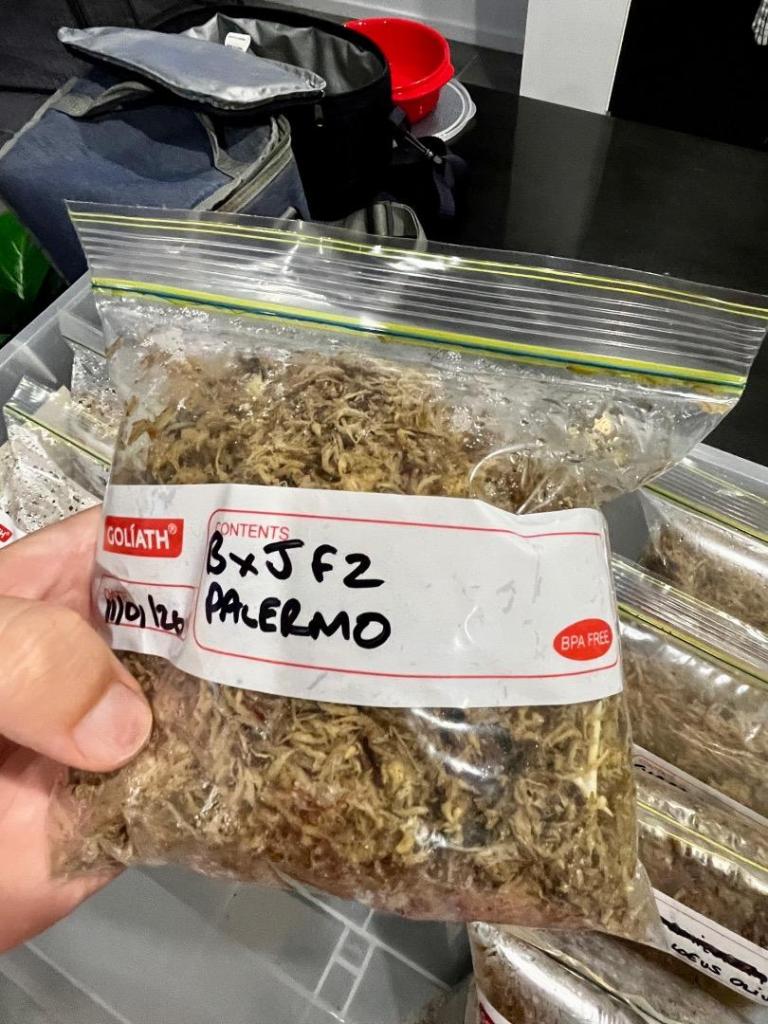
Pleased to report that some of the seed has started to pop. Vast majority floated when soaked in water for a week. Worth picking up the old seed if you’re ever passing this palm.
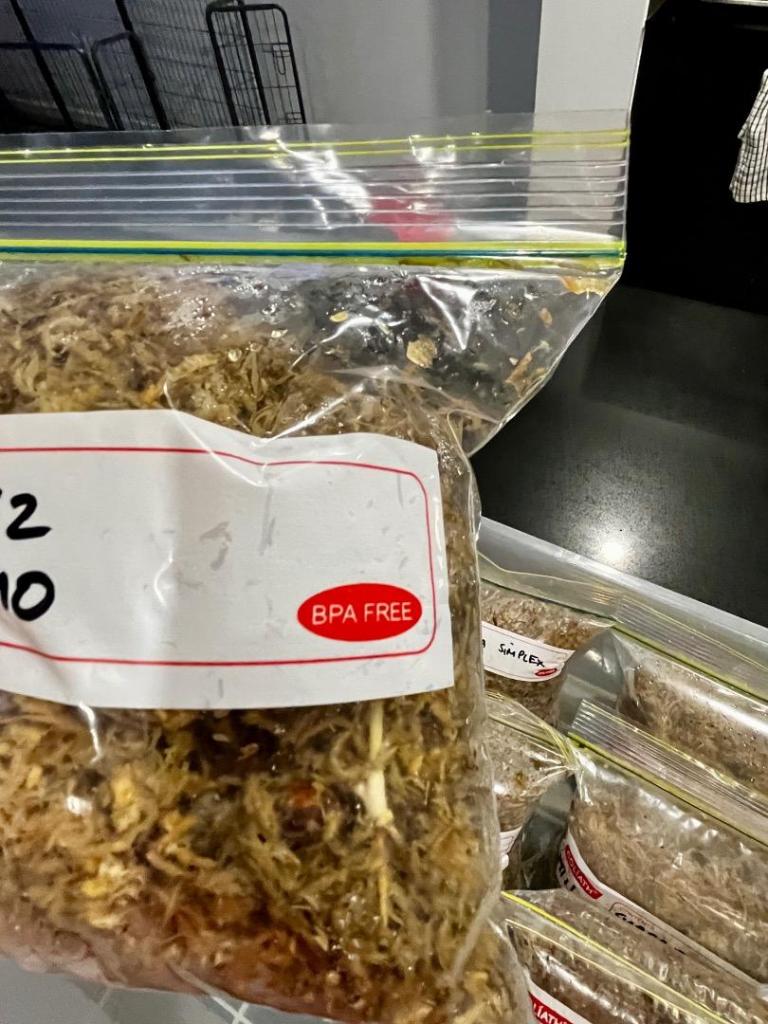
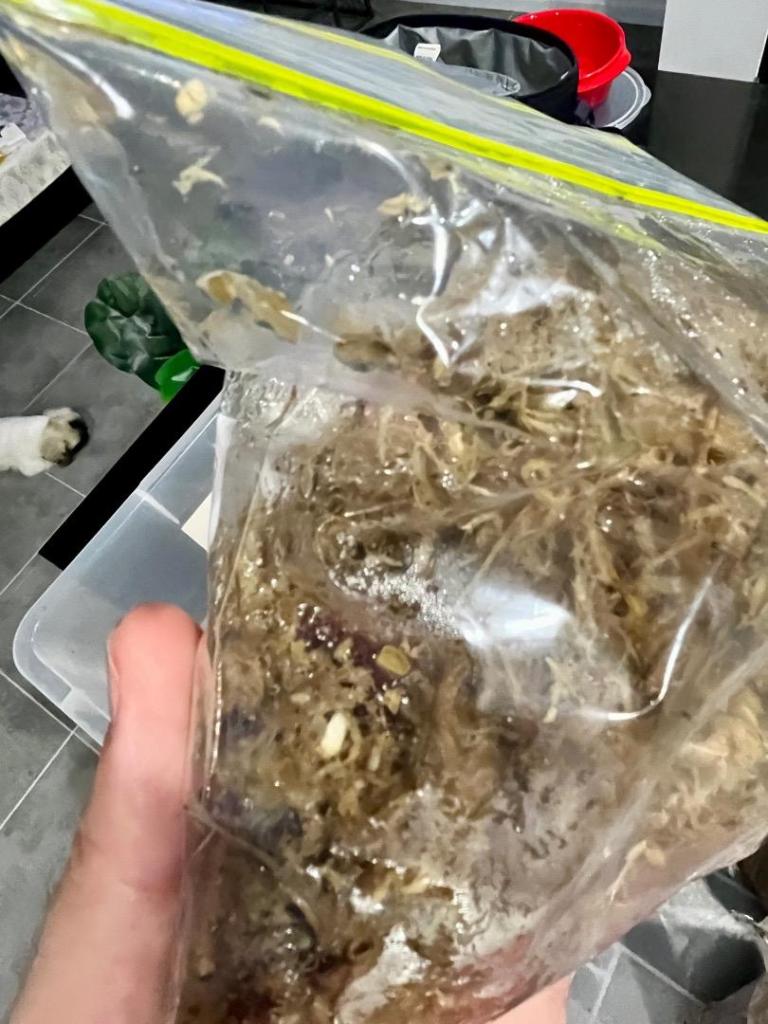
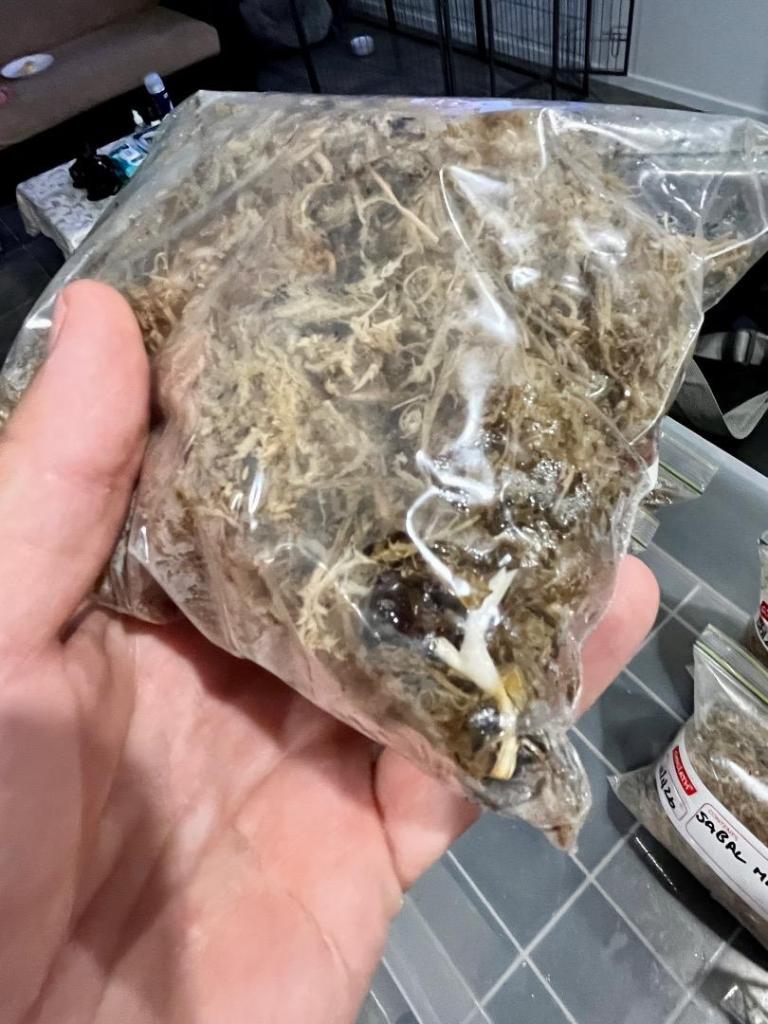 3 points
 -
First one is Chrysalidiocarpus Lutescens and I do believe the second is Washingtonia Robusta. Harry3 points
-
And a couple of last photos for today. The two Alfredii are peeking up over the mass of dead Tiger Grass leaves, but the Sabal Mauritiiformis looks pretty good! Encephalartos Ituriensis on the left is pretty bad...: I didn't get a good photo of the Copernicia Baileyana today, but it looks really good. The fans of the below Fallaensis peeking up in the middle are a bit burnt, but the other sheltered ones look fine. The Cycas Multipinnata is defoliated, and the crimson red Dioon Spinulosum on the right is impressive. A small Syagrus Schizophylla in the lower middle looks D-E-D, which is surprising. I thought Schizophylla was pretty hardy. The Furfuracea is crispy as expected, and even the lower left Dioon Merolae isn't happy: And this is the "Whole Leaf" mutant Elaeis Guineensis with complete burn up top. The lower petioles are still green, so hopefully it'll have enough energy to grow back: Here's the somewhat damaged Ptychosperma Schefferi on the left, a wilty Cycas Multipinnata in the middle, and a plant I hadn't even noticed before. In the upper right is a "volunteer" Cycas Micholitzii. I thought it was an offset from the Multipinnata, but it's about 2 feet away! There are some surprisingly good successes out there, like unprotected Syagrus Amara, Sancona and Lorenzoniorum seedlings in good shape. A batch of Kerriodoxa Elegans, Licuala Ramsayi and Distans and Sumawongii, Chuniophoenix Hainanensis and Nana all looking like there wasn't even a cold front. Others are probably already D-E-D like Ravenea Hildebrandtii, Dypsis Cabadae, Syagrus Schizophylla, Cyphophoenix Alba, Nucele and Elegans, and a couple of Burretiokentia Hapala and Viellardii. But then there's a 5' tall Carpentaria Acuminata that looks so far really good...go figure.


 3 points
 -
And a couple of last photos for today. The two Alfredii are peeking up over the mass of dead Tiger Grass leaves, but the Sabal Mauritiiformis looks pretty good! Encephalartos Ituriensis on the left is pretty bad...: I didn't get a good photo of the Copernicia Baileyana today, but it looks really good. The fans of the below Fallaensis peeking up in the middle are a bit burnt, but the other sheltered ones look fine. The Cycas Multipinnata is defoliated, and the crimson red Dioon Spinulosum on the right is impressive. A small Syagrus Schizophylla in the lower middle looks D-E-D, which is surprising. I thought Schizophylla was pretty hardy. The Furfuracea is crispy as expected, and even the lower left Dioon Merolae isn't happy:

 3 points
 -
In the 90"s I was buying a lot of palms to try out from Inge Hoffman in California and in Ft. Lauderdale and other places in Florida. I wanted to try just about anything to see what would work. I had great success, but wasn't as careful as I should have been about tags, since I assumed I was on some sort of horticultural fantasy tour. Well, lots of things worked really well. The biggest failure was S. maritima. It never died, but lost its foliage every winter, so I took it out. I bought two palms from Fr. Lauderdale (mail order). I've lost the receipt, so I don't know who the vendor was. I assumed they wouldn't make it for too many winters. Wrong! They did great. One is definitely S. Bermudan, but the other was shy to bear seed until last year. It's a big tree, 16' overall. It had a bumper crop of seeds last year and the President of the Southeastern Palm Society was visiting and said that he thought it was S. pumos because of the size of the seeds. With the fruit on them, they are truly huge. How did I get the. thing? Speculation time: True - Dr. Scott Zona was working on his survey of Sabal and had collected pumos seed in Western Mexico. Here's the speculation: seeds might have been shared/distributed with South Florida palm people and I lucked up (by accident) with a baby. It has grown beautifully along with S. rosei, also from W. Mexico. Rosei bears smallish seed precociously and I'm on my second generation of mature adults. The pumos took forever to bear seed. The pictures show relative seed size of the Sabals that I have. Tom McClendon lined them up. We're going to do the same thing again on graph paper, so there is a real measurement shown.

 3 points
 -
Planting a sabinara magnifica gets my attention today!


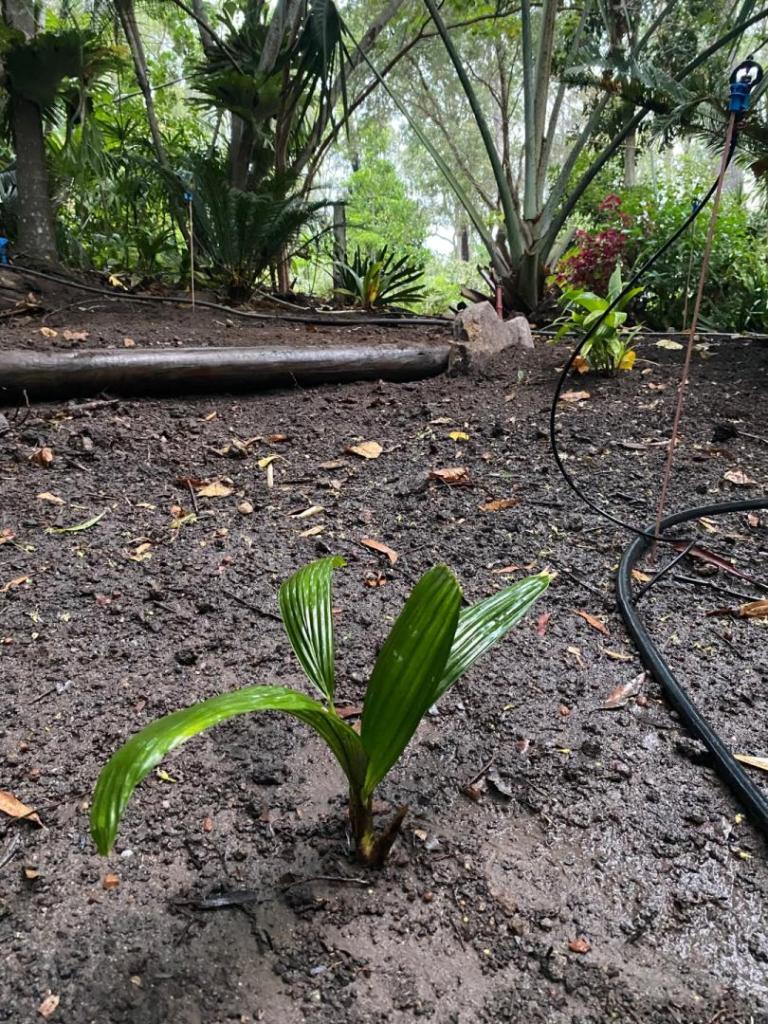 3 points
 -
Planting a sabinara magnifica gets my attention today!

 3 points
 -
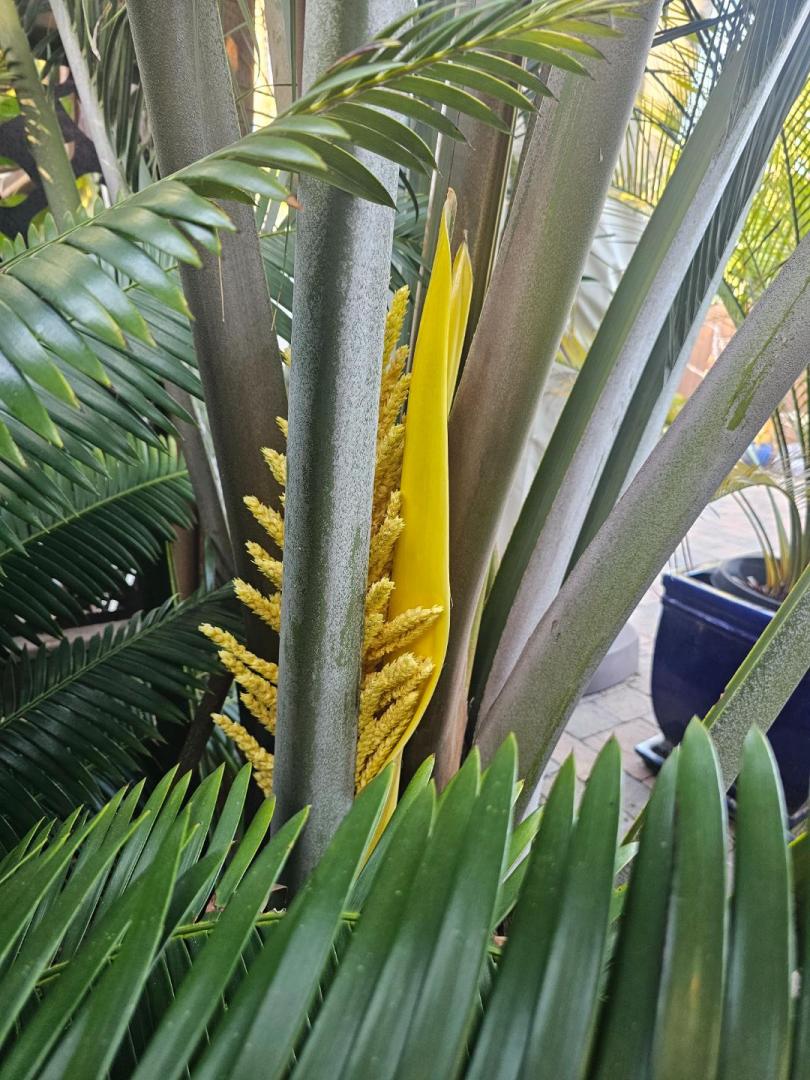
The next phase , the pollen producing flowers have emerged. I love the golden yellow color. I just wish I hsd a female Ravenea julietiae.


 3 points
 -
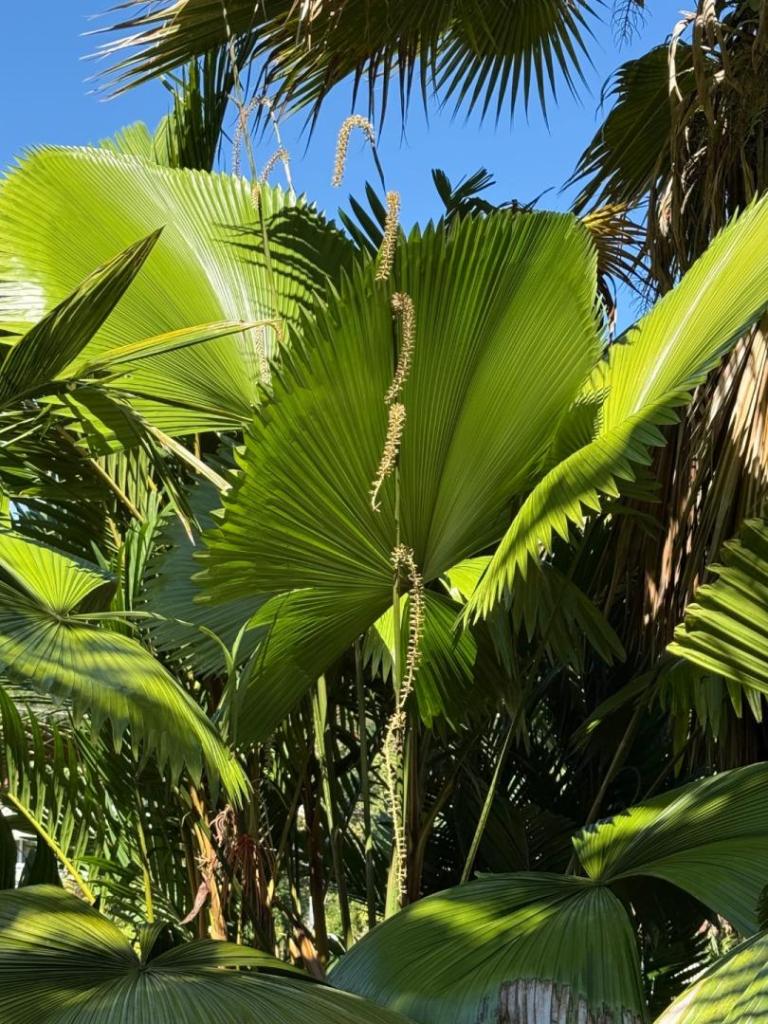
Licuala peltata var. sumawongii. Spectacular palm with huge leaves. Tim
 3 points
 -
Here is my latest photo of my Hyphaene Compressa. I found out it is a female. So now I have a male and a female. What are the chances of this happening! I'm excited! Only problem is that they are getting so tall, it will be hard to harvest the seeds! Rod Phoenix, Az
 3 points
 -
Paul, sounds like you're ready to dig up those Trachycarpus and plant some H forsteriana! Joking aside, two thirds of our garden is quite dry and I have no regrets with Chamaerops, other than the minor wounds inflicted while weeding around them.2 points
-
I would cut the dead material off the small BA, limits the spread of mold on a small palm that will see lots of dew in the near future. Mine had more dead material in 2010. I cut off the dead material and gave it a peroxide/fungicide treatment and it popped right back that summer.2 points
-
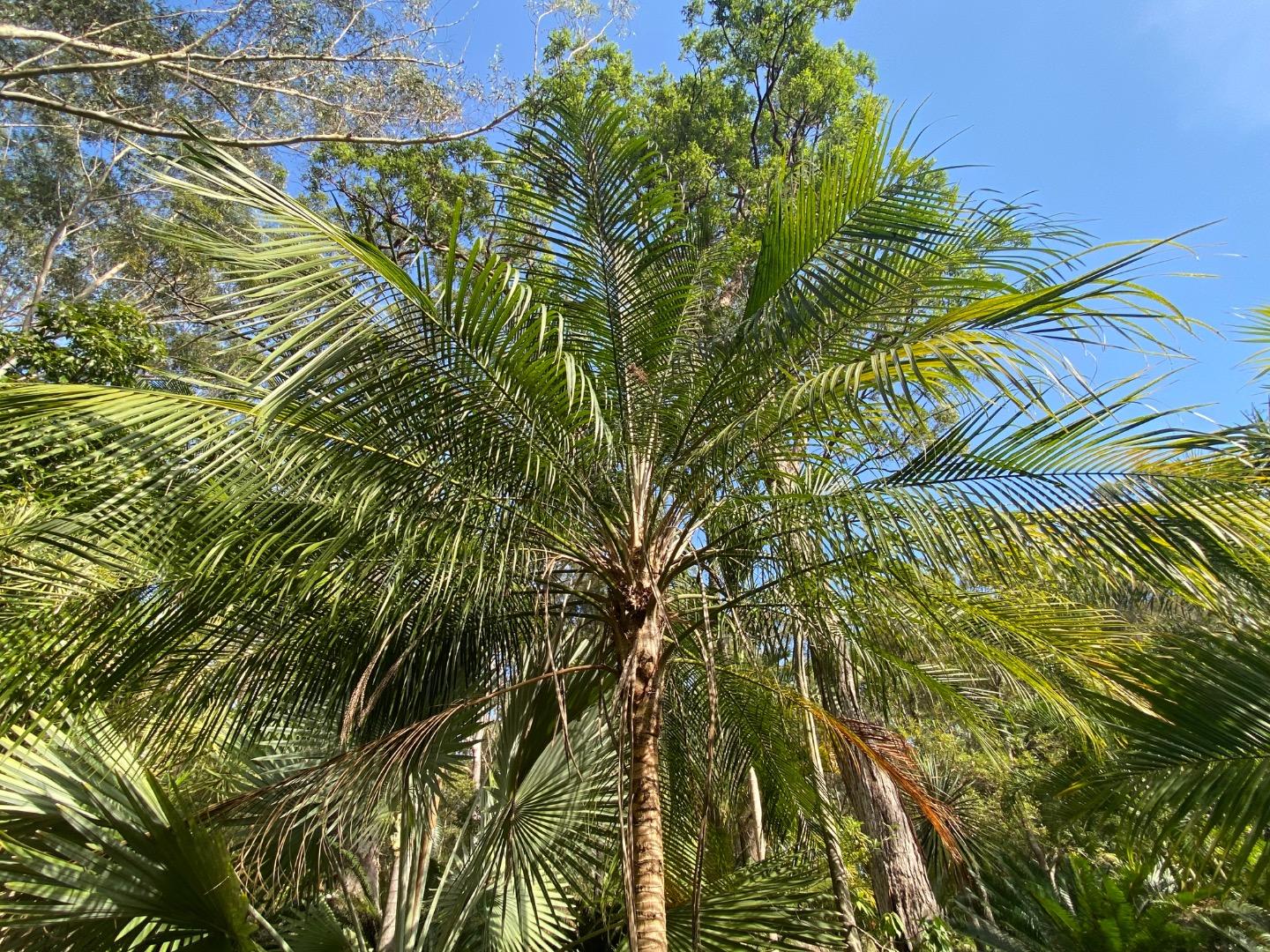
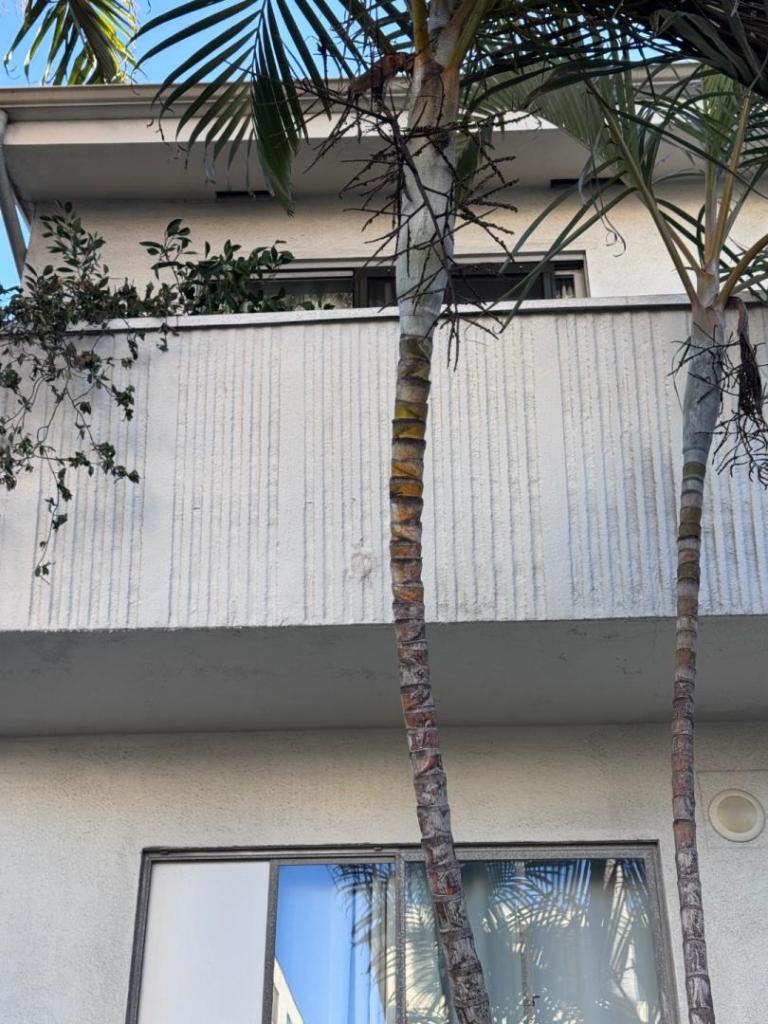
Hello all. Longtime lurker, first time poster here. I'm curious if the group can point in the right direction for an ID for two palms. The first is from my neighborhood here in Los Angeles. A very attractive, slender, colorful palm. Seems to grow in clumps. The second, I saw on a trip to Mexico City. It looks almost like a Washingtonia but I have a feeling it is not... Thanks for your advice.
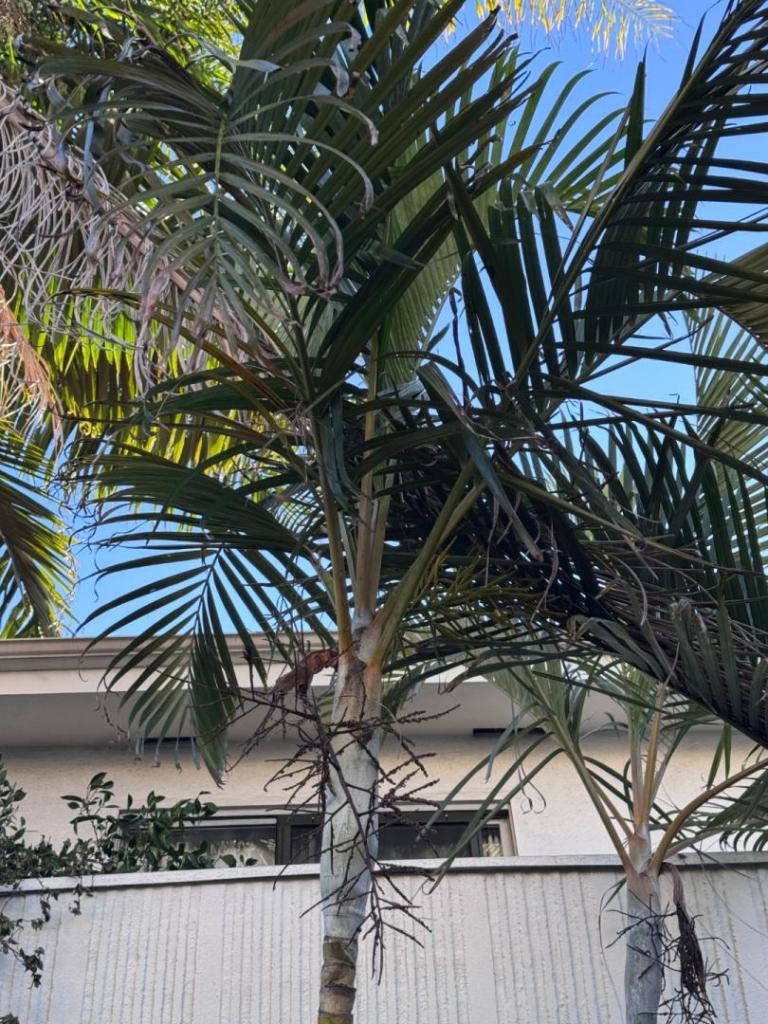

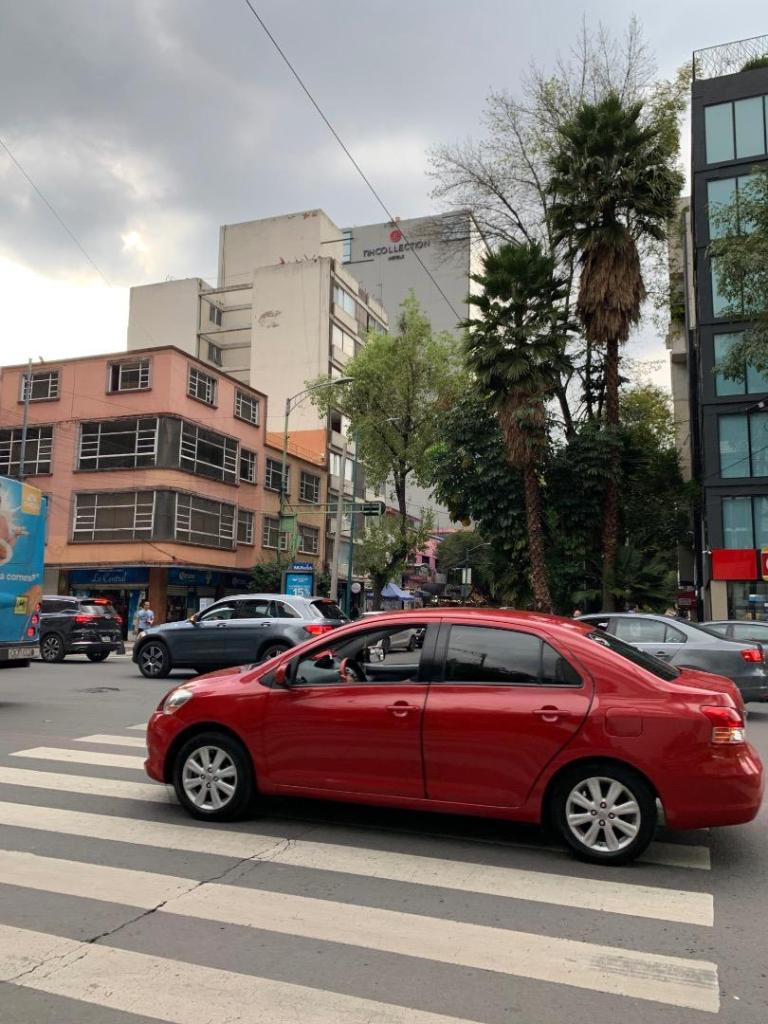 2 points
 -
The three burnt coconut trees in the back have distinctly yellow/orange nuts, the one in the foreground has green ones. That is some good information on the cold hardiness of your Panama tall vs Malayan dwarves, thanks for that. I had a bizarre experience with some cold weather and Malayan dwarves that may be interesting. Not sure of the year, maybe 2004, a strong cold front came through followed by high winds and extremely dry air. I had just planted 4 Malayan dwarves in my front yard, walmart specials. My bright idea was to points a strong stream of water into the wind so that it would blow back over the coconuts, thinking this would keep everything warmer. When I woke up the next morning there was no freeze and the neighbor's plants mostly undamaged, but my front yard was a winter wonderland coated in ice, I guess because of evaporative cooling in the dry air. The coconuts stayed green for a couple of weeks but they were goners.2 points
-
What is so different about it. I truly don’t see it . Harry2 points
-
@JohnAndSancho Instagram links are a bit strange. They will embed perfectly fine on some apps but not others. There are 3rd party sites to work around this, but they get shut down pretty quick due to Meta rules.2 points
-
I think I'll give this a shot as well. I don't want to just immediately give up on them. I went and looked at the foxtail some more and there's still green in parts of the fronds. It's kind of a waxy brownish-green in some parts. The bigger spear is still firm towards the bottom and only the top is shriveled up. It definitely won't pull out yet, at least without significant force. The archontophoenix all have green left in their crownshafts, and the spears are at least partially brown but otherwise firm. I'm assuming the spears may weaken in the next couple of weeks. I will wait until early March to fertilize them and then give it another month or two before deciding whether to replace. I don't know how soon I should be applying peroxide and daconil. I won't wait too long.2 points
-
I wasn't able to get an accurate measurement in my yard due to all the drifting, but Swansboro in Onslow County recorded 17 inches and Peletier in Carteret County recorded 19.5 inches. Both communities are within a few miles of me.2 points
-
Not taking any chances here lol
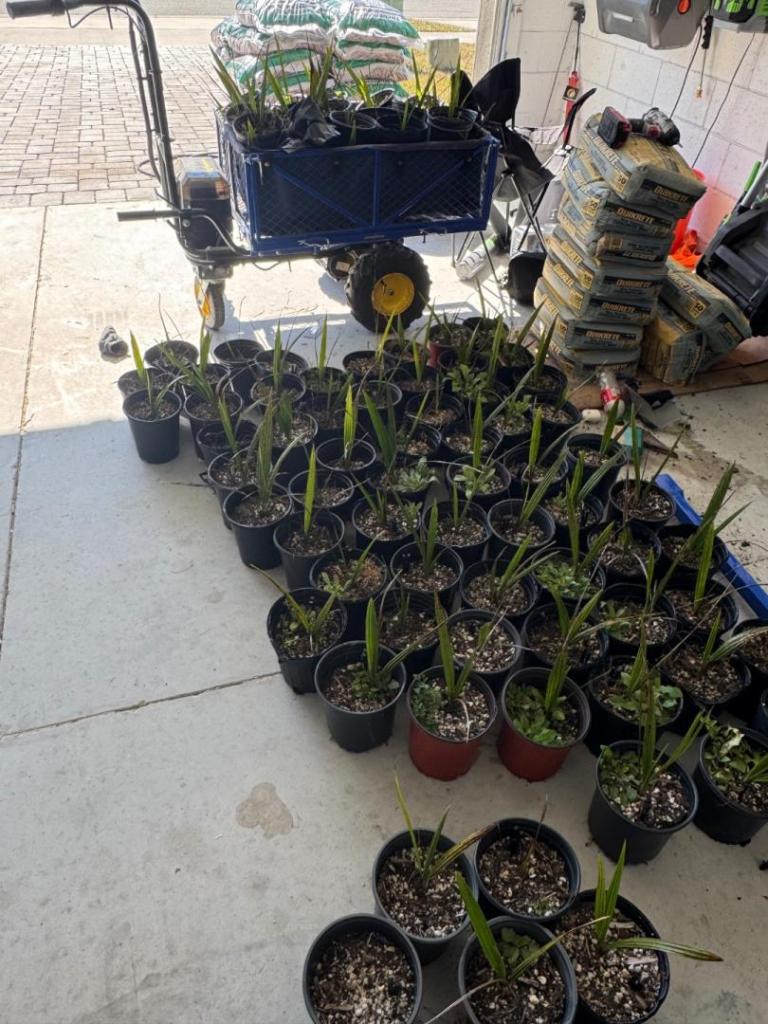 2 points
 -
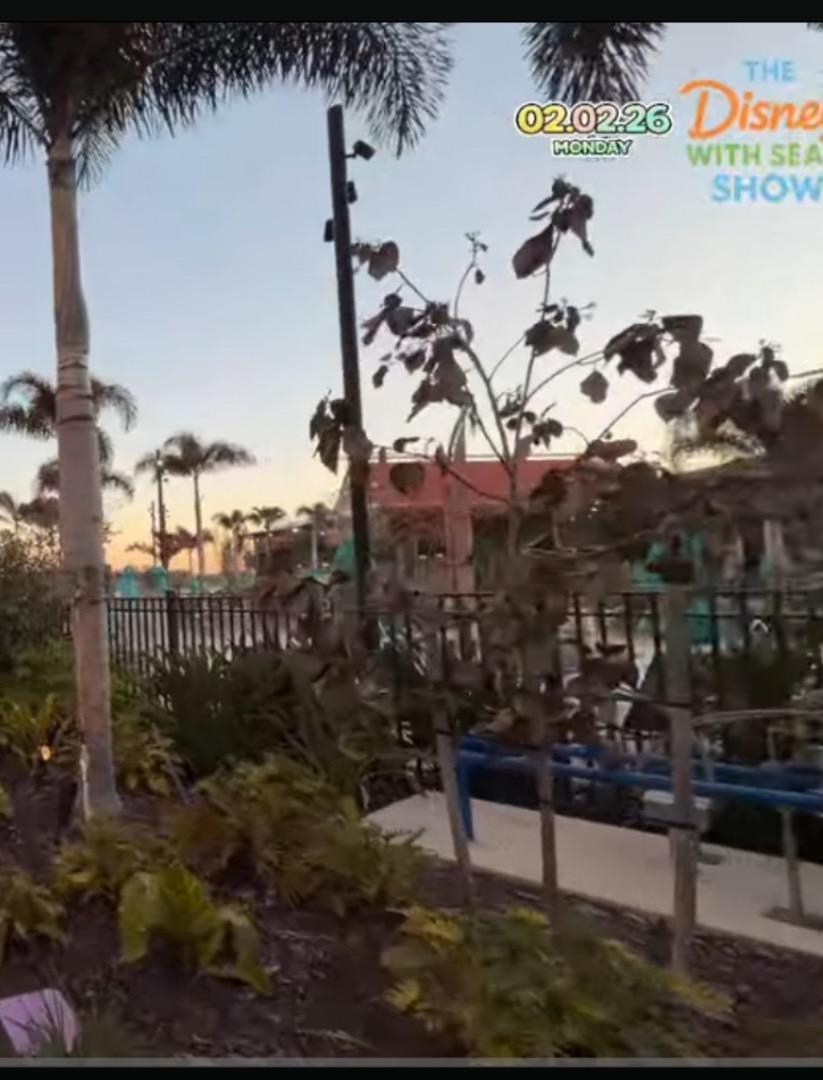
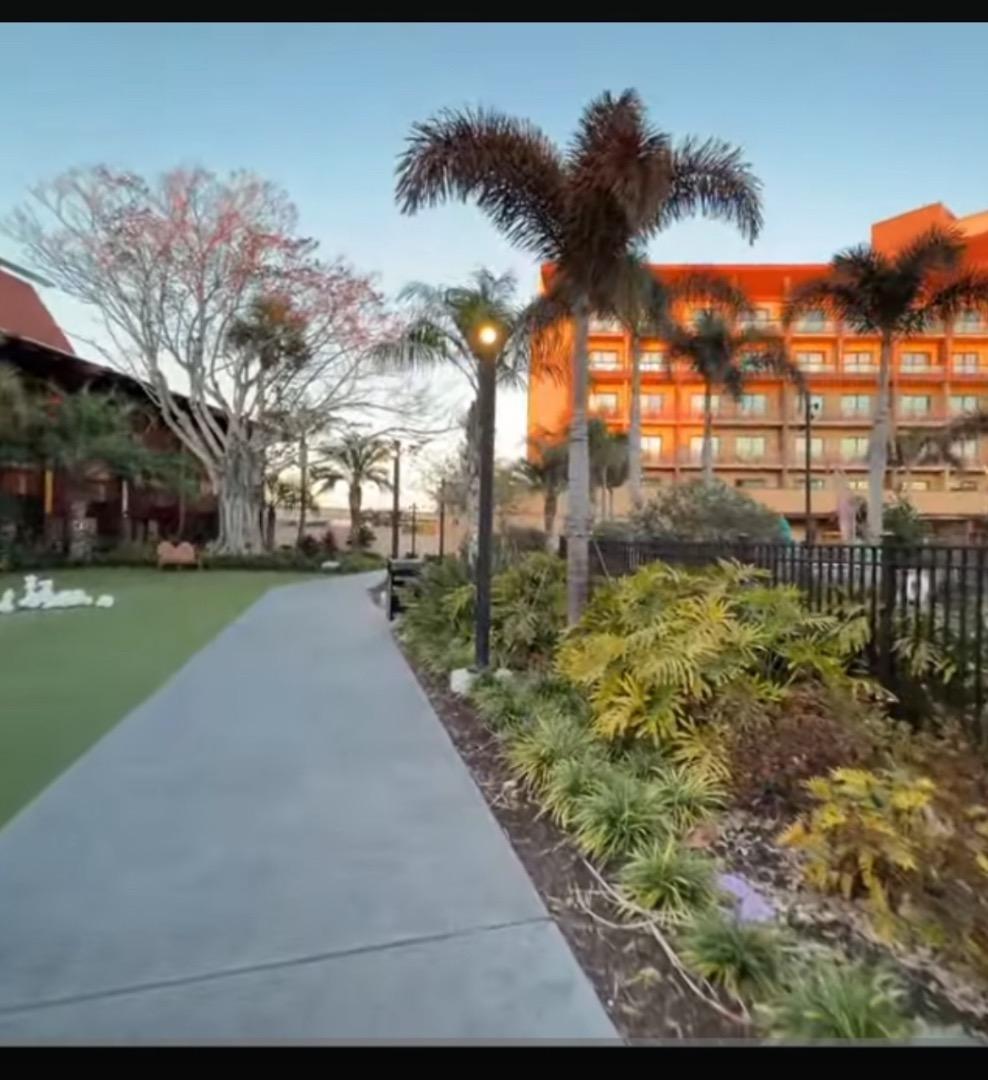
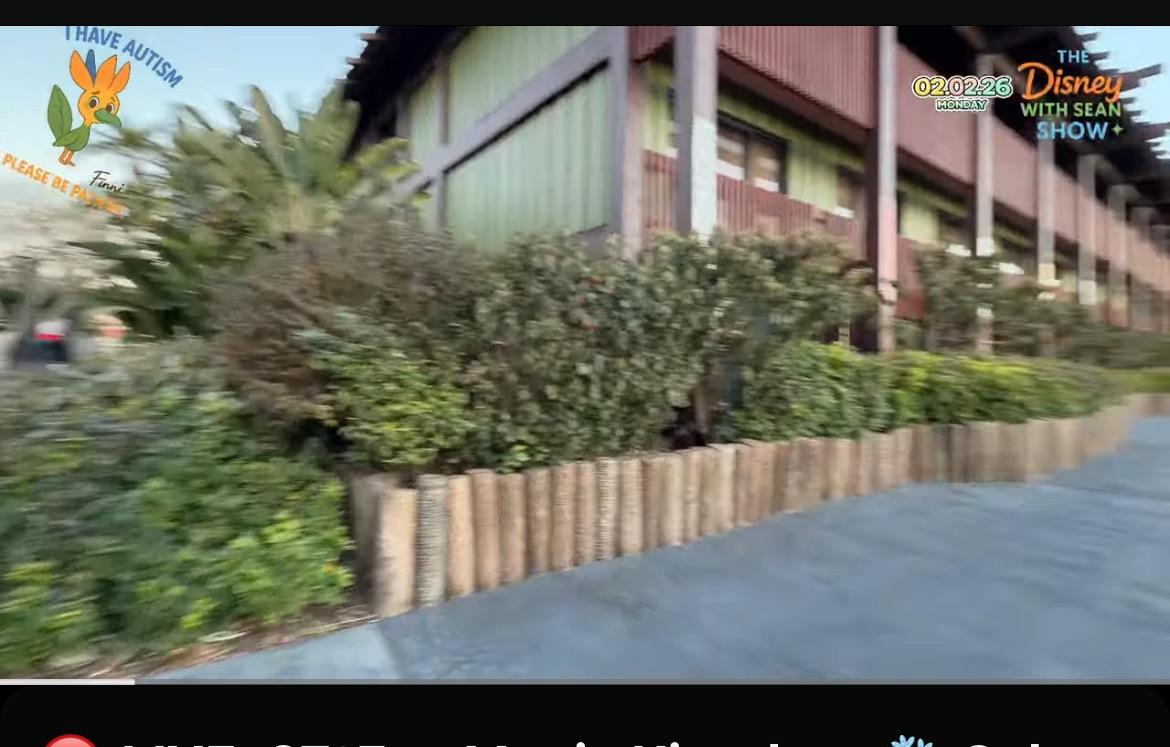
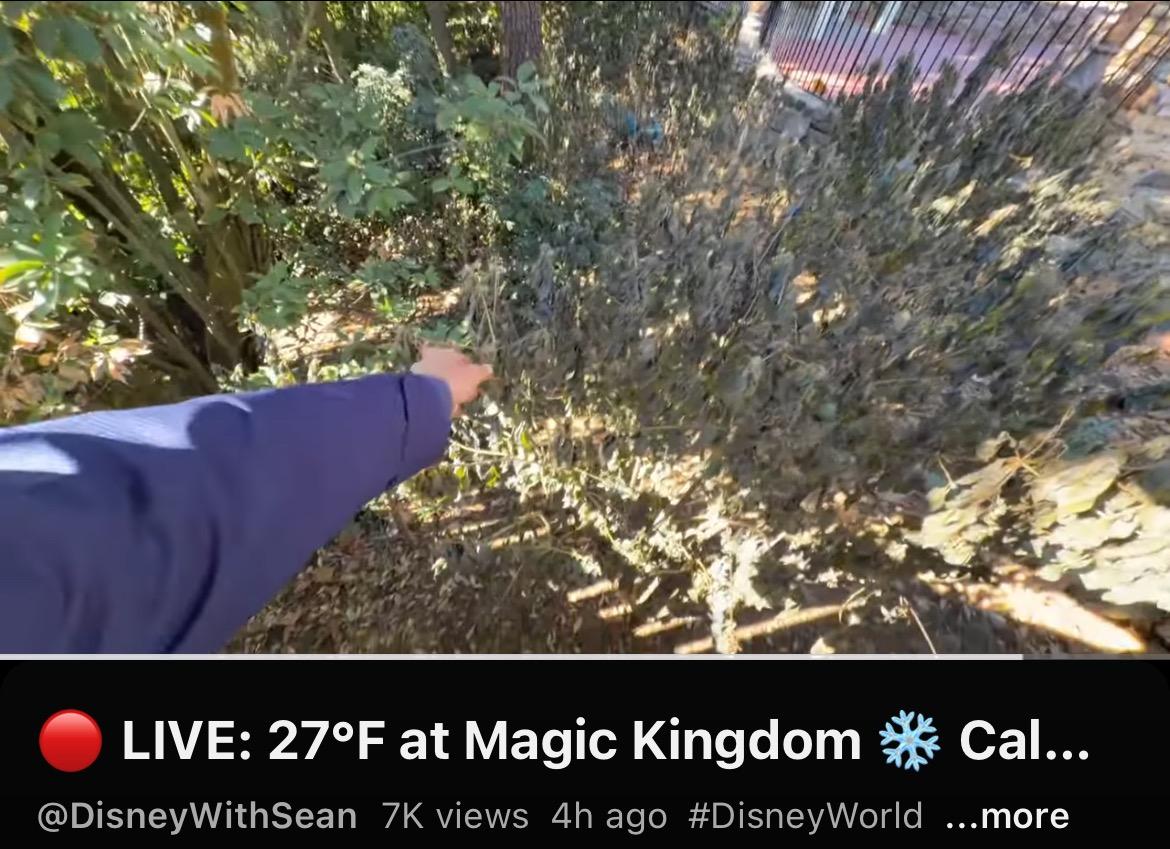
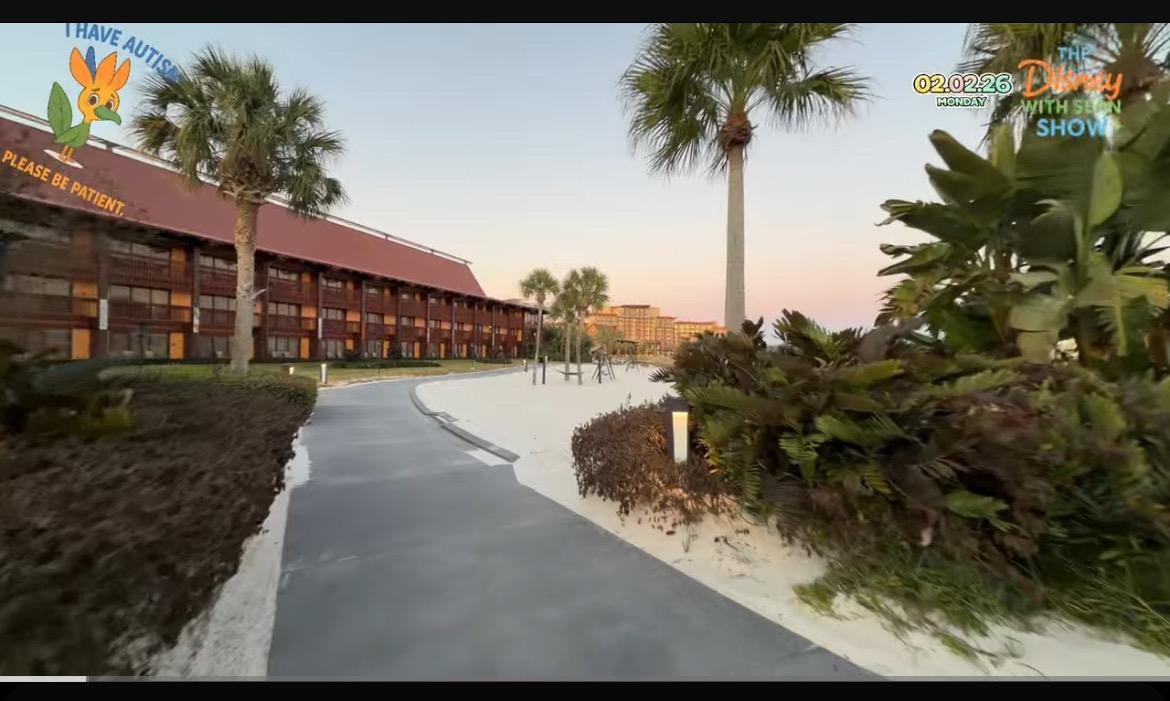
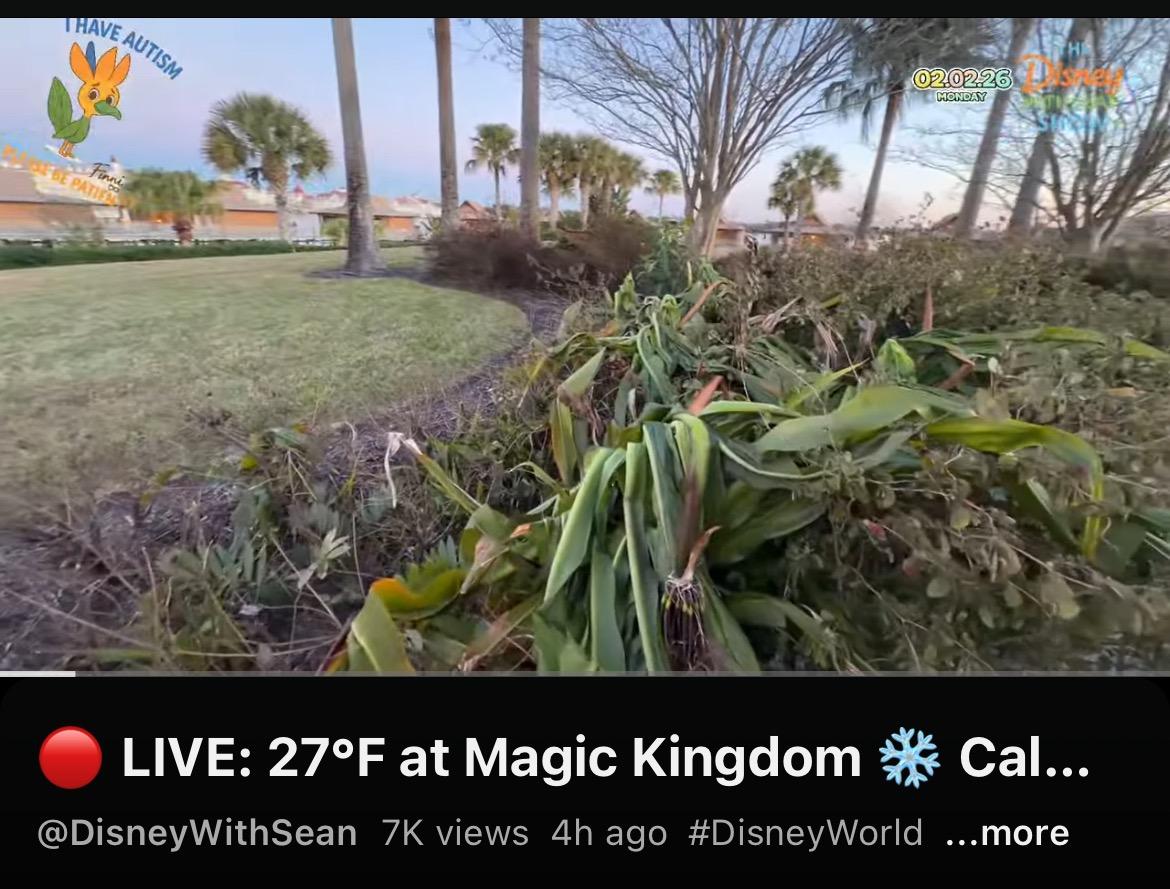
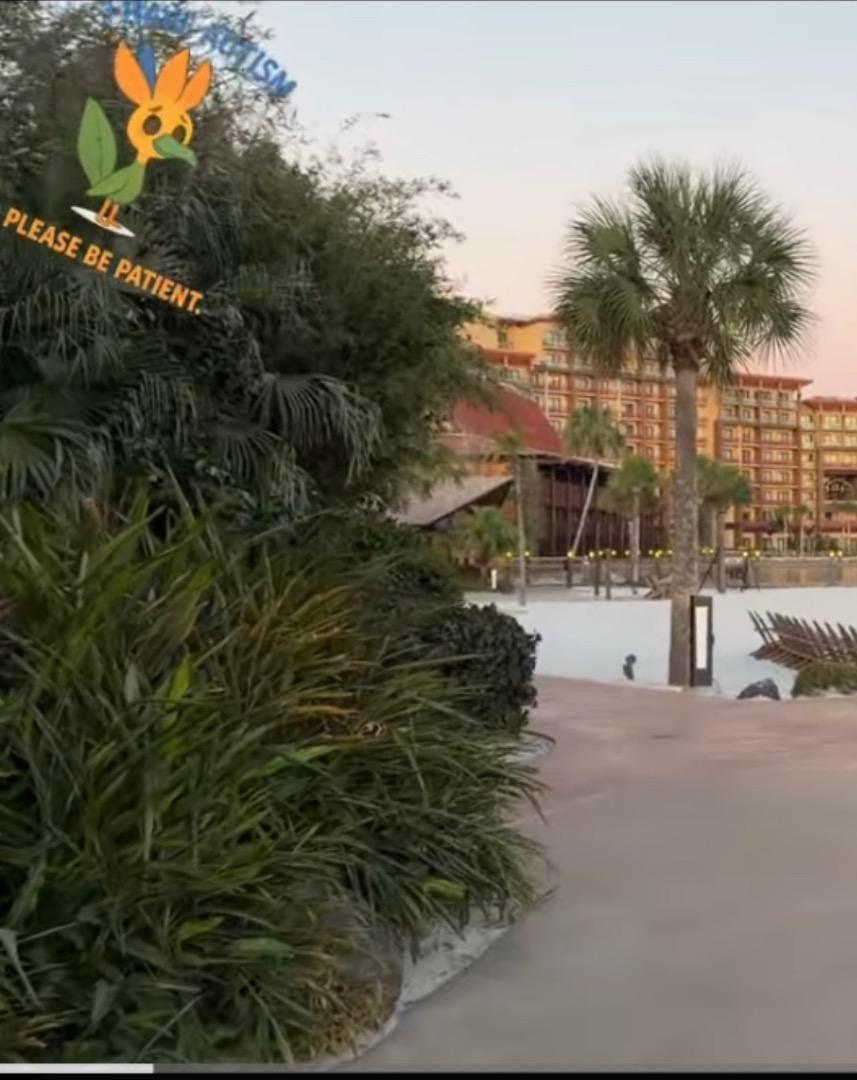
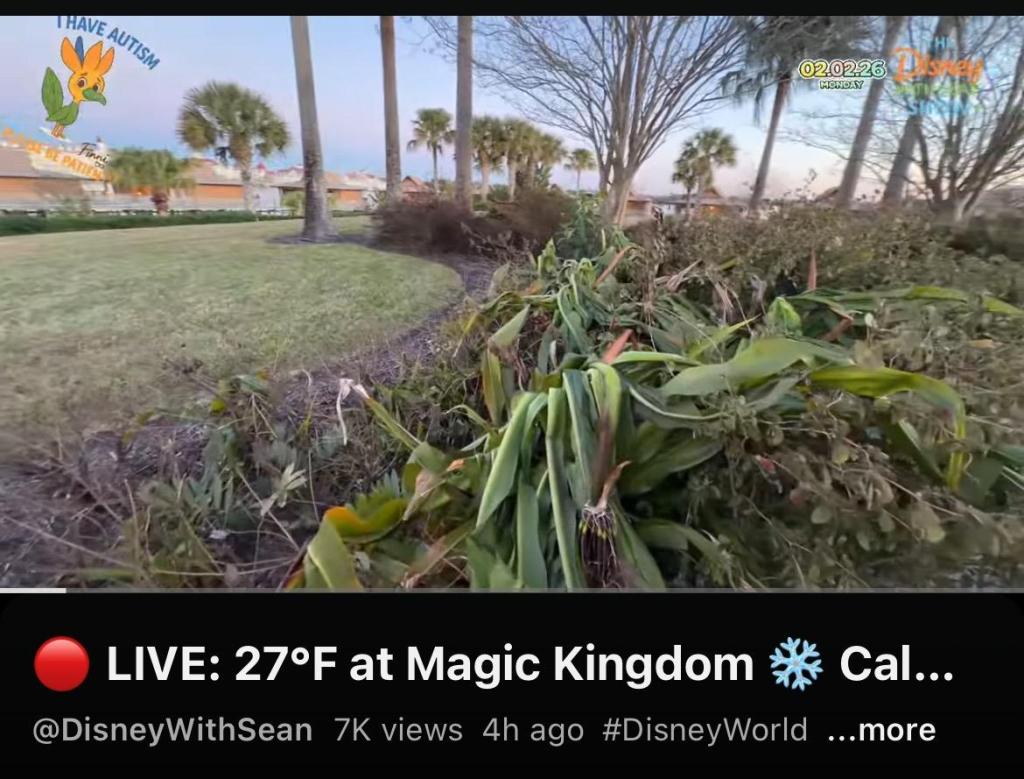
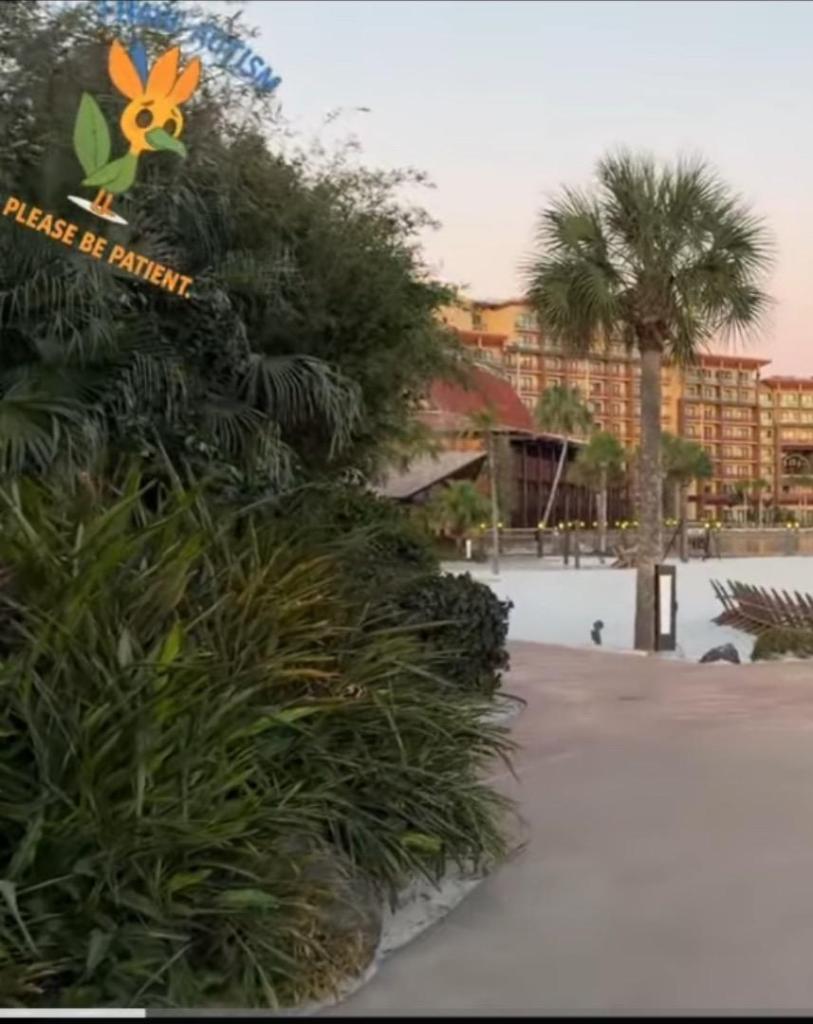
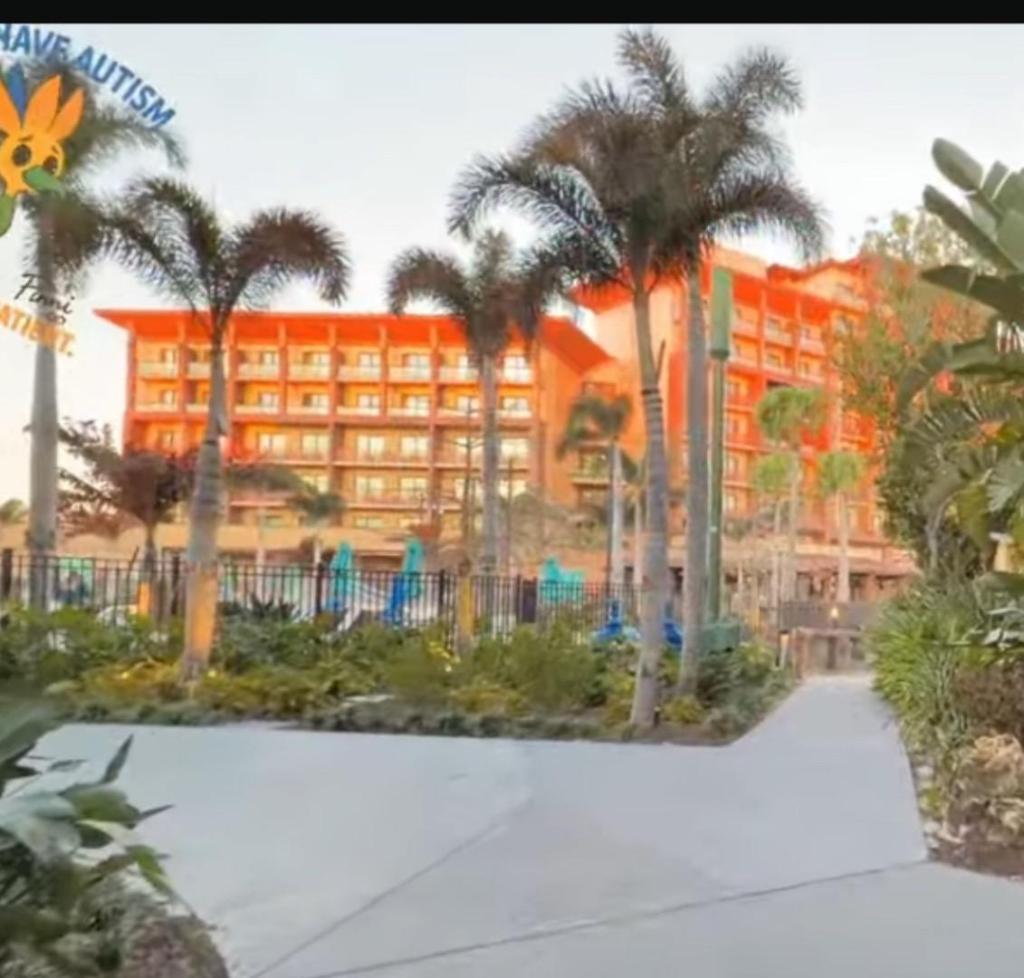
Couldn’t get a better image but the Satakentias at the Polynesian appear to be quite brown. Some kind of tropical broadleaf tree by the pool completely brown More brown foxtails and the large Ficus aurea (I think that’s the species) in the back left. I just looked up online that this species can naturally lose some of its leaves in the cooler weather in FL but I don’t recall seeing this one so leafless ever before. But this would be from earlier cold weather if that was the case. More shrub hedges browned (these might be Hibiscus or Ixora?) At Magic Kingdom the guy filming noted that some of the damaged plants were giving off a distinct smell. this was near Cinderellas castle.
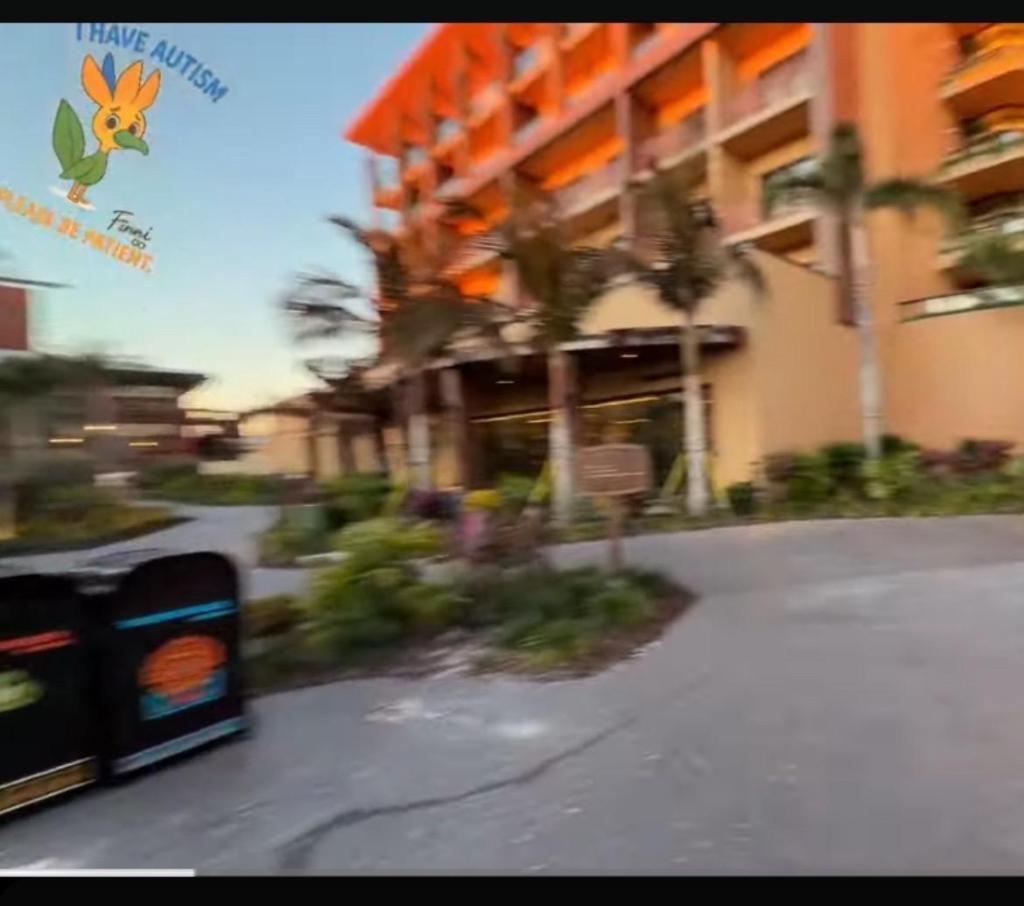
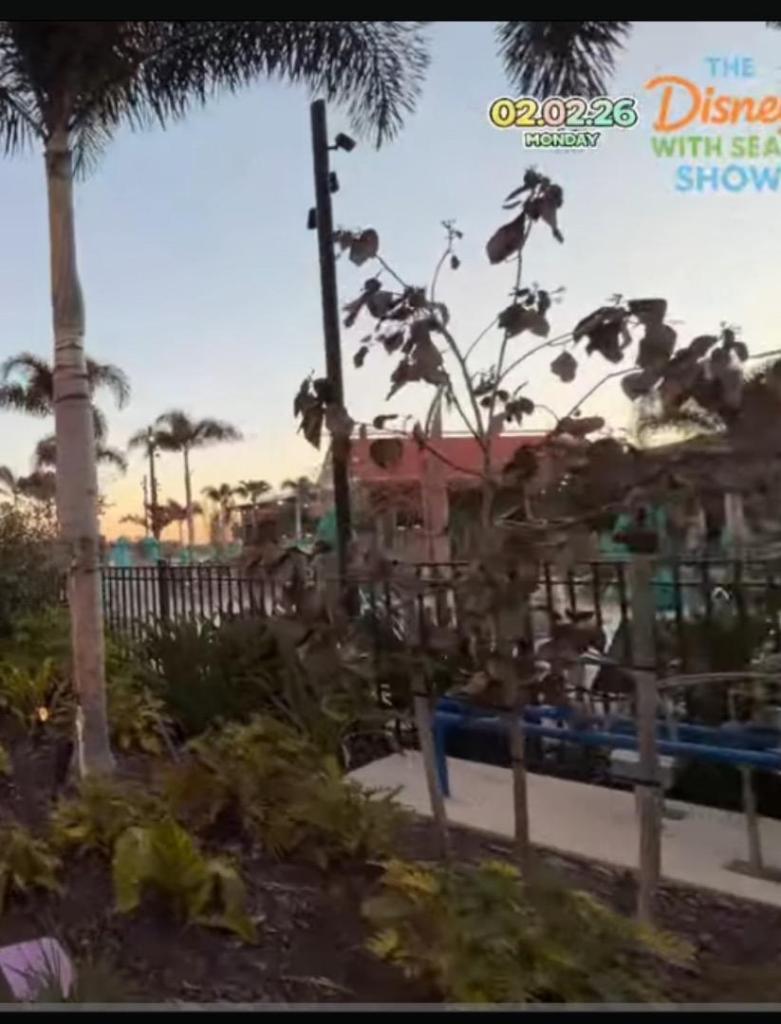
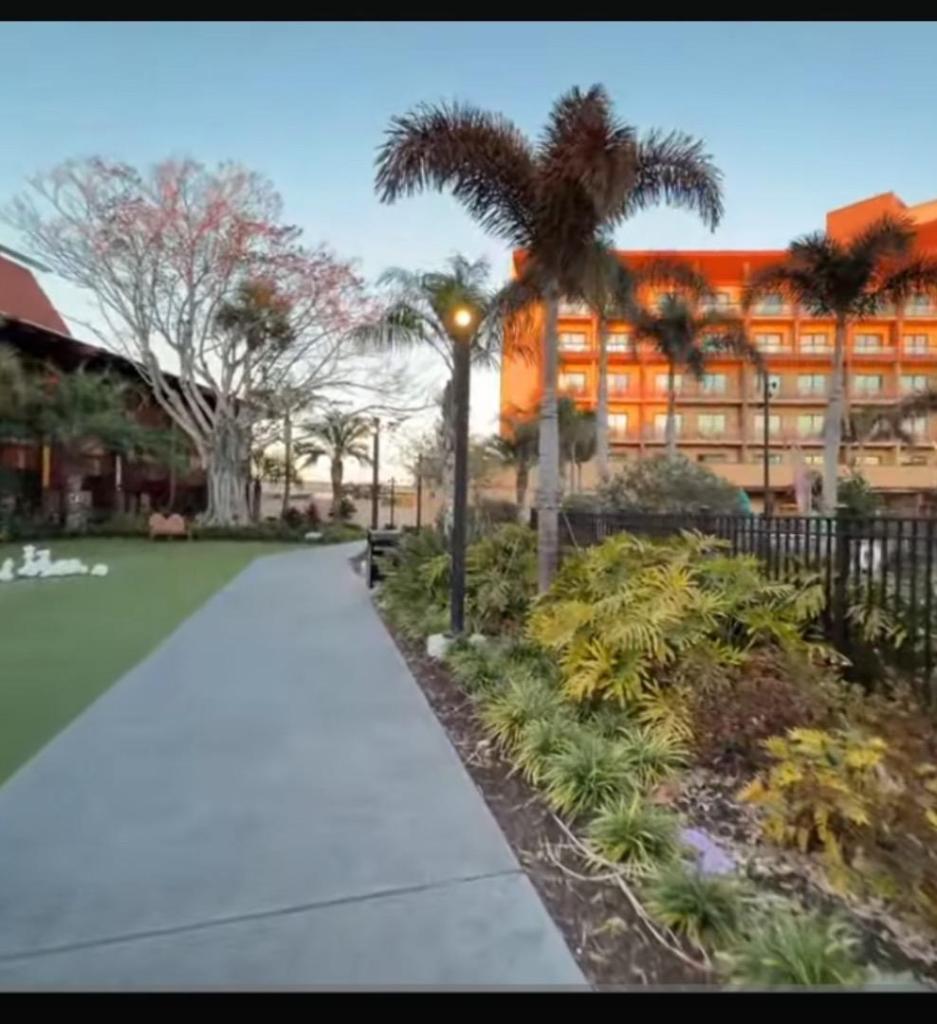

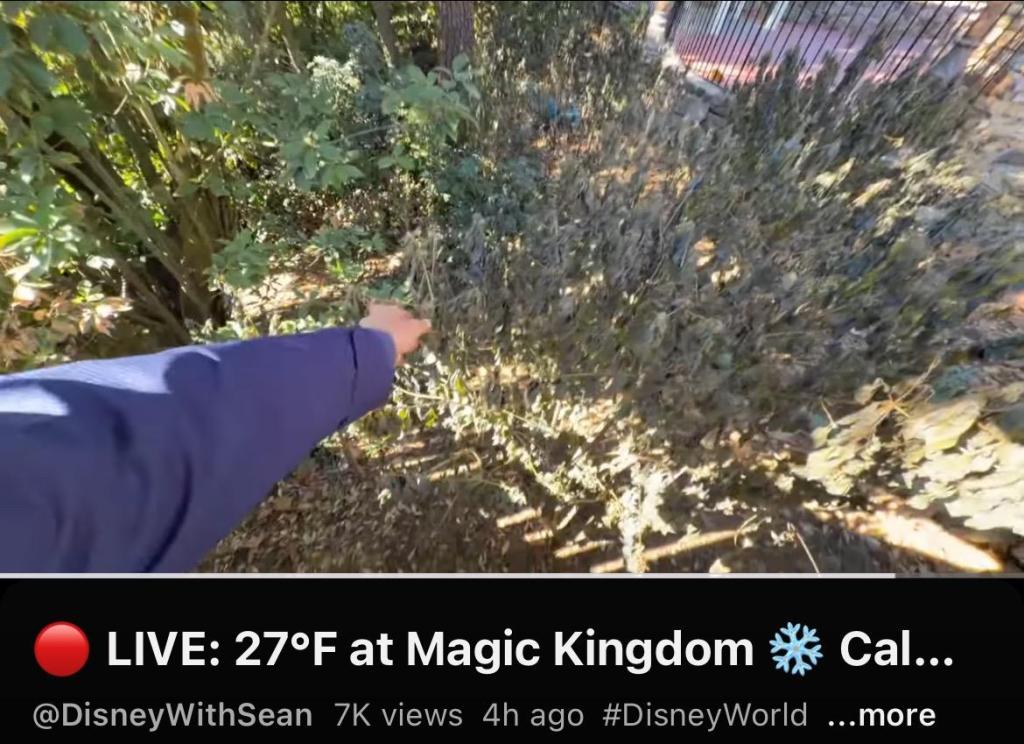 2 points
 -
Hard to tell but if you look closely the cardboard palms are about half brown. Strelitzia nicolai mostly unscathed? Or just not showing damage yet. I’d be surprised if they don’t show more damage. When I visited Disney after January 2018 I found some Strelitzia nicolai at the Polynesian that were mostly trunk as the damaged leaves had to be cut away. And that feeeze was not even as severe as this one. In my town, I notice that at around 26-27deg and below is when the leaves will start to get all brown and contorted. A damaged Crinum lily alongside some shrub hedge that is also damaged.
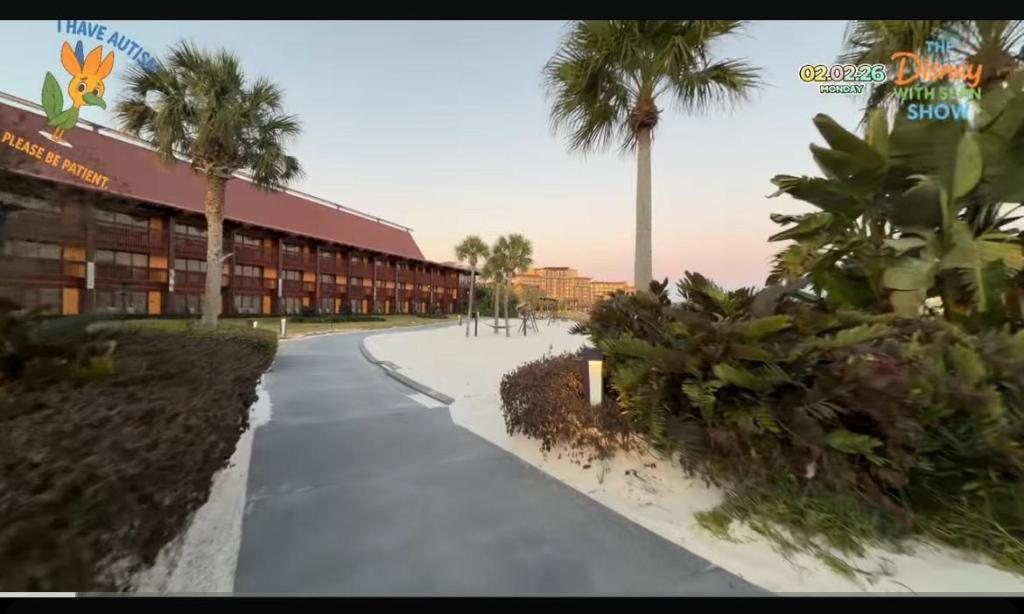

 2 points
 -
Disney’s Polynesian this morning. Heliconia leaves looked curled but haven’t turned brown yet. Foxtails definitely showing it

 2 points
 -
Just evidence how memorable this cold event will be. Arctic air originated in the Hudson Bay and got pulled directly into Florida. The further South you go, the kore it got modified. Also shows how microclimates work. I'm less than 3 miles from MCO on a large lake. My station and several.others all had low dewpoints between 10 and 15 vs their 4. Very interesting.2 points
-
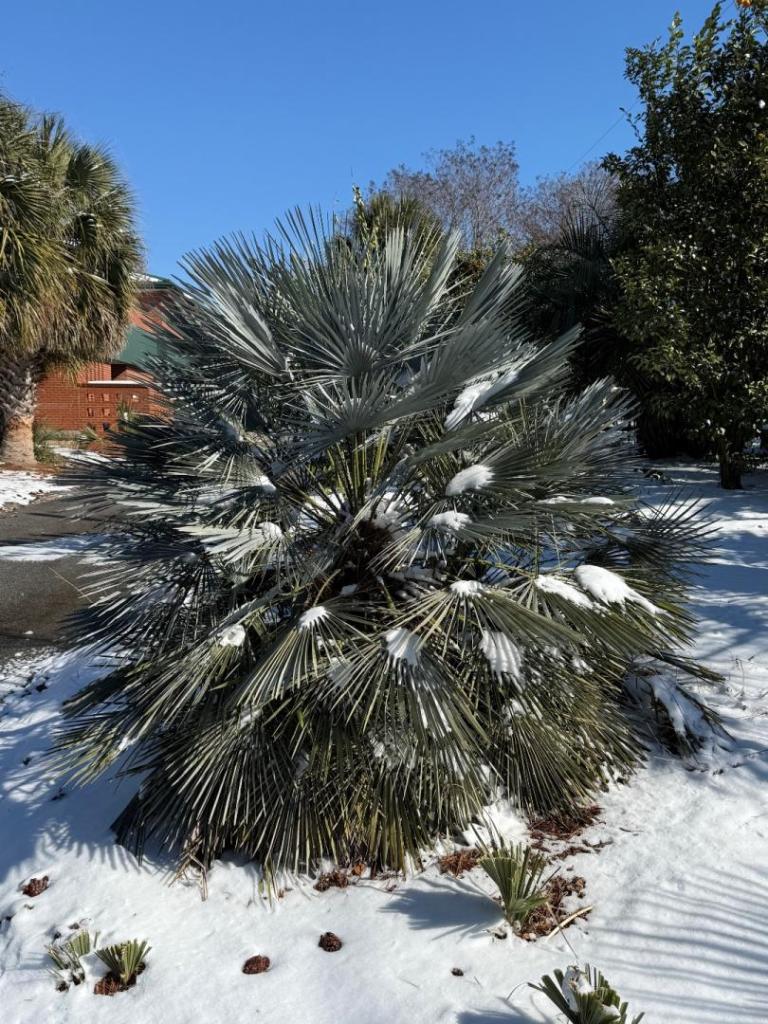
From Sunday, 1 February 2026. We had 3.5" of fluffy snow - no heavy ice or sleet. The lowest low was around 17F briefly and we made it way above freezing every day during this winter insult. The cycads will have to be defoliated which is not an issue. They'll recover quickly and the defoliation will remove a lot of scale.

 2 points
 -
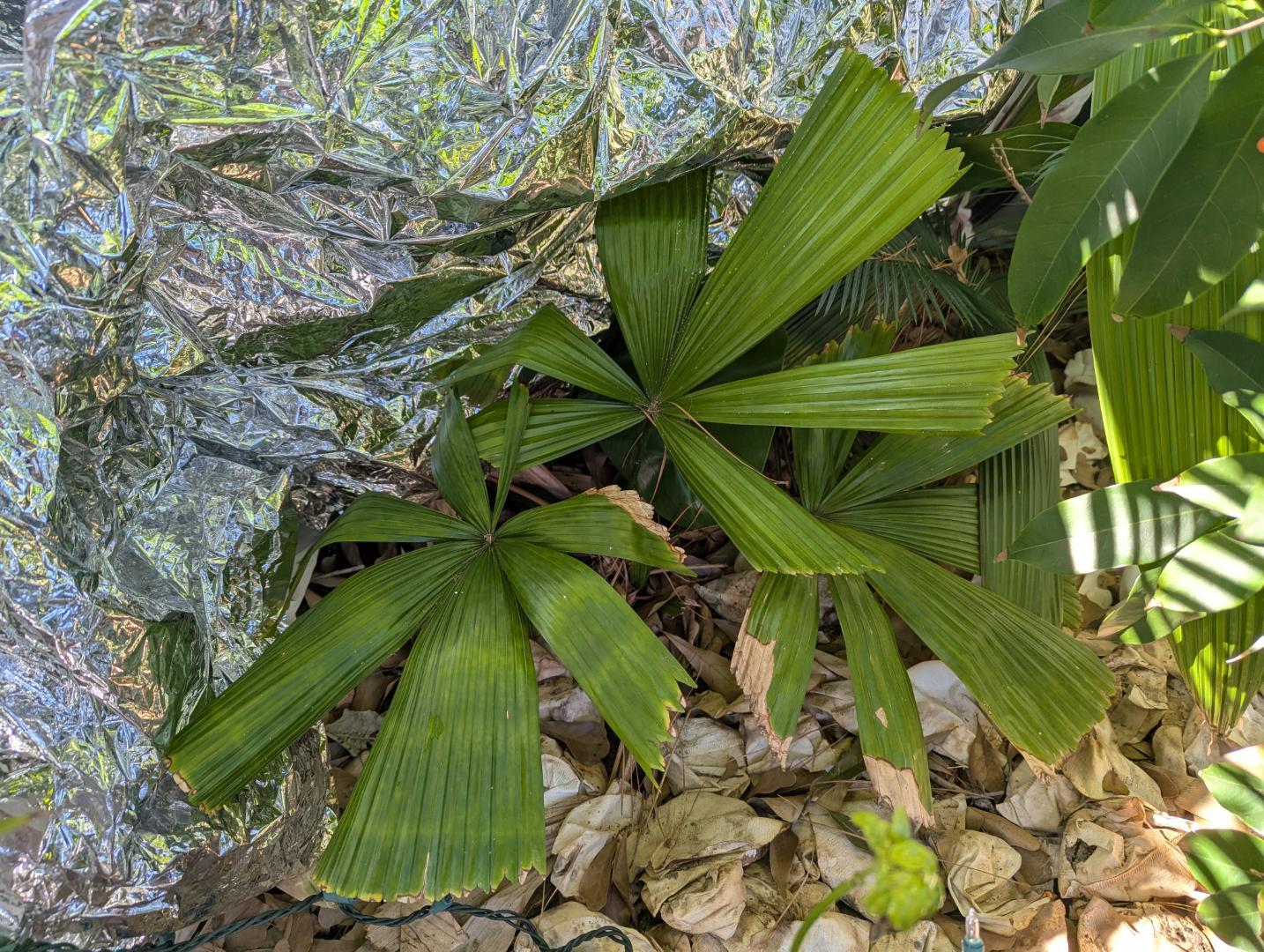
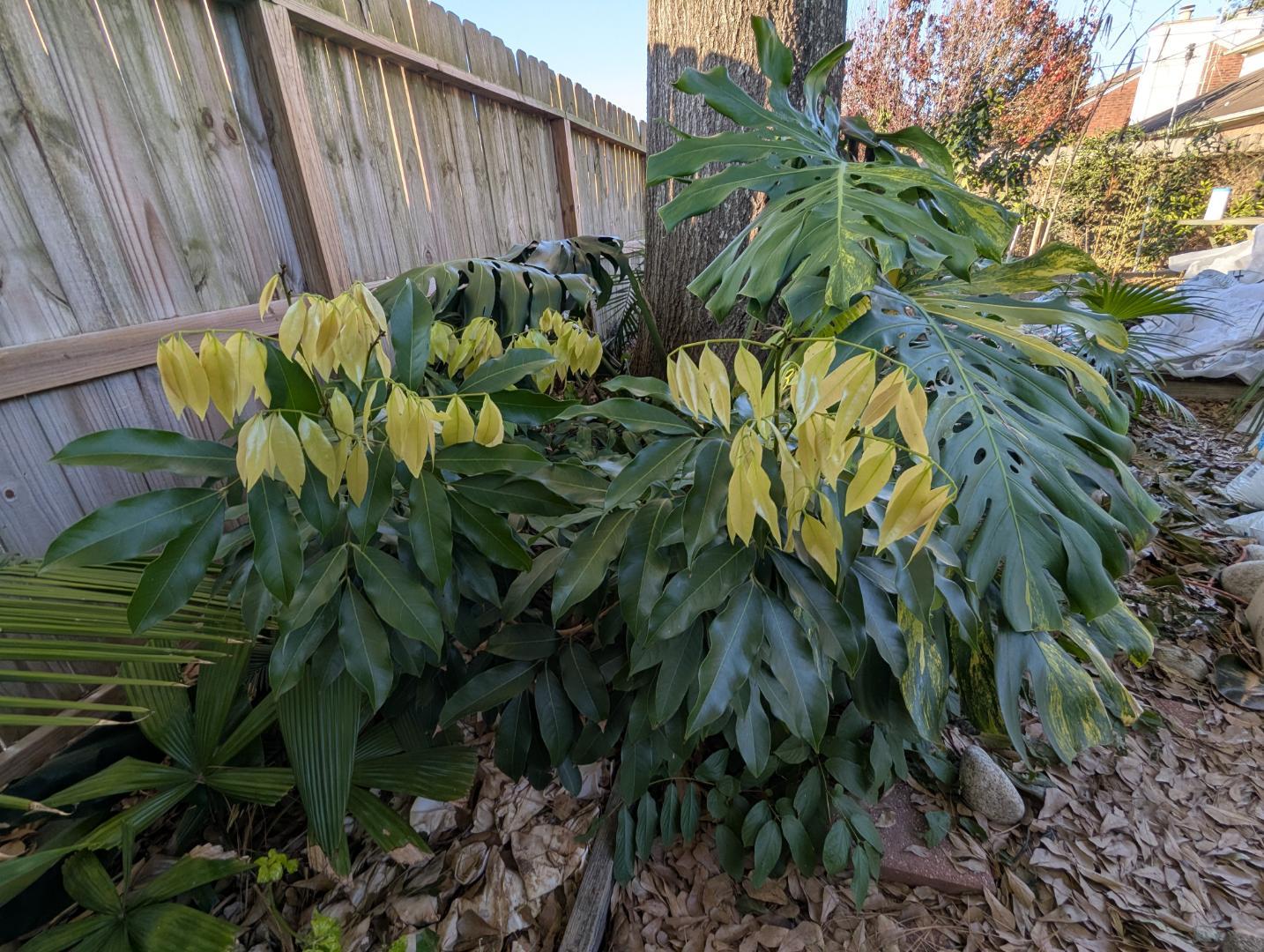
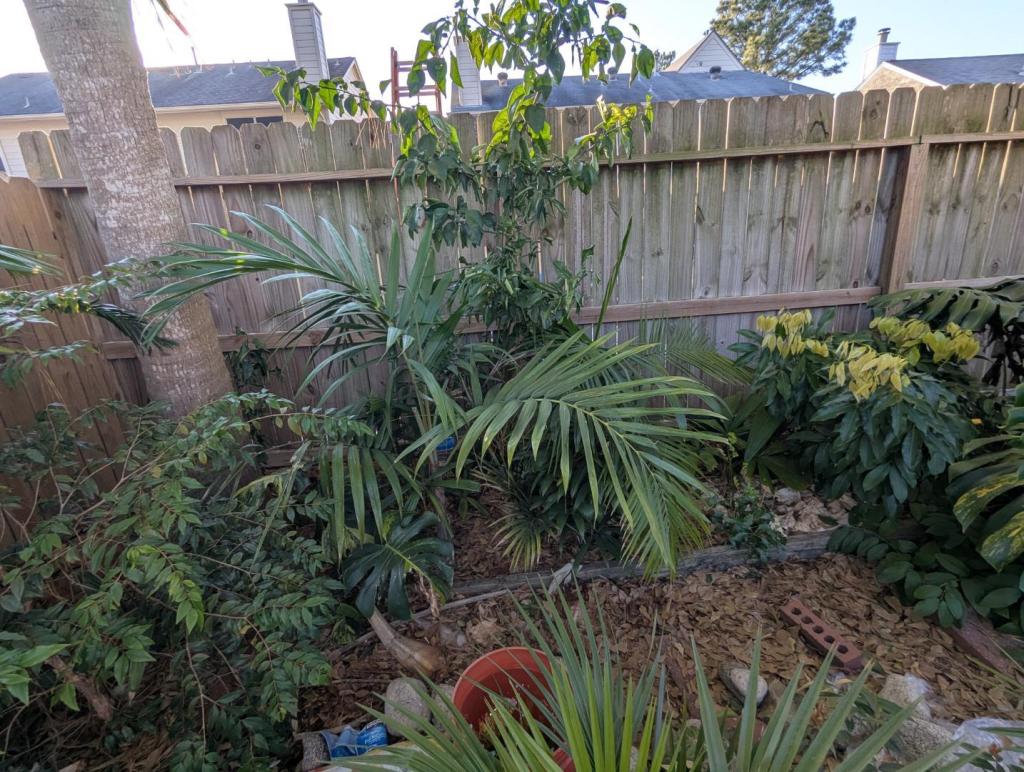
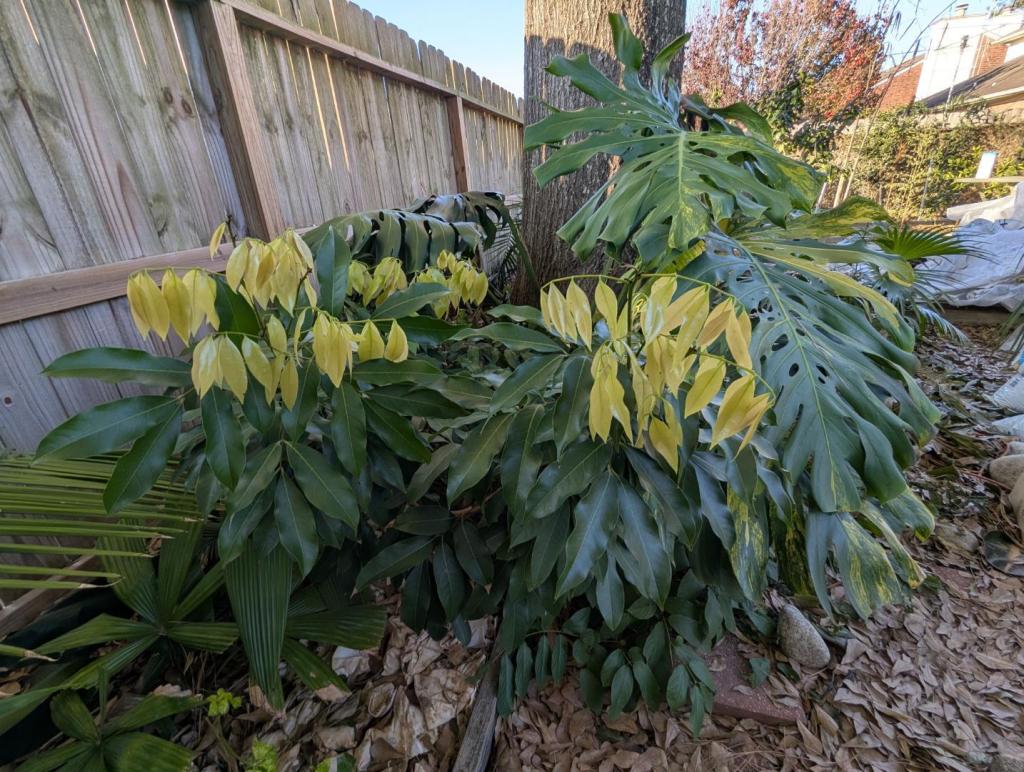
We got live ones under the covers! Unprotected Queens and bismarckia have some discoloration at the leaf tips if you look closely (the burn will show up later) Euterpe edulis lives to see another summer Cyphophoenix elegans Lychee new growth looks good to go




 2 points
 -
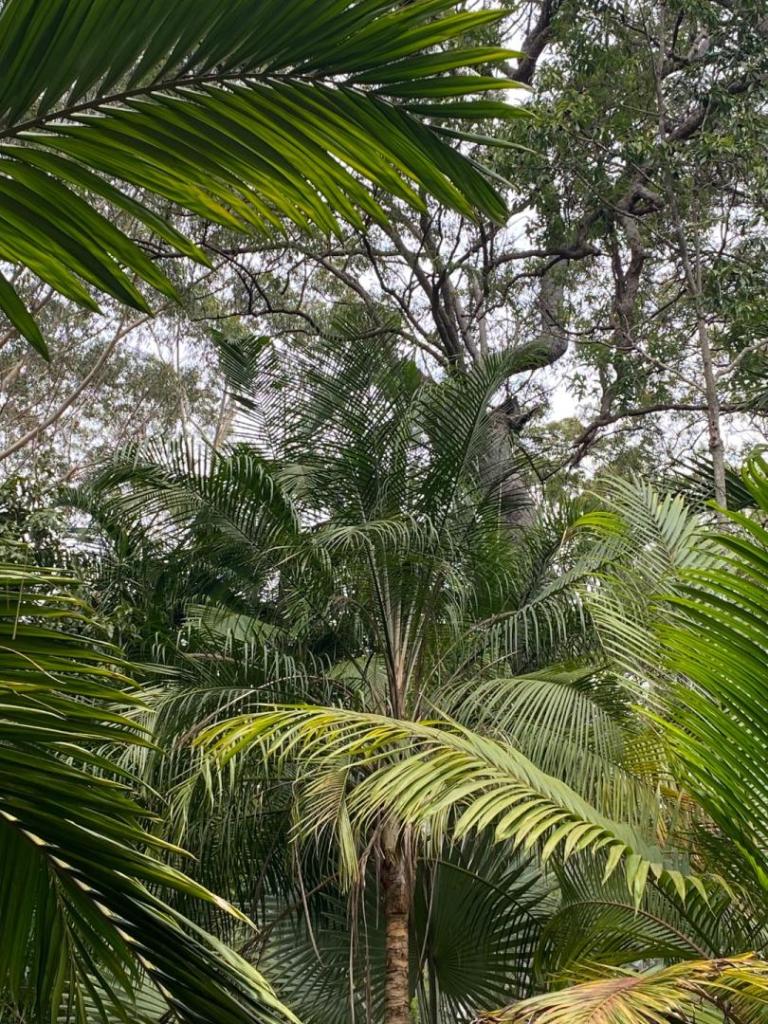
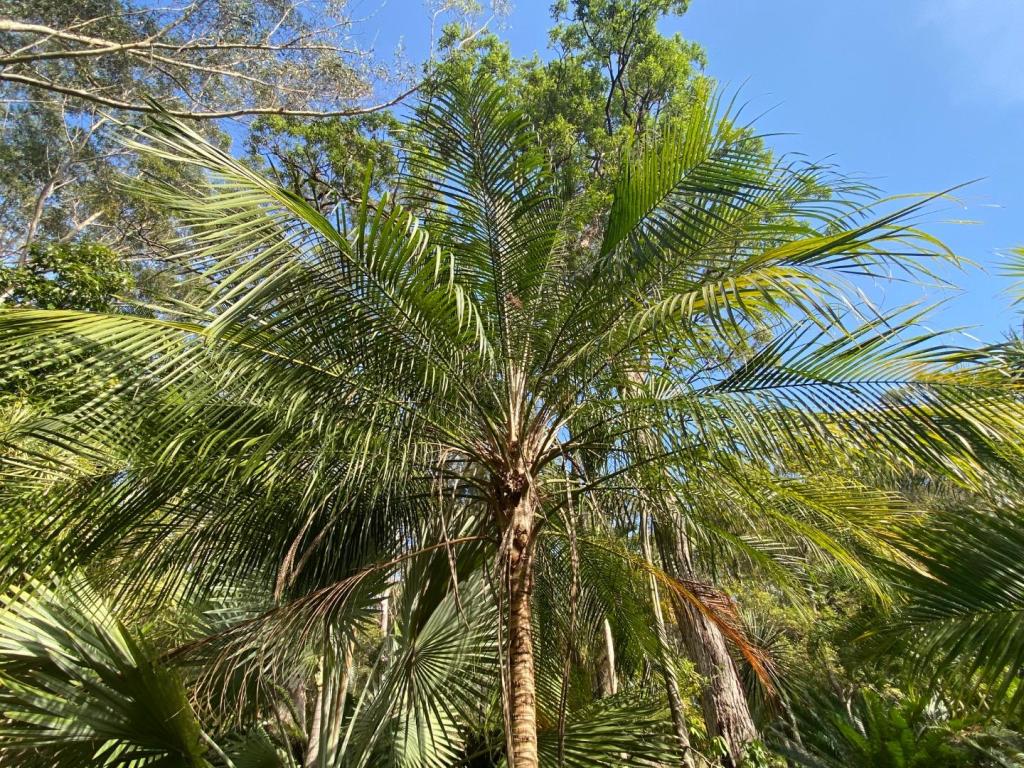
Another one of my Ravenea glauca loving the summer heat. Along with a nice Pinanga coronata.
 2 points