Leaderboard

(151x200).thumb.jpg.7e79a6bcef4c7ed705373f7e90ce6b6b.jpg)
Popular Content
Showing content with the highest reputation on 02/02/2026 in all areas
-
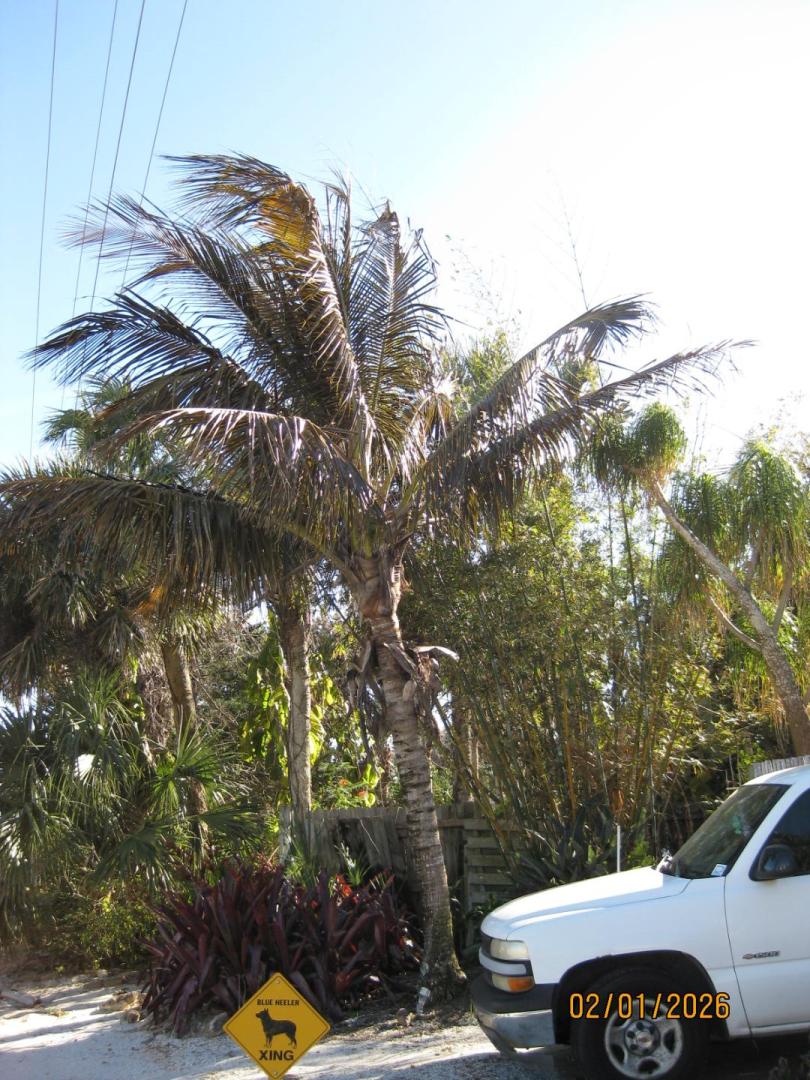
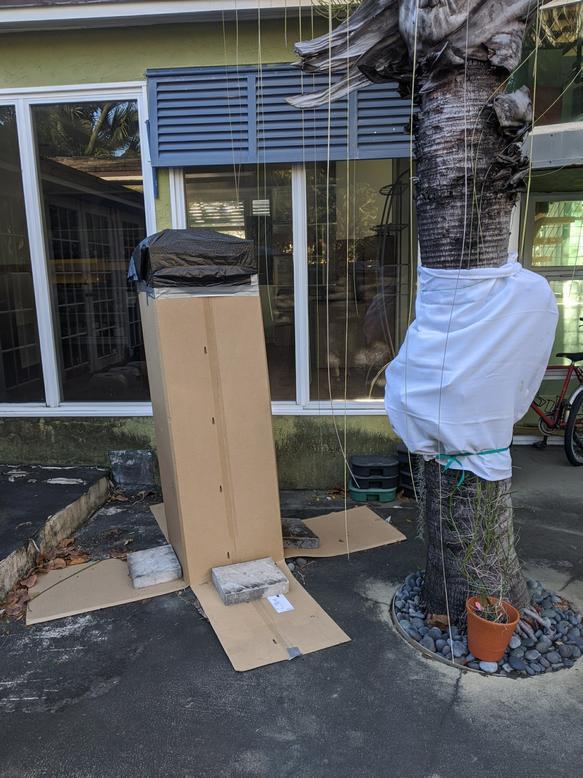
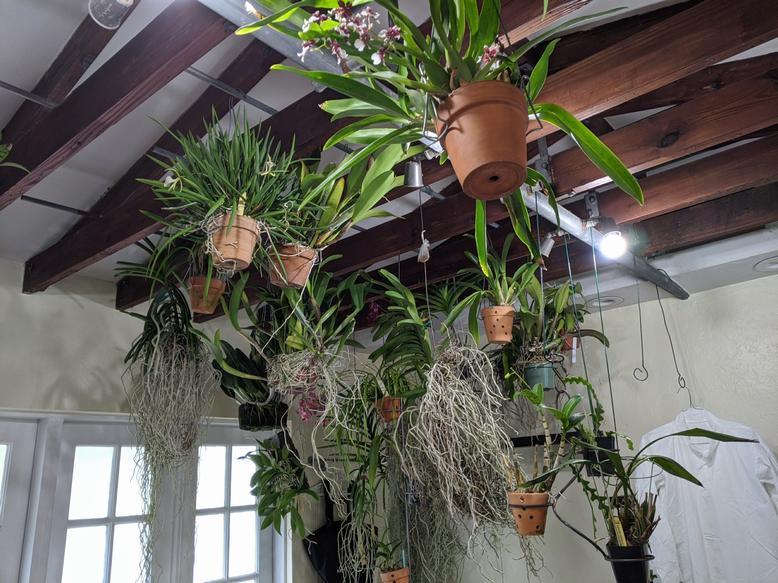
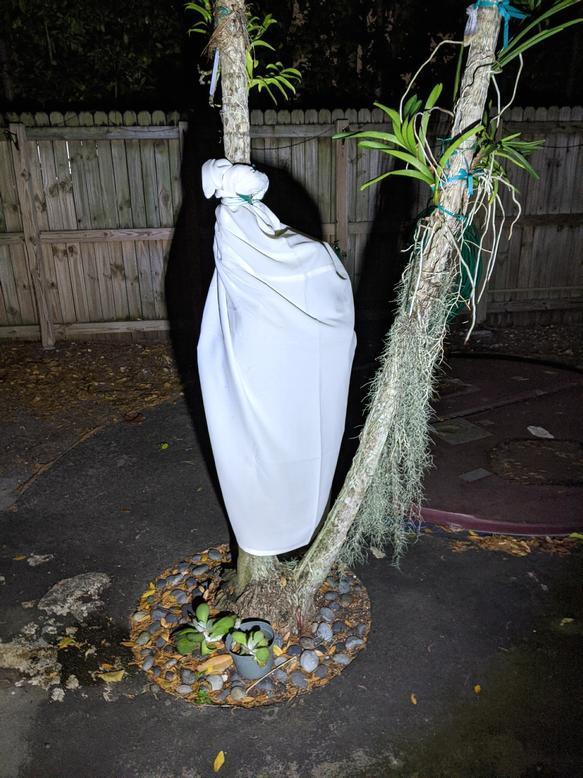
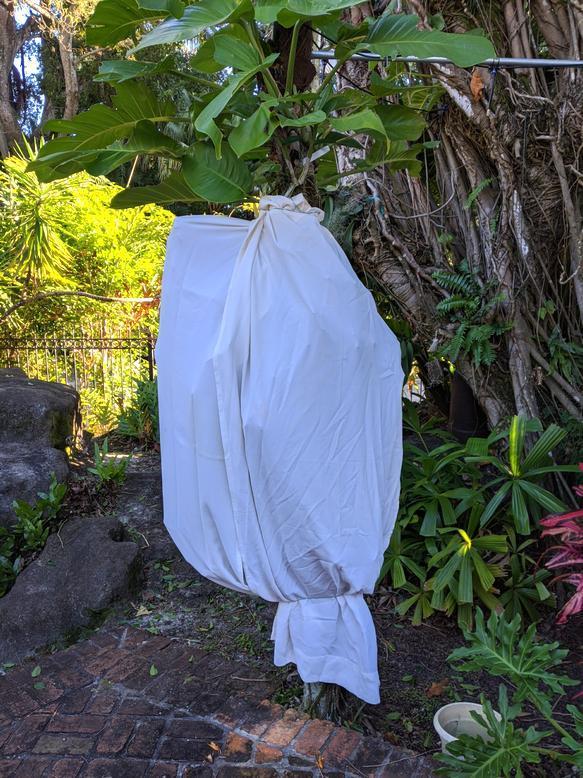
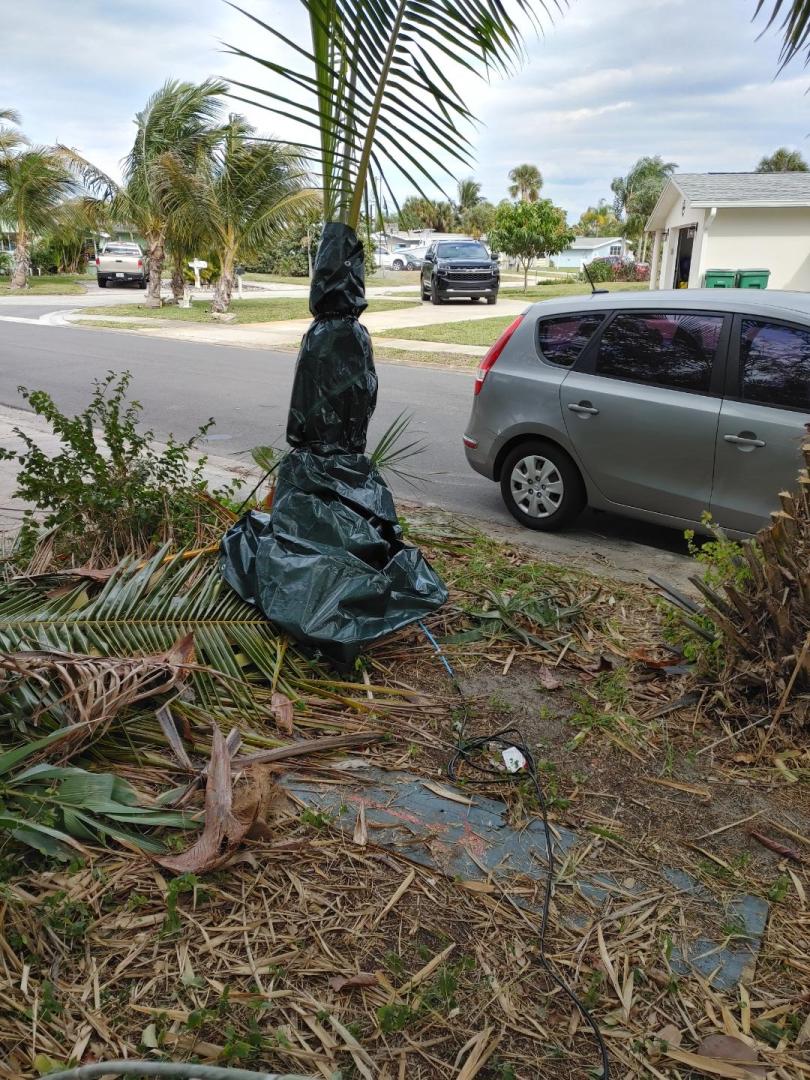
It feels colder but last night was much more windy in east Fort Lauderdale. I had tarped along 95 linear feet of fences where many of my crotons are planted, top side screwed to the fence, and bottom weighted down with concrete bricks and blocks. This morning I went outside at 5am and 20' of it were blown loose and flapping in the air. I only most of the smallish palms covered up with upside down 25G pots. I left the all the big ones exceeding 20' to fend for themselves. I think my 50' tall coconut palm is very questionable (it's companion another 55' tall coconut palm came crashing down a few months back from butt rot). Here I got some of them covered with cardboard boxes weighted down with bricks at the base. Here is the Hydriastele beguinii Obi Island being boxed in. I didn't have time to wrap blankets or insulation around them just the box outside to keep the wind out, so keeping fingers crossed. Some orchids and palms taking refuge in the living room. As far as orchids on tree and palm trunks, I only got to cover may be 10% of it, ran out of time and curtains, blankets, towels, tarp. I think I will remove all the covers and tarp tomorrow afternoon. Good luck everyone.





 8 points
 -
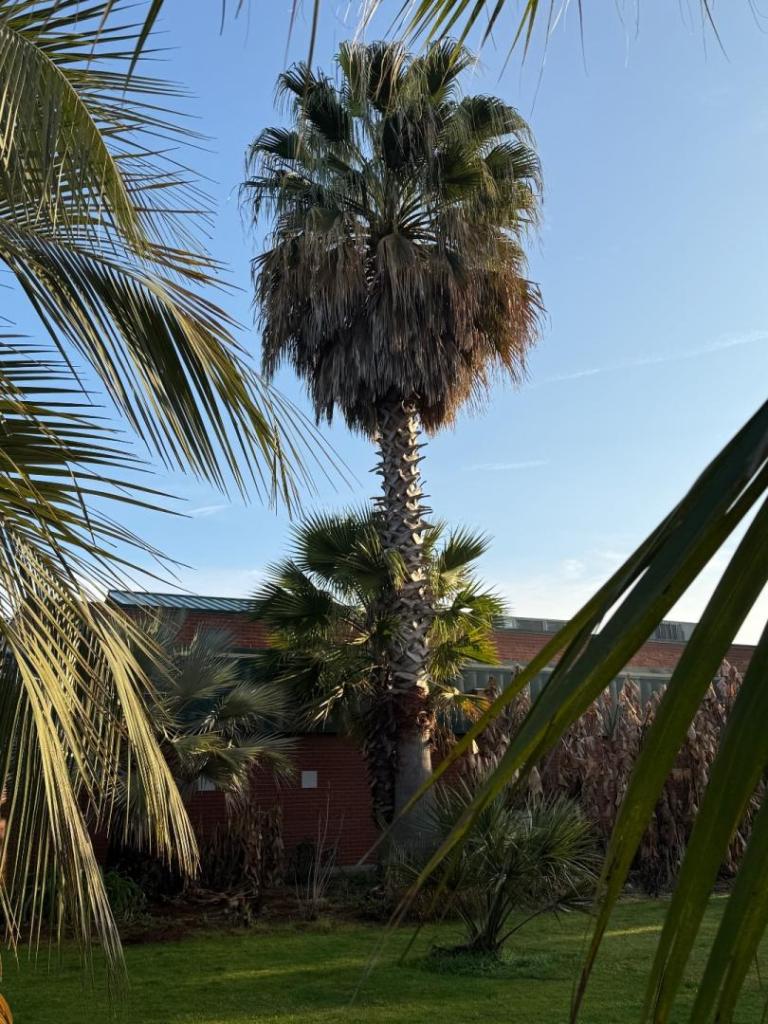
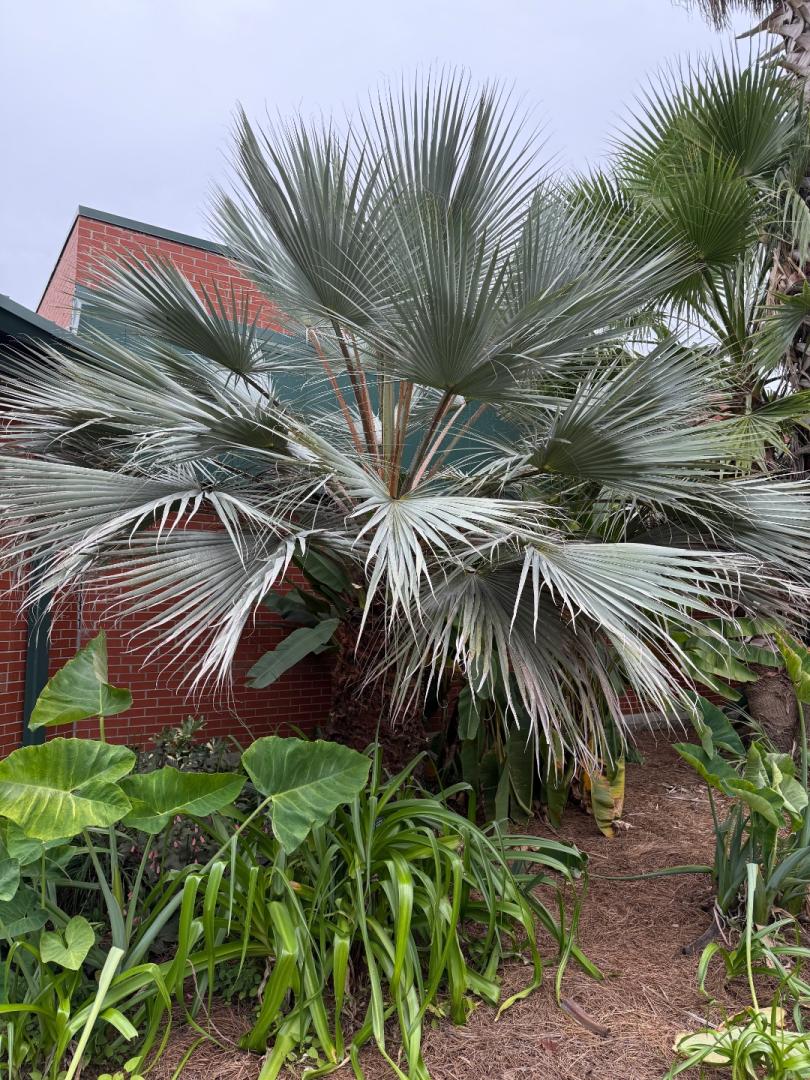
Here are a few other things at the school. Top to bottom: Washingtonia filibusta, Butia x Jubaea from Dr. Merrill Wilcox, Sabal rosei, Chamaerops humilis 'Argentea', Brahea armata and Nannorhops ritcheana in my front yard a mile from the school.
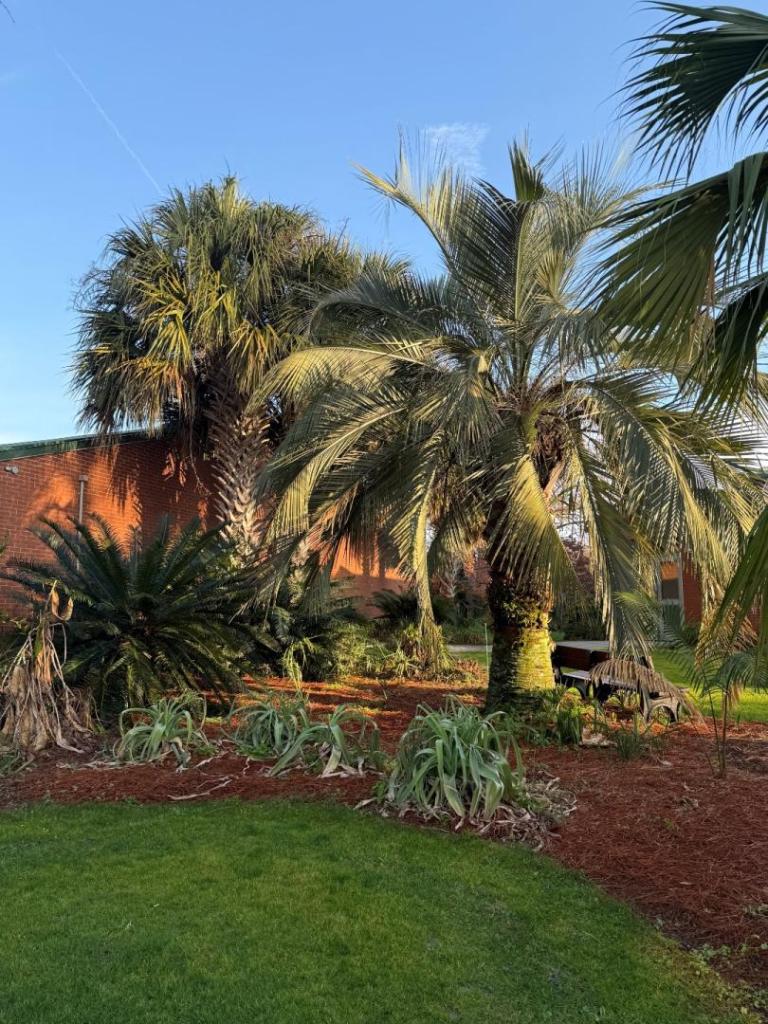
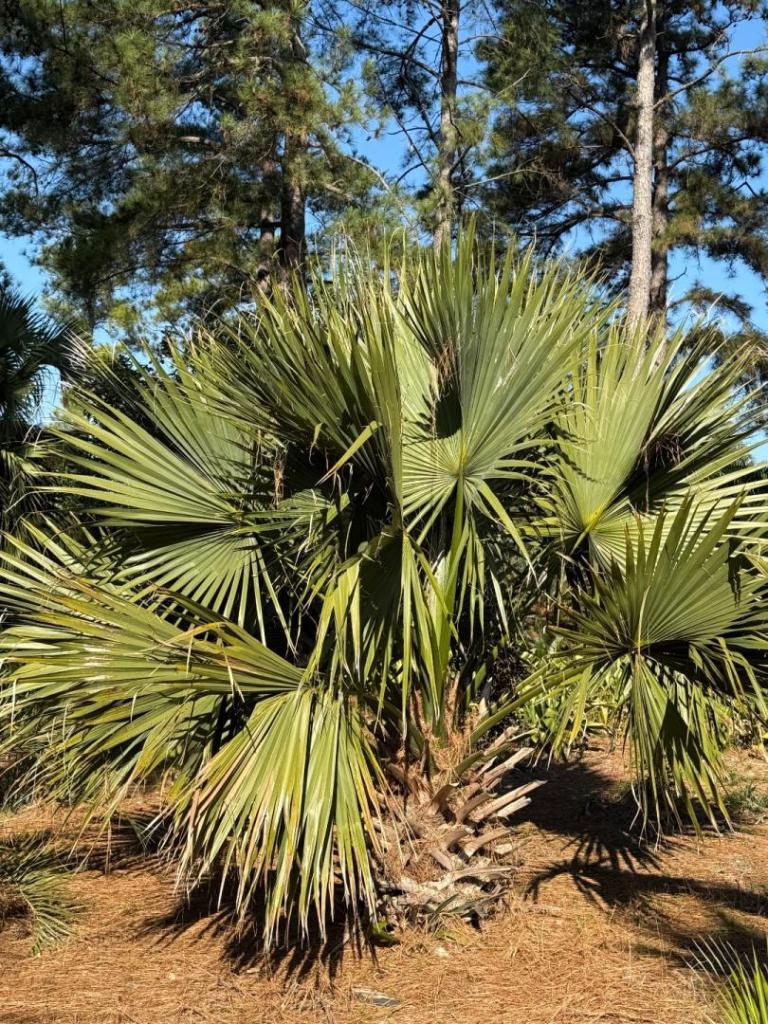
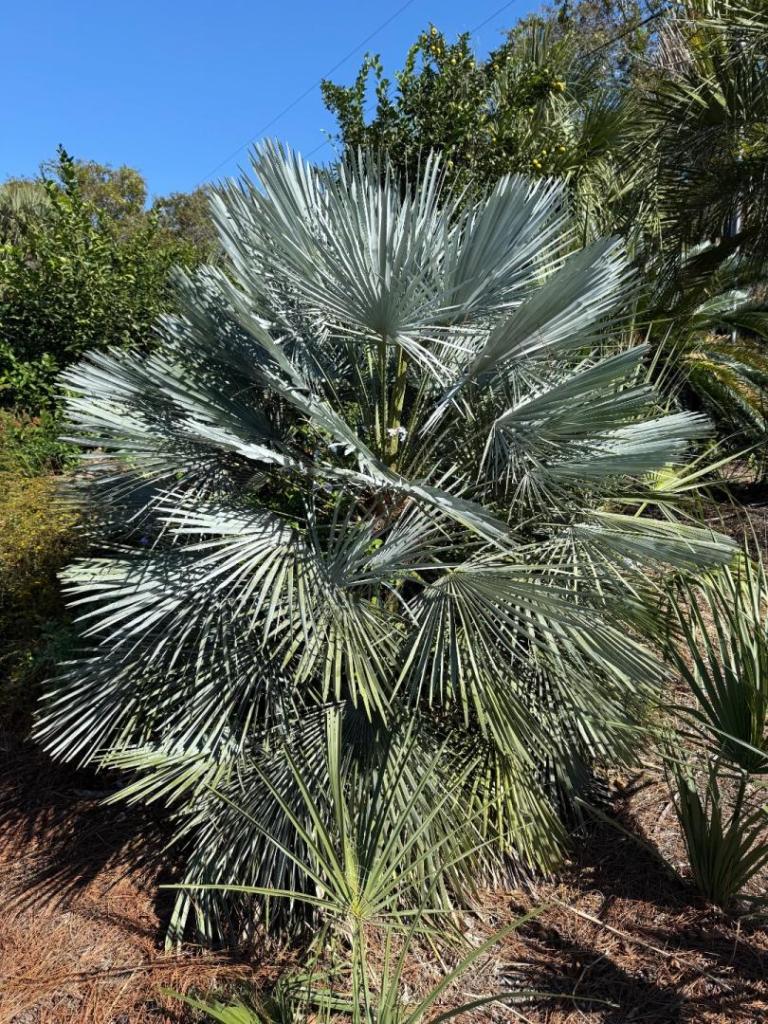
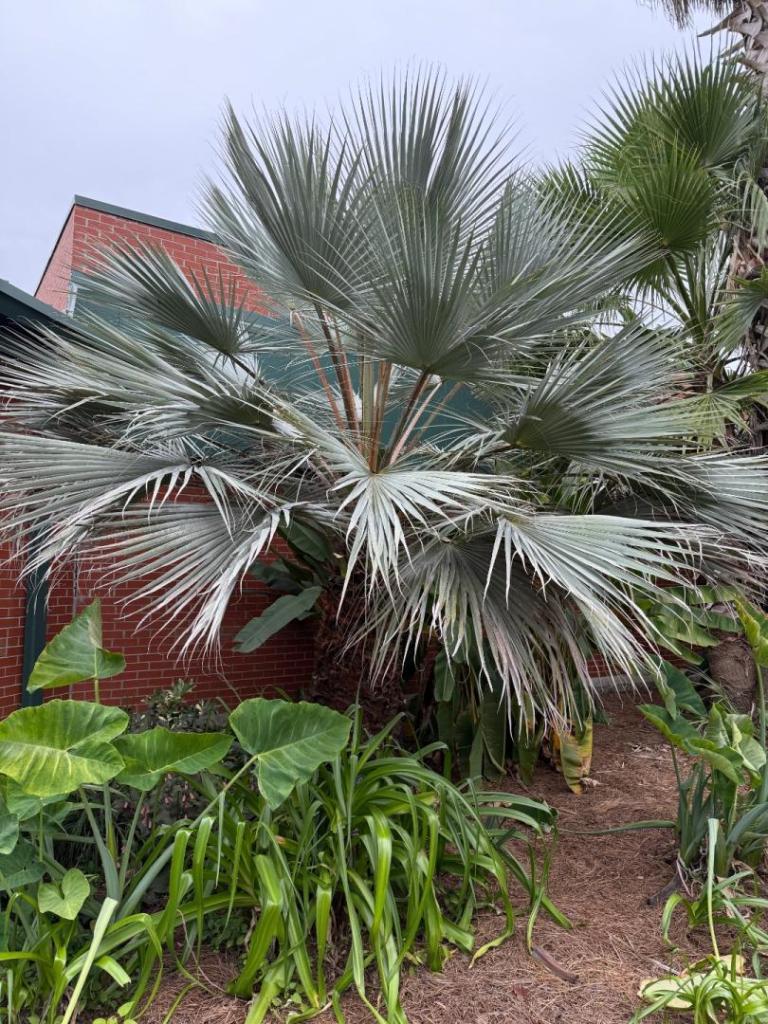
 6 points
 -
This is a non sequitur. Those temperature readings don't prove anything other than this was a particularly bad cold snap. There is no rule that tropical climates cannot experience temps approaching freezing on rare occasions6 points
-
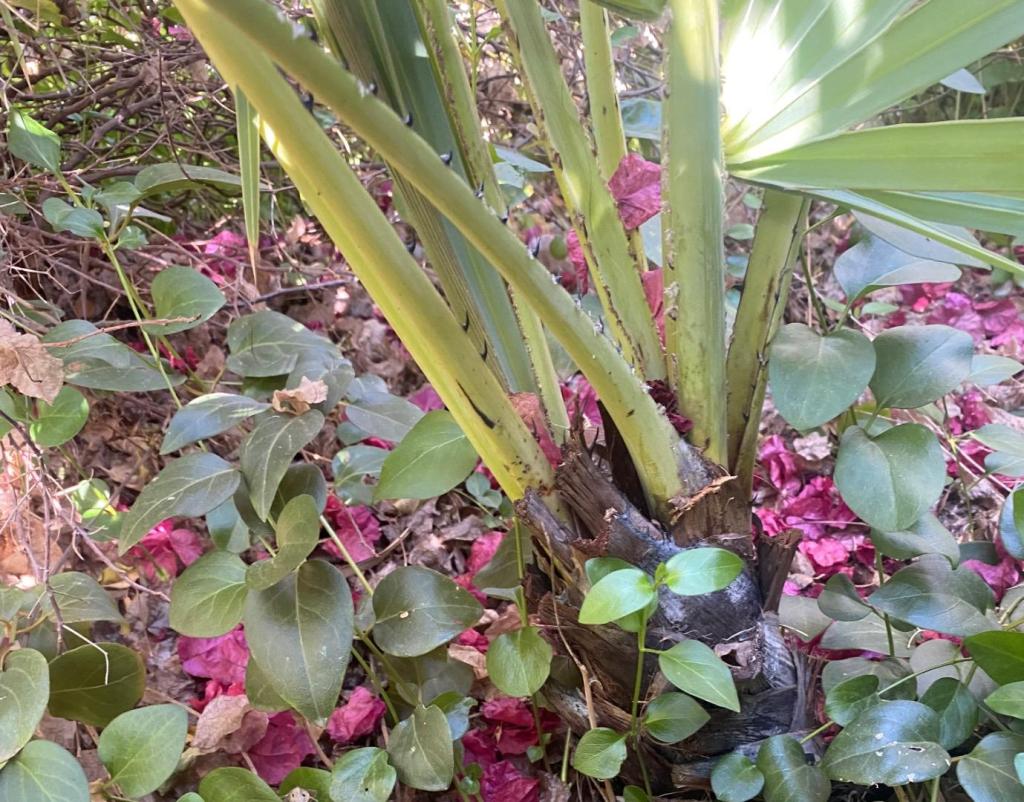
Hyphaene branching at a young age!!
 5 points
 -
Following @Merlyn's lead:
 5 points
 -
Yep, the same thing happened here. 24.4F and light frost in my yard, with about 12 hours under freezing. That ties exactly my 1/29/22 cold snap of 24.4F in the backyard. That's super weird... The local airport, being E/SE of me and firmly in the Urban Heat Island, only recorded a minimum of 28. They are at 42F and I'm still at 34.5 in a tree-shaded area and 37.8 in a sunny area. The forecast is for 32 and low winds again tonight, so I'll be keeping covers on my frost-sensitive plants again probably tonight, tomorrow night, and Thursday night. I'll have to take my boxes into the garage on Wednesday, since it's supposed to rain all night.
 4 points
 -
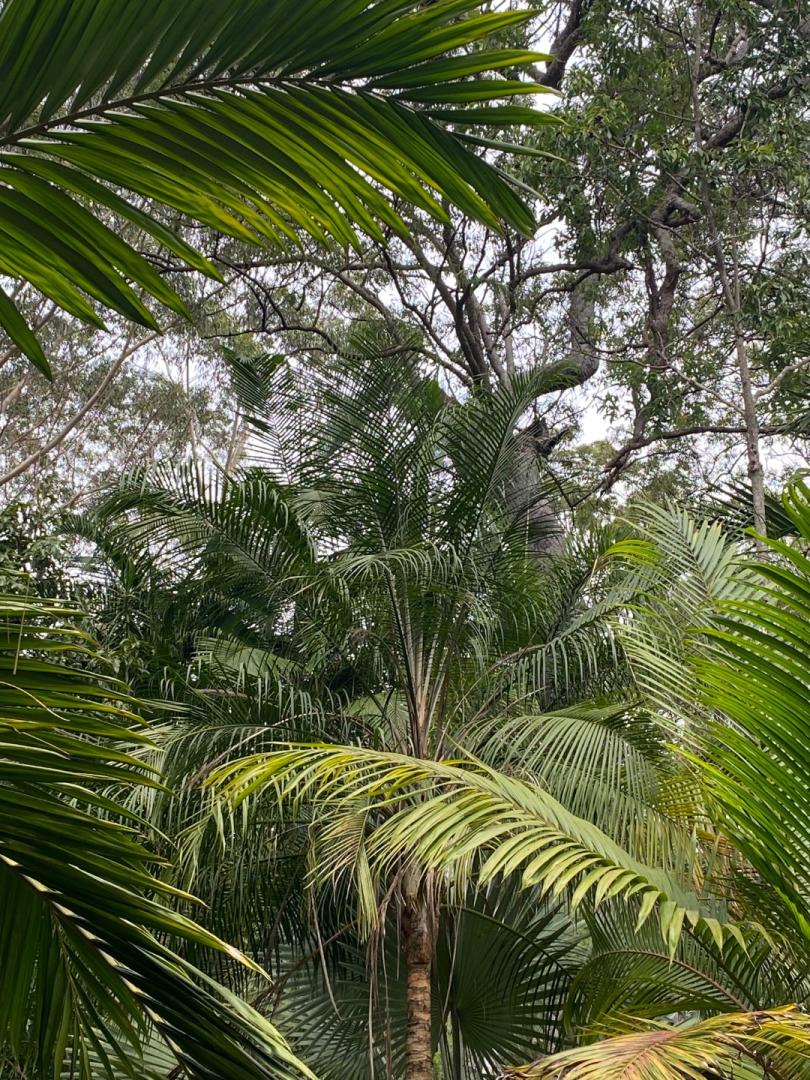
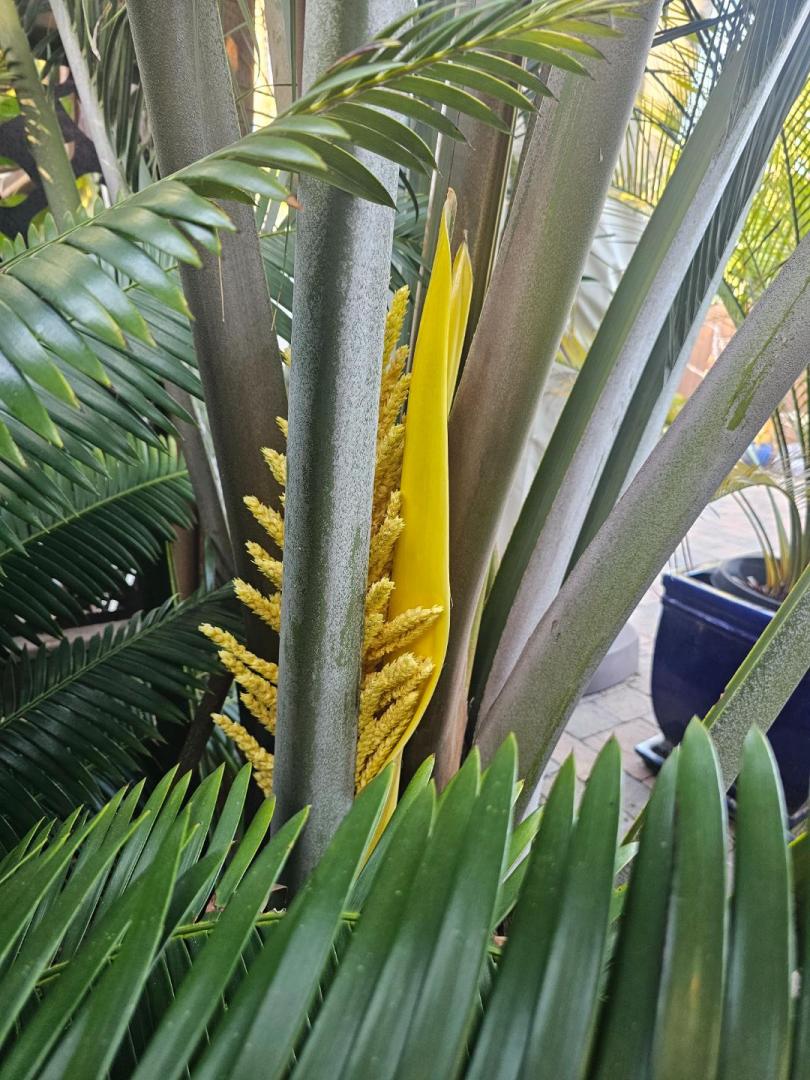
The next phase , the pollen producing flowers have emerged. I love the golden yellow color. I just wish I hsd a female Ravenea julietiae.


 4 points
 -
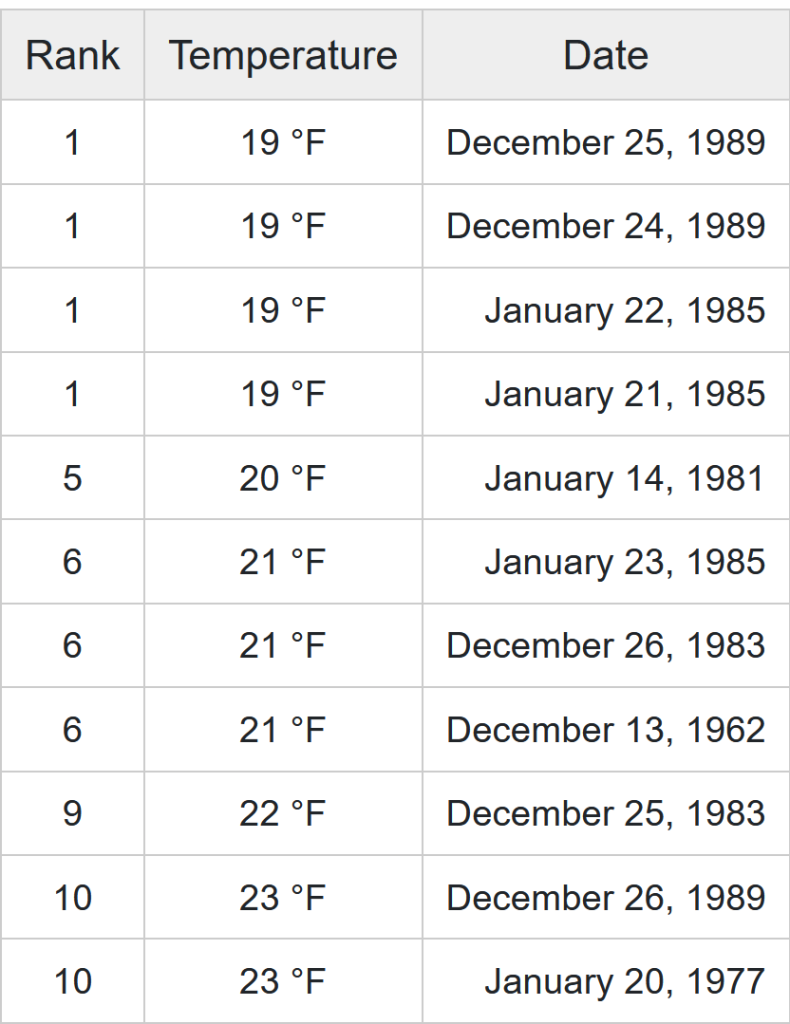
Just pasting over the local Sanford area temp data for future reference: The Sanford airport hit 23F around 6-7AM. This is essentially the same as my yard low of 22.6F. I had roughly 12 hours below freezing and moderate winds with no frost. I covered with boxes two Corypha, an Arenga Westerhoutii, two Arenga Hookeriana, and an Attalea Phalerata and Butyracea. I forgot to cover a small Attalea Speciosa up front last night, but covered it for tonight. In historical terms it ties 10th place for the coldest of all time here. In terms of cold events it places 6th, and is the coldest February on record: December 24-26th 1989 with 19, 19 and 23F...three of the top 10 coldest in Sanford history January 21-23rd with 19, 19 and 21F...another 3 of 10 January 14th 1981 at 20F December 25-26th 1983 at 22 and 21F December 13th 1962 at 21F Today tied with January 20th, 1977 at 23F. For sure the 1980s were much, much worse for Sanford than today. I can see (just based on minimums) why 1989 is still talked about.
 4 points
 -
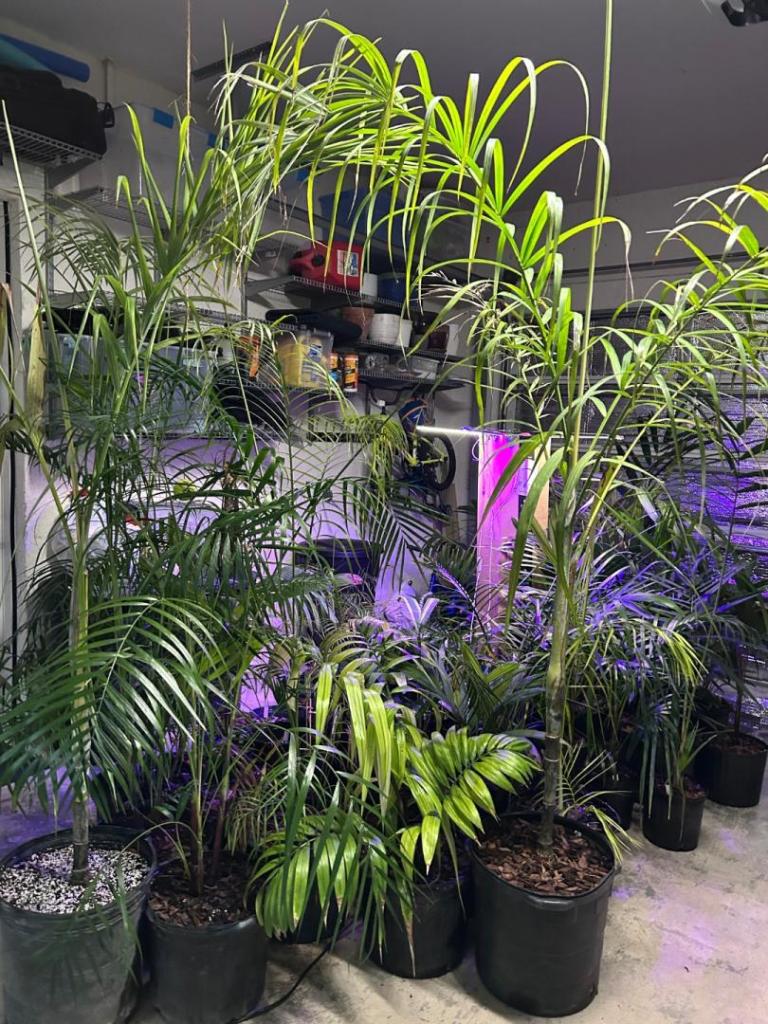
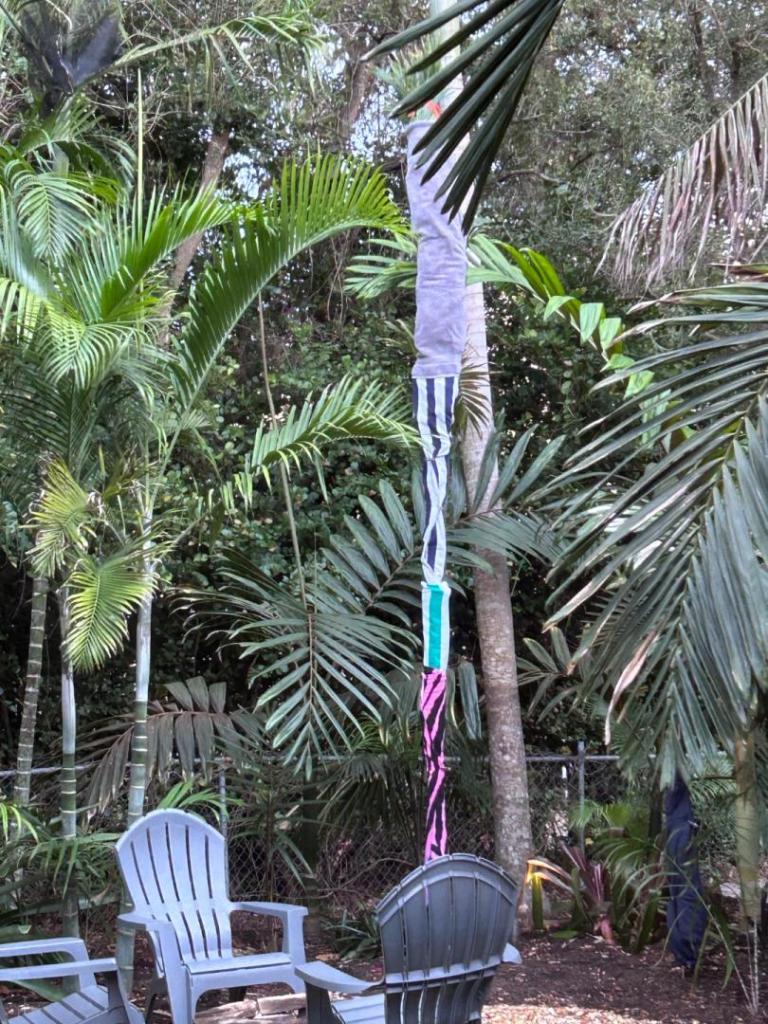
I'm in South Florida zone 10b. I wrapped up a few in-ground palms Adonidia dransfeldii Caryota ophiopellis Cyrtostachys renda (plus space heater) Tribear seed rack Plus Chrysalidocarpus basilongus in 25gal pot and brought all my potted palms into my garage with my mini split on HEAT mode set at 76deg, grow lights, fans, water puddle on floor for humidity. My weather station on my roof said 36deg F this morning for about an hour. They're calling for 37deg tomorrow. Then we warm up JD
 4 points
 -
Probably you wanted to write 35 cm...3 points
-
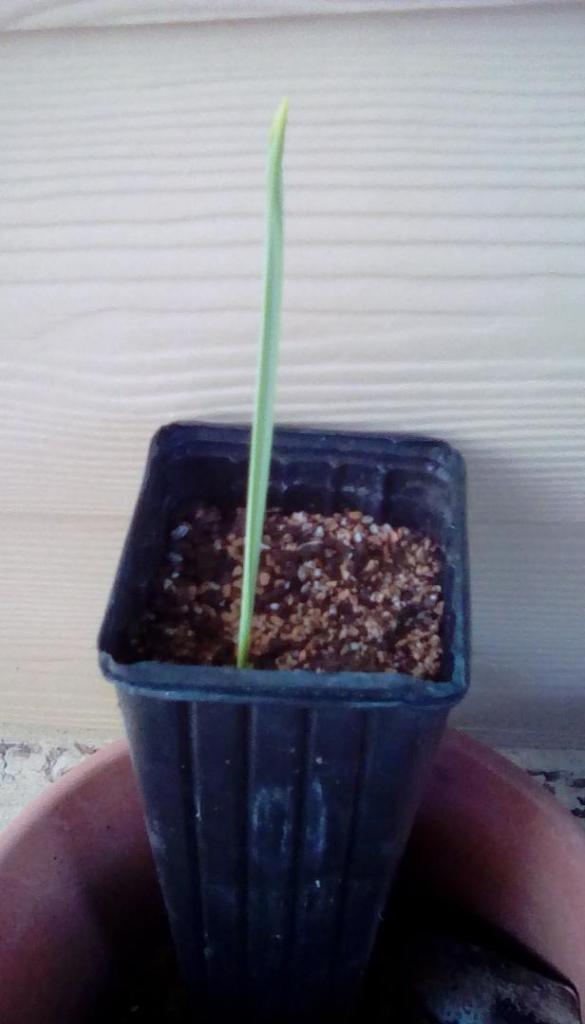
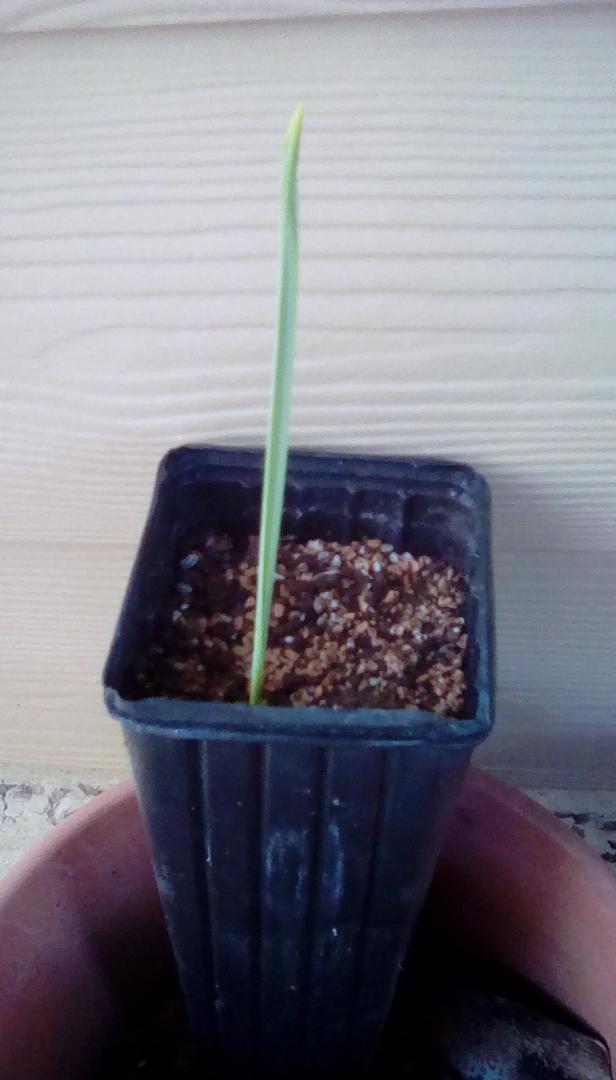
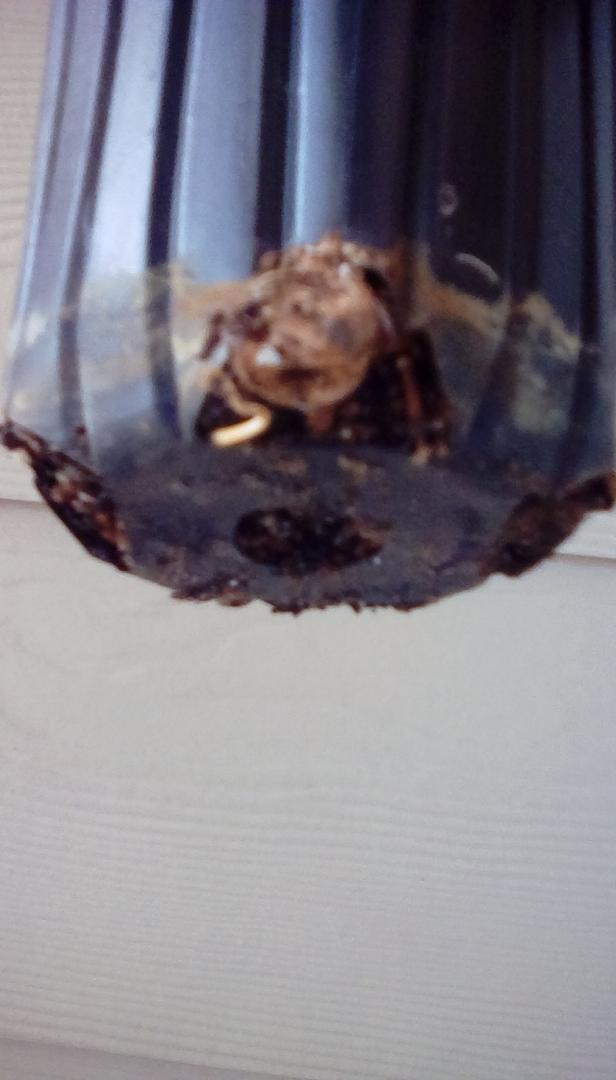
In addition high heat helps germinate the seed. Once it germinates it should go into a 35 mm deep pot. Like Bismarckia it puts down a long radical!
 3 points
 -
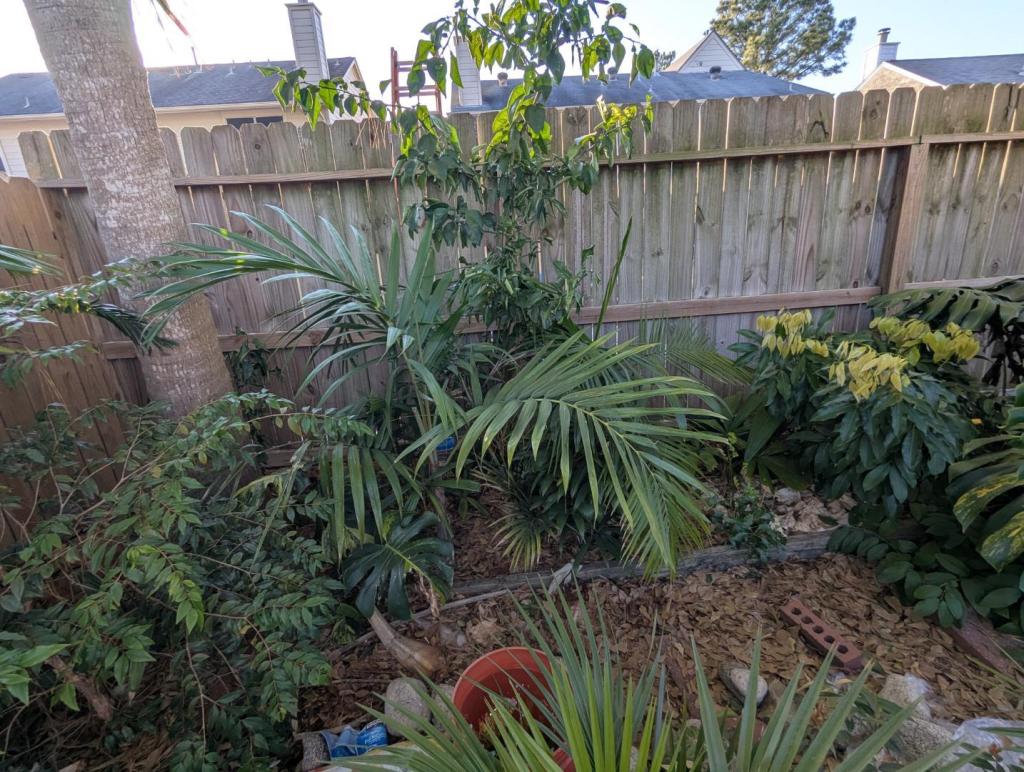
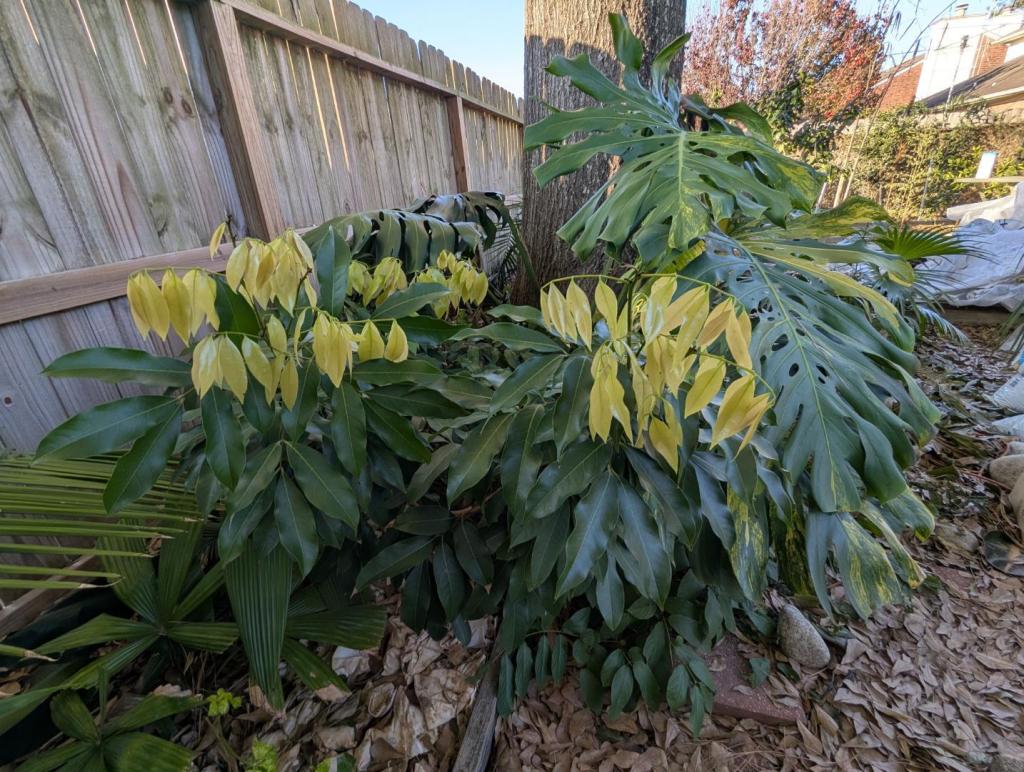
We got live ones under the covers! Unprotected Queens and bismarckia have some discoloration at the leaf tips if you look closely (the burn will show up later) Euterpe edulis lives to see another summer Cyphophoenix elegans Lychee new growth looks good to go




 3 points
 -
3 points
-
It's just not always a sure thing, you take it for granted until one day the real cold comes 😅. Even water is not a sure bet. Orlando hit 24F this morning, Merritt Island directly to the east surrounded by water hit 25F, and Cape Canaveral with even more water hit 26F. That's thousands and thousands of toasty coconuts and bronze mango groves.3 points
-
* ** Agree with both of these statements.. * = To Aceraceae's point, with some wiggle room, ( IE: some folks would consider any area north of -roughly- Mazatlan Sinaloa non - tropical, yet, ..while they might be less common, naturally - deposited Coconuts do grow further north than Mazatlan. Lots of critters and plants considered " tropical " are native to these areas as well.. ..And yet, frosts can occur deep into Sinaloa, if not a bit further south along the Pacific facing side of MEX., inland from the coast, but below the Sierra Madre Occidentale ..Where the northern -most species of Stanhopea ( S. maculata ) occurs ..along with American Crocodiles. ** = Add to this point that Climate and Weather are two different things.. Miami ..and all of S. FL ... would have to see these kinds of freak cold spells, every winter, for the next 50 -200++ years before you could begin to discredit the area's current climate designation. I also think about all the " tropical " flora native to that area ... Ficus aurea and citrofolia, Gumbo Limbo, Allspice, Strongbark / Satinleaf / Crabwood, Manchaneel, Seven Year Apple, Red and White Mangrove, etc.. ...If it got this cold < ..or 2010 level cold > every year down there, none ..or very few.. of those plants could get much of a foothold on mainland FL.. All of the above represent trees / large shrubs with deep connections to the tropics.. ...And yet, gasp! all have managed to " stake their claim ", so to say, in Florida real estate ..for ...thousands... of years ..DESPITE whatever cold spells ..more or less intense than the current one.. they have endured while settling into their new homes as they pioneered new territory further north than Key Largo. Big picture = much more important than the fleeting, chilly glimpse being observed at the moment.3 points
-
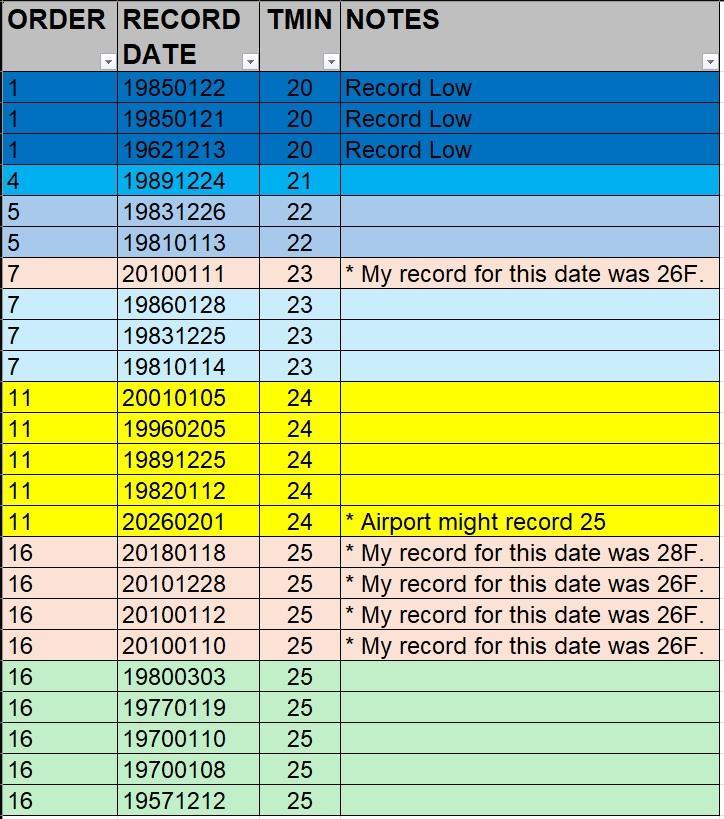
Following @Merlyn's lead and answering @HudsonBill's question for my location - it looks like this one ranks as a tie for 11th place if my temperature is used. The airport is far enough west that it may have eked out a 25F, putting this one a little further down the list.
 3 points
 -
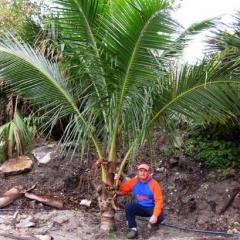
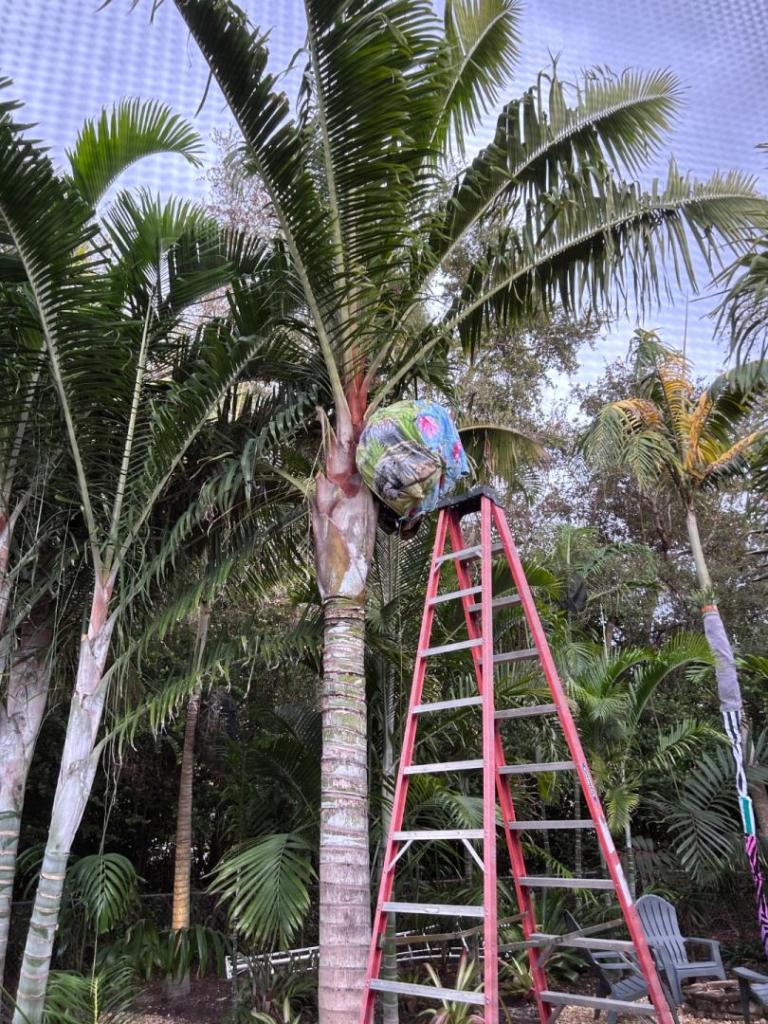
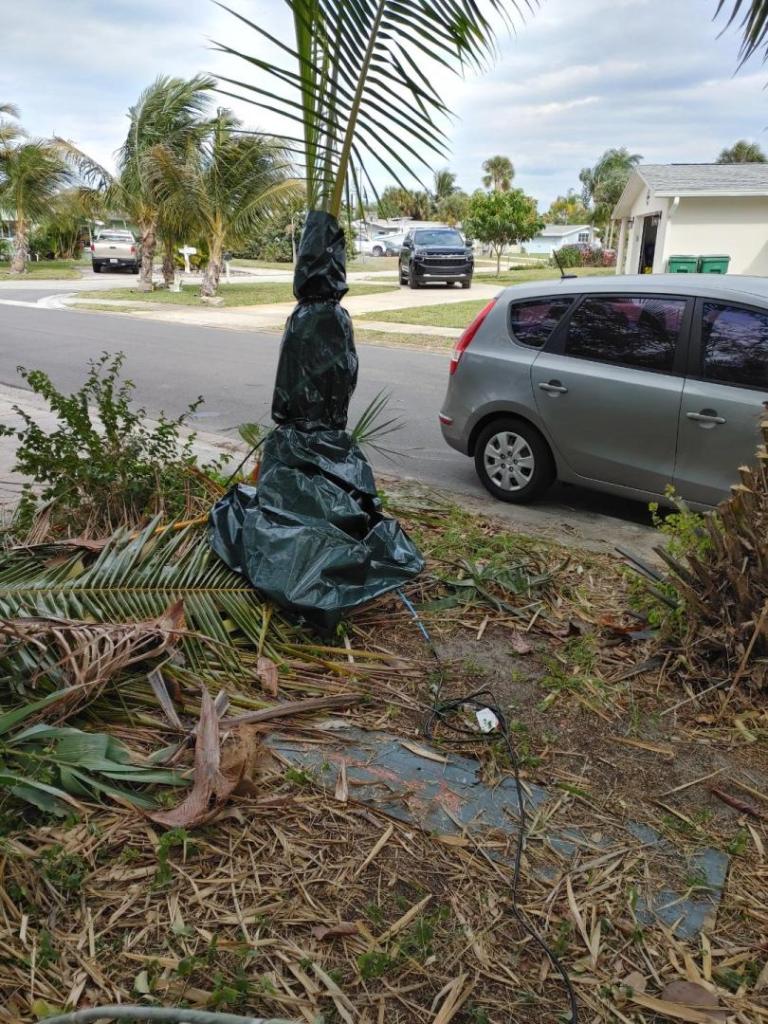
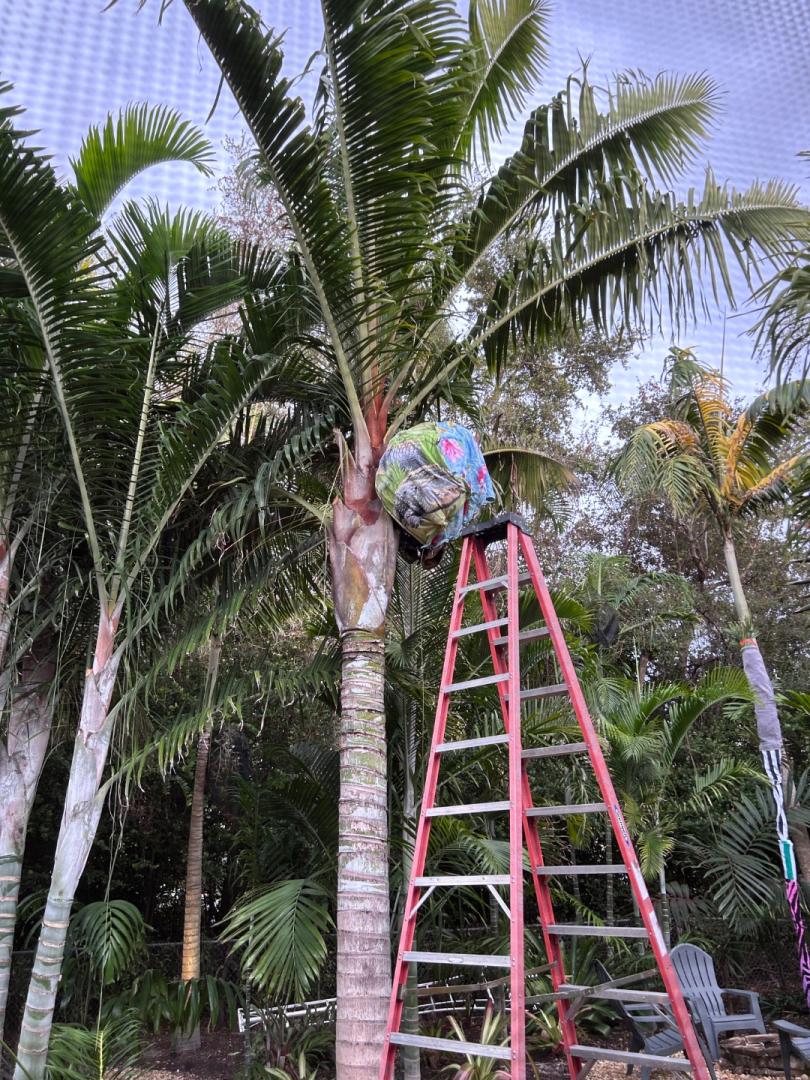
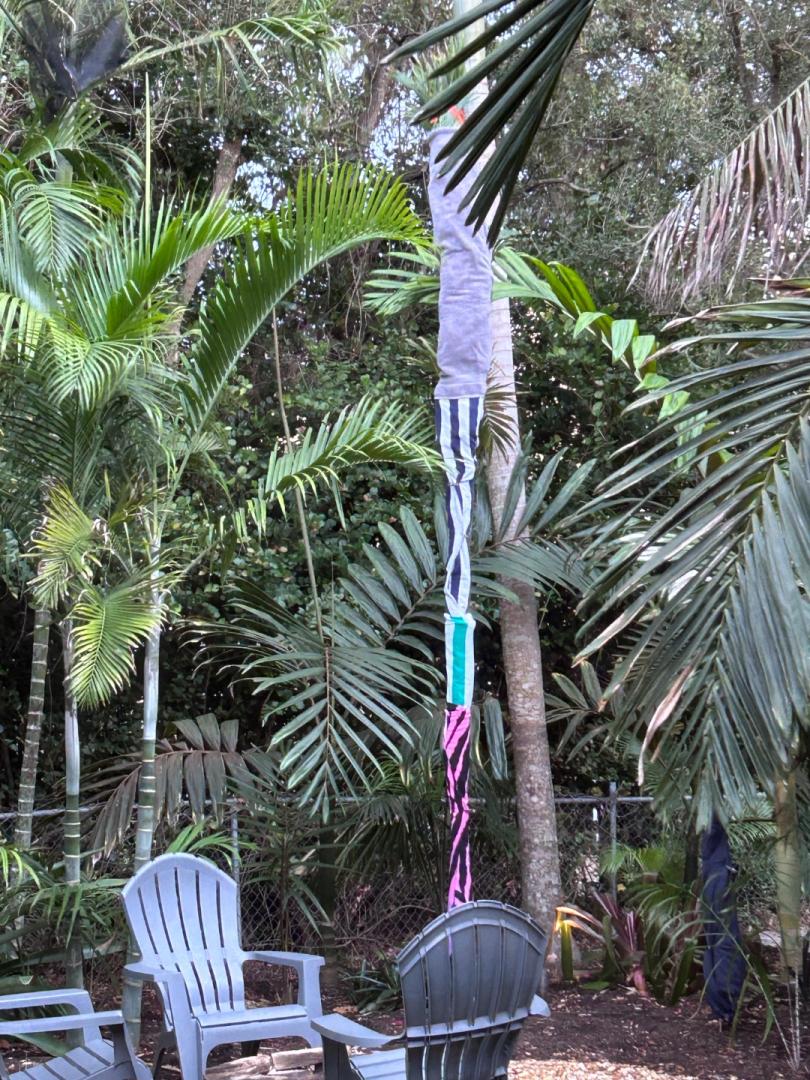
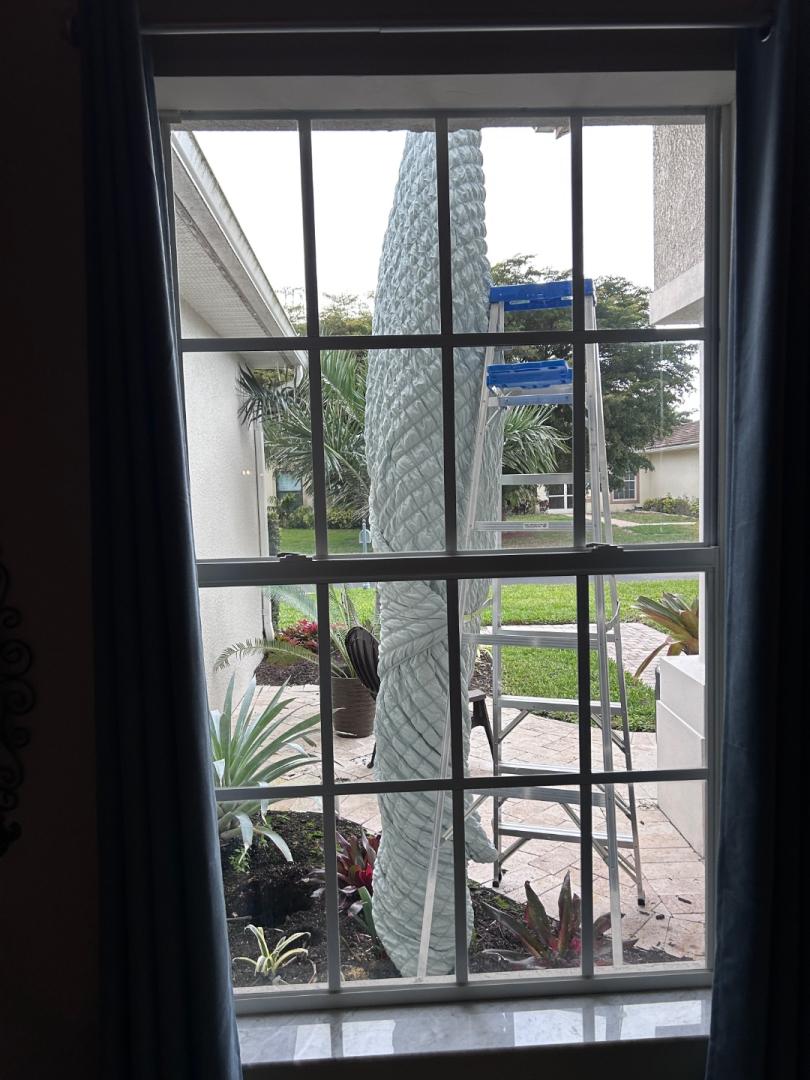
Pictures of coconut palms shown previously, prepared for last night's freeze. With a ladder a couple of steps short we got 3 loops of 5 watt/ft heating wire over the top out of 50 ft total and a couple of moving blankets but not sure we covered everything, would have felt safer with jimbean's setup but hope it was enough: The small Archontophoenix cunninghamiana in the foreground also got covered The smaller 3 coconut trees got 15 ft of heating wire each, maybe not enough for the largest, plus a blanket and a tarp: The smallest one also got a sheet zip-tied to cover the fronds.


 3 points
 -
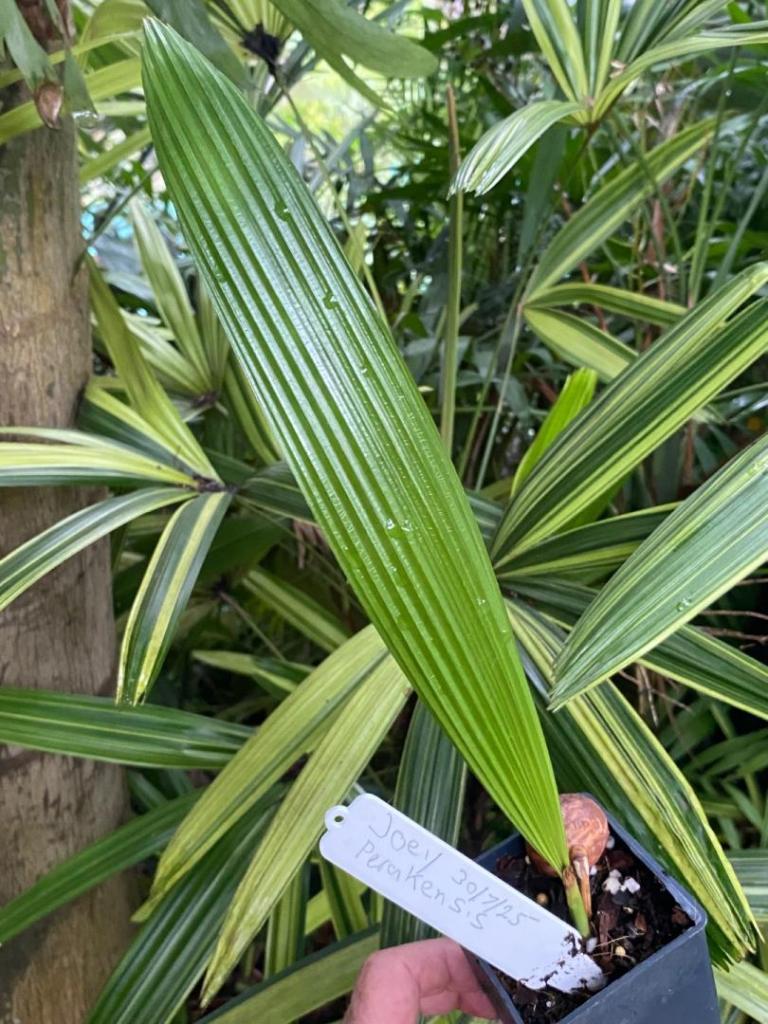
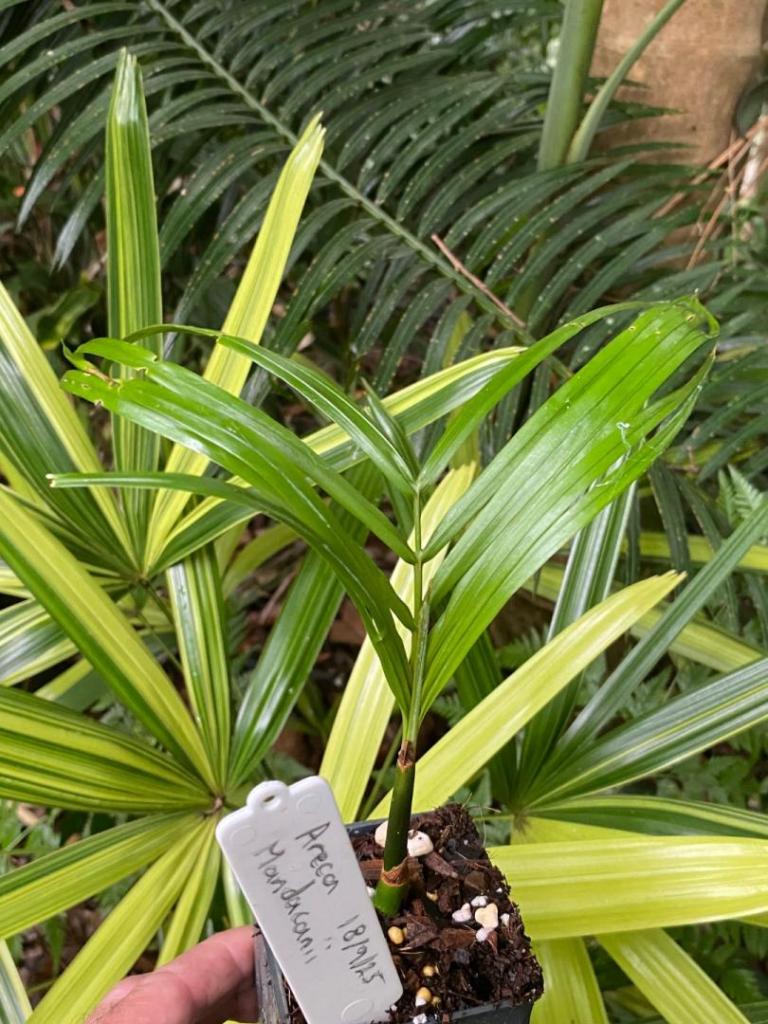
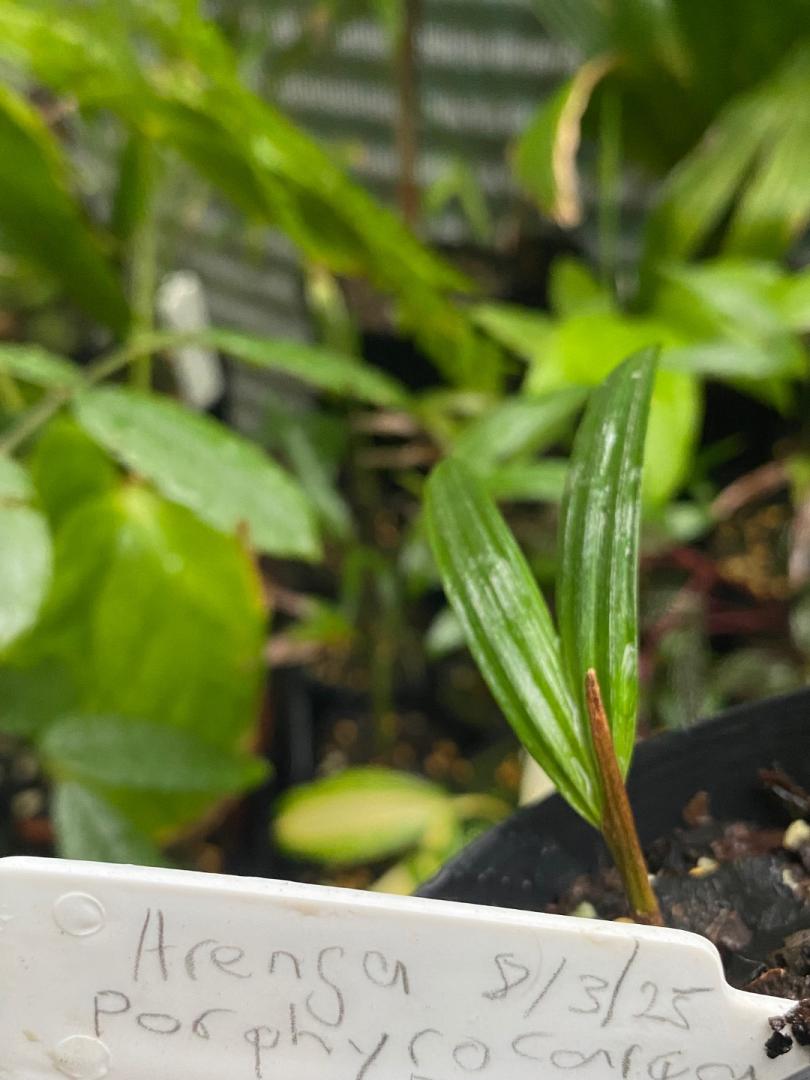
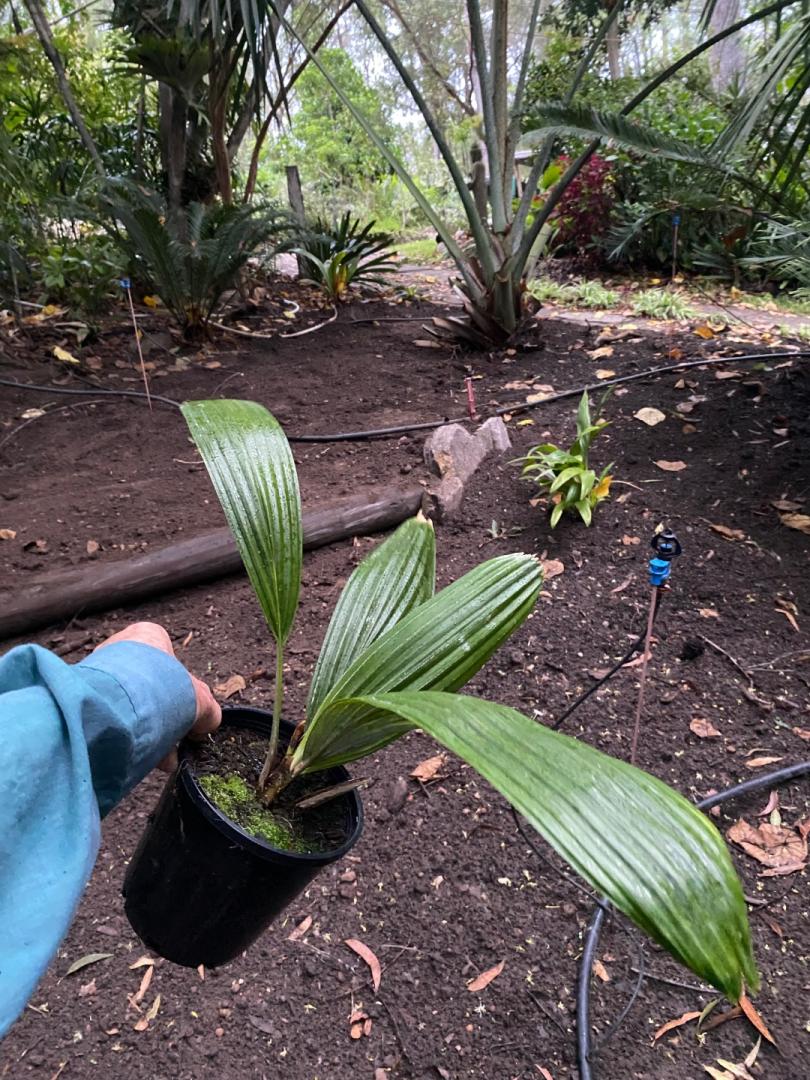
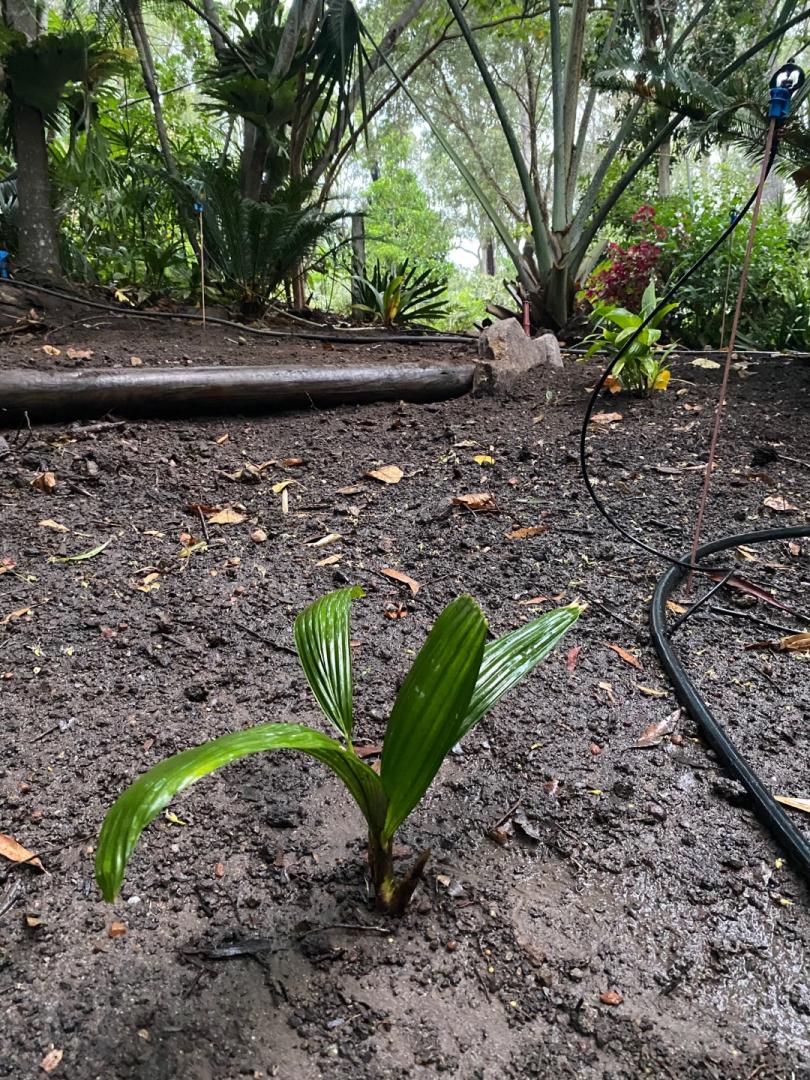
A spot of some rare and exotic, it’s wonderful to see the newly germinated seedlings start to get a nice bit of a look about. After all there my babies having nurtured them from the day I put the seeds in. Such beautiful gifts of Mother Nature that deserve the best they can get to start out, one day to be planted in my garden!



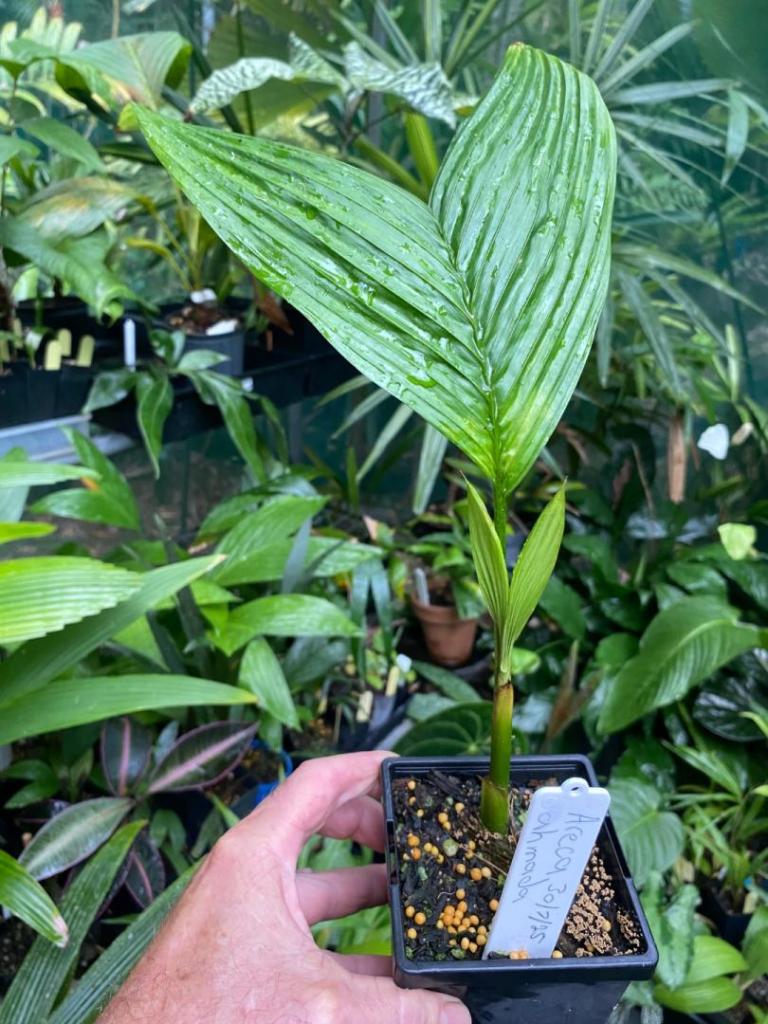

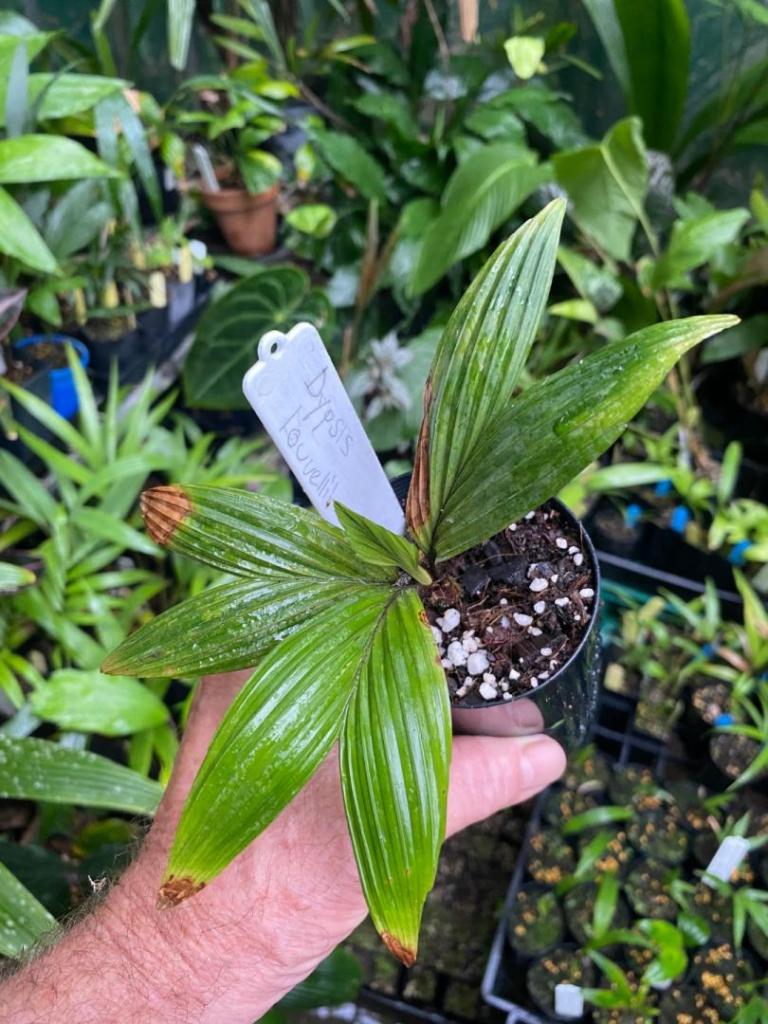
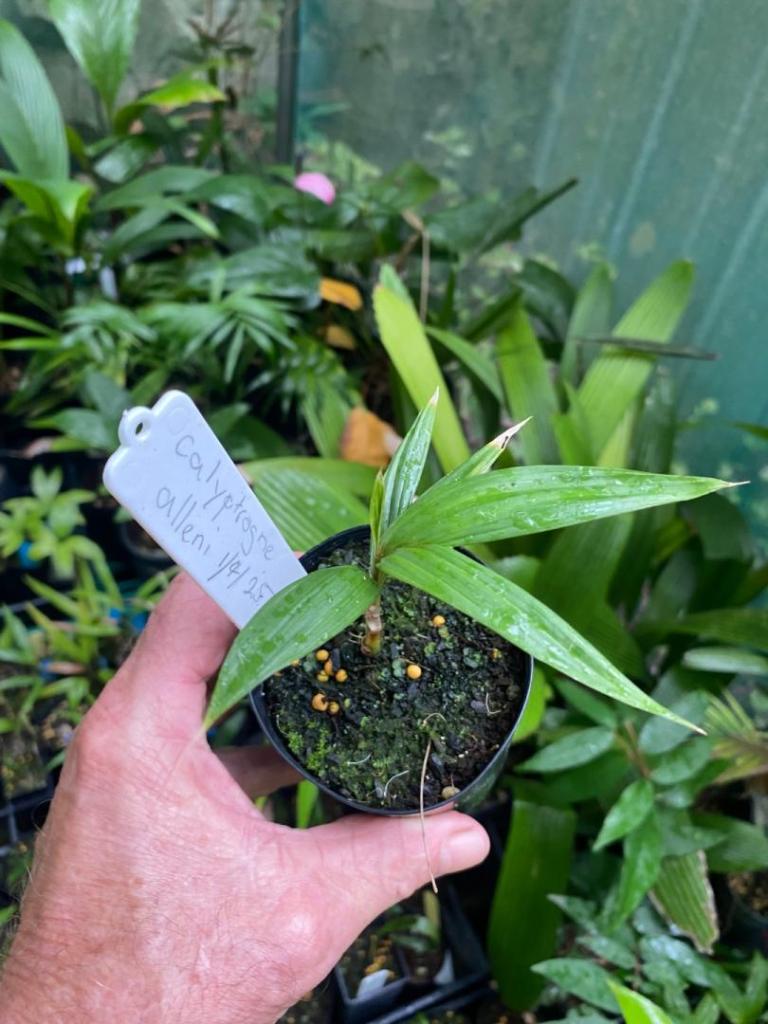
 3 points
 -
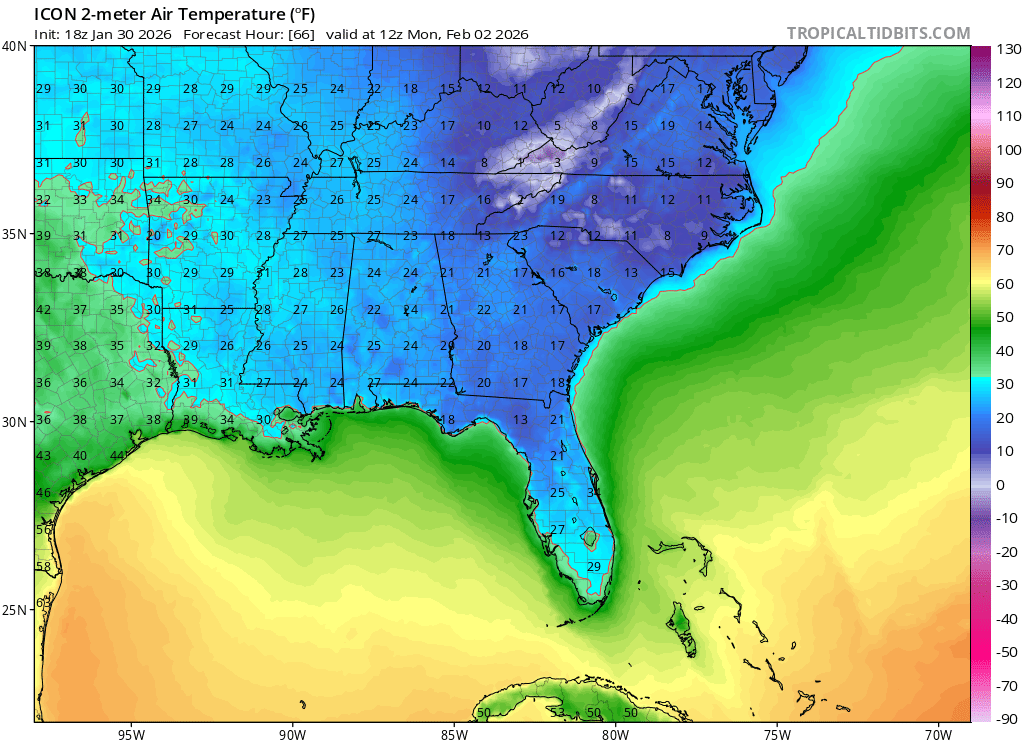
So as pretty much everyone knows already, this weekend is going to be rough for palm (And other tropical/subtropical plant) growers and collectors in the Florida Peninsula. This upcoming freeze could break the temperture records of their most recent bad freeze in 2010 and reset the growing zones to lower numbers (Like Orlando Zone 10 ➤ Zone 9). I created this thread so that floridian forumers could post before/after photos of their collection and other palms growing in this region. When the 2021 freeze happened, the Palmageddon Aftermath Photo Thread was created by @ahosey01 and I personally learned a lot from it, and from my own experience with that freeze killing my coconut, royal and adonidia palms. I think it'll be very interesting to see what gets hit and what doesn't, what recovers and what doesn't recover. Will definitely help guide people in similar zones and climates to know what species to plant. Fortunately for floridians, everything indicates that this will be a mostly dry freeze, there are no signs of freezing rain coming with it. This might change as the hours pass but it's most likely that there won't be rain with this. Best of luck everyone, remember to protect your palms before it's too late and feel free to share your photos.
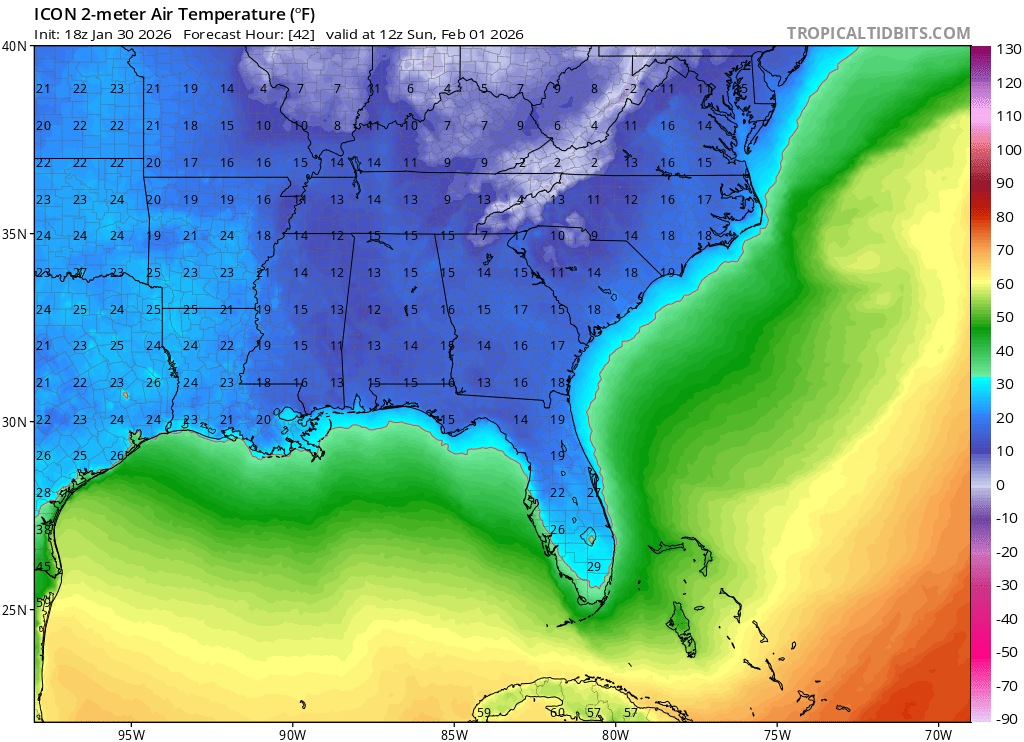
 2 points
 -
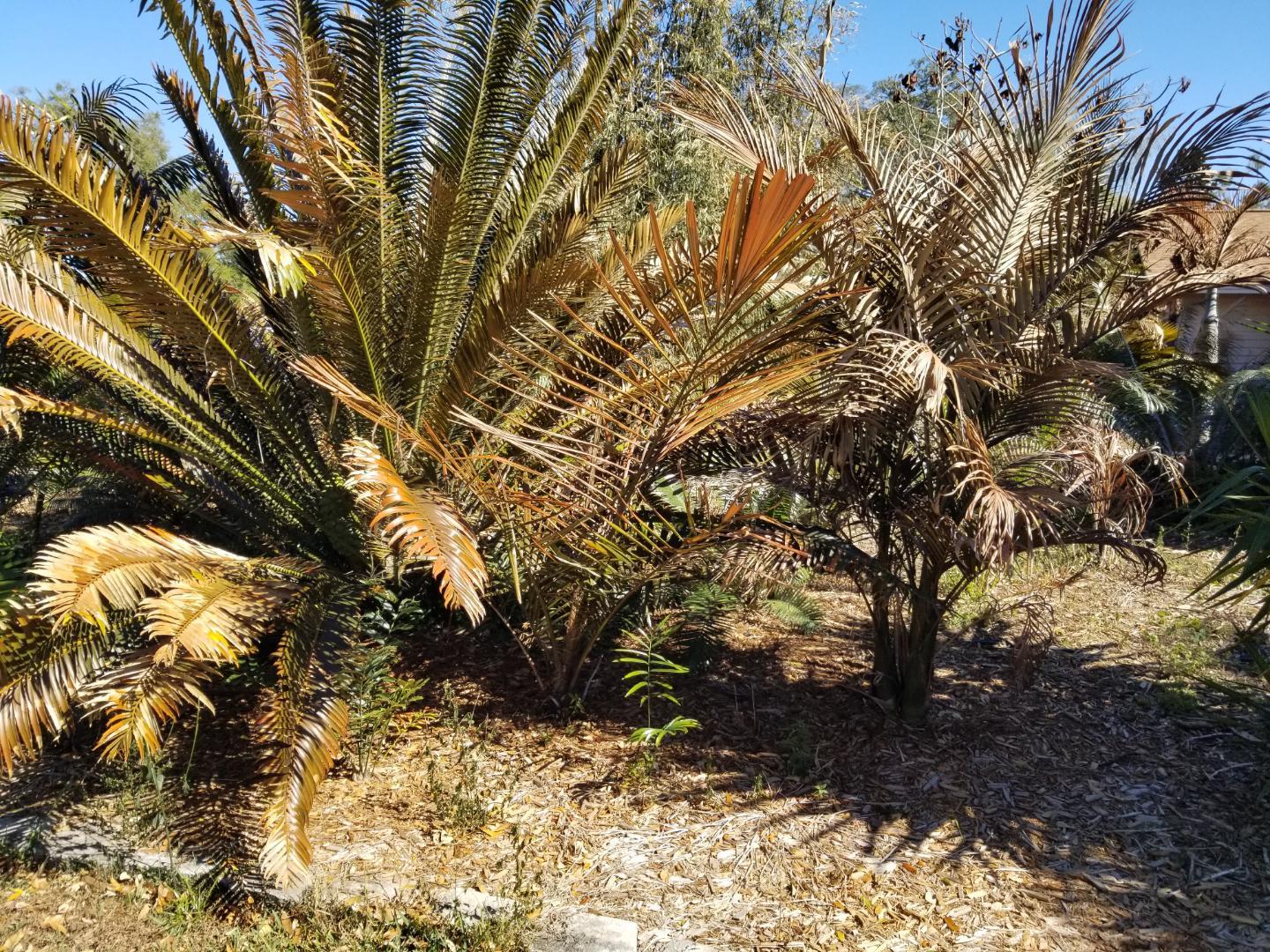
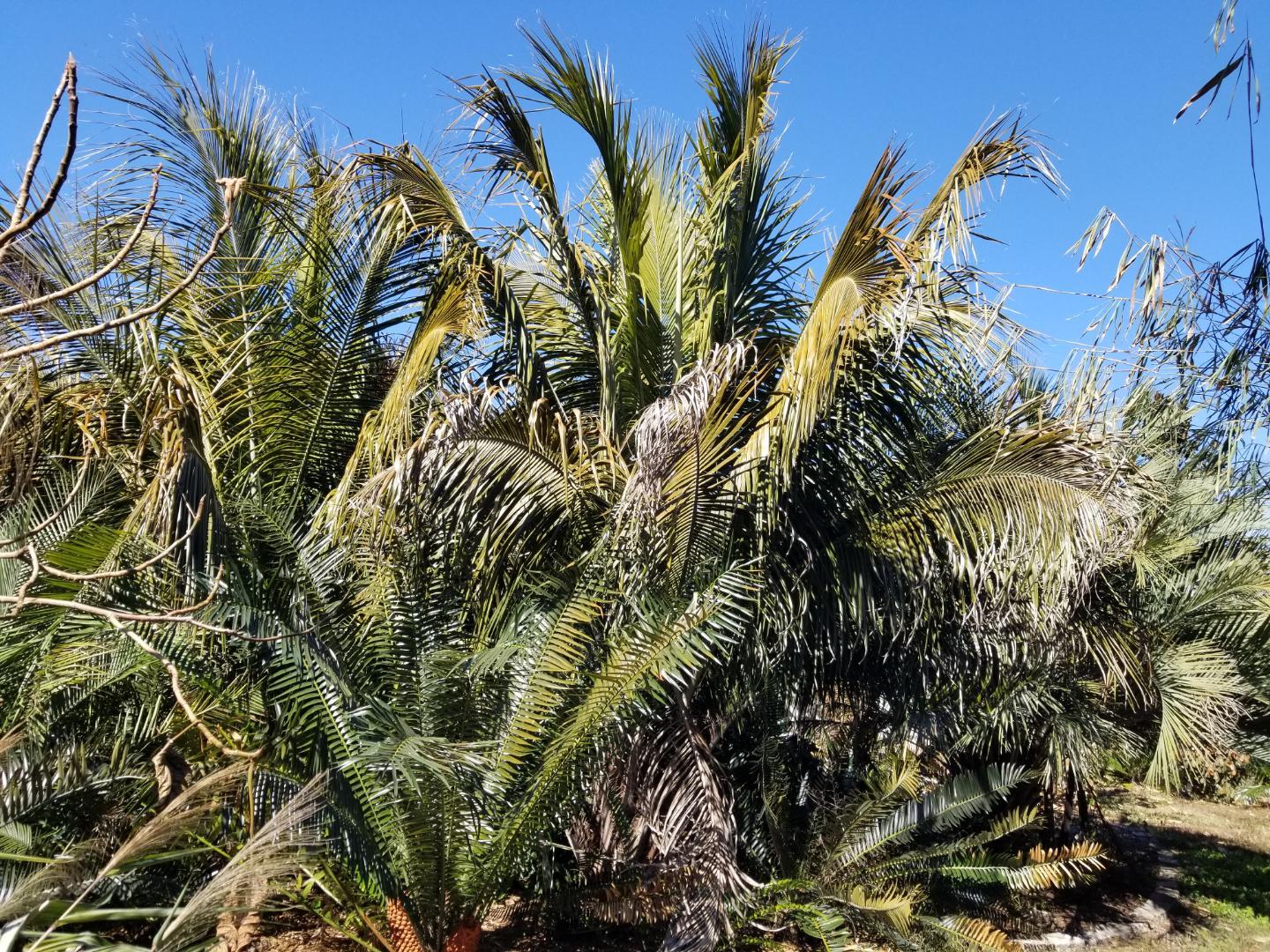
And a couple of last photos for today. The two Alfredii are peeking up over the mass of dead Tiger Grass leaves, but the Sabal Mauritiiformis looks pretty good! Encephalartos Ituriensis on the left is pretty bad...: I didn't get a good photo of the Copernicia Baileyana today, but it looks really good. The fans of the below Fallaensis peeking up in the middle are a bit burnt, but the other sheltered ones look fine. The Cycas Multipinnata is defoliated, and the crimson red Dioon Spinulosum on the right is impressive. A small Syagrus Schizophylla in the lower middle looks D-E-D, which is surprising. I thought Schizophylla was pretty hardy. The Furfuracea is crispy as expected, and even the lower left Dioon Merolae isn't happy:

 2 points
 -
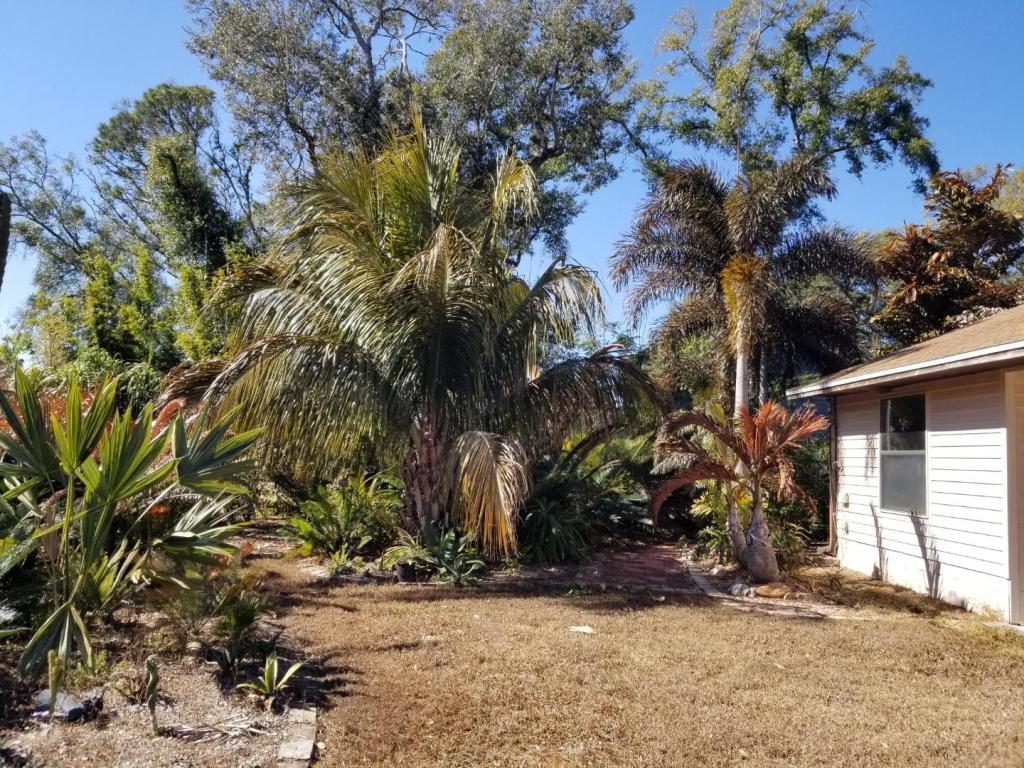
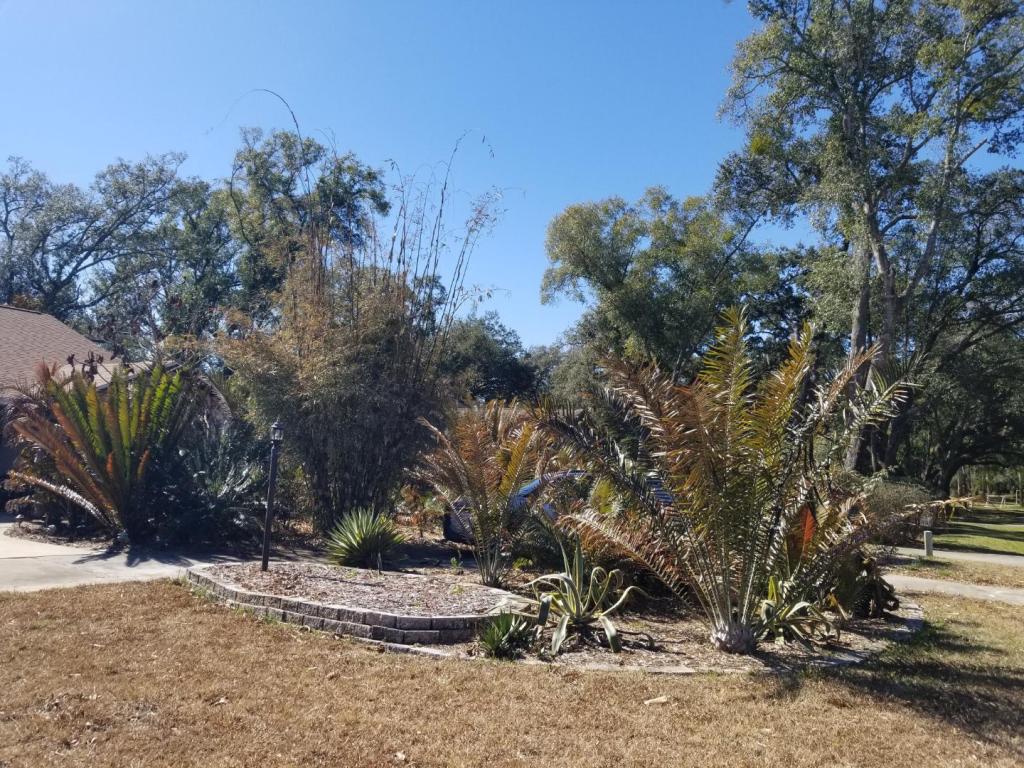
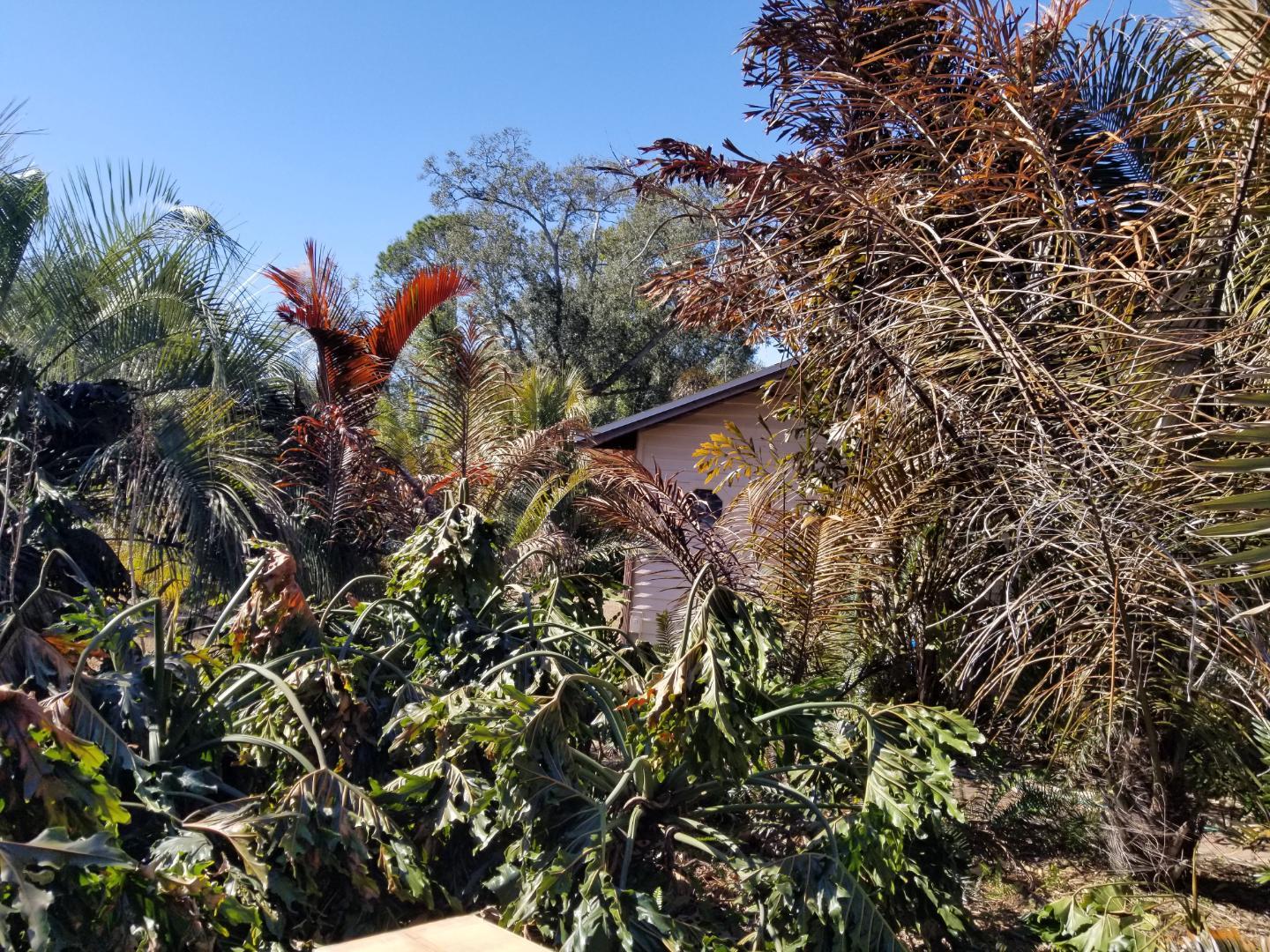
Here's a view of the windy 22.6F and then 24.4F with light frost does to the backyard: The two Bottles on the right were already badly damaged from previous upper 20s frosts. The foxtails and fishtails on the right are almost completely brown. Oddly enough the Ptychosperma Schefferi just behind the Bottles looks discolored but maybe ok? I really thought that one was a wimp? The Alfredii looks much worse today than yesterday, and has turned a sickly olive. To the right of the Alfredii a Cryosophila Warscewiczii looks really good, but Cyphophoenix Nucele and Elaeis Guineensis "Whole Leaf" mutant are torched. On the left a Dioon Spinulosum and Dypsis/Chrysalidocarpus Lanceolata are torched. Elsewhere Lutescens and Pembana are equally burnt. Not quite visible is a badly burned Attalea Brejinhoensis, and of course on the far left a Sabal "Lisa" looks like nothing happened. Up front I had more tender species, since it's usually a few degrees warmer in the front yard: The 3 Kings on the right are likely dead, the Arenga Pinnata hard to say, and the giant Encephalartos Ituriensis is defoliated. Around the front a bunch of Encephalartos are also badly burned, with Ituriensis, Laurentianus and Gratus x Laurentianus at least partially defoliated. The "Jesse Durko" bamboo is rapidly becoming a mass of sticks: On the East side the Philodendron Selloum turned to stinky mush the first night. On the far left a Butia shrugged it off, but a pair of Kings are scarlet red. Just below the octagon window another Elaeis Guineensis is torched just as bad as the background fishtail and right foreground Arenga Pinnata. The box in the bottom foreground covered a Corypha Umbraculifera. With the box as protection the fans were burnt off but the petioles and new spear still look ok: Just to the left of the above photo a pair of 20+ foot Alfredii still look tattered but reasonably decent. The Encephalartos Kisambo shrugged it off:


 2 points
 -
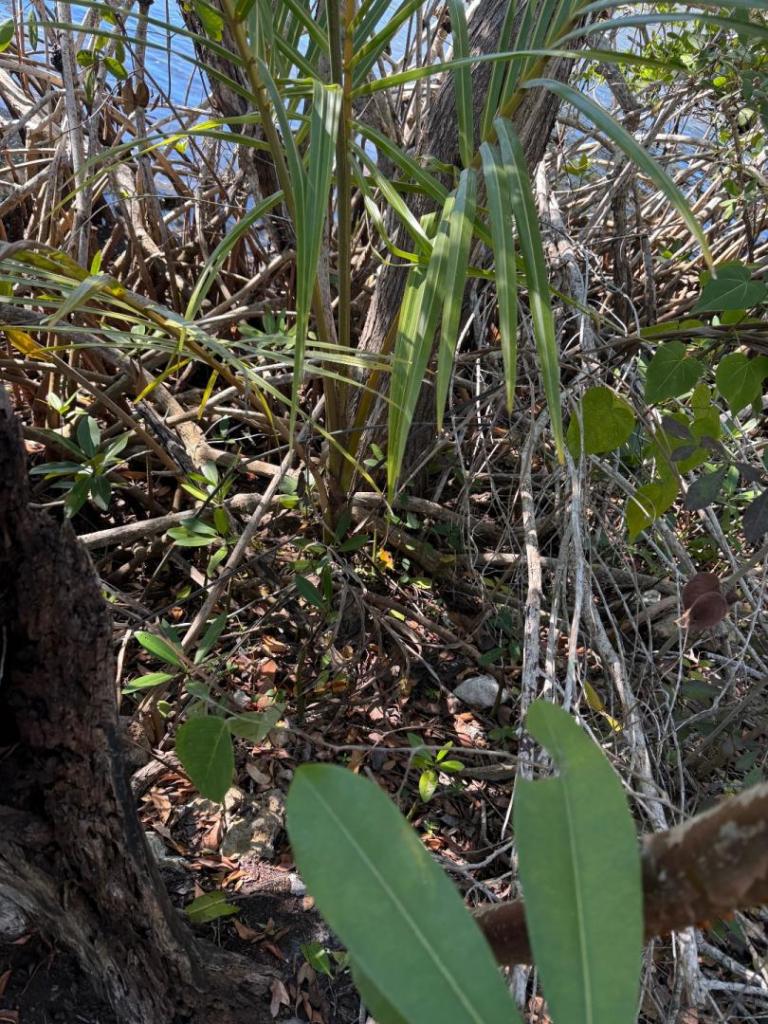
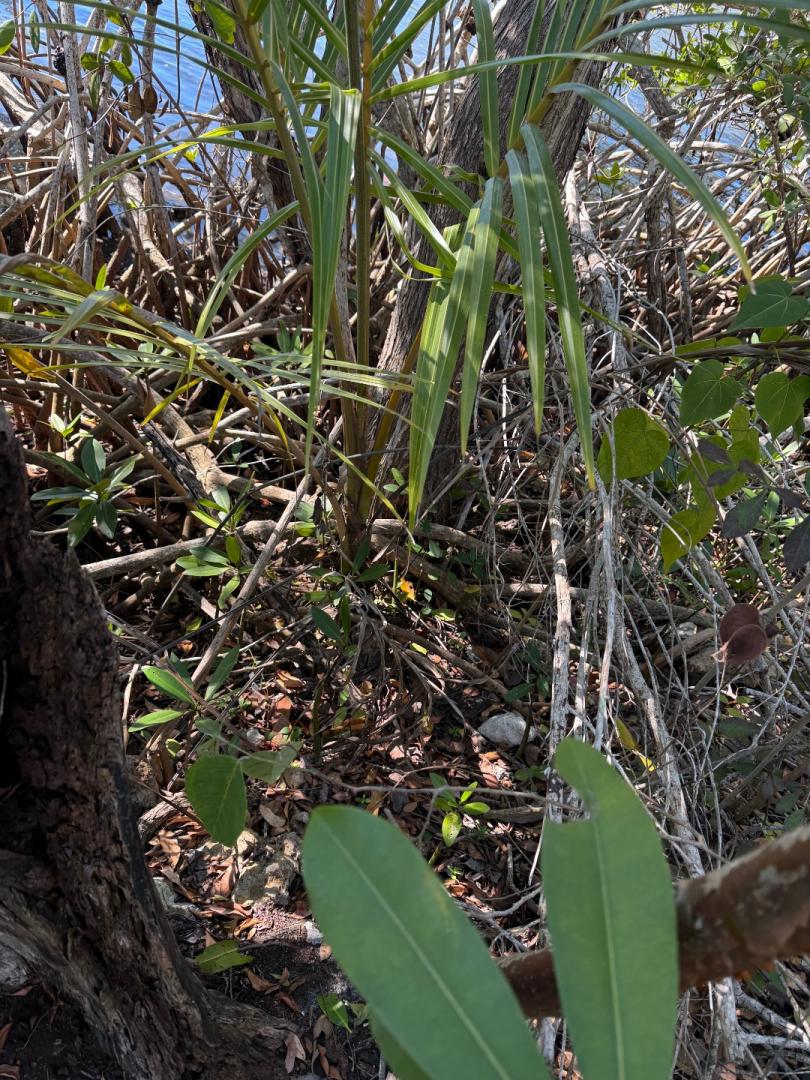
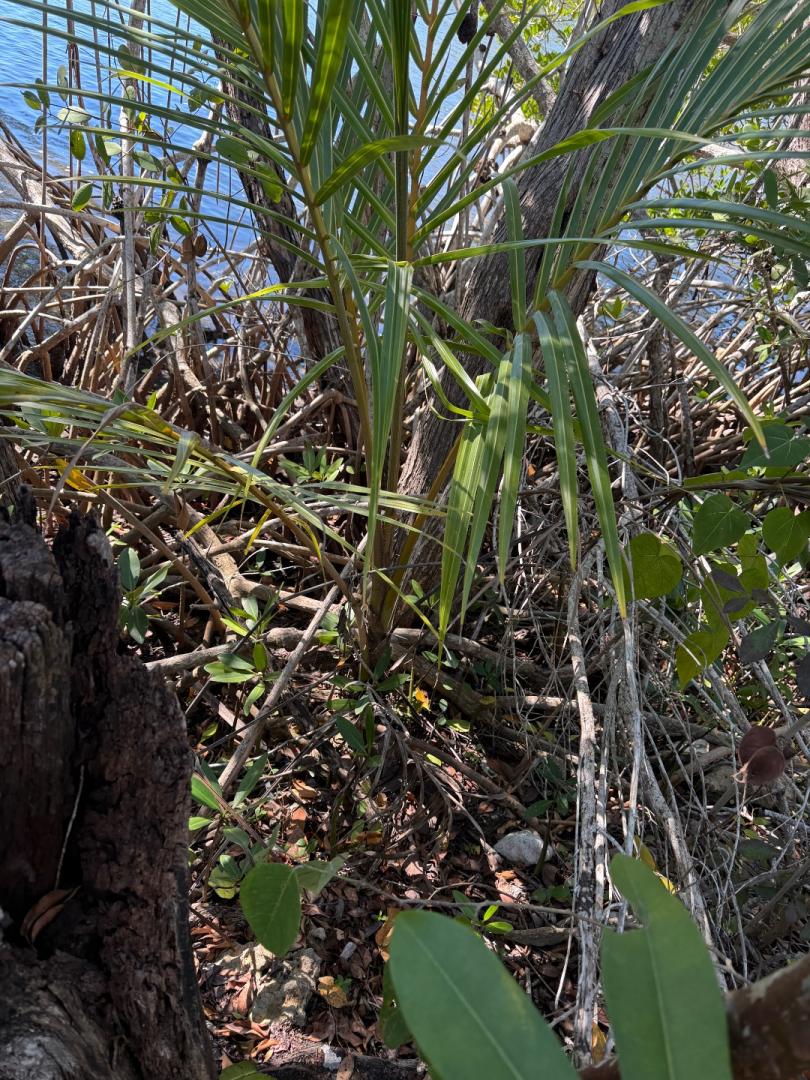
I have found quite a few naturalized coconuts caught in the mangroves by rivers. This location is in Naples. (first three photos are of the same palm)

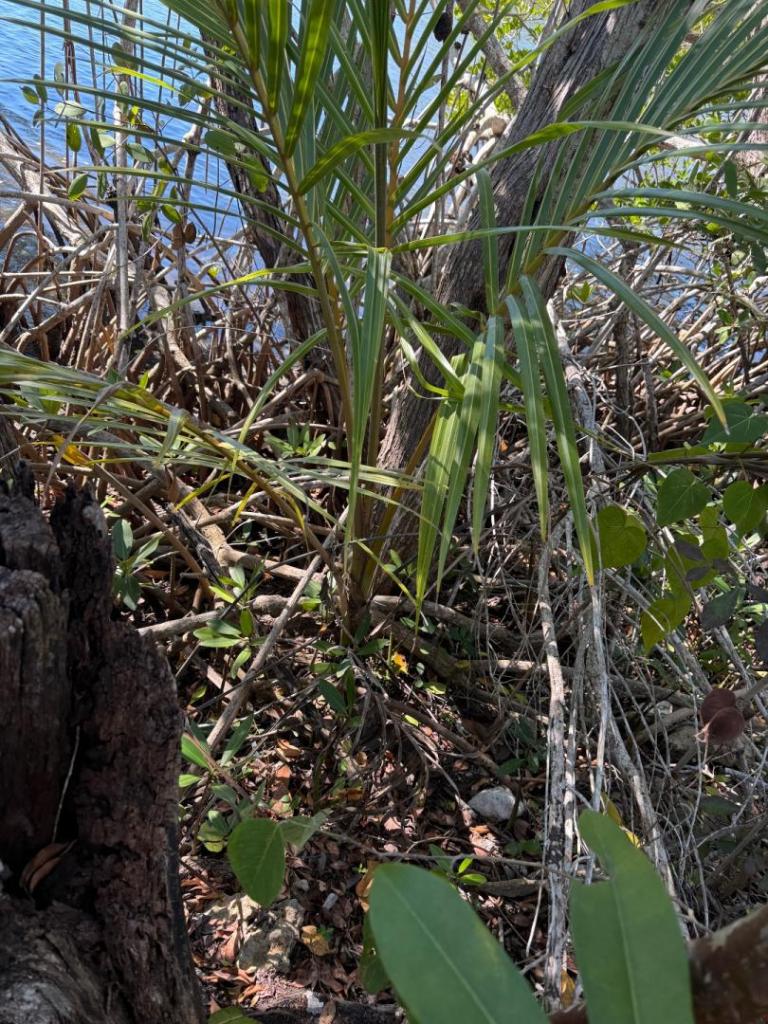
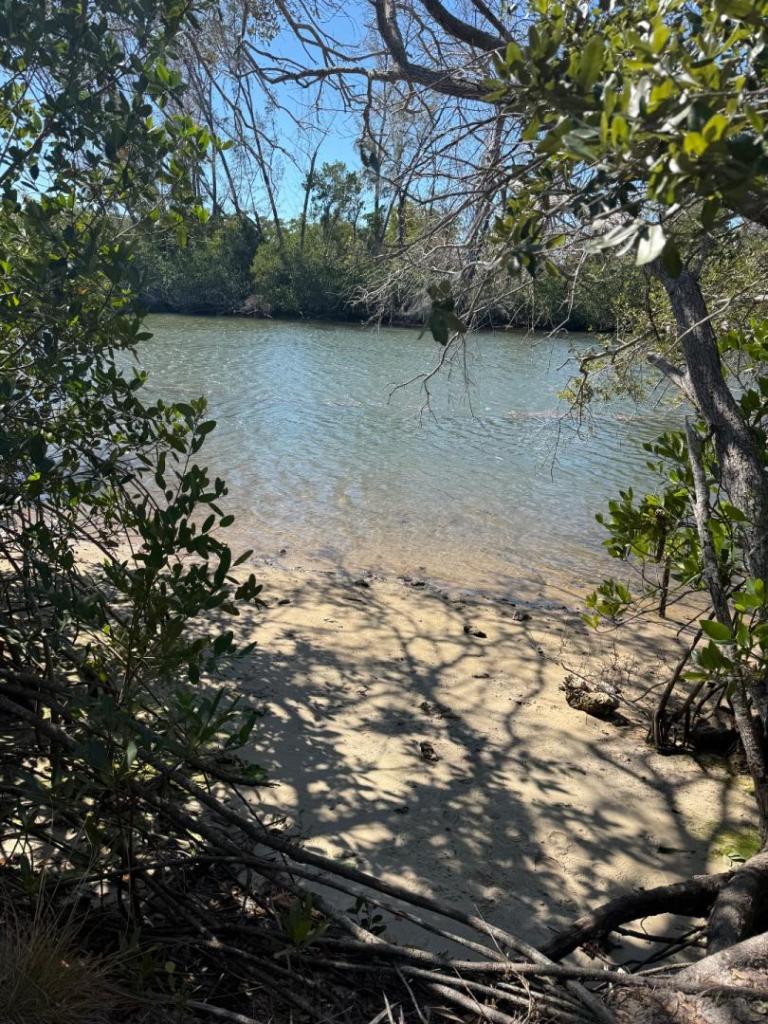
 2 points
 -
In the 90"s I was buying a lot of palms to try out from Inge Hoffman in California and in Ft. Lauderdale and other places in Florida. I wanted to try just about anything to see what would work. I had great success, but wasn't as careful as I should have been about tags, since I assumed I was on some sort of horticultural fantasy tour. Well, lots of things worked really well. The biggest failure was S. maritima. It never died, but lost its foliage every winter, so I took it out. I bought two palms from Fr. Lauderdale (mail order). I've lost the receipt, so I don't know who the vendor was. I assumed they wouldn't make it for too many winters. Wrong! They did great. One is definitely S. Bermudan, but the other was shy to bear seed until last year. It's a big tree, 16' overall. It had a bumper crop of seeds last year and the President of the Southeastern Palm Society was visiting and said that he thought it was S. pumos because of the size of the seeds. With the fruit on them, they are truly huge. How did I get the. thing? Speculation time: True - Dr. Scott Zona was working on his survey of Sabal and had collected pumos seed in Western Mexico. Here's the speculation: seeds might have been shared/distributed with South Florida palm people and I lucked up (by accident) with a baby. It has grown beautifully along with S. rosei, also from W. Mexico. Rosei bears smallish seed precociously and I'm on my second generation of mature adults. The pumos took forever to bear seed. The pictures show relative seed size of the Sabals that I have. Tom McClendon lined them up. We're going to do the same thing again on graph paper, so there is a real measurement shown.

 2 points
 -
Now seeing the forecast tonight to be around 41, I wonder if I should leave it for another night and uncover tomorrow...2 points
-
Sharp knife, coarse sand paper and you should leave anyway a respectable amount of fiber on seed, because it serves as a sponge to store necessary moisture for germination and subsequent growth if hypocotyl.2 points
-
Plus all the other millions of plants. I read that someone was driving up I95 and every palm that wasn't a Sabal was already bronzed off.2 points
-
I even use the white label tags to tease them out, even a pencil. You learn how to do it but always grab the seedling by the bottom, feel as you go if it’s to hard to pull out tease a bit more soil. I do hundreds of joeys this way individually as the get there first leaf. Many a gardening book will teach you the tease technique with seedlings, not chat GP. Books taught me all my gardening and growing skills, just look at an old school university lecturer he would have books and teach from them.2 points
-
Too easy they will! I could tip the box of seedlings out on the bench pick out them out of the medium and pot them up. Yes you could go through all the fussing around and tension be super careful to the point where you do more damage than good, and then drop the whole tray making a mess of the whole lot. Best approach with seedlings just pot them up, I would simply tease out that sone seedling you have and pot it up in a small tube.2 points
-
I'm sorry to say it, but she already seems dead2 points
-
Planting a sabinara magnifica gets my attention today!


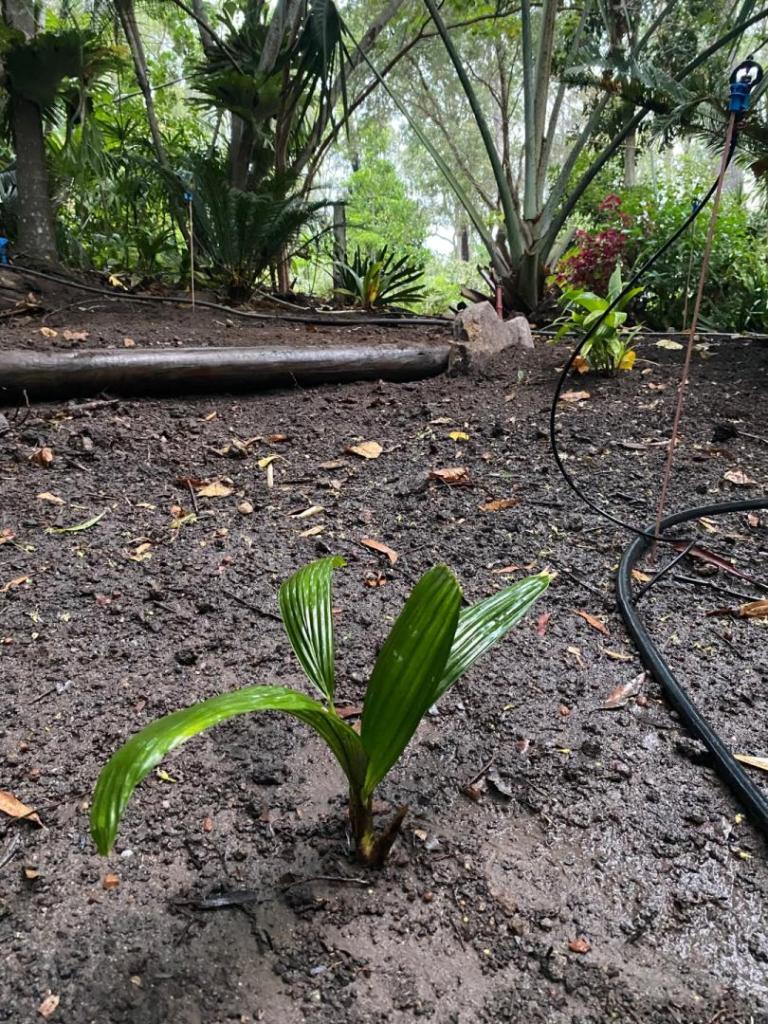 2 points
 -
A free palm is the best variety palm around!2 points
-
Any tips how to clean fruit and germinate seed?2 points
-
We can pause for a moment and honor the 75th Anniversary of the last big snowfall. https://staughs.com/frosty-and-mossy-the-snowmen-snow-and-a-lack-thereof-in-the-oldest-city/
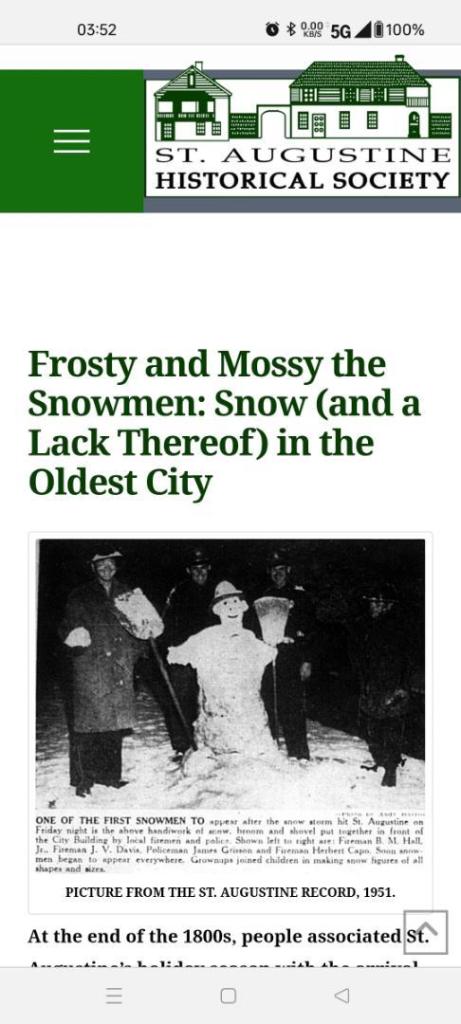 2 points
 -
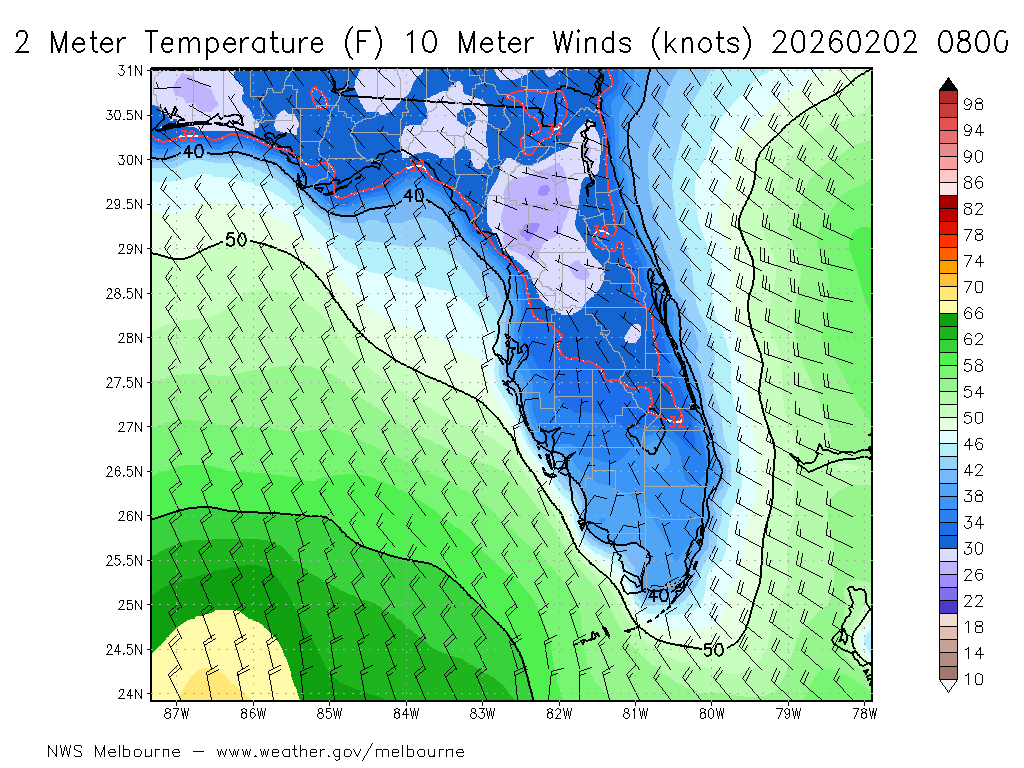
of course not 3AM
 2 points
 -
Birds in your vid look like Hooded Crows or Jackdaws rather than your local subsp. of Eurasian Jay.. Regardless, if your local birds / other insect eating animals are dining on them, they're doing their part to balance the scales.. Have little doubt our local Corvids, ...and other bug eaters... are also out there consuming their fair share of SAPW adults and grubs now available to their diet, just as their relatives further south have been doing since this quick < and tasty > SAPW protein source evolved.
.thumb.png.f6e53dbe1d889d5c9803d3c0d81981d2.png)
iNaturalist.thumb.png.5a15adfcba855deb3f4eadcd03ea74bf.png)
.thumb.png.dbc2b8fbd665c175835ca4709288200e.png) 2 points
2 points -
🤔 On an " That's interesting " side note that just popped into my head, out of all 3 Mangrove species that occur in FL, ..White and Red esp. if they can survive occasional blasts of below 40F cold every so many winters there, that means the Red Mangrove someone has been trying to guerilla plant around the Imperial Beach / T.J. River N.E.R area in San Diego over the last couple years ( ** See iNaturalist observations ** ) might actually stand a chance at surviving winters there..2 points
-
Very interesting that while our regions still get freezes, they are considerably less cold than the monster freezes from the 20th century.2 points
-
Nothing but fun around here. I bought an Uresana from @Josue Diaz a while back and he shipped me 2. I unpacked them and got sidetracked and apparently it's bad to leave palms sitting open air on the counter for any length of time. After putting them in a tray, baggies over their pots, and bottom watering one is recovering and pushing new green growth. The other one spear pulled but isn't mushy and didn't fizz with peroxide so I'll let it ride. I also got some Sabal Maratima from @Sabal King - I don't remember, 2023 or 2024? - anyway, I put them in 3g pots with cheap garden soil because it's what I had at the time, and they were growing great! Lots of blue color, lots of growth, and then just one day they shrivelled up. I unpotted them very carefully - the soil around the center had become hydrophobic. So like, I do the finger check and the soil is damp, but the center was like a brick. So I rinsed them off (gently) and they were also rootbound already - so I put them in 5g pots with coco coir and perlite with just a handful of Jobes palm food and bottom watering them too. Should I give them humidity covers too? They're indoors for the winter and it's still around 60%RH in there and this morning was the lowest temp I've seen in there - 68°, but it's also 19 outside. They did great in the sun with moderate watering and everything feels nice and firm, just the foliage all shriveled up.. Between these, the Uresana, and getting got on the alleged "Causarium" seeds I'm not doing well with the exotic Sabals. Bananas and philodendrons are exploding though fwiw. And my Mexicana from @5am is getting huge.2 points
-
Aahh man to that!2 points
-
ChatGPT is not a machine to use to learn about real things.2 points
-
@guygee I have been using an Ambient Weather WS-3000-X5 for at least 5 or 6 years. It comes in the X3 or X5 or X8 versions depending on the number of sensors. The only real problem I've has is leaky alkaline batteries corroding the terminals. I switched to NiMH and Lithium batteries for the 4 sensors that got completely demolished by leaky batteries. It saves CSV files to a uSD card that you can easily open in Excel or other spreadsheet program.2 points
-
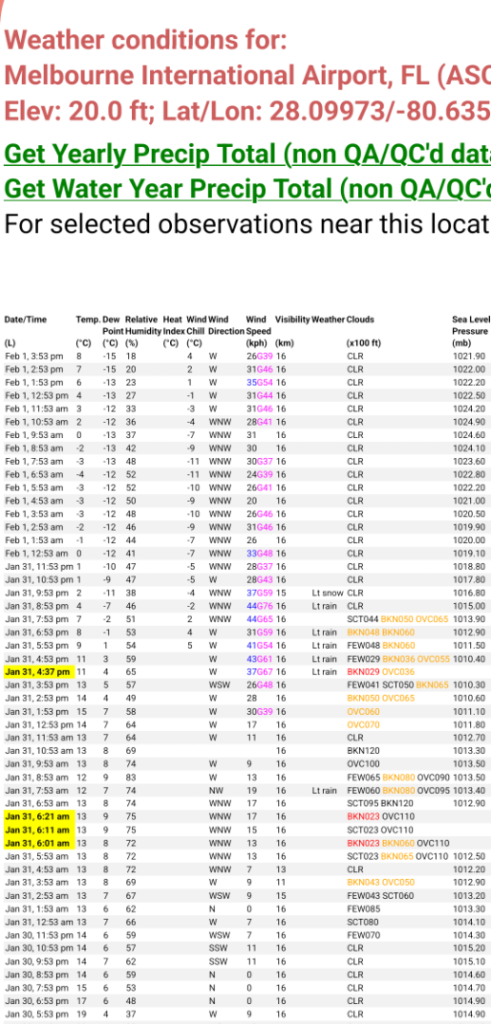
The temperature station I ordered had a proprietary cable that was too short so it was a bust. PAFB is usually good proxy for my location in Satellite Beach, neighborhood stations can be 1-2 degrees less in a radiational cooling event but for a strong advective event about the same: So about 9-10 hours freezing: About the same for MLB (Note report of light snow at 9:53 PM): As a point of comparison, for the 1989 freeze MLB reported consecutive lows of 25, 22, 27, 32 on December 23-26, 1989.

 2 points
 -
I have some seeds soaking now. I built another bench so I need to fill it up. Got some Tallifero (sp? The cold hardy blue Georgia Sabal minor) and Bald Head Island seeds in baggies too. Thanks to the homie @N8ALLRIGHT for sending them. I don't know if they needed it but I cracked a couple of the needle palm seeds and I'm gonna throw the rest of the Butia seeds from @Scott W on the mat too, and then go through my other Sabal seeds. They're thawing after freezing the weevils.2 points
-
I see 37 for miami beach and 39 for Virginia Key. Of course PBIA in urban south florida had a freeze at 31.. don't see Jensen Beach on that map. Fort Pierce airport and Orlando at mid 20s and Miami FTL both at 35 were dead on what was forecasted. A very good weather forecast on this event.2 points
-
2 points
-
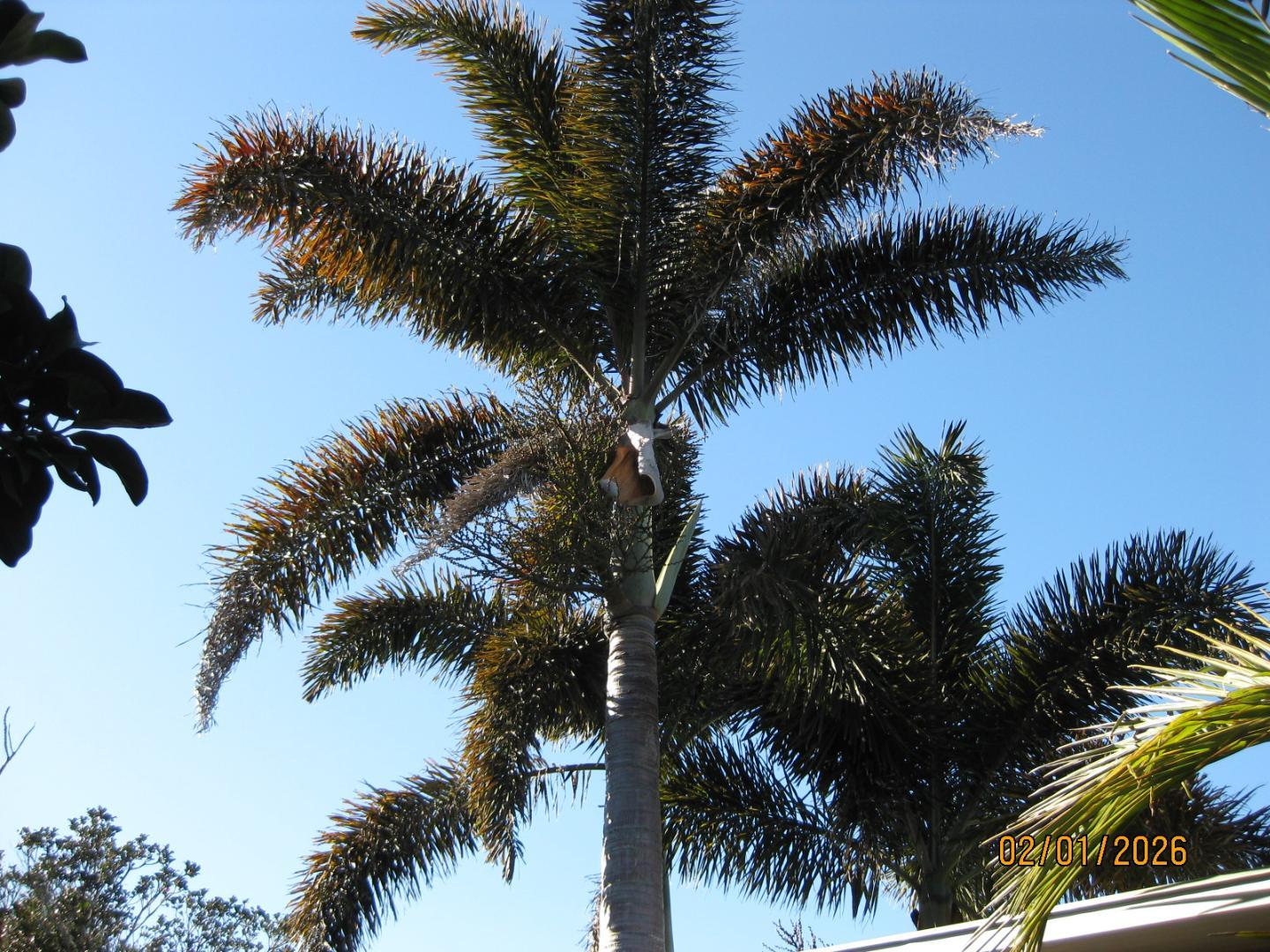
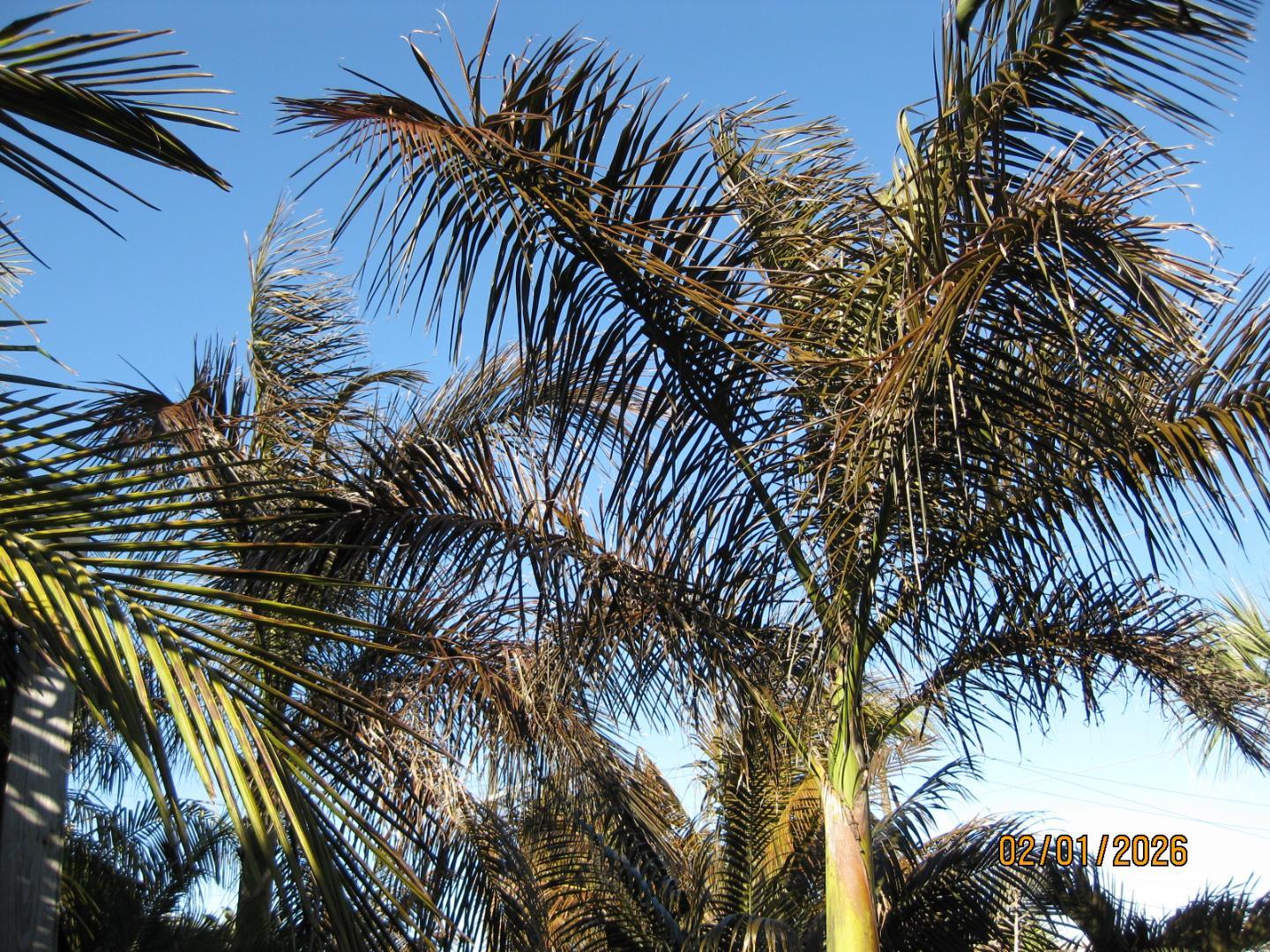
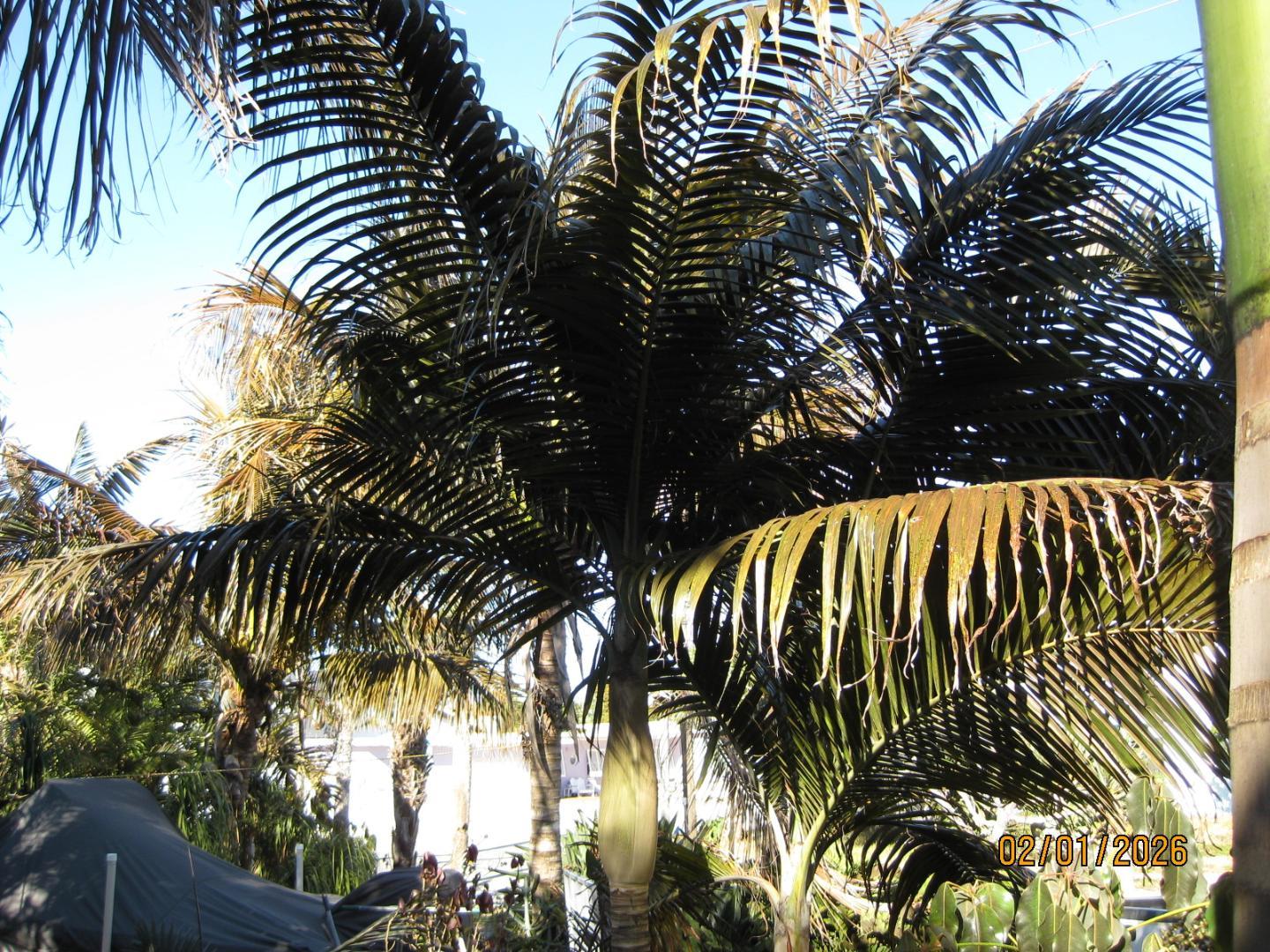
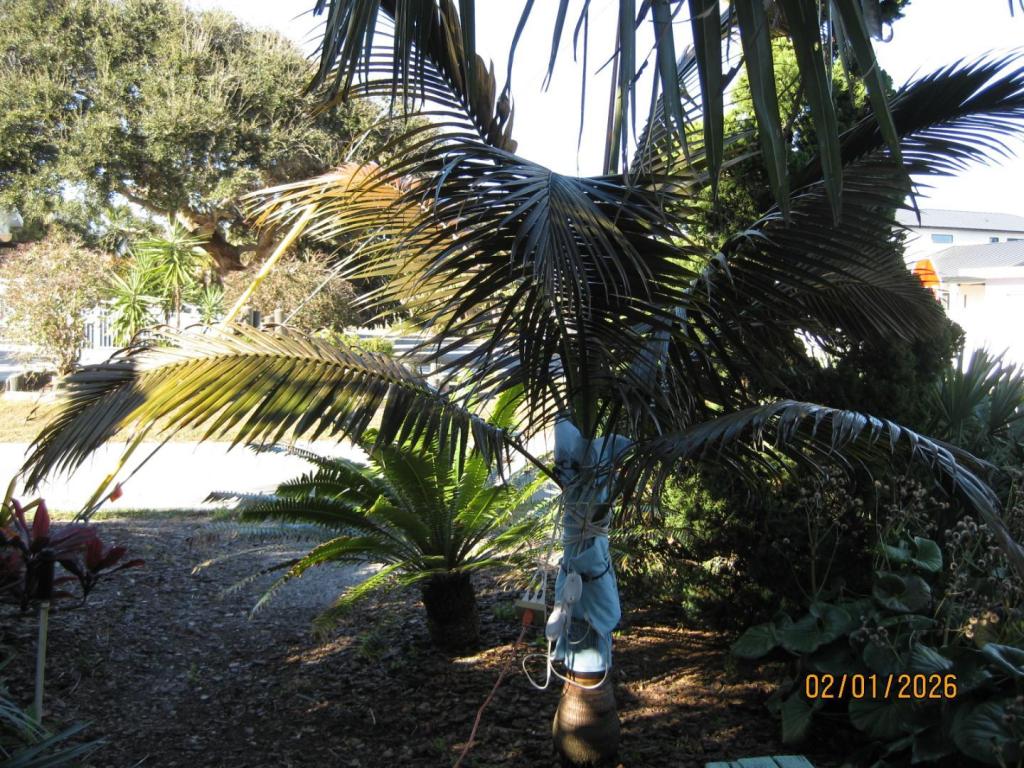
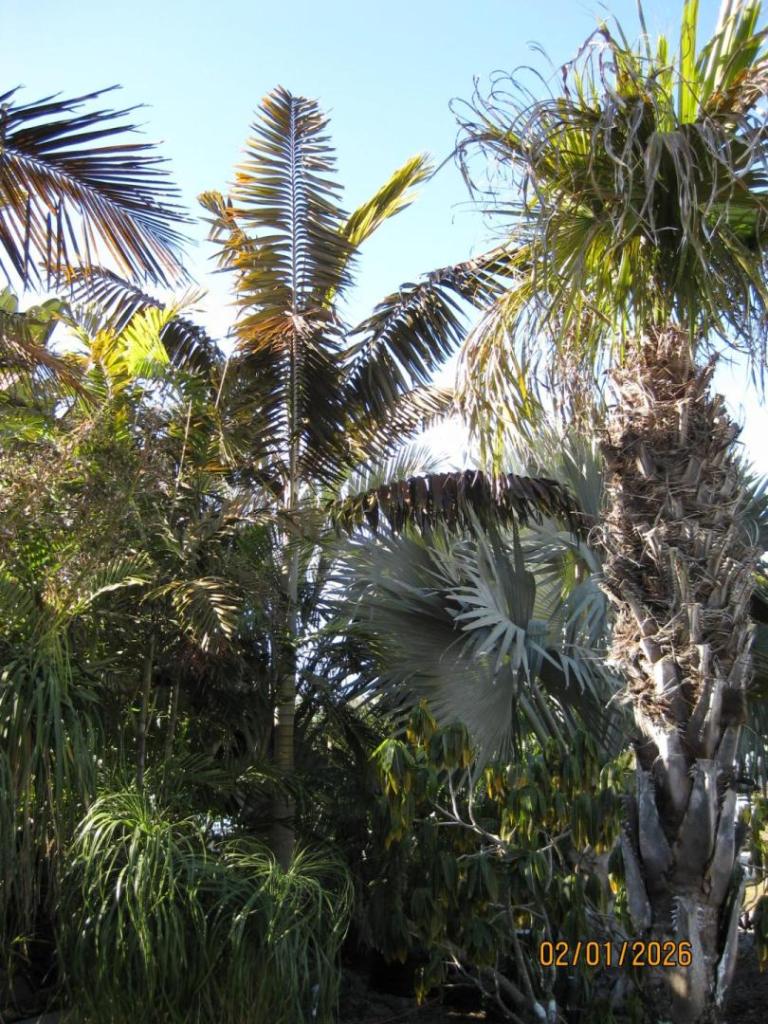
Hey all - I'm in New Smyrna Beach on the barrier island and have a lot of nice specimens in my yard so naturally am freaking out a bit, as many here are too. I soaked my grounds over 2 days time leading up to the event hoping that along with the coastal location might help mitigate damage. I put some C9 Christmas lights up around 3 of my palms...2 Ptychosperma elegans and 1 Archontophoenix cunninghamiana. And heating pads around the trunk of my Satakentia liukiuensis . I also brought as much potted material inside my home as possible.....palms, bromeliads, orchids, crotons, & misc. So there was still a lot outside and exposed. I have numerous Archontophoenix palms on the property, 2 Royals, a Dypsis cabadae, large Areca lutescens that was here when I bought the place 30 years ago, 3 large Coconuts planted back in 2017 from 30 gal pots, various Cycads including 2 very nice Queen Sagos, some Dypsis pembana - 2 still in pots and 1 planted, a nice Veitchia joannis, a very nice double trunk Dictyosperma album plus some in pots, a nice trio of very mature Foxtails that I planted back in '06, a nice Hyophorbe lagenicaulis, and some other odds and ends including many that are considered cold hardy so I wont mention those. I just came in from a walkabout on my property and am see damage on a few including the Coconuts, Satakentia, Royals, but the Archontophonix are actually looking stout at this time. Some off color but nothing like the others that are showing damage. I realize we won't know the extent of damage yet for a week or so but wanted to share what I'm seeing in my location. Cheers! My Satakentia: One of my 3 Coconuts. They are all the same size: My Veitchia joannis: My Bottle: My 3 Foxtails: My 2 Royals: My double trunk Dictyosperma album"


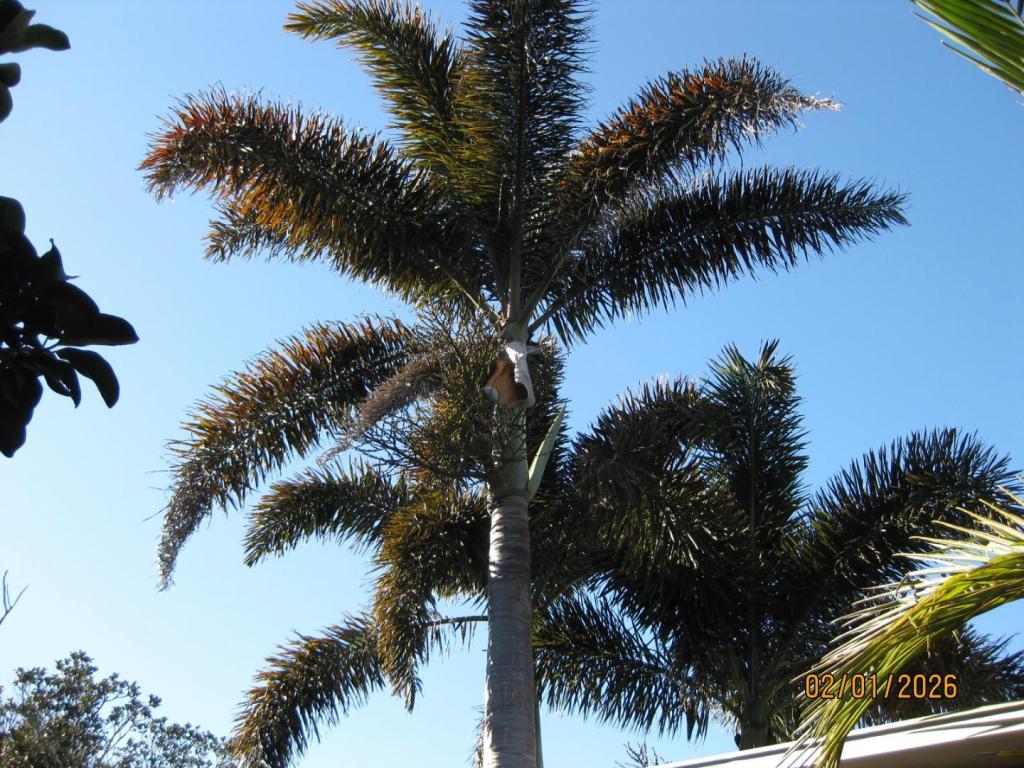

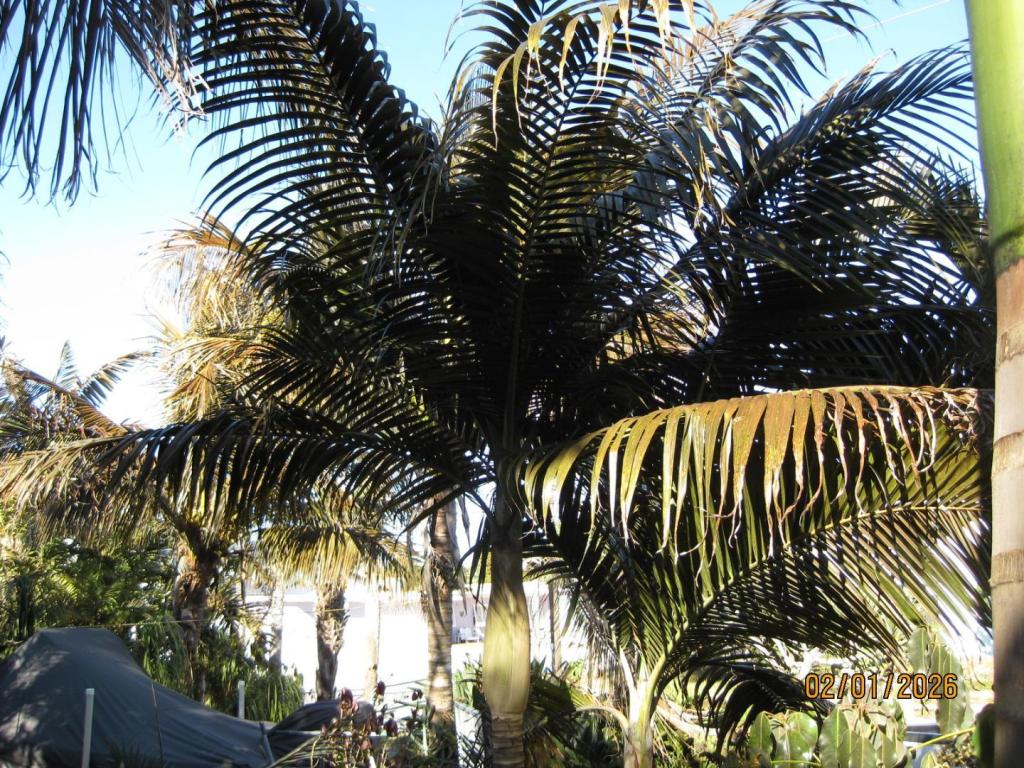 2 points
 -
You might need to hirer some help to manage your large palm factory. ?2 points
-
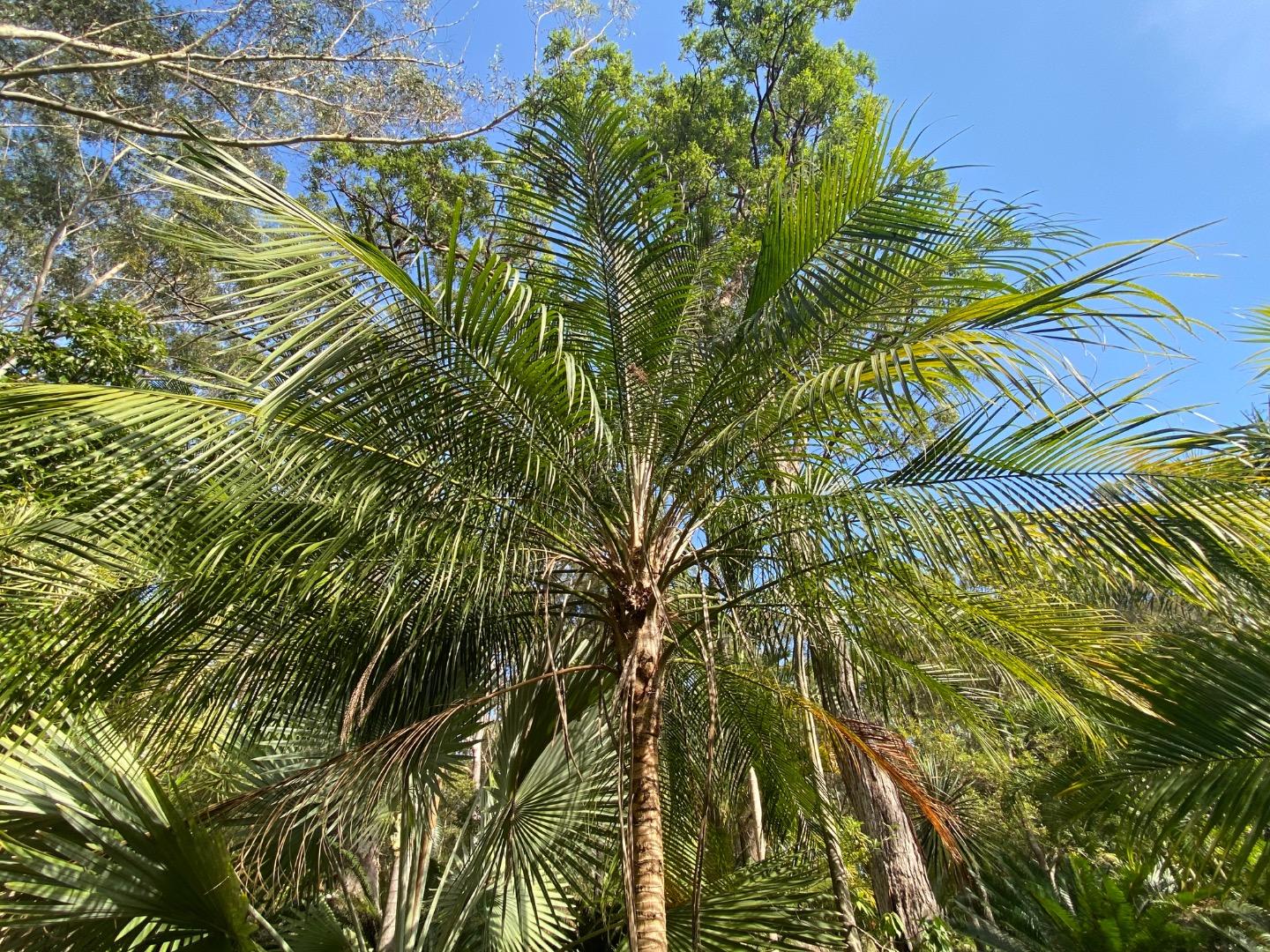
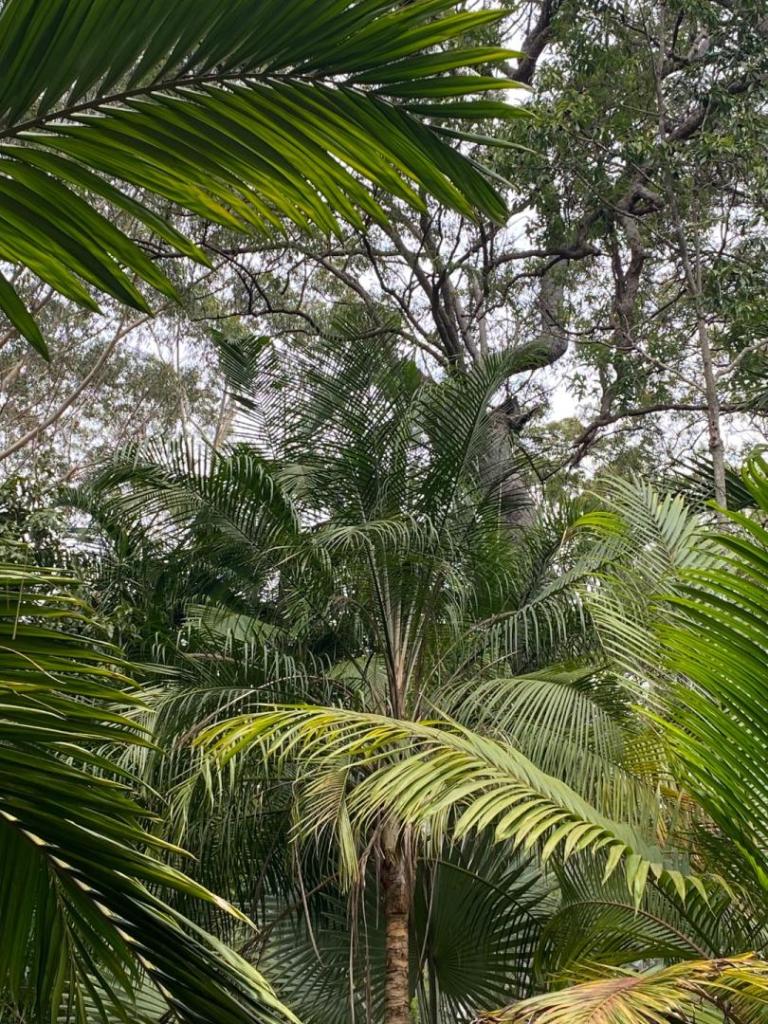
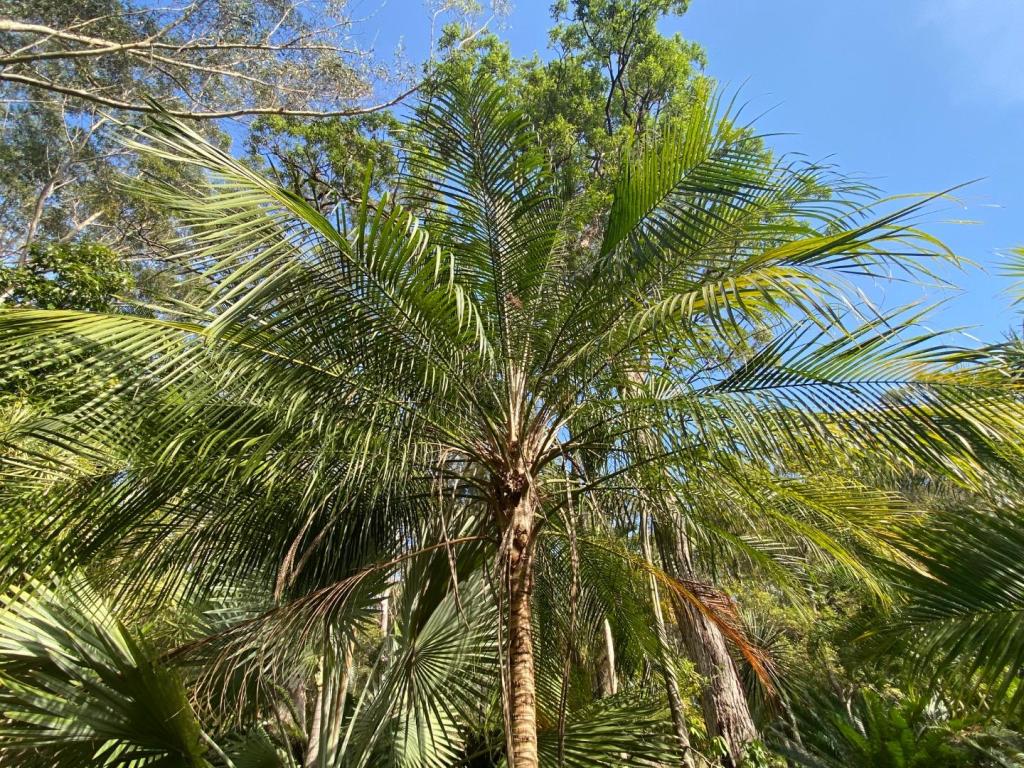
Another one of my Ravenea glauca loving the summer heat. Along with a nice Pinanga coronata.
 2 points
 -
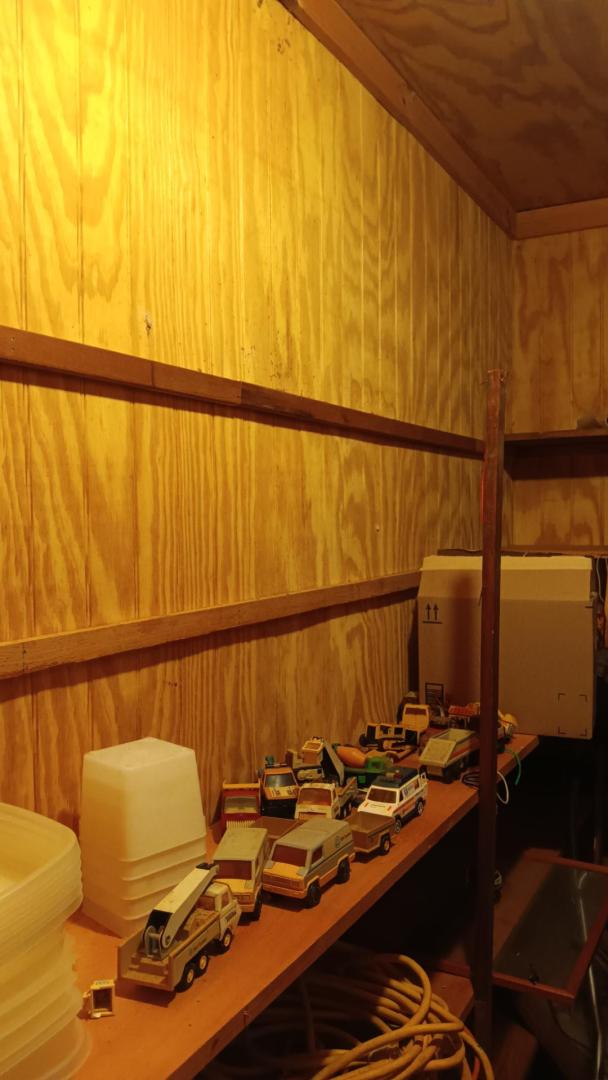
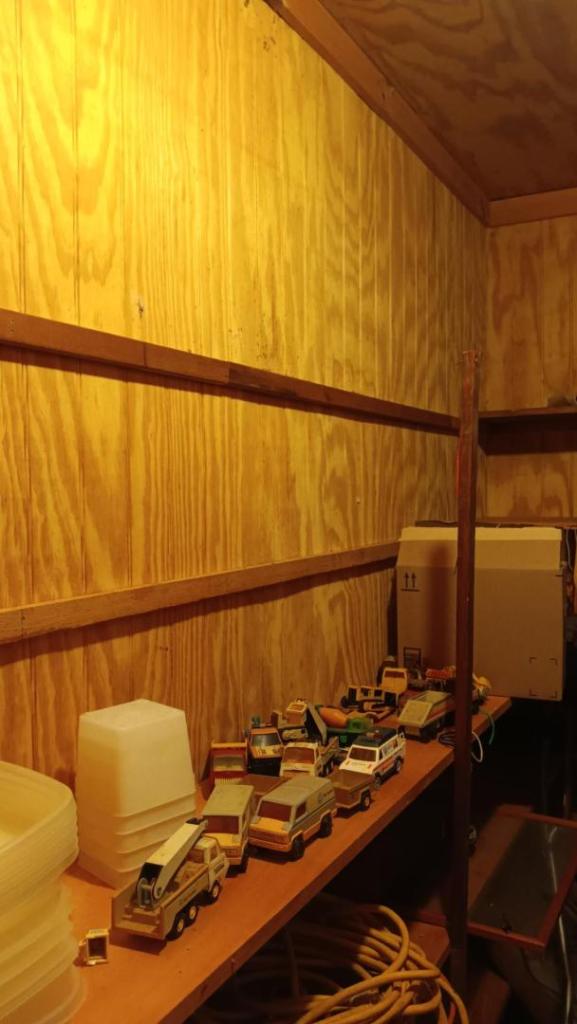
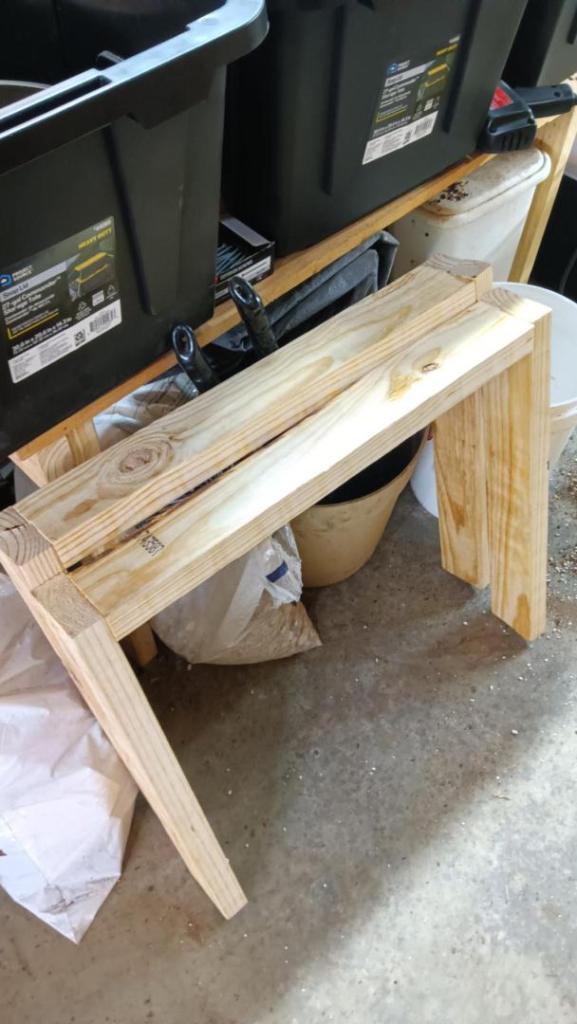
I'm repurposing all the old shelves in here for my grow benches. I just cleared out 17 years of dust and crap and about 47 nails to get these 8 foot boards 😂 some scrap 2x4s for braces and it'll be nice and ugly and bombproof.

 2 points
 -
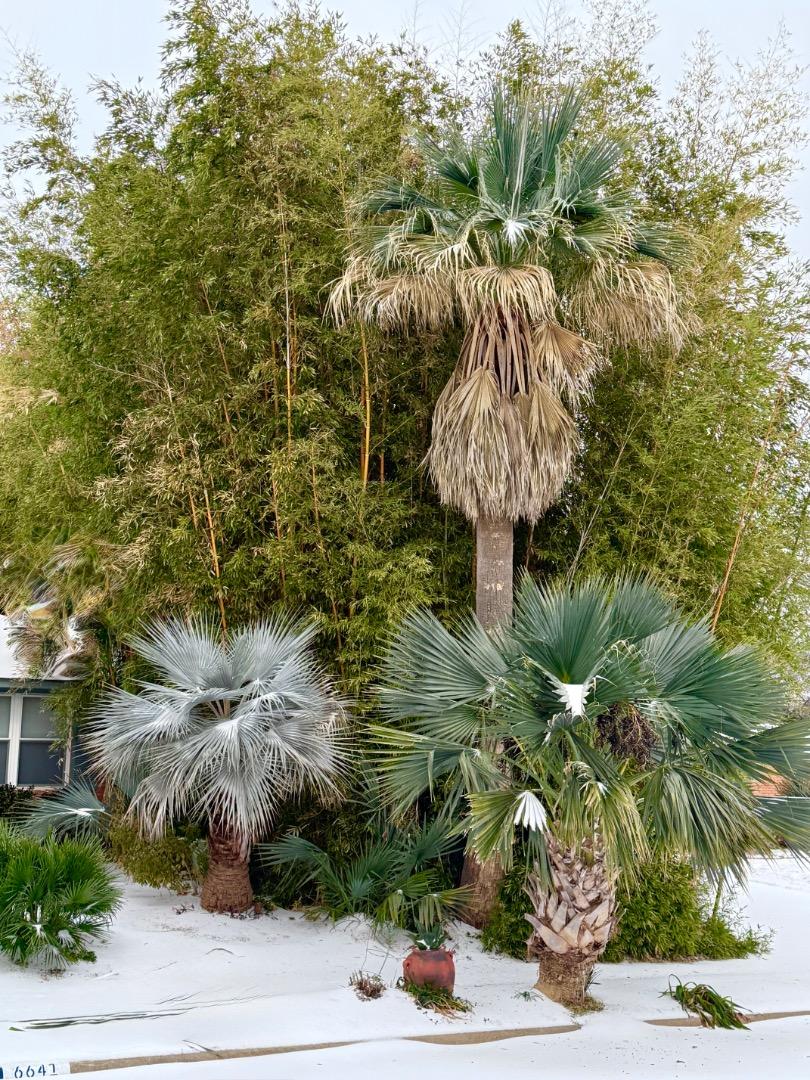
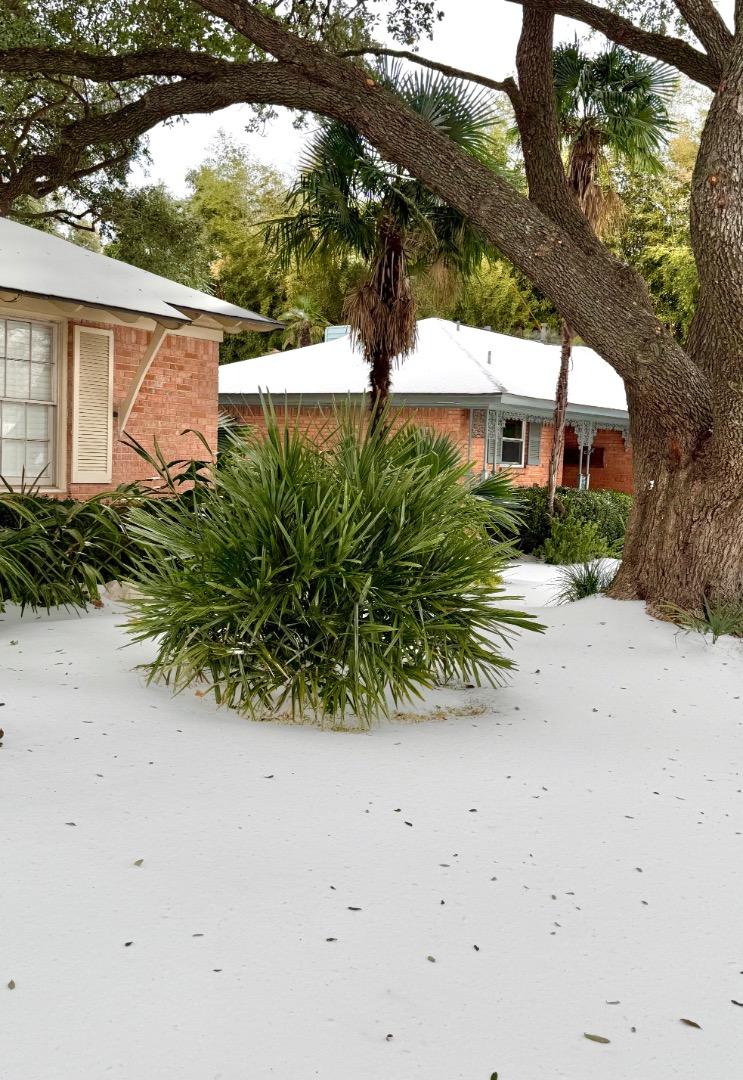
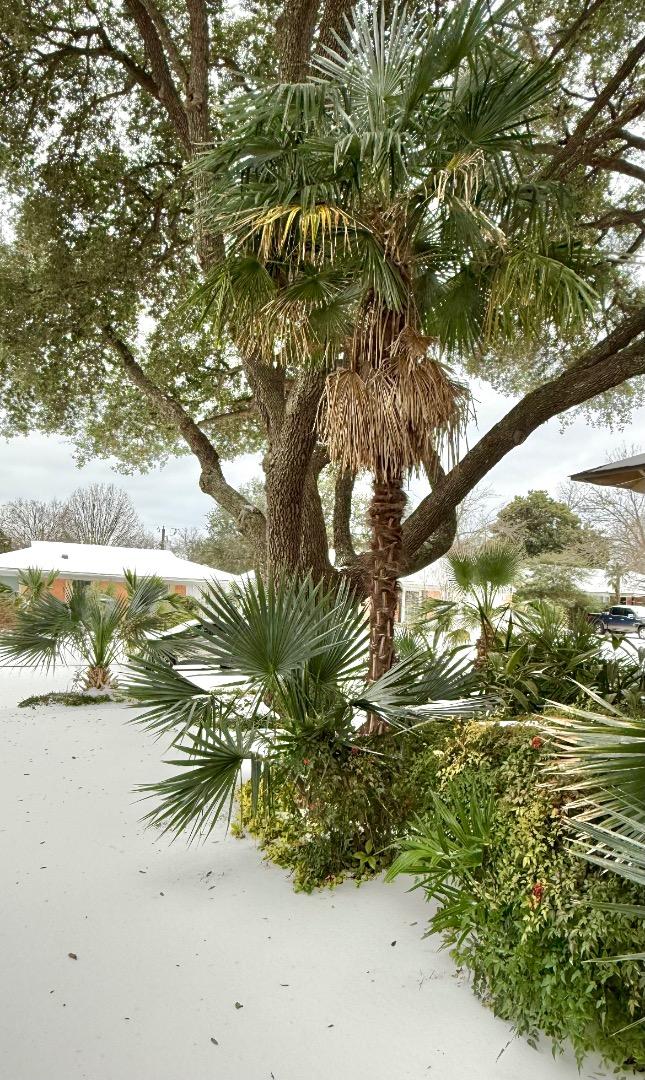
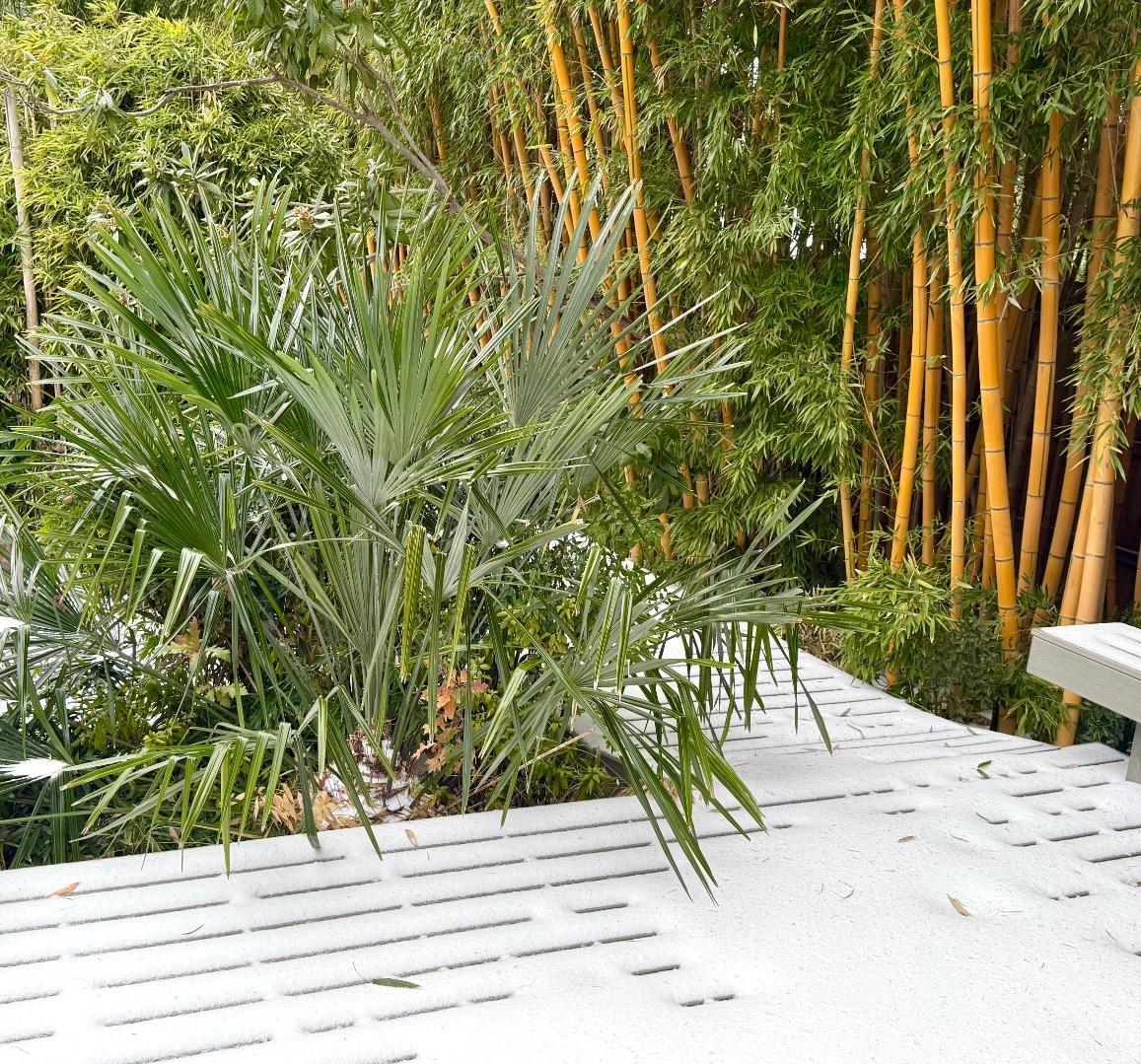
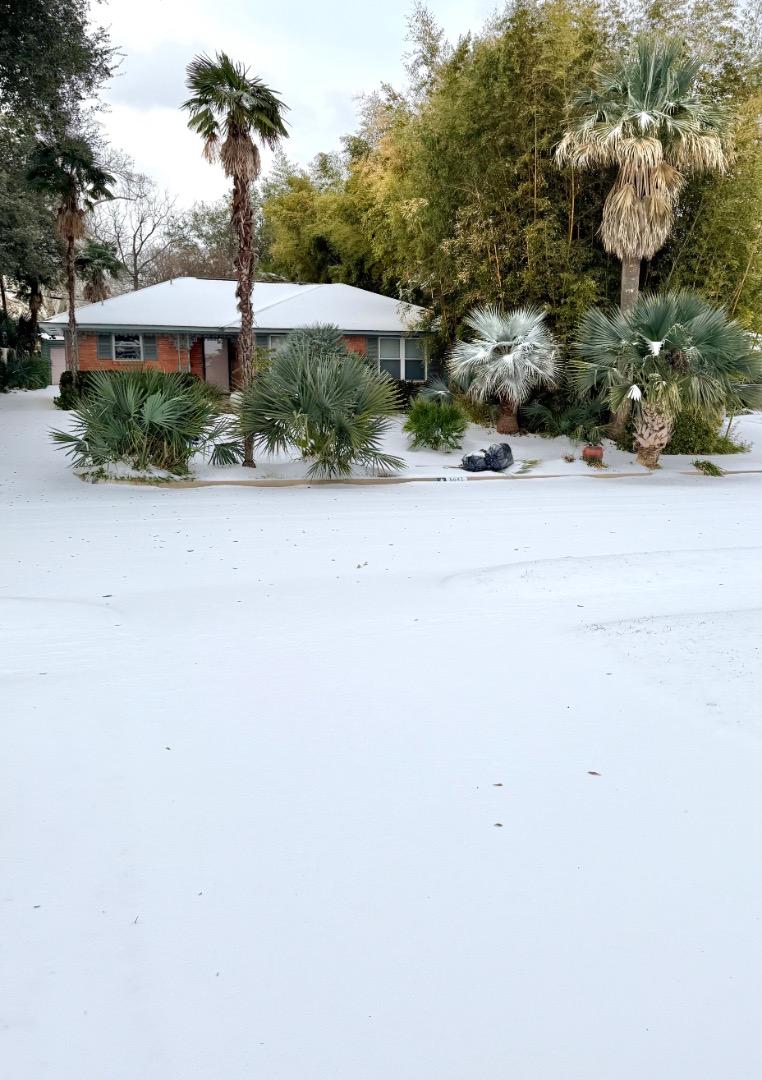
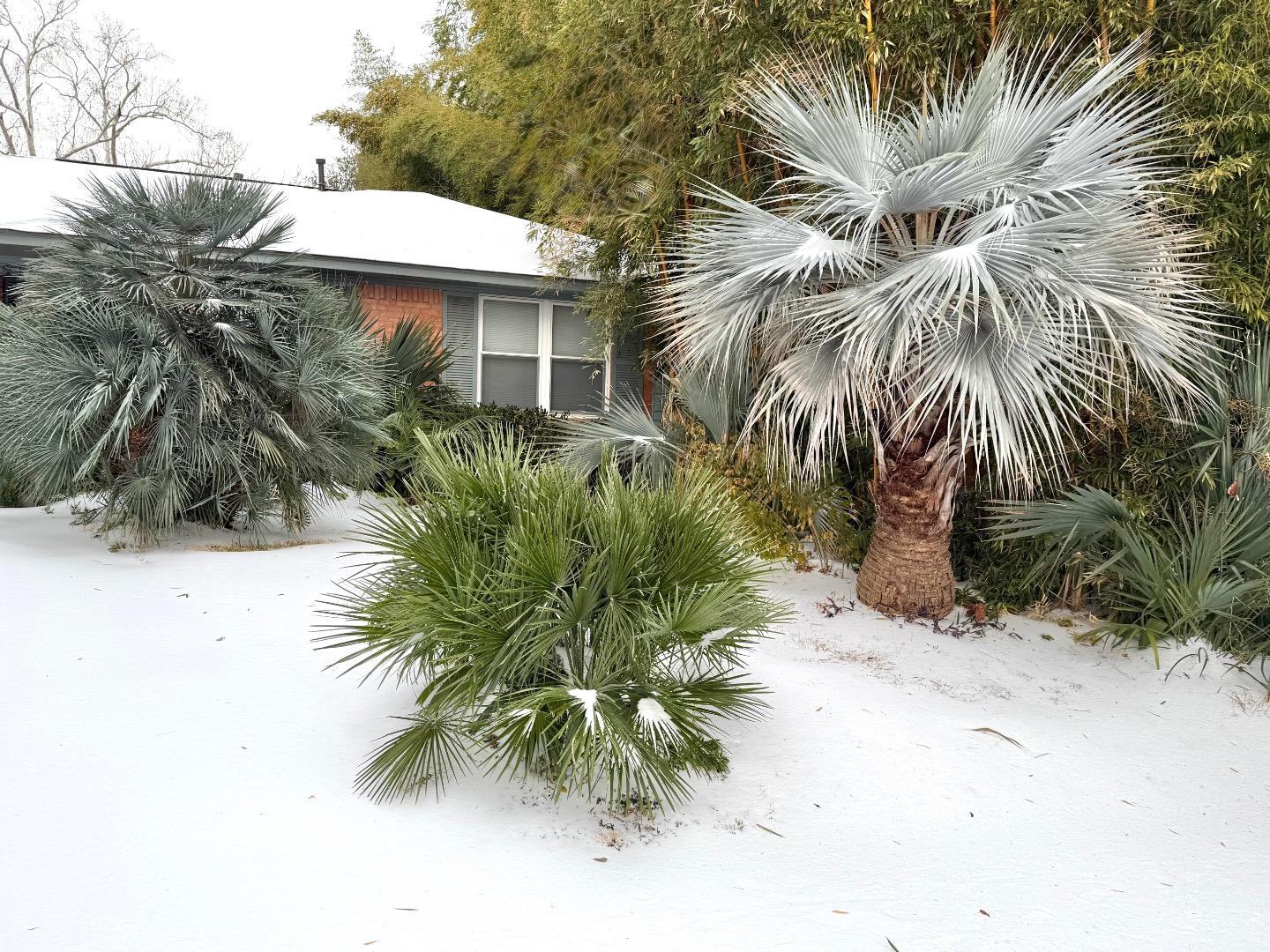
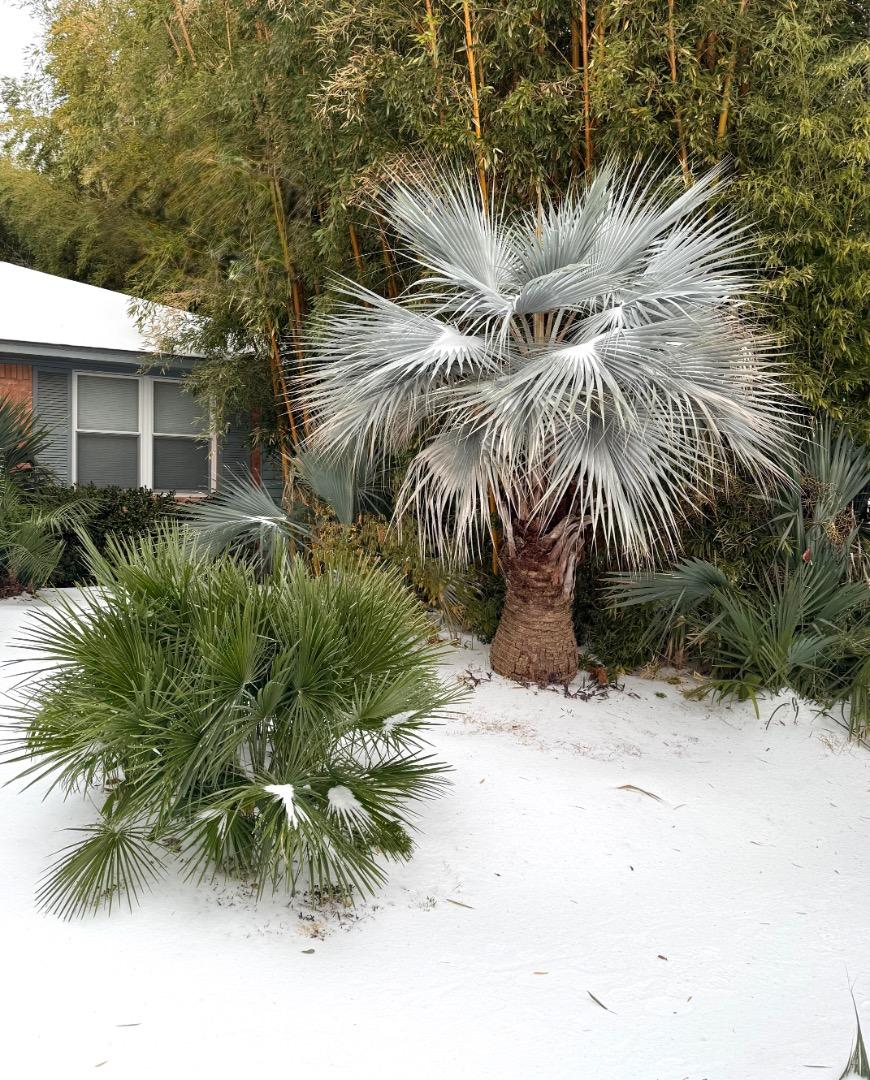
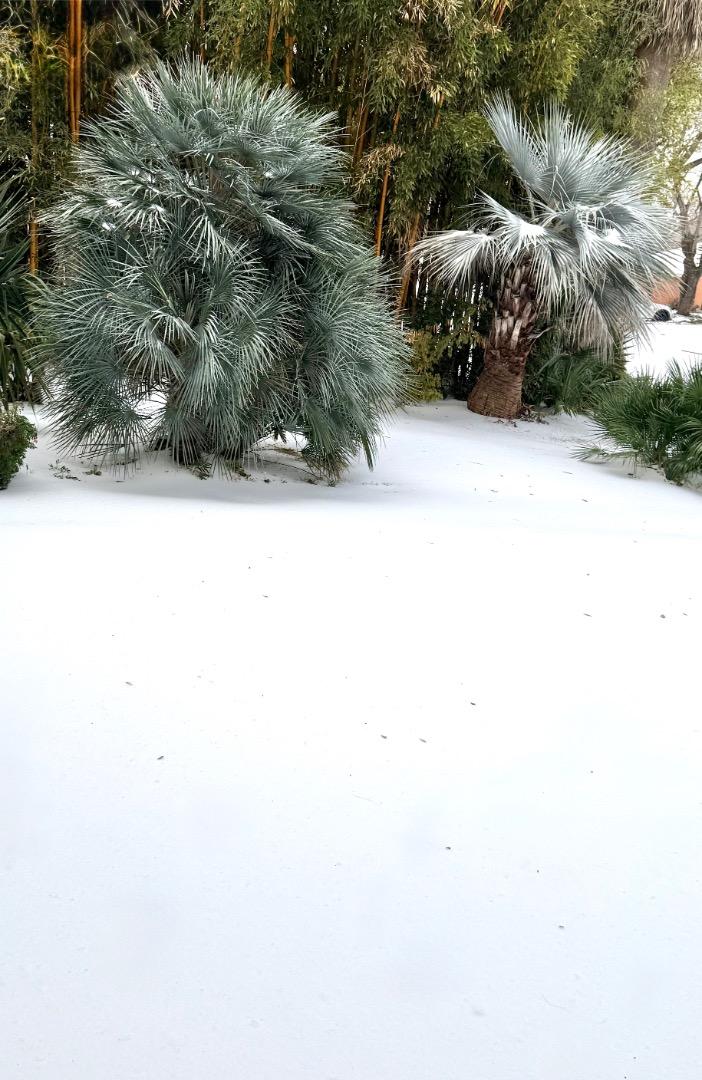
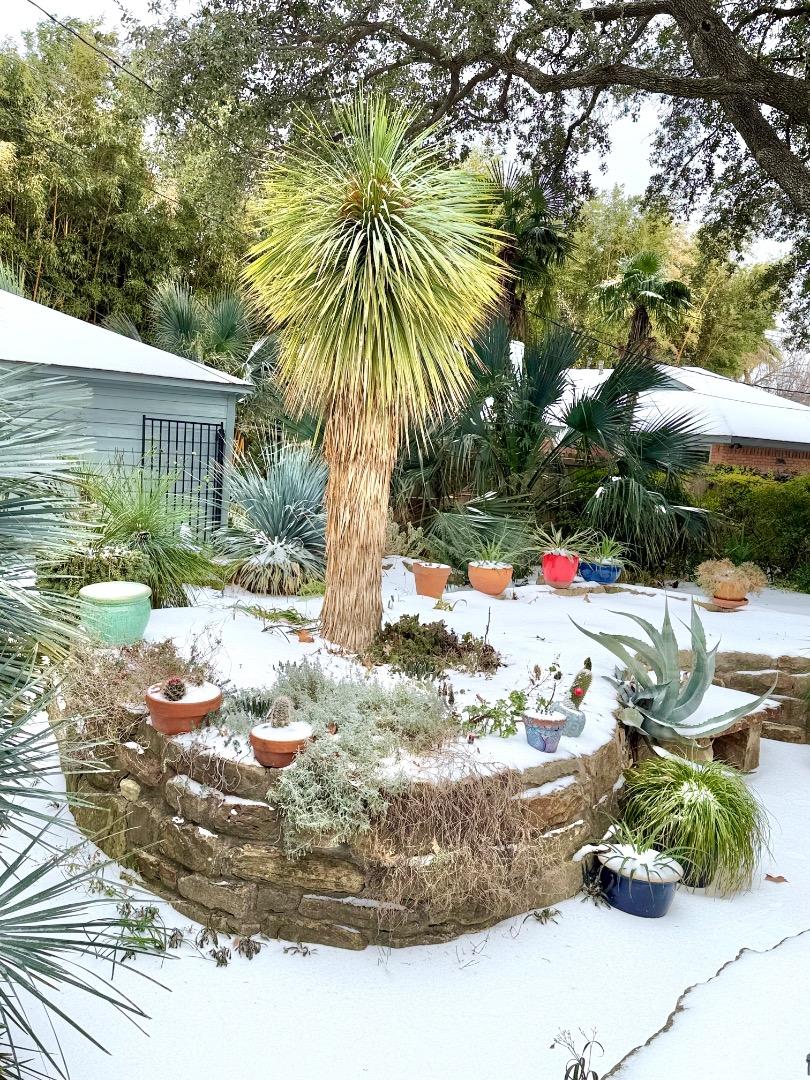
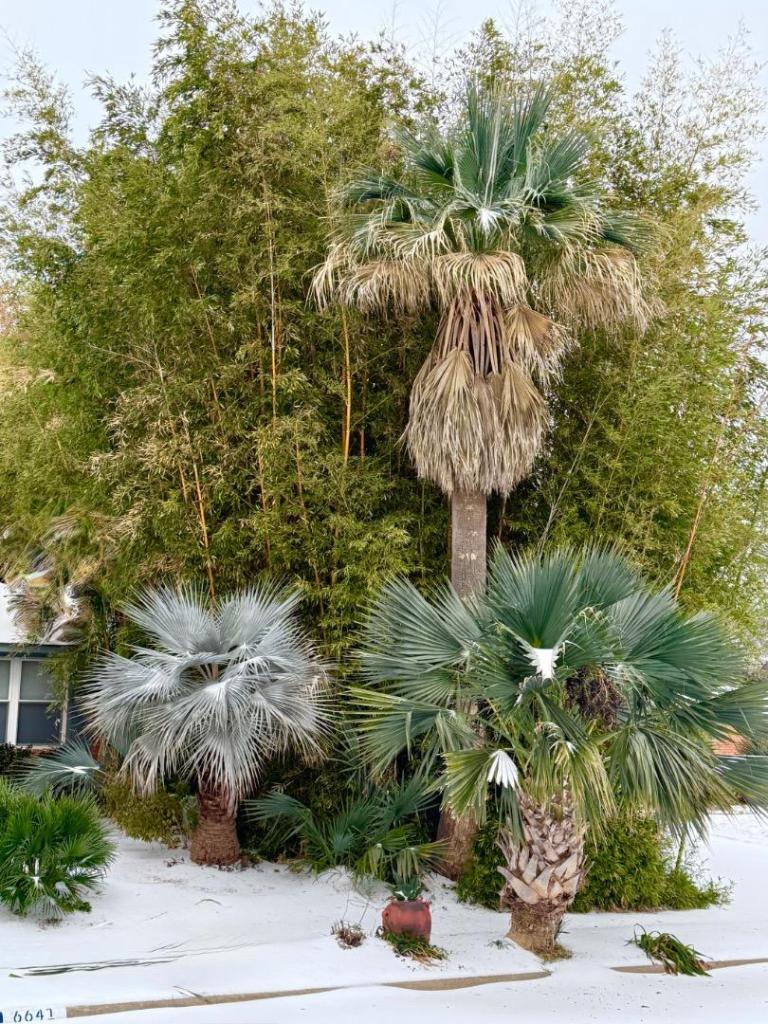
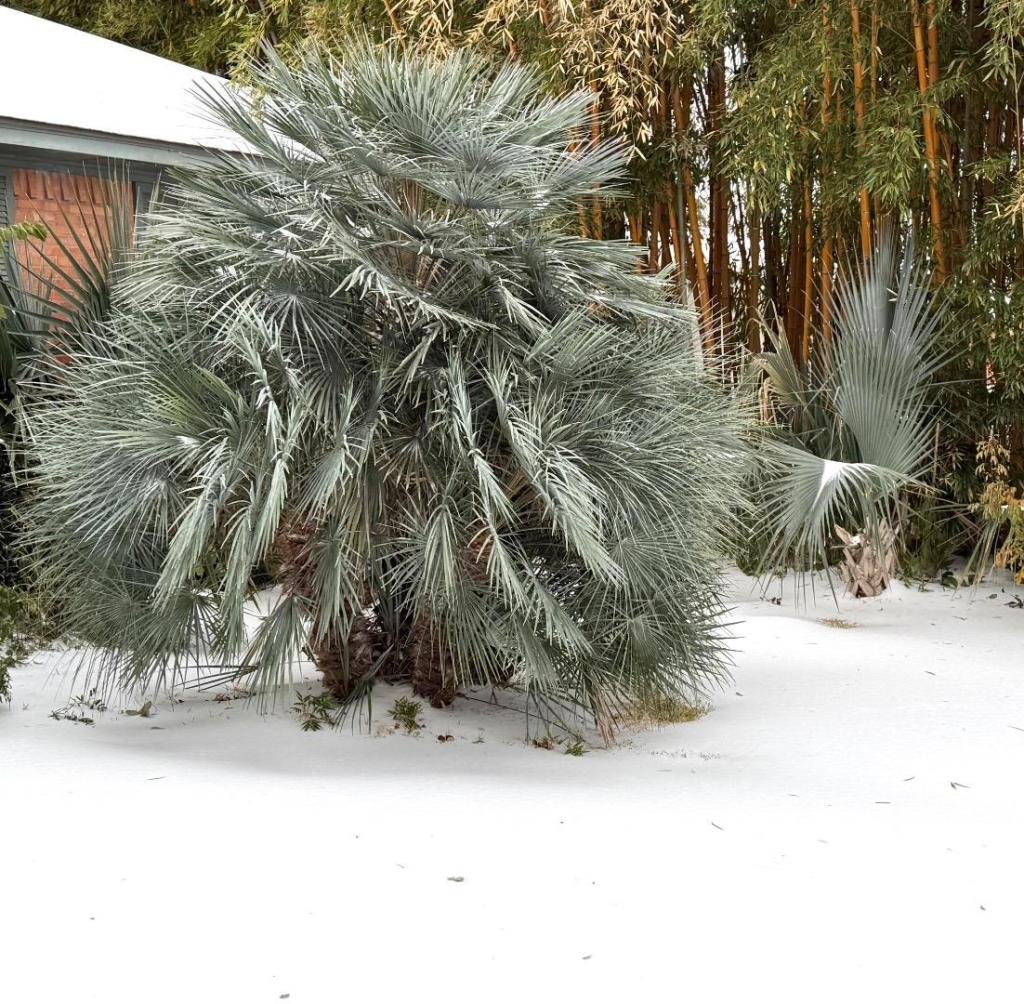
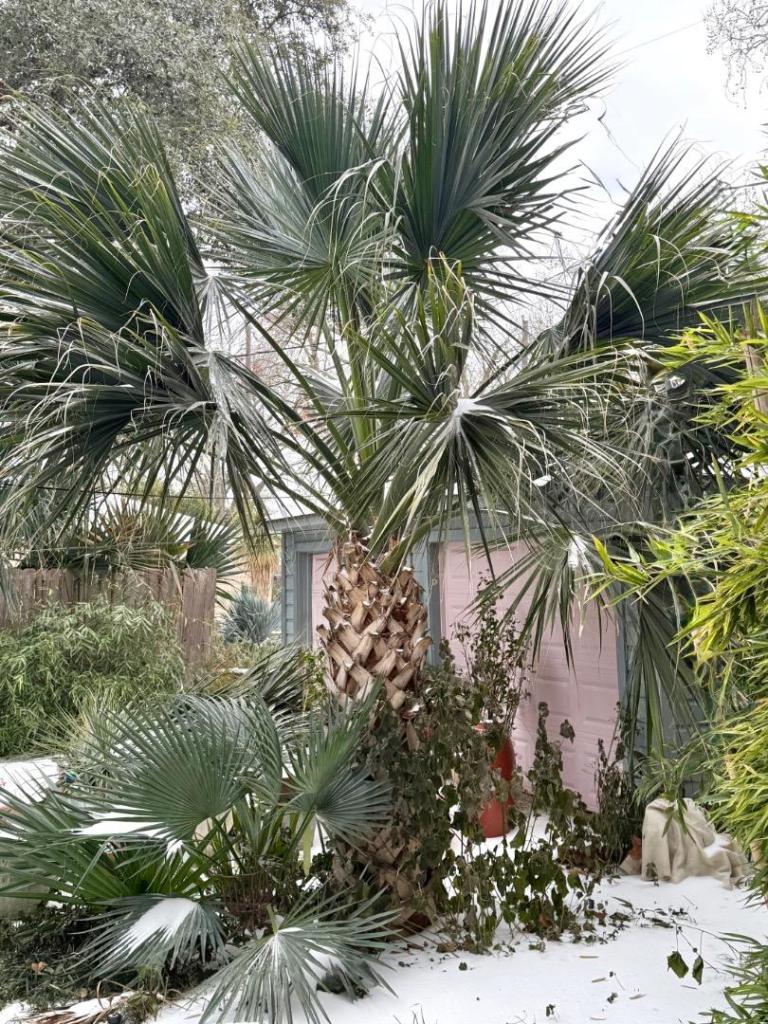
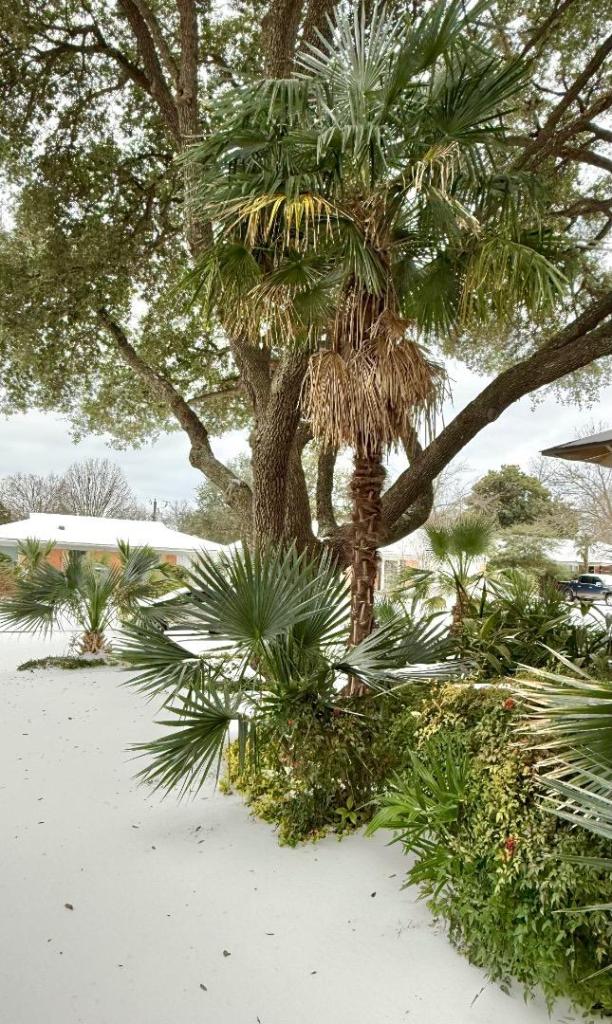
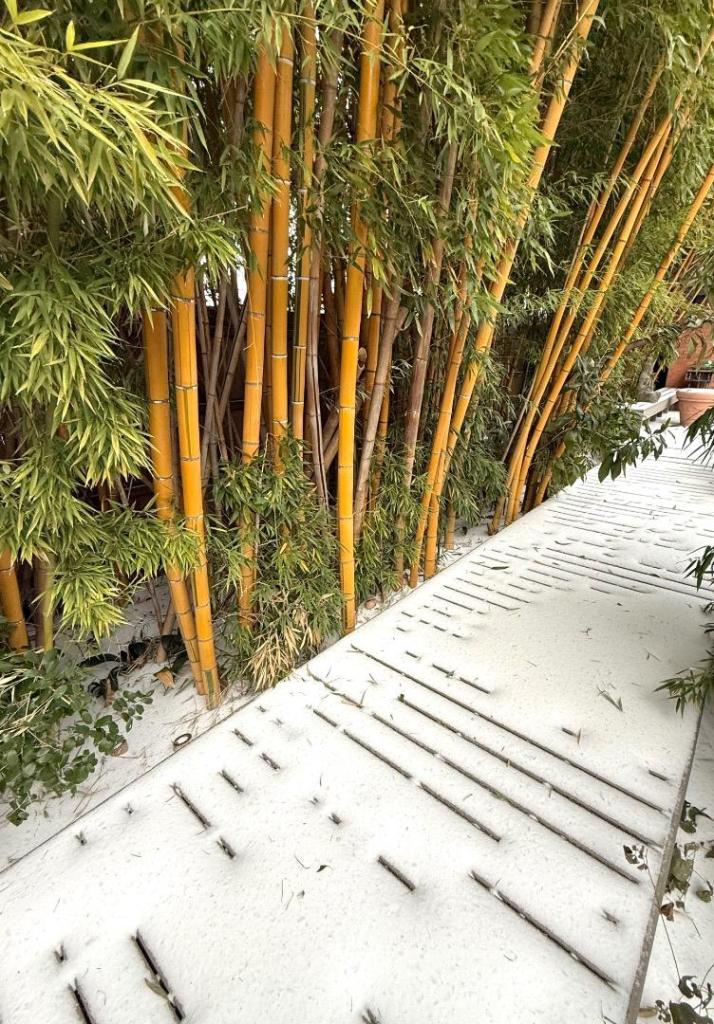
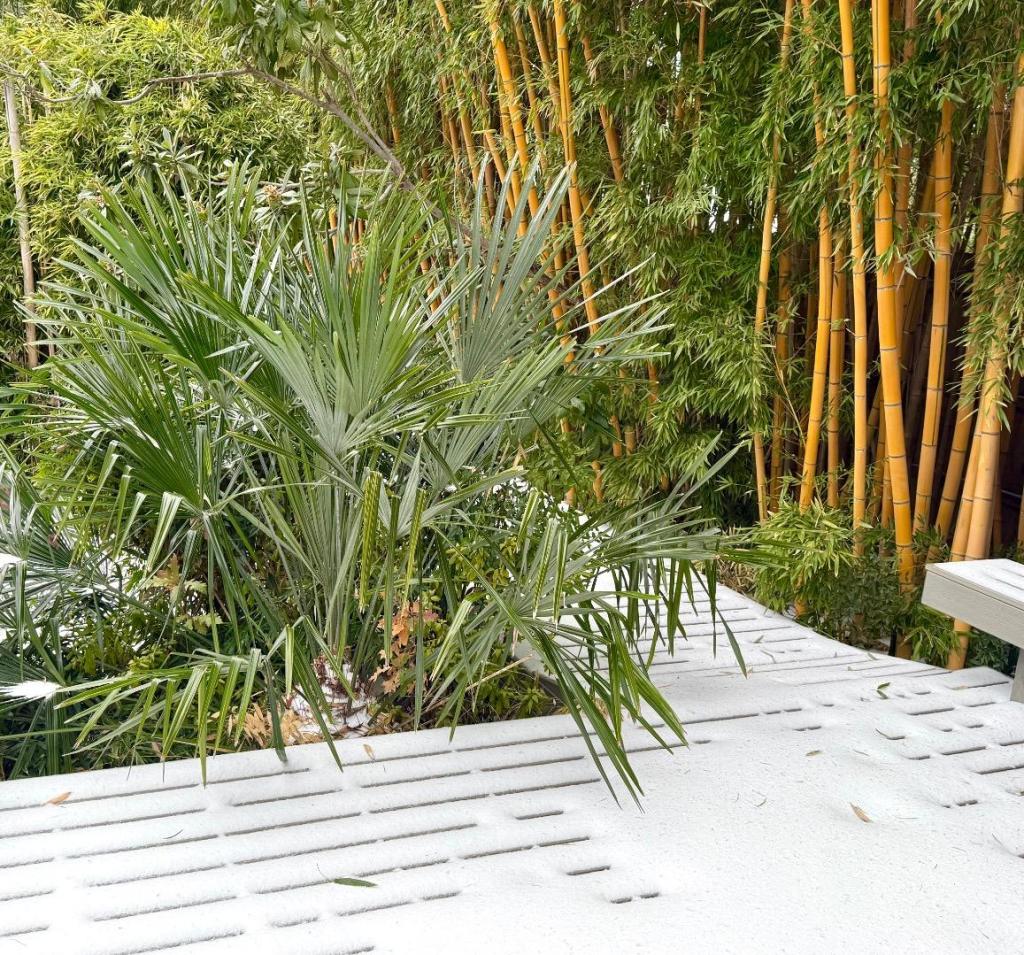
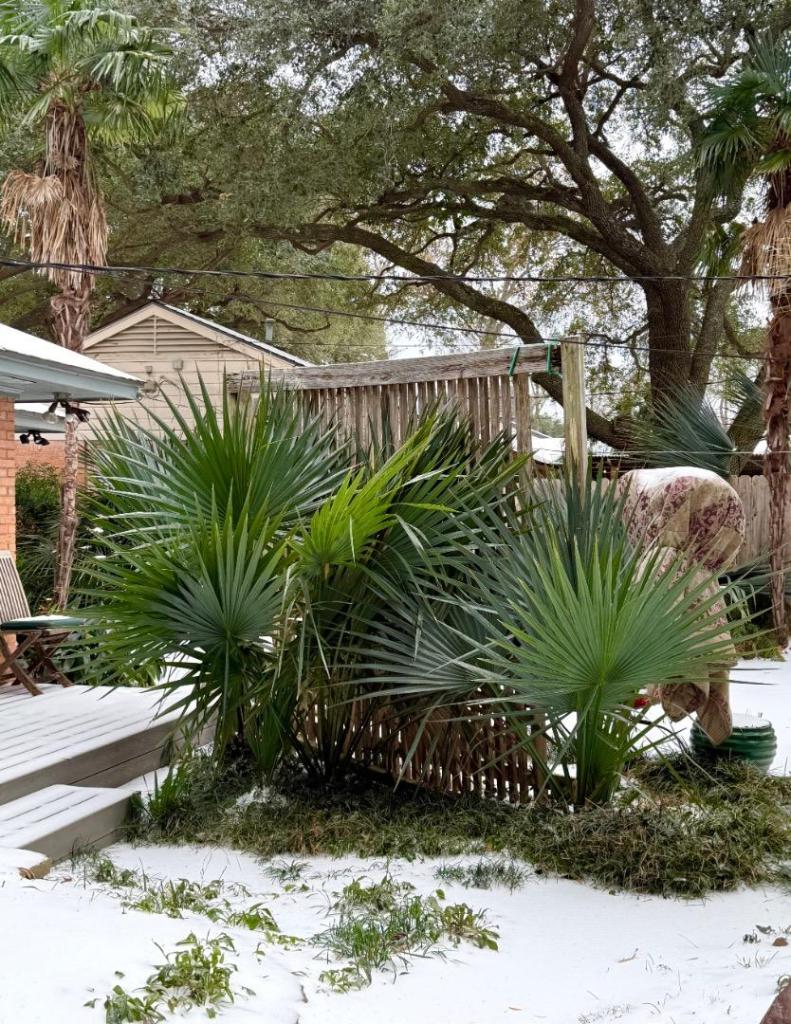
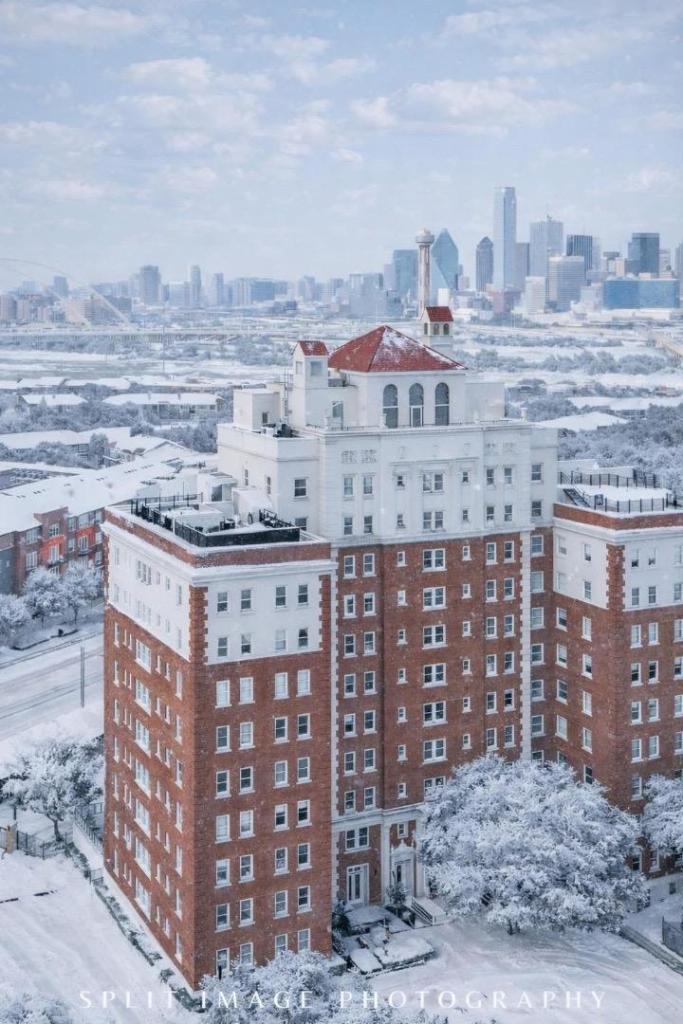
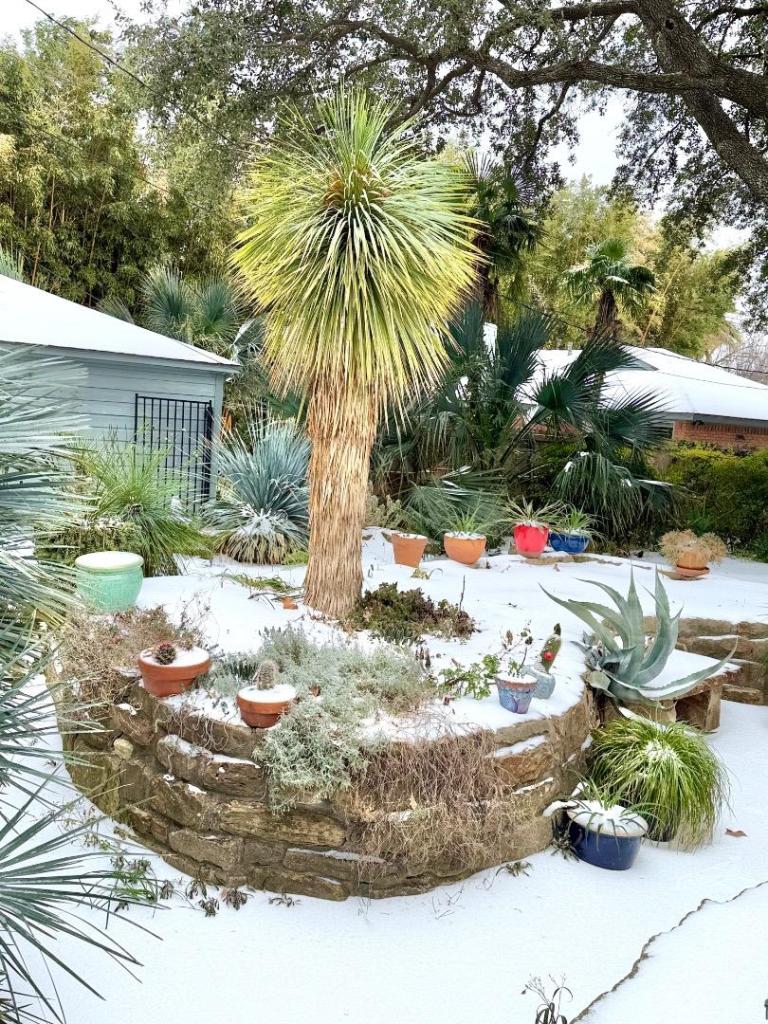
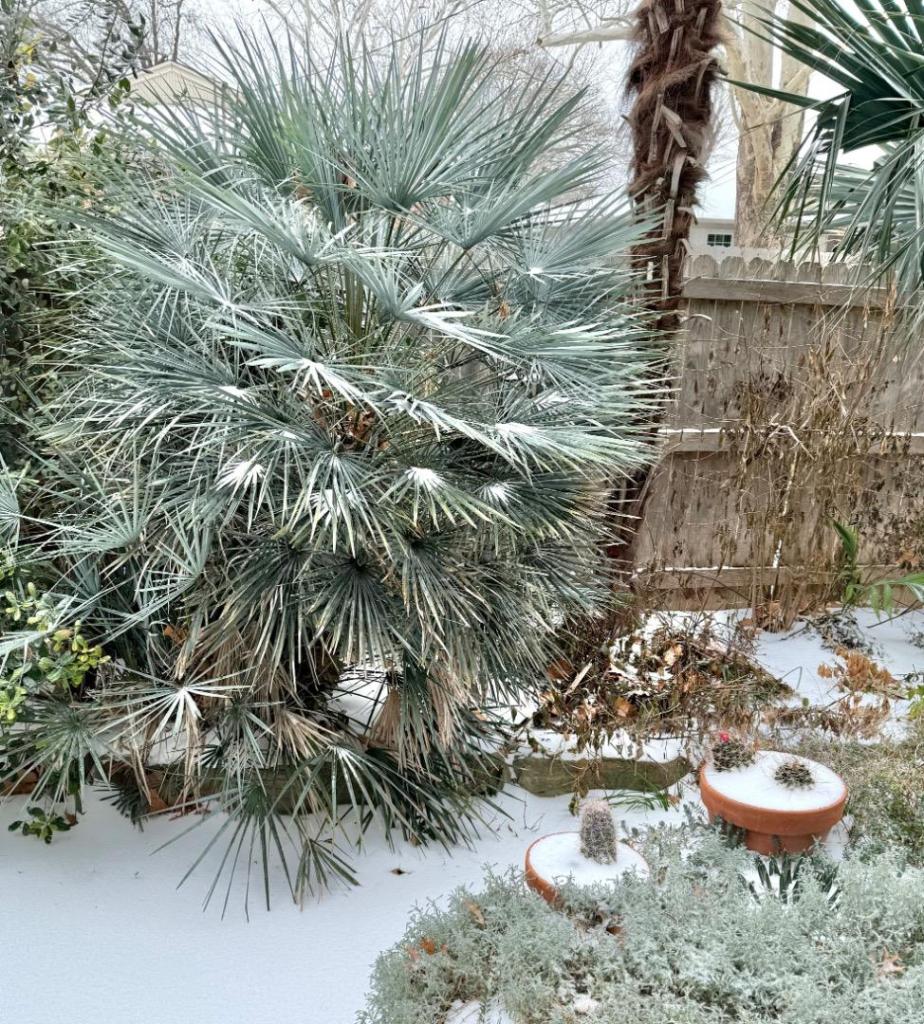
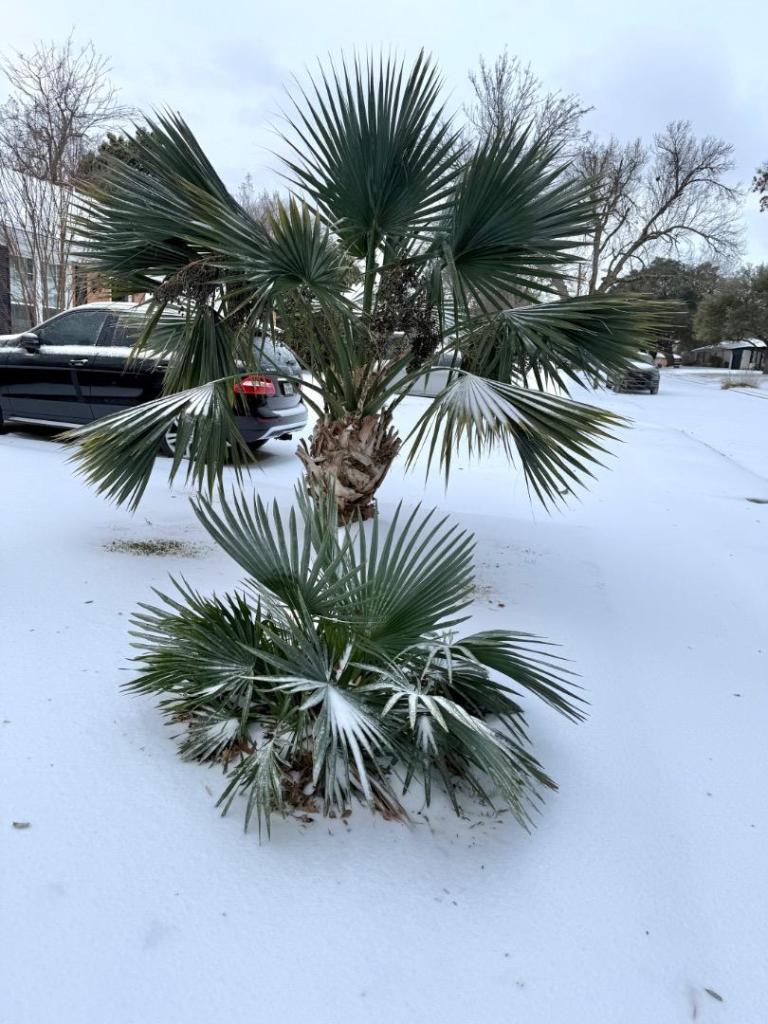
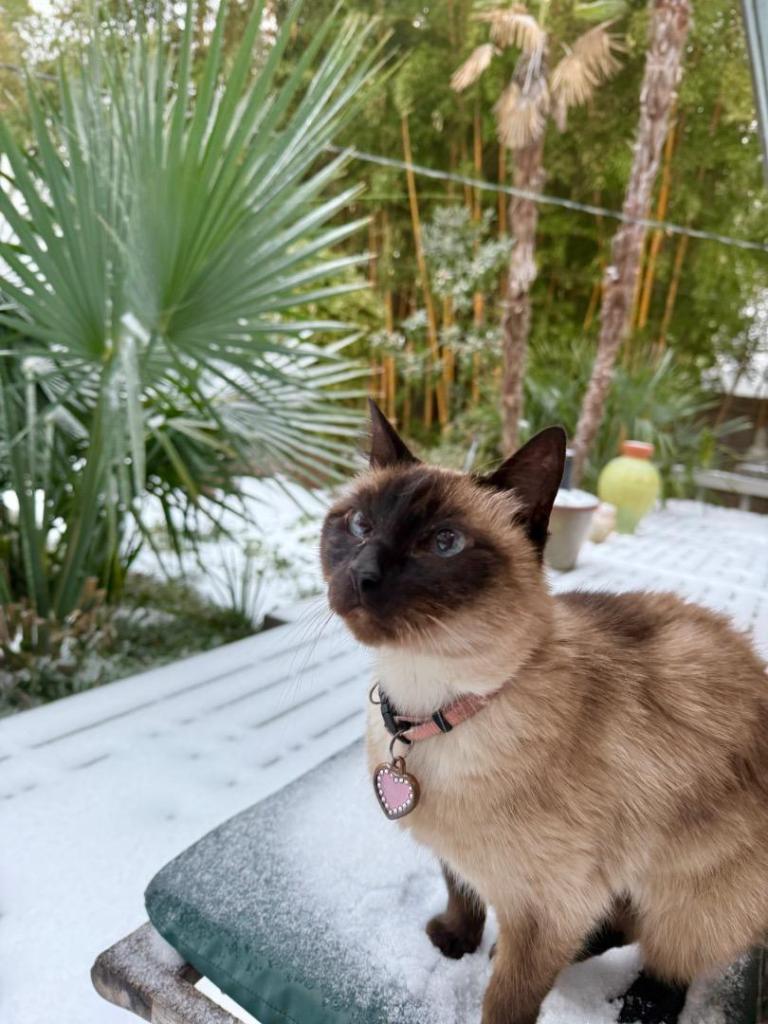
Cold hardy palm trees in Dallas zone 8a at 15F after sleet storm. 🌴🥶

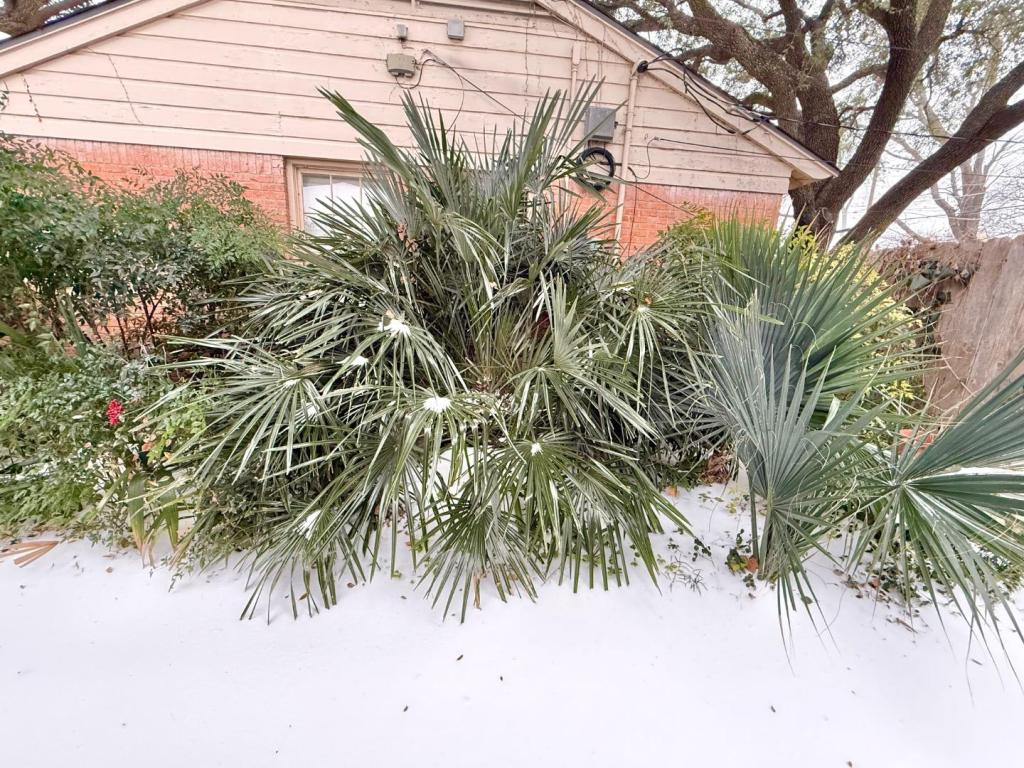

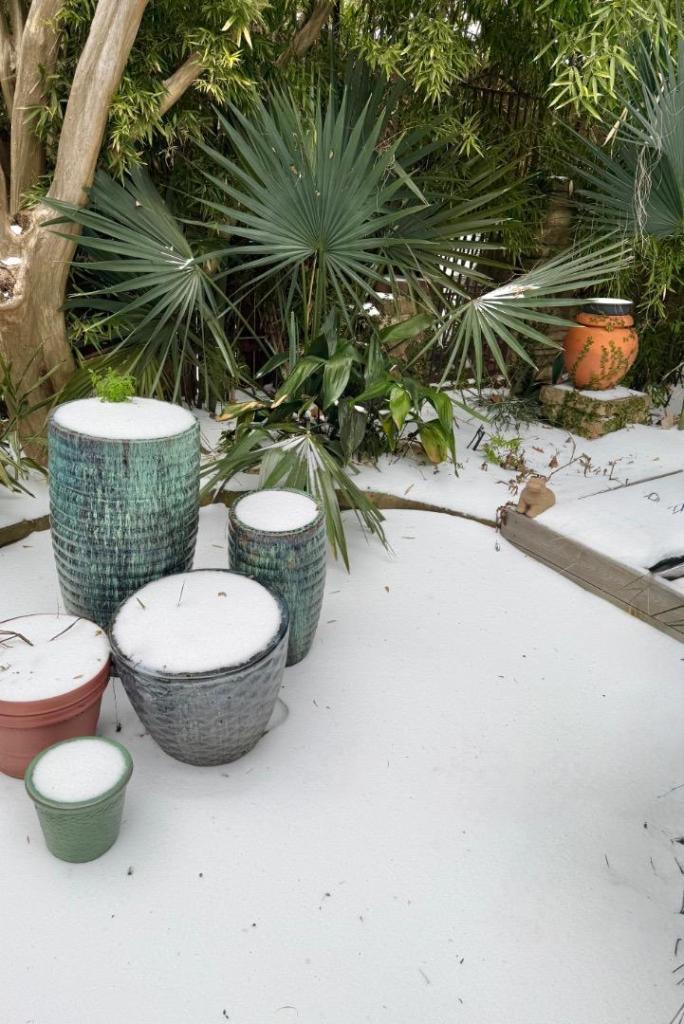
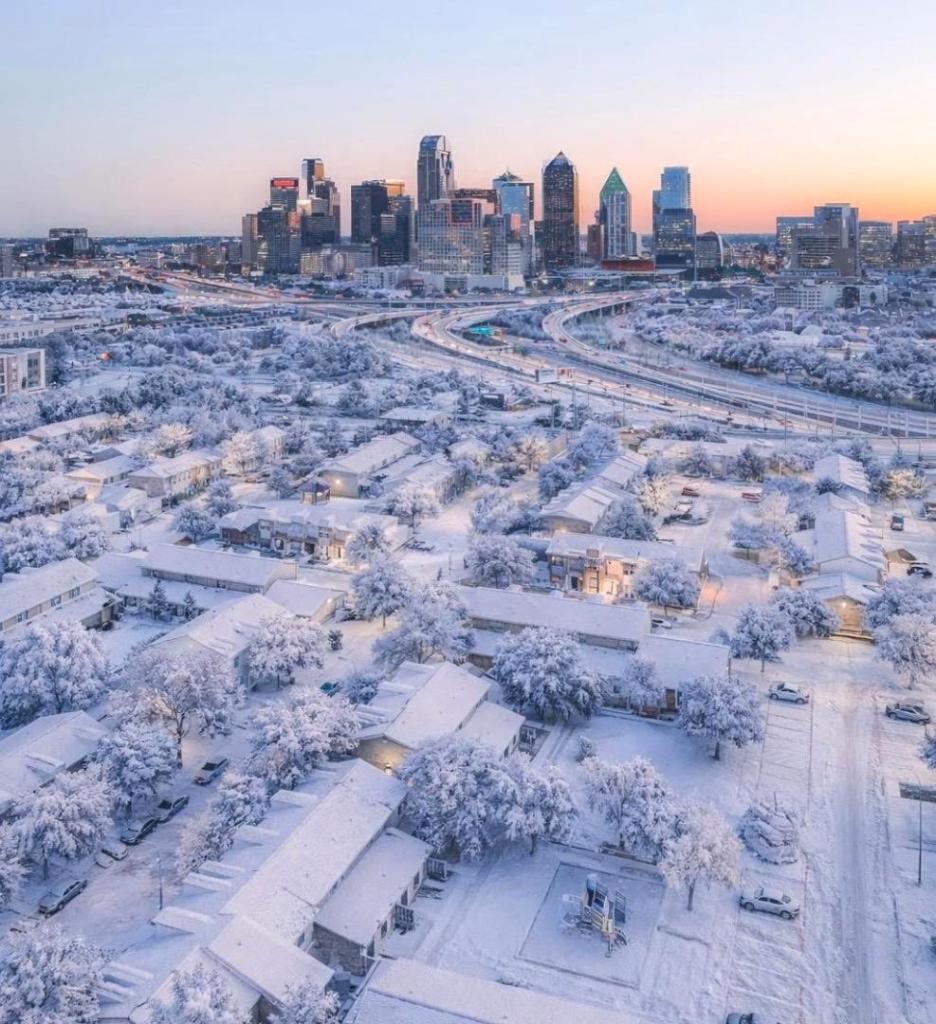
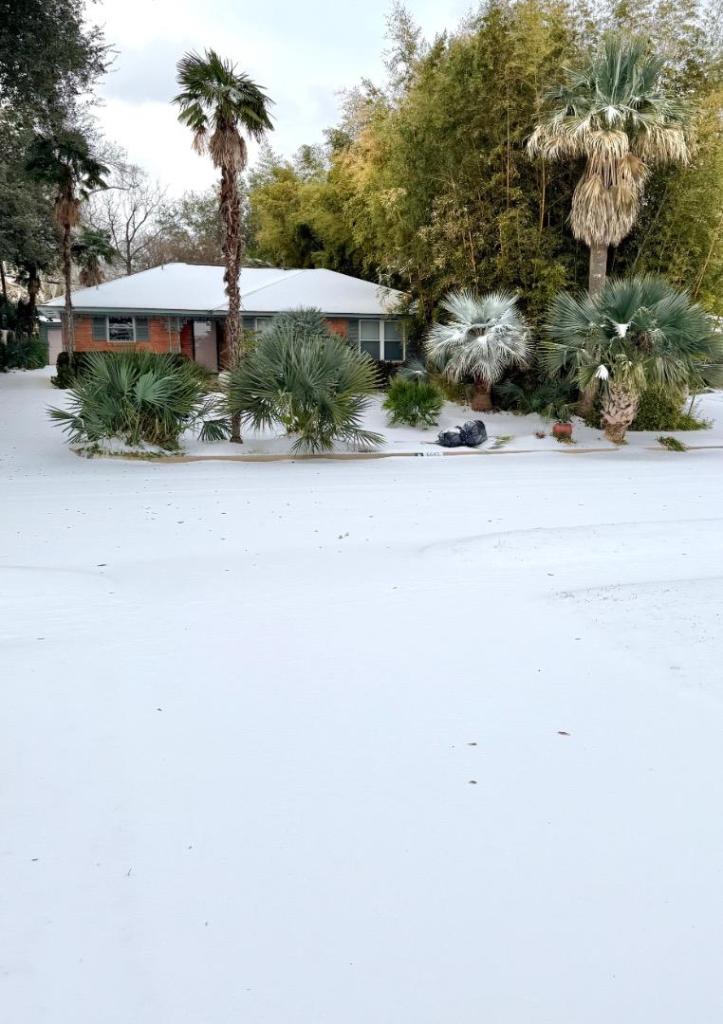



 2 points

































.png.ef6b3457dffc0e30c2ce6ca66c1053d3.png)
iNaturalist.png.3d387b24abd523c5ed881b1b7df276c2.png)
.png.1f7dc0d152caed1144356a3623b5684c.png)