Leaderboard




Popular Content
Showing content with the highest reputation on 01/25/2026 in all areas
-
I've had one for a few years here in Lakeland: My Progress Thread: Palms and Others of Interest
 7 points
 -
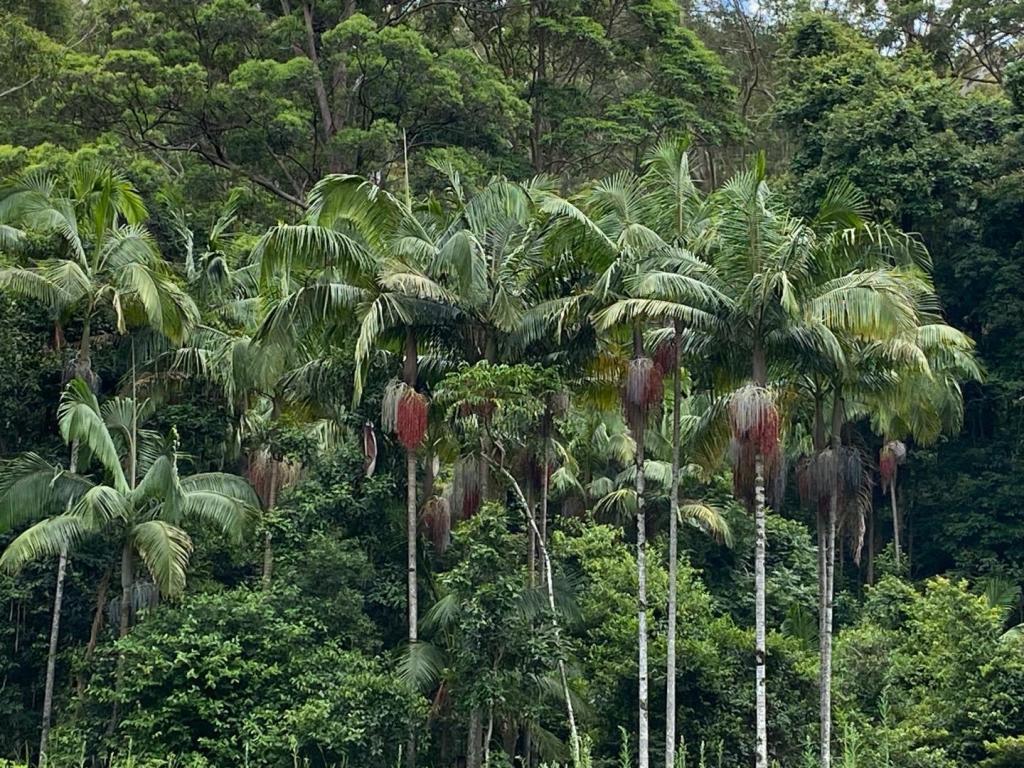
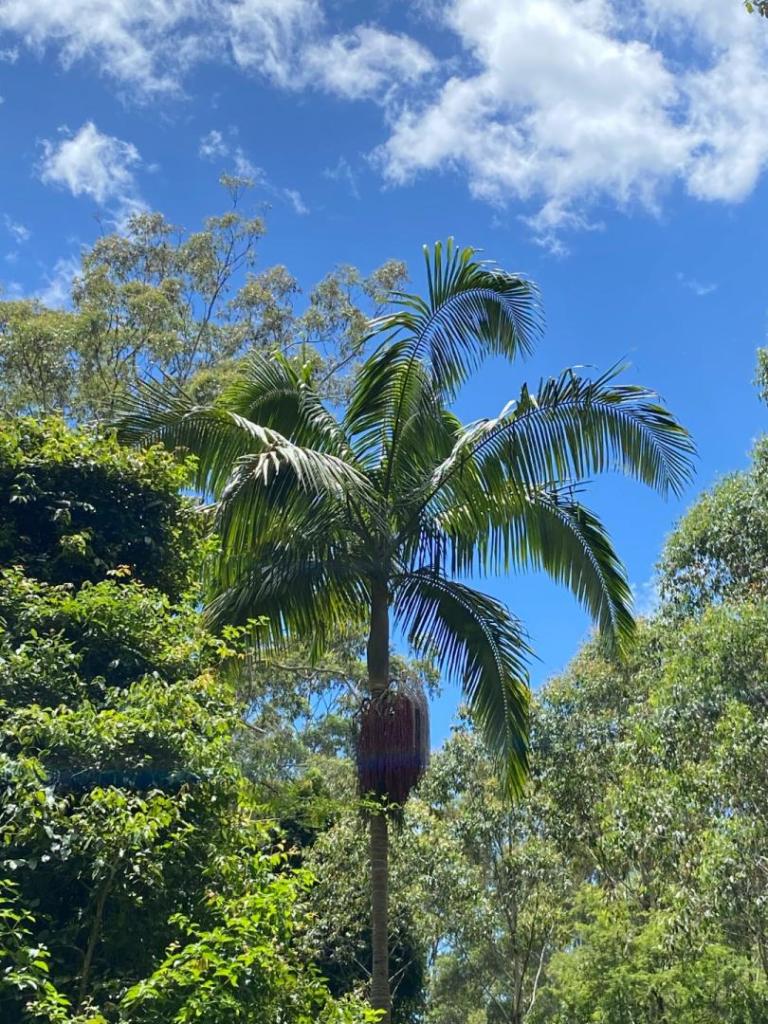
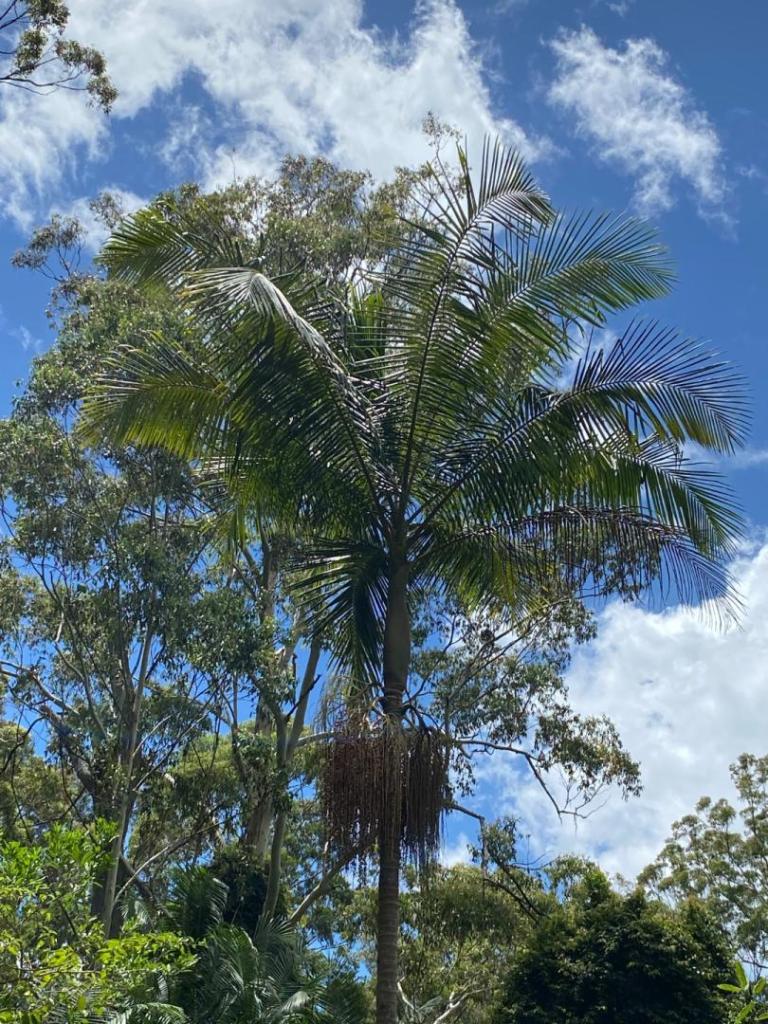
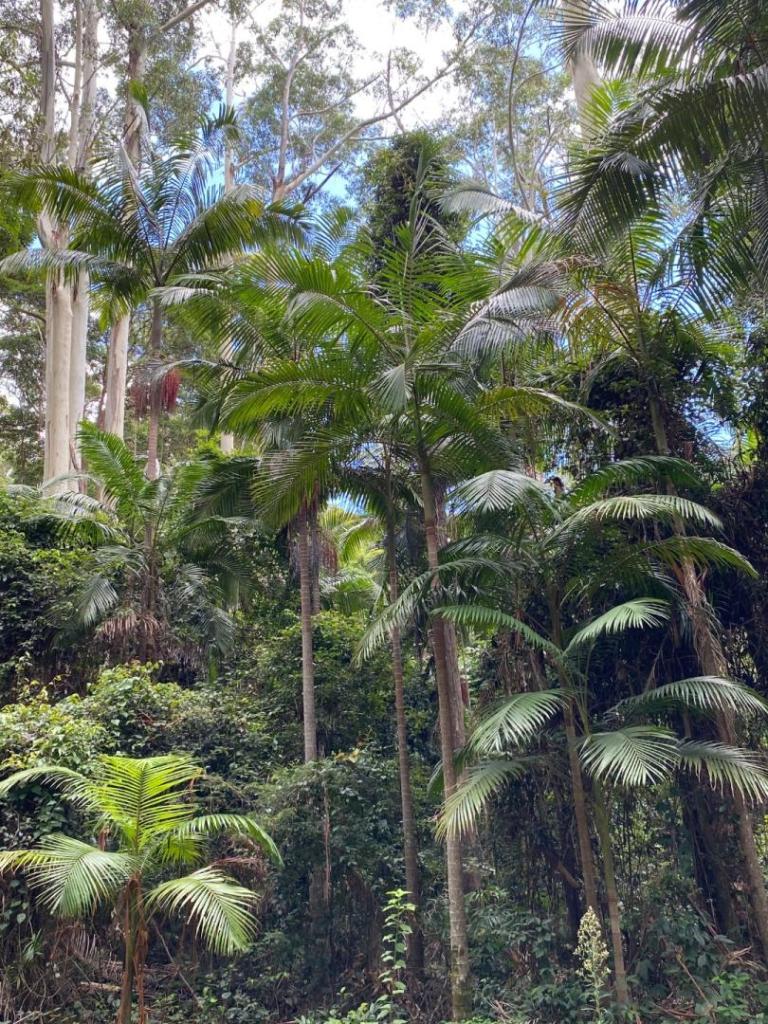
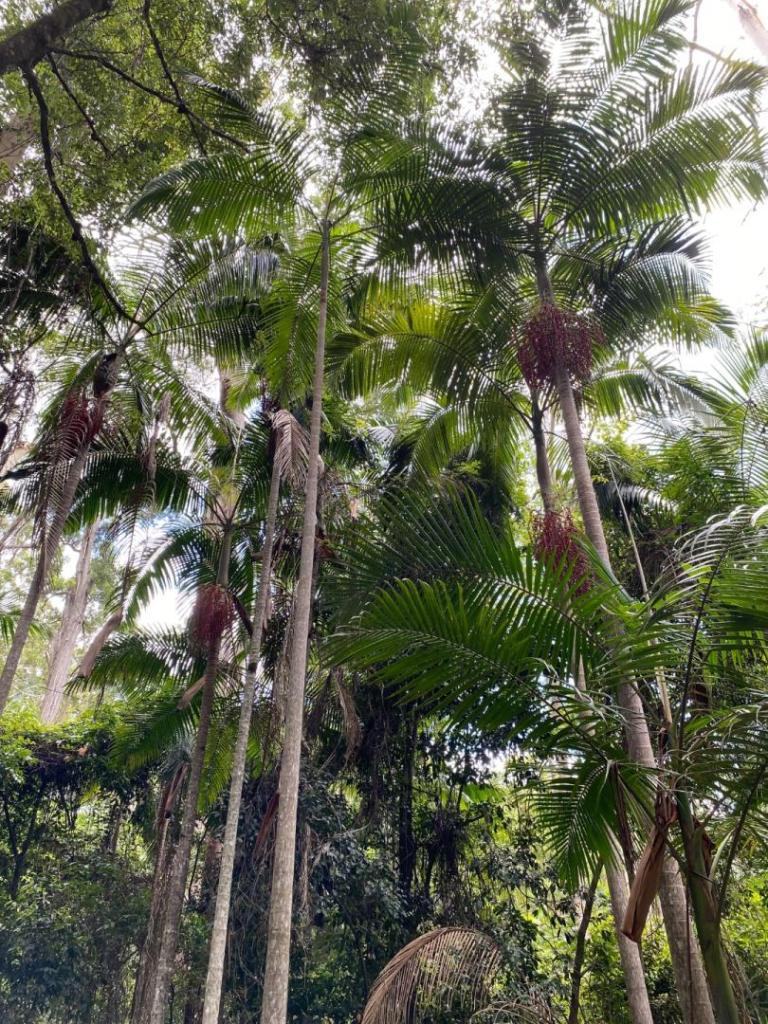
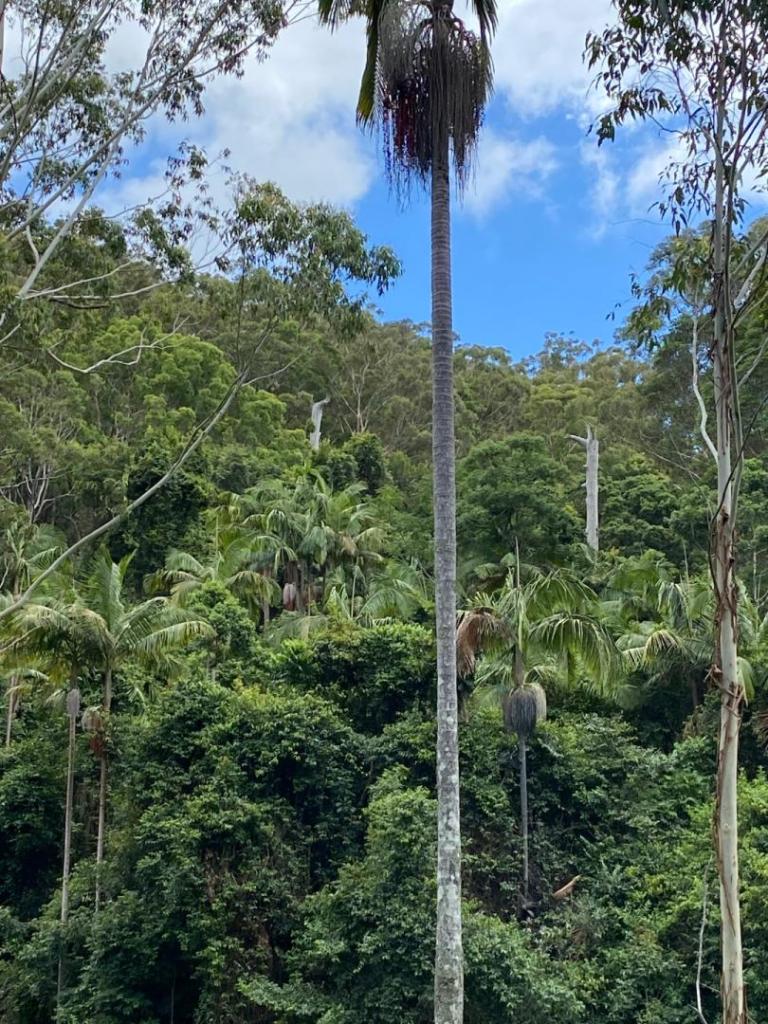
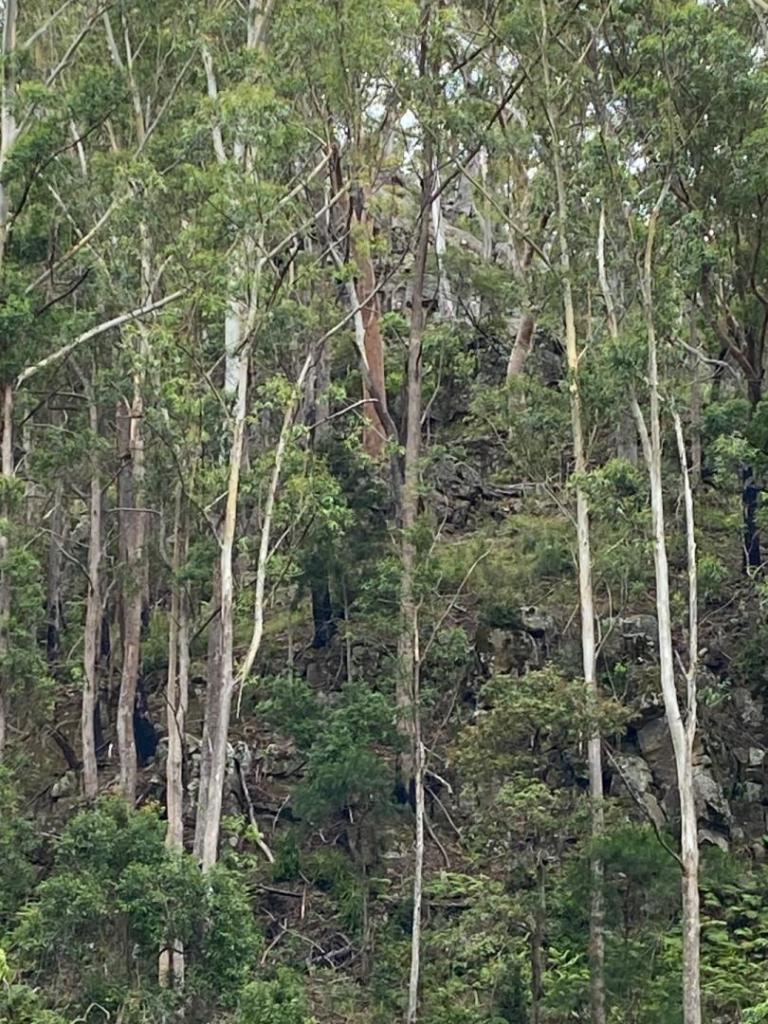
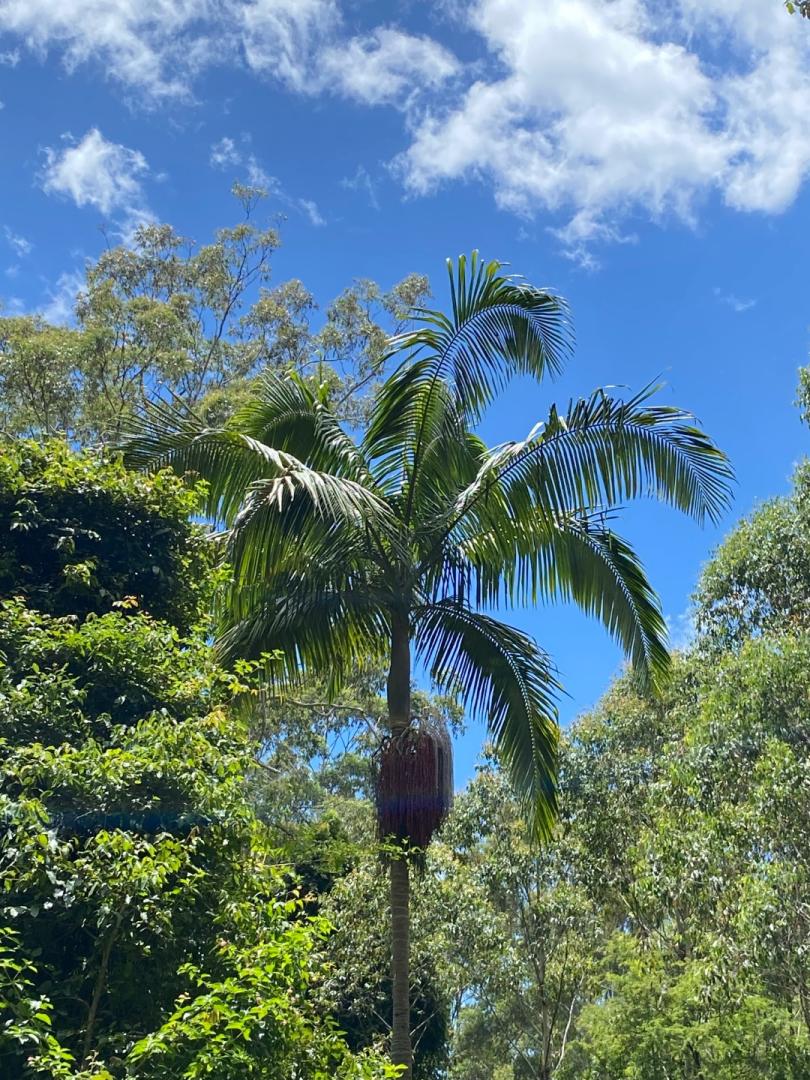
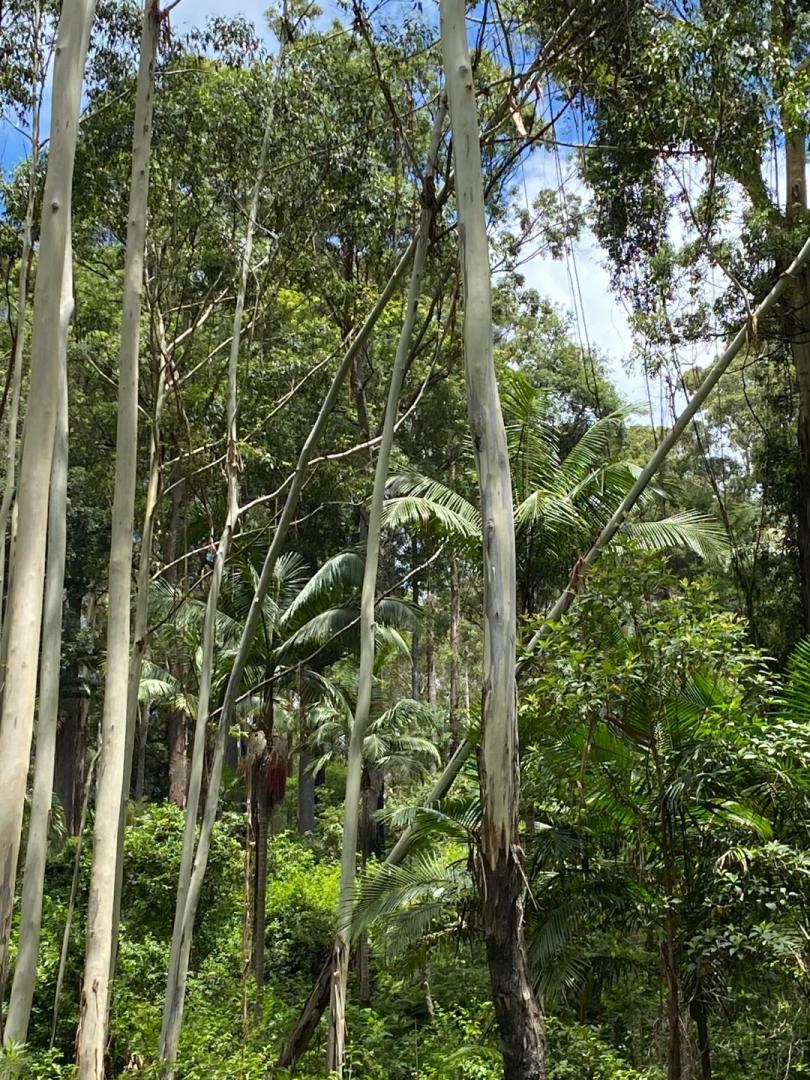
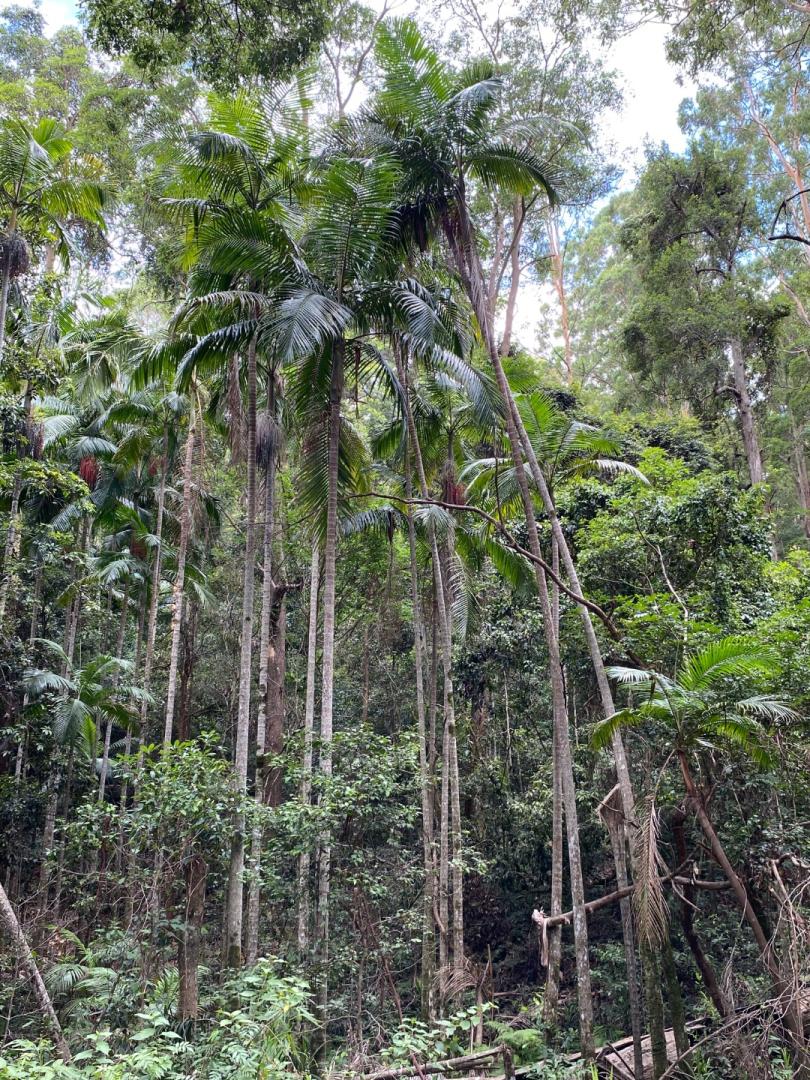
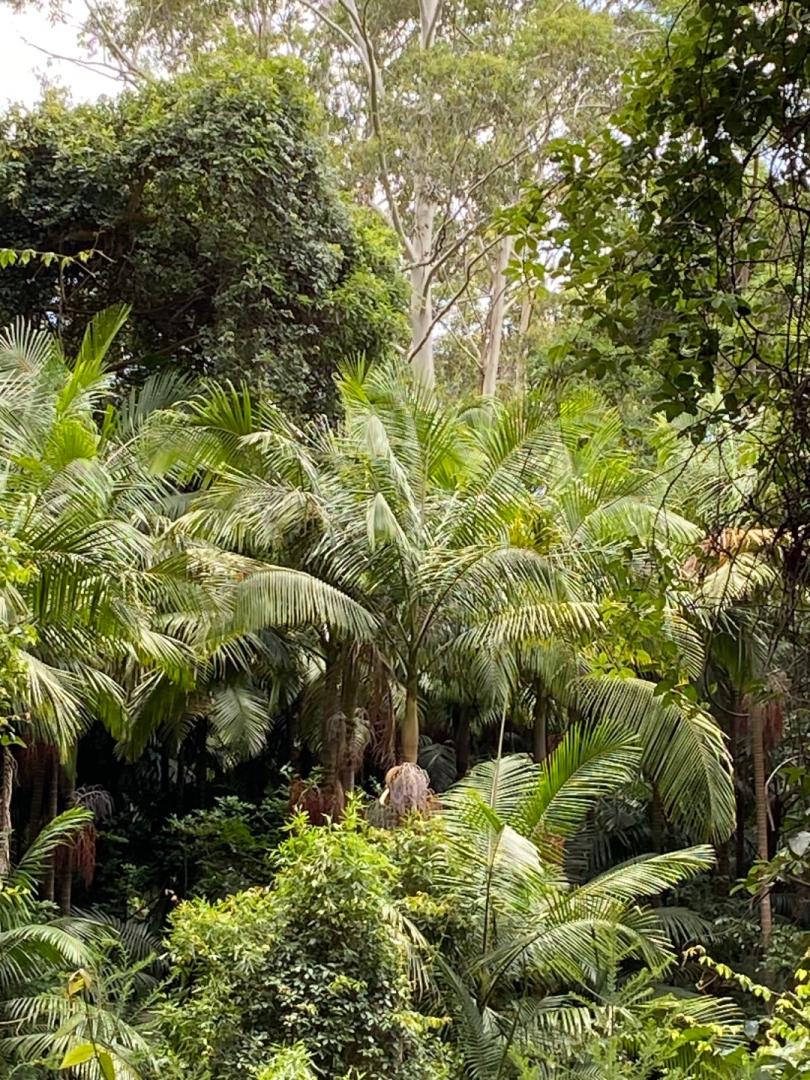
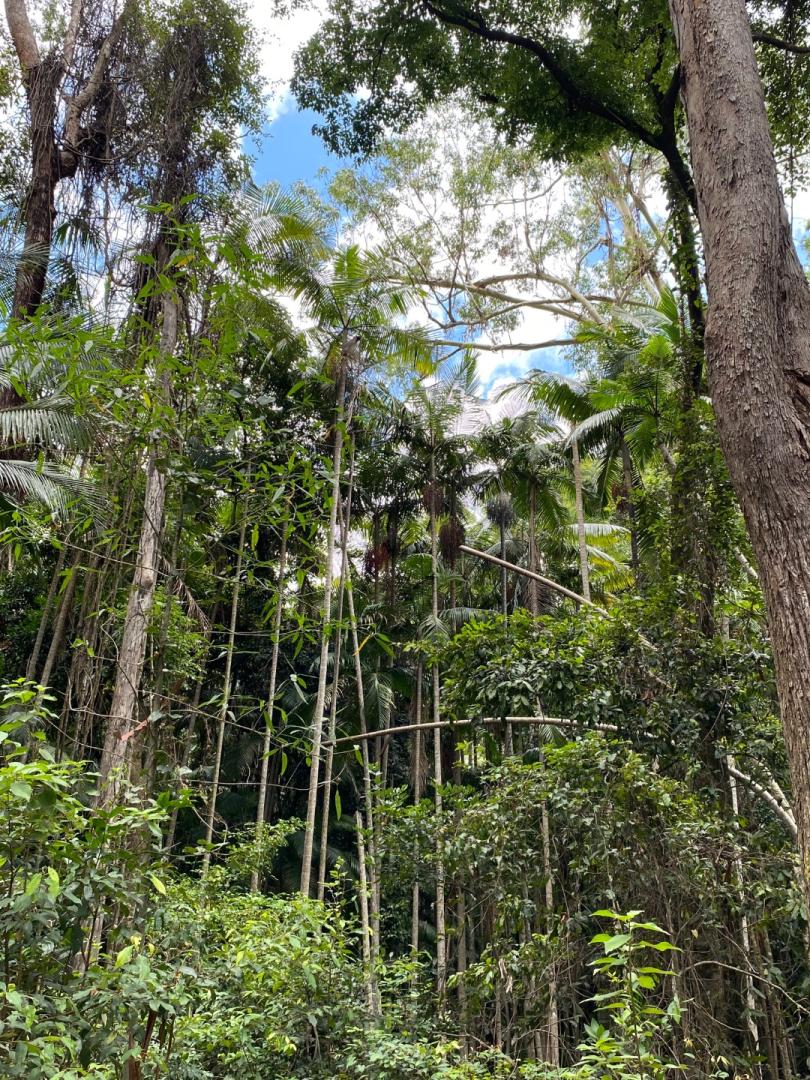
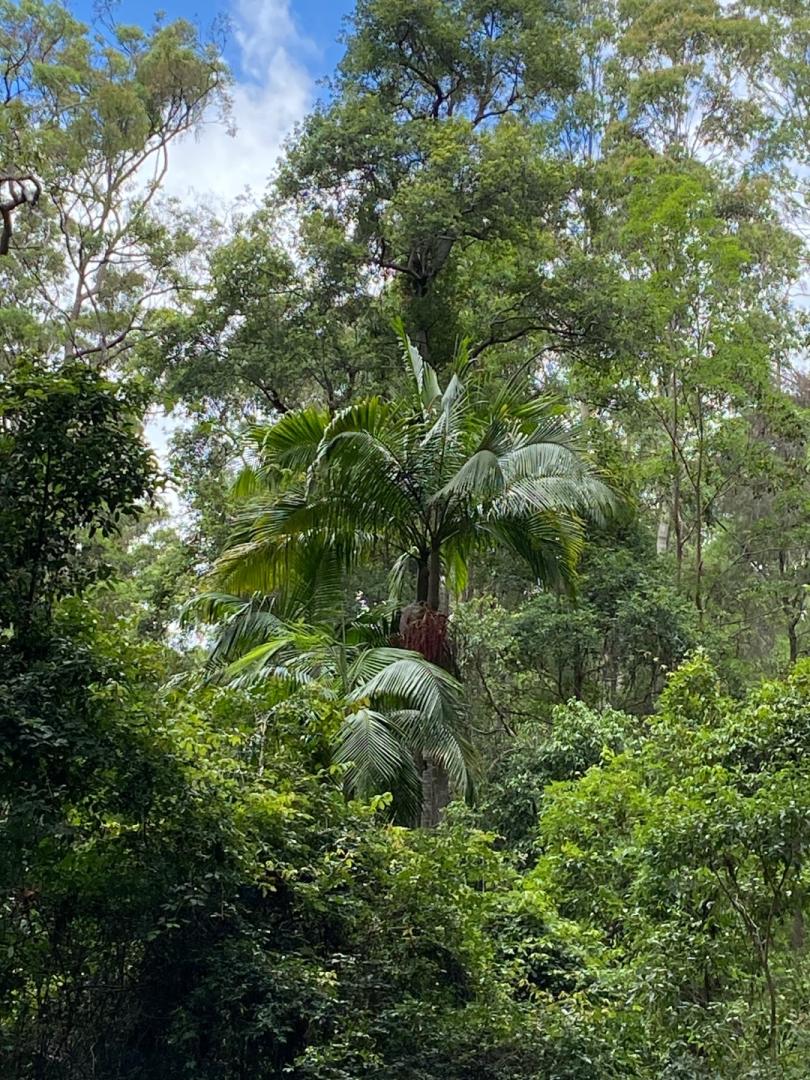
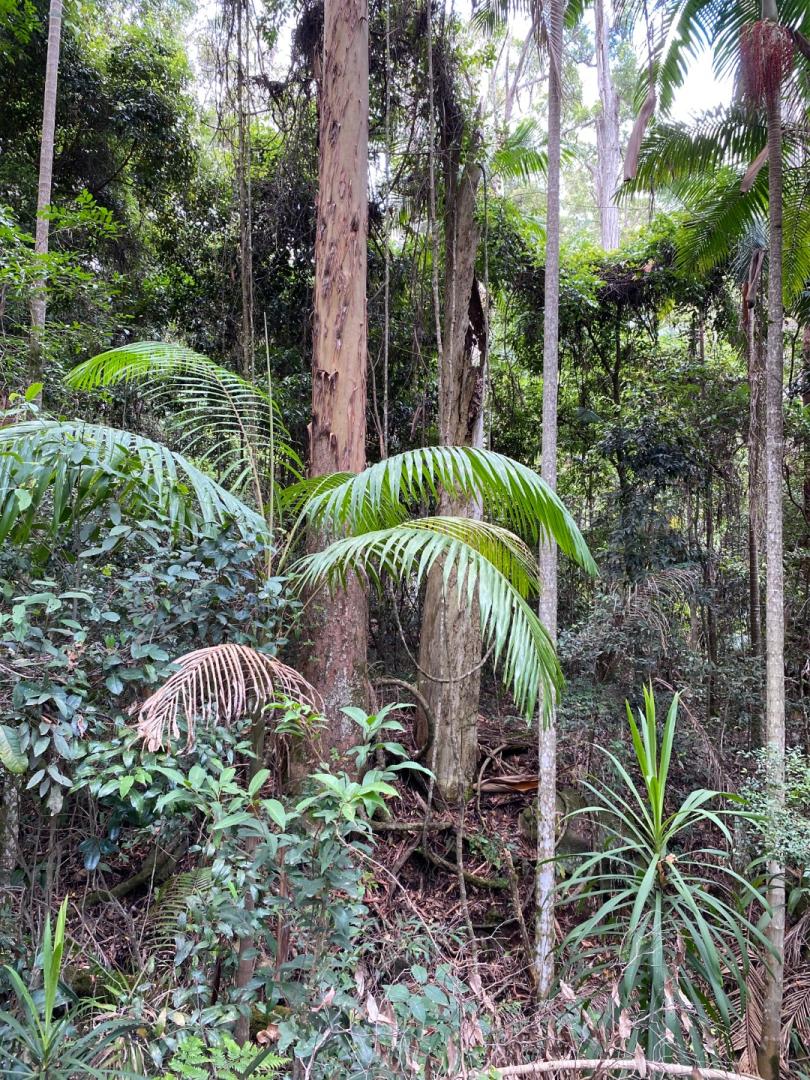
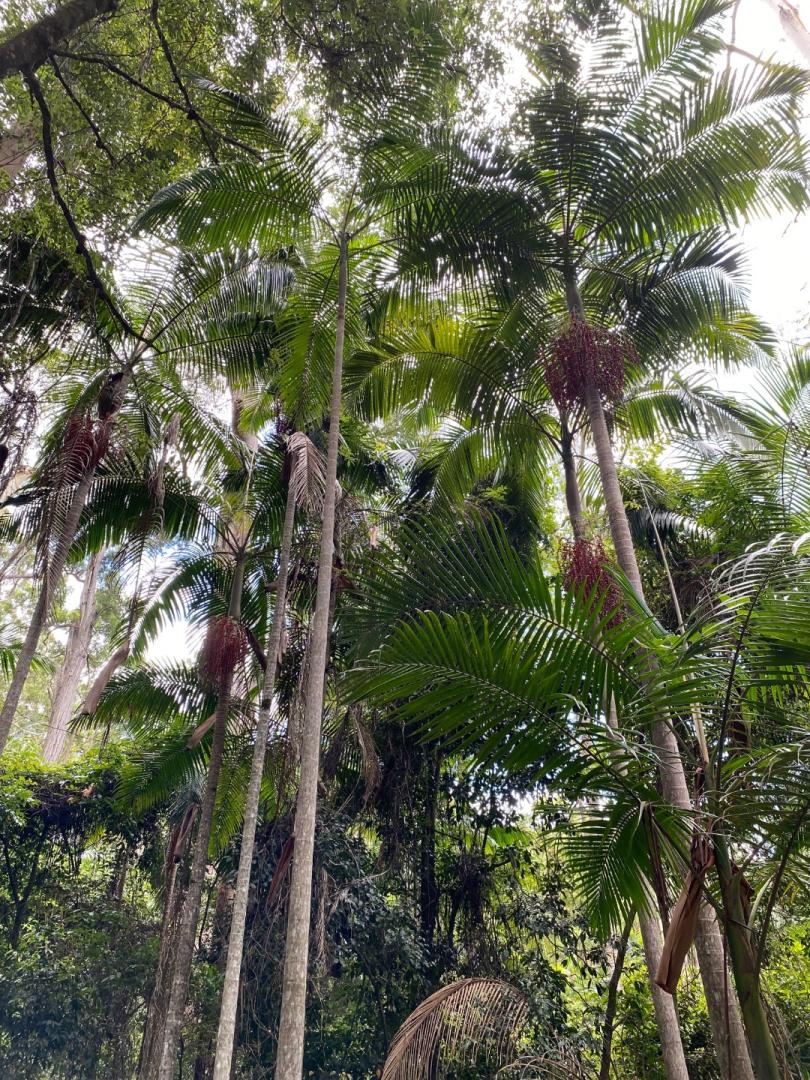
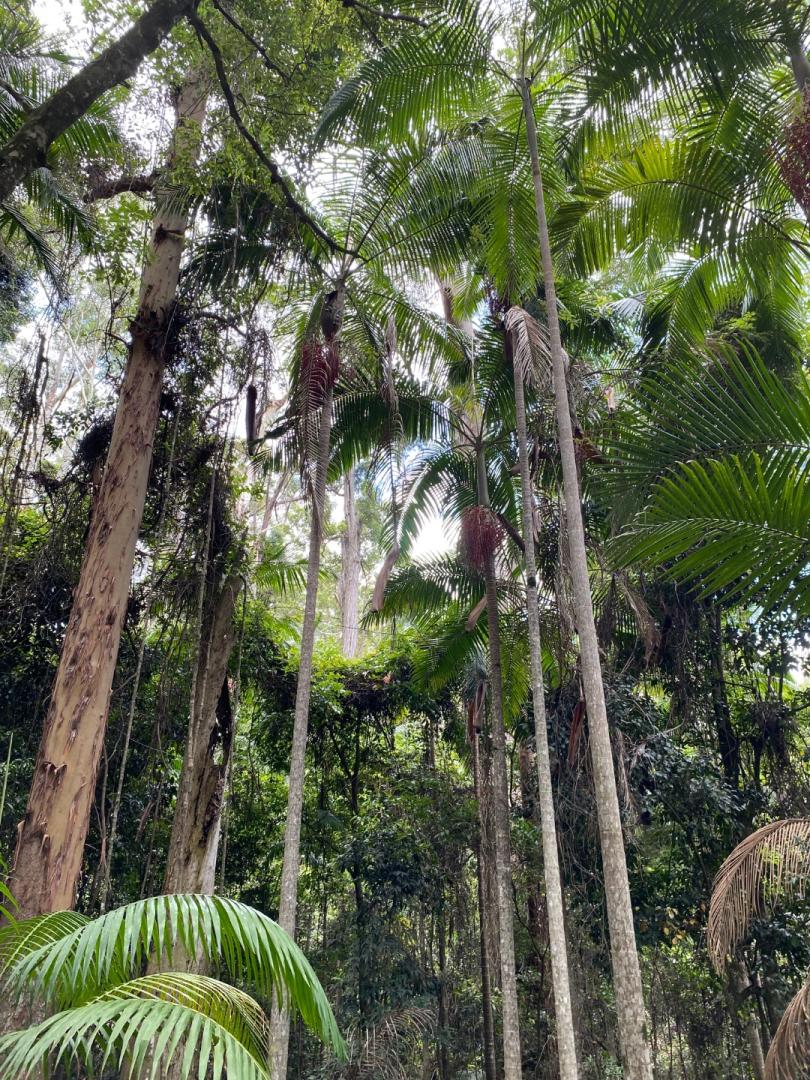
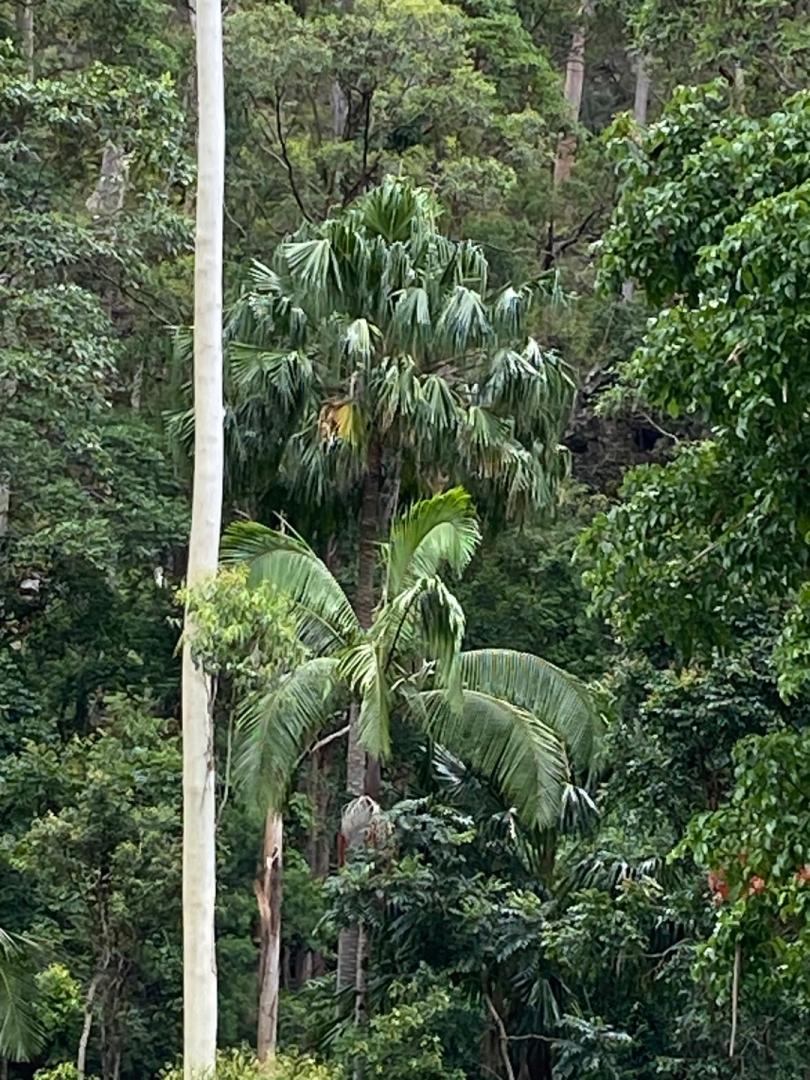
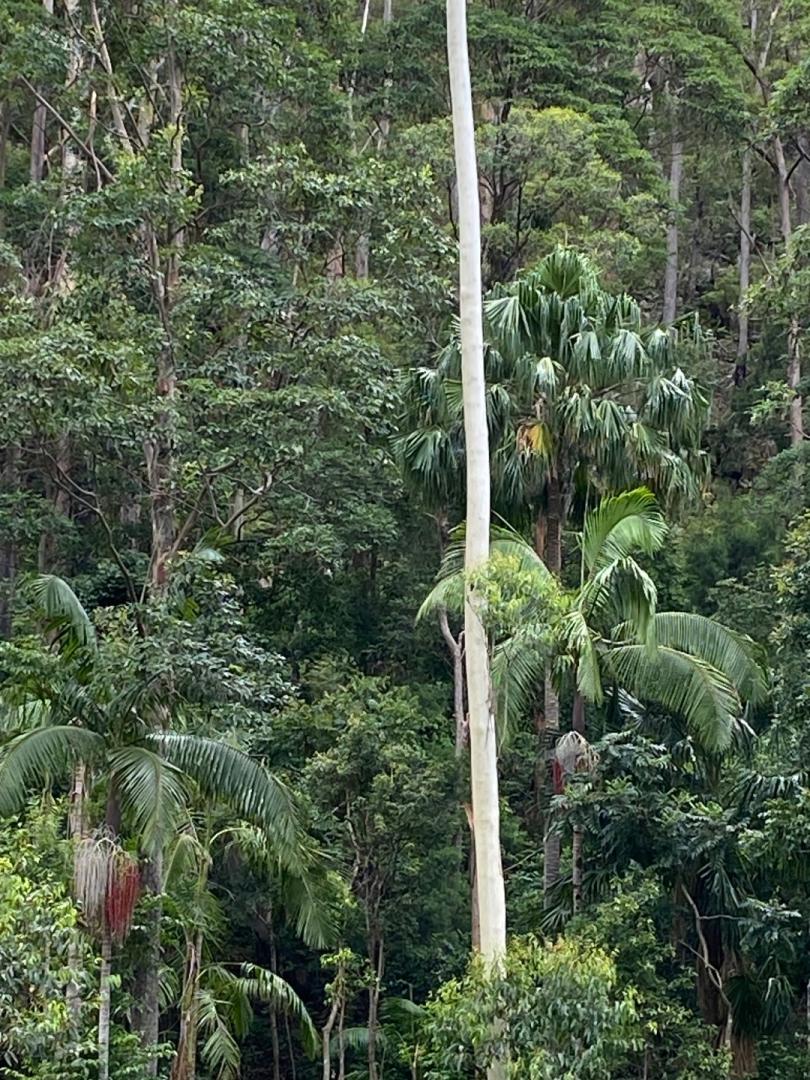
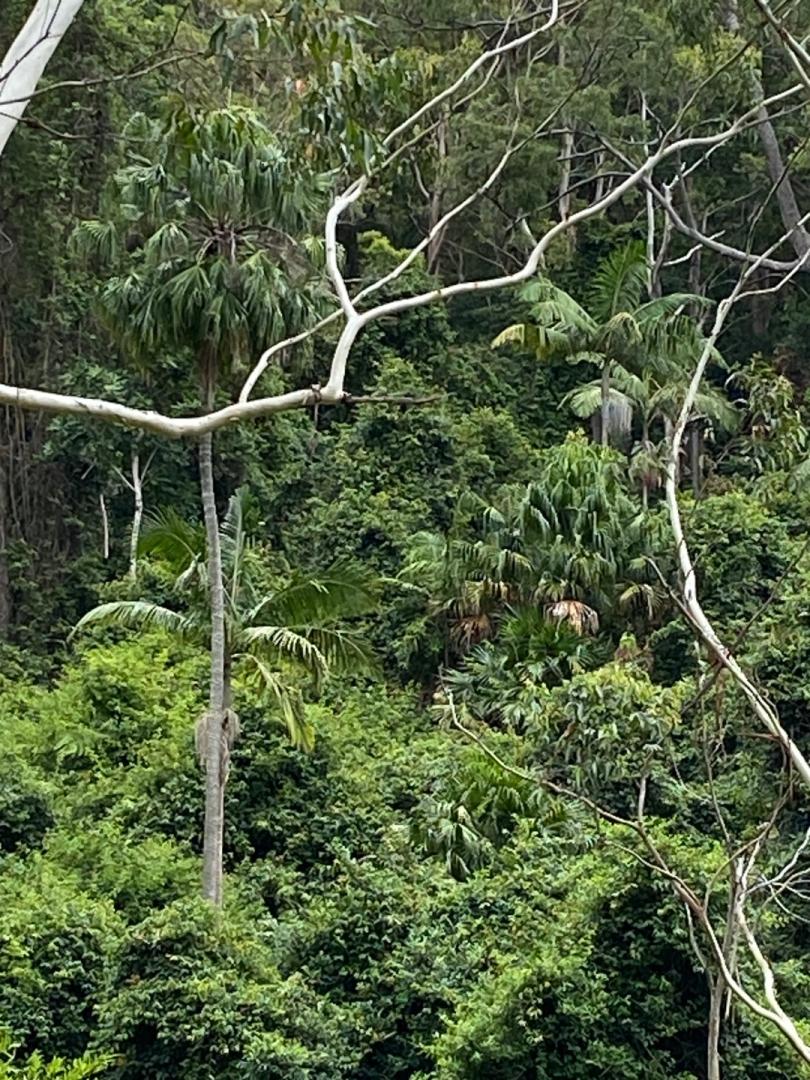
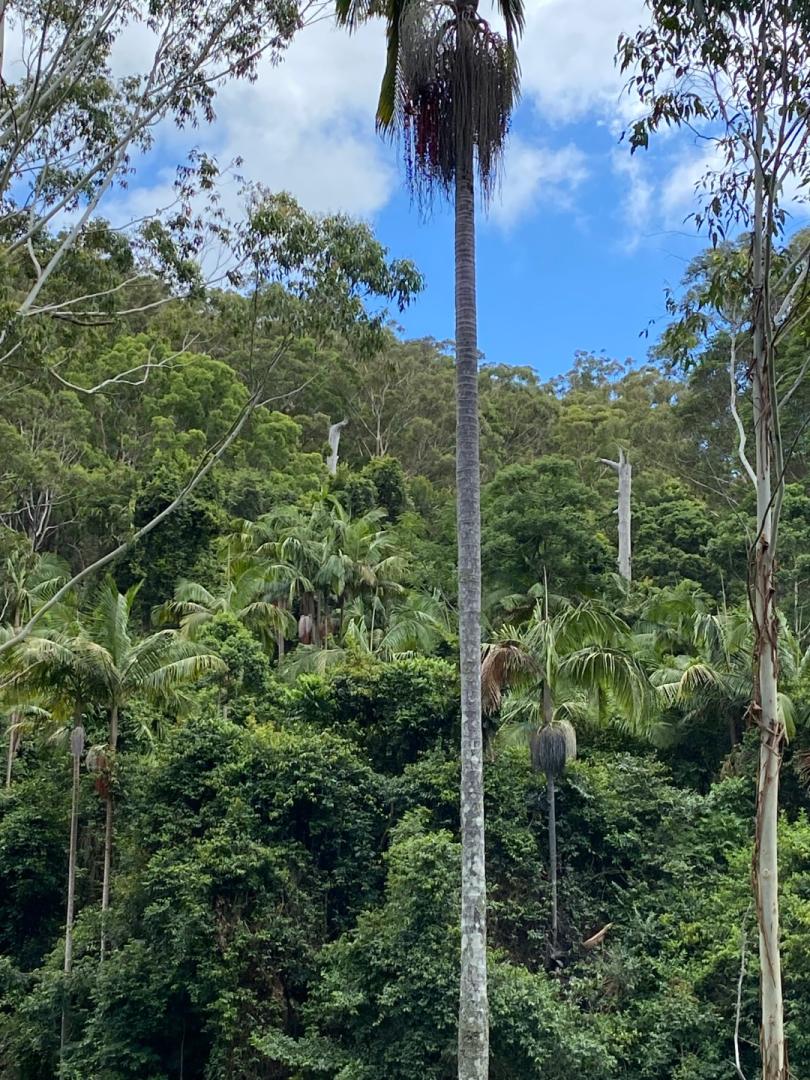
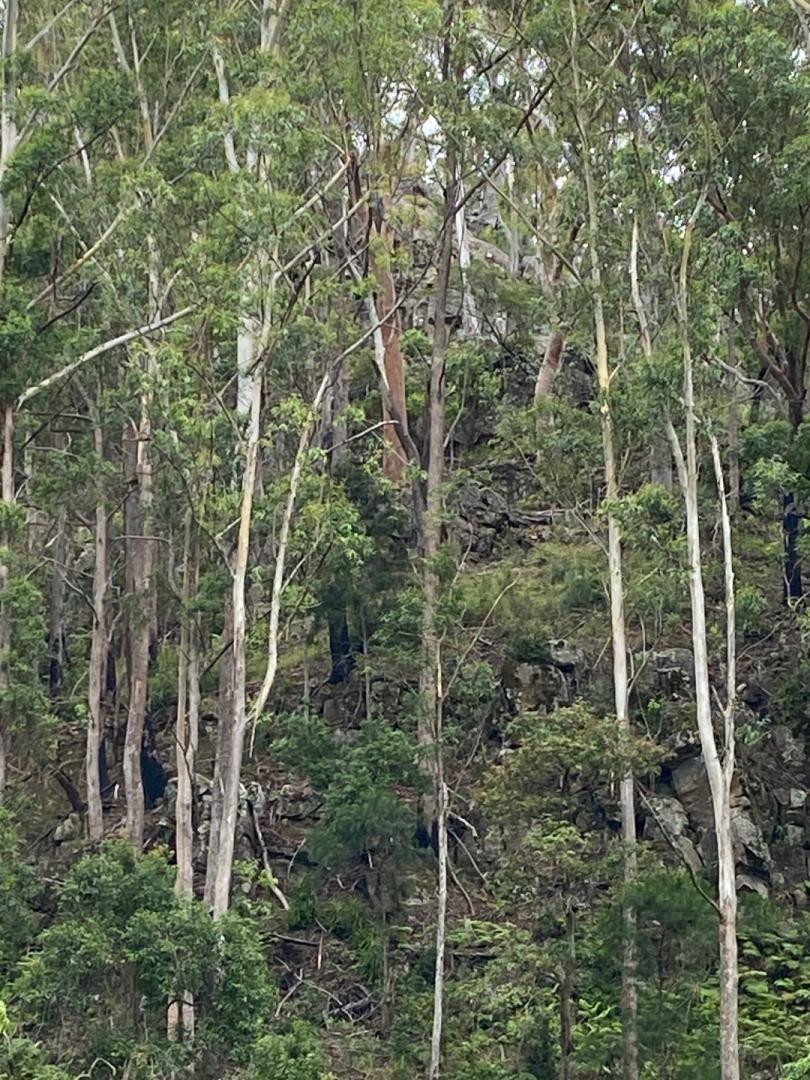
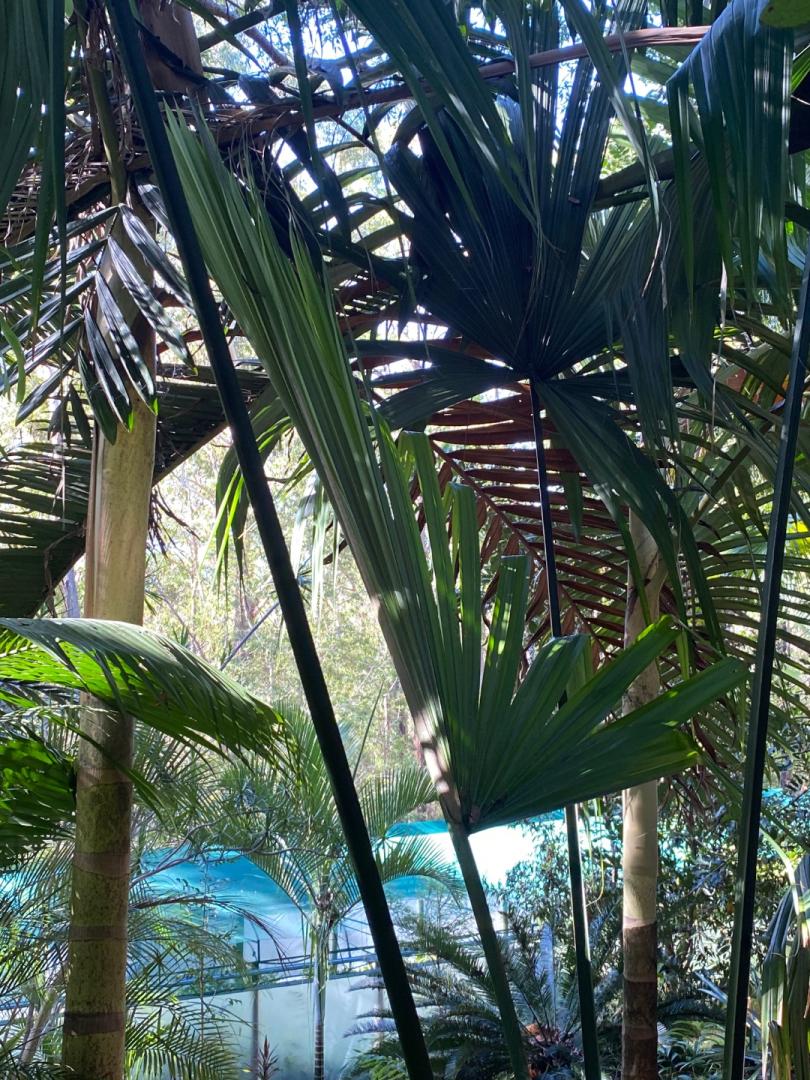
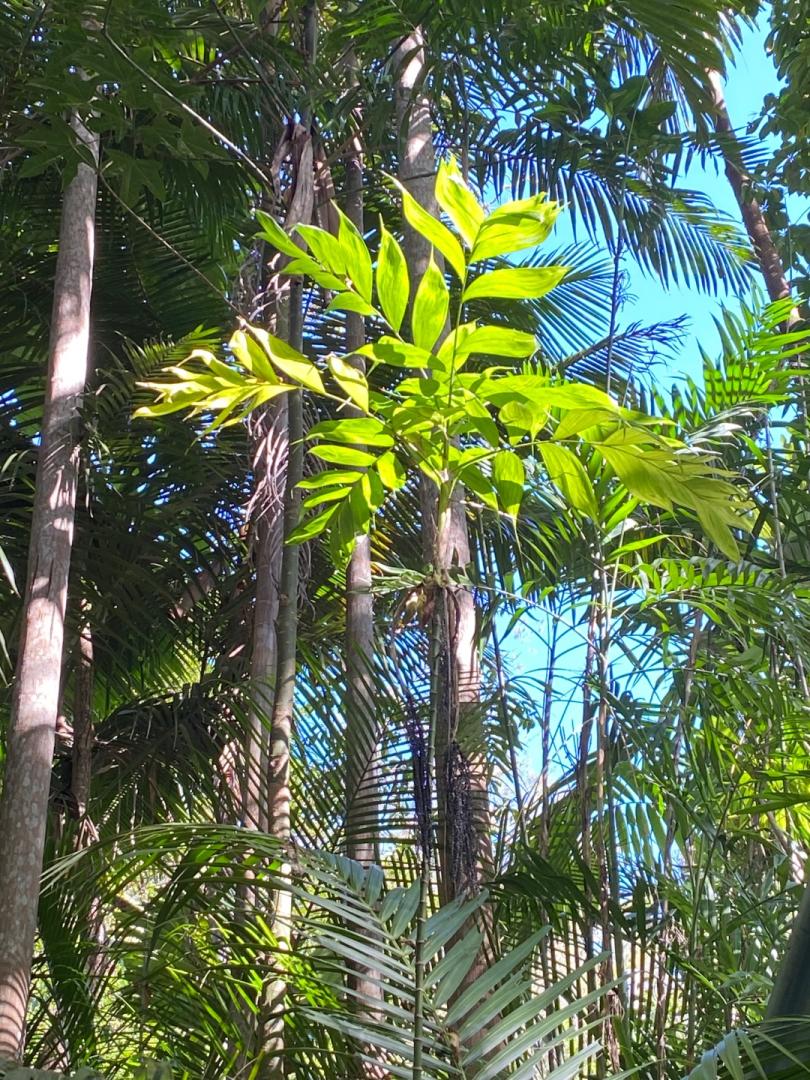
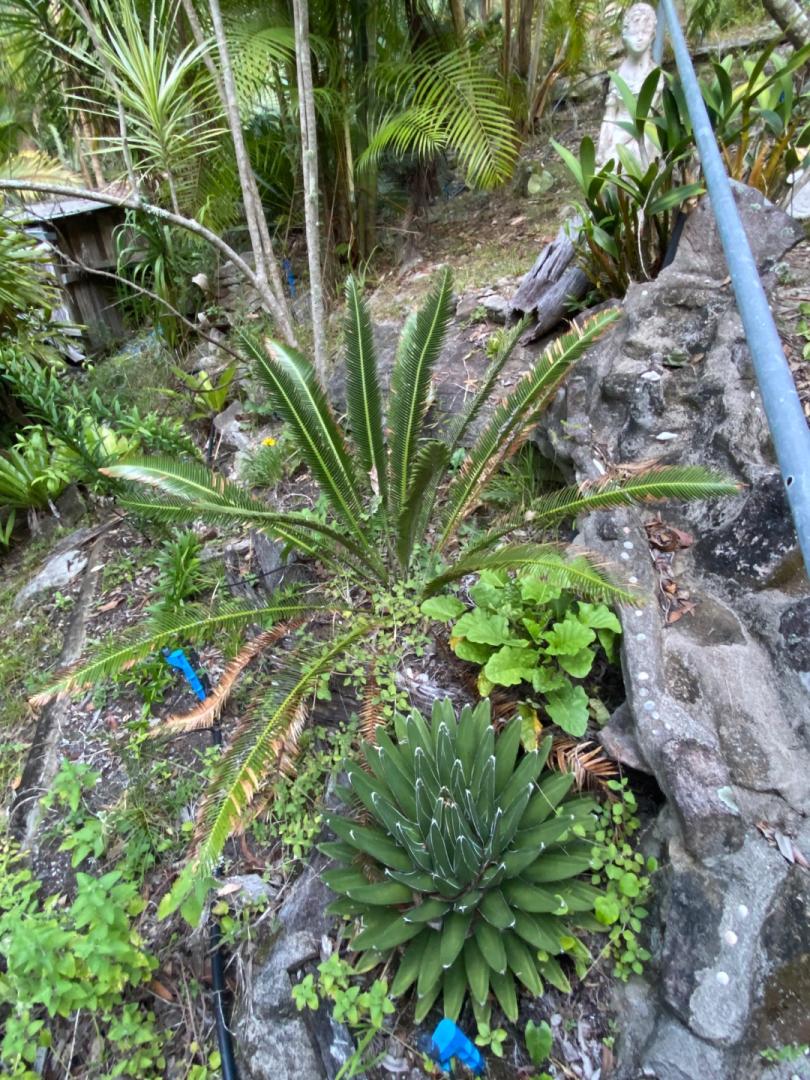
Nothing better than a day in the bush, checking out the native palms, even a couple of Livistona Australis in the steep sandstone rocky country!
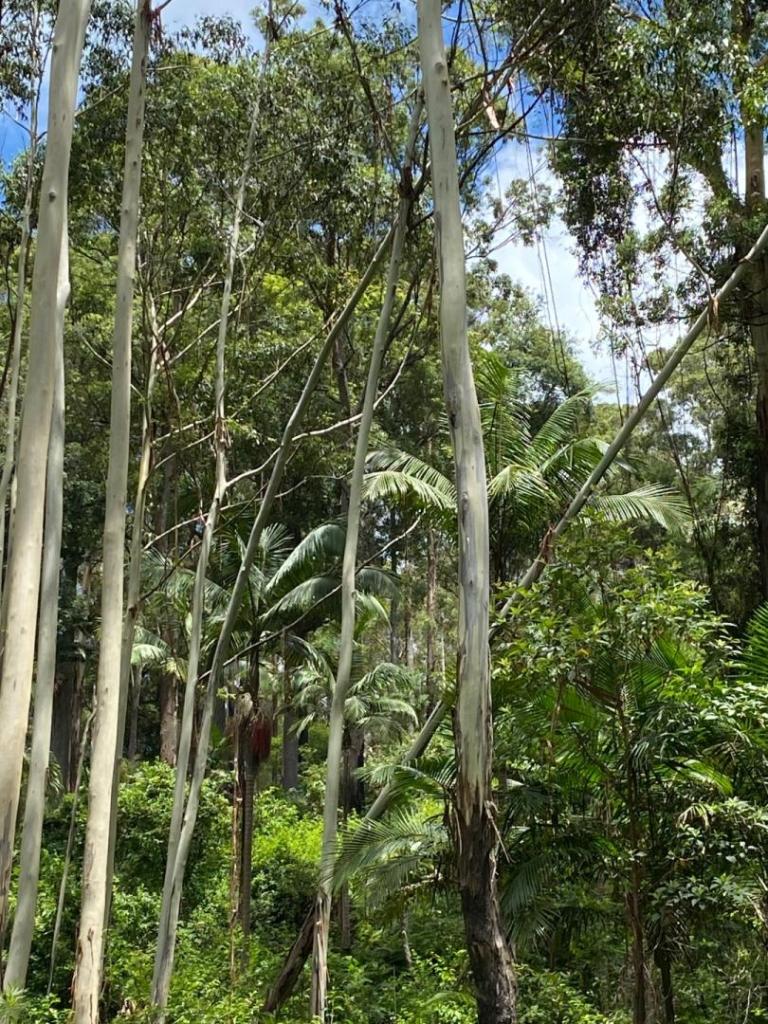
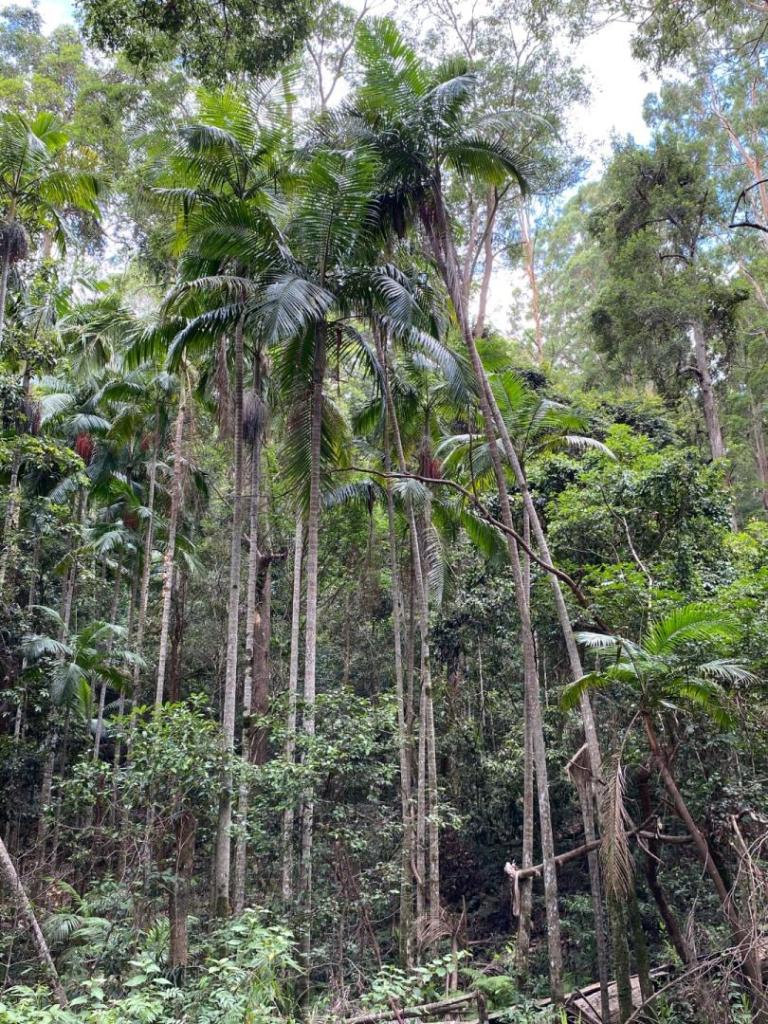

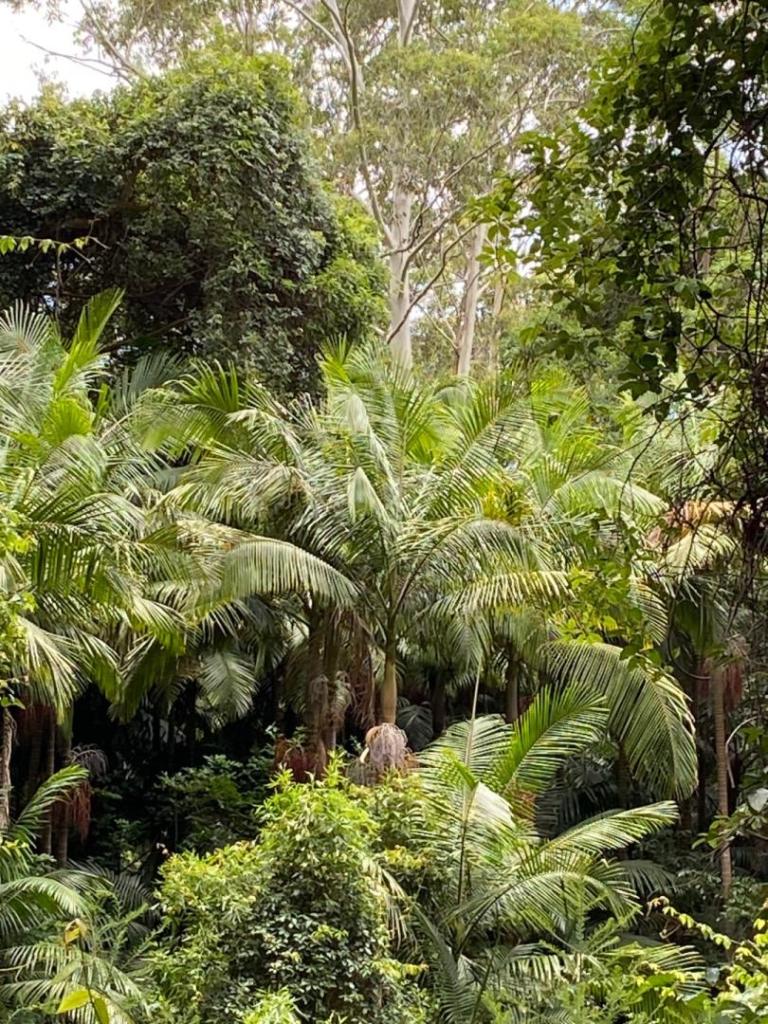
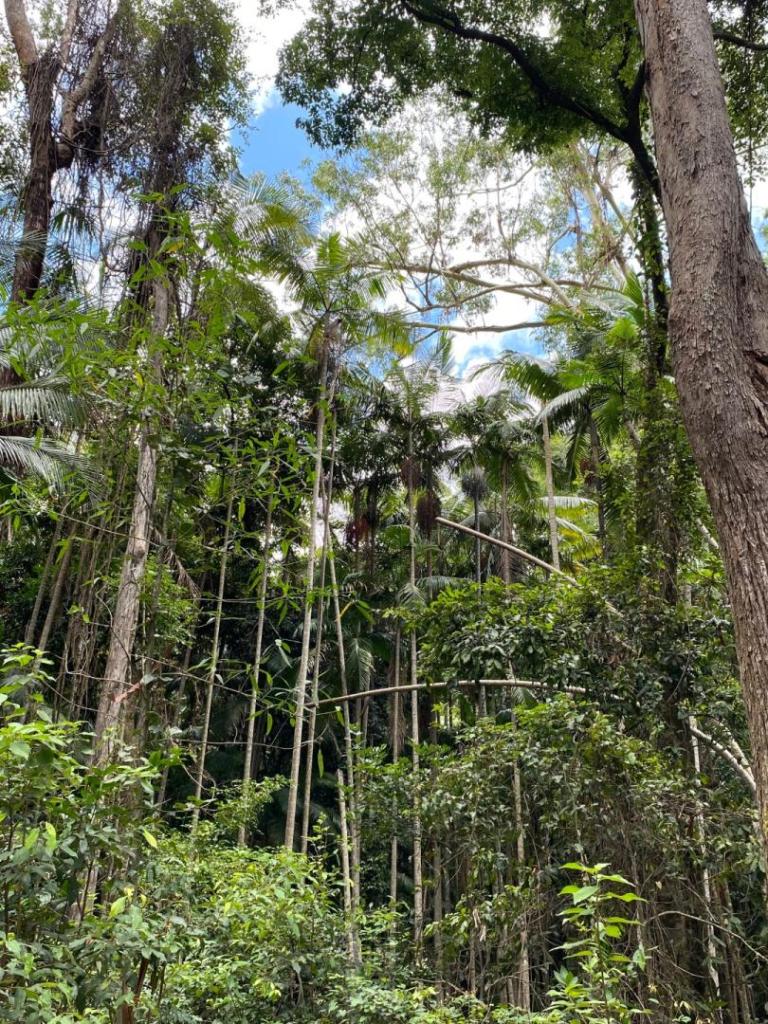




 5 points
 -
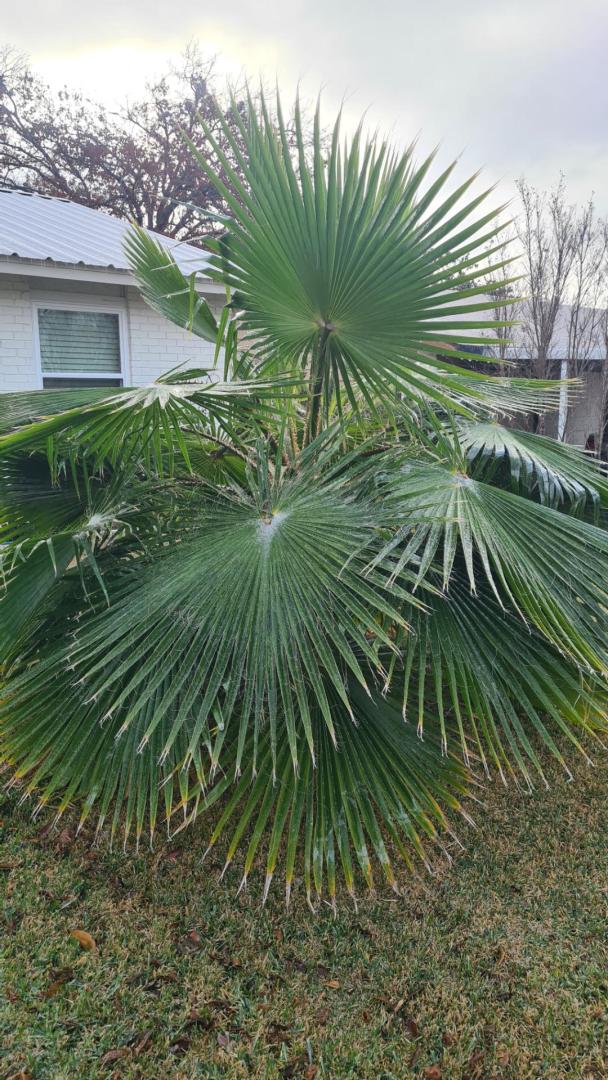
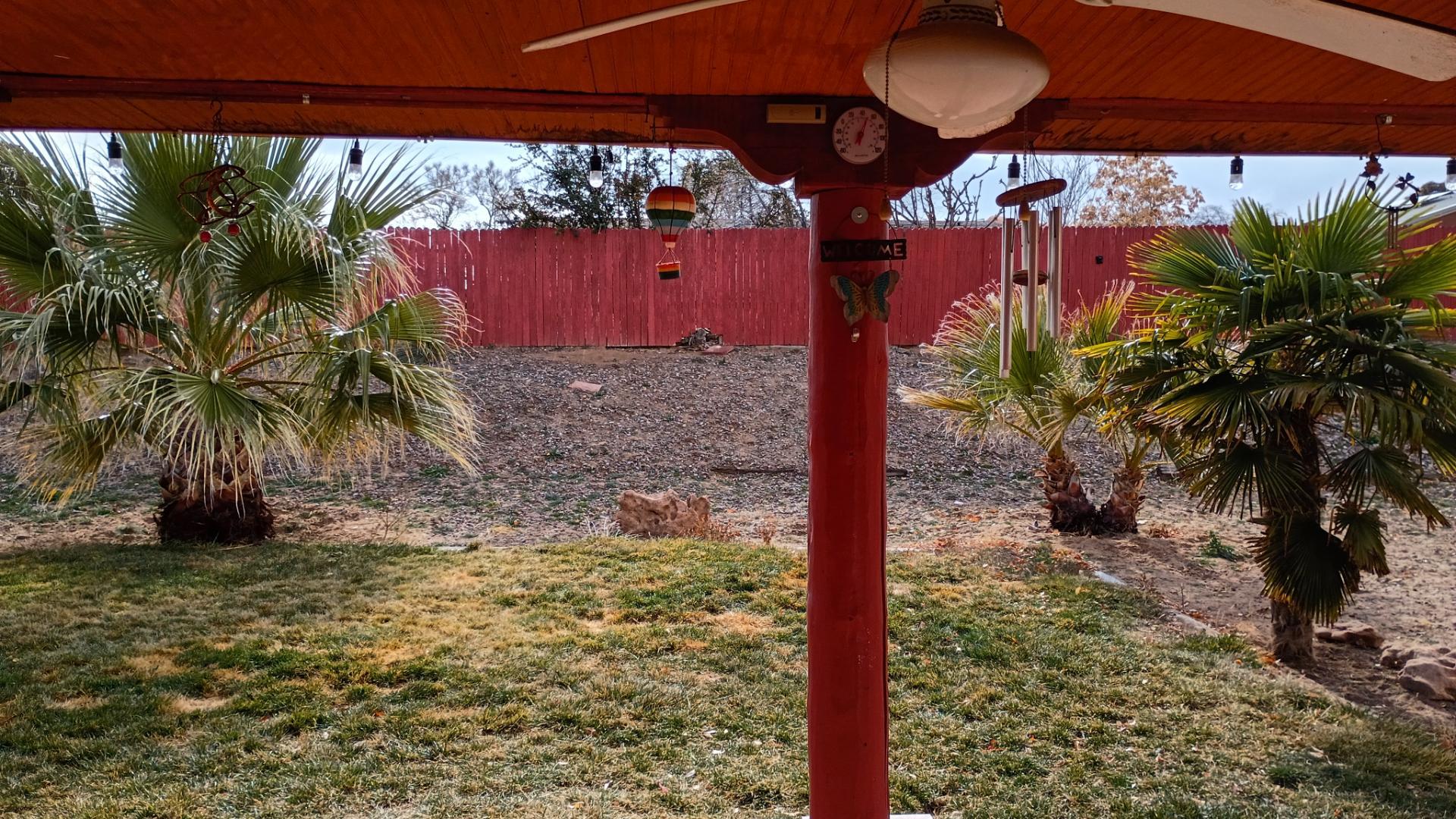
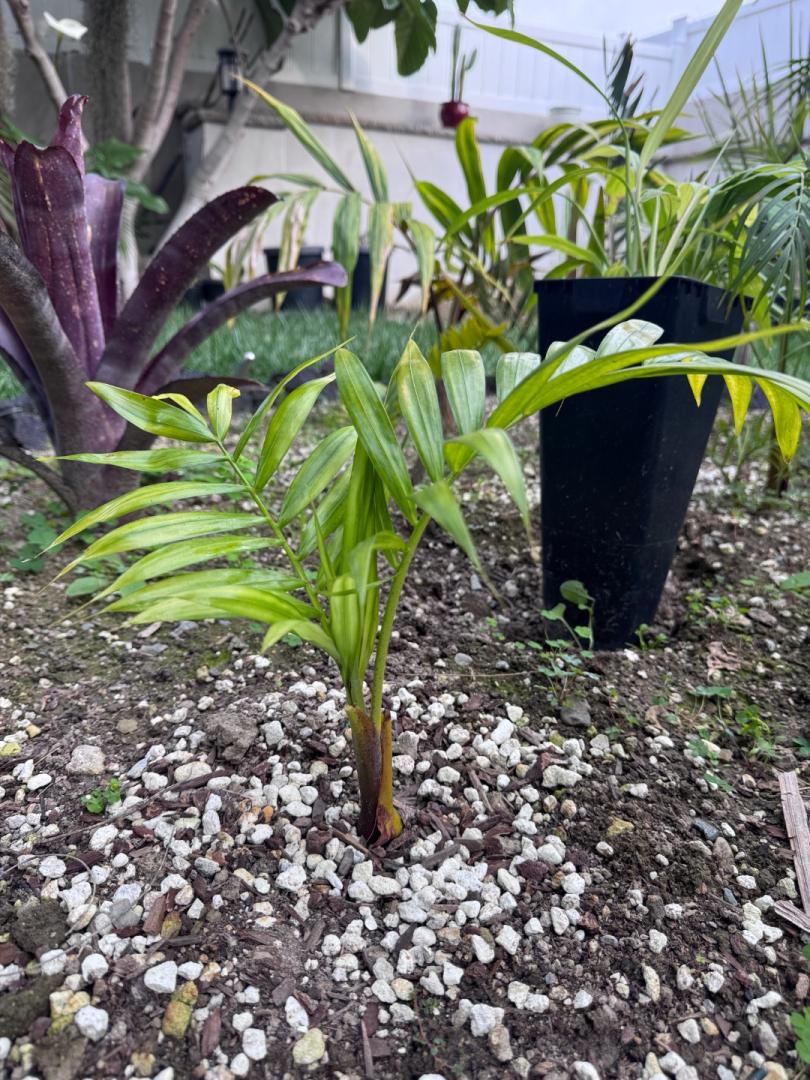
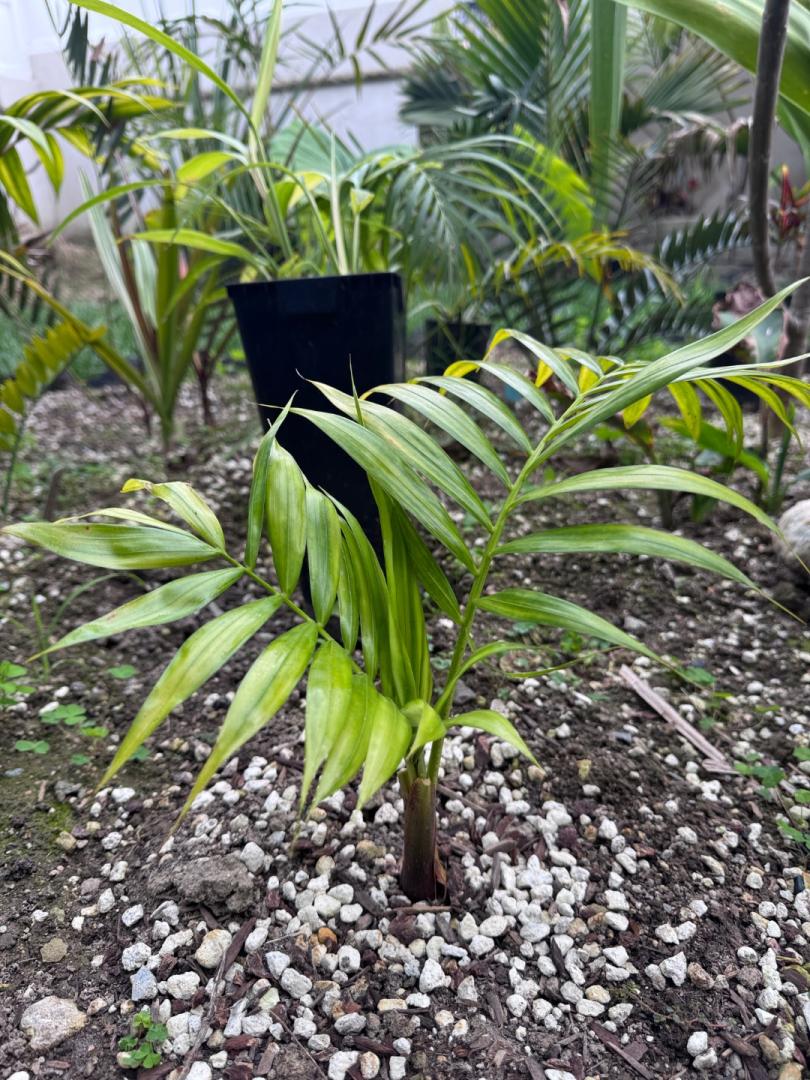
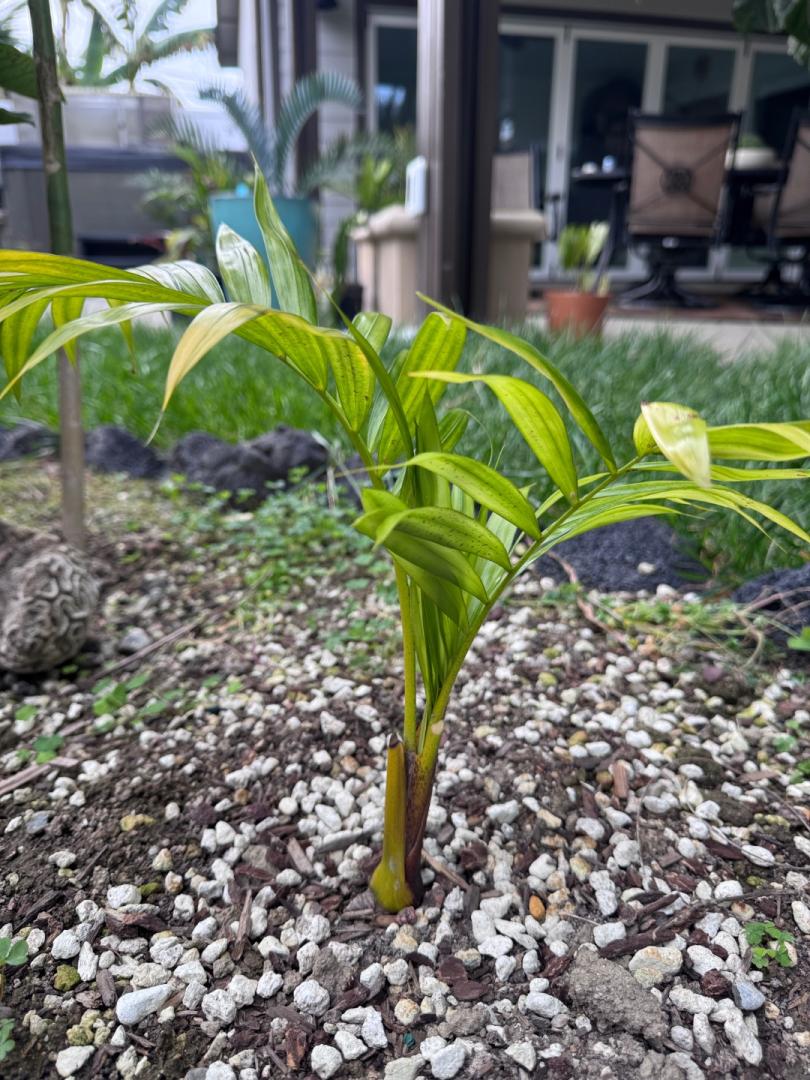
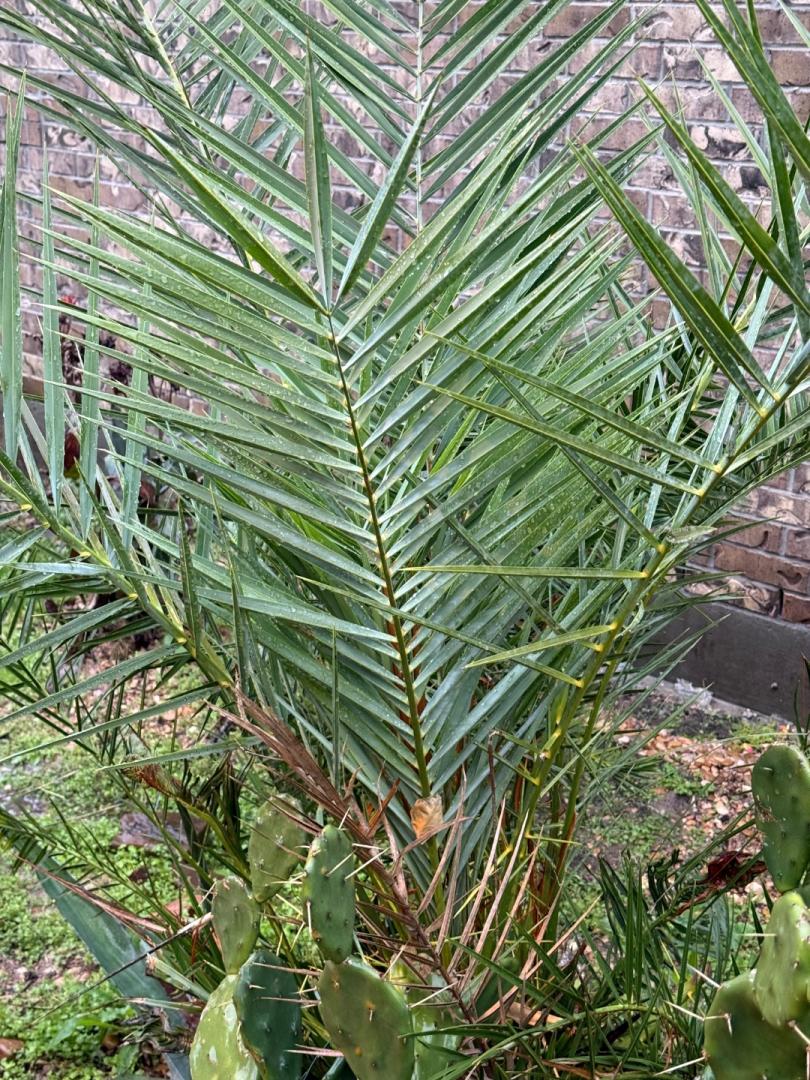
Here’s my smallest. It gets more sun and doesn’t look ideal but again, I’ll take it. -dale
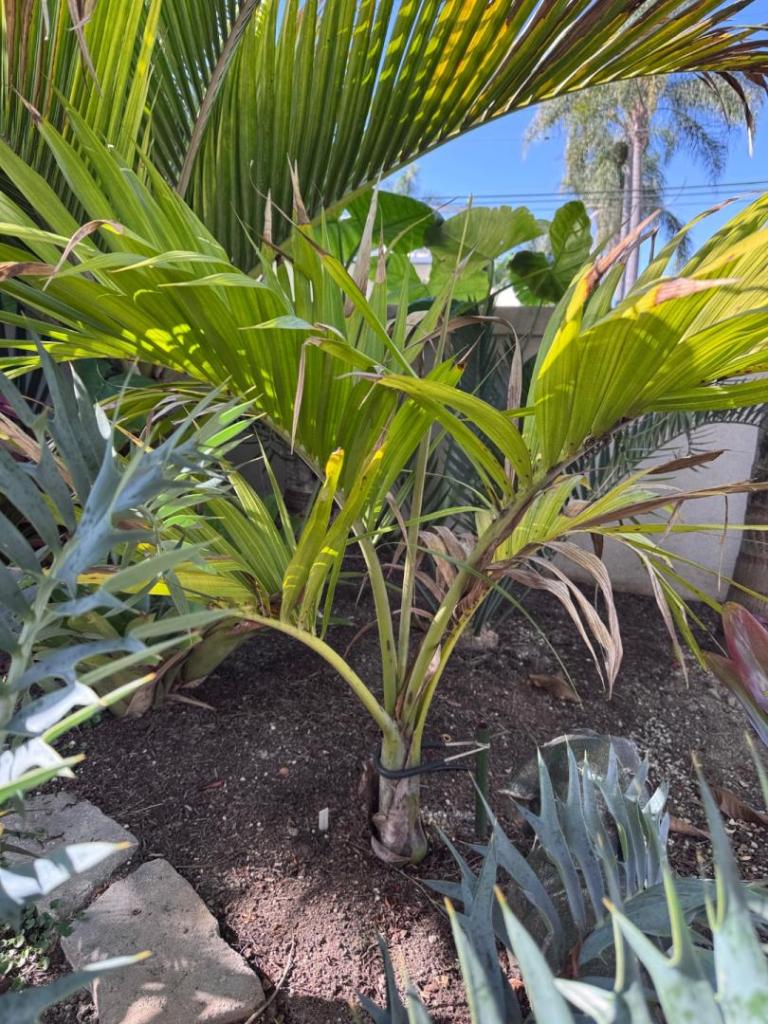 5 points
 -
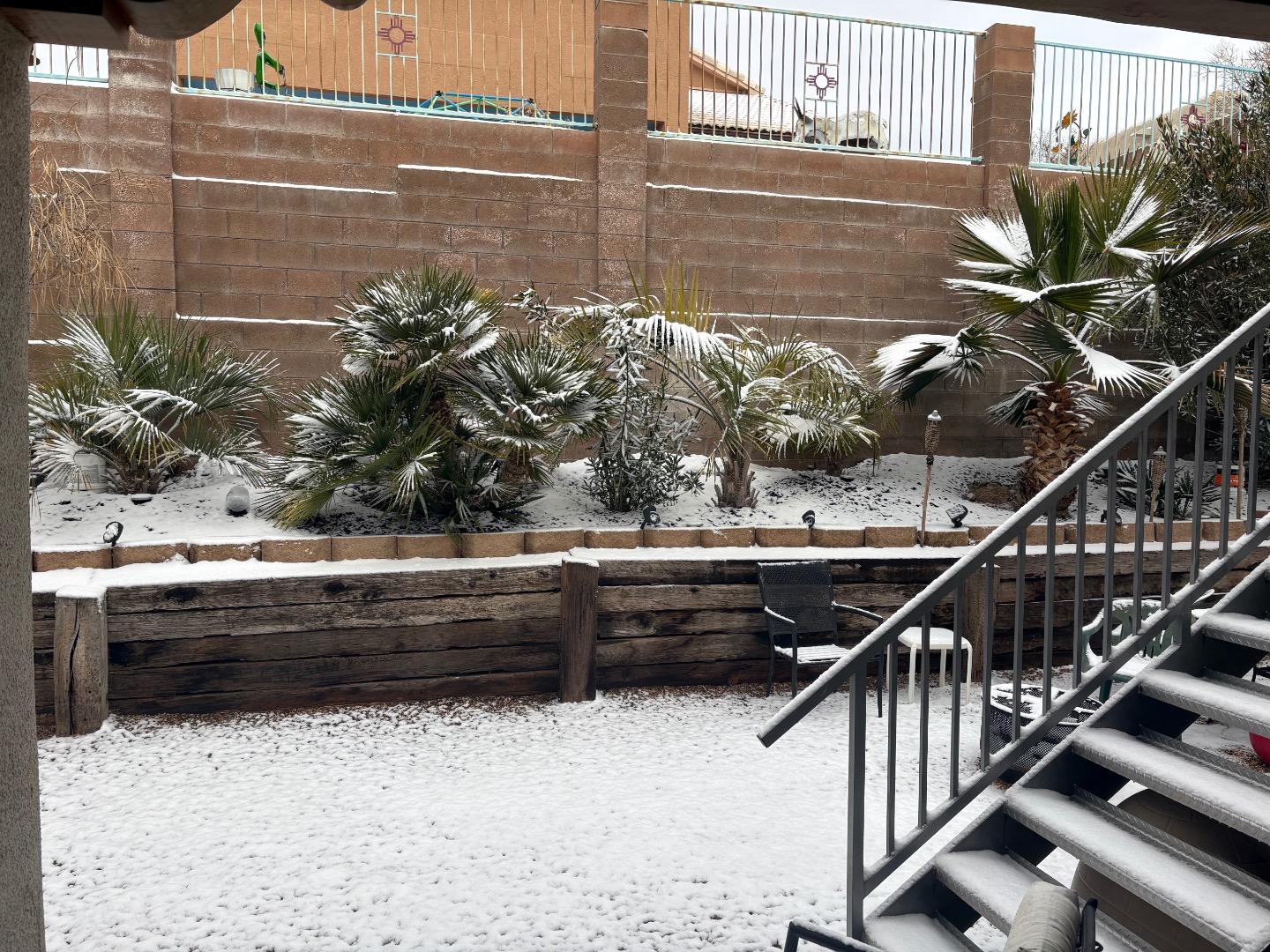
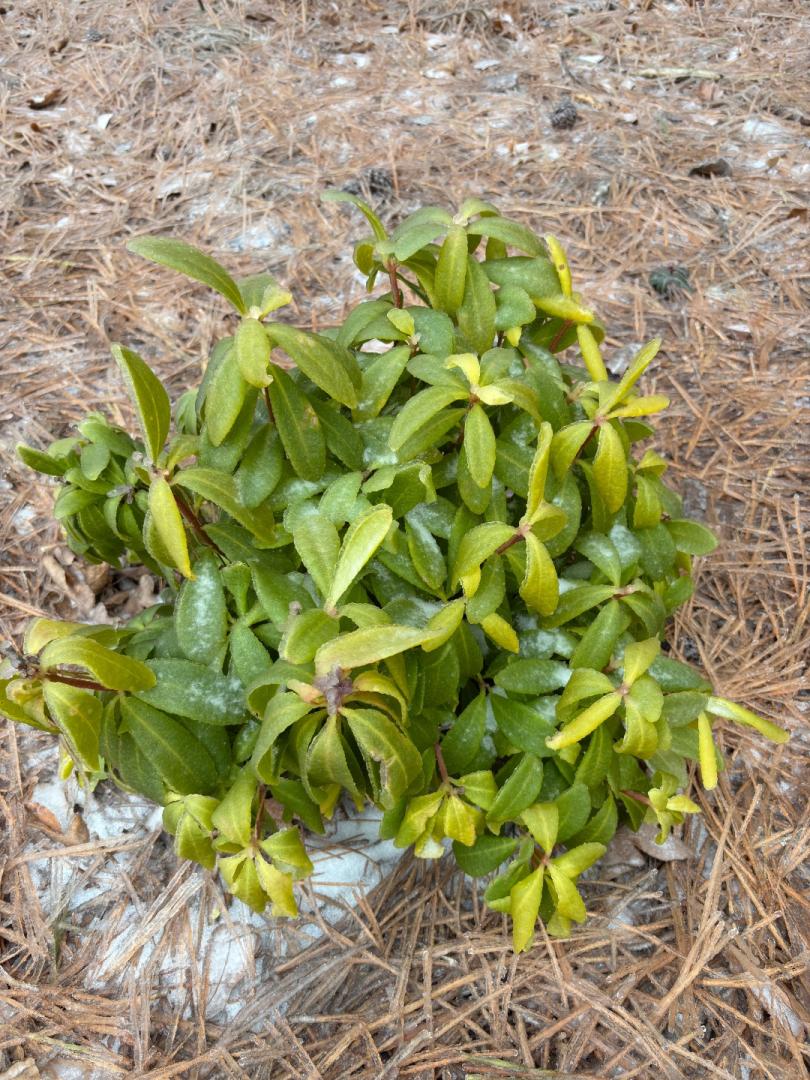
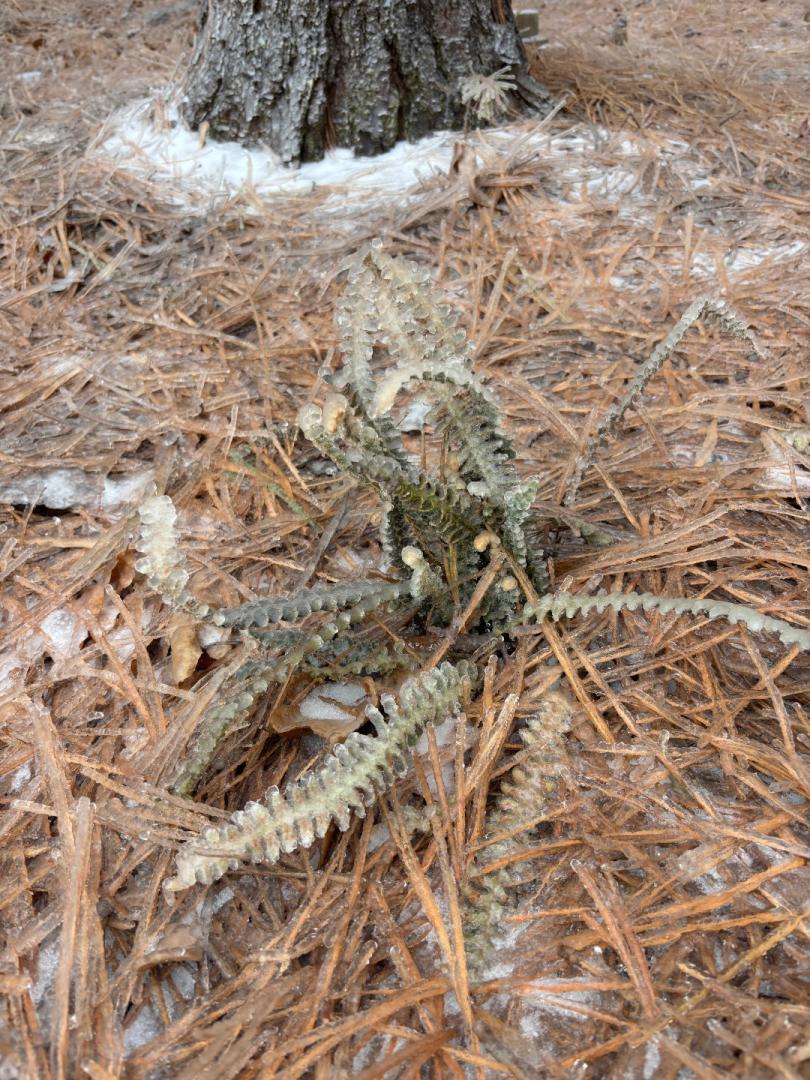
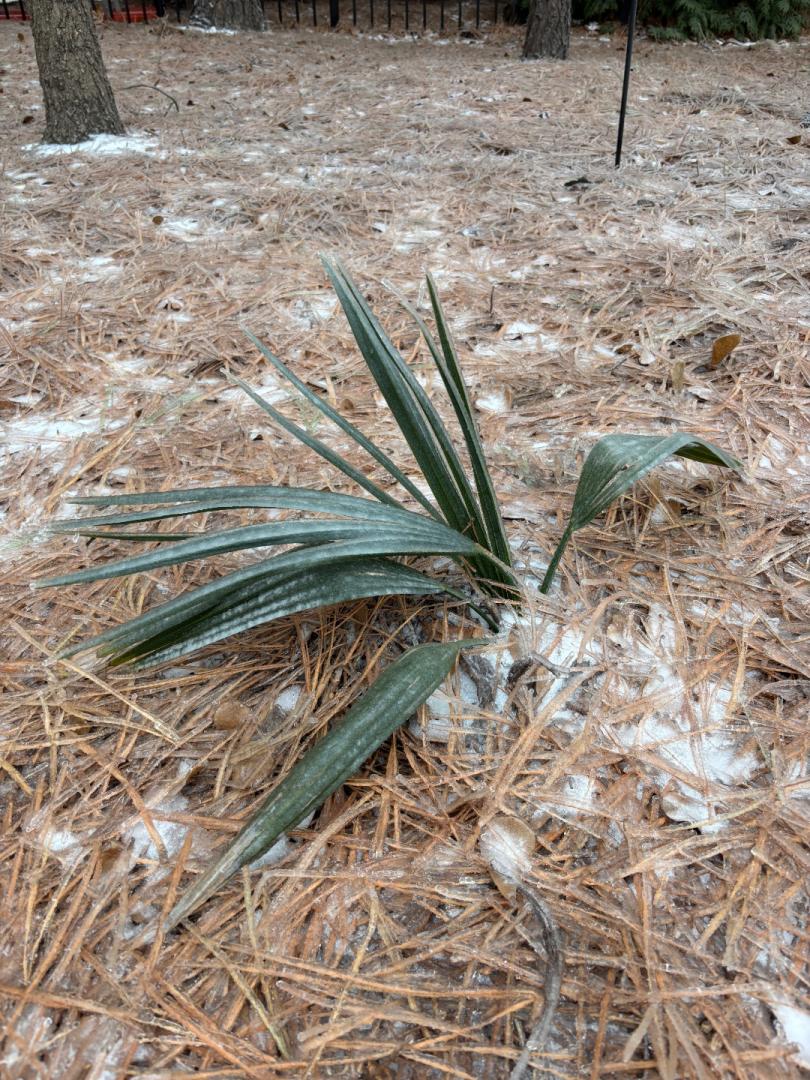
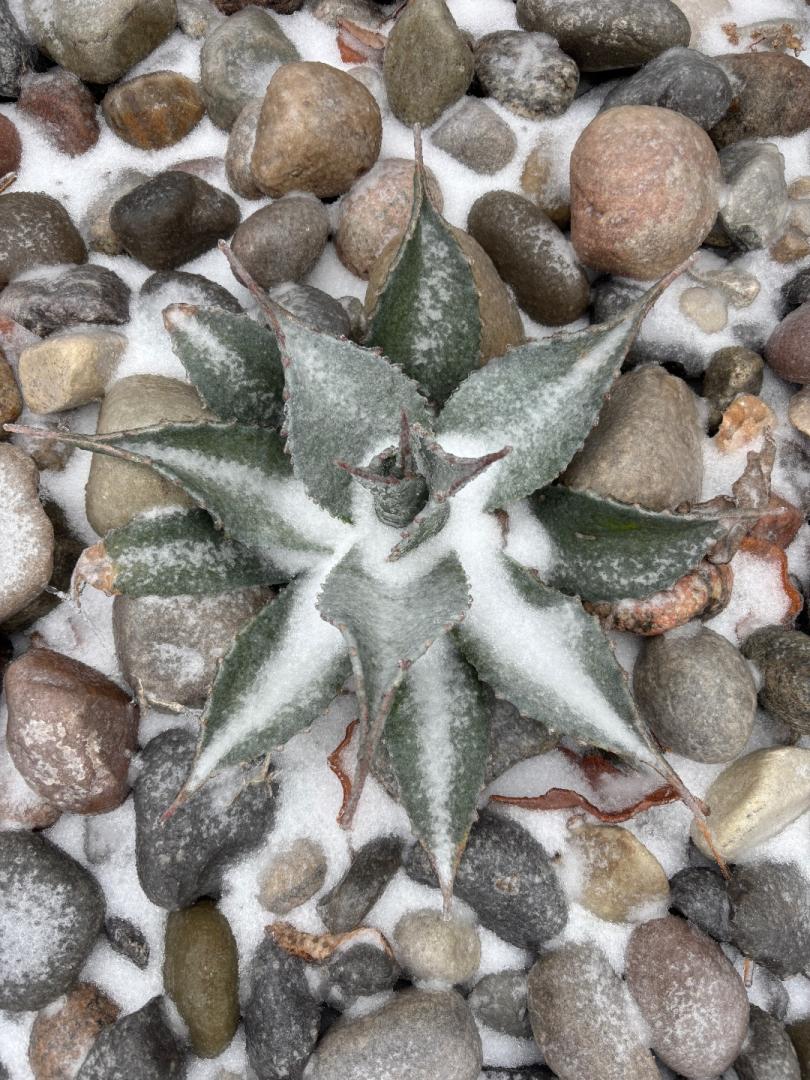
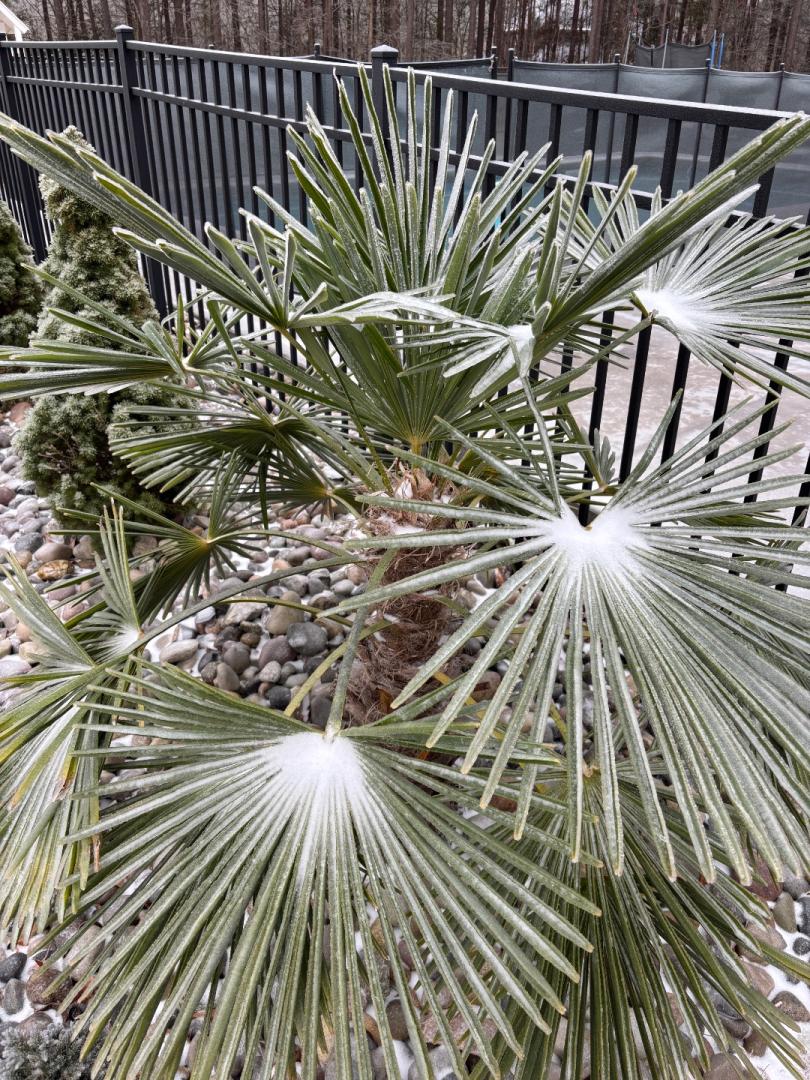
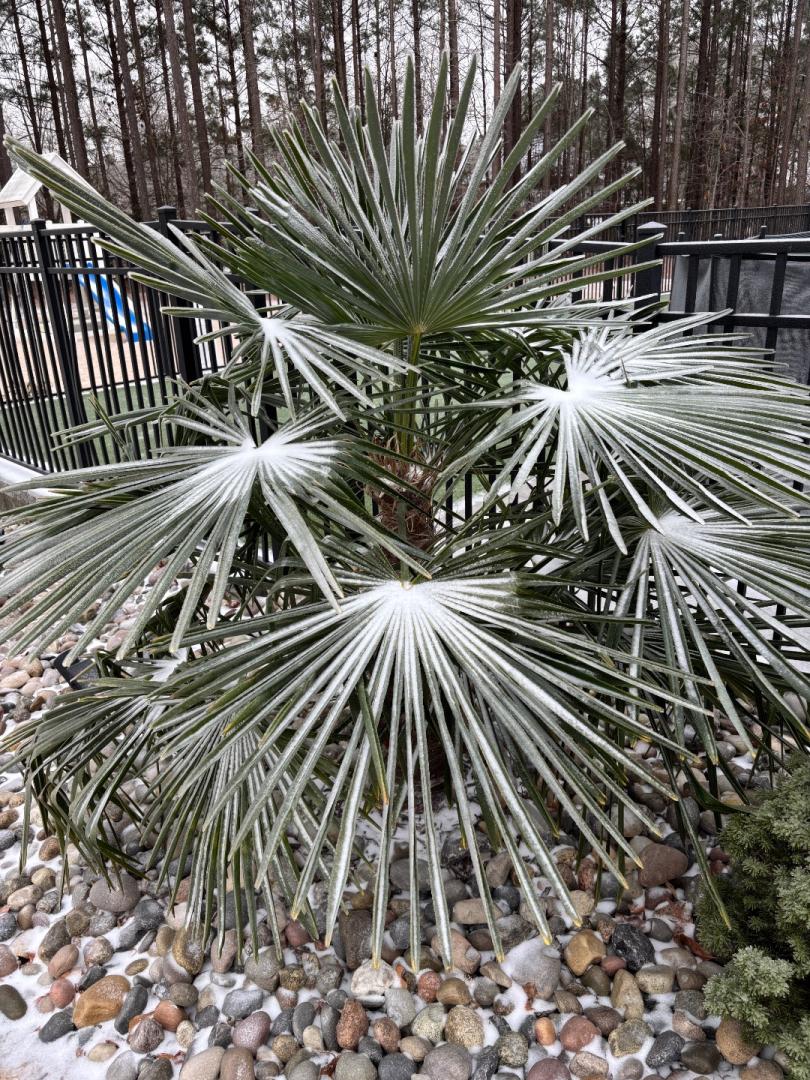
I know there are older threads with similar themes, but hopefully we can get this forum moving again. Post your pics before the snow melts.
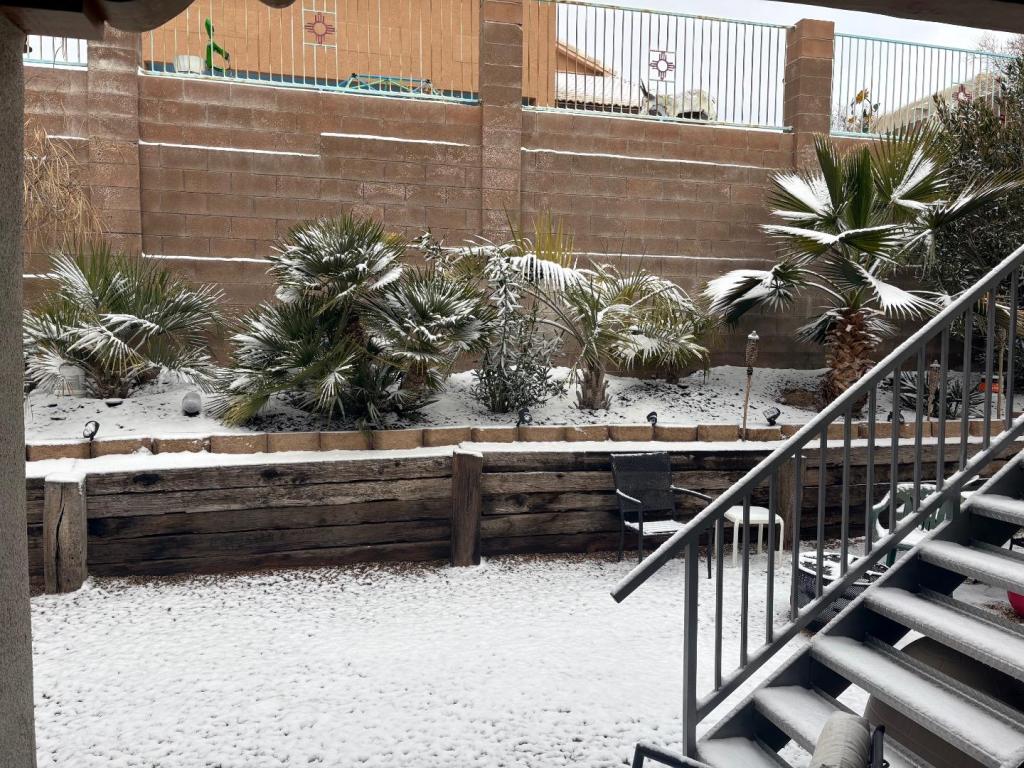 4 points
 -
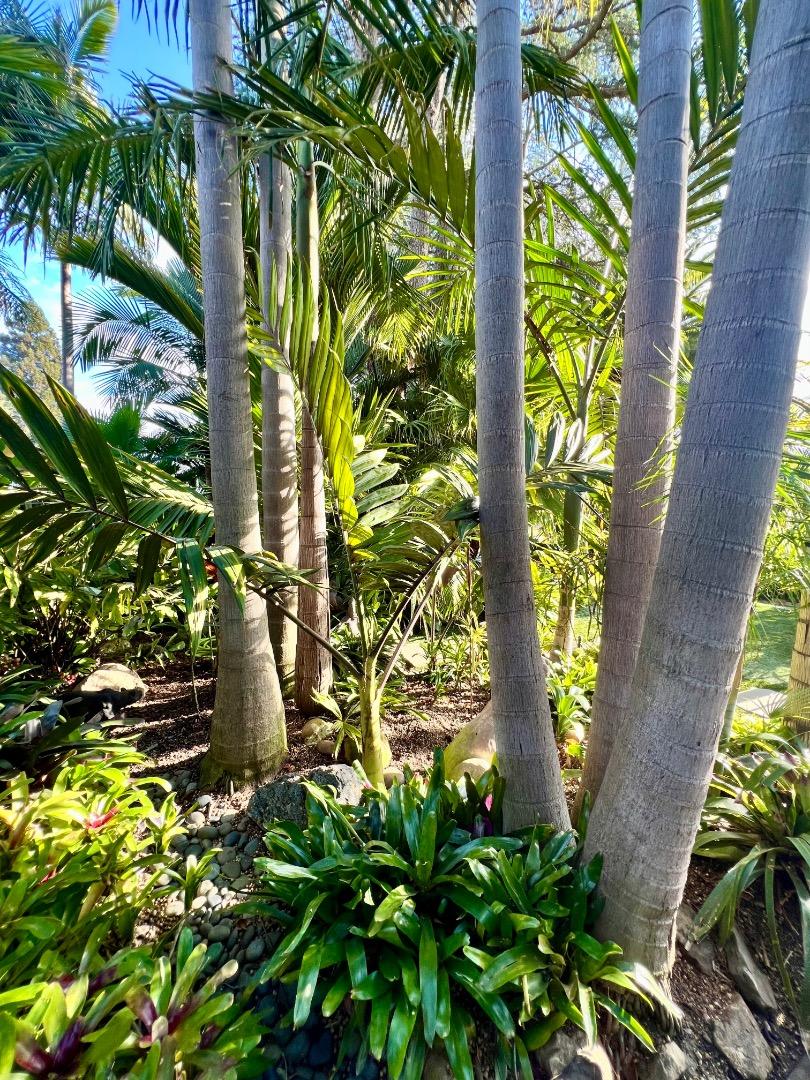
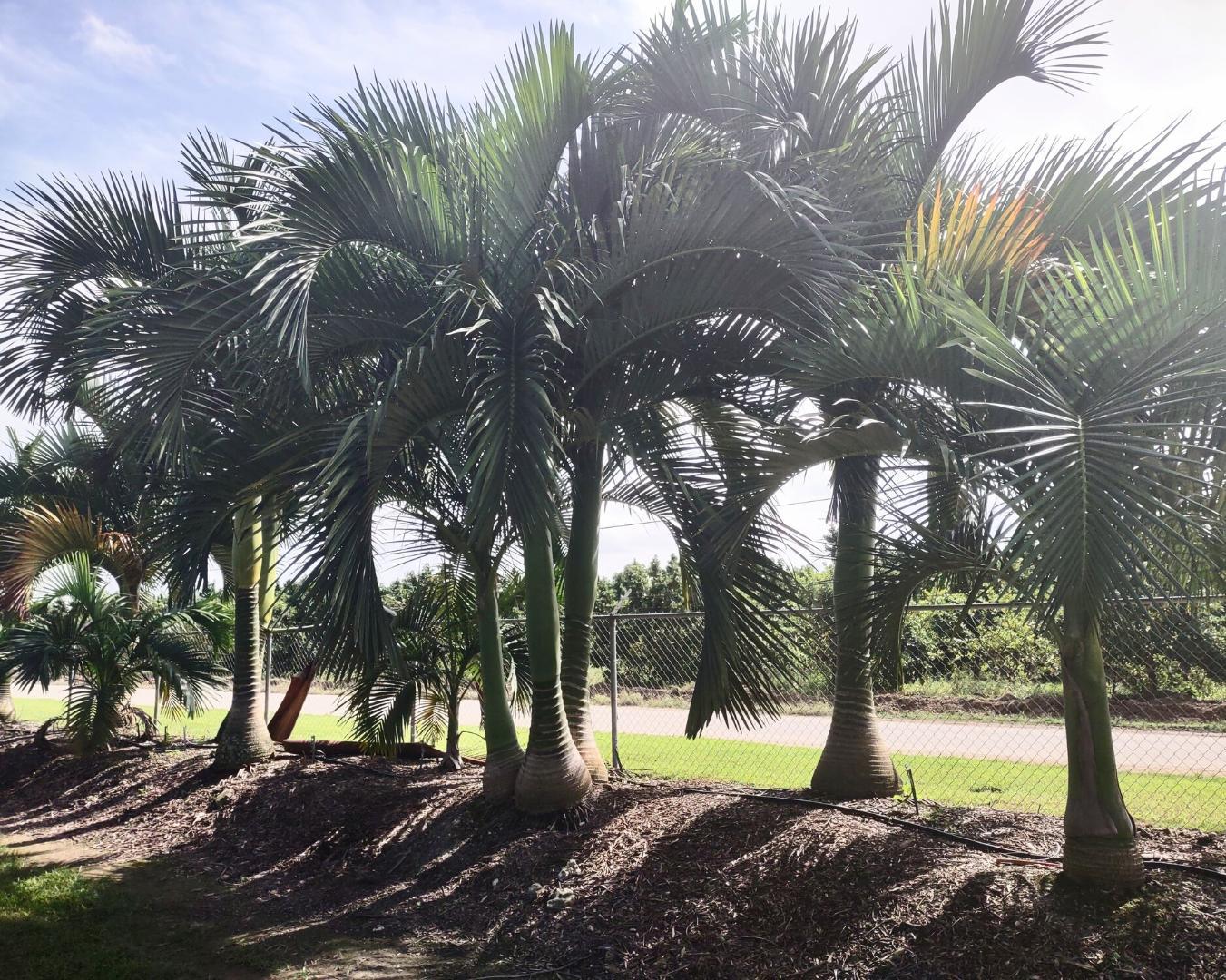
Stacks of canopy around here guys, and a stack of kerriodoxas. When is the best time to create a canopy 25 years ago!


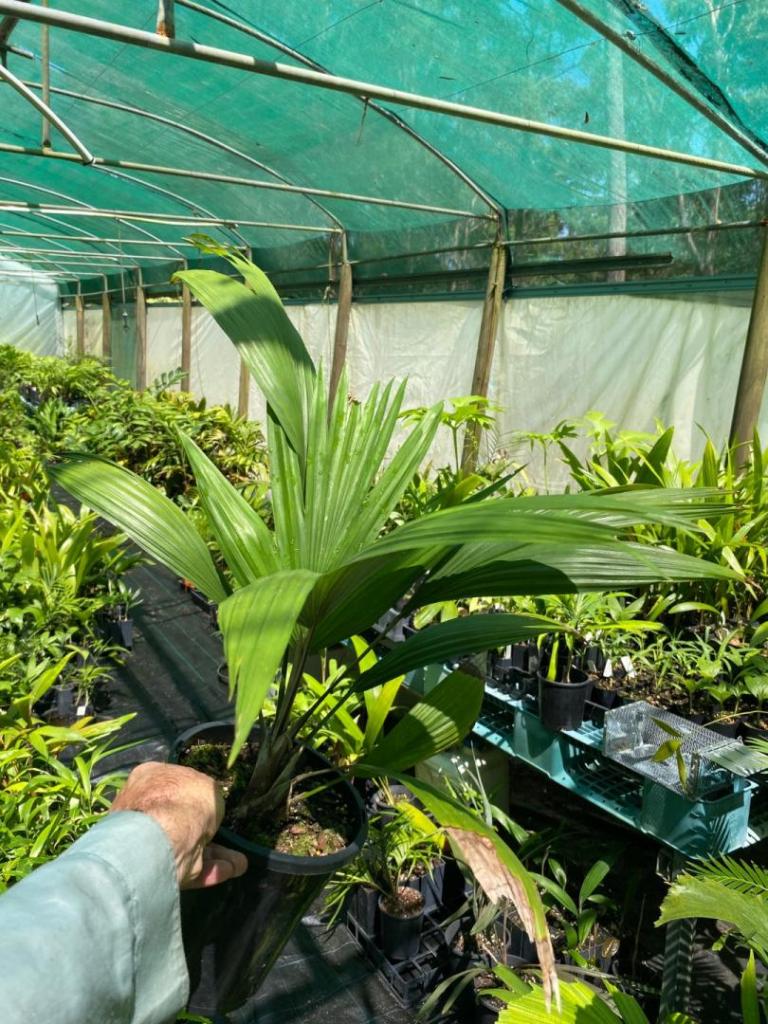 4 points
 -
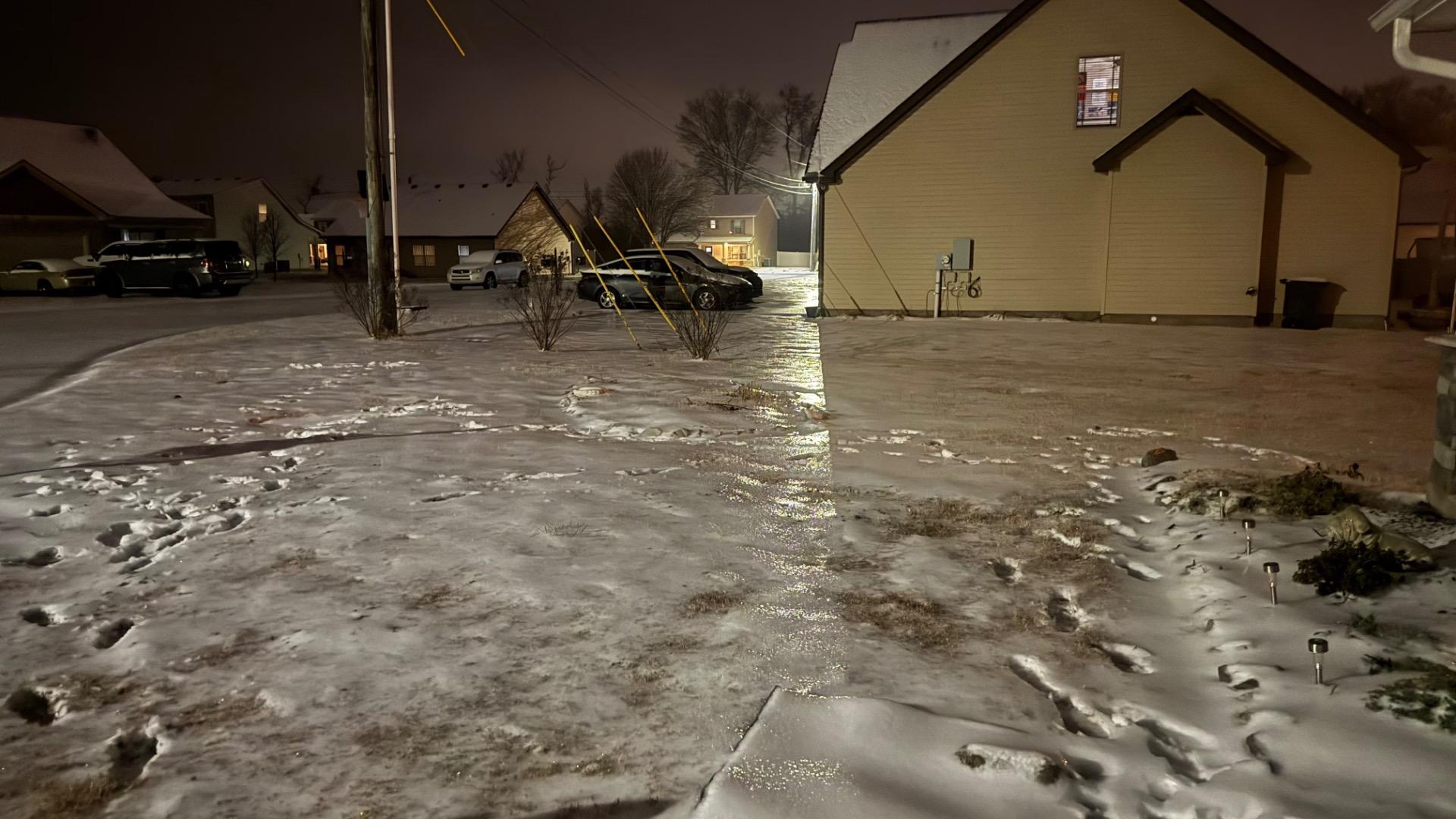
His went from worse to catastrophic to just flat out psychotic this is in TN….. that’s insane…. This shouldn’t here ALREADY


 4 points
 -
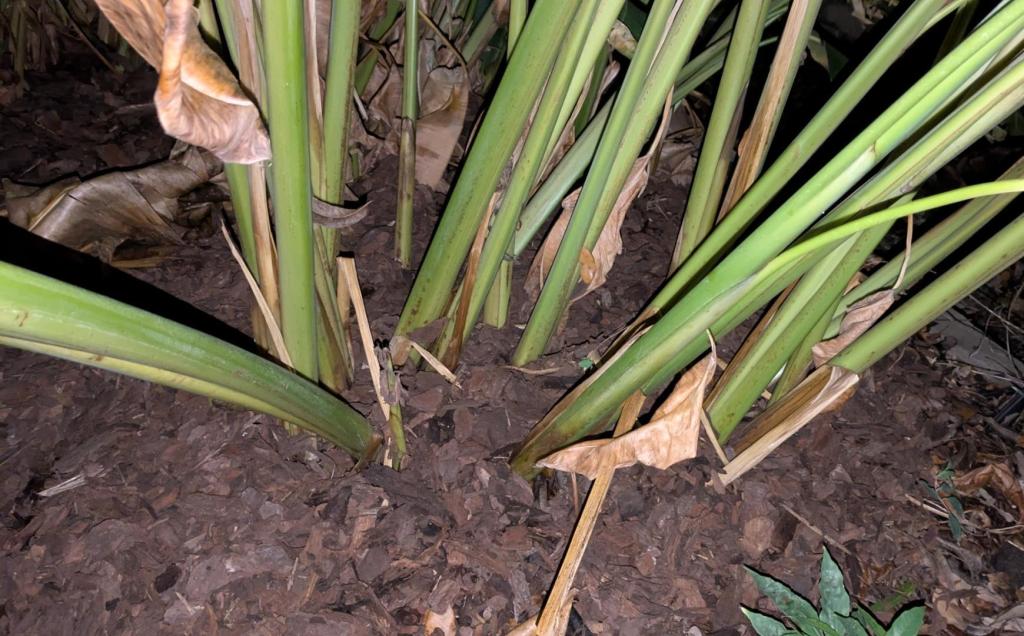
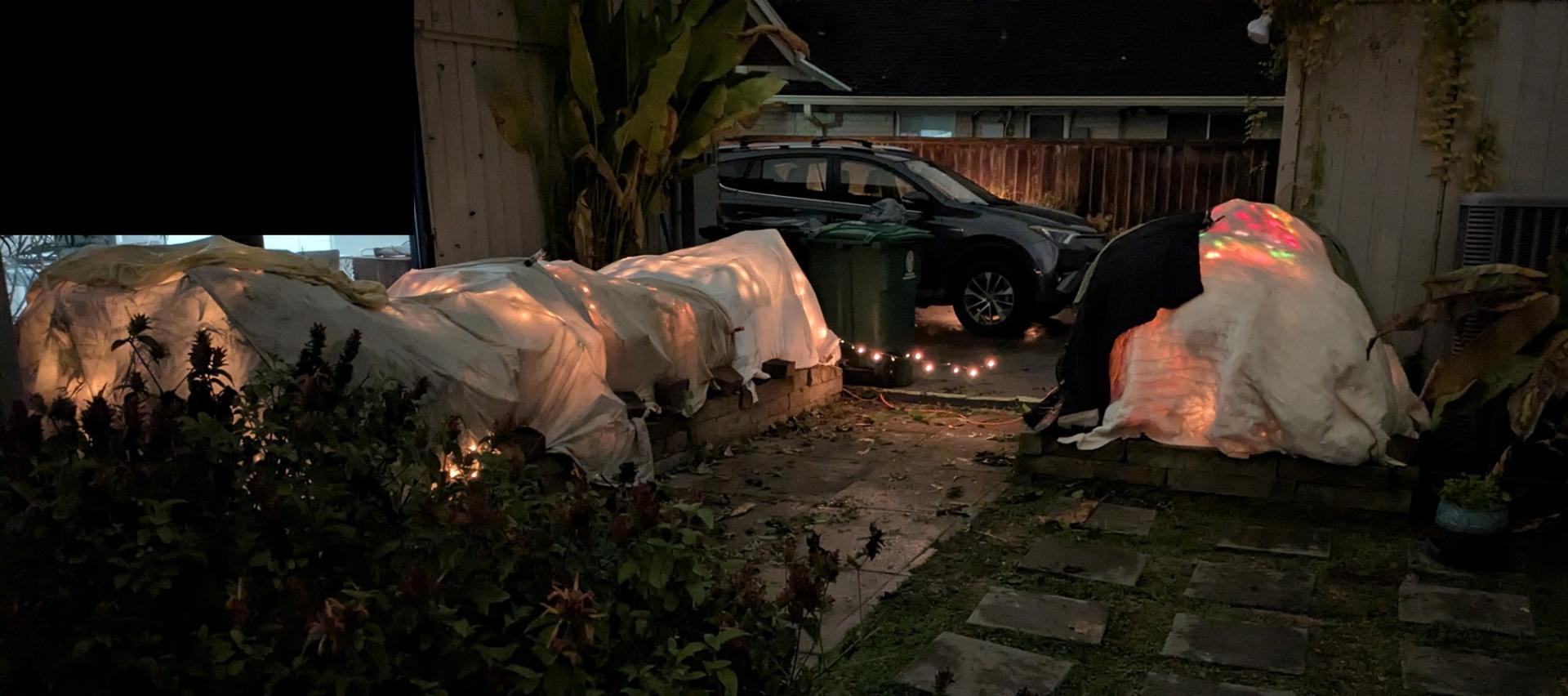
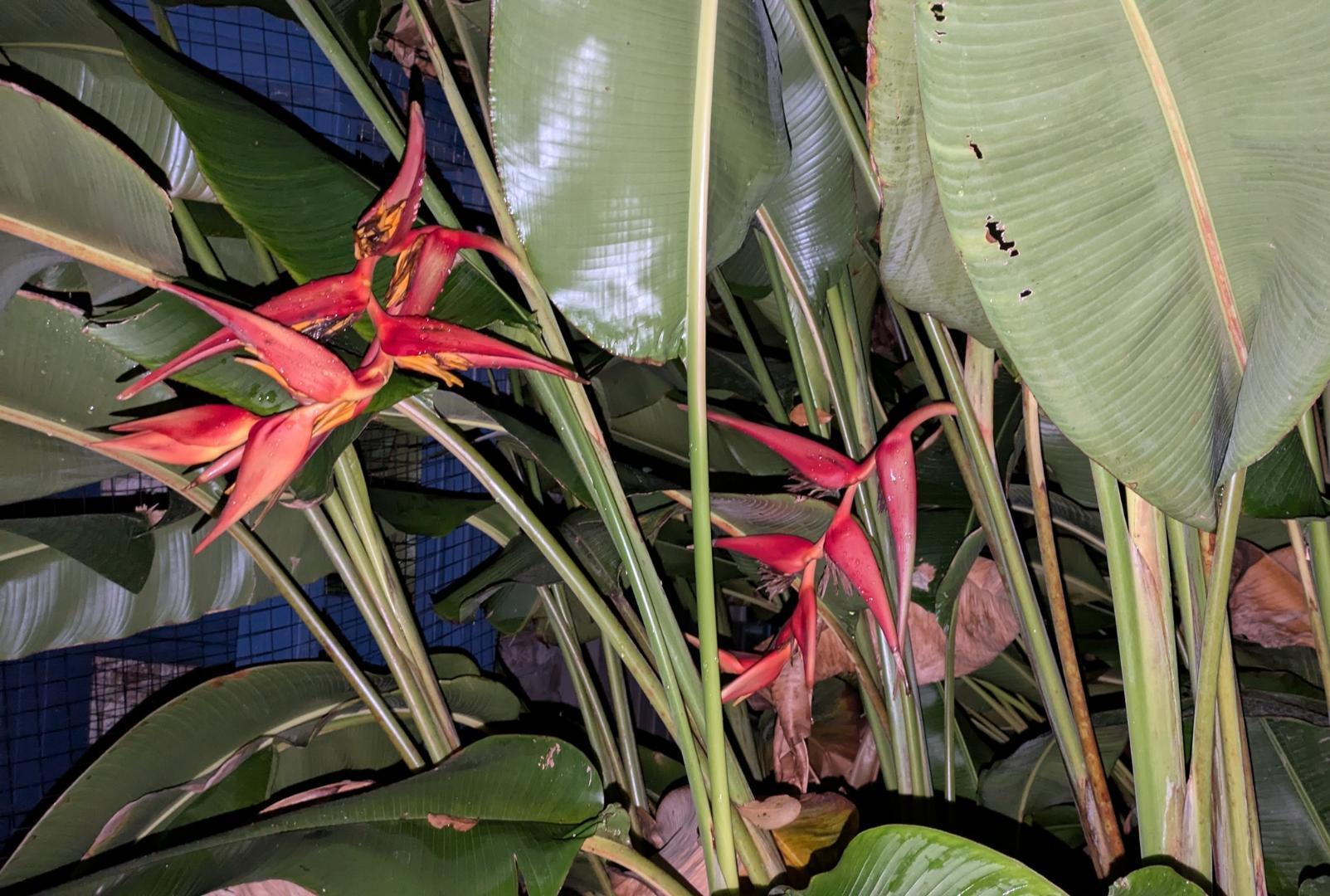
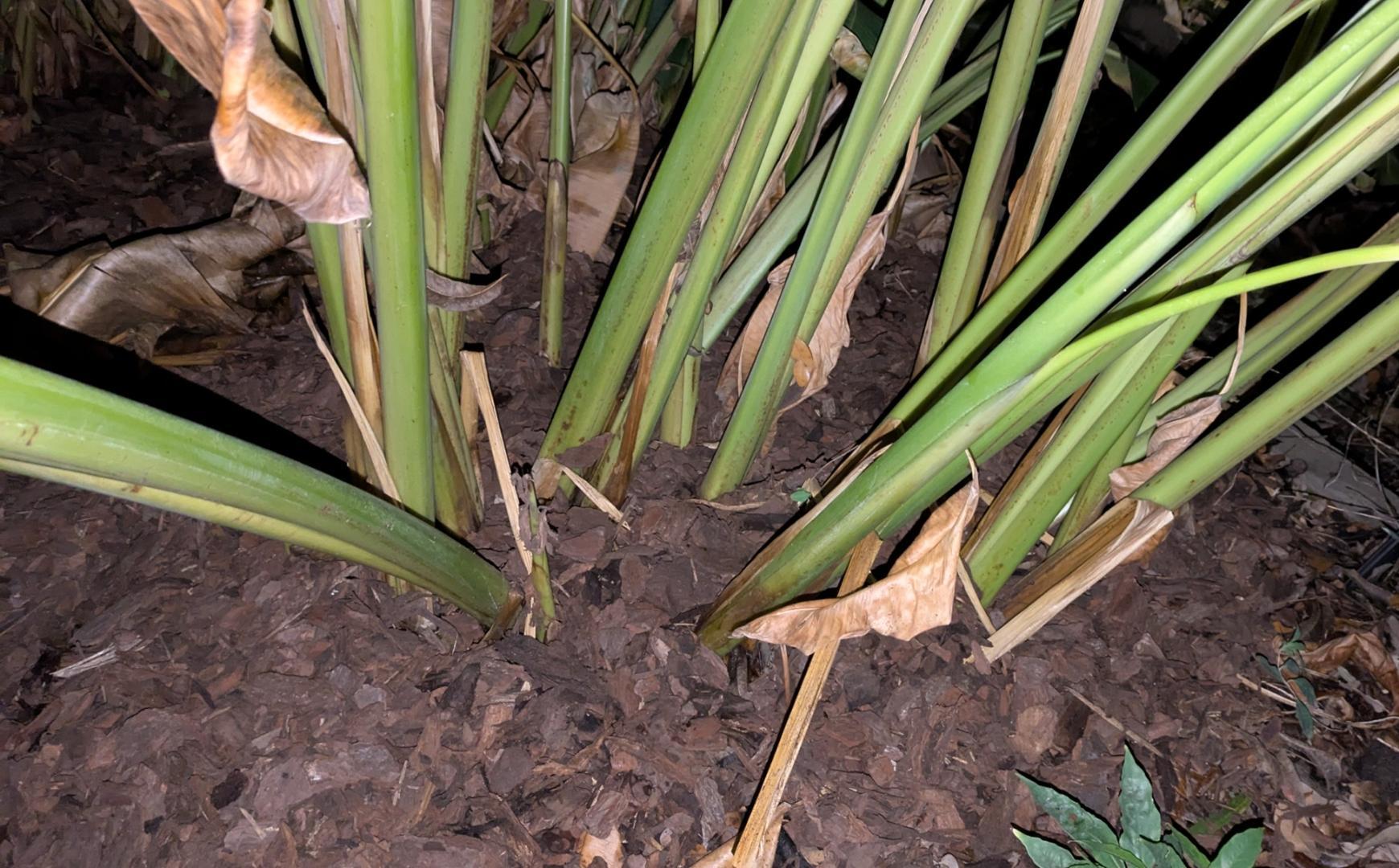
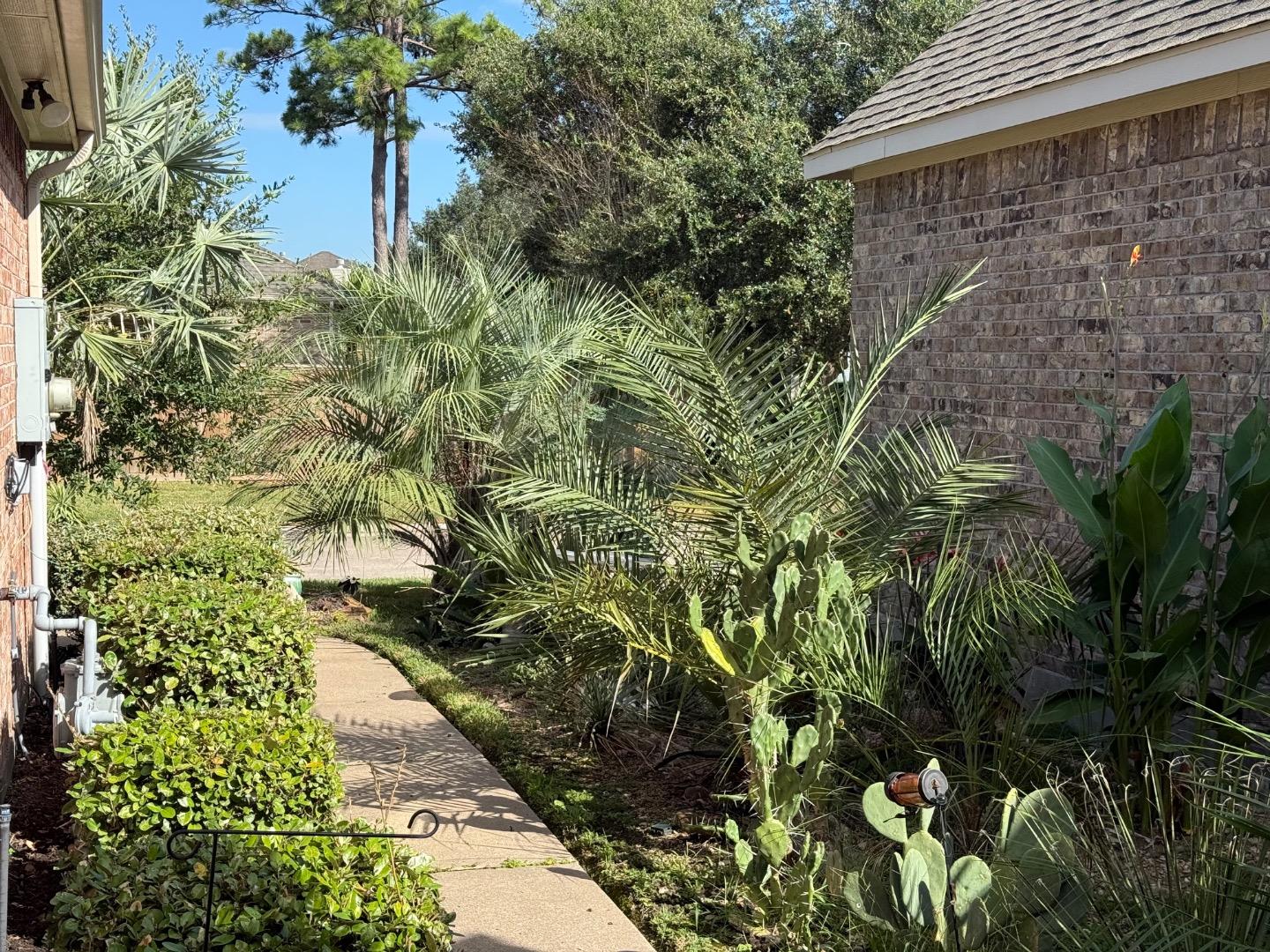
How things are looking here. My large Grevillea (right) has the vegas lights. Large cat palms, some dwarf Heliconia, and everflowering bottlebrush are on the left - they needed a serious haircut to get them to fit this year. Kangaroo paws and small Grevillea behind the car also have lights. Mountain bottlebrush and narrow leaf bottlebrush aren't getting covered this year, just a little mulch. Everything else gets mulch (or nothing). Arenga sp. usually get buckets over them, but they have now outgrown that. Cham. mircospadix. These seed grown ones are much more vigorous than a large one I bought. They just get mulch poured on them. Cham. cataractum and Cham. radicalis seed. Figured I should actually save some. Only a fraction of what they set this year. The large Heliconia just get mulch piled up around the base. There are three new flowers coming on x 'Coral Surprise' that I'm sad to lose. I'm not wrapping any citrus this year either, only mulch.


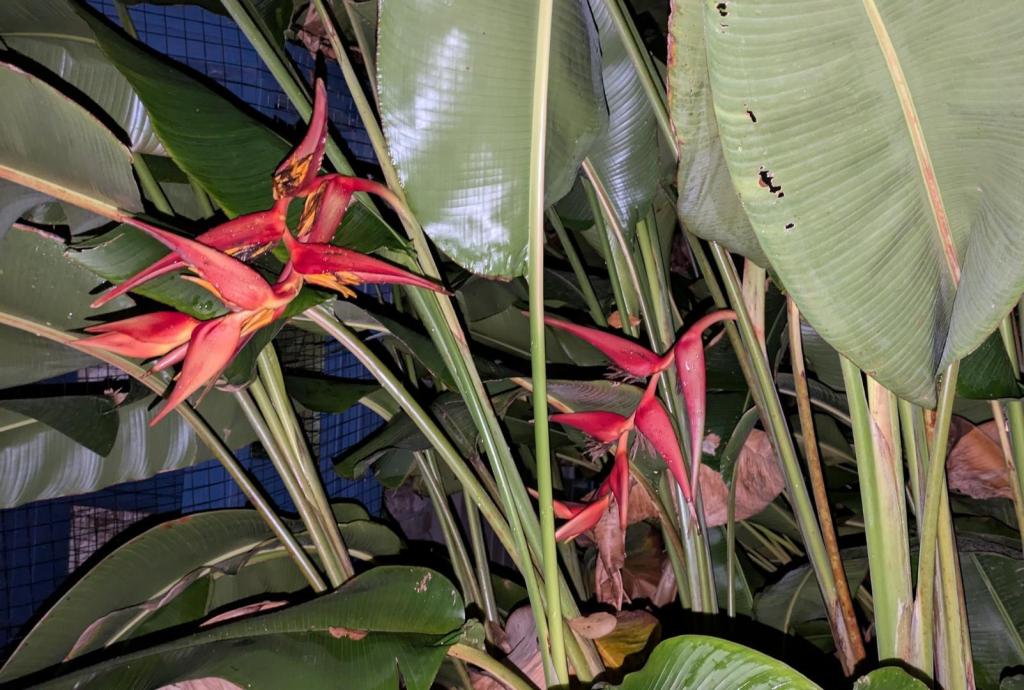
 4 points
 -
Man that is coooooooold!!4 points
-
Not as bad as I expected so far… I had 28f on the north side, 31f on the south (somewhat sheltered.) No freezing rain or snow.3 points
-
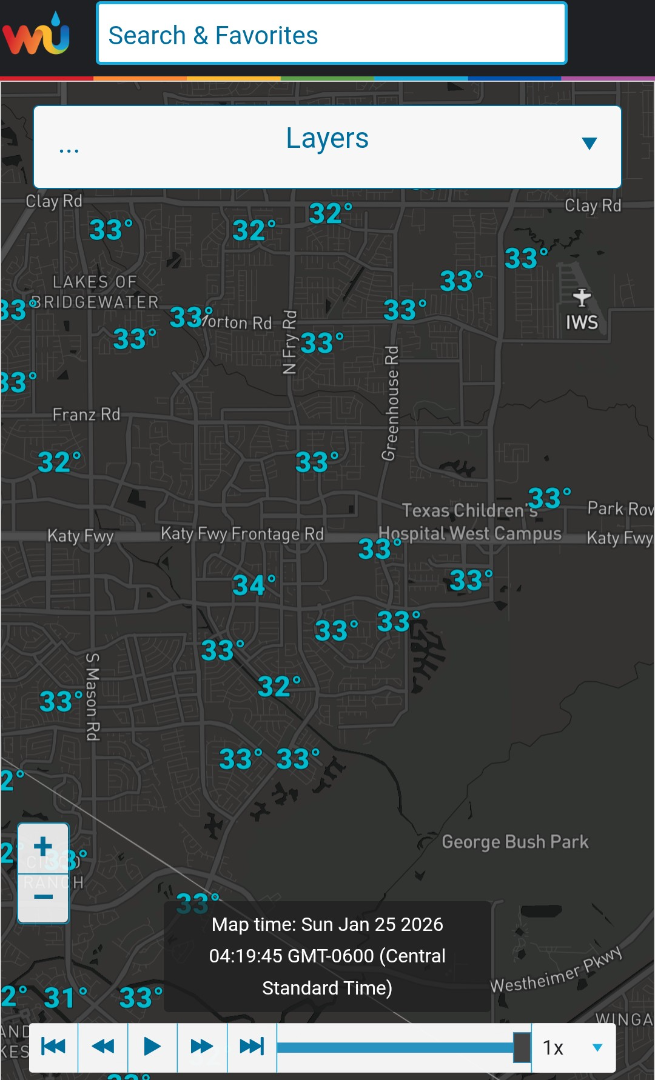
The garden bottomed out at 27F about an hour ago, now on the rise at 28F. Hoping to make it above freezing today. No freeze until past 7 AM. Low of 30F where I'm staying on 610. Yeah, the whole ice storm media frenzy ended up being a bust. Minimal to no ice for 95% of Houston metro. Very minimal power outages. We definitely dodged the first bullet. The garden has now been upgraded to 18F for Monday night by NWS!!! Keep going up please 😄3 points
-
If the crown is going to stay dry, then something as simple as ground cinnamon can keep ants away and also keep the area dry. Ants and fungi hate cinnamon.3 points
-
I doubt the ants are of any immediate concern to you. They are likely not there to eat your palm, and poisoning them won't help anything. The more important fact is that mules can't be expected to survive even an "average" winter in an 8a zone, and they are far too large to adequately protect after a few years. When I lived in Natchez, Mississippi, I lost most of mine (fairly large) to 18F or so in a long, hard freeze. The only one to survive was up against the house and barely survived a much quicker 13F jab (but required surgery/debriding/peroxide into the crown/meristem area). I'm sure that palm is now dead since I believe there have been colder jabs there in the last few years. And that's in a 9a zone (though maybe it has sunk down into 8b with some of these recent winters)... I hate to be a naysayer, but even a pure Butia can't survive the below-average winters in an 8a area in the east. A well grown grouping/grove of Sabal or Trachycarpus surrounded by root-hardy gingers, bananas, etc. can be a thing of real beauty and you won't need to distress yourself every winter. Extreme protection methods will likely get old very quickly. And that's when you finally move to Florida and kick yourself for not having done it sooner...3 points
-
I just stick them in soil or plant them in the garden . I haven’t purchased any , I just gather from generous collectors. Harry3 points
-
We took a short walk through the community garden today and the exotic plants are doing well, the cold doesn't seem to have affected them... The big surprise, at least for us, is that the yucca gigantea has remained healthy at its core and is sprouting new shoots. It will survive the coldest winter here in a long time. Joy reigns supreme 🤗
.thumb.jpg.f377266dc0ed3d92346dfc70b2ab5d4b.jpg)


.thumb.jpg.5fd6df92de67ccebd2712e7ec67adbf8.jpg)
.thumb.jpg.499cf5f7109ec4349120cb0a39b6ff40.jpg)
 3 points
 -
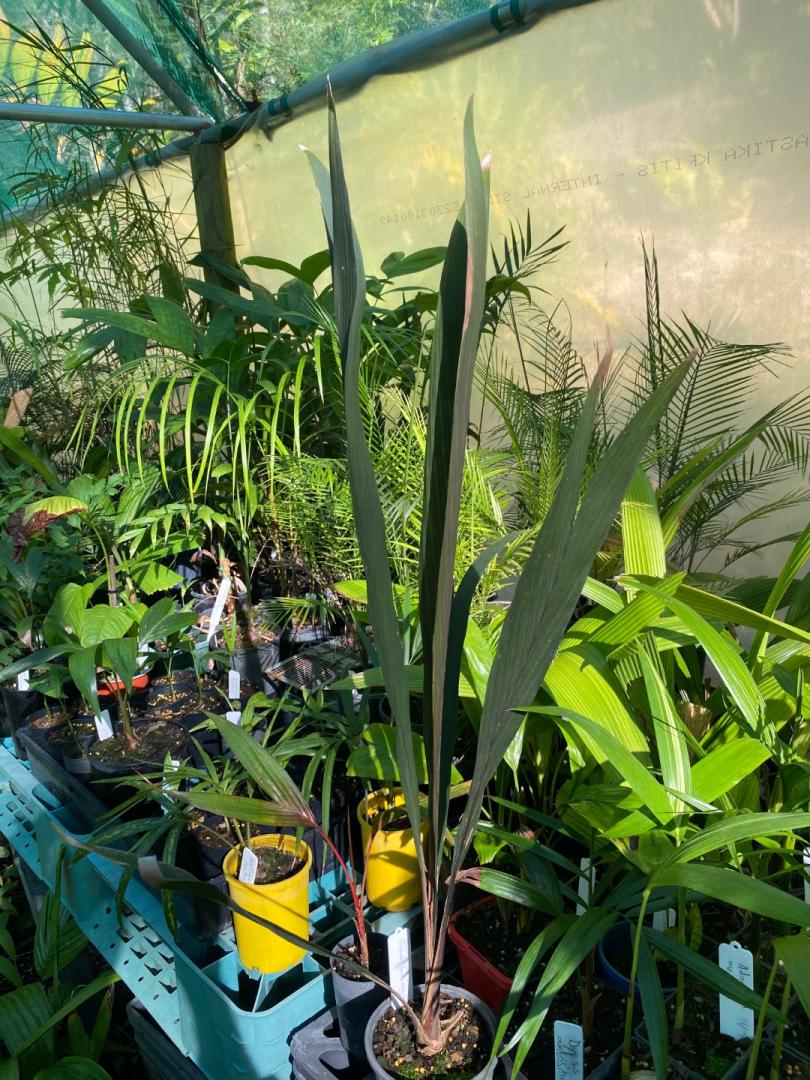
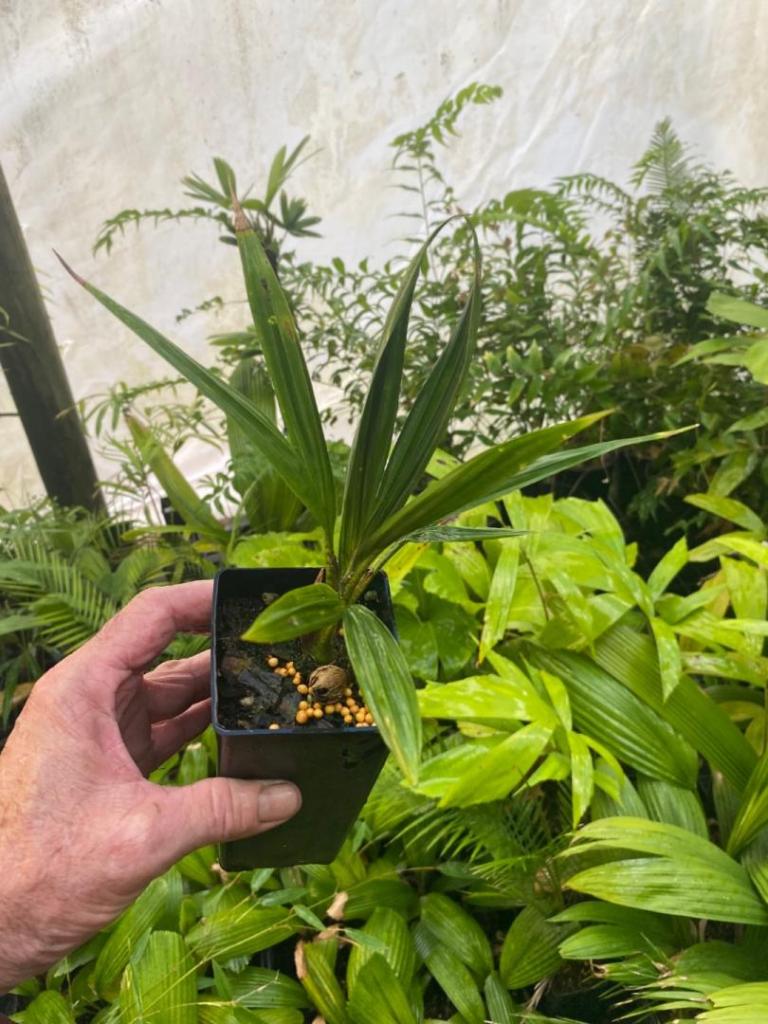
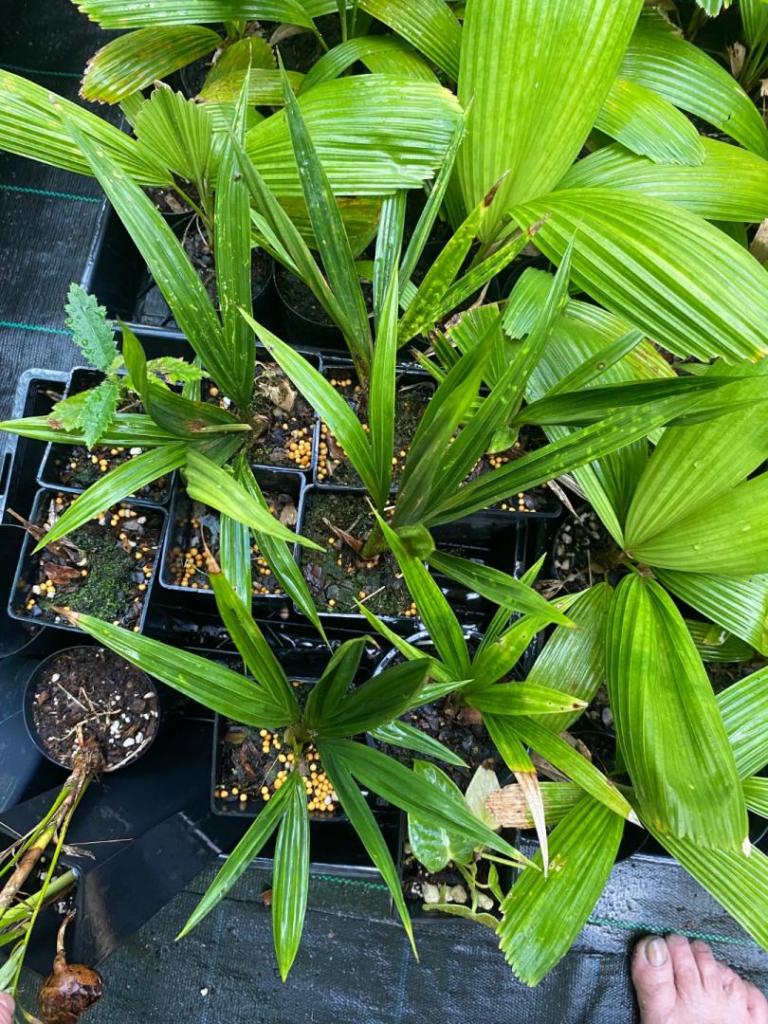
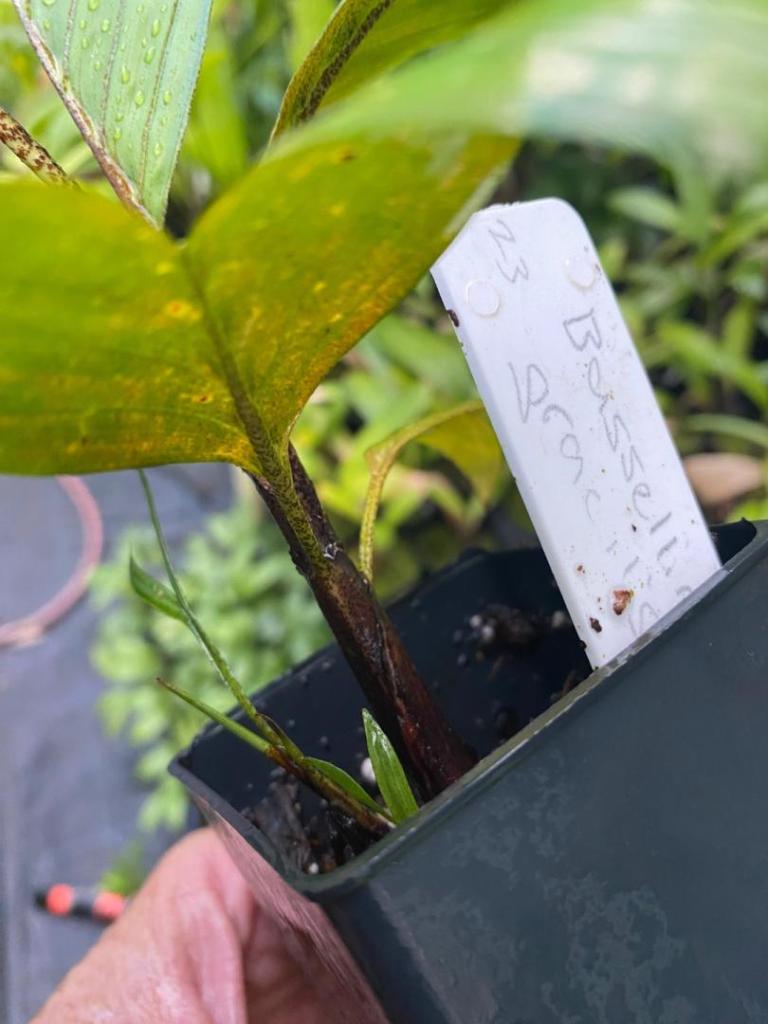
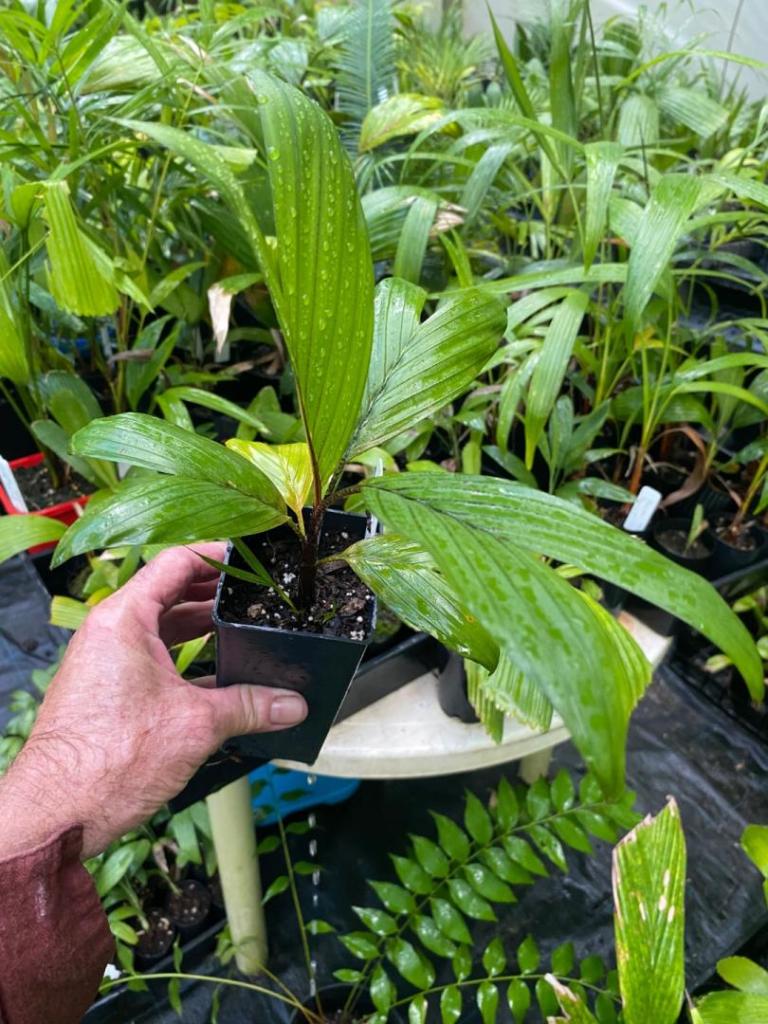
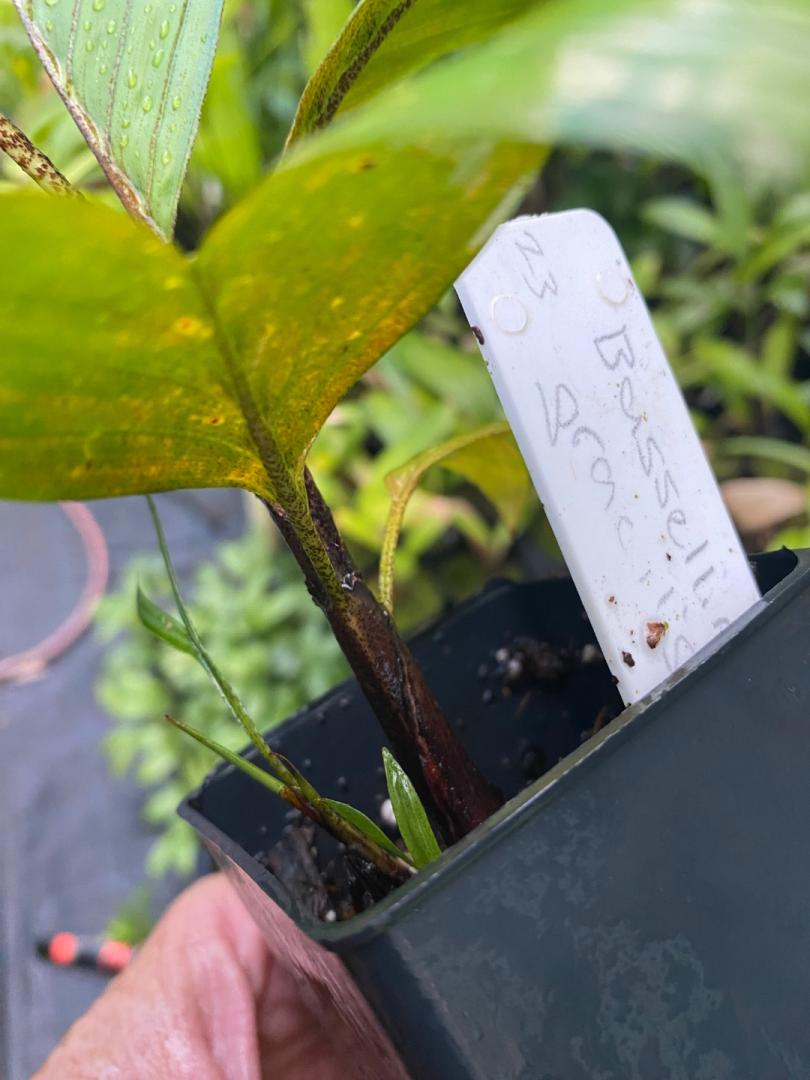
Couple of nice varieties, the masoala has been a bit tricky to work out there specific needs, Iam learning they are a bit like Howea species, in my soil and climate. And I got the basselinas worked out they seem to like my soil and climate. You learn your palms after a while some are tricky others are easy.

 3 points
 -
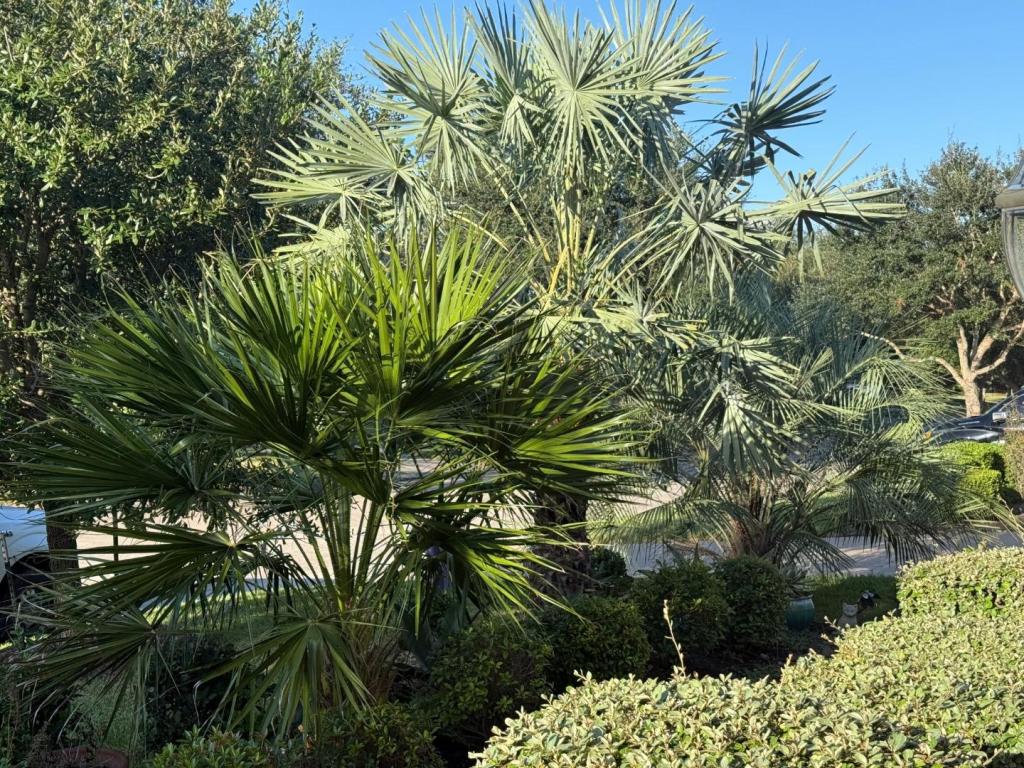
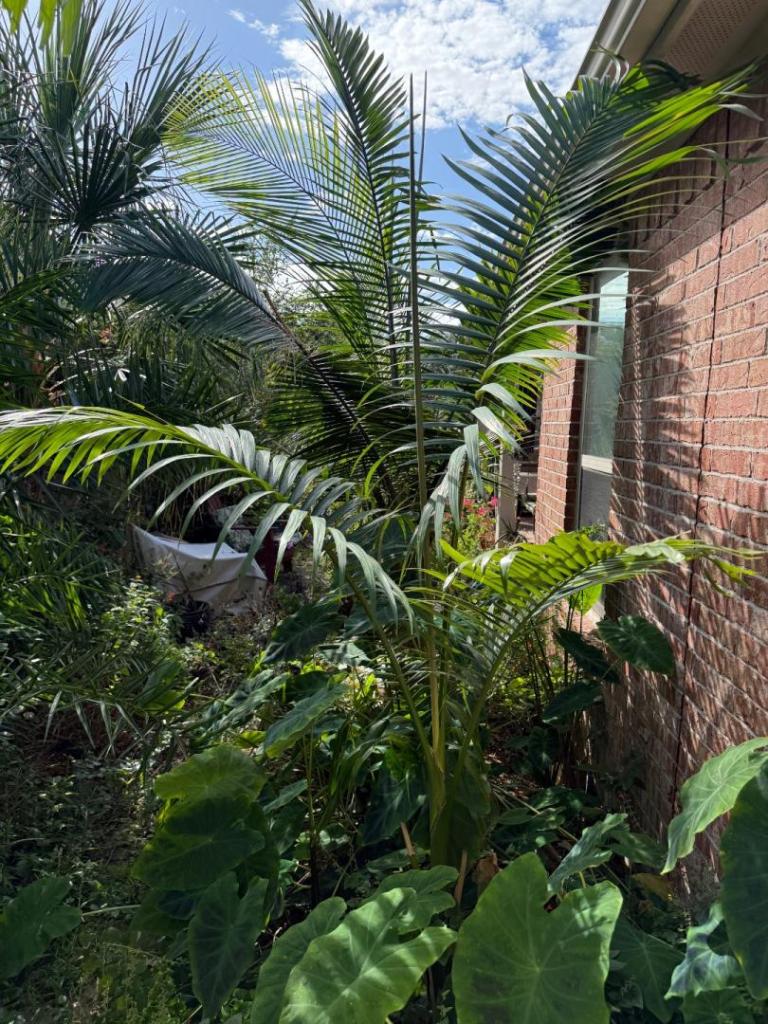
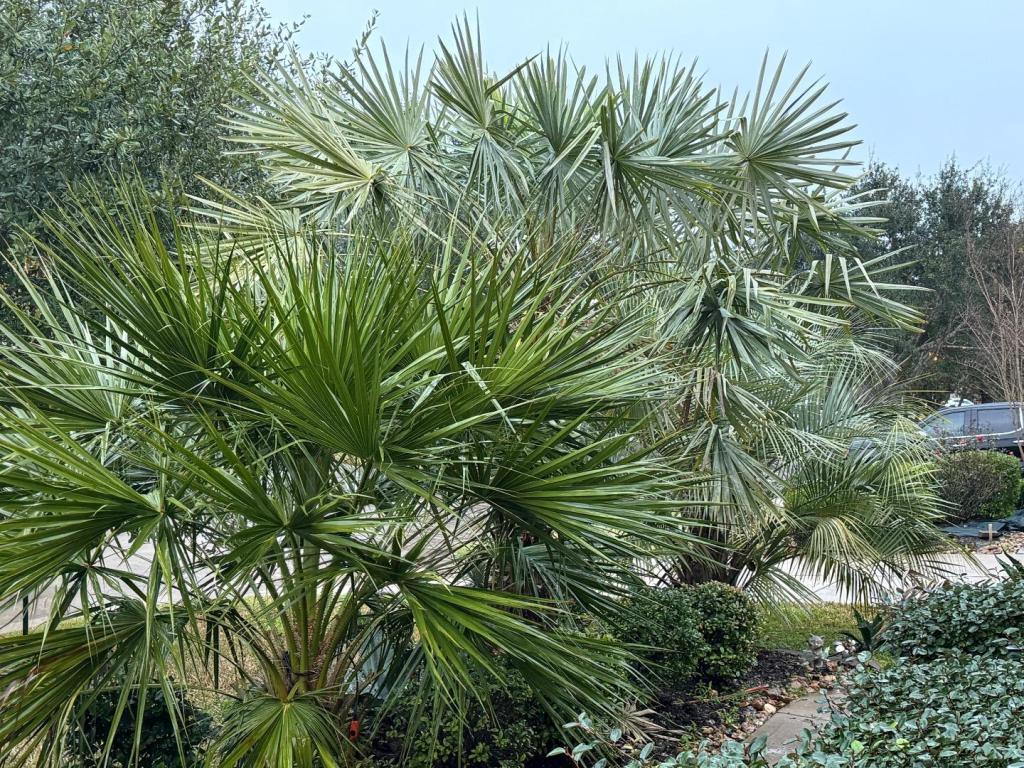
But 90% of your yard needing protection is usually far more interesting. Atleast protection from the last few years, not an eventual average one. I drove into Pearland and spent about 4 hours protecting various palms and other species, some didn’t need it, but there’s a good chance all will survive another year . Sounds like a lot but less than most have spent staring at weather updates. last summer



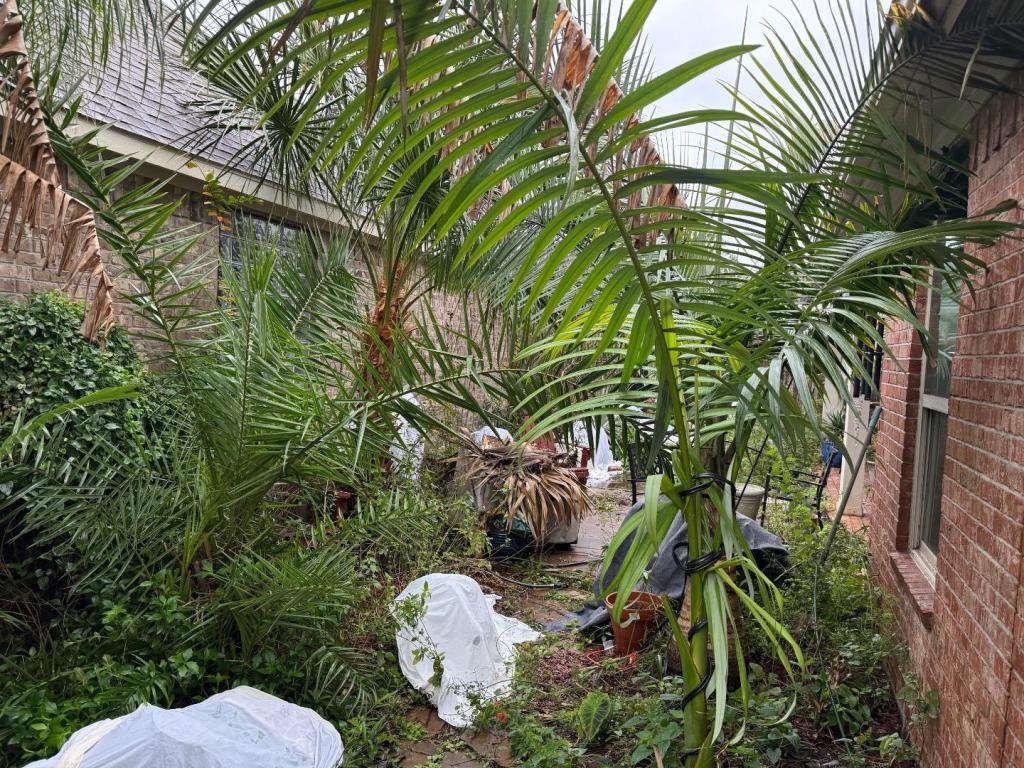
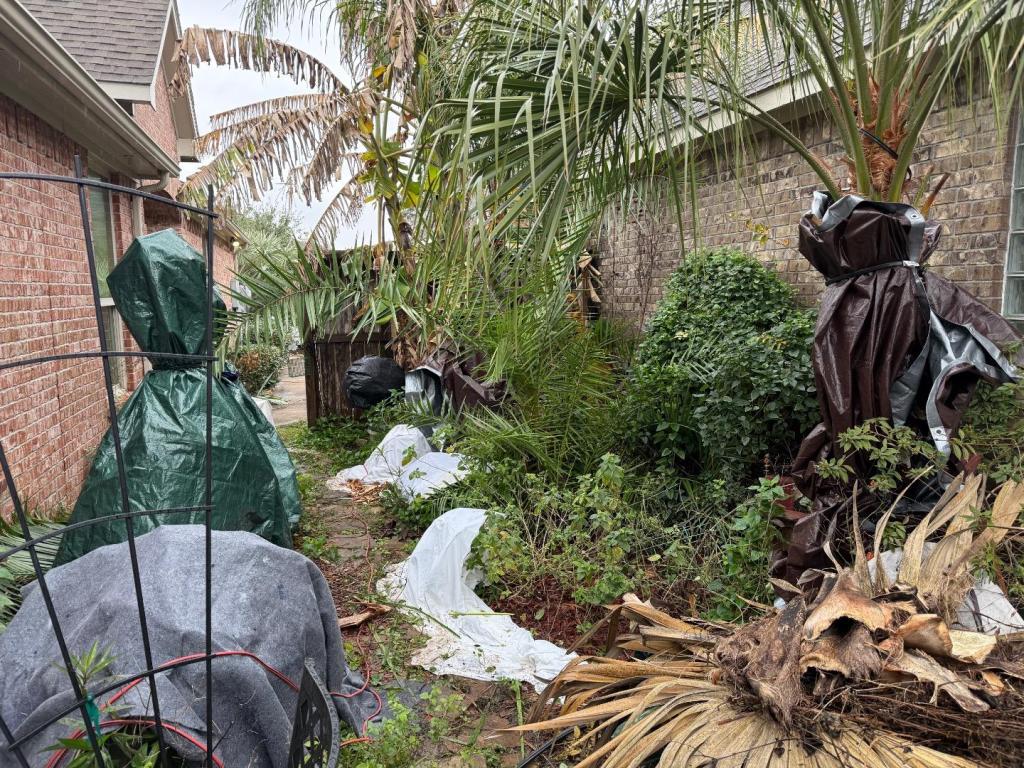
 3 points
 -
In those conditions it’s hard to keep your plants safe . Even with lights and covering it will be colder than most living things can handle. Good luck . Harry3 points
-
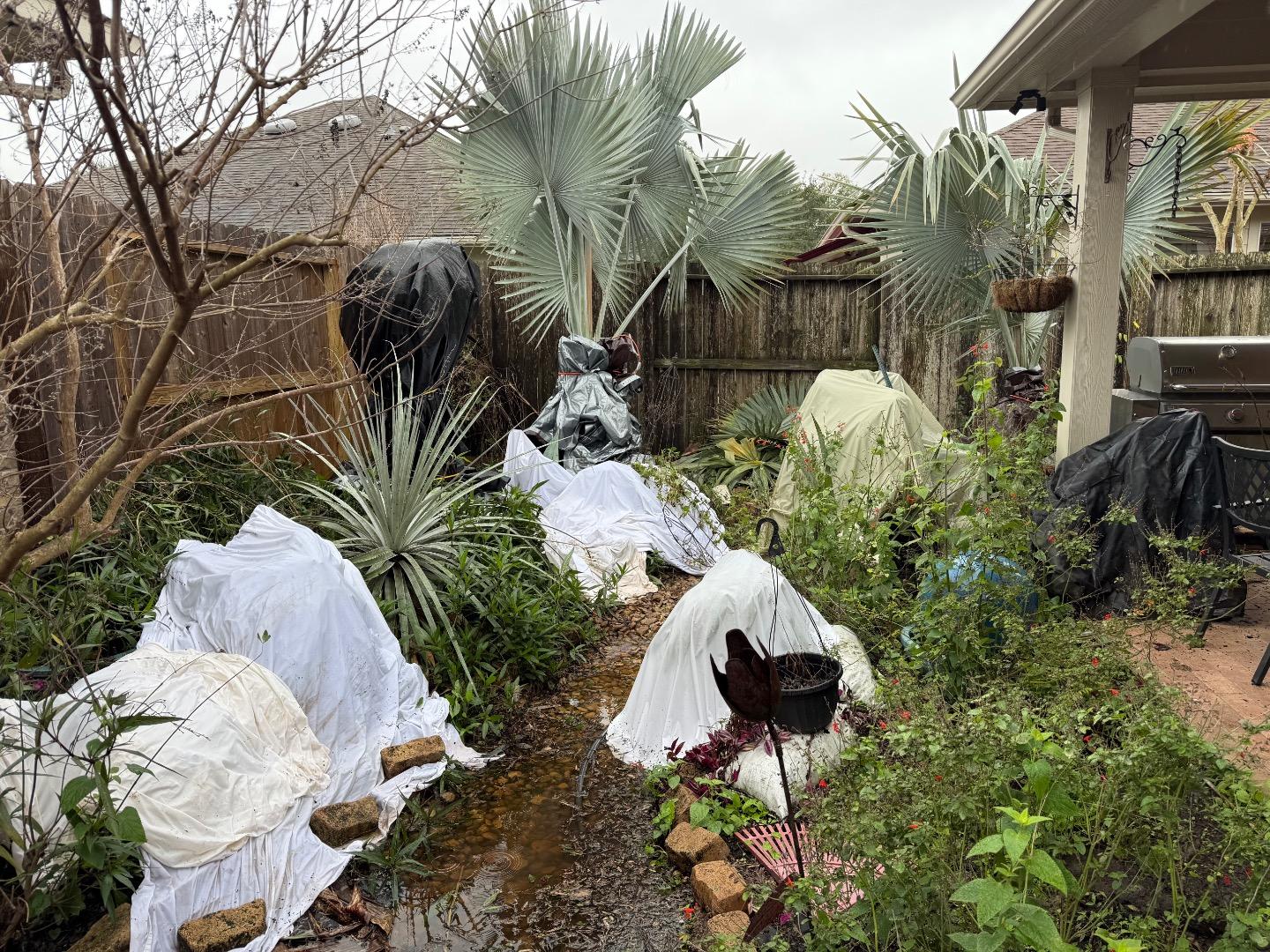
Wish I got some daylight pics. This is before everything got mummified. Crazy I haven't protected at all this winter and now the forecast is 15F🤦♂️


 3 points
 -
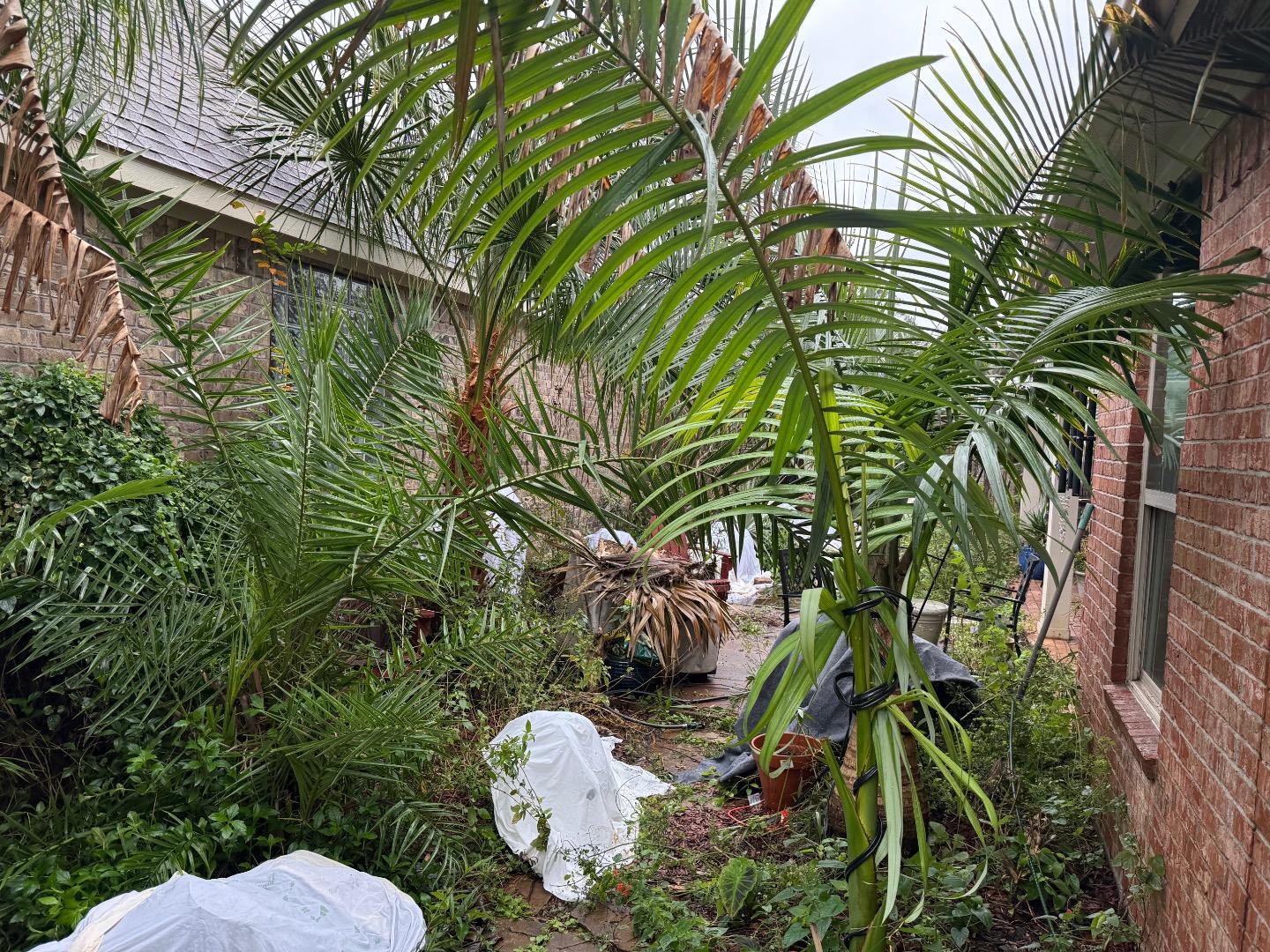
Here’s an update on my largest. Growing but not necessarily thriving. Has trouble holding onto the lower leaves before dying off so it doesn’t have that coveted Hedyscepe look. Just happy it’s alive! 🙌🏻 -dale
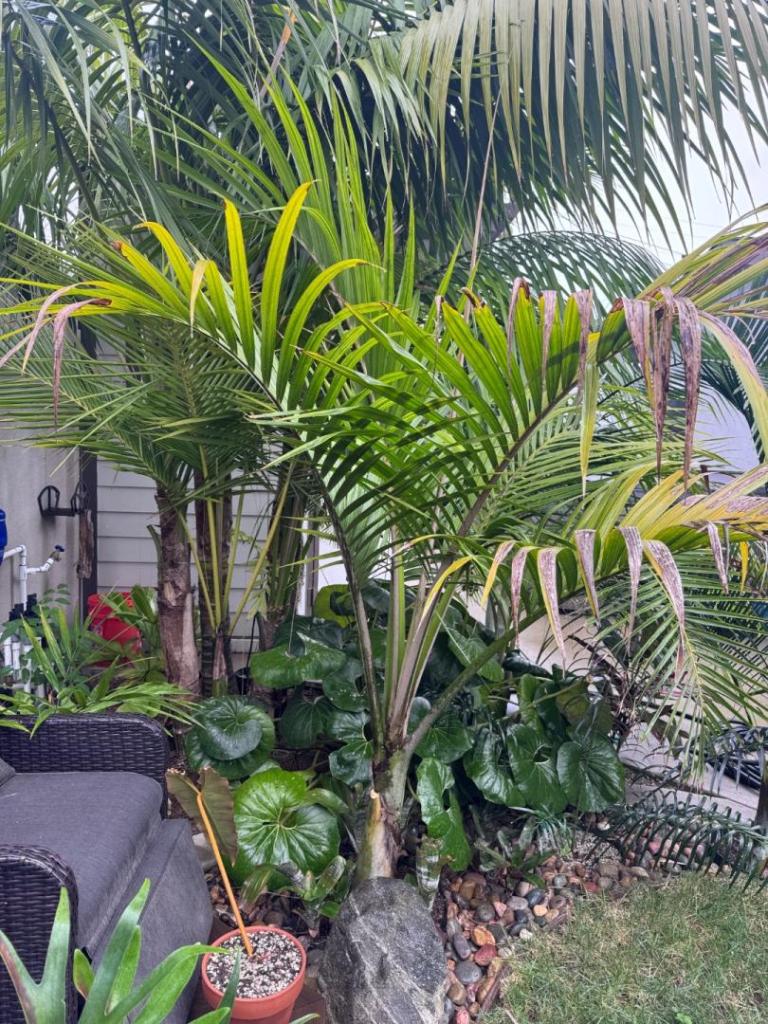 3 points
 -
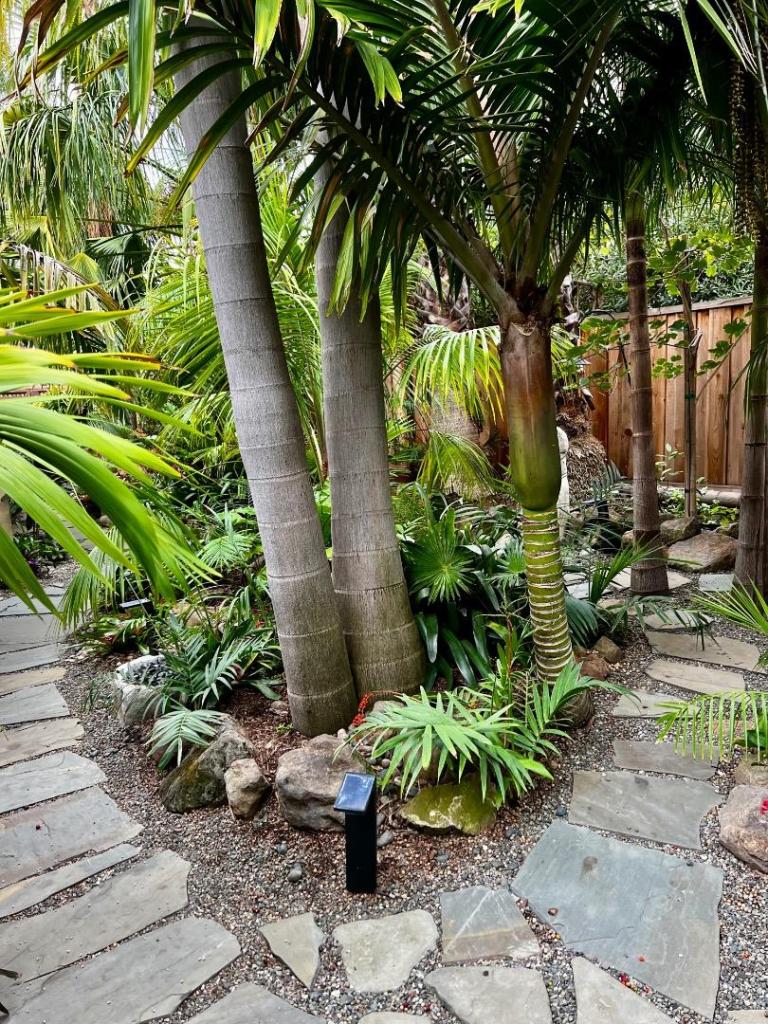
Richard, I planted A cunninghamiana and ‘Illawara’ mostly in groves starting about twenty years ago to create lots of canopy and since then, lots of those palm’s volunteers have grown to maturity as well. Of all “common” palms, they’re easily my favorite. They grow so fast in cooler climates!

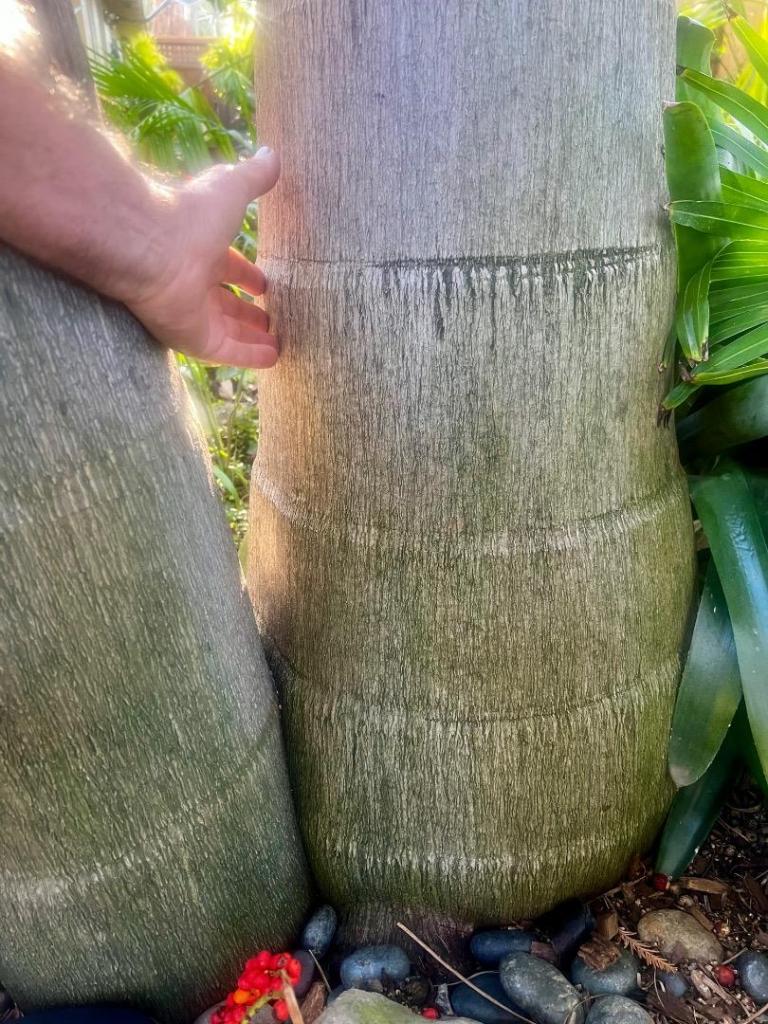
 3 points
 -
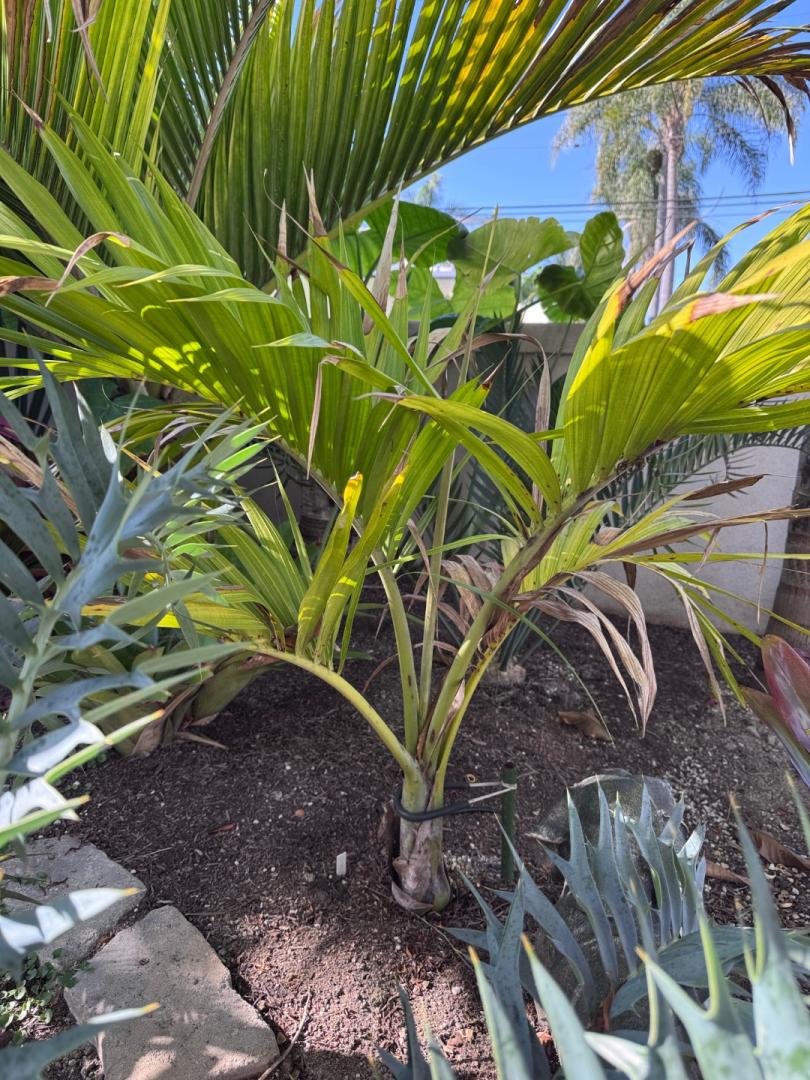
That's going to be a difficult grow in that area. There are several reasons Adonidia merrillii are called Christmas Palms. One is because they tend to set red fruit around Christmas, the second is because, prior to the last 20 years here, they were usually dead by Christmas.3 points
-
do you usually dissect a small sample to check their condition?2 points
-
Float or sink test.2 points
-
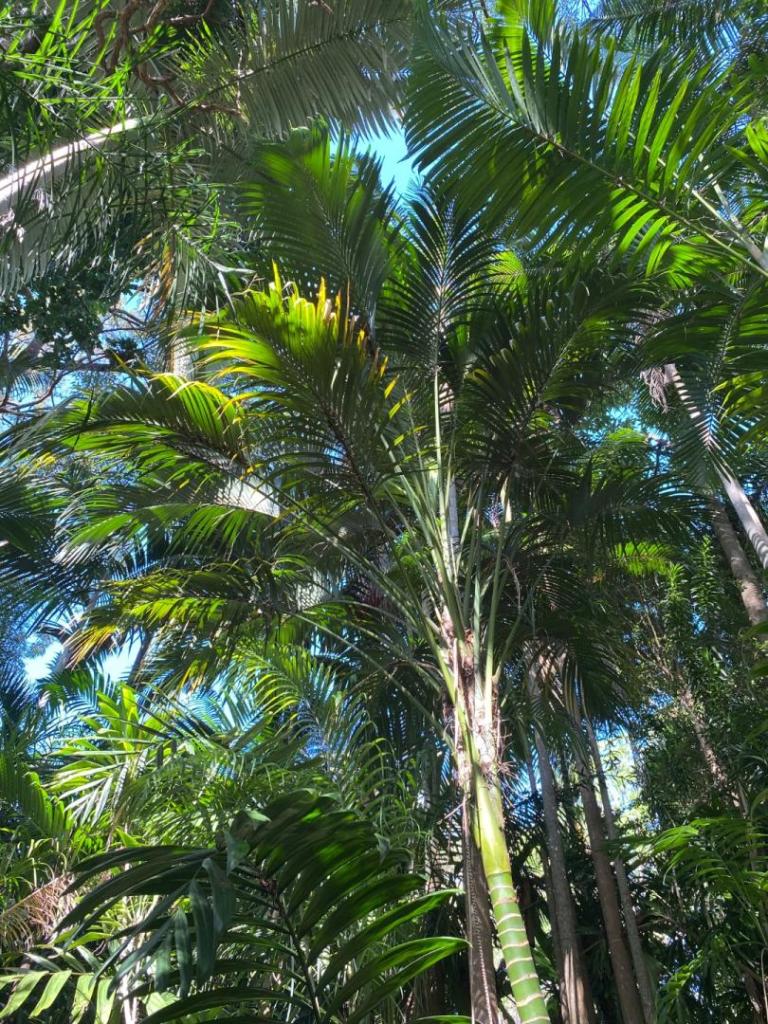
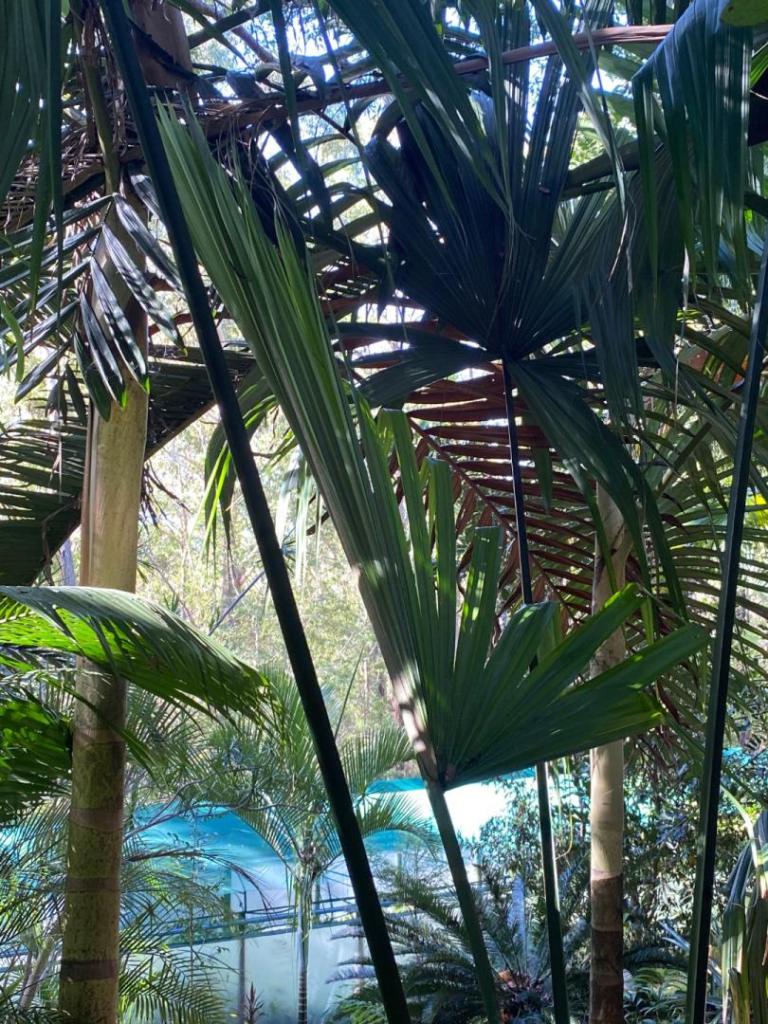
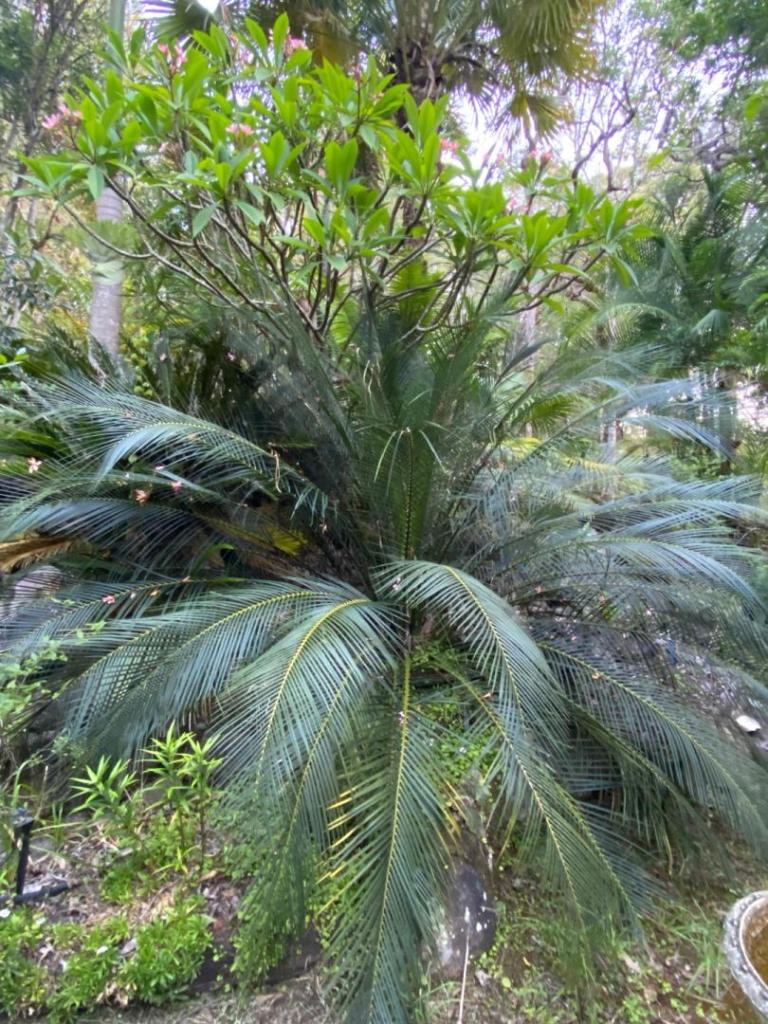
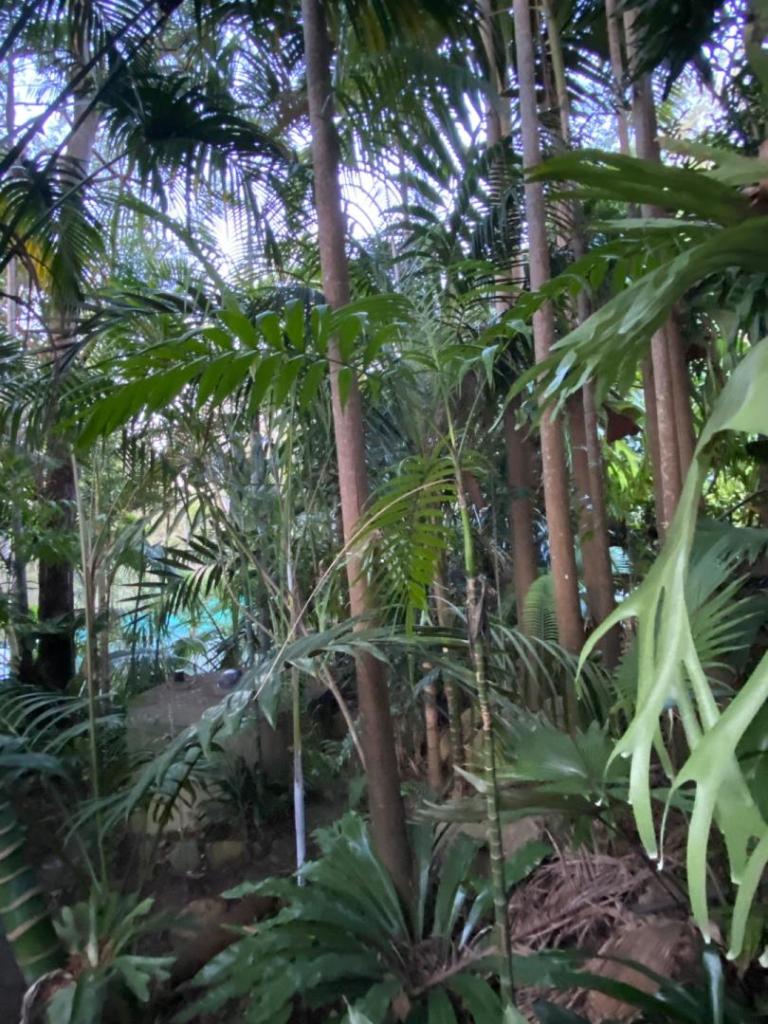
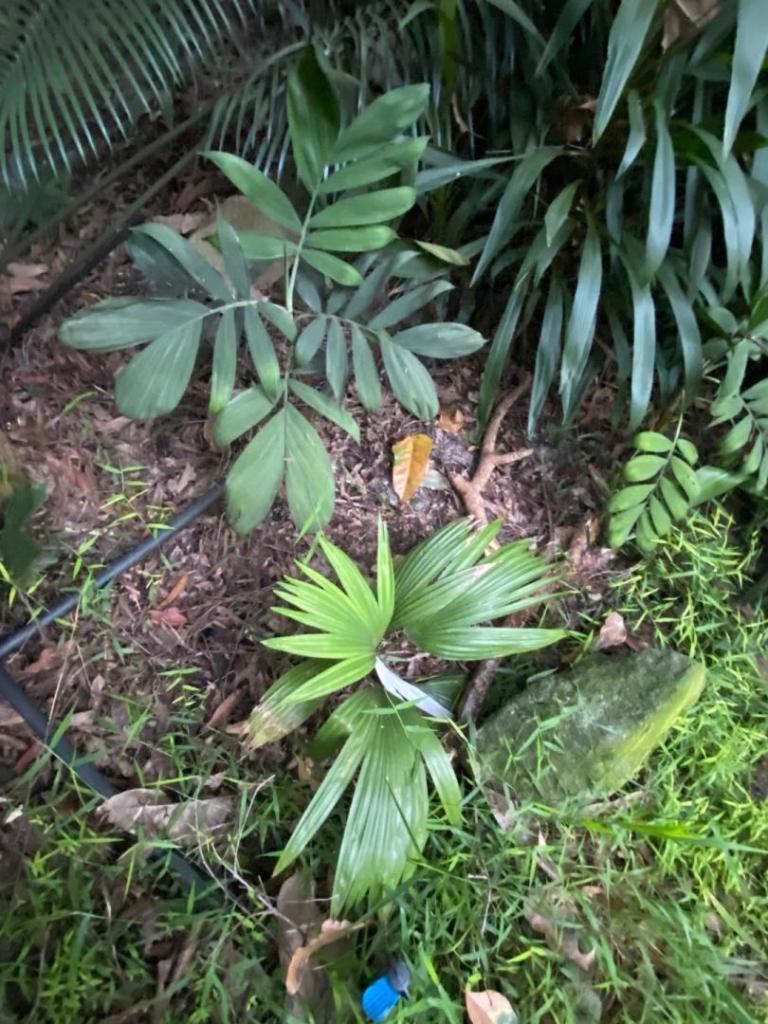
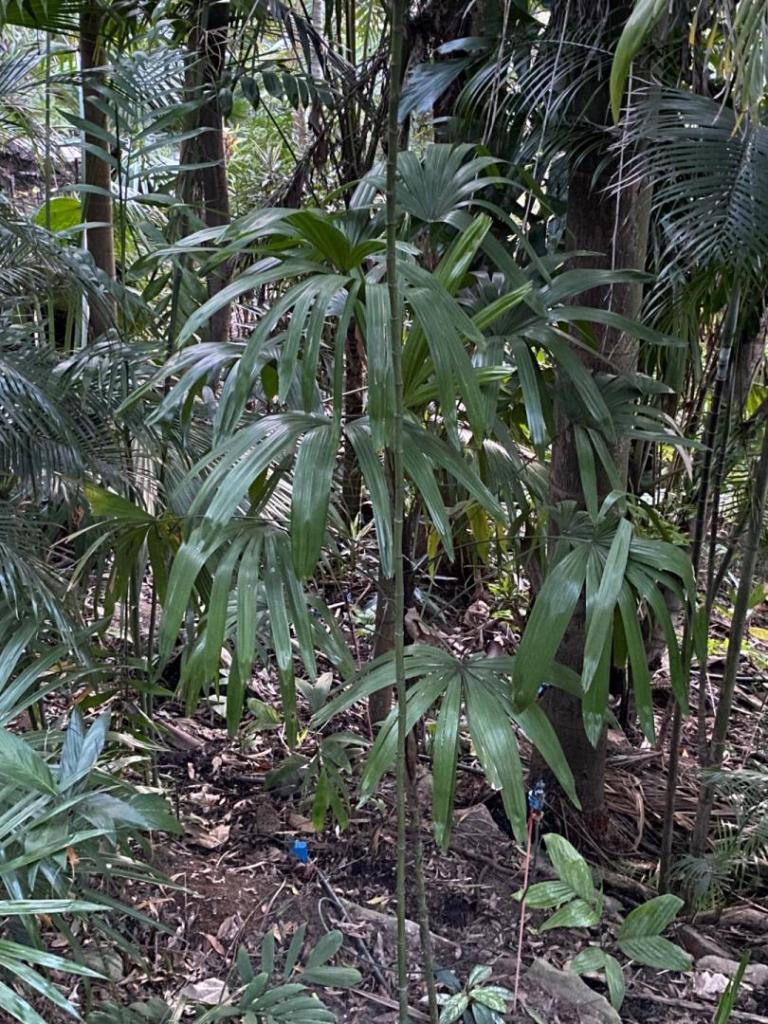
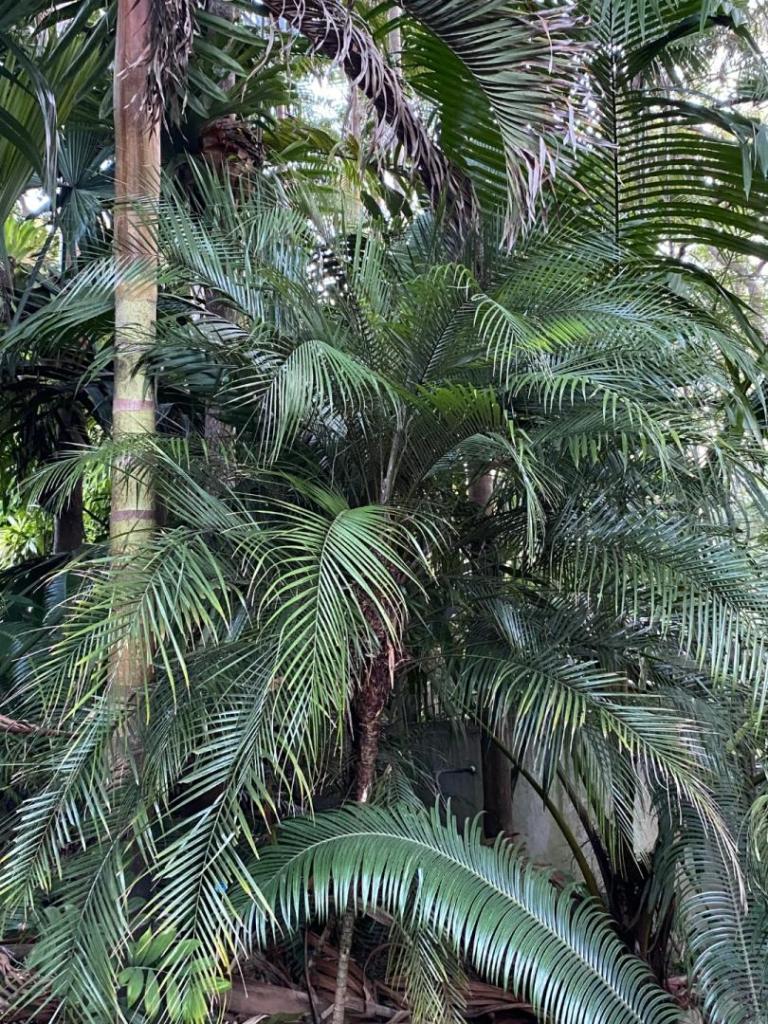
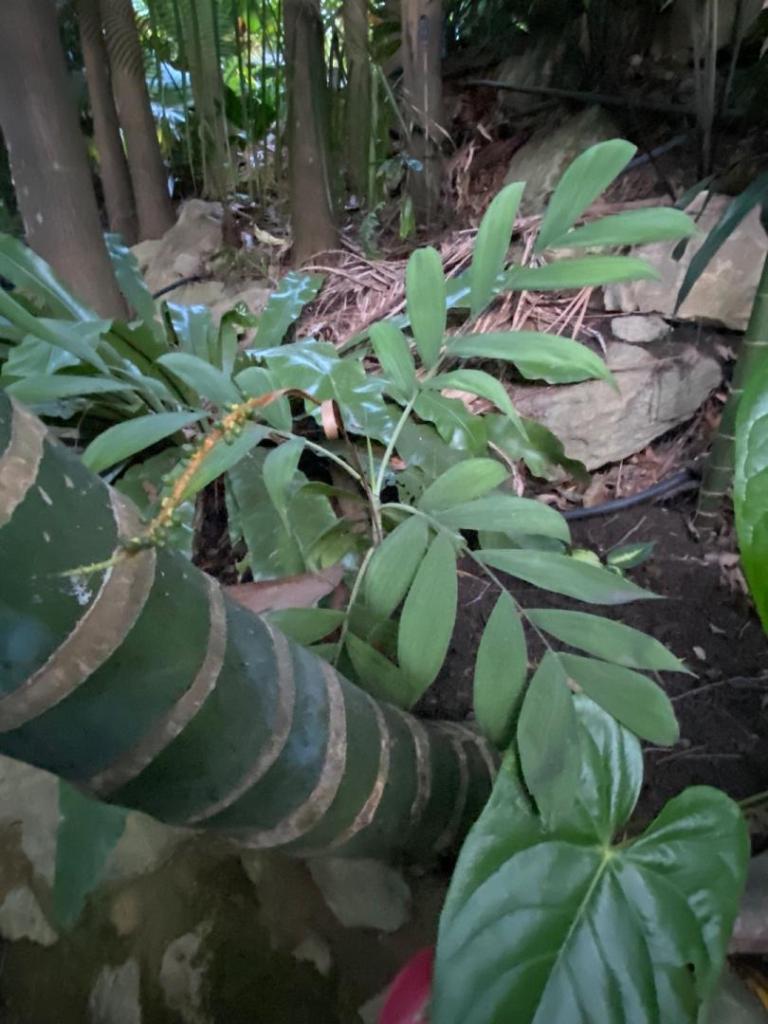
A welcome bit of summer rain never goes astray. The garden certainly appreciated it.







 2 points
 -
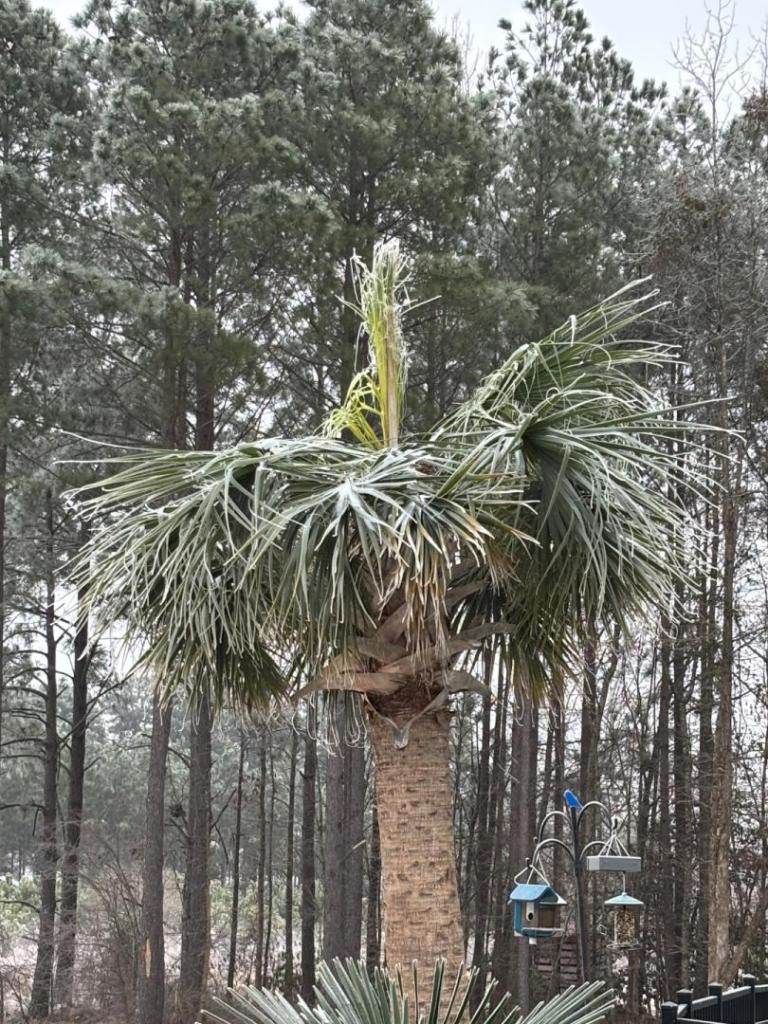
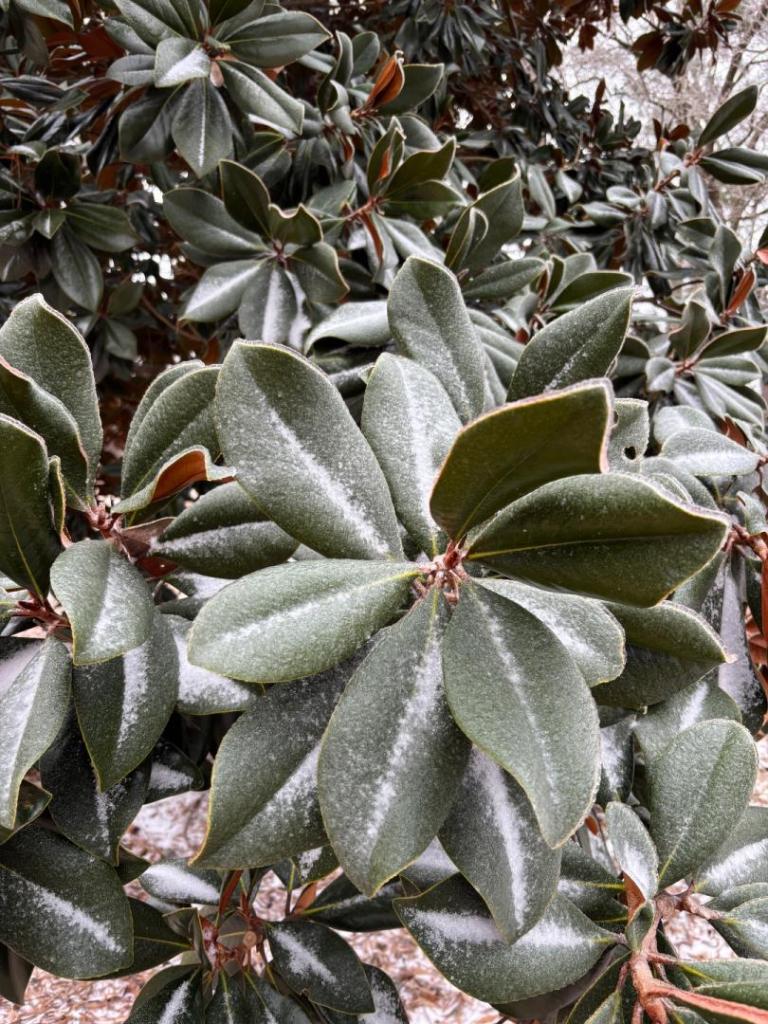
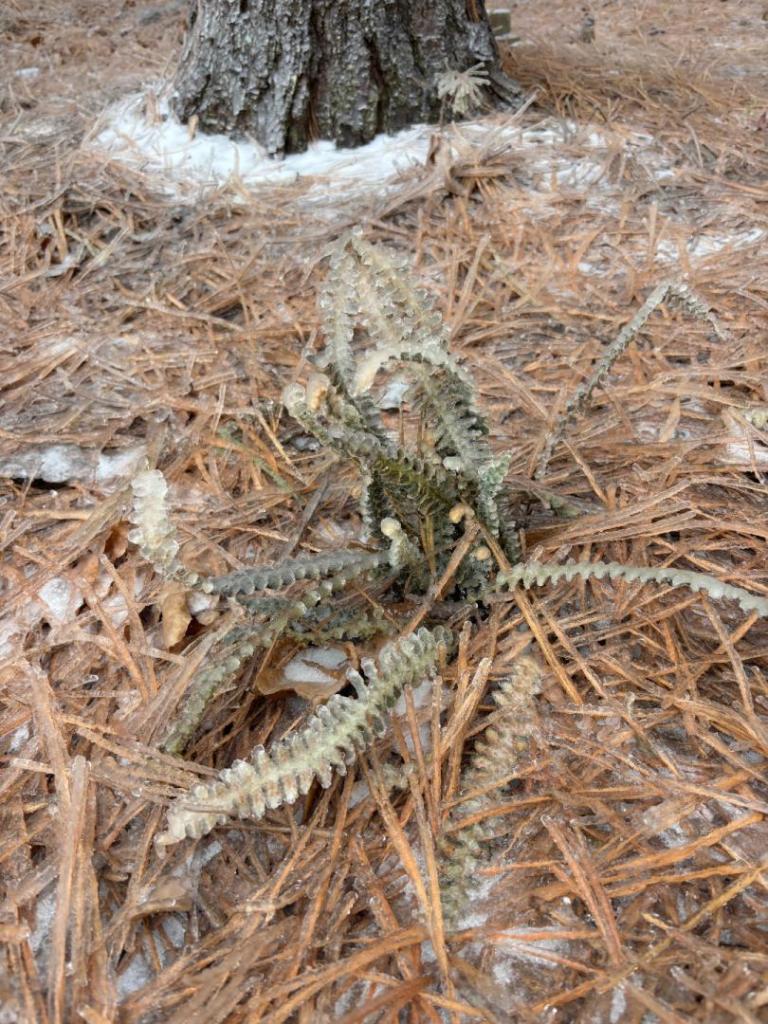
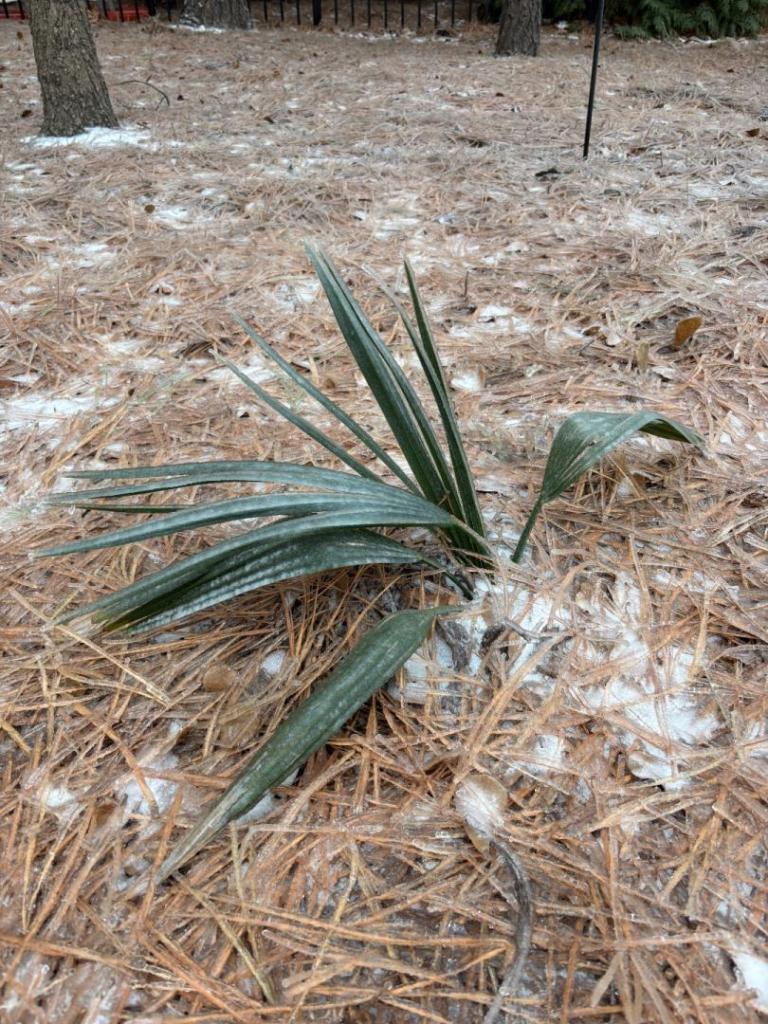
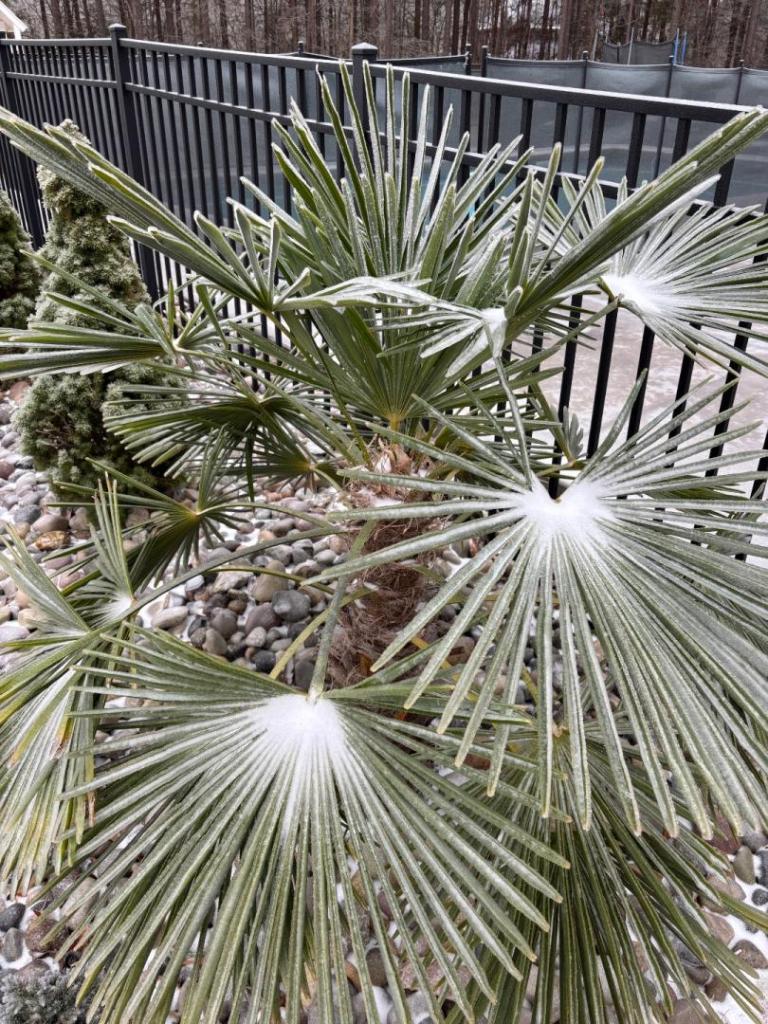
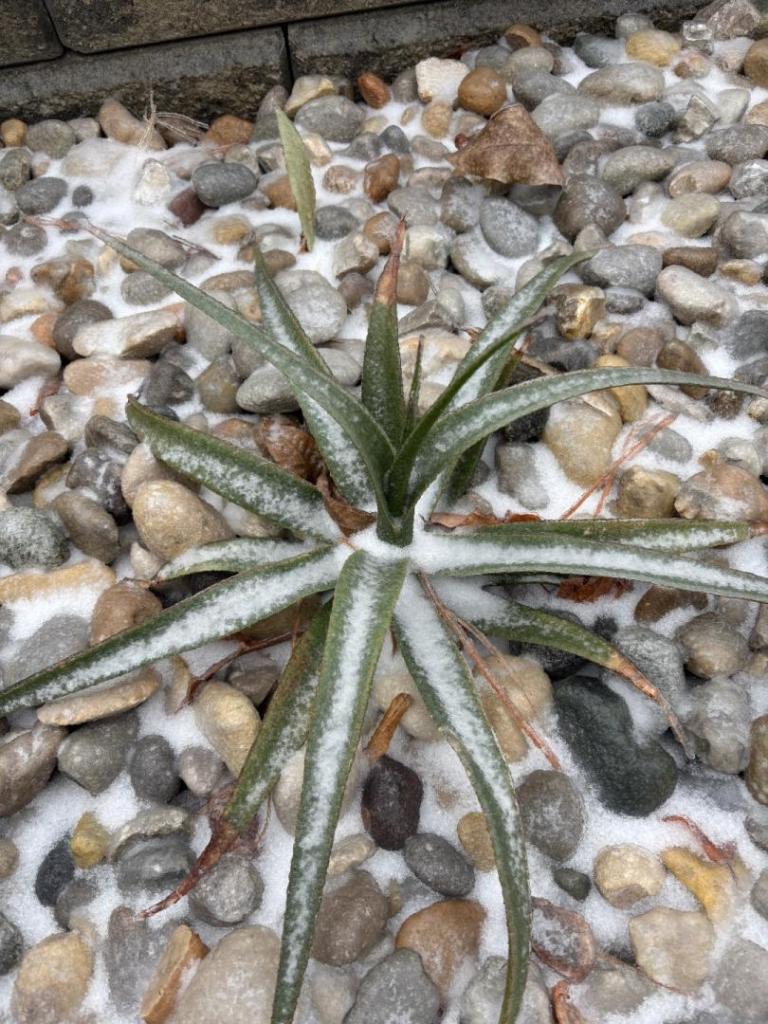
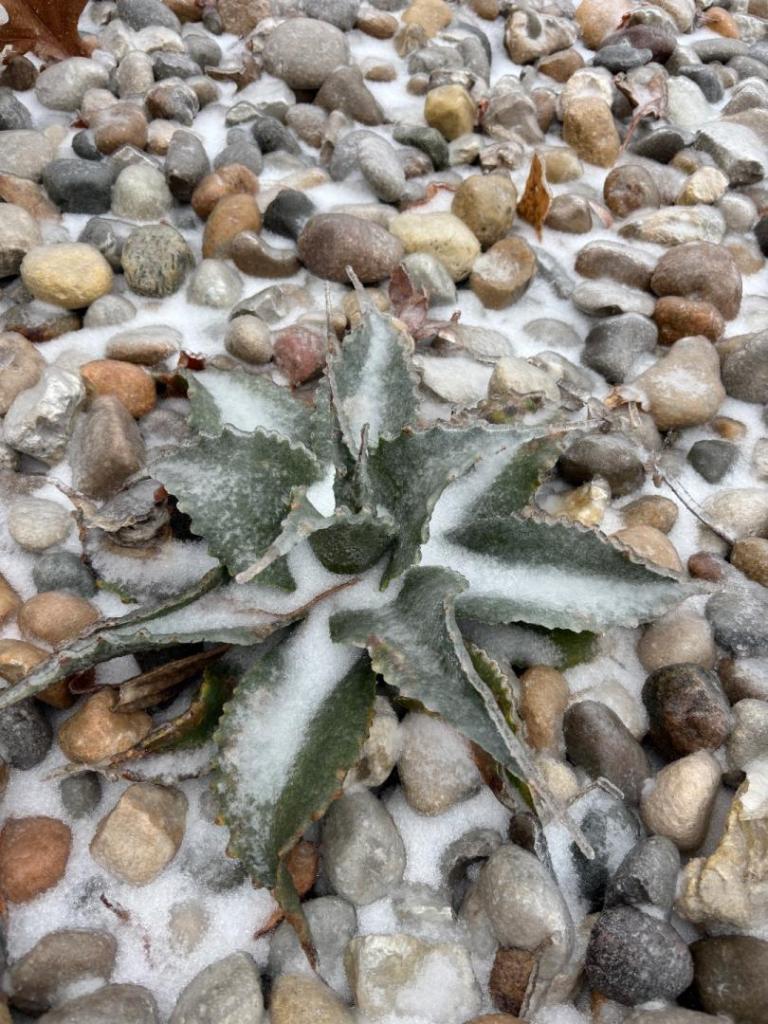
At a solid .25 inches of ice on everything. I added frost cloth to a few small palms yesterday (after @Allen comment). The biggest test will be this coming week - with lows in the teens. A little bit of freezing rain still in the forecast tonight. featured plants include a beautiful Magnolia by our home, some small Sabals, Agave ovatifolia, Illicium, Eucalyptus, trachys, and a Agave bracetosa



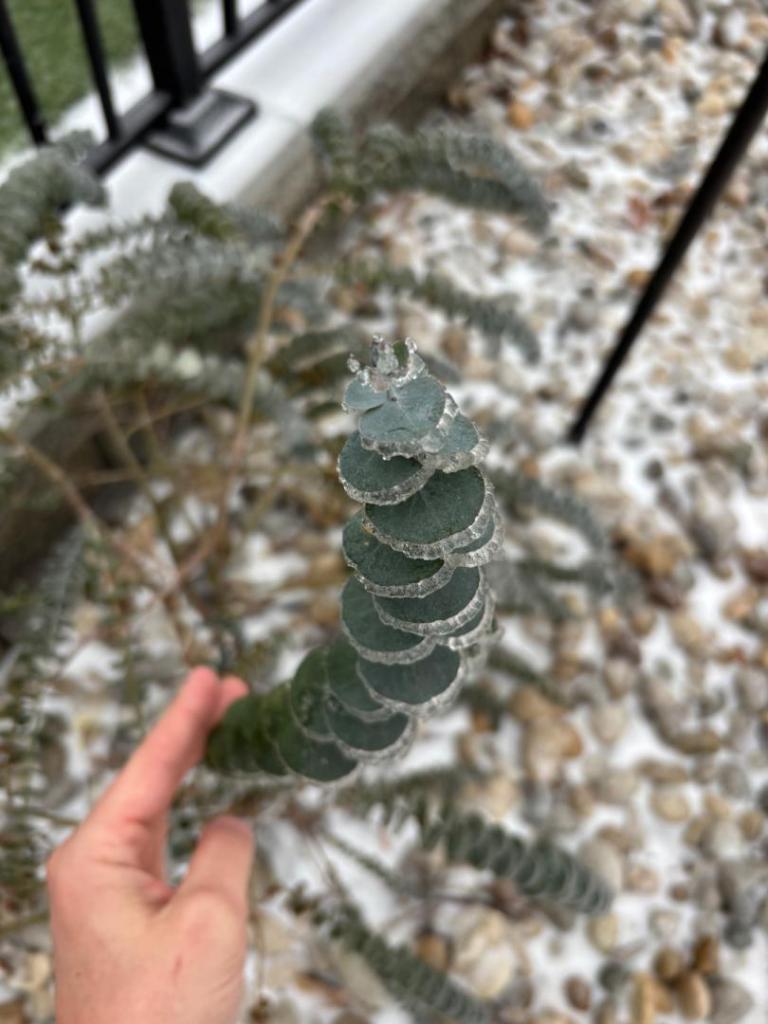 2 points
 -
Just be sure to avoid moisture and should be fine if the temperature is right. I used a pet bed heater for several years and have heard of recycled water bed heaters being used for the same purpose. There's enough stuff in the world so why not repurpose?2 points
-
Over 7 inches of snow on the ground in needmore Pennsylvania
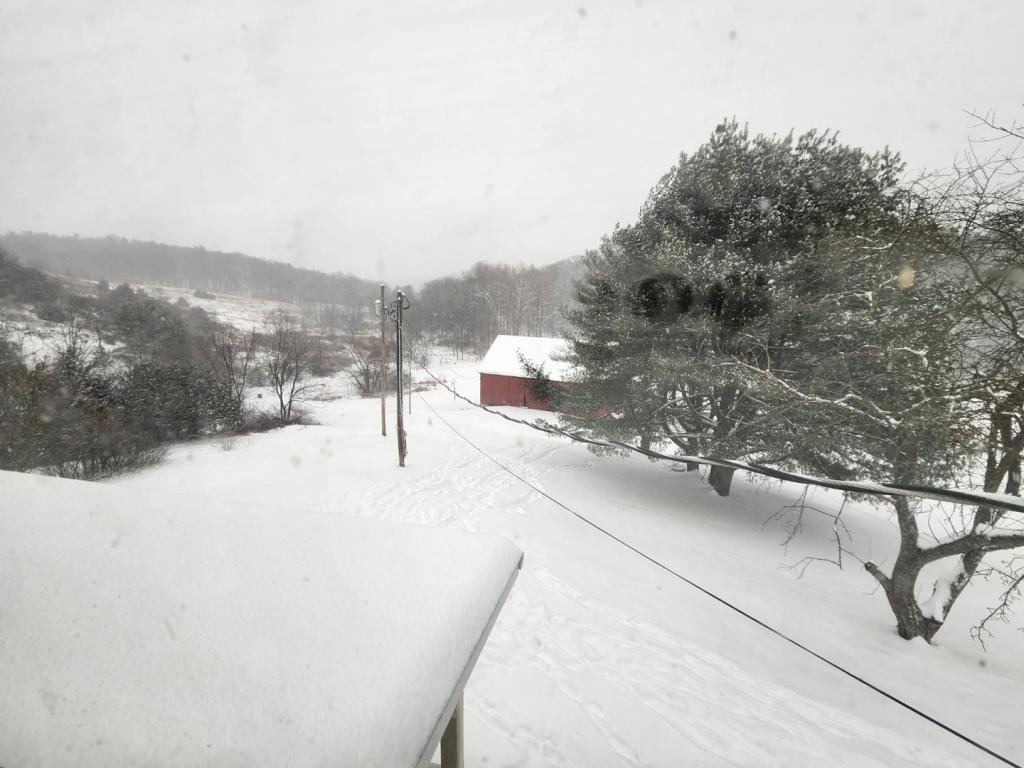 2 points
 -
Ok thanks, I requested 500 so that should be enough for everyone.
 2 points
 -
@Xenon same here. We were down to 33F and thunderstorms for hours. Some periods of torrential rain but fortunately no freezing rain or ice. I’m hoping now that the ground is saturated it’s going to be that much harder to freeze. I’m starting to see some patches of blue sky now. Hopefully we stay above freezing for at least the daylight hours.2 points
-
I'm kind of in Harry's camp, and I know some people do dissect seeds but it's a bit of trouble for many of us to do that (and to correctly interpret the condition of the endosperm)...I have found that the best results come from known sources, such as palm-knowledgeable collectors. Most of the seeds available from general seed-vendors online are dead-and-gone to begin with. Some of the orthodox types like Phoenix may still be okay, but you might want to research what's orthodox or recalcitrant before plunking down your hard-earned money. Try to find reliable people, IPS members or otherwise, who will share or sell to you and you can probably forego the dissection issues. I expect that RPS will stand behind their seed and you are in the EU so don't have the nightmare issues we do importing seed into the USA. I have seen it stated in various threads over the years here to buy only seed listed as "NEW" on their site for near-guaranteed results...not sure if that's a valid standard to use or not, as I've never purchased from them. Are there any other knowledgeable and reliable commercial palm-seed vendors in Europe in addition to RPS? I never see anyone discussing anybody else.2 points
-
The minis provide plenty of heat if wrapped in frost cloth. Here is a chart of outdoor temp vs the butia temp and below a video showing the lights and wrapping. I don't use C9 because every year about 10 people give me reports of them burning their palms or killing it if they bunch them around spear or mummy wrap too tight. Mini's are much gentler on the palms. I have protected 15 palms over the years with just mini's and frost cloth and a cover like a tarp or umbrella cover in temps down to -6F. C9's are ok if they are used in a more open enclosure or not touching fronds/spear or bunched but I wrap my palms in a small diameter https://www.youtube.com/shorts/ojpwc-TSfQU https://youtube.com/shorts/MFef56JXka4
 2 points
 -
Those miniature Christmas lights don't generate enough heat to save anything. You need to step up to the old fashioned C9 incandescent strings of 25, (available online) and provide a cover, tied at the trunk like a lollipop, to hold in some of the heat generated. Cotton/poly car covers or large frost cloths sewn together work good for larger canopies. An ounce of prevention is ALWAYS worth 10 pounds of cure. 🤷♂️ aztropic Mesa, Arizona2 points
-
Man, that thing is perfect looking!2 points
-
Not as bad as up north but the damage is already taking place. We buttomed out at 21/22f with everything covered in ice. Hopefully the ice melts before sunset . Tomorrow morning will be even colder.


 2 points
 -
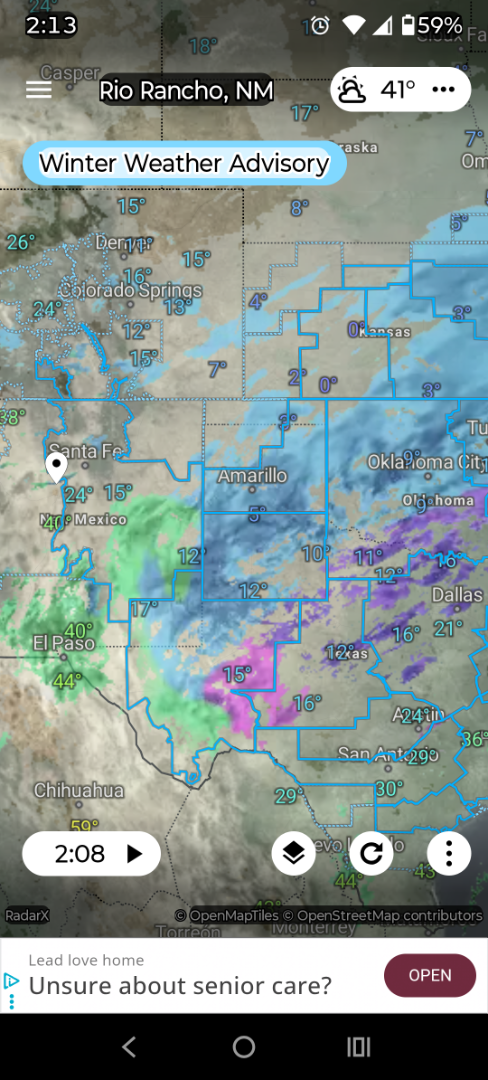
You are ultimately correct on the Rockies protecting us. Our arctic cold never comes from the north, only the east. Which the Sandias/Central Highlands offer us some protection. But when that arctic air is on the plains to our east, and a low pressure system to our west, we can get our coldest(east winds). The cold is "sucked" thru and over the Sandias.2 points
-
Thanks! Yes, the "twins" or curved filifera are settling in. The largest filifera is about 16' tall.2 points
-
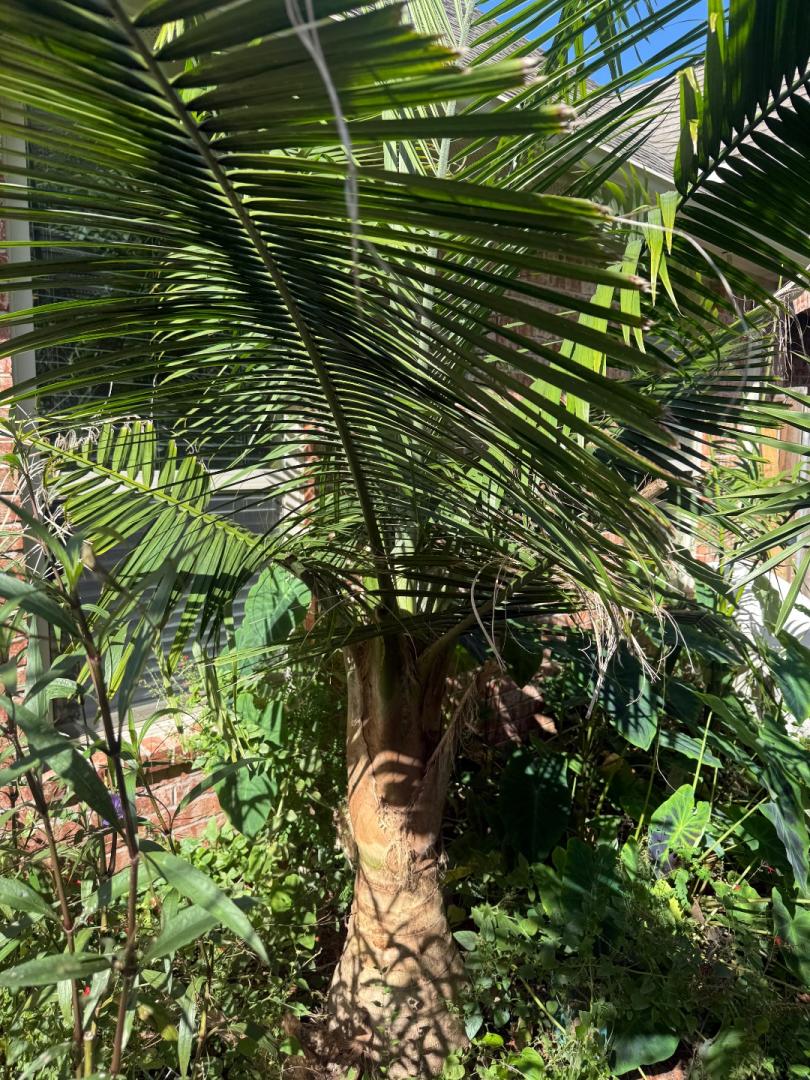
I am growing a Roystonia Oleracae at my place in a micro climate area of inland Southern California . I have been in this house for over 28 years. The lowest temperature was a brief dip to 38f once. Usually the coldest we get in winter is low 40’s but more common upper 40’s to low 50’s. The R. Oleracae is supposed to be less cold hardy than Regia but I chose it for the smaller trunk . I was told by Phil at Jungle Music , where I purchased it. , that it would die when winter came . It is very tall now and growing fairly well , although I’m sure it would look better in a tropical environment. A year and a half ago I increased the watering dramatically and it is looking much better. Harry This was taken right after I had the large Syagrus trimmed ( to the left of the the R. Oleracae ) last winter .
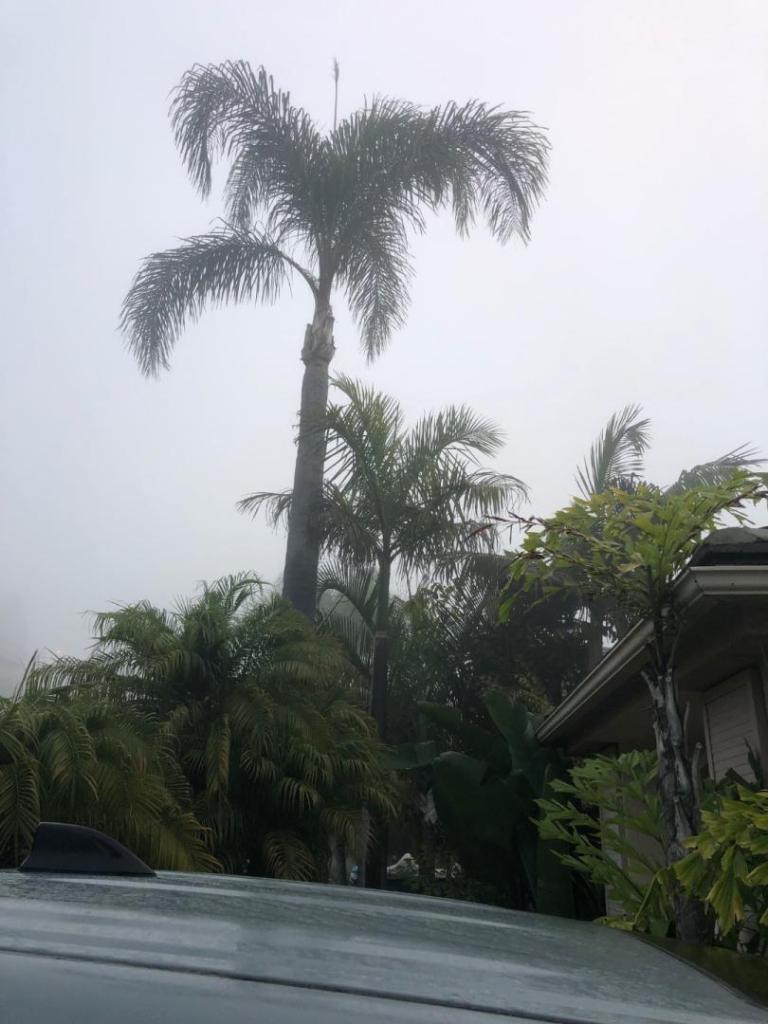 2 points
 -
I have one too, a little tree, 2m tall; I planted it last summer and has grown soooo slowly. Perhaps it is focusing on roots. It's a lovely tree that looks quite tropical, makes sweet fruit and the roots do not damage structure.2 points
-
Thank you very much, Harry 🤗. Yes, everyone seems to be doing well, considering it was the coldest January in a long time, with an average temperature of 0.2°C, and that's only thanks to the microclimate in the community garden.2 points
-
4:20 AM and by some miracle both the garden in Katy and my place at 610 are above freezing 😯 The local media had the freeze line projected at 12 AM in Katy and 2 AM in Central Houston. Celebrate little victories lol It's 33F with thunderstorms... probably the most bizarre thing I've ever witnessed here. Maybe the storms and lightning are mixing up and injecting heat into the atmosphere? 🤷♂️😅

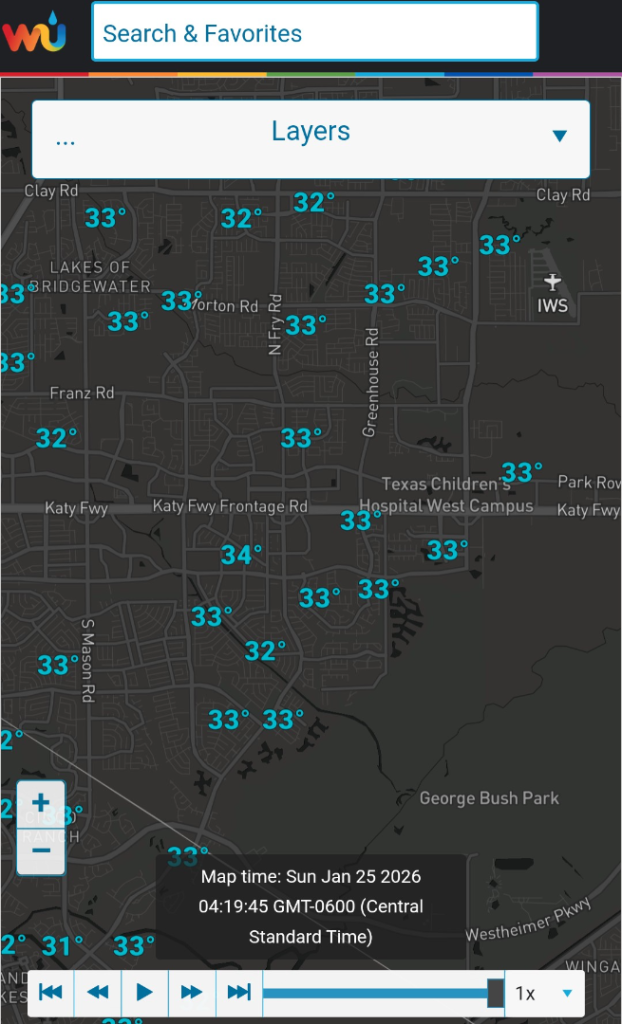 2 points
 -
It takes patience sometimes . I have learned some tough lessons on easier palms than those . For many years I just grew easy ones , then built a greenhouse to make it easy for some more difficult palms . When I moved to this place with no greenhouse , it got real . I am learning too. Some good looking seedlings , good work there . Keep pushing the boundaries and learning what the little ones want . Harry2 points
-
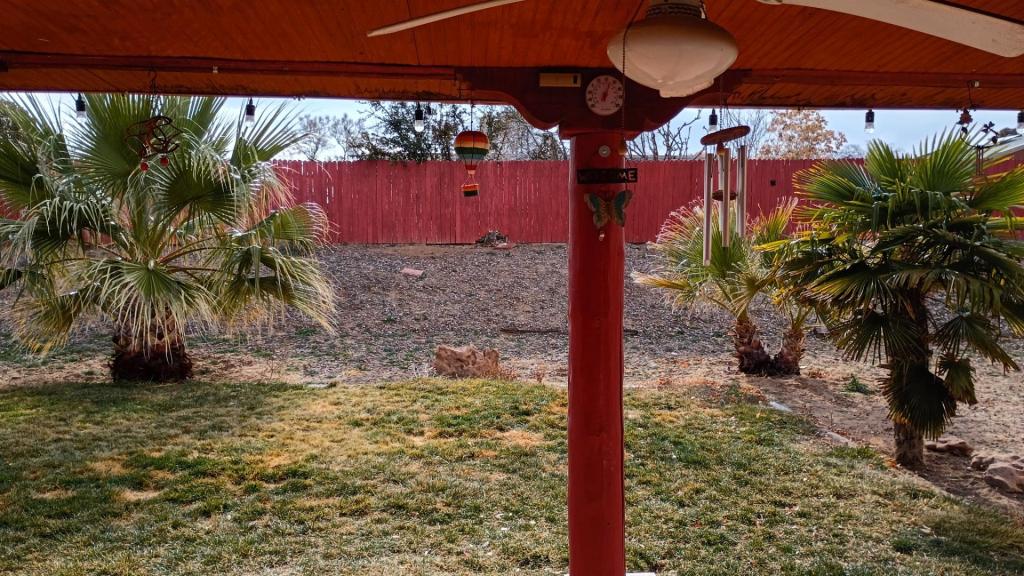
Sandias did the protection And a microclimate definitely helps 40f in ABQ 41f double eagle 20f Moriarty 6f in Amarillo 50f+ something in my backyard/porch with partial sunshine! Might be a different story if the low pressure was to our west.

 2 points
 -
ATL at 43° and dry all day2 points
-
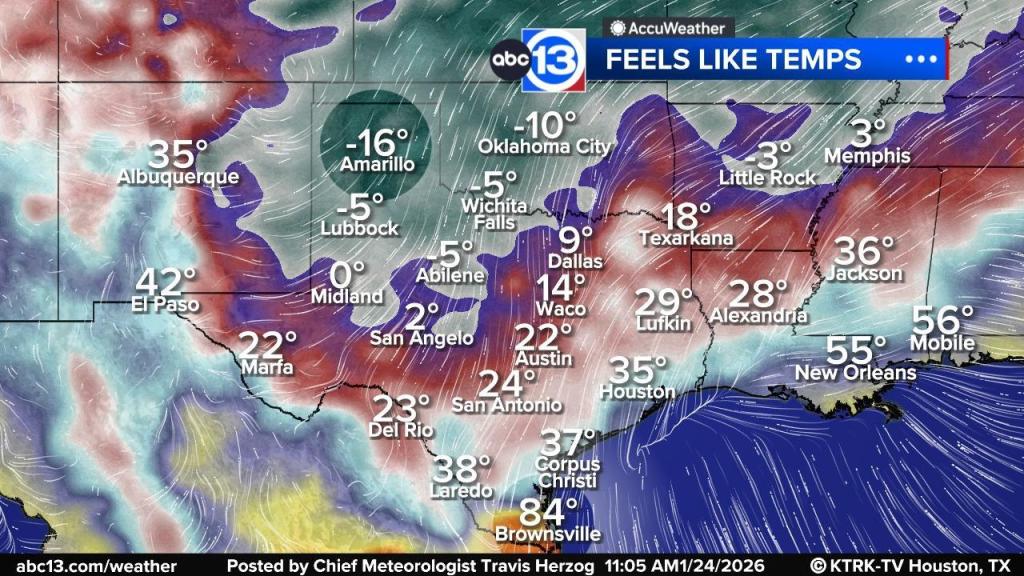
LOL toasty Brownsville actually clocking in a heat index with its 70F dew point
 2 points
 -
This is 100% truth. I got all my protections done. I feel a lot better. This is only my third winter but I have quickly learned that whatever temp they predict during these arctic outbreaks is going to be higher than actual values we'll see. All my palms have been planted this year and a few from the year before so they are not established. I have to take extra precautions. I'm a broken record on this forum saying that I just want an average winter.2 points
-
Good for you, Harry! They look super healthy now. You almost can’t walk through my landscape without seeing Archotophoenix. They’re everywhere. Nothing here seems to ever bother them either. Without them, I’d have WAY fewer palm species since they are the main shade producers. The low winter sun manages to get through though which is a plus.

 2 points
 -
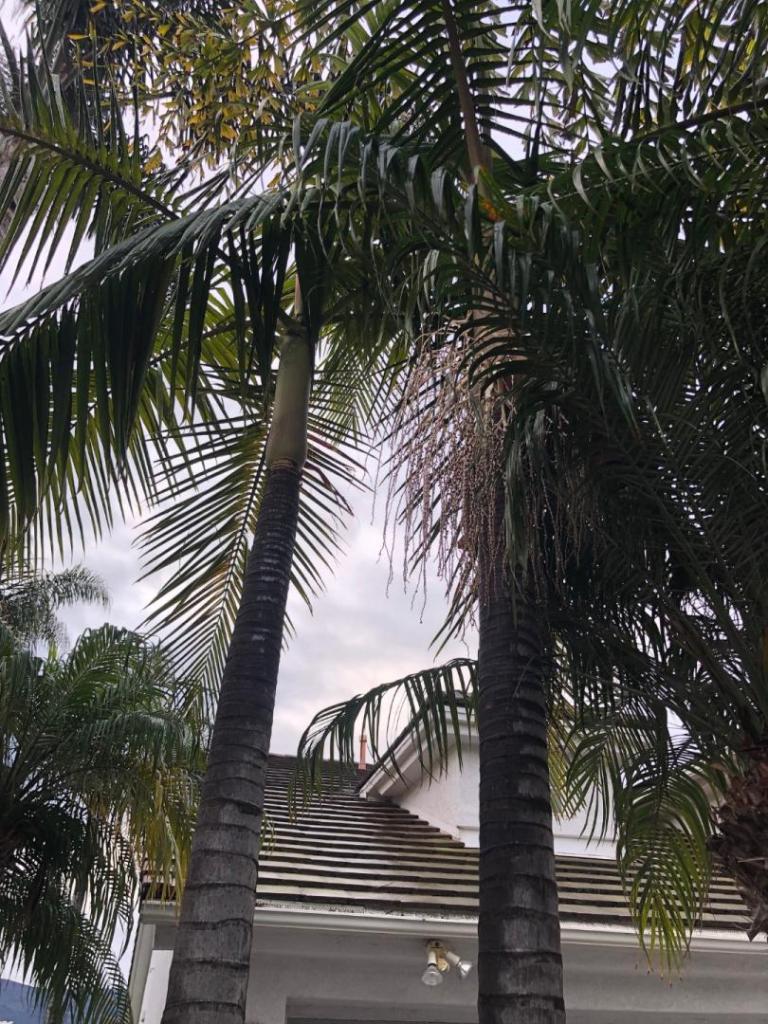
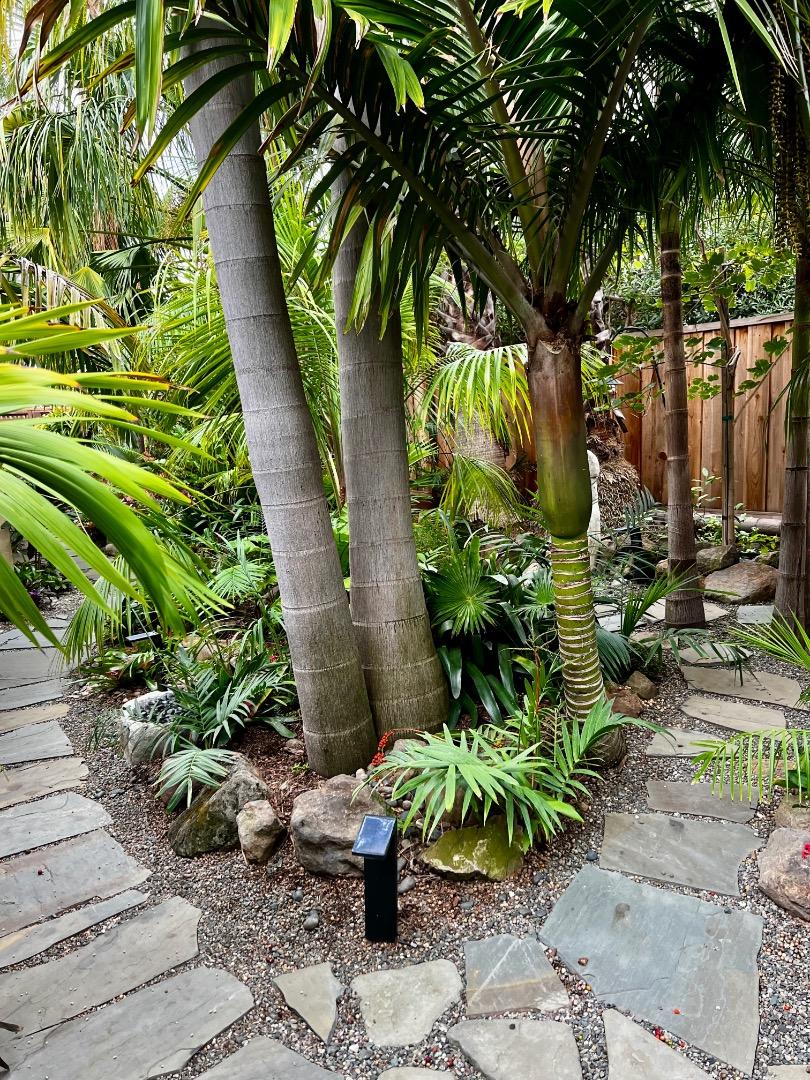
@Jim in Los Altos, you have a pair similar to mine . I had to do a double take . Harry These were in a pot in an office where my shop is. They were sad and full of spider mites . They were very small and I wasn’t sure they’d make it . Then a few years ago , I cut a bunch of the roots to put a pathway in. I thought for sure they would die ….nope! They have thrived .

 2 points
 -
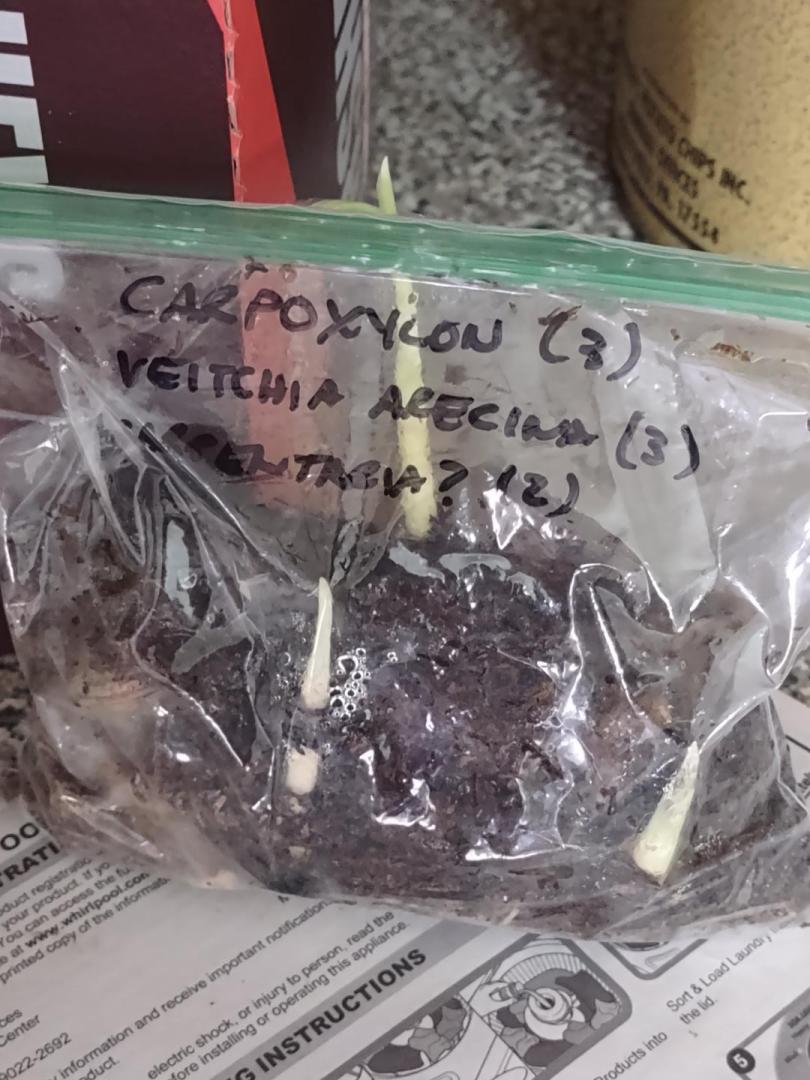
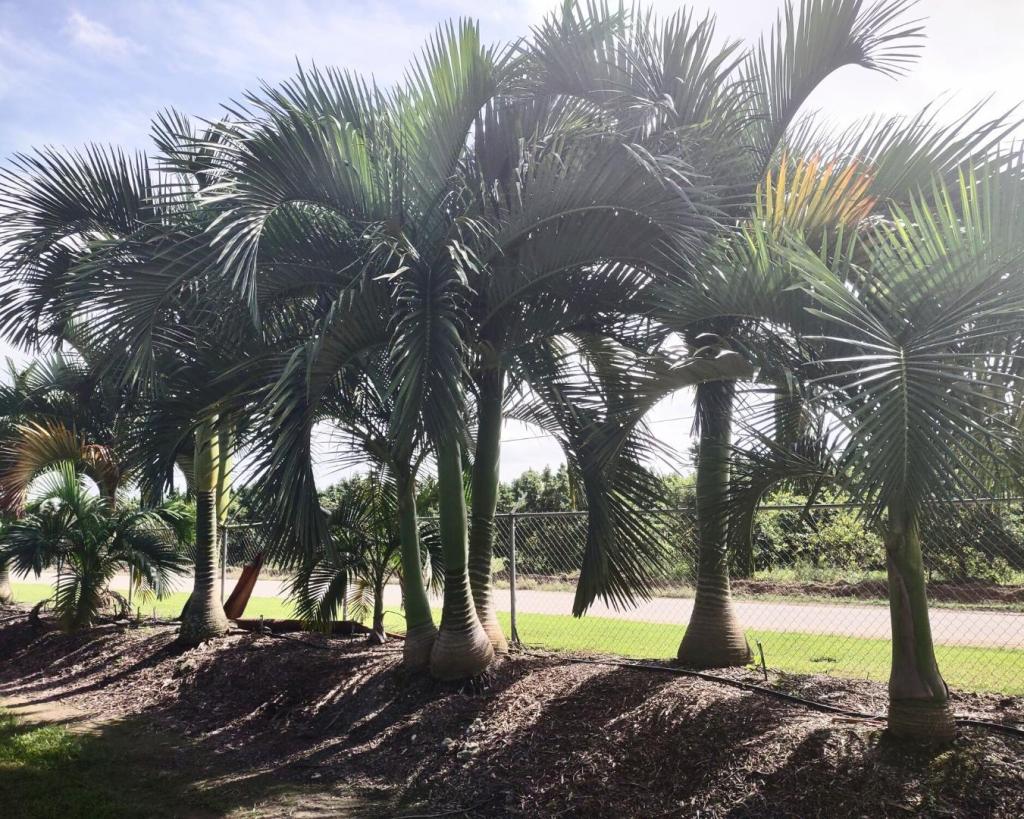
I found them quite easy and satisfying to germinate as well. I was given some fresh seeds at the palm society sale at Fairchild Botanical Gardens in the Miami area back in November and all 5 germinated within a month. I used the baggie method and one grew up so quickly that it punctured a hole in the baggie!

 2 points
 -
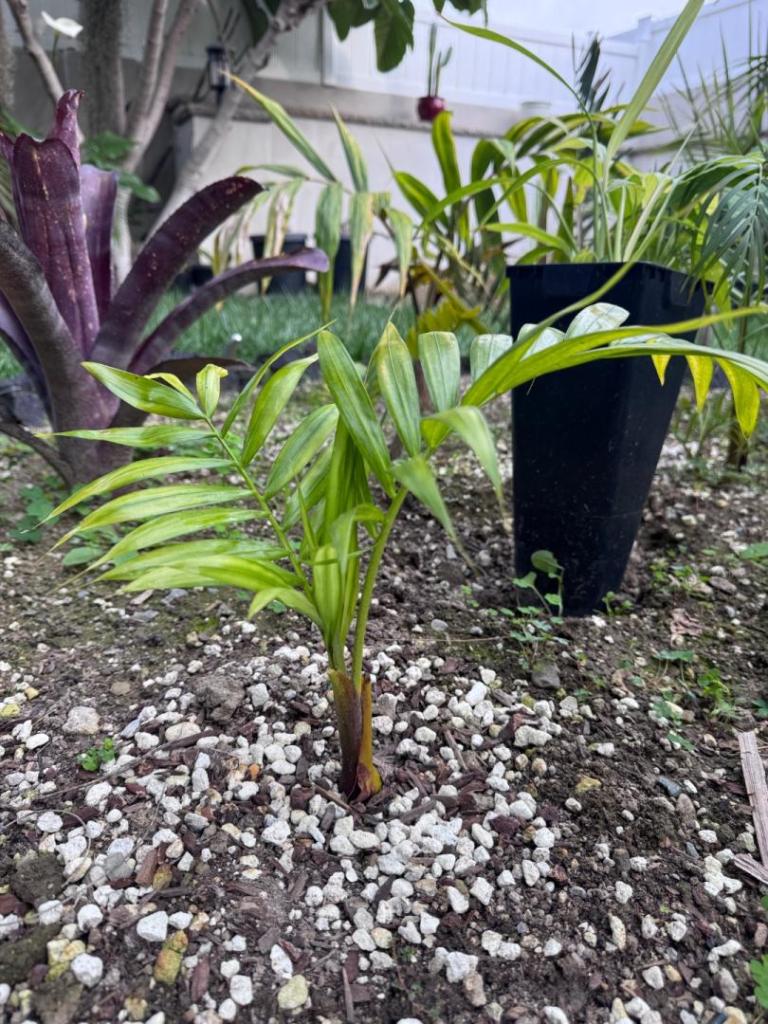
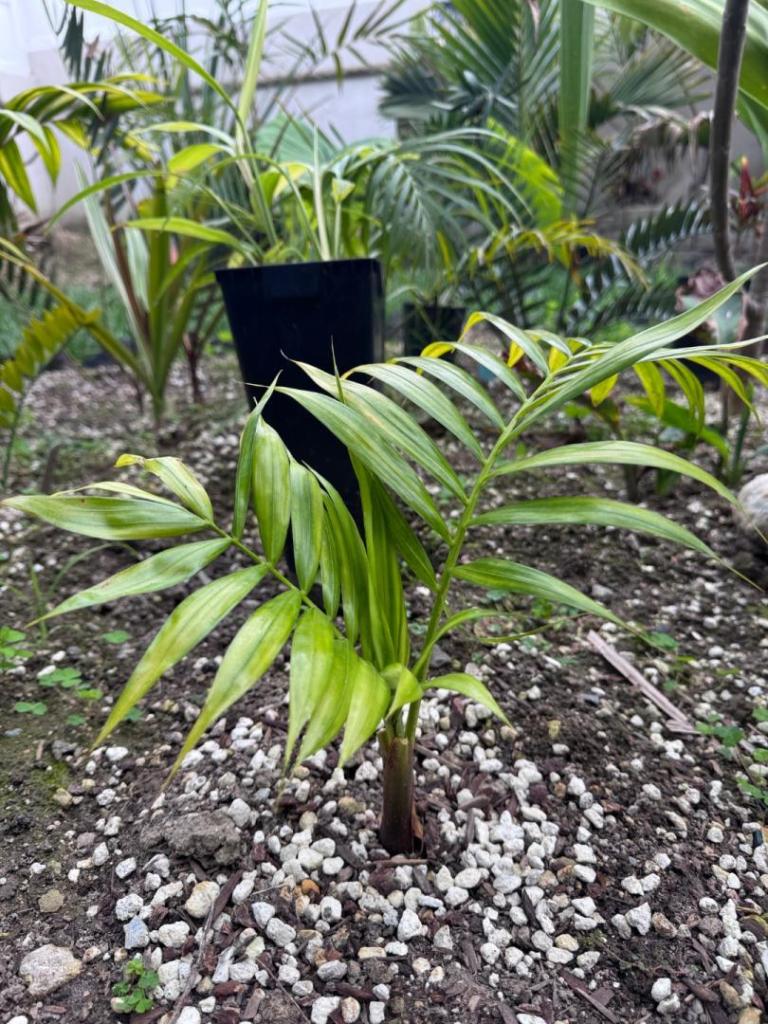
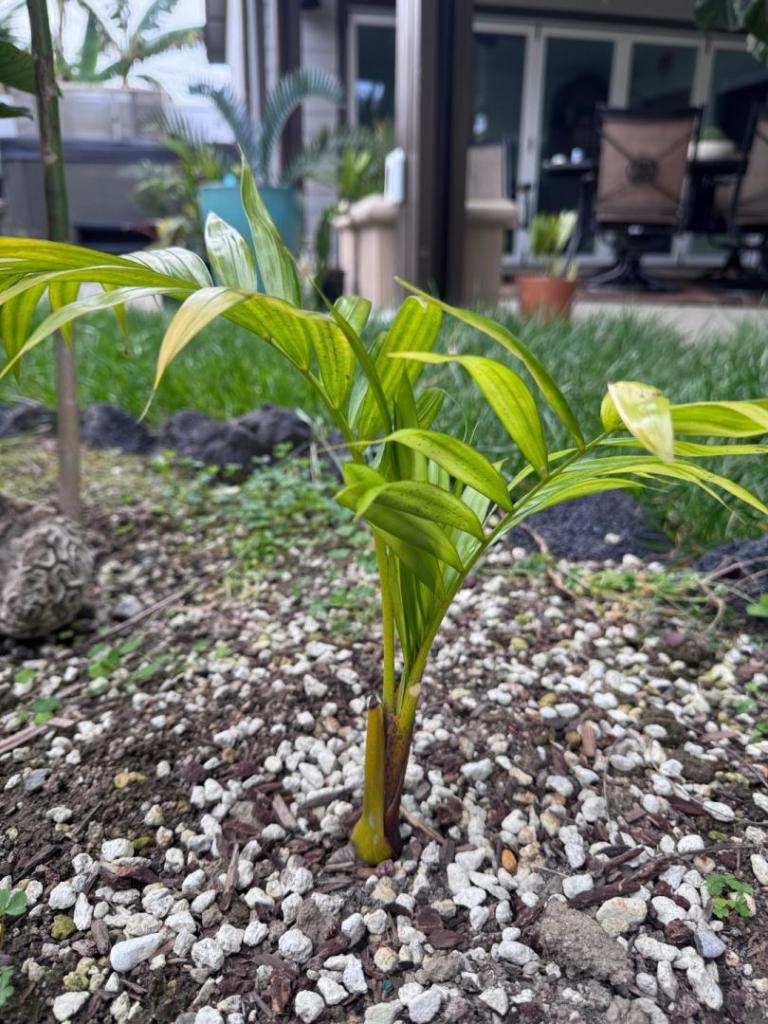
Here’s my Prestoniana Hybrid from FB. Got it about 6 months ago and immediately grounded it. It didn’t care one bit. Doesn’t look like much but it’s definitely gotten bigger and shed those ugly stretched fronds most FB plants come with. I have no doubt it will catch steam from here on out. -dale
 2 points
 -
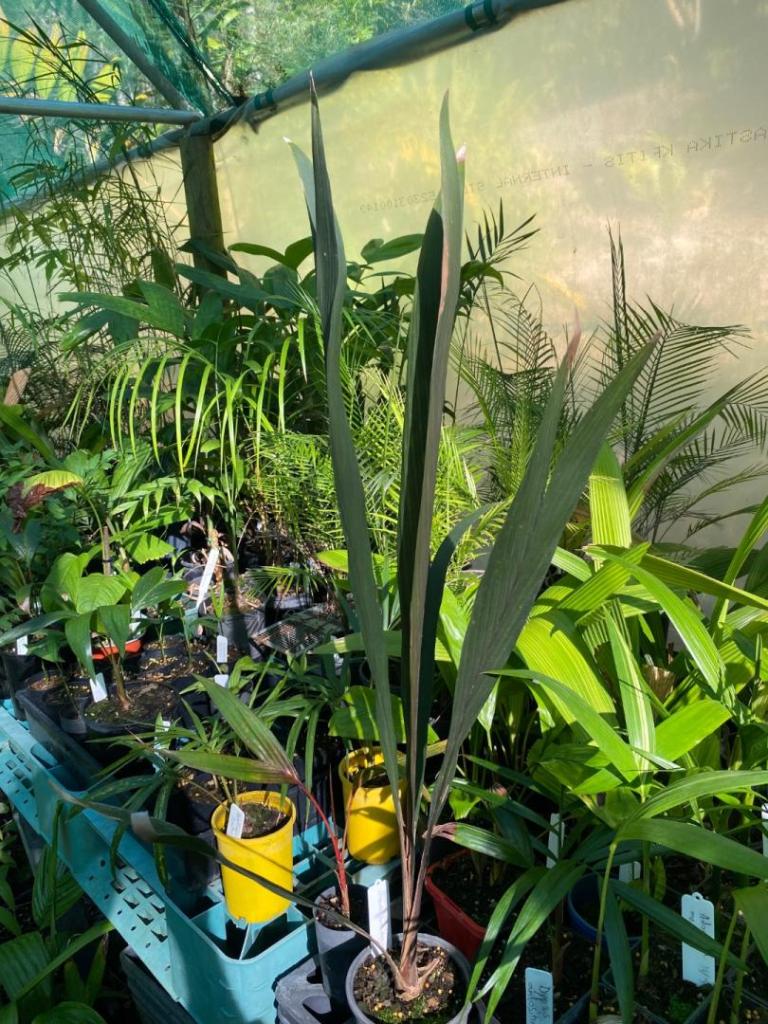
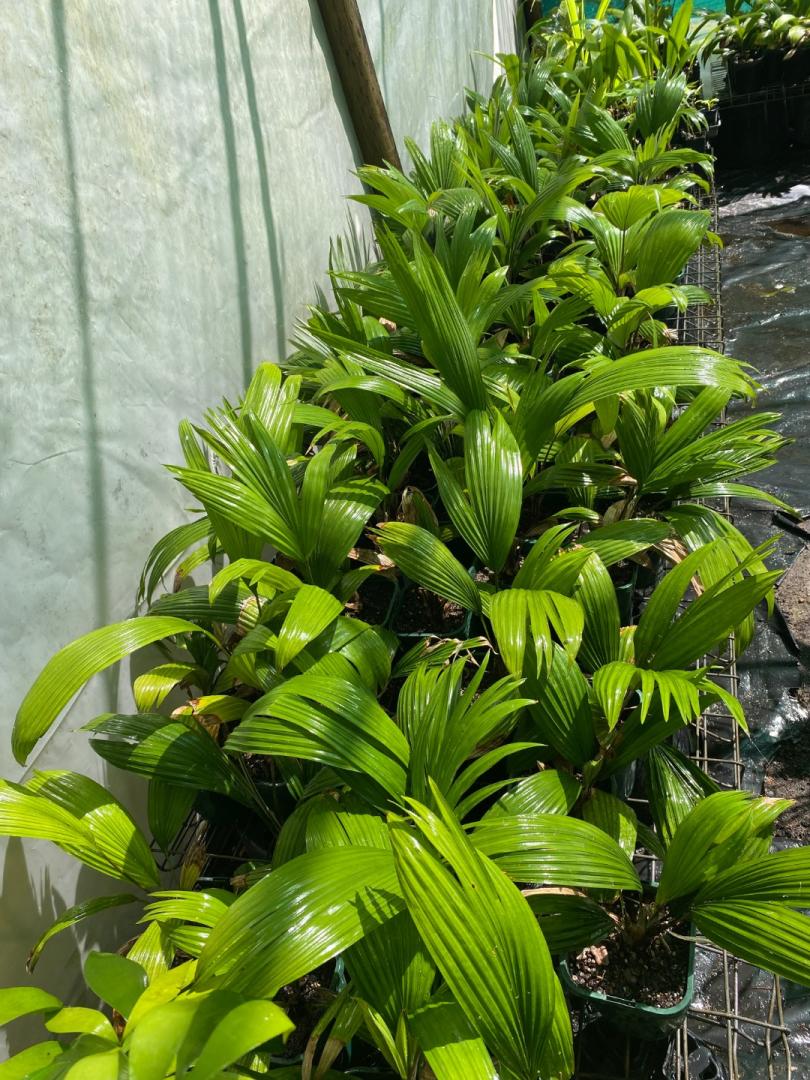
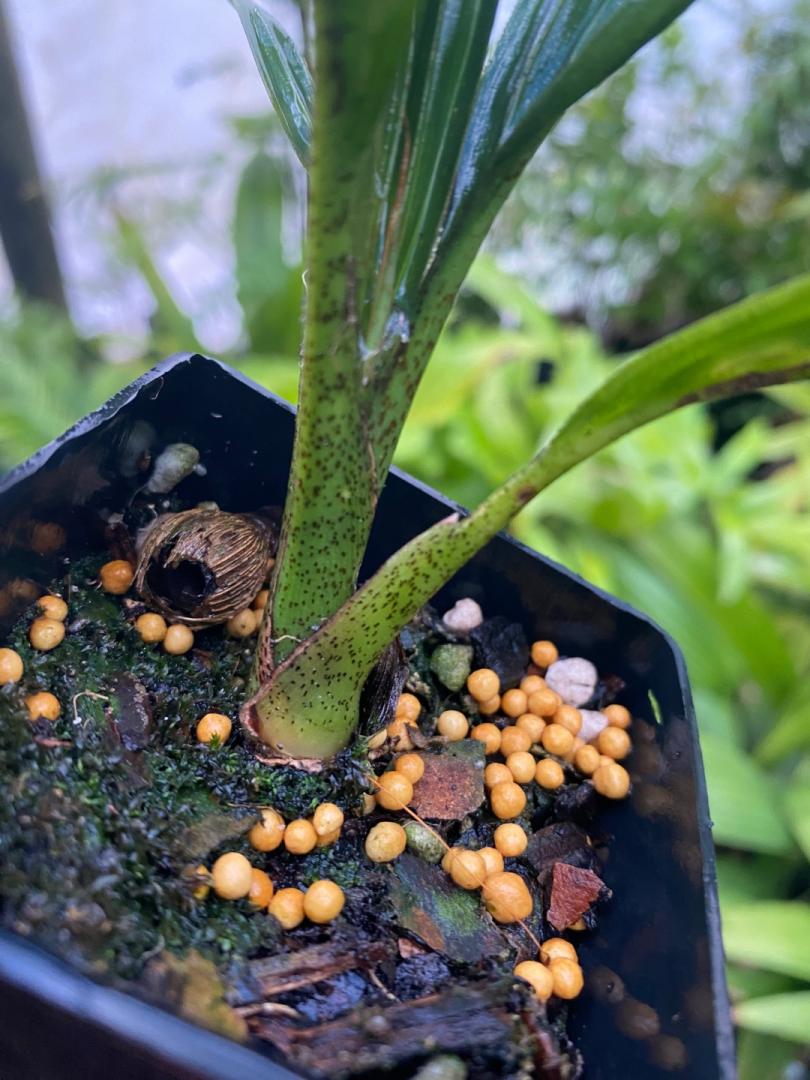
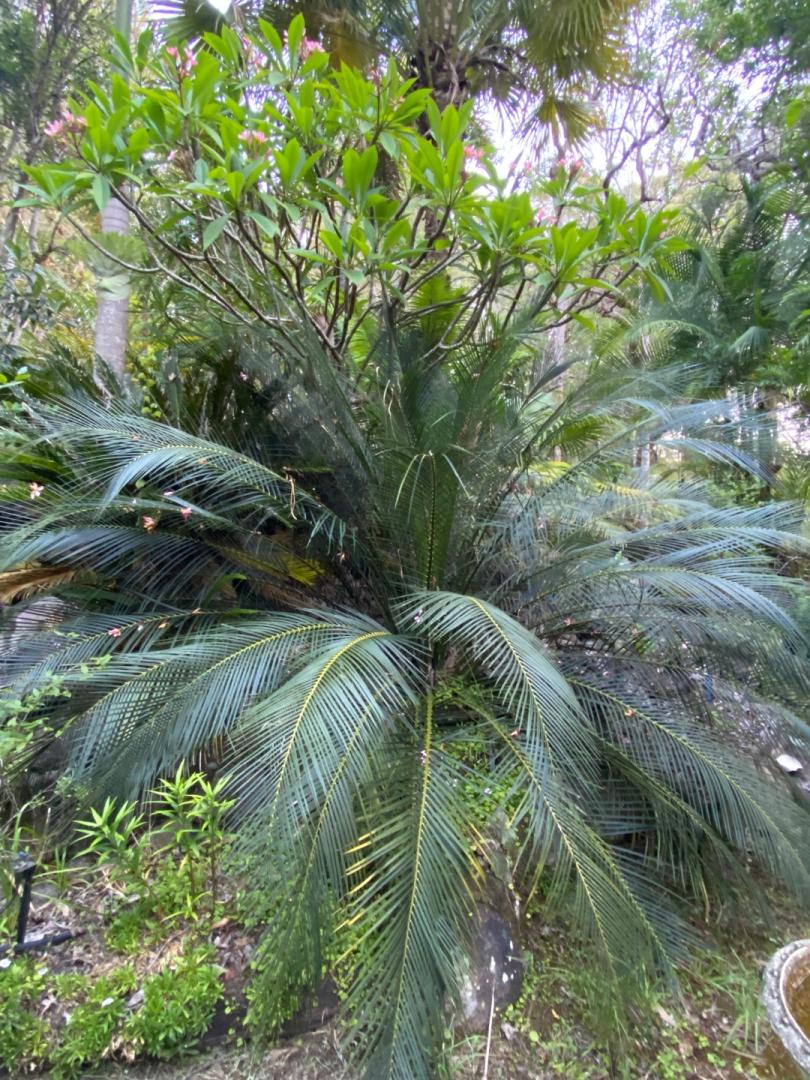
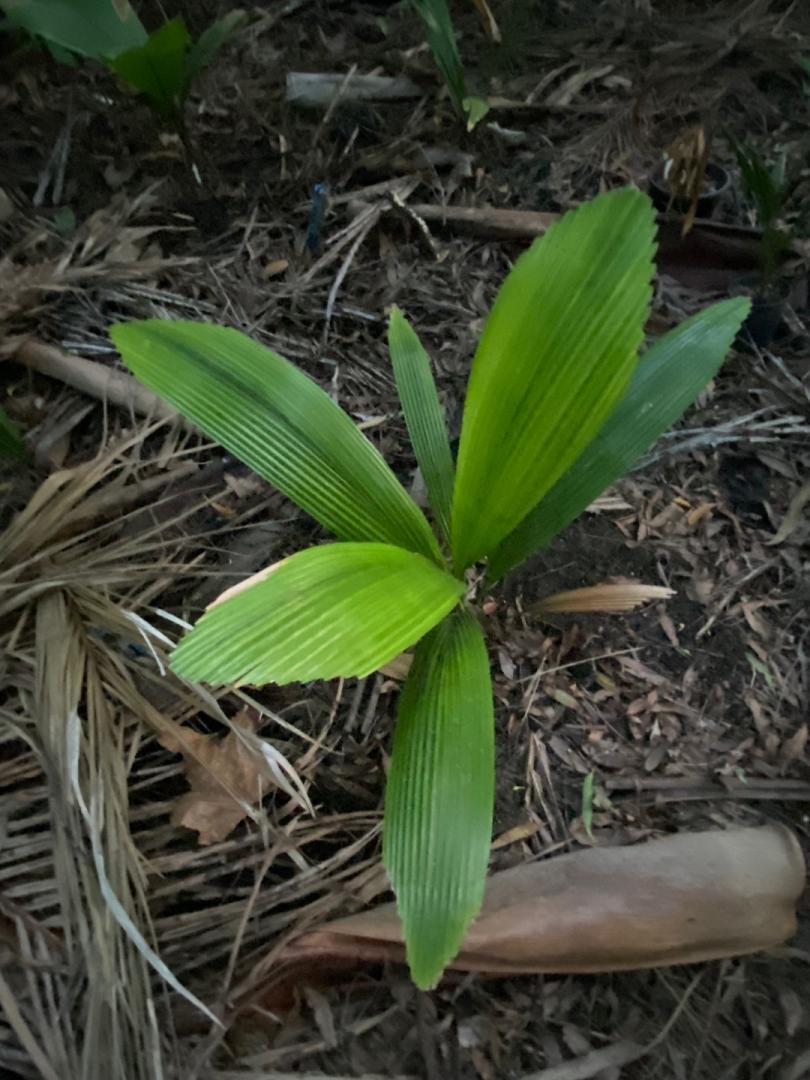
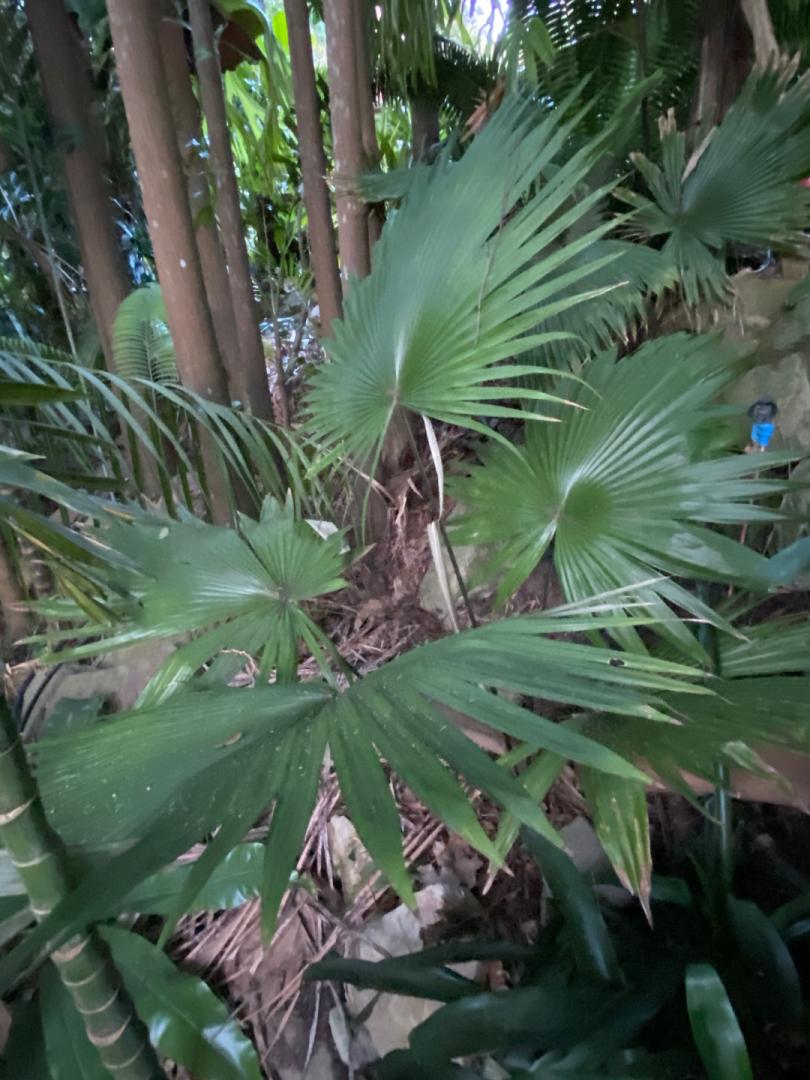
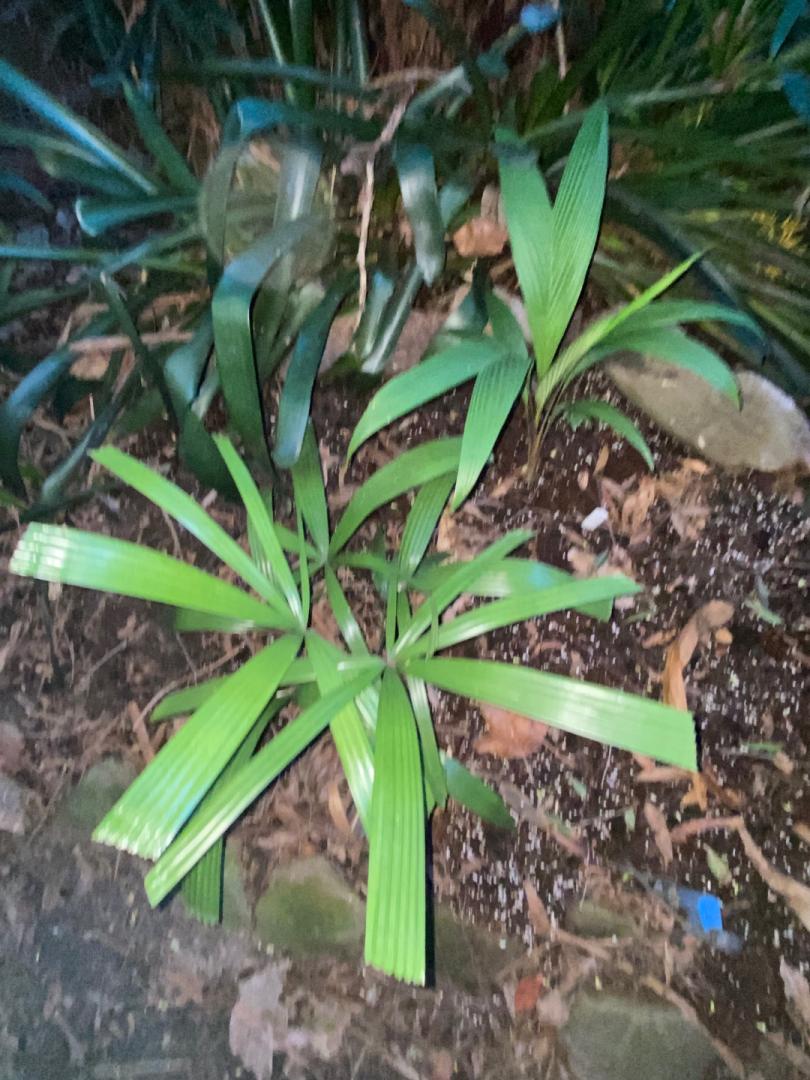
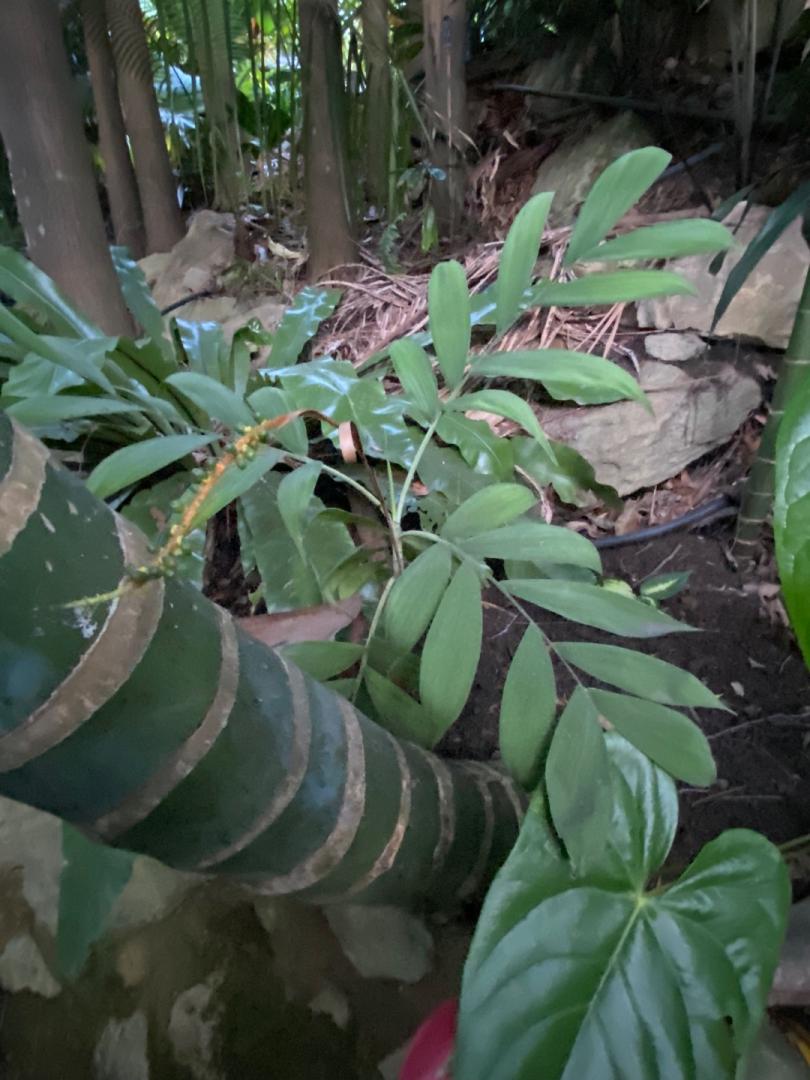
Geonoma atrovirens!
 2 points
















.thumb.png.04b3487b96ff29c55b8a8994b91f62b2.png)


.jpg.7df1d92571e2e35bd6c3134a0c67ea70.jpg)

.jpg.29b2d6a18453598a59f263c52ccad658.jpg)
.jpg.0ea9bd551fc5d7fb3c615e260b62e011.jpg)


























.thumb.jpg.304b32ca4398a111edf4ac525048111e.jpg)