Leaderboard

.thumb.png.04b3487b96ff29c55b8a8994b91f62b2.png)

Popular Content
Showing content with the highest reputation on 01/23/2026 in all areas
-
Hello everyone, My name is Sebastián Vieira, and I’m writing from Colombia. I’m a naturalist and currently the Executive Director of Salvamontes Colombia, a non-profit organization focused on the conservation and restoration of threatened species and their habitats, mainly through the creation and long-term care of private natural reserves. Although I didn’t come to conservation through a formal biology track ( I originally studied and worked as an engineer and spent many years working in telecommunications ), my interest in plants and the natural world has been with me for as long as I can remember. Over time, that curiosity slowly turned into field work, conservation projects, nature photography, and taxonomic research, especially on Pleurothallid orchids. It was that long, hands-on relationship with nature that lead me to be a co-founder of Salvamontes, and nowadays, its leader. Andy Hurwitz invited to come and participate in PalmTalk, and share with everyone here our amazing story, so it’s really nice to finally introduce SalvaMontes and our work here, especially thanks to the invitation from the International Palm Society, whose support has been fundamental for one of the projects I care most deeply about. That project is the Sabinaria Natural Reserve, located in the Darién region of northwestern Colombia, close to the border with Panama. This is an incredibly rich rainforest area, still poorly studied, and it happens to be the only place on Earth where the striking palm Sabinaria magnifica is found. A few years ago, while visiting the area, it became clear that much of the known habitat of Sabinaria magnifica was privately owned and increasingly exposed to deforestation and land-use change. Given how limited the species’ distribution is, it doesn’t take much habitat loss to create serious long-term risks. With that in mind and with crucial support from the International Palm Society, we were able to acquire and legally protect 50 hectares of tropical rainforest, securing what we believe is a meaningful portion of the global habitat and population of Sabinaria magnifica. Today, that forest is permanently protected as a private natural reserve. What makes this especially rewarding is that Sabinaria magnifica also works as an umbrella species. By protecting its habitat, we’re also conserving many other threatened organisms that depend on the same intact forest. This includes species like the critically endangered harlequin frog Atelopus fronterizo and the rare tree Magnolia sambuensis, along with many other plants and animals that are still little known. For us, Sabinaria is much more than a single-species project. It reflects a broader way of doing conservation: protecting habitat first, learning directly from the field, working with local communities, and committing to long-term stewardship rather than short-term interventions. I’m really glad to be here and look forward to learning from all of you, sharing updates from the field, and exchanging ideas about palms and their conservation around the world. I am also sharing some images showing the Sabinaria palm and its natural habitat. Finally, it is very important to thank and recognize the important support and participation of biologists Norman Echavarría, Norberto López, Saul Hoyos, Gloria Galeano and Rodrigo Bernal. Without them this project would not be a reality. PS: I will come back soon with additional information and images. Warm regards from Colombia, Sebastián Salvamontes Colombia


 6 points
 -
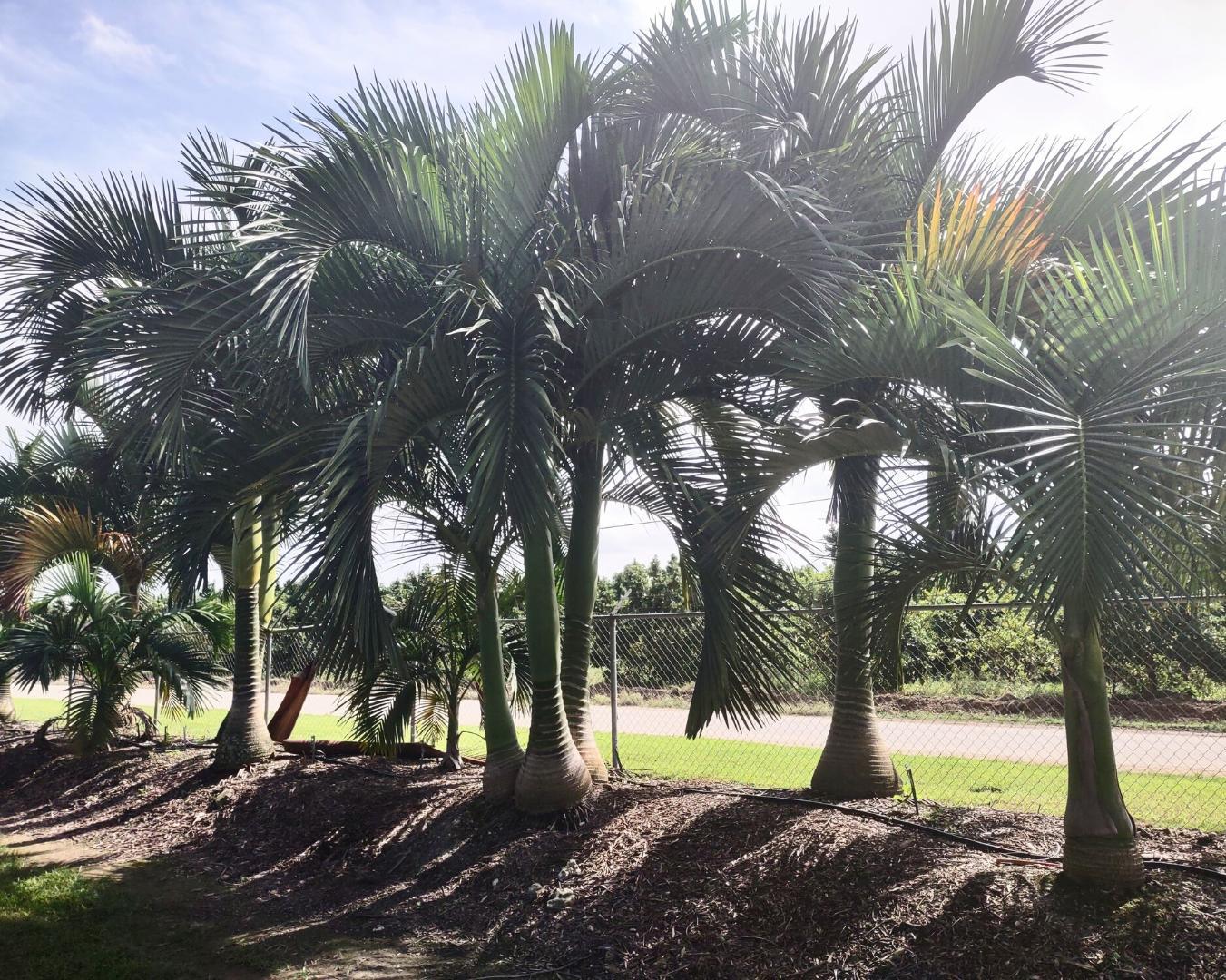
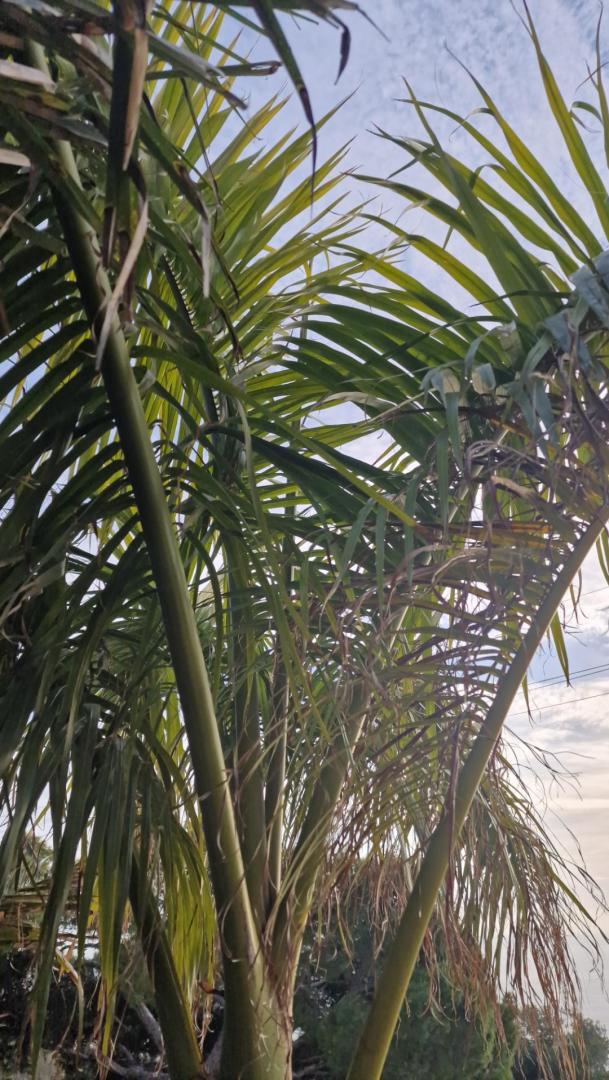
A view from my deck ! 15 years old and my largest of 4 Lepidorachis.
 5 points
 -
M. sinclairii was thriving for many years (I'm guessing it probably still is, though I don't remember seeing it on my most recent trip) at the Huntington Gardens in San Marino (adjacent to Pasadena), California. A summer-hot/dry (high temps in the 90s) area with excursions into the 100s. The specimens there always looked good (at least in my memory) over the years...so I think there may be something other than some hot days that would cause problems for this species. I would expect, like some other NZ plants, that they could dislike warm night temps for long periods. Or perhaps related to drainage or substrate selection (see the article below). I had one for several years in the Hollywood area of Los Angeles, which is cooler in summer than Pasadena/San Marino and it was trouble-free as I remember. A really wonderful plant, IMHO, and a shame that it isn't widely available. I suspect it may have had its heyday in California in the 1950s and '60s (the Evans & Reeves days) and fell out of circulation over the years for changing tastes or grower/availability reasons, and I'm sure there are a few hiding around in surviving tropicalesque SoCal gardens from that period, and it of course has been a coveted collector's plant in more recent decades. According to the San Marcos Growers info page for this species (which Tracy mentioned above), the variegated form was introduced by the USDA in 1925 and recommended for both Florida and California...I wonder if it has been cultivated successfully in Florida with the region's very warm nights...I certainly don't remember ever seeing one there. The following is a short article I found In a January 1899 edition of Tropical agriculturist and magazine of the Ceylon Agricultural Society: MERYTA SINCLAIRI. [sic] (THE PUKA TREE.) In reference to the very interesting letter of My. Boscawen’s in our last issue, we may now cite the following passage from Kirk's Forest flora of New Zealand:—“ This noble species is one of the rarest plants in the world, being restricted to a few individuals growing on one or two small islands near the northern extremity of the colony; its leaves are larger than those of any other plant with entire leaves in the New Zealand flora. It does not occur on any part of the mainland. In 1869 Professor Hutton and myself visited the Taranga Islands, where we bad the good fortune to find a few trees which had long been known to the Maoris, when a description was published in the Transactions of the New Zealand Institute.* The plants found at that visit were confined to old Palaeozoic rocks on one of the small islands of the group. Mr. Robert Mair has recently discovered a few plants on another island; and T. F. Cheeseman has found a single plant on the largest island, which is entirely volcanic. The plant forms a small tree from 12 feet to 25feet high, with stout branches; it is charged with a peculiar resin in all its parts, and the bark is easily wounded, producing large callosities as it heals. The leaves are alternate, crowded near the extremities of the branches, and carried on long leaf-stalks, which vary from 4 inches to 14 inches in length, the blades being from 9 inches to 20 inches long, many of the leaves were 30 inches long, including the leaf-stalk, and from 4 inches to 10 inches broad, equally rounded at both ends, or slightly contracted below the middle, with the margins slightly waved, and strengthened by a remarkably stout marginal nerve. They are of a thick texture and bright-green colour. The male and female flowers are developed on separate trees, and are arranged in panicles from 8 inches to 16 inches long at the extremities of the branches. Meryta Sinclairi is of great value as an ornamental tree, and is easily cultivated in Auckland, Taranaki, and Hawke's Bay, but_is unable to resist the light frosts experienced at Wellington. It is easily propagated from seeds, and, under cultivation, makes a handsome symmetrical tree, very different in habit from the somewhat naked irregularly-branched trees on the Taranga Islands. The finest cultivated specimen is one raised by Mr, Justice Gillies from a cutting brought from the Taranga Islands in 1869. Its present height is 25 feet, the trunk is 4 feet 8 inches in circumference, and the spread of its branches 28 feet. Meryta Sinclairi is only known with certainty to be found on two or three islands of the Taranga group, opposite the entrance of Whangarei Harbour, in the province of Auckland district. It is reported to grow on the Poor Knights, further to the north, and may possibly occur on one of the Three Kings Islands, about thirty miles from the North Cape.” A specimen of the tree, 3 feet in height, is now in the Temperate House at Kew.—Gardeners’ Chronicle, Nov. 195 points
-
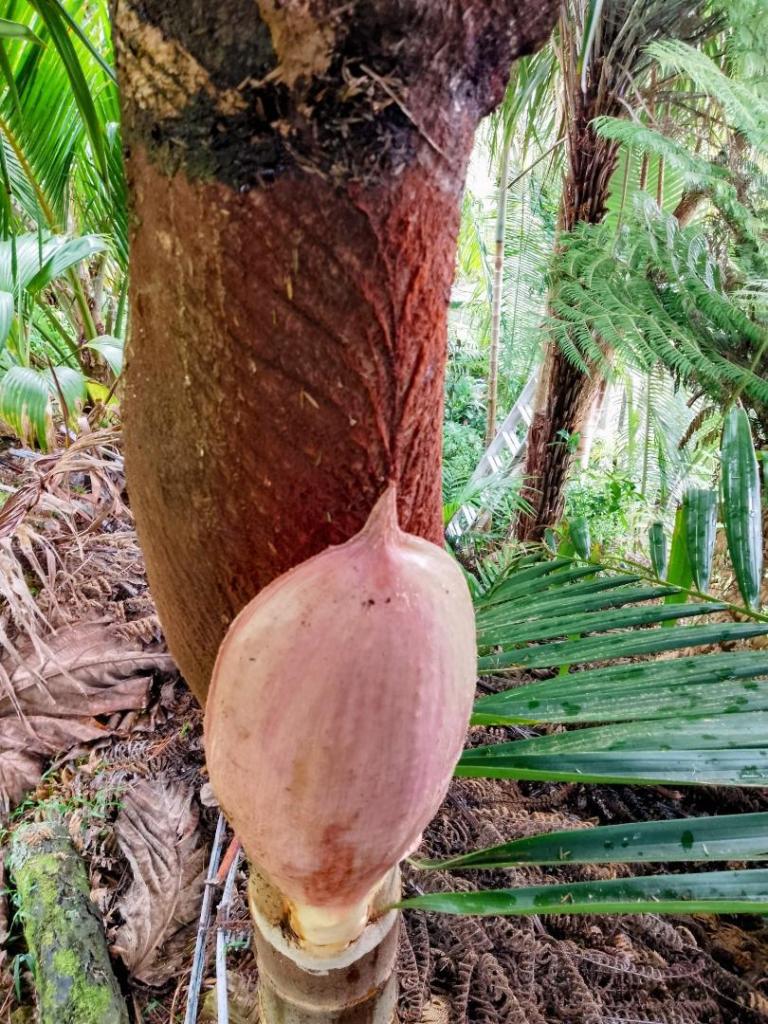
First flowering of Burretiokentia vieillardii.
 4 points
 -
Troy is the best grower, ever !4 points
-
Good for you, Harry! They look super healthy now. You almost can’t walk through my landscape without seeing Archotophoenix. They’re everywhere. Nothing here seems to ever bother them either. Without them, I’d have WAY fewer palm species since they are the main shade producers. The low winter sun manages to get through though which is a plus.

 4 points
 -
It could possibly be a severe sunburn that started the palm’s downturn. These palms do best in partial to full shade when young. They need lots of water as well. You can’t overwater them even in clay soil. They will happily grow in swampy conditions.4 points
-
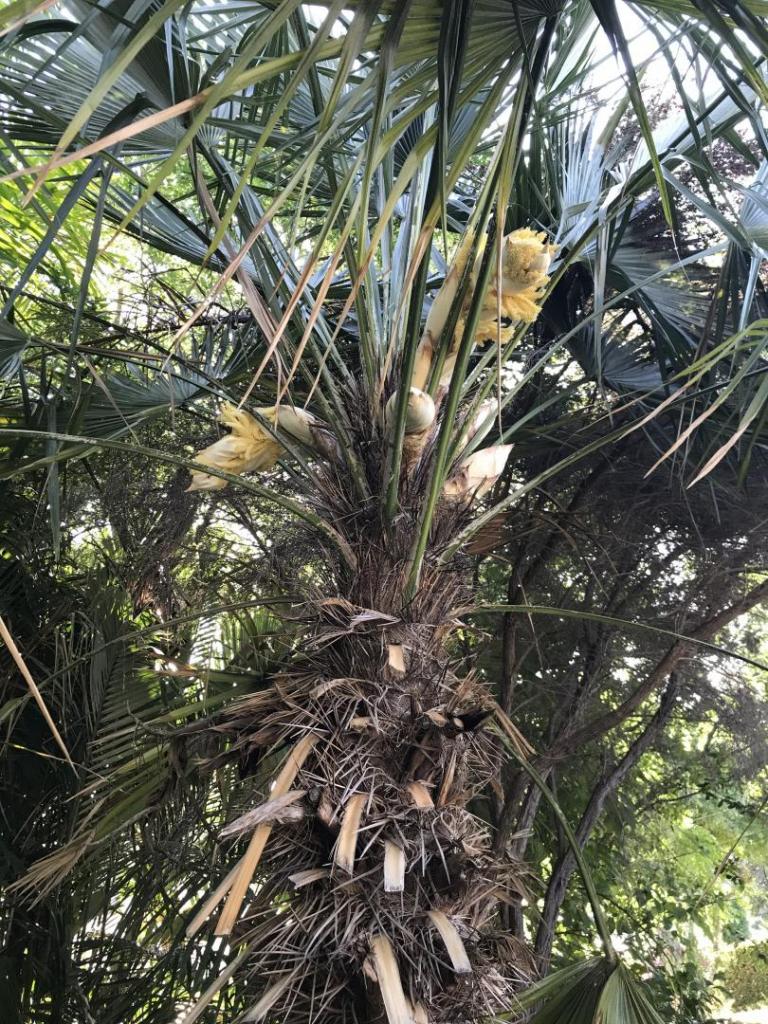
After a year or two hiatus my big Trithrinax acanthacoma aka brasilinebsis aka Spinal Tap Palm, is looking to make babies again. A while back I gave away a bunch of seeds; anyone have any luck getting them to grow? If so show us! And show us your own nifty Trithrinax!
 3 points
 -
I left school at age 16 and got a job. Having worked in the horticultural industry pretty well much all my working life. I do t want that big corporate business, iam happy working for the man so to speak. It is my passion and love of palms for my business venture, and hopefully in ten years time and longer I will have enjoyed growing my plants and selling them doing what I love in life and making a few bucks on the side. And the best part is I get to choose all the best of the best palms for my garden, a win win situation for me! Richard3 points
-
Italian farm machinery is some of the best in the world, I have used a lot of equipment manufactured in Italy, top quality stuff. Corporate companies are here to stay unfortunately. One of the greatest things we have in our lives at our age is we have experienced a world that was totally different than today. We will never see another time like we had again. Technology is here to stay unfortunately! The greatest feeling I have is living in my garden away from it all!3 points
-
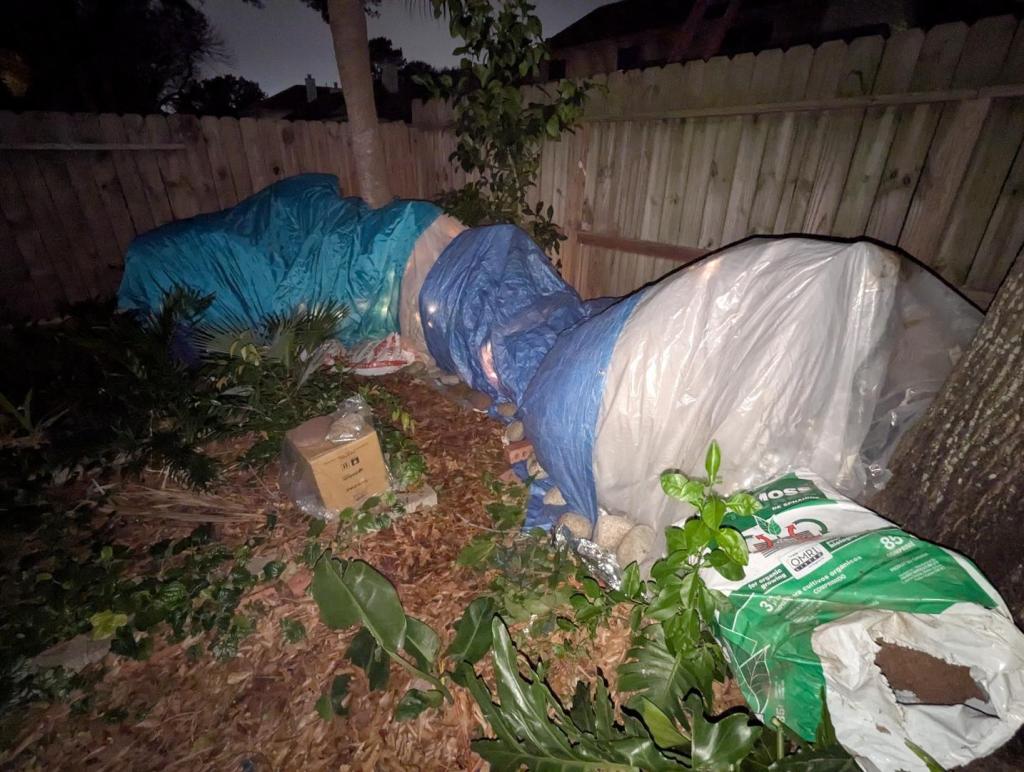
I tried guys, waited for the Houston traffic to quiet down a bit past seven to get to Katy and didn't finish prep till close to 1 am 🫠. I want my zone 10 bubble to survive another season. Only 4 strings of mini lights (old so many 20% of the bulbs are duds lol) + mylar + fabric + plastic. 5 gallon bucket next to the Cyphophoenix elegans. Really hoping for some warmer winters where I can rely just on the canopy... And the mango. It's toast if the power goes out 😭. Now almost 5 years from seed and nearing flowering age. Everything zone 9 left to fend for itself

 3 points
 -
3 points
-
I like "Baldy in Chief" David Reimer3 points
-
I grow scottiana. I can see similarities but the flower is very different being finely branched.3 points
-
Here’s my Verschafeltii that just showed its first flower at a young age. Bring in a lot of sun at low elevation I think causes this sometimes here in my garden.
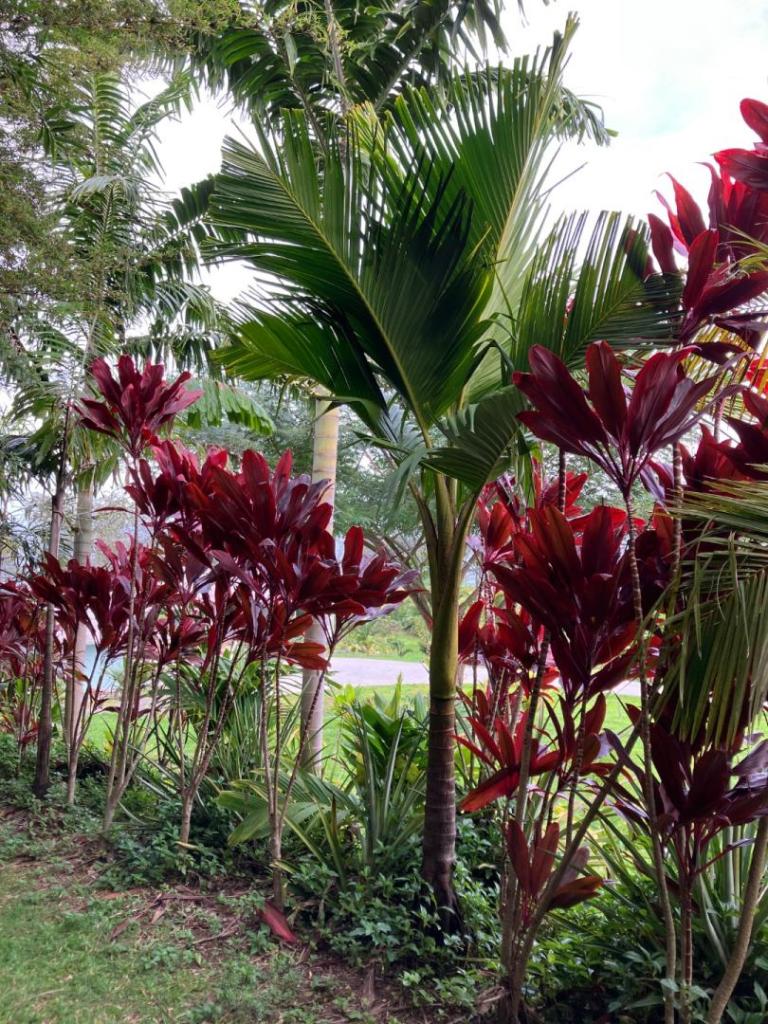

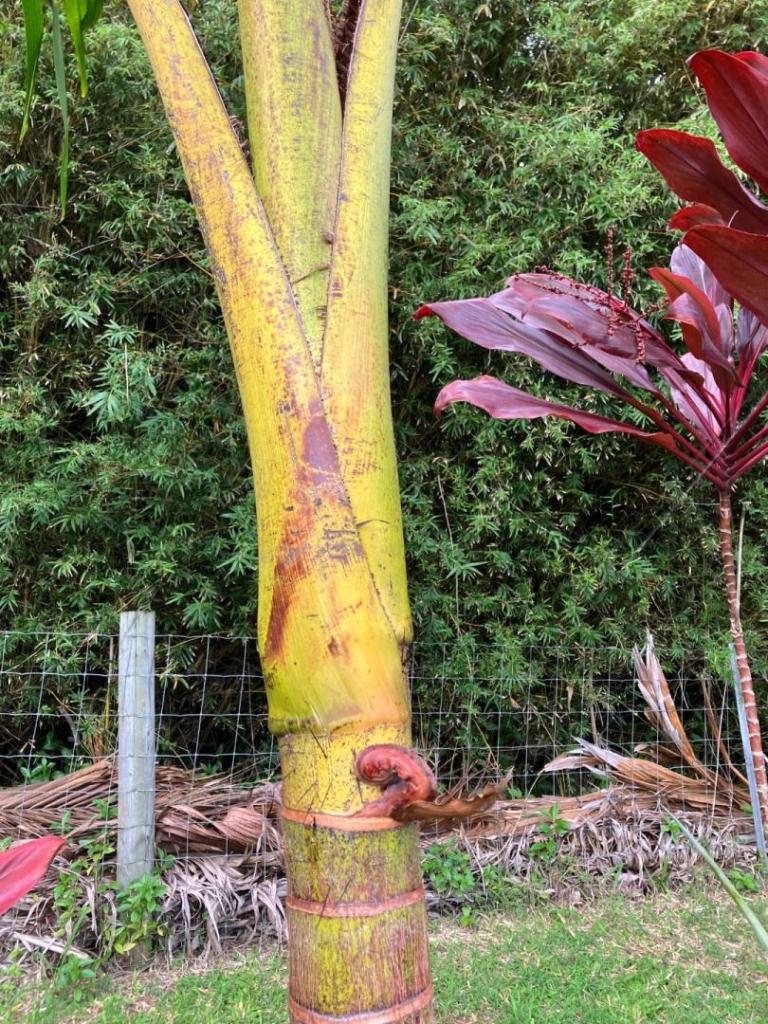 3 points
 -
3 points
-
Palm perfection Troy well done!3 points
-
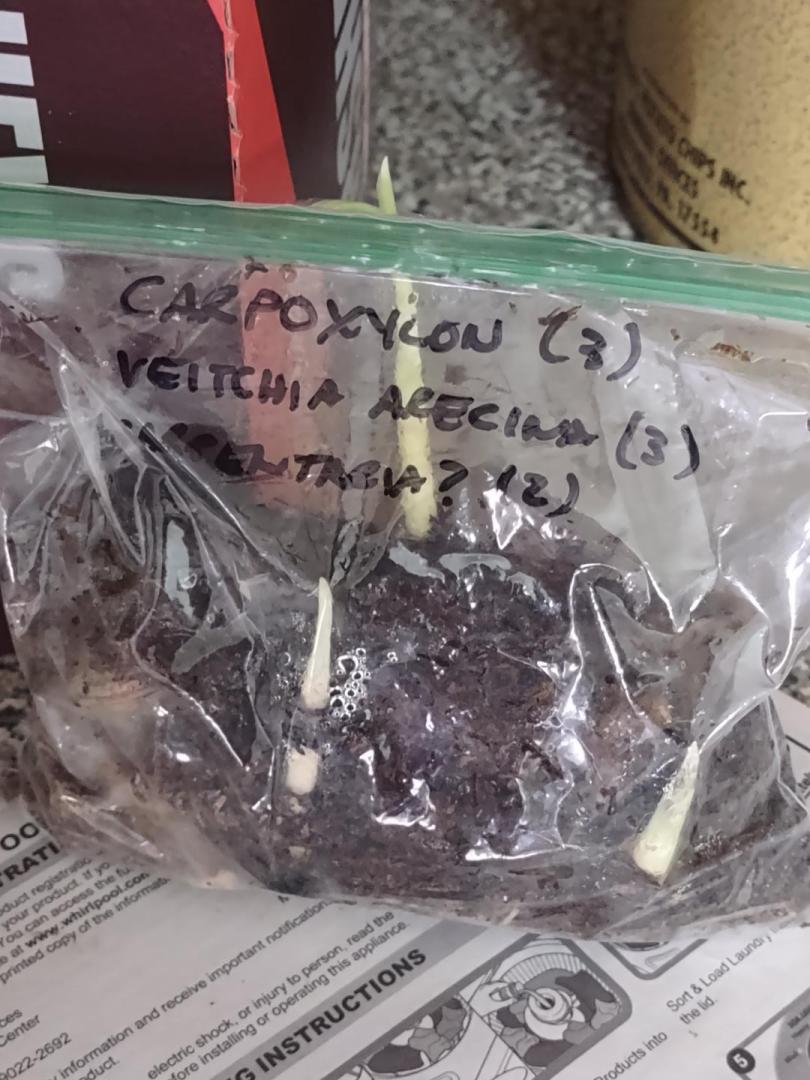
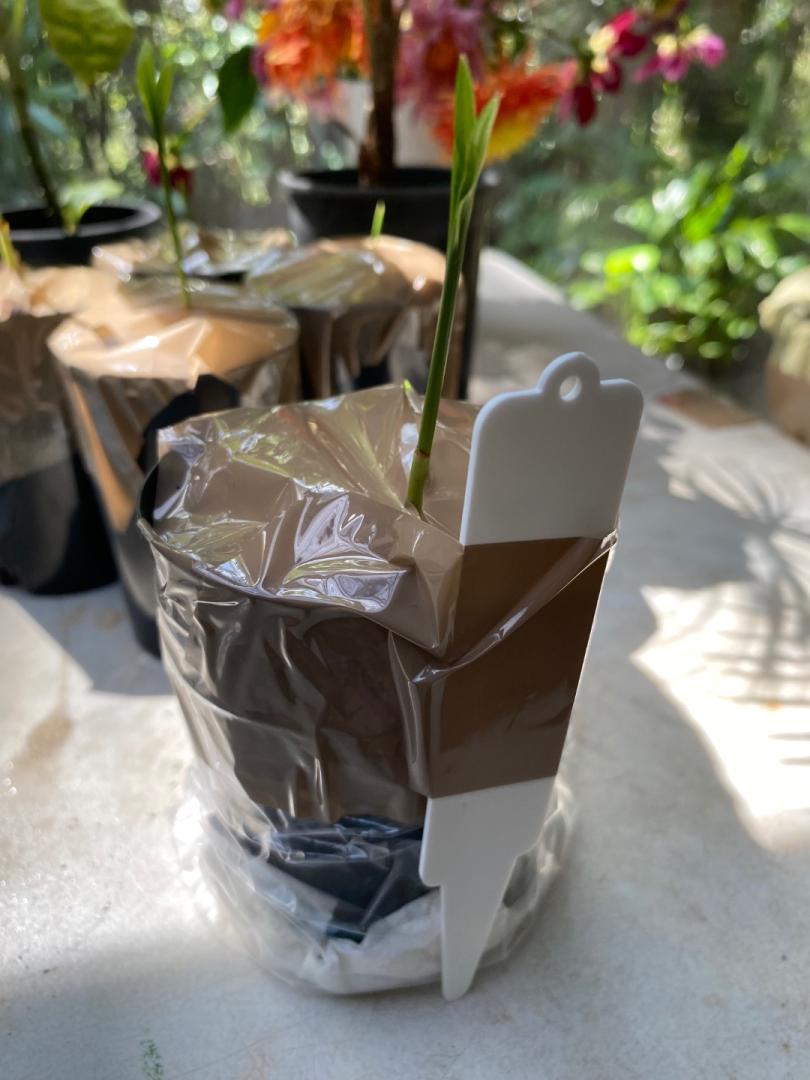
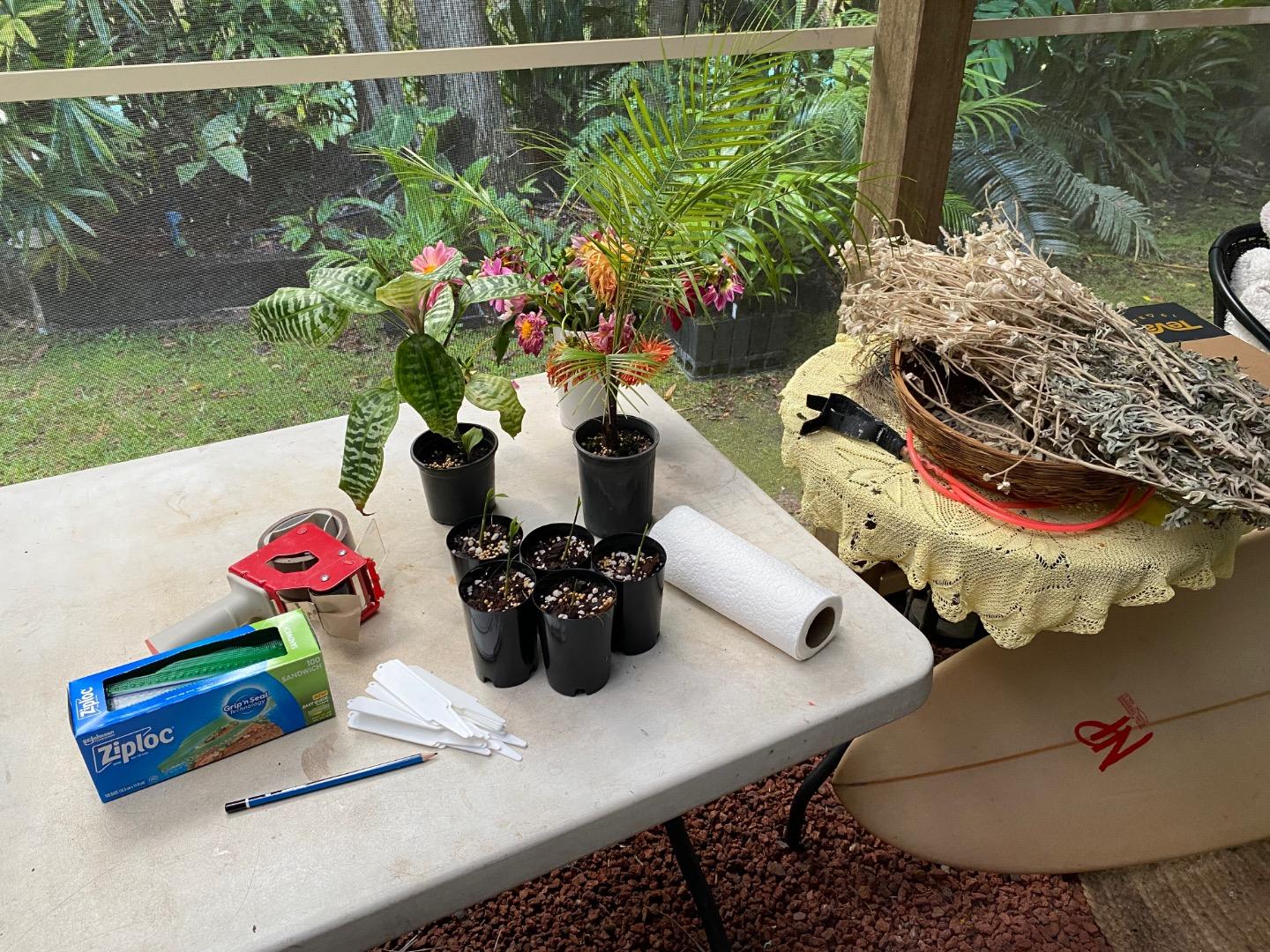
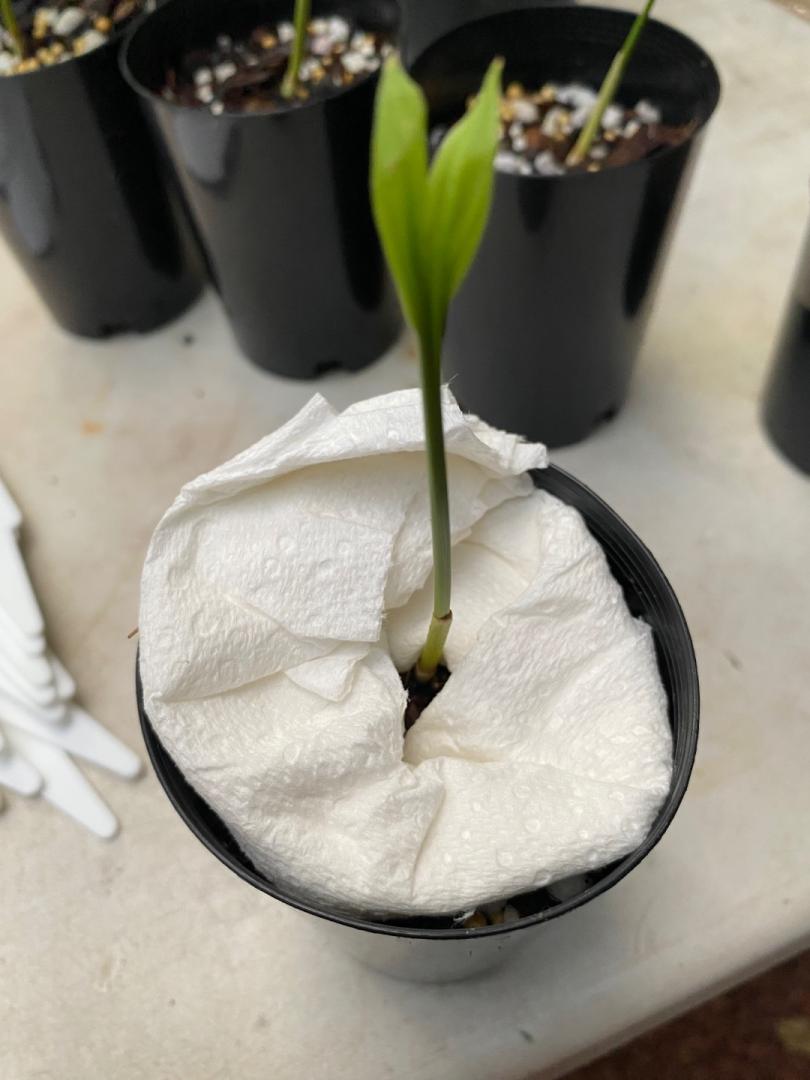
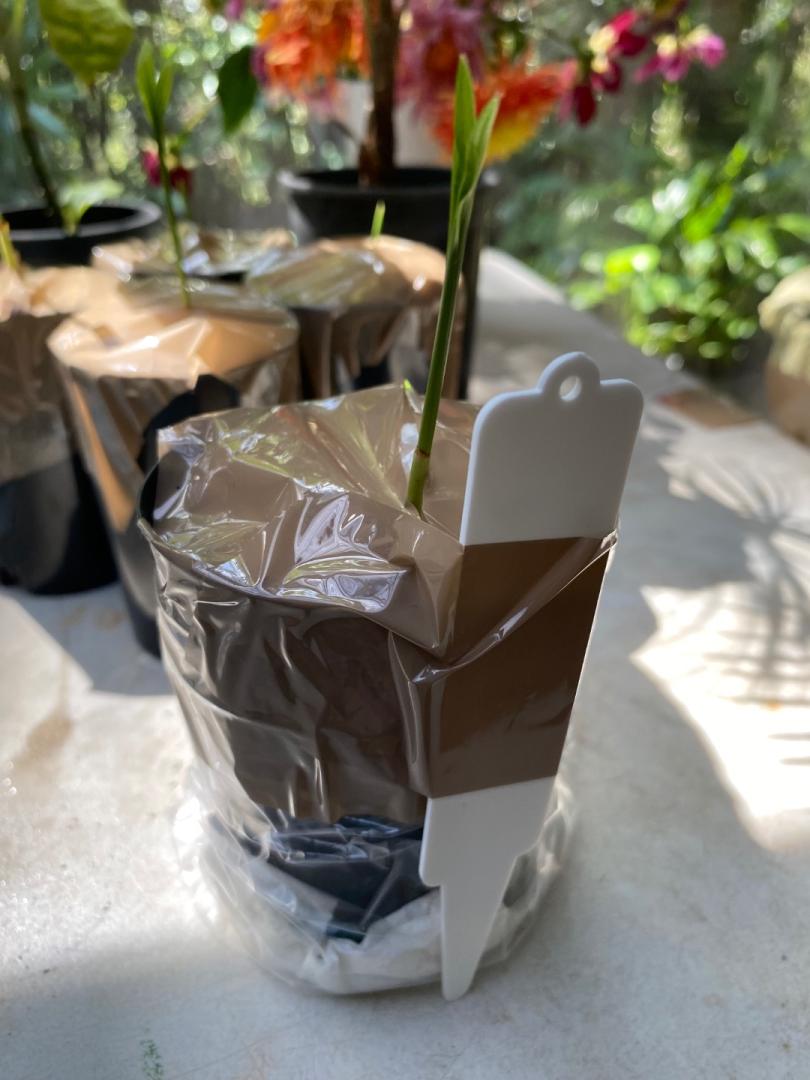
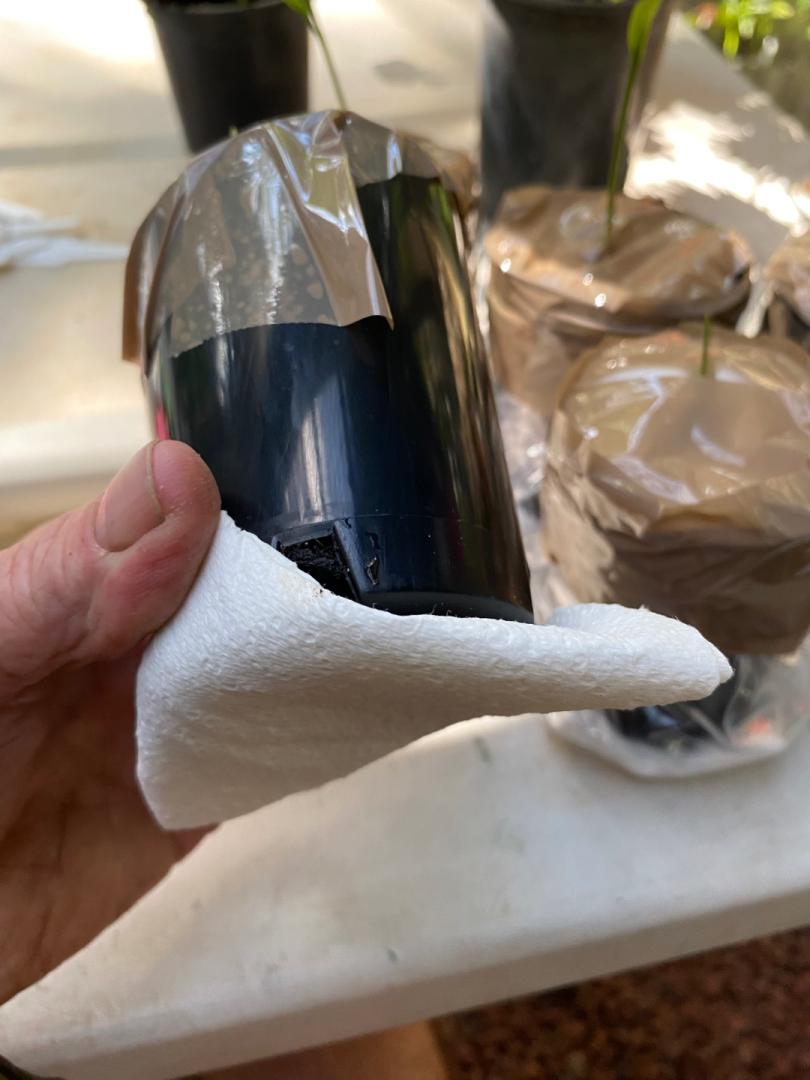
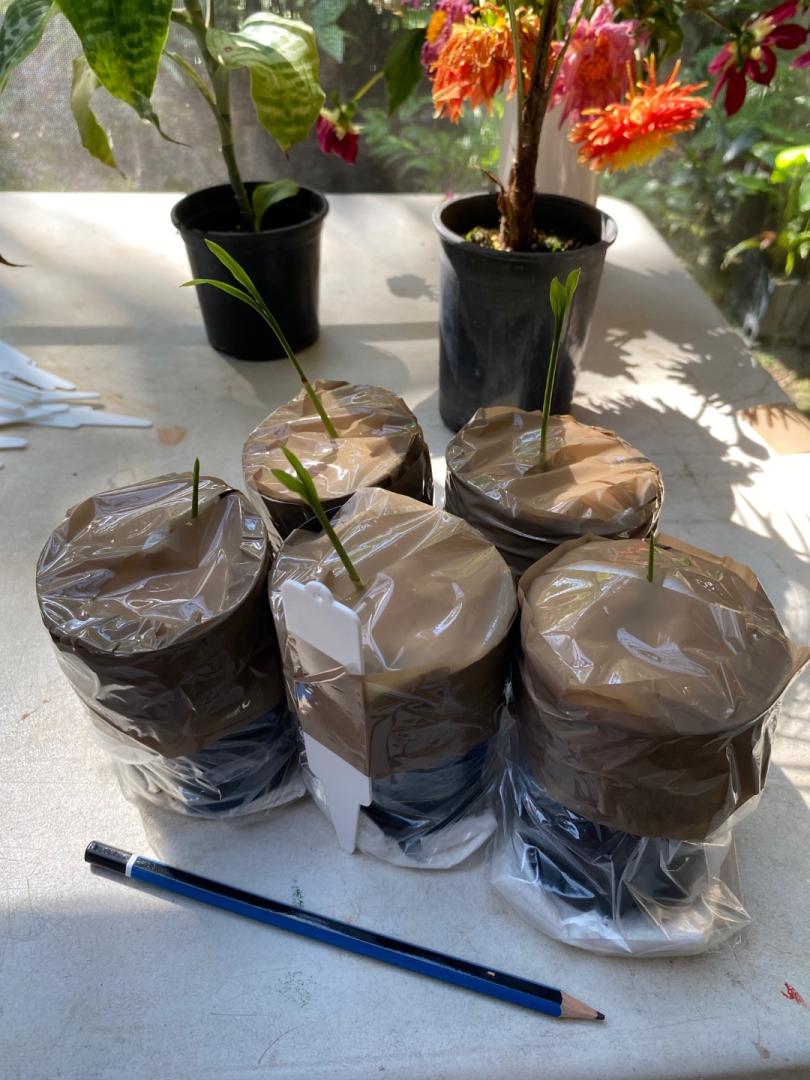
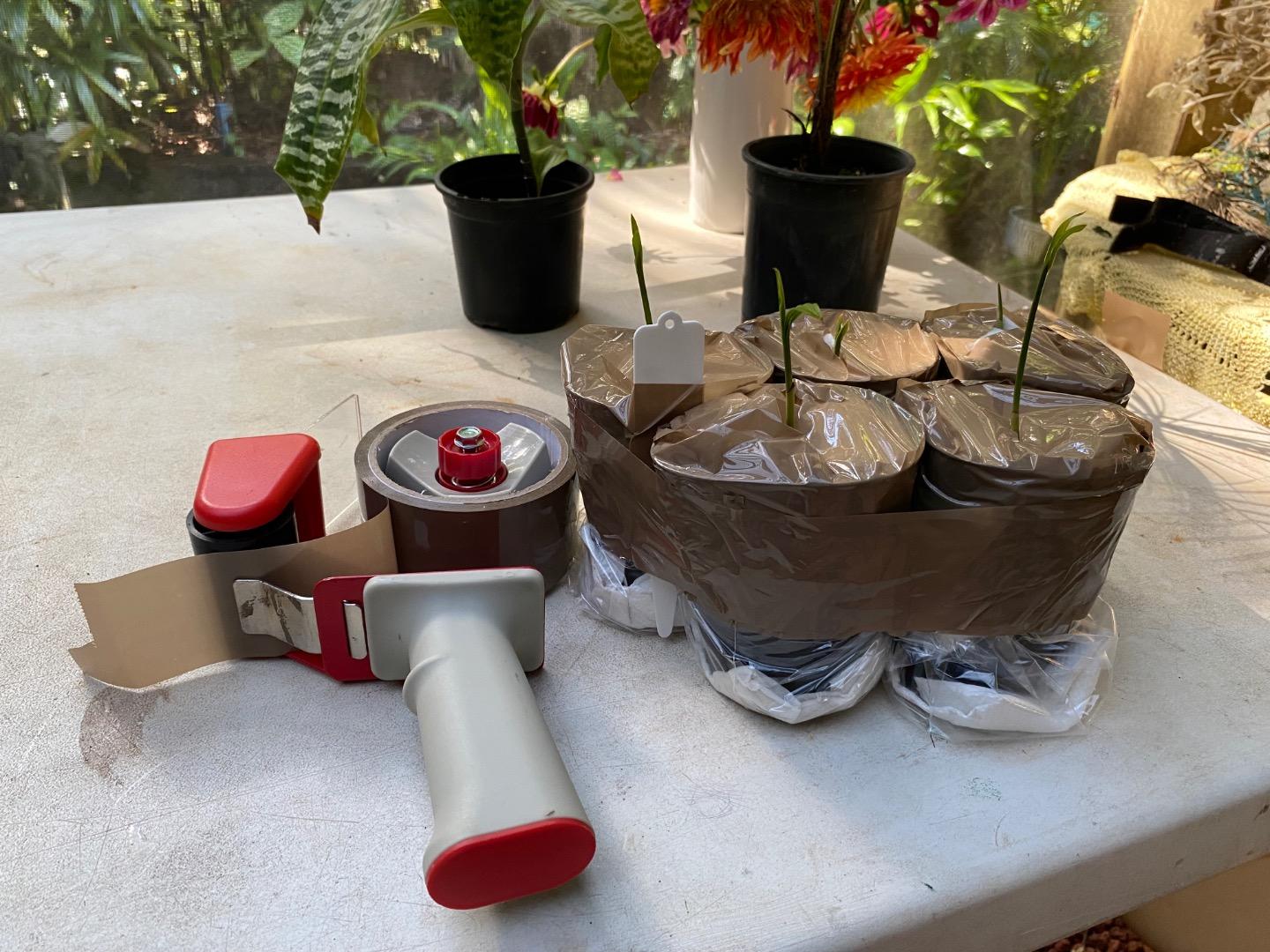
I found them quite easy and satisfying to germinate as well. I was given some fresh seeds at the palm society sale at Fairchild Botanical Gardens in the Miami area back in November and all 5 germinated within a month. I used the baggie method and one grew up so quickly that it punctured a hole in the baggie!
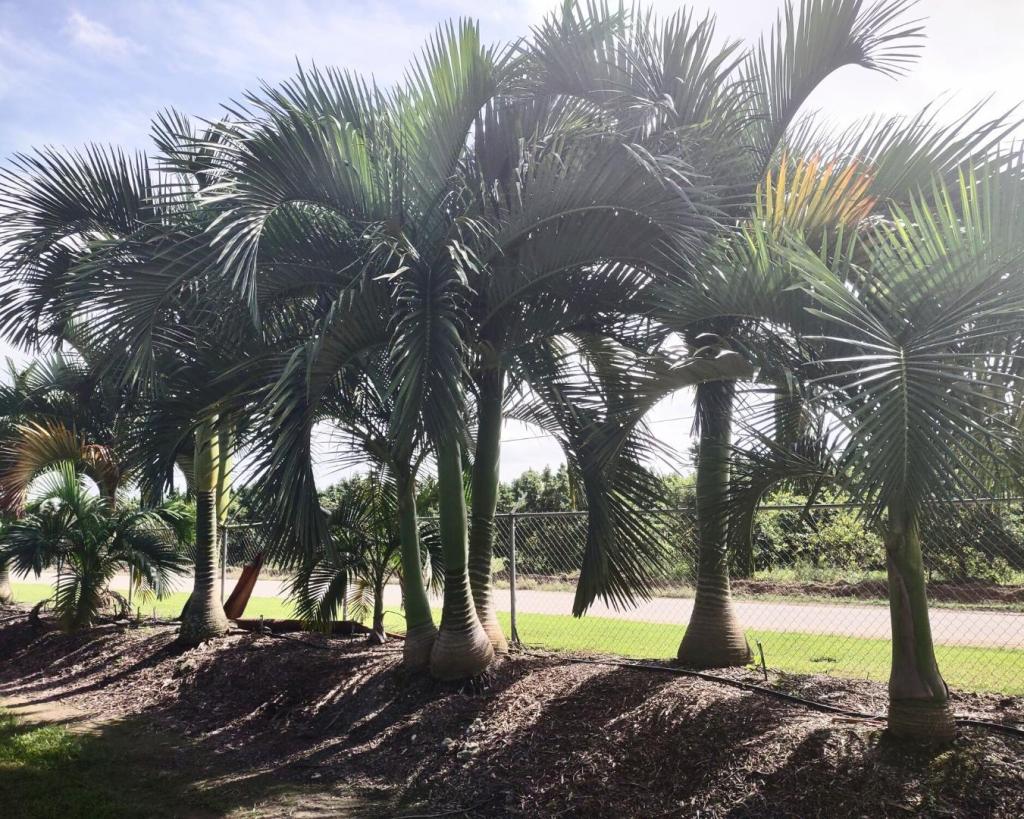

 3 points
 -
The further away from the rat race the better, sometimes I wish the world would leave me alone just to grow my palms and live in my garden paradise. Richard3 points
-
I spoke with a Maryland game warden yesterday who told me that he found a grove of apparently wild sabal minor growing in the woods in Dorchester County near the town of Hurlock (Eastern Shore / Delmarva Peninsula - Zone 7A). I find this to be somewhat implausible, as it’s my understanding that the nearest naturally occurring S Minor is on Monkey Island in northeast NC about 100 miles south. I’m not even aware of S Minor occurring in Dismal Swamp at the VA-NC border (only unsubstantiated reports). Perhaps someone spread some seed? Anybody else heard of such a thing?2 points
-
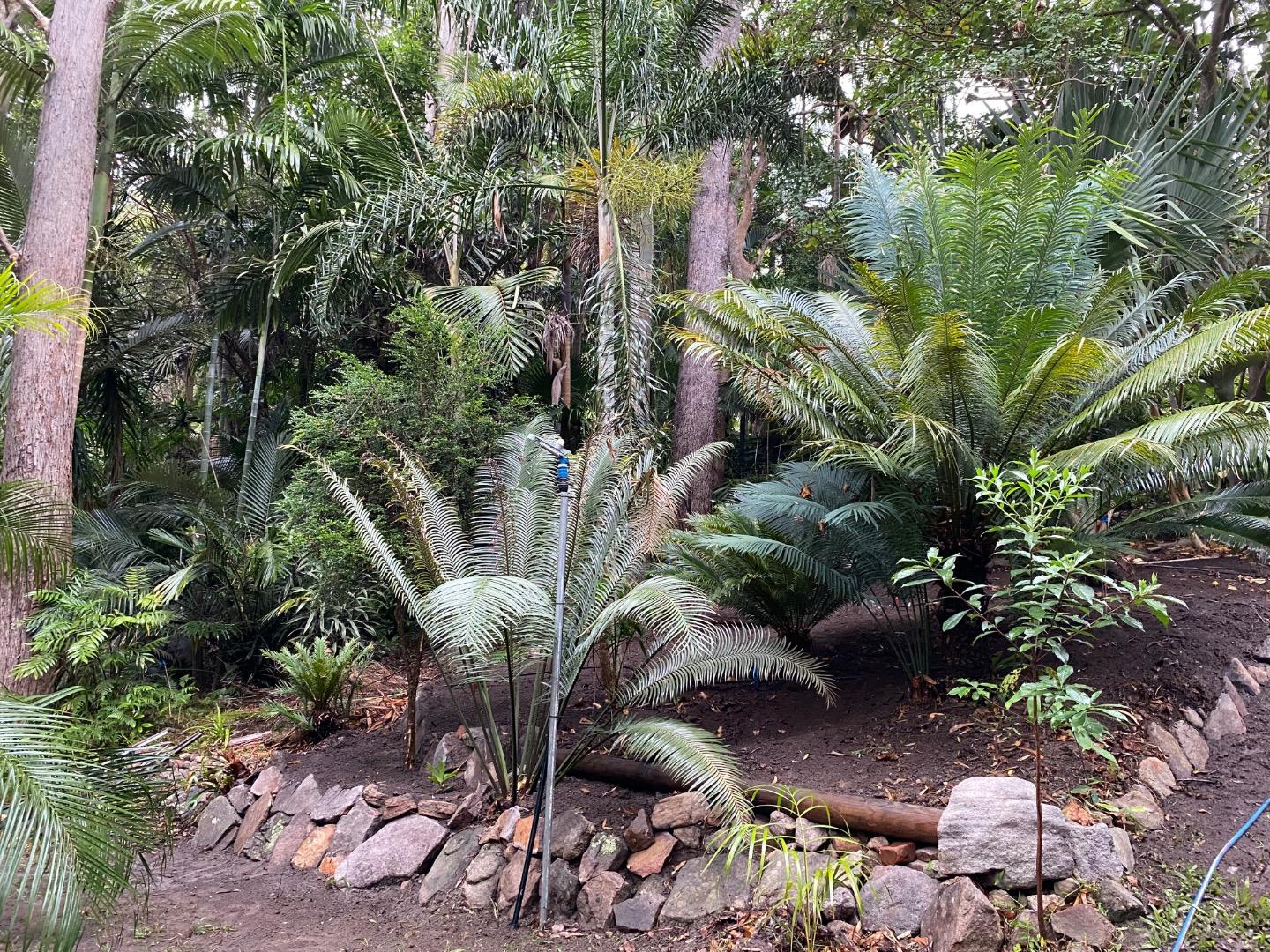
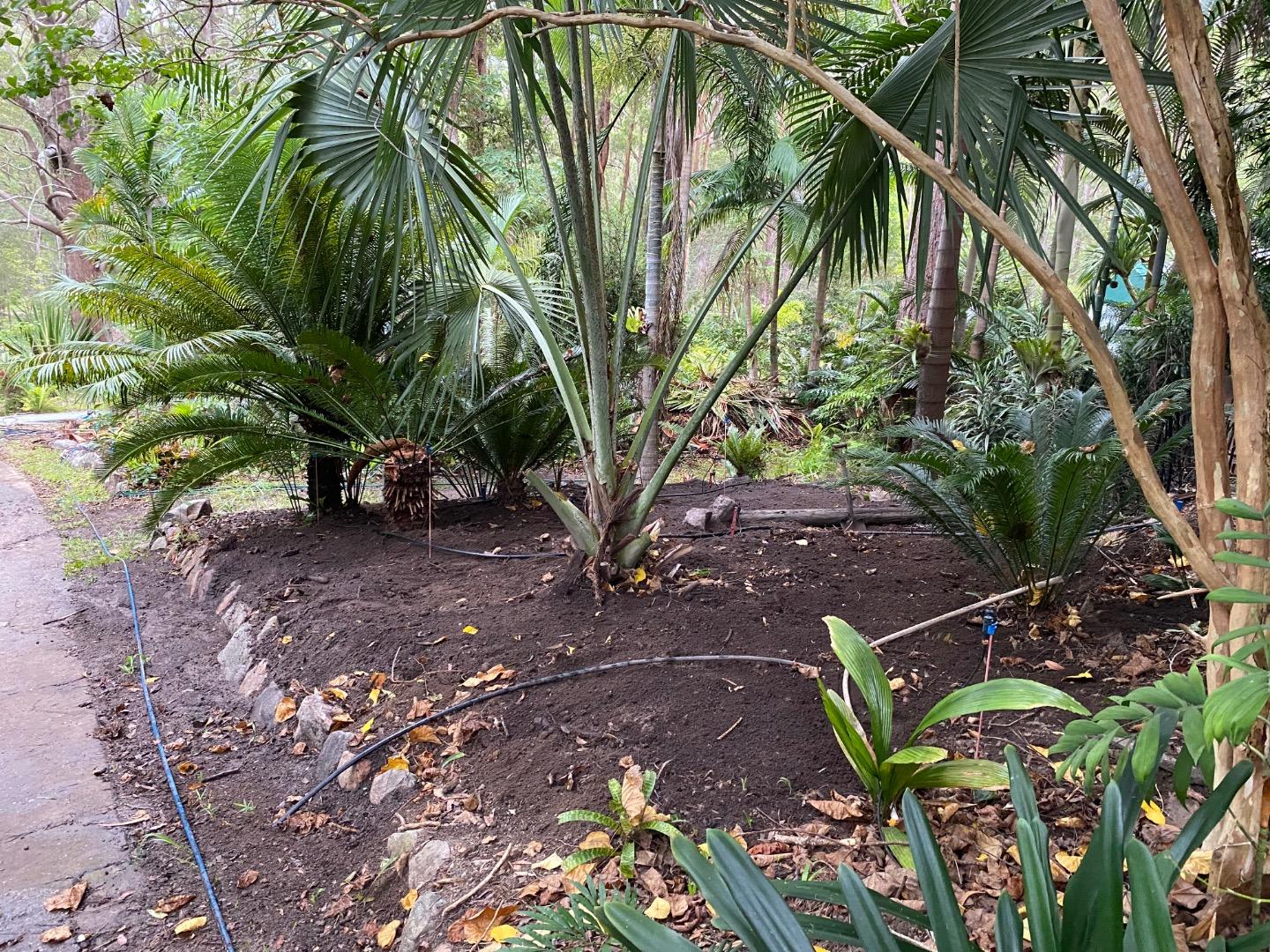
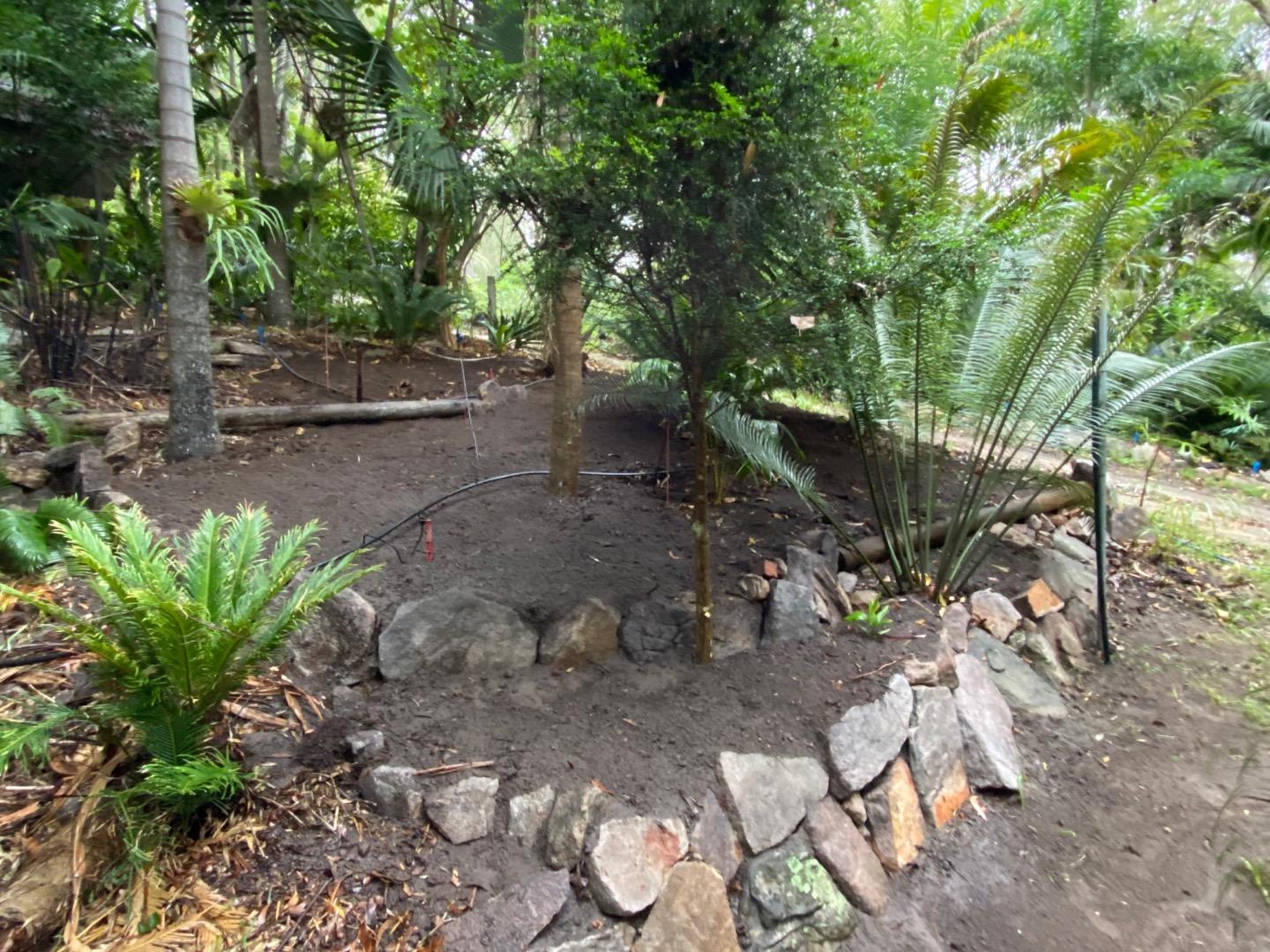
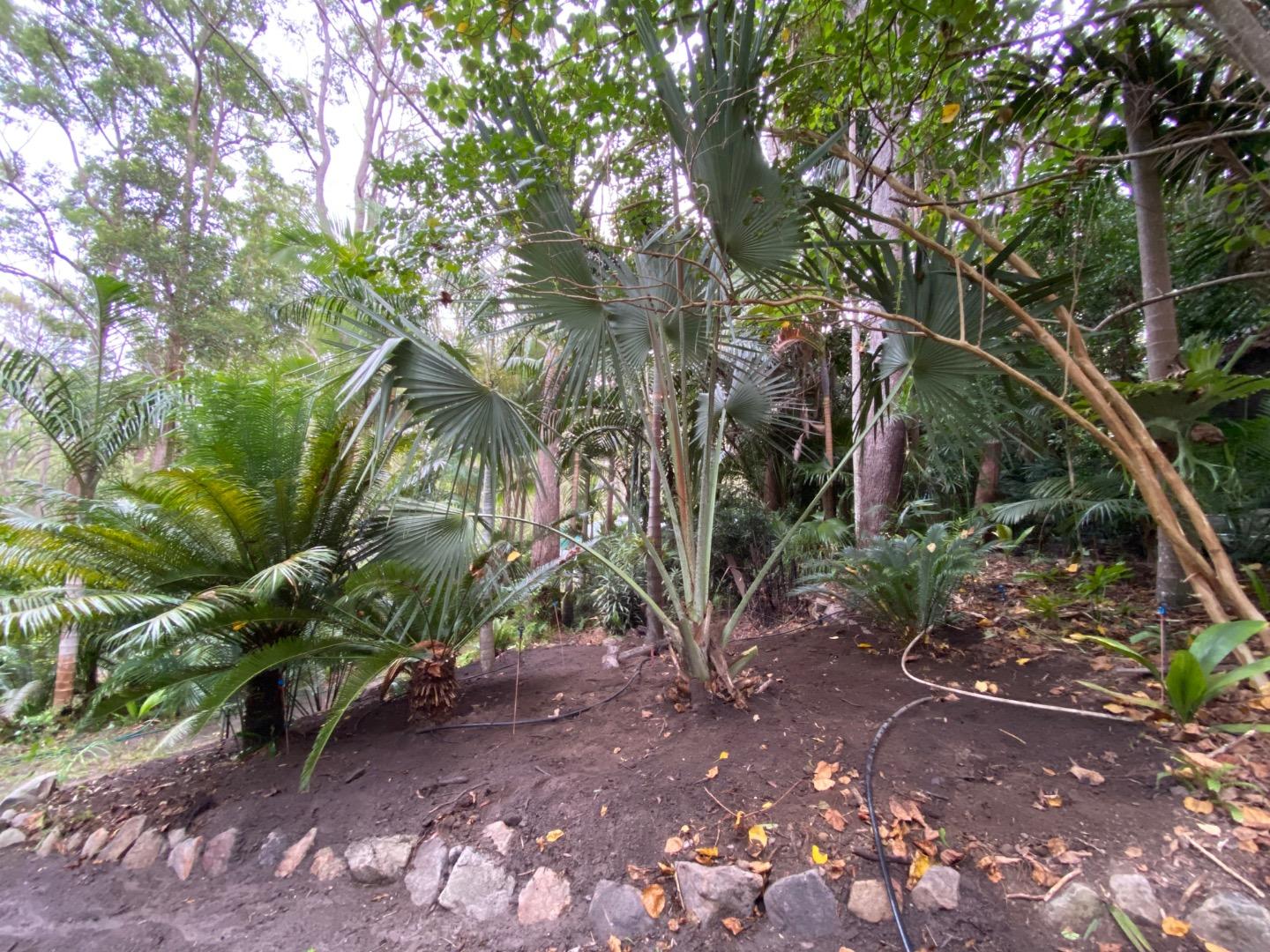
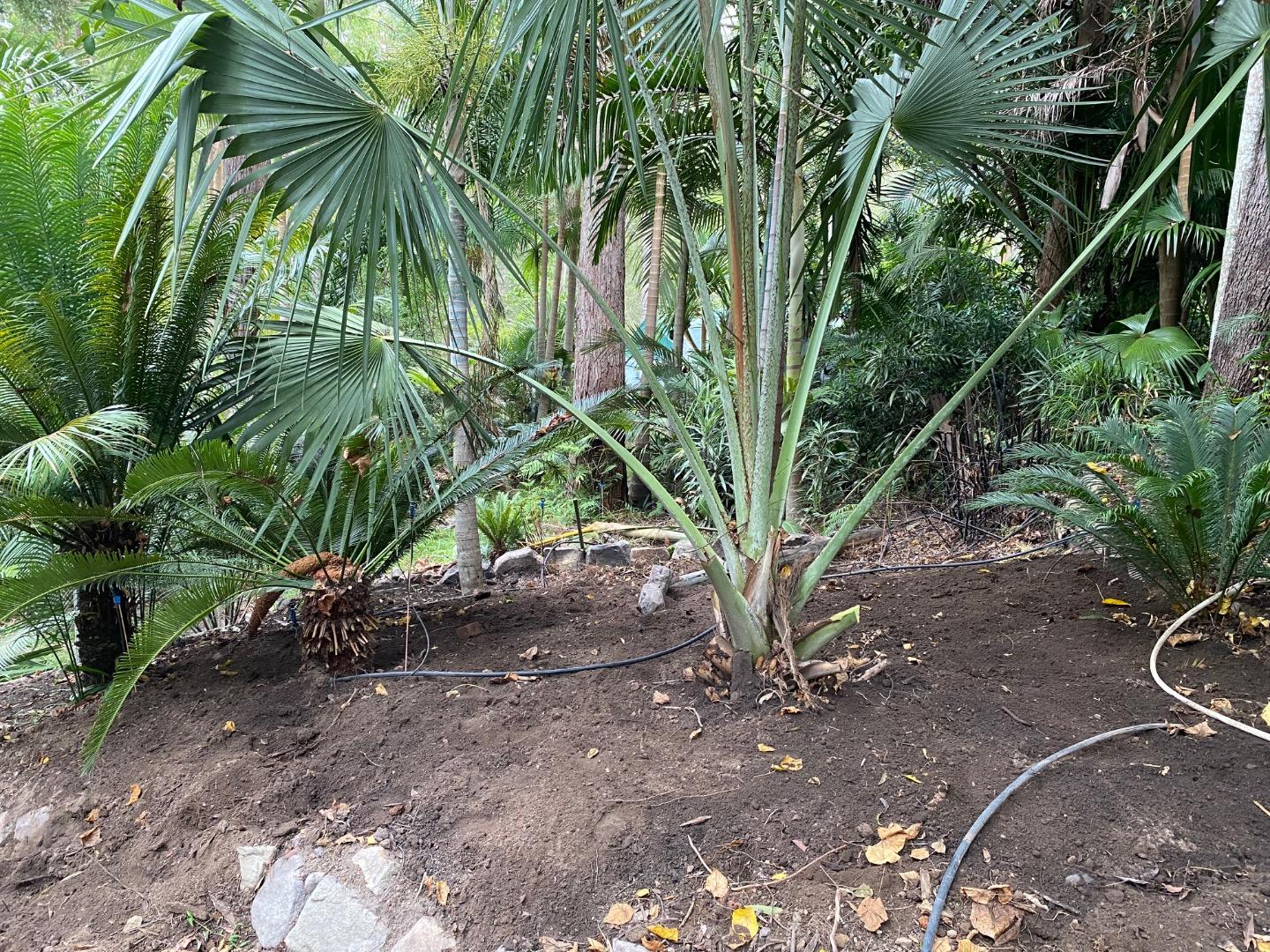
Ok so I now a have a bit of planting real estate, so its time to put it to the palm boffins in palm land. What would you suggest I go with, it’s sort of understory, there is room for a few taller growing varieties of palms, cycas varieties. It gets medium light so that gives plenty of choices. It will have irrigation. It’s by the driveway and entrance to the greenhouse so it will be getting a lot of eye attention! Only the best of the best will go in!
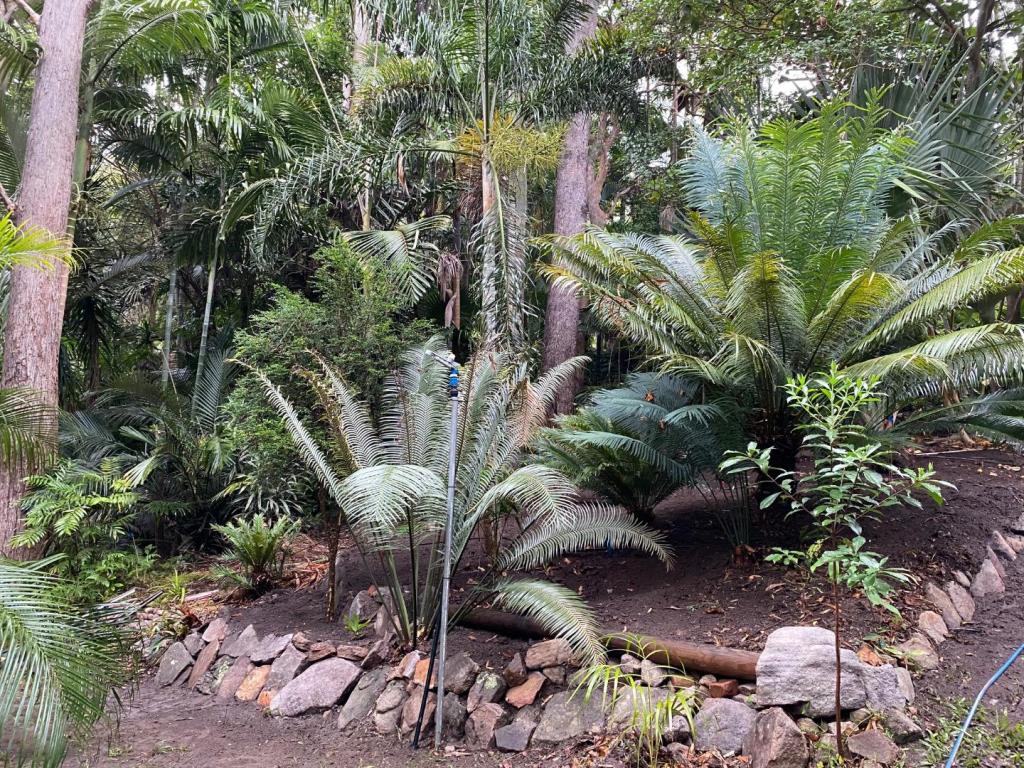
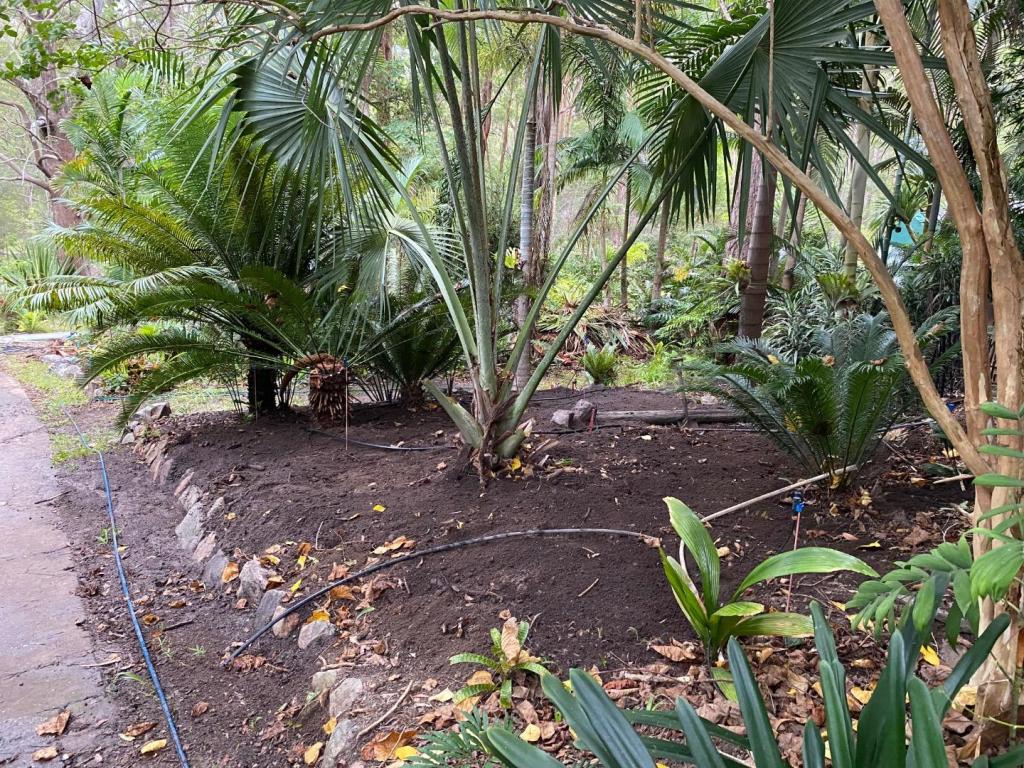

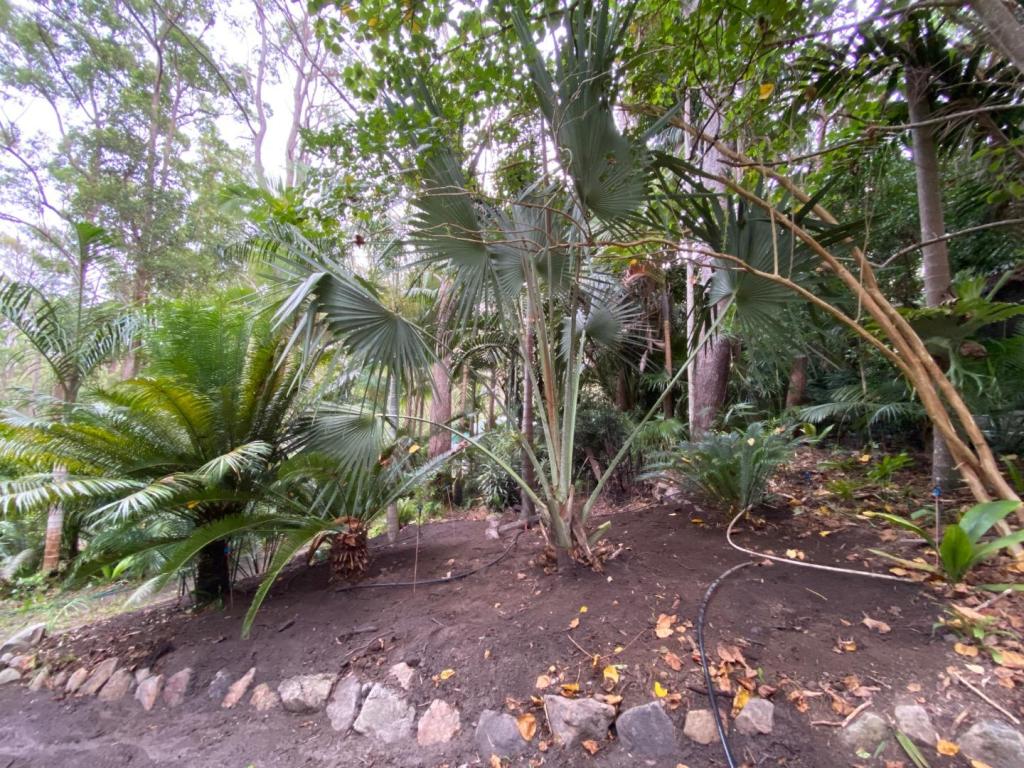

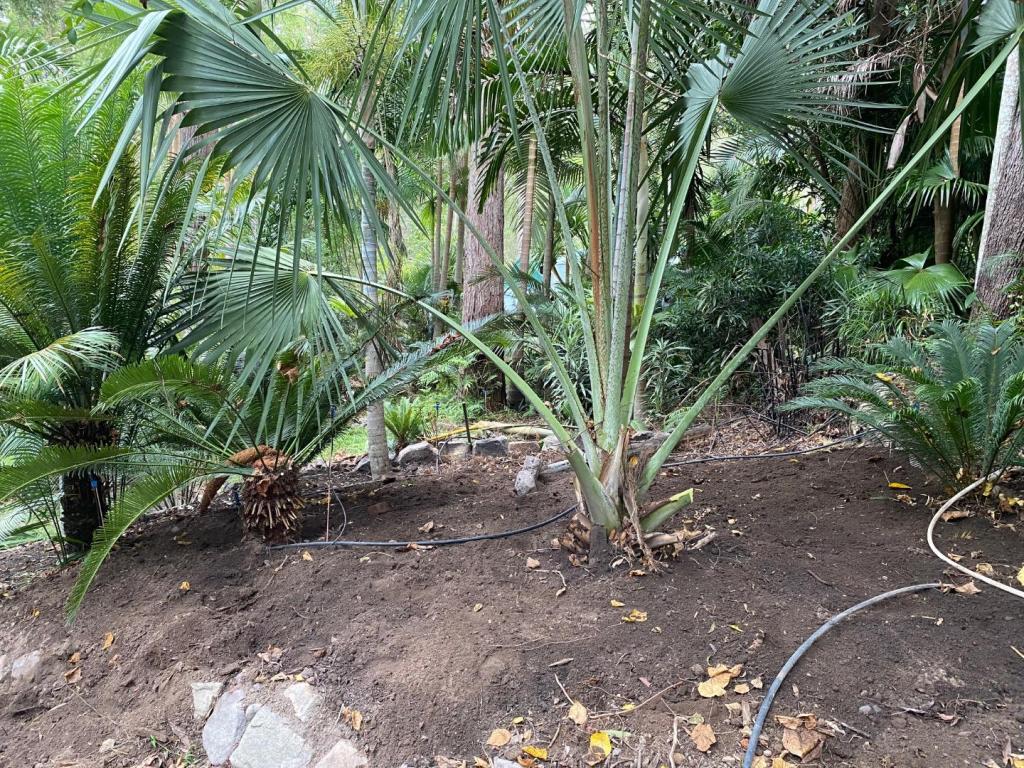 2 points
 -
I think I’m almost certainly wrong in this case though - I didn’t even notice the inflorescence which I think rules out D scottiana - I agree with Richard and Tim above. The spicate inflorescence rules out the vast majority of Dypsis. Could possibly be D pervillei although that would be another very rare one. Closely related to D soanieranae but with irregularly arranged leaflet s so could make sense.2 points
-
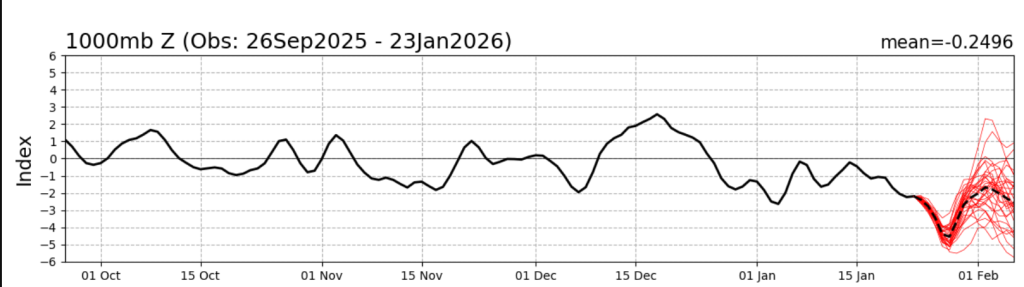
This is trending in the wrong direction. reposting for educational purposes. Translate as you see fit for your area.
 2 points
 -
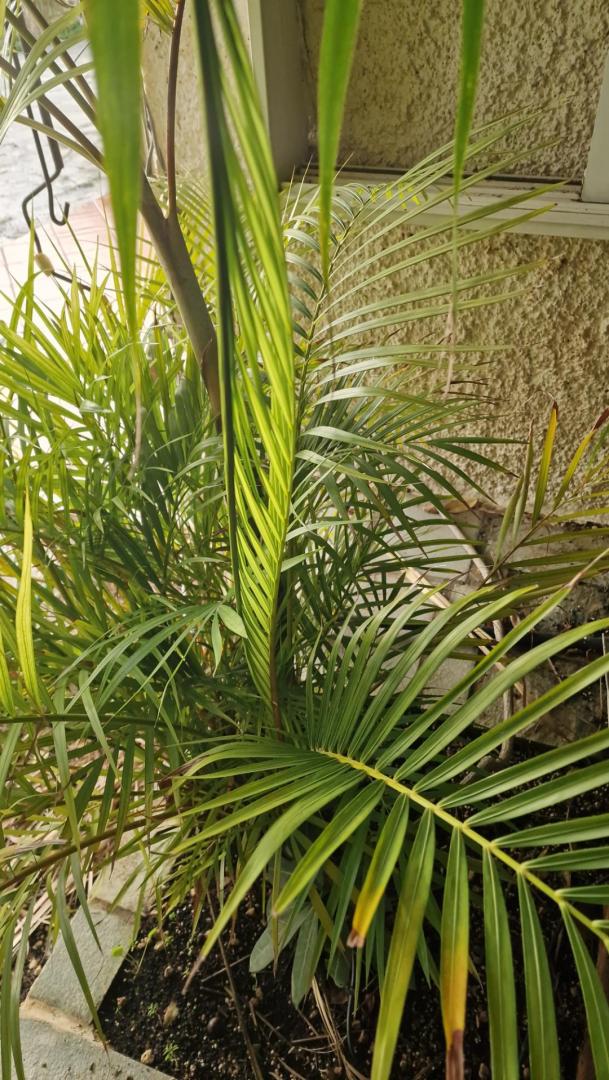
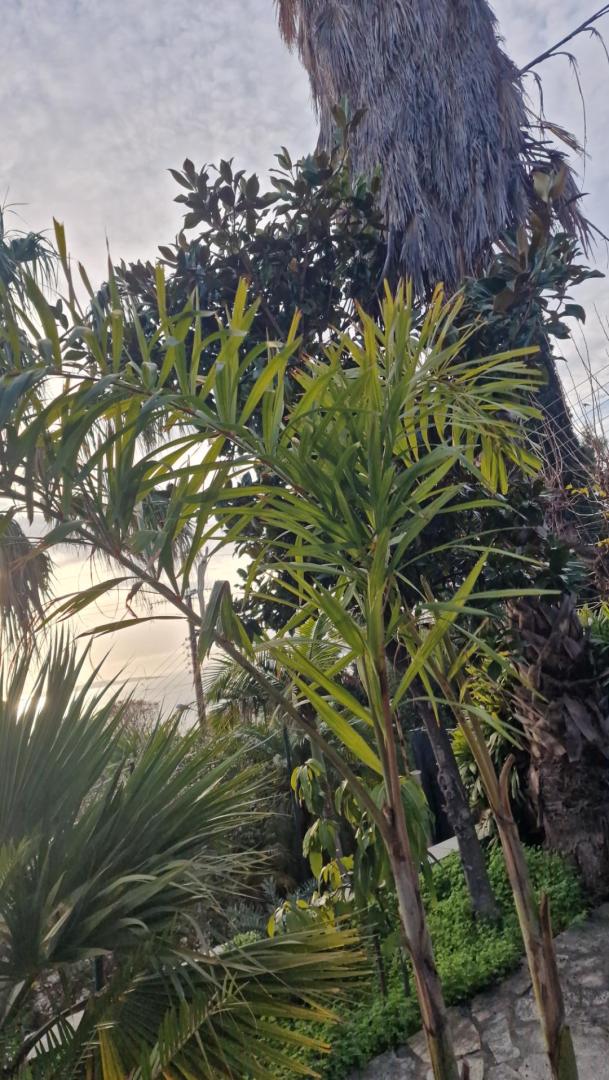
Hey @Than, I have just visited my garden, 45,5 mm of rain only this week, nevertheless no yellowing or brown tipping of the most sensitive palms. I take it down to soil replacement and amendment and its acidification. And of course no anti-frost garments deployed. Chrysalidocarpus lutescens Wodyetia Roystonea Last picture is only for you! This is a keeled petiole and and fingers are attached to the backside, they both fit quite effortlessly in to its adaxial side. Dunno whether palms will still remain so lush, when the coldest soil temps arrive, perhaps they will get some spots or brown tips but I can live with them.
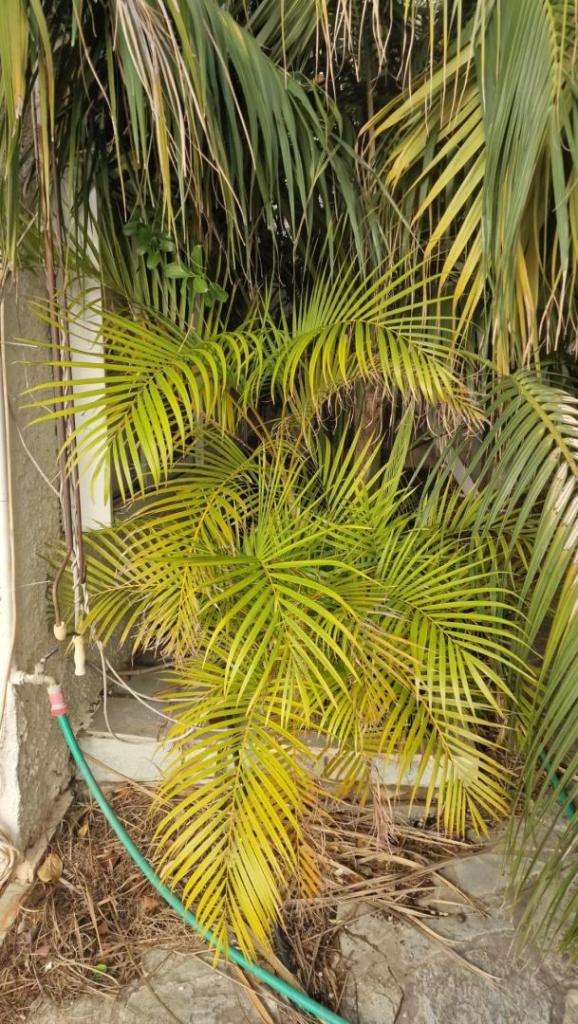
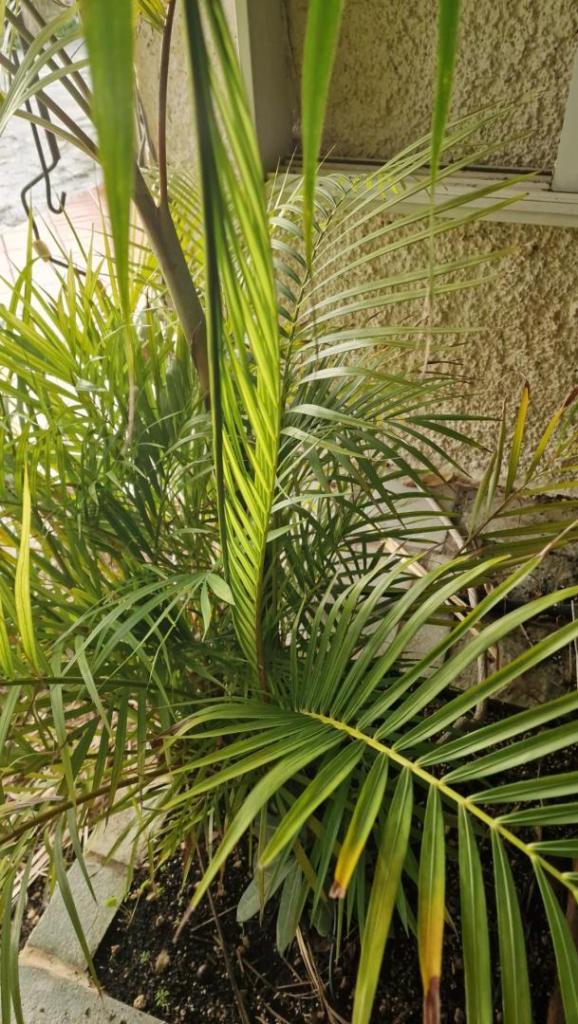

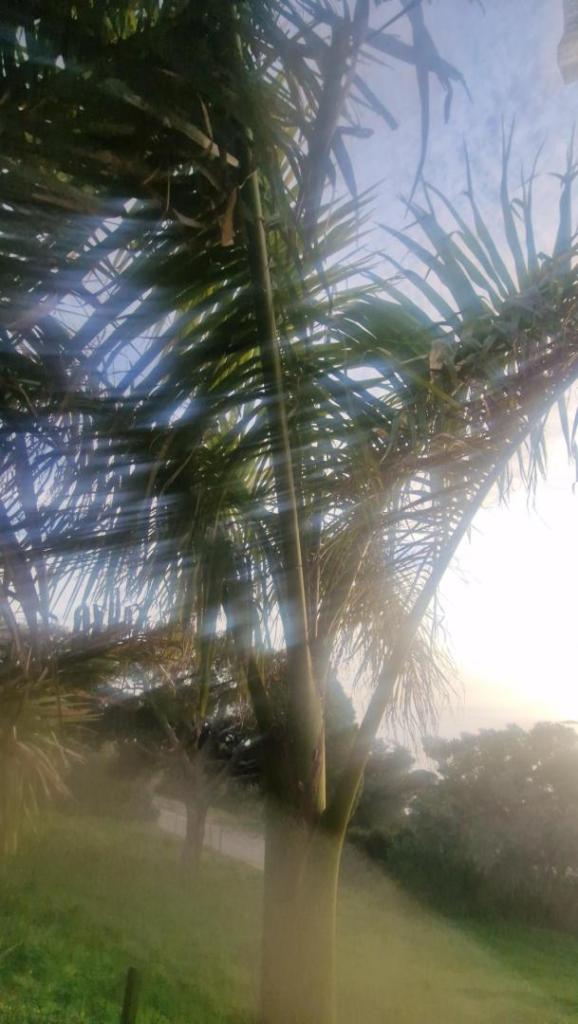

 2 points
 -
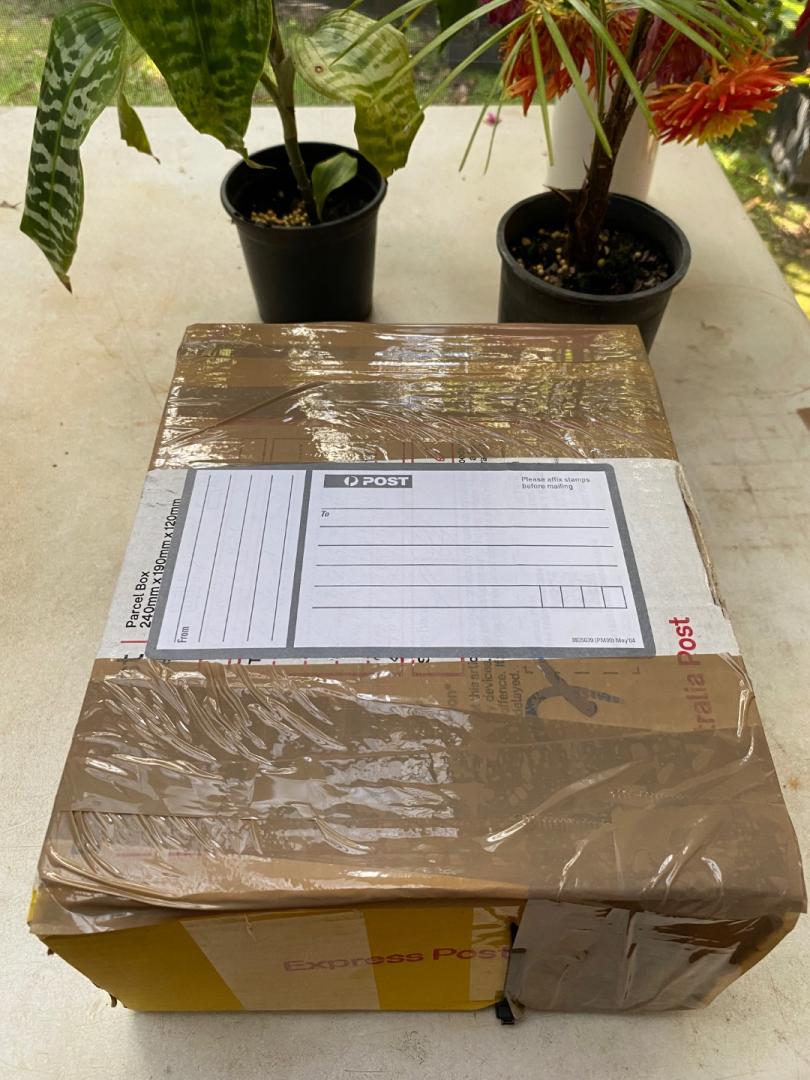
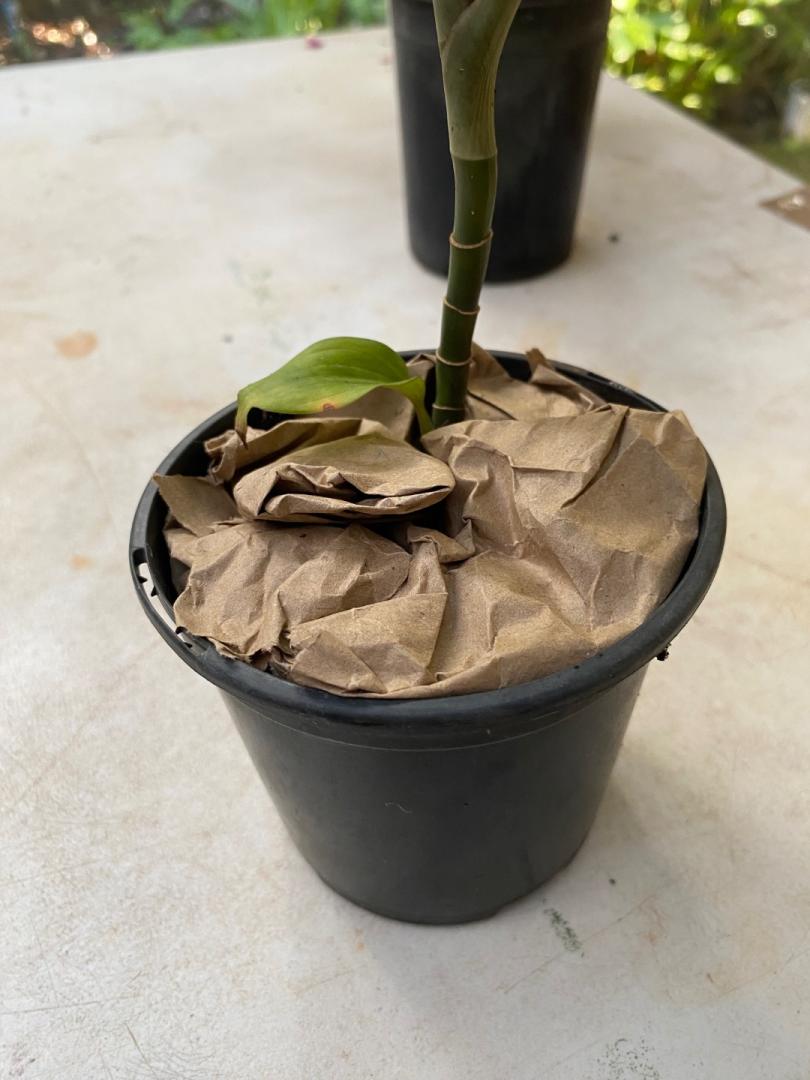
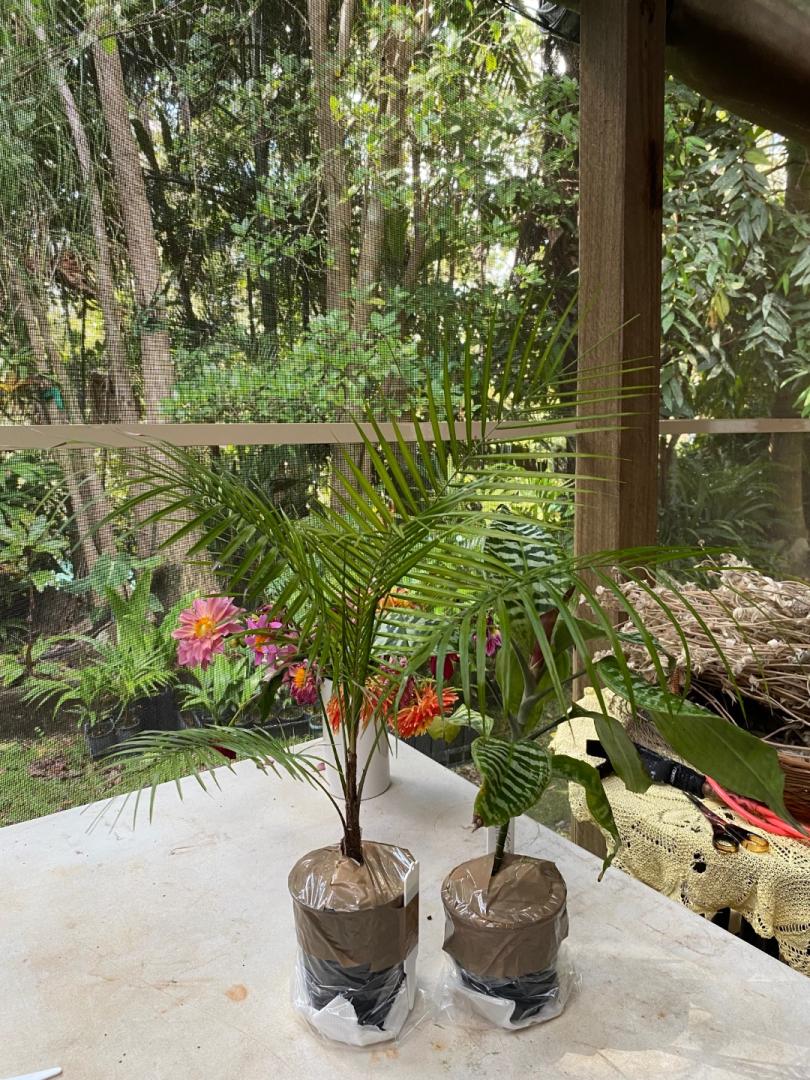
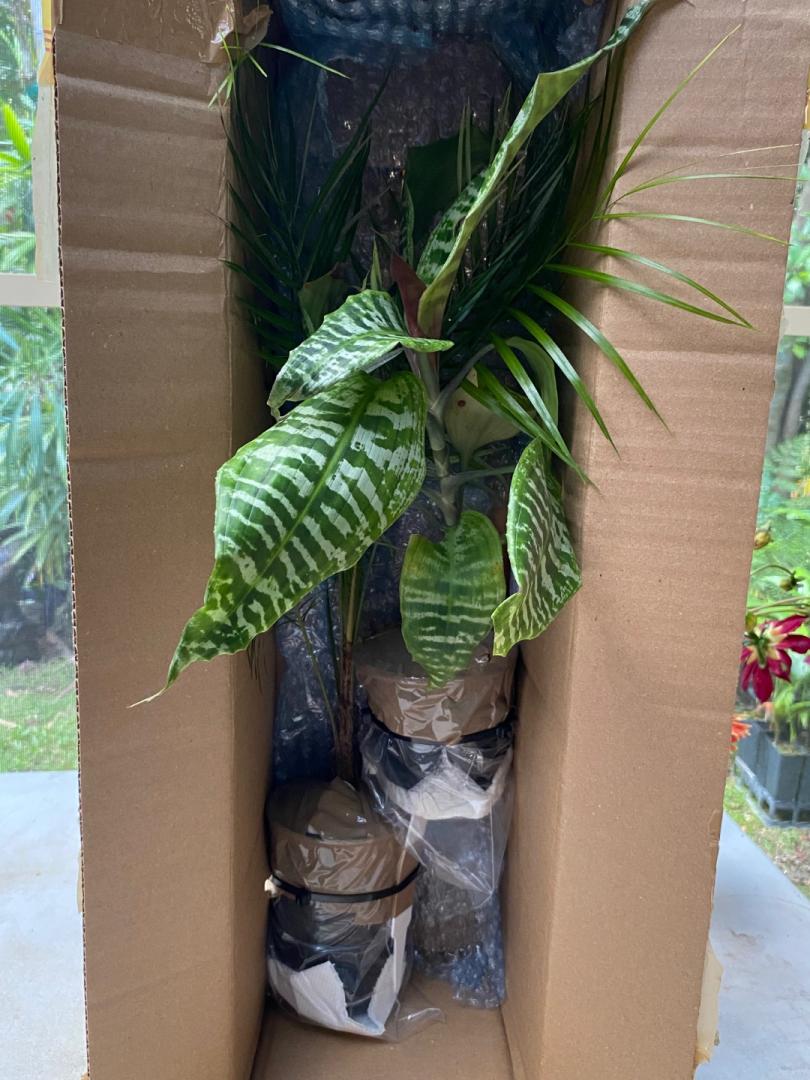
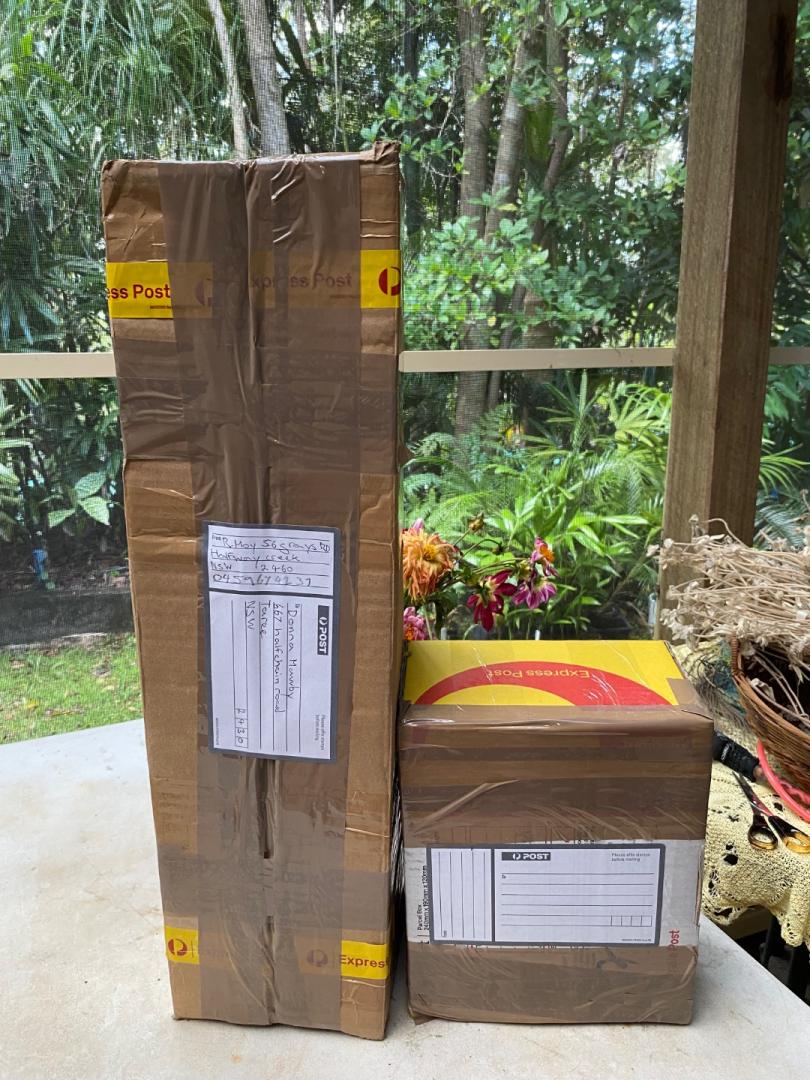
I see a few out there in palm land want to start selling plants. It’s quite simple really, you don’t need a degree in business management! Step one choose quality stock to send, the customer is always right. Make sure they are aware of what you’re sending, seller communication is critical. Package your plants well, this is critical for a couple of reason, it’s nice to receive well presented plants, and if there are delays in shipping your plants stand a better chance of arriving in better condition. Post immediately express postage, there are various methods of packaging choose one that suits your taste, but remember you should be able to shake the packaging and nothing move around. And if all goes well you will have yourself a nice little hobby business that can grow as big as you want. Remember quality plants packaged well, seller communication and your in the business of supplying plants!
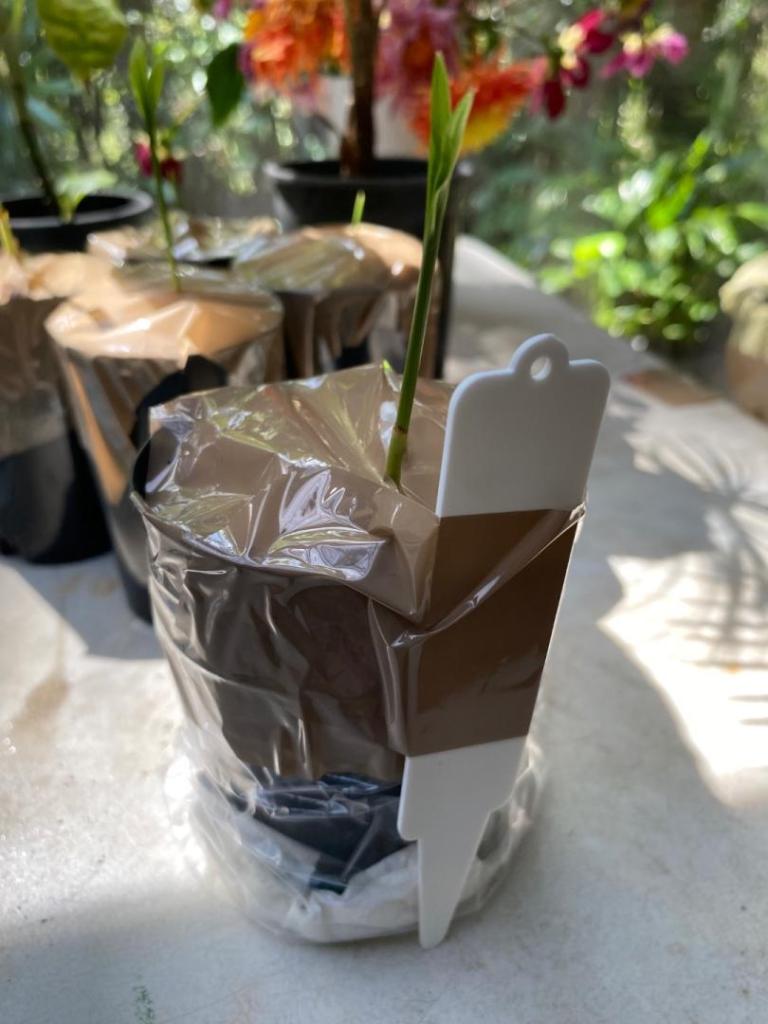
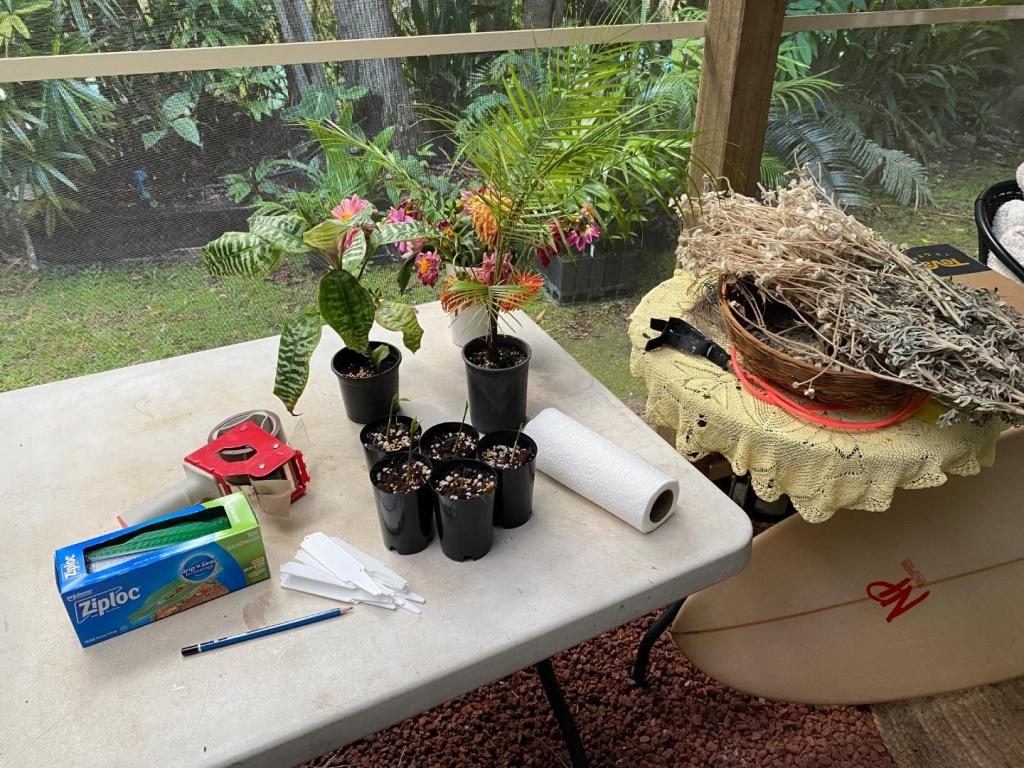


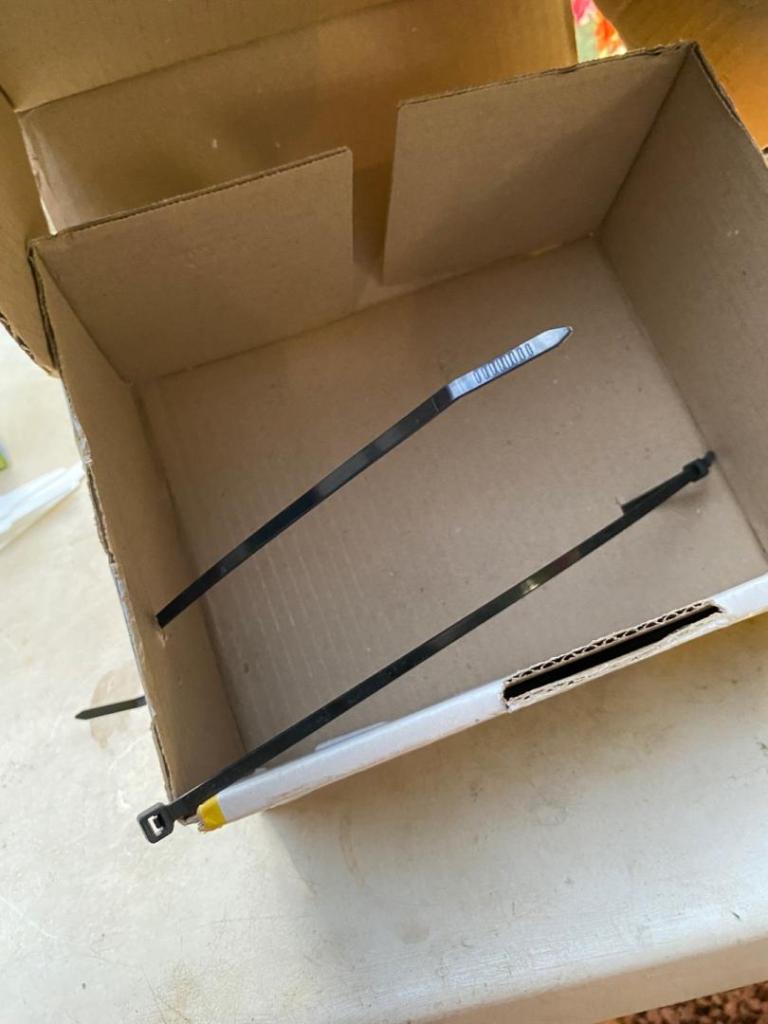
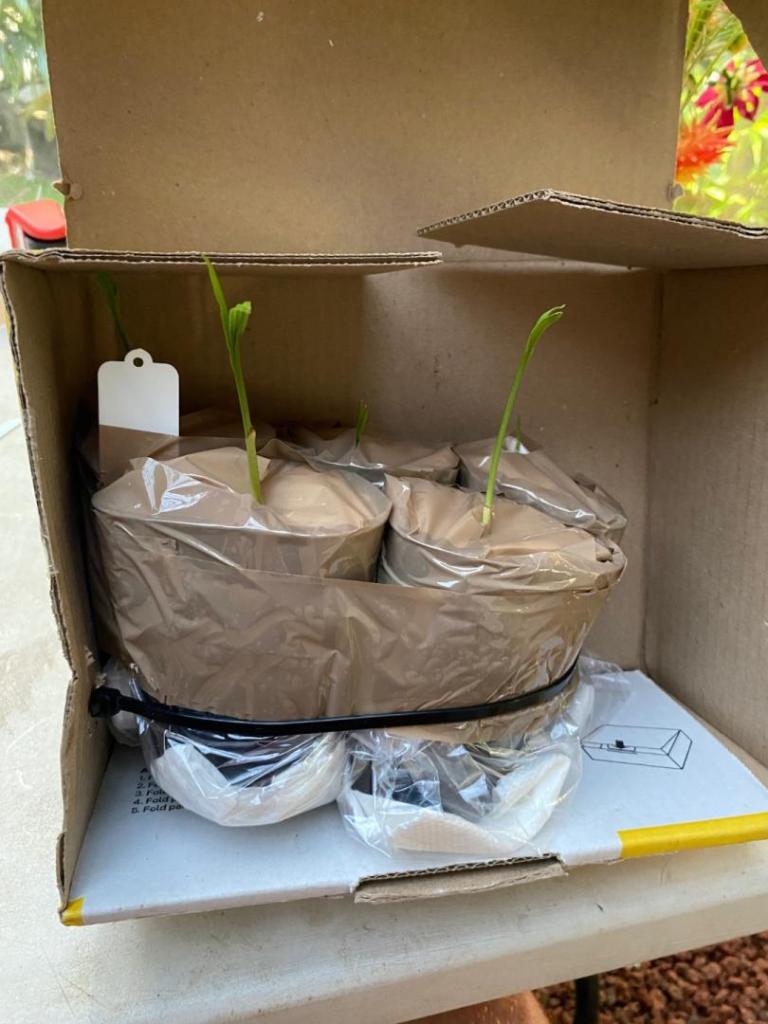
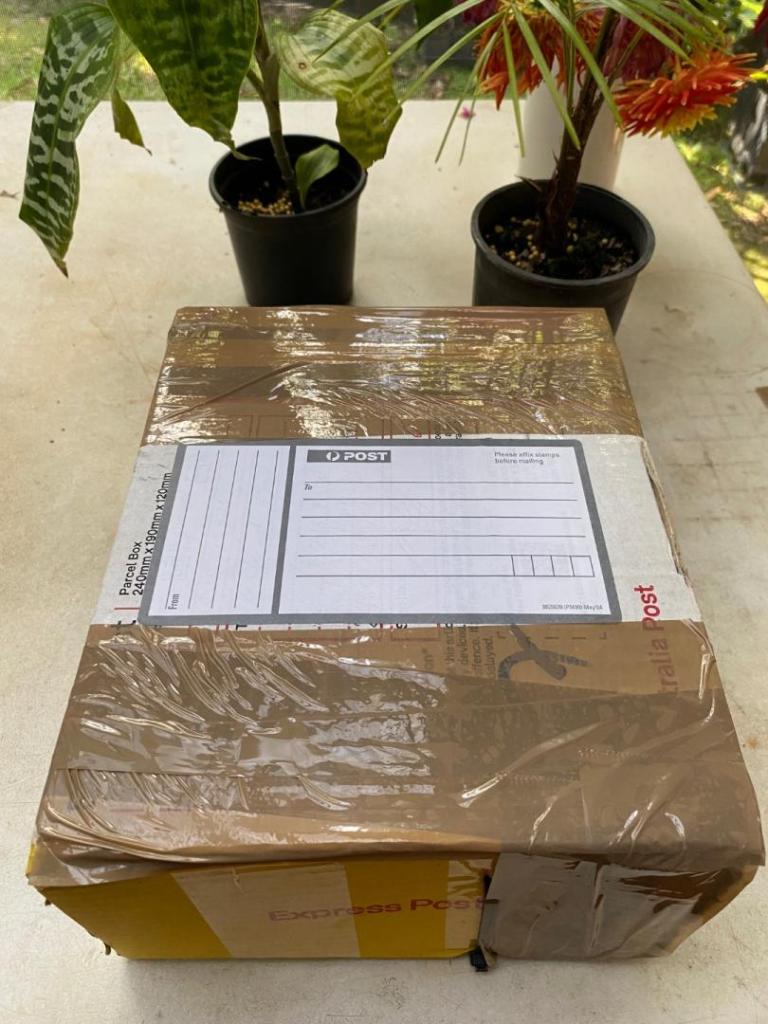


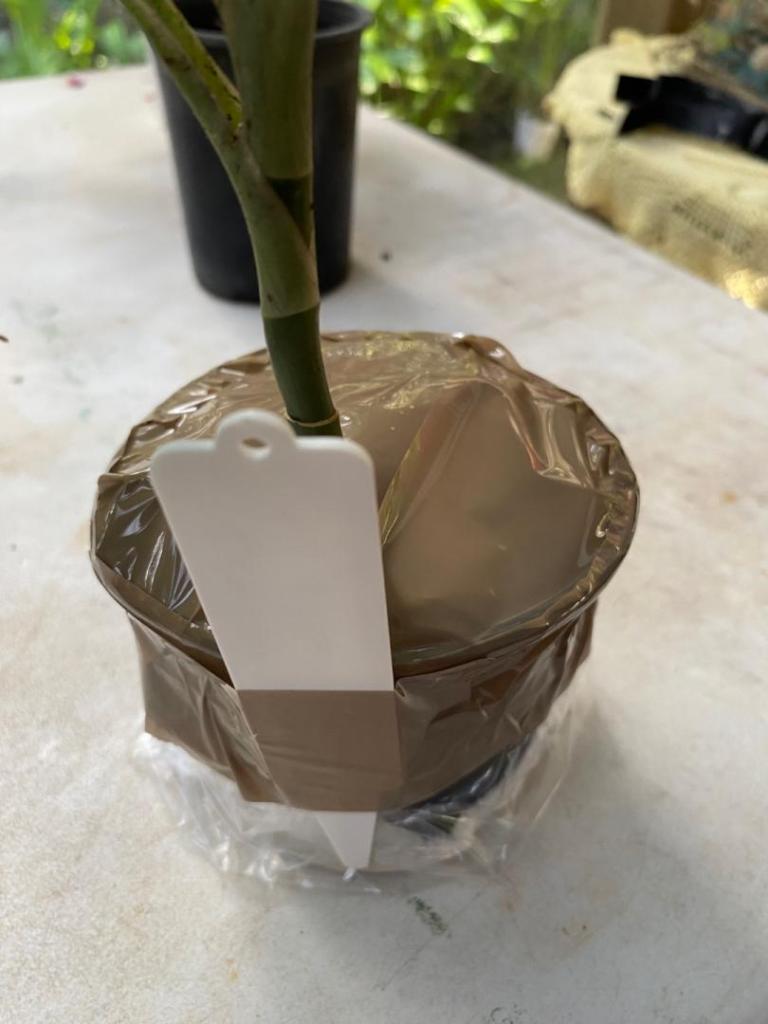

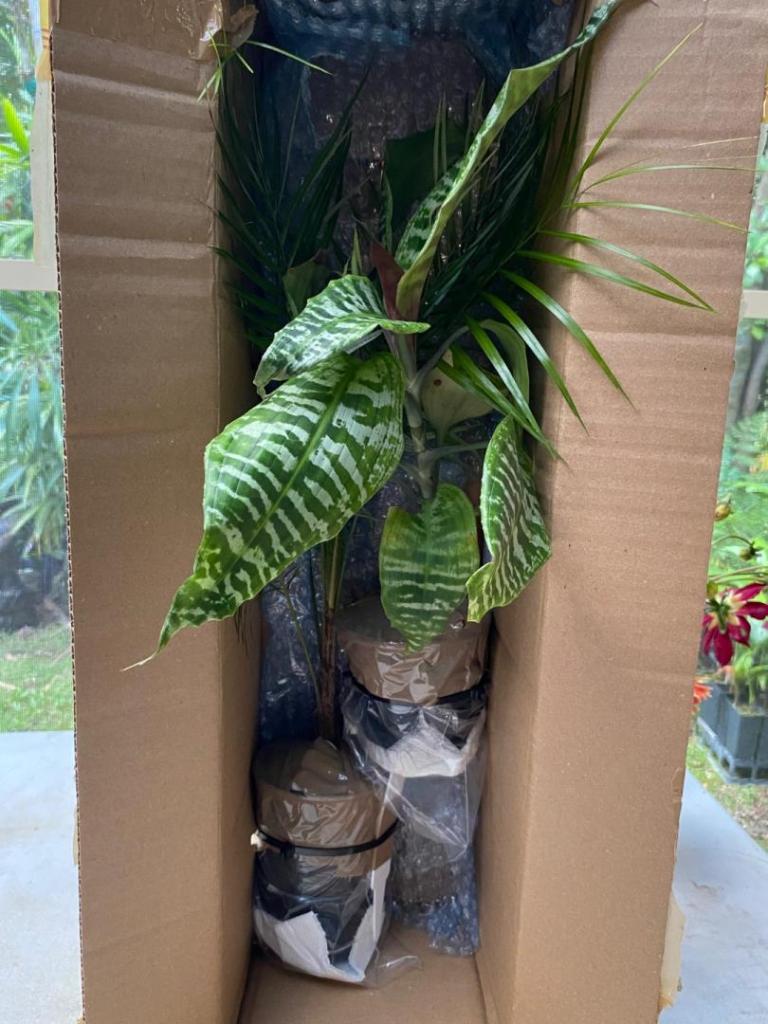
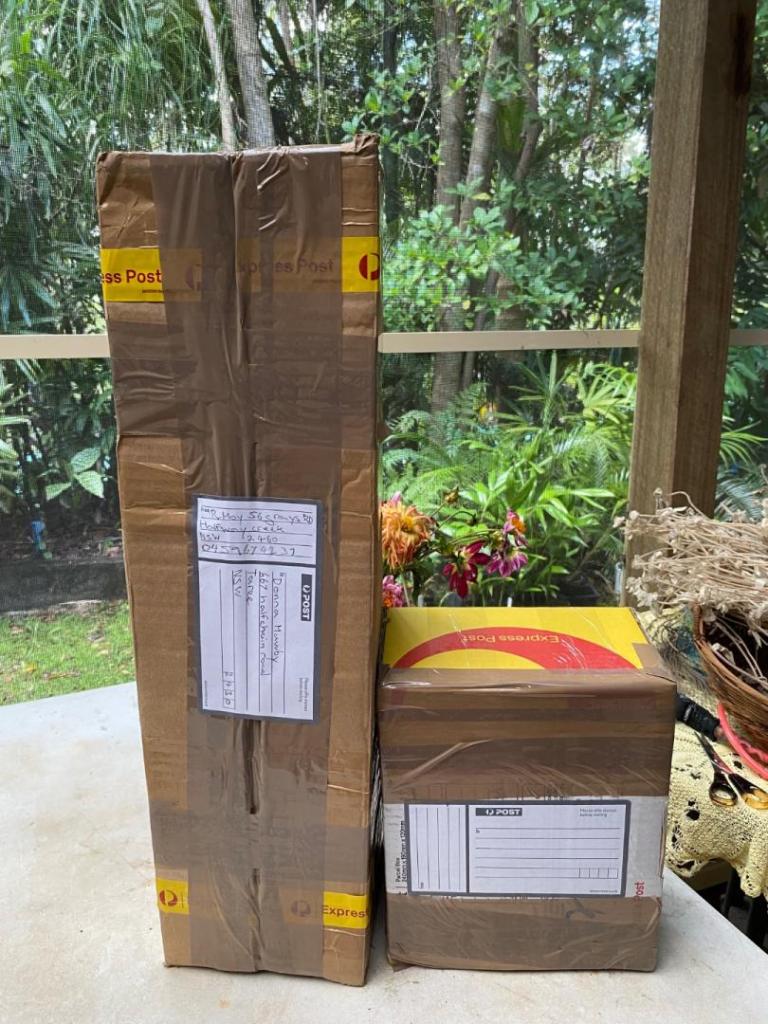
 2 points
 -
Ι agree some colour would compliment the rest of the plants there very nicely. Something bright red perhaps. Some ti plants on the border might help.2 points
-
I like your choice in plant selection Harry. I do have quite a few dainty licuala varieties. A couple of dypsis lantzeana with a few dypsis minuta, brevicaulis, confusa and louvelli just a few good ones I have. Iam sure I will find something! Richard2 points
-
Same way over here. I lost some palms over the years, luckily they were still young . Most of my yard is 8a/7b . I do have one Filibusta leaning Robusta. It partially spear pulled two winters ago. It gotten so huge that it will be a real pain to dig that one out if it bites the dust. I also have Filifera , Sabal minor , Butia Oderata and Trachycarpus fortunei but all of them are less than 3 years old, except the Robusta. Freezing rain in the forecast. I'll put a trash bag over the Trachies and Butias and cover some of my Agaves. That's all I'm doing. Everything else has to sail through the rough sea. Should have just planted Sabals and call it a day lol.2 points
-
What I have learned over the past few years is that the hardiness zone map is worth nothing at all. Plants don't care about average, it's always the ultimate lows that matter, along the type of cold and duration . For instance I look up the temperature history for the last 100 years . I know it's a long stretch but it allows me to see how many times the temperature dropped below the rated hardiness zone. In the 1980s , San Antonio experienced at least one cold zone 7b winter. That’s 1.5 zone colder than our current zone. It happened and it will happen again. I'm still in the learning process of growing palms and other plants and with our climate in Texas it's very tough to find the right plants unless you go all native. It's too hot , too dry and too cold in San Antonio. In the last 5 years we only had 1 decent winter ( last year) where palms didn't defoliate for the most part. I know we're going to get nuked this time. I wouldn't be surprised if I lose a palm or two.2 points
-
Yep time for great compost heap in the sky iam afraid. Fear not we have all had a palm or two succumb to the compost heap. Dont give up palms are one the greatest garden sentinels around, get it right and your dream of a paradise is eternal.
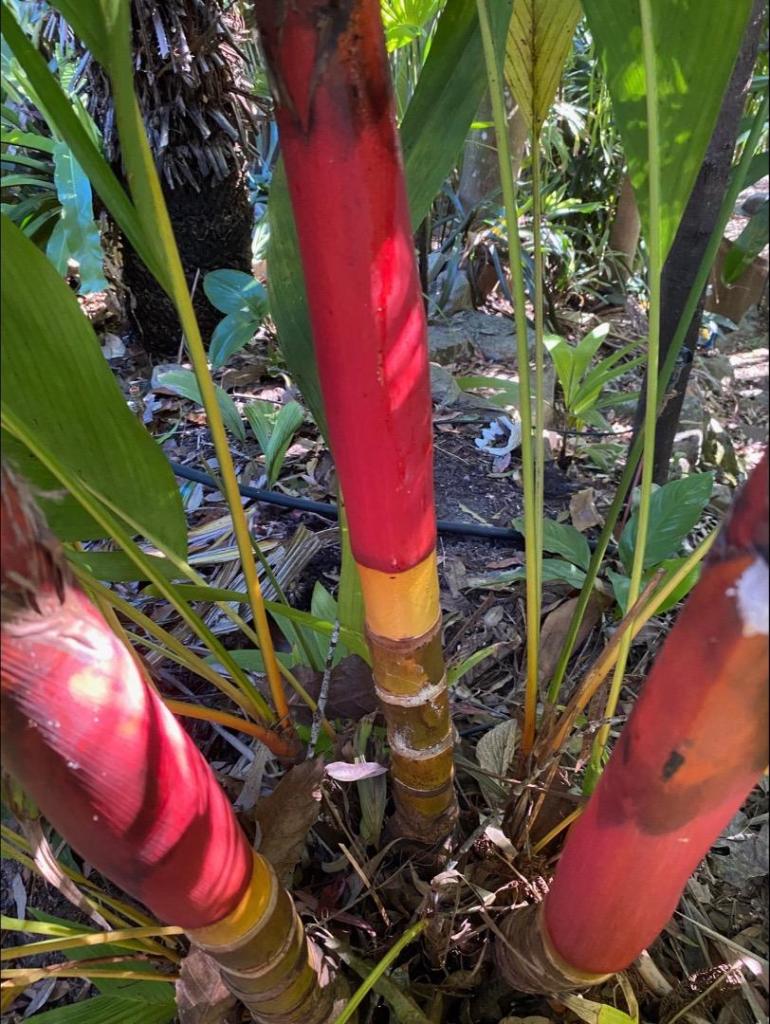
 2 points
 -
Farming is a good career choice for me, I like working on a farm, ask anyone in my family when they asked me what I wanted to do when I grow up, I want to be a farmer I said as a child. I love working with plants I find it very rewarding. If I wanted to grow vegetables and fruit I would make a living on a small scale. If I went commercial and large scale growing I would make a fairly decent living. The one problem in Australia is you have to choose the right fruit or vegetables to grow. Seasonal fruit and vegetables the price drops when there is a glut on the market and sometimes you don’t even pick the product. But choose the right crop and try to grow out of season you do very good. Italians are very well known in Australia as good fruit and vegetable growers.2 points
-
I love the photo of both of them they both look like one big palm together! I have seen them in habitat on creek bank with at least half the root ball exposed to the elements from erosion, there sure tough as adult palms, seedlings a different story. You did well as a palm lover transplanting them from the office to your garden!2 points
-
Just let it ride, it's really all you can do. I think the humidifier will help. It's kinda funny how fast palms will decline and how long it takes them to recover. Not funny haha, the other kind.2 points
-
It's hard to believe the garden has been open for so long already. A full species list is available as a PDF attachment on this post. We're currently working in conjunction with the garden to host a sale at the garden in the late spring featuring some of Florida's best palm vendors. More information will be posted in the AFFILIATE NEWS AND MEETING DATES section if/when details become final. A short note from the founder is included below: Attached please find the January 2026 list of Palm Species at the St. Johns Botanical Garden, with a Key and Notes. We estimate to have ~480 individual species at this time! I want to thank the entire Board and Membership for all of your support in helping to make this possible. I look forward to continuing to build our Garden and researching species and varieties that will work well in our area. I also want to emphasize that the Garden will always be a resource for all Members of the CFPACS, and Members will always receive discounts on plants and admission. Please feel free to share this with Membership or whomever you wish. 20260122_SJBGNP_SpeciesList.pdf
 2 points
 -
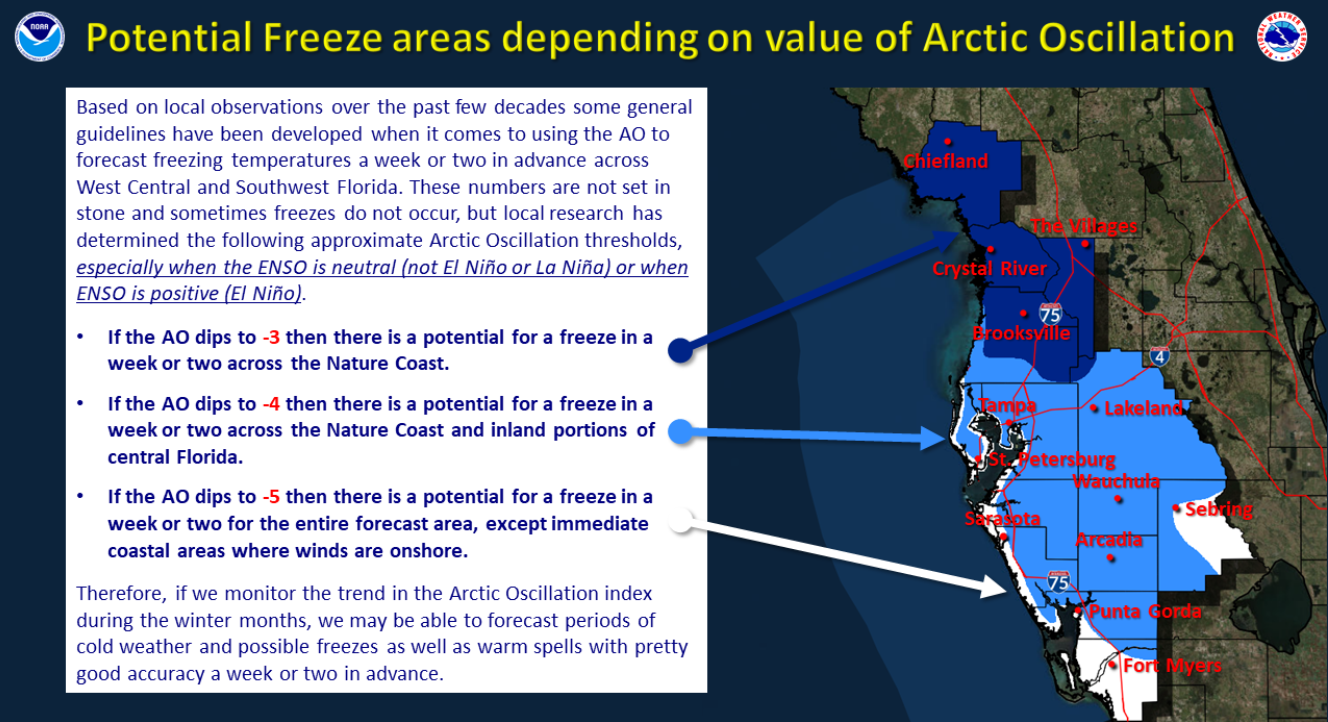
Every winter, I see blown prediction forecast maps like this one. The first graphic from just 12 days ago showed very warm weather expected across the South for the last part of January. Closer to real time, a dramatic shift in where they think the frigid air will actually end up being. At least they knew it was going to be very cold somewhere, they were just off by 2000 miles.

 2 points
 -
Rick, I’ll bring some orange lichen over. 😊2 points
-
Thanks Tim & Richnorm. Pinnae arrangement look similar to both scottiana and particularly to sahanofensis, but the inflorescence on the palm in question is unbranched. Reading about sahanofensis, the inflorescence is branched to two orders. Definitely getting closer. Tim2 points
-
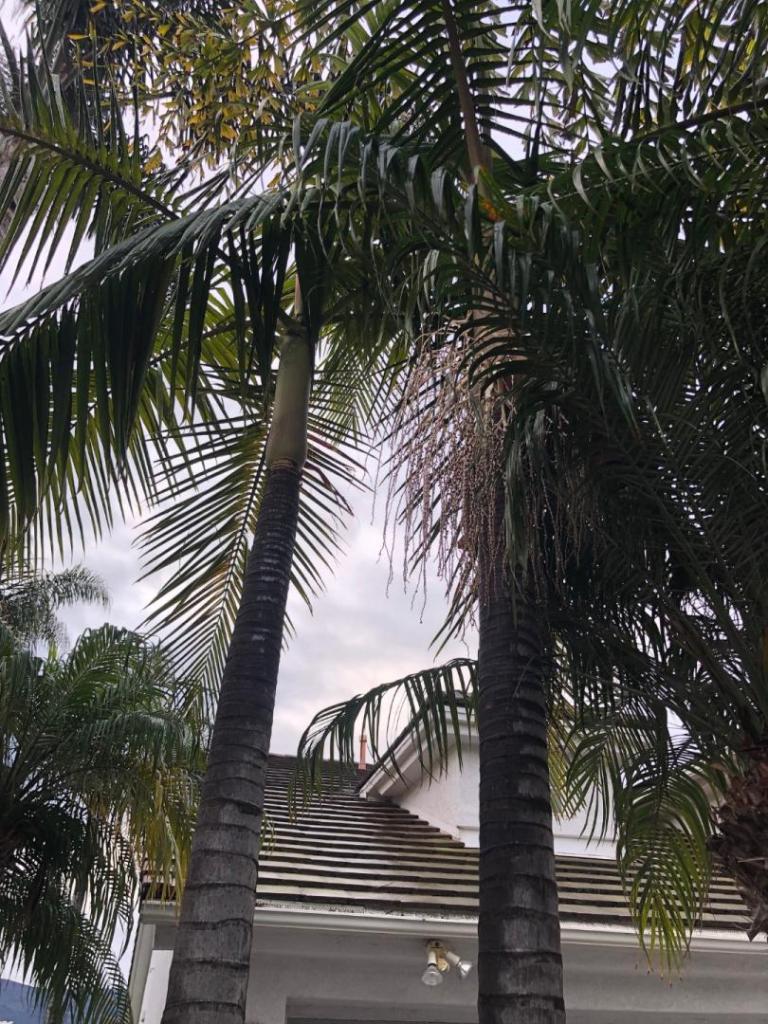
@Jim in Los Altos, you have a pair similar to mine . I had to do a double take . Harry These were in a pot in an office where my shop is. They were sad and full of spider mites . They were very small and I wasn’t sure they’d make it . Then a few years ago , I cut a bunch of the roots to put a pathway in. I thought for sure they would die ….nope! They have thrived .

 2 points
 -
Richard is the master of packing and sending plants, Never had a plant arrive that was not perfect regards Colin2 points
-
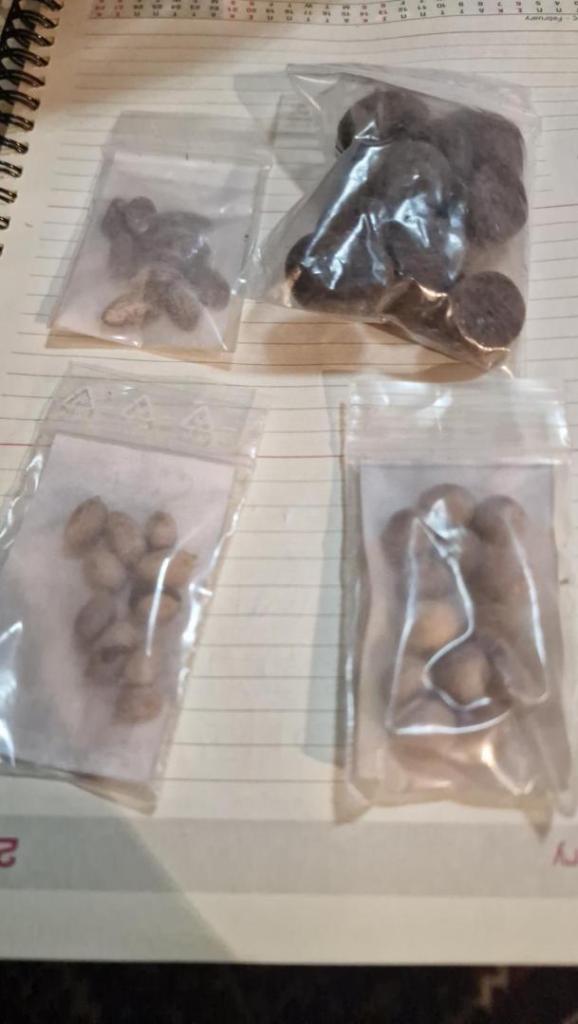
I bought also some palm seeds, to make gloomy winter days more interesting. Interestingly all seeds looked bleached, perhaps they had been really bleached.
 2 points
 -
Has anyone tried these in hot California climates where humidity in the summer is low? I wonder if they will survive 100-110 F with 20% humidity that we get some days here.2 points
-
Possibly D scottiana Tim. D scottiana is variable and some forms have that irregular leaflet arrangement. Trunk and crown shaft colour and growth habit seem to match it quite well.2 points
-
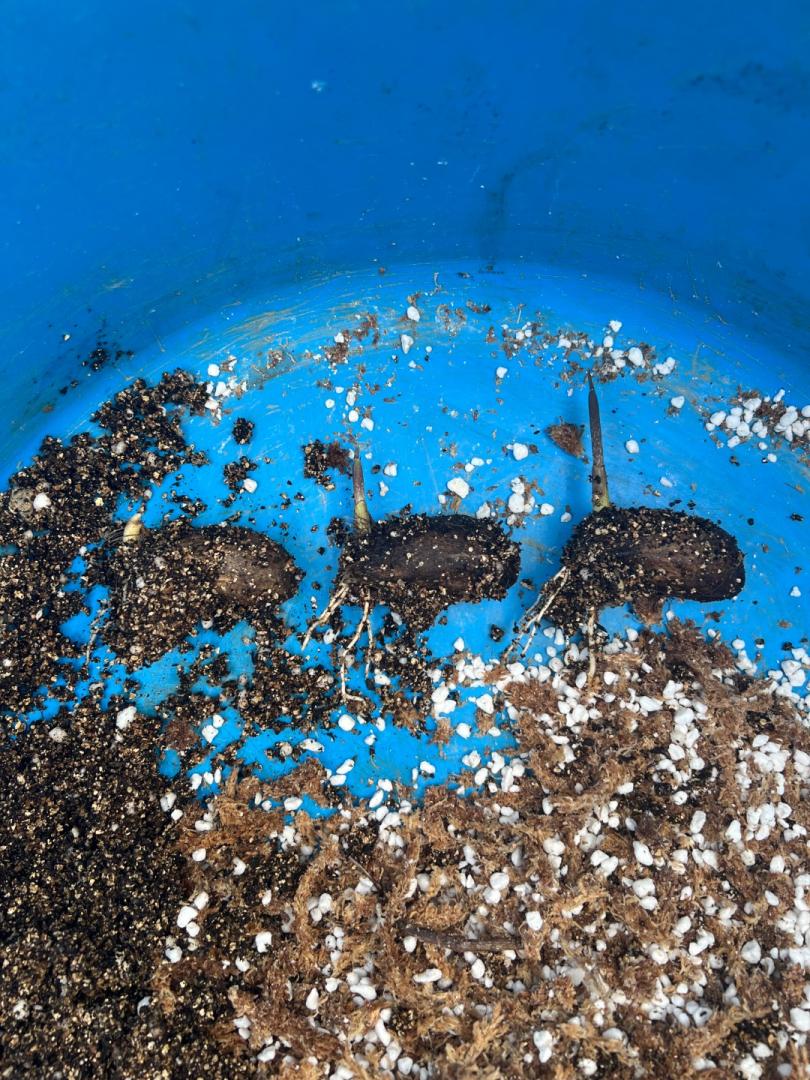
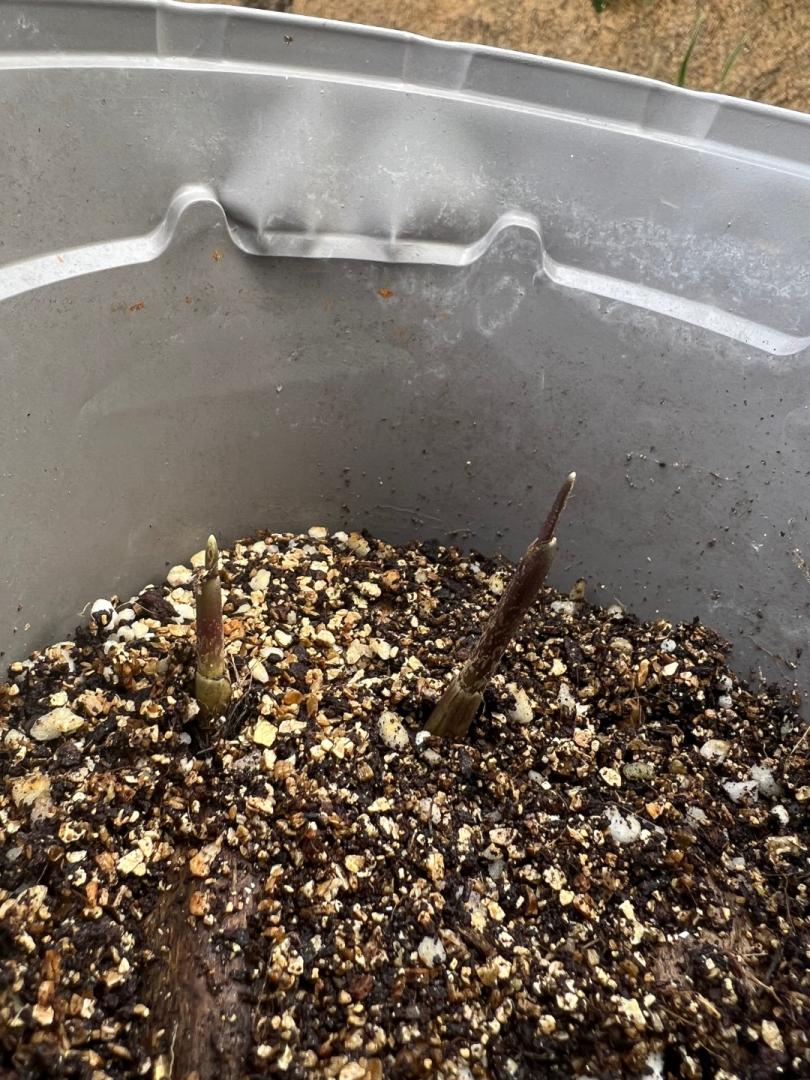
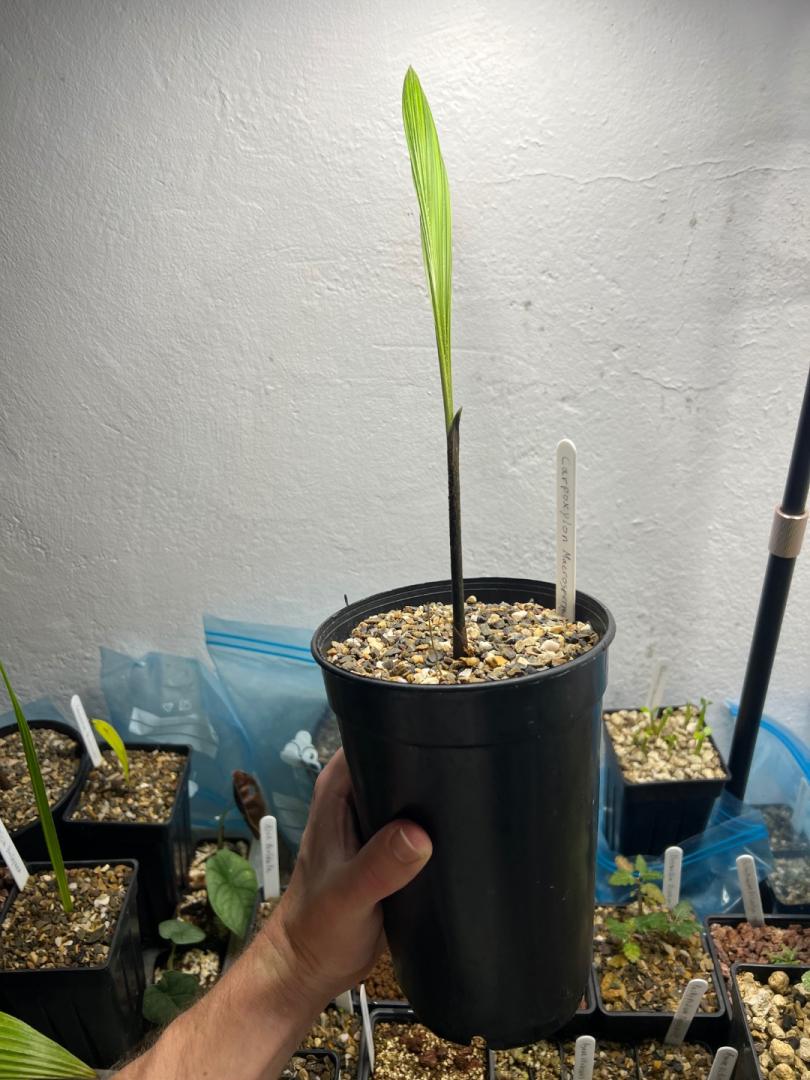
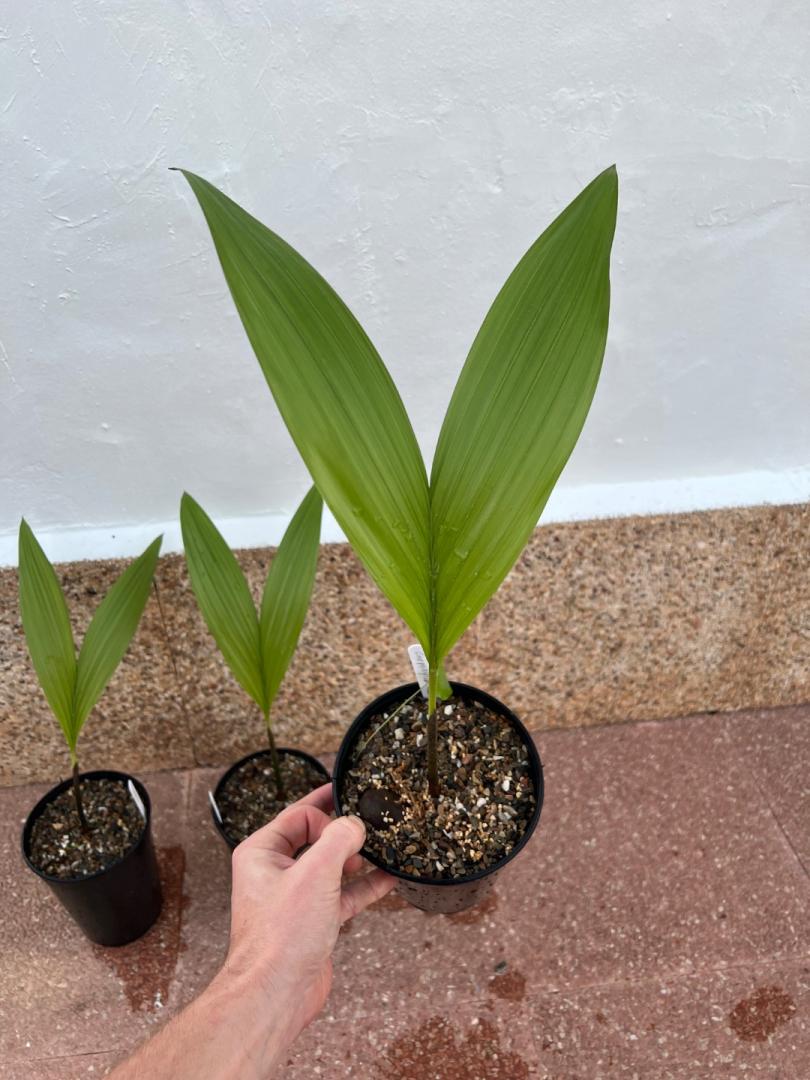
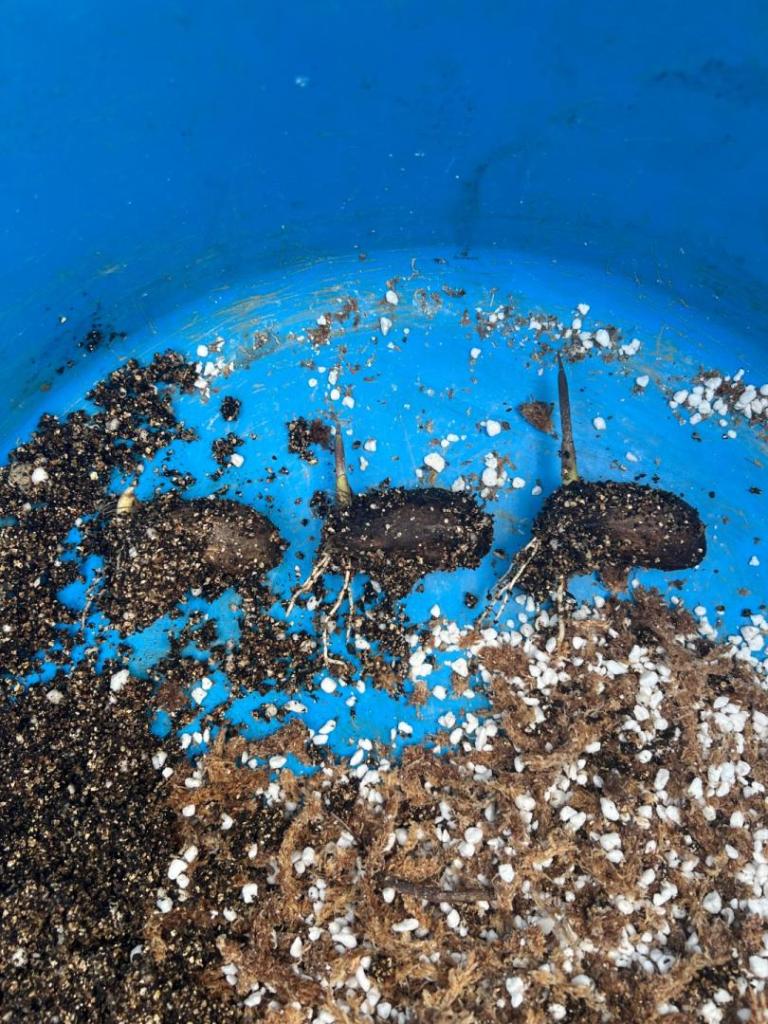
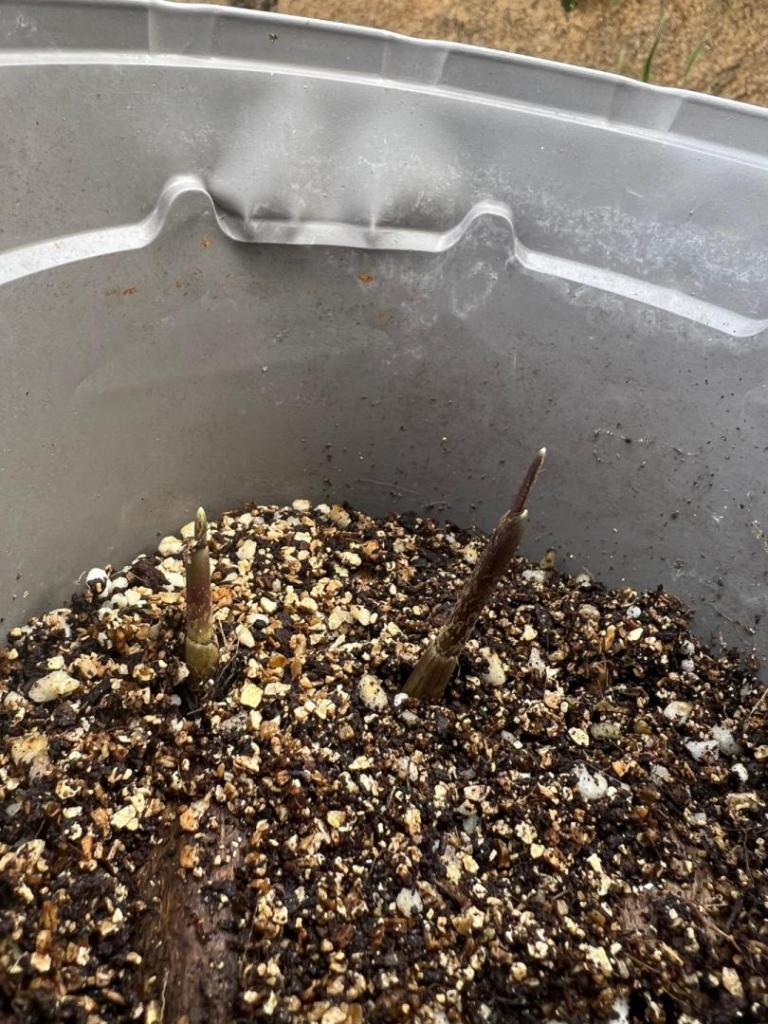
Here are some photos of one of my favourite palms the Carpoxylon macrospermum!!! Definitely one of the easiest palms for me to grow from seed. They only took 2 weeks to germinate outside when our nighttime temperatures in September where dropping to 18 C or 65F. I brought them inside once October came and the nighttime temperatures started going down below 15C or 60F, and they didn’t skip a beat. I made sure the soil has super good drainage, they practically grow hydroponically. Soil composition is a mixture of sphagnum moss, zeolite (To help keep the nutrients), pumice, perlite. I will fertilise them when the heat comes back. I will try leaving them outside next year. I am curious to see how cold hardy they will be here in Ibiza. At 4 months old.
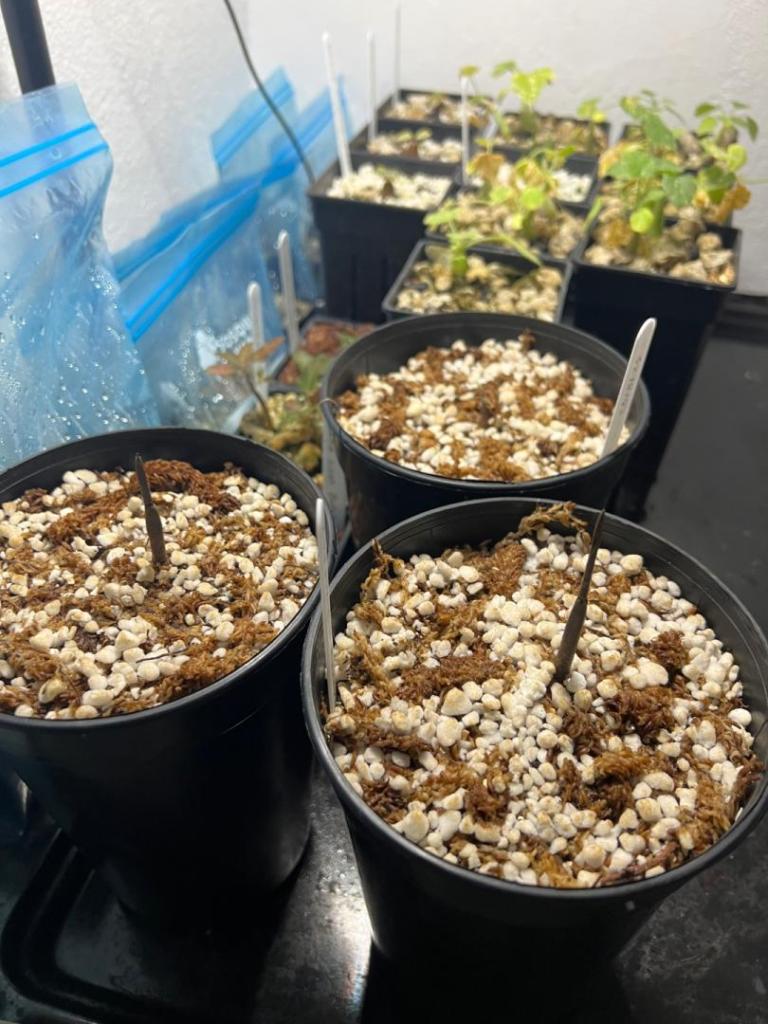


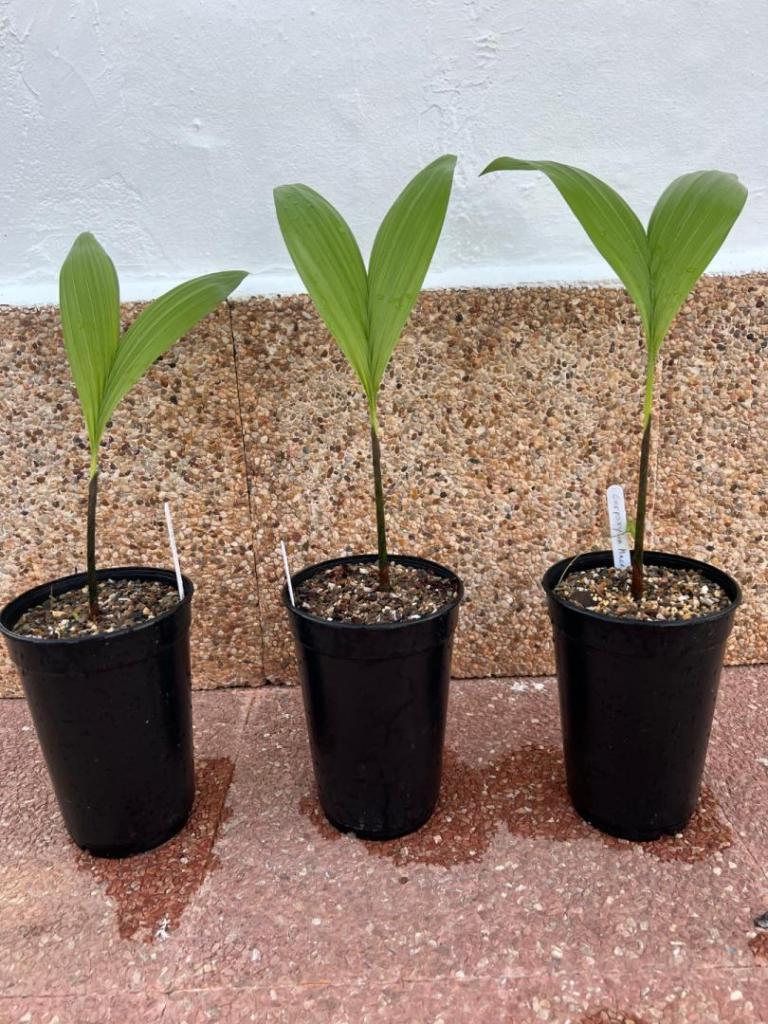
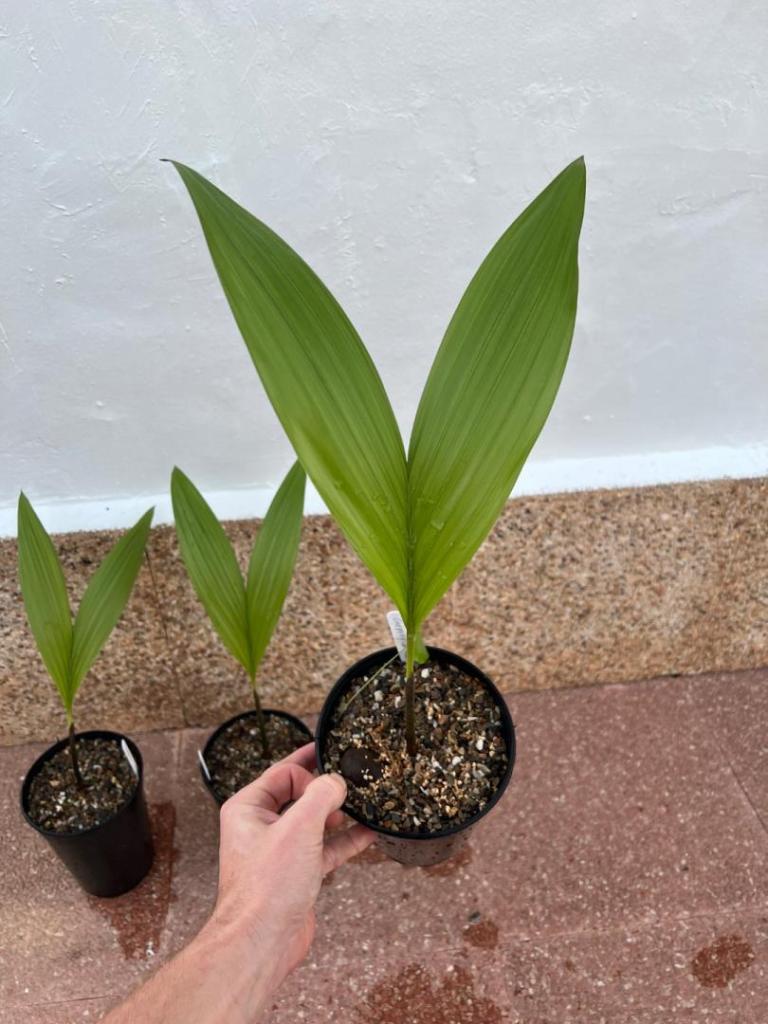 2 points
 -
Geese Troy, it looks perfect! Tim2 points
-
Flawless!! Well done!2 points
-
Absolutely awesome. Well done.2 points
-
Most Archontophoenix palms are a bit root sensitive and must be planted with care not to massage or disturb the root ball when planting . Even with care , they can stall for a while before showing growth. If the soil is not draining well or becomes dry between rain events , that can cause problems as well. My “Archie’s” are almost constantly watered , even in winter . They are water hogs once established. It could still push a spear out , watch for it before giving up . As long as there is green , there is hope. Harry2 points
-
Nice guide for those that want to do this. Germinating seeds is sometimes very slow unless you have the facilities to move it along. I guess it would be easier to buy seedlings as I did when I started in the early 1990’s. Harry2 points
-
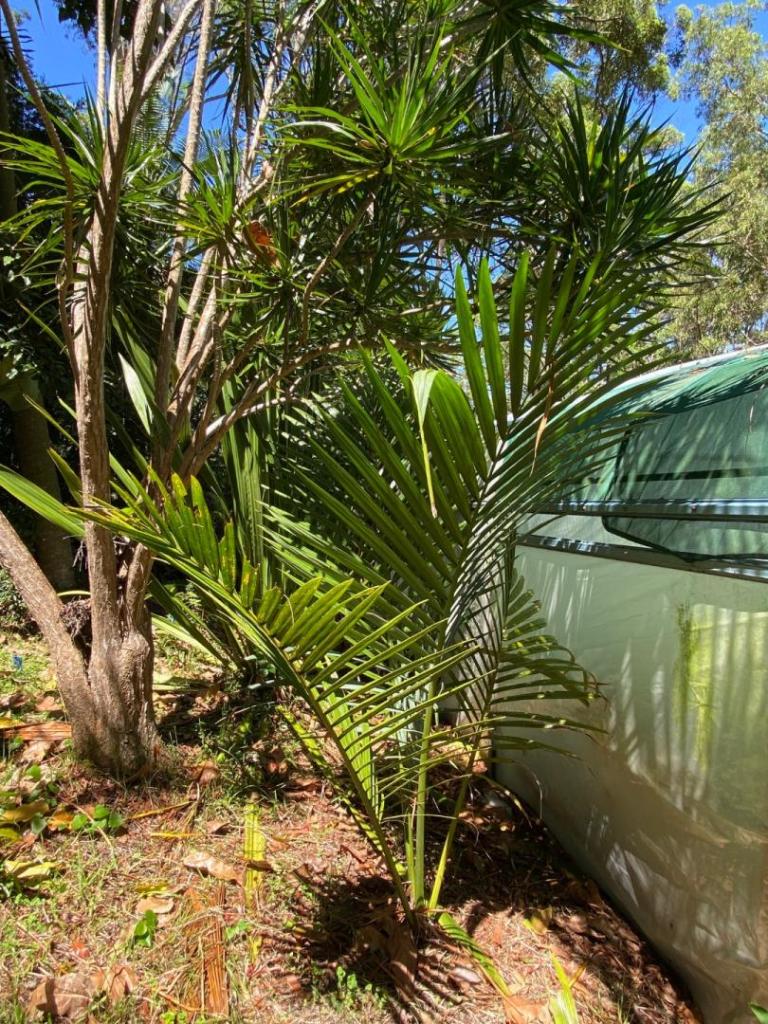
A nice bit of new leaf colour on the kentiopsis oliviformis!
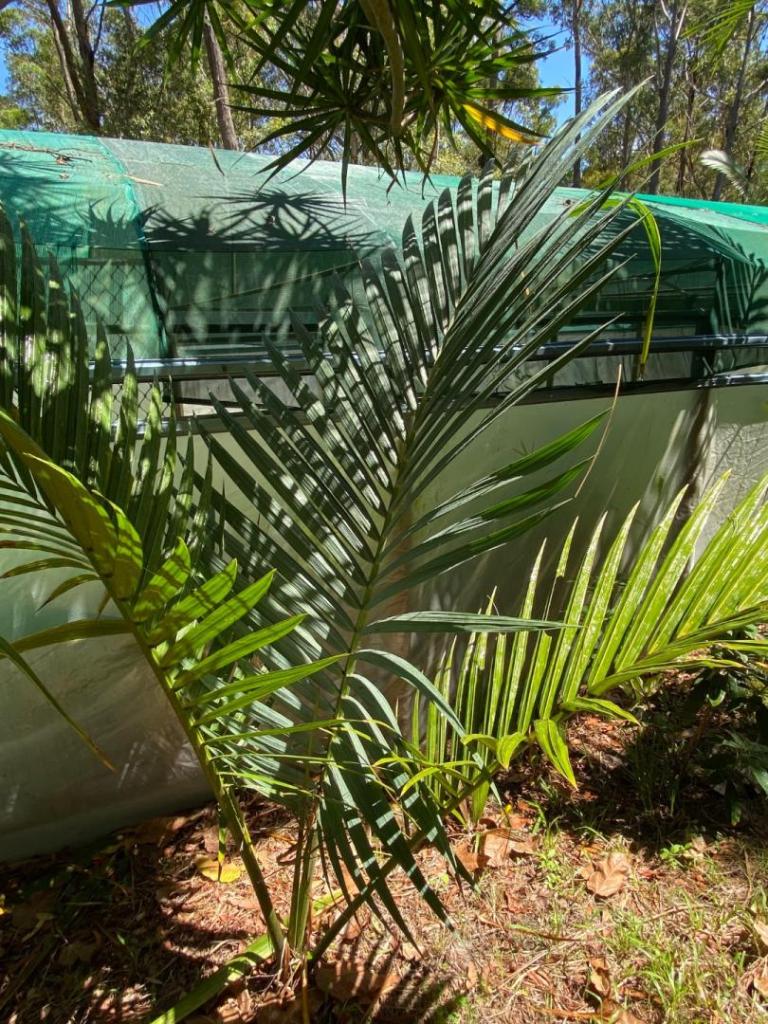

 2 points
 -
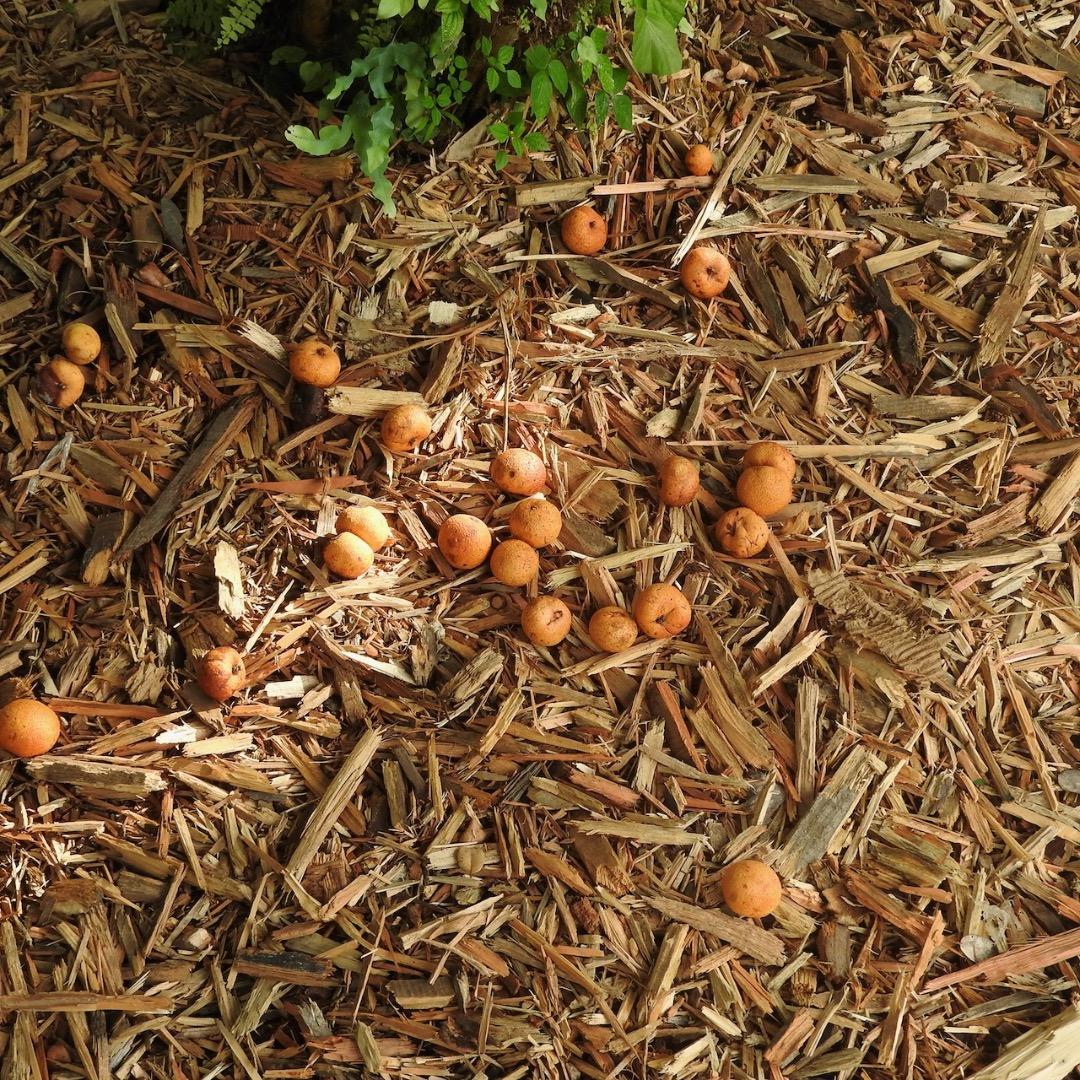
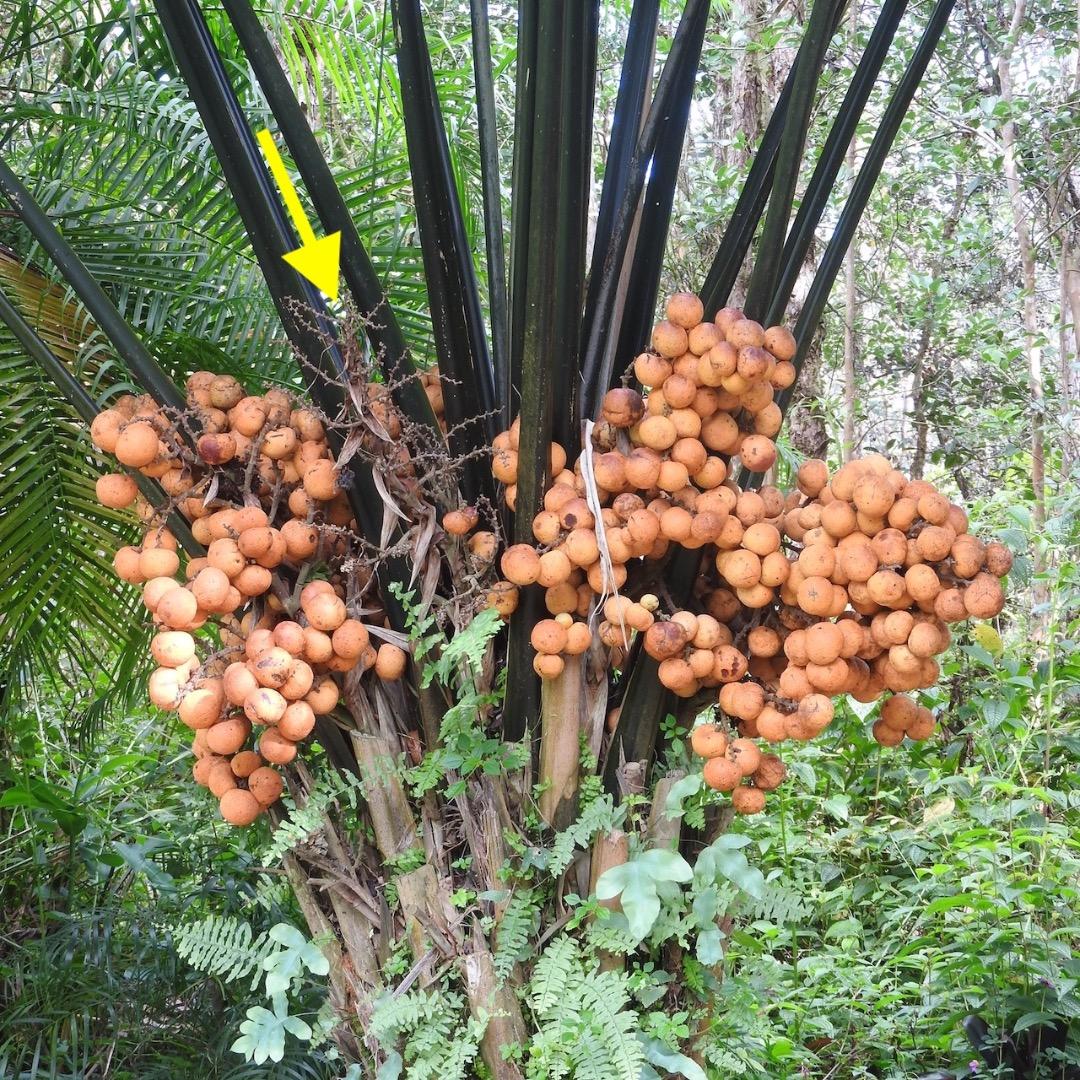
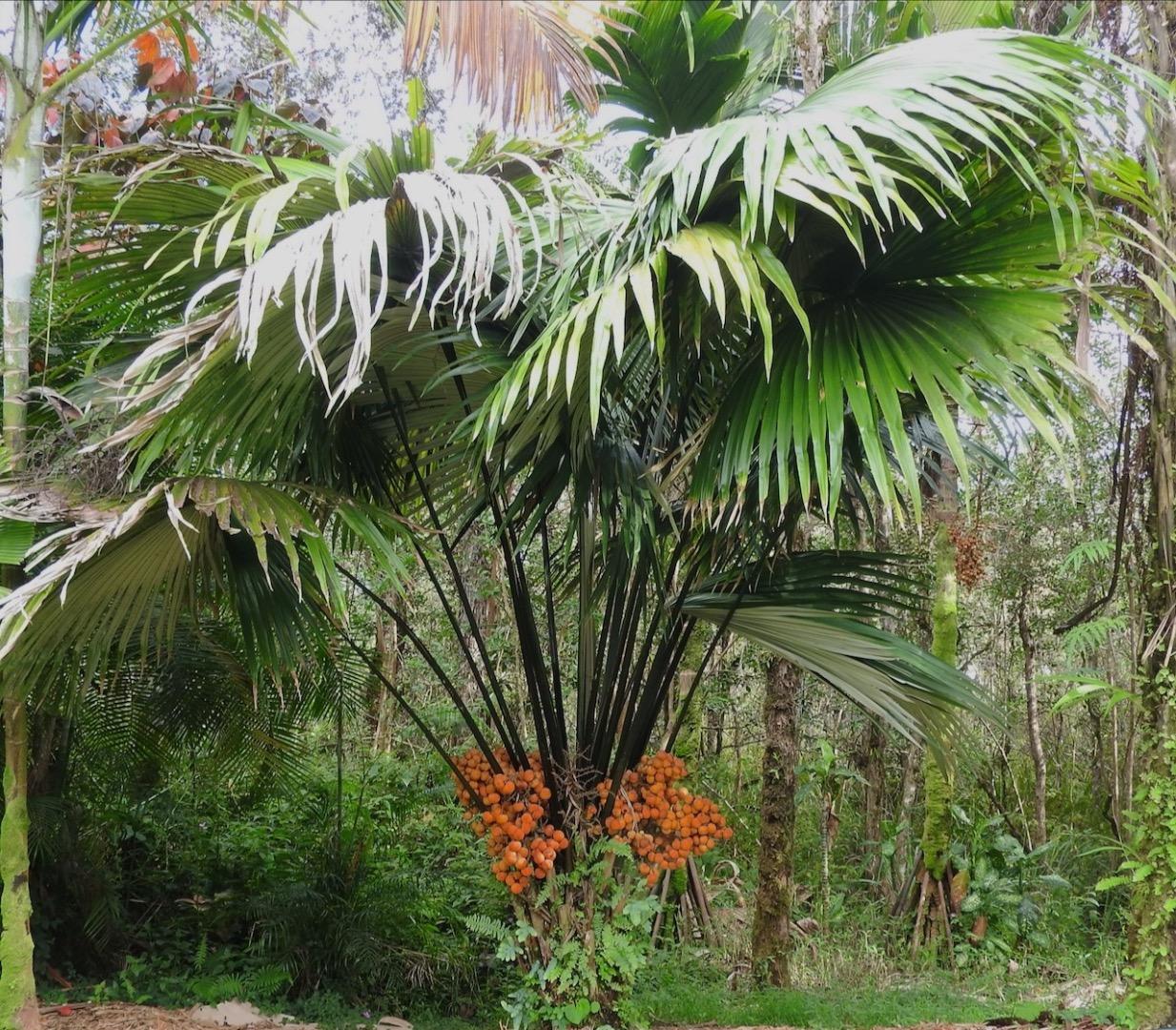
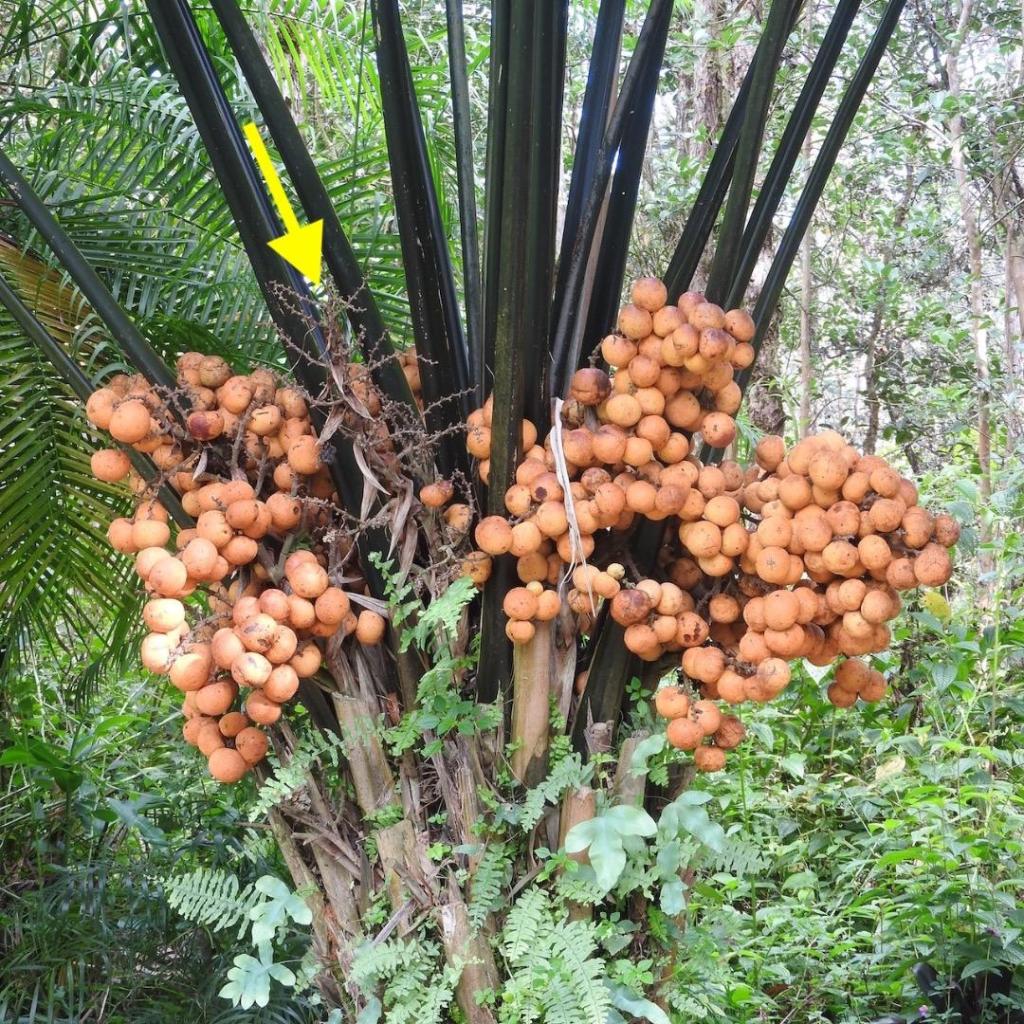
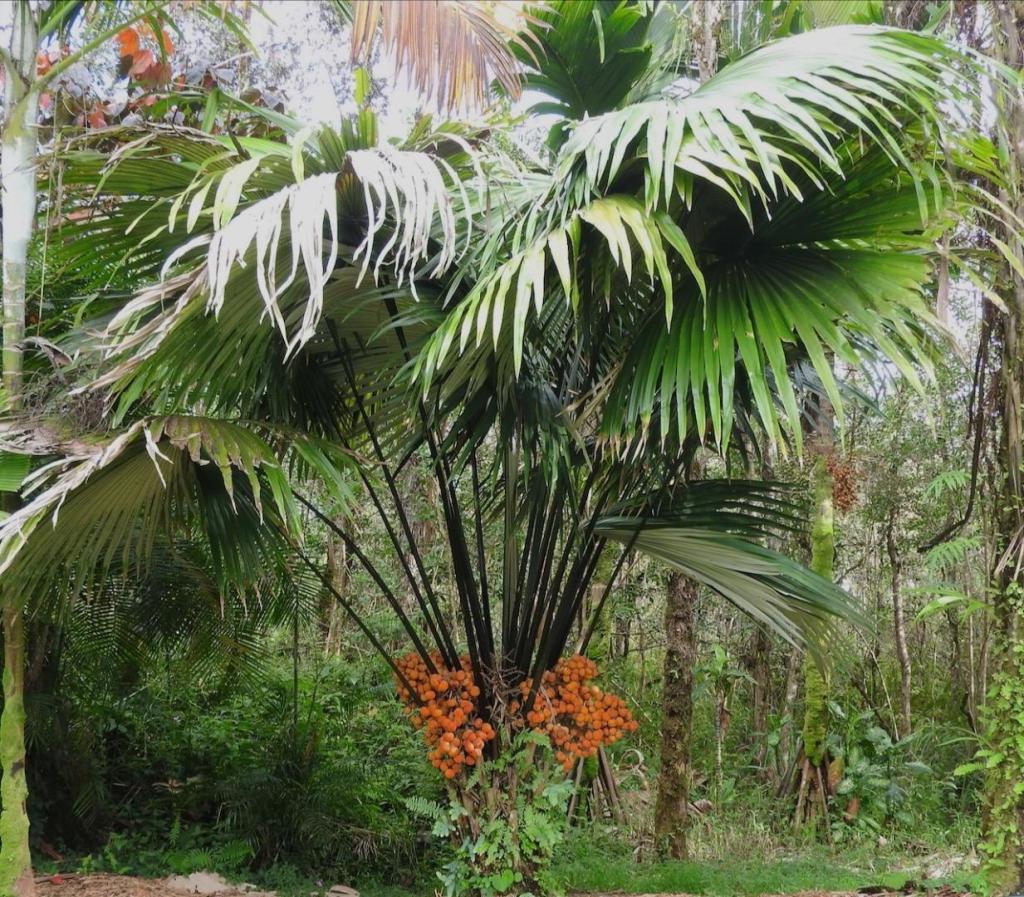
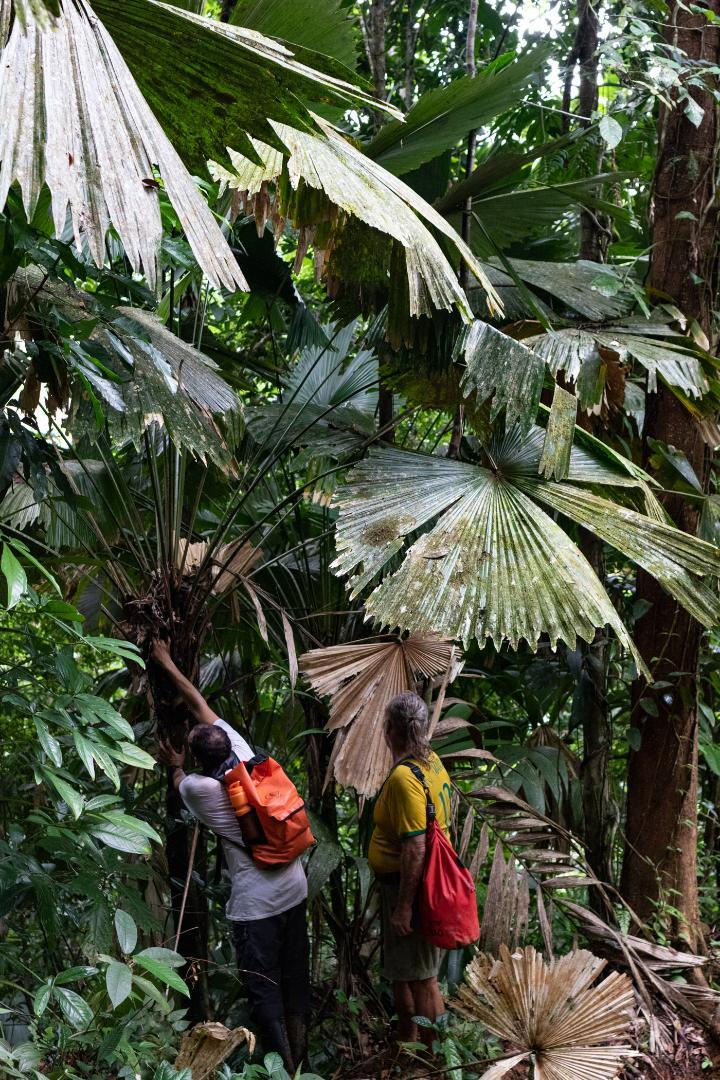
Thanks for the bump. I have not been checking PT recently, so glad I caught this update. Before he left on a trip to South America a few weeks ago, everyone's favorite Big Island palm nurseryman called to check on this year's crop of Kerridoxa seeds. 'Are they ready yet? You can drop them off at the nursery while I'm away.' 'No, they are still rock hard, but typically begin to fall in mid October. I'll drop them off after you get home.' Well today I discovered the horrible dry weather we have been suffering this year has apparently accelerated ripening. I have three females but only one male. This year the male bloomed several weeks before the females, so I was only able to get wilted male flowers with the last traces of pollen to shake over the female flowers. Apparently if you can see any trace of dust falling out of the male flowers, that is more than enough to get the job done. In previous years I was probably treating with a 100-fold excess of pollen. One female inflorescence emerged a few weeks later and got no pollen at all (yellow arrow). No pollen, no fruit. The last couple of years I've been delivering 1000-1200 seeds. I expect about the same this year. Someone should be happy when he returns from his trip later this month. Here is a context shot. When they don't get set back by cold winters, Kerridoxa can get some size. This one is 12 years old and about 10-12 ft tall (3m). You might be able to make out some Verschaffeltia stilt roots in the back to the right. Most photos on PT are looking down at knee high plants. It is a different experience when you have to look overhead at the huge fronds.

 2 points
































.thumb.jpg.304b32ca4398a111edf4ac525048111e.jpg)