

Leaderboard
-
happypalms
IPS MEMBER42Points12,598Posts -

Phoenikakias
IPS MEMBER15Points6,628Posts -


Brad52
IPS MEMBER11Points887Posts -

.thumb.png.04b3487b96ff29c55b8a8994b91f62b2.png)
Than
IPS MEMBER11Points2,319Posts
Popular Content
Showing content with the highest reputation on 01/12/2026 in all areas
-
 Here's one growing in the water at Presa La Boca, Nuevo León, México. However, this is freshwater, not salt water.
.thumb.jpg.ac8b09243ab0a86e3b4038ce28e81690.jpg) 9 points
9 points -
Why do all people overlook the humble Phoenix theophrasti and dactylifera? In Stalida in Crete Phoenix theophrasti grows right on the sandy beach. A few cm below surface one can dig with bare hands to sea water. Theophrastus in his book describes how ancient growers used to spread salt around the trunk base of cultivated Phoenix dactylifera as a mean of fertilization.6 points
-
6 points
-
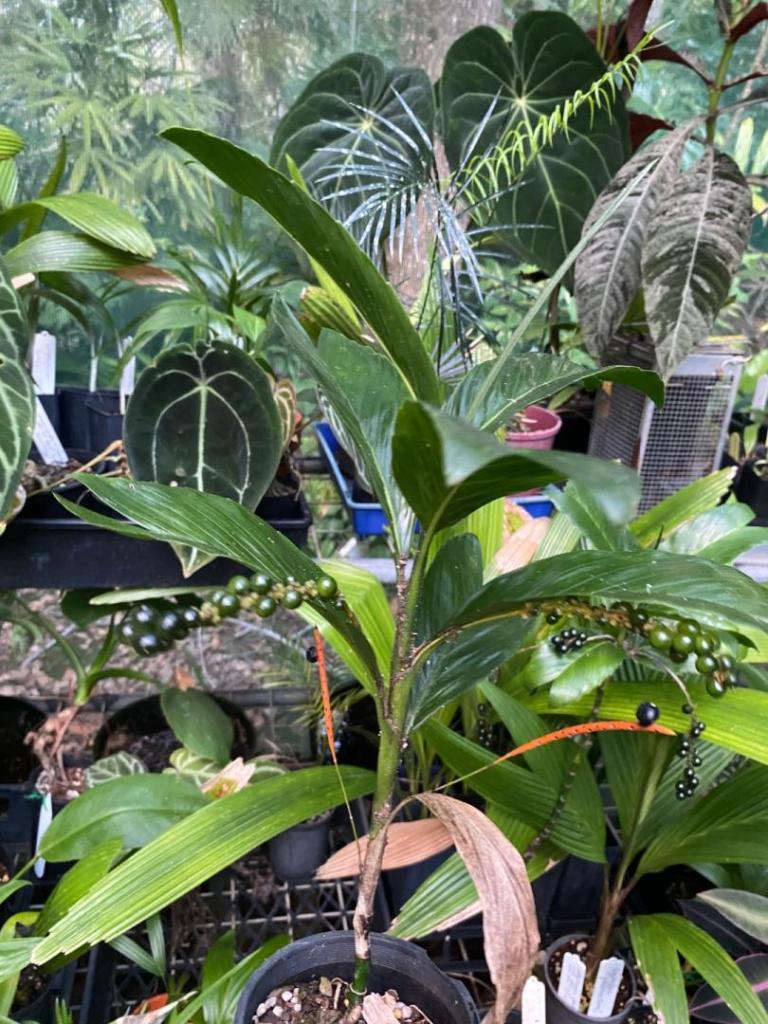
A lovely trio of tenellas one boy and two girls, both hand pollinated and with a bit of luck a few mature seeds next season.


 4 points
 -
 4 pointsmy crosses so far… ficus opposita x carica ficus fraseri x carica ficus ulmifolia x carica ficus racemosa x carica ficus aspera x carica ficus lutea x carica ficus sycomorus x carica pics and timeline4 points
 -
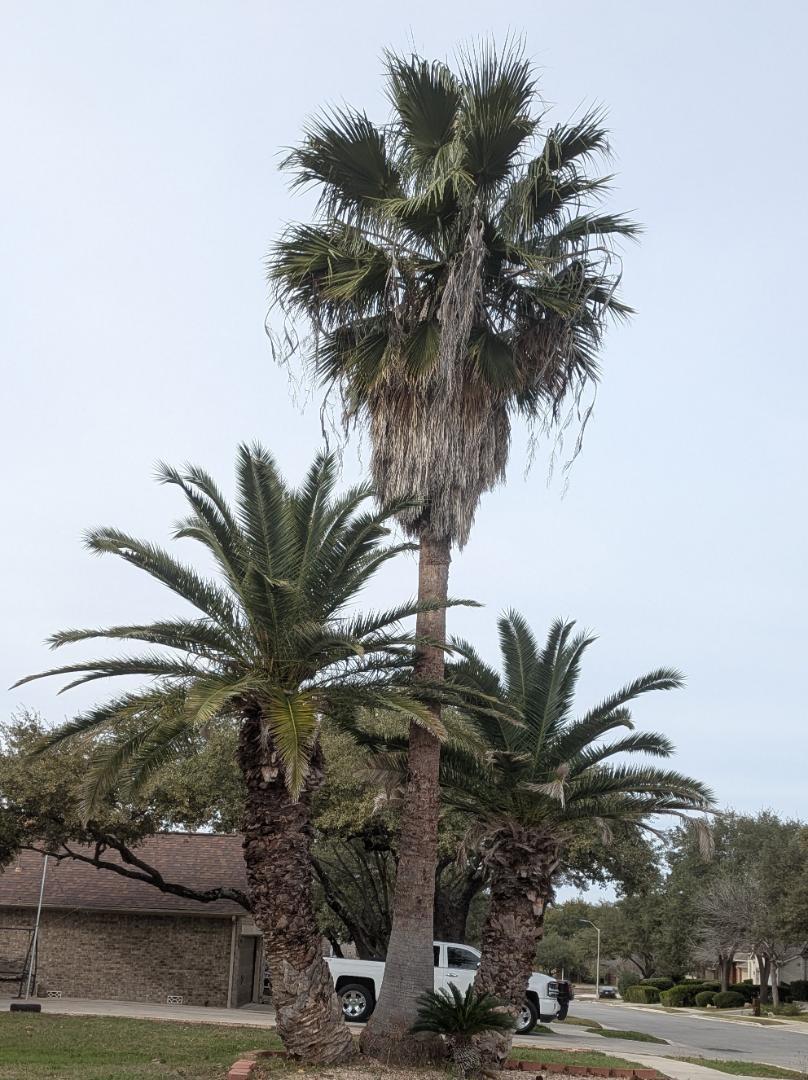
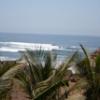
 Here’s a photo of Santa Cruz Beach just south of the SF Bay Area and, as you can see, there are lots of Washingtonia growing in the beach sand.
 4 points
 -
 Not a tree palm, but Allagoptera arenaria is from beachfront habitat.4 points
 -
3 points
-
3 points
-
 3 pointsLars, your personal message about Casa de Las Palmas was certainly heartfelt, especially for those of us who have shared a part of your journey. Seems like yesterday when the local palm society toured the property after it first came up for sale and experiencing it for the first time was altogether overwhelming. The hope, at that time, was that a new owner would embrace the beauty of the design and plantings and also maintain the entirety of what existed. Those hopes were answered and so much more. You and Irene embraced not only the garden but the local palm community as well, volunteering for society events and generously sharing such an important botanic resource. Until then it was a relatively unknown private garden unavailable to the public. Your energetic personalities and gusto have won you many good friends and trust me, all are grateful of your plans to remain on Hawai’i island. Best of luck with the real estate sale…..may the force be with you! Tim3 points
 -
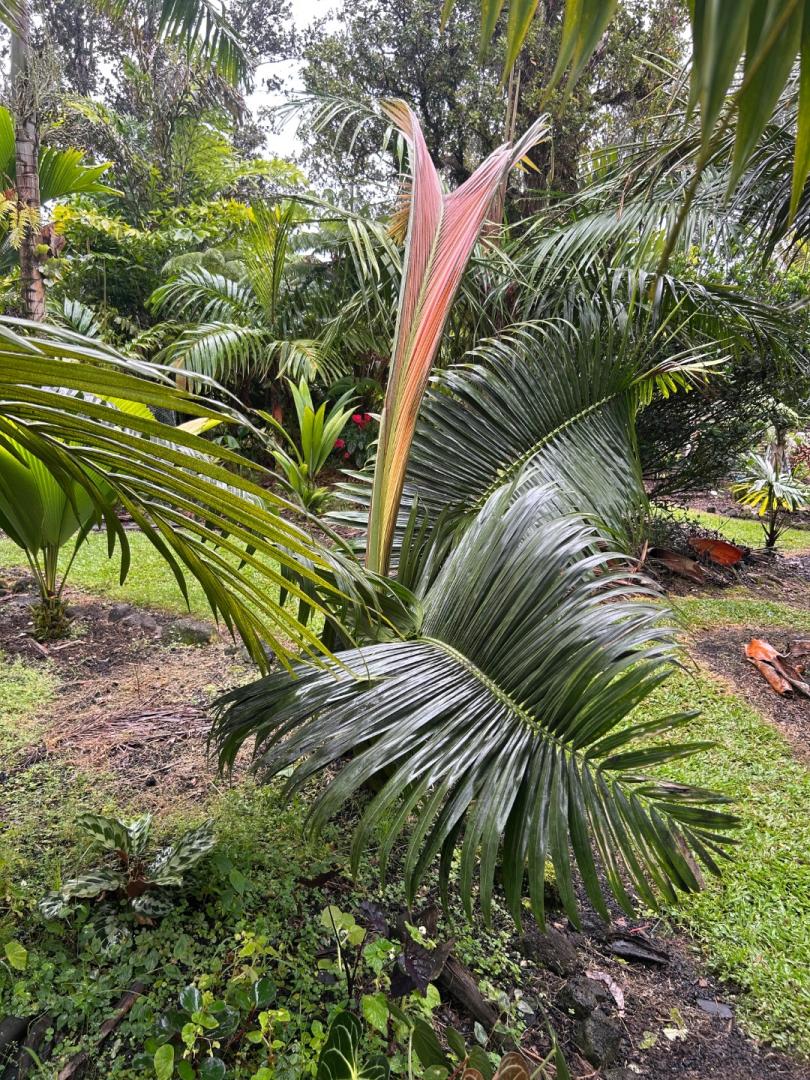
 3 points2 pics from yesterday and 2 from today. I love this dypsis Mt. something or other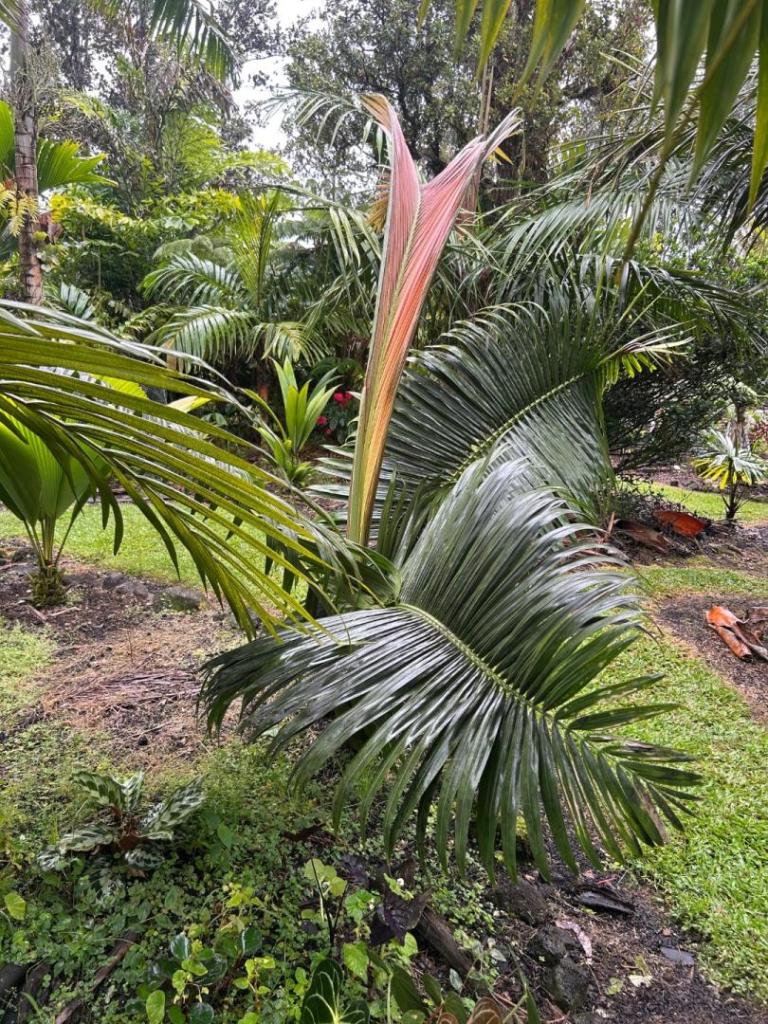
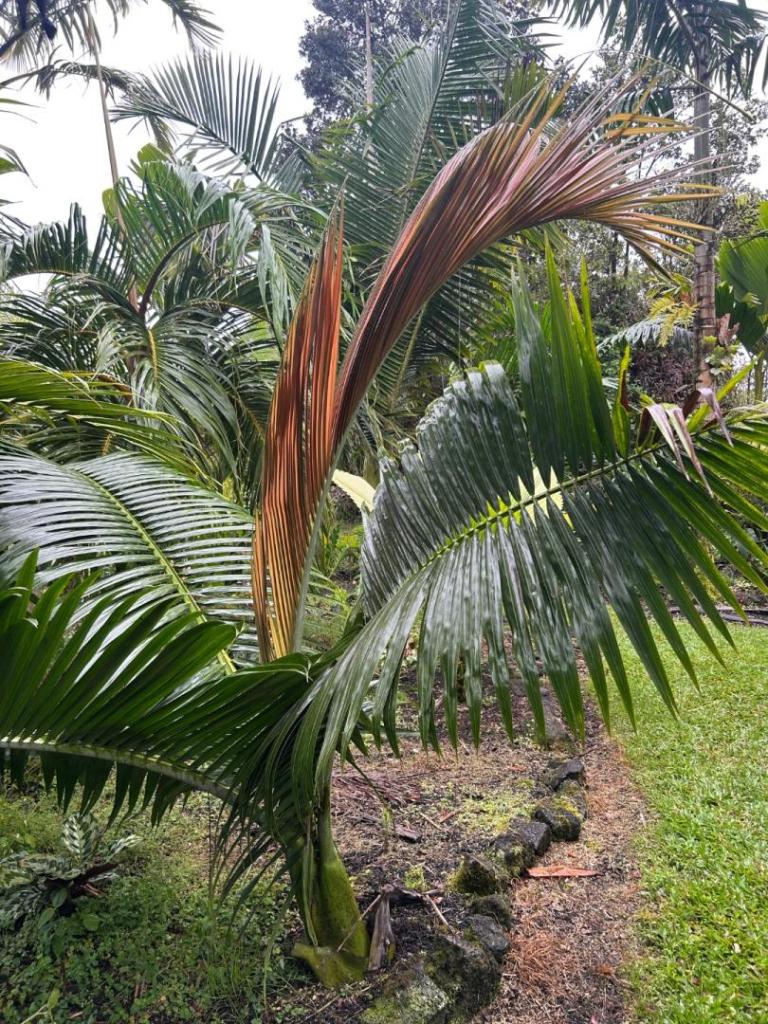

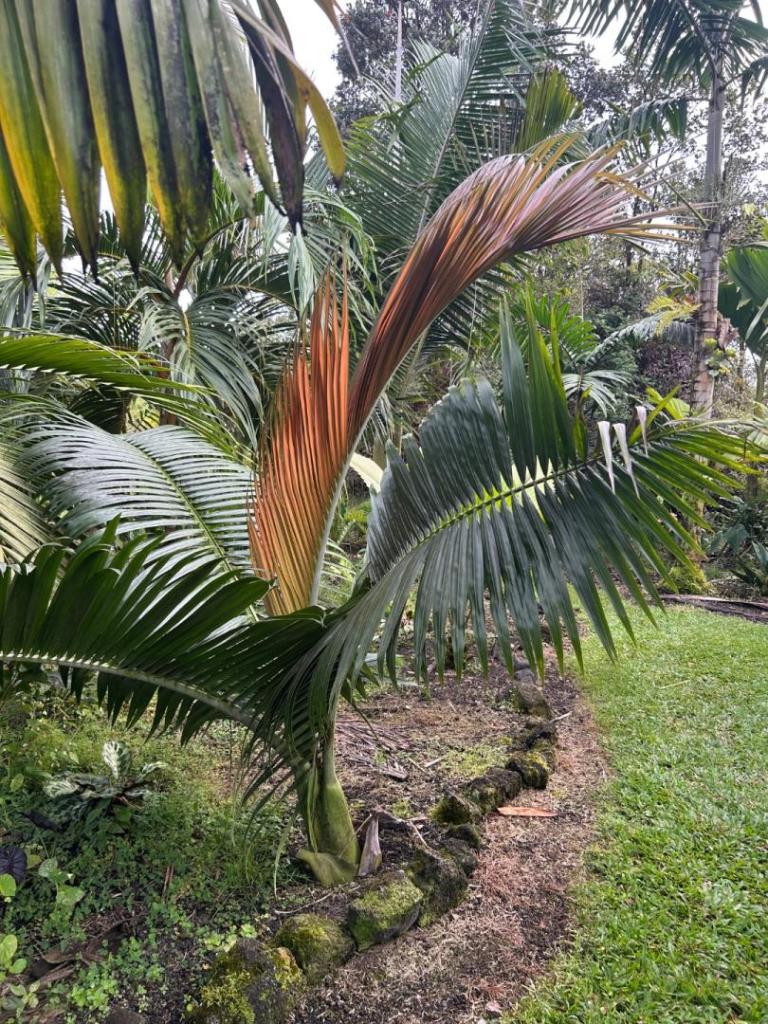 3 points
 -
 2 pointsUpon request by the owners and IPS president Andy Hurwitz I am posting information about a one of a kind legacy property available for sale in Hawaii. PT is not normally the correct venue for real estate ads, but I believe when you read more you will see why an exception is made here. Although memories of my visit there in 2022 will forever be etched in my mind, please address inquiries to the owners, not to me personally. Please see information and photos from the owners: A New Chapter for Casa de Las Palmas We purchased Casa de Las Palmas in 2017 from the estate of legendary nurseryman Jerry Hunter. Jerry was the owner of Rancho Soledad Nurseries in California, Palms of Paradise in Hawaii, and Mount Soledad in Pacific Beach. Dubbed the "Dean of California Landscape Architects", he held license #33. His designs are found throughout the San Diego area, including San Diego Zoo, Balboa Botanical Gardens, and a host of other public and private venues. Along with collecting and hybridizing many new plant varieties, he built the first plant tissue culture laboratory in San Diego. Casa de Las Palmas was Jerry's private Hawaiian retreat. Over the course of 35 years, Jerry transformed seven acres of upper Hilo farmland into a true garden masterpiece, creating a magical realm of exotic palms, waterfalls, meandering lava-rock paths, water gardens, and flowering tropical plants. Now over 45 years since planting began, it's a vast and mature botanical collection of rare palms, cycads, philodendrons, bromeliads, anthuriums and orchids. We have been honored to be the caretakers, but the time has come for us to move on, so we are offering the property for sale. Before we list it on the open market, we want palm and garden lovers to know it is available, in the hope that we can find a custodian for the future. The property has a 2-bedroom, 2-and-a-half-bathroom house with a separate apartment, and potential for additional dwellings. We currently do private garden tours, film shoots, and small events, and there is plenty of room to grow a successful business here. We had the delight of hosting IPS members for a lunch and tour during the 2022 Biennial in Hawaii. Please do contact us if you would like any further information. Irene Francis & Lars Woodruffe 646-338-7882 irenefrancis@hotmail.com https://houseofthepalms.com/


 2 points
 -
 It’s that time again - in the northern hemisphere! - to sit around a roaring conflagration in the fireplace, maybe tell ghost stories or….? When you edit palms as I’m doing, or have people in your hood doing the same, you’ll end up with palm wood and pieces/parts, some of which pyromaniacs like more than others. Dried dead palm leaves make great kindling, along with equally desiccated petioles, but they can be a challenge to use sometimes. So, share your experiences and thoughts and questions!2 points
 -
 2 pointsI've not shared anything with you folks before, simply because I haven't had anything to offer. I was not born with a passion for palms. We (my wife and I) fell into this peculiar and fascinating world quite by chance. Like anything, the more you learn, the more interesting things become. That said, all we have to offer you is our experience managing a legacy garden. Irene & I bought Casa de Las Palmas on Hawaii Island in 2017. The garden was the tropical fantasy world of the late San Diego nurseryman Jerry Hunter. Mr. Hunter was successful. He’d started his company in the 1950's, and was the 33rd licensed Landscape Architect in California. He'd been involved with the design of San Diego Zoo, Wild Animal Park, and Balboa Botanical Gardens, among many others. He had the first tissue culture lab in Southern California. His parents had been the go-to people on the west coast for begonias. He was essentially American plant royalty. He figured out that if he grew his tropicals in Hawaii and shipped them to California, he'd be ahead of the competition. He built a nursery in Hilo and bought the land for Casa de Las Palmas. It would serve as his home away from home, and as a showroom for his wealthy clients. Construction of the garden began in 1981 on almost seven acres of upland pasture. The volcanic clay soil was not suitable for planting juvenile plants, so untold tons of cinder and rock were brought in, and the landscape shaped and molded into what we see today. Most of the planting was done into cinder mounds. For the design of Casa de Las Palmas he worked with the local landscape architect Brian Lievens, whom he would task with sourcing some of the rare plants from east Hawaii's growers. Brian was gracious enough to provide us with the original planting plans of the garden which are now laminated and framed on the lanai. These exquisite plans (like a cross between a complex wiring diagram and an artwork) were how we learned about the palms in the garden. We spent endless evenings cross referencing the botanic names with The Encyclopedia of Cultivated Palms. Being a nurseryman from San Diego, Mr. Hunter had a crew of extremely hard working and talented Mexican men build the garden for him. A swimming hole was hand-hewn under one of the waterfalls. A delicate stone foot bridge was created over the stream. We were told that the lava rock paths took three years to complete. And the scale of plantings were nothing short of colossal. The kind only a successful nurseryman like Mr. Hunter could even contemplate. We were lucky enough to apprentice under one of the original employees, Cristobal. Without his dedication and care we would never have got off the starting line, our ignorance would have been absolute, the garden would have fallen into chaos. I recall how early on we planted a dwarf papaya on a cinder mound next to a Metroxylon amicarum and Dypsis carlsmithii (now Chrysalidocarpus carlsmithii), much to Cristobal's unspoken, but obvious, distress. Shortly afterwards a large palm leaf fell and destroyed the papaya. We took this as a sign that the garden requires a certain amount of respect. Since then, staying true to the intentions of the garden has been something we work hard on. When we plant, we consider the design. Perhaps we plant a Alocasia zebrina underneath the Caryota zebrina to mimic its petioles. Perhaps the Pinanga distitcha should be planted near the Licuala mattanensis “Mapu” to mirror their mottled leaf forms. Constant working in the garden reveals new insights every day. Sometimes it's like garden archeology, discovering a long-overgrown path or a rare plant languishing under piles of fallen leaves. Sometimes it's a lesson in design - realizing that most of the plants in an area share undulating leaf forms or that the color scheme is quite deliberately rigid. Casa de Las Palmas has evolved from a carefully orchestrated young garden into a mature ecosystem. Plants have produced progeny and plants have died. The blueprint has gotten a little more fuzzy. Many of the palms are too big to groom now. Everything fights for light, air and nutrients. It has become naturalized. Pretty soon we realized that the nutrients the garden demands couldn't be met by chemical fertilizer. It was just too expensive. So, we looked into goats. We now have six gelded males rescued from the butcher's block and fenced on a neighboring paddock we own. They provide plenty of manure for the garden. Their poop doesn't smell much, is hard and breaks down slowly and can be flung from a shovel in showers through the dense plantings. The plants love it, but we do supplement weak or needy palms with a special palm fertilizer as needed. Legacy gardens are by their nature equal parts demanding and rewarding. They offer those of us new to gardening an incredible learning experience. We certainly don't have the kind of money, manpower or knowledge required to create something so remarkable from scratch. But like buying a beautiful, world-weary house, after a lot of work, you can enjoy something unique, grand and magical. Really for us it is the magical spell that Casa de las Palmas puts you under, one that removes us from the world and enchants us, that makes this legacy garden so very special. Lastly, I'll leave you with three things of note that we have learned: Map your garden. Don't make it too big. And don't go planting Clinostigma samoense down the driveway...or any heavy crownshaft palms for that matter! com.google.android.apps.docs.editors.kix.editors.clipboard?uuid=ecbeebc8-9124-4c8d-9ebd-e5cbdce7e26b2 points
 -
2 points
-
 2 points
 -
They have eaten all pulp around the seed and left the naked seeds still attached on the rachilae! What kind of rat is able to act this way and risk its life with so many cats around? I have seen in the past rats stealing figs and almonds, but they were carrying their food hastily to their nest.2 points
-
 2 points
 -
It's too early to look for damage but yes, if frost did not form on the plant that's a good reason to be optimistic. I think it will be fine.2 points
-
2 points
-
I take it you have seen the movie castaway (Tom hanks) marroned on the island burning coconut palm leaves discovering fire!2 points
-
2 pointsI thought you dropped in while I was at work, catch up with you next time you’re in the neighbourhood! The wife said Harry dropped in and he will catch up later! I put your palms in the back part of the greenhouse you can pick them up anytime! Richard 🤣2 points
-
Well there are a few palms that will tolerate salty conditions. livistona Australis, Howea, Hypohorbe, chamearops, Butia and Arecastrum all of these are suitable for planting near the sea!2 points
-
Salt laden winds, that is winds spraying on to foliage directly sea water.2 points
-
They don't tolerate winds so well? In Nea Makri it's def very windy2 points
-
Hmmm.. the ones in Nea Makri, 20 m from the water look fine. Or at least they looked fine before the beetle ravaged them. I agree though that dactylifera looks amazing on the sand. It looks amazing everywhere to be fair. A spectacular tree. I wish I had space for it.2 points
-
One thing is salt tolerance of root system and another the tolerance of foliage against salt laden wind. I can show to you CIDP s growing in normal soil but too close to shore, which are scorched by the salt.2 points
-
Yeah they do fine. There are some CIDP and also date palms on Nea Makri beach, all.of them straight in the sand.2 points
-
 2 points
 -
 Thanks for the info, Silas_Sancona. I moved out near the Fountain Hills area a few years ago from the Philadelphia/SE PA area to get away from the brutal northeast winters and have no regrets. Being able to see palm trees all over is a great feeling. As for the most recent chilly weather, I got down to 34F on Friday morning and had a little frost on top of my vehicle but nothing on any of the plants/foliage. Also had a couple buckets of rainwater that did NOT have any ice form. I've been lurking around this site on and off for a little while and as a weather and palm junkie, I appreciate the info everyone provides. I'm in a cool microclimate (9b/10a) but if anyone is trying to grow a cocos nucifera around here, the higher areas of Fountain Hills down through Shea Blvd toward Frank Lloyd Wright is a very warm microclimate (likely 10a/10b based on my personal observations). This area is routinely 5-10F warmer than the surrounding areas during the coldest parts of the day. I'm still learning about the nuances of the low desert southwest climate as it's obviously very different than the northeast but so far I find it to be quite interesting.2 points
 -
2 pointsWow keep us apprised @Foggy Paul! I hear Lepidorrachis need to have a perfect home or they just croak.2 points
-
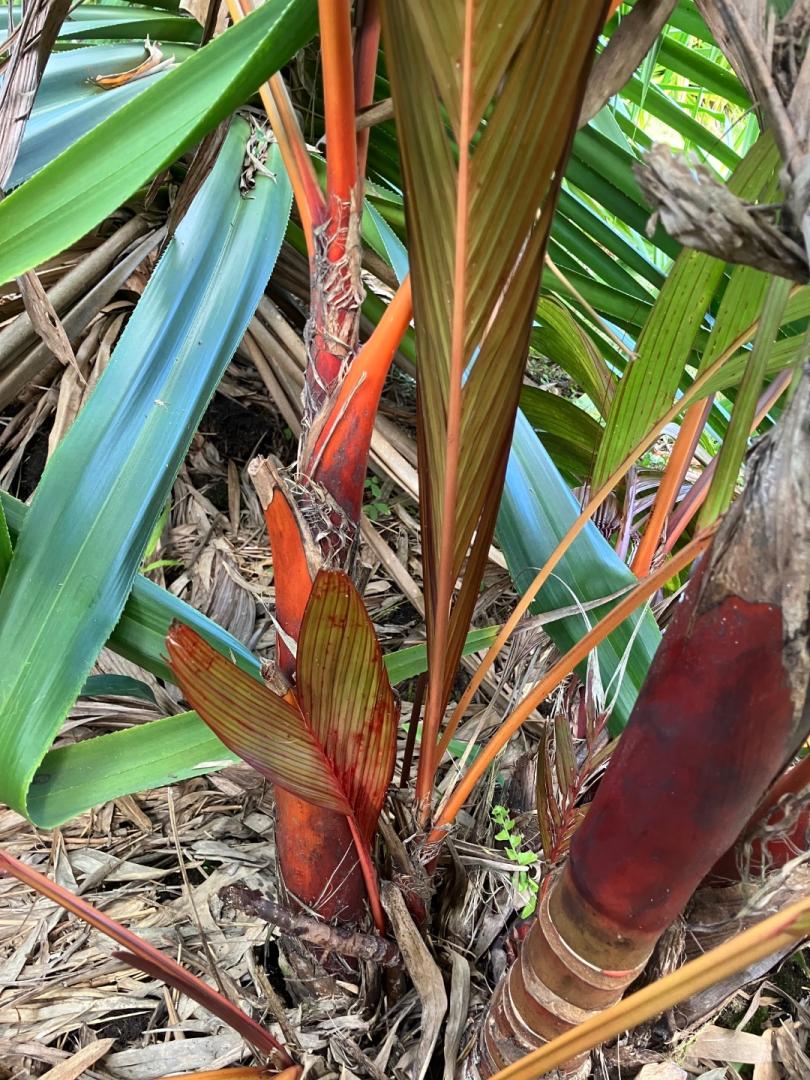
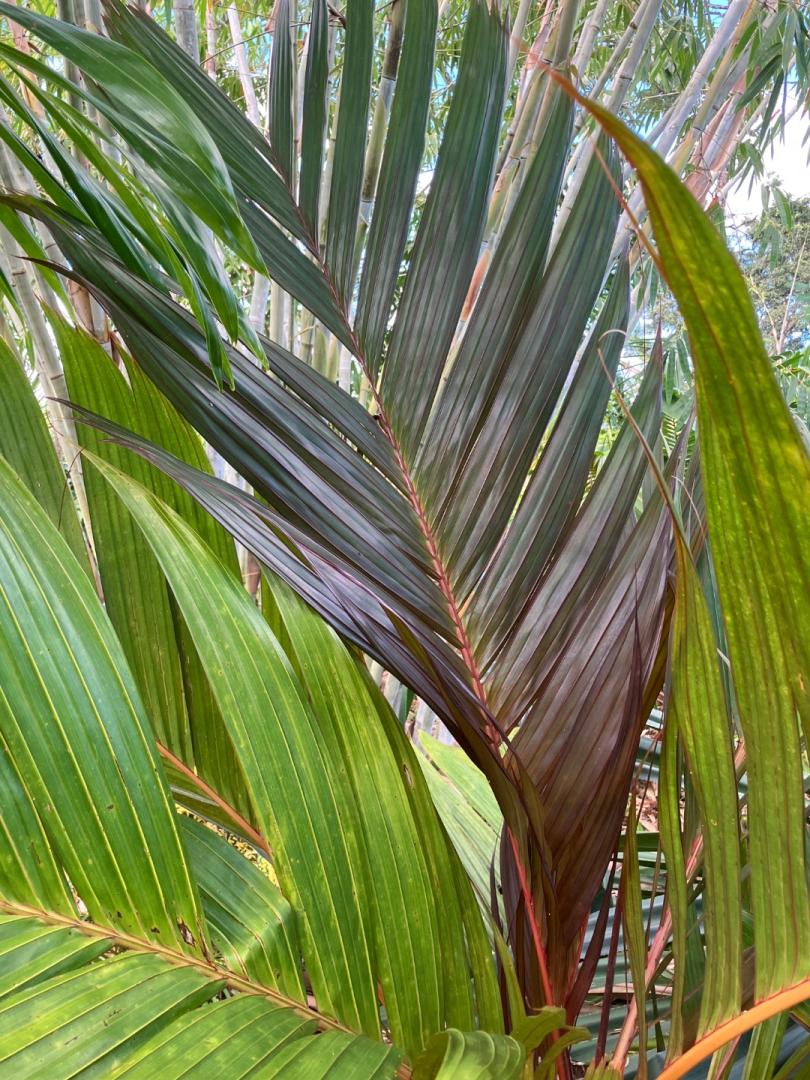
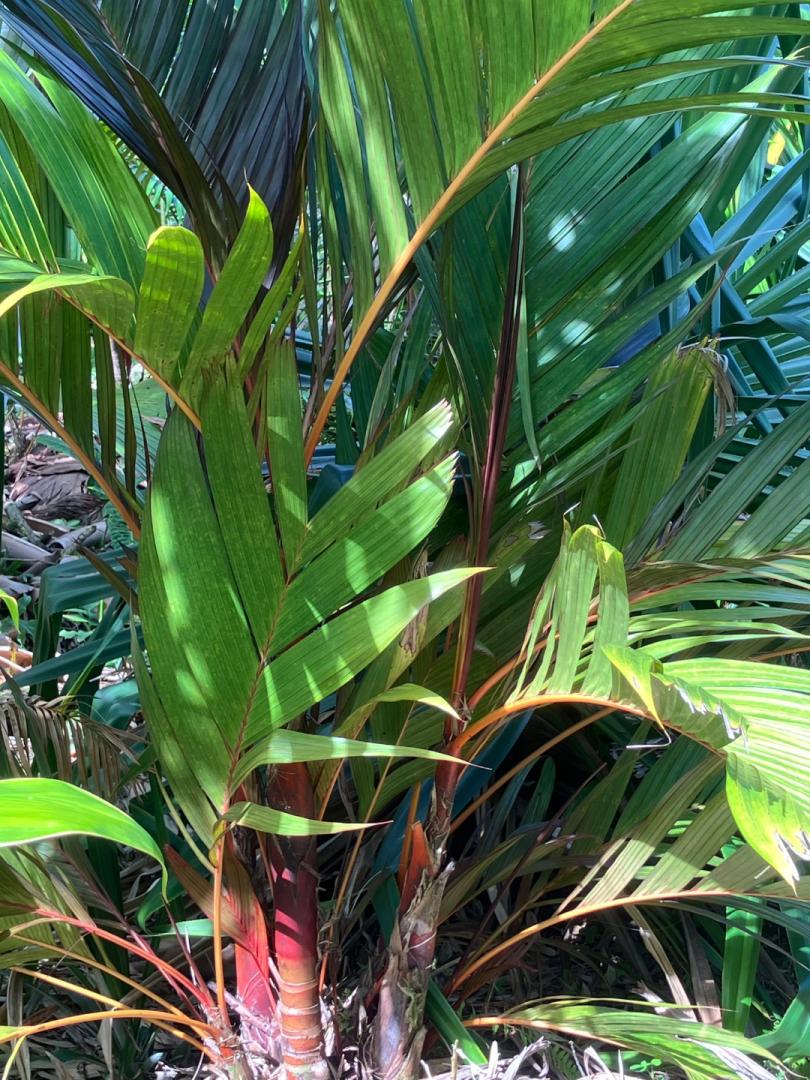
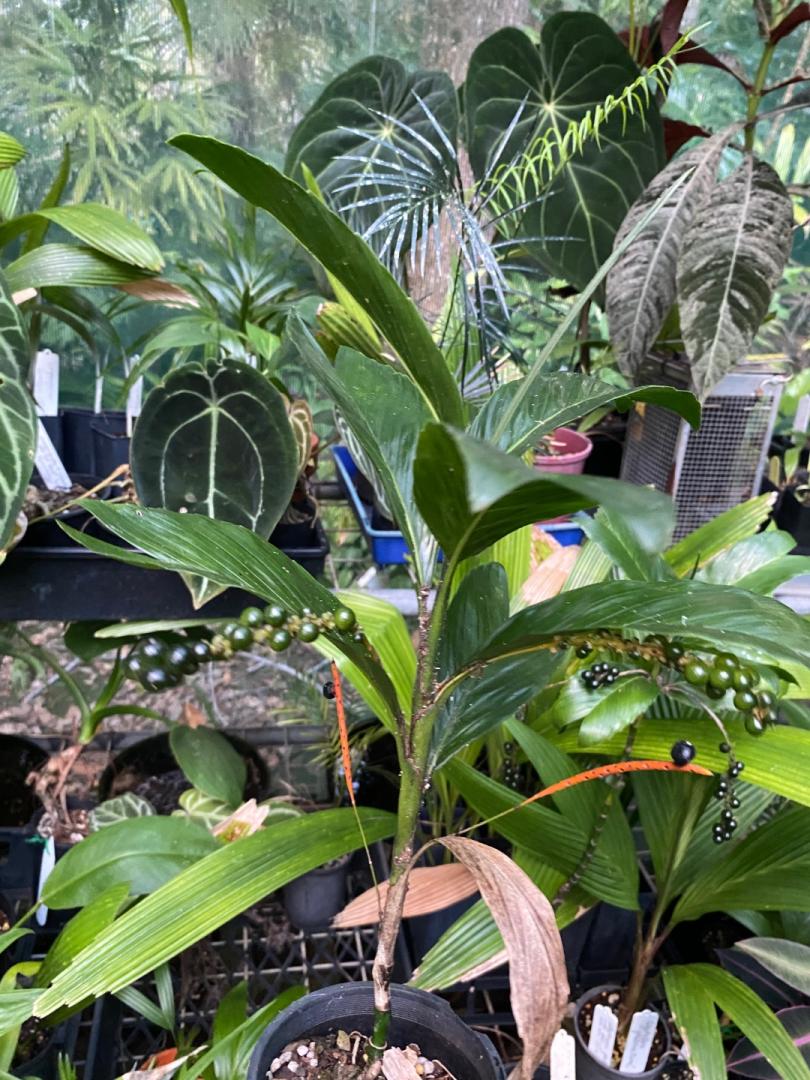
Chambeyronia macrocarpa seeds take C about two years to ripen.2 points
-
@dimitriskedikogloy nice to meet you! Hmm, I wonder if those apparent beach front Washies are actually growing in regular soil under the sand? What do you think @Darold Petty @Jim in Los Altos and @SeanK?2 points
-
 2 points
 -
Then you can get into F1 F2 and so on, but I can’t see myself around long enough for some backcrossing projects!2 points
-
 2 points
 -
 2 pointsThanks for posting those great pictures of your blooming aloes, Cape Garrett! My own in-ground Aloe vaombe is blooming for the first time, but is weeks 'behind' yours, here in colder, interior NorCal!
 2 points
 -
No not yet, but they are both flowering again now, this time pretty well much identical in timing. So it will be interesting if they get any seeds!2 points
-
 2 points
 -
 2 points
 -
2 points
-
 2 points
 -
 2 pointsNice color on the first new leaf from our little C. ambositrae, purchased from @Darold Petty a couple of months ago
 2 points
 -
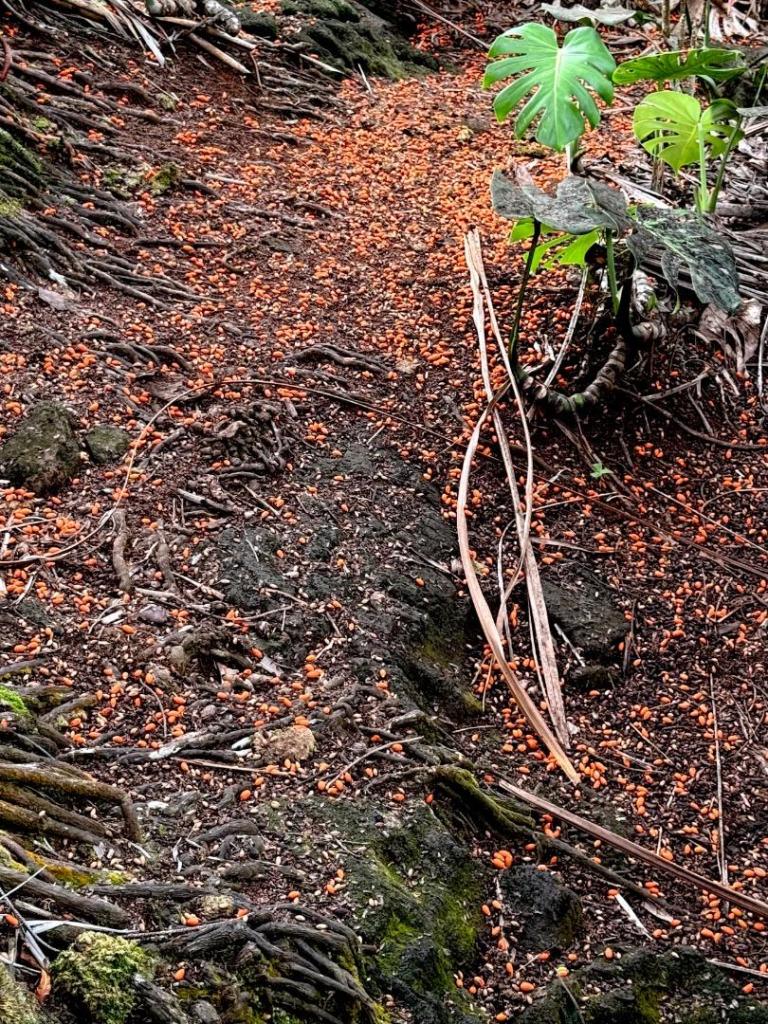
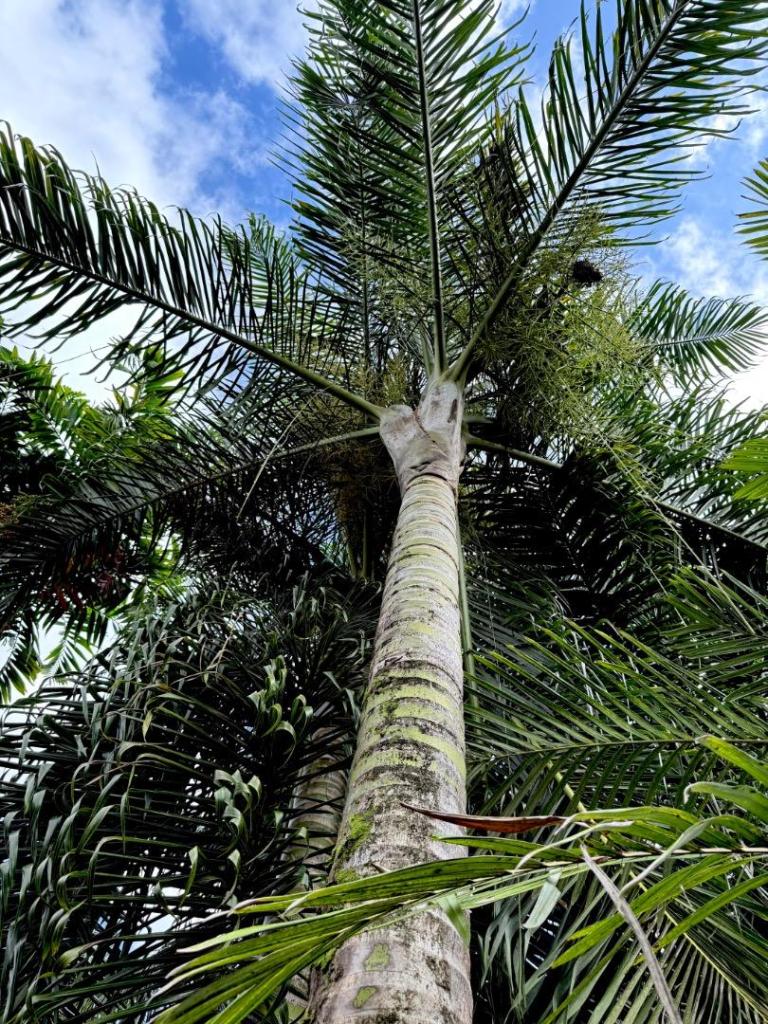
2 pointsSo, this post is inspired by Tracy’s C. prestonianus seed bounty. That time of year eh? Tim
 2 points
 -
 Those are nice. My friend has a Macrocarpa v. Watermelon that is full of seed. I told him not to throw them away . I will post in the freebie section whenever they ripen. Harry2 points
 -
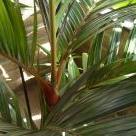
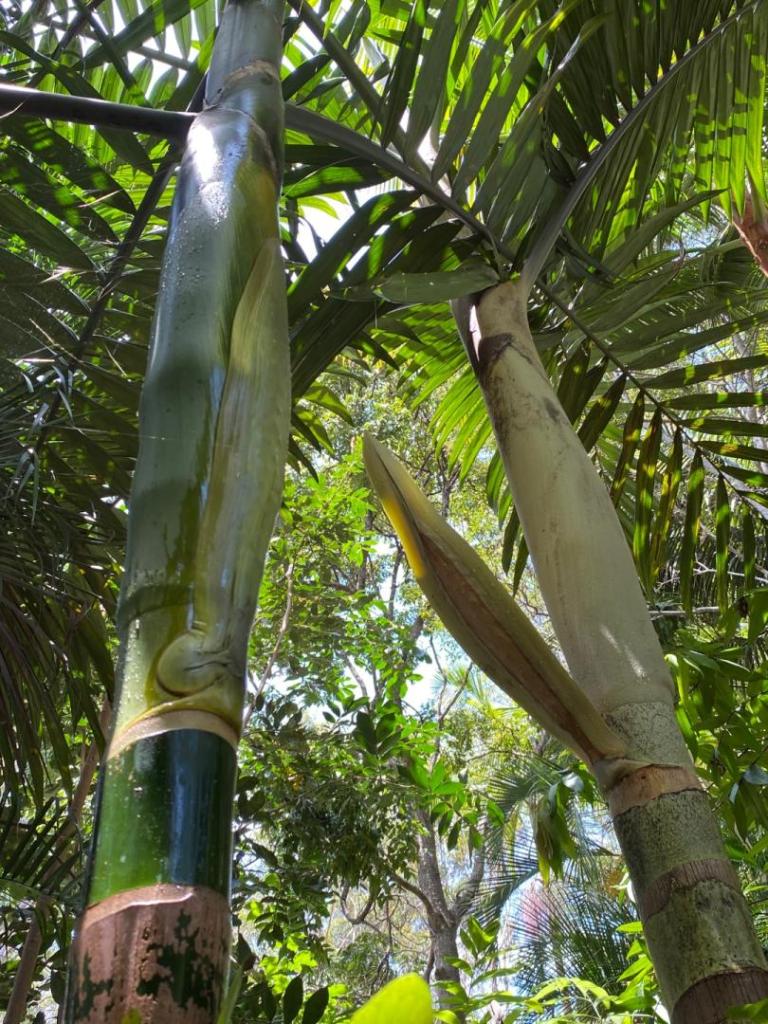
Got a couple of Chambeyronia growing next to each both flowering at the same time. It’s the first time the macrocarpa has flowered the hookeri has flowered twice but with no seeds set yet. It’s the first will be interesting to see if I get any seeds set this season I would be confident in a cross pollination if I do get seeds ( not really a fan of hybrids) either way it will e a long wait to find out if I have created a hybrid.

 2 points
 -
It’s probably a matter of definition. As C macrocarpa var macrocarpa and C macrocarpa var hookeri are formally different varieties, they are considered genetically distinct so a cross between the two would be a varietal hybrid. Generally in horticulture I think the word hybrid is reserved for interspecific crosses but technically it can be used for a cross between any two genetically distinct parents.1 point
-
 Is it still considered a hybrid with a cross of two different varieties of the same species? In your case Chambeyronia macrocarpa var. hookerii and Chambeyronia macrocarpa var. macrocarpa. Just curious...🤔1 point
 -
Wait until there red and a couple have dropped of the tree then harvest them. Way to go sharing them around plenty of palm nuts out there who will take them. Richard1 point
-
They are over 23 years old, a few others in my garden are starting to flower, there all the same age and have started flowering all at the same age so they take a while to flower.1 point
.jpg.702797b97c1872352fa6801ed3ff181f.jpg)