Leaderboard


.thumb.png.04b3487b96ff29c55b8a8994b91f62b2.png)

Popular Content
Showing content with the highest reputation on 01/11/2026 in all areas
-
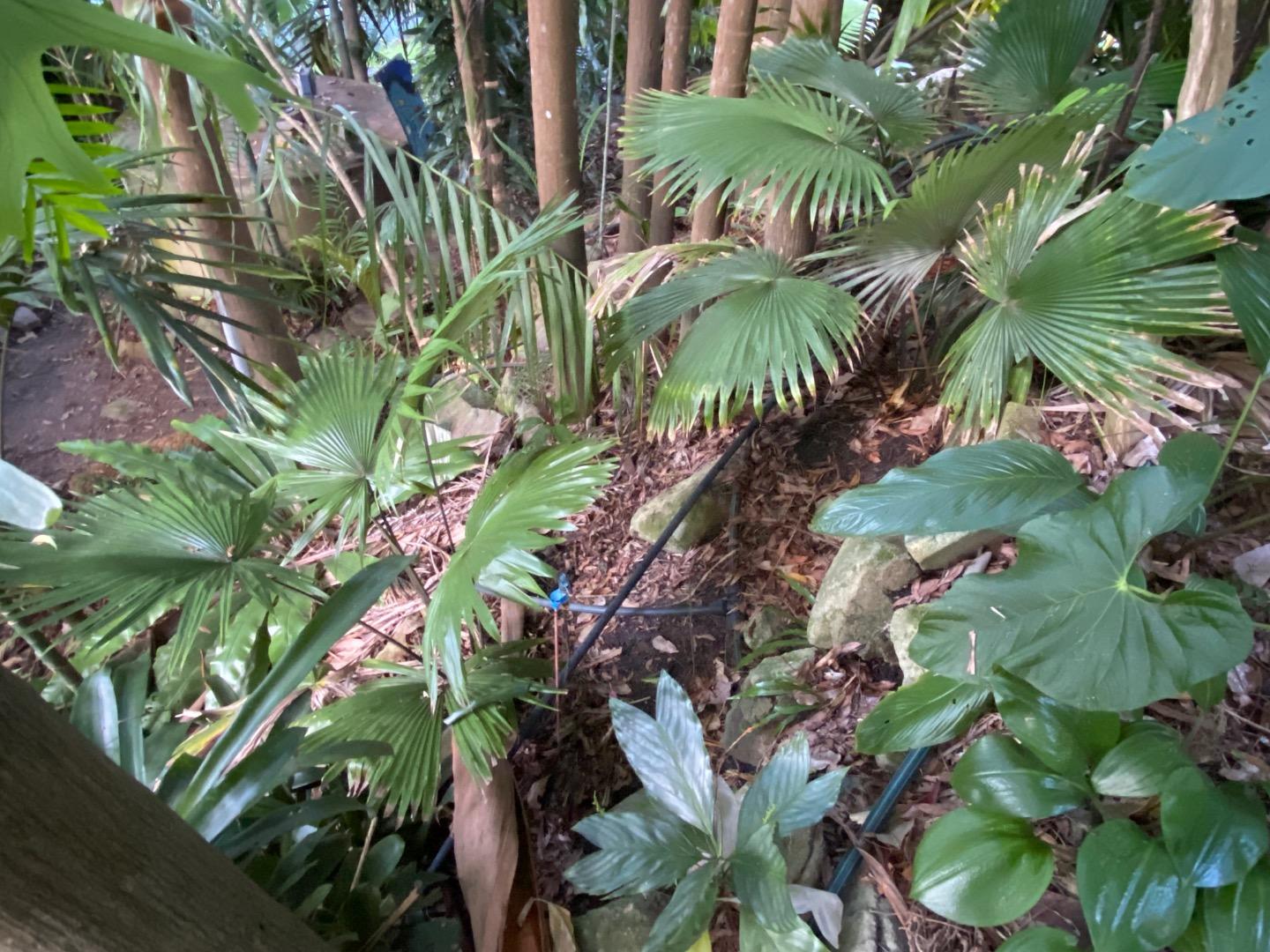
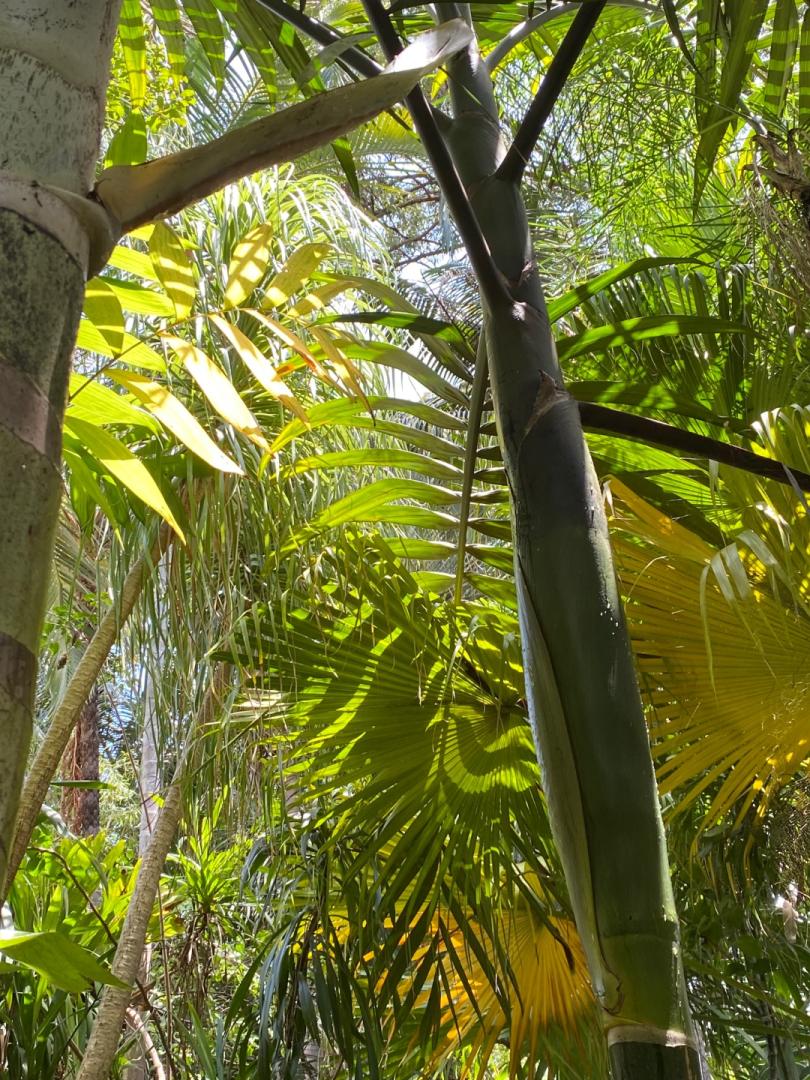
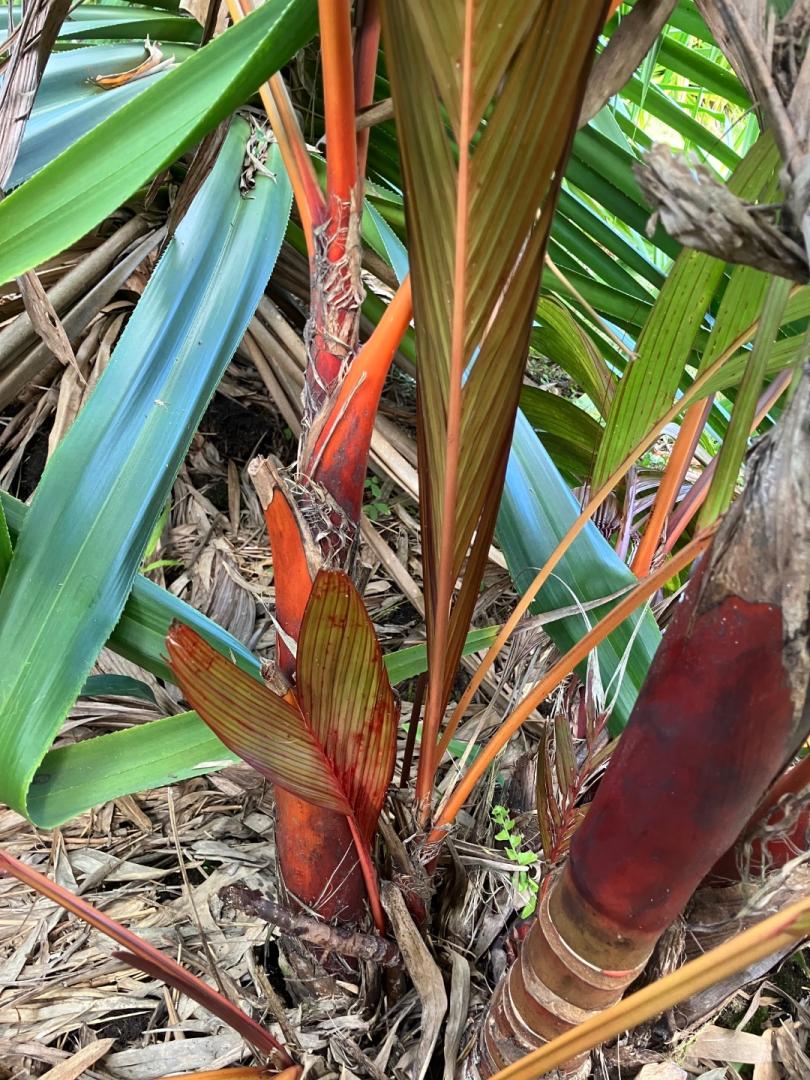
I've not shared anything with you folks before, simply because I haven't had anything to offer. I was not born with a passion for palms. We (my wife and I) fell into this peculiar and fascinating world quite by chance. Like anything, the more you learn, the more interesting things become. That said, all we have to offer you is our experience managing a legacy garden. Irene & I bought Casa de Las Palmas on Hawaii Island in 2017. The garden was the tropical fantasy world of the late San Diego nurseryman Jerry Hunter. Mr. Hunter was successful. He’d started his company in the 1950's, and was the 33rd licensed Landscape Architect in California. He'd been involved with the design of San Diego Zoo, Wild Animal Park, and Balboa Botanical Gardens, among many others. He had the first tissue culture lab in Southern California. His parents had been the go-to people on the west coast for begonias. He was essentially American plant royalty. He figured out that if he grew his tropicals in Hawaii and shipped them to California, he'd be ahead of the competition. He built a nursery in Hilo and bought the land for Casa de Las Palmas. It would serve as his home away from home, and as a showroom for his wealthy clients. Construction of the garden began in 1981 on almost seven acres of upland pasture. The volcanic clay soil was not suitable for planting juvenile plants, so untold tons of cinder and rock were brought in, and the landscape shaped and molded into what we see today. Most of the planting was done into cinder mounds. For the design of Casa de Las Palmas he worked with the local landscape architect Brian Lievens, whom he would task with sourcing some of the rare plants from east Hawaii's growers. Brian was gracious enough to provide us with the original planting plans of the garden which are now laminated and framed on the lanai. These exquisite plans (like a cross between a complex wiring diagram and an artwork) were how we learned about the palms in the garden. We spent endless evenings cross referencing the botanic names with The Encyclopedia of Cultivated Palms. Being a nurseryman from San Diego, Mr. Hunter had a crew of extremely hard working and talented Mexican men build the garden for him. A swimming hole was hand-hewn under one of the waterfalls. A delicate stone foot bridge was created over the stream. We were told that the lava rock paths took three years to complete. And the scale of plantings were nothing short of colossal. The kind only a successful nurseryman like Mr. Hunter could even contemplate. We were lucky enough to apprentice under one of the original employees, Cristobal. Without his dedication and care we would never have got off the starting line, our ignorance would have been absolute, the garden would have fallen into chaos. I recall how early on we planted a dwarf papaya on a cinder mound next to a Metroxylon amicarum and Dypsis carlsmithii (now Chrysalidocarpus carlsmithii), much to Cristobal's unspoken, but obvious, distress. Shortly afterwards a large palm leaf fell and destroyed the papaya. We took this as a sign that the garden requires a certain amount of respect. Since then, staying true to the intentions of the garden has been something we work hard on. When we plant, we consider the design. Perhaps we plant a Alocasia zebrina underneath the Caryota zebrina to mimic its petioles. Perhaps the Pinanga distitcha should be planted near the Licuala mattanensis “Mapu” to mirror their mottled leaf forms. Constant working in the garden reveals new insights every day. Sometimes it's like garden archeology, discovering a long-overgrown path or a rare plant languishing under piles of fallen leaves. Sometimes it's a lesson in design - realizing that most of the plants in an area share undulating leaf forms or that the color scheme is quite deliberately rigid. Casa de Las Palmas has evolved from a carefully orchestrated young garden into a mature ecosystem. Plants have produced progeny and plants have died. The blueprint has gotten a little more fuzzy. Many of the palms are too big to groom now. Everything fights for light, air and nutrients. It has become naturalized. Pretty soon we realized that the nutrients the garden demands couldn't be met by chemical fertilizer. It was just too expensive. So, we looked into goats. We now have six gelded males rescued from the butcher's block and fenced on a neighboring paddock we own. They provide plenty of manure for the garden. Their poop doesn't smell much, is hard and breaks down slowly and can be flung from a shovel in showers through the dense plantings. The plants love it, but we do supplement weak or needy palms with a special palm fertilizer as needed. Legacy gardens are by their nature equal parts demanding and rewarding. They offer those of us new to gardening an incredible learning experience. We certainly don't have the kind of money, manpower or knowledge required to create something so remarkable from scratch. But like buying a beautiful, world-weary house, after a lot of work, you can enjoy something unique, grand and magical. Really for us it is the magical spell that Casa de las Palmas puts you under, one that removes us from the world and enchants us, that makes this legacy garden so very special. Lastly, I'll leave you with three things of note that we have learned: Map your garden. Don't make it too big. And don't go planting Clinostigma samoense down the driveway...or any heavy crownshaft palms for that matter! com.google.android.apps.docs.editors.kix.editors.clipboard?uuid=ecbeebc8-9124-4c8d-9ebd-e5cbdce7e26b8 points
-
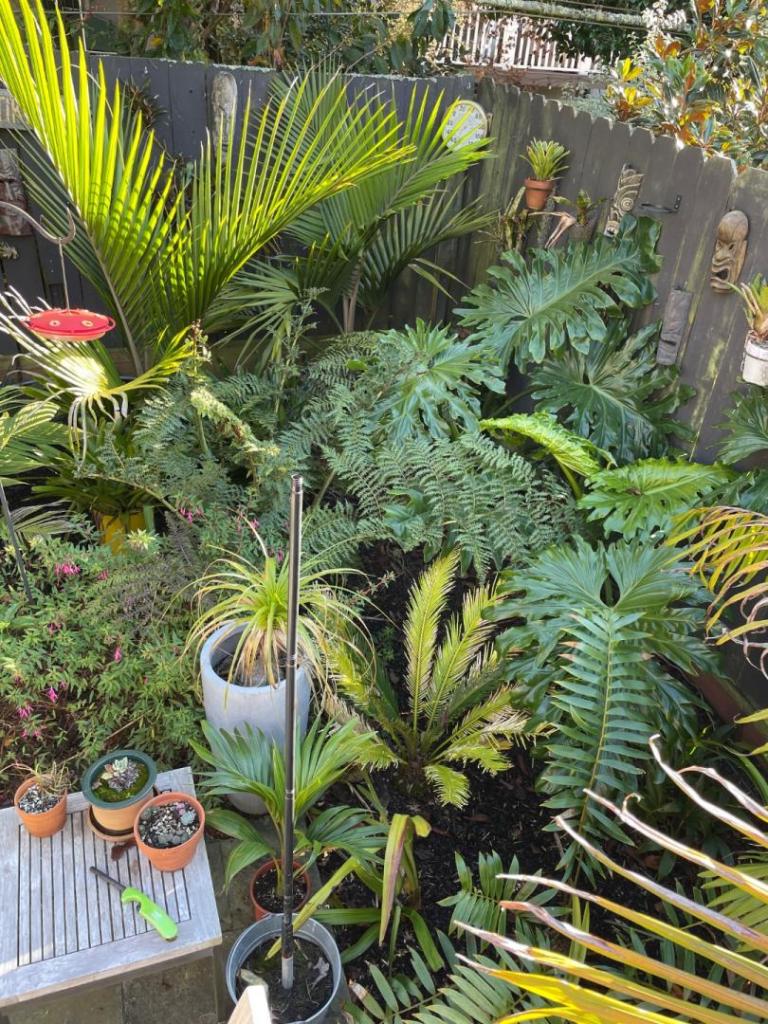
Say hello to my little friend, purchased from @Darold Petty just before Christmas. It was gorgeous today, I think all over California, so we did a little garden cleanup. This got me to thinking about where I intend to put this plant, probably in mid to late February. I have two spots, close together but quite different. Here’s the overall view. One location is where the Cycas is currently. It has never done well, I think due to scale, but is looking better lately. Still I would not hesitate to move or remove it. This location gets plenty of sun spring through fall, I’m concerned maybe too much. Eventually there will be more canopy but this will take years. It is very visible from our patio which is desirable. Darold recommends this location. The other option is a few feet away underneath the growing Sphaeropteris medullaris. Despite its own issues with sun, it will provide filtered shade for years and will gain height, allowing the Lepidorrhachis to become more visible. Honestly I am leaning towards this option but want to see what the group thinks. It’s possible that I get a bit more sun than Darold, and of course I don’t have anything like his mature canopy. Let me know what you think. Thanks.

 6 points
 -
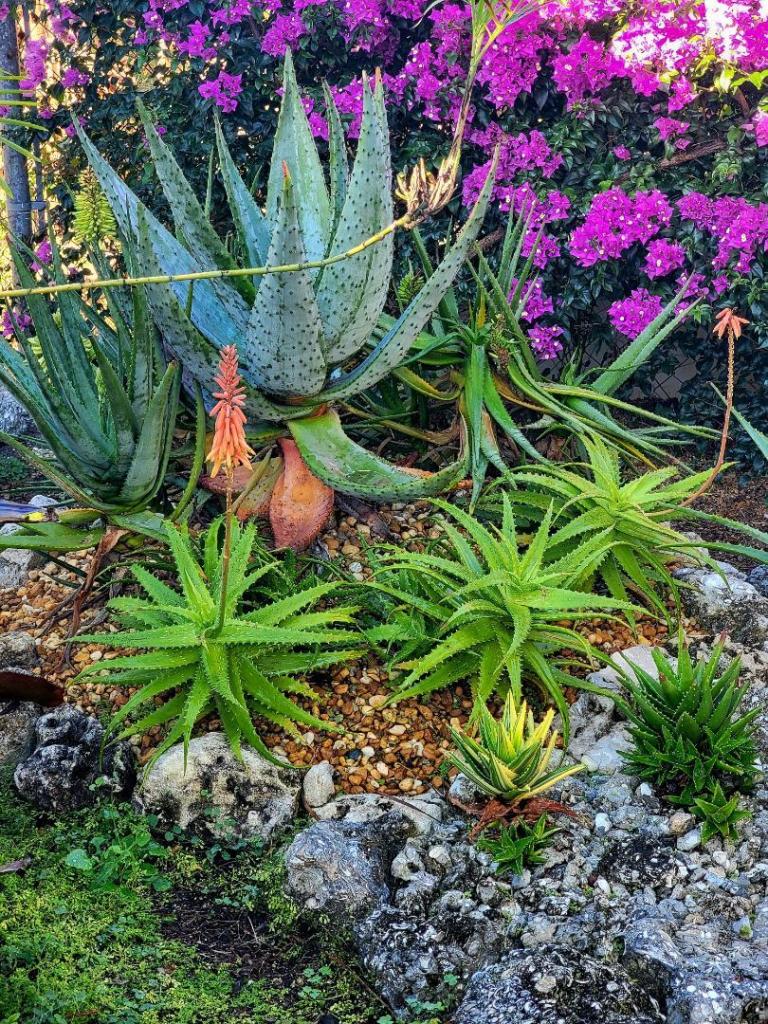
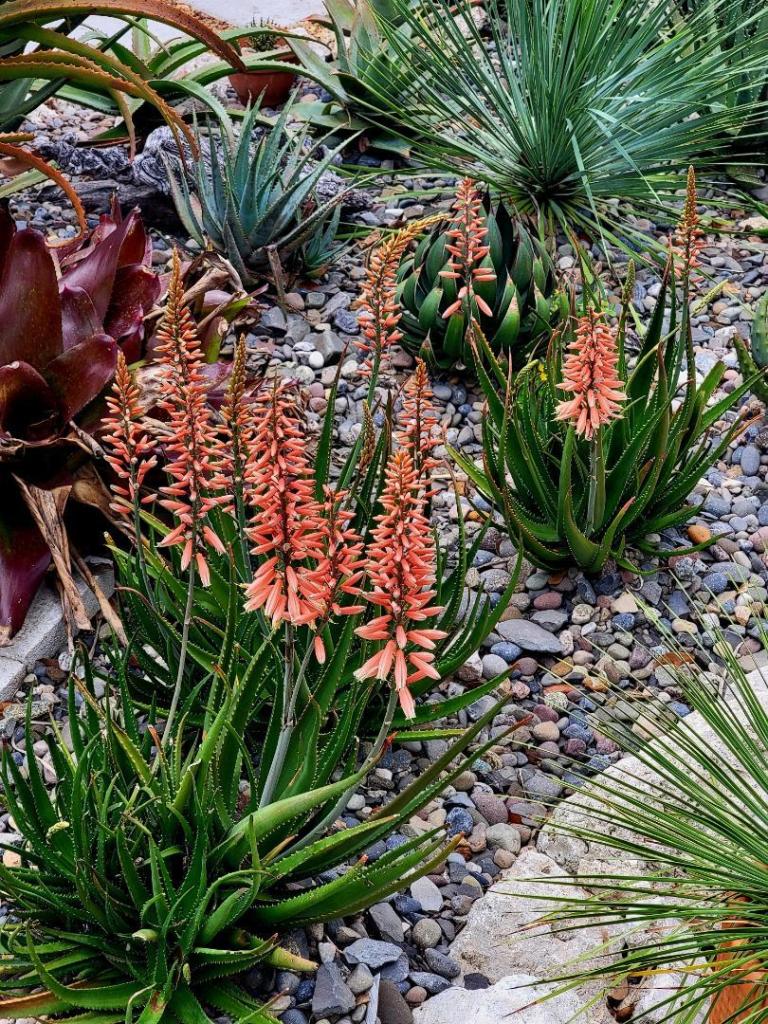
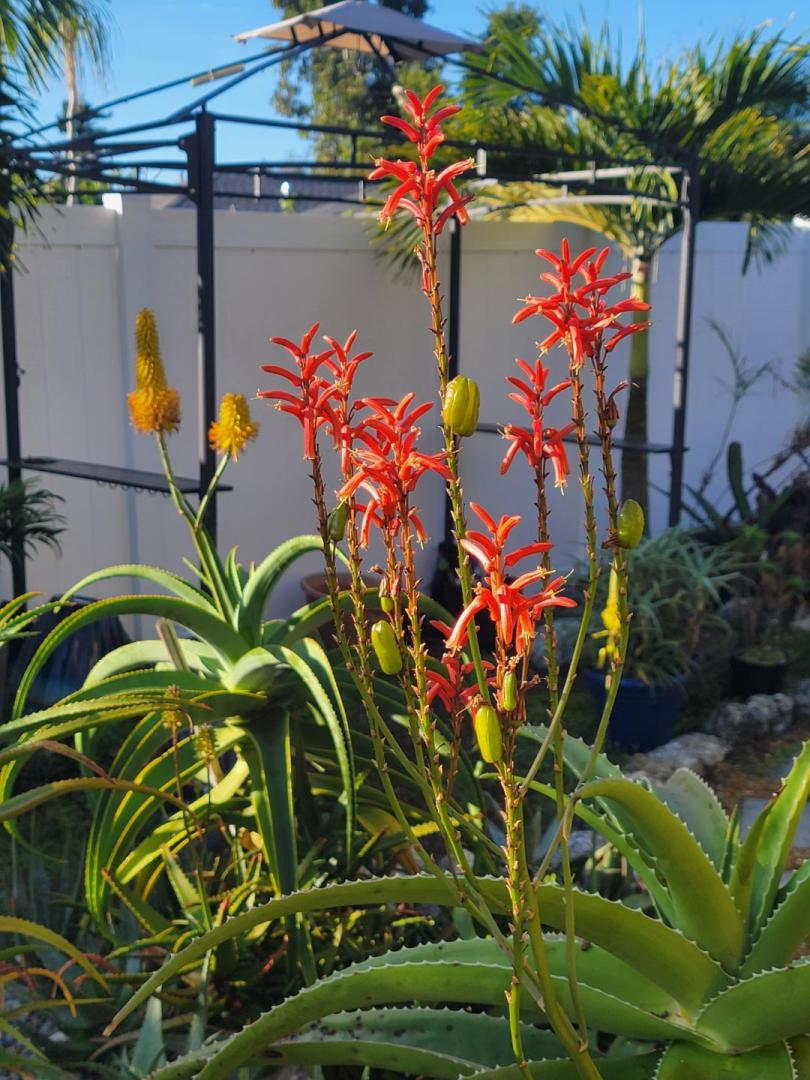
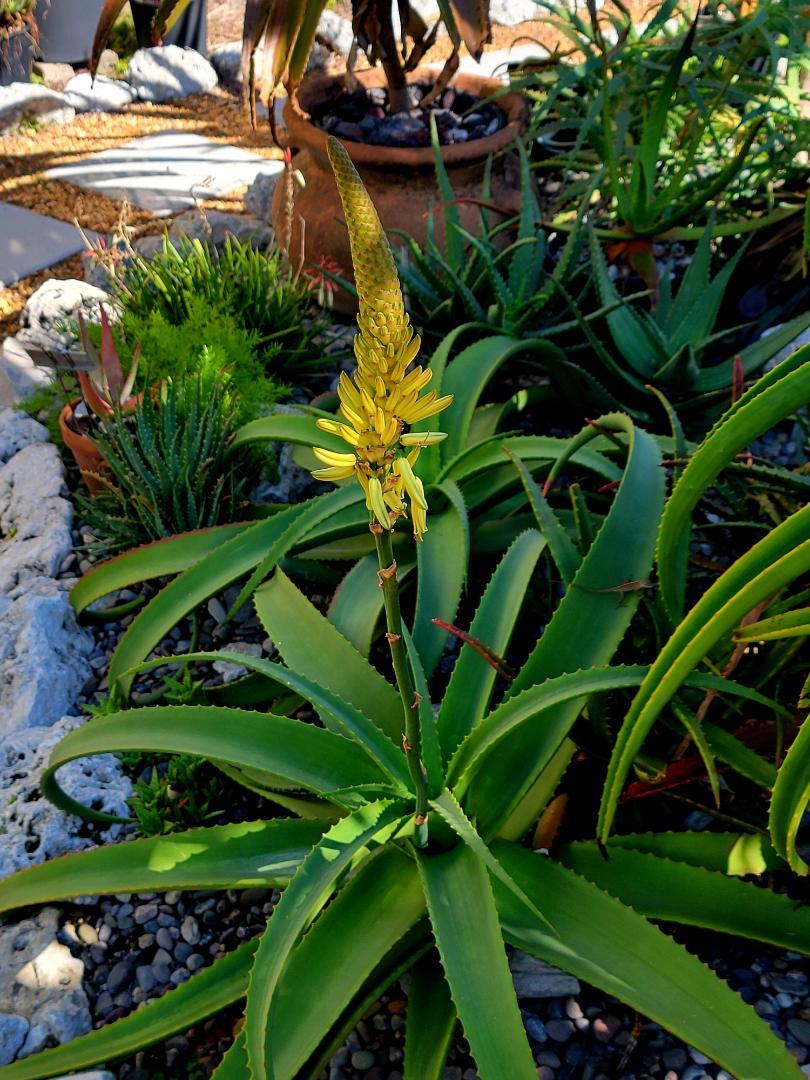
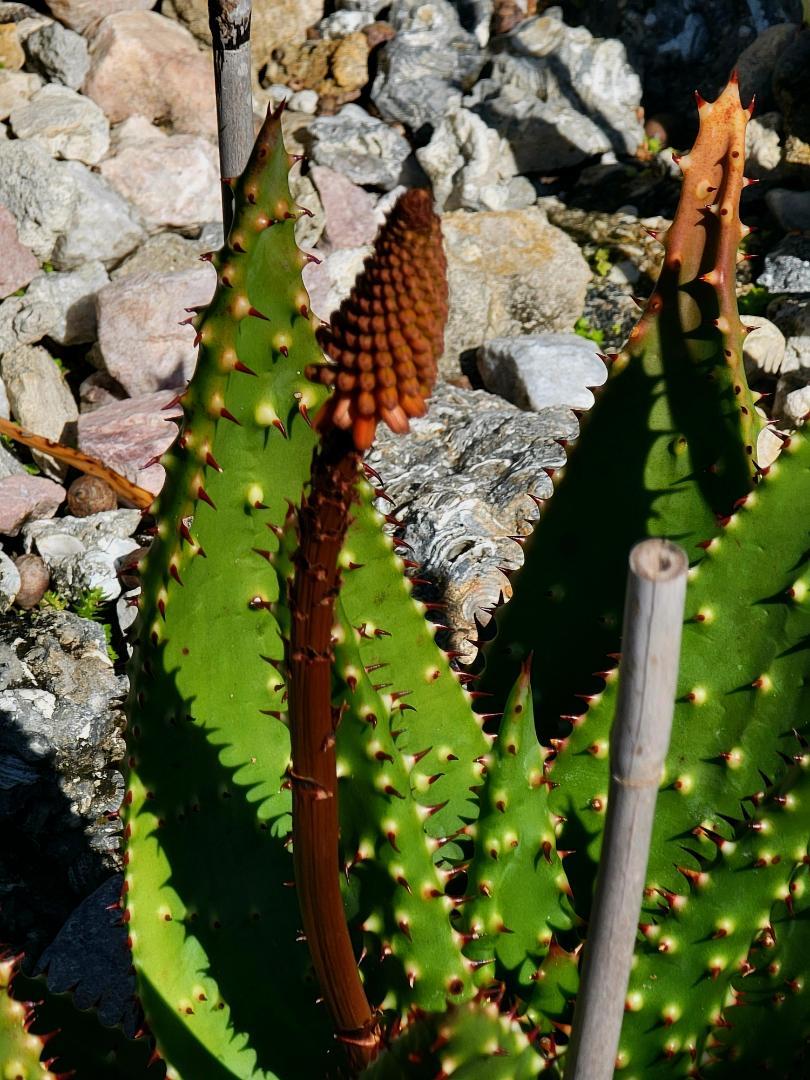
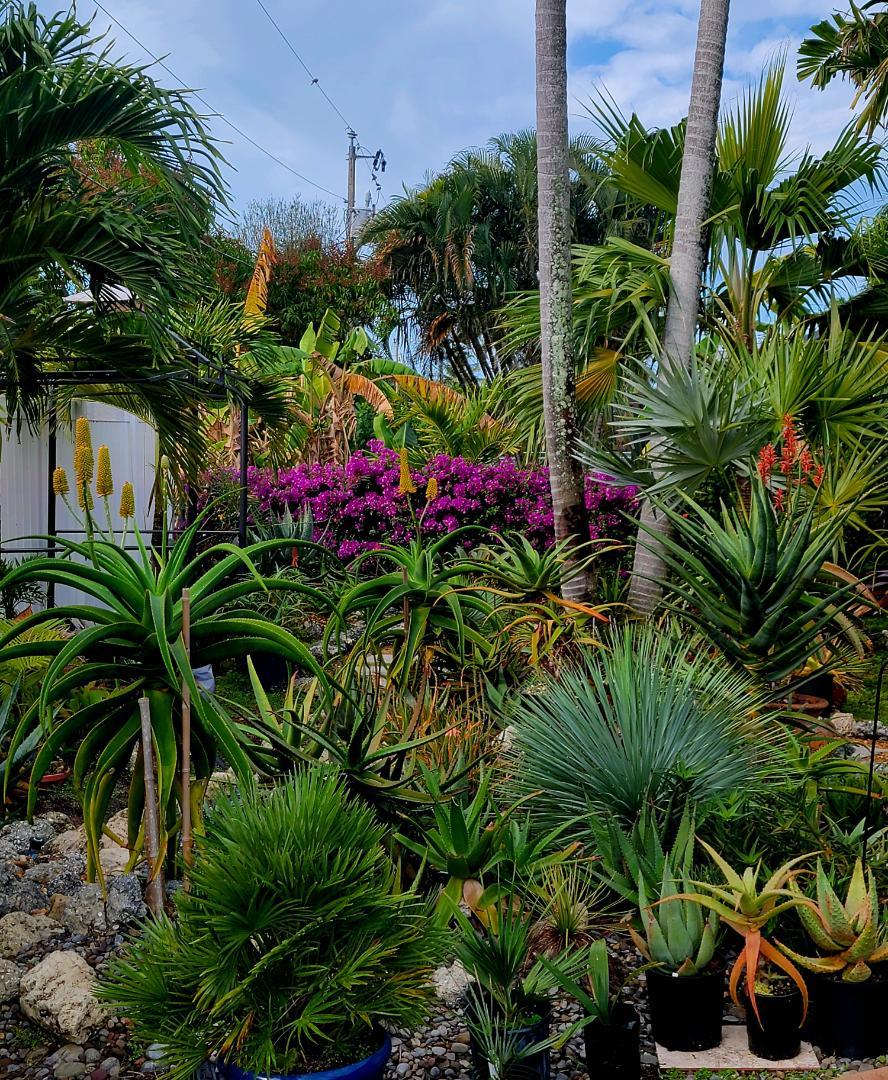
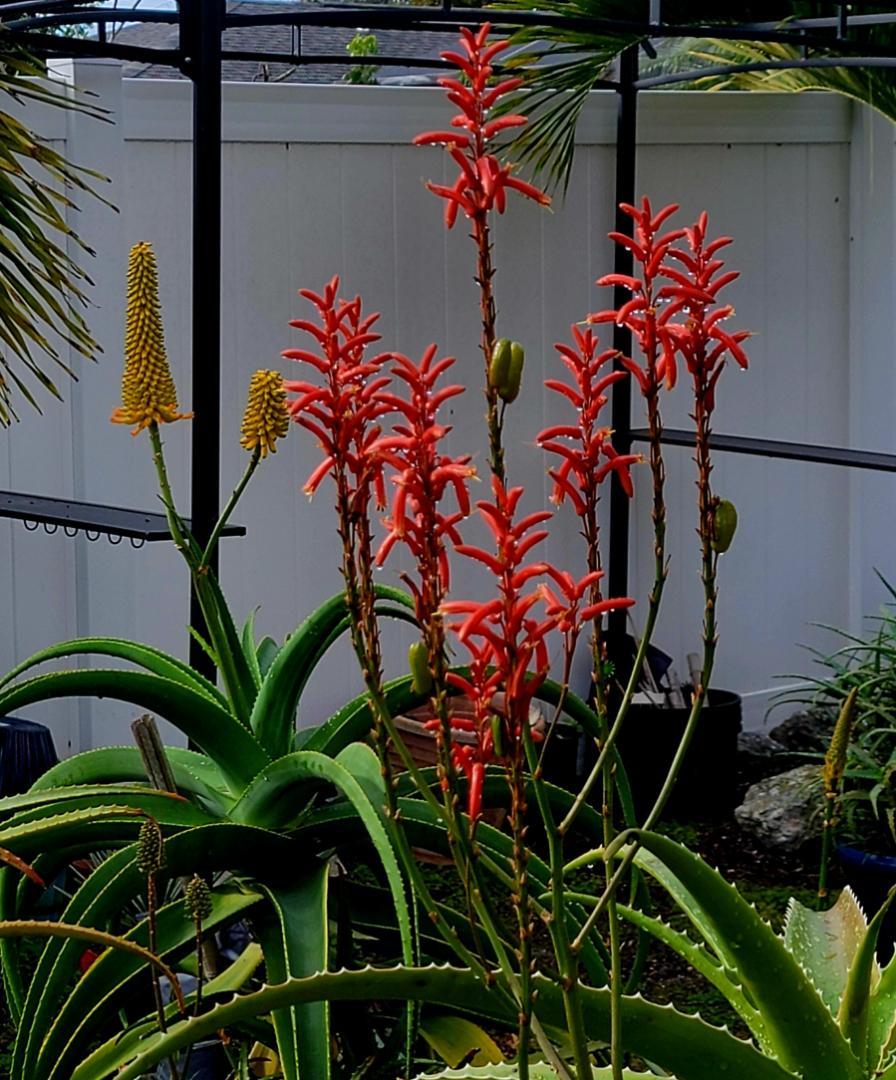
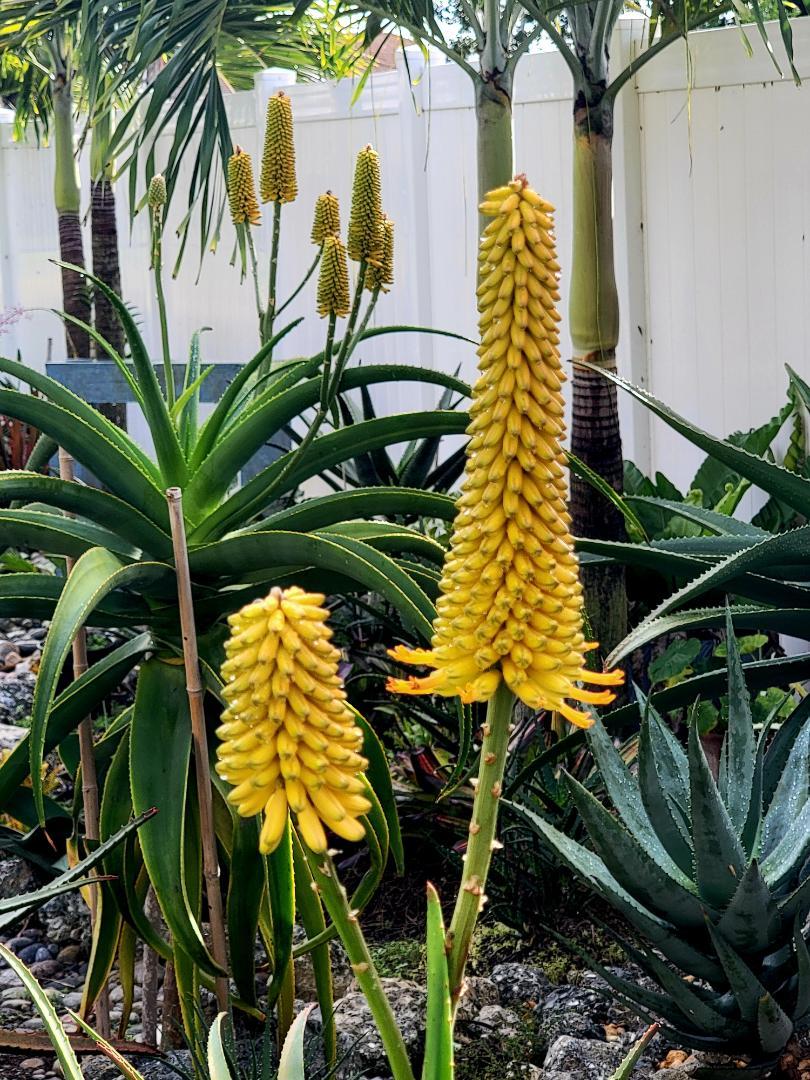
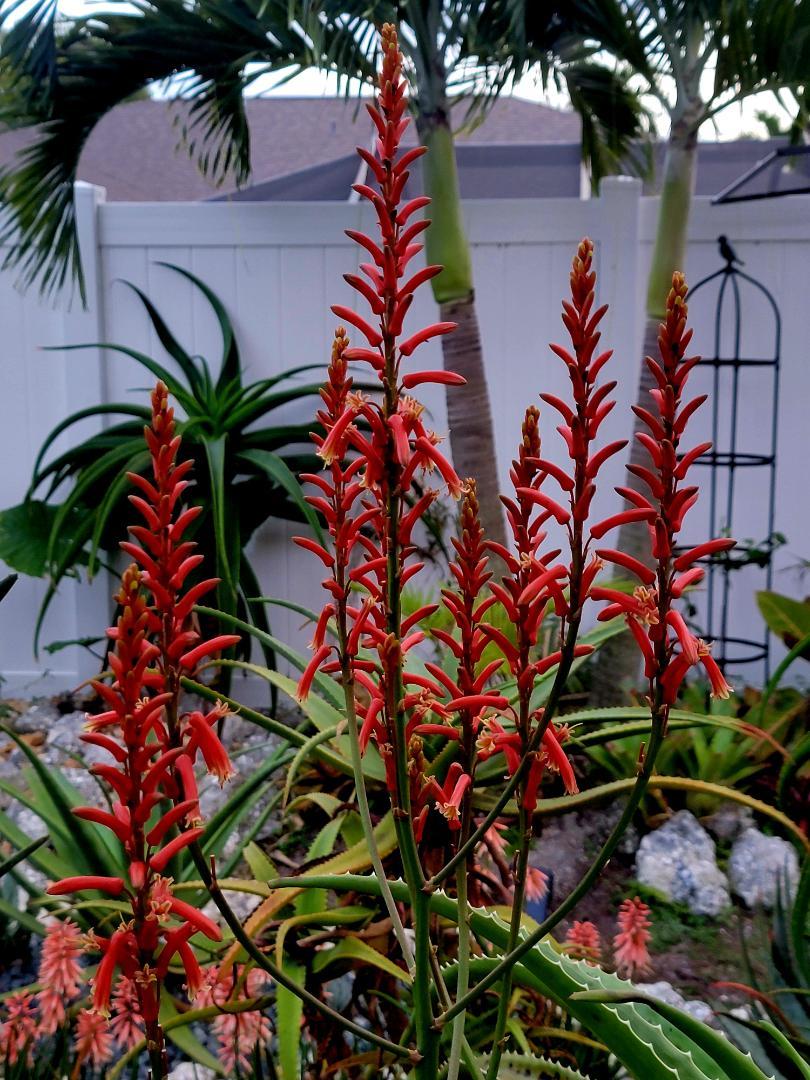
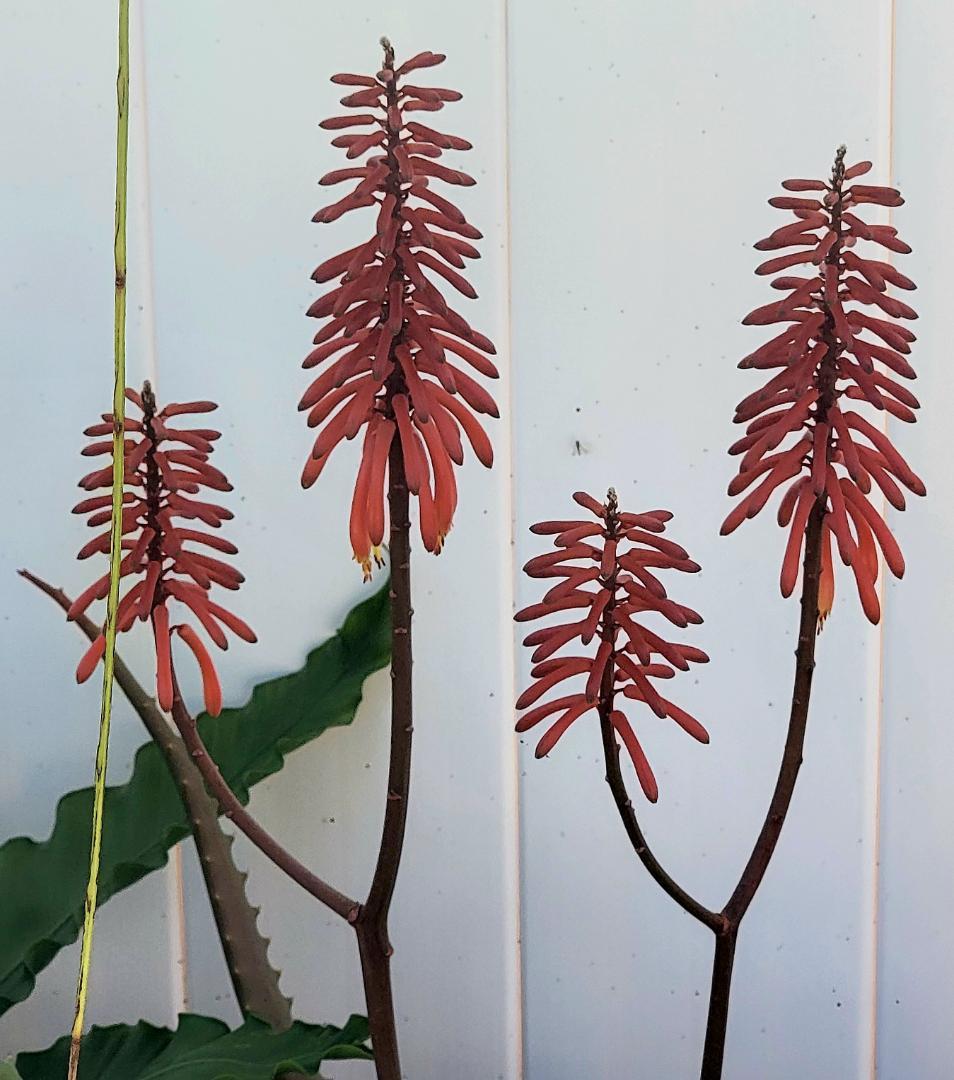
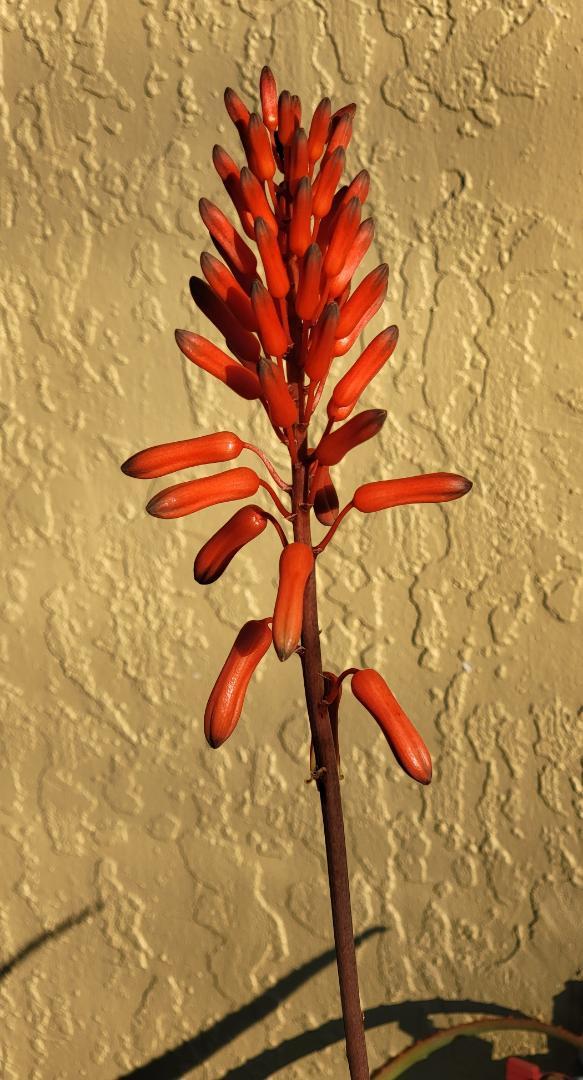
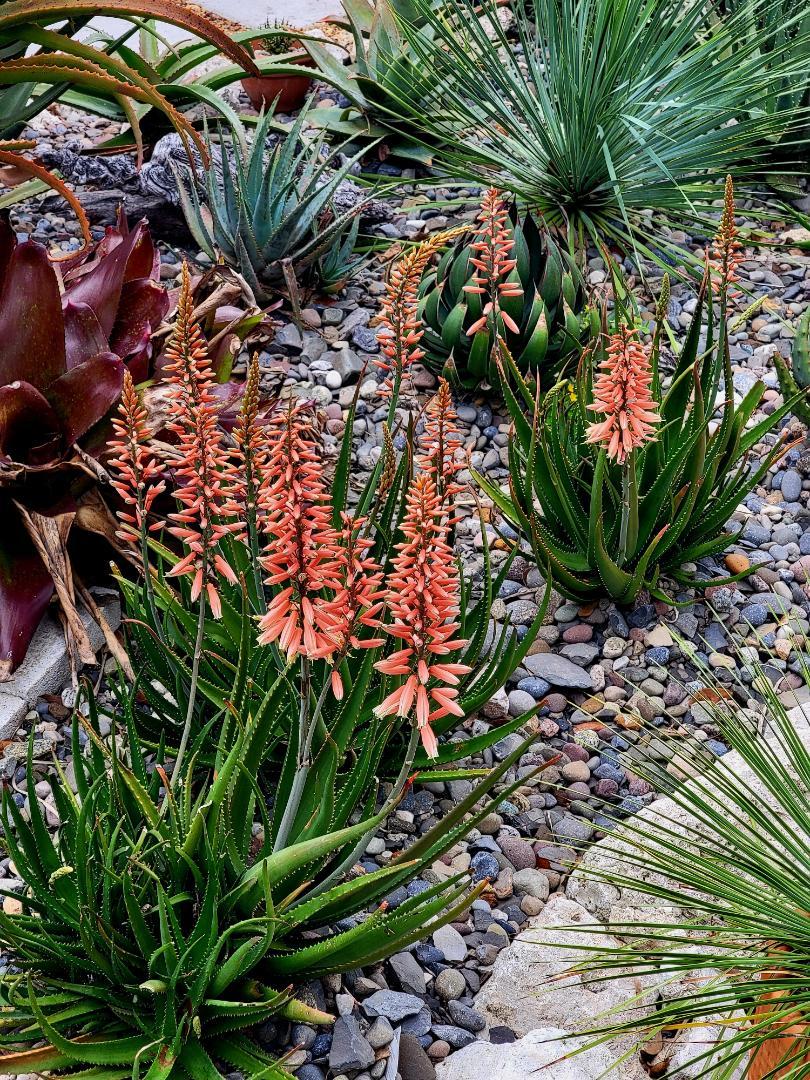
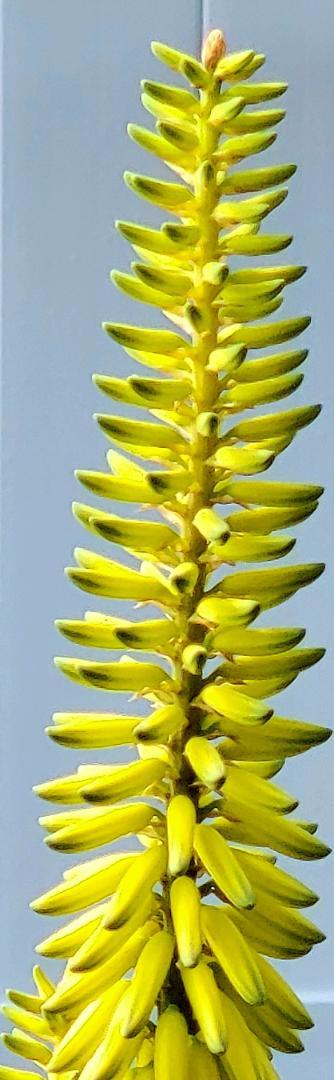
Just want to share some pictures of aloes I have here in Cape Coral, FL. Yes. Many can grow well in a hot, humid, wet Summer climate with the proper drainage. There are a couple tree aloes pictures here flowering as well. Thraskii has the golden branched inflourescens, and vaombe is red flowering in a pot. Also have an Alooides hybrid sending up flowers. Others here include dorothea, vanbalenii in yellow, and cameronii in multiple color variants. All here are blooming now. Enjoy the pics. Sorry. Some pics doubled up. Not sure why.




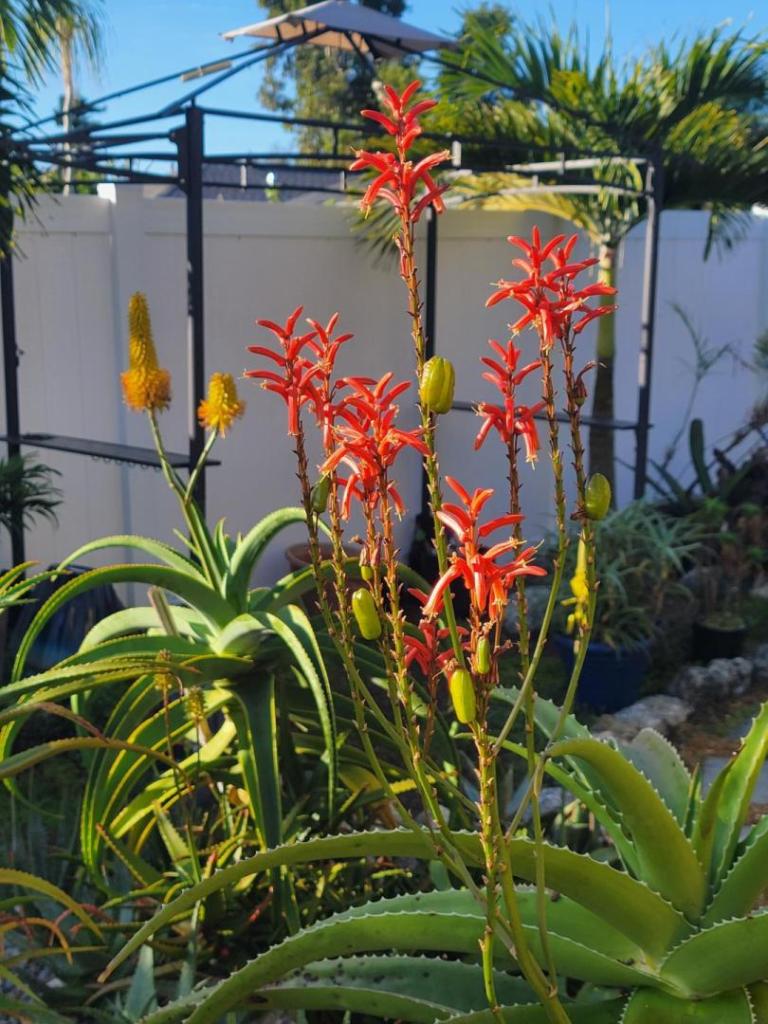


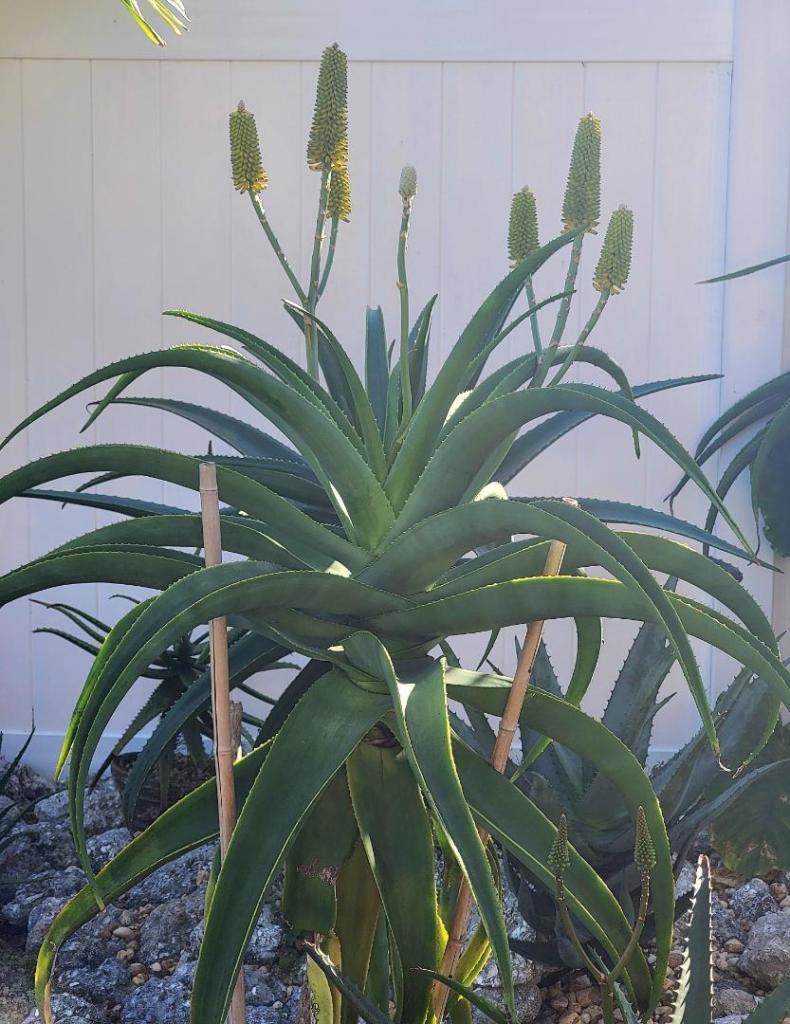

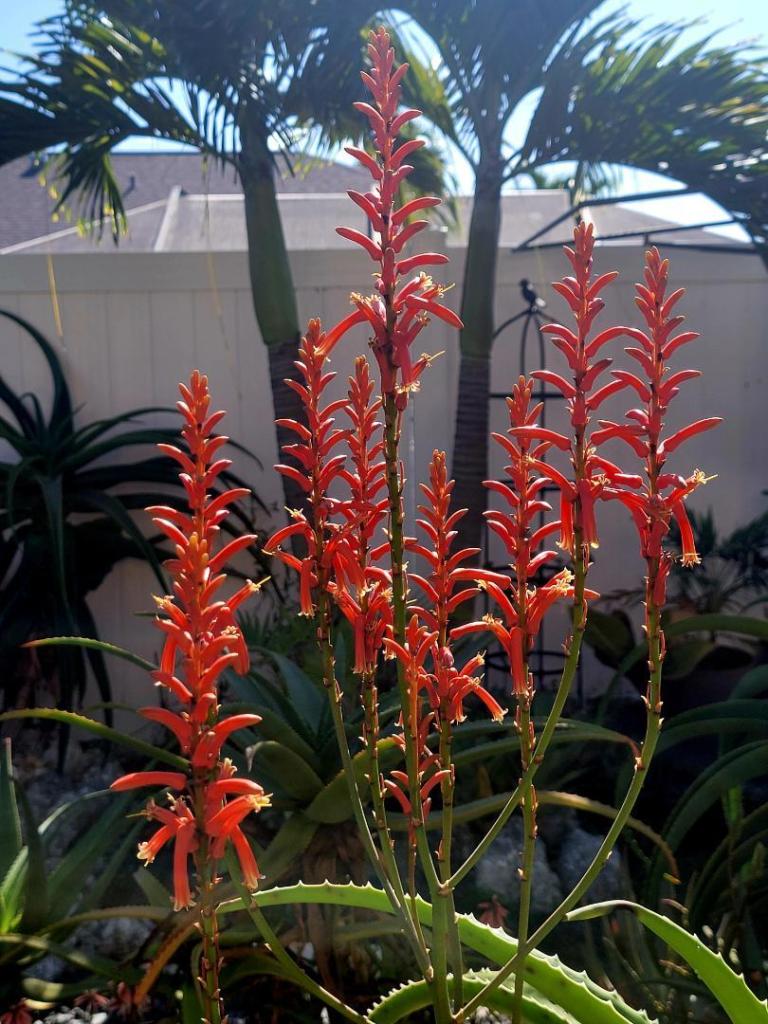


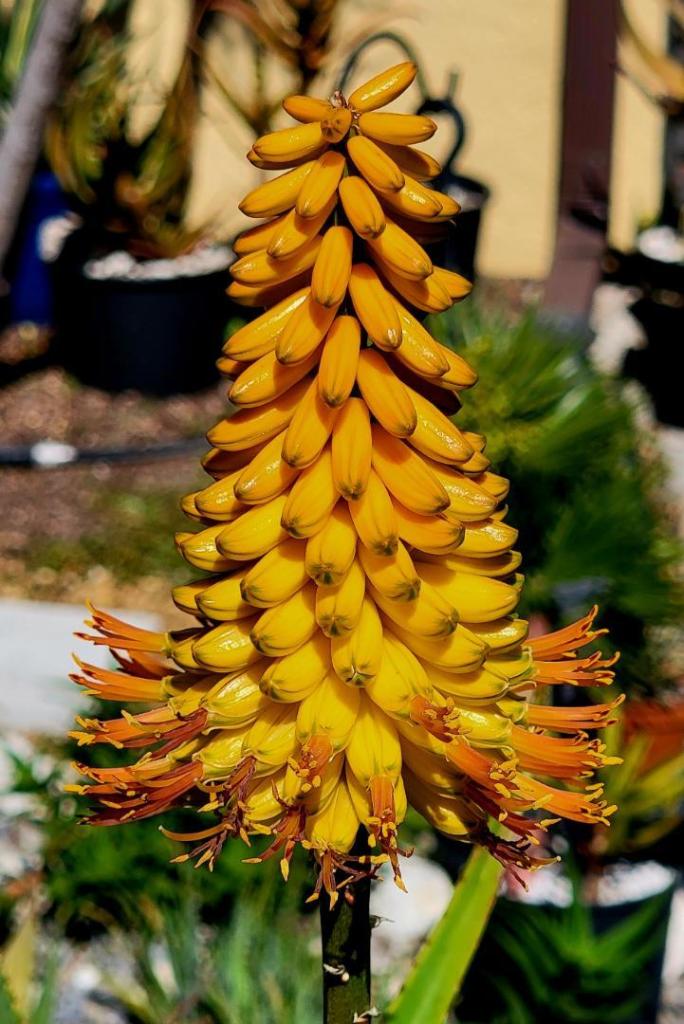

 5 points
 -
I reckon either option would be ok in your climate, which is prettysimilar to mine...shade is definitely preferable when they're young, but that's a pretty robust looking specimen you've got. Beautifully grown @Darold Petty.5 points
-
Not a tree palm, but Allagoptera arenaria is from beachfront habitat.4 points
-
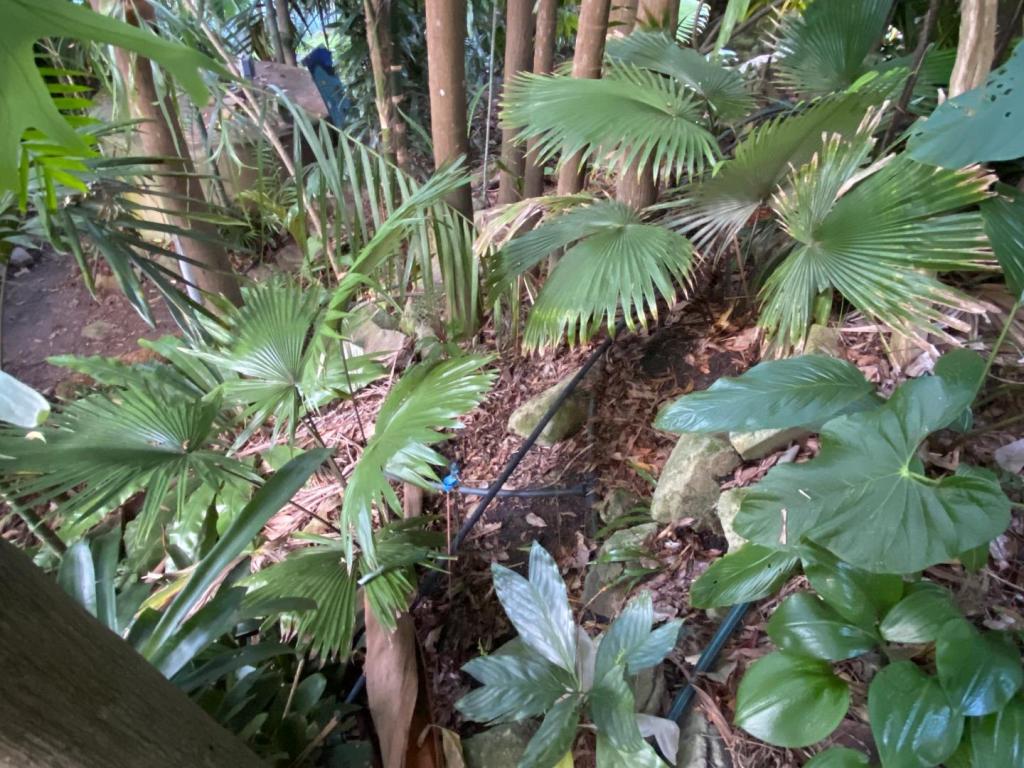
And so a legacy garden is born, it takes time and a lot of work, it can be done on a budget but the work load is a lot heavier for just one gardener. It takes many years of research and searching for the plants so desired for that tropical look, only a true gardener knows the feeling of losing a special plant in a storm or succumbing to Mother Natures compost heap! Hopefully this garden legacy keeps on living and iam sure it will, as we get older our palms look better. Hooefully one day I too will have a garden that can be left for future generations! Richard

 4 points
 -
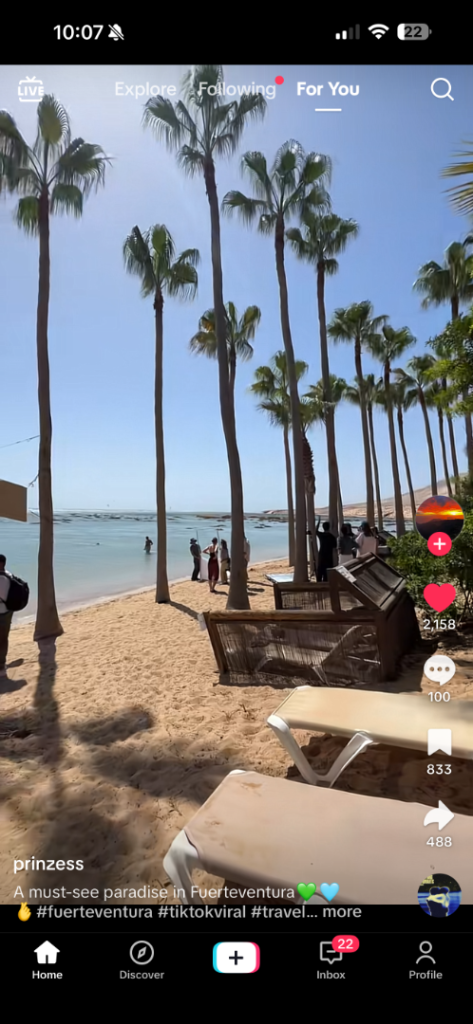
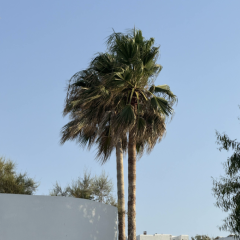
I’ve always wondered if washingtonias can grow on the beach and specifically on the sand close to the water since clear trunked washis are probably the closest thing to a coconut tree beach in Greece's climate. I’ve seen a beach in the Canary Islands where they had planted washingtonias extremely close to the water and they seemed to thrive. I live right next to the beach and I would really love to experiment with planting these as close to the water as possible (probably not legal so let’s say in theory). Here is a picture of a beach in the Canary Islands
 3 points
 -
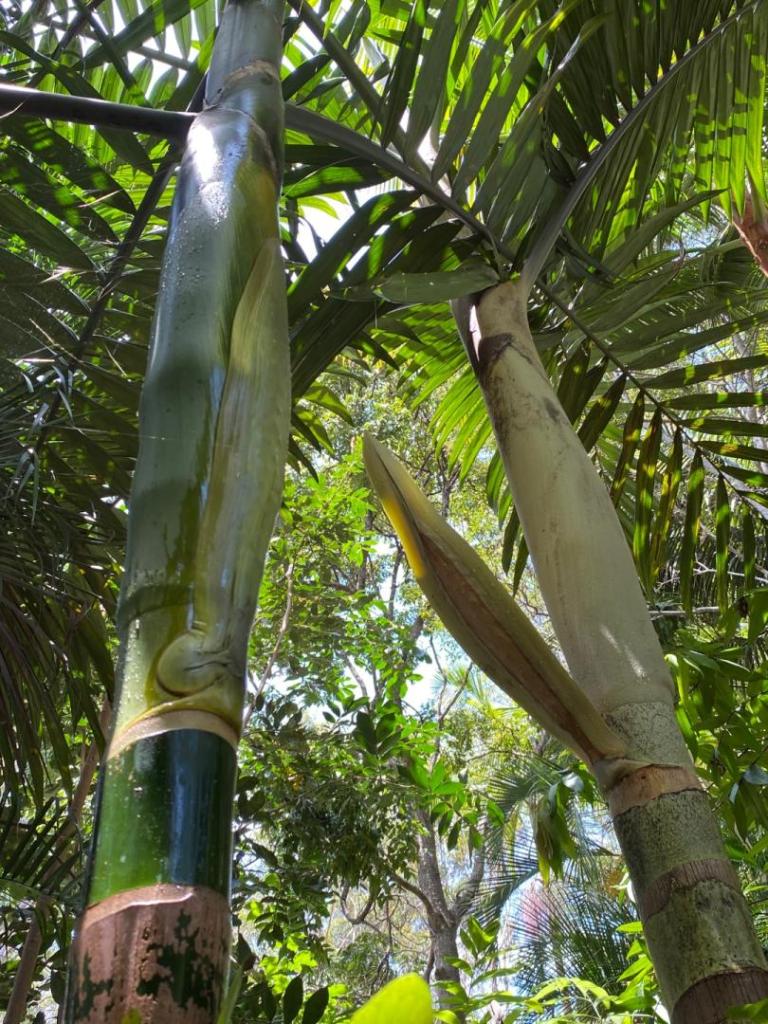
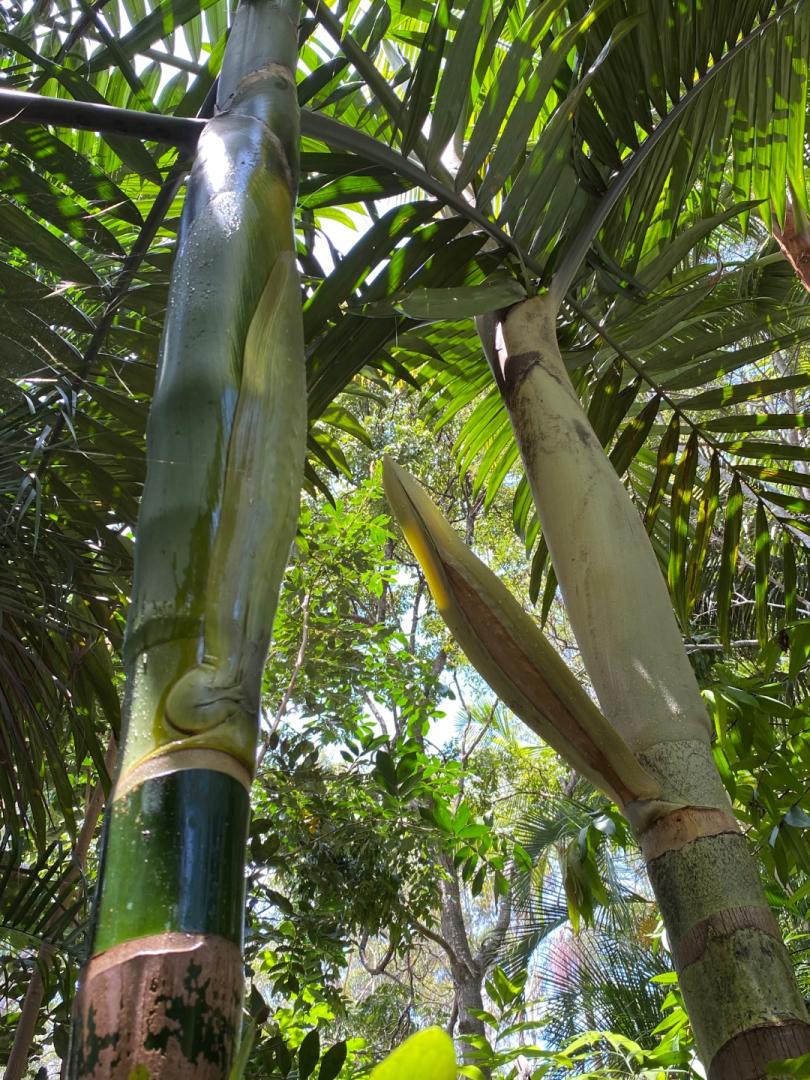
Got a couple of Chambeyronia growing next to each both flowering at the same time. It’s the first time the macrocarpa has flowered the hookeri has flowered twice but with no seeds set yet. It’s the first will be interesting to see if I get any seeds set this season I would be confident in a cross pollination if I do get seeds ( not really a fan of hybrids) either way it will e a long wait to find out if I have created a hybrid.

 3 points
 -
Apparently local semi-feral cats suffer from insomnia! Do you observe exact time of scene?

 3 points
 -
The Rhopalostyllis fruits are too hard to consume when the epicarp is fully red. At first they would consume only the epicarp and mesocarp. However, they have now learned to consume the entire seed while it is immature, and still somewhat soft. Hedyscepe seed is not bothered until the similar point of development, when the seed starts to color from green to red. The rats consume the entire seed. Seeds that may take two years to grow to maturity are destroyed in just a few evenings. If I want to harvest Hedyscepe seed I must enclose the spadix with wire mesh. Here is the Hedyscepe damage, note that they spurn the outer husk and devour the endosperm.
 3 points
 -
My Rhapalostylis and Hedyscepe seeds are eaten by Rattus rattus.3 points
-
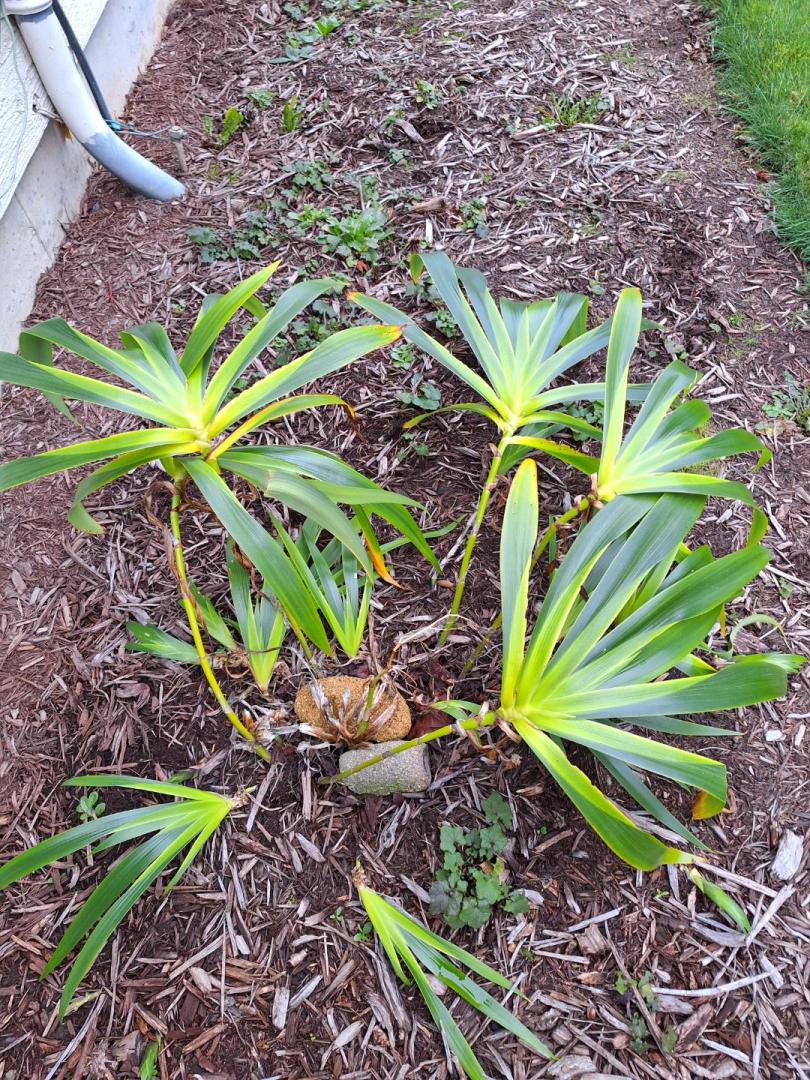
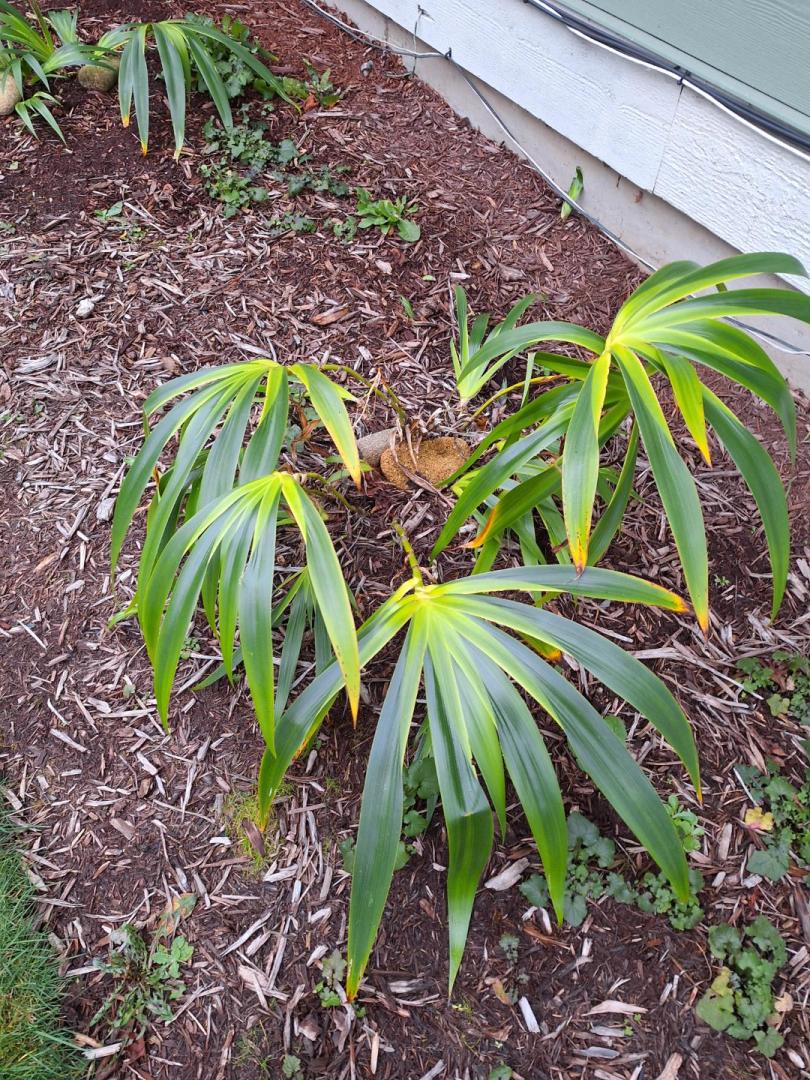
I have been eyeing these plants in the neighborhood for a while. They look vaguely like baby palms and have definite tropical vibes. I chatted up the owner and asked a few questions. Turns out they are irises! These are Iris confusa, aka the bamboo iris from sub-tropical southeast Asia. She bought them from a nursery in the Bay Area (California). Allegedly hardy to just zone 9, these have survived and grown from tiny starts through two brutal zone 7 type winters here. Love the leaf colors and shape.
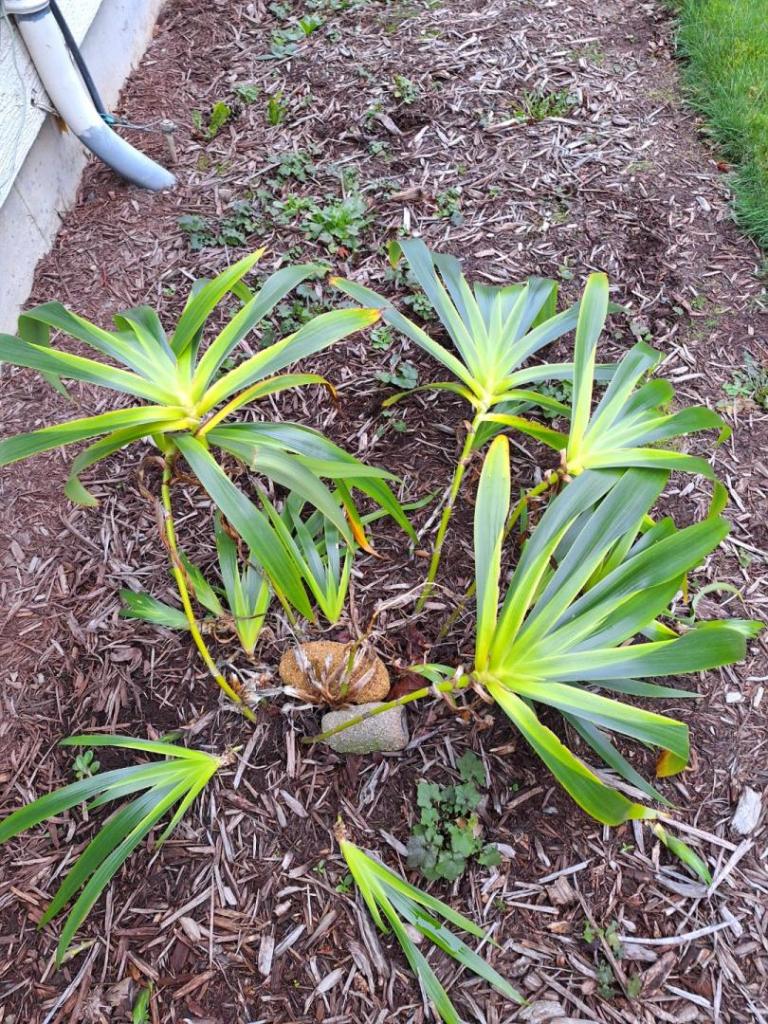

 3 points
 -
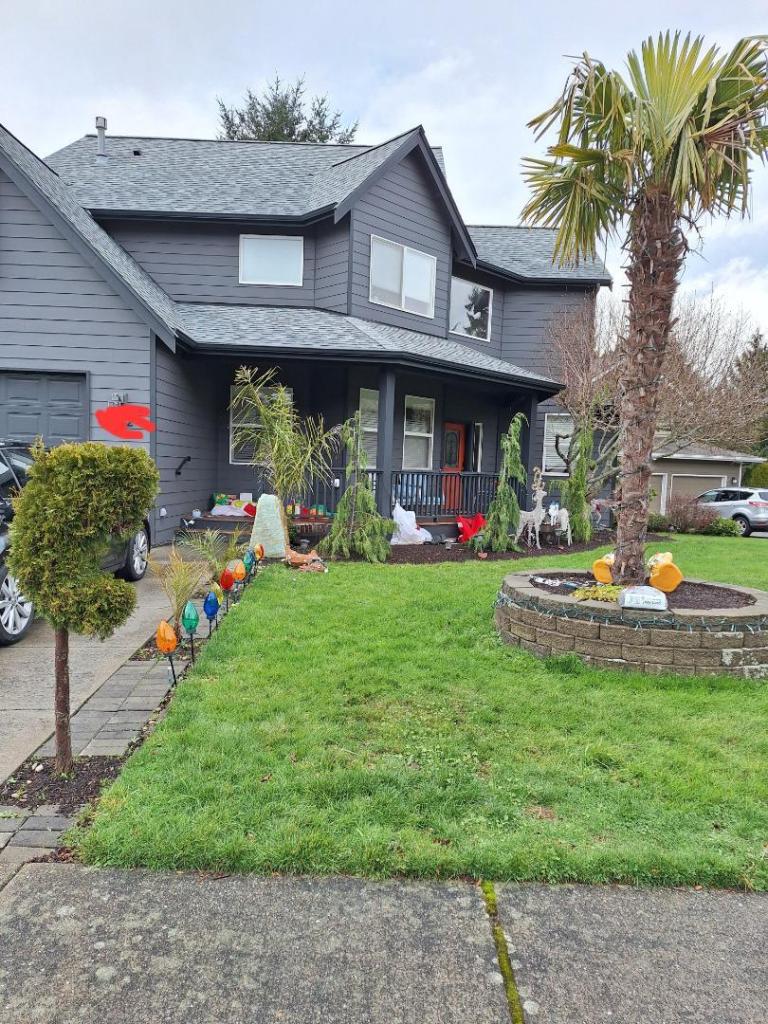
Hey yall, I happened to be biking through part of my neighborhood in Anacortes with kids just after the New Year. My kids, being familiar with my willingness to stop everything to admire palm trees, shouted out: "Look, baba! Palm trees!" Sure enough, there was one Trachycarpus fortunei standing tall as a flagpole. Then I noticed the fronds of some cocoid looking palms (or rather, should I say: Attaleanid) tucked along the driveway. I'm going to go back up there and see of I can chat to the folks living there and get any intel!
 2 points
 -
Upon request by the owners and IPS president Andy Hurwitz I am posting information about a one of a kind legacy property available for sale in Hawaii. PT is not normally the correct venue for real estate ads, but I believe when you read more you will see why an exception is made here. Although memories of my visit there in 2022 will forever be etched in my mind, please address inquiries to the owners, not to me personally. Please see information and photos from the owners: A New Chapter for Casa de Las Palmas We purchased Casa de Las Palmas in 2017 from the estate of legendary nurseryman Jerry Hunter. Jerry was the owner of Rancho Soledad Nurseries in California, Palms of Paradise in Hawaii, and Mount Soledad in Pacific Beach. Dubbed the "Dean of California Landscape Architects", he held license #33. His designs are found throughout the San Diego area, including San Diego Zoo, Balboa Botanical Gardens, and a host of other public and private venues. Along with collecting and hybridizing many new plant varieties, he built the first plant tissue culture laboratory in San Diego. Casa de Las Palmas was Jerry's private Hawaiian retreat. Over the course of 35 years, Jerry transformed seven acres of upper Hilo farmland into a true garden masterpiece, creating a magical realm of exotic palms, waterfalls, meandering lava-rock paths, water gardens, and flowering tropical plants. Now over 45 years since planting began, it's a vast and mature botanical collection of rare palms, cycads, philodendrons, bromeliads, anthuriums and orchids. We have been honored to be the caretakers, but the time has come for us to move on, so we are offering the property for sale. Before we list it on the open market, we want palm and garden lovers to know it is available, in the hope that we can find a custodian for the future. The property has a 2-bedroom, 2-and-a-half-bathroom house with a separate apartment, and potential for additional dwellings. We currently do private garden tours, film shoots, and small events, and there is plenty of room to grow a successful business here. We had the delight of hosting IPS members for a lunch and tour during the 2022 Biennial in Hawaii. Please do contact us if you would like any further information. Irene Francis & Lars Woodruffe 646-338-7882 irenefrancis@hotmail.com https://houseofthepalms.com/


 2 points
 -
Here’s a photo of Santa Cruz Beach just south of the SF Bay Area and, as you can see, there are lots of Washingtonia growing in the beach sand.
 2 points
 -
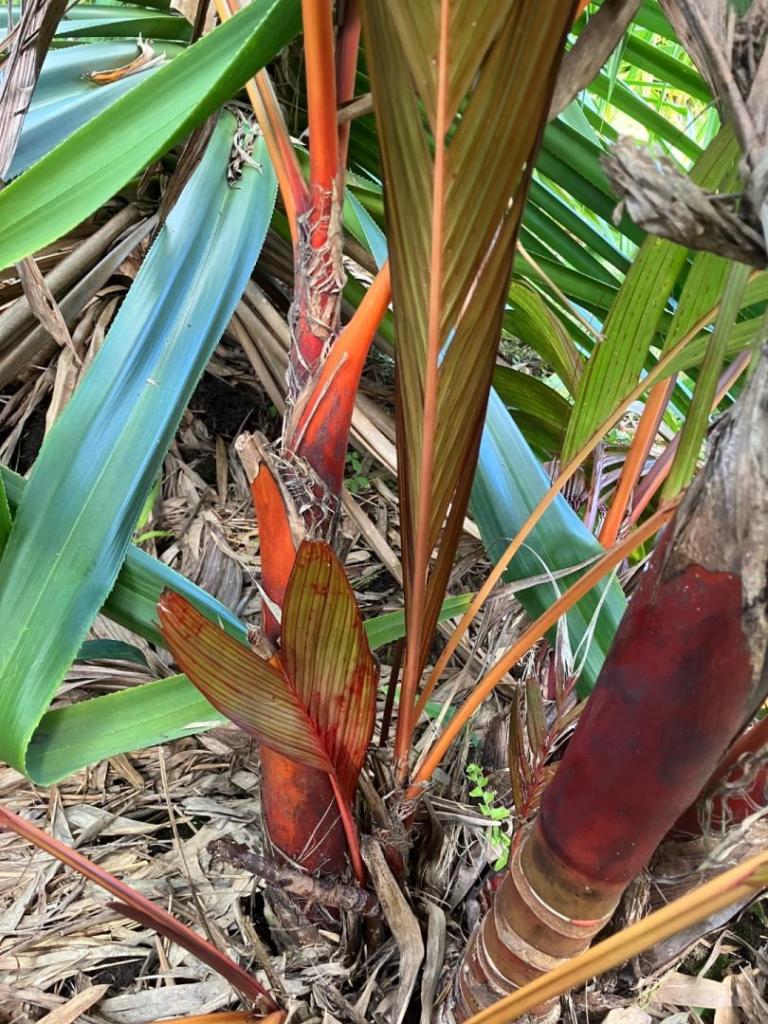
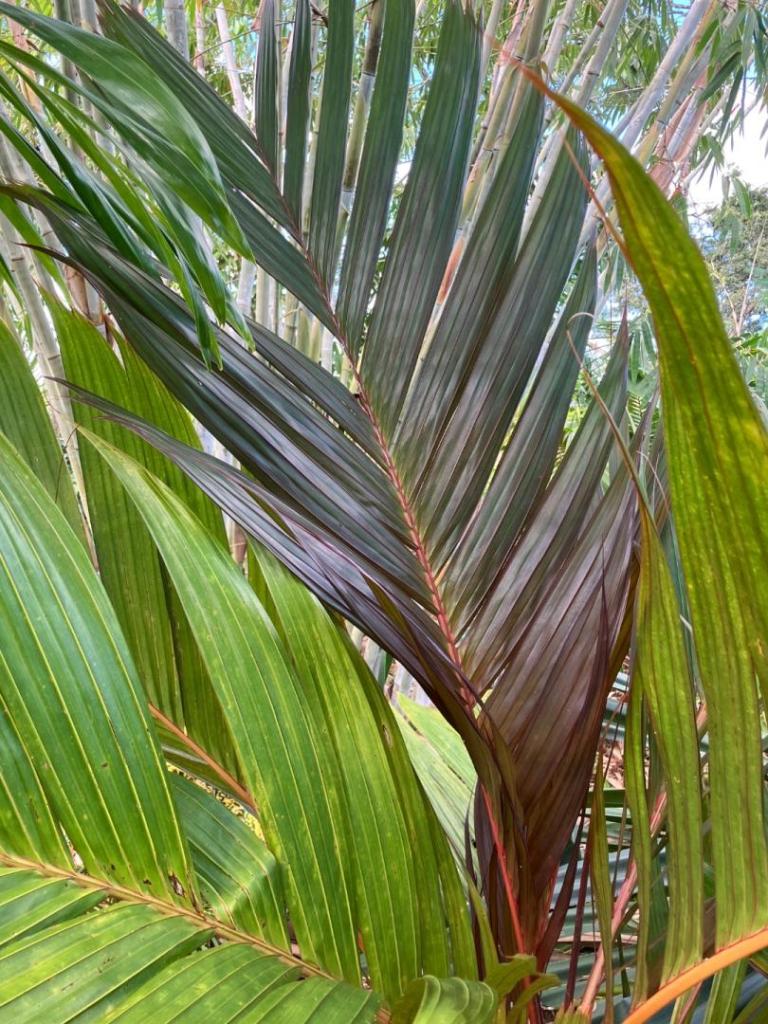
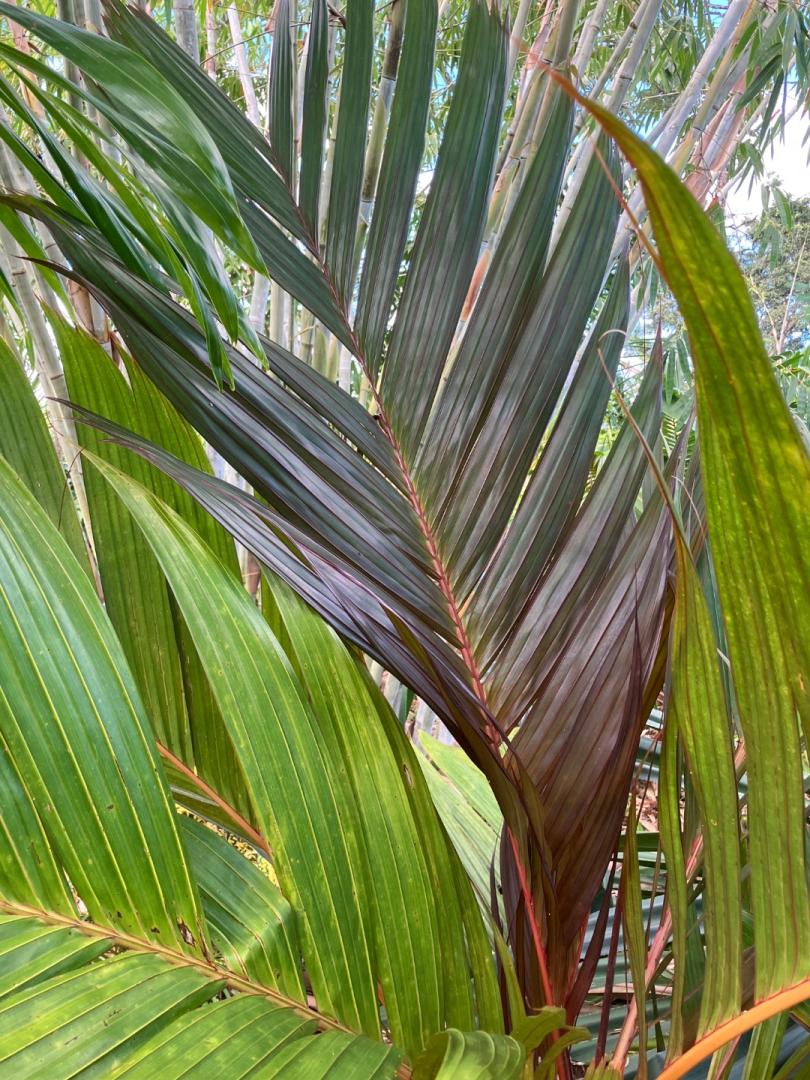
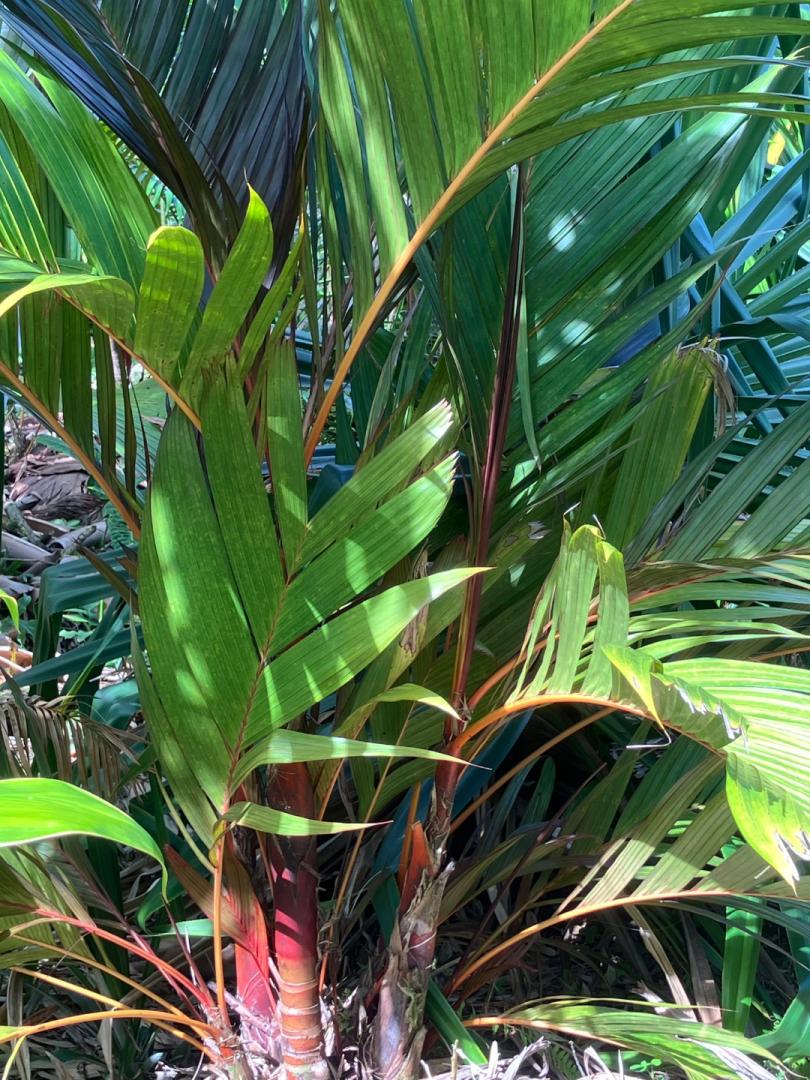
Areca vestaria sp.
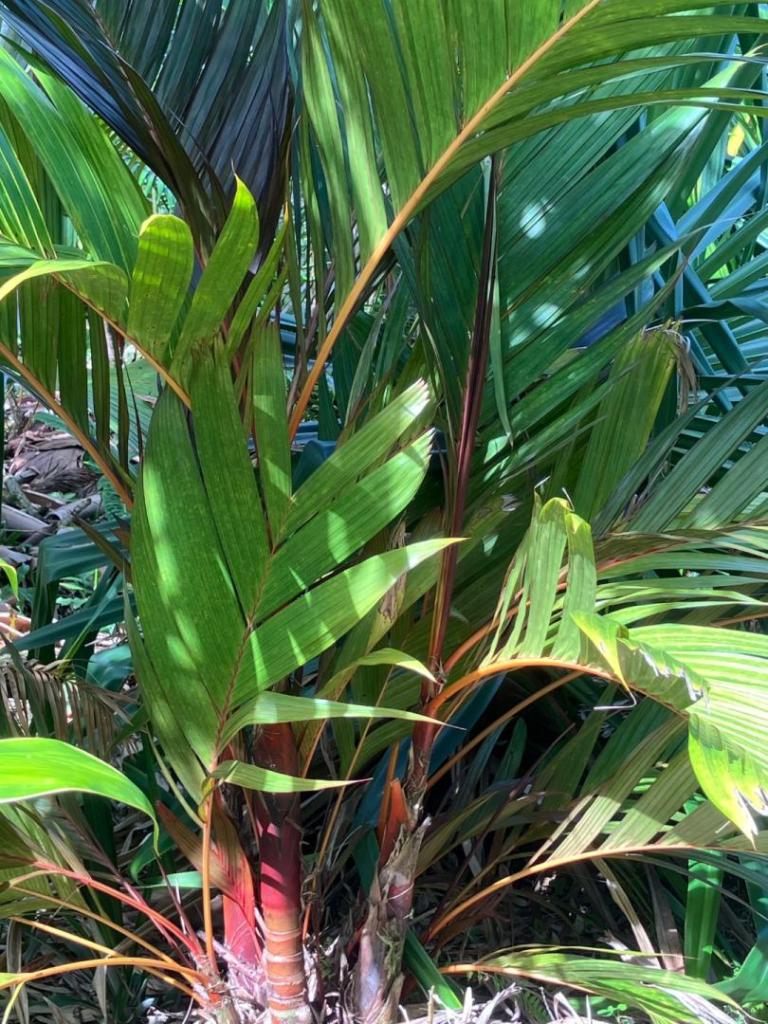 2 points
 -
Ah yes, if you are planning to leave them on the plants for months then yes, that's a factor. I only put them on on the nights when frost is predicted and then remove them next day. It's tedious and annoying indeed but necessary. You are in zone 8A I see so things are very different than in my 9B. I hope the new fleece solves all issues for you!2 points
-
It’s probably a matter of definition. As C macrocarpa var macrocarpa and C macrocarpa var hookeri are formally different varieties, they are considered genetically distinct so a cross between the two would be a varietal hybrid. Generally in horticulture I think the word hybrid is reserved for interspecific crosses but technically it can be used for a cross between any two genetically distinct parents.2 points
-
Repotted the Lady palms before the cold weather sets in tonight…
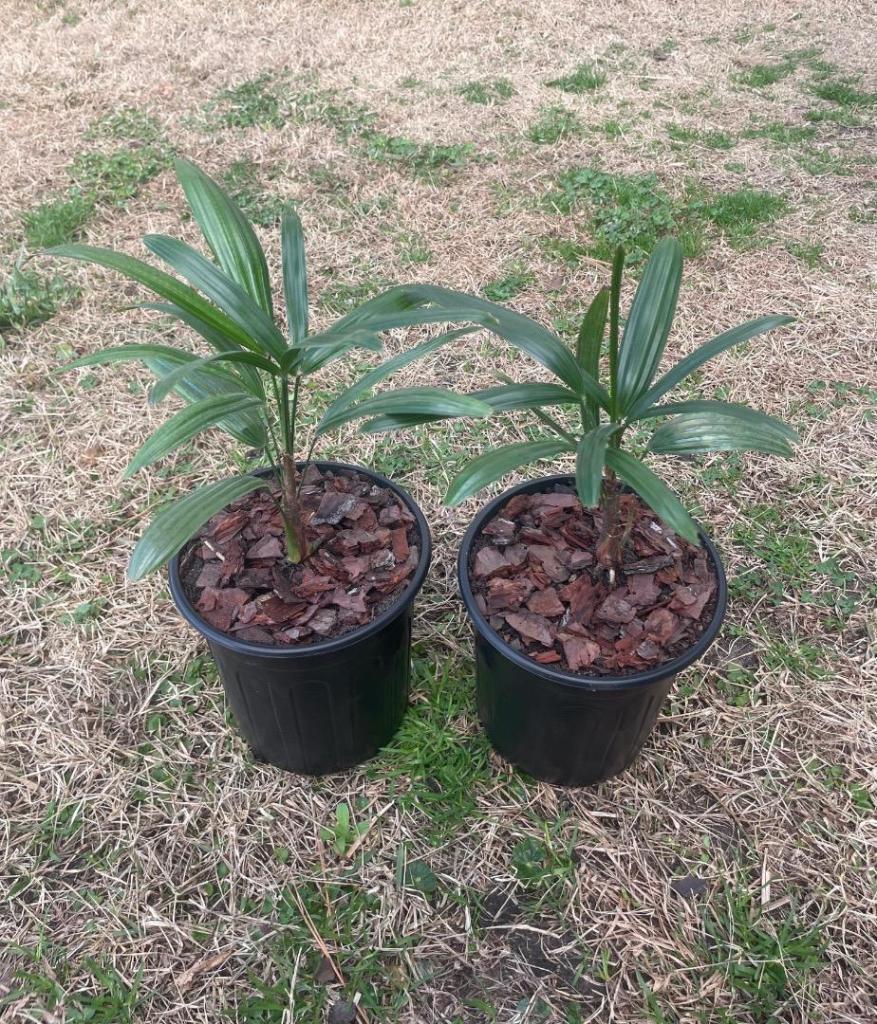 2 points
 -
We're expected to get our first winter weather over the next several or so days. As a precaution I've bundled the Cordyline leaves with temps at some point expected to bottom out in the low 20'sF / -6°C.
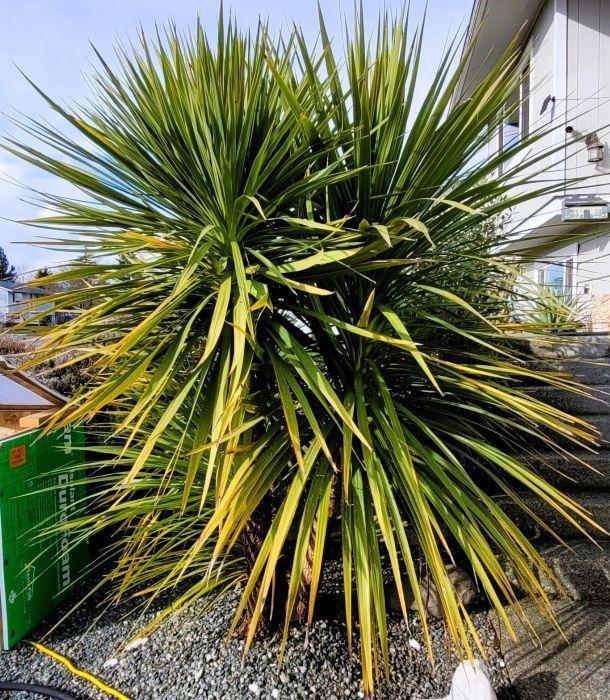
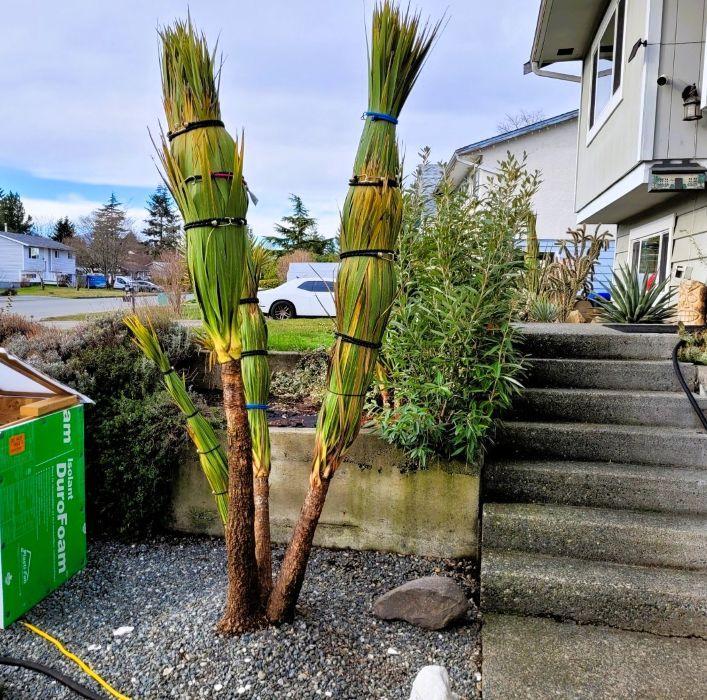 2 points
 -
Poor kittens.. I also have insomnia sometimes so I know it sucks. So it must be a nocturnal animal then... fox, badgers, jackals..?2 points
-
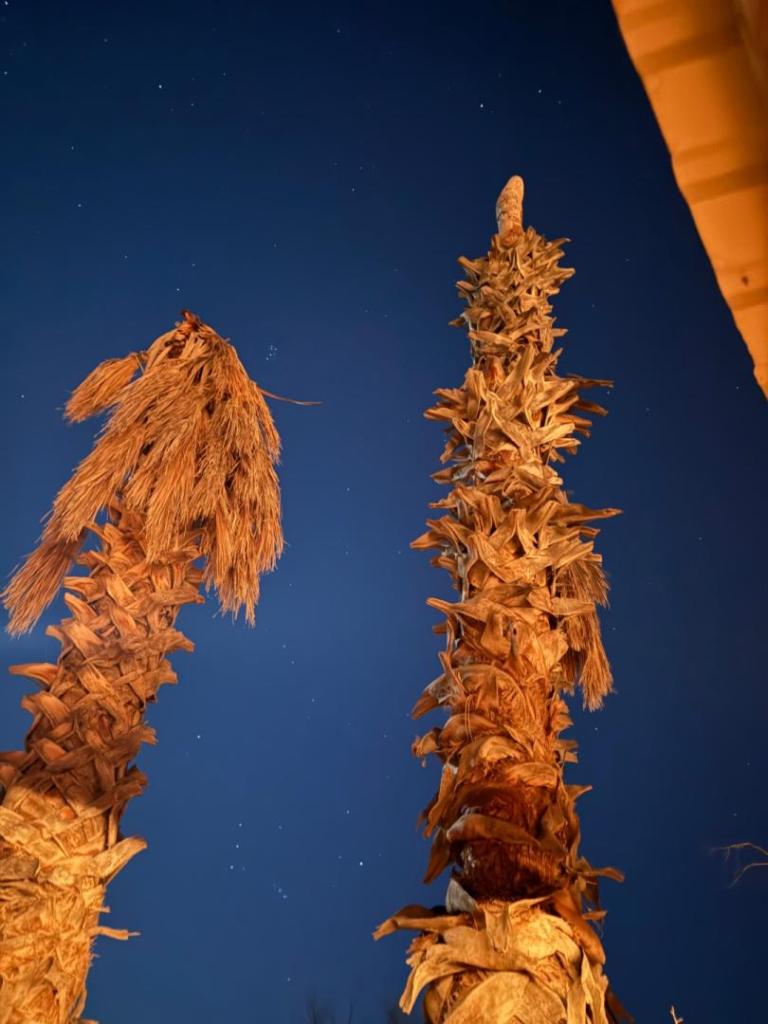
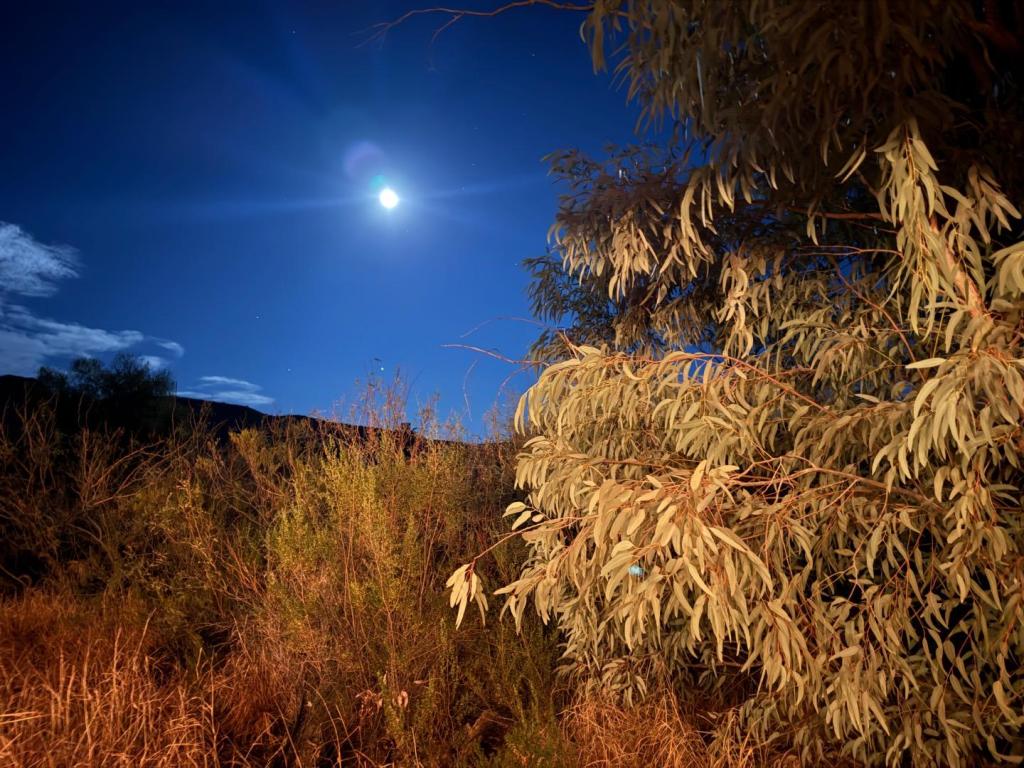
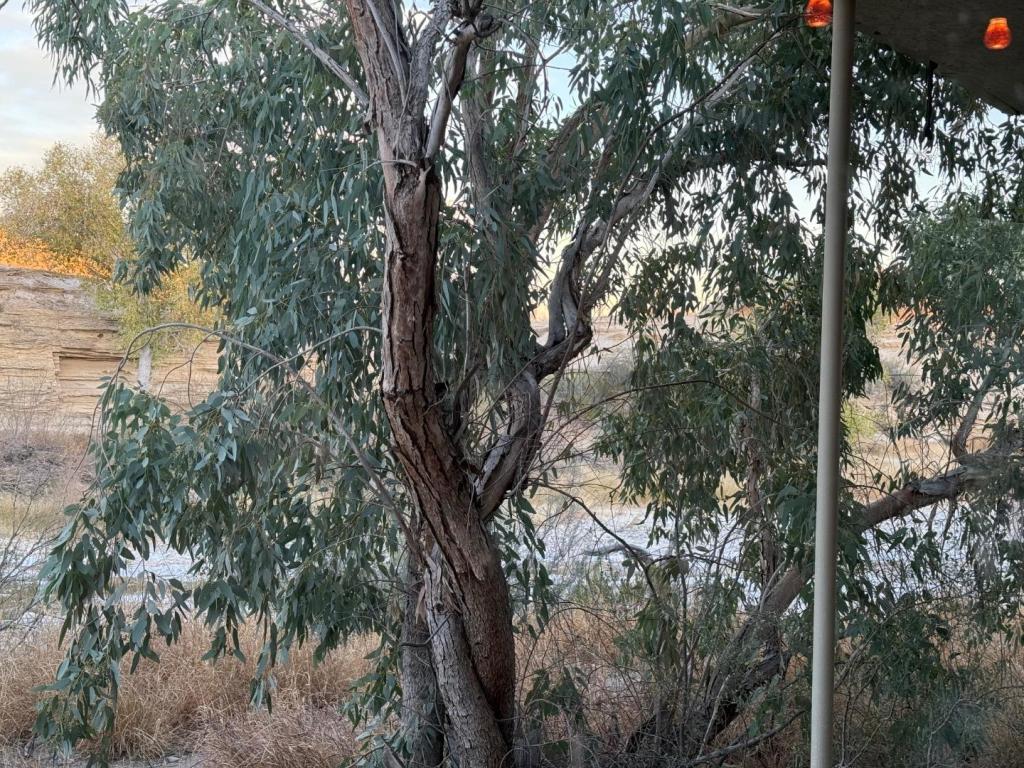
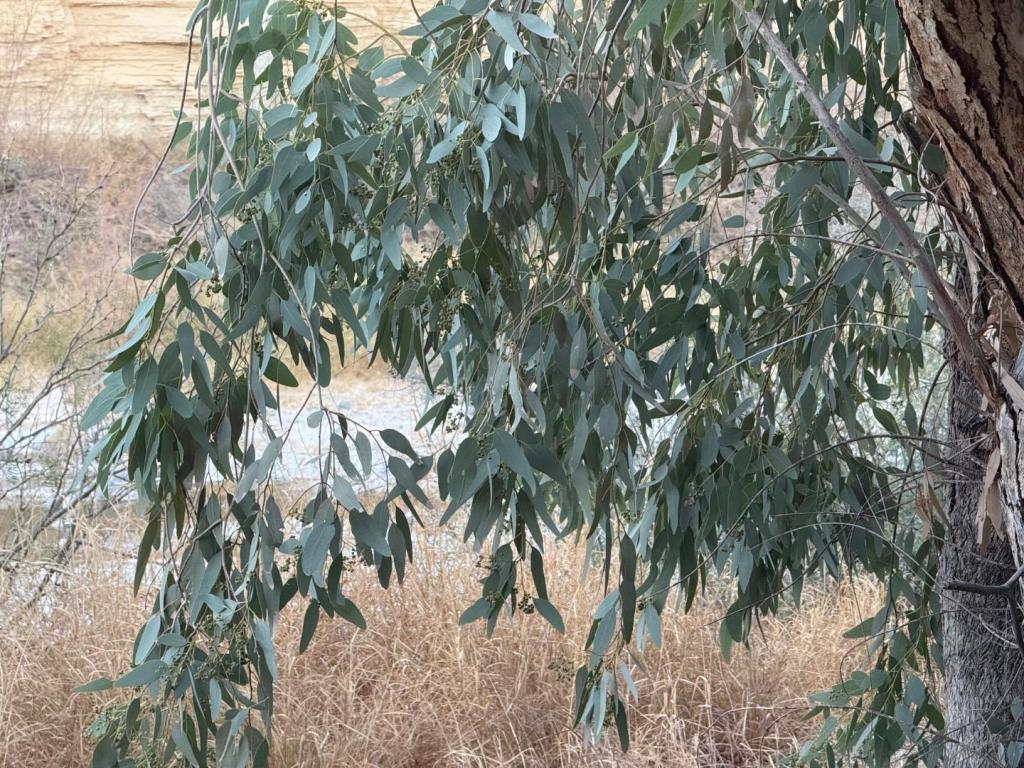
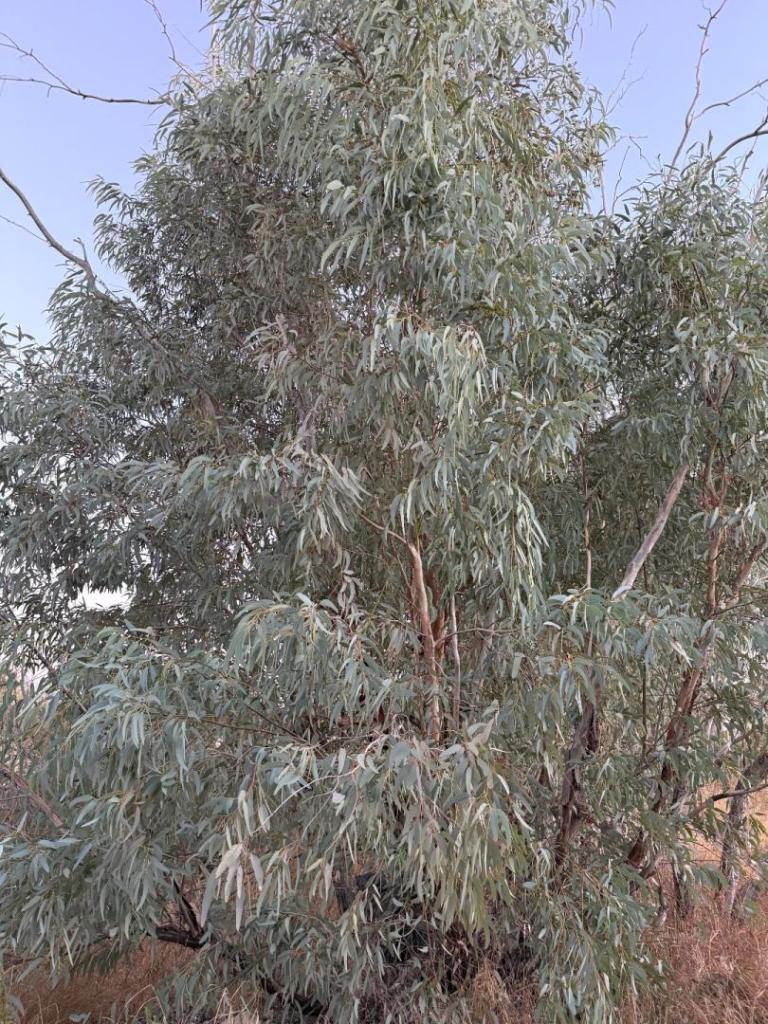
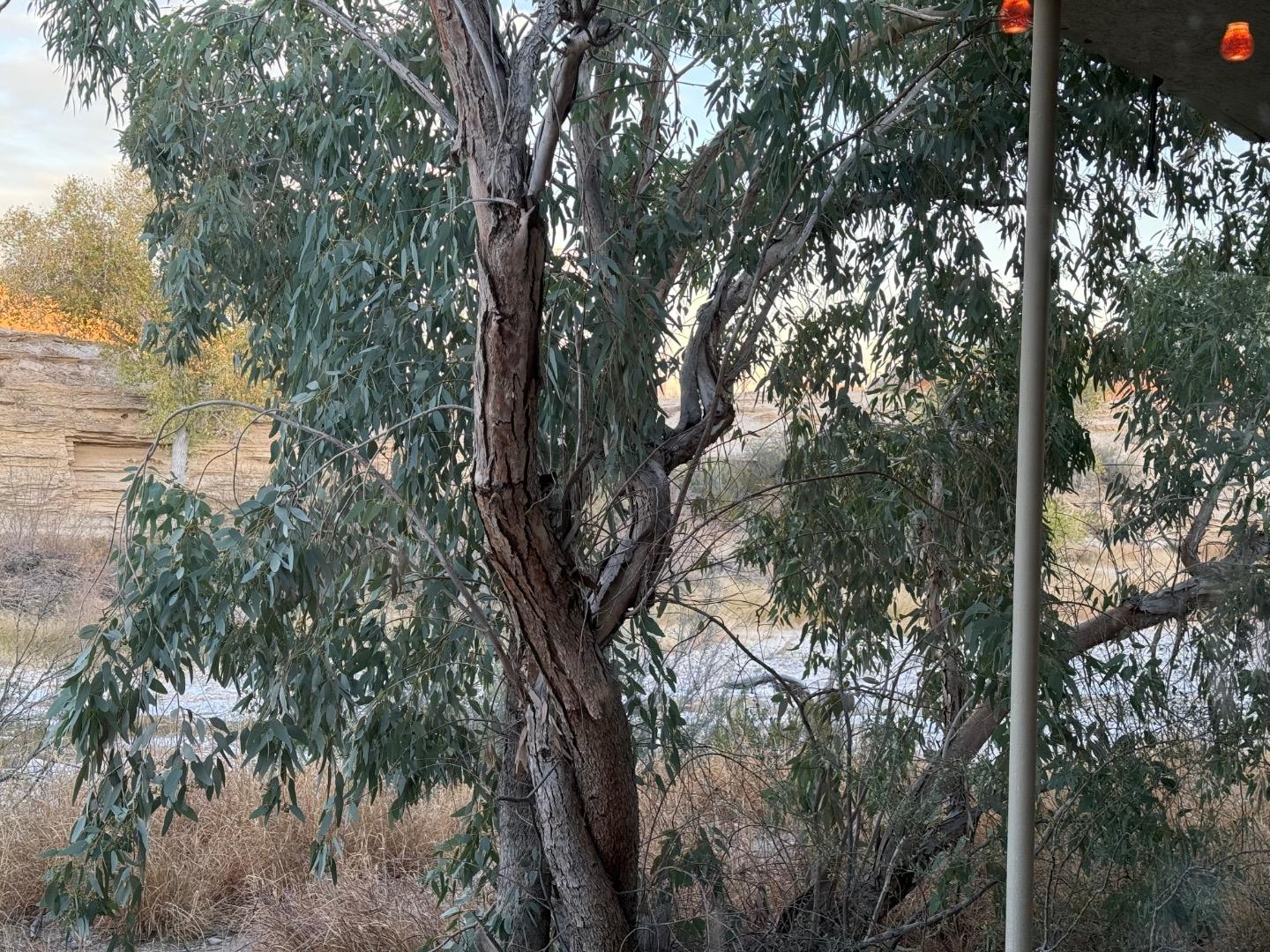
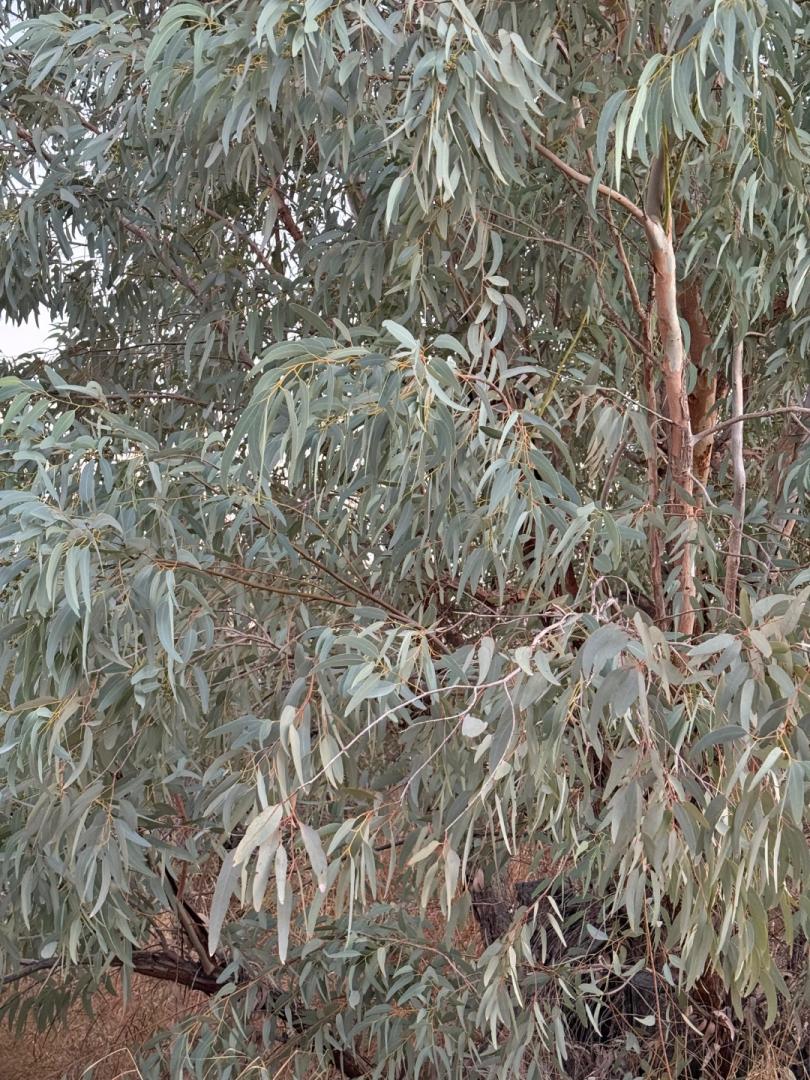
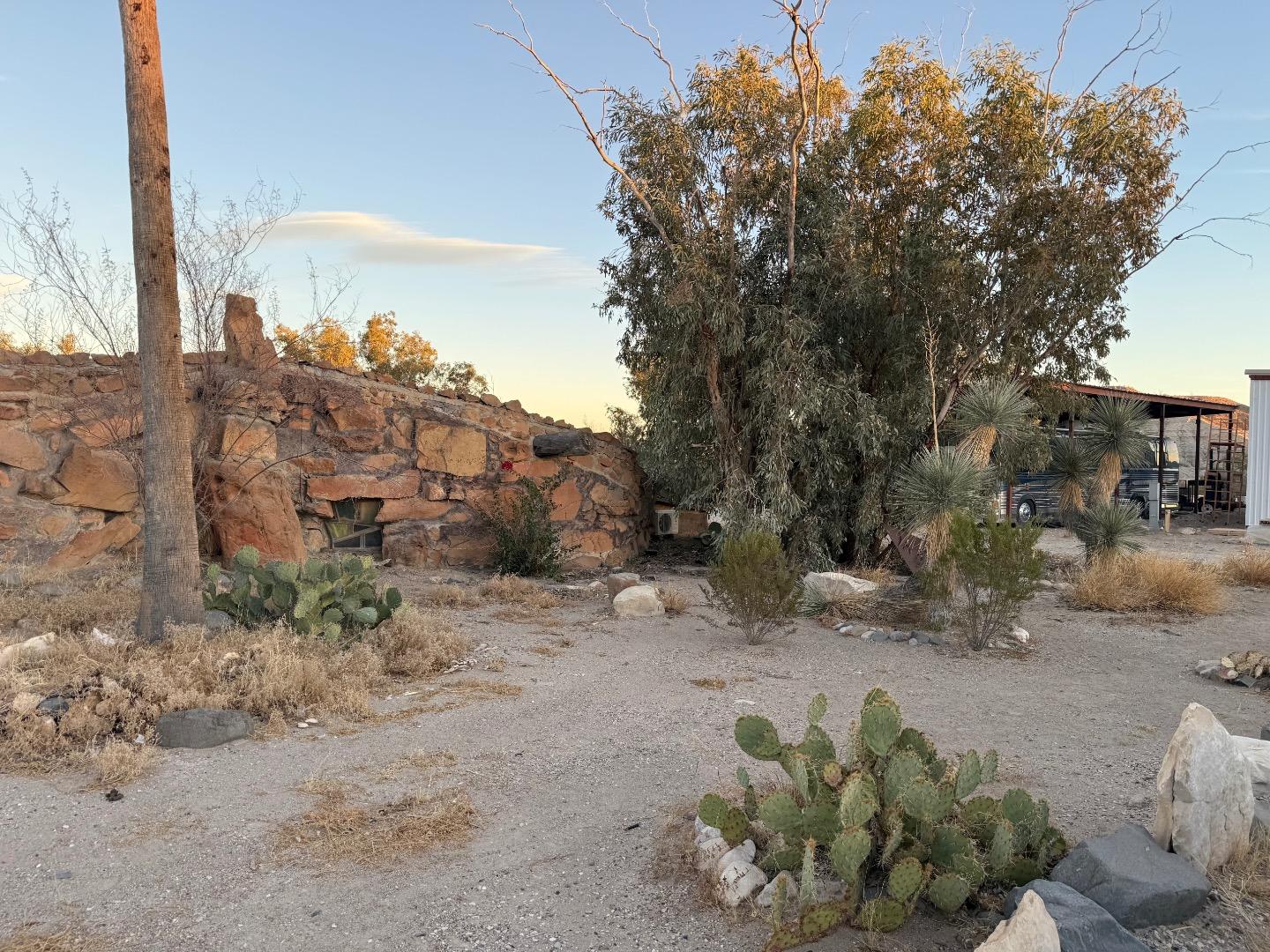
I spotted these in Terlingua, Texas last weekend outside the La Kiva restaurant. The area probably saw close to 10°F in December 2022 and probably lower in the past. It appears they have only taken outer branch damage. There are dead Washingtonia hybrids close by. Possibly Eucalyptus nicholii?



 2 points
 -
yes Konstantinos I saw2 points
-
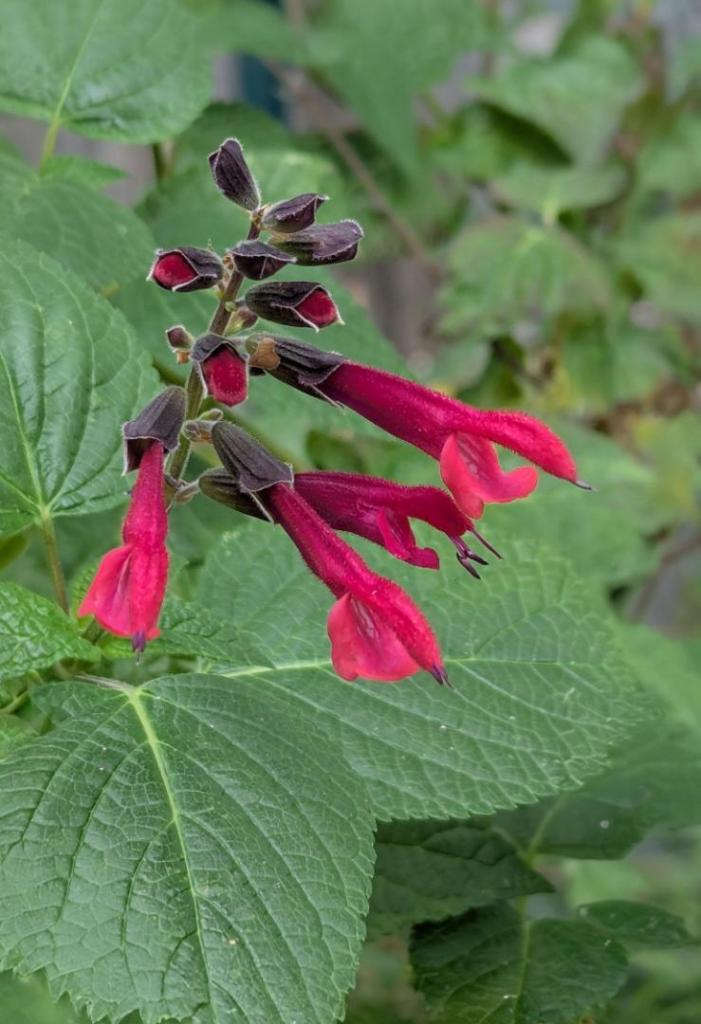
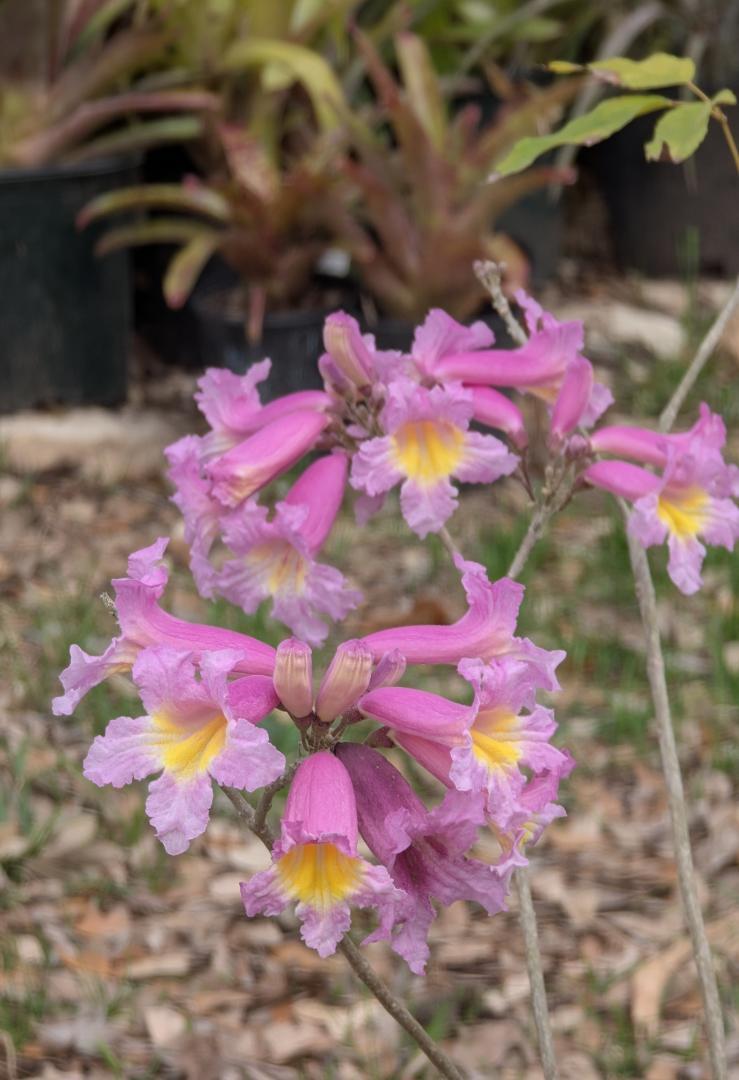
In the doldrums of Northern hemisphere winter, an old thread worth reviving... Let's have some color! What's blooming in your garden? Handroanthus heptaphyllus Salvia x guaranitica 'Costa Rica Blue' Salvia 'Amante'

 2 points
 -
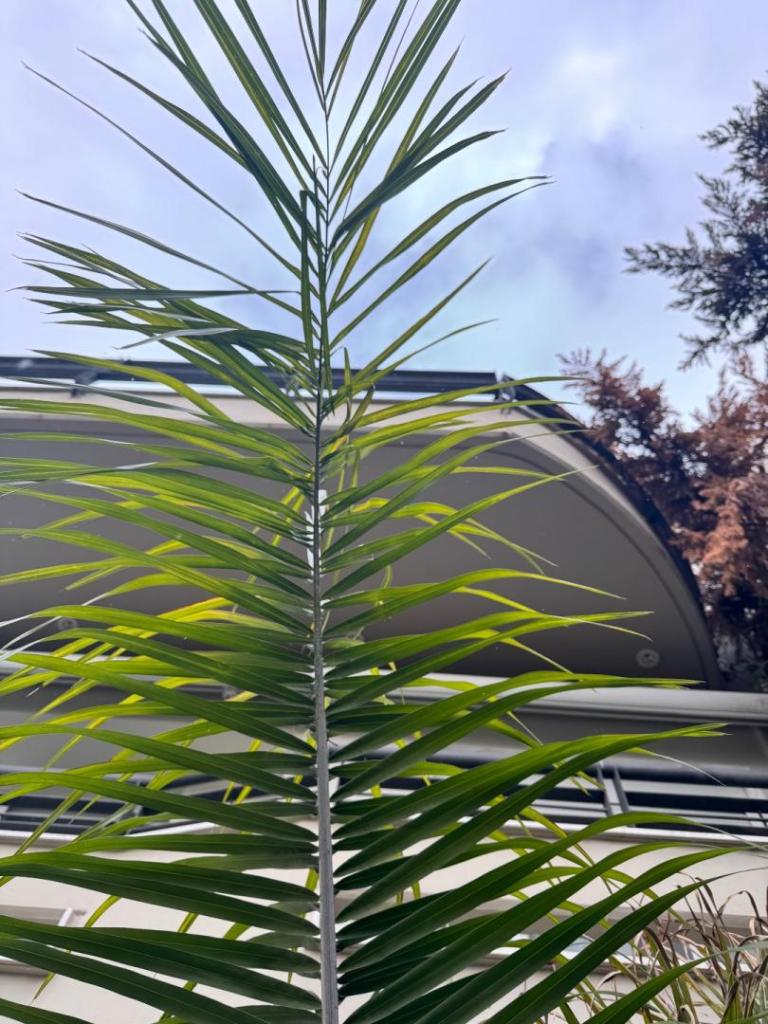
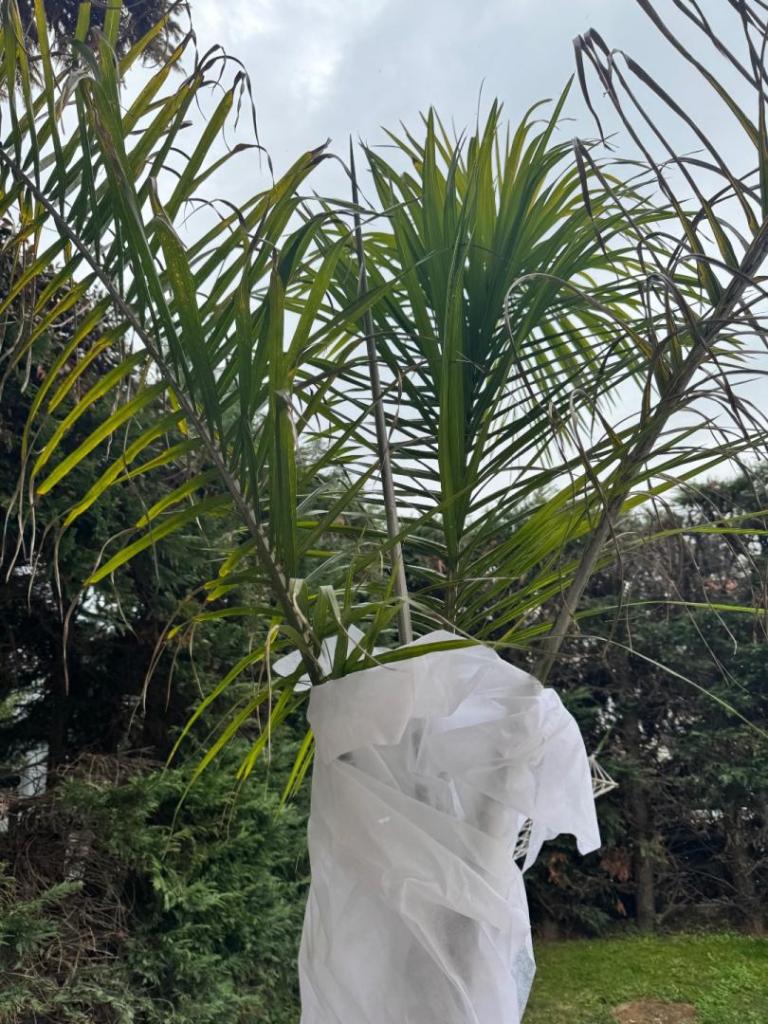
I will, it’s already lightly snowing. Well good news is we had a -3 night last week and my queen had almost 0 damage here is a photo of how the newest frond looks like (the other two where already stress damaged). But overall I believe my garden has a decent microclimate as temperatures on my thermometers are always 2-4 degrees higher than the radar
 2 points
 -
I guess it depends on the garden and your goal. If your garden is large enough and you don't mind having a colder corner, then no need to do anything. You can just plant more cold tolerant plants there and keep the sensitive ones at higher points. In my case, because my garden is not big, I don't have this luxury. How big the opening on the fence should be, again I don't think there is a universal answer. I'd start small, leave thermometers there overnight and see if it's made any change. If not, try to make the opening wider until you see that the cold air has stopped pooling.2 points
-
I am in a slope. Such rainfall would create a cloud forest lol! Do you know how i managed to grow moderately tall some of the Phoenix spp, especially theophrasti, in the steepest parts if my garden? Only this way: https://youtu.be/YN9QvifUDbs?si=TqWuRLjiPcL-SQG02 points
-
Oh wow, your soil is cr@p too 😁. I have regretted not making beds in my garden last year. If I started again now, I'd build beds for all plants that need acidic, richer soil. I'll do it for whatever I plant from now on. Praktiker sells those ready-made wooden fences, I'll use those and some stones. Trust me, you don't. It's been raining non stop for 4 days now. It's raining even when the sun is out, like right now! My bathtub is covered in mold. Plants don't like it either. My Acacia tortilis lost all its leaves because the roots are suffocating. I am trying to rescue it but it seems hard. If I get another one, I'll make a mount for it. Wow! Congrats! I have never eaten one.2 points
-
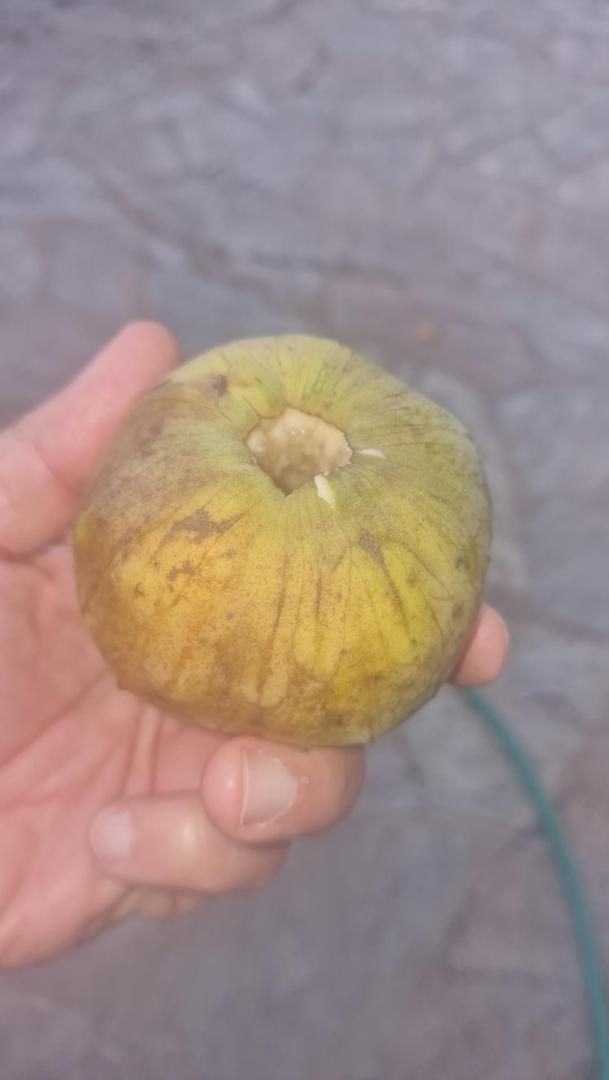
We crave here in the east for some of your local precipitation! After two heavy downpours even my Cherimoya has ripened a fruit.
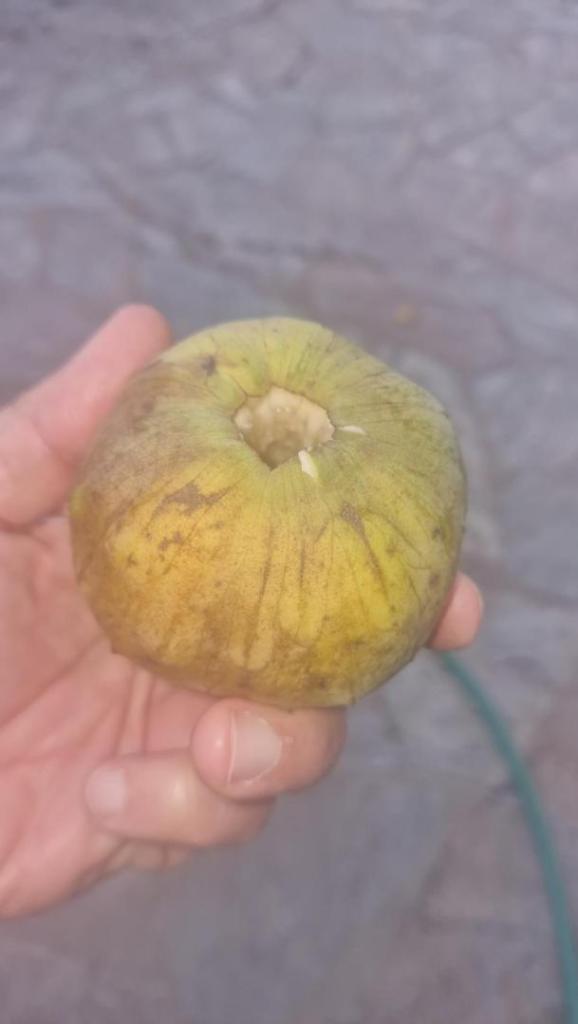 2 points
 -
They are a beautiful little palm, I first discovered them 27 years ago so an old favourite of mine I have known for a lot of years, which makes them special to my palm heart! Definatly a palm for your patio in a container. RICHARD2 points
-
First 2 pictures look like pinanga coronata!2 points
-
I’d personally play it safe and ensure it’s shaded from the start. I don’t think there’s such a thing as too much shade for Lepis.2 points
-
2 points
-
Zephyrhills is identical to my area climate wise. Not surprised about these the last few years. New port richey has some huge mature fruiting coconuts now.2 points
-
Happened across this lot in Zephyrhills today. There were a few coconuts that had mature leaves. They didn't look to be there all that long from what I could tell on Street View, but still commendable none the less. Zephyrhills - May 2025
 2 points
 -
For palms that size I like partial shade , mostly. It looks very healthy and I am not familiar with that species so I don’t know how much sun it likes. The second location seems to fit and it looks like it will have more room there. Just my humble opinion, Harry2 points
-
At least 7.5, but irrigation water is even more alkaline 8.2, so it should be a constant struggle to keep soil pH low.2 points
-
2 points
-
They are a little rare Metallica seeds, available in certain places but somewhat rare. Next season i will see how I go if I can get some for you!🌱2 points
-
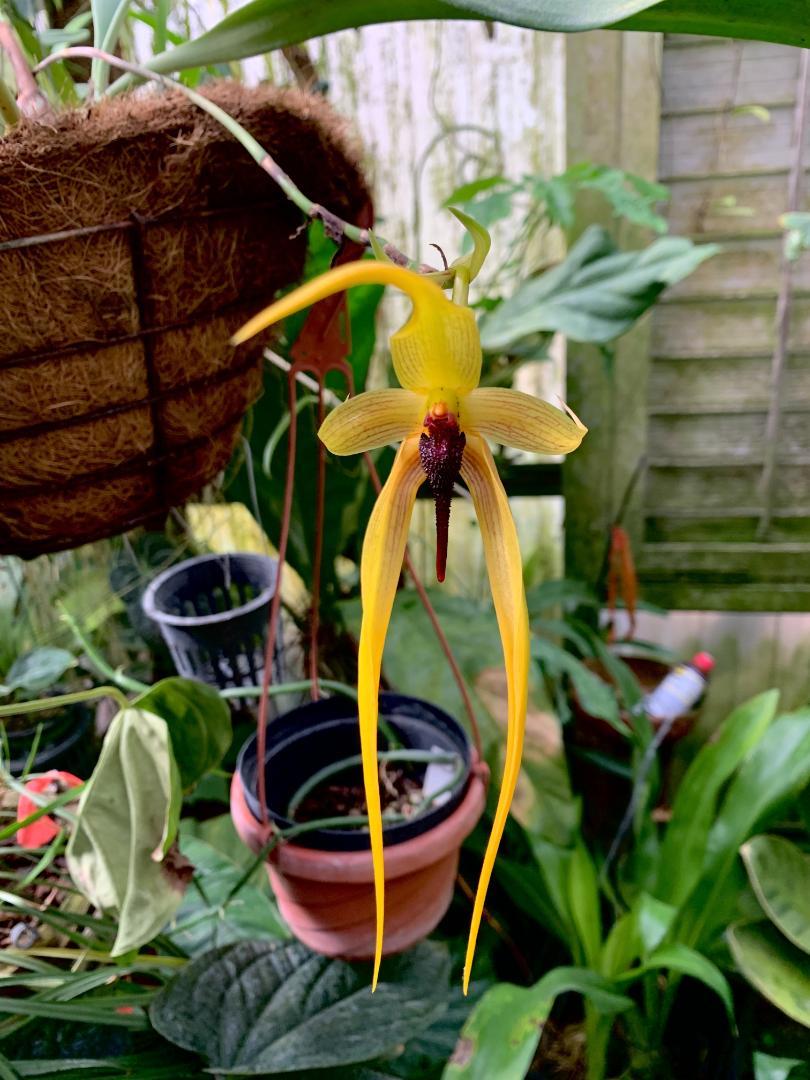
Bulbophyllum 'Wilbur Chang' is STILL blooming. It started in late summer and has had over 20 serial blooms
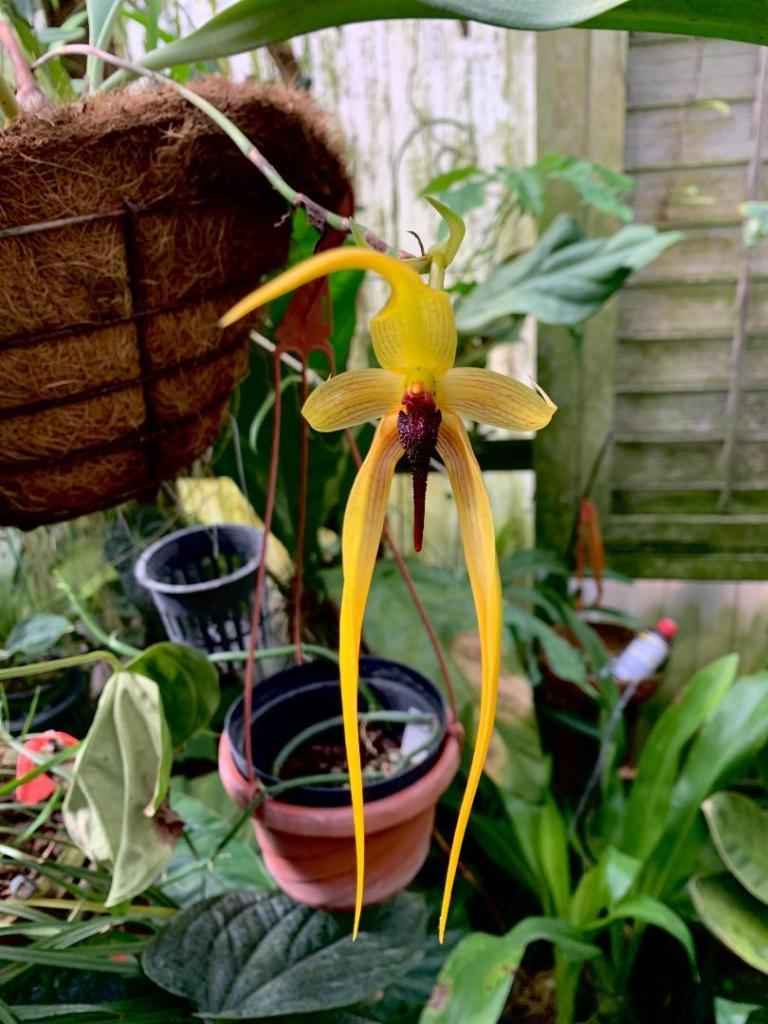 2 points
 -
Archontophoenix alexandrae
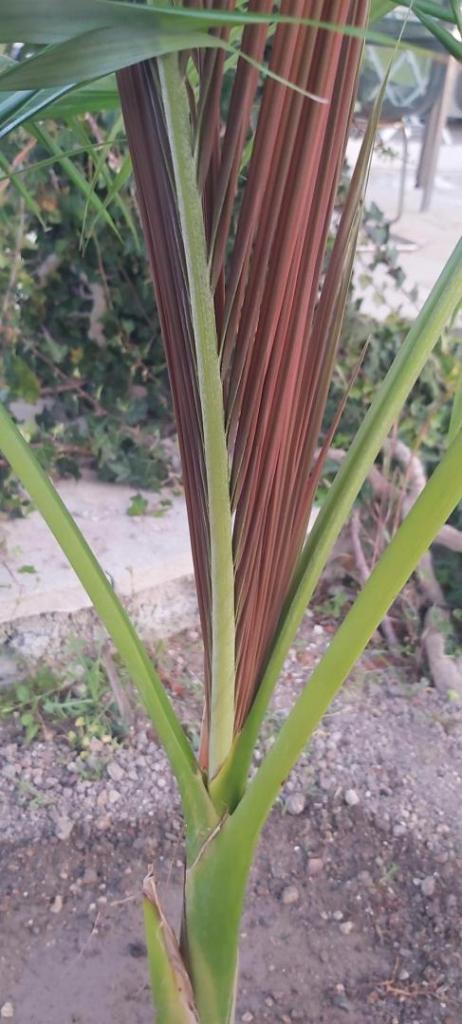
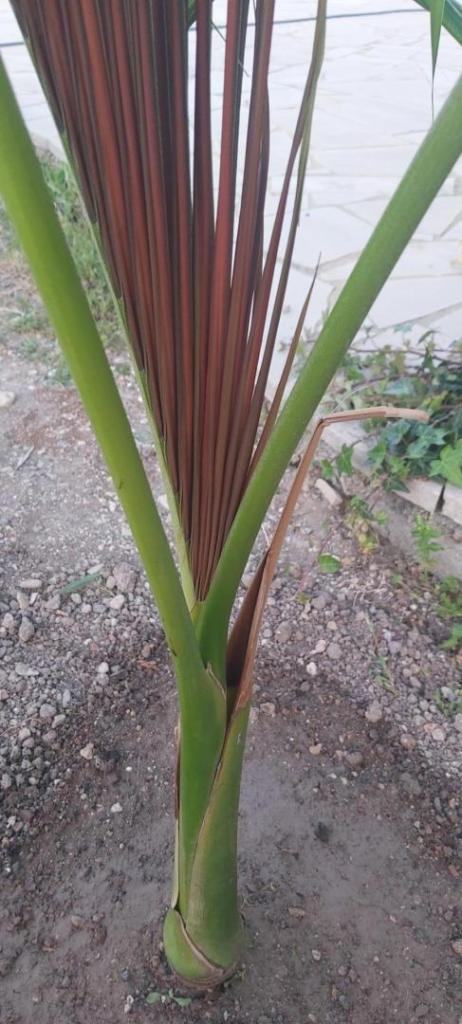
 2 points
 -
Updated pictures of my Copernicia Fallensis and Tahina Spectabilis as of today….

 2 points
 -
Brand new medjool and Cuban royal. This Cuban royal is massive! It was only 300$. Hopefully it fares better than the small one I had before.
 2 points
 -
Yes, I definitely lose most seedling to symmer heat. Some species I have lost even as juveniles in the extreme heat. One day, it hits them. You can see somthing is wrong but no amount of water will aloow then to recover. I had three veri healthy triangle palms. One died mid-August each year. I get the colored new spear on some of my Archontophoenix. It happens in the coldesr partest of the year and looks freat. I have a lot of the standard stuff grown in California. My garden could be described as "full". However, when I travel to tropical locations and see exceptional colored species. I just need to try them as well. I would't try Cyrtostachis renta as I know it would fail. Areca Vestiaria and less tropical Pinanga species may possibly work.1 point
-
The same algo that won't let me make a Facebook account let me make an Instagram account? Ok whatever *""********", but it's SanchosGreenPaws1 point
-
are you a singer now too?😄1 point
-
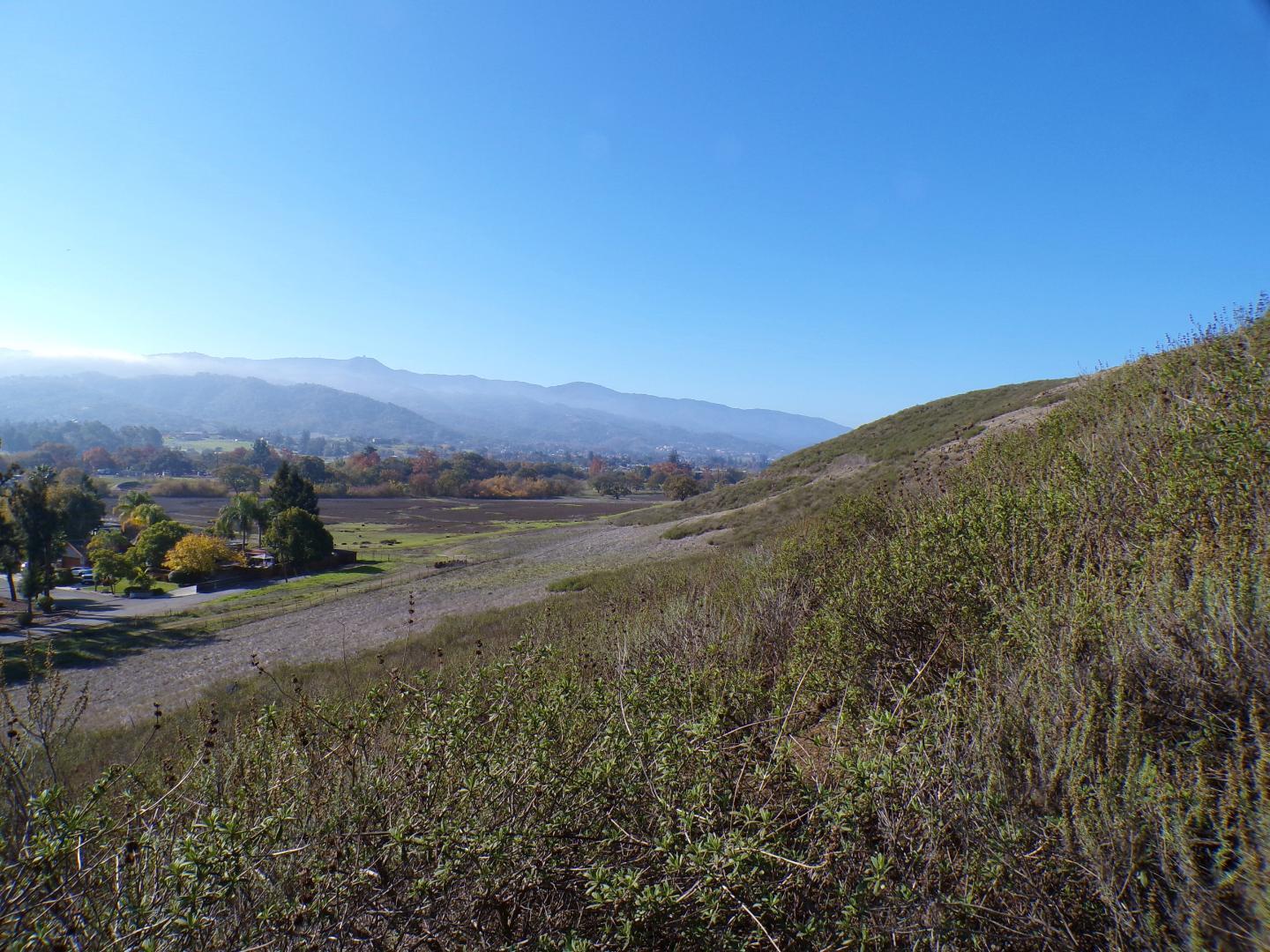
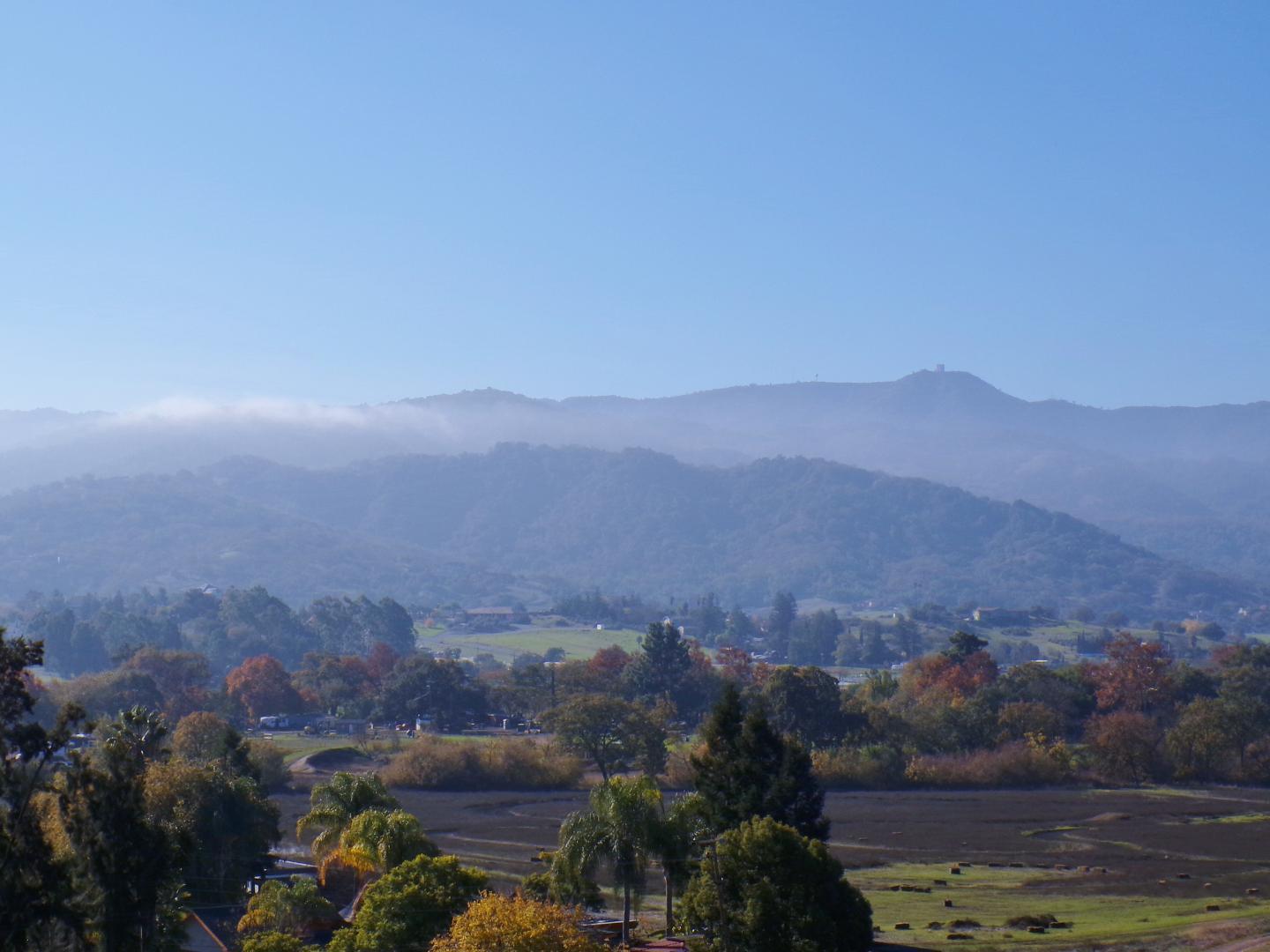
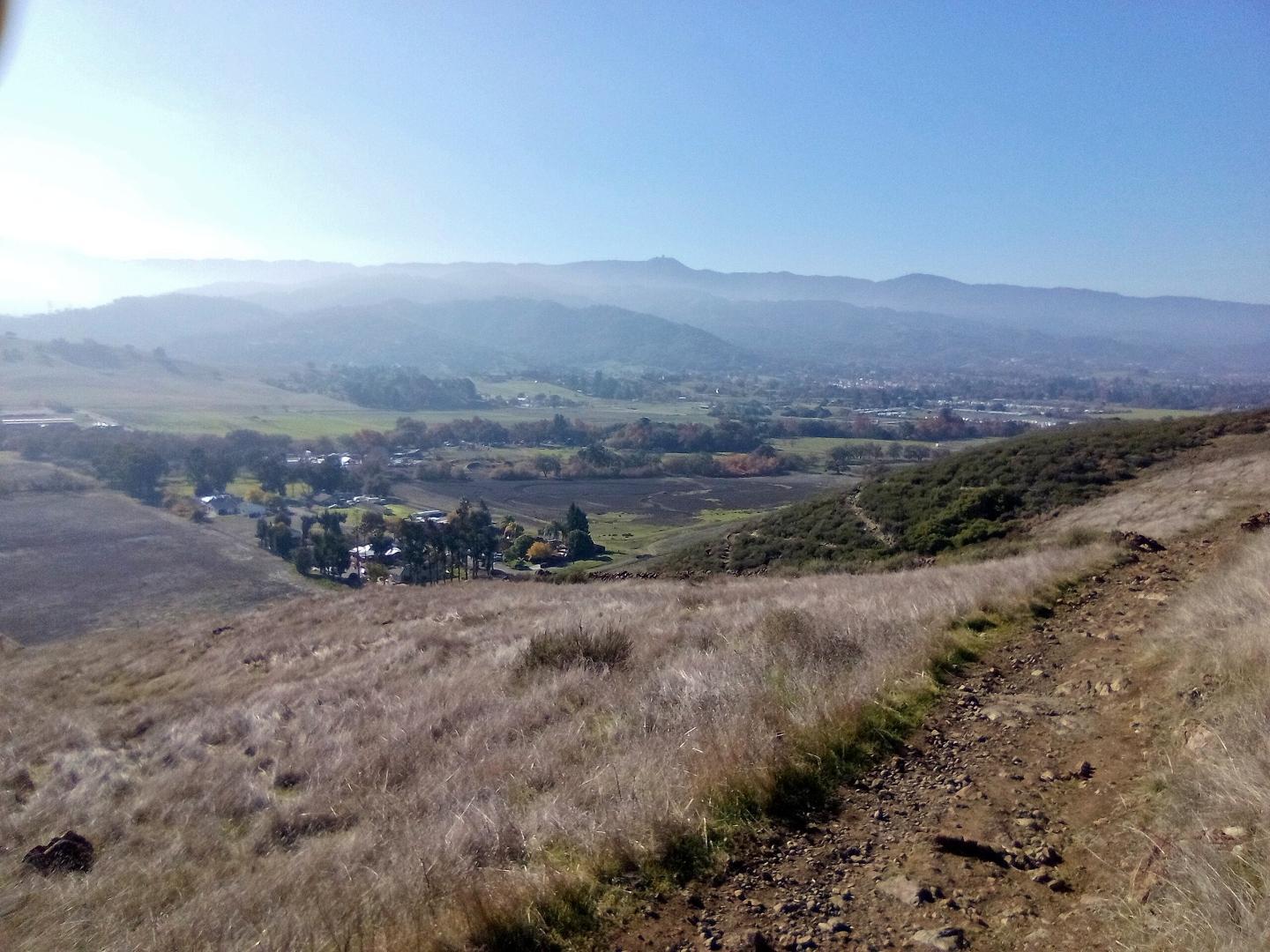
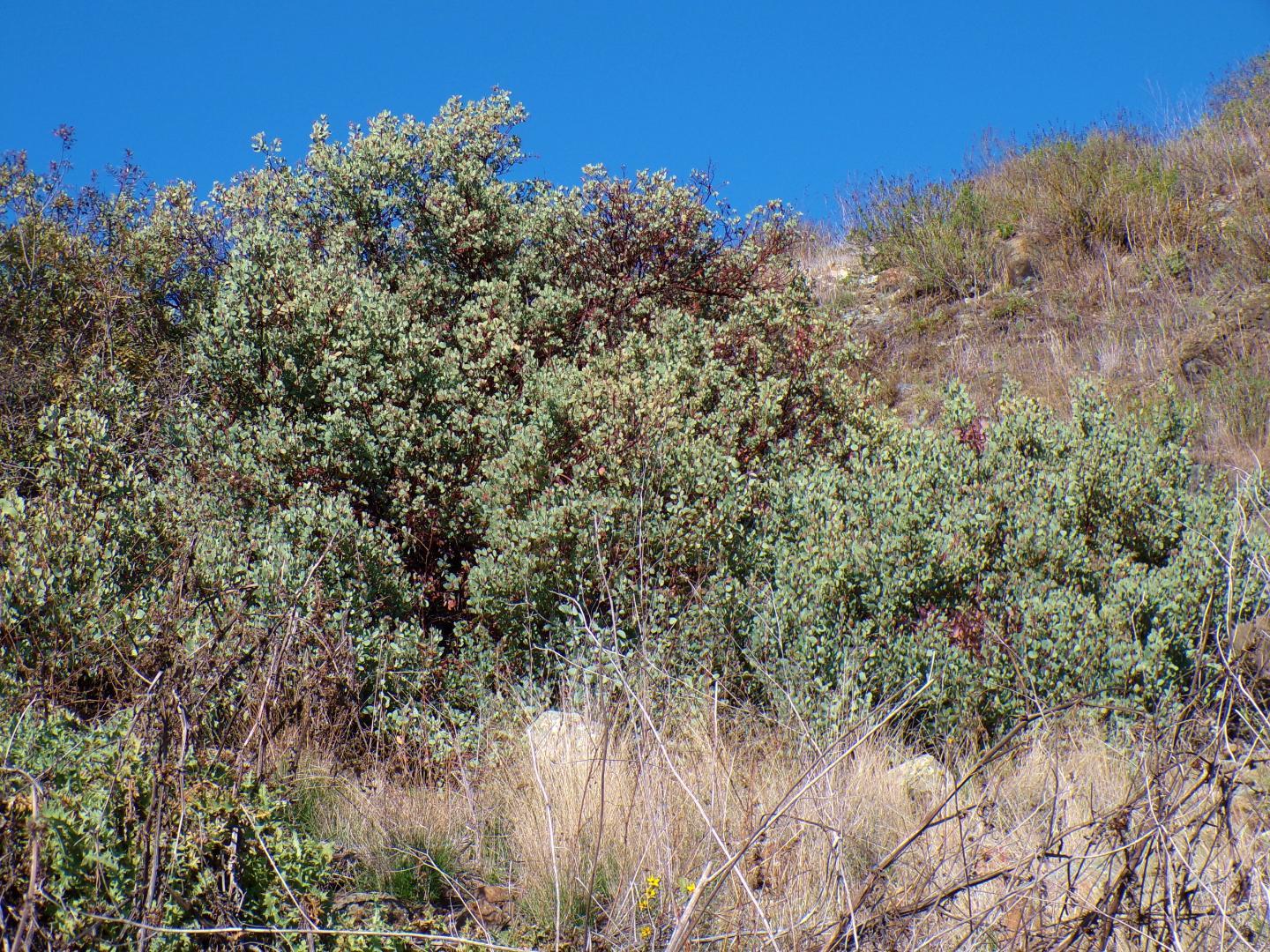
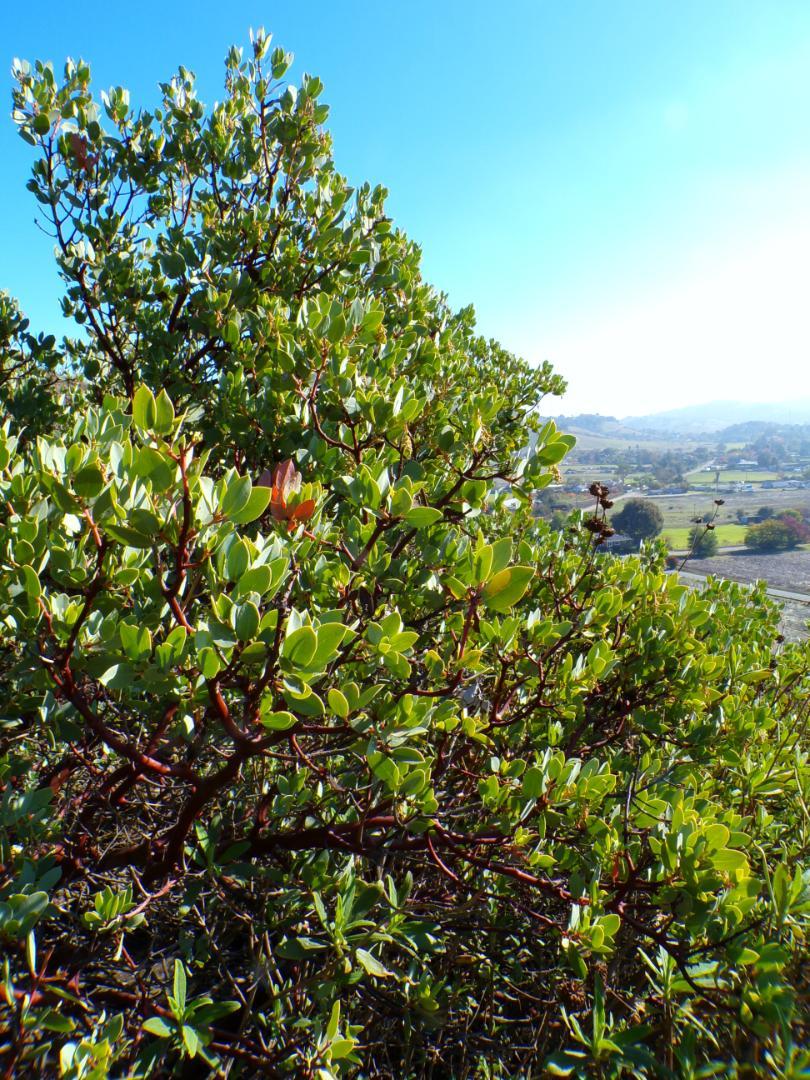
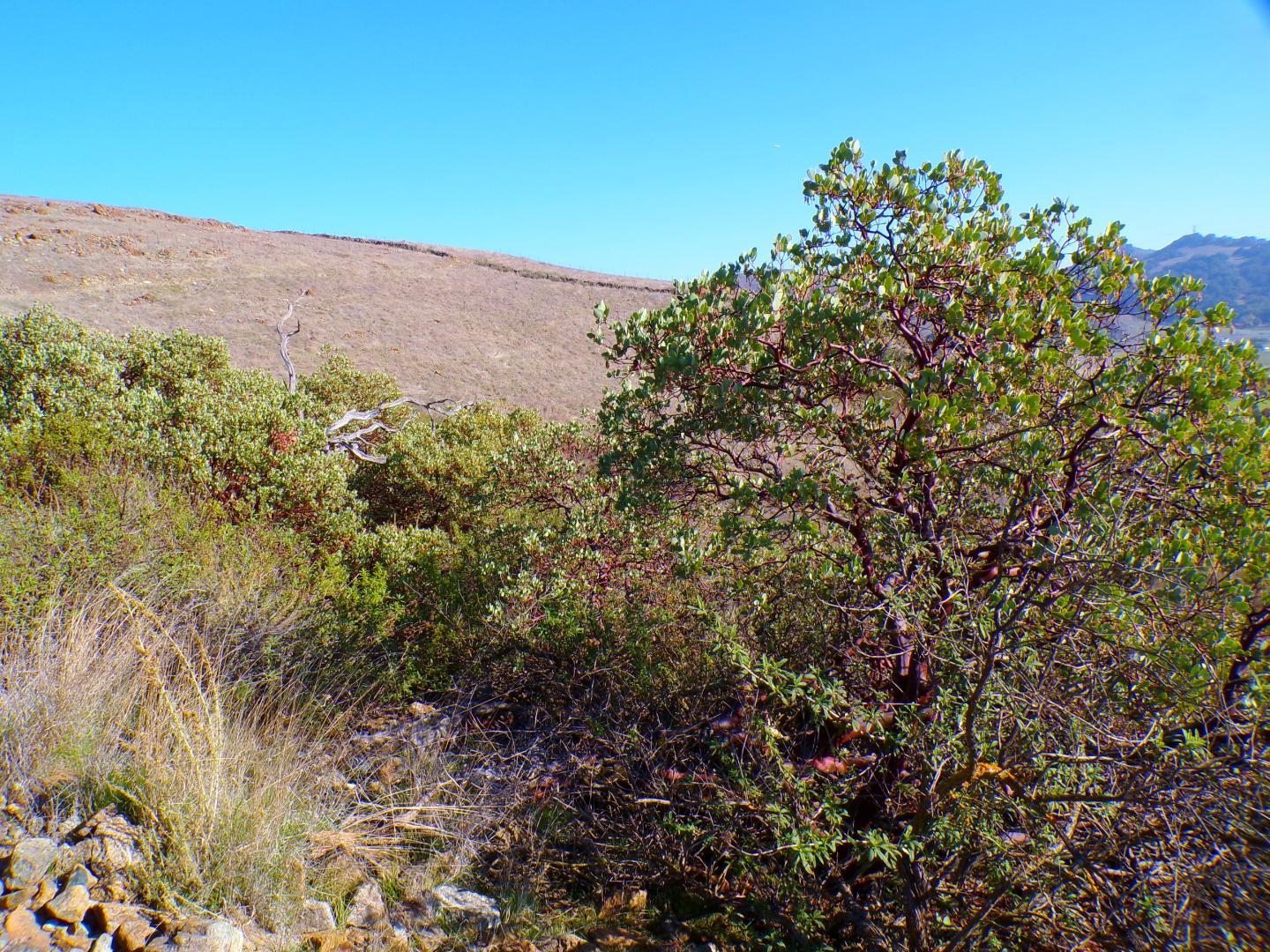
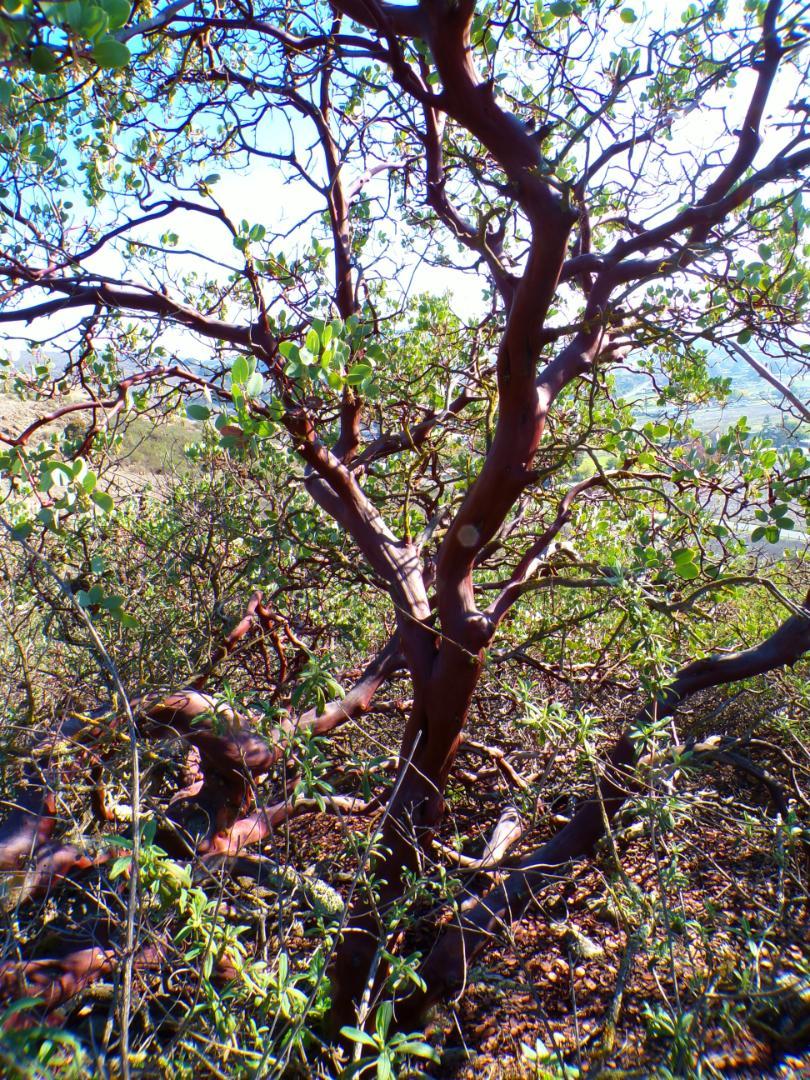
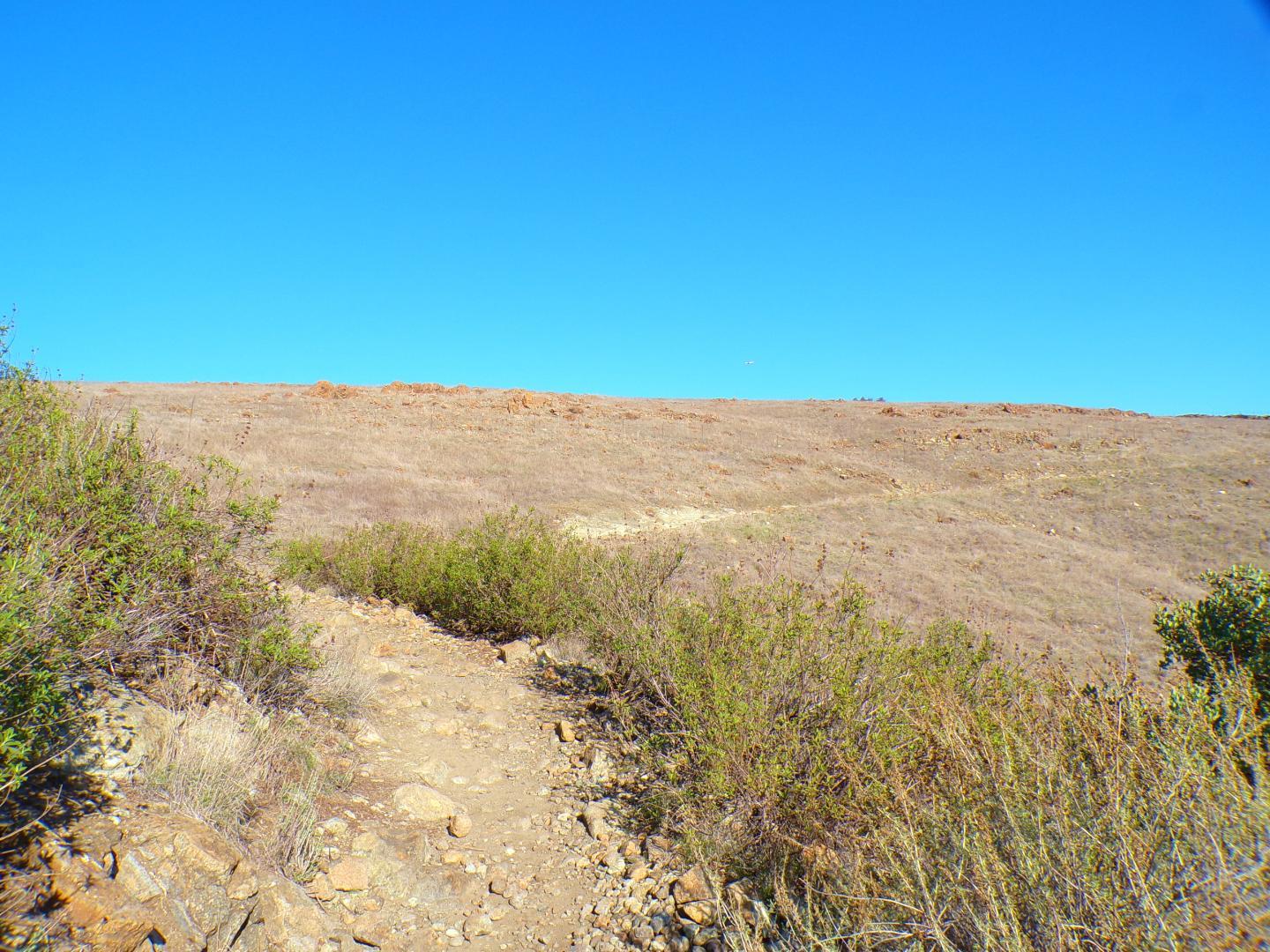
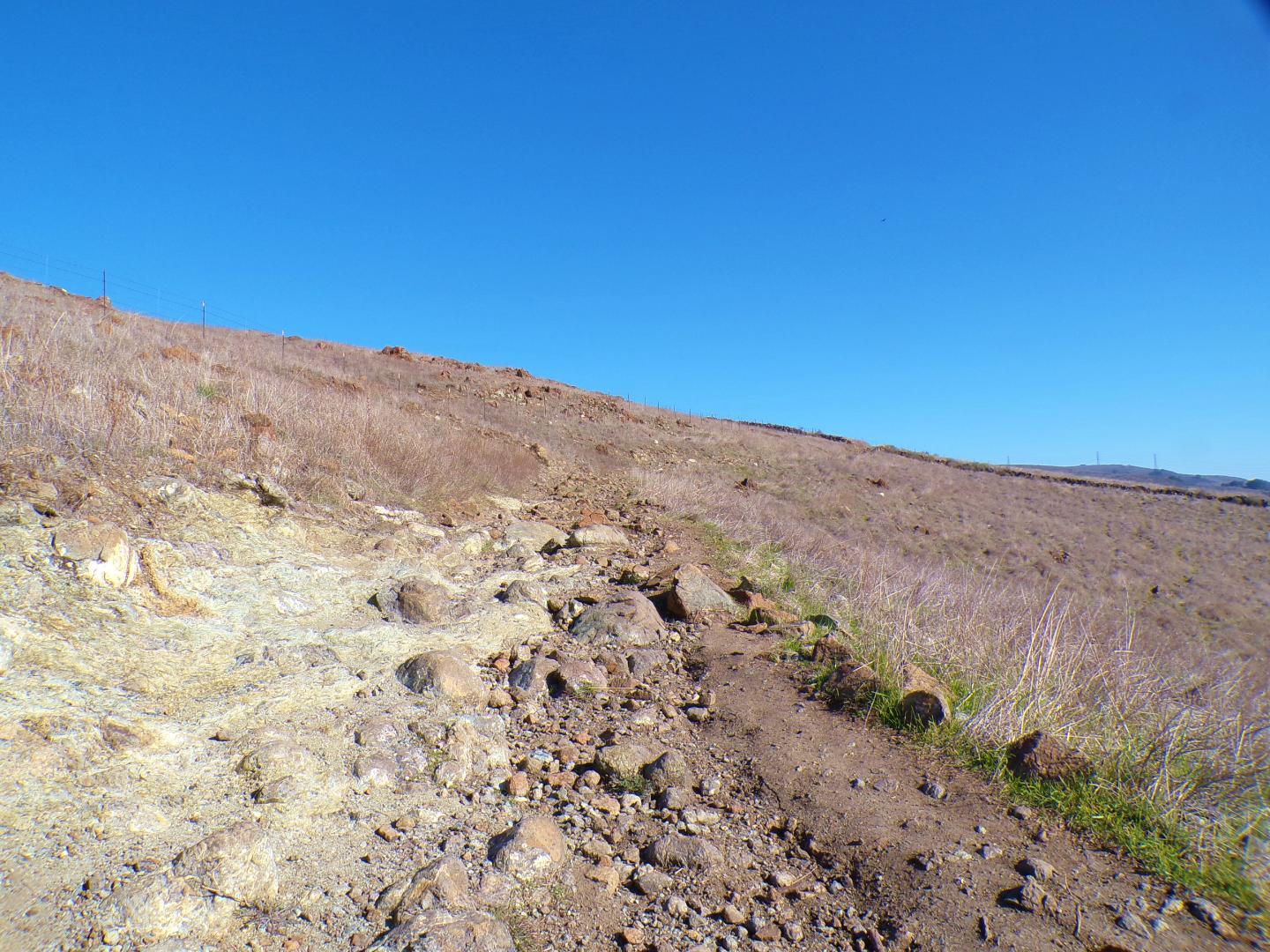
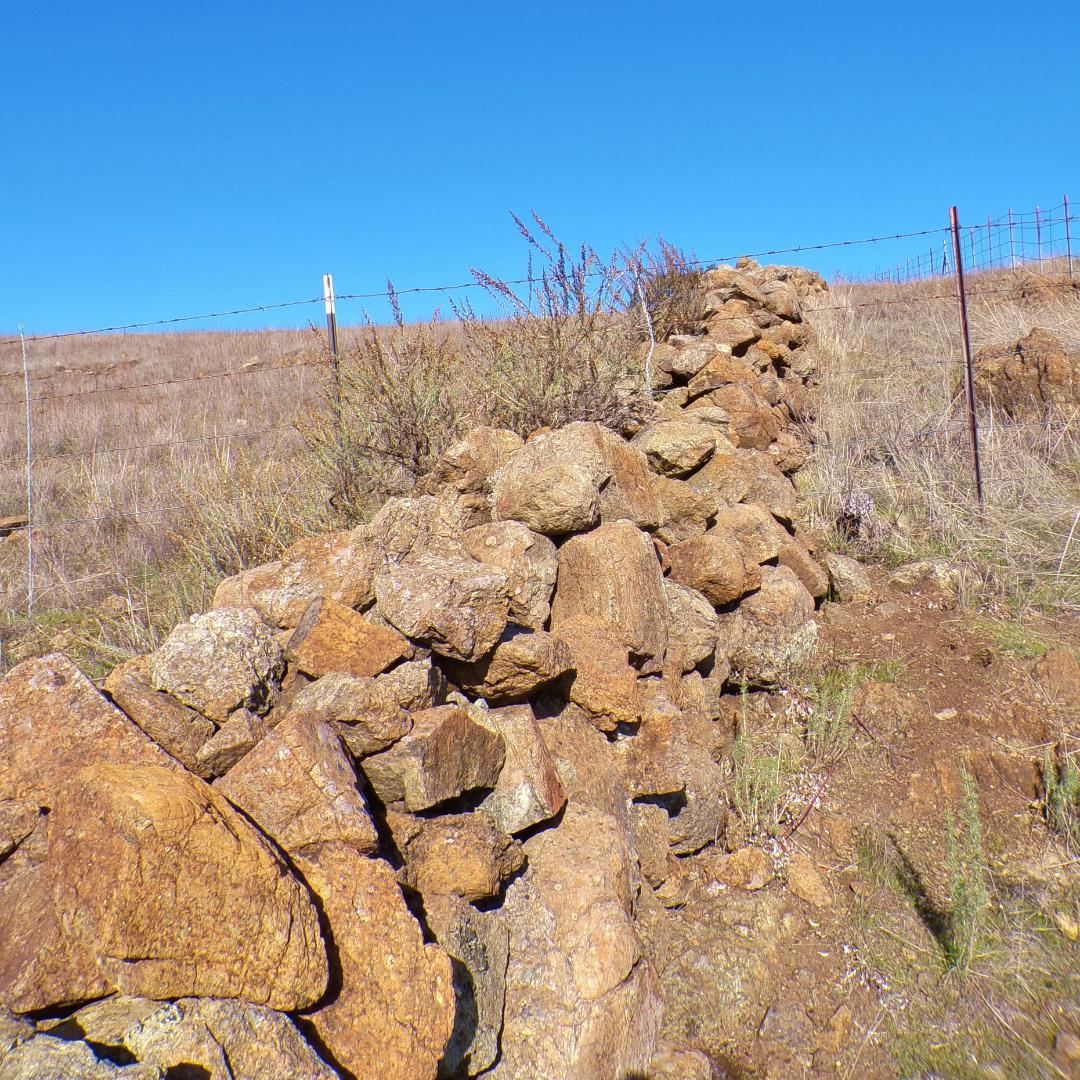
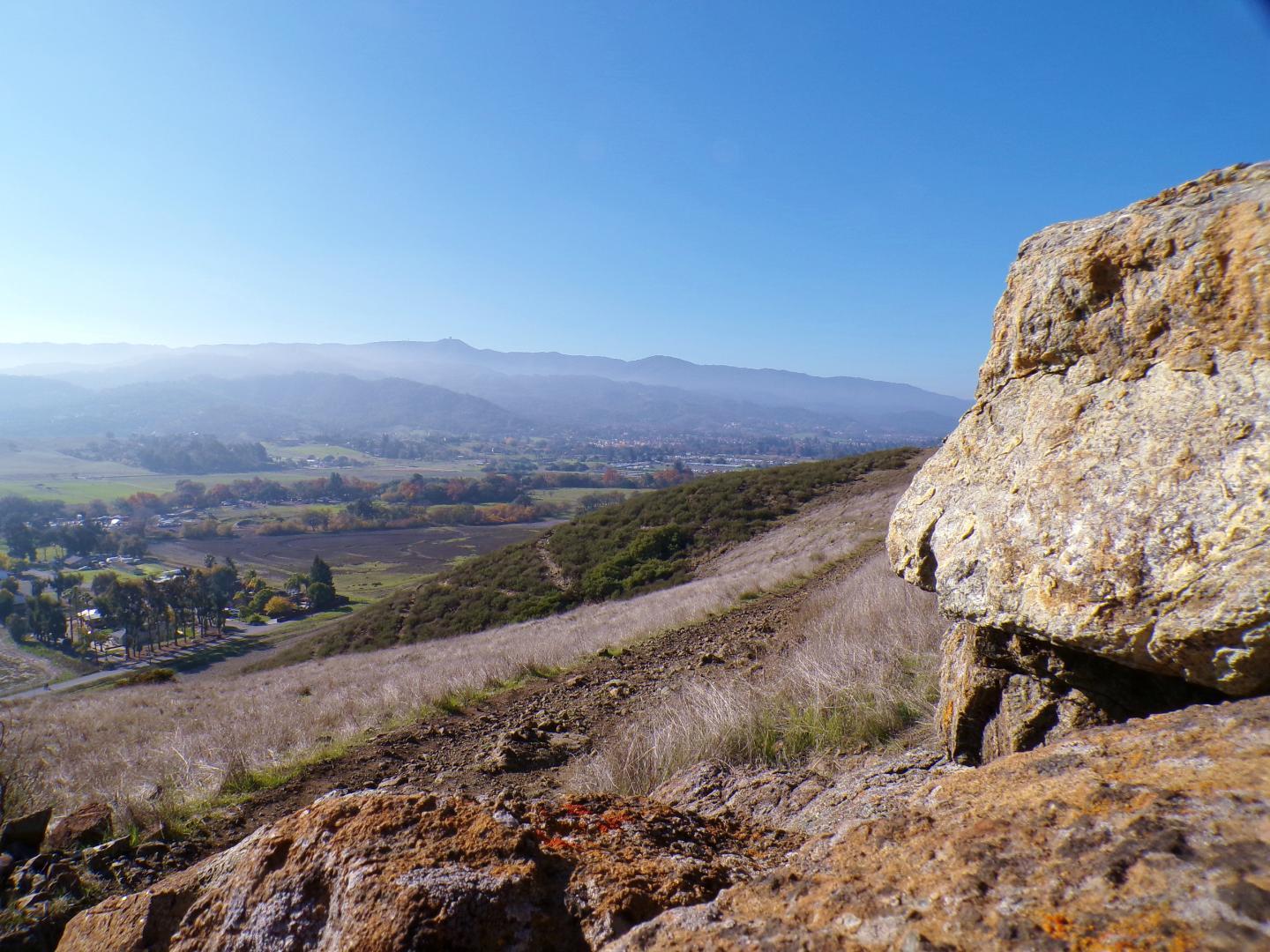
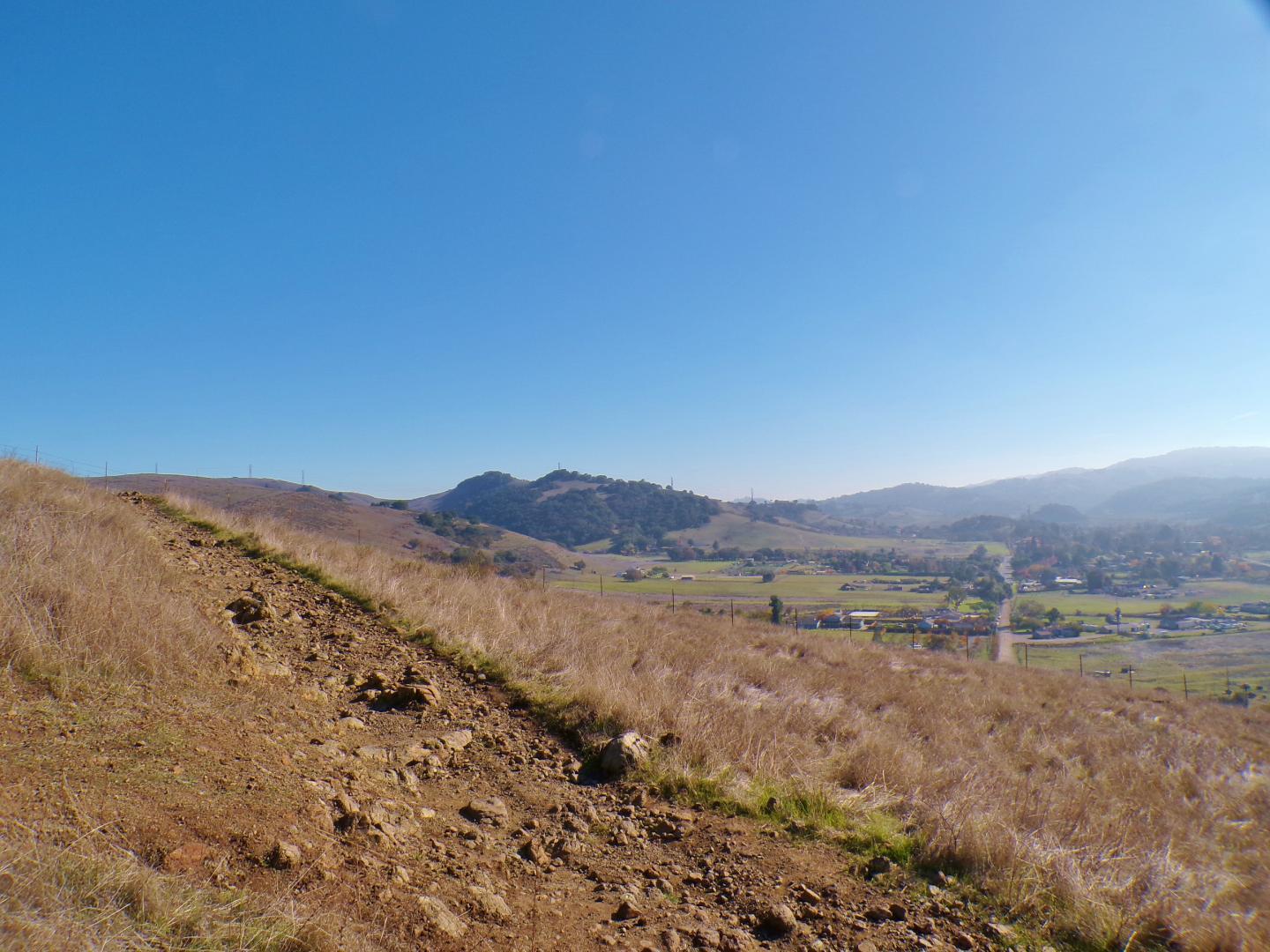
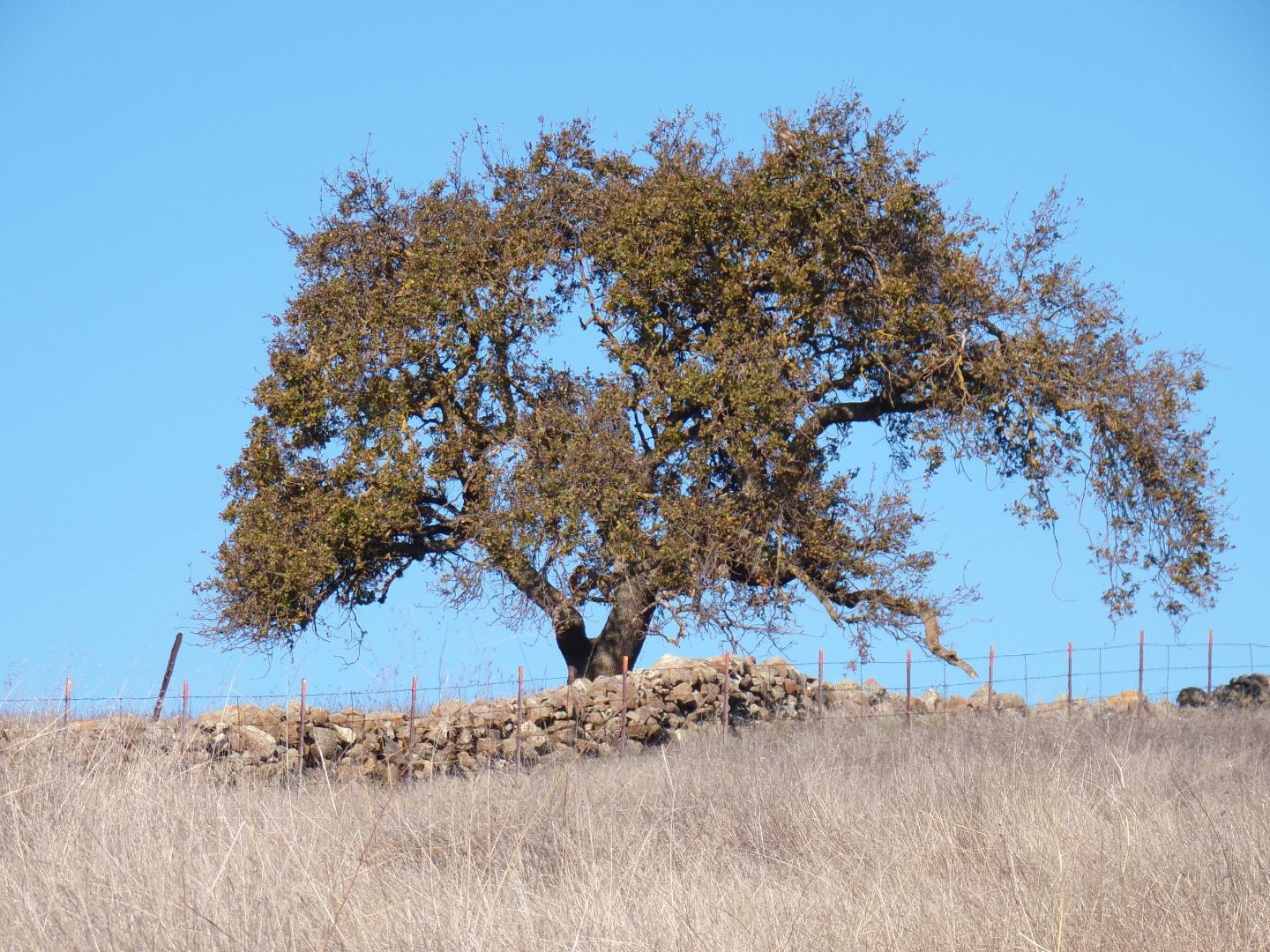
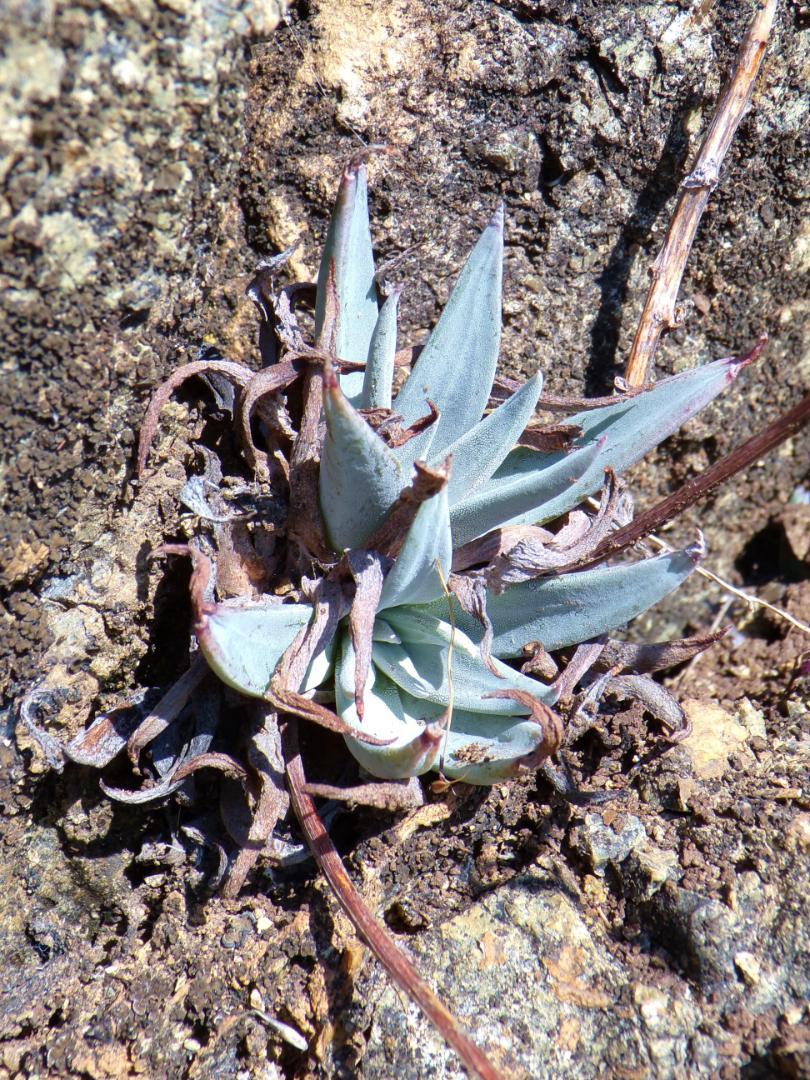
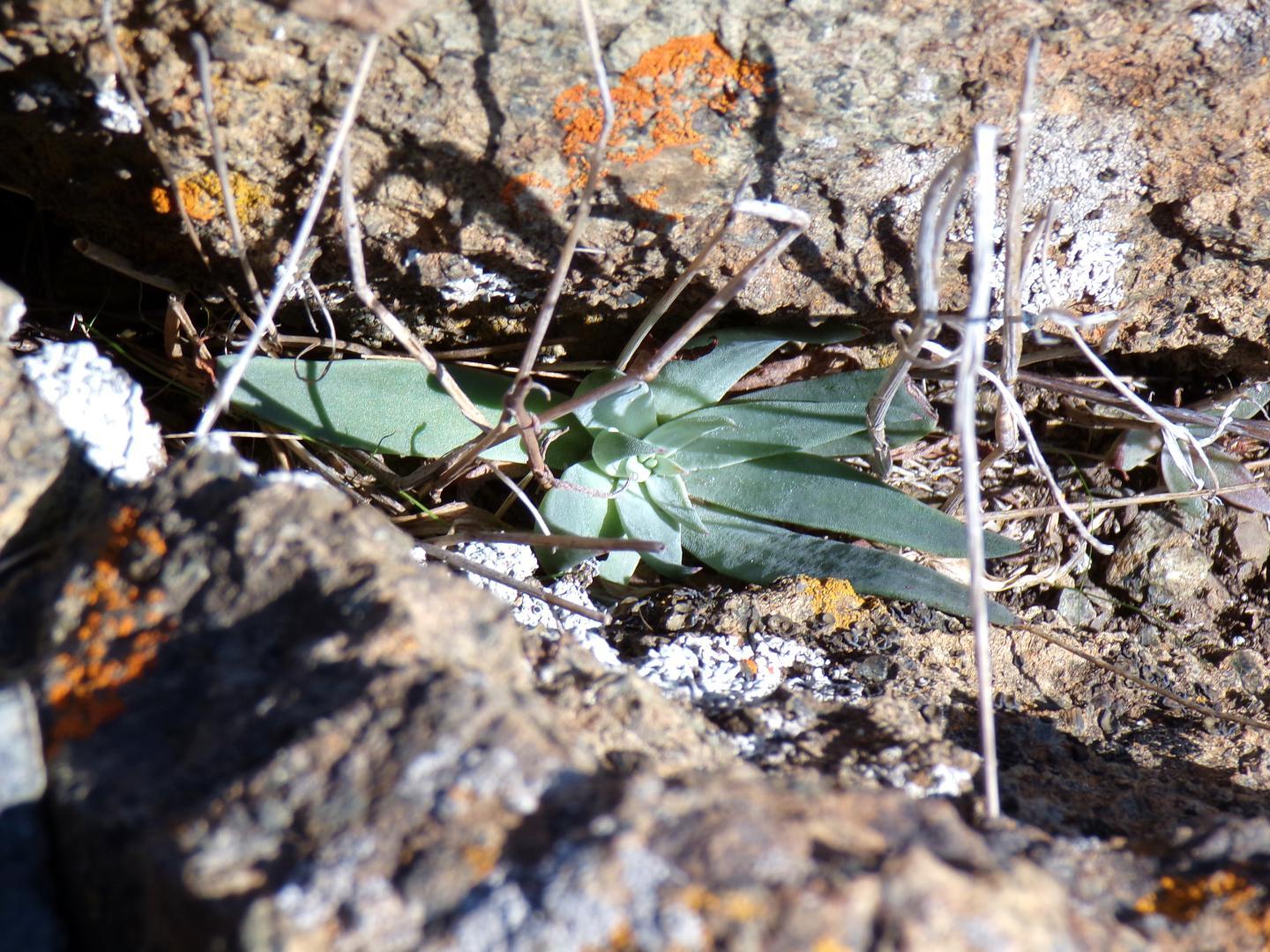
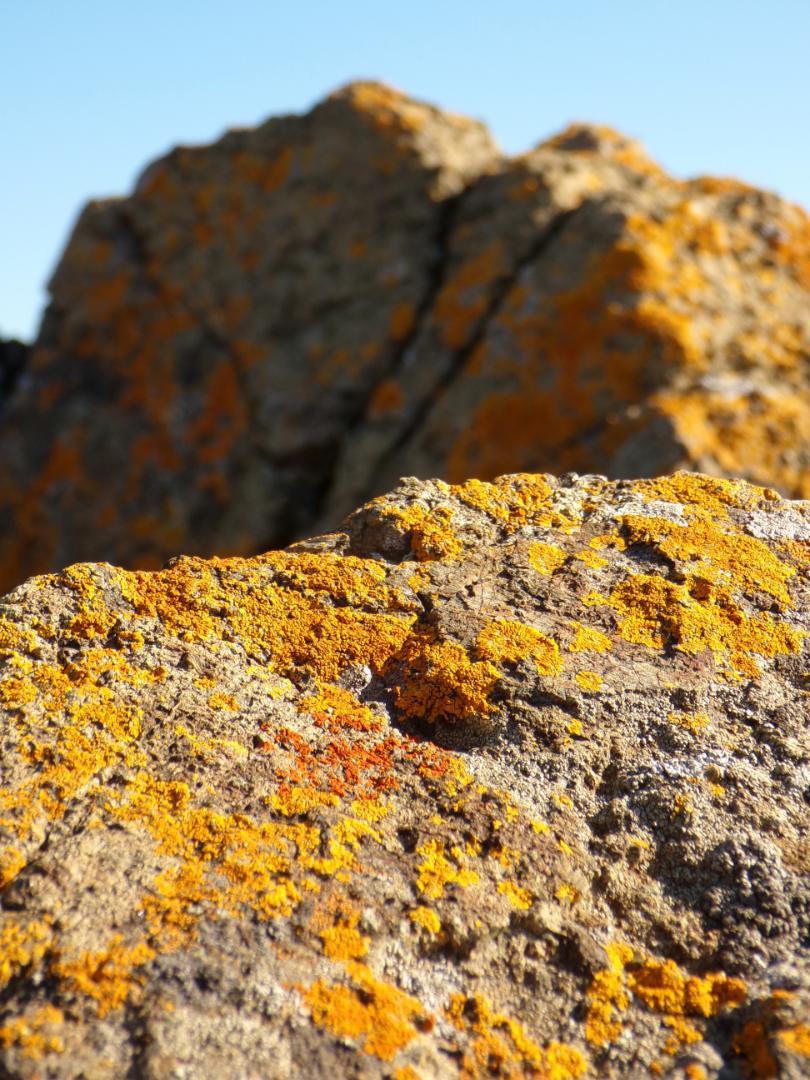
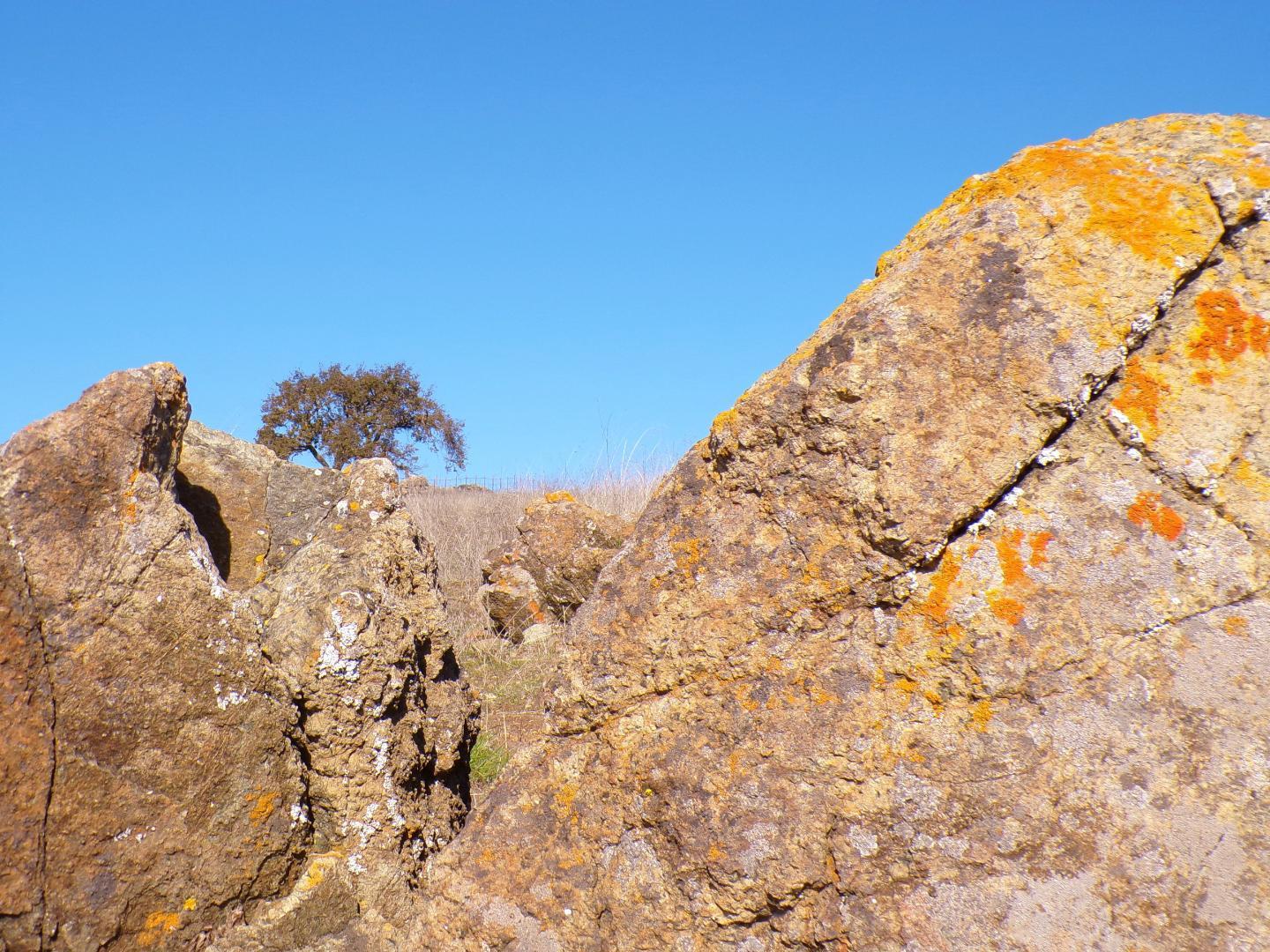
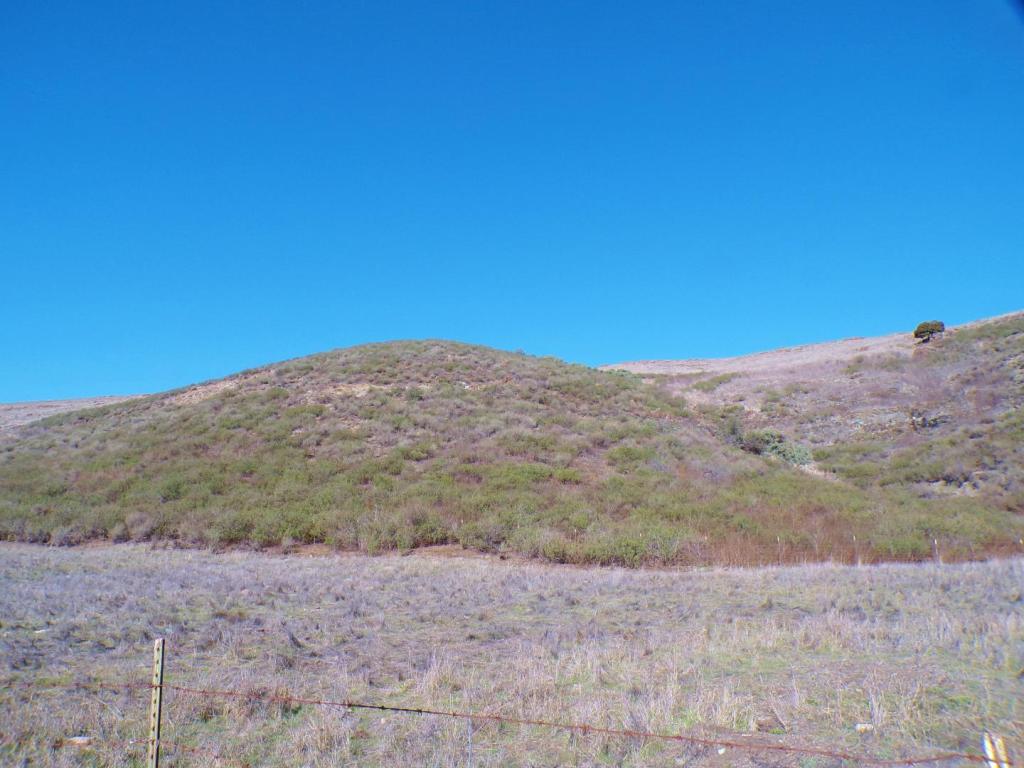
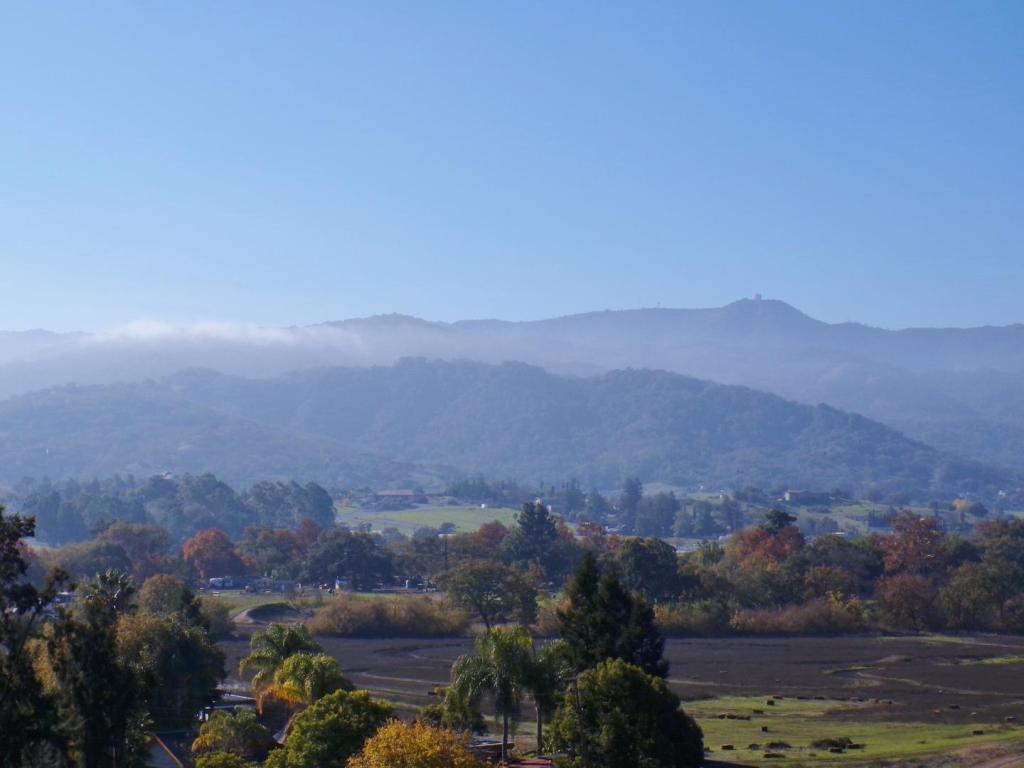
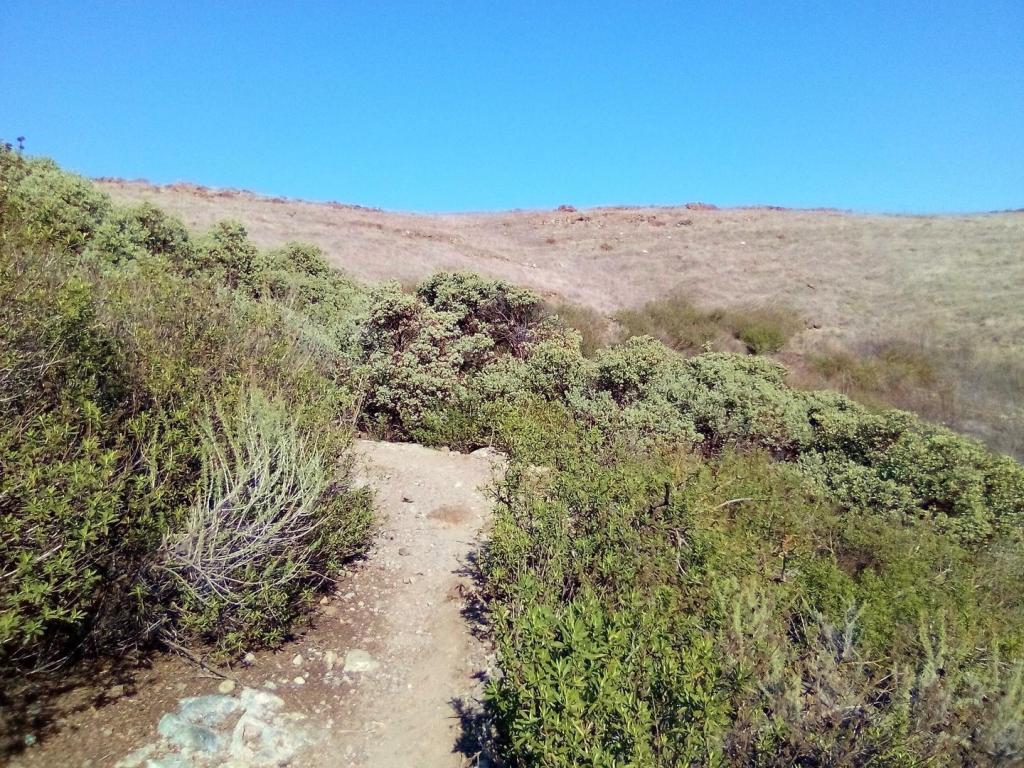
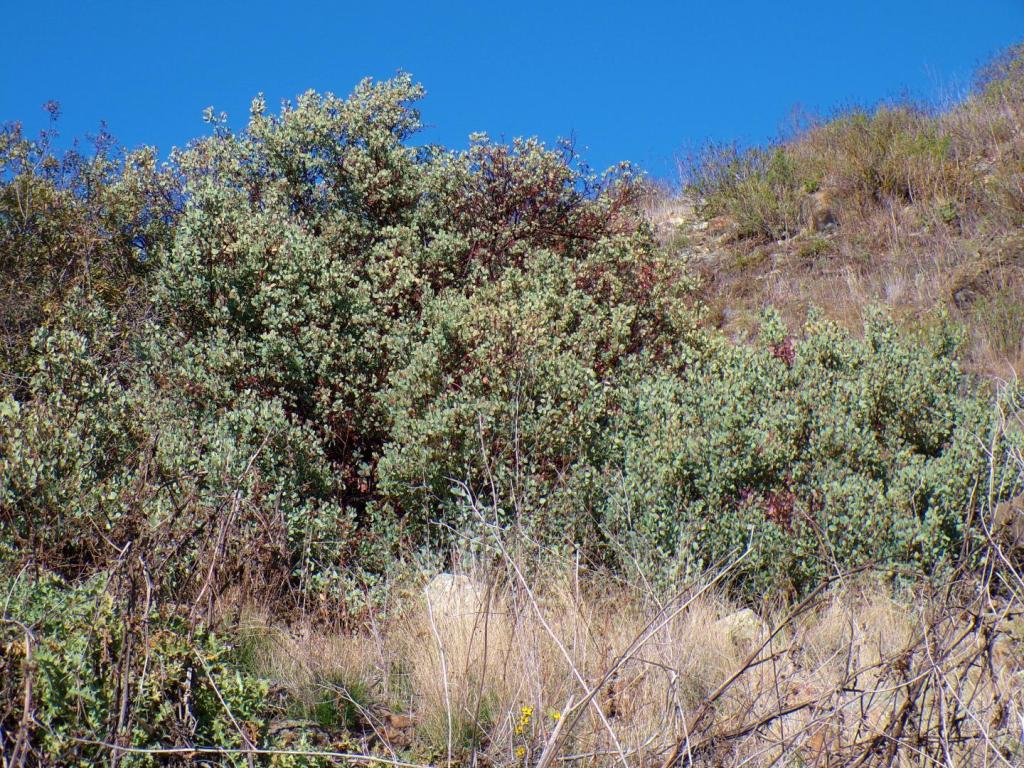
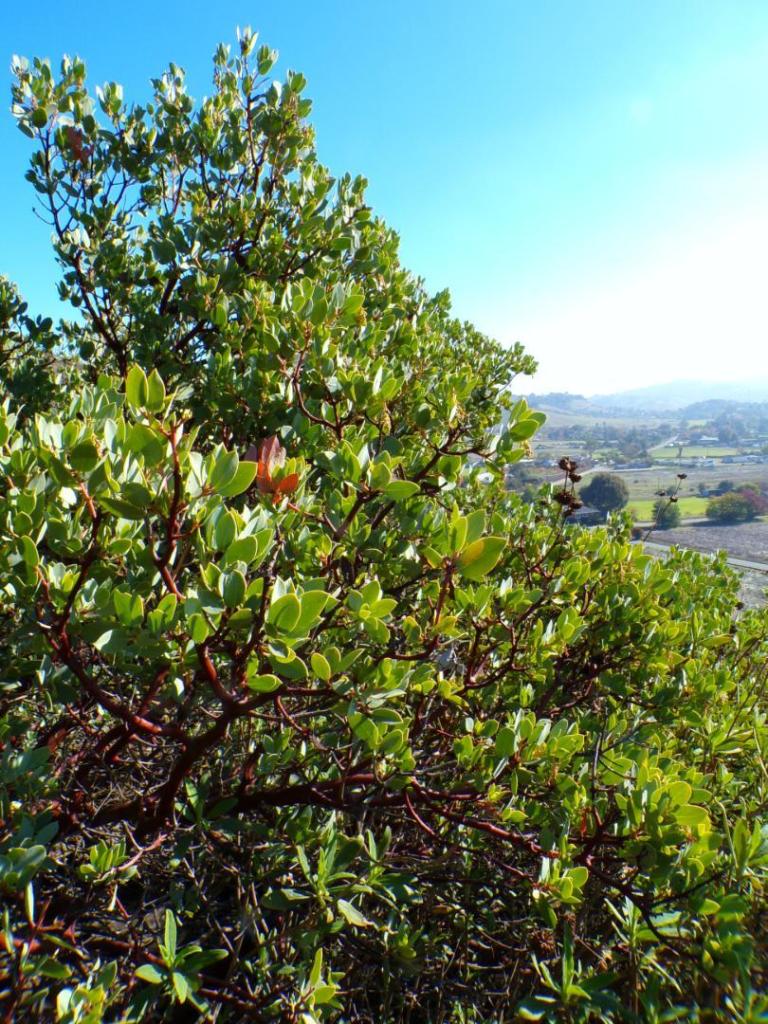
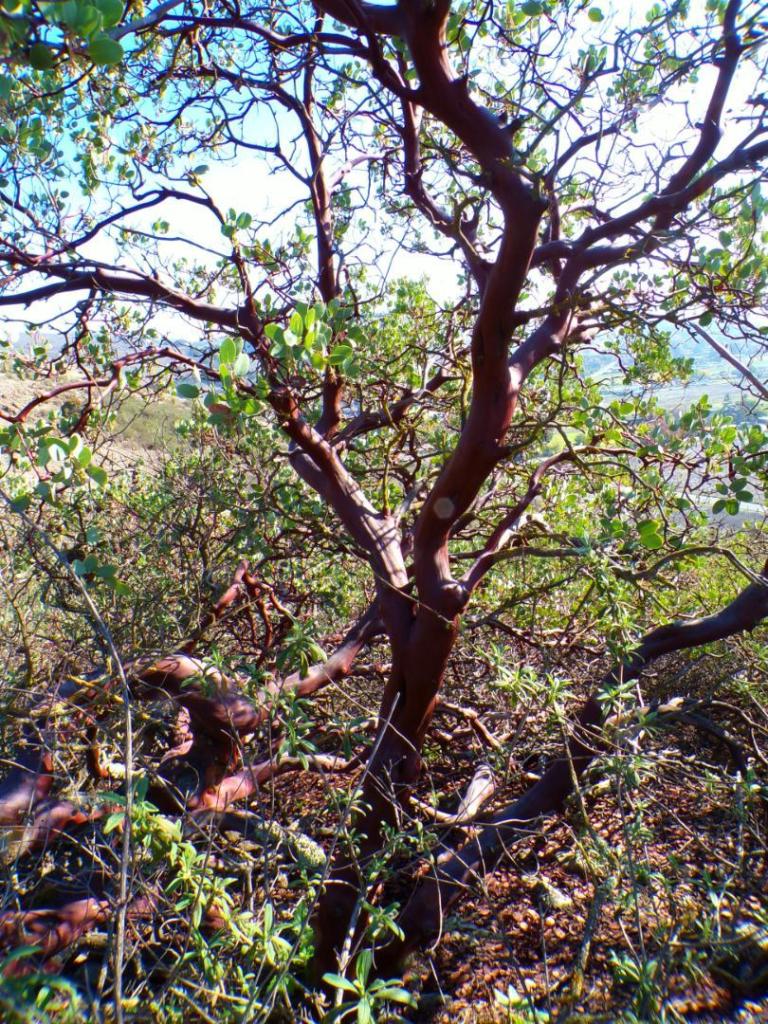
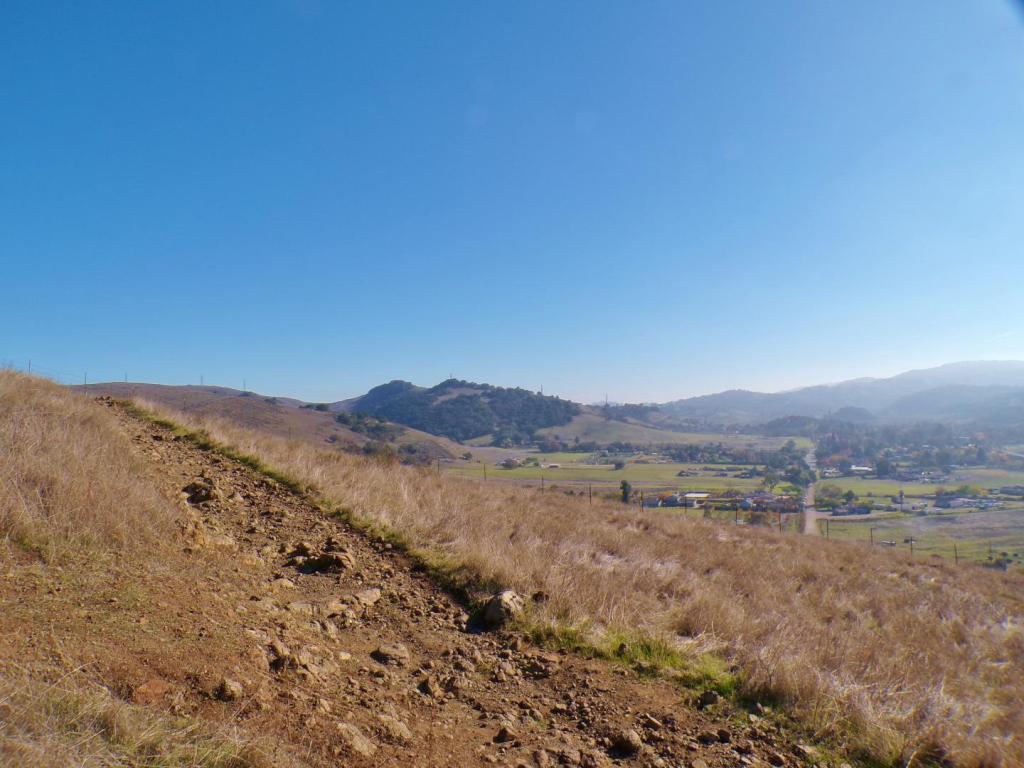
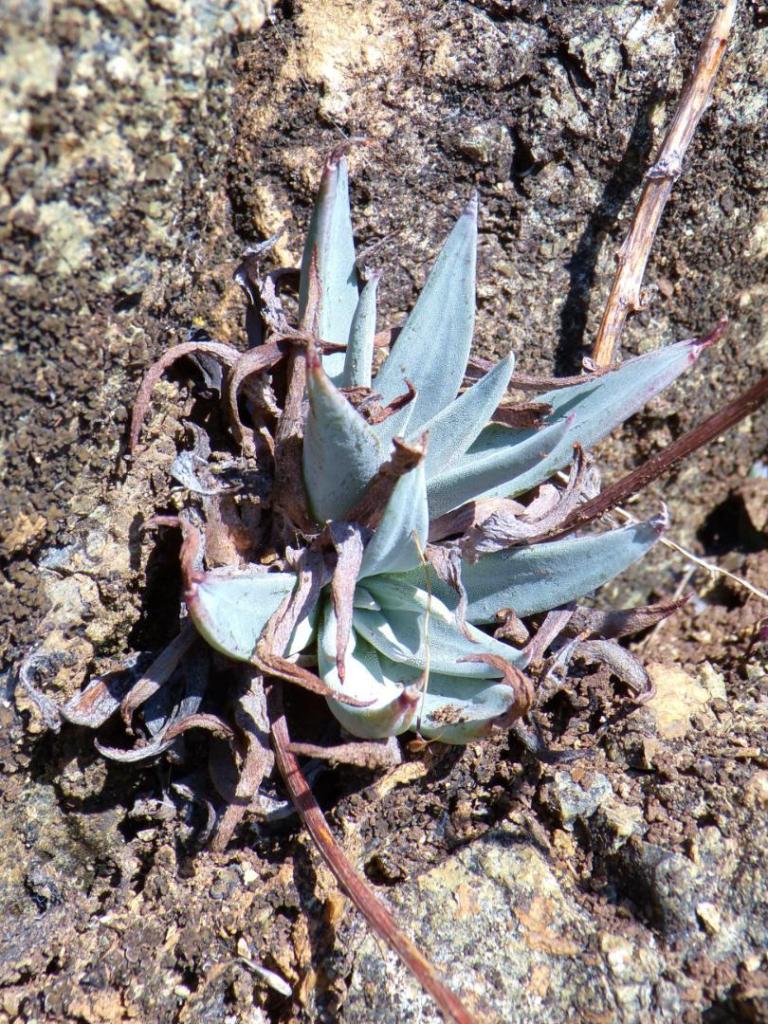
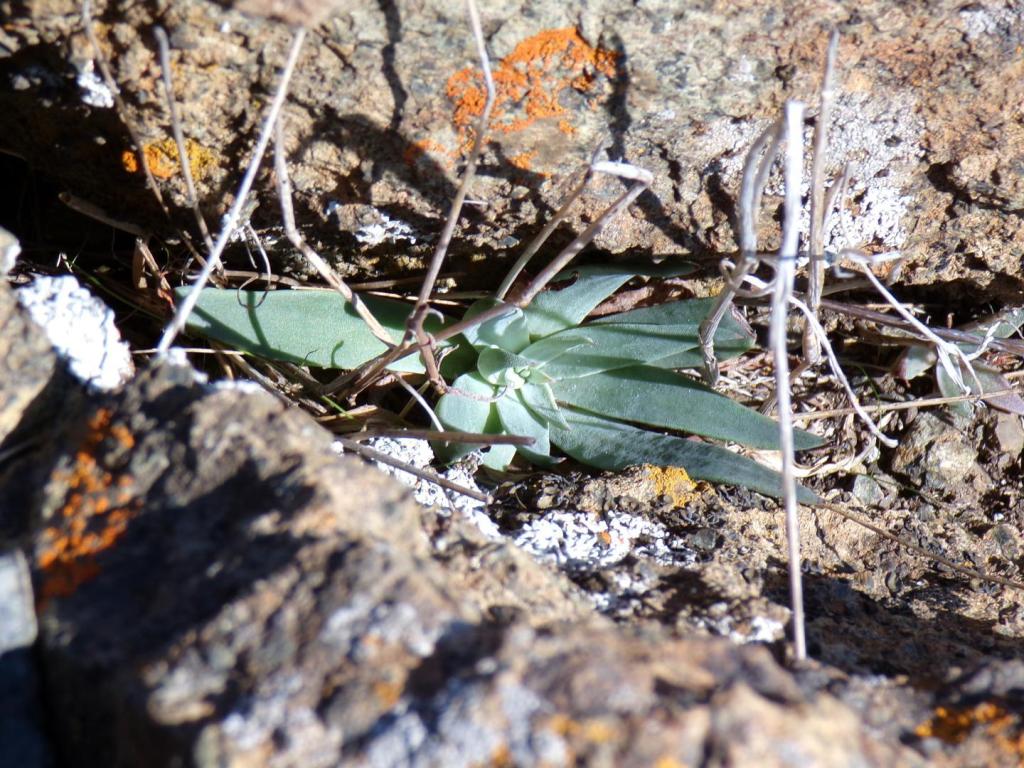
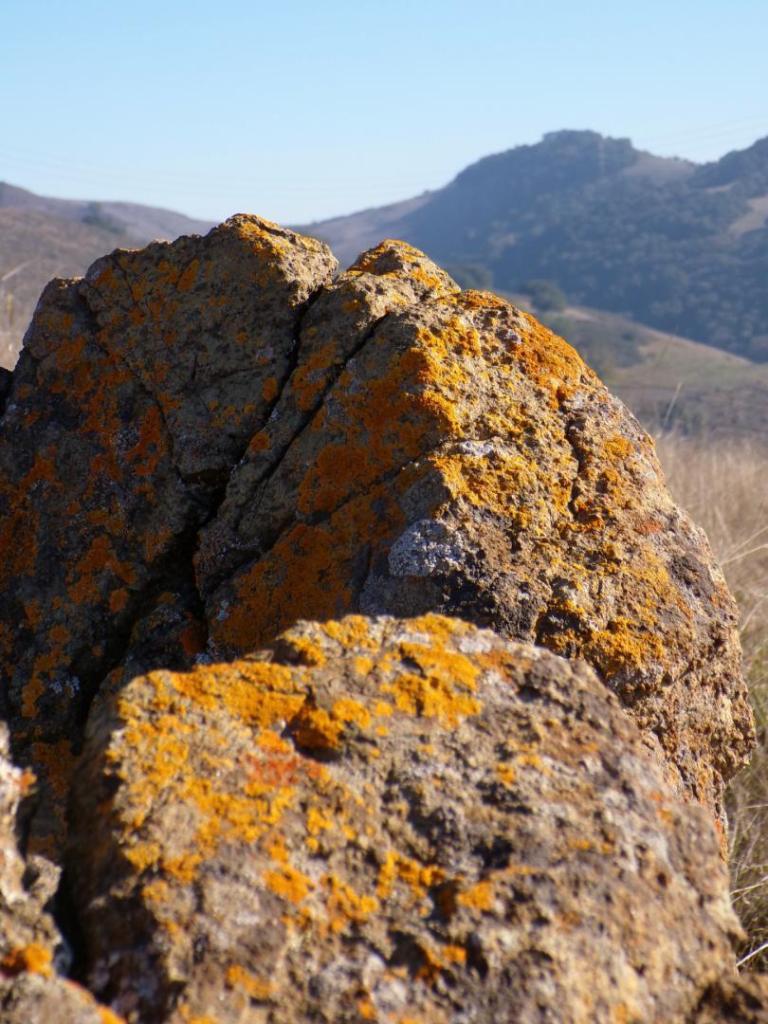
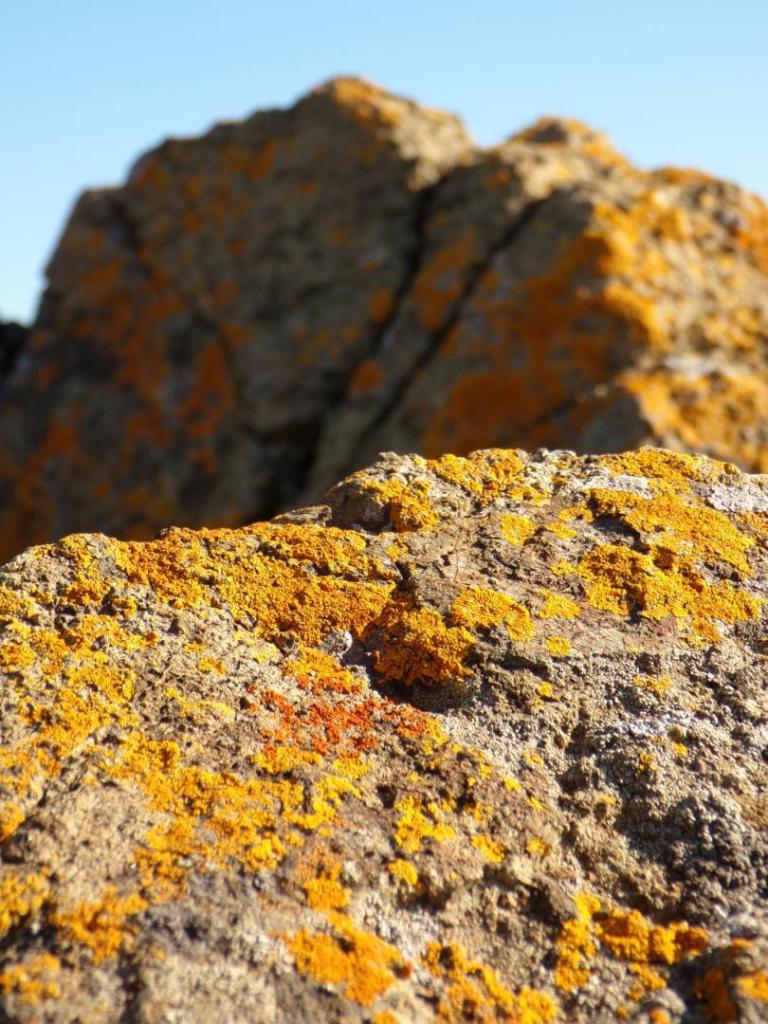
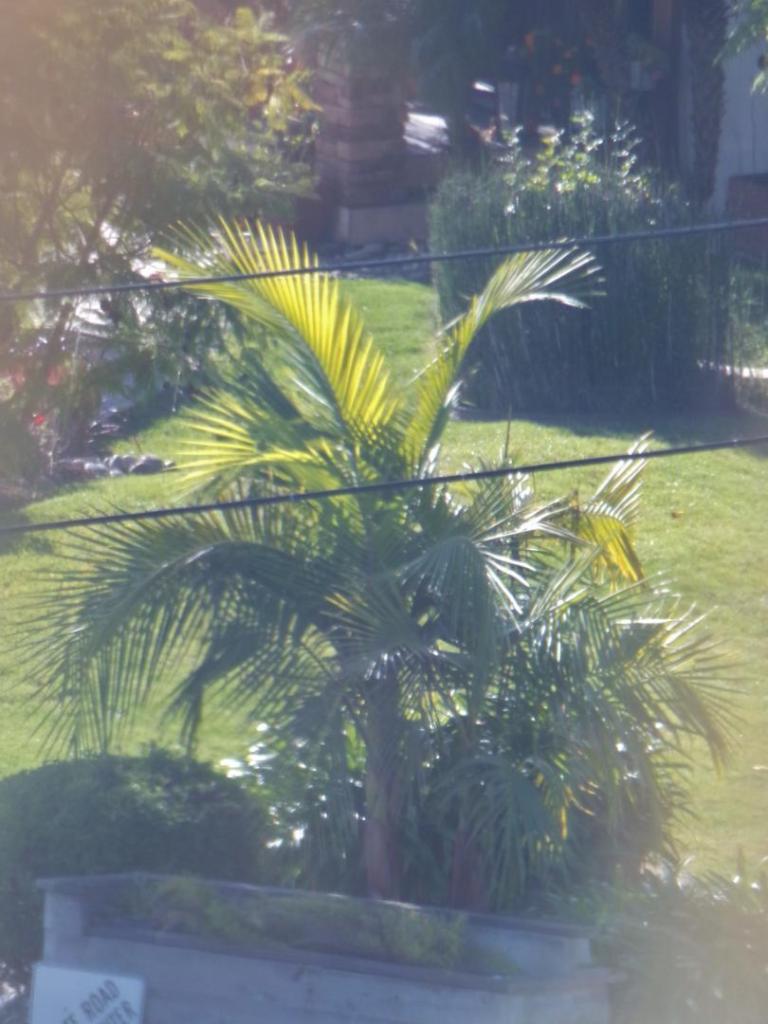
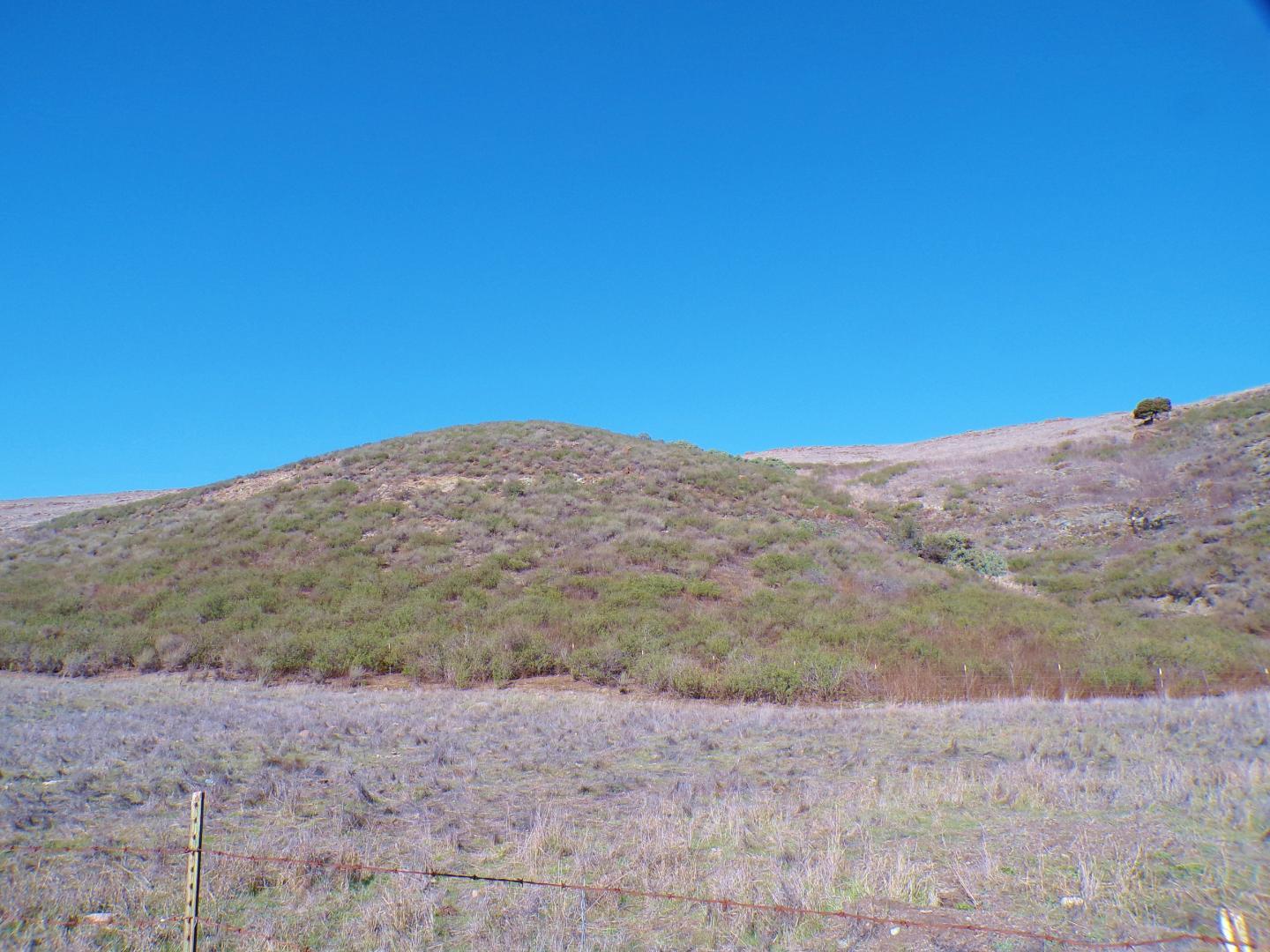
Before we move on, a note regarding Pinus coulteri i forgot to include last night.. While endemic to California, as you'll read in the included link from Conifers.org, the species is pretty tough and has been grown well outside it's " comfort zone " across the globe. That includes reasonably close to Central AZ, in southern New Mexico. While not listed on iNat observation data, Richard Felger, a well - known / respected, regional Botanist / researcher, documented the below pictured specimen near Silver City ( NM ) and ..as you can read.., noted new specimens growing nearby. Note how in this instance, the canopy form of this specimen is much more rounded than the often " stacked " look of many specimens you'd see in California. In the Taxonomy Notes section, you'll also note the thought that the species shares a Chloroplast Haplotype with Pinus arizonica, specifically from the Sierra Madre in N. Mexico.. Thus, While currently confined to CA ( and far northern Baja Norte ) it is likely it arose somewhere between N. Mexico and CA at some point long in the past ..when the region was much cooler / winters were more like what you see in CA now across this portion of the overall Southwest. Thus, it can be considered a " Southwestern U.S. Endemic " Regardless, for those folks in other zone 8 and up areas of the country, with a climate that isn't too hot / humid, this remarkable species is worth trialing. As mentioned, has to have space since ..at some point in the future, it will get massive ..and drop heavy, spikey bombs ( literally ) on anything under it. Conifers.org link ..for those interested.. : https://www.conifers.org/pi/Pinus_coulteri.php Quick link to an article about Richard Felger, who passed a few years ago.. Of all the people who have done exhaustive / extensive research in the Southwest / Mexico, his legacy is one of a kind, and left it's mark on generations of folks who study plants and other nature -related disciplines across the region ..and beyond.. https://tucson.com/news/local/article_46899d61-7229-5f75-82fa-73f9f8bd3219.html ......A hill? ..That is what you wanted to show us Nathan? ..Really? ..Cue the rolled eyes / face palms, ..its cool. ha ha.. It may seem mundane but, this look " into the past " is where many important lessons in my plant -y / nature -nut -centric journey would be gained.. Growing up in this area, i'd have a soft spot for this part of the Santa Clara valley.. Wayy back then, there wasn't much of anything out here.. Not that there is now, thankfully.. In High school, this area would be part of my longer weekly / bi - weekly bike rides. At some point in HS, it would become much more than a place to ride ...and eat rocks plenty of times, lol. As i will touch on later, destruction of another frequented spot nearby, diving headlong into photography, wisdom from my HS biology teacher, and that " always wanting to learn new things, the right way " drive would all come together and bring me here, quite often, both to expand upon my still greenish - eared native plant / local ecology knowledge, and play a part in making the area more accessible to others. Formally part of a ranch or two ( Stiles / Fortini ), which i'd lived not to far from in the past, county of Santa Clara bought the property sometime in the late 80s / early 90s to expand the footprint of Santa Teressa County Park, which straddles this section of this ridge / Santa Teressa Hills. As part of that, the county sponsored several " trail day " volunteer sessions. One was here. While it would be a flat out lie if i told you i did much heavy lifting, helped clear brush / move dirt and rock as the trail was carved out on the hillside. Returning to this spot after many years of further reflection and greatly expanded knowledge ..near ( and farther ) away, it's nice to see that things look as they should ..both on the trail, and nearby ...and that the county has added a few more trails ..and a boldly honest sign. In the time i've been out of state, the county bought up another treasured section of this area ( Rancho San Vincente OS ) on the other side of the valley in view to preserve it's legacy / connect that area to Calero CP, Rancho Canada Del Oro OS, and Quicksilver CP/ greater Sierra Azul OS further south and west. Had planned to stop in there, but ran out of time. Also hearing that another section of the ridge here, ..the recently shuttered IBM research station ( IBM's Almaden RS ), may be added to the park as the county's open space master plan for the area continues to grow. Eventually, from what i have heard / read, the plan is to link Santa Teressa CP to Lake Almaden, located in the much more populated northern end of the Almaden Valley, As well as making it possible to hike / bike from there, all the way south into Morgan Hill. Saw signs of that somewhere else, i'll get to later. On a side note, it was that research station that created the first Ink Jet Printer. Pretty neat.. Anyway.. Shots n' stuff from where a big part in this person's personal origin story began.. ..And an unexpected surprise, ..this time of the palmy kind. That boldly honest sign.. About time someone points out the obvious to the often oblivious.. Hopefully this is something done state - wide, vs just within Santa Clara County ...and that the oblivious get the point. Views as we head up hill.. Looking north toward the more populated end of the overall Almaden Valley. Distant mountain peaks in view include Mt Umunhum ( " Resting place of the Hummingbird " in the local, Ohlone language ) on the left, Mt. Thayer ..i believe.. on the right. Right shoulder of Loma Prieta is hidden in the haze on the far left.. Ft hills that make up the Quicksilver area of San Jose / Almaden = in front of the valley - facing slopes of the Santa Cruz mtns. The famous " Box " / " Sugar Cube ' atop Umunhum... Gonna be seeing lots of " Umunhum shots " from this trip.. " Box " represents the last hint of the mountain top's formal job as military station. Is now part of the Sierra Azul OS area up there.. I see you, Mex Fan lollypops, stickin up in the foreground.. Looking south into the greater, Calero - facing side of the Santa Teressa hills. Isolated Toyon ( Heteromeles arbutifolia ) specimen wayy up there... There's a hazed out Loma Prieta... Salvia mellifera ( Black Sage ) right, and Atemisia californica ( CA Sagebrush ) left, = Two very dominant plants on this hillside that represent part of a habitat you'd see much more extensively in SoCal.. ; " Soft " / Sage / Sagebrush - dominated " subtropical " Chaparral.. Subtropical in the sense that it only occurs on warmer / hot, less frost / freeze prone slopes, esp. this far north. As you edge closer to Los Angeles, and / or San Diego, Soft Chaparral starts adding stuff like Yucca, Agave, Ocotillo ( in the past ) Nolina and Dasylirion species, and various Cacti to the mix of species you'll encounter in this unique habitat. Drier / milder winters, hotter summers future up this way? perhaps you'll start seeing those kinds of plants taking root here. Another unique plant on these slopes, Arctostaphylos ( Manzanita ) .. Represents an isolated, near- northern limit population of Big Berry Manzanita ( A. glauca ) This stand is where i'd collected seed of that species from .. First Seed ...of -anything- challenging i had ever successfully germinated. Nice to see these old faces again. Missed being able to collect some seed though.. Lots of steep switchback curves / big ol' rocks stickin' up in other trail sections here = fun on two wheels ..and a few bumps along the way. " Soil " color is due to the geology type here.. Rising above the hill.. Note the houses below.. Rock wall ..that has been there ...forever.. Pretty sure it separated the two? ( ...or 3?? ) ranches that formally claimed the area.. Nice to see folks haven't ruined it.. enjoyed many lunches on the trail here.. Aside from the unique Chaparral - type here, this end of the greater Santa Teressa / Greystone Ridge exposes the viewer to another unique / well known, CA - centric habitat / geology type.. Serpentine soil / rock dominated grassland.. Exposed Serpentine bald on the left / Mixed matrix ..but Serpentine dominated... soil, on the right.. As a rock / mineral type, Serpentine / Serpentinite is quite toxic to many plants since it often contains very high levels of Nickel, Cadmium, Cobalt, ..and Asbestos... If you're able to grow on it, you likely spent a lot of time evolving to grow on it.. Where ever large outcrops of it are exposed, you're very likely to encounter some of the rarer CA. endemic plants that evolved to grow on such toxic soils.. This area / Overall park really is no exception. While it looks rather plain most of the year, in spring, ..if it rains enough.. areas here ...and further inside the park which are less over run by all the non native, mainly winter annual " forage " grasses from Europe, can explode in carpets of color. While some of that color grows in plenty of non- Serpentine dominated areas across the valley / state, if you roam the slopes / examine some of the rockier spots closely, you'll find some pretty interesting stuff that isn't so common, and helps teach ecology and the direct influence local geology plays in " what grows where ".. Nothing flowering this time of year, but did come across a couple Dudleya.. Not fully sure of the species, but could be specimens of the highly - local / fairly rare Santa Clara Valley Dudleya ..Dudleya abramsii ssp. setchellii. A treat to observe if so. A few parting views... Orange, Rock hugging Lichen on the rocks out here has always been fun to photograph.. ..The surprise for the day? Remember the " notice the houses " mention a few steps back? Well... Here's something i was quite surprised to spot growing in a yard way out here from along the trail. Surprised because, as i'm sure the viewer noted in various valley - included views, not a ton of homes out here / plenty of open space, thus, .. whatever you'd call this little finger valley, is a colder spot in the overall Almaden Valley / Southwestern end of San Jose yet, ..Here are some King Palms ( your standard A. cunninghamiana ofcourse ) that seem to be doing alright here.. Tough to say " how old " they might be / ..how long they've been planted but, ..don't look like they were recent additions to me.. A sign of changing times? ..perhaps?? Will have to keep a street view eye on them, ...until i return again, in person.. Interesting nod to the two dominant, ..yet different... ends of my plant related journey as well.. How's that for a trip down memory lane?.. ...On to the next stop... >>>>>> ....Btw, wanna house out here? ( ...who wouldn't ) ..It is gonna cost you a few bucks.. Noticed a listing ( 4bed / 2 bath ..2400sqft / on 1.87+ acres off Fortini Rd. ) for the cool price of 2.8M bucks.. So, ....how many 5 gal plants sold is that? 🙃
description-TheGymnospermDatabase.png.3d730d7189f9256bed094ccdeda29c6d.png)

.thumb.jpg.58787322ee9e11db38fbc338bfe0f56b.jpg)










 1 point
 -
While not considered as remarkable as when the thread was started, these Wodyetia bifurcata have been around for a long time - pre-2008.
 1 point
 -
Wait until there red and a couple have dropped of the tree then harvest them. Way to go sharing them around plenty of palm nuts out there who will take them. Richard1 point
-
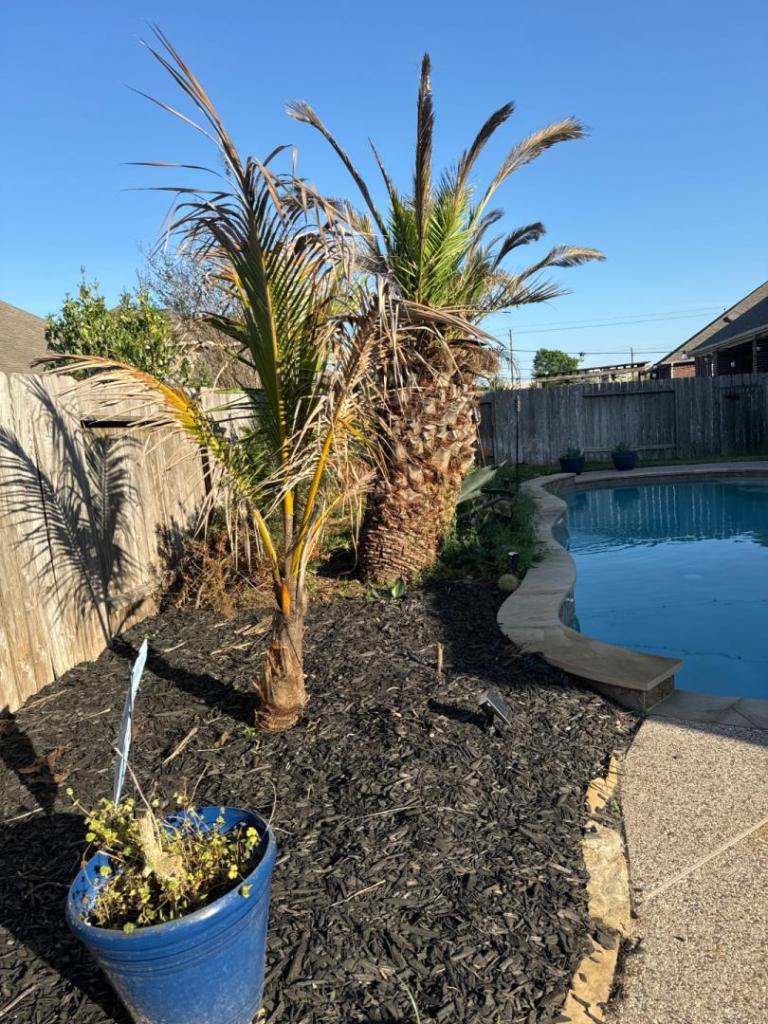
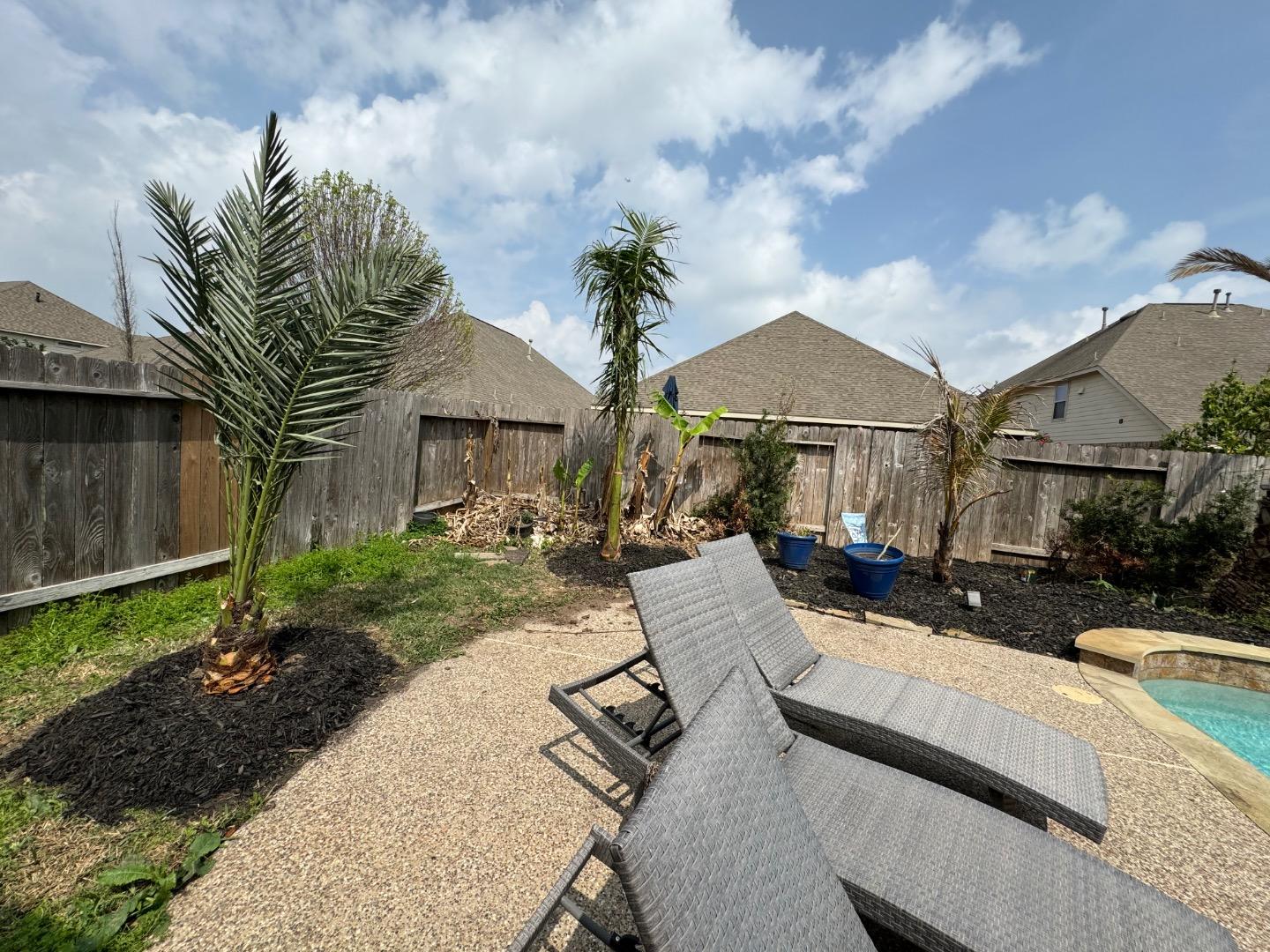
Post freeze, taken today. You can see the papaya tree, plumeria, and hummingbird trees are gone. Canary island date palms pushing new leaves, and the coco looks pretty good considering.
 1 point





































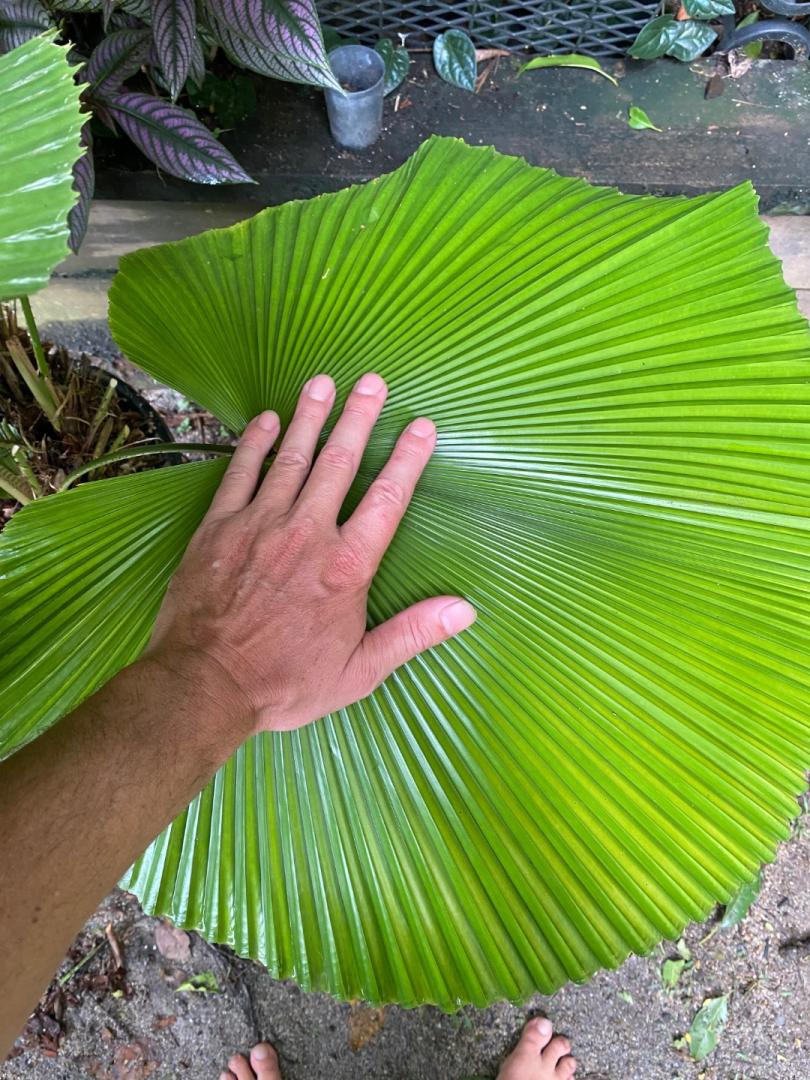




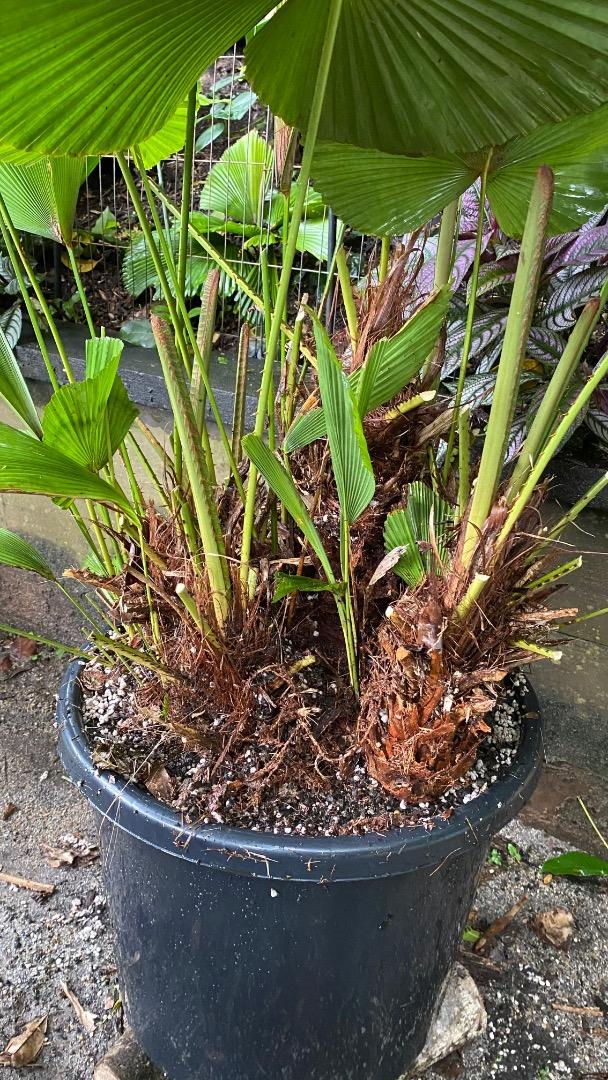
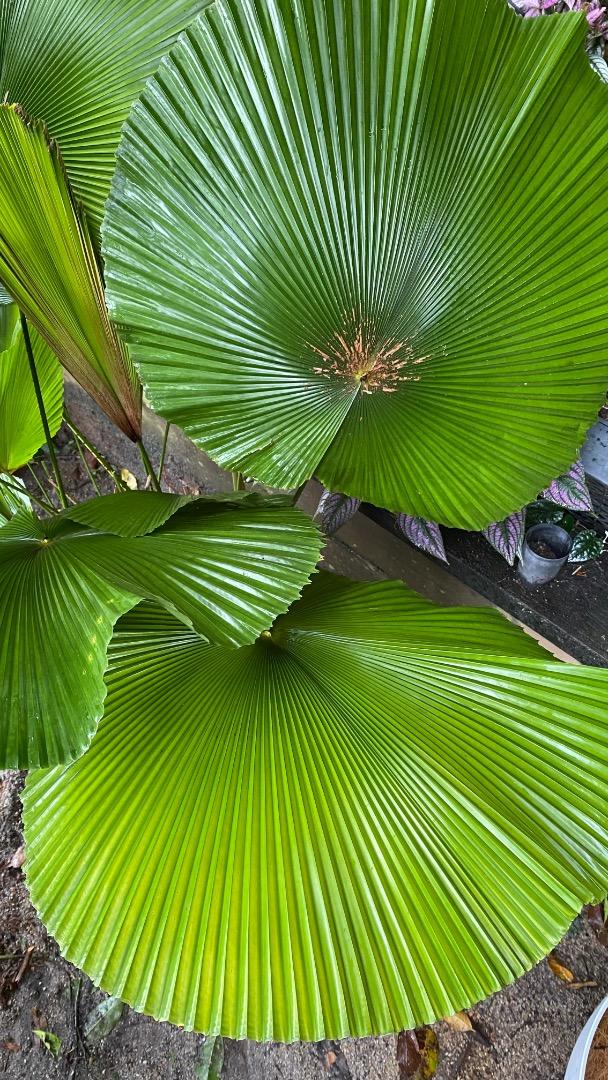





(170x200).thumb.jpg.dd40fb913d3e984a56d1f1c4df64716c.jpg)

.jpg.ee0233d7f72b5cda9fe535f0ade82734.jpg)