Leaderboard

.thumb.png.04b3487b96ff29c55b8a8994b91f62b2.png)


Popular Content
Showing content with the highest reputation on 01/07/2026 in all areas
-
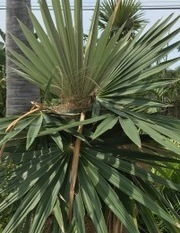
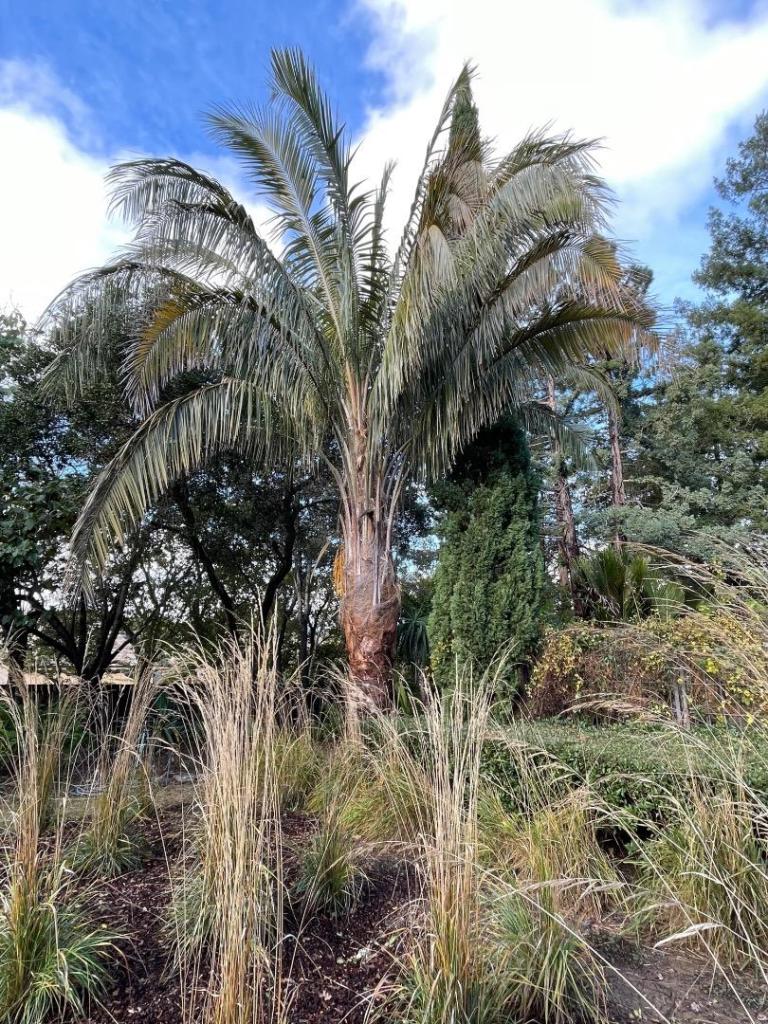
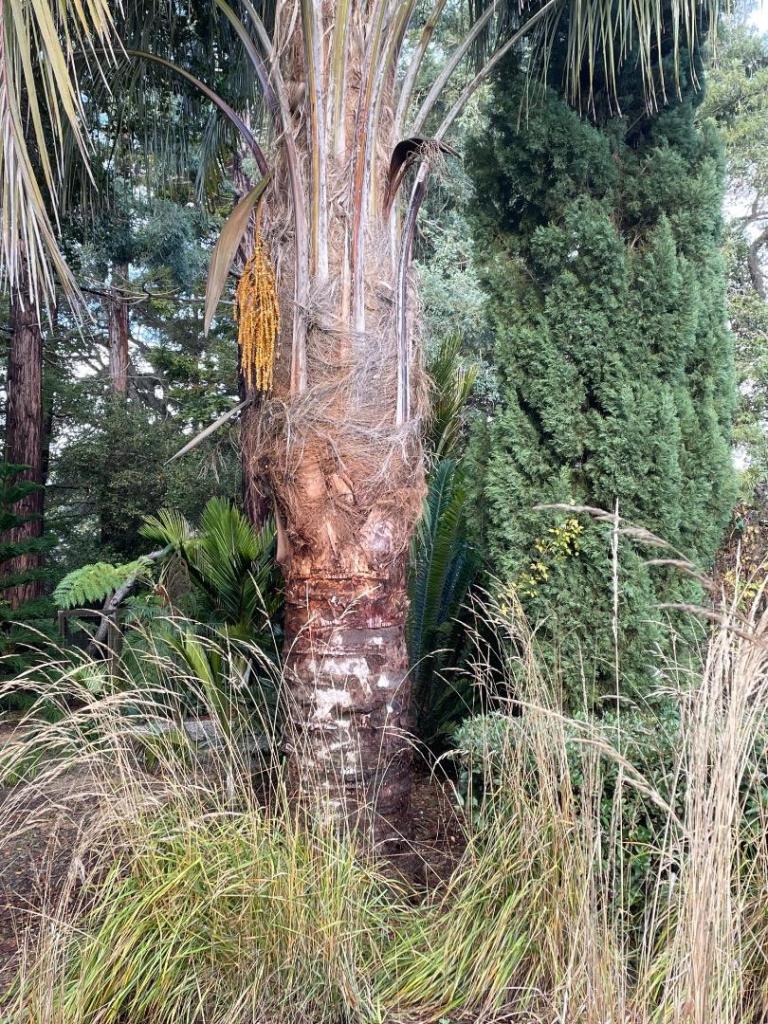
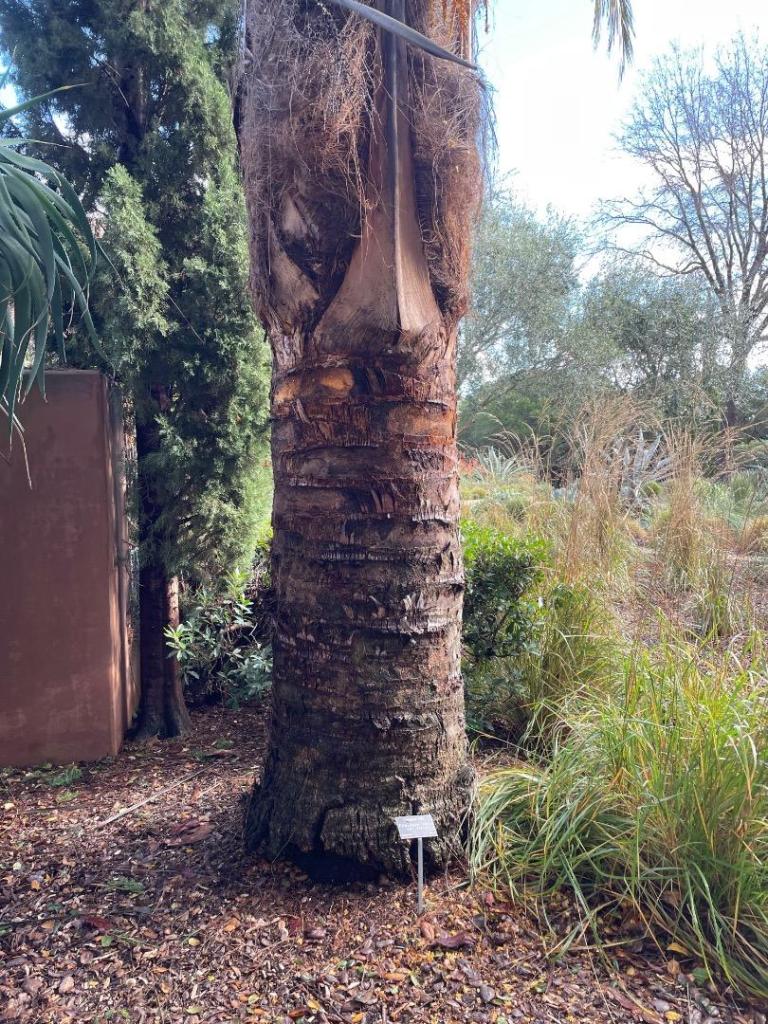
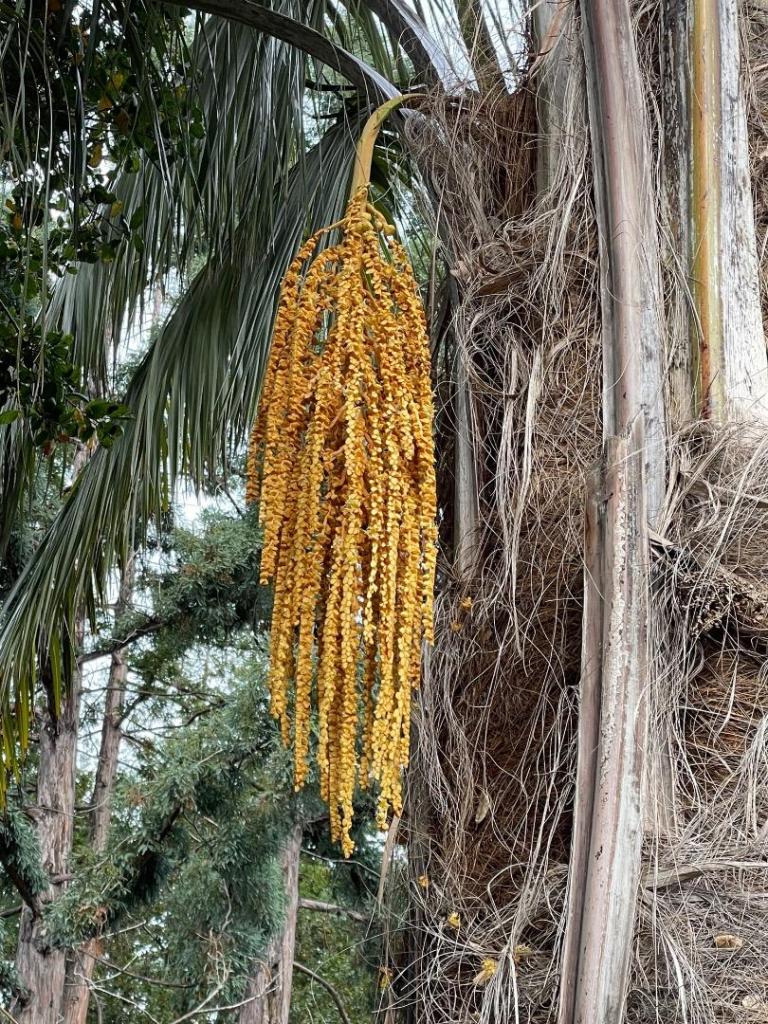
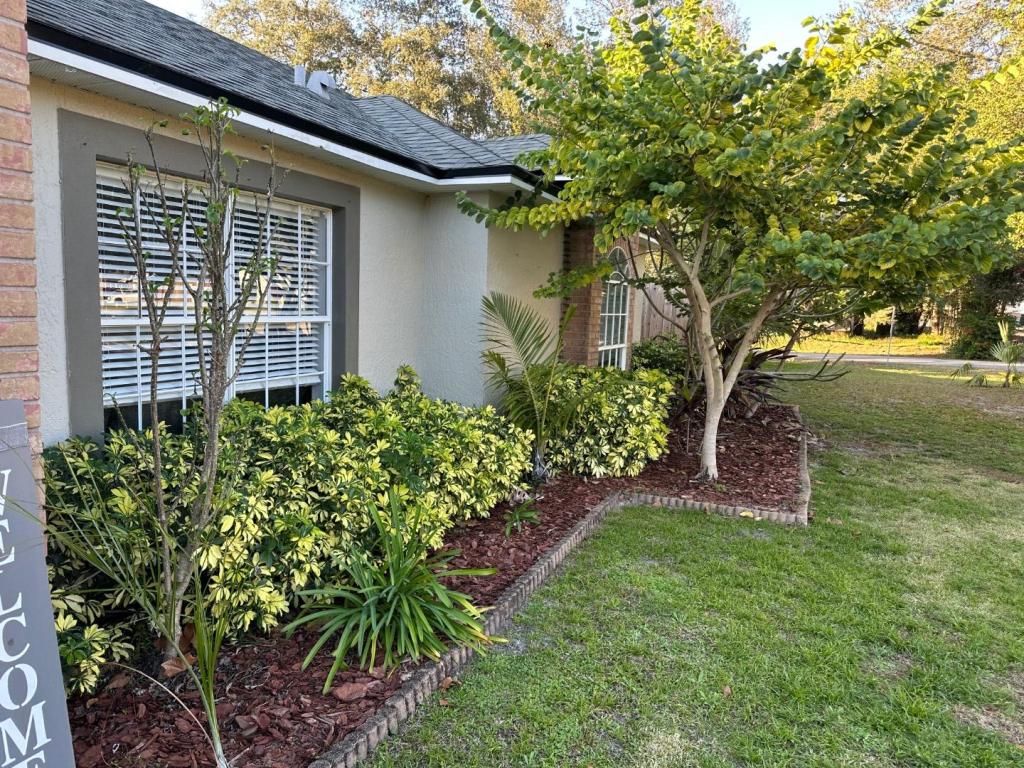
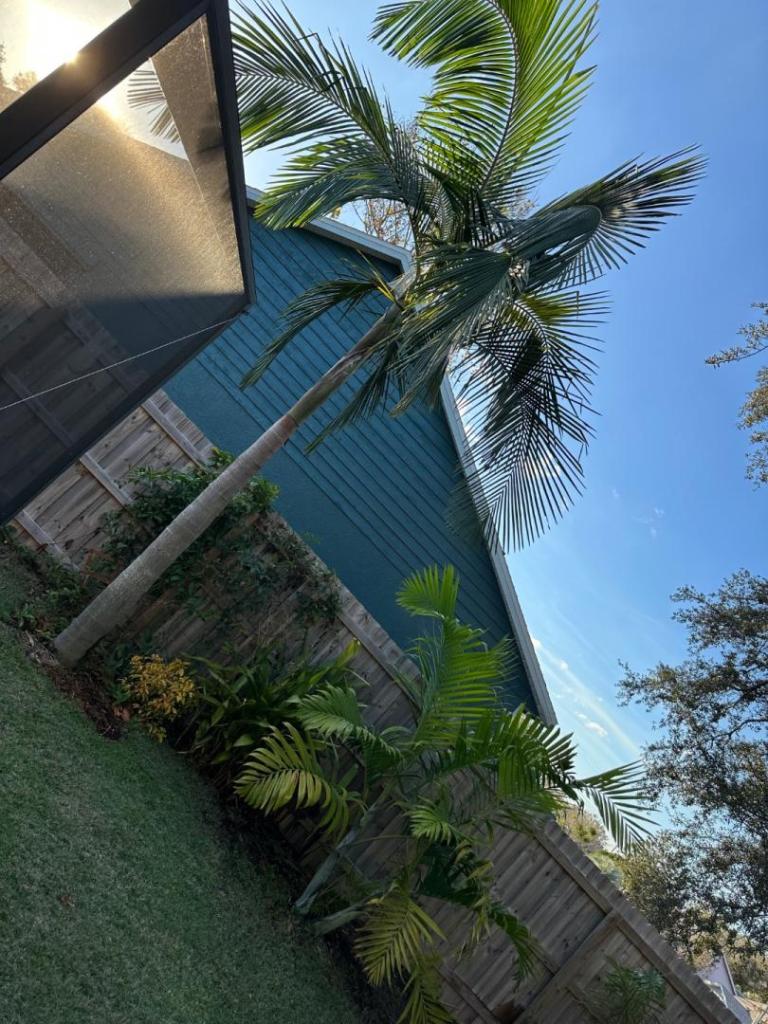
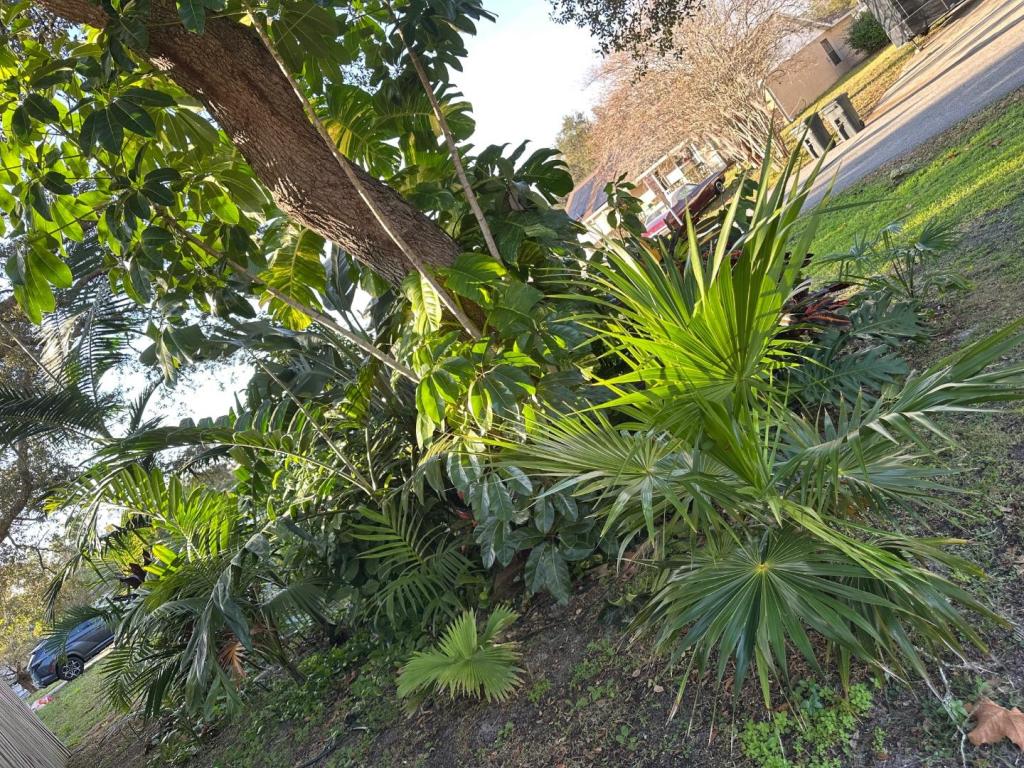
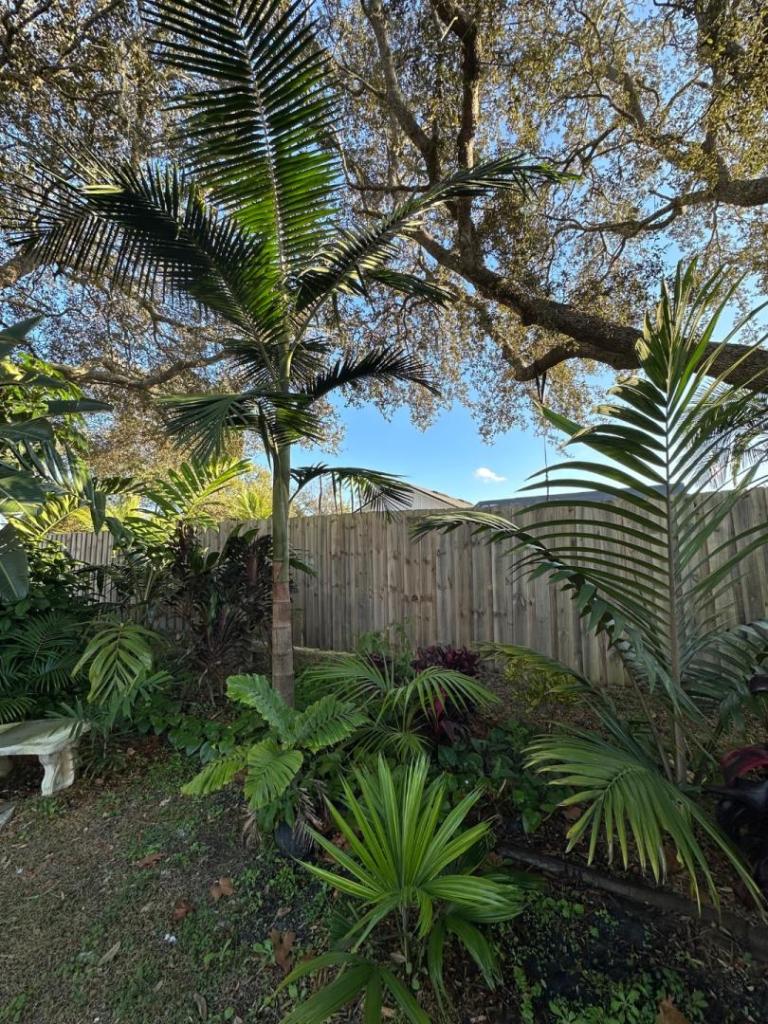
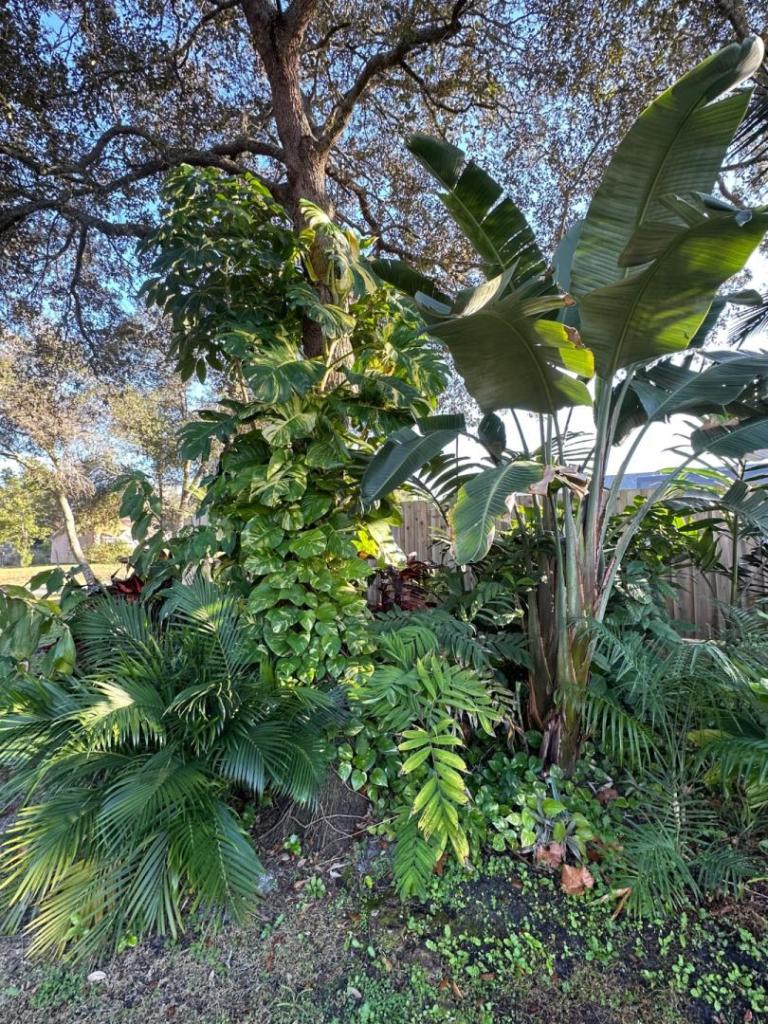
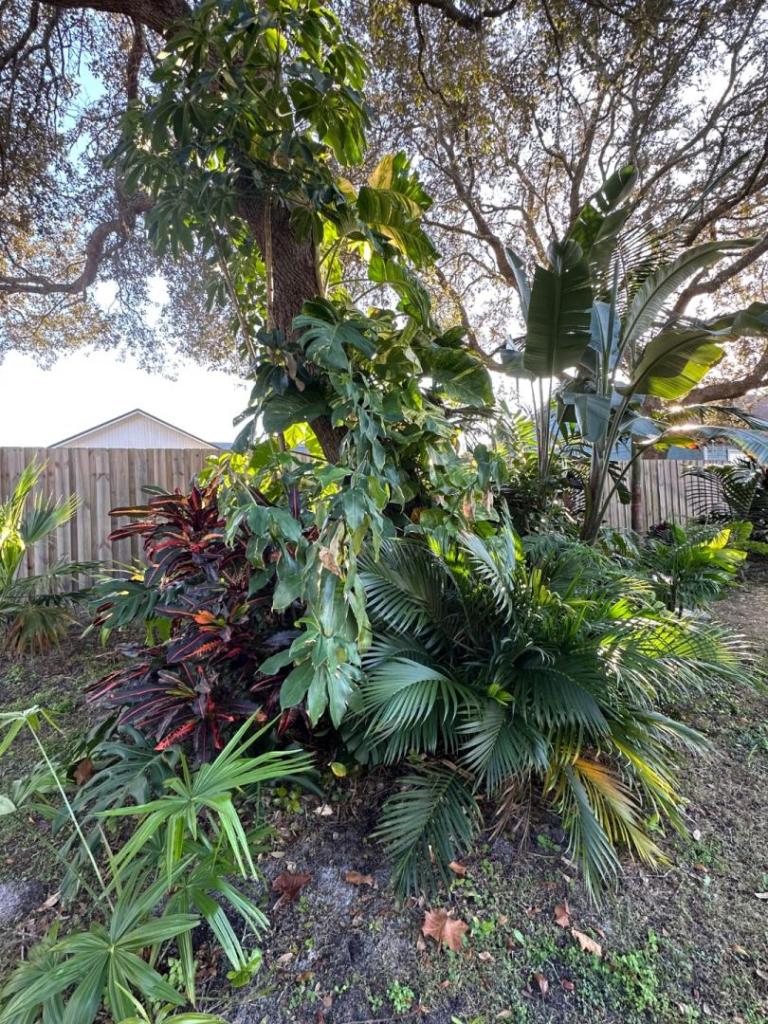
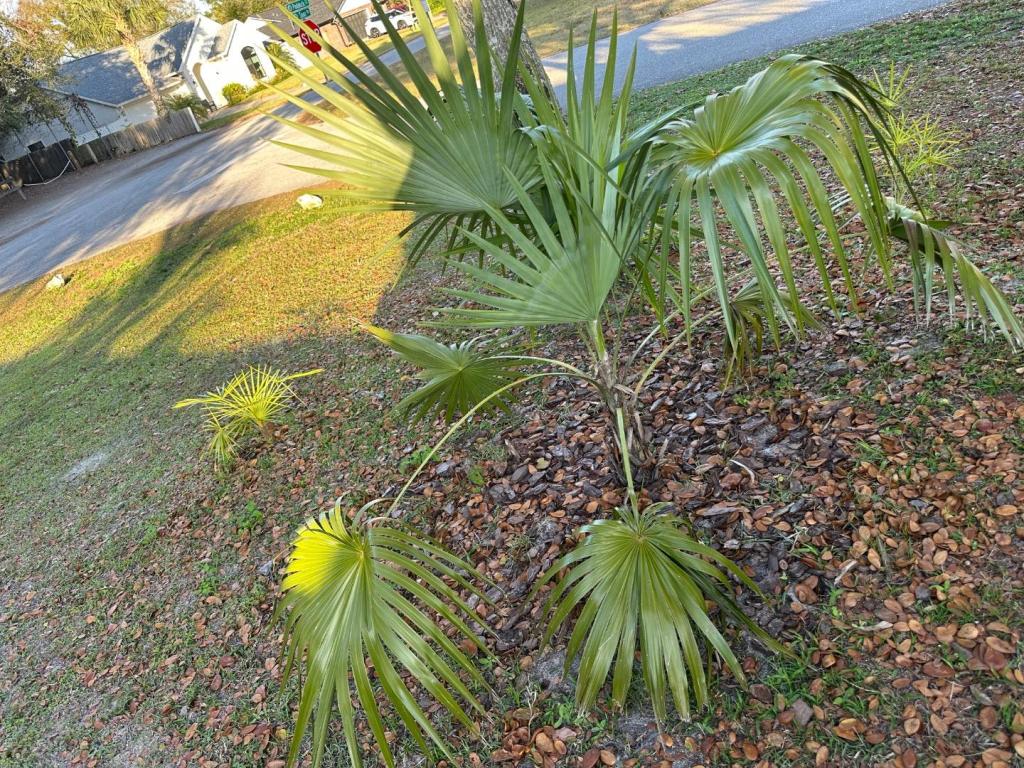
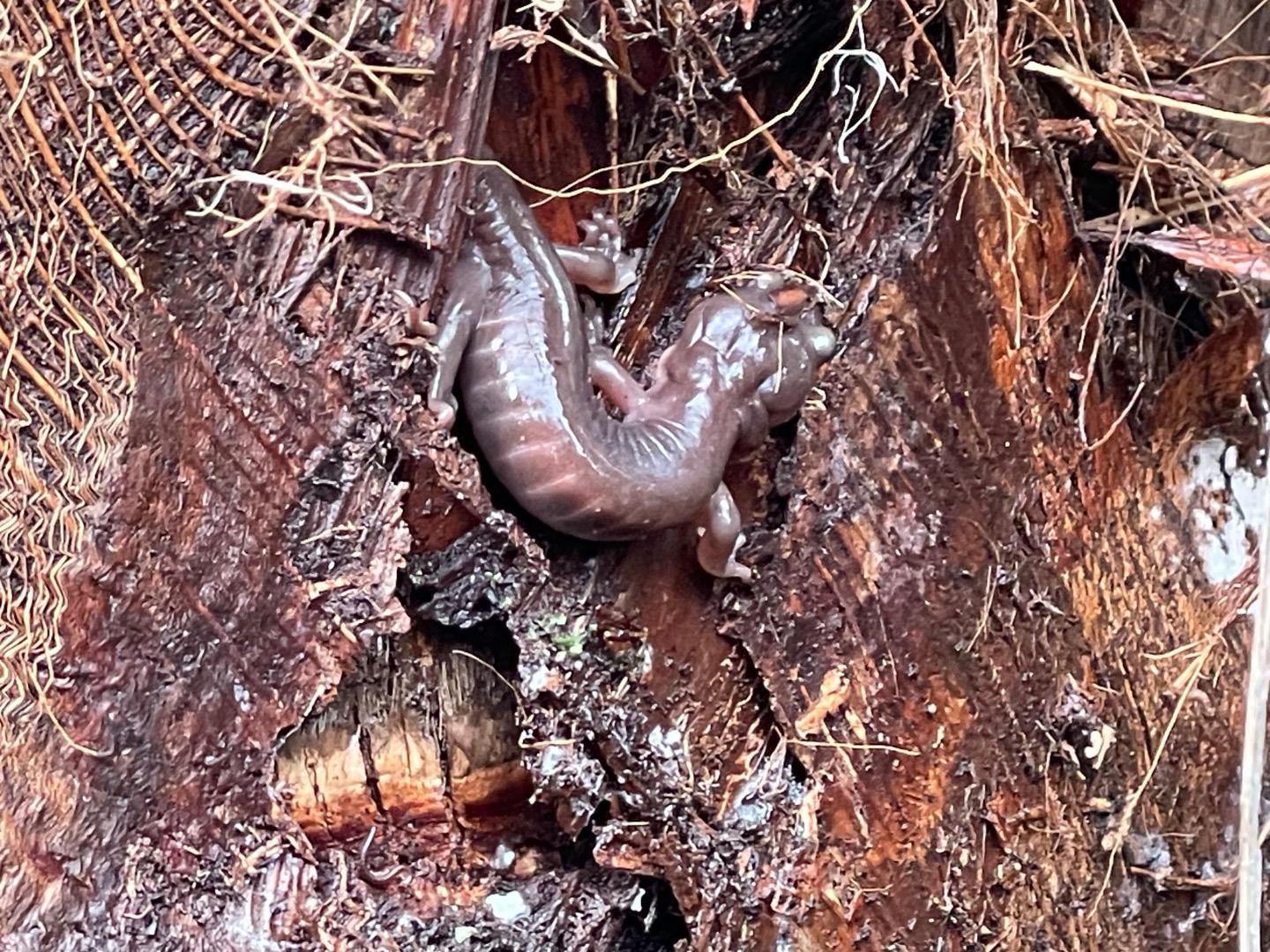
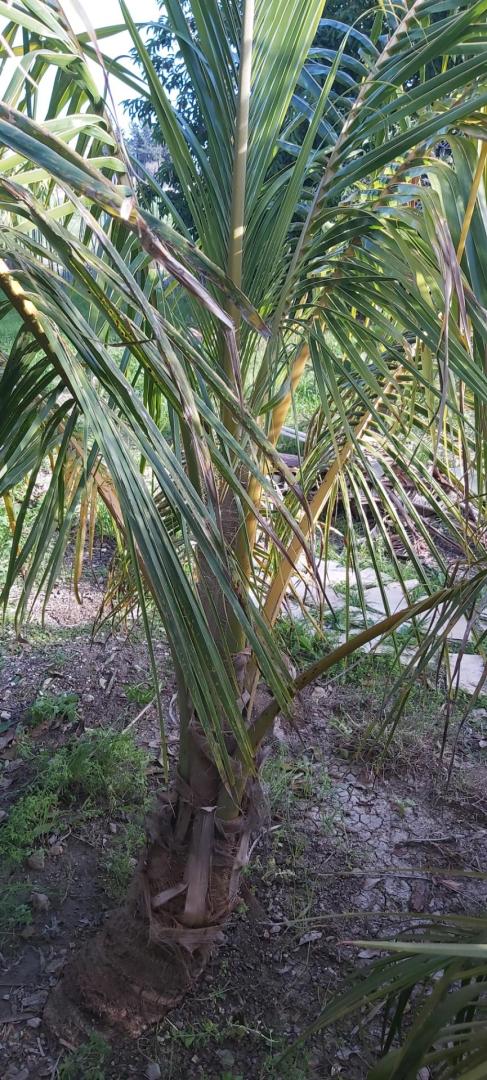
Posting a few photos of my Parajubaea torallyi. I planted this palm about 15 years ago from a 5-gallon pot. It currently has about six feet of clean trunk and it’s about 25+ feet tall. This time of year, I tug on the old leaf sheaths to see if any of them are ready to come off. If they're ready, they pull off easily. However, if they aren't, no amount of pulling will remove them. It’s not unusual to find Arboreal Salamanders (Aneides lugubris) under the old leaf sheaths as shown in the photo below. I'm in the San Francisco bay area.

 10 points
 -
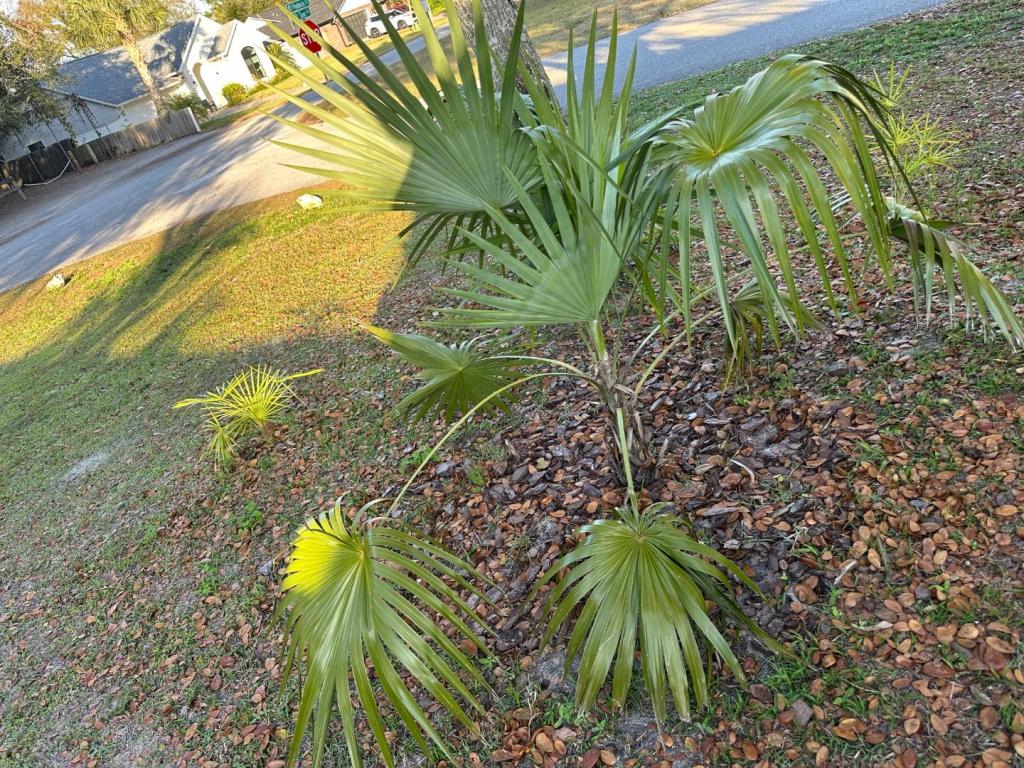
January 2026 update:



 6 points
 -
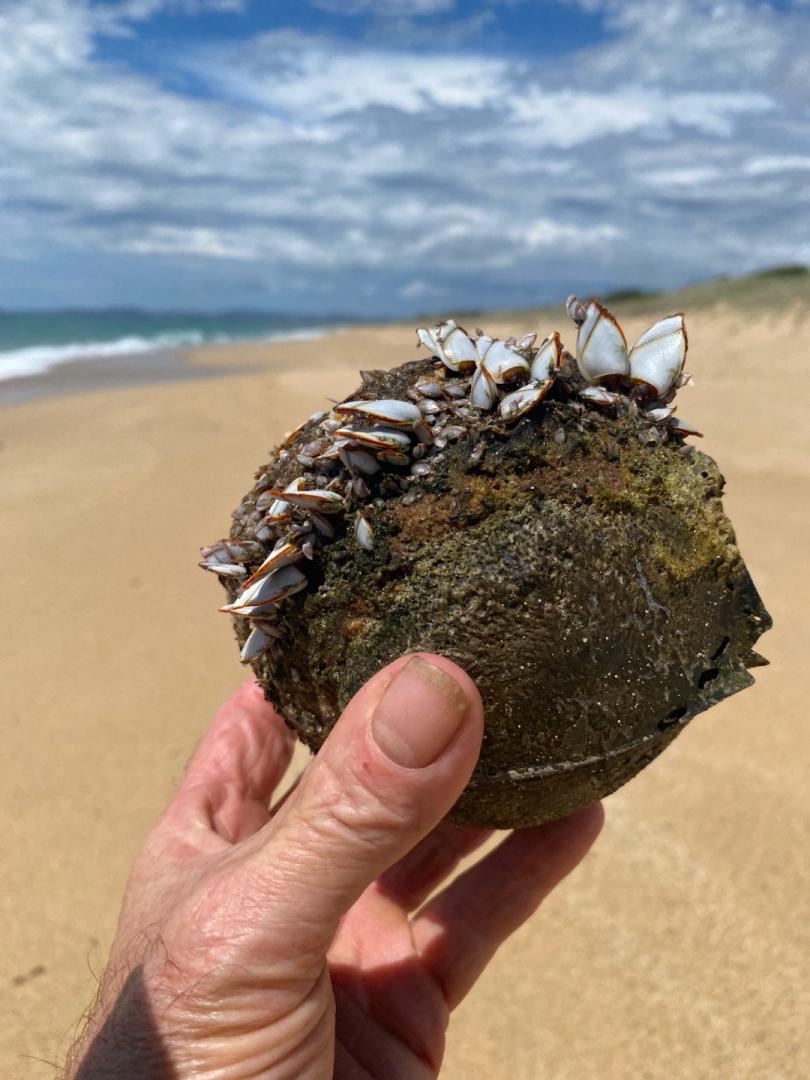
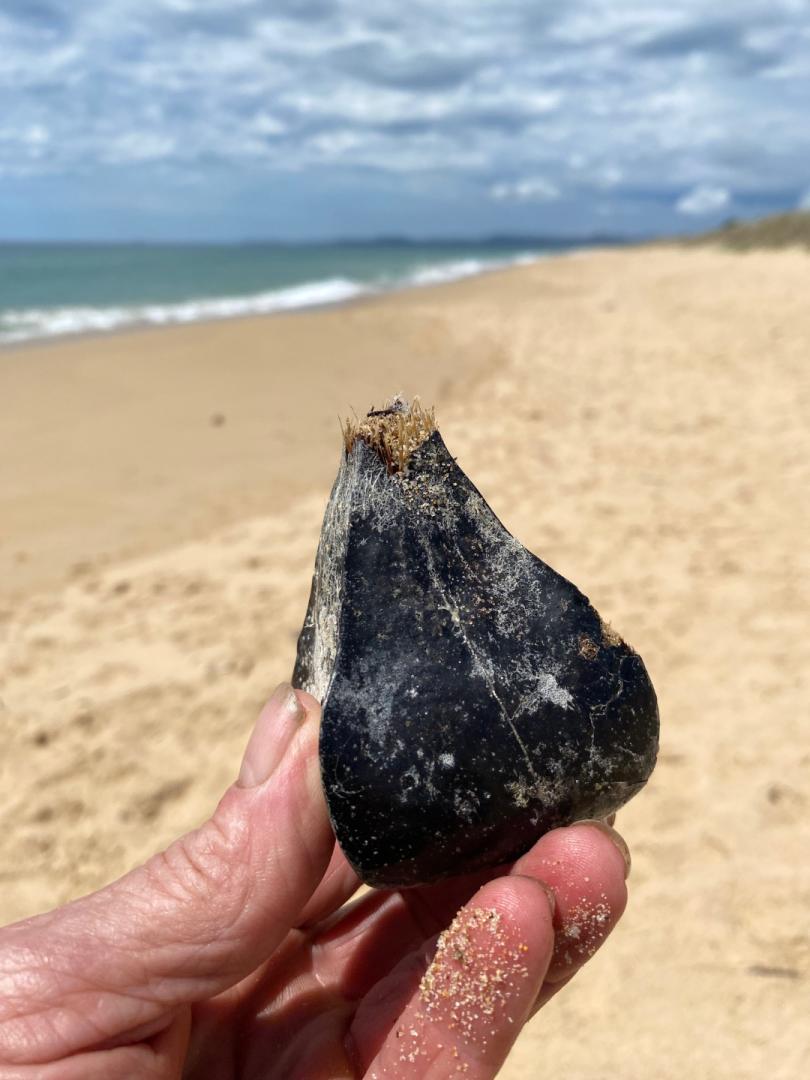
A nice summer swim and a walk along a beach, with absolutely no body on the beach for miles, except for a few seeds!


 4 points
 -
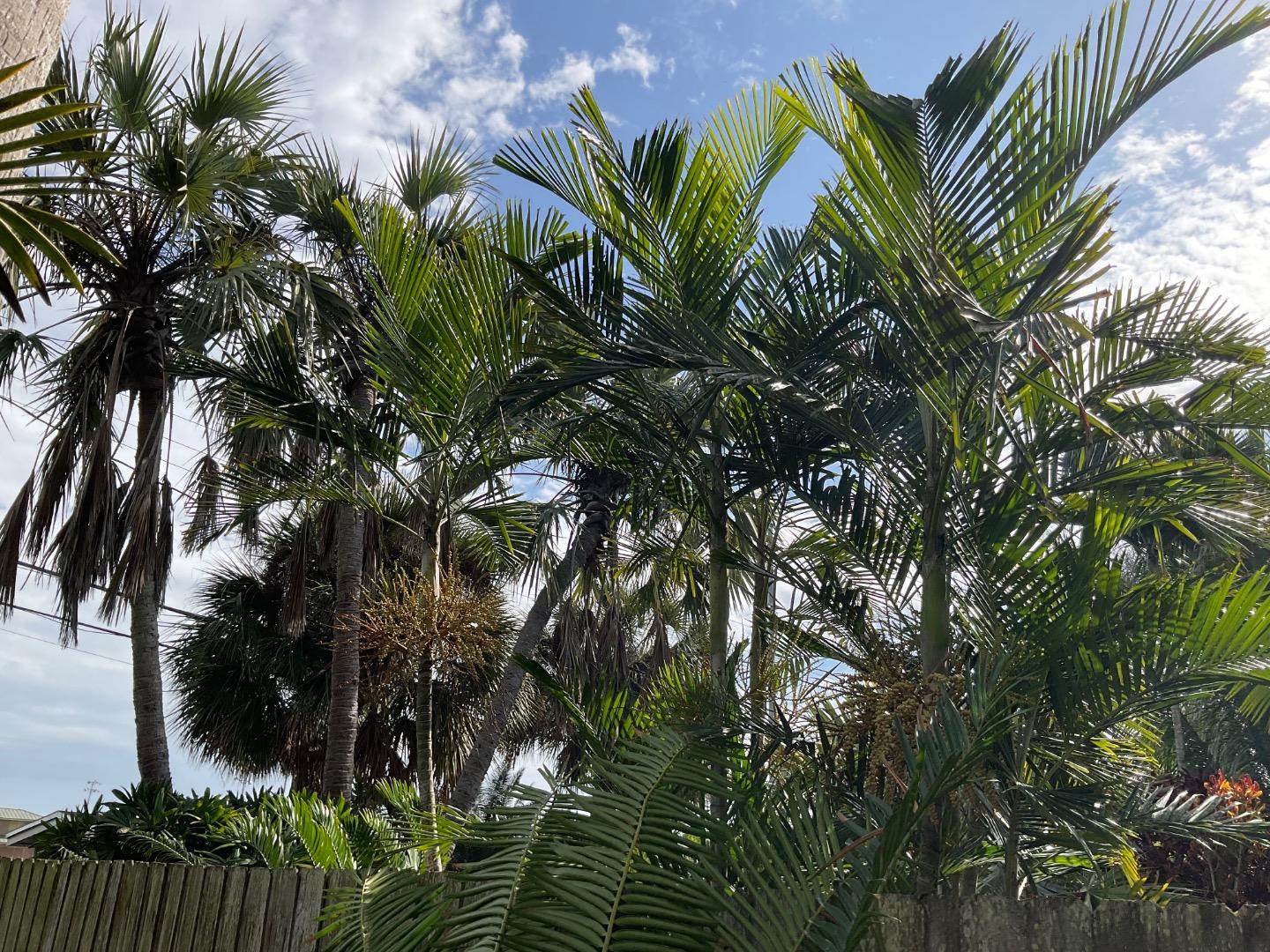
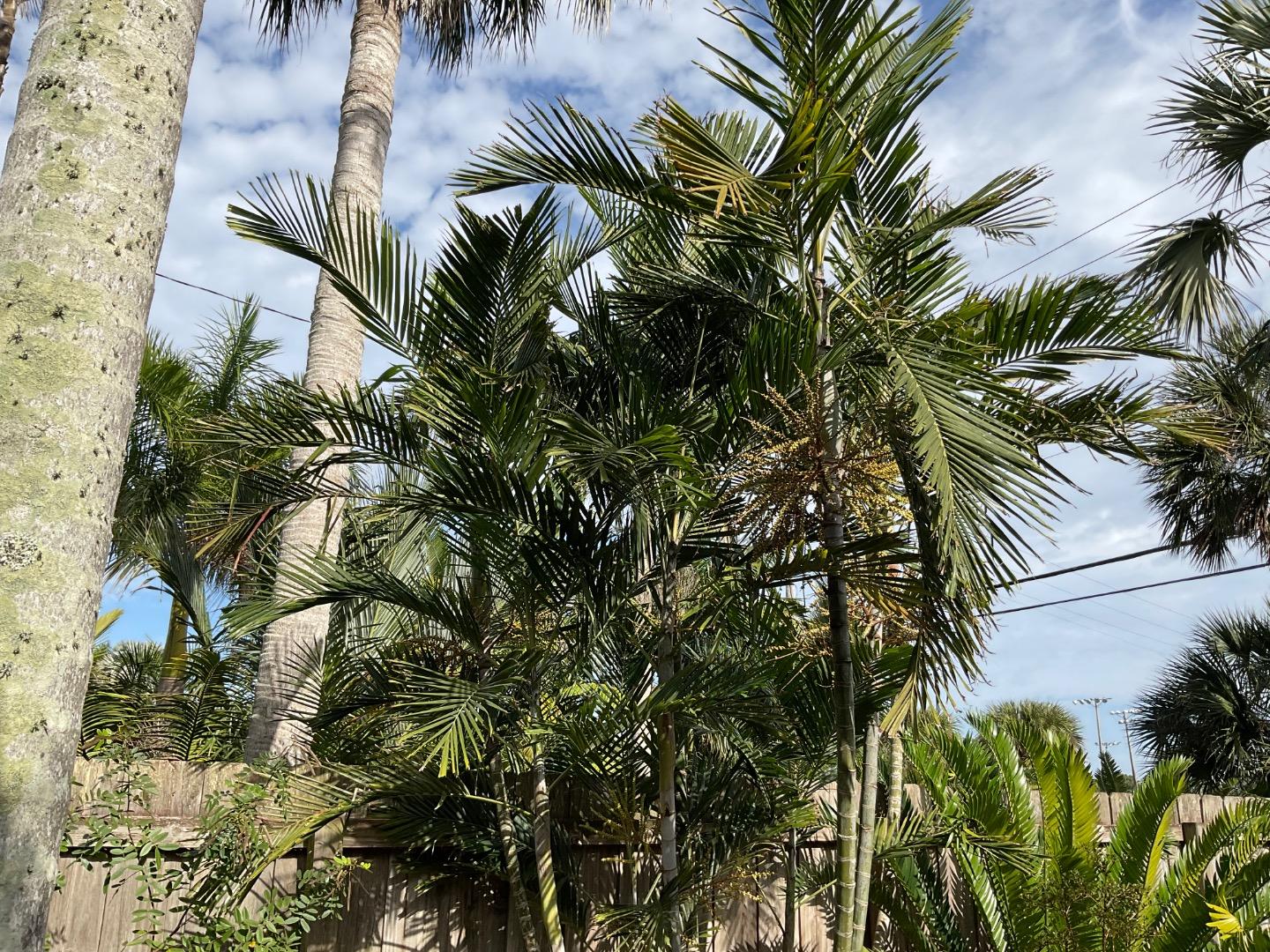
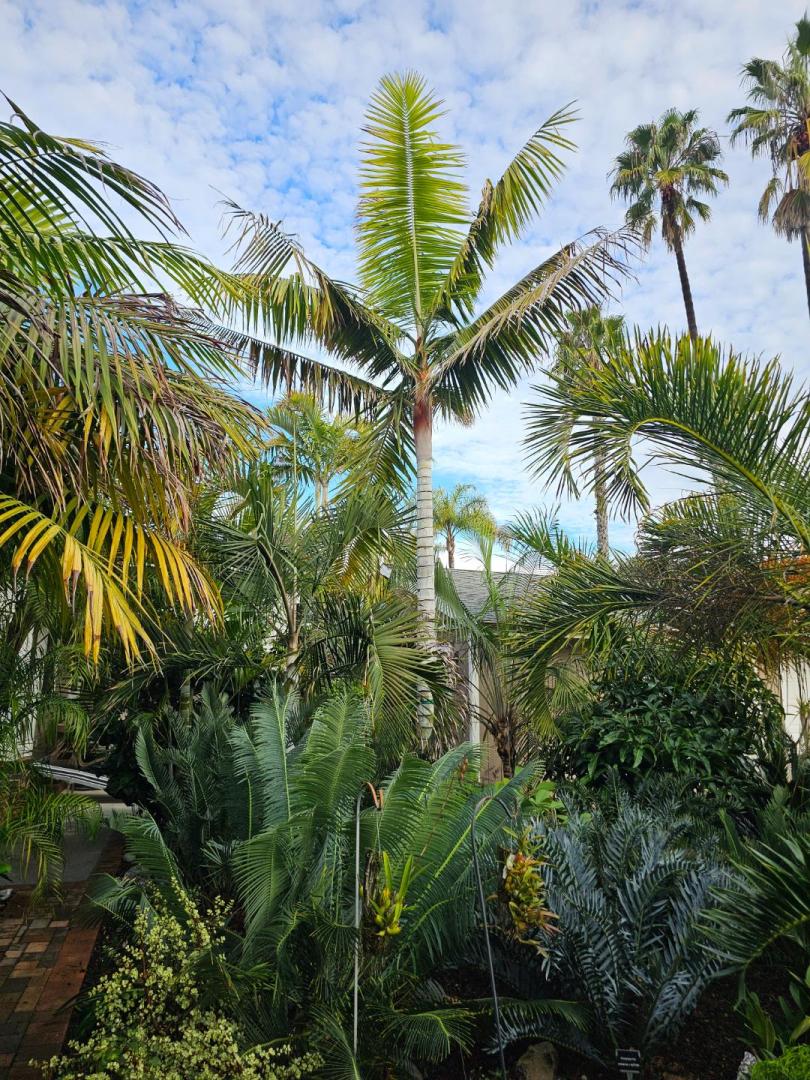
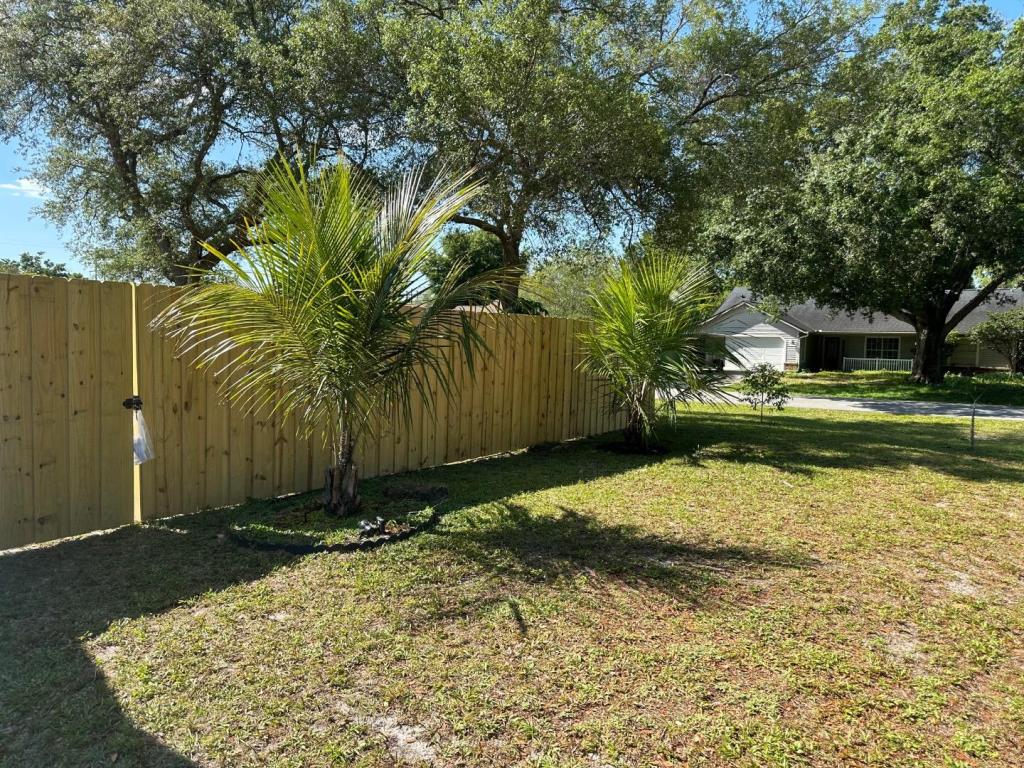
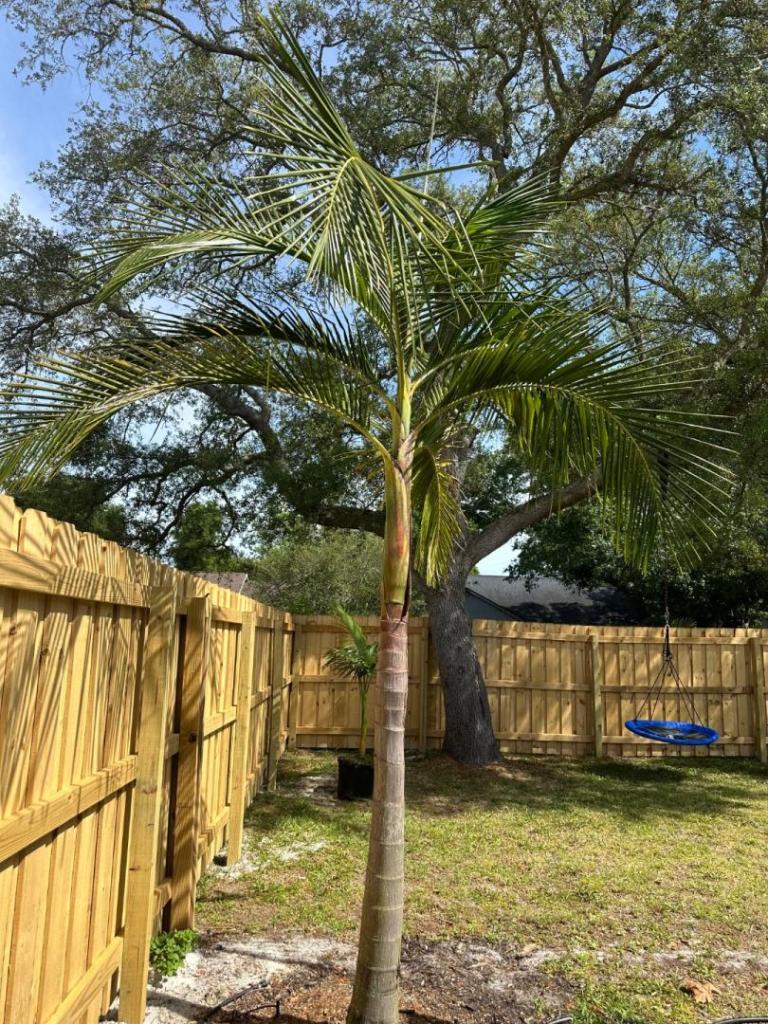
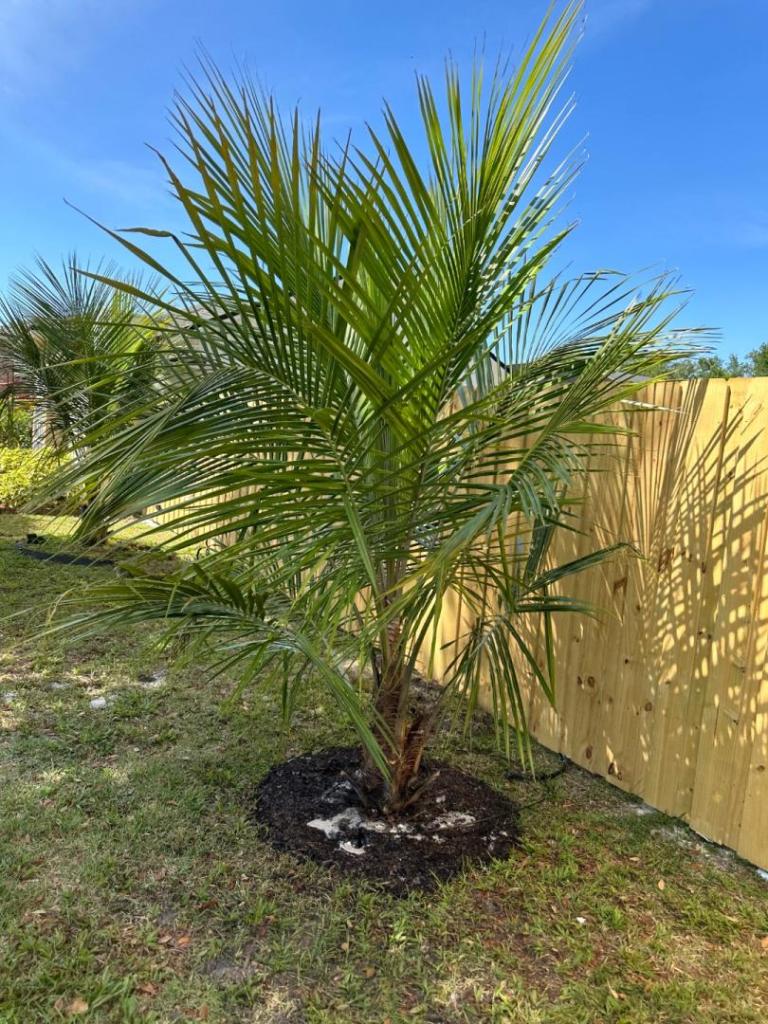
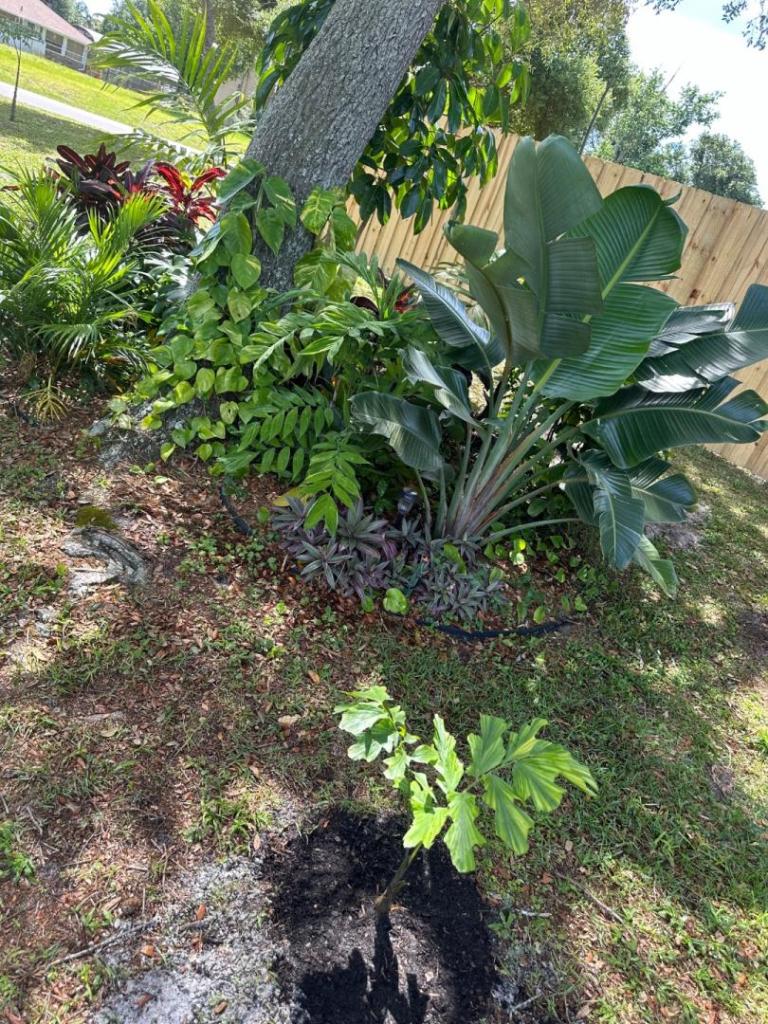
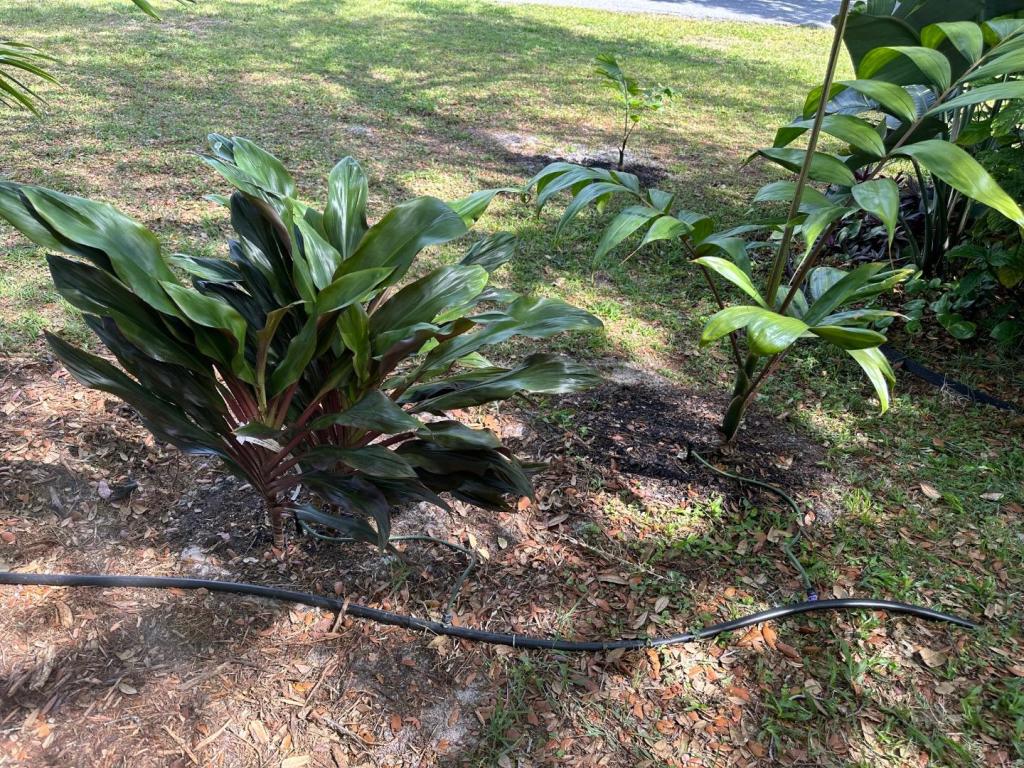
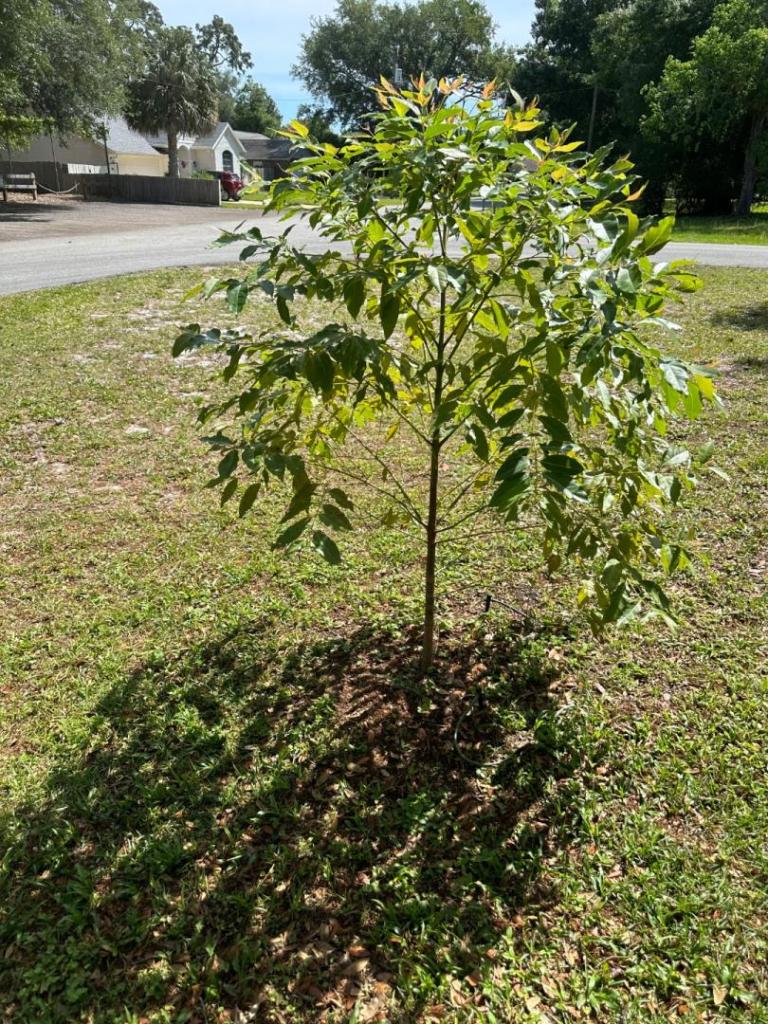
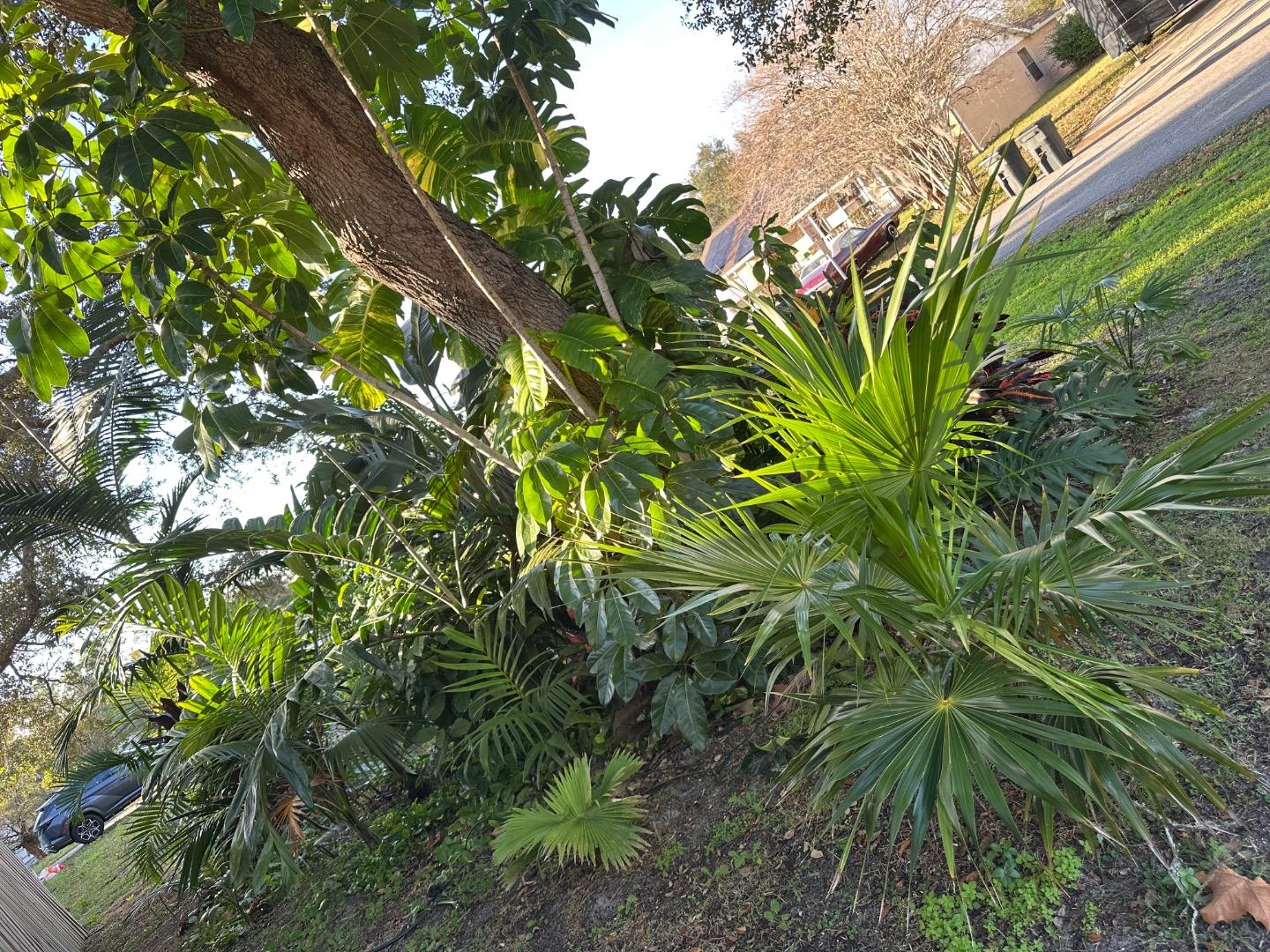
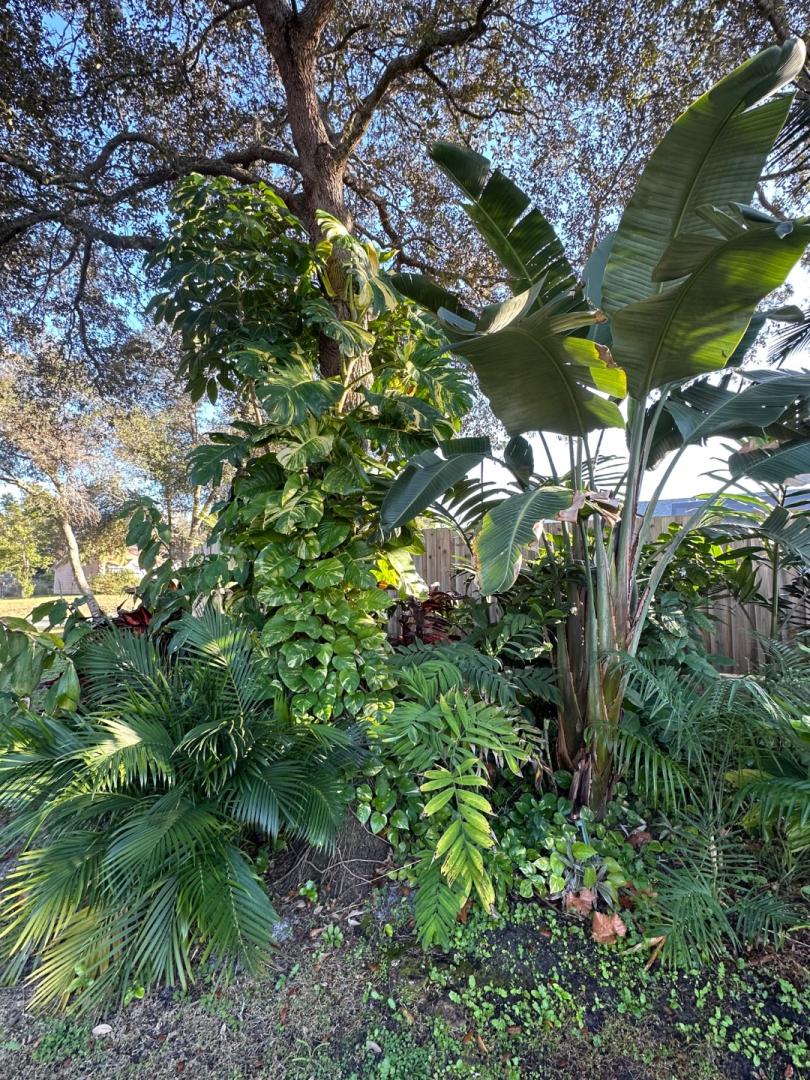
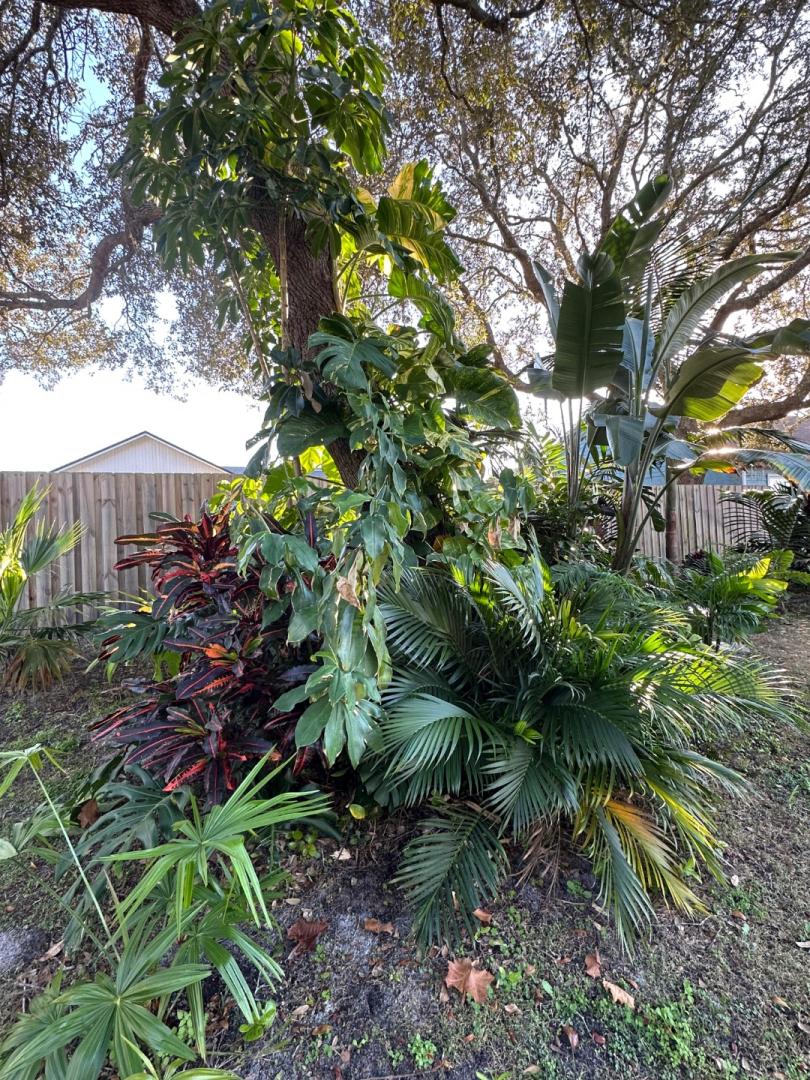
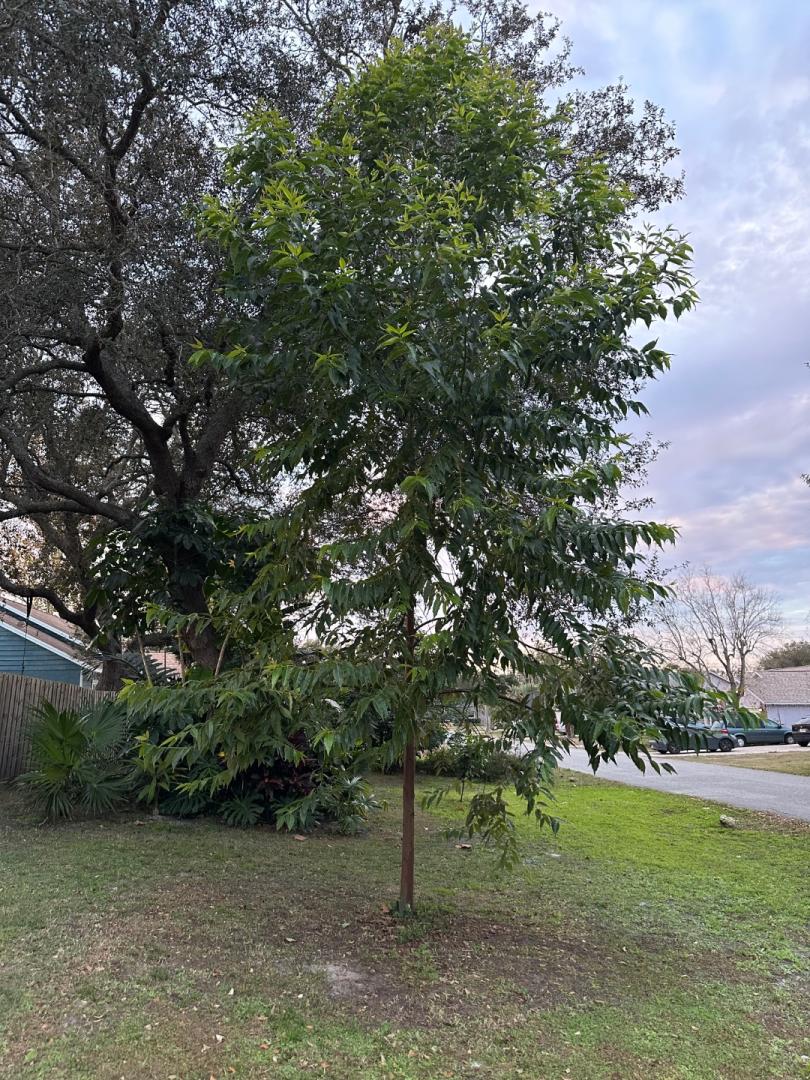
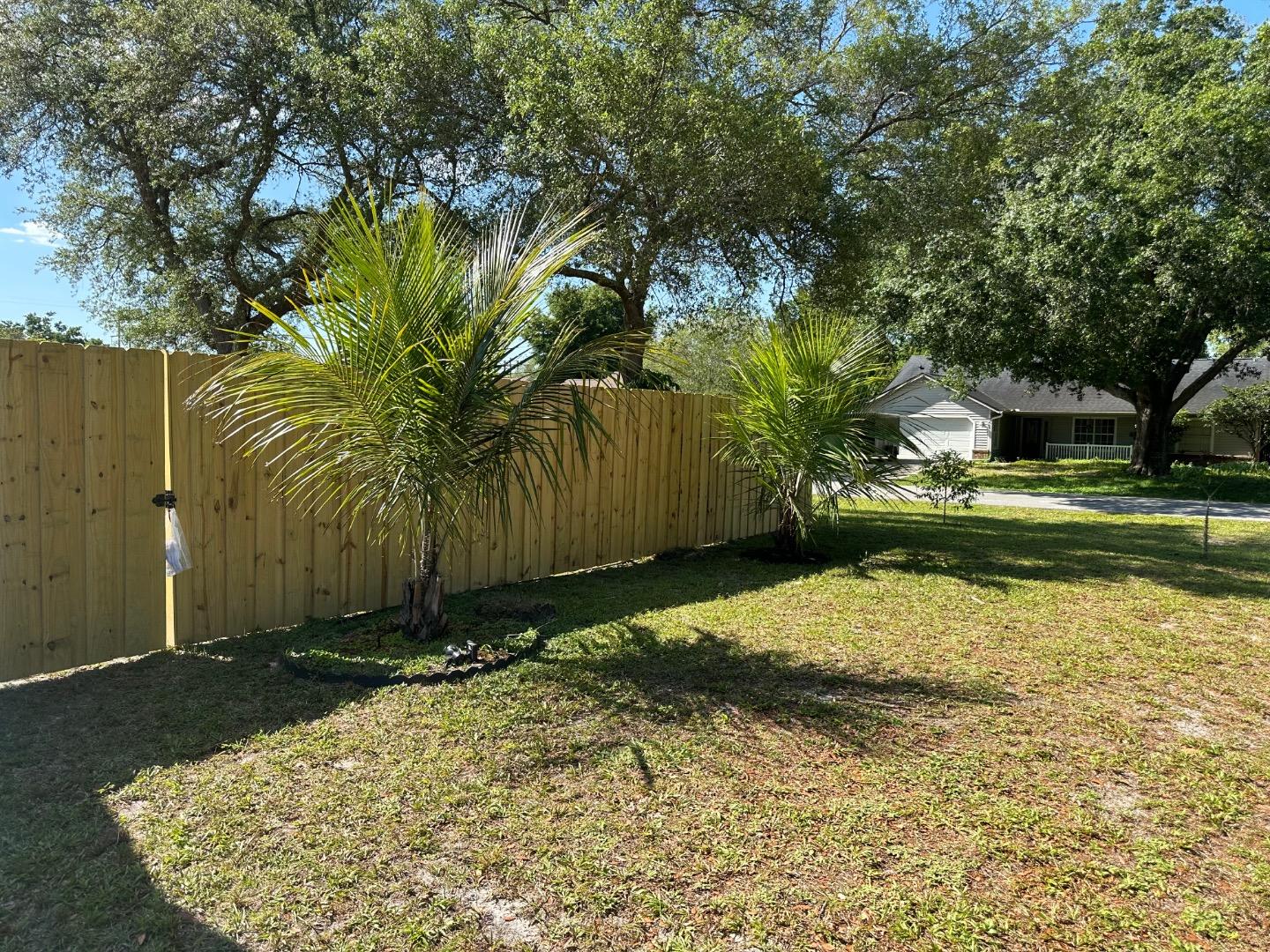
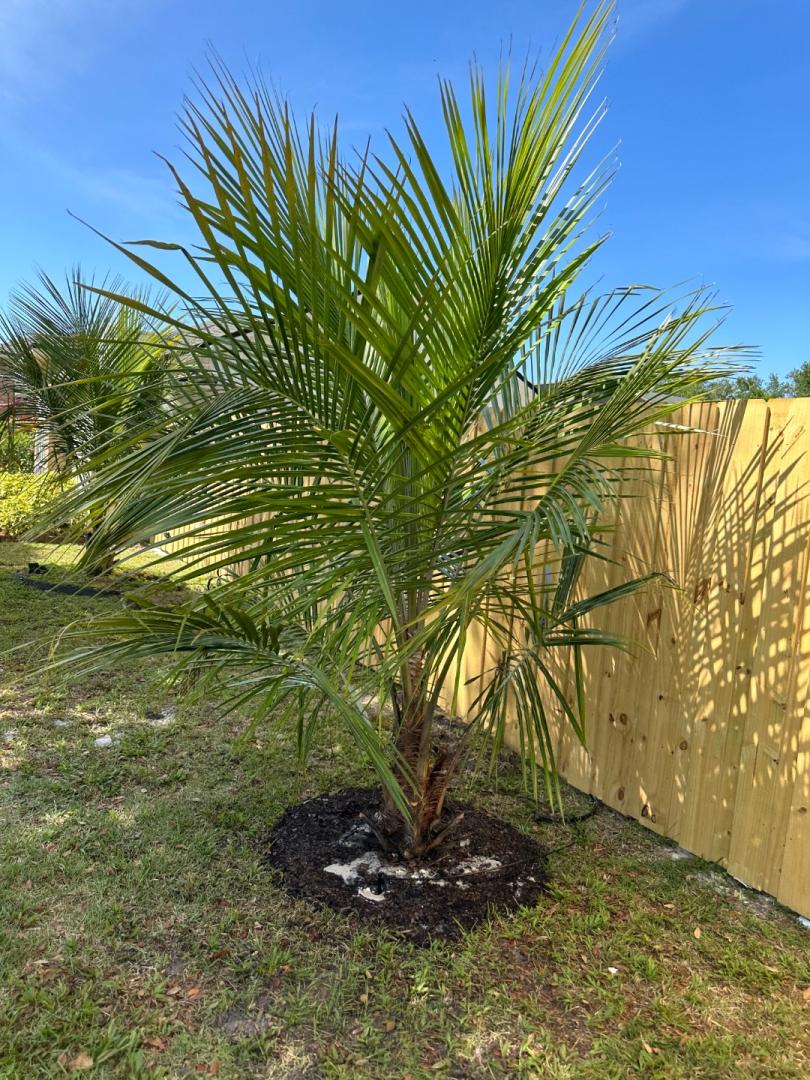
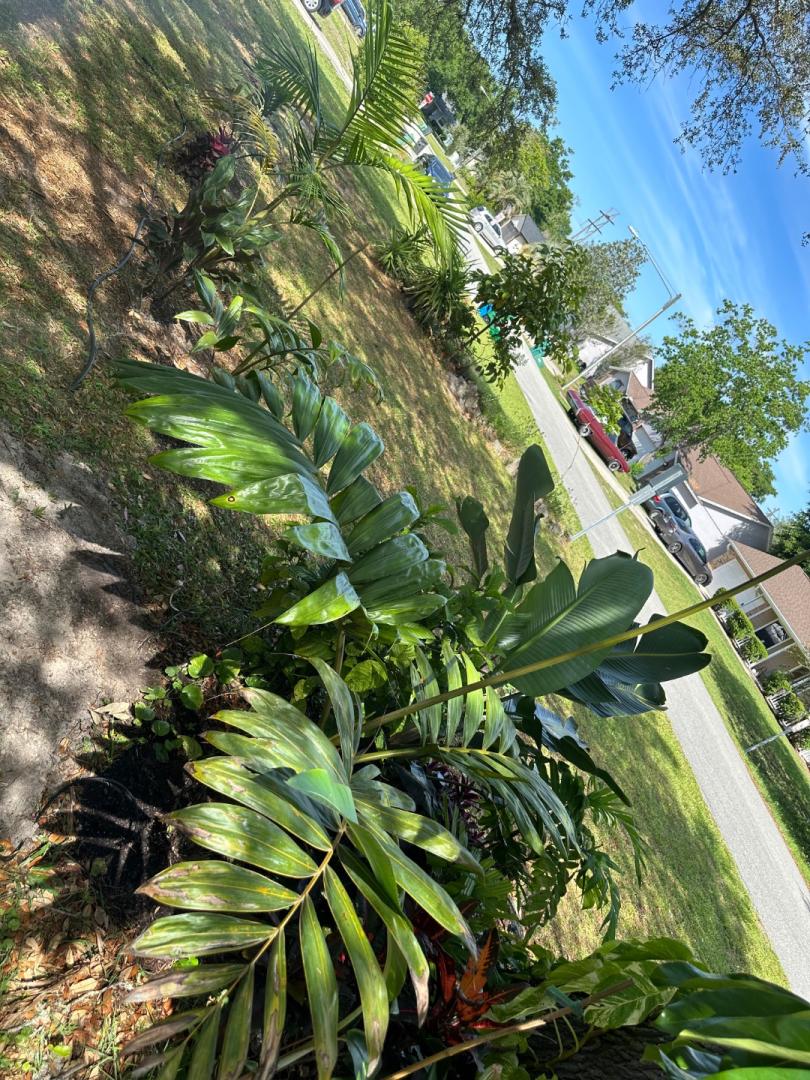
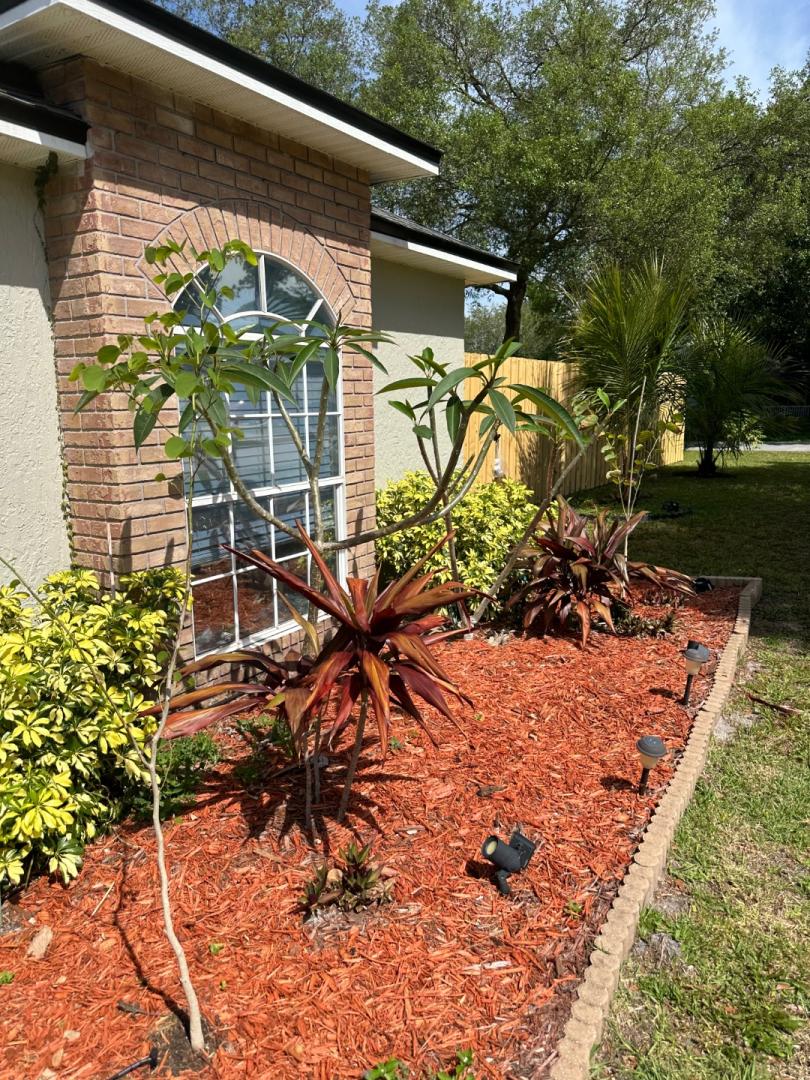
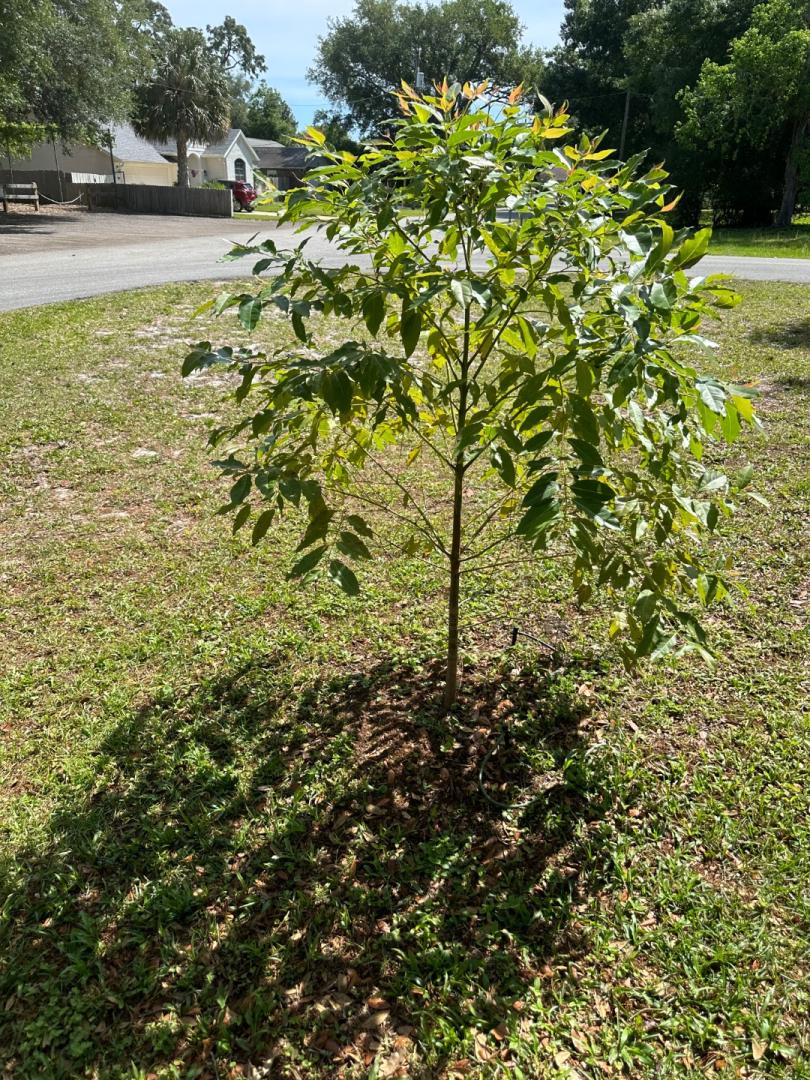
New member, but have been getting some good info from everyone on this site for a while. Started getting some palms a few years back and got inspired to start a bigger garden. In DeBary FL, about 30 miles north of Orlando. Progress so far: 2 B. Alfredii, one on the left planted from a 15g in June 2022, other went in this week from a 25g. Archontophoenix Cunninghamiana planted from a 7g in November 2021. Side yard has a couple of flamethrowers, Chambeyronia Oliviformis, another king palm, Lanonia Dasyantha, Caryota Obtusa, Chamaedorea Radicalis x Cataractarum (most likely) and Chamaedorea Microspadix. Plenty of other tropicals mixed in, big fan of Plumerias. Always run the risk of a hard freeze, but taking advantage of some high oak canopy and looking forward to a dense jungle look in a few years time.

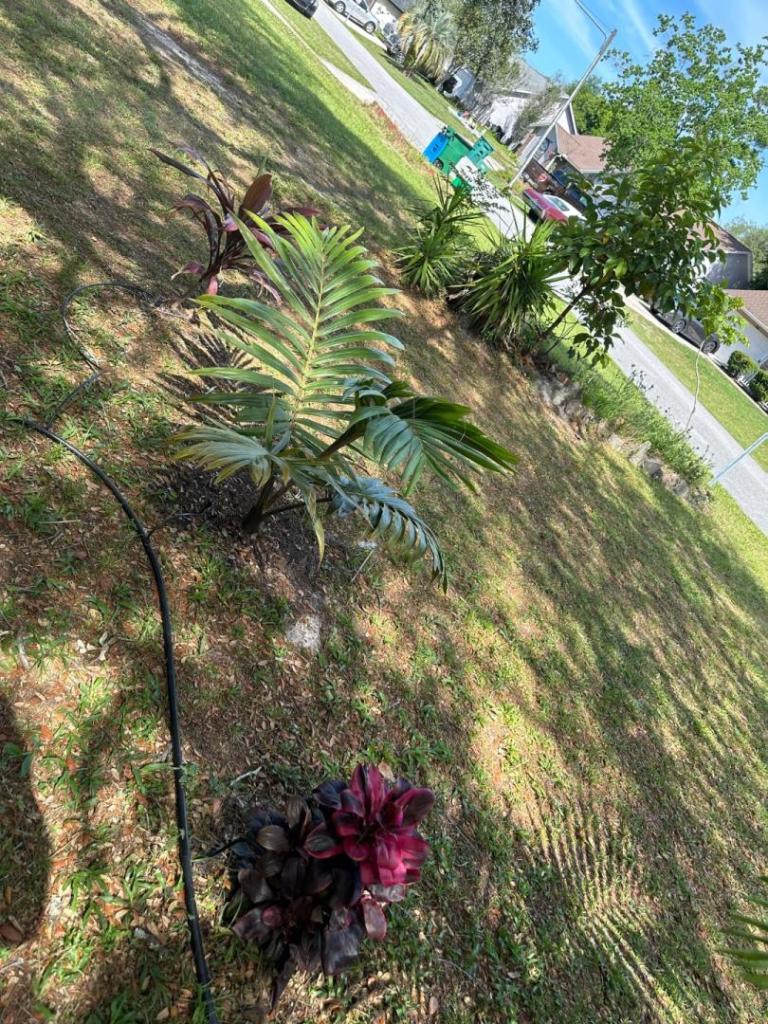
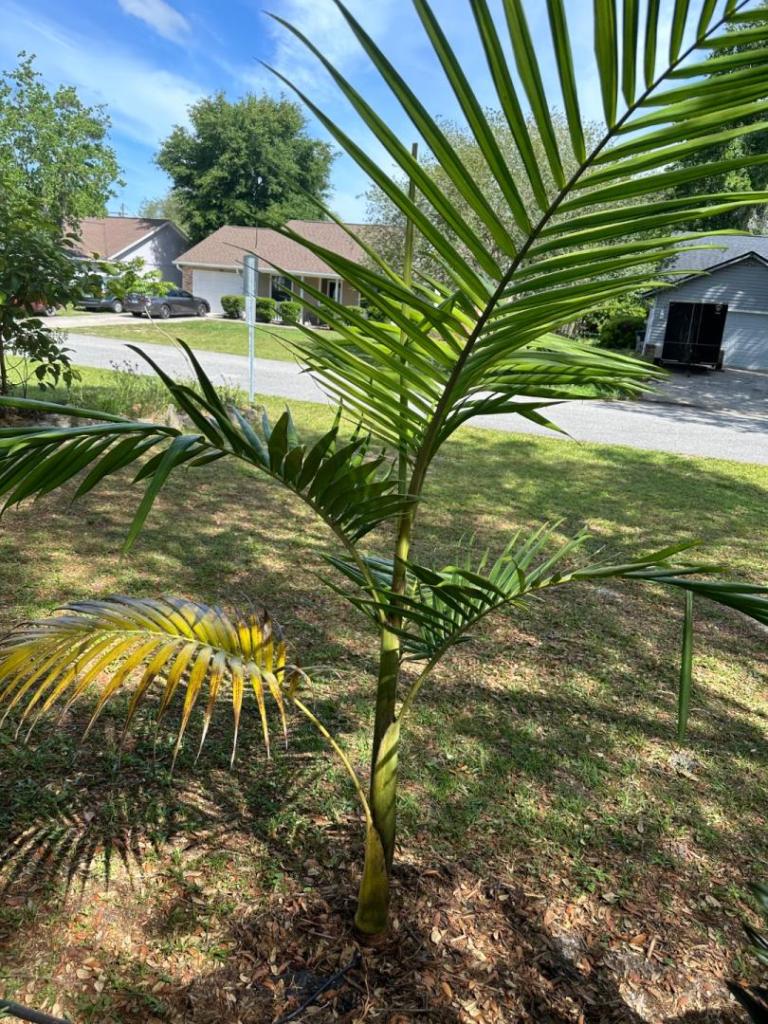
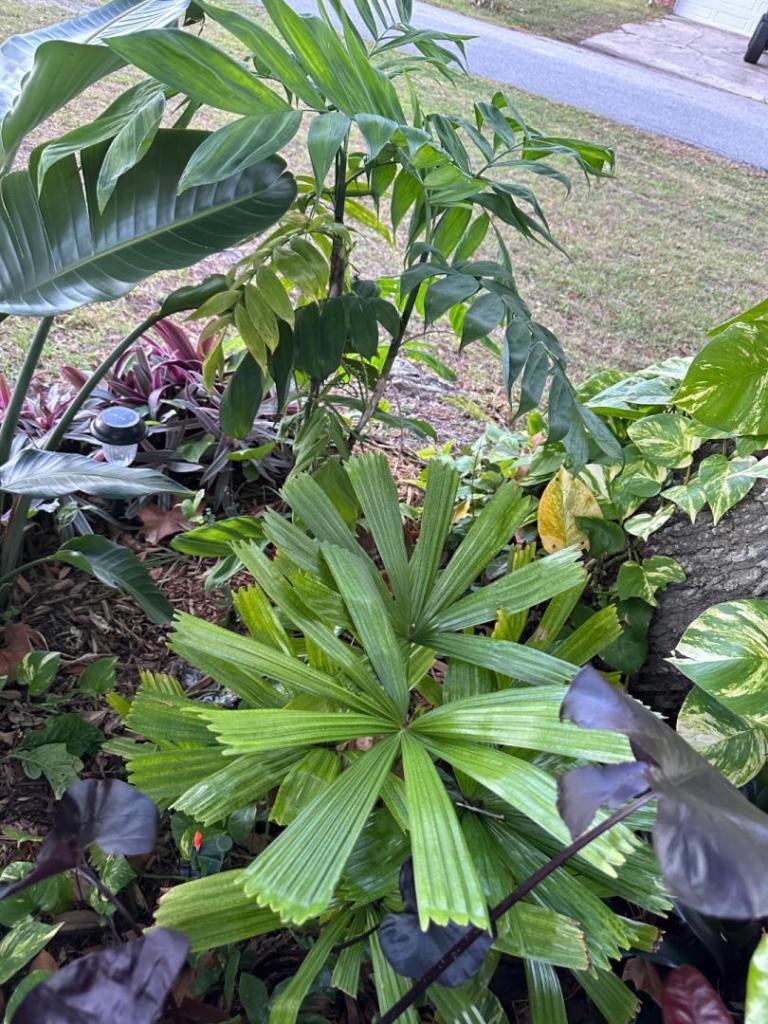
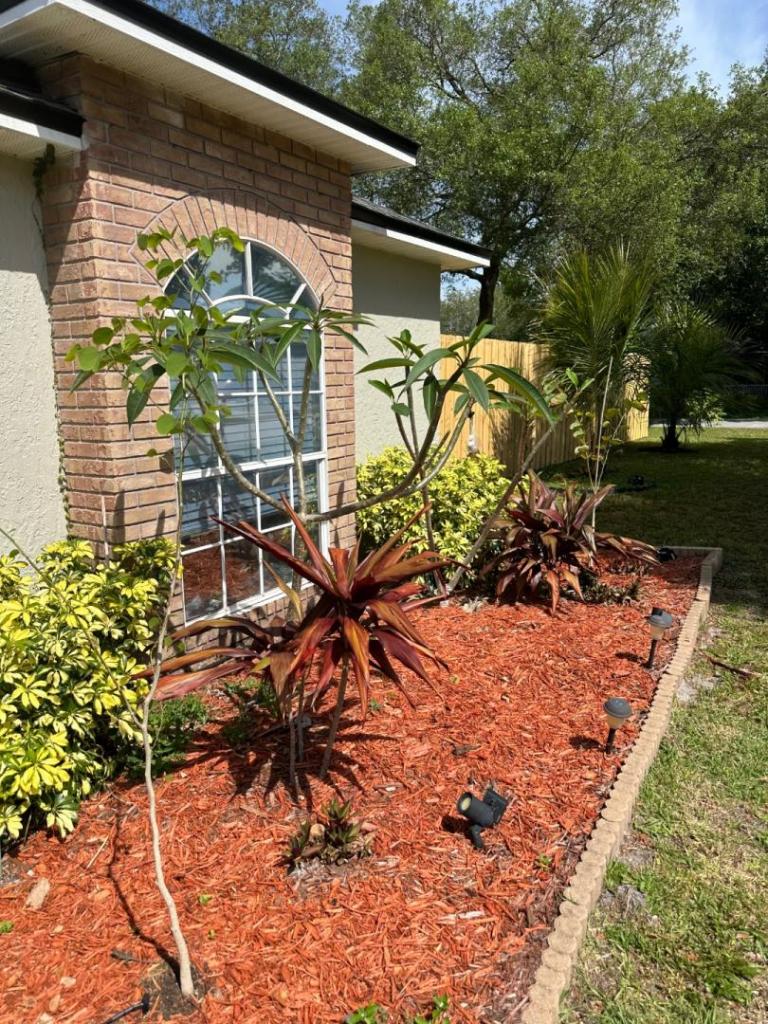
 3 points
 -
Nothing palm-related here. I sat and watched some squirrel videos with the Yorkie.
 3 points
 -
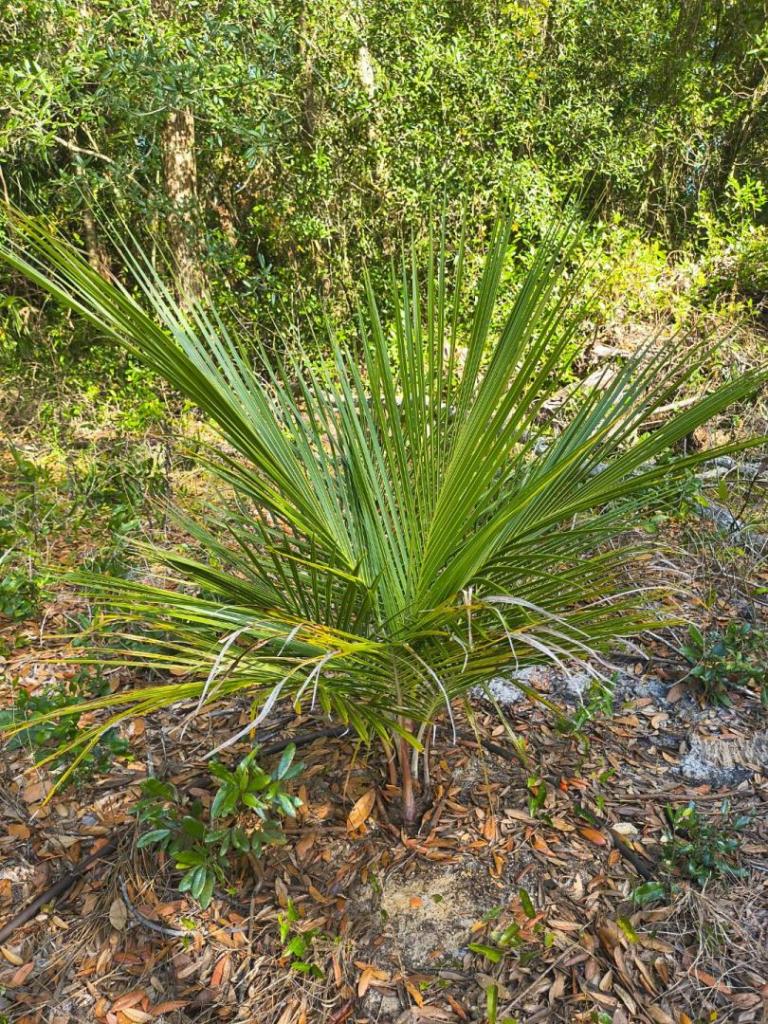
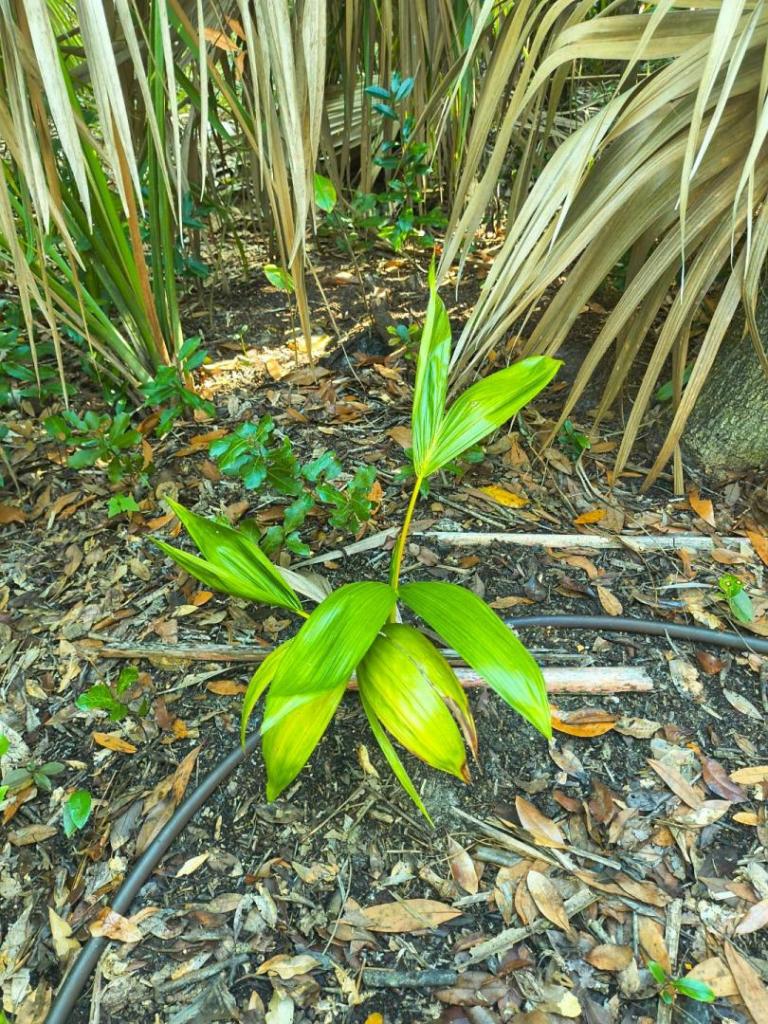
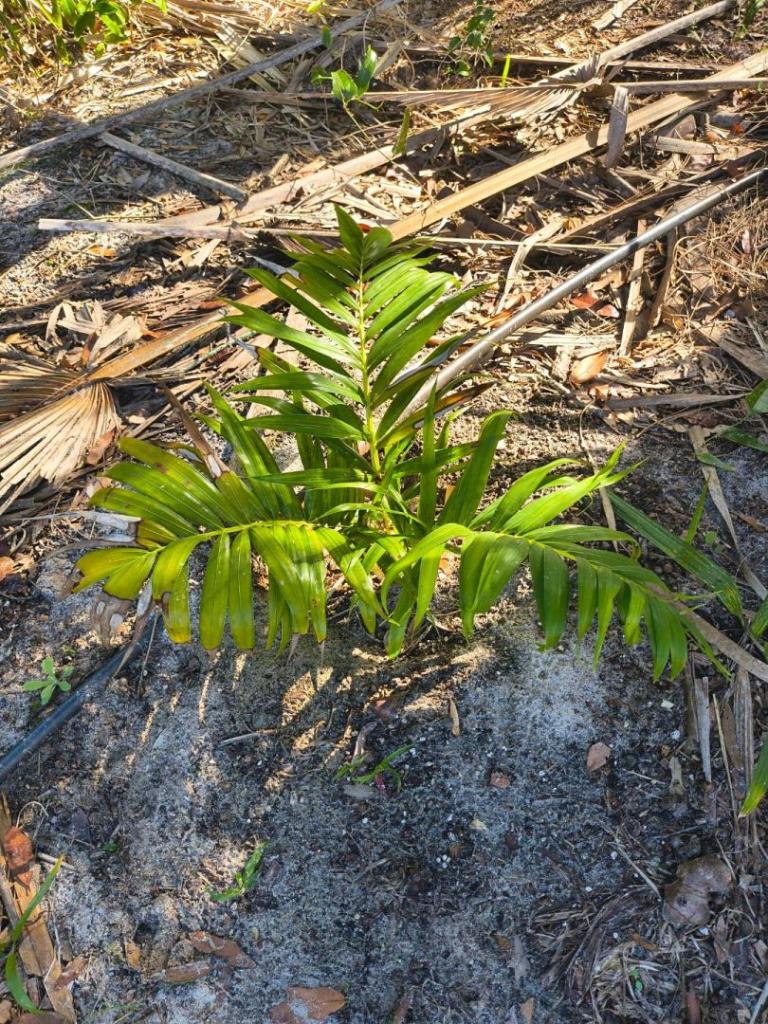
Some happy plants in winter after a few freezes, just some chlorosis from sun or chill. The current project is a greenhouse, so no photos of other stuff yet till it's done in the next few weeks. After the summer slaughter things calmed down and the potted plants are mostly happy, so once they are organized into a good look I'll get more photos of them too. In order: cyphophoenix (I think Alba), chrysalidocarpus lanceolata, leptocheilos, basilongus, carlsmithii, B. alfredii, and chrysalidocarpus titan and Prestonianus to finish. All in ground two seasons and starting to get going a bit faster than the start. Losses were all due to heat and wet after the January freeze deaths, so learned to give more shade in summer planting spots, and less water with the high humidity even if they drain super sharp. Not pictured are a bunch of others, cold damaged and recovering from the cold last year, like hyophorbe and chambeyronia. Chrysalidocarpus lastellianus is not a good 10A palm for looks, it chill spots in the low 30s, but could survive a warm 9b event most likely under good cover (like a Christmas palm would do I think). Hoping the two cold events this November and new years are the two this year (average is 1 or so) and we are done but that's a stretch being January 7th.


 3 points
 -
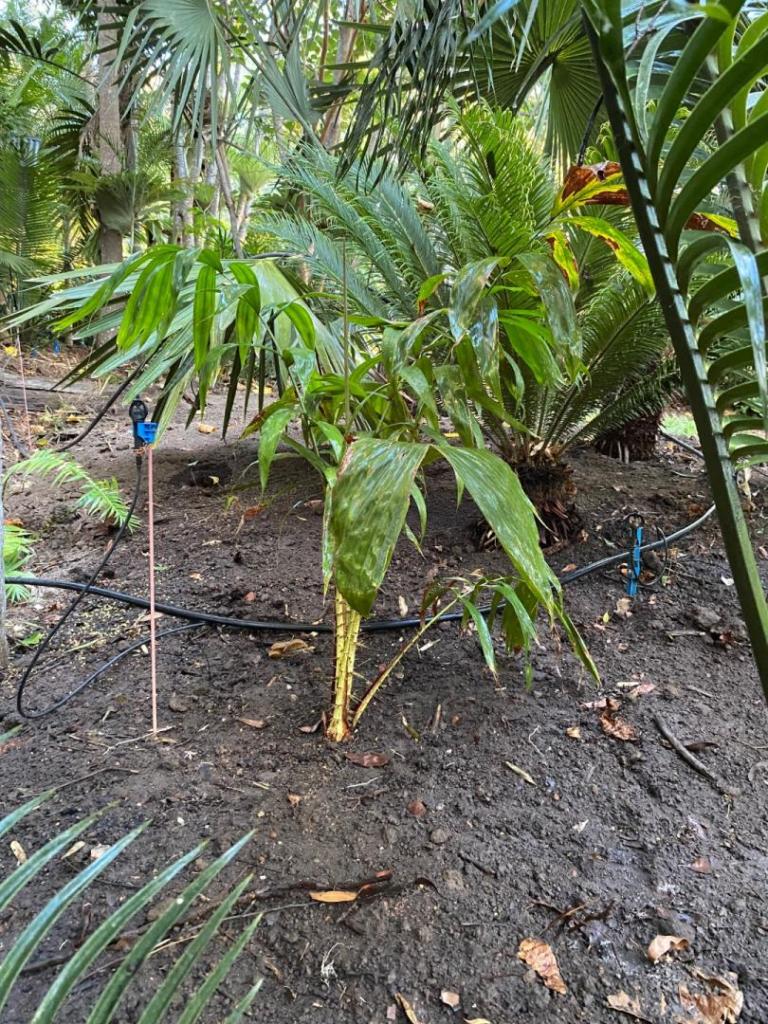
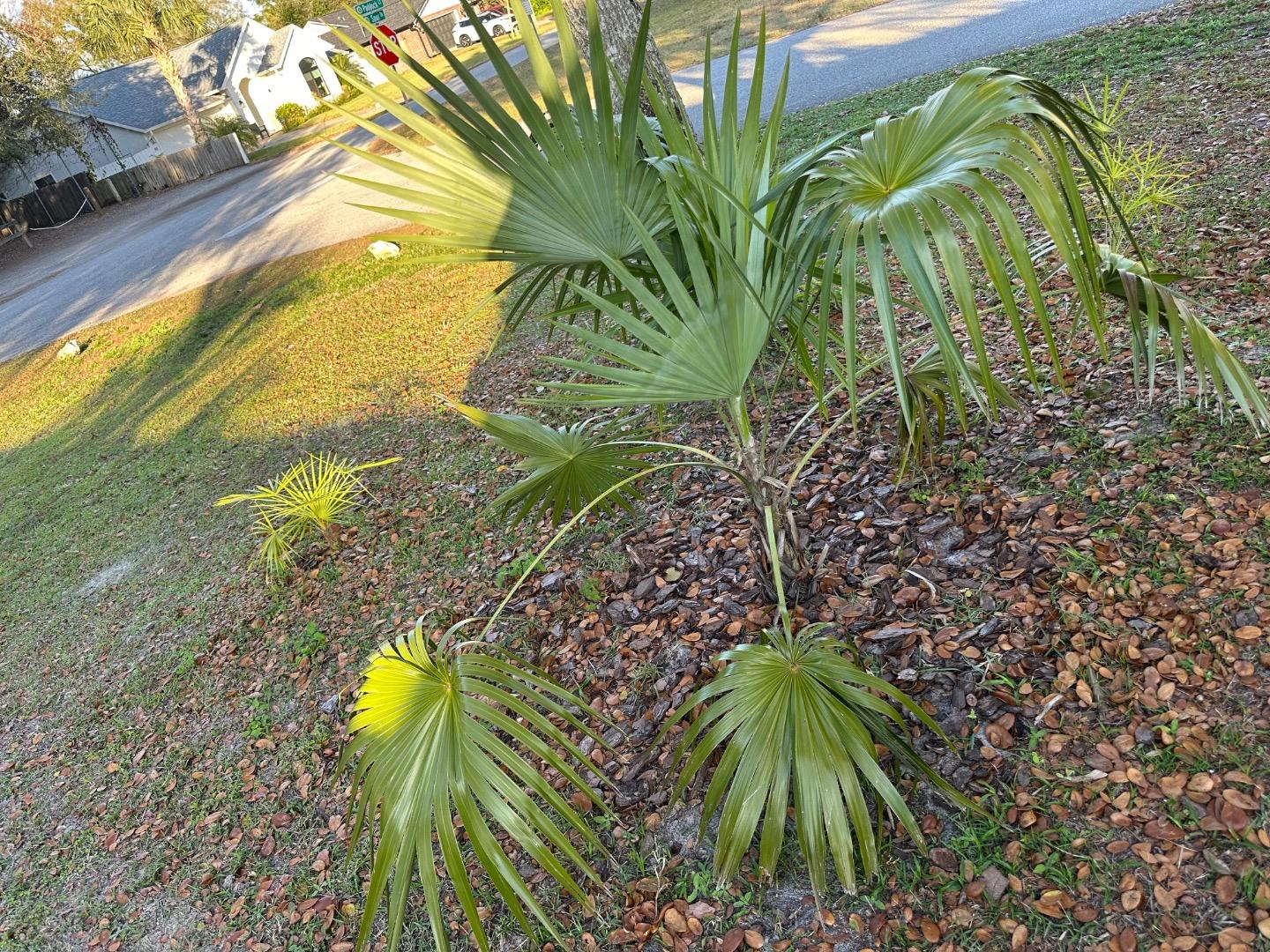
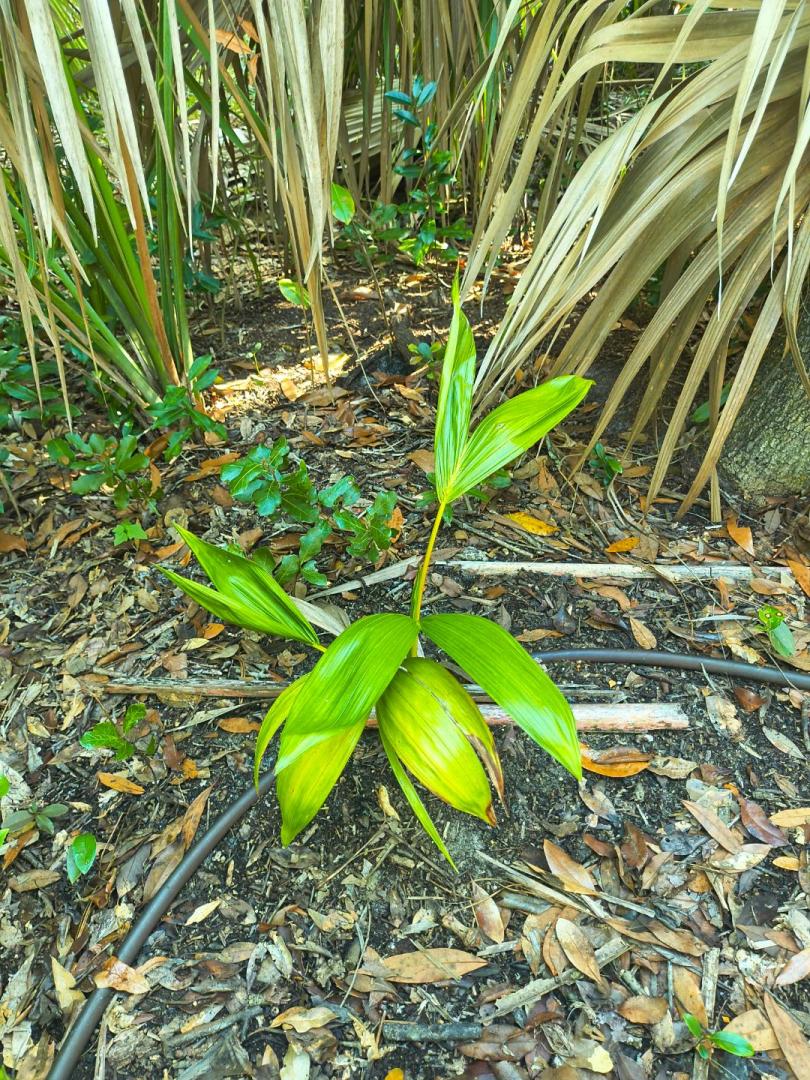
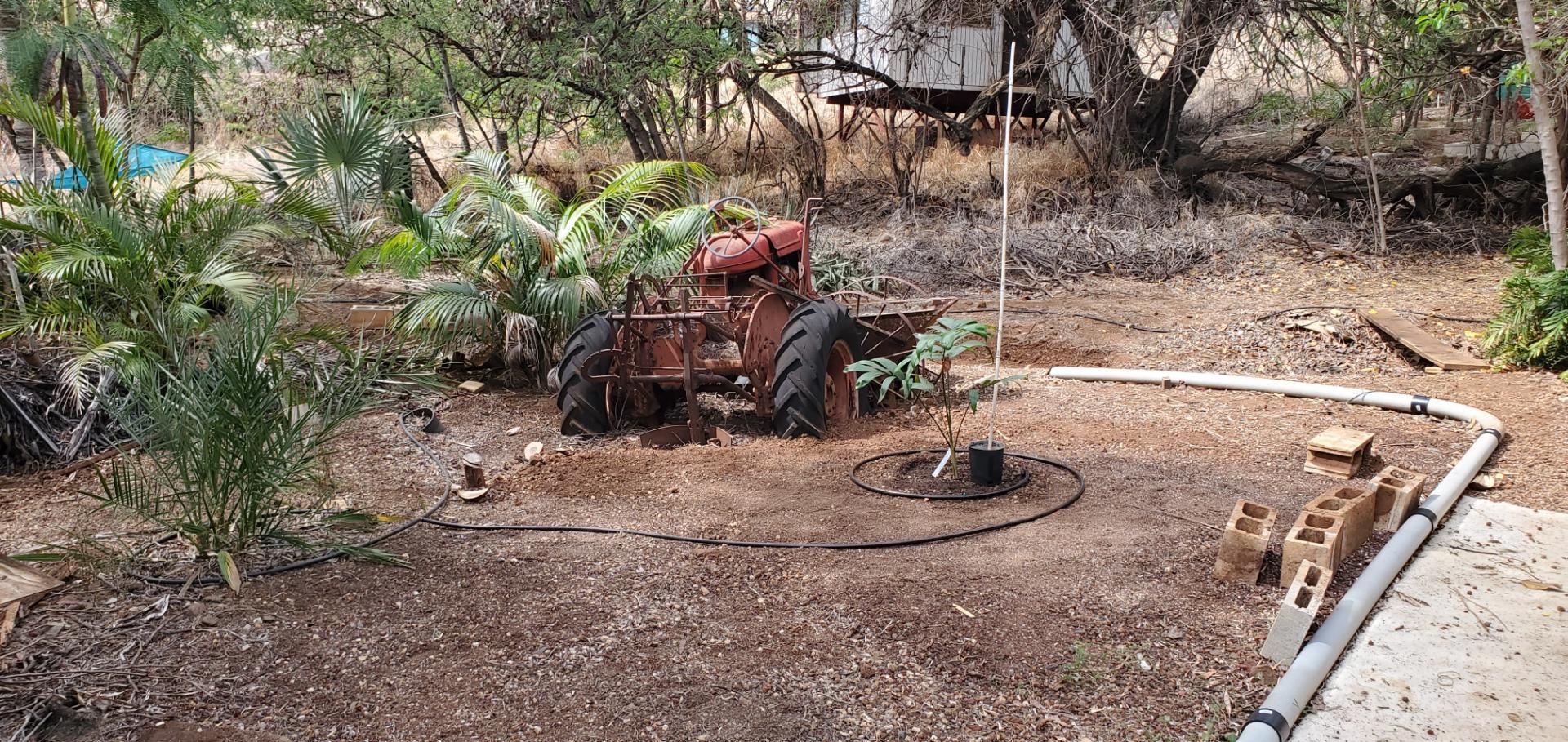
Doing a spot of landscaping, and as usual I need to plant palms in the new garden. I will see how this one goes all i know is I had choose carefully where this one went, not a palm you plant next to path with thorns thorns that would stop Alcatraz escapes!


 3 points
 -
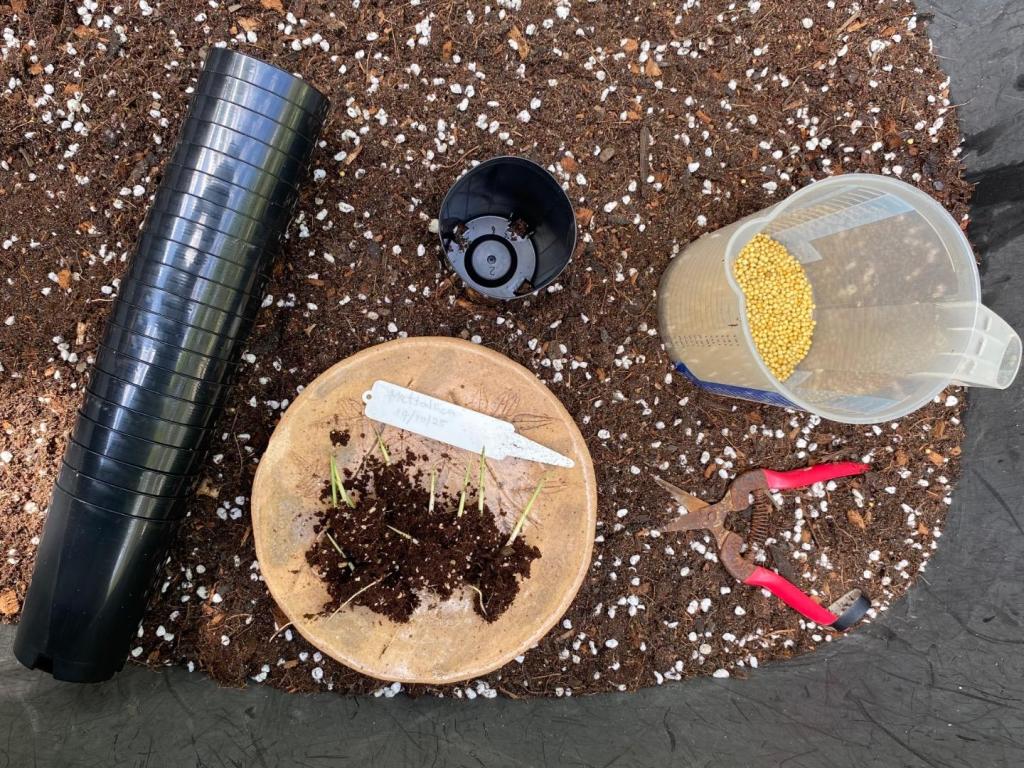
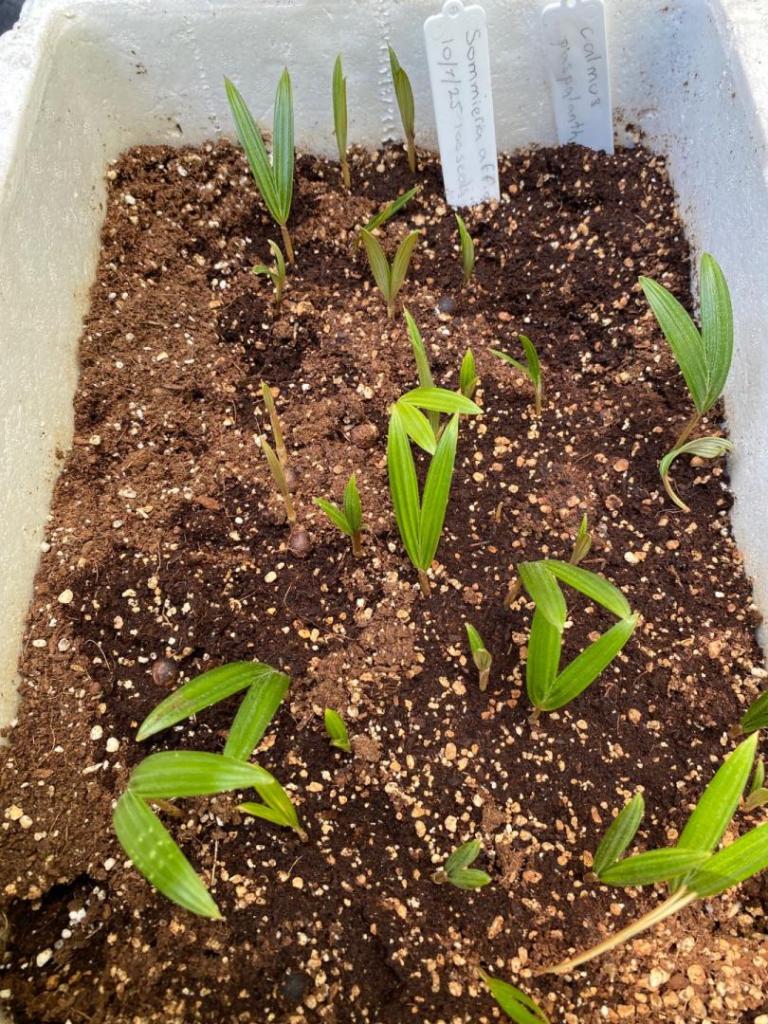
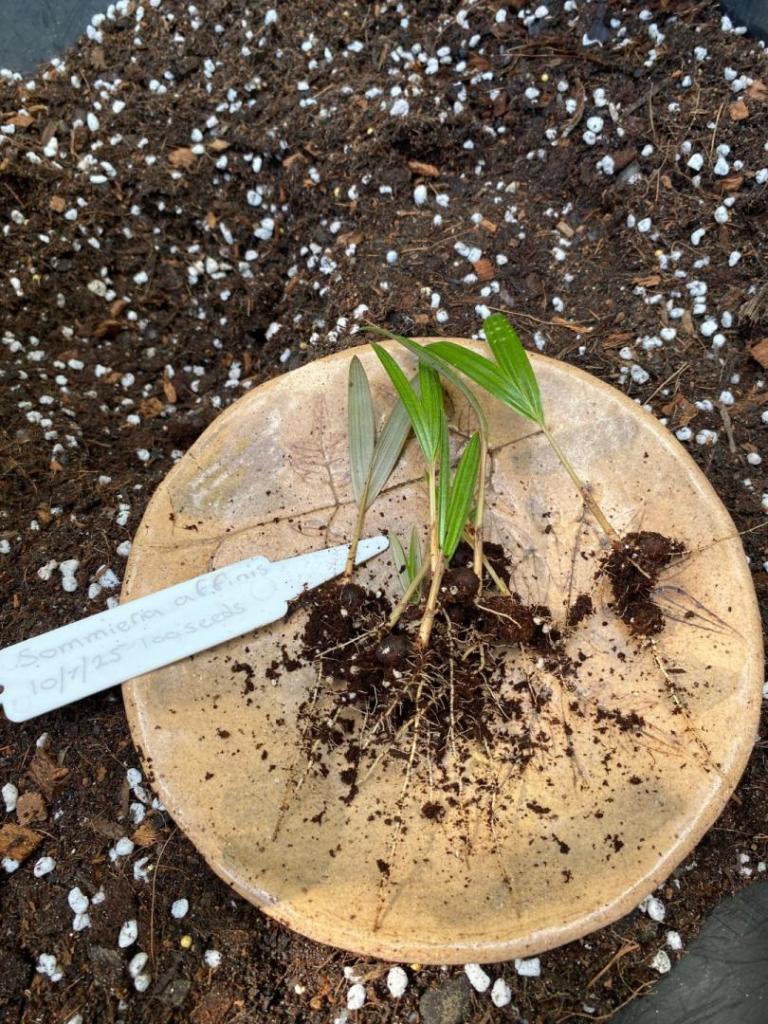
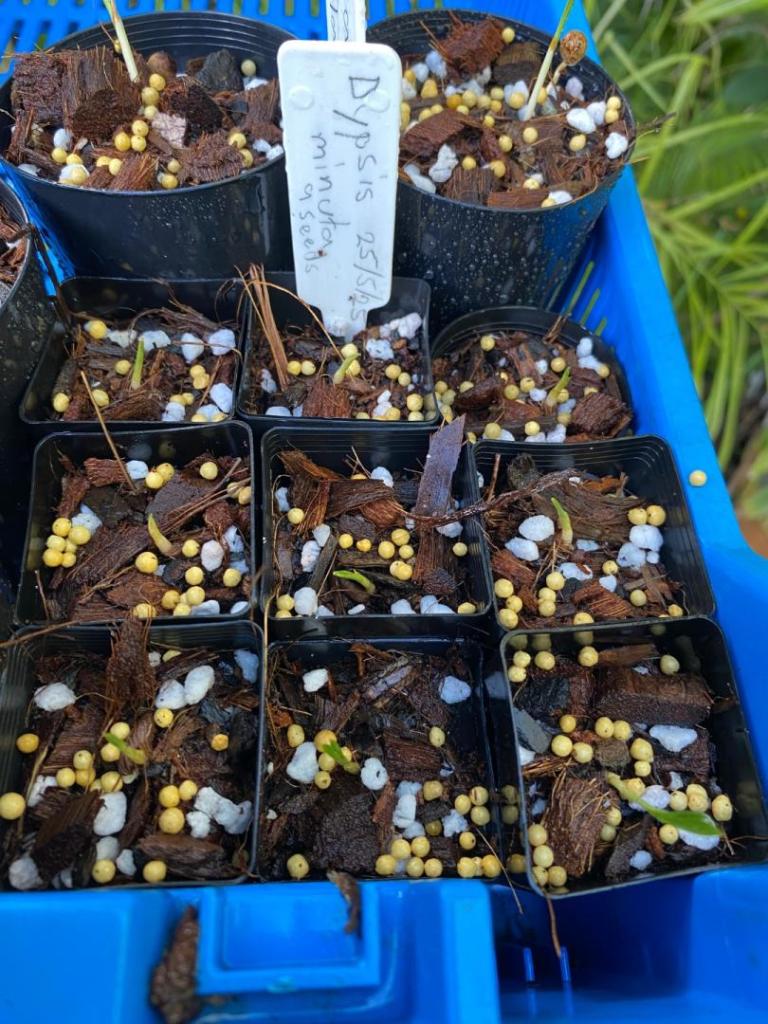
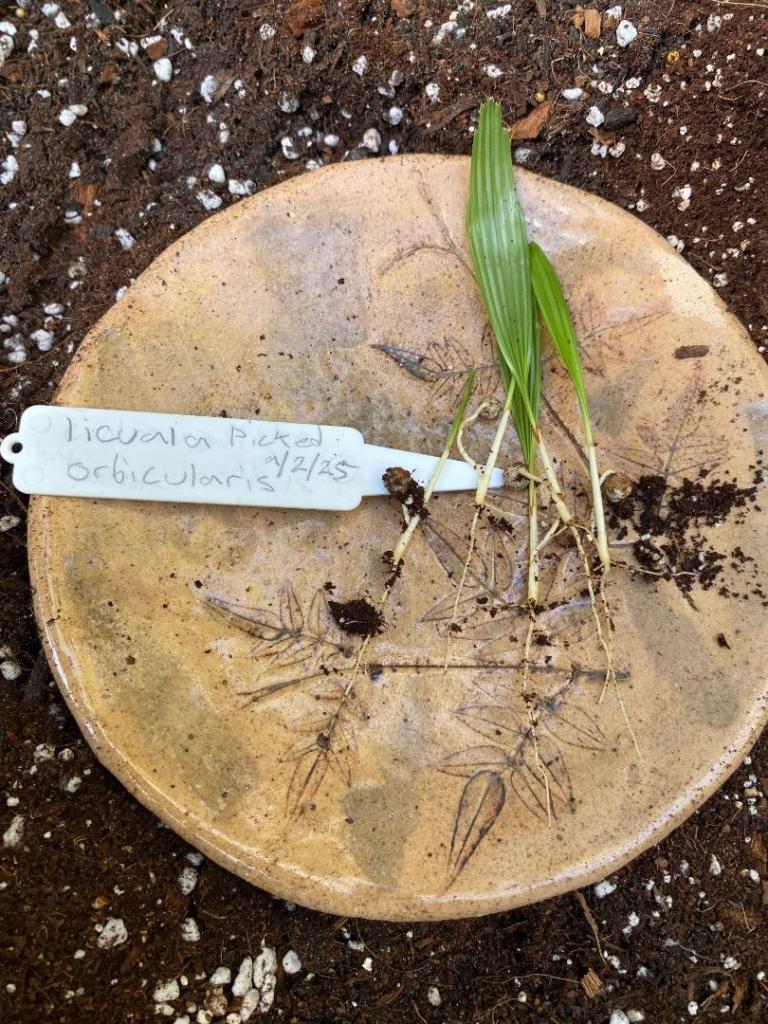
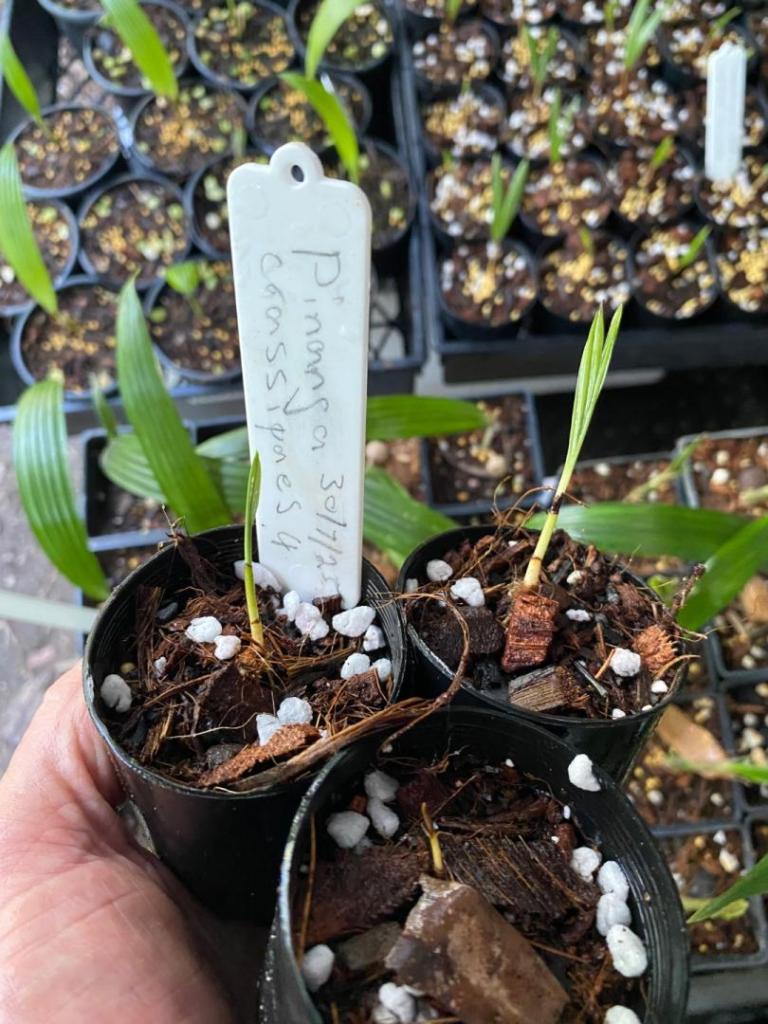
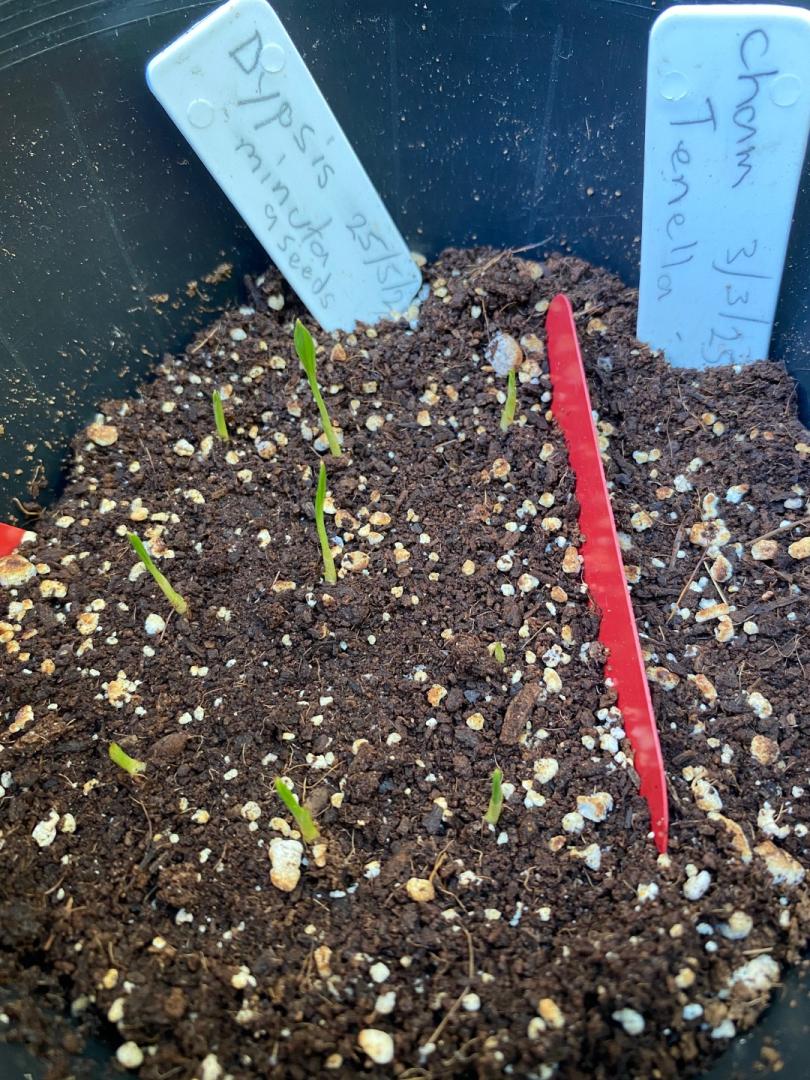
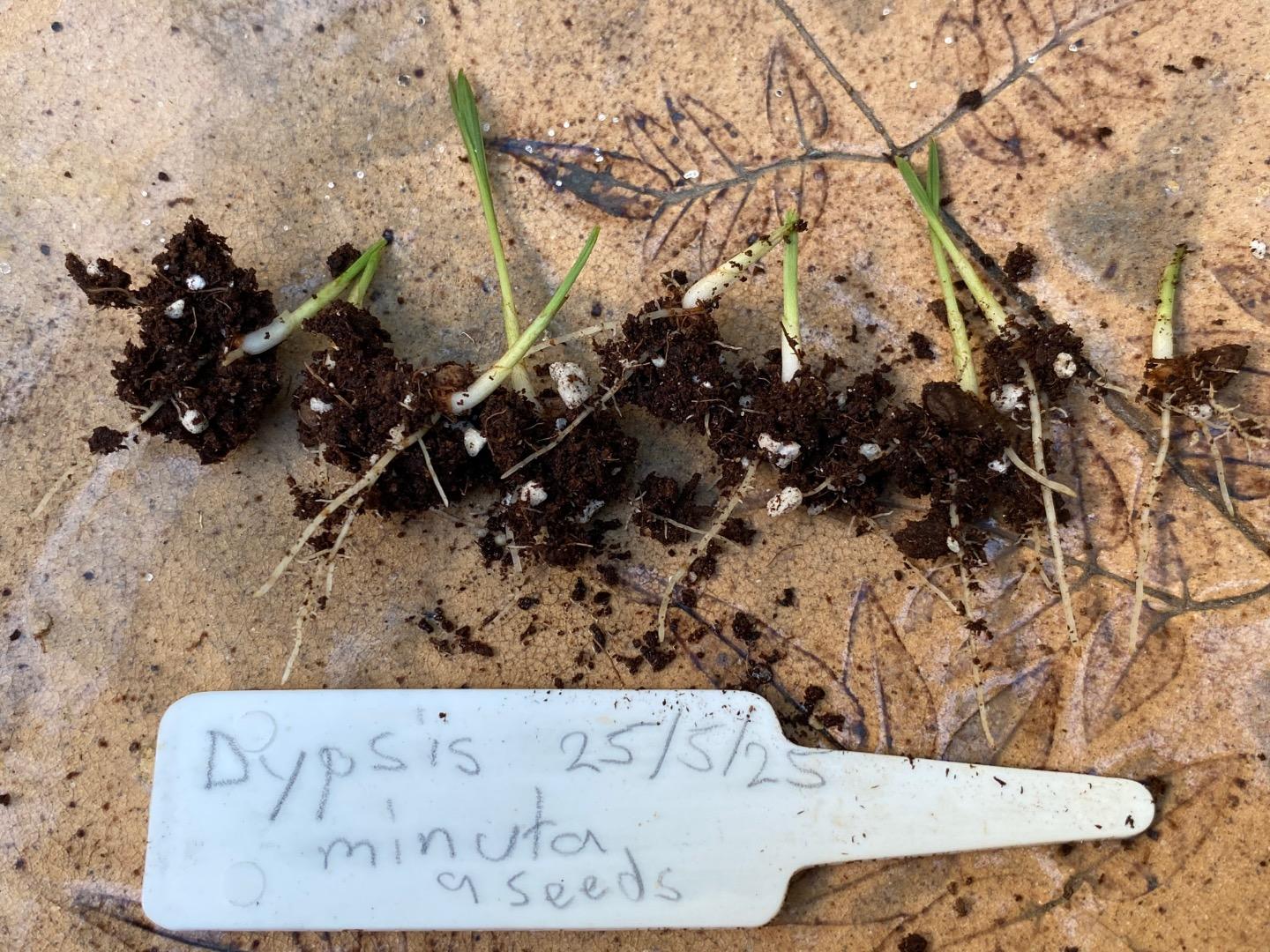
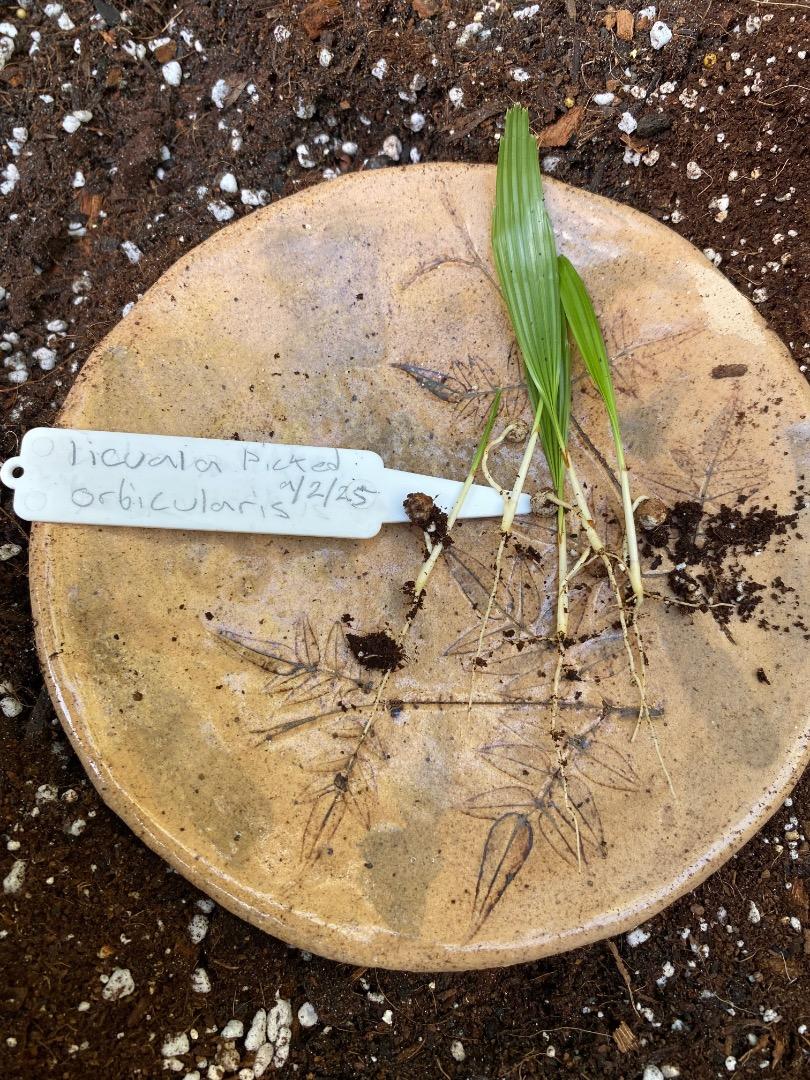
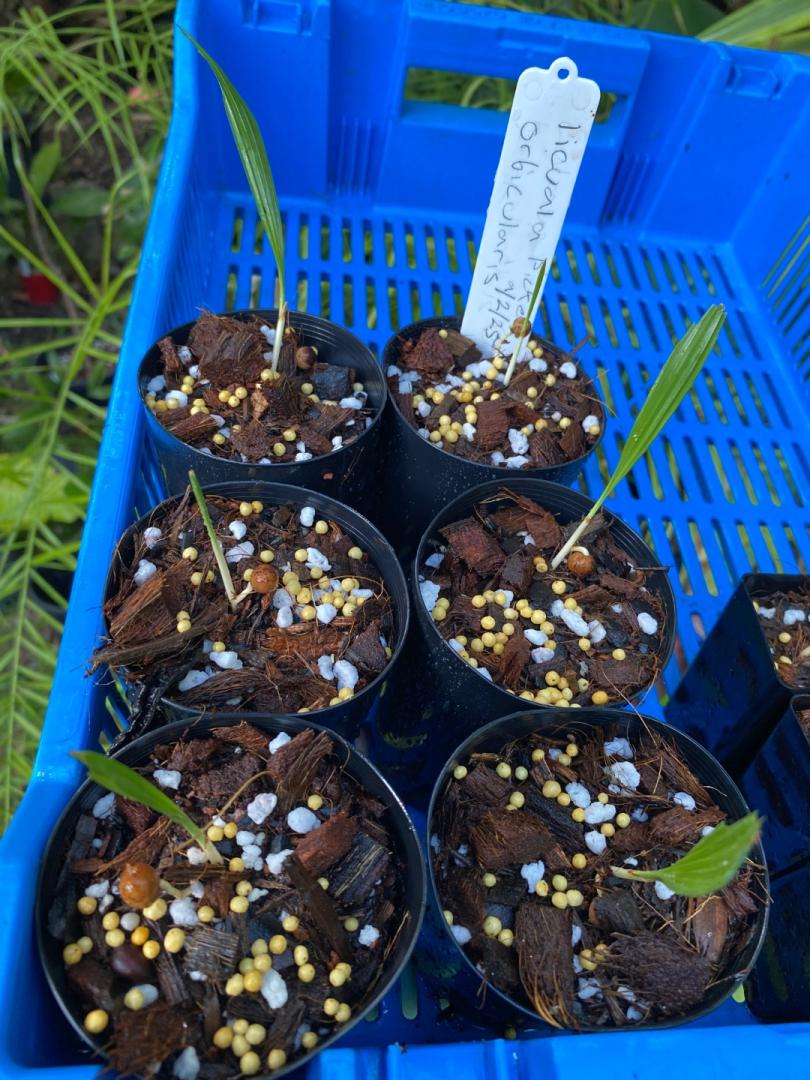
Some nice summer seedlings just perfect for potting up in the warm weather. Now’s the perfect time for those tropical seedlings, heat and humidity certainly help tiny seedlings, I might as we’ll take advantage of the warm weather iam sure winter will be a different story!



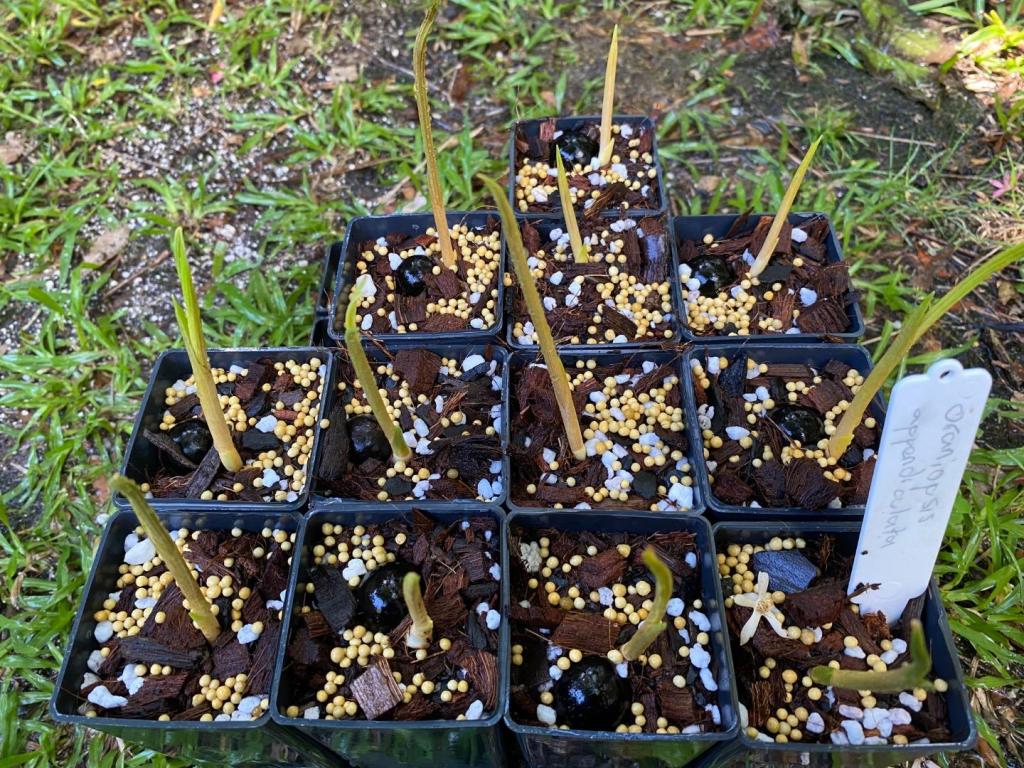
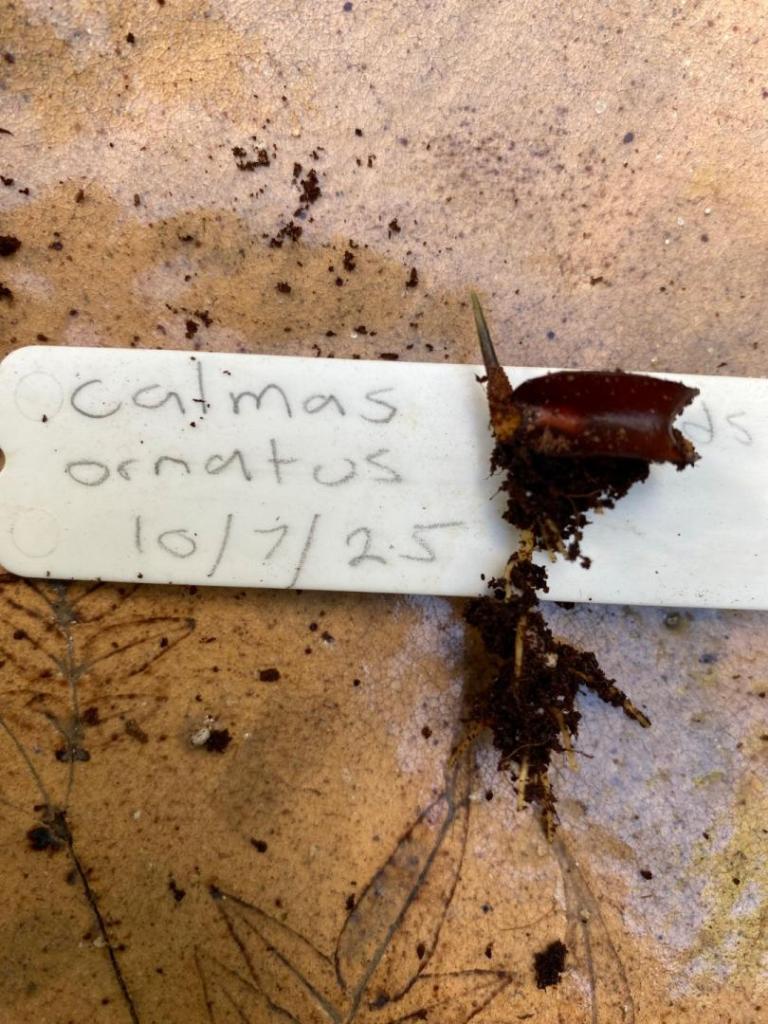
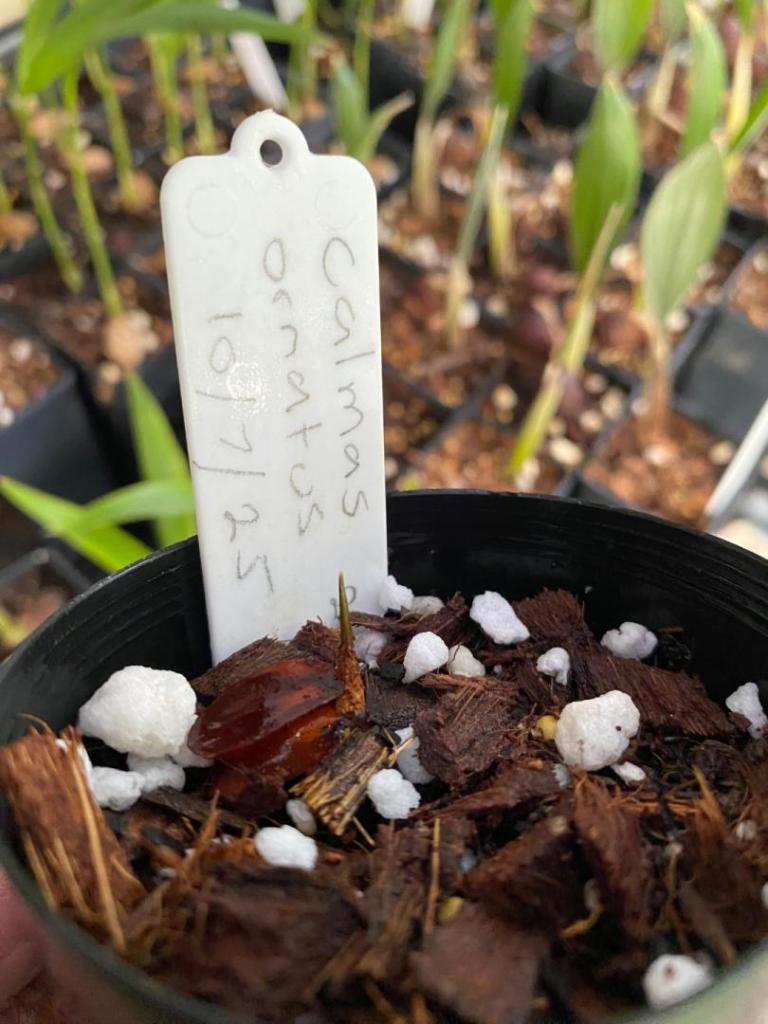
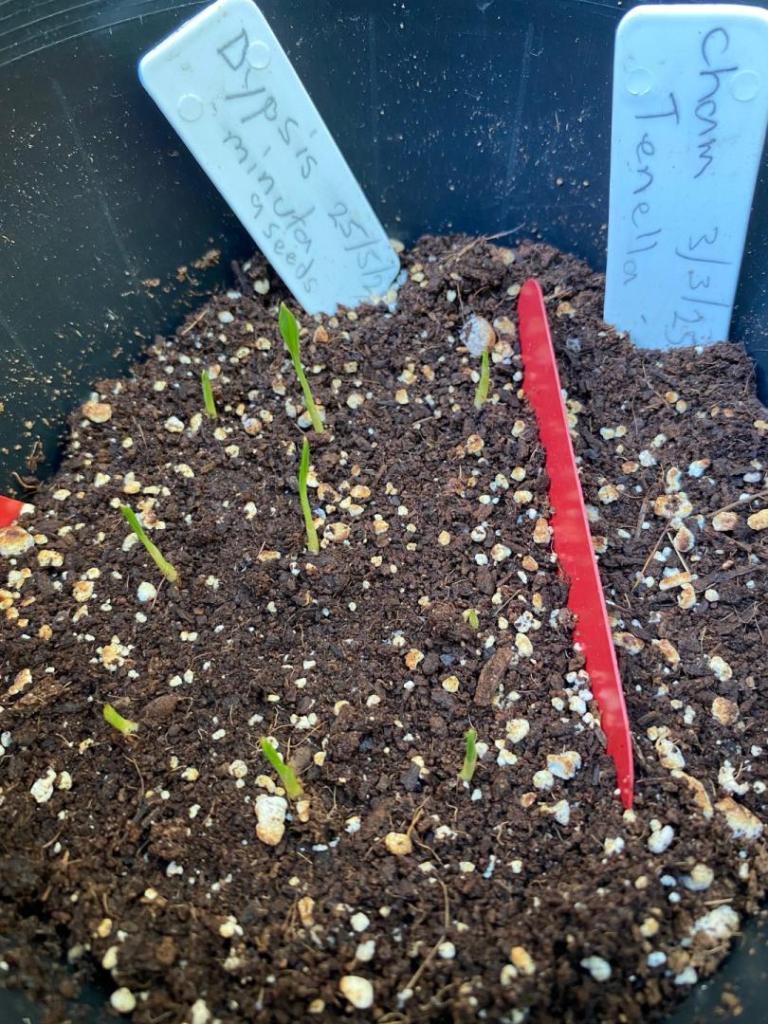


 3 points
 -
That looks similar to my seedling mix. I will change things depending on the species and age of the plant. Dypsis and Chrysalidocarpus tend to need excellent drainage so more perlite is put in. Howea, Archontophoenix and even Chambeyronia don’t require much more than a good potting mix with plenty of pine bark and less perlite. Hyophorbe indica actually needs a soil you could grow orchids or bromeliads in as they come from areas of lava flows with incredibly good drainage and humus rich soil over almost solid crumbly rock. So I’ll use the coarse coir, clay balls, coarse river sand a bit of the pine bark from a good potting mix for them. I get much better success than using straight potting mix. I buy Richgro Pro base mix in bulk and add Osmocote 6 month with Scott’s micromax.3 points
-
Thanks for the "Bible," you're very kind. However, I haven't contributed to the encyclopedia for several years. Regarding the Veitchia, I had the arecina in my garden for many years before it was cut down during renovations. The joannis is growing ever more vigorously. This album contains photos of the arecina and the joannis, which is not recent, it's currently about 1 m taller: https://www.flickr.com/photos/pietropuccio/albums/72177720322877228/3 points
-
Rub it on Jason! Some of us wonder if we will live long enough to see any trunks in the garden 😅3 points
-
Another update on this one, sorry. It caught my eye this morning opening a new frond. It’s been growing great. -dale
 3 points
 -
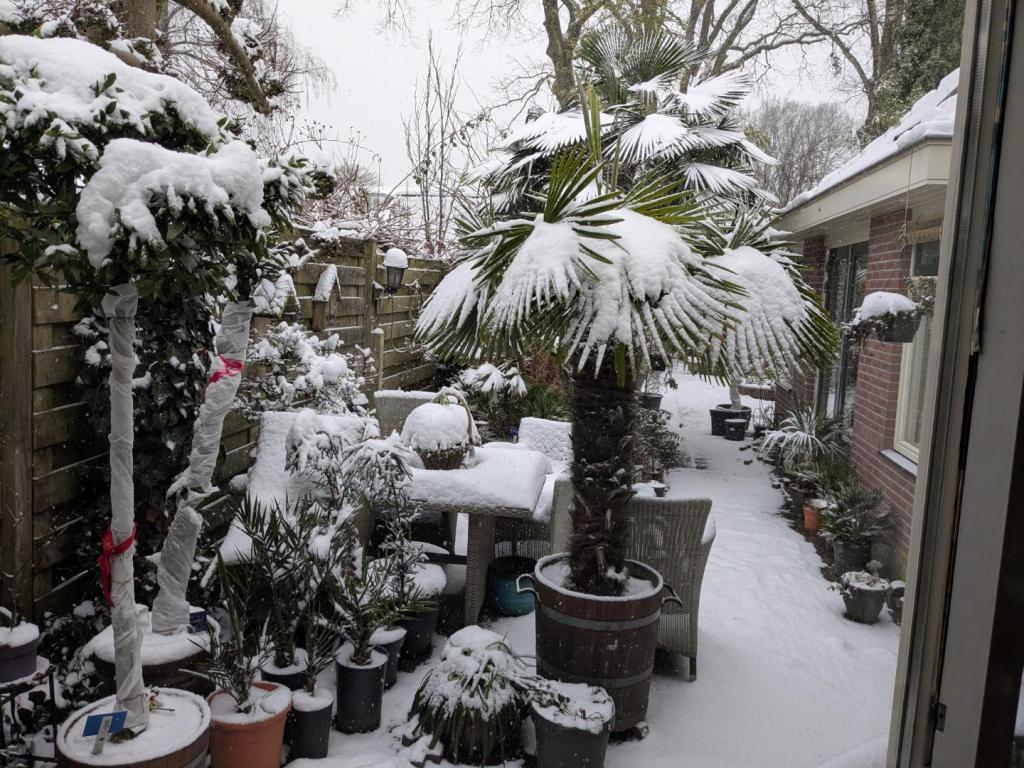
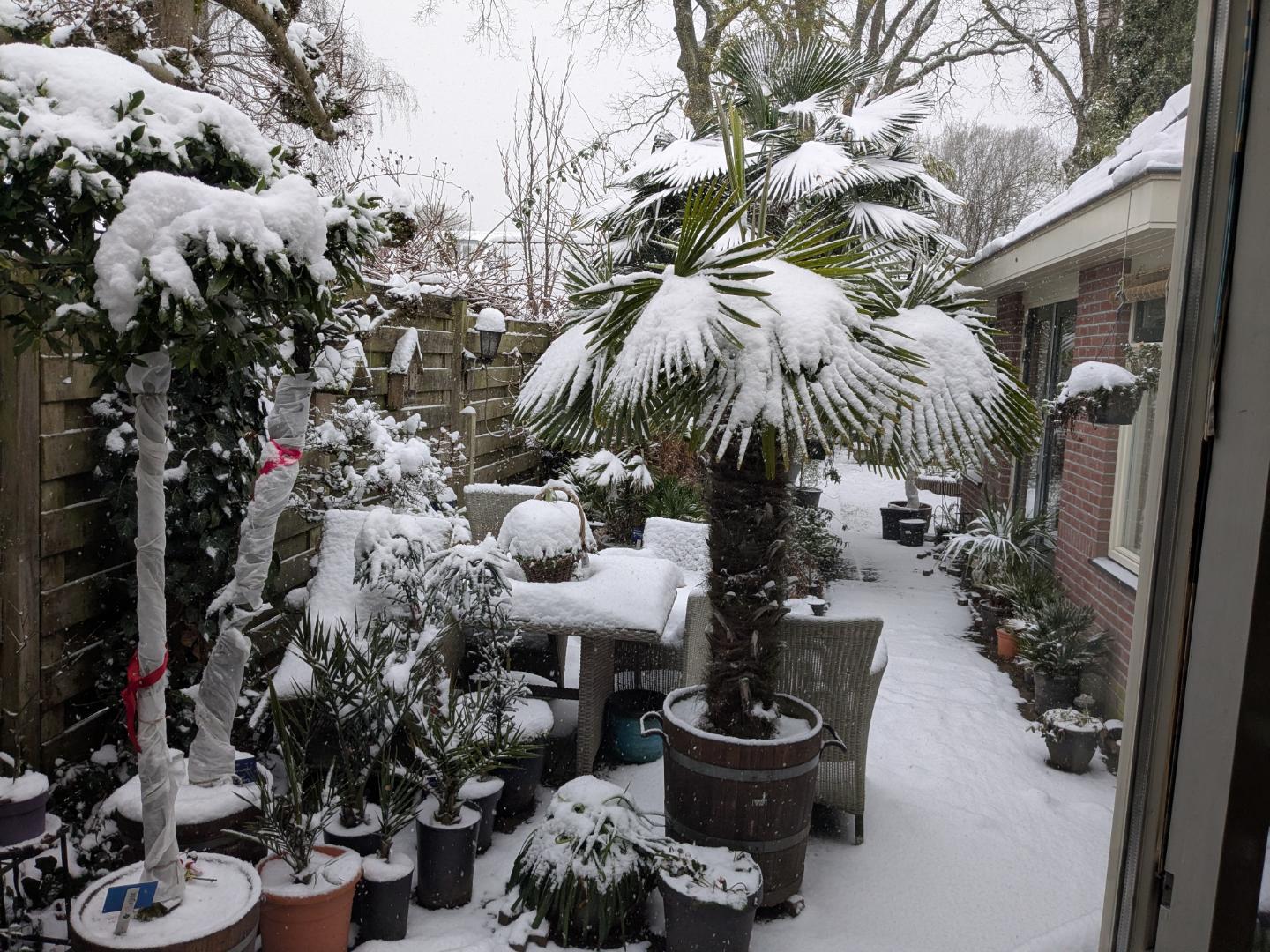
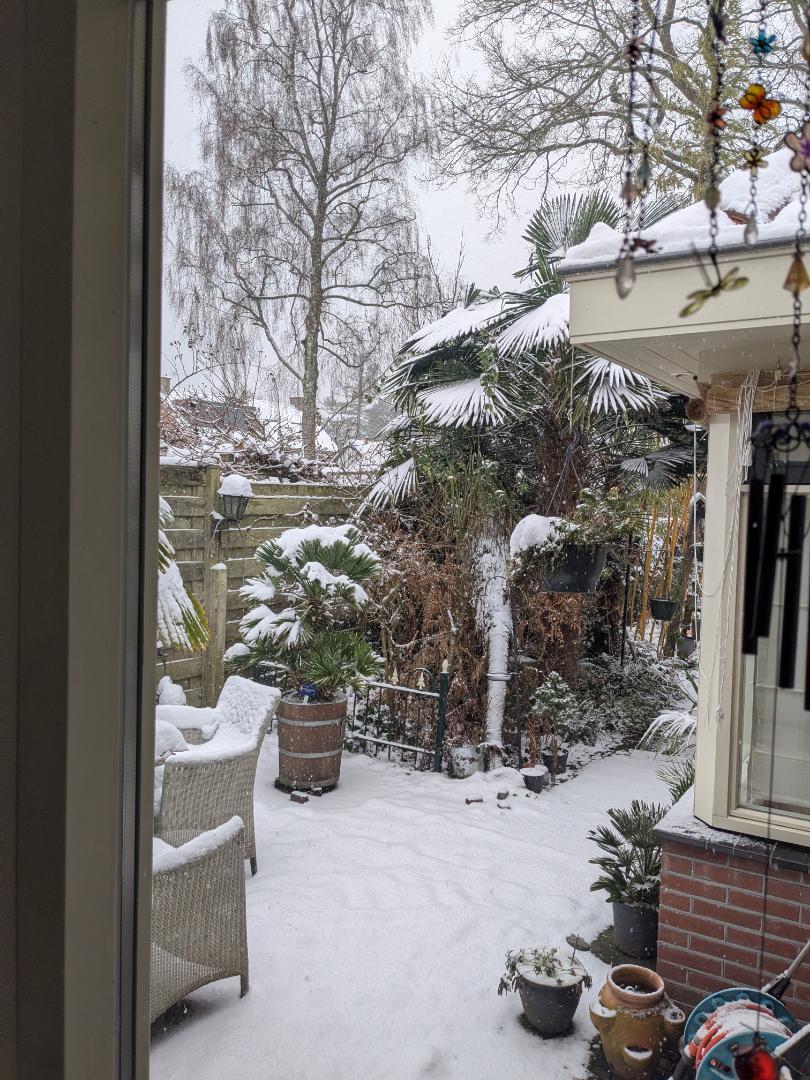
It's wintertime in Holland with snow and a few degrees below zero C.. Nothing to worry about, just enjoying the view of the garden with some Trachy. fortunei, a Chamaerops humilis vulcano, laurels with winterprotection for the stems and a few date palms! By the end of the week, it will all be over again!

 2 points
 -
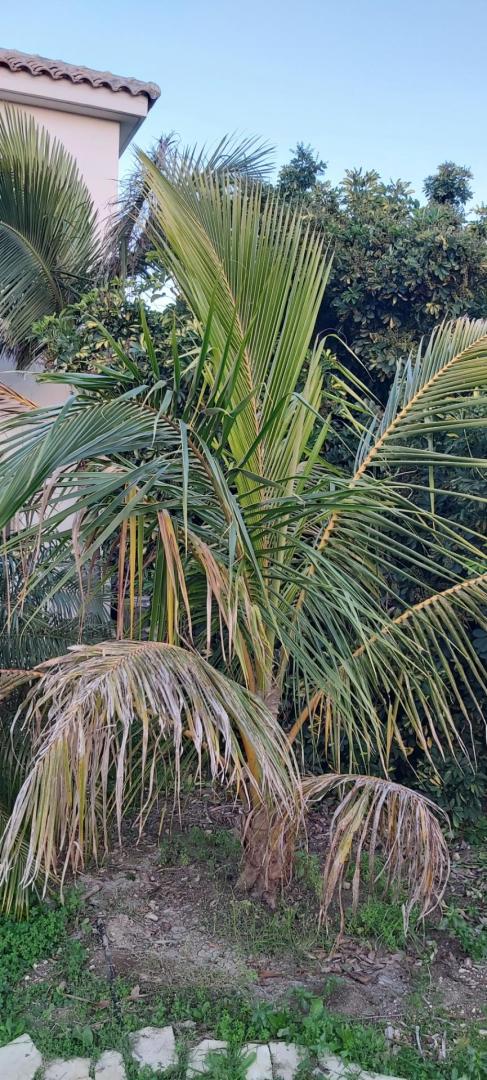
Happy new year everybody. A small update of my coconut palm in Cyprus. It's still alive for another winter. I increased the water in the summer and it started to make a difference in the growth.
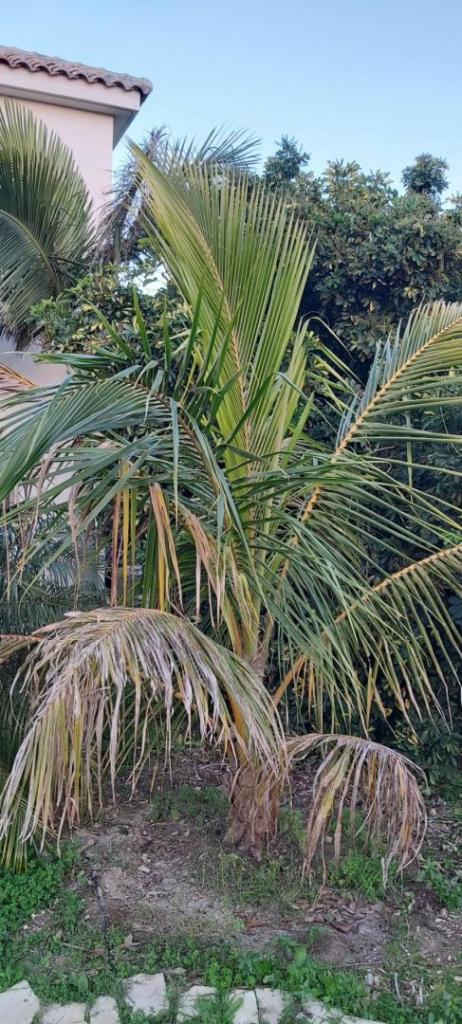

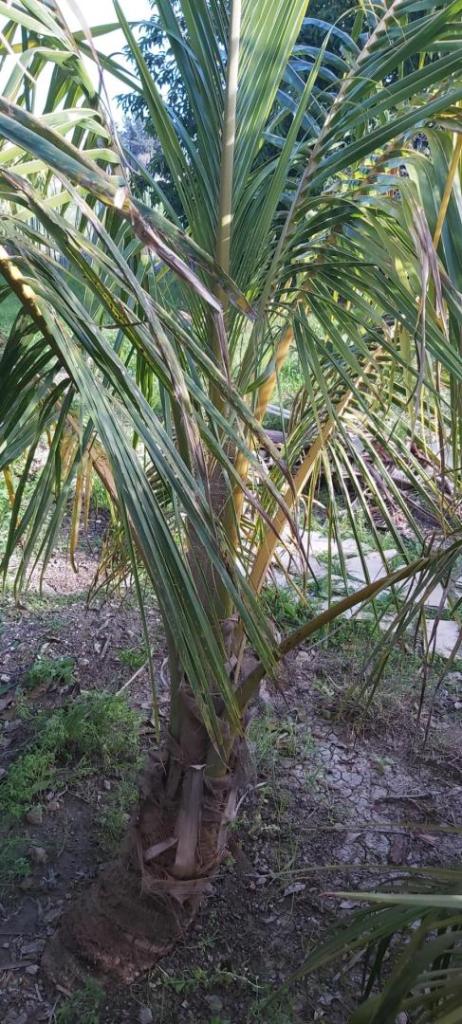 2 points
 -
I can only imagine your nightmares, if huntsman eggs are that big omg!2 points
-
With only -1 perhaps those measures would suffice, if they are not 10B palms. I repeat, you are extremely fortunate, that you do not get snow cover unlike central eastern parts, which are affected by the Aegean jet stream.2 points
-
3 1/2 seems to be about normal for me. I was wondering if they started exploding like most palms once trunking begins.2 points
-
When I first bought my place in Rhodes, I put in a couple citrus plants and an avacado. When I returned a week later, they were all dead. Before buying even one more tree, I put in irrigation for the entire garden. Maybe not so important today as I have a lot of shade in the back garden where it has been out for a couple of years. But at the beginning, full sun was bloody deadly for everything.2 points
-
This is a lesson I too have learned this summer, about all my plants! All, no exceptions, wanna be watered every day. I underwatered even my African acacia. Once rains started they started growing so much faster.2 points
-
Hahaha! No way. I must love a plant too much. I love my Ravenala enough perhaps but the electric socket is too far..... Anyway, I dunno what the future will bring, but if I don't get below -1 C and light frost, I believe simply covering the plants will be enough. I will also add bottles with hot water on the coldest nights (water from the water heater - the sun is not enough).2 points
-
My cimate is pretty much identical to both yours and Jonathan's (in Malta). I have 20 degrees today with a low of 16 tonight. The coldest night I've had this year has been 9 degrees one night last week. The lowest high was in the same 24 hour period and it was 14. Every year is getting noticeably warmer. I read an article a few weeks back that states the same for Cyprus. I have these 3 right now. The larger one is Green Mayaln Dwarf (third winter outside). The smaller ones were both purchased as Panama Talls. Another Palmtalk member, who lived for some time in Florida, had purchased the same "Panama Talls" from the same South Florida nursery but he is quite cerain they are Jamaica Talls or crossbreeds of the same. Regardless, I love them as they take my full summer heat and sun quite well. The Green Malayans (I've gone through at least a dozen of them) need to spend the hotter part of the summer in the shade or they are too beat up to make it through winter. For that reason, I have started leaving them in pots. I marked the spears on all three 9 days ago. One of the smaller ones has grown about 1 cm since then. The other tow cocos have both grown about 2 cm. You told me a couple of years ago you have a Golden Malayan Dwarf and I believe the other one in Paphos is a Golden Malay as well. It is truly amazing to see photos of that one. Maybe I will put the smaller ones in the ground this year or maybe I will keep them one more year in pots. The Green Malay will only go in the ground when I can leave it in full summer sun. I think that's going to take another 3 or 4 years.
 2 points
 -
Because there are no other more marginal plants around...Btw bougainvillea can be scorched to the ground and resprout and even flower during following summer. Of course this is not possible with a solitary palm sp.2 points
-
Lacospadix, kerriodoxa and a nice little dypsis lantzeana all seem to get my attention!

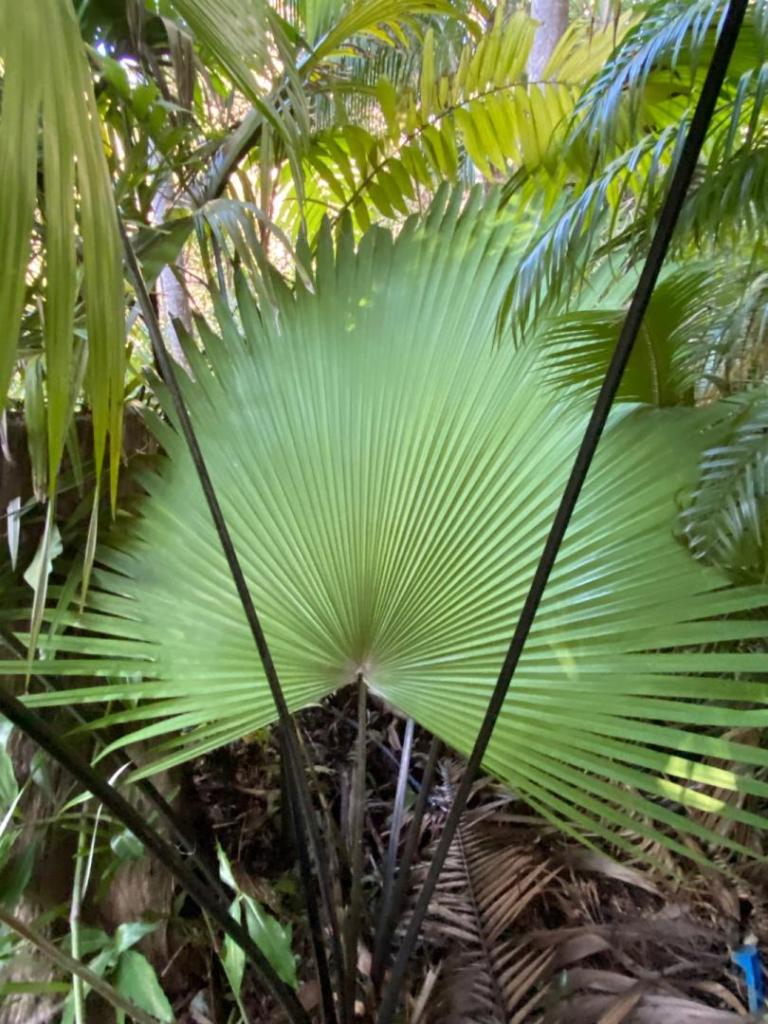
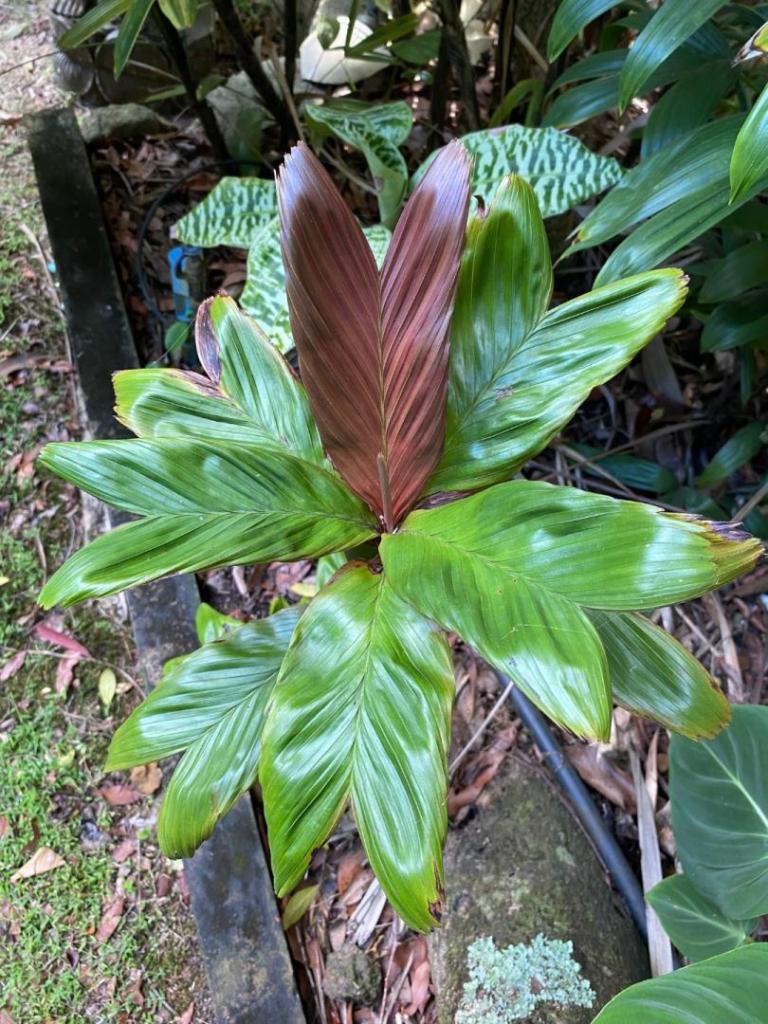 2 points
 -
Highly unlikely for Greece in particular, because this system focuses on what can or can not be cultivated in a certain region or area. In other words it uses canaries. But the cultivation of non commercial tropicals in Greece is very limited. You know how it goes, everything that can be eaten is to be preserved and the rest to be dumped. Long story short, there are not enough canaries in Greece for a reliable application. If you create a new topic prompting experienced US growers to assert the special Sunset Zone for your garden, you may get some very considerate replies. Although even those highly experienced people may underestimate the negative importance of poor quality of soil and water for marginal tropical, as almost all of them have in their gardens a quite generous top soil layer and have larger estates, where they can bring in truck loads of compost easily. Now try doing that in a small lot in a slope...2 points
-
I guess V Joannis is a 9b plant but only if we consider zones the way you suggested: if we're in Europe we must reduce it by half or one. So if theoretically my garden is 9b/10a, in reality I'm 9a..2 points
-
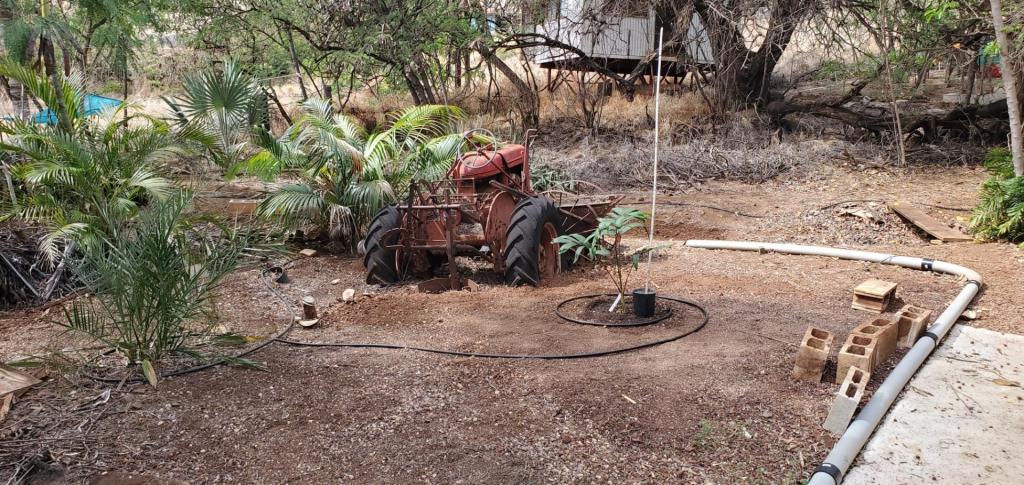
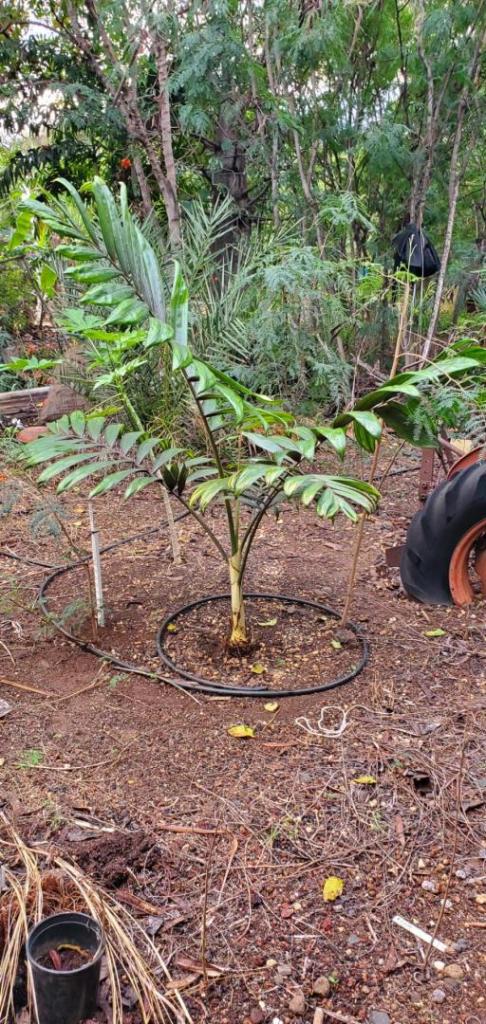
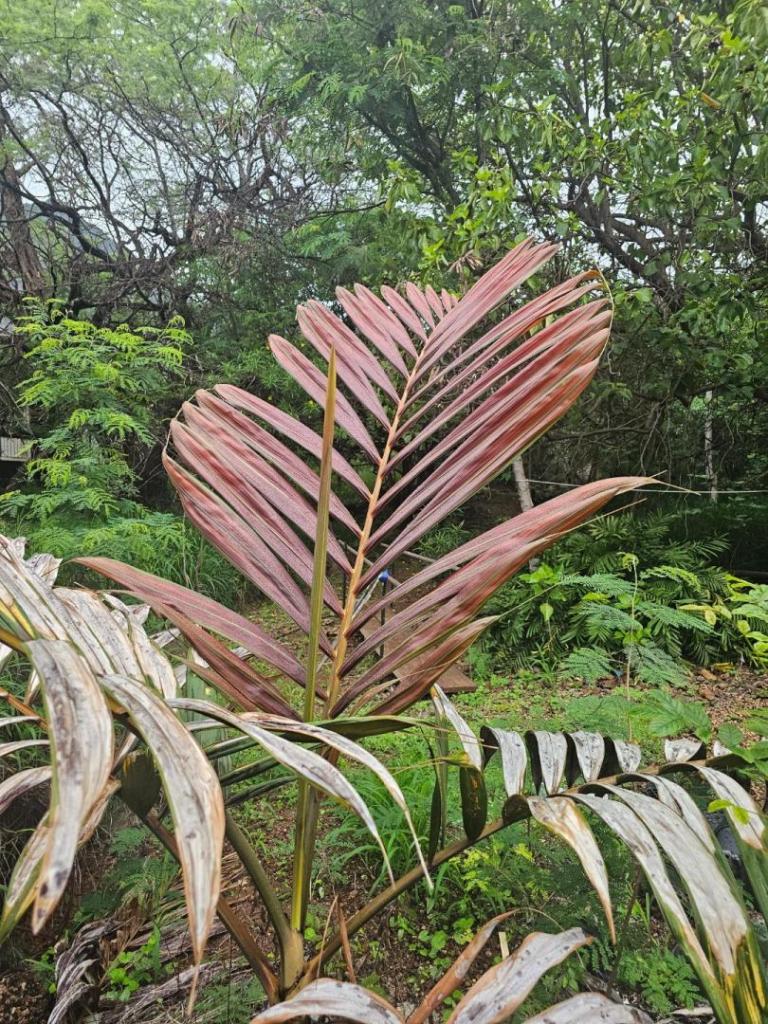
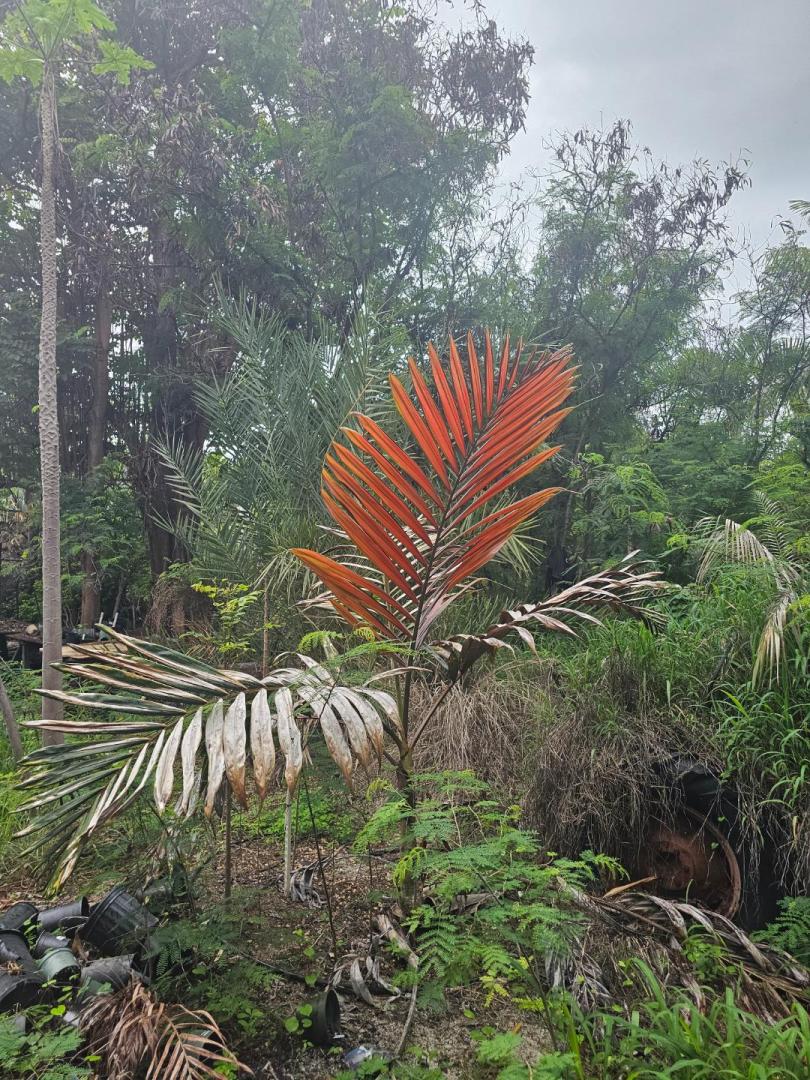
Planted a 1 gallon pot from FB in November of 2021. It's growing nicely. BUT this summer all the fronds got fried. Just spotted a new bright red today. Had it under shade cloth at planting Took the shade cloth down in February of '23. Looked ok for a few years. Then this summer I noticed the fronds getting "toasted". But it's still pumping new RED fronds. This summer was VERY DRY. From June to Sept. only had 1.48" of rain. Irrigation twice a week at night for 40 minutes each session. Might have to do some weeding and increase length of watering. But I think it was just TO HOT in the full sun this summer.


 2 points
 -
My Chambeyronia Macrcarpa emerged into the sun 5 or so years ago. It was growing well beneath some other palms . Once it emerged the fronds would burn badly not long after opening . I doubled the amount of water and started a light organic fertilizer . The burning has been reduced dramatically. I’m not sure how large they have to get until they can handle full sun but it seems to be getting better . It now has about five feet of trunk below the crown shaft. Harry2 points
-
Awful news, but thank you for sharing. The disease seems to have traversed I-75 as fast as it did I-4.2 points
-
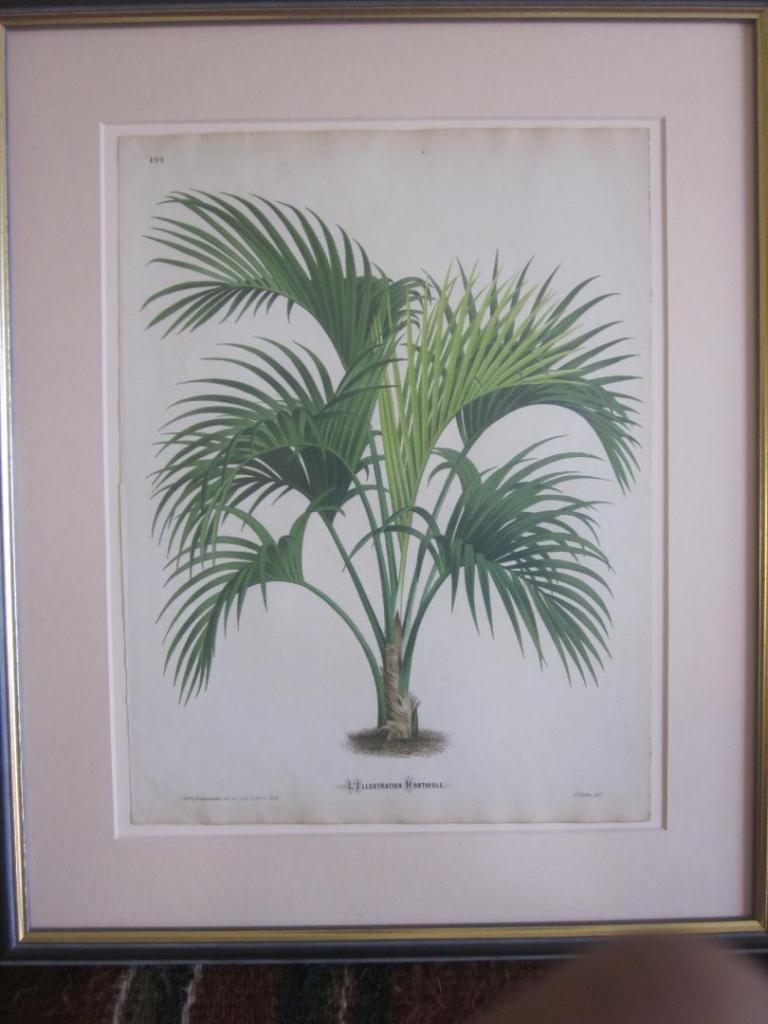
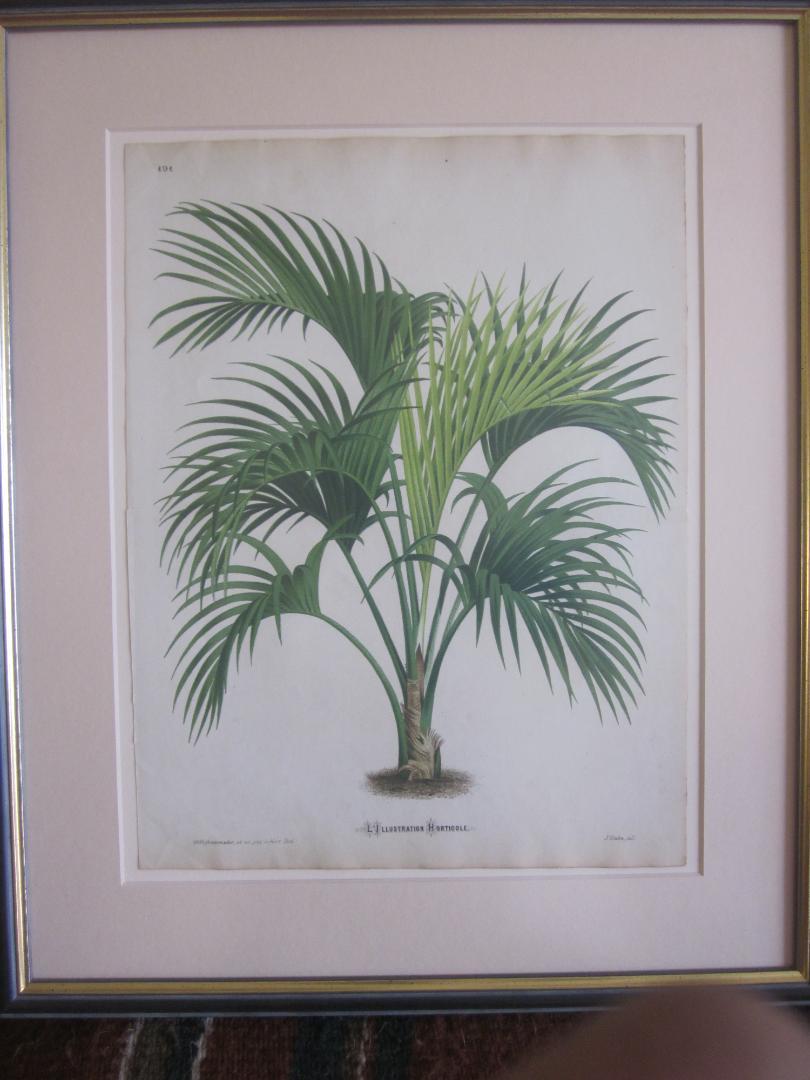
I acquired this lithograph at the Paris flea market, L'Illustration Horticole, circa 1880, It is not labeled but almost certainly is Howea belmoreana.
 2 points
 -
Happy New Year to everyone here and continued joy, health, happiness, success, and love in 2026☀️ Best regards from Lake Constance from the two of us2 points
-
Happy New Year and success growing palms in 2026 ✌🏻😎2 points
-
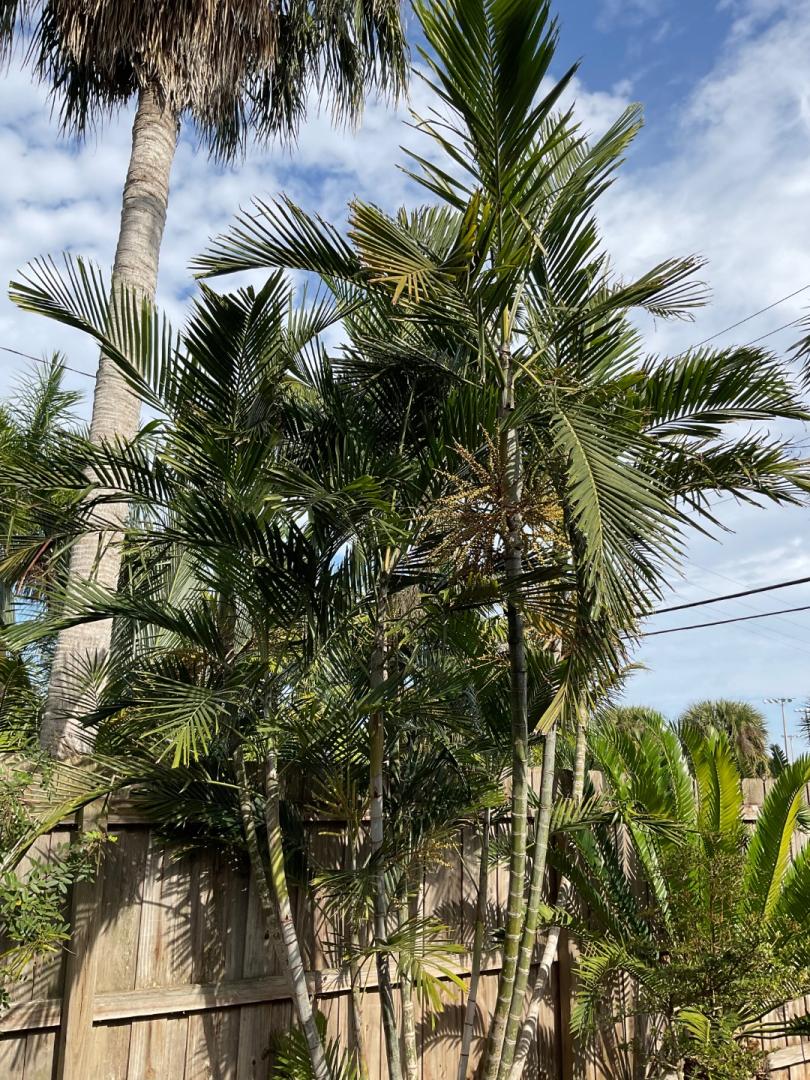
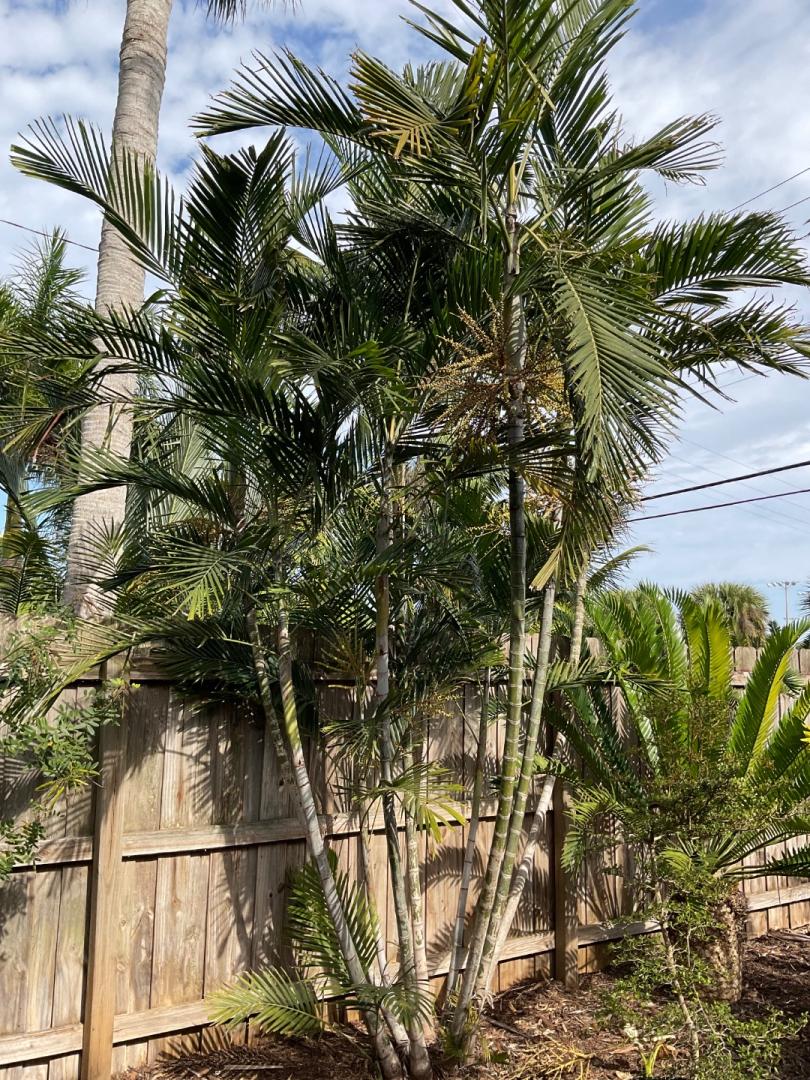
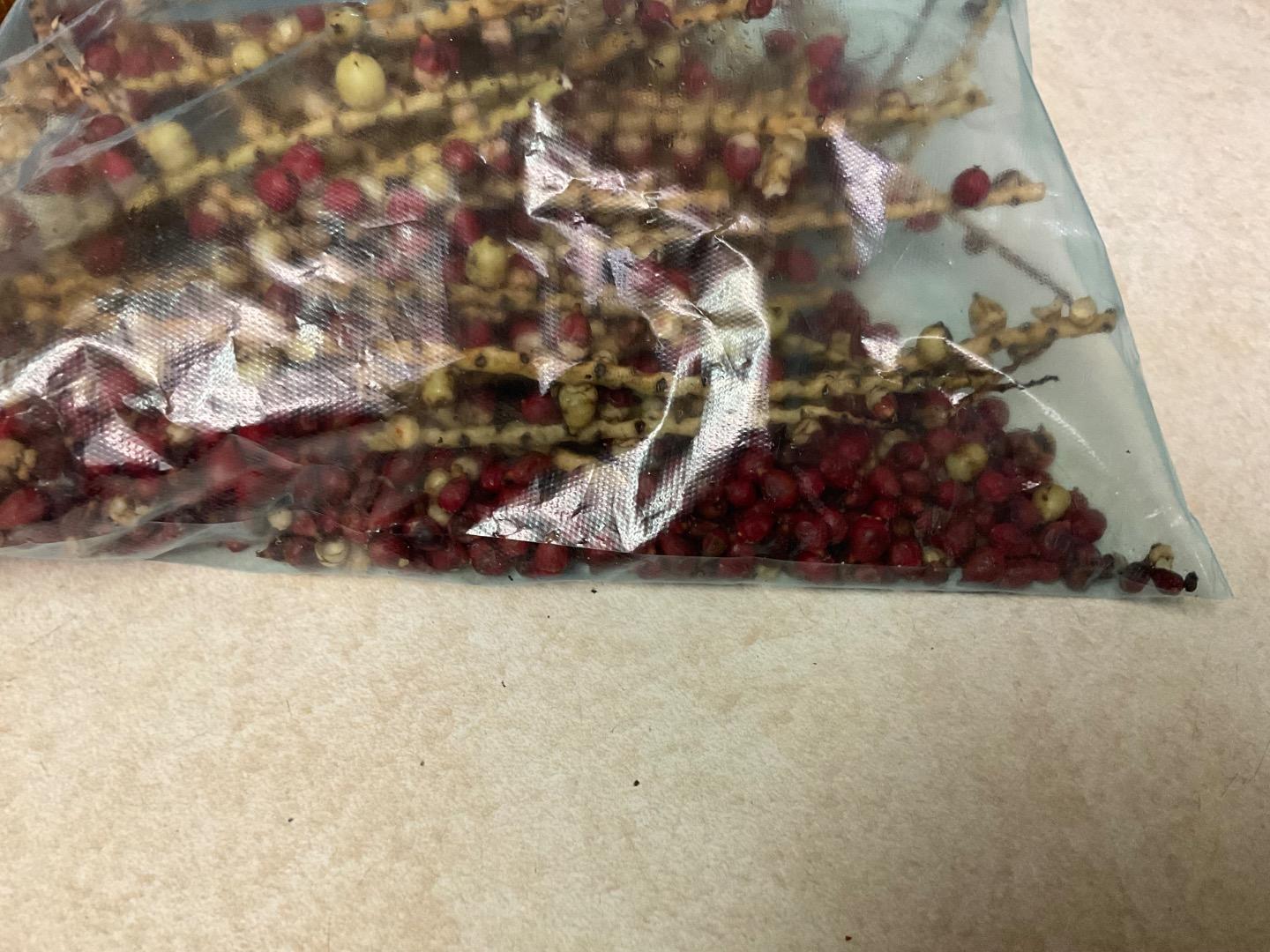
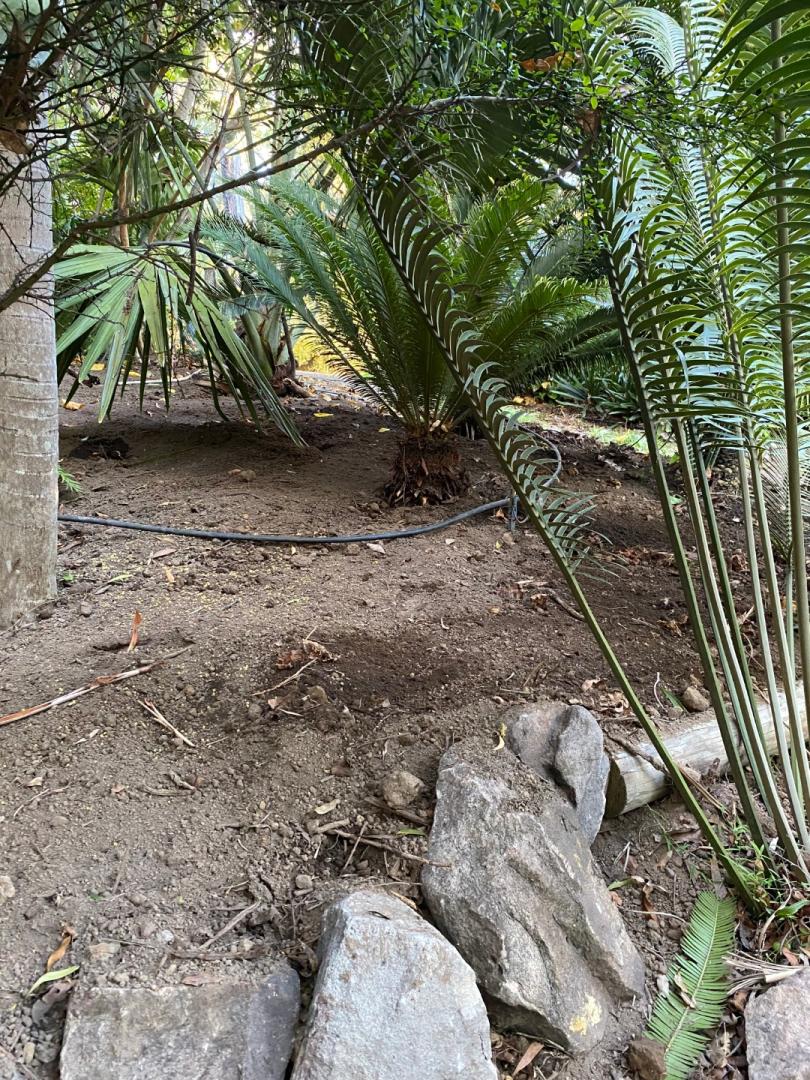
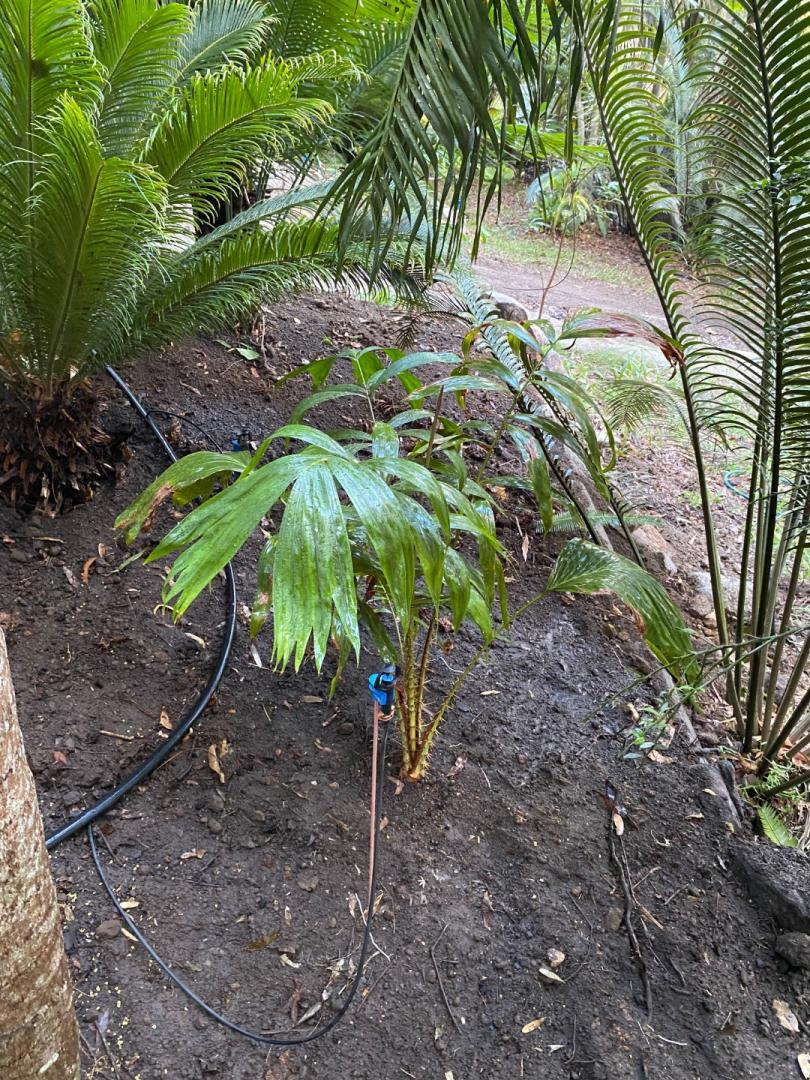
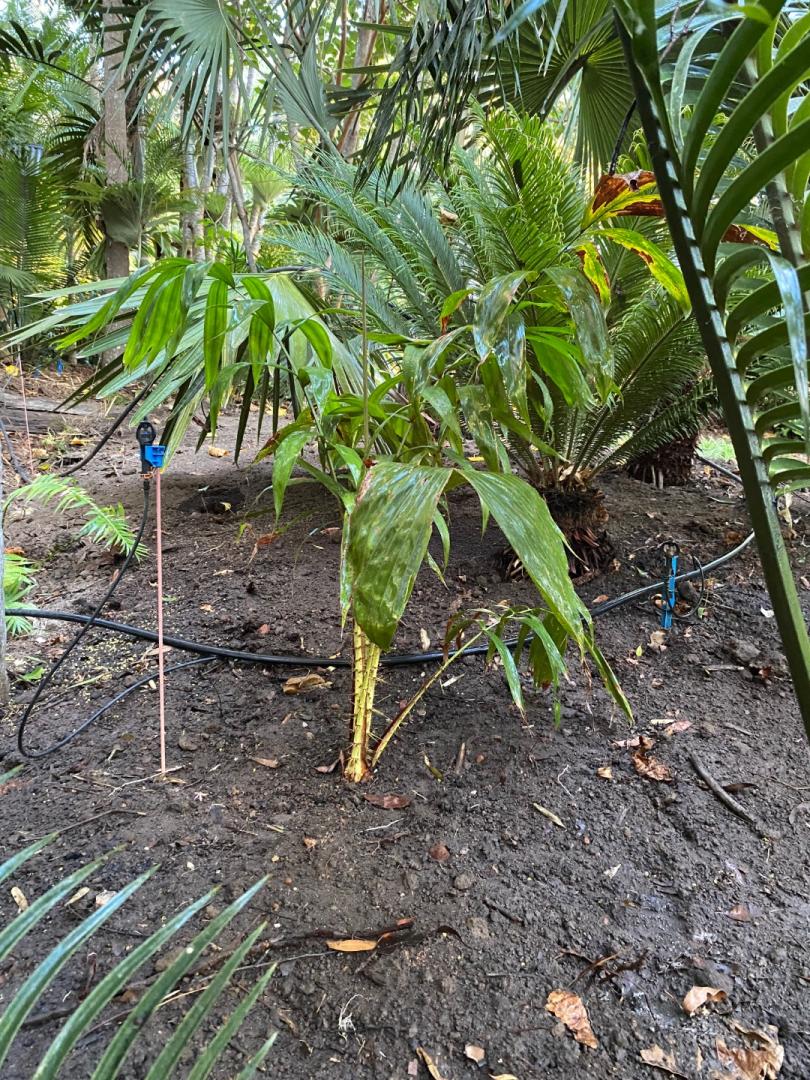
Well, here’s an update on mine. The good news, it’s still growing very nicely. The bad news, as if it didn’t have enough room already, we installed rain gutters a couple years back, which extended the eaves of the house out another 8 inches. So, it’s doing its best to bend like a pretzel and conform. Nonetheless, it seems to be healthy and has been flowering for a number of years, even producing a few seeds that are in the process of ripening. I would attempt to dig it up, but I’m wagering that I would kill it if I tried it. So there’s a choice between almost definitely killing it or letting it live a reasonably good life as best it can. Been a great grower for me though…

 2 points
 -
Once you get hooked on palms there’s no turning back the only therapy you can get is buying and planting more palms it seems to work for me2 points
-
Welcome to the palm addict support group. Looks like you are off to a great start for a new garden and it will soon be fabulous. Plumeria will survive a bad freeze. About 15 years we had a freak event and it went down to -5c overnight. The whole city was a dead wasteland but many things I thought were goners came back in time. Keep up the good work, you are on a winning streak already. Peachy2 points
-
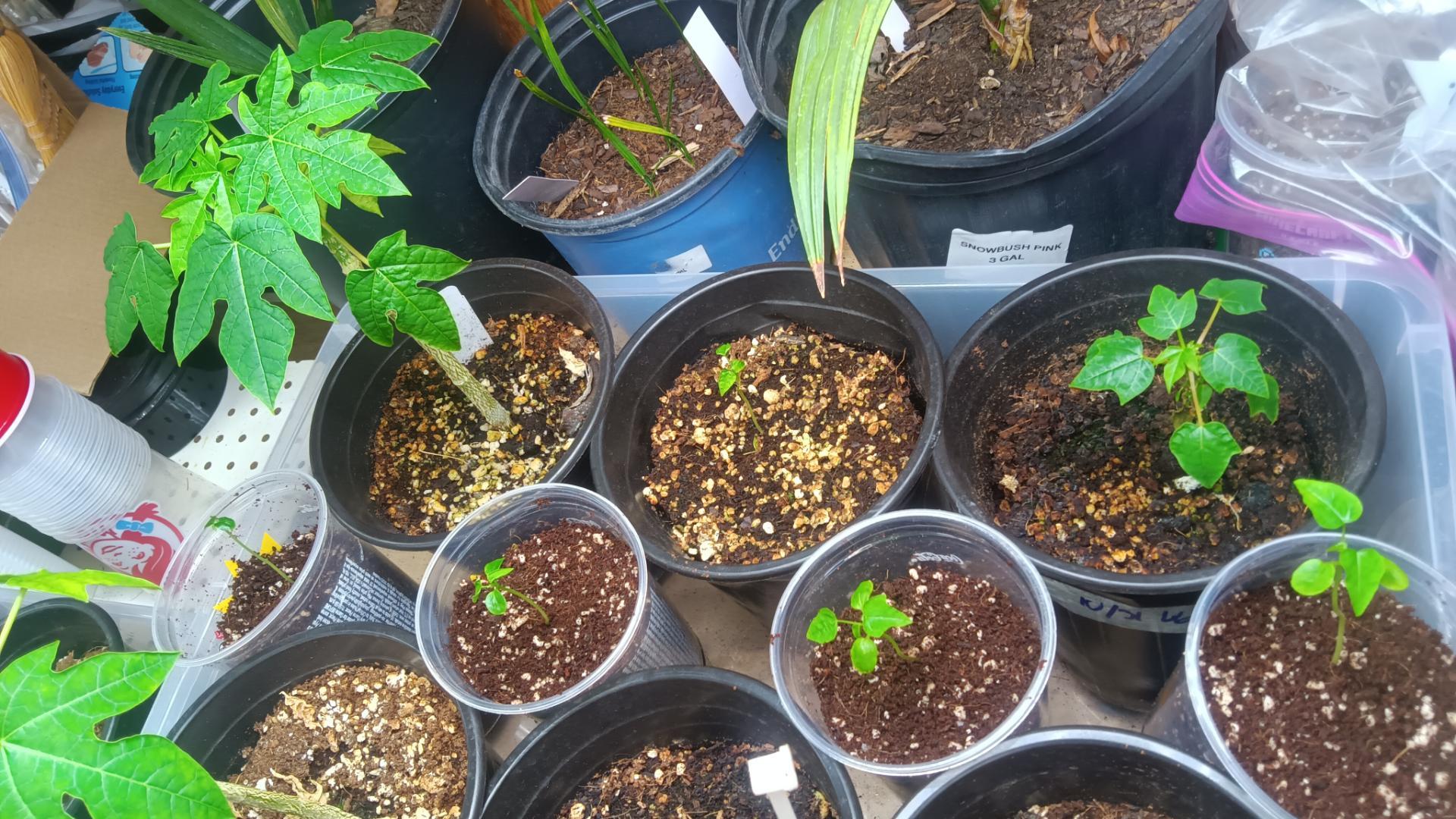
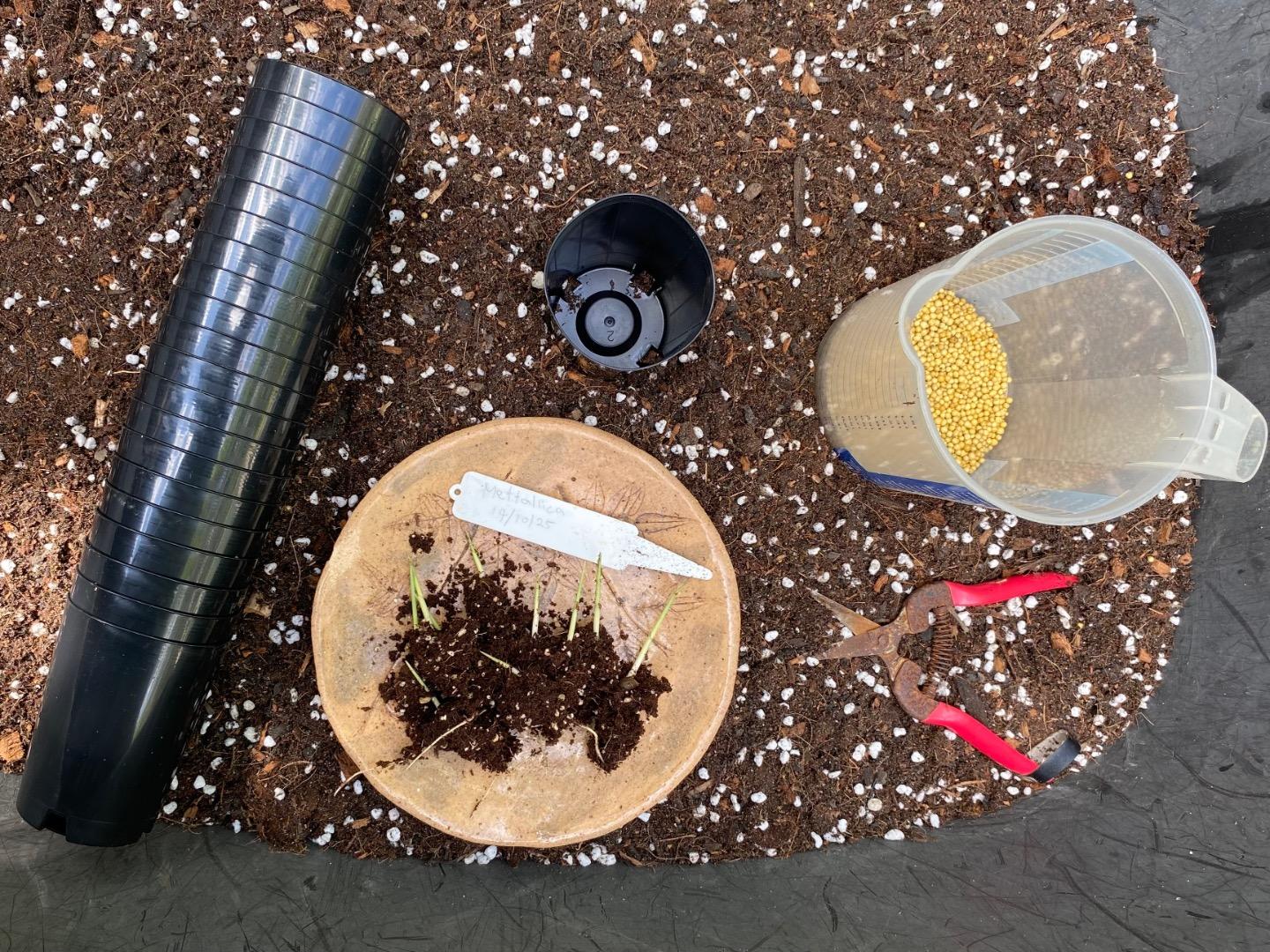
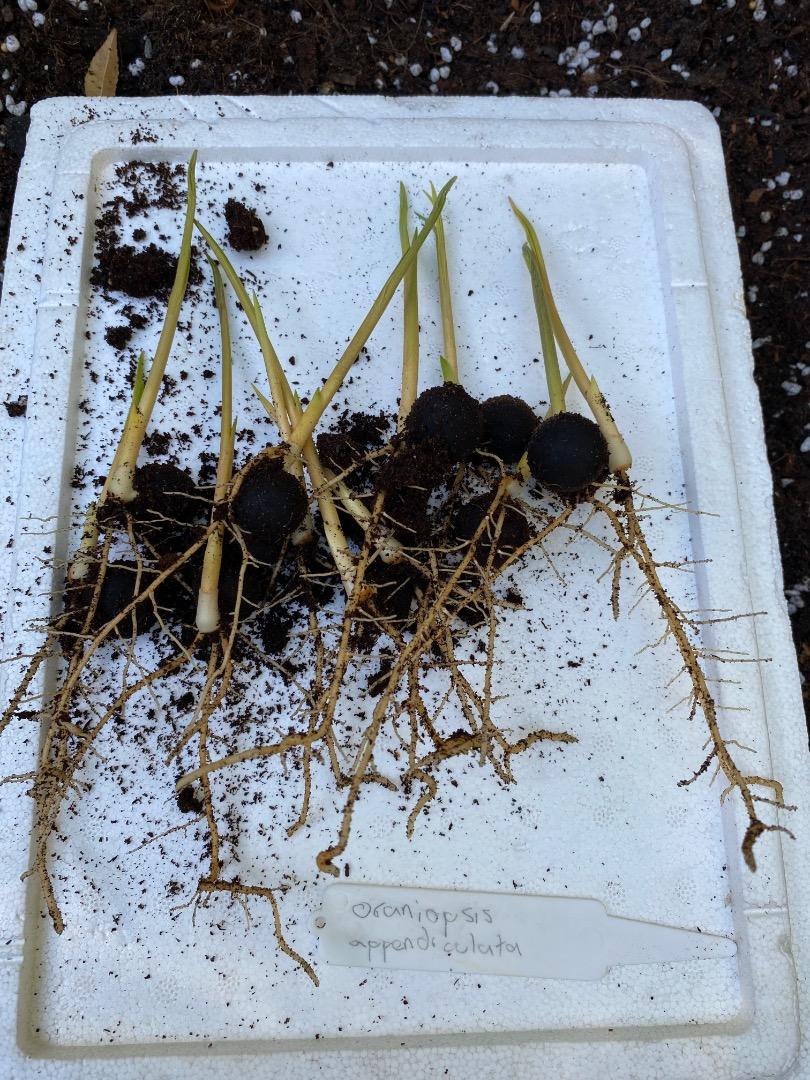
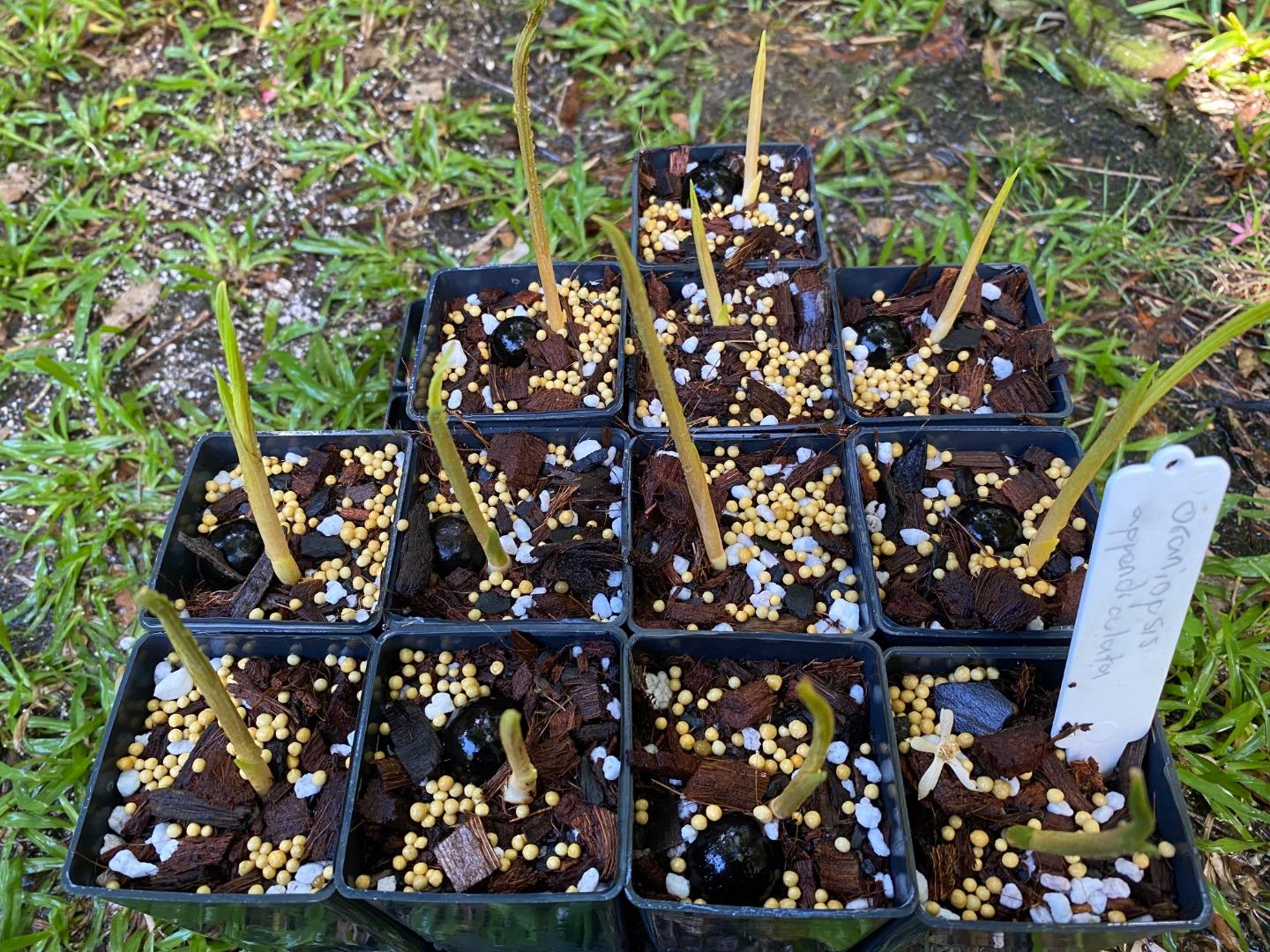
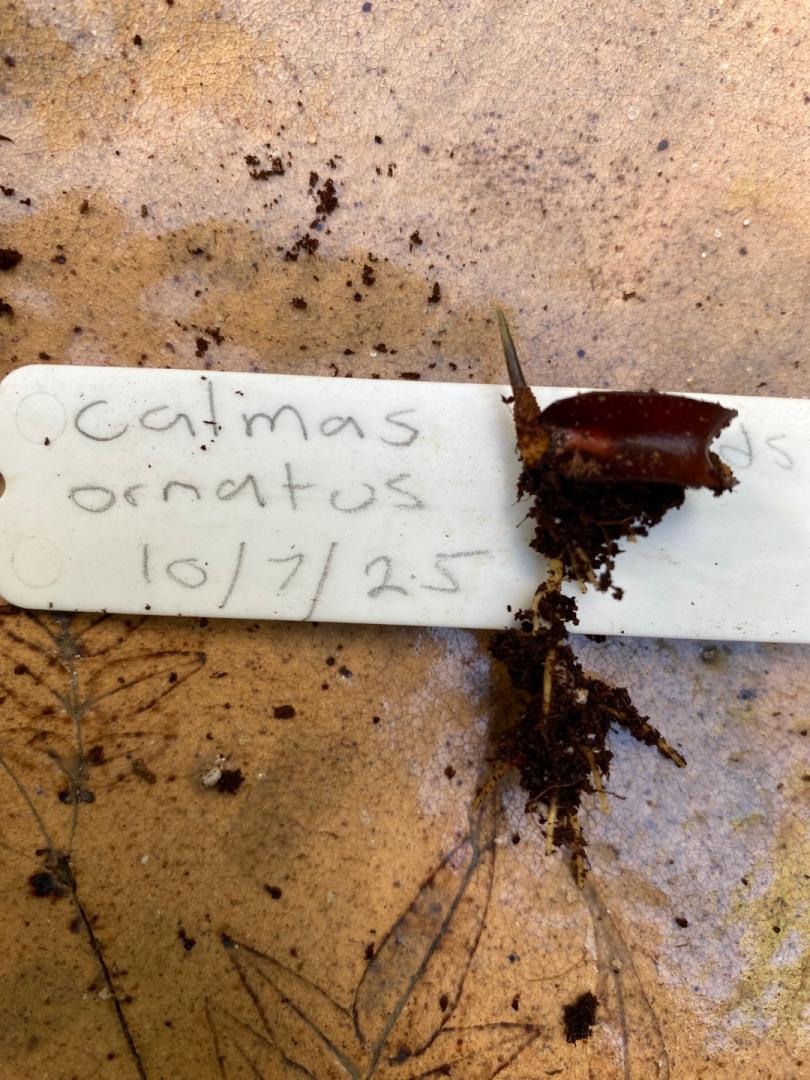
Somewhere in here, buried amongst the rubble, there used to be a "What did you do today?" thread that was friendly, all-inclusive, nothing but hugs and high fives all around. In that spirit, here's what I did this morning. Some "craft beads" from @happypalms sprouted somewhere along the way. One didn't make it and there's 6 more in the baggie. Chamaedorea Adescendens. And don't be hating on my labels. That's Dollar General PROFESSIONAL masking tape. Grocery store papayas. I haven't seen them in stores here in a while, so I hope these make it. (The ones in the cups) I'm gonna have to ask my friend what these are again. They're some kinda philodendrons and/or pothos she grows from tissue culture. They've been in tiny cups and shot glasses and she grows in moss, so they were super soggy and super rootbound. Hope they adapt well.

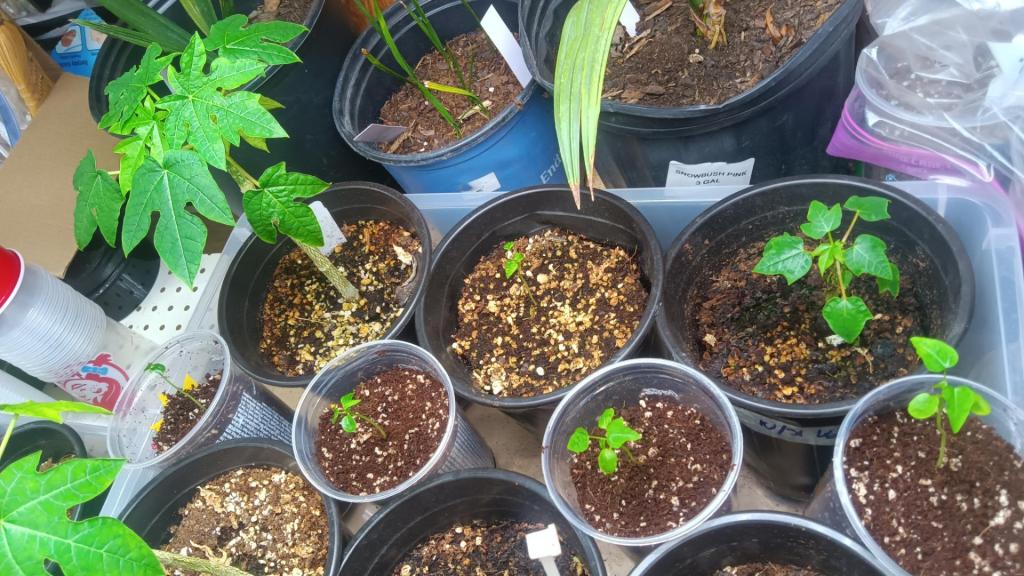
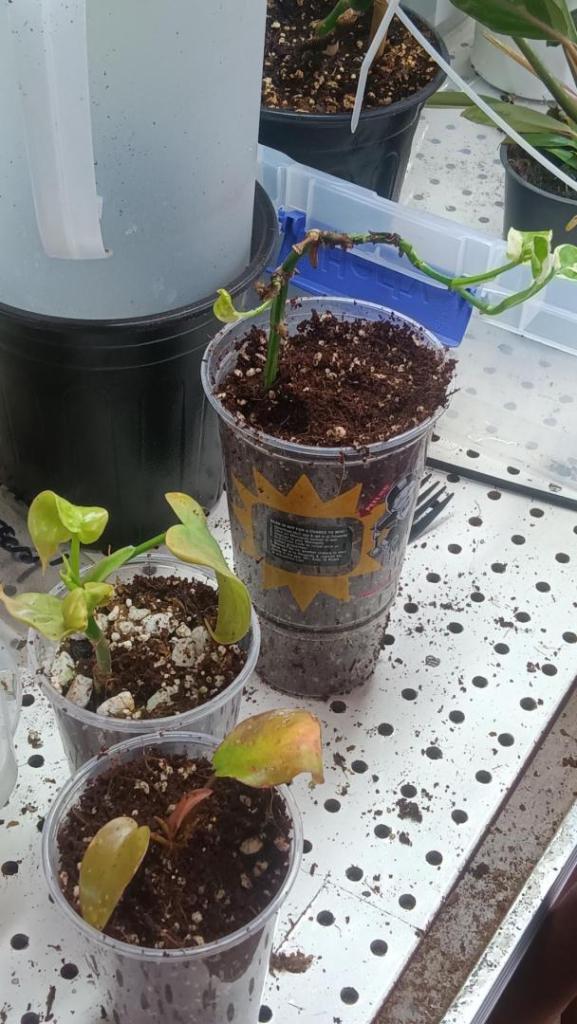 1 point
 -
Palm was received as Ptycho woodfordiana. But don’t think that’s a species. Also seeds aren’t star shaped in cross section when cut. I’m thinking Pinanga philippinensis?


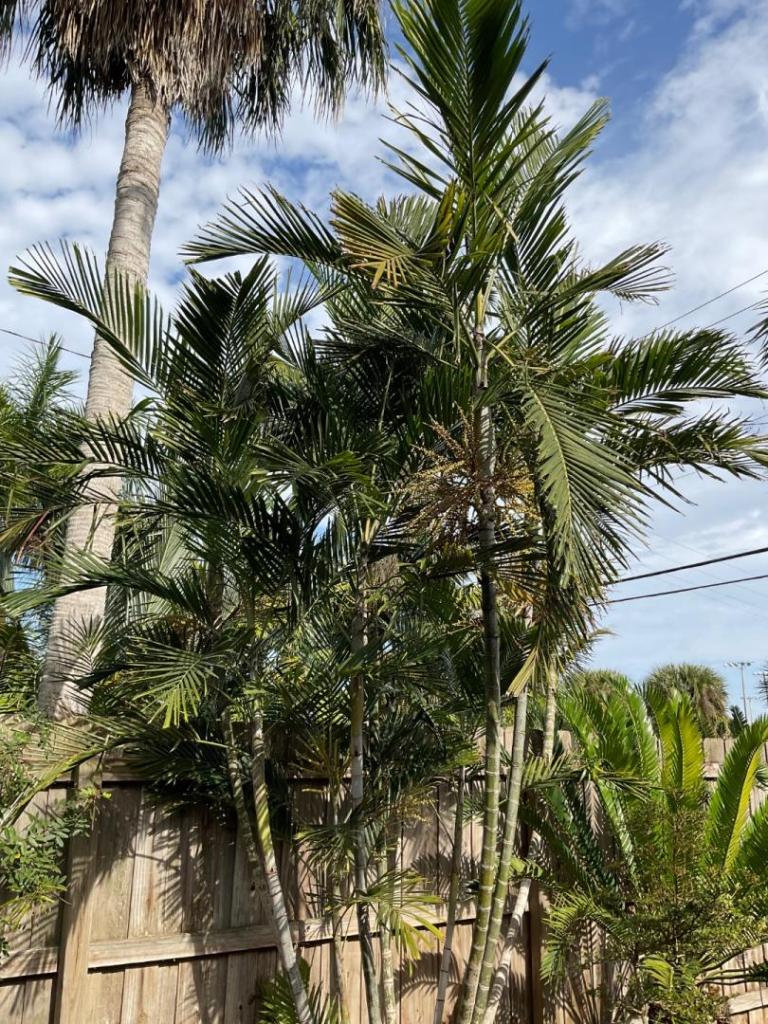

 1 point
 -
Did the C. Lanceolata clump after planting or was it two individuals when you planted it? I have one in the ground , about that size . I planted it over a year ago and it is single stem . I have been told they usually , if at all , clump when they get larger. Nice collection there . The green house is a game changer . I don’t have room for one here but had one at my old house. Harry1 point
-
This is awesome. This is what brings me here. Keep up with it. Looking great!1 point
-
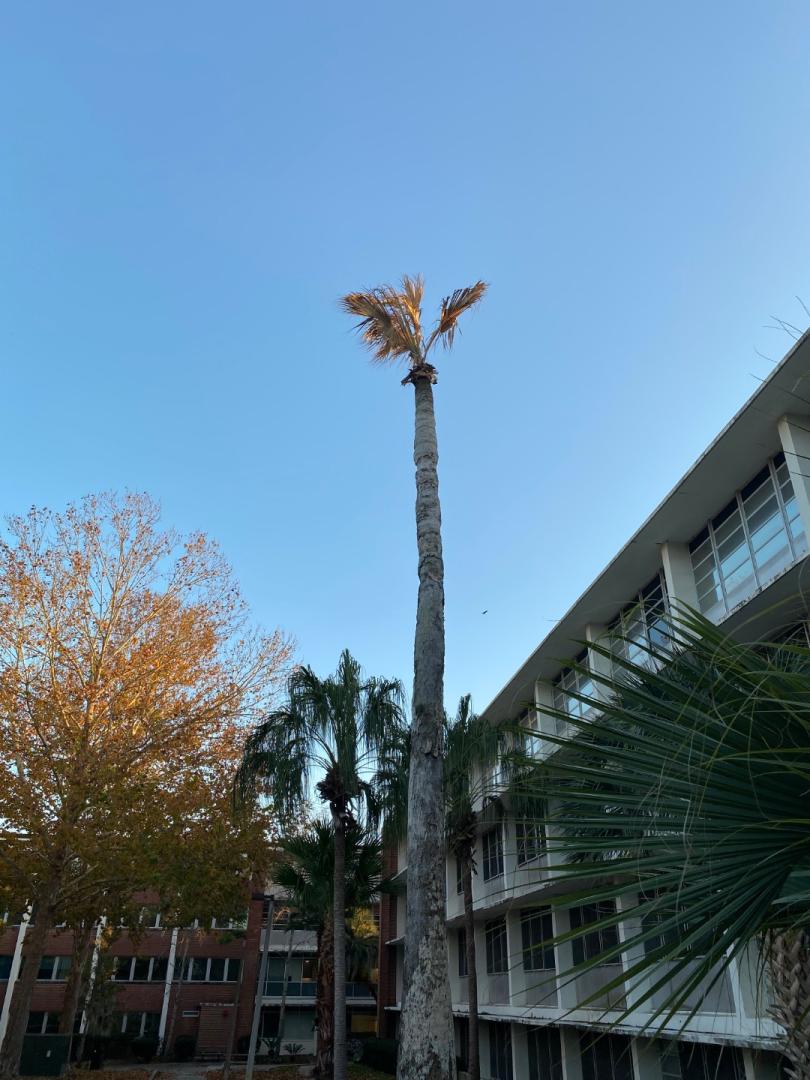
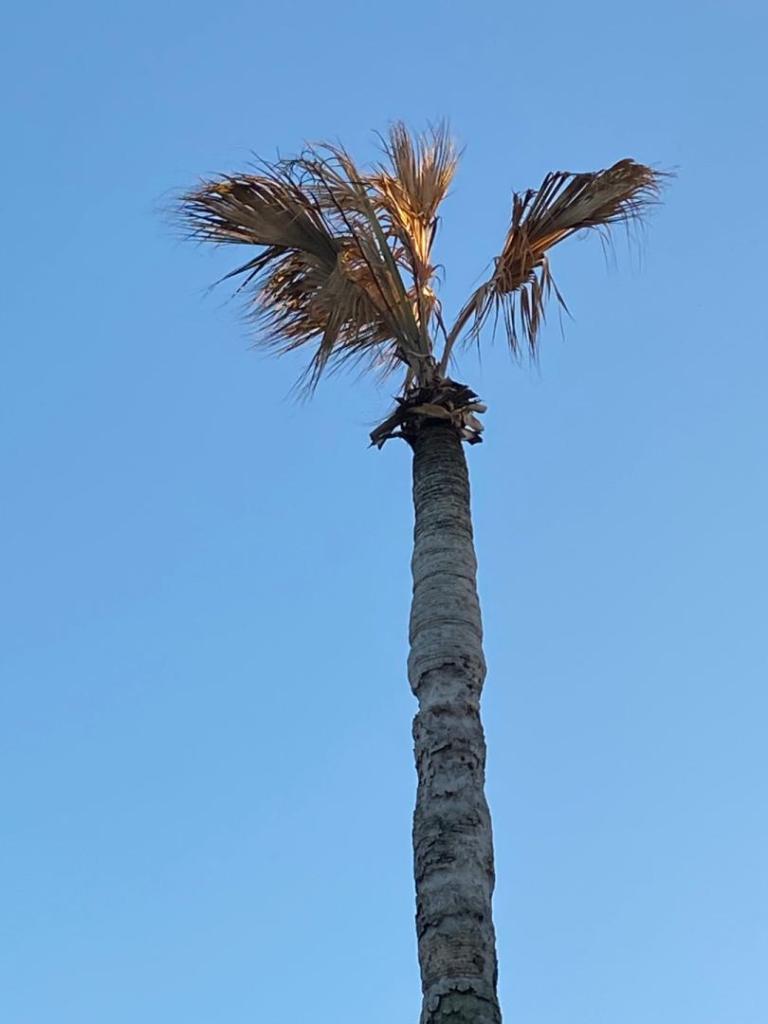
I was pretty sure earlier this summer that it had Lethal Bronzing Disease, and this seems to confirm it. Of course, only testing would actually confirm it, but it certainly appears that way. I think this palm was around 60 years old or older. Gainesville has been hit very hard with LBD, unfortunately.
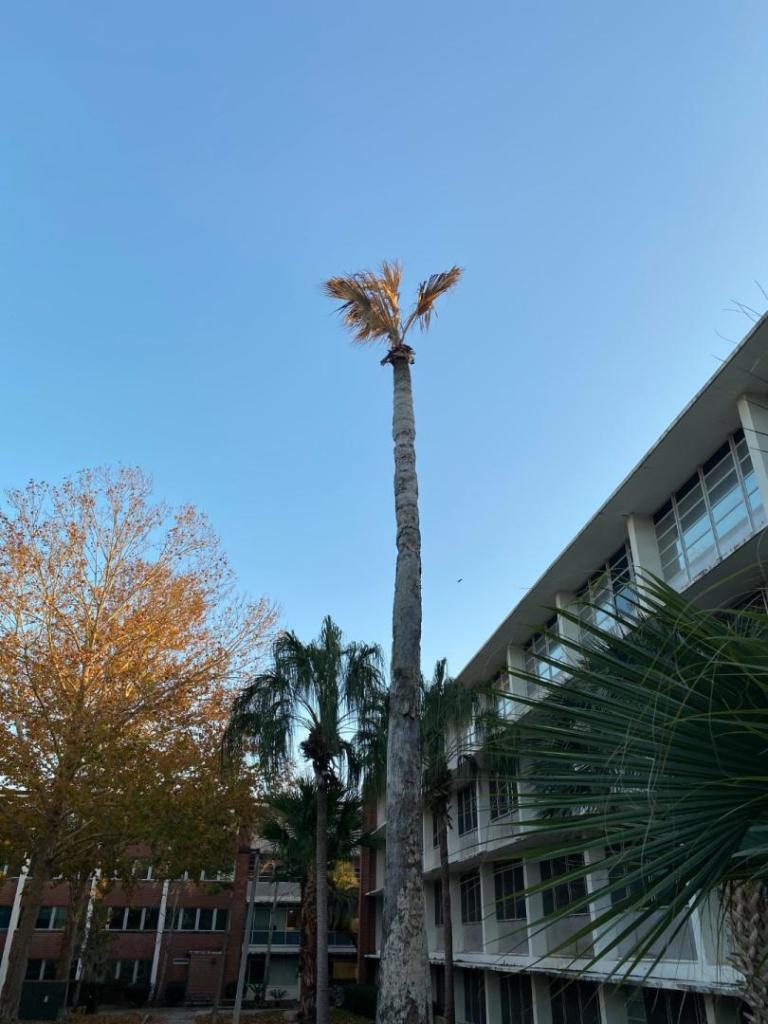
 1 point
 -
I expected a genie in a bottle1 point
-
Obscenities have been screamed!1 point
-
I spent easily 30 minutes by those Copernicia rigidas my first visit. Hard to get in-depth with whole place in a day1 point
-
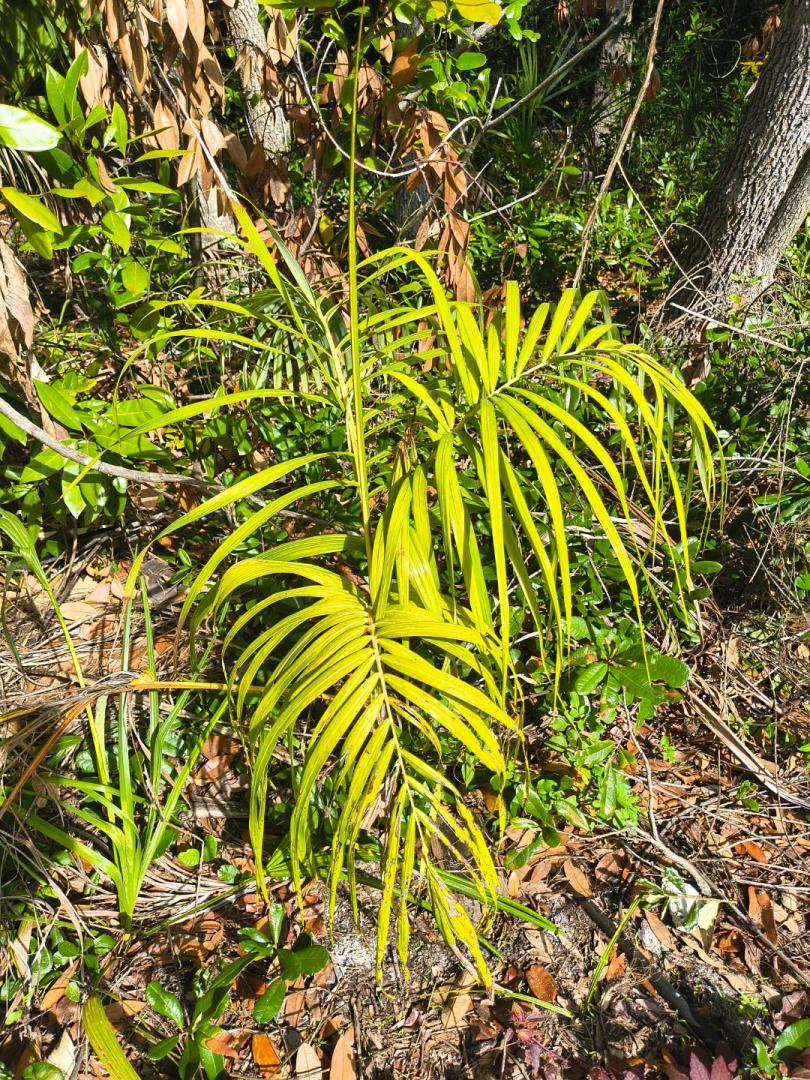
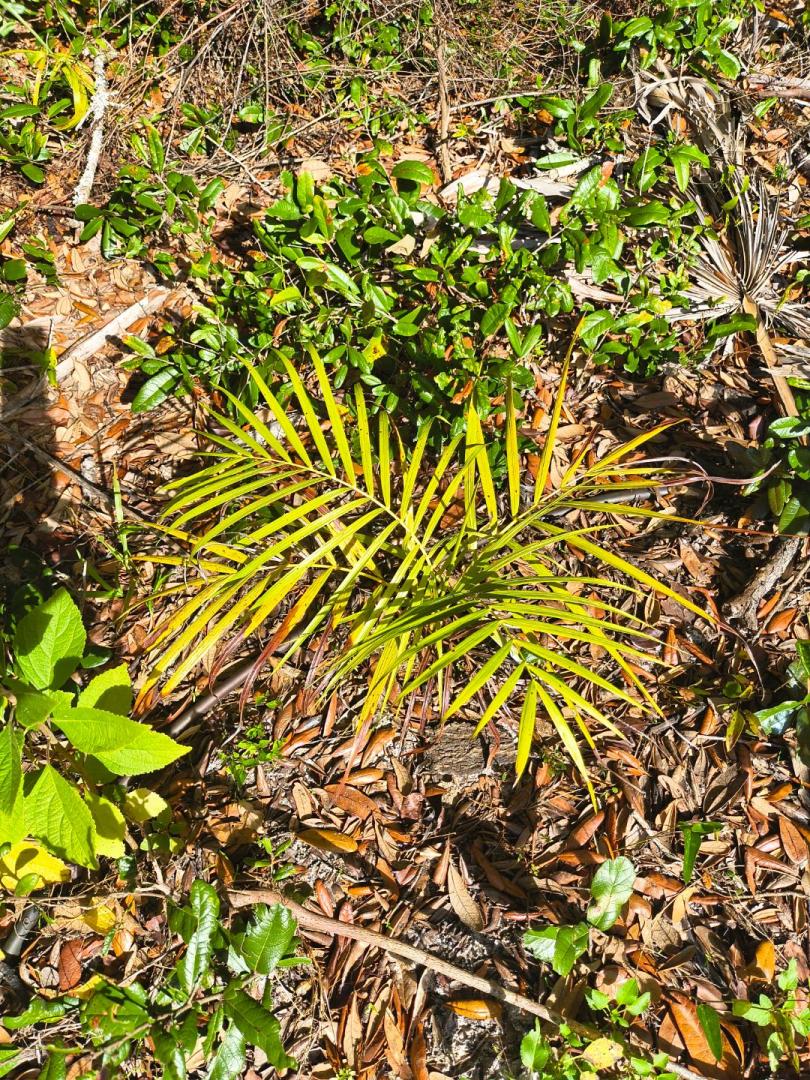
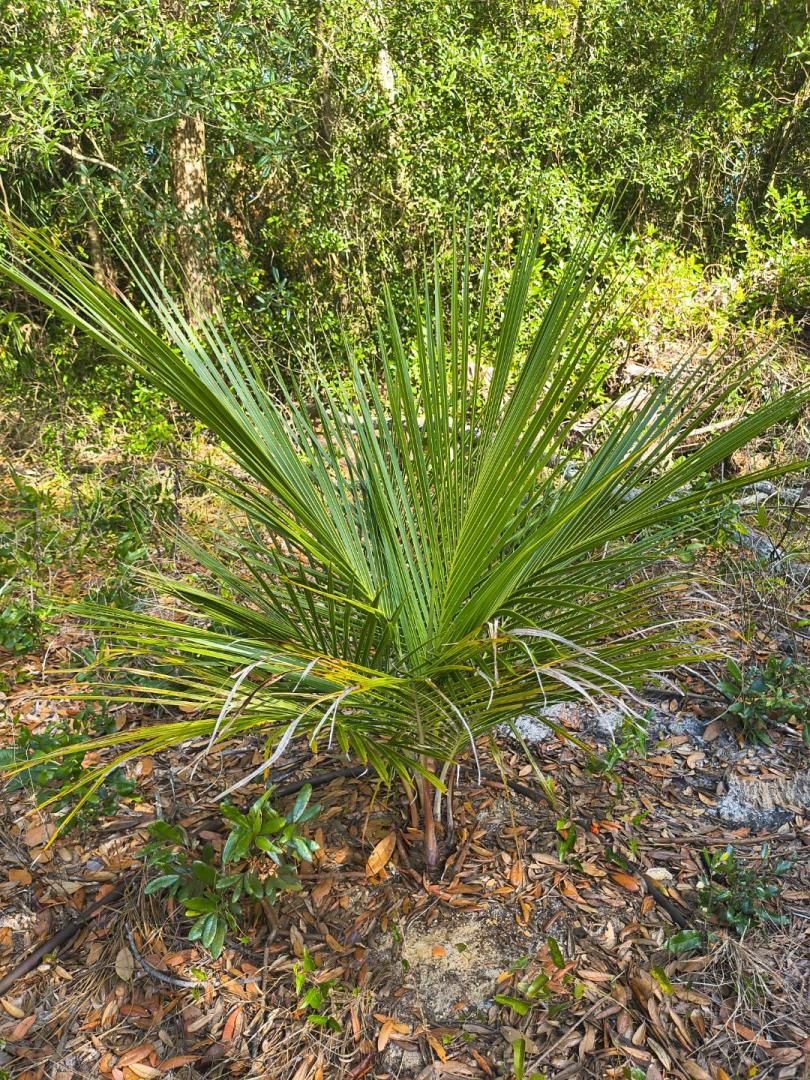
No guarantee on my id, but it does look a great deal like the tallest Chrysalidocarpus leptocheilos growing in my garden.
 1 point
 -
Indeed. I'm curious to see if the sun warms up the bottle even on cold days. When there is no sun there is no problem usually cos the clouds do the job. It only gets very cold here when the sky is clear. The real challenge will be a clear sky night after a cloudy day... for that scenario I'm not prepared. Perhaps I'll just fill the bottles with hot water from my bath tap.1 point
-
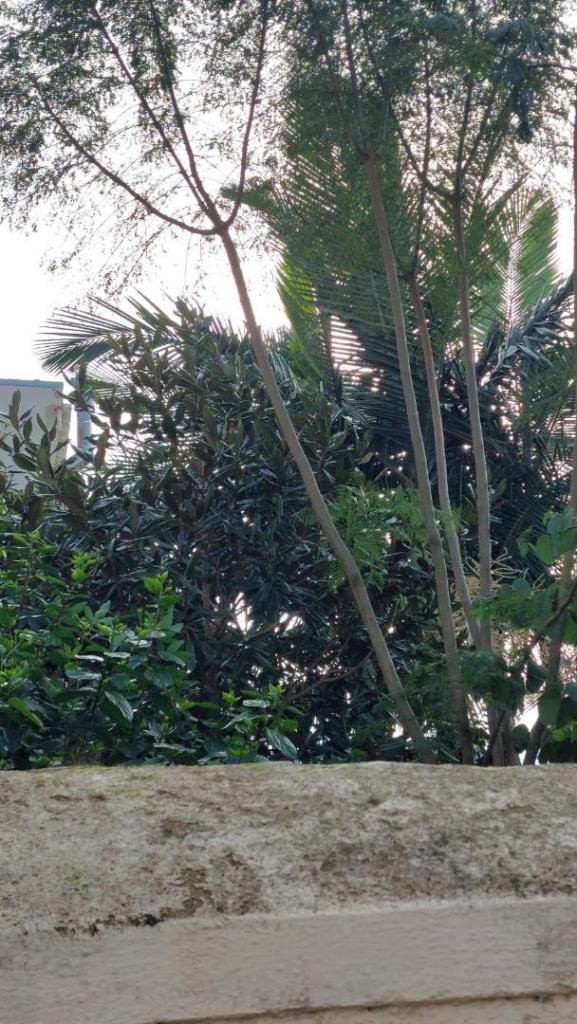
What a coincidence! I was in Pylos today and as always I became very jealous of the people who have gardens there. Some of the best spots to plant tropicals in Europe I believe; not only warm but also humid. I spotted two big Arch. alexandrae in a property; unfortunately I didn't manage to take a good photo as my friends were growing impatient with my geeky pursuits - they were hungry. I also saw Dypsis lutescens growing outside full time, even if in pots. That means that these areas get no frost, and no temperatures below 2 C really.
 1 point
 -
Seems to me the only point of contention is the possible existence of a third species, "washingtonia sonorae" which people confuse for filibusta. So far I've only heard that from Richard. Could be, but then could also be that in the Sonora, there are intermediate hybrids between pure filifera and pure robusta (once known as "gacilis"). It's an interesting question either way that can only be answered accurately with genetics. Getting back to Keith's question, without seeing the rest of the palm, can't tell, but the thorns make me vote 100% robusta.1 point
-
Bump (again)! It has recently attracted my attention, after having read this thread, the fact that fresh tomentum on petioles of my Pritchardia hillebrandii forms virtual spines, which disintegrate of course with wind and age. Could this be an evidence that the genetical ancestor of Pritchardia was equiped with thorns on petioles?

 1 point
 -
Well, it's gonna be difficult to argue about looks since they are so subjective. But dumb questions like mine are good to ask, makes for very interesting discussion. Since I grow both I see a lot of similarities, in fact, a lot of fellow palm folks I've spoken to all agree that brahea edulis and especially the completely un-armed brahea nitida are the best "pritchardia" substitutes to grow because they look so amazingly similar. I guess it depends on the pritchardia. For example, pritchardia viscosa and brahea nitida almost look like sister palms, both have stiff lipped leaf blades and both have leaves with silvery undersides. And look at the way for example baker's loulu throws an inflorescence the same way a brahea does it or even w. filifera. But Alex is right, similar appearance doesn't imply a relation. Braheas are incredibly hardy, much hardier than what they actually need to survive in habitat, suggesting the hardiness was inherited from whatever they descended from. Pritchardia wouldn't have magically lost that. On the other hand, if Washingtonia are indeed closely related, then how come they're so much hardier. Then again, Washingtonia seem to have just enough hardiness to survive in their own habitat. I don't mean to imply it is a dumb question; as Alex demonstrated and you confirm, similar appearance isn't always meaningful in terms of relation, i.e. they could look different and still be related. However, I disagree that "looks are so subjective". Botanists go to great pains to provide accurate, detailed descriptions of palms to distinguish one from another. For example, you note that both Brahea nitida and Pritchardia viscosa both have leaves with silvery undersides -- very true! And in a photo, maybe that gives them a similar look. But the most cursory examination of the undersides of the leaves in life (not a photo) would easily reveal the white fuzz on the Pritchardia, and no fuzz on the Brahea. Also the P. viscosa leaf is absent the relaxed leaf tips of the B. nitida (a synonym for Brahea calcarea, if you want to get picky). Those are not "subjective looks", but clear distinctions. Also the P. viscosa will have white petioles, while B. calcarea's are green. The Brahea will hold its stiff, dry, recurved retained leaf bases; you won't see that on a Pritchardia. If one is searching for a hardy alternative to the delicate P. viscosa -- yes, B. calcarea is a great choice. (Probably my favorite Brahea.) But casual observation of obvious physical characteristics, particularly in two mature specimens, will immediately distinguish the two to a vast degree. Some of the most hot-shot palm ID people here have really keen powers of observation down to the most minute details of palm morphology, and I can only admire their skills.1 point
-
Oh, yes. Morphology is perhaps nothing more than a superficial view to naming. A good example is the convergent evolution of unrelated species in similar environments which give them similar shapes. Time to get out the gas chromatographs, and start sequencing Dypsis.1 point
-
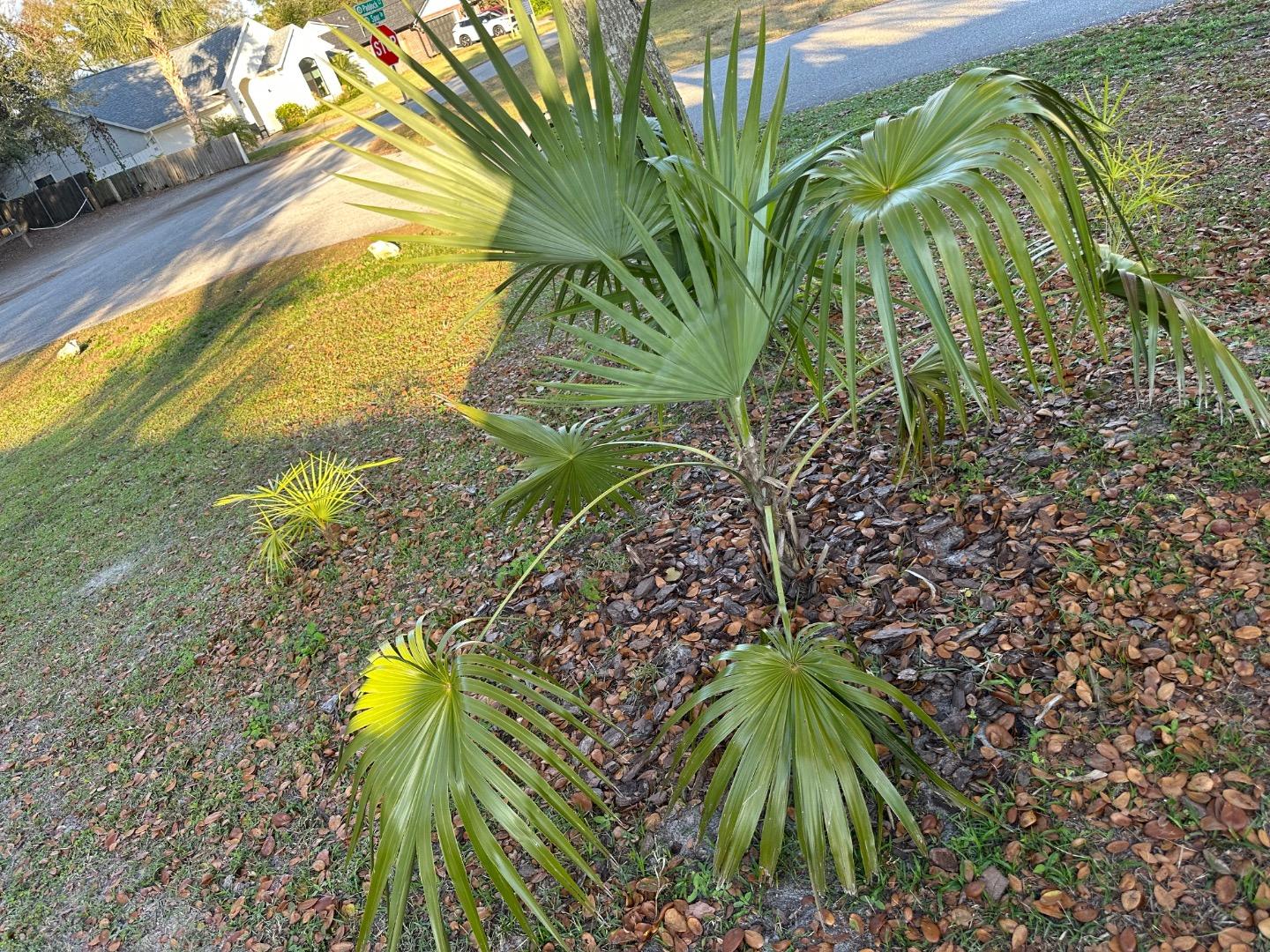
I have cross-pollinated my pistillate Guihaia argyrata with pollen from Trachycarpus fortunei and Rhapis humilis. Also at same time some of my Brahea have been blooming. The Guihaia is seeming now to have set fruits. It remains to see whether seeds are fertile and eventual offspring which of those pollen donors resembles!1 point











































.jpg.0cf735c7525858af1582442942bc68e8.thumb.jpg.894f59a749fff01eb286c1fe4a50ab62.jpg)