Leaderboard


.thumb.png.04b3487b96ff29c55b8a8994b91f62b2.png)
Popular Content
Showing content with the highest reputation on 01/06/2026 in all areas
-
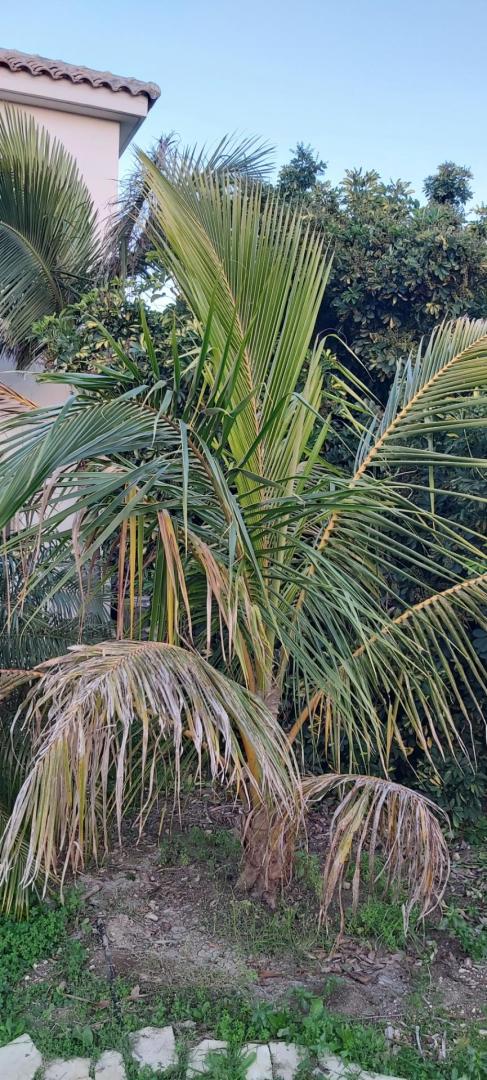
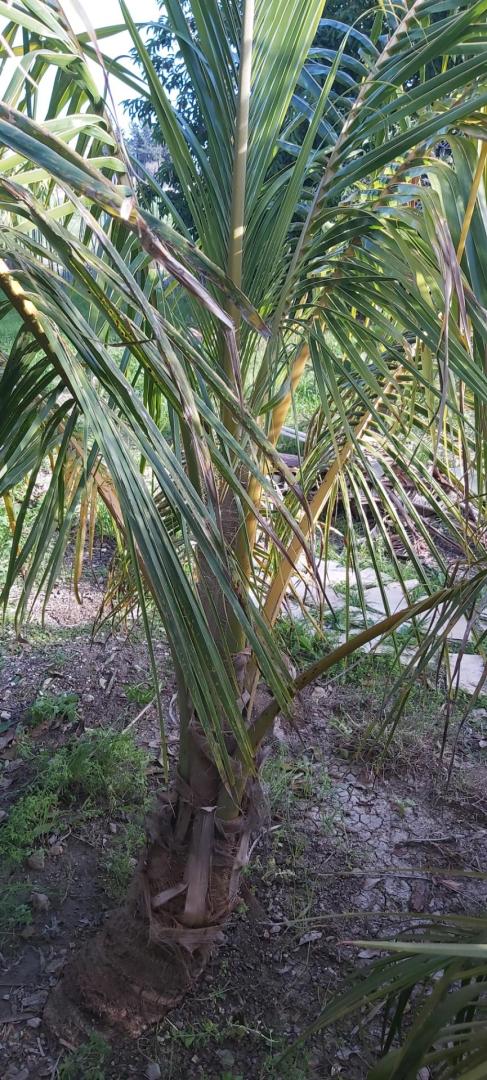
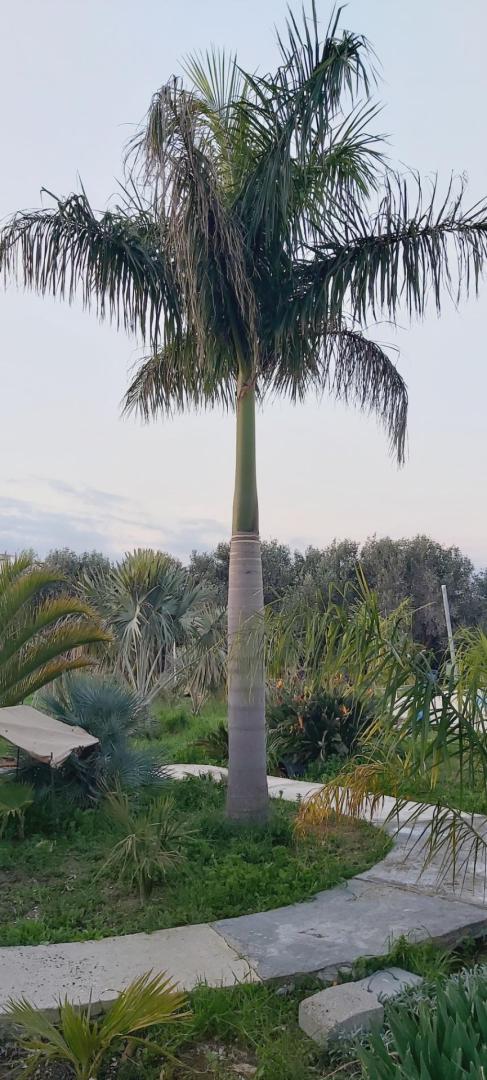
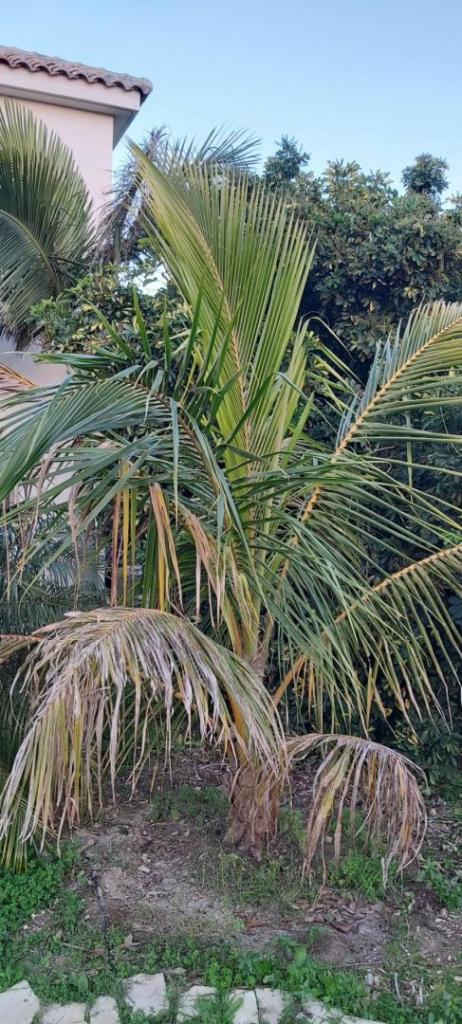
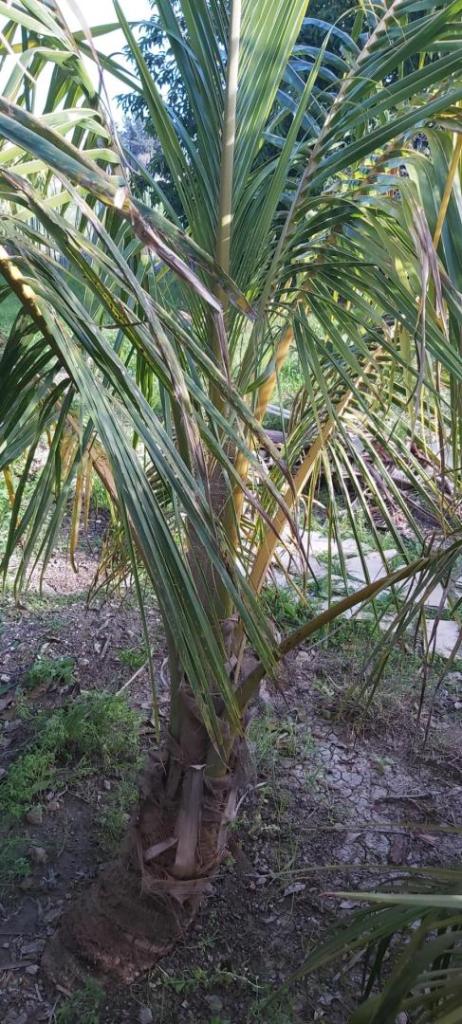
Happy new year everybody. A small update of my coconut palm in Cyprus. It's still alive for another winter. I increased the water in the summer and it started to make a difference in the growth.

 8 points
 -
Another update on this one, sorry. It caught my eye this morning opening a new frond. It’s been growing great. -dale
 6 points
 -
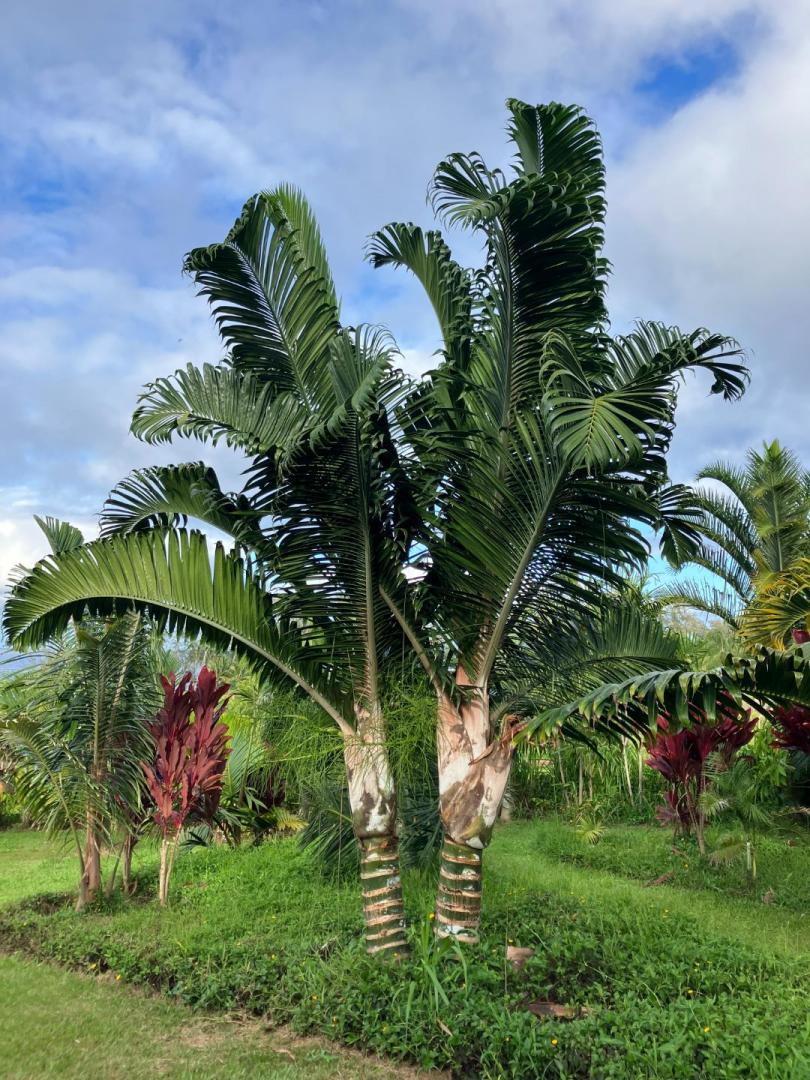
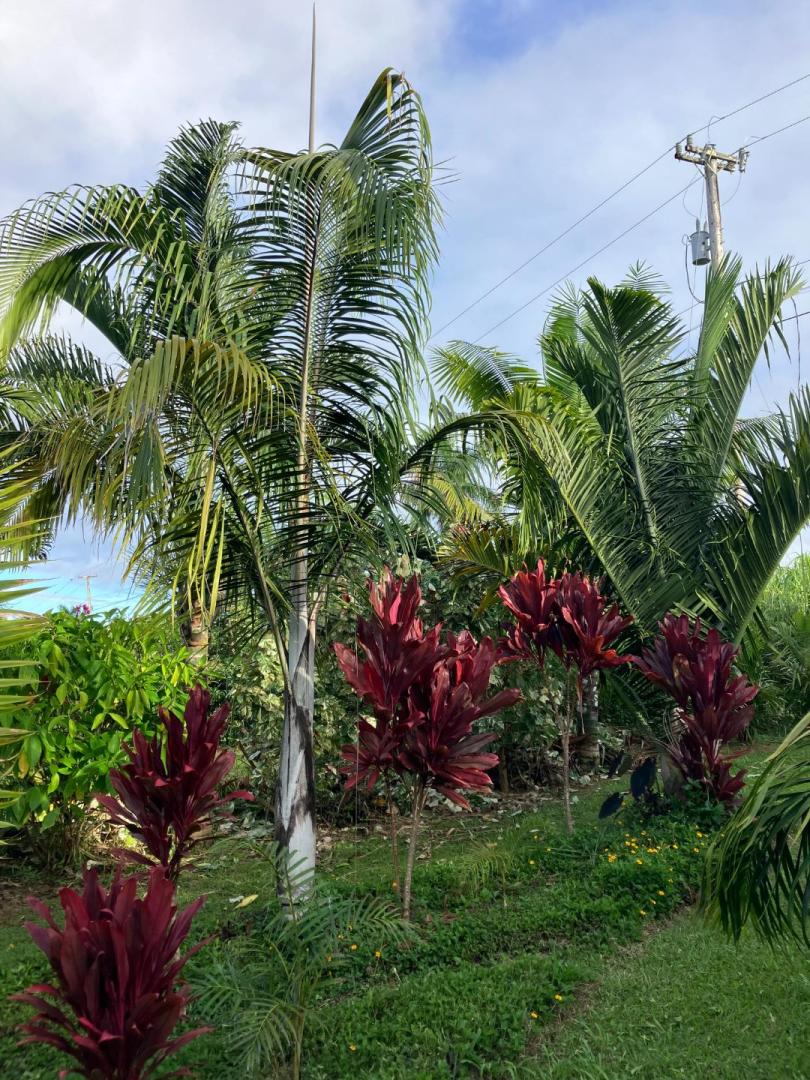
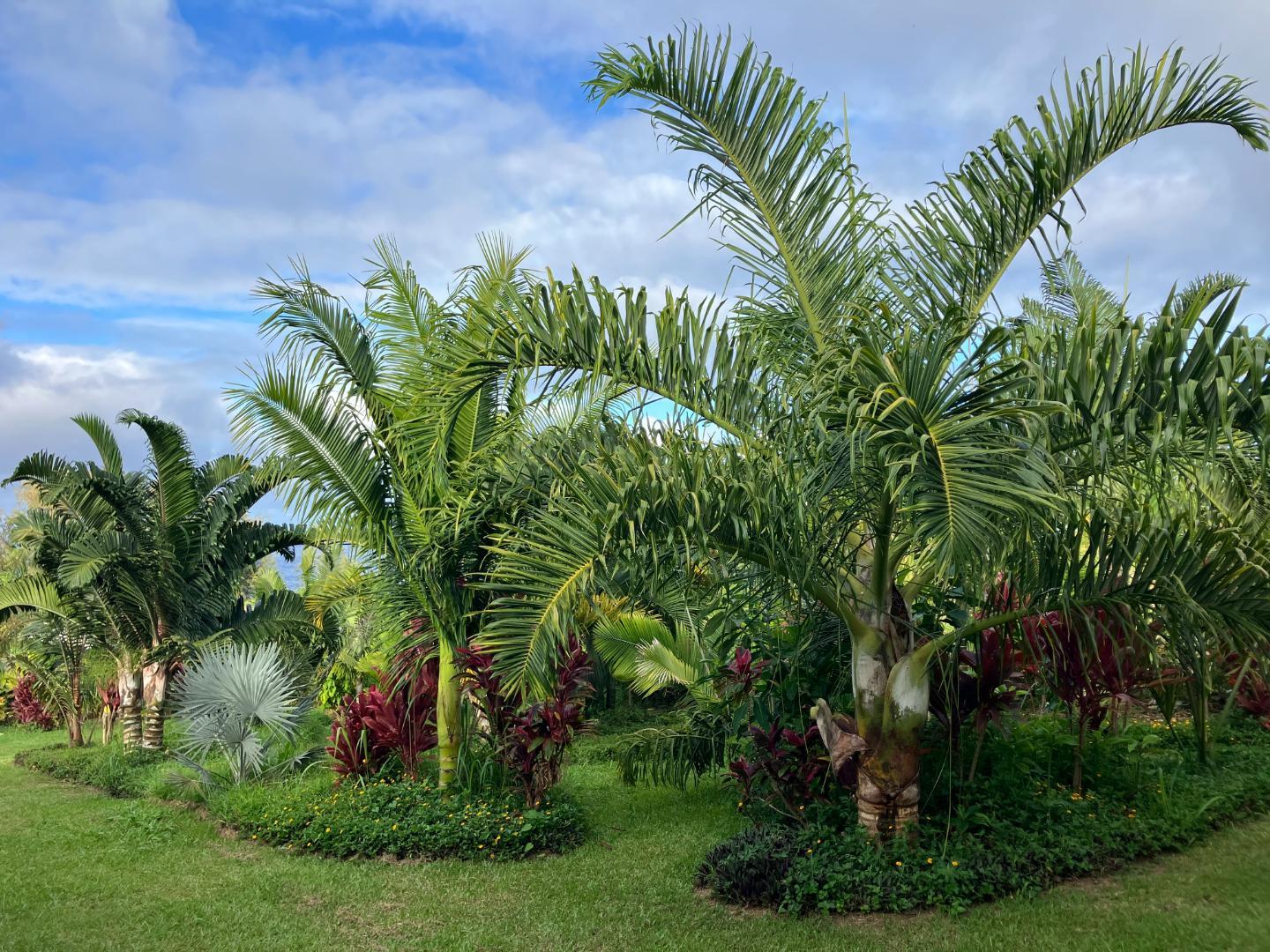
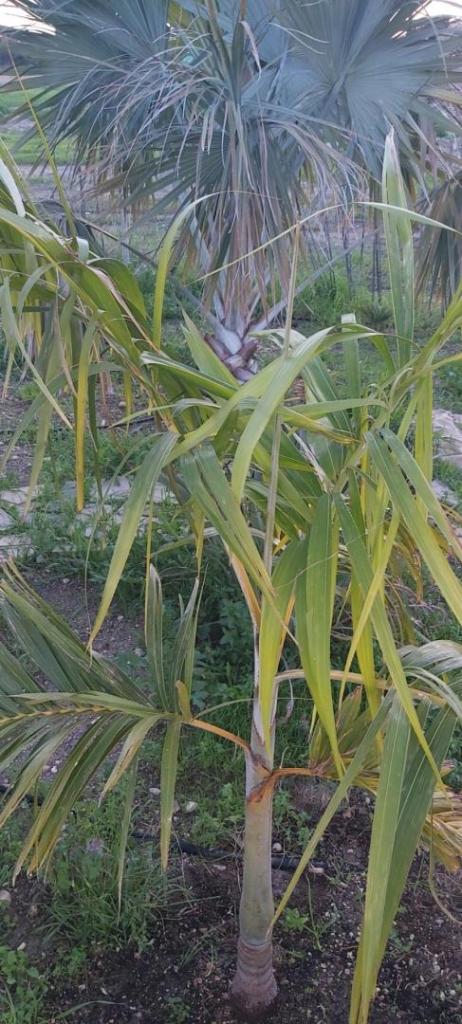
My biggest surprise was my two veitchia arecina. They propably becoming my fastest palms. When I put them in the ground last summer they were 2 feet overall height. Now they are about 7 feet with a few rings of trunk. I'm glad they survived in the summer heat. I lost some palms in the heat waves, and some don't happy under the summer sun. I increased the watering for all the palms and it helps a lot.

 6 points
 -
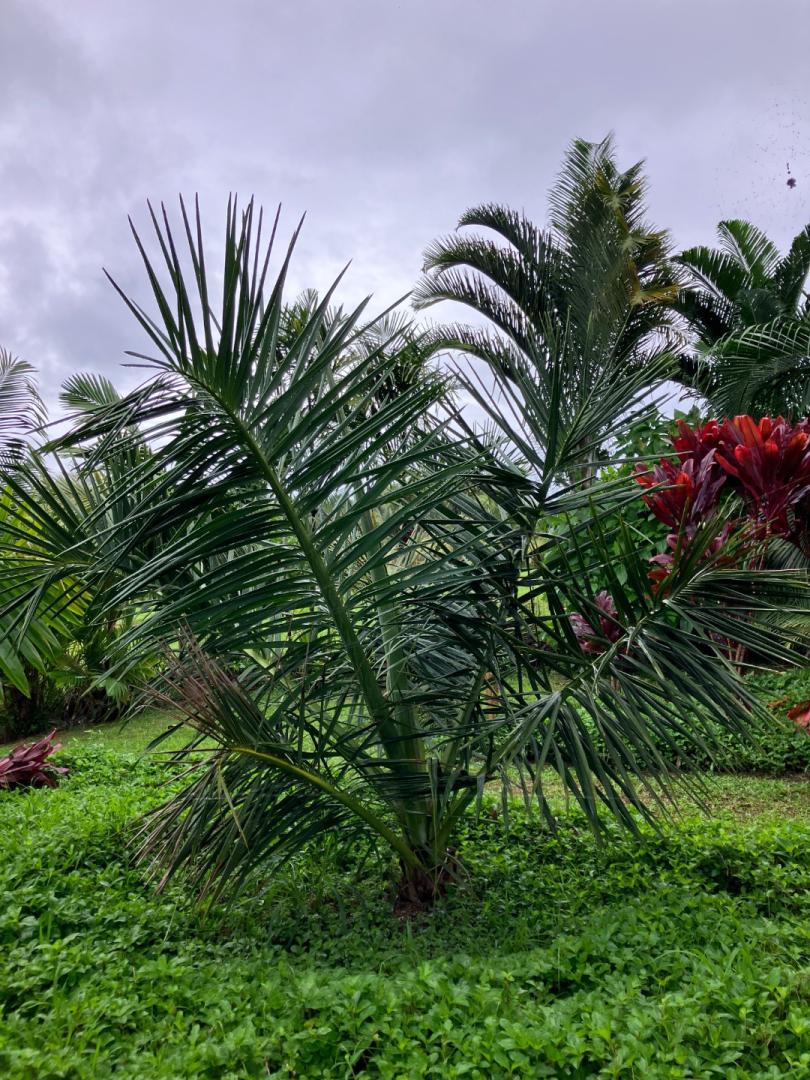
You guys get a few more points in California for Rhopalostylis, Ceroxylon, Hesyscepe, etc. hah! Here’s my Blue Decipiens. Still a ways off from trunking when they seem to speed up. I’m guessing this one is 8-9 feet tall from ground to tip of newest leaf.

 6 points
 -
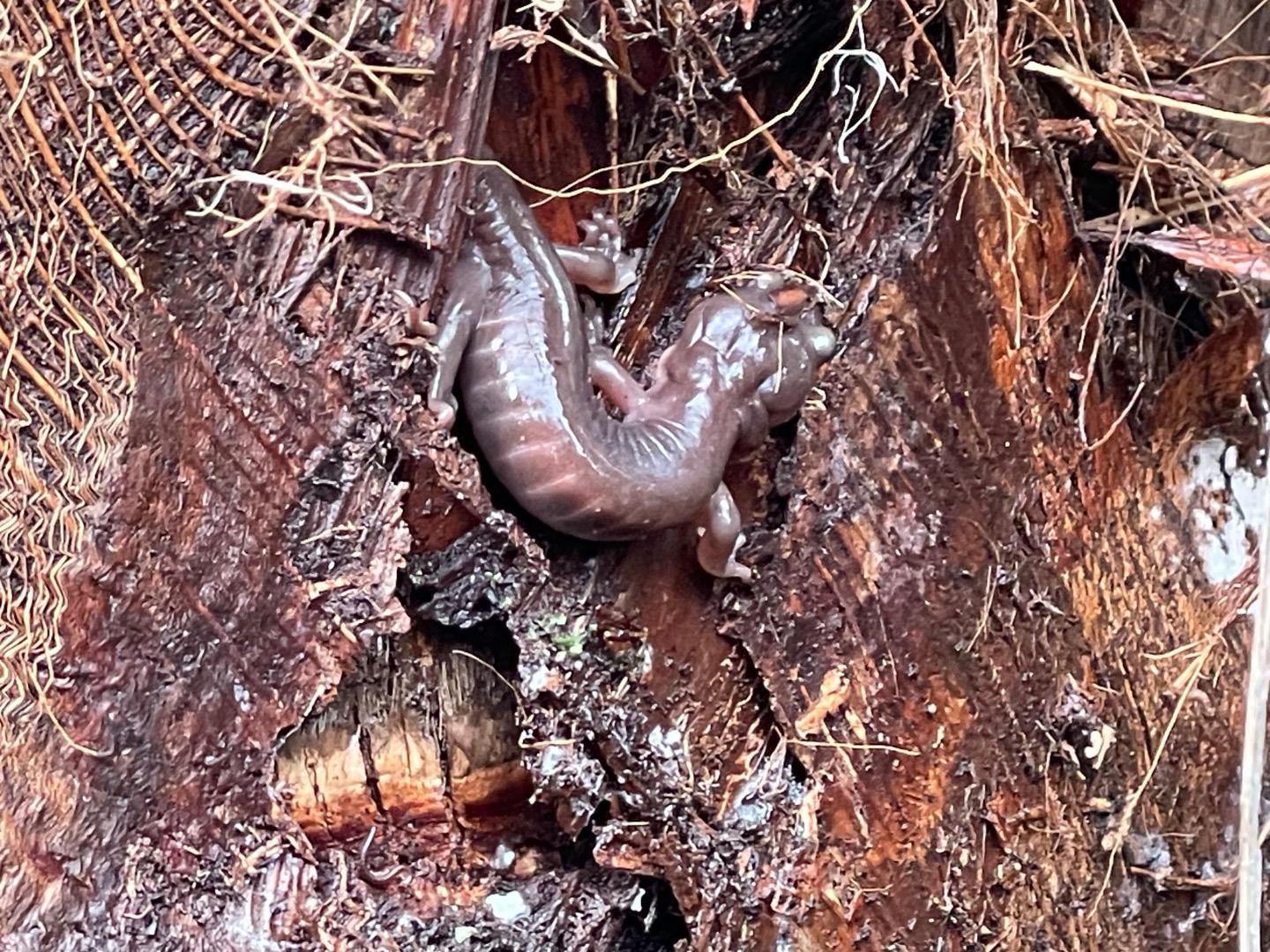
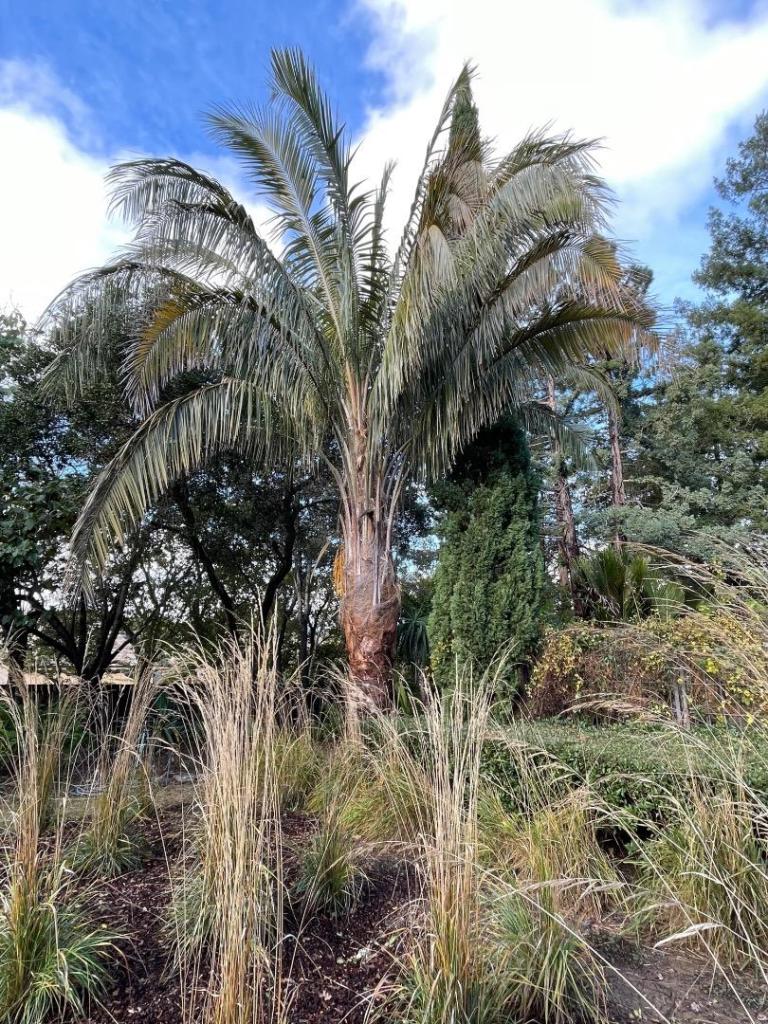
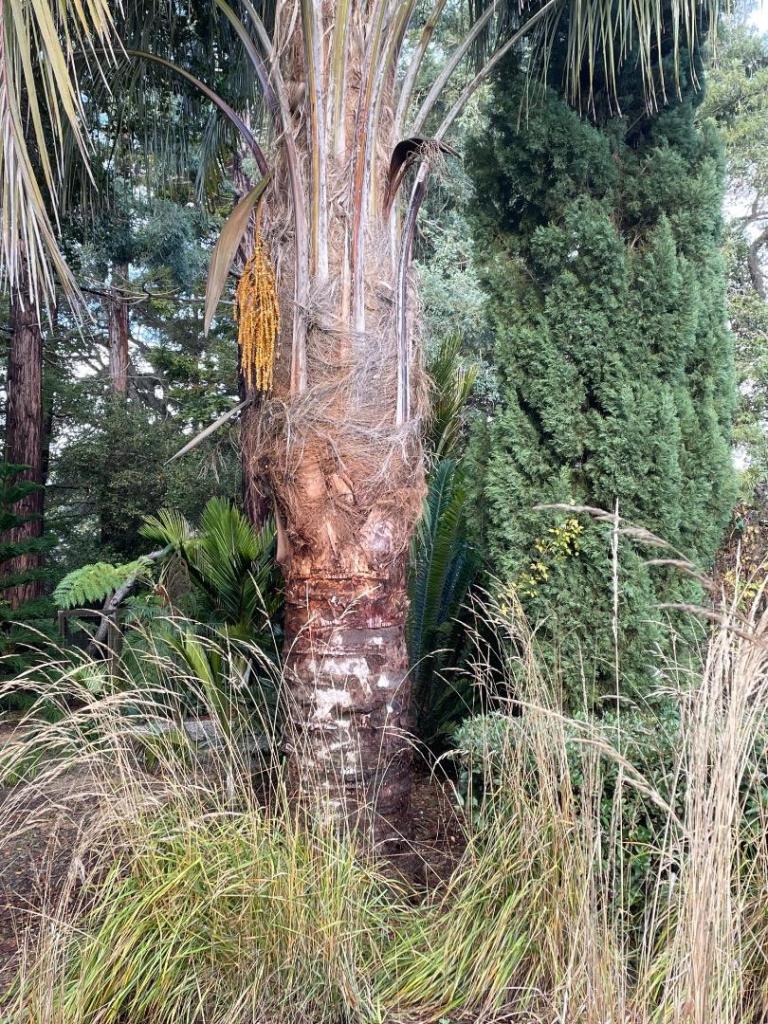
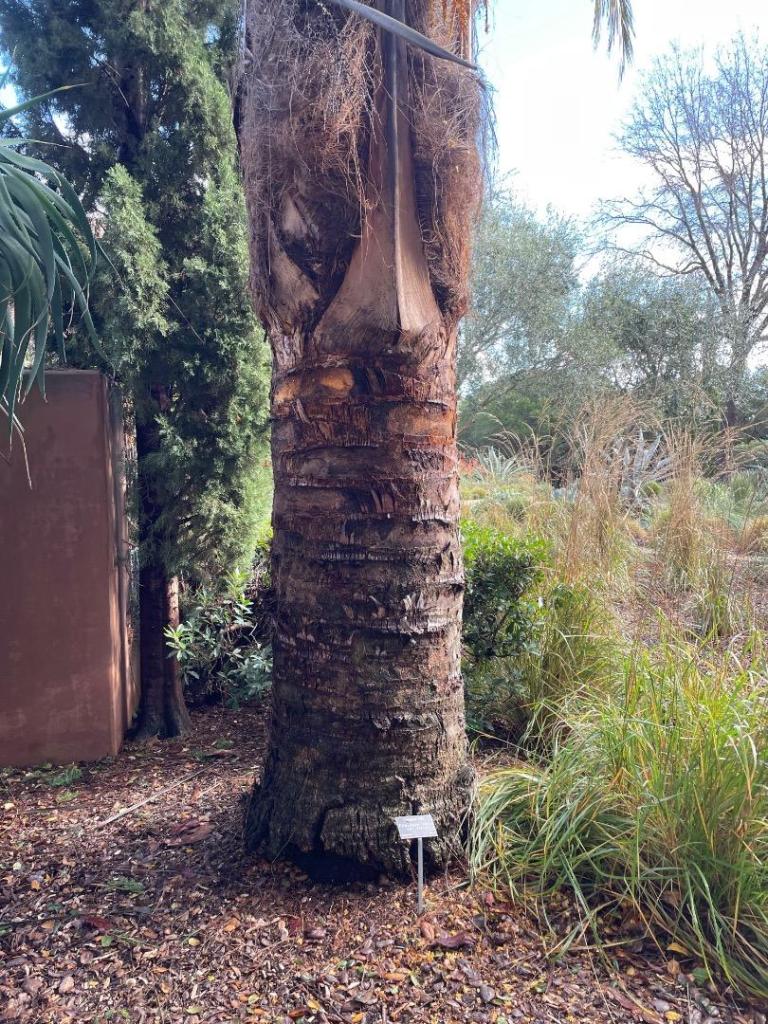
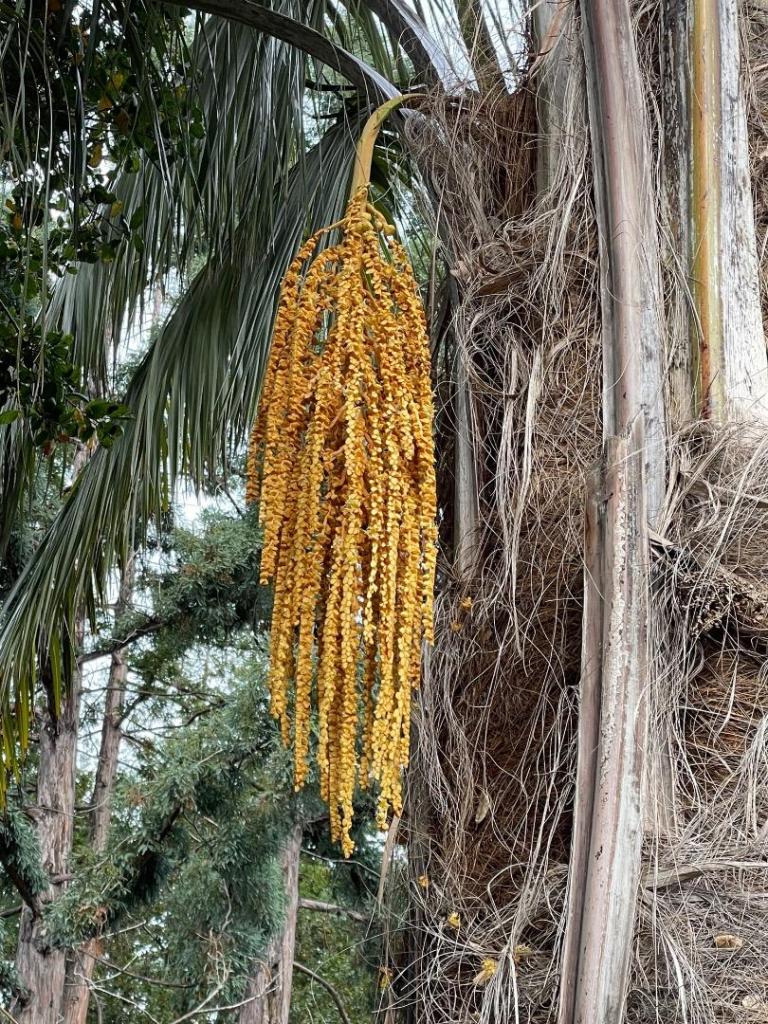
Posting a few photos of my Parajubaea torallyi. I planted this palm about 15 years ago from a 5-gallon pot. It currently has about six feet of clean trunk and it’s about 25+ feet tall. This time of year, I tug on the old leaf sheaths to see if any of them are ready to come off. If they're ready, they pull off easily. However, if they aren't, no amount of pulling will remove them. It’s not unusual to find Arboreal Salamanders (Aneides lugubris) under the old leaf sheaths as shown in the photo below. I'm in the San Francisco bay area.

 5 points
 -
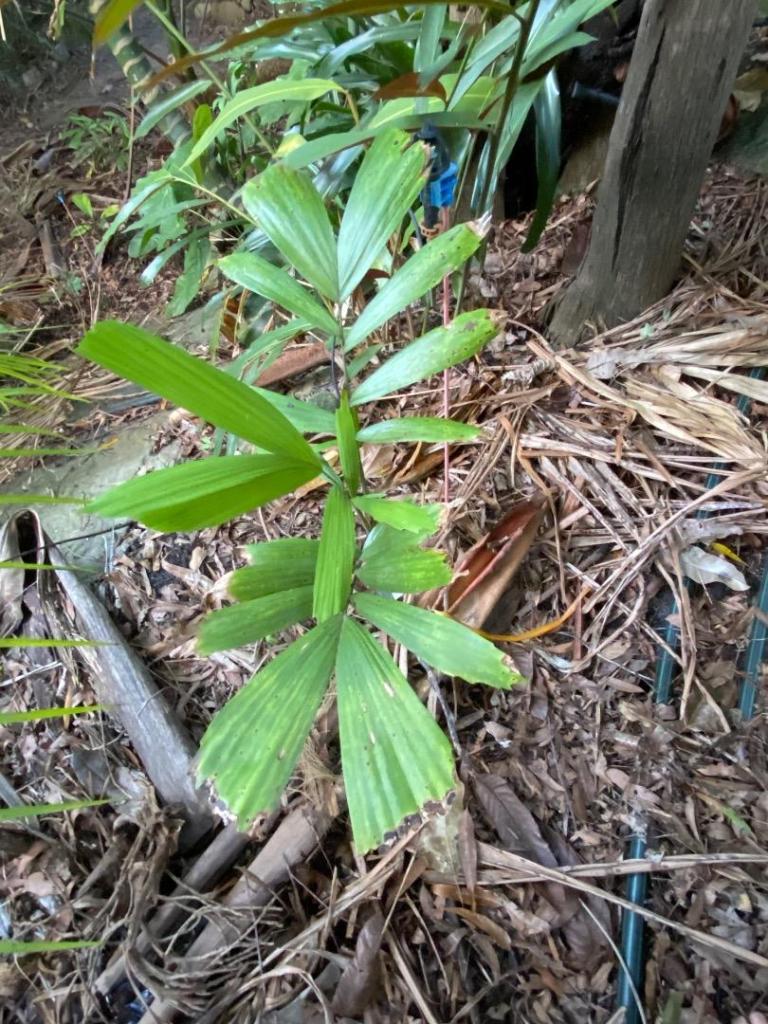
Sounds like you have done pre winter protection, it’s up to Mother Nature now, welcome to the zone push club where you get to watch palms die and you also get to watch new palms live. See socratea rostrata picture below for a zone push winner!
 4 points
 -
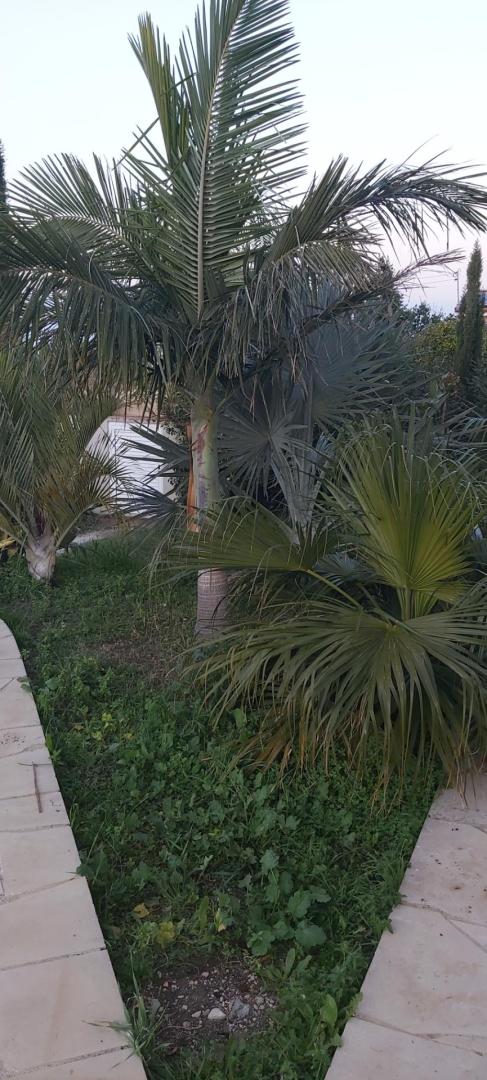
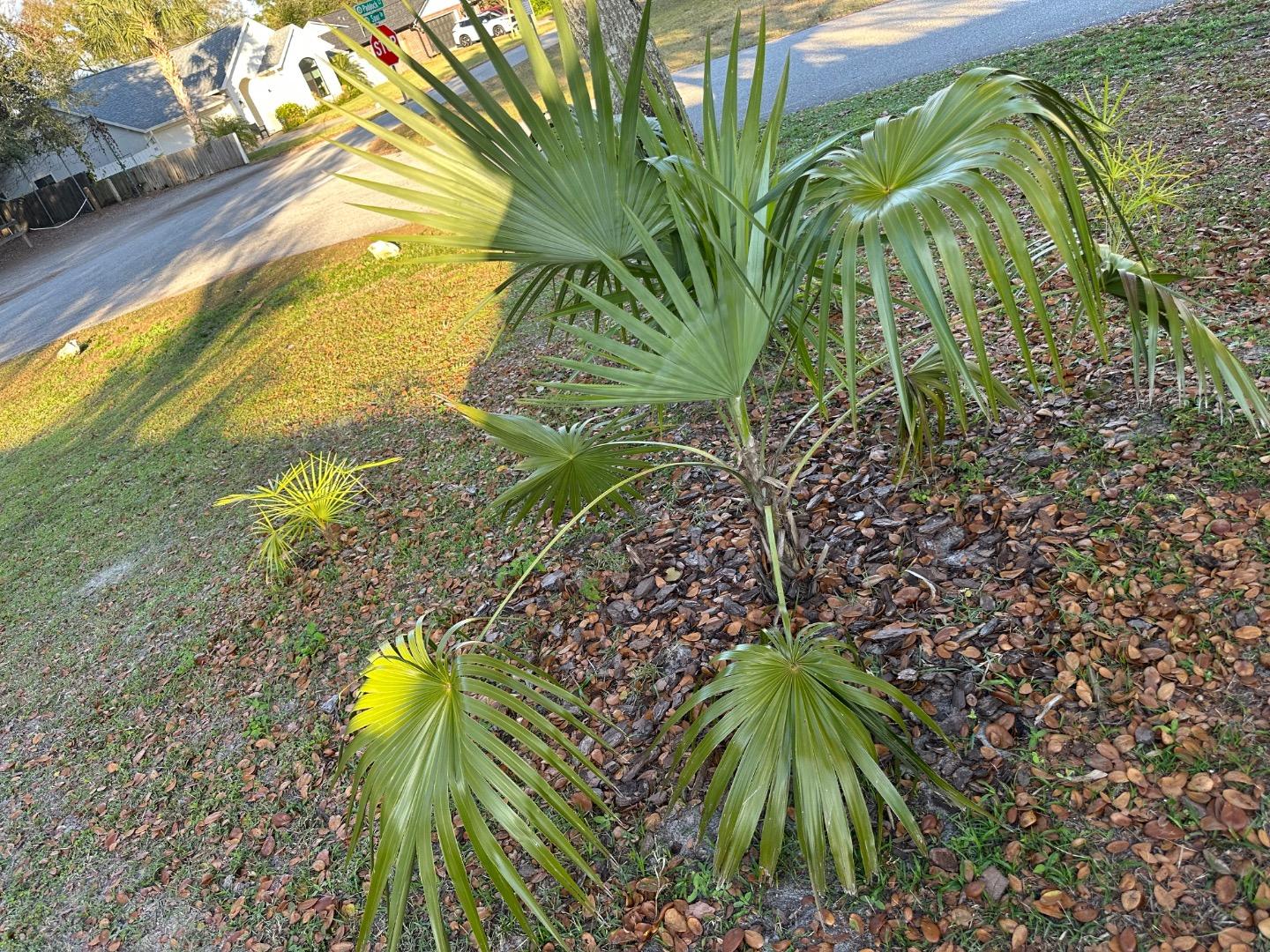
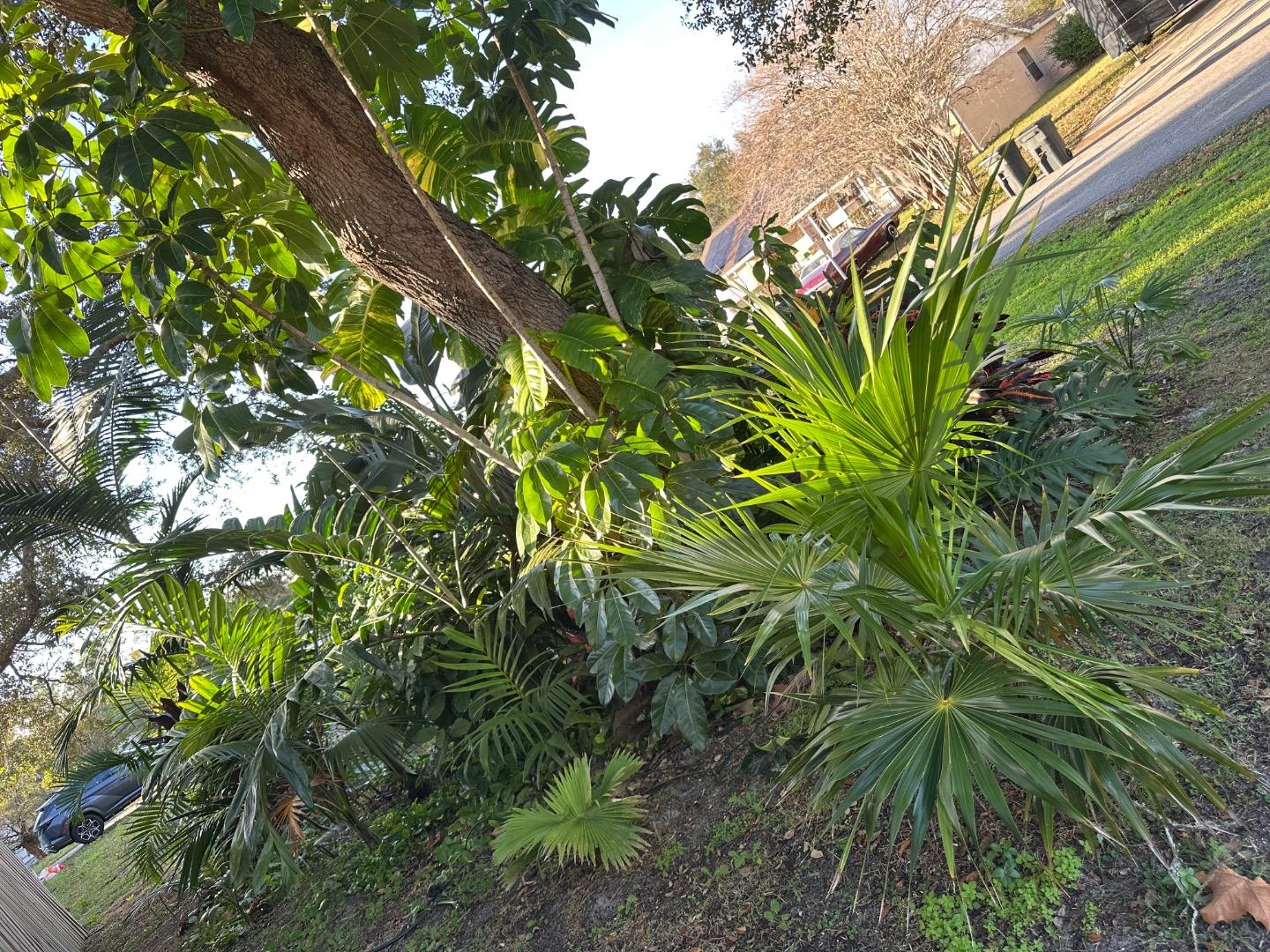
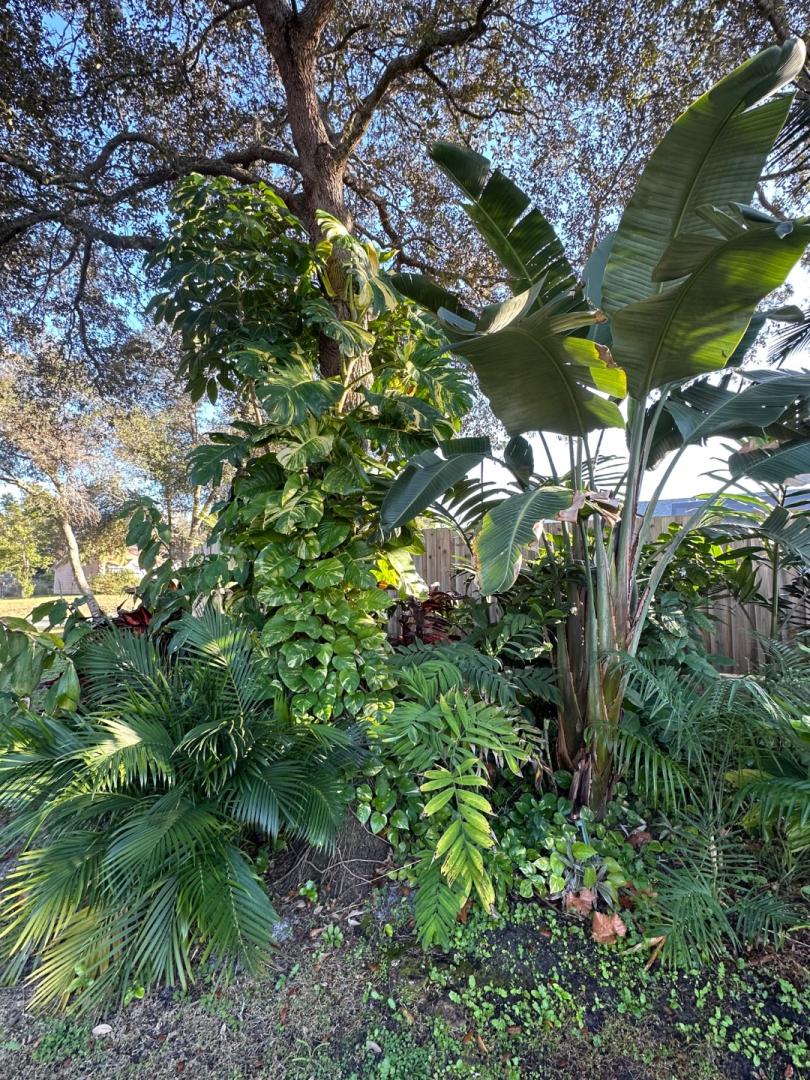
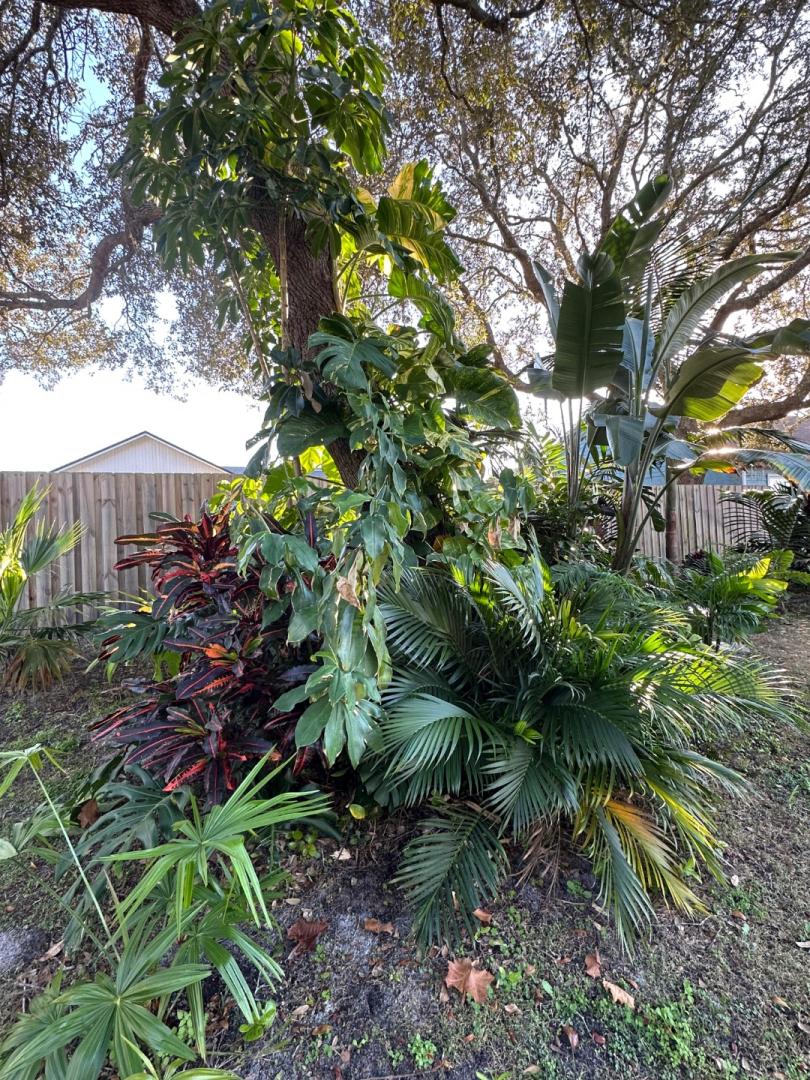
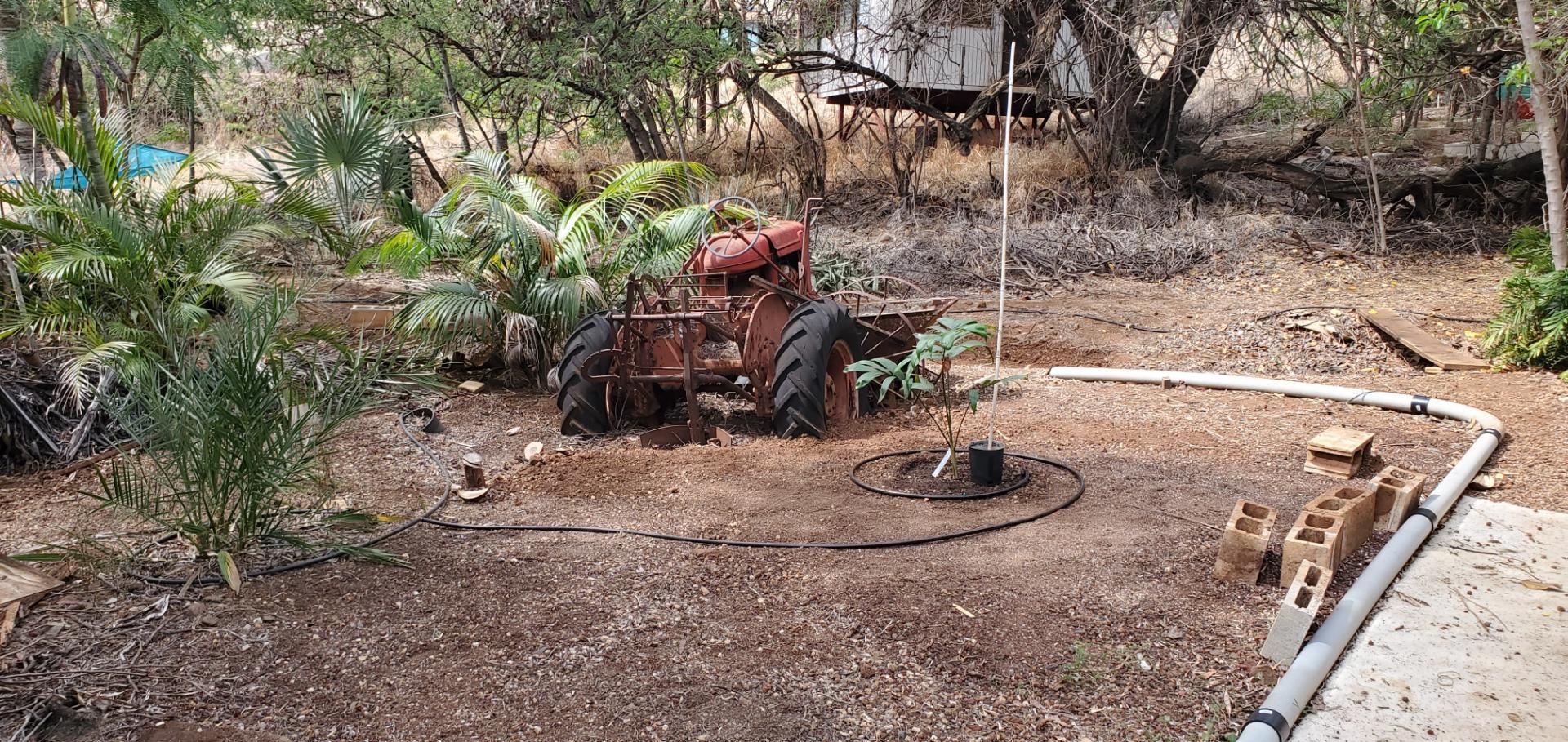
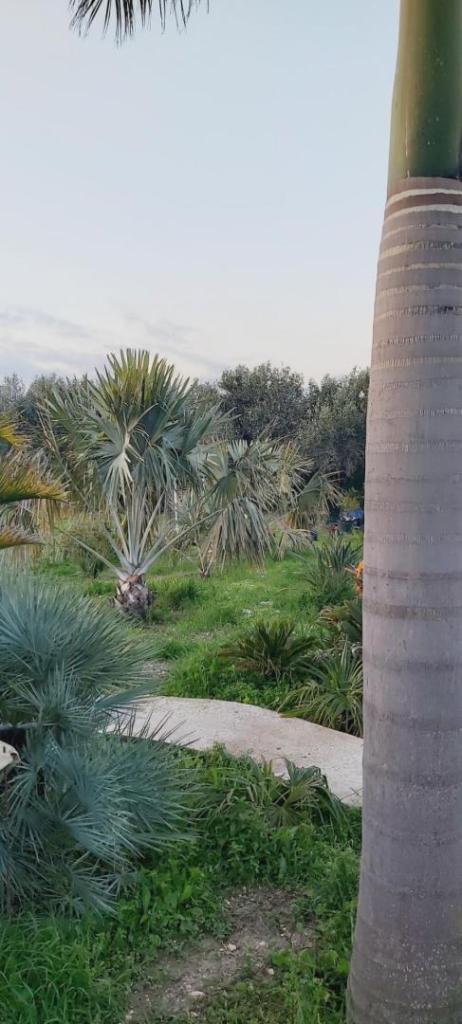
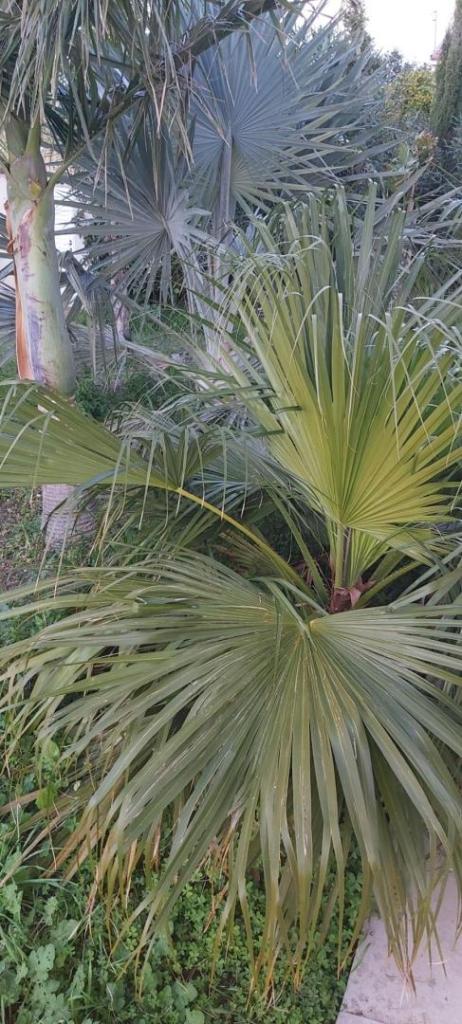
I love the cocos but I also wanted to give priority to palms that can more easily grow in my climate. Here are some photos. Sorry for the mess. I have a lot of cleaning to do, but I've been very busy lately with work.


 4 points
 -
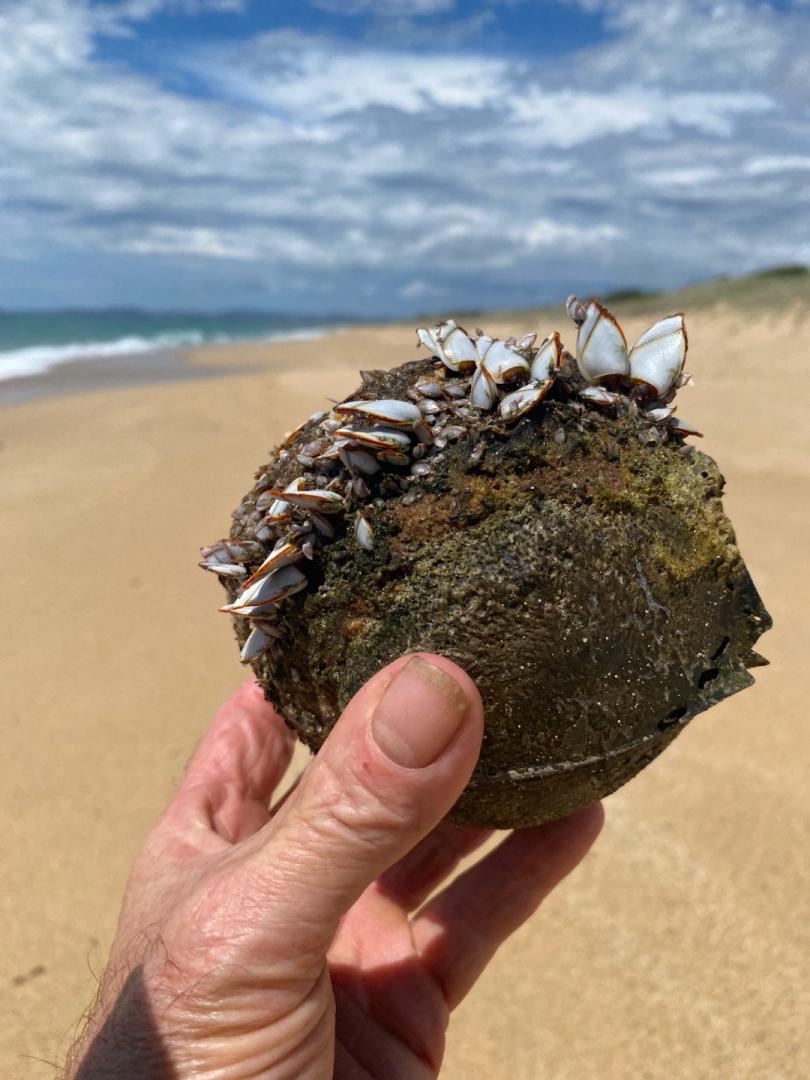
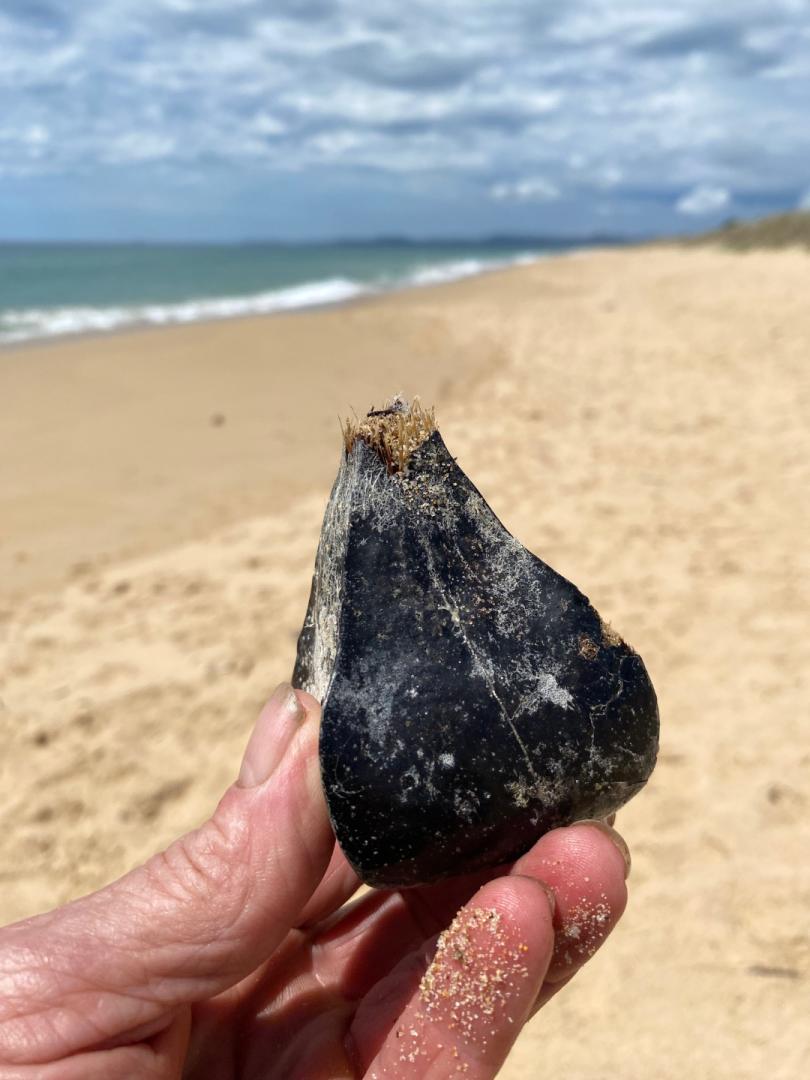
A nice summer swim and a walk along a beach, with absolutely no body on the beach for miles, except for a few seeds!


 3 points
 -
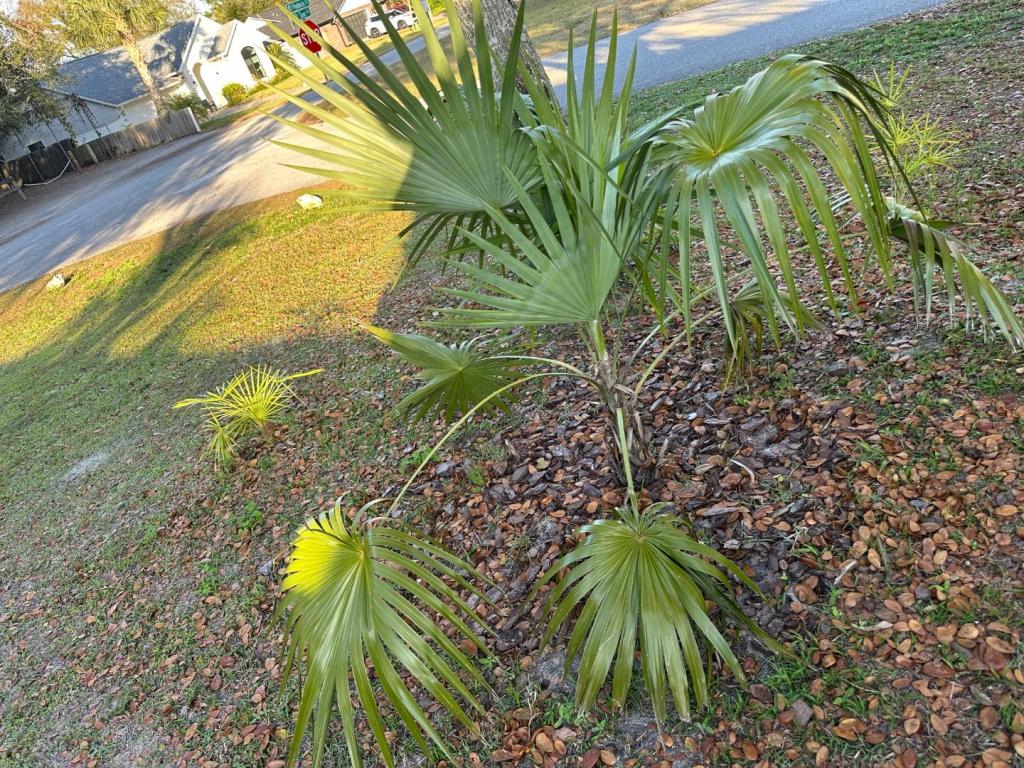
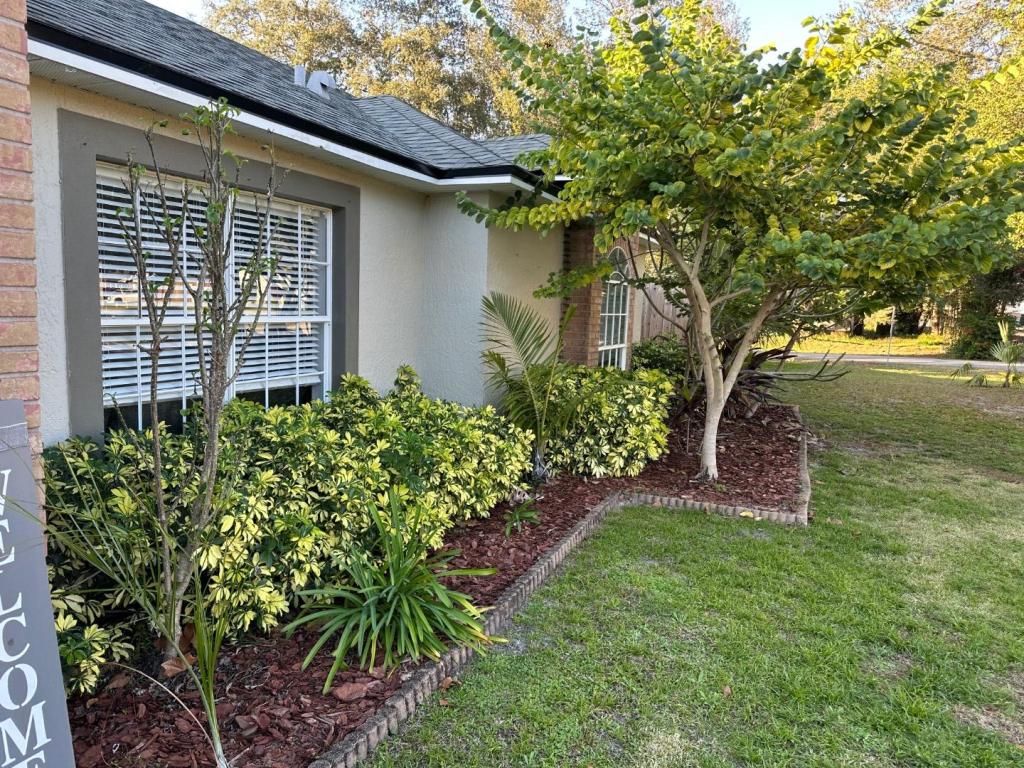
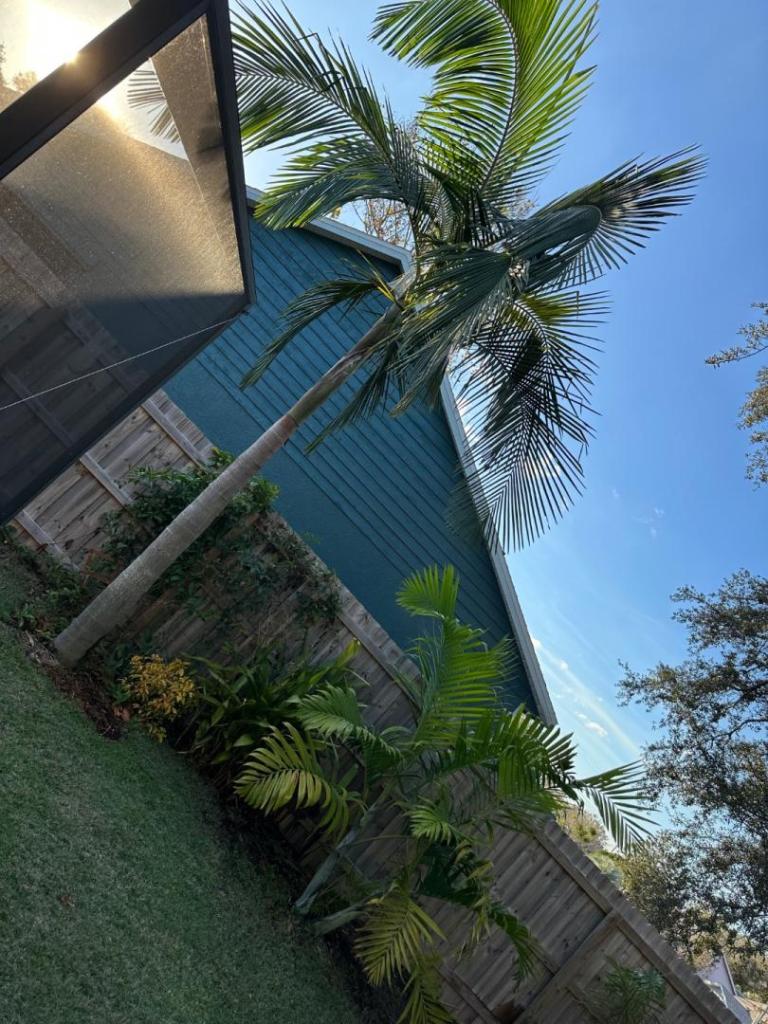
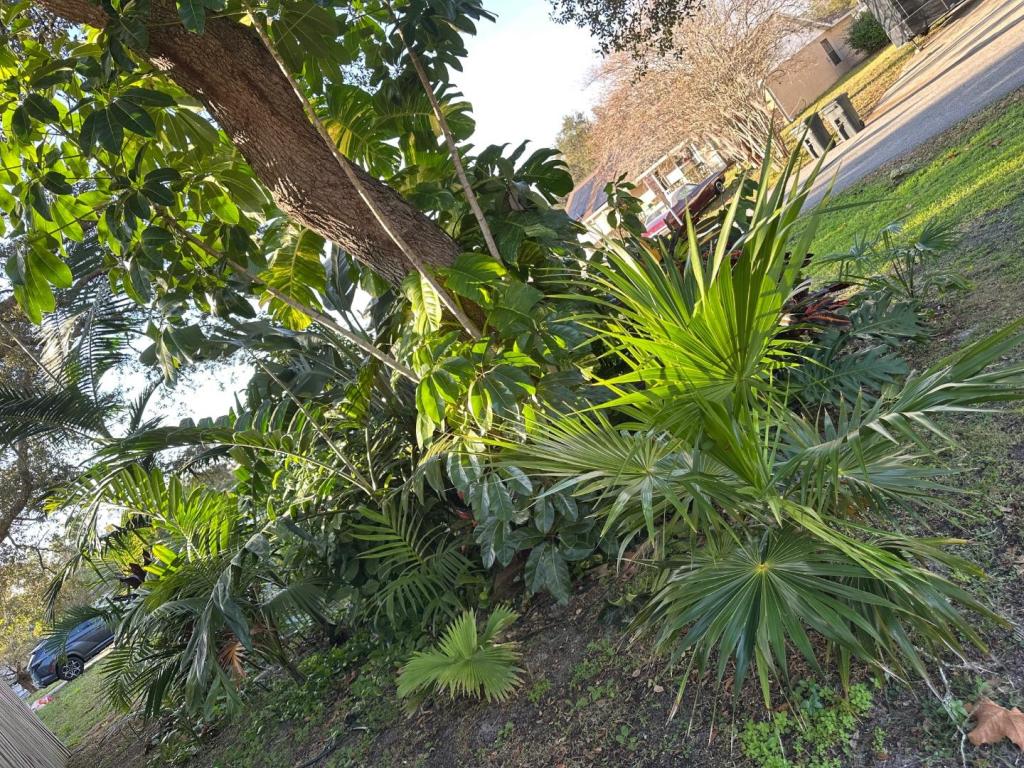
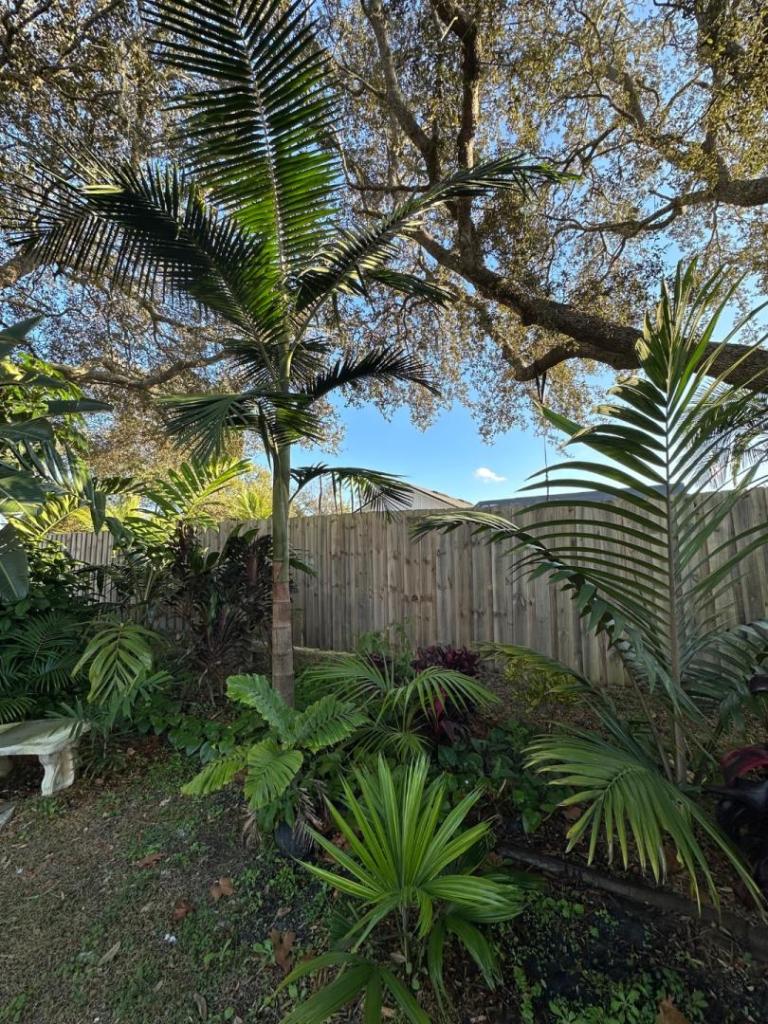
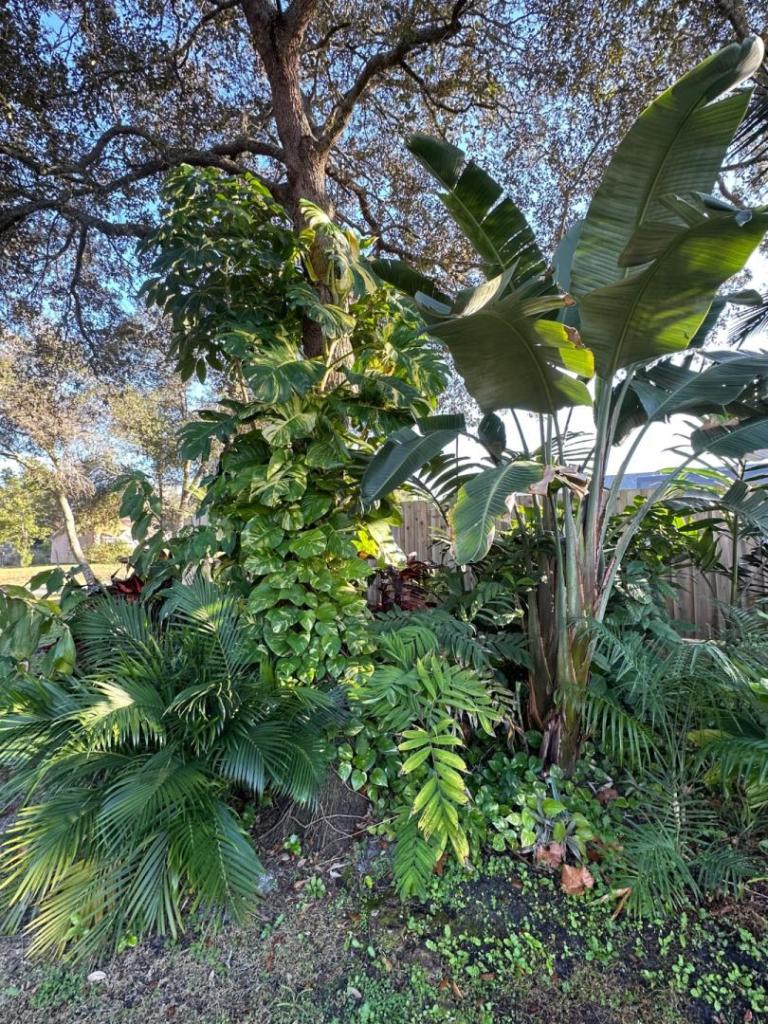
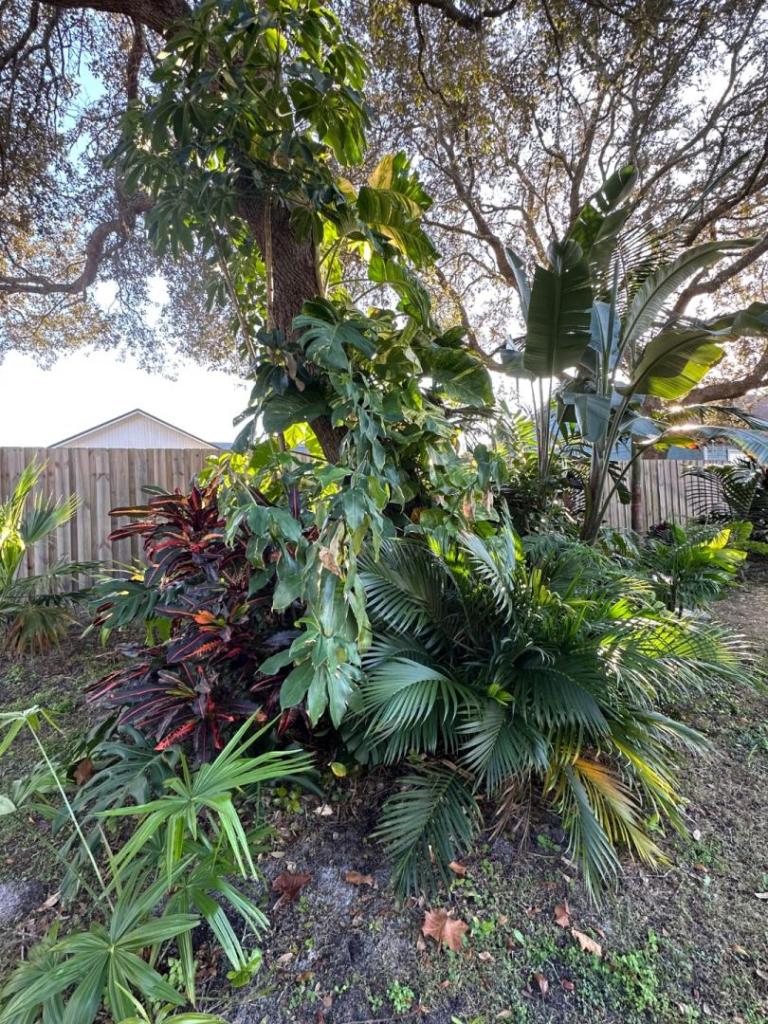
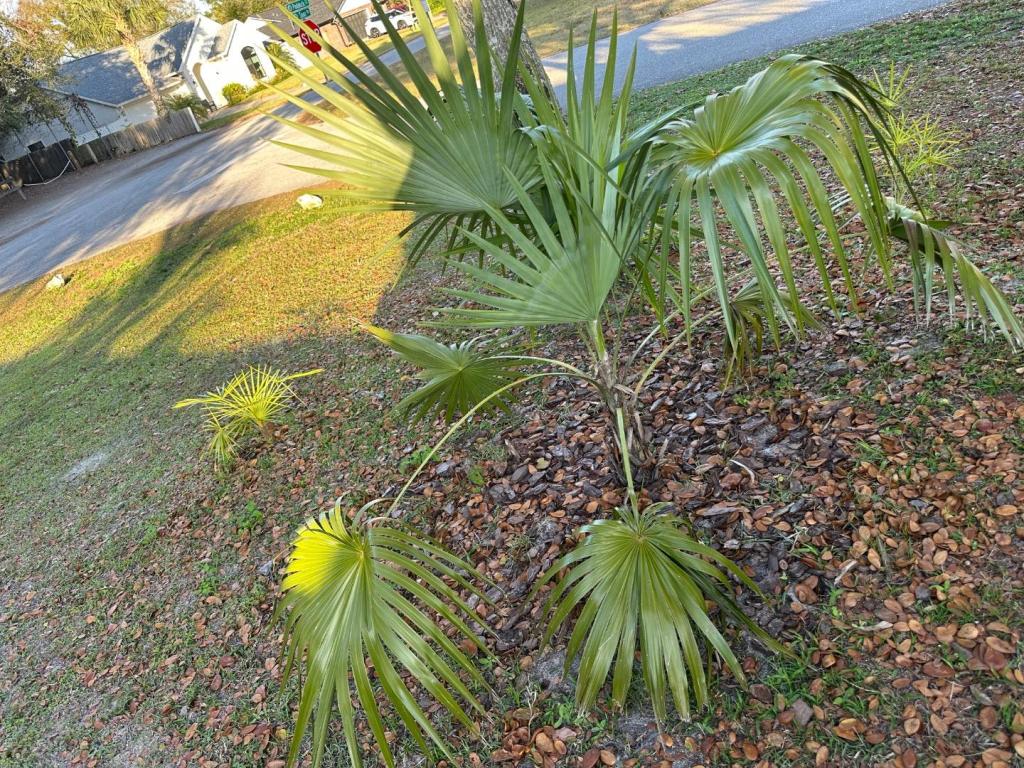
January 2026 update:



 3 points
 -
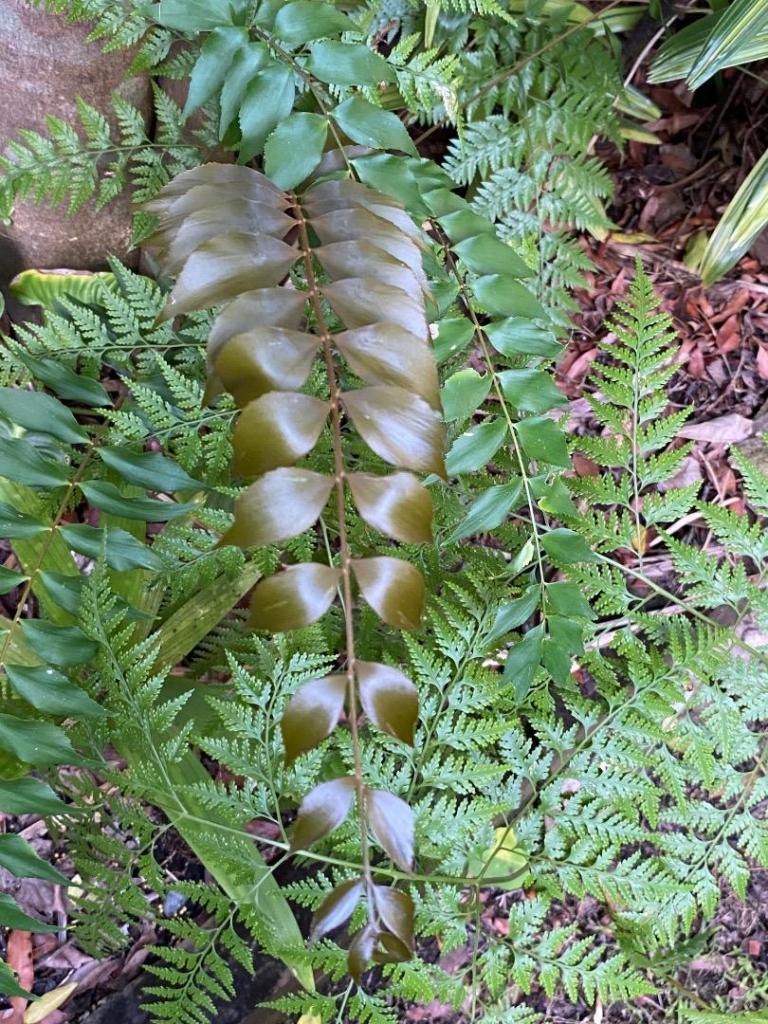
Zamia fischeri new leaf!
 3 points
 -
I don’t know of any tricks , other than thermal protection and hoping for warmer weather. Once the fronds are damaged they have to grow out of it and that will occur as we get closer to Spring, hang in there. Harry3 points
-
Healthy looking garden . The palms seem very happy there. Harry3 points
-
I can't imagine a scene with so much snow in my garden, I would lose all the plants😥3 points
-
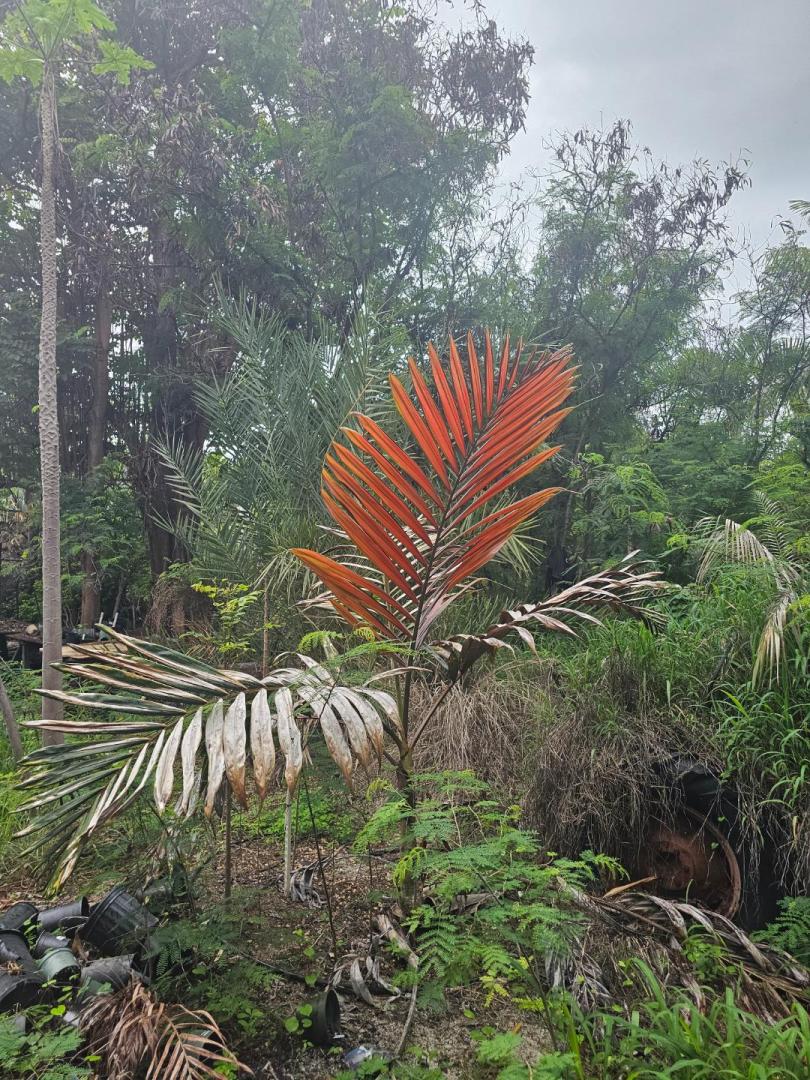
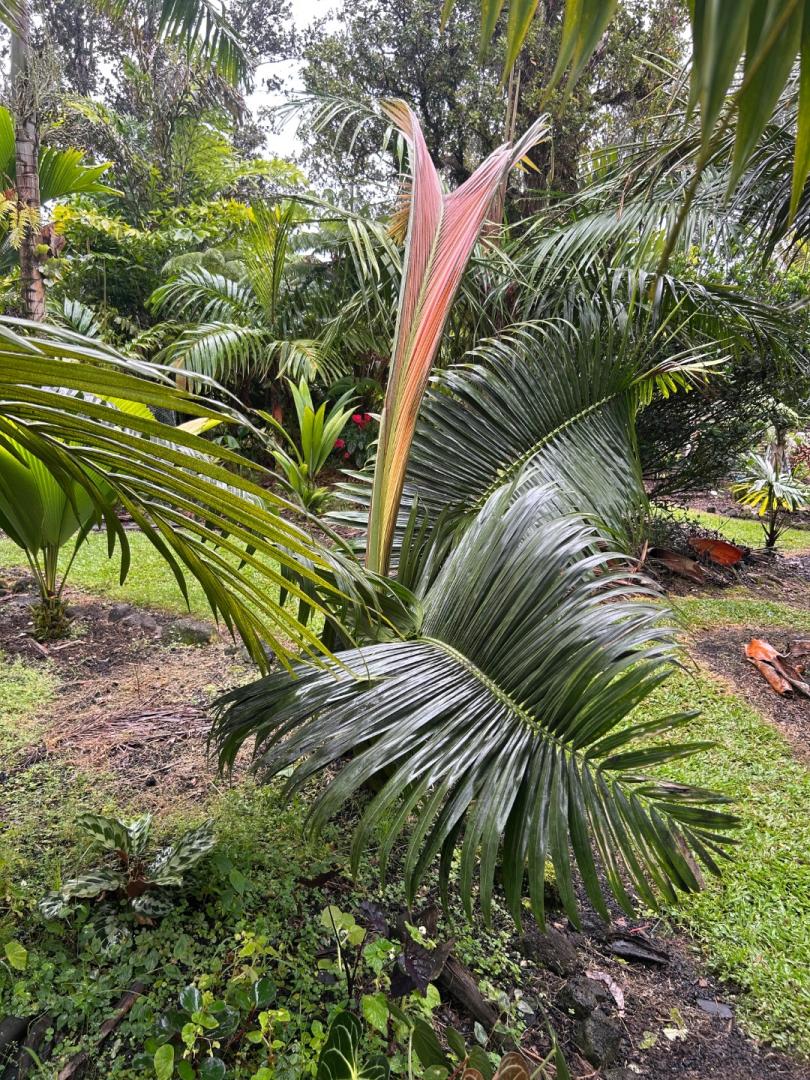
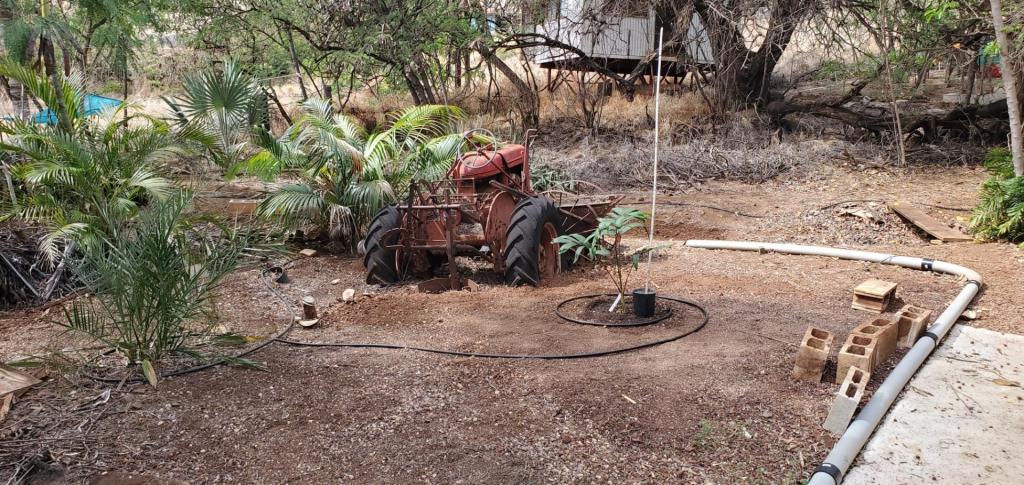
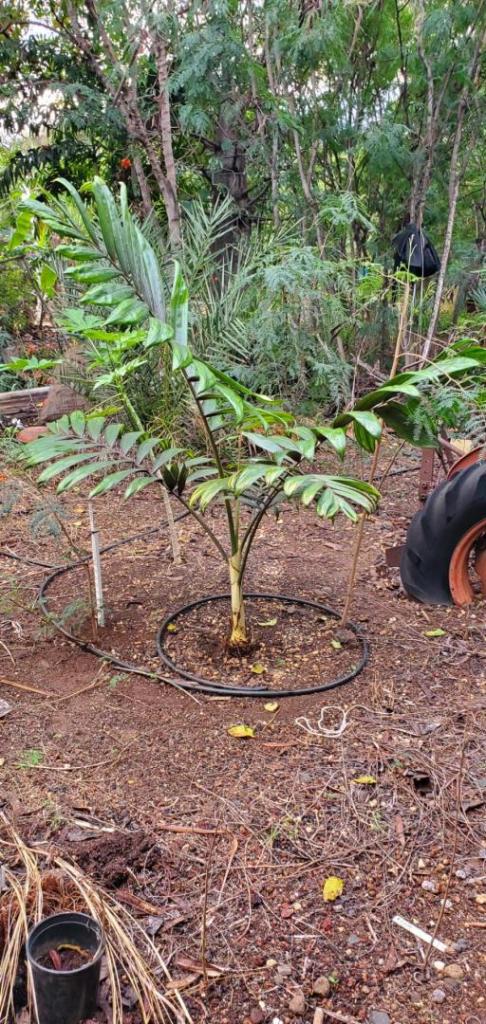
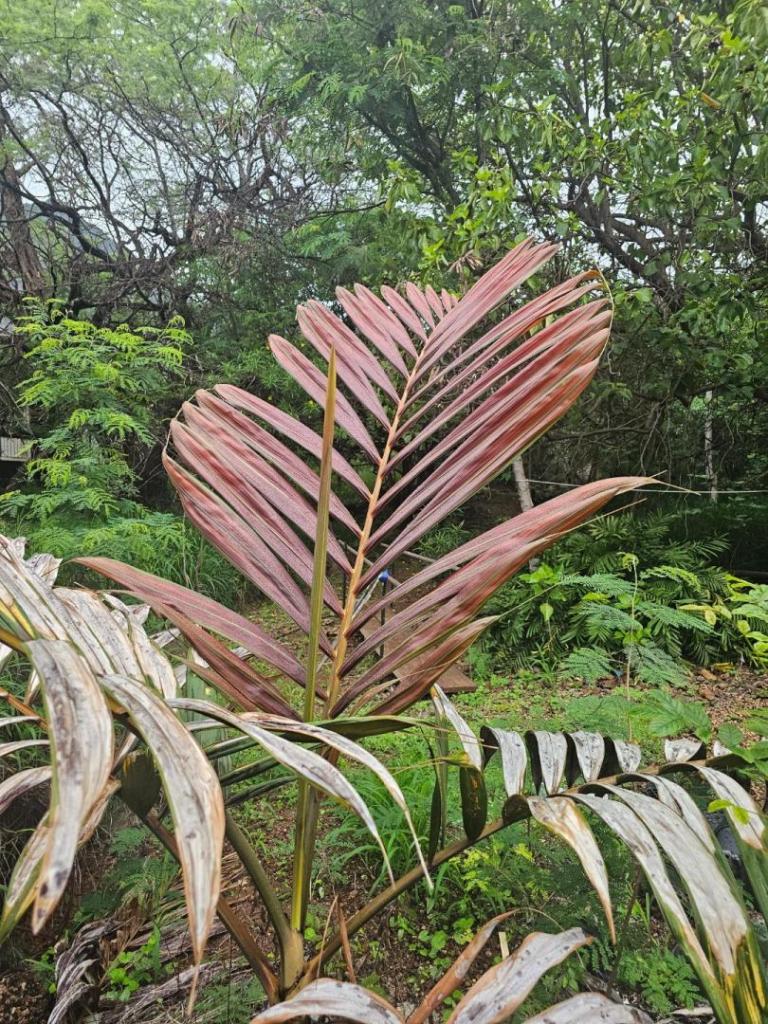
Planted a 1 gallon pot from FB in November of 2021. It's growing nicely. BUT this summer all the fronds got fried. Just spotted a new bright red today. Had it under shade cloth at planting Took the shade cloth down in February of '23. Looked ok for a few years. Then this summer I noticed the fronds getting "toasted". But it's still pumping new RED fronds. This summer was VERY DRY. From June to Sept. only had 1.48" of rain. Irrigation twice a week at night for 40 minutes each session. Might have to do some weeding and increase length of watering. But I think it was just TO HOT in the full sun this summer.


 2 points
 -
As Roy Batty said in the movie: 'I've seen things you people wouldn't believe. Attack ships on fire off the shoulder of Orion. I watched C-beams glitter in the dark near the Tannhäuser Gate. All those moments will be lost in time, like tears in rain...' It is only the knowledge I gain Giuseppe to my own delight, seeing the life cycle of beautiful plants, that are not endemic where I live.2 points
-
Sure we all believe you on this 😄2 points
-
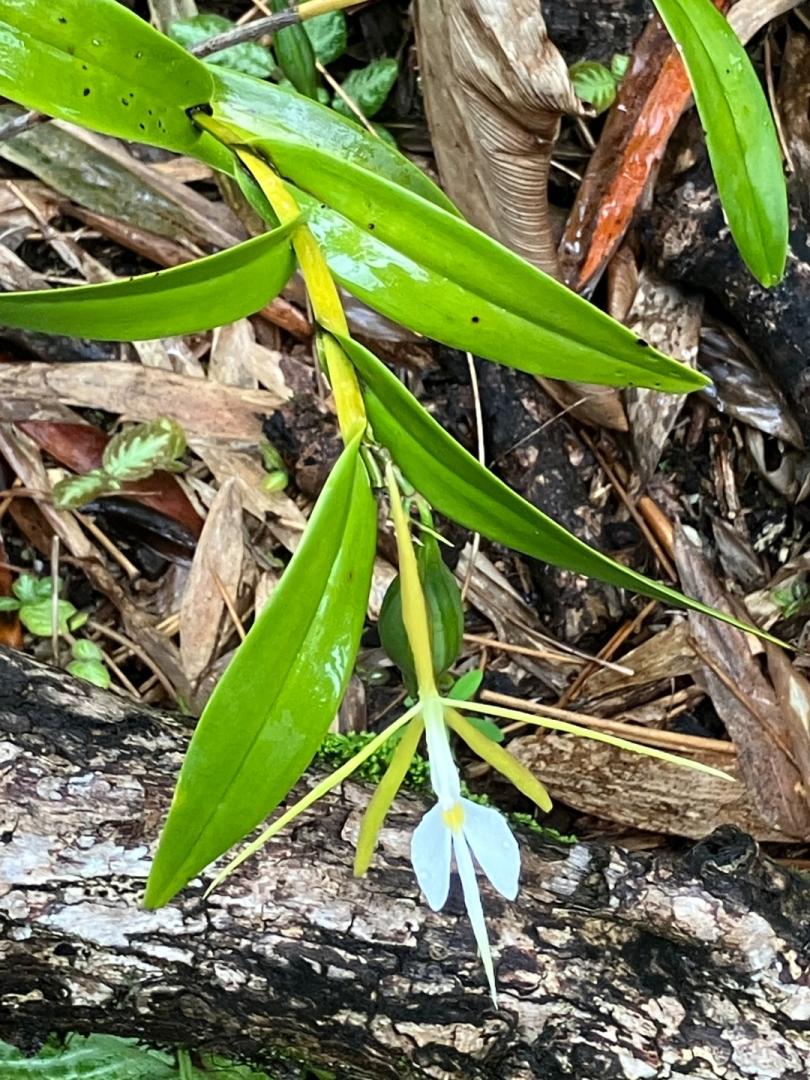
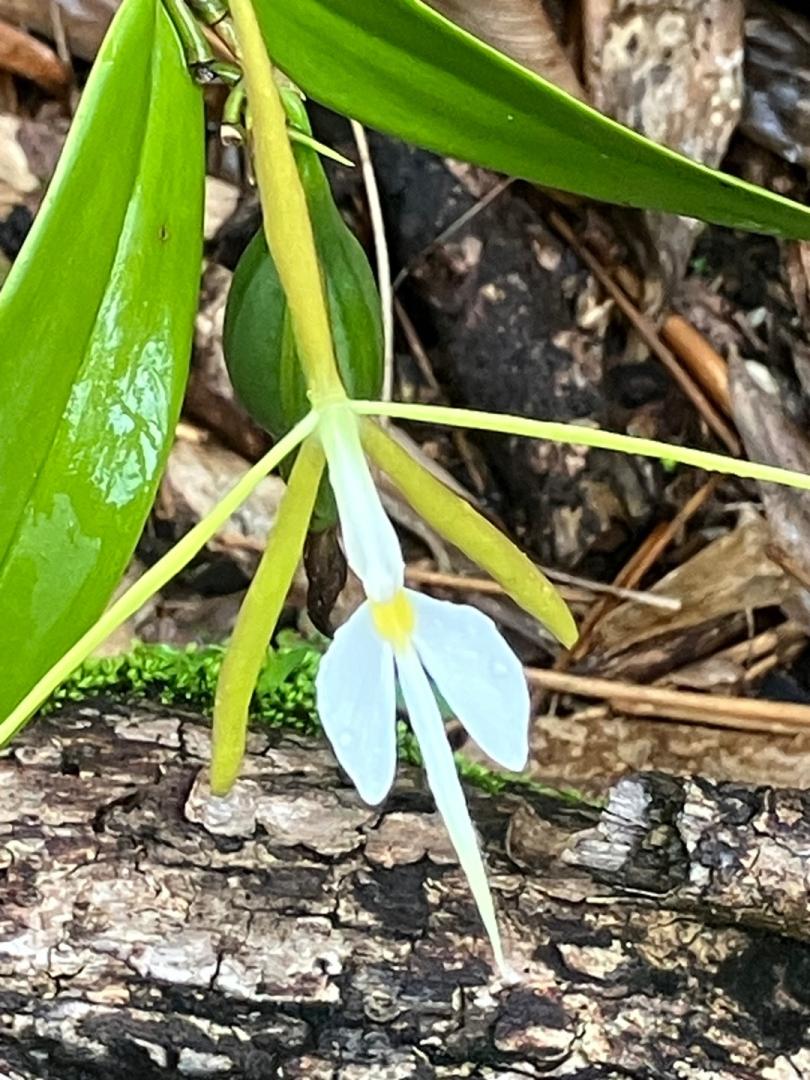
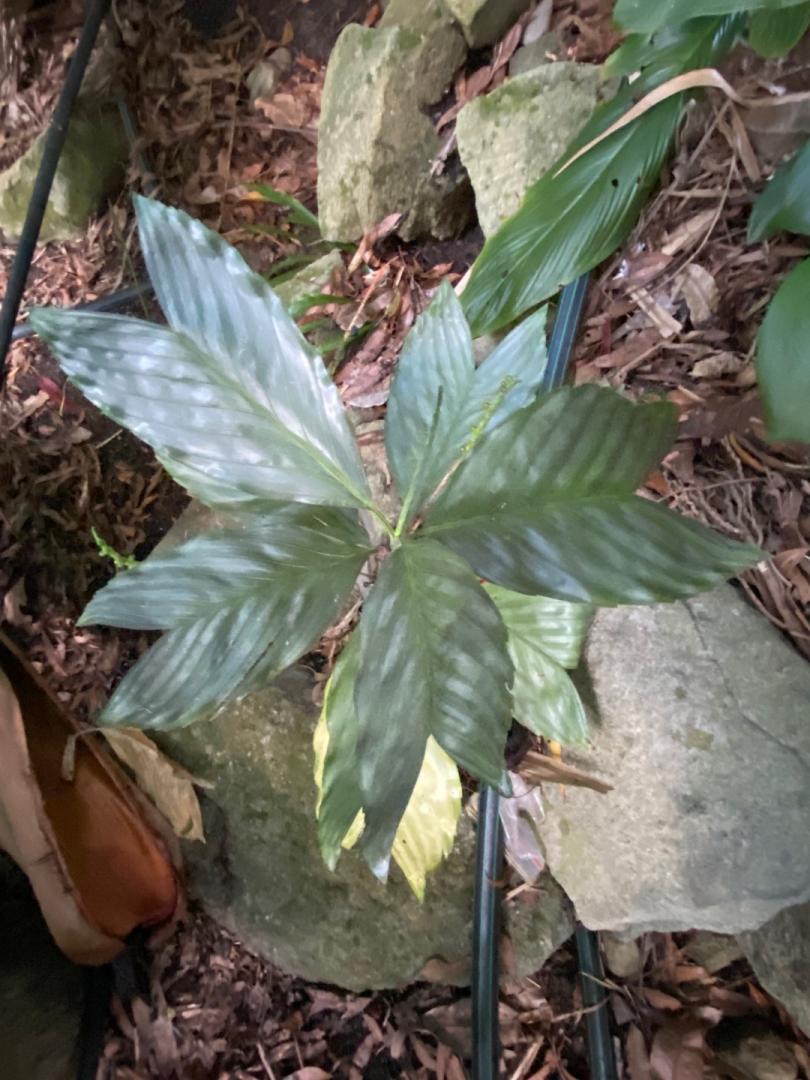
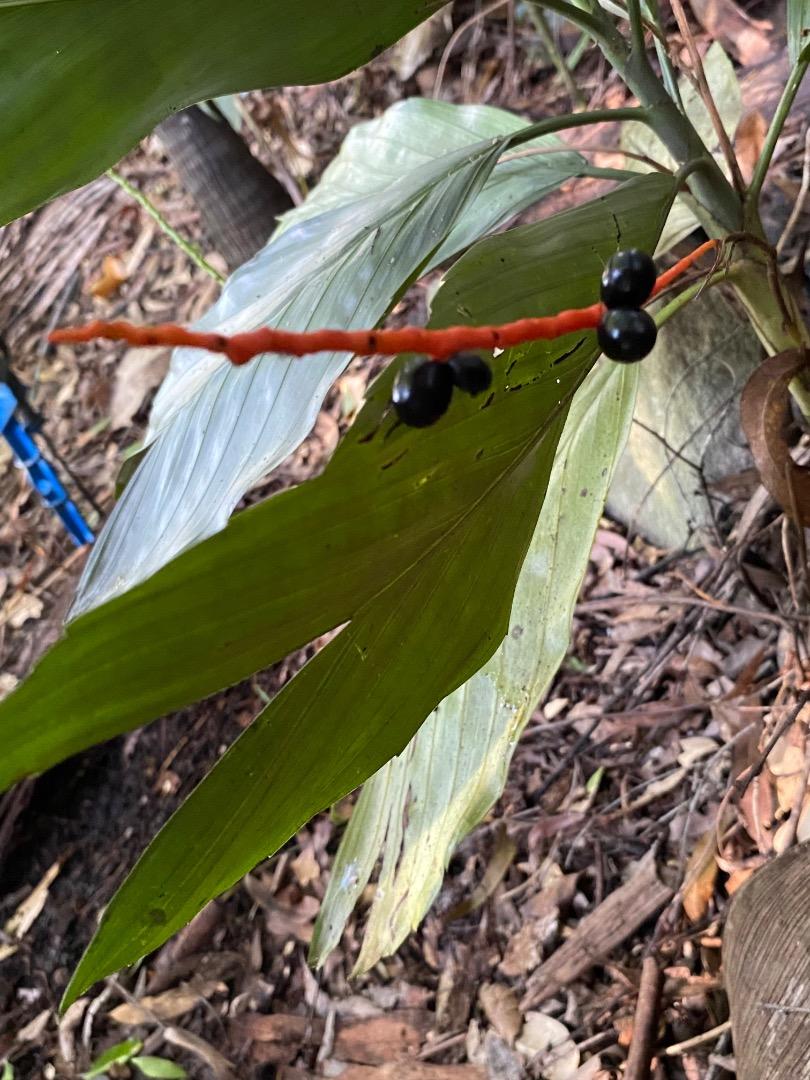
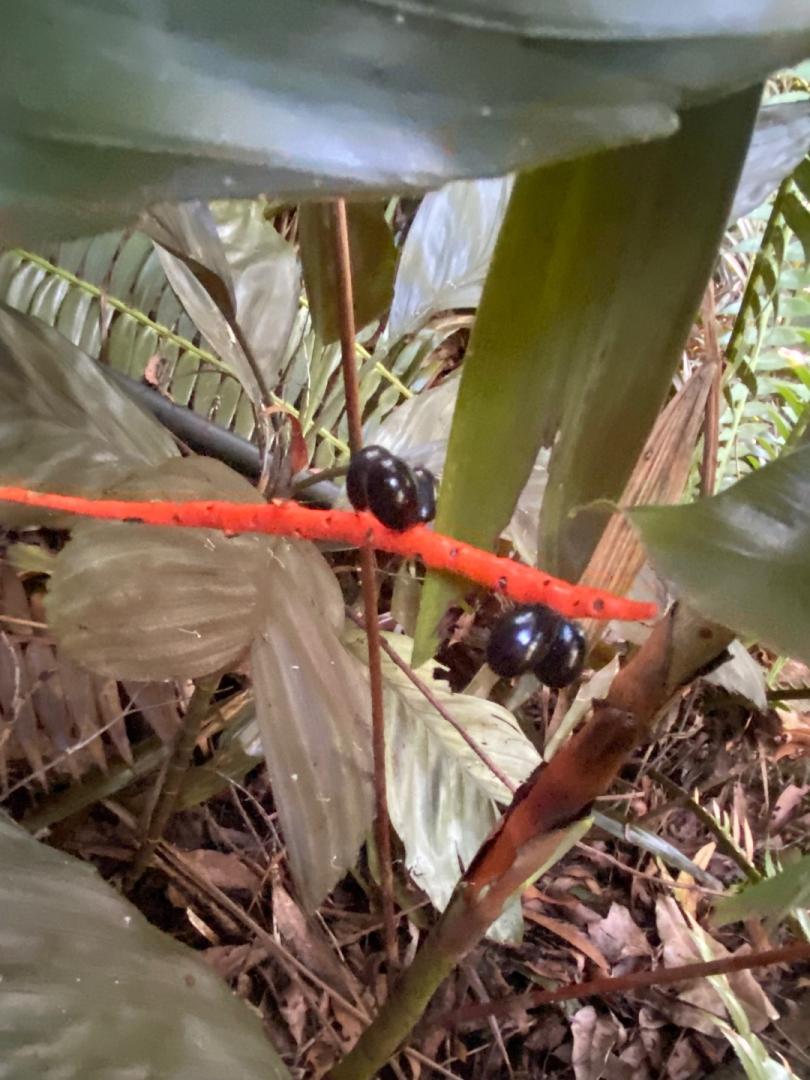
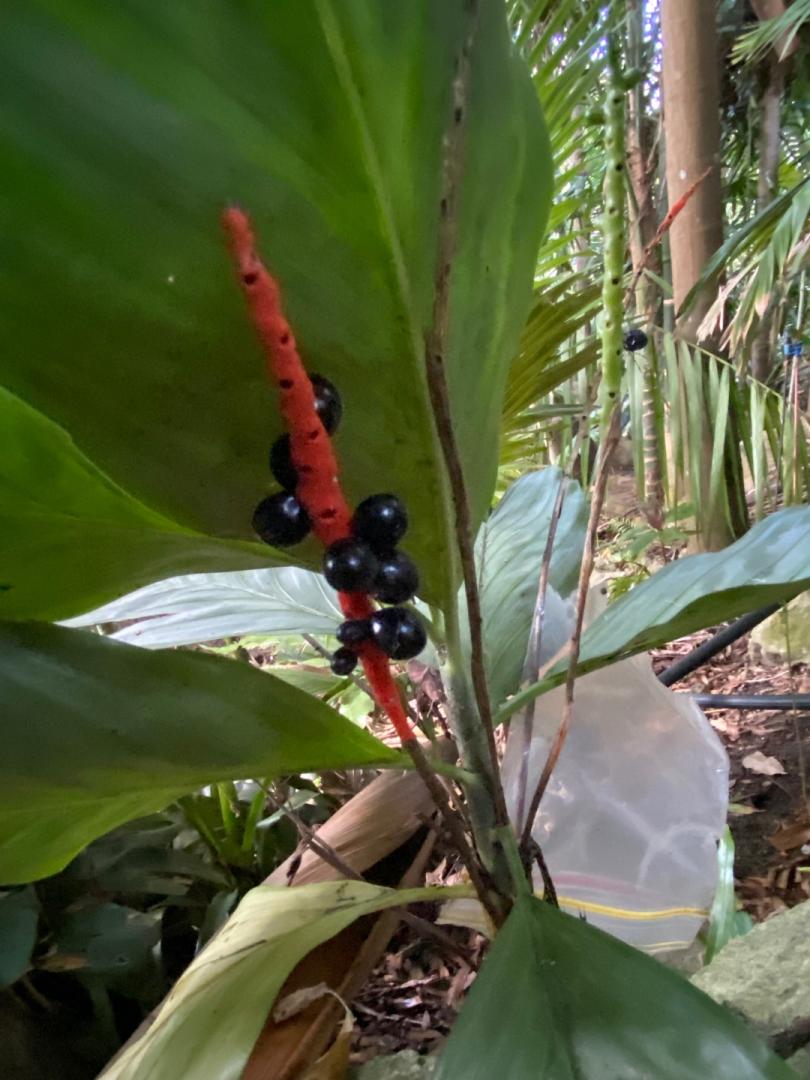
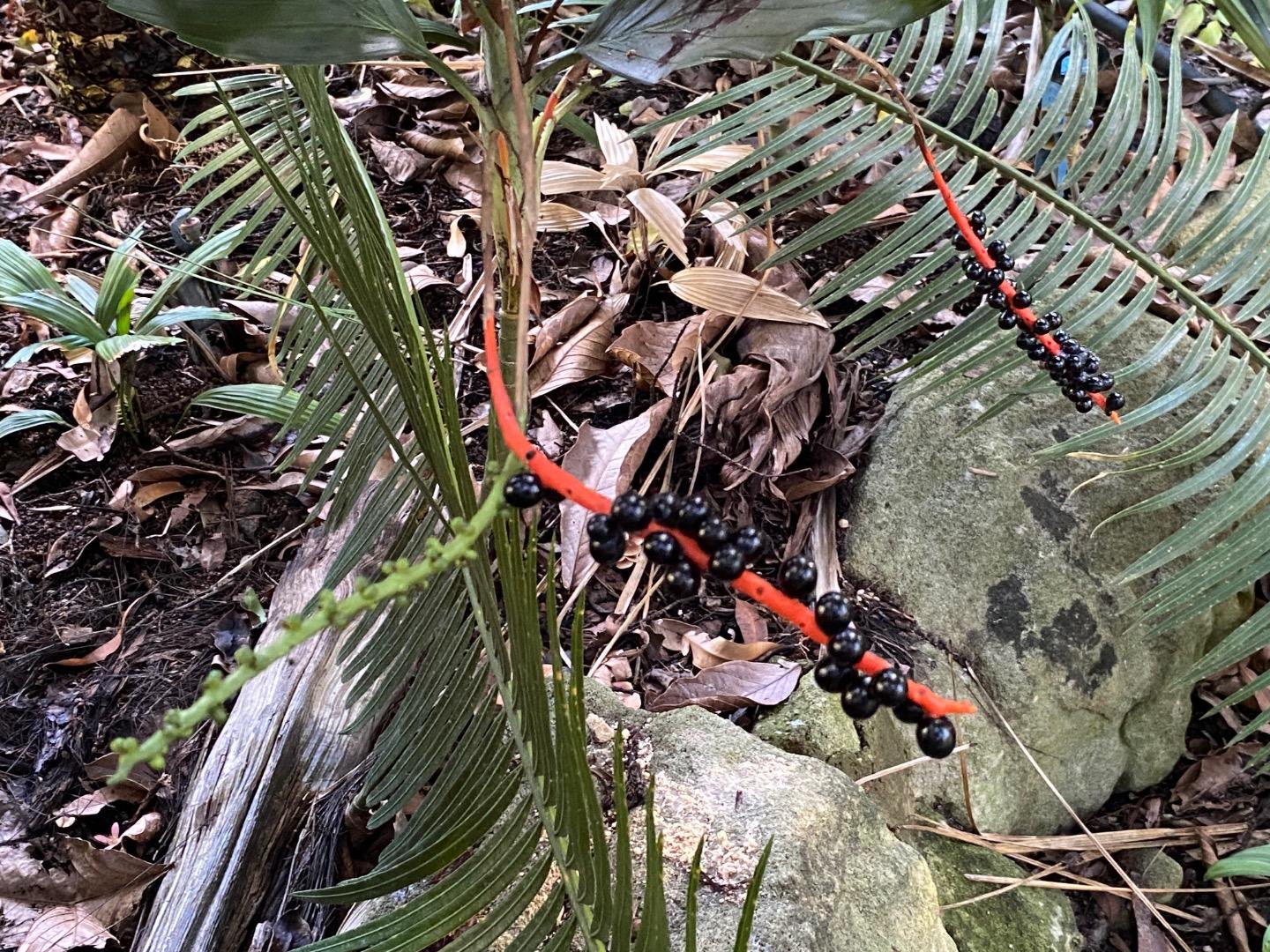
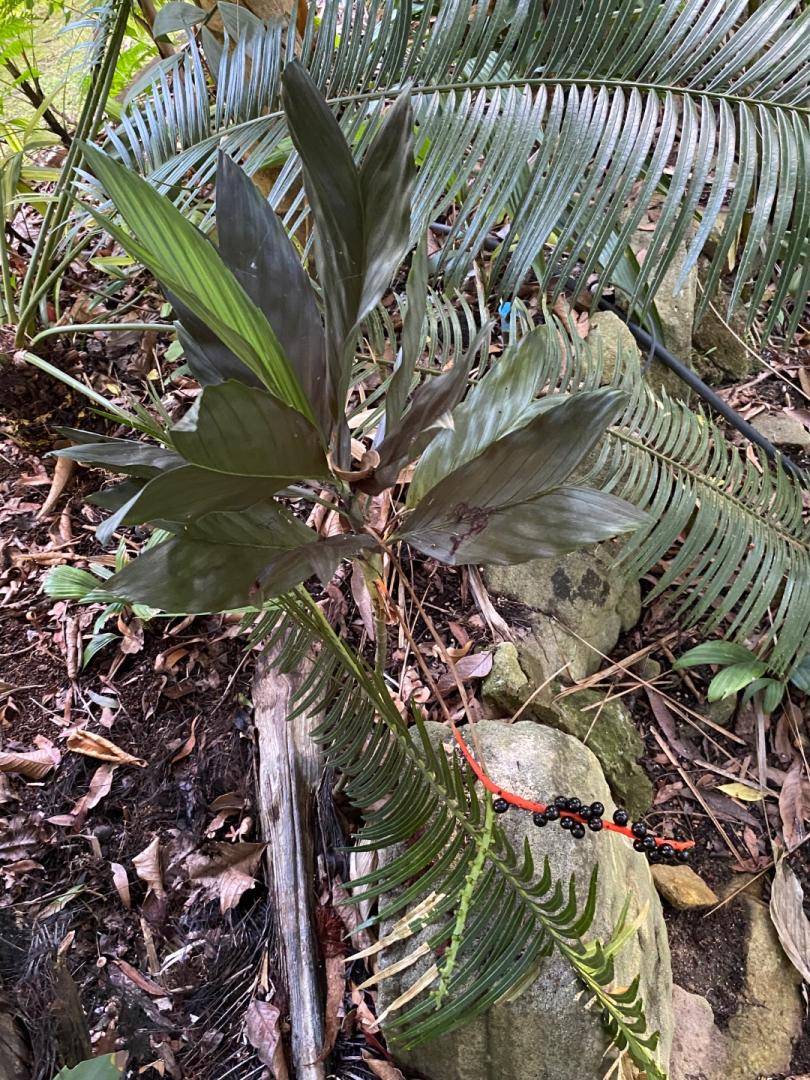
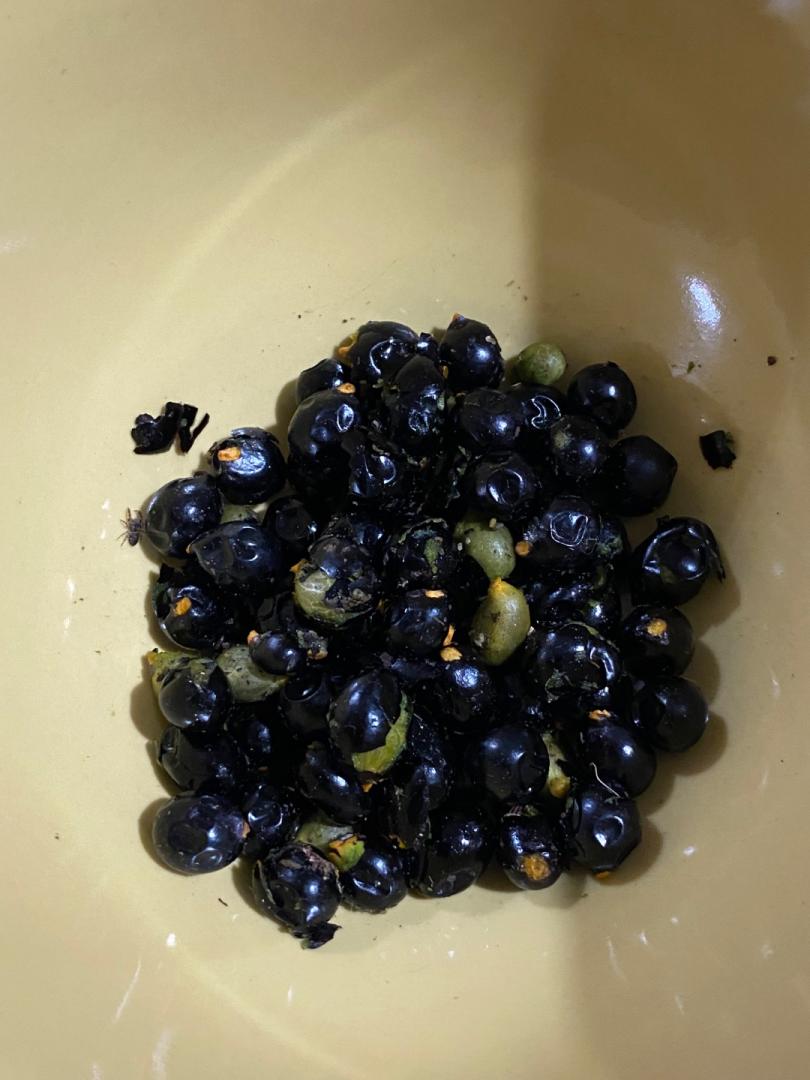
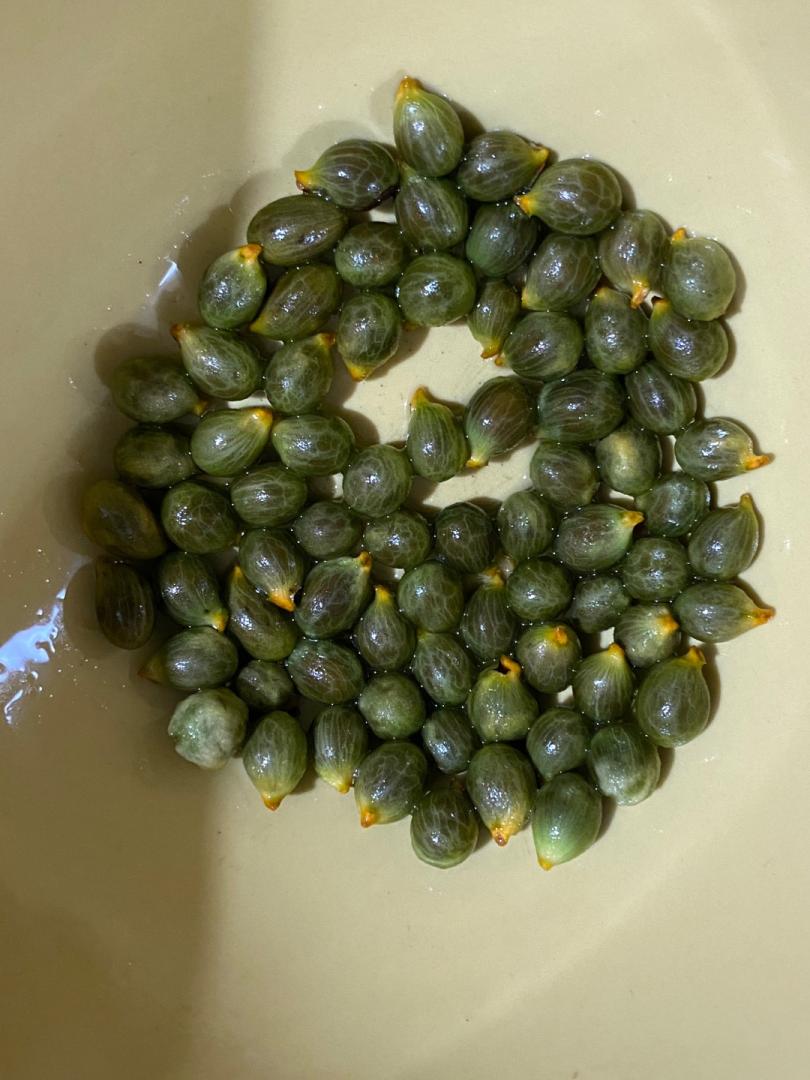
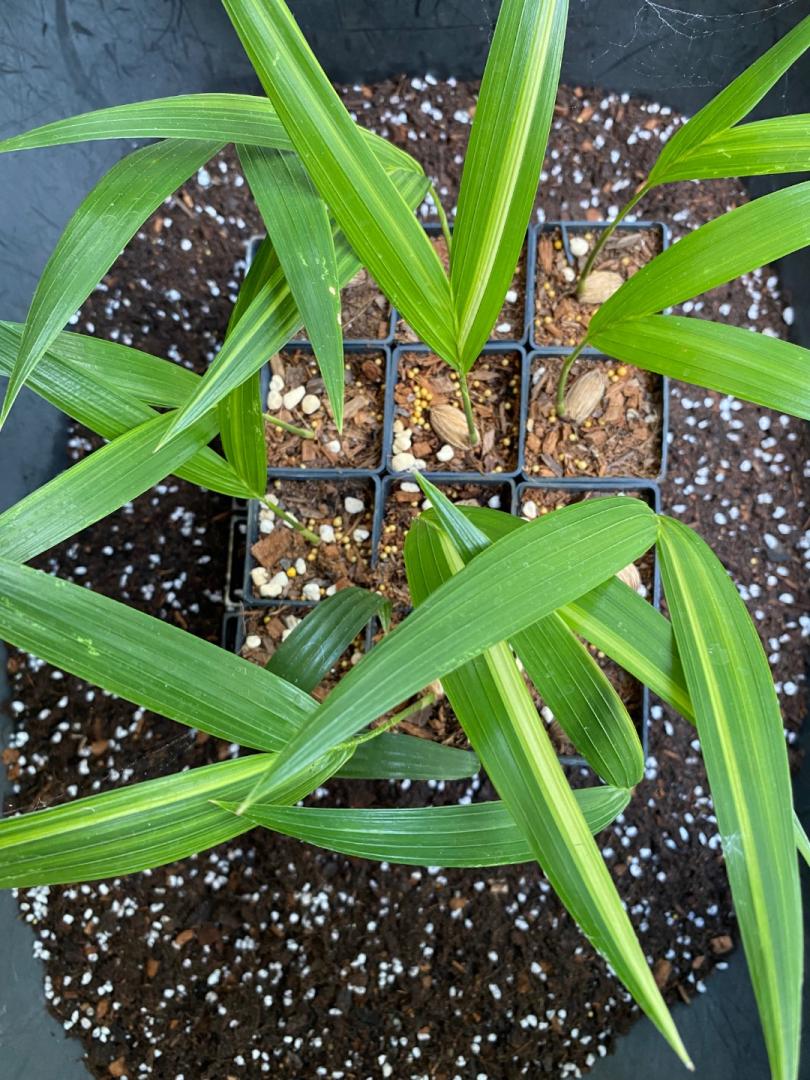
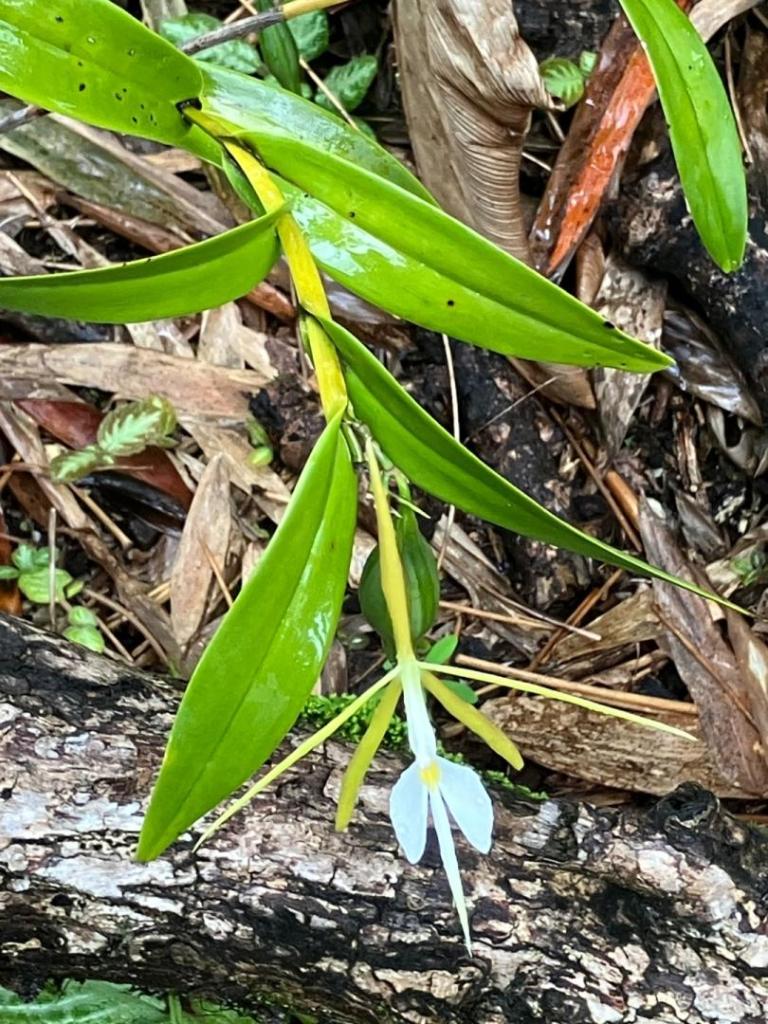
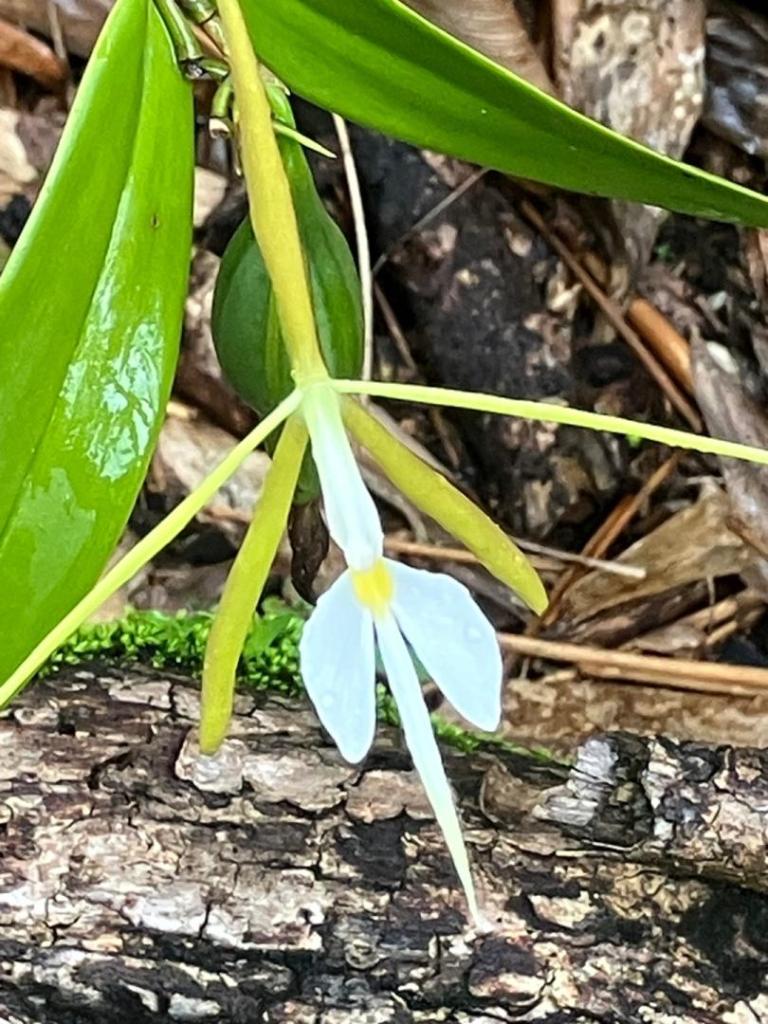
I had an interesting looking plant shoot in with a cycad pot I purchased so I let it get planted with the cycad. 4 years later I now saw this from it.
 2 points
 -
I declared war on snails and conquered the first territories in the garden and here are the first results
 2 points
 -
At least you have a heated house interior to take cover afterwards. I, instead, was covering plants during 22 at 0 C exposed to 'cow-killing' northern wind during night and house was not heated, meaning I had nowhere to take temporary cover and regain strength. I took an oath never to repeat it, regardless the severity of the cold spell. Enough is enough...2 points
-
Steve, I've found these to be very tough. My biggest macrocarpa got so burned (down to a spear) years ago, I remember thinking "there's no way it pulls out of this". But it did & is now way overhead. These are also one of the most drought tolerant species from NewCal in my experience. They'll grow slower for sure, but seem to hunker down & wait for better times. And they're way faster in your warmth than around here!2 points
-
Wait until May. You can also spray the most tender palms with a copper fungicide. If meristem is also affected, it would prevent a fungal or bacterial outbreak. But this works better in case of snow cover.2 points
-
you will have to put up with some ugliness for a while. Trim off the brown when it turns and let the plant do the rest. I have a beccariophoenix alfredii that was ~90% frost burned as a small 80 cm tall size palm at 28F. I thought it a goner as very little green was left and all the newest leaves were toast. Today its a monster with 30'+ height. Frost burn often doesnt kill unless the bud freezes. Cold tolerance is death not damage to foliage. Do not over water or fertilize yet. Wait till it gets warmer and add some fish emulsion.2 points
-
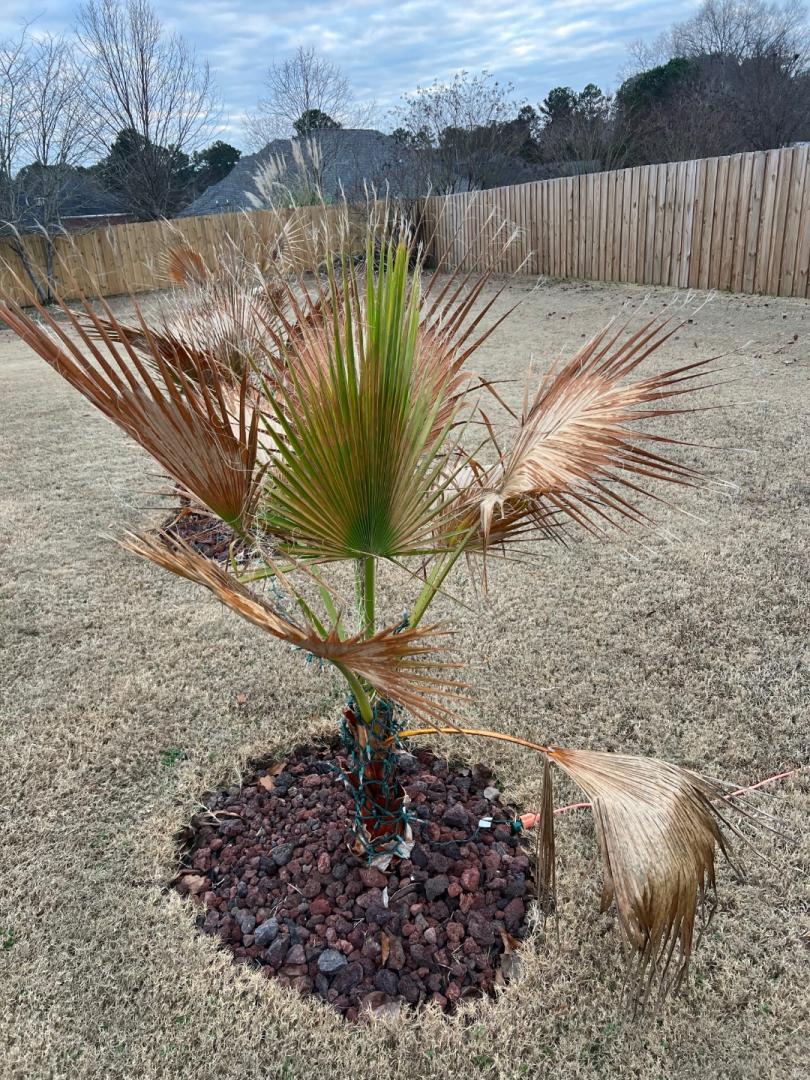
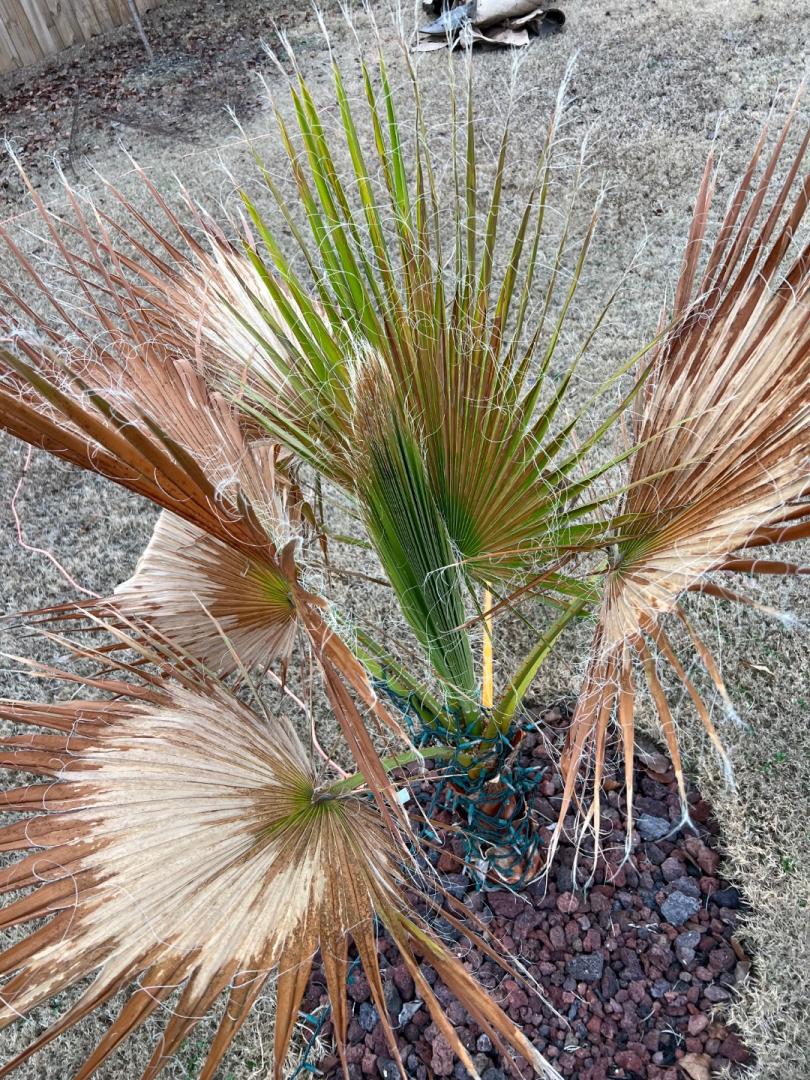
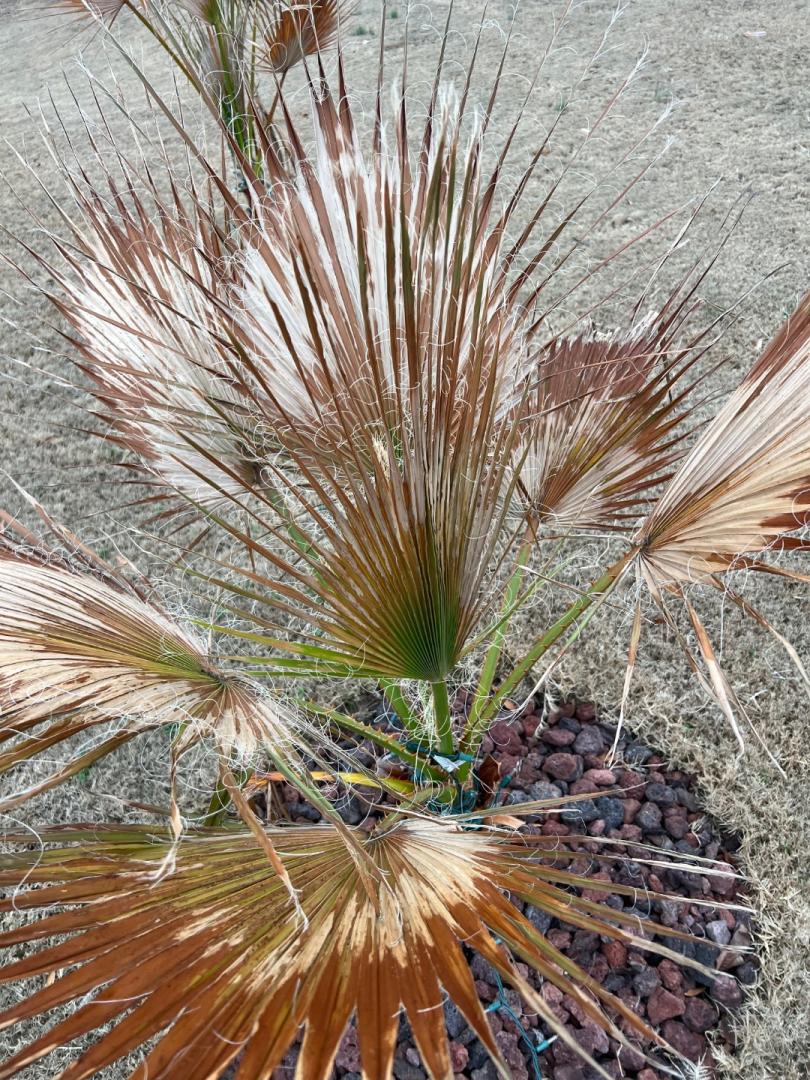
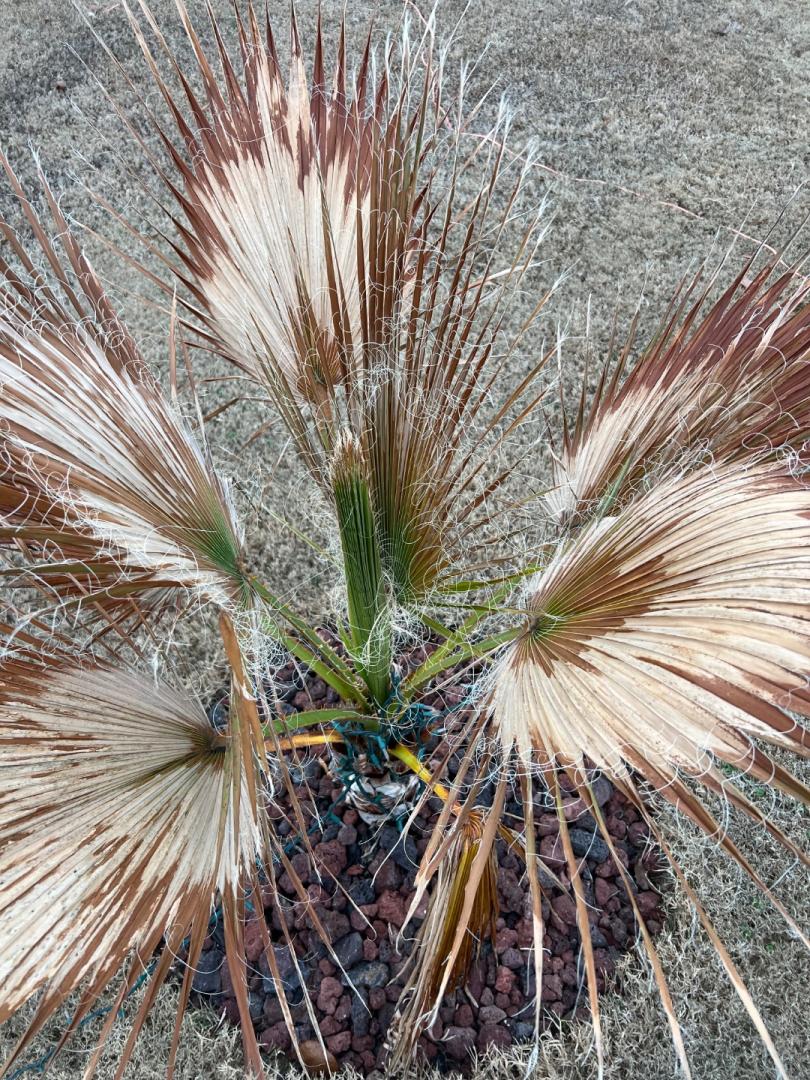
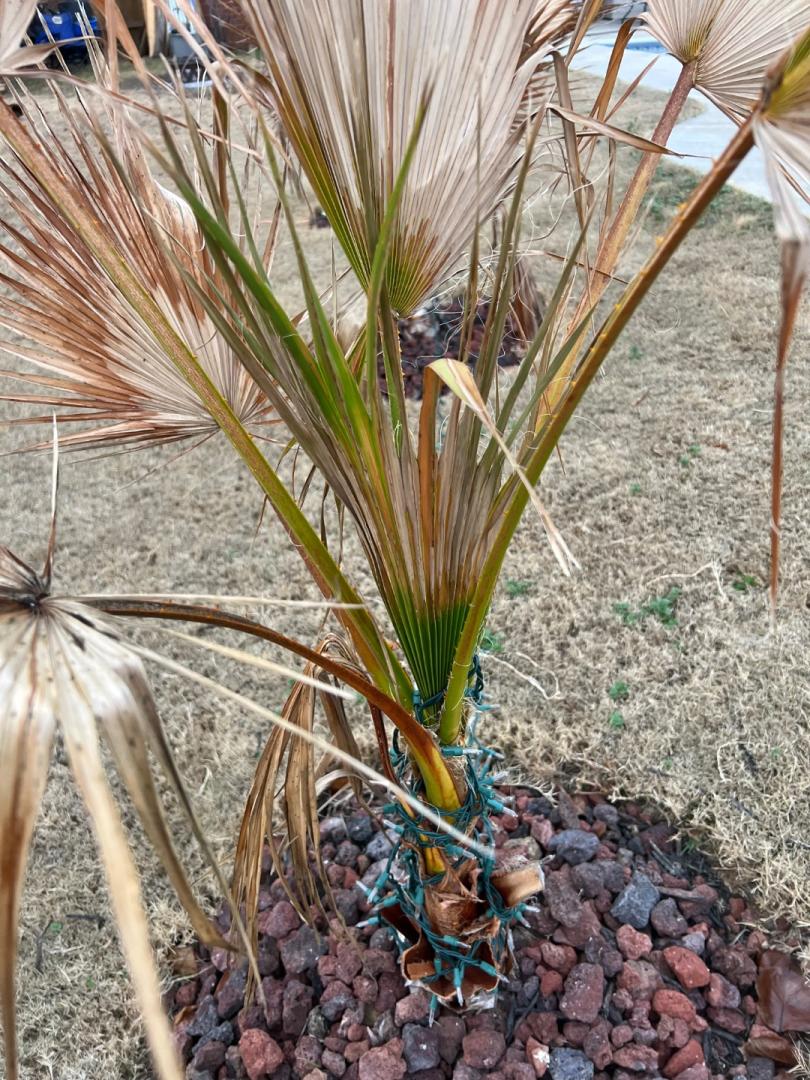
I think your third one is going to be fine given the frond damage it has sustained. The damage I can see is just cosmetic to the fronds. I’d start to worry if it gets cold enough that the base of the petioles turn yellow and dry! I’d just keep an eye out for any spear rot. It looks just like 1 of my 2 Robusta looked after last winter’s low of 21 or 22 here in San Antonio. Knock on wood, but I looked at the AccuWeather forecast and so far there is nothing obnoxiously cold on the horizon! I’ll keep my fingers crossed for all our sakes.2 points
-
One only has a frost problem when one grows frost sensitive plants. 🙋♂️2 points
-
@Than you thought you had a frost problem guess again!2 points
-
Everyone’s a winner!2 points
-
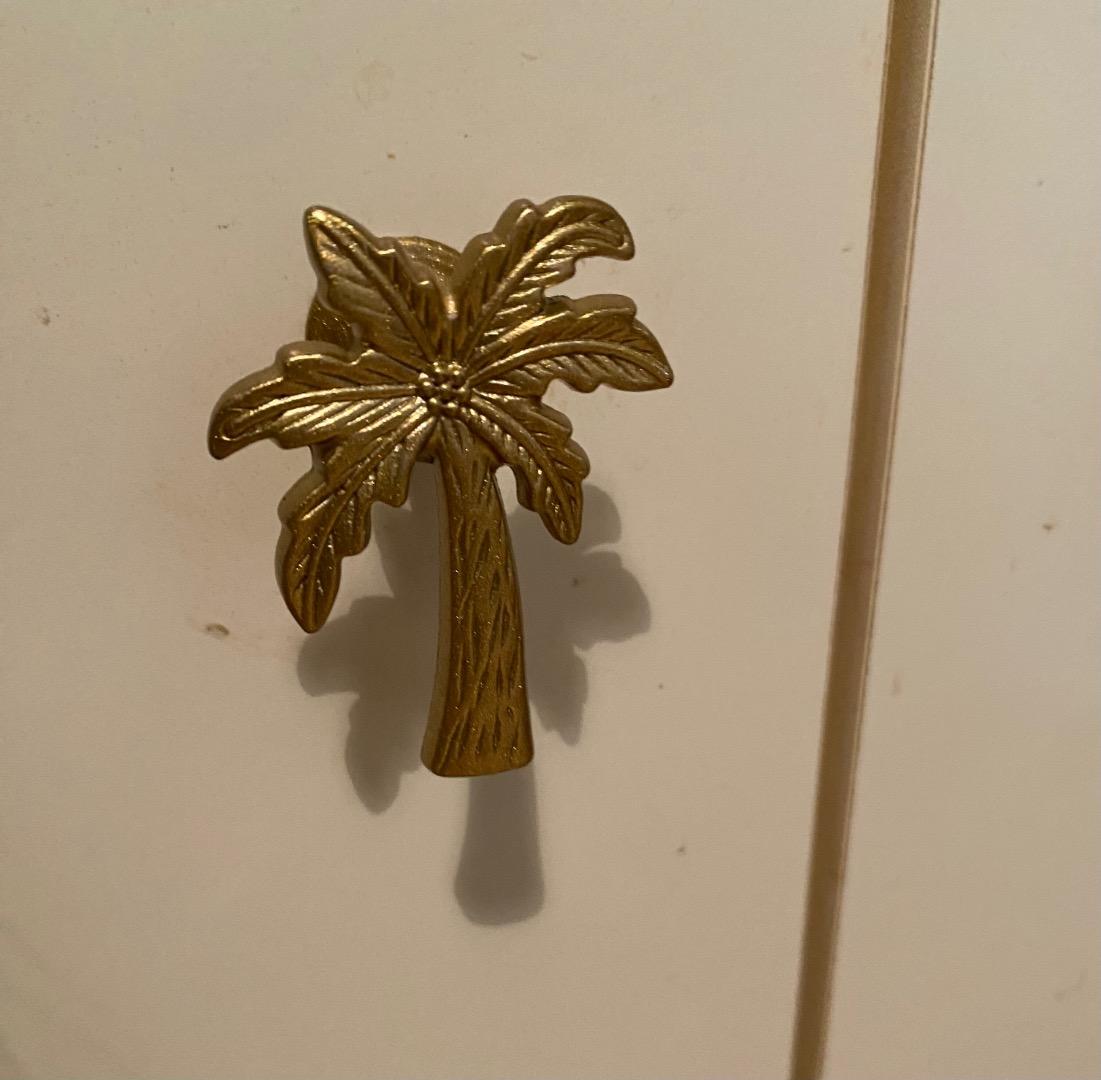
I shall see your purchases and raise them with my three scores, right down to my house number ten to the cupboard handle and the antique tea pot stand!


 2 points
 -
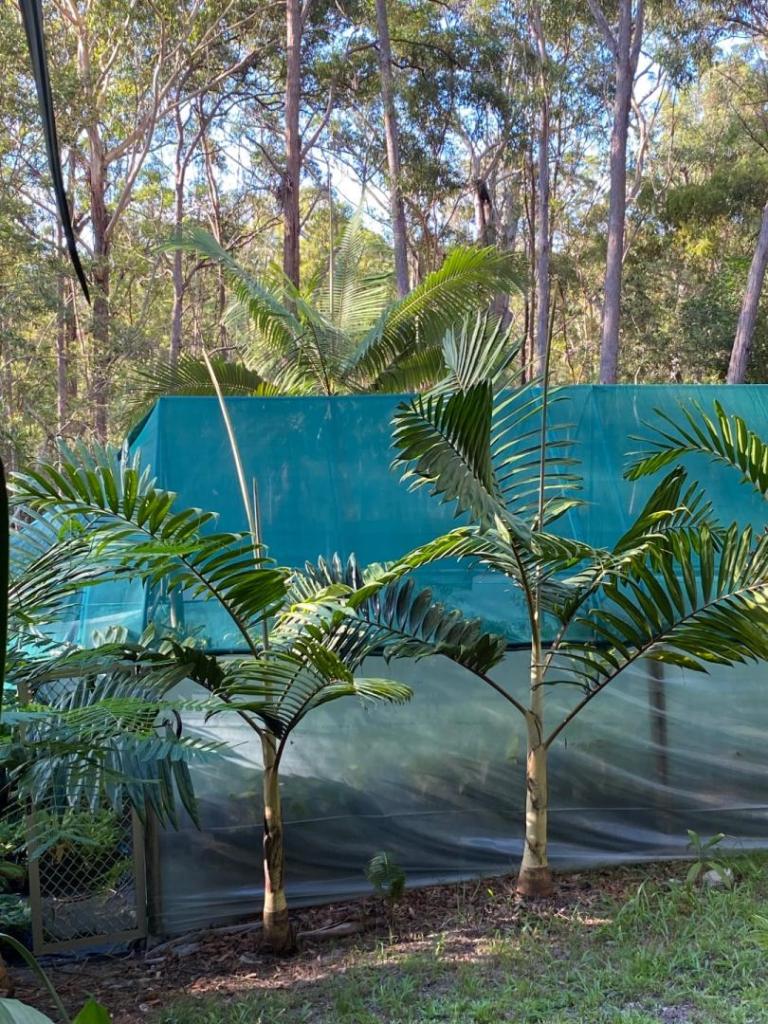
Nice one such a lovely palm well worth growing! A few more years or weeks in Hawaii time and you will have a nice palm.
 2 points
 -
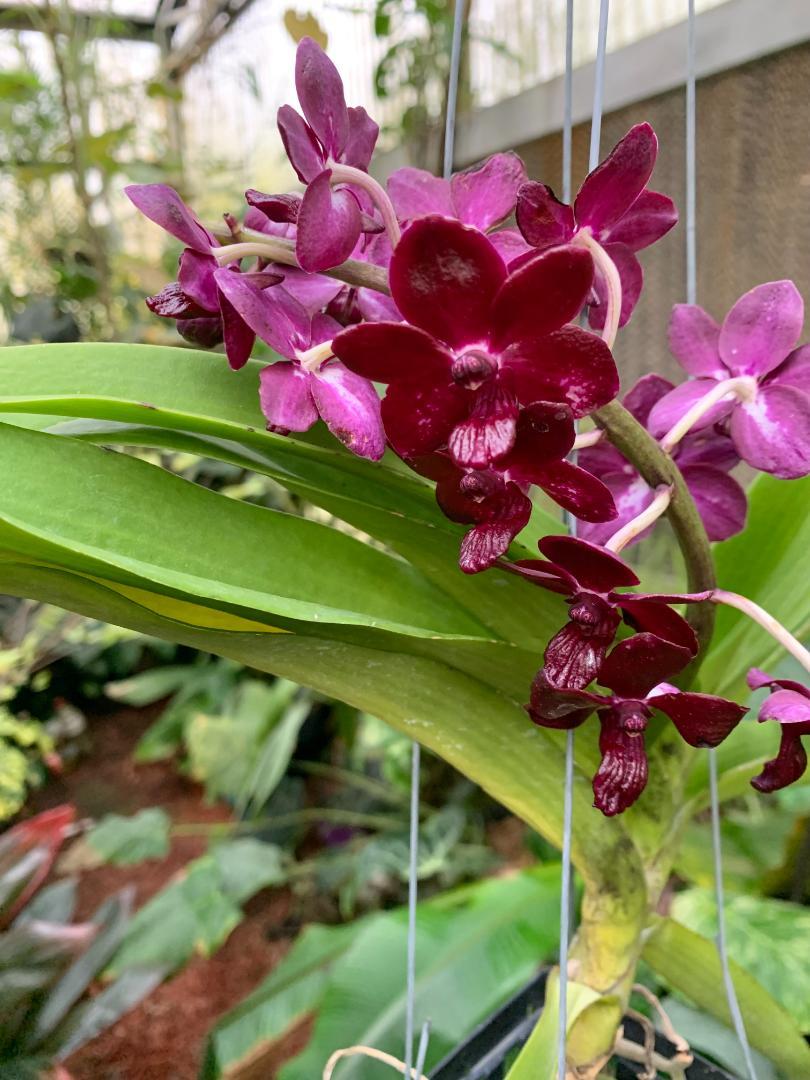
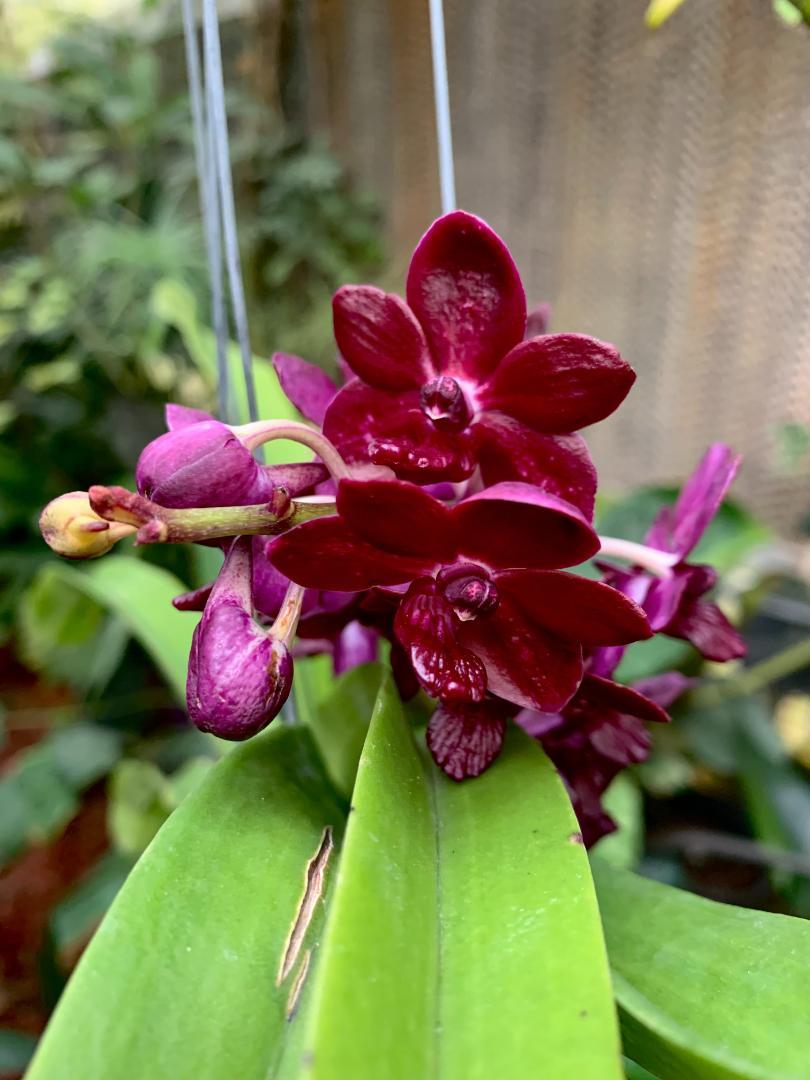
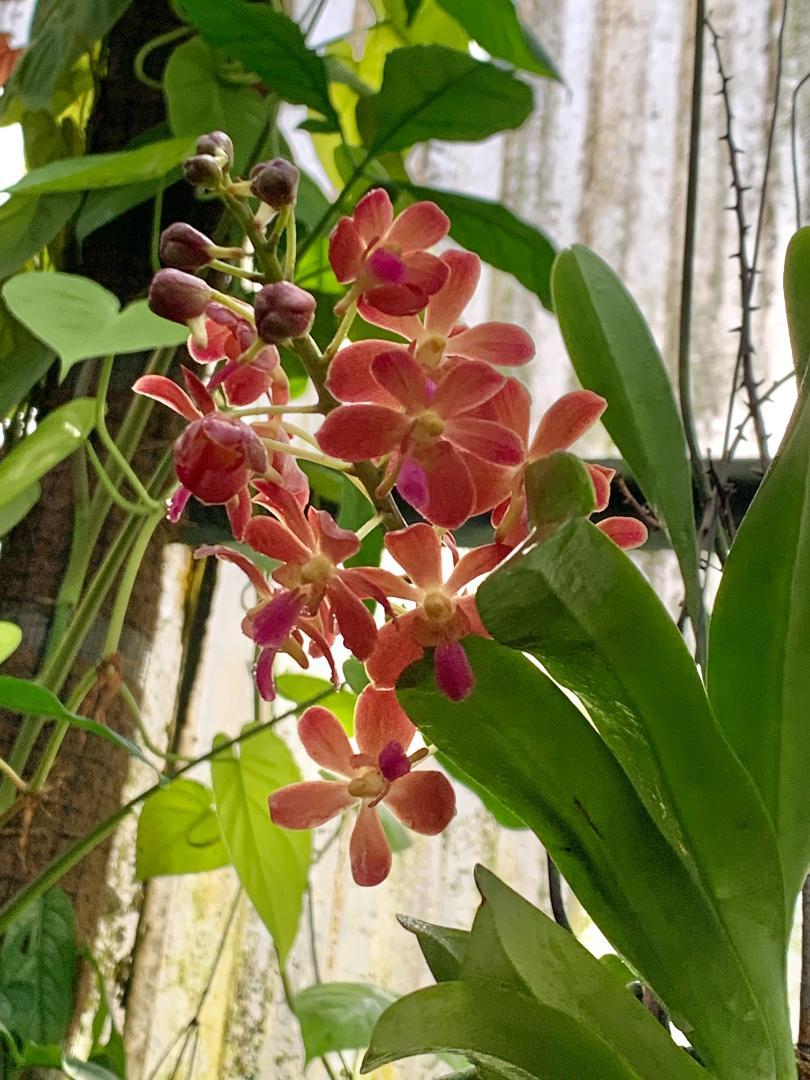
I keep some palms in pots for a portable garden effect. It is nice to have a few that can be added to an outdoor space like a front porch or under the pergola with the orchids. Change them out occasionally for a fresh look. I keep them under the mature palms in the garden and rotate. Harry2 points
-
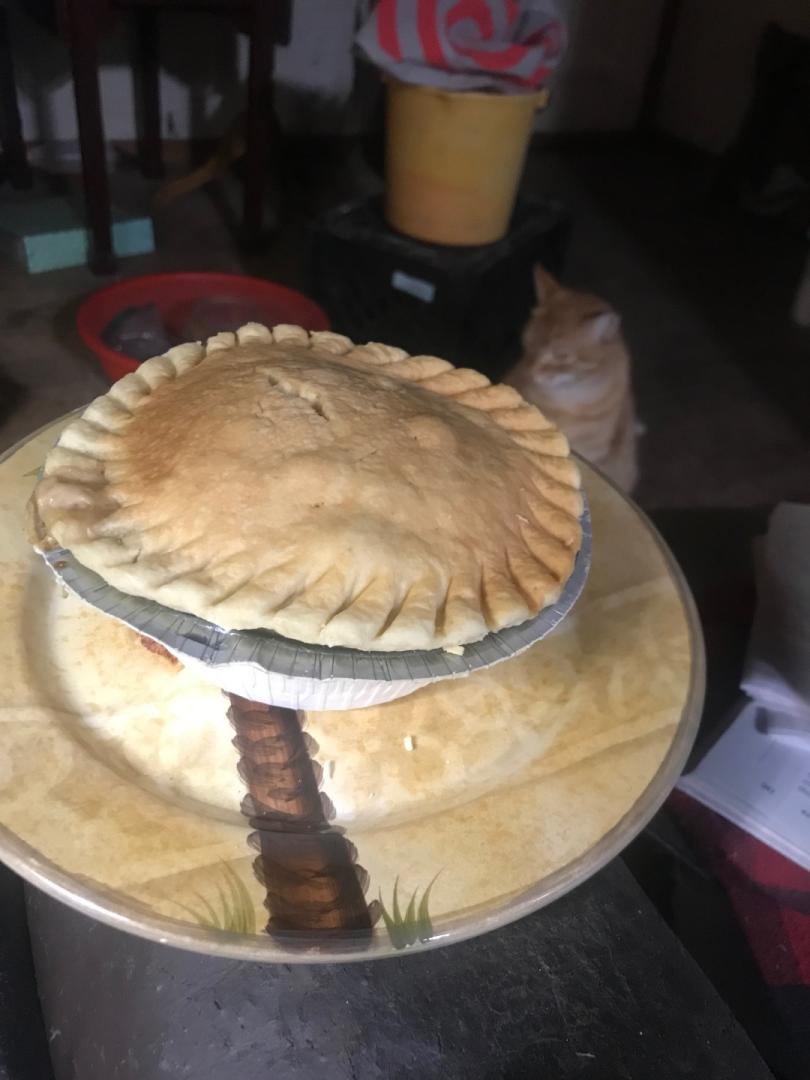
Putting a plate to good use, while the Guardian of the Garden watches in the background.
 2 points
 -
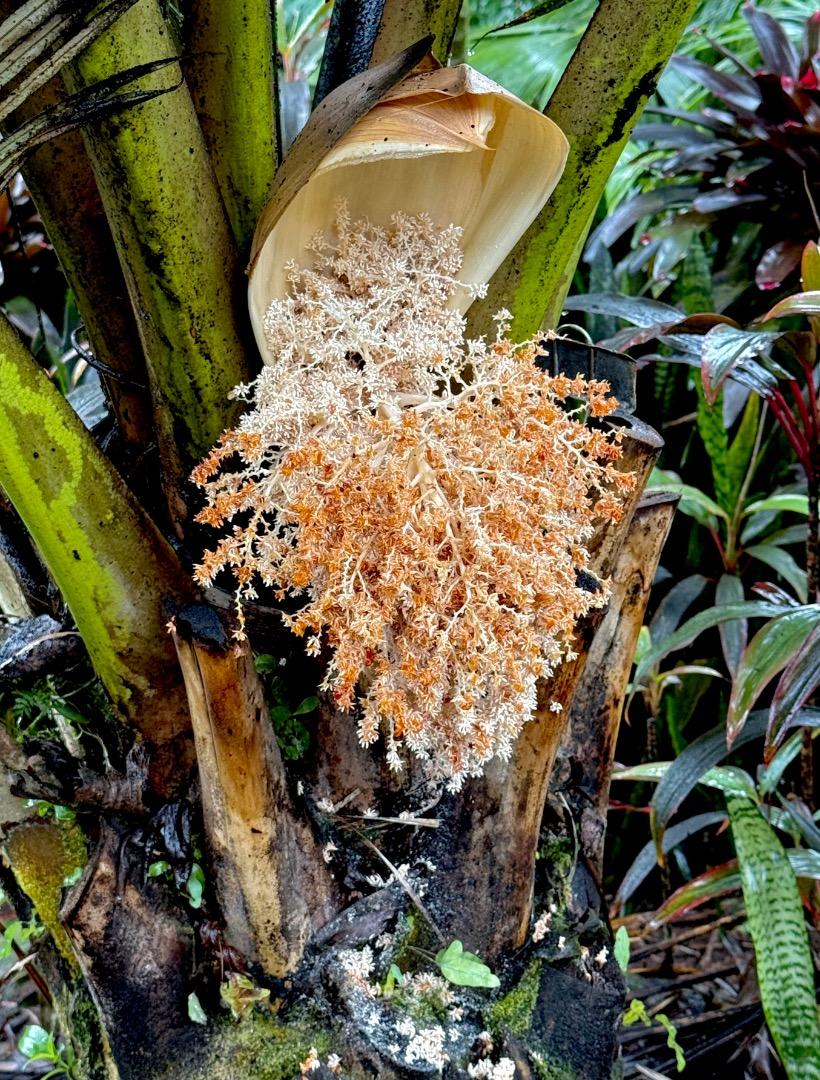
Finally got a bloom, overeating lookin inflorescence. Tim
 2 points
 -
I only grow species that survive at -3 degrees Celsius, and there are many to grow.2 points
-
2 points
-
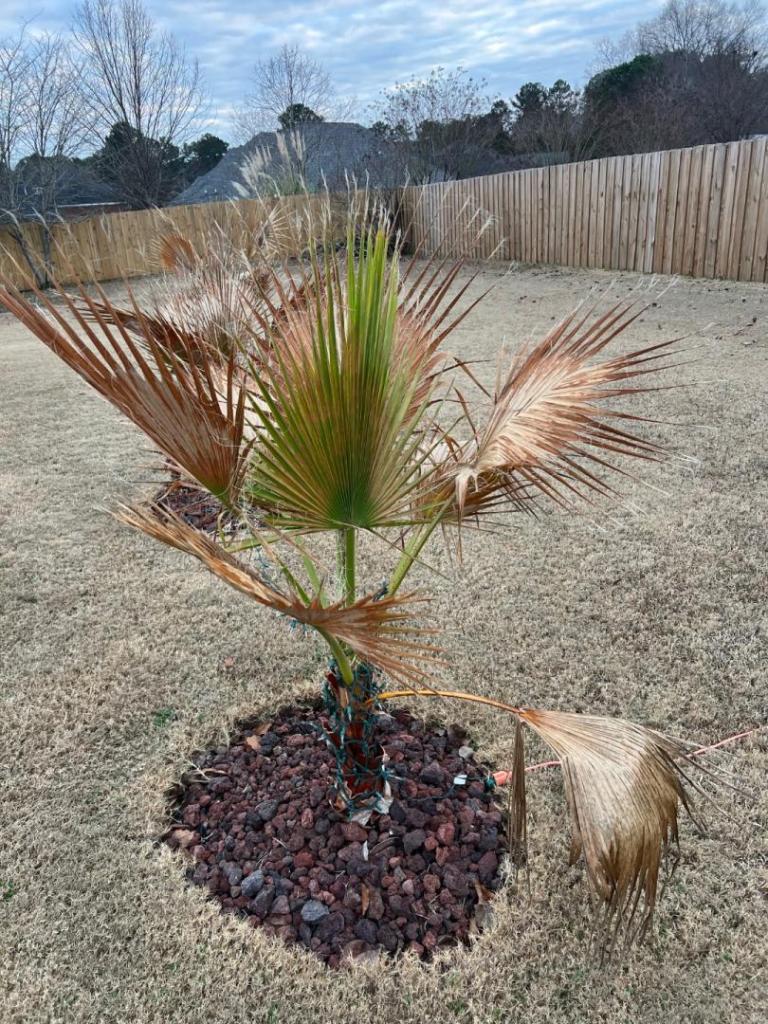
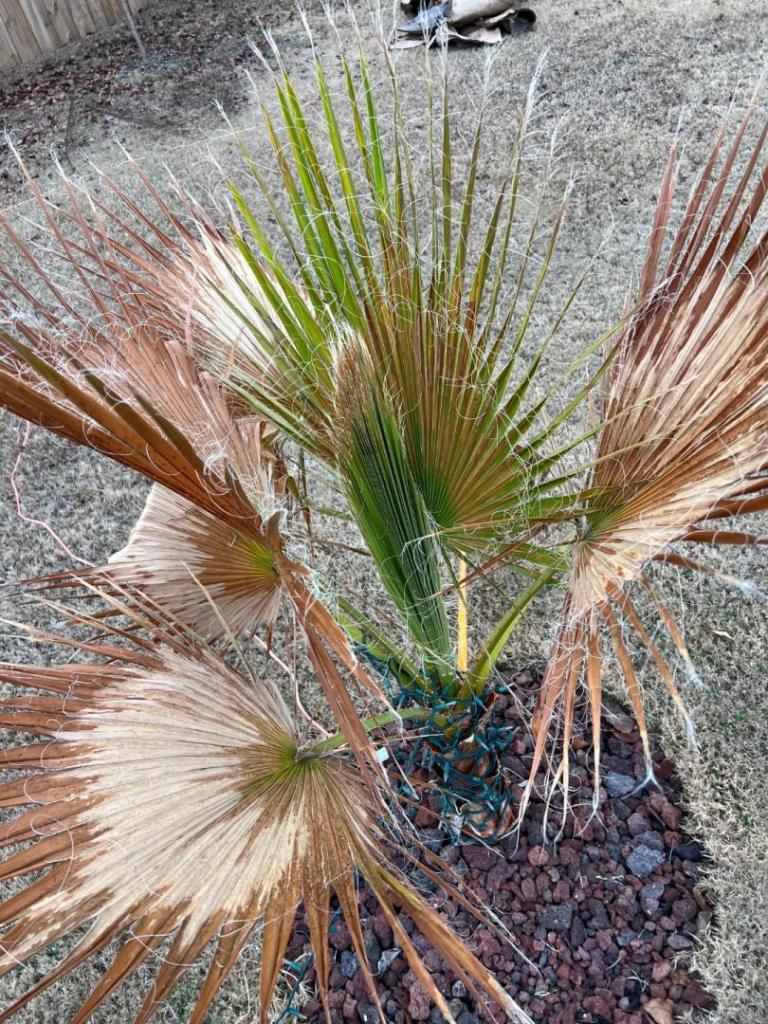
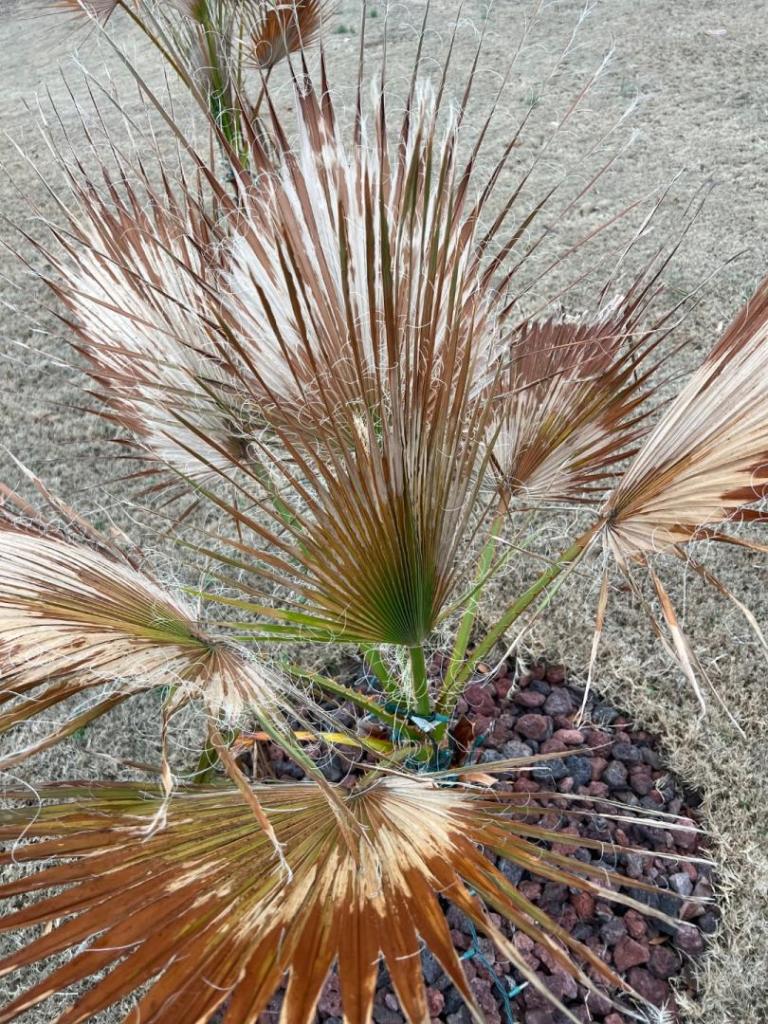
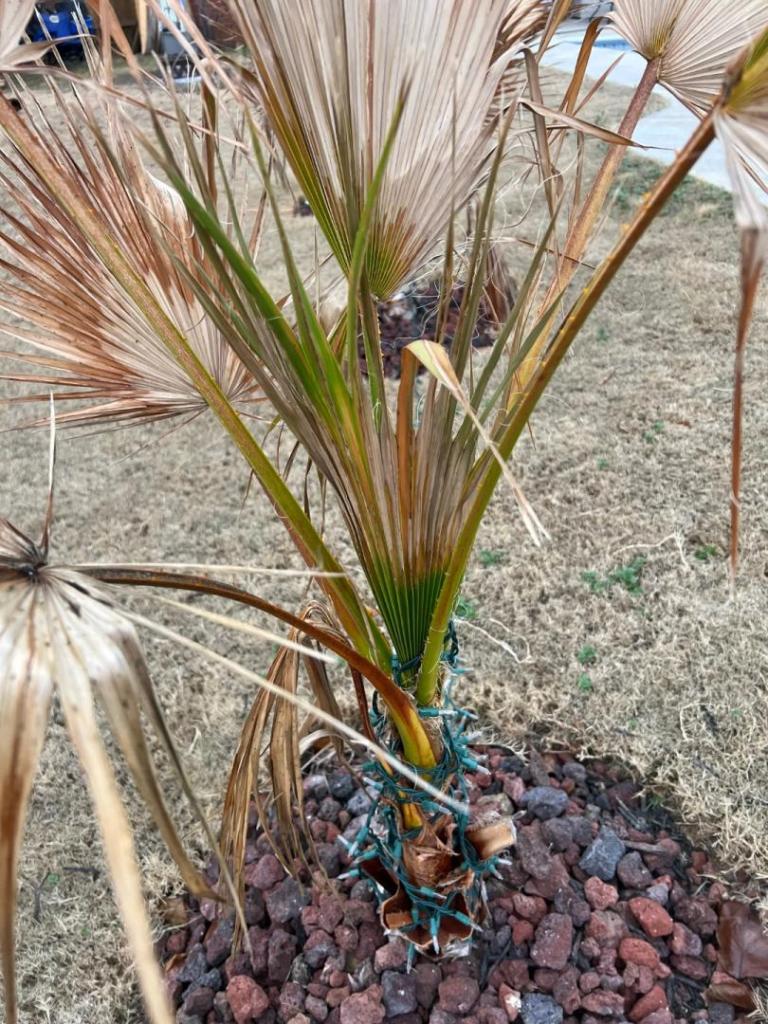
Still holding up, a little concerned about the future of the third one. I believe we have only seen 22 degrees so far.


 2 points
 -
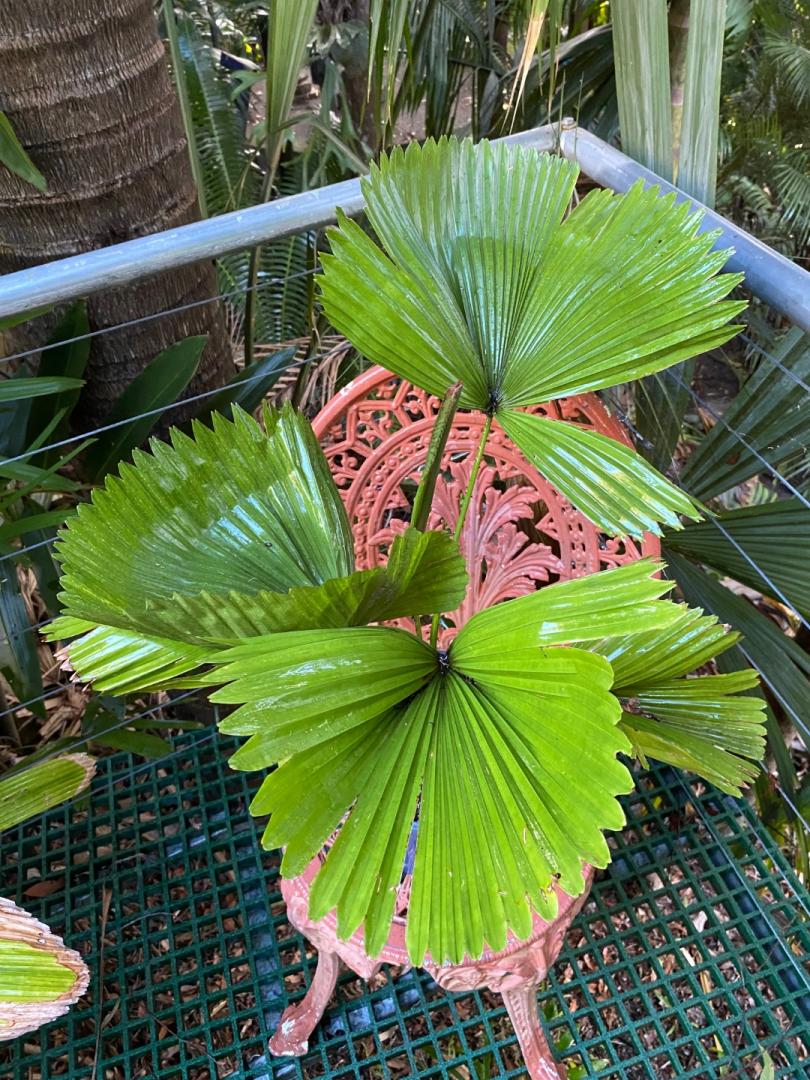
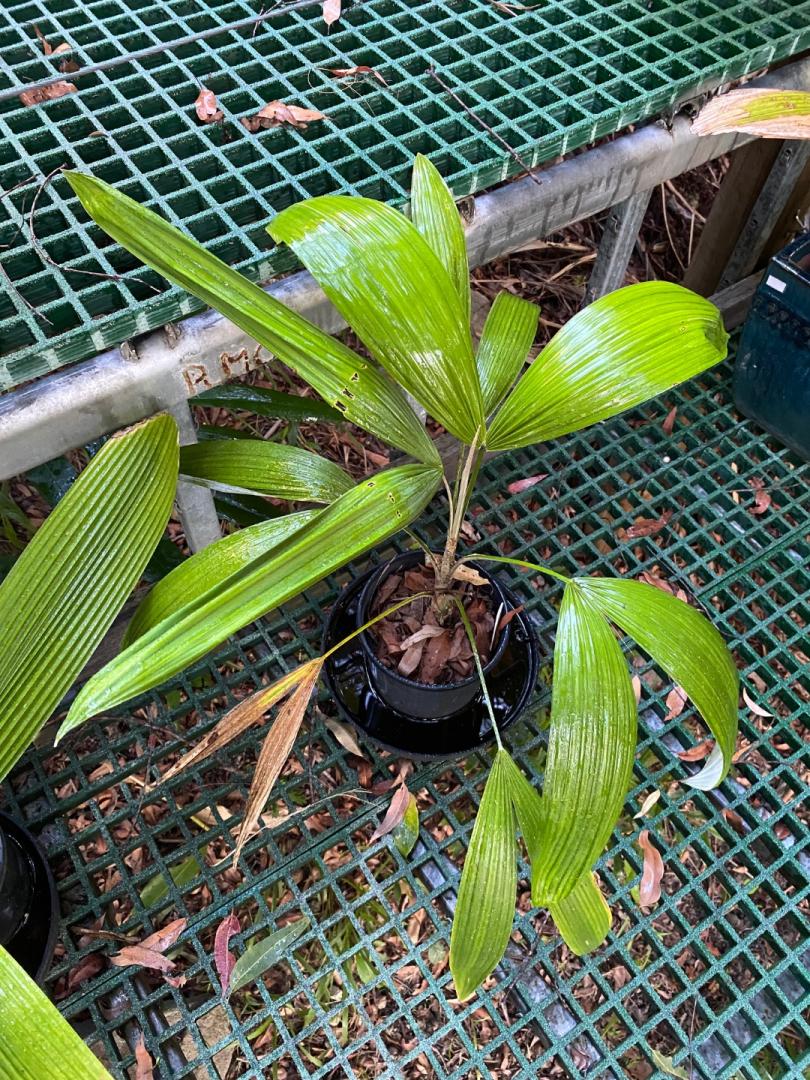
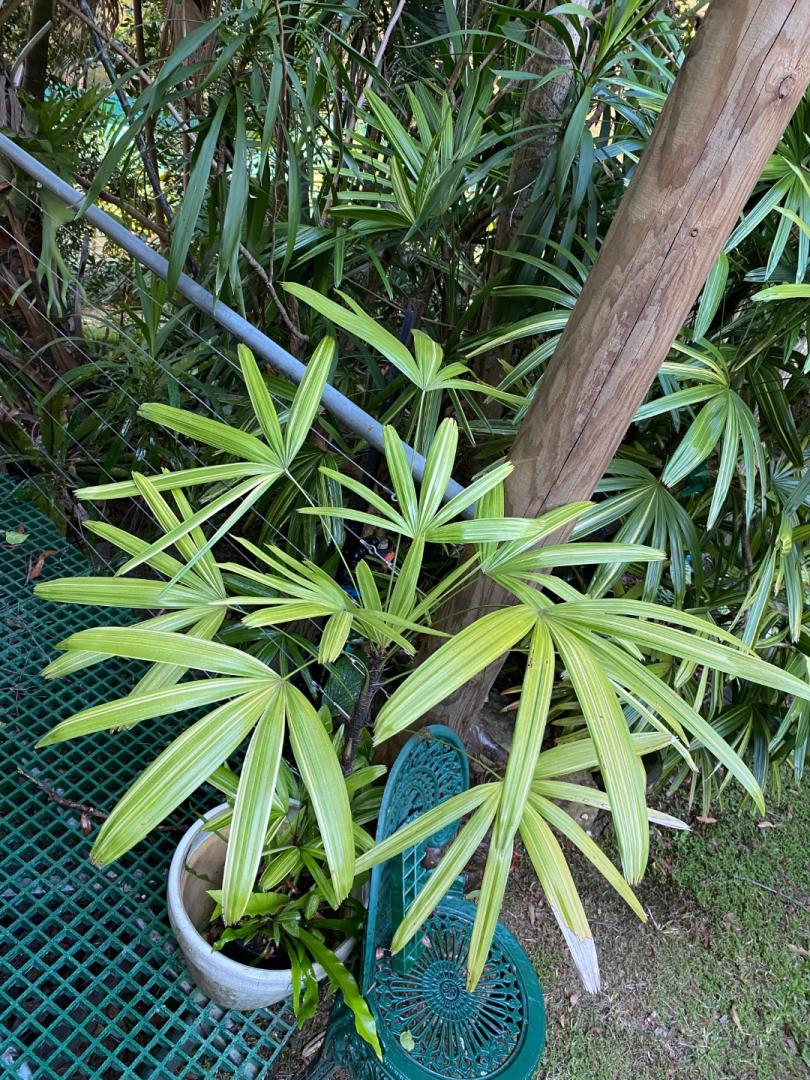
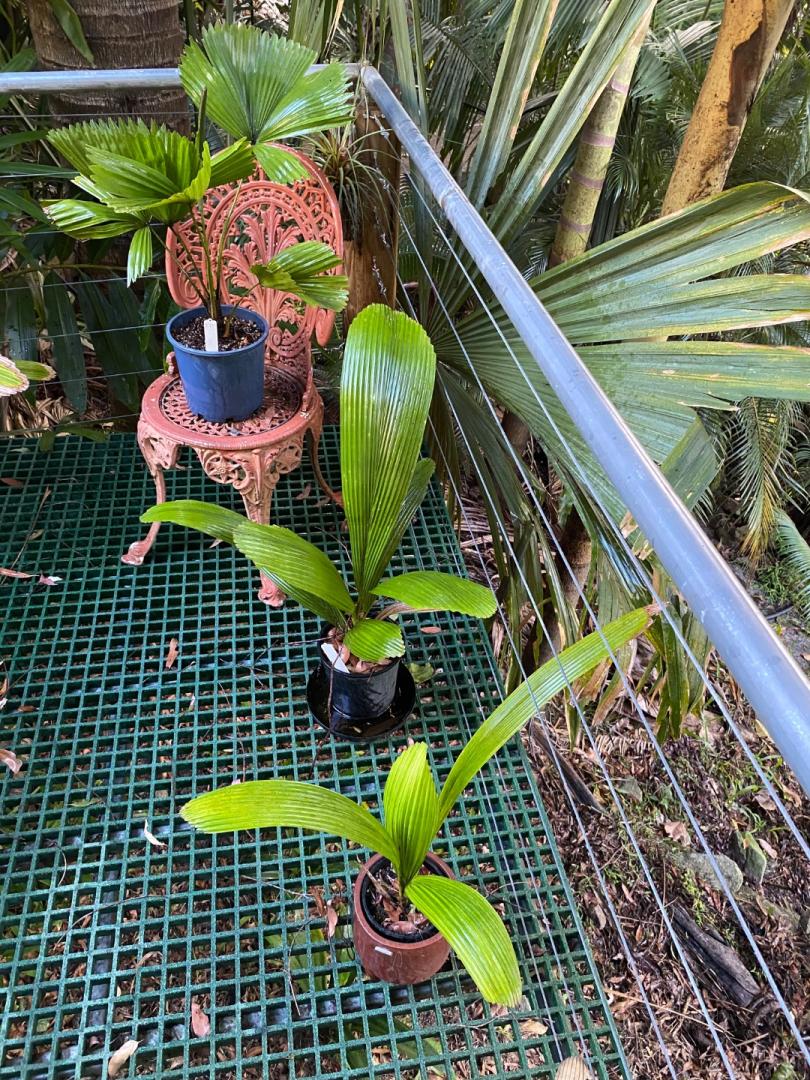
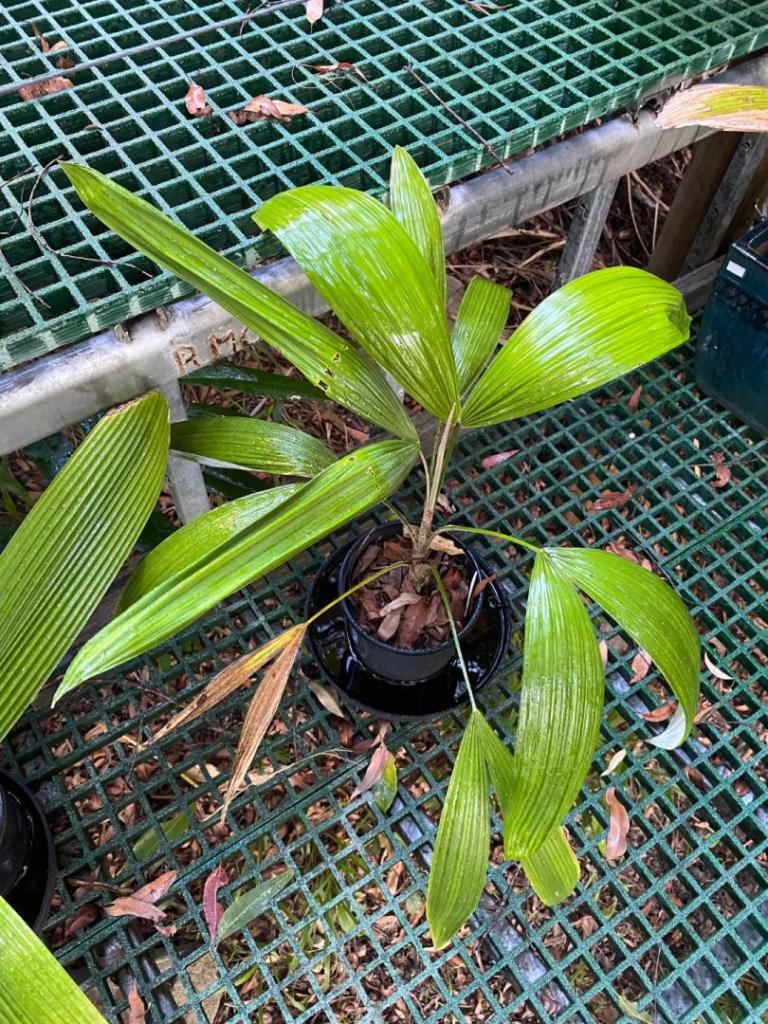
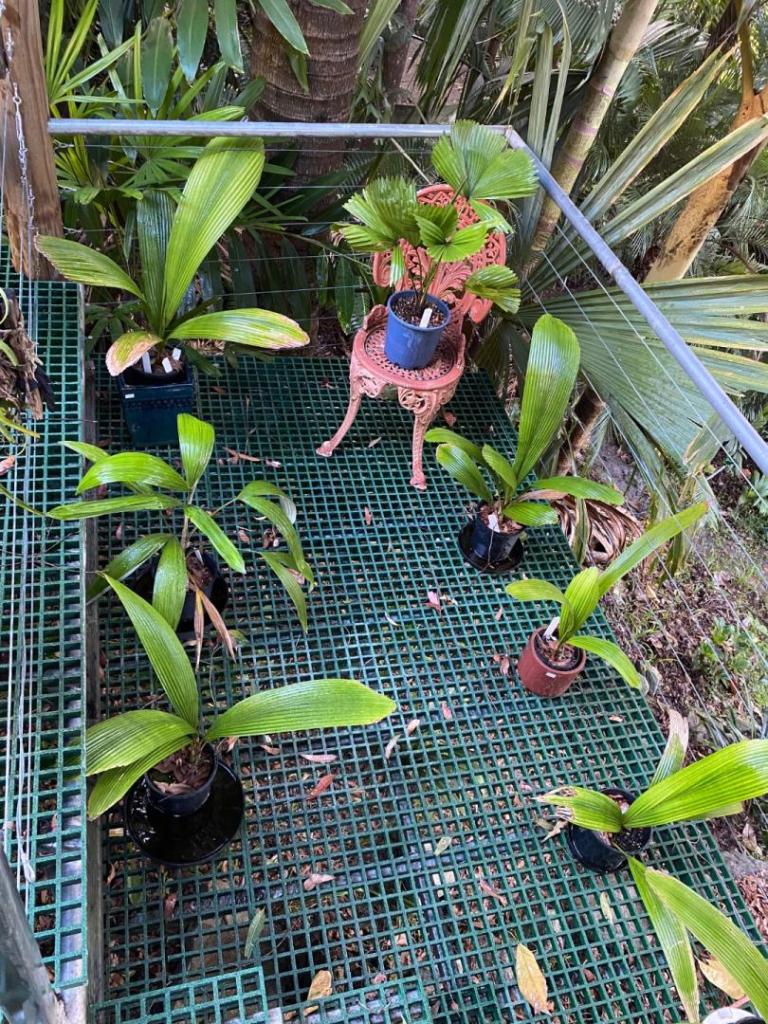
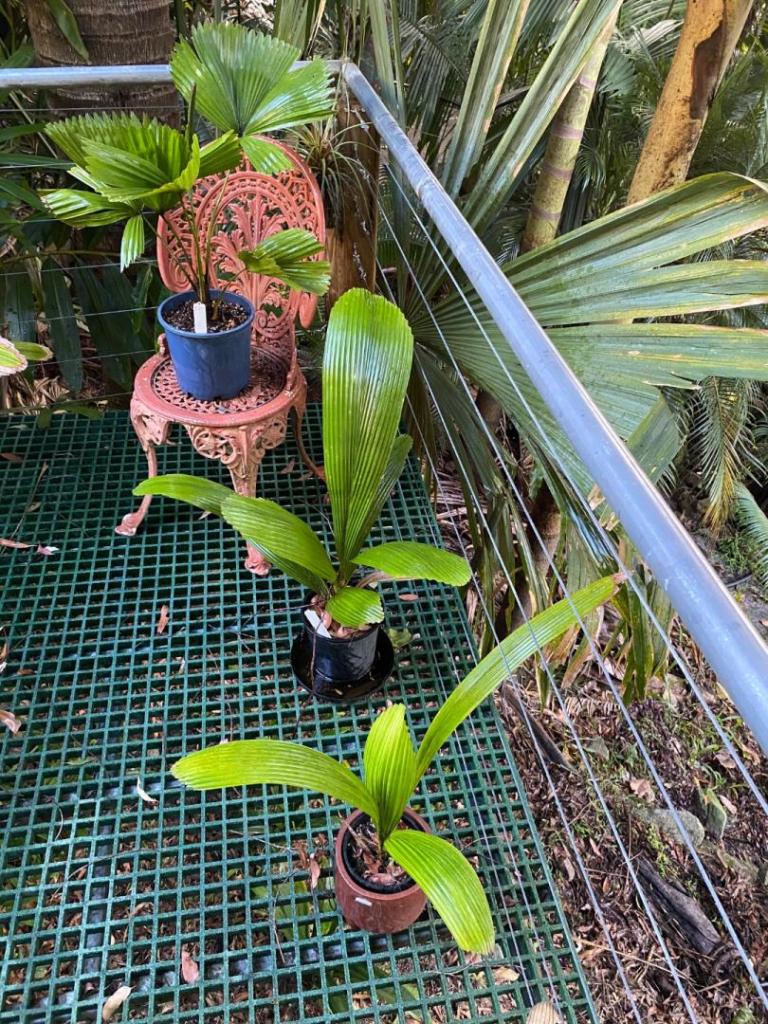
The best bit about pots is you can garden anywhere you want too, so why not spruce up the deck! Chuck a few joeys in and a licuala along with a Crysophilla and a rhapis and you have an instant garden!


 1 point
 -
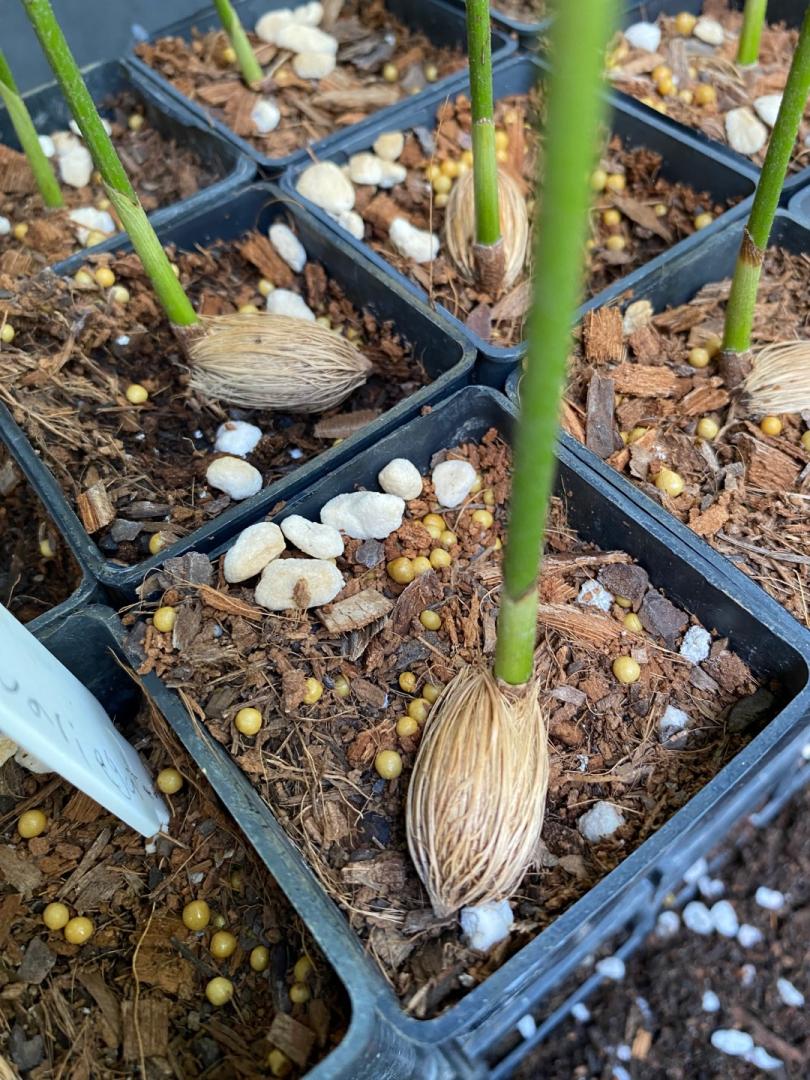
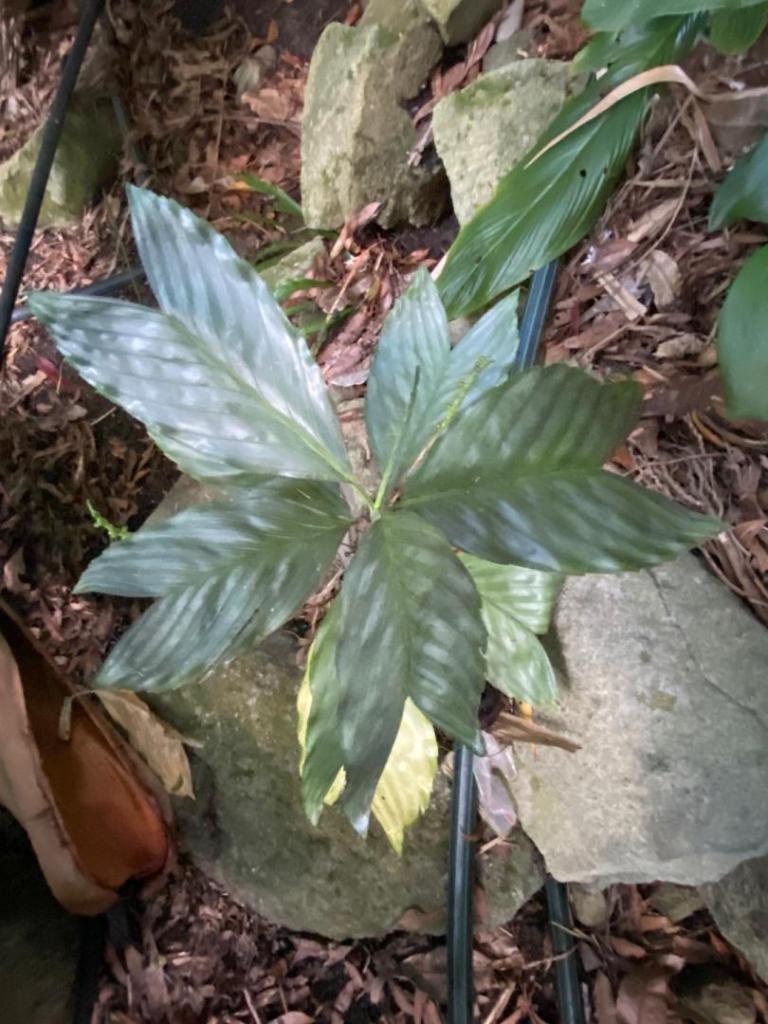
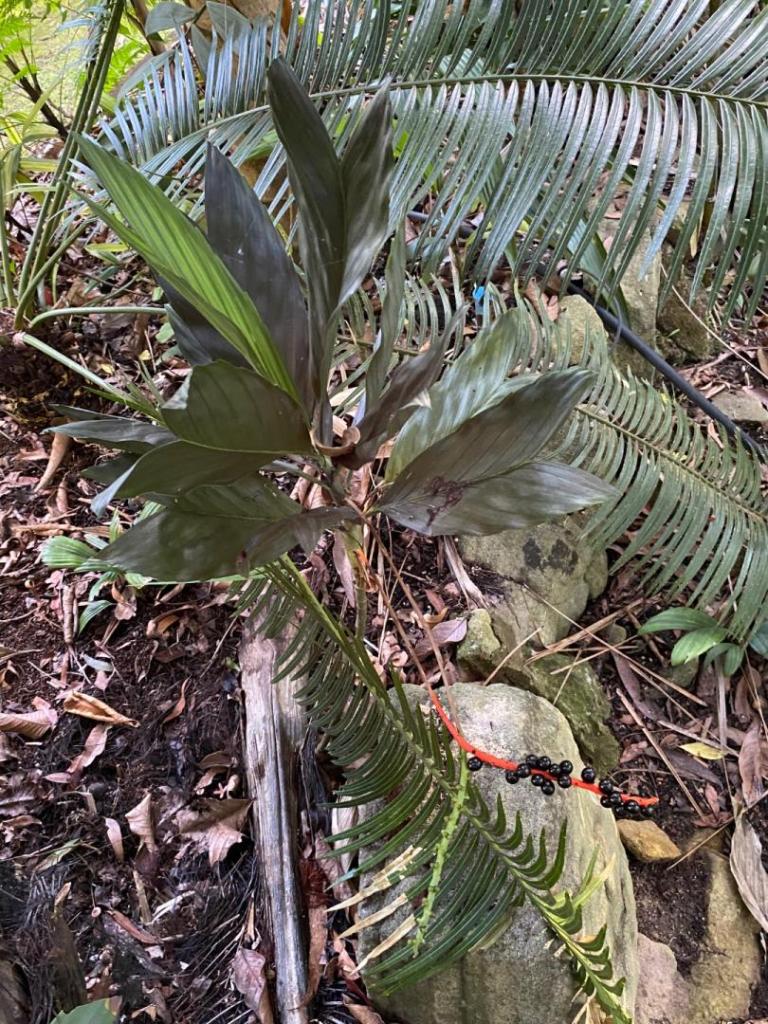
@gyuseppe this ones for you keep an eye out for those craftwork beads!



 1 point
 -
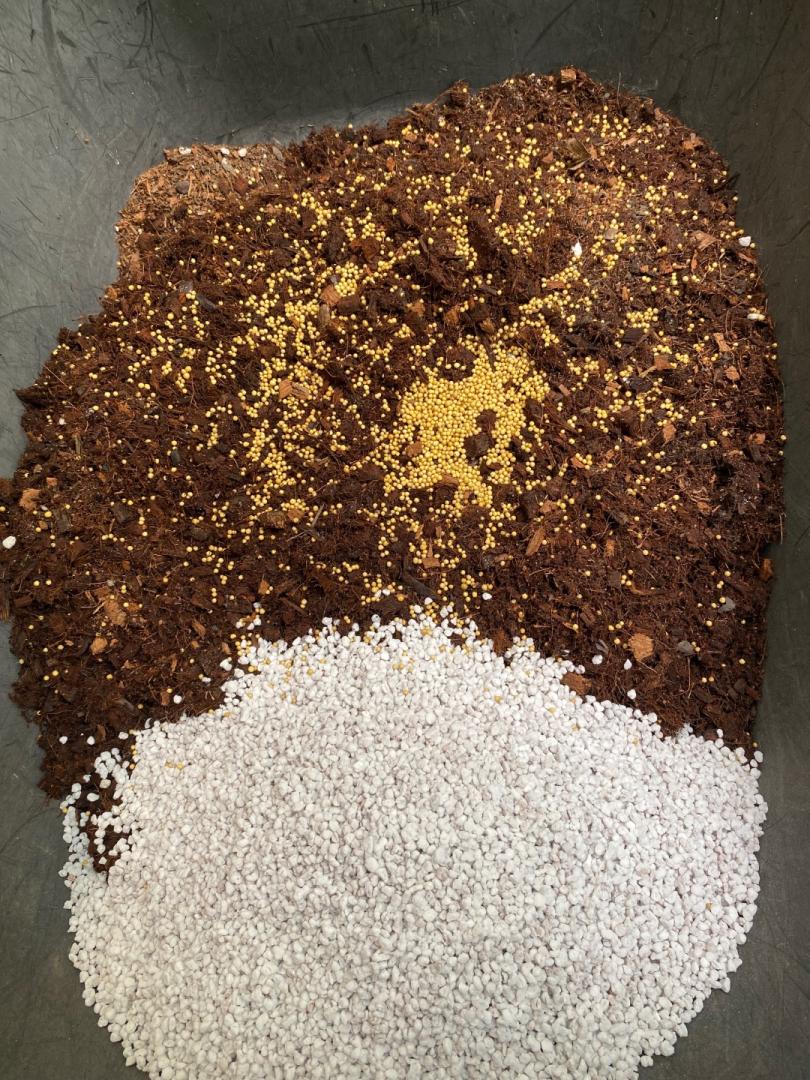
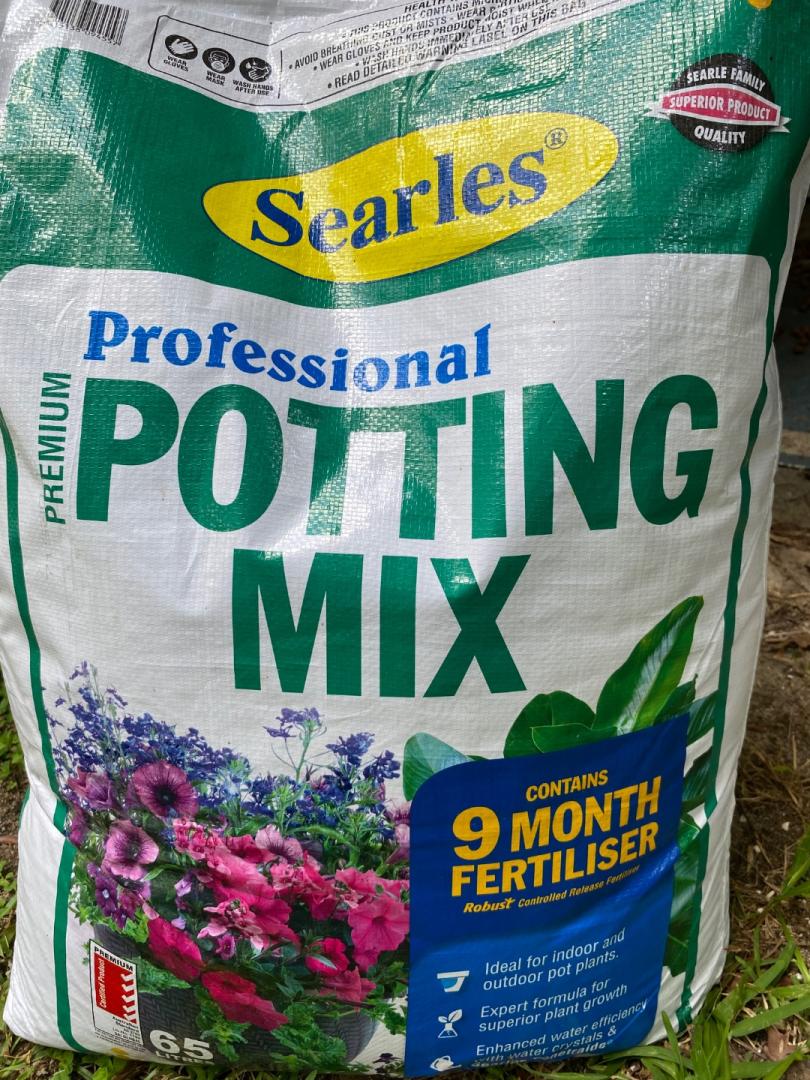
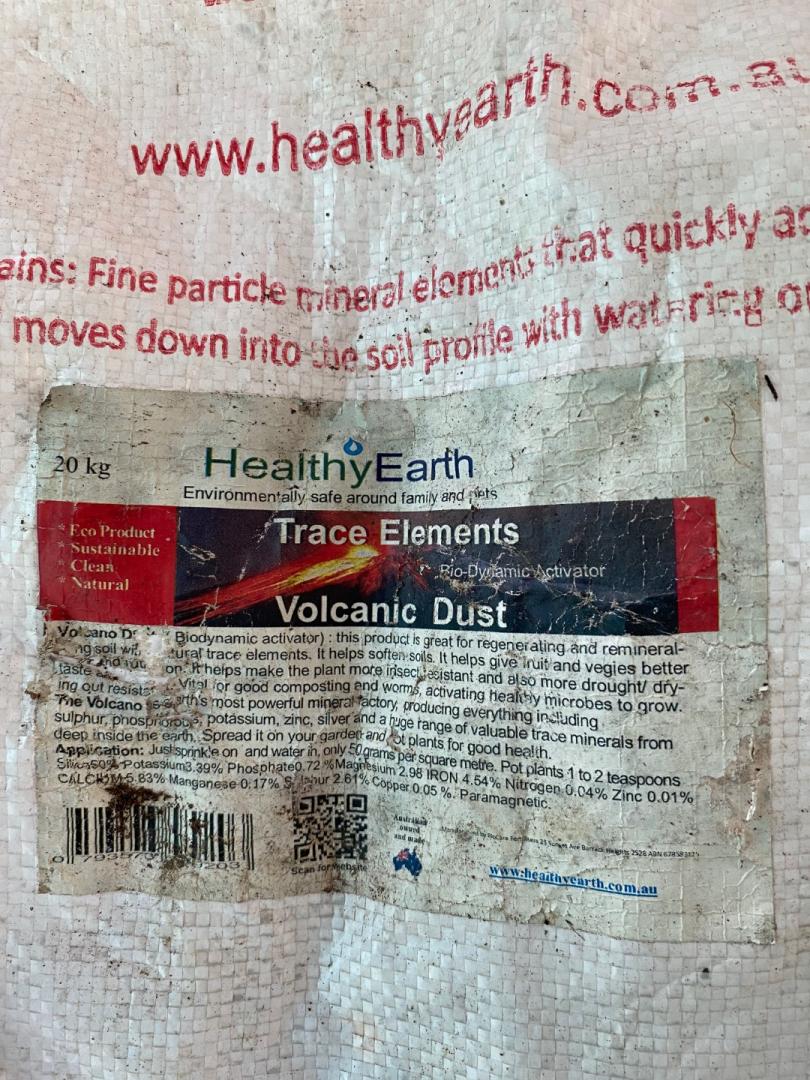
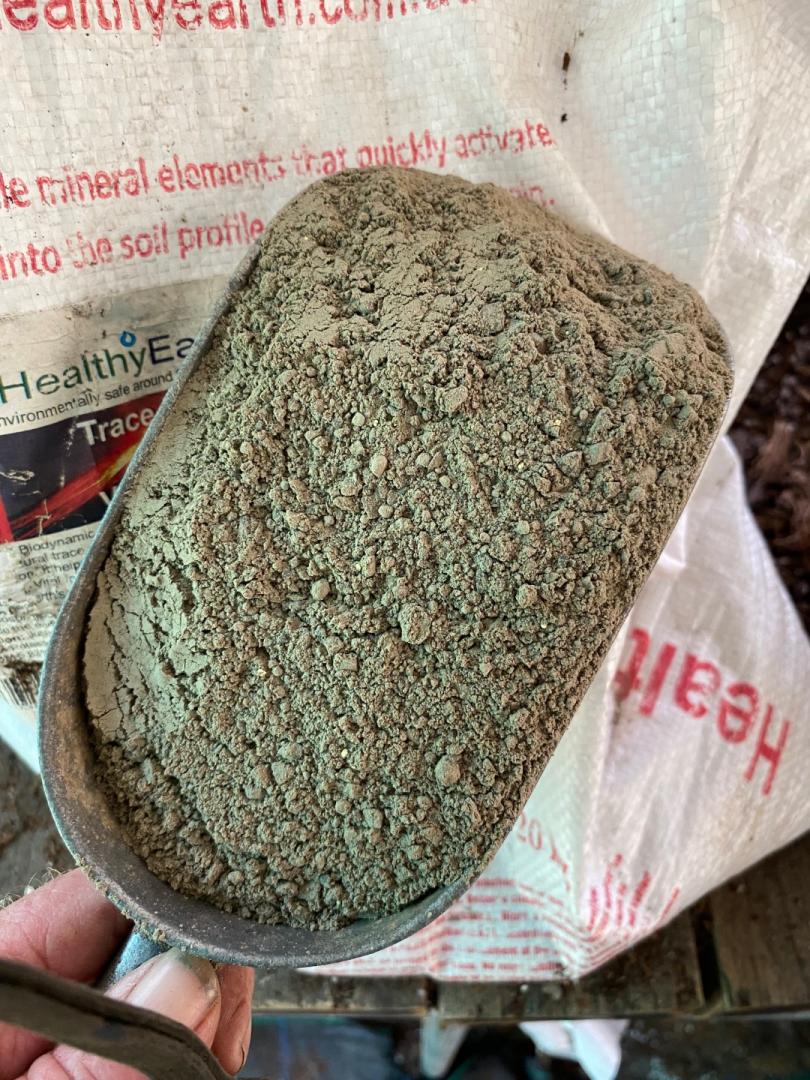
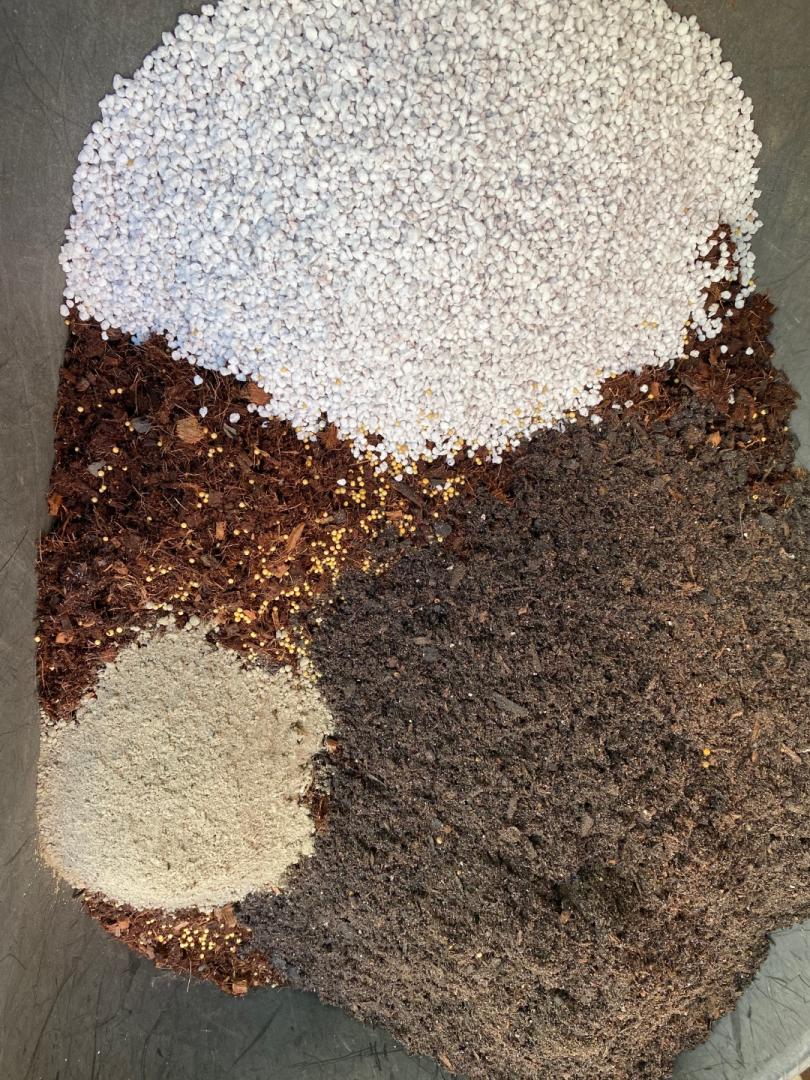
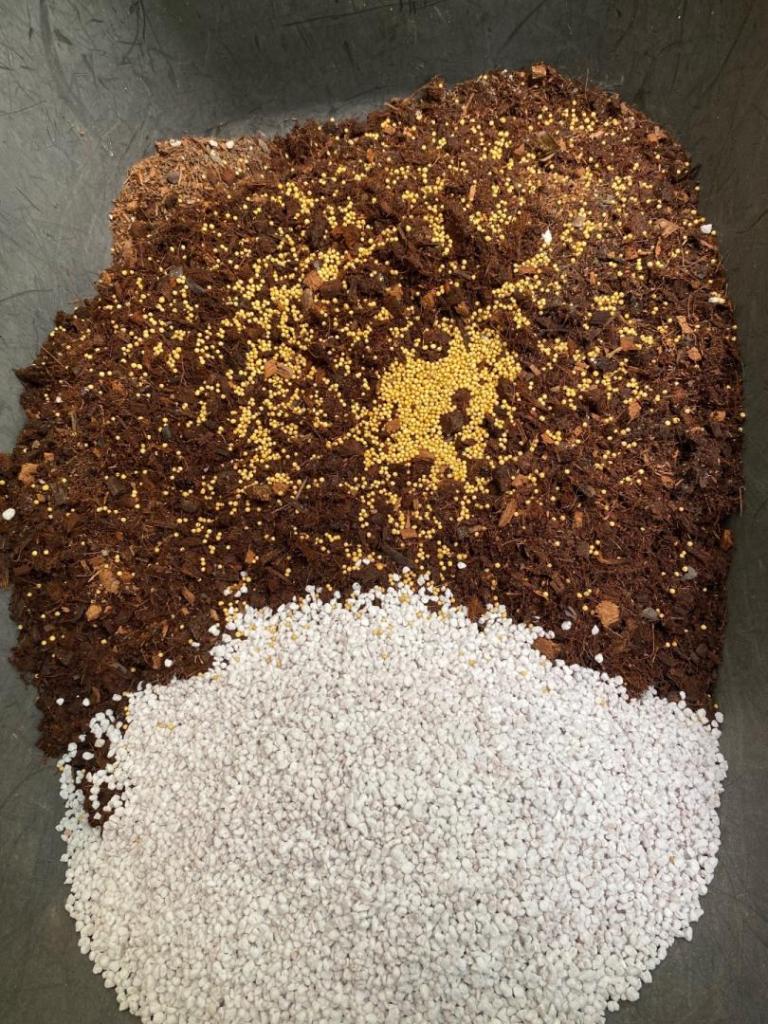
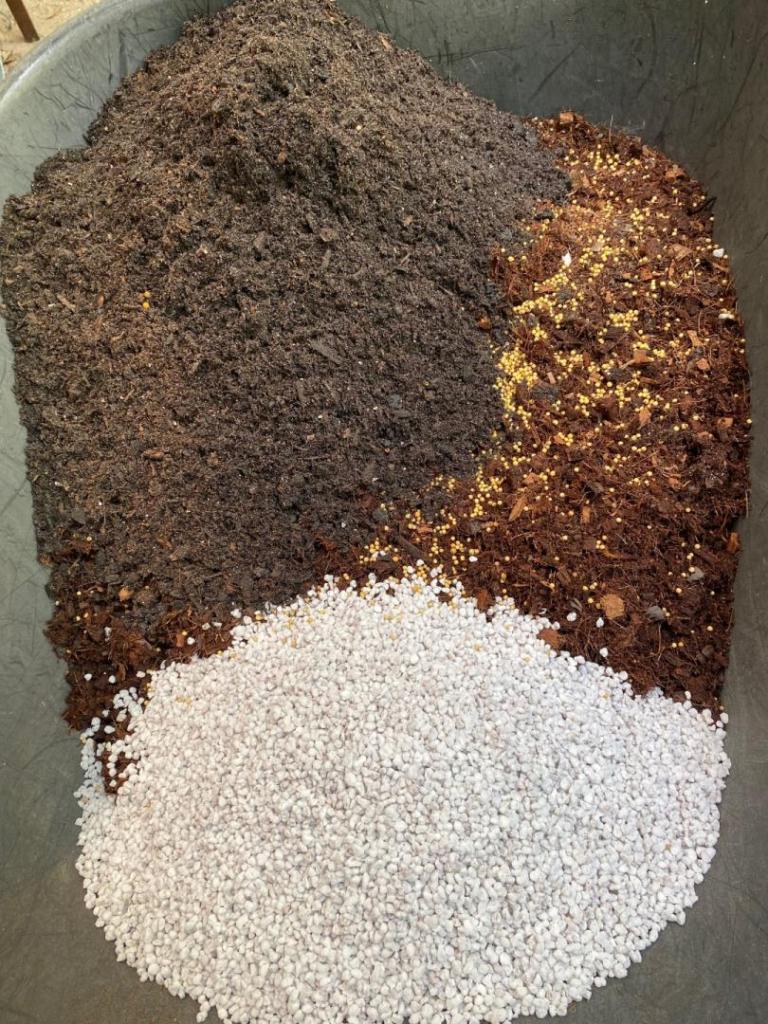
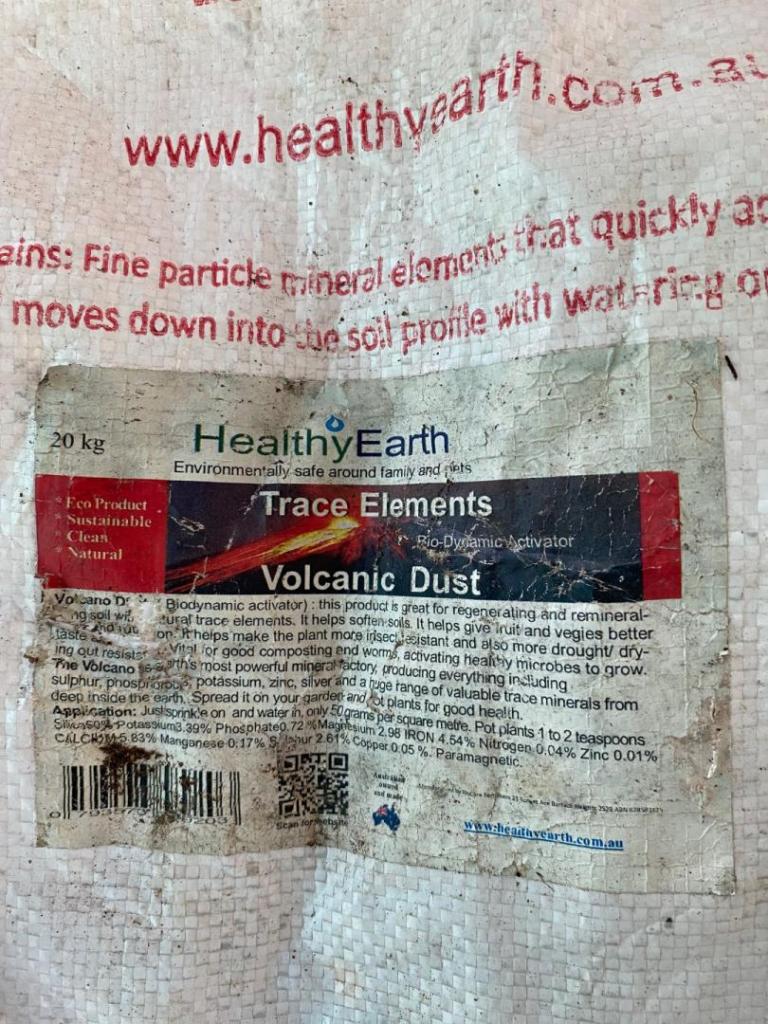
@happypalms I mix my own soil up with various ingredients. First is coco coir coarse, perlite, nutricote, top quality potting mix, and volcanic rock crushed, blue metal is another alternative to the crushed dust. Give it a good mix up and you’re ready to go. I prefer this coarse mix for seedlings it has good drainage and plenty of air. Get your soil corre t from day one and your growing troubles are over, well sort of so to speak. It works for me, you may want to tweak your recipe to suit your own growing conditions and climate.



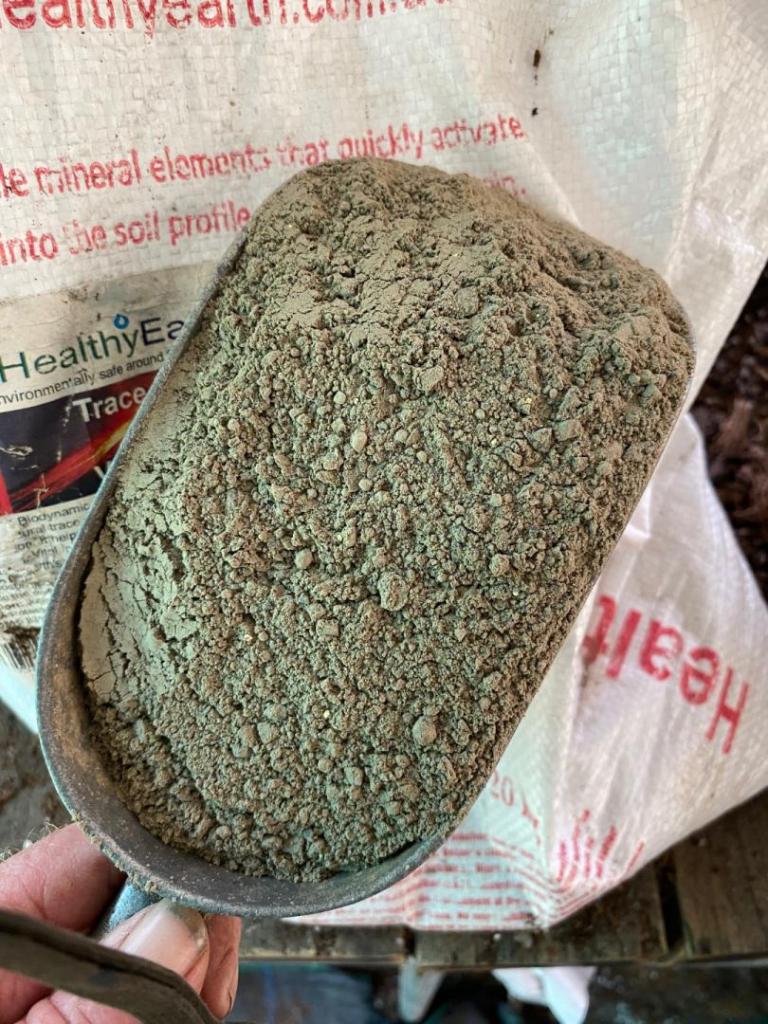

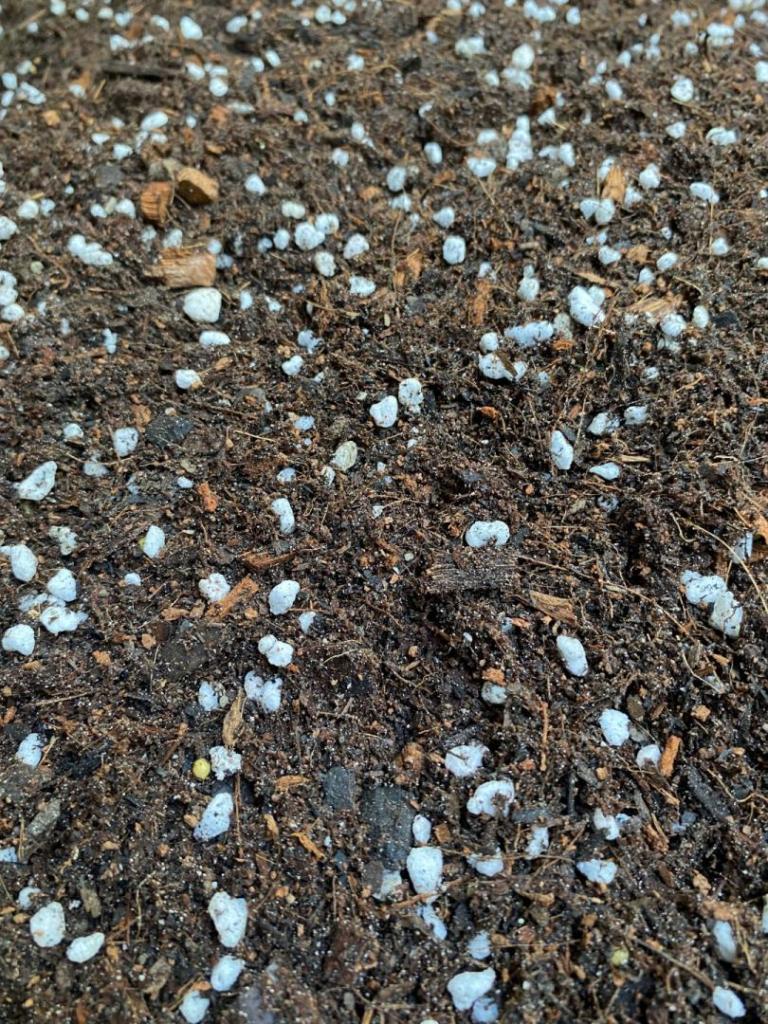
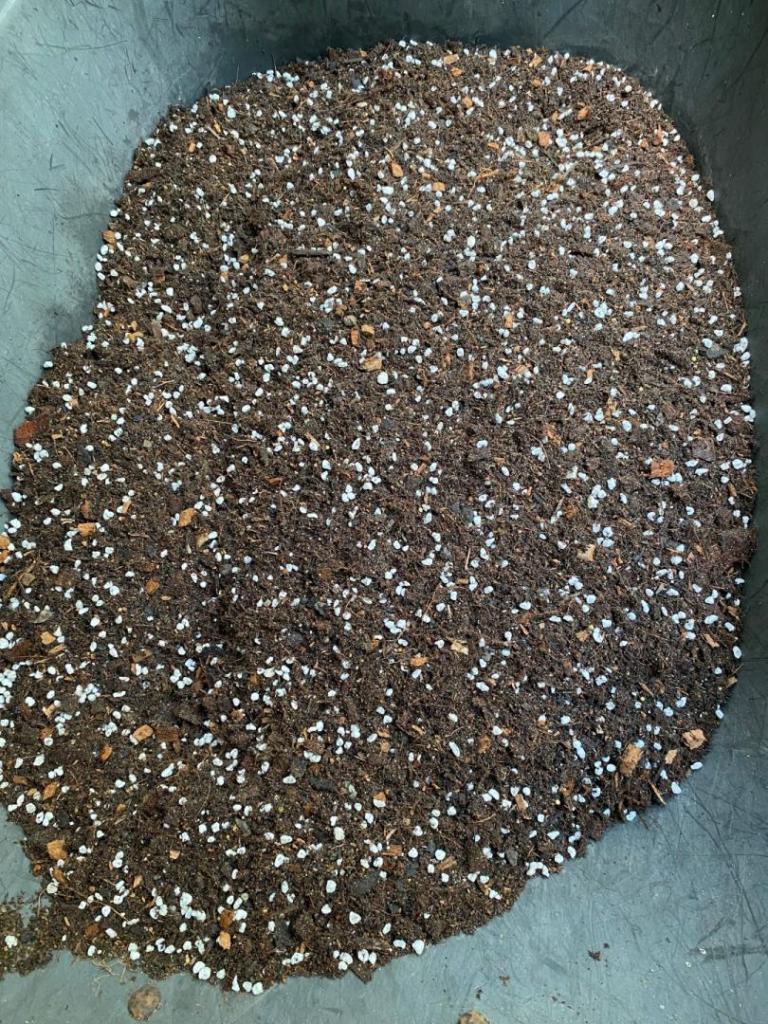

 1 point
 -
You didn't see me rushing around the garden after work, when it was already dark the other day, trying to cover my plants! And then waking up at 6am to see how things are going and again running out at 0 C to try and save what I could. That's enough thrill1 point
-
Yes. It looks OK despite a hailstorm we had a few weeks ago. It's unusual for my area and it made a small damage mostly on the leaves of fruit trees. The other cocos closer to the sea near the center looks even better. It's very impressive in person. I would like to try V. Joannis but the source of palms here is very bad. I have to rely mostly on seeds which is not always successful and it requires time and patience. Only royals starts to appear more and more in the gardens. If you are ever in Cyprus, let me know. There are also some nice not so common palms to see, but are very few.1 point
-
I've seen conflicting evidence on humidity; to wit, it doesn't affect them per se but simply causes condensation that physically dislodges them, together with the fact that many plants will suffer if it's too dry and this in itself makes them less healthy and more vulnerable to mites. Predatory mites are certainly very effective. The trouble is, they are quite expensive, and they will all die off once they've consumed their prey, so it is necessary to keep buying them whenever a new spidermite population establishes itself. Beetles, lacewings, etc. don't work indoors; they will commit harikiri on the lights or generally die through misadventure. I used predatory mites for several years, but came to the conclusion that spraying with abamectin is much simpler, cheaper and more effective in an enclosed indoor space. It imbues systemic protection for several months and also is effective against scale and mealybugs. I've never had much of a problem with mealies, but I have with scale. I've yet to see any evidence of resistance/ineffectiveness. Unfortunately biological routes necessitate a separate predator with every species of pest. The trouble with non-systemic treatments like neem is that you will never, humanly get it into every nook and crevice, so (with a room full of a lot of plants) it's a never-ending slog with no respite. OK if you have a couple of houseplants, but it will become a losing battle the more you're trying to grow.1 point
-
Clara is faster than armata here in San Francisco, California.1 point
-
Phillipinensis leaves are usually more recurved in my experience. Nice looking, whatever it is.1 point
-
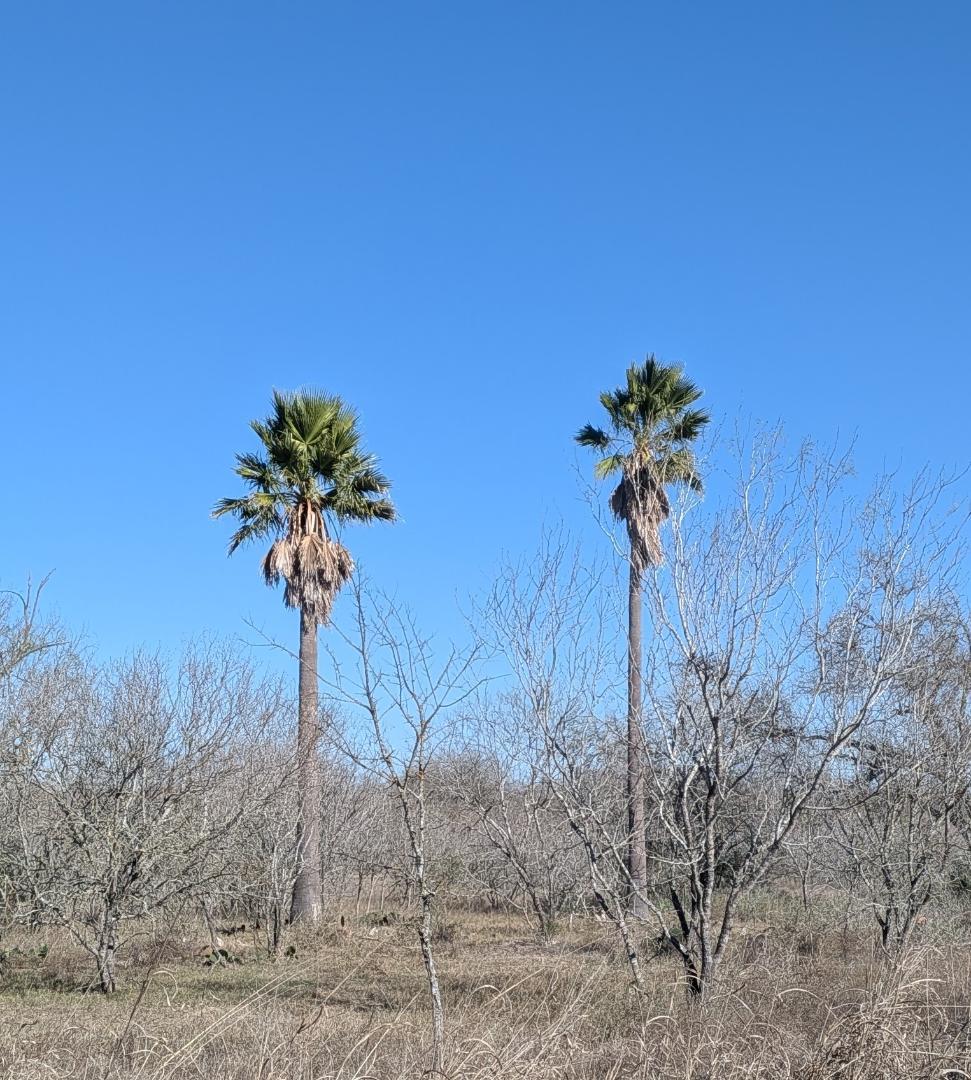
I went walking in Crescent Bend Nature Park today. The area was a residential area until it flooded in 1996 and 1997. It was then made into a park with lots of trails. There are a couple of old Washingtonias in the park that were likely in someone's backyard at some point. They blend in nicely in the savanna environment of the park though:
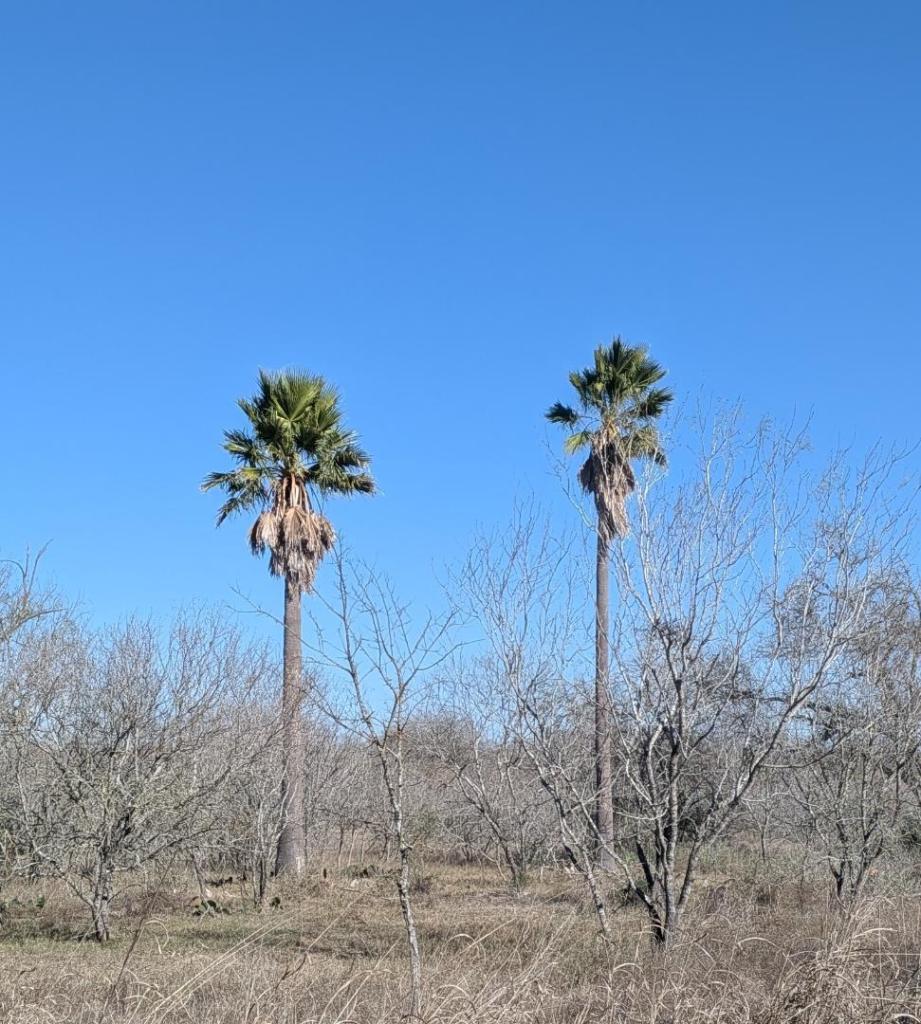 1 point
 -
By beach side I assume you mean close to A1A rather than I95. I've seen Screw Pine near Marineland, so my guess is that cold is intermittent so close to the ocean1 point
-
Welcome back!
 1 point
 -
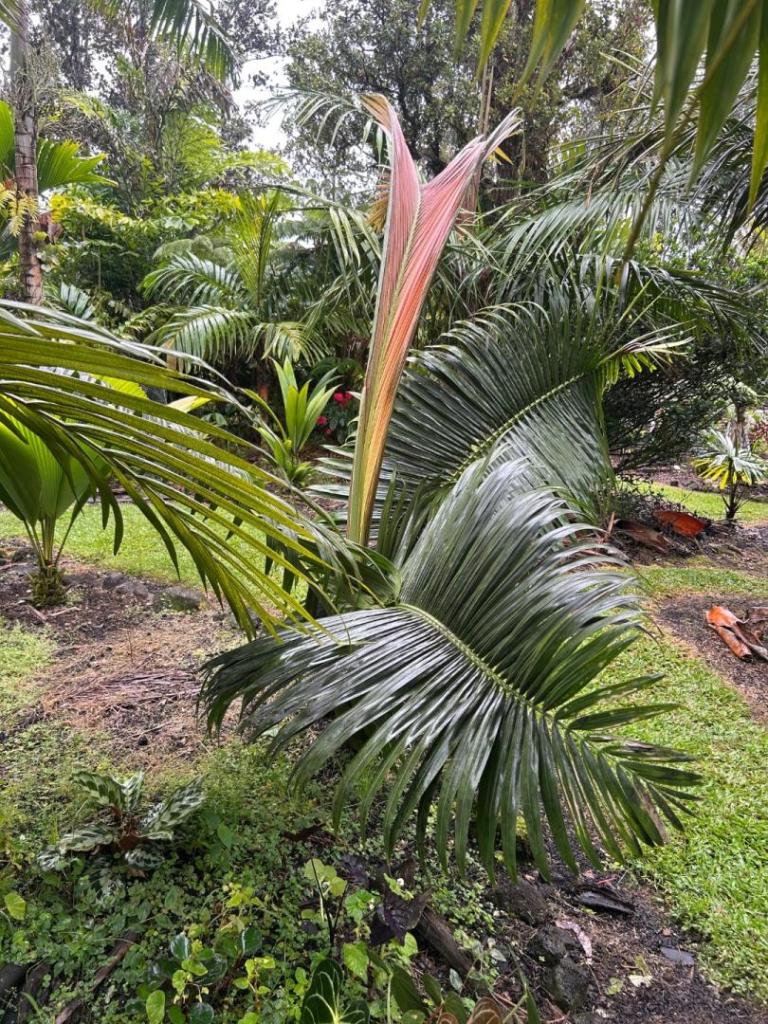
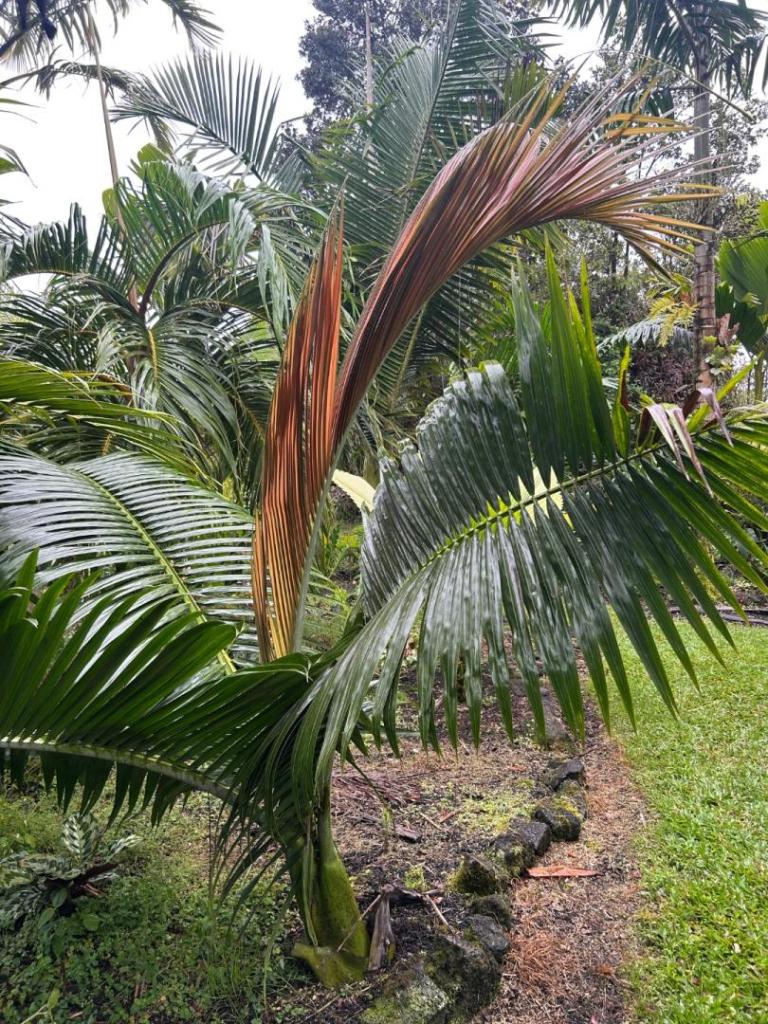
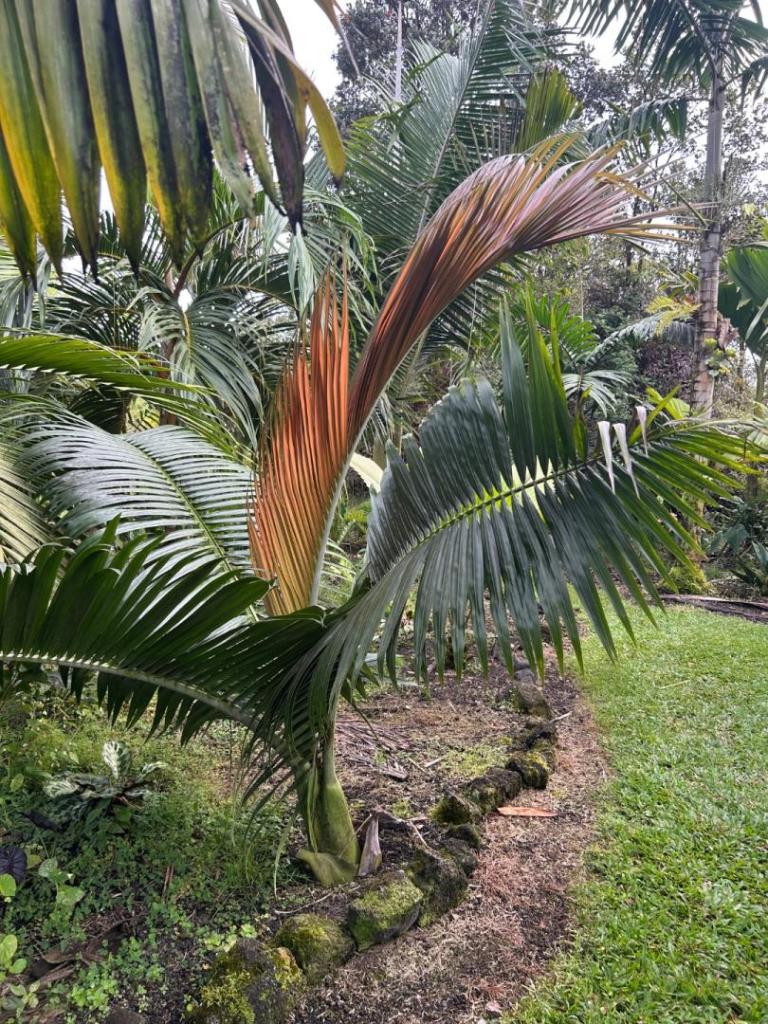
2 pics from yesterday and 2 from today. I love this dypsis Mt. something or other

 1 point
 -
Do any of you guys grow E coccifera, Tasmanian Snowgum? I've always thought it's one of the more pretty Tassie species, and should do well in the PNW. Maybe not easy to find over there? The pic below is just ripped from the net, but well worth a google search to hve a look at some others!
 1 point
 -
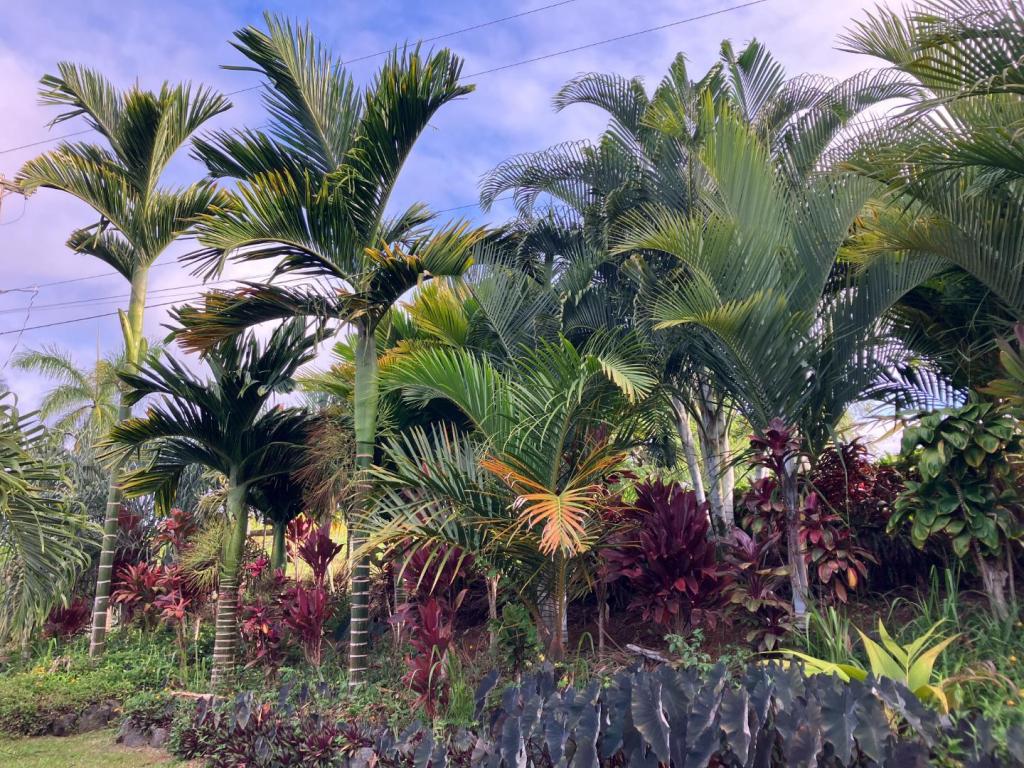
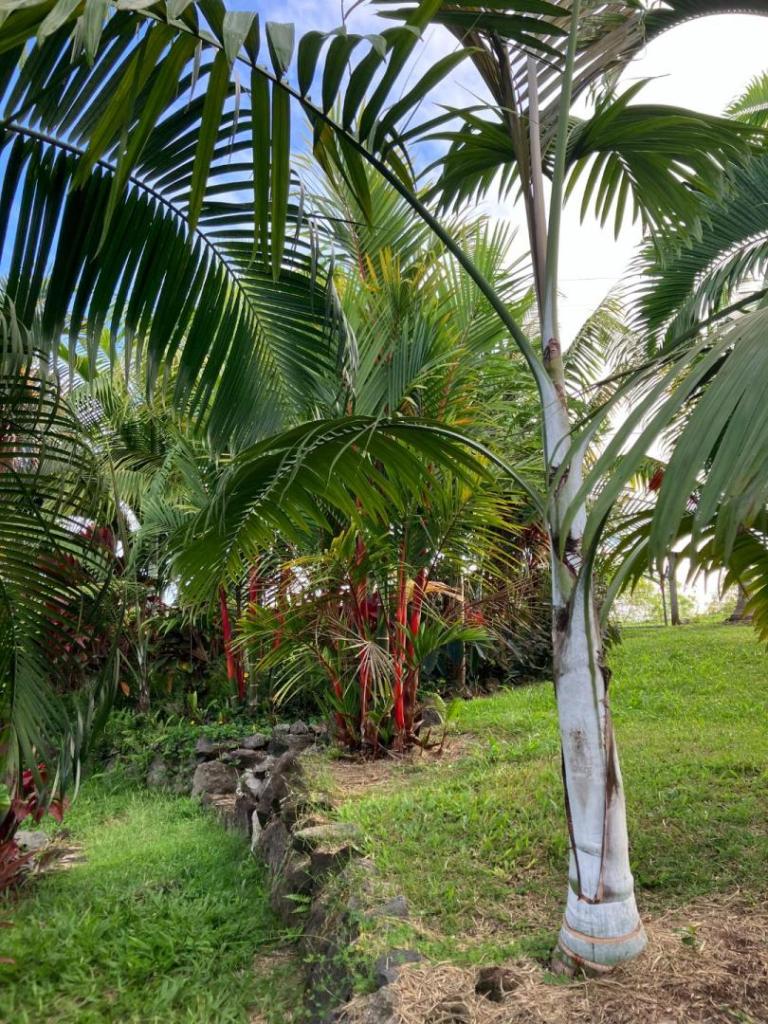
This is the first planter I worked on about 4 years ago: Chrysalidocarpus Robustus Hybrid: Heterospathe Barfodii: Chrysalidocarpus Prestonianus Hybrid (2 headed and first time flowering): Chrysalidocarpus Lastellianus that is getting ridiculously large (I wish I had something to show scale) and a Chrysalidocarpus Malcomberi Hybrid behind it:


 1 point
 -
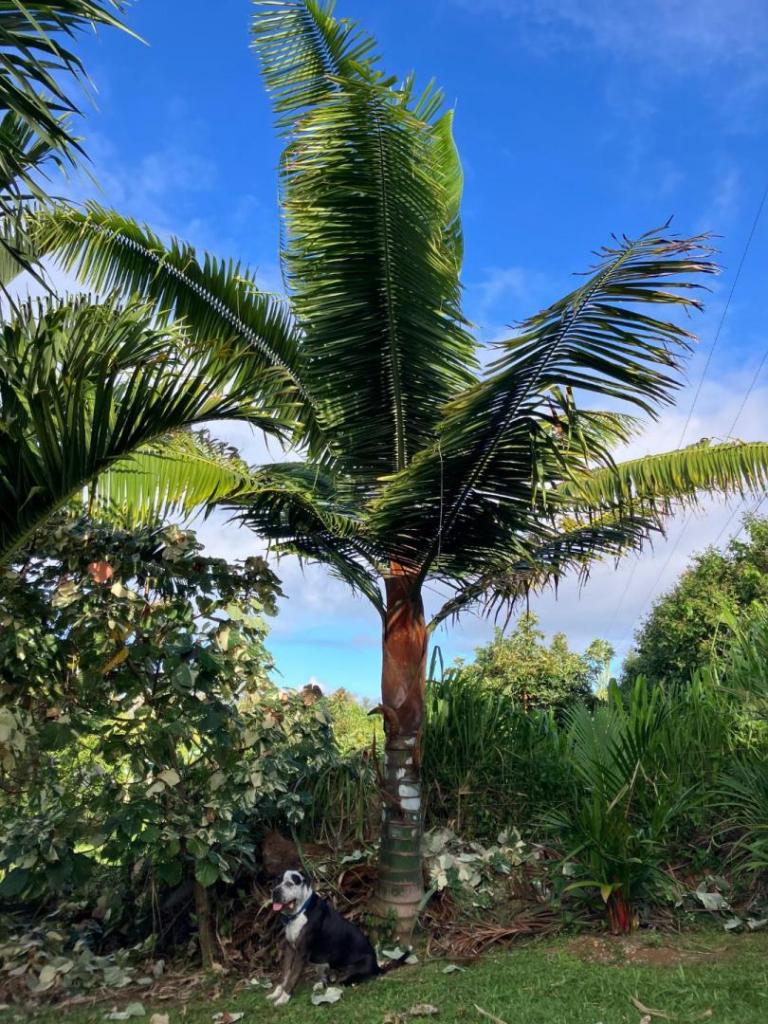
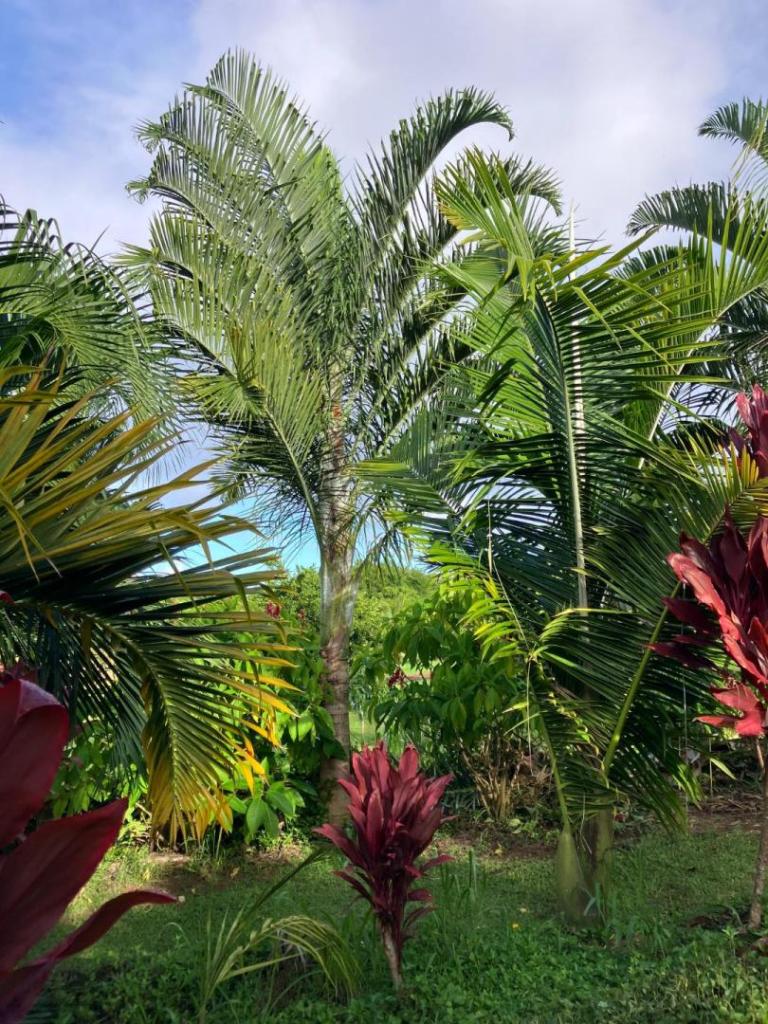
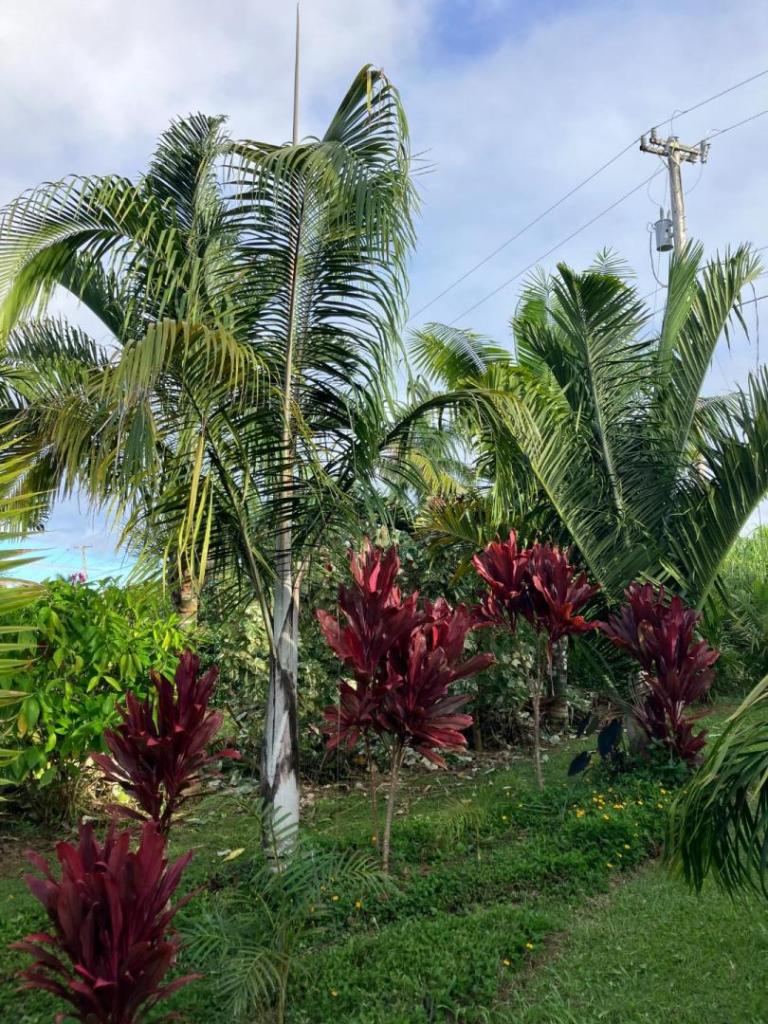
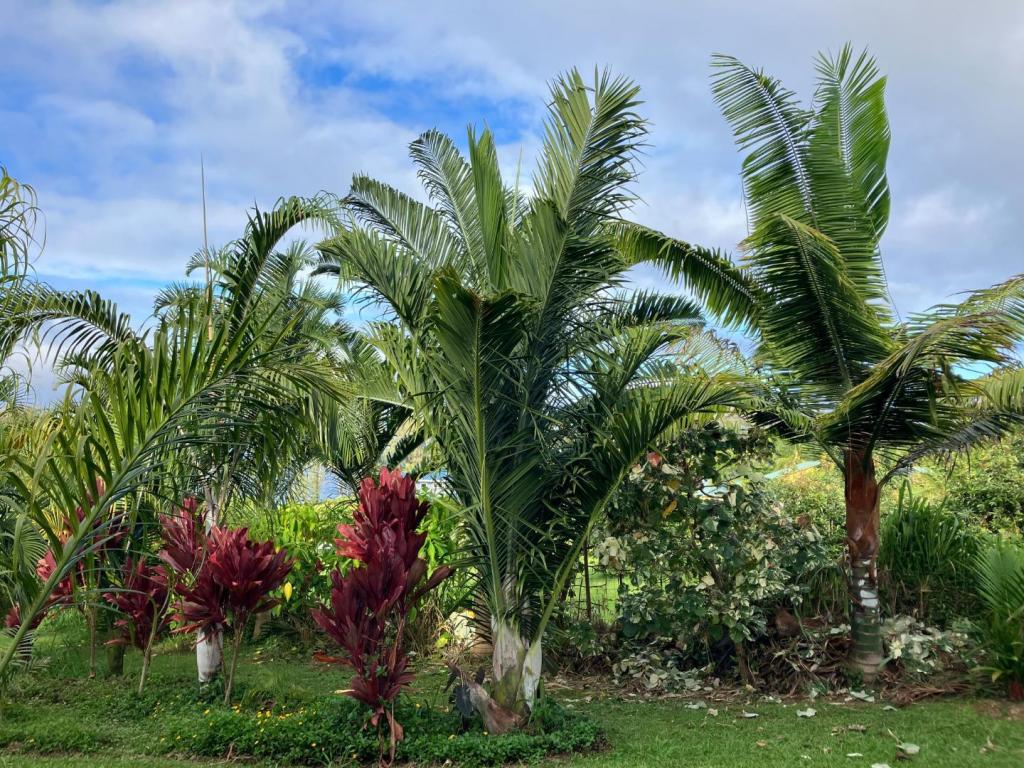
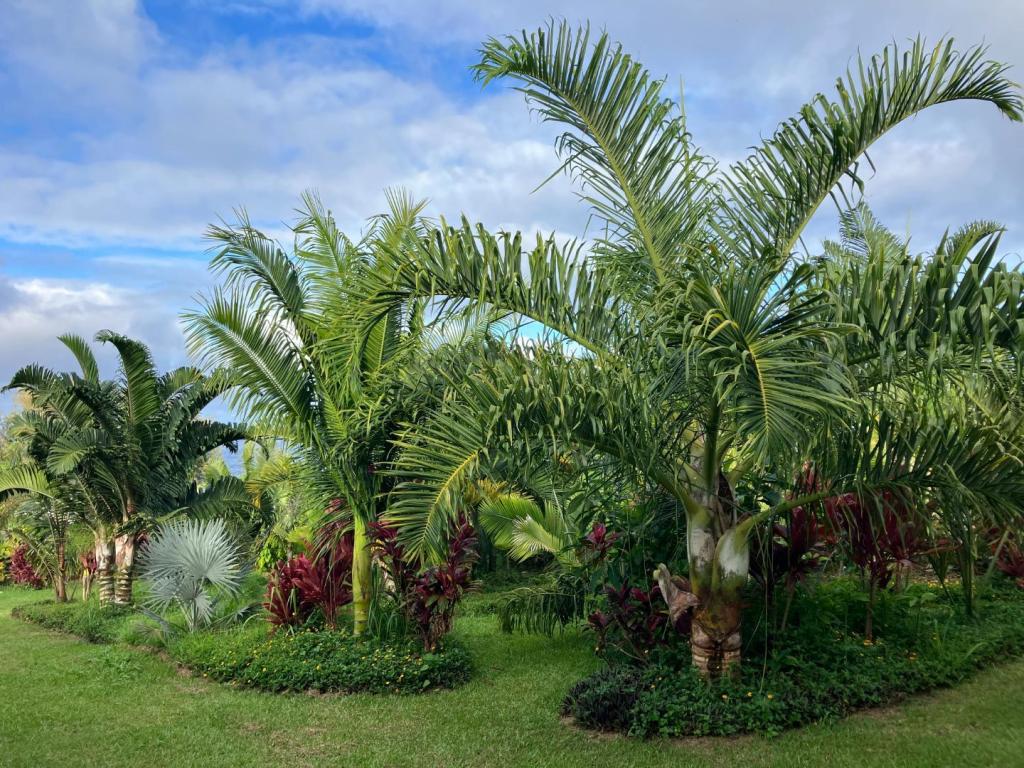
Chrysalidocarpus Leptocheillos flowering a lot and getting thick! I don't think I've seen another quite this large at this size. Deep soil along with plenty of water and heat at this garden: Madagascar planter filling in! Another look at a Chrysalidocarpus Sp Mayotte Hybrid (in the back) with Chrysalidocarpus loucoubensis on the right: Chrysalidocarpus Ovobontsira (or at least what was sold as that): Chrysalidocarpus Robustus at the corner of the Madagascar planter:
 1 point
 -
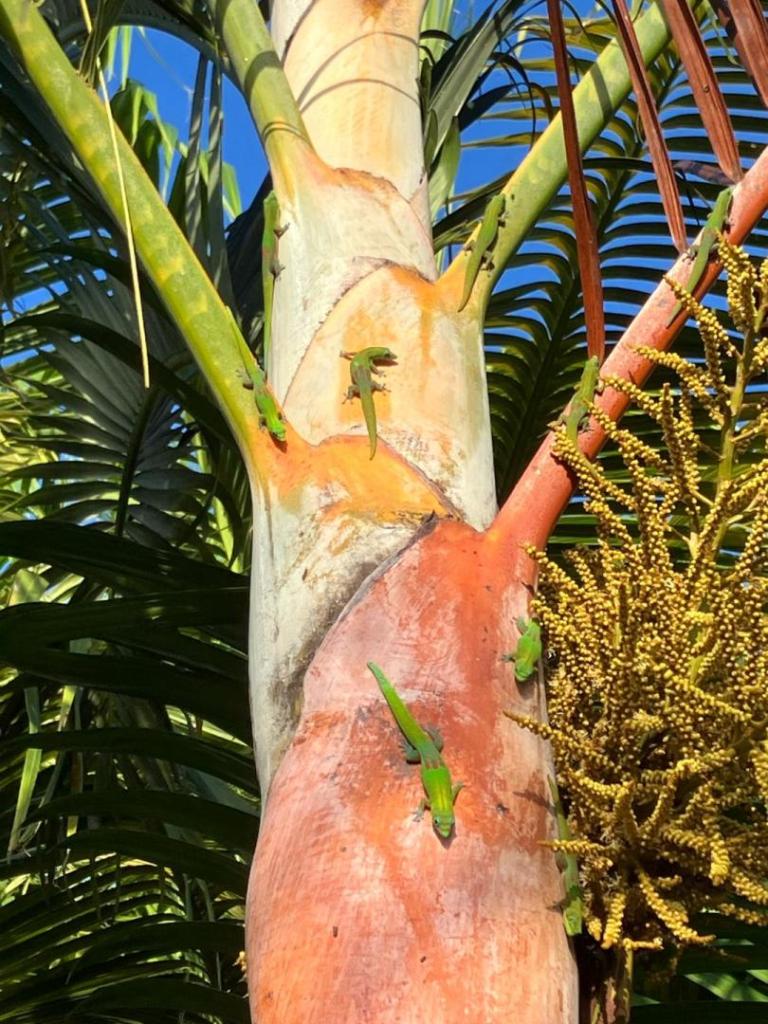
And here are some updated photos from the garden to show how things are growing this summer. First up is Rocky 2 with a couple of Kentiopsis Pyriformis: Then on the opposite end of this New Cal planter, a couple of Chambeyronia Houailou: Oenocarpus Distichus: Chrysalidocarpus Hovomantsina Hybrid: Madagascar Day Geckos seem to love the flowers and the orange color on this solitary Chrysalidocarpus Lutescens:


 1 point