Leaderboard

.thumb.png.04b3487b96ff29c55b8a8994b91f62b2.png)

Popular Content
Showing content with the highest reputation on 12/27/2025 in all areas
-
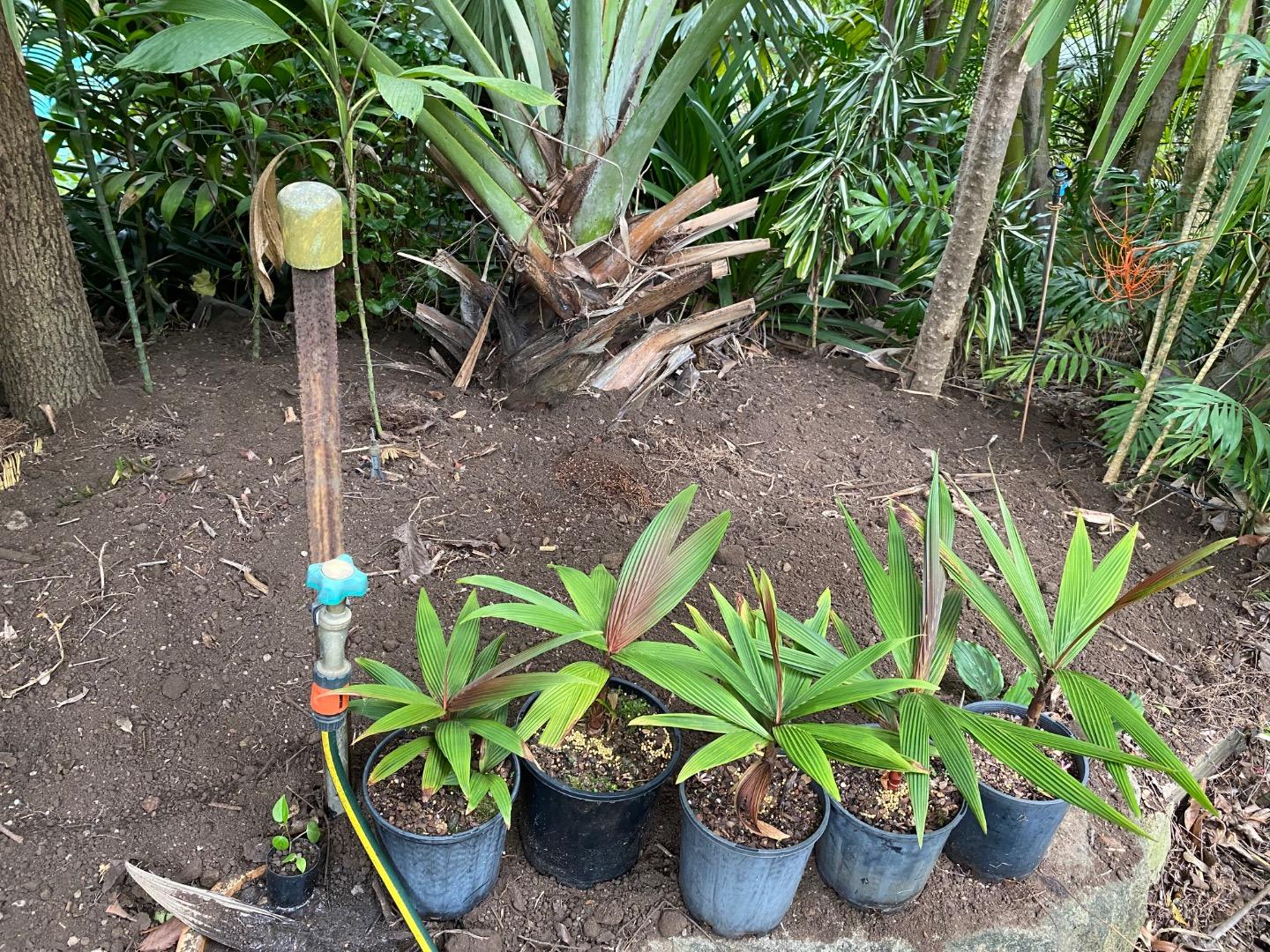
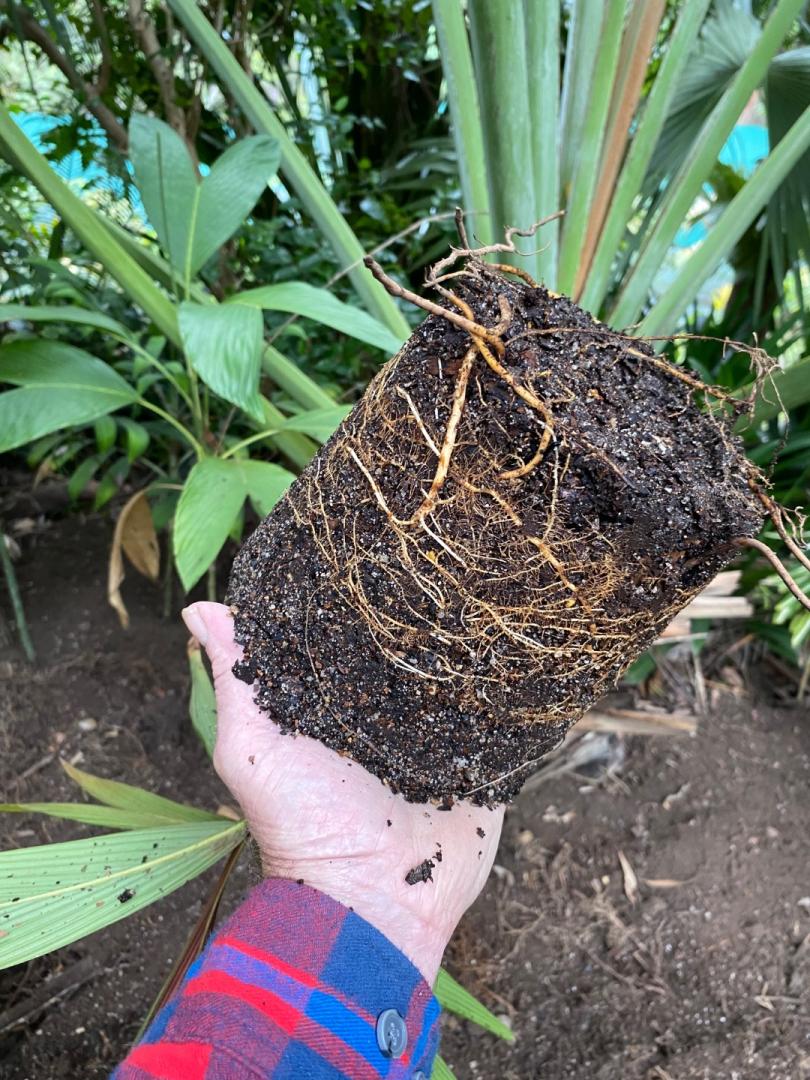
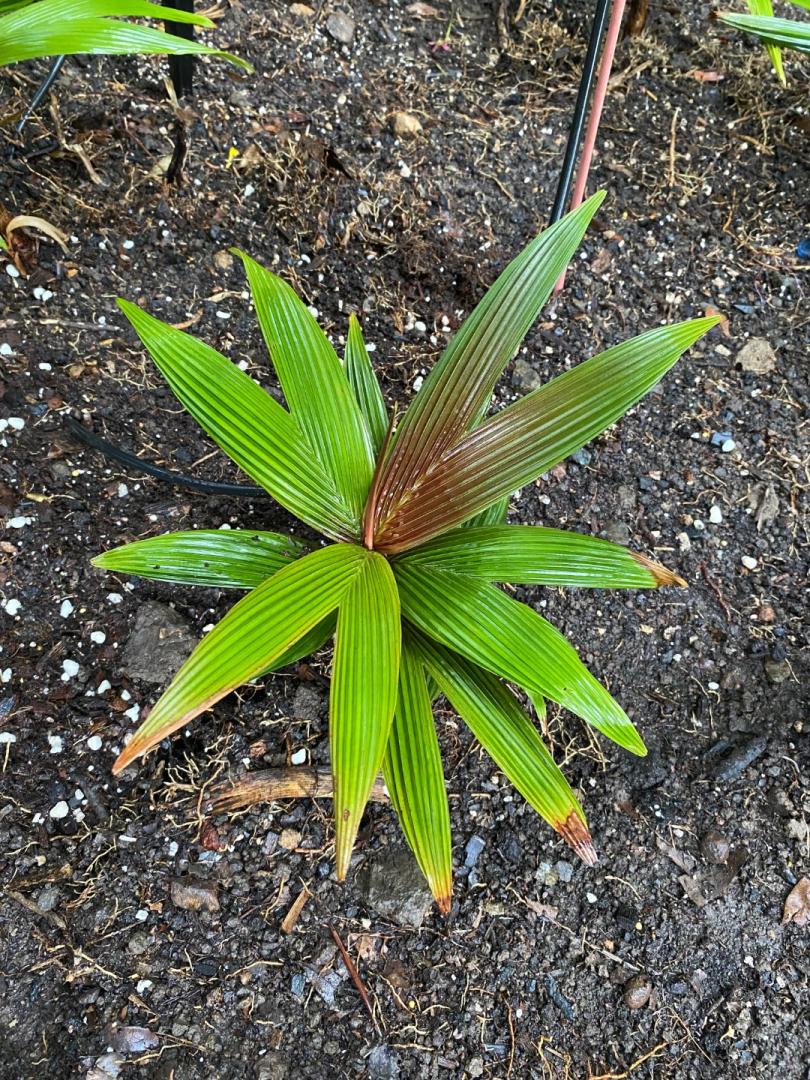
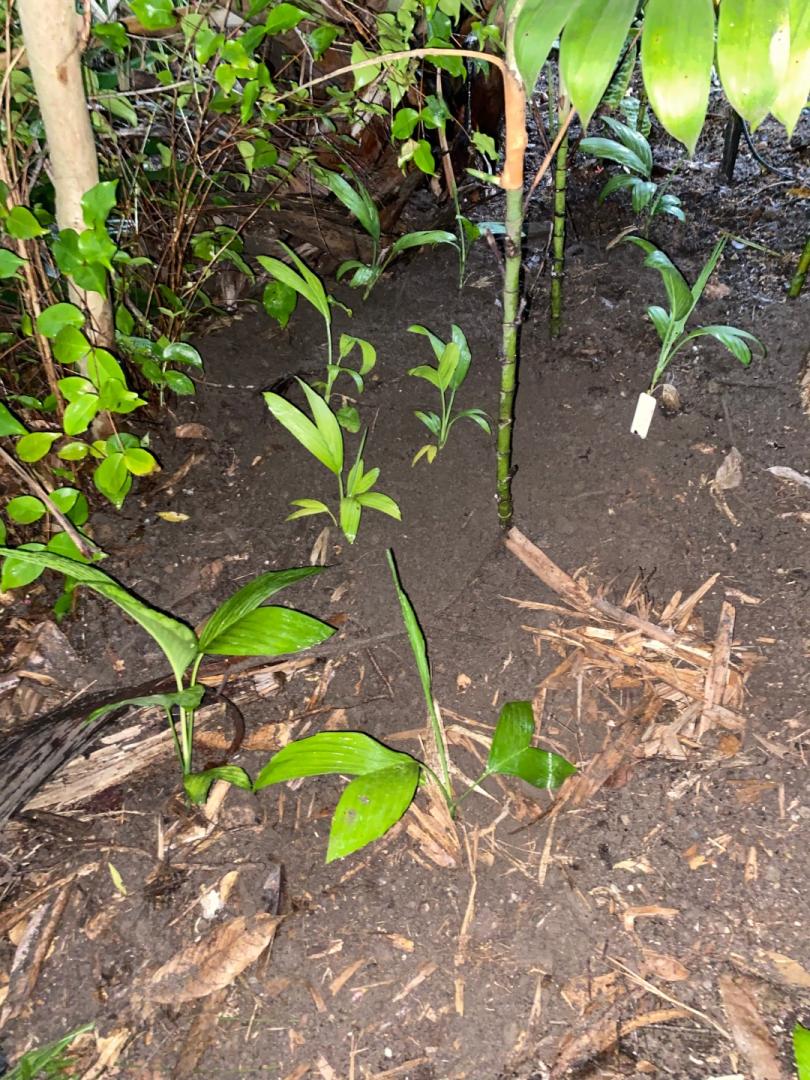
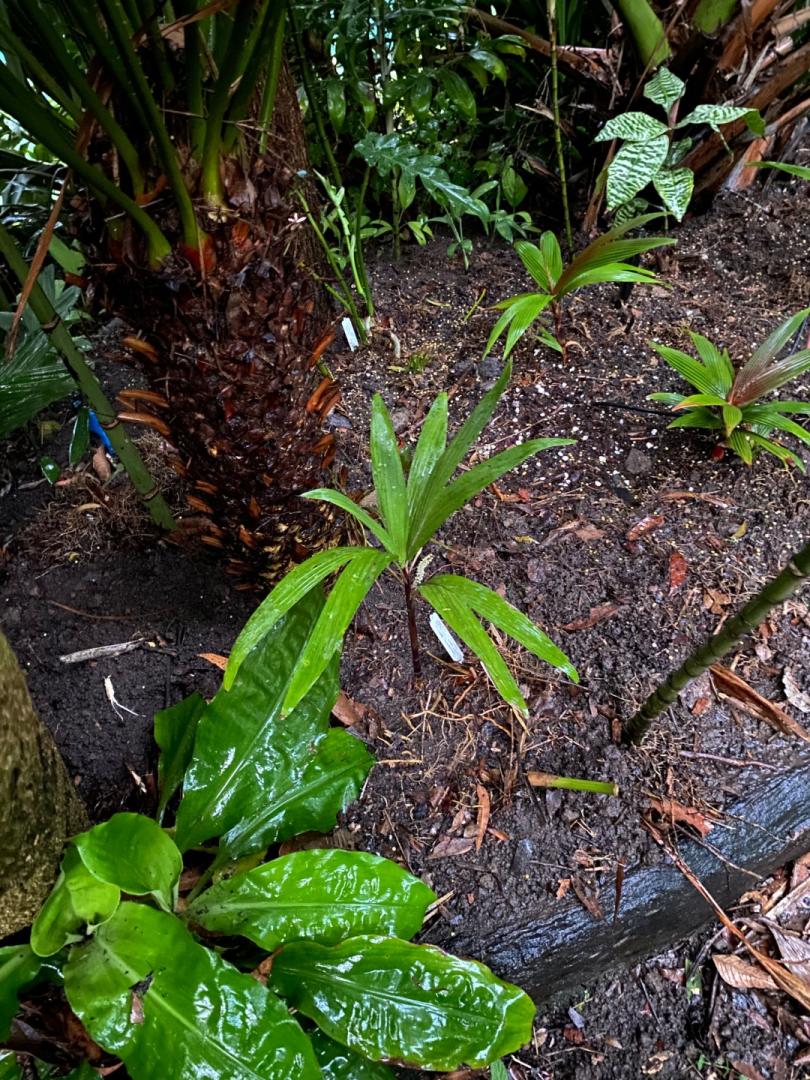
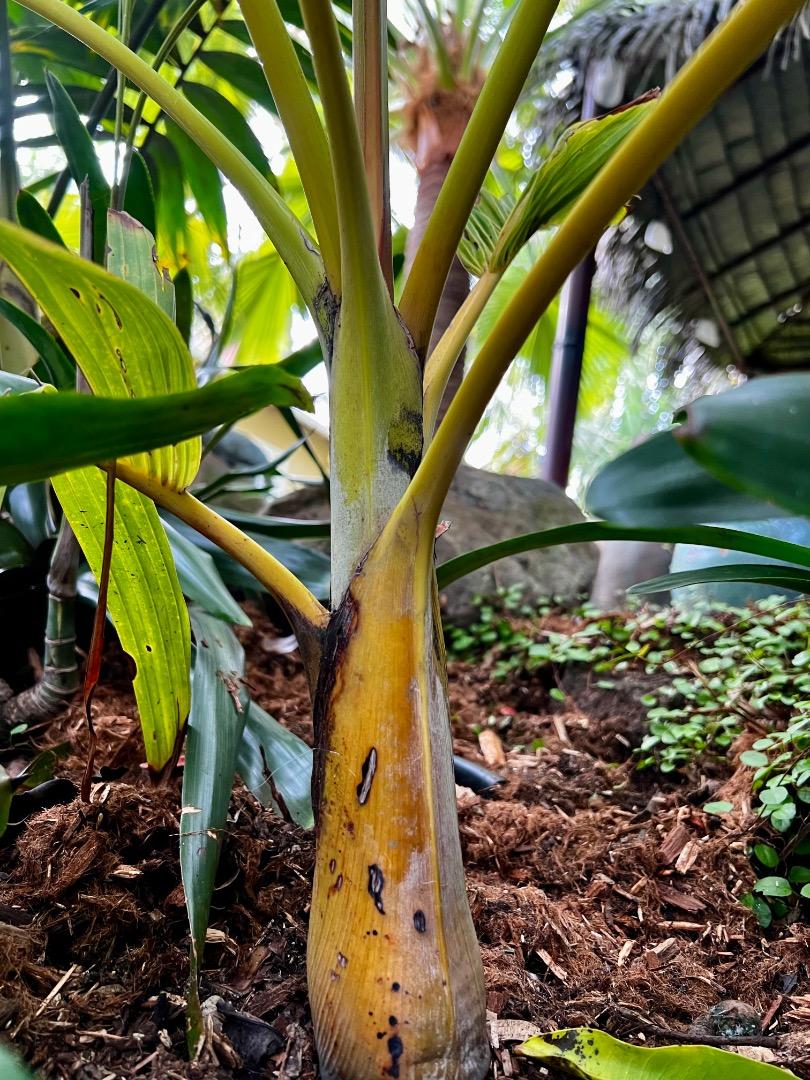
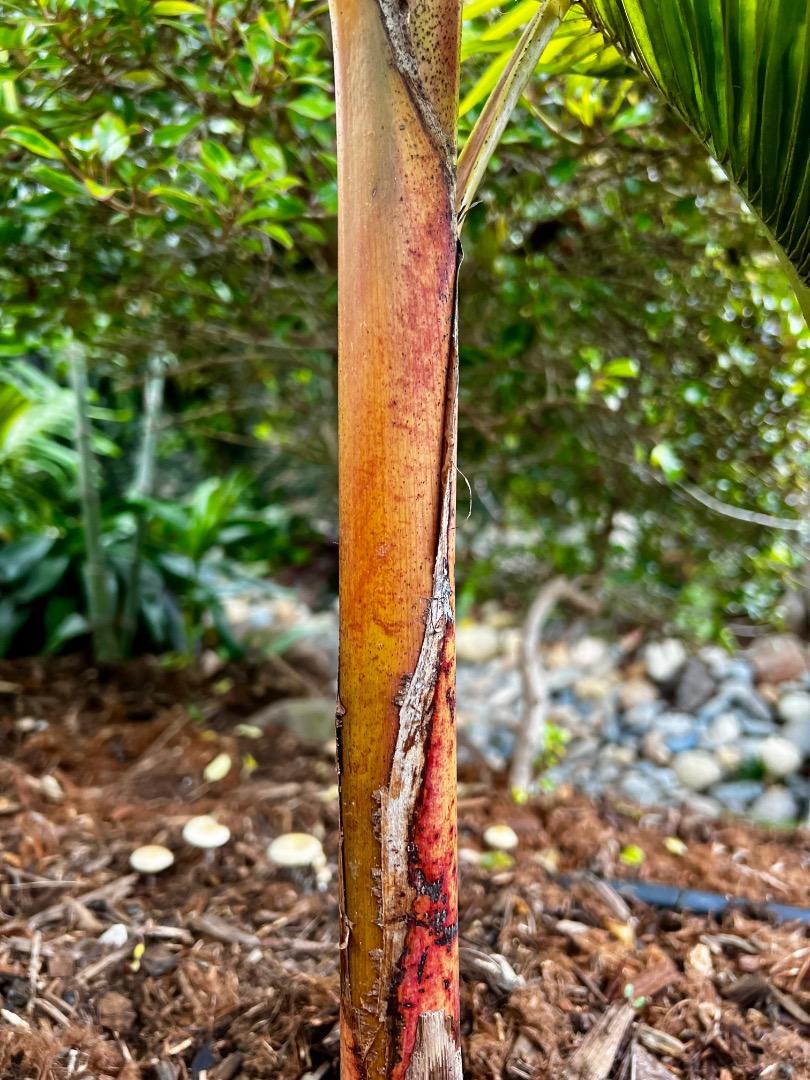
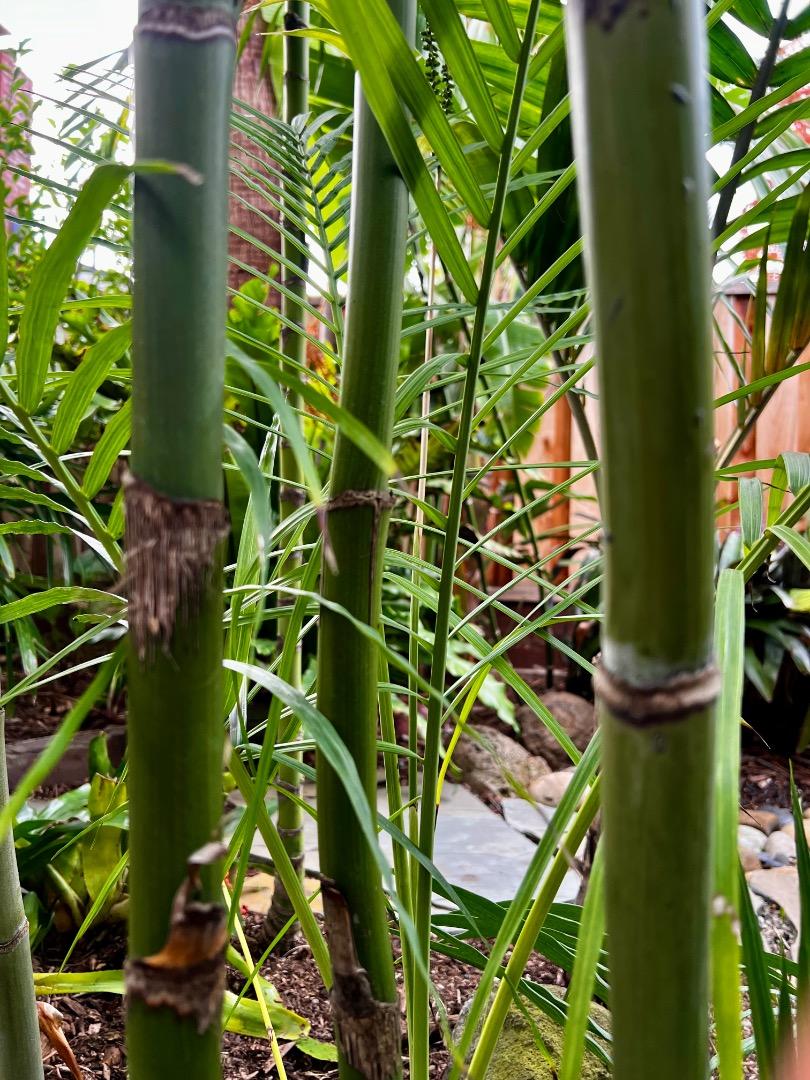
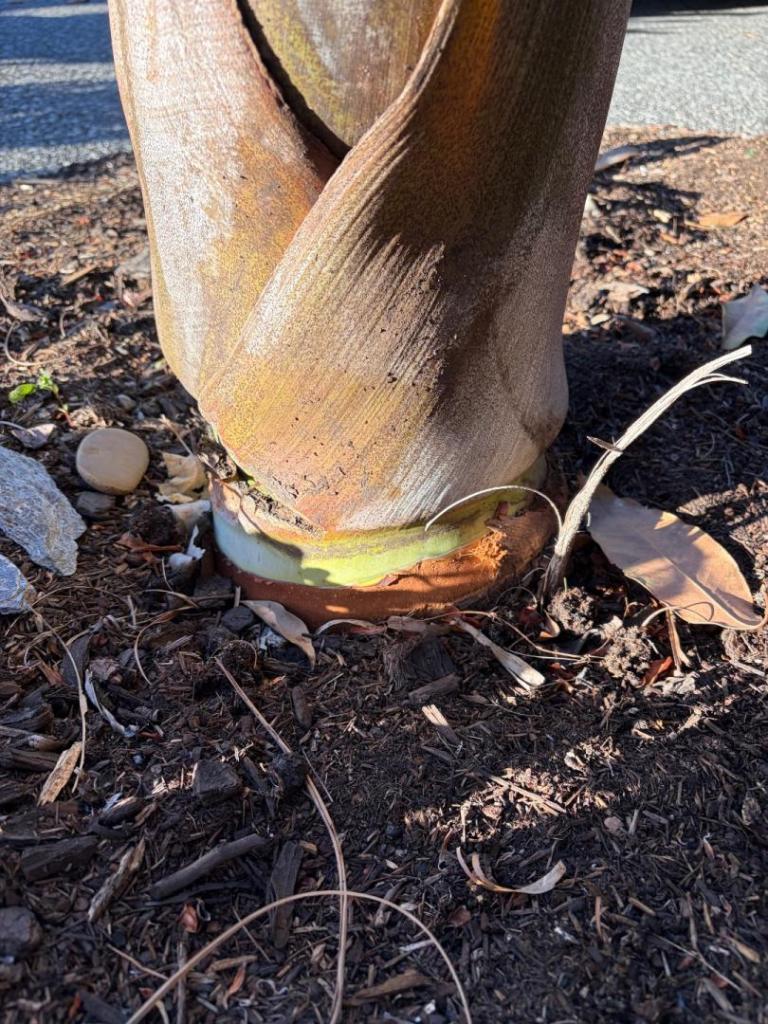
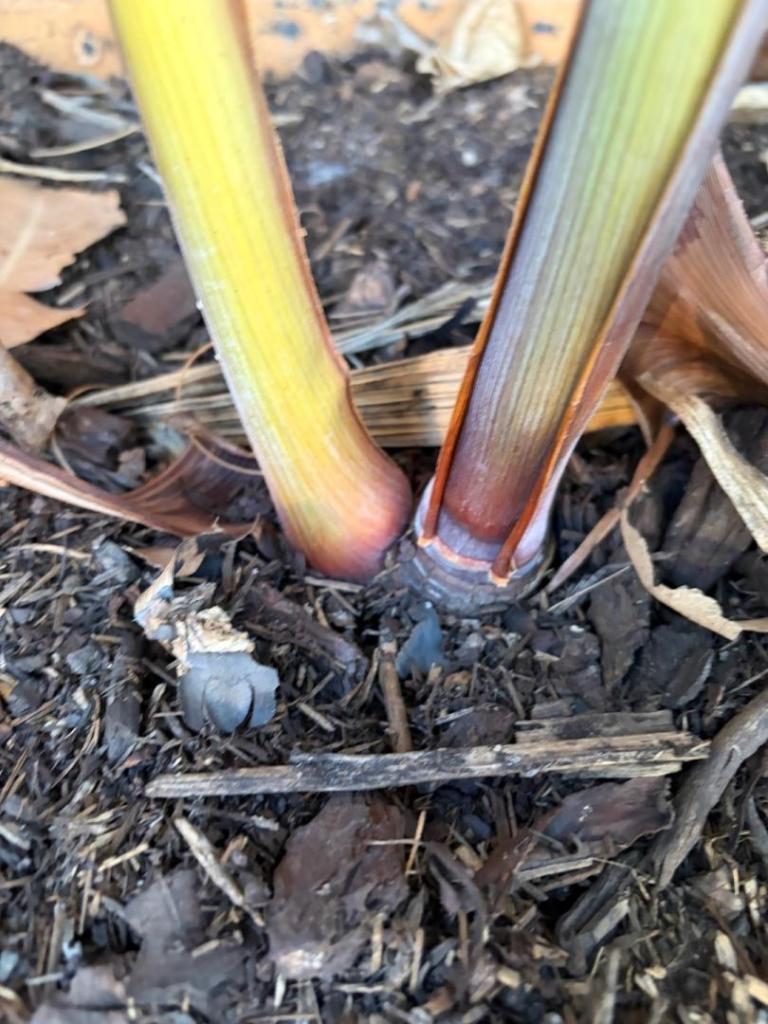
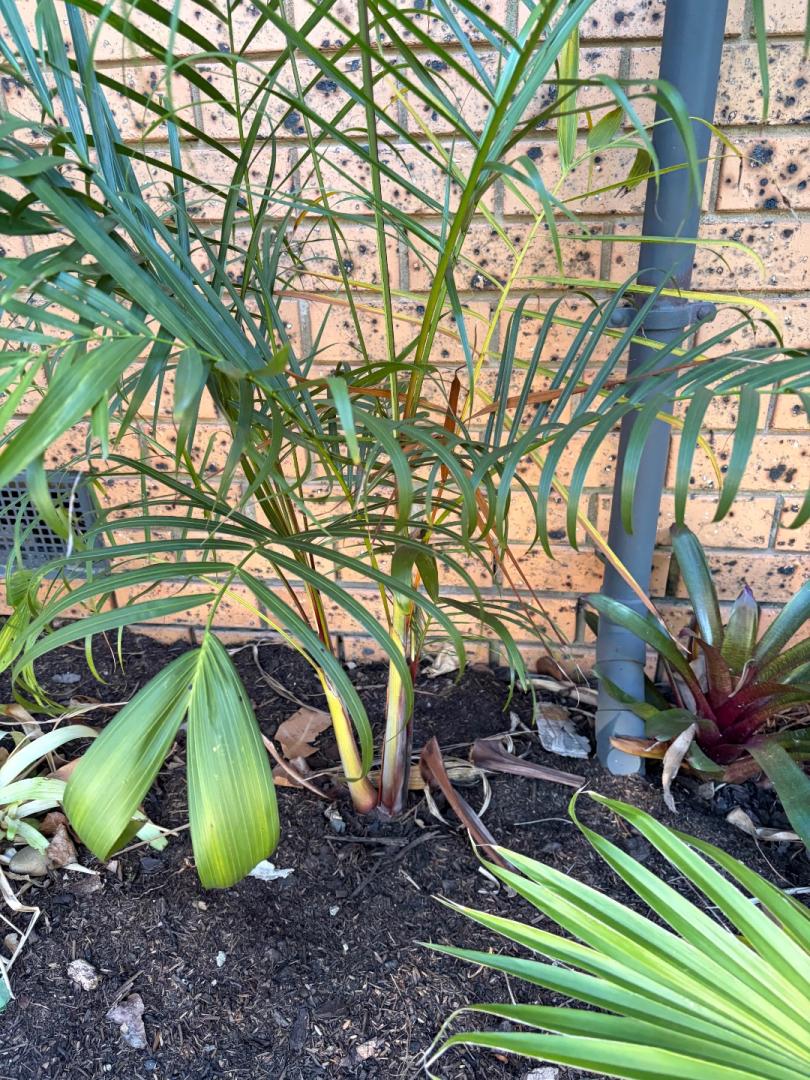
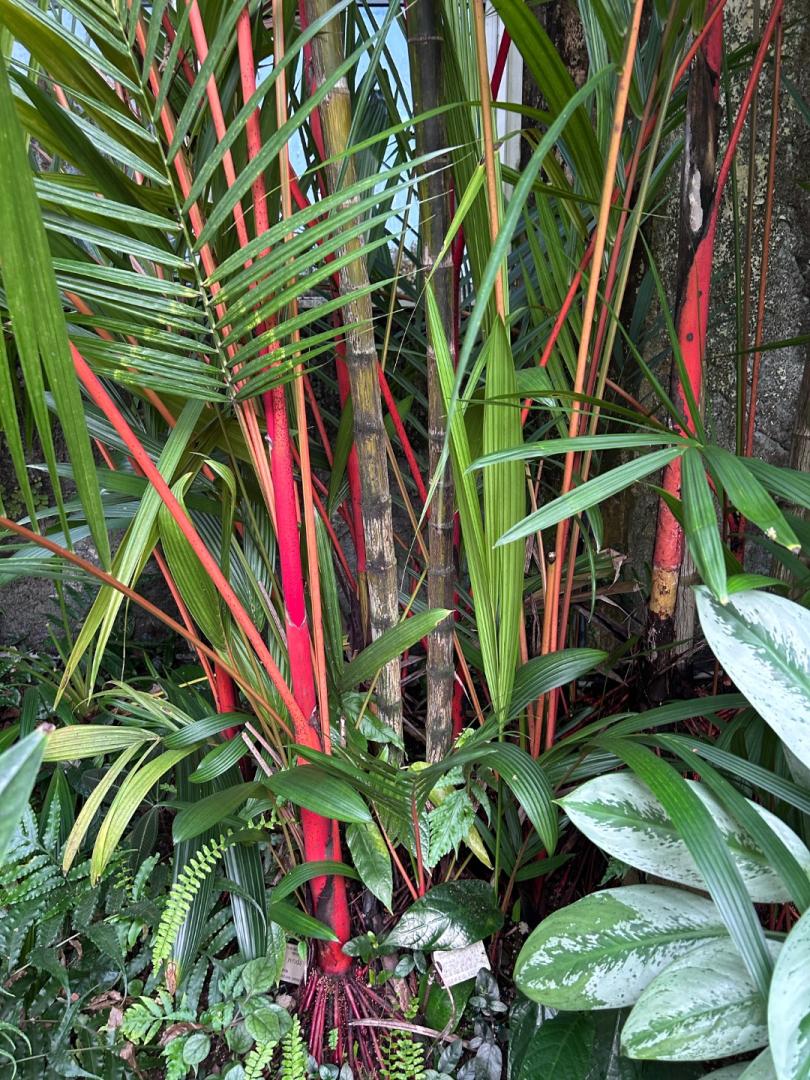
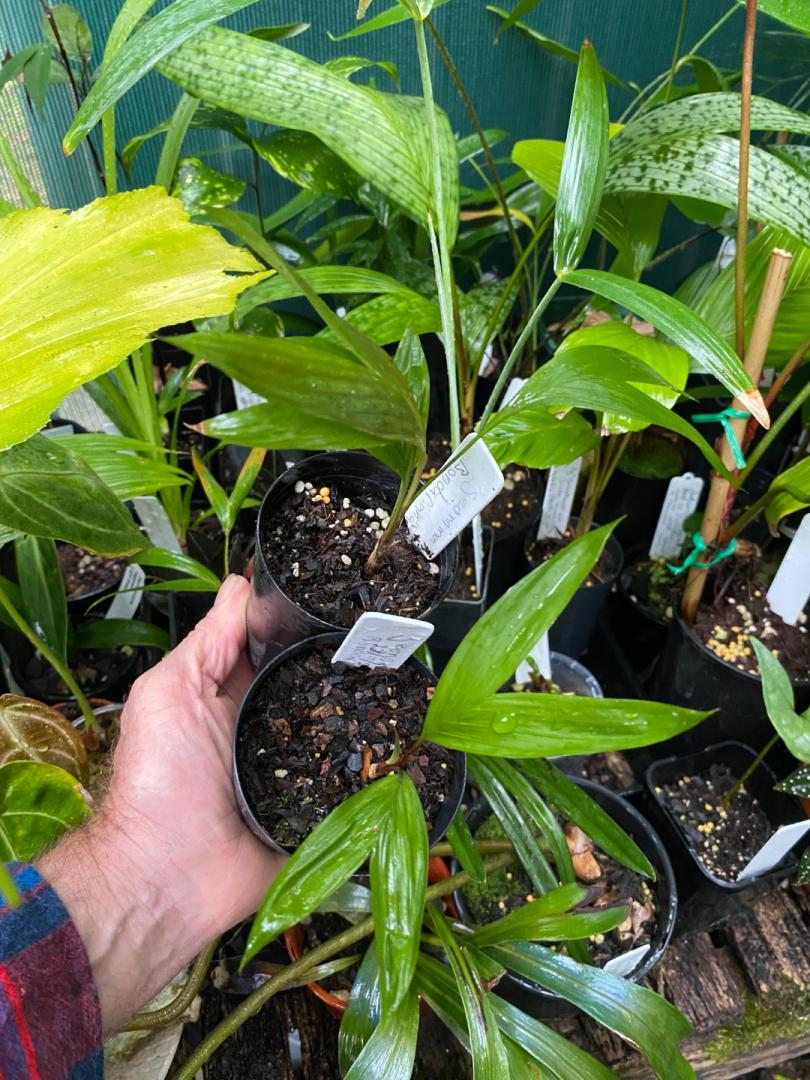
Looks like quite a few of my palms will be getting the ring this growing season. Here’s a couple: Chrysalidocarpus prestonianus hybrid (consensus is likely x pembanus or cabadae). I believe this is originally from Floribunda seed. It definitely has hybrid vigour just in the fact it is growing here in Melbourne. Next up Chrysalidocarpus baronii Black Petiole/Vokona Lodge. Got a batch of 10 seeds from RPS back in 2018 and all germinated 2019. This is the largest of the bunch but also the least colourful. I’ve got 5 left now and the others are all quite striking in the range from red to black leaf bases and petioles. Always thought they’ve been quite slow, but considering it’s been 6-7 years from seed to producing clean trunk, I’d say that’s not bad.

 6 points
 -
5 points
-
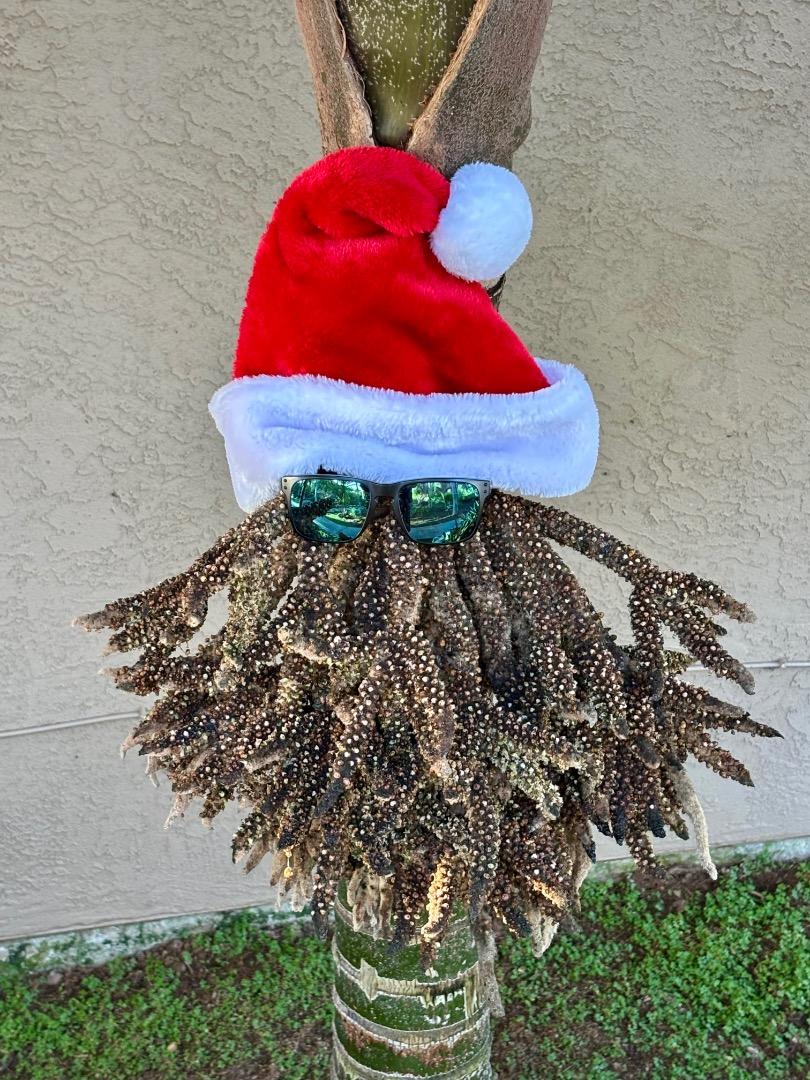
Merry Christmas
 5 points
 -
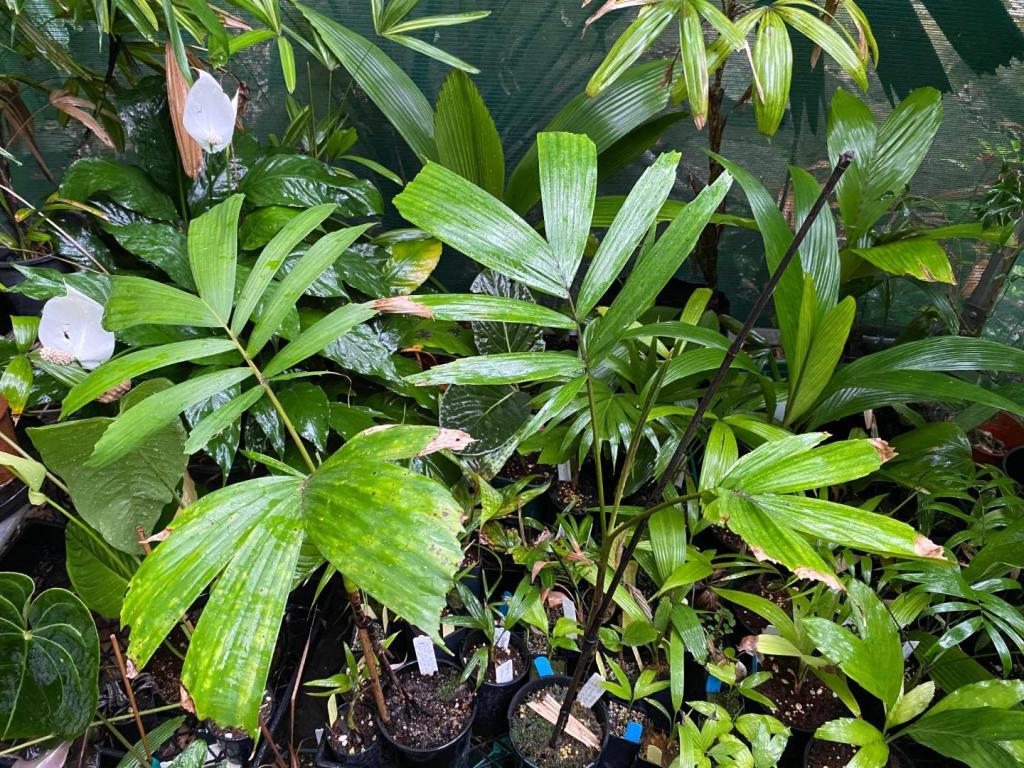
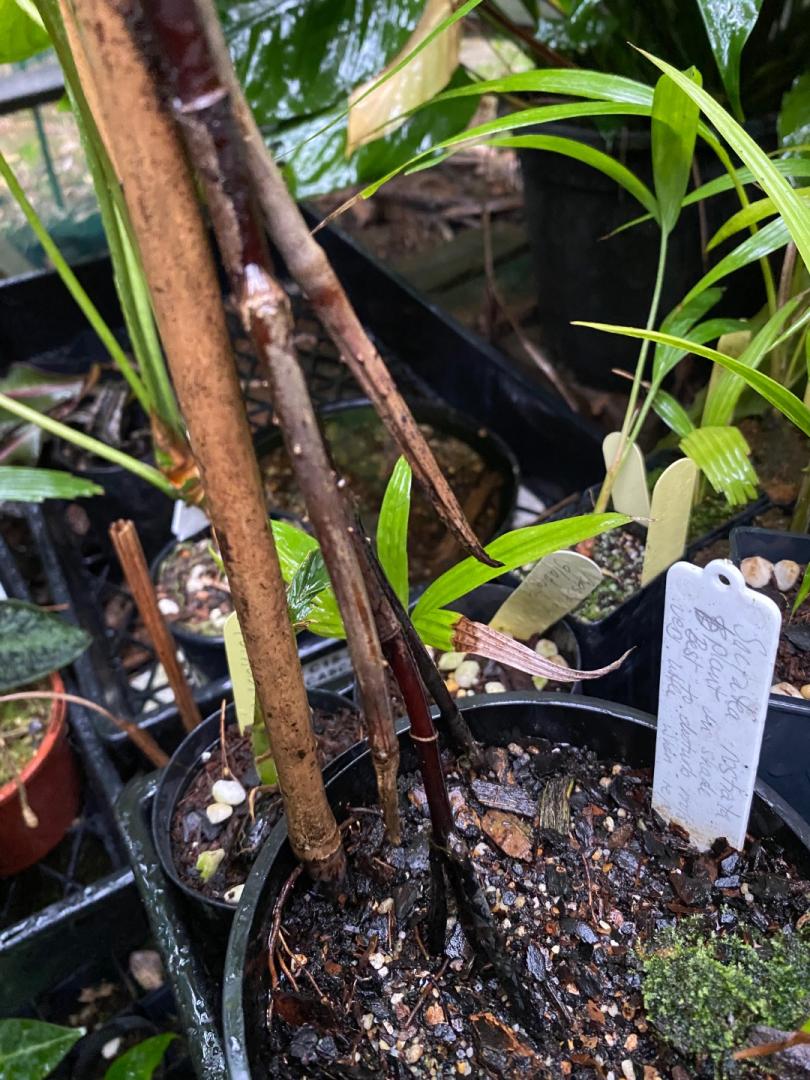
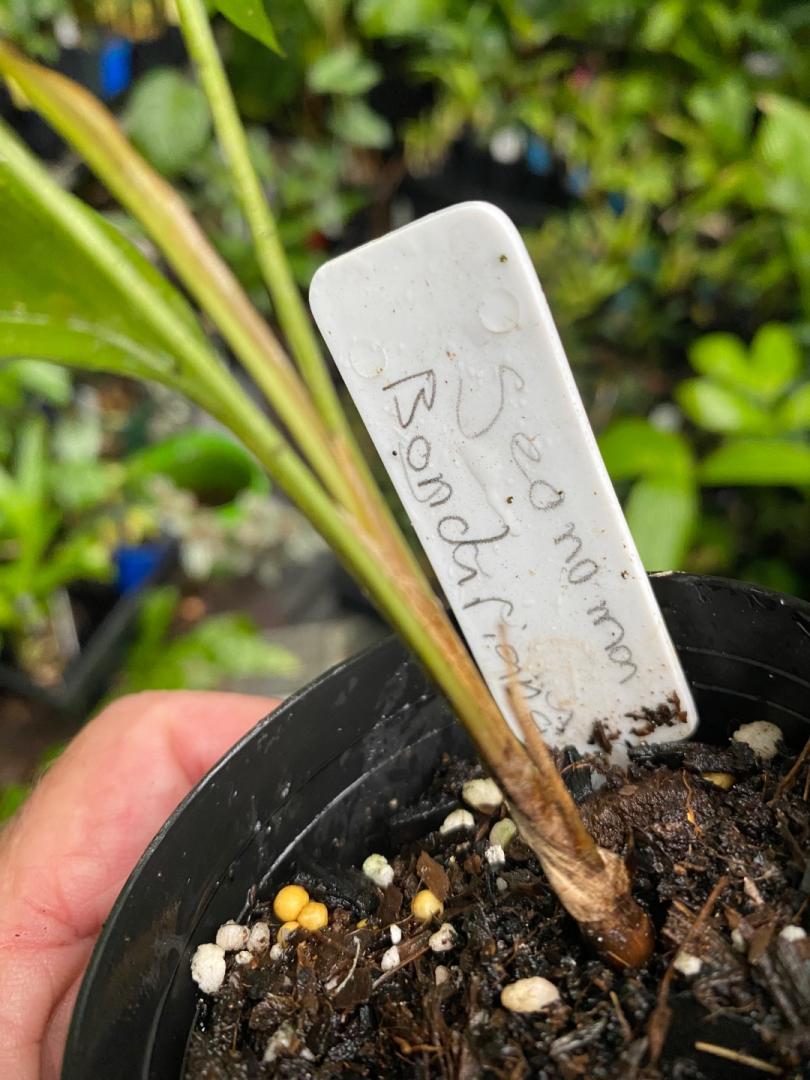
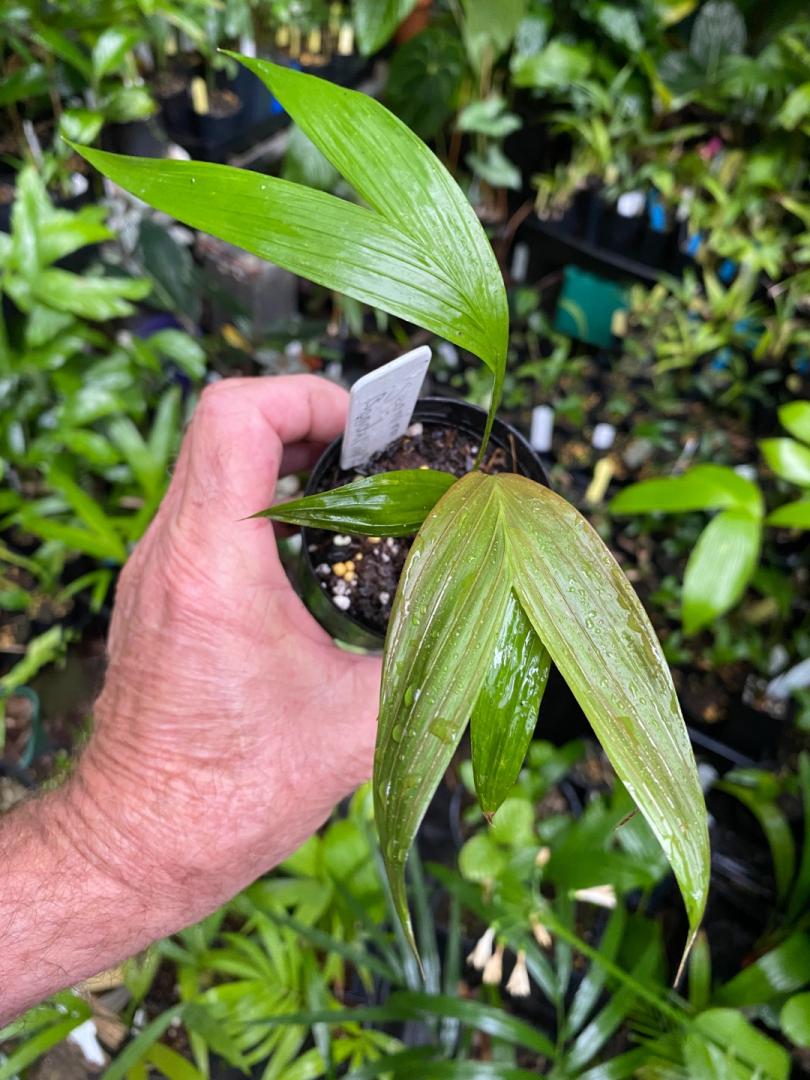
Two of the finest palms from South America definitely worth having. Germinated the bondaria and they have been slow as seedlings. And the socratea purchased a couple of seasons back. The socratea show a little cool tolerance surviving in the ground and in the greenhouse. Two palms worth growing if you can track them down!
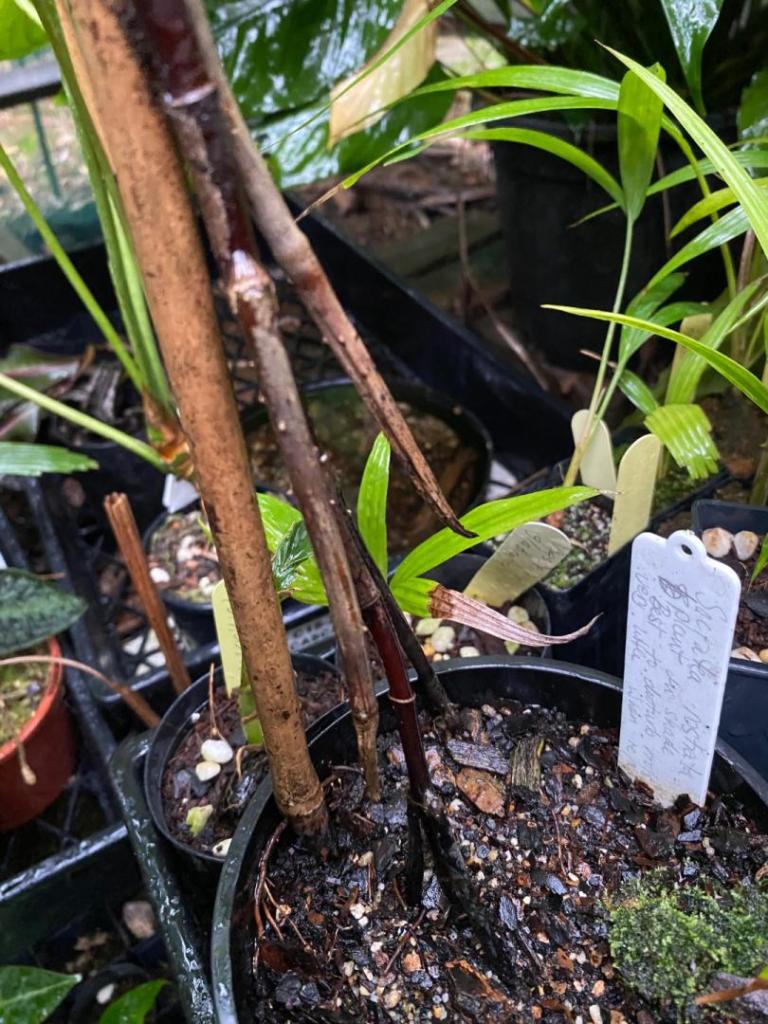
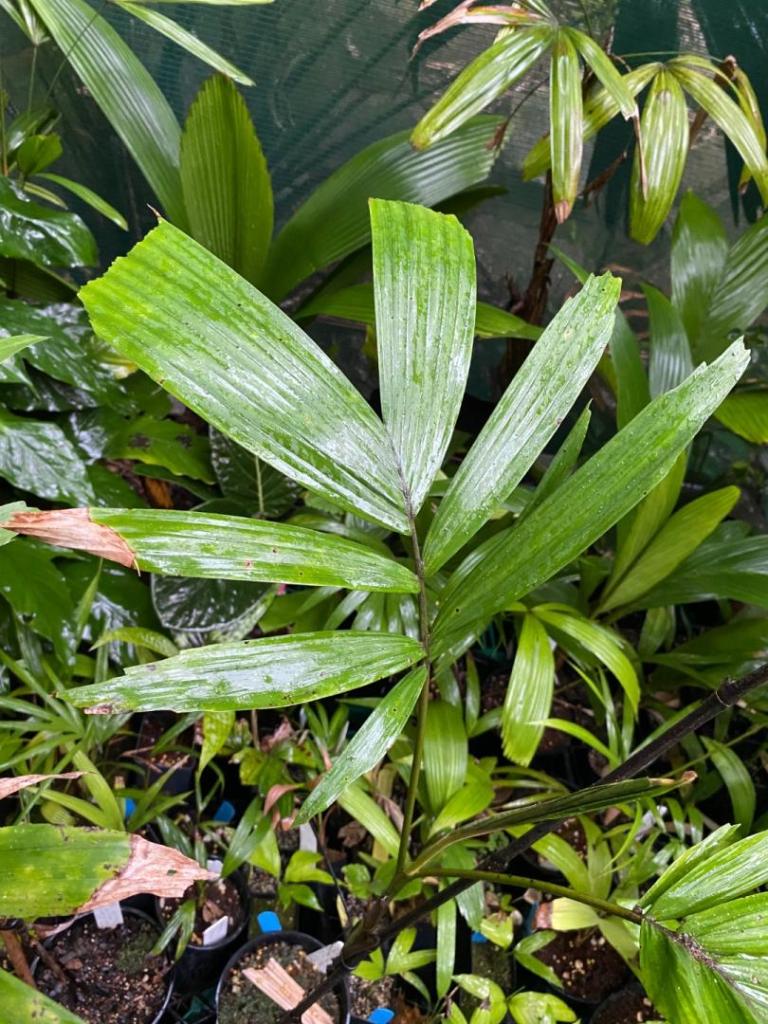
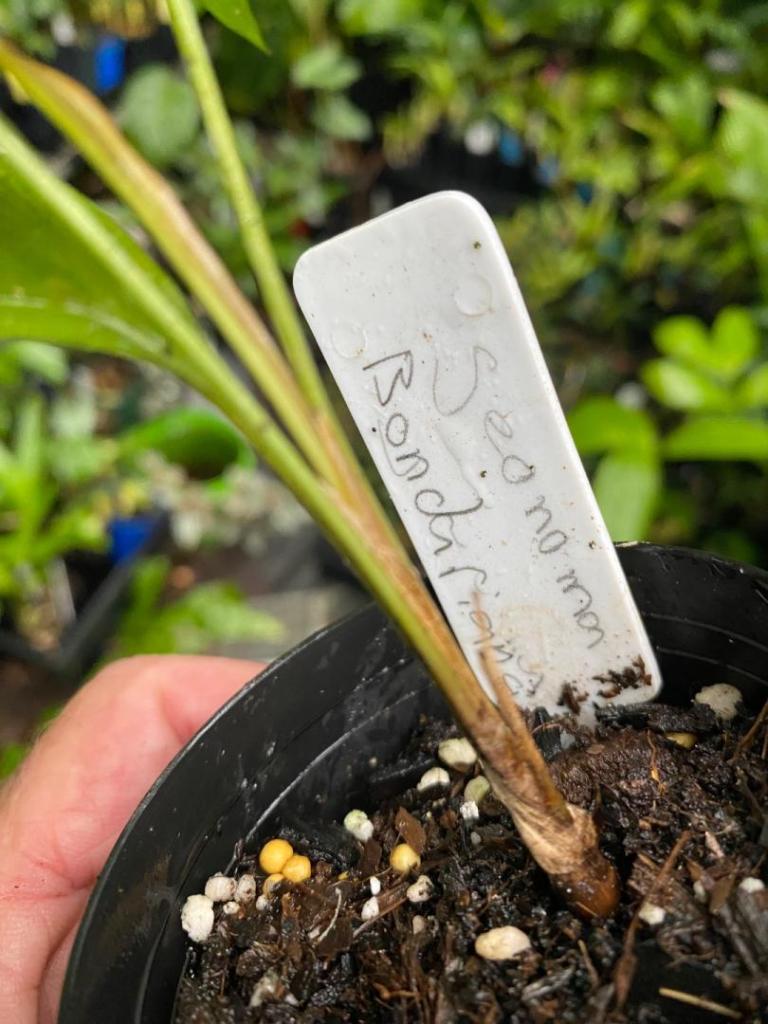

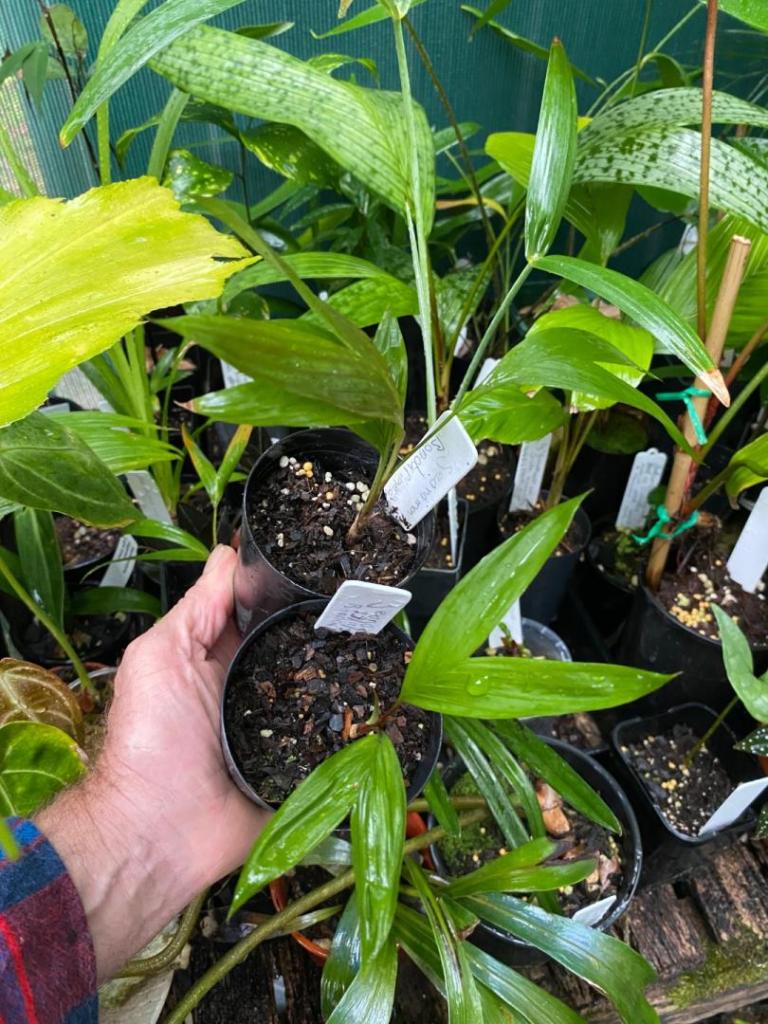 4 points
 -
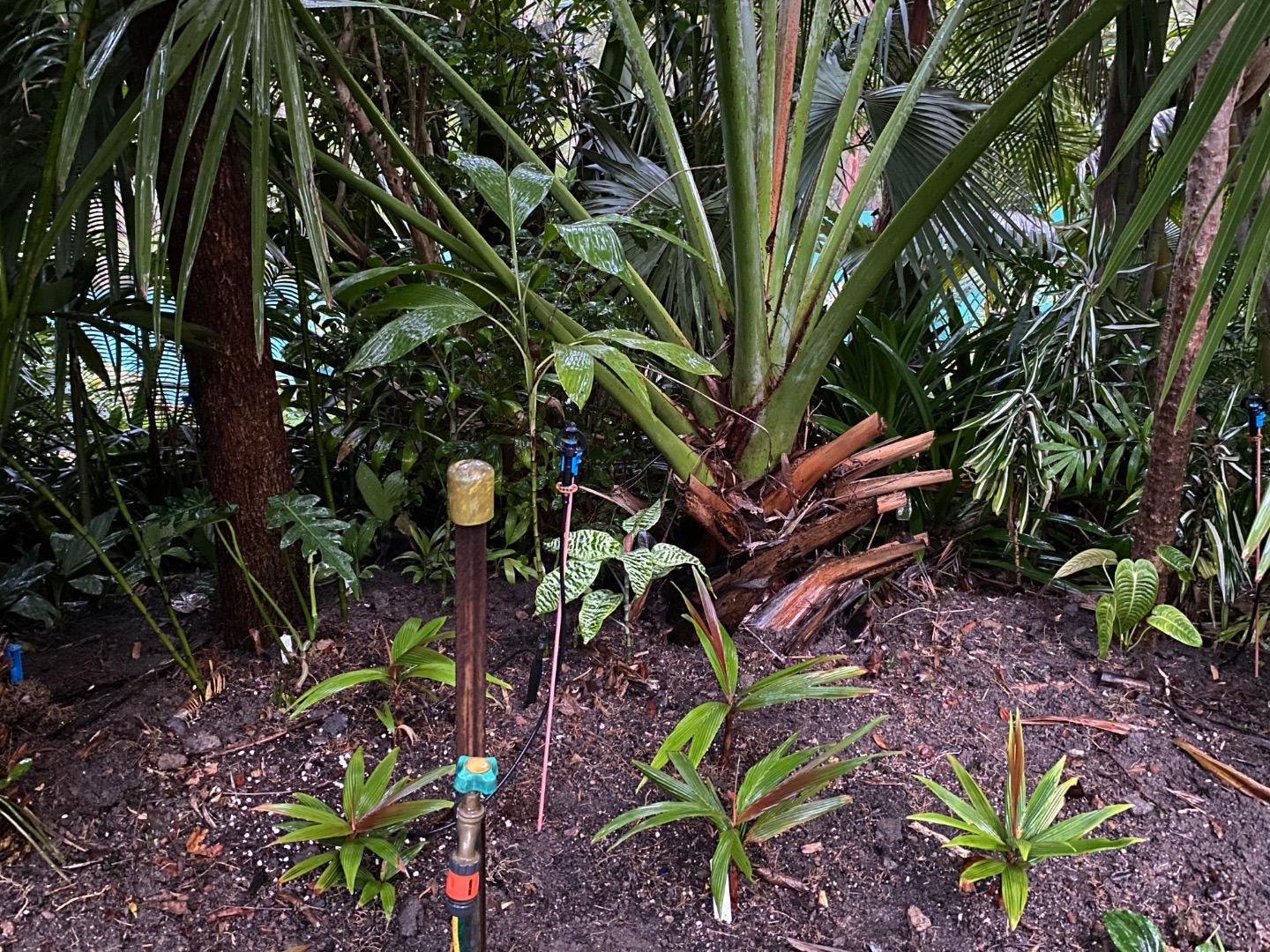
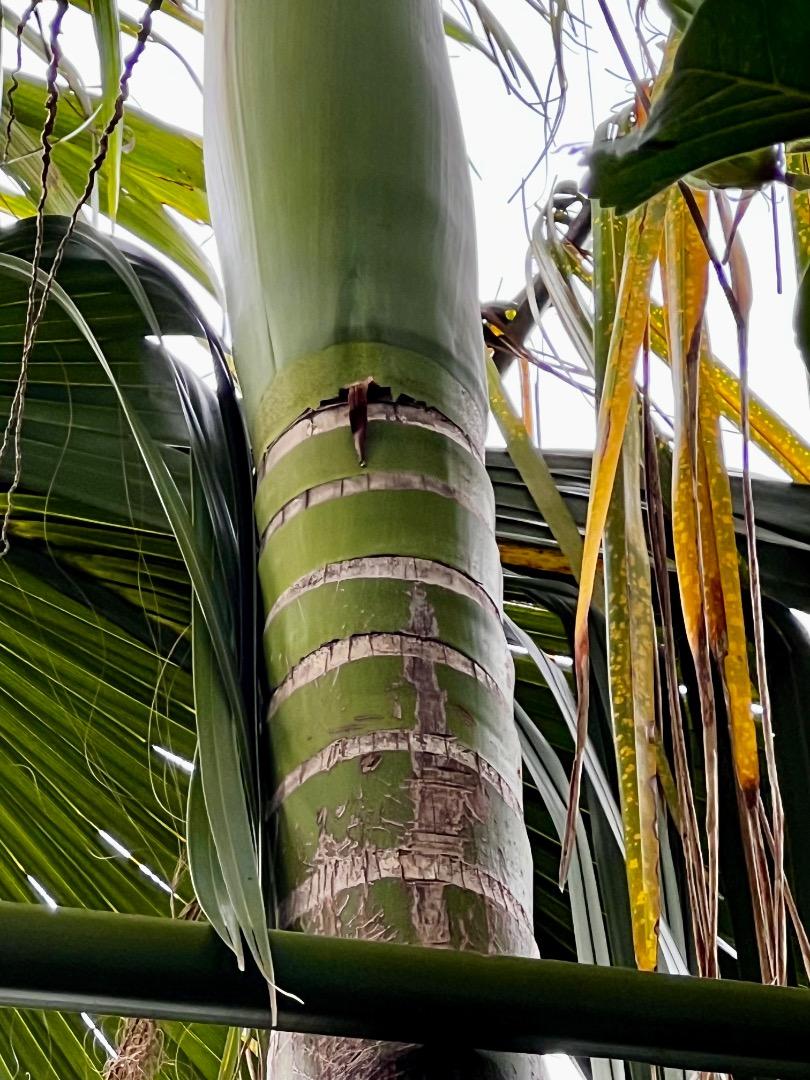
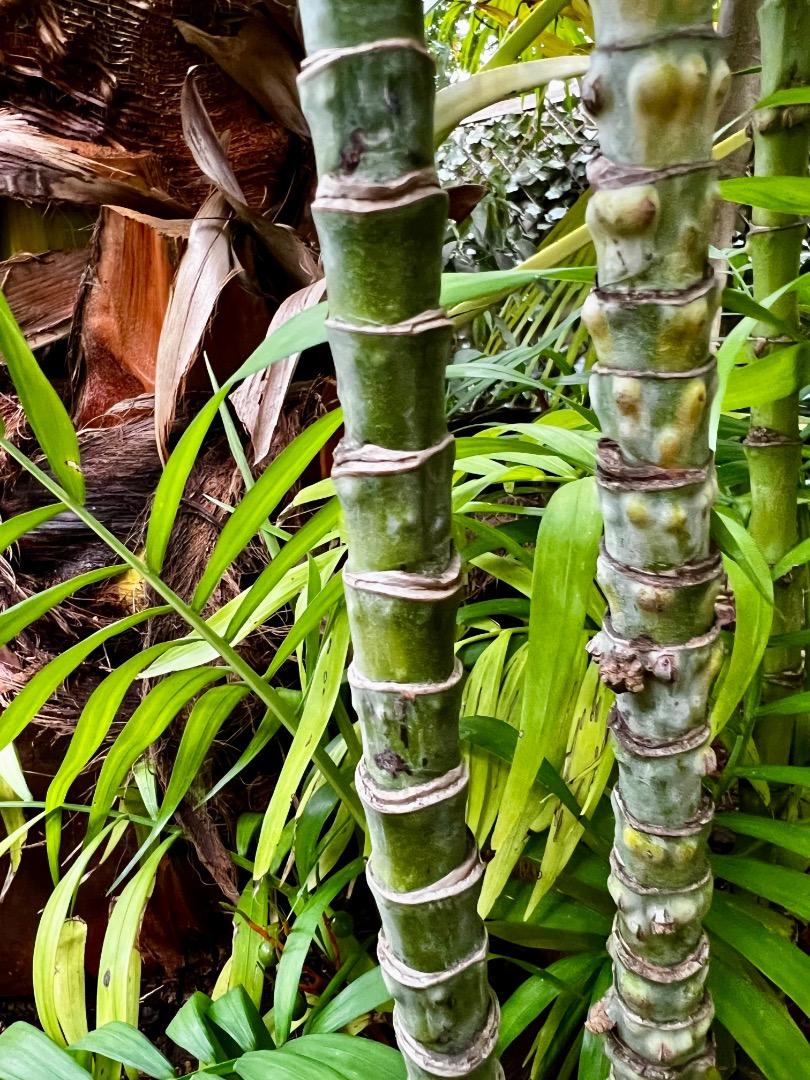
Hey all, i’ve had this plant in the ground for a number of years. Located in pretty close proximity to a large Beccariophoenix and amid numerous other plants all vying for water. Up until a year or so ago I had a number of zones irrigated primarily through above ground spray. It certainly always seemed like they should’ve been getting enough water, as most of the other plants in the area had reasonably decent growth rates. But this one just languished. As I’ve posted before, I had drip irrigation put in about a year ago with a fertilizer injector, which has been remarkable. But I was walking by this plant yesterday and noticed the difference in the growth ring spacing “Huh”.. Whether it’s finally getting enough water, or fertilizer, or both, it definitely seems happier.
 4 points
 -
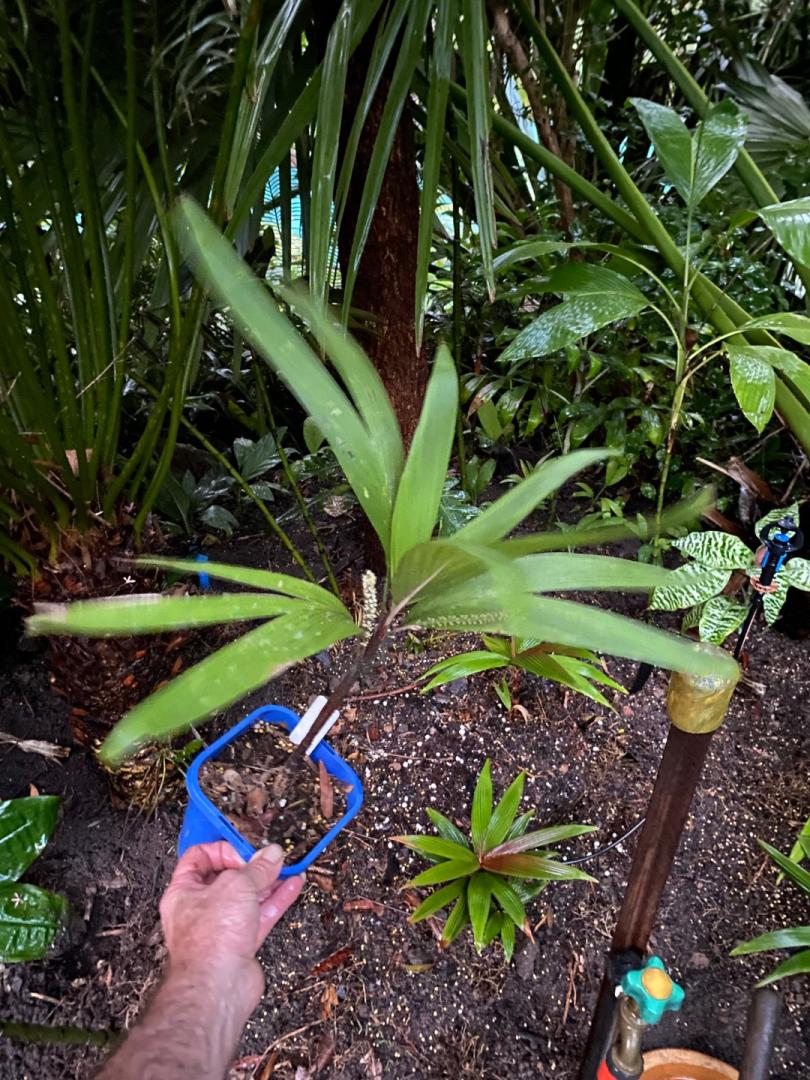
Here’s another big Dypsis / Chrysalidocarpus with its first ring. This came in as Chrysalidocarpus Sp. Ambanja. 2 different palms have come in with this name. I don't hear about this one much.
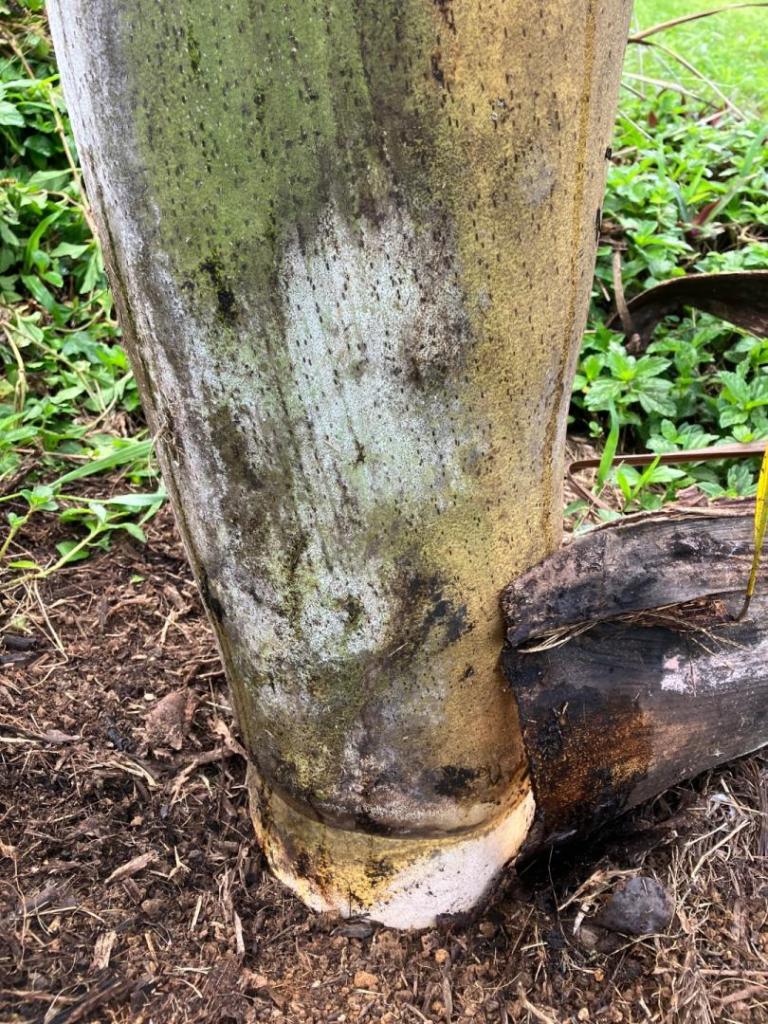
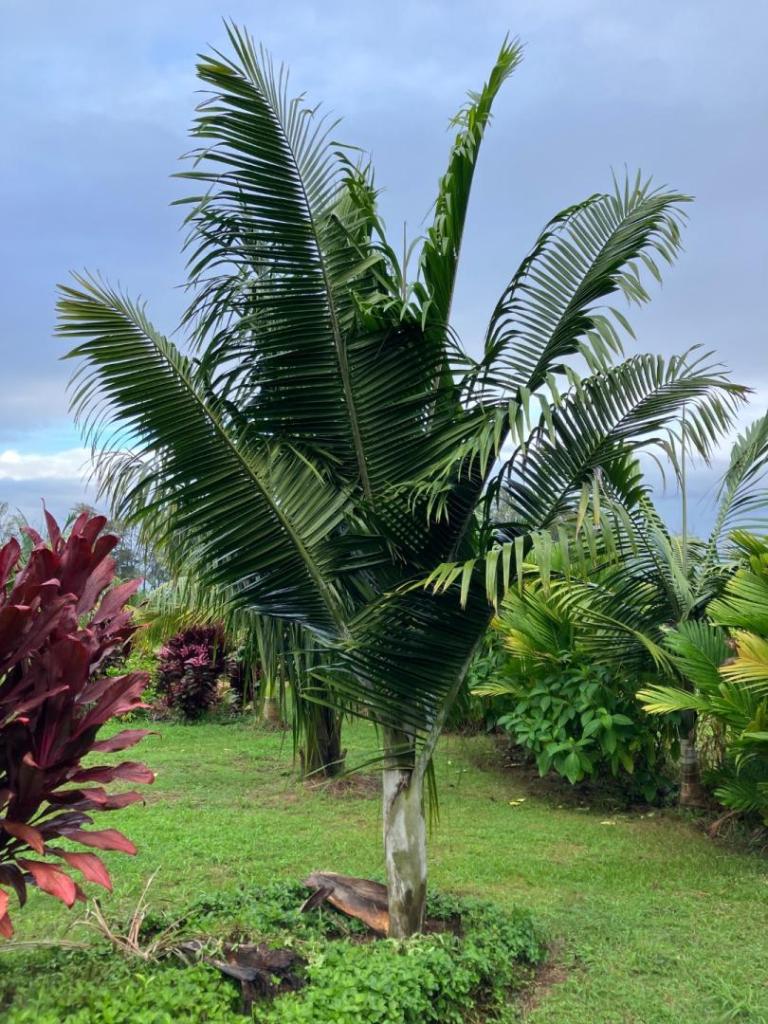 4 points
 -
3 points
-
I wanted to share something important with fellow palm enthusiasts who have been following the ongoing issue of lethal bronzing. I’ve recently published new research that looks deeper into how lethal bronzing may actually lead to palm death. Instead of viewing the disease as simply “blocking” the palm’s vascular system, this paper explores the possibility that the palm’s own internal defense response may become over-activated — and that this extreme reaction may be what ultimately causes the collapse of the apical meristem. This is not presented as a cure, but as a step forward in understanding the mechanics of the disease. My hope is that clearer insight into what is happening inside the palm will help guide better treatment strategies and research going forward. If you’d like to read the paper, it is openly available here: 🔗 https://doi.org/10.5281/zenodo.18027736 Author: Gary Kennemer Title: A Host-Mediated Defense Collapse Model for Lethal Bronzing Disease in Palms (Phytoplasma-Associated Phloem Failure) I know many of you care deeply about palms and the spread of this disease. Hopefully this contributes meaningfully to the conversation and helps move the science forward.
 3 points
 -
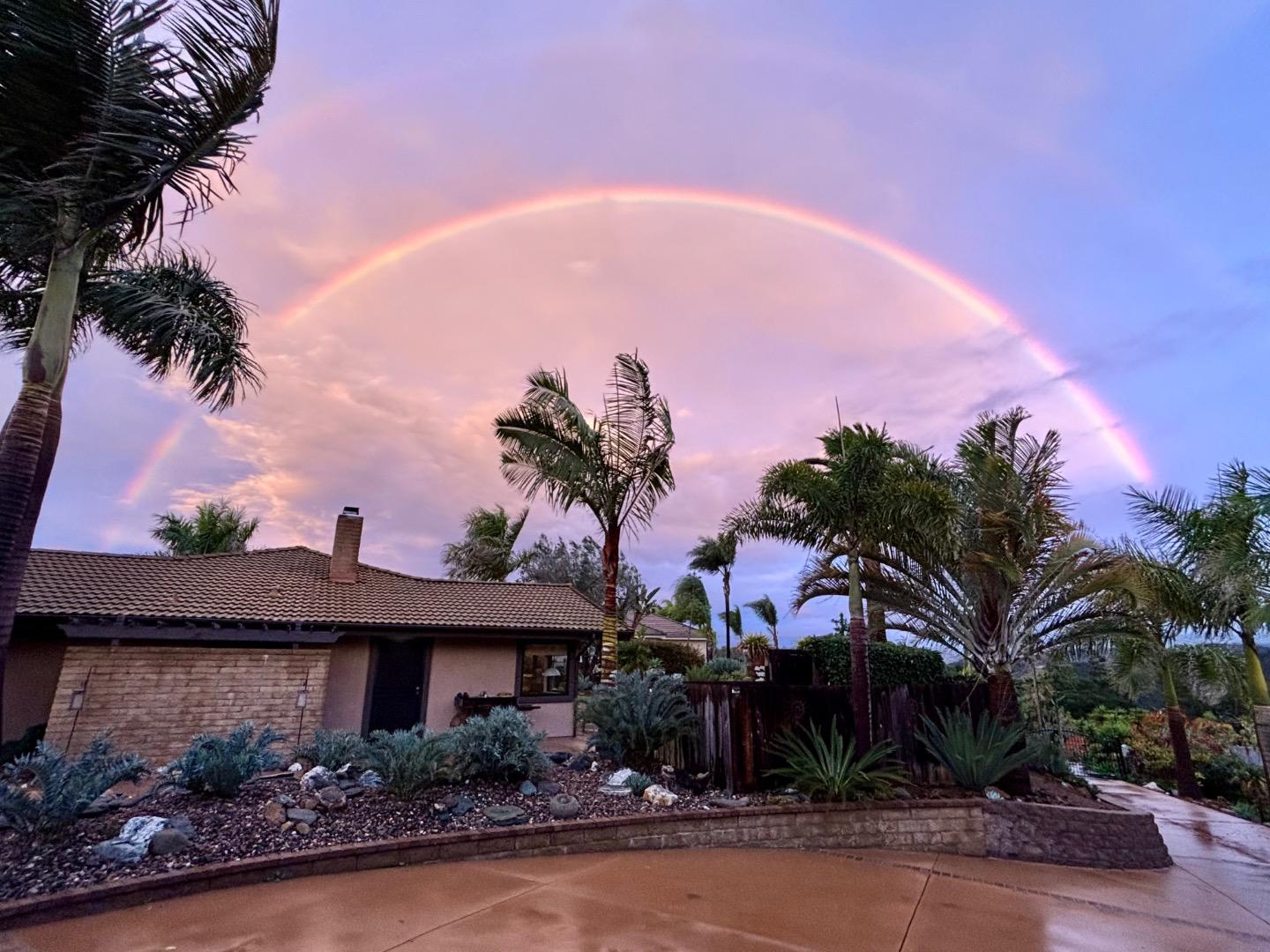
So the storm has passed . The rainfall total here , after 3+ days of rain is 8.4”! We are getting a break after the storm , with another on the horizon for Newyears. I went outside to check the garden out . The typical debris needs to be cleaned up and weeds need to be pulled . The palms look soooo happy with the soaking ! As I did the walkabout , I could almost hear the joy coming from the frond friends. Harry Chambey’s happy as are the others. Technicolor! Sky so blue. Thanks for joining me , on to the New Year!! Harry
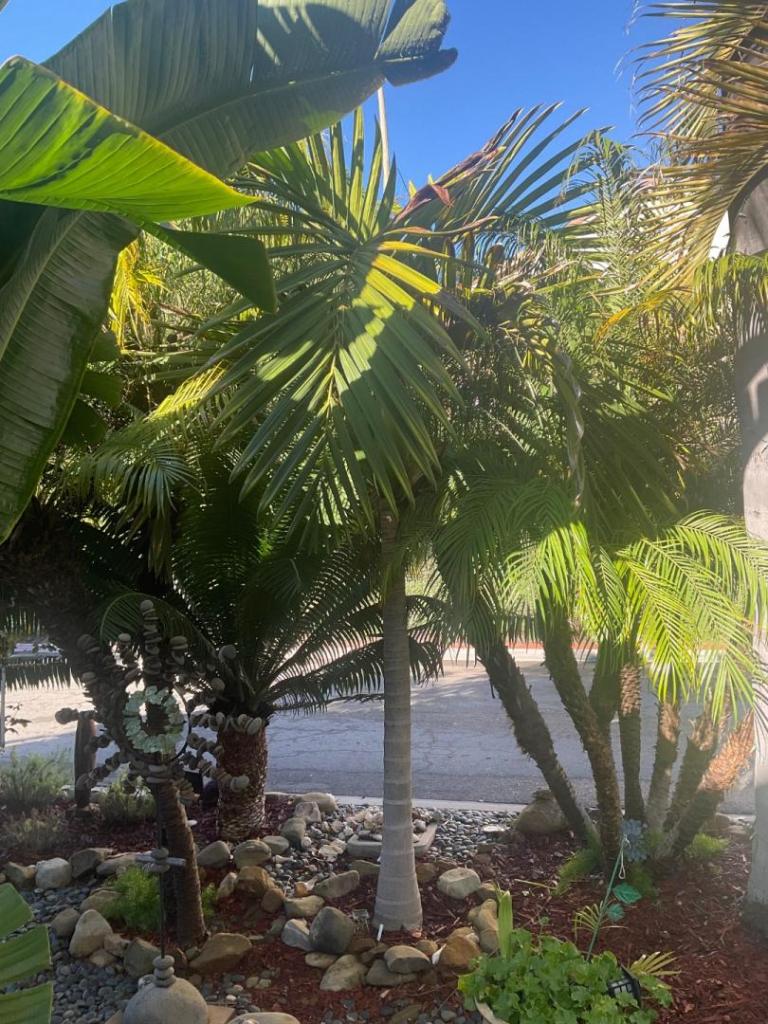
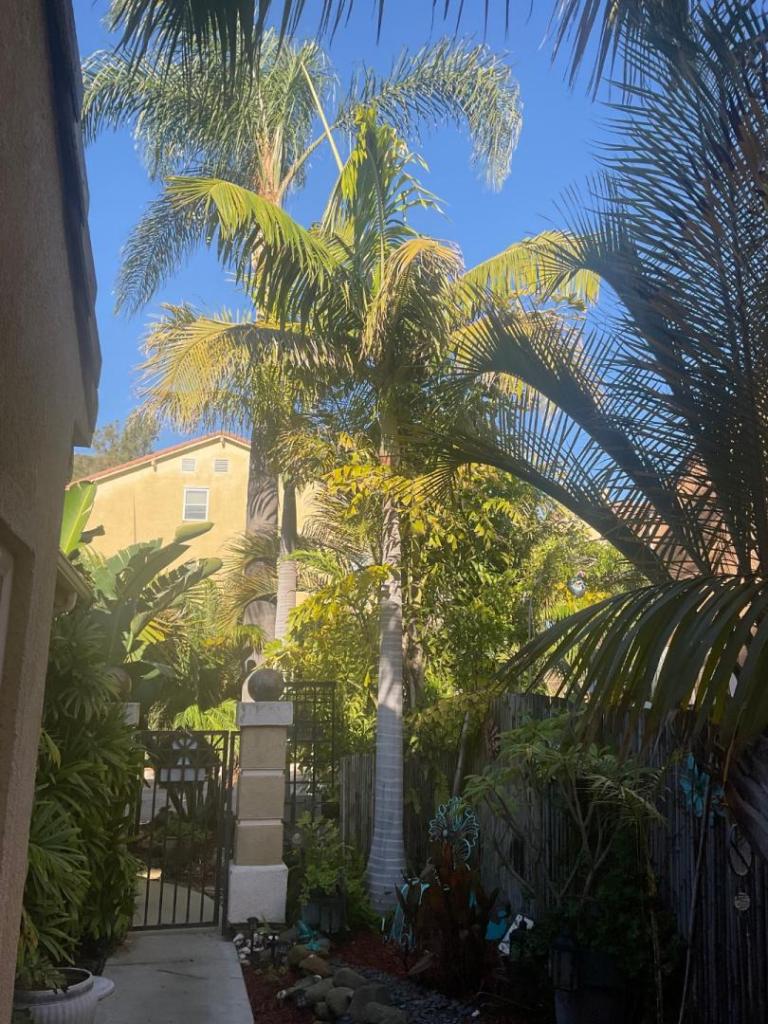
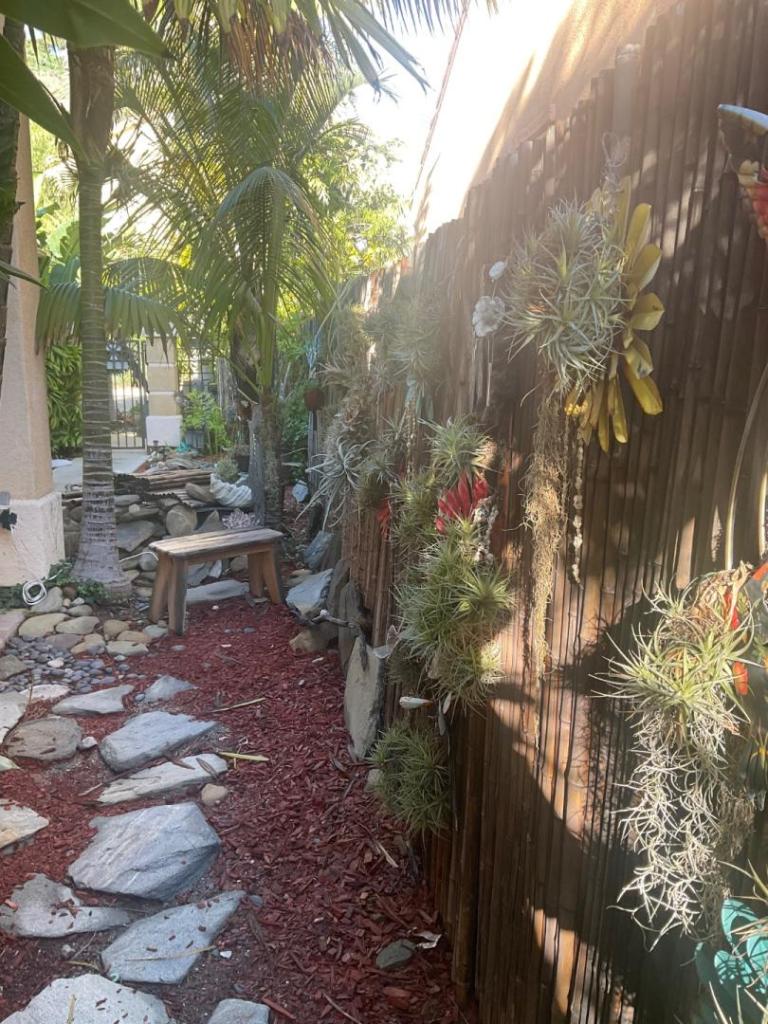

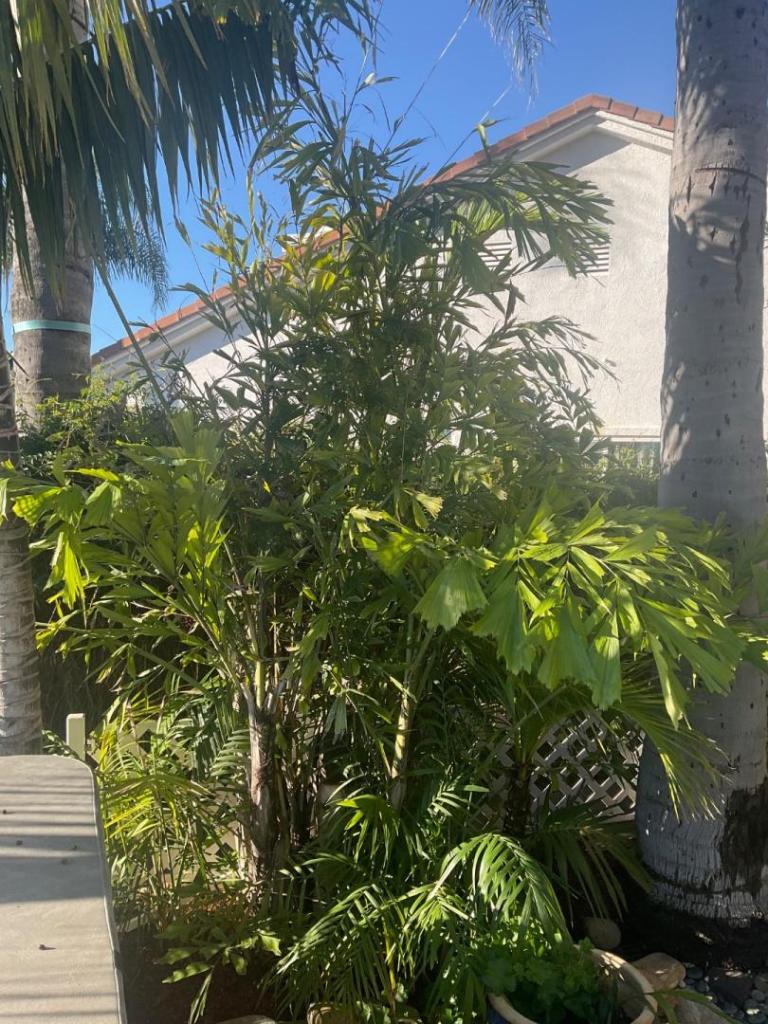
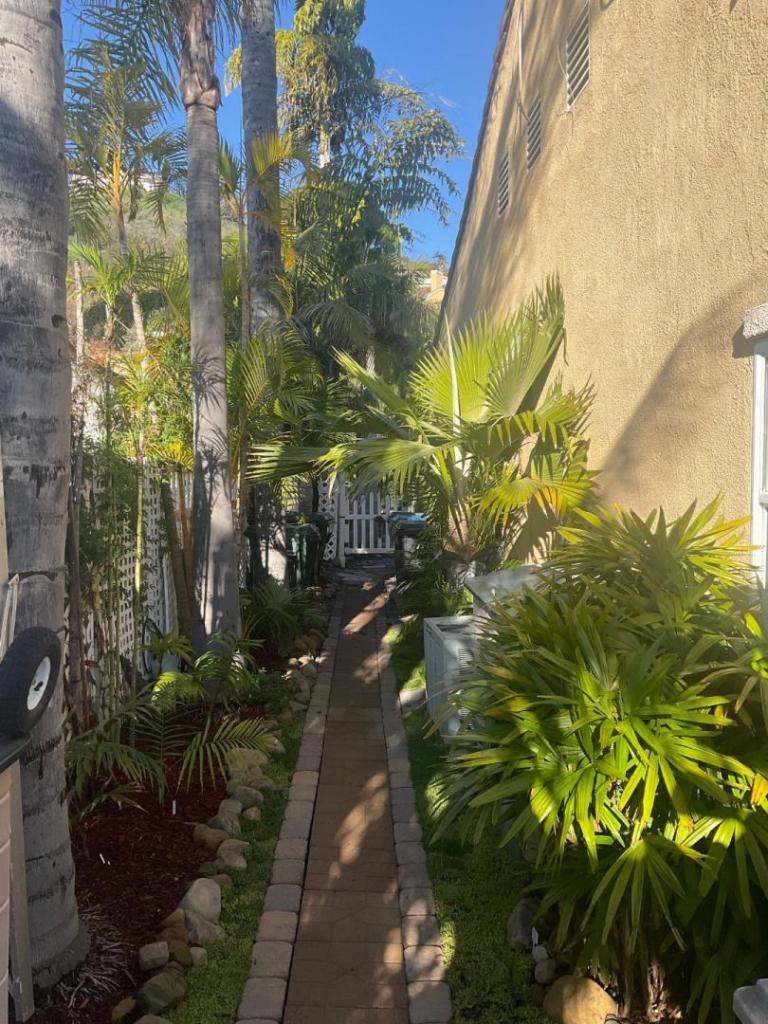 3 points
 -
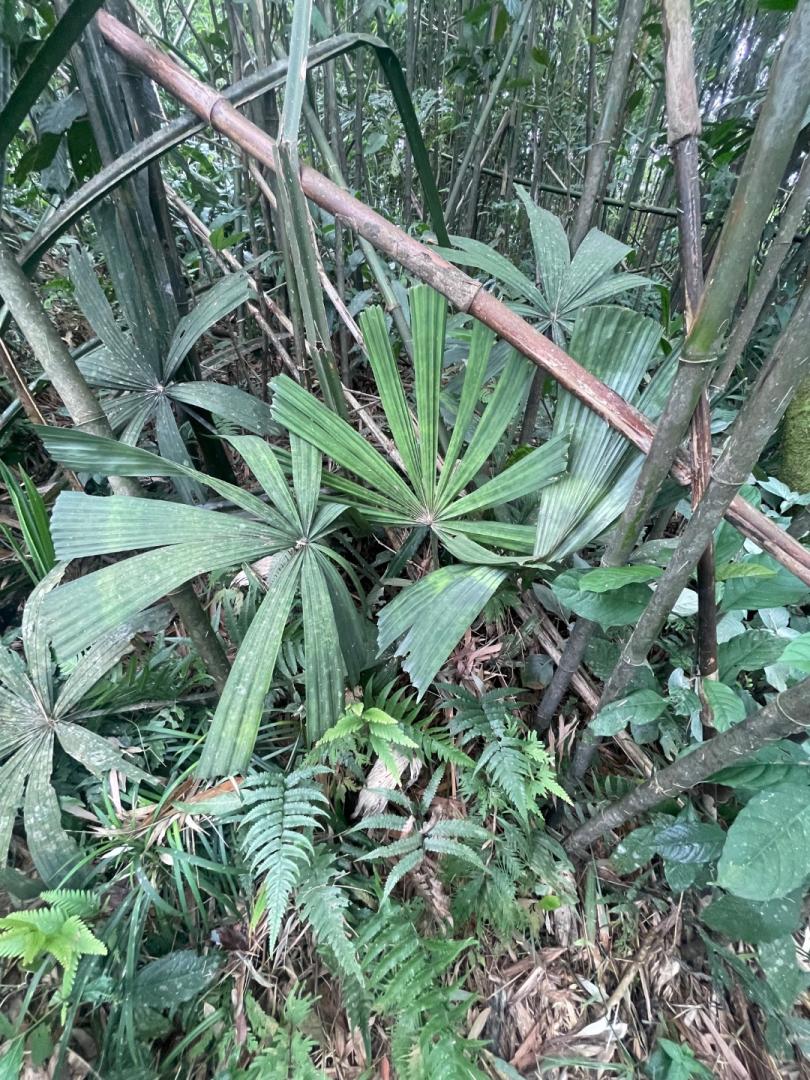
I’ve not long come back from a visit to North Vietnam where is saw this species in habitat on Tam Dao. I assumed it was a Licuala initially, it wasn’t until I read Andrew Henderson’s book I realised it wasn’t. This one was a 1300m and it was a cold day at around 11c in mid November.
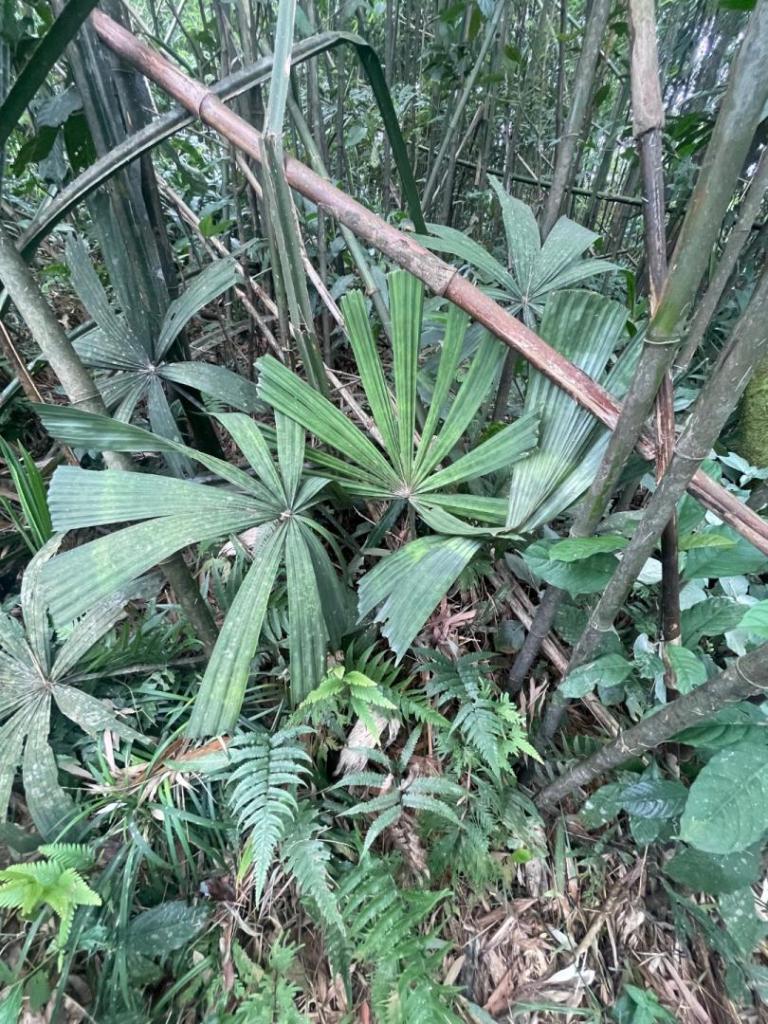 3 points
 -
Filthy hot, more humid than a steam room and intermittent storms. My poor palms are a bit battered and sad after a spate of big hail (roughly egg or kiwi fruit size) so no boastful photos from this part of the world. Peachy3 points
-
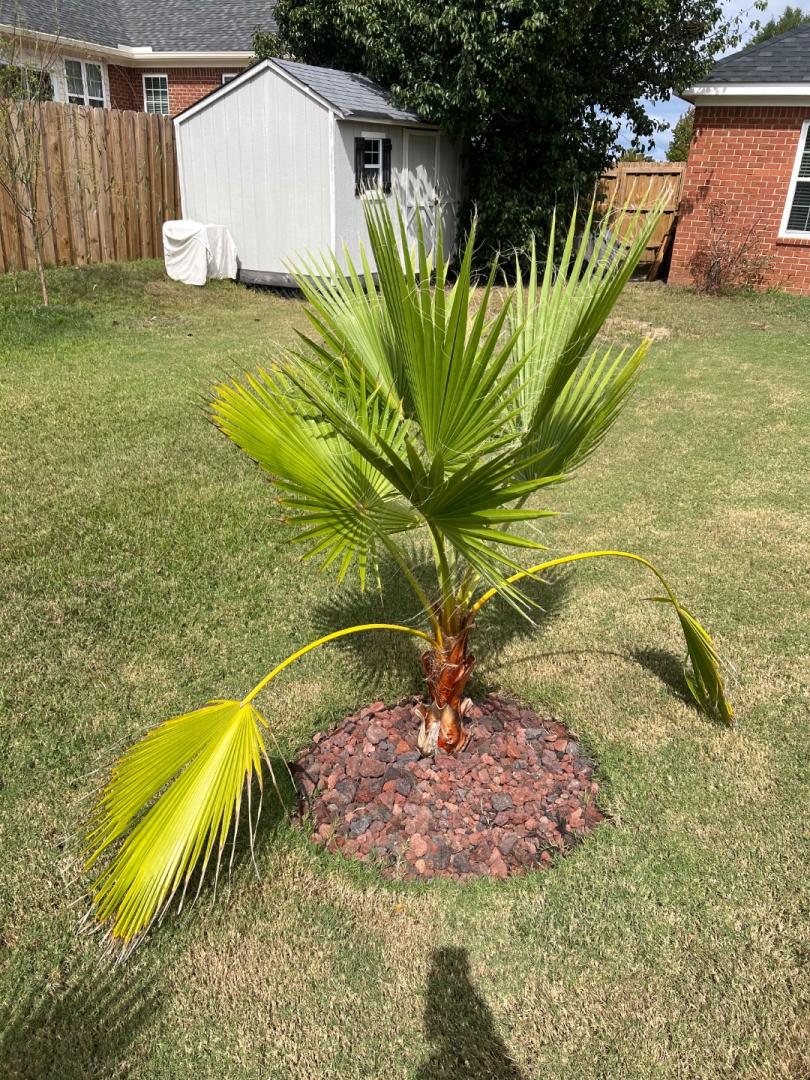
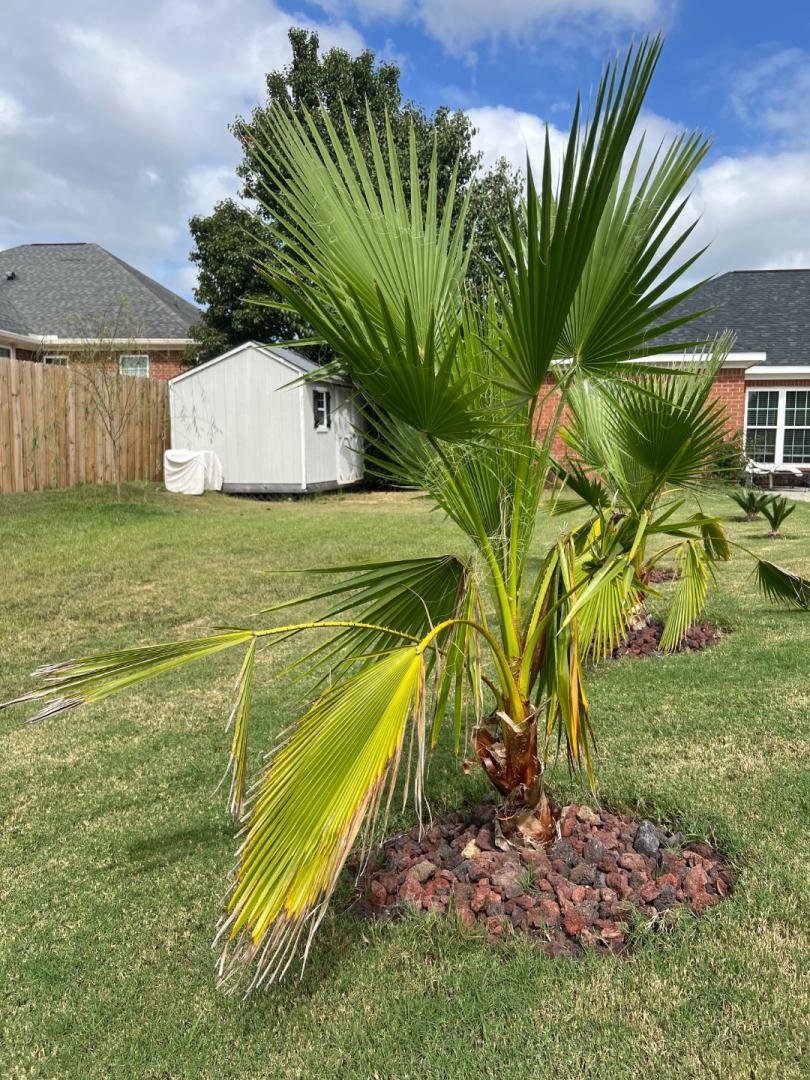
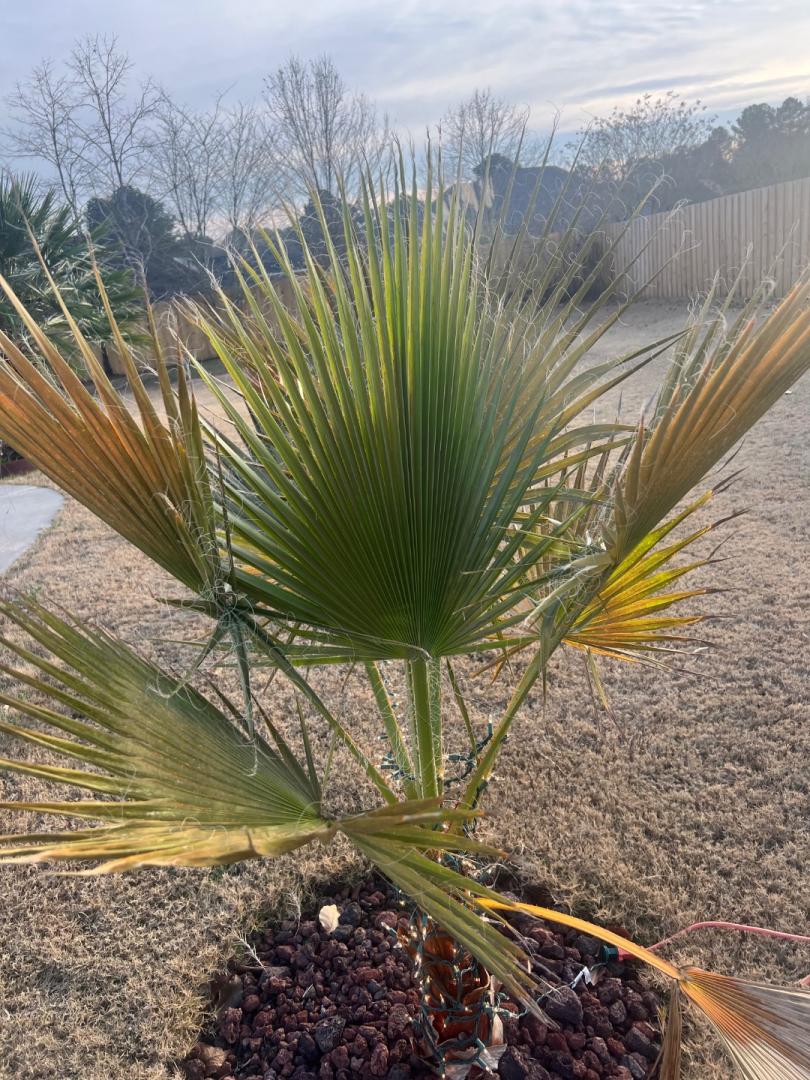
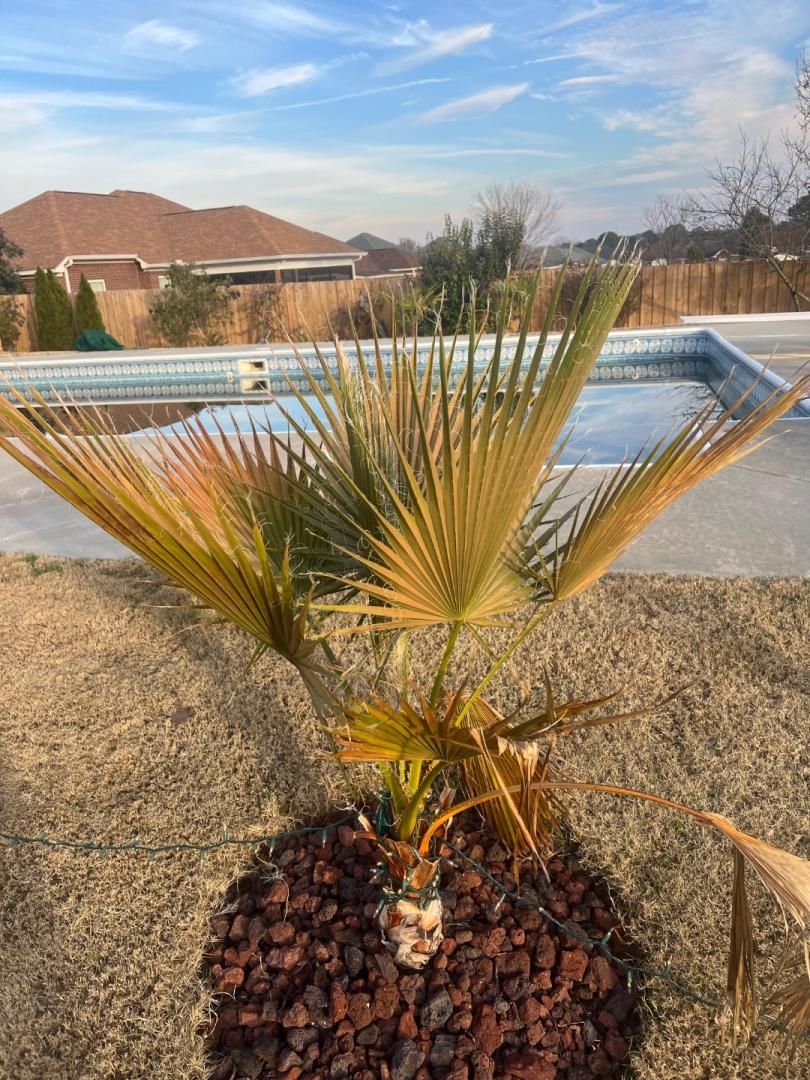
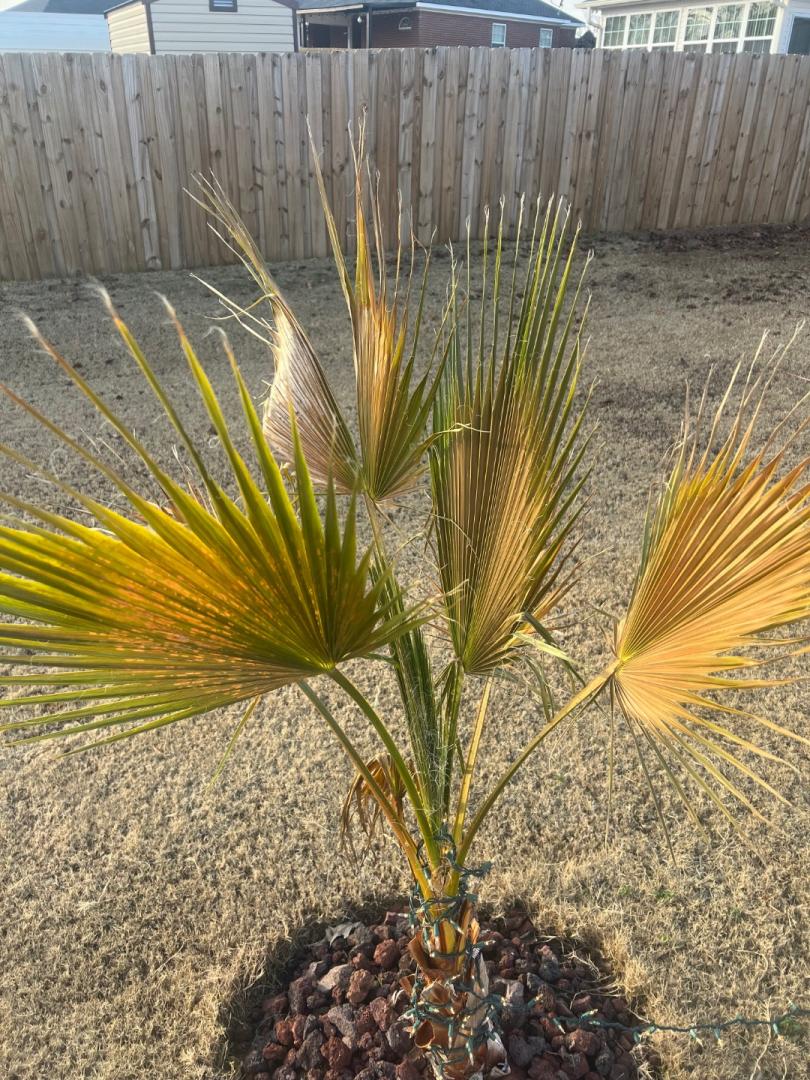
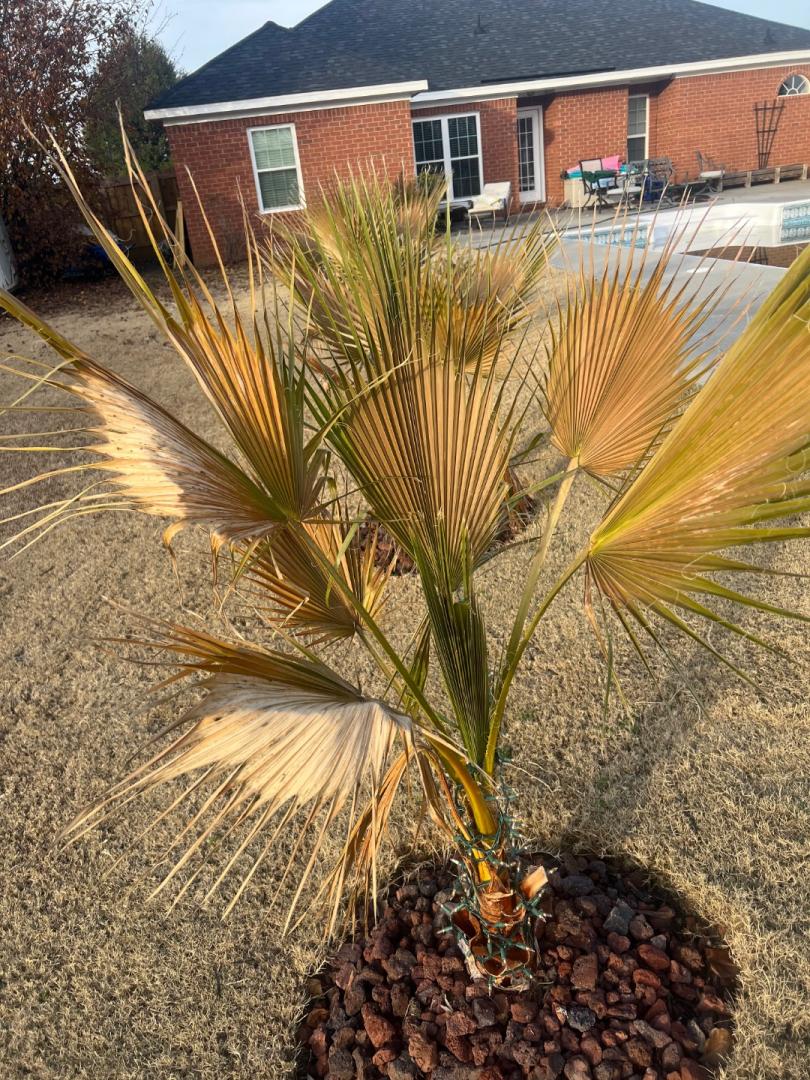
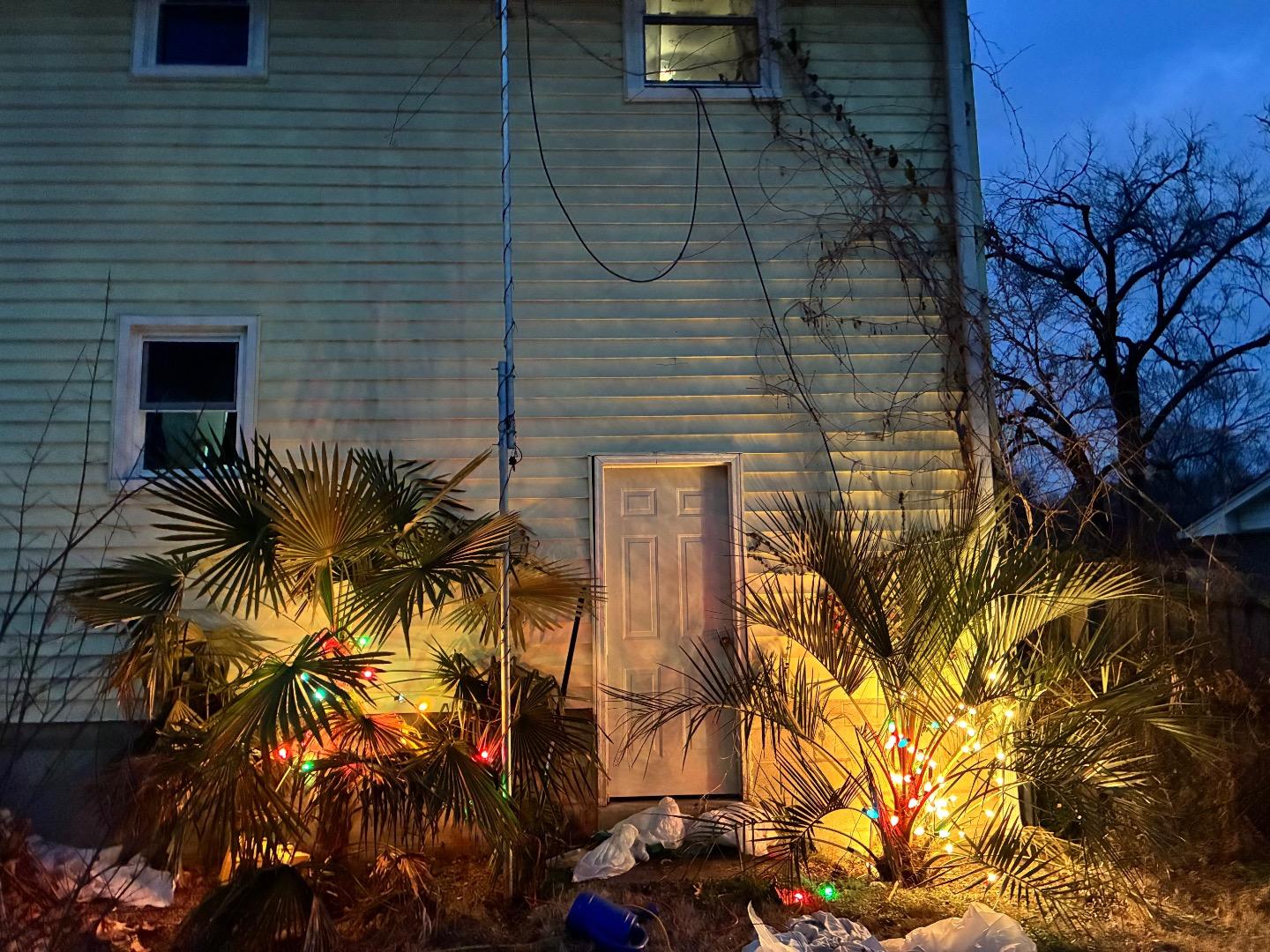
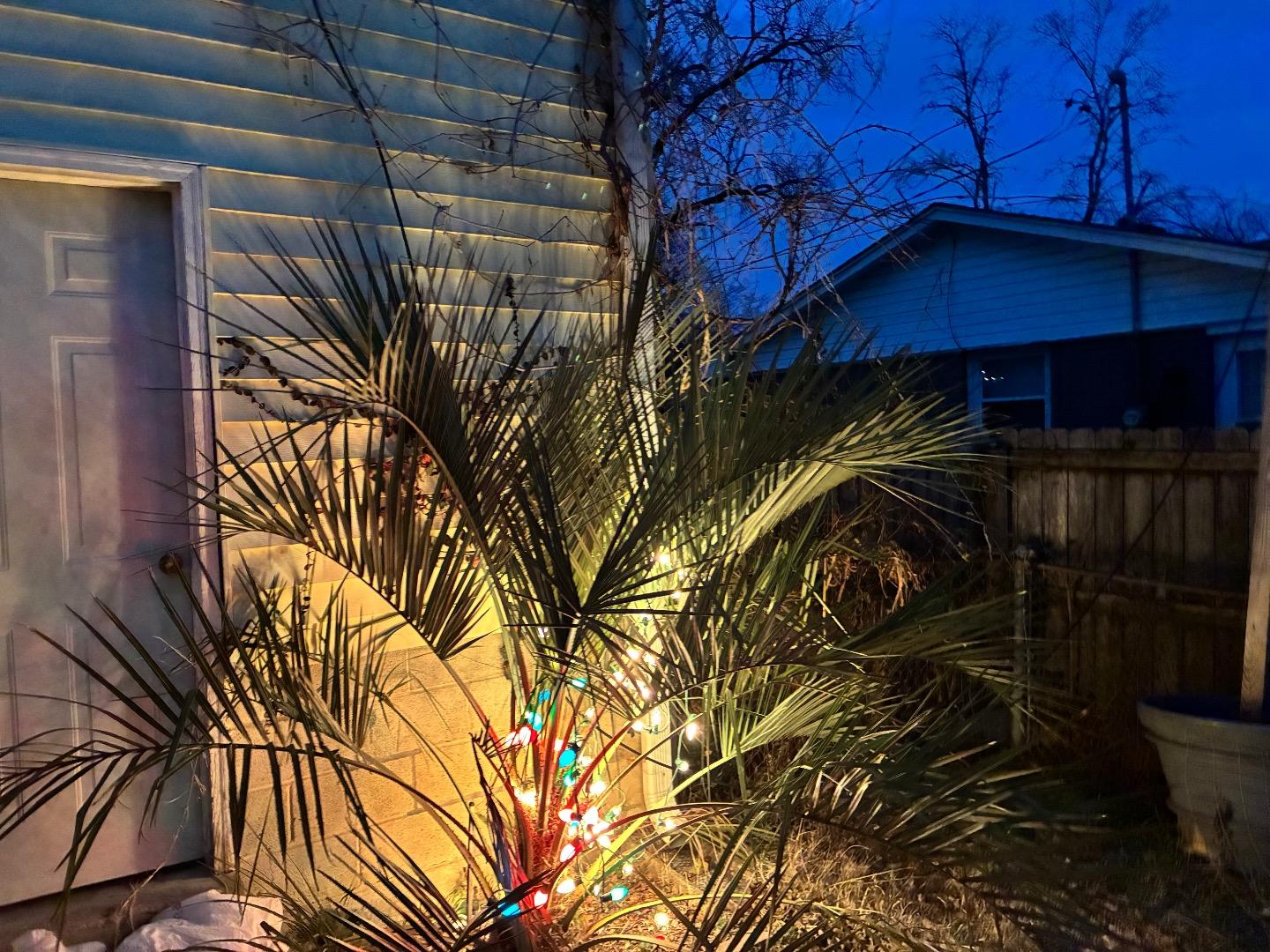
Augusta, GA Zone 8B winter. We just had two cold nights back to back. One was down to 23 or 24 degrees I believe and the other was down to 22 degrees. Showing progression pictures from the before the first freeze of November 11th- 26 degrees for one night , after and after these two freezes. Hopefully the rest of the winter will be gentle for these palms so I can enjoy their true beauty once again when next summer comes around. I also would like anyone else to comment below with some pictures of their palms currently holding up during this winter season. These Washingtonias seem like they may hold better than the Phoenix Sylvestrises that I had in ground last year that were completely destroyed by the end of the winter. Haven’t used any additional protection this time other than christmas tree lights.
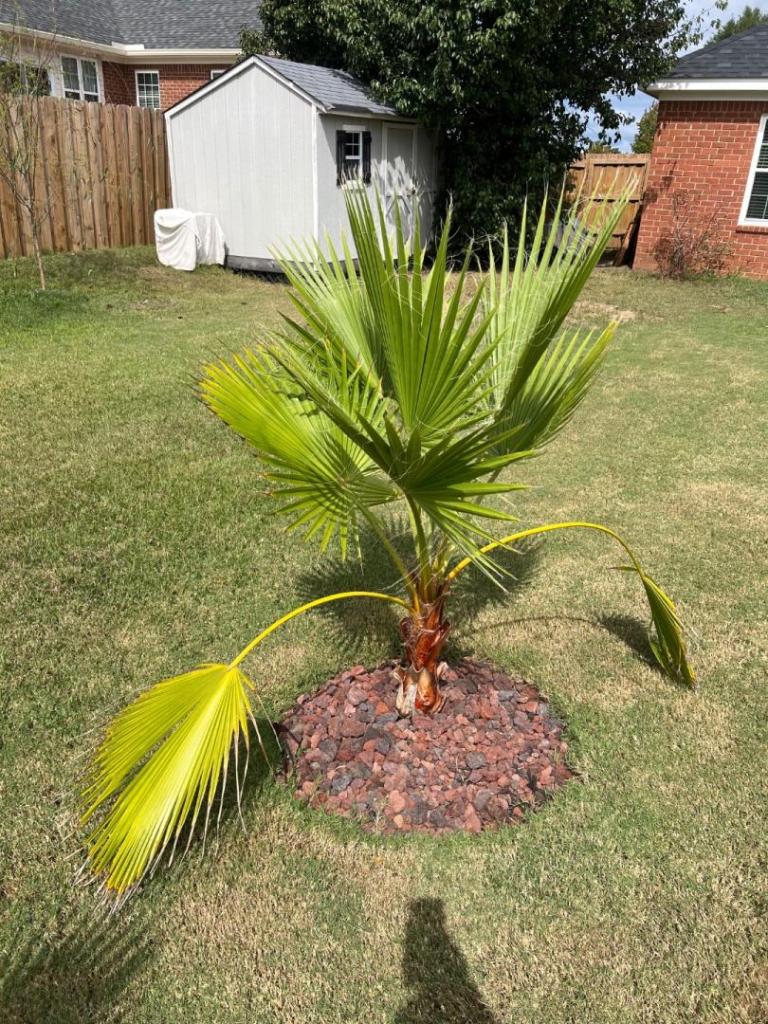
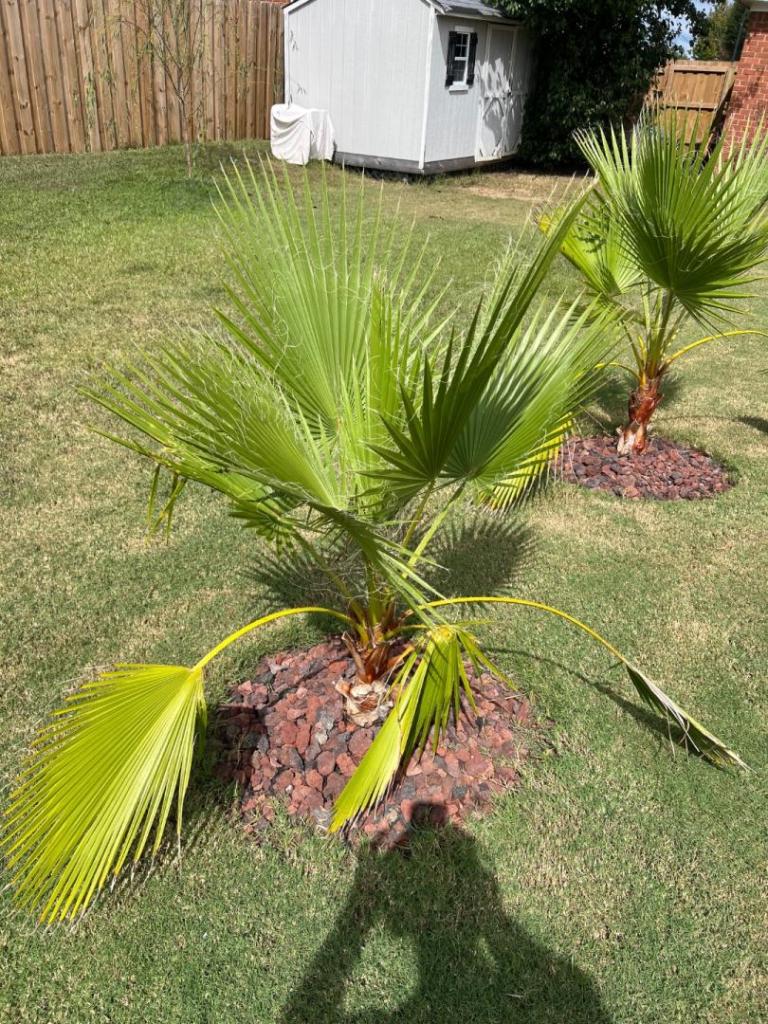
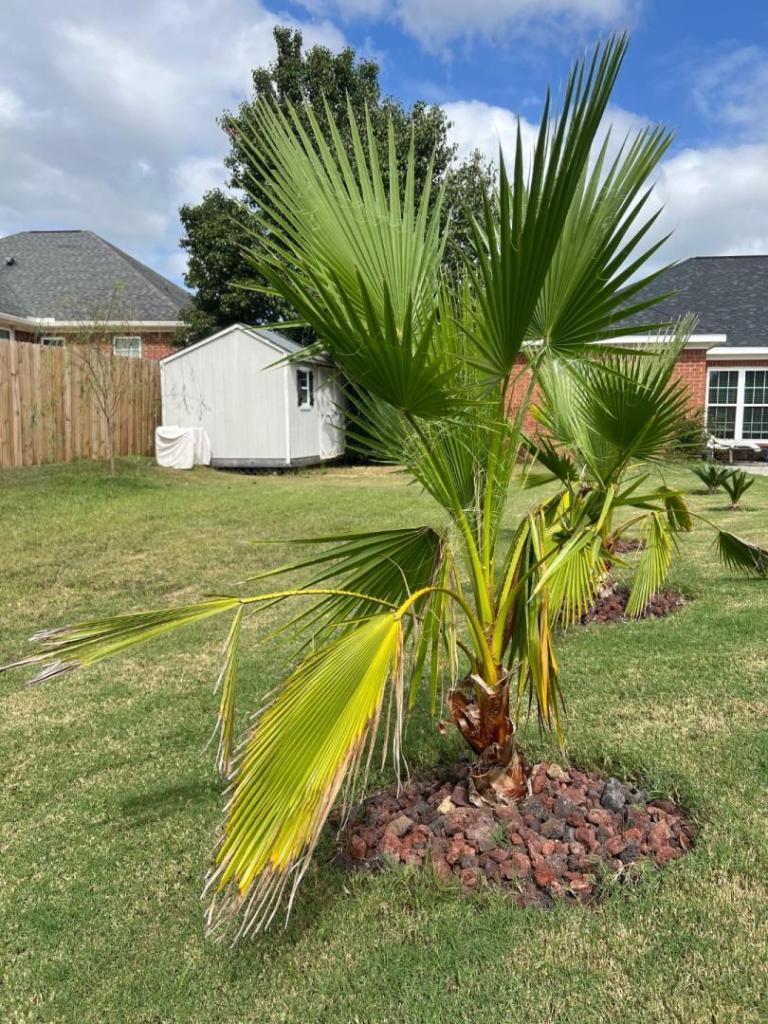
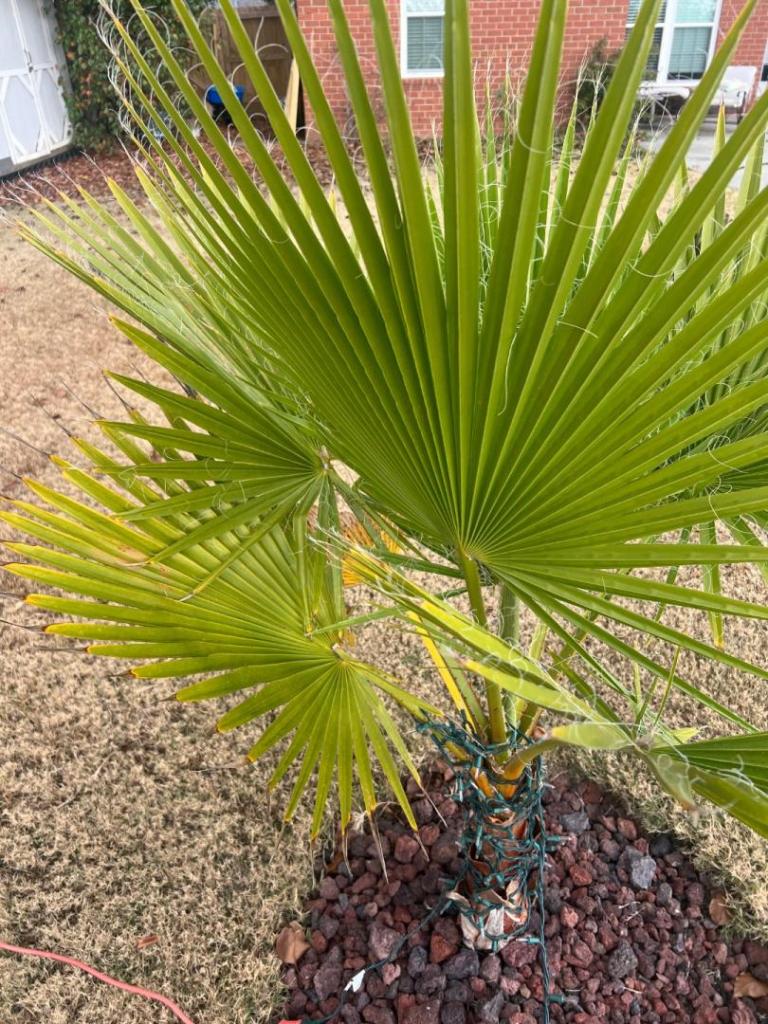

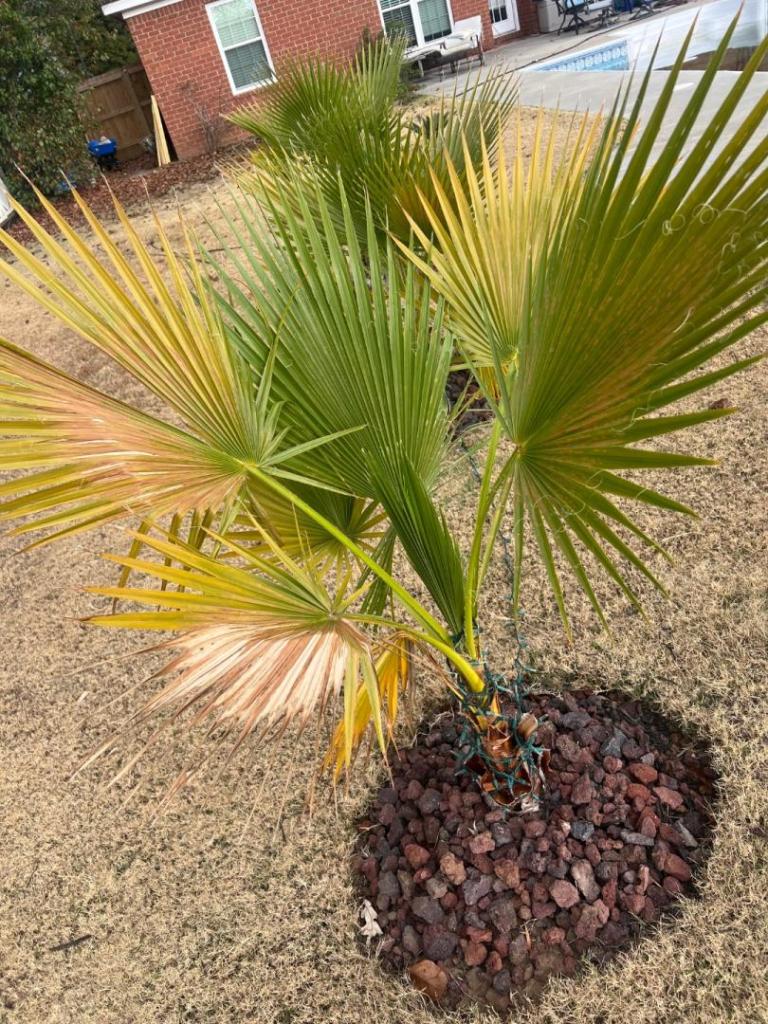


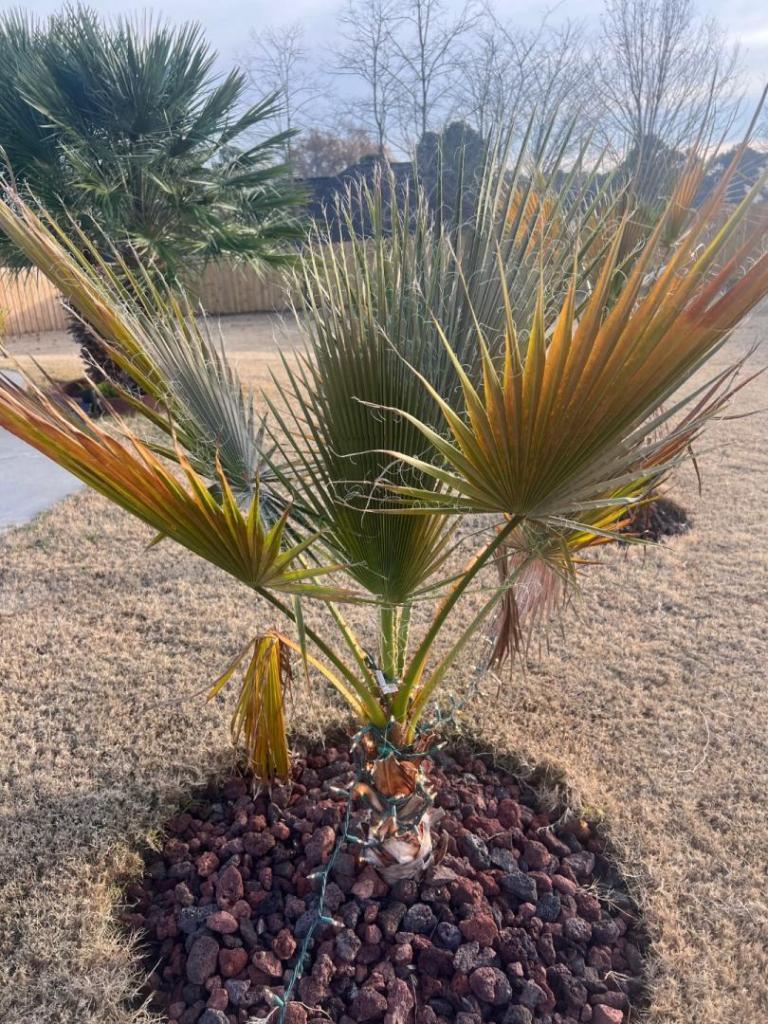
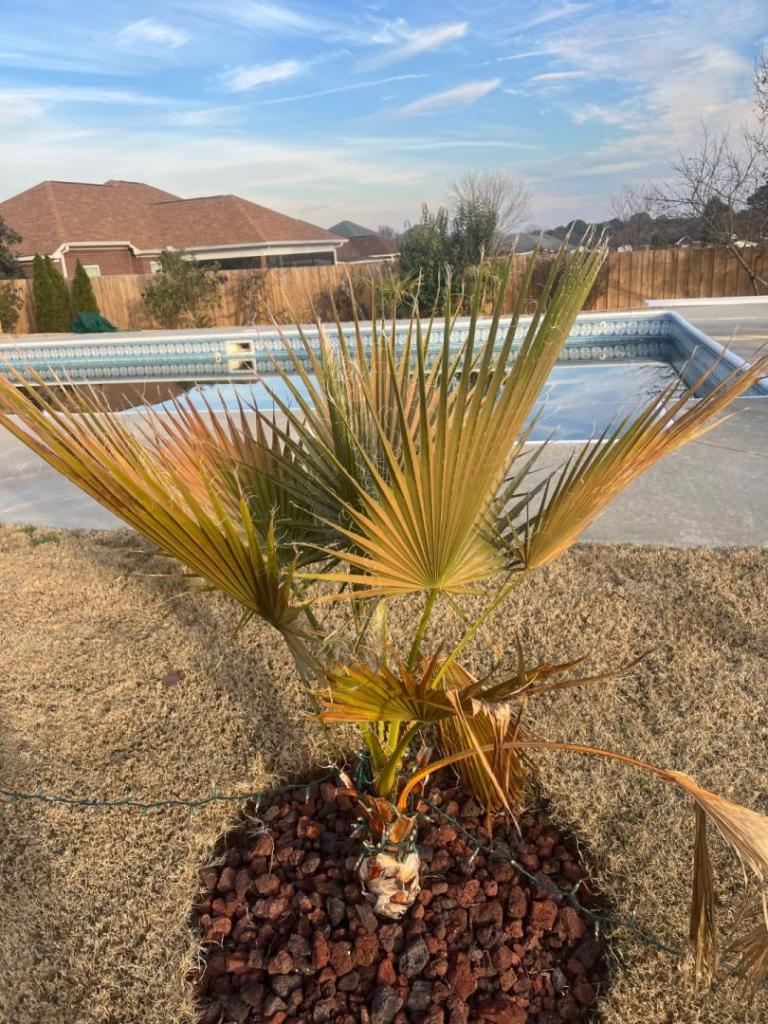
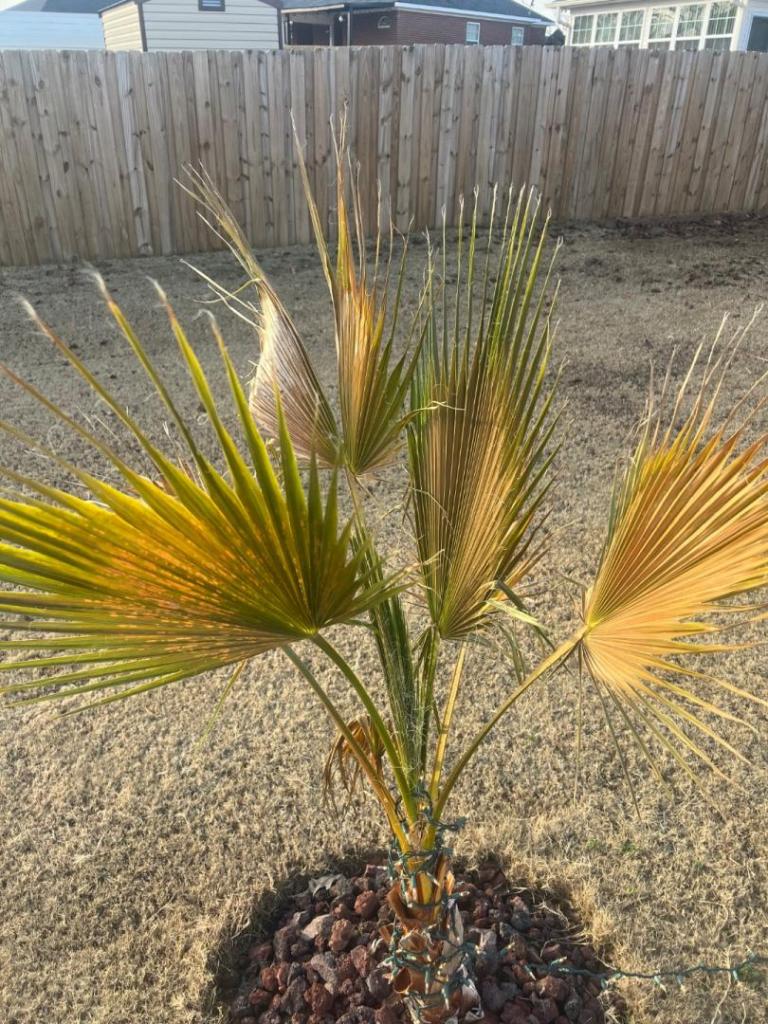
 2 points
 -
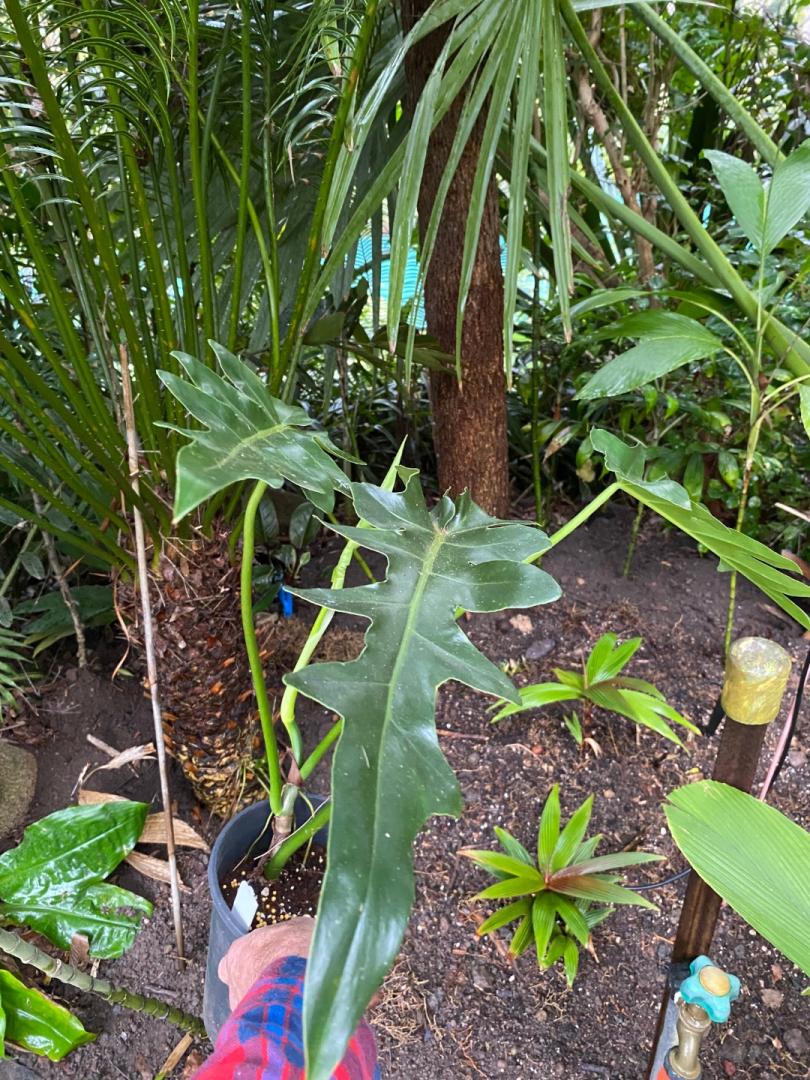
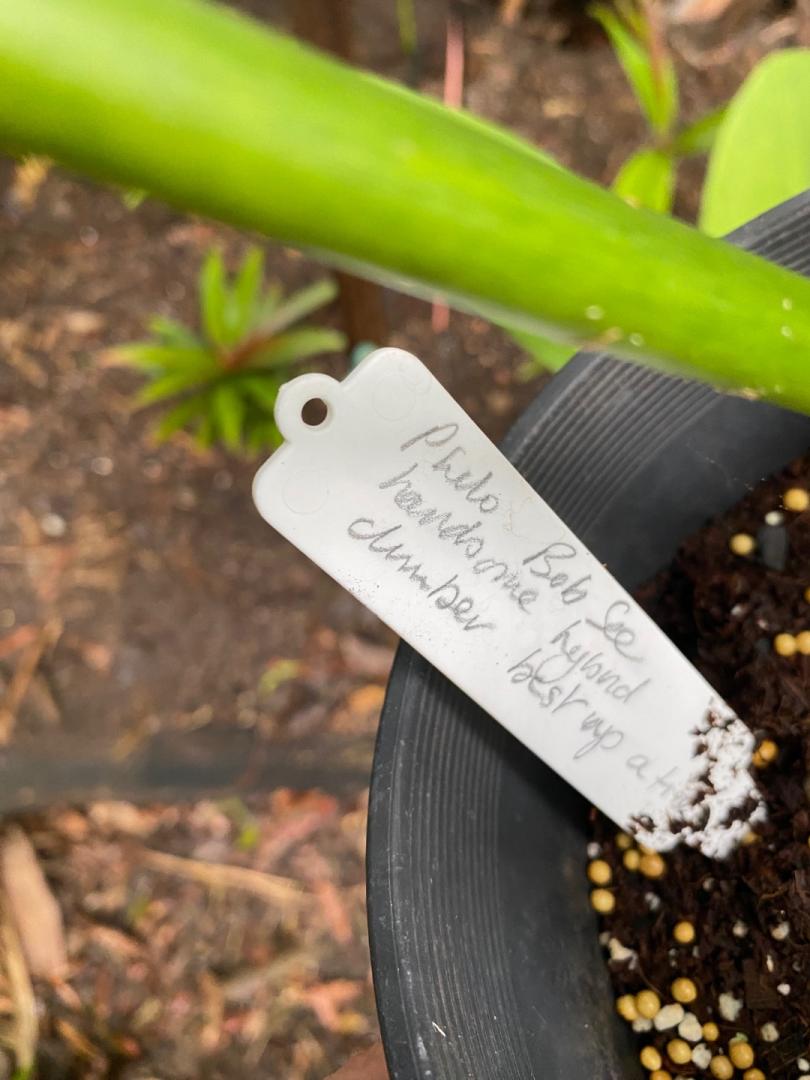
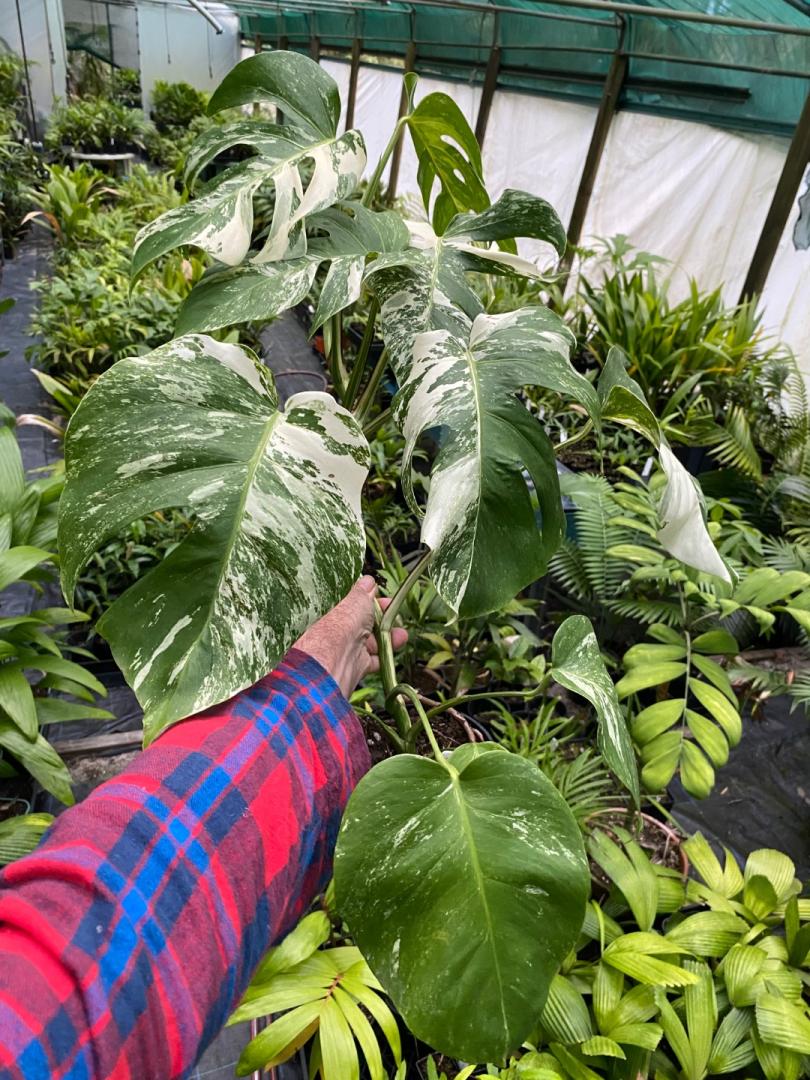
Adding a bit of colour throughout the garden with the monstera, and a nice bit of leaf texture and shape with the philodendron. Give them five years and they will be doing well in the eye candy tropical look!
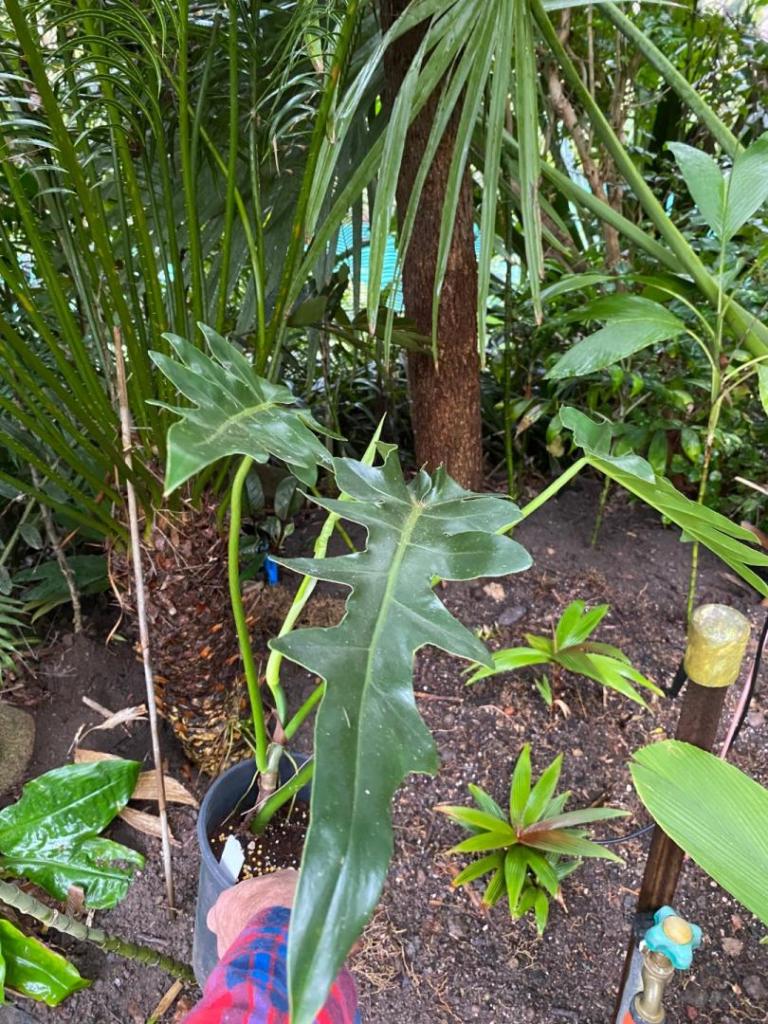
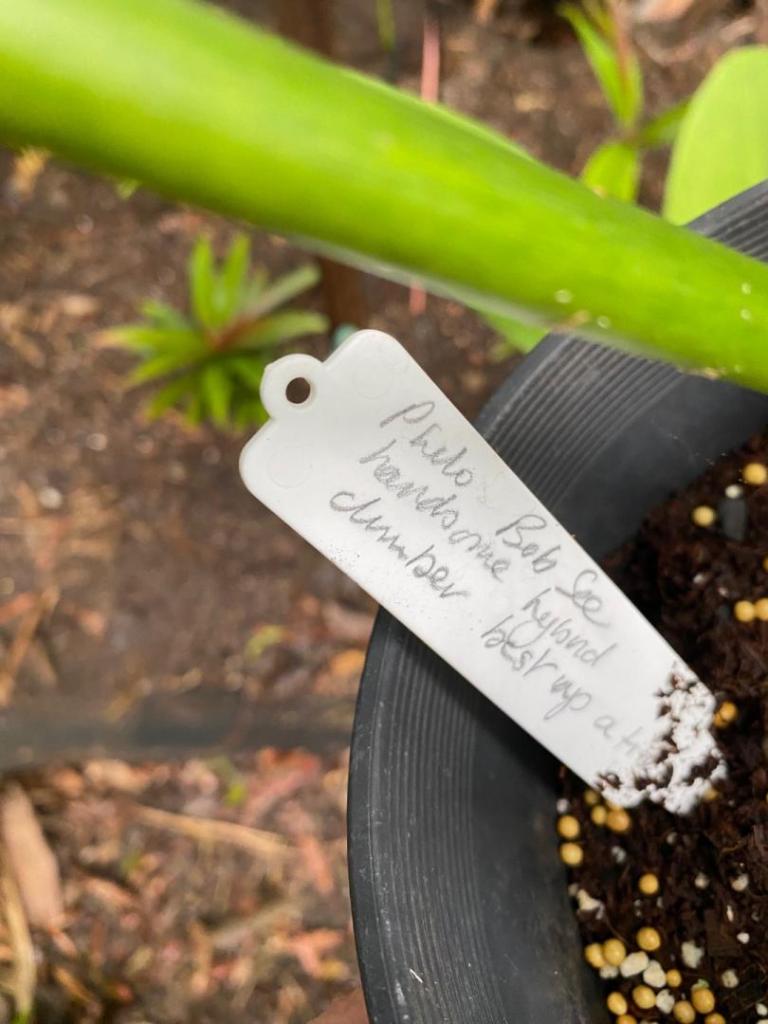
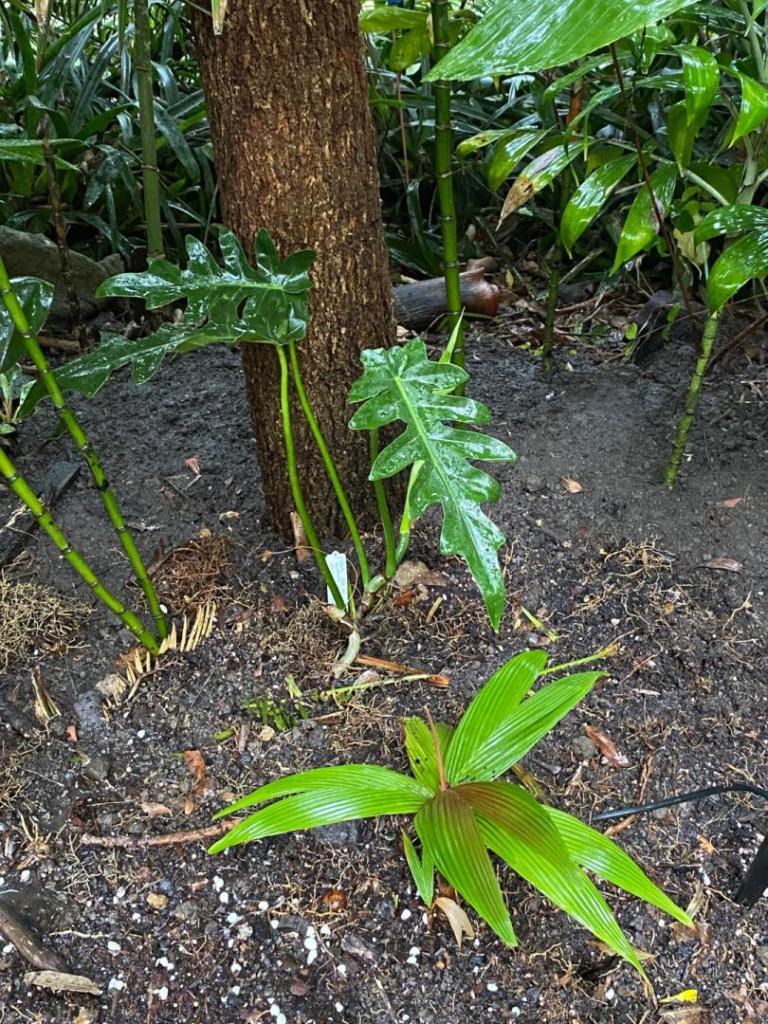

 2 points
 -
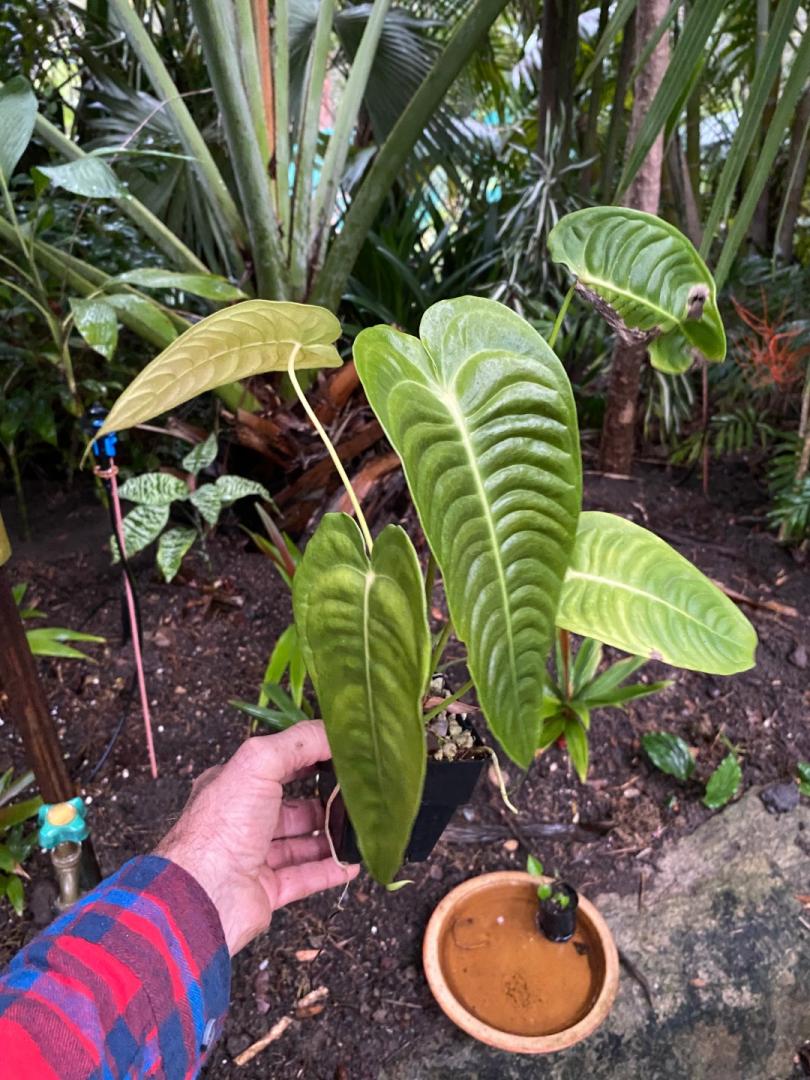
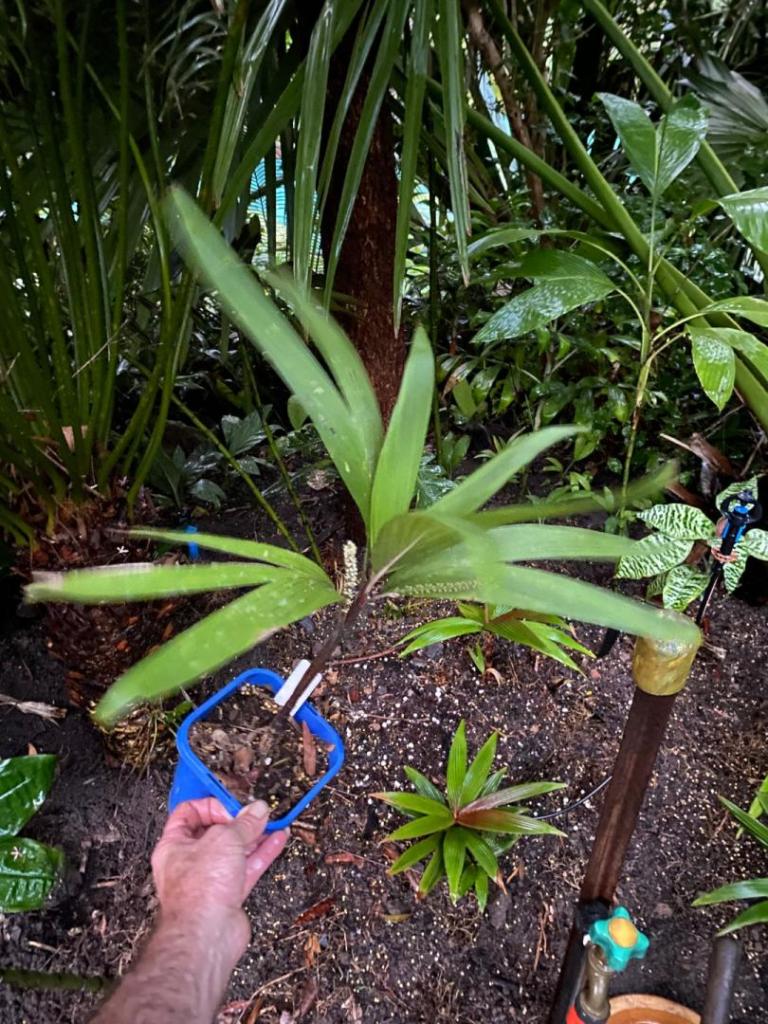
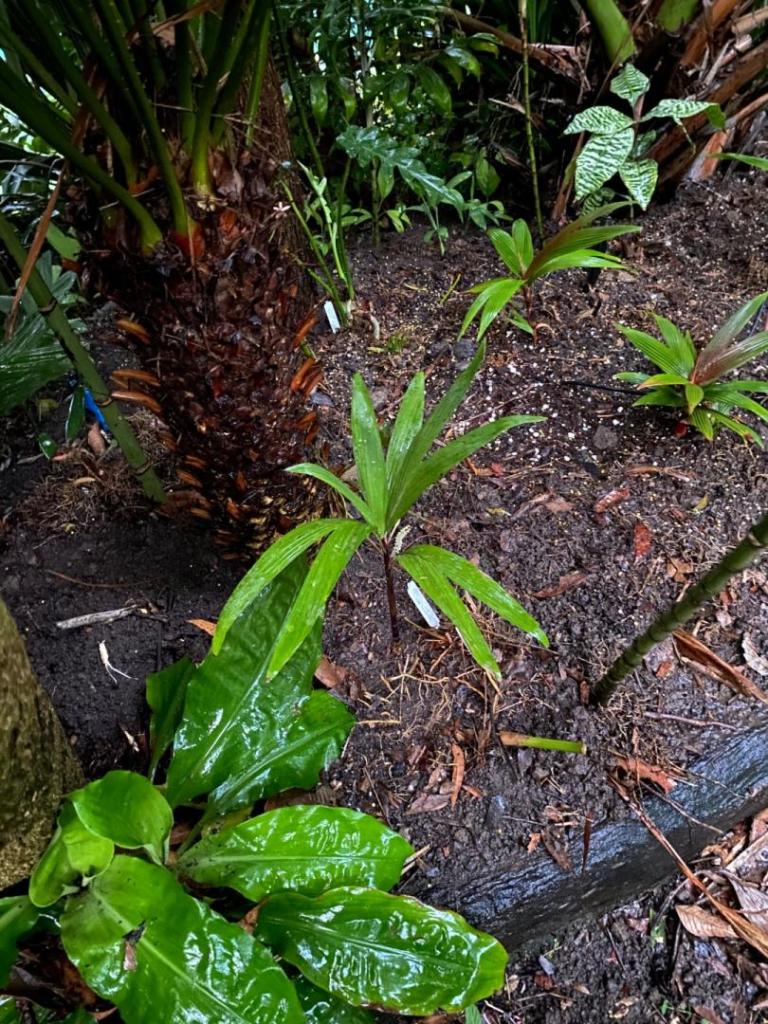
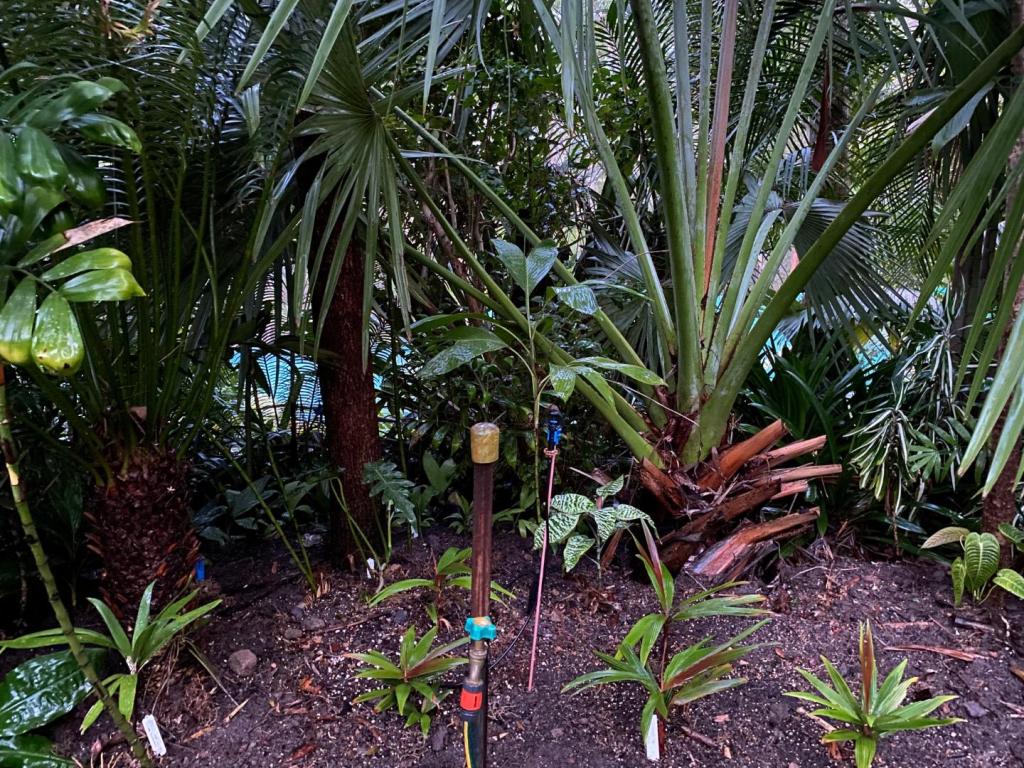
No budget was spared in this little makeover, with 5 dypsis louvelli and a lovely dypsis minuta as the stars in the makeover. And a trio of chamaedoreas with the usual winners metallicas, adscendens and a few Ernie’s, so a bit seed production in the years to come with this nice trio of exotics. And for a bit colour a nice draceana goldieana along with an anthurium vietchii, there will be no shortage of eye candy in this corner of the garden!


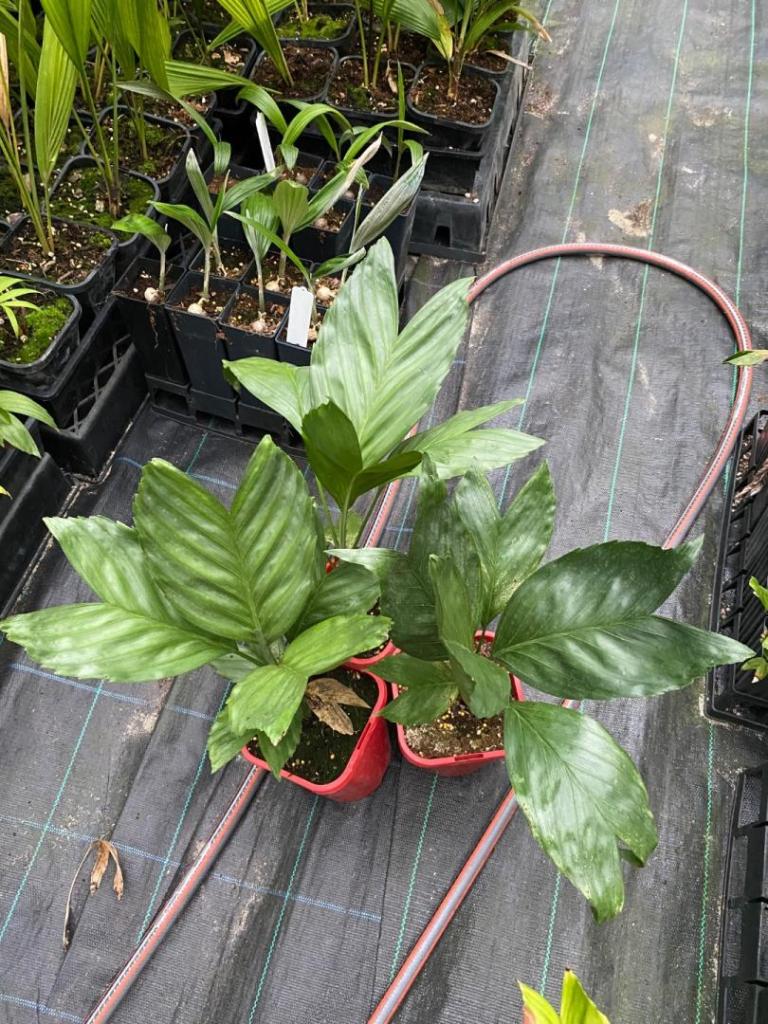
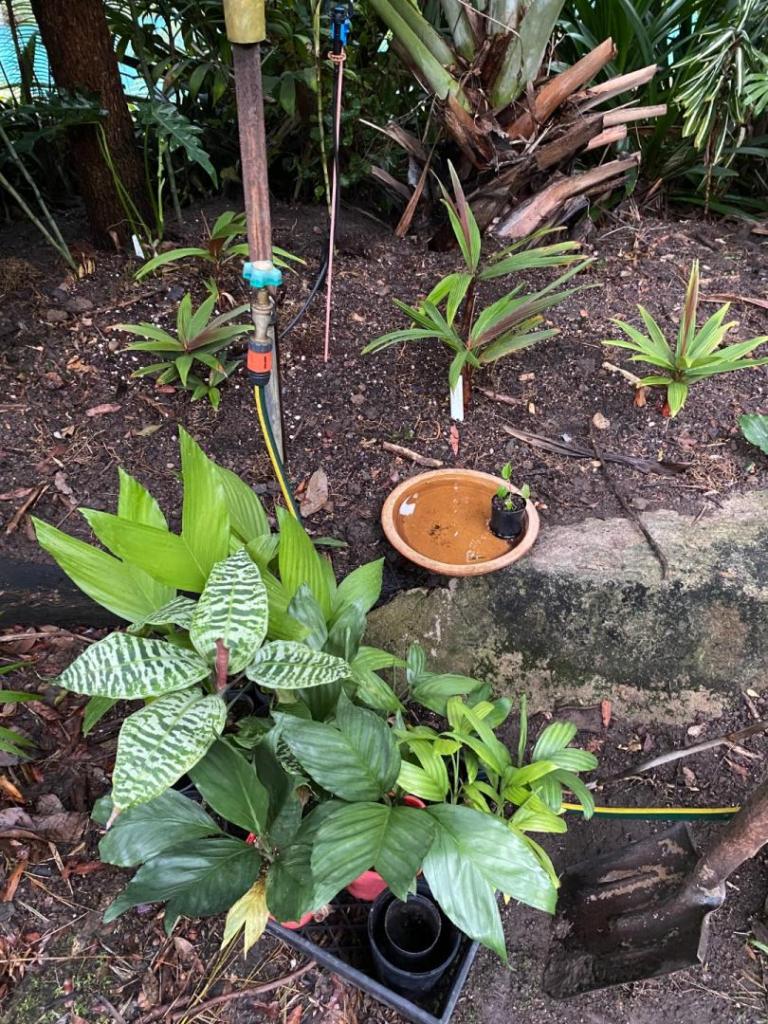
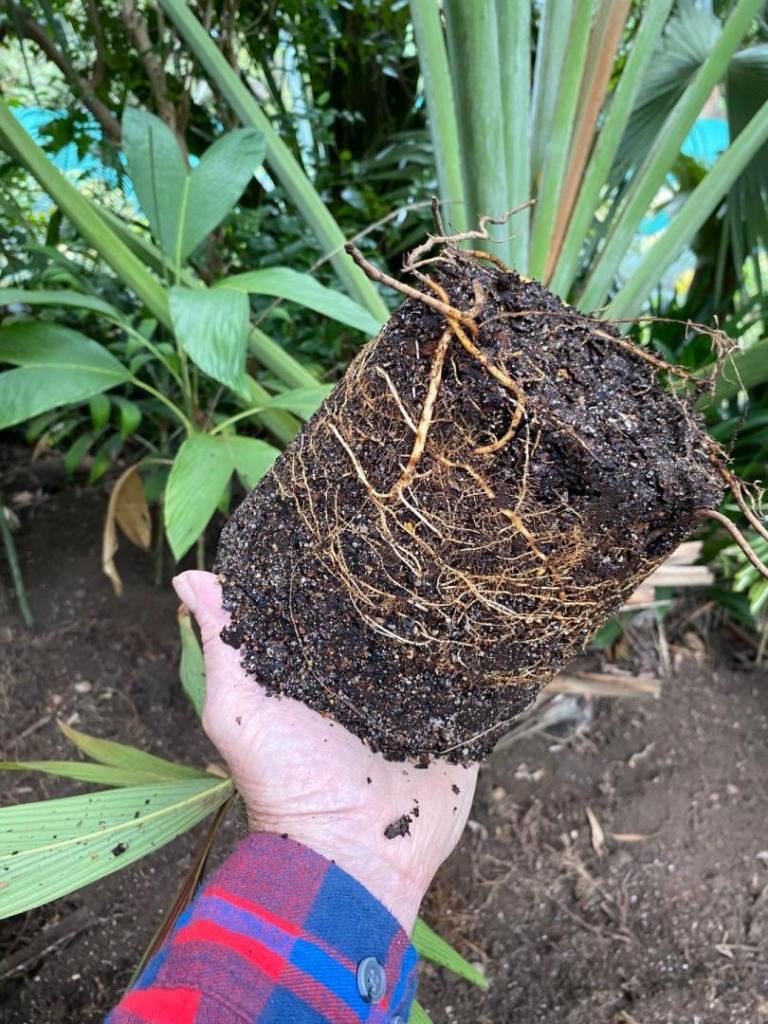
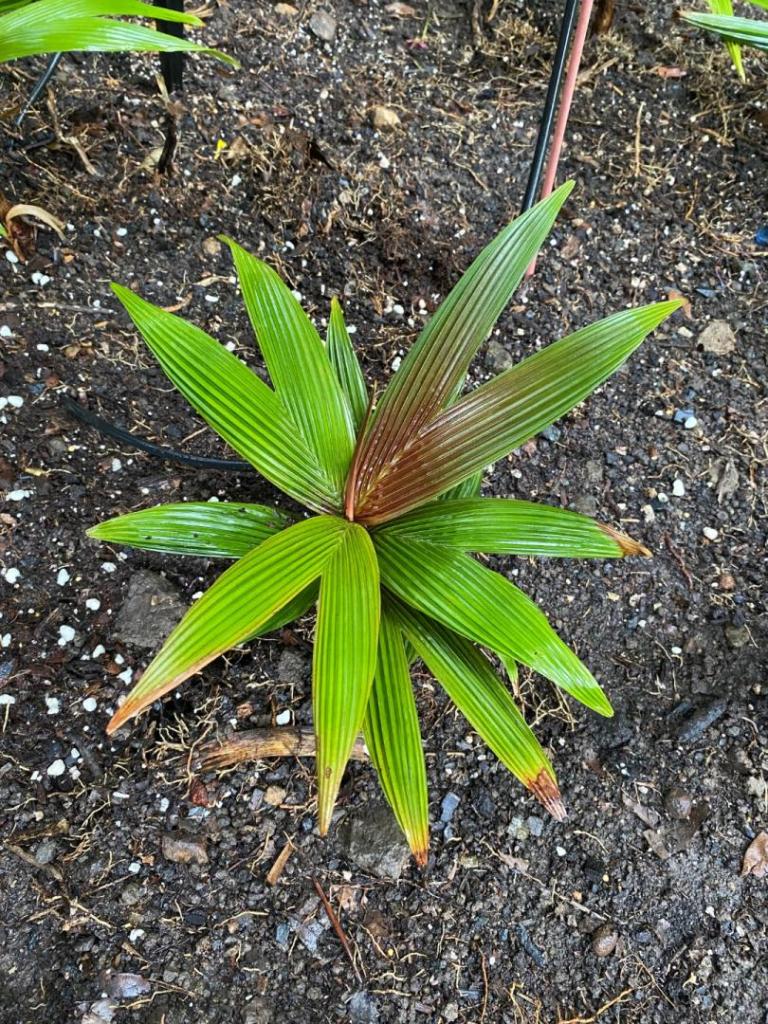

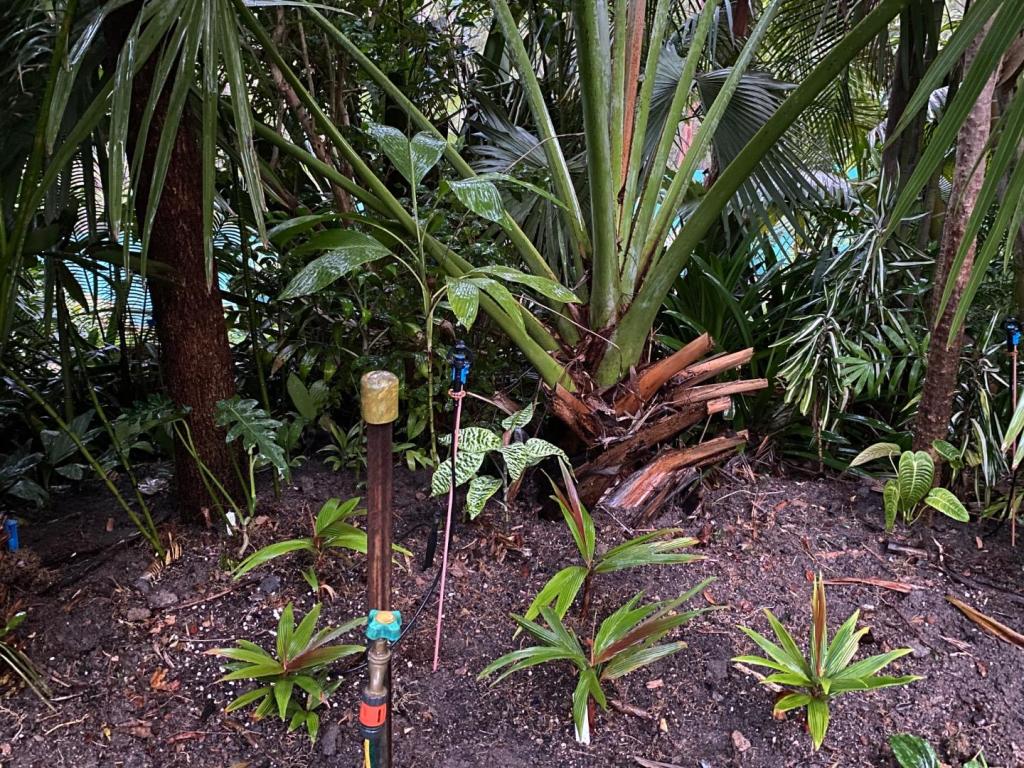
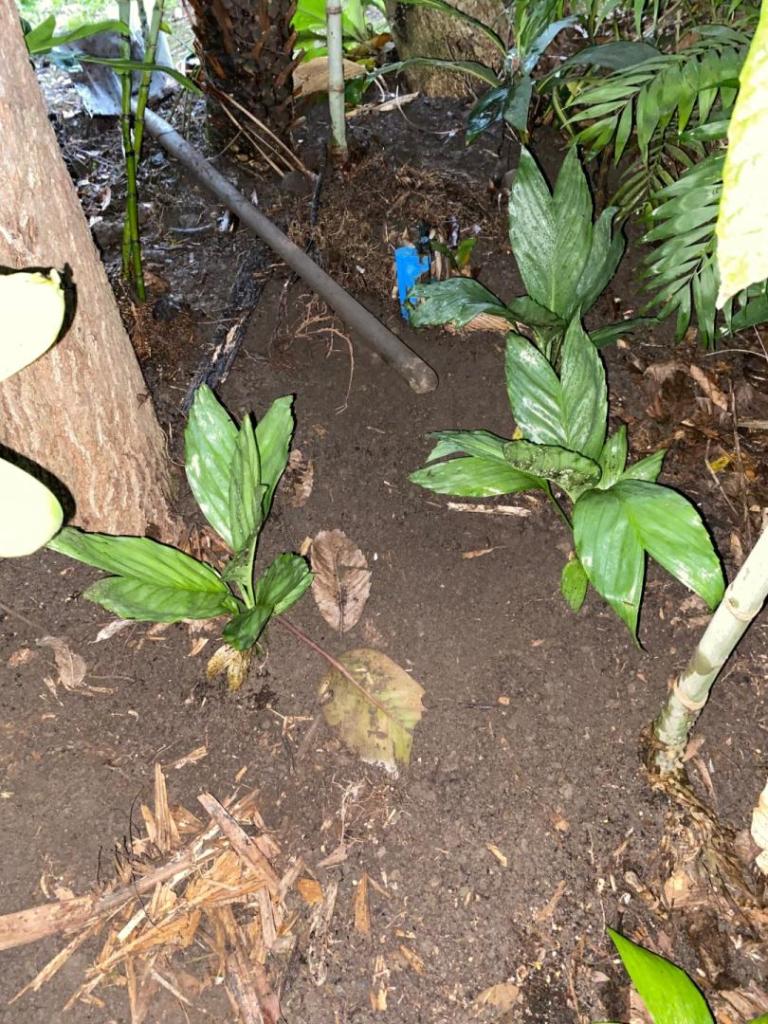
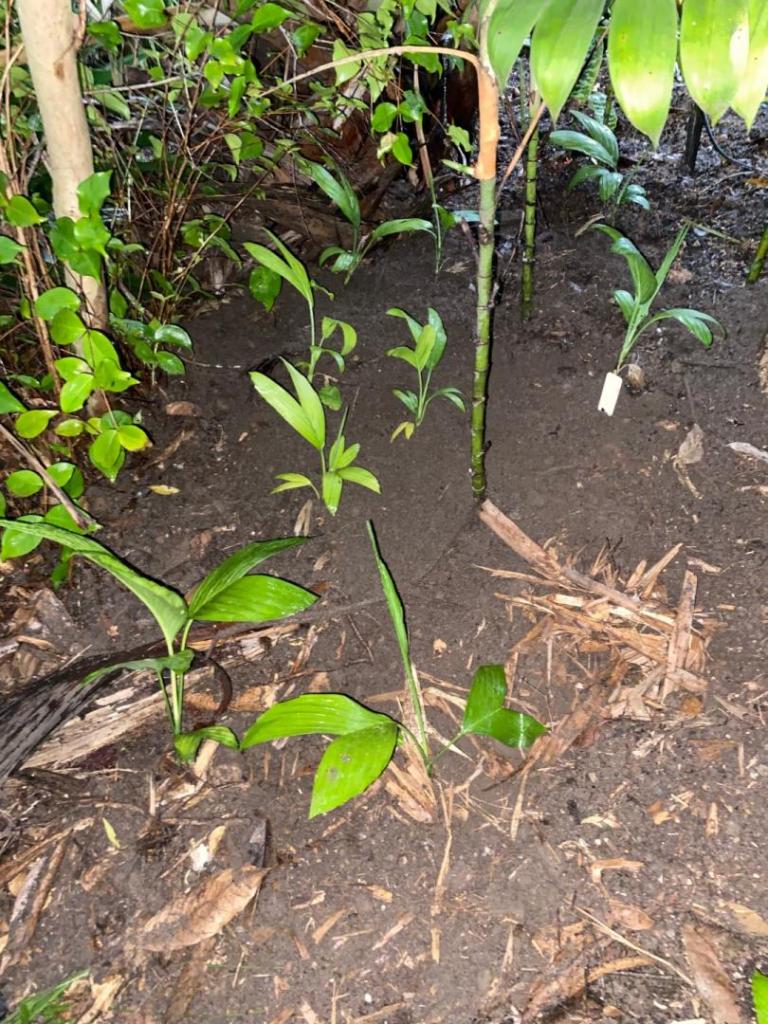
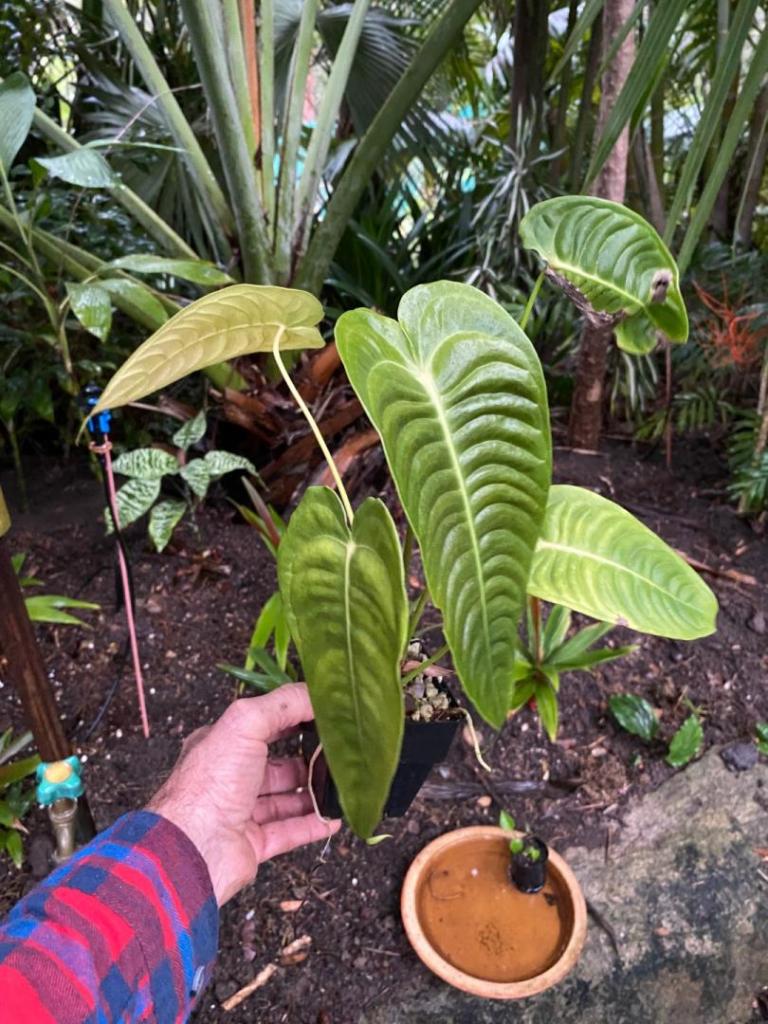
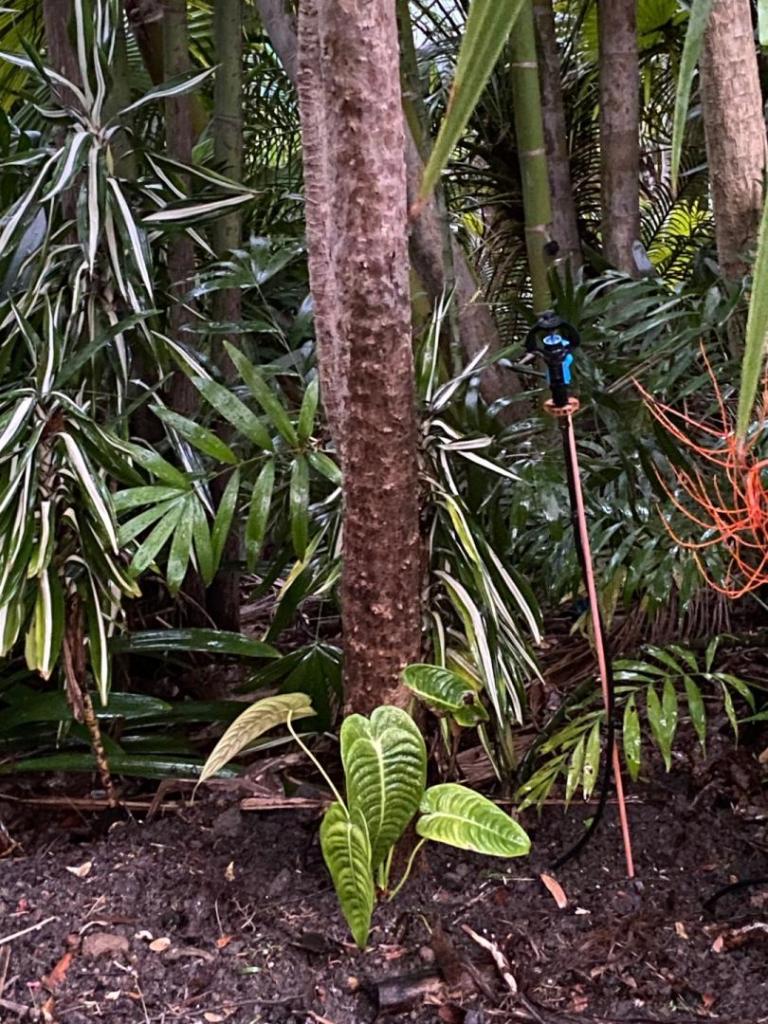
 2 points
 -
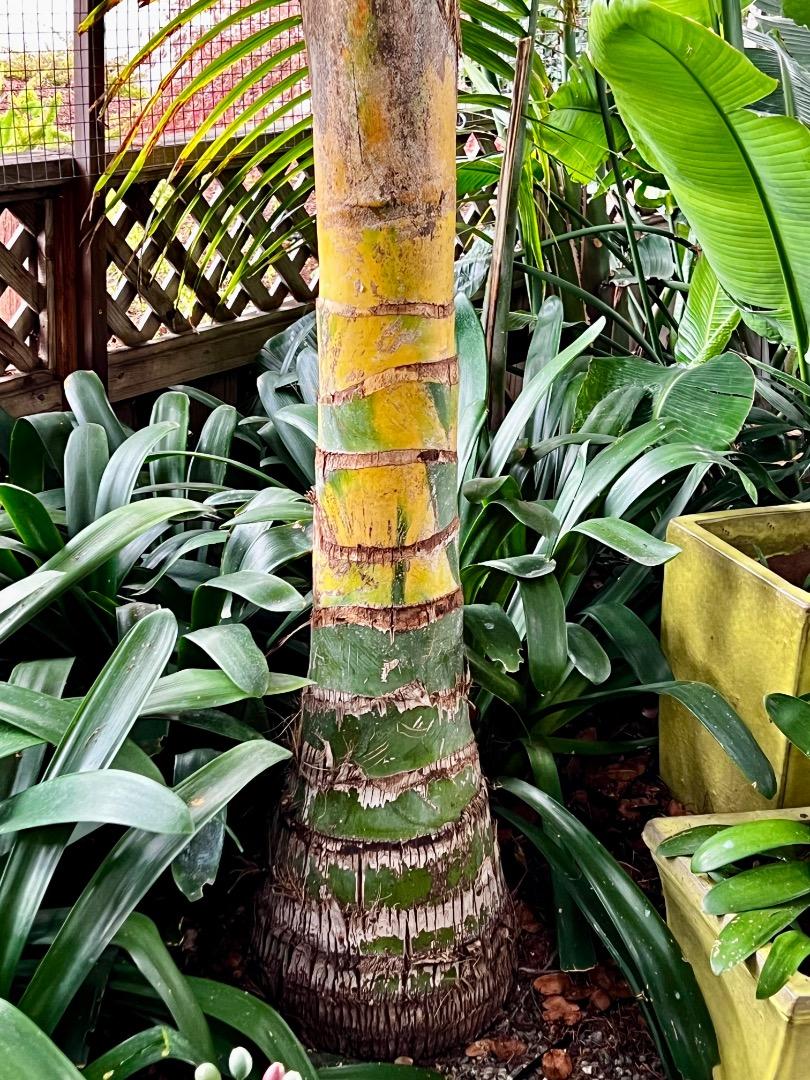
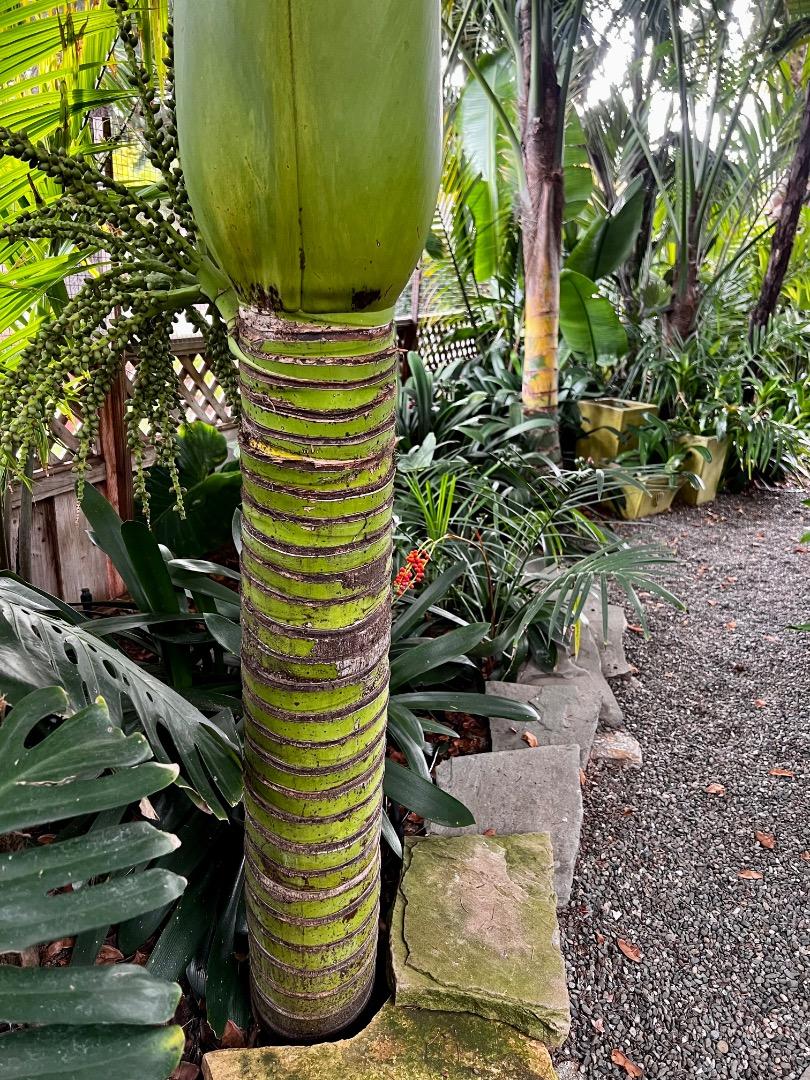
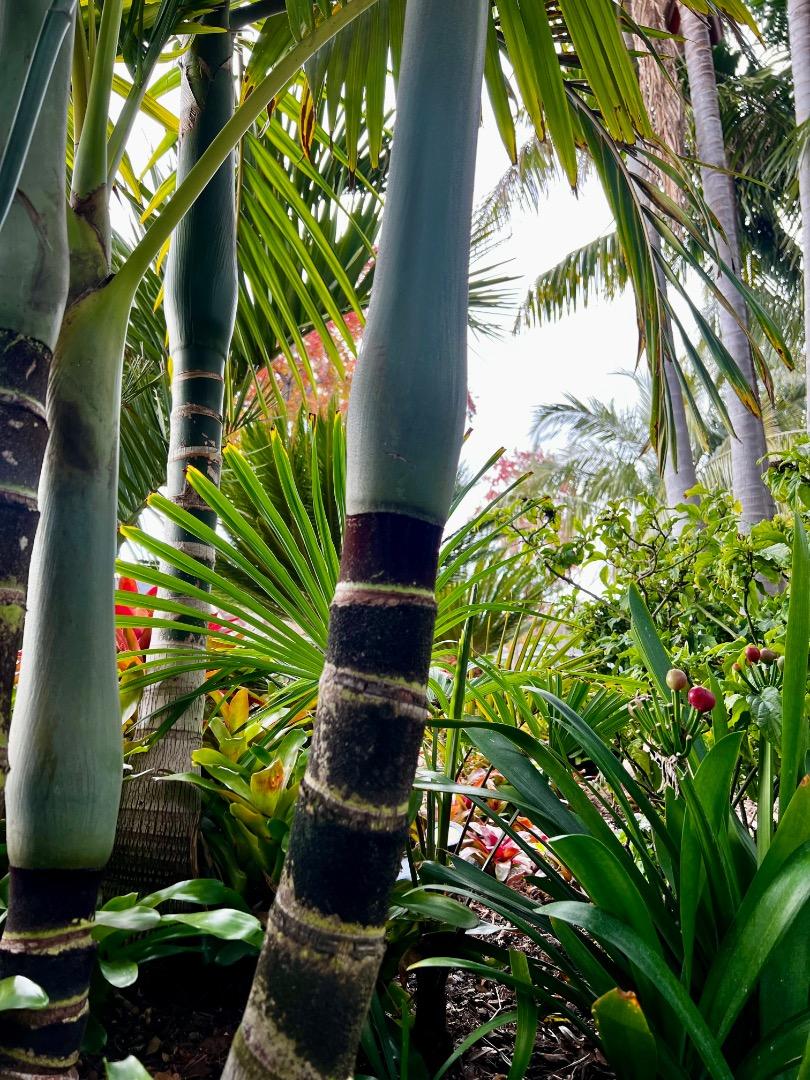
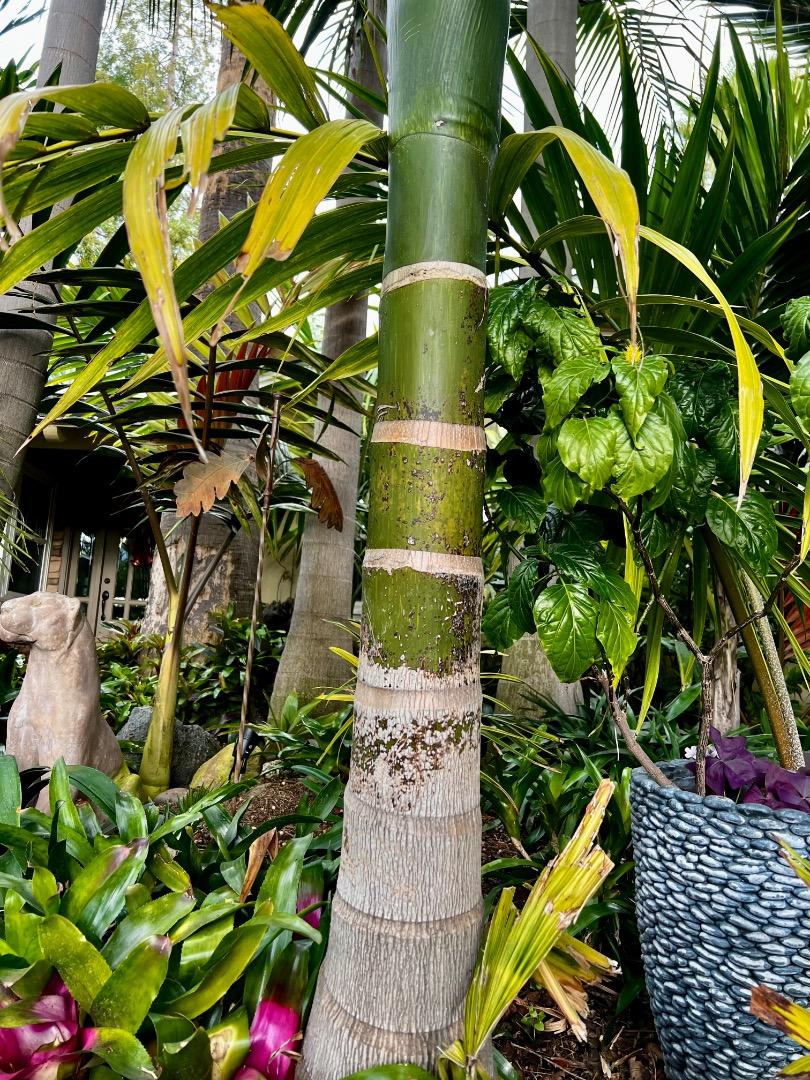
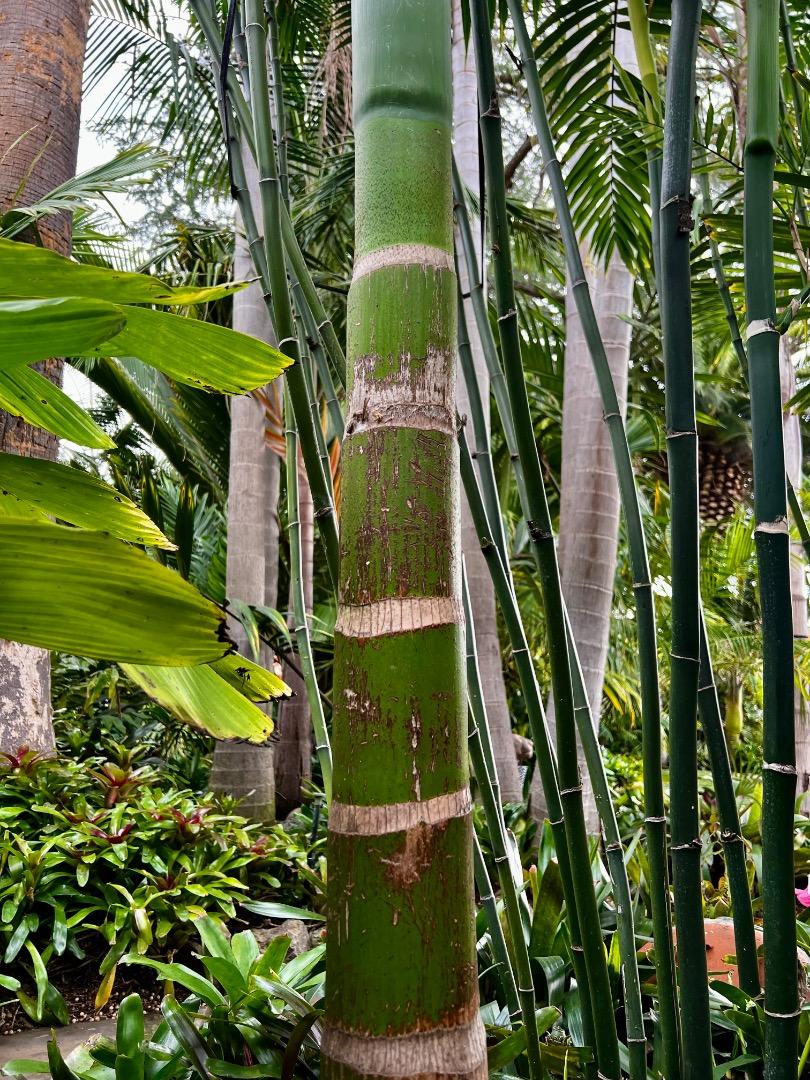
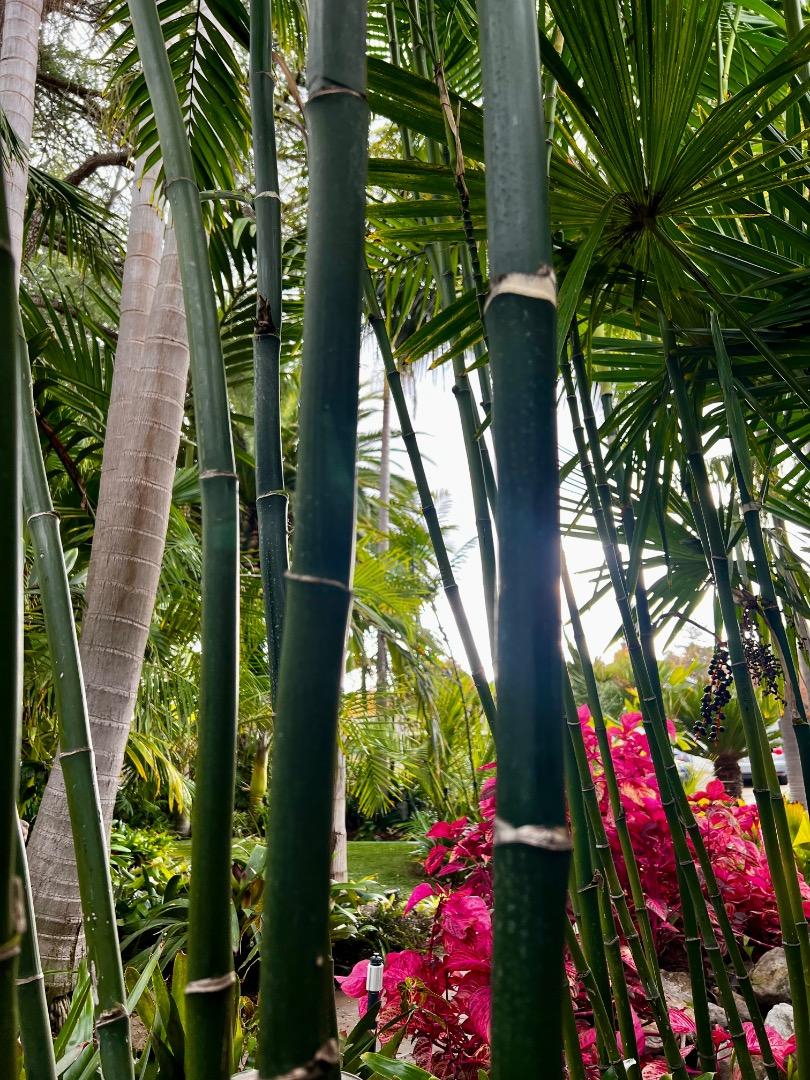
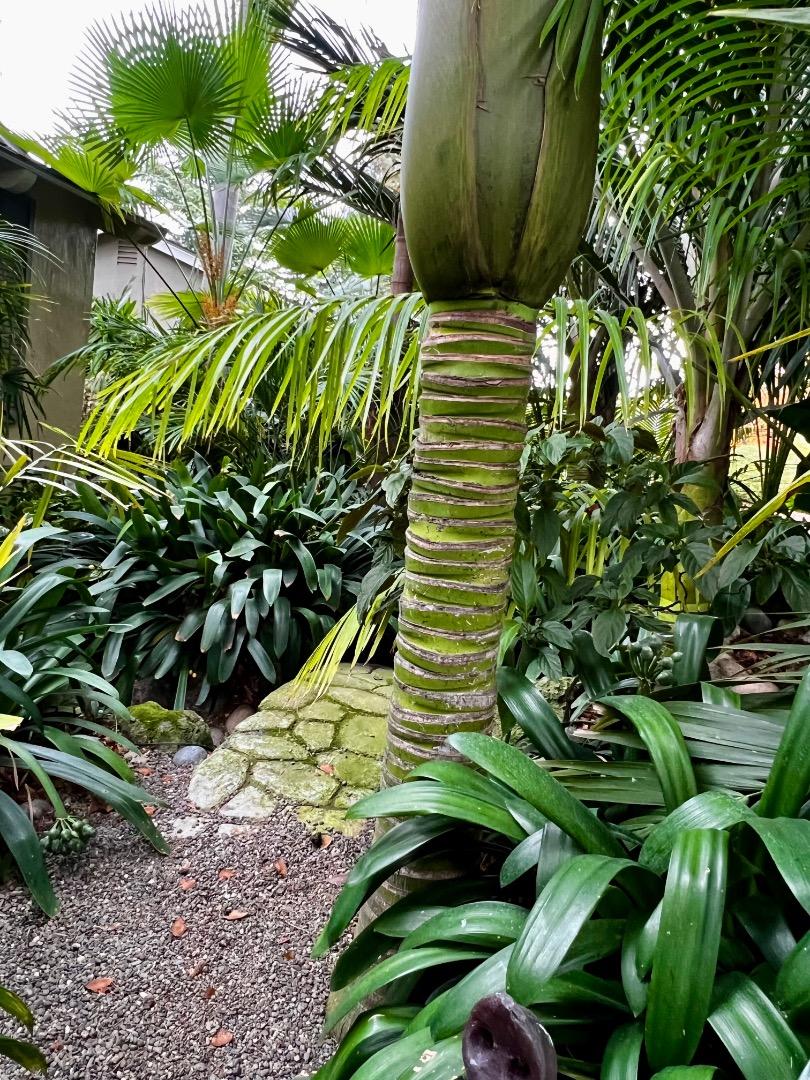
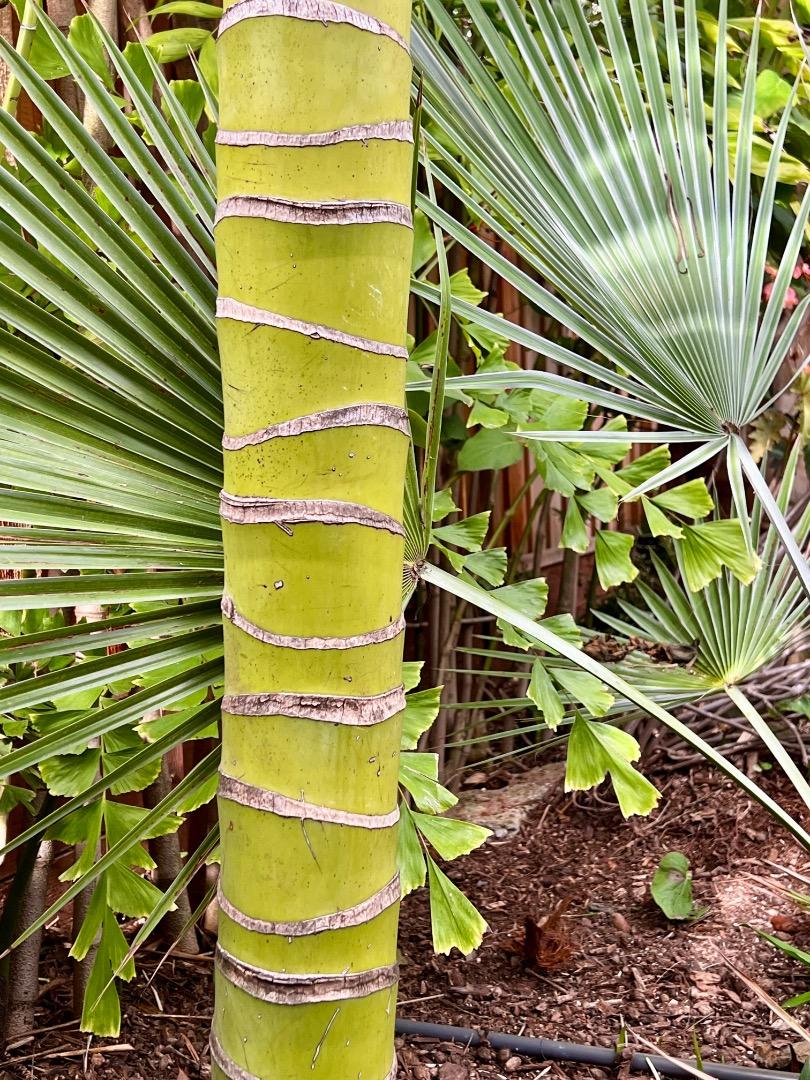
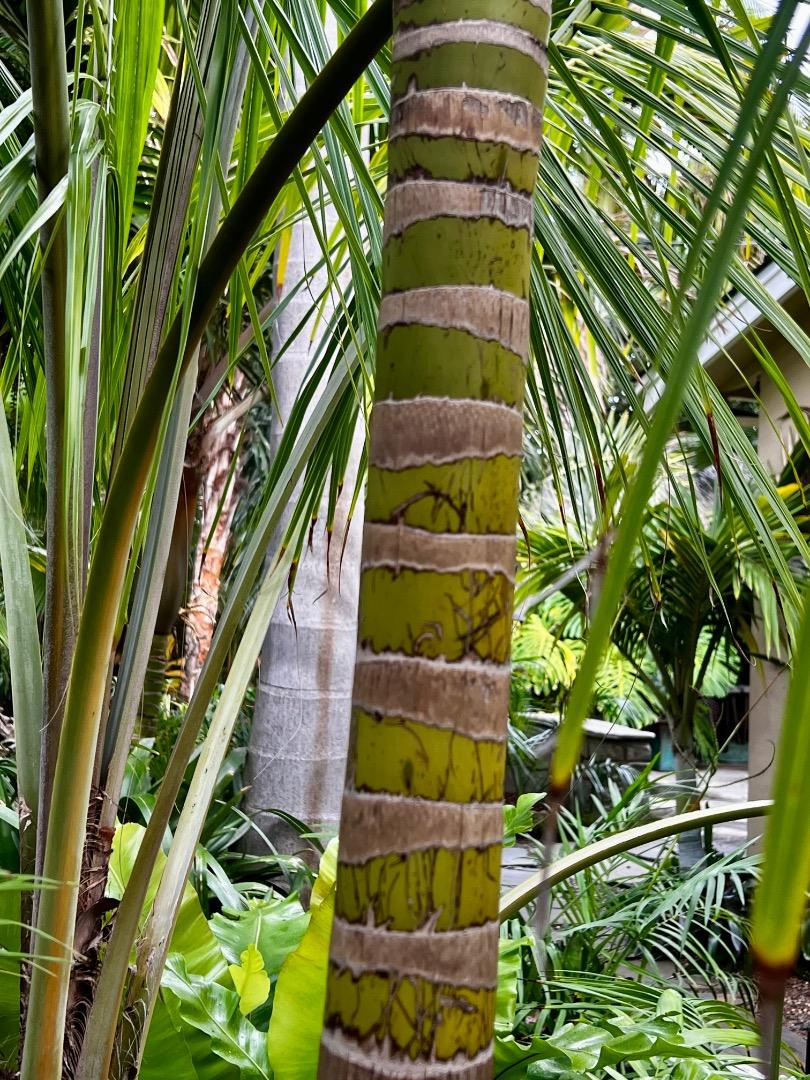
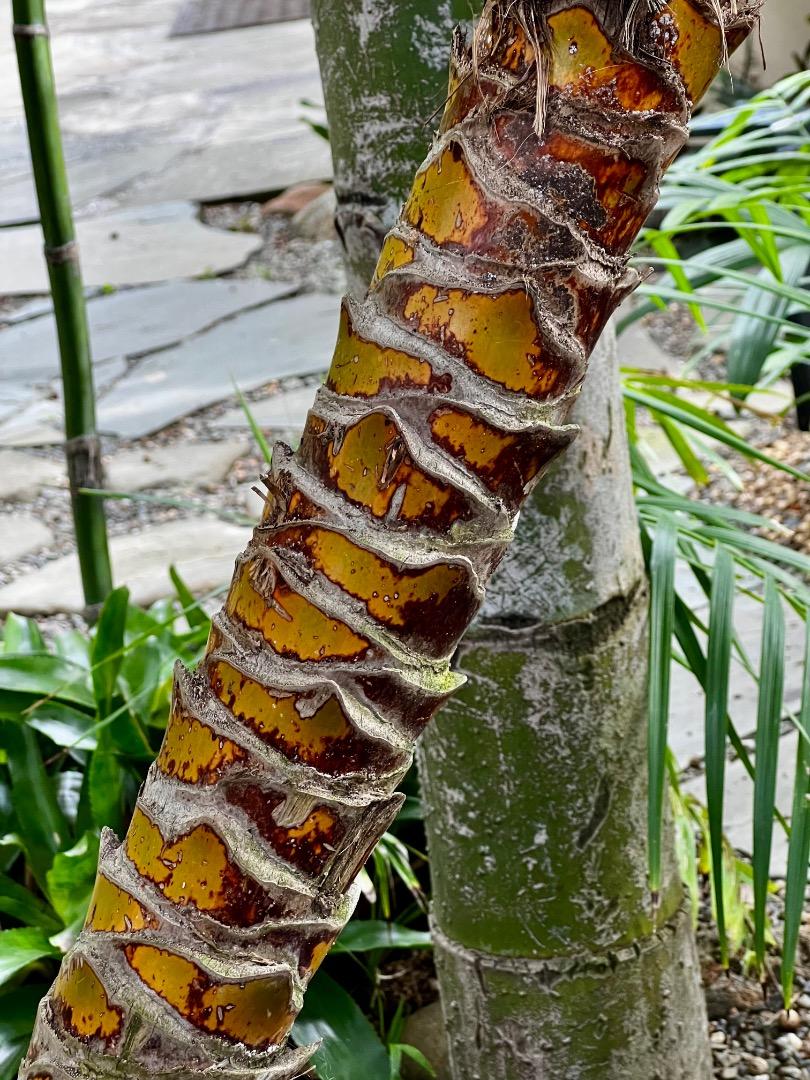
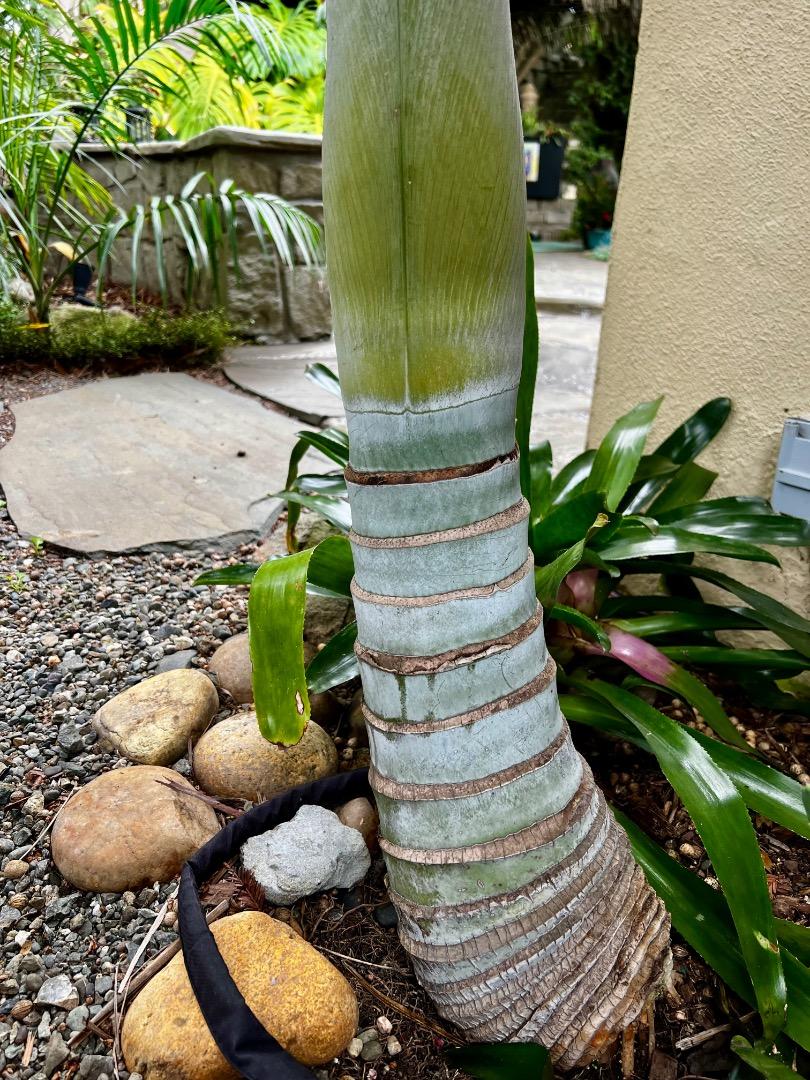
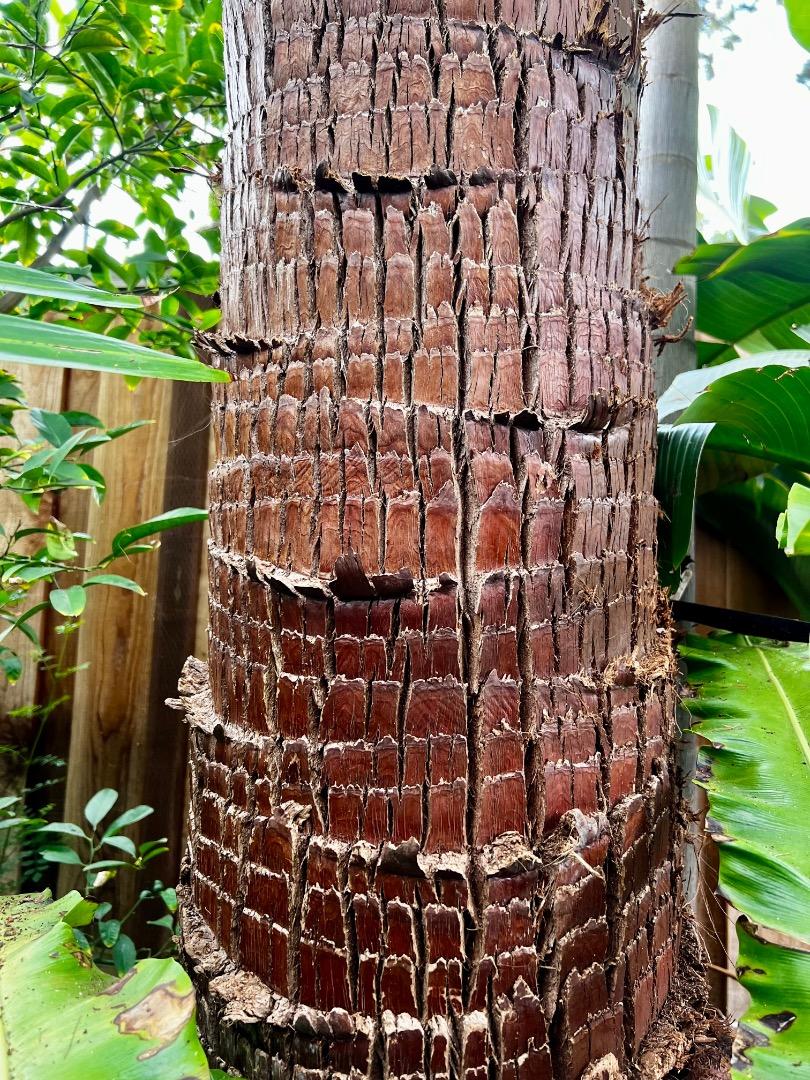
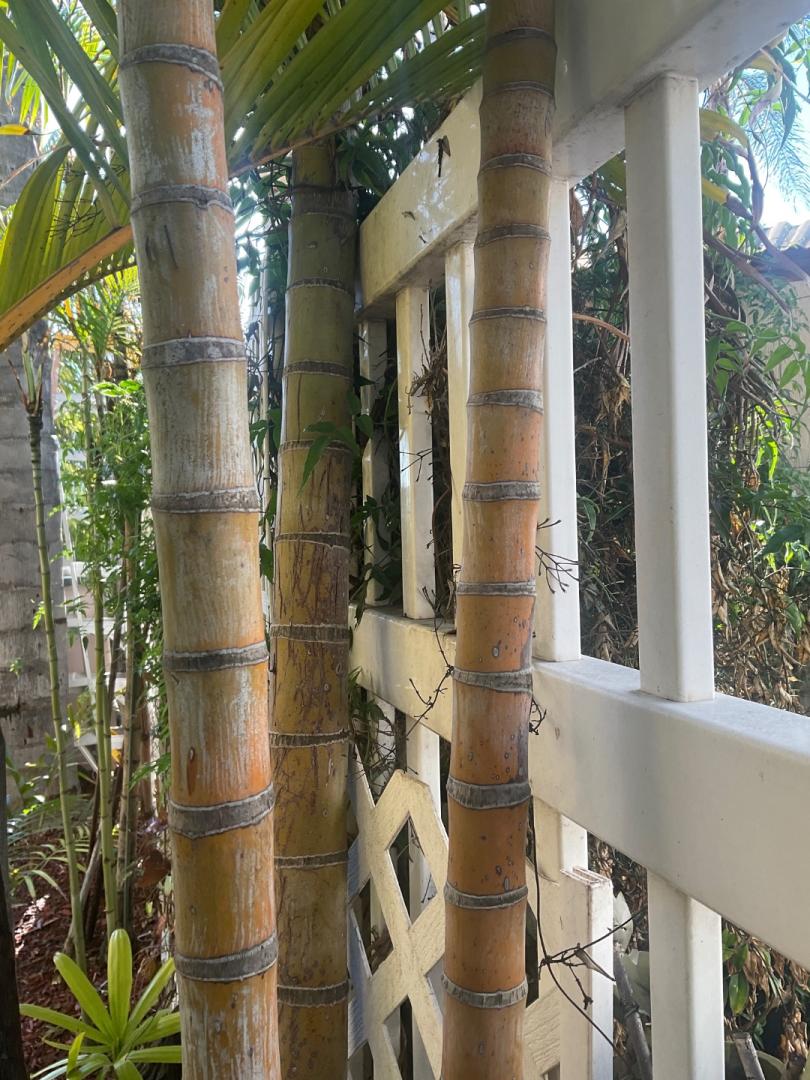
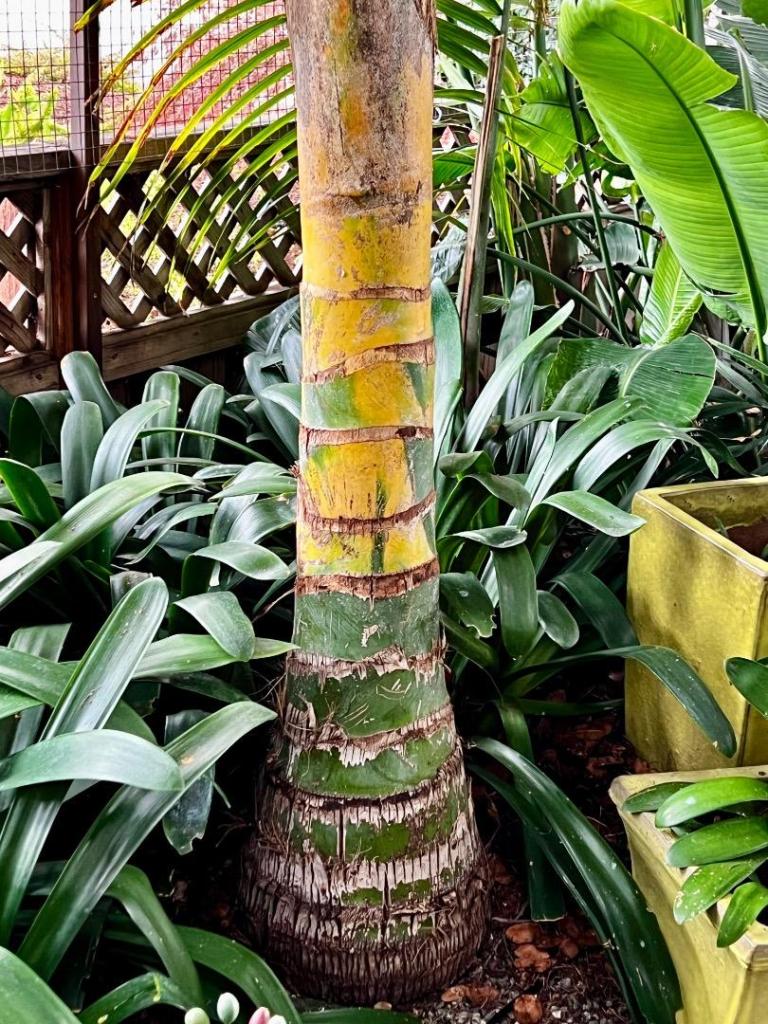
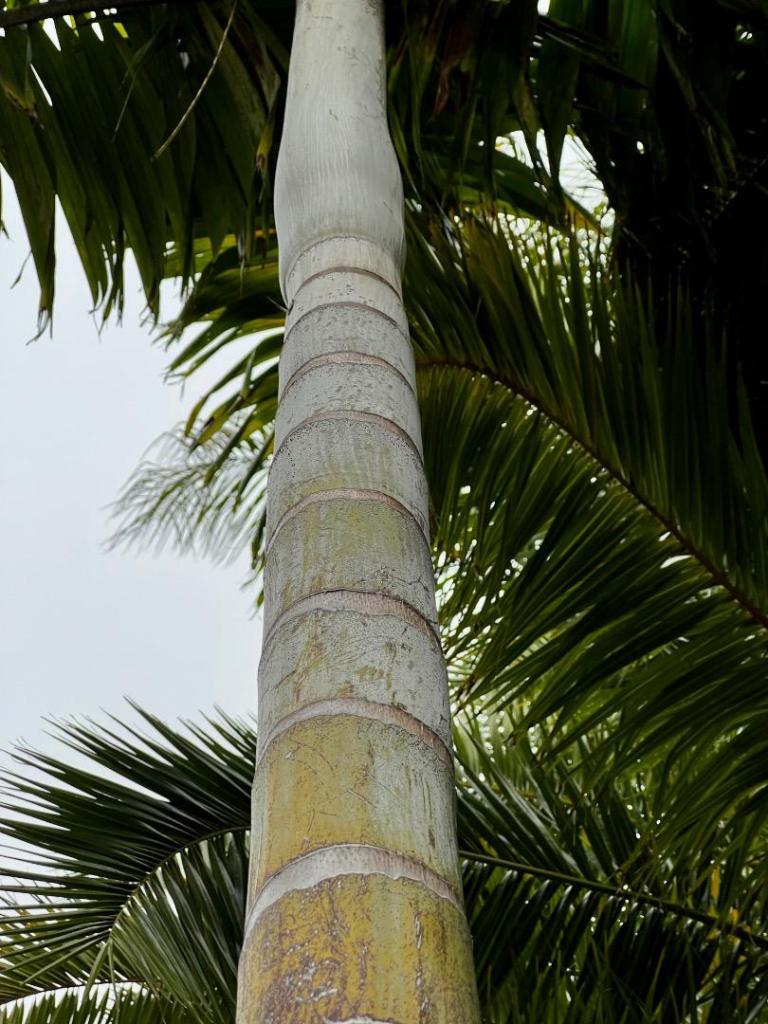
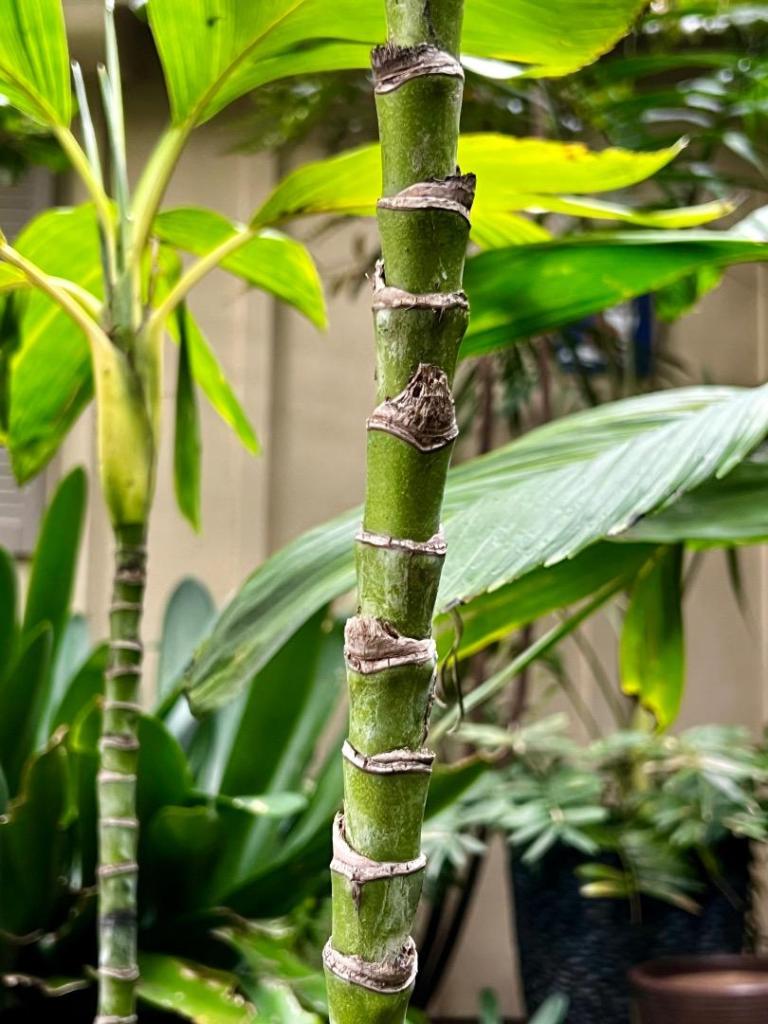
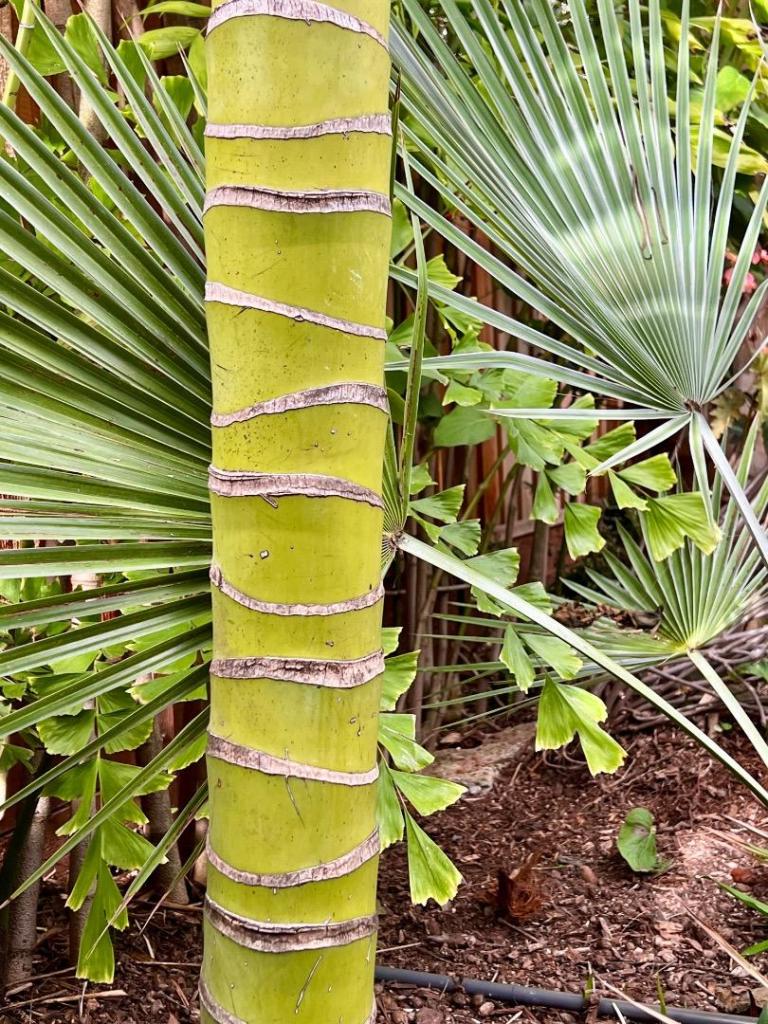
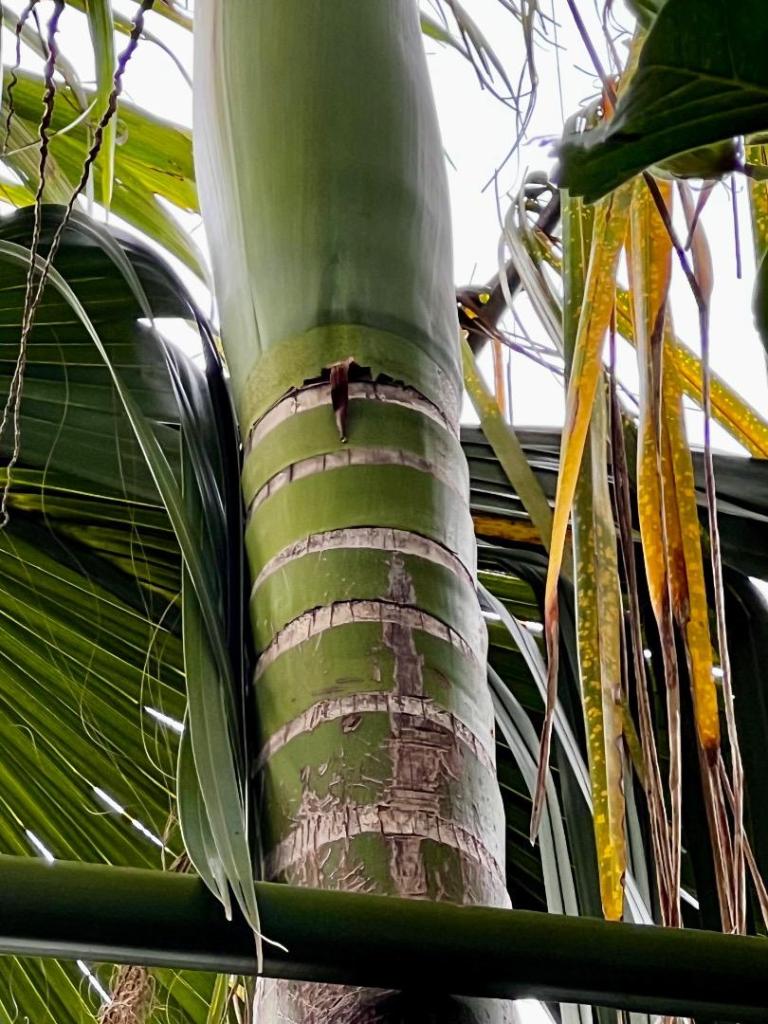
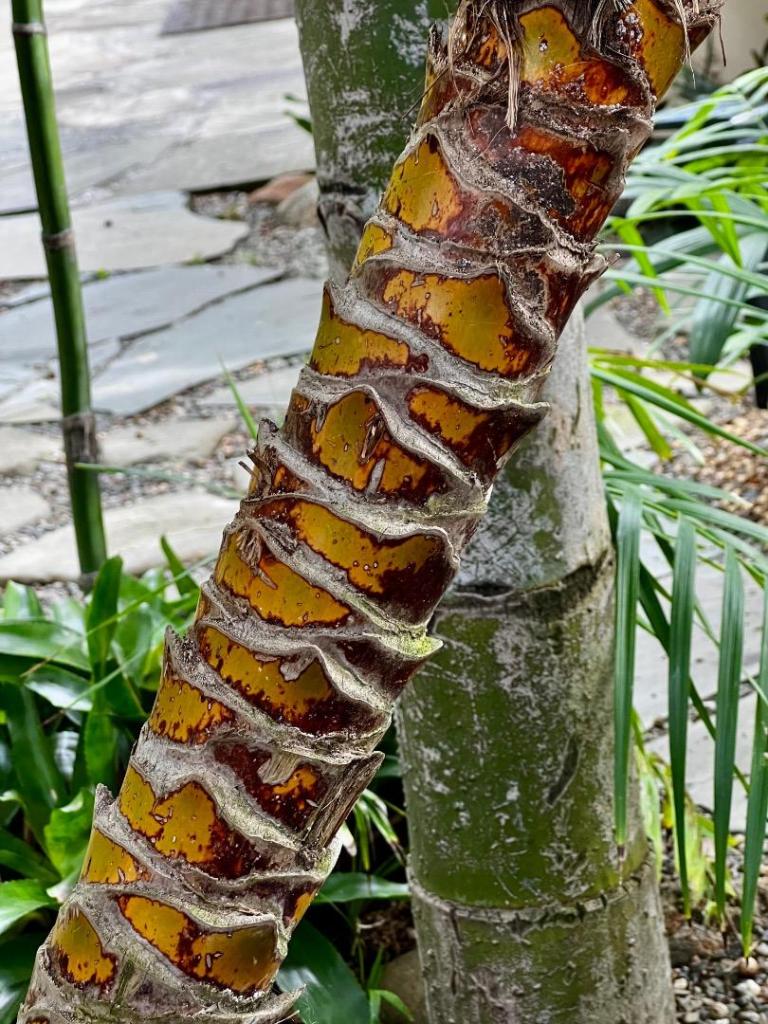
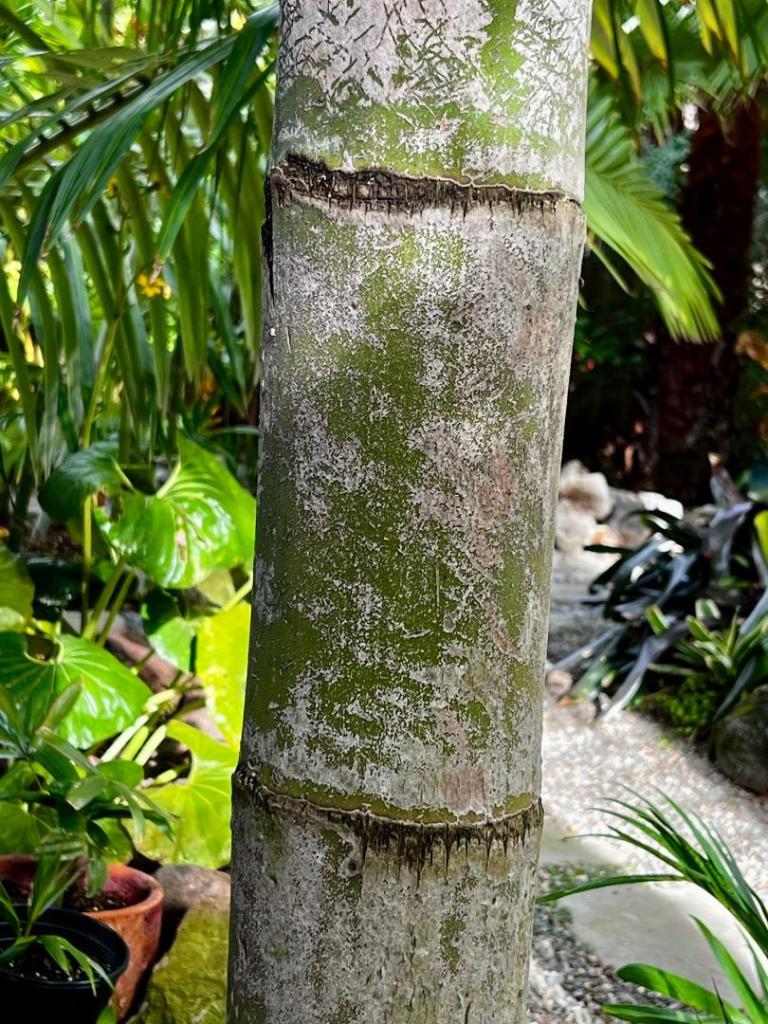
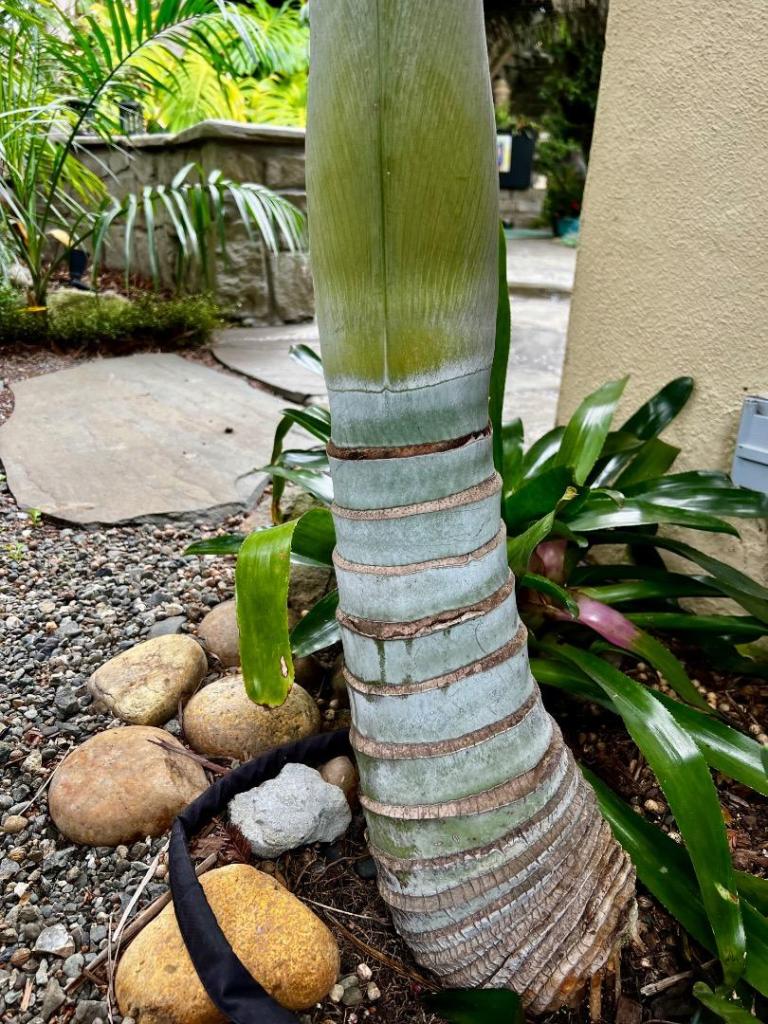
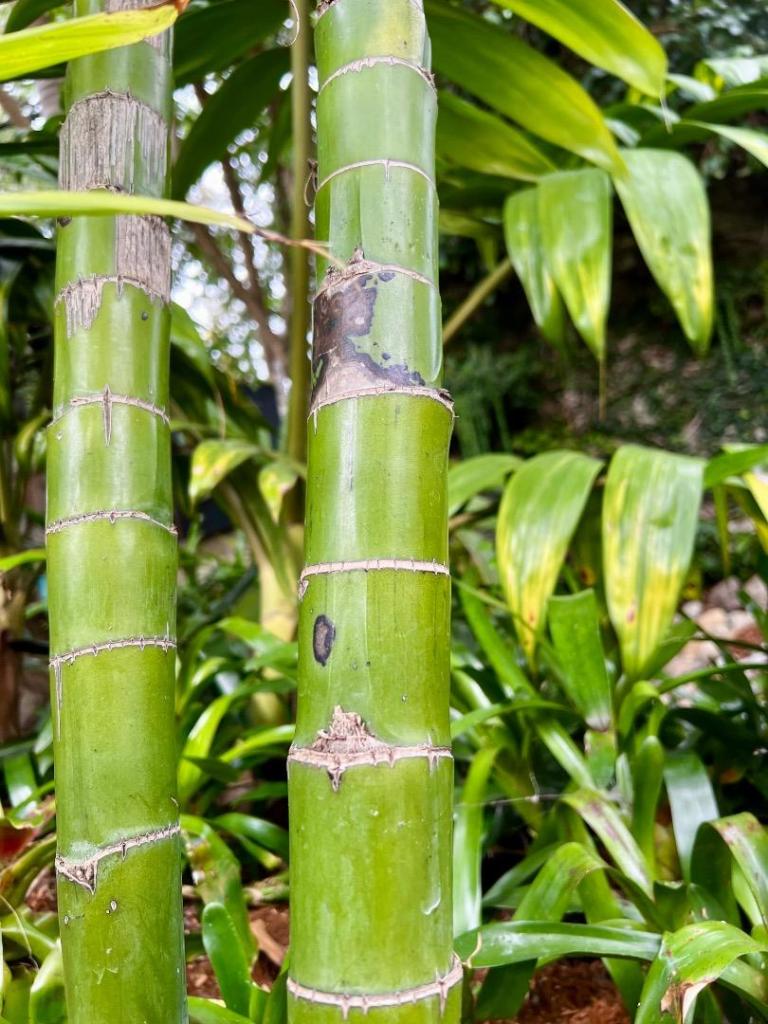
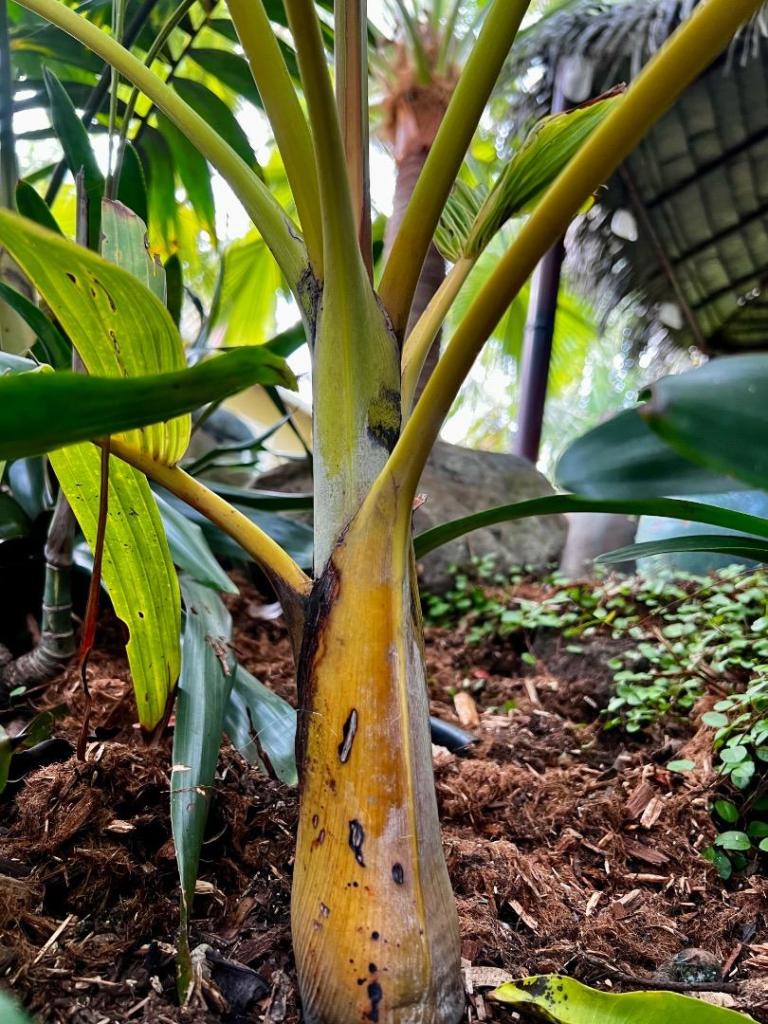
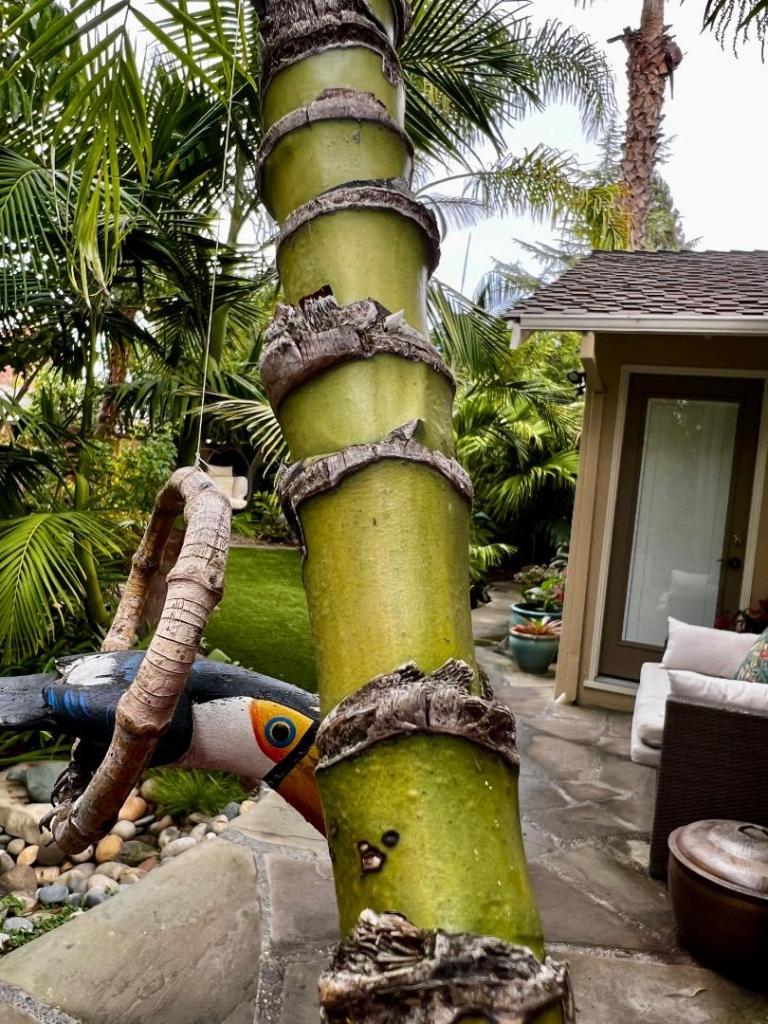
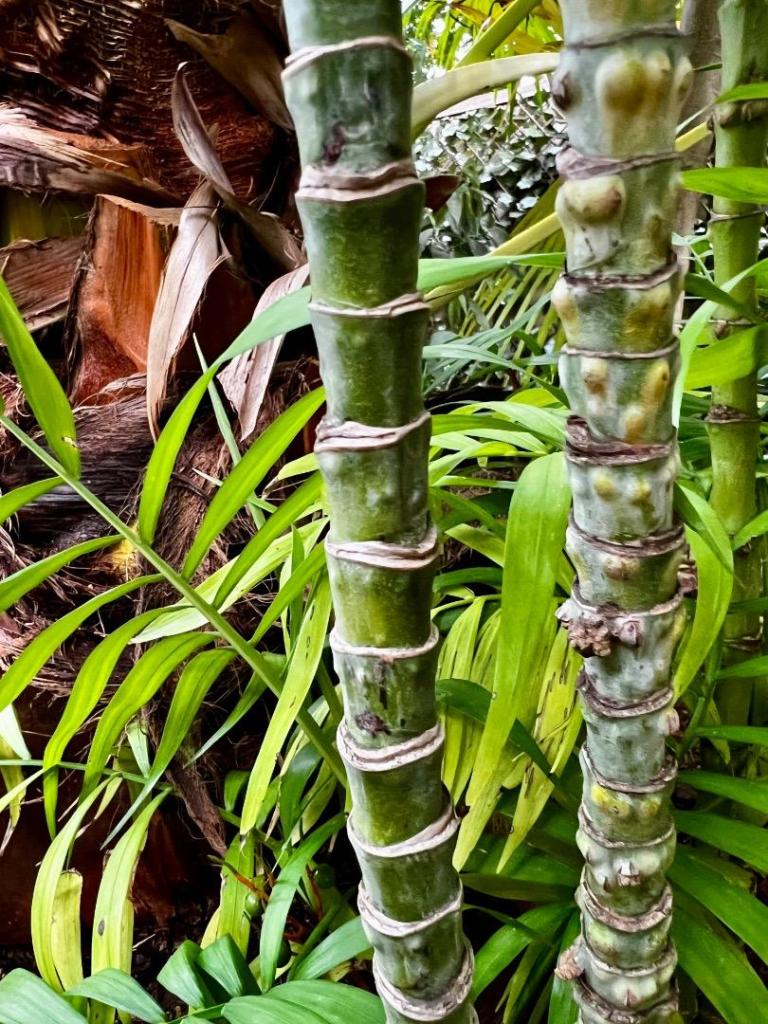
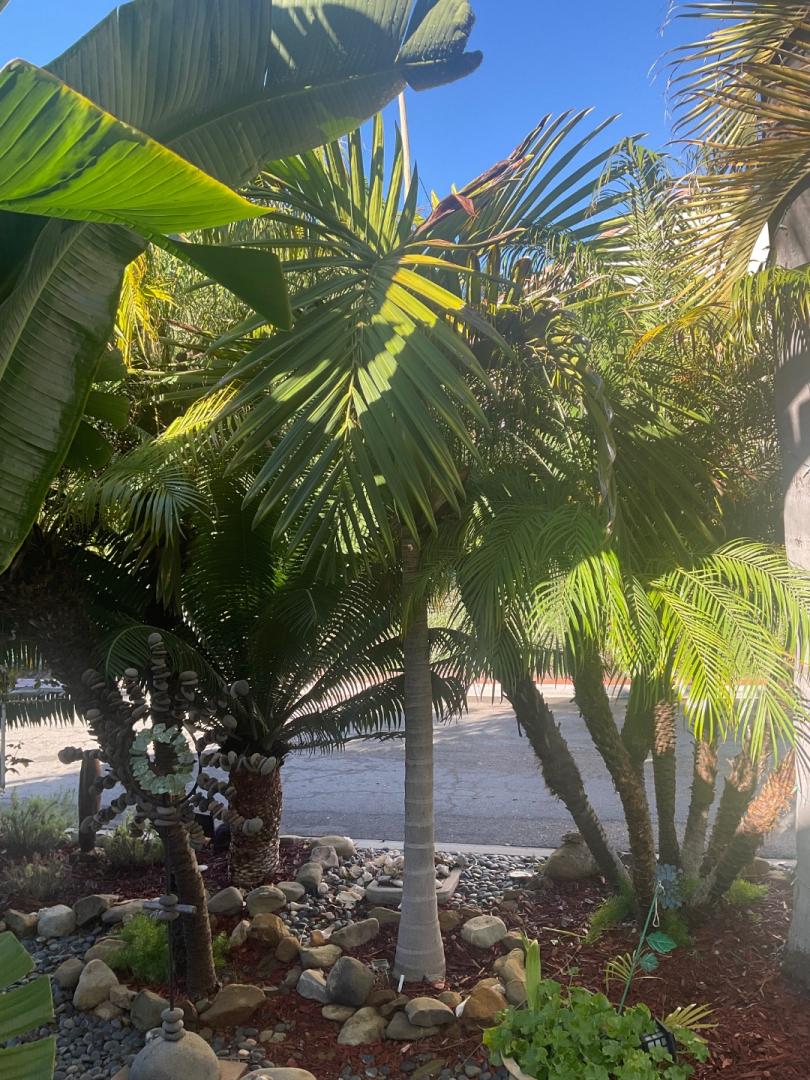
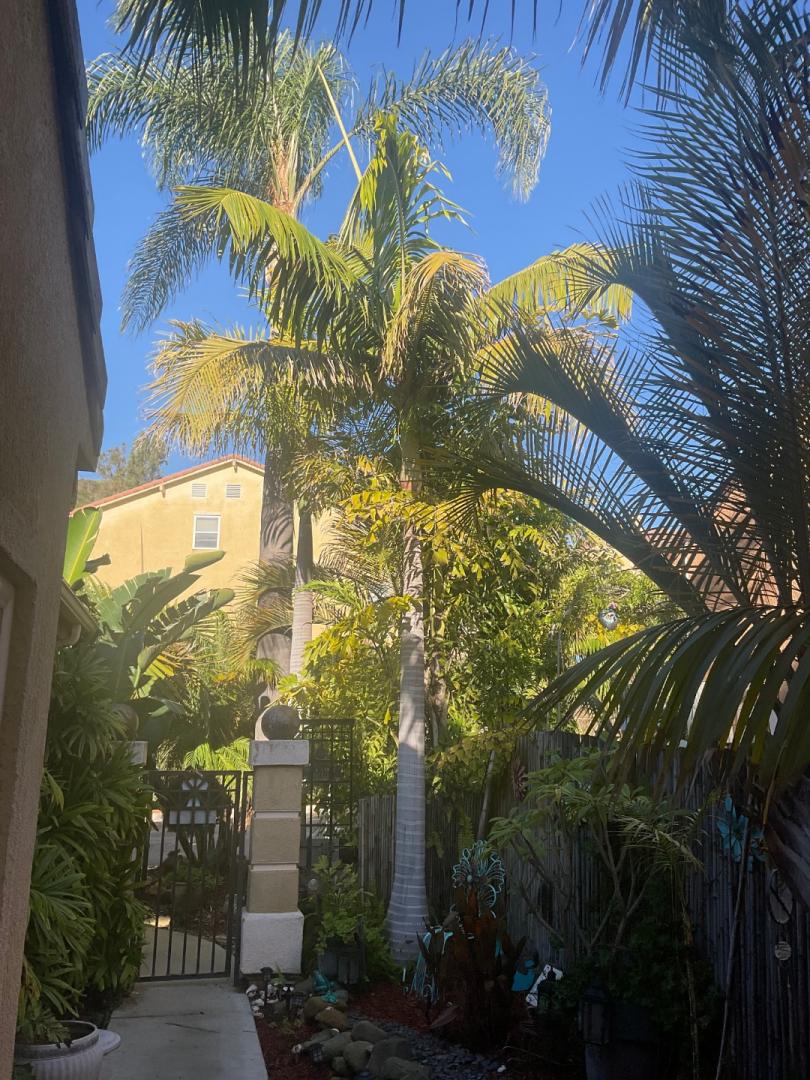
Here are some of the more colorful palm trunks in my Northern California garden. Post yours please! Howea forsteriana Rhopostylis baueri Archontophoenix purpurea Chambeyronea macrocarpa Archontophoenix myolensis Chanaerops costaricana Rbopalostylis sapida ‘Chatham Island’ Rhopalostylis baueri Rhopalostylis baueri Chrysalidocarpus decipiens Wodyetia x Veitchia Chamaedorea ernesti-augusti Howea forsteriana Chambeyronia hookeri Euterpe edulis Archotophoenix alexandrae Phoenix roebelenii Caryota urens R. sapida Hedescepe canterburyana Chamaedoea tepejelote Bentickua condapanna Dypsis rosea Chamaedorea species Euteroe edulis ‘Orange Crownshaft’ Chamaedorea elegans C. radicalis Livistona australis


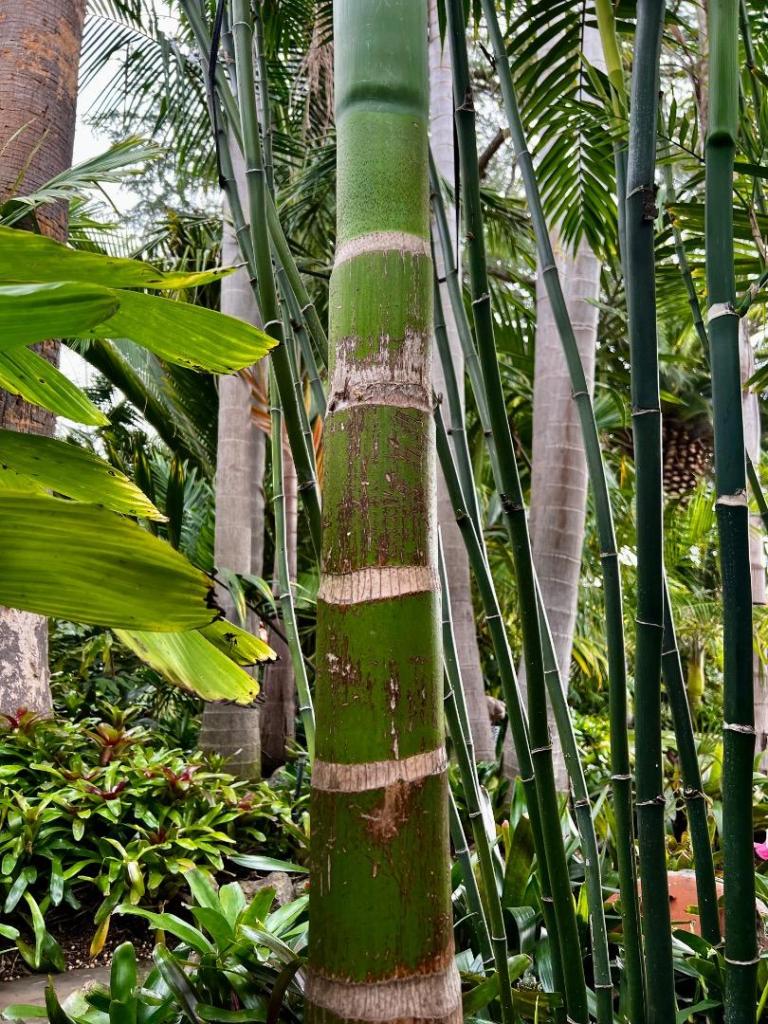
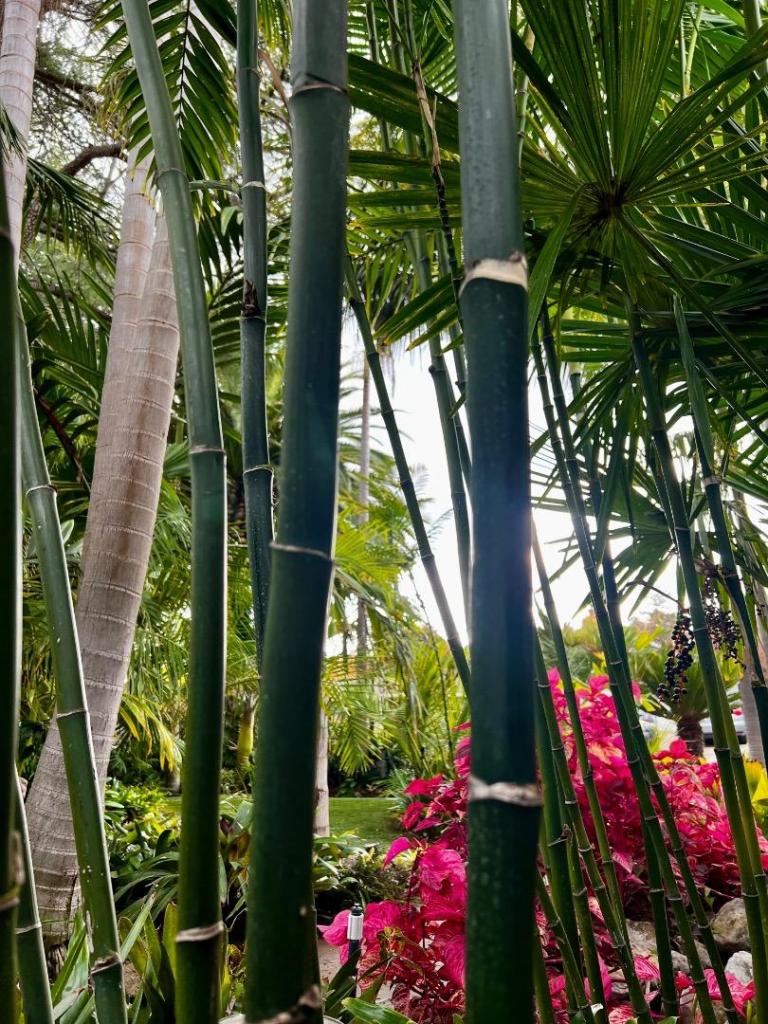
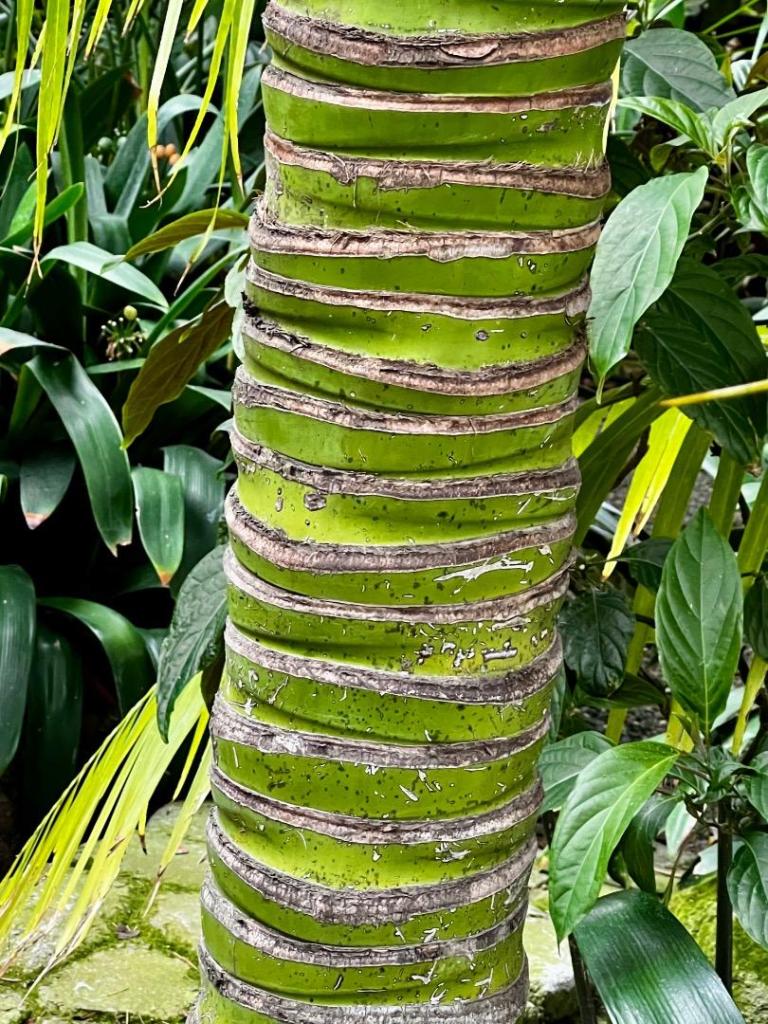
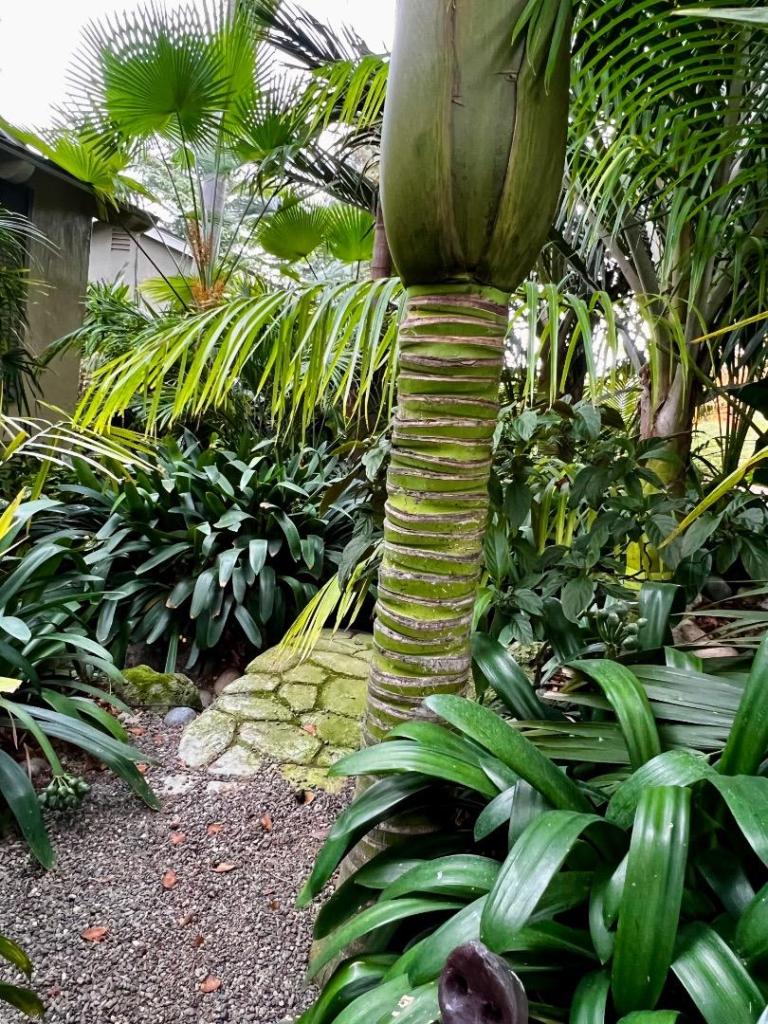








 2 points
 -
Yes, it was avocado pot in original2 points
-
Φυσικά, μια ελληνική συζήτηση πρέπει να γίνουμε πολιτική!2 points
-
Grow it meanwhile in a deep pot filled in only with pumice. You won't regret it.2 points
-
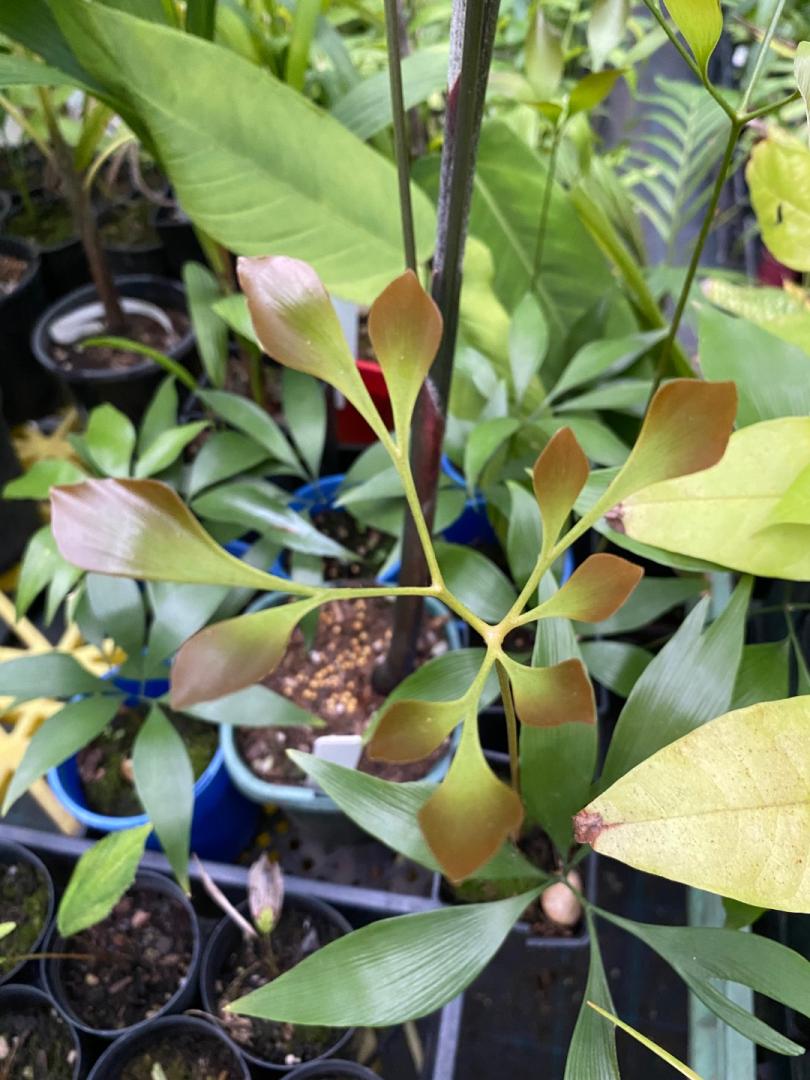
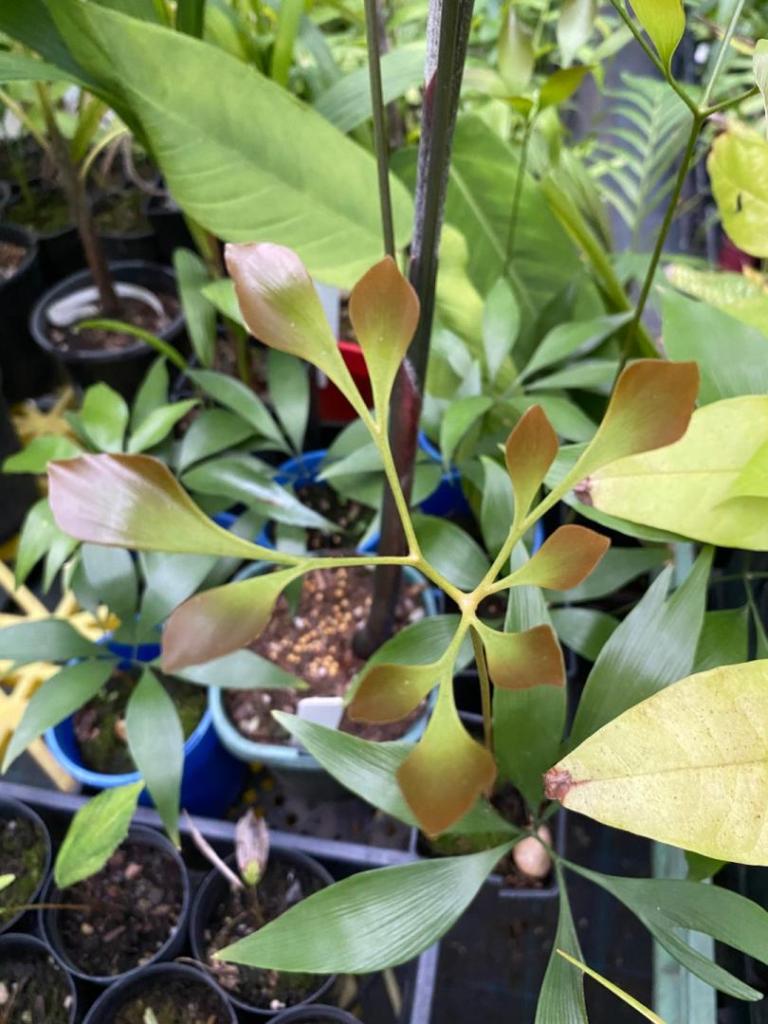
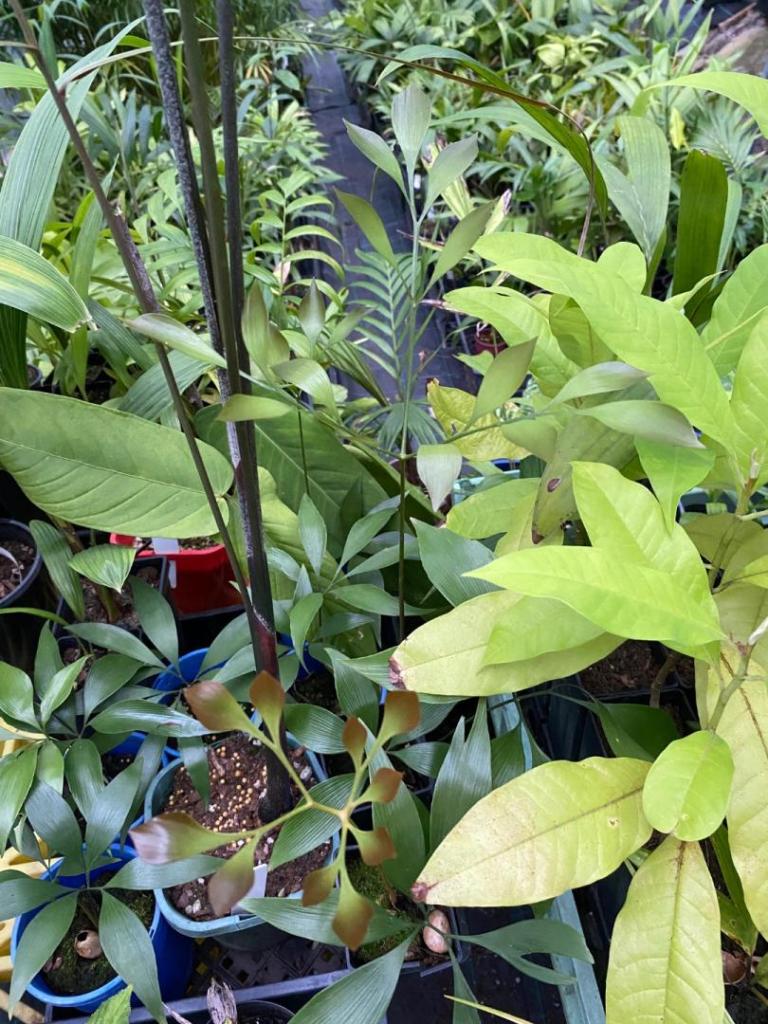
A nice bit of colour on the bowenia spectabilis!
 2 points
 -
Spears are moving, we are back 😊👍🏻
 2 points
 -
I also have one from thrinax, same size as yours. I won't put it in the ground yet, im pretty sure it will die at this size. I guess it will be another 2 years before I can consider it, depending on how much it has grown. Waiting sucks but so does wasting a palm. In the meanwhile I hope I can find a bigger specimen for sale somewhere (at a price I can afford). They have deeeeeep taproots so keep using deep pots like this one. Good job! How often do you water it at this time of the year? Do you use grow lights?2 points
-
Great shots!2 points
-
Wish you a merry Christmas. Here’s Houailou and Hookeri in the background (two, look closely!) after our rainy Christmas Eve. Maybe share a nice palmy Christmas picture, even if the palms are indoors….
 2 points
 -
The hybrid is here. Took this shot this morning. Curious what the resulting offspring look like.
 2 points
 -
So, after looking at my Plumosa, the inflorescences are definitely different. The overall look is of Plumosa, the inflorescence has glaucifolia written all over it. Hybrids are always a pain to ID the parents. But a great looking specimen, whatever it is!2 points
-
There's enough data to begin working on some rudimentary analytics. This post is the first set of analytics showing the number of observations for each species/variety with the number of deaths and survival reports, along with the lowest temperature survived and the highest temperature that caused death, where applicable. Keep in mind that the data hasn't been modified to allow analytics as far as observations where protection was provided, and doing individual climate types at this point is somewhat manual. Either way, hope this helps. 20251226_ObservationSummary.xlsx2 points
-
Putting palms out before their time normally spells death. Few species will be successful when you put them out too early. It's a shame to work so hard to keep that seedling healthy and then put it out too early. I'm thinking next May for that seedling. First you'll get 2 or 3 leaves with "windows" and then the leaves will go pinnate. As for location, my sun is so strong that a bit of shade starting out is better. Your sun may not be so strong. The California guys have more success going straight into full sun but most of them are coastal and the sun is not an intense fireball like the Greek sun.2 points
-
Wishes for a merry Christmas to everyone! Not quite the color exhibited in Dave’s picture, but a wonderful sunny morning in between storms. Couple that with the fact that I’m rarely home in the morning, and it’s pretty nice.
 2 points
 -
Merry Christmas to all ! Stunning photo and cute Santa @pogobob ! Harry Ernie says “Hey!” Looks like time to repot already.
 2 points
 -
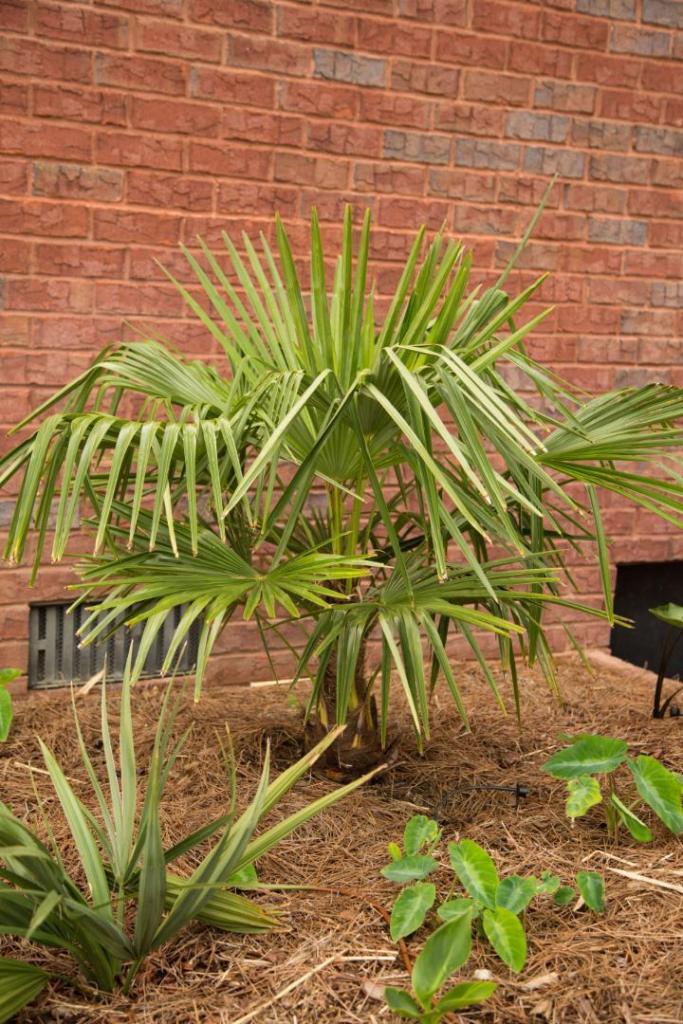
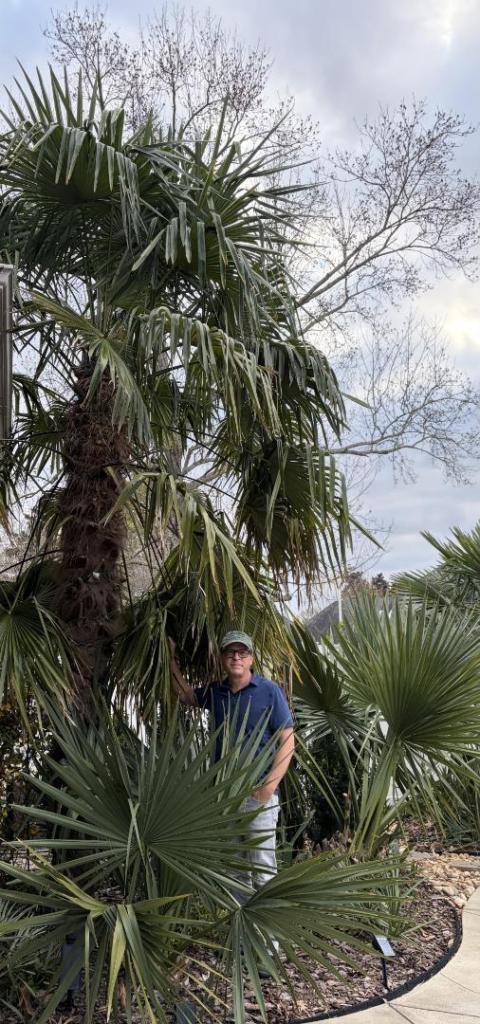
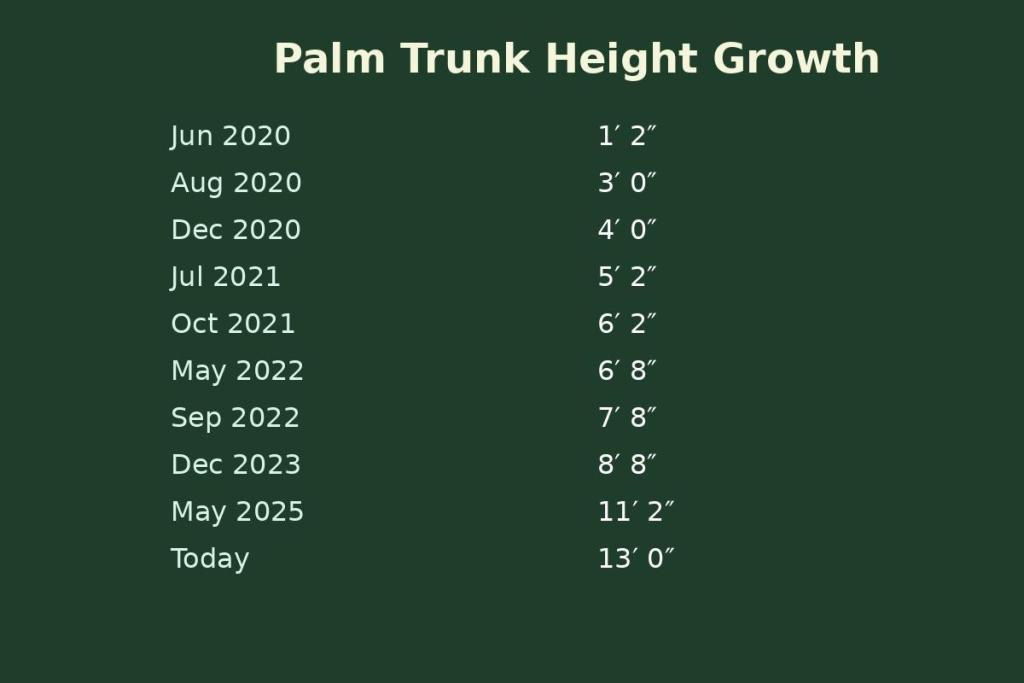
Trunk Height. Jun-2020 14", Aug-2020 36", Dec-2020 48", Jul-2021 62", Oct-2021 74", May-2022 80", Sept 2022 92", Dec-2023 104", May-2025 134" Today estimated 13' trunk ----- 2022 Video https://www.youtube.com/watch?v=un0O0tfCKos 2019 2025
 1 point
 -
First up $97 bucks is it gold leafed, it was a huge industry the Howea back in the day, iam sure the European market must be just as strong still. The company I worked for sold there palms to the indoor plant hire businesses, shopping centres and office buildings as well as high end hotels. Unfortunatly now that all remains of the growers of the past is a name of said growers, and if that name is Richard it can’t be that bad of a name 🤣 Richard1 point
-
Then exclude all three from provided knowledge and anyone else growing palms in Kalamata! Although I am almost sure there are a couple snitches visiting occasionally this forum...1 point
-
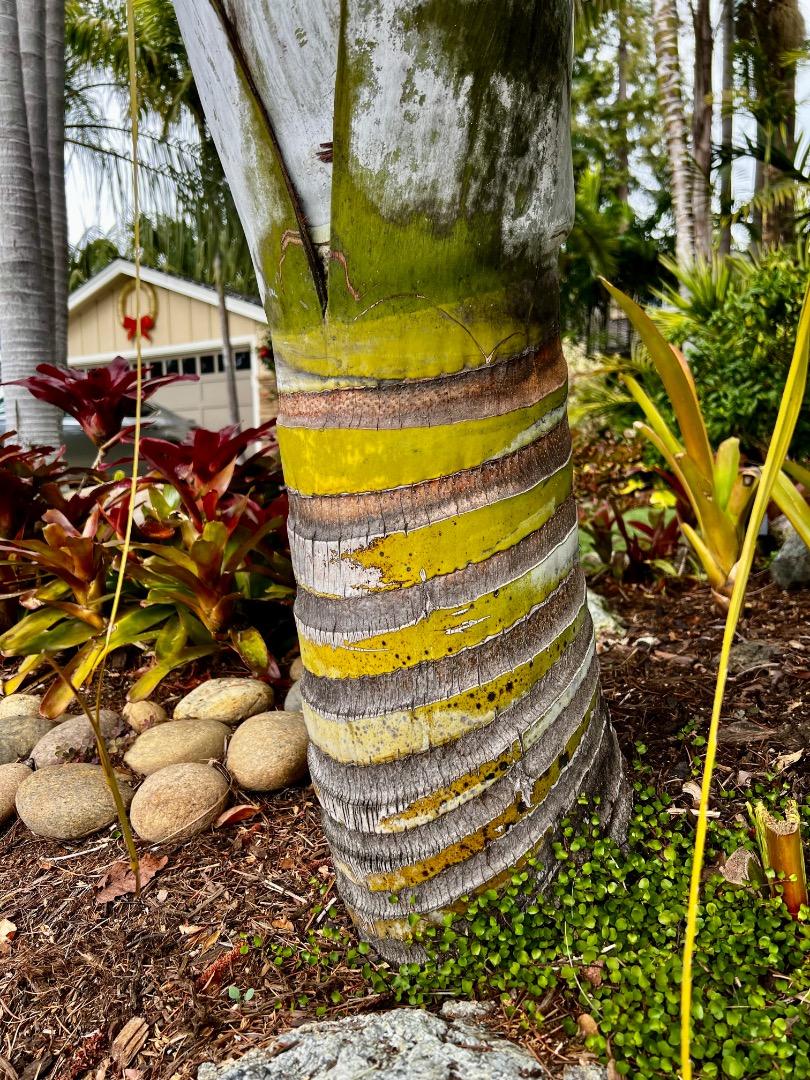
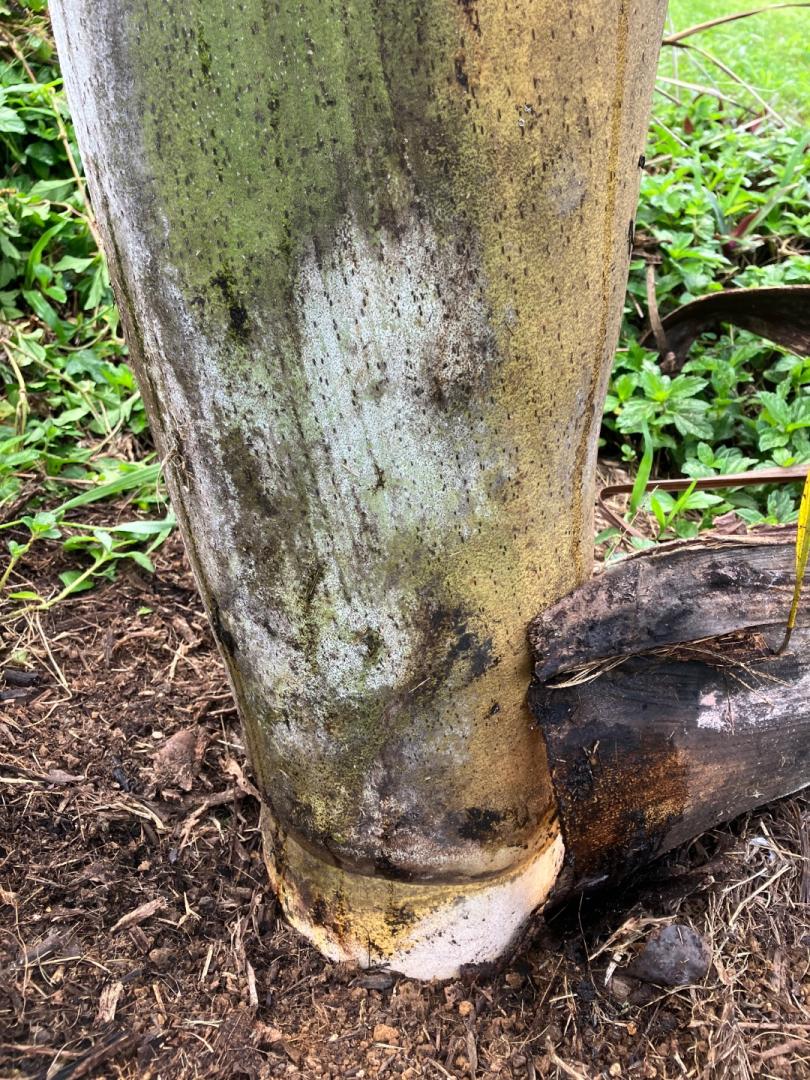
The trunks and petiole of palms exhibit lots of color after the rain. Harry C. Lutescens.

 1 point
 -
Ya know, the amusing, super duper egopathic old man.1 point
-
Not recommended. It needs soil amendment both regarding acidity and organics. Also fairly sensitive to soil salinity. Please do not transfer knowledge to the 🤡!1 point
-
I wonder if Beccario can grow in alkaline soil.. My soil's pH is 8.2! Of course I can always make a high bed with acidic soil.1 point
-
Growing palms you can never really water them enough, especially if you have free draining soil. Increasing humidity will stretch internode length on a lot of plants.1 point
-
The coconut palm is one that won’t grow in my climate, so a beccariophoenix will do for now for me, the fenestralis looks it’s best as juvenile palm. There all rather large palms which will suit my garden well that has a lot of space. And as for cocos never been a fan of the genus, but it will be interesting to see if some of the new cocos varieties turn out to be a weed like the romanzifollia!1 point
-
Yeah I get plenty of sun through the window even now in winter so should be fine. I have an app called Photone in sun it showed up to 300k lux idk if it’s accurate or not1 point
-
He's gonna get loads of heat from May to October.1 point
-
ChatGPT may have just had a bug in it.1 point
-
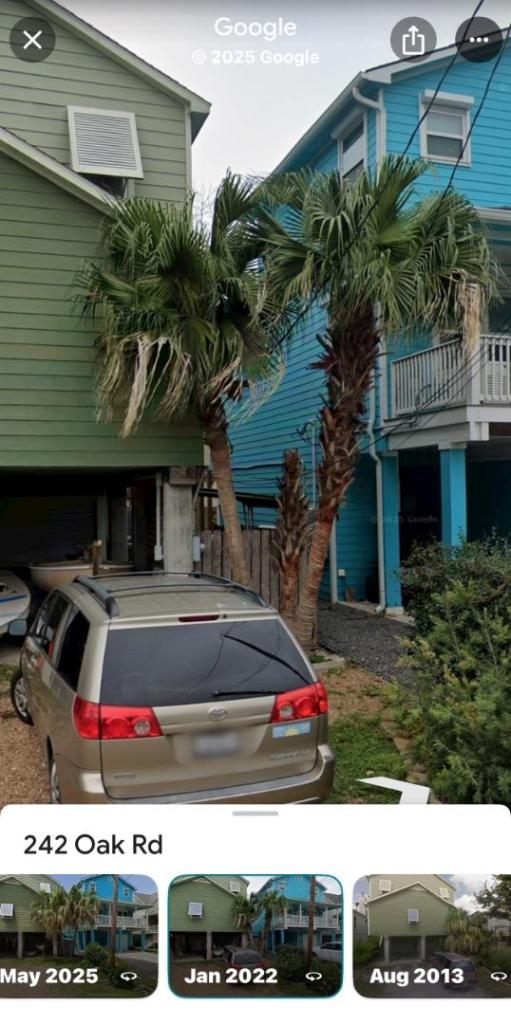
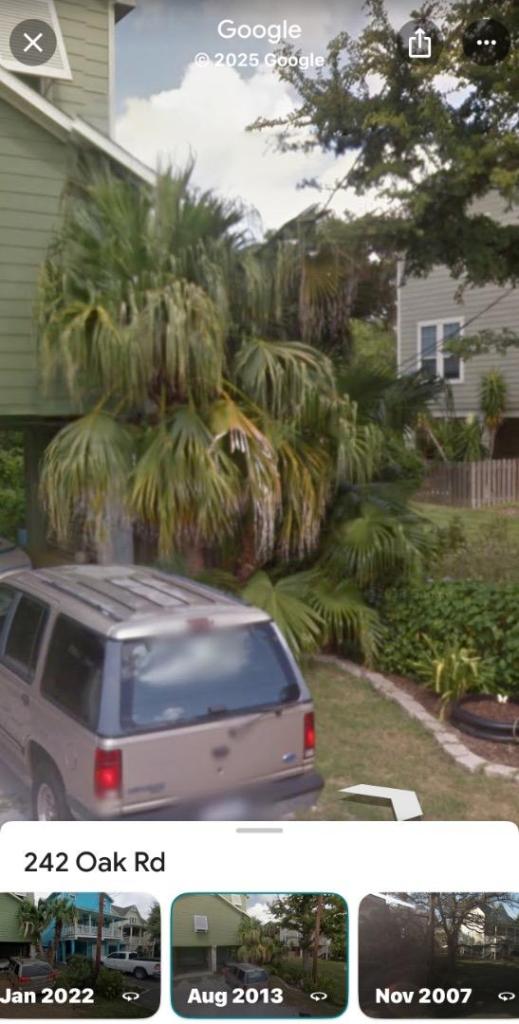
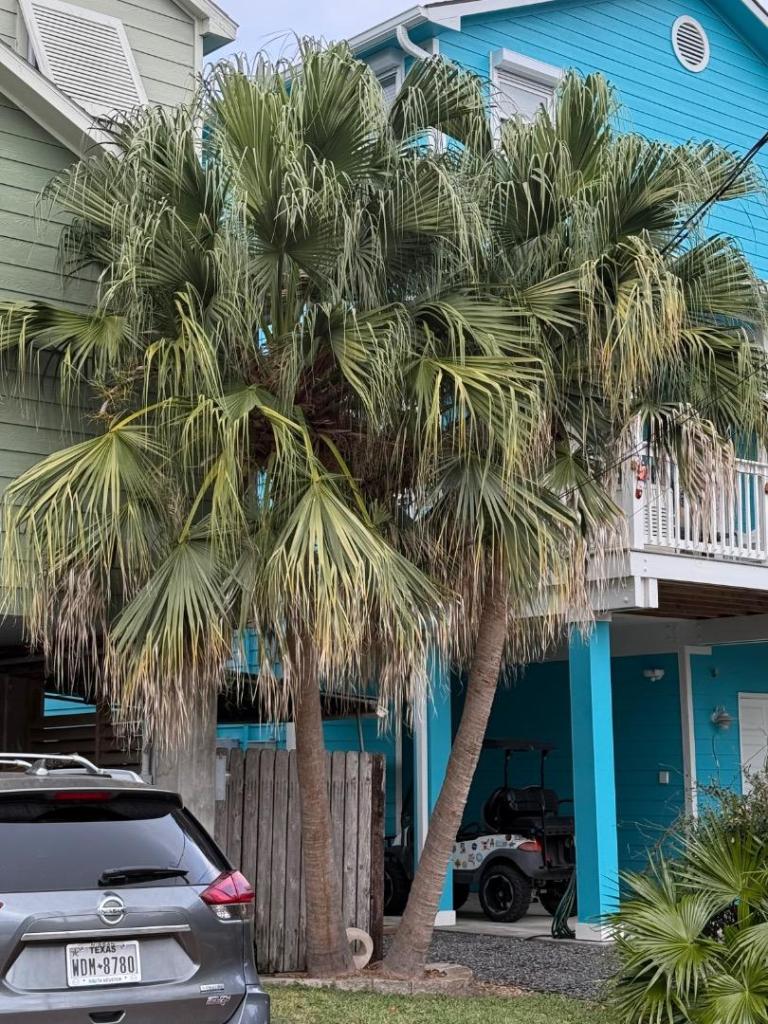
The Livistona decora on the waterfront property replaced queen palms, but these nitida(?) survived aside from one trunk.

 1 point
 -
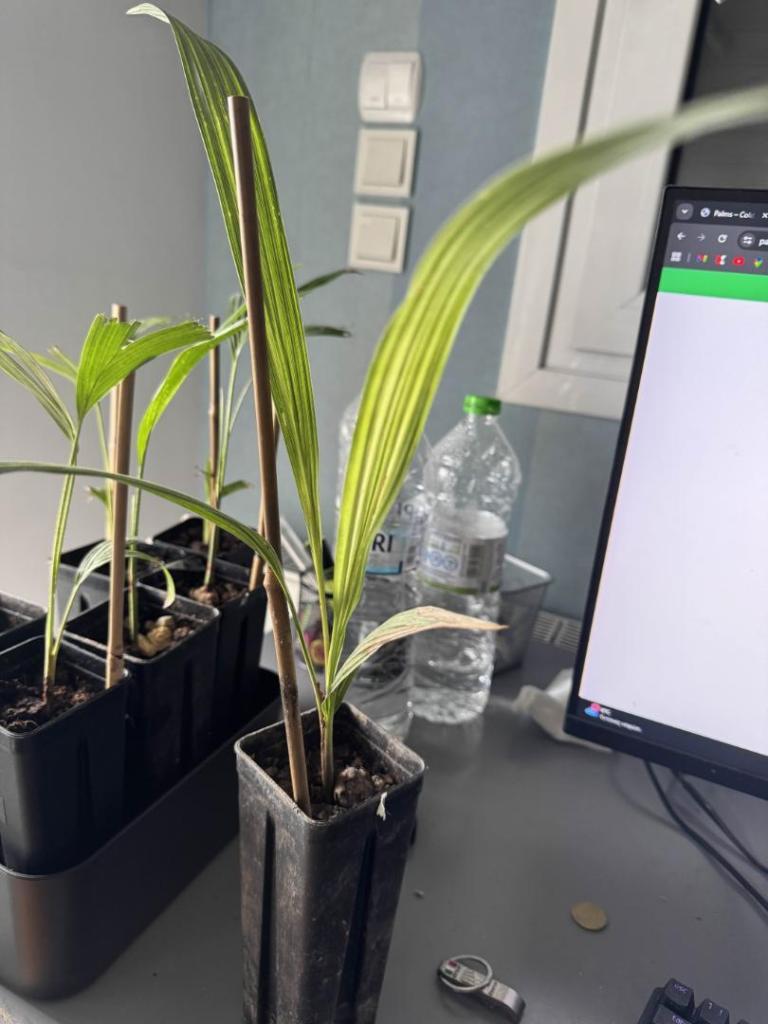
and it looks so incredibly healthy too this is my dream. I also have a little seedling i bought from thrinax and im thinking about planting it at my summer place since its 9b there my main location is on the border with 9a and 9b i have made a new post about it.
 1 point
 -
Here’s a better picture of Houailou.
 1 point
 -
I had about three inches, according to my Redneck Rain Gauges.1 point
-
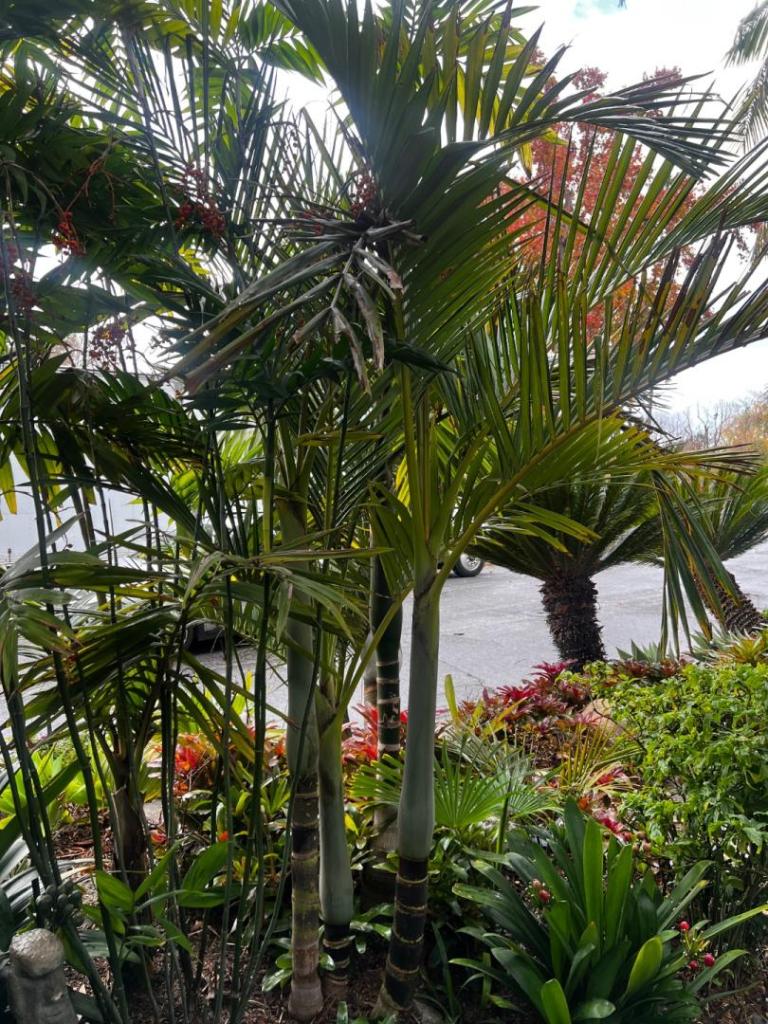
That crispy frond is actually coming from the Chambeyronia behind.
 1 point
 -
Defuniak purchased from PDN this summer. Did well with our dip into the teens this week.
 1 point
 -
Lepidorrhachis mooreana, ground planted on 28.06.2011, as a small seedling approximately 15 cm (6 inches) tall. The true trunk shown is 14 cm (5.75 inches) in diameter. Previously I have grow two adults to a trunk height of 75 cm (30 inches) but both died from various causes before producing seeds. They did produce numerous spadices, including immature seeds.
 1 point
 -
Looks like a very healthy plant. They seem to be pretty hardy once fully pinnate. You've been dodging the magnesium issues those things have at youger age. Keep a bit of magnesium available for your palm. I have this one, great palms to own:
 1 point
 -
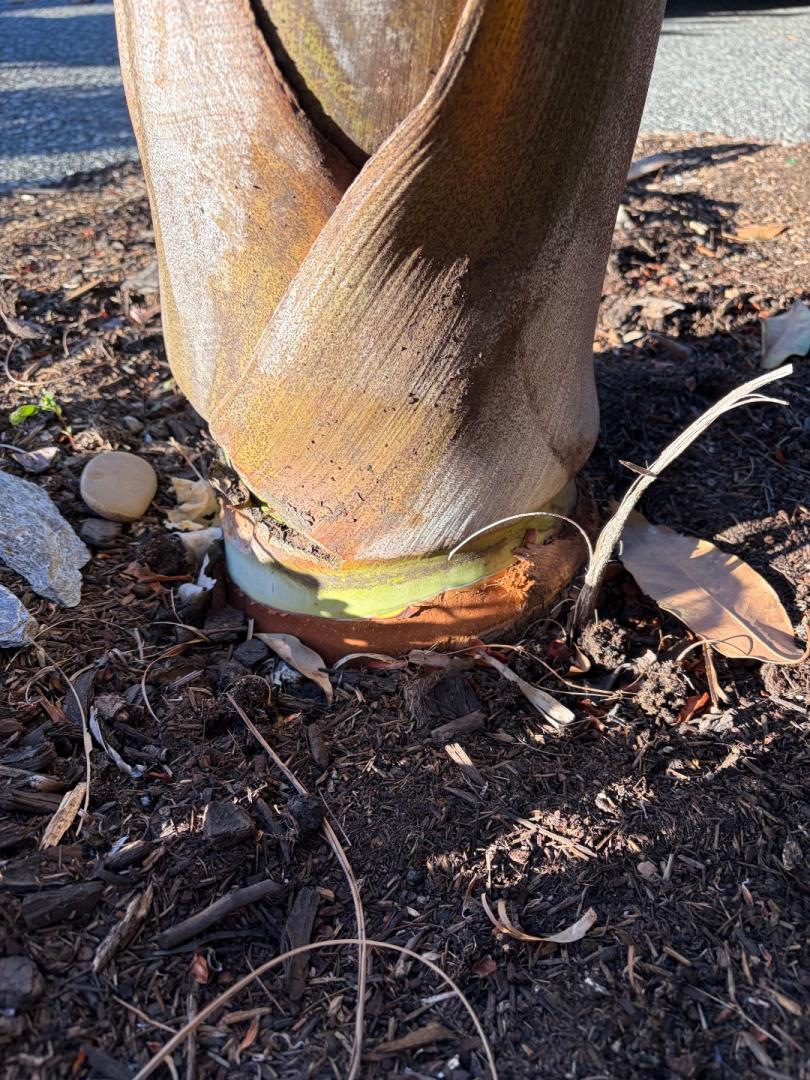
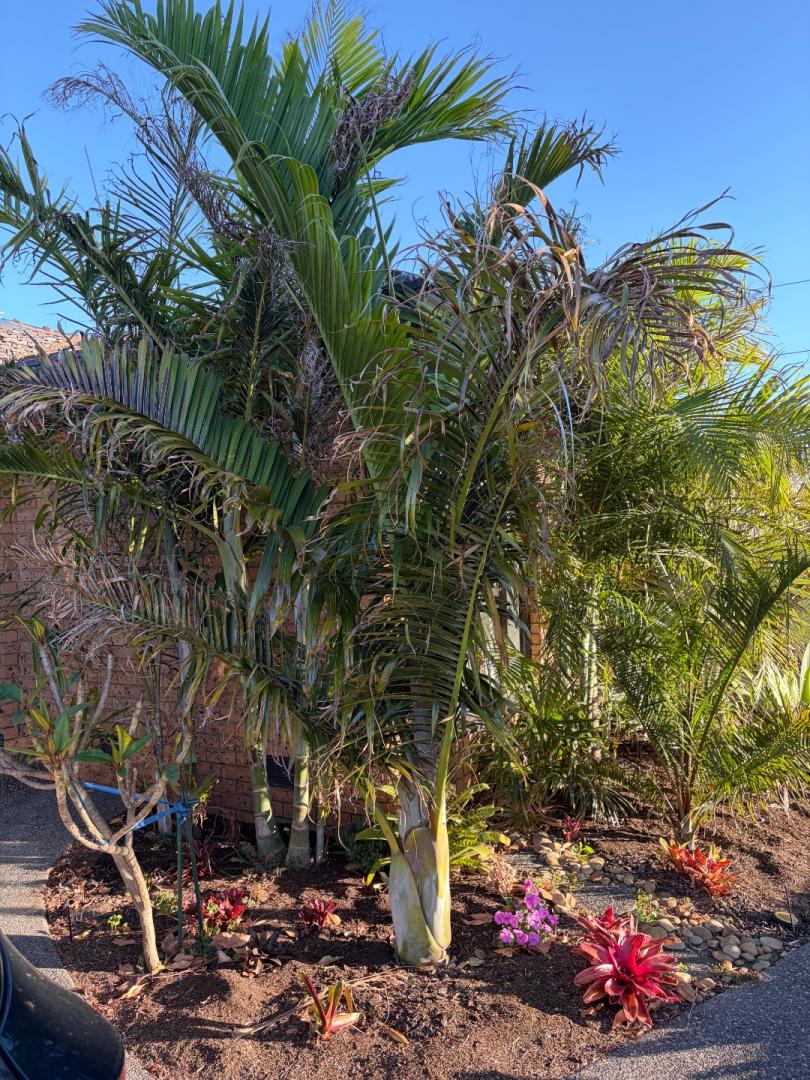
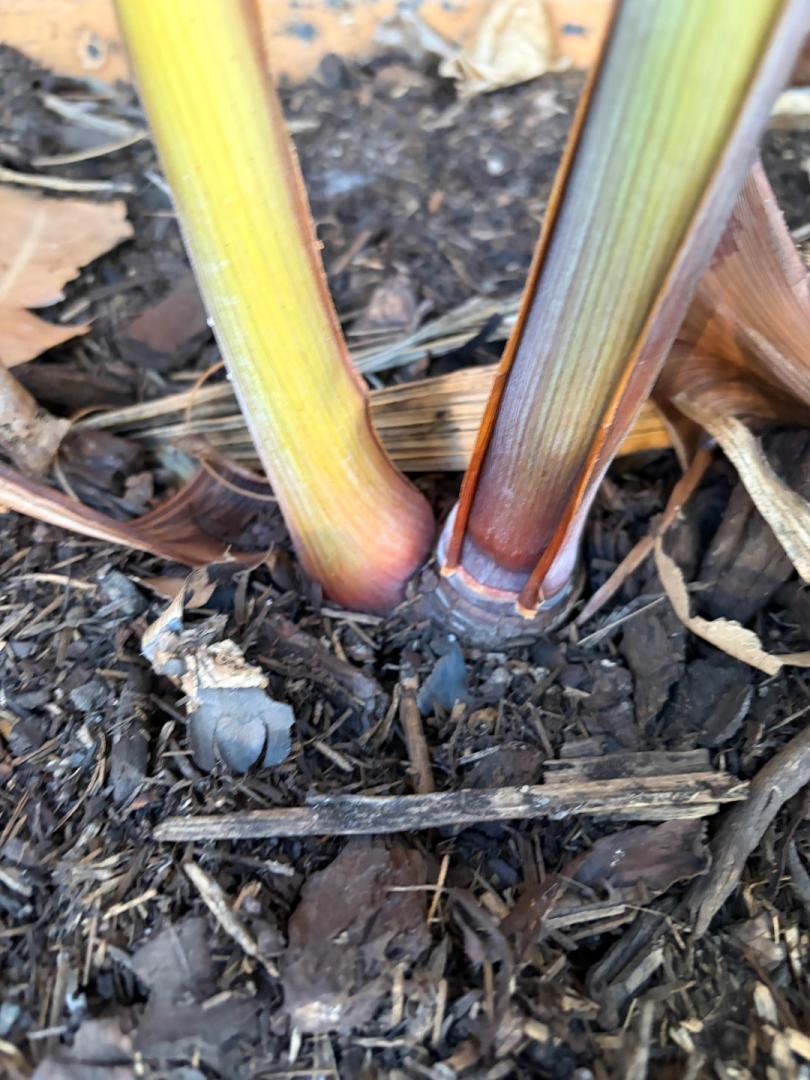
Welcome to the forum @Lande! They can be planted very close and will grow given enough light, nutrients, and water. The decision of how far apart depends on the "look" you're trying to achieve. If you plant say three seeds right next to one another they'll grow with a fairly straight stem angling wider as they get taller. If you plant three seedlings together that were started separately and angle them out, they'll grow with more of a curved stem. Here's a bunch of Adonidia seedlings that started because my neighbor raked up seed and forgot they were in a bucket. No soil just whatever mango leaves fell in the bucket.1 point













.jpg.0cf735c7525858af1582442942bc68e8.thumb.jpg.894f59a749fff01eb286c1fe4a50ab62.jpg)